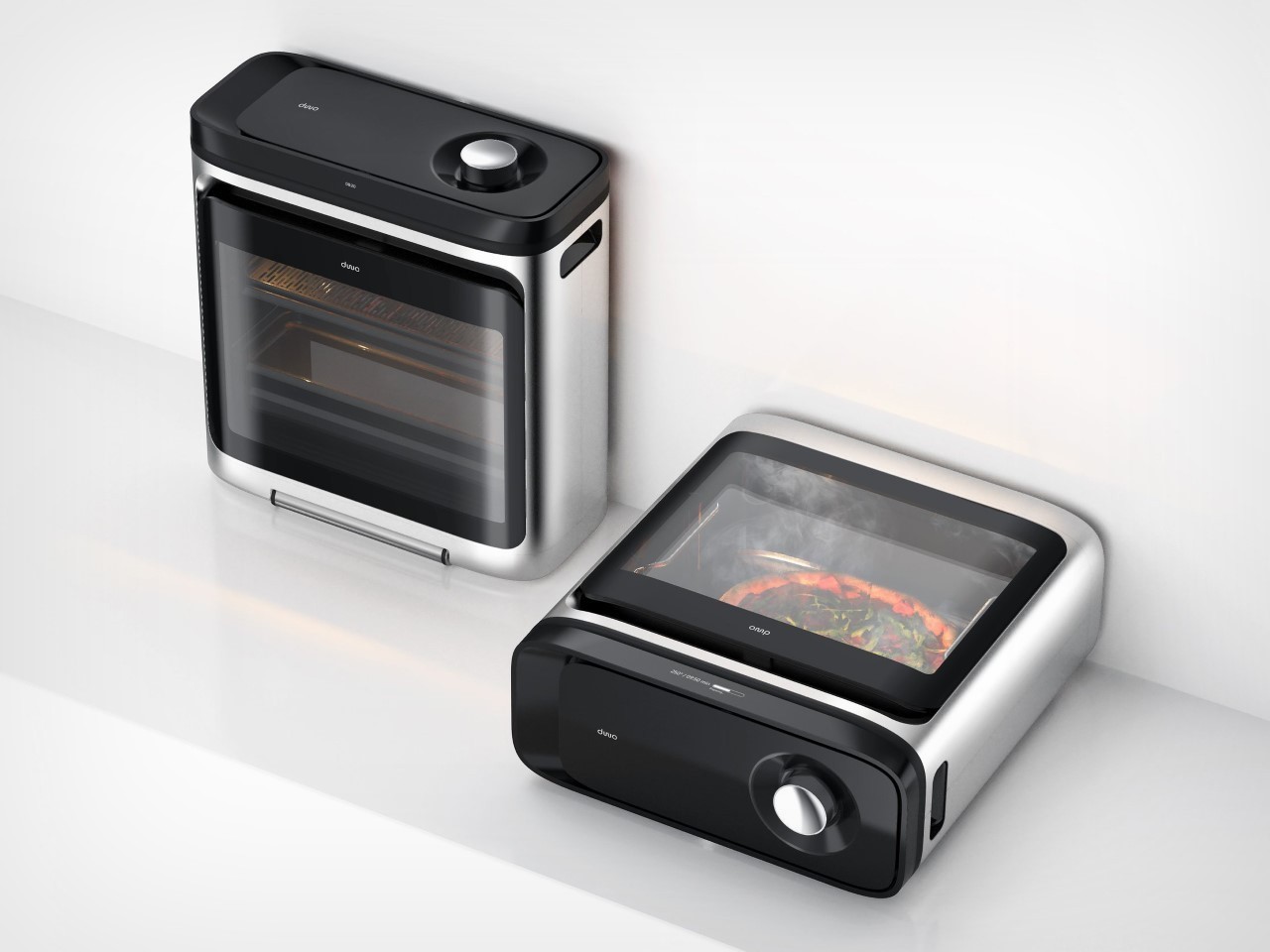
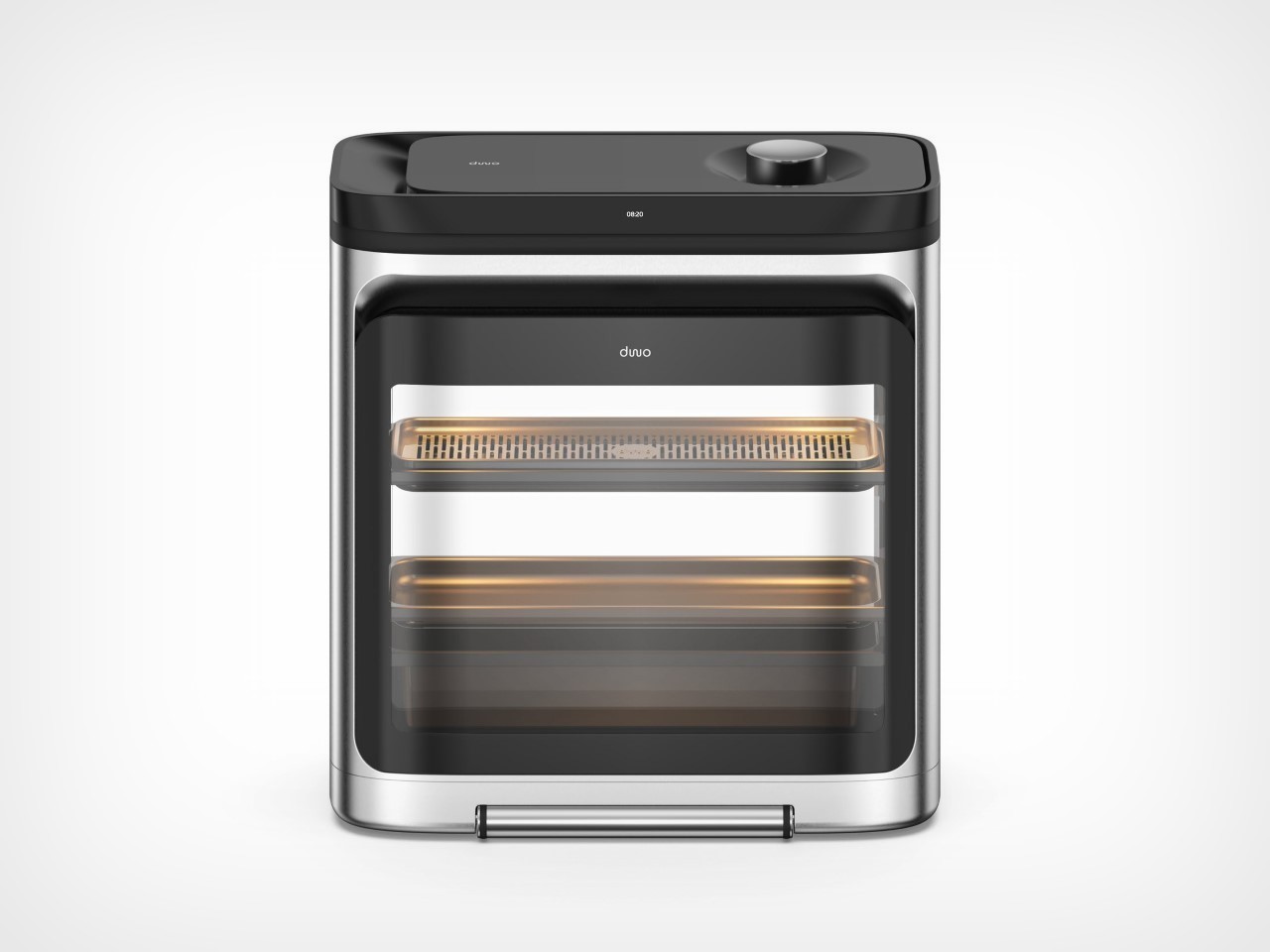
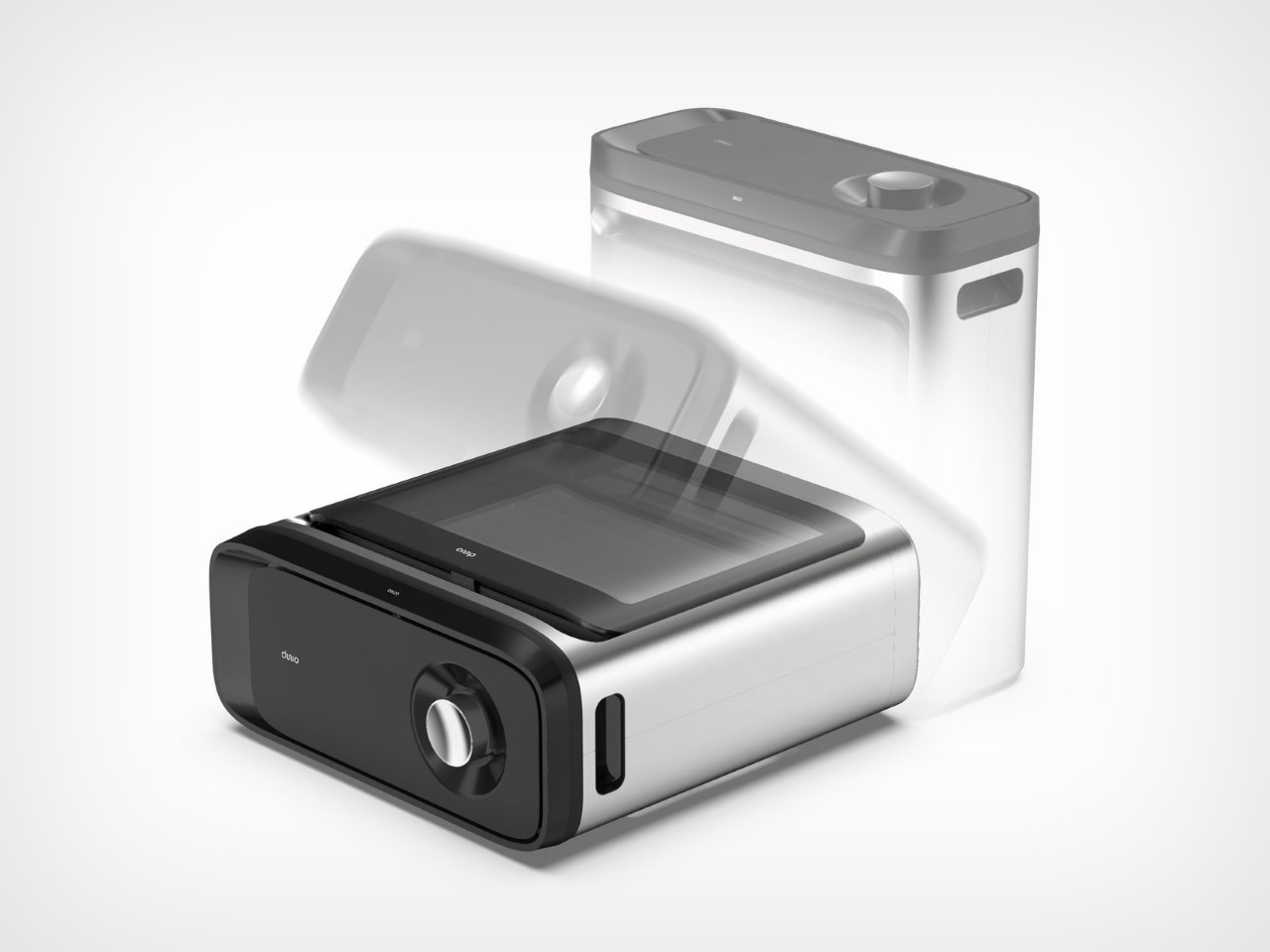
I remember seeing a video where a toaster could be laid on its side and used as a pizza oven instead. Rather than simply toasting bread slices, you could apply a small amount of sauce, pop a pepperoni slice or two, and some cheese and slide it into the horizontally kept toaster. Working essentially as an oven now, this toaster could be used to dish out quick pizza slices, or even toast up garlic bread, bagels, etc. While that sideways toaster use is more of a lifehack, it’s the Dwo Oven and Multicooker’s very USP. Designed to be used vertically as a regular oven, or sideways as a wider pizza oven, the Dwo goes to show that even something as basic as your average kitchen appliance has the potential to be reinvented.
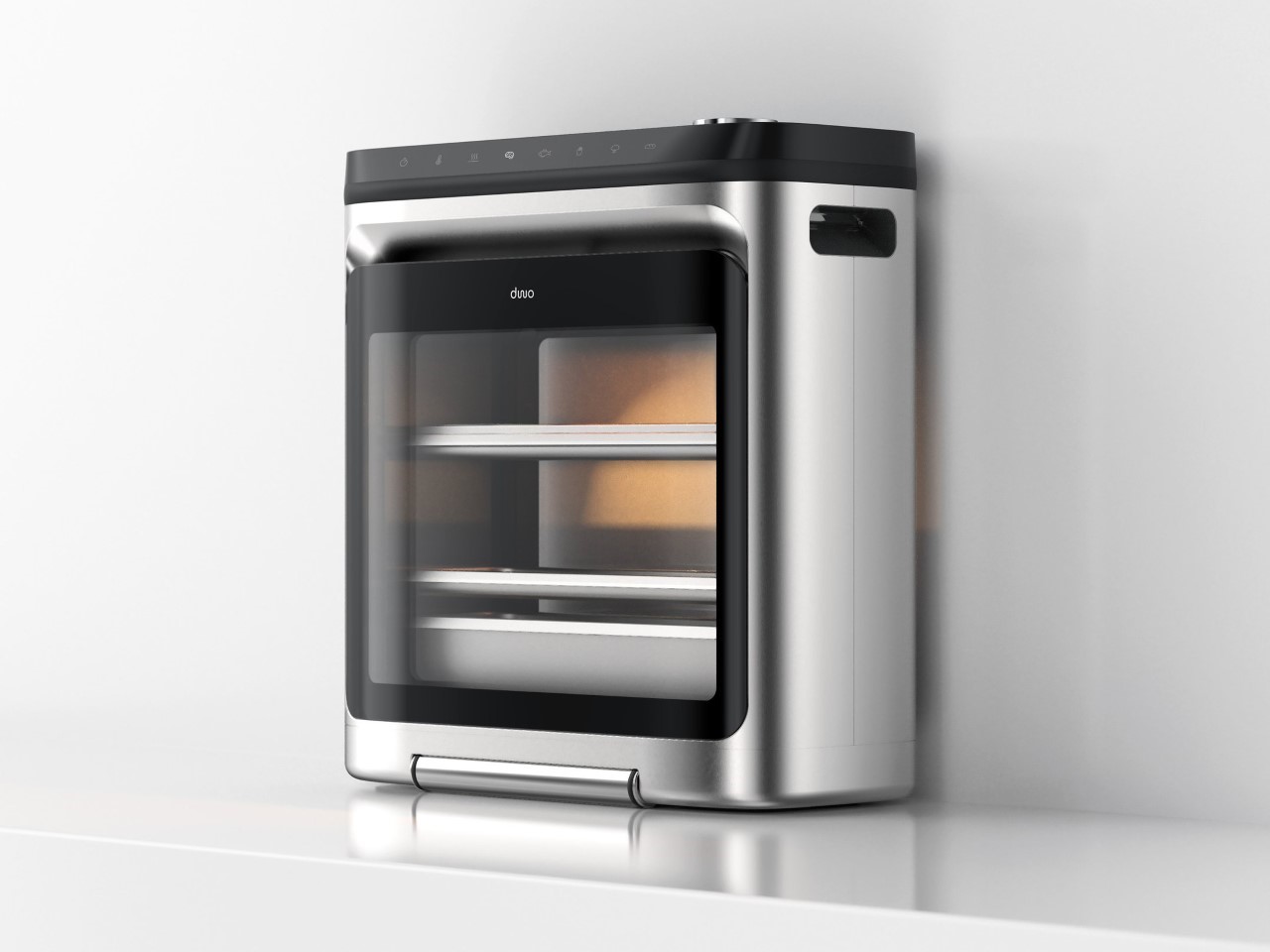
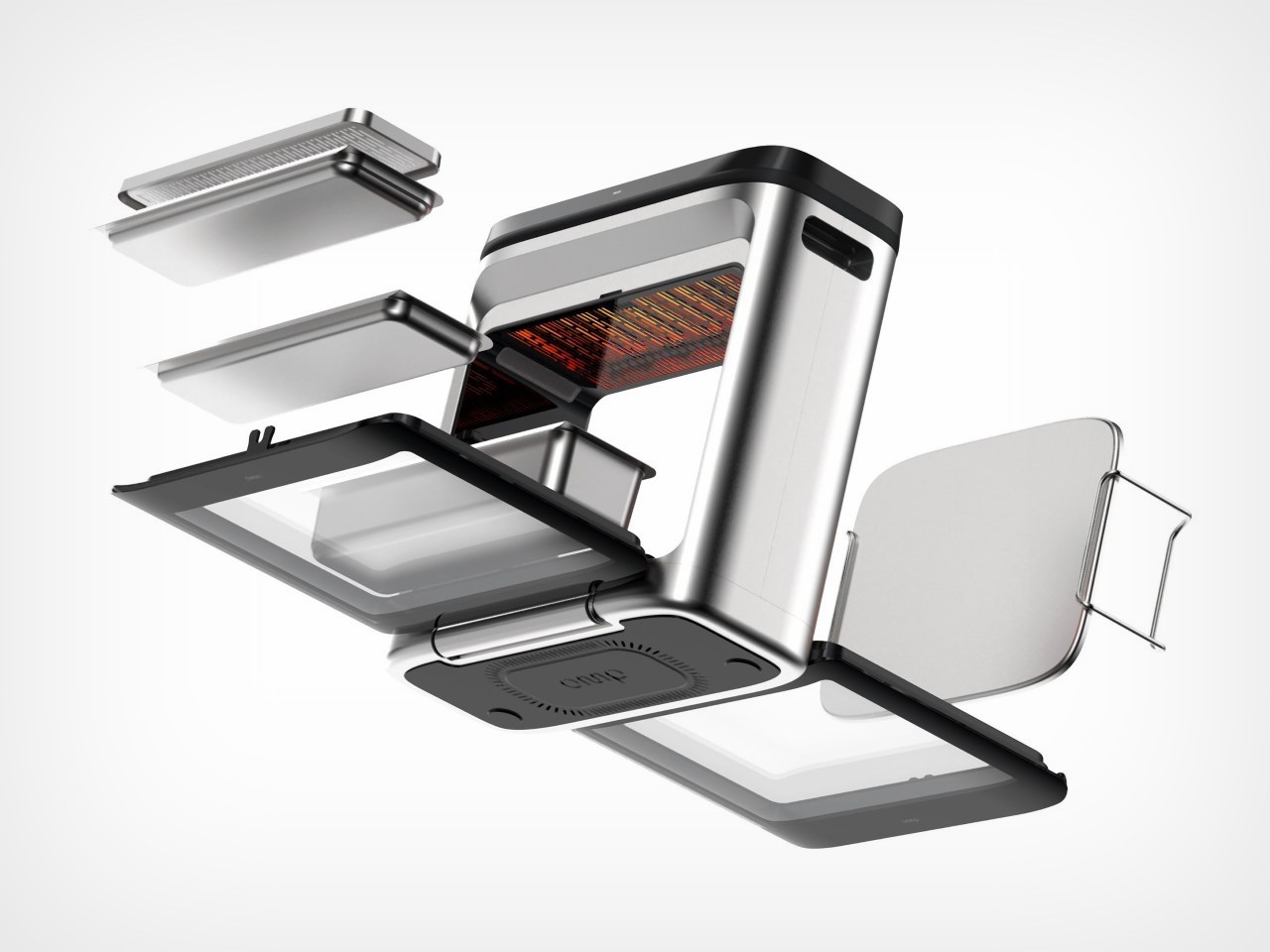
Designed for compact kitchens that can’t accommodate too many appliances, the Dwo lends itself to multiple use cases thanks to an adaptable design that works standing up as well as lying on its belly. The oven comes with a slim profile, sporting clear windows on the front and back, along with a control panel on top that lets you set the temperature and timer. The clear windows also function as doors, with both of them opening depending on how your oven is oriented. When standing up, the front-facing door opens to give you a narrow yet vertically spacious oven, while when sleeping down, the rear door (which is now positioned on top) opens to let you lower wide items into the oven. The concept is sort of like a wood-fired oven versus a tandoor – one has a frontal opening while the other is accessible from the top.
A roller on the bottom of the Dwo helps it easily transition between its two orientations, allowing you to easily and swiftly change between vertical and horizontal use. Vertically, the Dwo is perfect for multi-level cooking, like baking loaves, tea cakes, or a row of cookies. Lay it flat, however, and you can now lower a wider pan into it, making it ideal for pizzas, wider cakes, focaccias, pies, etc. Of course, orienting your oven vertically or horizontally means the heat coils face in different directions based on the orientation. While horizontal, your pizzas don’t necessarily cook fast from the top or the bottom, given that the heat coils are located on the sides. However, with some clever thermodynamic engineering, the Dwo could be turned into a heat-guiding furnace, so your pizza cooks evenly with browning on the bottom and a melted layer of cheese on the top!
Designed by Colombia-based Dogma Design, the Dwo is a Best of the Best winner of the Red Dot Award: Design Concept for the year 2024. It gives you an adaptable oven that doesn’t occupy much space, and can be used for something as basic as reheating an entire pizza to something more complex like making biscuits or cupcakes. The oven’s unique flat-ish internal space might be limiting had it not been for its ability to literally lean over and shift between standing and sleeping formats. No more trying to tilt the toaster on its side to lifehack your way through college!
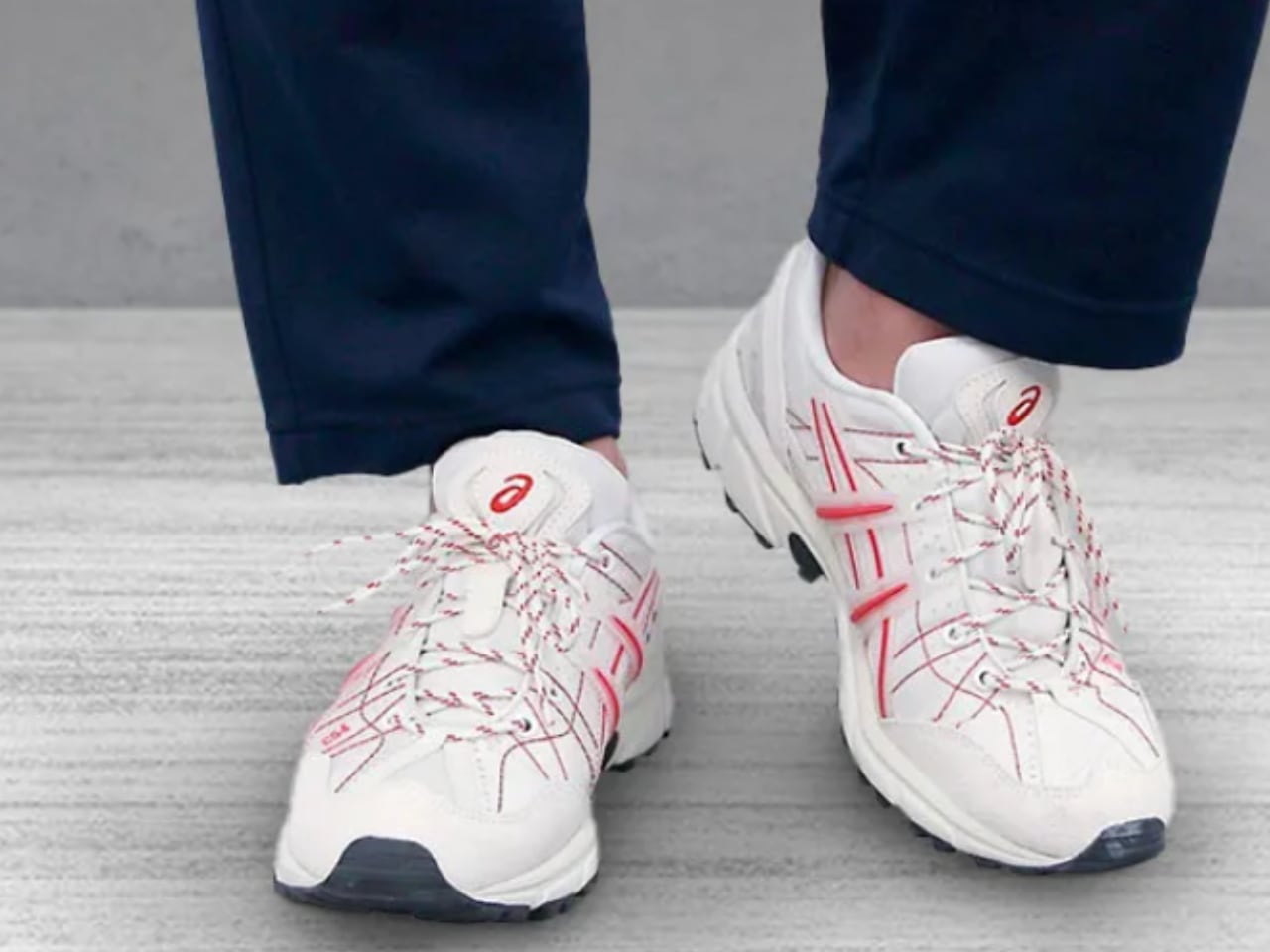
Welcome to Sneakers Sunday, readers! Today, let’s explore a remarkable sneaker partnership combining sustainability and innovation. The ASICS GEL-SONOMA 15-50 emerges as a product of a unique alliance between ASICS and automotive parts manufacturer Toyoda Gosei, merging the worlds of sportswear and automotive expertise. This sneaker artfully weaves elements from the automotive airbag industry with cutting-edge design, showcasing repurposed materials known for their strength and resilience—originally crafted to save lives. By focusing on upcycling, the GEL-SONOMA 15-50 highlights resource efficiency and sets a new standard in cross-industry creativity and design.
Designer: ASICS + Toyoda Gosei
Design Elements That Matter
The sneaker distinguishes itself through its innovative use of airbag materials. This approach is far from a gimmick; it utilizes airbags’ durability, lending a rugged yet refined feel to the upper. Originating from components designed to handle intense pressure, these materials provide the sneaker with exceptional resilience, breathing new life into otherwise discarded items.
The distinctive airbag-specific stitching, featured in a striking two-tone pattern, honors the airbag’s industrial heritage. These stitches transcend decoration, symbolizing protection and sturdiness. The sneaker’s tongue draws a playful parallel to an airbag’s inflation mechanism, offering comfort while evoking its original function. Together, these design choices narrate a layered story of transformation and comfort.
Including airbag numbering and vent holes enhances its utilitarian look, embracing its roots. This raw, industrial design appeals to those who value function tied directly to form.
A Closer Look at the Material
The upper combines synthetic fiber, natural leather, and synthetic resin, offering a blend of flexibility, durability, and comfort for trail and casual wear. The rubber outer sole ensures reliable traction across varied terrains, making the ASICS GEL-SONOMA 15-50 as versatile off-road as it is in urban settings.
Sustainability: From Automotive Waste to Wearable Design
A major highlight of the GEL-SONOMA 15-50 is its sustainability focus. ASICS and Toyoda Gosei transform robust rejected materials into valuable products by utilizing airbag materials that are unfit for automotive use. This initiative speaks to a larger movement, aligning with ASICS’ sustainability efforts to reduce waste and efficiently use resources. It demonstrates the possibilities when industries collaborate to tackle shared challenges.
What the Jury Said
The 2024 Good Design Award jury praised the sneaker’s innovation and execution. They highlighted the sneaker’s clever upcycling of discarded airbag materials and recognized its contribution to industrial waste management awareness. This collaboration between ASICS and Toyoda Gosei shows how industries can join forces to create products that meet market needs and benefit the environment.
The jury was particularly impressed with the creative handling of challenging materials. The GEL-SONOMA 15-50 bypasses convenience, illustrating that sustainability can coexist with style and performance.
Three Things We Love About This Sneaker
Upcycled Airbag Materials: These sneakers use creatively repurposed industrial waste, combining style and practicality.
Design that Tells a Story: Featuring elements like airbag numbering, the design ties back to its automotive origins. Every detail narrates a journey of transformation.
Versatility in Use: Beyond sustainability, the durable sole and comfortable upper make it perfect for various activities—from trail running to casual wear.
Final Thoughts
The ASICS GEL-SONOMA 15-50 reshapes the concept of a sneaker through its innovative focus on sustainability. Partnering with Toyoda Gosei, ASICS has developed a shoe that performs impressively and advances the dialogue about eco-friendly practices. Each stitch and material choice highlights how imaginative thinking can lead to sustainable solutions.
By drawing on the history and purpose of airbags, these sneakers create an inspiring story of transformation and creativity, turning automotive components into daily essentials.
Are you ready to step into a narrative of innovation and sustainability? The ASICS GEL-SONOMA 15-50 encourages you to explore where design meets function, heralding the future of footwear.
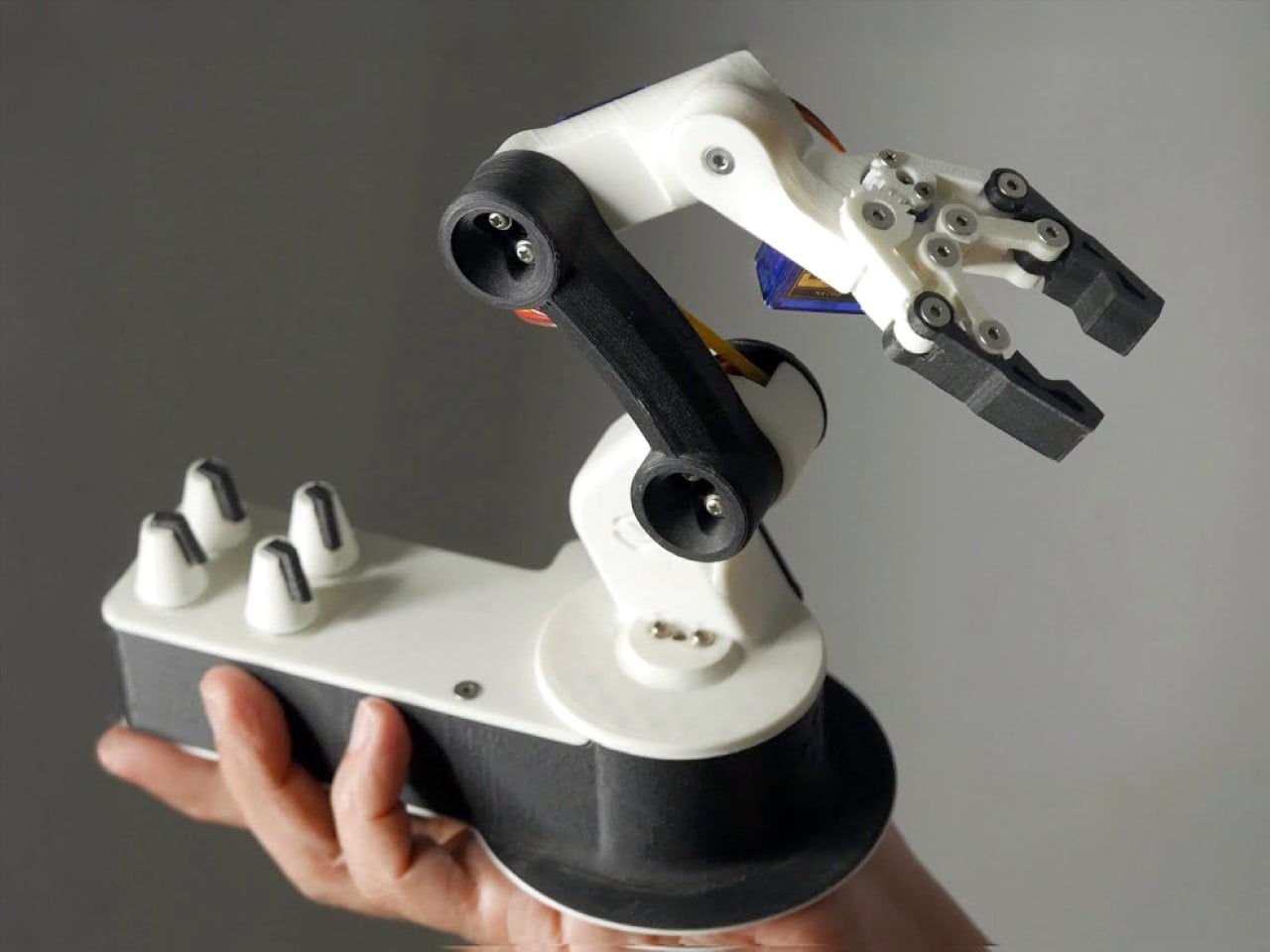
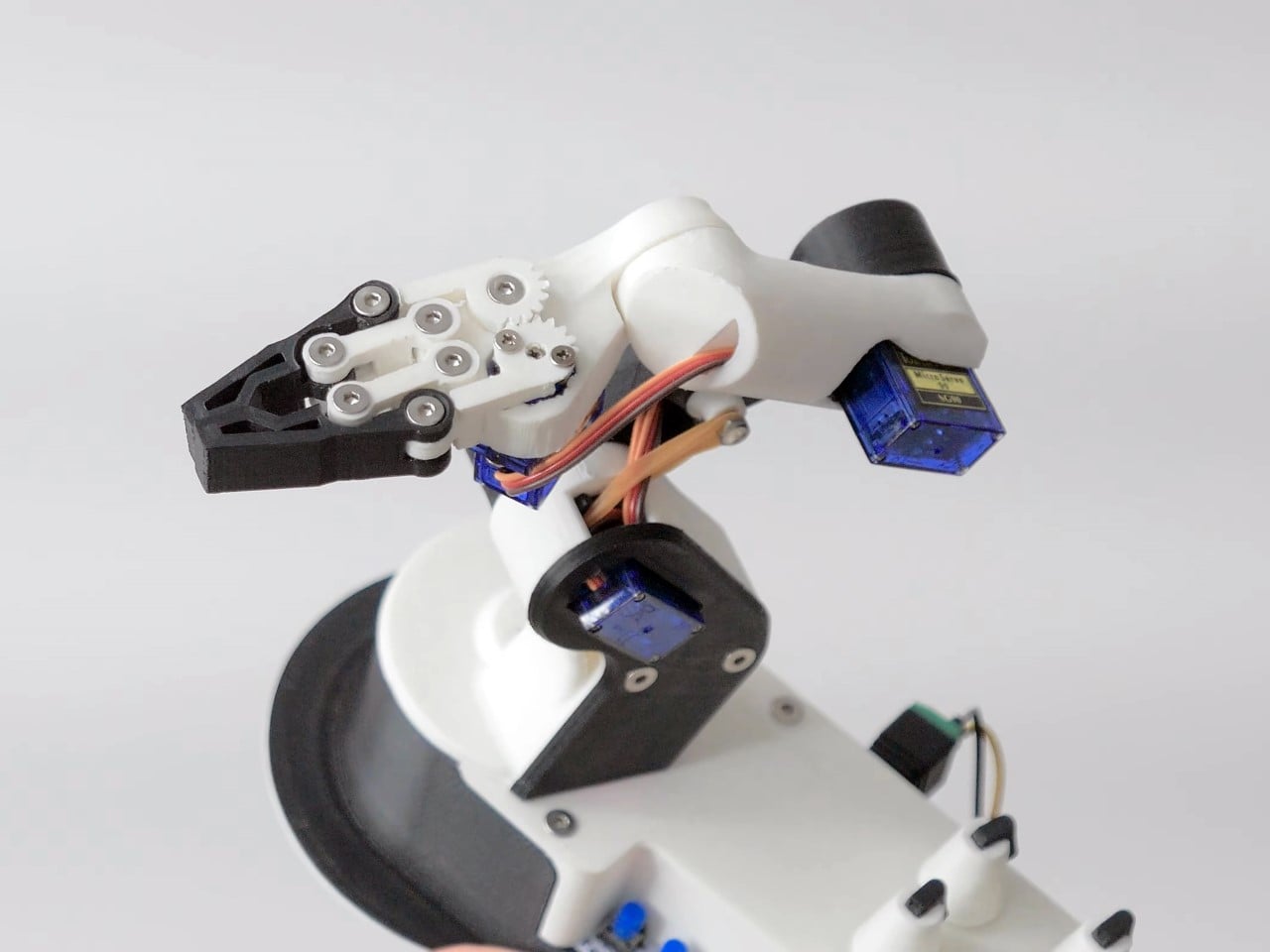
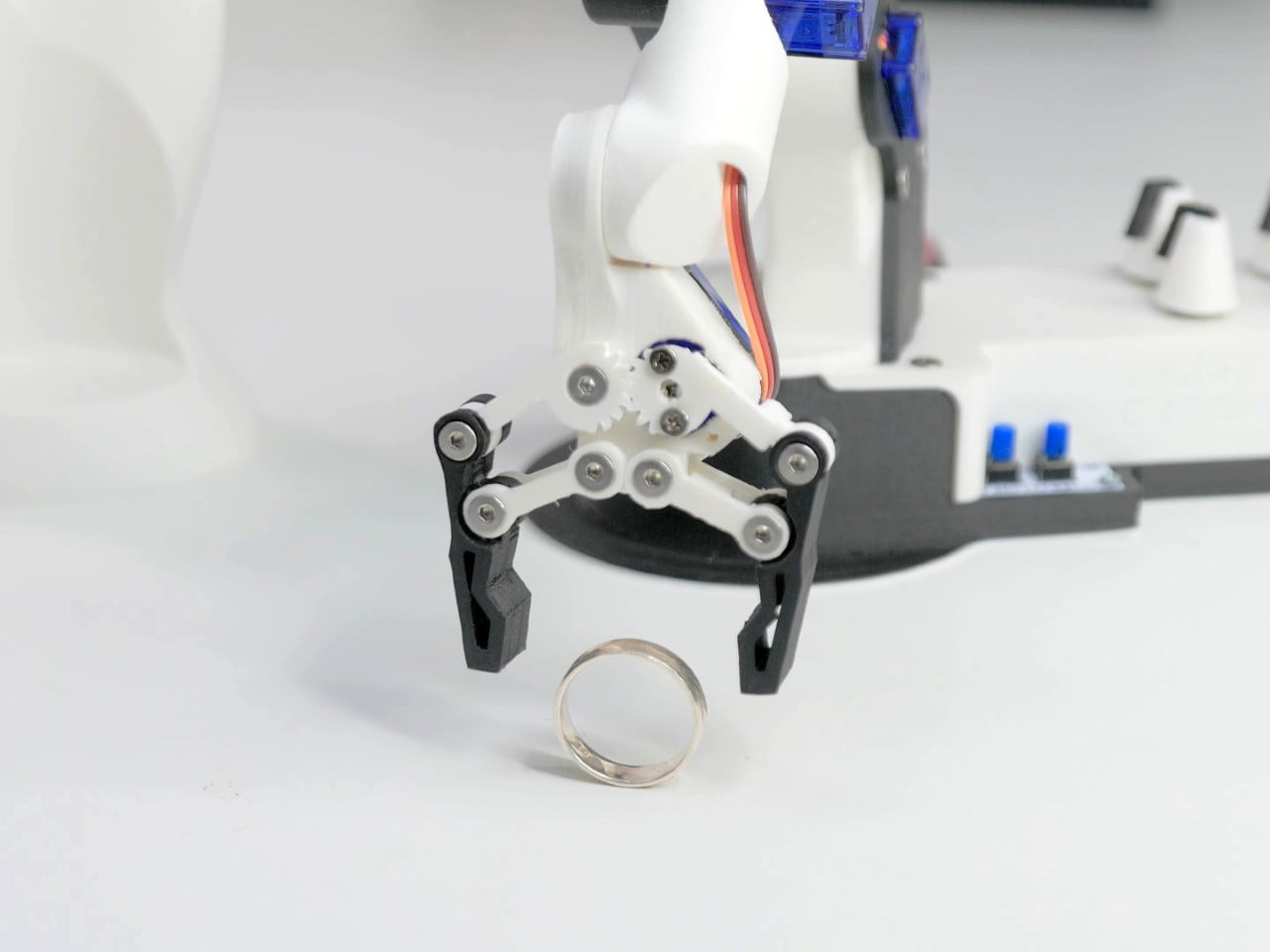
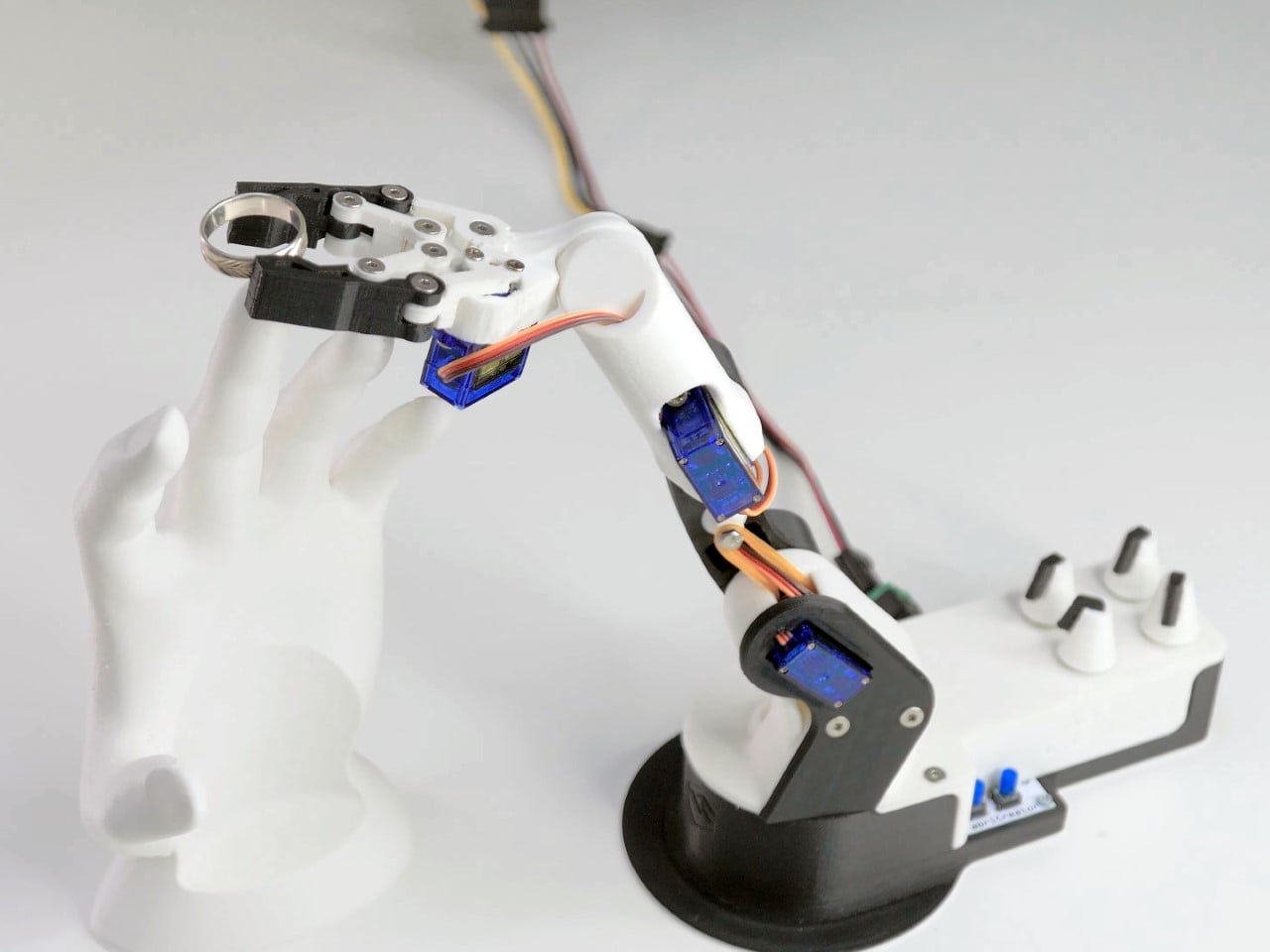
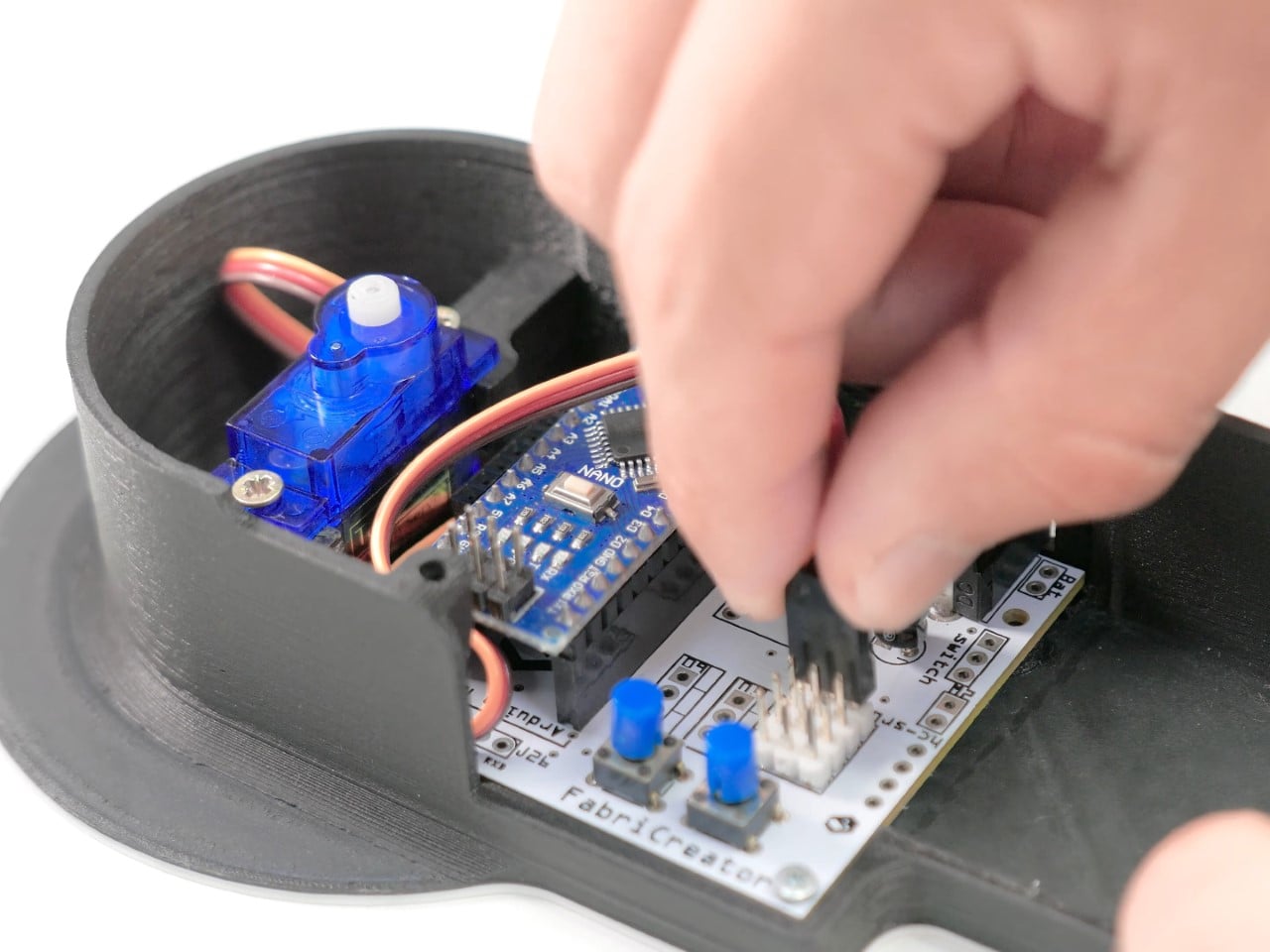
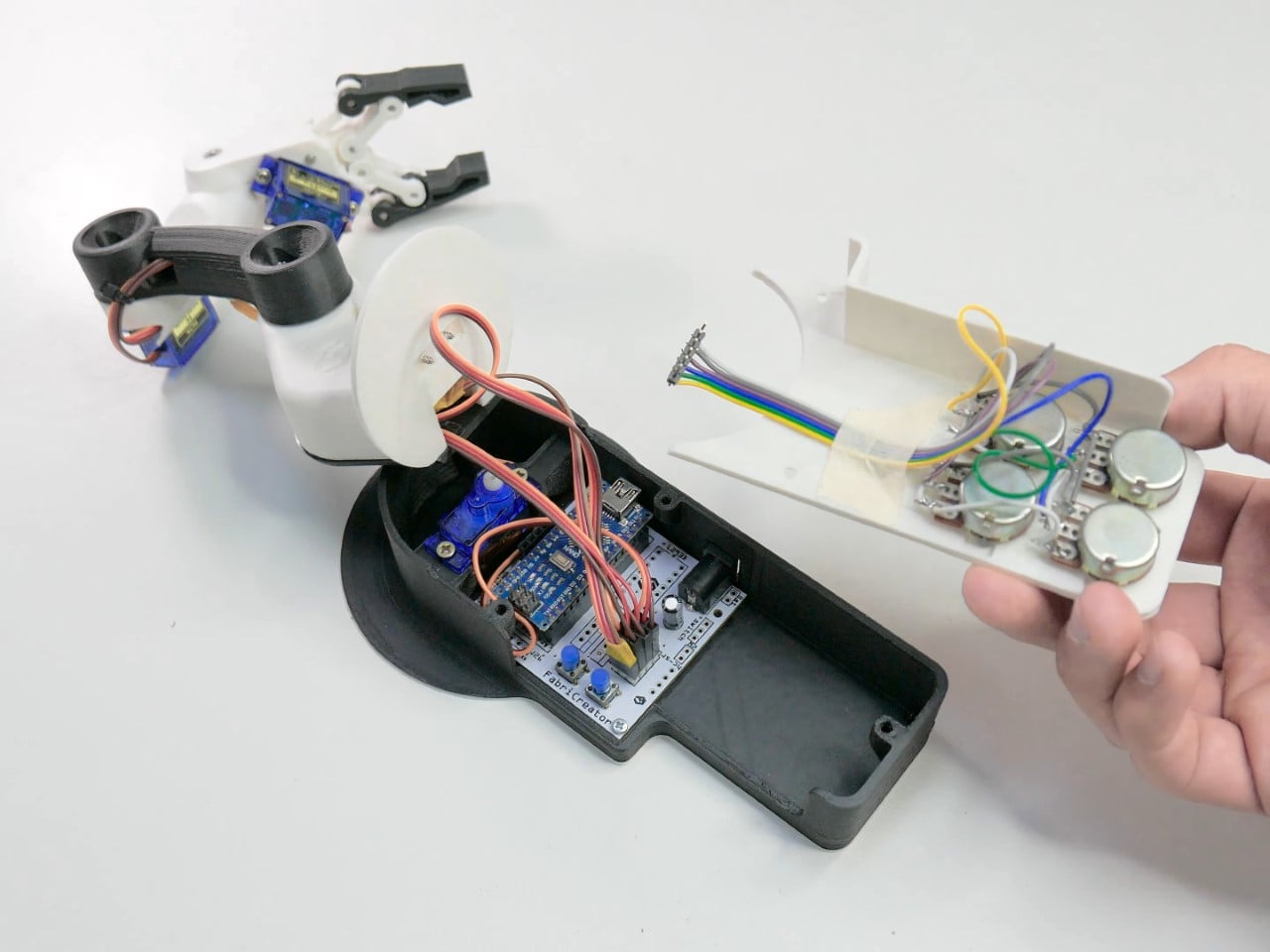
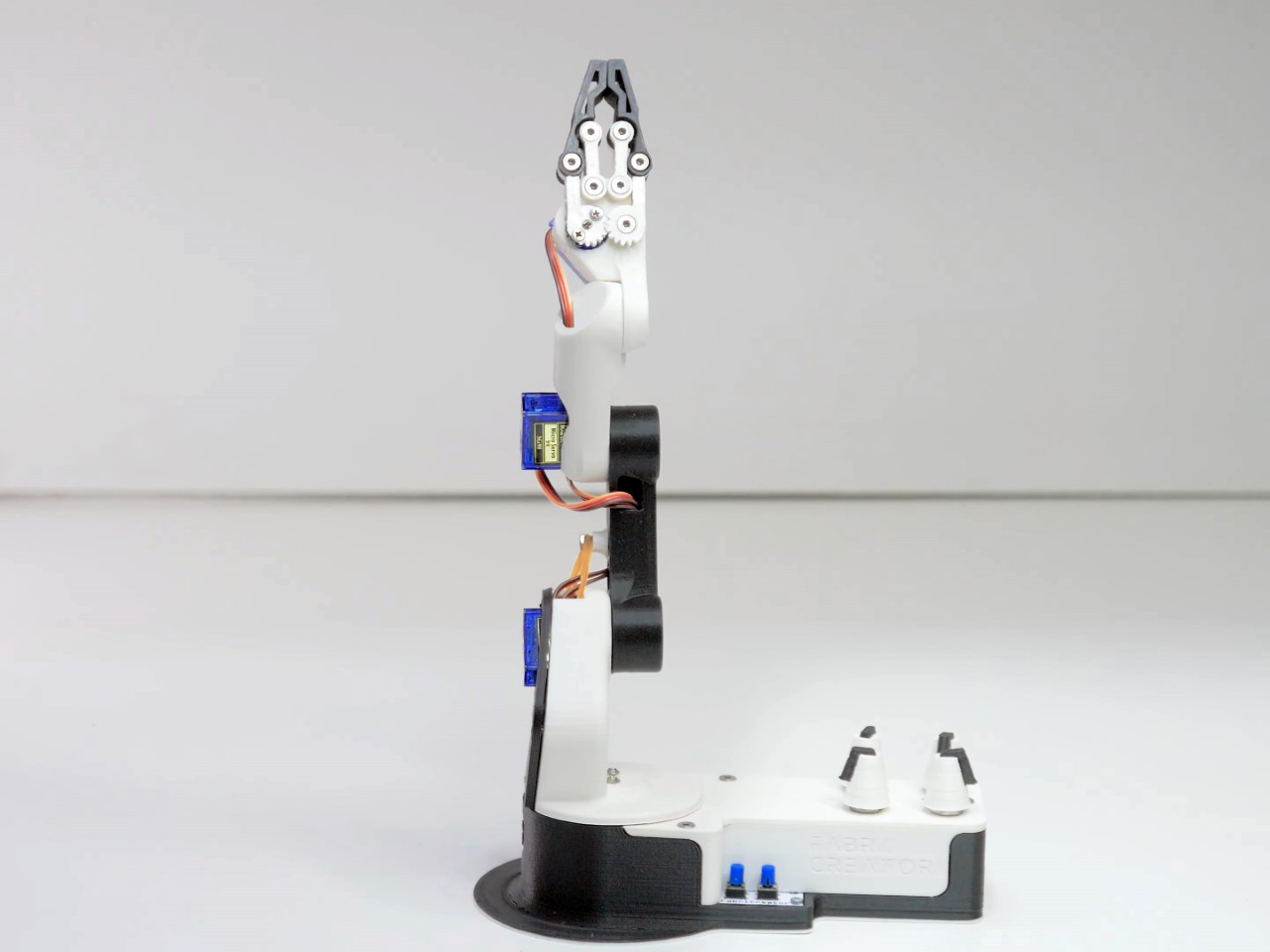
reating a mini robotic arm with Arduino and 3D printing is an exciting way to merge electronics and design. This project invites enthusiasts into the world of robotics, blending creativity with hands-on technical work. It’s ideal for those eager to dive into the realms of motion control and automation, using accessible components and open-source technology. The core of the project is the Arduino Nano, a compact microcontroller that coordinates the movements of four SG90 servo motors. These motors are controlled through potentiometers, offering precise adjustments to the arm’s motion. By adjusting the position of each potentiometer, you can direct the servo to move in a specific direction, making the control feel intuitive and satisfying.
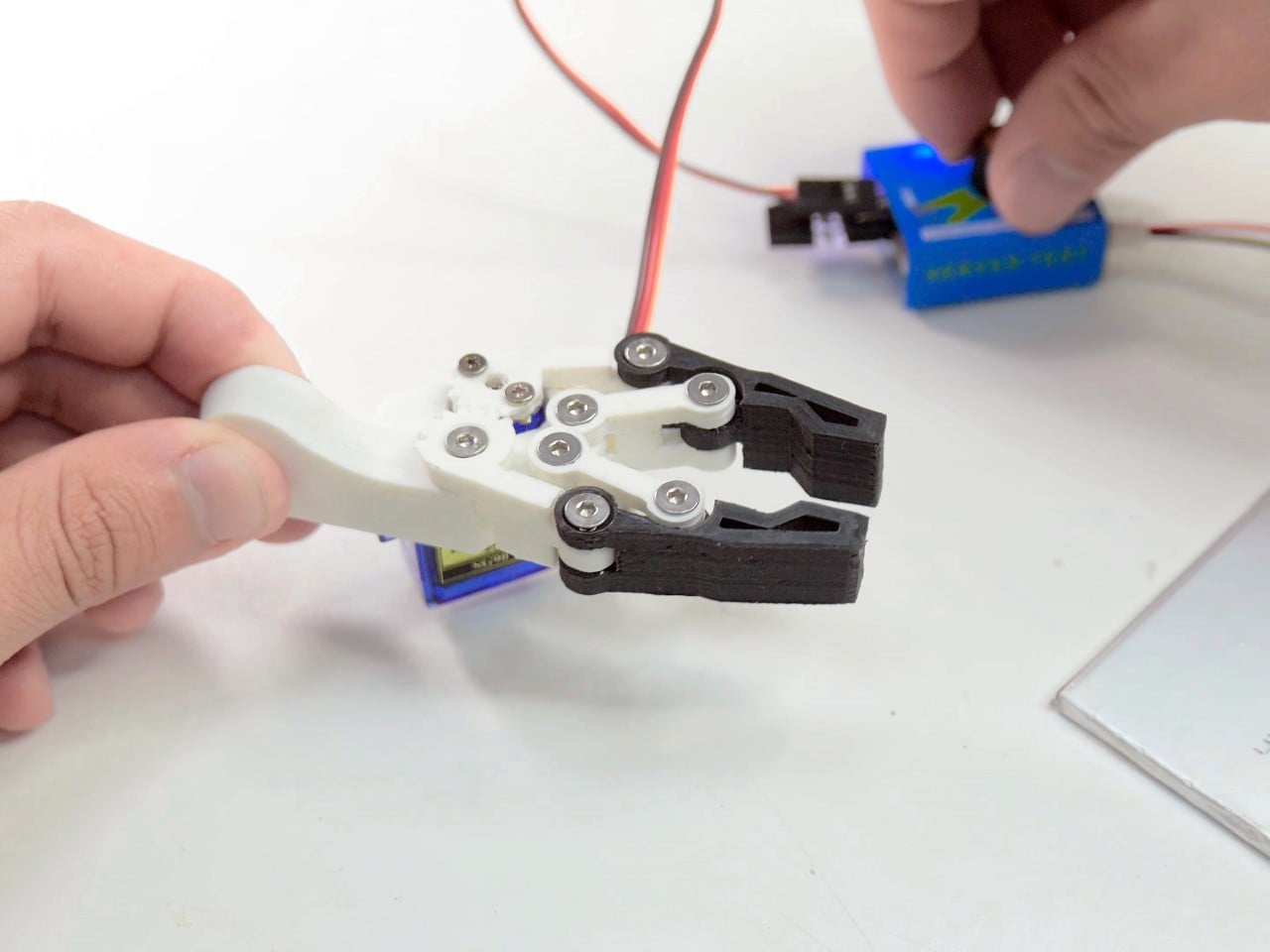
To build this arm, you’ll need several essential components. Beyond the Arduino Nano, four SG90 servo motors serve as the muscles of the arm, providing the torque required for smooth movements. These motors are driven by the signals from potentiometers, which read user inputs and translate them into specific positions for the servos. The project also requires electronic parts like resistors and capacitors for the PCB, ensuring stable and efficient operation. A DC jack connector allows for easy power connection, supporting a 5V 3A adapter or a standard PC power supply, ensuring the arm has a reliable power source. With a breadboard for prototyping and a custom PCB for permanent assembly, you can seamlessly organize all connections, creating a clean and efficient setup.
But here’s where the magic truly happens: 3D printing. Using software like Fusion 360, you get to design the structural parts of your robot arm, optimizing the form and function to your specific needs. It’s not just about the technical specs—it’s about bringing your vision to life in a tangible, tactile way. The parts, printed with durable PLA filament, take shape layer by layer, transforming digital models into physical components. The design smartly minimizes the need for supports during printing, making it efficient and less wasteful. The result is a sleek, lightweight arm that looks as good as it functions, embodying the intersection of art and engineering.
Programming the Arduino is where the project gains its soul. With a bit of code, you can teach the arm to follow your commands, offering both manual and automated control modes. In manual mode, the potentiometers give you direct control over each servo, letting you guide the arm’s movements with finesse. Automated mode, on the other hand, takes it a step further—allowing you to record sequences and replay them, turning the arm into a precise tool for repeating tasks. This duality of control means you can create everything from a delicate touch for small tasks to a mechanical memory that runs on its own.
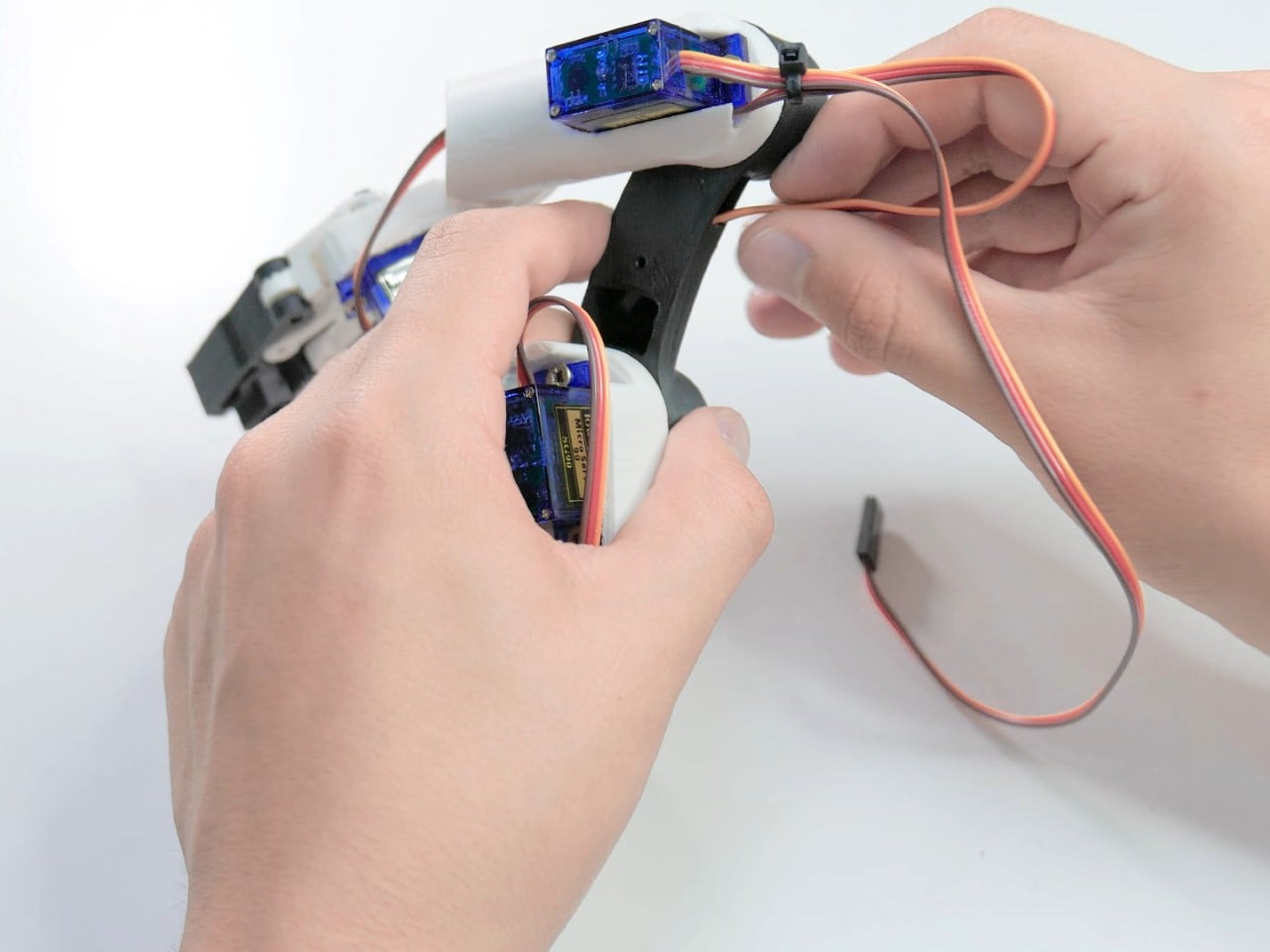
As you bring it all together, the assembly process becomes a meditative practice in precision and patience. Soldering each component onto the PCB, carefully routing wires, and securing the servos in place requires focus, but the reward is a beautifully crafted piece of tech that feels like a personal accomplishment. The attention to detail in organizing cables and ensuring smooth motion paths doesn’t just keep things tidy—it elevates the overall aesthetic and functionality of the arm. It’s a reminder that design is as much about what you don’t see as what you do.
By the time the project is complete, you’ll have a fully functional mini robotic arm capable of manual and automated control. The combination of 3D printing and Arduino brings a level of customization that lets you adapt the design to your needs, making it a perfect entry point into robotics. This DIY project is less about building a one-time gadget and more about being an entry-point into the world of STEM and Design. It demonstrates how accessible and versatile modern technology can be, offering a fulfilling way to explore the world of robotics, whether you’re a seasoned maker or just starting out… and once you’re done you can quite literally pat yourself on the back with your new robot arm!
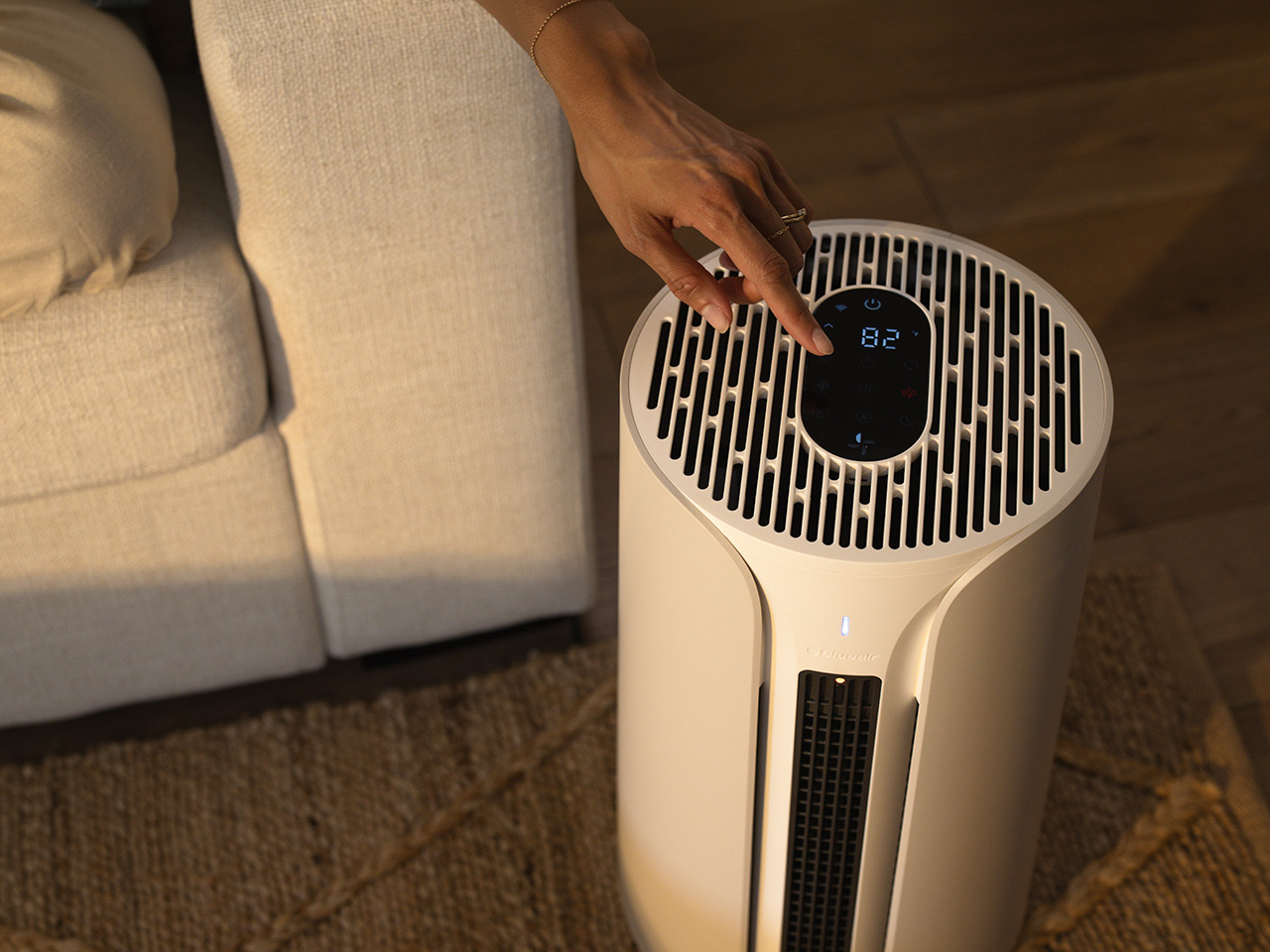
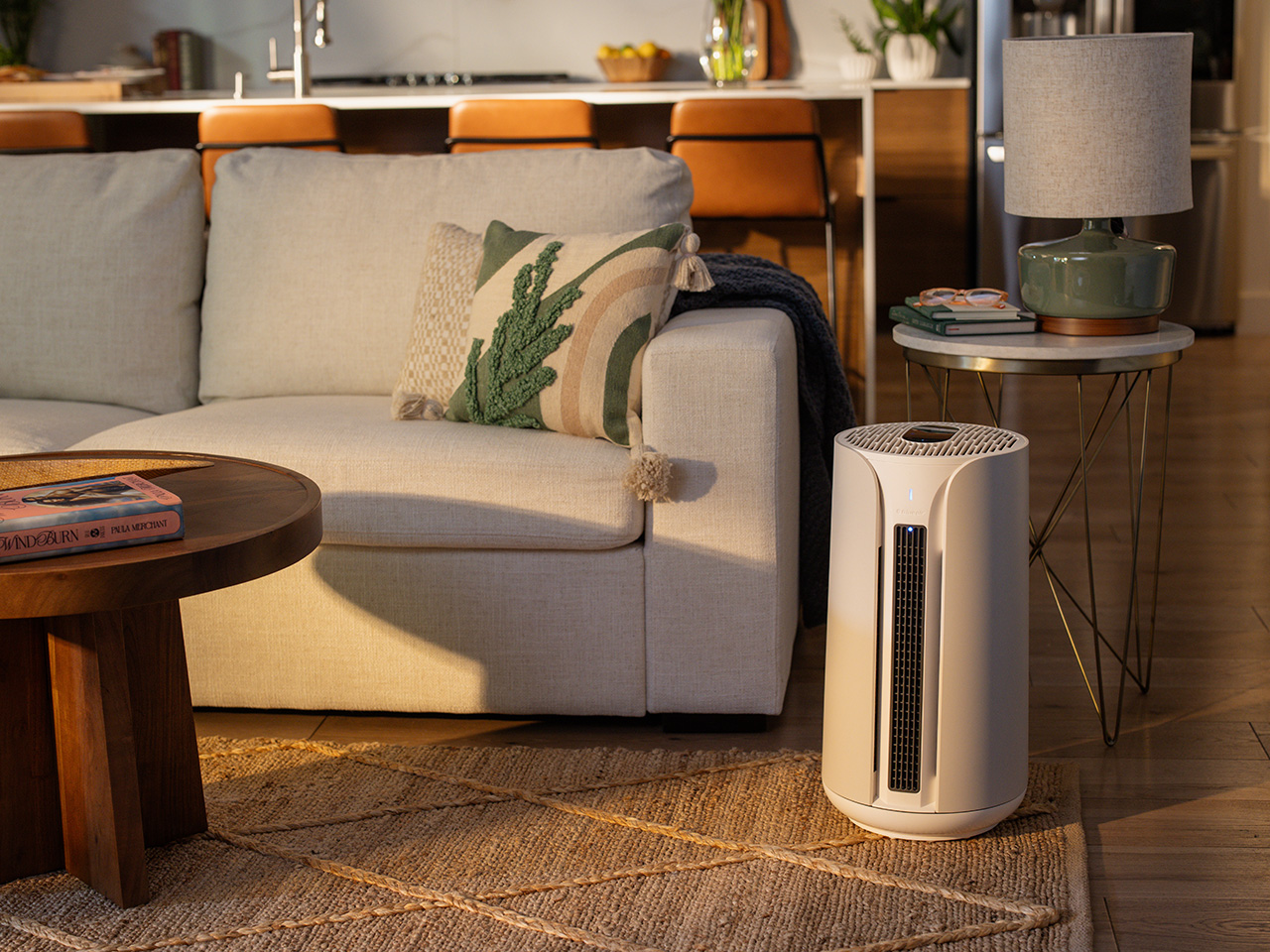
ComfortPure 3-in-1 air purifier from Blueair is the complete solution you never knew you needed for cleaner air, warmth, and cooling comfort in a single device. The air in your home might seem fine, but it is often more polluted than you think. The EPA reports that indoor air can be up to five times more contaminated than outdoor air because of everyday items like cleaning products, cooking fumes, pet dander, and dust buildup. ComfortPure helps solve this hidden problem by giving you fresher, healthier air while also keeping you cozy in winter and cool in summer—all in one convenient package.
Experience Ultimate Comfort with TripleFlow Hot & Cool Technology
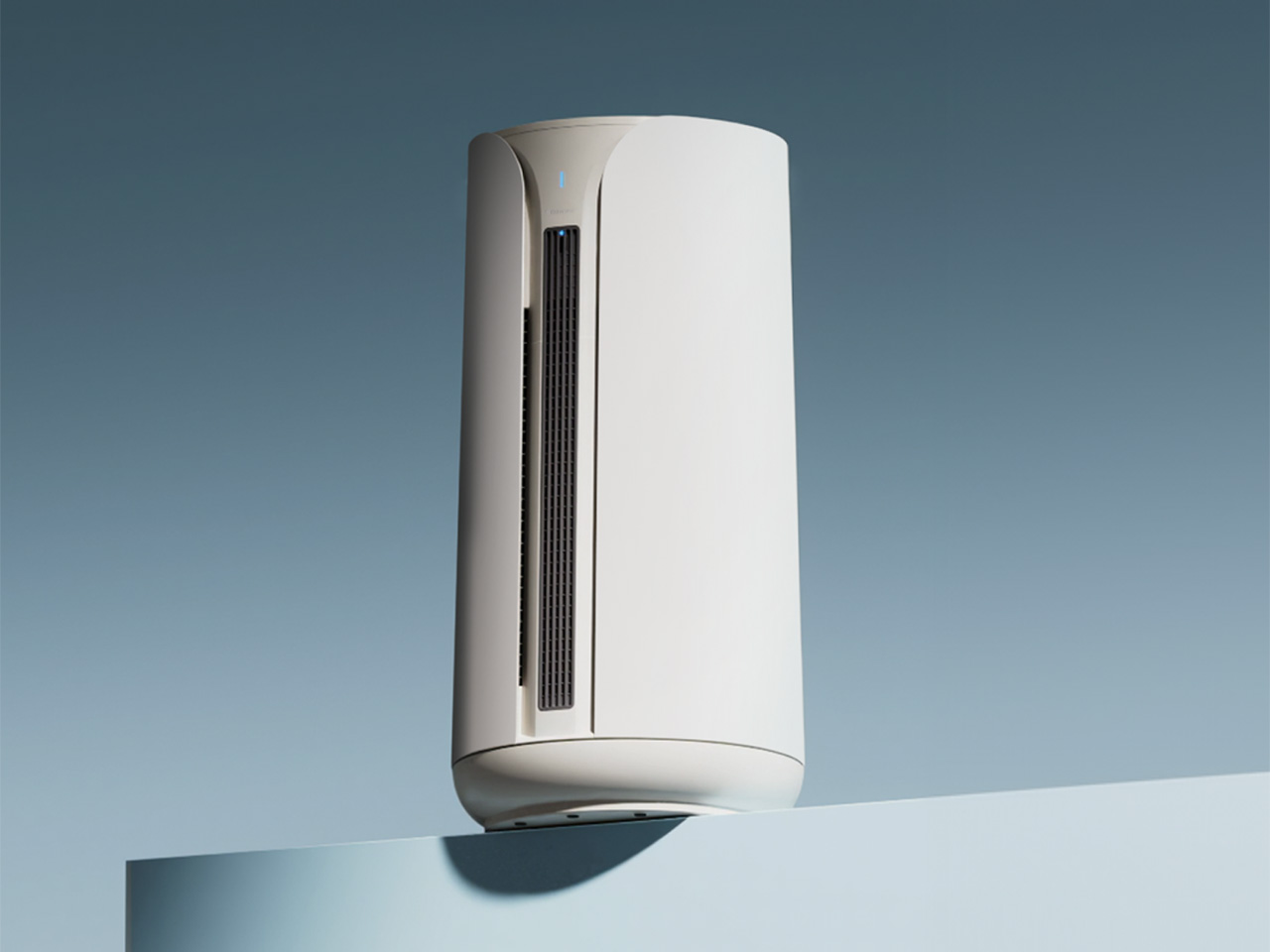
Made in Stockholm, the ComfortPure features a sleek, minimalist design that instantly fits into your space, enhancing comfort without drawing unnecessary attention. Its elegant design seamlessly integrates into your home, providing a comfortable, pollutant-free environment. The device purifies the air and ensures your room feels comfortable, maintaining the ideal temperature whether it’s freezing outside or sweltering hot. Picture yourself relaxing on the couch, enjoying clean air paired with cozy warmth or a refreshing breeze tailored to the season. ComfortPure makes that possible.
Blueair’s TripleFlow technology powers ComfortPure, providing efficient air purification, cooling, and heating in one streamlined unit. The advanced design delivers purified air in every mode, comforting whether you need warmth in winter or a cool breeze in summer. The heater outputs up to 1500 watts, while the cooling fan generates a breeze with air speeds that vary by model. The T10i reaches 1.5 m/s, and the T20i reaches 1.7 m/s at a distance of 2 meters from the outlet. With 350-degree oscillation, The device circulates air throughout the room, offering coverage unmatched by traditional heaters and fans. This broad coverage ensures that every corner of your space benefits from cleaner, fresher air.
The device efficiently purifies your home environment for safety and comfort, rapidly cleaning 175 square feet in just 12.5 minutes, 420 square feet in 30 minutes, and up to 840 square feet in an hour. Advanced HEPASilent technology combines electrostatic and mechanical filtration to capture 99.97% of airborne pollutants, including dust, smoke, and pollen, faster and quieter than traditional HEPA systems. This effectiveness, tested on PM2.5 particles for up to 90 minutes, ensures your indoor air is free from harmful particles while maintaining a peaceful atmosphere.
Seamless Control and Year-Round Adaptability
Integration with the Blueair app makes controlling seamless. Manage air quality, set schedules, and adjust temperatures from your smartphone. Voice assistant support, including Alexa and Google Assistant, allows for hands-free adjustments, adding another layer of convenience. Whether it’s warming the room on a cold evening or providing a cool breeze in summer, everything is easy to control. The included remote control and on-device panel further simplify operation.
Blueair offers ComfortPure in two models: the T10i for smaller rooms up to 840 square feet and the T20i for larger areas reaching 1,688 square feet. Each model has impressive Clean Air Delivery Rates (CADR) to tackle impurities effectively. For example, the T10i is perfect for bedrooms, home offices, and smaller living spaces, while the T20i is designed for larger family rooms or open-plan areas such as a kitchen that opens into the living room.
From easy-to-replace filters that can last up to one year to Night Mode that reduces sound and dims lights for undisturbed sleep, ComfortPure is designed to meet your needs. The filters capture particles as small as 0.1 microns, including dust, pollen, and bacteria, based on removal testing of PM2.5 (0.1 – 2.5 microns) and germs like H1N1 and E. coli for up to 90 minutes in a 30m³ room. Performance may vary. Note that not all Blueair air purifiers have been tested against SARS-CoV-2, and Blueair does not claim to kill or prevent the transmission of COVID-19.
The device provides cleaner air while automatically optimizing its settings to adapt to your environment. Using advanced sensors, it adjusts its performance based on pollution levels or shifts to maintain your desired room temperature. For example, if the sensors detect an increase in dust or allergens, ComfortPure will increase its purification power to maintain optimal air quality. This adaptability keeps you comfortable without manual adjustments, ensuring a healthy and comfortable indoor environment.
For those conscious of energy use and sustainability, energy-efficient modes keep consumption low, even in Boosted Purification mode. This way, your electricity bill won’t skyrocket, making it an economical choice for year-round comfort. The Night Mode feature is perfect for light sleepers. It reduces the purifier’s sound to a soft hum while dimming the display to create an ideal sleep environment. You can keep the device running all night to wake up in a room filled with clean, purified air.
Ready to make your living space smarter, cleaner, and more comfortable? ComfortPure is your all-in-one solution for year-round comfort and convenience. Experience the benefits of fresh air, a cozy atmosphere, and seamless control—all with one easy-to-use device. Make the change today and transform your home into the comfortable sanctuary you’ve always wanted.
Home and commercial design trends are ever-changing, with modular furniture as the popular choice for the interiors. Its versatility and practicality make it ideal for maximizing space, particularly in compact offices and urban apartments. With flexible and customizable features, modular pieces can be arranged to suit different needs, like providing a guest bed, setting up a home office, incorporating multiple workstations, or organizing storage solutions. Take a look at these modular furniture design trends that are gaining traction in 2024.
Minimalism is a prevailing influence in furniture design, often characterized by sleek designs and light wood tones. These pieces feature clean lines and sophisticated aesthetics, contributing to a sense of openness, sleekness, and tranquility within the overall decor.
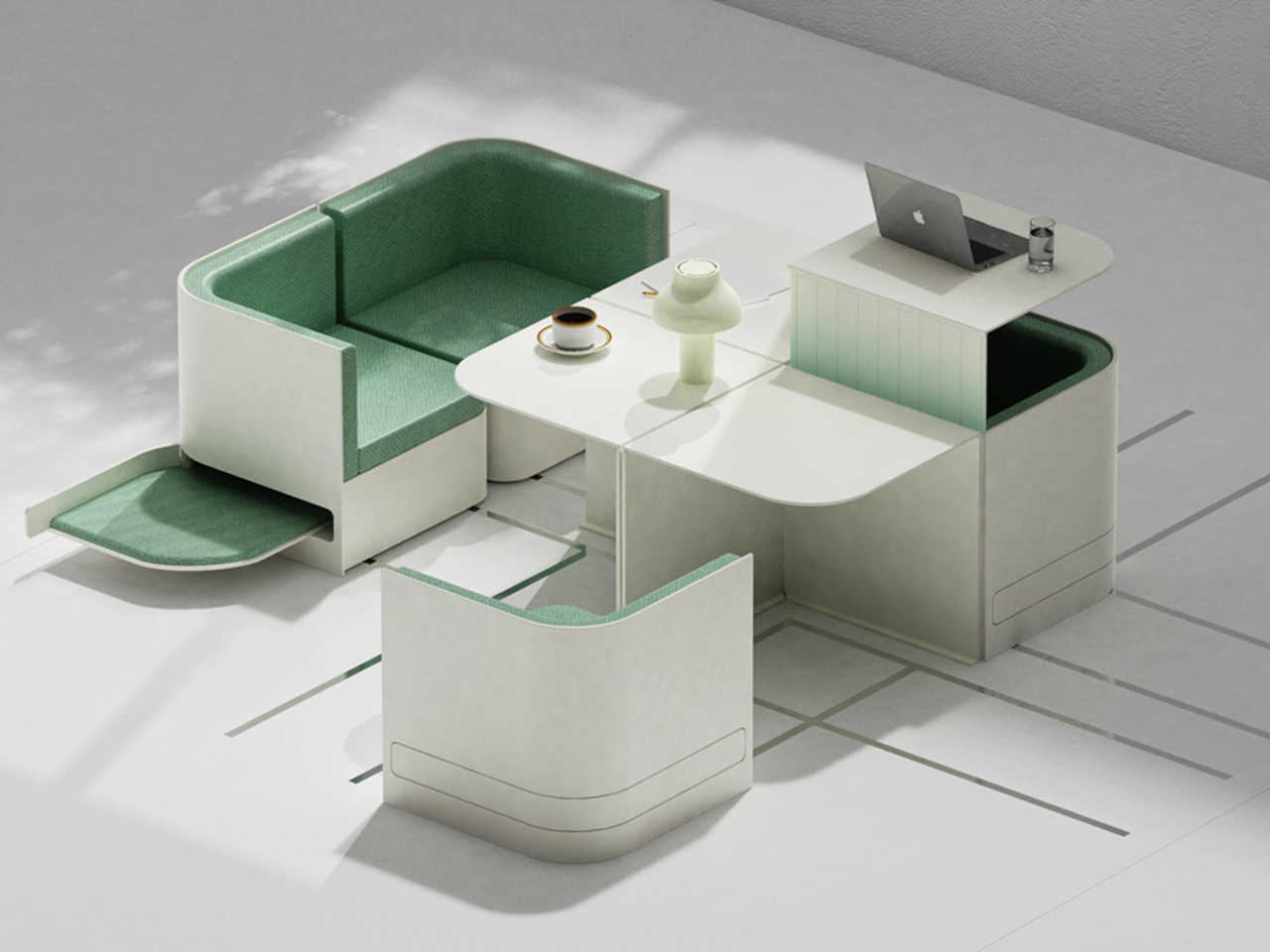
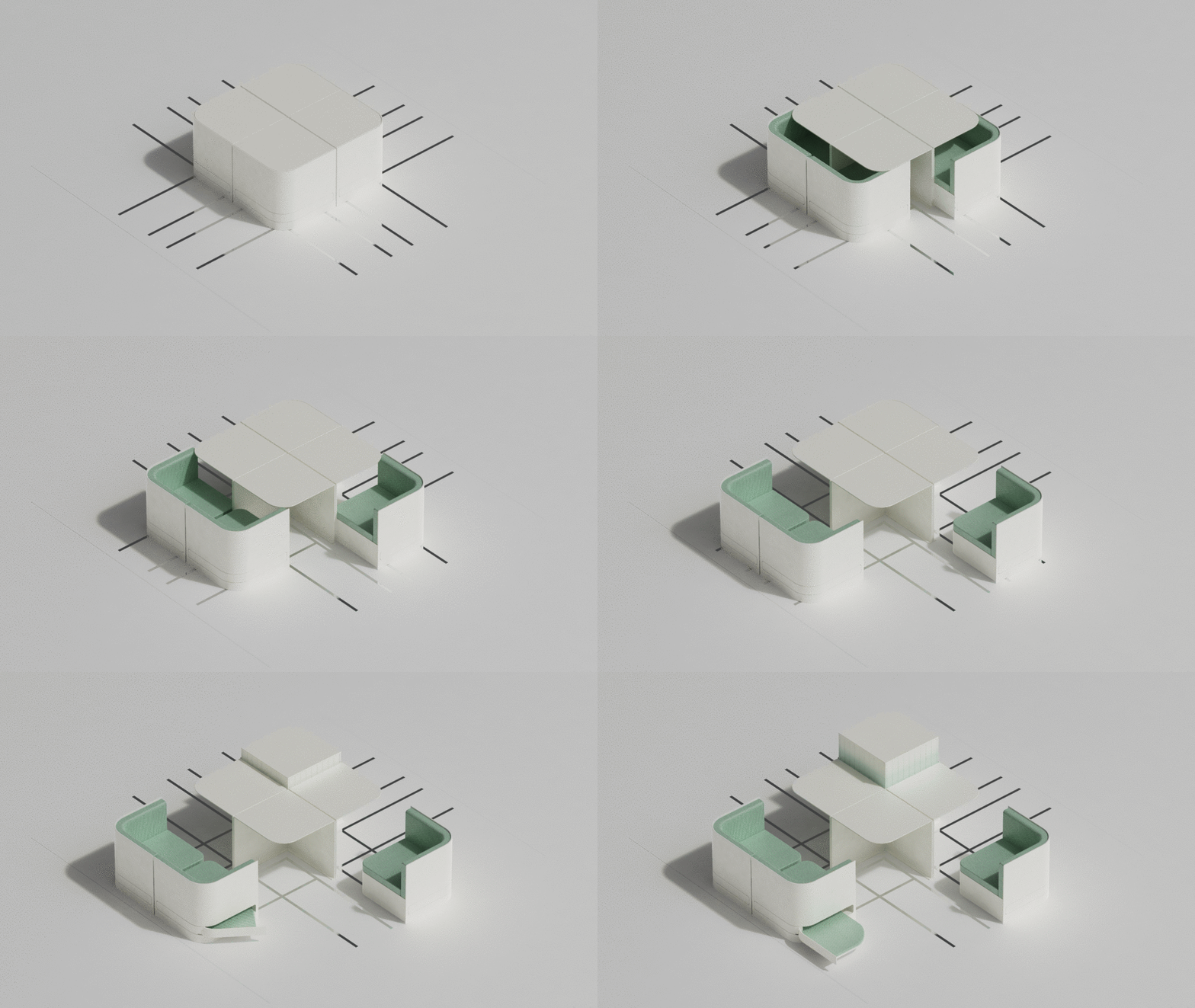
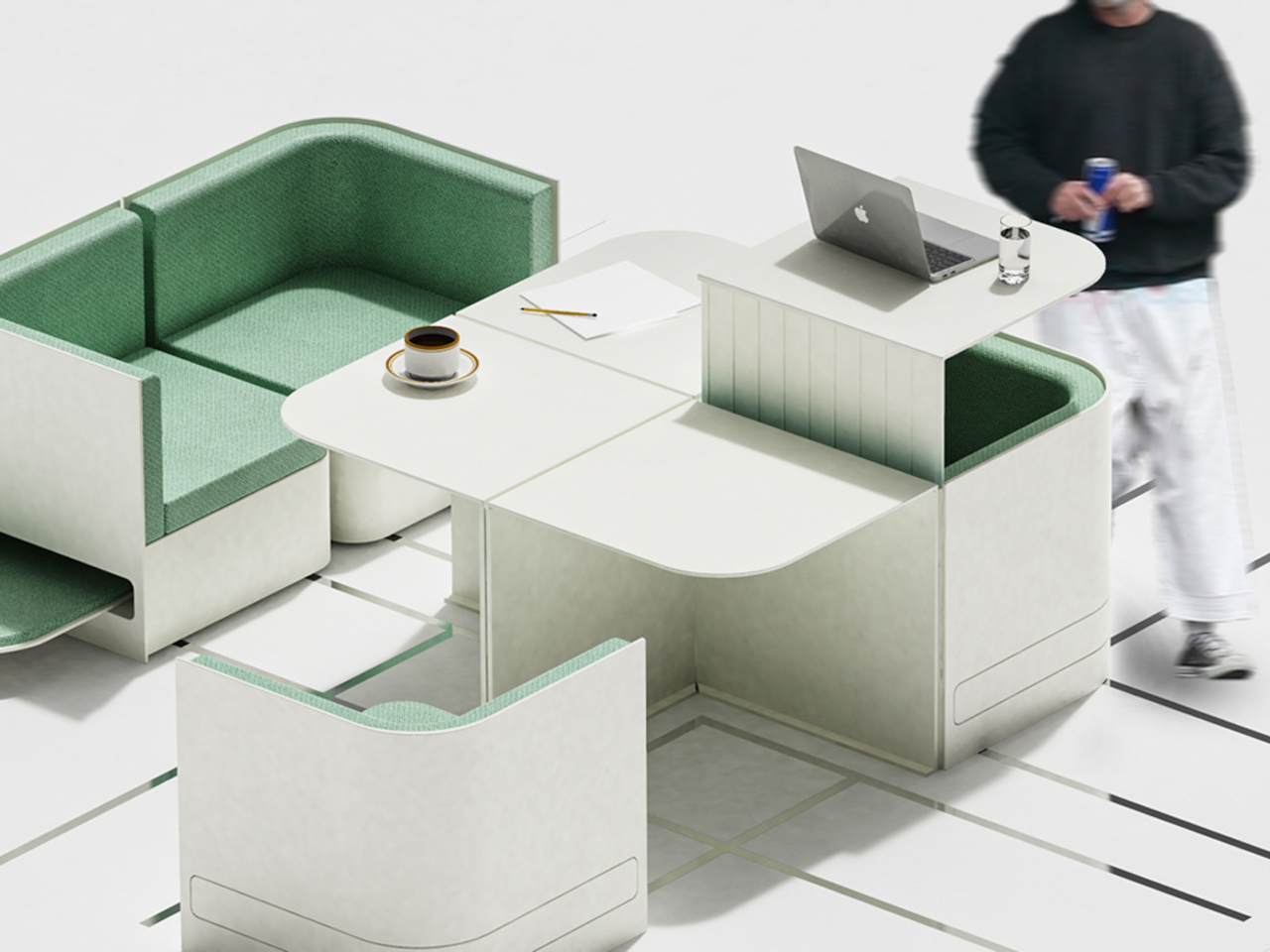
Square to Square is a versatile furniture concept featuring an innovative sliding grid system. Initially serving as a table or ottoman, it seamlessly transforms into a dining table or workspace setup. Each quadrant contains hidden pull-out shelves and integrated cushioned booths, all powered by an internal sliding grid system. With its space-saving design and multifunctional capabilities, Square to Square is the perfect solution for modern living spaces.
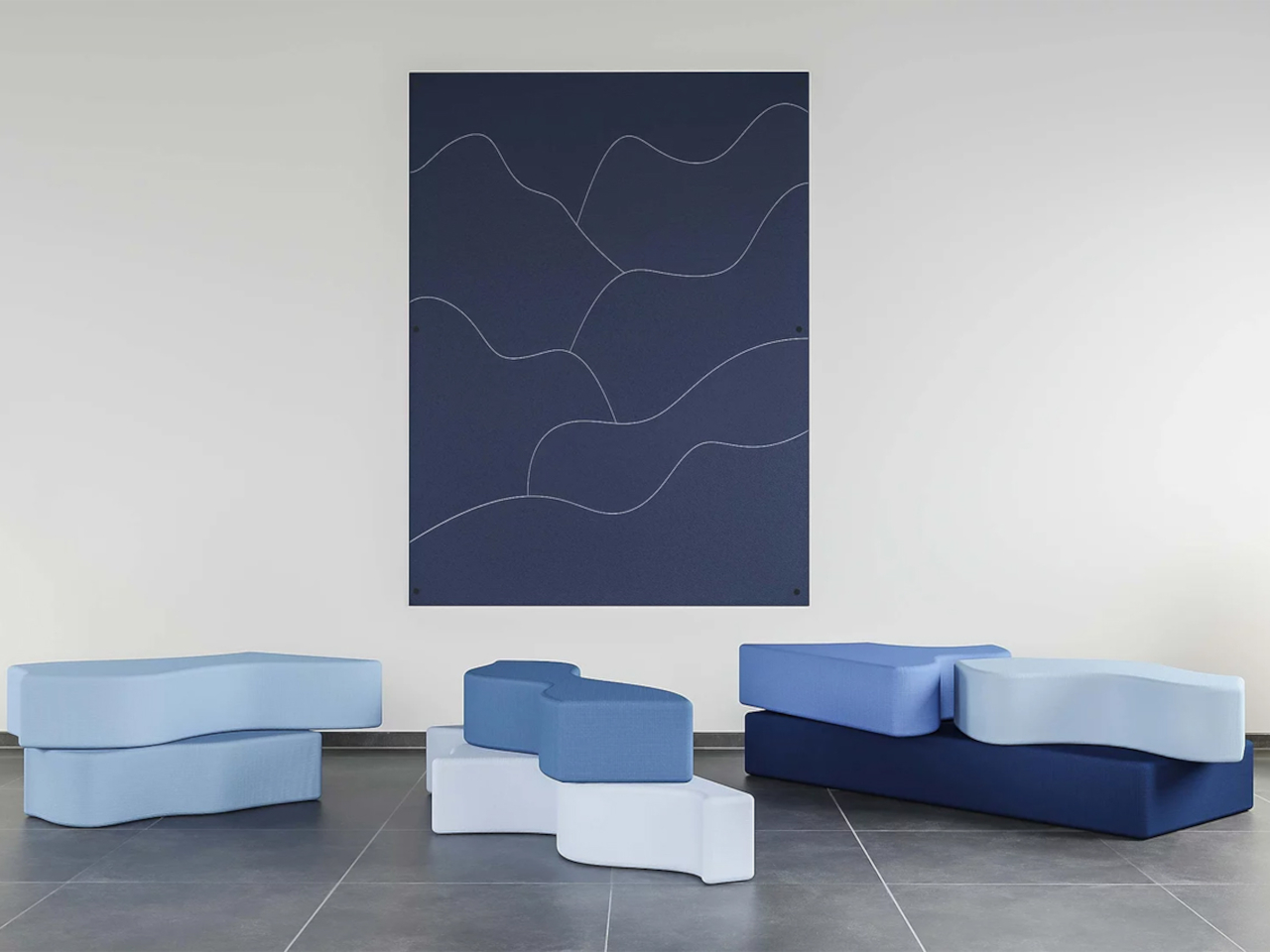
The Summit Sofa by Mousarris is a dual-purpose modular furniture design that seamlessly combines functionality with minimalist artistry. With integrated magnets, the curved cushions can be rearranged to form different sofa configurations or displayed as wall art on the magnetic board. This innovative piece offers endless versatility for tiny living spaces without compromising on style.
2. Use of Sustainable Materials
Modular furniture follows sustainable practices and utilizes materials like oak and bamboo for easy replacement in case of damage. Other sustainable materials include FSC-certified wood, recycled plastic, and low-emission finishes, meeting the growing demand for modular furniture while maintaining ethical sourcing practices.
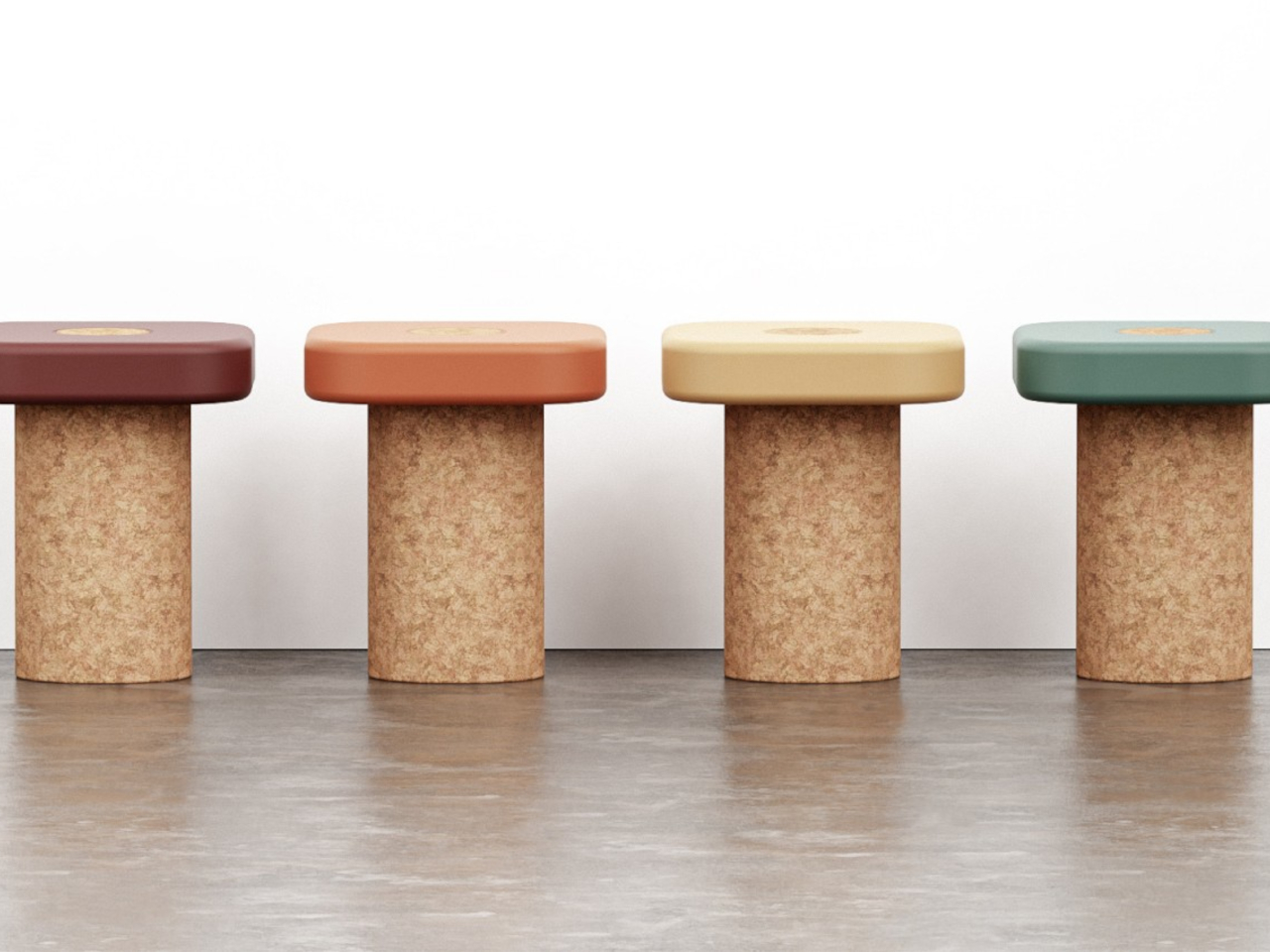
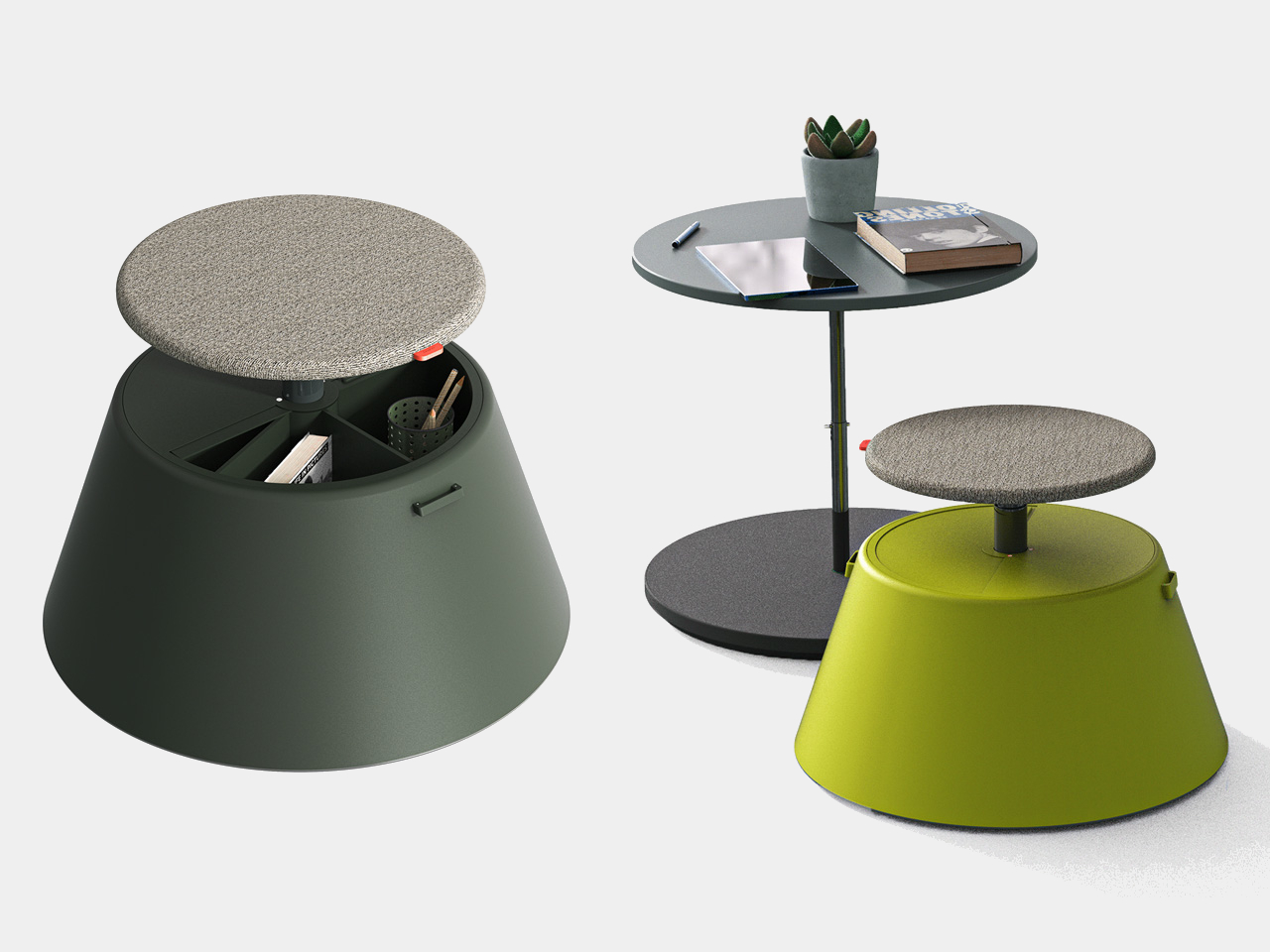
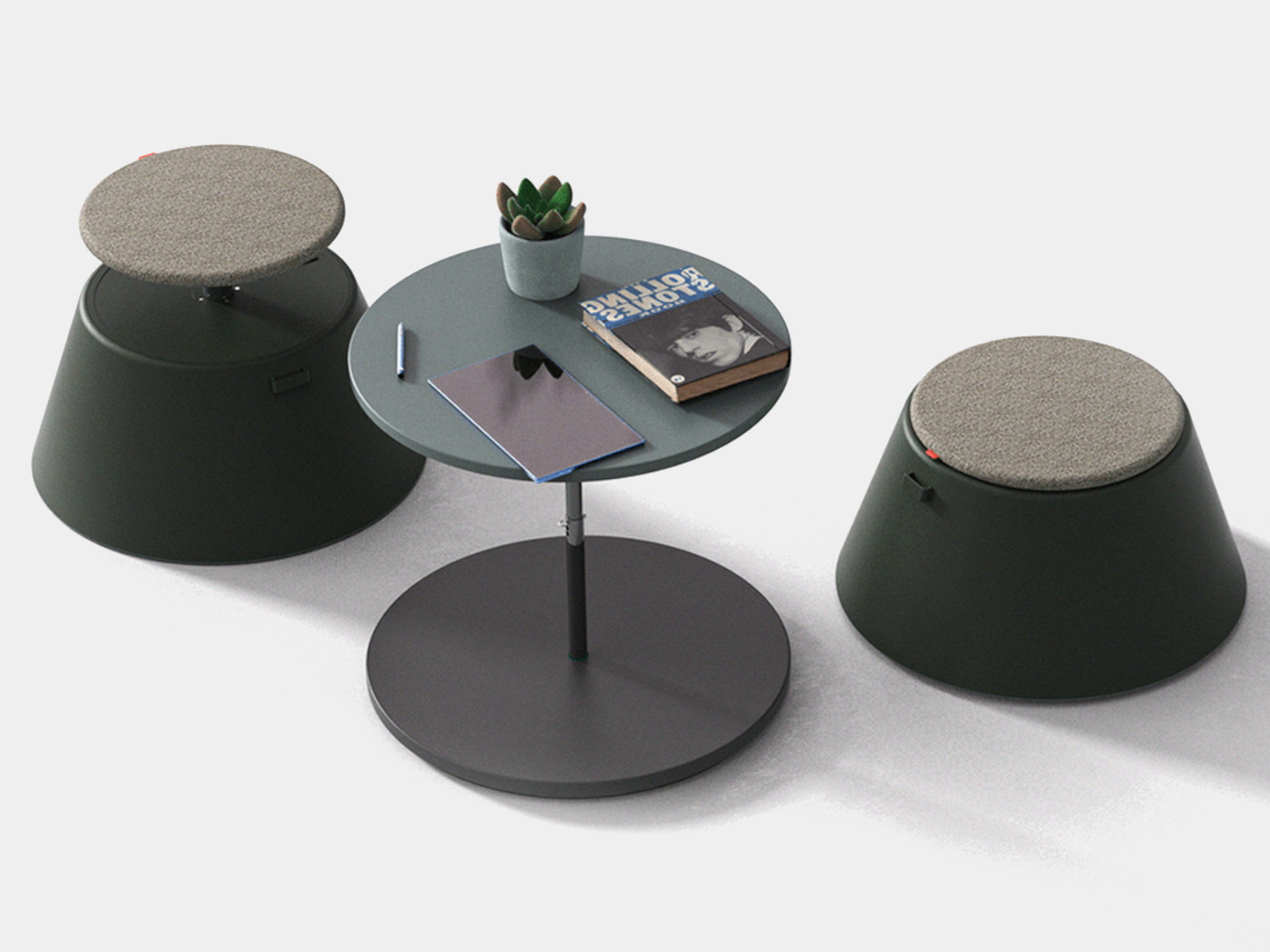
The modular cork stool concept offers a sustainable solution by converting two stools into a single bench, reducing waste. Made from sturdy cork, it features a simple design with removable seats, allowing for easy maintenance and customization. With versatile seating options and minimal environmental impact, it’s an innovative solution for adaptable seating needs.
3. Multifunctional Design
With the diminishing square footage of urban residences, today’s modular furniture emerges as a versatile solution, effortlessly transitioning between various functions to maximize space efficiency in compact homes.
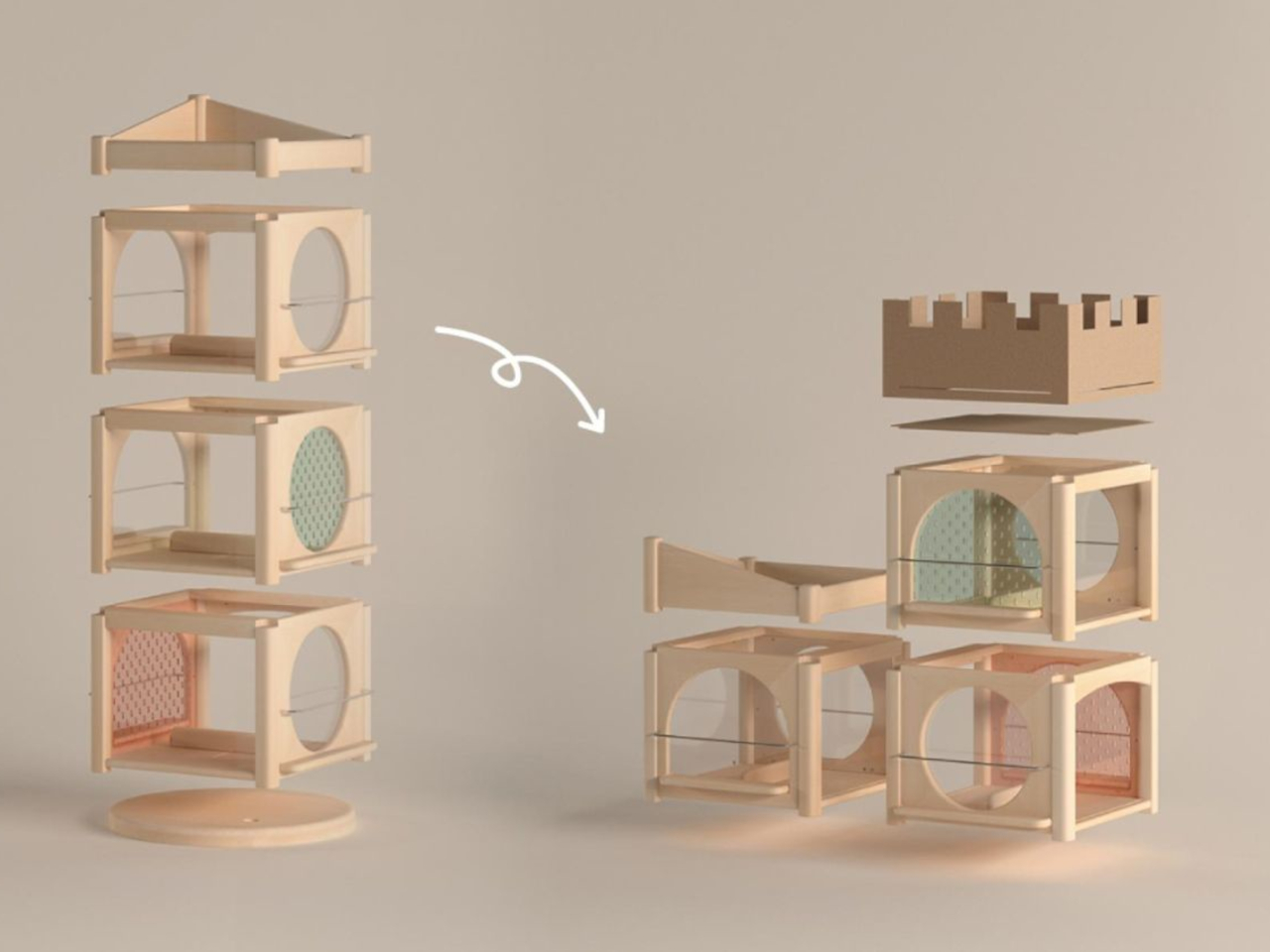
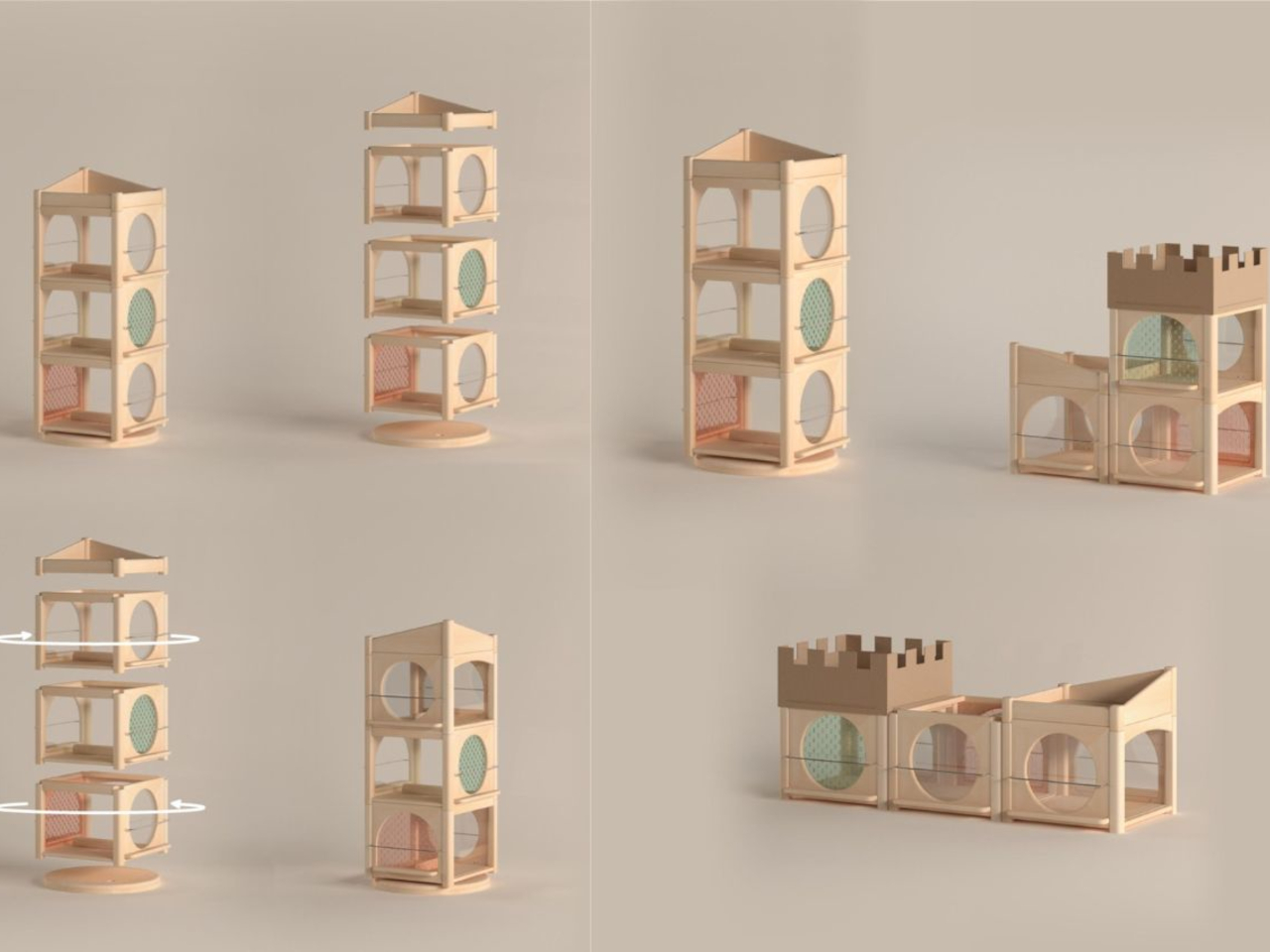
The rotating picture book rack for 1200 books is a versatile modular bookshelf designed to ignite your child’s imagination while providing practical storage solutions. With adjustable height options and innovative shape designs, this furniture piece grows with your child, promoting safety and adaptability. Crafted from sustainable materials and featuring plug-in acrylic panels, it not only reduces environmental impact but also enhances color perception and light interaction. Compatible with expansion accessories, it offers customization and personalization, making it an ideal addition to any child’s space offering exploration, and endless adventures in imagination.
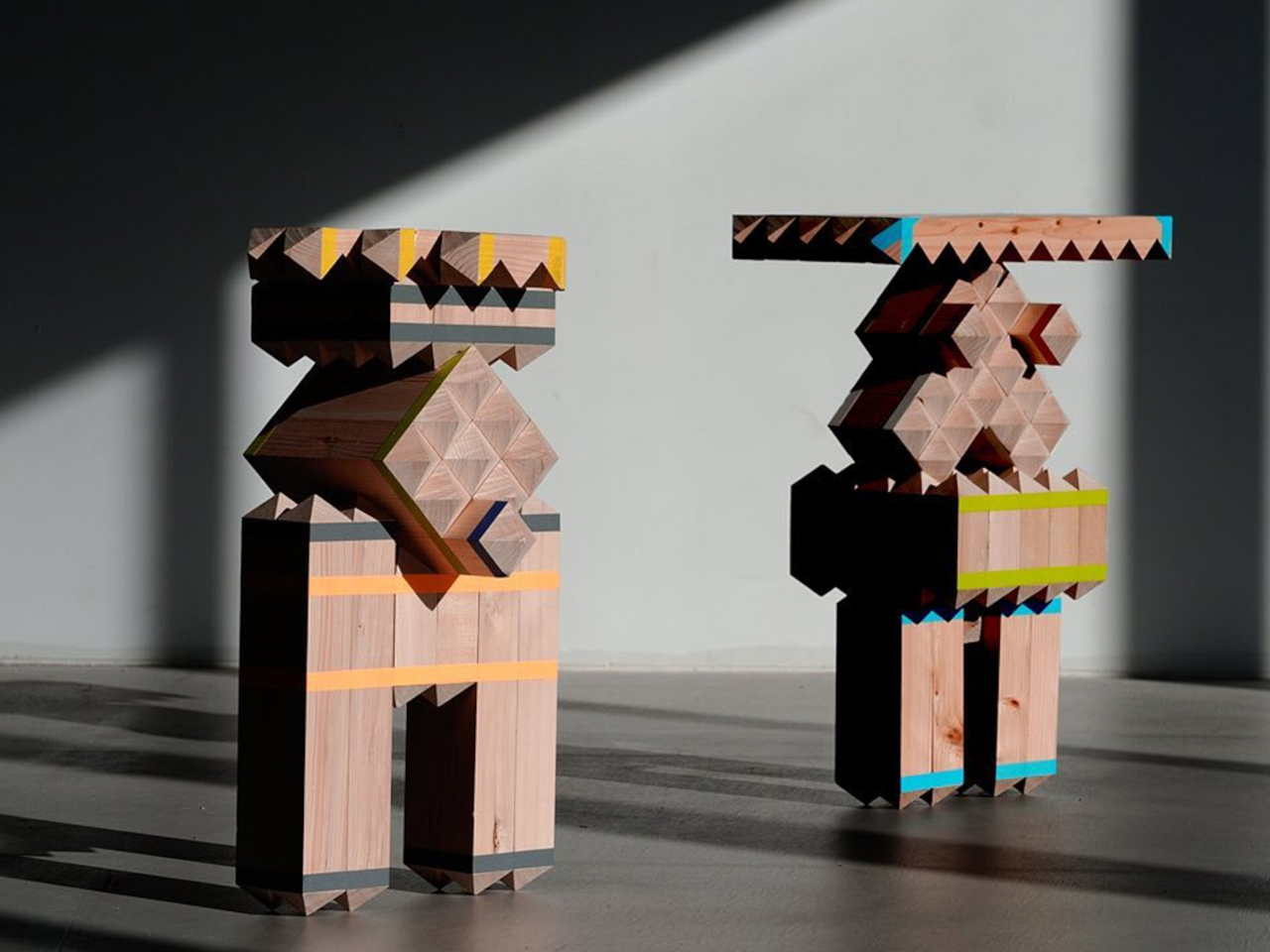
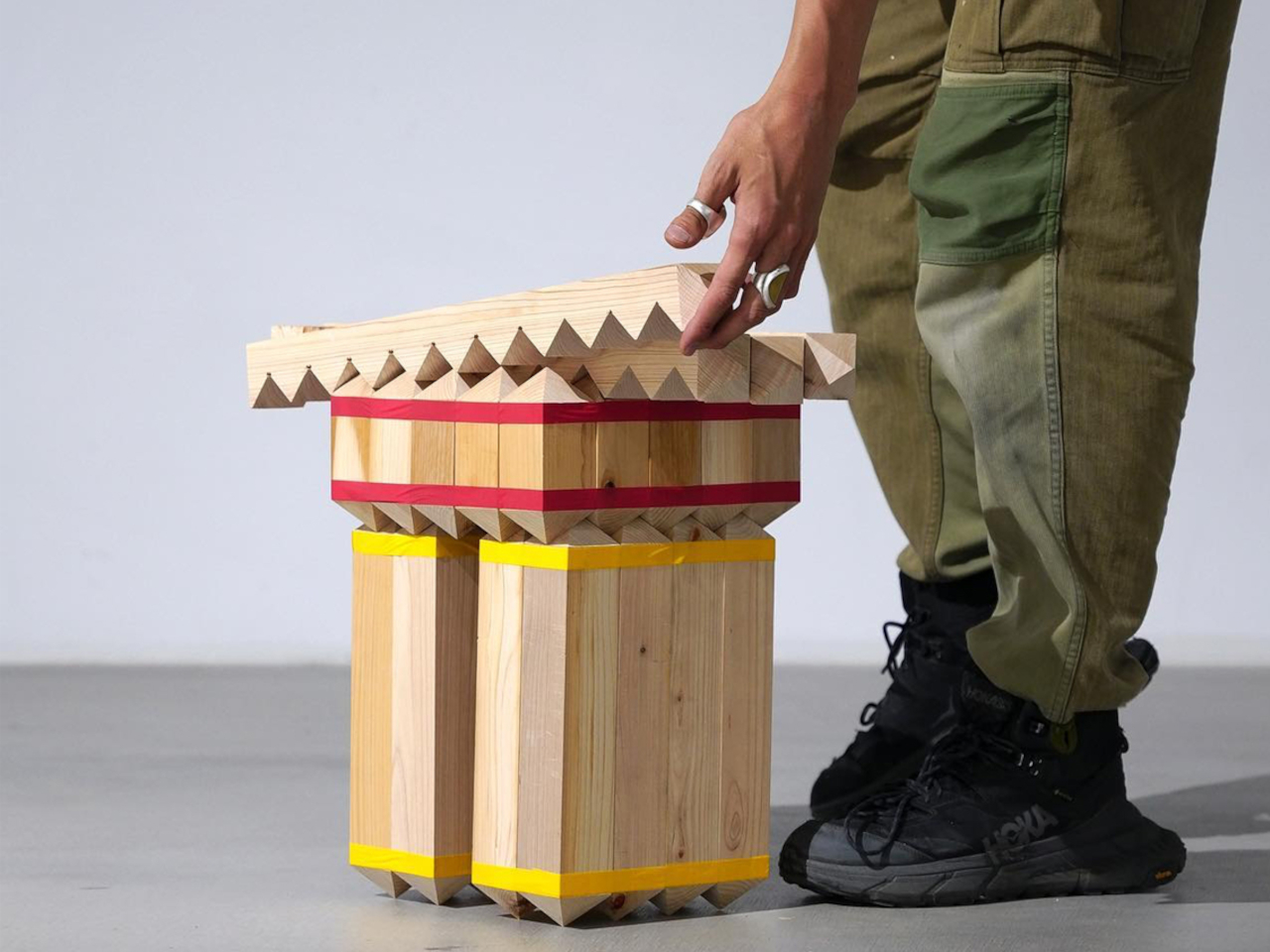
Deku is a modular furniture system by Takuto Ohta, featuring wooden planks with pyramid-shaped edges that interlock at 45-degree angles. Inspired by Japanese riverbank stone piles, Deku offers versatile configurations, from tabletops to benches, with colorful masking tape adding a playful touch. Ohta’s intuitive design process prioritizes human instinct, resulting in furniture that emerges naturally from the interaction with materials, tapping into our primal desire for play and exploration.
4. Available with Flexible Options
They offer flexible options that let users arrange and dismantle them to suit individual needs. For instance, a storage ottoman can serve multiple purposes, a Murphy bed folds down from the wall, a flexible sofa can be configured in various ways, and modular shelving can expand or contract.
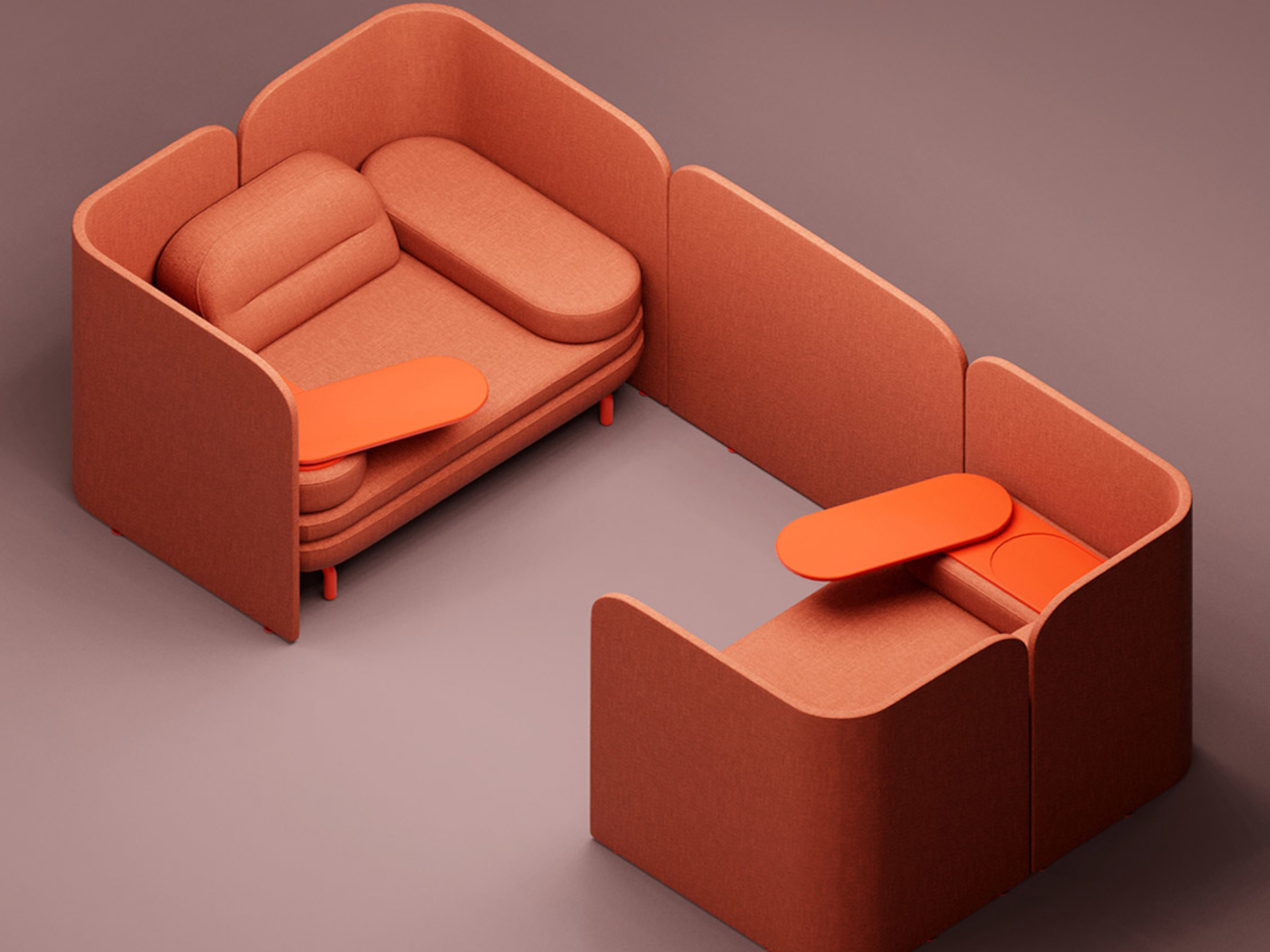
The Futo, is a sustainable modular seating solution designed for the privacy-conscious post-pandemic workforce. Crafted by designer Dymitr Malcew, Futo offers flexible configurations for private work zones and collaborative meetings without extensive rebuilds. With its soft upholstered design and vibrant color options, Futo blends comfort and functionality to optimize performance and well-being in modern office environments.
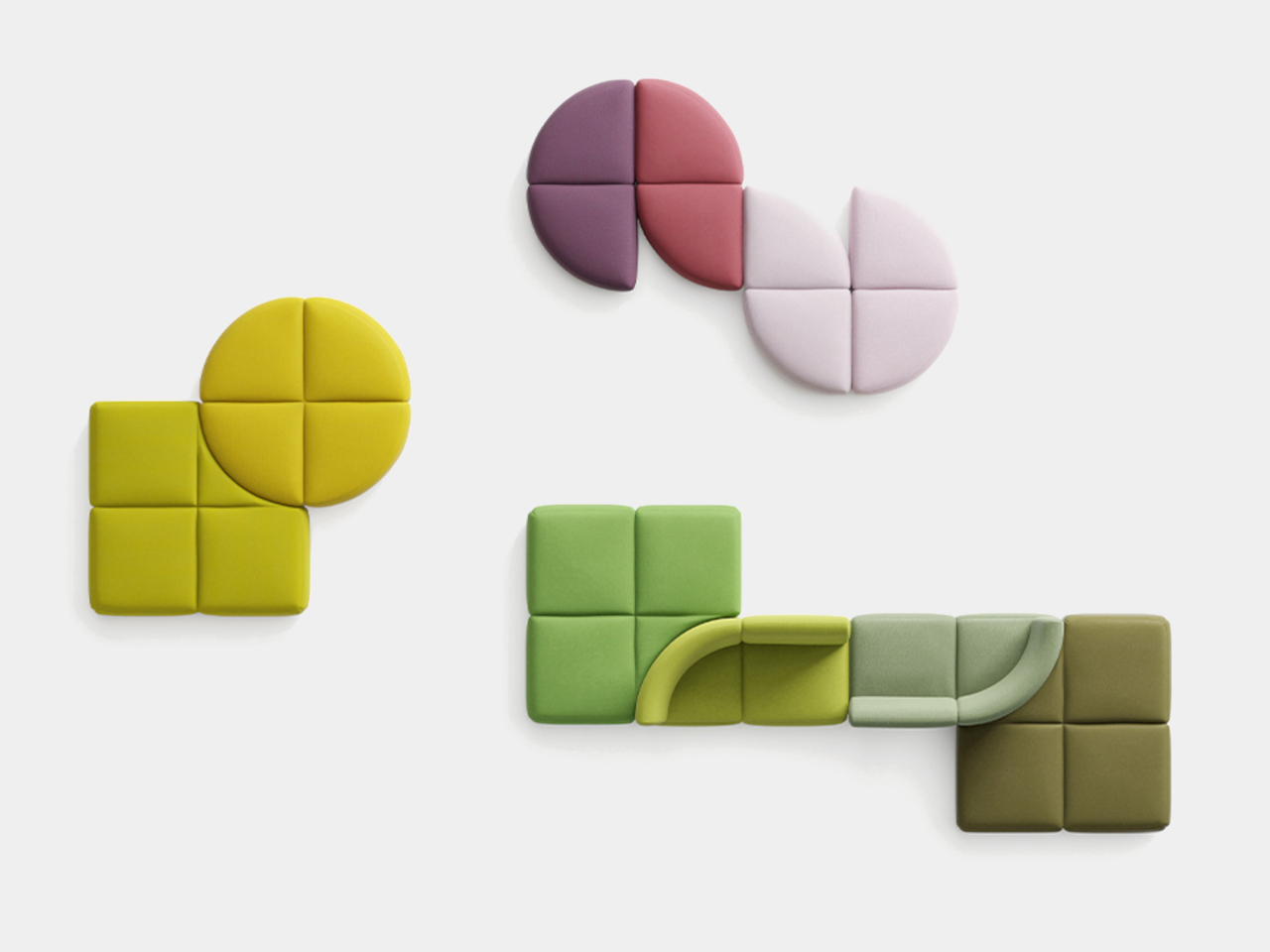
As companies return to office settings, individuals are adjusting to in-person interactions. Summit, a modular furniture system, aids this transition with its versatile geometric design. Comprising five modules, it can be configured for various needs, from meetings to casual gatherings. With built-in charging outlets and inviting colors, Summit offers comfort and functionality in a minimalistic design, ideal for modern workspaces.
5. Budget-Friendly Designs
Modular furniture is budget-friendly and affordable, making it an excellent choice for furnishing a home, especially a rented apartment. Its easy-to-dismantle design also makes it convenient to move to different locations.
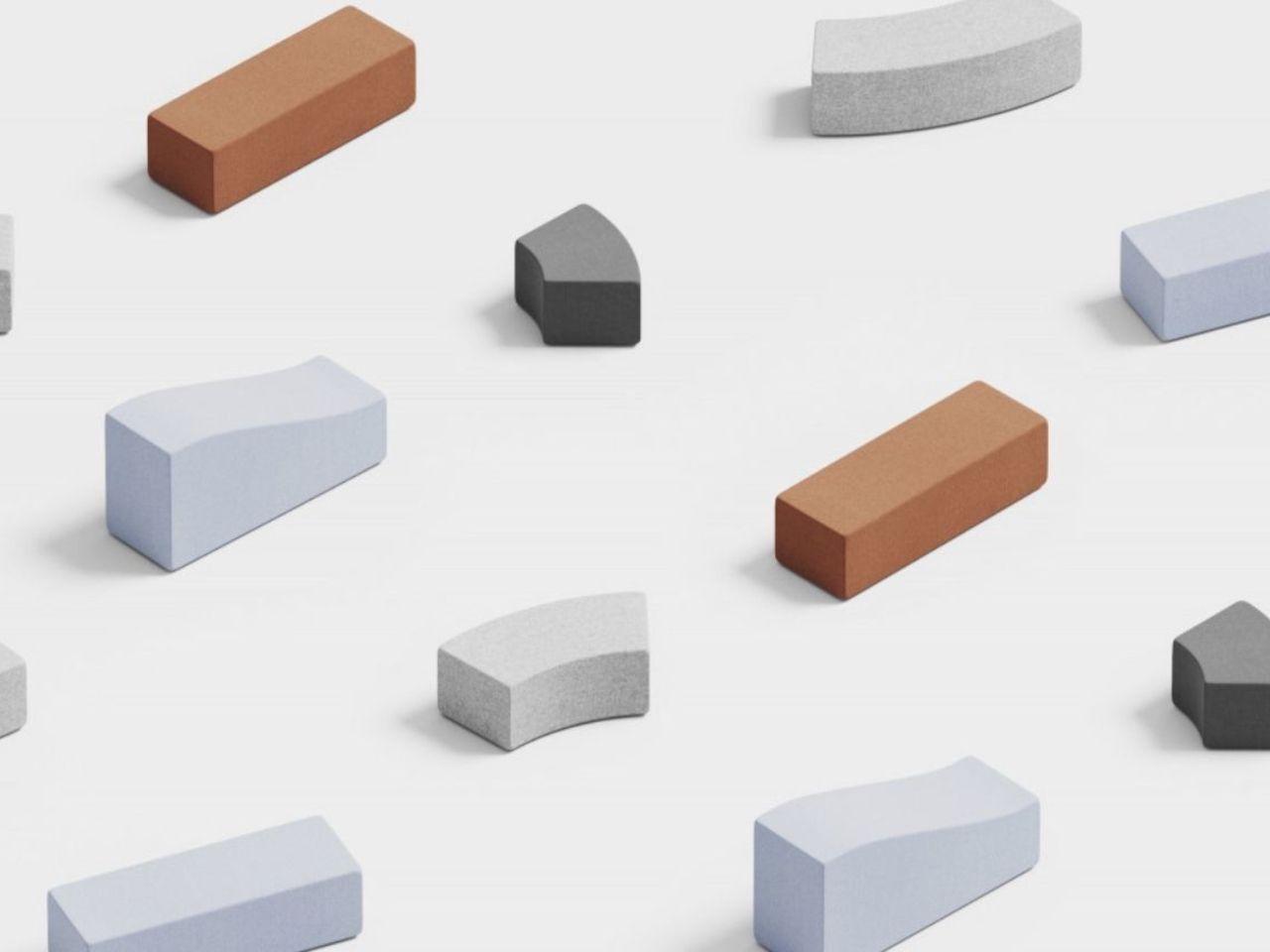
Len Furniture collaborated with the National Gallery of Victoria to create a customizable collection inspired by Bauhaus principles and Alma Siedhoff-Buscher’s work. Featuring plush, knitted sofa pieces that seamlessly curve into one another, the collection encourages workspace play and social interaction. Embracing Bauhaus’ geometric tendencies, the furniture mimics the movement and integration of children’s maritime toy blocks, offering versatile and dynamic arrangements. With endless possibilities for customization, this collection celebrates skilled craftsmanship and design innovation.
6. Integration of Technology
Nowadays, with the rise of smart homes, technology is being integrated into modular furniture. This includes built-in USB ports, wireless charging pads, and integrated speakers, seamlessly combining functionality and convenience.
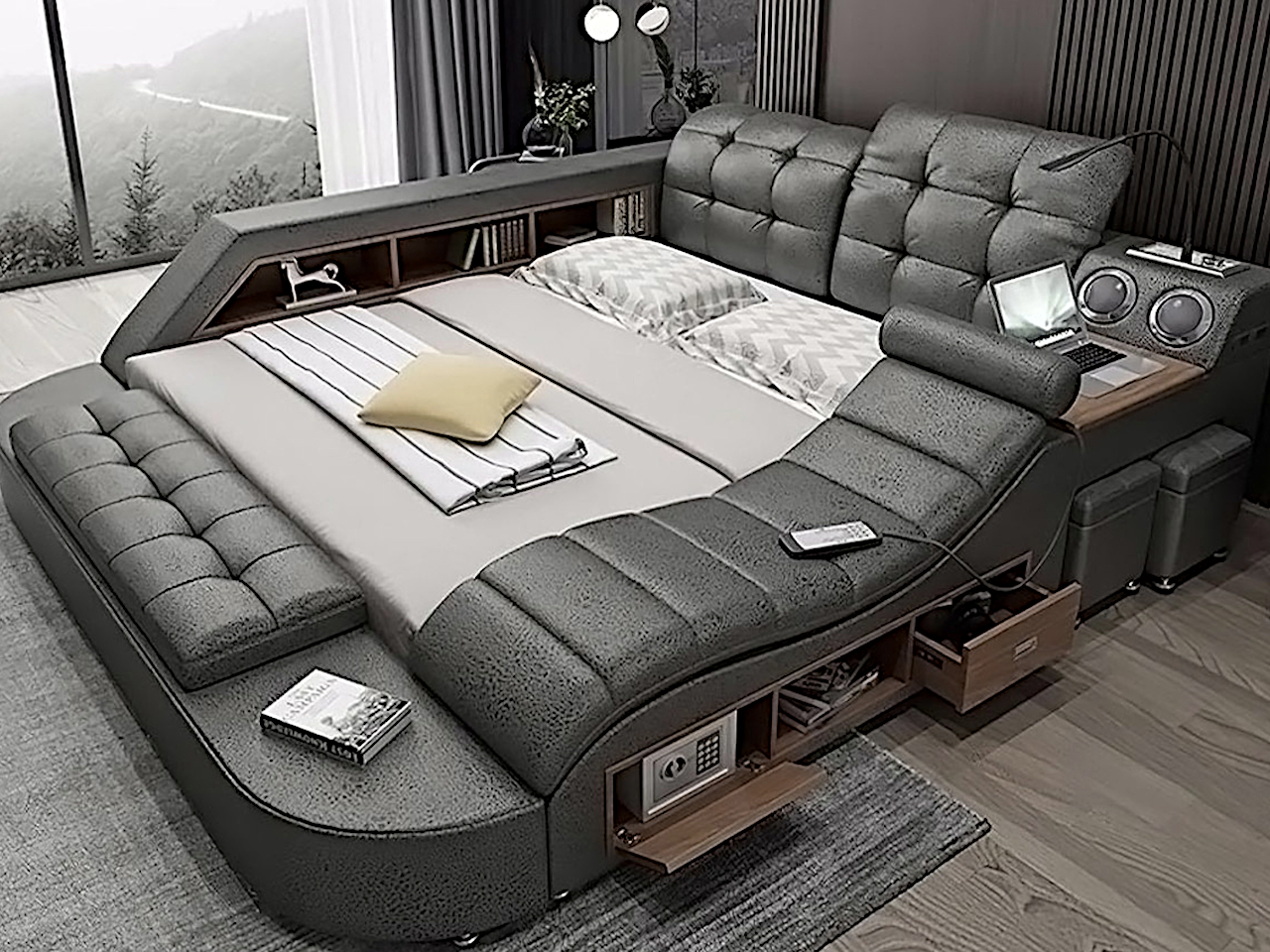
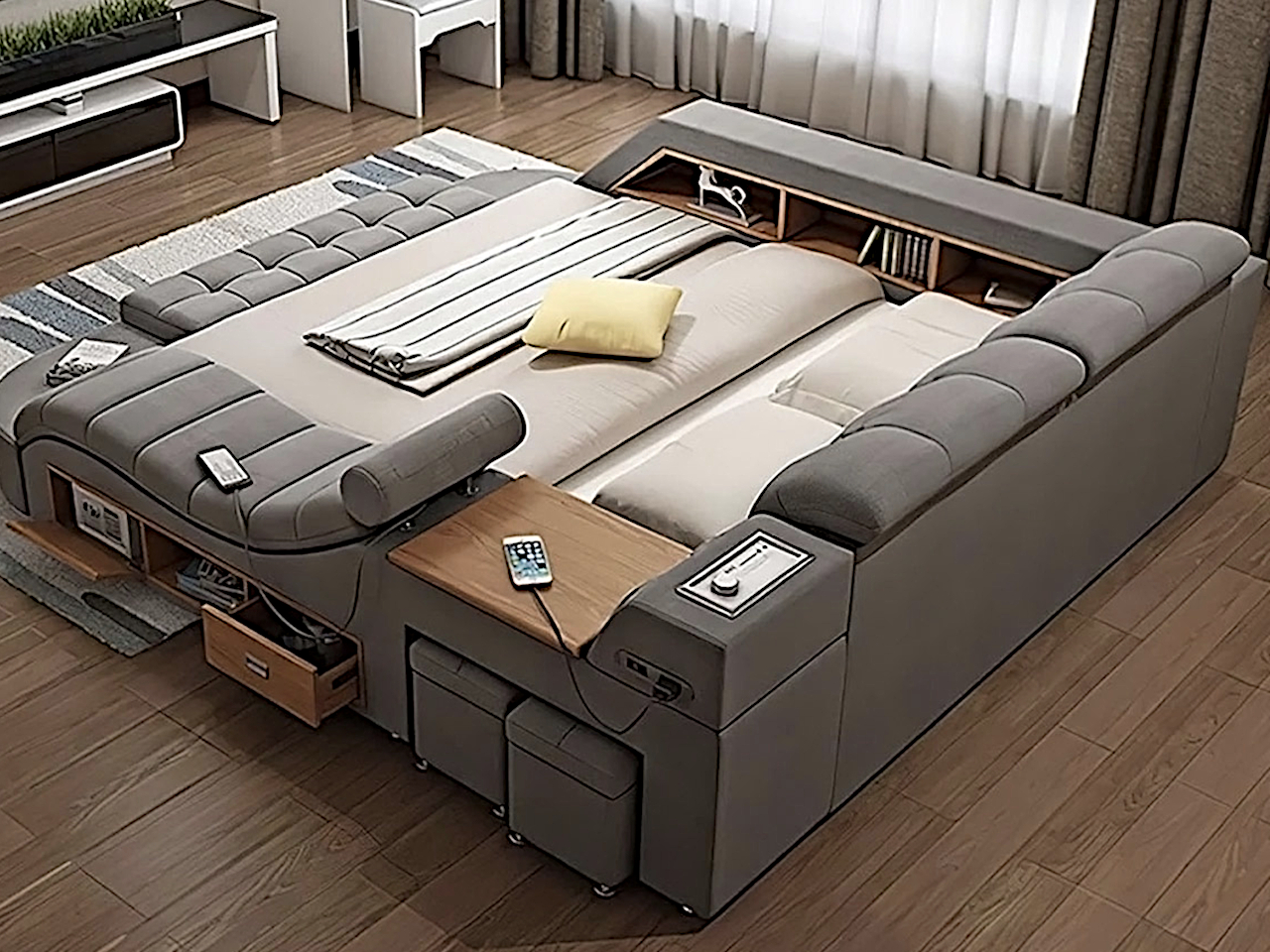
This bed offers everything you need for relaxation right within its frame. It features an integrated reclining massage chair with a remote, a built-in Bluetooth speaker, a bookshelf, a reading lamp, an air cleaning system, device charging ports, a foot-stool with extra storage, and a pop-up desk for WFH, Netflix, or reading. The sound system includes an SD card slot, an auxiliary port, and a USB port. Plus, it has a password-protected safe box for storing your valuables.
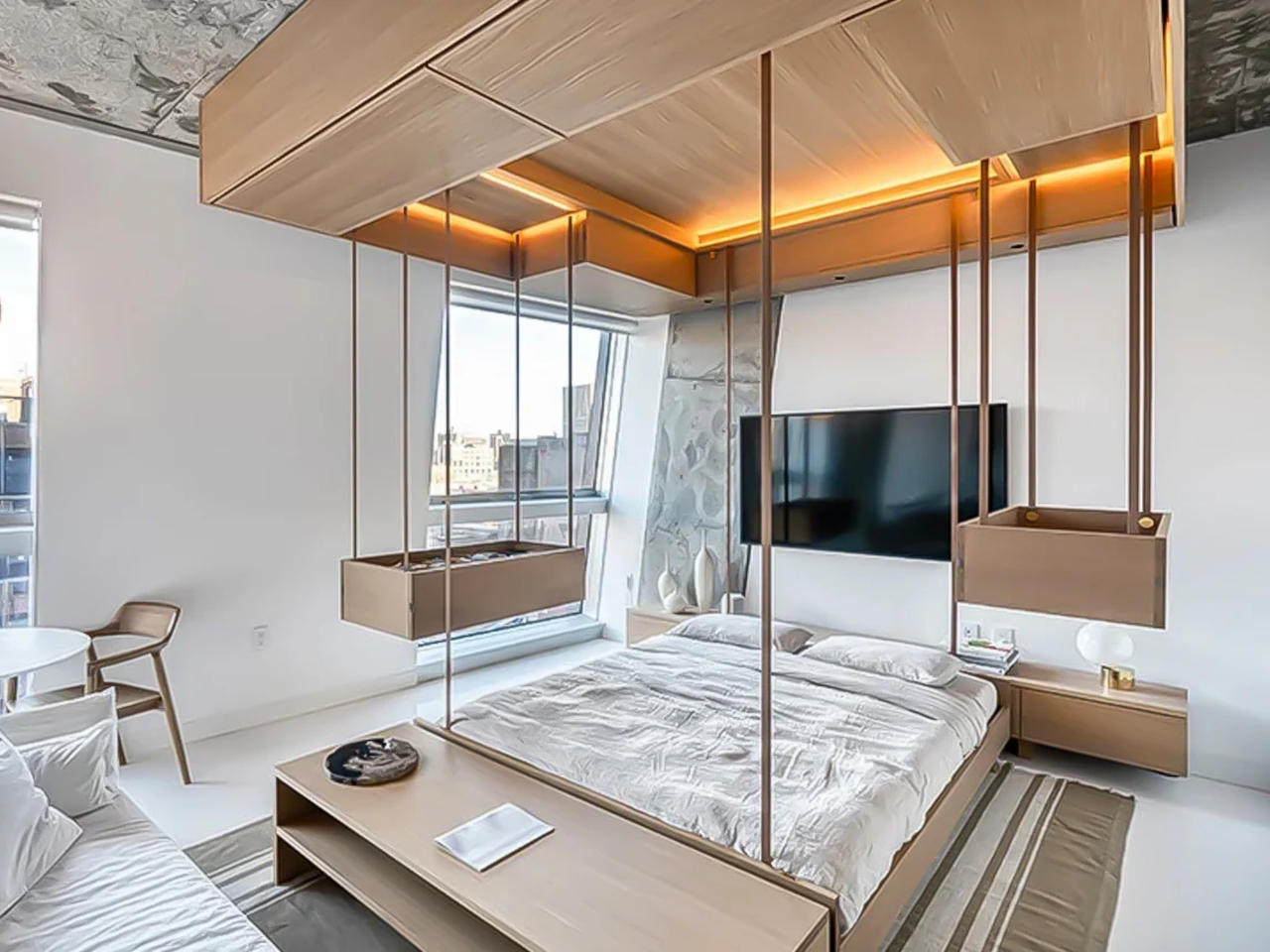
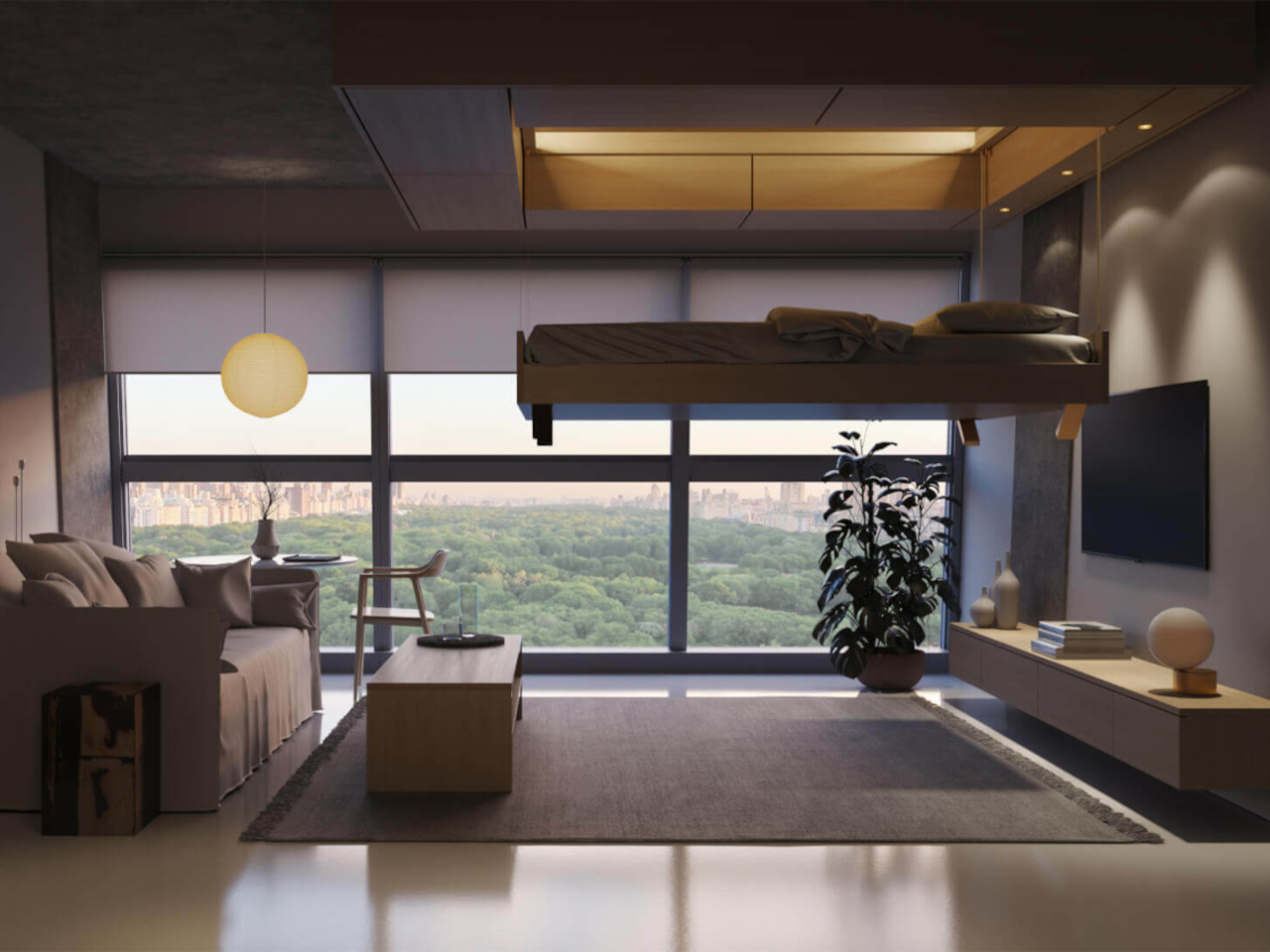
In East Harlem, ‘The Smile’ apartment complex by BIG features innovative smart furniture systems from Bumblebee Spaces. These modular units, including storage, beds, workspaces, and wardrobes, seamlessly ascend and descend from the ceiling, optimizing living space. Controlled by voice commands and programmed settings, the furniture adapts to residents’ needs. Crafted from wood, it adds warmth to the industrial aesthetic of the decor. ‘The Smile’ offers a mix of market-rate and affordable apartments, showcasing the future of urban living.
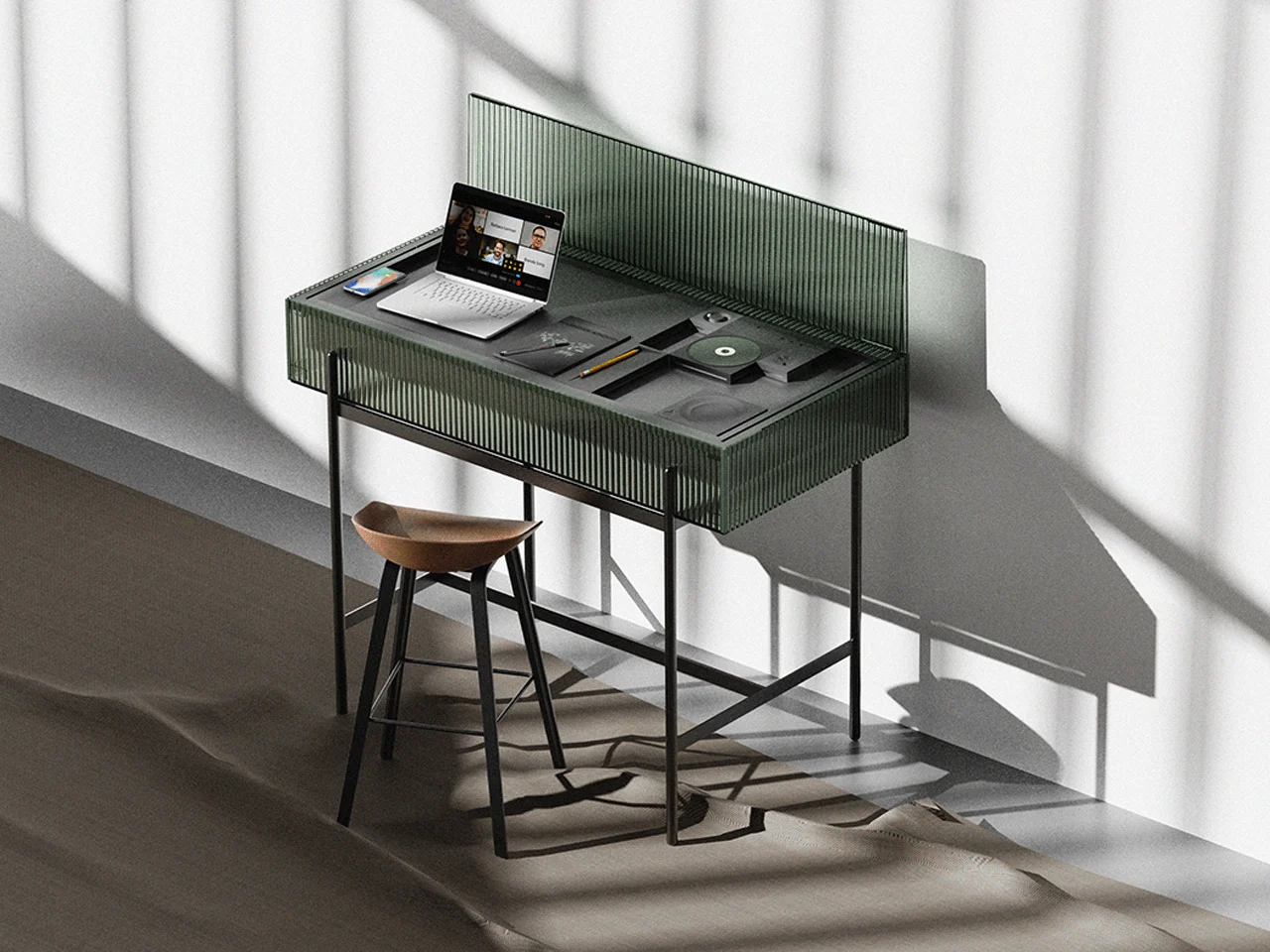
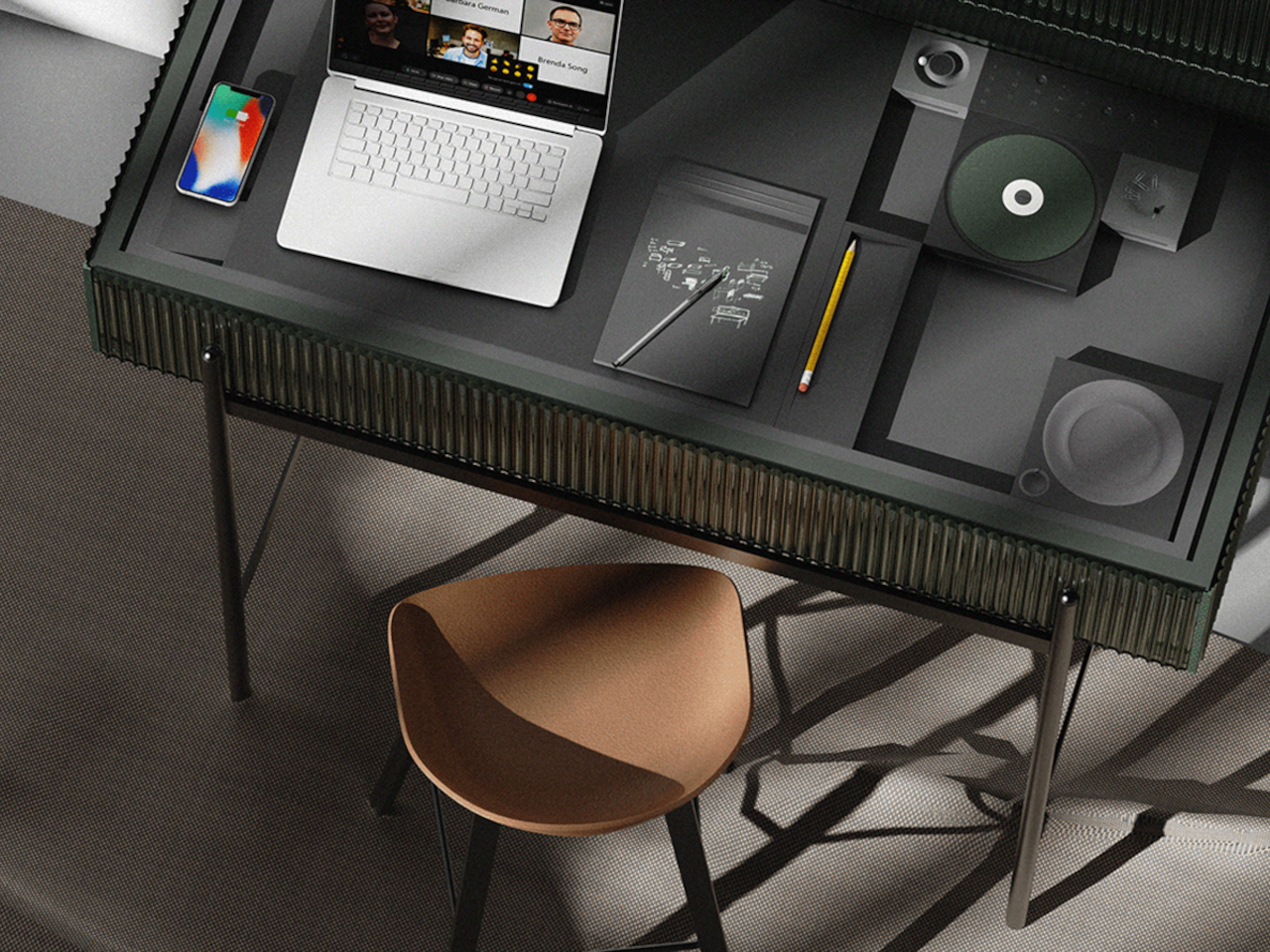
The Layout desk merges work and play seamlessly, featuring a modular design with entertainment and work modules. Designed by Juwon Kim, Jiwon Song, and Eunsang Lee, its translucent, sea green exterior catches the eye, while practical features like a foldable upper cover for privacy and a front display panel for widgets enhance functionality. Inside, various modules including light controllers, phone chargers, and music players offer convenience and versatility, ensuring an optimal workspace for both productivity and leisure.
7. Focus on Outdoor Furniture
Modular furniture isn’t just for indoors; it works great outside too. Homeowners can set up flexible seating in gardens, patios, and balconies, making outdoor spaces feel like an extension of their indoor living areas.
Uuma is a portable fiberglass table-chair combo designed by industrial designer Gökçe Nafak. This stackable unit offers convenience for both indoor and outdoor workspaces, seamlessly transitioning from the home office to the garden. Crafted for durability and portability, uuma’s customizable components make it easy to assemble and disassemble. With its adjustable features and sleek design, uuma provides comfort and efficiency wherever one chooses to work.
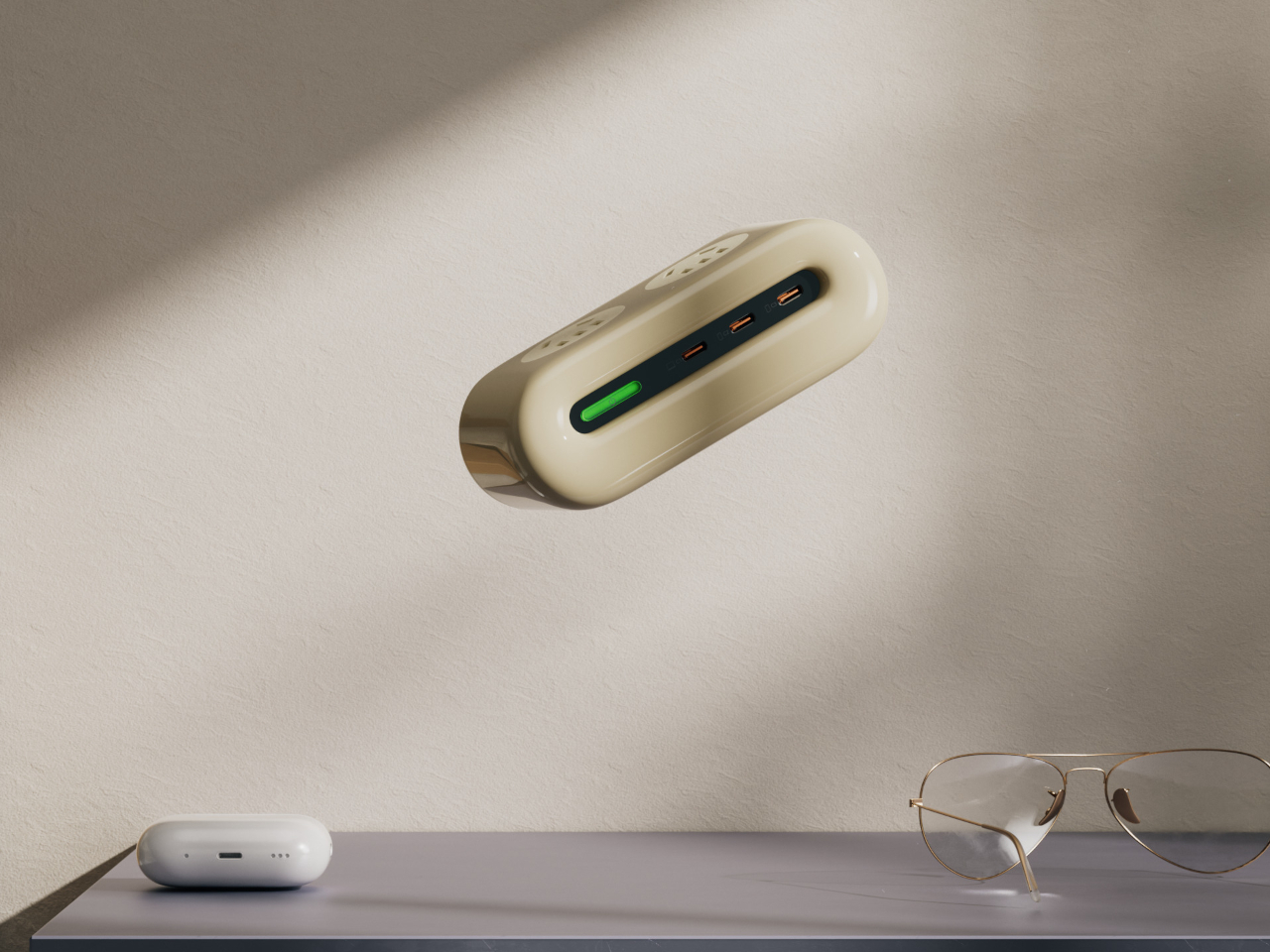
Nothing can be more distracting or disconcerting than a mess of cables on your desk. Even if you decide to ignore them, the clutter leaves an imprint on your subconscious that can affect your mood and productivity without you knowing it. Power strips can offer some semblance of cable management, but their bland and clinical designs often leave a poor impression on people’s minds, leading to the same unconscious effect. There’s no rule that even mundane consumer electronics like these need to be uninspiring and impersonal, and this concept design tries to give the power strip a more approachable appearance that looks as soothing as fluffy clouds in the sky.
Most power strips, even those with USB ports, are long and boxy, designed to maximize space more than anything else. While there’s definitely nothing wrong with being efficient, there’s also a multitude of ways to hit two birds with one stone. With a little creativity and inspiration from Mother Nature, one can also design a product that’s both functional and pleasing at the same time.
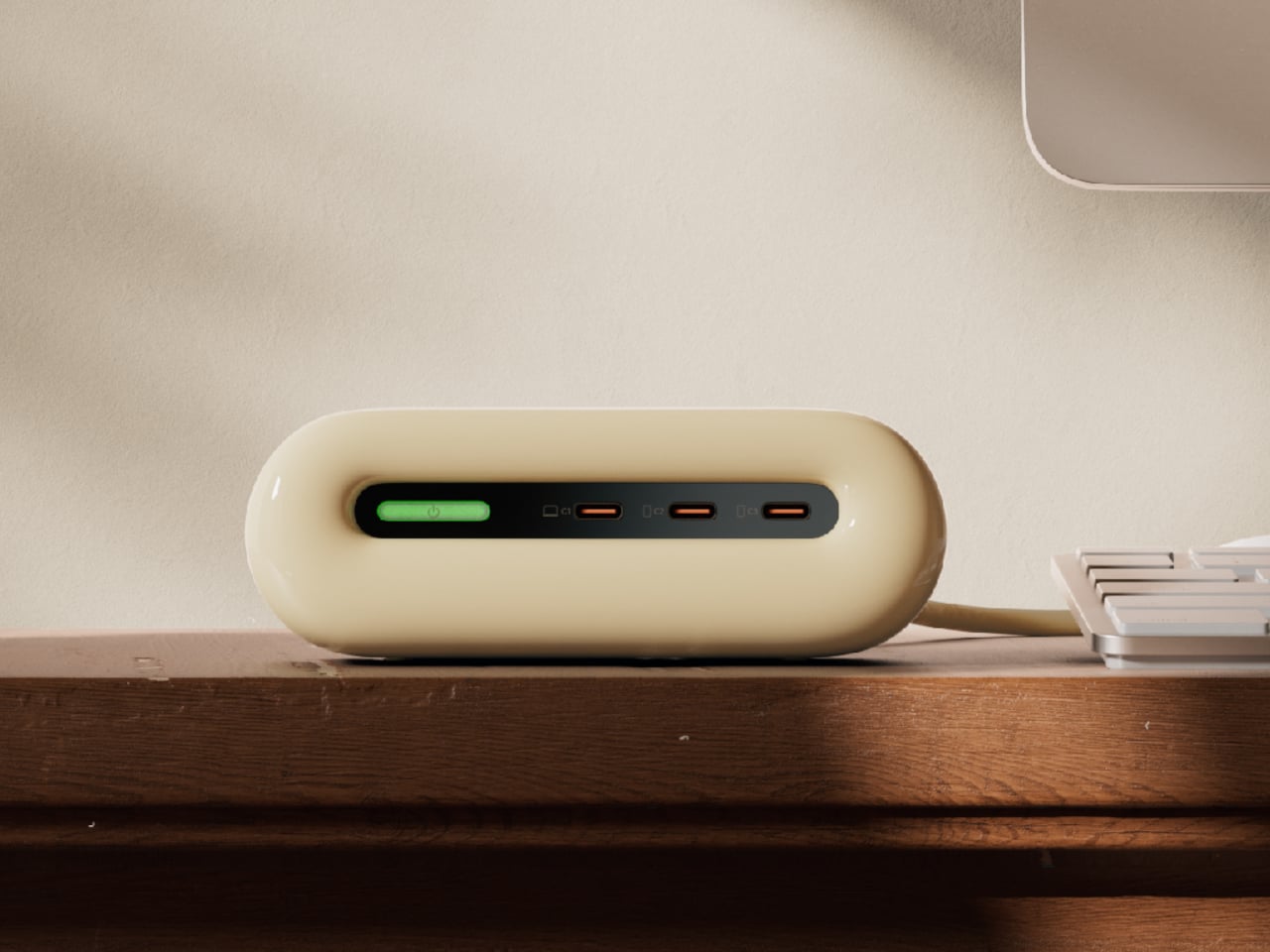
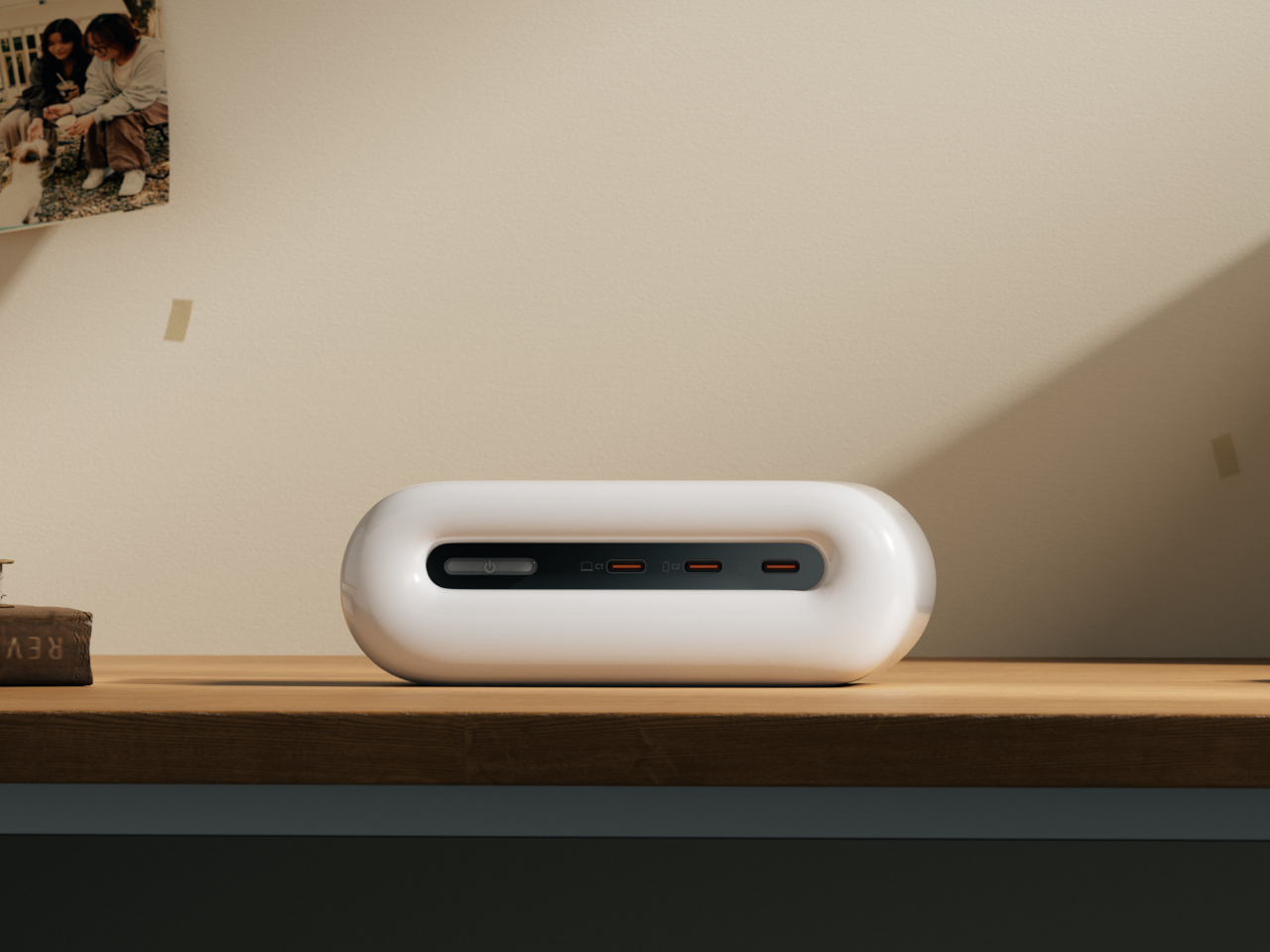
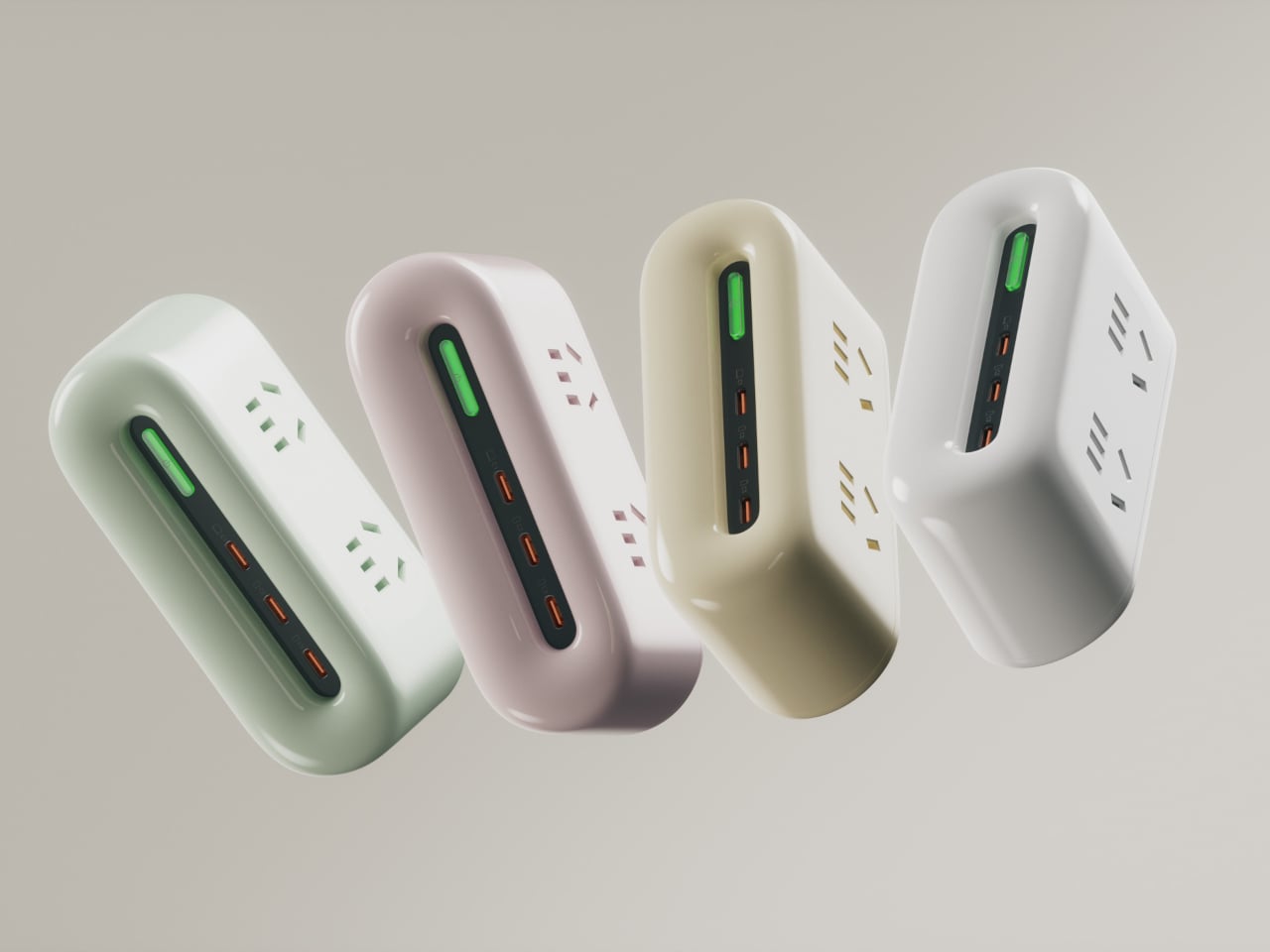
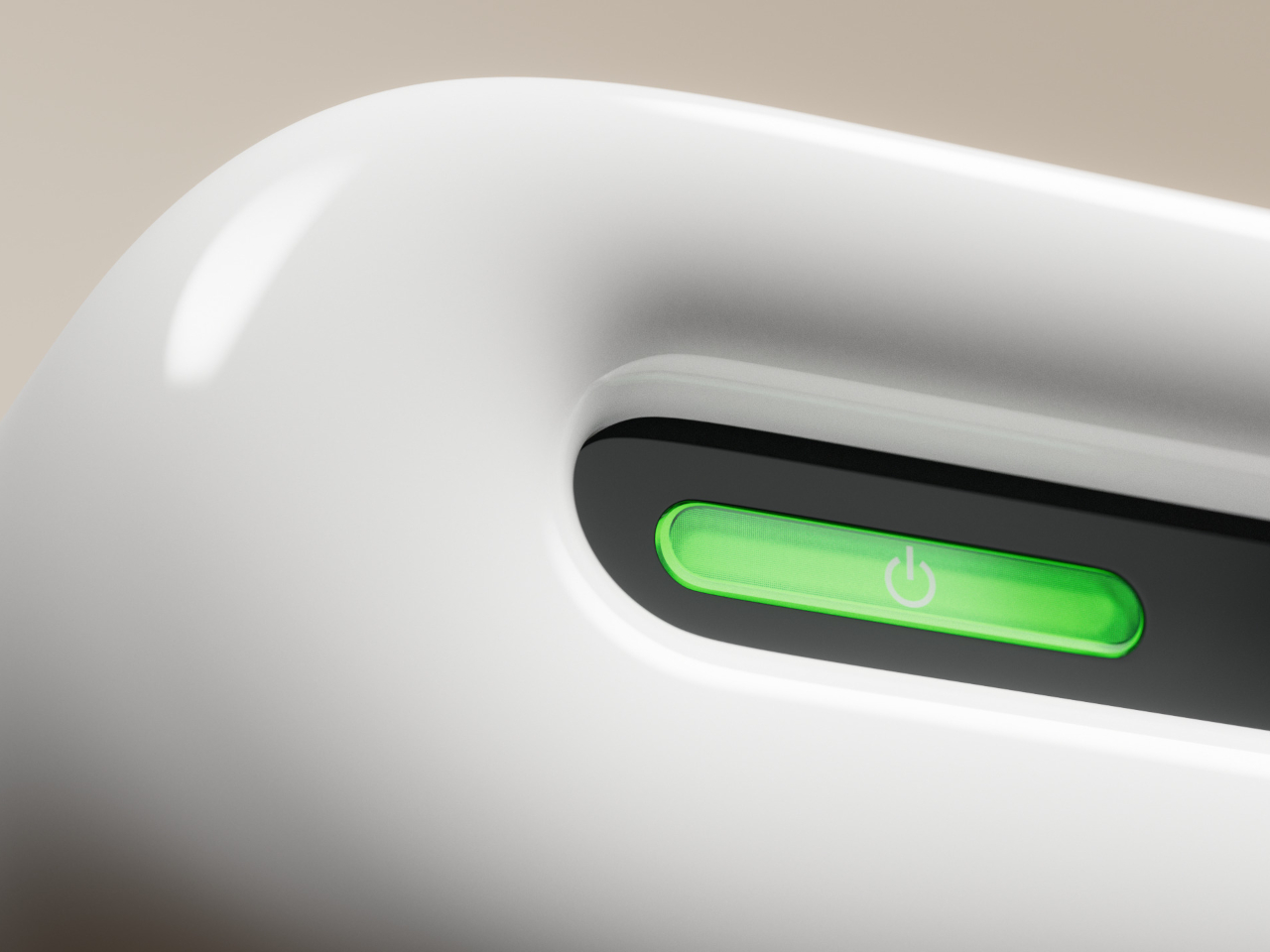
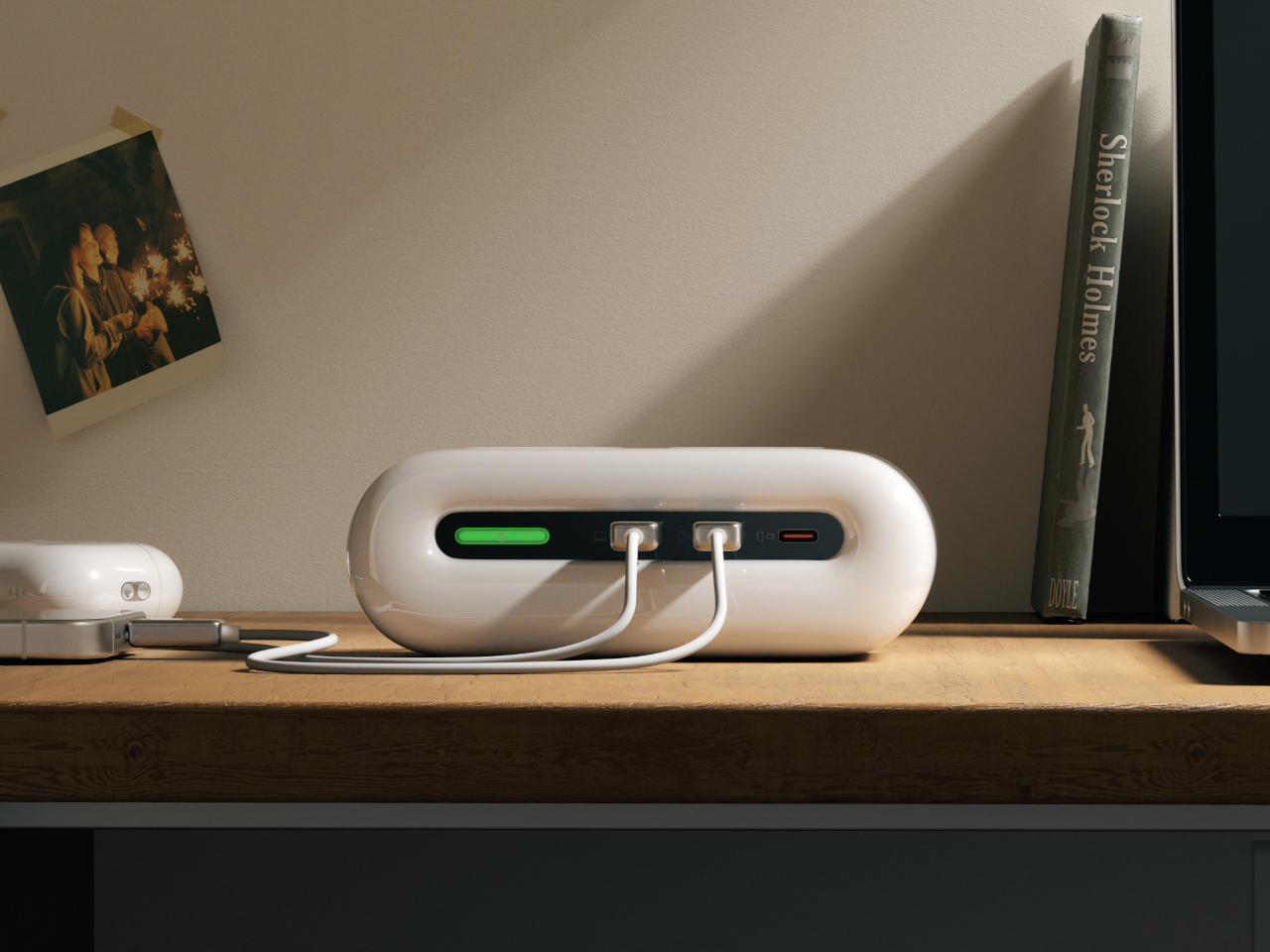
The Cloud Air power strip concept is an example of this design, putting the focus not just on practical functions but also aesthetics. Although not exactly soft and fluffy as a cloud, the design’s smooth curves, soft hues, and glossy finish do bring positive vibes. The power strip almost looks like it’s encased in some rubbery cushion, negating the harshness that’s often associated with these devices.
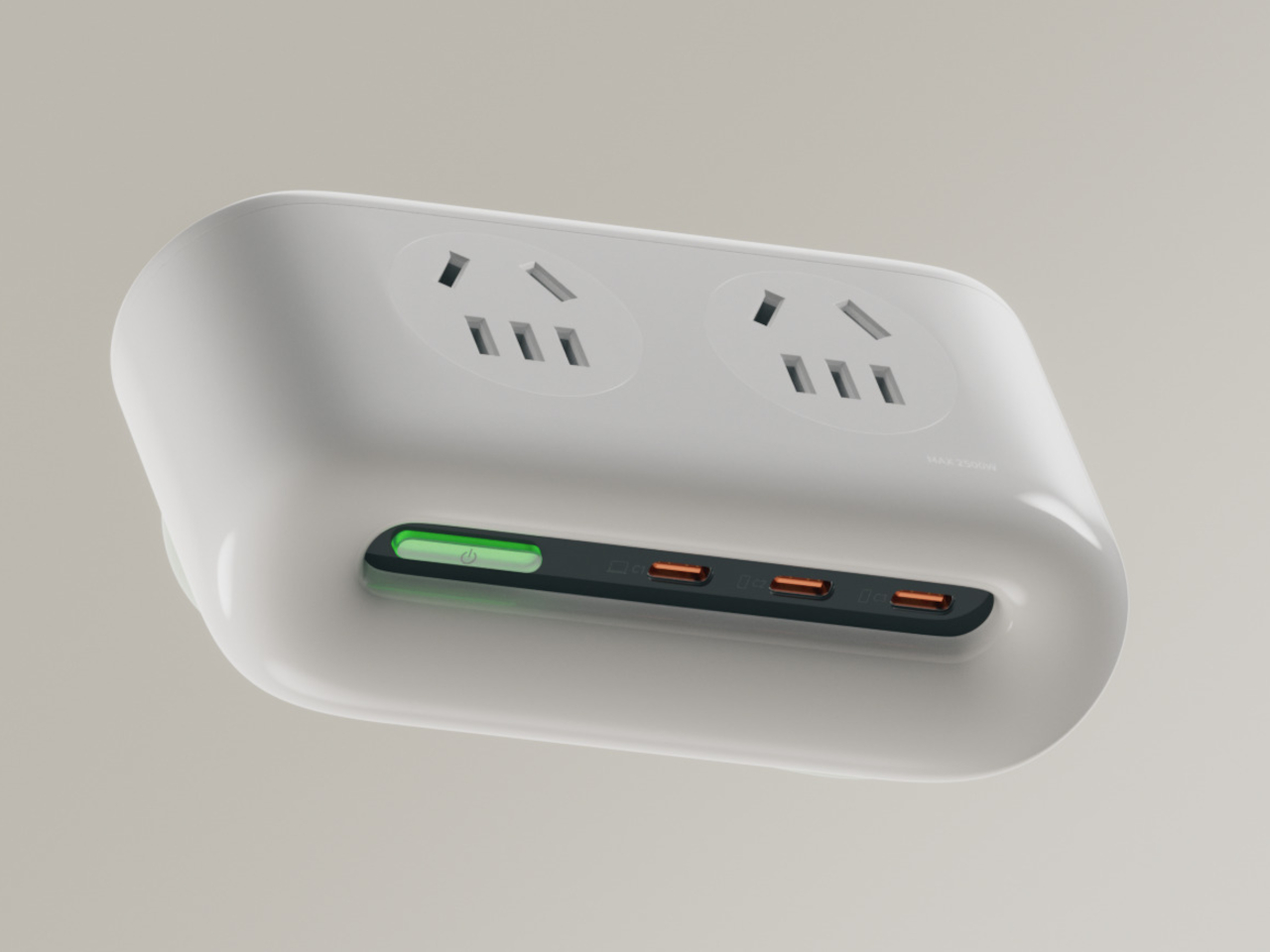
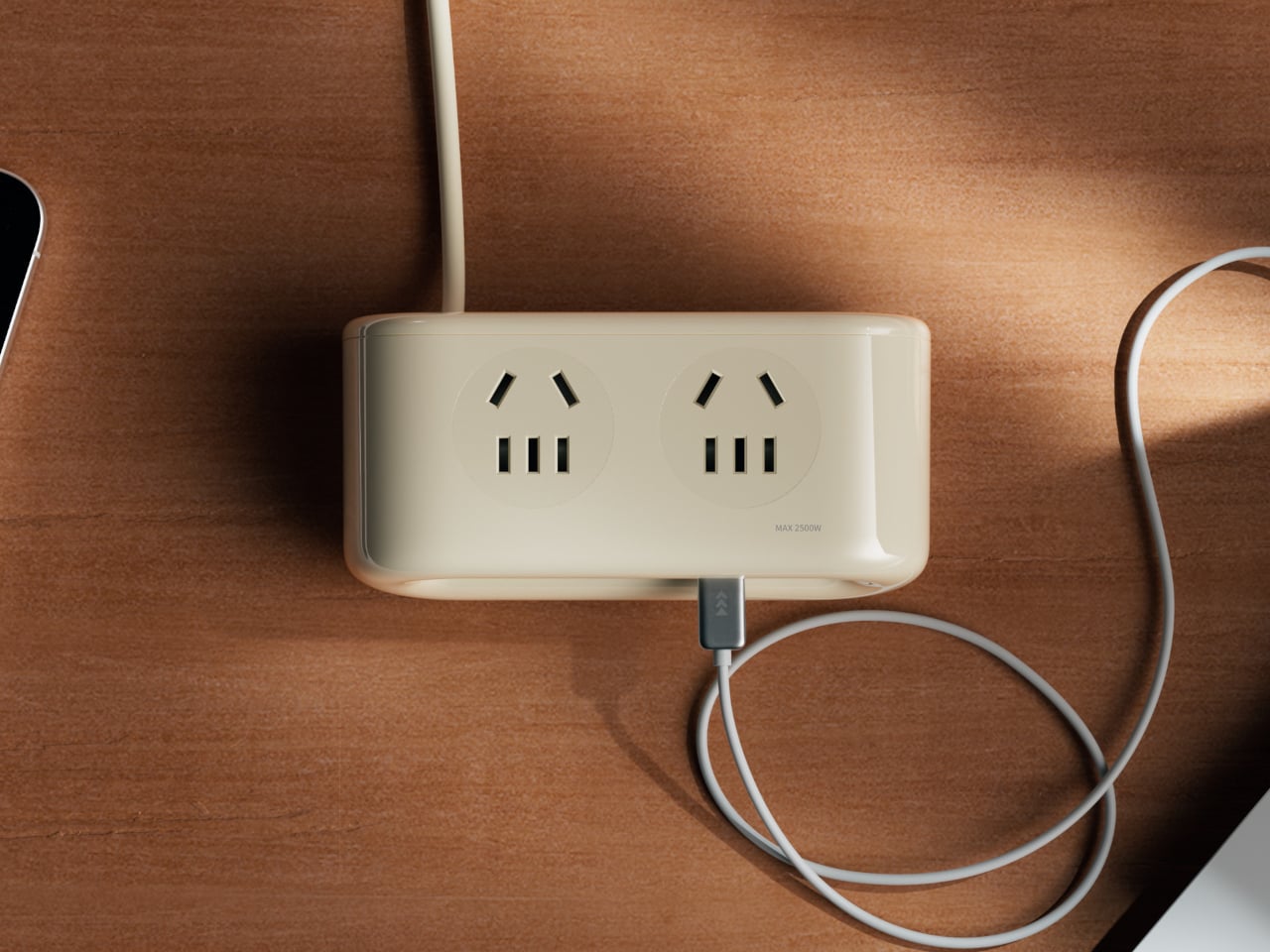
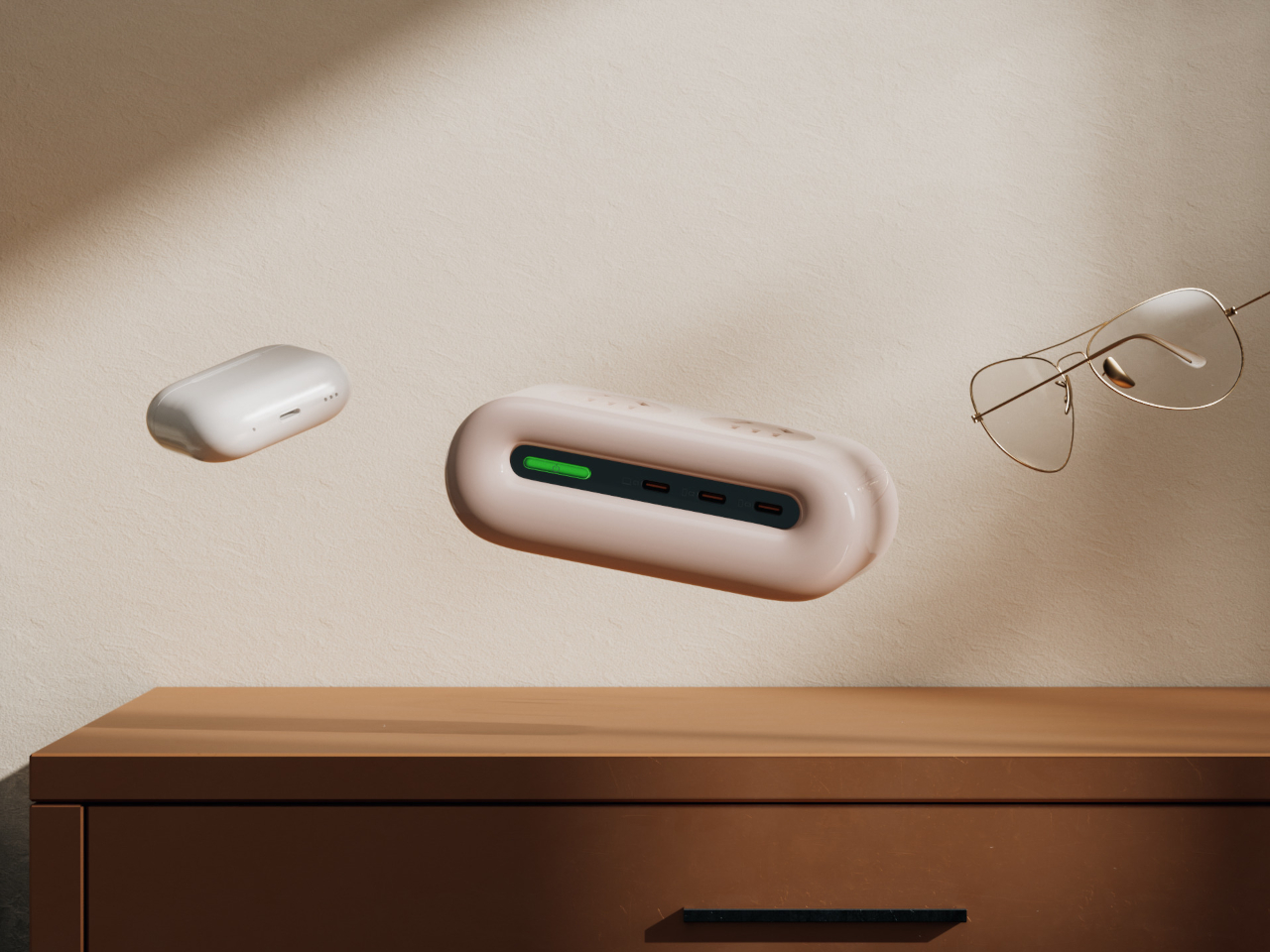
Cloud Air isn’t like your regular power strip either, as it functions more like a charging hub. It has three USB-C ports in front and two AC power outlets on top. Admittedly, these might not be enough for heavy computer users, but it’s sufficient for charging a few devices simultaneously. The design isn’t limited to a two-outlet configuration either, those a longer strip might defeat the purpose of having a compact and cute “cloud” on your desk.
At the end of the day, the purpose of the concept is to have a power strip you’ll actually want to see. Yes, it will have cables running out of its front and power bricks sticking at the top, but the jelly-like aesthetic of the design also balances that out. It’s not a perfect solution, but it does break the stereotype of power strips, charging hubs, and other accessories that look cold and stiff for very little reason other than tradition.
In today’s world, we are extremely reliant on technology, we can’t survive without it, as frightening as that sounds. In such a time and age, we need innovative power solutions, that ensure our handy devices and gadgets are always charged. We need these devices to have a dependable energy supply, allowing us to stay connected with the world and productive. A new genre of power solutions has been created to meet this need – they are efficient, unique, and designed to cater to our modern living requirements. These innovative designs optimize energy usage and focus on convenience, portability, and sustainability. We have curated our top 5 innovative power solutions that will power your life with effectiveness and efficiency, ensuring your daily routine is seamless and empowered.
1. EcoFlow Power Hat
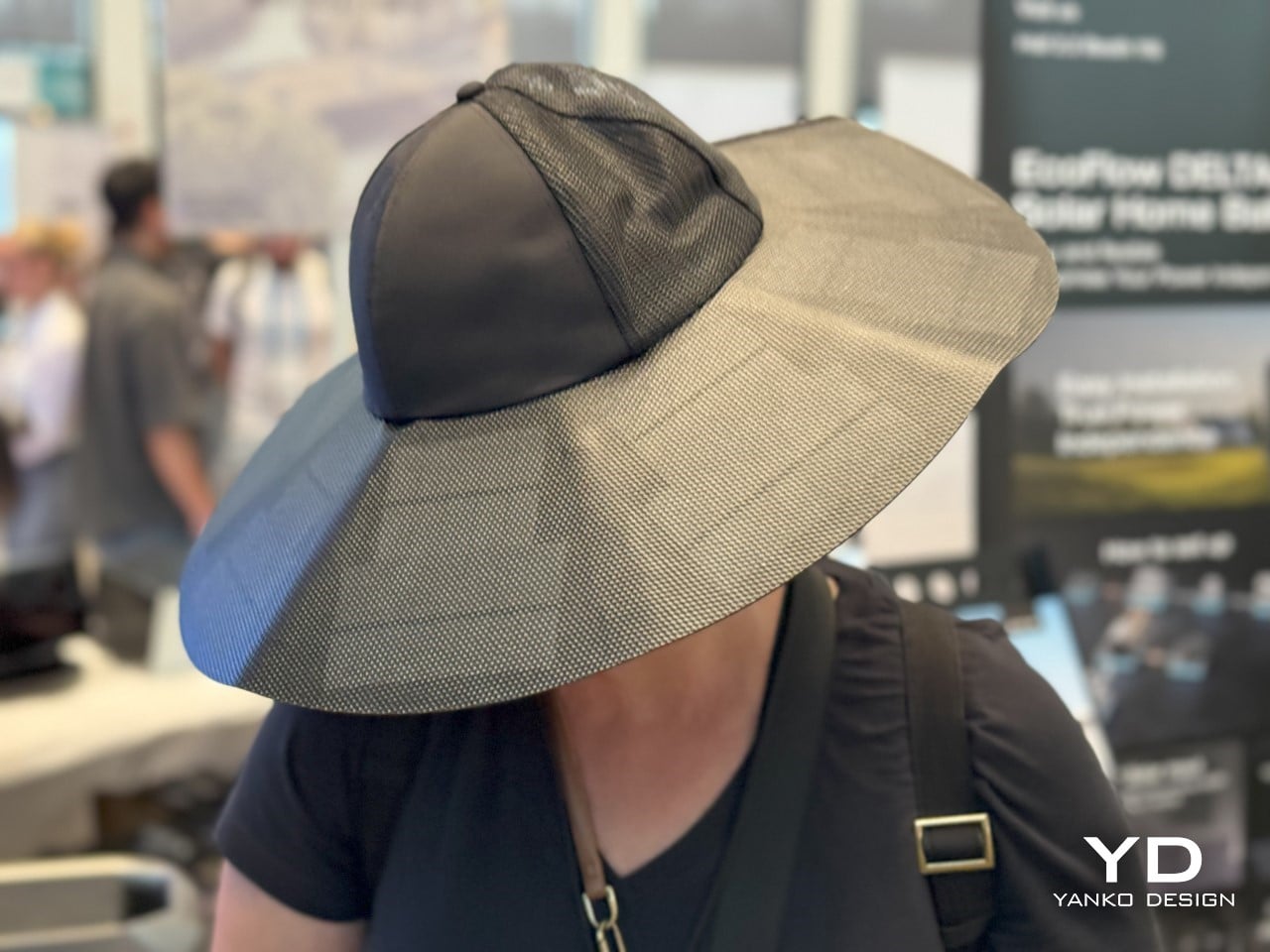
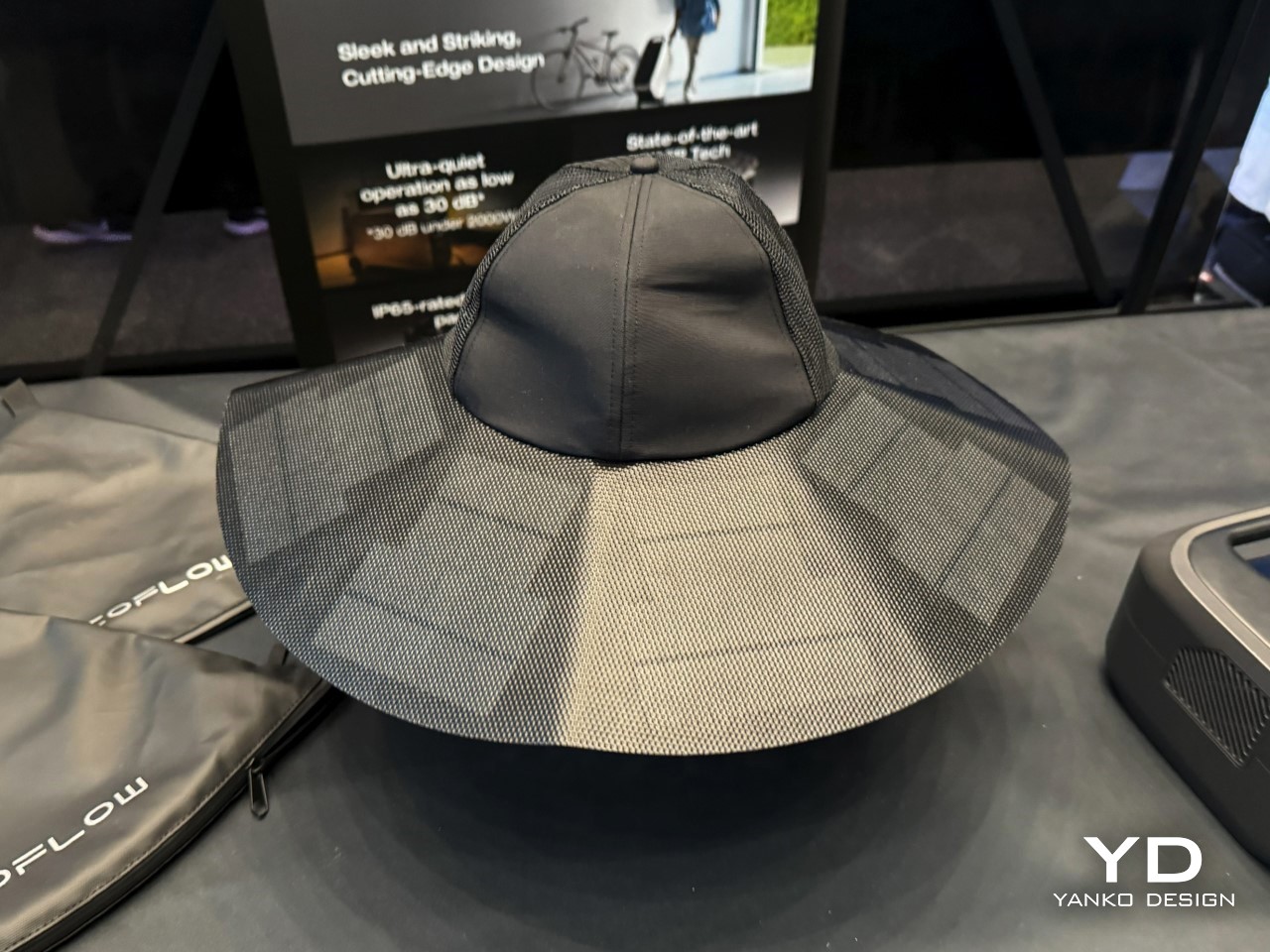
Designed by EcoFlow, this is the Power Hat. It is a sun hat with a USP! The sun-blocking rim of the hat is equipped with solar panels that don’t simply cut the glare, but also capture it and convert it into electrical power. The Power Hat was debuted at IFA 2024, and it is a unique accessory that will turn heads.
Why is it noteworthy?
When you look at the Power Hat, you may think it’s your everyday wide-brimmed hat, but the hat conceals a flexible solar panel that has been sown into the brim. This panel is designed to absorb sunlight, transforming it into usable power that charges your devices using a USB-C port that is tucked artfully in the inner band.
What we like
An excellent option for people who spend time outdoors such as hikers, campers, etc
What we dislike
The size is quite comically huge on the head and may be uncomfortable to wear
2. Mello
Say hello to Mello – the world’s sleekest high-performance charger! If you’re exhausted of traveling with bulky chargers and want to use the best tech, then you may want to get your hands on Mello. It can charge in over 200+ countries globally, including the US, UK, Europe, South America, Australia and Asia. The ultra-compact design lets you carry it wherever you like, but don’t be fooled by its minimal size, it packs a punch with its charging capabilities.
Why is it noteworthy?
The finest materials and top-notch technology were applied to create this sleek and luxurious charger. It provides 20 Watts GaN fast charging which is 3x faster than any standard charger. You can clip it onto your keychain with ease, or simply put it into your pocket as you travel.
What we like
Foldable and compact design
Compatible in 180+ countries
What we dislike
Pricier in comparison to other compact charging solutions
3. Solar Paper
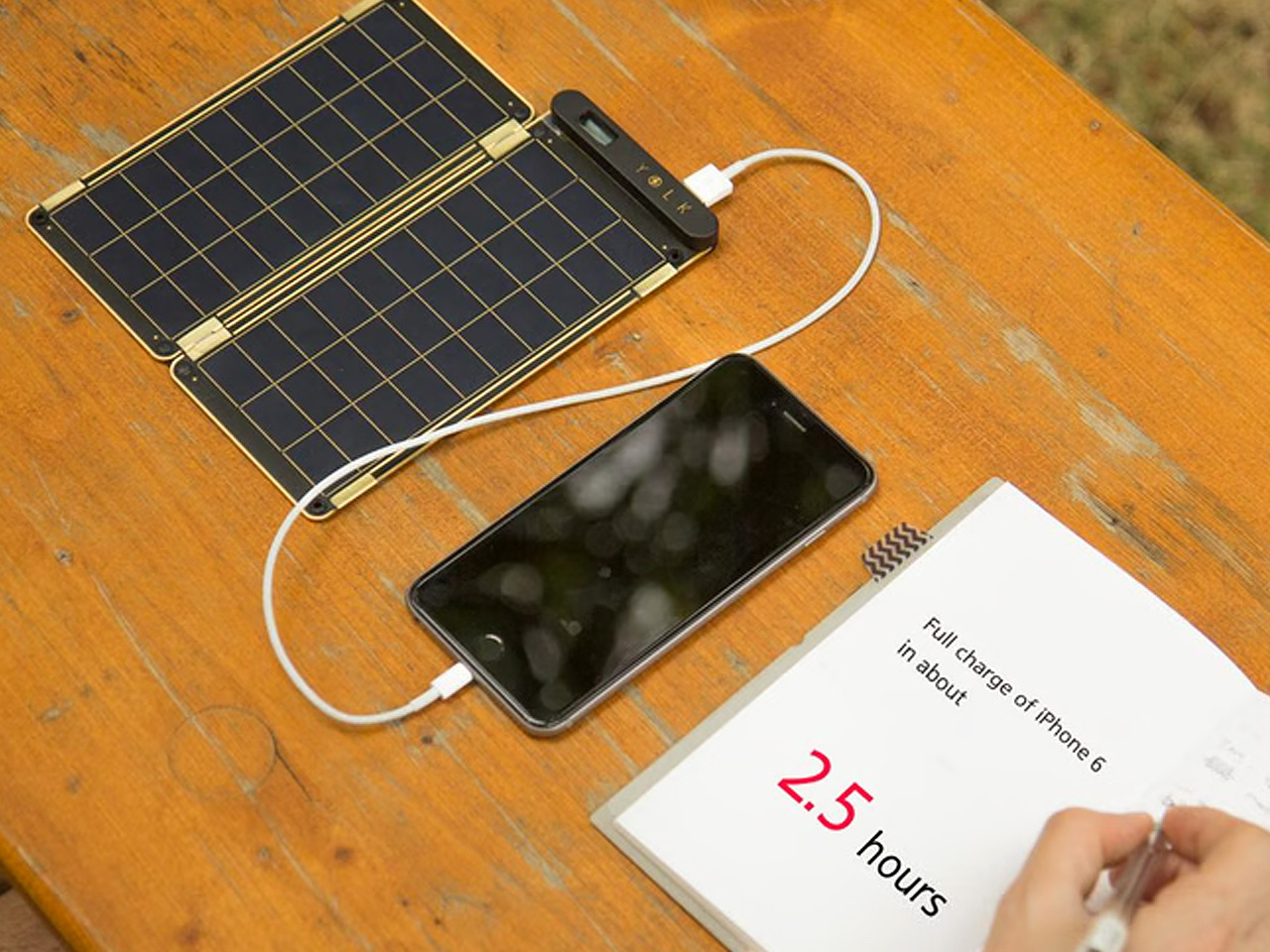
Meet the one-of-a-kind Solar Paper! This is the world’s first solar power charger that can be easily placed inside your planner or notebook. The charger is paper thin, and also ultra lightweight. It can charge your smartphone in about 2.5 hours on a sunny day. You can also set up multiple panels using magnets to charge larger devices.
Why is it noteworthy?
Since it features a compact and lightweight form, it is great for those who spend a lot of time outdoors. They can clip the charger to their backpack, and charge it while hiking or camping. You can also easily slip it into your jacket pocket or notebook. Many solar chargers need to shut down and manually reset, but the Solar Paper automatically resets itself.
What we like
Lightweight form that can be carried everywhere with you
You can expand it if you need to charge larger devices
What we dislike
Its usability is limited in places with cloud cover or frequent rainy days
4. MemKeeper
When you first look at the MemKeeper you may assume it is an ordinary phone charger, but it is truly quite unique. It uses cutting-edge GaN technology and can provide 65W of power, which is more than enough for most smartphones and some laptops. It features two USB-C ports and a single USB-A port. It can charge three devices in one go in a 30W, 18W, and 18W combination.
Why is it noteworthy?
However, what makes MemKeeper unique is that it also doubles as a secure data storage solution. It automatically backs up the connected device’s data into its built-in storage, which is available in 256GB, 512GB, and 1TB capacities. When you charge your phone, rest assured that your smartphone’s data is safe and sound.
What we like
Stores data for up to 32 different devices
Only backs up authorized devices, so you can share the charger with friends
What we dislike
Doesn’t put out enough power when all ports are used simultaneously
5. Dino Charger
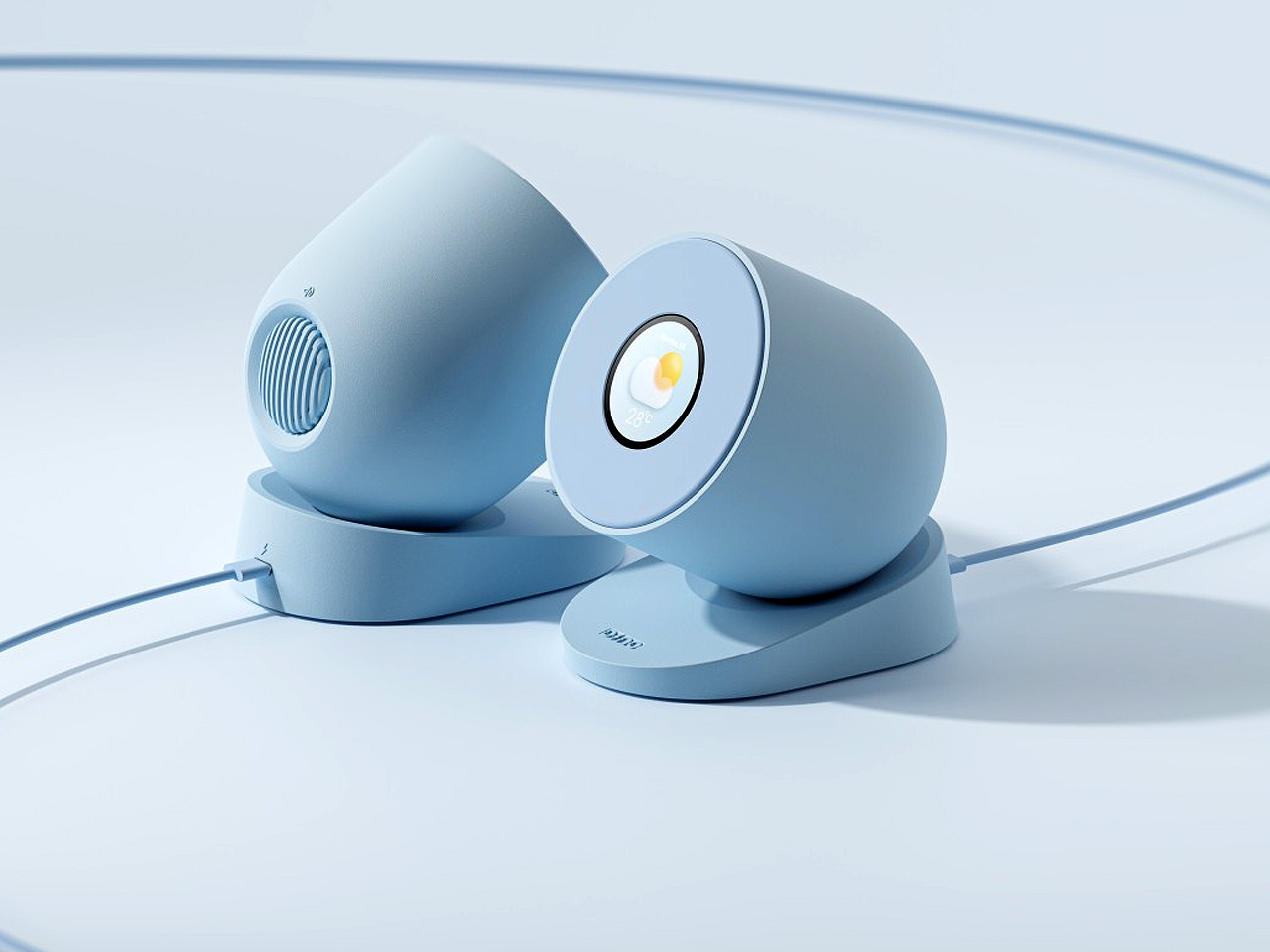
Say hello to the Dino Charger, which serves as more than just a typical charger. It may look typical, but it features a pill shape with one end chopped off, offering a flat surface for your smartphone. However, when your smartphone isn’t placed on it, you will see a small circular display, which functions as an interesting USP of the charger.
Why is it noteworthy?
The screen is the same size as a circular smartwatch, and it also functions as one. Even though it has small screen real estate, it showcases a few pieces of data through icons and images like the weather, battery levels, and the time. The screen also displays a Bitmoji or Apple Memoji. Most of the use of this function is left to the imagination.
What we like
Turns an ordinary charger into an exciting multi-functional charger
What we dislike
The screen is pretty much useless when a smartphone is placed on the charger
In today’s world, we are extremely reliant on technology, we can’t survive without it, as frightening as that sounds. In such a time and age, we need innovative power solutions, that ensure our handy devices and gadgets are always charged. We need these devices to have a dependable energy supply, allowing us to stay connected with the world and productive. A new genre of power solutions has been created to meet this need – they are efficient, unique, and designed to cater to our modern living requirements. These innovative designs optimize energy usage and focus on convenience, portability, and sustainability. We have curated our top 5 innovative power solutions that will power your life with effectiveness and efficiency, ensuring your daily routine is seamless and empowered.
1. EcoFlow Power Hat
Designed by EcoFlow, this is the Power Hat. It is a sun hat with a USP! The sun-blocking rim of the hat is equipped with solar panels that don’t simply cut the glare, but also capture it and convert it into electrical power. The Power Hat was debuted at IFA 2024, and it is a unique accessory that will turn heads.
Why is it noteworthy?
When you look at the Power Hat, you may think it’s your everyday wide-brimmed hat, but the hat conceals a flexible solar panel that has been sown into the brim. This panel is designed to absorb sunlight, transforming it into usable power that charges your devices using a USB-C port that is tucked artfully in the inner band.
What we like
An excellent option for people who spend time outdoors such as hikers, campers, etc
What we dislike
The size is quite comically huge on the head and may be uncomfortable to wear
2. Mello
Say hello to Mello – the world’s sleekest high-performance charger! If you’re exhausted of traveling with bulky chargers and want to use the best tech, then you may want to get your hands on Mello. It can charge in over 200+ countries globally, including the US, UK, Europe, South America, Australia and Asia. The ultra-compact design lets you carry it wherever you like, but don’t be fooled by its minimal size, it packs a punch with its charging capabilities.
Why is it noteworthy?
The finest materials and top-notch technology were applied to create this sleek and luxurious charger. It provides 20 Watts GaN fast charging which is 3x faster than any standard charger. You can clip it onto your keychain with ease, or simply put it into your pocket as you travel.
What we like
Foldable and compact design
Compatible in 180+ countries
What we dislike
Pricier in comparison to other compact charging solutions
3. Solar Paper
Meet the one-of-a-kind Solar Paper! This is the world’s first solar power charger that can be easily placed inside your planner or notebook. The charger is paper thin, and also ultra lightweight. It can charge your smartphone in about 2.5 hours on a sunny day. You can also set up multiple panels using magnets to charge larger devices.
Why is it noteworthy?
Since it features a compact and lightweight form, it is great for those who spend a lot of time outdoors. They can clip the charger to their backpack, and charge it while hiking or camping. You can also easily slip it into your jacket pocket or notebook. Many solar chargers need to shut down and manually reset, but the Solar Paper automatically resets itself.
What we like
Lightweight form that can be carried everywhere with you
You can expand it if you need to charge larger devices
What we dislike
Its usability is limited in places with cloud cover or frequent rainy days
4. MemKeeper
When you first look at the MemKeeper you may assume it is an ordinary phone charger, but it is truly quite unique. It uses cutting-edge GaN technology and can provide 65W of power, which is more than enough for most smartphones and some laptops. It features two USB-C ports and a single USB-A port. It can charge three devices in one go in a 30W, 18W, and 18W combination.
Why is it noteworthy?
However, what makes MemKeeper unique is that it also doubles as a secure data storage solution. It automatically backs up the connected device’s data into its built-in storage, which is available in 256GB, 512GB, and 1TB capacities. When you charge your phone, rest assured that your smartphone’s data is safe and sound.
What we like
Stores data for up to 32 different devices
Only backs up authorized devices, so you can share the charger with friends
What we dislike
Doesn’t put out enough power when all ports are used simultaneously
5. Dino Charger
Say hello to the Dino Charger, which serves as more than just a typical charger. It may look typical, but it features a pill shape with one end chopped off, offering a flat surface for your smartphone. However, when your smartphone isn’t placed on it, you will see a small circular display, which functions as an interesting USP of the charger.
Why is it noteworthy?
The screen is the same size as a circular smartwatch, and it also functions as one. Even though it has small screen real estate, it showcases a few pieces of data through icons and images like the weather, battery levels, and the time. The screen also displays a Bitmoji or Apple Memoji. Most of the use of this function is left to the imagination.
What we like
Turns an ordinary charger into an exciting multi-functional charger
What we dislike
The screen is pretty much useless when a smartphone is placed on the charger
Titanium is durable enough to last for centuries, is naturally non-stick, and doesn’t rust or corrode. For decades, it’s been the go-to choice for all sorts of EDC, from knives to multitools to even wallets – but nobody’s really made titanium cookware popular… until now.
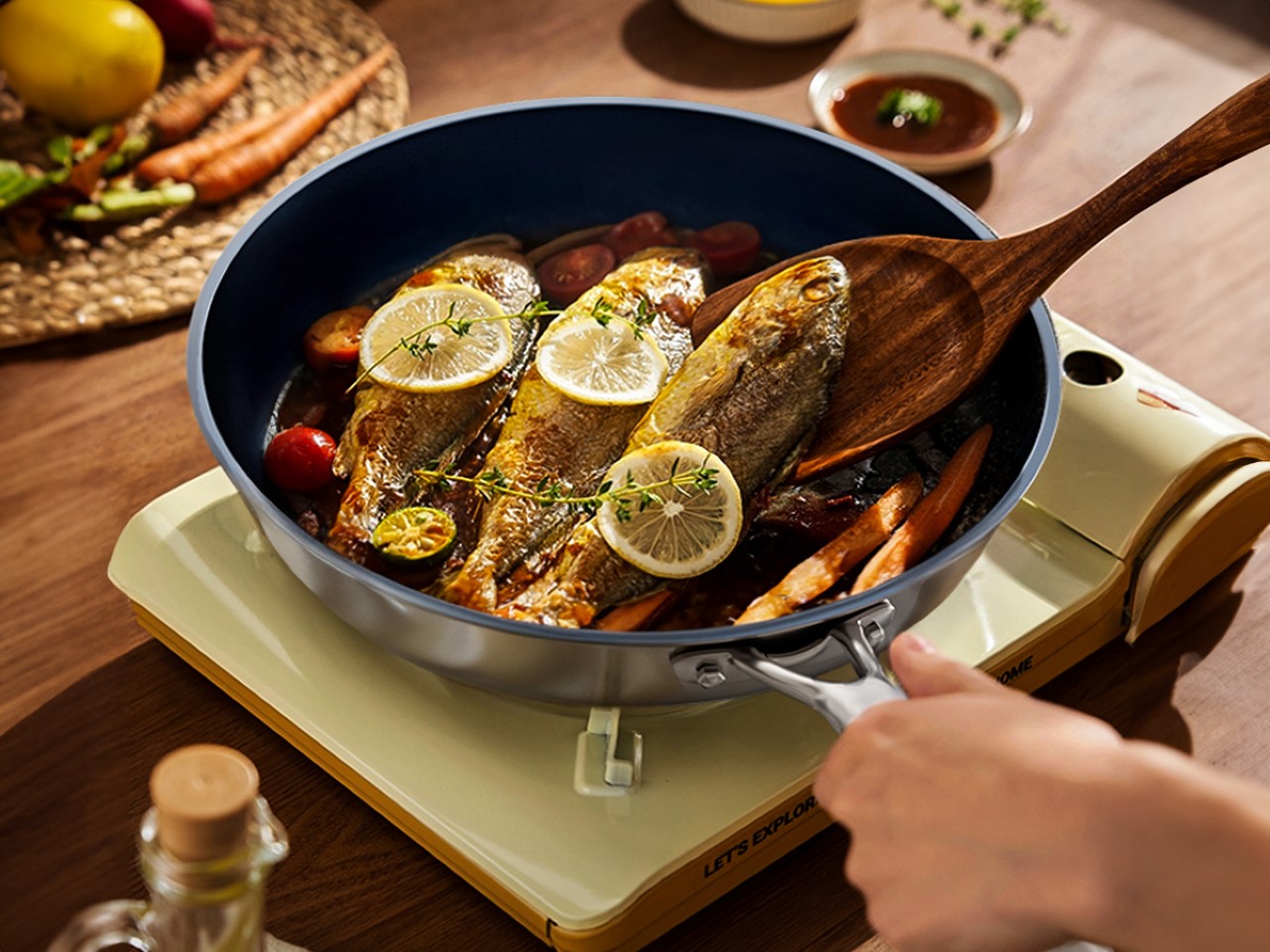
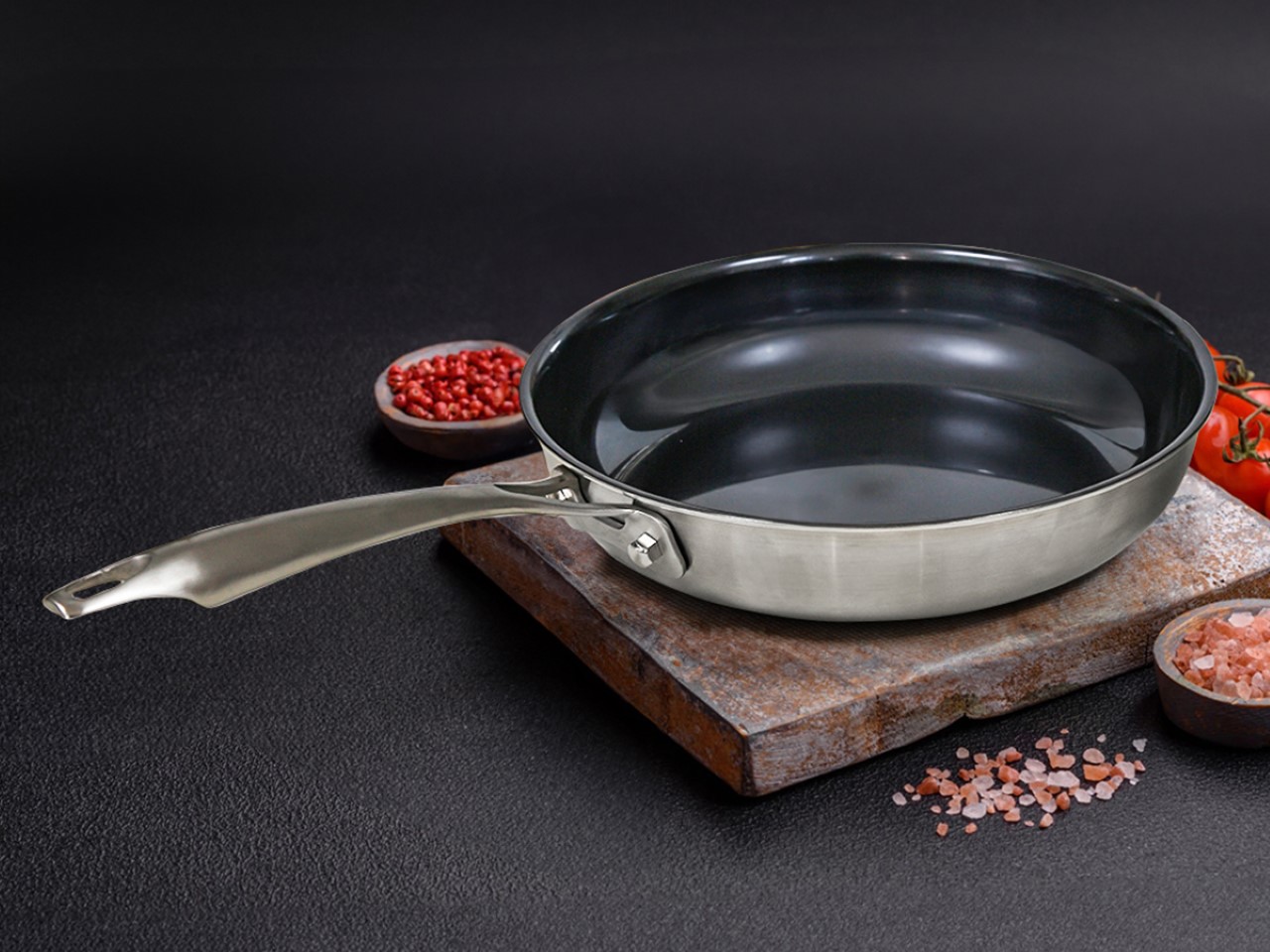
Rather simply called the Titanium Skillet, this unique piece of kitchenware costs about as much as a good cast-iron or carbon steel skillet, without the hassle associated with skillet maintenance. Cast iron requires proper care, and even carbon steel doesn’t do well unless it’s seasoned over time – but the Titanium Skillet scoffs at that pageantry. Designed to be used right out of the box without any of that seasoning nonsense, the skillet lets you easily (and perfectly) cook all your dishes. Scrub it afterward with a metal scouring pad or chuck it in the dishwasher, the skillet’s designed to easily withstand the most demanding conditions without breaking a sweat.
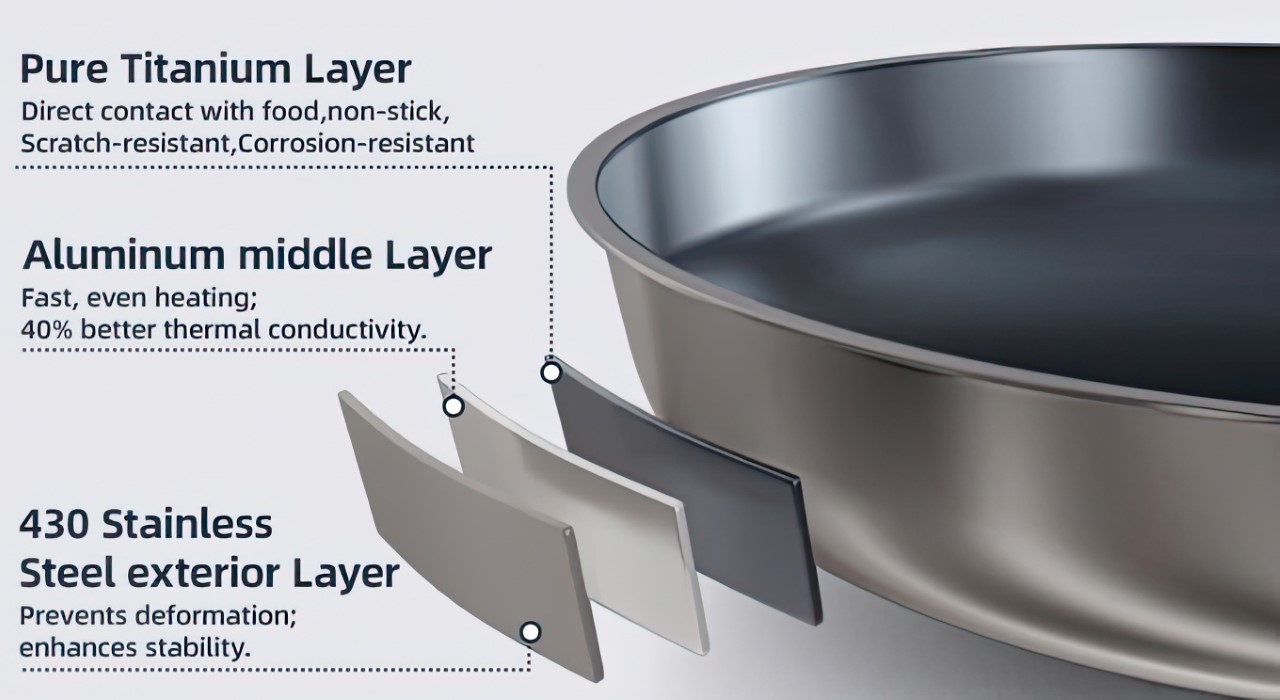
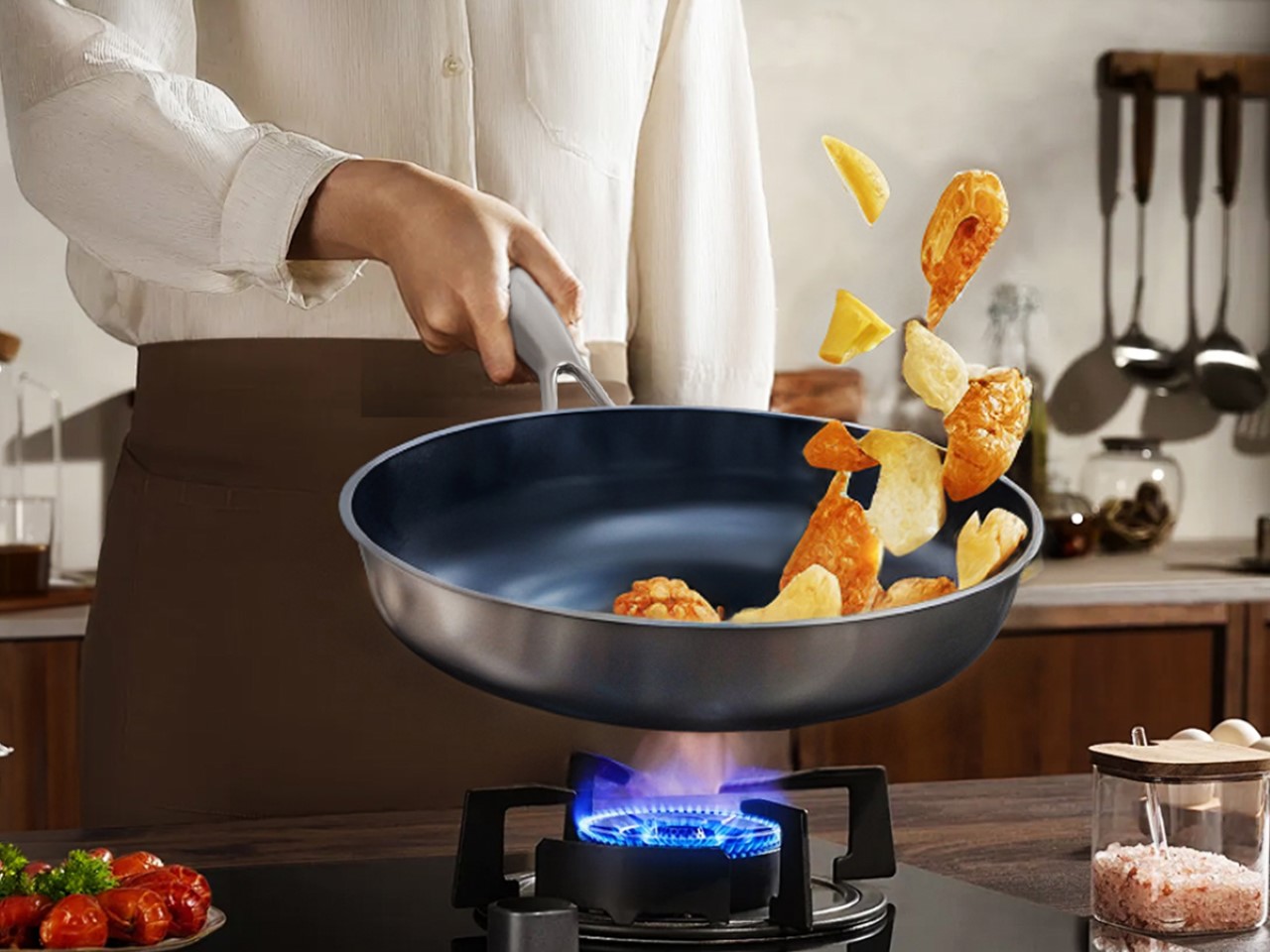
The Titanium Skillet is more than just easy on your ingredients—it’s also remarkably efficient. Sandwiched between layers of GR1 titanium on the inside and steel on the outside is a core of pure aluminum, providing fast and even heat distribution. With 40% better thermal conductivity, it heats up in just 30 seconds, ensuring that your food cooks evenly and thoroughly. No more hotspots, no more burnt edges. Plus, the design is energy-efficient, cutting power consumption by about 30%, which means you can feel good about a more sustainable choice in your kitchen. And all this tech doesn’t come with extra heft—at just 1 kg, it’s far lighter than your traditional cast-iron pan, so your wrist won’t be begging for mercy after a session of flipping pancakes.
The naturally non-stick surface means no synthetic coatings—just a smooth titanium oxide layer that resists food sticking and makes clean-up simpler, and just gets better with time. You won’t find yourself scrubbing off burnt-on residue, but it also means there’s no Teflon to potentially scratch or degrade over time. That’s a win for anyone who’s experienced the frustration of a pan that loses its non-stick magic after a few months.
The wide cooking surface and 2-inch-high sides are perfect for retaining heat while offering plenty of room for searing, simmering, and even deep-frying. This clever design brings versatility to your skillet, allowing it to be your go-to for pretty much any sort of dish, be it on the gas stove, an induction, or even in an oven. Need to finish a steak under the broiler for a good sear? No problem. The skillet can handle up to 500°C (932°F) without breaking a sweat. The outer 430 Stainless Steel layer prevents warping and deformation, so you can chuck the Titanium Skillet in a regular oven, on a grill, or even a wood-fired pizza oven to get your cook on.
The handle comes crafted from stainless steel and is designed to contour nicely to your hand, making the skillet comfortable to maneuver, even when working with heavier dishes. And the use of titanium rivets to secure the handle speaks to the brand’s commitment to durability. Yet, like any product, there’s a balance between innovative features and practicality. It’s great that the skillet can withstand high temperatures, but for most home cooks, that’s overkill. High-heat searing is important, but unless you’re reverse-searing filet mignons on an hourly basis, you’re good.
The use of titanium is fairly novel for cookware. It’s found extensively in EDC for its durability, in prosthetics for its biocompatibility, and in space exploration for how unfazed it is under temperature fluctuations. Titanium in cookware, as far as I’ve ever seen, is fairly new (beyond the occasional titanium spork designed for camping), and that’s pretty exciting if you’re a cooking enthusiast like me, an early adopter, or an EDC collector who preaches the gospel of titanium.
But here’s the thing: titanium doesn’t impart any flavor or minerals into your food, unlike cast iron, which can release a bit of iron into whatever you’re cooking. That can be a small but significant health benefit, especially for those who might need an iron boost in their diet. So while titanium’s non-reactive nature is perfect for cooking acidic ingredients like tomatoes, it lacks that additional nutritional contribution. For some, that might not matter, but it’s a detail that’s worth noting, especially when the comparison comes up between these new-age materials and the old-school favorites. In that vein, the Titanium Skillet’s more apt competitors are stainless steel and carbon steel, which just have a durability advantage over cast iron – an area where titanium passes with absolute flying colors.
For those interested in backing this project, Linco’s offering comes with a few perks on Kickstarter. Early adopters can grab the 10-inch skillet for around $155, while the 11-inch version is about $168. And with global shipping estimated for November 2024, the promise is that you’ll be cooking with this futuristic tool sooner rather than later… and your great-grandchildren will probably cook with the same skillet too!
The deejay console is a thing of marvel – it’s designed to be highly intuitive and accessible at any given moment. Think about it, you’re at the console, you’ve got a crowd of thousands in front of you. One mistake and the entire atmosphere of the room changes. Heavy stakes require heavy design intervention – which is why the deejay console is made the way it is. Controls and knobs are located precisely within grasp based on how important they are or how often you need them. If you’re working with a 4-deck set, the four discs are located in a 2×2 layout, so you don’t have to move around to change songs, load up tracks, or scratch beats. The deejay console encourages creativity and is built for impulsive mixing, scratching, and production where milliseconds matter.
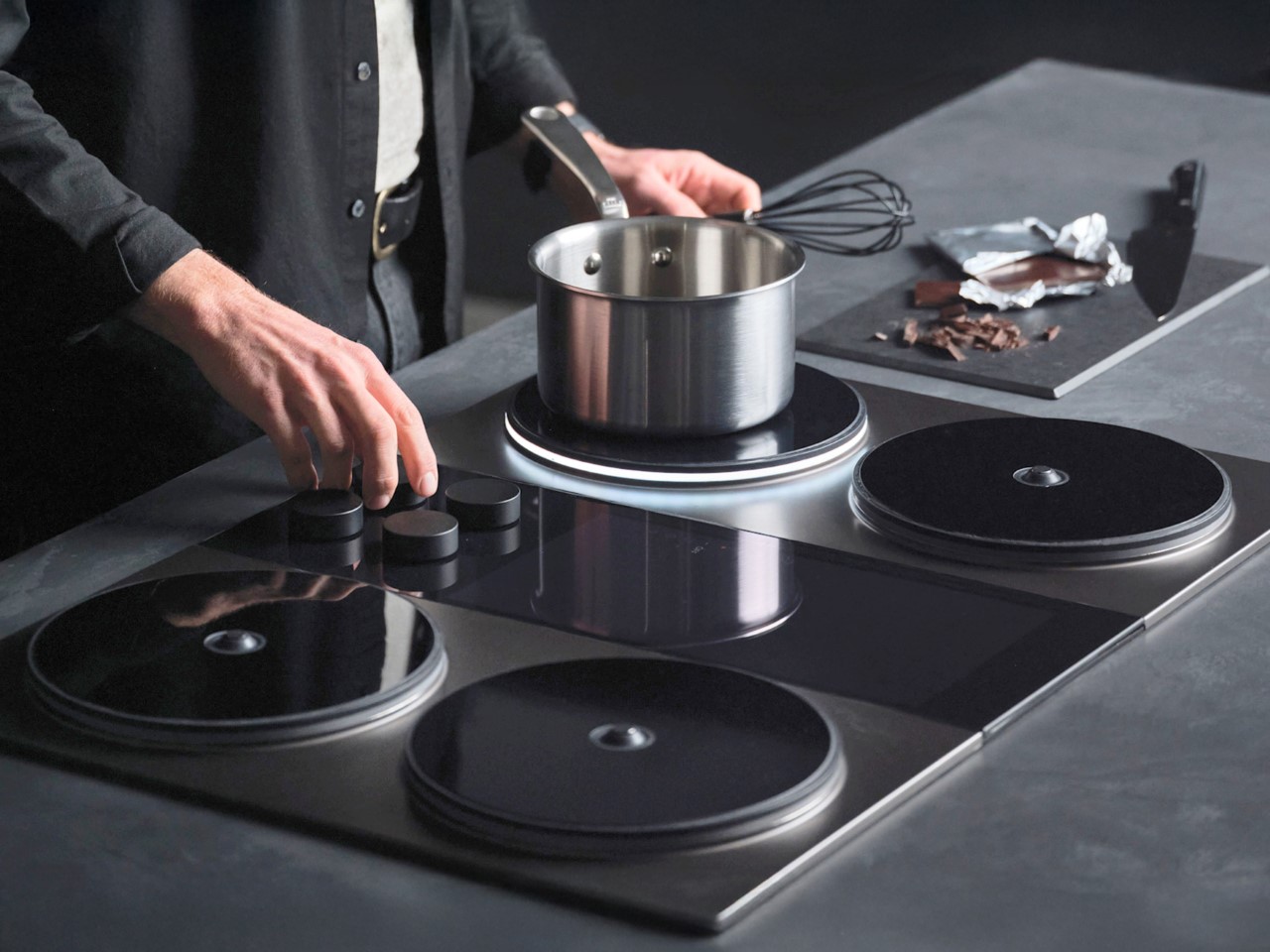
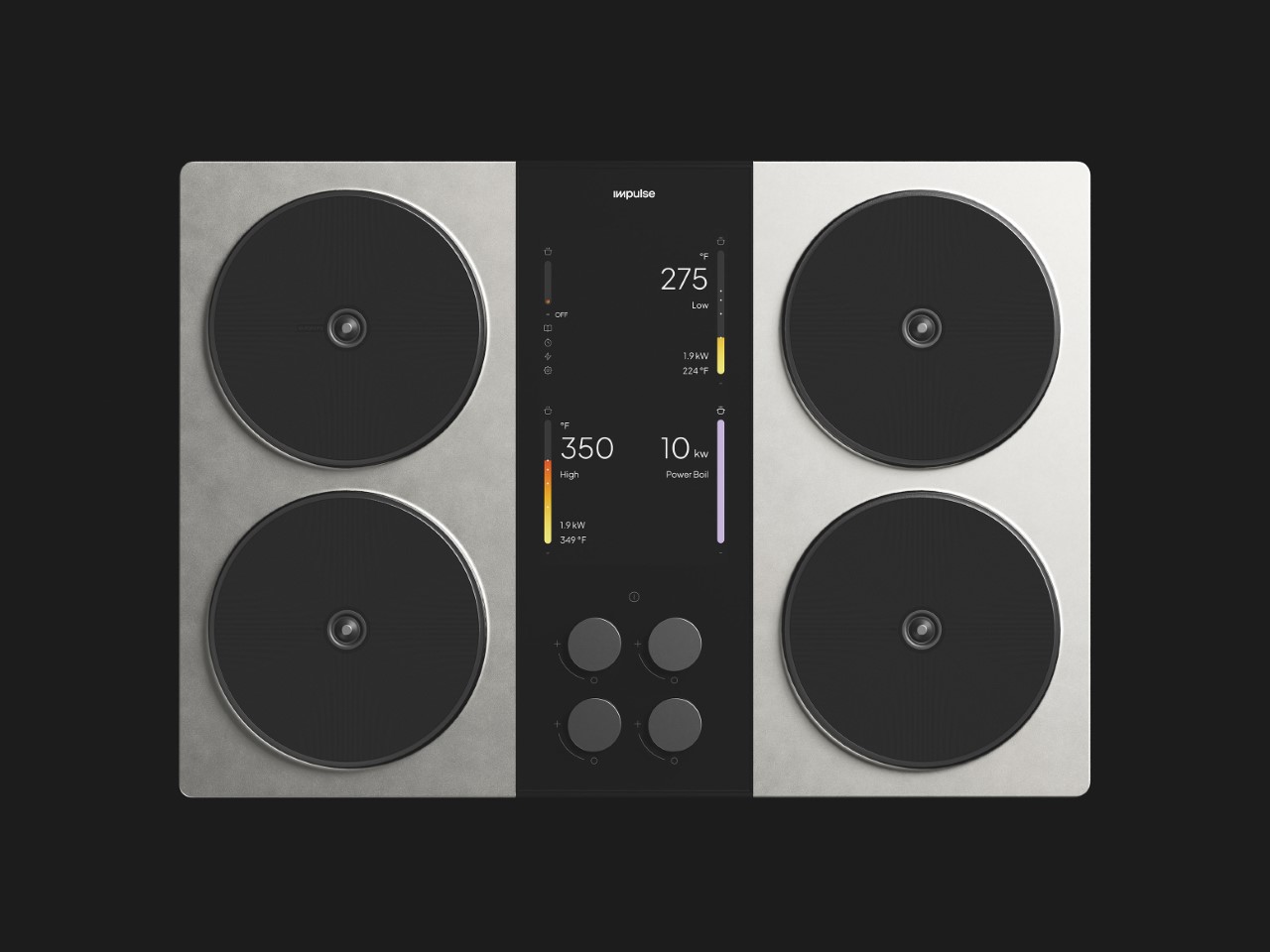
The Impulse Cooktop, as its name suggests, is designed around this very concept too, with a format that emulates the 4-deck console. The four cooktops are laid out like spin discs on a console, with the control panel being right in the center, within reach, and with controls that are both intuitive and easy to operate. Here’s where things get even more interesting – the entire cooktop is designed to be electric, and run on a combination of a power outlet as well as batteries, working even during a power cut. Individual elements are modular and repairable, so cooking meals should be just about as easy and creativity-driven as cooking fire beats.
Designed by Studio Blond for Impulse Labs, the cooktop is made to plug and play right out of the box. Drop it into your worktop, plug it into a socket, and you’re ready to cook. Four knobs at the center control the four electric ‘burners’, while a display helps you understand how hot or cold your burner is. The text is big, has a high contrast, and is accompanied by visuals that help anyone grasp the temperature they’re cooking at. Unlike conventional burners or induction stove that just show flames or power levels, this display gives you actual temperature readings so you’re more well-informed while cooking. Meanwhile, an LED strip around each burner glows to let you know which burners are active and how hot they are. A white strip indicates low or sim, while a bright orange or red means your burner is on full power.
Touchscreens are fiddly, and deejay consoles don’t have them for that reason – everything should be so intuitive that you can work it with your eyes closed. Similarly, the Impulse ditches touch-sensitive screens for an all knob-based interface that feels much more grasp-worthy. You don’t need to worry about heat affecting the touch-sensitivity, or water/oil/gravy spilling on the screen and messing up your stove’s settings. The raised cooktop surfaces (which really look like spinning discs) prevent the heat from reaching the screen, and four minimalist knobs let you do all the controlling you need to. The knobs are removable too, leaving you with a flat plate that’s easy to wipe down between uses. The only thing really missing is a child lock and we’re absolutely perfect.
A winner of this year’s Red Dot Award: Design Concept in the Best of the Best category, the Impulse Cooktop combines visual appeal with true user-friendliness. It helps homes transition to 100% electrical energy, without a fuss. A power socket is all you need to run the cooktop, and if you’re in a place with frequent power cuts (like I am), an internal battery allows you to continue cooking even during a blackout – something that induction cooktops struggle to do. The modular design simplifies repair, upgrade, and disassembly, paving the way for future accessories too.



 3-in-1 air purifier from Blueair is the complete solution you never knew you needed for cleaner air, warmth, and cooling comfort in a single device. The air in your home might seem fine, but it is often more polluted than you think. The EPA reports that indoor air can be up to five times more contaminated than outdoor air because of everyday items like cleaning products, cooking fumes, pet dander, and dust buildup. ComfortPure