OnePlus Nord 4 Design Story: Metal Unibody for an Emotional, Burdenless Experience

With the way how cameras on the back of the phones seem to be dancing around, or how every new model has some innovative glass-etching process, you’d think that the smartphone design field is bursting with activity and changing at every turn. You’d be partially correct, at least if only external appearances are concerned. In one important aspect, however, phone design has somewhat stayed still, held back by the demands of technology. Phones these days are either made up of glass and plastic covers on top of metal or plastic frames, with all-metal designs almost just a footnote in history. As one that never settles for anything less, OnePlus embarked on a bold and ambitious quest to design the first and so far only 5G phone with a metal unibody, a journey that took them back not only through the history of smartphone design but also through the history of human innovation.

Designer: OnePlus
Mobile Innovation, Material Stagnation

It wasn’t always the case that smartphones had a singular formula when it came to materials. It wasn’t too long ago that OnePlus itself launched a metal unibody design in the form of the 2017 OnePlus 5 and OnePlus 5T. Since then, however, smartphones have moved to those glass-metal or plastic sandwiches and there hasn’t been a full unibody design ever since. Ironically, the reason for that is one of the biggest innovations in the mobile industry: 5G networks.
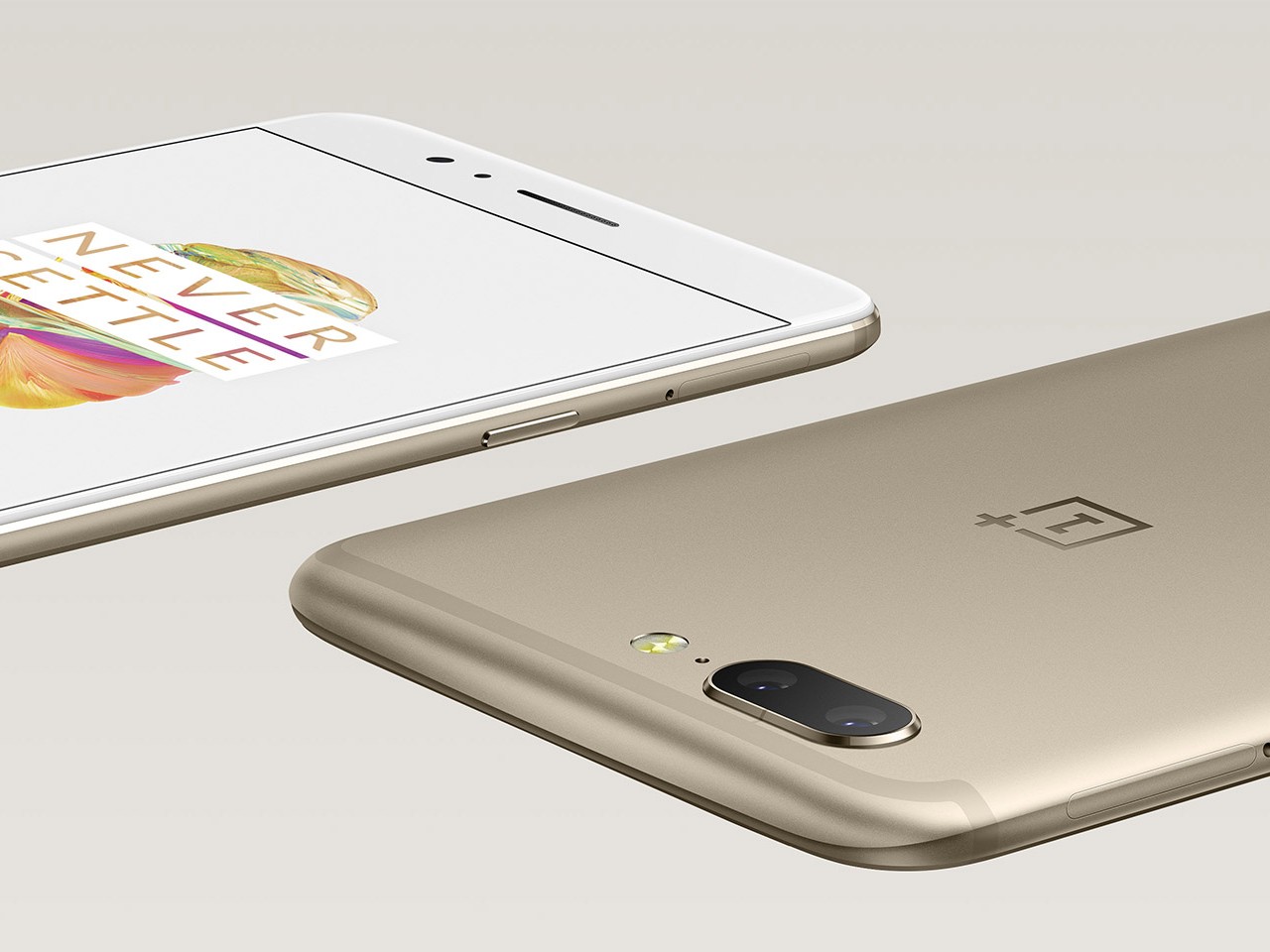
OnePlus 5

OnePlus 5T

The speed and power of 5G placed heavier demands not just on hardware but also on design, specifically on how radio waves are transmitted through the phone’s body. Wireless signals already have a difficult time passing through metal, and even more so for 5G, forcing phone designers to either have plastic strips on the frame’s edges or simply ditch the all-metal design altogether. Unfortunately, it almost seems as if the industry as a whole is no longer interested in solving this puzzle, but OnePlus has risen to the challenge to provide its loyal users with a no-compromise option that will speak to their hearts through their fingers.

Metal Matters

Since the beginning of human history, especially when it came to trade, metal has played an important role not just in building up civilization but also as a symbol of prestige and luxury. Metal has always had this dual character of being a durable and malleable worker’s tool as well as a premium material for jewelry, decorations, and art. It is this long history that has endeared French designer Mathieu Lehanneur to metal. Famed for his nature-inspired metal-based works, Lehanneur was chosen to design the distinctive Paris 2024 Olympic Torch, perfectly symbolizing not only the aspirations of the Olympics itself but also the poetry in nature found in this year’s location for the event.

Mathieu Lehanneur, Designer of the Paris 2024 Olympic Torch

“I love materials that get their own history,” says Lehanneur as he explains his fascination with metal, “and metal’s history actually starts from the Earth, from the very planet itself. At the same time, it is also a part of human invention and skill, thanks to its ability to be transformed. I love the flexibility of the material, being able to create something that appears like a single piece of metal, a unibody design like the Olympic torch.”

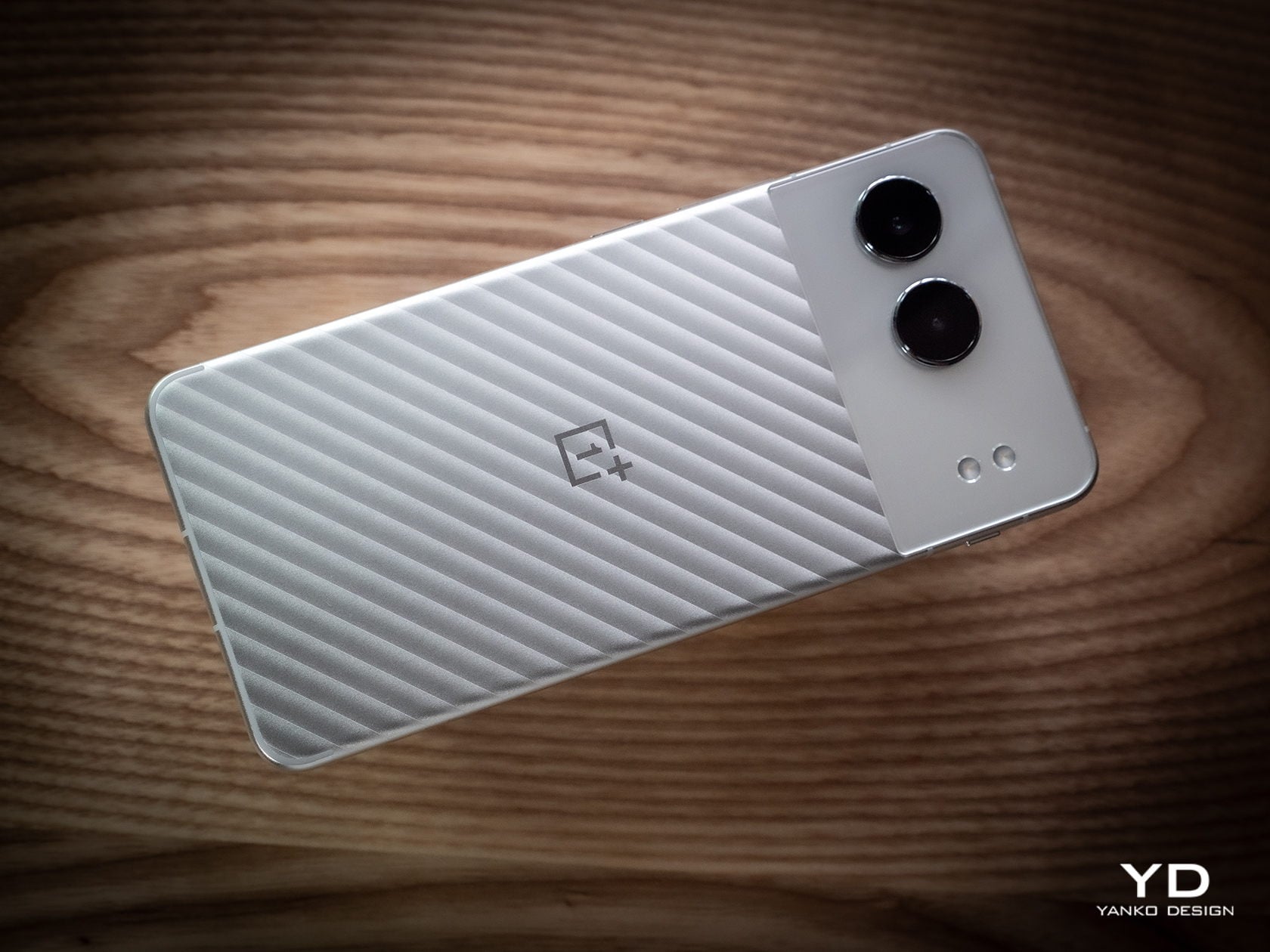
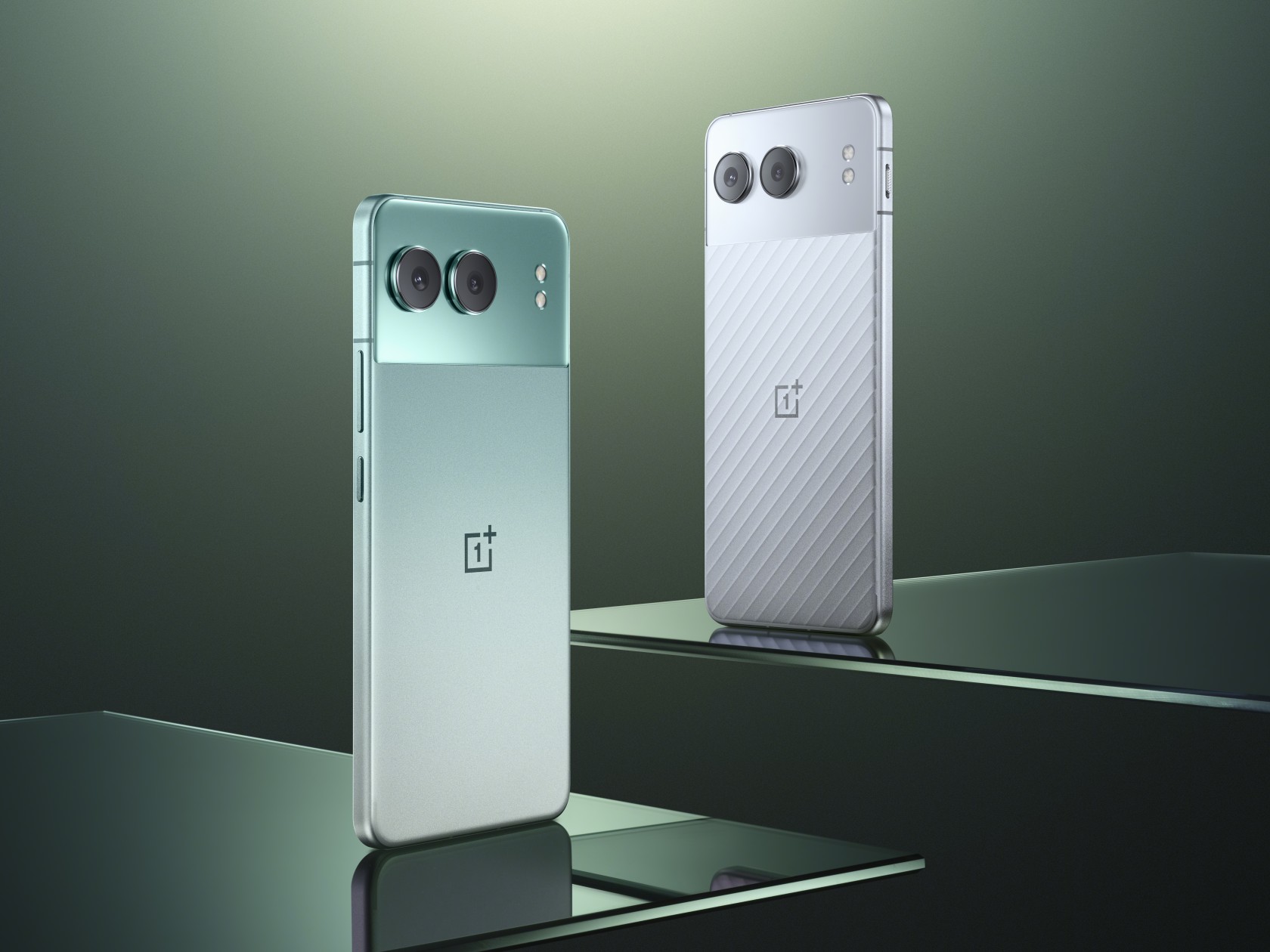
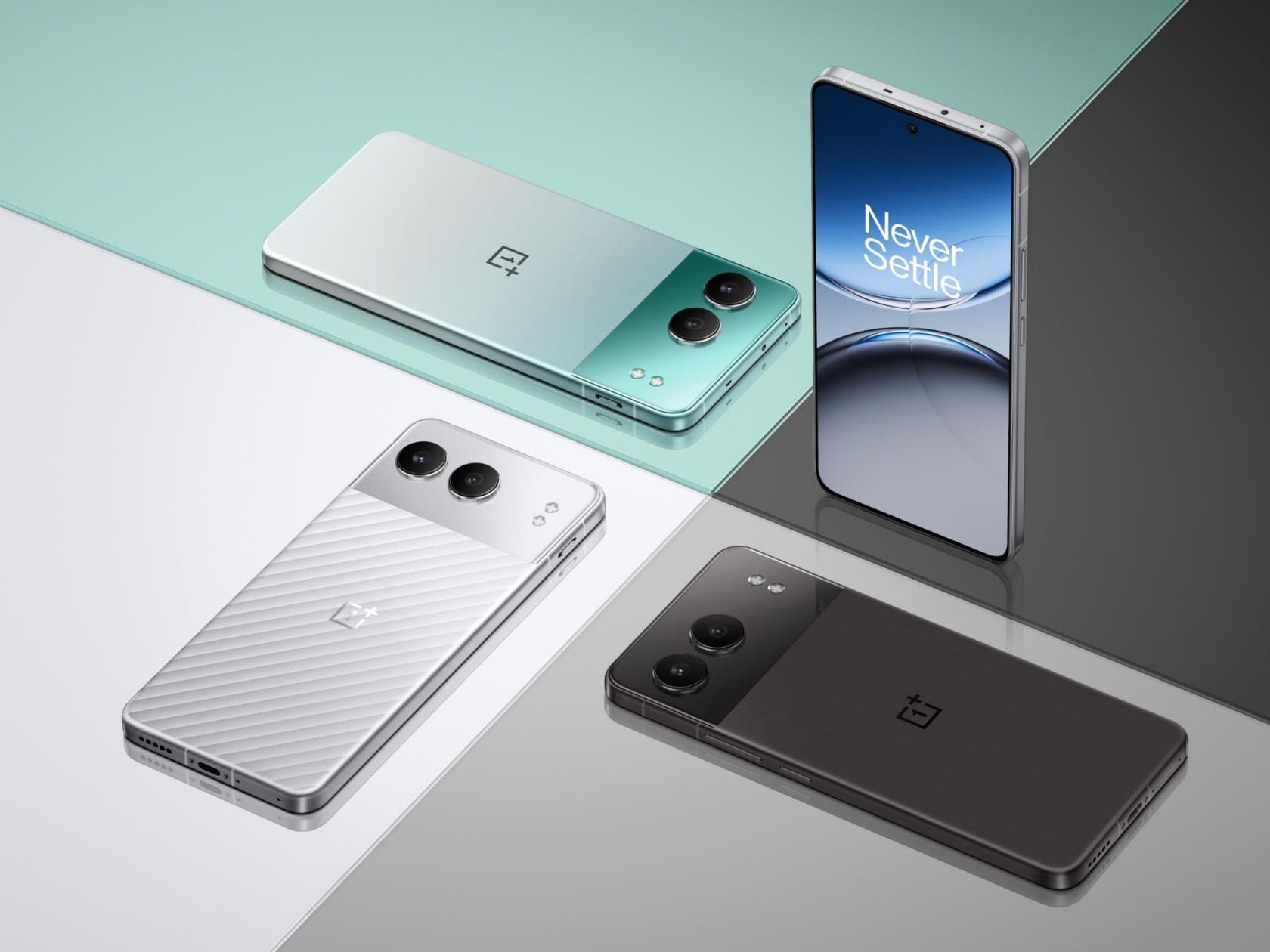
It is that same trait that has allowed OnePlus to craft a seamless and unified metal shell for its latest design, the OnePlus Nord 4. The material delivers a lustrous look and a premium feel, something that users today are craving more than just features and specs. More importantly, however, this metal unibody design was made to address the flaws and concerns that smartphone makers have with mixing the material and current technologies, opening the door to fresh new designs that go beyond limitations imposed by hardware.

OnePlus Nord 4: Metal for the 5G Era

Choosing metal for the new Nord was both logical yet also difficult. It presented an opportunity to uplift the user experience but also put hurdles that needed to be sufficiently overcome lest it actually become a burden to that same user experience. Fortunately, the creative minds over at the OnePlus Industrial Design Studio got together to solve these issues to deliver a fashionable product without compromises.

Ryan Ruan, Head of OnePlus Industrial Design Center, shares the many challenges the team had to face and eventually solved to create the OnePlus Nord 4. In the early stages of the design, it was already clear that the higher thermal conductivity of metal would be a concern. “That’s why we chose the power-efficient (Qualcomm) Snapdragon 7+ Gen 3 and designed a heat dissipation system that uses 17,900 sq. mm. of high-density crystalline graphene and a steel vapor chamber to ensure that even in extreme temperatures, the phone can still operate normally,” the designer explains. This serves to minimize the impact of heat on the metal surface and keep the phone performing optimally.
Wireless charging is another feature that is absent on phones with metal covers, and, unfortunately, there is still no way around this limitation. That said, the desire for this feature is more of a symptom of a much deeper cause. “Ultimately, users are pursuing high charging efficiency and a better user experience overall. Wireless charging is just one of the solutions, but we provide another solution,” according to Ruan. That solution is the OnePlus Nord 4’s extra-large 5,500 mAh battery and super-fast 100W SuperVOOC charging, minimizing not only the charging time but also the number of times you even need to charge the phone.

As for that tricky 5G antenna problem? OnePlus re-designed the phone’s internals to not only maximize battery space but also improve the signal strength. More importantly, the new U-shaped antenna design at the bottom of the internal chassis ensures that there is no degradation of wireless signals when you hold the phone at the sides with the so-called “Death Grip.” In other words, there will never be a wrong way to hold the Nord 4.

The Future of Burdenless Design

“When you choose a device, a product, or an art piece, it’s not only a question of specs or functionality but also a question of emotion, what you can feel from an object,” says Lehanneur. This relationship between object and person is especially true with today’s smartphone users who no longer pick just from a list of features but based on, as the designer describes it, “a question of how you want to be part of this object and how you want it to be a part of your life.” In that regard, Lehanneur expressed his delight in the Nord 4’s metal unibody design, and not just because it was made of metal. The Mercurial Silver colorway, in particular, has this visual effect where you can feel a relief or embossed surface even when there’s none. Lehanneur compares it to the “guillochage” design of luxury watches that provide beautiful visual and tactile experiences in a simple yet striking manner.

It’s a kind of detail that isn’t lost on OnePlus users who Ruan describes as “very playful, very young, and very personalized, pursuing designs where they can express themselves.” That is why early on, OnePlus designers decided to have a very different metal unibody design for the Nord 4 that distinguishes it from the 4G era OnePlus 5 and 5T. The dual-tone design of this generation’s “Nordtones” expresses that spirit of dynamism and vibrancy, while still trying to appeal to a broad range of tastes. It allows the Nord 4 to establish an emotional connection with users and allow them to express themselves in more unique and personalized ways.

A metal unibody is definitely a bold design to use for a phone, but it’s one that looks to the past glories of smartphone history while also safeguarding its future. “Metal is probably one of the most sustainable materials because it can live endlessly,” says Lehanneur. Unlike plastic that loses a part of its substance every time it’s recycled, metal can be recycled again and again. The recycled metal used in the Paris Olympic Torch, for example, could have very well come from a car in the past. In a way, that is also one way that metal carries its history, creating an interesting narrative with each lifetime.

In the same vein, metal wasn’t just a material choice for OnePlus but a representation of the brand’s design philosophy and ideals. “OnePlus is founded on the belief that while form should always perform a function, good design is what ultimately defines the user experience,” says Ruan. Choosing a metal unibody design, despite its numerous challenges, demonstrates the battle cry that launched OnePlus into stardom: Never Settle. “Our aim is to always strike the ideal balance between modern, elegant design and fast, smooth performance while providing users with a burdenless experience.”

Be sure to look out for our review of the OnePlus Nord 4 that will cover not just the design but also the overall value of this bold metal unibody phone.

The post OnePlus Nord 4 Design Story: Metal Unibody for an Emotional, Burdenless Experience first appeared on Yanko Design.
HILU Bluvet blanket/duvet hybrid feels like you have a personal AC in bed

There are many techniques and strategies going around the Web on how to get a good night’s sleep, but many neglect the most basic requirement of all: comfort. If you’re sweating buckets all through the night, it shouldn’t take a genius to know why you feel even more tired when waking up, presuming you even got any shut-eye at all. Keeping the body cool is critical in getting that good night’s sleep, but that’s easier said than done, especially given how different people respond to environmental factors differently. Some find air conditioning units too cold, while others feel they aren’t enough, and that’s not even considering you might not be the only one in the room sharing the bed. It would be nice if you could envelope yourself with cool air tailored specifically to your body, which is what this simple yet innovative blanket brings to your bed and to your life.

Designer: HILU

Click Here to Buy Now: $159 $269 ($110 off). Hurry, 57/150 left! Raised over $50,000.

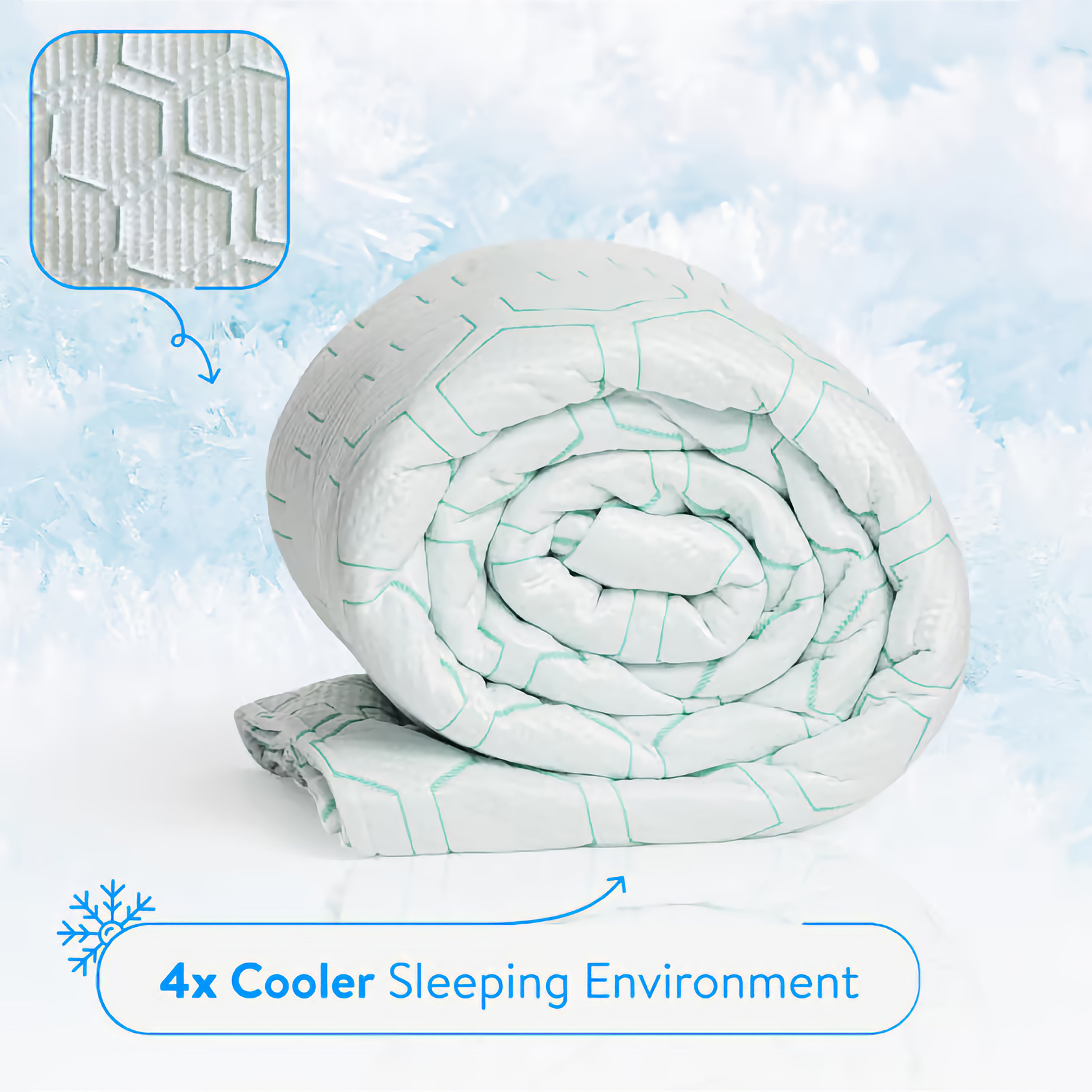
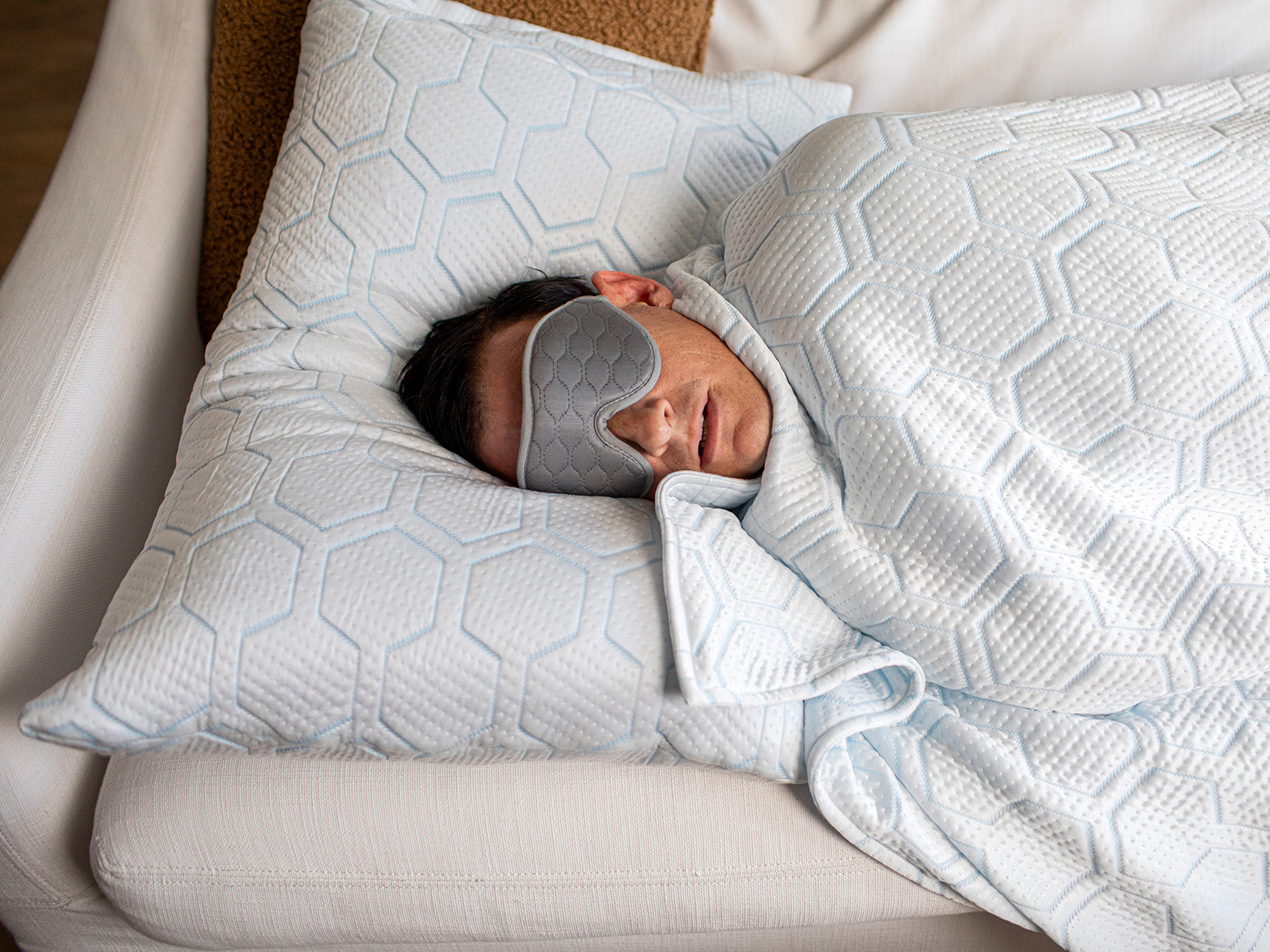
Blankets and comforters are designed to keep you toasty on cold nights but also tend to trap warm or hot air on warm nights. Four times cooler than linen but just as comfortable on your skin, the HILU Bluvet, a portmanteau of “blanket” and “duvet,” actually works in reverse to keep your body temperature down and experience a refreshing and comfortable sleep. This works wonders for your body during warmer seasons or weather, making it feel like you have your own personal air conditioning unit under the sheets.

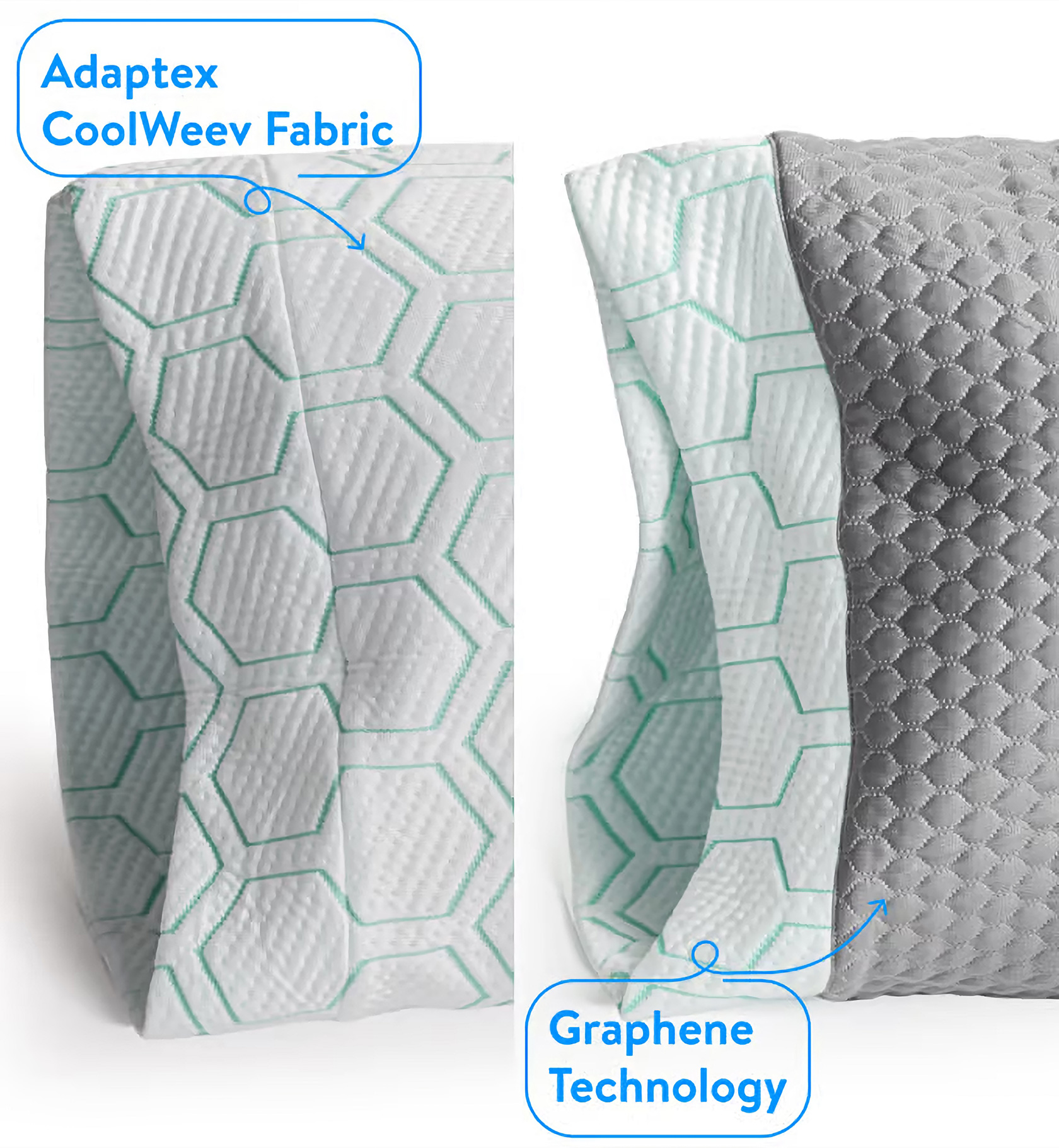
HILU Bluvet is made of a special cooling yarn blend, revolutionary Adaptex CoolWeev fabric, that wicks away excess body heat, keeping you cool, dry, and fresh all night.

The secret is HILU’s proprietary Adaptex CoolWeev fabric designed to wick heat away from your body. Made from gel-spun fibers, the Eco-cool Polyfibers are woven into yarn to produce a material that is incredibly strong yet also feather-light. While other cooling mattresses need to make you sweat to cool you down, the Bluvet stops you from sweating in the first place by absorbing excess heat from the air around your body. Whether you’re using it as a blanket, a duvet, or even a mattress topper, the HILU Bluvet guarantees a soothing slumber every time.

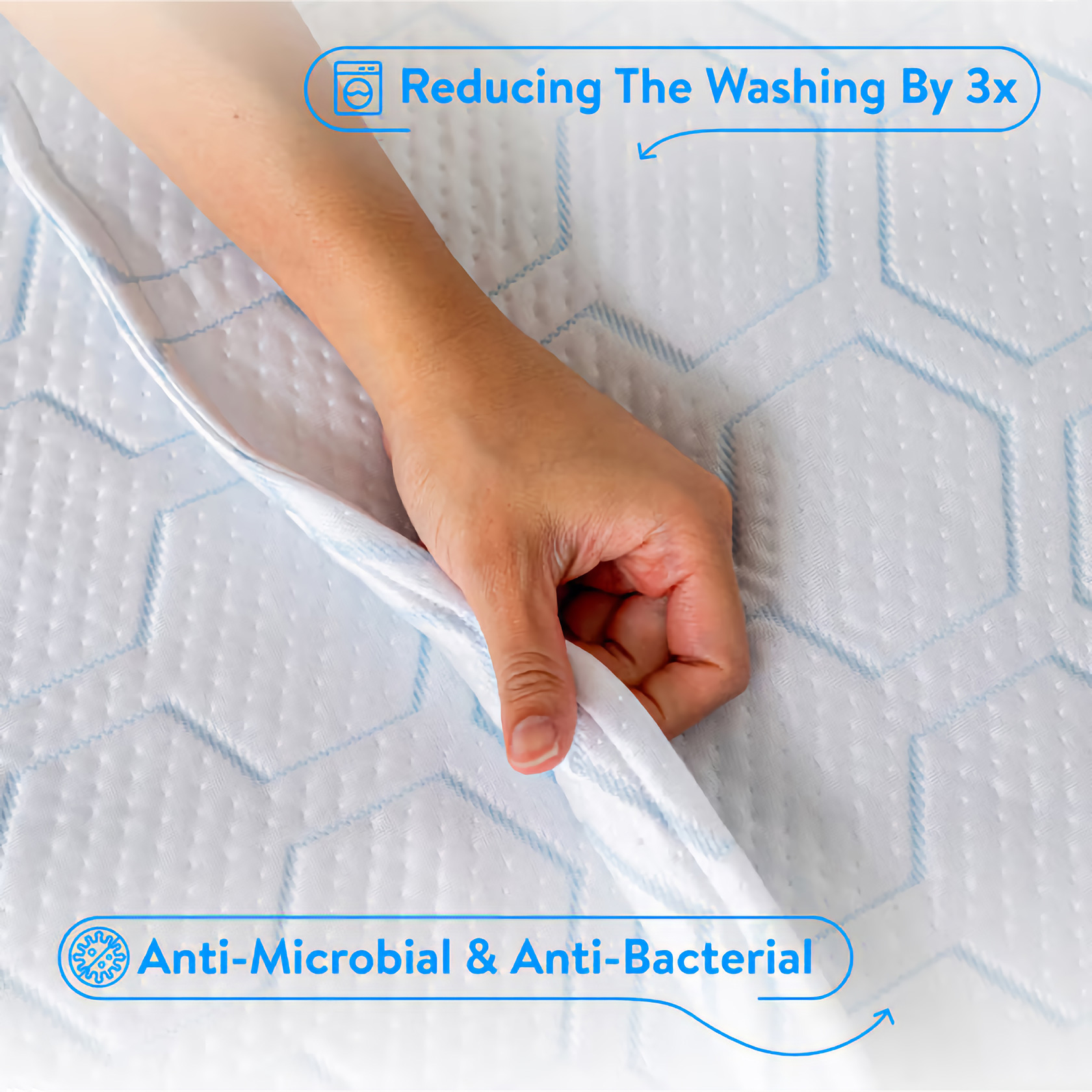
Of course, a cool body won’t be much help if you’re scratching all night, which is why the Adaptex CoolWeev fabric is designed to be antimicrobial and hypoallergenic to protect your skin from irritation. It also prevents the build-up of bacteria and odors, so you wake up not only feeling fresh but smelling as fresh as when you went to bed. And when the blanket does get dirty, you can safely put it in the washing machine in the morning and have it dry and ready for bedtime on the same day. Built to last and with a 10-year limited warranty, this blanket/duvet hybrid will keep you company and cool for thousands of nights to come.

With the HILU Bluvet, you’re not just investing in comfort; you’re also choosing a cleaner, healthier sleep environment.

HILU Bluvet also lets you sleep with peace of mind thanks to its environment-conscious design. Made with OEKO-TEX-certified materials, the blanket utilizes eco-friendly and recycled materials that help not only reduce waste but also minimize any harmful impact on the environment. The HILU Bluvet comes in cream, blue, and green colors as well as Queen (90in x 90in) and King (102in x 90in) sizes to match your style, but why stop at having a cool body when you can have a cool head as well? Grab a set with two HILU Dual-Tech Pillowcases, with one side utilizing graphene technology to keep a consistent perfect temperature regardless of the season, while the other side features the same Adaptex CoolWeev fabric for that refreshing cool feeling every time.

After introducing the world’s first thermoregulating graphene blanket, HILU is once again revolutionizing the market to offer a cool new blanket that will also keep you cool no matter the season. So stop wasting your nights tossing and turning, drenched in sweat, and wrap yourself in the cool embrace of the HILU Bluvet and get the most comfortable sleep every night.

Click Here to Buy Now: $159 $269 ($110 off). Hurry, 57/150 left! Raised over $50,000.

The post HILU Bluvet blanket/duvet hybrid feels like you have a personal AC in bed first appeared on Yanko Design.
Google Pixel 9 Pro Fold: A Worthy Redesign or a Step Back?

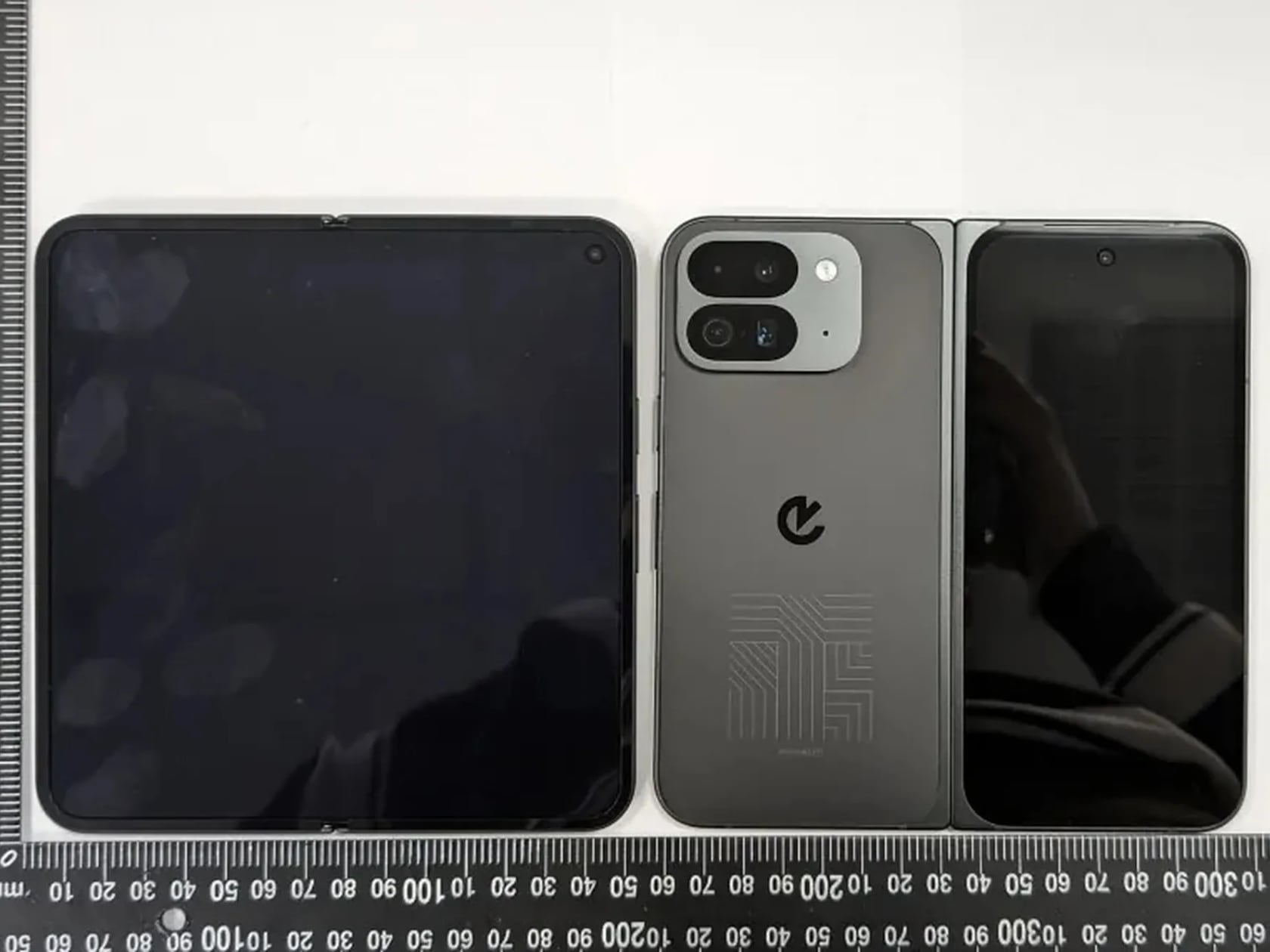
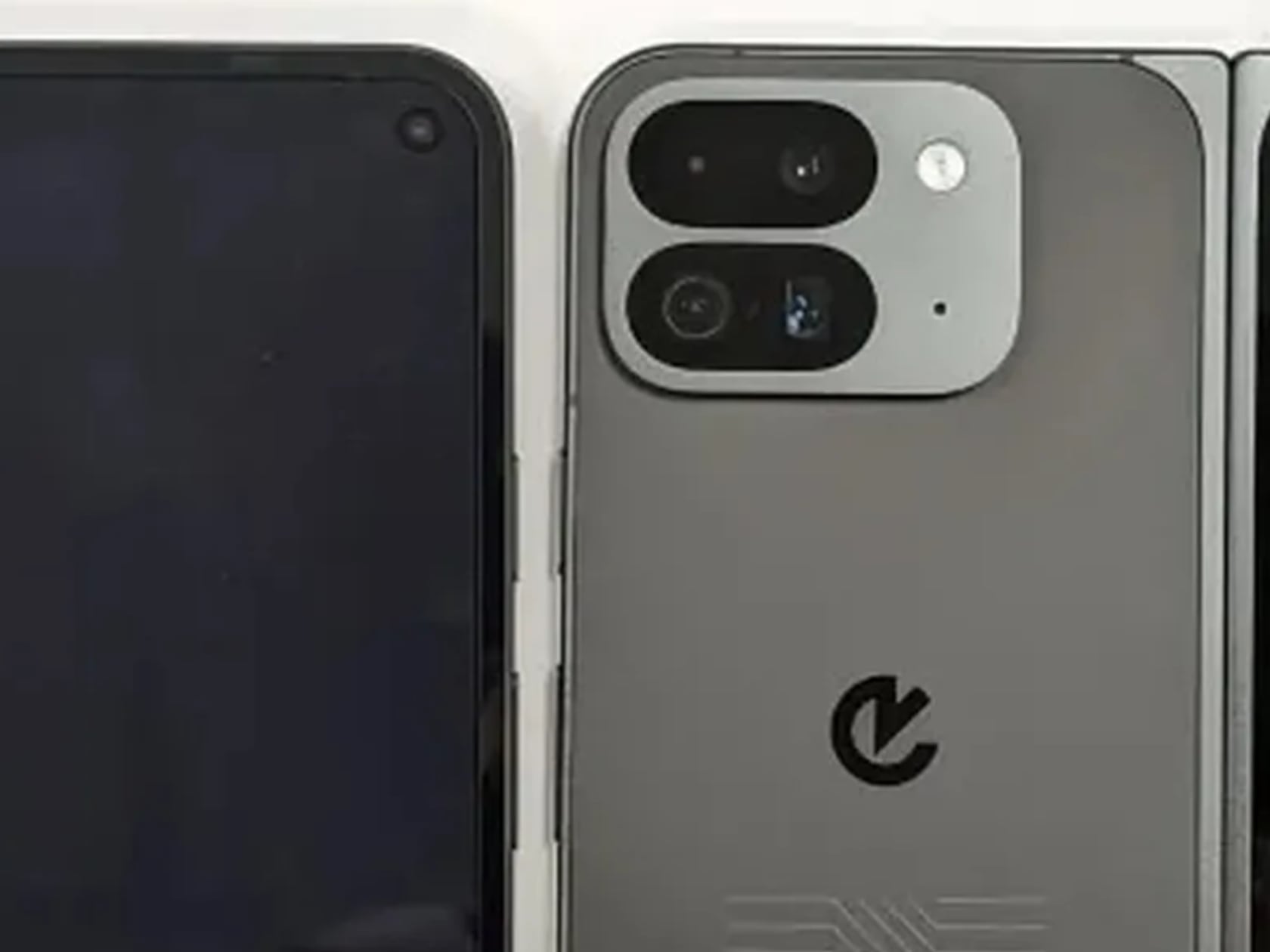
The upcoming Google Pixel 9 Pro Fold is already generating buzz, and the latest images from Taiwan’s National Communications Commission offer a compelling look at what we can expect. This second-generation foldable represents a departure from its predecessor, embracing a new design philosophy while addressing some of the previous model’s shortcomings.

Designer: Google

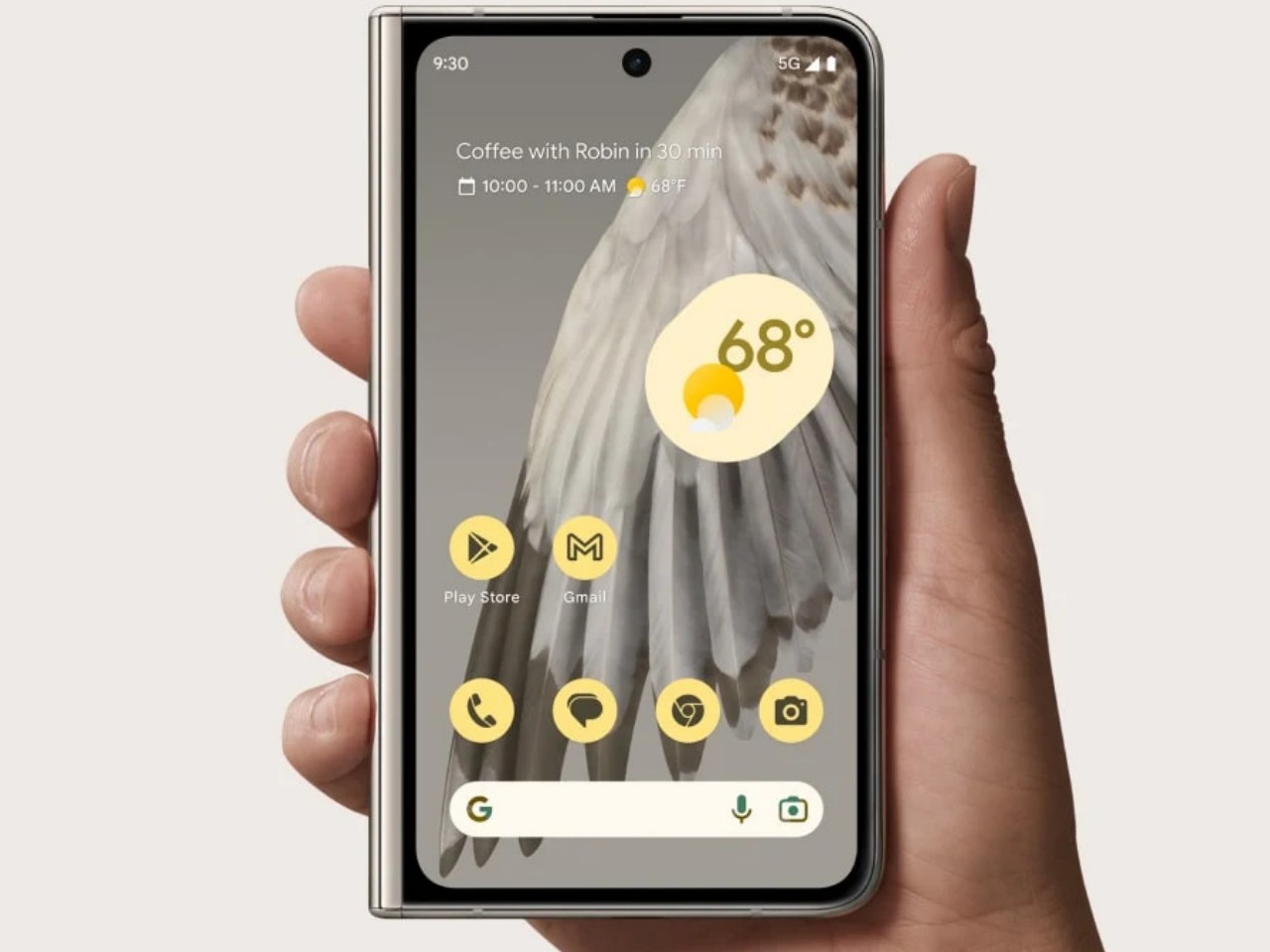
First and foremost, the Pixel 9 Pro Fold ditches the original’s short and wide passport-style form factor. The new model adopts a taller and narrower profile, bringing it more in line with devices like the OnePlus Open. This change offers a larger, more practical outer display, making the phone easier to handle and use. The increased screen real estate is a welcome improvement, even though it means saying goodbye to the unique shape that made the first Pixel Fold stand out from competitors like Samsung’s Galaxy Fold.

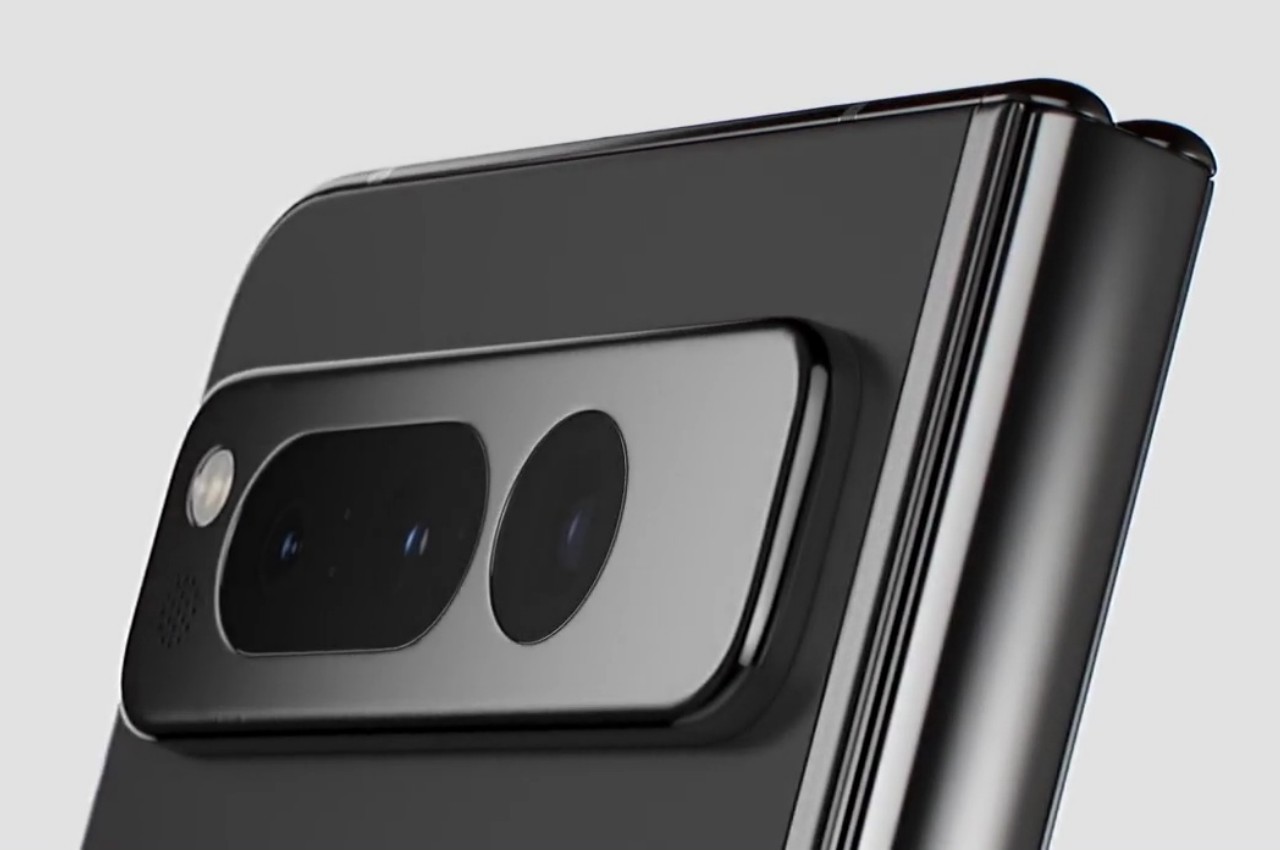
Google Pixel Fold

One of the most notable changes is removing Google’s signature camera bar. The first-generation Pixel Fold featured a prominent, elongated camera bar that added a distinctive look and functionality. The Pixel 9 Pro Fold opts for a new camera housing design, which is substantial enough to prevent the phone from wobbling when laid flat. This redesign offers a cleaner and more streamlined aesthetic, although it loses some of the original’s unique charm.

Google Pixel 9 Pro Fold via Taiwan’s National Communications Commission (NCC)

Google Pixel Fold

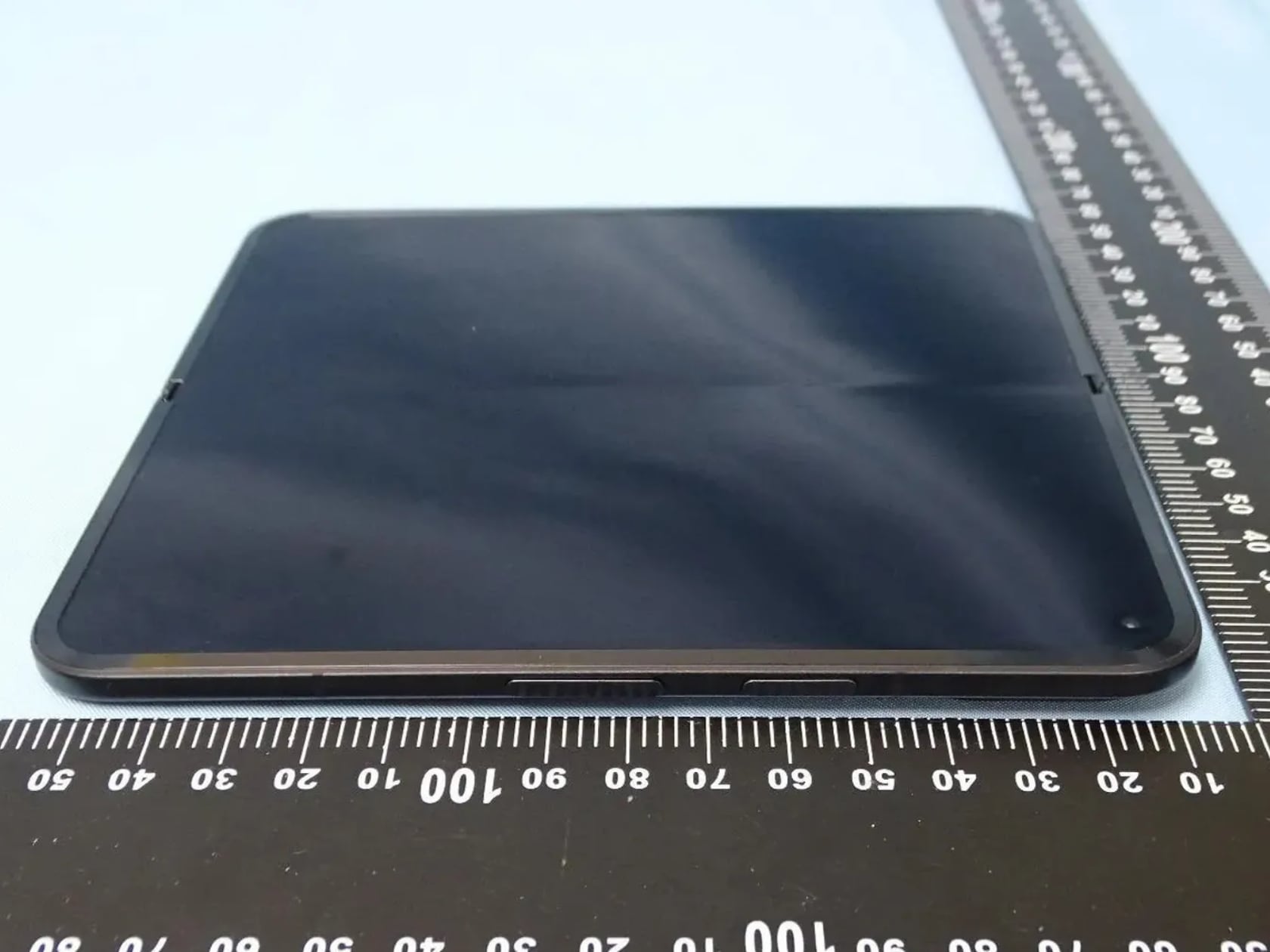
Looking at the new model’s inner display, there’s still a noticeable crease, though it appears less prominent than before. The screen ratio has shifted, becoming taller and narrower, and the bezels have been slimmed down, giving the device a more modern look. However, this design shift comes with a trade-off: the inner camera is now a cutout on the upper-left part of the display rather than being part of the bezel. This change means the screen is no longer uninterrupted, which might disappoint fans of the original design.

Google Pixel 9 Pro Fold via Taiwan’s National Communications Commission (NCC)

Despite its weight, the first-generation Pixel Fold’s short and wide design made it a great one-handed device. Although its cover screen was larger on paper, it was often too wide to hold comfortably for extended periods. In contrast, the new Pixel 9 Pro Fold’s taller form factor should make it easier to use and carry around, enhancing the overall user experience.

Google Pixel Fold

A concern with the new model is its slightly smaller battery capacity of 4,560 mAh, down from the first Fold’s 4,727 mAh. Given that the original wasn’t known for its battery longevity, this reduction might raise some eyebrows. However, Google’s latest Tensor processor promises efficiency gains that could help mitigate this issue.

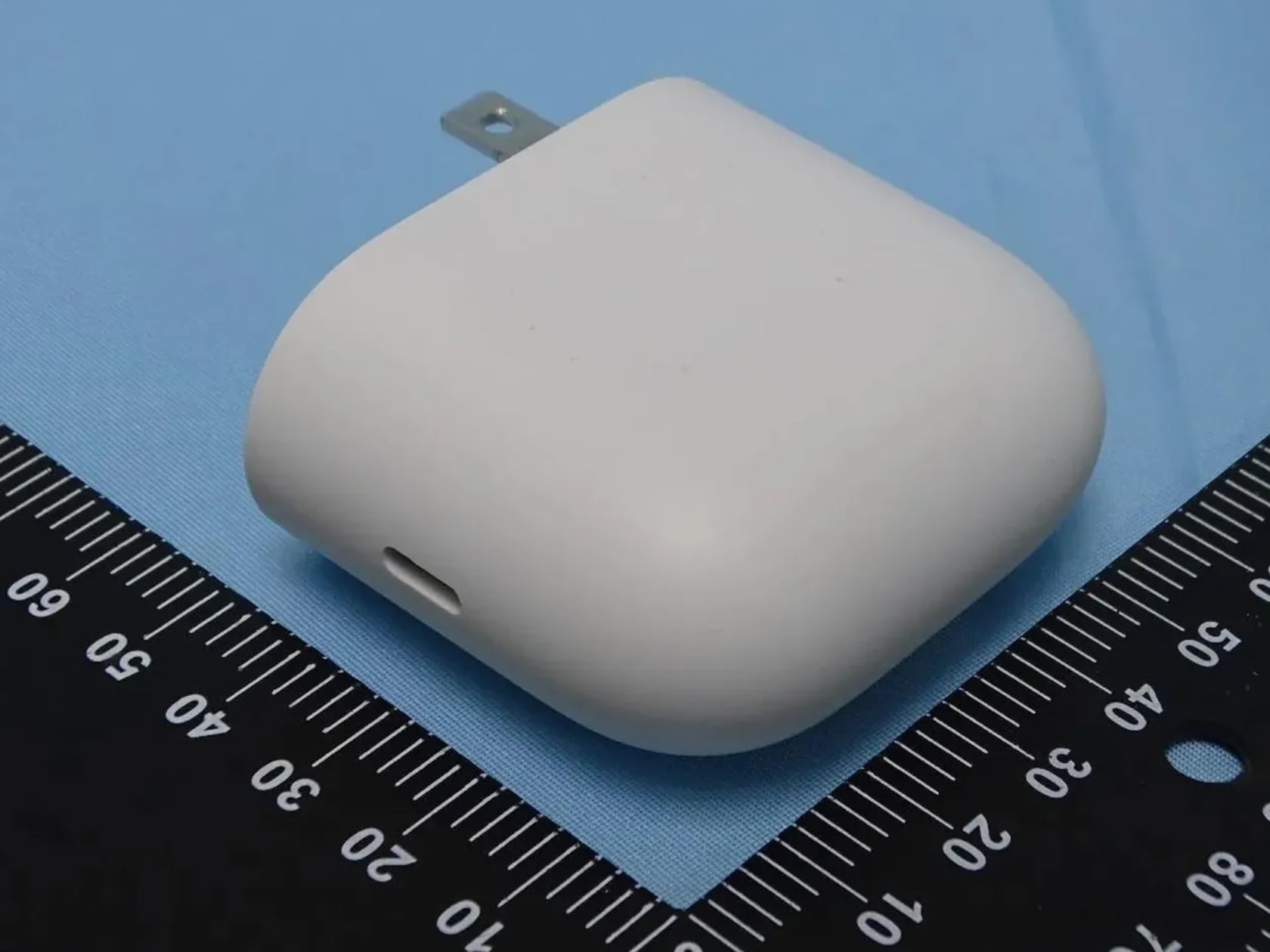
Alongside these design changes, the Pixel 9 Pro Fold has a new 45-watt USB-C charger. This new charger, which sports a more rounded design than its predecessors, is part of Google’s push to improve charging speeds and overall user convenience.

Google Pixel 9 Pro Fold charger via Taiwan’s National Communications Commission (NCC)

As someone who has used the first-generation Pixel Fold extensively, I can say that it has a unique quality that the new model hopes to build upon. The first Fold had its share of drawbacks, from dim screen brightness compared to newer models to subpar speakers and limited app optimization. With the Pixel 9 Pro Fold, Google can address these issues and deliver a more refined and competitive product.

Google Pixel Fold

The Google Pixel 9 Pro Fold represents a significant evolution in design and functionality. By moving away from the unique but bulky passport form factor to a more practical and user-friendly design, Google is making strides to compete more effectively in the foldable phone market. Here’s hoping that the new model not only looks the part but also delivers on performance and user experience, even if it does come with a price tag north of $2,000.

The post Google Pixel 9 Pro Fold: A Worthy Redesign or a Step Back? first appeared on Yanko Design.

Here’s Every iPhone 16 Pro Leak And Rumor We Know So Far…

Is it safe to say that Apple’s won the long-term smartphone war? Samsung had a decent Unpacked event last week, and so did Nothing, but none of them have even managed to match the cultural impact of Apple’s iPhone keynote that happens every September. In fact, even though the event happens on one single day, the news coverage before and after the event revolves around the iPhone too. After the phone’s announced, you’ve got first-impressions, reviews, and comparisons… but before the phone is announced, the rumor mill works hard to try and decipher what the upcoming phone will look like. We’re in July right now (two months before Apple announces its latest phone) and at this point, it does seem like we have a fair idea of what the new iPhone 16 Pro will look like. From hardware details to even internal components, the interwebz has worked tirelessly to deliver on leaks and credible speculations – so we decided to collect everything we know about the upcoming iPhone 16 Pro and 16 Pro Max in one single place. Here’s everything we’ve heard so far…

Rendered by: AppleTrack

A18 Pro Bionic Chipset

After last month’s WWDC event, it’s pretty much taken for granted that Apple Intelligence will be at the forefront of the new iPhone lineup… and to make that happen, the new iPhones will need beefed up chipsets. A new report from Jeff Pu, an analyst at Haitong International Tech Research renowned for his reliable insights into Apple’s chip development, reveals that Apple is accelerating the production of the A18 Pro chip earlier than usual. This chip is being specifically tailored for advanced AI functionalities. These upgrades indicate that the upcoming iPhone 16 Pro and Pro Max will feature a custom-designed A18 Pro chip, emphasizing on-device handling of intensive artificial intelligence (AI) capabilities. Rumors are indicating that even the regular iPhone 16 phones may get the A18 Bionic chipset to handle these AI features.

Smaller Bezels = Bigger Screens

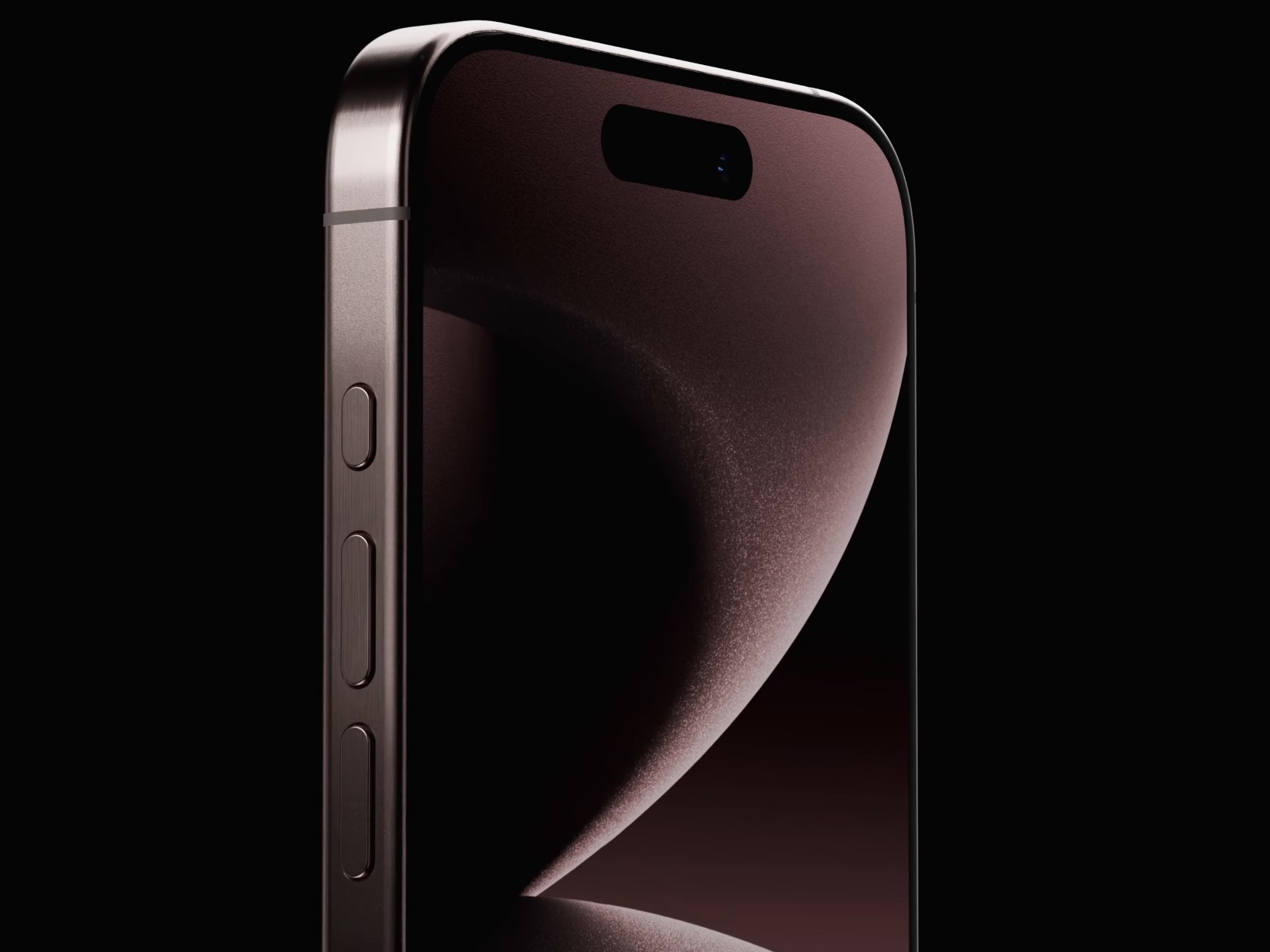
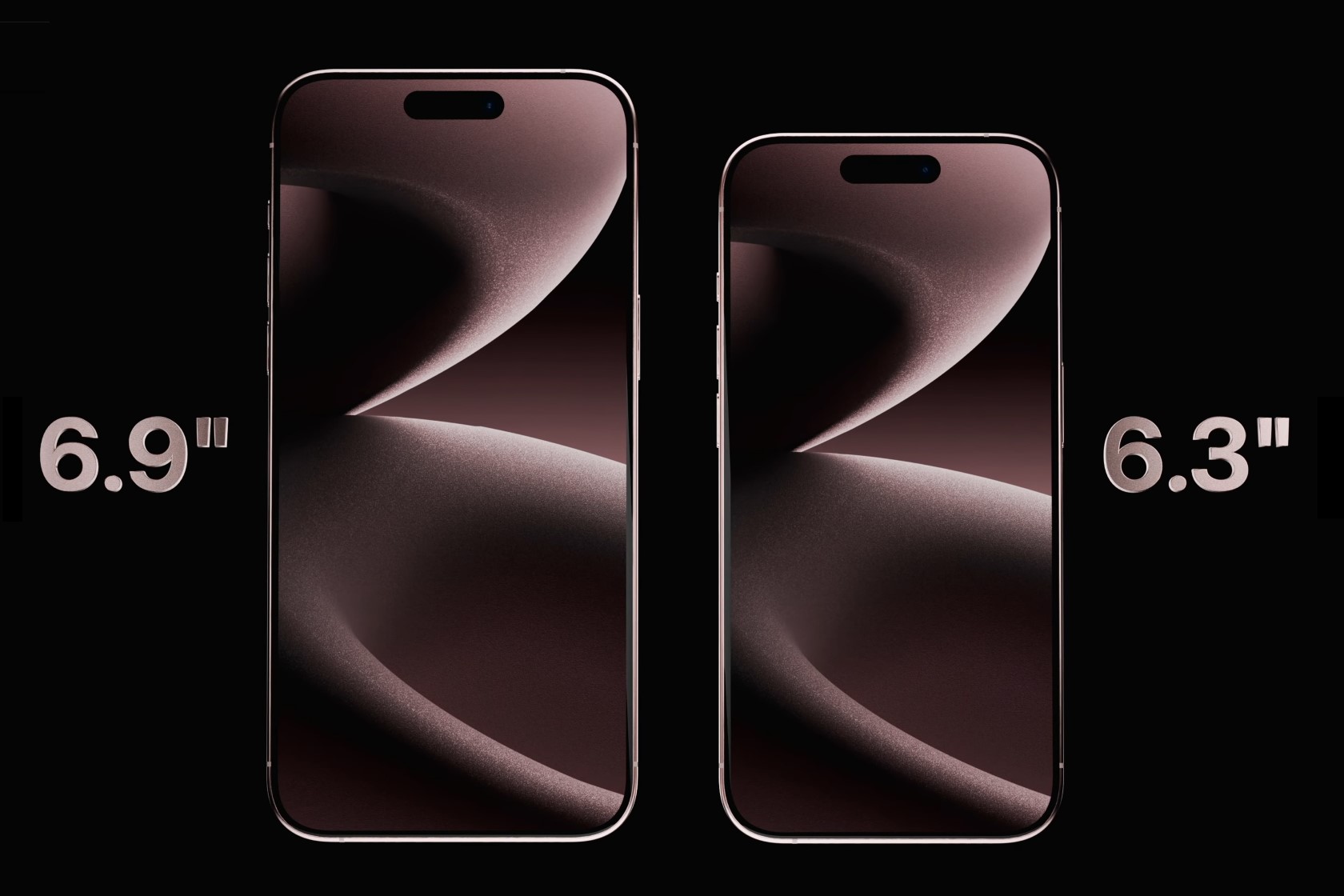
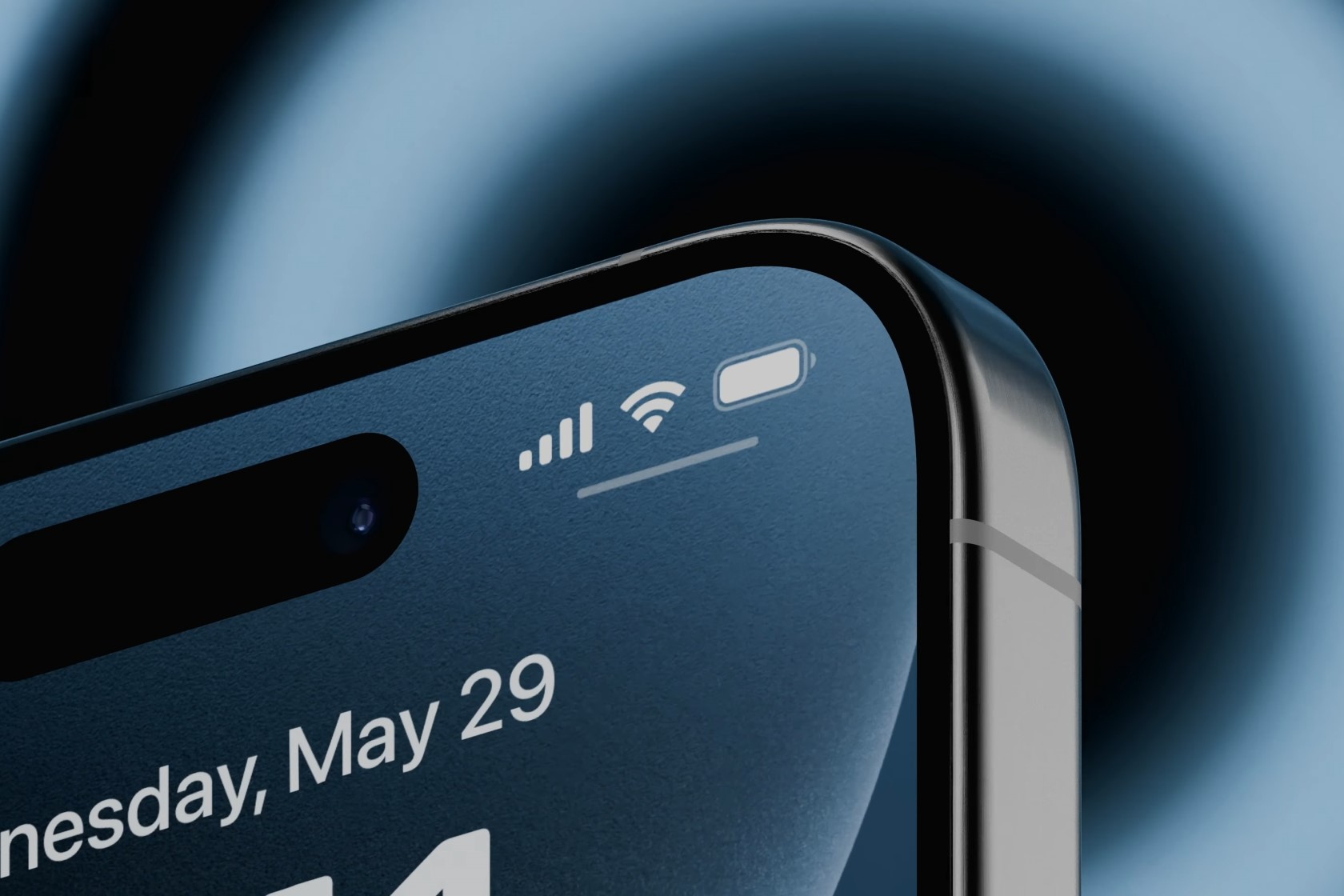
It’s 2014 again and bezels are public enemy number 1. Apple’s new phones will reportedly have marginally larger screens thanks to an impressive 30% reduction in bezels. This new display template, dubbed BRS or Border Reduction Structure, is thanks to Apple pushing Samsung to provide tighter circuit placement that can help shave off almost half a millimeter of bezel thickness. These reports seem fairly credible, coming from THE ELEC, a Korean industry media outlet. This effectively means the new 16 Pro and Pro Max will have screens measuring 6.3 and 6.9 inches diagonally, respectively.

The iPhone 15 Pro on the left and the 16 Pro on the right demonstrate the reduced bezel sizes

A New Capture Button For Enhanced Photography

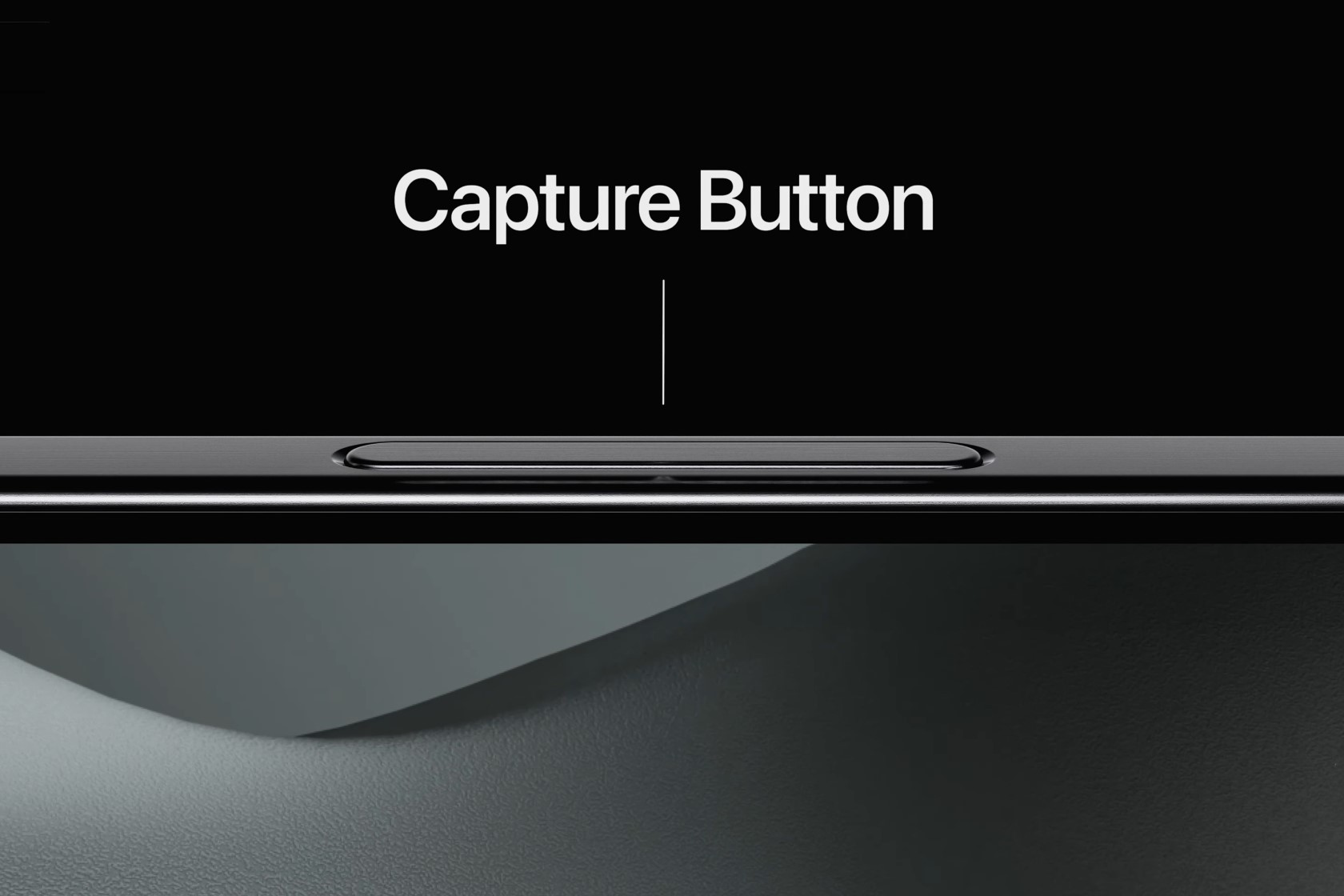
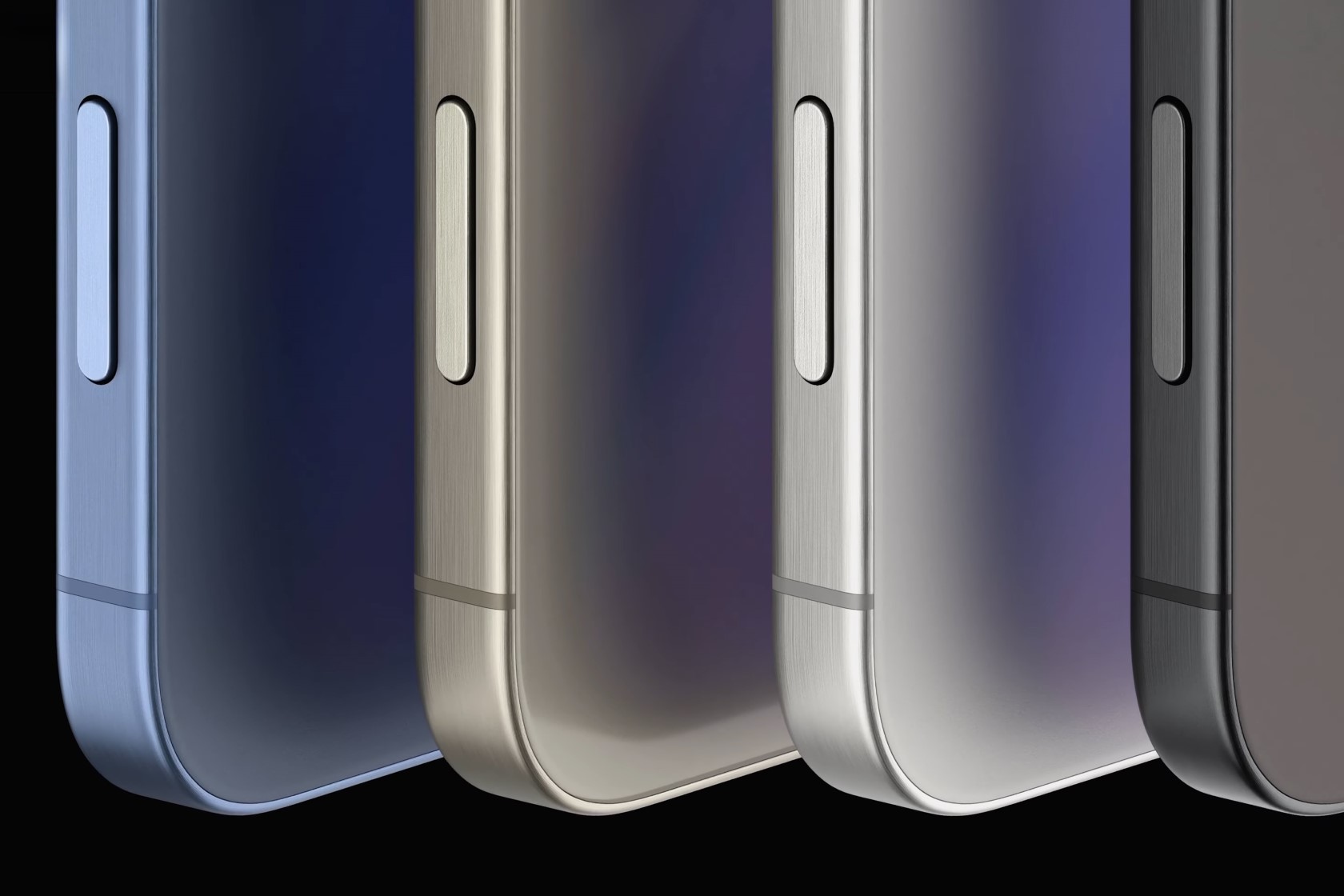
Although rumors of a Capture Button have circulated for quite a while, actual details on its capabilities have only NOW become more evident. At first, this button was touted as simply a shutter button that could click photos without you needing to touch your screen, but indications show that this button will have a touch-sensitive surface and a two-stage press. The touch-sensitive surface will allow you to slide your finger from side to side to zoom in or out, while the two-stage press lets you press lightly for focusing, and then further for clicking the picture, sort of like most DSLR cameras. The capture button sits where the millimeter-wave antenna once featured on the iPhone’s body, but it seems like the antenna will just move over to the left side instead, making way for the new hardware feature on the iPhone 16 Pro.

Same Old Sensors, New Capabilities

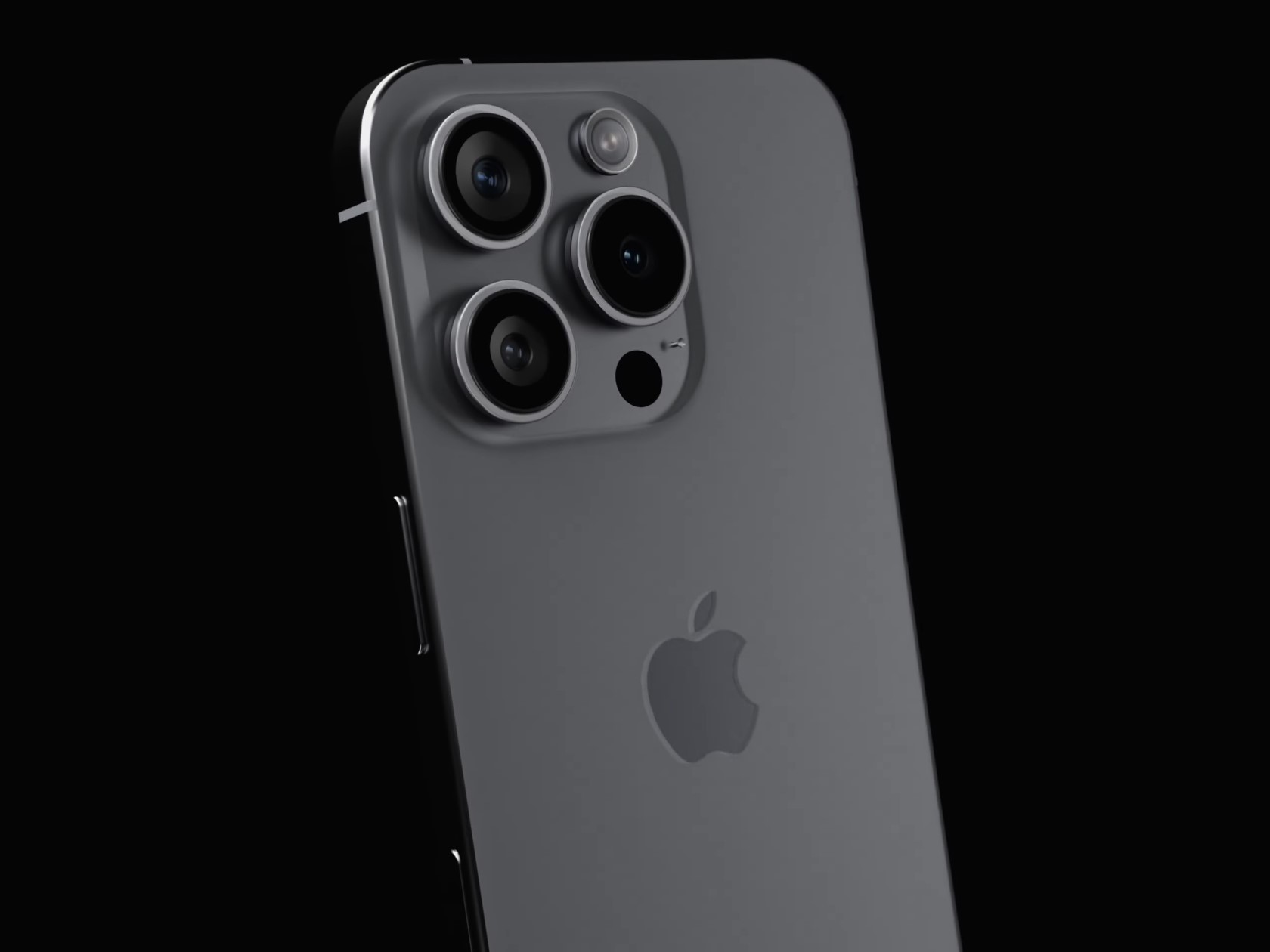
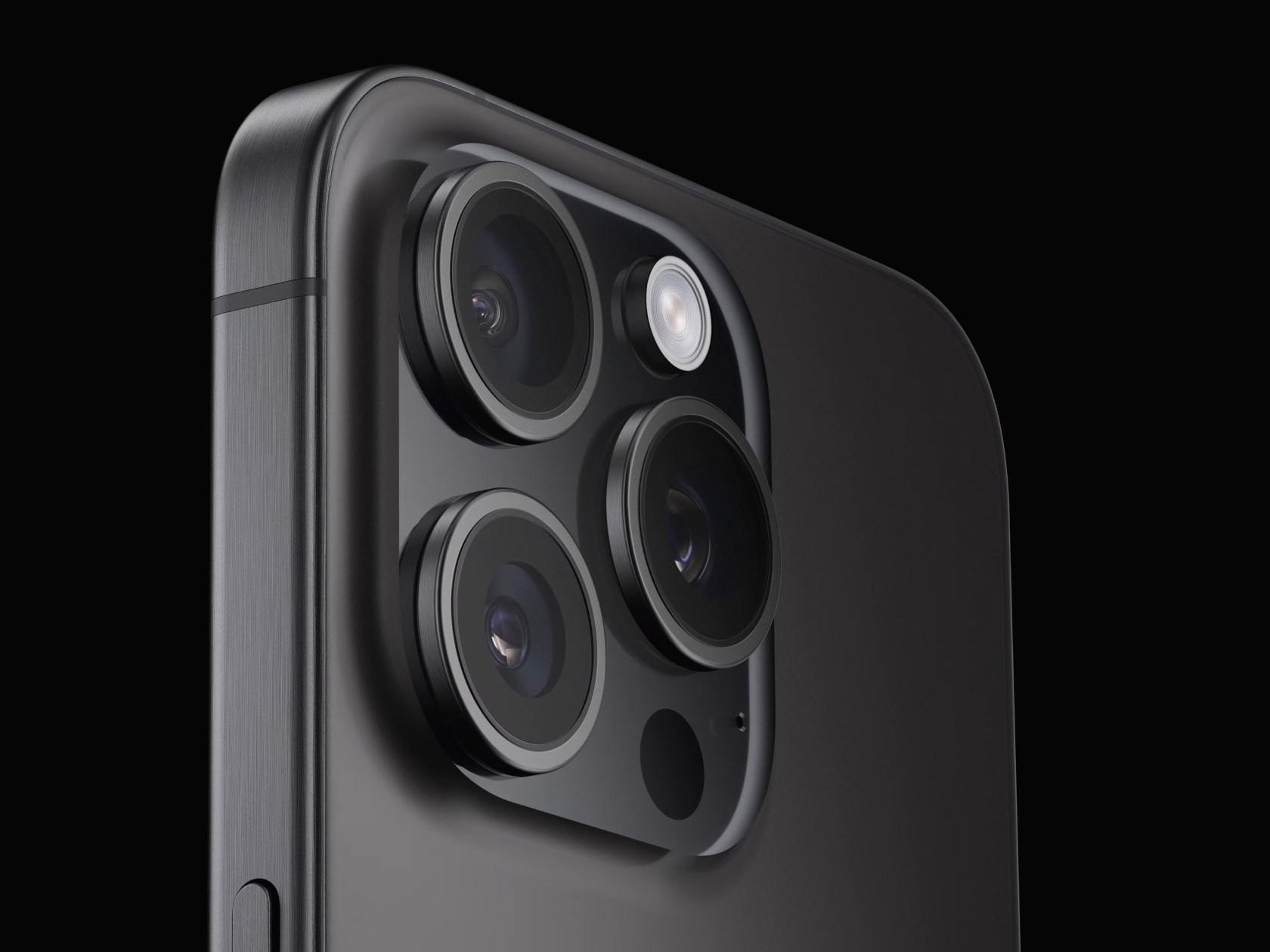
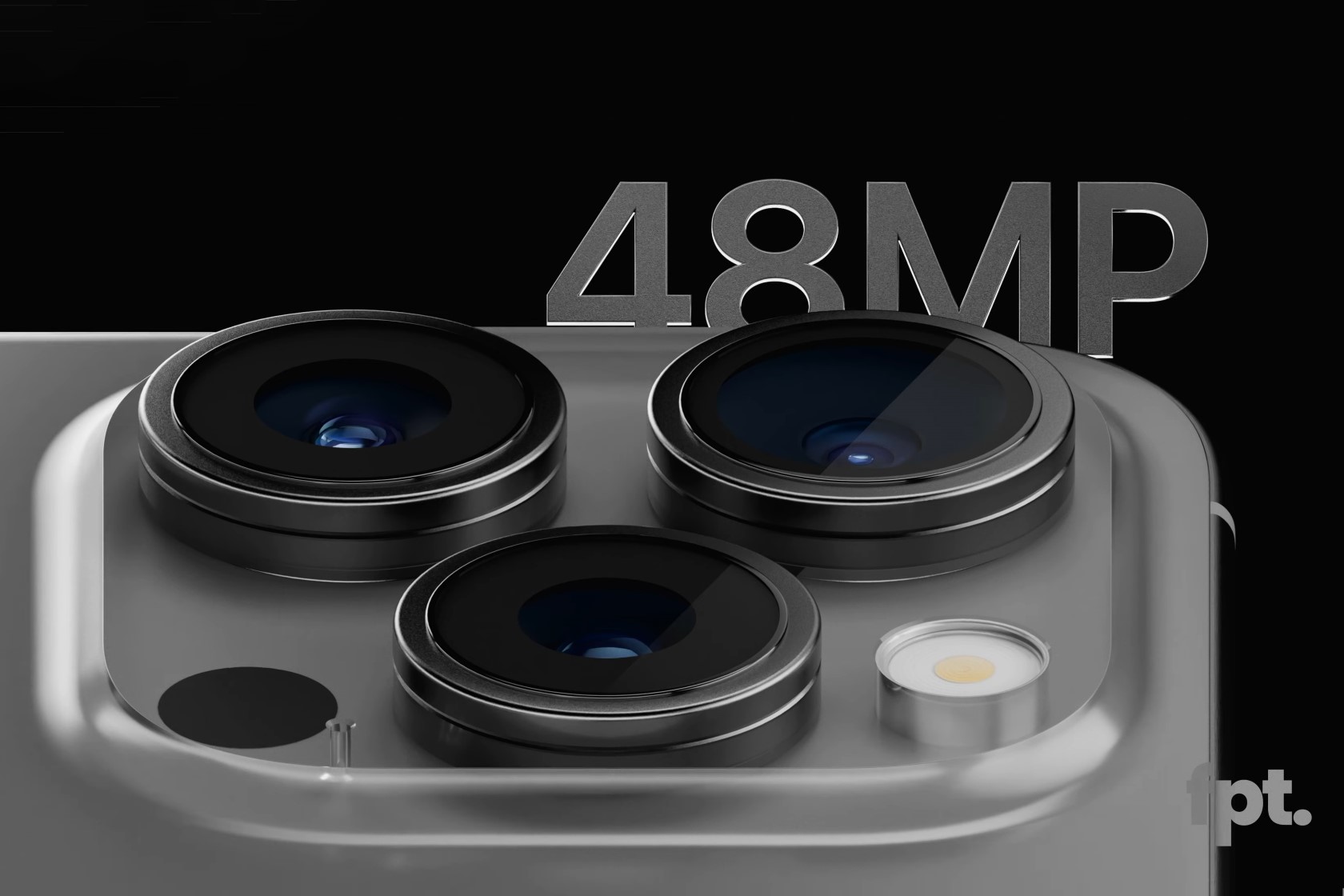
Since cameras are a pretty massive part of the iPhone (some might say its highlight), talking about camera capabilities is also pretty crucial. Rumor has it that the new iPhone 16 Pro will still feature the 48MP main camera sensor from its predecessor with no change. However, the tetraprism telephoto lens from last year’s iPhone 15 Pro Max that could output 5x zoom will see even more zoom capabilities. Last year’s flagship iPhone had the zoom equivalent of a 120mm telephoto lens, but rumors indicate the new iPhone will push this to a 300mm lens equivalent. Now obviously, that seems absolutely bonkers, but it also makes sense to take such a rumor with a little pinch of salt. After all, stabilization while zooming in that far would probably be near impossible.

Thinner MagSafe Array

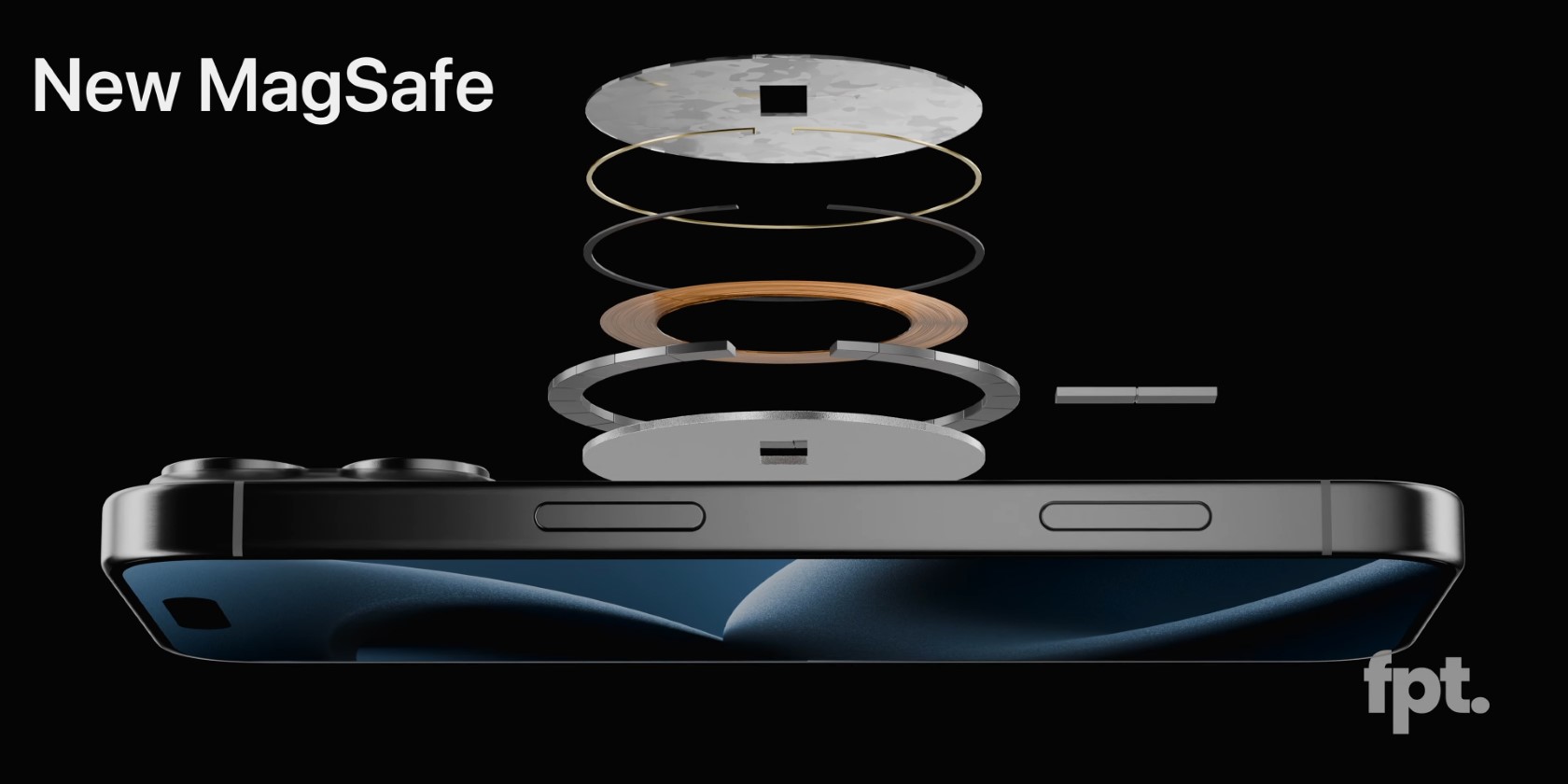
Yet another tweak, noticed by case-makers, is a refinement of the MagSafe array. Now the new MagSafe ring on the iPhone will feature thinner magnets all around, freeing up more space inside the phone without compromising on the magnet’s strength.

(Probably) A New Rose Gold Color Variant

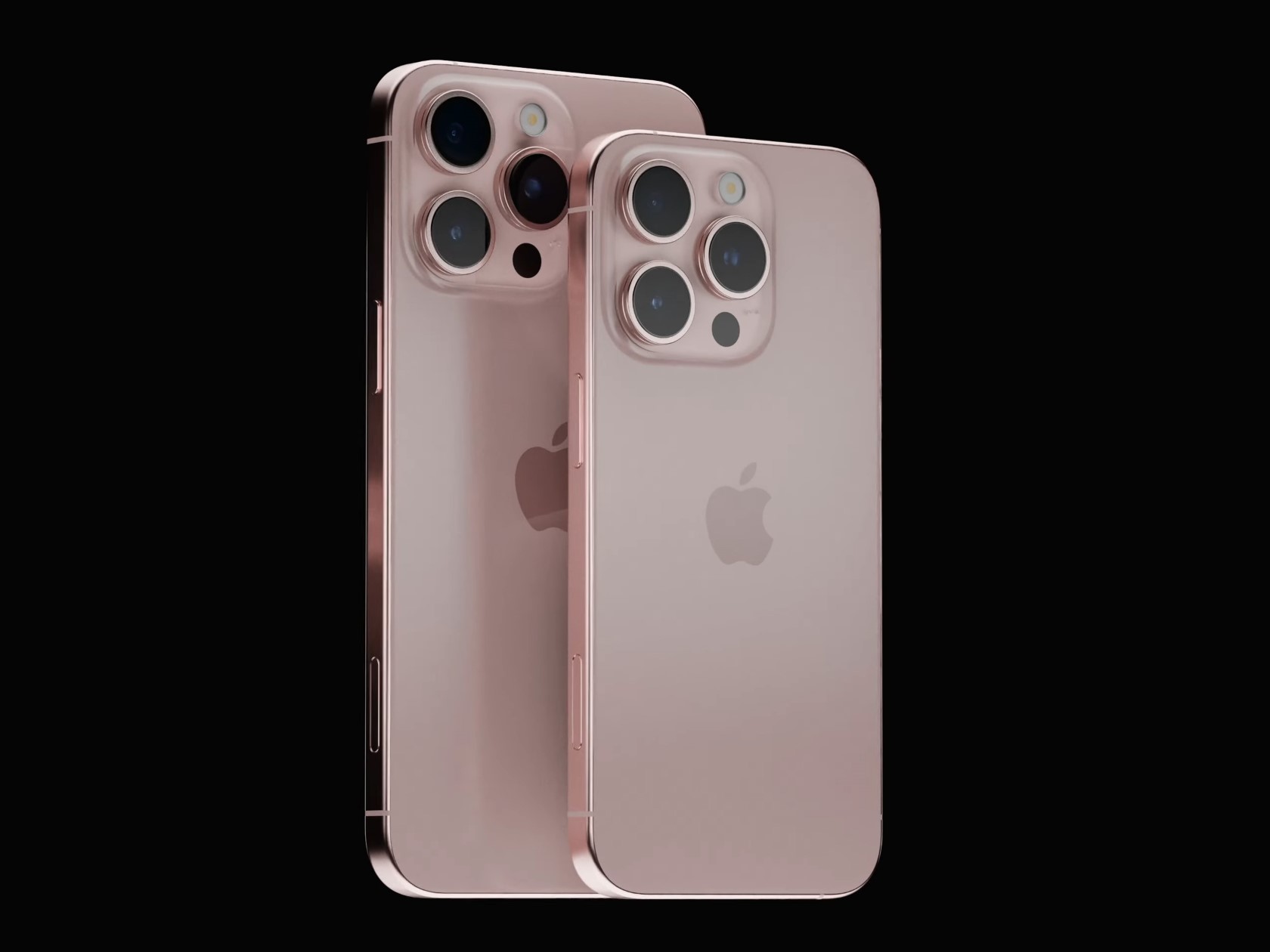
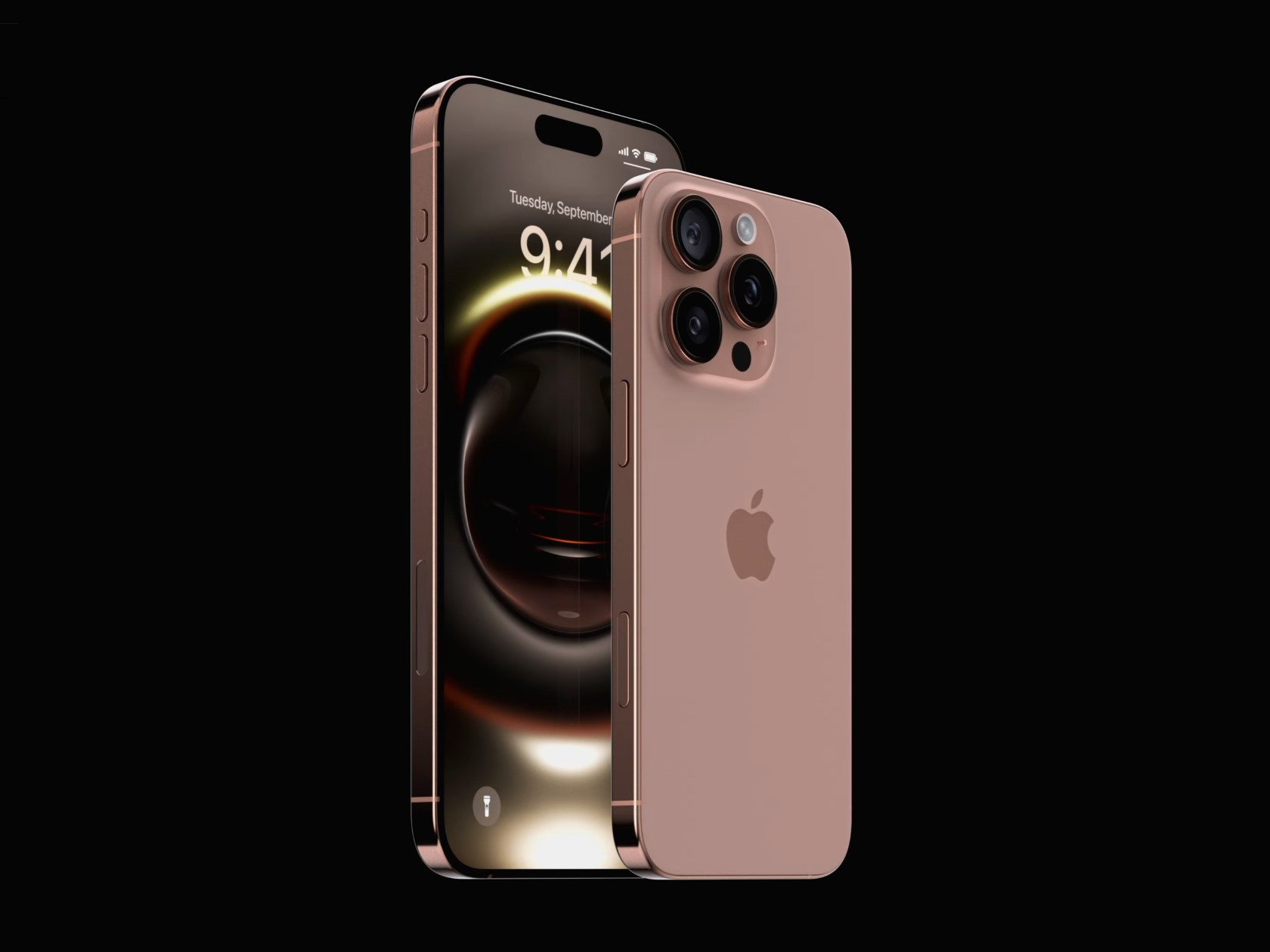
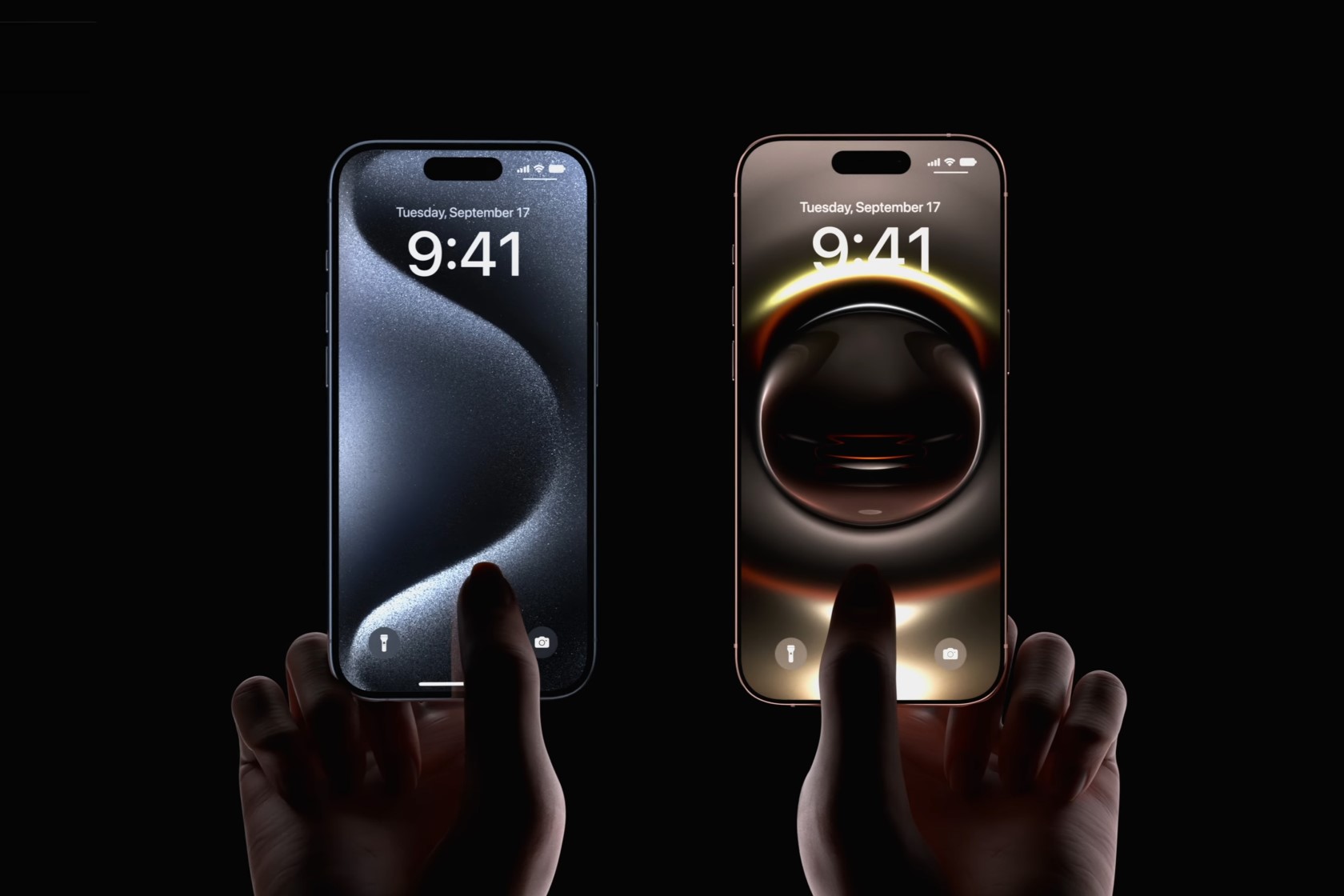
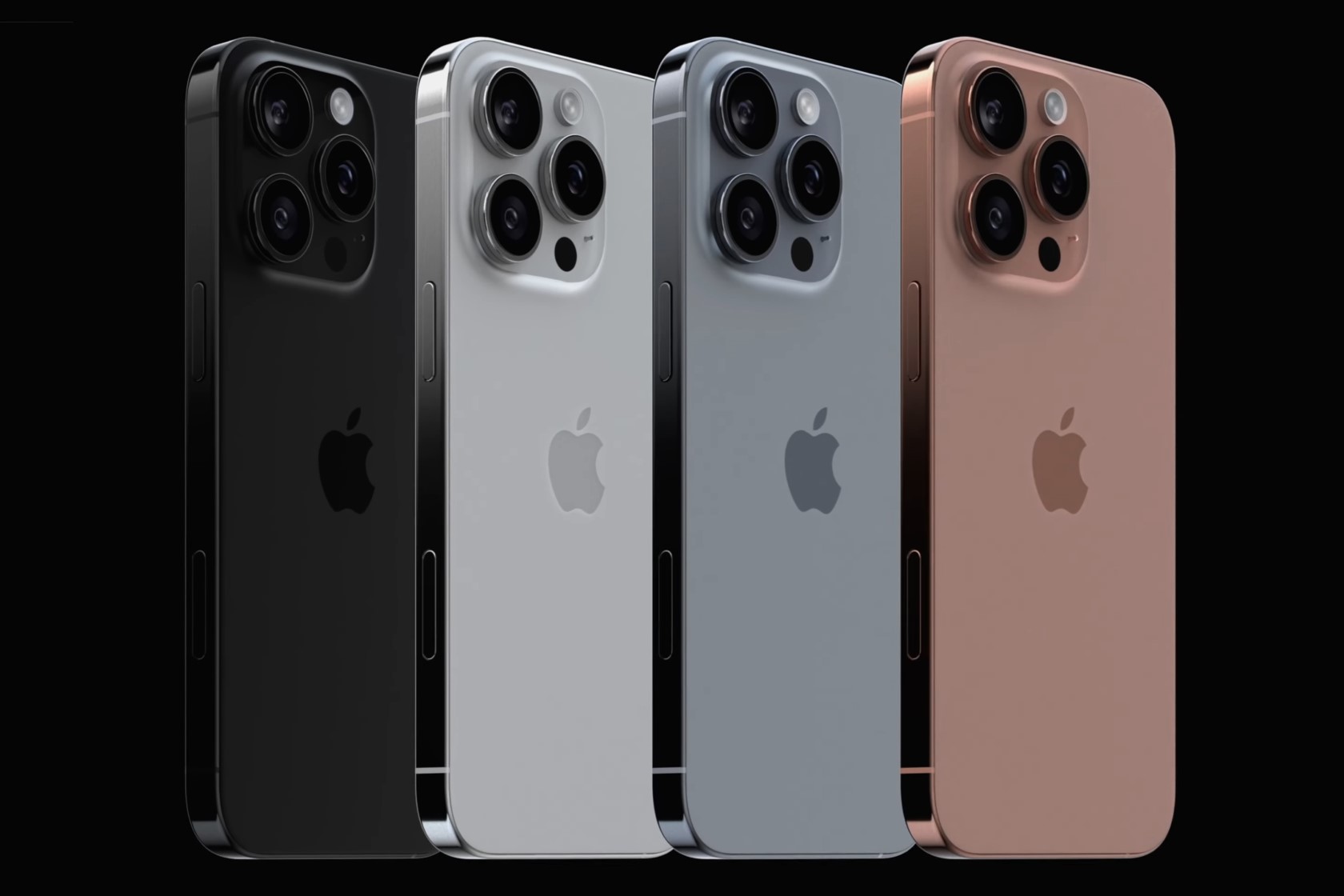
The final rumor is that the iPhone 16 Pro series could see another color variant added to it. Apparently the famed Rose Gold colorway (made popular with earlier iPhone models and even the MacBook Air) could make a comeback – but this time in titanium. Yes, the new Pro-series iPhones will still have a titanium frame, but Apple will probably issue new color variants to set the different iPhone Pro models apart. Last year, the 15 Pro series saw natural, blue, white, and black finishes. It’s fairly conceivable that Rose Gold sees a resurgence this year.

Image Credits: FrontPageTech

The post Here’s Every iPhone 16 Pro Leak And Rumor We Know So Far… first appeared on Yanko Design.

Rolex Perpetual 1908: The 2024 Platinum Model with Ice Blue Dial

The Rolex Perpetual 1908 brings a fresh perspective to the brand’s tradition of dress watches. Since its founding in 1905 by Hans Wilsdorf, Rolex has been a hallmark of precision, innovation, and elegance in watchmaking. The Perpetual 1908 continues this legacy, merging classic elements with modern sophistication. The latest model for 2024 introduces new materials and design refinements, ensuring it remains at the forefront of luxury timepieces.

Designer: Rolex

This model captures Rolex’s original boldness. Since the brand’s inception, Rolex has pursued Wilsdorf’s vision of wristwatches as high-performance instruments. This watch combines chronometric precision, waterproofness, autonomy, comfort, and durability. It embodies the classic yet modern spirit of the original Oyster Perpetual watches, with a silhouette and dial design that reimagines these timeless elements.

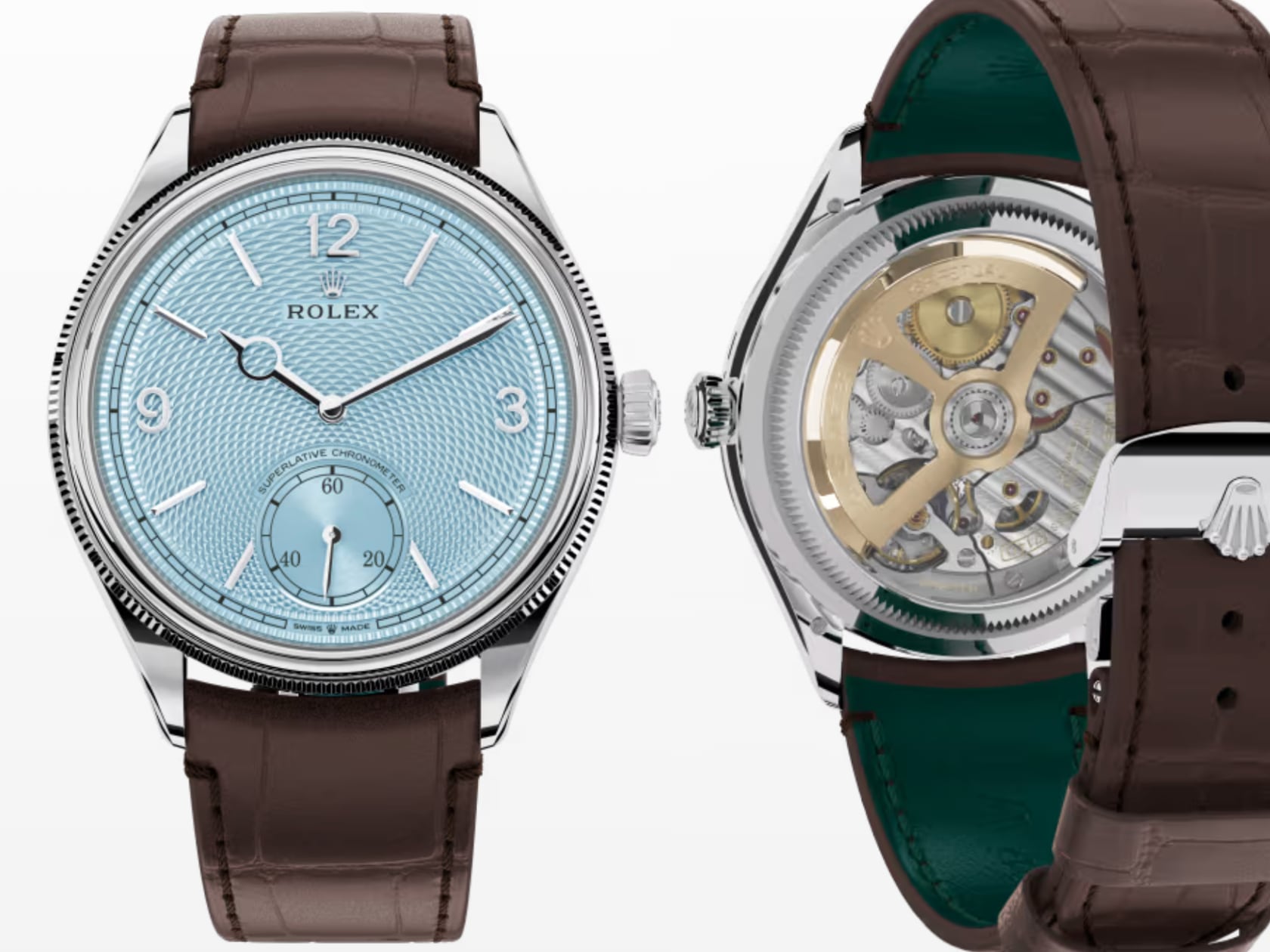
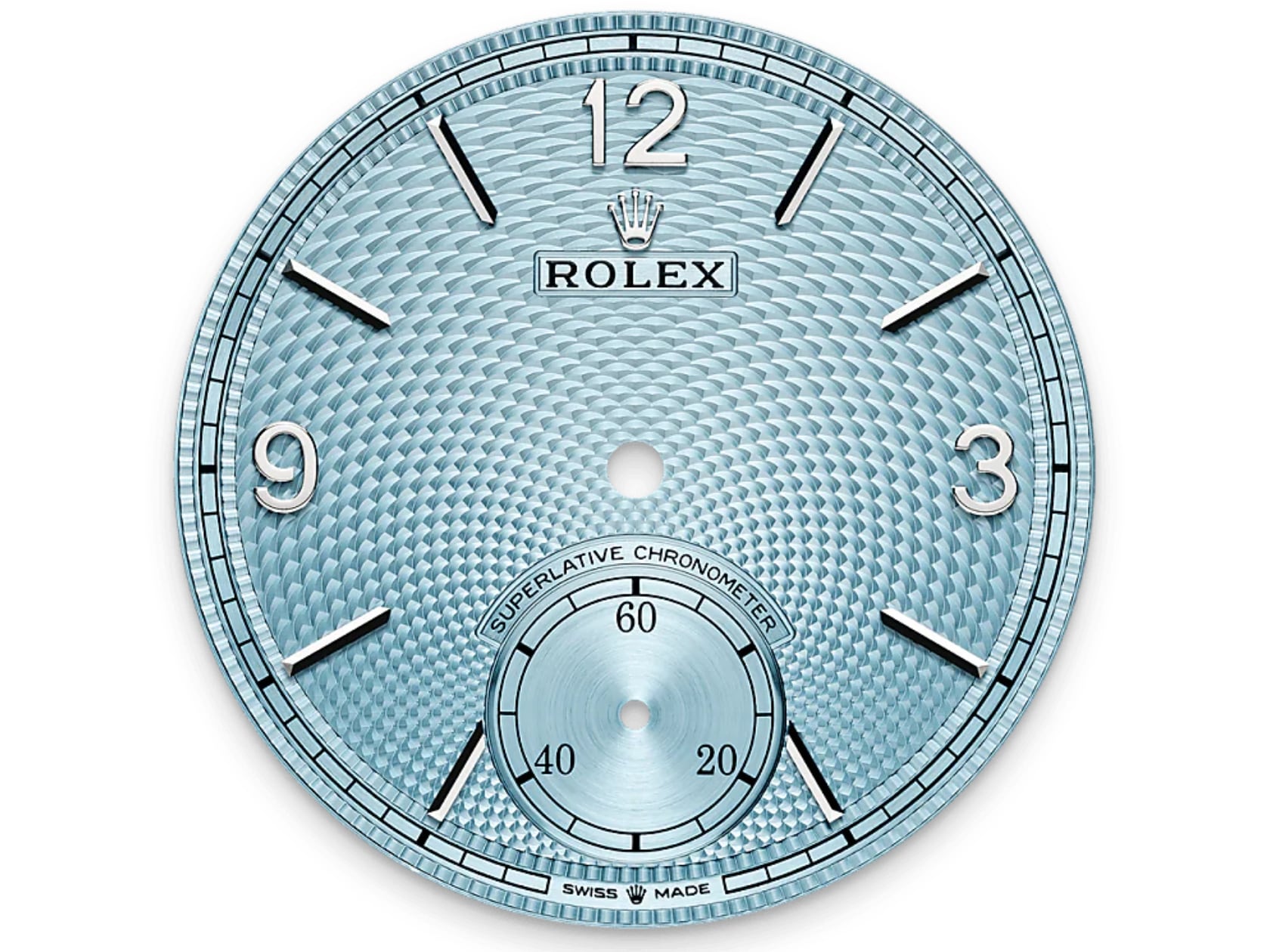
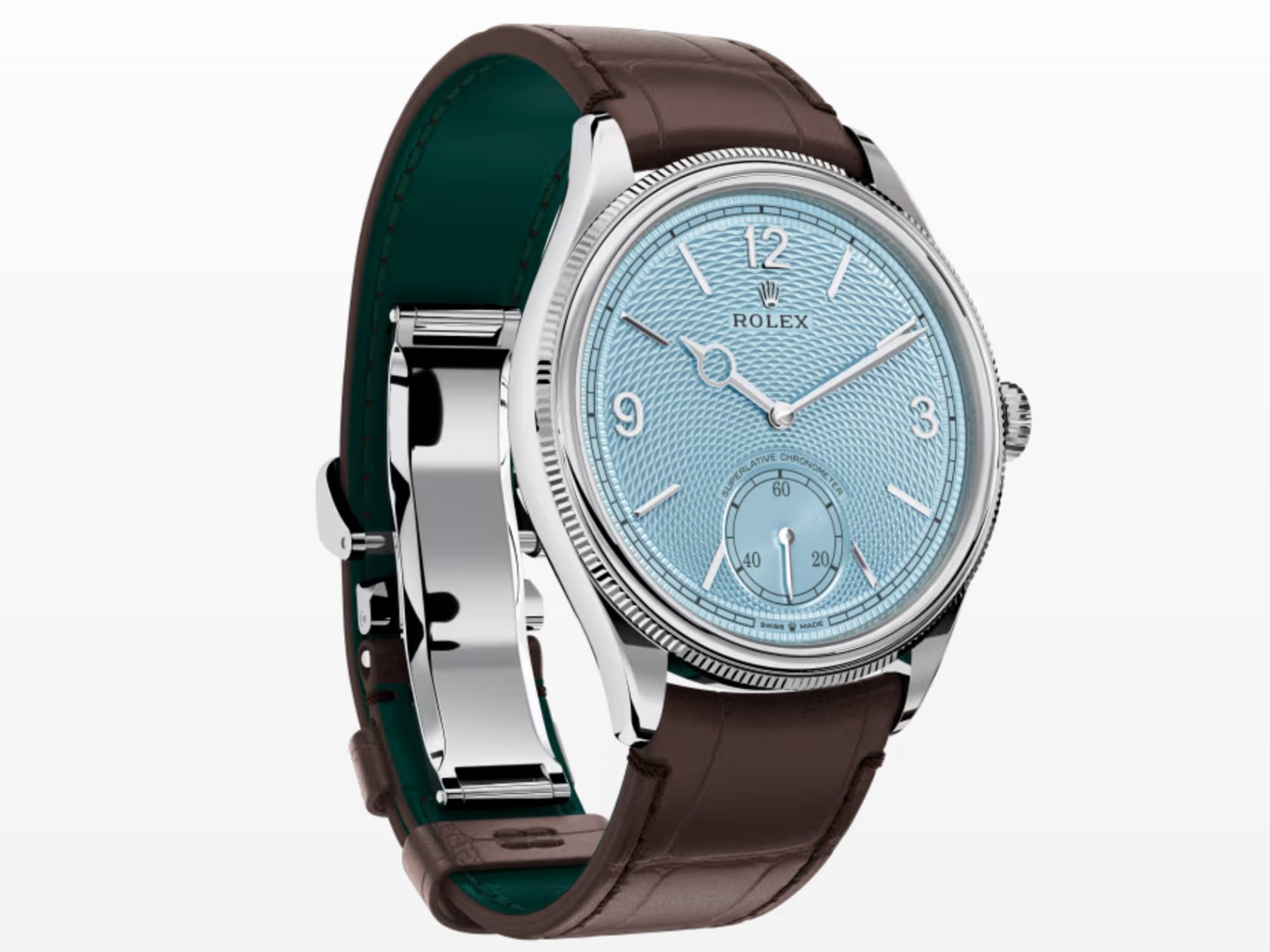
Initially available in 18-karat yellow gold and white gold, paired with either an intense white or matte black dial, the latest update introduces a new 950 platinum version. This version features an ice blue dial exclusive to Rolex watches in this prestigious metal. The case measures 39 mm, balancing presence and comfort on the wrist. The bezel combines domed and fluted design, adding elegance without ostentation. The transparent case back reveals the intricate workings of the movement, showcasing the brand’s commitment to aesthetics and performance.

The dials for the Perpetual 1908 include intense white, matte black, and now an ice blue with a guilloche rice-grain motif. This intricate pattern is created through traditional guillochage, reflecting light beautifully. The dial features Arabic numerals at 3, 9, and 12, with faceted index hour markers in 18-karat gold. The small seconds counter at 6 o’clock is centered within the rice-grain motif, enhancing the dial’s sophisticated look.

The hands are distinctive, with the minute hand shaped like a two-edged sword and the hour hand featuring a pierced circle. These elements blend historical inspiration with modern elegance, maintaining the watch’s refined aesthetic.

At the heart of the Perpetual 1908 is the caliber 7140, a self-winding movement developed in-house by Rolex’s watchmaking engineers. This movement drives the hands of the central hours and minutes and the small seconds hand at 6 o’clock. It incorporates several of Rolex’s cutting-edge technologies, including the Syloxi silicon hairspring and the Chronergy escapement made of a nickel-phosphorus alloy, both resistant to strong magnetic fields. The movement also features Paraflex shock absorbers, protecting the oscillator and escape wheel from shocks. With a power reserve of 66 hours, the caliber 7140 combines performance and elegance. Patents have been filed for this movement, entirely developed and manufactured in-house.

The 2024 model features an ice blue dial decorated with a rice-grain motif, achieved through guillochage. This rosette-like design, centered on the small seconds counter at 6 o’clock, gives the watch exceptional personality and is a tribute to traditional watchmaking infused with Rolex’s know-how and creativity.

The 950 platinum case, a rare and precious material, is striking for its incomparable radiance and silvery white glow. Considered the noblest of metals, it is noted for its exceptional corrosion resistance. The case has gracious lines and a transparent back that allows the refined aesthetics of the movement and the pivoting of the oscillating weight to be admired.

By offering a watch that reveals its movement through a transparent case back, Rolex continues to innovate while echoing its watchmaking tradition. The caliber 7140 features a cut-out oscillating weight in yellow gold with three arms engraved with the words “Chronometer Perpetual” and benefits from an optimized ball bearing. The movement boasts remarkable finishes, including the exclusive Rolex Côtes de Genève, a celebrated traditional watch decoration reinterpreted with a polished groove between each band. The sapphire window, virtually scratchproof, proves that for Rolex, the aesthetics of the movement are as important as its performance.

Introducing the Perpetual 1908 signifies a new direction for Rolex dress watches, blending the brand’s rich heritage with modern innovation. By launching the Perpetual collection and retiring the Cellini line, Rolex reaffirms its commitment to creating technically superior and timelessly elegant timepieces. This model sets a new standard for dress watches, combining historical elements with contemporary design and cutting-edge technology.

Future Rolex dress watches will continue to explore the balance between classic aesthetics and modern advancements. The transparent case back, showcasing the movement, indicates a willingness to innovate while honoring traditional watchmaking artistry. The movement’s use of advanced materials and technologies highlights Rolex’s dedication to performance and durability.

The Perpetual 1908 captures the essence of Rolex’s pursuit of excellence, blending past and future in a luxurious timepiece that speaks to the brand’s storied history and its vision for the future of dress watches.

The post Rolex Perpetual 1908: The 2024 Platinum Model with Ice Blue Dial first appeared on Yanko Design.
Top 10 Car-Based LEGO Builds For Automotive Lovers

Building LEGOs was something I loved as a child. I could spend hours putting together intricate and mesmerizing LEGO builds, that did have the potential to fall apart in mere seconds. However, LEGO is no longer simply considered child’s play. Masterbuilders and creators spend days and weeks building precise and astounding LEGO creations that will truly blow your mind away. And, this collection of LEGO designs is dedicated to cars! We’ve put together a collection of exquisite and finely detailed LEGO builds inspired by cars. These creations will have motorcar aficionados drooling at the mouth!

 1. LEGO Mercedes-AMG F1 W14 Performance Set

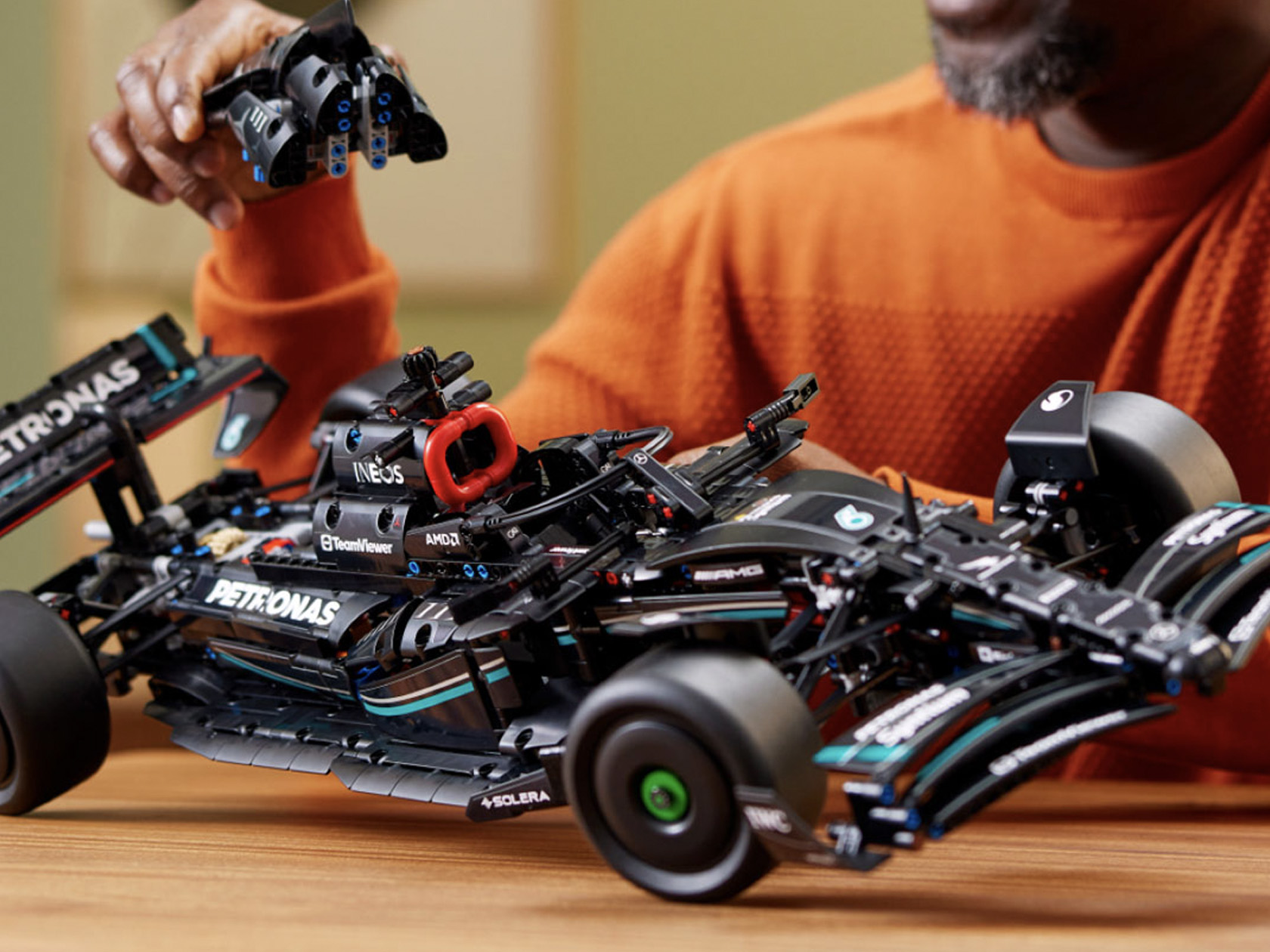
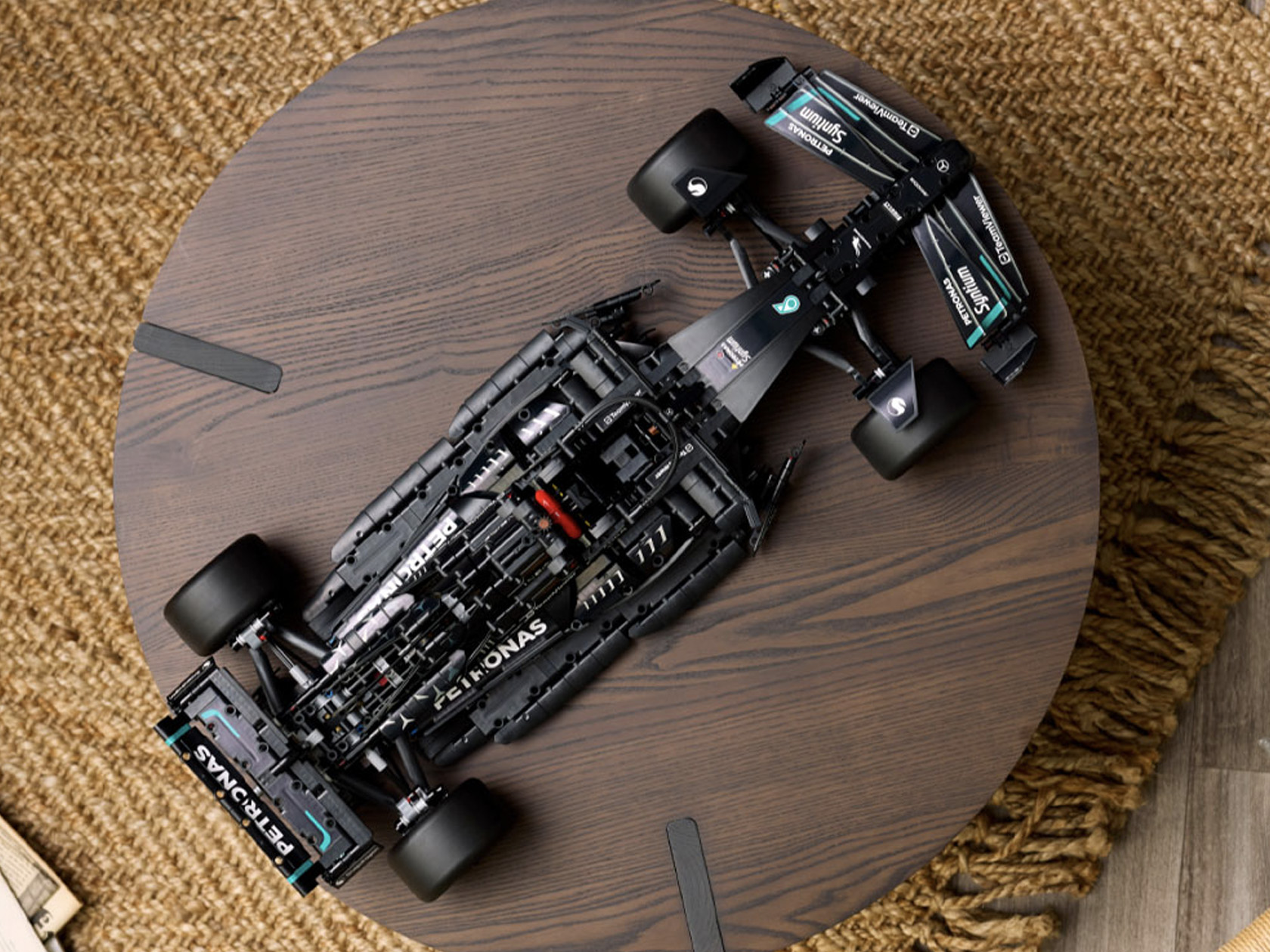
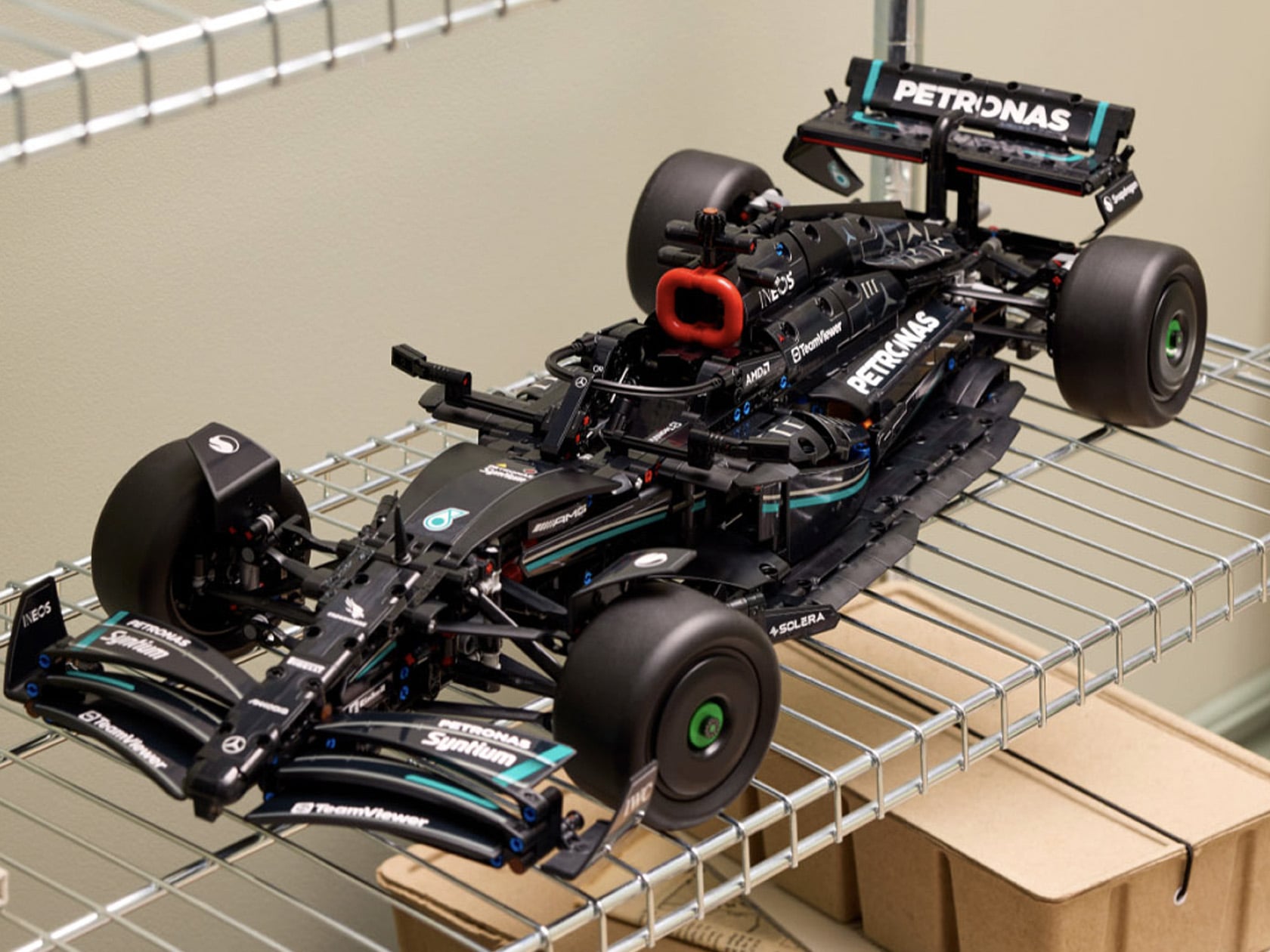
Meet the LEGO Mercedes-AMG F1 W14 Performance Set – one of the latest additions to LEGO Technic’s collection of motorsports replicas. The build is a 1/8 scale model that you can build piece by piece using 1642 individual LEGO bricks. The LEGO model is 13 cm tall, 63 cm long, and 26 cm wide. It features a stark black color, leaving the carbon parts unpainted, which cuts down on some weight.

2. LEGO McLaren P1 Hybrid Super Car


LEGO Technic just built a 1:8 scale model of the McLaren P1 hybrid supercar, amped with loads of details inside out. It features a 3893-piece format, and it has a price tag of $449. The detailed 3.8-liter V-8 piston engine is paired with a seven-speed transmission with 2 shifter paddles, adjustable rear spoiler, functional suspension, and working dihedral doors. The LEGO build was created in association with McLaren Automotive to mimic even the smallest of details to perfection.

3. LEGO Batmobile

Designed by TaeYang Lee, this LEGO Batmobile draws inspiration from the movie’s fascinating rollercoaster plot. He used Mecabricks, a LEGO modeling tool to build this amazing build. The creation is much like the on-screen Batmobile, and it is based in a dark and gloomy world, with a sinister environment. The Batmobile has a matte black color, with toughened wheel rims, and a reinforced bumper build for the kill.

4. LEGO Bentley Blower

The Bentley Blower is one of the icons of pre-war racing elegance and power, and LEGO is paying tribute to its 100th anniversary and infamous design. The LEGO Ideas Bentley Blower is designed by LEGO builder ‘N.ik.Le.go.’, and it perfectly captures the old-world charm of its powerful predecessor in a scaled-down and compact form. This LEGO MOC is made using 707 bricks, and is pretty uncomplicated compared to the other LEGO builds.

5. LEGO Peugeot 9X8

LEGO builder Brick-A-Brac celebrates Peugeot’s 9X8 and built his own LEGO build of the 9X8 supercar. Made using 1320 parts, the car measures 20 inches long. It is equipped with an extraordinary amount of detail and has all the branded graphics on its body. It has a sleek design, commendable size, and loads of attention to detail, making it a must-have gem for LEGO + car enthusiasts to have!

6. LEGO McLaren F1 Car

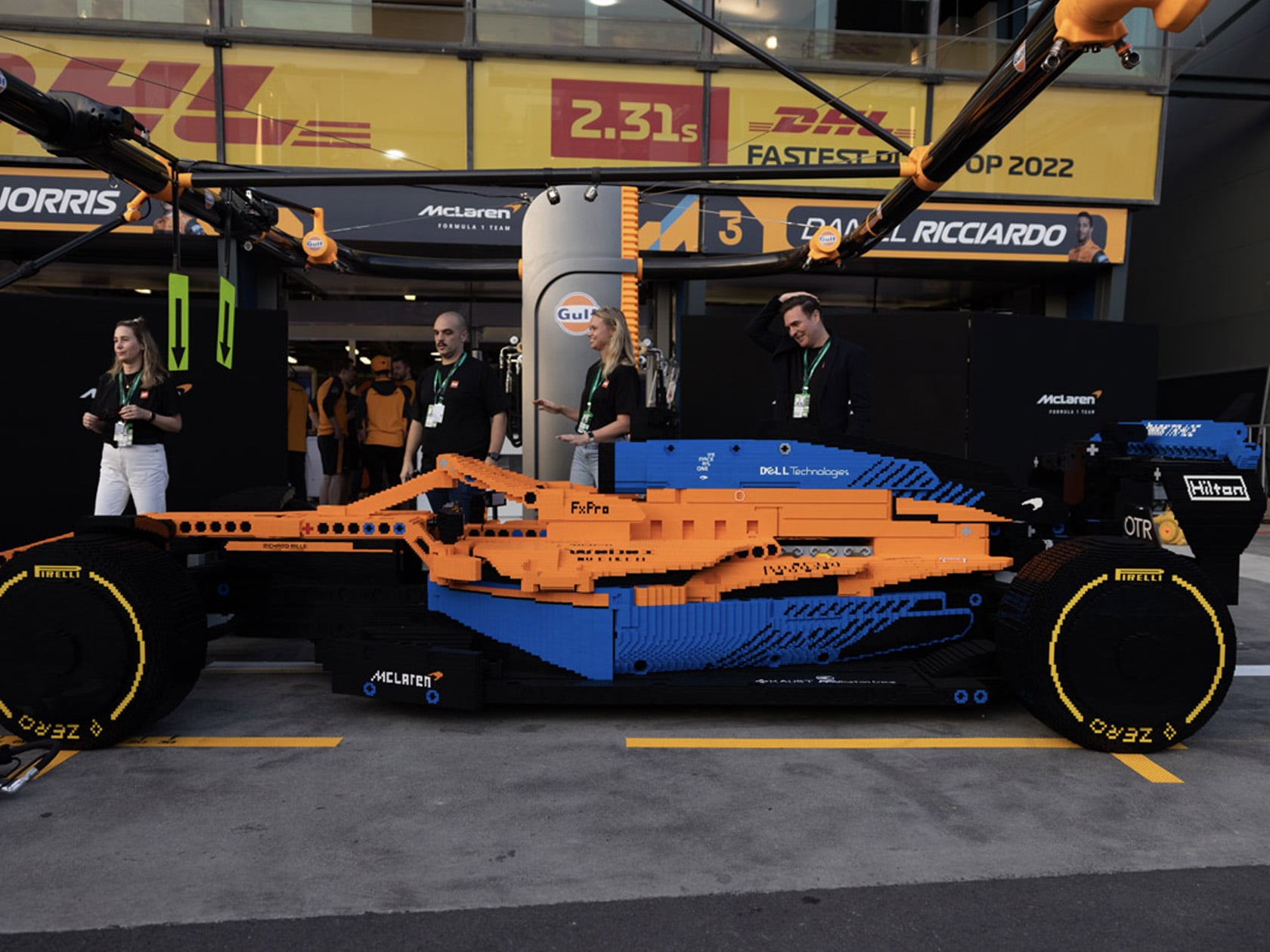
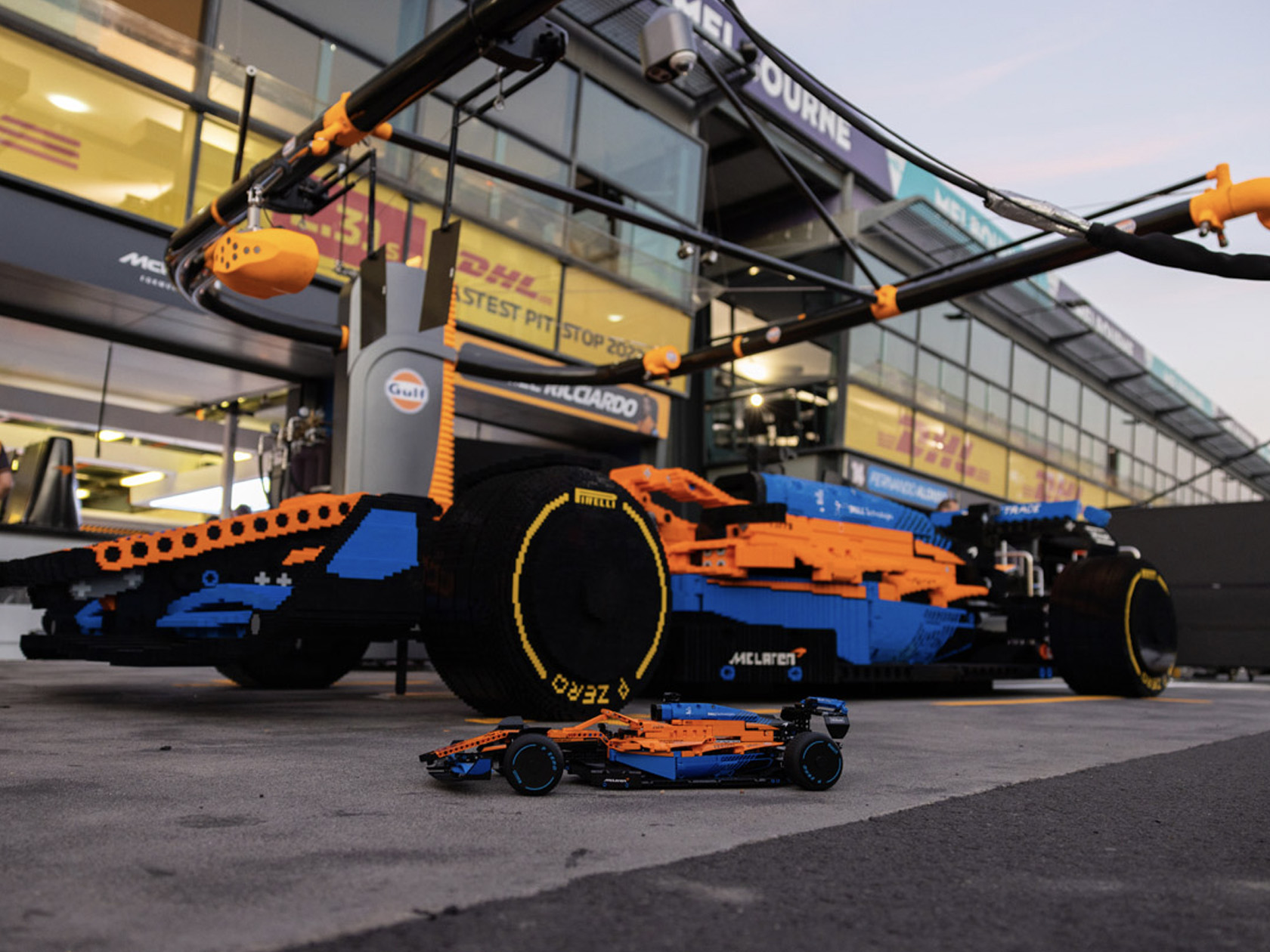
Meet the LEGO replica of the 2021 season Formula-1 car. It is really quite jaw-dropping and is nine times the size of the collectible LEGO version which was quite a hit. The 1:1 LEGO variant is at another level altogether and requires a lot of time and effort to be built. It took 1893 man-hours to put the 288,135 LEGO bricks together, creating a 5.7-meter-long, 2.4 meter-wide structure.

7. LEGO FedEx Iconic Truck

This LEGO FedEx iconic truck was made using LEGO bricks to celebrate FedEx’s 50th anniversary. The company has a workforce of around 500,000 employees, as well as a fleet of 700+ aircraft, and 200,000 vehicles. This incredible LEGO build pays tribute to the company. It is white in color with a FedEx logo on the front and the side. It also has a diamond-shaped DOT hazardous chemical flip sign on the front.

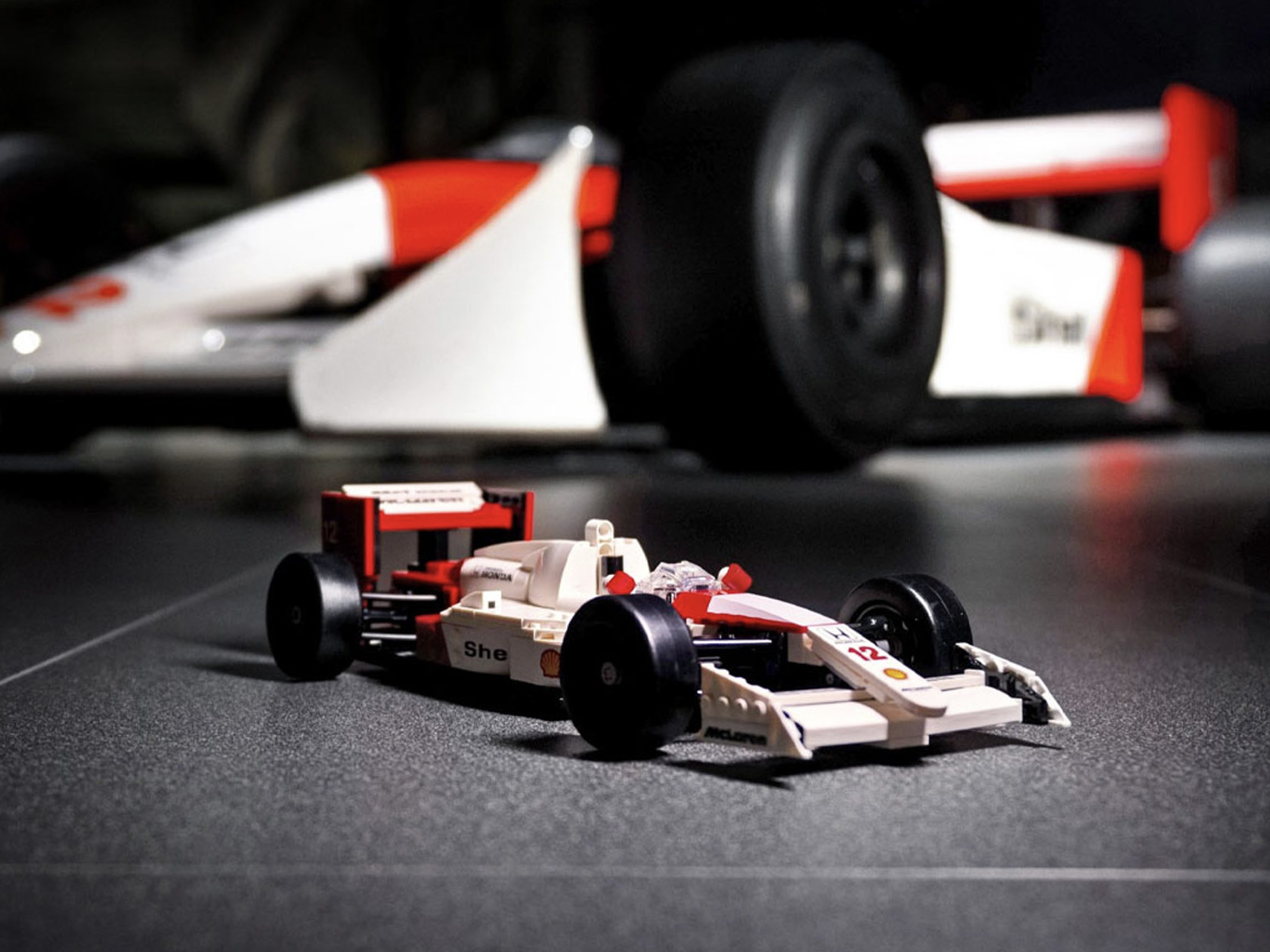
8. LEGO McLaren F1 MP4 Ayrton Senna

The LEGO form of the McLaren F1 MP4 Ayrton Senna was added to the LEGO Speed Champions and Technic lineup. It serves as a stunning tribute to Ayrton Senna – an undisputed legend of motor racing. The set includes 693 pieces and has a Senna Minifigure on the podium, with the winner’s trophy, and a plate engraved with the photo and quote. McLaren is next to him in power mode.

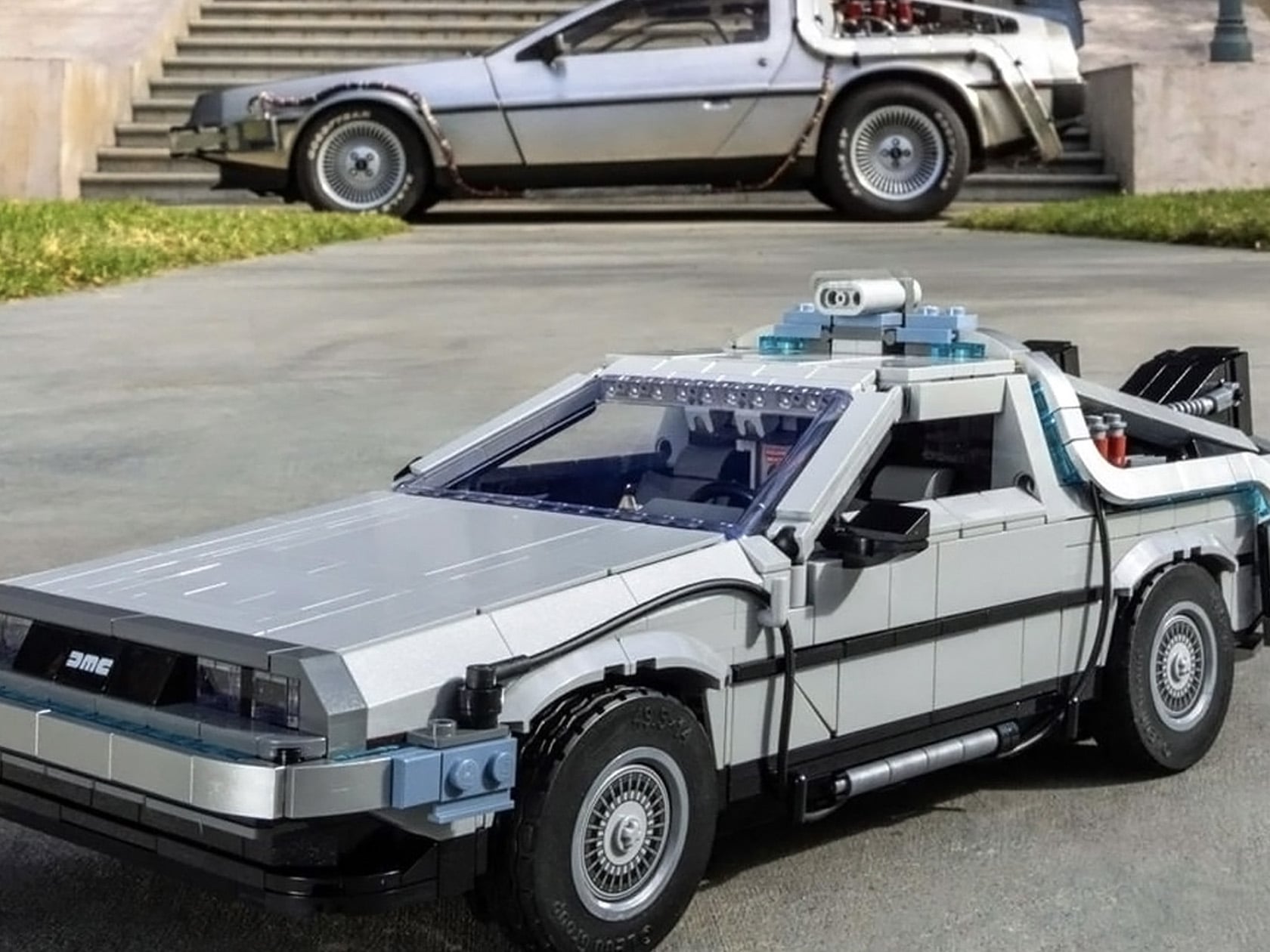
9. LEGO Back To The Future Time Machine

Meet the LEGO Back to the Future Time Machine! This one is better than ever and more detailed. It includes a Flux Capacitor light brick, gull-wing doors, and printed dashboard dates. You can add the different equipment from the different parts of the movie – including the lightning rod from the first film, and the hood-mounted circuit from Part III.

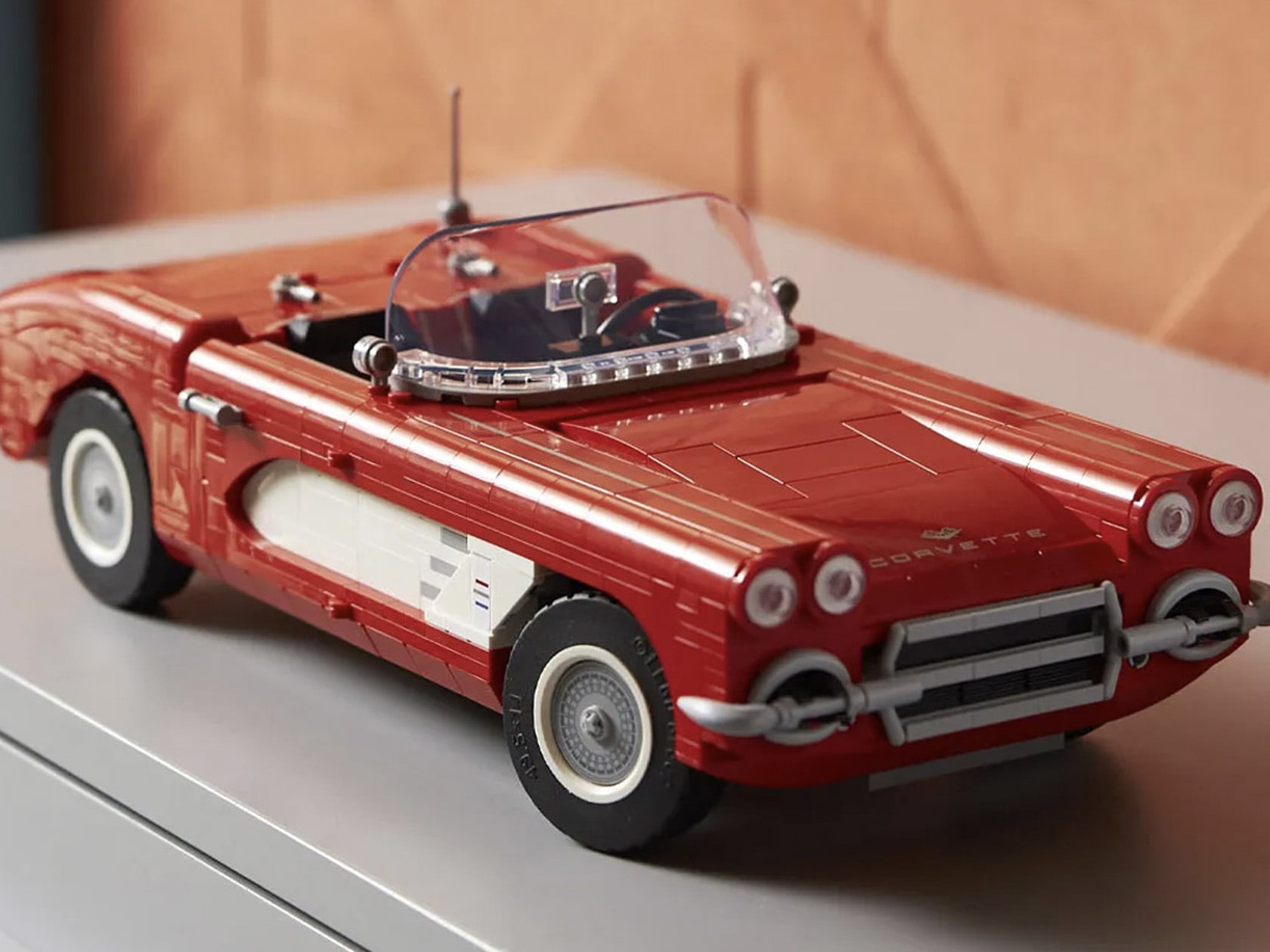
10. 10321 Corvette LEGO Icons Set

This adorable little 10321 Corvette LEGO Icons set pays tribute to the first-ever Vette which rolled out on June 30, 1953. It has a beautiful build accentuated with a bright red exterior, which perfectly displays the original key details of the real version. These little details include the hard or open-top configuration, opening hood, and the truck that accommodates the V8 engine replica with a spinning radiator fan.

The post Top 10 Car-Based LEGO Builds For Automotive Lovers first appeared on Yanko Design.

OBSBOT Tiny 2 4K PTZ Webcam Review: Elevate Your Streaming Quality with AI this Prime Day

PROS:


  • Sleek, compact, and minimalist design

  • Impressive imaging performance

  • Fast, responsive, and useful AI-powered features

  • Hands-free gesture and voice control offer unbeatable convenience

CONS:


  • Struggles a bit in low light

  • Voice control might be a concern for some users

  • A bit pricey (without Amazon Prime Day deal)

RATINGS:

AESTHETICS
ERGONOMICS
PERFORMANCE
SUSTAINABILITY / REPAIRABILITY
VALUE FOR MONEY

EDITOR'S QUOTE:

With a sleek, modern design, excellent performance, and helpful AI features, the OBSBOT Tiny 2 4K camera is one of the best webcams money can buy, especially if you get it at a bargain like on Prime Day.
award-icon

With streaming steadily becoming a popular and even lucrative career, the webcams built into laptops and monitors are not enough to give you an edge over the competition. Sure, they might be serviceable or even decent for meetings, but holding a captive audience requires more than just showing your static, pixelated face all the time. Whether you’re streaming a game, making presentations, selling products, or creating content in general, you will want a webcam that can keep up with you, figuratively and literally. That is exactly what the OBSBOT Tiny 2 AI-powered webcam promises, so we take it out of its premium carrying case, mount it on our monitor, and take it for a spin to see if there’s more to it than an impressive list of smart features.

Designer: OBSBOT

Click Here to Buy Now: $296 $329 (10% off). Hurry, deal ends in 48-hours!

Aesthetics

Most webcams, at least those not embedded in monitors, usually come in boxy shapes that try to blend with the edge of the monitor or circles and spheres that look like a creepy eye staring back at you. Very few of their kind pay attention to the subconscious effect their designs have on the people who will be looking at the camera for long periods of time. That makes the OBSBOT Tiny 2 immediately different from its peers the moment you take it out of its carrying case because it immediately cuts a striking figure that makes its presence known without being distracting all the time.

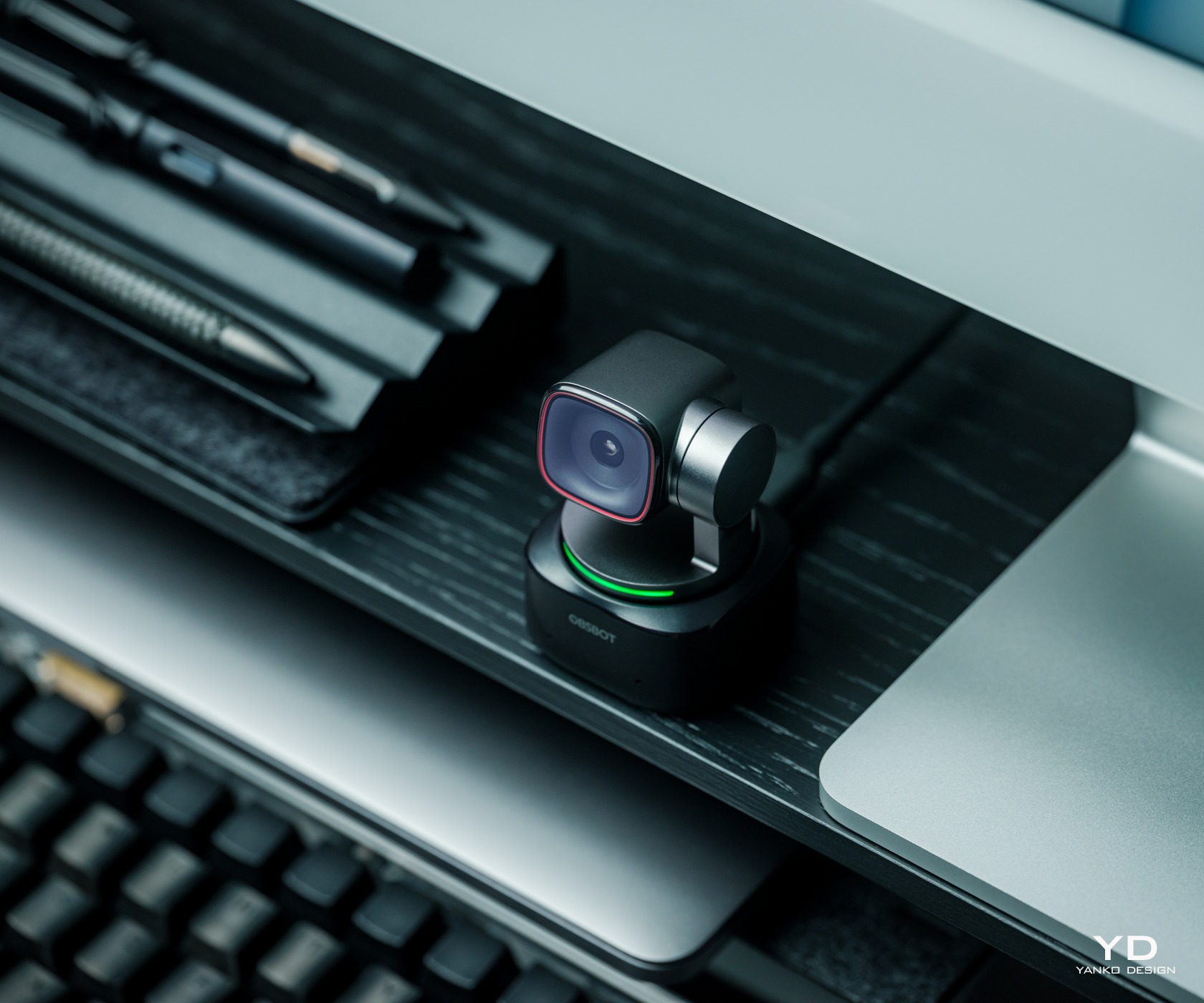
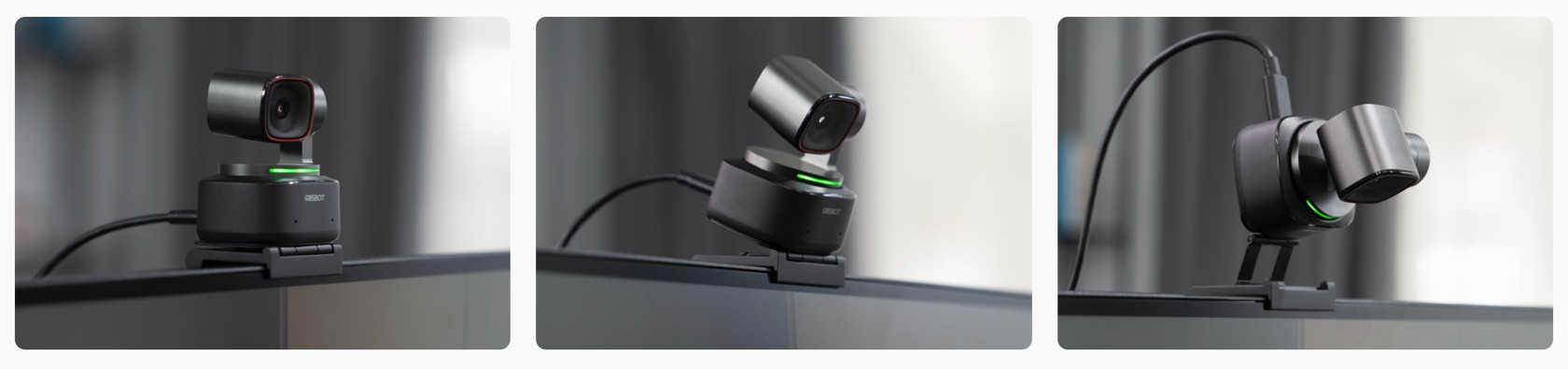
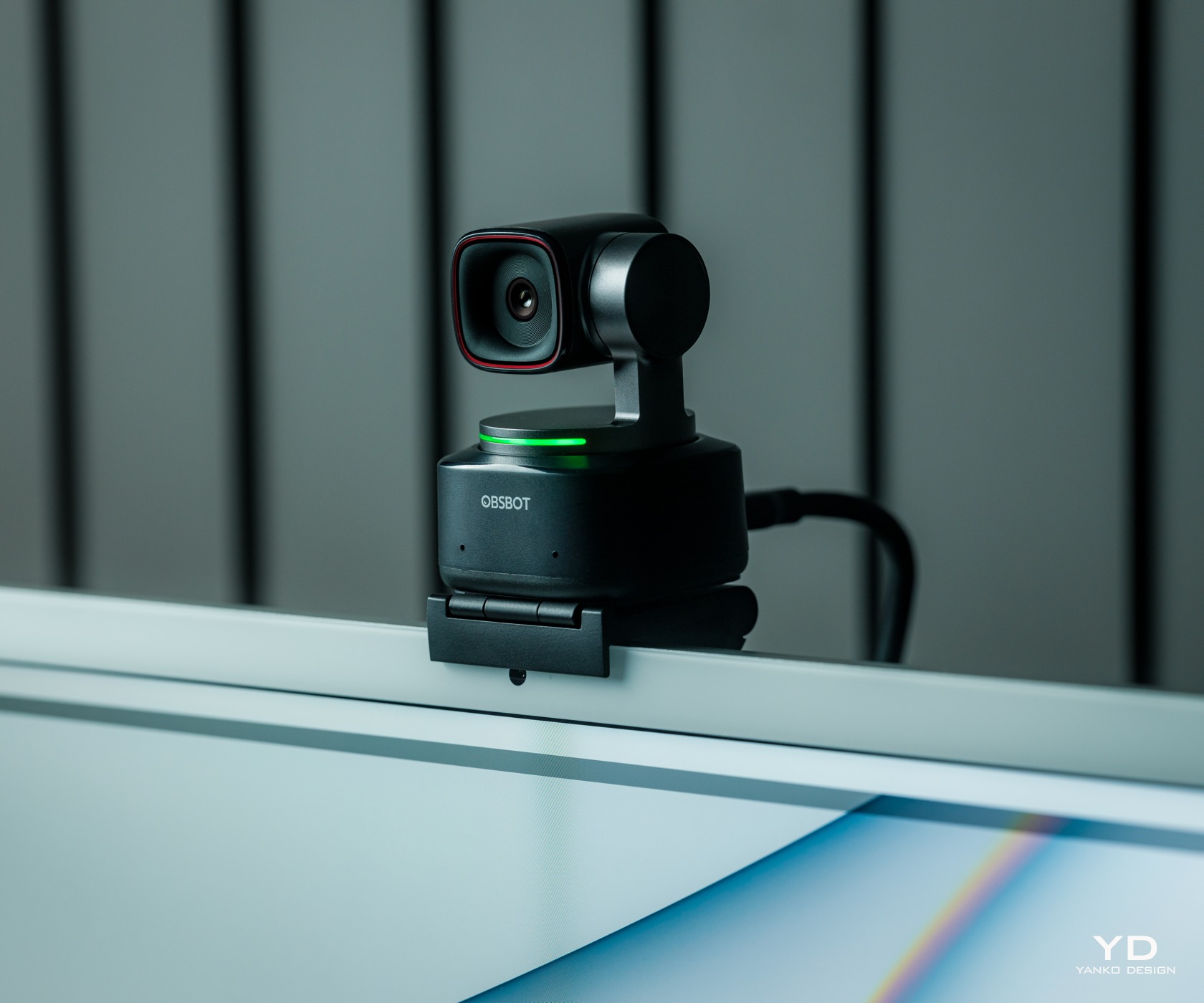
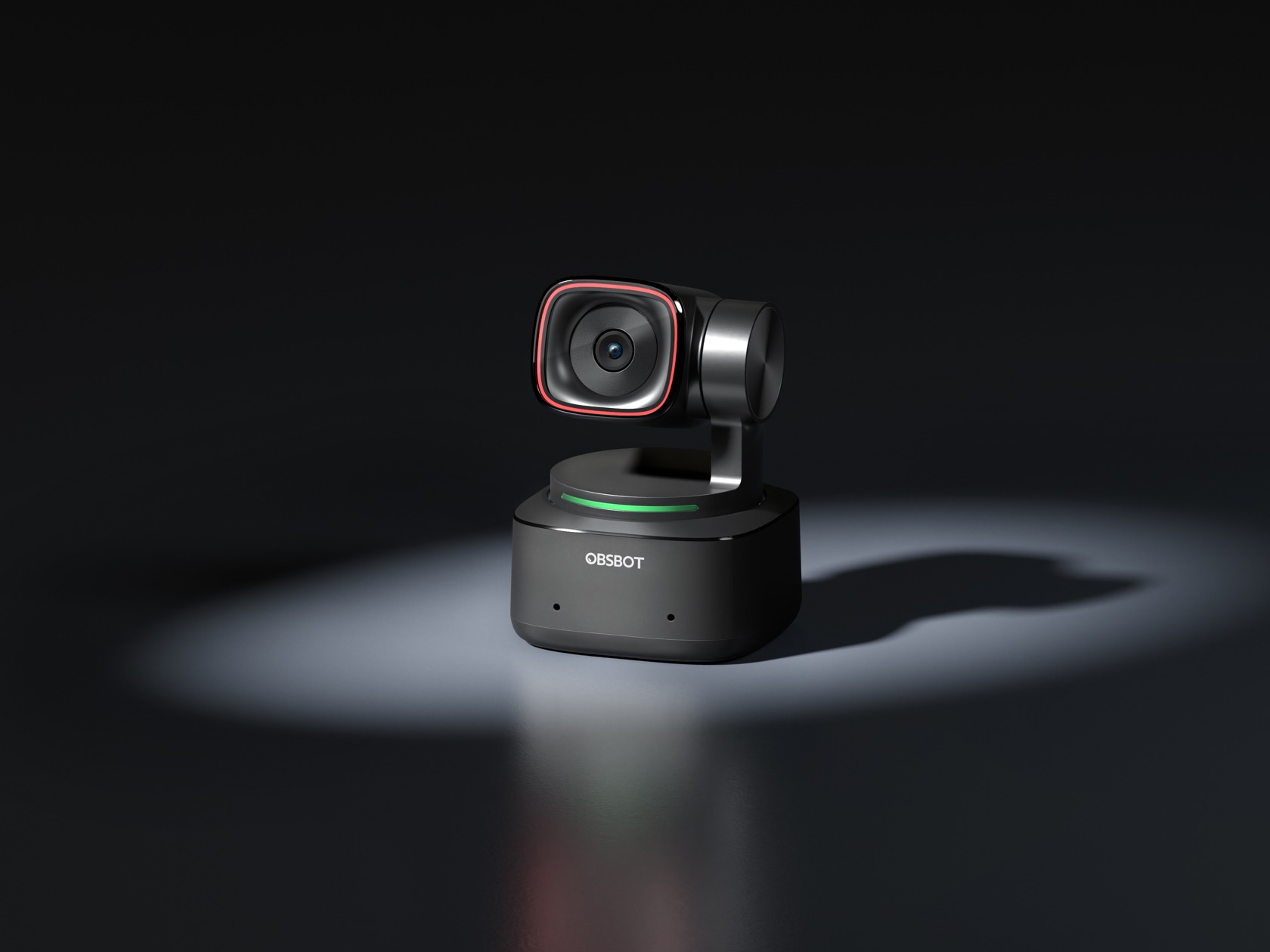
The OBSBOT Tiny 2 comes with a rounded rectangle camera connected to a 2-axis gimbal that’s mounted on a smooth, squarish base. It has a sleek and modern aesthetic that embraces minimalism to its core. There are very few deviations from its predominantly black body, like the red accent around the camera lens and the LED light strip that indicates the camera’s modes. There are no buttons anywhere, and the only break on its surface is the USB-C port. It’s a breath of fresh air from webcams that try to look either too pretentious or too uninspiring.

The camera’s build quality is also commendable, utilizing a metal alloy rather than the common plastic. Its compact size and simple operations make it quite handy as a portable webcam, and the OBSBOT Tiny 2 comes with a solid carrying case that has room for everything you need to use it on the go, namely, its USB-C cable and included mount. Suffice it to say, the webcam’s simple yet stylish design won’t distract you from creating your finest content but will still please your eyes and your subconscious mind every time you do look at it.

Ergonomics

Unlike an action camera, whether in your hand or a gimbal, a webcam is mostly meant to sit on top of your screen or somewhere stationary. And with its minimalist design, the OBSBOT Tiny 2 is definitely not something you’ll be touching a lot to use and control. That’s definitely a good thing since you don’t want to always reach out in front of you to even just adjust the camera’s direction. What you want is to be able to record yourself or take pictures without breaking your flow, and the Tiny 2 handles that quite gracefully.

What all this means is that you’ll be controlling the camera directly, either with gestures, voice, or the optional remote control. Yes, you’ll also use the OBSBOT Center software (formerly known as the OBSBOT WebCam), which has all the sliders and buttons you’ll need to fine-tune the camera’s performance. It can admittedly be overwhelming, but it’s something that professionals will want to have access to. And if you really need to control the camera without being near the computer, the $49 OBSBOT Tiny Smart Remote 2 has a few shortcuts handy. Plus it also functions as a presenter for those meetings that will impress your boss and even your colleagues.

Various Placement Methods

As for placing the webcam itself on a monitor, the OBSBOT Tiny 2 comes with a foldable magnetic clamp made with the same premium metal as the camera. The mount uses physics and gravity to stay on top of the monitor, while a strong magnet keeps the OBSBOT Tiny 2 attached to it, even when you tilt the mount down. Given the foldable design of the clamp, it might have some problems with very thin laptop lids or very thick monitors. Fortunately, you can also screw the Tiny 2 on almost any mount, which opens up more possibilities on where you can use the webcam. The only requirement is that you can still connect it to a computer or even a smartphone with a lengthy USB-C cable.

Performance

4K Video Quality

Before the pandemic, webcams that can go beyond 1080p resolution sounded excessive, but that’s now the bare minimum for these accessories. 4K is becoming more common, and the OBSBOT Tiny 2 is right up there with a 1/1.5-inch CMOS sensor that has an effective 50MP resolution. It’s capable of recording 4K video at 30fps or 1080p at 60fps and lower frame rates. Unfortunately, there is no “in-between” resolution like 2K of 1440p, which is also a common video quality in streaming these days.

In Dim Lighting Conditions

Whichever resolution you go with, the Tiny 2 performs admirably in capturing both still and moving content with plenty of detail and wide dynamic range. It boasts a Dual ISO system that can automatically switch or combine the two depending on the lighting condition. Unfortunately, it does struggle a bit in poorly lit environments, though not terribly. If you’ll be streaming in the dark, like what many gamers do, you might still want a bit of lighting to ensure a balanced image. The camera features two built-in omnidirectional mics with noise reduction, and while it does produce decent audio, it’s not exactly something to write home about. It can also sound a little tinny, so you might want to augment your setup with a dedicated microphone if you can afford it.

Auto Tracking with Auto Zoom

Magical Gesture Control 2.0

4x Zoom In/Out

Select/Cancel Target

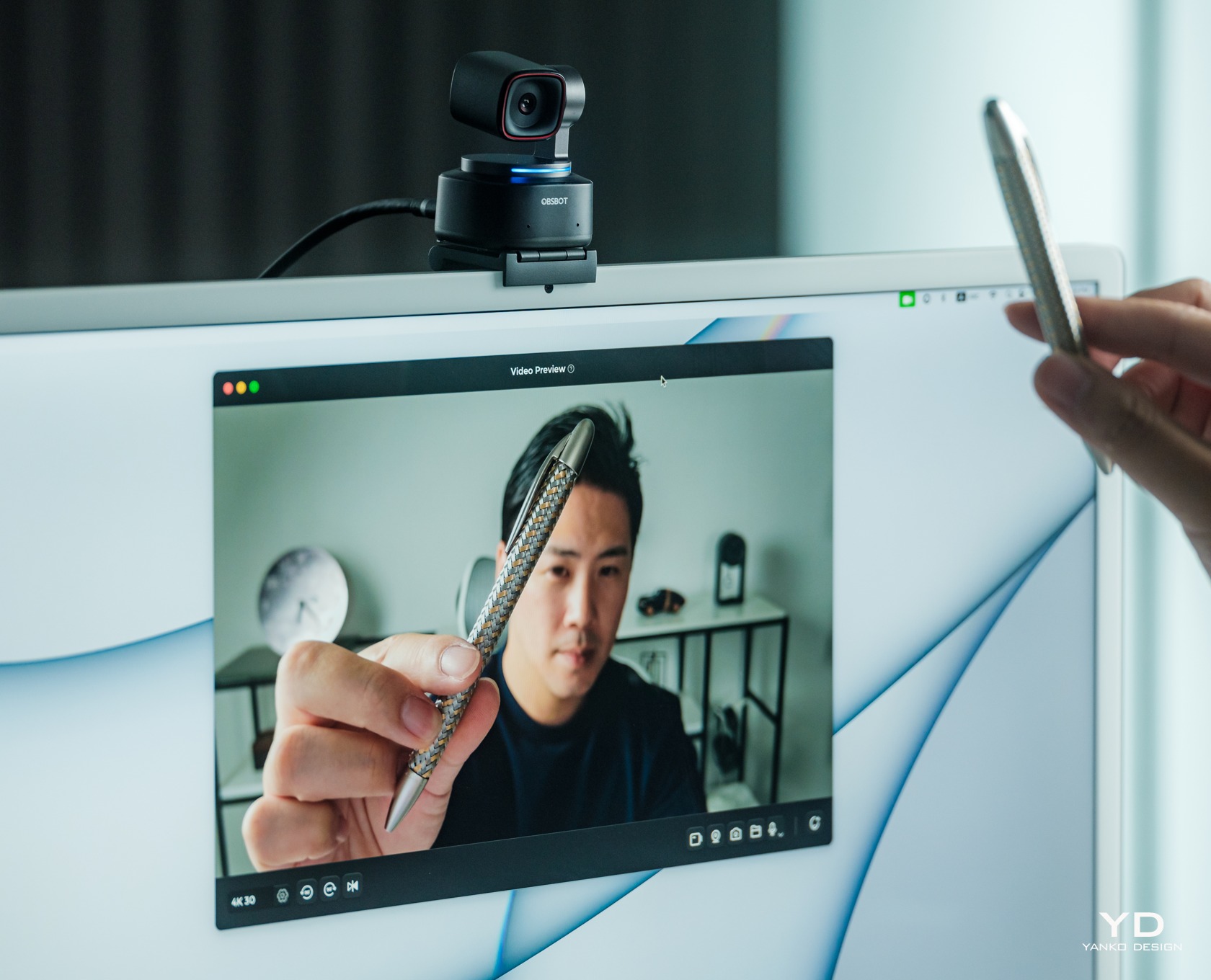
While the OBSBOT Tiny 2 already delivers commendable imaging performance, it really goes to town with its long list of features to make creators’ lives easier and even more fun. And, unsurprisingly, many of these harness the power of AI with very impressive results. Tracking the subject is at the very top of the list, and it is fast and smooth, thanks both to the algorithms as well as the 2-axis gimbal. Depending on your settings, the camera can even automatically zoom in and out to make sure your head or upper body is always visible, no matter how far you are from the camera. And if more people join in on the shot, it will automatically adjust the field of view to frame everyone properly.

Present Properly with Desk Mode

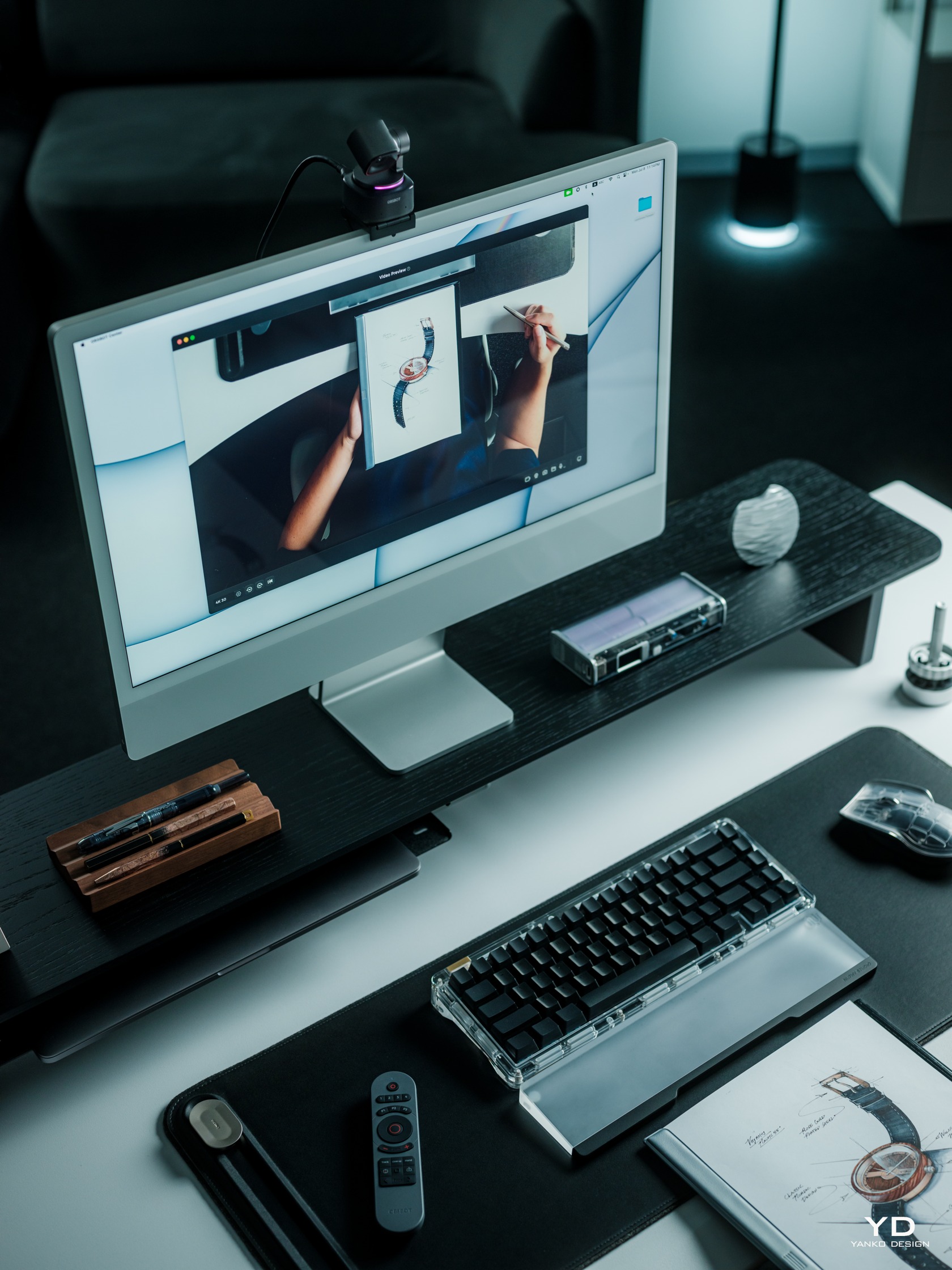
The Tiny 2 also has a unit Desk Mode that makes the camera perfect for meetings and video instructions. In this mode, you tilt the mount forward and the camera will then adjust its angle so that it’s directly pointing down on the desk. It will then flip the video stream so that viewers can see what you’re writing or doing with your hands in the correct direction. And for those streams that require you to act like a teacher, whiteboard mode will focus, zoom in, and straighten the whiteboard for more effective delivery.

All-Pixel Auto Focus

The list of convenient and impressive features goes on and on. Now four times faster than its predecessor, the OBSBOT Tiny 2’s autofocus is fast and impressive, making sure that the product you’re showing off in front of you is clearly seen before it switches back to showing your face. For brief and quick camera changes, you can use hand gestures to zoom in and out, but the real headlining feature for this new model is voice control. From waking up the camera to having it follow you around, you can just ask “Tiny” rather than reach out for your mouse or keyboard. Some people might feel a bit uneasy with having a camera that’s listening and waiting for your commands, but you can always turn the camera down to turn it off and protect your privacy or disable the feature entirely.

Beauty Mode – Smooth your skin and brighten your eyes in just one second.

Sustainability

With webcams a dime a dozen in the market these days, it shouldn’t be a surprise that the vast majority of them use plastic shells to cover their bodies. What’s more surprising are the outliers like the OBSBOT Tiny 2 which opt for more premium and more sustainable materials like metal. It not only adds character to the design, it also makes it look more forgiving and gentler on the planet. You will want to take better care of the camera when using it outdoors, of course, protecting it from scuffs and dents. Thankfully, that hard shell case is there for that very purpose.

It’s not a complete win, of course, as there are still plenty of plastics in the product as well as the packaging. The camera’s seamless design also makes self-repair nearly impossible, not that you’ll want to do it yourself anyway. OBSBOT does have a strong warranty and repair policy, so you’re better off letting the experts do the hard and precise work.

Value

User Scenarios

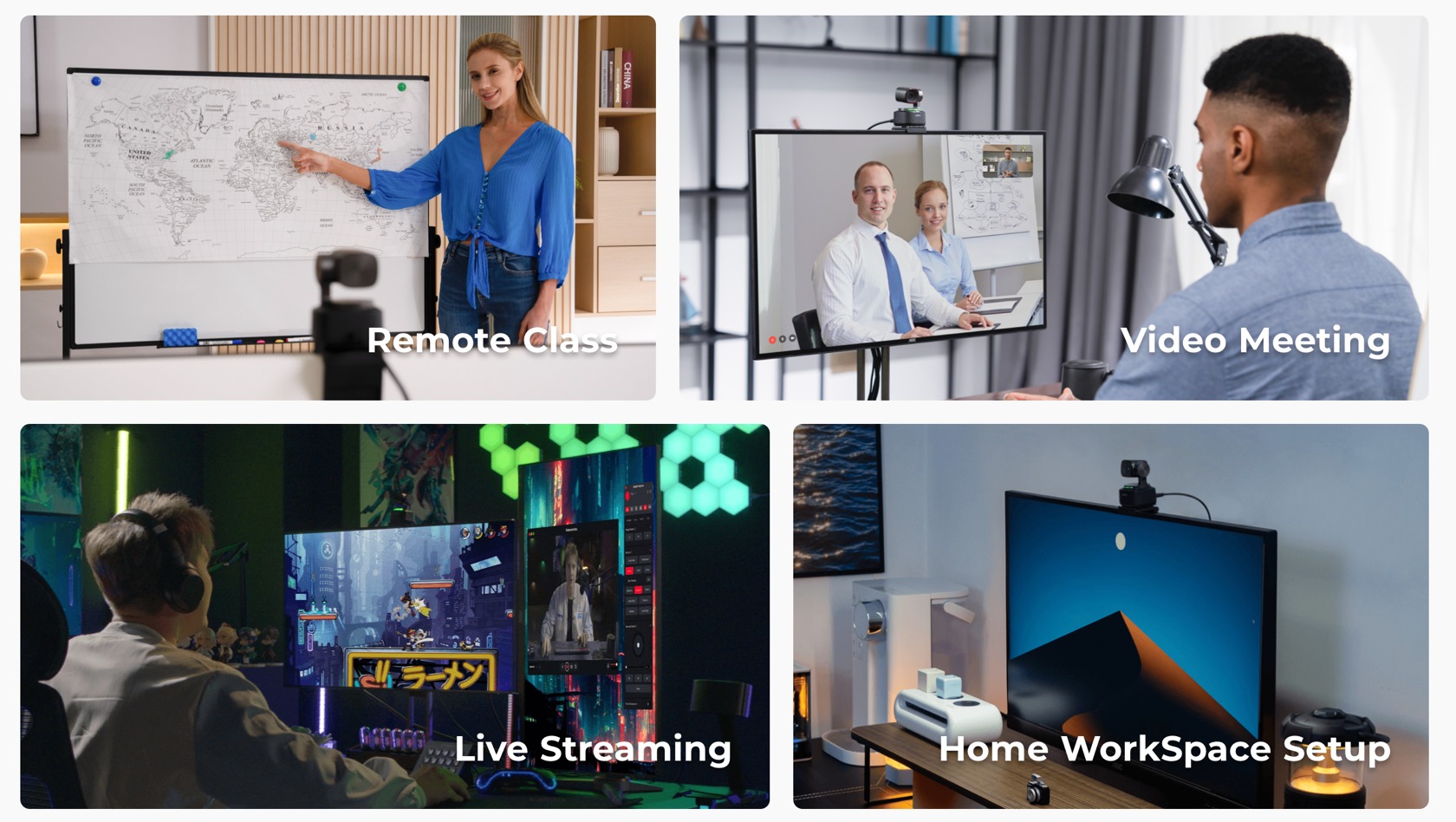
If it wasn’t clear yet, the OBSBOT Tiny 2 is chock-full of features, all of which are designed to make a content creator’s life easier and less stressful. It leverages AI so that they don’t have to make minute-by-minute decisions and adjustments to the camera, freeing them to focus on the most important part of the process: actually creating the content and engaging with a captive audience. It’s like having a small cameraman on your desk, following your body’s or hands’ cues to create those smooth transitions and to focus on important parts, whether it’s a product or your face.

That said, the OBSBOT Tiny 2’s SRP of $329 can still be a bit difficult to swallow. Make no mistake, you’re really getting your money’s worth, but not everyone will have that much in reserve for a new tool. Fortunately, Amazon’s Prime Day is just around the corner, and you can get this AI-powered camera at a steep 10% discount that brings the price down to a juicy $296. With that price cut, there’s very little to keep you from upgrading your toolset to become the content creator you’ve always aspired to be. Prime Day also opens the door to other sweet deals, like the Remote Combo with the Tiny Remote 2 getting a 16% discount, or the PowerUp Combo with a remote, a tripod, and an HQ mic going for 15% less. Streaming veterans might want to grab the Streaming Combo (remote, tripod, UVC to HDMI adapter) or the MultiCam Combo (three OBSBOT Tiny 2 Cameras, remote, 3-in-1 USB Hub) with 15% and 14% savings, respectively.

Verdict

We’re way past the time when streamers and video content creators could simply sit in front of their cameras and expect the likes (and money) to start piling in. Viewers have become more discerning, perhaps even more demanding, and streamers now need to take their content to the next level. Of course, the actual content is king, but the presentation can make or break your career as well. More than just a good camera, you need a camera that understands where you’re going and can follow your cues without you even saying a word.

The OBSBOT Tiny 2 4K PTZ Webcam delivers on both fronts, providing excellent video quality with the brains to know how you want a shot to be taken or what to focus on. And it looks great to boot, putting other webcams to shame for their lack of elegance despite all the opportunities and materials available to them. Admittedly, it’s not an inexpensive product, but with a juicy Prime Day deal, there’s no better time to upgrade your streaming equipment and upgrade your channel than with this AI-powered 4K webcam.

Click Here to Buy Now: $296 $329 (10% off). Hurry, deal ends in 48-hours!

The post OBSBOT Tiny 2 4K PTZ Webcam Review: Elevate Your Streaming Quality with AI this Prime Day first appeared on Yanko Design.
Sustainable Baby Shoes That Grow With Your Children’s Feet To Last Years

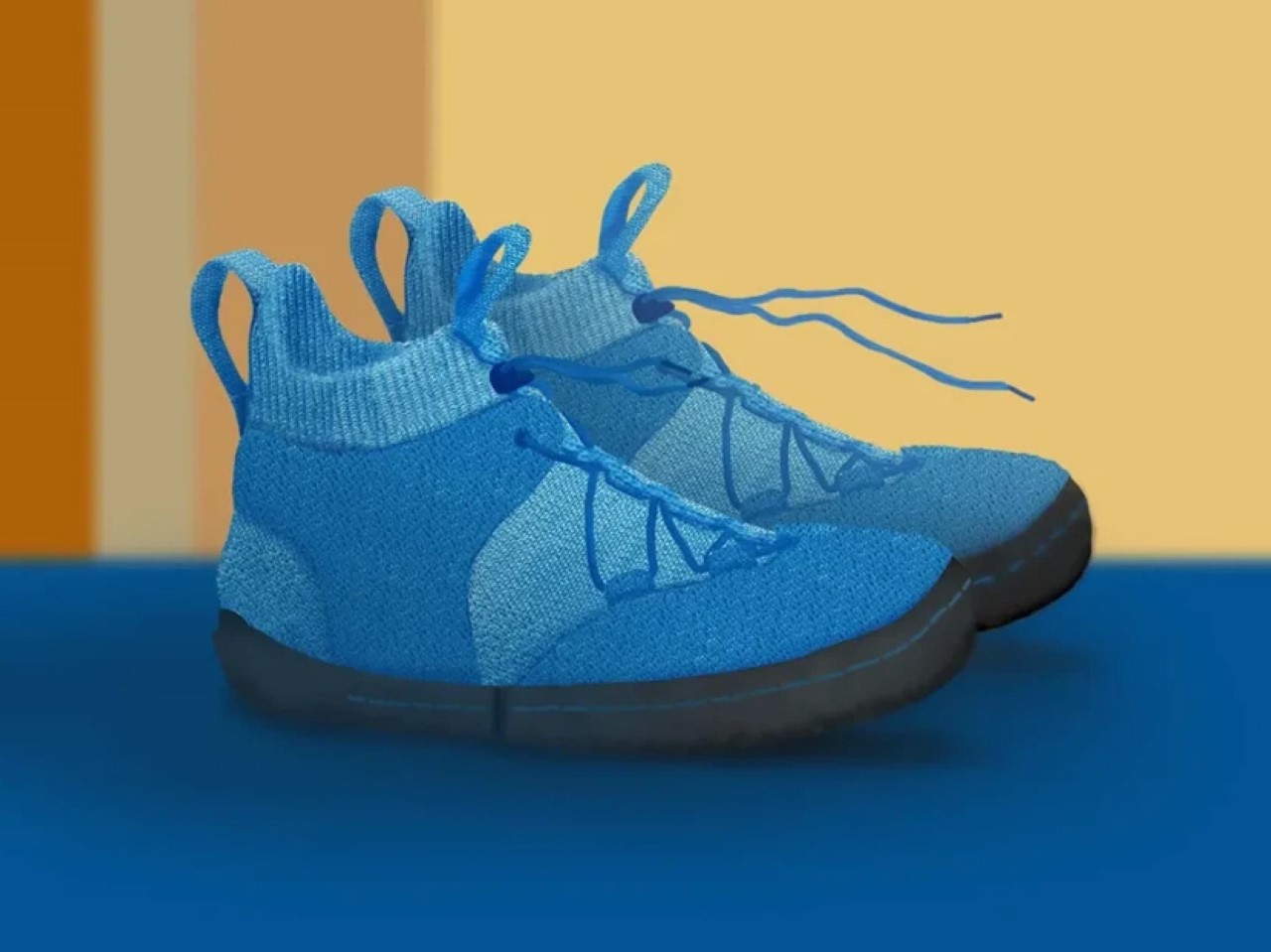
Every parent knows the struggle of dealing with outgrown children’s shoes. One minute they fit perfectly, and the next, they’re too small, adding to the pile of barely-used footwear. But what if there was a shoe that could adapt as your child’s feet grew, extending its lifespan and reducing waste? This innovative solution by Moa Lövinder is a groundbreaking prototype designed to grow with children aged 2-3 years, offering a sustainable answer to a common problem.

Designer: Moa Lövinder (Umeå Institute of Design)

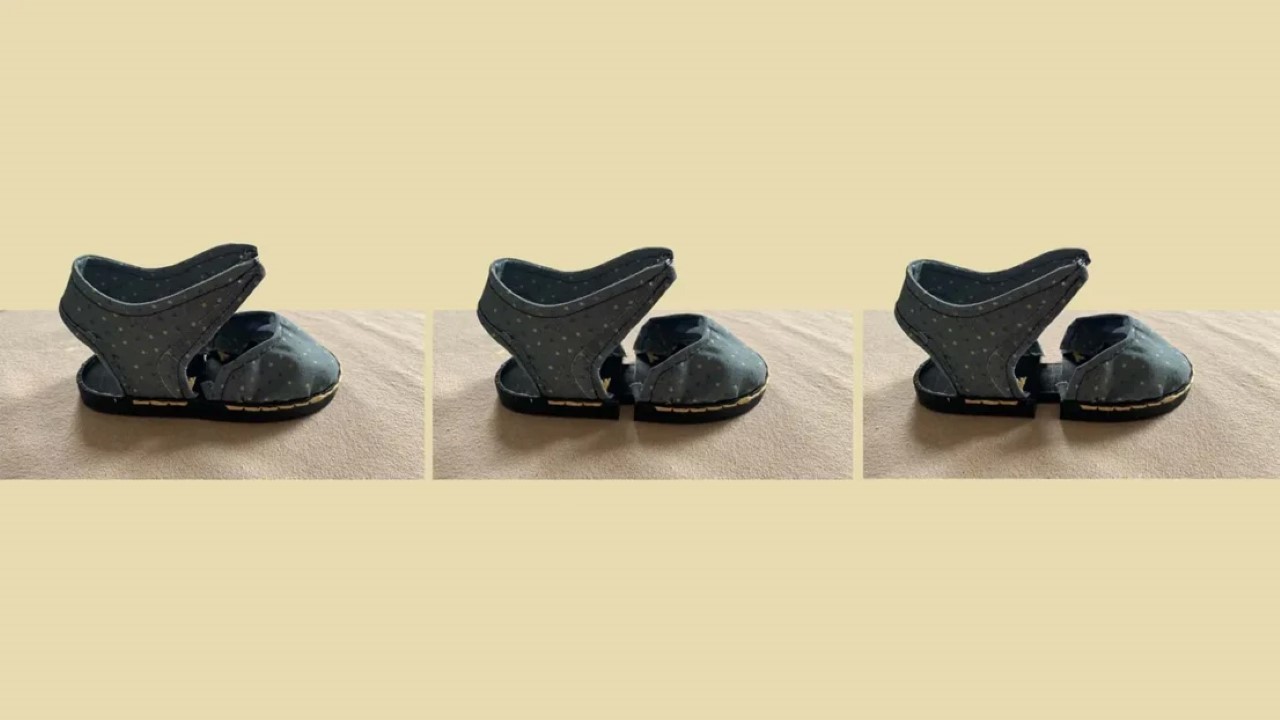
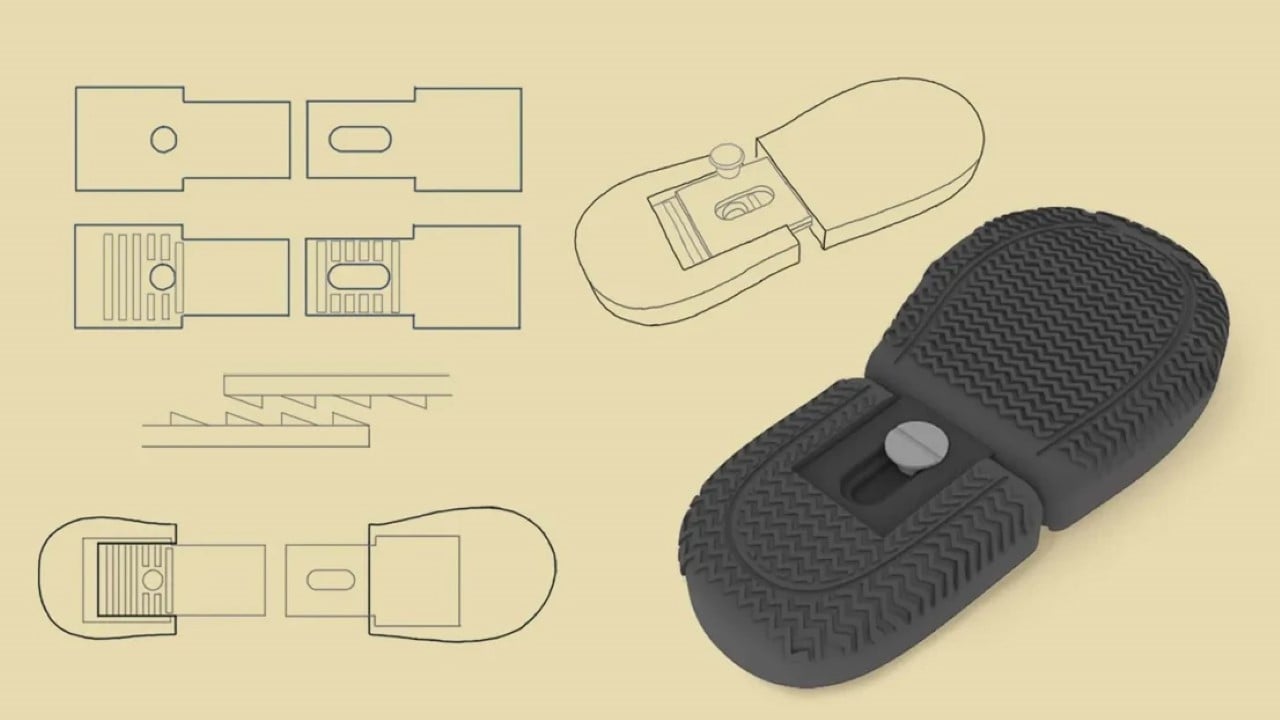
The concept behind these adaptable shoes is simple yet revolutionary. Using principles of circular design and economy, Lövinder has created a shoe that adjusts to three different sizes, ensuring it remains useful for much longer than traditional footwear. This design not only increases the shoes’ utility but also addresses the rapid consumption and waste typical of children’s products.

In our pursuit of a sustainable future, reducing consumption and emissions is paramount. However, discussions often overlook the significant environmental impact of children’s items. Kids grow quickly, and their needs drive frequent consumption, creating a unique challenge. Lövinder’s project directly tackles this issue by offering a sustainable alternative that reduces the overall production of children’s shoes and promotes recycling.

The journey to this innovative solution began with thorough research. The designer studied the textile and footwear industries, focusing on their environmental impacts. She also conducted surveys and interviews with parents to understand their experiences with their children’s shoes. The feedback was clear, parents were frustrated with the constant need to discard perfectly good shoes simply because they no longer fit.

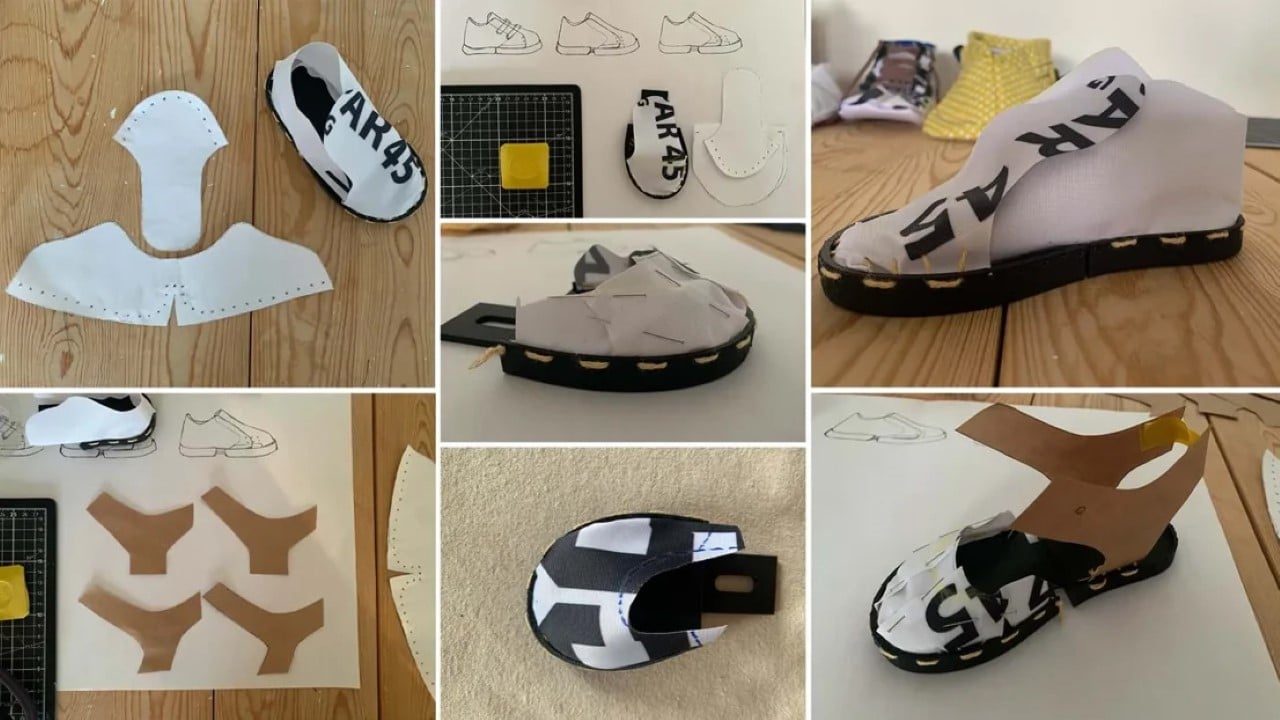
With this insight, Lövinder set out to create a new shoe design. She developed physical models using manual techniques and advanced 3D printing, ultimately producing a prototype that can grow with its user. The result? A shoe that extends its usability, significantly reducing the need for new shoes and minimizing waste.

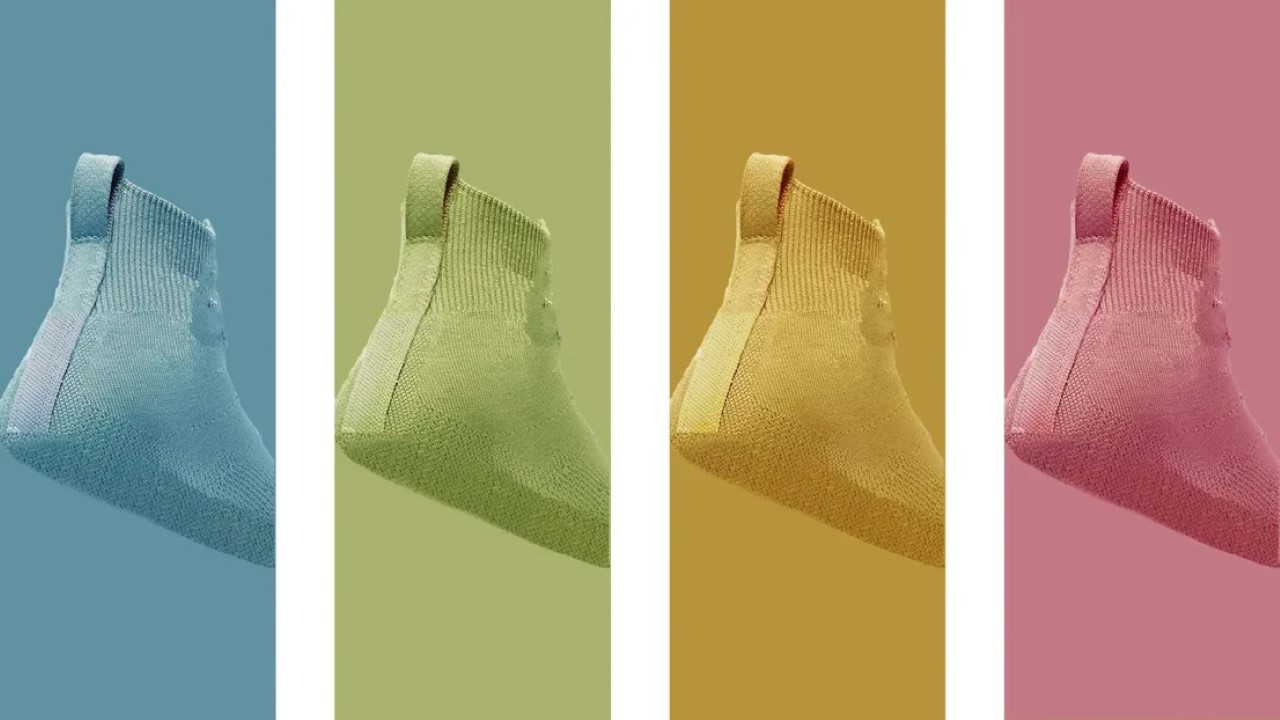
But the innovation doesn’t stop there. Her design includes modular components, making it easy for parents to replace parts or make repairs at home. This feature not only prolongs the shoe’s life but also teaches children the value of maintaining and using what they have; a lesson often missing from second-hand solutions or other circular systems. Additionally, the shoe’s sole is crafted from reused materials, which can be recycled again once it reaches the end of its life.

One of the most significant impacts of this project is its potential to change consumption behavior from a young age. By integrating sustainability into children’s daily lives, the design fosters a mindset of responsible consumption that can extend into adulthood. Her growable shoe prototype represents a major step toward reducing the environmental footprint associated with children’s footwear, offering a practical and impactful solution to a widespread issue.

Moa Lövinder’s innovative shoe design for growing children is more than just a product; it’s a vision for a more sustainable future. By addressing the unique challenges of children’s rapid growth, this project provides a viable alternative that benefits both families and the environment. It’s a small step towards a big change, teaching the next generation the importance of sustainability while offering parents a practical solution to a perennial problem.

The post Sustainable Baby Shoes That Grow With Your Children’s Feet To Last Years first appeared on Yanko Design.
Could A.I. Make the Modular Phone A Reality? This Concept Revives the ‘PhoneBloks’ Dream with a Twist

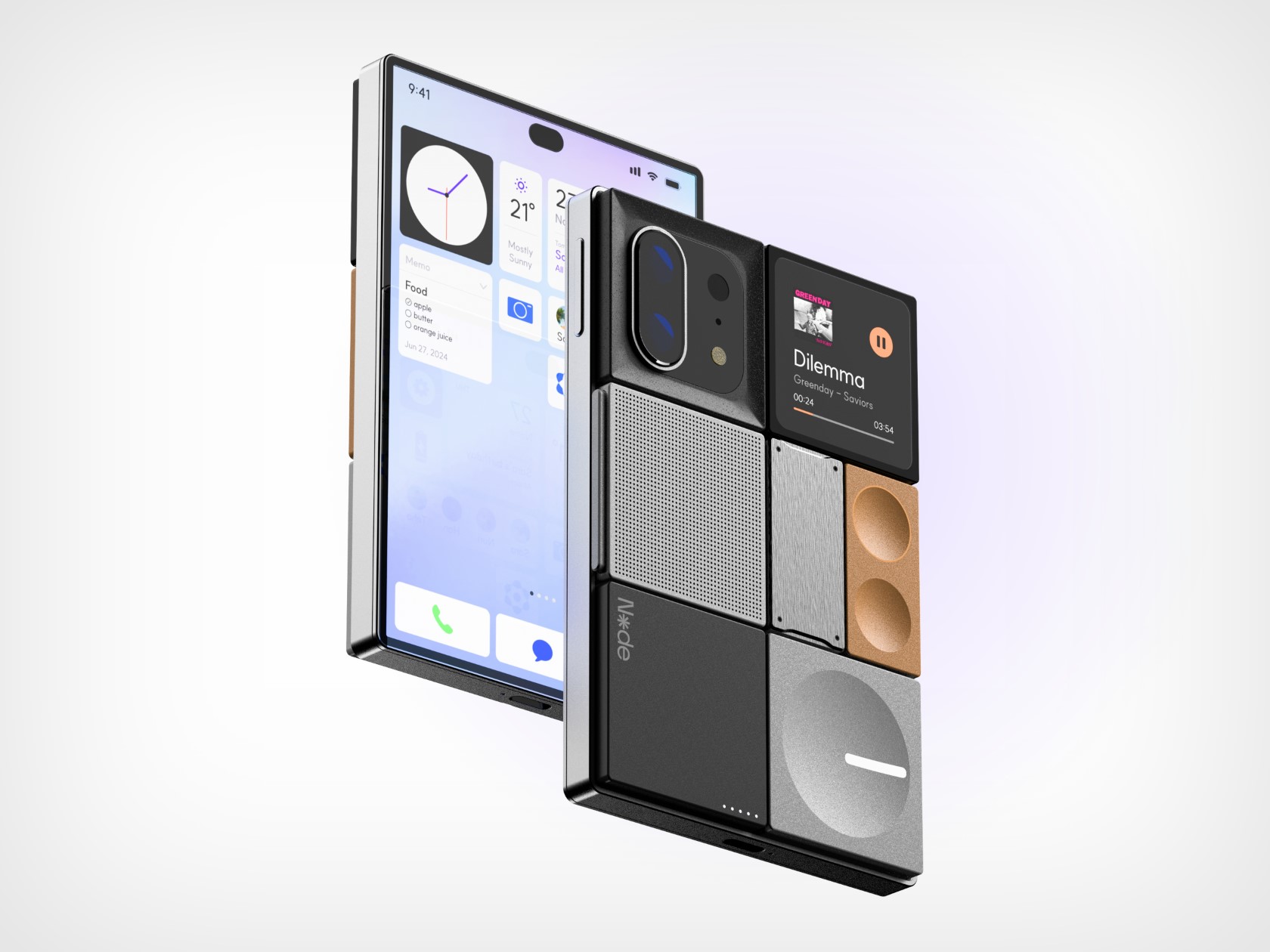
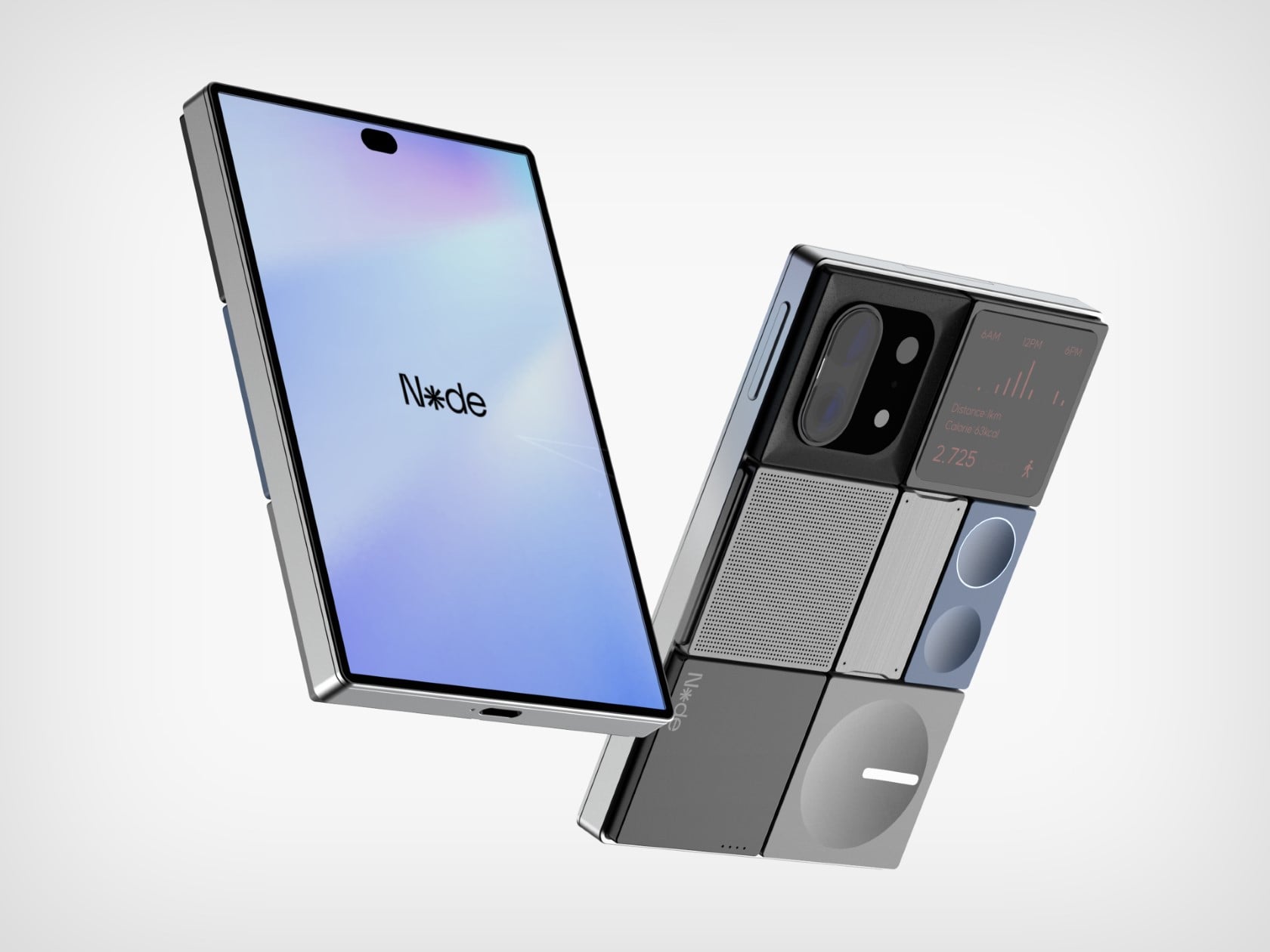
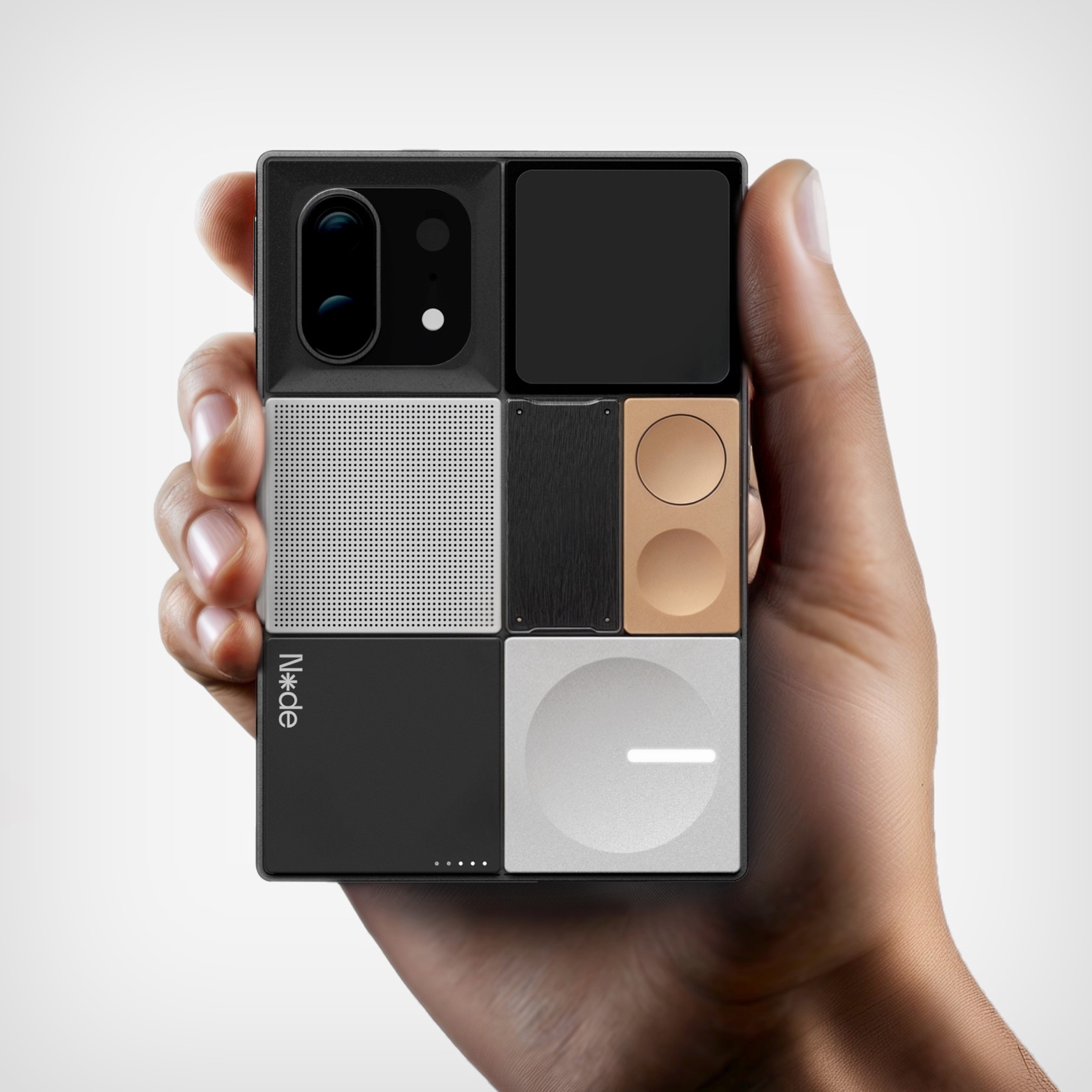
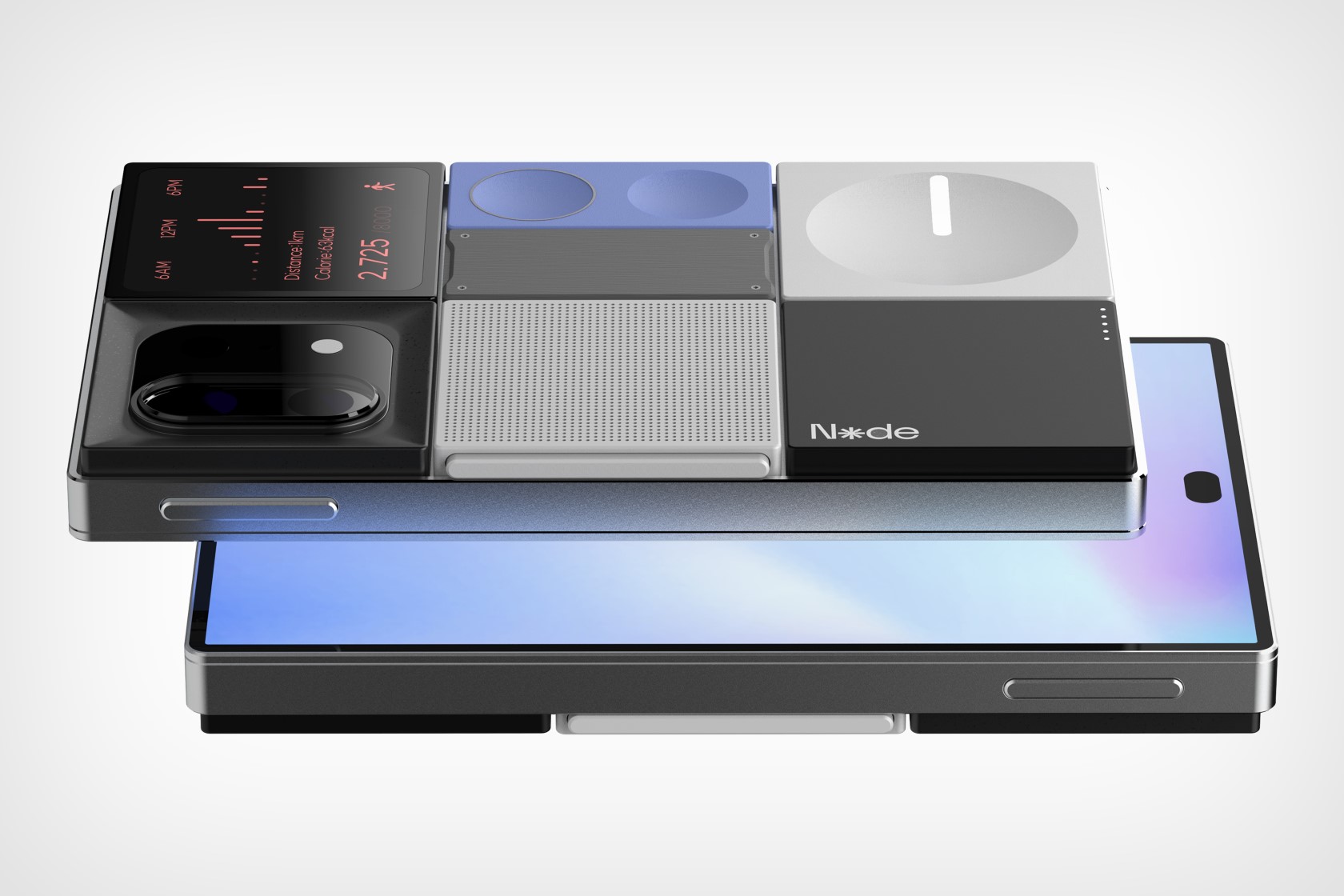
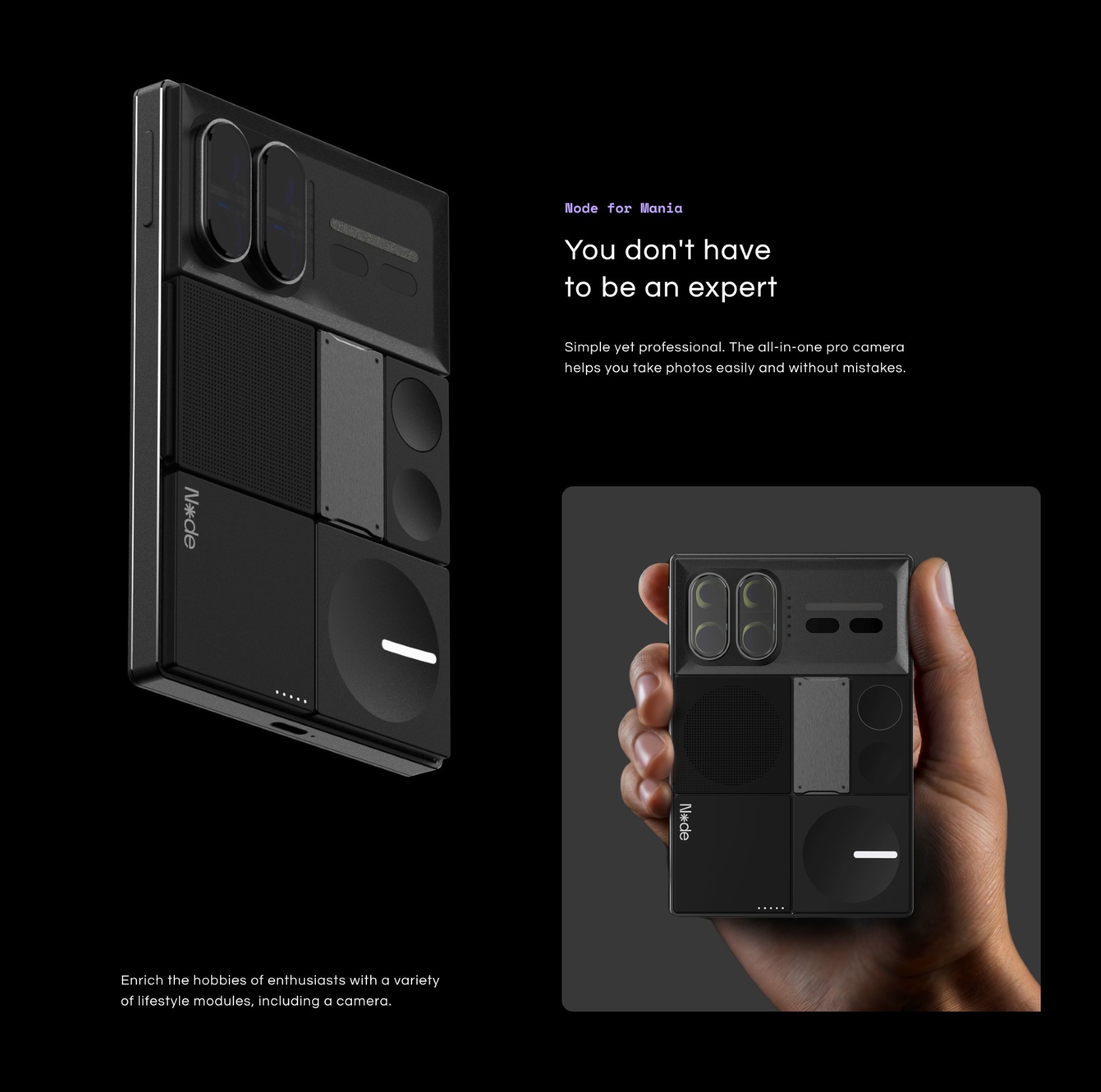
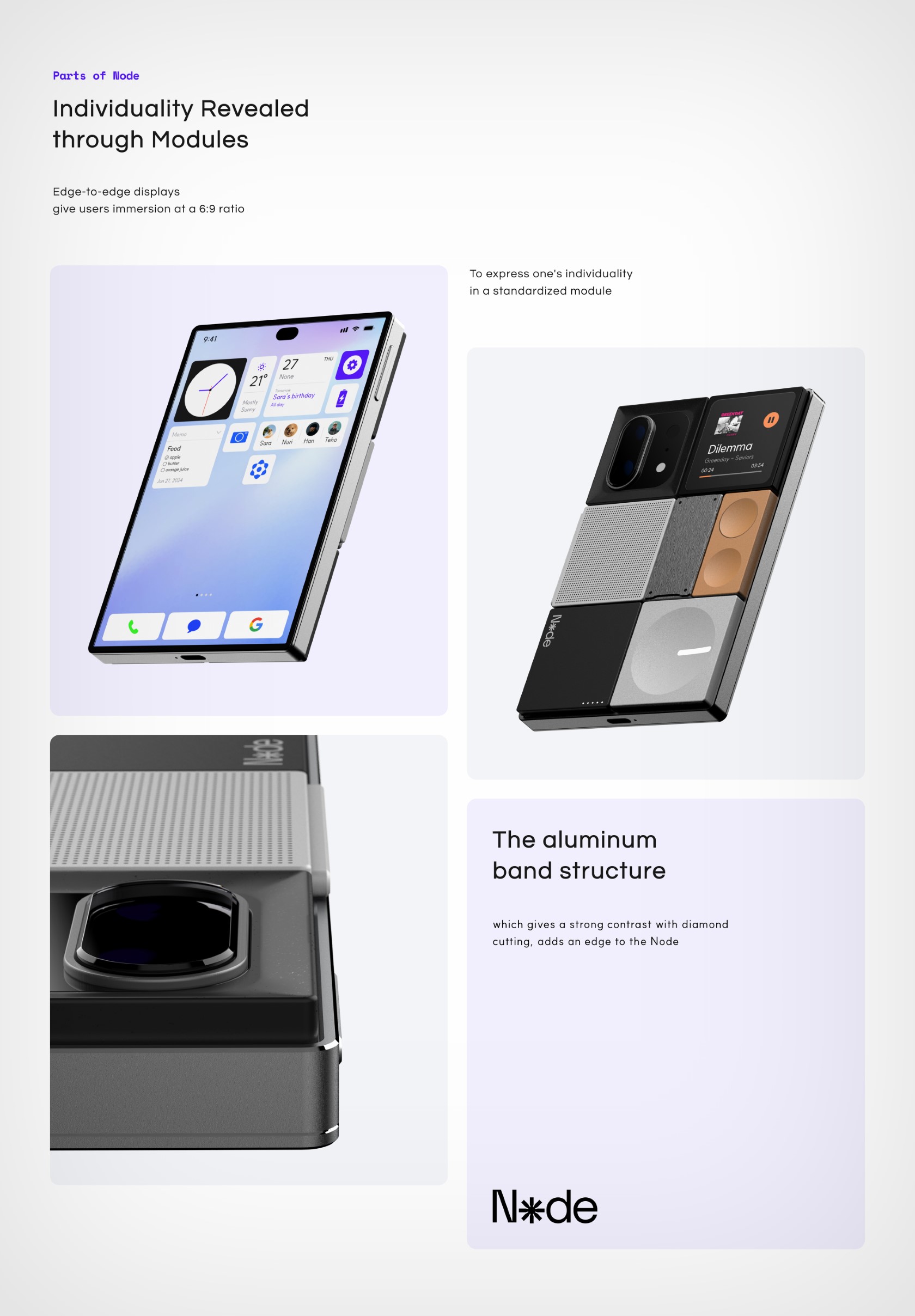
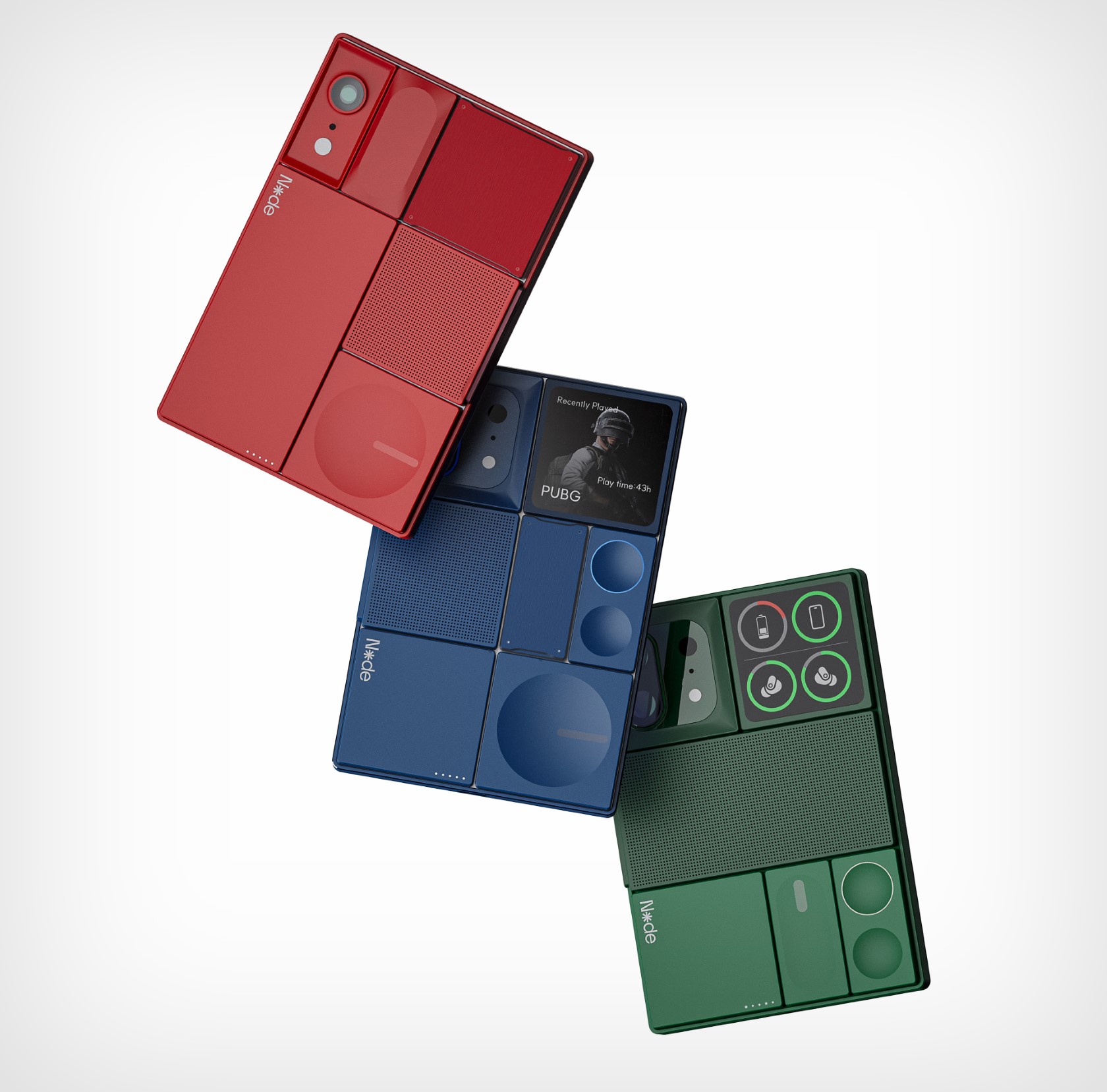
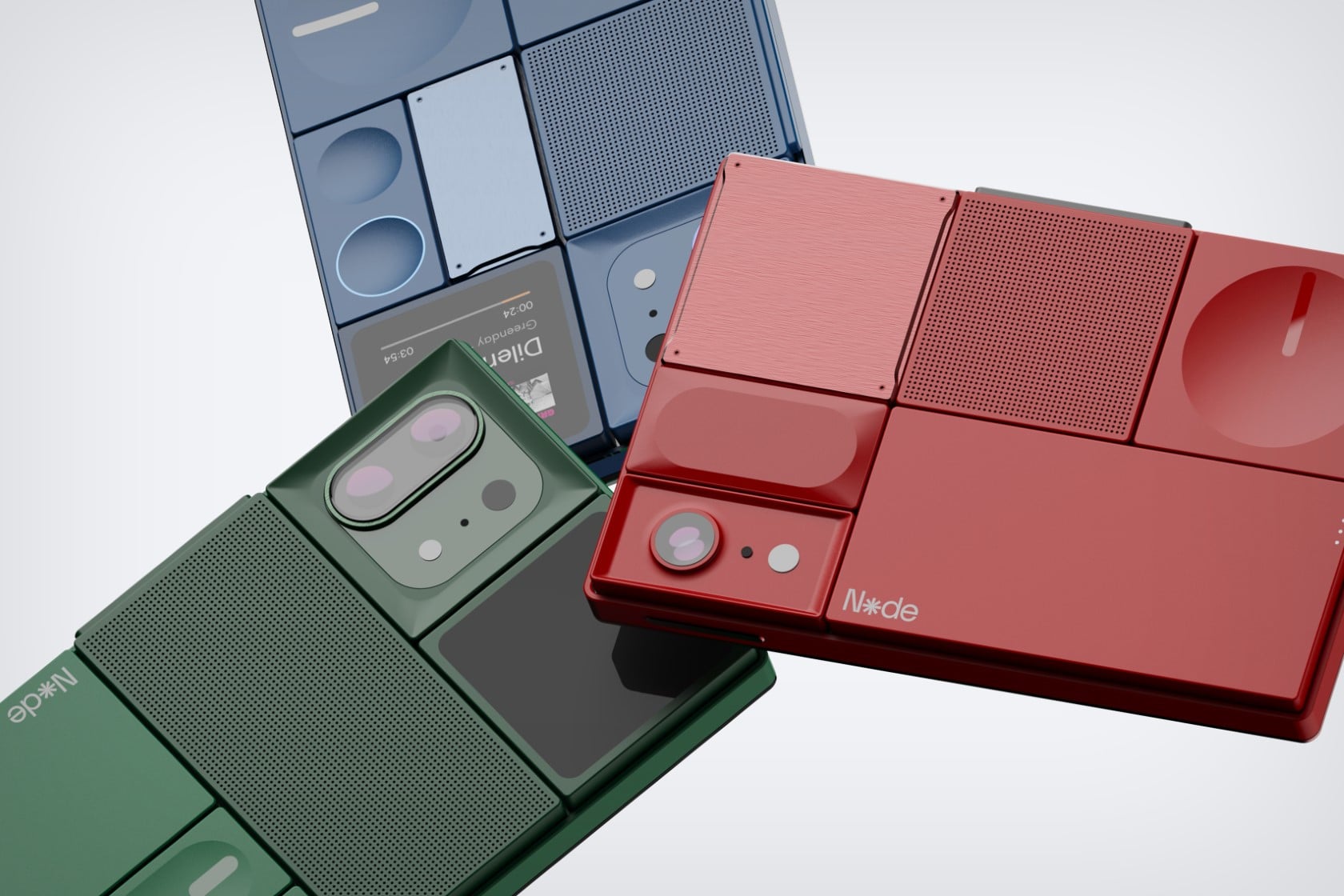
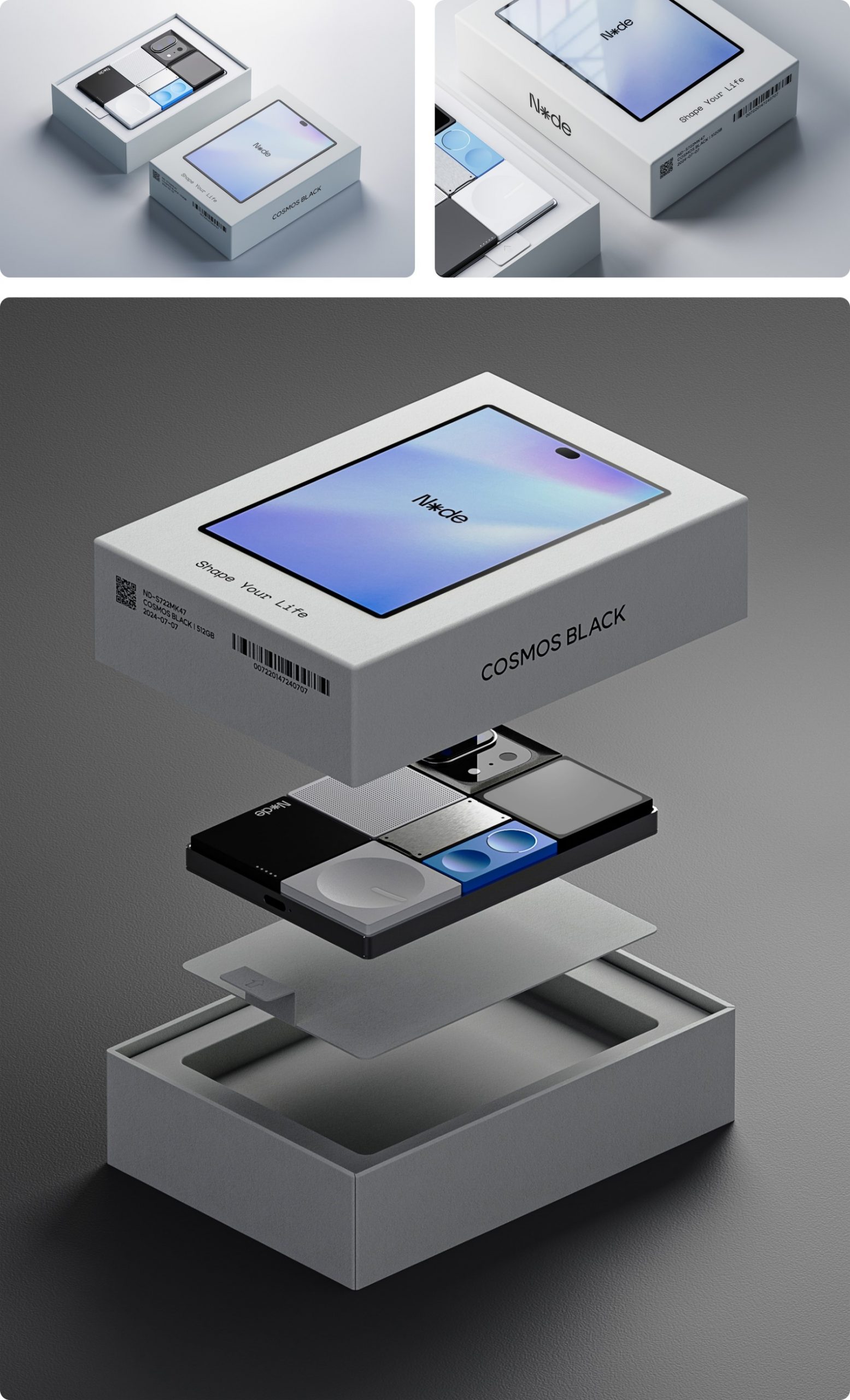
Rather than attaching components to your phone, the PAIR Node allows you to attach sensor modules that help your phone capture different data points around you and your life. Called ‘Nodes’, these modules assist users in forming a lifestyle and AI-driven experience that suits their needs. Rather than buying a phone for its capabilities, you build your phone around the capabilities you need, from having a great camera to being a great health-tracking gadget. As you grow older, the phone grows with you, changing with time and your needs but never being replaced. It’s a clever way to help solve the planned obsolescence problem with tech, by bringing AI-based assistance into the mix.

Designer: LFD Official

Phones are nothing but vessels for the apps they carry – but AI is a little different. Everyone uses AI differently based on exactly what the needs of their life are. That prompted PAIR Node’s creators to revisit phone modularity in the AI age. The PAIR Node is a phone you build based on your requirements, but also on the ability to build an AI-powered device that grows with you and trains as you go. The framework of how this works remains extremely similar to the PhoneBloks concept from years back (which was acquired by Google and Motorola and turned into the now-shelved Project Ara), albeit with a few different modules based on how tech has advanced in the past few years.

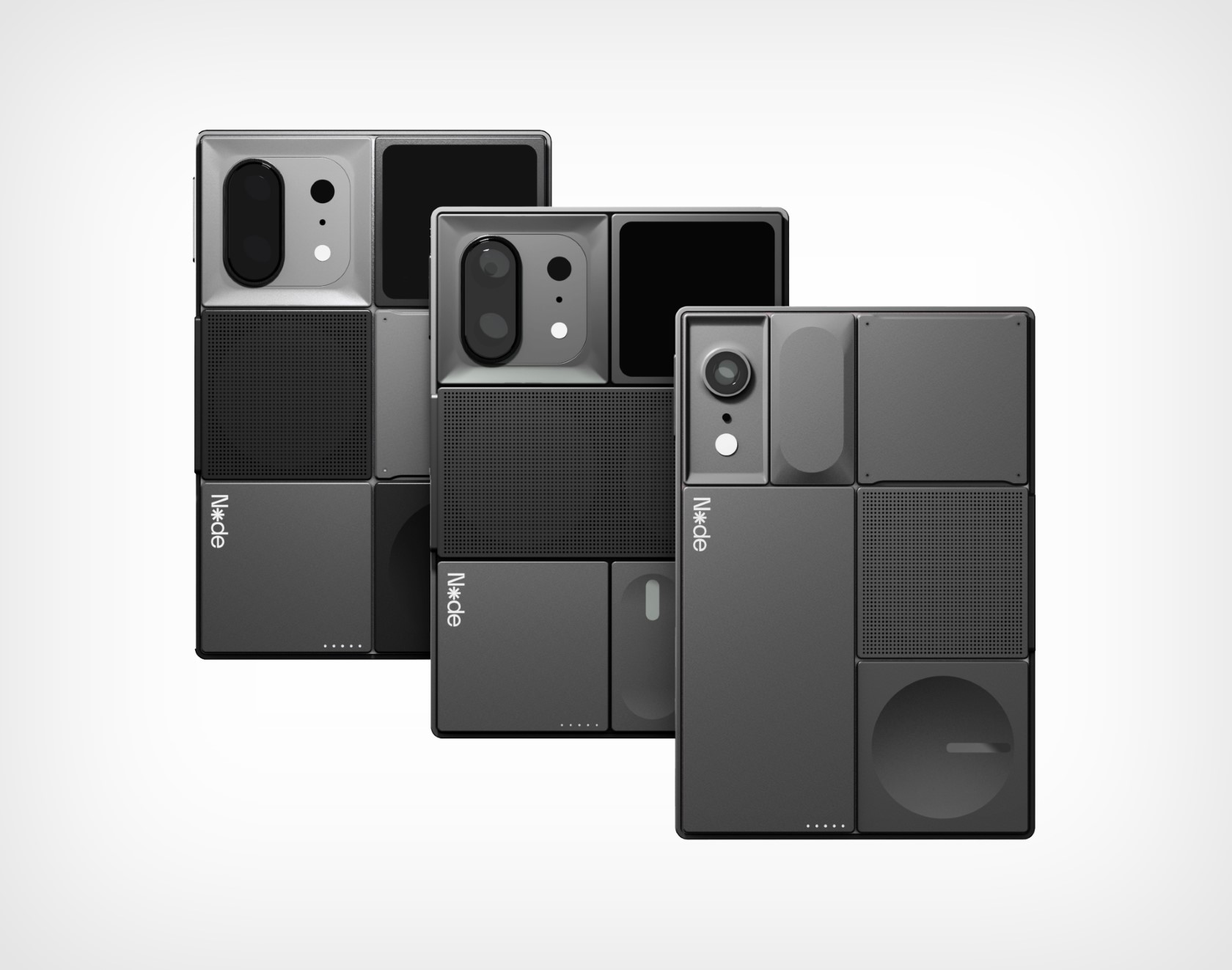
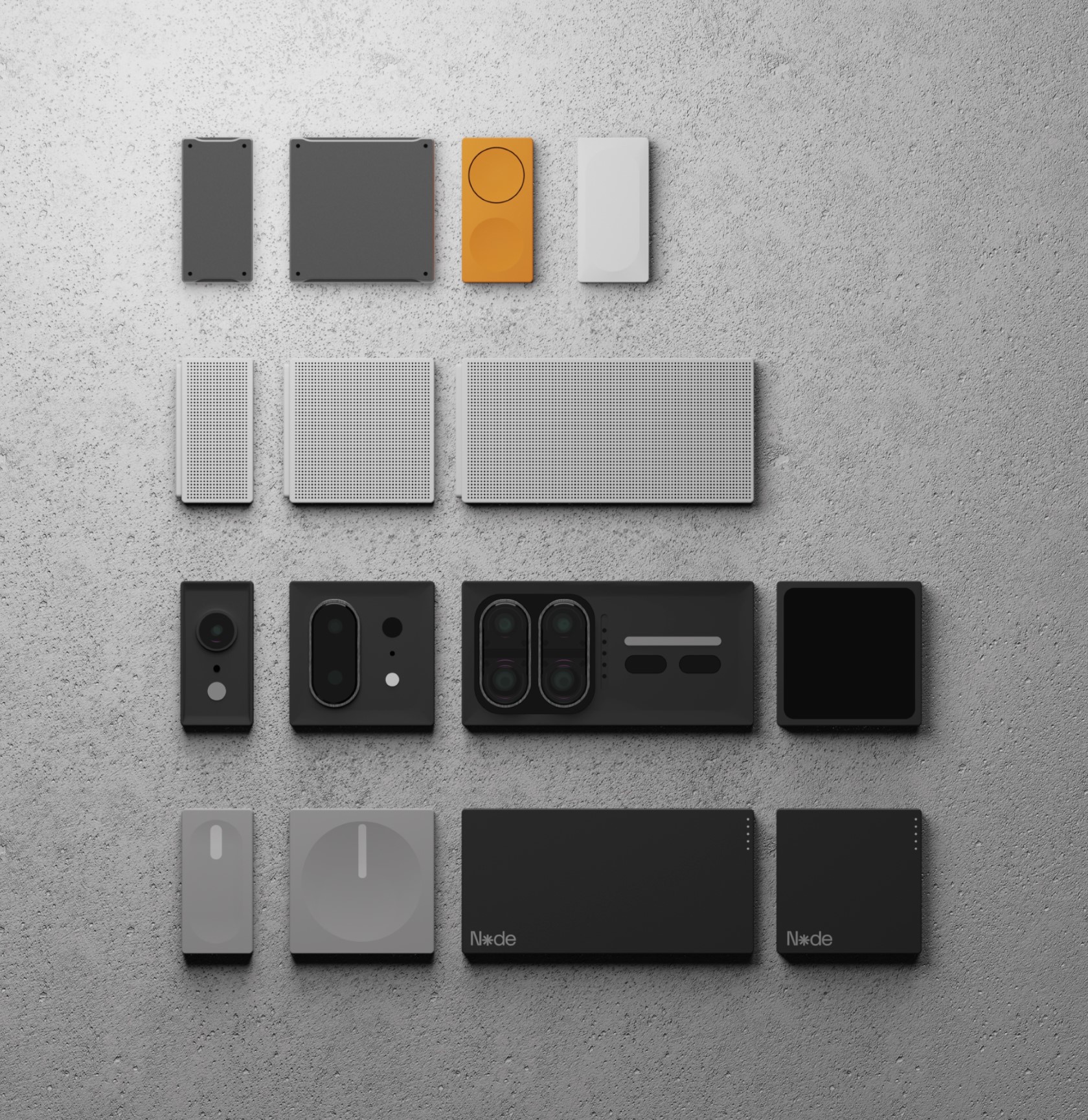
The logic behind the phone fundamentally remains the same too – but it’s executed differently. You start by choosing the nodes you need to make ‘your’ smartphone. You pick how advanced you need your camera to be, you choose your battery size, SSD size, speakers, a mini-display, and a few other sensors. Similarly, there’s a separate node called the ‘Remember’ node that captures personal information so that it learns your needs, preferences, and details. Another node is dedicated to just AI, determining how powerful and capable your phone’s assistant is. Together, the Remember and AI nodes work to turn your phone into an extension of yourself in a uniquely meaningful way. The Remember node is the database, and the AI node is the bot that trains on this database.

The AI node trains on other stuff too, like how you use your phone, what you enjoy about your phone (whether you prefer music or photography), etc. It locally fine-tunes its abilities based on your behaviors and patterns – something the PhoneBloks concept didn’t even factor in.

The different nodes come in a variety of configurations. Nodes follow a grid-based design, expanding or contracting in size based on capability. A smaller SSD provides less storage, a larger SSD gives you more storage. Similarly, camera modules increase in size based on capability. Battery, Speaker, Remember, and AI nodes behave the same way. At the end, you pick and choose what you need and reject what you don’t. There’s ultimately a bit of compromise because the phone only has a limited amount of real estate for modules. If music matters more than storage, you’d be better off choosing a larger speaker than a larger SSD. If battery life is a higher priority than camera, then that’s a choice you have to make. Similarly with the AI node, which one can only assume offers newer, faster, powerful hardware for on-device computation.

In the end, the PAIR Node does something rather brilliant – it revives something dead in a way that feels meaningful, very similar to how Apple revived the metaverse last year and how it revived the conversation around AI this year. The modular phone was completely dead as a tech concept (with every smartphone company pivoting rapidly to foldables), but the PAIR Node shows that the phone isn’t dead, it just needs to be made more future-proof. The way you do that isn’t by launching new, better phones every year… it’s by giving your phone a chance to grow with you, understand you, and be a better aide to your daily needs.

The post Could A.I. Make the Modular Phone A Reality? This Concept Revives the ‘PhoneBloks’ Dream with a Twist first appeared on Yanko Design.
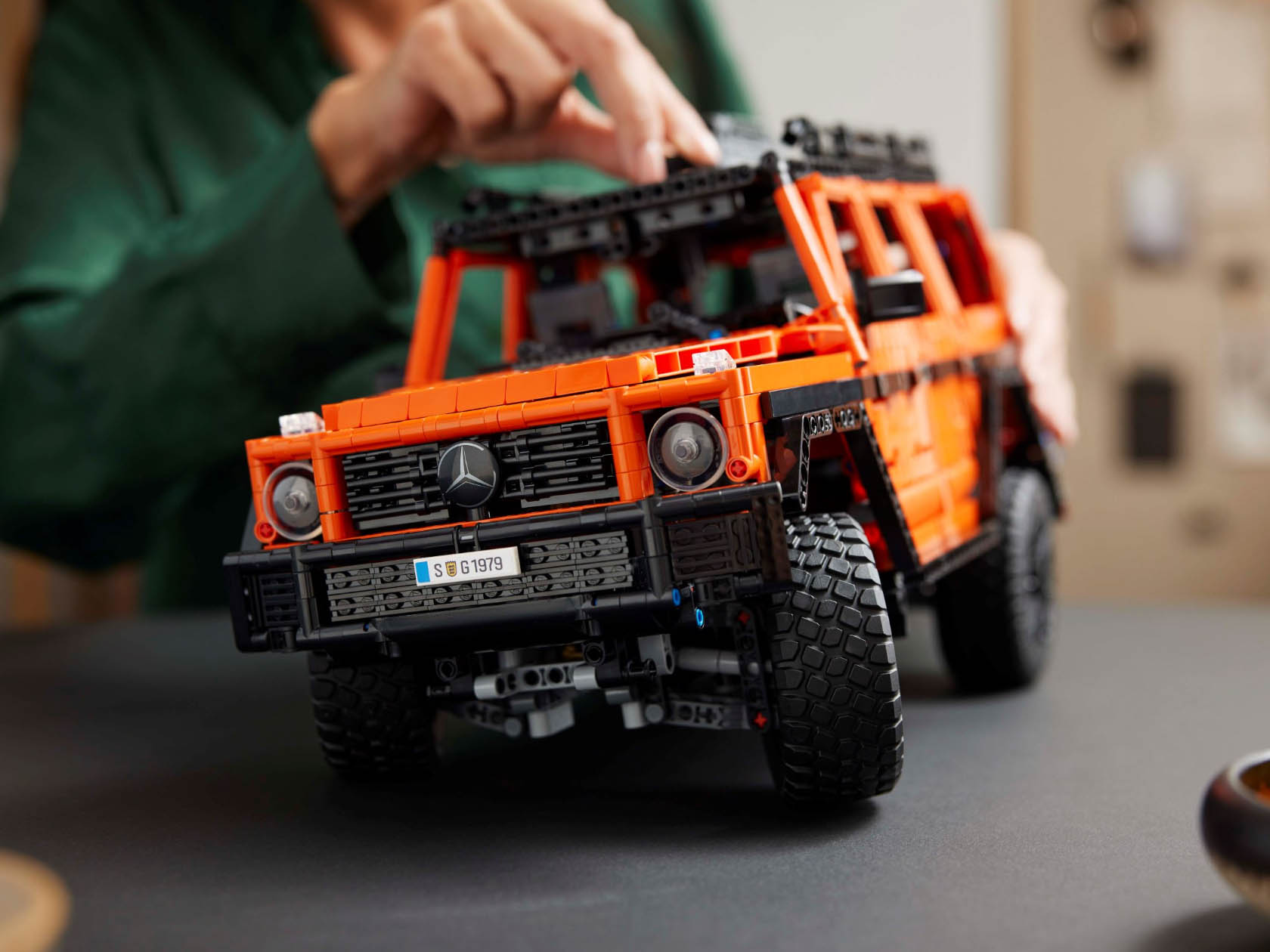
LEGO Technic recreates working Mercedes-Benz G500 to the minutest of details

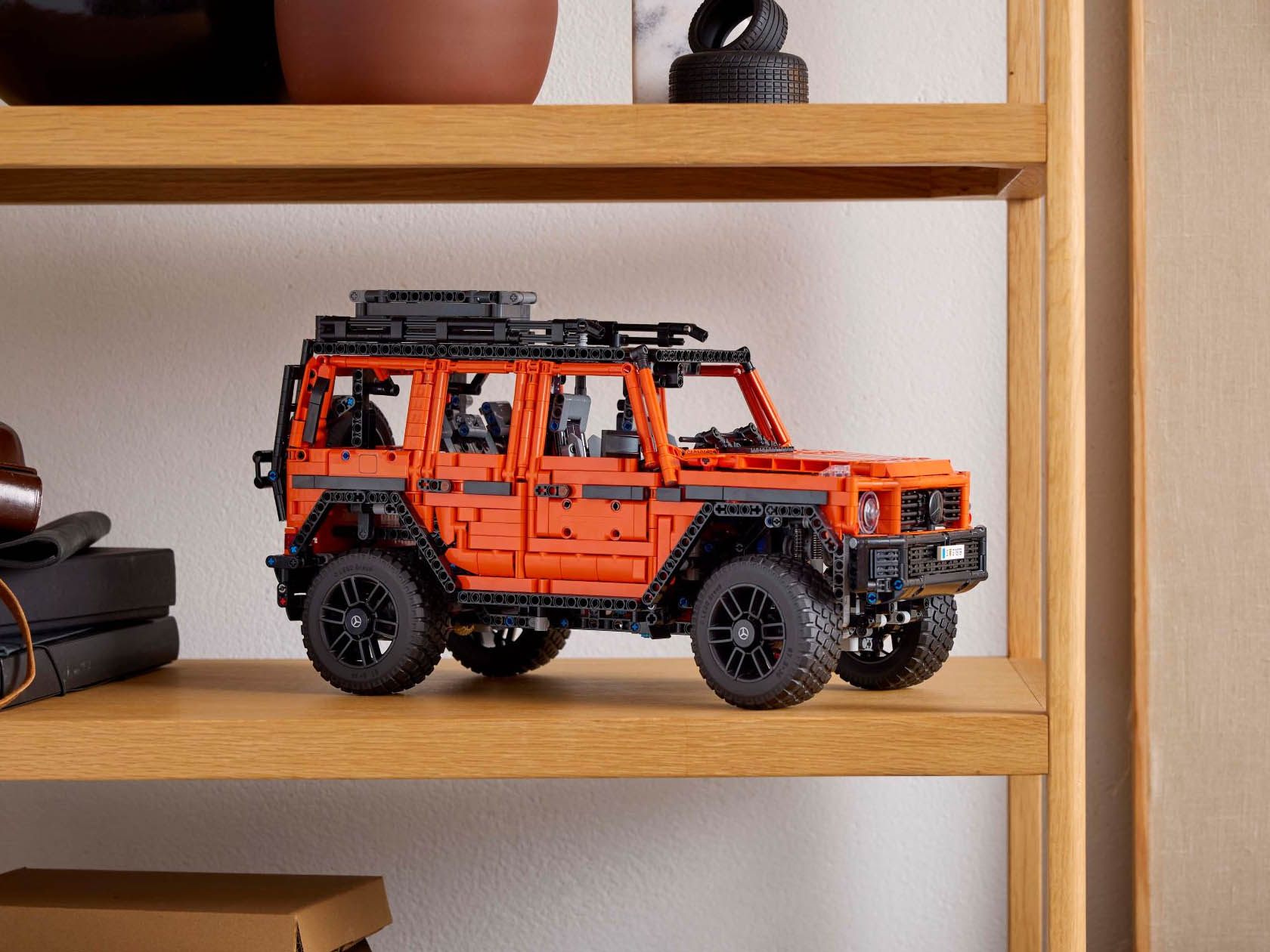
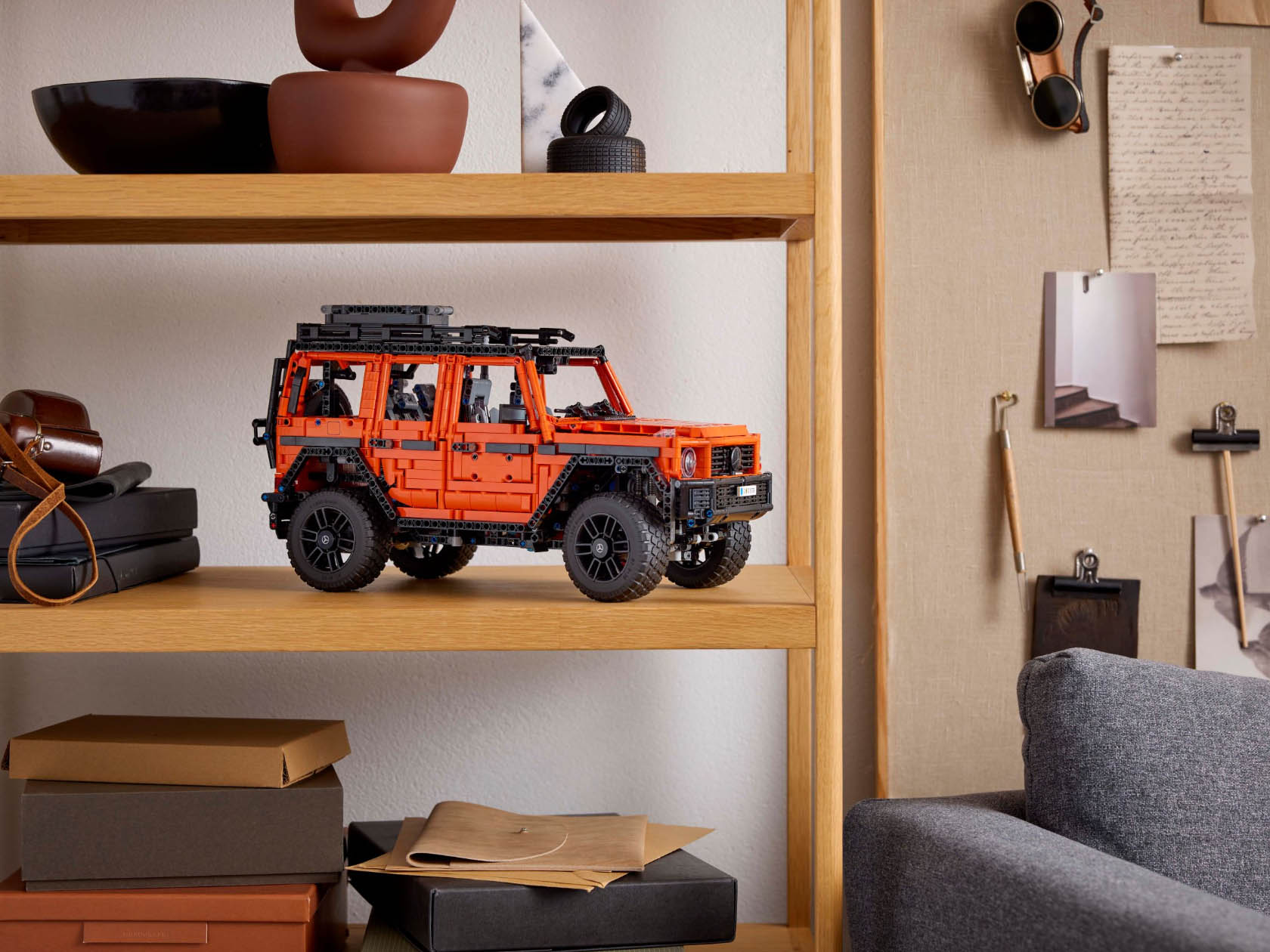
LEGO Technic is on a roll this year with back-to-back impressive releases that are a treat to the eye for motorheads. I was utterly impressed with the detailing of the McLaren P1 LEGO set released a few days ago and now the Mercedes-Benz G 500 joins the ranks. This one is also part of the Ultimate Car Concept Series, poised to be one of the best sports car collectibles in a 1:8 scale.

The G 500 celebrates the 45th anniversary this year and LEGO Technic wasn’t going to let this opportunity slip. The result is a G 500 PROFESSIONAL Line model that is a 2,891-piece set for passionate builders. This set will also begin shipping from August 1 for a price tag of $250. Almost half the price of the P1 set and an absolute steal if you are into the off-roading SUV from the house of Mercedes-Benz. The good news is you can pre-order it right now.

Designer: LEGO Technic

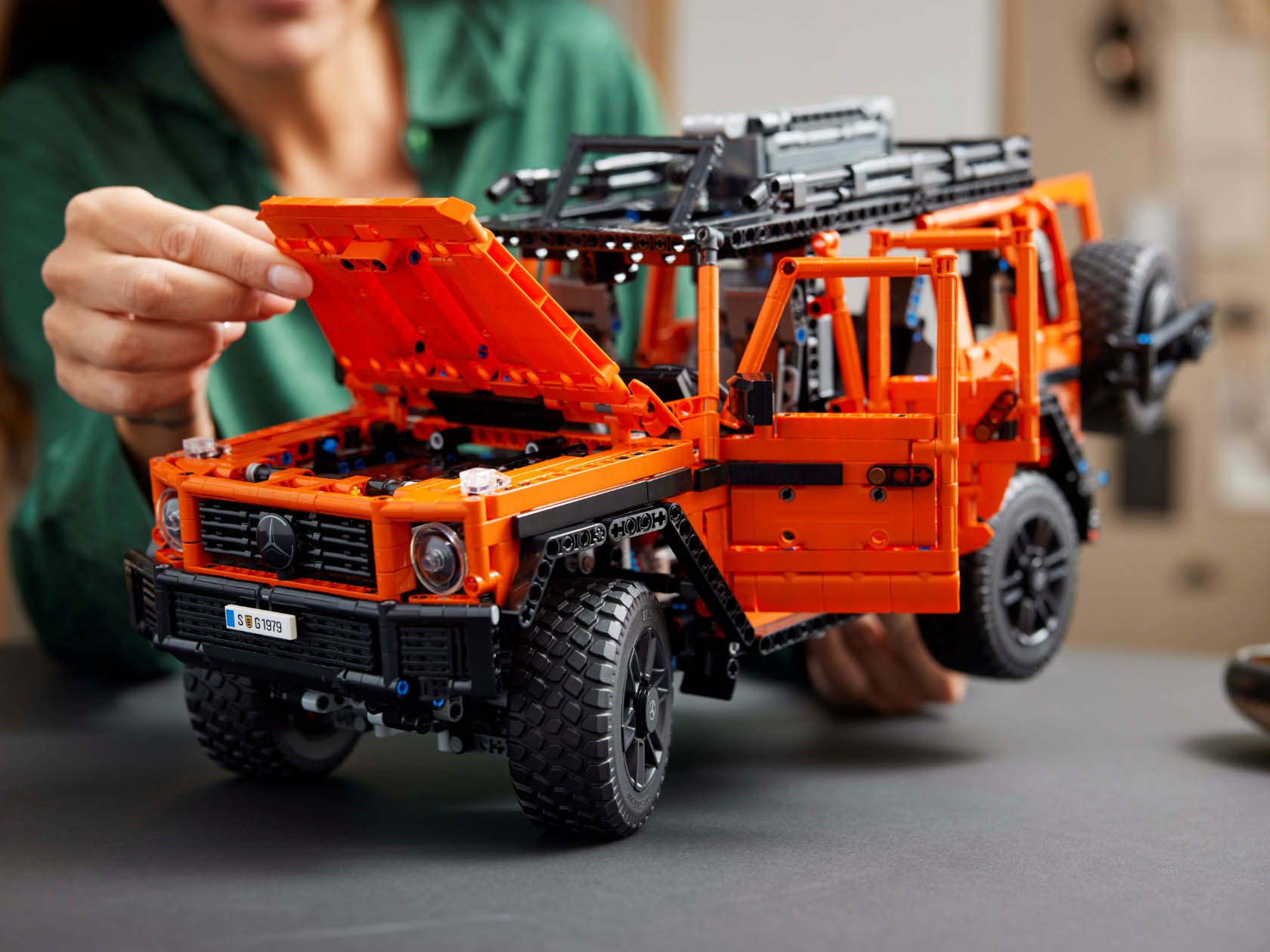
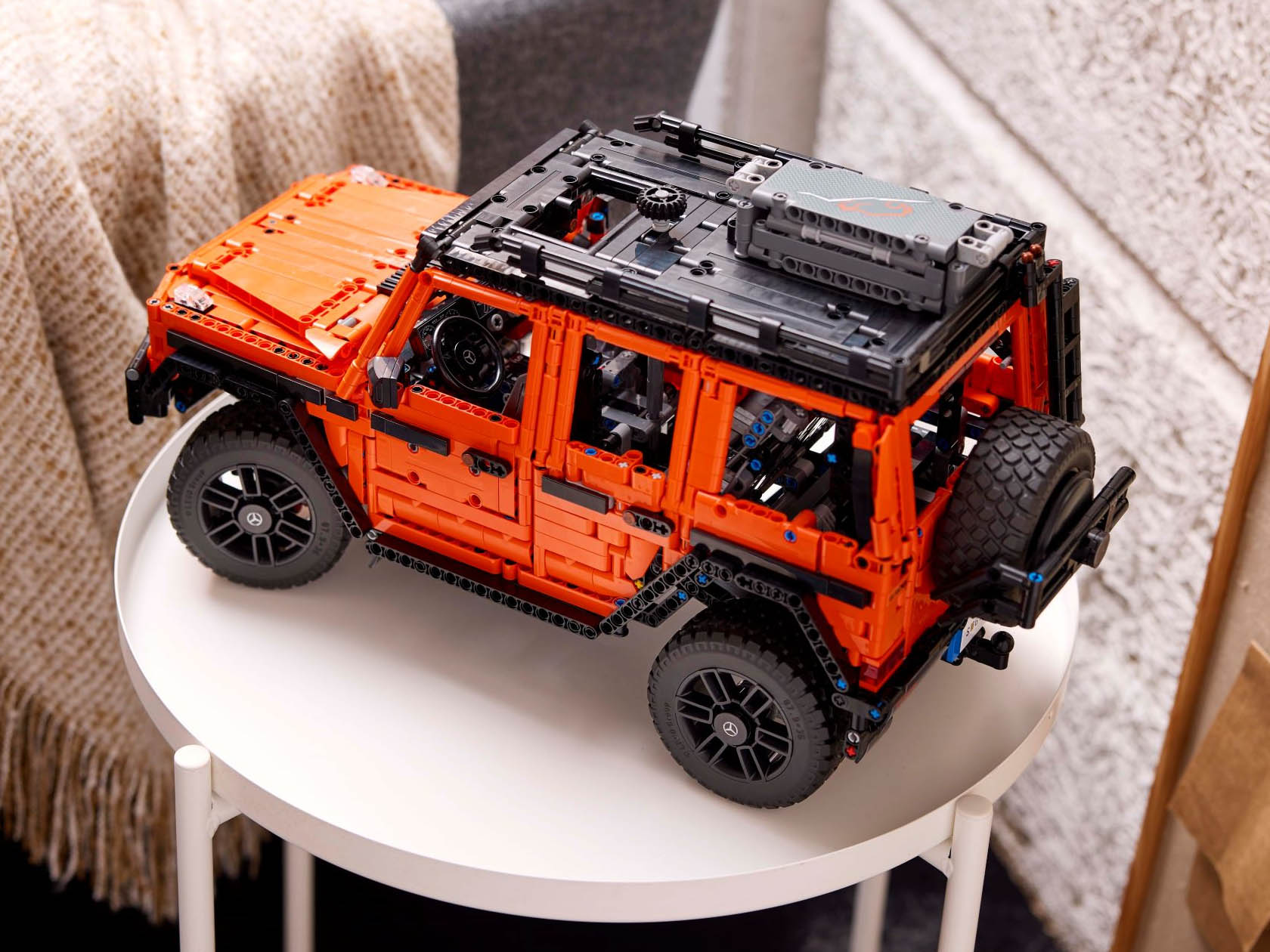
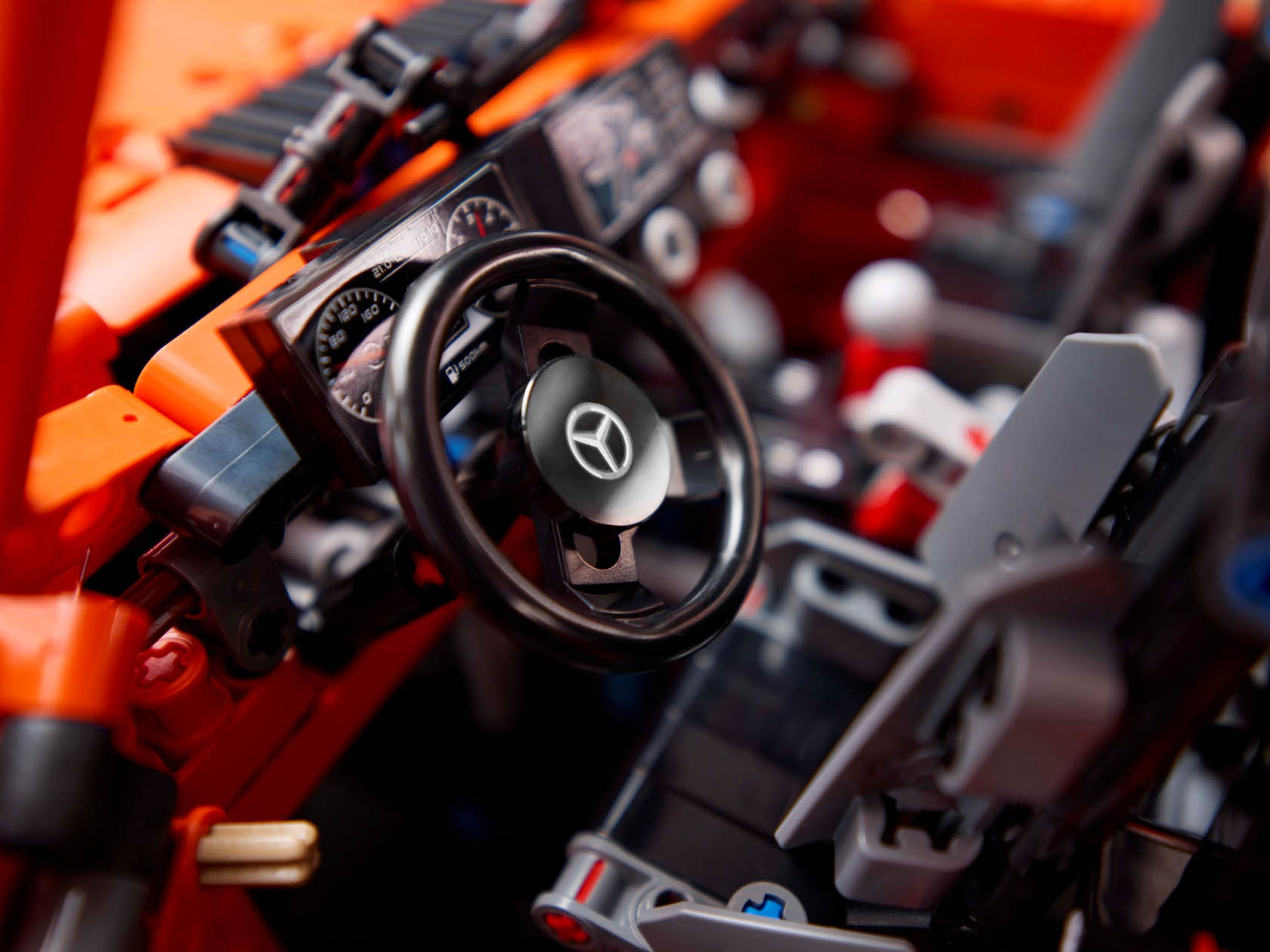
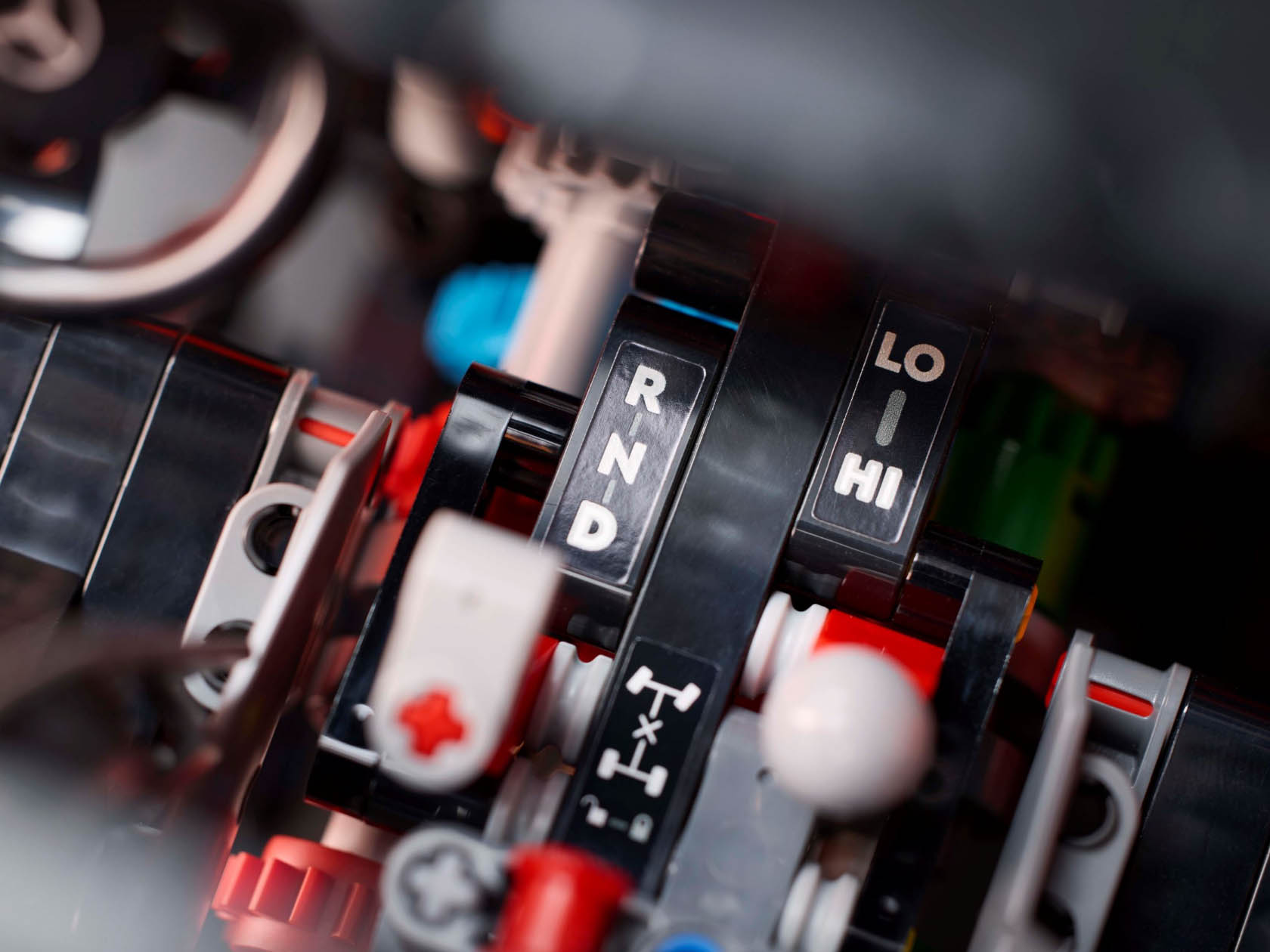
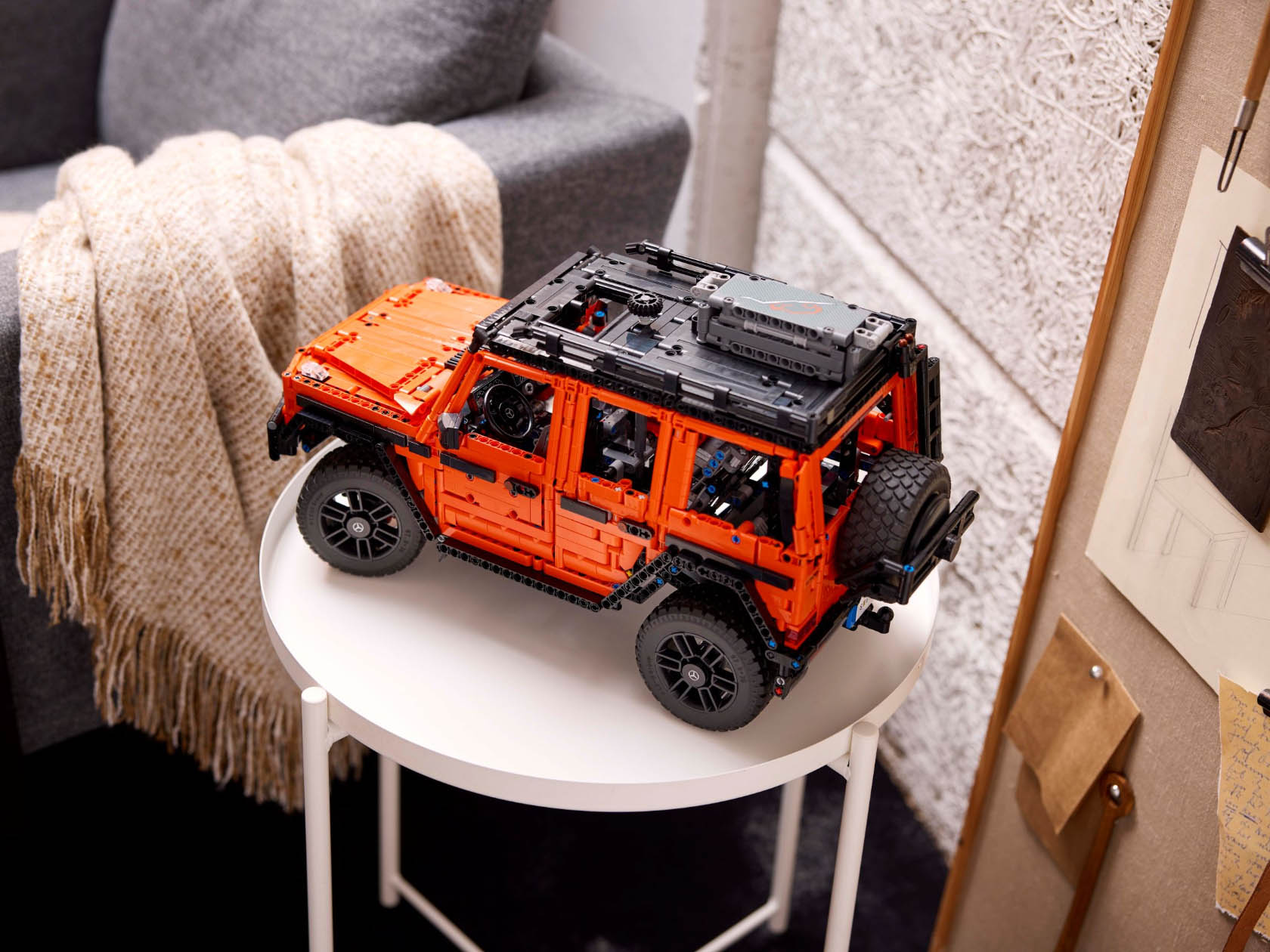
LEGO has again delivered its promise of authentic details and recreation of even the most intricate sections of the 4×4 behemoth measuring 8.5 inches high, 16.5 inches long, and 8 inches wide. Under the hood is a replicated 6-cylinder inline engine mated to a 7-speed gearbox having drive, neutral and reverse settings. The internal mechanics are further hones in the form of a working steering wheel and raised suspension. The opening doors come with working locks, along with an opening tailgate and hood to reveal even the finer interior details. Off-road enthusiasts will appreciate the addition of a ladder, spare wheel and roof rack to the mix.
Although the G Wagon has been around for more than four decades, the LEGO team decided to create this Impressive LEGO iteration on the 2017 model. That makes sense when it comes to visual presence as the 2018 version had smaller wheels and a bit lower ground clearance.

The post LEGO Technic recreates working Mercedes-Benz G500 to the minutest of details first appeared on Yanko Design.