Pininfarina Unveils Limited Edition Oksýs Chaise Longue: Merging Automotive Design with Luxury Furniture

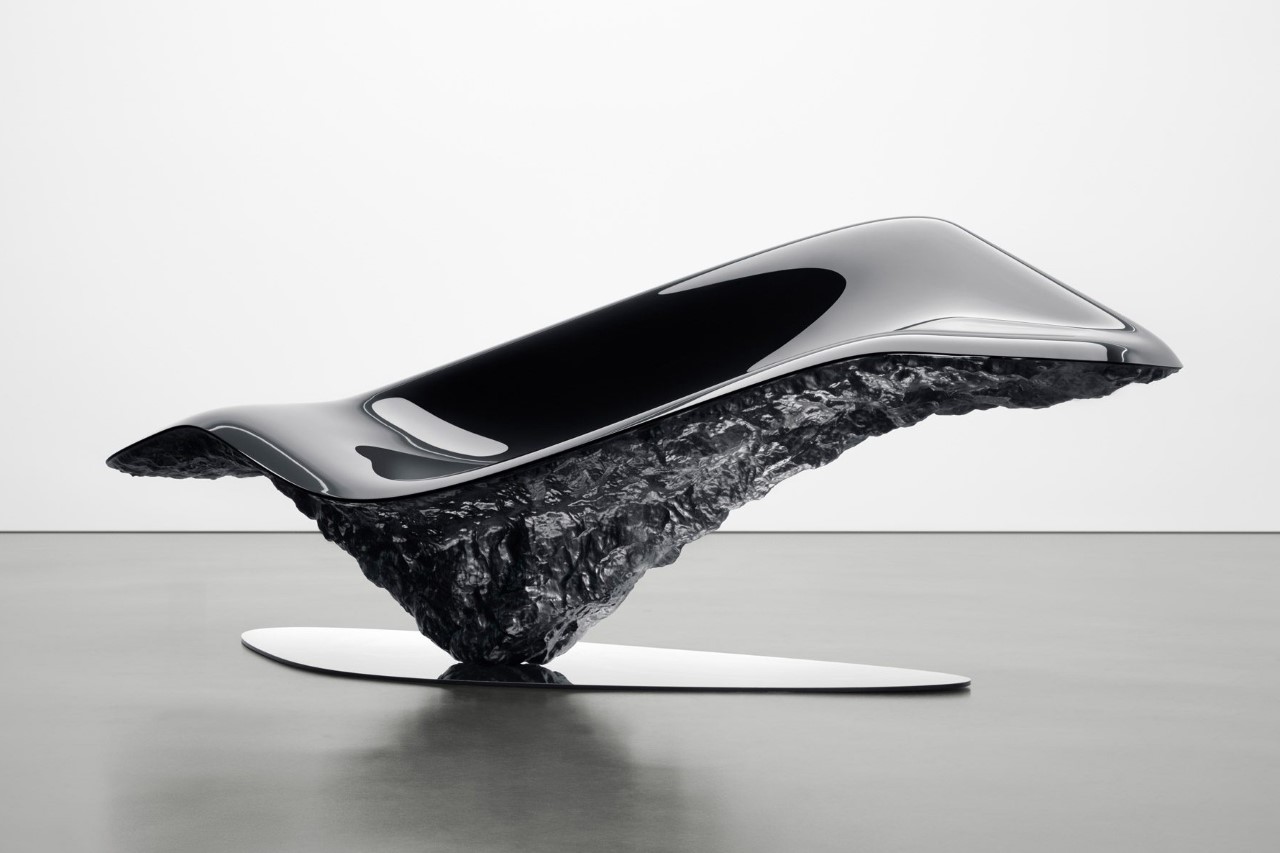
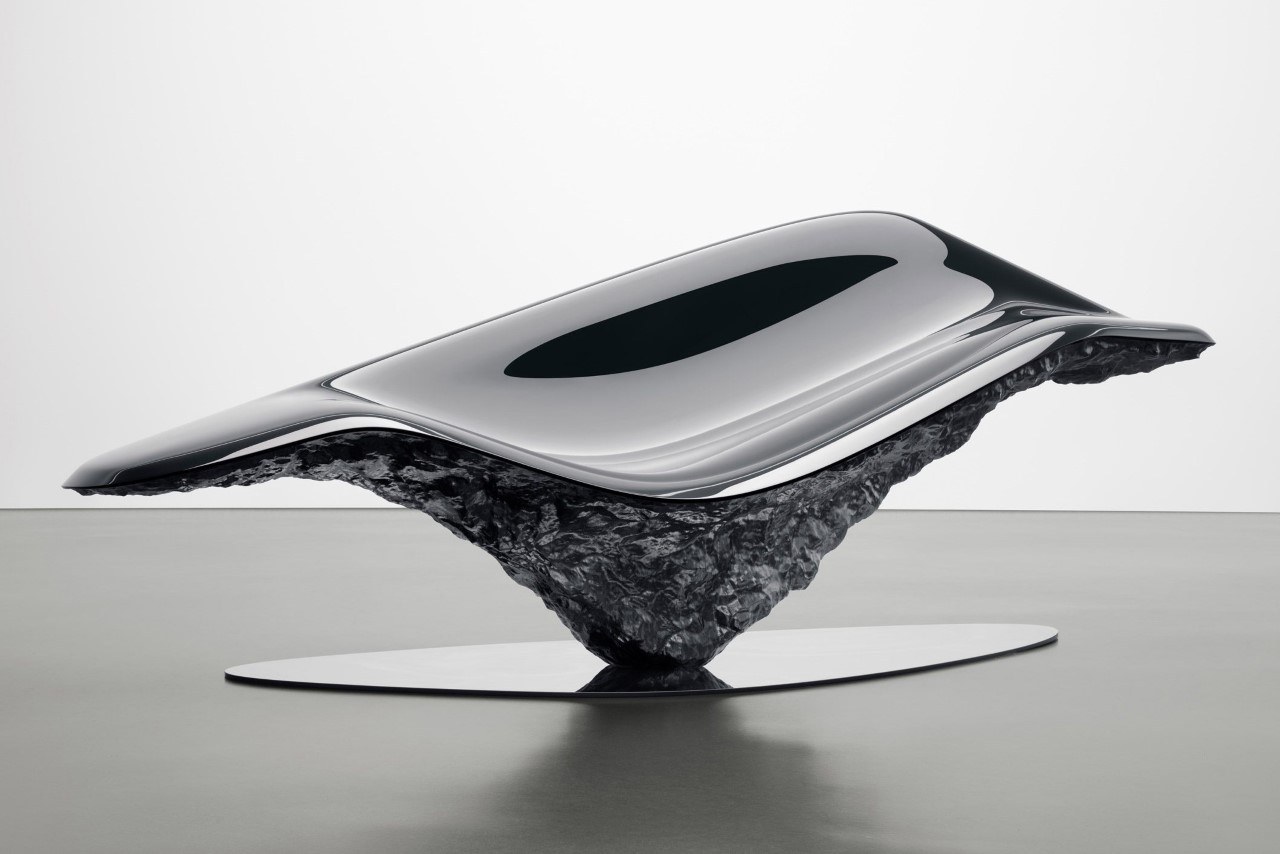
Legendary Italian design house Pininfarina, famed for its historic decades-long collaboration with Ferrari, has unveiled its debut piece of collectible furniture – the Oksýs chaise longue. This unique creation seamlessly blends the company’s automotive design heritage with the functionality of a high-end chaise lounge. The Oksýs is a limited-edition statement piece designed to complement Pininfarina’s recent foray into branded residential projects. The chaise longue embodies the studio’s core design principles, which center on the harmonious marriage of aesthetics and technical innovation.

Designer: Pininfarina

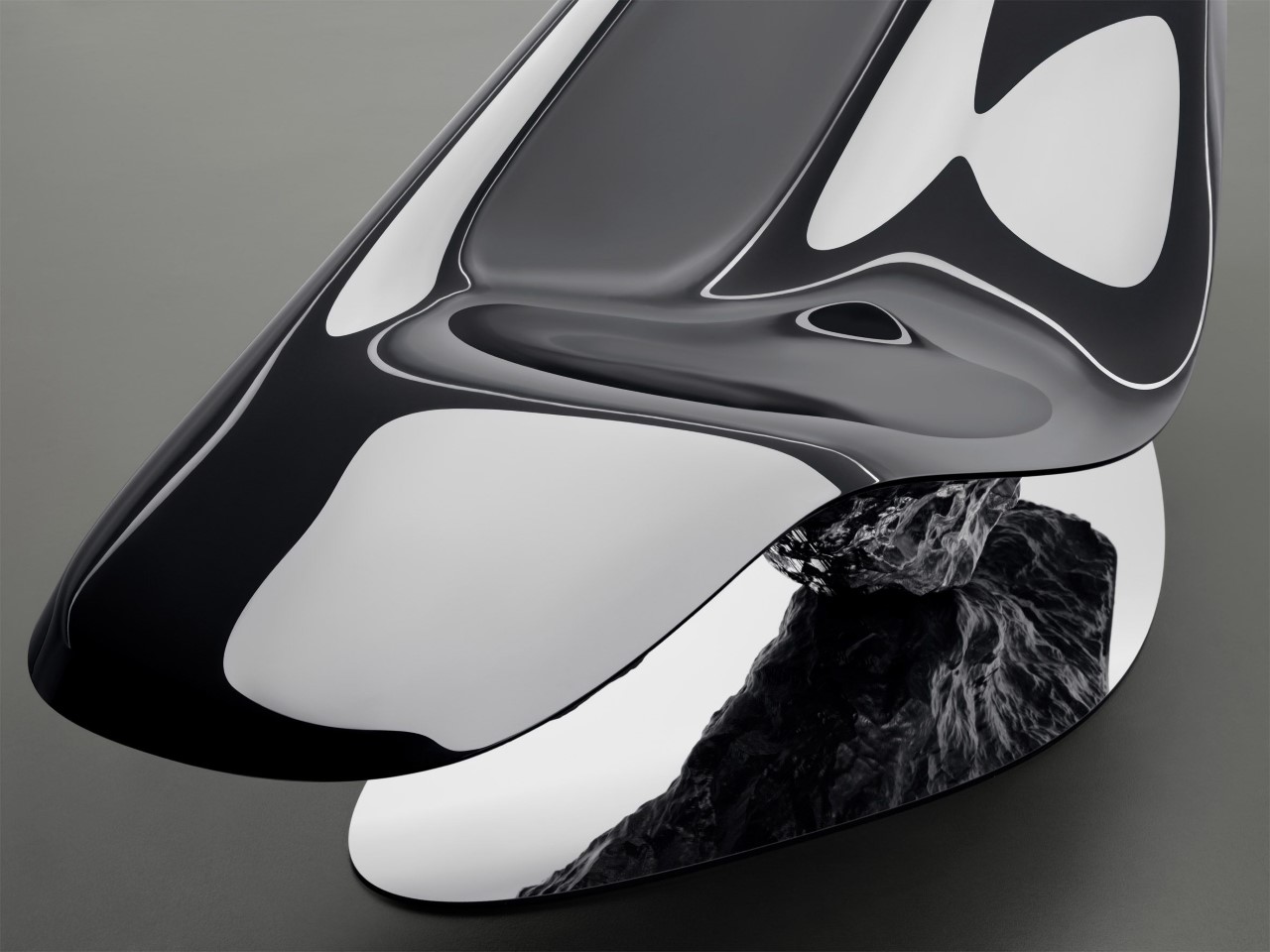
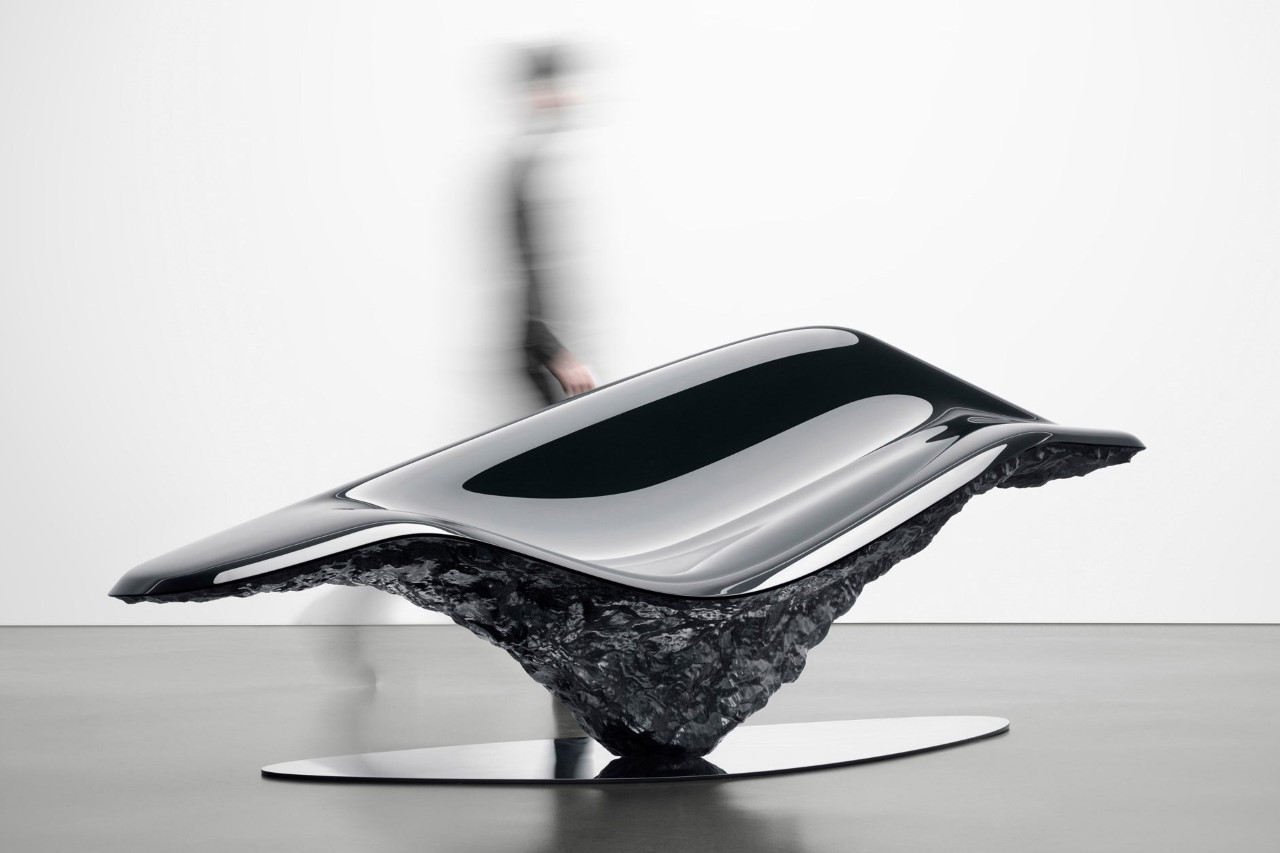
The Oksýs is a striking visual interplay of contrasting elements. The upper section features smooth, ergonomic lines reminiscent of a Pininfarina sports car. This section is crafted for comfort and boasts a reflective finish that invites touch. In stark contrast, the lower portion resembles a rough, crystal-like rock, creating a sense of groundedness.

“Seen from above, Oksýs is smooth and reflects light with no aggressive angles,” explains Marco Becucci, the in-house architect who designed the chaise longue. “This upper part invites the user to touch it, while the lower section offers a textural counterpoint, left coarse and milled to resemble an untouched rock.”

The design and development process for the Oksýs mirrored Pininfarina’s approach to creating high-performance automobiles. The project began with sketches, followed by ergonomic testing, computer-aided modeling, and finally, the creation of physical models using CNC milling to achieve the complex form.

The prototype showcased at Milan Design Week was crafted from polyurethane and finished with a gleaming epoxy resin, creating a captivating metallic effect. Pininfarina envisions future iterations cast entirely in steel or aluminum, further solidifying the connection to its automotive roots. Only three Oksýs chaise longues will be produced, each sold exclusively through the Rossana Orlandi gallery.

The post Pininfarina Unveils Limited Edition Oksýs Chaise Longue: Merging Automotive Design with Luxury Furniture first appeared on Yanko Design.

IWC’s Ceralume and the Future of Glowing Watch Technology

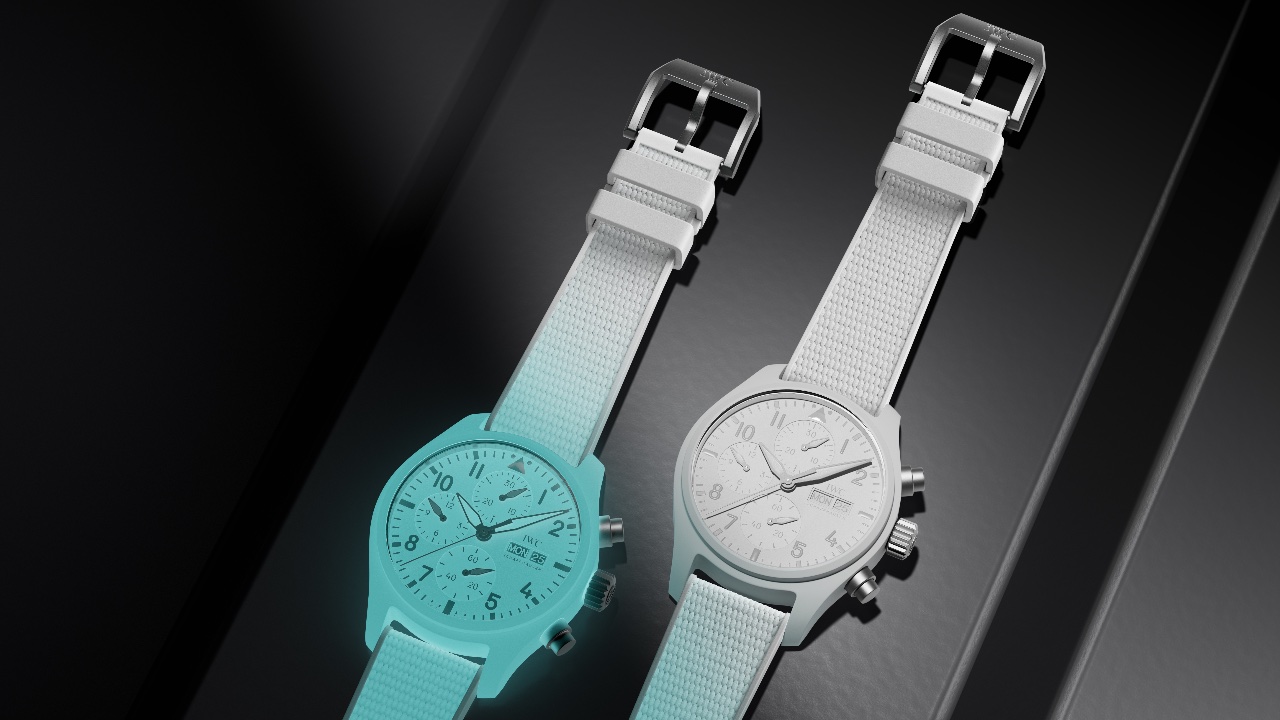
Imagine strapping a stylish mini flashlight to your wrist. That’s the magic of Ceralume, IWC Schaffhausen’s innovative luminous ceramic technology. Developed by the tech experts at IWC’s XPL division, Ceralume combines ceramic powders with high-grade Super-LumiNova pigments. These pigments absorb light and emit it, ensuring your watch glows brightly for over 24 hours in the dark. Whether navigating a dark trail or trying to find your keys at night, your watch has got you covered.

Designer: IWC Schaffhausen

Revolutionary Material and Engineering

Ceralume is a cut above the rest when it comes to ceramics. Traditional ceramics are already lightweight, incredibly hard, and highly resistant to scratches. However, IWC has taken things further by incorporating Super-LumiNova pigments, enhancing durability and luminescence. Achieving a perfect blend of these materials posed a significant challenge. Think about trying to mix the finest flour with sparkly glitter—it’s not easy. IWC’s engineers developed a custom ball milling process to ensure a perfect mix.

Pilot’s Watch Chronograph 41 with Ceralume Case

Once the mix’s perfected, the ceramic gets heated in a kiln through sintering to turn it into a solid block. This step has to be precise to retain the luminescent properties without compromising the ceramic’s strength. The final stage involved grinding the ceramic to achieve the desired finish, ensuring it was both tough and brilliantly luminous. This meticulous process highlights IWC’s commitment to innovation and quality in watchmaking.

Enhanced Functionality and Aesthetics

Super-LumiNova pigments are incredibly effective. They absorb light from any source—sunlight, indoor lighting, you name it—and then emit it as a bright, blueish glow in the dark. These pigments can keep glowing indefinitely without degrading. As long as your Ceralume watch is exposed to light, it will continue to shine.

Pilot’s Watch Chronograph 41 with Ceralume Case

The luminous effect adds practicality and enhances the watch’s aesthetic appeal. Your watch will be highly visible and easily read in low-light conditions. Whether you’re at a dimly lit restaurant or on a night hike, the bright blueish glow makes a striking impression. The luminous properties add a unique visual effect that sets these watches apart from traditional ceramics, blending advanced technology with elegant design. It’s a testament to IWC’s innovative approach to combining functionality with style.

Pilot’s Watch Chronograph 41 with Ceralume Case

Future Implications and Developments

Ceralume represents a significant milestone for IWC Schaffhausen, paving the way for future innovations in luxury watchmaking. This patent-pending technology will be the foundation for new models, allowing IWC to continue its legacy of pioneering advancements in watch materials. The ability to produce fully luminous ceramic watch cases opens up exciting possibilities for design and functionality, providing watch enthusiasts with practical and visually stunning timepieces.

Ceralume Case

IWC’s first fully luminous ceramic concept watch, the Pilot’s Watch Chronograph 41, showcases the potential of Ceralume. It perfectly blends functionality and style with a glowing ceramic case, a white luminescent dial, and a rubber strap enriched with Super-LumiNova pigments. This watch makes a bold statement and signals IWC’s commitment to innovation and trend-setting in the watchmaking industry.

Pilot’s Watch Chronograph 41 with Ceralume Case

Looking ahead, IWC’s continued research and development in luminescent ceramics promise even more breakthroughs. Combining advanced materials with innovative manufacturing processes, IWC remains at the forefront of luxury watchmaking. They are setting new standards for durability, functionality, and design. As IWC continues to explore the potential of Ceralume, watch enthusiasts can expect more exciting developments and exceptional timepieces that reflect the brand’s commitment to excellence. So, next time you’re considering a new watch, think about one that lights up your world.

The post IWC’s Ceralume and the Future of Glowing Watch Technology first appeared on Yanko Design.

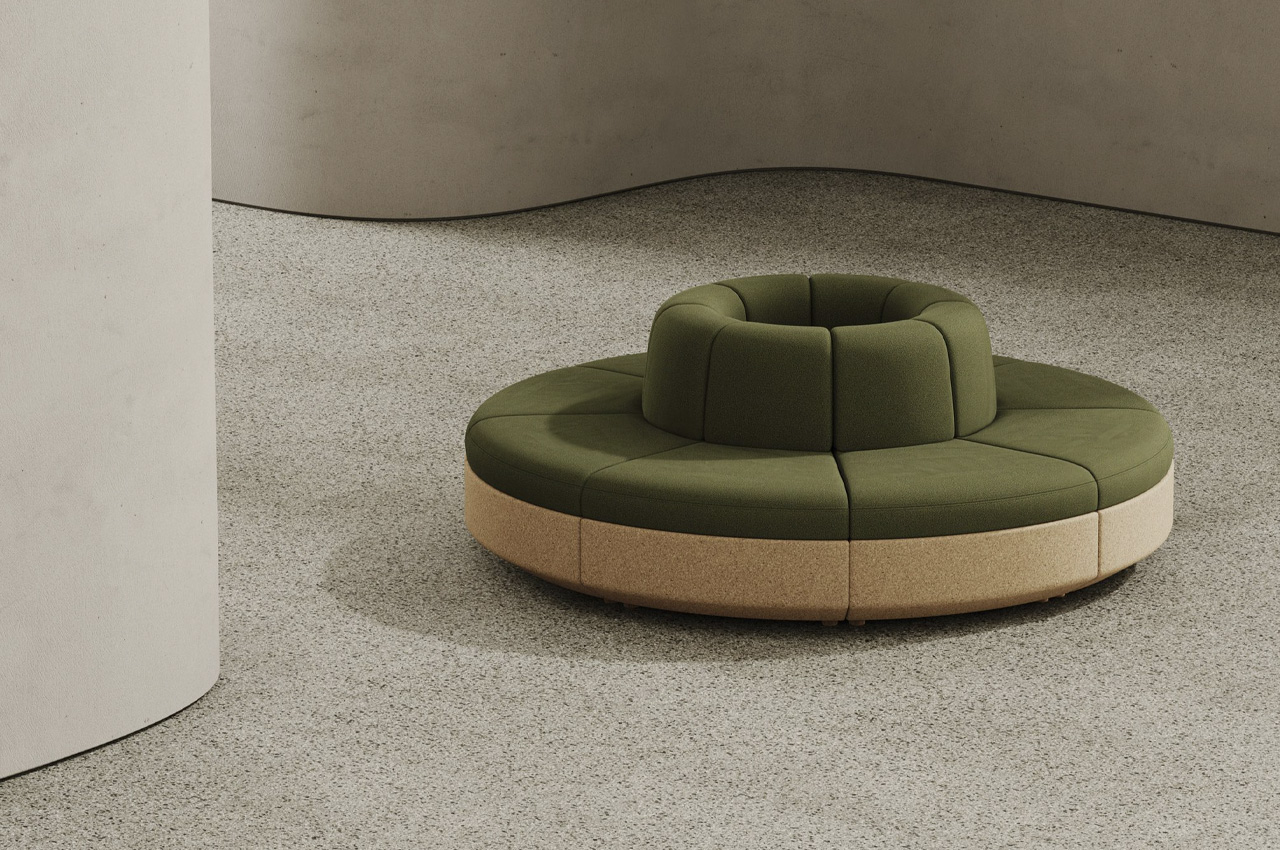
This Modular Seating Solution Is Made From Recycled Cork Salvaged From Wine Stoppers

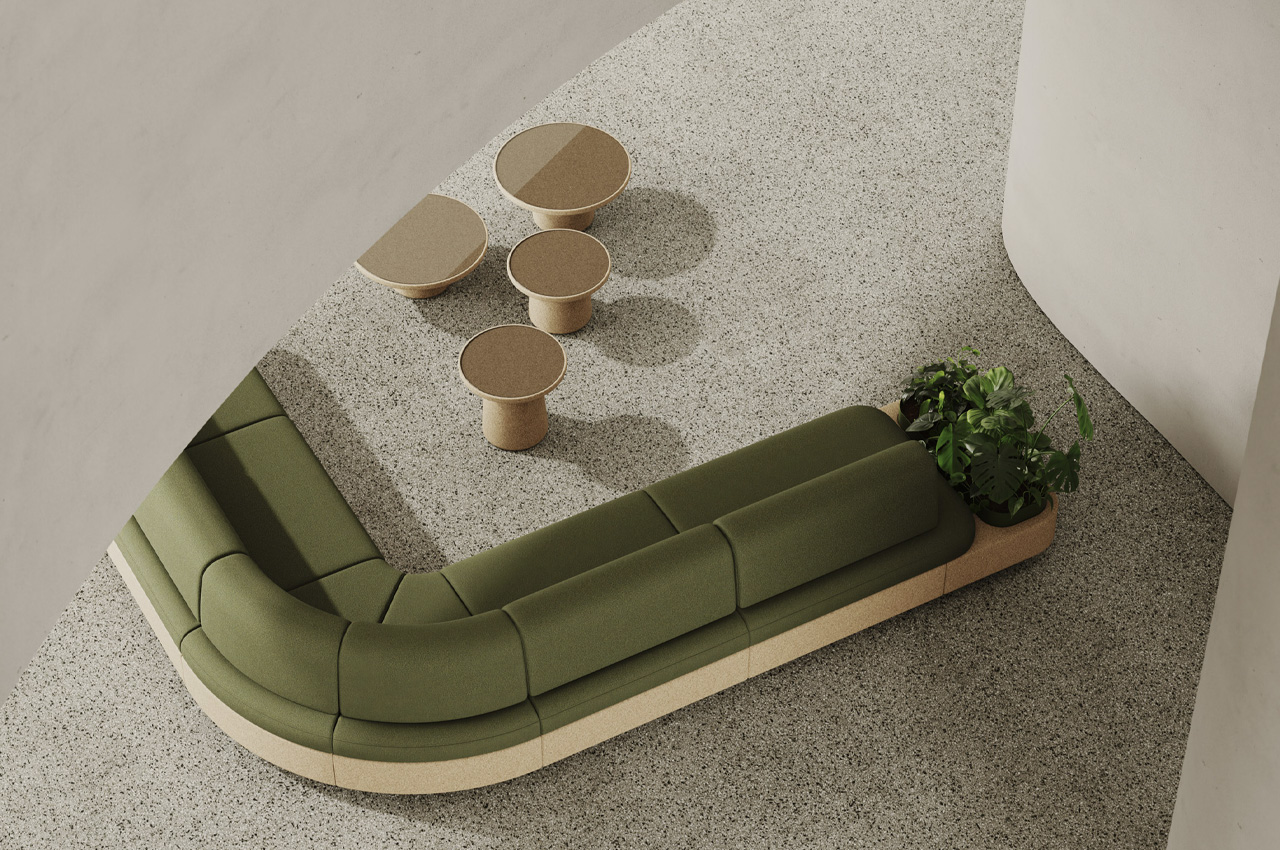
Designed by Paul Crofts, this modular seating system is called Tejo. Crofts designed the Tejo seating collection for the furniture brand Isomi. It is intended to be a “reconfigurable, recyclable, and renewable” modular seating collection that serves as a bench, a single sofa, or even a double back-to-back sofa.

Designer: Paul Crofts for Isomi

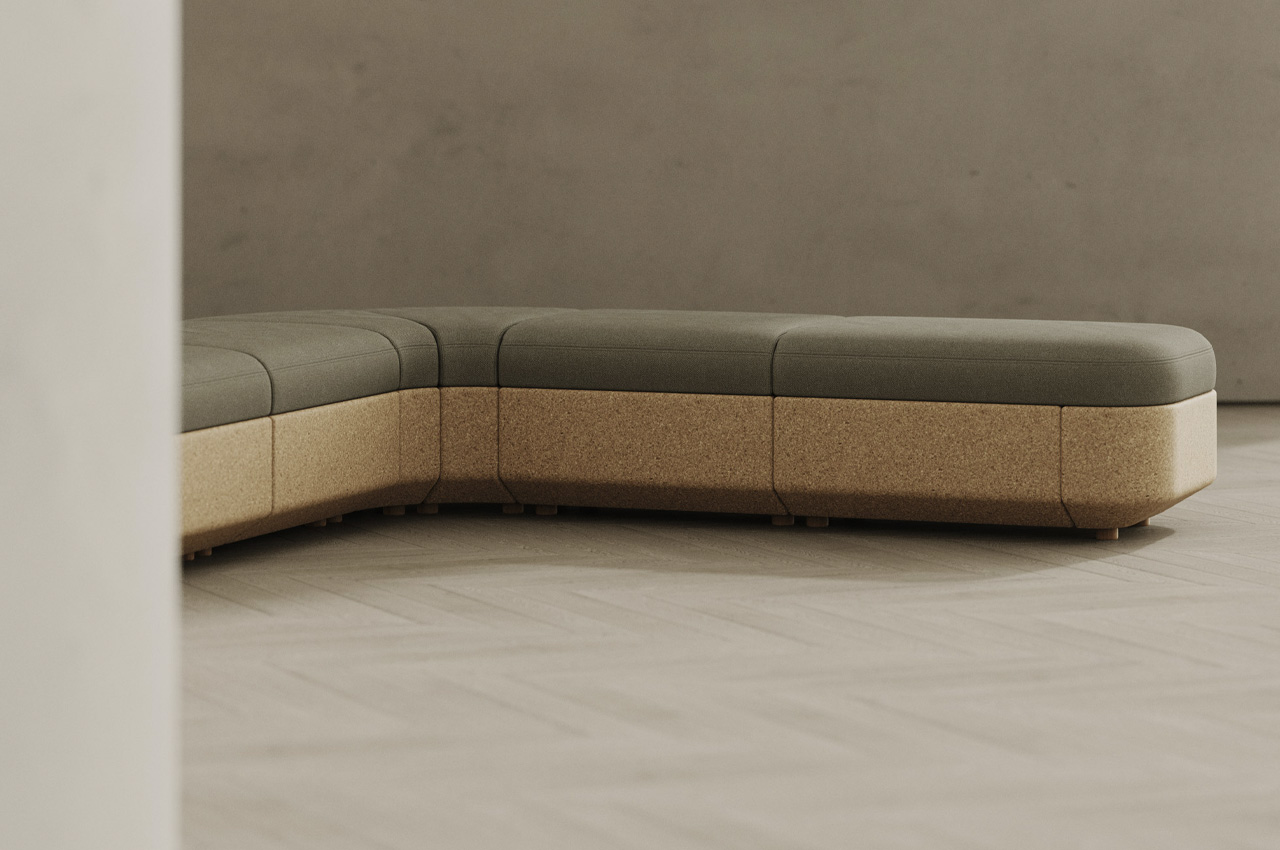
The Tejo seat includes curving components that have been filled with natural latex instead of foam. The furniture design is upholstered with natural wool, hemp, or flax instead of synthetic fabrics. It is equipped with a base made from recycled cork which has been salvaged from the production process of wine stoppers. This unique base was created instead of a traditional plywood frame.

“Grown in responsibly managed forests in the Portuguese region of Alentejo – which gives the sofa its name – cork is ideal for use in seating as it is not only soft, tactile, and visually beautiful, but it also regenerates naturally,” said Isomi.

The cork utilized for the Tejo seating solution is sustainably grown, and also a sustainable material option in itself. It ventures into the utilization of cork as a material of choice, while creating a furniture design that has a complementing and soft aesthetic value to it. The Tejo modular furniture design is available in a wide range of colors, and it has been created to work well in different commercial spaces – ranging from retail settings to workplaces and even restaurants.

The Tejo seat can be integrated with different additional elements such as screen dividers, table units, planets, power outlets, and charging ports to create a personalized and customized furniture design. You can add the components that work well for you and your lifestyle, in turn creating a seating system that meets your multiple needs – whether they’re home-oriented or for work. The elegant and refined aesthetics of the seating design allow it to artfully merge with most spaces, giving it a much-appreciated versatility.

The post This Modular Seating Solution Is Made From Recycled Cork Salvaged From Wine Stoppers first appeared on Yanko Design.

Master the Art of Tea-Making: Top 10 Essential Products

What’s the first thing you need when you wake up in the morning? Is it a cup of tea?! Me too! It’s the boost of energy, dose of motivation, and rush of serotonin that I need every morning. And, I’m pretty sure that’s the case for most of us. We all need our cup of tea. There is a different satisfaction and pleasure in sipping caffeine that you know is the result of your hard work, something precariously prepared with your personal touch to it. And if you’re someone who’s chasing that feeling, then a unique, innovative, and interactive tea brewer is all you need, and ninety-five percent of the battle is won (the other five percent is you setting aside your laziness and operating the machine)! And this collection of kitchen tools and appliances is designed to make your tea-making and drinking experience effortless and fun!

1. Smart Tea Pot

Calling all tea lovers! You guys need to get your hands on the Smart Tea Pot. This unique connected teapot gives you a chance to brew and prepare your own cup of tea using technology. It prepares a relaxing brew on the basis of the tea you prefer to drink, creating your own choice of brew.

Click Here to Buy Now: $349

Why is it noteworthy?

It has advanced brewing adjustments which you can customize according to the tea you wish to drink. It features a “Golden Drop” rotating infuser which perfectly captures the beauty of Japanese minimalism.

What we like

  • It has a compact size and minimal aesthetics

What we dislike

  • The teapot uses technology for brewing, which can be complicated for some people to use

2. U Soo

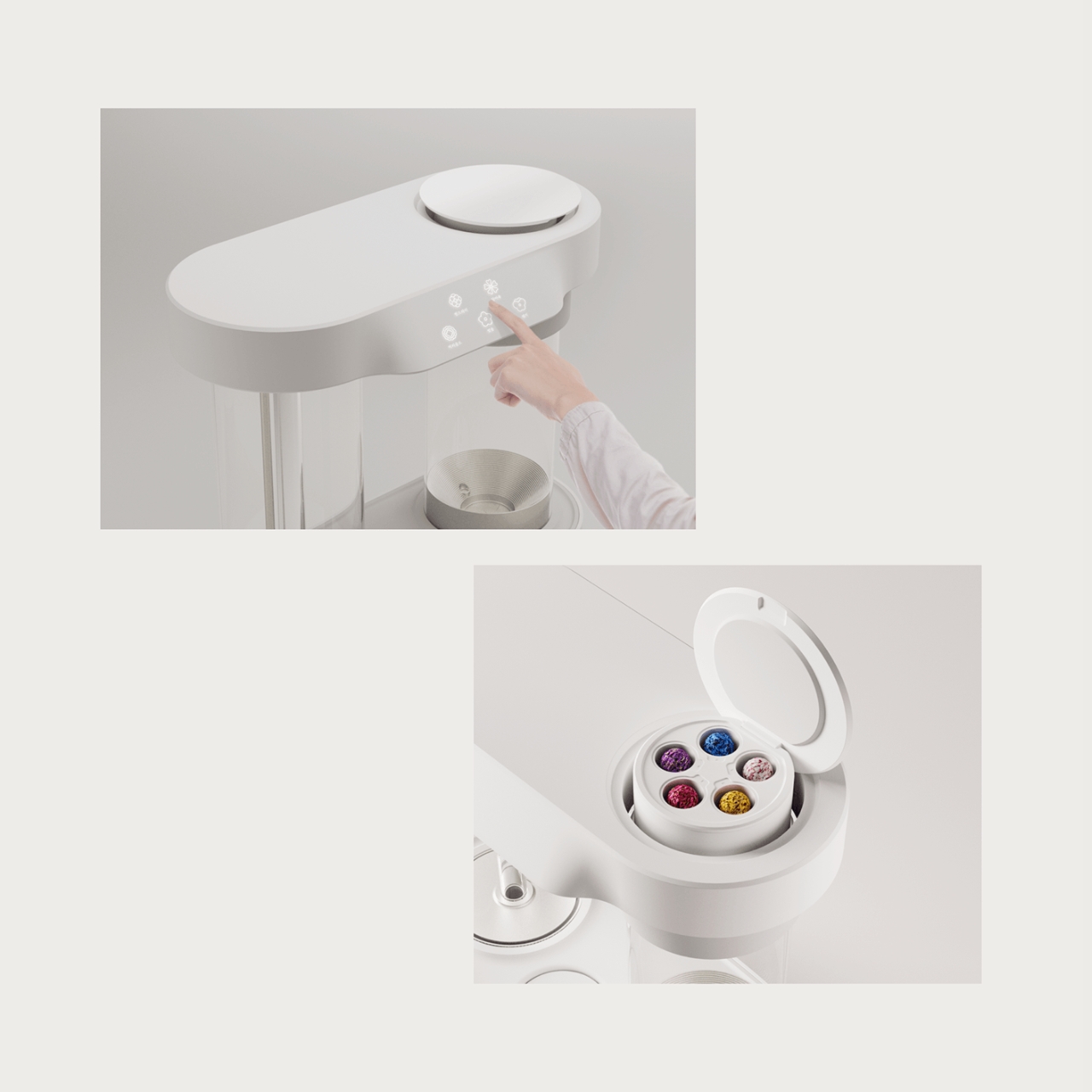
Called U Soo, this conceptual tea maker lets you chill and relax. When the tea is being prepared, you can actually smell the tea as it steeps, so it also functions as an aroma diffuser. The machine resembles a coffee machine, or something eccentric straight out of a laboratory.

Why is it noteworthy?

You can witness the entire process – ranging from boiling the water to the steeping of the tea when you pour it into your cup. This whole transparency adds a rather therapeutic and interactive element of the tea machine.

What we like

  • Has an element of transparency which makes the tea maker interactive and interesting

What we dislike

  • It’s a conceptual design, so we don’t know how well it will translate into a tangible product

3. Ceramic Mug

Called the Ceramic Mug, this elegant little mug is well-crafted and the ideal example of earth meets wood. It combines a symphony of textures to create a lovely treat for your fingers and lips. As you slowly drink from the mug, you experience an enriching sensory stimulation.

Click Here to Buy Now: $60

Why is it noteworthy?

When you drink your tea from the mug, you come into contact with the surface, and this sets a soothing mood for your entire tea-drinking experience. It serves as an engaging design with intriguing contrasts.

What we like

  • The mug is made from quality Japanese ceramics

What we dislike

  • The mug cannot be placed in a microwave, which is quite inconvenient

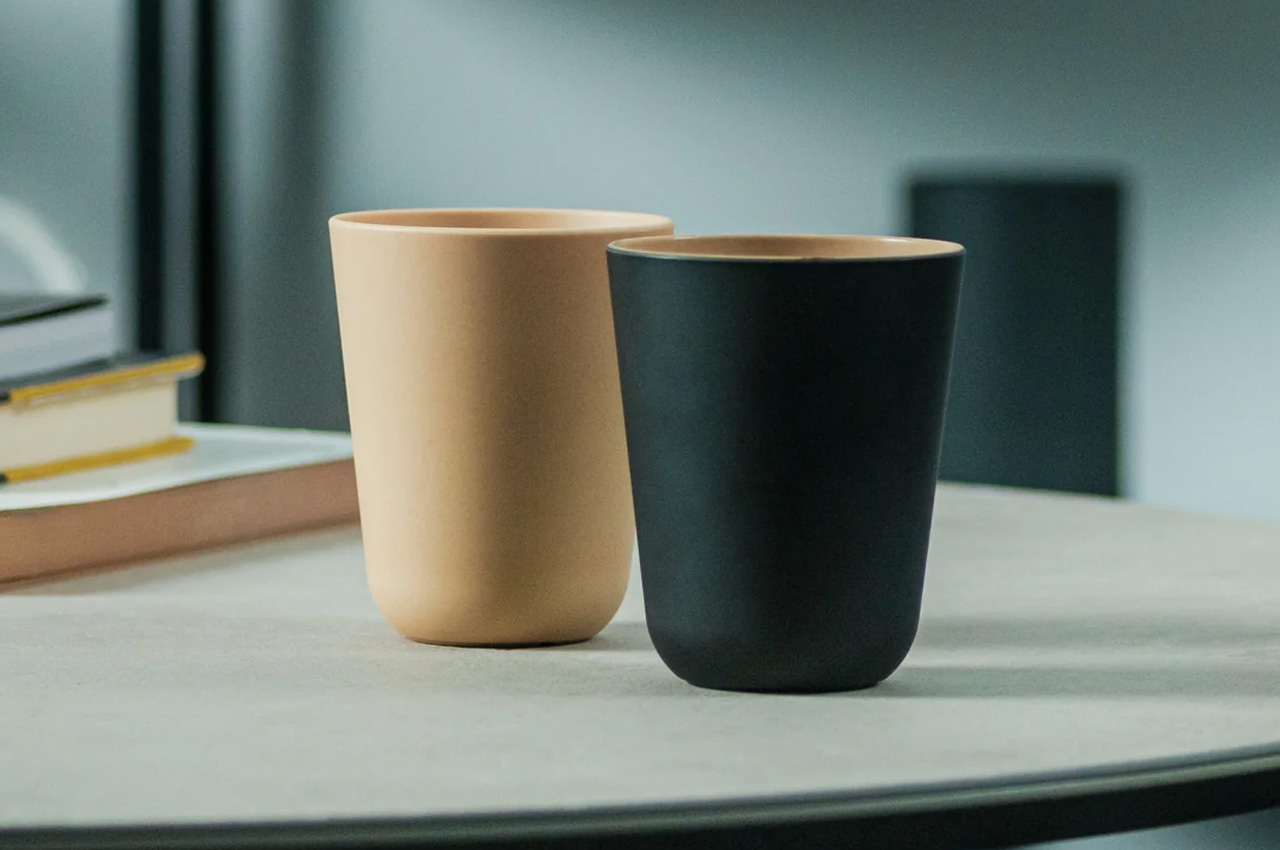
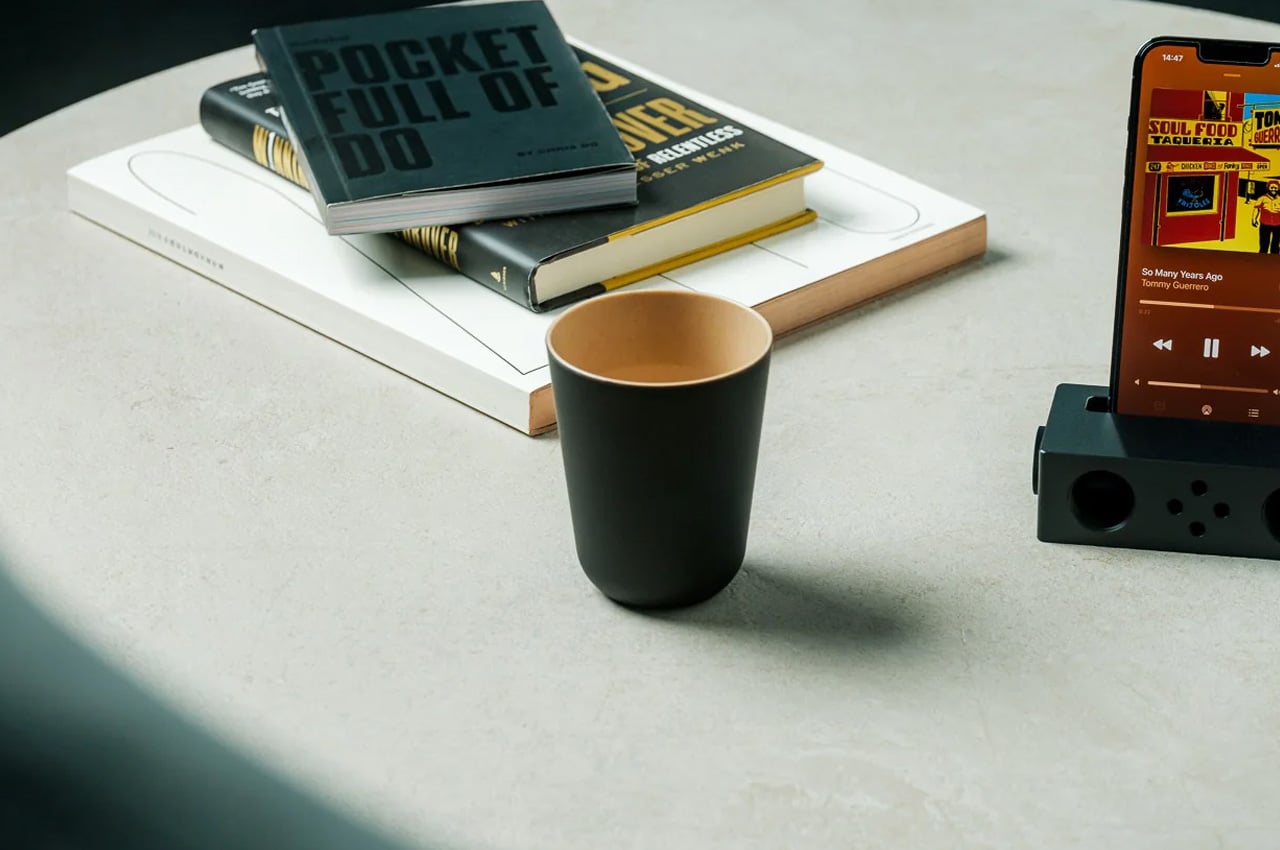
4. Earth-friendly Stacking Cup

Called the Earth-friendly stacking cup, this refined and minimal cup is designed to save the environment. It is crafted from eco-friendly synthetic materials, which offers the cup a pretty unique texture. This ensures that you have a sensory experience when you drink your tea.

Click Here to Buy Now: $25

Why is it noteworthy?

The cup has a lovely texture which makes you think of wood and ceramic. It offers a unique sensory experience in your lips and mouth, while also featuring minimal aesthetics and an eco-friendly practice.

What we like

  • Made from plant-derived biodegradable resin

What we dislike

  • Aesthetically quite common to other cups on the market, nothing to set it apart

5. OTOTO’s Tea Trap

Look at this adorable little tea trap by OTOTO! OTOTO’s Tea Trap puts a whimsical and amusing twist on the art of tea brewing. It’s a refreshing change from the typical metal infusers, and instead, it resembles a carnivorous plant – one that eats tea leaves for breakfast!

Why is it noteworthy?

You fill the Tea Trap’s stomach or mouth with leaves and dunk it in a cup of hot water. The tea infuses through the perforations on the infuser. The Tea Trap also includes an elongated handle which you can use to stir until your tea achieves the perfect color. Once you’re done preparing your tea, the trap spits out the leaves into the bin.

What we like

  • Adds a fun twist to an ordinary design

What we dislike

  • The holes in the trap seem to be too big for loose tea, it can slip out

6. DADO

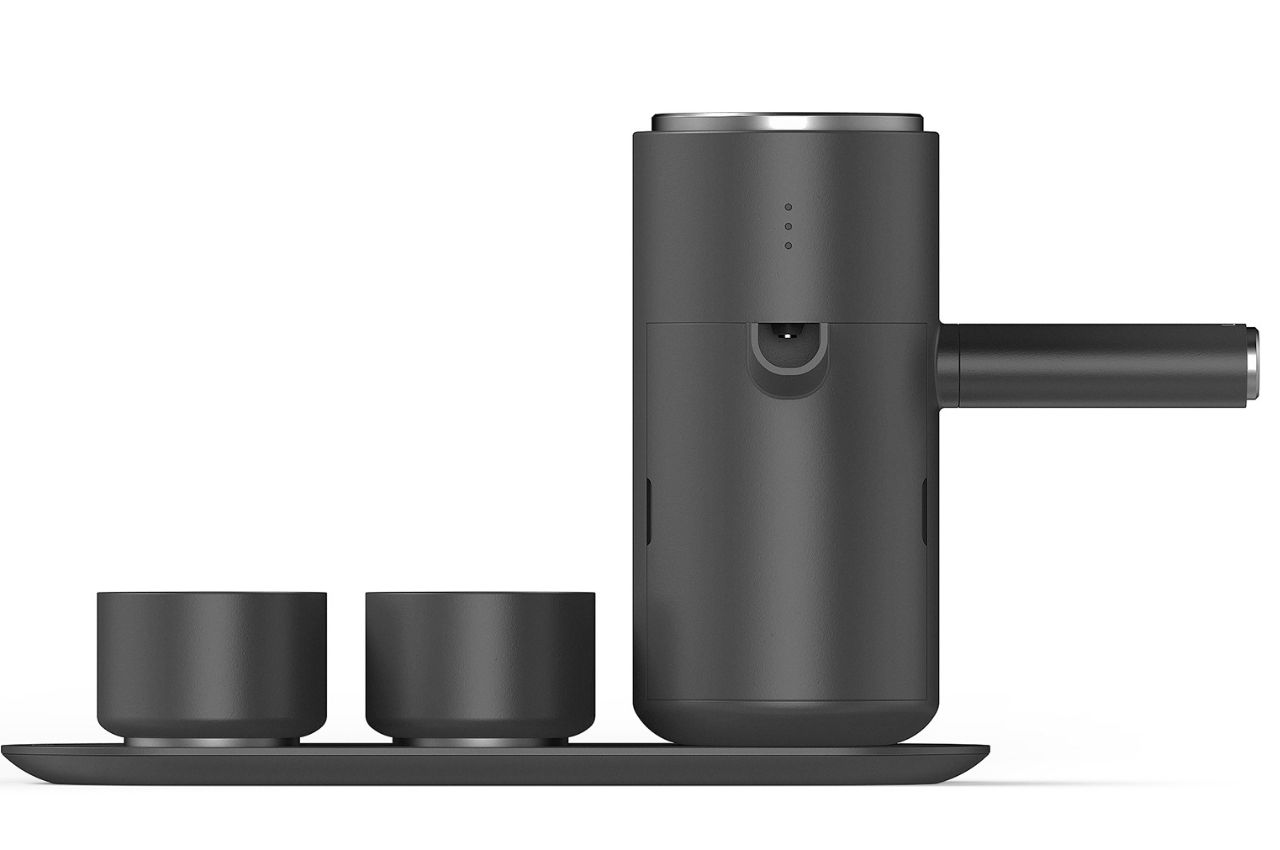
Called DADO, this minimalist capsule teach machine is a unique conceptual design that looks unlike a typical tea maker. It has a modern twist to it. The kettle portion is inspired by a traditional tea maker, and the entire design has a minimalist ethos which brings a sense of calm to your tea-preparing experience.

Why is it noteworthy?

DADO features a kettle and two cups placed on top of a heating pad, which resembles an induction stovetop. You can fill water in the kettle using the bucket section located at the back. You can preheat the cups that are next to the kettle by simply pressing a button.

What we like

  • Perfectly merges traditional and minimal aesthetics
  • It has different flavors for the tea capsules

What we dislike

  • Disposable capsules with a substantial carbon footprint

7. Bota

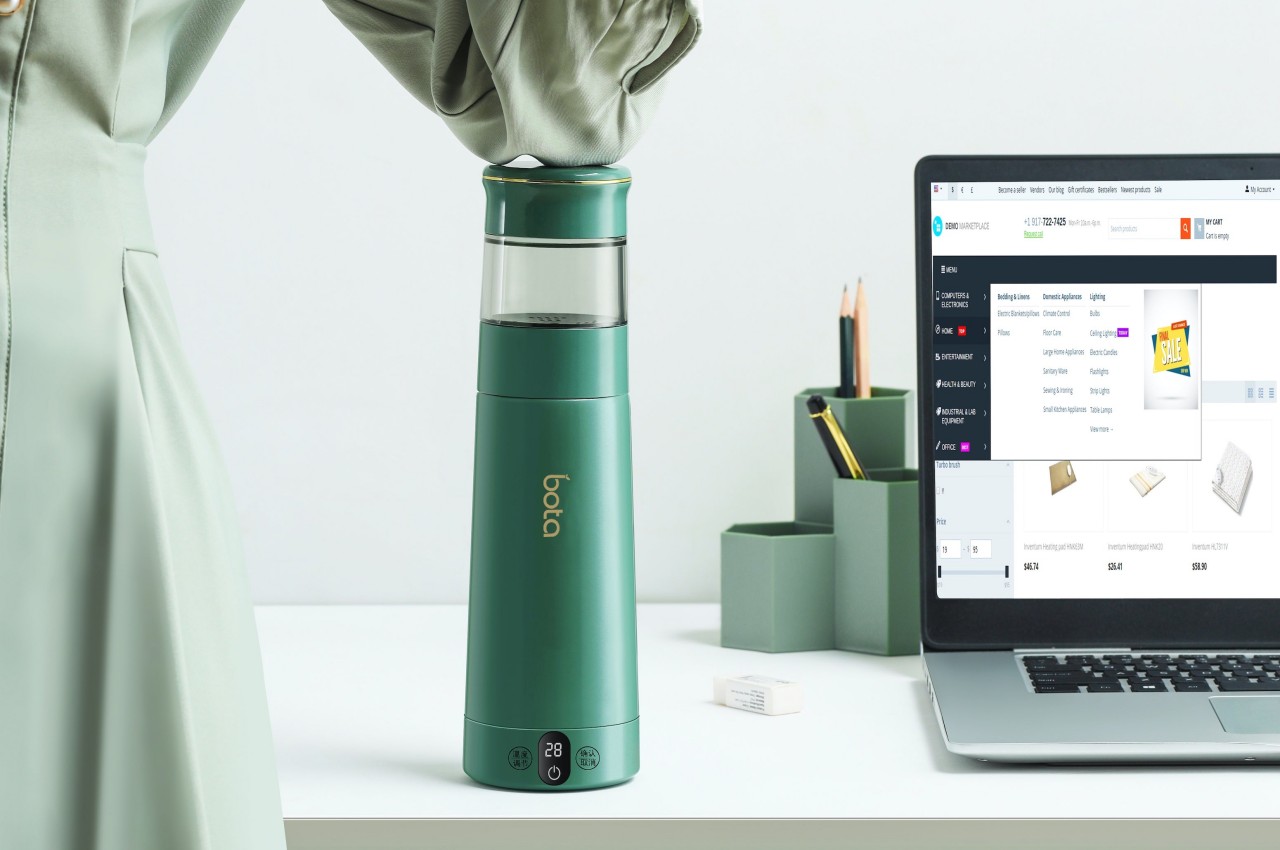
Meet Bota – an all-in-one smart tea bottle that lets you brew a cup of hot tea, letting you enjoy your favorite flavors. It has everything you could need to make tea in a single bottle. It holds and boils your water for you at the specific temperature needed for brewing. It also includes a steeping chamber to hold the leaves separately.

Why is it noteworthy?

Bota is extremely easy to clean and ensures a hassle-free cleaning experience. It also keeps your tea hot for about 12 hours. You can drink some hot tea anytime or anywhere, letting you brew a fresh batch whenever you like.

What we like

  • Features a sleek and portable form
  • No complicated buttons, easy-to-use

What we dislike

  • Aesthetically similar to other portable brewers on the market

8. ECLIPSE

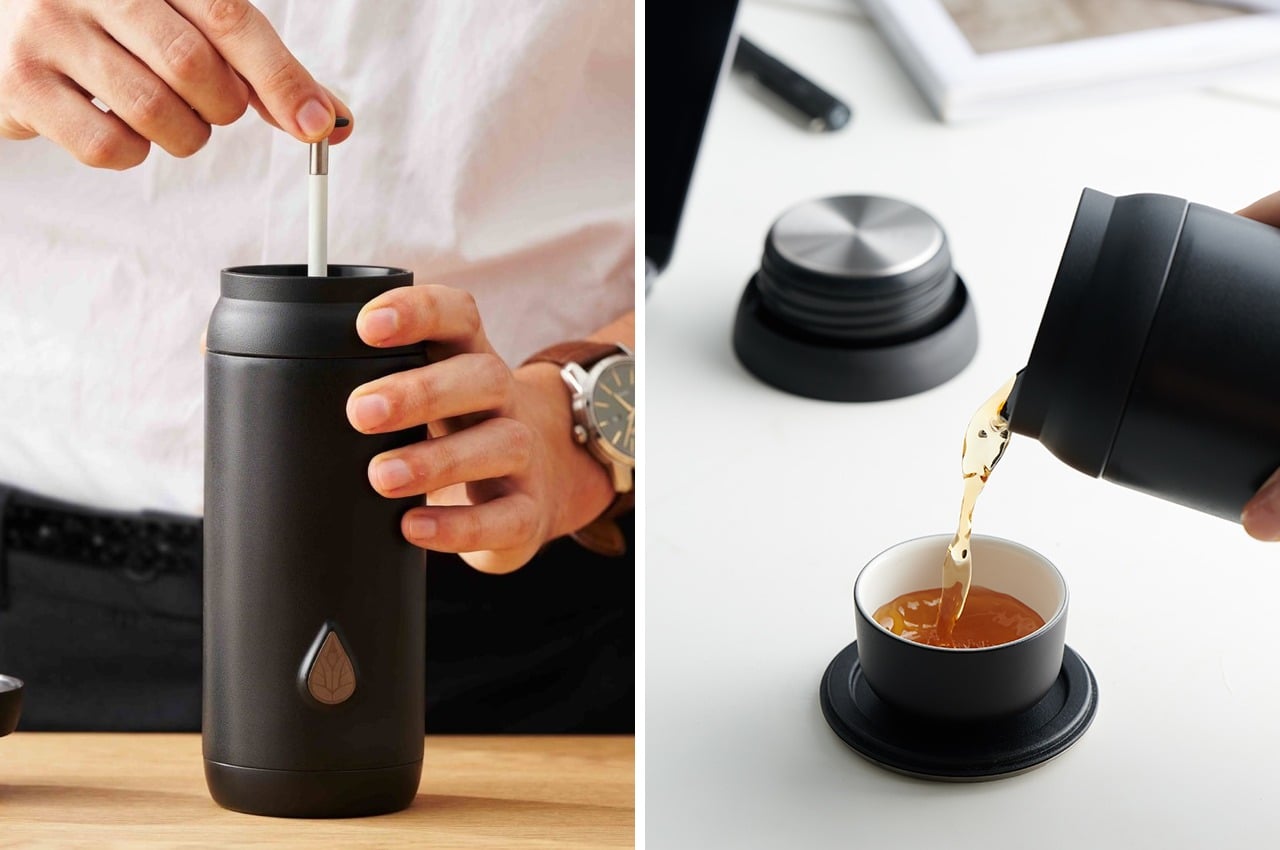
Called the ECLIPSE, this portable tea brewing station is an innovative design, completely different from the boring old tea bag. The design features a travel thermos and a French-press-style brewing system and is designed to be easy to use and easy to carry. You can brew two cups or one large of tea.

Why is it noteworthy?

ECLIPSE completely modernizes the tea-making process. It offers the same steps you’d see in a regular tea brewing process but in a new format and form. It is a multi-part travel press that features a measuring cup, brewing teapot, plunger, and a drinking vessel.

What we like

  • Features an easy-to-carry and portable design
  • Equipped with a ceramic coating to pay tribute to the traditional tea-brewing practices

What we dislike

  • There aren’t different color or size options

9. USM-Inspired Kettle

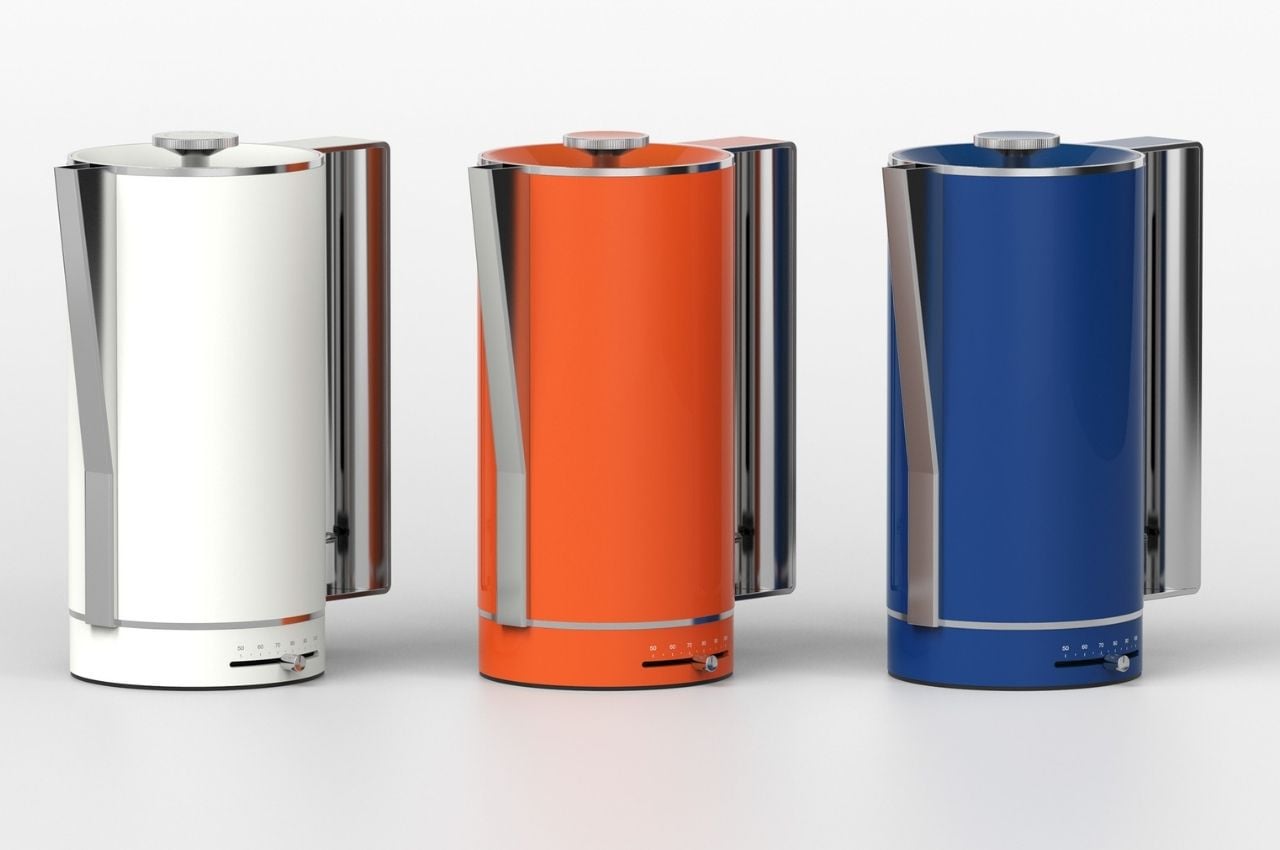
If you’re someone who loves the work of the Swiss modular furniture brand, then you need to check out this USM-inspired kettle. This kettle uses the original aesthetics of the brand, creating a kettle that is circular in design, while the handle is rectangular. The spout has a unique triangle shape.

Why is it noteworthy?

The renders of the kettle display it in various colors, which are also the basic colors of the USM Haller line. There are kettles available in blue, orange, red, yellow, and white, creating a kitchen appliance that is fun, and whimsical while also being wholly functional.

What we like

  • Minimal and clean aesthetics
  • Available in various USM-inspired colors

What we dislike

  • It’s still a concept, so we don’t know how well it will translate into a tangible product

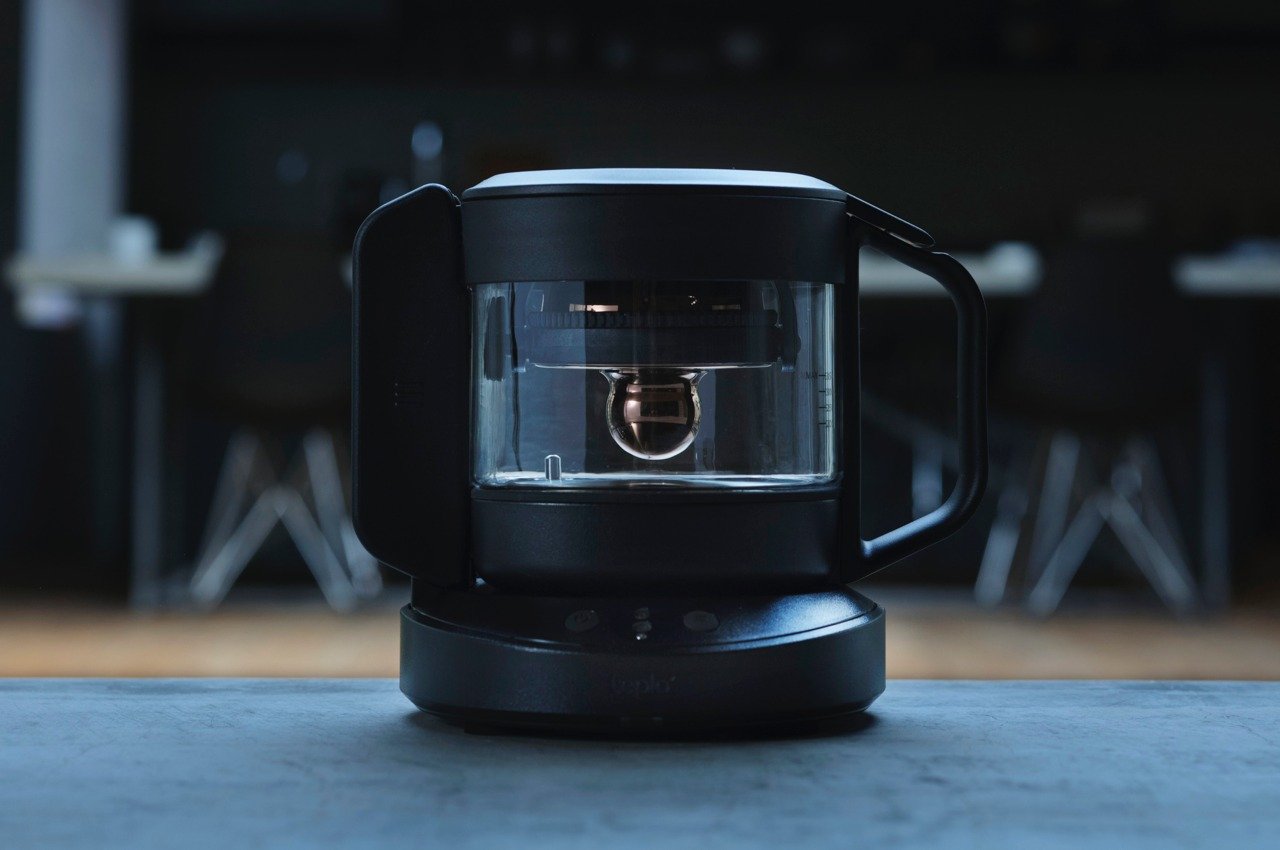
10. TEO Smart Tea Maker

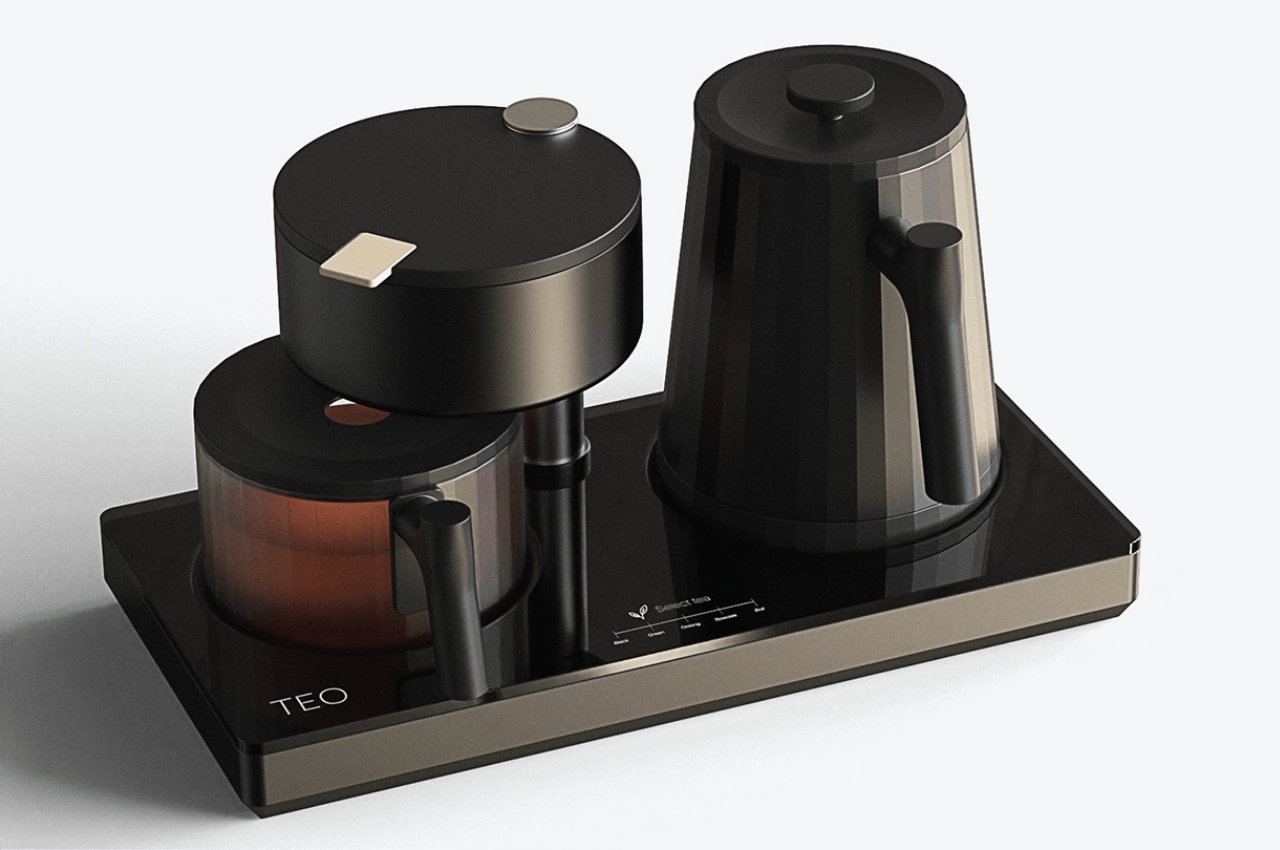
Dubbed the TEO Smart Tea Maker, this sleek and unique design has a coffeemaker feel to it. It features a monochromatic design which allows you to pay focus to the tea extract, by making that portion transparent. The tea maker comprises of three main parts – the water tank, the brewing section, and the glass container.

Why is it noteworthy?

The glass container is transparent and gives the teak maker a really appealing and sleek look. You pour the brewed tea into that section. The tea maker also has a fourth component – which is basically the base and it looks like an induction stove, although it does include lesser buttons.

What we like

  • Brings a peaceful and zen-like sensation to the tea-making process
  • Sleek monochromatic design that will blend well with modern kitchens

What we dislike

  • It is a concept, so we don’t know how well it will work in reality

The post Master the Art of Tea-Making: Top 10 Essential Products first appeared on Yanko Design.

Credit Card-shaped MagSafe Power Bank gives your iPhone a massive 5000mAh Battery Boost

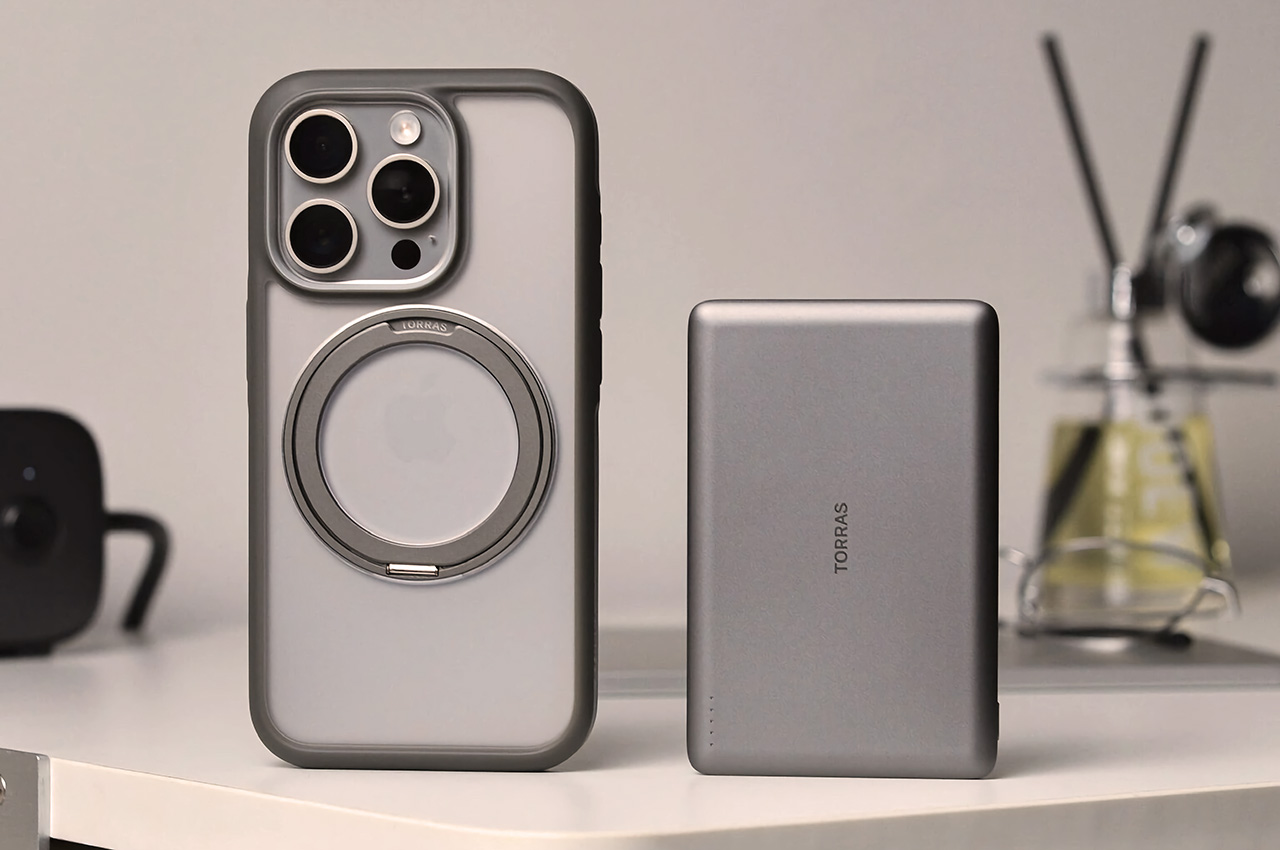
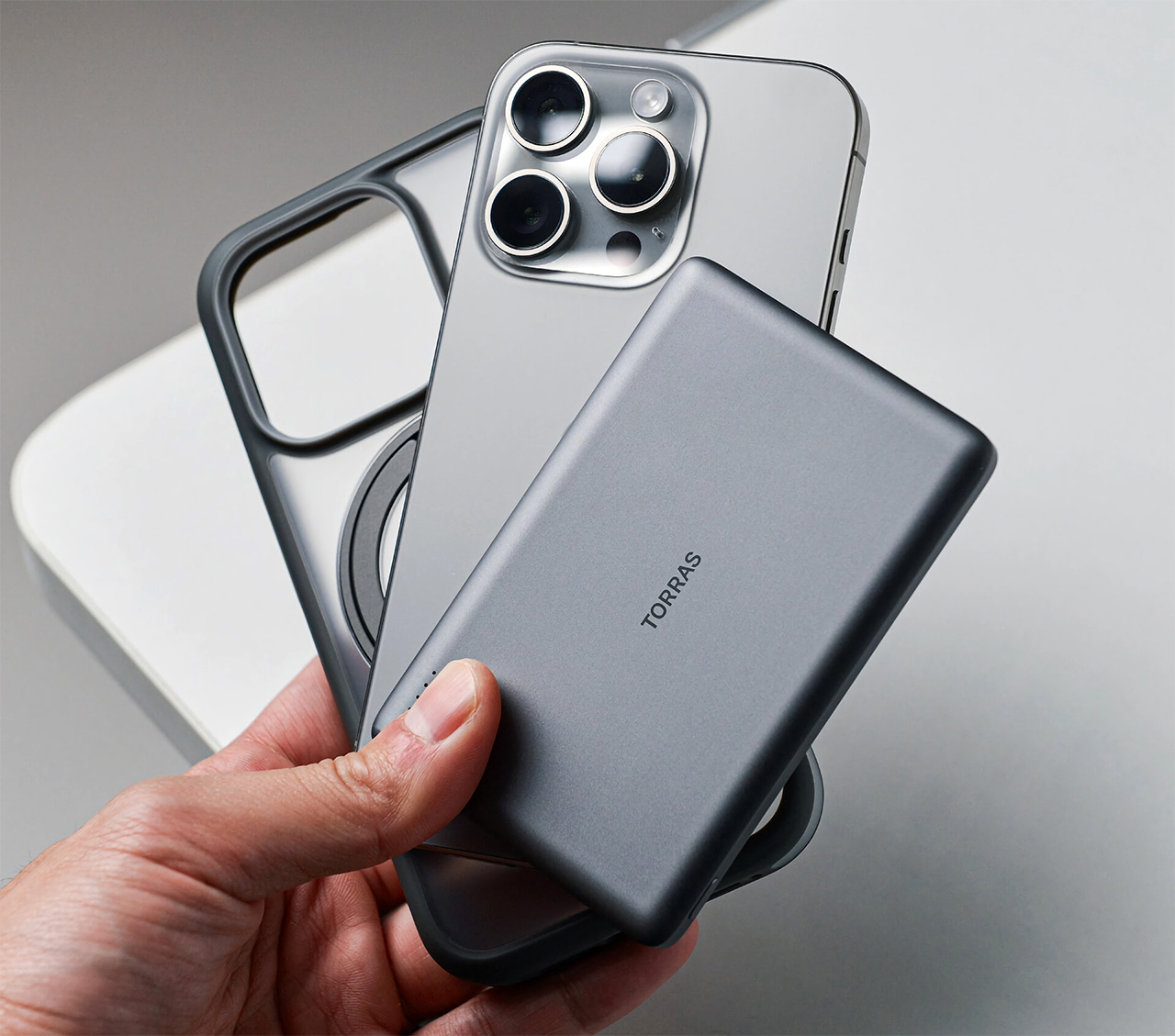
Picture this, it’s summer, you’ve packed your bags and you’re heading on a Eurotrip (maybe for a nice holiday on the Amalfi coast or to see Taylor Swift perform). In true holiday fashion, you intend on spending the entire day out and about, exploring the city, but you realize an hour in that your phone’s already on 15% battery. You might have a charging cable in your pocket, but there isn’t a power socket in sight. Here’s where a MagSafe power bank just makes things much easier. Designed to simply snap onto the back of your phone and give it a battery boost, the TORRAS MiniMag is a compact power bank that’s no larger than a credit card. With its compact size, 0.3mm thickness, and MagSafe compatibility, the MiniMag merely attaches onto your phone, giving it an extra 5000mAh battery so you can go about your day without worrying about being perpetually on ‘Battery Saver’, or worse, a completely drained battery.

Designer: TORRAS

Click Here to Buy Now: $33.44 $49.99 (33% off with coupon code “summer527”). Hurry, deal ends in 48 hours!

TORRAS MiniMag Power Bank & Ostand R

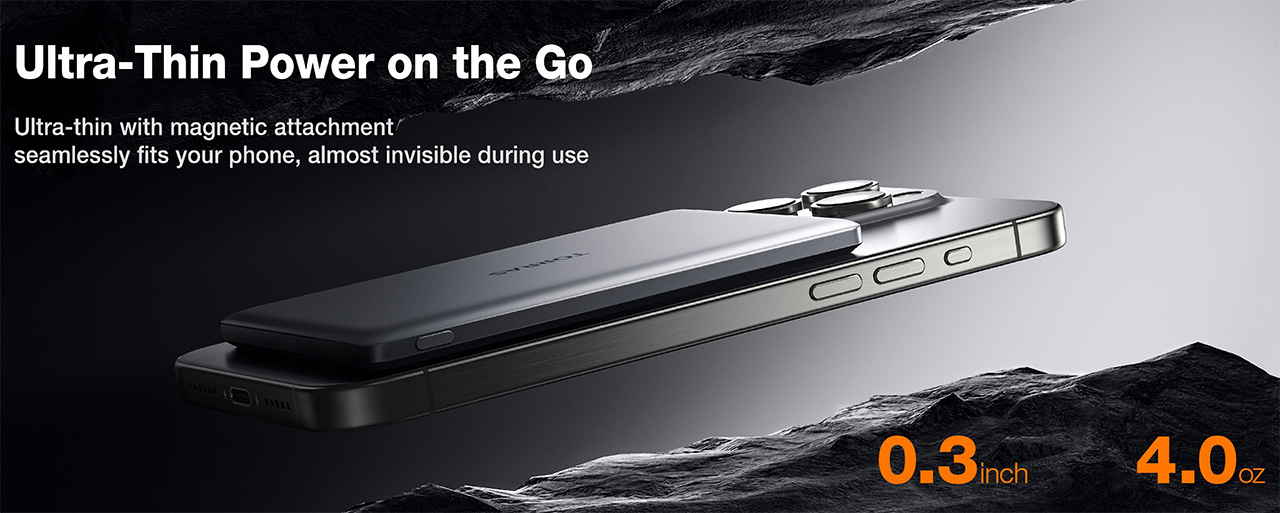
Convenience seems to define the MiniMag’s entire design approach. It’s compact enough to slide right into your pocket or laptop bag when not in use, with a form factor no larger than your average payments card. At 0.3-inches or 7.6 millimeters thick, it might not be slim enough to fit into your wallet, but it attaches to your phone without making it too bulky the way other power banks would. It weighs a minimal 4 ounces (113 grams) and has curved edges running throughout that lets you slide your phone into your pocket without the power bank snagging anywhere.

Card-sized Power Bank, Snap and Go!

Long-lasting Battery Life

The TORRAS MiniMag packs a 5000mAh battery, which practically doubles your iPhone’s battery capacity. Wireless MagSafe charging occurs at a standard 7.5W, and if you’re looking to go faster, plug it into your phone using a USB cable to get 18W of wired charging speeds. The MiniMag supports pass-through charging too, allowing you to basically charge the power bank as it wirelessly charges your phone, keeping your iPhone’s own charging port free for accessories or dongles.

Ostand R case: 360 Magnetic Rotatable Stand

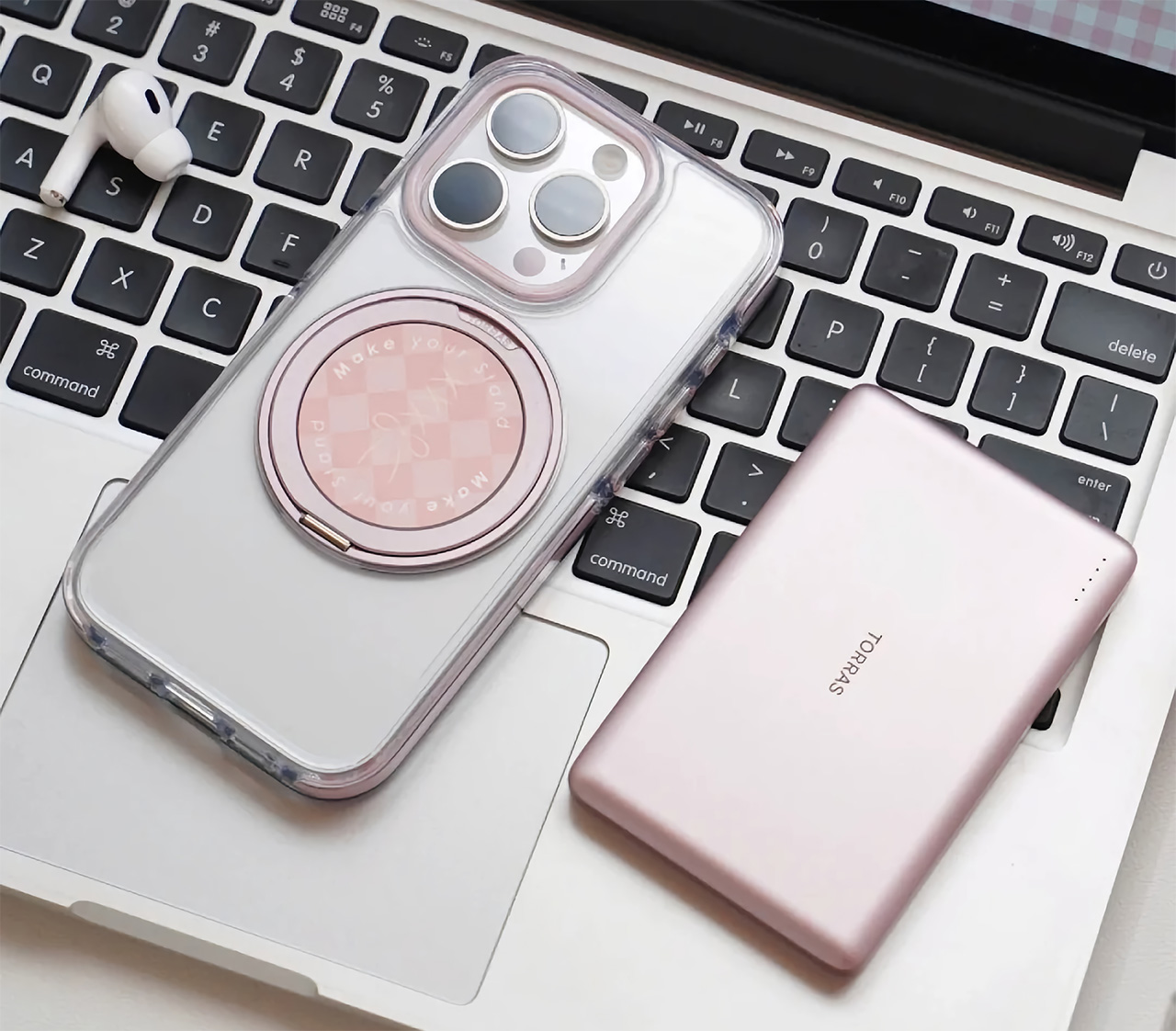
The MiniMag comes with a matte anodized aluminum outer body, in either silver or pink. Although designed to be used independently, it pairs exceptionally well with TORRAS’ Ostand R case, which also gives your phone its own dedicated rotating kickstand. The Ostand R is practically a marvel of engineering, with a stand that sits flush against the case when closed, but opens to prop your phone up. It relies on a specially engineered hinge that’s 1.2mm (0.04 inches) thick, but can resist tens of thousands of folds, and can even hold its angle like a laptop hinge (while taking the weight of your phone). The ring even rotates independently to let you place your phone in either landscape or portait, and it does so with super-slim magnets inside that extend your phone’s MagSafe compatibility, whether it’s attaching accessories or mounts, or snapping on a wireless charger or power bank like the TORRAS MiniMag.

Click Here to Buy Now: $33.44 $49.99 (33% off with coupon code “summer527”). Hurry, deal ends in 48 hours!

The post Credit Card-shaped MagSafe Power Bank gives your iPhone a massive 5000mAh Battery Boost first appeared on Yanko Design.

How BMW’s Designworks Transforms Automotive Design Using AI Tools

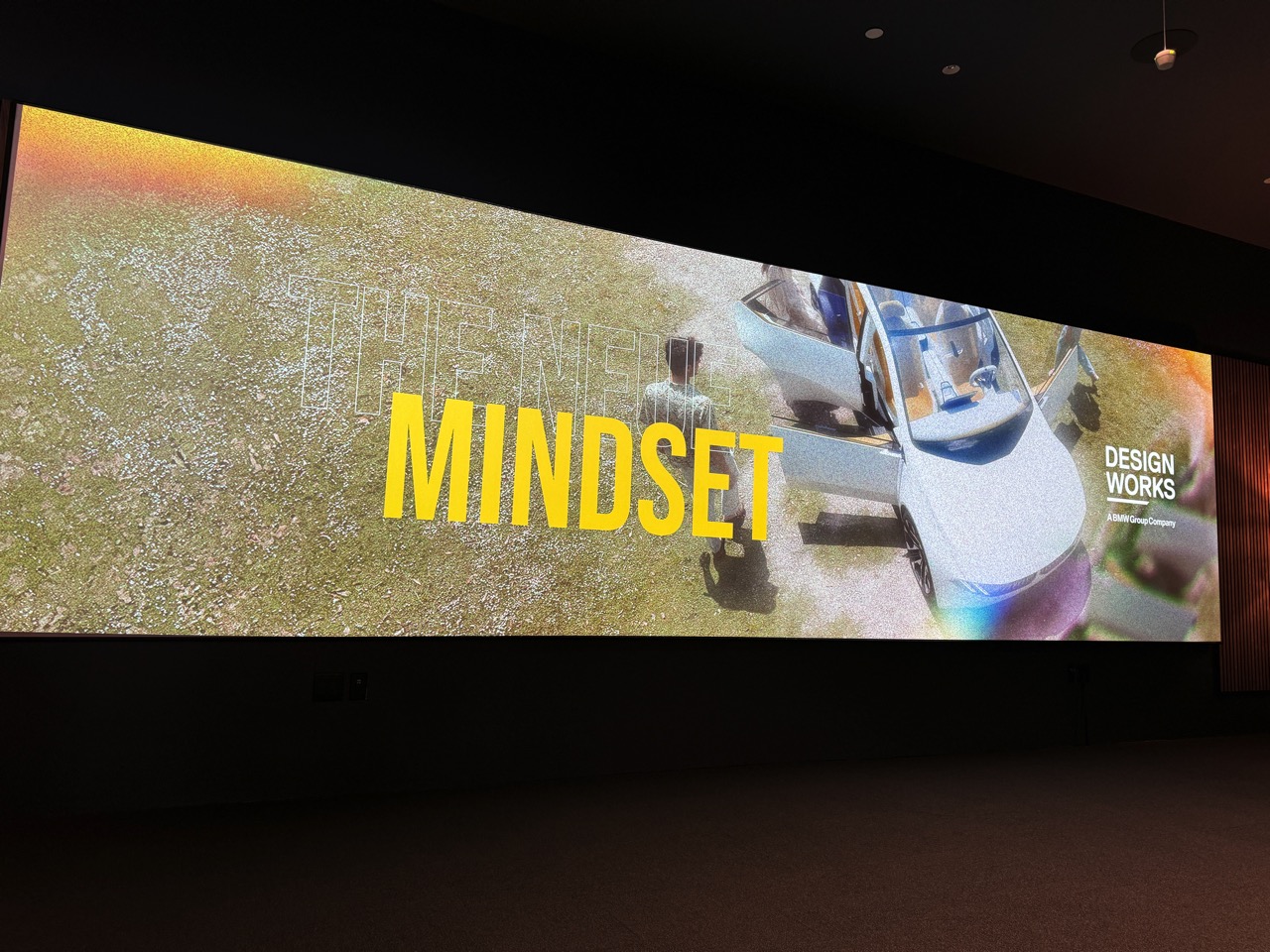
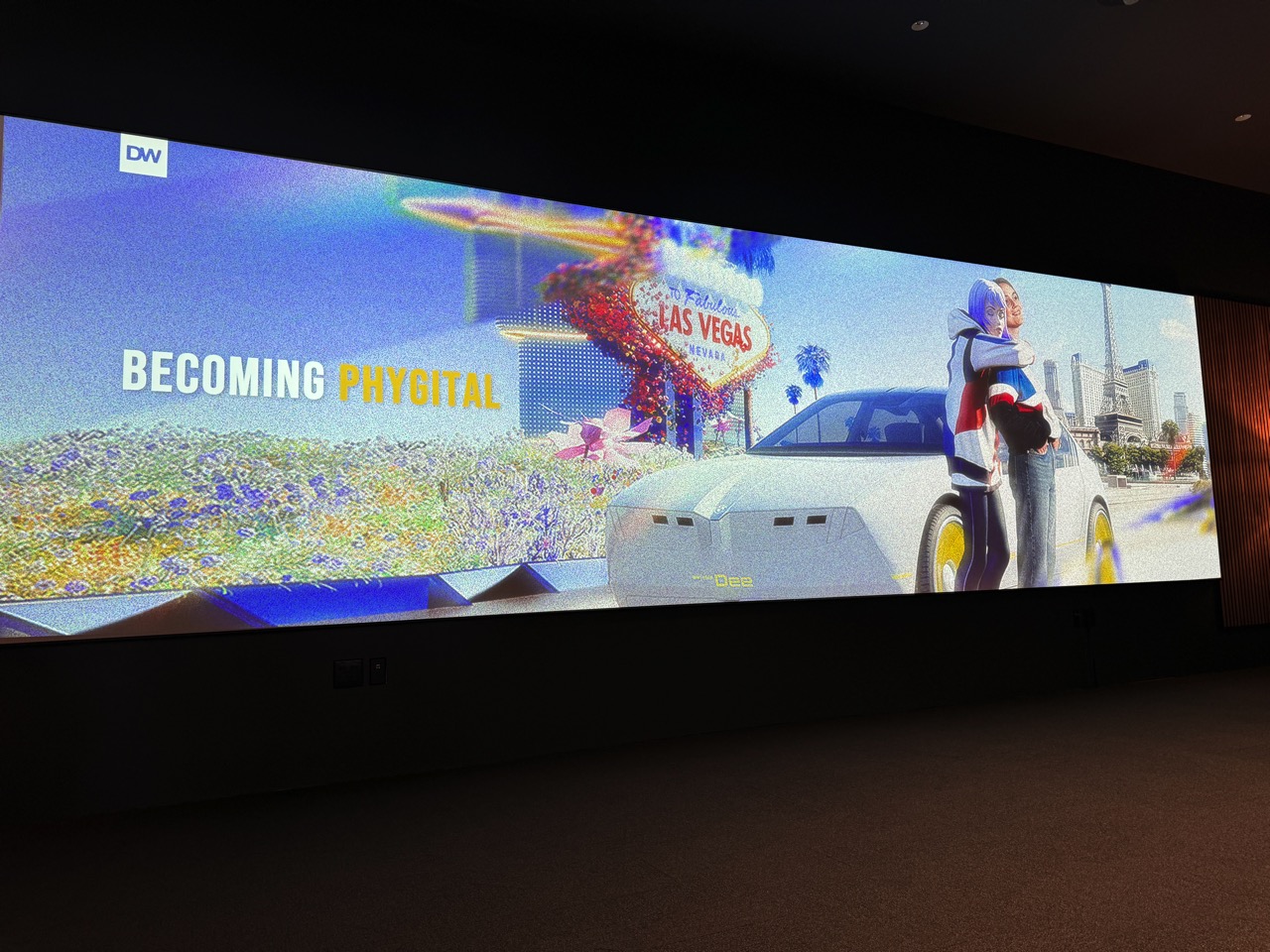
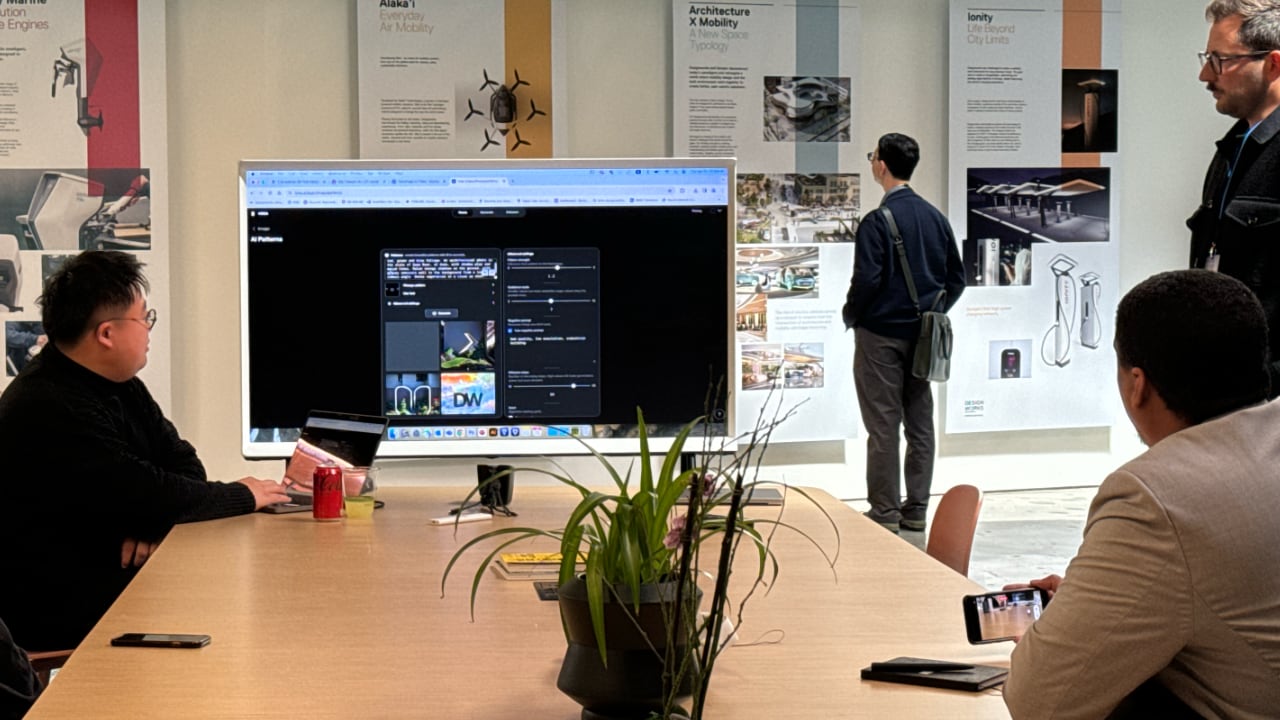
AI in the design process reshapes the industry, and BMW’s Designworks studio leads this transformation. AI tools like MidJourney, Runway, and Kaiber enhance how designers generate images, create animations, and develop textures inspired by nature and existing designs. This shift streamlines workflows and democratizes creativity, making it easier for designers to visualize and iterate on ideas quickly.

Designer: BMW Designworks

Revolutionizing Workflow and Democratizing Creativity

These AI tools have become essential in BMW’s Designworks studio. They allow the generation of images, animations, and textures that would otherwise require labor-intensive traditional methods. By leveraging AI, designers can explore creative possibilities quickly and efficiently, significantly reducing the time and effort needed to bring concepts to life.

Traditionally, creating a new design involves numerous steps: sketching, modeling, rendering, and iterating based on feedback. Each of these steps can be time-consuming and resource-intensive. However, with AI, designers can input parameters or a simple sketch and receive multiple fully realized design options within minutes. This rapid iteration capability allows for more experimentation and refinement, leading to higher quality and more innovative designs.

AI democratizes creativity by enabling designers with varying skill sets to contribute effectively to projects. Even those without extensive experience in animation or 3D modeling can produce compelling visual content. This inclusivity fosters a more collaborative environment where team members can present fully visualized ideas during brainstorming sessions, resulting in a more productive and innovative development process.

At BMW’s Designworks, this collaborative spirit is evident. Team members from different disciplines—industrial design, UI/UX, and creative consulting—can all contribute to the design process. AI tools bridge the gap between these disciplines, allowing for a unified creative vision. During brainstorming sessions, designers can bring AI-generated visuals to the table, enabling more effective communication and collaboration. This speeds up decision-making and ensures that the final design is holistic and well-rounded.

Inspiration, Innovation, and Practical Applications

AI-generated content provides unique sources of inspiration that traditional methods often miss. This capability helps designers think outside the box and push the boundaries of conventional design. For instance, AI can blend textures, materials, and shapes in ways that might not occur to a human designer, leading to innovative and unexpected results.

While AI tools are powerful, human designers’ creative input and oversight remain essential. AI serves to augment human creativity, not replace it. Designers at BMW’s Designworks use AI as a starting point, a source of inspiration that can be further refined and developed. This synergy between AI and human creativity ensures the final product is technologically advanced and artistically inspired.

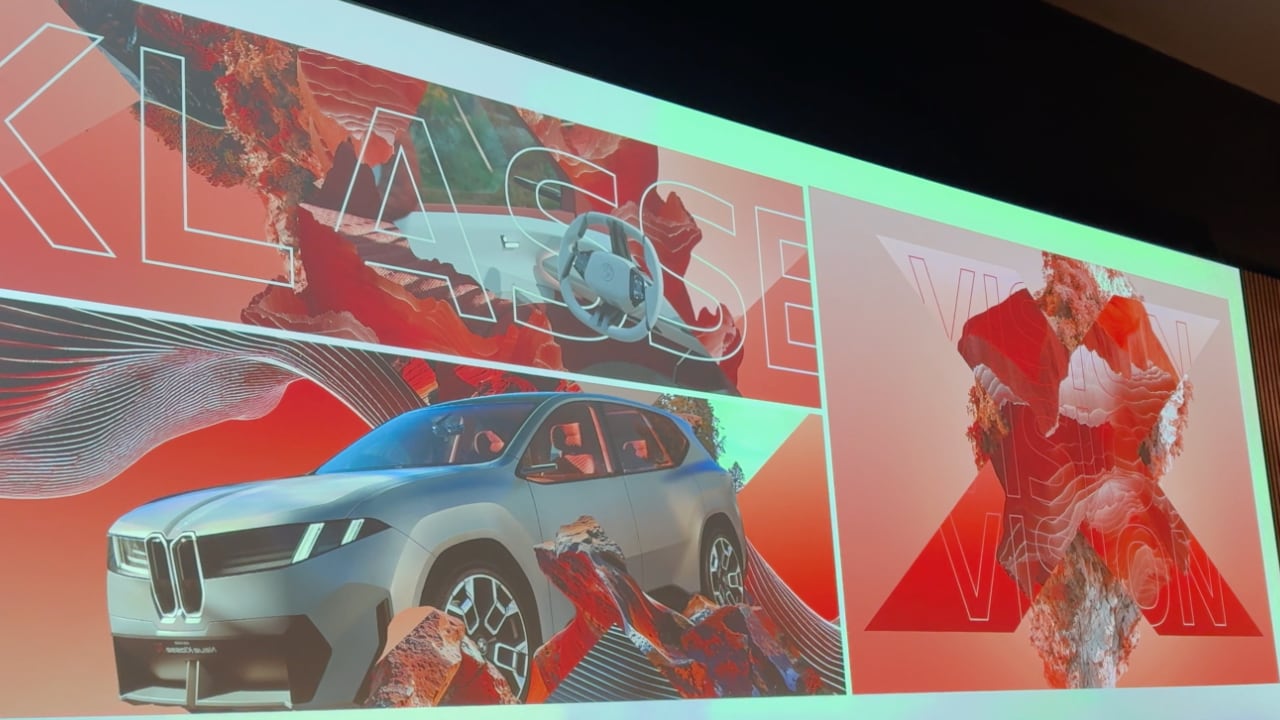
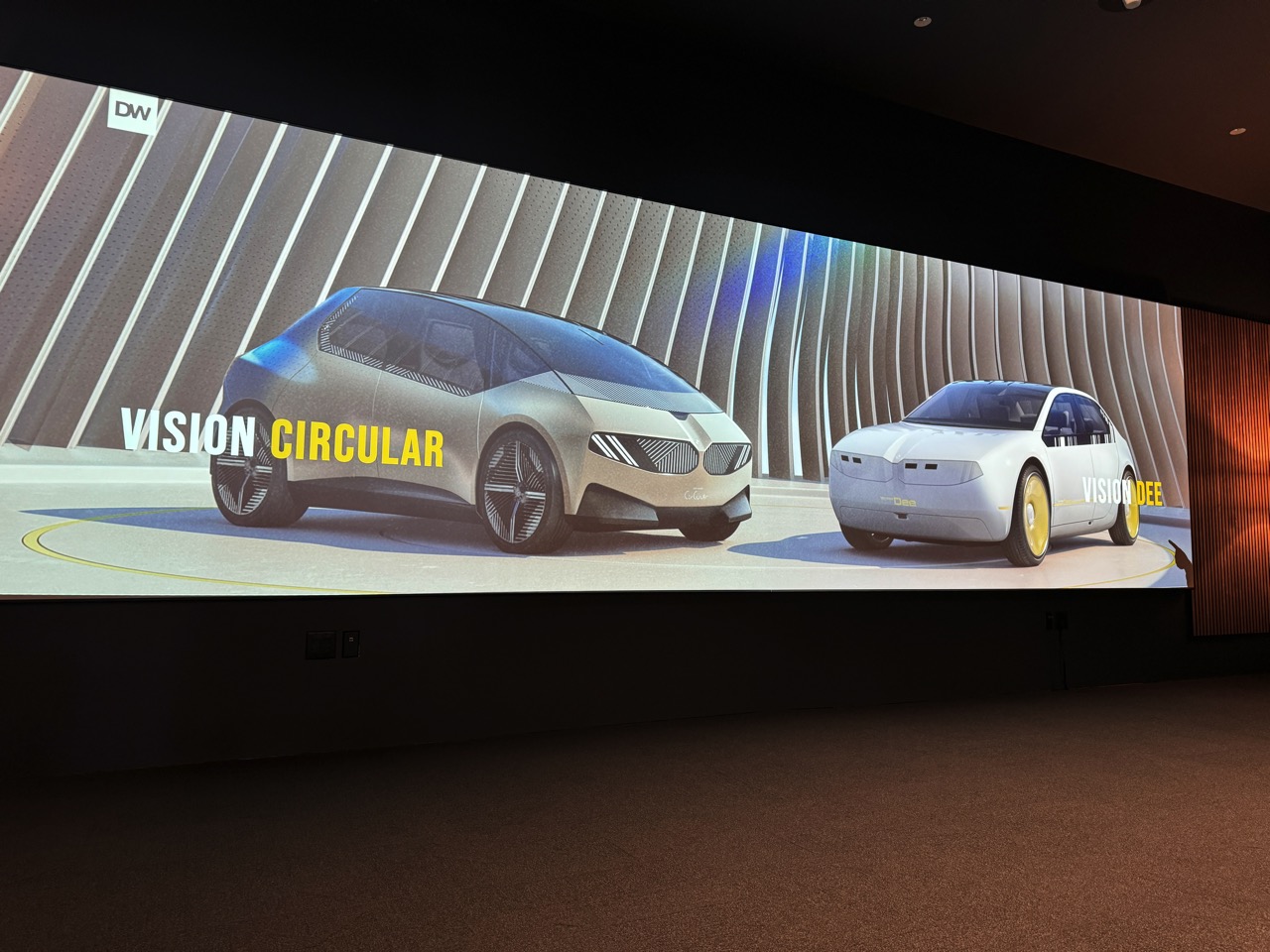
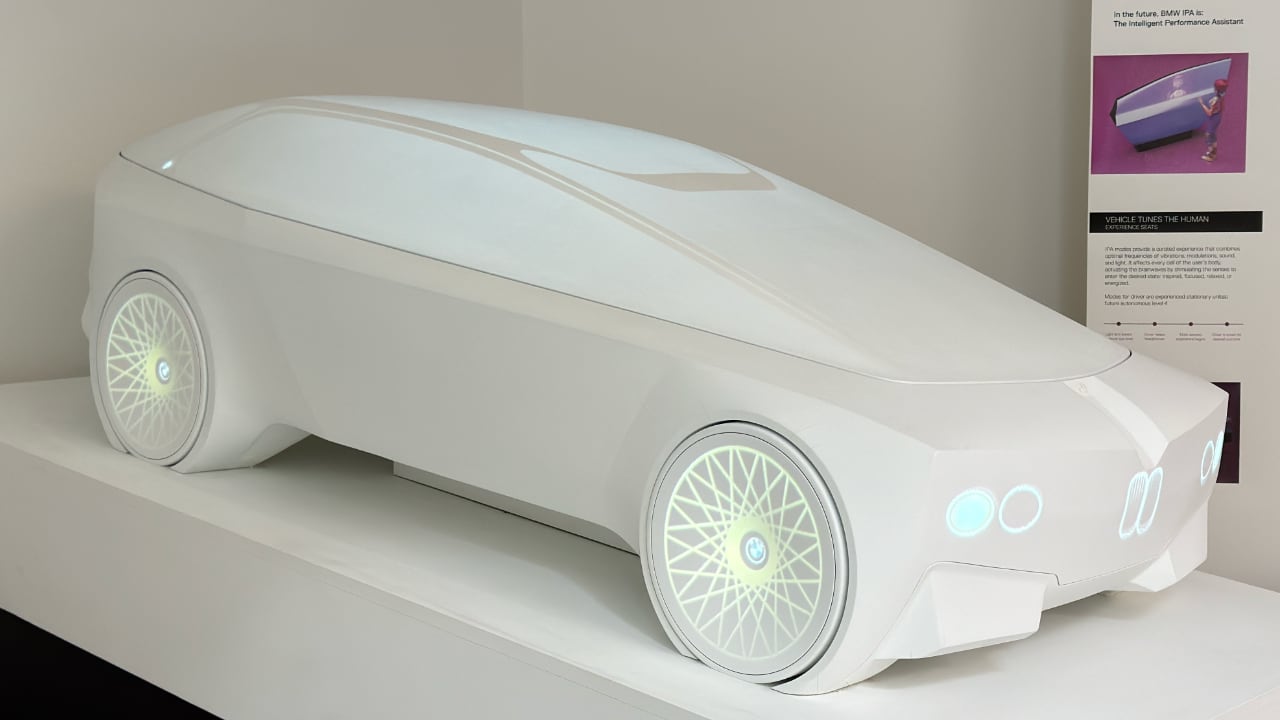
One illustrative example is the use of AI in automotive design. AI tools are employed to design various aspects of BMW vehicles, including both interiors and exteriors, emphasizing the integration of all elements. By visualizing how different materials and textures can be blended, AI helps create cohesive and aesthetically pleasing designs. This approach enhances the vehicle’s visual appeal and aligns with BMW’s commitment to sustainability and innovation.

The practical application of AI tools is evident in various projects at BMW’s Designworks. For example, the design team often demonstrates how tools like MidJourney and Runway create design elements. They might show how an AI-generated texture can be applied to a vehicle interior or how an animated sequence can bring a design concept to life. These demonstrations provide tangible insight into AI’s capabilities and how it enhances the design process.

Technological Advancements, Competitive Advantage, and Future Outlook

AI development is rapid, with new tools and updates released frequently. This requires designers to continually update and integrate these new capabilities into their workflows. Designworks continuously explores and adopts the latest AI technologies to maintain a competitive edge.

The competitive advantage that AI provides BMW is multifaceted. First, the ability to rapidly generate and iterate on design ideas allows BMW to stay ahead of market trends and respond quickly to changing consumer preferences. This agility is crucial in the highly competitive automotive industry, where innovation and timely market entry can be decisive success factors.

Second, the democratization of creativity means that BMW can leverage the full potential of its design team, harnessing diverse perspectives and talents to create more innovative and appealing designs. This inclusive approach fosters a more dynamic and creative work environment and leads to designs that resonate more deeply with a broader range of customers.

Third, integrating AI in the design process enhances the quality and precision of BMW’s vehicles. AI tools can analyze vast amounts of data and generate optimized performance, aesthetics, and sustainability designs. This results in cars that are not only visually stunning but also technically superior, reinforcing BMW’s reputation for excellence and innovation.

The future outlook for AI in design is promising. As AI tools become more sophisticated, their integration into the design process will become even more seamless. Designers will have access to more advanced capabilities to create more complex and refined designs. This evolution will likely lead to even greater innovation and efficiency in the design process.

BMW’s Designworks studio illustrates how AI can transform the design process. By leveraging advanced tools like MidJourney, Runway, and Kaiber, the studio has improved its workflows, democratized creativity, and fostered a more collaborative environment. AI-generated content provides unique sources of inspiration, while the rapid development of AI technologies ensures that designers can continue to innovate and push the boundaries of conventional design. As AI tools become more integrated into the design process, the future of design at BMW’s Designworks looks brighter and more exciting than ever.

In embracing AI, BMW stays at the cutting edge of automotive design and secures its position as a leader in innovation, creativity, and excellence in the automotive industry.

The post How BMW’s Designworks Transforms Automotive Design Using AI Tools first appeared on Yanko Design.

SpaceX Exosuit Concept Helps Astronauts Retain Muscle Mass in Space using Resistance Training

You can see up to 20% of muscle loss in just 11 days of being in space. Astronauts have to exercise nearly two and a half hours each and every day to prevent muscular atrophy. Sounds pretty scary, doesn’t it? Exposure to zero gravity causes muscle fibers to shrink, making astronauts much weaker and less coordinated. Whoever thought that the lack of gravity could affect our health THIS much??

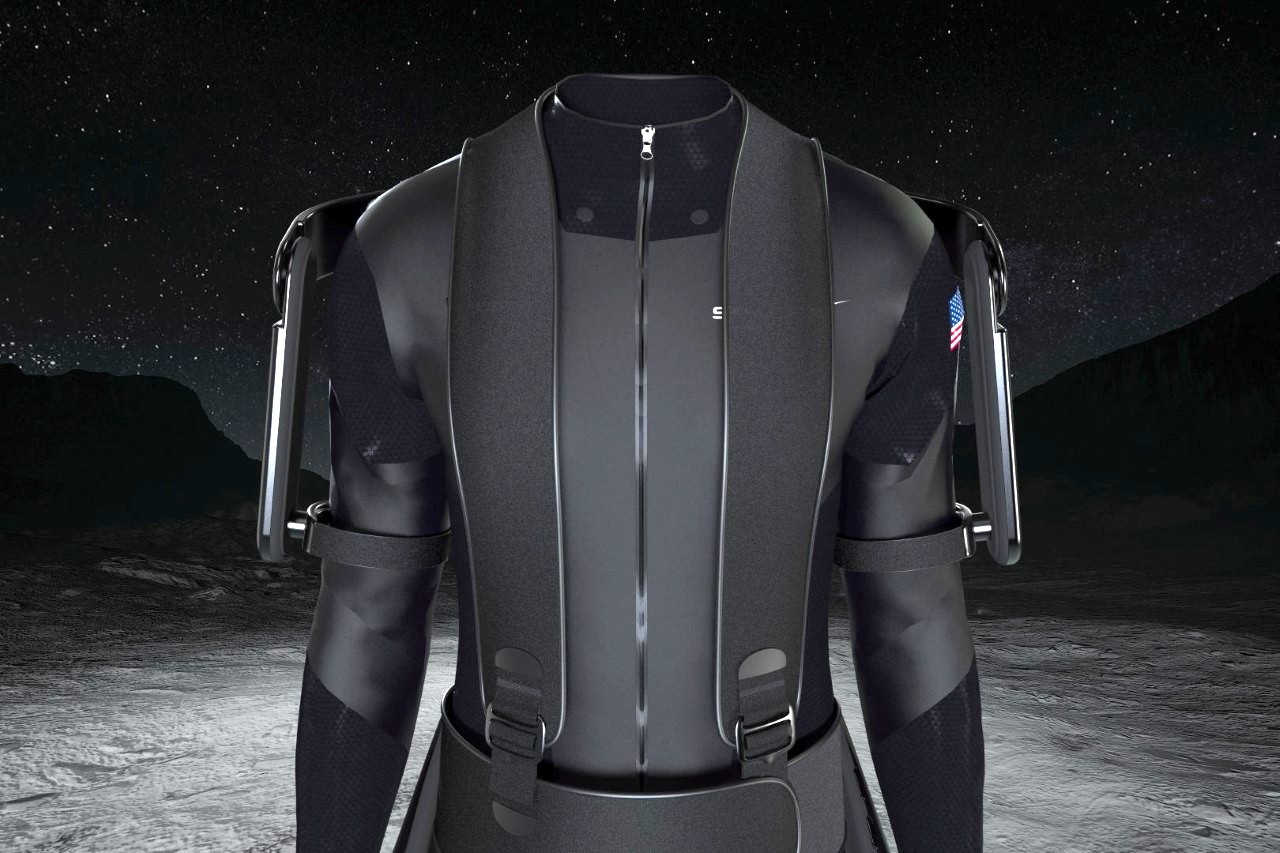
Designed to help astronauts stay fit through regular movements, the Cosmofit Exosuit was imagined for astronauts making their way to the moon with SpaceX’s upcoming mission that aims to set up a lunar base to replace the ISS in 2030. Created by Minwoo Lee, a student at Hongik University, the Cosmofit is designed to be worn indoors, and uses resistance-based training to turn simple activities like walking or reaching out for something into a micro-workout. Astronauts therefore exert more to perform basic activities, and can retain their muscle mass while in a zero gravity environment.

Designer: Minwoo Lee

The Cosmofit bodysuit is made of two distinct parts – the suit itself, and the mechanical augmentations that attach onto the back and around your waist, or the ‘exo’ part of the suit. The suit features electrode pads laid out around different muscle groups, providing electrical stimulation to different muscles in the body to keep them active and healthy, while also helping with muscle recovery after stressful workouts. By providing electrical pulses, the suit can help rebuild muscle tissue and help with recuperation.

Meanwhile, the exoskeleton on the outside uses a series of motors to provide mechanical resistance to help you exert more pressure while moving around. This turns regular activities into mini workouts (sort of like jogging or exercising with weights strapped to your ankles) that prevent muscles from atrophying or growing weak.

The EMS (electrical muscle stimulation) suit can be worn for long periods of time, with the exoskeleton only strapped on for certain hours in the day. There’s even a potential for the exoskeleton to track vitals and fitness levels through activity, giving astronauts a comprehensive look at how healthy they are. Two and a half hours of exercise a day sounds like quite a task… turning just daily movements into a fitness regimen sounds like a much easier way to stay healthy in zero gravity, doesn’t it??

The post SpaceX Exosuit Concept Helps Astronauts Retain Muscle Mass in Space using Resistance Training first appeared on Yanko Design.

World’s First “Coffee-Concrete” Pavement in Australia is 30% Stronger and uses Recycled Coffee Grounds

Did you know that the most widely used substance in the entire world, after water, is concrete?? You’d think it was paper or plastic or wood even, but more concrete is used every single day across the world than any of those materials… and for what it’s worth, it’s considered one of the least nature-friendly materials ever, but researchers at RMIT University of Melbourne are working on a concrete that uses an unlikely recycled material – coffee! The researchers have developed a new type of concrete that incorporates waste coffee grounds in a way that not just makes the concrete more sustainable, but also makes it 30% stronger than regular concrete!

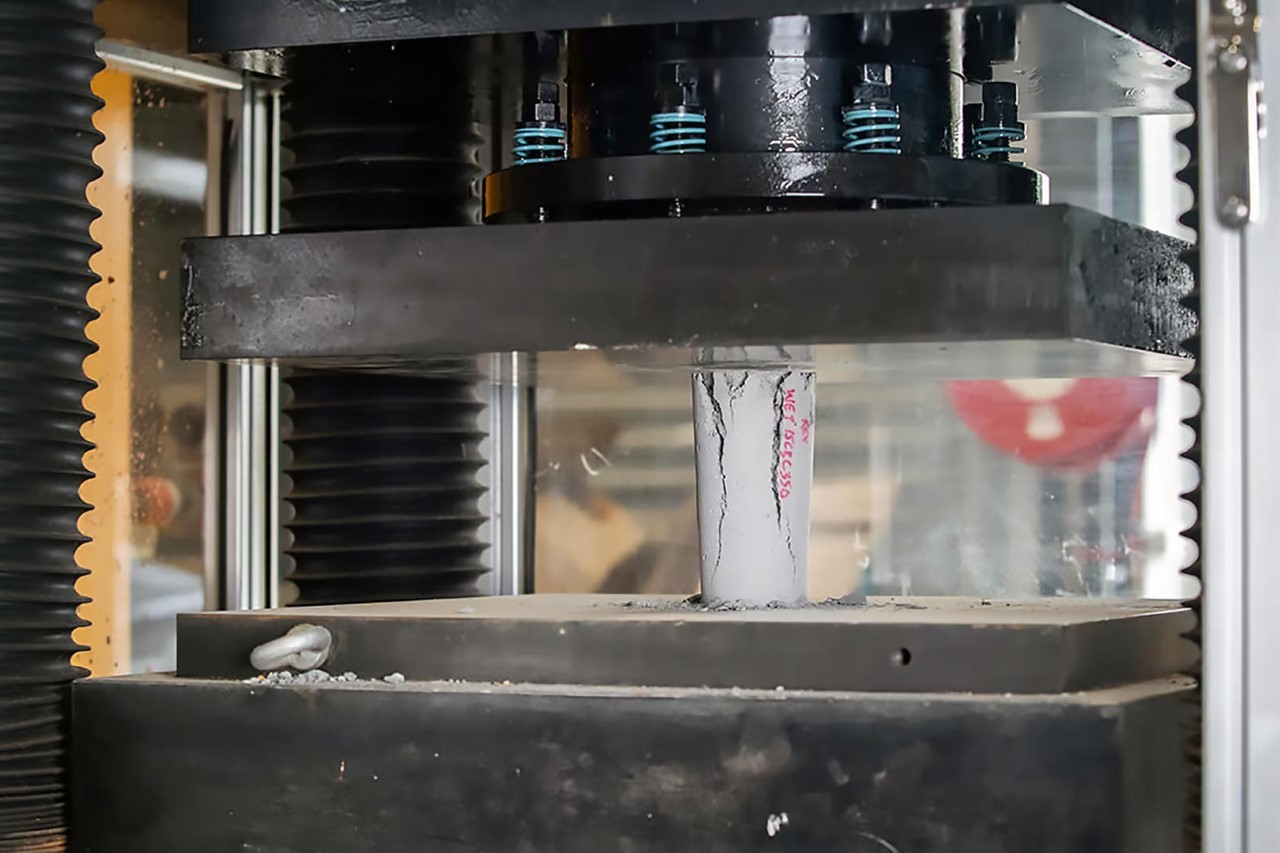
The secret ingredient? Biochar. By heating coffee grounds in a low-oxygen environment at 350°C (662°F), researchers transform them into this charcoal-like material. Biochar doesn’t decompose over time, making it a perfect candidate for concrete reinforcement. This innovative method tackles two environmental concerns simultaneously. It reduces reliance on sand, a finite resource that’s increasingly strained by demand, and diverts coffee grounds from landfills, where they decompose and contribute to greenhouse gas emissions.

Designer: RMIT Australia

The project is now taking a crucial step from the lab to real-world testing. The researchers have partnered with a local council to lay down sections of sidewalk made with coffee biochar concrete alongside standard concrete for comparison. This side-by-side trial will provide valuable insights into how the new material performs under everyday wear and tear from foot traffic.

The potential benefits extend beyond environmental sustainability. The increased strength of coffee concrete could lead to reduced construction costs. The researchers believe that the higher strength might allow for a decrease in the amount of cement needed in the mix, potentially by up to 10%. This translates to lower material costs and a smaller environmental footprint from cement production.

“We’re taking those experiments and putting them in ground and in the field today, we’re going to have people walking across the concrete that includes these products, and RMIT is going to be coming back and doing testing to see how they stand up,” said Shane Walden, the Council’s Director of Assets and Operations. “This not only helps improve the knowledge level of our contractors and our staff, but it also has lots of other benefits and benefits that are important to our community. This includes helping the environment, acting sustainably and, most importantly, reducing waste to landfill and having a circular economy.”

However, coffee isn’t the only contender. The researchers are exploring the use of biochar derived from other organic waste materials as well. Each type of biochar has unique properties that could influence the performance of the concrete in different ways. By understanding these variations, researchers can tailor the biochar type to achieve specific desired qualities in the final concrete product.

This first-of-its-kind trial ‘paves’ the way for a more sustainable future in construction. By incorporating waste materials into building materials, we can lessen our environmental impact and potentially create stronger, more durable infrastructure. The success of this trial could lead to a future where our daily walks contribute not just to our health but also to a greener planet. Now if only our pavements also smelled like coffee!

The post World’s First “Coffee-Concrete” Pavement in Australia is 30% Stronger and uses Recycled Coffee Grounds first appeared on Yanko Design.

The Evolution of Smartphones: What Are GenAI Phones?

Generative AI, or GenAI, has been making waves in the software industry for several years, proving its potential to revolutionize various sectors with its ability to generate new content and provide insightful analyses based on existing data. However, it is only recently that this technology has started to transition from software applications to consumer hardware, specifically within the mobile phone market. This transition marks the beginning of a new era in consumer electronics, where smartphones are not only smart in name but are endowed with the capability to perform complex AI tasks that were once reserved for powerful servers.

The term “GenAI smartphone,” or “GenAI phones” for short, began to gain traction in the last six months, emerging prominently in reports from leading market research firms. These devices are distinguished from standard smartphones’ ability to harness large-scale, pre-trained generative AI models to create and modify content directly on the device. This capability isn’t just a marginal upgrade to existing features. Still, it represents a fundamental shift in how mobile technology interacts with users, offering distinctive personalization and functionality directly from one’s hand.

As these GenAI smartphones prepare to enter the market, they promise to redefine user interactions with mobile devices. With the potential to handle tasks ranging from real-time language translation and complex content creation to intuitive personal assistants that understand and predict user needs, GenAI phones aim to set a new standard in mobile computing. This evolution from a communication tool to an intelligent companion stresses a pivotal shift in the mobile industry, driving consumer excitement and industry innovation. As we stand on the brink of this technological leap, it is crucial to understand what precisely a GenAI smartphone is, how it differs from traditional smartphones, and what it promises for the future of mobile technology.

What is a GenAI Phone?

A GenAI phone represents a new category of smartphones that embed generative artificial intelligence (AI) at the core of their functionality, offering previously unimaginable capabilities in a handheld device. These devices integrate large-scale, pre-trained AI models to provide unprecedented personalization and functionality directly from one’s hand.

At the heart of a GenAI phone are AI-driven applications capable of generating original content. Whether it’s composing personalized emails, designing unique artwork, or creating music from simple user prompts, these applications dynamically produce outputs tailored to user interactions. Unlike traditional apps that operate within their confines, AI tools in a GenAI phone are embedded system-wide, enhancing the user experience across all functionalities. This integration ensures that AI capabilities improve everything from the camera and messaging apps to system settings, adapting to the user’s behavior to predict and automate actions like app selection or environmental adjustments.

GenAI phones are equipped with specialized CPUs explicitly designed for intensive AI tasks to power these sophisticated features. These processors perform billions of operations per second, enabling the device to run complex AI models directly on the device. This capability of processing data locally speeds up operations by eliminating the latency associated with cloud computing. It significantly enhances user privacy and security, as sensitive data does not need to be transmitted over the Internet.

GenAI phones must remain elegantly designed and user-friendly despite the advanced technology embedded within them. Consumers expect their devices to combine functionality with aesthetic appeal, mirroring the sleekness and minimalism of products like the iPad Pro M4. The challenge for manufacturers is integrating these powerful AI capabilities into slim, attractive, and intuitive devices, ensuring that technological advancements enhance rather than complicate the user experience.

What Isn’t a GenAI Phone and Current Market Scenario
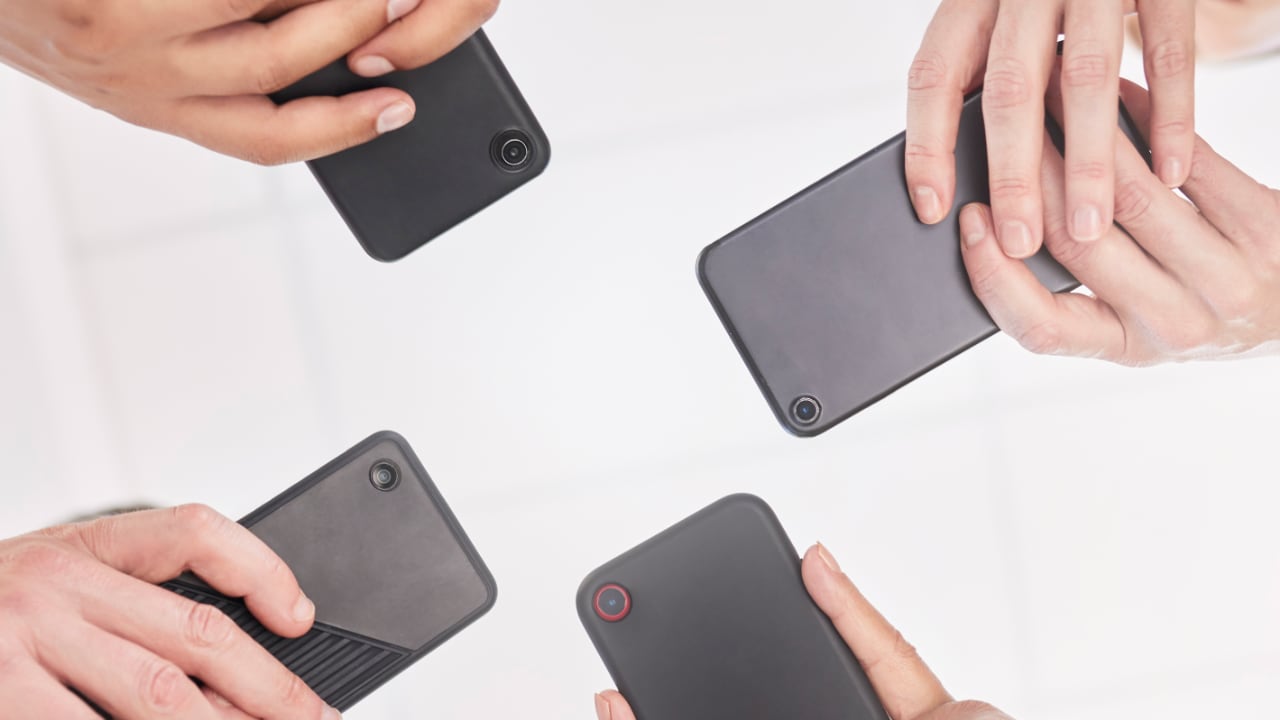
Understanding what isn’t a GenAI phone is crucial in distinguishing it from the myriad of smartphones equipped with basic AI functionalities. Although many modern smartphones boast AI capabilities, having AI features doesn’t automatically make a device a GenAI phone. This distinction is required to set realistic expectations about the device’s capabilities and understand smartphone technology’s evolution. A GenAI phone fundamentally differs from standard smartphones because it integrates advanced AI functionalities directly into the device’s core systems and processes data locally rather than relying heavily on cloud computing. This integration means that GenAI phones are equipped with specialized hardware to handle complex AI tasks independently, thereby enhancing privacy and functionality by keeping the processing on the device itself.
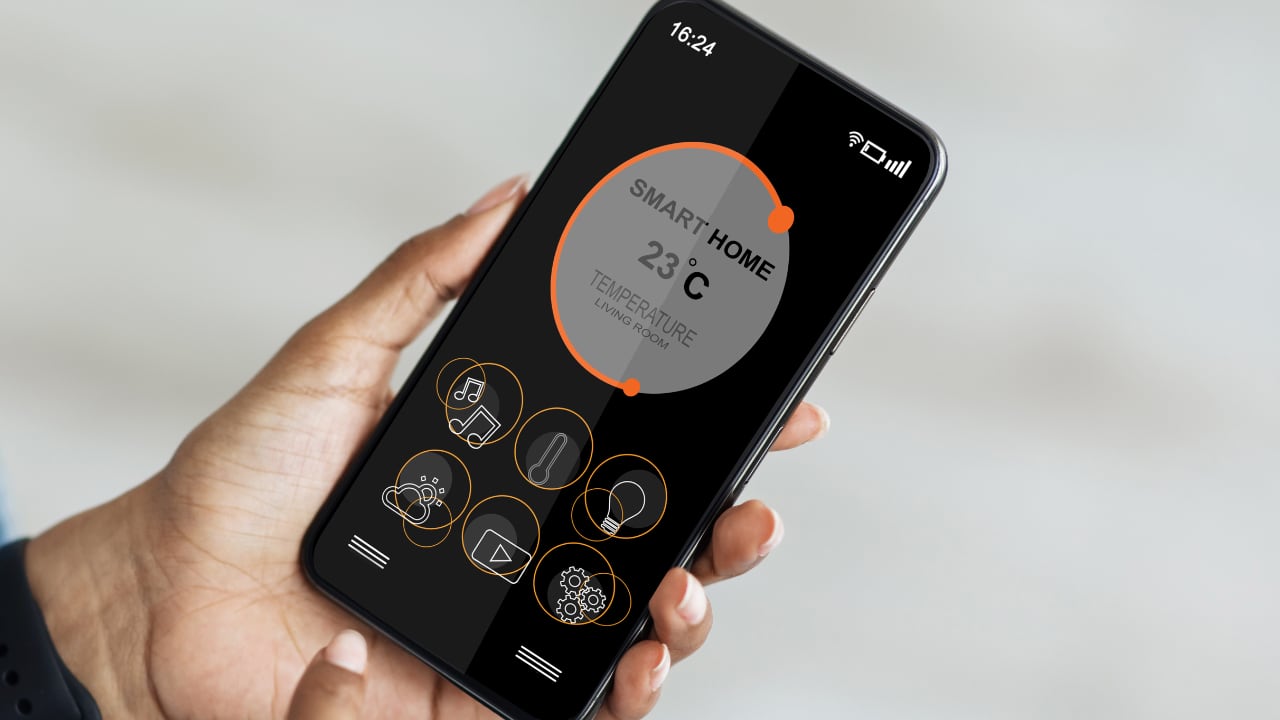
In contrast, many smartphones on the market today, often mistaken for GenAI devices, do not meet these criteria. For example, while devices like the iPhone 15 Pro Max offer AI-driven features like facial recognition, predictive text, and enhanced photography tools, these features, although advanced, do not necessarily qualify the device as a GenAI phone. This is because a true GenAI phone not only uses AI for specific tasks but integrates AI deeply across all system operations, processing complex AI tasks entirely on the device. In other words, even though iPhones process a significant amount of data on-device to ensure user privacy, the breadth and independence of AI integration in terms of generative capabilities might not be as extensive as in dedicated GenAI devices. Similarly, many Android devices boast impressive AI-powered photo editing and voice assistant features; however, these tasks are often processed with the aid of cloud servers, making them less autonomous and, therefore, not true GenAI phones. These smartphones might utilize AI for specific applications like optimizing battery life, managing screen brightness based on ambient conditions, or even offering user behavior-driven app suggestions. Yet, because they lack the hardware to independently process complex AI tasks directly on the device, they fall short of the GenAI classification. The reliance on cloud processing raises concerns about data privacy and limits the device’s functionality when offline or in areas with poor connectivity.
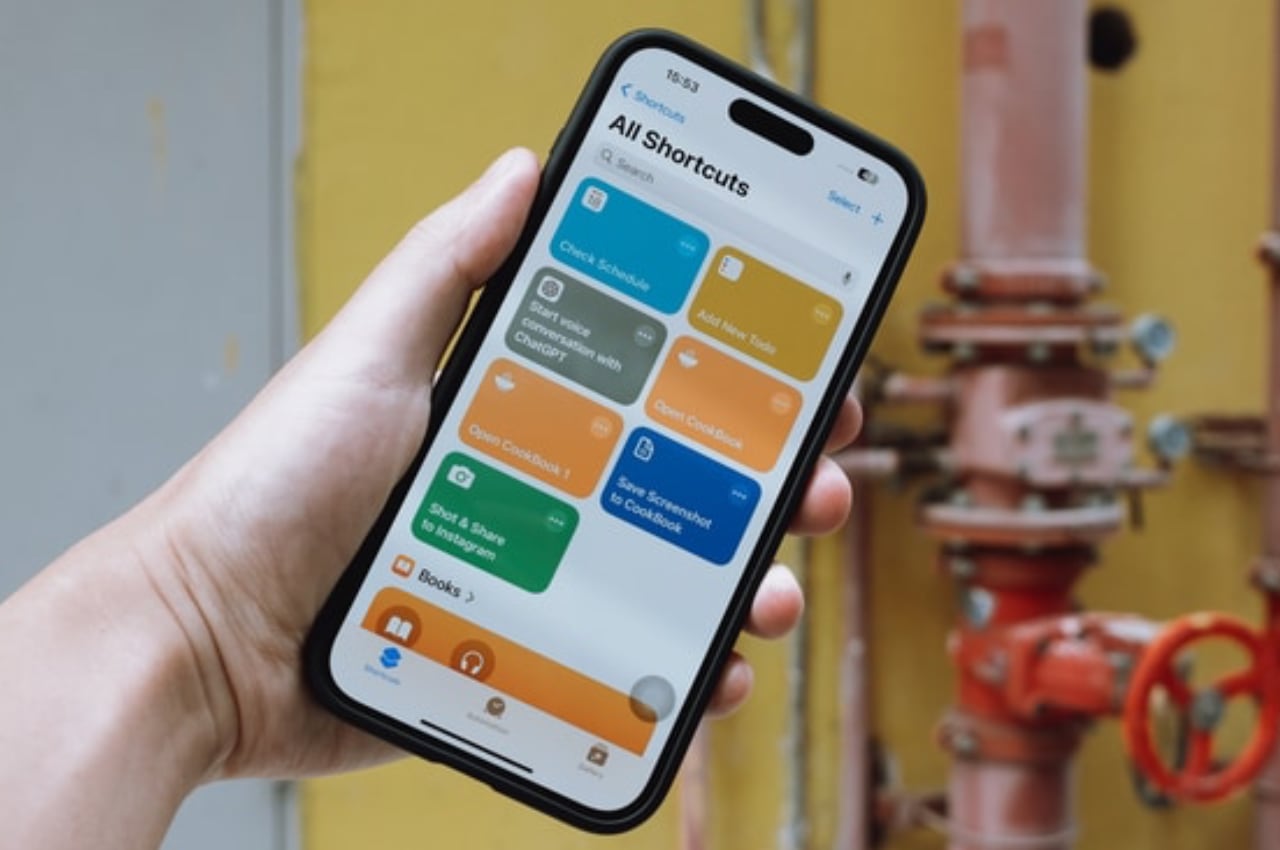
Thus, while many current smartphones are marketed with the allure of AI, only a select few truly qualify as GenAI phones by virtue of their ability to perform sophisticated AI operations natively and independently. Among the notable examples that set the benchmark in this emerging category are the Samsung Galaxy S24 series and the Google Pixel 8 Pro. These devices display the integration of AI at a foundational level, equipped with the necessary hardware to process complex AI tasks directly on the phone. This enables a range of innovative applications, from enhanced image processing to real-time language translation without cloud dependency.

For instance, the Samsung Galaxy S24 series demonstrates its generative AI capabilities through features that enable sophisticated on-device content creation and personalization, enhancing user interaction in ways that were previously only achievable with server-based computing. Similarly, the Google Pixel 8 Pro leverages its specialized hardware to deliver advanced AI functionalities like next-generation assistant features and more nuanced user engagement through AI, all processed locally on the device. This focus on native processing is a crucial aspect that boosts performance and efficiency and significantly enhances data privacy, a growing concern among consumers. By minimizing data transmission to external servers, these GenAI phones offer a more secure environment for users to enjoy the benefits of AI without compromising their personal information.
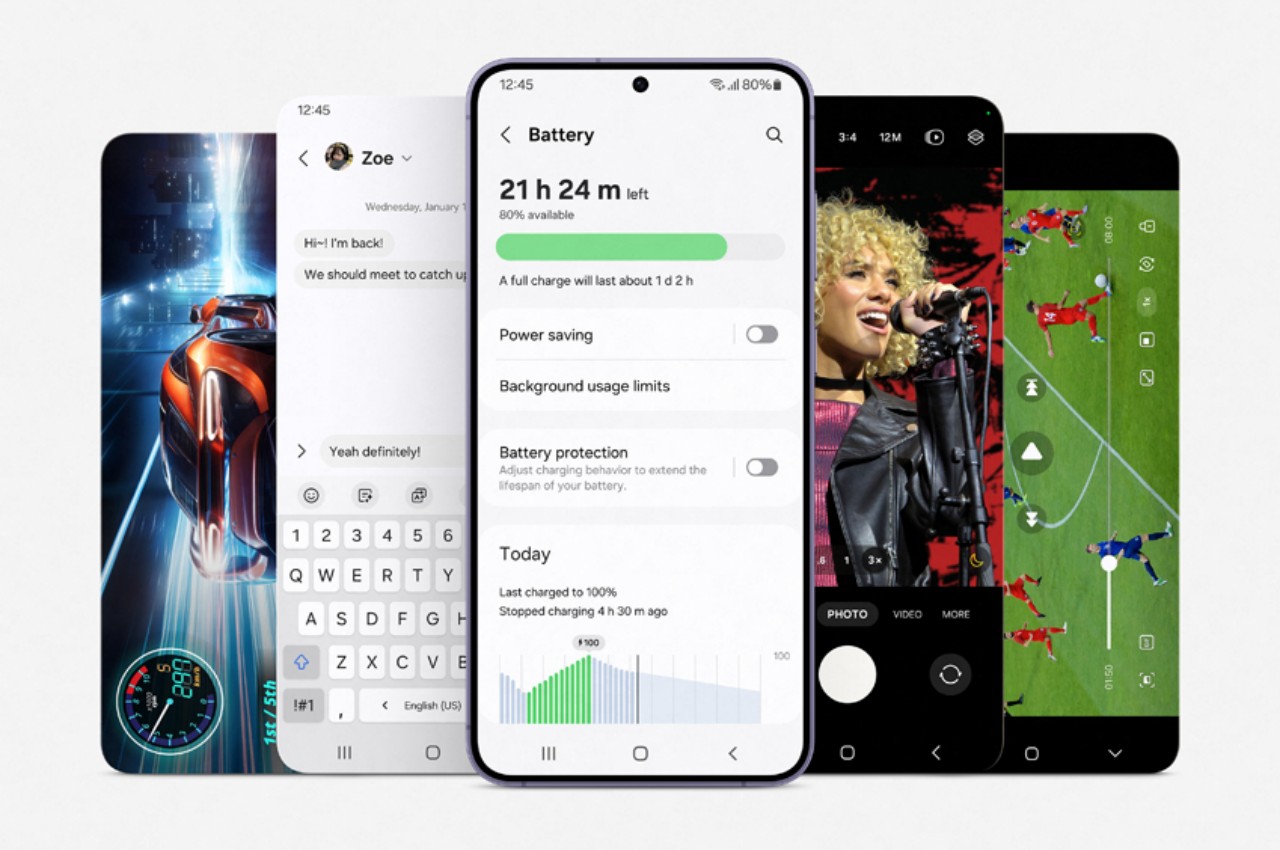
Transitioning into the Apple ecosystem, recent developments indicate a significant shift that could redefine the landscape of GenAI phones. Rumors of Apple’s potential partnership with OpenAI and the integration of an advanced Siri capable of leveraging OpenAI’s technologies suggest a significant upgrade in Apple’s AI capabilities. Such a collaboration could bring about a new iteration of Siri that is far more advanced than its current form, potentially incorporating the ability to understand and generate human-like text, engage in more dynamic conversations, and offer personalized suggestions with a higher degree of relevance and context.
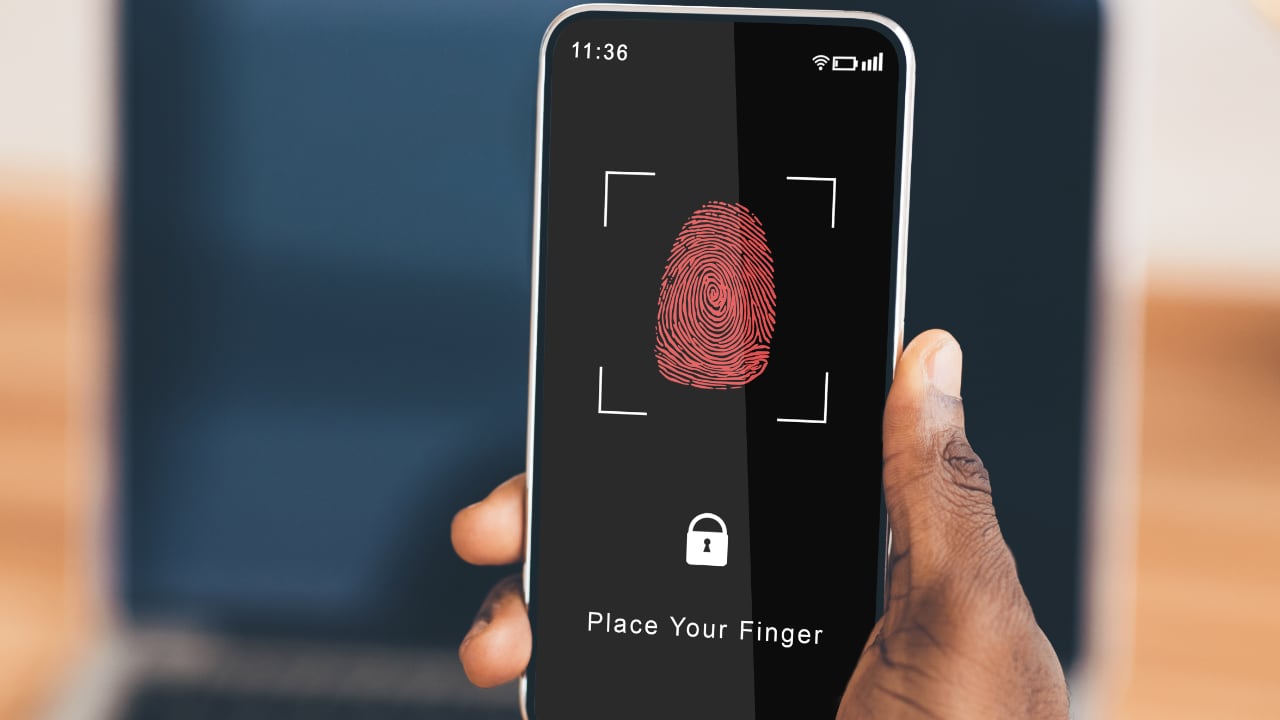
If these speculations hold, this move could be a game-changer for the Apple ecosystem, integrating more deeply with iOS, macOS, visionOS and iPadOS. It could enhance the Apple suite of products with a level of AI sophistication previously unseen in its devices. For Apple, known for its tightly integrated ecosystem and emphasis on user privacy, the challenge will be to balance these advanced capabilities with the need to maintain data security, especially considering the potential use of cloud-based processing to support more complex AI tasks.
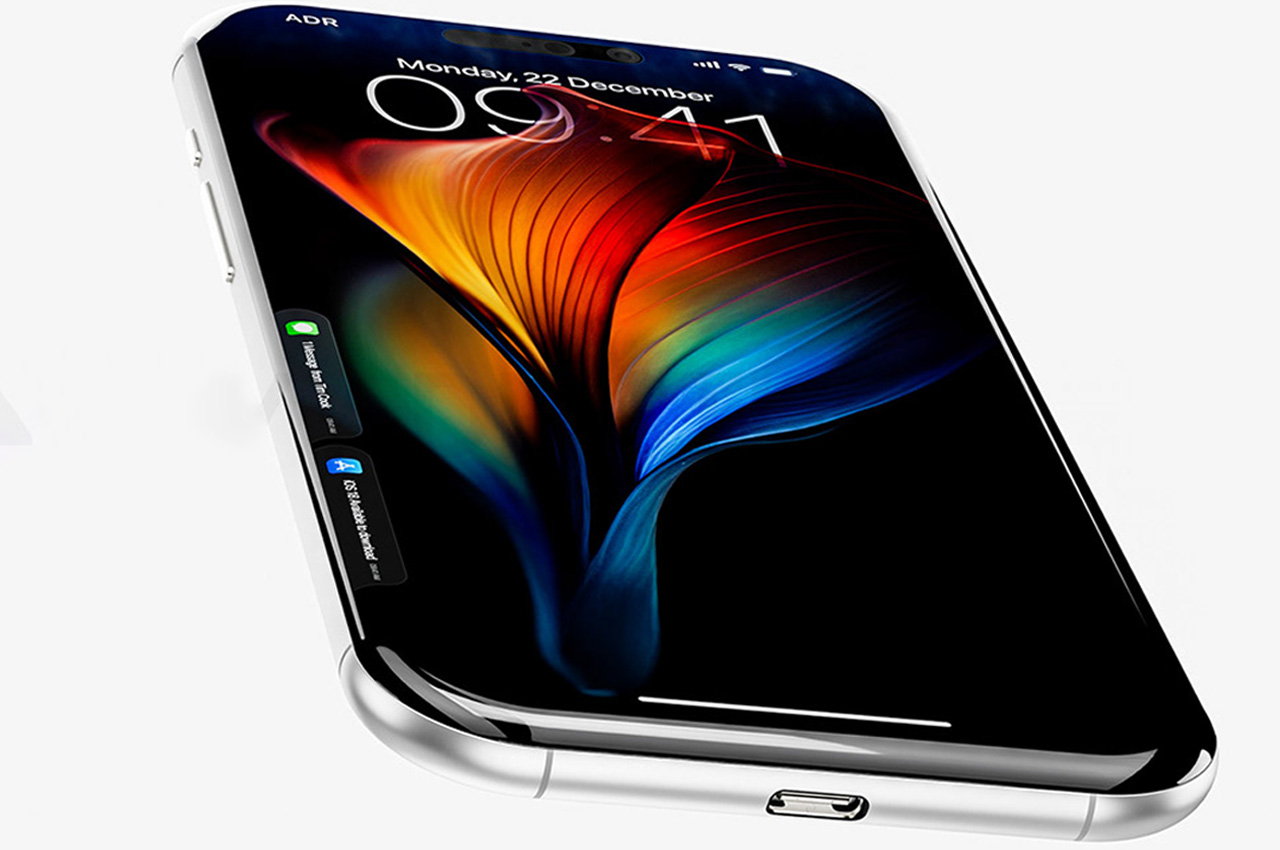
Apple iPhone Concept

This anticipated development could position Apple to catch up with and potentially surpass its competitors in the race to refine and expand the capabilities of GenAI phones. Integrating such advanced AI could transform how users interact with their devices, making Apple’s ecosystem even more intuitive and integrated and potentially setting a new standard for what smartphones can achieve in personal technology.

The Future of GenAI Phones, Market Impact, and Consumer Adoption

The future of GenAI phones is anticipated to transform our daily interactions with mobile devices radically. Integrating generative AI features into mainstream smartphones is becoming more prevalent as technology advances. Companies like Apple, NVIDIA, Qualcomm, Microsoft, Samsung, and Google are at the forefront of this evolution, actively developing ways to incorporate GenAI capabilities into future models and through updates to existing devices. This push towards more intelligent smartphones will likely enhance how we communicate, create, and interact with our devices daily.

Apple M4 and Snapdragon X Elite

The impact of these developments on the market cannot be understated. After years of incremental upgrades that have seen diminishing consumer excitement, GenAI phones promise to inject new life into the somewhat stagnant smartphone market. According to insights from Counterpoint Research, incorporating GenAI technologies is expected to boost smartphone sales significantly. Their data projects a notable increase in market share and adoption rates for GenAI smartphones over the next few years, with these advanced devices set to account for a substantial portion of total smartphone shipments by 2027.
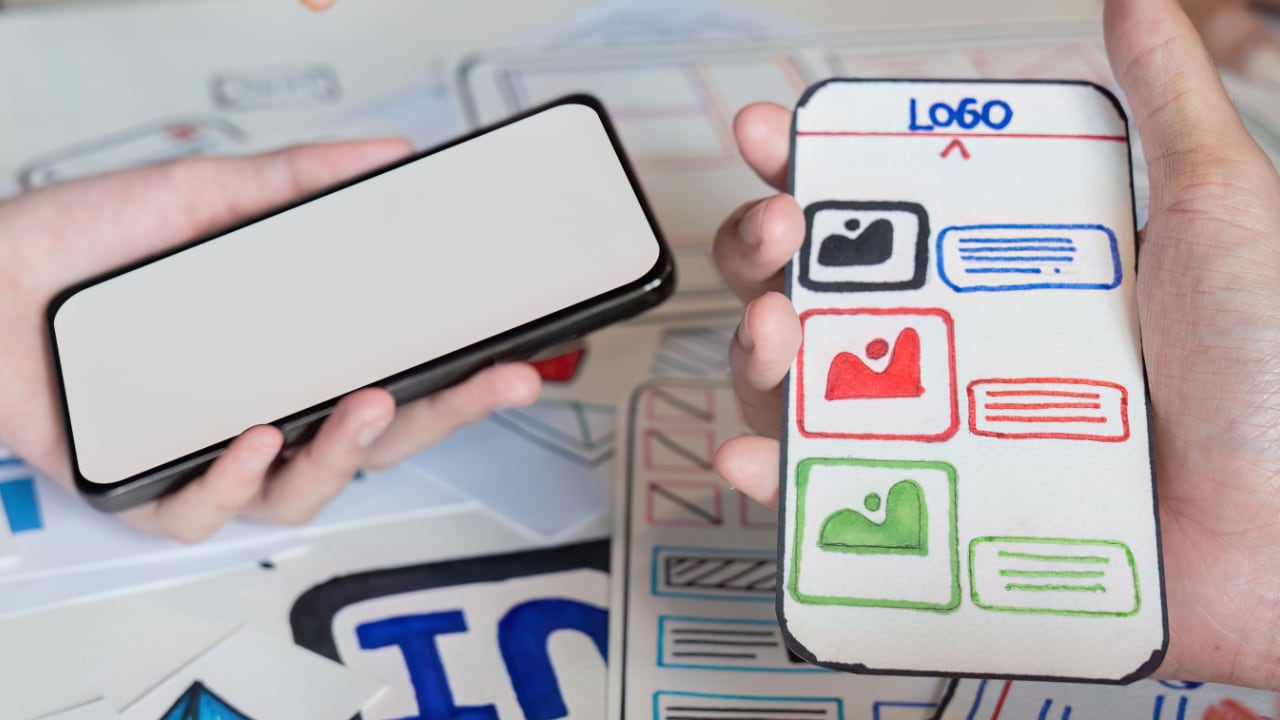
This shift is expected to reshape consumer expectations and drive demand for smartphones that are smarter, more intuitive, and capable of independently performing complex tasks. As GenAI phones become more common, they are anticipated to influence a broad spectrum of consumer electronics, setting new standards for functionality and interactivity. Integrating AI into everyday technology promises to make our digital experiences more personalized and efficient, fundamentally changing our relationship with technology.

In essence, the rise of GenAI phones indicates a new era in personal technology, where our devices understand and anticipate our needs better than ever. For everyday users, this means smartphones that can offer real-time translations, sophisticated content creation, and proactive personal assistance—all processed locally on the device for faster, more secure interactions. As these technologies mature, they are expected to become integral to our digital lives, making advanced AI a luxury and a standard component of future smartphones.

The post The Evolution of Smartphones: What Are GenAI Phones? first appeared on Yanko Design.
HMD complements its smartphone with phone-shaped sunglasses, backpack and belt for phone

Brands have very peculiar ways of promoting their products, for instance, years back Burger King ran a promotion asking people to unfriend 10 Facebook friends for a free Woopper. Now, HMD is taking a different but weird route with the head-turning accessories to celebrate the sales kick-off of its first smartphone, the HMD Pulse Pro.

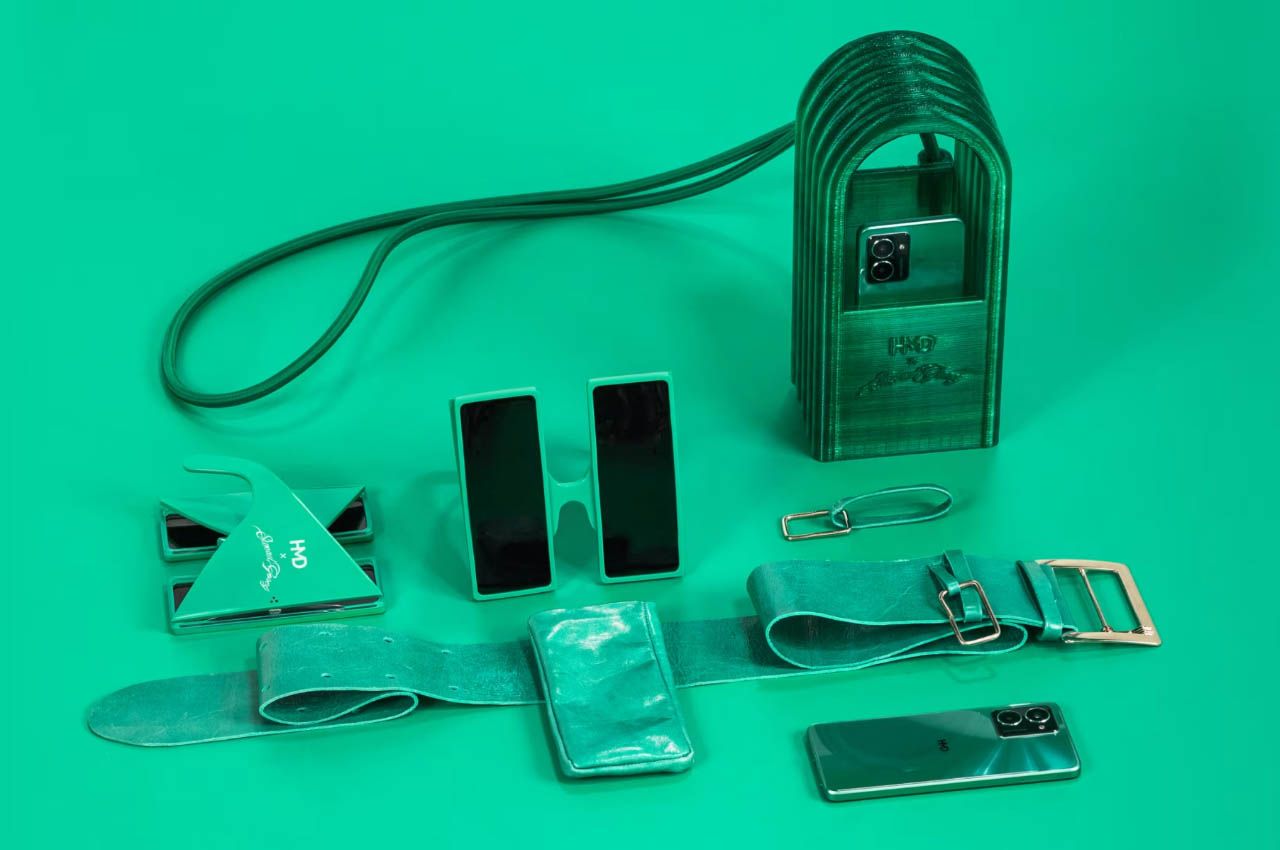
Introducing the HMD’s Phonecore range, which is a destined conversation starter no matter the gathering you are heading into. This range of smartphone-inspired accessories includes a pair of Pulse Pro-inspired sunglasses that look like an impressive pair of smart glasses, a smartphone backpack, and a belt that’s made to hold your phone like a policeman’s walkie-talkie in the belt.

Designer: HMD

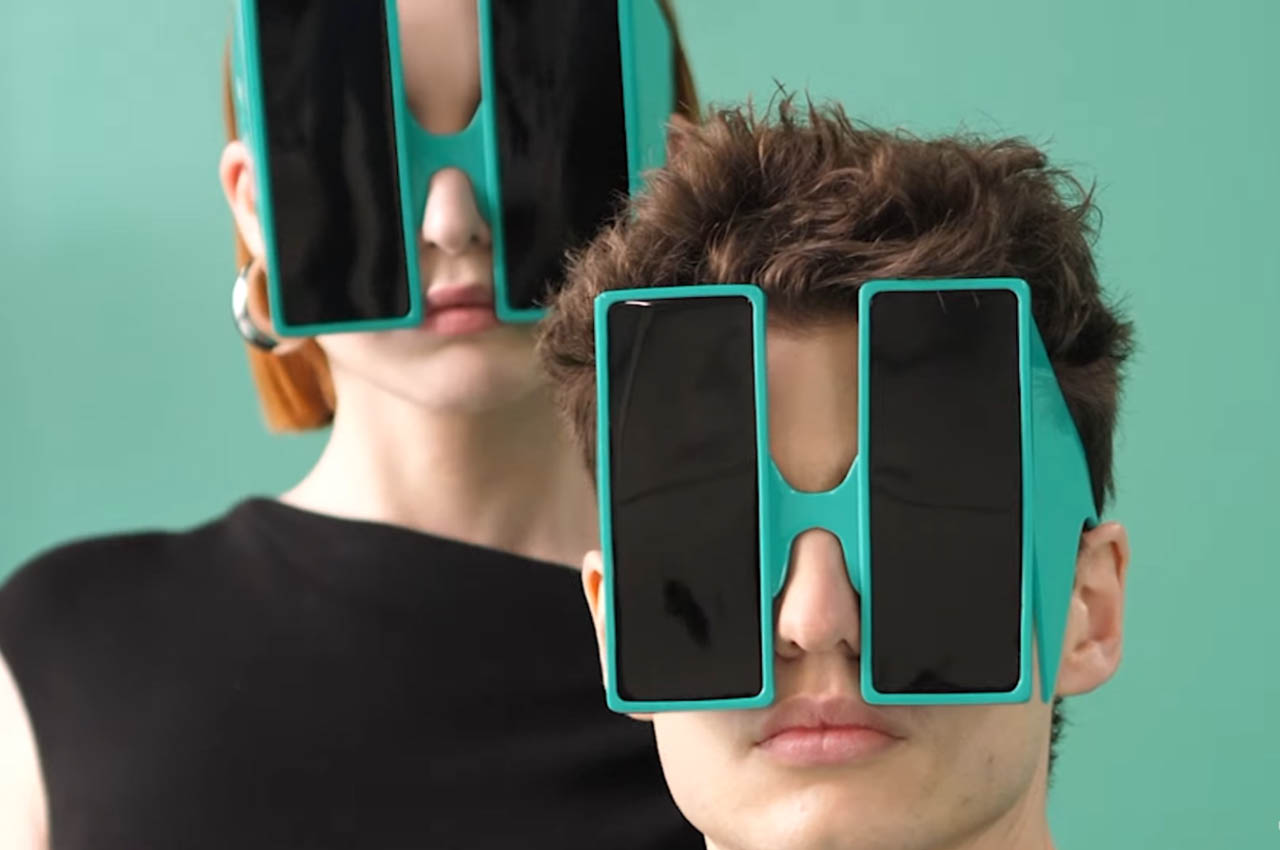
The striking smart glasses and other accessories in glacier green color are made by HMD in partnership with fashion designer Sinead Gorey. Made during the London Fashion Week, the eyewear is a little like a functional pair of smart glasses we have seen over the years; it’s a statement-making device with elongated rectangular black lenses and an oversized frame that mimics the screen of the new phone.

Besides the glasses, the Phonecore range in itself is intended to accentuate the HMD Pulse Pro unlike anything gimmicky seen before. The range of accessories has the industry talking about its oversized design and bold outlook, which ‘won’t make you smart but would definitely make the HMD smartphone, smarter.’

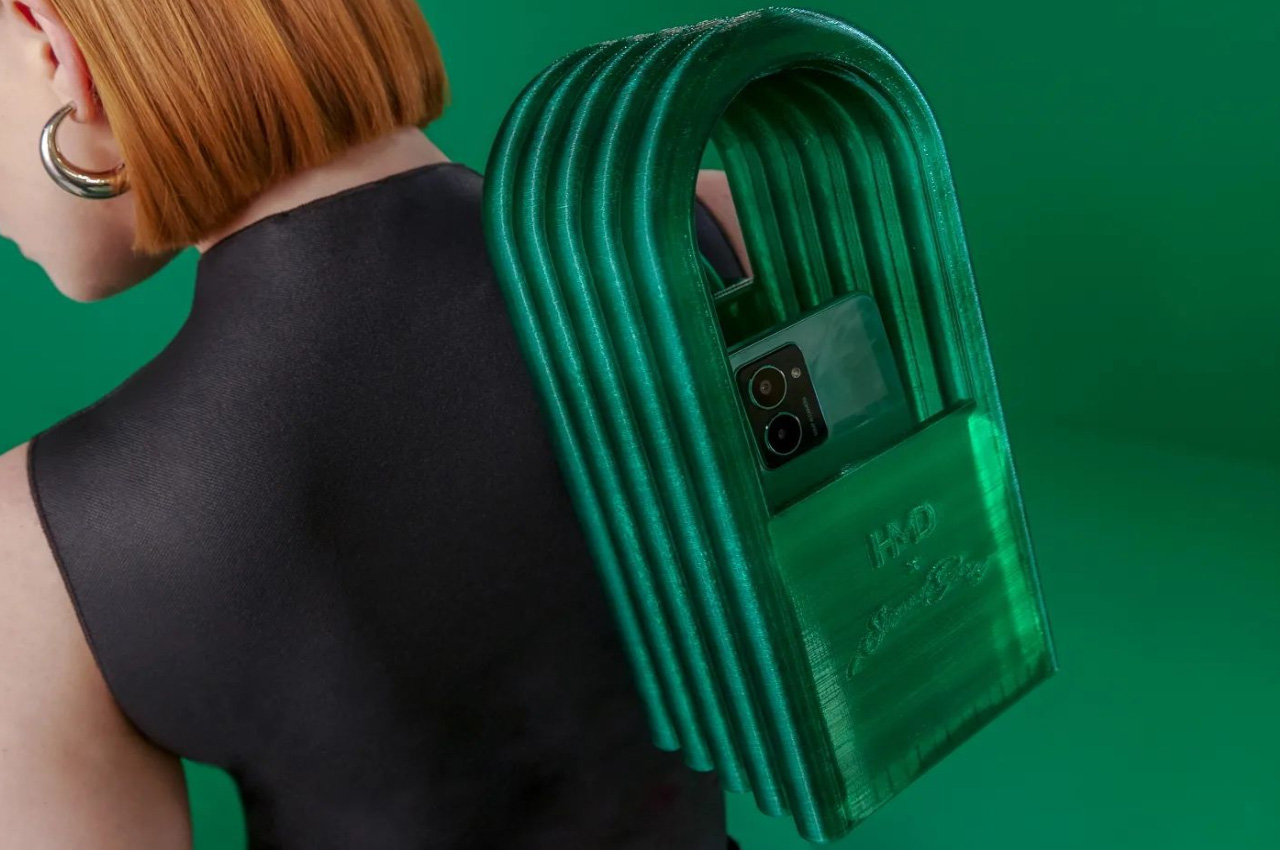
Along with the oversized glasses, as mentioned above, the Phonecore range includes a mobile backpack. This is a 3D-printed backpack which is big enough to only carry a smartphone. It is complemented by a toolkit-style belt with a pouch, designed again to carry nothing but your phone. Interestingly, none of these accessories are usable in real-life scenarios, it’s only to satiate your style quotient.

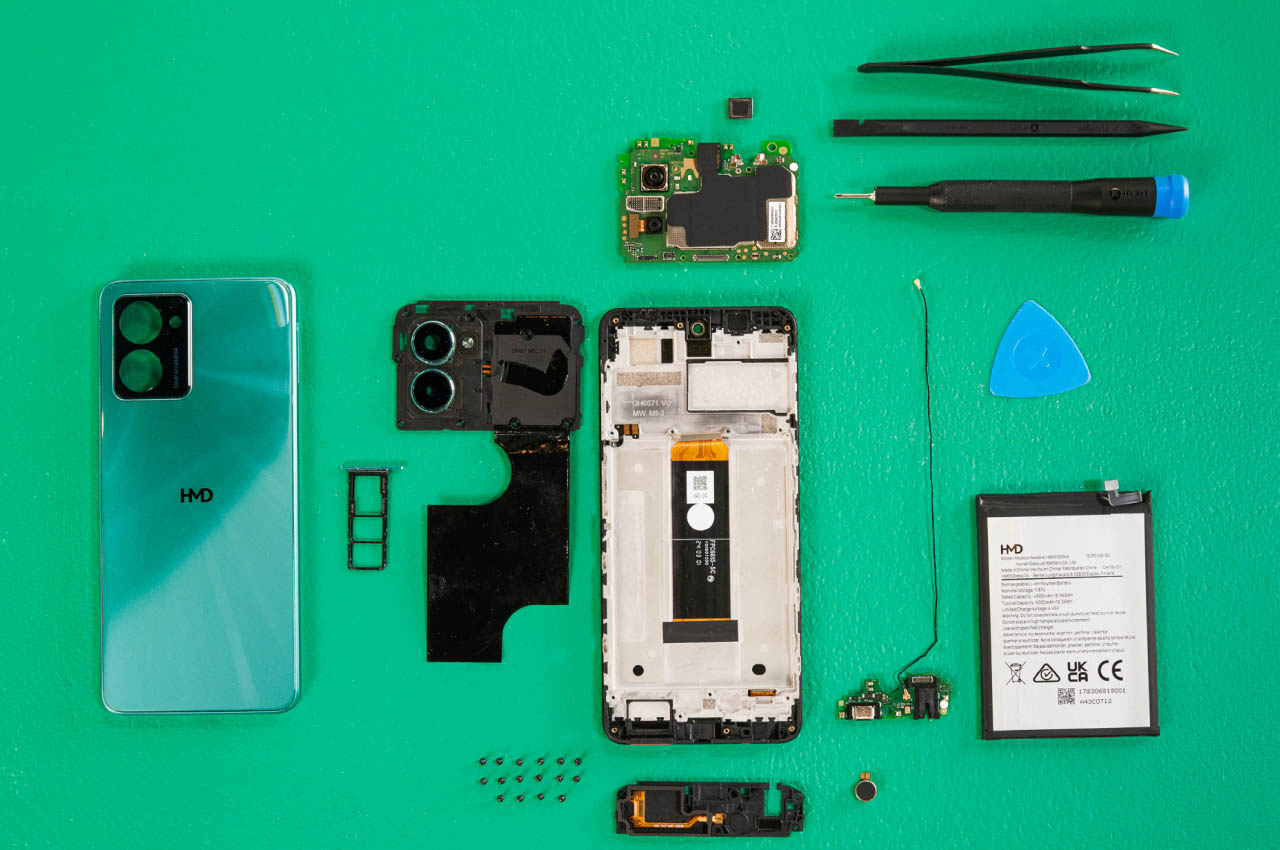
HMD Pulse Pro is a discussion-worthy debut smartphone under their own brand. It comes with interesting new features, which are unique to the sub $200 range, like affordable spare parts for at-home reparability, over three years of updates, and fast storage. But the aspect that kills it really is its 50-megapixel front camera with gesture-activated selfie features. The phone bleeds tech and its supporting accessories catapult that richness to new style heights. The complementing Phonecore collection will be available in limited quantities for style seekers.

The post HMD complements its smartphone with phone-shaped sunglasses, backpack and belt for phone first appeared on Yanko Design.