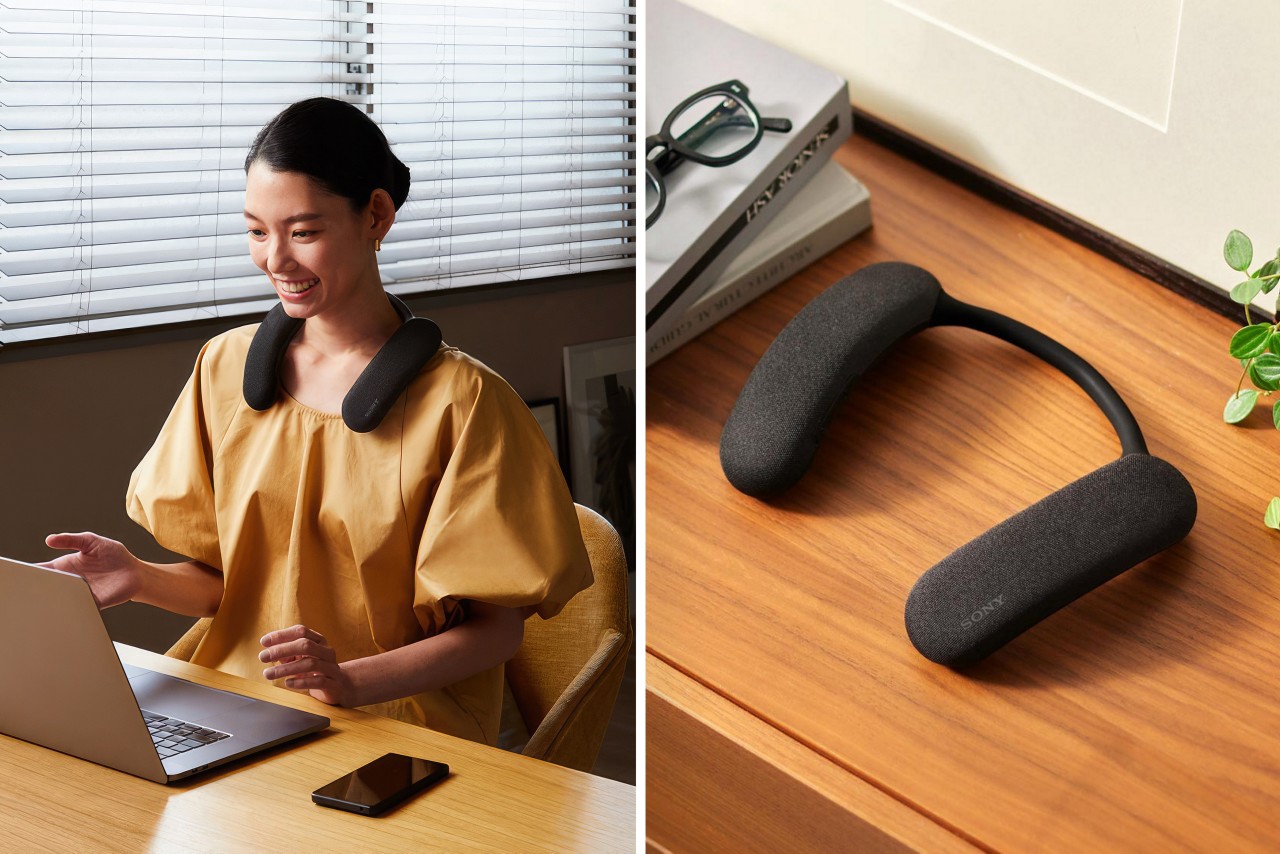
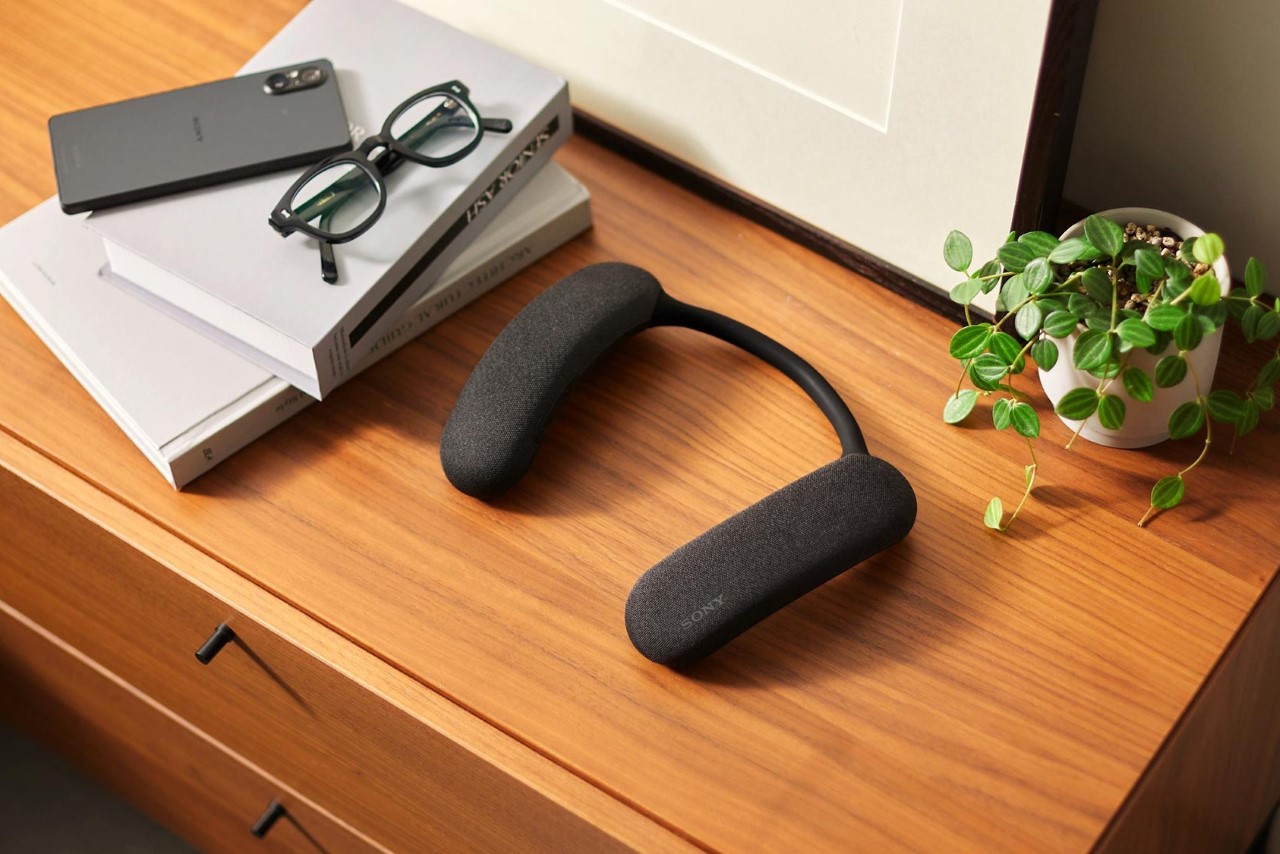
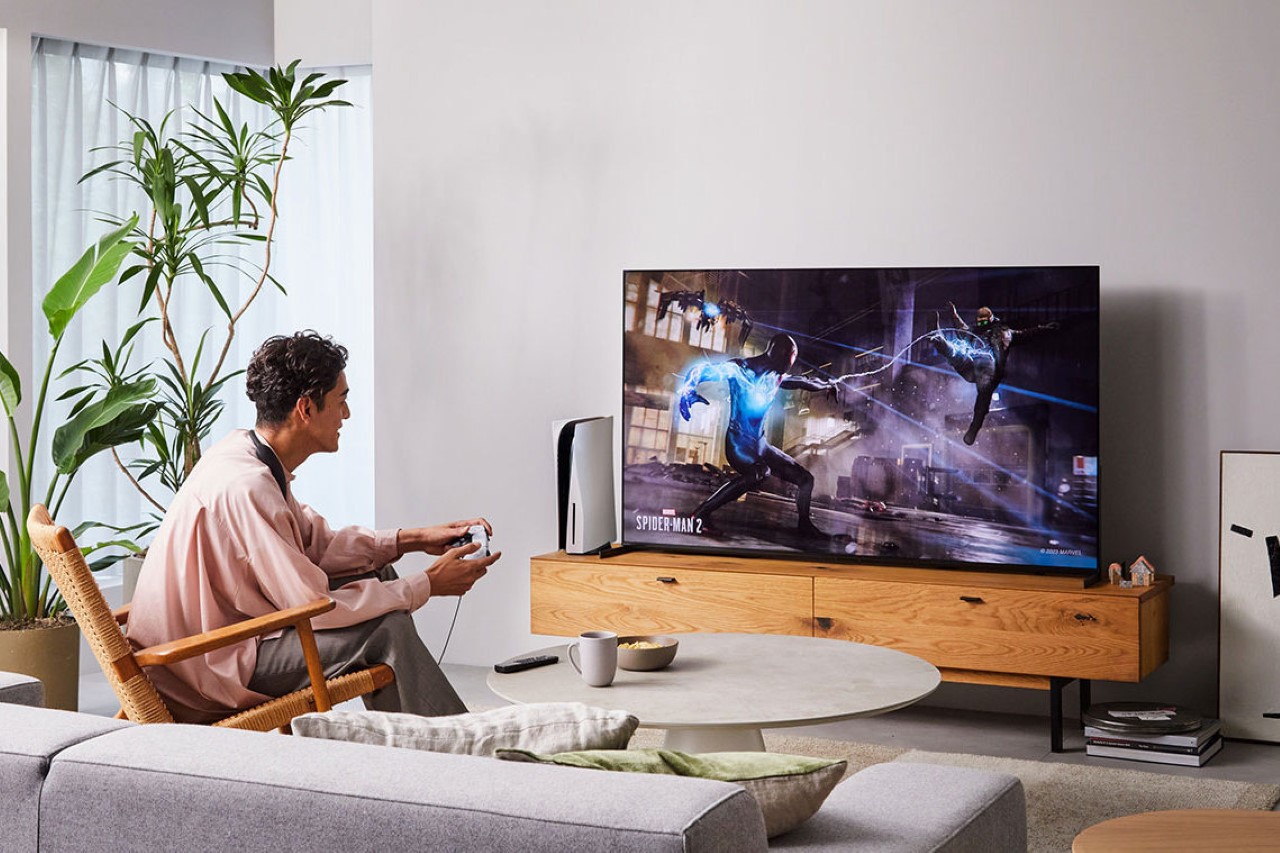
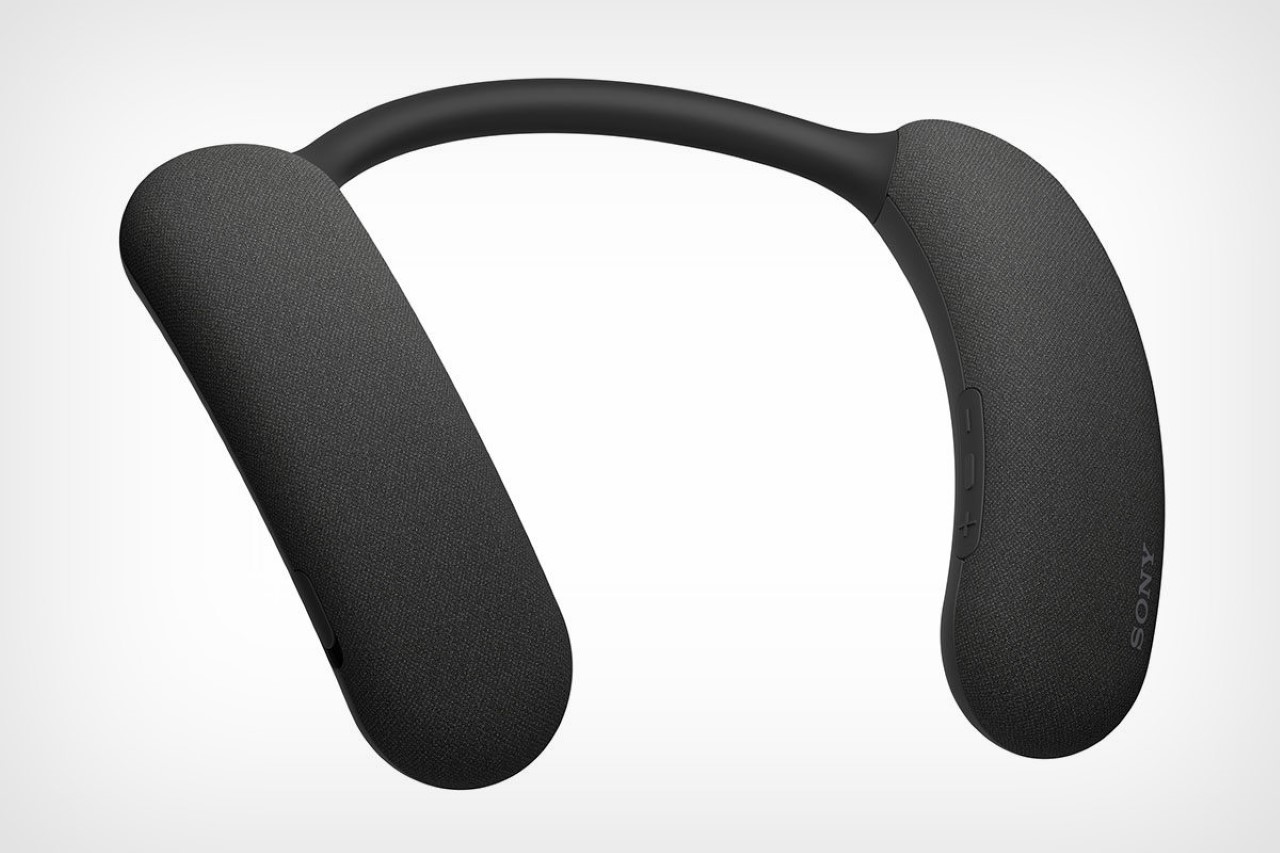
No it isn’t a neck pillow, and it isn’t even one of those wearable air conditioners, the BRAVIA Theater U is – wait for it… a neckphone. Sort of like a headphone but not placed on your head, the Theater U is Sony’s alternative to booming soundbars and complicated home theater setups. If speakers are for human ears to listen to, why not just directly place them near your ears to begin with? The Theater U immerses you in 360° spatial sound without immersing your entire house. Wear it around your neck, pair it with a device using either a cable or Bluetooth, and the Theater U brings great audio to your ears without blocking the entire world out. Moreover, you can pair multiple neck-speakers to the same playback device like your TV, so that more than one person can listen to a movie or TV show at any given point in time.
Designer: Sony
This isn’t the first attempt at a neckband speaker, but Sony is incorporating its latest tech to create a compelling option. The key feature is Sony’s X-Balanced speaker unit, housed in a lightweight and flexible design. This unit promises clear acoustics and powerful sound pressure for a rich and satisfying listening experience.
But the real magic lies in the 360 Spatial Sound Personalizer. This tech, combined with compatible BRAVIA TVs, creates a customized Dolby Atmos experience. Essentially, the speaker tailors the sound to your unique head shape for a truly immersive effect. It’s like having a personal mini home theater draped around your neck. Given its proximity to your ears, you don’t need to crank up the volume to hear sounds the way you would an actual speaker system – this means fairly personal listening that won’t disturb anyone else beyond a certain radius.
The BRAVIA Theater U’s versatility extends well beyond movie nights. With an IPX4 splash-proof rating, you can wear it worry-free during light workouts or even take it poolside (just be mindful of splashes). Built-in voice pickup technology ensures clear communication during calls, making it a handy companion for work-from-home video conferences.
The speaker boasts Bluetooth connectivity for seamless pairing with various devices, not just your BRAVIA TV. Think laptops, tablets, and smartphones – you can use it for gaming, listening to music, or watching videos on the go. And for those who want to share the immersive experience, the Speaker Add function lets you connect another BRAVIA Theater U for a synchronized audio experience with a friend.
Battery life is a respectable 12 hours on a single charge, with a quick-charge function that delivers an hour of playback with just a 10-minute plug-in. This makes it ideal for extended movie marathons or long commutes.
The Sony BRAVIA Theater U Wireless Neckband Speaker is available for pre-order now for $299.99, fairly decent considering it’s replacing soundbars which are priced in the same range, but giving you the benefit of portability. While it might not be for everyone, it offers a unique and innovative way to experience immersive audio without disturbing those around you.
Exhaustion is an epidemic. A staggering 62% of adults worldwide struggle with sleep deprivation, leading to a domino effect on health and productivity. Enter the Power Nap Chair, a revolutionary furniture design that tackles this challenge head-on.
Designed by Martin Tsankov, the idea of the Power Nap Chair came from his friend and business partner Milen Kisov, who discovered that power naps helped significantly boost his productivity at work. Scientifically proven to enhance cognitive function, memory, and cardiovascular health, short 15-30 minute naps are a game-changer. But finding a suitable space for napping at work has traditionally been a hurdle. Existing solutions like sleeping pods are bulky and expensive (not to mention that most offices don’t have them), and napping at your desk isn’t just uncomfortable, it’s also frowned upon… but the Power Nap chair offers a slick, cozy, and effective alternative.
Designers: Martin Tsankov & Milen Kisov
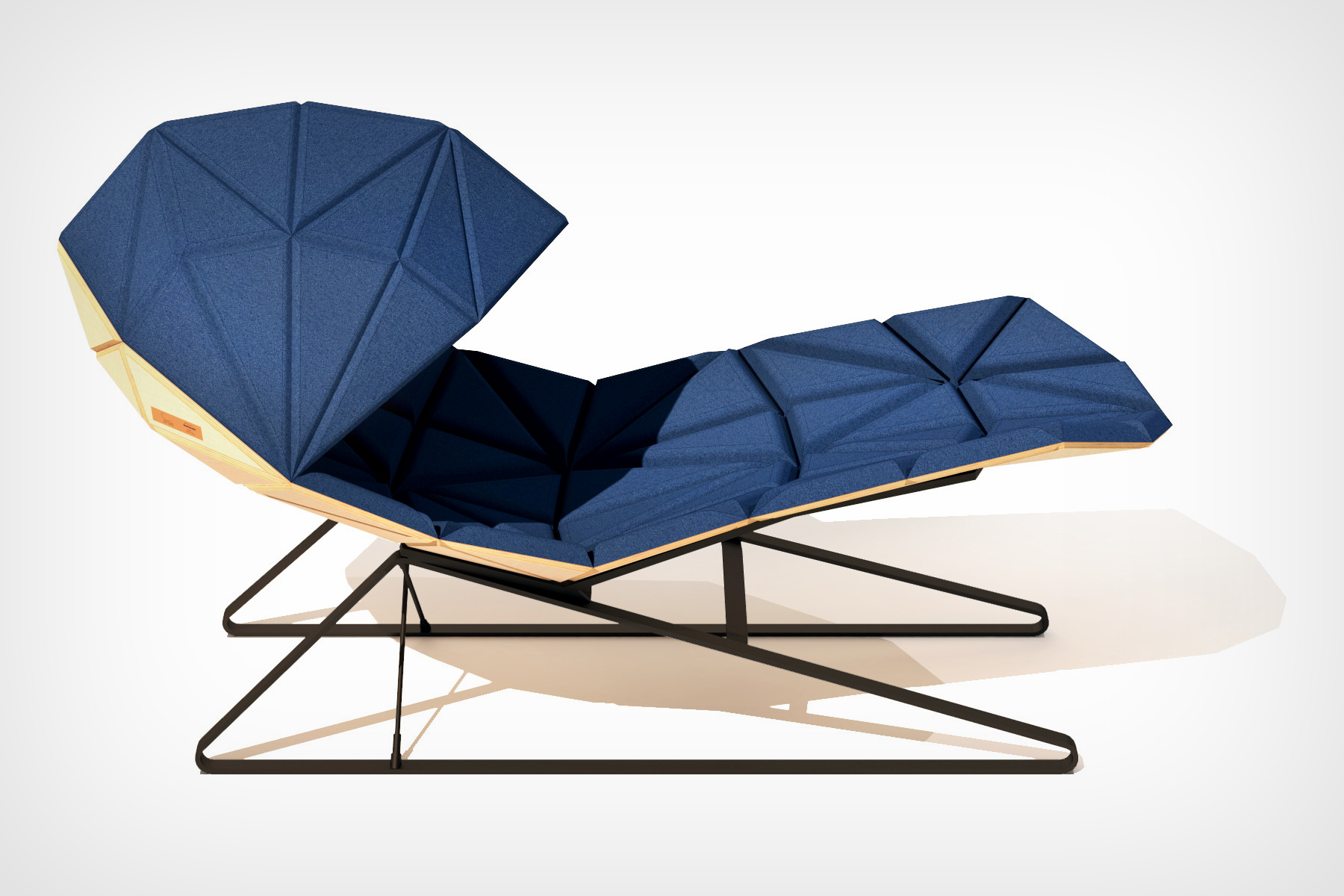
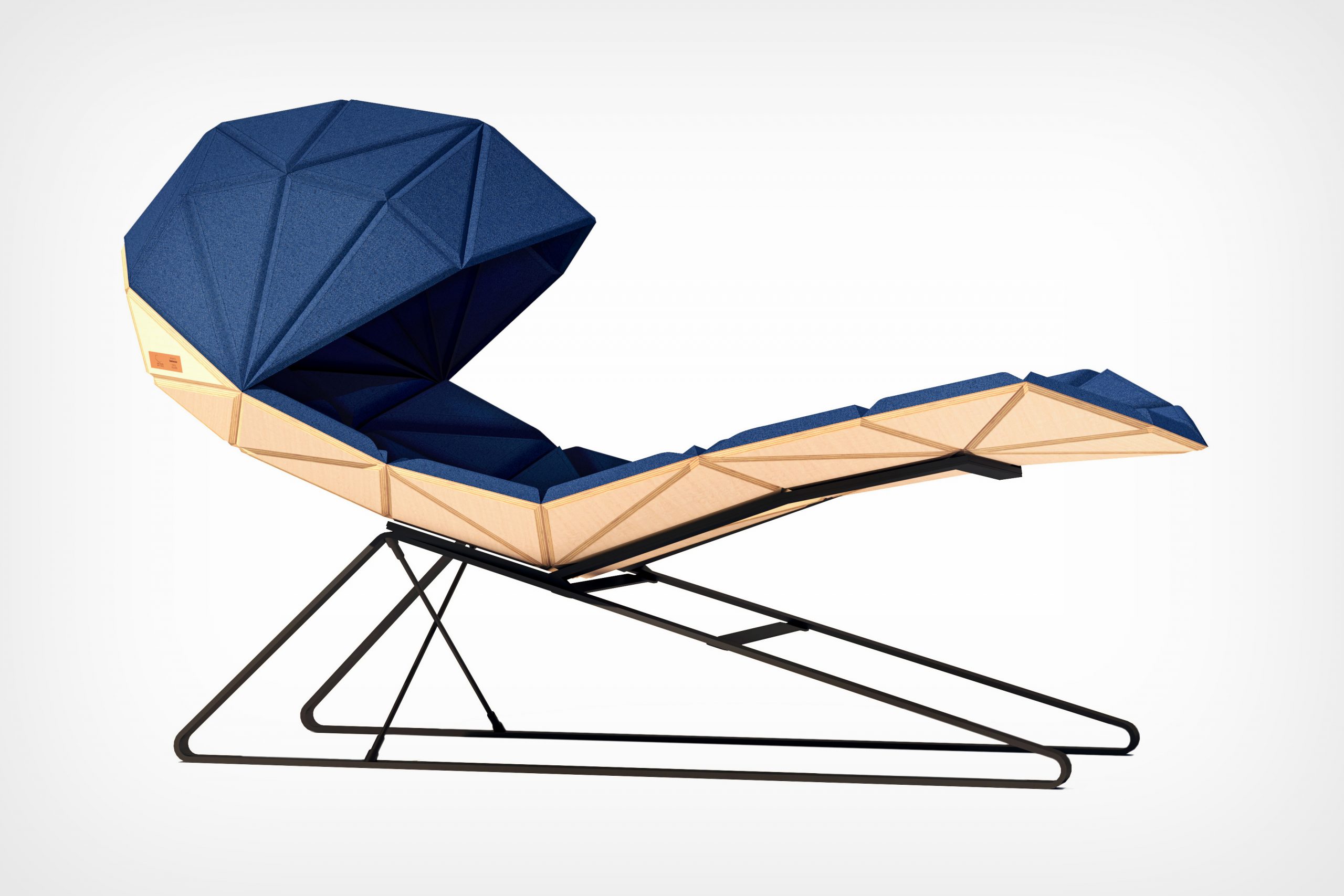
Sort of like a lounge chair meets a baby stroller, the Power Nap Chair comes with a relaxing design that you can lay down in, and a hood that cocoons you in your own personal private bubble. Simplicity reigns supreme – the chair is free of distracting technology, fostering complete disconnection. This makes it perfect for both open-plan offices and compact workspaces. Sustainability is woven into the very fabric of the chair. Carefully chosen, fully recyclable materials are used throughout, minimizing environmental impact.
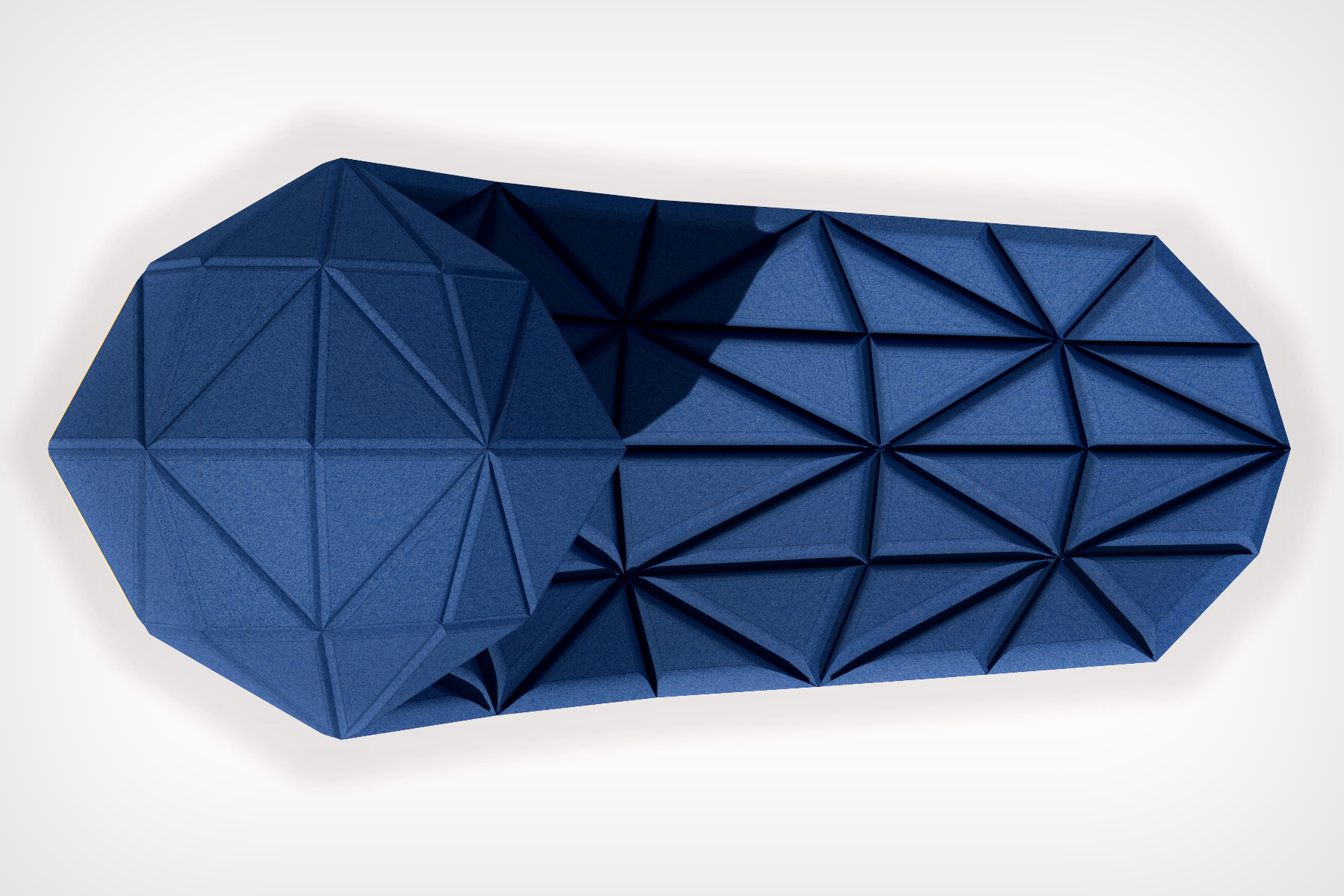
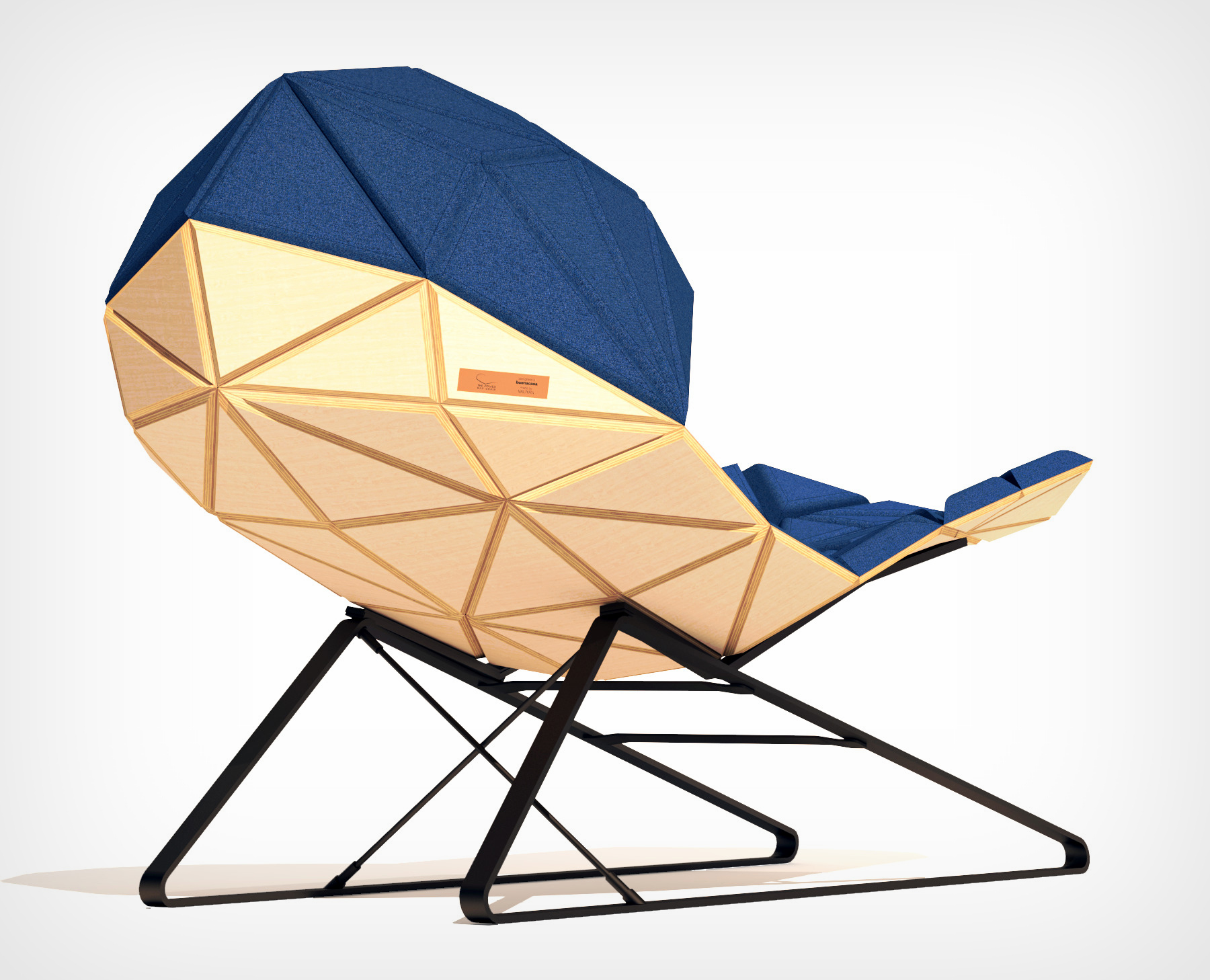
The Power Nap Chair is built with three core components: a metal frame, an upholstered wooden body, and a foldable hood. The frame is crafted from machine-bent and powder-coated carbon steel profiles, echoing the chair’s triangular design for a sturdy foundation. The body is constructed from 104 individual CNC-milled birch plywood triangles, meticulously hand-sanded, and finished with non-toxic linseed oil. Each triangle is then encased in flame-resistant, biodegradable memory foam before being upholstered in a comfortable woolen fabric. The hood, made from the same fabric, is specially designed to fold for easy storage while providing essential privacy for napping users.
“Our main challenge is reversing societal stigma around resting in the workplace by creating a product fit for a modern lifestyle where relaxation and productivity intersect,” says designer Martin Tsankov, who won an A’ Design Award this year for the Power Nap Chair. The chair looks inviting, comfortable, and has a unique low-poly aesthetic that your eyes are sure to fall in love with right before they shut for your quick nap. The chair holds a design patent, although it isn’t in production just yet. A final prototype was, however, exhibited at the Stockholm Furniture Fair in February 2024.
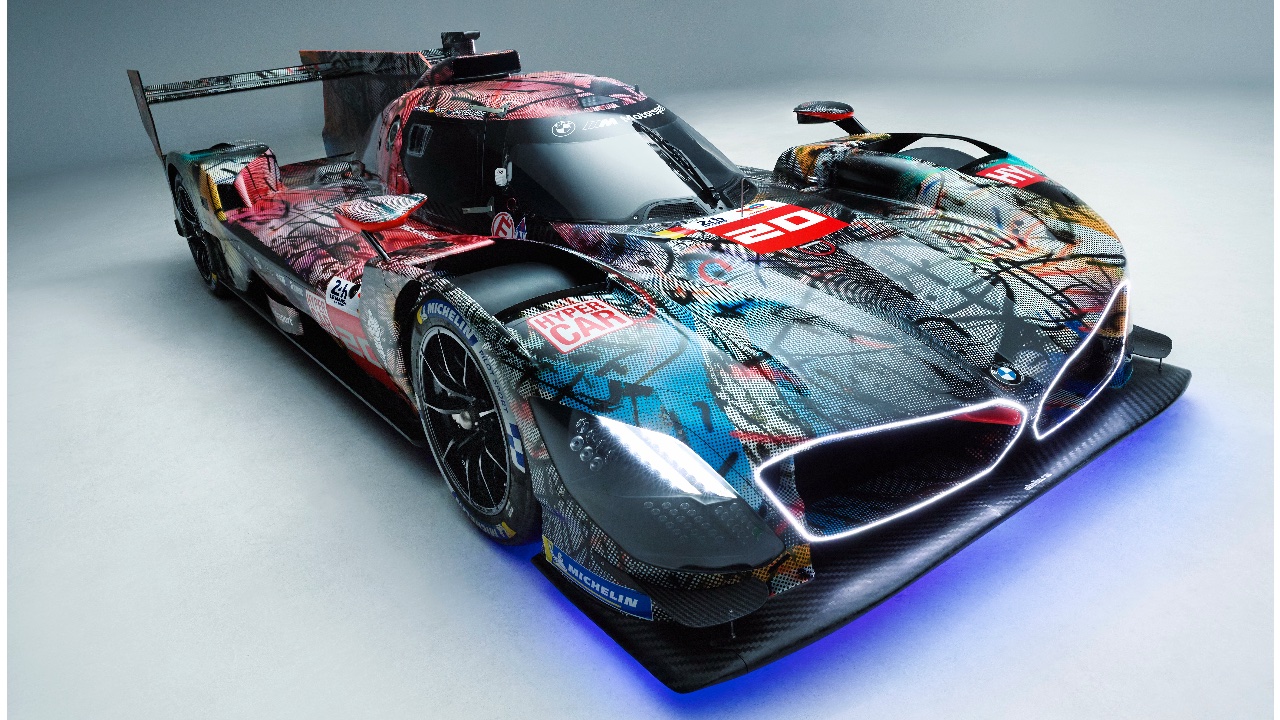
In the heart of Paris, at the iconic Centre Pompidou, the air buzzed with anticipation. Art lovers, racing enthusiasts, and curious onlookers gathered, all drawn by the promise of a unique revelation. This was no ordinary exhibit; it was the world premiere of Julie Mehretu’s BMW Art Car, the 20th in a storied lineage that melds the worlds of high art and high performance.
Designer: BMW + Julie Mehretu
Julie Mehretu’s BMW M Hybrid V8 Art Car Art Car
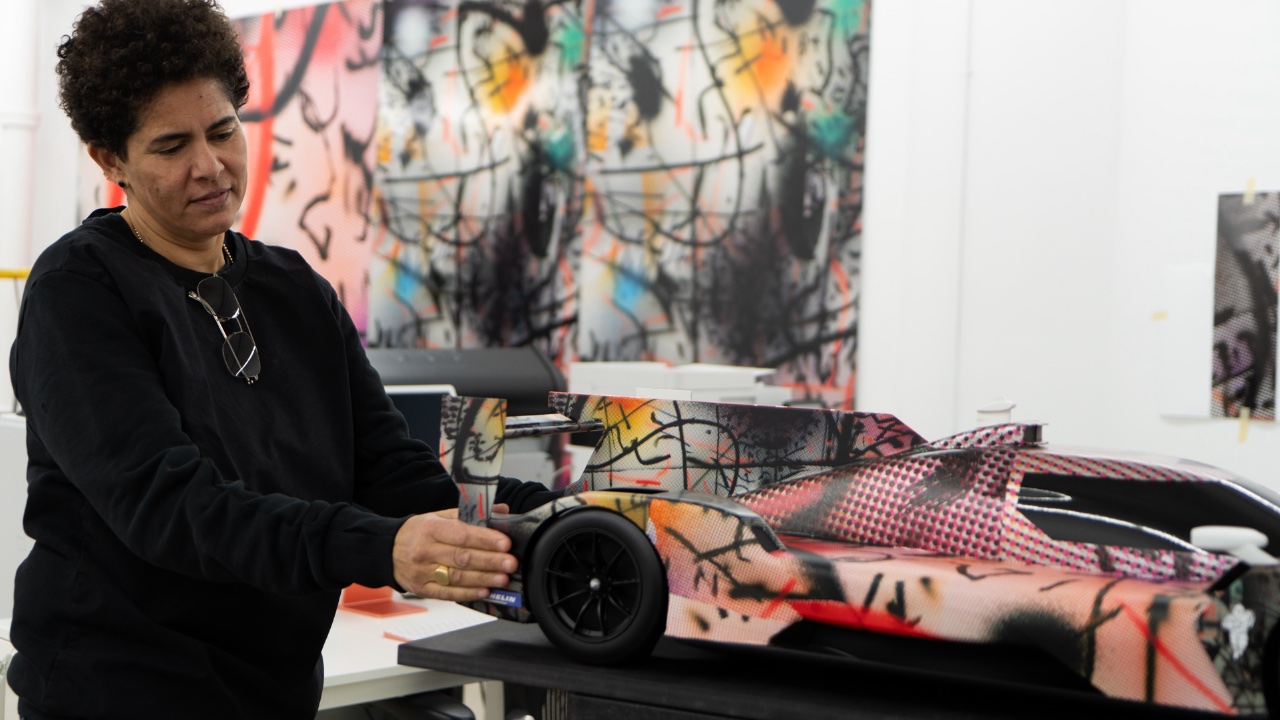
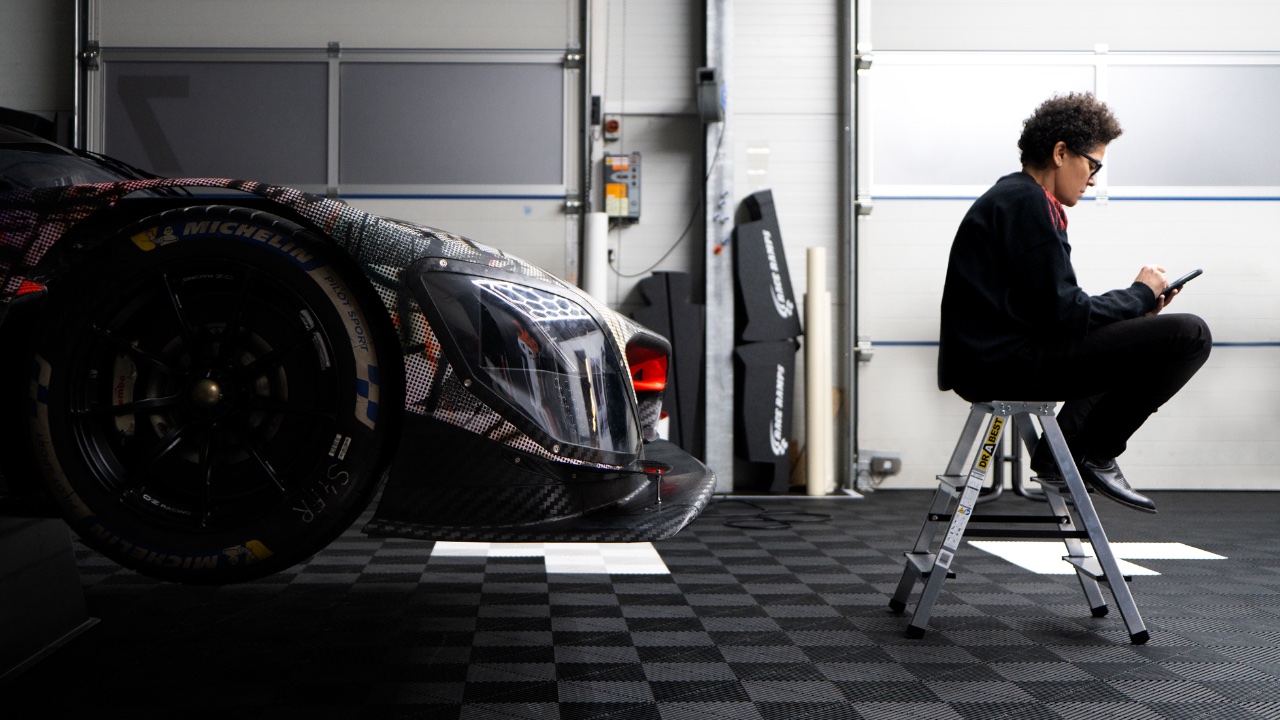
Julie Mehretu, renowned for her expansive, intricate canvases, stood before the crowd, her excitement palpable. She had transformed the BMW M Hybrid V8, a machine of sheer power and precision, into a dynamic piece of art. This wasn’t just a car but a performative painting set to race in the legendary 24 Hours of Le Mans.
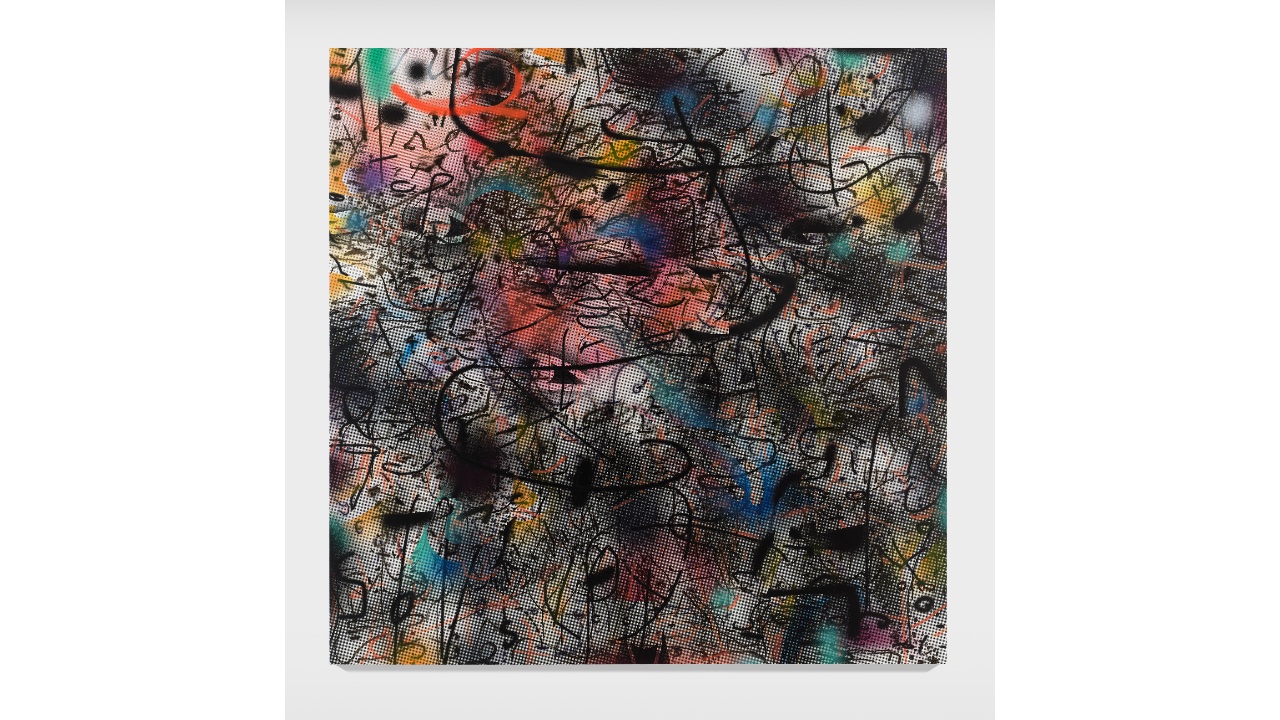
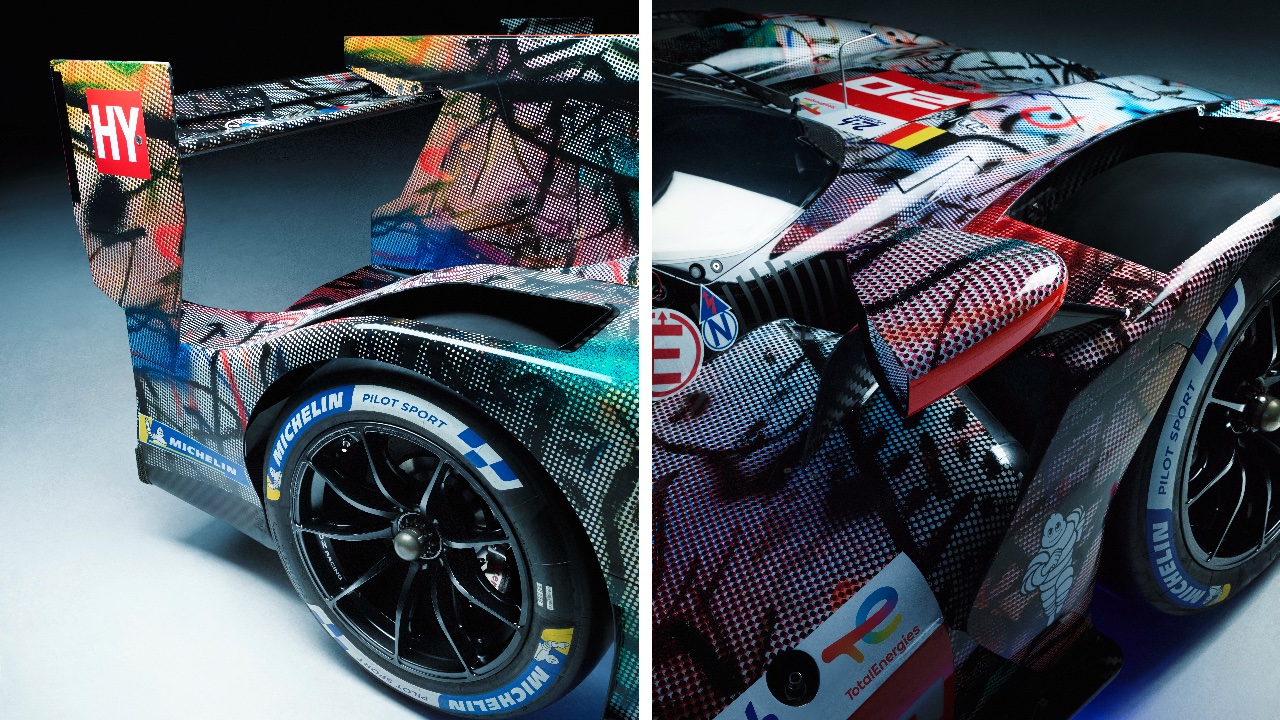
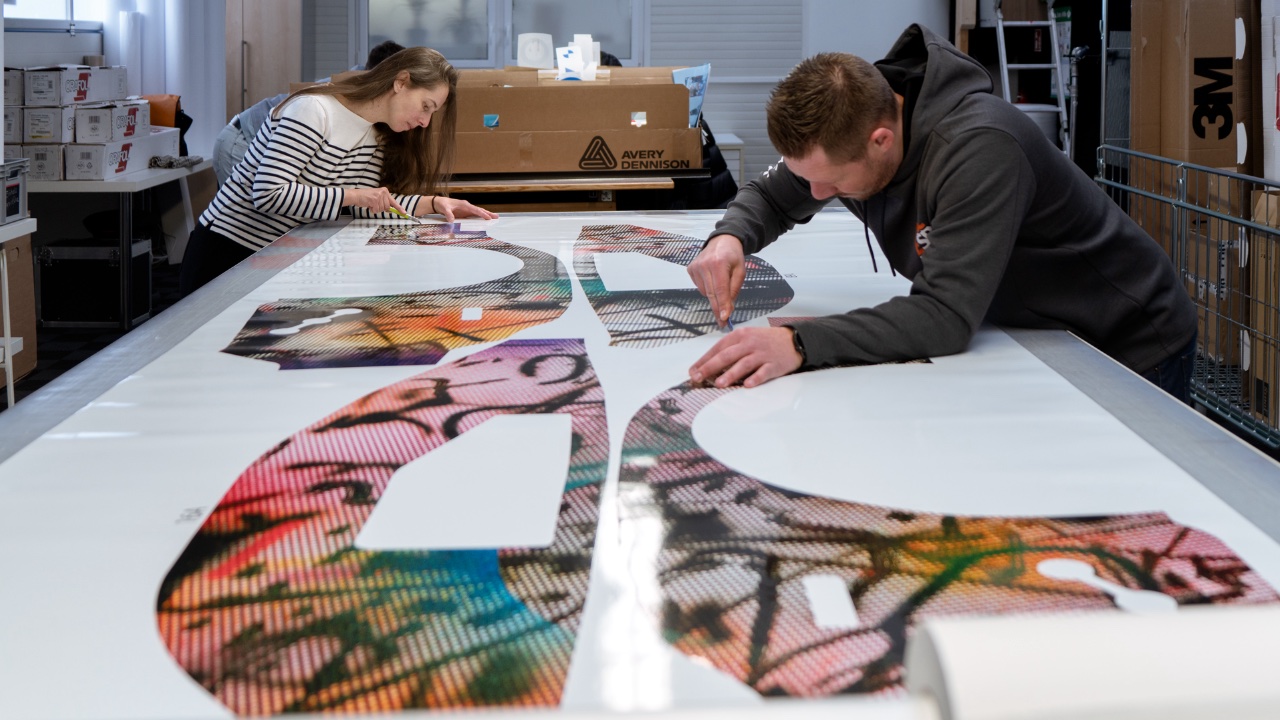
As the cover was pulled off the car, I can only imagine the gasps rippling through the audience. The vehicle’s surface was a riot of colors and forms, inspired by Mehretu’s monumental painting “Everywhen.” She had digitally altered photographs, layering dot grids, neon veils, and her signature black markings to create a three-dimensional masterpiece. This artwork was not confined to a gallery but was destined for the grueling, high-speed arena of Le Mans.
Mehretu’s painting “Everywhen”
In her studio, surrounded by sketches and digital models, Mehretu had envisioned the car as it would appear at breakneck speeds, the colors and shapes blurring into an exhilarating visual experience. “I imagined the car as if it had raced through my painting,” she explained. “I wanted it to seem like the car had absorbed the painting, transforming into something new and dynamic.”
This vision of speed and art was more than a personal achievement; it was a continuation of a legacy. The BMW Art Car series began in 1975 when French racing driver Hervé Poulain commissioned artist Alexander Calder to paint his car. Over the years, this intersection of art and motorsport has attracted legends like Andy Warhol, Roy Lichtenstein, and Jeff Koons, each artist bringing their unique perspective to BMW’s high-performance vehicles.
Julie Mehretu’s BMW M Hybrid V8 Art Car Art Car
Mehretu’s creation stood proudly among these iconic predecessors. Her Art Car showcased her artistic ingenuity and the technical brilliance of the BMW M Hybrid V8. Underneath the vibrant exterior lay a hybrid electric drivetrain capable of producing 640 horsepower and reaching speeds of 345 km/h. This blend of art and engineering made the BMW Art Car series so compelling.
In the weeks leading up to Le Mans, the car stopped at the Concorso d’Eleganza at Villa d’Este, where it was displayed alongside other historic BMW Art Cars. As Mehretu presented her creation, she spoke of the collaboration between artist and engineer, of turning a race car into a canvas that captured the essence of movement and energy.
Mehretu’s process of envisioning the Art Car involved imagining the physical and emotional experience of racing at high speeds. In her studio, she surrounded herself with sketches and digital models, immersing herself in motorsport and engineering. Her goal was to create a car that would not only perform on the track but also convey a sense of kinetic energy and fluidity through its design.
“I wanted the car to feel as if it had raced through my painting,” she said, highlighting her desire to merge art and performance. Mehretu’s artistic vision was to make the car appear as though it had absorbed the painting, transforming it into something new and dynamic. This transformation was visual and conceptual, as the car embodied the fusion of speed, art, and technology.
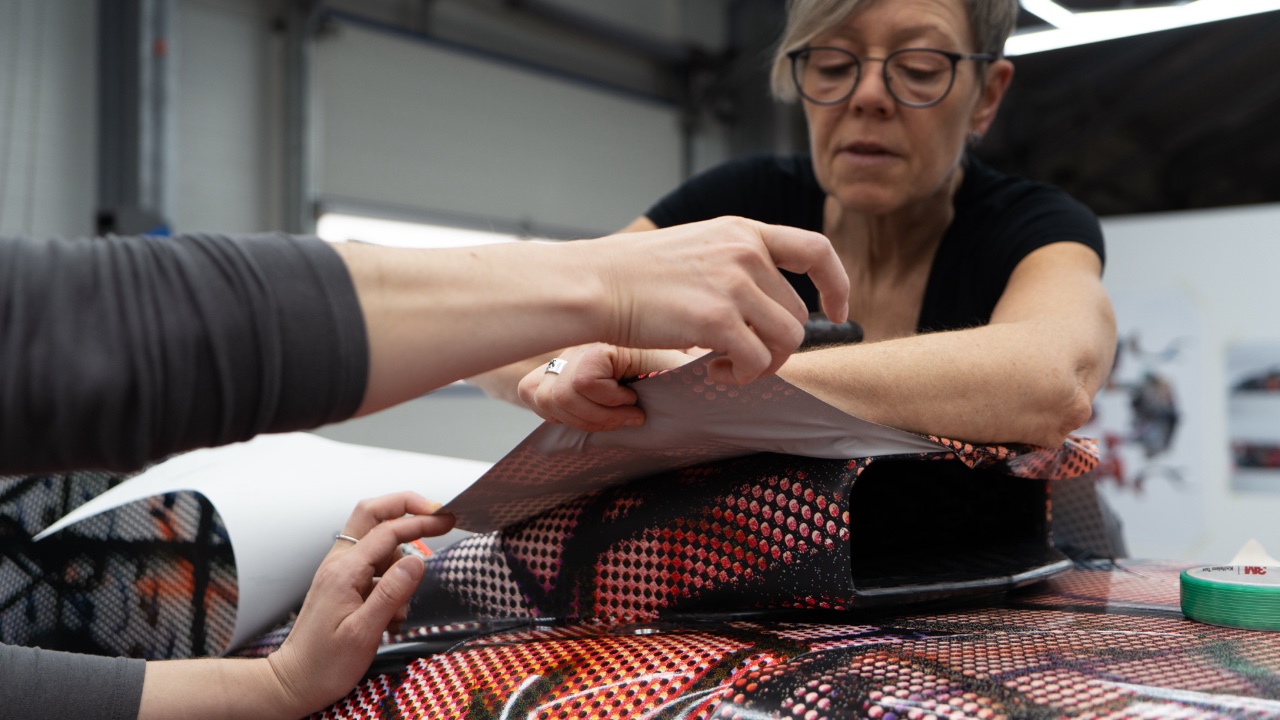
The car’s design elements—digitally altered photographs, layered dot grids, neon veils, and black markings—were meticulously chosen to create a sense of movement and energy. These elements, characteristic of Mehretu’s work, were applied to the three-dimensional surface of the car using 3D mapping technology. The result was a vehicle that seemed in perpetual motion, even stationary.
But the story didn’t end there. Mehretu’s involvement with BMW extended beyond the racetrack. She and the automaker had launched the PanAfrican Translocal Media Workshops, a series of events to nurture young artists across Africa. These workshops, set to tour cities like Dakar, Marrakech, and Cape Town, would culminate in a grand exhibition at the Zeitz Museum of Contemporary Art Africa. The fusion of art, technology, and social responsibility would inspire a new generation of creators.
Leading up to Le Mans, Mehretu’s BMW Art Car made an appearance at the Concorso d’Eleganza at Villa d’Este. This prestigious event, held on the picturesque shores of Lake Como, brought together a collection of historic and contemporary BMW Art Cars. Here, the 20th Art Car stood alongside works by Alexander Calder, Frank Stella, Roy Lichtenstein, Andy Warhol, Jenny Holzer, and Jeff Koons. Each of these artists had left their mark on BMW’s vehicles, creating a lineage of art that celebrated innovation and creativity.
In a special presentation, Julie Mehretu discussed her creation with Adrian van Hooydonk, Head of BMW Group Design. Their conversation delved into the process of transforming a race car into a performative piece of art, highlighting the collaborative effort between artist and engineer. Mehretu reflected on her experience at Daytona, where she witnessed the BMW M Hybrid V8 in action, feeling the power and precision that would soon bring her art to life on the racetrack.
Julie Mehretu’s BMW Art Car symbolizes artistic and technological synergy. As it sped down the track at Le Mans, the vibrant colors and dynamic forms would blur into a visual spectacle, capturing the essence of art and speed. This Art Car exemplified the power of creative collaboration and the enduring legacy of the BMW Art Car series, a tradition that continues to push the boundaries of what is possible in the worlds of art and motorsport.
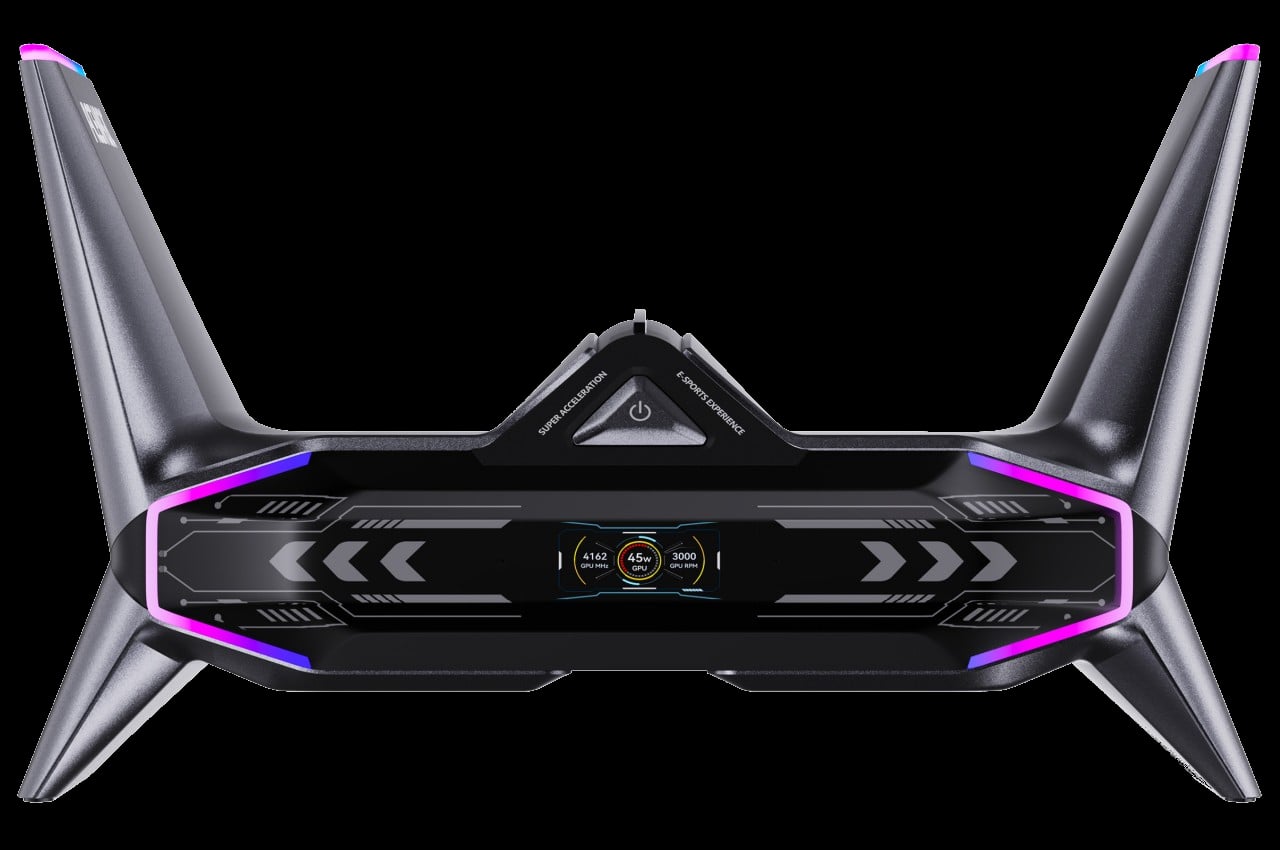
Is there a reason why desktops and even mini PCs mostly come in flat boxes? Electronics are still rigid objects, and they have to adhere to flat or similarly boxy designs with today’s engineering limitations. As such, a tower or a box is the most space-efficient container for these pieces that work together to provide all your computing needs. But what if space was less important than aesthetics, especially with today’s more compact hardware? That’s the kind of revolutionary mindset that this mini PC is trying to present with a chassis that is almost literally out of this world, looking more like a spaceship that’s ready to take off and elevate your gaming, and it does so literally as well.
Mini PCs are no longer that alien to people’s ears, especially thanks to the popularity of the non-PC Mac mini and Mac studio. These computers emphasize compact designs that save you some desk space while still cramming as much power in a tiny boxy. That doesn’t have to be the only design available, however, especially with how small some computer components have become. After all, the latest breed of handheld gaming PCs are technically portable mini PCs, though with even bigger constraints when it comes to performance.
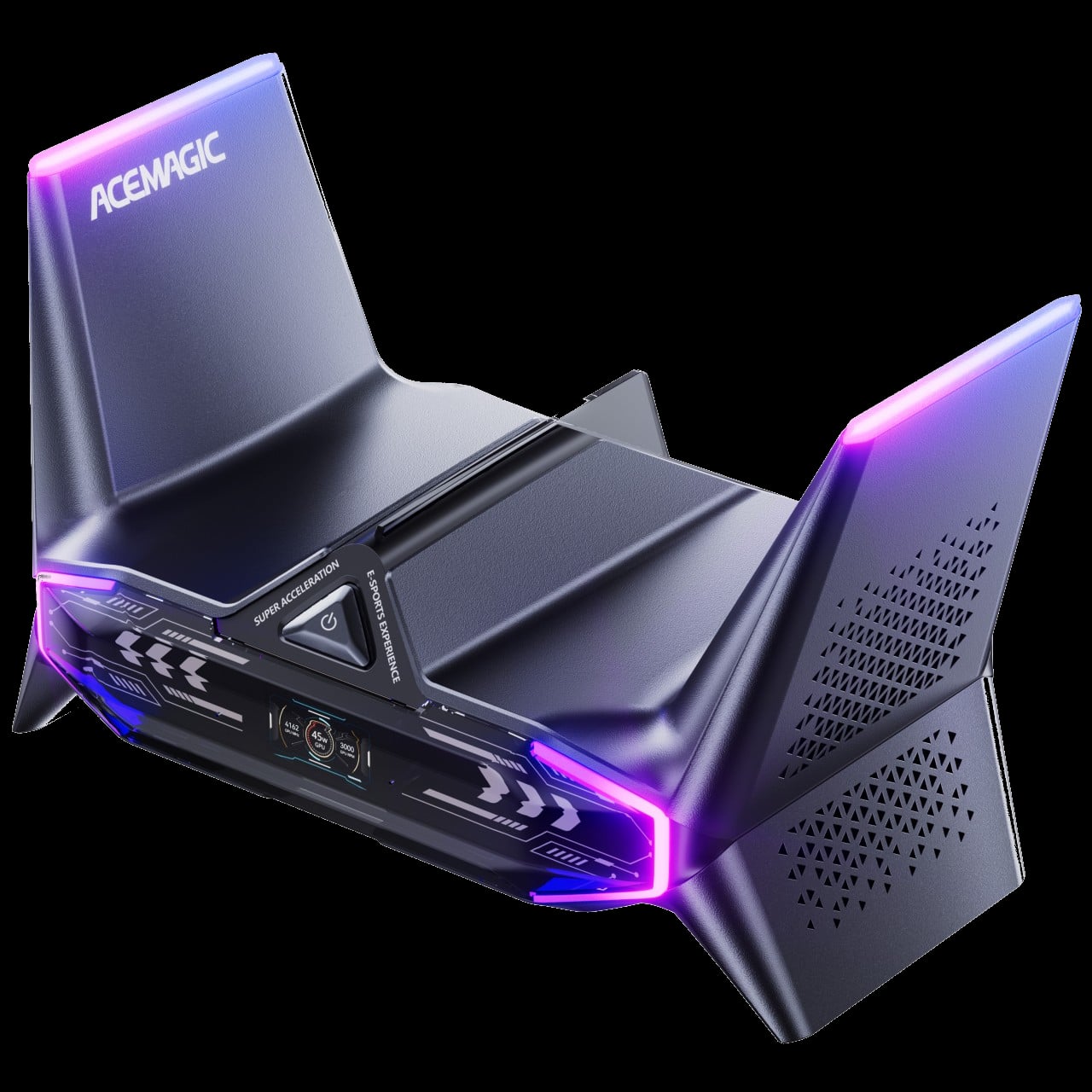
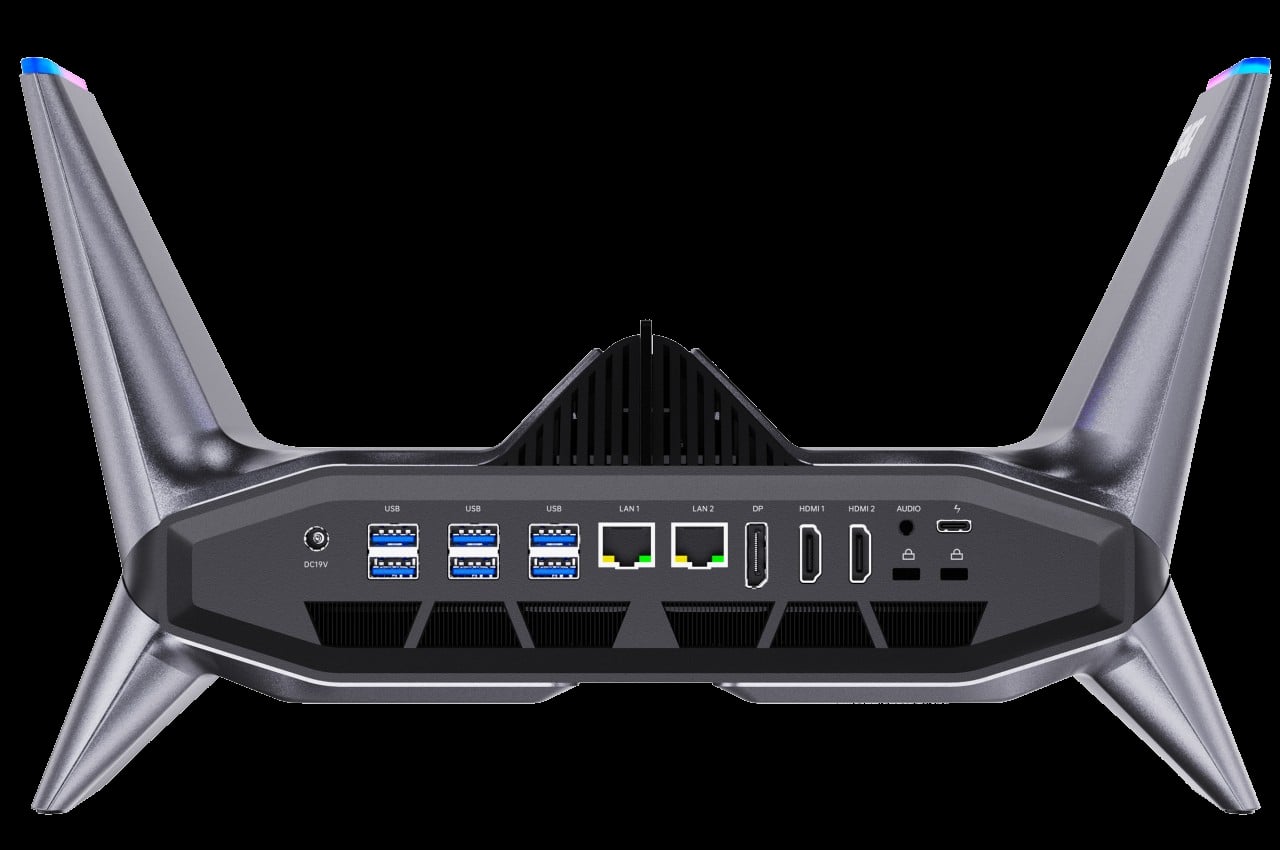
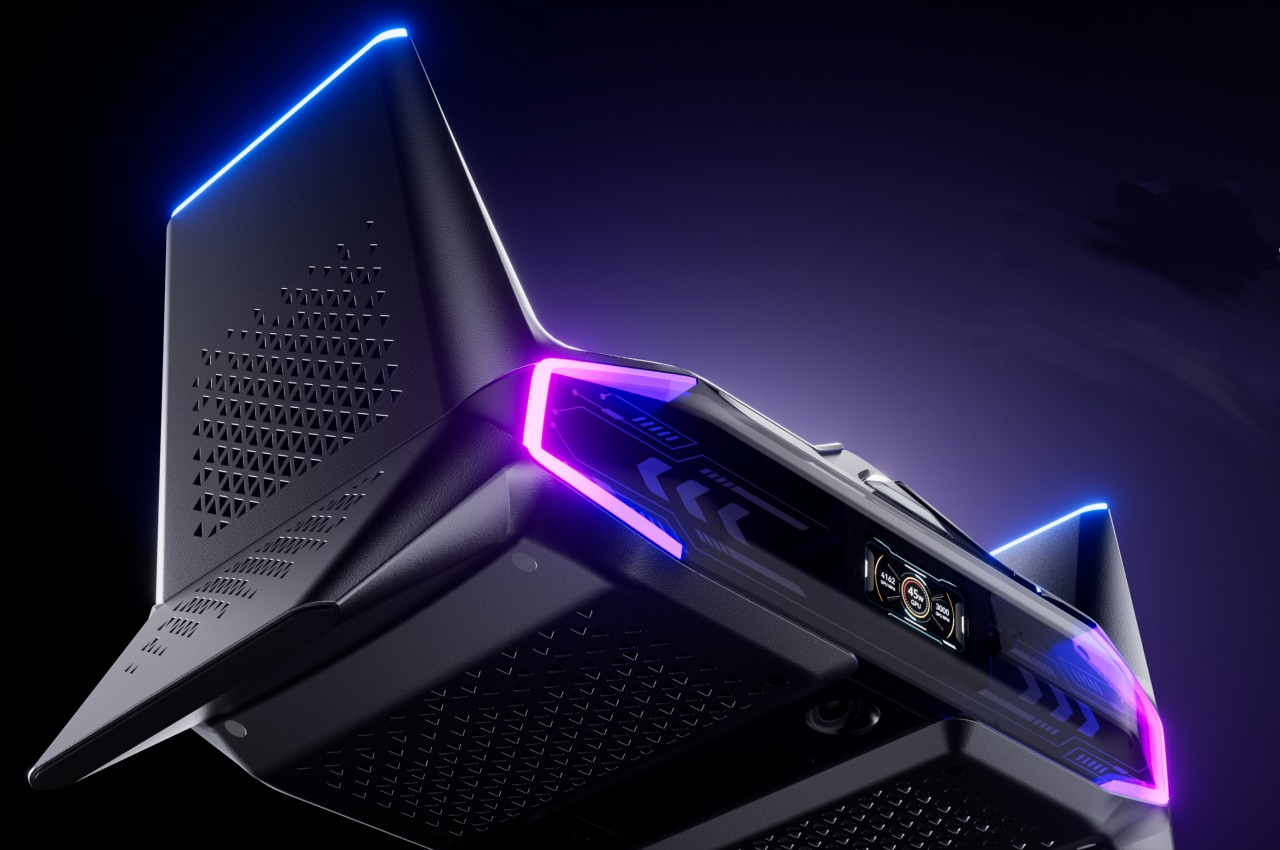
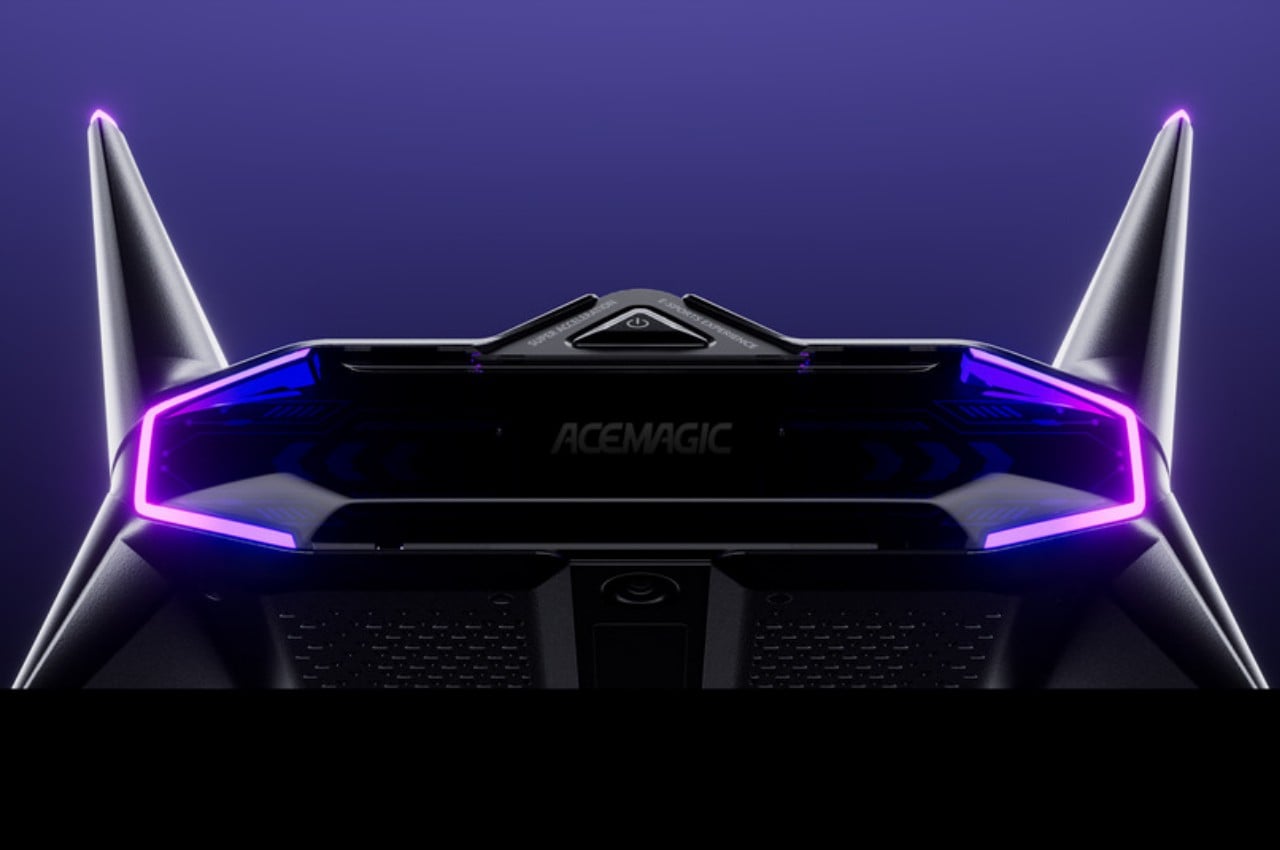
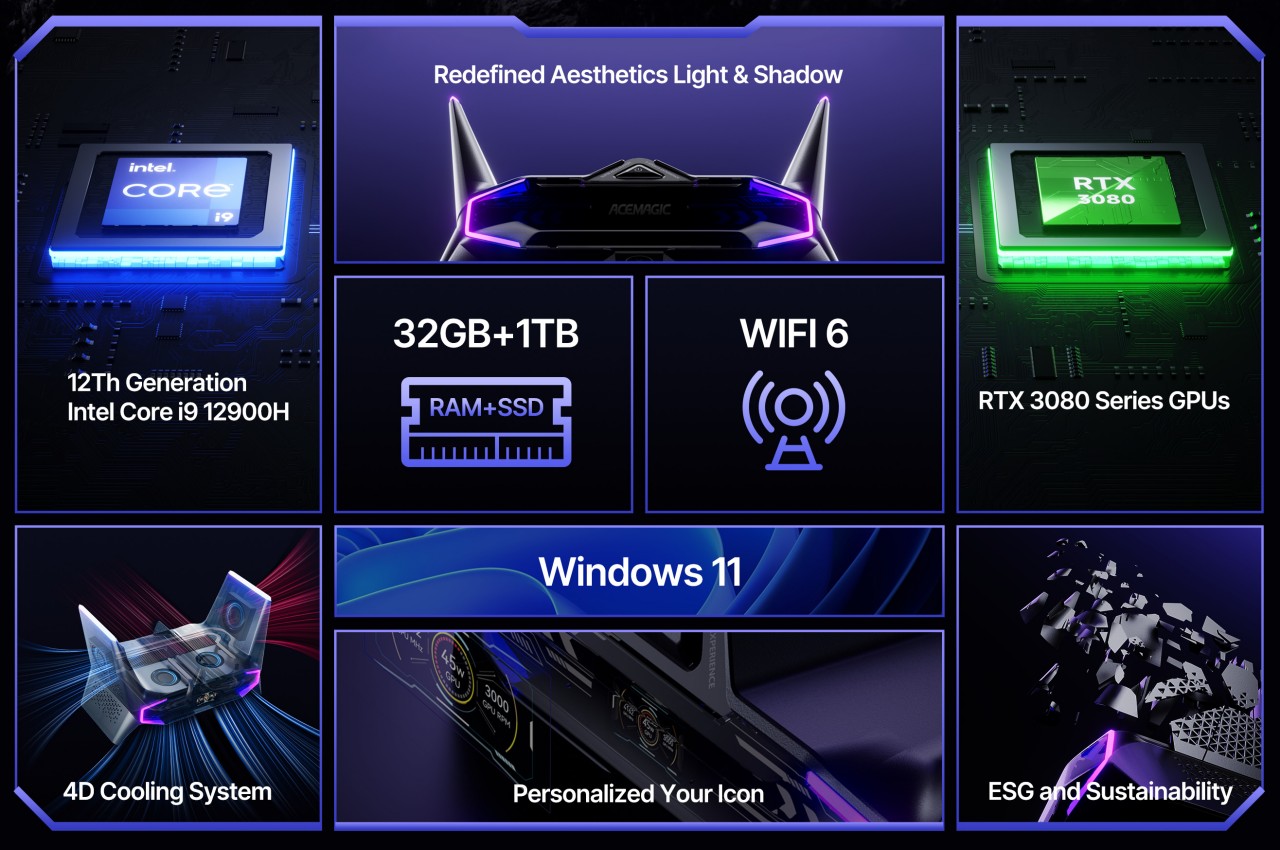
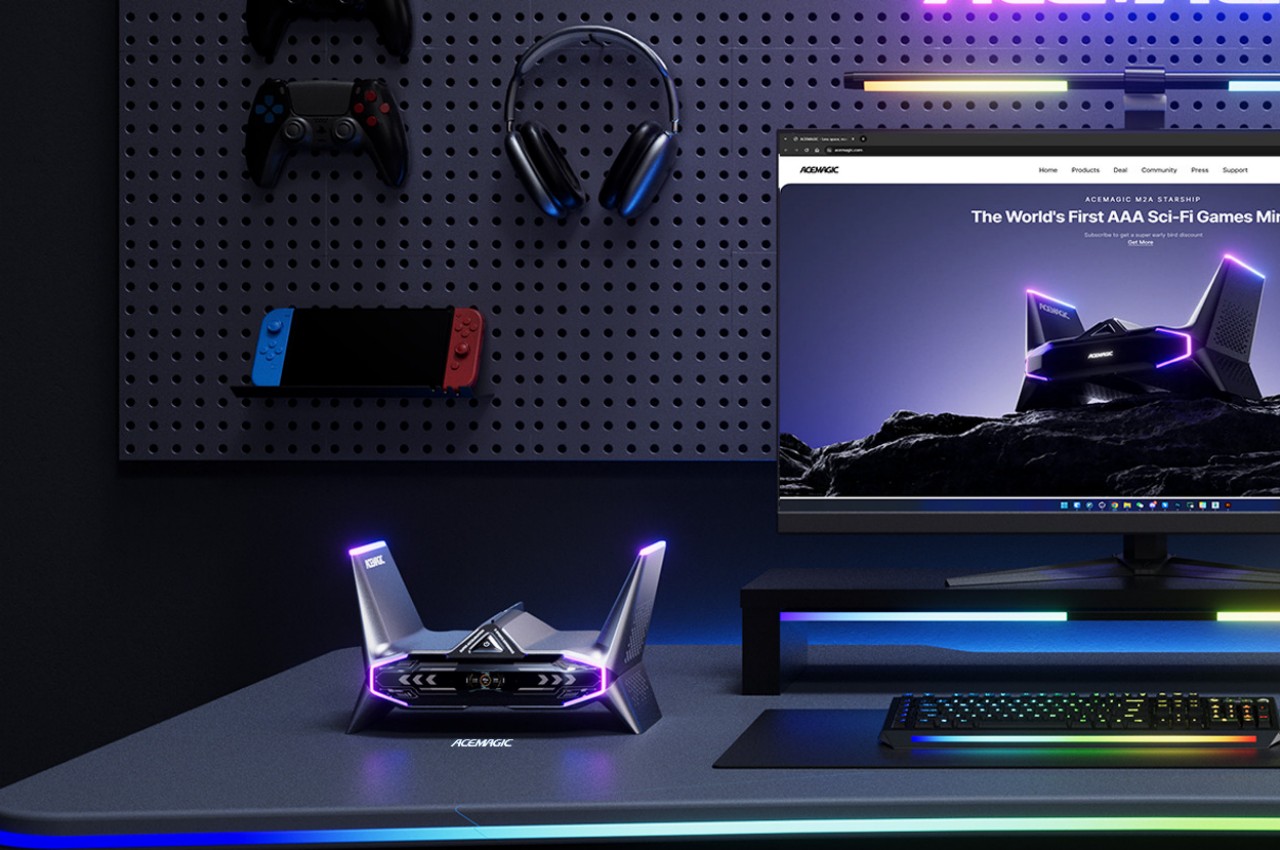
The ACEMAGIC M2A is a mini PC that throws design conventions out the door. Technically, its hardware can all fit in what would be a slim and minimalist rectangular box, but that would be boring and completely unoriginal. Instead, the company aimed to make its product stand out, almost literally, but making it look like a spacecraft similar to those you’d see on sci-fi flicks and shows. Specifically, the main body itself tapers slightly to the side and then splits upward and downward into fins. The style is largely polygonal, which matches the sci-fi theme, with LED accents in front and on the tip of the wings for added flavor.
The design admittedly takes up more vertical space on your desk, and it won’t be something you can conveniently place underneath your monitor (unless that monitor is set up on an ergonomic stand or arm). It is, after all, designed more to have some visual impact rather than space savings, but it does have one practical benefit, whether intentional or not. The bottom fins act as legs that lift the mini PC up, allowing for better airflow into the bottom-mounted fans.
Internally, the ACEMAGIC M2A tries to be a compact gaming PC, and it seems to meet that description, depending on your needs. It practically uses hardware from 2022, so it might not be up to snuff when it comes to more demanding AAA titles today. There are definitely more powerful mini gaming PCs in the market today, ones with the latest CPUs and GPUs, which makes you wonder if this spaceship-like computer’s high price tag is really worth that distinctive design.
Stepping into the highly competitive personal audio market, Sonos launches the Ace, their first over-ear headphones. In a landscape dominated by heavyweights like Apple’s AirPods Max, the Sonos Ace aims to be the brand’s ace in the hole, promising to deliver an unparalleled listening experience. Crafted with precision and care, these headphones are designed to combine high fidelity sound with exceptional comfort and a sleek, timeless design. The Ace better live up to its name, offering a compelling alternative in a market where excellence is the baseline expectation.
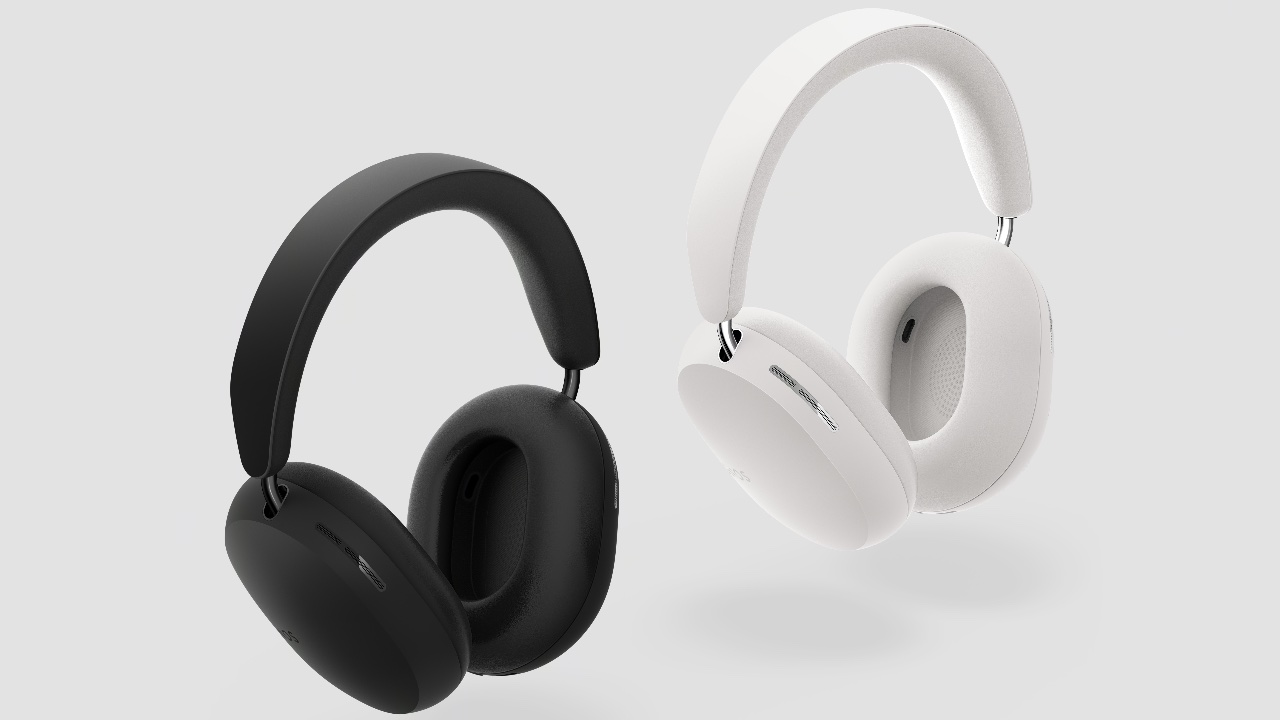
Sonos Ace in Black and Soft White
Designer: Sonos
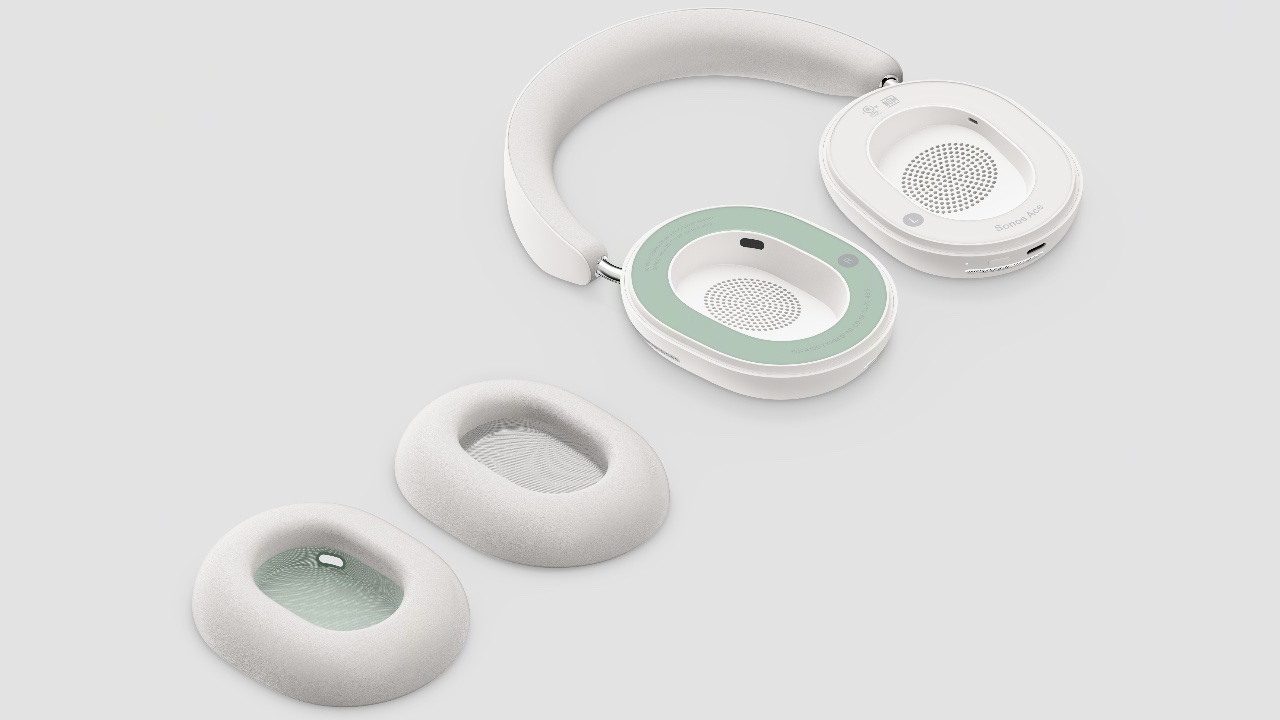
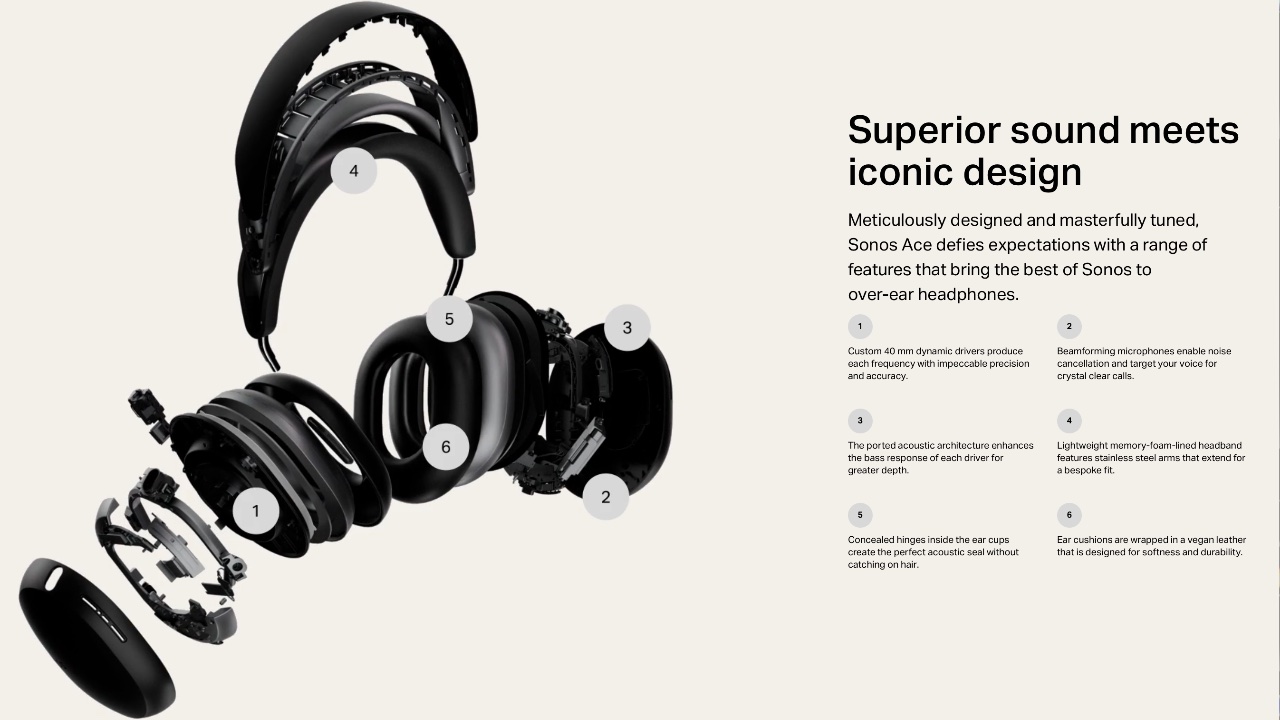
Reflecting a meticulous design process that spans over three years, the Sonos Ace emerges as a product of intense collaboration across technical and creative disciplines. Aki Laine, director of industrial design at Sonos, described the Ace as a pair of headphones that feel as good as they look. Available in two sophisticated colors, Sonos Black and Soft White, these headphones were carefully selected to ensure inclusivity and appeal. The headphones use flexible plastics for a lightweight feel and sturdy metals for structural integrity. The ear cushions and headband are covered in vegan leather, providing a durable yet soft touch that supports extended wear.
Sonos Ace in Black
Sonos Ace Soft White
Sonos Ace Soft White
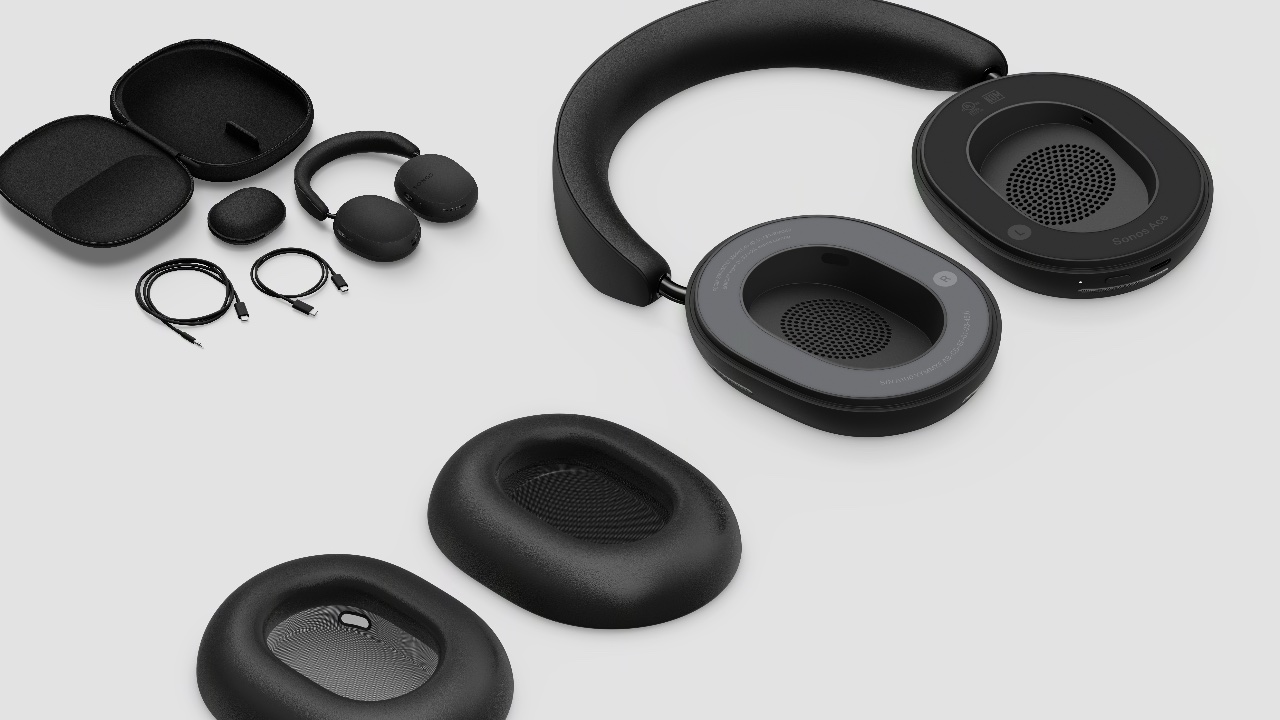
Aki Laine emphasized the importance of comfort in the Ace’s design, noting, “The lightweight memory foam and vegan leather ensure comfort for long-term use.” The headband and ear cushions are padded with memory foam, designed to conform to various head shapes and sizes. This attention to detail ensures a secure fit without exerting excessive pressure, even accommodating accessories like glasses and earrings. The design also incorporates visual and tactile cues, such as the textured logo and color-coded ear cups, to help users quickly orient and operate the headphones. Comfort is a key focus for the Sonos Ace, ensuring that users can wear the headphones for long periods without discomfort. Extensive testing was conducted to achieve the right clamping force and weight distribution, making sure the headphones are stable and provide a snug fit without causing hotspots. The ear cups are designed to accommodate various ear sizes and shapes, enhancing overall comfort.
Engineered to deliver a high-quality audio experience, the Sonos Ace excels in acoustic performance across different media types. Each ear cup houses custom-designed 40mm dynamic drivers, providing precise and accurate sound across all frequencies. With eight microphones, four on each side (three external and one internal), the Ace delivers advanced active noise cancellation. The external microphones detect ambient noise, while the internal microphones monitor and adjust the sound in real-time to optimize the listening experience. This setup ensures that whether you’re immersed in music, podcasts, or movies, the audio remains clear and immersive.
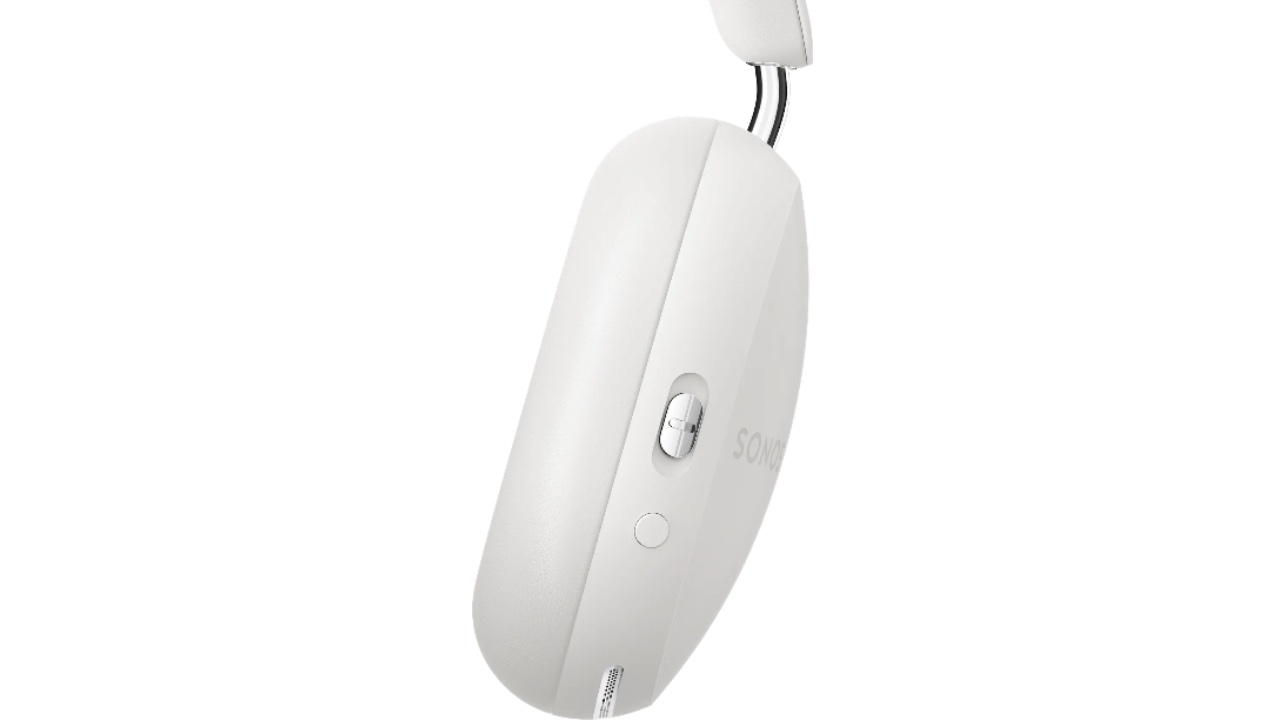
Controls on the right ear cup: Slide the Content Key up or down to adjust volume. Press it to pause or resume content and take calls. Another button lets you quickly switch between ANC and Aware mode.
Reverting to an analogue hardware user interface, the Sonos Ace enhances ease of use without relying on visual confirmation, and I’m so delighted that they did. The tactile, mechanical slider—dubbed the Content Key—allows users to adjust volume, skip tracks, and manage calls with ease. It provides a reliable and intuitive alternative to touch controls, which can be prone to errors. This thoughtful design extends to the headphones’ connectivity options. The Ace supports both wireless and wired connections, making it versatile for various use cases. Multipoint connectivity allows the headphones to connect to two devices simultaneously, enabling effortless switching. Additionally, a single button press lets the Ace connect with Sonos home theater systems, offering an immersive Dolby Atmos experience with dynamic head tracking.
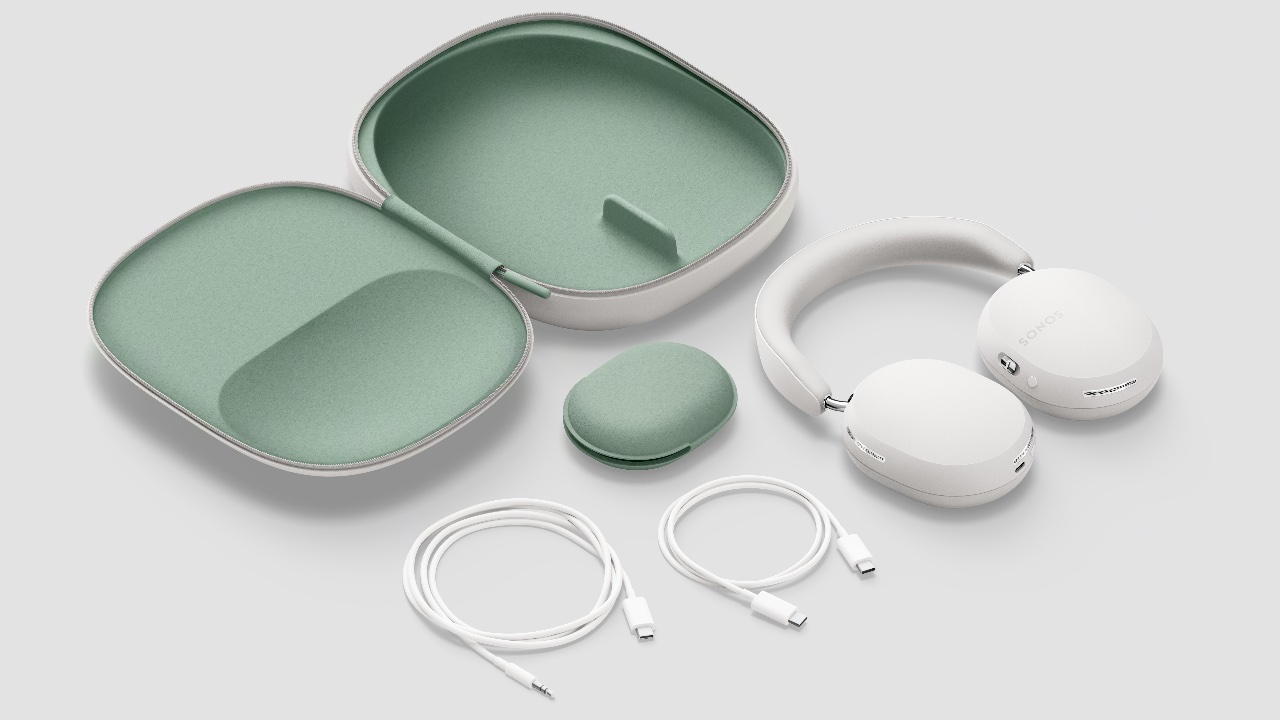
Integrating several eco-friendly features into the Ace supports sustainability. The headphones incorporate 70% post-consumer recycled plastic in their construction. The carry case, made from 75% recycled polyester derived from plastic bottles, complements this commitment to sustainability. Additionally, the ear cushions are easily replaceable, extending the product’s lifespan and reducing waste. Aki Laine highlighted Sonos’s dedication to creating long-lasting products, saying, “At Sonos, we are committed to creating products that last. The Ace incorporates 70% recycled plastic and features replaceable ear cushions, aligning with our sustainability goals.”
Boasting impressive battery life and convenient charging options, users can enjoy up to 30 hours of listening with active noise cancellation enabled. A rapid charge feature provides three hours of playback with just a three-minute charge, ensuring you never miss a beat even when time is short. The smart power management includes auto-pause sensors that stop playback when the headphones are removed, conserving battery life.
What really makes a desk stand out to me is the collection of stationery items placed on top of it (and also the manner in which they are placed). The true value and efficiency of your desk lie in the smart assortment of designs you adorn it with – these are after all the objects that are gonna help you get through your workday, and directly or indirectly affect your productivity. And if you’re someone who works better with taking notes and jotting down your plans and ideas, then this collection of writing supplies and designs is for you! From a Japanese memo pad to a levitating pen – these accessories are a must-have for your desk.
1. Everlasting All-Metal Pencil
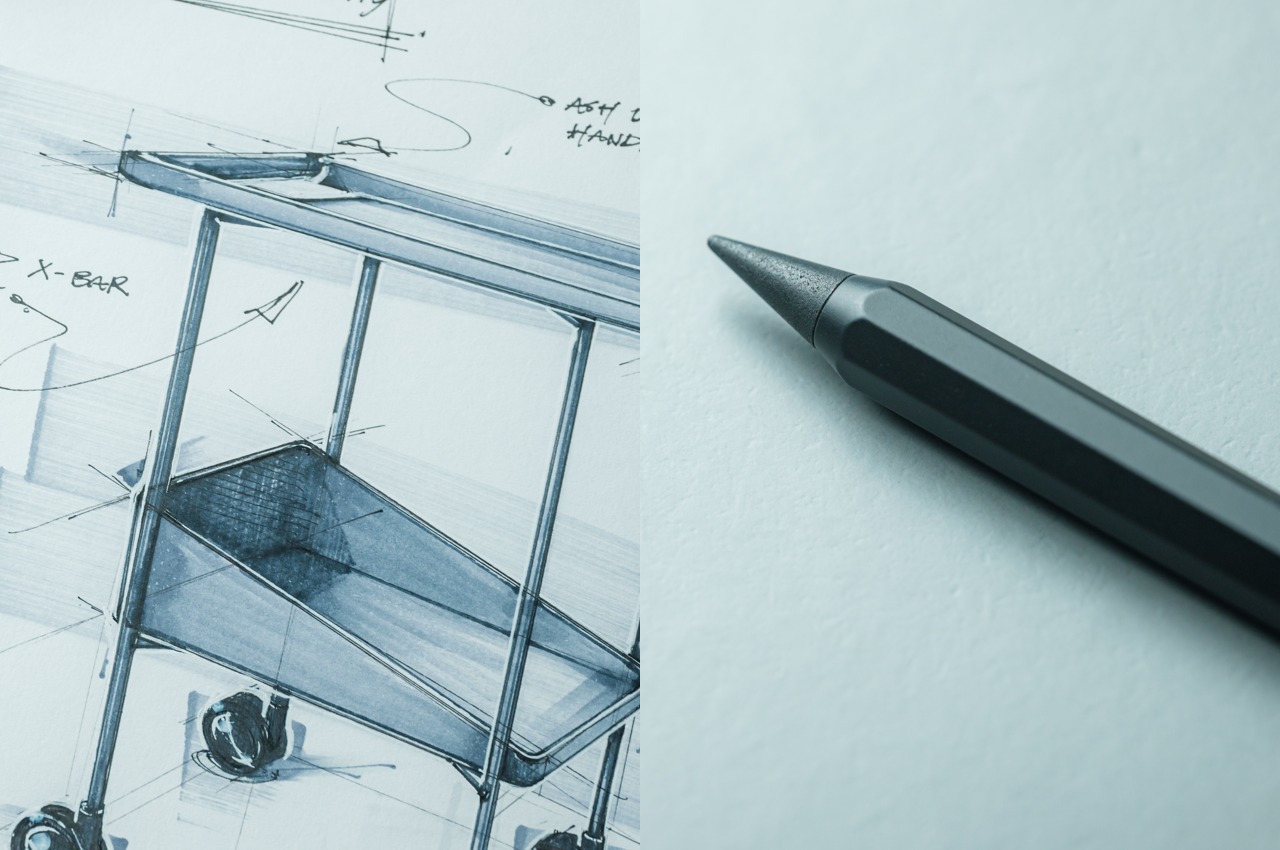
The Everlasting All-Metal Pencil is the ideal writing supply that you definitely need to get your hands on. You can give up the eternal cycle of pencil sharpening and struggling with weak mechanical leads, and instead adopt this innovative pencil, which allows the effortless and smooth facilitation of your creative ideas. It is a one-of-a-kind writing tool that can keep up with your fast-paced thoughts!
The pencil is made with a special alloy core, and it is placed inside a sleek aluminum body. The pencil offers a writing experience that is exceptionally smooth and provides a consistent and sturdy performance, without having to deal with the constant dilemma of sharpening.
What we like
You can easily erase whatever you’ve written or sketched using the regular eraser
Guarantees a smooth and effortless writing experience
What we dislike
There is no replacement tip for the pencil
2. Levitating Pen 3.0
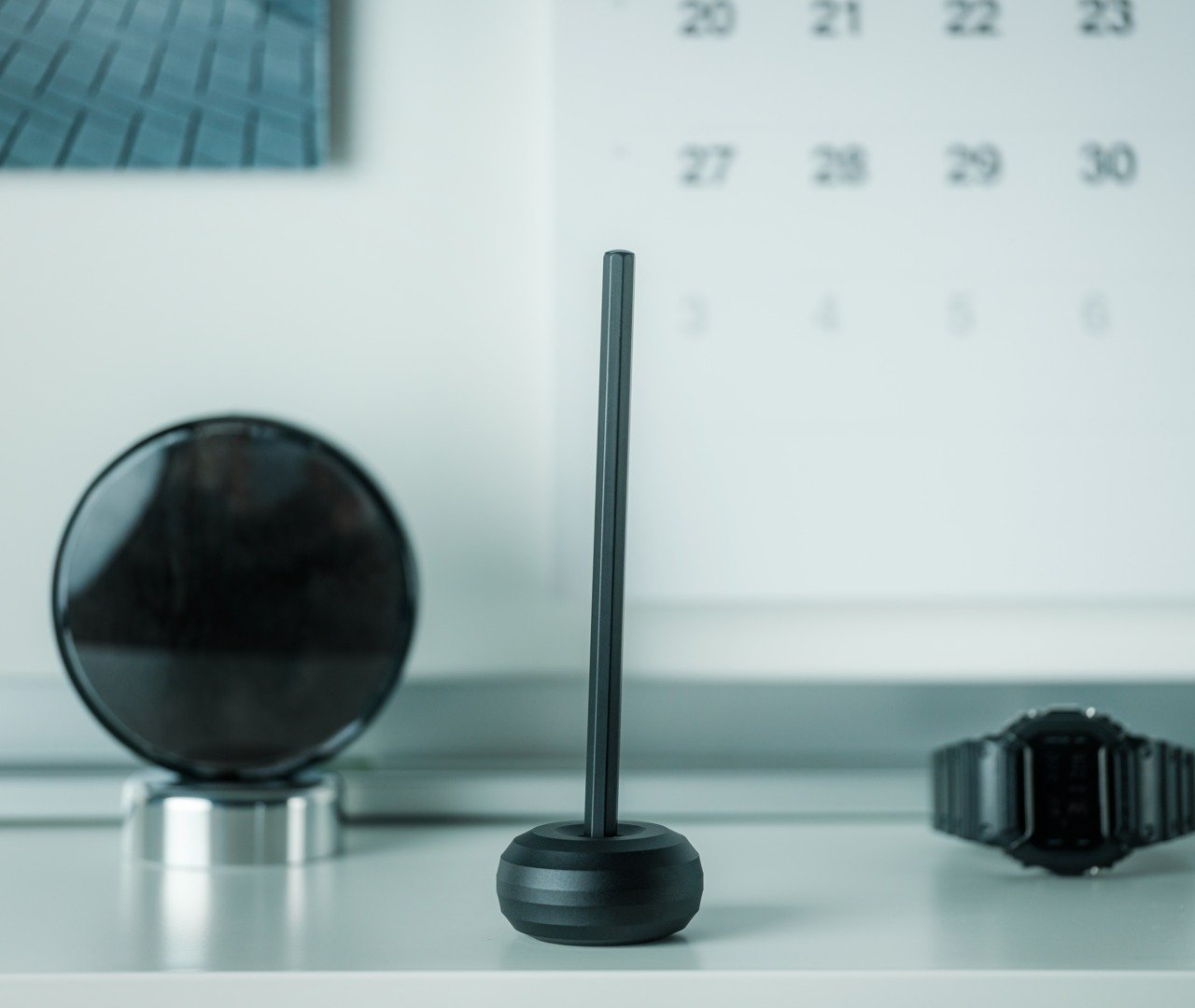
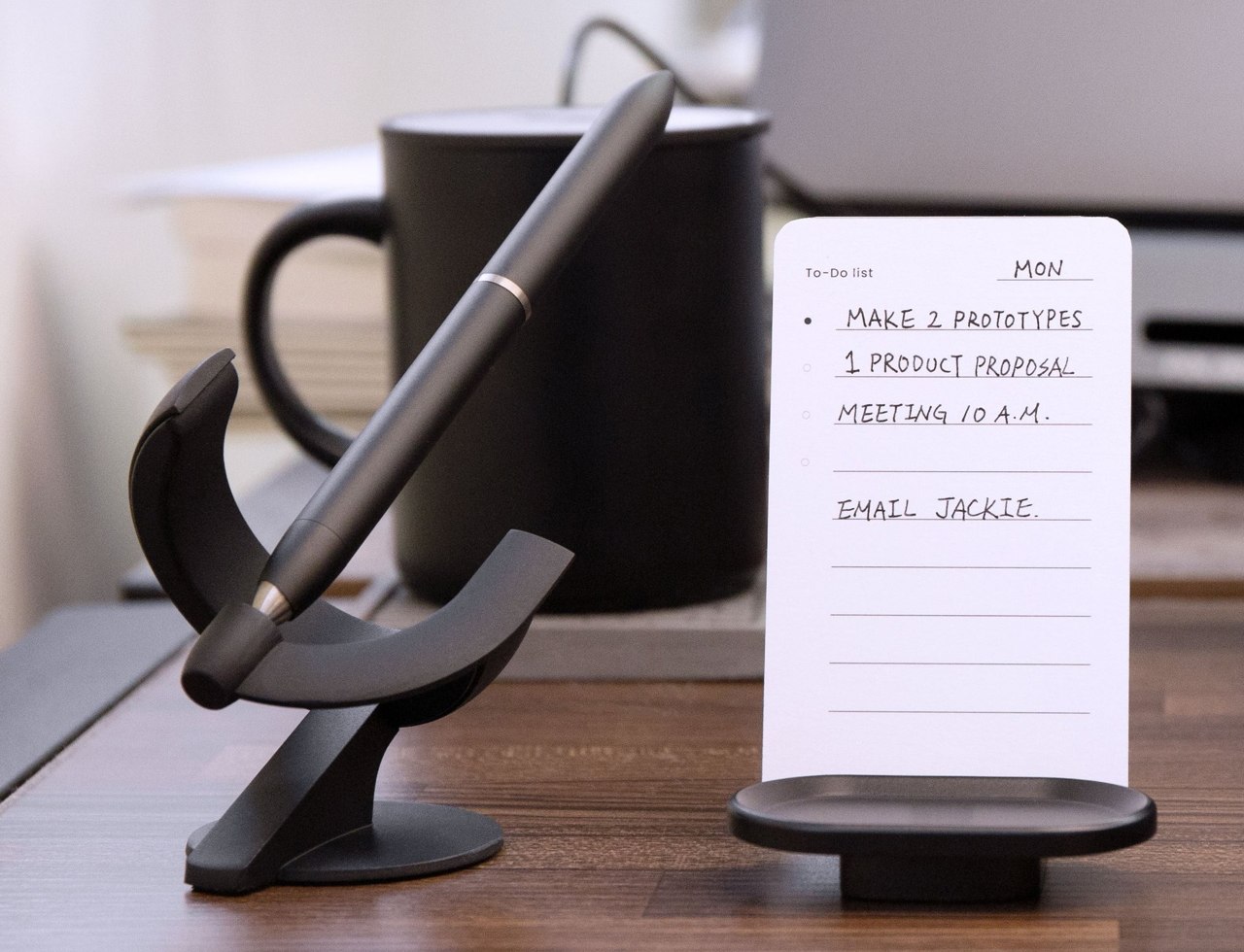
Called the Levitating Pen, this grand writing accessory is basically a sleek black pen with a Schmidt ballpoint cartridge which makes the pen easy and sturdy to hold. The pen is designed to offer you an excellent hassle-free writing experience, and making it a seamless and smooth experience.
The Levitating Pen has a magnetic cap that you can click to your satisfaction. You can also place the pen in its holder, which is magnetized, and keeps your pen floating in that particular position! Give the pen a simple twist, and it starts spinning around for 20 seconds, allowing you to play with the pen and have fun.
What we like
Easy to write with, and to hold
You can spin the pen intervals to bust your stress and relax
What we dislike
The smooth edges of the pen may cause it to roll off the table when kept on a curved surface
3. MagBoard Clipboard
Meet the MagBoard Clipboard – this simple, efficient, and clever solution allows you to attach any paper – whether dotted, grid, or blank in 2 sizes, giving you access to writing material with ease. It provides a fresh paper smell whenever you attach new stationery. You just need to lift the magnetic panel and keep your pen inside to prepare for whenever the next big idea strikes!
The MagBoard Clipboard is quite easy to organize and use. It features the Magnet x Lever mechanism which firmly holds your paper through the day, allowing you to shuffle your notes with ease wherever you go.
What we like
Features a magnetic design, which lets you attach the clipboard to metal surfaces
Doesnt feature a ring, so you don’t need to tear the paper away
What we dislike
Can only hold 30 sheets at a time, which can be limiting
4. Zen Pen
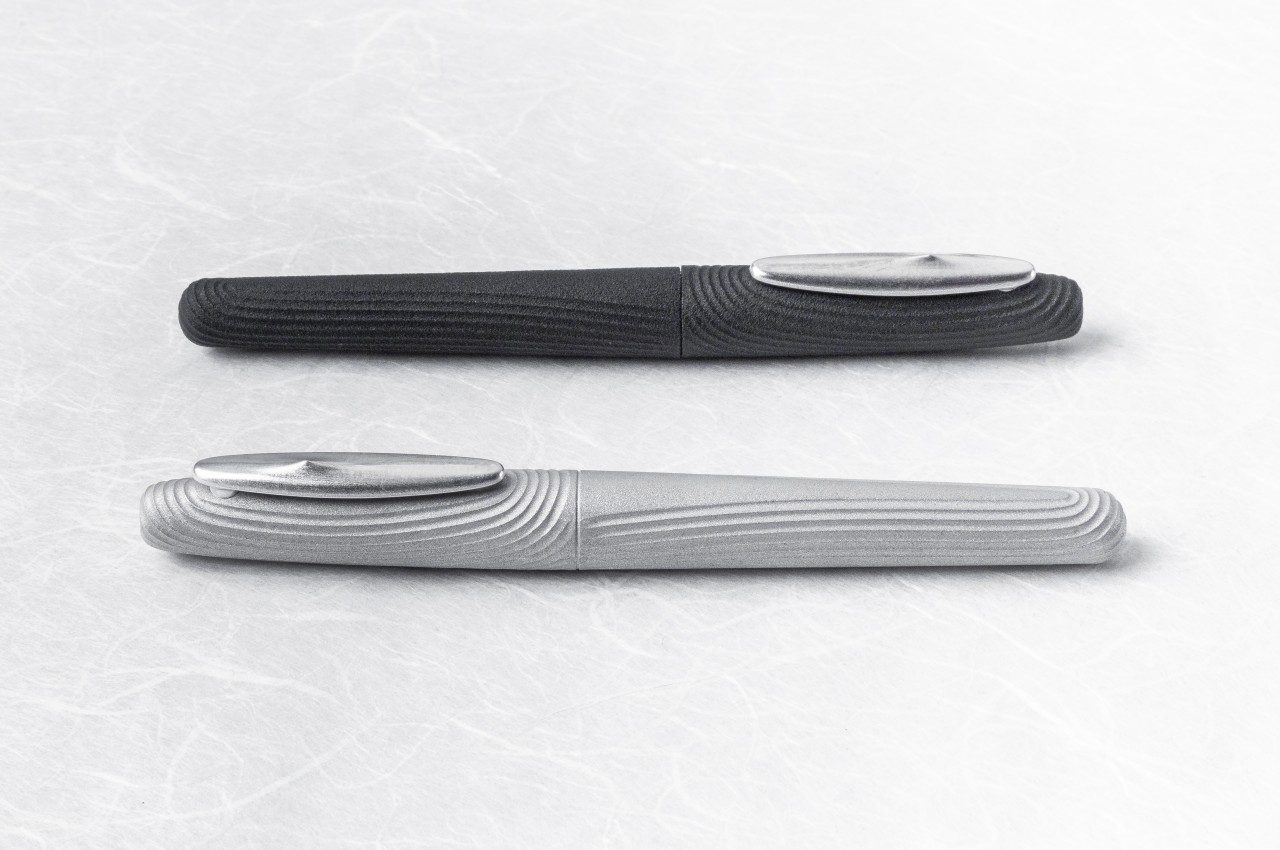
This unique Japanese-made pen utilizes visuals and texture to function as a wiring instrument that helps you be mindful of the present, even if it is only for a second. The pen is inspired by the composition of a Zen garden, sand, stone and more. The Zen Pen recreates the stillness of a zen garden on a smaller scale.
Why is it noteworthy?
It imitates the key elements of a Zen garden in such a manner that you can see and feel them in the palm of your hand. The 3D-printed grooves that snake around the barrel and cap remind you of the thin lines and circles that are drawn on a typical rock garden.
What we like
Result of the handiwork of skilled Japanese craftsmen utilizing modern technologies
What we dislike
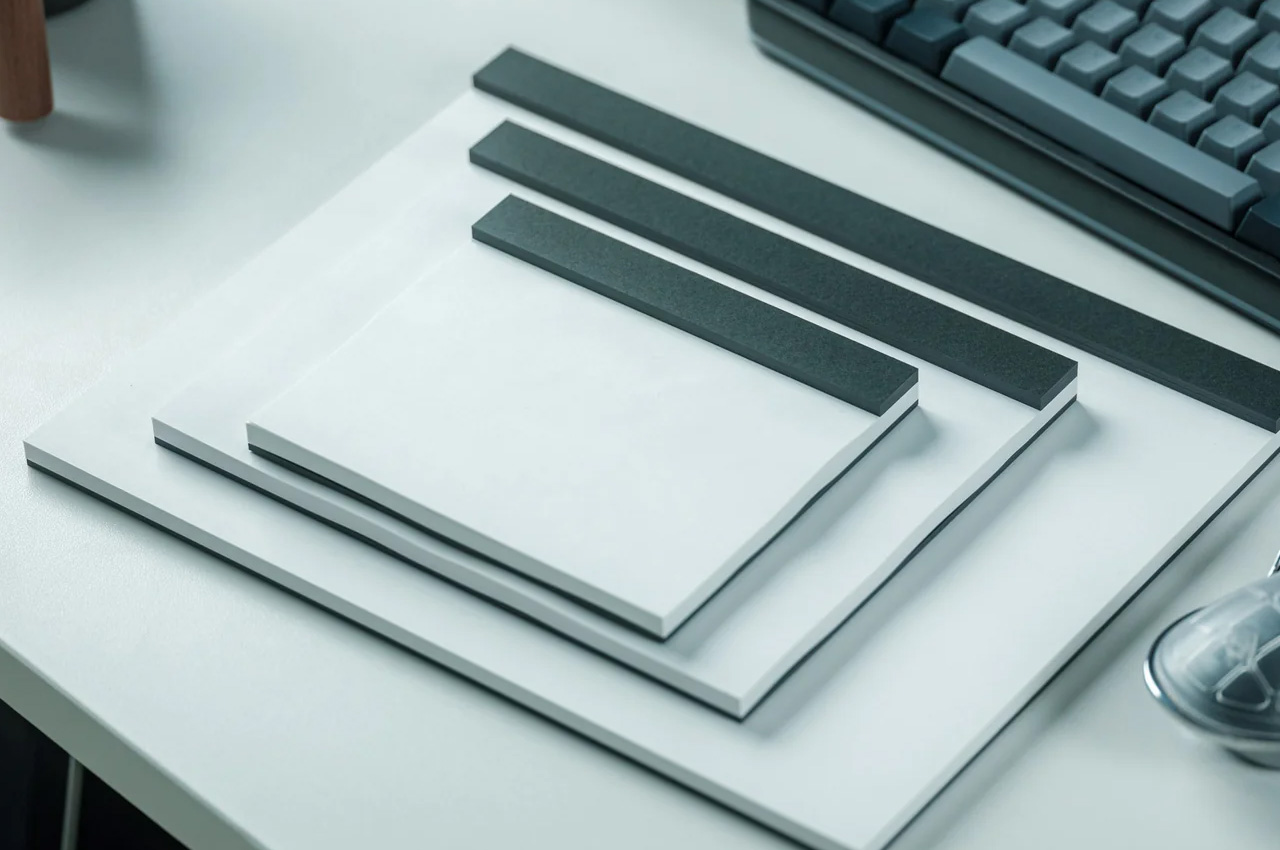
5. Japanese Drawing Pad
If you’re someone who loves using Japanese paper, then you need to get your hands on the Japanese Drawing Pad. The Japanese Drawing Pad features high-quality Japanese paper which often much loved by artists, designers, and stationery lovers. It makes the writing experience so special and effortless!
The pad is of excellent quality, and it lets you pen down your thoughts and ideas without the stress of accidentally damaging or tearing the durable paper fibers. It lets you remove all distractions, letting your thoughts roam freely, allowing them to grow and evolve.
What we like
It is microperforated which allows easy tearing
The pad is available in various sizes and colors
What we dislike
When you first look at the pad, it seems like an ordinary pad with no USP
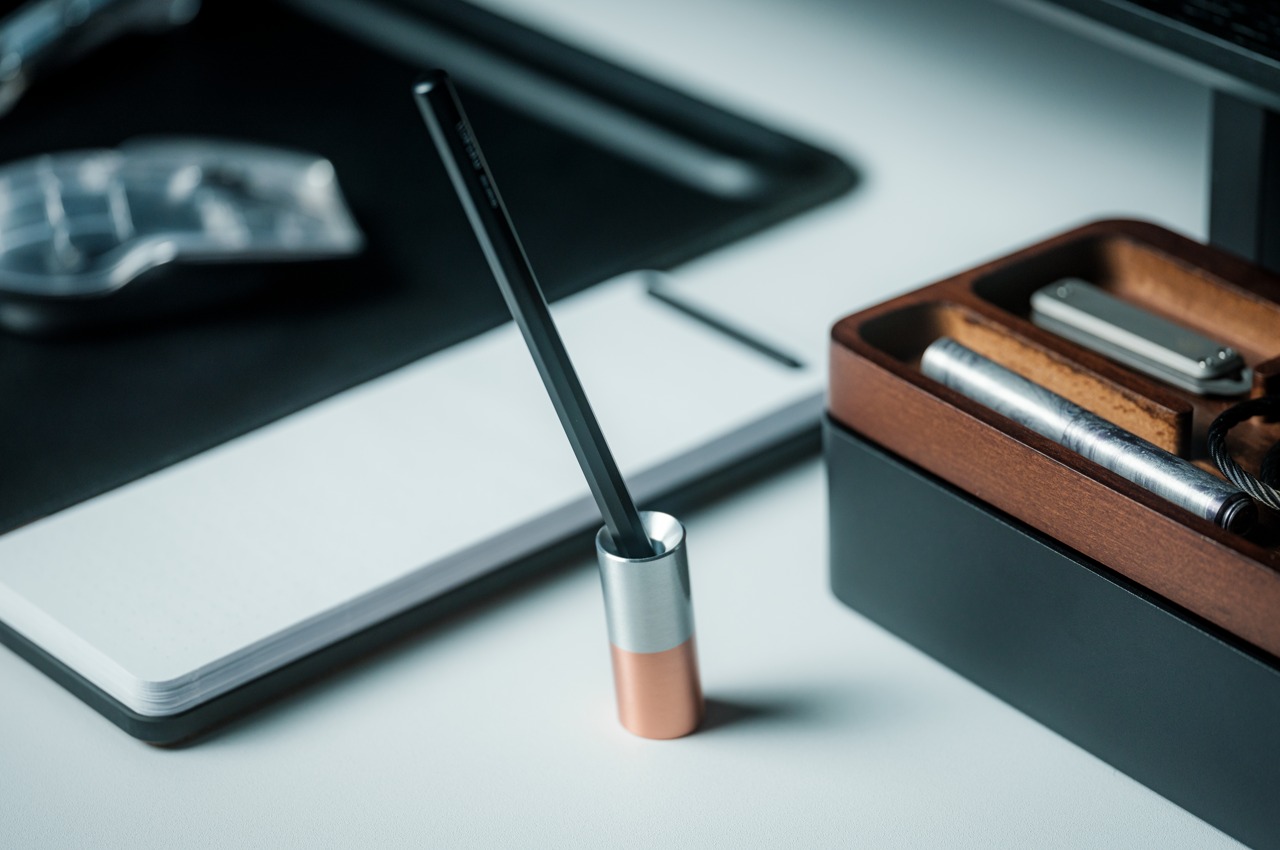
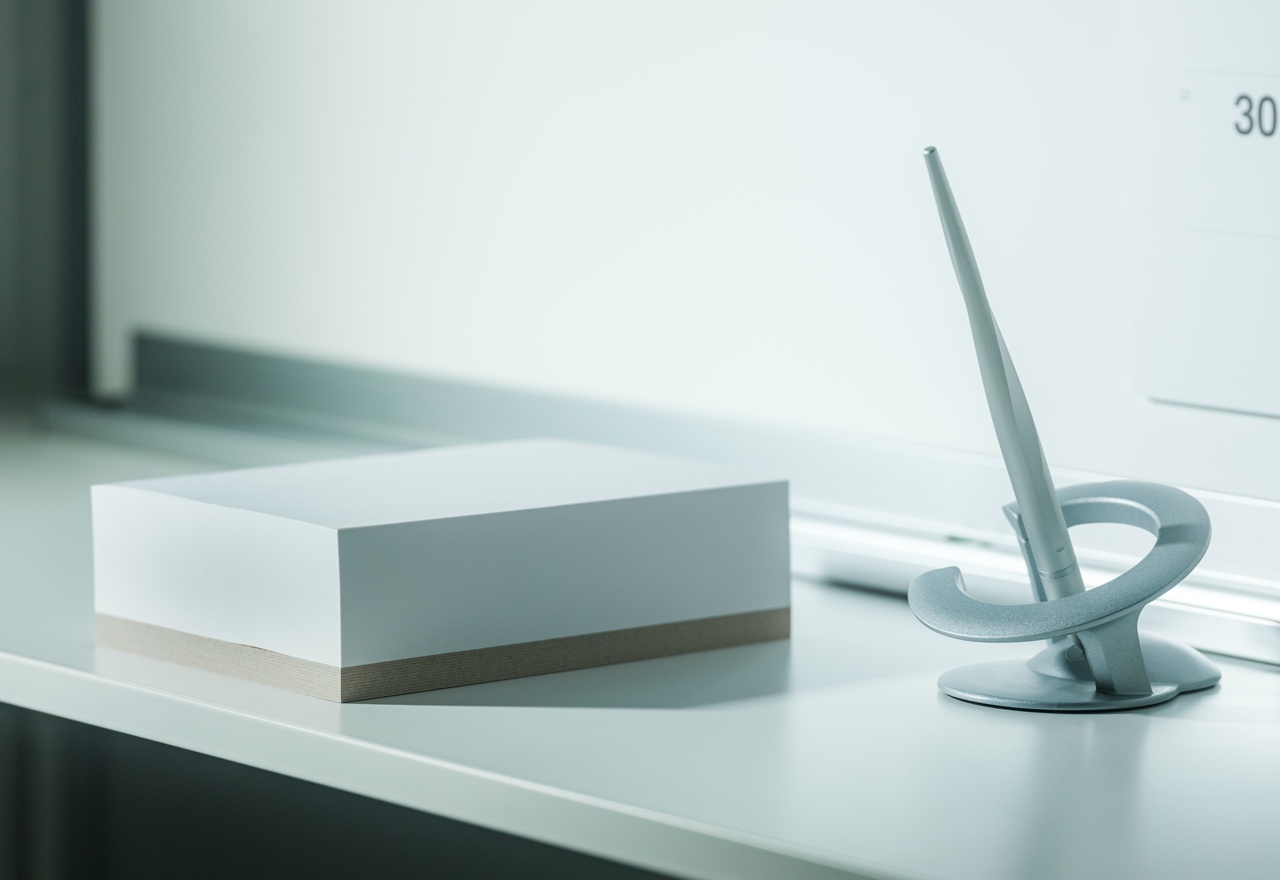
6. Serenity Pen Stand
Dubbed the Serenity Pen Stand, this Japanese minimalist pen has a metallic hint and will store your pen upright, keeping it ready for you to use. The pan stand keeps your precious pen in place, providing easy access to it. Since pens can be easy to lose, this clever design ensures it is always in your sight.
The sleek little pen stand ensures constant access to your pen, ensuring you never lose it. The pen is made from aluminum and copper, and it serves as a well-balanced cylinder. It adds some personality and Japanese design ethos to your mundane workdesk.
What we like
You can easily set it up, use it, and carry it
Has a heavy copper bottom which ensures a stable form
What we dislike
The pen stand is quite small, and it can be easily lost
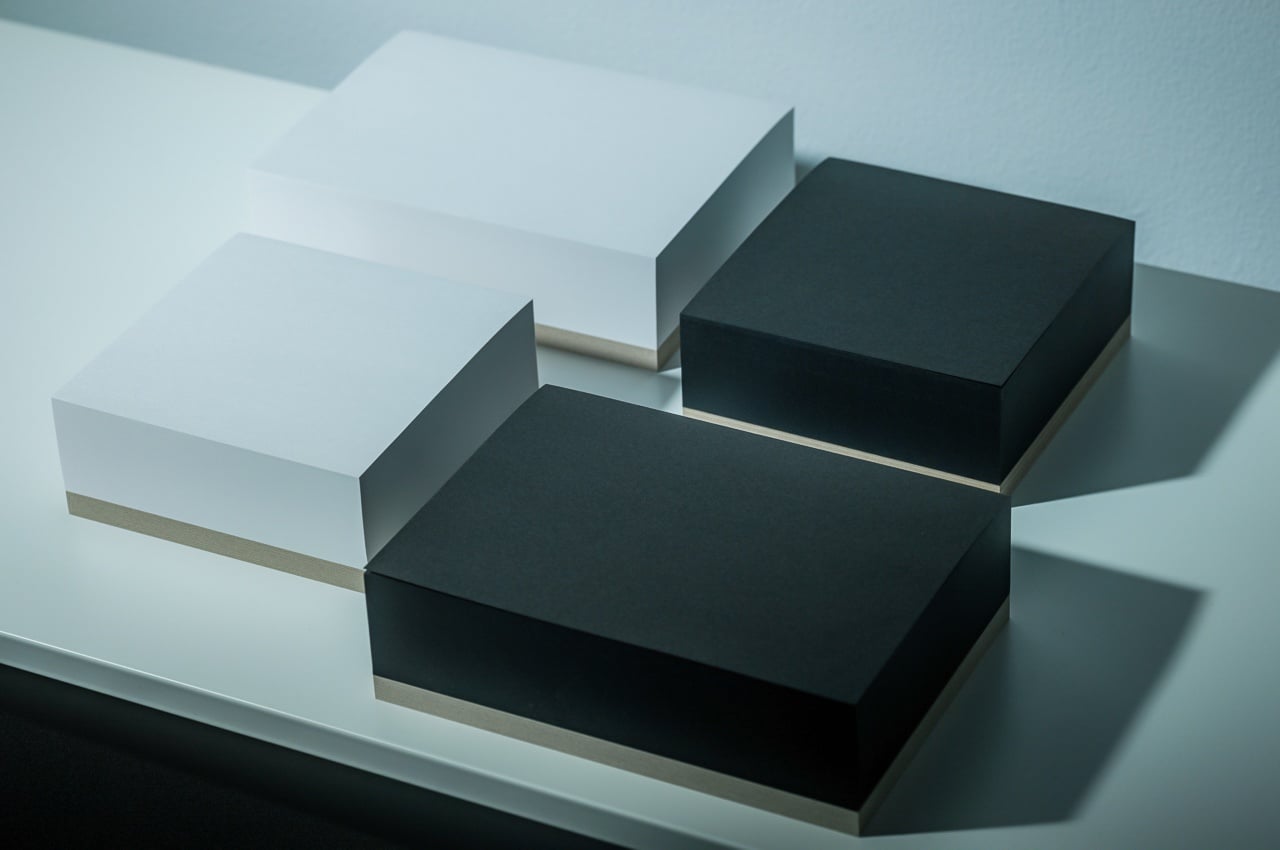
7. Japanese Paper Memo Block
Named the Japanese paper Memo Block, this little notepad will perfectly capture your itinerant and exciting thoughts, ensuring you never miss out on any of them. We live in fear of these thoughts escaping us, hence we need to note them down in the nick of time.
The Japanese paper Memo Block allows you to focus on the important tasks at hand, letting you note down your innermost thoughts before you lose track of them and get distracted. The memo block is quite small, and you can place it anywhere on your desk in any position.
What we like
Has a pure black/white surface which pulls new thoughts onto the paper from your mind
Made using high-quality Japanese paper
What we dislike
Looks like an ordinary memo pad with no real specialty
8. Bloomstick
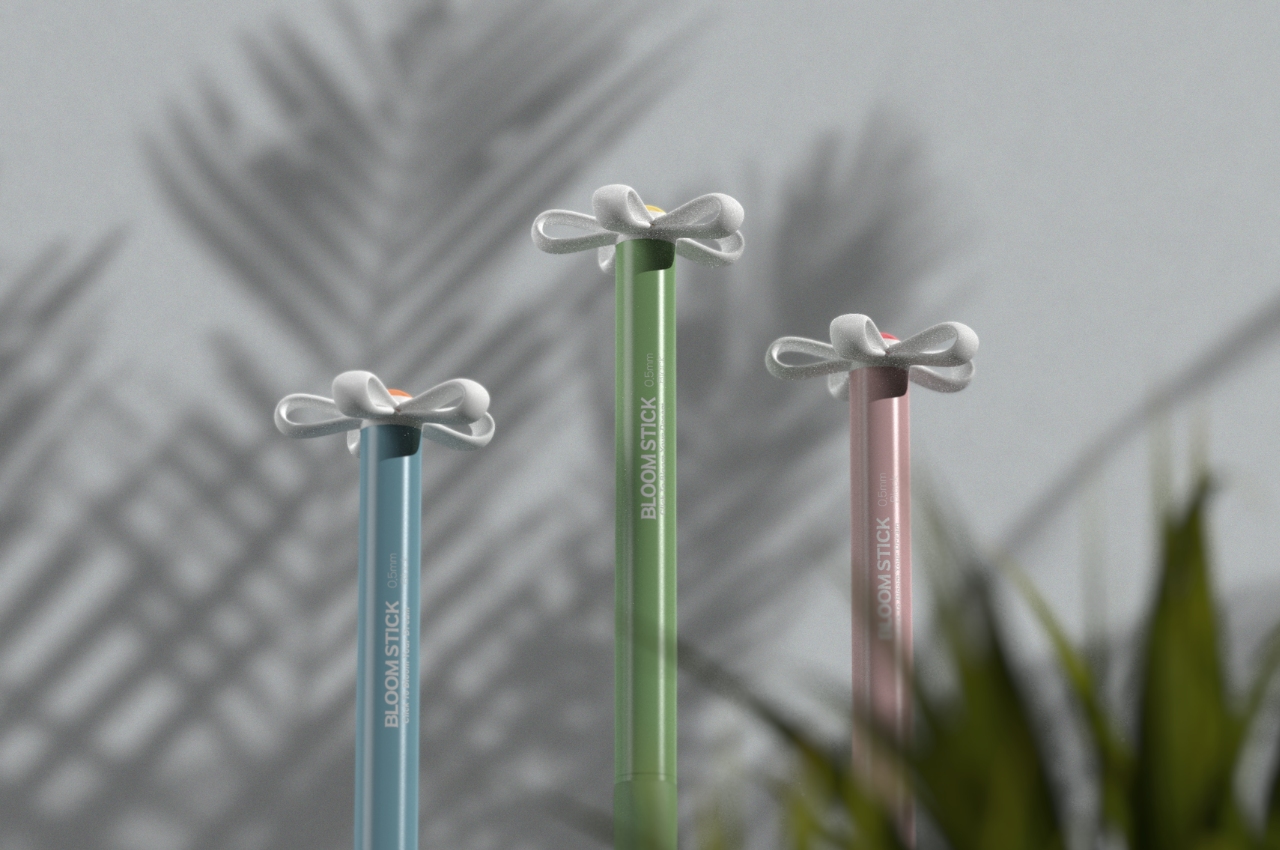
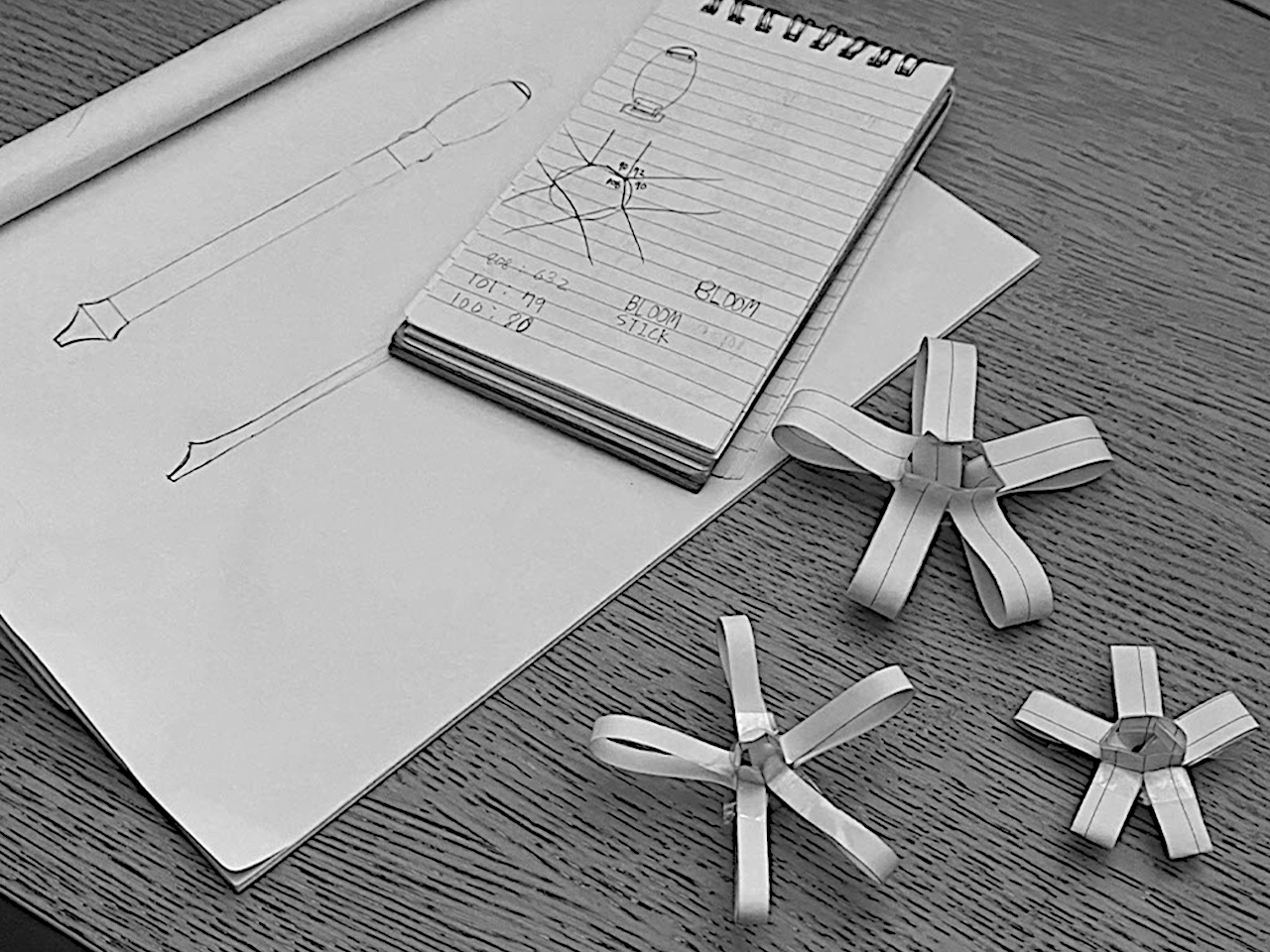
Called the Bloomstick, this conceptual pen lets you note down your dreams since it is as important to write them down, as it is to make them come true. The pen lets your dreams “bloom like flowers” when you write them on paper using it. The tagline of the pen is “Click to bloom your dream”.
Why is it noteworthy?
The pen features a silicone-covered button which when you press, it opens up into a flower-like shape, allowing you to use it as a blooming instrument. The pen is available in a variety of different colors such as green, blue, and pink. When closed, it looks like a typical pen, but you can still use it.
What we like
Gives a whimsical and fun twist to your everyday pen
What we dislike
Seem to only have an aesthetic USP, no functional USP
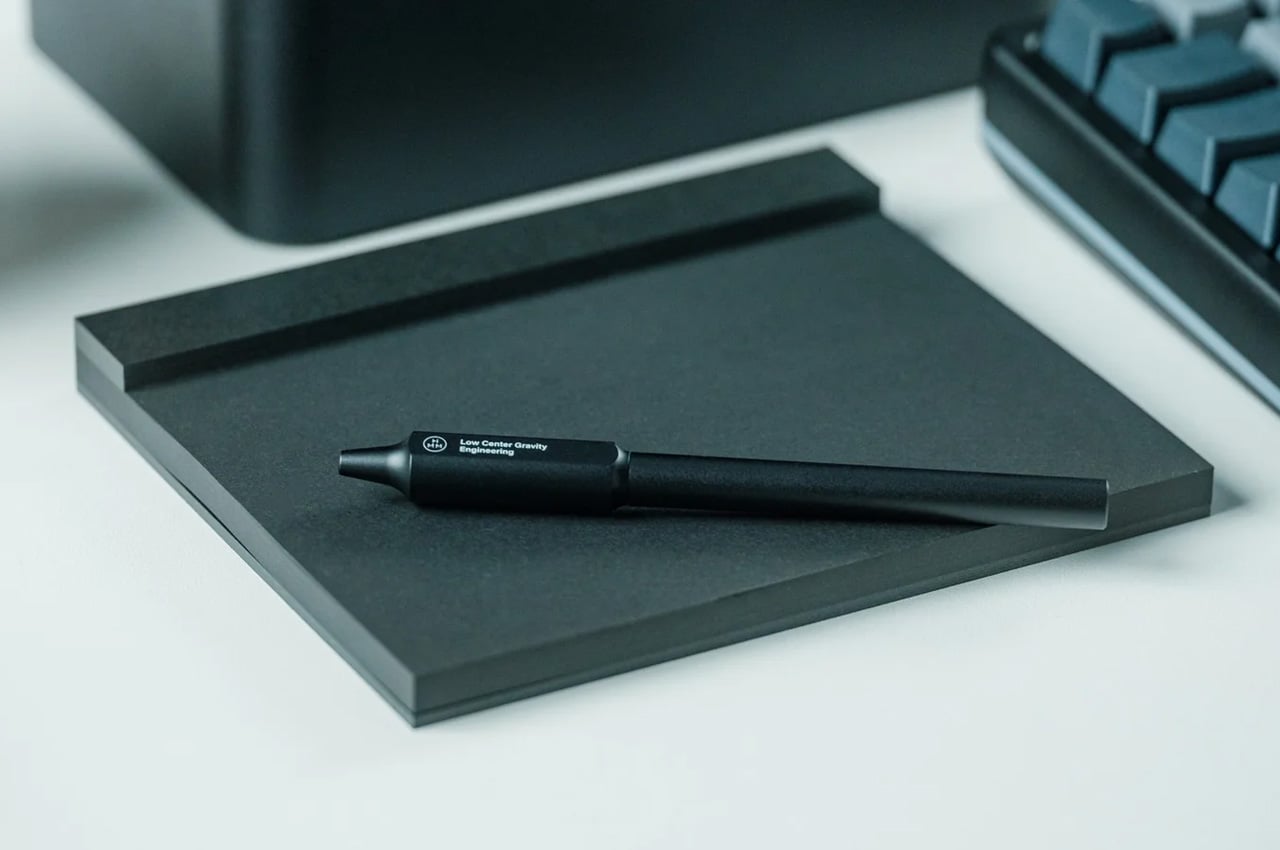
9. Gravity Pen
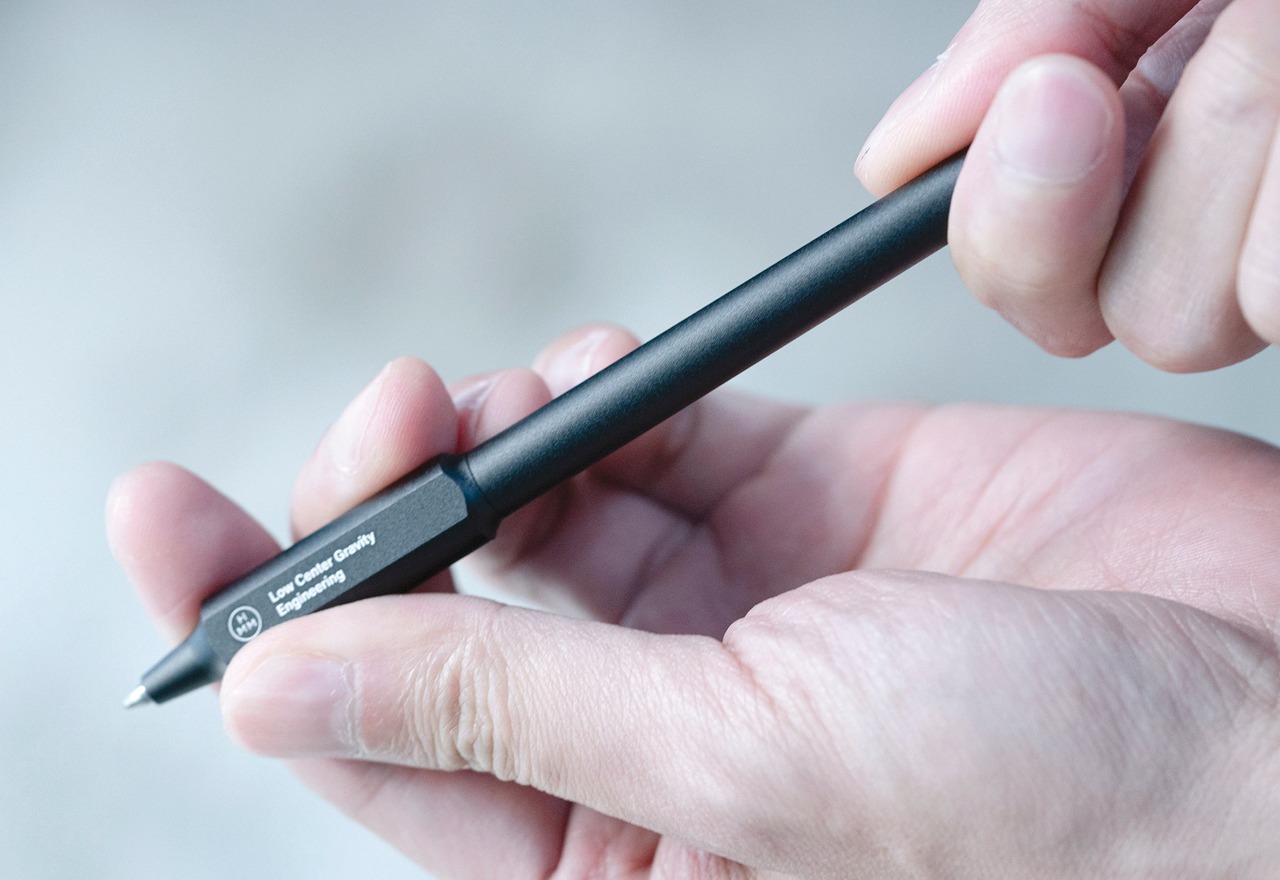
Named the Gravity Pen, this sleek and all-black pen positions the center of gravity close to your fingers, ensuring a smooth and seamless writing experience. The pen is relatively easy to hold, and you can make quick agile strokes with it. It features a larger grip than the barrel, so you can hold it comfortably.
Since the grip has a rather faceted form, the pen is easy to hold. It has an ergonomic design owing to the utilization of physics and minimalist design principles. It is the kind of no-fuss and no-frills writing instrument you need!
What we like
It is quite easy to hold and has an ergonomic form
Lightweight body making it easy to carry everywhere with you
What we dislike
Not a lot of color options to pick from, and limited choice of product
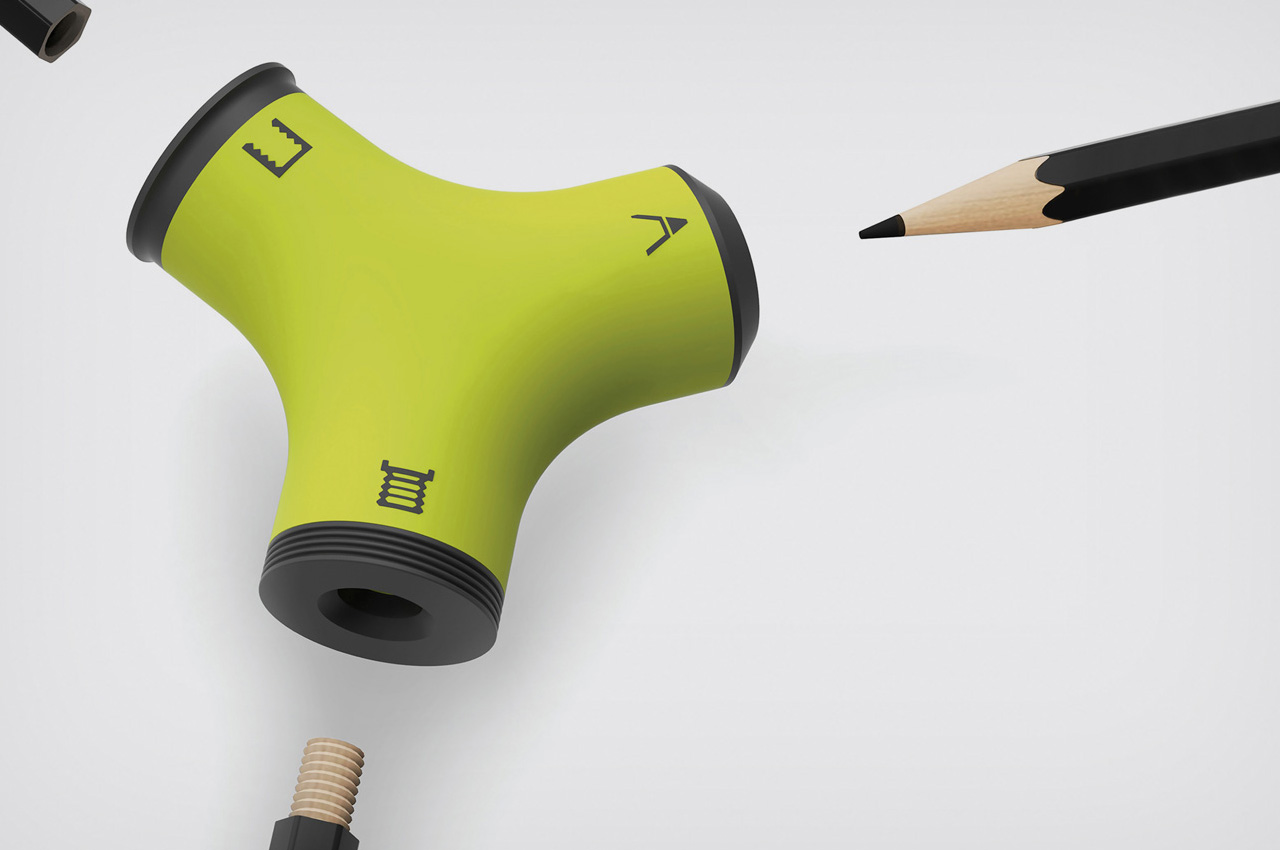
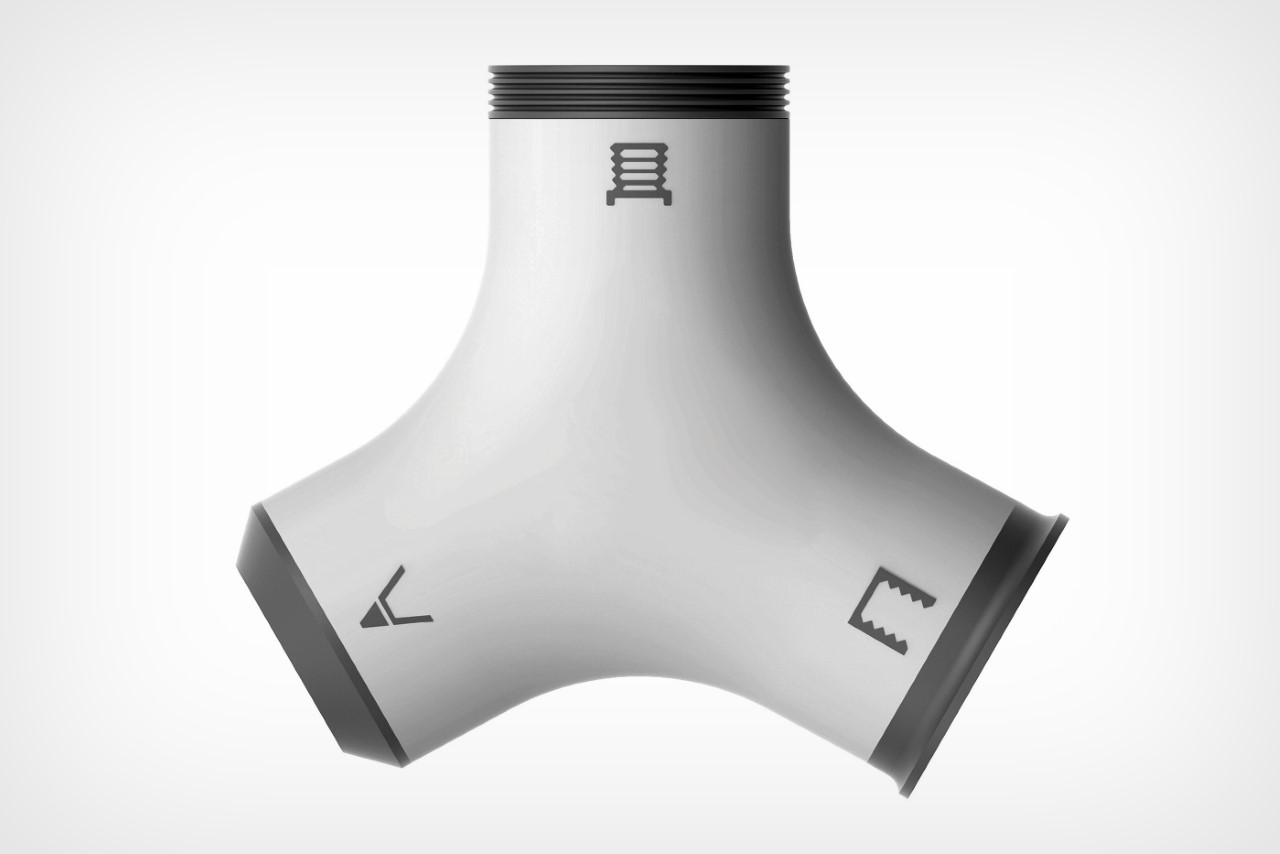
10. Eco-Friendly Pencil Sharpener
A winner of the Red Dot Design Concept Award, this Eco-Friendly Pencil Sharpener is a truly innovative and unique stationery design that increases the lifespan of tiny pencil stubs by elongating them! This ensures that your pencils last longer, and you don’t need to constantly keep replacing your pencils.
Why is it noteworthy?
You simply need to thread one end of the tiny pencil, and tap a larger pencil, so you can easily screw one pencil into another. This forms a bigger and longer pencil, which lasts longer, but also reduces wastage!
What we like
This unique design reduces the waste of pencil stubs, and the constant purchase of new pencils
What we dislike
It’s a concept, so we are unsure how well-functioning and practical this product will turn out to be
We’ve got AI practically inserting itself in every aspect of our lives and we’re still using old-fashioned measuring tapes and metal/plastic/wooden rulers to measure distances? That, I can’t tolerate.
Meet the NeoRulerGO, a tinier version of Hozo Design’s NeoRuler smart measuring device from last year. Having practically pioneered the concept of a rolling ruler powered by a smart chipset, Hozo Design’s earlier devices could measure curved surfaces, linear distances, random undulating lines, and even scale up or down measurements, converting units on the go. The only problem, if there ever was one, was that the gadgets weren’t really as small as a bundle of measuring tape. The NeoRulerGO, on the other hand, is roughly the size of a car’s keyfob, but can measure everything from millimeters to miles with stunning accuracy. Just roll the NeoRulerGO from point A to B, and distances get captured on its tiny display. You can then convert them, scale them, or send them to the MEAZOR app, which then lets you turn measurements into technical drawings in seconds.
The NeoRulerGO is pocket-friendly in more ways than one. It costs a mere $49, weighs an ounce and a half, and is small enough to fit around a keychain, or even be attached to your belt loop to carry around. The compact size, however, doesn’t take away from how handy it is when it comes to measuring surfaces. Hold it the way you’d hold a keyfob, and roll it along straight or curved lines, or even between two corners. A laser guide helps you stay in line with 1mm accuracy, a screen helps you see how far you’ve come, and an app captures all your measurements for you to refer back to later.
Line
Curve
Irregular
The rolling ruler design makes the NeoRulerGO perfect for a whole variety of measurements. You can use it like a scale, measuring linear distances, or like a tape, measuring curved profiles. The roller allows you to keep going without running out of tape or exhausting the length of your scale, which means you could practically go on for yards and meters in one single movement. Meanwhile, a laser guide lets you know your start and end points, so you can measure even in tight spaces, from one corner to another, or even across complicated surfaces without losing your way or going off course. The laser line also improves your accuracy, allowing you to roll in a straight linear movement for perfect measuring. 93 built-in scales let you measure in both metric and imperial units, gathering distances and even calculating areas. Measuring a blueprint for a house? The NeoRulerGO can scale up your measurements, turning inches into feet, or giving you the ability to determine a scale of your choosing.
What makes the NeoRulerGO even more of a must-have for creatives is the fact that it comes with a snap-on stationery case. Given its compact form factor, the folks at Hozo Design decided to turn the device modular, allowing it to easily snap onto the NeoPencil Case. The long-ish case holds a NeoPencil Mini, but also serves as an ergonomic handle for the ruler, allowing you to roll/measure while holding comfortably. In between measurements, open the case and you’ll find a compact NeoPencil Mini inside. The pencil sports a classy aluminum alloy body, with an attachable graphite tip that can be replaced when dull or used up. The case’s lid holds 4 extra replaceable graphite tips, allowing you to sketch, edit, measure, and mark-up all in one device.
The NeoRulerGO is a tiny device that’s a mere 12mm (0.5 inches) thick and weighs just 45 grams or 1.5 ounces. A built-in battery gives it 90 days worth of use on a full charge, and for what it’s worth, the entire device is IP54 water and dust-resistant. The NeoRulerGO starts at a discounted $49, and for $109 you can upgrade to the premium bundle which includes the NeoPencil Case, a NeoPencil Mini, as well as other Hozo Design products like the NeoPencil Classic, and NeoStands with both color and black graphite nibs for the pencil.
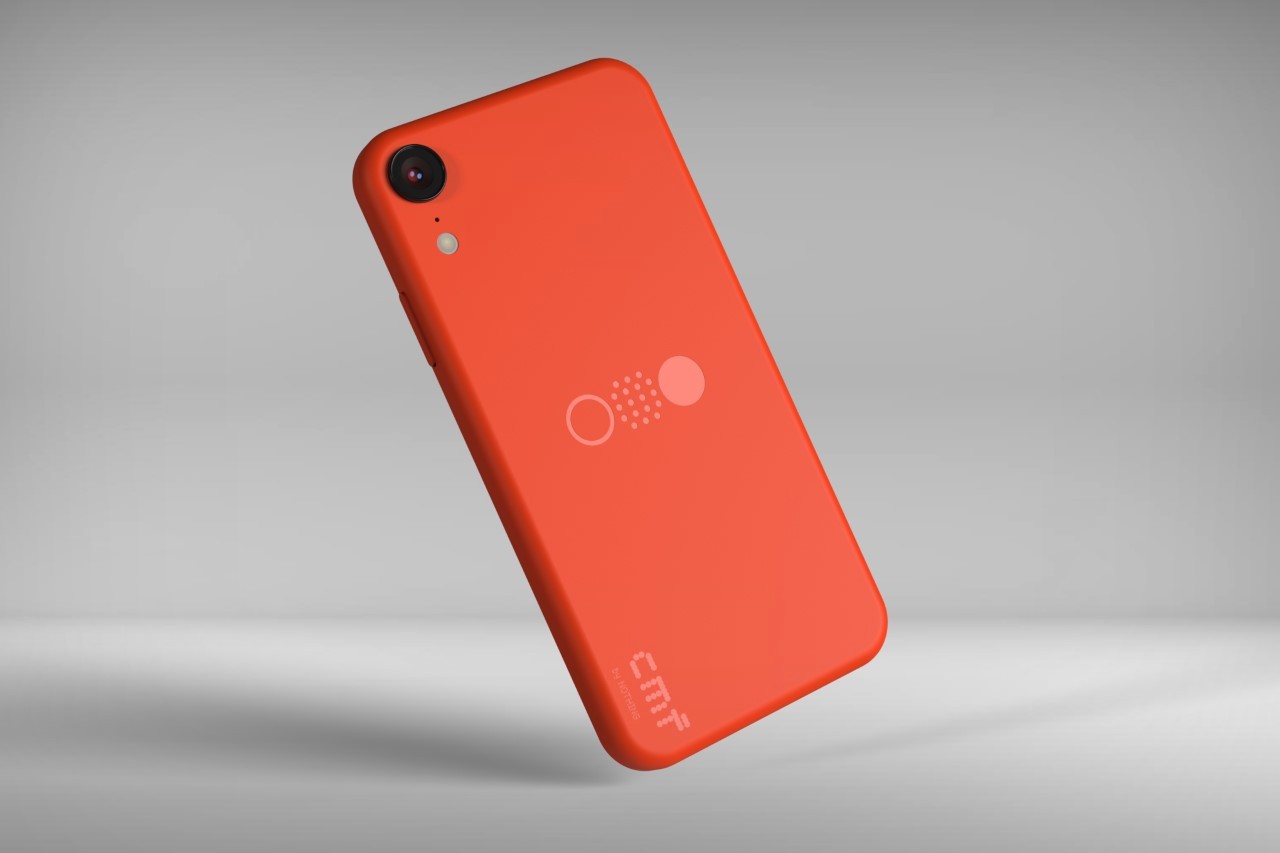
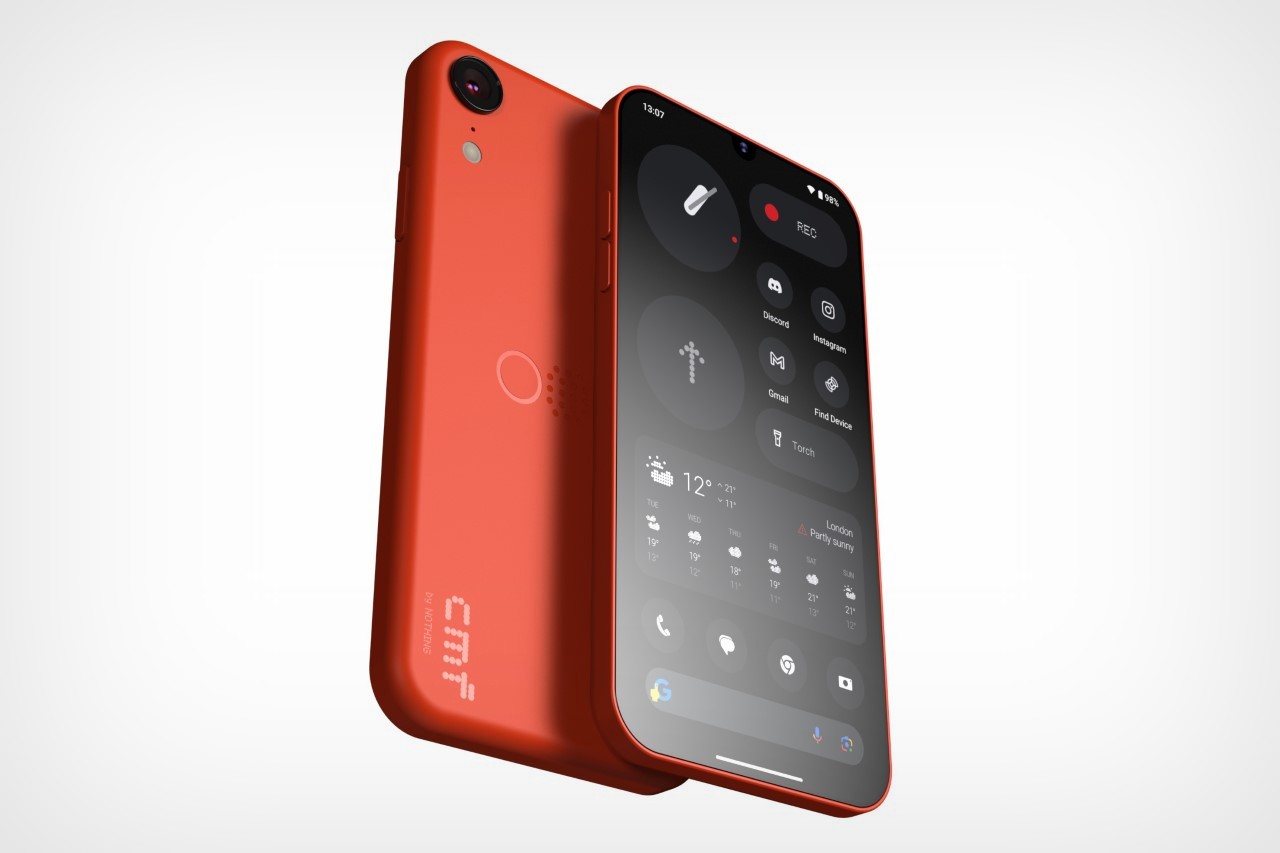
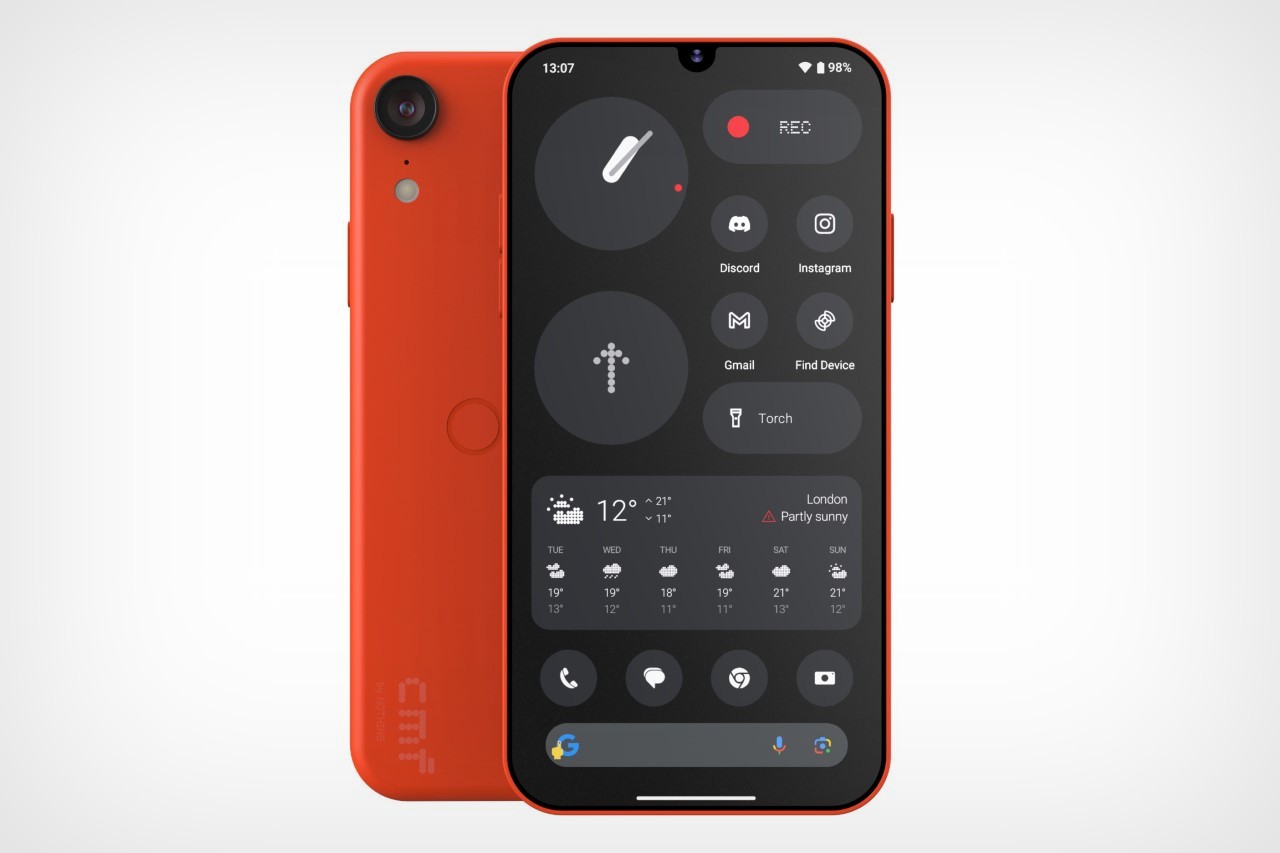
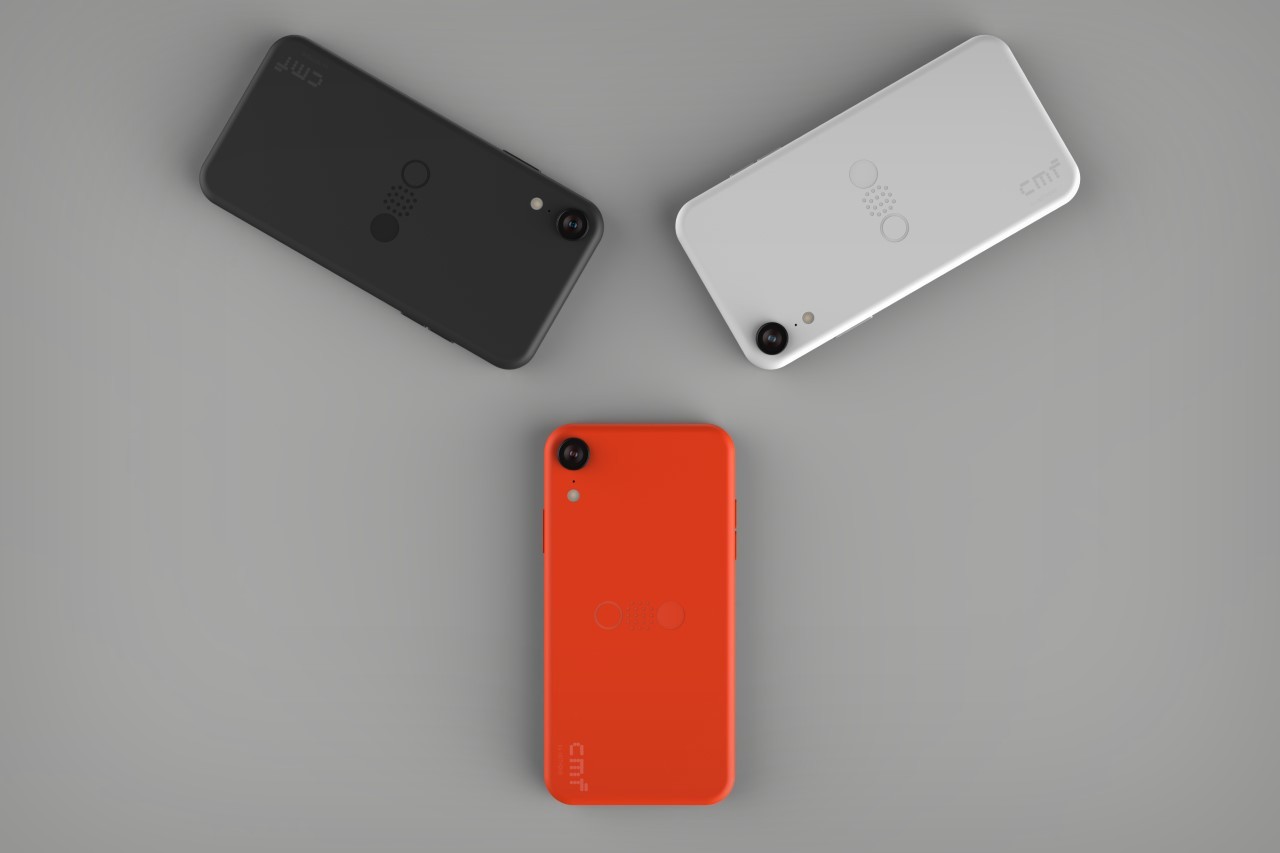
Nothing’s sub-brand, CMF, has carved a niche for itself in the tech world with various accessories. But it seems they’re about to step outside their comfort zone and enter the smartphone arena. Leaks suggest their first phone, the CMF Phone (1), might be a budget-friendly alternative to the recently released Nothing Phone (2a). According to reliable leaker and developer MlgmXyysd, the CMF Phone (1) borrows heavily from the Nothing Phone (2a)’s core specifications. It notably, however, comes in the signature CMF colors of black, white, or its iconic orange, and sports an alleged $249 price tag, undercutting the Nothing Phone (2a) by $100.
Just like the (2a), the CMF Phone (1) is rumored to pack a MediaTek Dimensity 7200 chipset, a capable processor for everyday tasks. It’ll also likely share the same 5000 mAh battery capacity, offering long-lasting power on a single charge. However, the CMF Phone (1) might compromise a bit on fast charging capabilities. While the Nothing Phone (2a) supports 45W fast charging, the CMF Phone (1) is tipped for 33W. This translates to slightly longer charging times, but hey, the phone costs less than some GaN chargers!
The display seems identical on both phones – a generous 6.67-inch OLED panel with a smooth 120Hz refresh rate. This offers a clear and vibrant viewing experience, along with butter-smooth scrolling. The camera department on the CMF Phone (1) is still under wraps, with rumors suggesting a dual-camera system with a 50MP main sensor.
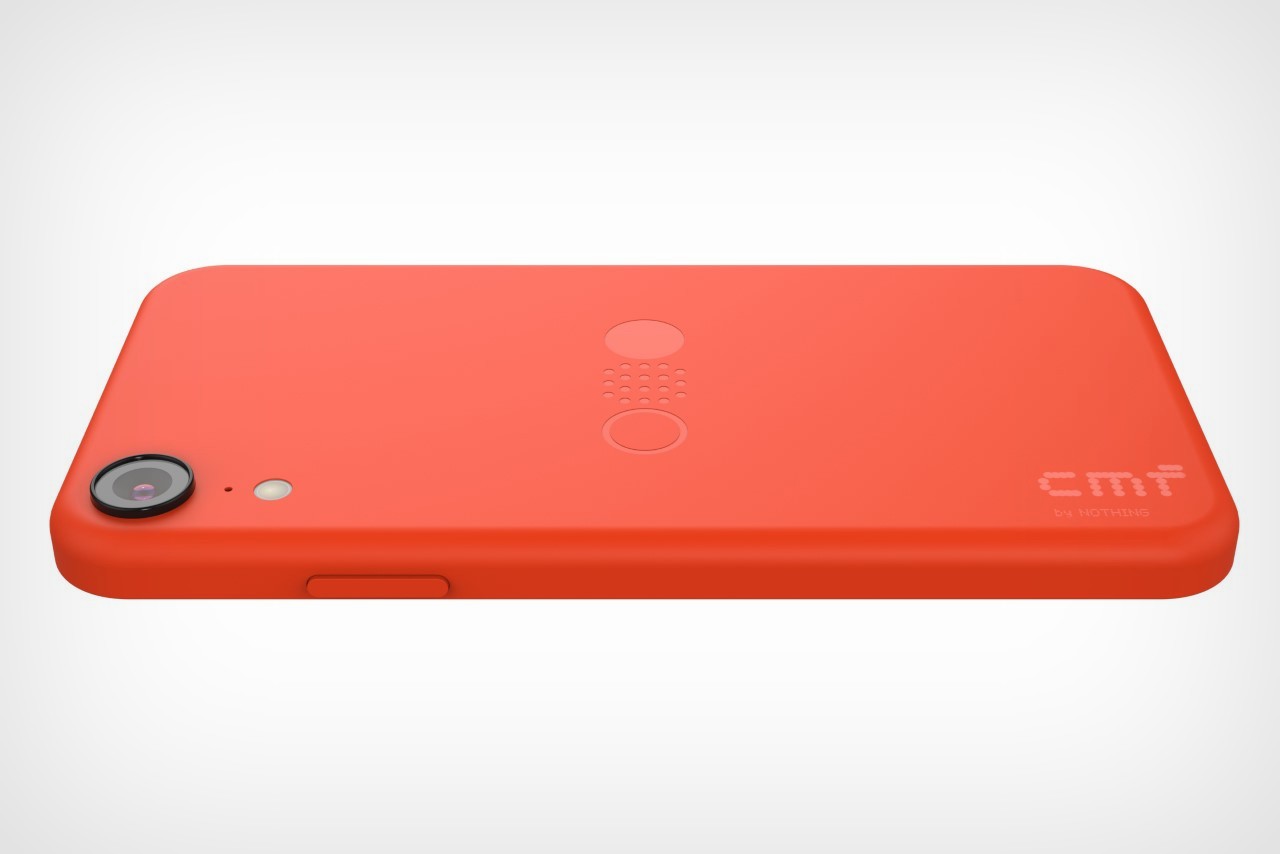
One key difference between the two phones could be in design. The CMF Phone (1) is expected to have a replaceable plastic back, a departure from the Nothing Phone 2a’s unique transparent design with integrated LED lighting elements. This plastic back might make the CMF Phone (1) more affordable to produce and potentially more durable for users who are prone to accidental drops.
The leaks also mention a “Nothing Lock” feature, which could be related to exclusive CMF accessories that snap onto the phone’s back using the replaceable cover. Storage options are said to range up to 256GB, paired with 8GB of RAM, offering ample space for apps and files for most users.
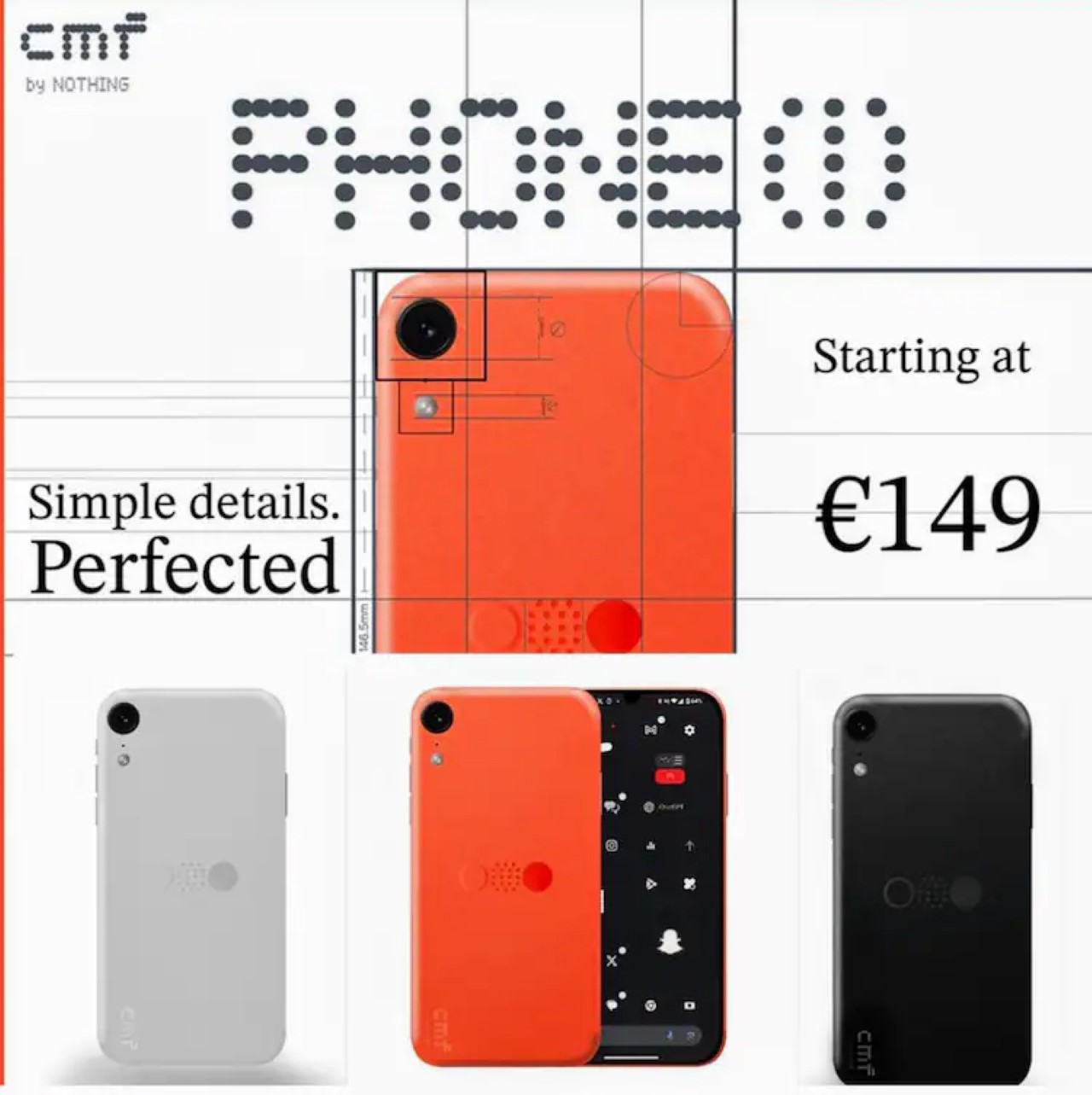
The CMF Phone (1) is expected to be a budget-conscious option, with a starting price rumored to be rather low, and although leaked images say €149, tipsters have suggested a price range of $249 to $279 USD. It is likely to come in a variety of colors, including Black, Green, Blue, and an India-exclusive Orange.
Leaked image of the alleged CMF Phone (1)
While it might not boast the same eye-catching design as the Nothing Phone (2a), the CMF Phone (1) could be Nothing’s Nord or Poco Phone moment, allowing it to become accessible to an even larger audience. With a large display, a capable processor, and a long-lasting battery, the CMF Phone (1) might shake up the budget smartphone market if these leaks hold true.
Since Apple came into existence in 1976, it has always been at the peak of modern innovation! And let’s take a moment to appreciate all the awesome products and inspiration Apple has provided us with. The groundbreaking tech giant never fails to surprise us, we always find ourselves biting our nails and squirming with curiosity, whenever Apple announces a new product launch. And, the launch of a new iPhone every year is also one of the things that gets us going! The launch of the iPhone 15 series this month had us completely swooning over it! With their sleek designs, advanced technology, and drool-worthy camera if you’re planning to buy any of the iPhones, then you’ve reached the right spot. We’ve curated a collection of unique, innovative, and super useful accessories for your new iPhone. Dive in!
1. UPRO Ostand Case
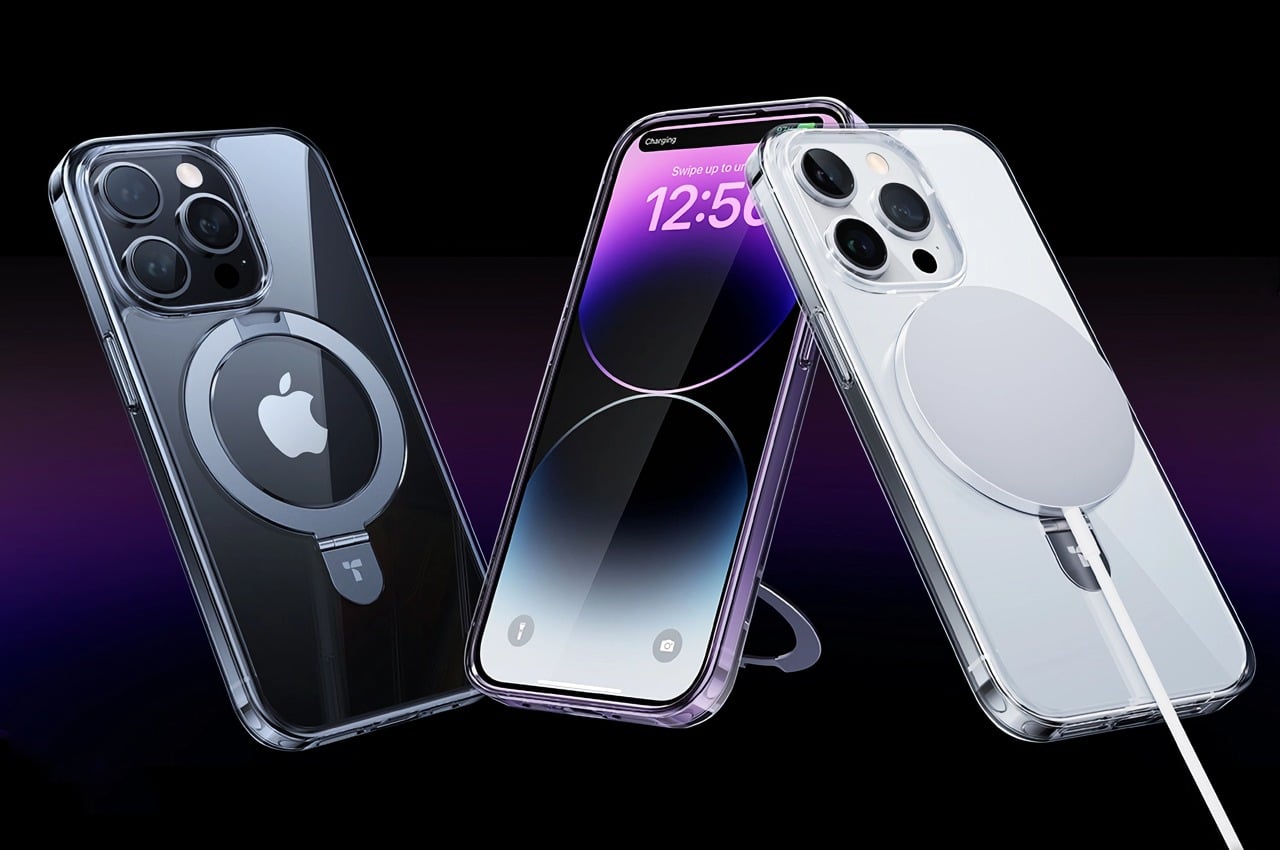
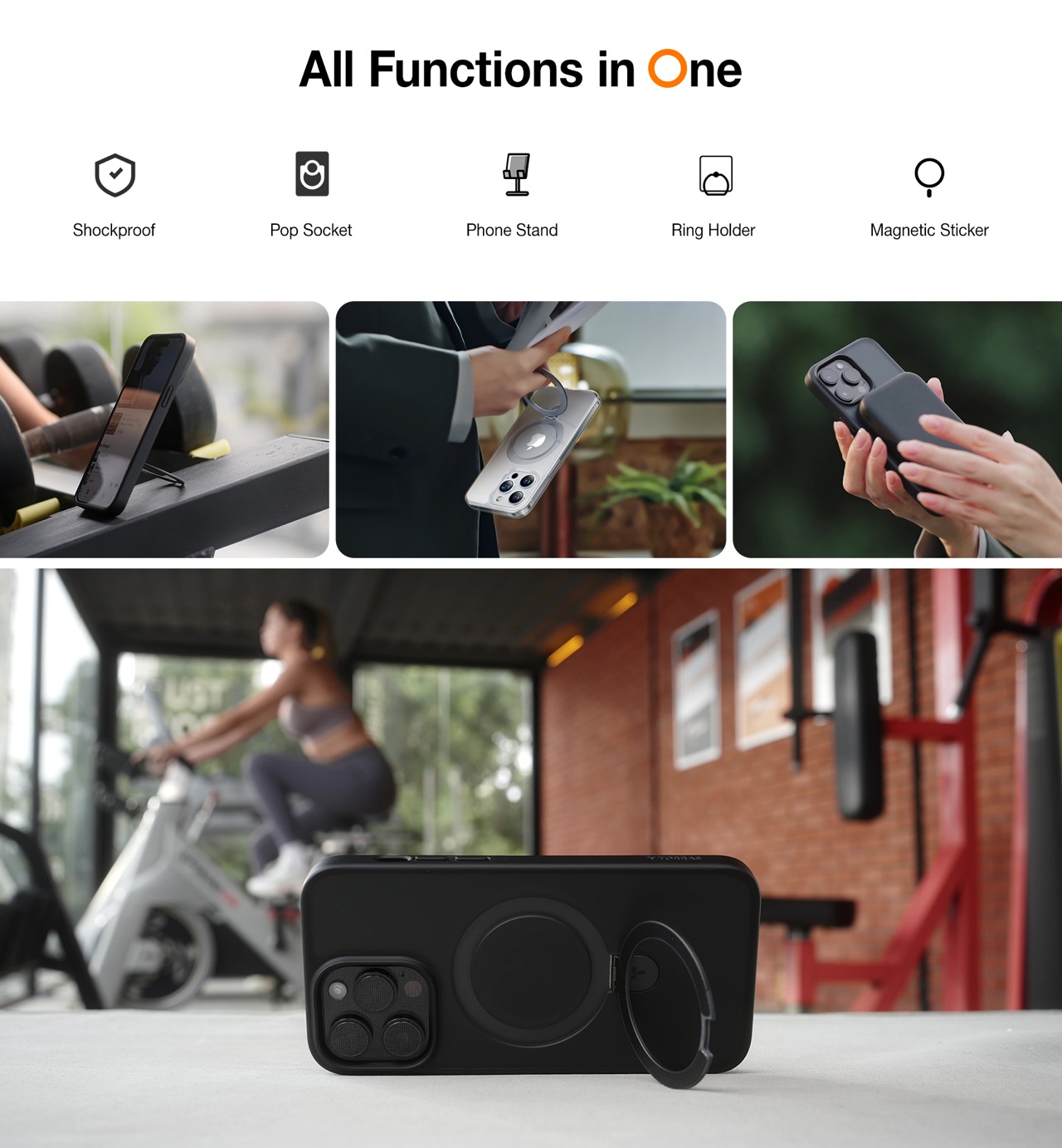
Dubbed the UPRO Ostand case, this unique design won the iF Design Award. It elevates your iPhone’s MagSafe to a whole new level, by amping it with a bunch of cool upgrades. This ensures that the iPhone stands, hangs, or stays firmly in your hands as you click a picture, or reply to an email. It may look like a boring old iPhone case, but it is equipped with the familiar magnetic ring, which offers it a cool upgrade.
2. (Re)Classic
Apple’s MagSafe Power Bank isn’t available anymore, but the (Re)Classic from Native Union does a terrific job as well! It measures .086cm thick, making it as thick as your iPhone. You can attach it to the back of your iPhone, or any smartphone with the MagSafe sticker. The power bank allows you to easily and wirelessly charge your iPhone wherever you please. It features a slim design, which effortlessly merges into your iPhone’s sleek profile, and you don’t need to deal with a heavy and bulky power bank.
3. The Elago WS M5 Charging Stand
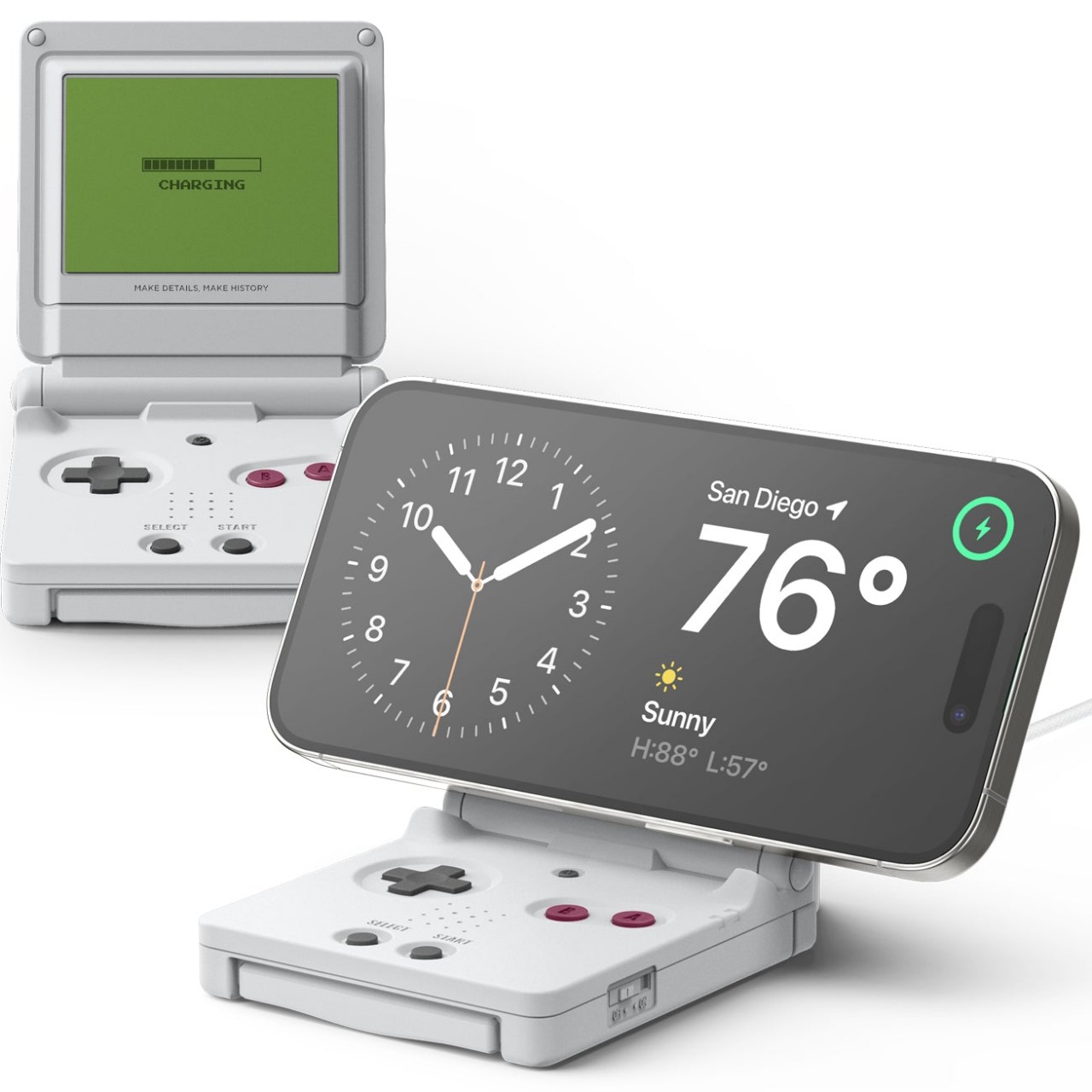
The Elago WS M5 Charging Stand functions as a fun and whimsical MagSafe charger in the form of the Nintendo Game Boy Advance SP. It serves as a stable stand to charge your phone. It features a fixed 30-degree angle which is great for watching videos or to use the IOS Standby Mode at night. The stand also has a helpful support on the back, to ensure that the charger doesn’t fall back, due to the phone’s weight.
4. Icemag
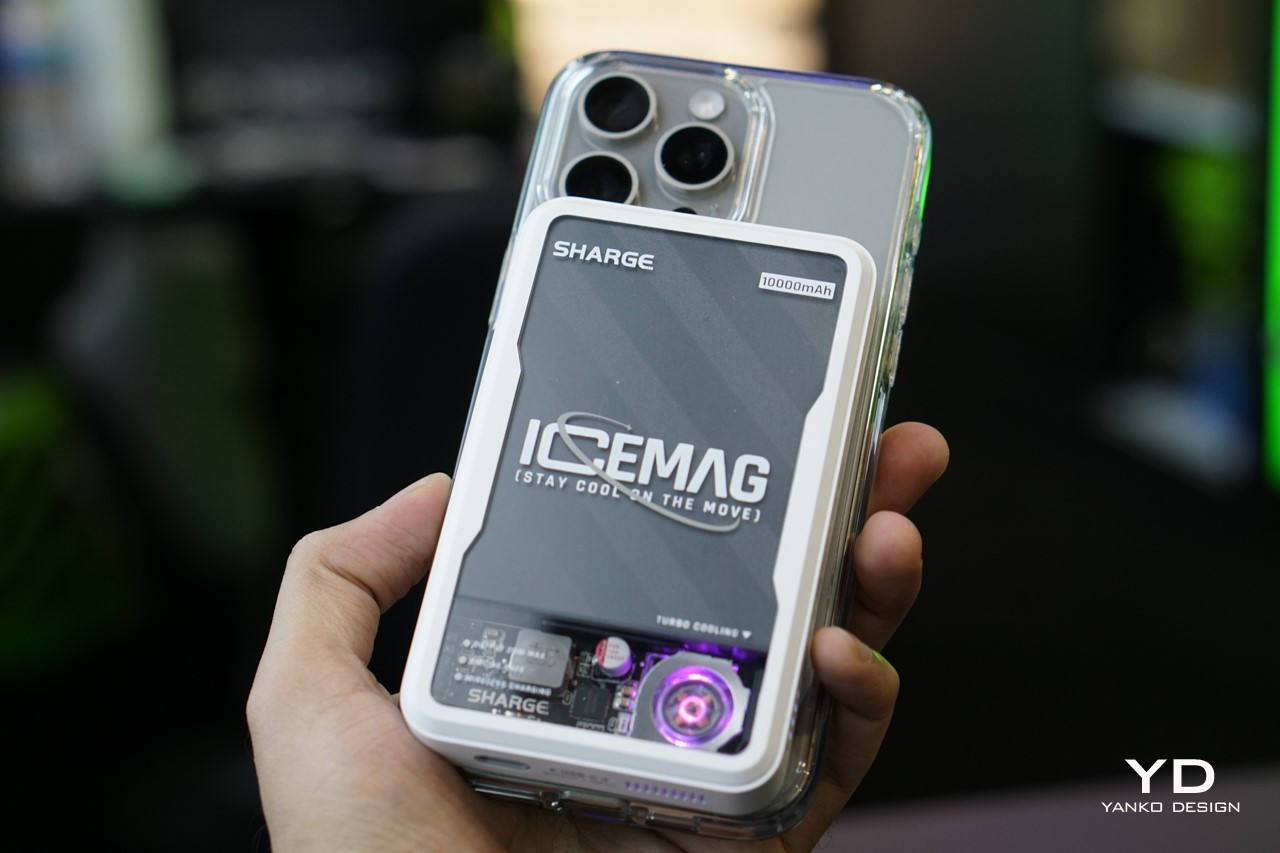
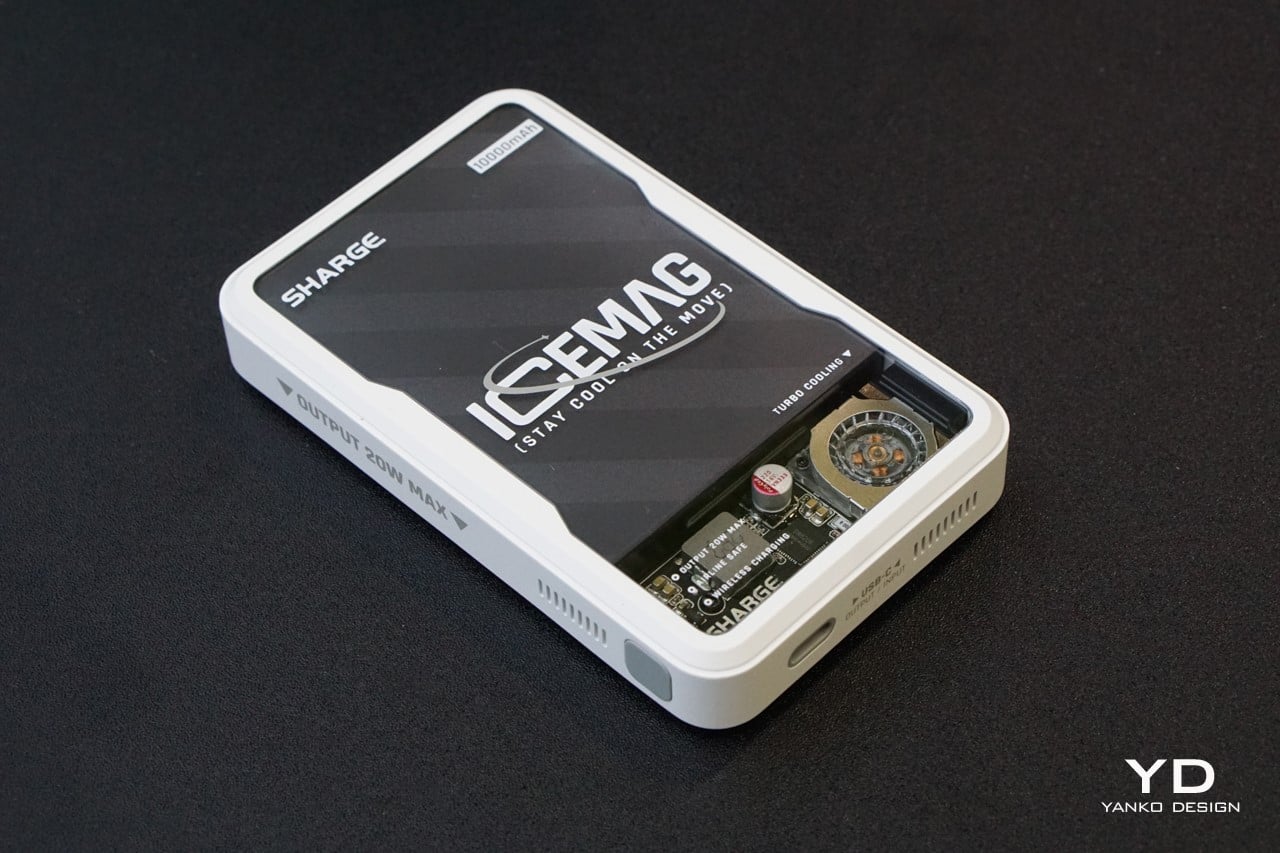
Called the Icemag – this is the world’s first power bank with an innovative turbo-cooling feature. Designed by the Sharge, the power bank remains cool, and keeps your phone cool as well during charging. It has an ultra-silent fan that moves at the speed of 8000 RPM, and it cools the battery pack inside. At the same time, the power bank charges your phone, and nothing gets heated up during charging.
5. Electric Trout Charging Docks
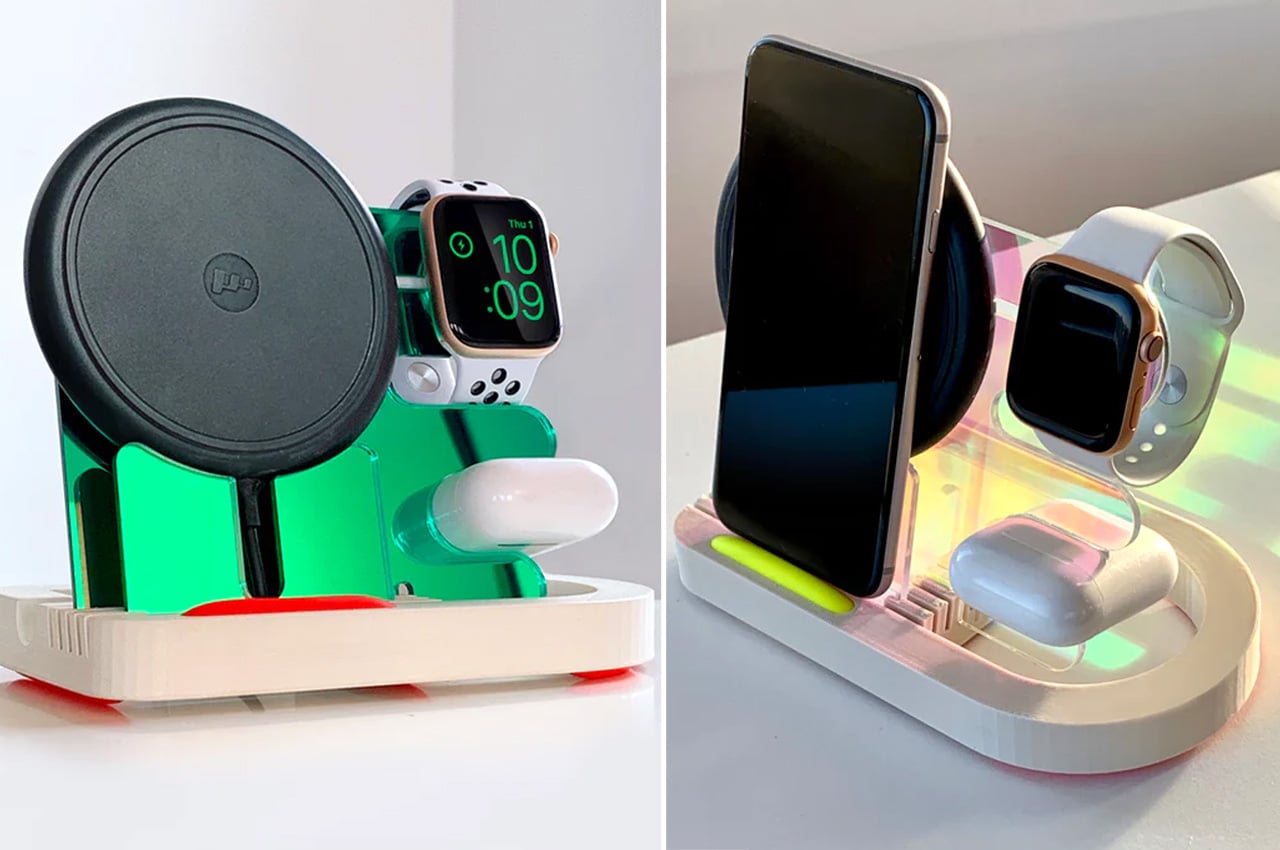
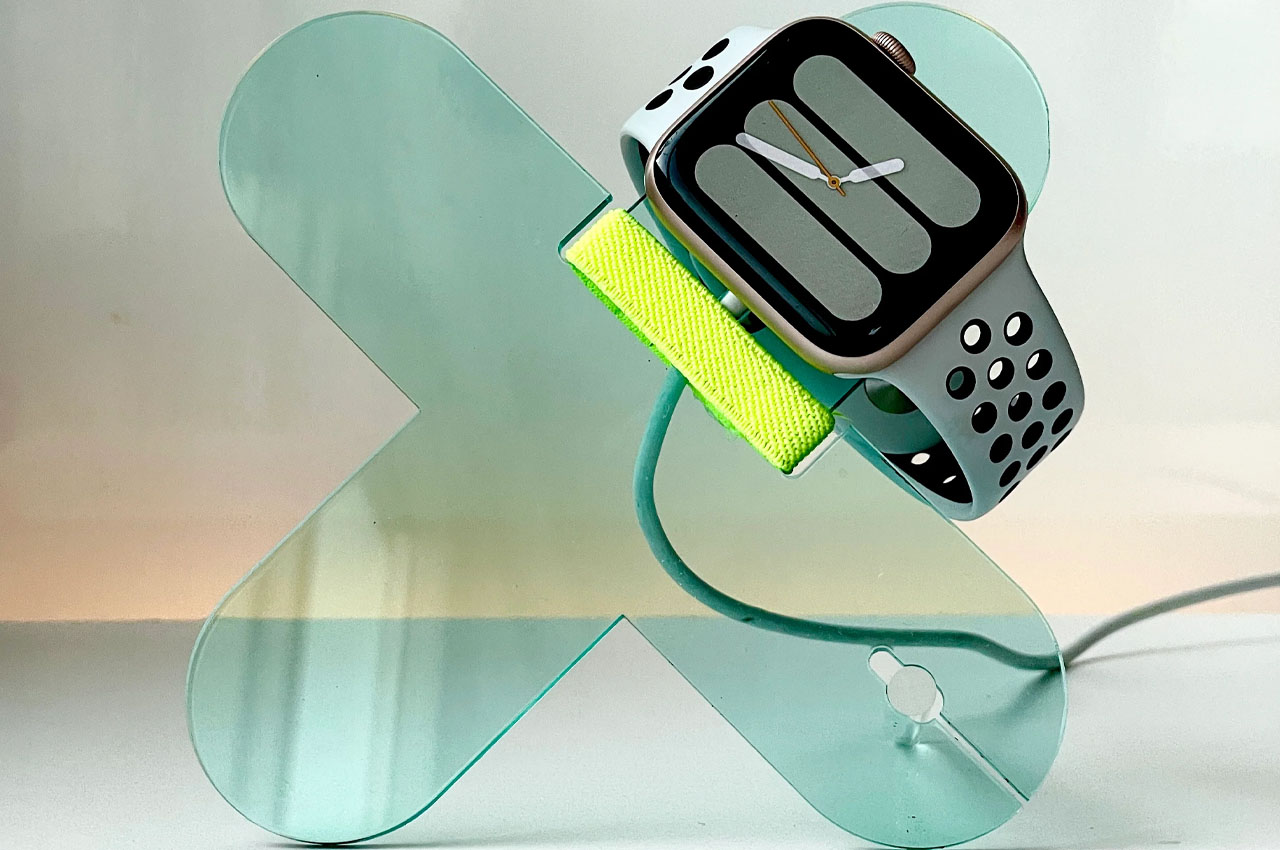
Designed by David Stychno, the Electric Trout charging docks are built from acrylic. They feature productive and sleek silhouettes and are a fun upgrade from the old-school docks. The docks cater to a large range of users, and they have MagSafe-compatible charging solutions for one, two, or even a whole bunch of Apple’s handheld and wearables!
6. iPod Wallpapers Pack
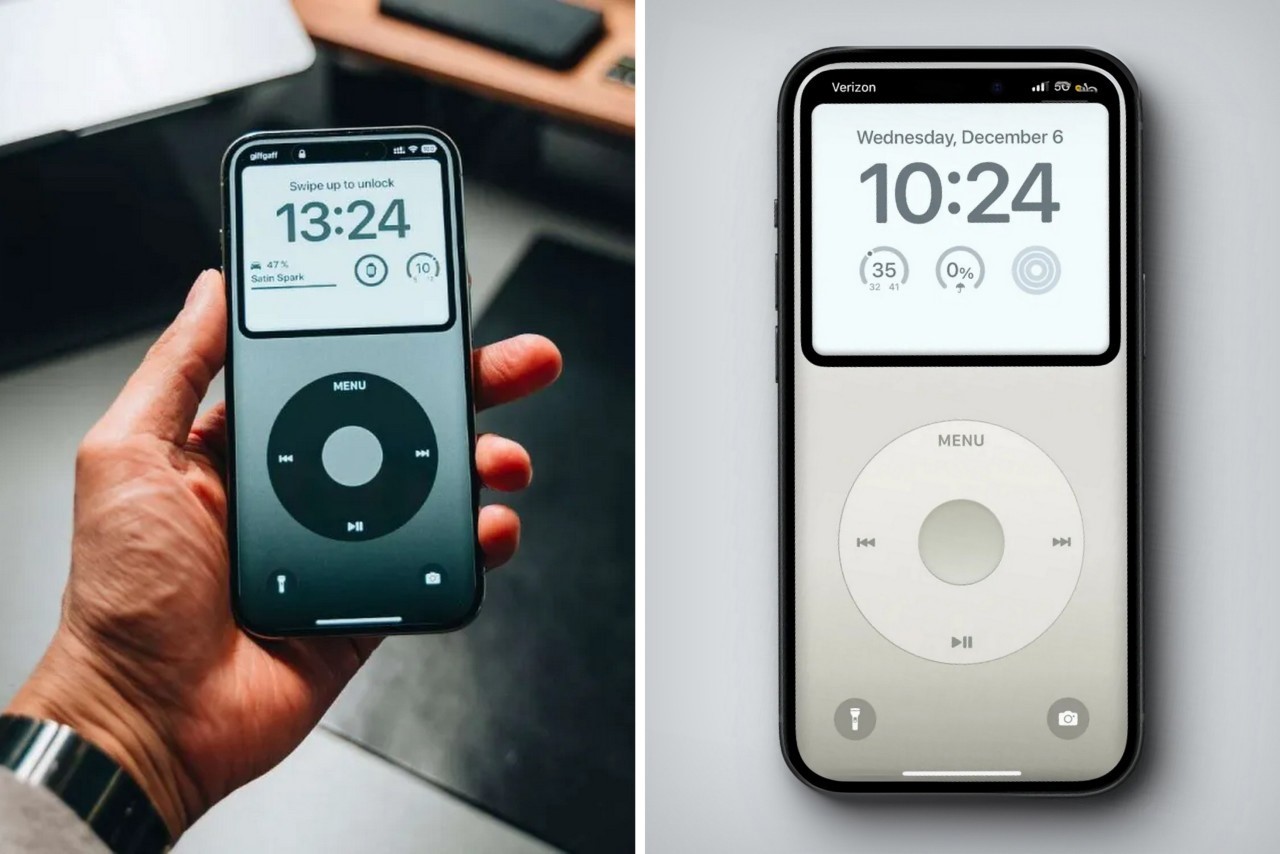
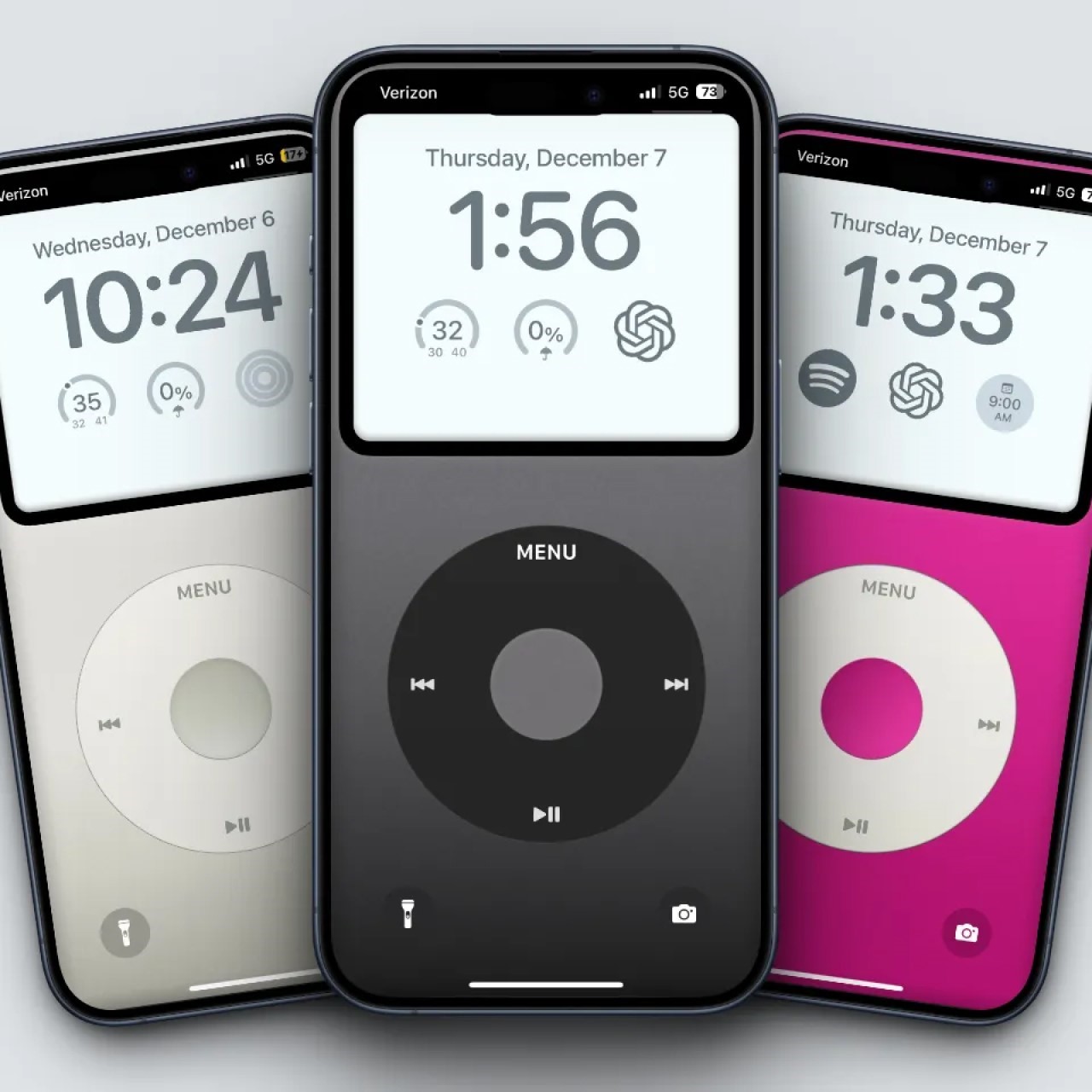
Meet the iPod Wallpapers Pack which transforms your iPhone lock screen into a makeshift iPod! It displays the popular music player’s display which showcases the date and time, as well as your iPhone lock screen widgets. It doesn’t control music playback, although we wish it would! How cool is this one?
7. The MAG:3
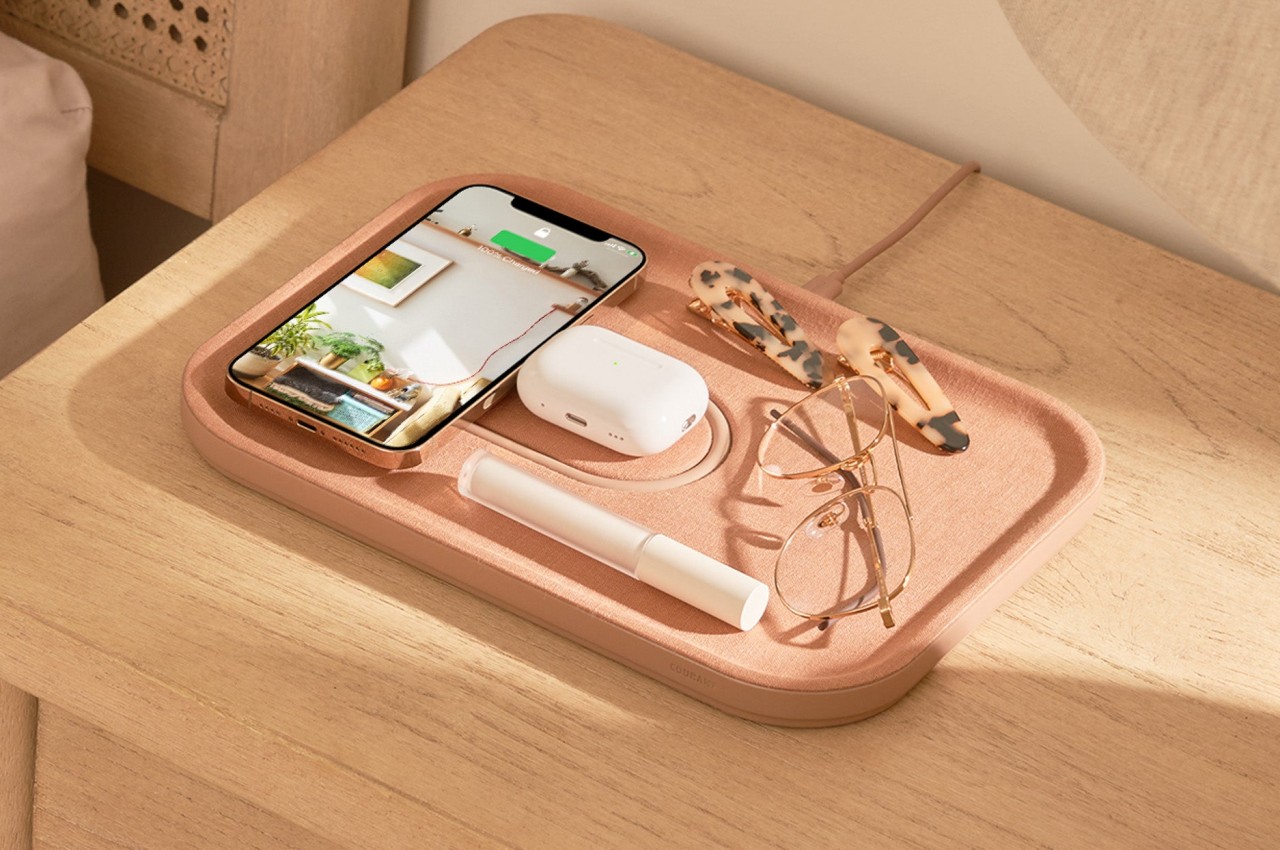
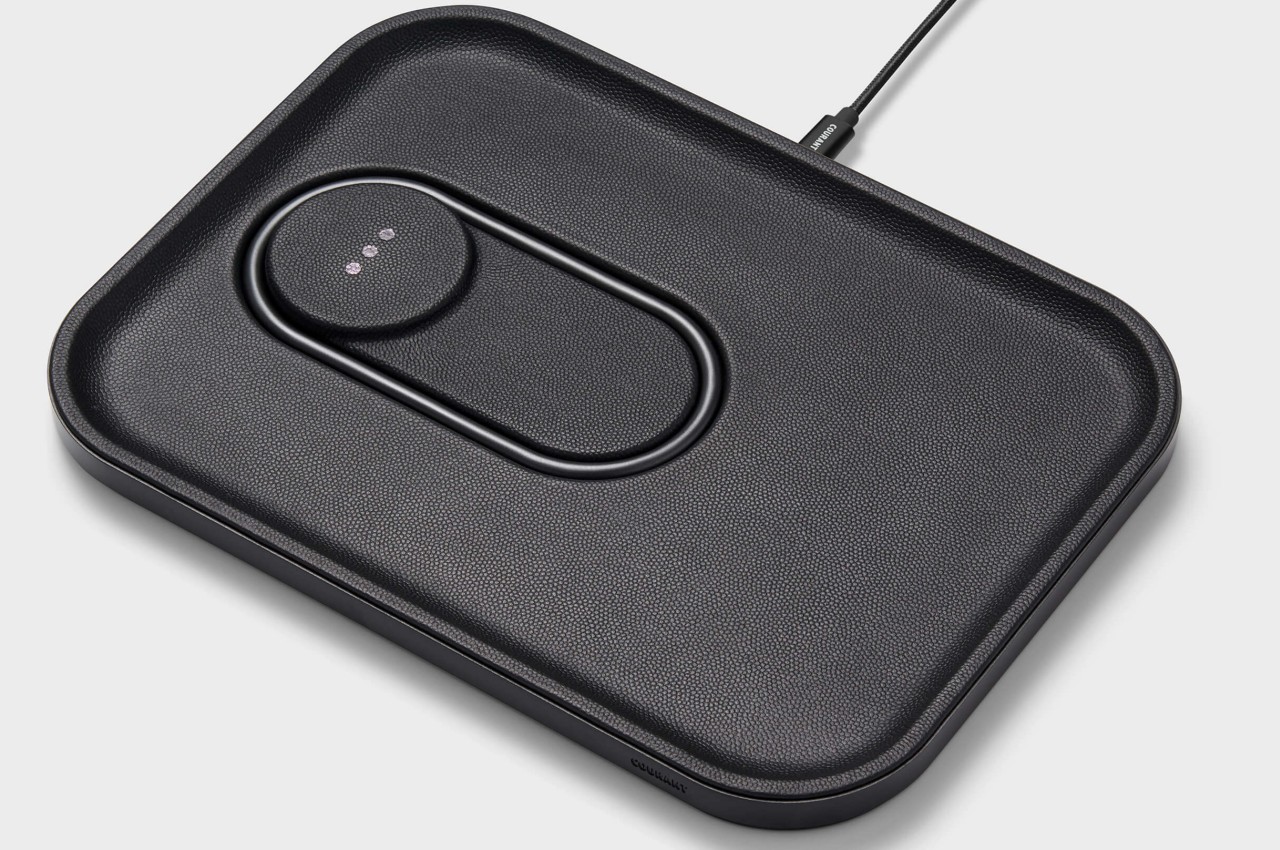
Called the MAG:3, this MagSafe wireless charging device by Courant resembles a minimalist valet tray for your iPhone, and AirPods, as well as other objects you need to place on your side table and desk. This tray ensures your belongings are organized in a neat manner. The device is available in leather and linen options, as well as in multiple colors. You can select the one that complements your home and work aesthetics.
8. Belkin iPhone Mount
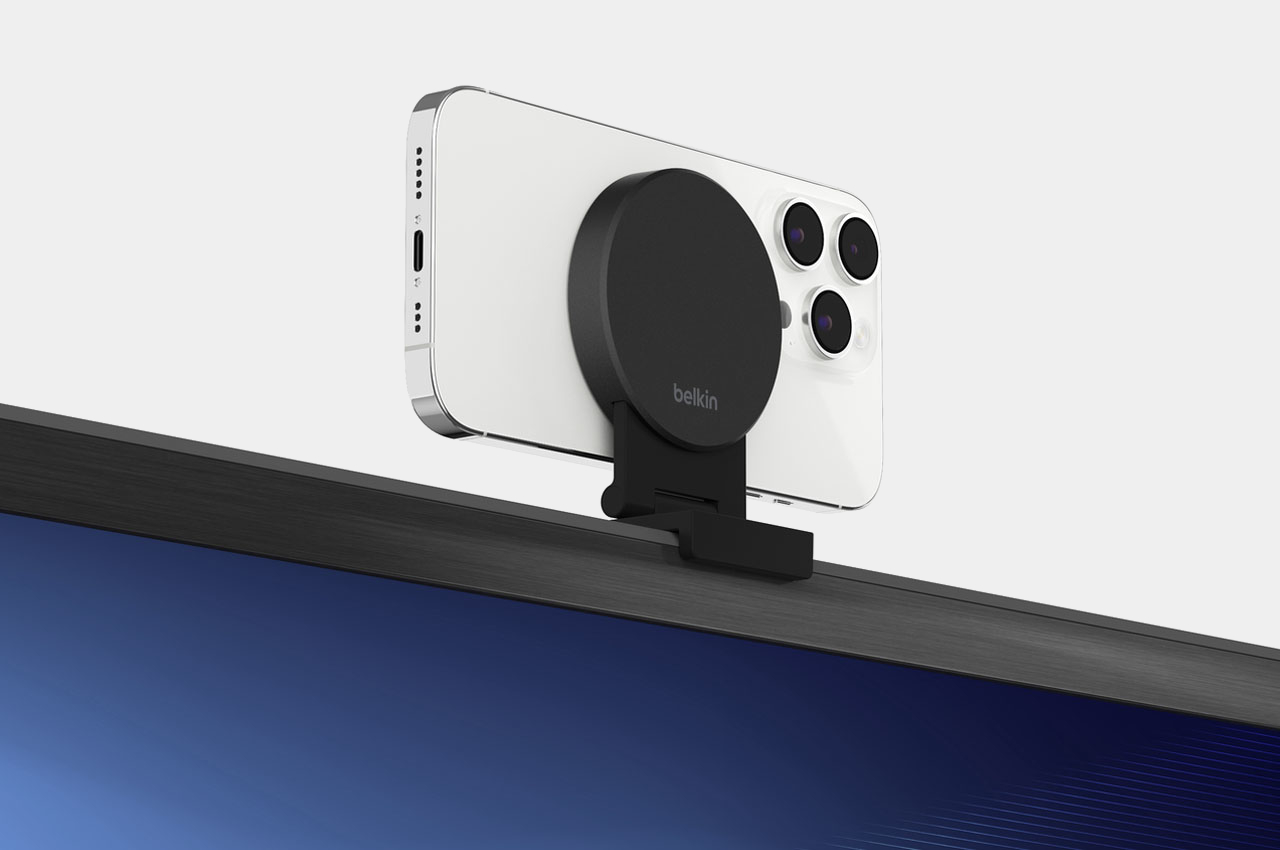
The Belkin iPhone Mount is a nifty design with MagSafe which converts your iPhone into a webcam for the Apple 4K TV. It is a versatile mount that you can directly attack on your TV. You don’t need wires or tools to attach it. You can utilize your iPhone’s rear camera for FaceTime or Zoom calls with it. You could also fold the stand in landscape or portrait mode on a wall or table through magnetic attachment.
9. Side Note
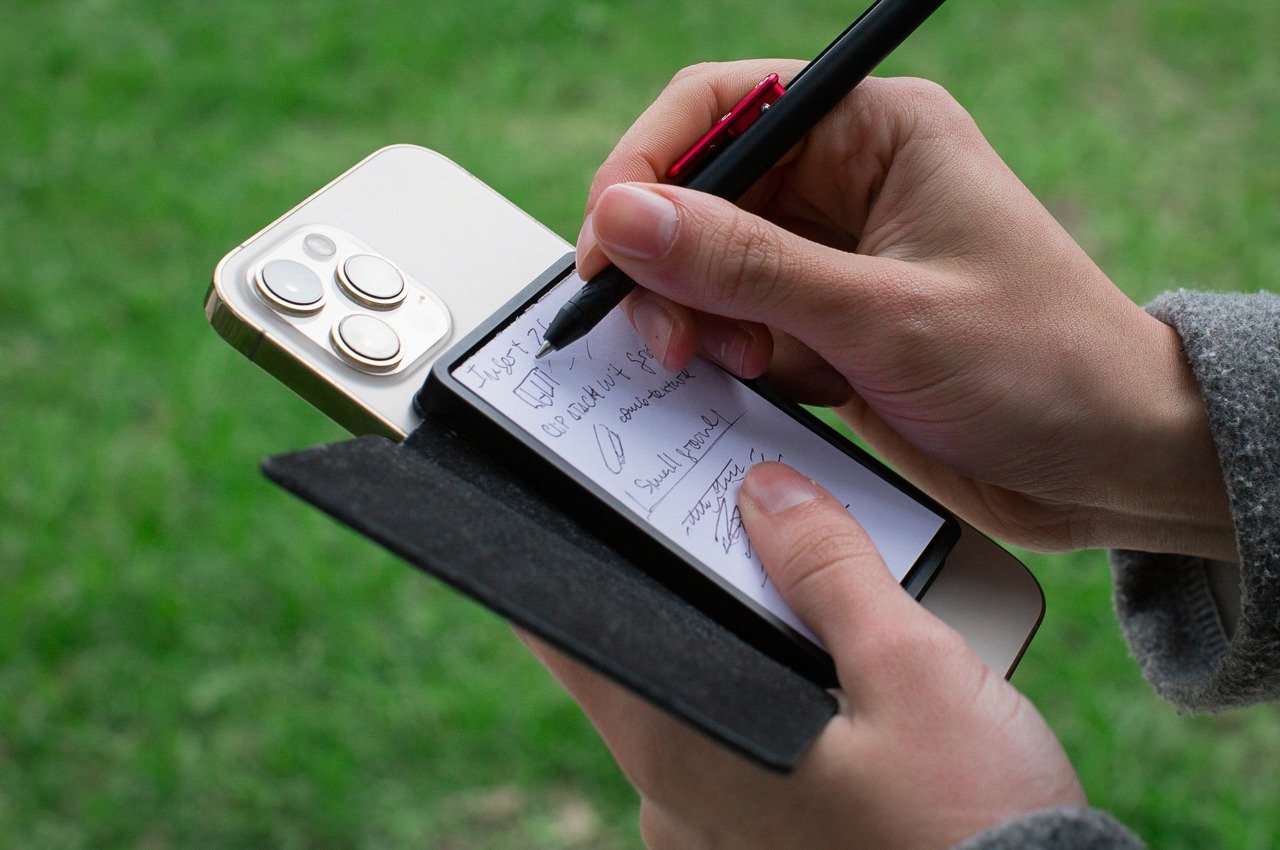
Named the Side Note, this little leather-bound notebook has an integrated pen and a MagSafe-compatible design which you can snap onto your iPhone or any magnetic surface. It functions as an analog notepad by your side, and you can swiftly take down notes and journal. You don’t need a different physical notebook, as there is already one attached to your phone.
10. The MAG.L MagSafe Powerbank
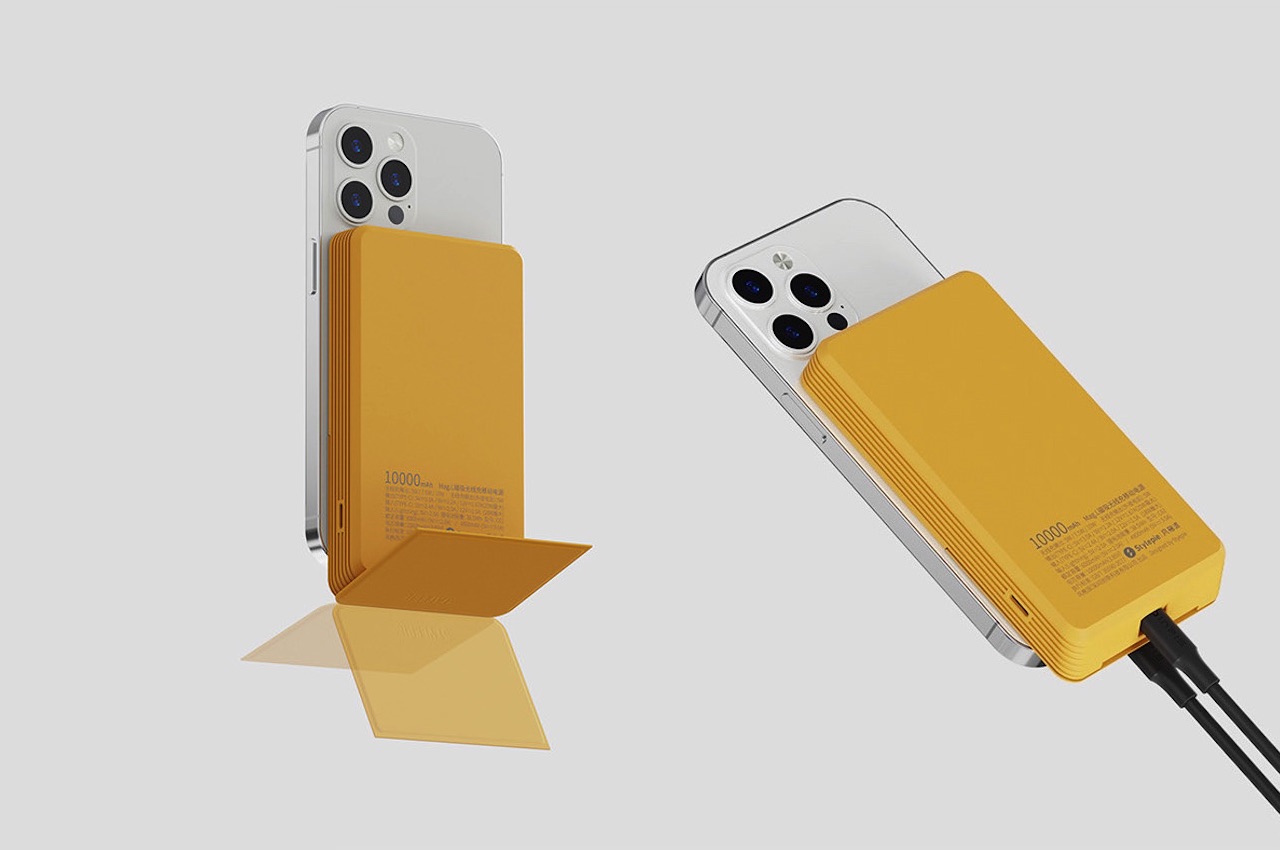
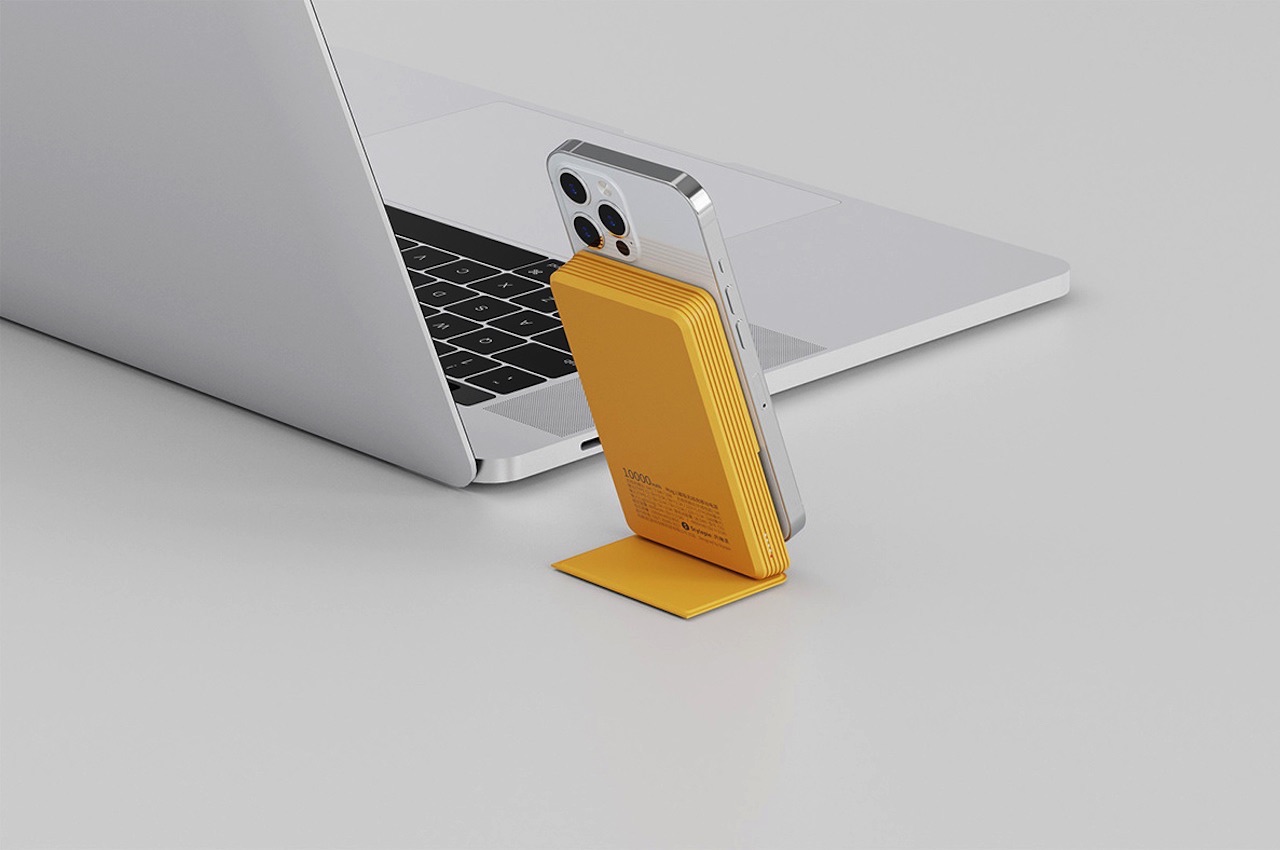
Named the MAG.L MagSafe Powerbank, this design has a 10000mAH capacity which elevates the wireless charging and power bank experience. It was designed by Neo Bie and Leigui Lui for Stylepiece, and it includes four operation buttons – SELECT, START, A, B, and a d-pad (directional pad). The lower section works as the stand of the power bank.
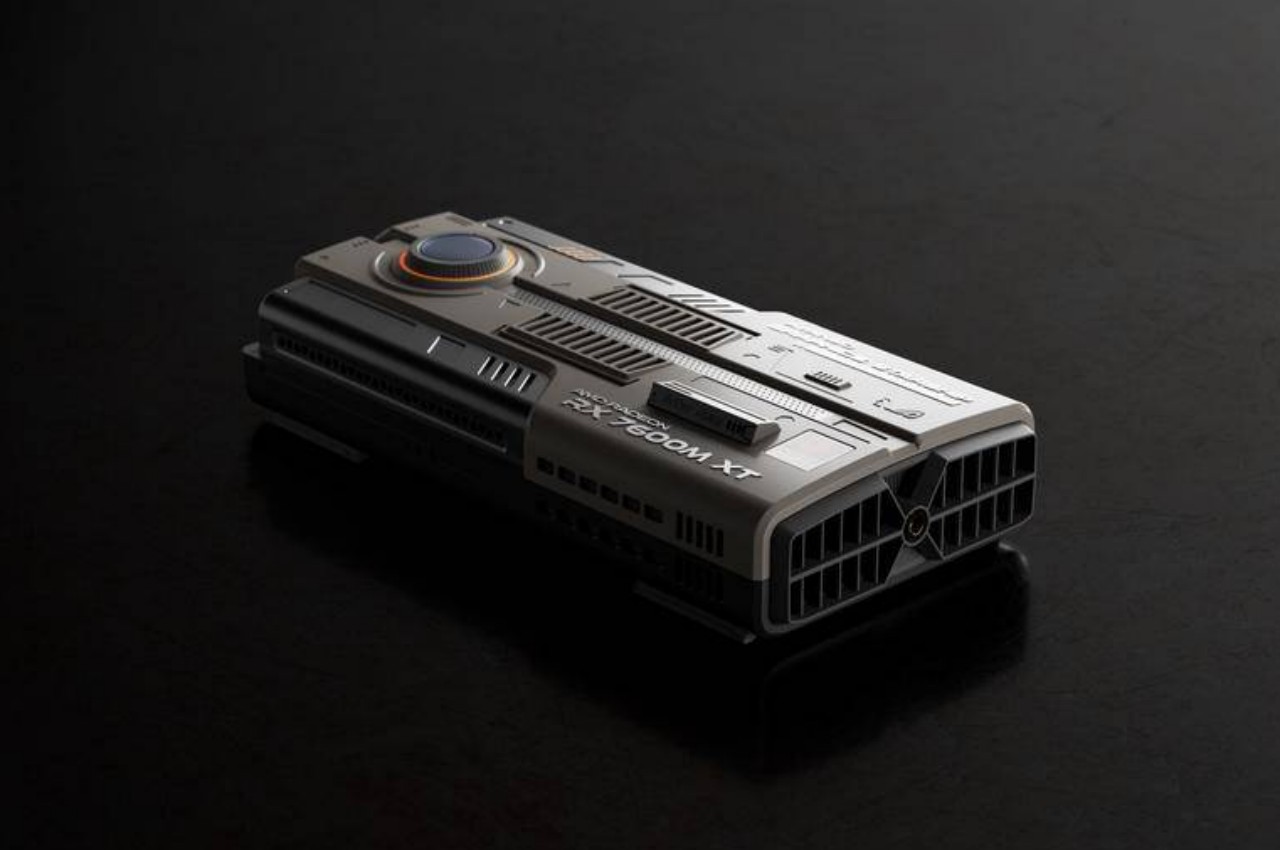
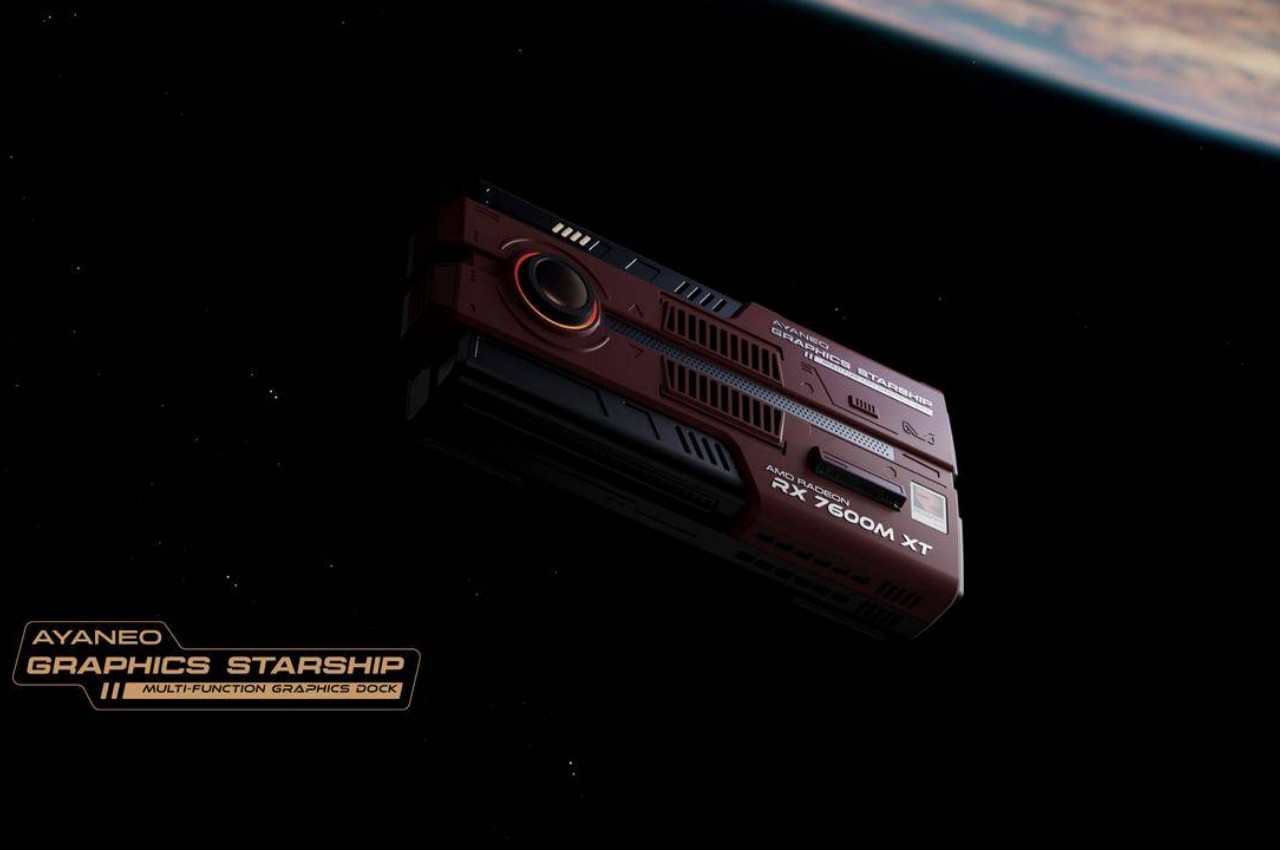
Nostalgia is a very powerful (and lucrative) emotion, but the retro designs don’t necessarily have to be just based on past products. In fact, they don’t need to be based on real things at all. Retro designs only need to incorporate elements from the past, whether that’s a historical past or a fictional one. The latter especially applies to what has become known as retro-futuristic styles that try to blend past and future in a way that makes some sense in the present. This upcoming graphics dock, intended to give handheld gaming PCs a performance boost, is one such example, bringing a unique visual accent to your workspace by taking on the appearance of a miniature spacecraft with the blocky and rugged aesthetics of the past.
Designer: AYANEO
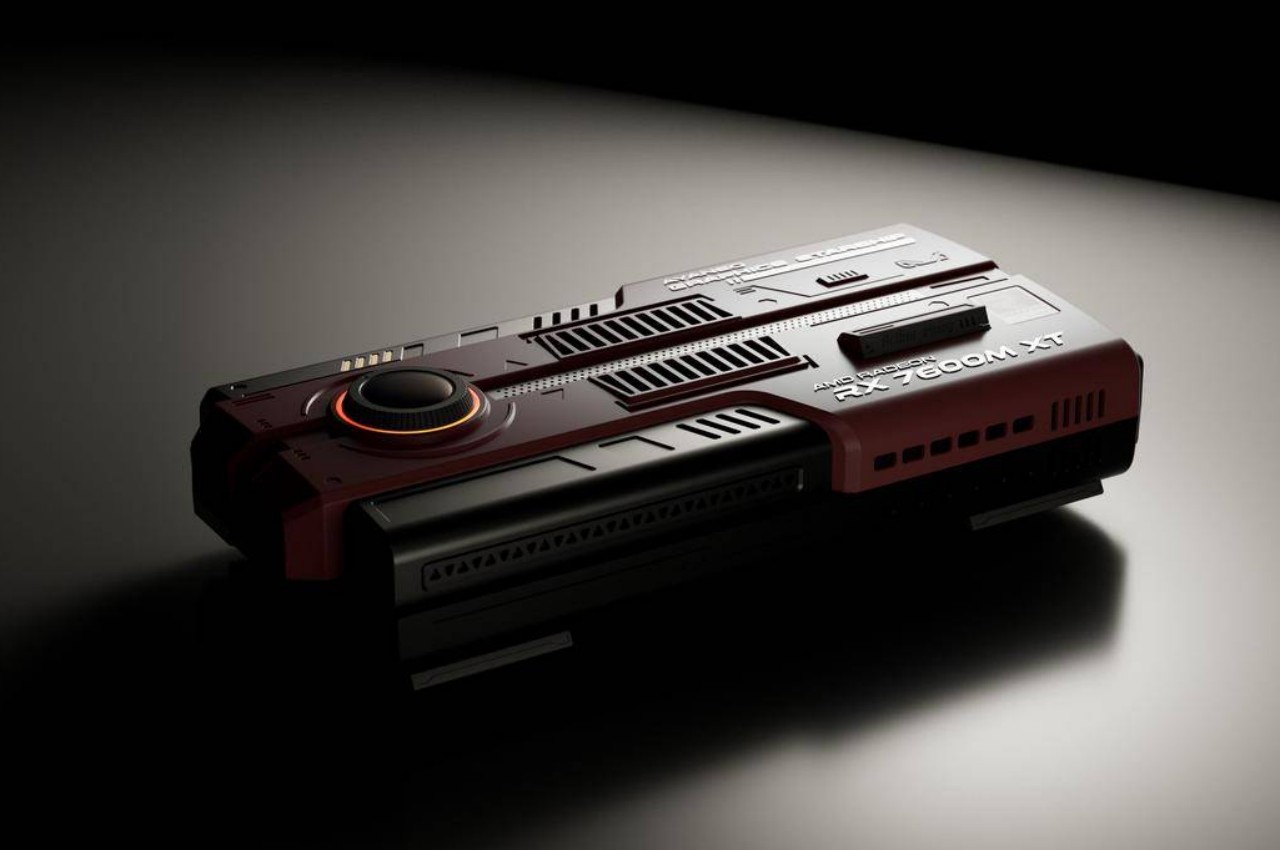
Although external graphics enclosures have existed for a while now, it was only with the advent of handheld PCs that they started to become smaller and slightly more portable. The purpose remains the same, providing significantly more powerful graphics capabilities than the portable computer can manage, but in a form factor that can also be carried around in a bag if desired. Many of these so-called graphics docks take on the form of uninspiring rectangular bricks, but the AYANEO AG01 bucks the trend with a design that is almost literally out of this world.
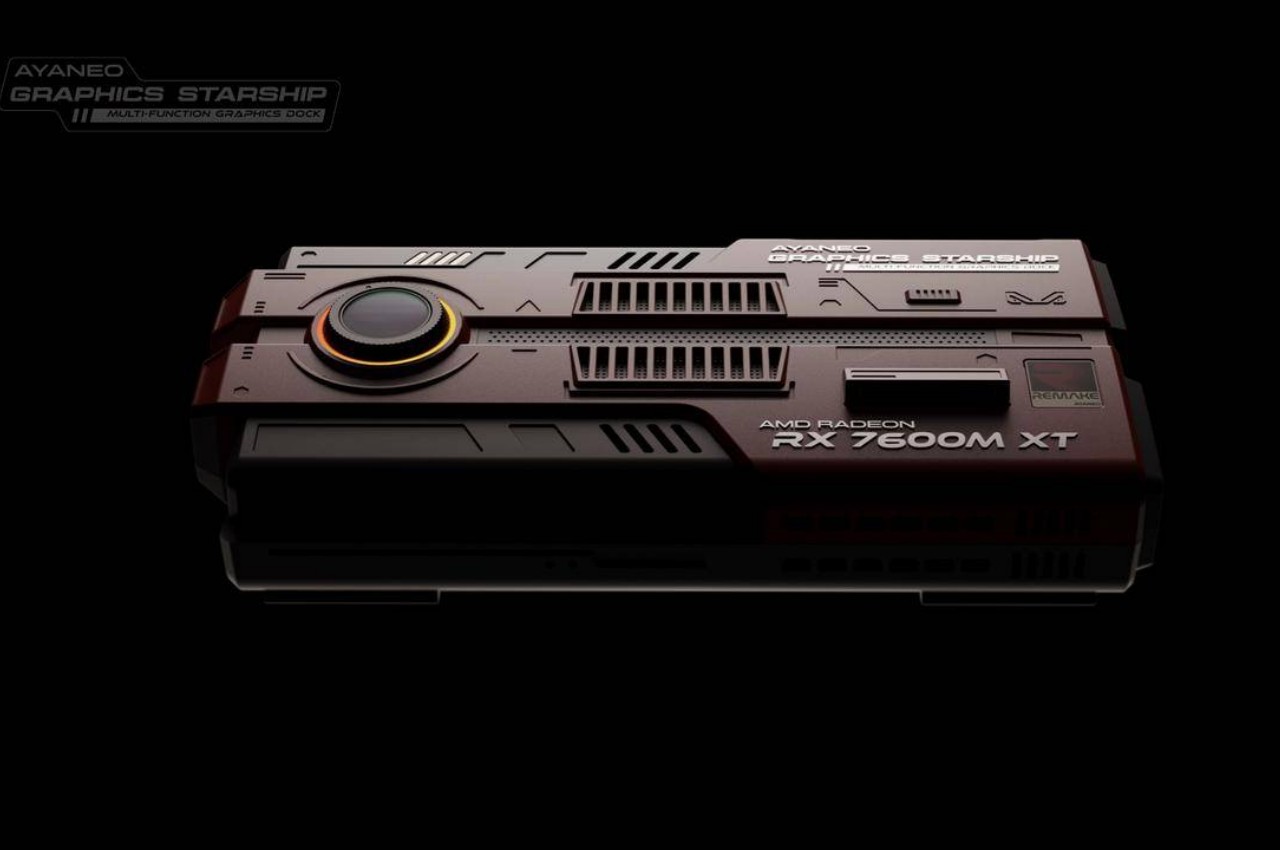
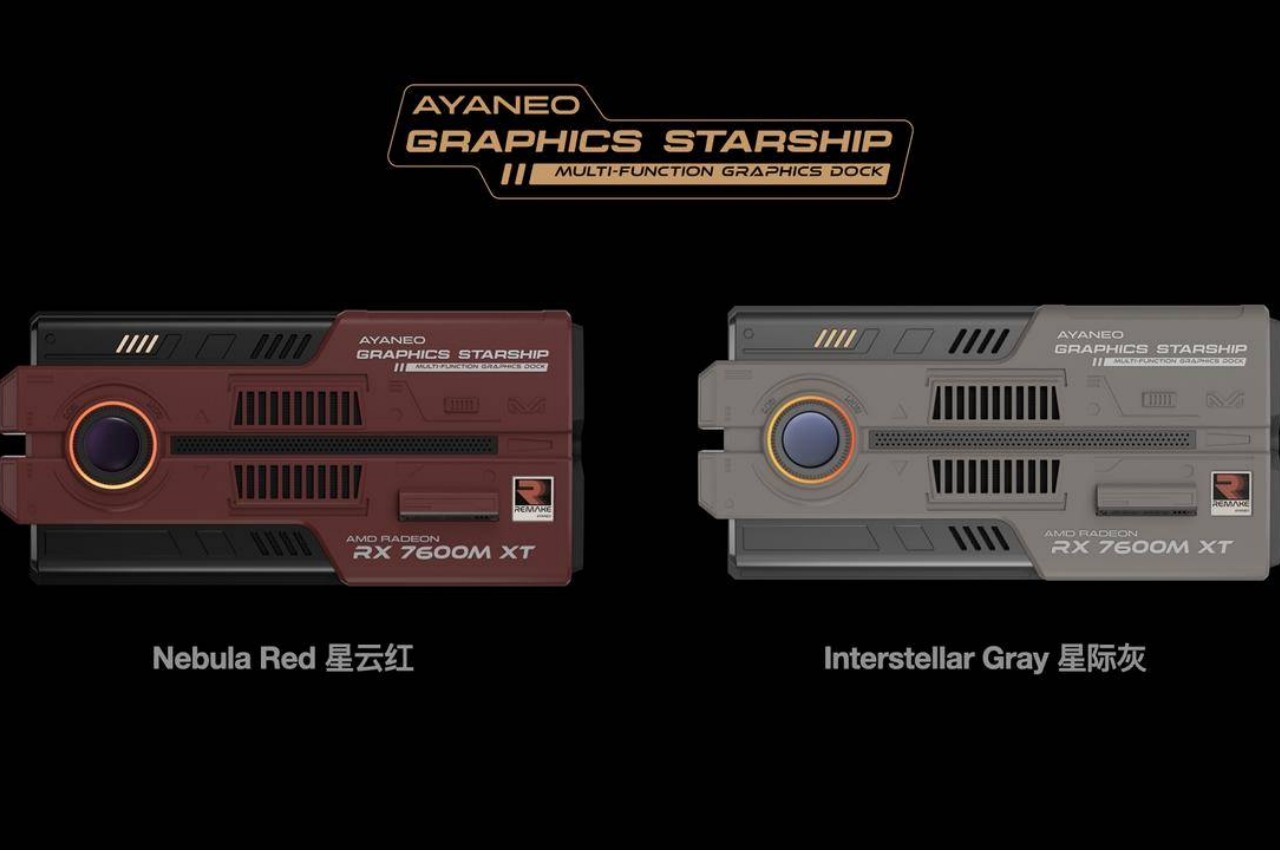
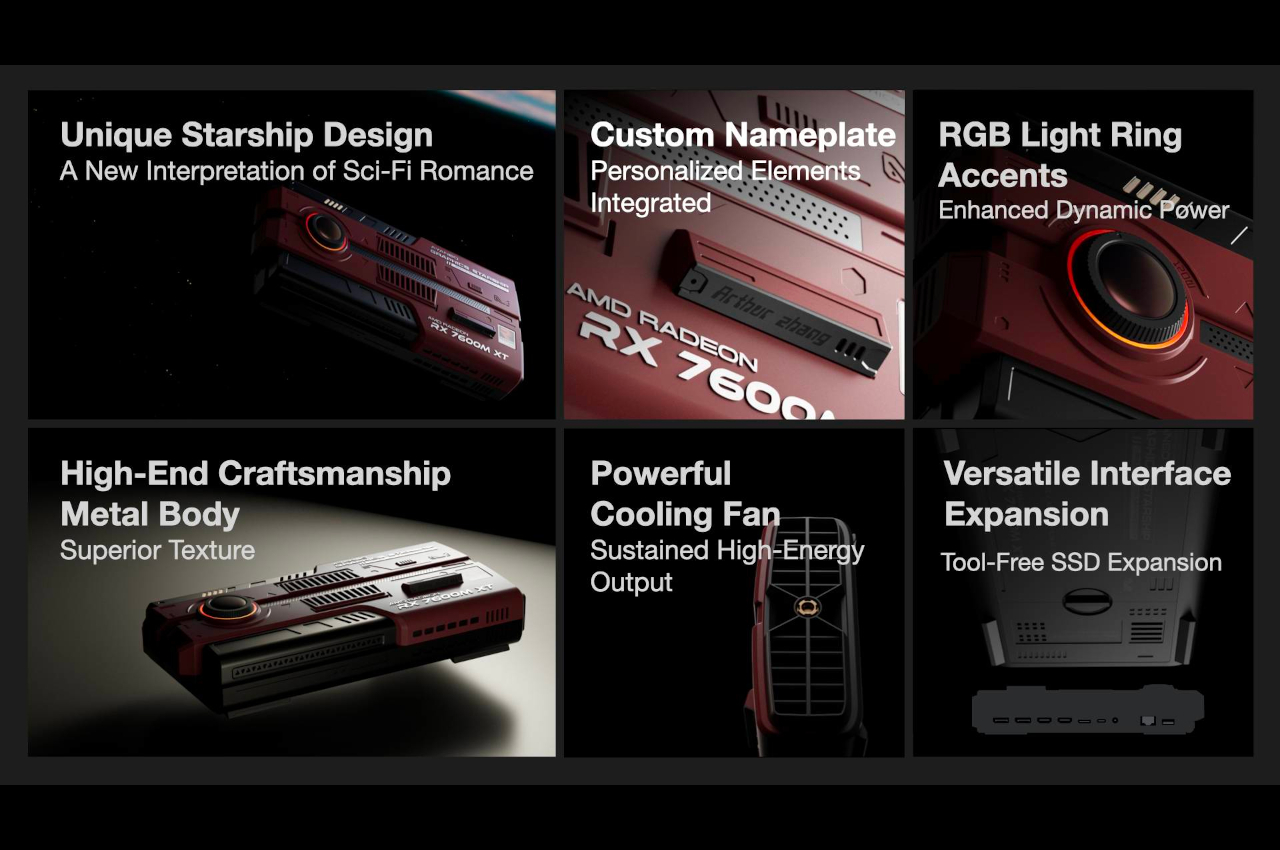
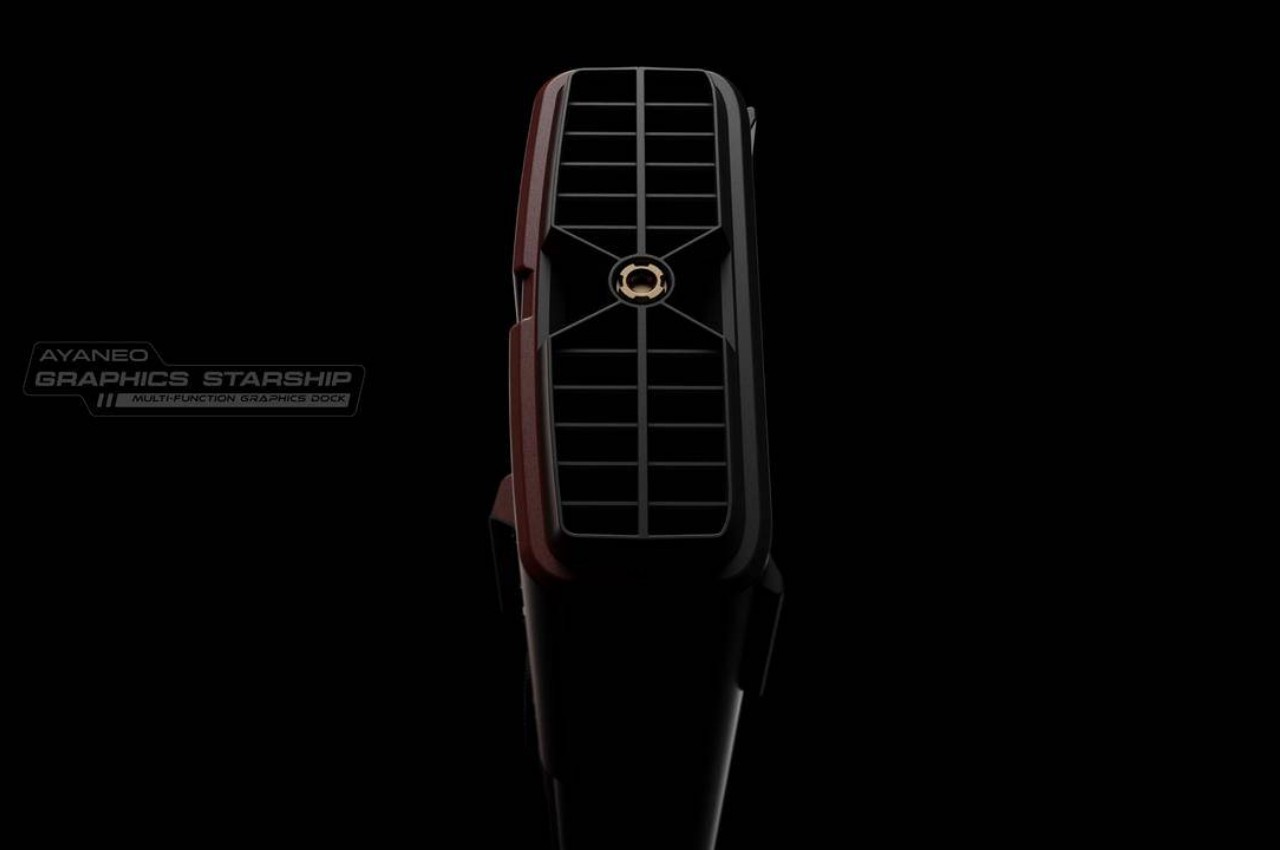
As part of its next batch of REMAKE products, AYANEO is including its very own graphics dock with a design that doesn’t really resemble any existing product from the past. The company describes it as a starship, though it might not immediately strike one as similar to those from hit sci-fi shows like Star Trek or even Star Wars. It has a more blocky shape, not unlike other graphics docks, but with an overabundance of panels and grilles. Its rough edges and dark color scheme contrast with the usual smooth curves and lighter motifs of futuristic spacecraft. This is a spaceship that humans would first produce for exploration and perhaps even militaristic action. Space-efficient, rugged, and a little menacing.
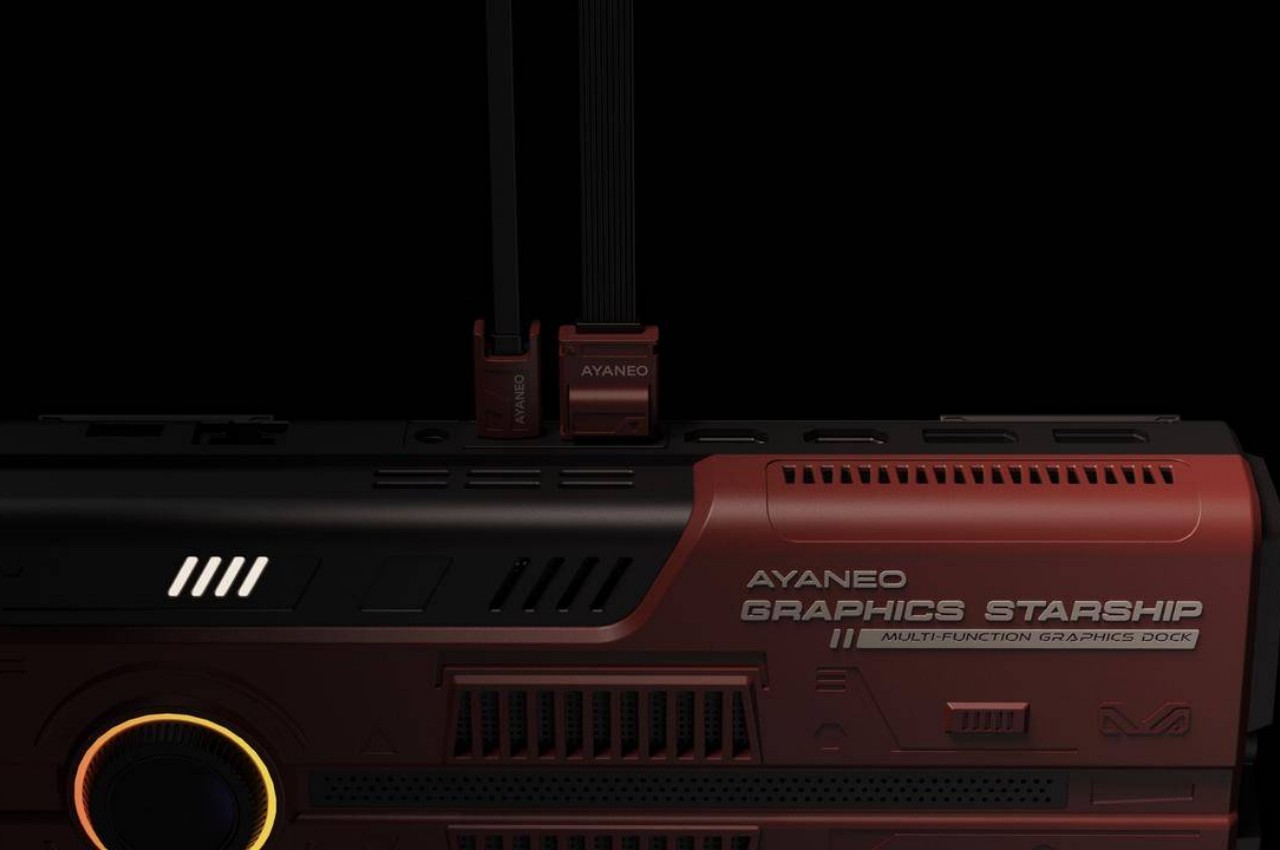
Underneath that retro-futuristic shell, however, is a very typical graphics dock, one that even houses a slightly dated AMD Radeon RX 7600M XT graphics from last year. There’s a plethora of connectivity options, including USB4 and the newer Oculink technology. It does also function as a typical data hub when connected to a computer, which means USB ports and even an Ethernet jack for faster network connectivity. Although technically compatible with any computer that supports external GPU via USB4, the AYANEO AG01 is specifically designed for the brand’s handheld gaming computers that have a significantly weaker GPU compared to laptops.
There’s also some RGB lighting, but that’s curiously limited to the ring around the dome on one end of the dock and three “vents” near it. It’s a purely aesthetic element, though one that admittedly looks too modest for what should be a space-faring vehicle. Availability details about the AYANEO AG01 are still unknown at this point, but the graphics dock’s unique design will surely catch the fancy of many collectors, whether they have an AYANEO handheld PC or not.