Cooler Master MasterHUB Controller Review: Complete Control Over Your Creative Pursuits

PROS:


  • Innovative modular design puts users in control

  • Incredible flexibility in software customization

  • Future-proof design for extended functionality

CONS:


  • Essential stand is a separate purchase

  • Can't fit all 5 modules on the base

  • Aesthetics and texture feel a bit cheap

RATINGS:

AESTHETICS
ERGONOMICS
PERFORMANCE
SUSTAINABILITY / REPAIRABILITY
VALUE FOR MONEY

EDITOR'S QUOTE:

The Cooler Master MasterHUB's modular design redefines the control panel category and empowers creative professionals to design their own tools for a smoother and effortless workflow.

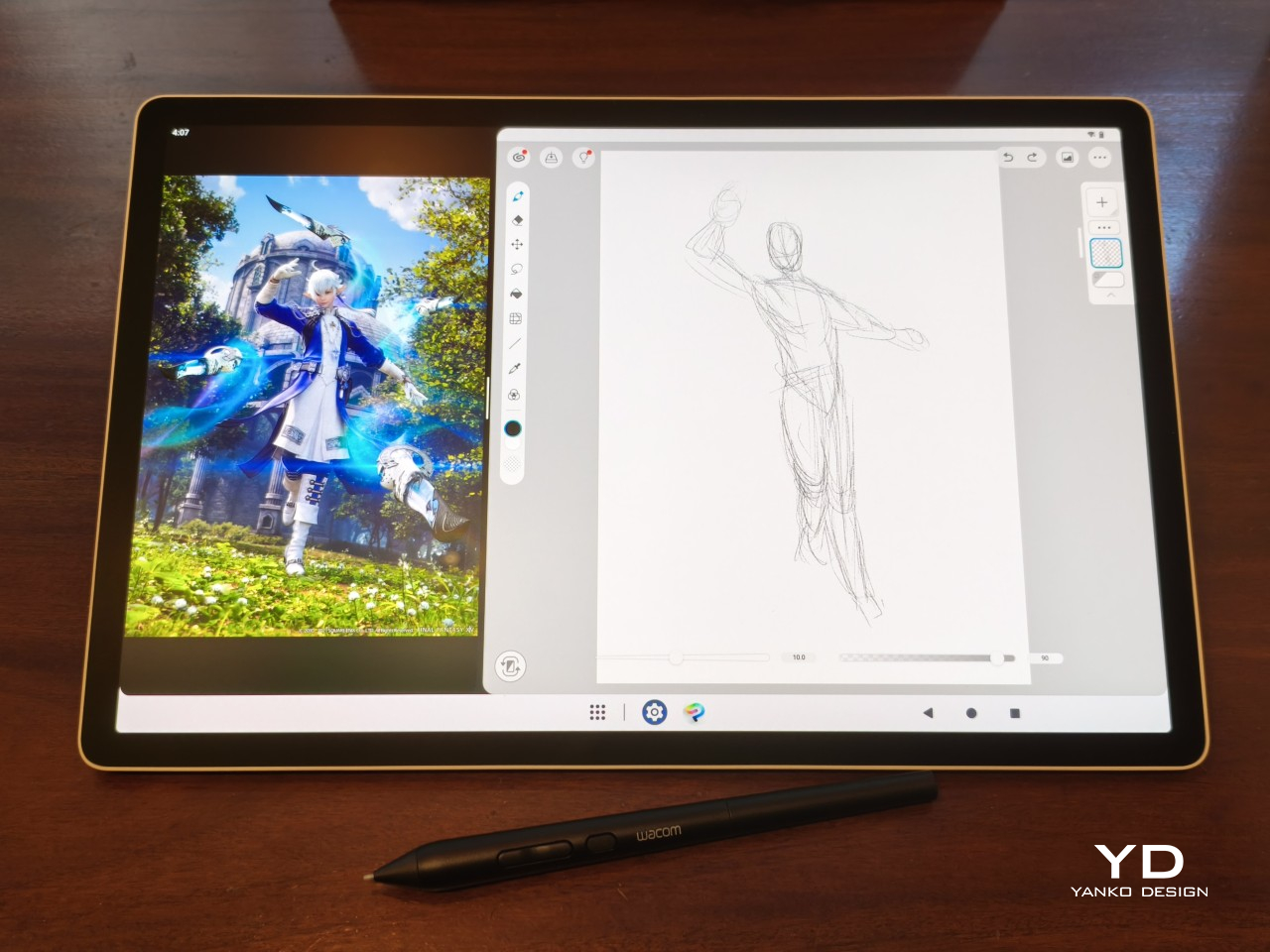
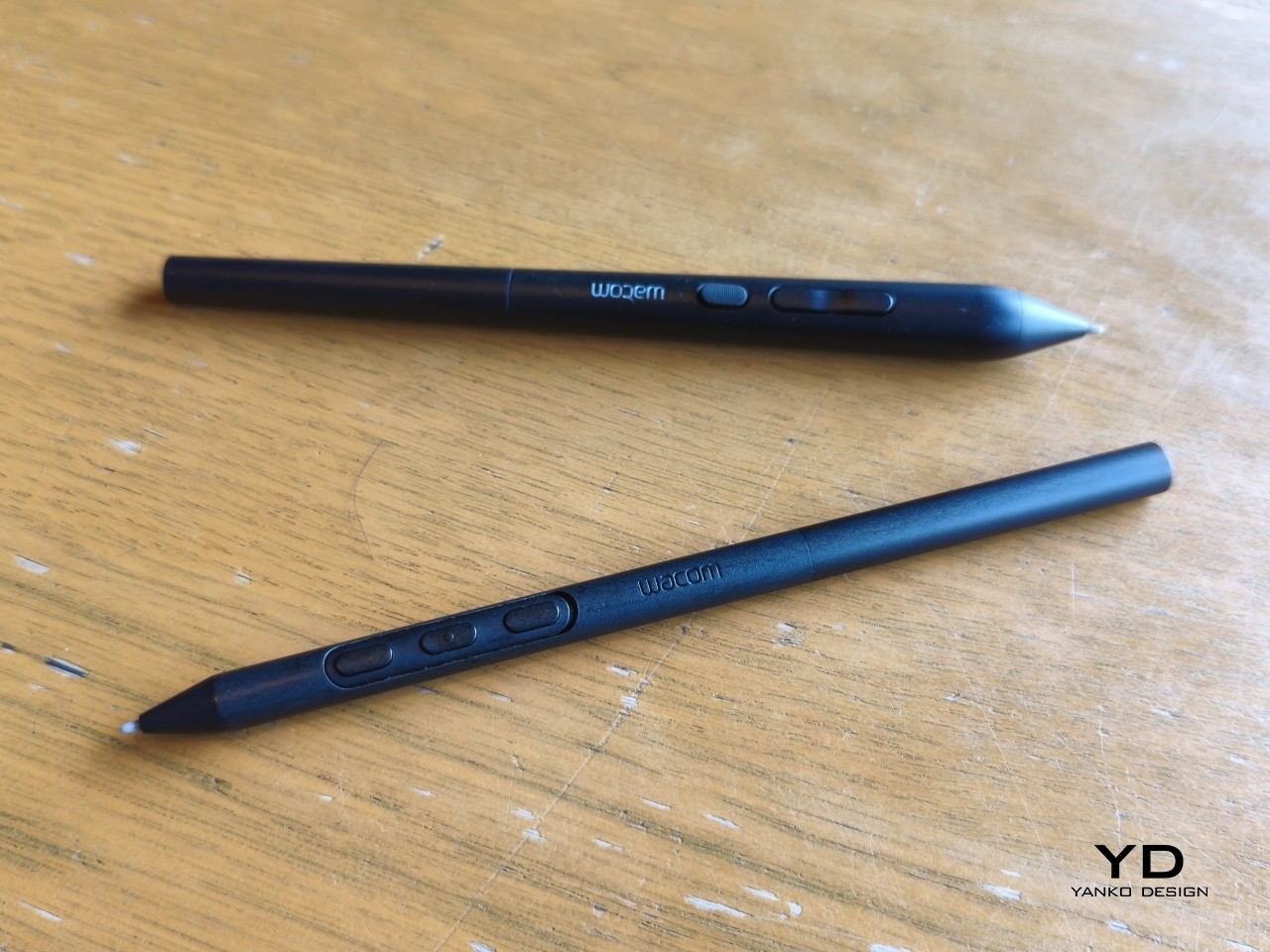
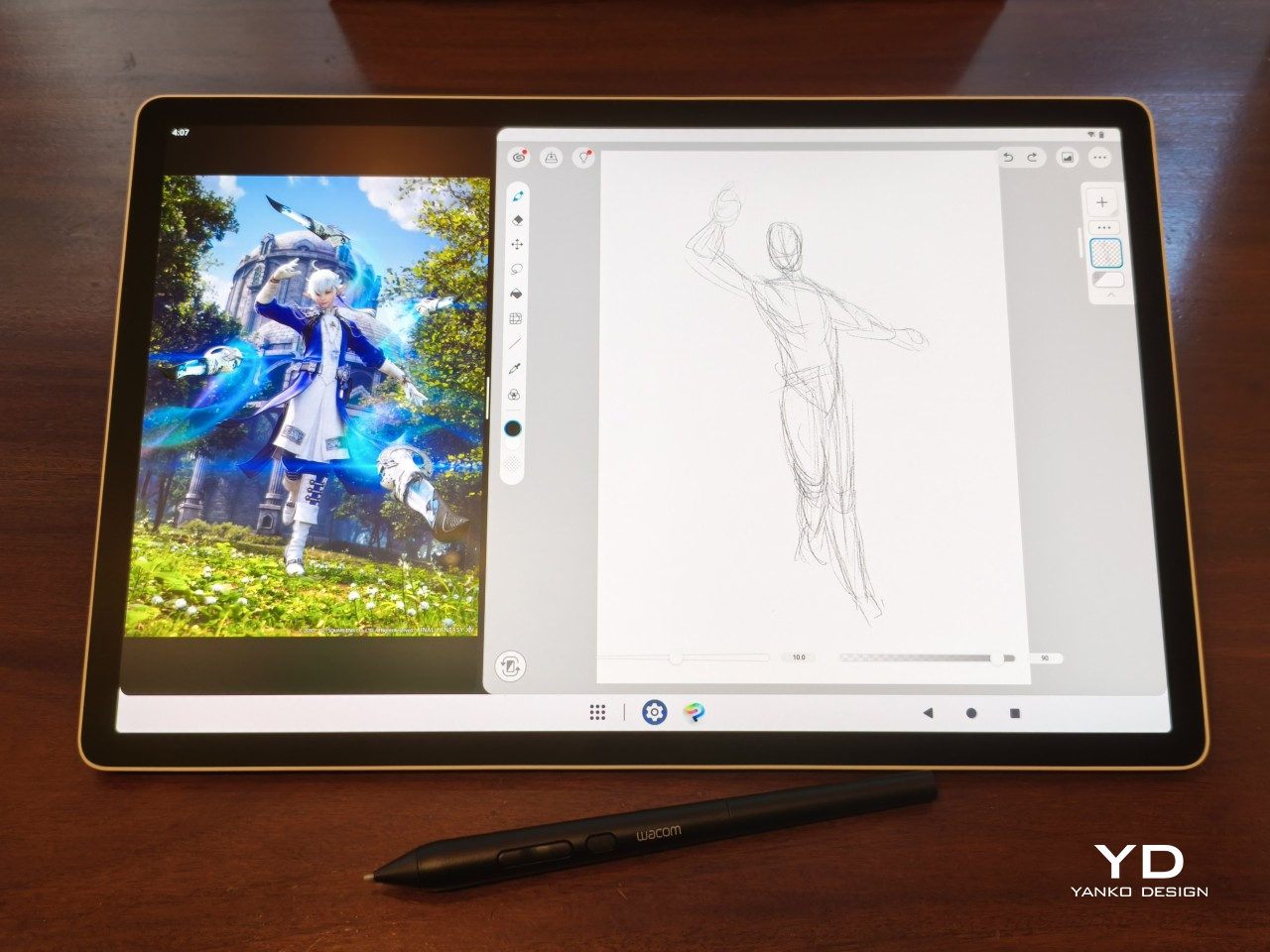
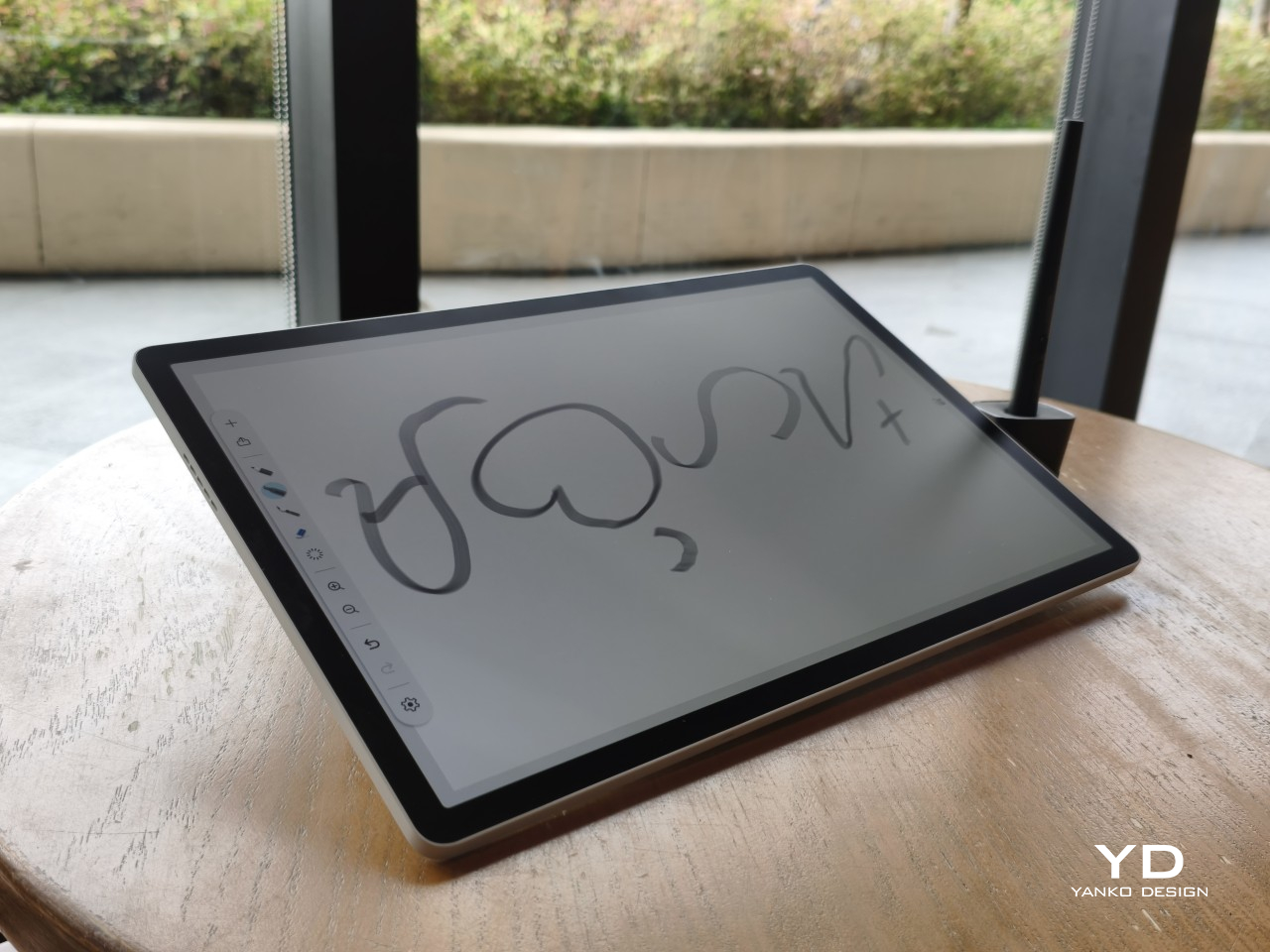
Generative AI is getting better at creating images and videos, but if you want professional-looking, not to mention correct, content, someone still has to put in the work. Software tools are also becoming more powerful and more sophisticated, but sometimes that creates even more complexity, with more features hidden behind incomprehensible sequences of keys. That’s not even considering how a single person might have to juggle different apps, each with their own set of functions. There are now tools like customizable keyboards or buttons that try to alleviate some of that pain, but there really isn’t a “one size fits all” solution. Instead, Cooler Master takes a different approach by providing not a single tool but a toolkit, allowing creators, streamers, gamers, and power users to build their own control panel that adjusts to their needs and workflow rather than forcing them to adapt to simply pushing buttons on a box. Given the novelty of this proposal, we took the MasterHUB for a spin, a roll, and a push to see if it can really take a load off creators’ already heavy shoulders.

Designer: Cooler Master

Aesthetics

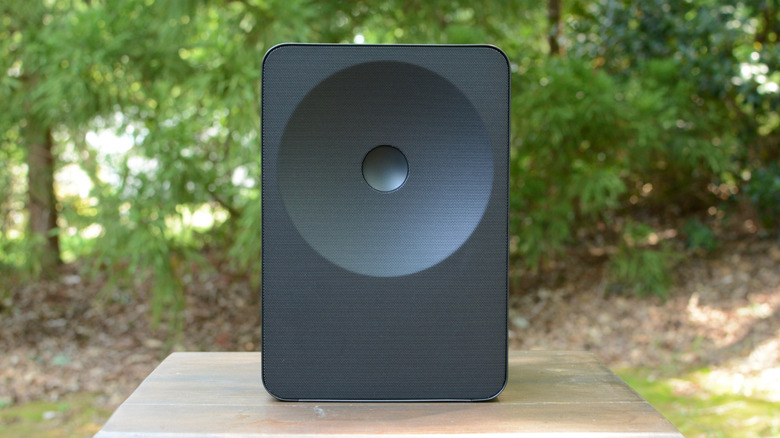
If you judge the Cooler Master MasterHUB solely based on its appearance, you will probably be disappointed. Right out of the box, the different modules look pretty ordinary, even uninteresting. Sure, you have a variety of physical controls, more than competing brands that offer only programmable buttons with tiny displays, but the quality of the design and the material themselves are nothing to write home about.

The MasterHUB is a completely black affair, which seems to be the standard for control panels like this. It’s also mostly made of plastic, and not the premium kind either. Different areas of the modules have different textures, with some smooth and reflective, while others have a rougher matte surface. To be fair, this particular market isn’t exactly known for stylish designs and premium materials, so it’s in good company as well.

Cooler Master does make up for it with plenty of LED colors, whether on the display of the dial and the buttons or beneath some of the controls. You have a great degree of freedom when it comes to customizing the MasterHUB’s RGB lighting, except for one module that oddly doesn’t have any kind of lighting. Hopefully, it’s just some oversight, because there’s really no logical reason for this inconsistent design.

In the final analysis, the Cooler Master MasterHUB isn’t exactly something great to look at, but its true value lies in its performance. Unfortunately, it shouldn’t be a choice between form or function, when you can and should have both. And with something as big as the MasterHUB always in your field of vision, something more aesthetically pleasing could do wonders for your mind as well.

Ergonomics

The MasterHUB is already a league above other keyboard decks and controllers for offering a more tactile experience that goes beyond pressing buttons. Some actions, like scrubbing through timelines or changing the size of a brush, just feel more natural if you use a dial, a slider, or a roller instead of repeatedly mashing a single button. It isn’t just about intuitive controls either, as having your fingers actually manipulate something tangible adds a certain depth and enjoyment to the action.

At the same time, however, Cooler Master’s default package isn’t exactly ergonomic because it practically lies flat on your desk. There’s a low magnetic foot included in the box, but that barely lifts the controller at a comfortable angle. This can be especially problematic when you need to see the icons on the buttons or the display. There is a stand available, but it’s a separate purchase rather than a part of the entire ensemble. Depending on how you use the MasterHUB, it might not be a deal-breaker, but it’s still something that logically would be included or even built into the base.

Performance

The Cooler Master MasterHUB immediately sets itself apart from the likes of the Stream Deck and the Loupedeck with its modular design. While some brands and models might offer knobs in addition to buttons, it doesn’t stop there nor does it presume it knows best what creators need. Just like LEGO, it provides the building blocks for you to arrange your own setup, whether that means using two 15-key modules or having two Encoder dials.

The MasterHUB currently has six modules, starting with the innovative Base module that makes all of these possible. This unassuming flat box holds the pogo pins that connect the other modules to one another as well as magnets that keep them in place. Of course, you can set the base horizontally or vertically, adding another layer of customization.

In theory, you’re free to put any of the other modules in any position as long as they’re connected to those pins and held down by magnets. In practice, however, you’ll probably want to have the modules fit snugly inside the boundaries of the base, which means you have a limited number of arrangements considering the sizes and shapes of those modules. You can’t also fit all five other modules on the Base, so you’ll have to choose which ones you need for a given task.

The 15-key IPS module is probably going to be familiar to users of other control panels. Each key can be mapped to almost any action or combination of actions, a.k.a. macros, through the MasterHUB software. You can also select different icons or make your own to assign to that key. On an amusing note, pressing each key makes the icon shrink while it’s depressed and jumps back to its normal size once you release the button, adding a bit of visual feedback to the action.

There’s a 3-knob module you can use to adjust minor settings like lighting, opacity, and the like. For bigger or major adjustments, you might want to use the Econder with an IPS display module, which is just another way of calling a big dial with a circular screen in the middle. Just like with the buttons, the display can be customized with complete freedom.

The 5-Fader module is not a common sight on controllers like these, but it’s a standard device for many tools related to multimedia work. Perhaps the most unusual of the group is the 2-Roller module, which is perfect for scrolling or going through undo and redo histories quickly. These five pretty much offer everything you need to work with almost any creative suite, though you can’t fit them all at the same time, as mentioned earlier. You can, however, use as many of the same modules you can fit, as long as you buy those additional modules, of course.

If the modular hardware was already impressive, the MasterHUB software doesn’t disappoint either. It has almost limitless possibilities in how you can set up and control the device, almost to the point of being overwhelming and confusing. Some things, like visually dragging and dropping actions to the controls, are easy, but some require digging through layers of options. The user interface could do a bit of polish, and thankfully that’s easier to pull off than a hardware upgrade.

Even if it doesn’t have a head-turning design, the Cooler Master MasterHUB’s functionality is pretty mind-blowing. If you’re a creative who juggles multiple apps, a streamer who needs to have every control under their finger or a gamer who can’t afford the latency of a string of keyboard combos, the flexibility that this modular controller offers is unbeatable. The power it offers is both outstanding and overwhelming, so it’s kind of exciting what Cooler Master will cook up next for future modules and software improvements.

Sustainability

Despite its heft, the MasterHUB is thoroughly made of plastic. It might be resilient, but it’s not completely durable nor hardened against accidents. It’s also not a sustainable material, though Cooler Master thankfully uses post-consumer recycled or PCR plastics for some of its products, though it doesn’t indicate if the MasterHUB benefits from this program. It might also be good if it used other materials like rubber, both for protection and tactile properties, though it could still do so in future iterations.

The MasterHUB’s modular design does bring one indirect advantage over the likes of the Stream Deck, which is that it’s more future-proof. Cooler Master could put out revised and improved versions of the modules, expand the selection of modules or even add new features that it didn’t have at launch. In fact, there are DisplayPort ports on the Base module, teasing the possibility of new features. Of course, that will all depend on Cooler Master actually continuing to push the envelope in the foreseeable future.

Value

Cooler Master definitely struck a chord with creators, streamers, and gamers with the modular design of the MasterHUB. It offers not only flexibility but also power, putting users in complete control of their workflows. Even Logitech’s new MX Creative Console barely scratches the surface of what this control panel is capable of, especially when you consider the possibilities of future modules and features.

That said, the MasterHUB isn’t an inexpensive kit, which is probably to be expected considering how much more it offers compared to similar products. That’s why you’ll probably want to take advantage of discounts, like the current pre-order campaign that’s offering the basic kit, which includes only the 15-key IPS, 5-Fader, and 2-Roller modules, for only $299 instead of the $399 SRP. If you really want more flexibility, the Pro bundle adds the Encoder with IPS display and 3-Knob modules for $399, a rather steep $150 discount from the $549 SRP. Whichever bundle you pick, though, the stand will cost an additional $17 (SRP $19) if you want it.

Verdict

With great power comes great responsibility, or in this case, more keyboard shortcuts. Content creation shouldn’t be a dreadful and tiring task, and tools should be making people’s lives easier, not harder. As software becomes more sophisticated, the need for better and more efficient controls also increases. Rather than forcing users to shoehorn their workflows into a grid of LCD buttons and a few dials, the Cooler Master MasterHUB offers professionals and hobbyists the freedom to design their own tools and define their own strategies that let them focus on the most important task: creating their best content.

The post Cooler Master MasterHUB Controller Review: Complete Control Over Your Creative Pursuits first appeared on Yanko Design.

2024 Cadillac Lyriq Review

PROS:


  • Premium feel

  • Excellent ride quality

  • Distinctive look

CONS:


  • Premium pricing

  • Disappointing seats

  • Distinctive look

RATINGS:

AESTHETICS
ERGONOMICS
PERFORMANCE
VALUE FOR MONEY

EDITOR'S QUOTE:

The Lyriq stands out in many ways, not the least of which for its unconventional shape and tangible air of refinement about it.

While the fates are falling most strongly against sedans as people trend towards SUVs, station wagons aren’t exactly finding any more favor in the American market. Only a choice few remain available for purchase, stalwarts from Subaru and Volvo appealing to a buyer with a greater desire for practicality than concerns about what’s trendy.

But what’s this from Cadillac? Check the paperwork: The Lyriq is officially listed as an SUV, but ever so slightly lifted proportions can’t hide the fact that this is very much a wagon. And what a wagon at that. Measuring nearly 200 inches long, it has an impressive presence for a design that’s, well, different from anything else on the road.

This is the closest thing Cadillac has to a halo car right now, a statement of intent for the brand’s electrified future. It’s riddled with creative and charming touches and has some serious luxury chops. But does it have the character and the performance to live up to that first impression?

Design

Lyriq is a beautiful name for a car with a shape that is a bit awkward, to put it kindly. Other, less flattering folks would call it ugly. I love a good wagon and have proudly owned them myself, but the somewhat bulbous shape out back of Cadillac’s big EV is just a little ungainly to my eye.

But look beyond the silhouette and you’ll discover endless design touches that conspire to perhaps make the car a bit busy, but interesting. The striking geometric pattern on the grille, framed by chrome-rimmed vertical lighting elements, provide a distinctive look from the front.

That’s echoed at the rear, with vertical strakes of red lighting marking the left and right extents of the rear bumper. A narrow band of illumination bisects the tailgate as well, forming the high beltline and abrupt posterior that defines the shape of the Lyriq.

It’s a distinctive car to say the least. Owners will surely be spotting new touches every time they approach the Lyriq for months after buying, and that’s a rarity these days.

If anything the Lyriq’s interior is even more full of intriguing touches, making it feel a bit busy but, again, far from boring. The low dashboard is a mish-mash of sweeping, interlocking profiles, shapes, and textures. The subtle waffle texturing behind the floating display is a lovely, modern touch, but it’s a shame the bulk of the dashboard is covered with black vinyl imprinted with a dated-looking fake leather texture.

That floating display measures a massive 33 inches wide. It gives an overall look and feel similar to what BMW is doing these days in vehicles like the iX. The roller-style volume knob in the center console is also BMW-like, as is the eight-way rotary controller just behind it. All very iDrive-like, but Cadillac goes a step further by making not only the right side of the display capacitive touch, but the left side as well. Just like on a Lucid, you can touch the left of the gauge cluster to adjust lighting or view trip information.

There are plenty of storage areas for front passengers, including a wide bin in the center of the car with a striking blue strip of leather that matches the piping on the stark, white seats. Those seats look pillowy and enveloping, but in practice, they’re a bit flat, and their adjustability is surprisingly limited. They do offer both heating and ventilation, plus massage, but it’s about the weakest massage I’ve ever sampled.

Rear seating is generous for three across, and the flat floor means everyone will have plenty of legroom. Headroom, though, is surprisingly limited, given the shape of these cars. A pair of USB-C ports back there keep small devices charged, while a three-prong outlet is there for bigger ones. Up front, another pair of USB-C connectors offer juice, plus a wireless charging slot.

Cabin Tech

The software controlling that sweeping display is based on Android Automotive. Sign in with your Google account (assuming you have one) and you have instant access to contacts, addresses, and whatever else you’ve entrusted to Alphabet.

You’re just a few taps away from installing most major media apps, including Spotify and YouTube Music, or you can use Android Auto or Apple CarPlay wirelessly from your phone.

All that media plays through a 19-speaker AKG sound system, which even puts speakers in the headrest, a bit of a rarity these days. The system is nicely balanced, offering all the power and bass anyone could want but, more importantly, crisp and clear sound with great separation. It’s standard on the Luxury 2 trim of the Lyriq and above.

The most impressive technology, though, comes in the form of Cadillac’s Super Cruise. The system just gets better and better every time I sample it. Initially restricted only to divided highways, Cadillac has started allowing it on more secondary roads.

Super Cruise offers true, hands-off driver assistance, steering itself and even automatically passing other cars on the highway. I was surprised to be able to let the car steer even on two-lane rural roads. It was perfectly smooth and easy there, just like it is on the highway.

The system relies on an infrared camera integrated into the steering column, so it’s always watching you to ensure you’re watching the road. But that’s a small price to pay for being able to sit back and relax and let the car handle most of the driving. It’s light-years beyond Tesla’s supposed Full Self Driving. You’ll again have to buy at least the Luxury 2 package to get it, starting at $66,990, but between that and the AKG sound system, it’s a worthy splurge.

While Super Cruise is the hallmark driver assistance feature, the Lyriq offers plenty of other safety features, including old-school adaptive cruise control with lane-keep assist, automatic emergency braking, and a surround-view camera. It also features other niceties from General Motors selection of safety features, like Teen Driver Mode, allowing you to set things like maximum speeds and volumes for specific driver profiles.

The Drive

A system like Super Cruise just makes long road trips all the more appealing, and for an EV, the Lyriq is reasonably well-equipped on that front. It’s officially EPA-rated for 314 miles on a charge of its 102-kilowatt-hour battery pack. In my testing around town and on the highway, I did slightly worse: 2.7 miles per kilowatt hour for a theoretical maximum range of 275 miles.

That electricity is consumed by a single, 340-horsepower motor driving the rear wheels, providing 325 pound-feet of torque. But, those wanting more can step up to a dual-motor, all-wheel drive Lyriq making 500 hp and 450 ft-lbs of torque from a pair of motors.

That’s a lot of power, but then this is a lot of car. The Lyriq weighs roughly 5,500 pounds, or nearly as much as an Escalade, and so it’s not exactly a rocket ship with the single-motor configuration. Still, put it into Sport mode (a task that sadly requires reaching up and scrolling through the touchscreen), and it does accelerate aggressively.

The steering is nicely sharp and responsive, which I appreciate. Still, despite Cadillac’s lineage of stellar V-badged driver’s machines, the Lyric is meant more for comfy cruising, and that it does with great aplomb.

Despite the 20-inch wheels wrapped in low-profile tires, ride quality is very good. It hoovered up broken asphalt without issue, feeling poised and pliant in all conditions. Opt for the all-wheel drive version and it should be a stellar winter machine too — assuming you outfit it with a proper set of winter tires.

When it comes to brake regeneration, always a hot topic among EVs, the Lyric’s default regen level is reasonably aggressive, but far from what I’d consider a true one-pedal mode. If you want something closer to that, you need to squeeze the lone paddle on the left behind the steering wheel. At that point the Lyriq will promptly bring itself to a stop. It’s better than nothing, but I’d prefer the option for a proper one-pedal mode.

Pricing and Options

The Cadillac Lyriq starts at $58,590 for a base, Tech trim model with rear-wheel drive. The car you see purchased here was the top Luxury trim, Luxury 3, outfitted with a few options, including $1,480 for a 19.2 kW charging module and $625 for the Opulent Blue metallic paint.

Add on the $1,395 destination charge, and the total vehicle price is $72,695.

That makes it a premium option in an increasingly packed luxury electric SUV market. But the Lyriq stands out in many ways, not the least of which for its unconventional shape and tangible air of refinement about it. It’s lovely to drive, and thanks to Super Cruise, it’s even better to be driven, regardless of which seat you occupy.

The post 2024 Cadillac Lyriq Review first appeared on Yanko Design.

Xiaomi 14T Pro Review: Flagship Features Without the Flagship Price

PROS:


  • Solid camera performance

  • Fast wired and wireless charging capabilities

  • Bright and easy-to-eyes display


CONS:


  • Uninspiring color options

  • Minor hardware upgrade from the predecessor


RATINGS:

AESTHETICS
ERGONOMICS
PERFORMANCE
SUSTAINABILITY / REPAIRABILITY
VALUE FOR MONEY

EDITOR'S QUOTE:

With its combination of features and competitive pricing, the Xiaomi 14T Pro delivers a well-rounded experience that is sure to satisfy the needs of most users.

2024 has been a year of remarkable growth and innovation for Xiaomi. Building upon its success in the smartphone market, the company has expanded its horizons with the launch of its first electric vehicle, the SU7, back in March. The company then proceeded with the launch of its first-ever flip phone, the Xiaomi MIX Flip, as well as the fourth iteration of its flagship foldable, the MIX Fold 4. Impressive sales figures for the SU7 and the positive reception of the MIX Flip and MIX Fold 4 demonstrated Xiaomi’s ability to capture market shares in diverse product categories. It is clear that Xiaomi wants to take advantage of this moment and solidify its position as a leading global technology brand with the launch of the Xiaomi 14T and 14T Pro. Part of its budget-friendly numbered T series, the Xiaomi 14T Pro boasts flagship features similar to its flagship Xiaomi 14 and 14 Ultra phones, such as cameras co-developed with Leica. But does Xiaomi still have its magic touch or has it spread itself too thin? Read on to find out.

Aesthetics

The Xiaomi 14T Pro’s understated design is its strength. While it doesn’t offer groundbreaking aesthetics, its simplicity is elegant. The familiar design language from its predecessor is carried over into this model. Available in Titan Gray, Titan Blue, and Titan Black, but choosing a color shouldn’t be a challenge as they all offer similar aesthetics. I wish Xiaomi had explored more fun color options. We received the Titan Black variant. The matte black back panel is speckled for a light-catching effect and features a velvety texture that resists fingerprint smudges.

The device’s square camera island is big but maintains a discreet profile that matches the color of the back panel. The camera island’s smooth surface contrasts with the back panel’s textured finish. The arrangement of the cameras and LED light is perfectly symmetrical, centered around the Leica logo. Each camera and LED light is housed in a raised circular enclosure, making it slightly more challenging to clean dust that may accumulate. That said, it carries a sort of LEGO block vibe that makes it stand out a bit, especially from the rest of the Xiaomi 14 series.

The small Xiaomi logo in silver is positioned on the lower left and the regulatory icons and text on the lower right. Overall, 14T Pro offers a clean design, while the matte textured back panel and metallic aluminum alloy frame give it a premium feel. It is simple and direct, a breath of fresh air from the visually noisy designs of recent smartphones.

Ergonomics

Measuring 160.4mm x 75.1mm x 8.39mm and weighing 209g, the Xiaomi 14T Pro leans towards the larger side of the spectrum. Despite its size, the device feels comfortable to hold, whether with one or both hands. All edges slightly curve into the frame giving comfort, while the flat sides provide a better grip when you hold the device in your hand.

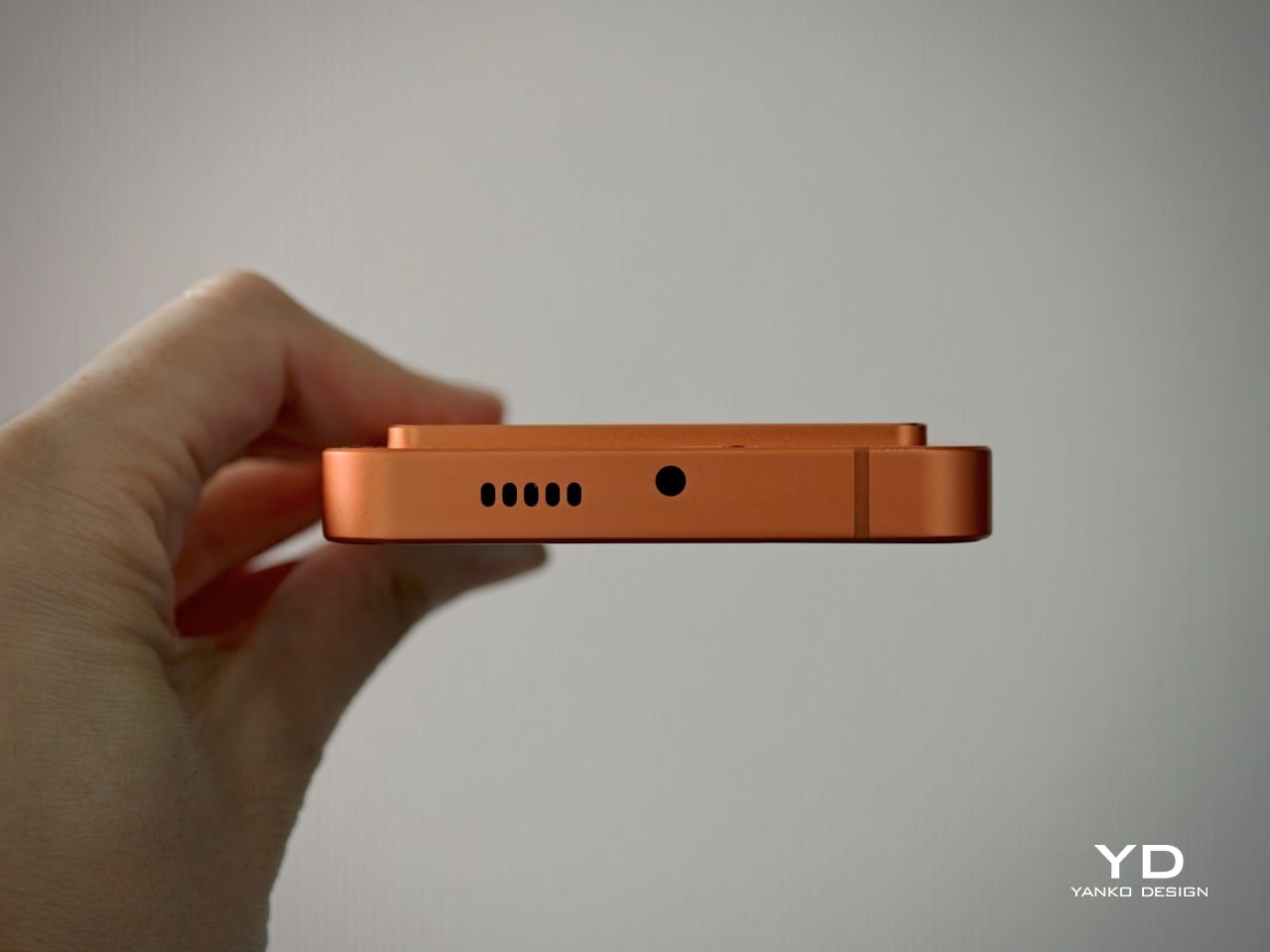
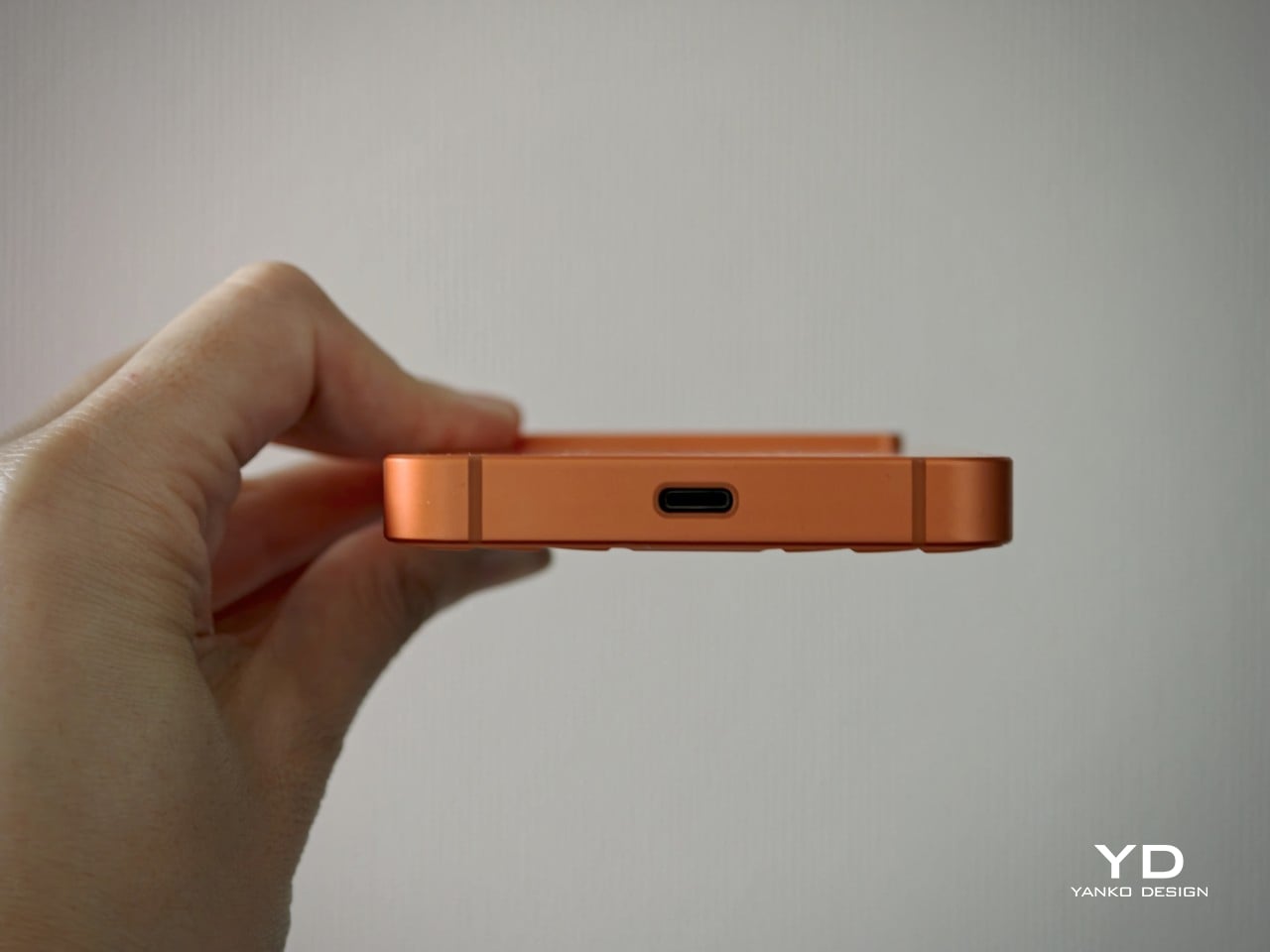
The right side of the phone features volume and power buttons with diagonal engraving, while the left side remains clean except for antenna cutouts. The top houses an IR blaster and speaker, while the bottom accommodates a dual SIM slot, microphone, USB-C port, and speaker. The sides might be busy with these many parts, but they visually blend into the frame and stay out of the way of your fingers or your palm when you hold the phone.

The off-center camera module can cause the phone to wobble slightly on flat surfaces which might be a minor inconvenience if they are sensitive to such details. Nothing that a case wouldn’t fix, of course, and it’s a design trait shared by almost all smartphones these days. The Xiaomi 14T Pro is thankfully not uncomfortable to hold and use despite its large size, though it doesn’t stand out as an example of good ergonomics either.

Performance

Xiaomi’s collaboration with Leica has significantly elevated its camera capabilities, resulting in exceptional photo and video quality. This partnership continues as Xiaomi works with Leica on its more budget-friendly flagship models, ensuring high-quality imaging remains accessible. The 14T Pro features a triple camera setup, including a 50MP main camera with an f/1.6 aperture, a 50MP telephoto camera with an f/2.0 aperture, and a 12MP ultra-wide camera with an f/2.2 aperture. All three cameras offer two Leica photographic styles: “Leica Vibrant” and “Leica Authentic.”

The main camera features a Light Fusion 900 sensor and delivers great photos with nice detail, wide dynamic range, natural colors, and minimal noise in both daylight and low-light conditions. While the dynamic range is generally great, exposure often skews toward the brighter end, leading to washed-out highlights and crushed shadows in some situations. Additionally, HDR performance struggles with motion, especially in low-light environments, leading to blurry images of moving subjects.

Ultrawide (0.6x)

1x

2x

2.3x

The telephoto camera performs well in most scenarios, maintaining good detail and color accuracy. In contrast, the ultra-wide camera produces acceptable photos, but it tends to lack sharpness and detail in challenging conditions.

Telephoto (5x)

Telephoto (10x)

Telephoto (20x)

Portrait mode offers four focal lengths, 23mm, 35mm, 60mm, and 75mm, with the default set to 60mm. While the 60mm and 75mm portraits are captured with the telephoto camera, the 23mm and 35mm portraits are shot with the main camera. All portrait photos I took, regardless of focal length, exhibited impressive subject isolation and pleasing bokeh.

Normal (1x)

Portrait (60mm)

Although color rendering remains consistent across different cameras and magnifications in regular photo mode, a noticeable shift in white balance can be observed between photos captured with the telephoto and main cameras in portrait mode.

Portrait (23mm)

Portrait (35mm)

Portrait (75mm)

On the opposite side, the upgraded 32 MP front camera with f/2.0 aperture takes satisfactory photos, which isn’t that surprising given the hardware. The Xiaomi 14T Pro can record videos up to 8K at 24 or 30 fps with the main camera, while the telephoto and ultra-wide cameras are capable of shooting videos up to 4K at 60 fps. The front-facing camera can record up to 4K at 30 fps and 1080p at 60 fps. The 4K footage from the main and telephoto cameras is impressive, showcasing good detail, realistic colors, and a wide dynamic range, all complemented by excellent stabilization.

While the Xiaomi 14T Pro offers incremental hardware improvements compared to its predecessors, its most significant advancements lie in its AI capabilities. The device supports Google Gemini and introduces Circle to Search, a first for Xiaomi devices. Additional AI features include AI Interpreter, AI Notes, AI Recorder, and AI Subtitles. These AI features and Circle to Search will be available via an over-the-air (OTA) update starting September 26th, which means they aren’t accessible during this review period.

One of the AI features I was able to test was AI Erase Pro, and it was remarkably effective. The tool offers four modes: Manual, Remove Object, Remove People, and Remove Lines. The Remove People mode was particularly impressive, accurately recognizing individuals and color-coding them. Even when people were positioned in a staggered formation, the AI could identify each person. However, while erasing people from the photos worked well, the shadows were left unmanipulated.

The other impressive feature of the Xiaomi 14T Pro is a big 6.67-inch AMOLED flat screen that boasts a 1.5K resolution (2,712 x 1,220), a 144Hz refresh rate, and a pixel density of 446 ppi. Supporting 12-bit color depth, HDR10+, and Dolby Vision, the display delivers sharp, vibrant visuals. Even under direct sunlight, the peak brightness of 4,000 units ensures excellent visibility while the 3,840 Hz PWM dimming reduces eye fatigue. Also, the stereo speaker is plenty loud and produces nice sounds, making the phone great for enjoying movies.

The 5,000mAh battery provides sufficient power for a full day of use. If you need a quick boost, Xiaomi’s 120W HyperCharge technology allows for incredibly fast wired charging, reaching a full charge in about 19 minutes, as stated by the company. Additionally, the 14T Pro supports 50W wireless charging, a much-welcome upgrade. Xiaomi claims that the device can be fully charged with a wireless charger in approximately 45 minutes. My personal experience aligns with these impressive capabilities.

The device runs HyperOS based on Android 14 and Google services are thankfully available out of the box. Powered by MediaTek’s flagship Dimensity 9300+ chipset and paired with 12GB or 16GB of LPDDR5X RAM and 256GB, 512GB, or 1TB of UFS 4.0 storage, the Xiaomi 13T Pro delivers great performance. The device handles multitasking seamlessly, with no noticeable lag or stutter even when running multiple apps simultaneously. Additionally, it does not get hot during extended video shoots or gaming sessions, enhancing the overall user experience.

Sustainability/Repairability

The Xiaomi 14T Pro promises a 1,600 battery life cycle and delivers IP68 dust and water resistance, ensuring both durability and longevity. Its longevity and overall sustainability aspects, however, are not as promising, especially in the area of software updates. This is somewhat disappointing for a company that is becoming one of the industry’s leading players. As the tech industry increasingly emphasizes environmental responsibility, Xiaomi has an opportunity to take a leading role by integrating sustainability into all of its products and, hopefully, it won’t let that opportunity pass it by.

Value

The Xiaomi 14T Pro positions itself as a compelling option for those seeking a high-performance smartphone without breaking the bank. It offers a blend of flagship-level features and a more affordable price point. While its camera may not quite reach the heights of the Xiaomi 14 Ultra, it still delivers excellent results for everyday photography and videography. It delivers much of what it promises on paper, but the real question is whether it is something you will reach for in your next smartphone buy.

Xiaomi is definitely not the only player in this field, including in the mid-range market where there are dozens of brands and models to choose from. And while the Xiaomi 14T Pro is definitely good, it doesn’t exactly stand out in any specific way. It’s a well-balanced phone, no doubt, but it might overlooked when placed side-by-side with other mid-range phones with better cameras, higher performance, or, more importantly, lower price tags.

Verdict

The Xiaomi 14T Pro may not be the most exciting phone, but there is no doubt it offers a tempting value proposition. Its solid camera performance, powerful processor, fast-charging capabilities, and vibrant display make it a compelling option for users who prioritize performance and affordability. It may not offer the absolute pinnacle of smartphone technology, leaving that for its more powerful and more expensive non-T siblings, but it doesn’t lag behind in any significant way either. With its combination of features and competitive pricing, the Xiaomi 14T Pro delivers a well-rounded experience that is sure to satisfy the needs of most users.

The post Xiaomi 14T Pro Review: Flagship Features Without the Flagship Price first appeared on Yanko Design.

2025 Bentley Continental GT Speed Review

PROS:


  • Beautiful styling

  • Epic power

  • Plug-in practicality

CONS:


  • Cost

  • Clunky software experience

RATINGS:

AESTHETICS
ERGONOMICS
PERFORMANCE
VALUE FOR MONEY

EDITOR'S QUOTE:

The blend of performance and poise here is hard to beat, a large car that feels light and nimble yet offers effortless stability at any speed.

All automotive brands carry some amount of expectations, preconceived notions about their cars’ level of performance and comfort. Few, though, carry the kind of weight and expectation as a brand like Bentley. Established in 1919, the Crewe-based manufacturer is responsible for some of the world’s most refined cars. Every new addition to its lineup, therefore, must honor those that came before.

That’s a tricky proposition these days. Every car manufacturer is faced with greater and greater demands for technology and environmental sensitivity. That doesn’t always jibe with traditional demands for comfort and performance.

Those two worlds collide in the new Bentley Continental GT Speed. It carries the same immediately recognizable Bentley poise and style but with radical refinements. It has the same opulent interior but is riddled with more tech than ever before. Finally, it offers the same level of thrilling performance but delivers it in an entirely new way.

Plug-Powered

This is the first hybrid Continental, a plug-in at that, something of a transitional first step towards the brand’s all-electric future, once targeted for 2030 but now shifting a bit further down the road.

Considering its radical departure from the predecessor’s W12 powertrain, which we’ll delve into in just a moment, the new Continental GT offers a familiar look and feel at a distance, but step closer, and you can see just how refined the car’s new design is.

The silhouette is familiar, and the extended nose plus the rearward cabin and the powerful rear fenders all give it that same sophisticated promise of power as before. But changes abound, the most significant being a shift to a single headlight up front. Modern lighting technology enables the new Continental to throw more light from a smaller source, cleaning up the front end and giving a throwback to the Bentley S2 from the late ’50s.

But despite that simplification, look closer again, and you’ll see the amount of detail within those headlights. It’s the same story out back, where the compact, oval tail lights are framed in an ornate, jewel-like halo. Otherwise, the rear end is likewise somewhat more simple than before, with the pop-up spoiler replaced by a clean, integrated unit.

On the Inside

The interior is likewise less ornate than before, pared back slightly from the abundance of chrome and buttons found in the last generation car. It offers just about all the technology you could want, including a 12.3-inch touchscreen with wireless Android Auto and Apple CarPlay, plus a wireless charger and a pair of USB-C ports.

The gauge cluster, too, is fully digital now, with a number of different views offering different levels of detail, more or less depending on your mood or style. The overall experience lacks the polish and feel of the higher-end systems from Mercedes-Benz or BMW, but it at least offers all the right features.

Otherwise, the interior offers a great blend of opulence and sophisticated style. The carbon fiber band sweeping across the doors and the dashboard catches the sunlight in distracting ways at times but has a clean, glossy depth that’s lacking in many in-dash composite applications.

Materials for the leathers and microfibers are great, as is the perfect stitching running everywhere. However, there’s a disappointing amount of plastic here, including the cluster of buttons surrounding the upright shifter. But, their layout at least is clean and easy to use, and they provide easy access to the functions you’ll want frequently, like toggling the comprehensively chill ventilated seats.

While the plastics are occasionally a bit underwhelming, the feel of the controls is top-notch. The mode selector, just aft of the shifter, spins with a wonderful weight, and even the turn signals move with a significant heft.

Plus-Sized Performance

The feeling of the controls is appropriate given the heft of this car. The new, plug-in Continental weighs over 5,400 pounds, thanks in large part to its 25.9-kilowatt-hour battery pack and the new hybrid system. The electric motor is paired with a 4.0-liter, twin-turbocharged V8.

The combined system power is 771 horsepower and 738 pound-feet of torque. Some souls may lament the lack of the outgoing Continental GT Speed’s W12, but that thing only made 626 hp. Plus, it only got 15 mpg.

That car took 3.9 seconds to get to 60. This one gets to 60 in 3.1 seconds and has a top speed of 208 mph. Bentley doesn’t have fuel economy numbers yet, but in my mixed testing, I scored 16.9 mpg, and as you can imagine I wasn’t exactly taking it easy.

More speed, better throttle response, and greater efficiency make for a pretty good mix.

It’s unlikely that many Bentley owners will be too concerned about fuel economy, but it’s good to see even ultra-luxury cars doing their part to reduce their impact on the environment. Likewise, everyone can appreciate the pleasant experience of driving in a fully electric mode.

Bentley says the new Continental GT can go up to 50 miles on a charge and can travel at up to 80 mph without recruiting the V8. In E Mode (available via a dedicated button), the big coupe is still nice to drive, totally silent, of course, and extra smooth but still reasonably peppy and perfectly capable of keeping up with traffic.

But I found it a little too easy to get the V8 to spin up. Even in this mode, if you dip past three-quarters throttle, the engine spins up quickly and smoothly, adding a substantial shove to the experience. That hand-off is crucial in hybrids, and Bentley has nailed it here, with power proportionally increasing as the engine spins up without the neck-snapping shock of torque you get in many lesser hybrids.

I just wish I could explicitly disable the V8 altogether and drive the car only on battery power.

In the default drive mode, dubbed “Bentley,” the Continental is properly quick when you do dip in the throttle but still calm and collected when you’re dawdling around town. For those who want a bit more composure, spin the knob to the right for the Comfort mode, which takes the edge off the throttle and the new dual-valve air suspension. There’s a custom mode all the way to the right, too, if that’s not to your fancy.

But the most fun mode is found all the way to the left, Sport, which firms up the suspension and sharpens the throttle response. In this mode, the V8 and hybrid system work together in closest harmony, the electric motor getting the car moving before the V8 roars into action and sends the car surging forward up to whatever speed you deem allowable.

The handling is unexpectedly good, too. Despite the extra weight, the GT Speed turns in eagerly, and the 48-volt Bentley Dynamic Ride anti-roll technology keeps everything from an excessive tilt.

Comfort at Speed

But even in Sport mode, the Continental is still nicely compliant over bad roads and effortlessly cosseting. The seats, despite their ornate stitching, are extremely comfortable, and though the massage is a bit on the subtle side for my tastes, the strength of the heating and ventilation cannot be denied.

Rear seats are predictably short on legroom, but there’s passable headroom, enough that you could wedge a human adult back there for a short run to dinner if you really needed to. Kids will fare better.

For the longer drives, you have a Naim sound system to enjoy, which is extremely powerful and a bit bass-forward by default but offers plenty of sliders and configurations for dialing it into your perfect tone.

You’ll also have a substantial trunk at your disposal, 13 cubic feet worth. That’s down a bit over before, thanks to the battery, which sits down beneath the floor below, but is still more generous than anything else in this class.

The Continental also offers a decent active safety package, something often lacking in top-trim luxury cars like this. The adaptive cruise worked well on the highway but was extremely conservative, leaving a big gap ahead even on the closest following distance, which didn’t work well in typical California gridlock. The active lane keep likewise was helpful, but occasionally struggled to keep sight of the lines on the road.

I should point out at this point that I was testing a pre-production model of the car, so hopefully, there’s time to improve this functionality a bit before the cars start showing up at dealerships.

Pricing and Options

At this point, we still don’t know exactly how much the 2025 Bentley Continental GT Speed is going to cost. Yes, it’s very much in the “if you have to ask” territory, but for the rest of us who are merely curious, you’ll want to have somewhere around $300,000 at your disposal before ringing up your local dealer.

Of course, part of the joy of a car like this is customization. Bentley will do pretty much anything your heart desires, but if you desire premium things, you’ll need to keep pushing that budget up a few digits.

Regardless of how much or how little you customize yours, you’re going to be spending a lot for one of these. Is it worth it? The blend of performance and poise here is hard to beat, a large car that feels light and nimble yet offers effortless stability at any speed. It’s a joy to drive for sure, with just a few rough edges to smooth out.

The post 2025 Bentley Continental GT Speed Review first appeared on Yanko Design.

Titanium Milanese Loop Review: Precision Engineering Meets Luxury in Apple’s Ultimate Watch Band

PROS:


  • Durable: Made from aerospace-grade titanium, the Milanese Loop is corrosion-resistant and built to handle tough environments.

  • Lightweight: The band remains lightweight despite being metal, reducing discomfort during extended wear.

  • Comfortable: The flexible mesh contours to the wrist, offering breathability and reducing irritation.

  • Custom Fit: Micro-adjustability down to 1mm ensures a perfect, snug fit for different wrist sizes and activities.

  • Sustainable: Constructed from 95% recycled titanium, aligning with Apple’s focus on environmentally responsible materials.

CONS:


  • Price: At $200, it's pricier compared to other Apple Watch bands.

  • Hair Pulling: The mesh design may cause slight pulling for users with wrist hair.

  • Indention Marks: A tighter fit can leave skin indentations after prolonged wear.

RATINGS:

AESTHETICS
ERGONOMICS
PERFORMANCE
SUSTAINABILITY / REPAIRABILITY
VALUE FOR MONEY

EDITOR'S QUOTE:

The Titanium Milanese Loop brings next-level engineering, rivaling Rolex's precision, durability, and seamless blend of luxury and functionality.
award-icon

When I first saw the Milanese Loop for the Apple Watch Ultra 2 at the Apple Glowtime event, it immediately grabbed my attention as an impressive leap forward in band design. Inspired by stainless steel mesh historically used by divers, this new Titanium Milanese Loop is made from woven, corrosion-resistant titanium wire. It’s flattened and polished to a stunning satin texture that balances ruggedness and elegance. The parachute-style buckle features dual side-release buttons that close with an audible click, giving a sense of security whether exploring the ocean depths or heading out for a night on the town.

Designer: Apple

This band perfectly complements the Apple Watch Ultra 2’s rugged design, offering lightweight durability while looking refined. Whether heading into a meeting, swimming in the pool, hiking, or deep diving, I know the Titanium Milanese Loop can handle it without sacrificing style or functionality.

Now available in a striking new black titanium finish, the Apple Watch Ultra 2 proves why it’s the go-to choice for serious athletes and adventurers. Featuring the brightest display ever on an Apple device, the Ultra 2’s LTPO2 OLED Always-on Retina display delivers up to 3000 nits of brightness, making it highly visible even in the harshest sunlight. In comparison, the Apple Watch Series 10 offers a display brightness of up to 2000 nits and a wide-angle OLED that increases brightness by up to 40% when viewed at an angle. The Ultra 2 delivers battery life, lasting up to 36 hours during regular use and 72 hours in low power mode, compared to 18 hours of standard usage on the Series 10. Combined with the new Titanium Milanese Loop, the Apple Watch Ultra 2 represents a seamless marriage of aesthetics and performance, capable of handling the most demanding terrains while looking sophisticated enough for any occasion.

Design, Custom Fit, and Next-Level Engineering Marvel

The Milanese Loop design has a long history rooted in traditional chainmail used by divers, but Apple has reimagined it with a modern touch. The Titanium Milanese Loop, crafted specifically for the Ultra, caught my eye from the moment I saw it at the Apple Glowtime event. Made from aerospace-grade titanium, the band is lightweight and corrosion-resistant, offering strength and comfort—a perfect match for the Ultra 2’s rugged yet refined style.

What impressed me most was Apple’s commitment to craftsmanship, as the band is created through a meticulous process of weaving, flattening, laser-welding, grinding, and finely polishing the titanium wire to form a precise, interlinking mesh that balances both strength and flexibility. This design drapes comfortably on the wrist while maintaining durability. I immediately appreciated the dual-button, parachute-style buckle, which made adjusting my wrist’s natural fluctuations throughout the day incredibly easy. Whether due to temperature changes or the ebb and flow of daily activity, I could quickly loosen or tighten the fit without needing to remove the watch. This level of adjustment, down to 1mm, truly made the band feel custom-made for my wrist.

Apple’s decision to use titanium wasn’t only about strength and practicality for everyday use. The dual-release buckle offers peace of mind, providing a secure fit during various activities without any concern about it coming undone. Whether in natural or black titanium, the band perfectly complements the Ultra 2’s new black titanium finish. Achieved through a custom blasting process and enhanced with a diamond-like carbon (DLC) coating, this finish provides excellent scratch resistance, ensuring the watch and band look as good after months of wear as they did the first day I tried them.

The Titanium Milanese Loop combines aesthetics, ruggedness, and sustainability. Made from 95% recycled titanium, this band aligns with Apple’s focus on environmentally responsible materials. In my experience, it’s a stylish, practical, and durable accessory. This blend of qualities makes it a great long-term choice for anyone seeking a band that complements the Ultra 2’s versatility and style.

Fit and Comfort: Tailored for Performance

The Milanese Loop for the Apple Watch Ultra 2 is breathable and flexible, making it a great fit for all-day wear. Depending on your personal preferences, there are a couple of things to consider. While some users with wrist hair might experience slight pulling due to the mesh design, I haven’t had this issue myself.

As someone who prefers a snug fit, I tend to wear my watch a bit tighter to prevent it from moving around, a habit formed from years of wearing traditional mechanical watches. If you wear the Ultra 2 tightly, as I do, you’ll notice a slight indentation after a long day, but there’s no discomfort associated with it. It’s more about leaving a mark than feeling any pain. This tight fit keeps the watch in place, making it feel more secure during physical activities, whether hiking, diving, or running errands.

This band’s ability to adjust down to the millimeter makes it incredibly versatile for any wrist size. It’s great to know Apple offers an extra-long tail version for those needing additional length—whether to wear over a wetsuit or simply because of larger wrists.

For me, the combination of the Titanium Milanese Loop and the Apple Watch Ultra 2 is all about striking the right balance between durability, comfort, and design. It’s the kind of band that seamlessly fits into my daily life, whether I’m out hiking, working in the yard, or tackling outdoor adventures. This band doesn’t just look good; it’s made to endure, and it pairs perfectly with the rugged nature of the Ultra 2. The thoughtful engineering and comfort of the Milanese Loop make it feel like it’s built to last, keeping up with the adventurous spirit that the Ultra 2 embodies.

Band Size and Fit

I went with the medium size for the Titanium Milanese Loop, which fits perfectly. The buckle centers squarely on the back of my wrist, which, for someone like me with a bit of OCD, brings a sense of balance that I appreciate. Wearing a watch every day is an intimate experience, and I pay close attention to how it sits—whether it’s a mechanical watch with a deployment buckle or a tang, every detail matters. The centered buckle feels right and adds to the comfort of wearing the Ultra 2 all day.

Apple Watch Ultra 2 on Titanium Milanese Loop

At the Apple event, I had the chance to try on the small size, but I could barely get the watch past my knuckle. Unless you have particularly thin wrists or plan on wearing this over a wetsuit, I’d recommend opting for the medium. It strikes the right balance for everyday wear, and it offers enough room for quick adjustments when needed.

Here are the official band size details:

  • Small: Fits wrists 130–160mm.
  • Medium: Fits wrists 155–185mm.
  • Large: Fits wrists 180–210mm.

With those ranges, the medium size should comfortably accommodate most wrist sizes. However, for anyone needing extra length—especially for wearing over bulkier gear like a wetsuit—the large size is the way to go. In my experience, getting the right fit goes a long way in maximizing the band’s comfort and aesthetics.

Value: A Long-Term Investment

Priced at $200 on its own or $100 more when bundled with the Apple Watch Ultra 2, the Titanium Milanese Loop might seem like a luxury option for an Apple Watch band. However, compared to titanium bracelets from brands like Rolex and Omega, which typically cost in the range of thousands of dollars, the value becomes clear. Apple has crafted a premium product that brings the high-end feel of titanium—usually reserved for much more expensive timepieces—into the world of wearable tech at a fraction of the price.

For someone like me who regularly upgrades their Apple Watch, the band’s value goes beyond the Ultra 2 itself. Apple’s consistent design language across its product line ensures this band will likely remain relevant with future watch models. Investing in this Titanium Milanese Loop means you’re getting a durable and stylish band that will serve you through multiple upgrades.

Another critical factor is the dual-lock system, which offers unbeatable security. Whether I’m out hiking, diving, or just going about my daily routine, I know the band is securely fastened, giving me peace of mind no matter what. Its durability, ease of use, and ability to adapt across future models make this band a smart investment for anyone who values functionality and design in their Apple Watch accessories.

Final Thoughts

The Titanium Milanese Loop for the Apple Watch Ultra 2 has quickly become one of my favorite bands. It offers that perfect mix of durability, premium design, and all-day comfort, whether in the field or just going through my daily routine. I’ve been wearing it for everything from outdoor activities to long workdays, and it never fails to deliver on comfort and style. I’ll continue to revisit this band in future articles as I spend more time with it. If you have any questions or thoughts about the band, feel free to drop me a note—I’d love to hear your feedback!

The post Titanium Milanese Loop Review: Precision Engineering Meets Luxury in Apple’s Ultimate Watch Band first appeared on Yanko Design.

ASUS Zenbook S 14 Ceraluminum Laptop Review: Elegance You Can Feel, Power You Can Touch

PROS:


  • Gorgeous Ceraluminum design with a unique tactile experience

  • Ultra-thin and lightweight chassis for effortless portability

  • Lush and vibrant 14-inch 3K 120Hz OLED display

  • Impressive performance, including light gaming

CONS:


  • Port selection is a bit constrained

  • RAM is integrated into System-on-Chip


RATINGS:

AESTHETICS
ERGONOMICS
PERFORMANCE
SUSTAINABILITY / REPAIRABILITY
VALUE FOR MONEY

EDITOR'S QUOTE:

Packing incredible performance in a compact and beautiful design, the ASUS Zenbook S 14 redefines what ultraportable laptops are capable of and demonstrates how to deliver a design that you can feel.
award-icon

For the longest time, Apple MacBooks have set themselves apart from the rest of the laptop crowd with their stylish designs, while laptop manufacturers preferred to focus on the performance and technical aspects of their products. Consumer tastes have shifted, however, and brands have started their search for thinner and lighter designs, though they always get stumped by the laws of physics and the limits of technologies and materials. Always in Search of Incredible, ASUS decided to look to other places for inspiration, both from other industries and Mother Nature herself. The result is a new “meta-material” Ceraluminum, which debuted on the ASUS Zenbook S 14, a rather striking laptop that promises the best of all worlds. Naturally, we couldn’t resist getting our hands on it and taking it for a test run to see whether its beauty runs deep.

Designer: ASUS

Aesthetics

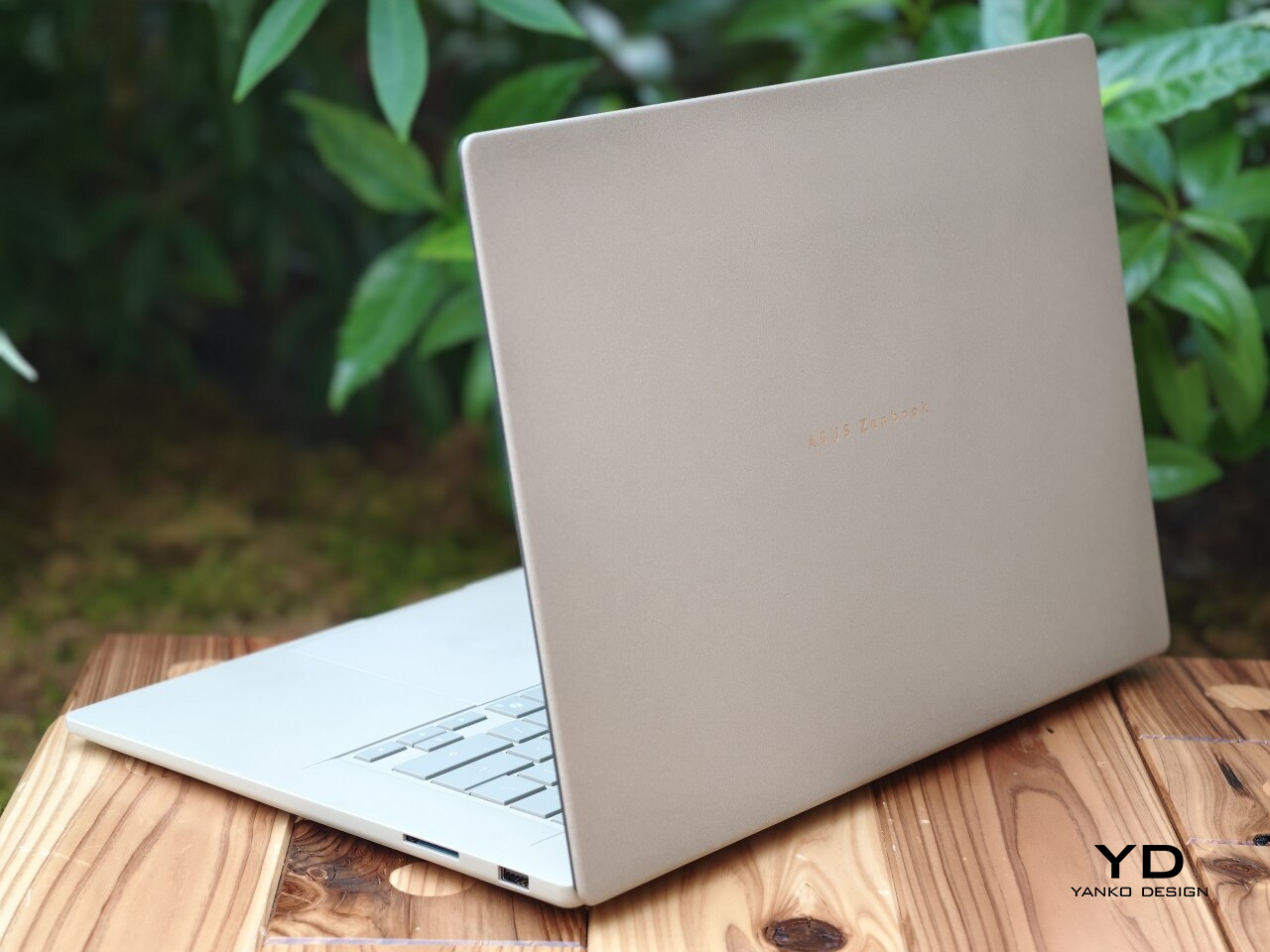
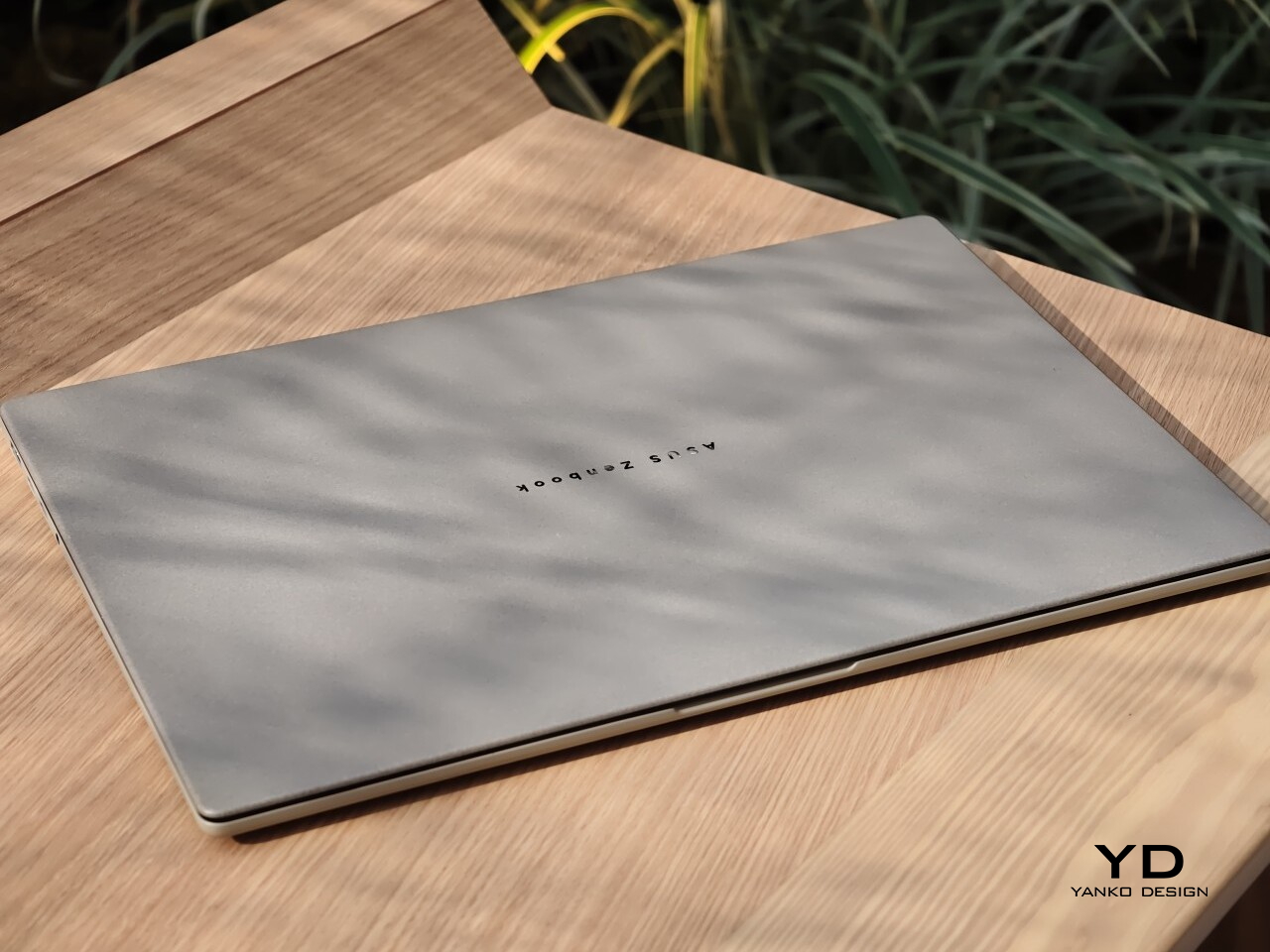
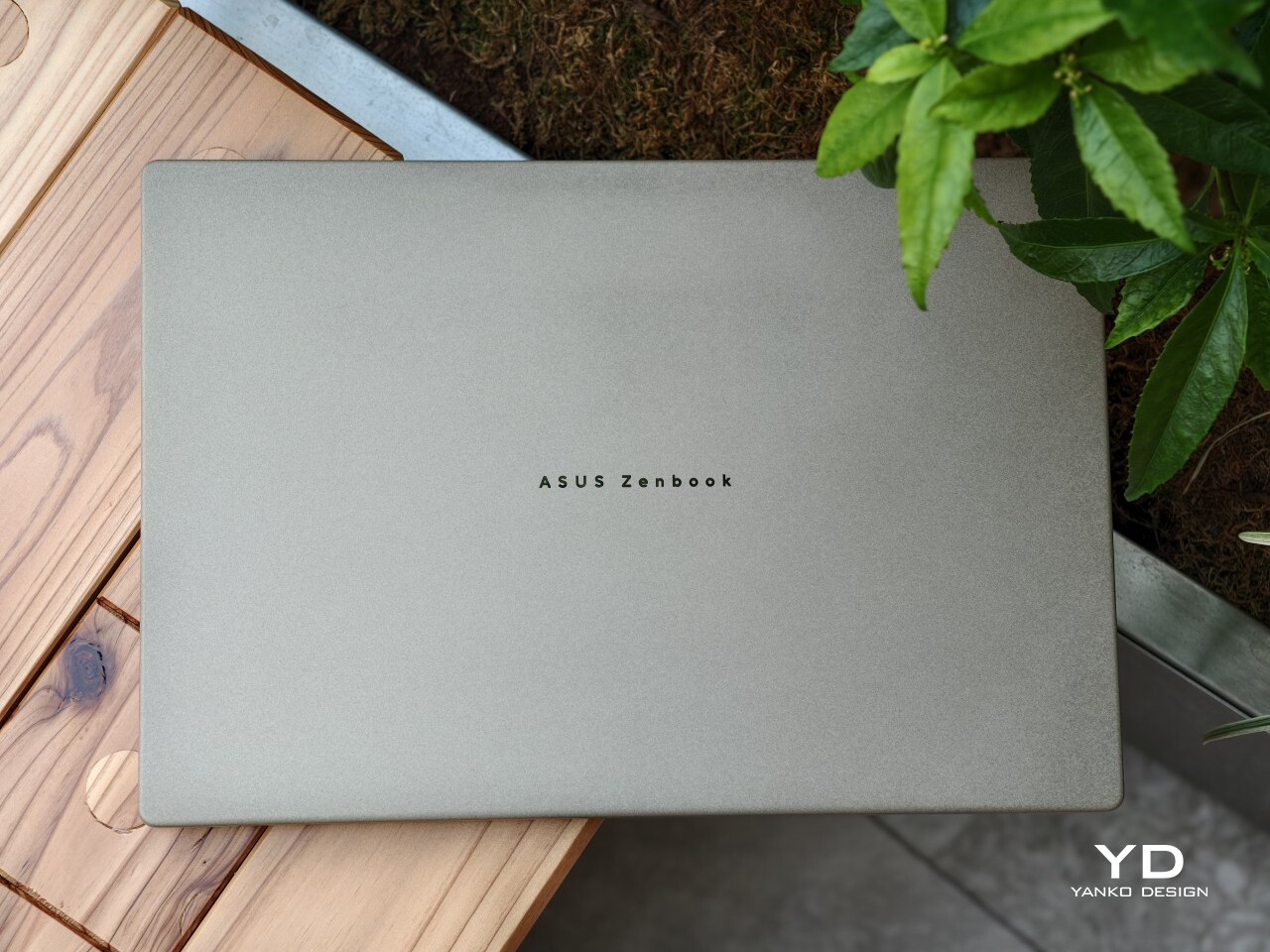
Laptop lids are often made from metal like aluminum or plastic, both of which offer different strengths but also weaknesses. Lately, titanium has become the hot new material for electronics because of its durable and lightweight properties, but it is far from the end-all and be-all of metallic products. Taking a page from the aerospace and luxury watch industries, ASUS developed a new oxidation or “ceramization” to produce a sort of hybrid or meta-material, if you would, that combines not only the lightness of aluminum and the hardness of ceramic but also creates a new visual and tactile experience never before seen on a laptop.

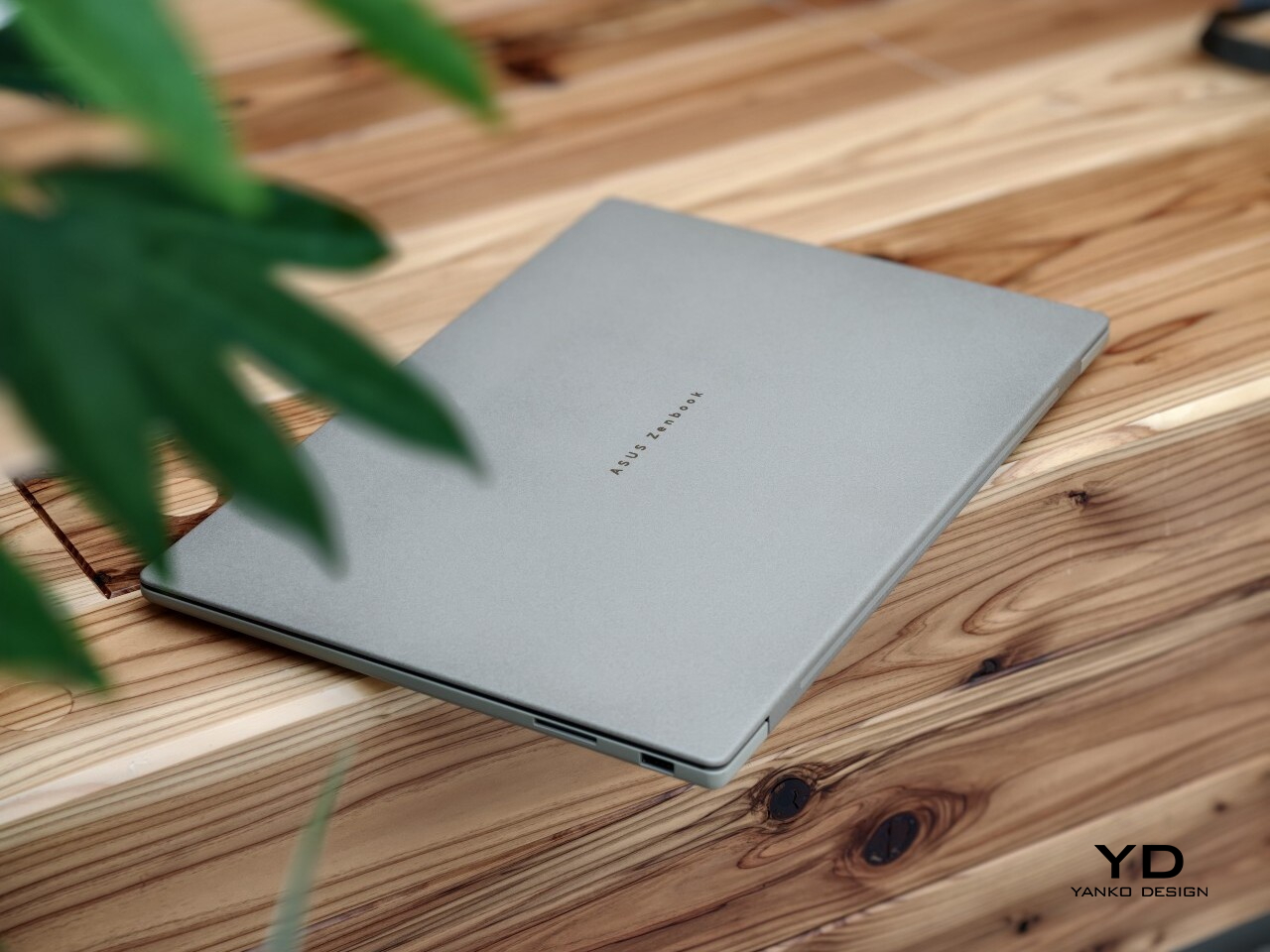
“Ceraluminum” is the marketing term for what ASUS previously called Plasma Ceramic Aluminum, and our very own Vincent Nguyen describes the material in better detail. The end result is a laptop cover that looks nothing less than a piece of art, especially with the lines that cross its surface to create geometric patterns. Not only is the laptop great to look at, but it also feels great to touch. There’s a certain degree of roughness to its surface, almost like paper. Considering its paper-light weight and thinness, it almost feels like you’re simply carrying a stack of white or gray paper.

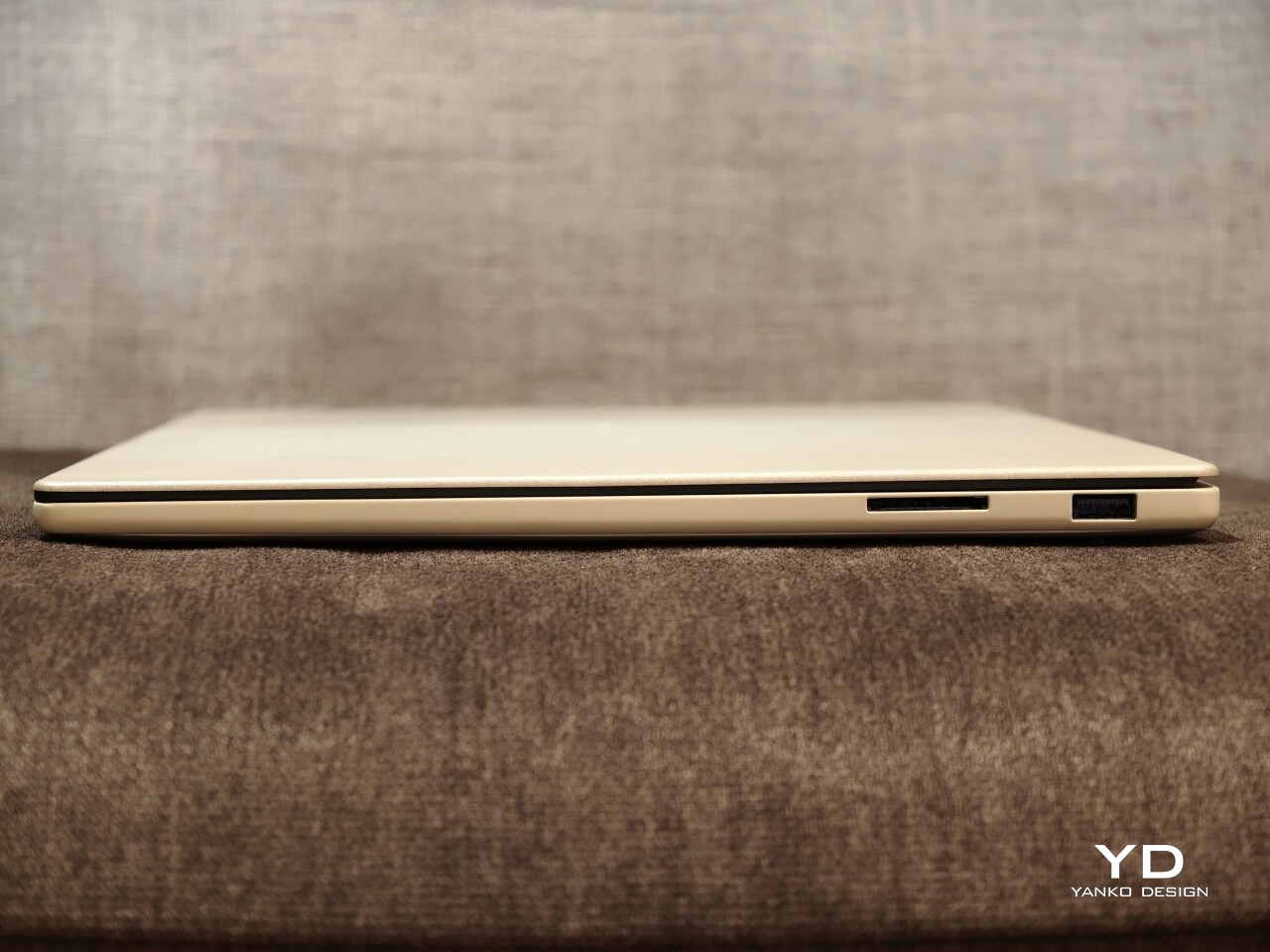
And yes, the ASUS Zenbook S 14 is unbelievably thin and lightweight, only 1.1cm (0.47 inches) thin and 1.2 kg (2.65 lbs) light. It gives the laptop a rather striking profile that grabs attention from any angle. And with its tactile design and lightweight body, you might find yourself wanting to carry the laptop in your arms often, truly a design that you can feel.

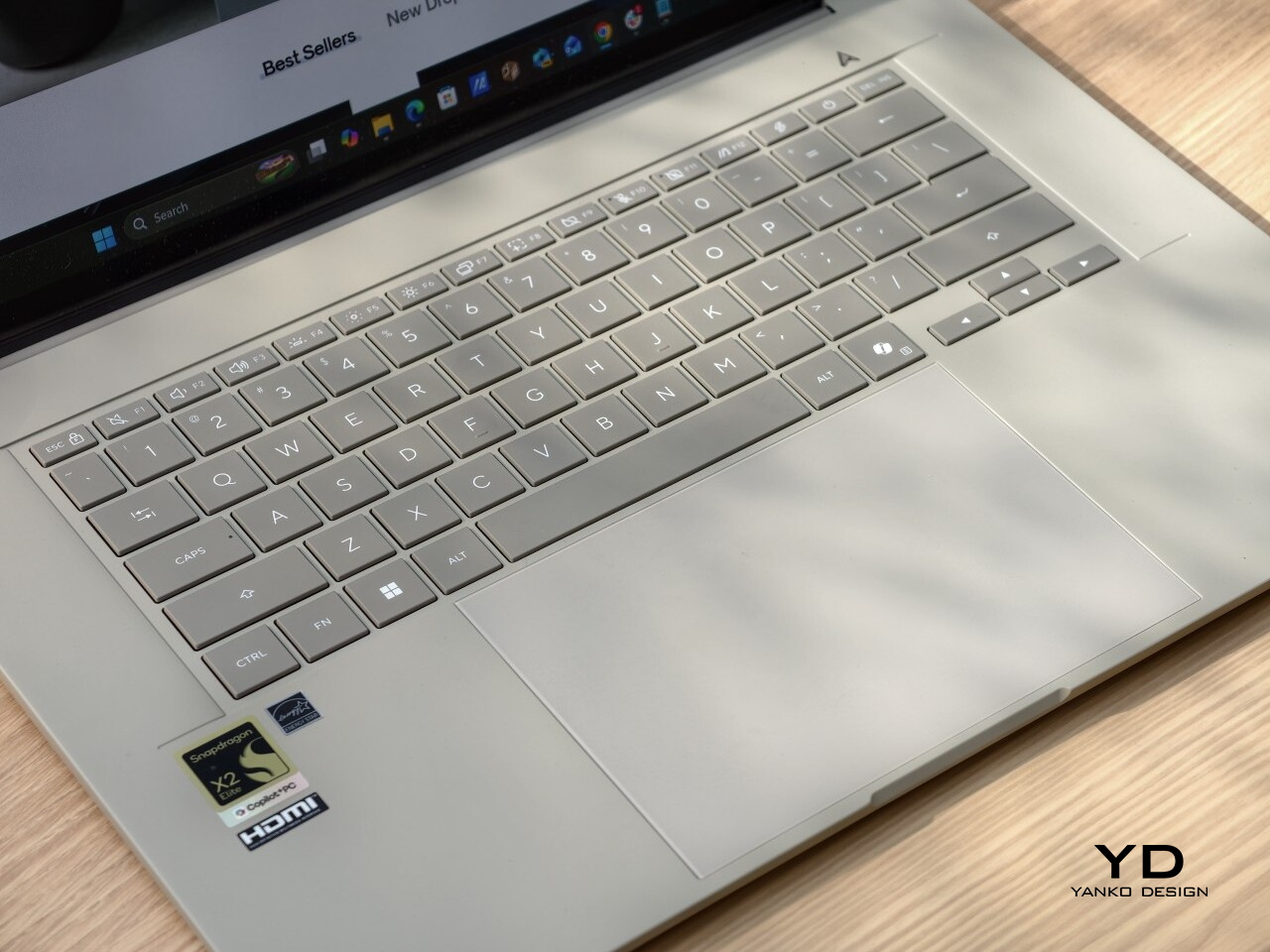
Fortunately, the laptop’s beauty doesn’t disappear when you lift up the lid. The very thin bezels almost disappear completely, giving way to the bright and colorful ASUS Lumina OLED display. The clean and modest design of the keyboard and the touchpad pad perfectly complement the minimalism of the laptop’s lids. Even the rather unique ventilation grid lying between the keyboard and the display hinge brings functional aesthetics into the picture. No matter which way you look at and hold the Zenbook S 14, you are greeted by a strikingly elegant display that you touch with your eyes as well as with your fingers.

Ergonomics

With such a thin and light design, there is really no argument about the portability of this laptop. You can easily carry it anywhere by hand or slip it inside a bag, and use it anywhere as well, including on your laptop. This makes the Zenbook S 14 ideal for people who find themselves always on the move, sometimes even at a moment’s notice. Best of all, they aren’t losing out on power and performance, as we’ll see later, so there are almost no downsides to its design.

That said, if you’re a bit picky about your typing experience, you might have some issues with the ASUS Zenbook S 14’s keyboard. With a profile as thin as this, it shouldn’t come as a surprise that the keyboard actually has a bit of a shallow travel distance, just around 1.1mm. Mind you, that’s not exactly a deal breaker and we found it to still be quite comfortable and enjoyable to type on. In fact, considering that same thin profile, it’s a miracle that this keyboard could actually feel this good. Again, your mileage might vary, but keyboard connoisseurs might want to take note of this detail.

Another minor matter that may or may not ruin your experience is the very bright keyboard backlight. Although adjustable, even its dimmest setting might feel a little blinding to more sensitive eyes, especially in a dark room. On the bright side (no pun intended), the light and the keys are also very visible even in bright surroundings. Again, not a huge flaw but something you’ll want to consider based on your personal preferences.

Performance

You might be wondering what the catch is since thin laptops have traditionally been underpowered to the point of being unusable for anything but the most basic computing tasks. There are a small number of gotchas, indeed, but not in the ways you might expect and definitely not damning enough to ruin mar the Zenbook S 14’s prestige. In fact, it’s pretty mind-blowing that this ultra-thin laptop is able to perform this well, offering a no-compromise mobile computing experience.

Part of that is thanks to the new Intel Lunar Lake processor, specifically the Core Ultra 7 258V. It uses a system-on-chip design that integrates a CPU, a dedicated NPU (Neural Processing Unit), an Intel Arc Xe GPU, and 32GB of RAM. Yes, that memory is built into the processor, which does have an important implication we’ll get to later. Regardless, this compact silicon design is what allowed Intel and ASUS to maximize internal space, allowing them to cram more or bigger components, like a 72Wh battery.

The Zenbook S 14’s raw benchmark performance is nothing short of impressive, easily matching other 28W laptops. Considering ultra-thin 14-inch laptops often operate at a much lower 15W TDP to avoid overheating, this is quite a remarkable feat. Perhaps the most telling achievement is how this slim laptop can deftly handle gaming loads with medium graphics settings instead of the typical low settings. Although it’s not marketed as a content creation or gaming laptop, it can definitely fit the bill with some performance tweaking and adjustments.

What’s a bit more interesting, however, is how the laptop’s performance seems to lean more towards unplugged use. Of course, this is perhaps one of the most important considerations for a laptop, since wouldn’t want to have it always plugged in, defeating the purpose of its portability. Long story short, the Zenbook S 14 seems to perform best when on battery, providing a good balance of power and efficiency to meet any computing need anywhere, anytime. And with mixed use, you can get a little under 20 hours of battery life on a single charge. That’s well under ASUS’s advertised 27 hours of non-stop video playback, but the realistic numbers are still quite good.

This makes the ASUS Zenbook S 14 a great all-around laptop, and that includes multimedia and, as mentioned, even games. The 14-inch 3K OLED screen is just breathtaking with its brightness and colors, and being part of the ASUS Lumina line, it is also PANTONE-validated, making it an excellent tool for creators, and the monitor’s 120Hz is actually a must-have for gamers. Four high-quality speakers give a punchy treatment to videos and music, making this laptop a multimedia powerhouse despite its modest and business-minded looks.

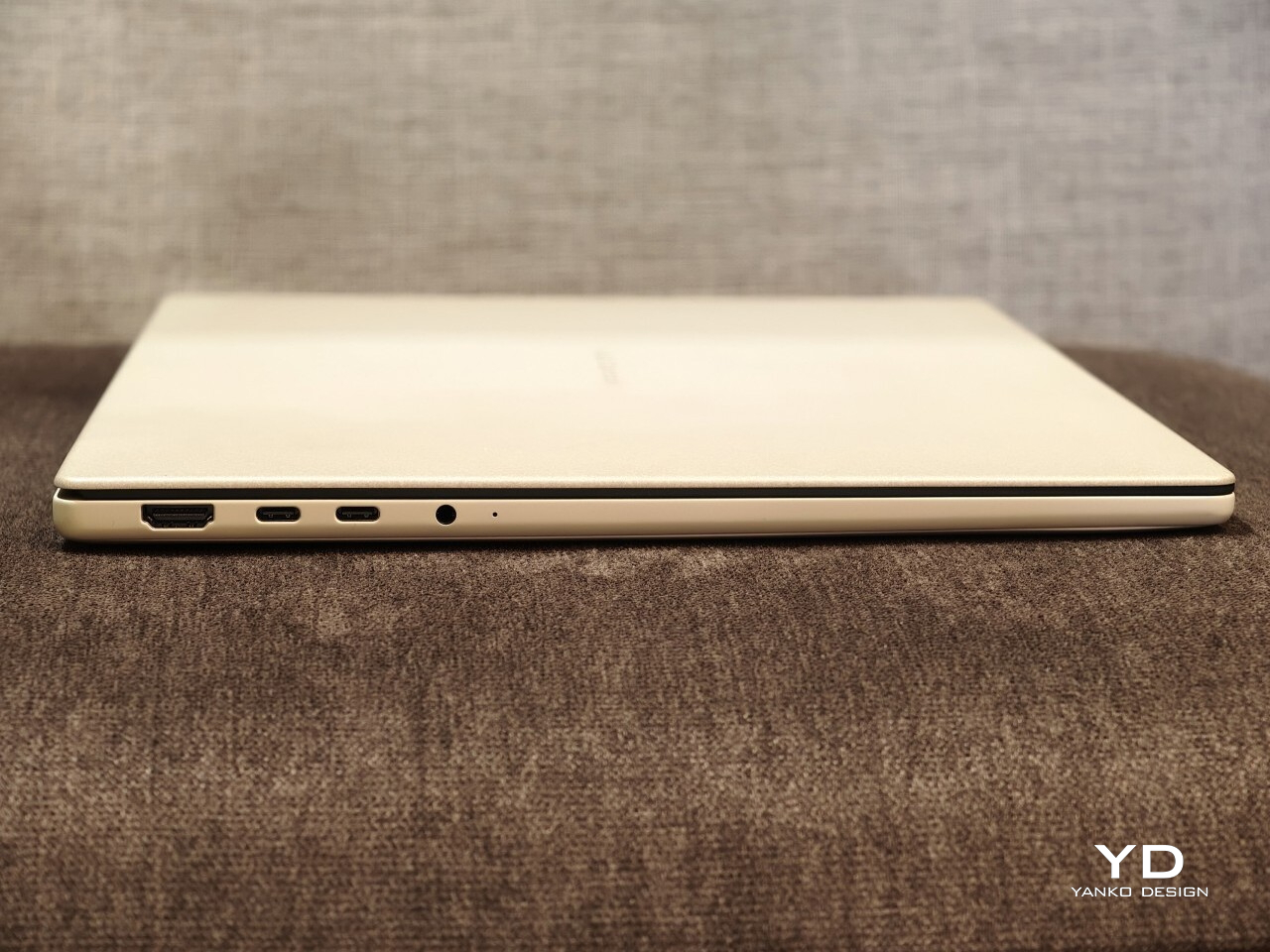
One area where the Zenbook S 14 might come up short for some people is the number of ports available. Remember that time when Apple got chided for replacing all the ports on MacBook Pros with just four C-Type Thunderbolt 4 ports? It’s not as bad here, but there will definitely be some who will find the selection far too modest. There are only two of those USB-C Thunderbolt 4 ports, both of which can be used for charging, data, and video out. There’s also one full-sized USB 3.2 Gen 2 Type-A port, one HDMI 2.1 port, and a headphone/mic combo jack. That’s pretty much it. There isn’t even an SD card reader, which will probably disappoint photographers. Both USB-C ports are located on the same side, which forces you to have the charger and dongles competing for space. The lack of other ports might not be that big of a problem when you dock the laptop at home or in the office, but if your office tends to change locations, you’ll have to bring a hub with you as well.

Sustainability

ASUS has been working hard to step up to the challenge of making the world a greener place for future generations, and its most ambitious attempt yet can be seen in its most ambitious material design as well. Ceraluminum isn’t just a fancy new material with a beautiful aesthetic and satisfying texture; it is also a more sustainable alternative to the usual metal anodizing techniques used by manufacturers. Instead of corrosive acids that release harmful toxins into the air, ASUS’ ceramization process uses water and super-high voltage electricity to produce an even better oxide layer, creating this blend of lightweight durability your fingers will love.

The ASUS Zenbook S 14 is also made to last, thanks to that Ceraluminum material that’s not only scratch-resistant but also smudge-resistant. And despite its luxurious aesthetic, this laptop actually boasts military-grade MIL-STD-810H compliance, ensuring that it can survive accidental bumps, high-frequency vibrations, and extreme temperatures. One aspect that takes a point from its longevity is the fact that you can only upgrade the M.2 NVMe SSD, and only up to 1TB capacity. The 32GB of RAM is, as mentioned, fixed and soldered. Yes, that might be enough for most use cases, but only today. Who knows how demanding apps and services will be just a few years from now.

Value

Most people marvel at ultra-thin laptops but pass them over because those slim profiles barely have enough power to meet their needs. Finding the right balance between portability, power, and price is like a hunting game, but you don’t need to go any further than what ASUS is now offering on the table. With a beautiful 14-inch screen, only 1.1cm thick, and weighing only 2.65 lbs, the ASUS Zenbook S 14 delivers a versatile machine that doesn’t compromise on performance, at least not in significant ways.

Best of all, it’s an absolute beauty to behold and to hold! Ceraluminum might sound like a buzzword, but its aesthetic value and tactile experience are the real deal. The $1,499.99 price tag for the 32GB RAM model is indeed nothing to scoff at either, but when you realize all the value that you’re getting, it’s almost a steal.

Verdict

We have finally reached a point where laptops no longer need to be hulking blocks of metal just to catch up with their desktop counterparts. While they still lose out on raw performance and customization, today’s laptops can be slimmer than ever and, more importantly, offer a design experience that desktop towers can only dream of. Of course, it takes no small amount of creative thinking, bold decision-making, and the courage to go beyond the boundaries of convention to create an amazing experience that will satiate consumer’s thirst for better-designed products. ASUS has definitely proven that it isn’t averse to taking that big leap, and the Zenbook S 14 is a shining testament to that daring spirit to create designs that you can see and feel.

The post ASUS Zenbook S 14 Ceraluminum Laptop Review: Elegance You Can Feel, Power You Can Touch first appeared on Yanko Design.

Huawei Watch GT5 Pro Hands-On Review – Where Luxury Meets Functionality

PROS:


  • Huawei TruSense System: Advanced health tracking, including blood pressure monitoring and ECG

  • Long battery life of up to 14 days

  • Premium materials like titanium and ceramic for durability

  • Compatible with Android and iOS devices

CONS:


  • Higher price tag, especially for premium models

  • Limited third-party app support compared to competitors

RATINGS:

AESTHETICS
ERGONOMICS
PERFORMANCE
SUSTAINABILITY / REPAIRABILITY
VALUE FOR MONEY

EDITOR'S QUOTE:

The Huawei Watch GT5 Pro blends sleek design with powerful performance, effortlessly fitting into both active and professional lifestyles.
award-icon

Huawei continues to redefine what we expect from smartwatches with the Watch GT5 Pro. Building on the successes of the GT4 and GT3 Pro, this latest iteration seamlessly blends premium materials with advanced health tracking features. Whether you choose the titanium or ceramic model, the GT5 Pro caters to users who value fitness and aesthetics without compromise.

Designer: Huawei

First Impressions: High-End Design with Purpose

From the moment I strapped the Huawei Watch GT5 Pro onto my wrist, it was clear this wasn’t your average smartwatch. The sleek design focused squarely on the timepiece, exudes luxury and sophistication. I had the pleasure of testing the 46mm titanium model and the 42mm ceramic version—each leaving a distinct and lasting impression.

Huawei Watch GT5 Pro Titanium Alloy

The titanium alloy version feels robust and is tailored for those who lead active lifestyles. At the same time, the ceramic model is lighter and more polished, designed to complement any outfit—be it formal or casual. Both models showcase Huawei’s meticulous attention to detail, from the intricately designed watch faces to the seamless integration of premium materials.

Design and Build Quality: Refined Craftsmanship with Bold Details

Huawei’s design philosophy shines through in the GT5 Pro, combining cutting-edge technology with exquisite craftsmanship. The titanium alloy and ceramic models feature sapphire glass, offering excellent scratch resistance while enhancing clarity and durability.

Titanium Model: Rugged Yet Sophisticated

The 46mm titanium version strikes a perfect balance between ruggedness and elegance. Ideal for those who want a watch that can handle outdoor adventures and formal settings, the titanium case is crafted from aerospace-grade material, providing exceptional strength without excessive weight. Its brushed finish adds a touch of class, while the titanium link bracelet feels smooth against the skin and is easily adjustable for a perfect fit.

Despite its larger size, the titanium model feels light enough. Thoughtful weight distribution ensures comfort during all-day wear. The bold, masculine design transitions seamlessly from professional meetings to outdoor pursuits, offering style and durability.

Ceramic Model: Subtle Sophistication

The 42mm ceramic model is all about refinement. Building on the design language of the GT3 Pro Ceramic Edition, Huawei has perfected its nanocrystal ceramic manufacturing process. This meticulous seven-day process results in a flawless, mirror-like, durable, and eye-catching finish.

The ceramic model feels noticeably lighter than its titanium counterpart. The ceramic bezel and sapphire glass blend seamlessly, creating an uninterrupted surface that enhances the watch’s minimalist aesthetic. The white ceramic strap enhances the watch’s elegance and provides all-day comfort, making it ideal for any occasion.

Dynamic Visual Experience: Light and Shadow Effects

One of the GT5 Pro’s most striking design features is its use of geometric shapes to create a captivating light and shadow effect. Light dances across its surfaces as the watch moves under different lighting conditions, adding depth and dimension to the design. This effect is particularly pronounced on the titanium version, where the brushed finish accentuates the watch’s premium look.

The crown on both models is intricately designed with a knurled texture, providing a tactile and responsive experience when adjusting settings. These details and the nanocrystal ceramic rear case reflect Huawei’s commitment to balancing aesthetic appeal with functional durability.

Comfort and Fit: Ergonomics Perfected

Both the titanium and ceramic models are designed with ergonomics in mind. The curved cases and flexible straps ensure a snug fit without discomfort, even during extended wear. The titanium model offers a reassuring weight that balances comfort and presence, while the ceramic model is lighter and stays cool against the skin.

Strap Variety: Tailored to Your Style

Huawei has introduced a variety of strap options for the GT5 Pro, allowing users to customize the watch to match their style and occasion:

  • Fluoroelastomer straps for a sporty, durable feel.
  • Ocean-recycled nylon straps highlight sustainability with colors inspired by ocean waves.
  • Composite leather straps and Milanese straps for those seeking a more formal and fashionable look.

These options enhance the GT5 Pro’s versatility, enabling it to adapt from a casual day out to a formal evening event effortlessly.

Display and Usability: Crisp, Clear, and Responsive

Huawei Watch GT5 Pro

The AMOLED display—measuring 1.43 inches on the titanium model and 1.32 inches on the ceramic—offers a sharp 466 x 466 pixel resolution. Everything from fitness data to notifications appears vibrant and clear, even in direct sunlight. The touchscreen responsiveness is smooth, ensuring seamless navigation through the watch’s features.

The always-on display is especially useful during workouts or when quick access to time and notifications is needed. It reduces the need to wake the screen manually, making interactions more fluid and saving time.

Huawei TruSense System: Comprehensive Health Monitoring and Insights

Huawei’s TruSense System represents a breakthrough in health and wellness tracking, offering users a sophisticated approach to monitoring physical and emotional wellbeing. Built on a multi-channel optical architecture, the system significantly enhances the accuracy of core health metrics such as heart rate, blood oxygen (SpO2), and respiratory rate. Substantial investments in optical, electrical, and material sciences make this possible, allowing the sensors to overcome traditional challenges related to skin tone variations, wrist sizes, and environmental factors like temperature and humidity.

Leveraging this advanced architecture, the TruSense System monitors over 60 health and fitness indicators, giving users a holistic view of their wellbeing. A standout feature is its sophisticated sleep tracking, which offers detailed insights into light, deep, and REM sleep cycles. This in-depth analysis enables users to understand their sleep quality better and identify improvement areas. These combined features contribute to a comprehensive understanding of personal wellness, positioning TruSense as one of the most advanced systems in wearable health technology today.

By integrating physical and emotional health tracking, Huawei’s TruSense offers an unmatched combination of functionality and precision, helping users stay in tune with their bodies and minds daily.

Advanced Optical Sensing

The TruSense System integrates advanced sensors with state-of-the-art algorithms, delivering consistent and reliable readings. This precision is vital for users who depend on real-time data to fine-tune their performance and recovery. SpO2 monitoring provides swift feedback on oxygen saturation—a crucial cardiovascular and respiratory health indicator. Meanwhile, the often-neglected respiratory rate tracking offers valuable insights into how efficiently your body regulates breathing patterns across various activities.

Huawei Watch GT5 Pro

Emotional WellBeing and Management

Beyond physical health, the Huawei Watch GT 5 Series incorporates a unique emotional wellbeing assistant. This feature leverages heart rate variability (HRV) and autonomic nervous system data to assess and track stress levels. During periods of high stress, such as intense workdays or emotional challenges, the watch detects physiological changes and provides actionable insights. Whether you’re feeling happy, sad, or at peace, it records your emotional state, helping you better understand and manage your wellbeing. The built-in breathing exercises help manage stress in real time, guiding users through calming practices that restore balance.

The emotional wellbeing assistant goes beyond simple stress tracking, offering a holistic view of your mental state. By integrating daily stress fluctuations with physical indicators, the system provides a comprehensive picture of your overall wellbeing. Over time, it identifies patterns, helping you recognize triggers and develop healthier emotional habits. However, this feature is currently only available in China and isn’t offered in the European market.

Sleep Monitoring and Advanced Sleep Cycle Insights

The sleep tracking feature in the TruSense System has undergone significant enhancements. Like many competitors offering sleep data, Huawei’s system provides detailed analyses of sleep stages, including light sleep, deep sleep, and REM cycles. However, it goes beyond merely reporting sleep duration, offering valuable feedback on the quality of each phase. Whether battling insomnia or aiming to optimize your rest for better recovery, this feature delivers personalized insights and recommendations based on your unique sleep patterns.

Future-Proof Flexibility and Accuracy

Huawei has future-proofed the TruSense System by designing it to be flexible and open to iterative updates. Users can expect continued software and hardware performance improvements as the technology progresses, ensuring their devices stay at the cutting edge of health monitoring. Additionally, the TruSense System has been certified by several authoritative health bodies, offering peace of mind regarding the reliability and safety of the data provided.

Sports and Activity Tracking: Tailored for Adventure

The GT5 Pro shines in outdoor activity tracking with its dual-band GPS and support for multiple satellite systems like GPS, GLONASS, Galileo, Beidou, and QZSS. This setup enhances location accuracy and speed, making it great for hiking, running, or cycling. Huawei has taken things further with the new HUAWEI Sunflower Positioning System, which uses an adaptive algorithm to improve accuracy. The watch’s antenna adjusts itself based on your movement, ensuring it points in the right direction, whether cycling or running. This upgraded system reduces issues like distance or pace inaccuracies seen in earlier models, boosting route accuracy by 40%, distance by 30%, and pace by 20%, offering a more reliable tracking experience overall.

The running form analysis feature is particularly noteworthy. It provides detailed insights into metrics like vertical oscillation, foot contact time, and stride length. These insights help improve performance and reduce the risk of injury.

For outdoor enthusiasts, the offline maps and route back feature offer great value. Whether you’re hiking or exploring new trails, the watch provides accurate mapping and assists with navigation, helping you find your way if you lose track of your path.

Water Resistance and Freediving Mode: Dive In with Confidence

With a 5 ATM water resistance rating, the GT5 Pro is ideal for swimming and water sports. Its freediving mode supports dives of up to 40 meters, tracking depth and dive duration. I took the ceramic model snorkeling, and it performed flawlessly with no issues, even after prolonged exposure to saltwater.

Battery Life: Long-Lasting Performance

Huawei is renowned for the impressive battery life of its smartwatches, and the GT5 Pro doesn’t disappoint. The 46mm titanium model offers up to 14 days of battery life, while the 42mm ceramic model provides up to 7 days. Even with GNSS tracking, continuous health monitoring, and the always-on display active, I comfortably went several days without recharging.

When it’s time to recharge, the Watch GT5 Pro 46mm exclusively supports fast wireless charging. A quick 10-minute charge gives enough power for an entire day, making it especially convenient for those with busy schedules.

Smartwatch Features and Connectivity: Beyond Fitness

The GT5 Pro goes beyond fitness tracking by offering features that enhance daily connectivity. One standout is the keyboard input, allowing you to respond to messages directly from the watch. Though currently limited to specific apps, it adds convenience when accessing your phone isn’t an option. Music control is also intuitive, whether you’re streaming from your smartphone or playing stored songs directly from the watch. With compatibility across Android, iOS, and Huawei devices, the GT5 Pro ensures a seamless experience no matter which platform you use.

Should You Upgrade? A Worthwhile Investment

For GT4 Users:

The GT5 Pro offers significant upgrades in both materials and functionality. The introduction of premium materials like titanium and ceramic, the advanced TruSense system, and enhanced health tracking make it a worthwhile upgrade.

For GT3 Pro Users:

The GT5 Pro builds on its predecessor’s strengths. With improved GNSS accuracy, expanded health monitoring—including emotional wellbeing tracking—and refined aesthetics, it represents a solid step forward for those seeking the latest wearable technology.

Final Thoughts: A Premium Watch for the Modern User

The Huawei Watch GT5 Pro seamlessly merges style and functionality. Its premium materials, cutting-edge health features, and impressive battery life make it a standout choice for anyone looking for a smartwatch that doesn’t compromise design or performance.

Whether focused on fitness, managing stress, or simply seeking a stylish smartwatch to complement your daily attire, the GT5 Pro is an exceptional choice. It embodies Huawei’s commitment to delivering products that enhance our lives through innovation and quality, making it a worthy addition to any tech-savvy individual’s collection.

The post Huawei Watch GT5 Pro Hands-On Review – Where Luxury Meets Functionality first appeared on Yanko Design.

Samsung Galaxy Z Fold 6 Review: Tried and Tested Design You Can Trust

PROS:


  • Classic, no-nonsense, and reliable design

  • Improved screen size and aspect ratio

  • Strong performance and feature set

  • Long-term software support and IP48 rating

CONS:


  • Still more expensive than competing brands

  • Decent but dated camera system

RATINGS:

AESTHETICS
ERGONOMICS
PERFORMANCE
SUSTAINABILITY / REPAIRABILITY
VALUE FOR MONEY

EDITOR'S QUOTE:

The Galaxy Z Fold 6 exudes a maturity that offers elegance, performance, and reliability, a much-needed respite from a fast-changing and unpredictable foldable phone landscape.

By now, almost every major smartphone manufacturer other than Apple has launched a foldable phone. That includes even Google, who surprisingly didn’t stop at just one generation of the Pixel Fold. Of course, the ones that paved the way still have the lion’s share of that market, which means Samsung is still the leader in foldables of both the “book type” and the small clamshell design. Being first, however, doesn’t always mean you’ll end up always leading, and some have pointed out that the latest Galaxy Z Fold 6 is proof that the giant has been lagging behind. Is that the case, or are the new generation of flashy foldables setting people’s expectations instead? We put the Samsung Galaxy Z Fold 6 in our hands and give it a good turn to see if “old” is a bad thing in this case.

Designer: Samsung

Aesthetics

Samsung has taken a lot of heat for the Galaxy Z Fold 6’s design, with some people calling it iterative and dated. Such criticisms, however, are based on the presumption that new designs are always better or that changing designs every generation is a good thing. It should be noted that Apple, which is consistently hailed for its designs, would hold on to designs for years before making changes, and even then, the changes are often very minimal or even subtle. Sometimes, it’s a sign of maturity and reliability, giving people something familiar and comforting in an ever-changing smartphone market.

Samsung Galaxy Z Fold6

It’s not that the Galaxy Z Fold 6 is unattractive. On the contrary, it looks pretty elegant, distinguished, and refined. The most significant visual changes include the sharper corners, a larger and wider Cover Screen, and thinner bezels around the displays. Together with the flat edges from the last generation’s design, the Galaxy Z Fold 6 looks more similar to the Galaxy S24 Ultra, also launched this year. Samsung has ensured that its design DNA isn’t lost across devices, increasing the holding power of its brand, at least for this year.

The Galaxy Z Fold 6 embraces a more minimalist design language in stark contrast to almost every other foldable phone in the market today. That’s probably best seen in the triple camera setup on the back of the device, just three small equal-sized circles on a discreet pill-shaped island. Of course, there’s a cost to pay for that compact design, which we’ll get to later, but it’s hard to deny the appeal of such an aesthetic compared to the more obnoxious discs and blocks protruding from the backs of other foldable phones.

Ultimately, you get an elegant and premium-looking design that isn’t so far removed from the Galaxy S24 series, especially the Galaxy S24 Ultra. Is it iterative? Sure, but that in itself isn’t always a negative. Samsung made a few discernible changes but kept the overall language the same over the years. It might be exciting to see what new designs other brands will cook up next, but that novelty can fade quickly, leaving you with a design that might be a bit eye-catching at first but becomes more of an eye-sore in the long run.

Ergonomics

If there’s one major flaw in Samsung’s Galaxy Fold design, it would be the narrow and tall external screen. That made it awkward and even uncomfortable to use the foldable phone when folded, which pretty much defeated the purpose of having a screen there in the first place. Although not in the same vein as the Google Pixel Fold or the OnePlus Open, Samsung may have finally fixed that problem in the Galaxy Z Fold 6, potentially making it the first usable iteration of its line.

The larger 6.3-inch Cover Screen now covers a wider area, partly thanks to the reduction of bezels around it and partly thanks to sharpening the corners. Together with the overall lighter body and flat edges, the Galaxy Z Fold 6 is easier to hold and use as a phone. It’s still narrower than a regular smartphone, but not by much anymore. Samsung may have finally reached a good compromise in this design that works when the phone is closed and when it’s open.

Of course, using the Galaxy Z Fold 6 as a mini tablet is still a pleasure, even more so now. It now looks and feels more like a very colorful e-book reader, especially with its squarish shape. Although the screen size remains the same compared to last year’s model, reducing bezels and flat edges gives it an edge (pun intended) when handling the device.

Performance

Like with the design, Samsung used a tried and tested formula for the Galaxy Z Fold 6’s hardware, which pretty much means top-of-the-line specs, at least for the most part. The Qualcomm Snapdragon 8 Gen 3 is still the undisputed smartphone performance king outside of Apple’s kingdom, and the 12GB of RAM, though modest by today’s standards, is still decent, especially with some RAM Plus extension.

The external screen is just as bright and vibrant as ever, just now even larger than before. The internal 7.6-inch screen might not seem to have changed much until you realize you haven’t been noticing the crease as much. It’s still there if you look for it, but it has even less of a telling presence this year. With powerful silicon and gorgeous screens, the Galaxy Z Fold 6 never comes up short in performance, whether watching videos, playing games, or simply scrolling through social media. Of course, that includes AI features, though these still feel a bit more gimmicky and entertaining rather than practical for everyday use.

That said, hardware is also one area where the criticism of Samsung’s iterative approach holds the most water. As mentioned, 12GB of RAM, while usable, is pretty tight and frugal these days. Samsung has also been using the same 4,400mAh battery and the same 25W “quick” charging since the Galaxy Z Fold 3 in 2021. The latter is probably a compromise to keep the Galaxy Z Fold 6 almost as light as a regular non-foldable phone, but its age definitely starts to show.

Perhaps the biggest point of contention for Samsung’s 2024 foldable is the camera system, which has remained virtually unchanged since 2022. On the back, you have a 50MP main camera, a 10MP telephoto with 3x optical zoom, and a 12MP ultra-wide shooter, perhaps the only significant upgrade to this year’s foldable. On the external screen, you get the same 10MP front-facing camera, and inside is the same dismal 4MP under-display camera. It’s pretty much the same formula, so you’re getting almost the same results, which, fortunately, isn’t all that bad.

To be clear, the Galaxy Z Fold 6 still takes great photos, but it is lagging behind even its own cousins in this department. Samsung may be trying to pull an Apple in doing more with less, using computational photography and AI to compensate for hardware deficiencies, but those can only do so much. You definitely get plenty of detail, a wider dynamic range, and accurate colors, especially with sufficient lighting, and the new ultra-wide camera also takes brighter photos. Regardless, given its price tag, you’d probably expect a bit more than “decent.” In other words, you are not paying for the cameras or the photography experience.

Sustainability

As one of the world’s biggest smartphone manufacturers, Samsung has a big responsibility to help keep the planet alive for future generations. Thankfully, it takes that responsibility quite seriously, and every year, we see it take steps on multiple fronts to ensure its phones become sustainable parts of modern life. This year’s foldable includes plenty of recycled materials, including plastic, glass, aluminum, cobalt, and rare earth metals. For the first time in a Galaxy phone, the Galaxy Z Fold 6 includes recycled gold and copper components.

Samsung is also doing its part to make the rather pricey foldable phone last as long as possible through improved durability and software support. The Galaxy Z Fold 6 is the first of its kind to achieve an IP48 rating, a significant improvement over its predecessors’ IPX8 rating. Samsung also promises seven OS upgrades and seven years of security updates, ensuring that this expensive investment won’t become obsolete quickly, especially considering how its cameras are already on the old side at this point.

Value

The Galaxy Z Fold 6 might not have mind-blowing cameras or an eye-popping design, but it offers plenty of features that matter. It is one of the extremely few that supports an active stylus with pressure sensitivity and one of an even smaller group of phones with a desktop mode that makes you feel like you’re using an Android PC. With solid performance and a stylish minimalist design, what’s not to love?

Most definitely, the price amounts to $1,900 for a paltry 256GB of storage. That’s not only the most expensive “normal” foldable in the market today, but it’s even strangely $100 higher than the Galaxy Z Fold 5 when it launched last year. With few upgrades and changes, you’d be forgiven for scratching your head at Samsung’s decision. At that price point, you’d expect a little bit more, maybe a bit more battery, a bit more RAM, or better yet, a bit more camera prowess. Fortunately, the Galaxy Z Fold 6 is made to last, though that still makes it feel more like a luxury item than a consumer product, which could be Samsung’s intention.

Verdict

The fast-paced dynamics of the smartphone market have trained our brains to look for new things every year, whether it’s a new design, new hardware, or a new feature. Newer doesn’t always mean better, and the Galaxy Z Fold 6 is proof of that. It has a classic design focuses on the essentials and leaves out all the fluff, creating an aesthetic that is as luxurious as its price tag. Yes, we wish Samsung had delivered more, especially regarding the cameras, but that also has trade-offs for design and usability. In the final analysis, Samsung wisely picked its battles to deliver a foldable phone with an elegant design and a solid set of features you can rely on for years to come.

The post Samsung Galaxy Z Fold 6 Review: Tried and Tested Design You Can Trust first appeared on Yanko Design.
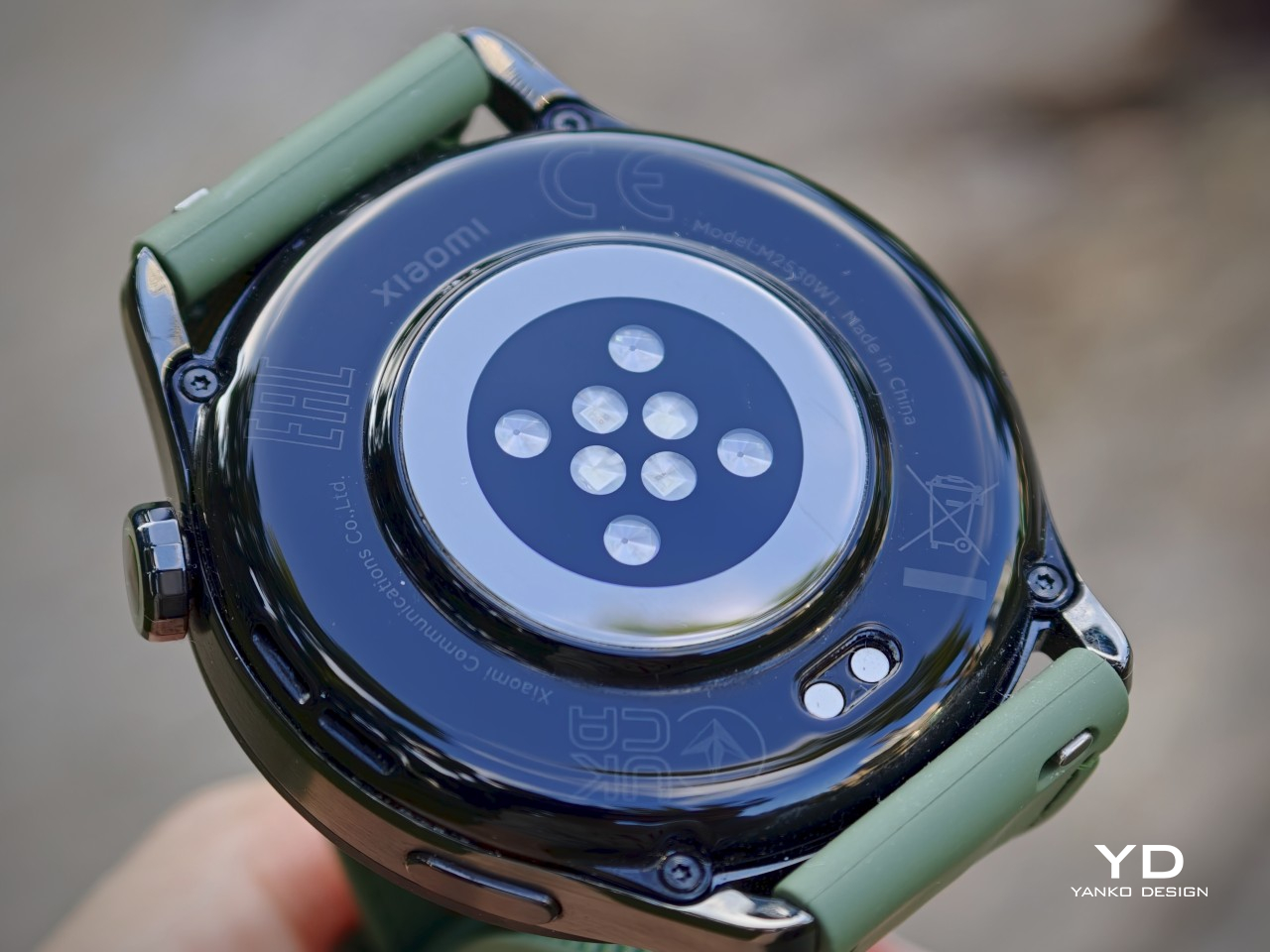
ESR iPhone 16 Classic Hybrid Case with Stash Stand Review: Stay Original, Stay Protected

PROS:


  • Slim and light, lets original iPhone 16 design shine

  • Multi-angle stash stand also protects the camera

  • Unbeatable all-around protection

  • Doesn't get in the way of MagSafe features

CONS:


  • Stand doesn't support (tall) vertical orientation

RATINGS:

AESTHETICS
ERGONOMICS
PERFORMANCE
SUSTAINABILITY / REPAIRABILITY
VALUE FOR MONEY

EDITOR'S QUOTE:

ESR's newest range of Classic Hybrid Cases with Stash Stand gives the iPhone 16 the protection it deserves with no compromise to functionality nor a hit on its innate beauty.

The new iPhone 16 series is here, along with a new generation of accessories designed to complement Apple’s latest and greatest smartphone. While the iPhone has changed considerably over the years, what hasn’t really changed is its price tag, making it quite an expensive investment that people want to protect and keep for as long as possible. There is no shortage of cases that promise that, but many of these cover up the iPhone’s minimalist beauty with gaudy designs and fatten up the otherwise slim profile in the name of rugged durability. Other cases also add some functionality that complicates the iPhone’s appearance and use, going against the spirit of simplicity that Apple embraces. It’s rare to come across a phone case that offers protection that doesn’t obscure the original design or adds utility that doesn’t compromise other features. The new ESR iPhone 16 Classic Hybrid Case with Stash Stand and its siblings promise exactly that and we put them in our hands to see how well that promise holds.

Designer: ESR

Click Here to Buy Now: $19.99

Aesthetics

One of the biggest reasons why some people are hesitant to slap a protective case on their phones is that these cases tend to make the phones look ugly and bulky. Of course, there are people who actually prefer to dress up their phones with stickers and decals, but the large majority want to show off their new phone’s pristine beauty, especially if that phone is an iPhone. That Apple logo on the back is, of course, a matter of pride for owners so it feels counterintuitive to cover that up with a thick and opaque case.

There’s a reason that ESR puts the “Classic” label on this series of cases for the new iPhone 16. Despite offering an impressive set of protective features, the transparent back still lets the original style and color of the iPhone 16 shine through, though you do have choices of colored edges to match the iPhone’s natural color as well. With a back that’s only 1.6mm thick, it doesn’t add that much bulk to the slim and sleek phone.

The ESR Classic Hybrid Case with Stash Stand embraces Apple’s minimalist design language, offering protection that you can’t see but definitely feel. It has no extraneous markings or branding that would mar the otherwise pristine beauty of the iPhone 16. It hugs the phone’s frame so tightly that it almost looks like a transparent skin wrapped around the phone. And the parts that you do see are also designed to be aesthetic, like the zinc alloy of the camera guard kickstand with a matte finish that just seamlessly blends with the camera bump’s design. ESR clearly had not just phone protection in mind but also user satisfaction in seeing the classic elegance of their iPhone 16 without worrying about accidents.

Ergonomics

Smartphone cases actually do double duty when it comes to protection. They buffer the force of impact when phones fall or bump into hard objects, but they also add some texture to the phone’s back to increase their grip. In other words, cases make it easier to hold the phone and reduce the risk of dropping it, and when you do drop it, the cases absorb some of the shock and protect the material underneath from scratches and dings.

Of course, that’s only true for cases that don’t increase the size and weight of the phone to the point of making it uncomfortable to hold or don’t use a material that’s even more slippery than the phone’s glass or metal rear. Fortunately, the ESR Classic Hybrid definitely checks the right boxes here as well, with an overall thickness of only 14.2mm and a weight of only 42g (1.7oz). The materials themselves also have a kind of “sticky” quality that prevents the phone from slipping off your hand easily. That stash stand also functions as a ring you can hang from your finger while your hands are carrying other things, almost like a built-in loop. It would have been nice if it could also function like a popsocket of sorts so you can hold the phone with even more confidence, but the current design doesn’t make that possible. That’s a puzzle that ESR will hopefully solve in future iterations of the Stash Stand.

Performance

A protective case is only as good as the protection it offers, and the ESR Classic Hybrid with Stash Stand for the iPhone 16 definitely has plenty of that to go around, almost literally. Almost every side of the case has a feature that ensures the safety of the phone no matter which side it drops on, including the 1.2mm raised edge around the screen and the 0.7mm raised camera guard. There’s also the acrylic-PC material used for the back of the case for enhanced durability and a TPU edge that is promised not to discolor and turn yellow over time.

One unique feature of ESR cases is its Air Guard corners, which are basically small empty pockets that serve as cushions for the most common part of the phone that hits the pavement. These look like very small bumps rather than obnoxious bumpers, staying true to the minimalist design language that the Classic Hybrid cases embrace. All of these give the cases military-grade protection, enough to meet the MIL-STD-810H standard for shock protection. The case can protect the phone from an 11-foot drop, offering iPhone 16 owners peace of mind without compromising their experience.

The “Stash Stand” part of the ESR Classic Hybrid’s name comes from the camera guard that flips down to transform into a multi-angle stand, supporting angles of anywhere between 15 to 85 degrees for your preferred viewing angle. Unlike other built-in phone stands like rings and popsockets, the stash stand gets out of the way when you don’t need it and even protects your cameras. The one disadvantage to this design is that you can’t prop up your phone vertically unless you lay it almost flat on a table, which is fine for scrolling through social media but not for video calls.

Apple’s introduction of MagSafe technology presented a design problem for case makers, especially those with rugged and thick materials. MagSafe won’t work through such cases, at least not without some clever designs and technologies. Fortunately, that’s no longer a problem today and, even better, ESR has found ways to actually improve on the technology. For one, it has even stronger magnets, about 1.5kg of magnetic locking force, so you don’t have to worry about the case making accessories loose and detach accidentally. It can even let the phone charge faster than with other MagSafe-compatible cases, beating its competitors by an average of 30 minutes. Best of all, the magnetic ring is embedded in the case itself, so it won’t scratch your iPhone’s back.

All in all, the ESR iPhone 16 Classic Hybrid Case with Stash Stand offers unparalleled, military-grade protection that doesn’t get in the way of your enjoyment of your phone. It retains the iPhone 16’s natural beauty while also giving you color options to match your phone and your style. It’s a no-compromise design that brings the best of all worlds while staying true to Apple’s own design philosophy.

Sustainability

Like many protective cases these days, the ESR Classic Hybrid is a mixture of different materials that each offer a different kind of protection. The acrylic-PC material on its back offers durability and scratch resistance, while the TPU around the edges gives flexibility and shock absorption. Unfortunately, these materials are also known to be non-sustainable, though there is definitely research and experiments on using alternative materials that produce the same durable properties.

That’s not to say, however, that ESR isn’t doing due diligence in creating a greener future, but its sustainability results are a little bit more indirect. For one, it offsets its carbon emissions through the ClimatePartner program. In addition, it helps keep phones away from trash bins and dump sites longer by protecting these precious devices and ensuring their longevity. You might not see a phone case as a “green” product, but ESR is definitely doing its part in healing the planet in its own small ways.

Value

Starting at only $19.99, the ESR Classic Hybrid Case with Stash Stand is pretty much a no-brainer for new iPhone 16 owners. After all, you are getting an impressive amount of protection against accidents and a built-in stand that stays out of the way and out of sight when you don’t need it. Plus, it retains the iPhone 16’s slim profile, sleek looks, and original style, allowing you to enjoy the natural colors you selected when you bought it. What’s not to love?

And for those who want something more or something different, they don’t have to stray far from ESR’s other new iPhone 16 cases. The Cloud Soft Case with Stash Stand, for example, has the same basic design but uses premium liquid silicone to give the phone a softer touch. The Cyber Tough Case with Stash Stand, on the other hand, levels up the durability with a 3-layer design that includes a robust PC backing, a flexible TPU shell, and an inner PORON lining. With these three designs, ESR has got all your iPhone 16 protection needs covered and in your preferred style.

Verdict

Just like with power banks, smartphone cases have become a fact of modern mobile life. No matter how durable companies make their phones, there will still be that nagging fear of throwing away money when, not if, you accidentally drop your precious investment. With the arrival of the iPhone 16, ESR took the opportunity to showcase the best of its design with the Classic Hybrid Case with Stash Stand. Offering military-grade protection that doesn’t make the iPhone 16 look like a tank, this case with a built-in stand is something you’ll have no reason to take off once you’ve put it on.

Click Here to Buy Now: $19.99

The post ESR iPhone 16 Classic Hybrid Case with Stash Stand Review: Stay Original, Stay Protected first appeared on Yanko Design.
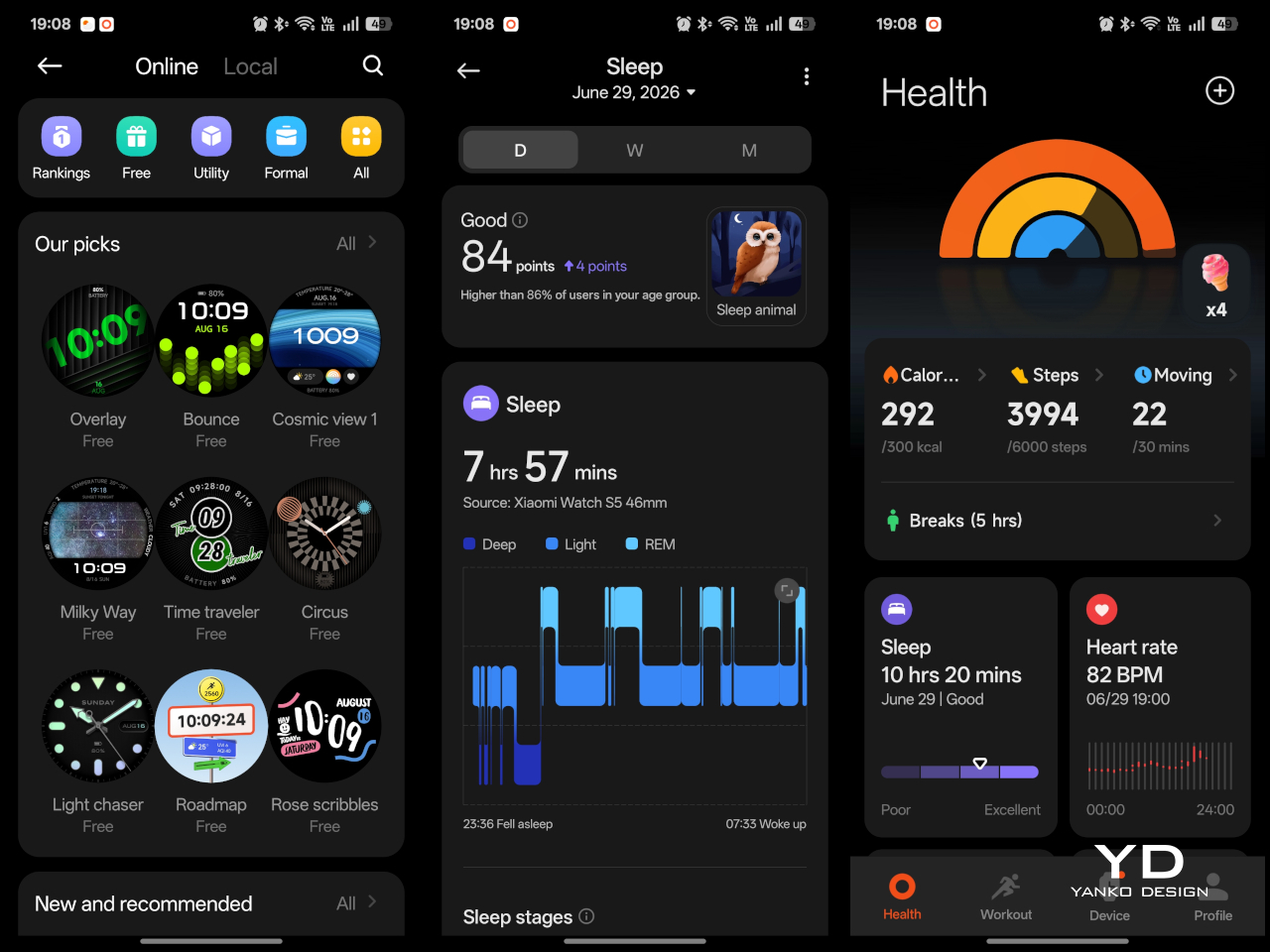
AirPods 4 with ANC Review: Open-Ear Design That Works

PROS:


  • Open-Ear ANC: Combines noise cancellation with an open-ear design for situational awareness.

  • Seamless Apple Integration: Instantly switches between Apple devices for easy use.

  • All-Day Comfort: Lightweight, secure fit perfect for extended wear.

  • Hands-Free Siri: Convenient voice control and touch-free interactions.

  • Great Sound: Crisp audio with deep bass and clear highs, even in an open design.
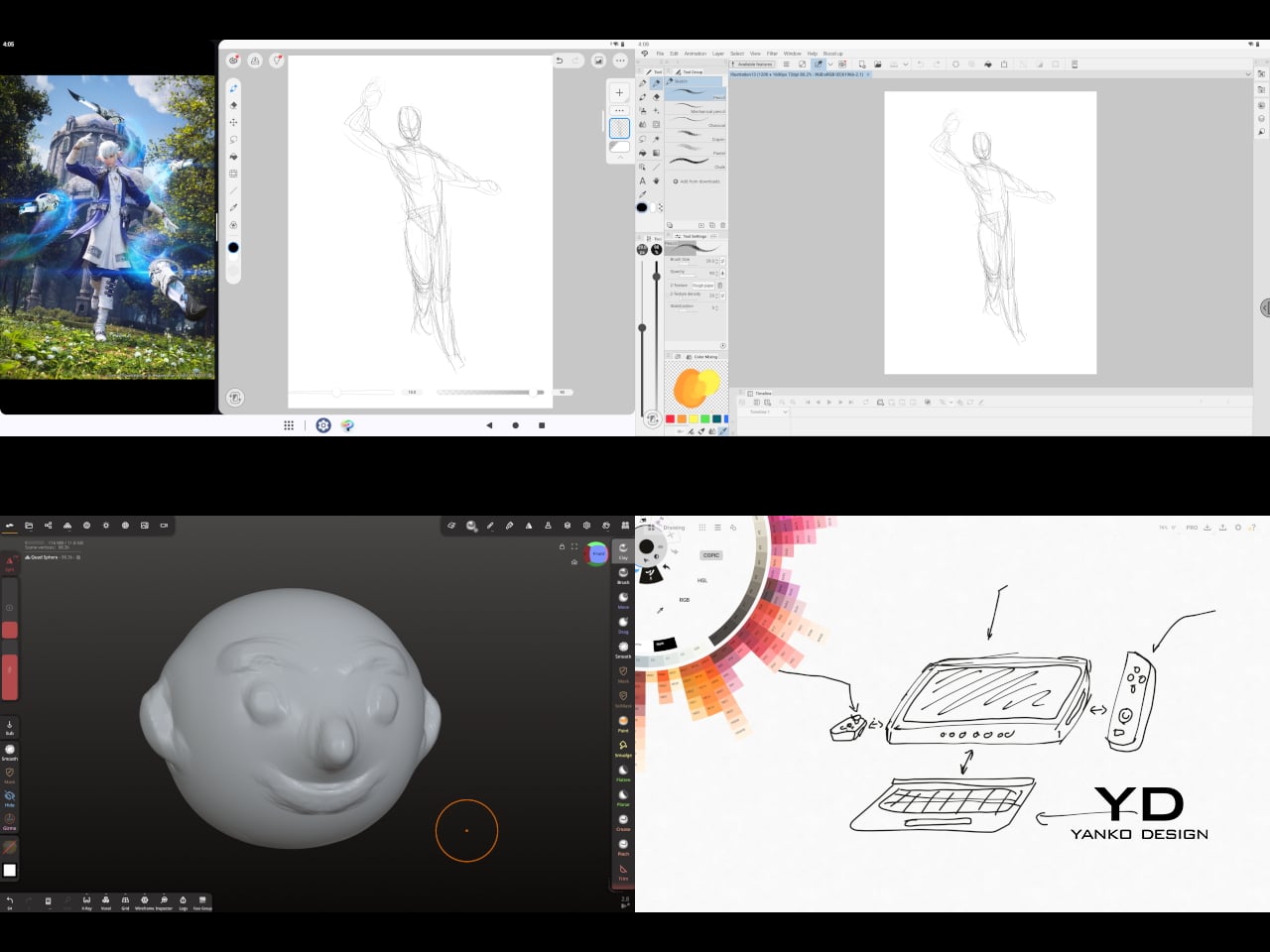
CONS:


  • Limited Passive Isolation: Less natural noise blocking due to the open-ear design.
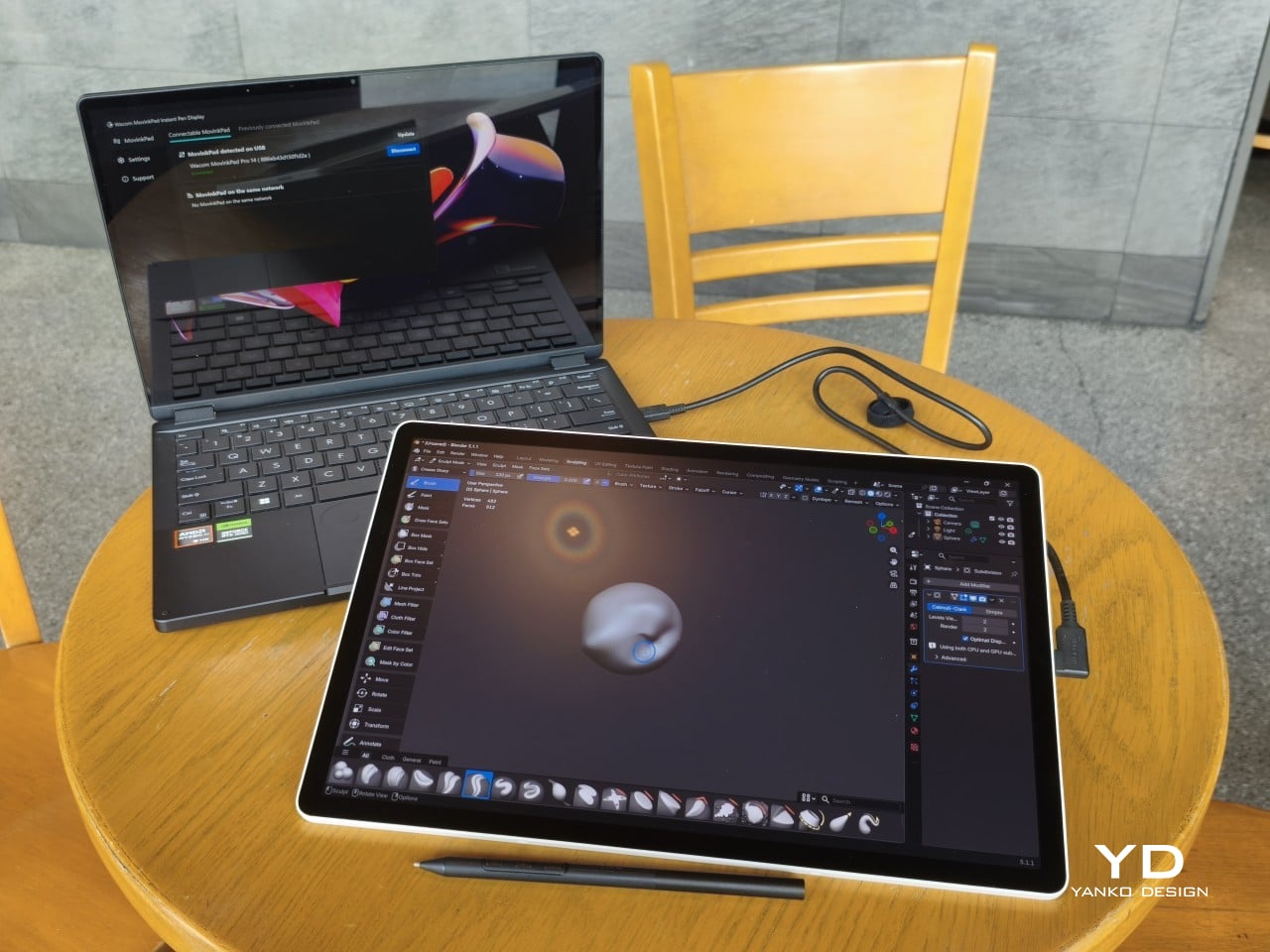
  • Reduced Battery with ANC: ANC shortens battery life to around 4 hours per charge.

RATINGS:

AESTHETICS
ERGONOMICS
PERFORMANCE
SUSTAINABILITY / REPAIRABILITY
VALUE FOR MONEY

EDITOR'S QUOTE:

AirPods 4 bring joy to everyday life with open-ear comfort, ANC, and seamless integration, all while delivering immersive sound.
award-icon

Apple’s back with the AirPods 4, and as someone who’s been using them for a bit now, I wanted to share my thoughts. Apple has refined nearly every aspect of this model, improving fit, sound, and functionality without losing sight of the simplicity that’s made AirPods a household name. If you’re like me and appreciate the open-ear style, especially for its comfort and lightweight feel, these new earbuds bring even more to the table. They deliver a more secure fit and significant performance enhancements that may surprise you. Whether you’re listening to music, taking calls, or multitasking throughout the day, the AirPods 4 strikes a delicate balance between staying connected to your surroundings and delivering top-tier audio quality. If you’ve been waiting for an upgrade or want to experience something a little more refined, these might be worth your attention.

Designer: Apple

Design That Feels Just Right

At first glance, the AirPods 4 look familiar—sleek and minimalist, just like we’ve come to expect from Apple. But when I picked them up, I noticed some subtle changes that made a real difference. Apple continues its commitment to minimalism but has introduced thoughtful design refinements aimed at enhancing comfort and stability.

Apple AirPods 4 + ANC

The external proportions and contours have been reimagined to ensure a more secure and comfortable fit. Apple used advanced 3D photogrammetry to analyze over 50 million ear shapes—which is pretty impressive if you ask me. By adjusting the width and refining the angle of the AirPods, they’ve managed to make them sit more securely in the ear without feeling intrusive. These changes focus less on dramatic visual differences and more on subtle enhancements that improve how they feel during daily use.

I found that they sit in my ears more reliably now, whether running to catch a flight, working in the kitchen, or rowing on the exercise machine. The refined contouring means they stay in place without needing constant readjustment, regardless of my activity. These design updates maintain the sleek, unobtrusive form while offering better support for all-day wear.

The stems are a bit narrower this time, housing the new H2 chip, which balances the earbuds nicely when I wear them. The force sensor in the stem remains an essential part of the design, allowing me to control music playback or calls effortlessly with a simple press. It keeps things straightforward without adding unnecessary buttons or touch controls that can sometimes be finicky.

The charging case also got an update—it’s over 10% smaller, which might not sound like much, but it’s noticeably more pocket-friendly. I’m not sure if Apple consciously decided to design the AirPods case’s size and shape to fit the coin pocket on jeans, but it’s the perfect place to carry them—making them the ultimate everyday carry device. This smaller size continues the trend of portability and ease of use, fitting seamlessly into your day-to-day routine without adding any bulk.

AirPods Pro 2 + AirPods 4 + ANC

Plus, it supports seamless charging options through USB-C, Qi wireless chargers, and even Apple Watch chargers. That is super convenient because I can use whatever charger I have handy.

While the aesthetic remains in line with previous models, these refined proportions make the AirPods 4 feel like a more mature evolution of the open-ear design that many of us already love.

Comfortable for the Long Haul

Wearing the AirPods 4 has been a comfortable experience, especially since I prefer open-ear designs over in-ear buds like the AirPods Pro. There’s a time and place for the closed-ear design of the AirPods Pro with passive noise cancellation—about 30% of the time for me, with airplanes being a prime example. But for the rest of the time, an open-ear design with Active Noise Cancellation is the ideal and best-case scenario in any setting. The AirPods 4 strike that perfect balance, offering comfort while keeping you connected to your environment when needed.

AirPods 4 + ANC

The refined shape accommodates a broader range of ear sizes, and I can wear them for hours without discomfort. The earbuds feel lightweight, and the pressure-equalization vents mean there’s no buildup of pressure inside my ears, which is something that used to bother me with other earbuds.

One feature I didn’t expect to appreciate as much as I do is the new touch-free Siri interaction. It’s neat to nod for “yes” or shake my head for “no” when responding to Siri notifications. It might sound a bit futuristic, but racing across terminals to catch a flight with a roller board in one hand and a coffee in the other, having both hands full, it’s a small convenience that makes multitasking feel effortless.
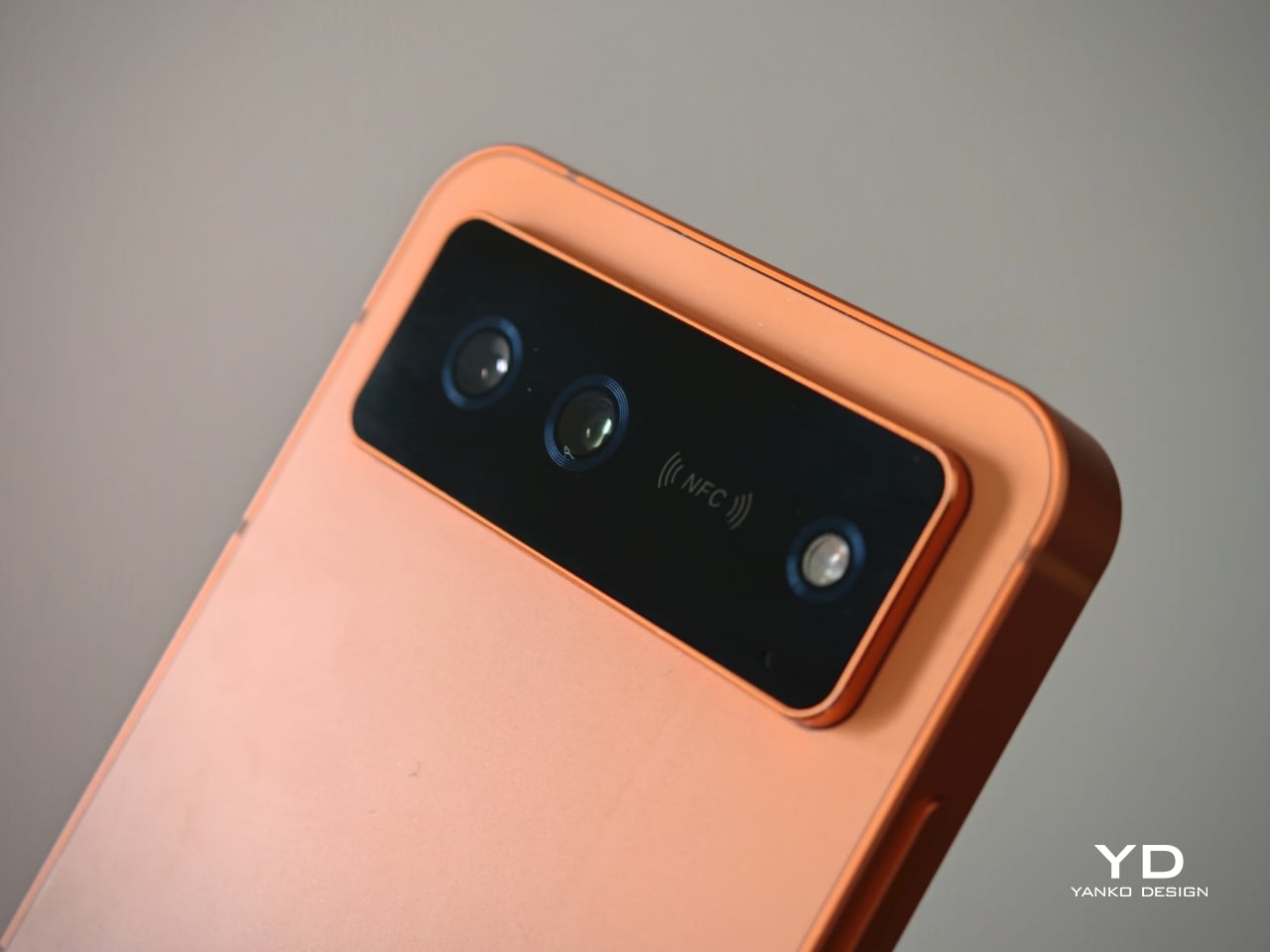
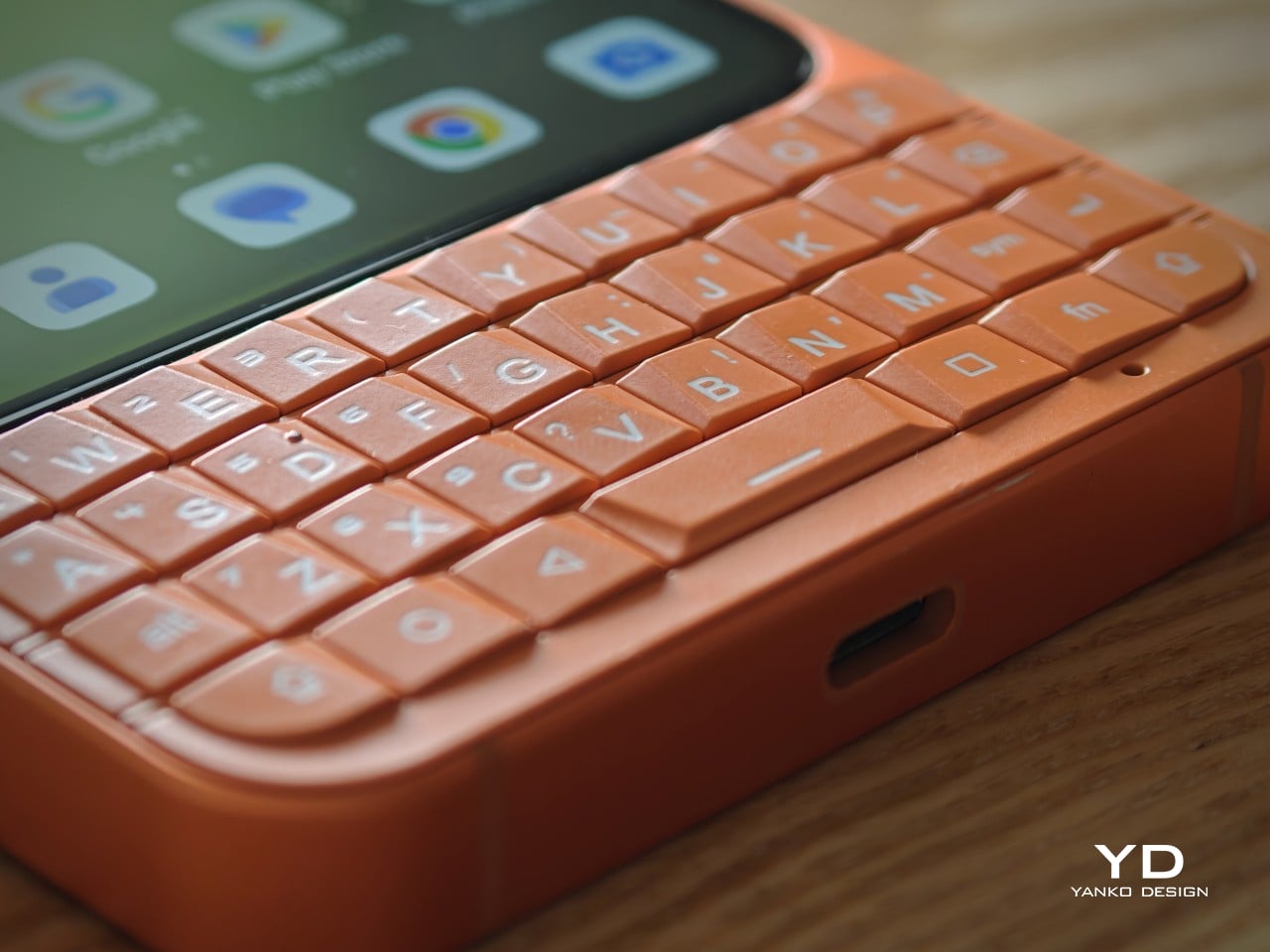
The AirPods 4 have held up well durability-wise. They’ve got an IP54 rating, so they’re resistant to dust, sweat, and a bit of water. I’ve worn them during workouts, and even if I was caught in the rain or a storm, I’m confident they’d survive with a clean. It’s reassuring to know they can handle the wear and tear of daily life.

Sound Quality That Surprises

Now, let’s talk about sound. I wasn’t sure what to expect from an open-ear design, but the AirPods 4 have genuinely impressed me. The audio is crisp, with richer bass and clearer highs than anticipated. The custom high-excursion driver and high dynamic range amplifier deliver powerful and nuanced sound well.

The big addition here is Active Noise Cancellation (ANC), and I was initially skeptical about how effective it could be in open-ear earbuds. Flying home from the Glowtime event, I sat in the window exit row—right by the engine—where the low hum can be incredibly distracting. To my surprise, the AirPods 4 with ANC did an impressive job drowning out the engine noise. I’d estimate they’re about 85-90% as effective as the AirPods Pro 2 in similar conditions. The difference in effectiveness comes down to the design: the AirPods Pro 2 benefit from their in-ear fit, which naturally provides passive noise cancellation, creating a tighter seal that blocks more external sound.

Still, considering the open-ear form of the AirPods 4, the ANC is remarkably good at reducing low-frequency sounds like airplane hums, the constant buzz of city traffic, or even those old-school AC units that sound like they’re on their last breath. While it’s not going to block out everything—this isn’t an over-ear headphone cocoon—it’s more than enough to let you get lost in your music or podcast. Even in noisy environments, I found myself more immersed in my media, which shows just how far Apple has pushed the boundaries of open-ear ANC technology. It’s a balance of staying aware of your surroundings while cutting out the distractions that would usually pull you away from the experience.

The real advantage here is that you can enjoy noise reduction without sacrificing comfort or situational awareness. You’re still connected to your surroundings, which is especially useful when you’re out walking or working in an office, yet the ANC does a great job of toning down the distractions that tend to pull you out of the experience. It’s a best-of-both-worlds scenario, and for someone who prefers open-ear designs, it’s a welcome evolution in noise-cancellation technology.

Adaptive Audio is another feature I’ve grown to appreciate. It adjusts between Transparency mode and ANC based on where I am. For example, if I’m walking from a busy street into a quiet café, it seamlessly recalibrates without me having to do anything. It’s one of those things you might not notice immediately, but it enhances the listening experience by adapting to your surroundings.

Calls are clearer, too. The Voice Isolation feature works wonders by filtering out background noise, making sure the person on the other end hears me loud and clear, even in busy or noisy environments. One of the things I appreciate about the open-ear design, though, is the sense of openness it provides during calls. With in-ear passive noise cancellation, I sometimes get that “clogged” feeling, and because of mild to moderate hearing loss, I tend to raise my voice—even with Adaptive Audio on—because I feel disconnected from my surroundings. However, the AirPods 4’s open-ear design eliminates that sensation entirely. A sense of freedom and natural sound flow lets me speak comfortably without that urge to shout.

AirPods Pro 2 vs AirPods 4 + ANC

It’s a refreshing difference. It doesn’t just make calls more pleasant—it also gives me a better handle on how I sound in various environments. When paired with Personalized Spatial Audio, watching movies or FaceTime calls becomes even more immersive, with sound that feels like it’s coming from all around, enhancing the experience without sacrificing that open, natural feeling.

Battery life has been solid, with up to 5 hours of listening time, which extends to around 30 hours with the charging case under typical conditions. Even with ANC enabled, it’s about 4 hours per charge. When I’ve been in a hurry, a quick 5-minute charge gives me roughly an hour of playback, which has been a lifesaver on multiple occasions. Of course, real-world battery life may vary slightly depending on volume levels and usage patterns, but I’ve found these estimates to be consistent with my experience.

A Step Toward Sustainability

It’s appreciative that Apple is making efforts toward sustainability with the AirPods 4. They’ve used 100% recycled rare earth elements in the magnets and recycled gold in the circuit boards. The solder on the main logic board is also made from recycled tin. Even the packaging is entirely fiber-based and 30% smaller than before, aligning with their goal to eliminate plastic packaging by 2025. It’s good to know that companies are thinking about environmental impact, and while it’s just a step, it’s a move in the right direction.

Is It Worth It?

Coming from a guy who owns two pairs of AirPods Pro 2, I can say the AirPods 4 have been a worthwhile addition to my collection. Why two, you might ask? Well, half of my flights are longer than 5 hours, so having a second pair handy is a lifesaver when the battery runs low mid-flight. Now, are the AirPods 4 worth the investment? They may not be the cheapest option, but the overall experience has impressed me. And yes, if I hadn’t been provided a pair to review, I’d 100% purchase one myself—especially for the open-ear design, seamless integration, and everyday convenience they bring.

Between the AirPods 4 and the AirPods 4 + ANC, I’d recommend the latter if finances permit. Not only do you get all the great features mentioned above, but ANC adds the ability to enjoy media without cranking up the volume to drown out background noise. Over time, this could help prevent hearing loss, which is a nice feature for anyone concerned about long-term listening habits.

If you’re already using Apple devices, the integration is seamless. They automatically switch between my iPhone, iPad, Mac, and even my Apple Watch without any effort on my part. Features like hands-free Siri and the Find My Case add that extra layer of convenience to my daily routine, making the AirPods 4 an essential part of my everyday carry.

Final Thoughts

Overall, the AirPods 4 have been a pleasant surprise. Apple managed to pack in some impressive features while keeping the design sleek and comfortable. They’ve made improvements without overcomplicating things, which I appreciate. Oh, and let’s not forget: Apple, in their infinite wisdom, decided to remove the pairing button. But don’t worry; you don’t have to jump through hoops to repair them. Instead of a button, you open the lid and tap the front twice to put them into pairing mode! Genius. A clever use of the accelerometer inside the case—so simple, it’s like magic. I’m starting to think they’re not just making earbuds but sneaking in little pieces of wizardry.

If you’re in the market for new earbuds and value sound quality, ease of use, and some thoughtful features—and you’re okay with the price tag—the AirPods 4 are worth considering. They’ve redefined what I thought was impossible with open-ear earbuds and quickly become part of my everyday carry.

The post AirPods 4 with ANC Review: Open-Ear Design That Works first appeared on Yanko Design.