The Sonder x Skarper Camino Solves the Two-Bike Problem with a Click

Most cyclists who commute and ride recreationally face an uncomfortable choice: buy a dedicated ebike for weekday miles and a separate unassisted bike for weekend adventures, or pick one and accept its limitations. The garage fills with frames, the budget stretches thin, and neither bike does both jobs particularly well. Sonder and Skarper have looked at this problem and proposed something different.

The Sonder x Skarper Camino collaboration bundles three gravel bike configurations with the Skarper DiskDrive system pre-installed, creating what both companies call a “two bikes in one” solution. The concept is straightforward: clip on the motor for assisted commutes, unclip it for unencumbered gravel riding. What makes this interesting is not the idea itself, which conversion kits have promised for years, but the execution and the factory integration that distinguishes it from aftermarket retrofits.

Skarper’s approach to electric assist differs fundamentally from hub motors or mid-drives. The DiskDrive unit locks onto a specially designed rear brake rotor and delivers torque through that interface rather than through the wheel axle or crankset. This rotor-drive architecture means the motor sits at the chainstay, clips on and off without tools, and leaves no permanent frame modifications when removed.

How the DiskDrive System Works

Rotor-Based Power Delivery

The Skarper unit contains a 250W motor rated at approximately 45 to 50 Nm of torque depending on generation. Rather than spinning the wheel directly or pushing through the chain, it grips the proprietary DiskDrive rotor and rotates it, which in turn rotates the wheel. This mechanically simple layout avoids the planetary gears found in hub motors and bypasses the drivetrain entirely, which may reduce wear on chains and cassettes over time.

A 240 Wh internal battery provides the energy storage, with Skarper claiming a full charge time of roughly 2.5 hours. Range estimates land between 50 and 60 km in eco mode, dropping in higher power settings. These figures are modest compared to purpose-built ebikes with larger battery packs, but the trade-off is system weight: approximately 4.5 kg for the drive unit plus around 600 grams for the special rotor. Under 5.2 kg total when fitted, and zero added weight when the unit stays home.

Integration and Connectivity

The drive unit houses its control electronics alongside the motor and battery, incorporating wireless connectivity to apps and head units, including Bluetooth and, in some configurations, ANT+ and Wi-Fi. This allows communication with cycling computers and smartphone apps without requiring additional handlebar-mounted controllers or wiring runs along the frame. The interface remains clean whether the bike runs assisted or stripped down for pure pedaling.

Skarper designed the attachment mechanism for tool-free operation. The unit clicks into place on the rotor, locks securely for riding, and releases with a lever action. The transition takes seconds rather than minutes, which matters for riders who genuinely intend to use both configurations rather than leaving the motor permanently attached.

The Camino Platform

Gravel Geometry and Capability

Sonder’s Camino line has earned recognition as a capable adventure platform before this collaboration existed. The geometry emphasizes stability and confidence on mixed terrain: a slack, gravel-ready head angle in the high 60s, a long wheelbase that tracks predictably over rough surfaces, and tire clearance that accommodates rubber wide enough for bikepacking or rough bridleway exploration. Internal routing supports dropper posts for technical descents.

The frame accommodates racks and accessories through multiple mount points, positioning the Camino as much for loaded touring as for fast gravel rides. Sonder markets these bikes for everything from UK B-roads to multi-day routes, which makes the addition of removable electric assist logical: the same frame that handles loaded bikepacking benefits from power assistance when covering urban miles with gear.

Available Configurations

The collaboration launches with three builds, each pairing a different Camino specification with the Skarper system pre-installed:

The entry point is the Camino Apex 1 Flat Bar at 2,649 GBP. The flat handlebar configuration and SRAM Apex 1x drivetrain position this build for commuter-first buyers who want gravel capability without drop bar commitment. The aluminum frame keeps costs reasonable while the Skarper system adds the assisted dimension.

The Camino Al GRX1 at 2,999 GBP moves to drop bars and Shimano GRX 610 12-speed gearing. This build targets the rider who wants traditional gravel geometry with quality shifting and the option of motor assistance. The aluminum frame carries through from the flat bar model.

At the top sits the Camino Ti GRX1 at 4,249 GBP, pairing the titanium frame with GRX 1x and the Skarper drive. Titanium’s compliance and durability appeal to riders thinking in decades rather than seasons, and the “forever bike” logic extends to the modular motor: invest in a frame that lasts, add or remove assistance as needs change over time.

Value Proposition and Market Position

Pricing Logic

The standalone Skarper conversion kit sells for 1,495 GBP. Buying a regular Camino and adding Skarper separately would cost more than these bundled configurations, which means the partnership delivers genuine pricing advantage rather than merely convenience. Whether the discount compensates for the commitment of buying a specific bike with a specific motor system depends on individual circumstances, but the math favors the bundles.

Compared to purpose-built electric gravel bikes, the starting price of 2,649 GBP positions these configurations competitively. The differentiation comes from capability: remove the Skarper unit and you have a conventional gravel bike that weighs and rides like a conventional gravel bike. Purpose-built ebikes carry their motors and batteries permanently, adding weight and changing handling characteristics regardless of whether you want assistance on any given ride.

Who This Serves

The target buyer emerges clearly from the product logic: someone who commutes by bike during the week and rides gravel on weekends, who lacks space or budget for two dedicated machines, and who wants neither a permanently heavy ebike nor a permanently unassisted bike that exhausts them before arriving at the office. The Skarper system’s quick-release nature makes the dual-use scenario practical rather than theoretical.

Neil Sutton, Sonder’s product manager, frames it around simplicity and adventure, noting that the removable drive “keeps a Sonder feeling like a Sonder” when unclipped. Ean Brown, Skarper’s CEO, emphasizes freedom and flexibility over the alternative of owning “a second heavy bike.” Both statements acknowledge the core insight: versatility matters most when it does not require permanent compromise.

Availability and Upgrade Path

The three Sonder x Skarper models are available immediately through Alpkit stores, Alpkit’s website, and Selfridges in London. The retail presence at Selfridges suggests positioning beyond core cycling audiences, reaching urban consumers who might not otherwise visit specialty bike shops.

Existing Sonder owners can purchase Skarper add-on kits with free professional installation at participating Alpkit stores. This upgrade path extends the collaboration’s reach beyond new bike sales, allowing current Camino riders to convert their frames without buying a complete new build. The factory integration remains cleaner, but the option exists for those already invested in the platform.

Design Significance

The Sonder x Skarper collaboration represents something worth watching in the electric cycling space: an OEM partnership that treats removable assist as a feature category rather than an aftermarket addition. Most ebikes build their motors permanently into the frame architecture. Most conversion kits remain aftermarket products that buyers install themselves. This sits between those models, offering factory confidence with modular flexibility.

Whether the rotor-drive approach gains broader adoption depends on how well Skarper’s execution holds up to real-world use and whether other frame manufacturers follow Sonder’s lead. For now, the Camino collaboration offers one answer to the two-bike problem: a gravel bike that becomes an ebike when you want it to, and becomes a gravel bike again when you do not.

The post The Sonder x Skarper Camino Solves the Two-Bike Problem with a Click first appeared on Yanko Design.
Sound Maestro Splits Songs Into 4 Speakers You Conduct With a Baton

Most smart speakers are designed to disappear, cylinders and pucks that sit in a corner and wait for voice commands. That is convenient but also a bit dull; you talk, they respond, and the hardware never really asks you to engage with it. Sound Maestro is a concept that goes the other way, imagining a living room as a small orchestra pit you can actually conduct with gestures instead of just tapping a screen.

Sound Maestro is a speaker inspired by an orchestra conductor that consists of three core parts: the conductor’s podium, the instruments, and the conductor’s baton. When everything is docked together, it reads as a single object, but each of the four modular speakers can be detached and assigned a different musical part, vocals, drums, bass, and melody, each with its own LED color glowing underneath the grille.

Designer: Geonwoo Kang

The system uses AI to split a track into four stems and send each to a different speaker, so one cube carries the vocal, another the drums, another the bass, and another the melody. The LEDs on each unit glow in a unique color, making it easy to see which part is where. This spatial mapping of sound means the mix becomes something you can see and point at, not just hear as a single stereo image coming from two speakers.

The baton-shaped controller is the main interface. In Maestro Mode, you twist a dial to enter a state where the default buttons are locked, zand you control speakers by pointing and gesturing. A quick left-right wave skips tracks, a slow up-down motion adjusts volume with LED brightness as feedback, and drawing a circle pauses or resumes playback, with all LEDs turning off or on to confirm what just happened.

Remote Control Mode lets the same baton behave more like a traditional remote. You still point it at a specific speaker, but now you press buttons instead of waving. This lets you fine-tune or mute individual units without the full theatricality of Maestro Mode. The two modes together acknowledge that sometimes you want to perform, and sometimes you just want to nudge the volume down on the drums without getting up.

The main speaker takes its form from an orchestra podium and acts as the system’s brain. It handles the main bass that anchors the center and runs the AI that assigns parts to each satellite. A small display shows the current mode, battery levels, and which part each speaker is playing, so you can glance down and see the state of your orchestra without opening an app.

1

Sound Maestro pokes at the idea that home audio can be more than invisible boxes and playlists. By giving each part of a song its own physical presence and letting you conduct with a baton instead of a touchscreen, it makes listening into a small performance. Whether or not you want to wave a stick in your living room, the idea that a speaker system could ask you to point, gesture, and conduct instead of just pressing play feels like a surprisingly theatrical take on what modular audio might become.

The post Sound Maestro Splits Songs Into 4 Speakers You Conduct With a Baton first appeared on Yanko Design.
Based on sensors in game controllers, this upper-limb wearable robot will help you with your daily chores

One thing exoskeletons have done right is help with motor rehabilitation. Of course, their size and weight have decreased over time, but most of those available are suitable for rehabilitation, load-bearing assistance, and similar purposes. However, they are not designed for daily wear. Not concentrating on the lower limb, which is a saturated market, a duo of budding South Korean designers has targeted the upper limb; creating a wearable robot that can be worn for daily usage.

It’s called the Sleev. For now, it’s not far beyond the drawing books, but from how and what it’s projected to be built for, its God damn great solution for the purpose. Sleev is designed as a daily upper-limb exosuit (wearable robot). It supports independent arm movement and is effortless to wear and remove: just one hand, no more!

Designers: Youngha Rho and Sungchan Ko

It’s not that we are seeing a robotic assistant for the arm for the first time. The market is flooded with iterations of bulky and inconvenient wearable robots that are designed with a great level of technological input and robotic sensors, but somehow make the wearer feel like a cyborg. With its sleek and lightweight limb, the Sleev is conceptualized to change that for a robotic assistant that you would like to wear. It can be strapped on like any other elbow brace to provide assistance in its movement. In addition to being a crucial option for people recovering from stroke or sports injury, the Sleev (for its design and attractive appearance) will augment daily tasks like lifting and carrying; you will like wearing it when carrying a baby for a long time or doing groceries and have a lot of packets to carry back home.

As a wearable robot conceptualized to integrate exoskeletons into our daily life, the Sleev is also strong and intelligent enough to support with rehabilitation activities. To ensure this, the design is integrated with FMG (force myography), a method that detects movement intentions through muscle pressure. The muscle pressure is different in people based on their gender, height, weight, and age. So, for the data accuracy and for the correct functioning of the wearable robot, this information about the users will be necessary. And a larger database will ensure better results, the designers believe.

Collaborating FMG with IMU sensors, the designers suggest, they can allow the algorithm to know where the user intends to move and help them with it accordingly. Both these sensors are affordable and commonly used in game controllers, so they should not be overly expensive when Sleev can find itself into mass production. Interestingly, it relates its movements based on muscle strength and intention. The Sleev doesn’t need to be worn directly on the skin; users can wear it over a thin innerwear as well and go on with it during their daily activities.

The post Based on sensors in game controllers, this upper-limb wearable robot will help you with your daily chores first appeared on Yanko Design.

Naya Connect Keyboard Lets You Snap On a Trackball, Numpad, or Dial

Most desks end up with a nice mechanical keyboard, a separate mouse, maybe a trackpad, a macro pad, and, if you work in 3D, a space controller, all fighting for room. Keyboards stay fixed layouts, even as workflows get more complex and tools multiply. Naya Connect treats the keyboard as the center of a modular workstation instead of just another rectangle, letting the rest of your input tools snap onto it and adapt as your work changes.

Naya Connect is a low-profile mechanical ecosystem built around the Naya Type keyboard and a dock. Naya Type is a slim 75% board with an aluminum body, Kailh Choc V2 switches, and a 14.9 mm profile, designed to be wireless when paired with the dock. The interesting part is not the layout, but what can snap onto it, a family of input modules that attach magnetically and talk to the same software layer.

Designer: Naya

The keyboard and dock have magnetic connection points on both sides, letting you attach modules wherever they make sense. You can add a Multipad as a numpad or macro pad, a six-key strip for extra shortcuts, or build a full console by chaining modules along one edge. The system grows sideways with your workflow instead of forcing you into a single configuration that never quite fits once your needs shift or projects change.

The modules cover different input modes. A Multipad acts as a numpad or macro grid, a six-key strip handles quick actions, a Track module replaces a mouse with a trackball, a Touch module works like a compact touchpad, a Tune dial offers dynamic haptics for scrubbing timelines or adjusting values, and a Float puck gives six degrees of freedom for 3D navigation and camera control.

The hardware only works because the software is flexible. Naya Flow is the configuration app that lets you remap keys, tune module behaviour, and build complex logic with drag-and-drop tools. You can set per-app profiles, change how the Tune dial feels depending on what you are doing, and decide what each touch zone or trackball gesture should trigger, without writing scripts or diving into config files.

The aluminum body, low-profile keycaps, and clean black aesthetic keep the keyboard from looking like a science project, even when it is covered in modules. The modules share the same design language, so a trackball, dial, and macro pad feel like parts of one system rather than a pile of mismatched gadgets. The result is a desk that looks intentional even when it is heavily customized and adapted to very specific tasks.

Naya Connect is aimed at people who live in code editors, timelines, spreadsheets, or 3D scenes all day and want input tools that can evolve with their work. It is not trying to be a mass-market keyboard. Instead, it’s trying to be a platform that grows and reconfigures as often as the projects do, without asking you to keep buying entirely new peripherals or cluttering the desk with orphaned tools.

The post Naya Connect Keyboard Lets You Snap On a Trackball, Numpad, or Dial first appeared on Yanko Design.

7 Best Last-Minute Gifts That Look Incredibly Thoughtful

Finding a gift that arrives quickly without screaming “panic purchase” requires more than fast shipping. The best last-minute presents carry weight beyond their delivery speed—they reflect care through considered design, quality materials, and the kind of details that suggest you’ve been thinking about the recipient all along. These aren’t placeholder gifts. They’re objects that tell a story about taste, intention, and understanding what someone actually values.

The designs featured here share a quiet sophistication that transcends their availability. Each piece balances immediate gratification with lasting presence, turning a compressed timeline into an advantage rather than a compromise. From Japanese craftsmanship to innovative functionality, these gifts feel curated, not rushed. They’re the kind of presents that make people ask where you found them, never when you ordered them.

1. FoldLine Pen Roll

The ritual of writing deserves more than a cluttered pencil case. This leather pen roll transforms from compact storage into an instant workspace tray, giving anyone who thinks through their hands a moment of calm before the first mark hits paper. Made from single-piece Italian vegetable-tanned leather, it cradles writing instruments without rattling or scratching, creating separation through intelligent folding rather than bulky dividers. The design feels meditative—unzip from either side, unfold in two seconds, and suddenly any coffee shop counter becomes a defined creative zone.

What makes this gift feel intentional is how it anticipates the recipient’s actual needs. The hollow interior remains slim even when fully loaded, allowing it to slip into bags without adding bulk. The machined Italian snap closure delivers that satisfying tactile click that premium objects should. Over time, the Minerva Box leather from Badalassi Carlo tannery develops a patina unique to its owner’s habits, aging beautifully rather than simply wearing down. For writers, artists, or anyone who carries their tools with purpose, this feels less like an accessory and more like an extension of how they work.

Click Here to Buy Now: $135.00

What we like

  • The origami-inspired folding mechanism creates a tray without adding bulk to the closed form.
  • Single-piece leather construction eliminates internal stitching that could damage the pen’s finish.
  • Ambidextrous design opens cleanly from either direction for effortless access.
  • Natural vegetable tanning ensures the leather improves with age rather than deteriorating.

What we dislike

  • The premium Italian leather and Japanese craftsmanship place it at a higher price point.
  • Limited capacity means prolific pen collectors might need multiple rolls.

2. StillFrame Headphones

Listening becomes physical again with headphones that bridge the gap between intrusive over-ears and tinny earbuds. The StillFrame design pays homage to the era when albums came in jewel cases, and playlists required intention, translating that 80s-’90s geometry into a featherlight on-ear experience. At just 103 grams, they disappear physically while the 40mm drivers expand the soundstage into something you can almost walk through. This is music as landscape rather than background noise, perfect for anyone who still believes albums deserve to be heard in order.

The thoughtfulness reveals itself in adaptable features that respect how people actually move through their days. Active noise cancelling carves out solitude during commutes, while transparency mode keeps you connected during collaborative moments. The magnetic fabric ear cushions swap instantly—each set includes light gray and turquoise options alongside white, letting the listener match mood rather than trend. With 24 hours of battery life and both wireless and wired connectivity, these headphones refuse to choose between convenience and quality. They feel like a gift for someone whose relationship with music goes deeper than streaming algorithms.

Click Here to Buy Now: $245.00

What we like

  • The 40mm drivers deliver an open, spacious soundstage that brings detail to melodic layers.
  • The magnetic cushion system allows quick color changes to match different aesthetics or moods.
  • Hybrid wireless and USB-C wired connectivity accommodates both casual streaming and high-resolution playback.
  • Exceptional 24-hour battery life eliminates the daily charging routine.

What we dislike

  • On-ear design may feel less isolating than over-ear alternatives for some preferences.
  • The exposed circuitry aesthetic, while intentional, might not suit every style sensibility.

3. ClearFrame CD Player

Physical media returns not as nostalgia but as a deliberate choice with a CD player that treats album art as essential to the listening experience. The transparent polycarbonate body frames each disc like a miniature gallery installation, with exposed black circuitry turning electronics into visible craftsmanship. This isn’t about abandoning streaming—it’s about reclaiming the ritual of selecting an album, seeing its artwork, and committing to the full experience. The square silhouette creates a display-worthy presence whether sitting on a shelf or mounted on a wall.

The design respects modern flexibility without sacrificing its analog soul. Bluetooth 5.1 connects to contemporary speakers, while the headphone jack accommodates direct listening. The rechargeable battery delivers seven to eight hours of portable playback, making it genuinely untethered from outlets. Multiple playback modes let you experience a full album, repeat everything, or loop a single track until it becomes part of you. For anyone who still owns CDs or wants to rediscover their collection, this feels like permission to care about format again. It’s a gift that validates the recipient’s belief that how you listen matters as much as what you hear.

Click Here to Buy Now: $199.00

What we like

  • Crystal-clear housing transforms the player itself into a visual display piece.
  • Exposed circuitry celebrates the engineering rather than hiding it behind plastic shells.
  • Bluetooth connectivity modernizes the format without requiring all-new equipment.
  • Wall-mount capability turns album covers into rotating artwork.

What we dislike

  • The 300-gram weight, while manageable, makes it less portable than pocket-sized digital players.
  • Playback limited to CD formats means no direct streaming integration.

4. Auger PrecisionMaster Grooming Set

Grooming becomes a discipline rather than a chore when every tool performs with surgical precision. This all-black Japanese grooming set from Kai Corporation distills over a century of blade-making expertise into five essential instruments: razor, tweezers, scissors, nail file, and clipper. Each piece reflects the belief that self-care is self-mastery, turning daily maintenance into a quiet form of control. The aesthetics lean minimal and matte, avoiding flashy branding in favor of pure functional elegance. For someone who values preparation and presentation, this set says you understand that details matter.

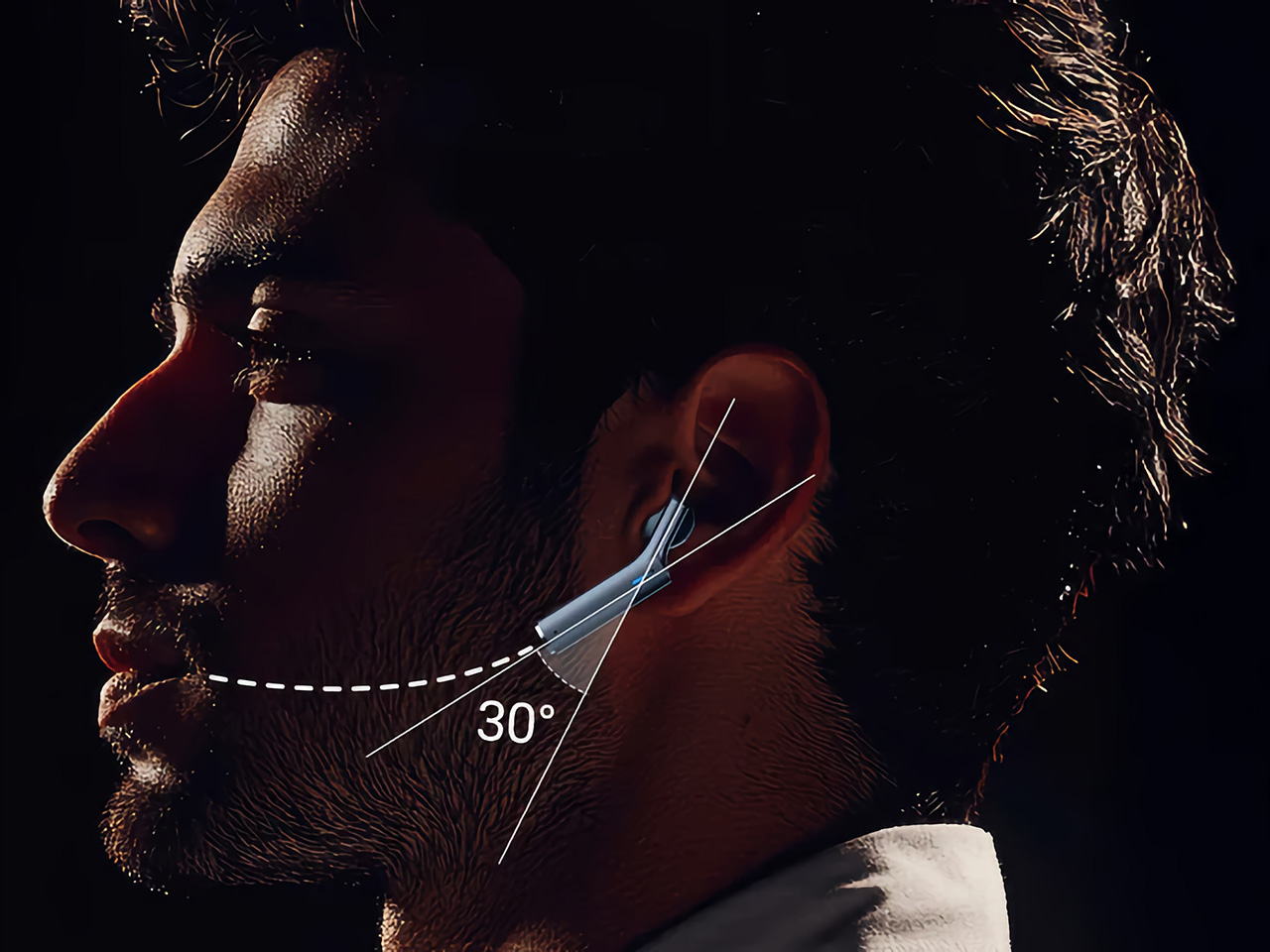
The engineering separates these from drugstore alternatives. The razor features a world-first 30-degree adjustable angle with a 3D pivoting head that follows facial contours even in reverse strokes. The tweezers include a patented stopper and ergonomic groove for pinpoint control. Ultra-thin curved scissors follow the natural lines of brows and beards with near-surgical finesse. The nail clipper’s rotating lever mechanism delivers cutting power with minimal effort, especially on thicker nails. Compact yet weighted, the entire set feels substantial without bulk. This is the gift for someone whose morning routine is deliberate, refined, and entirely under their command.

Click Here to Buy Now: $149.00

What we like

  • Kai Corporation’s 116-year blade-making heritage ensures professional-grade sharpness and durability.
  • The adjustable-angle razor accommodates different shaving techniques and hard-to-reach areas.
  • Patented mechanisms in the tweezers and clipper demonstrate genuine engineering innovation.
  • Cohesive all-black aesthetic creates a unified, sophisticated presence.

What we dislike

  • The precision-engineered components come at a premium compared to basic grooming tools.
  • Learning to use the adjustable razor features optimally requires some initial practice.

5. ZenFlow Personal Aroma Diffuser

Scent becomes portable and personal with a diffuser that treats aromatherapy as art rather than an appliance. The ZenFlow combines a handcrafted porcelain filter from a 180-year-old Japanese pottery house with a precision-engineered metal base, creating something that belongs on display as much as in use. The hybrid heat and airflow system disperses essential oils without water or mist, eliminating the mess and maintenance of traditional diffusers. Just two to three drops transform a 1.5-meter radius into a personal sanctuary, making this ideal for desks, nightstands, or any space that deserves its own atmosphere.

The design philosophy balances heritage with adaptability. Available in silver, gold, or black finishes—each with distinctive textures inspired by Japanese metalworking traditions—the diffuser complements minimalist, modern, or traditional interiors equally. Three modes adjust intensity: Normal for invigorating presence, Airflow for subtle background, ECO for energy-conscious extended use. The battery-powered portability means scent follows you rather than tethering you to outlets. Washable, reusable aroma plates eliminate disposable waste. For someone who curates their environment intentionally, this gift acknowledges that ambiance matters and offers them the tools to control it precisely.

Click Here to Buy Now: $169.00

What we like

  • Handcrafted Shibukusa Ryuzo porcelain filters bring 180 years of artisanal expertise to functional design.
  • Water-free operation eliminates refilling hassles and prevents mold or mineral buildup.
  • Portable battery design allows scent customization in any location without cord constraints.
  • Washable plates support sustainable, repeated use without replacement costs.

What we dislike

  • The 1.5-meter effective radius suits personal spaces better than large open rooms.
  • Premium materials and heritage craftsmanship position it above basic diffuser pricing.

6. AromaCraft Clothes Brush

Garment care becomes a sensory ritual with a brush that cleans while subtly scenting. Made by the Miyakawa Hake Brush Workshop—a family operation running since 1921—this tool combines traditional hand-planted white boar bristles with an innovative aromatic paper insert. Add a few drops of essential oil to customize the fragrance, then let each brush stroke remove dust and pollen while leaving clothes refreshed and subtly perfumed. The walnut wood handle, finished with shea butter, feels substantial and smooth, aging beautifully with regular use. This is the gift for someone who treats their wardrobe as an investment rather than an inventory.

The Tsubokuri method of bristle planting ensures longevity that machine-made brushes can’t match. Each bristle is individually secured, preventing shedding and maintaining consistent performance through years of use. White boar hair is firm enough to lift embedded particles from deep within fabric fibers yet gentle enough to protect delicate textiles. The aromatic element transforms functional maintenance into a moment of personalization—your favorite wool coat can carry hints of cedarwood, bergamot, or whatever scent centers you. For anyone who appreciates clothing that lasts, this brush extends garment life while making care feel less like labor and more like meditation.

Click Here to Buy Now: $149.00

What we like

  • Hand-planted bristles using century-old techniques ensure durability and prevent shedding.
  • Customizable aromatic paper insert allows personal scent preferences for each use.
  • White boar bristles balance effective cleaning with gentle fabric care.
  • Walnut and shea butter construction ages gracefully rather than degrading.

What we dislike

  • The artisanal construction process results in a higher cost than synthetic alternatives.
  • Aromatic papers require periodic replacement depending on usage intensity.

7. ClearMind Kendama

Focus finds form in a traditional Japanese skill toy that turns coordination into meditation. Crafted by Tokyo Kendama from solid walnut and maple, this isn’t childhood nostalgia—it’s a tool for building presence and breaking mental loops. The kendama’s simple challenge—catch the ball on the cup or spike—creates flow states that quiet mental noise better than scrolling ever could. Larger cups and an enlarged spike hole make tricks more achievable, building confidence through success rather than frustration. The unpainted wood develops character with use, gaining a patina that reflects your practice journey.

What makes this gift feel considered is how it offers an alternative to screen-based downtime. The unique bearing system prevents string twisting, maintaining smooth play without constant adjustment. The rough-textured surface and Japanese cowhide leather label add tactile richness that makes picking it up satisfying before you even attempt a trick. Each successful catch delivers a small dopamine hit earned through skill rather than algorithm. For someone seeking mindful breaks or creative challenges, the kendama becomes a desk companion that grounds rather than distracts. It’s permission to play with purpose, to build something through repetition, to find calm through focused movement.

Click Here to Buy Now: $59.00

What we like

  • Solid walnut and maple construction ensures durability while developing a unique patina over time.
  • Larger cups and tama holes increase success rates, making skill progression more rewarding.
  • Bearing system minimizes string twisting for smoother, more consistent play.
  • Natural materials and craftsmanship create an heirloom-quality feel.

What we dislike

  • The learning curve requires patience to master even basic tricks.
  • Unpainted wood may show wear marks more visibly than finished alternatives.

Finding Thoughtfulness in Urgency

The best last-minute gifts succeed because they contain stories worth telling. Each design here carries provenance—Japanese workshops with century-long legacies, innovative engineering that solves real frustrations, and materials that improve rather than degrade with time. These aren’t products rescued from generic bestseller lists. They’re objects that communicate care through their existence, regardless of when you discovered them. The compressed timeline becomes invisible when the gift itself holds weight.

What separates thoughtful from desperate is whether the gift reflects the recipient or merely fills space. The designs featured here offer enough specificity to feel personal—tools for writing rituals, listening experiences, grooming discipline, environmental curation, garment care, and mindful play. They suggest you understand how someone moves through their world and what they value in that movement. Speed of delivery never appears in the thank-you note. Quality, consideration, and alignment always do.

The post 7 Best Last-Minute Gifts That Look Incredibly Thoughtful first appeared on Yanko Design.
Hourglass Solar Lamp Has No Switch, Just Flip It to Charge or Light

Solar power usually shows up as something big and remote, panels on roofs, fields of photovoltaics, or chunky outdoor lanterns that live on balconies. Very little of it feels like part of everyday indoor life. Nomad is a portable solar lamp that tries to shrink that idea down to the scale of a desk or bedside table, making daylight into a small daily habit instead of infrastructure you install and forget about.

Nomad is a portable solar lamp charged indoors by natural light, with a symmetrical shape understood like an hourglass. Turning the lamp over switches between two modes, solar charging and ambient lighting, and this flip is the only real interaction. The lamp becomes its own panel and its own shade, depending on which disc is facing up, so the ritual of using it is also the ritual of charging it.

Designers: Moritz Walter, Michelle Muller

In charging mode, the solar panel disc faces upward, and the lamp stands on its light-emitting base, soaking up whatever daylight the room offers. In lighting mode, you flip it so the light disc faces up and the panel becomes the base. There is no separate switch; the act of turning the object over is how you decide whether you are storing light or spending it, which makes the interaction feel almost automatic after a few days.

The subtle LED display on the side of the column is a vertical row of dots that visualizes the light quality in a room. In charging mode, more or brighter LEDs mean better solar potential. This invites you to move the lamp around, onto a windowsill, a stack of books, or a shelf, and see where it charges fastest. Over time, you build a mental map of where your home is secretly good at catching sun.

The visual language is a matte-finished column and two discs in muted colors like light grey and deep blue, with the solar panel flush in one disc and a warm, diffuse light in the other. The lamp looks more like a small side table or plinth than a gadget, which matters if it is going to live in a living room. The tech is present but quiet, so it can sit on books or a credenza without shouting solar device.

Nomad is an autonomous object that draws on solar energy, a freely available, sustainable resource, and makes it usable on a small scale for indoor use. It is not trying to power your house; it is trying to power itself. That autonomy means you can have a pool of warm light in the evening that owes nothing to the grid, just to where you left the lamp during the day and how well the sun reached it.

Nomad quietly reframes daylight from background condition to something you can actively harvest and read. Instead of an app full of charts, you get a lamp you flip and carry, and a line of LEDs that tell you when you have found a good spot. It is a small, almost toy-like way of making solar feel tangible indoors, turning the light already in your home into a resource you can actually use instead of just measuring it on a weather app.

The post Hourglass Solar Lamp Has No Switch, Just Flip It to Charge or Light first appeared on Yanko Design.
YURON 4K Transmitter Connects Instantly, No Network or App Required

Getting a laptop or tablet onto a TV or projector usually involves digging for the right cable, switching inputs, or wrestling with built-in casting that drops connections at the worst moment. This happens in meeting rooms, classrooms, and living rooms, turning simple screen sharing into a minor technical puzzle. A small, dedicated wireless bridge feels like a relief when it just works without software or setup rituals that waste five minutes before anything appears.

YURON is a plug-and-play 4K transmitter and receiver pair that lives in a bag or drawer until needed. One end plugs into a device over USB-C or HDMI, the other into a display’s HDMI port, and the link comes up automatically over its own 5G Wi-Fi connection. No apps, no pairing, no joining a network, just a direct path for video and audio that starts working the moment both sides power on.

Designer: YURON

Click Here to Buy Now: $59 $129 (54% off). Hurry, only 67/1000 left! Raised over $158,000.

YURON handles 4K 60 Hz HDR10 video up to 45 m, using H.265 compression, adaptive 5G Wi-Fi, and error correction to keep the picture smooth. It is fast enough for presentations, movies, and casual gaming, with audio and video traveling together, so there is no awkward lag. The point is to make the wireless link feel as transparent as a cable, without the cable running across the floor or desk.

1

Walking into a meeting room or classroom, you plug the receiver into the display once, then let different laptops or tablets take turns with the transmitter. YURON supports both mirror and extended modes, so someone can present slides on the big screen while keeping notes or chat on their own display. The 45 m range means it works in larger rooms without needing to huddle near the projector.

1

In a living room or dorm setup, a laptop, handheld console, or streaming box can send 4K content to a TV without an HDMI run. The low latency and 60 Hz refresh make it comfortable for games and sports, and the lack of app dependencies means guests can plug in and share videos or photos without installing anything. It becomes a quiet upgrade to movie nights and couch sessions.

1

The one-click control lets you cut the link instantly from the transmitter, useful when switching between apps with sensitive content or when you want to check something privately before sharing it again. A single receiver can pair with up to eight transmitters, with a button press cycling through them. In a studio, office, or classroom, multiple people can share the same screen without swapping cables or logging into accounts.

1

The hardware is compact and light enough to live on a key shelf or in a laptop sleeve, with a USB-C port that supports up to 100W Power Delivery, so a laptop can stay charged through the same connection. The internal cooling design, with multiple thermal zones and ventilation holes, keeps performance stable during long 4K sessions. It is the kind of detail that makes a small device feel engineered rather than improvised.

YURON turns screen sharing from a minor technical hurdle into something almost invisible. Instead of planning around cables or hoping a TV’s casting feature cooperates, you plug in a small pair of devices and treat any display as if it were directly connected. For people who move between work, study, and play, that kind of quiet reliability is often what makes a tool worth keeping in the bag, especially when the alternative is fumbling with adapters or explaining why the screen is still blank three minutes after the meeting was supposed to start.

Click Here to Buy Now: $59 $129 (54% off). Hurry, only 67/1000 left! Raised over $158,000.

The post YURON 4K Transmitter Connects Instantly, No Network or App Required first appeared on Yanko Design.
Remember “The Ghiblification”? We Treated Ghibli As Disposable Because That’s How We Treat Everything

First, it was cottagecore, filling our feeds with sourdough starters and rustic linen. Then came the sharp, symmetrical pastels of the Wes Anderson trend, followed by a tidal wave of Barbie pink that painted the internet for a summer. Each aesthetic arrived like a weather front, dominating the landscape completely for a short time before vanishing just as quickly, leaving behind only a faint digital echo. They were cultural costumes, tried on for a season and then relegated to the back of the closet.

Into this cycle stepped Studio Ghibli, its decades of patient, handcrafted animation compressed into a one-click selfie generator. The resulting “Ghibli-fication” of our profiles was not a deep engagement with Hayao Miyazaki’s themes of environmentalism and pacifism; it was simply the next costume off the rack. The speed with which we adopted and then abandoned it reveals a difficult truth. Our treatment of Ghibli was a symptom of a much larger cultural pattern, one where even the most profound art is rendered disposable by the internet’s insatiable appetite for the new.

When everything becomes an aesthetic, nothing remains itself

Platforms thrive on legibility. Content needs to be instantly recognizable, easily categorized, and simple enough to reproduce at scale. This creates enormous pressure to reduce complex cultural artifacts into their most surface-level visual markers. A Wes Anderson film becomes “symmetrical shots in pastel.” A hit song from Raye (that marked her leaving a music label and following creative freedom) becomes just a fleeting 20-second TikTok dance about rings on fingers and finding husbands. Ghibli’s intricate storytelling about war, labor, and the natural world gets flattened into “soft colors and big eyes.”

The reduction is not accidental. It is the cost of entry into viral circulation. An aesthetic can only spread if it can be copied quickly, applied broadly, and understood immediately. Nuance, context, and depth are friction. They slow down the sharing, complicate the reproduction, and limit the audience. So they get stripped away, not out of malice, but out of structural necessity. What remains is a shell, a visual shorthand that gestures toward the original without containing any of its substance.

This process turns cultural works into raw material. A film, a book, a philosophical tradition, any of these can be mined for their most photogenic elements and reconfigured into something that fits neatly into a grid post or a TikTok filter. The original becomes less important than the aesthetic it can generate. Once the aesthetic stops performing well in terms of engagement metrics, the entire package gets discarded. The algorithm does not care about preservation or reverence. It cares about what is getting clicks and views today.

The appetite that cannot be satisfied

Social media platforms are built around a fundamental economic problem: they need to hold attention, but attention is finite and easily exhausted. The solution is constant novelty. If users get bored, they leave. If they leave, ad revenue drops. So the feed must always be serving something new, something that feels fresh enough to justify another scroll, another click, another few seconds of eyeball time.

This creates a culture of planned obsolescence for aesthetics. A look can only stay interesting for so long before it becomes familiar, then oversaturated, then tiresome. At that point, it has to be replaced. The cycle repeats endlessly, chewing through visual languages, artistic movements, and cultural traditions at a pace that would have been unthinkable even twenty years ago. What took decades to develop can be extracted, popularized, and discarded in a matter of weeks.

The speed of this churn has consequences. It trains us to engage with culture in a particular way: superficially, briefly, and without much attachment. We learn to skim surfaces rather than dig into depths. We participate in trends not because they resonate with us personally, but because participation itself is the point (the ice bucket challenge boosted ALS awareness for precisely 6 months). Being part of the moment, being visible within the current aesthetic wave, these become more valuable than any lasting connection to the work that aesthetic is borrowed from.

What sticks when the wave recedes

The irony is that while trends are disposable, the works they feed on often are not. Ghibli films continue to be watched, analyzed, and loved by new audiences long after the selfie filters have been forgotten. Wes Anderson’s movies did not become less meaningful because people used his color palettes for Instagram posts. The underlying art survives because it contains something that cannot be reduced to a visual shorthand.

What separates durable culture from disposable trends is substance that exceeds its surface. A Ghibli film rewards attention over time. The more you watch, the more you notice: the way labor is animated with dignity, the long quiet stretches that mirror real life’s pace, the refusal to offer simple moral answers. None of that fits in a filter. None of that can be mass-produced. It requires the viewer to bring time, focus, and openness to complexity.

This is what the trend cycle cannot replicate. It can borrow the look, but it cannot borrow the experience. It can create a momentary association with the aesthetic, but it cannot create the slow, layered engagement that builds lasting attachment. So the original work persists beneath the churn, waiting for the people who want more than a costume, who are looking for something to return to rather than something to discard.

Resisting the rhythm of disposability

Recognizing this pattern is not the same as escaping it. We are all embedded in systems that reward rapid consumption and constant novelty. The feed is designed to keep us moving, to prevent us from lingering too long on any one thing. Resisting that rhythm requires deliberate effort, a conscious choice to slow down when everything around us is accelerating.

That resistance can look small and personal: rewatching a film instead of merely watching a snippet of it on YouTube Shorts, reading longform essays instead of liking someone’s reel about it, spending time with art that does not immediately reveal itself. If anything, the pandemic allowed us to spend days culturing sourdough starter so we could bake our bread. The curfew ended and sourdough became a distant memory… but for those 6 months, we actually indulged in immersion. These acts do not change the structure of the platforms, but they change our relationship to culture. They create space for depth in an environment optimized for surface.

The broader question is whether we can build cultural spaces that do not treat everything as disposable. Platforms will not do this on their own; their incentives run in the opposite direction. But audiences, creators, and critics can push back by valuing longevity over virality, by rewarding substance over aesthetic repackaging, by choosing to engage with work in ways that cannot be reduced to a trend cycle.

Ghibli survived its moment as a disposable aesthetic because it was never fully captured by it. The films remain too slow, too strange, too resistant to easy consumption. They stand as a reminder that some things are built to last, even in an environment designed to make everything temporary. The real work is recognizing that difference and choosing to treat what matters accordingly.

The post Remember “The Ghiblification”? We Treated Ghibli As Disposable Because That’s How We Treat Everything first appeared on Yanko Design.
Remember “The Ghiblification”? We Treated Ghibli As Disposable Because That’s How We Treat Everything

First, it was cottagecore, filling our feeds with sourdough starters and rustic linen. Then came the sharp, symmetrical pastels of the Wes Anderson trend, followed by a tidal wave of Barbie pink that painted the internet for a summer. Each aesthetic arrived like a weather front, dominating the landscape completely for a short time before vanishing just as quickly, leaving behind only a faint digital echo. They were cultural costumes, tried on for a season and then relegated to the back of the closet.

Into this cycle stepped Studio Ghibli, its decades of patient, handcrafted animation compressed into a one-click selfie generator. The resulting “Ghibli-fication” of our profiles was not a deep engagement with Hayao Miyazaki’s themes of environmentalism and pacifism; it was simply the next costume off the rack. The speed with which we adopted and then abandoned it reveals a difficult truth. Our treatment of Ghibli was a symptom of a much larger cultural pattern, one where even the most profound art is rendered disposable by the internet’s insatiable appetite for the new.

When everything becomes an aesthetic, nothing remains itself

Platforms thrive on legibility. Content needs to be instantly recognizable, easily categorized, and simple enough to reproduce at scale. This creates enormous pressure to reduce complex cultural artifacts into their most surface-level visual markers. A Wes Anderson film becomes “symmetrical shots in pastel.” A hit song from Raye (that marked her leaving a music label and following creative freedom) becomes just a fleeting 20-second TikTok dance about rings on fingers and finding husbands. Ghibli’s intricate storytelling about war, labor, and the natural world gets flattened into “soft colors and big eyes.”

The reduction is not accidental. It is the cost of entry into viral circulation. An aesthetic can only spread if it can be copied quickly, applied broadly, and understood immediately. Nuance, context, and depth are friction. They slow down the sharing, complicate the reproduction, and limit the audience. So they get stripped away, not out of malice, but out of structural necessity. What remains is a shell, a visual shorthand that gestures toward the original without containing any of its substance.

This process turns cultural works into raw material. A film, a book, a philosophical tradition, any of these can be mined for their most photogenic elements and reconfigured into something that fits neatly into a grid post or a TikTok filter. The original becomes less important than the aesthetic it can generate. Once the aesthetic stops performing well in terms of engagement metrics, the entire package gets discarded. The algorithm does not care about preservation or reverence. It cares about what is getting clicks and views today.

The appetite that cannot be satisfied

Social media platforms are built around a fundamental economic problem: they need to hold attention, but attention is finite and easily exhausted. The solution is constant novelty. If users get bored, they leave. If they leave, ad revenue drops. So the feed must always be serving something new, something that feels fresh enough to justify another scroll, another click, another few seconds of eyeball time.

This creates a culture of planned obsolescence for aesthetics. A look can only stay interesting for so long before it becomes familiar, then oversaturated, then tiresome. At that point, it has to be replaced. The cycle repeats endlessly, chewing through visual languages, artistic movements, and cultural traditions at a pace that would have been unthinkable even twenty years ago. What took decades to develop can be extracted, popularized, and discarded in a matter of weeks.

The speed of this churn has consequences. It trains us to engage with culture in a particular way: superficially, briefly, and without much attachment. We learn to skim surfaces rather than dig into depths. We participate in trends not because they resonate with us personally, but because participation itself is the point (the ice bucket challenge boosted ALS awareness for precisely 6 months). Being part of the moment, being visible within the current aesthetic wave, these become more valuable than any lasting connection to the work that aesthetic is borrowed from.

What sticks when the wave recedes

The irony is that while trends are disposable, the works they feed on often are not. Ghibli films continue to be watched, analyzed, and loved by new audiences long after the selfie filters have been forgotten. Wes Anderson’s movies did not become less meaningful because people used his color palettes for Instagram posts. The underlying art survives because it contains something that cannot be reduced to a visual shorthand.

What separates durable culture from disposable trends is substance that exceeds its surface. A Ghibli film rewards attention over time. The more you watch, the more you notice: the way labor is animated with dignity, the long quiet stretches that mirror real life’s pace, the refusal to offer simple moral answers. None of that fits in a filter. None of that can be mass-produced. It requires the viewer to bring time, focus, and openness to complexity.

This is what the trend cycle cannot replicate. It can borrow the look, but it cannot borrow the experience. It can create a momentary association with the aesthetic, but it cannot create the slow, layered engagement that builds lasting attachment. So the original work persists beneath the churn, waiting for the people who want more than a costume, who are looking for something to return to rather than something to discard.

Resisting the rhythm of disposability

Recognizing this pattern is not the same as escaping it. We are all embedded in systems that reward rapid consumption and constant novelty. The feed is designed to keep us moving, to prevent us from lingering too long on any one thing. Resisting that rhythm requires deliberate effort, a conscious choice to slow down when everything around us is accelerating.

That resistance can look small and personal: rewatching a film instead of merely watching a snippet of it on YouTube Shorts, reading longform essays instead of liking someone’s reel about it, spending time with art that does not immediately reveal itself. If anything, the pandemic allowed us to spend days culturing sourdough starter so we could bake our bread. The curfew ended and sourdough became a distant memory… but for those 6 months, we actually indulged in immersion. These acts do not change the structure of the platforms, but they change our relationship to culture. They create space for depth in an environment optimized for surface.

The broader question is whether we can build cultural spaces that do not treat everything as disposable. Platforms will not do this on their own; their incentives run in the opposite direction. But audiences, creators, and critics can push back by valuing longevity over virality, by rewarding substance over aesthetic repackaging, by choosing to engage with work in ways that cannot be reduced to a trend cycle.

Ghibli survived its moment as a disposable aesthetic because it was never fully captured by it. The films remain too slow, too strange, too resistant to easy consumption. They stand as a reminder that some things are built to last, even in an environment designed to make everything temporary. The real work is recognizing that difference and choosing to treat what matters accordingly.

The post Remember “The Ghiblification”? We Treated Ghibli As Disposable Because That’s How We Treat Everything first appeared on Yanko Design.
This Flat Bottle Becomes a Kettle When You Need It Most

There’s something satisfying about products that do more with less. You know the feeling: when you discover a gadget that’s been cleverly engineered to solve multiple problems without adding bulk to your life. Tetra, a new travel bottle concept by designer Amal SS, nails that sweet spot between everyday practicality and outdoor functionality in a way that actually makes sense.

At first glance, Tetra looks like a streamlined water bottle dressed in a minimalist gray shell with sunny yellow corner accents. It’s flat, roughly the size of an A5 notebook, which immediately tells you someone thought hard about how this would actually fit in a backpack. But here’s where it gets interesting: that yellow base section? It’s not just decorative. It’s a detachable heating deck that transforms your water bottle into a portable kettle when you need it.

Designer: Amal SS

The modular approach is what sets Tetra apart from the crowded field of travel bottles trying to be all things at once. Instead of permanently integrating heating elements that add weight and complexity to something you might carry daily, Amal SS separated the functions. Need just a water bottle for your commute or gym session? Leave the Thermo-Deck at home and travel light. Heading into the wilderness for a camping trip? Snap it on and you’ve got hot water capability wherever you land.

This kind of thinking feels refreshingly practical in a world where most products seem designed to cram in every possible feature whether you need them or not. The architecture here respects how people actually use things. Your daily hydration needs don’t require heating functionality, so why carry that extra weight around? But when you’re watching the sunrise from a mountaintop or setting up camp after a long hike, having the ability to heat water for coffee or tea without packing separate equipment becomes genuinely valuable.

The design language speaks to durability and thoughtful interaction. Those yellow corner guards aren’t just visual punctuation, they’re protective reinforcement for the spots most likely to take impact when you inevitably drop this thing on a rocky trail or concrete floor. The recessed grip grid textured across the surface gives your hands something to hold onto, even when wet or wearing gloves. Every detail seems considered from the perspective of actual use rather than pure aesthetics, though the clean lines and confident color blocking certainly don’t hurt.

What really catches the eye is how Tetra manages to look tech-forward without screaming “gadget.” The flat profile feels almost architectural, like something that could live comfortably in a design studio or strapped to a hiking pack with equal credibility. The proportions are balanced, the material transitions feel intentional, and those yellow accents provide just enough visual interest without tipping into gimmicky territory.

The A5 form factor deserves special mention because it solves a genuine packing problem. Cylindrical bottles, no matter how well-designed, create awkward gaps and wasted space in bags. A flat profile nestles against laptops, books, and clothing layers much more efficiently. For anyone who’s played Tetris with their backpack contents before a trip, this thoughtful approach to dimensionality will resonate immediately.

There’s also something appealing about products that acknowledge different contexts of use. Tetra doesn’t pretend you’ll need a kettle function at your desk job, and it doesn’t force you to commit to carrying unnecessary weight just to have that option available. The snap-on, snap-off modularity respects your intelligence as a user and trusts you to configure the tool for your actual needs. This kind of flexible functionality reflects a broader shift in how we think about everyday carry items. The best products increasingly recognize that our days aren’t one-size-fits-all, and neither should our gear be. Something that works for Monday’s office routine might need different capabilities for Saturday’s mountain trail. Tetra’s modular design bridges that gap without compromise.

Whether you’re a design enthusiast who appreciates thoughtful industrial solutions, a tech person drawn to smart functionality, or an outdoor adventurer tired of juggling multiple pieces of equipment, Tetra presents an intriguing answer to the eternal question: how do we carry less while being prepared for more? Sometimes the smartest design move isn’t adding another feature. It’s knowing exactly which features to make optional.

The post This Flat Bottle Becomes a Kettle When You Need It Most first appeared on Yanko Design.