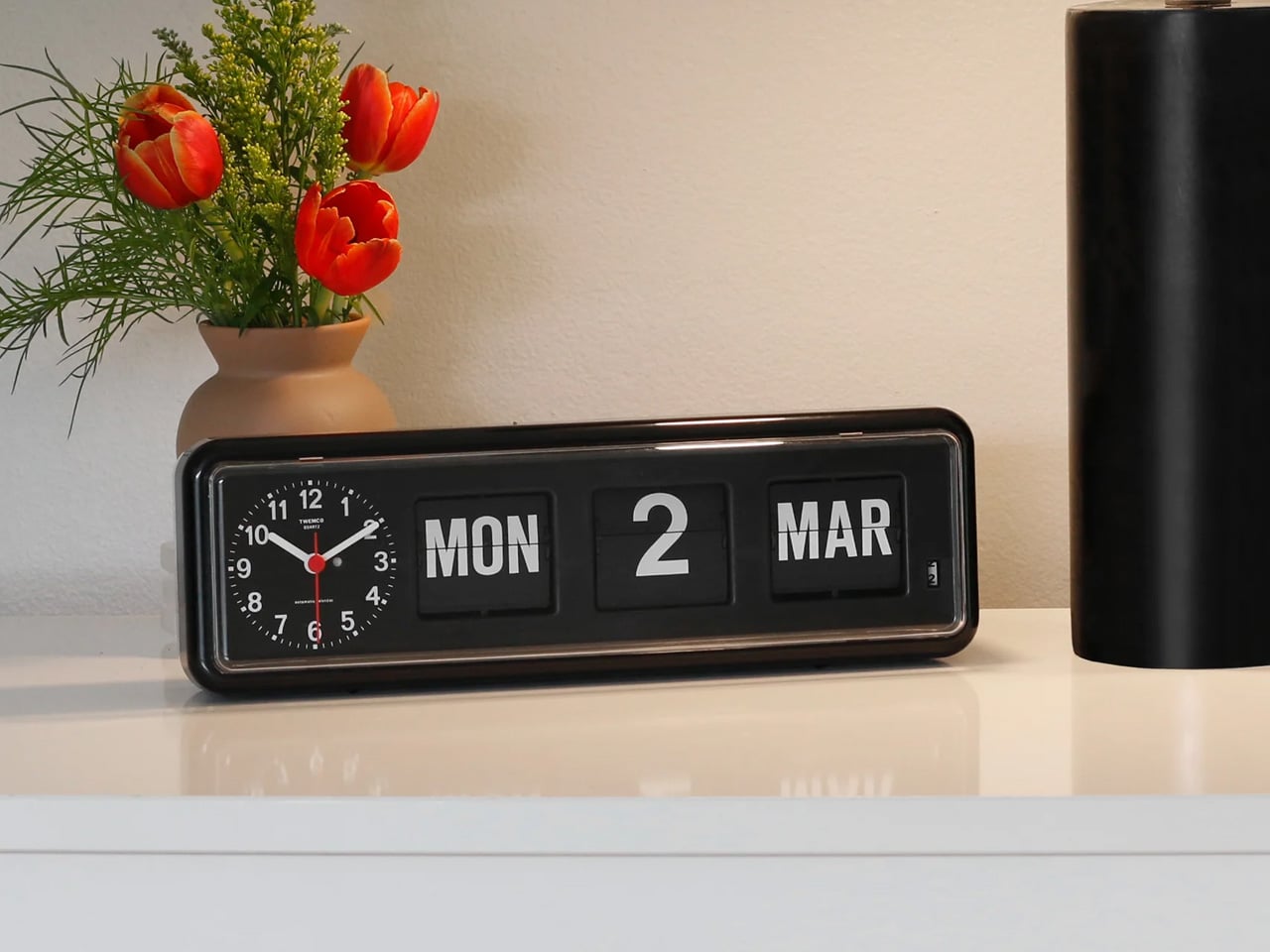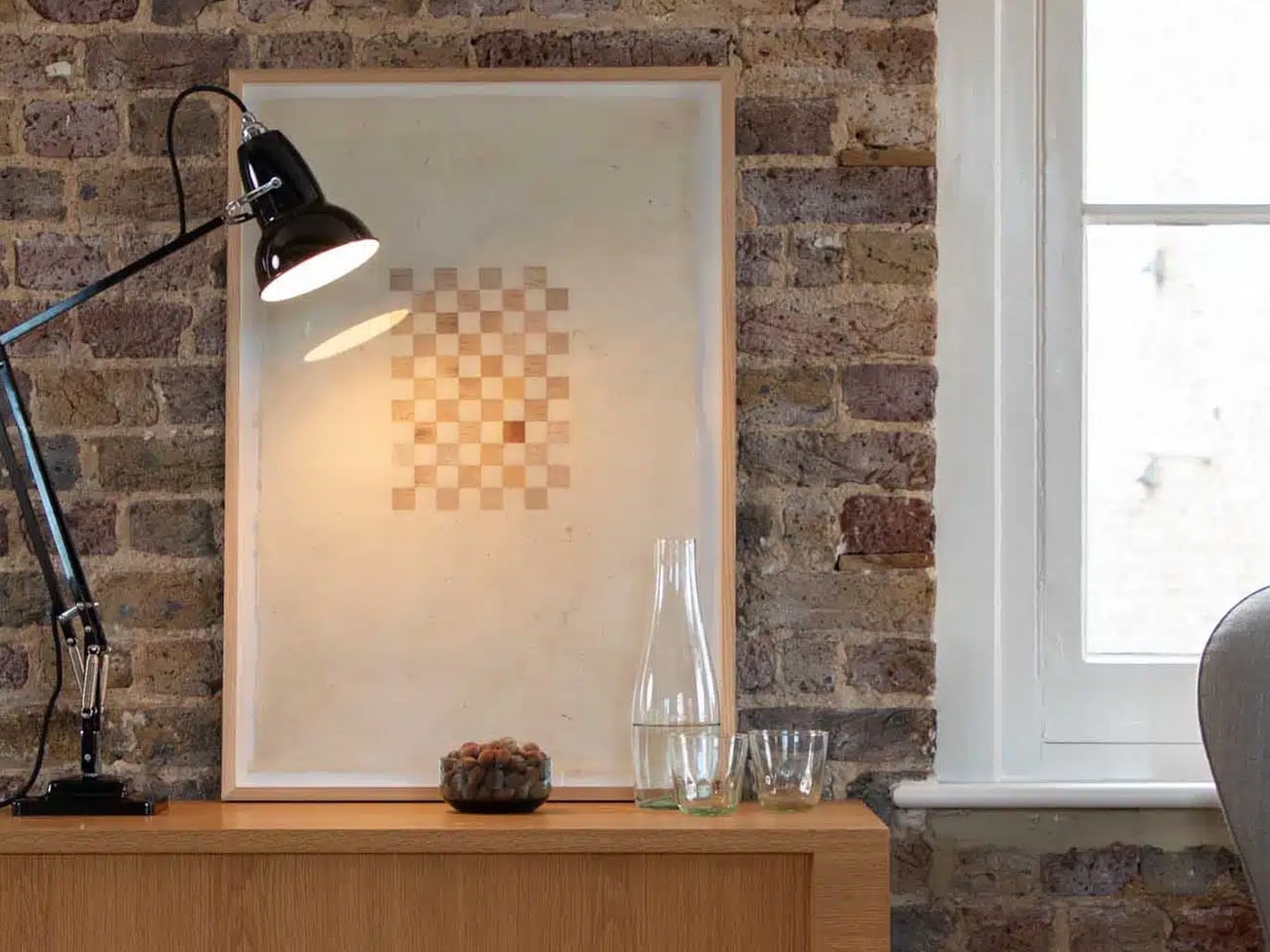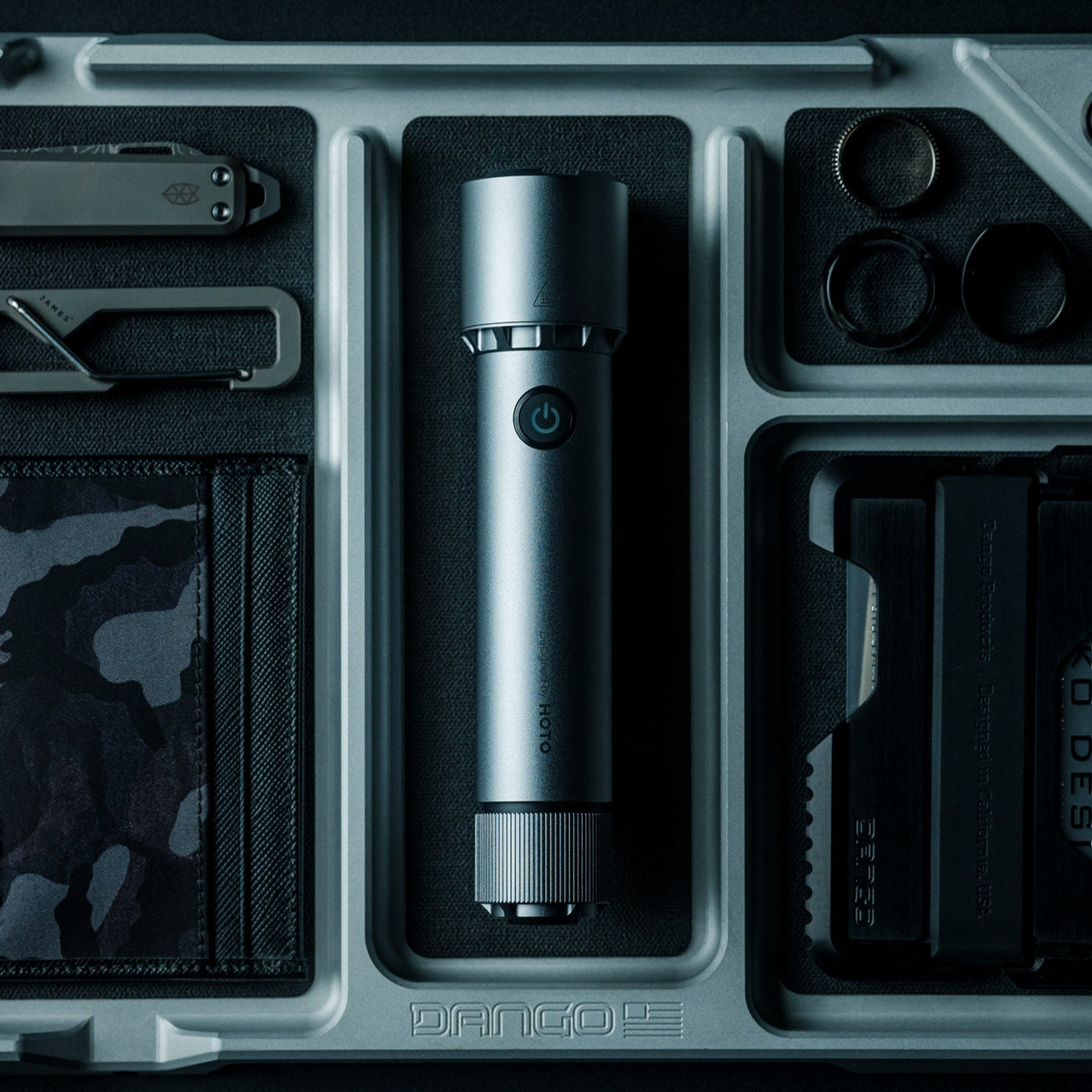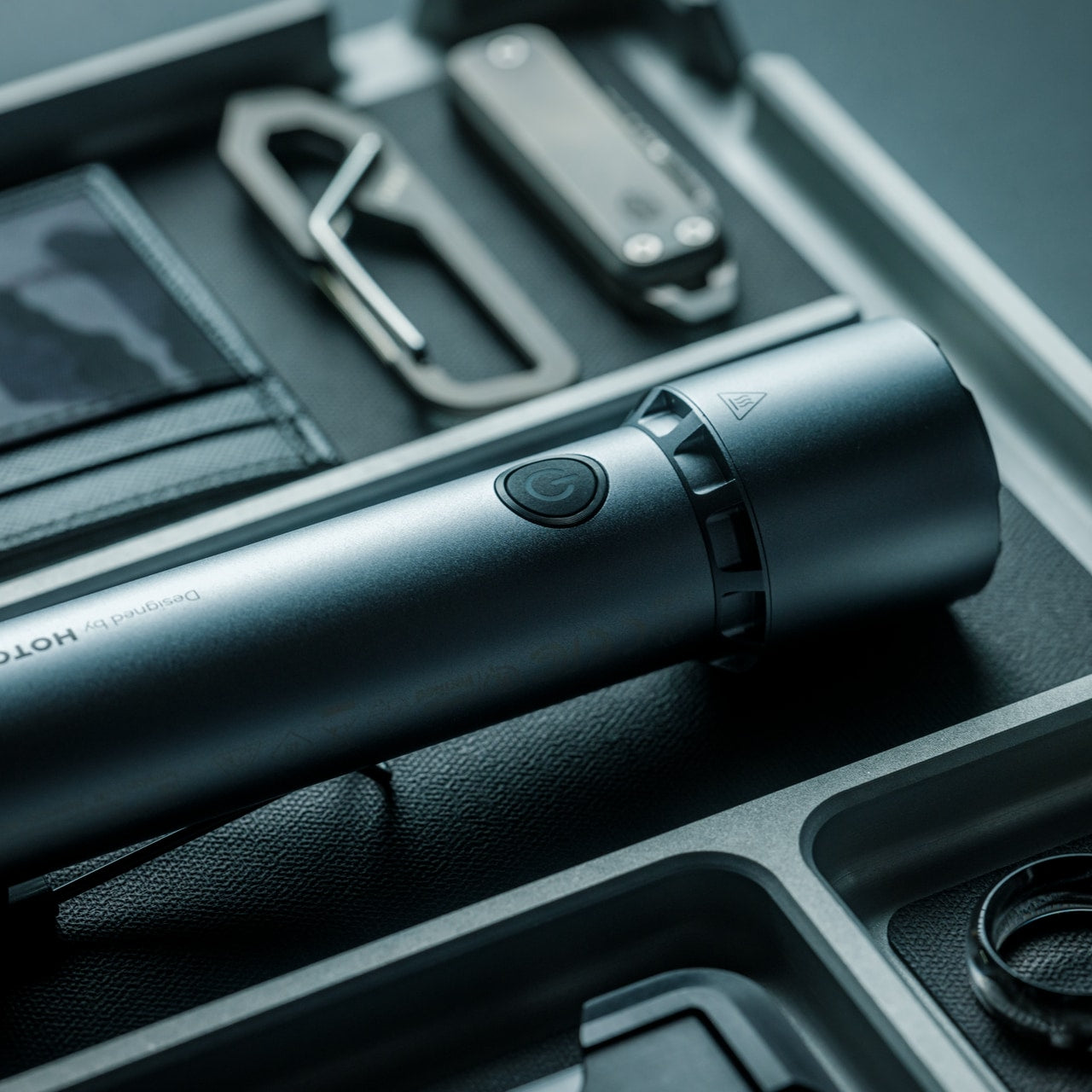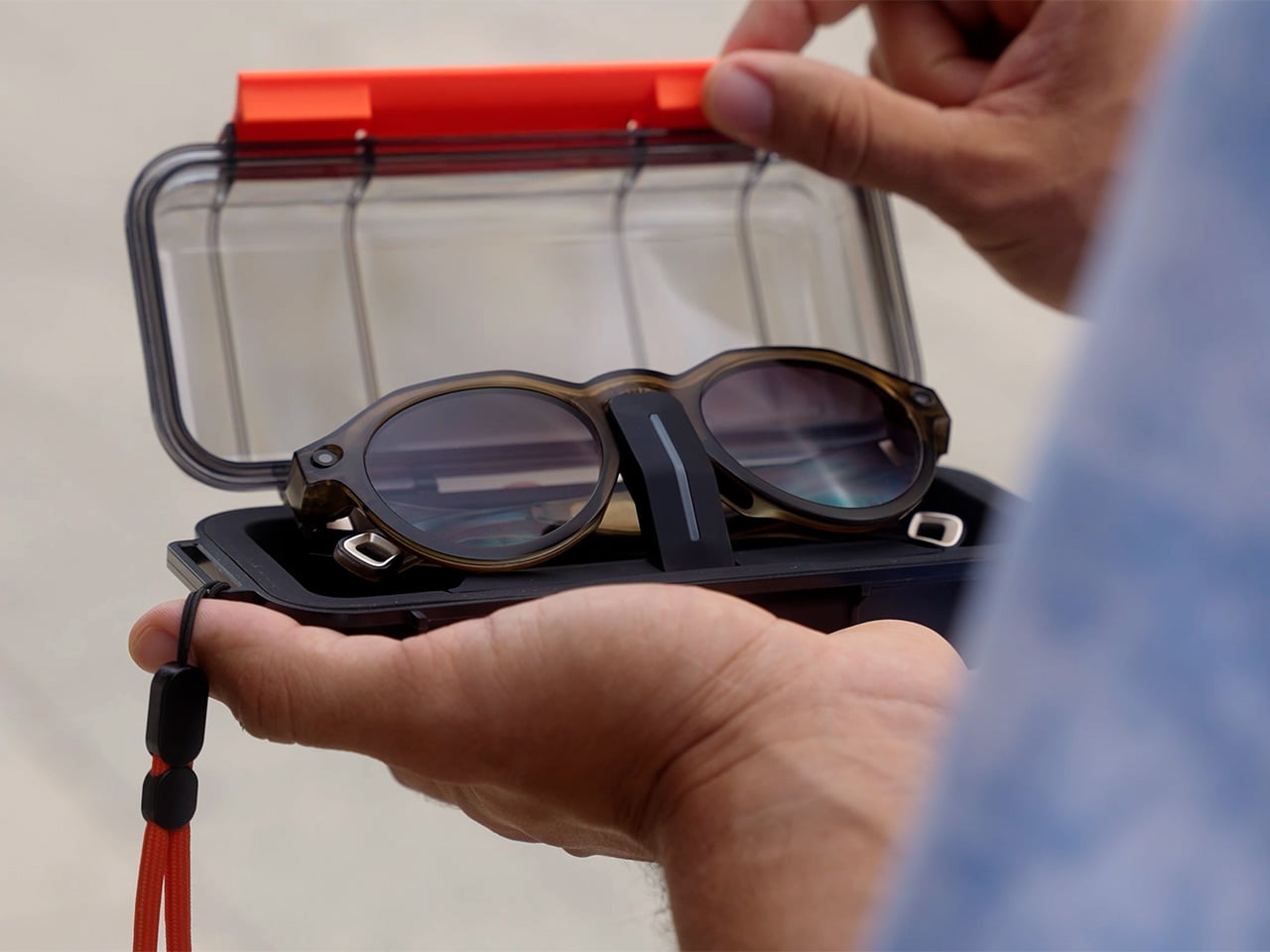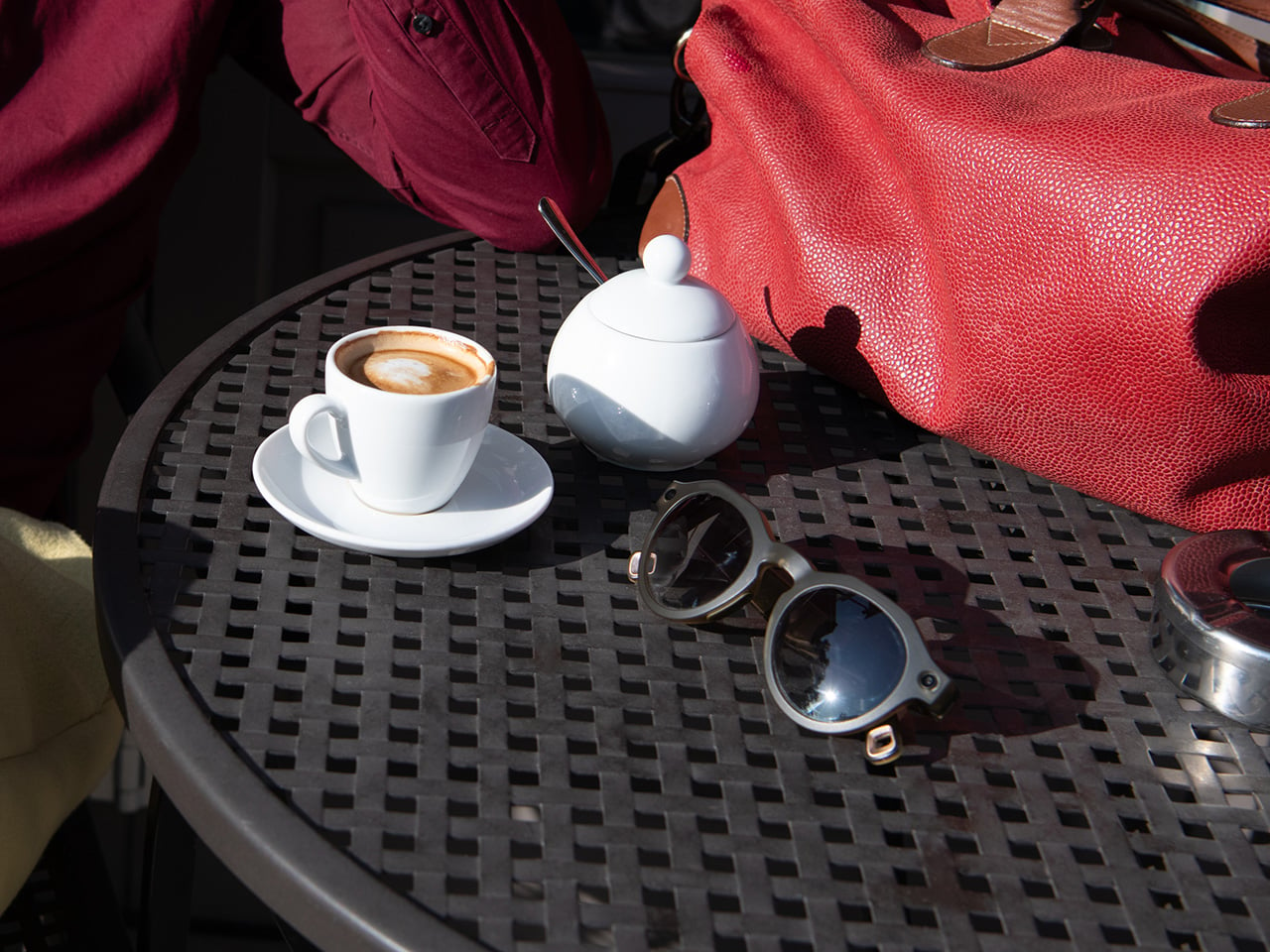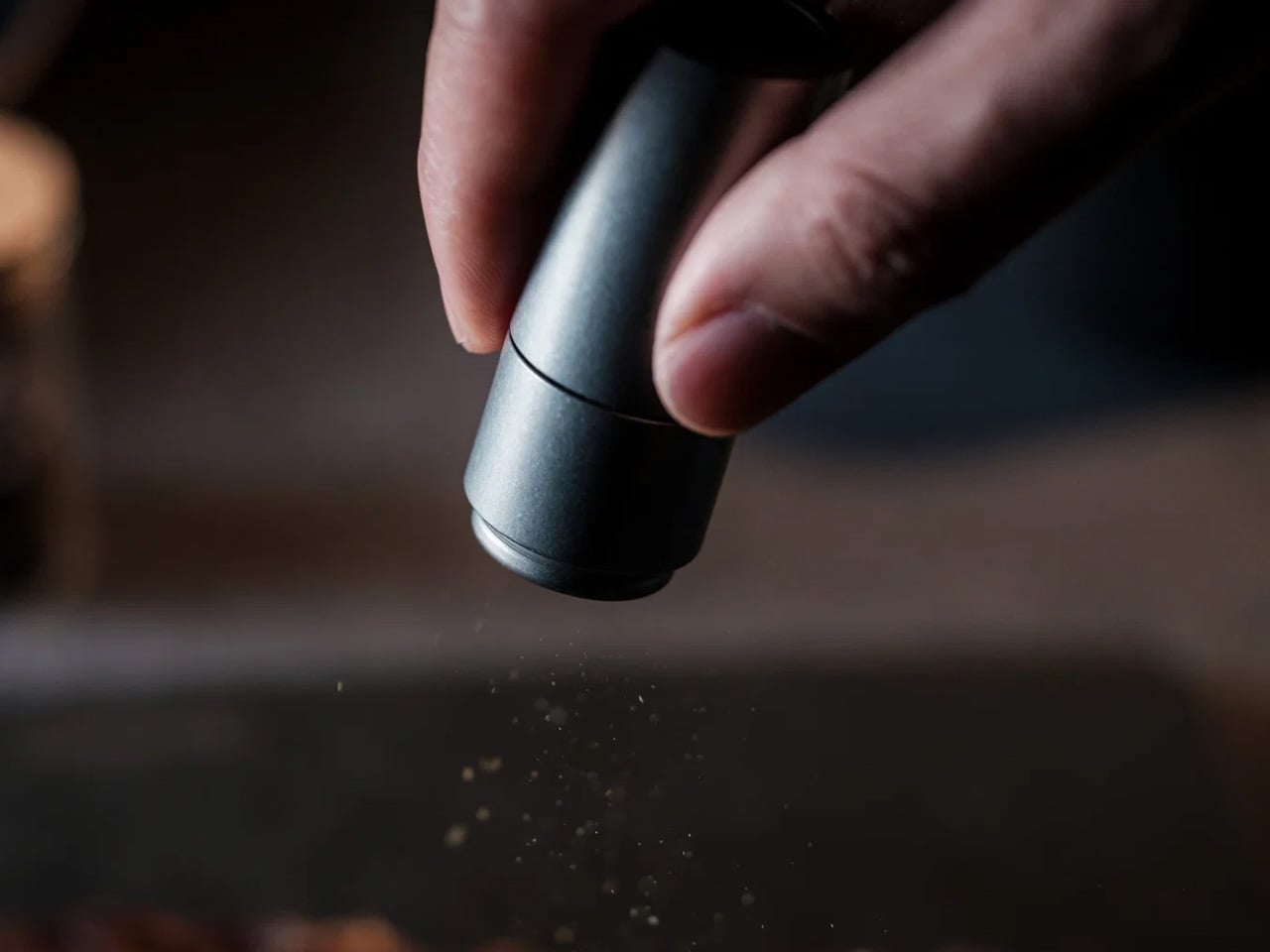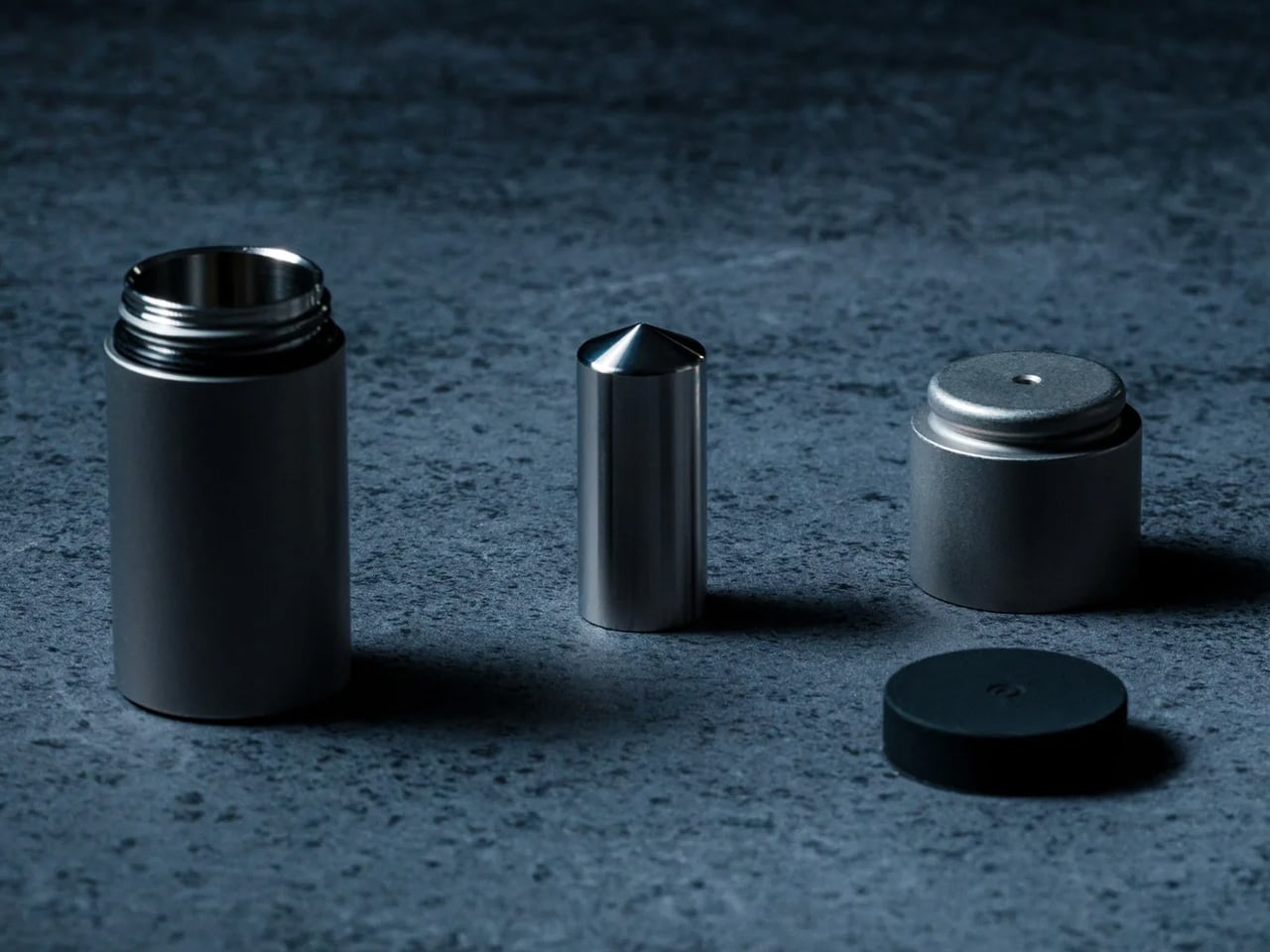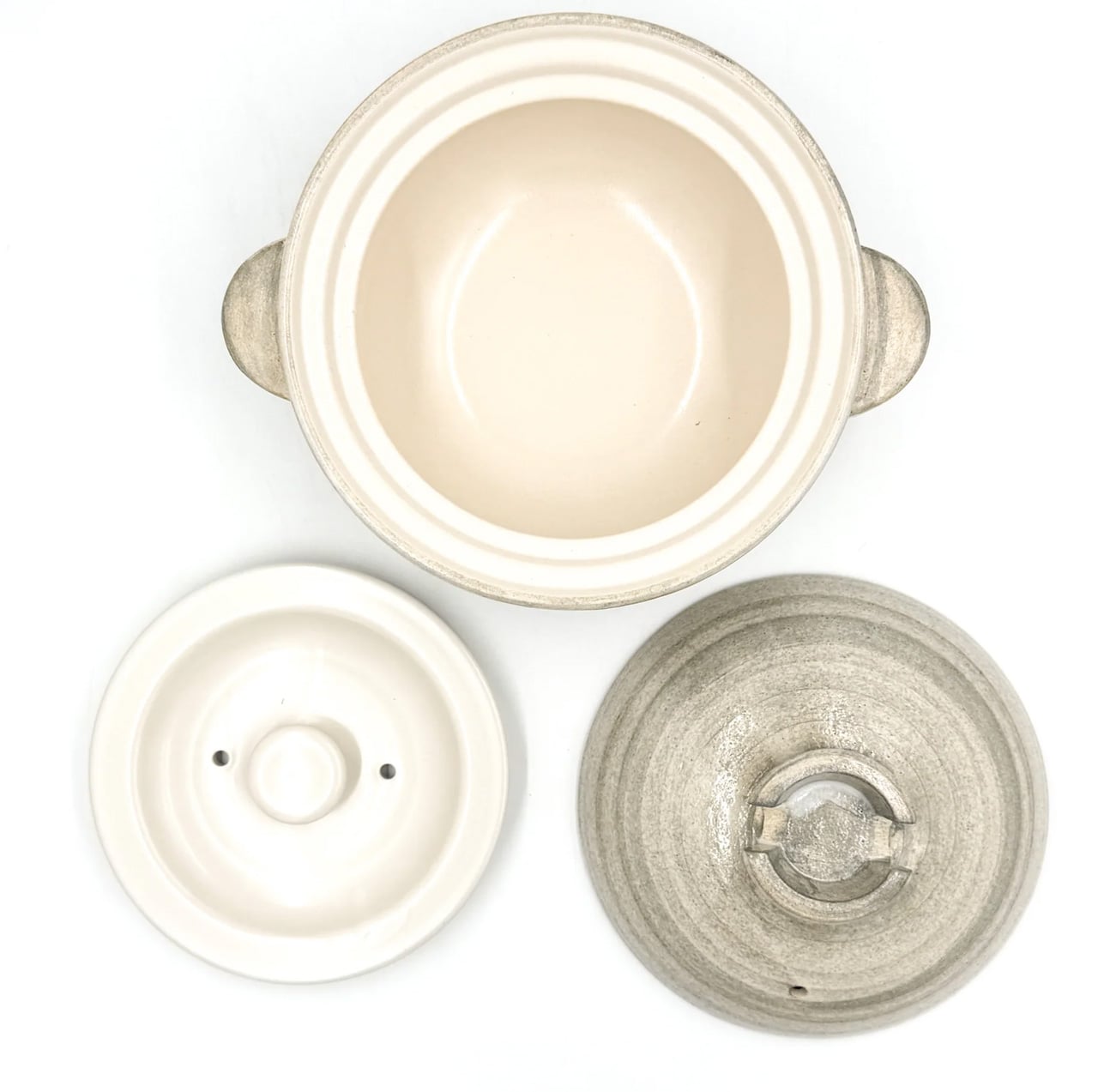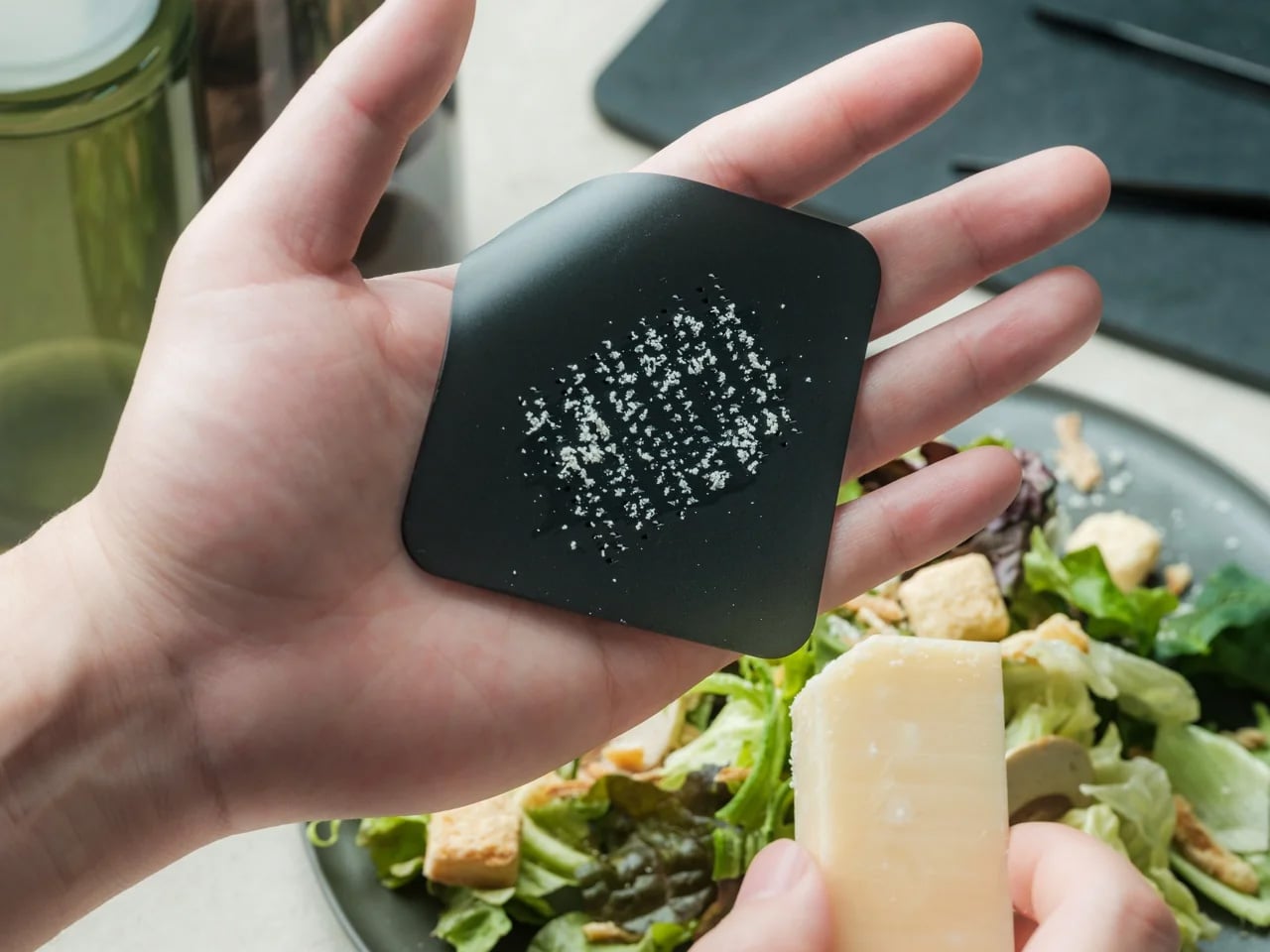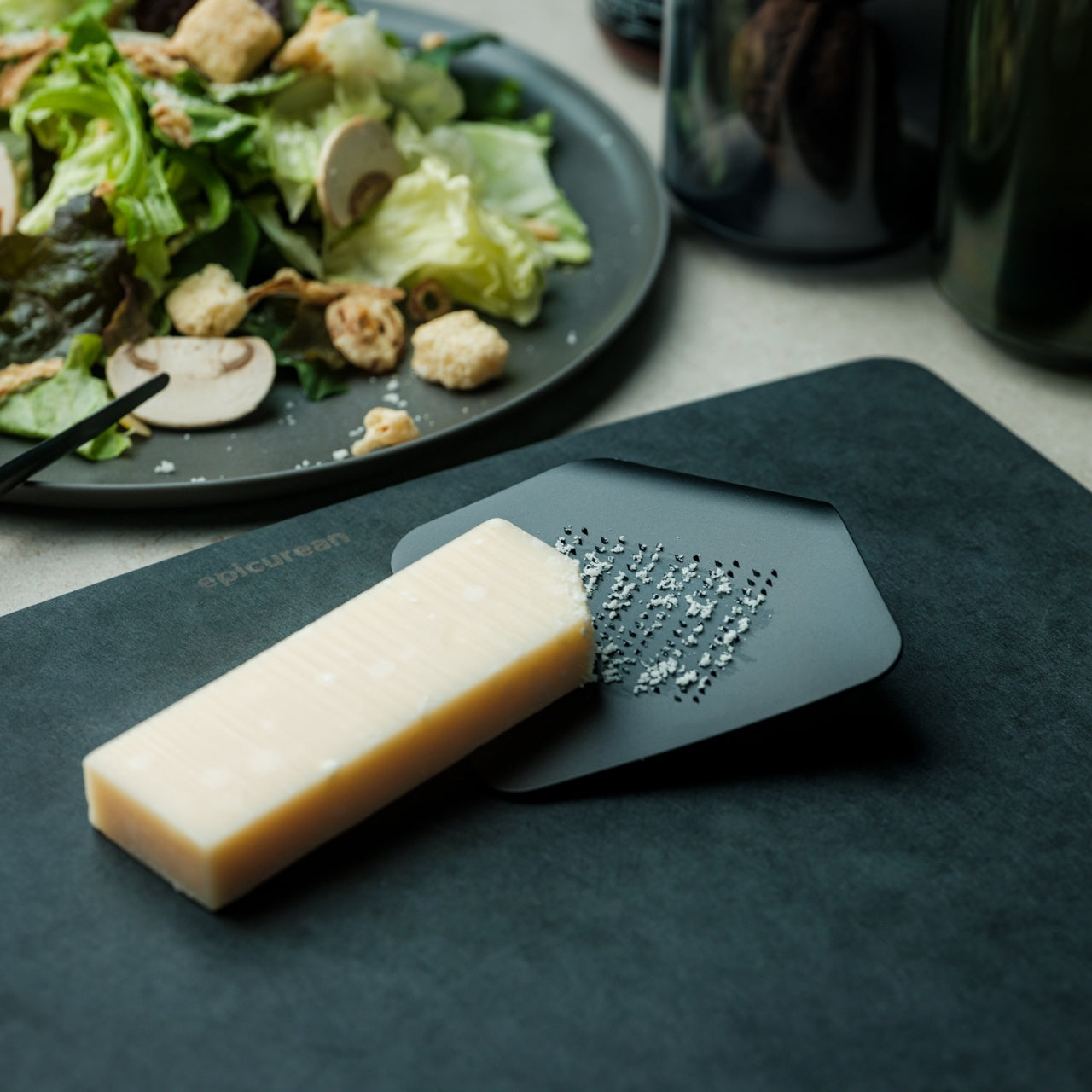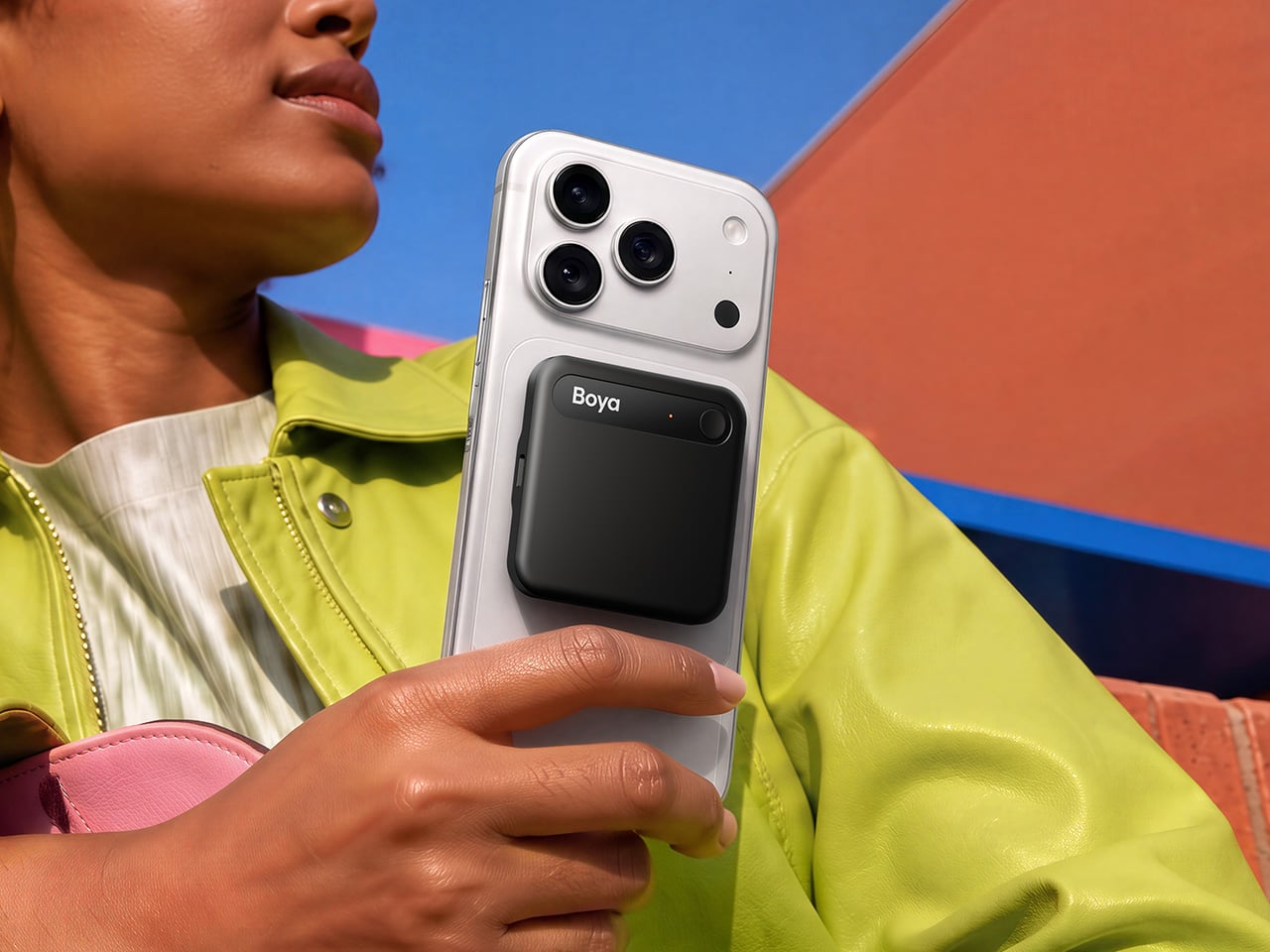
10 Best Graduation Gifts For 2026 Grads That Solve the First-Apartment Shuffle

The first apartment is never really about square footage. It’s about the gap between the life you imagined and the room staring back at you. White walls, borrowed furniture, a kitchen where nothing is where it should be. Graduation gifts usually fill that gap with sentiment. These fill it with design. Ten objects chosen because they solve something real, look good doing it, and make a bare space feel considered.

None of them requires assembly instructions or a decorator on speed dial. They fit wherever there’s room, carry their weight in both form and function, and give the impression that whoever received them has been thinking about how to live well for longer than they have. That’s the point of a good graduation gift. Not something used once and forgotten. Something that makes the shuffle a little easier to land.

1. ClearFrame CD Player

The ClearFrame CD Player is for the grad who already knows what they’re about. It plays physical CDs through a transparent frame that keeps the disc visible while it spins, turning the act of listening into something you can actually watch. In a generation that grew up on invisible streaming, there’s something genuinely refreshing about a music player that makes its mechanism the main event rather than hiding it behind a matte plastic casing.

A first apartment shelf rarely has any visual anchor in the early weeks. The ClearFrame takes up almost no visual weight while still giving a room a focal point worth looking at. It earns its place not just as a player but as an object with a point of view, which matters when you’re building a space from scratch, and everything you put in it says something about who you are before a single thing is hung on the walls.

Click Here to Buy Now: $200.00

What we like

  • The transparent frame makes the spinning disc part of the visual experience, turning playback into something physical and deliberate in a way that streaming platforms never quite replicate.
  • The compact, minimal footprint means it earns shelf or desk space without displacing other objects, sitting confidently without demanding the room be arranged around it.

What we dislike

  • Getting real value from the ClearFrame requires an existing CD collection, which means it works best as a gift for someone already invested in physical music formats.
  • The analog format is a deliberate choice that won’t resonate with graduates who have no interest in stepping back from digital and streaming convenience.

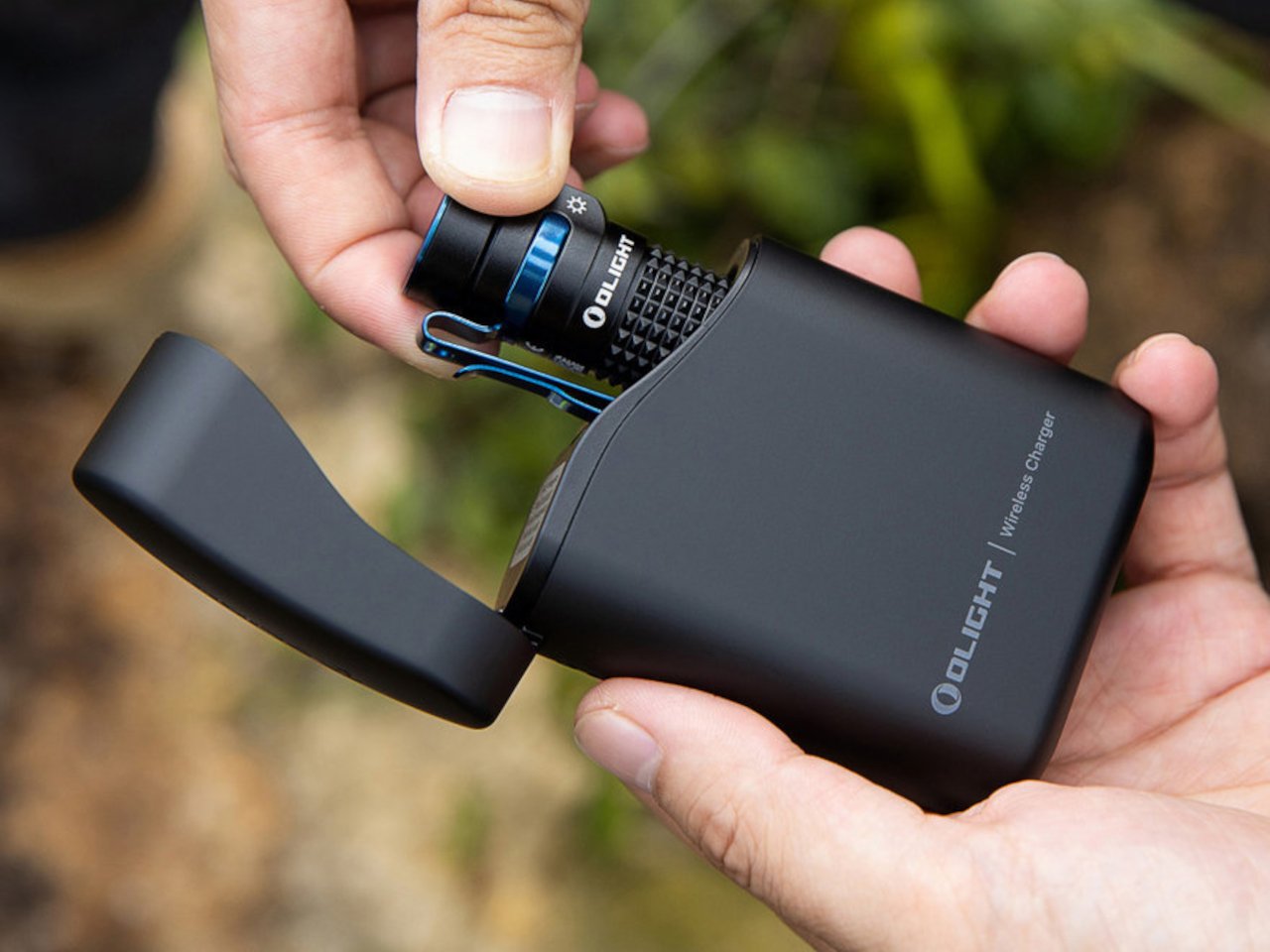
2. Rokform 3-in-1 Foldable Wireless Charging Stand

The nightstand problem in a first apartment isn’t about the nightstand. It’s about everything that ends up on it. Three devices, three cables, a different charger for each one, and a surface that looked intentional for exactly two days before it didn’t. The Rokform 3-in-1 Foldable Wireless Charging Stand replaces all of it with a single zinc alloy and glass unit that charges a phone at 15W, an Apple Watch from a fold-out arm, and earbuds on a separate pad. One cable in. Three devices done.

The build quality is the detail that separates this from the category it belongs to. Zinc alloy and glass don’t flex or slide. The stand stays exactly where you put it at midnight when you’re reaching for your phone by feel. For a grad setting up a bedside situation in a space that has no established routine yet, the Rokform removes one of the small daily frictions before it has a chance to become a habit. A charged phone, a charged watch, and a surface that looks considered rather than accumulated.

What we like

  • A single USB-C cable powers all three charging surfaces simultaneously, collapsing an entire nightstand cable situation into one clean connection that takes thirty seconds to set up.
  • Zinc alloy and glass construction put the Rokform in a different material category from the plastic pads that flex and slide, giving it a density and permanence that reads immediately in the hand.

What we dislike

  • The Apple Watch arm is purpose-built for that ecosystem, which means anyone outside the Apple Watch world loses a full third of the unit’s function without a meaningful workaround available.
  • At $100, the Rokform is priced above the average wireless charger, and those who only need to charge a single device will find the multi-device design hard to justify at that price point.

3. 3D-Printed Kumiko Panel

Traditional Kumiko panels are the kind of object that stops a conversation cold. The geometric latticework, built from interlocking wooden slivers without a single nail, has been a fixture of Japanese craft for centuries. Authentic wall-sized versions start around $2,700 and rarely leave galleries. This 3D-printed version by a Canadian maker — three months in the perfecting — brings that same hypnotic interplay of light and shadow to a first apartment wall at a fraction of the price and commitment.

A blank wall is the first problem every new apartment presents, and the last one anyone figures out how to solve. A framed print says something. A Kumiko panel says something else entirely — that the person who hung it knows exactly where they stand on craft, patience, and the kind of beauty that doesn’t need to explain itself. It catches light differently through the day, creates depth on a flat surface, and turns the emptiest wall in a room into the one everyone ends up standing closest to.

What we like

  • The geometric latticework creates shifting light and shadow patterns that change with the time of day, giving a blank wall a visual life that no poster or print can replicate.
  • At a fraction of the cost of authentic hand-carved Kumiko panels, it brings genuine craft-referencing design into a first apartment without the gallery price tag attached.

What we dislike

  • The 3D-printed plastic construction lacks the warmth and material depth of traditional wood Kumiko, which may feel like a meaningful compromise to those familiar with the authentic version.
  • The panel works best as a wall-mounted piece, which means hanging hardware and a commitment to a specific spot — something a first apartment with rental restrictions may complicate.

4. Ritual Card Diffuser

The first thing a new apartment needs isn’t furniture. It’s a scent that makes it feel like yours. The Ritual Card Diffuser from the Yanko Design shop uses fragrance cards to release scent gradually, building an atmosphere that doesn’t announce itself so much as settle in. No plug, no maintenance cycle, nothing that fights for counter space. It works in the background, the way the best objects do, making the room feel lived in before it actually is.

For a grad moving into their first real space, the Ritual Card Diffuser is less about fragrance and more about the idea that this room has been thought about. That effort matters. The card format keeps things clean and swappable, so the scent can shift with the season or the mood without committing to a single identity. For someone figuring out who they are in a new space, that flexibility lands exactly right from the very first week.

Click Here to Buy Now: $89.00

What we like

  • The card system allows scent profiles to be swapped without replacing the unit, giving it flexibility that traditional reed diffusers simply cannot match as taste evolves.
  • No cord, no heat element, and no liquid means it occupies no counter real estate and creates zero maintenance overhead in a space still being figured out.

What we dislike

  • Replacement cards are a recurring cost that adds up over time and needs to be factored in when gifting this to someone on a tight post-graduation budget.
  • The scent throw may feel subtle in open-plan spaces or rooms with high ceilings, where a stronger diffusion method might be more appropriate.

5. Orgdot N200 Desktop Speaker

Bluetooth speakers are everywhere, but few carry this much personality. The Orgdot N200, designed by Shu Zhang, pulls from industrial and steampunk aesthetics in a way that sits closer to Teenage Engineering than anything you’d find at a big-box electronics retailer. Exposed mechanical elements and a retro-modern silhouette give it a design sensibility that reads just as well from across a room as it does up close. It connects wirelessly and earns whatever surface it lands on.

In a first apartment where the speaker is often the only real sound system in the space, the N200 carries that responsibility well. It fills the room visually before you’ve even pressed play, and that matters in a space that doesn’t have much else going on yet. Pairing it with the ClearFrame CD Player builds a small analog audio corner that looks curated rather than assembled. Two objects. Real presence. No interior design degree required.

What we like

  • The retro-industrial design aesthetic gives a first apartment an instant visual anchor at desk or shelf level, doing decorative work that most Bluetooth speakers never attempt.
  • Wireless Bluetooth connectivity removes the need for cable management entirely, keeping the surface clean and the setup honest to the minimalist silhouette the N200 projects.

What we dislike

  • The distinctive aesthetic is a strong personal statement that reads very specifically, and it genuinely won’t suit every taste or complement every design direction a room might take.
  • Desktop placement limits the direction the sound can effectively project, which may leave larger rooms feeling like the speaker is working harder than it should have to.

6. AromaCraft Clothes Brush

Lint rollers solve a problem. The Aromacraft Clothes Brush solves it better. It handles the everyday task of removing lint, dust, and the general debris of daily life from clothing while folding a subtle aroma element into the ritual. It’s a small but meaningful shift in how a mundane task feels, one that turns the two-minute pre-work brush-down into something closer to a considered grooming moment worth actually doing.

For a grad entering a professional world where first impressions matter more than they did in a lecture hall, getting dressed well becomes a new priority. The Aromacraft Clothes Brush handles the physical part and adds a sensory layer that a standard bristle brush simply ignores. It’s the kind of object that makes morning routines feel like they were designed rather than stumbled into. Small enough to store on any shelf, purposeful enough to reach for every single day.

Click Here to Buy Now: $149.00

What we like

  • Combining garment care and scent into one object removes the need for two separate tools, which matters in a first apartment where counter and shelf space are genuinely limited.
  • The aroma element reframes a utilitarian task as part of a morning ritual, which is a small but real shift in how a workday begins for someone newly navigating professional life.

What we dislike

  • The aroma component will eventually lose its potency and need to be refreshed or replaced, adding a recurring step that a standard clothes brush simply doesn’t require.
  • Graduates who are sensitive to fragrance or prefer entirely scent-neutral routines won’t benefit from the secondary function the Aromacraft is specifically built around.

7. RUNERO PRO Coffee Maker

Designed by Ksenya Ilyukhina for Unicum, the RUNERO PRO lands in a kitchen and immediately makes the rest of the counter look like a placeholder. The brushed aluminum exterior is dense and considered, and the 15-inch LED touchscreen keeps controls front and center without adding visual clutter. Face ID recognition and voice control mean it learns how each person takes their coffee and starts acting accordingly, removing the ritual fumbling of a first-time morning routine from the equation.

The RUNERO PRO is not the kind of coffee machine you buy because you need coffee. You can get coffee anywhere. It’s the kind you buy because the kitchen is where a first apartment gets taken seriously, and the right appliance signals that you’re starting this chapter with real intention. For a grad who spent four years surviving on campus brews, landing a machine that knows their order from a glance changes the rhythm of every weekday morning.

What we like

  • Face ID recognition and voice control make personalizing and recalling coffee preferences genuinely effortless, removing the repetitive manual input that most smart appliances still demand daily.
  • The brushed aluminum construction and large touchscreen interface place the RUNERO PRO visually above the category of kitchen appliances it technically belongs to, which matters when the counter is also the room’s focal point.

What we dislike

  • The high-tech interface adds meaningful complexity that may feel excessive for those who want a reliable, straightforward coffee machine without a learning curve attached to it.
  • The premium build and integrated technology come at a price point that commits to the kitchen in a way that not every graduating budget can reasonably absorb in year one.

8. Fellow Stagg EKG Pro Kettle

The Fellow Stagg EKG Pro has been the design world’s favorite electric kettle long enough to earn its reputation several times over. The gooseneck spout handles pour-over coffee with precision, but the design reads just as well when it’s sitting on the counter doing nothing at all. Matte finish, a handle that earns its curve, and temperature precision through a minimal dial interface. It’s the kettle that makes a first kitchen counter look like someone considered exactly what they put on it.

Alongside the RUNERO PRO, the Stagg EKG forms the second half of a morning kitchen that actually functions. Where the RUNERO handles the automated side of coffee, the Stagg gives control back over water temperature for pour-over, tea, or anything that asks for more precision than a standard kettle provides. For a grad building a first kitchen from the counter outward, both objects together say more about how they intend to live than most furniture choices ever could.

What we like

  • Precision temperature control makes the Stagg EKG genuinely useful across pour-over coffee, tea, and any other preparation that demands more than a simple boil and pour.
  • The gooseneck silhouette has earned its place as a design standard that transcends trend cycles, meaning it will still look right on the counter five years from now.

What we dislike

  • The premium price point is a real consideration for a kettle, even one this well resolved, and it may feel difficult to justify against other first-apartment priorities competing for the same budget.
  • The capacity is calibrated toward one or two people, which means it may feel undersized in shared living situations where multiple people need hot water at the same time.

9. TWIST Side Table

The TWIST side table is made from a single sheet of metal folded in a continuous loop to form a tabletop, an integrated storage ledge, and a carry handle in one uninterrupted gesture. The matte light beige body pairs with a pale wood base and a small orange accent at the handle. It weighs almost nothing visually. In a first apartment where every surface is being asked to do more than one job, the TWIST handles it without complaint, holding a drink, a book, a phone, and a spare set of keys without making any of it feel like a compromise.

The carry handle is not an afterthought. It’s part of the same metal loop that forms the table, which means the whole object relocates in one motion. From beside the bed to beside the couch to near the window where the light hits differently on a Sunday. For a grad whose first apartment still has furniture in flux, an object that moves as easily as the plan does becomes indispensable by the second week of living with it.

What we like

  • The single-piece metal construction means the tabletop, storage shelf, and carry handle are all one continuous form, giving the TWIST a structural honesty that assembled furniture simply cannot match.
  • The integrated handle makes relocation a one-handed, one-second decision, which matters in a first apartment where the ideal layout takes several months of trial to actually arrive at.

What we dislike

  • The circular metal profile limits the usable surface area, which means anything larger than a mug, a book, or a phone asks for more real estate than the tabletop comfortably offers.
  • The concept-driven design places aesthetics at the center of the object, and those who prioritize pure utility over visual intention may find other side tables a more practical first apartment investment.

10. Arca Modular Furniture System

The Arca modular system from Elements Studio is the most practical thing on this list and possibly the most useful gift a 2026 grad can receive. Each piece works as a nightstand, a bench, a bookshelf, or a storage unit, depending on what the space needs that week. Stack them vertically for a shelf tower. Line them horizontally for a low credenza. Pull one out to use as a standalone stool. No tools required, no configuration that can’t be undone in sixty seconds.

The first apartment rarely stays the same for more than a few months. Roommates arrive and leave. Jobs change the schedule. A bedroom becomes a home office on Tuesday and a reading room by the weekend. The Arca grows with all of it because it was designed to. For a grad who is spending the next few years figuring out how they want to live, this is the furniture system that doesn’t ask them to decide right now. It just adapts, reconfigures, and moves with them into whatever comes next.

What we like

  • The tool-free modular configuration means the entire system can be rearranged to serve a completely different function in under a minute, without any commitment to a permanent layout.
  • The versatility across nightstand, shelf, bench, and storage roles effectively replaces several pieces of furniture with one considered system, which is a genuine win for a first apartment with limited floor space.

What we dislike

  • The modular format works best as a set, and a single piece loses much of its system-level appeal, meaning the gift lands better when multiple units are given together rather than one at a time.
  • The design language is deliberately restrained and neutral, which gives it broad compatibility but may feel too quiet for graduates who want their furniture to make a stronger visual statement.

The Shuffle Doesn’t Last. Good Design Does.

The first apartment doesn’t have to feel like a waiting room for the real thing. These ten objects treat it as exactly what it is — the beginning of a considered life, assembled one good decision at a time. Each one earns its place not because it fills space but because it solves something, holds its own visually, and gives whoever receives it the sense that they already know how they want to live. That confidence, quietly installed, is the real graduation gift.

The shuffle is part of it. Figuring out where the lamp goes, which corner becomes the morning corner, and what the kitchen means when it’s entirely yours. Good design makes that process feel less like a problem to solve and more like a space to settle into. These ten picks sit at that intersection, functional enough to matter from the first week, considered enough to stay relevant well past it.

The post 10 Best Graduation Gifts For 2026 Grads That Solve the First-Apartment Shuffle first appeared on Yanko Design.

The $429 PhantomX Watch Has Four Rotating Arms That Tell Time Like a $50,000 URWERK

URWERK builds watches that cost as much as a compact car. The Geneva-based studio has spent decades engineering satellite hour complications, where orbiting arms carry hour numerals into position around a central axis, revealing the current hour as they complete their circuit. It is horological theater at its most sophisticated, with collectors typically paying between $30,000 and $100,000 depending on the configuration. The wandering hour concept itself dates to 17th-century pocket watches, but URWERK transformed it into an entire brand identity that has spent the better part of three decades sitting behind a velvet rope. The visual language of satellite hours has remained firmly in luxury territory for nearly all of that time.

Mitico, a Hong Kong-based brand, just launched the PhantomX on Kickstarter at $399. It runs a four-arm satellite wandering hour system over a Miyota 9039 automatic, wrapped in a stainless tonneau case with a 3D star wheel mechanism that reveals only the current hour at any given moment. The campaign cleared 1,400% of its funding goal within days of going live. Something is clearly happening in independent horology right now, and the PhantomX is one of the most direct examples yet of the satellite hour complication finally escaping the velvet ropes. The gap between ambition and accessibility, in this category, is narrowing fast.

Designer: Mitico

Click Here to Buy Now: $429 $750 (43% off) Hurry! Only 12 days left.

The wandering hour format has existed in some form since the 17th century, and Mitico’s interpretation adds a structural layer that separates the PhantomX from the current wave of indie satellite designs. Four arms orbit continuously around a central axis, each carrying three hour numerals on a sculpted 3D star wheel, with only the current hour numeral vertically aligned and fully visible at the dial center. Mitico calls this the “Only the Present Hour Revealed” concept, meaning the adjacent numerals stay tucked along the curved sides of the wheel, keeping the face uncluttered despite the mechanical complexity underneath. Time is read by finding the arm that has rotated into the central display position, then cross-referencing it against the clockwise 0-to-60 minute track. The result is a reading experience that demands a moment of engagement rather than a reflex glance.

A red triangular seconds hand sweeps steadily across the dial, acting as both a navigational beacon and a metronome for the entire orbital system. It gives the eye something to follow inside a display that is otherwise in constant, multidirectional motion, and the contrast between its singular sweep and the orbiting arms creates a layering effect that rewards watching rather than just checking. The dial center is sculpted with layered textures rather than left flat, adding mechanical depth that reveals itself at close range. Mitico applies high-intensity Swiss Super-LumiNova to the central time display, covering the rotating seconds, minute track, and hour indicators, for clear legibility in the dark. The upper inner dial ring gets standard-grade lume, providing a faint structural outline at night without competing with the primary display.

The tonneau-shaped stainless steel case measures 50.64mm wide by 43.32mm tall, with a case thickness of 15mm, dimensions that put this squarely in bold-statement territory. The skeletonized side architecture is machined to reduce visual bulk and overall weight while preserving structural rigidity, with every cutout doing double duty as both aesthetic element and structural support. Crown placement at 12 o’clock reduces wrist pressure during wear and allows more natural operation, one of those ergonomic decisions that sounds minor until you actually live with a conventionally crowned watch all day. A double anti-reflective sapphire crystal with a Mohs hardness of 9 sits over the dial, ensuring clarity from any angle. Water resistance is rated at 5 ATM.

The Miyota 9039 is a self-winding caliber running at 28,800 vibrations per hour with a 36-hour power reserve, and it is the right movement for a project at this price point. Miyota calibers in this family carry an established track record across the microbrand world, offering day-to-day reliability that lets a complex display module run on top without stress-testing the foundation. The 9039 carries no date complication, which is the correct call, because a date window would introduce visual noise into a dial already managing considerable simultaneous motion. Choosing a proven base over an untested proprietary caliber is the pragmatic engineering decision that separates a deliverable product from a concept. That the four-arm satellite module delivers stable, legible display on top of this foundation is the understated technical achievement at the center of the PhantomX.

The PhantomX arrives in ten colorways: Phantom Black, Arctic White, Solar Yellow, Stellar Blue, Nebula Green, Mars Orange, Flare Red, Abyss Blue, Orbital Brown, and Nova Purple, each carrying matching strap stitching and crown accent treatment across the same stainless case and movement platform. The strap is a nylon and genuine leather hybrid fitted with quick-release spring bars, so swapping requires no tools. Mitico estimates shipping to backers in August 2026, with the campaign running through June 13. At $399, the PhantomX is making the satellite hour complication accessible at a price point that no established watchmaker has approached at this level of mechanical ambition.

Click Here to Buy Now: $429 $750 (43% off) Hurry! Only 12 days left.

The post The $429 PhantomX Watch Has Four Rotating Arms That Tell Time Like a $50,000 URWERK first appeared on Yanko Design.
This Rotating Titanium Keychain Glows for 25 Years Without a Battery

Most everyday carry accessories are built on compromise. Flashlights need batteries. Multi-tools go through pockets without ever being opened. Tiny gadgets get charged for a few days, forgotten about, and eventually lost to a drawer somewhere. The smaller something is, the more disposable it tends to feel, and the less likely it is to stick around long enough to actually earn its place on your keys.

The SpinTi is a different kind of answer to that problem. Machined from Grade 5 titanium and measuring just 35mm at 8g, it’s a rotating tritium keychain that doesn’t need a power source, battery replacements, or a switch to activate. Its glow is passive and constant, driven by the natural properties of the tritium vials sealed inside. Once it’s on your keychain, it simply does its thing.

Designer: COMANDI

Click Here to Buy Now: $43 $59 (27% off). Hurry, only 98/100 left! Raised over $52,000.

At 8g, it’s as light as a single credit card, and its 35mm frame is shorter than an AA battery. You’d clip it to your keys, toss it in your bag, or hang it from a zipper and forget about it for weeks. Then one night, in a dark room or a pitch-black campsite, your hand finds the keys, and there it is, that quiet, steady glow.

What sets SpinTi apart from other tritium markers is that spinning body. The body rotates on a solid-state pivot with no bearings, while the core is secured by a full-metal compression system instead of rubber O-rings. It’s the kind of thing your fingers gravitate toward during a long commute or a slow afternoon, giving it a secondary life as a tactile object that goes well beyond locating your keys in the dark.

The glow itself comes from tritium vials seated inside a six-slot core. As tritium decays, the beta particles it releases hit a phosphor lining, producing continuous light without any power source at all. It’s not meant to flood a room with light, and it doesn’t try to. What it offers instead is a low-level, always-on glow that stays usable over roughly 25 years, even as brightness gradually declines.

The body is CNC-machined from Grade 5 titanium, the same material used in aerospace components and surgical hardware. The skeletonized exterior has generously cut slots that expose the luminous core from every angle, while a precision metal compression system holds the vials firmly without relying on epoxy or rubber. It’s built to genuinely outlast the phone in your pocket by several decades.

SpinTi isn’t limited to keychain duty either. It can hang around your neck as a pendant, clip to a zipper pull for finding your bag in the dark, or attach to a tactical pack as a quick identifier. The tail end has a hardened glass-breaker tip for emergencies, and the hollow interior can carry small items like emergency pills or a micro memory card.

There’s room to make SpinTi feel personal, too. The vials come in six colors, from ice blue and apple green to midnight violet, and you can mix them across all six slots however you like. Three finish options are available for the titanium shell: raw titanium for a minimal look, a splash finish for something bolder, and a gradient anodized finish for something closer to wearable art.

And since the core unscrews for service, you’re not locked into any one configuration. Swap a dimming tube after years of use, change the color to suit your mood, or drop in glass luminous tubes as a more affordable alternative. SpinTi is built to be updated and refreshed over time, and that’s part of what makes it feel less like a purchase and more like a long-term companion.

Click Here to Buy Now: $43 $59 (27% off). Hurry, only 98/100 left! Raised over $52,000

The post This Rotating Titanium Keychain Glows for 25 Years Without a Battery first appeared on Yanko Design.
Streaming made music feel invisible. This $199 Portable CD player fixes that

Nobody really announced the CD comeback. It didn’t arrive with a glossy campaign or some grand industry reset. It just started happening quietly, then all at once. Record stores began giving discs more shelf space. Artists started slipping them into merch drops. And younger listeners, people who grew up with every song ever made living inside an app, started buying physical albums they could have streamed in seconds.

Quick take: This Portable CD Cover Player is designed around displaying the album cover while it plays. Compact, Bluetooth-connected, USB-C charged, and $199. The best reason to start buying CDs again.

The easy explanation is nostalgia, but that no longer covers it. A lot of the people buying CDs in 2026 do not miss the nineties. What they miss is something streaming never fully replaced: the feeling that music had shape. That an album was more than a handful of tracks waiting to be shuffled into the background. Streaming solved access completely. It never solved presence.

The Player That Makes the Comeback Make Sense

That is exactly why the Portable CD Cover Player feels so right for this moment. Most CD players treat the disc as the point and the cover art as packaging. This one flips that. The album cover faces outward while the disc plays, turning the artwork into part of the listening experience instead of something you glance at once and put away.

At first, that sounds like a small design decision. In practice, it changes the whole feel of the object. Music that used to sit invisibly inside a playlist suddenly has a face again. What you are listening to is no longer buried inside a phone screen or reduced to a thumbnail in a queue. It is present, visible, and strangely harder to ignore.

The player itself is compact, clean, and easy to move from desk to shelf to bedside table. It connects via Bluetooth or 3.5mm, charges over USB-C, and plays standard audio CDs. None of that is especially radical. What makes it interesting is that someone thought carefully about what should happen to the album art while the music plays, and built the whole object around that answer.

Why CDs Feel Different Again

When every song is equally available, every song starts to feel a little less anchored. The album loses its edges. The sequence matters less. Even the act of choosing starts to feel thinner. CDs bring some of that back. Not because they are more efficient, but because they ask for a little more intention. You pick an album. You put it on. You let it occupy space.

After a couple of weeks of listening this way, the shift is subtle but real. Albums I had not touched in years felt worth revisiting. New releases felt more memorable. I found myself choosing records partly because I wanted to see the cover on the desk while I worked, which turned out to be a better reason than most algorithmic suggestions ever offered. More importantly, it made streaming feel flatter by comparison. Not useless. Just thinner. Less present. Like music had been pushed slightly out of the room without me noticing.

Open white CD/DVD drive with a blank disc in the tray on a light surface

Close-up of a white media drive with a circular disc in the tray and embossed buttons along the top edge.

Who It’s For

  • The listener rediscovering physical music
    For anyone with a stack of CDs who wants a reason to use them again.
  • The desk listener
    A better answer than propping your phone against a monitor and calling it a setup.
  • The album person
    For people who still think in full records, not playlists and singles.

The Portable CD Cover Player is for $199. In a moment when music is available everywhere but feels present almost nowhere, that starts to sound less like a novelty and more like a correction.

The post Streaming made music feel invisible. This $199 Portable CD player fixes that first appeared on Yanko Design.
5 Compact Pocket Essentials Built for a Summer That Never Slows Down

Summer is a season that selects for you. The heat strips every bag to its absolute minimum, and what stays tells you something honest about what you actually value. This list isn’t built around a unified theme. It’s built around intention: five pocket-sized objects that each solve something different without competing for space. None of them is there to fill a slot. Each one earns its position by being genuinely hard to leave behind.

The common thread isn’t material or category. It’s the quality of being designed for a life that doesn’t pause for weather, plans, or inconvenience. A camera that rethinks how a gimbal folds. A flashlight the size of a lighter. A speaker that belongs at the beach as naturally as on a shelf. A bottle that brews, infuses, aerates, and chills with equal conviction. A carabiner that tracks what it carries. Five objects, one honest summer bag.

1. Canon Gimbal Camera

Canon has spent five years building toward this moment through a deliberate sequence of three patents, each one more product-ready than the last. The April 2026 filing describes a compact handheld body with a fixed lens, three-axis stabilization, a grip-mounted screen, and a folding mechanism that guides the gimbal head into a safe resting position before cutting motor power. That shutdown sequence is smarter than it sounds. Mechanical wear from limp-motor shutdowns is the quiet reason cameras in this category age faster than they should.

What the patent arc reveals is a company that spent its early filings dreaming wide and its later ones getting practical. The 2021 version imagined an interchangeable-lens cinema device. The 2025 follow-up solved for uninterrupted shooting. This filing drops the interchangeable lens entirely and focuses on fixed-lens portability with intelligent motor behavior baked into the design. Summer light is the most demanding light there is, and Canon’s color science has always handled it with more warmth and more restraint than anything else competing in this category.

What We Like

  • The smart folding shutdown mechanism addresses a real mechanical failure point that the rest of the pocket gimbal category has consistently overlooked
  • Canon’s five-year patent arc signals a product shaped by sustained R&D rather than a reactive response to market pressure

What We Dislike

  • This remains a patent with no confirmed release date or pricing, making it the most compelling item on this list and also the only one you cannot buy
  • Canon’s track record in premium compact categories suggests a launch price that will give most buyers reason to pause before committing

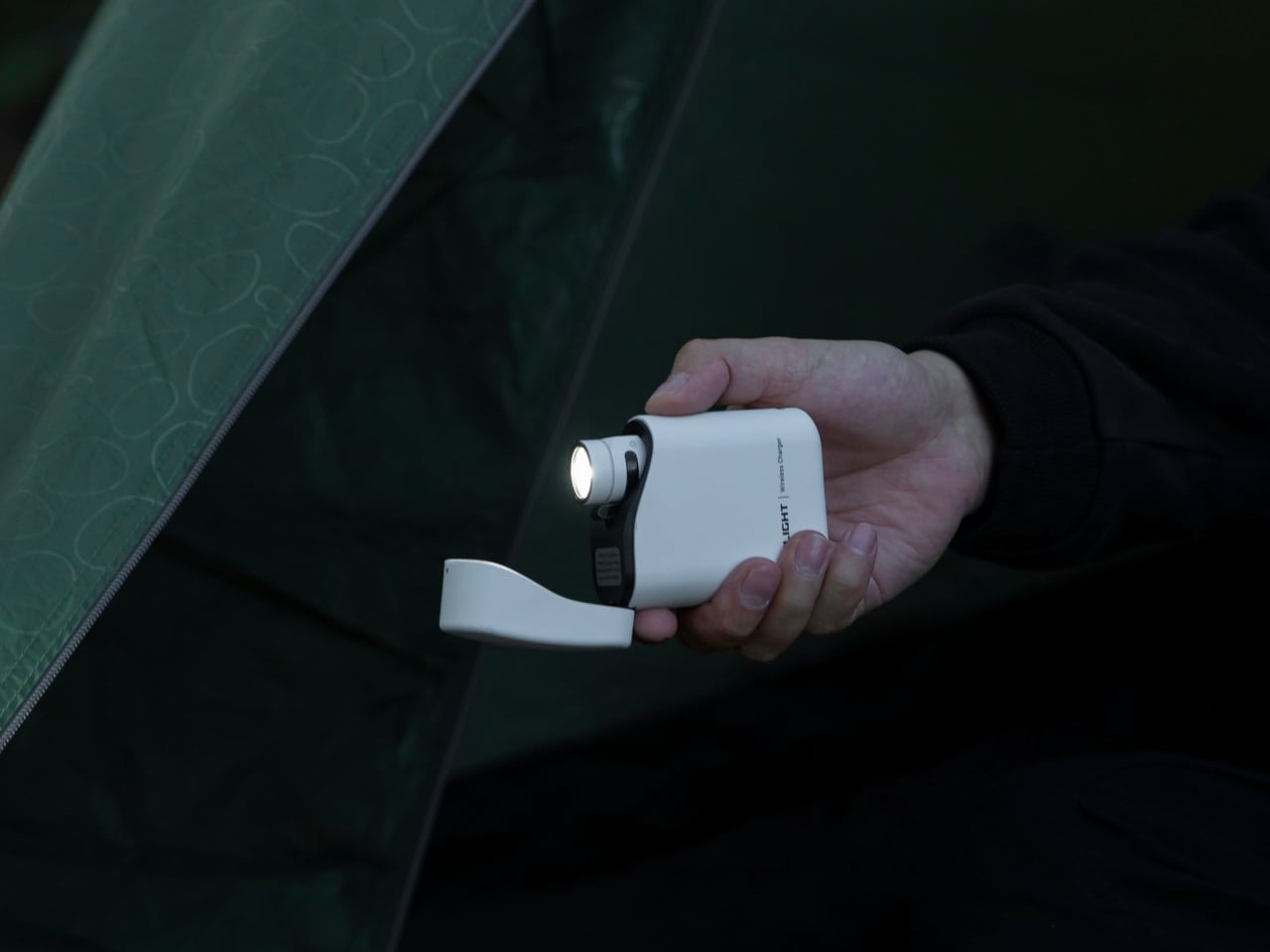
5. Wuben G5

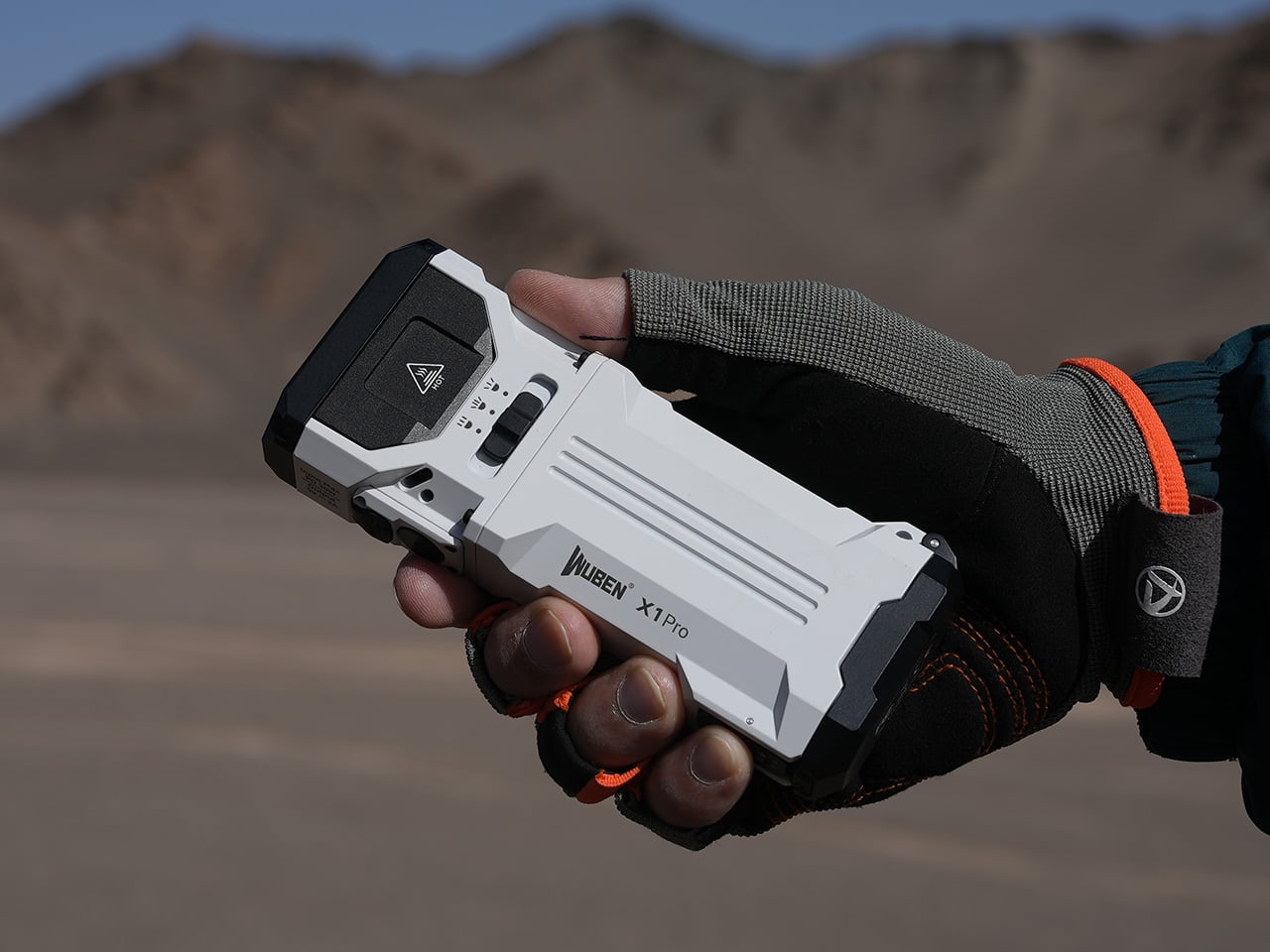
Most flashlights solve for brightness or runtime. The Wuben G5 solves for carry, and that turns out to be the harder design problem. The body is flat and squarish, sized closer to a lighter than any conventional torch, and weighs 52 grams. A 180-degree rotating head lets you angle light wherever it needs to go without repositioning your hand. The spring-tensioned clip grips fabric, straps, and pocket edges with reliable force. A magnetic base sticks it to any metal surface hands-free.

At $25, the G5 delivers 400 lumens, an 82-metre beam, RGB color modes, IP68 waterproofing rated to 2 metres, and an emergency beacon that flashes blue and red. USB-C charging hides neatly behind the tactile rotary switch, a deliberate design choice that keeps the profile clean. Summer makes every feature feel obvious: evening trails, beach bags, festival fields after dark, and camping trips where a headlamp feels like too much and a phone torch never quite feels like enough. It carries like nothing and performs like something far more expensive.

What We Like

  • The 180-degree rotating head and spring-tensioned clip solve the hands-free lighting problem with mechanical elegance rather than extra accessories
  • IP68 waterproofing, magnetic attachment, and USB-C charging at $25 is a combination that flashlights three times the price often fail to match

What We Dislike

  • Battery runtime at full 400-lumen output runs around 50 to 60 minutes, which requires some planning on longer outings or extended sessions
  • The blue-and-red emergency beacon is designed for genuine distress situations, and using it casually creates a real risk of being misread by people nearby

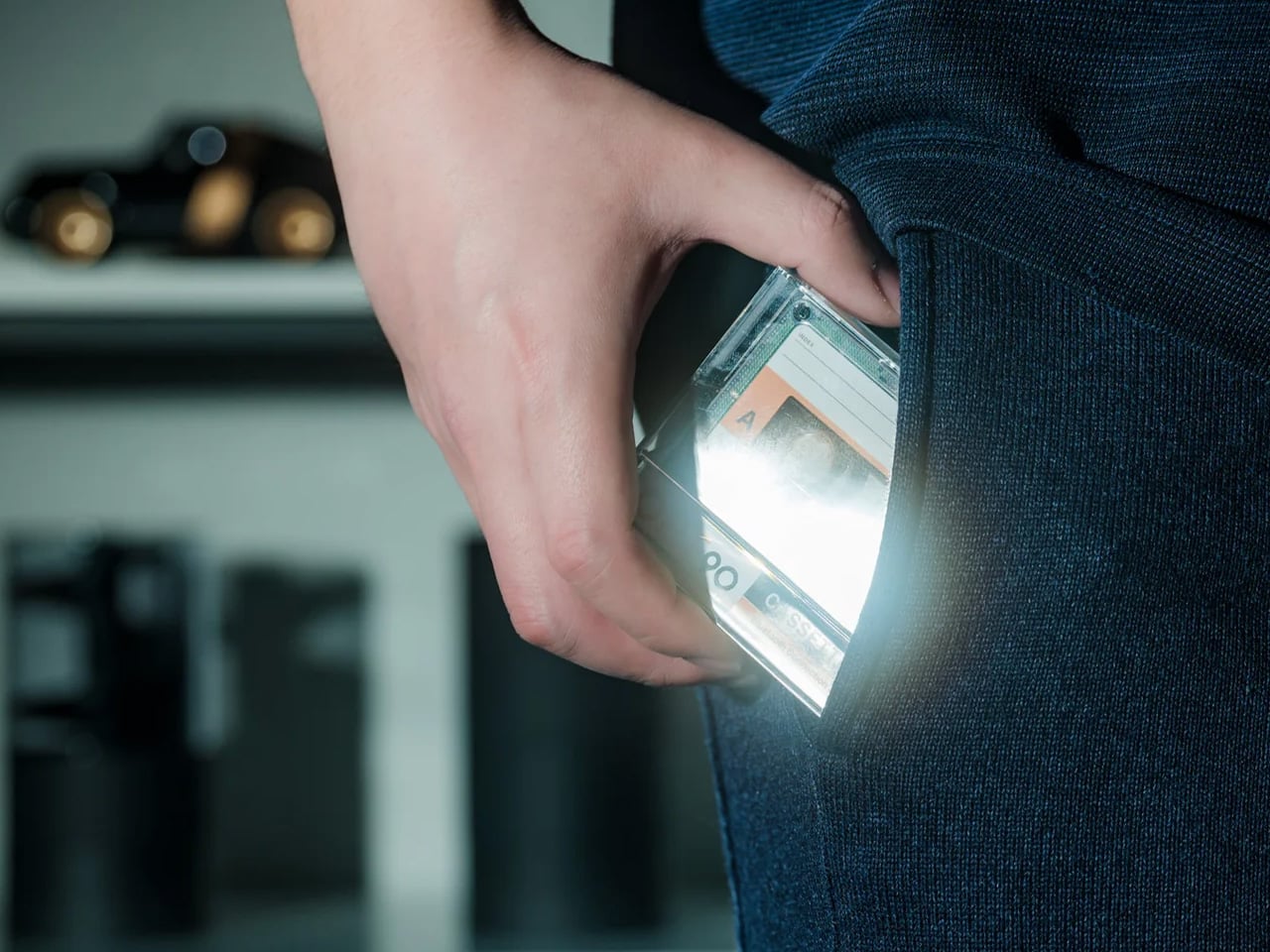
3. Side-A Cassette Speaker

There is a specific pleasure in a speaker who has a point of view. The Side-A wears its design intention openly, taking the cassette tape as its structural reference and arriving at something that sits between functional object and collected artifact. Bluetooth audio in a body that references one of the most culturally significant formats in sound history: it is a design brief that could have landed in a dozen wrong places, and it does not. The form has restraint, which is what separates a considered design reference from a costume.

What makes it a summer essential is its willingness to be present without announcing itself. It belongs on a table outside as naturally as it belongs on a shelf. The cassette format has always carried a sense of intentionality around music, the feeling that someone made a deliberate selection and committed to it. The Side-A carries that quality into Bluetooth territory without apology. Summer listening deserves something with genuine character, and this brings character alongside the sound without asking you to compromise on either.

Click Here to Buy Now: $49.00

What We Like

  • The cassette tape aesthetic is specific enough to be genuinely distinctive without crossing into novelty design territory
  • The form reads as a collected object rather than consumer electronics, which is a rare quality at any price point

What We Dislike

  • The retro design language is strong enough that it may feel tonally out of place for buyers who want their audio hardware to read as visually neutral
  • Buyers who prioritize raw audio specifications over design intention will find more technically competitive options at a similar price

4. All-Day Adventure Flask

The All-Day Adventure Flask is built around a single useful idea: one vessel, every drink the day asks for. The 32-ounce insulated stainless steel body keeps drinks hot or cold for hours, which is the baseline. What lifts it past every other flask on the market is the split-body design. Unscrew the top, invert it, line it with a filter, and you have a wide-mouth pour-over coffee kit. The same configuration decants wine, aerating it without the taste compromise that stainless interiors typically introduce, because the inside is finished in non-breakable glass that stays flavor-neutral regardless of what you put in it.

The modular system extends that range even further. A mesh container brews tea, infuses water, or cold-brews coffee, depending on how long you leave it. A slatted lid converts the whole flask into a cocktail shaker. A thermal core chills drinks without diluting them with ice. A silicone tumbler is built into the base and pops out as a cup, doubling as a shock absorber when the flask gets dropped. It won a Red Dot Design Award in 2020, comes with a 5-year warranty, is built to be carbon neutral, and Hibear commits a percentage of every sale to 1% for the Planet. The flask that carries all of summer, one mode at a time.

What We Like

  • The split-body pour-over and wine decanting function solves two completely different outdoor rituals in the same design move, with zero additional kit
  • The built-in silicone tumbler and non-breakable glass interior address both the drinking experience and long-term durability in one considered detail

What We Dislike

  • The full modular system involves multiple components that need tracking, cleaning, and reassembling, which adds friction on days when simplicity is the priority
  • The range of functions is genuinely impressive, but most users will find themselves returning to two or three of them regularly and barely touching the rest

5. AirTag Carabiner

The weakest version of any tracking solution is one you forget to use. An AirTag left loose in a bag pocket, or sitting on a key ring that stays home when the bag leaves, solves nothing. The AirTag Carabiner earns its place by removing the forgetting entirely: the tracking is built into the clip mechanism, so the moment it is attached to something, the Apple Find My network is engaged. No secondary step, no separate attachment decision, no choosing whether today is the day you bother.

Summer creates more opportunities to misplace things than any other season. Bags move between people. Keys get set down at the beach and claimed by the wrong table. Gear left on a trail gets collected by the person walking faster. The AirTag Carabiner sits at the intersection of utility and peace of mind without adding weight or bulk to anything it clips onto. Bags, straps, belt loops, keyrings: it clips to all of them. Summer is unforgiving to the disorganized, and this is the most considered possible answer to that specific problem.

Click Here to Buy Now: $149.00

What We Like

  • Integrating the AirTag directly into the carabiner mechanism removes the secondary step that makes most tracking setups feel optional or easy to skip
  • Find My network coverage means location data is available across virtually any populated environment without additional hardware or ongoing costs

What We Dislike

  • Full functionality is locked to the Apple ecosystem, which limits the product’s value significantly for anyone outside of it
  • Find My operates through a network of nearby devices rather than live GPS, which means there is always a lag between an item moving and its location updating

The Right Five Things Make Summer Easier

The five products on this list share one quality that never makes it onto a spec sheet: they do not complain about summer. They are waterproof, pocket-sized, or designed to adapt, and none require a protective case or a separate pouch to survive a day that gets more complicated than planned. That quiet durability is exactly what the season demands, and it is what separates a genuinely considered kit from a collection of things you meant to bring.

Pick the two or three that close the gaps in what you already carry. The Canon will arrive when Canon is ready, and based on five years of increasingly precise engineering, it will be worth the wait. Everything else on this list is available now, none of it requires much justification, and all of it is designed to stay out of your way while doing its job. Summer does not want to be curated. It wants to be lived. The right five things make that easier.

The post 5 Compact Pocket Essentials Built for a Summer That Never Slows Down first appeared on Yanko Design.

This $39 Titanium Knife Weighs Less Than An AirPods Case And Is Built To Last Forever (Literally)

A phone does a bunch of things – it clicks photos, it sends/receives emails, it tells you the weather, it also plays music. There’s a case to be made that a phone is worth owning for how multifaceted it is. Similarly, there’s also a case to be made for owning a vinyl player. A vinyl player doesn’t give you weather updates, doesn’t let you access ChatGPT, all it does is plays music, and does it well to the point of being a ritual. These two spectrums exist in almost every industry, but more so in the EDC world. You’ve got multitools thumping their chest for how multi and how tool they are. And you’ve got specialized EDC that’s made to do one job but do it with pleasure. The TiArc falls into the latter camp.

No bottle-opener, no pry-bar, no complications. The TiArc is built like a tank, and it’s built to be three things – reliable, robust, and for the most part, repairable. The thing’s tiny enough to fit on a keychain, in your palm, or your pocket. It measures 4.16″ when open, and 2.34″ when closed, weighing in at 30 grams or just above an ounce (that’s as much as an AirPods case). As unassuming those specs sound, the TiArc packs a Grade 5 titanium body and a D2 steel shell, making it the EDC equivalent of a ninja, invisible most of the time, but lethal when wielded.

Designer: XEdge

Click Here to Buy Now: $39 $50 (22% off) Hurry! Only 4 Days Left!

The tiny knife category is more vast than I originally imagined. While anyone will agree that bigger is (for the most part) better, sometimes you don’t need a 4-inch fixed blade. Sometimes even a cutter under 2 inches actually gets the job done, whether it’s opening boxes, slicing through paracord, whittling wood, starting fires, or even working on craft projects. The TiArc’s 1.82 blade gets the job done, whatever the task may be. The D2 steel has a HRC rating of 60, which means it won’t dull easy, even with rough usage.

That sheepsfoot blade profile is a classic in the EDC world. Also known as the ‘wharncliffe’ design, it features a curved belly blade that you can slice with running motions or even rock the way a chef rocks their knife while finely cutting something. The blade’s tip is pointy enough for piercing actions, making it fairly versatile no matter the task. You could be opening rations in the outdoors, defending yourself from danger, or doing something as benign as cutting open a lime to make yourself a margarita. The TiArc’s compact design means it’s on your person all the time, and the reliable build lends itself to almost every activity that would require a cutting edge.

TiArc’s makers iterate that the knife’s made with simplicity – but that doesn’t mean ‘basic’. It’s fairly capable the same way a Kalashnikov from the 40s still happens to be the gold standard for rifles, even after nearly 8 decades. The tiny knife packs an all-metal design that can be disassembled in a jiffy using two screws integrated into the body. A cutout in the blade lets you open meticulously, or just use the flipper on the back to flip open with panache. Once open, it holds its positions with stern resolve, and you can literally chuck the blade tip-first into hardwood and the knife won’t buckle. A frame-lock holds the blade in place, and to close your TiArc, simply coax the frame lock open to have the blade glide right back smoothly into its sheathe.

The Grade-5 titanium body is cool to the touch, practically destruction-proof, hypoallergenic, and comes with a stone-wash finish that genuinely feels great when you hold it, providing just enough friction while in use. Titanium has become a bit of a mainstay in the EDC world, but it’s always a mark of a premium tool given that you won’t find cheap knives made from titanium. You’re paying for the craftsmanship, the material, and the fact that this thing is built forever. I’ve long said that if you’ve got yourself a titanium EDC, chances are it doesn’t even need to come with a warranty because it’ll last long enough to pass down to your great grandkids. The TiArc, to that end, comes with a lifetime warranty.

At just 1.06 ounces, the TiArc is really made for everyday carry. Clip it to a carabiner, string it on your keyring, secure it on your outdoor backpack, or even stash it on your pocket. It goes where you go, doesn’t announce itself, but steals the show once you need to use it. No extra features adding any complexity, not even as much as a pocket clip – the thing is designed with the same minimalist mentality of a MacBook Air, which famously cut down on ports to keep things focused and still managed to become one of the most popular laptops out there. I’m writing this article on one as we speak.

The TiArc starts at $39 USD, discounted from its original $50 price tag. For that, you get the TiArc itself, a titanium split keyring to match, free global delivery, and a lifetime warranty. For an extra $14.6 USD, you can grab either one of the following – a custom engraving on the blade, a PVD black coating to give your knife a stealthy look, or a special quick-release keyring with a single-piece carabiner machined from titanium. The TiArc begins shipping as early as September 2026.

Click Here to Buy Now: $39 $50 (22% off) Hurry! Only 4 Days Left!

The post This $39 Titanium Knife Weighs Less Than An AirPods Case And Is Built To Last Forever (Literally) first appeared on Yanko Design.

8 Best Digital Nomad Gadgets of 2026 That Make Your Laptop Bag Look Like a Design Studio

The bag you carry into every café, co-working space, and airport lounge tells a story before the laptop opens. For years, that story was graceless — a tangle of cables, a charger shaped like a building block, a mouse that felt borrowed from a hotel business center. Nomad gear was assembled around survival rather than intention. Every surface it landed on looked worse for the visit.

Something has shifted. The tools built for people who work from everywhere are beginning to reflect the same care as the work itself. These eight gadgets share a quality that is harder to name than it is to recognize: they look considered. Each one earns its place in the bag not just by solving a problem, but by solving it in a way that leaves nothing clumsy on the table.

1. OrigamiSwift Folding Mouse

The travel mouse problem has never been about making mice smaller. Smaller mice create smaller hand cramps. The real solution is transformation, not compression, and the OrigamiSwift understands this from the geometry up. Borrowing the logic of its name, it collapses to card-sized flatness and snaps open — via magnetic clips — into a fully contoured ergonomic mouse that actually fits a palm. At 40 grams, it weighs less than a pen and disappears into a jacket pocket without announcing itself.

The polygonal folded surface earns its grip through geometry rather than rubber texture, which gives the form a visual coherence that most travel mice never achieve. Bluetooth 5.2 connects without a dongle, and three months of battery life on a single USB-C charge keeps it out of the daily rotation entirely. For the nomad whose work demands precision that a trackpad fails to deliver in the critical stretch of an afternoon, this removes every excuse for not carrying a proper mouse.

Click Here to Buy Now: $85.00

What we like:

  • Folds to true card-size flatness without compromising full ergonomic comfort when open, which is the only trade-off that actually matters in a travel mouse
  • Three-month battery life means it charges about as often as a passport gets stamped

What we dislike:

  • The hinge mechanism is structurally the most complex part of the design, and daily fold cycles over the years could introduce wear that a solid-body mouse would never accumulate
  • Scroll feedback is softer than premium stationary alternatives, something certain users notice immediately, and others never register

2. Lana Laptop Stand

Working from borrowed surfaces has always involved a compromise that people accept rather than solve. Laptop too low, neck forward, shoulders rounded inward — the session ends the same way regardless of how productive the hour before felt. The Lana laptop stand from Colebrook Bosson Saunders is a compact riser with a USB hub integrated directly into its spine, meaning a single USB-C cable connects the laptop, keyboard, mouse, and power simultaneously. The temporary desk stops feeling improvised from the moment everything clicks into place.

Lana was designed specifically for the shared spaces nomads actually inhabit: pods, booths, communal benches — furniture built for lunch breaks, not extended output. The footprint is small enough for a café booth table, but tall enough to bring the screen level. A 12-year warranty from a British-designed and engineered product communicates something important. This is not a disposable gadget but a long-term fixture in a kit that gets used every single day, on surfaces that were designed for everything other than this.

What we like:

  • An integrated USB hub means one cable manages everything, collapsing the connectivity setup into a single plug-in rather than a small archaeology project
  • The 12-year warranty reflects an engineering confidence that most portable accessories never earn the right to claim

What we dislike:

  • Works best alongside an external keyboard, meaning it adds an item to the bag rather than replacing one
  • Price sits at the premium end of the laptop stand category, which is a real consideration for a product that functions before anything else as a riser

3. Nimble WALLY Pro Wireless

Traveling with electronics has long meant traveling with three separate charging accessories: a wall charger for the laptop, a power bank for the phone, and a wireless pad for overnight top-ups. Most people pack all three, use each one just enough to feel justified in carrying it, and leave one at a hotel room in a different country at least once a year. The Nimble WALLY Pro Wireless is a direct answer to that pattern. At 0.61 inches thin, it functions as a wall charger, a 5,000mAh power bank, and a Qi2 wireless charging pad, simultaneously.

Plug it into any outlet globally using folding prongs, and it charges its own internal battery while sending up to 15W wirelessly to a phone placed on its back. Pull it from the wall, and it switches to power bank mode without missing a step. The housing is 100% post-consumer recycled plastic, carbon-neutral certified, TSA-approved, and biodegradably packaged. At $49.95, it removes a genuine category of bag-packing anxiety rather than simply reducing it, which is the kind of simplicity that only feels obvious after someone else has done the work.

What we like:

  • Three accessories in one device, at under six ounces, address the entire charging layer of the nomad kit without requiring any rethinking of the rest
  • Recycled housing and carbon-neutral certification make the sustainability story as important as the engineering story

What we dislike:

  • A 5,000mAh capacity handles phones and earbuds cleanly, but will not meaningfully extend a laptop’s battery under any serious workload
  • Wireless charging tops out at 15W, which suits passive overnight top-ups more than emergency fast-charges before a gate closes

4. Rolling World Clock

Working across time zones involves an arithmetic problem most people solve by unlocking a phone and navigating to a setting buried several menus deep. The Rolling World Clock removes the phone from that interaction entirely. A 12-sided dodecahedron, one analog hand per face, each face assigned to a city: roll it to any side, and it reads the correct local time in that location. The entire interaction takes less time than the lock screen.

Available in black and white at $49, it occupies the surface area of a hockey puck and sits at the precise intersection of functional object and desk sculpture. The design works because it resists adding more — no digital layer, no companion app, no charging port. On a surface full of screens and cables, a clock answered by physically rolling it is the object every person at the adjacent table wants to pick up and examine. That kind of unselfconscious utility is genuinely rare at any price.

Click Here to Buy Now: $49.00

What we like:

  • Rolling to read a time zone is a screen-free physical gesture that removes a phone unlock from the workflow without requiring any habit change
  • The form communicates its function completely without a label, a tutorial, or a single button

What we dislike:

  • Twelve faces cover most regular international relationships, but nomads managing more than twelve cities regularly will need a secondary solution
  • The face-to-city mapping takes roughly a week of regular use before the interaction becomes fully automatic

5. RedMagic Power Bank with Flight Mode

Aviation rules around lithium batteries have changed significantly in 2026 — multiple major carriers now ban in-flight power bank use entirely, and the regulations are still tightening. Most power bank manufacturers have responded to this by doing nothing. RedMagic responded by designing for the regulation directly. Their power bank includes a dedicated flight mode switch that disables active output functions on command, aligning with carrier requirements that previously involved gate-side arguments about a device nobody could quickly verify.

The one-touch flight mode cuts wireless transmission instantly, transforming a potential boarding problem into a one-press demonstration. Beyond the compliance story, the honeycomb aluminum finish suggests RedMagic wants you to leave this on your desk even when you are not traveling — a power bank that earns surface rights rather than disappearing into a pocket. For a brand that built its credibility making hardware for people who care about how their tools look and feel, the application to travel infrastructure is a natural extension rather than a category stretch.

What we like:

  • The dedicated flight mode switch turns a potential boarding conflict into a physical demonstration rather than a verbal explanation
  • Honeycomb aluminum finish gives the device a desk presence that most power banks, designed purely for pocket anonymity, never consider

What we dislike:

  • The flight mode feature is more useful than ever, but represents a design workaround for a regulatory gap that clearer aviation policy could simply close
  • Gaming-adjacent branding will read as the wrong register for some professional nomads who prefer their gear to carry no identity beyond the work

6. Centarui80

Fifty years of keyboard design produced better switches, heavier plates, and an entire hobbyist economy built around sound profiles — but the object itself stayed stubbornly analog in its ambitions. The Centauri80 breaks that contract. MelGeek embedded a 1.78-inch OLED touchscreen directly into the board at 325 PPI, the same pixel density as an Apple Watch face, alongside a physical rotary encoder called the Super Dock. Live wallpapers, macros, and lighting adjustments happen on the board itself, without alt-tabbing out of whatever the afternoon actually requires.

The engineering underneath supports the ambition. Six microcontroller chips drive TTC Flip King Hall Effect magnetic switches to 0.125ms latency at an 8000Hz polling rate — numbers that make the 80% aluminum unibody the most responsive input device on most desks, not just the most considered one. At $299 from MelGeek’s own store, the Centauri80 competes directly against the Wooting 60HE and the rest of the Hall Effect field while carrying something none of them have: a visual interface that turns the keyboard into a control surface with its own design language.

What we like:

  • A 325 PPI OLED screen embedded into the board makes macro and lighting control a keyboard-side interaction rather than a software detour through a menu nobody enjoys navigating
  • Hall Effect magnetic switches at 8000Hz polling deliver the kind of input responsiveness that makes every other keyboard in the same price range feel noticeably behind

What we dislike:

  • An onboard touchscreen and six microcontroller chips add genuine complexity to a device category where simpler hardware has historically outlasted ambitious feature sets
  • At $299, the Centauri80 is considered a purchase rather than an impulse one — the OLED and polling rate premium asks for conviction before checkout

7. Orbitkey Desk Mat

A borrowed table is still a borrowed table until something on it says otherwise. The Orbitkey Desk Mat doesn’t announce itself — it simply reframes the surface it occupies. Full vegan leather across the top, recycled PET felt underneath, a document slot along the upper edge, and Qi wireless charging embedded invisibly into the upper-right zone. Place a phone there, and it charges. No cable surfaces anywhere in the composition. The mat claims the desk and turns it into something that belongs to you, at least for the session.

It rolls tight enough to travel inside most laptop sleeves, deploys completely flat, and develops a surface character over months of use that reads as the quality indicator it actually is. Magnetic cable holders keep charging cables from drifting off the edge mid-session. A pen loop stitched into the left side holds exactly one pen. These details were thought through rather than listed on a spec sheet, which is the difference between a product designed for desk photography and one designed for daily work. At $99.90, it is the kind of surface investment that compounds quietly over the years.

What we like:

  • Wireless charging disappears so cleanly as a feature that it stops being a feature and becomes simply a behavior: phone down, phone charges
  • Rolls compactly enough to travel inside a laptop sleeve, adding no dedicated bag volume to the packing equation

What we dislike:

  • Wireless charging tops out at 10W, making it a passive convenience layer rather than a serious fast-charging solution
  • The leather surface requires periodic conditioning at the fold line after extended travel use to maintain its original finish

8. HubKey Gen2

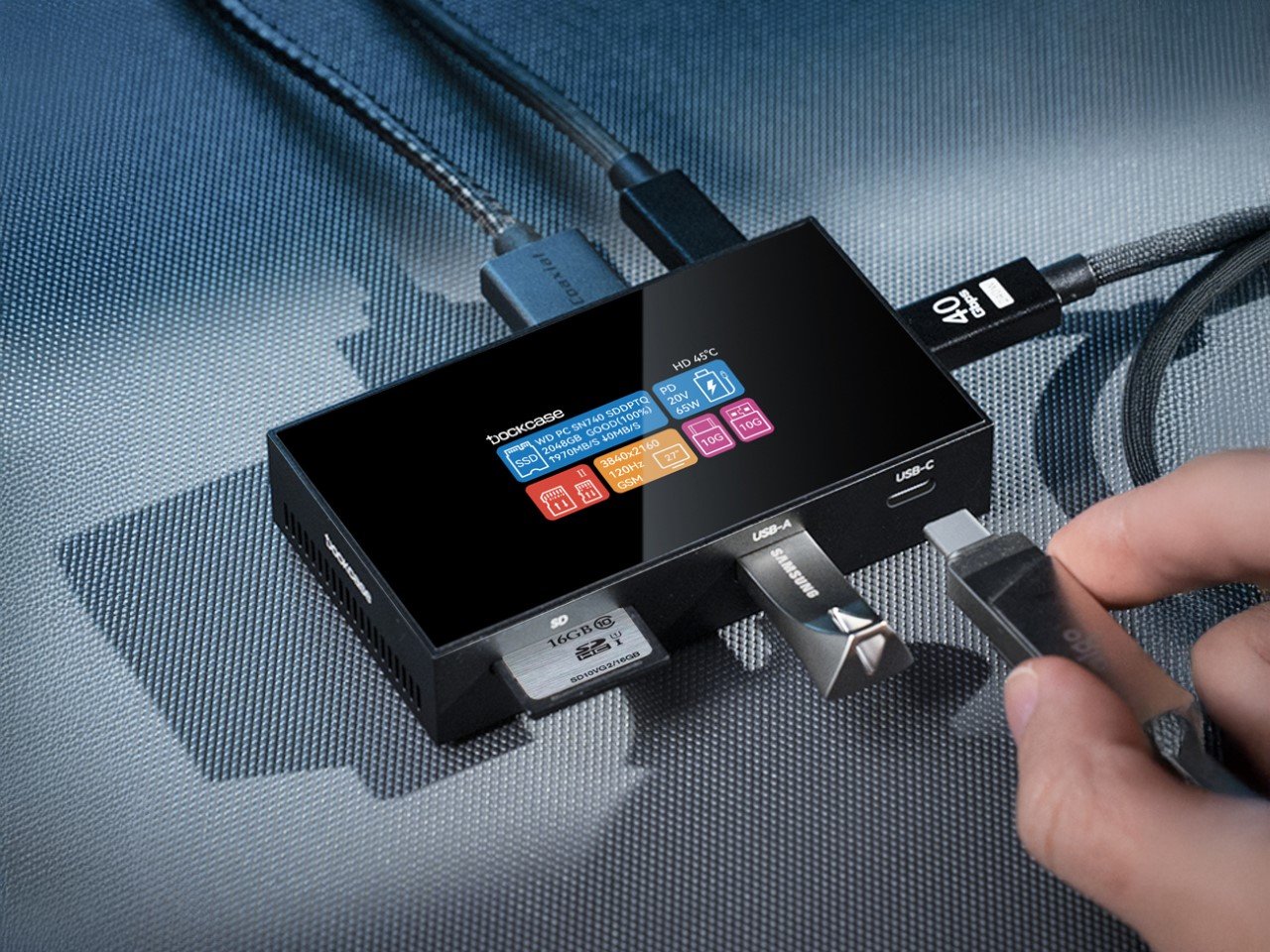
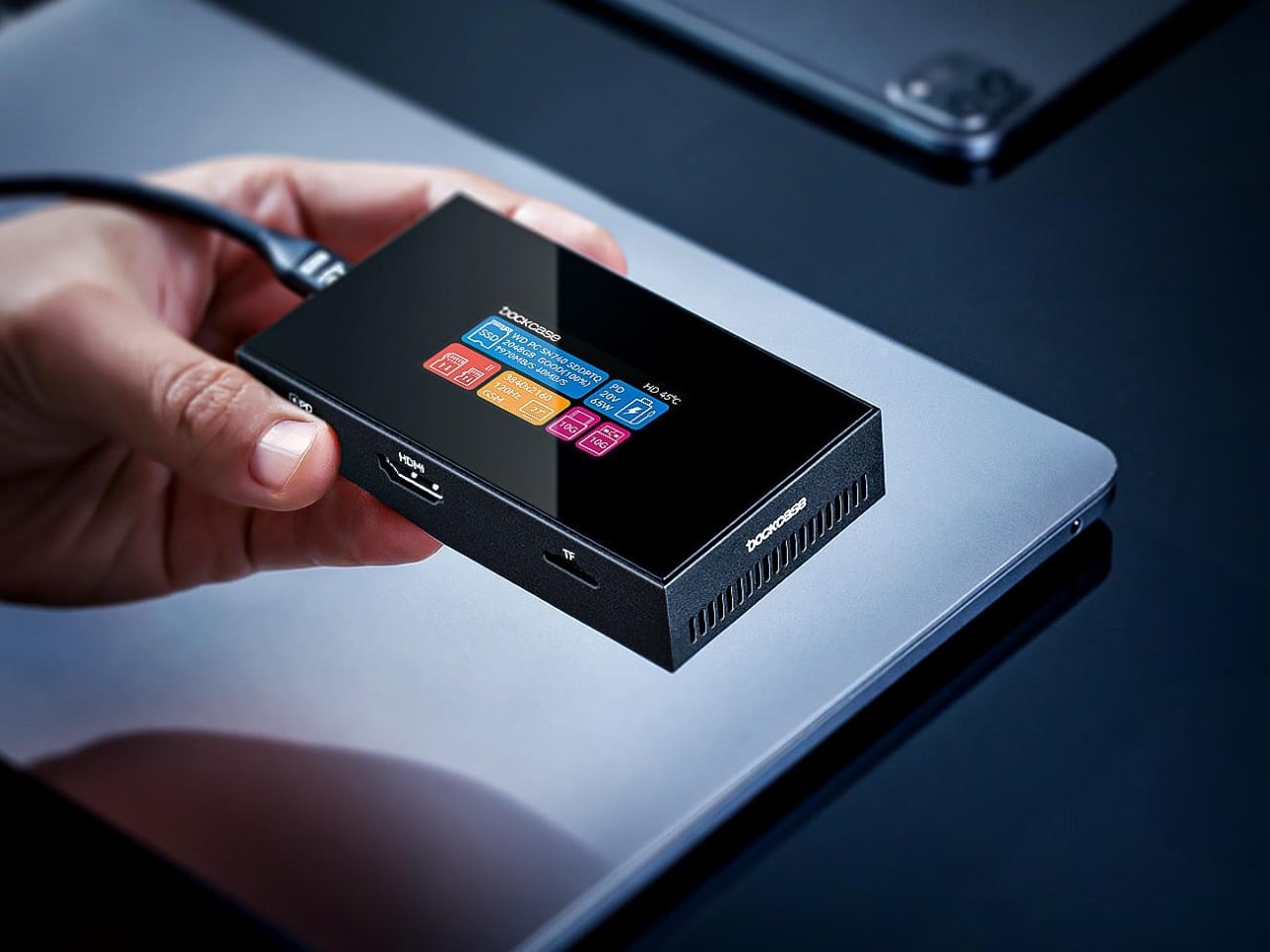
Every modern ultrabook ships with two USB-C ports. Every modern nomad workflow needs more than two ports running simultaneously. The HubKey Gen2 resolves the gap with eleven connections in one compact 7 × 7 × 3cm cube: dual 4K/60Hz HDMI outputs, USB-A 3.1, USB-C 3.1, SD and TF card readers, 2.5Gbps ethernet, a 3.5mm audio jack, and 100W power delivery through a single cable into the laptop. The port problem disappears from the workflow rather than being permanently managed around it.

The programmable shortcut keys and central control knob on the top panel are what distinguish this from a standard travel hub. Volume, mute, display toggle, and screenshot become physical actions handled by the left hand while the right hand stays on the mouse. For nomads driving external displays across video calls and creative sessions in co-working spaces, turning a connectivity device into a tactile control surface is the kind of upgrade that feels immediately obvious on the first day and genuinely irreplaceable from the second. The cube form fits anywhere without announcing itself.

What we like:

  • Dual 4K/60Hz HDMI outputs let you build a two-monitor workstation from a single cube that fits inside a laptop sleeve pocket
  • Programmable shortcut keys and a control knob give the desk a physical control layer that no other travel hub currently offers

What we dislike:

  • Tightly spaced ports mean thick cables or large flash drives can crowd each other along the edges during a fully loaded setup
  • The cube form, while genuinely compact, is less pocketable than flat card-style alternatives when volume and weight are being counted carefully

The Desk You Build Is Better Than the One You’re Given

The kit assembled here is not a packing list. It is a position that the tools a nomad carries every day deserve the same design attention as the work those tools are used to produce. A mouse that folds with geometric logic. A clock answered by rolling it. A charger that stopped being three separate objects. A hub that turned its top surface into a control panel. Each object solves a specific problem in a way that leaves the desk better than it found it.

The best version of working from anywhere is not about freedom from a particular address. It is about arriving at any table with a kit that makes the table feel chosen. These eight products do that together in a way that none of them manages alone — and that is the standard worth holding to when every other square centimeter of the bag is already spoken for.

The post 8 Best Digital Nomad Gadgets of 2026 That Make Your Laptop Bag Look Like a Design Studio first appeared on Yanko Design.

Bolt-Action Titanium Pen Packs a Magnetic Blade, Glass Breaker, and Bit Driver Into A 32-Gram Package

Bolt-action pens command a fanbase that splits neatly into two camps. There are the fidget enthusiasts, the ones who cycle the bolt compulsively mid-conversation and genuinely cannot put the thing down, drawn entirely by the sensory reward of a well-tuned spring mechanism. The satisfying click and return of a well-machined bolt has an almost compulsive quality that most people who have owned one will recognize immediately. Then there are the EDC traditionalists, who carry bolt-action pens with something closer to reverence, appreciating how a mechanism borrowed from military rifles found its way into writing instruments and became a small, tactile piece of mechanical history worth keeping in a pocket. For that second group especially, the bolt-action pen occupies the same mental space as a quality pocket knife or a classic field watch: a precision object that earns its keep through both performance and heritage.

The Bullet Ant 4.0 by MeTool builds on that foundation and loads it with function. The bolt-action mechanism deploys a top-mounted 4mm bit driver the moment the bolt flicks forward. Nested inside the barrel is a magnetic bit garage holding a spare, and a hidden blade sits flush in the lower section, locked by two magnets that hold it against shaking, jostling, or being tossed in a bag. The rear tip swaps between a graphite and metal writing point, with a tungsten glass breaker completing the set. All of that in 32 grams of Grade 5 titanium.

Designer: MeTool Design Team

Click Here to Buy Now: $65 $108 (40% off). Hurry, only a few left! Raised over $32,000.

A single forward flick of the bolt deploys the 4mm magnetic bit driver into working position, with no caps to remove and no secondary steps to take. The magnetic mount keeps the bit seated precisely, and the same magnetic logic governs the bit garage inside the barrel, which stores a second 4mm bit as a permanent spare. Losing a bit mid-job is a real-world frustration that MeTool clearly heard from earlier-generation users, and the solution is architectural rather than behavioral: one extra 4mm bit, always with you, no loose parts, no hunting through a bag for the Phillips you dropped. Both the working bit and the stored backup are standard 4mm, keeping compatibility with common interchange systems rather than locking the user into proprietary accessories. The bolt mechanism also carries the distinction that made this whole category worth caring about: positive tactile feedback on both extension and retraction, the kind of mechanical click that turns a tool into something you actually look forward to using.

The blade lives flush inside the lower barrel, producing zero poke, zero rattle, and zero external profile, and when you don’t need it, it simply disappears, leaving a clean, cylindrical pen that looks like nothing but a pen. Two small but powerful magnets keep the bit blade perfectly seated, with no wobble and no creep, meaning you can throw the pen in a bag, run down stairs, or shake it aggressively without the blade budging until a deliberate thumb pull releases it. In practical daily use, it handles the mundane cutting jobs that otherwise require hunting for scissors: tape, packaging, zip ties, rope, plastic clamshells. Slip the blade out in two seconds, make the cut, click it back, and the pocket knife can stay home. The design intent leans firmly toward daily micro-cutter territory rather than survival blade ambition, which keeps the tool honest about its actual scope.

The everlasting pen tip carries no ink and no limits, writing on paper, metal, wood, plastic, or underwater. Two tip configurations are available: the graphite tip delivers smooth, paper-friendly contact suited for notebooks and daily writing, while the metal tip offers rigid marking performance on hard surfaces in outdoor conditions. The new alloy tip survives waist-high drops onto concrete without cracks or flakes, in either metal or graphite form, and swaps between configurations in seconds. The tungsten glass breaker occupies the same interchangeable slot at the rear of the barrel as a third configuration, converting that end into a hardened emergency strike point capable of breaking automotive glass. Concentrating the writing, glass-breaking, and emergency functions at the rear of the barrel is a coherent spatial decision that keeps the bolt-action end clean and dedicated entirely to the driver.

136mm of titanium at just 32 grams, with six precision grooves machined into the grip section that give ultimate hold in any condition, wet, cold, or gloved. Grade 5 titanium, the Ti-6Al-4V aerospace alloy, is the material for the entire body, chosen for its strength-to-weight ratio rather than its premium associations. The all-new ball-detent contact point lets the Bullet Ant 4.0 glide over any fabric, whether pocket, bag, or strap, without snags or scratches. Earlier generations of the pen were known to catch and drag on pocket linings, a small but genuinely irritating daily friction that the redesigned clip eliminates cleanly. Finish options include sandblasted titanium, raw and untouched in the way titanium comes out of the earth, and black, stealth and matte, a finish that disappears in low light.

Anodized blue and purple finishes are available as add-ons, and the distinction MeTool draws is worth noting: anodizing is an electrochemical bond that becomes part of the metal itself, and won’t chip or peel. Regardless of chosen finish, the underlying material is the same Gr5 titanium with identical performance throughout. The Bullet Ant 4.0 is built for a specific kind of person: someone whose environment demands improvised repairs, a cutting edge within reach, and legible notes all within the same hour, whether that person is a hiker tightening gear on a trail, a field technician working a job site, or an outdoors-oriented carry enthusiast who wants glass-breaking capability without a dedicated tool eating up pocket space. The pen cycles between five roles through mechanical reconfiguration rather than physical disassembly, shapeshifting from writing instrument to bit driver to blade to emergency tool without ever requiring a bag dig or a secondary carry item. It manages all of this without looking overtly tactical, which, for a category that sometimes leans too hard into military aesthetics, is a meaningful restraint.

Gen 1 proved the concept, Gen 2 made it tactical, Gen 3 packed in more tools, and MeTool has been running this annual design cycle since 2023. The two complaints every Bullet Ant 3.0 user raised were the same: why unscrew a cap every time a screwdriver is needed, and why does the metal tip crack on a drop. MeTool listened, and rebuilt. Gen 3 hid the blade under a cap that required unscrewing before driving a screw. Gen 4 hides the blade inside the bit itself. Gen 3’s tip could crack on a hard drop. Gen 4’s alloy tip survives waist-high falls onto concrete. That pattern of user-feedback-to-design-decision shows in how purposeful the Gen 4 upgrades feel when set against the earlier versions, each fix traceable directly to a complaint someone actually filed.

Silver tactical pen on a gray desk with a black leather pen case nearby.

Each Bullet Ant 4.0 ships with the pen body in Gr5 titanium, an alloy tip for the everlasting pen system, one magnetic hidden blade, and two 4mm magnetic bits, with worldwide shipping included at no extra cost. That represents a complete functional loadout without any additional purchases required for core use. Anodized blue and anodized purple finishes are available as paid add-ons, with the electrochemical finish applied to the same Gr5 substrate across all color options. The campaign runs through June 17, 2026. Pricing and full reward tier details are live on the Bullet Ant 4.0 Kickstarter page.

Click Here to Buy Now: $65 $108 (40% off). Hurry, only a few left! Raised over $32,000.

The post Bolt-Action Titanium Pen Packs a Magnetic Blade, Glass Breaker, and Bit Driver Into A 32-Gram Package first appeared on Yanko Design.

8 Father’s Day EDC Gifts So Good We Bought Them for Ourselves First

The best Father’s Day gifts aren’t found in department store gift sets or tucked inside branded packaging. They live somewhere more specific, in the overlap between things a man reaches for every single day and things he’d never quite justify buying himself. Everyday carry occupies that exact territory. It’s a category built on considered objects: tools that earn their pocket weight, wallets that age beautifully, lights compact enough to forget you’re even carrying them.

Every product on this list passed a simple test. We asked whether we wanted to keep it after reviewing it, and in each case the answer was yes. These aren’t gifts bought by someone who doesn’t know the person. They’re objects that get used every single day, noticed by whoever sits across from your dad at dinner, and occasionally borrowed without being returned. Father’s Day is June 21. The window is closing.

1. RetroWave 7-in-1 Radio

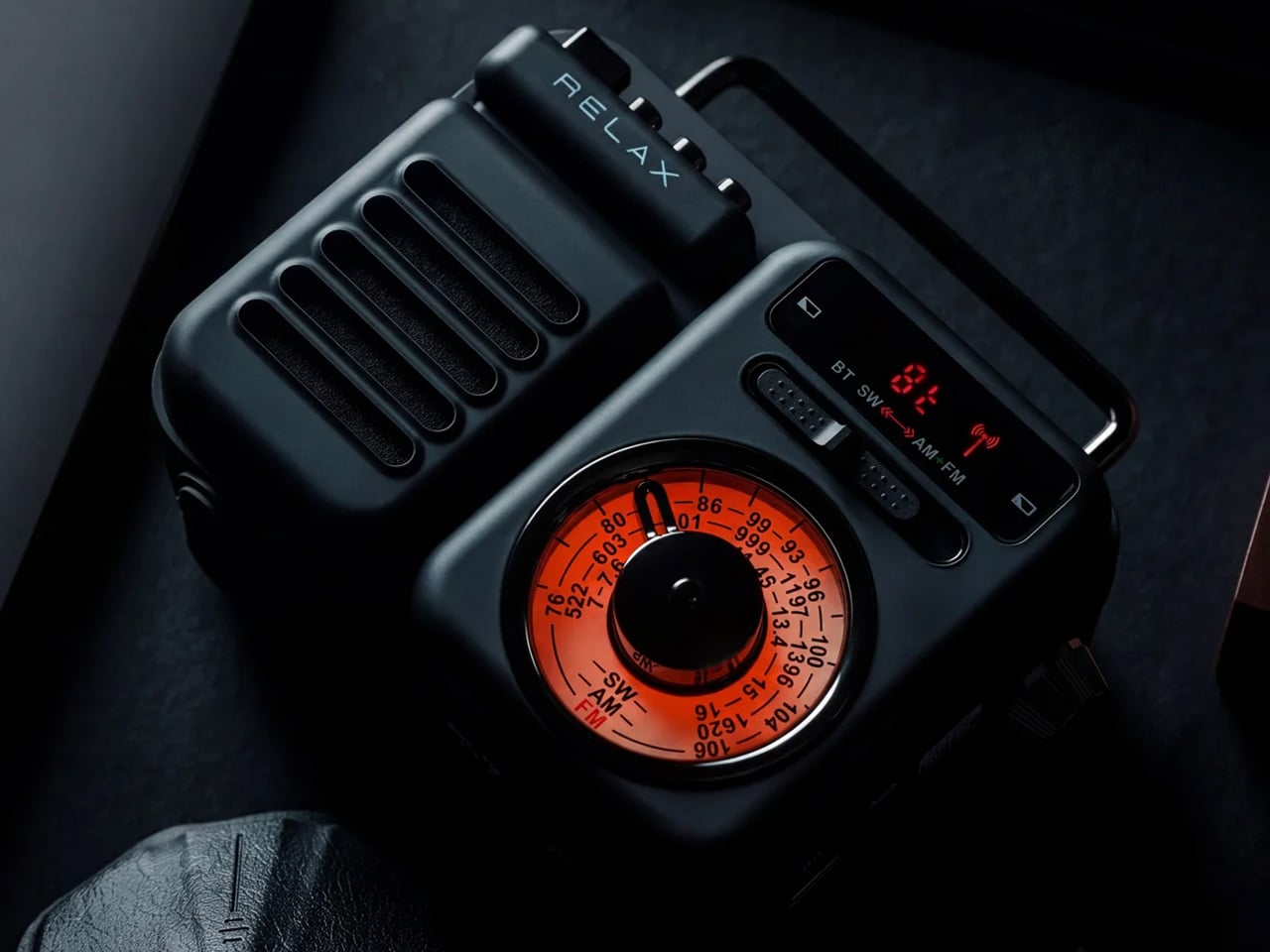
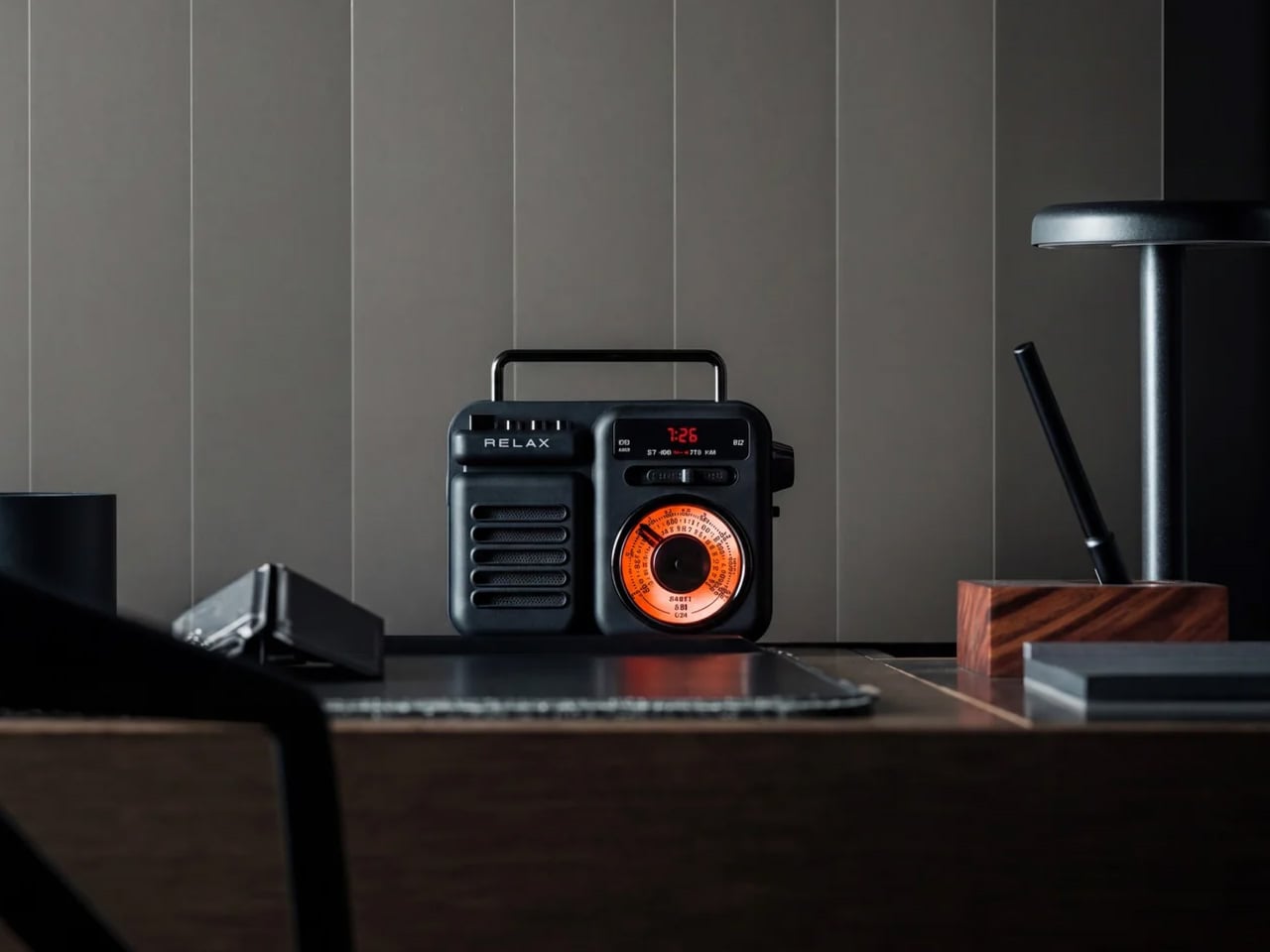
There’s a specific kind of object that doesn’t need to be the most useful thing in the room to earn its place there. It just needs to make the room feel more like itself. The RetroWave 7-in-1 Radio does exactly that. Built with analog dial aesthetics and a warm retro presence, it packs AM, FM, and shortwave radio alongside Bluetooth streaming into a form that looks like it was pulled from a better decade. For a desk, workshop, or kitchen counter, this is the object that earns its place through presence as much as performance.

The seven functions include AM, FM, and shortwave reception alongside Bluetooth connectivity, which means your dad can stream from his phone or tune into a local station without touching two different devices. The design language is deliberate and specific. This isn’t retro-themed tech; it’s a considered object that happens to be wireless. At $89, it doubles as a reliable emergency radio while looking like something a design museum would want on permanent display. That combination rarely arrives at this price.

Click Here to Buy Now: $89.00

What We Like

  • The design brings genuine character to whatever surface it occupies. Most modern speakers disappear into a room; this one earns a second look and usually a question about where it came from.
  • The AM/FM/shortwave plus Bluetooth combination covers both nostalgia and utility in one device, making it relevant in a power outage and equally relevant on a quiet Sunday morning.

What We Dislike

  • Anyone expecting audiophile-level output from a compact lifestyle radio will need to adjust expectations. This is a design object first and a speaker second.
  • The retro aesthetic is specific enough that it won’t suit every interior. A very minimal, contemporary space may not be the right home for it.

2. Cubik Knife

The Cubik by IF opens the way a gravity-defying trick should: tilt the handle downward and the blade deploys through gravity alone, no thumb pressure, no fidgeting. It’s a deployment mechanism that sounds like a party trick until you’ve used it, at which point it becomes the only way opening a knife makes any sense. The swappable blade design adds a layer of practicality that most folding knives refuse to offer. You replace a worn blade rather than retiring the entire tool.

For a father who carries every day, the Cubik makes the case that a pocket knife doesn’t need to look tactical to be genuinely useful. The block-shaped geometry of the closed handle sits flat in a pocket without printing or adding uncomfortable bulk. One-handed deployment is the default rather than the exception. Swappable blades mean the knife stays sharp in the way that actually matters: you replace the edge when it’s worn rather than tolerating a dull carry or buying another knife you didn’t need.

What We Like

  • The gravity-activated deployment is a genuinely original mechanism in a category that rarely produces genuine originals. It changes the entire experience of opening a pocket knife.
  • Swappable blades solve a problem every EDC knife eventually creates. A worn edge becomes a blade swap rather than a reason to start the whole search over again.

What We Dislike

  • The gravity deployment mechanism requires a specific wrist motion that takes some practice to execute cleanly. The first few attempts will feel more deliberate than effortless.
  • The block-form geometry is distinctive but not for everyone. Carry traditionalists who prefer the classic teardrop profile of a standard folding knife may find it takes genuine adjustment.

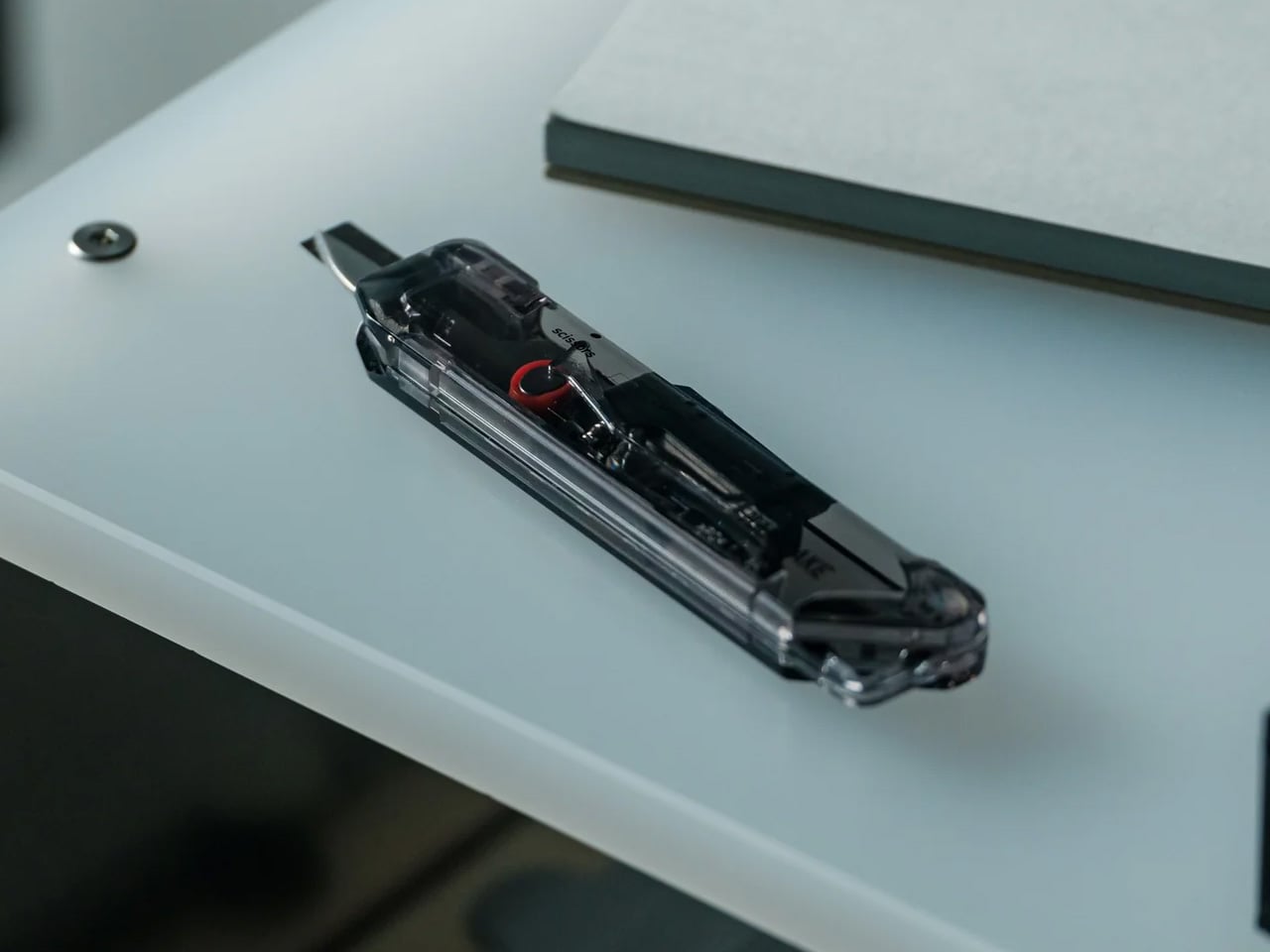
3. 8-in-1 EDC Scissors

Scissors aren’t the first thing most people consider when building an EDC kit, and that’s exactly the blind spot this tool exploits. The 8-in-1 EDC Scissors fold multiple functions into what looks, at a glance, like a compact pair of scissors. It’s the kind of object that rewards closer inspection. For anyone who carries every day, adding scissors to the rotation solves a daily inconvenience you didn’t realize existed until it isn’t there anymore, which is the best kind of problem-solving.

At 13cm closed, the scissors fit comfortably in a pocket, bag inner sleeve, or travel kit without creating bulk. Each of the eight functions is genuinely useful rather than included for the sake of a number on the packaging. For a father who travels, works with his hands, or simply encounters the daily friction that a well-made compact tool resolves without ceremony, this is the gift that earns a permanent spot in the rotation within the first week of carrying it.

Click Here to Buy Now: $59.00

What We Like

  • The scissors-first form factor makes this genuinely different from every multitool on the market, solving a carry gap that most people don’t notice until they’re reaching for something that isn’t there.
  • It’s compact enough to slip into a shirt pocket or travel kit without adding meaningful weight, which means it disappears into the kit until the exact moment it’s needed.

What We Dislike

  • Multi-function scissors tools involve a compromise at the individual tool level. For heavier or more frequent use, a dedicated pair will always outperform a compact version.
  • The scissors form factor doesn’t visually communicate all eight functions, so your dad may need a quick walkthrough before he fully understands what he’s been given.

4. Loop Gear SK05Pro MAO

Most people don’t carry a flashlight because they’ve never had one small enough to forget they were carrying it. The Loop Gear SK05Pro MAO resolves that argument with 4,360 lumens from a body small enough to disappear into a front pocket. The MAO finish gives it a matte oxidized appearance that reads more like a precision instrument than a hardware store purchase. The output range spans from a low moonlight mode useful enough for reading to a maximum that makes darkness feel briefly offensive.

The built-in power bank turns what could have been a single-purpose tool into something considerably more useful during travel, camping, or the daily commute. Your dad can top off his earbuds or phone without reaching for a separate charging brick. Magnetic charging keeps it perpetually ready on a desk or nightstand without cables to manage. At $111.99, this is the most useful thing most men aren’t currently carrying, and the smallest possible argument against that continuing to be true.

What We Like

  • The 4,360-lumen output from a pocket-sized body resets what you expect from compact carry lighting. The size-to-output ratio is genuinely remarkable at this form factor.
  • The built-in power bank adds a second use case that justifies the carry weight entirely. One object replaces two, which is the only math that matters in EDC.

What We Dislike

  • The built-in power bank adds some bulk compared to a pure flashlight at this size. Anyone optimizing purely for minimal weight may prefer a single-function alternative.
  • At $111.99, the SK05Pro MAO is the highest-priced item on this list. The quality justifies it, but the number requires some confidence when wrapping the gift.

5. Titanium 6-in-1 Multi-Tool

The case against most multitools is the same every time: too many functions included to justify buying a dedicated tool for each one, but not quite good enough at any single task to feel like the right choice when it matters. The COMANDI-CC Titanium 6-in-1 avoids that trap through restraint. Six functions, each genuinely useful: an adjustable wrench, a pry bar with nail puller, a screwdriver bit holder, a ratchet mechanism, a bottle opener, and a window breaker.

Machined from titanium, the tool carries the weight argument that most multitools can’t make cleanly. It disappears into a pocket without the heft that makes you leave tools at home on the days you most need them. At $95, it occupies the sweet spot between a novelty keychain gadget and a professional-grade tool. For a father who fixes things, builds things, or simply moves through the world with a preference for being prepared, this is the object that earns its carry without negotiation.

What We Like

  • Six genuinely useful functions rather than twenty marginally useful ones. The restraint in the feature count is the design decision that makes this worth carrying every day.
  • Titanium construction keeps the weight honest. A tool that stays in the drawer because it’s too heavy has already failed at its primary job.

What We Dislike

  • The adjustable wrench function works within a limited size range. Anyone needing serious torque will still need a dedicated wrench for anything beyond light fastening work.
  • The $95 price point is fair for titanium construction but sits above most impulse gift budgets. It rewards knowing your dad will actually reach for it regularly.

6. The Fantom X Wallet

The Fantom X is the third wallet in Fantom’s minimalist series and the one that finally answers every objection the earlier versions created. It comes in three sizes, holding anywhere from seven to thirteen cards depending on which you choose, and the fan-out mechanism deploys your cards with a single thumb motion rather than the digging and shuffling that defines the billfold experience. For anyone still carrying a leather fold stuffed with loyalty cards and expired receipts, this is a confronting object.

The design forces a kind of carry discipline that turns out to feel like freedom once you’ve adopted it. The slim profile sits flat in a front pocket, eliminates back pocket bulge entirely, and never creates the sitting discomfort that makes poorly designed wallets quietly unbearable. For a father who carries a phone, keys, and cards as the complete daily kit, the Fantom X completes the minimalist triangle with something that looks as considered in the hand as the phone sitting next to it on the table.

What We Like

  • The three-size range means you can calibrate the gift to your dad’s actual carry habits rather than asking him to edit his entire wallet life to fit the product’s capacity.
  • The fan-out card deployment is the kind of mechanism that feels obvious in retrospect. Once you’ve accessed cards this way, the standard billfold feels like a design problem nobody bothered to solve.

What We Dislike

  • The Fantom X is a card-first wallet. Anyone who carries folded cash regularly will find the experience less seamless, and a separate money clip becomes an additional consideration.
  • The minimalist philosophy requires buying into the premise that fewer cards are better. Dads with full wallets may resist the transition more than the wallet deserves.

7. The Rodent Bottle Opener

Kairi Eguchi designs objects the way a good sentence is written: by removing everything that isn’t necessary until what remains is exactly right. The Rodent bottle opener is that philosophy applied to the most overlooked object in most men’s kitchens. The form references its namesake with just enough visual suggestion to reward the comparison without leaning on it. It sits in the hand the way a well-made tool should, with a presence that makes you reach for it over everything else on the counter.

For a father who appreciates objects that have been genuinely considered rather than generically manufactured, the Rodent is the kind of gift that communicates something specific about the person giving it. It says that you noticed the difference between a thing that works and a thing that works beautifully. An opener this considered earns a permanent place on the counter rather than a drawer. It’s also the gift on this list most likely to be commented on by a guest before being handed back.

What We Like

  • The design communicates its intent without explanation. You pick it up, you understand it, and you’re immediately aware it has been thought about far more carefully than the task usually demands.
  • The Rodent works as both a functional daily tool and a display-worthy object. Most bottle openers earn neither description. This one earns both without effort.

What We Dislike

  • The design specificity means it will resonate deeply with people who notice objects and matter very little to people who don’t. Know your audience before wrapping this one.
  • As a single-function tool, the Rodent works best alongside something else on this list rather than standing alone as the complete gift.

8. AirTag Carabiner

Losing things isn’t a character flaw. It’s a design problem, and the AirTag Carabiner is the most elegant solution to it available right now. Machined from Duralumin composite alloy, the same material used in aircraft, boats, and spacecraft, this carabiner clips onto a bag, bike, umbrella, or key ring and turns Apple’s AirTag into something worth carrying rather than something you tolerate carrying. The construction is individually hand-crafted, which means no two are identical, and the finish holds up in water and at altitude without complaint.

The genius of this object is that it doesn’t ask you to change your behavior at all. Snap it onto whatever you already own, drop an AirTag inside, and forget about it in the best possible way. For a father who travels, commutes, or simply moves through a life full of things worth keeping track of, this is the carry addition that works hardest precisely when he’s paying it the least attention. Available in Duralumin, untreated Brass, and Stainless Steel. Apple AirTag sold separately.

Click Here to Buy Now: $149.00

What We Like

  • The Duralumin composite alloy makes a serious material argument at a compact scale. This isn’t a novelty keychain accessory — it’s built from the same specification that keeps aircraft components intact under pressure.
  • The hand-crafted construction gives each carabiner a subtle individuality that mass-produced accessories never manage. It’s a detail your dad may not notice immediately, and will appreciate permanently once he does.

What We Dislike

  • The AirTag isn’t included, which adds to the total cost and requires a separate purchase. Worth flagging before wrapping, particularly if your dad isn’t already in the Apple ecosystem.
  • The carabiner’s opening gate is sized specifically around the AirTag form factor. Anyone hoping to clip it onto thicker straps or larger hardware may find the gate too narrow for comfortable daily use.

The Gift That Gets Used Every Day Is the Only Gift That Counts

Every gift here has something in common beyond the pocket it lives in. Each one rewards daily use rather than occasional appreciation, which is the only test a genuinely good gift should pass. Your dad isn’t going to look at a well-made multitool or a considered bottle opener once and put it in a drawer. He’s going to reach for it the next morning and the morning after that, until it stops being a gift and becomes just the thing he carries.

The best objects become invisible in the best way, so integrated into a daily routine that their absence would be noticed before their presence ever was. You’re not giving your dad something to unwrap on a Sunday in June. You’re giving him a new default, a small but lasting upgrade to the way he moves through every day after this.

The post 8 Father’s Day EDC Gifts So Good We Bought Them for Ourselves First first appeared on Yanko Design.
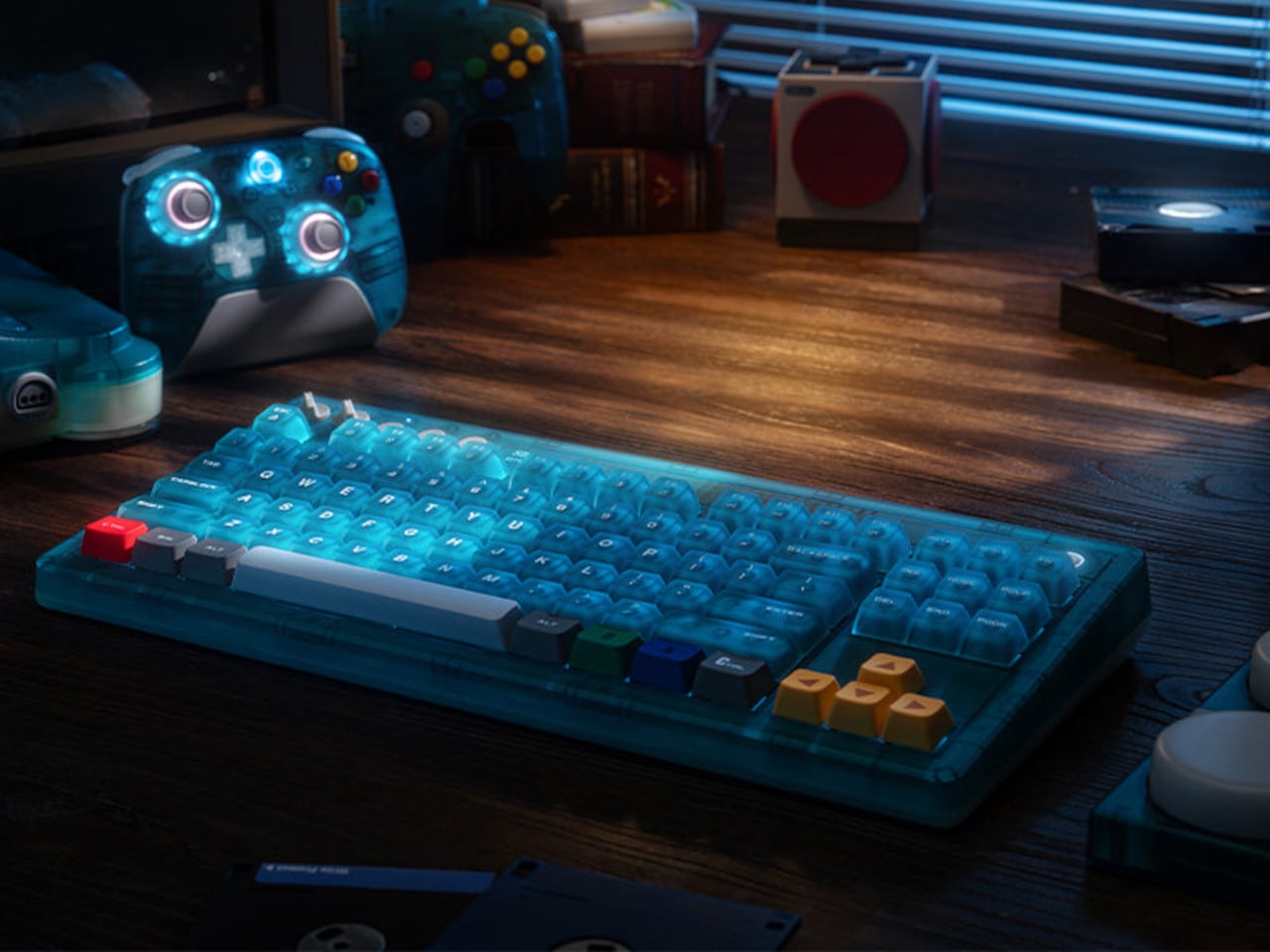
This 5-in-1 EDC Flashlight Packs a 1300-Lumen Beam, UV Light, and a Green Laser For Under $20

If the Swiss Army knife became a flashlight, it would probably chase the same goal the VEZERLEZER WK2 does: fitting a surprising number of useful functions into a compact everyday carry form. Inside its slim rectangular body is a mix of tools that covers bright white light, UV illumination, a green laser, warm side lighting, and red light for situations that call for a gentler or more visible glow.

The result is a flashlight that feels designed around variety of use rather than a single headline spec. From quick household tasks and car checks to inspection work and hands-free lighting with its magnetic tail, the WK2 spreads its strengths across several small but practical moments. It is the kind of product that aims to stay close at hand because there is always another reason to use it.

Designer: VEZERLEZER

Click Here to Buy Now: $18.99 $39.99 (53% off).

Person in a cap and dark jacket with a small rectangular device clipped to their shoulder strap, emitting a bright light at the bottom.

The front array of the WK2 houses three distinct lighting functions, each accessible independently through the dual button interface. The primary white light reaches a maximum output of 1300 lumens, enough to cover general illumination needs whether you’re navigating a dark space, searching for something in a trunk, or lighting up a work area outdoors. The 395nm UV light sits alongside it, designed for detection tasks like spotting pet stains, checking currency, verifying IDs, or inspecting surfaces that fluoresce under ultraviolet exposure. The third function is a 520nm green laser, which provides a focused pointing beam that reaches farther and with greater visibility than a red laser, making it useful for presentations, guiding attention at a distance, or marking specific areas during inspections or repairs. All three functions operate from the same front module but remain independently controlled, so switching between them happens without cycling through unwanted modes.

Archer wearing a cap with a mounted headlamp, drawing a bowstring in a dim forest light.

The side of the WK2 is where the design reveals its consideration for close range work and low profile visibility. A high CRI side light runs along the edge of the body, tuned to 4500K for a warmer, more comfortable color temperature that reduces eye strain during nearby tasks. Output is rampable, meaning users can select any brightness level between 0 and 200 lumens with a smooth transition rather than fixed steps. There is a shortcut to moonlight mode for instant access to the lowest output, which proves useful when preserving dark adaptation or working in tight spaces where even moderate brightness feels excessive. The red side light sits on the same edge and also offers rampable output, with its own dedicated shortcut to bypass the white light entirely. Red light has long been favored for preserving night vision, reducing glare in shared spaces, and offering a low signature option when discretion matters. The ability to jump straight to red without cycling through brighter modes makes the WK2 faster to operate in time-sensitive or situationally aware environments.

Close-up of a hand pressing a button on a small black device with a red LED bar outdoors on a log.

VEZERLEZER has given the WK2 a flat, rectangular profile that feels tailored to pocket carry and desk storage alike. The body is compact enough to slip into a front pocket or toss into a bag without creating bulk, yet wide enough to provide a stable grip when held. The dual button interface sits flush with the body but is surrounded by raised bezel rings, a design choice that prevents accidental activation when the light is loose in a pocket or bag. This physical safeguard reduces the need for frequent lockout, though lockout functionality is still present and accessible by clicking either button five or more times. If you lose count mid-sequence, simply clicking five more times completes the action, a small but thoughtful user experience detail. The deep carry pocket clip is positioned to keep the light low in the pocket, minimizing visible bulk while ensuring secure retention during movement or physical activity.

Black PC LED/fan controller with two arrow buttons and a vertical red LED bar inside a computer case.

USB C charging keeps the WK2 aligned with modern device ecosystems, eliminating the need for proprietary cables or disposable batteries. The charging port also supports pass-through power, meaning the flashlight can be connected to an external power source like a power bank or direct power supply to extend runtime indefinitely. This feature transforms the WK2 from a self-contained tool into something closer to a portable work light when tethered, opening up use cases that involve longer duration tasks like automotive repairs, camping setups, or extended outdoor activities where reliable illumination matters more than portability. The magnetic tail cap adds another layer of utility by turning any ferrous metal surface into a mounting point. The magnet is strong enough to hold the light horizontally or vertically, freeing both hands for tasks that require simultaneous lighting and manipulation. Whether stuck to the underside of a car hood, the frame of a tent, a toolbox, or a refrigerator door, the magnetic tail offers positioning flexibility that a handheld beam or headlamp setup cannot always match.
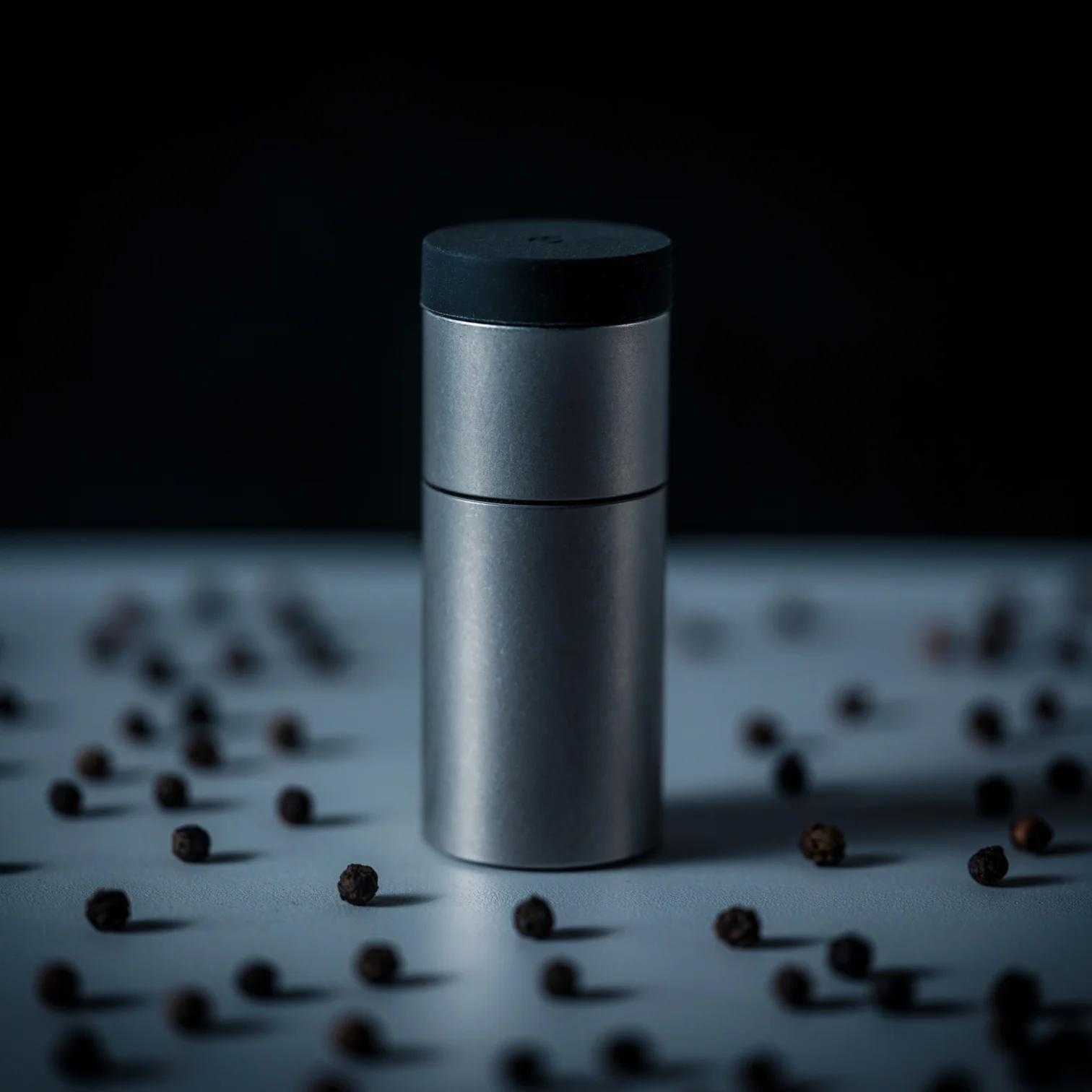
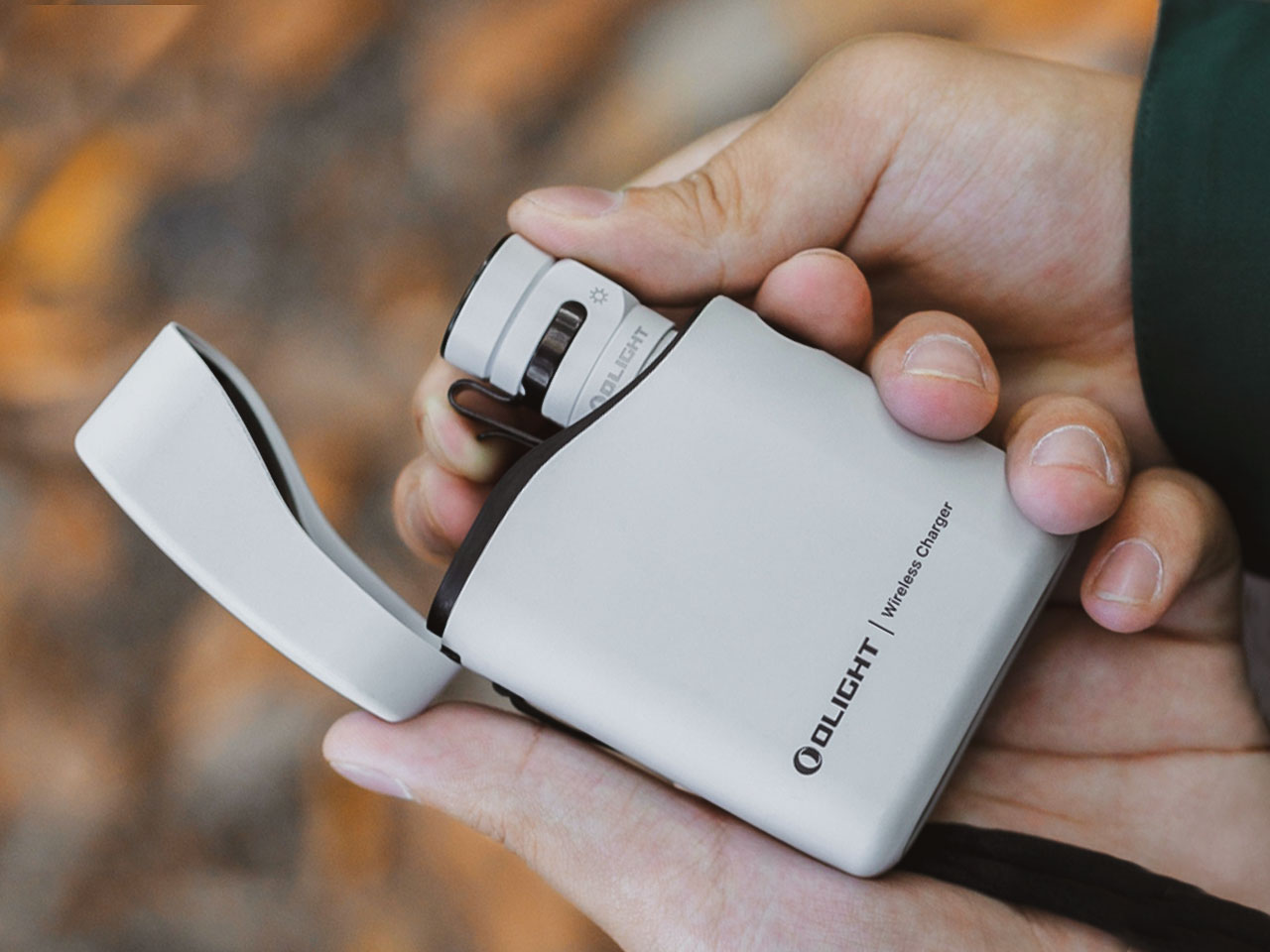
Close-up of a dark device with two circular green-lit buttons labeled L, emitting a green laser beam downward.

Elevator control panel with two circular floor buttons showing glowing green 'L' indicators; purple light shines from below.

In practice, the WK2 works best when thought of as a lighting toolkit rather than a single-purpose flashlight. The front beam handles distance and general coverage, the UV light serves niche but valuable inspection roles, the laser adds precision pointing, and the side lights provide soft, adaptable illumination for close tasks or signaling. The rampable output on both side lights is particularly useful because it removes the guesswork of preset modes. You can dial in exactly the amount of light a situation calls for, whether that is a faint glow for reading a map at night or a brighter wash for prepping a meal at a campsite. The anti-accidental activation bezel, combined with lockout functionality, ensures the WK2 stays dark when it should and lights up instantly when needed. The clip orientation and flat body mean it carries like a pen or a slim multitool, present but unobtrusive, ready to serve whenever lighting becomes the limiting factor in a task.

Close-up of a finger pressing a button on a small rectangular outdoor LED light resting on a mossy log in a forest.

The VEZERLEZER WK2 launches with a subscriber backer price of $17.99, 55% down from a standard retail price of $39.99. A limited flash deal offers the light at $15.99 for the first 100 units, scheduled to go live at 0700 PST on May 19th (2200 Beijing Time). Shipping is expected to begin following the campaign period, with deliveries planned for late summer 2026.

Click Here to Buy Now: $18.99 $39.99 (53% off).

The post This 5-in-1 EDC Flashlight Packs a 1300-Lumen Beam, UV Light, and a Green Laser For Under $20 first appeared on Yanko Design.