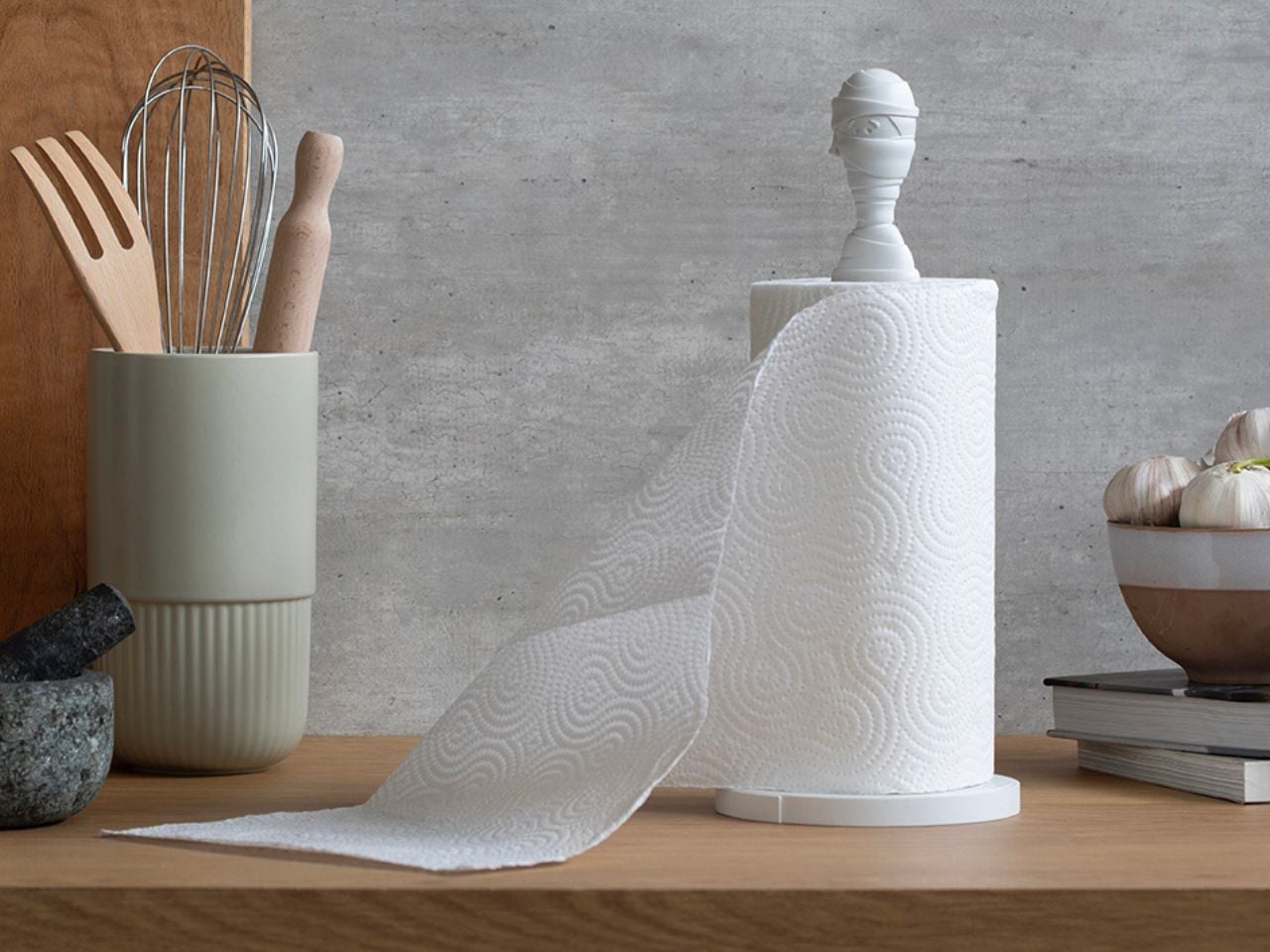
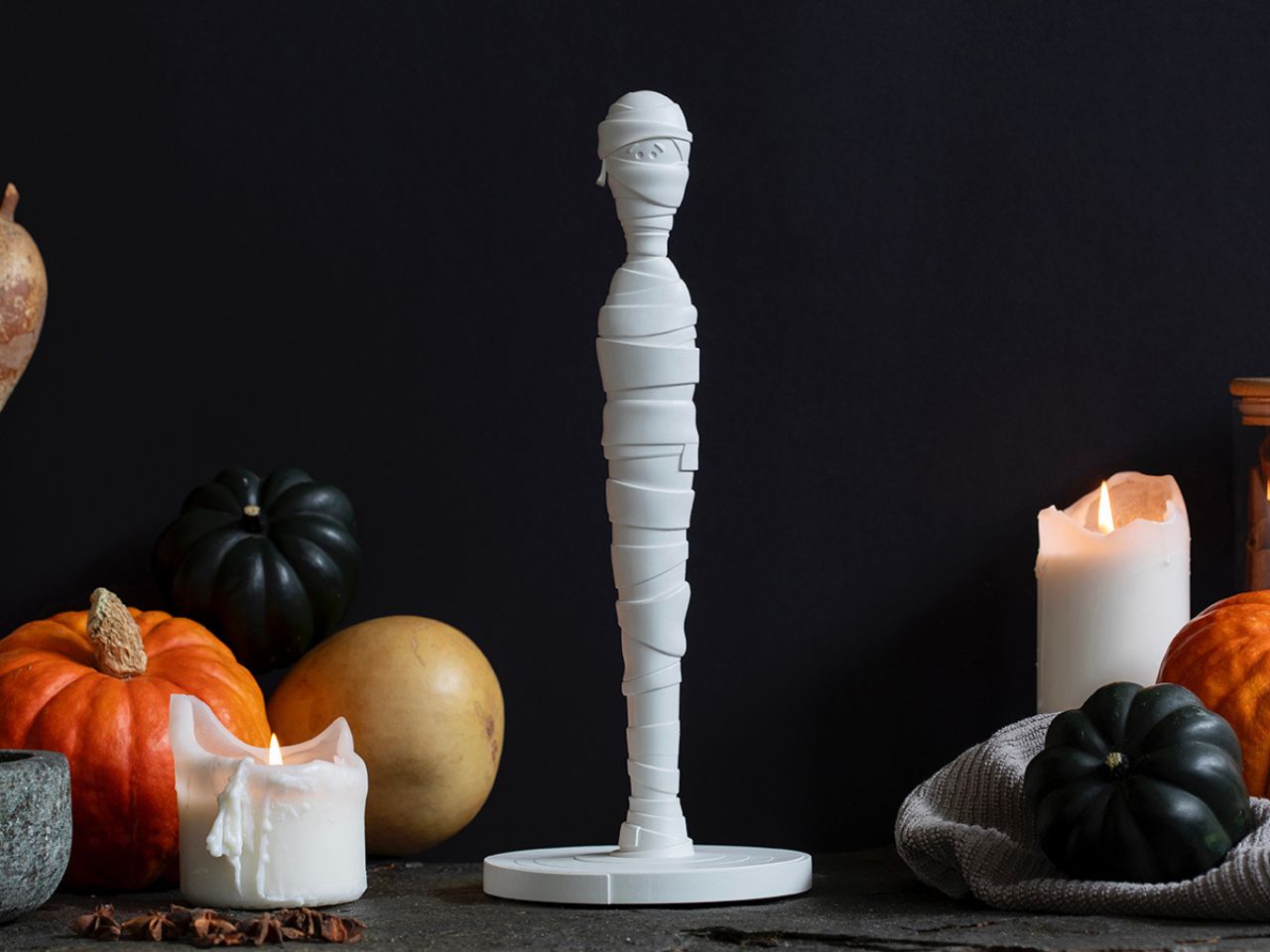
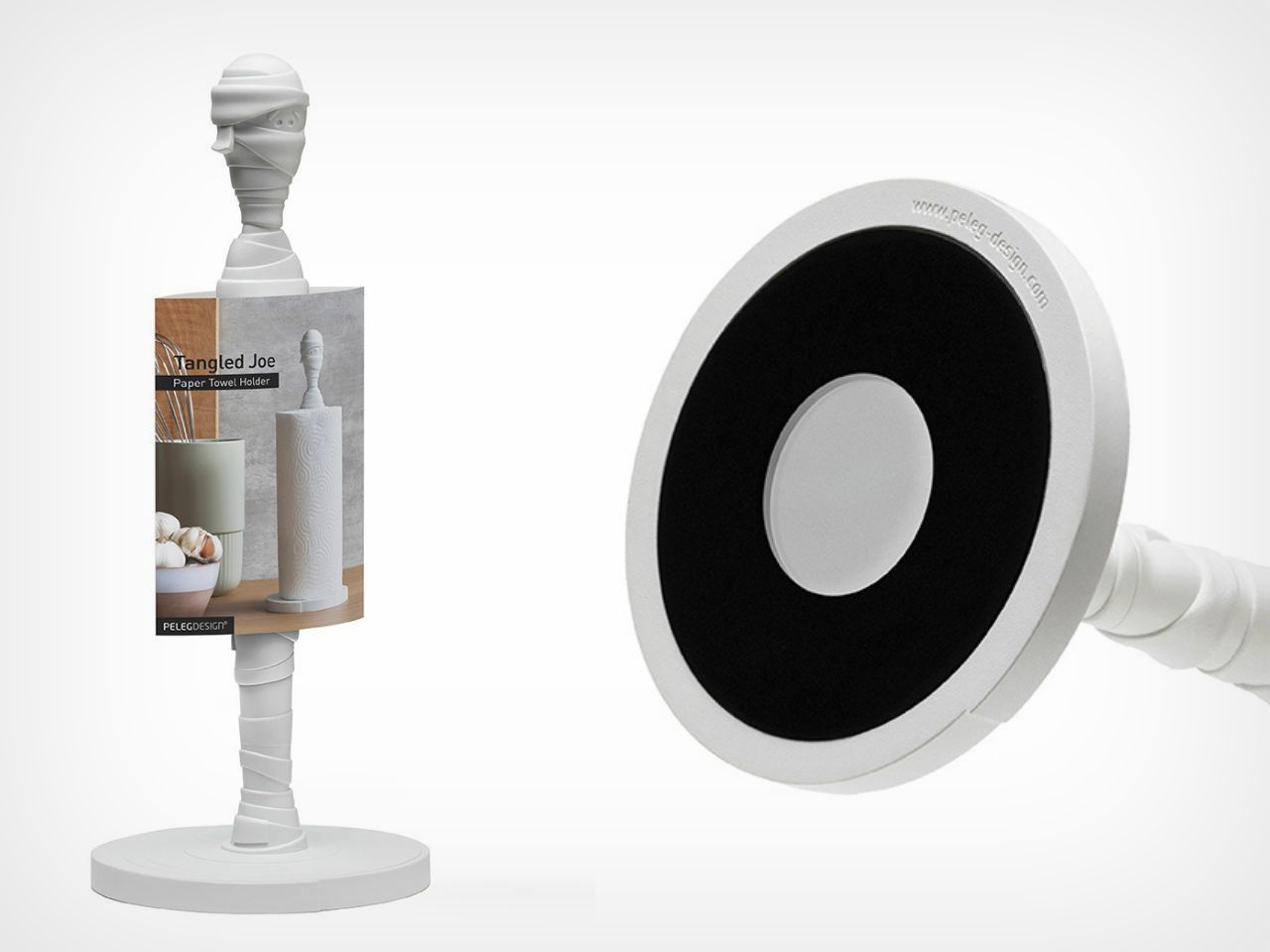
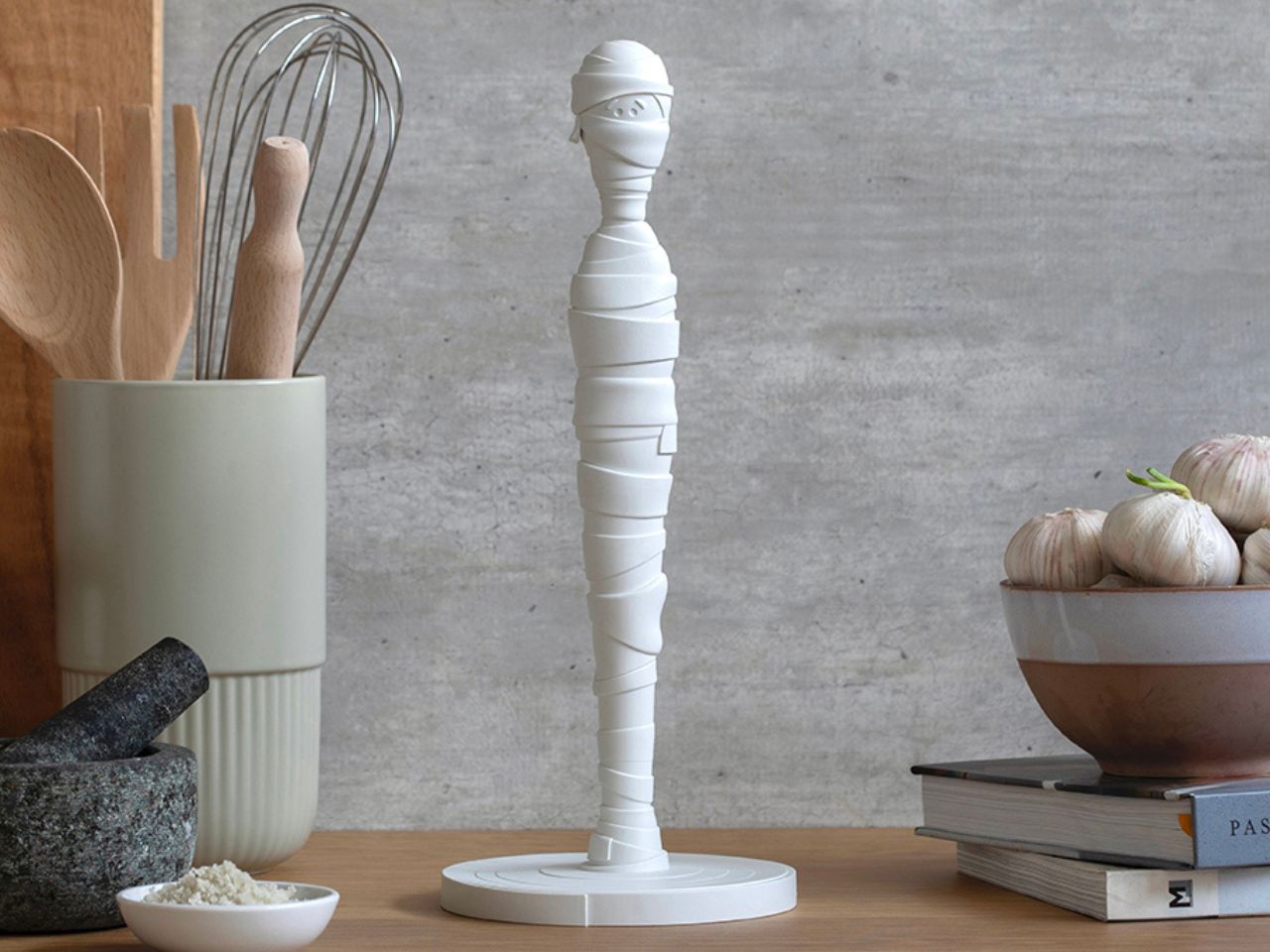
Tangled Joe is a paper towel holder that refuses to be just another kitchen accessory. Designed like a charmingly tangled mummy, it brings a strong sense of personality, humor, and visual delight into everyday spaces while still delivering excellent functionality. What could have been a purely utilitarian object instead becomes a character-driven design piece that instantly adds life to a countertop, shelf, or dining area.
The form of Tangled Joe is where the design truly shines. The mummy’s wrapped body flows naturally in circular layers, echoing the way paper towels themselves are rolled around the stand. This thoughtful alignment between form and function makes the design feel cohesive and intentional. Rather than simply holding a roll in place, the mummy appears to actively engage with it, as if it is part of the object’s story. The result is playful, clever, and visually satisfying from every angle.
Made of durable plastic, Tangled Joe is both sturdy and lightweight, striking a balance that makes it practical for everyday use. One of its most intuitive features is the mummy’s head that extends above the paper towel roll. This detail is not only expressive and fun, but also highly ergonomic. It creates a natural grip point, allowing the stand to be lifted and moved easily with one hand, especially useful during busy moments in the kitchen.
Beyond usability, Tangled Joe adds undeniable character to a space. It fits beautifully into interiors that embrace dark, spooky, or quirky aesthetics, yet it never feels over the top. Instead, it feels playful and confident, making it a great conversation starter. It transforms the act of cleaning up into something a little more enjoyable, reminding users that good design can bring joy into even the smallest routines.
A standout aspect of Tangled Joe is how complete it feels, even without a paper towel roll. When empty, it does not look unfinished or purely functional. Instead, it reads as a sculptural object, almost like a small figurine or design showpiece. This makes it ideal for design-conscious homes where every object is expected to contribute visually, not just practically.
The clean white color further enhances its versatility. While the mummy form introduces a spooky twist, the neutral tone allows Tangled Joe to blend effortlessly into a wide range of interior styles. It works just as well in minimal and modern kitchens as it does in playful, eclectic, or themed spaces, making it easy to style without overpowering its surroundings.
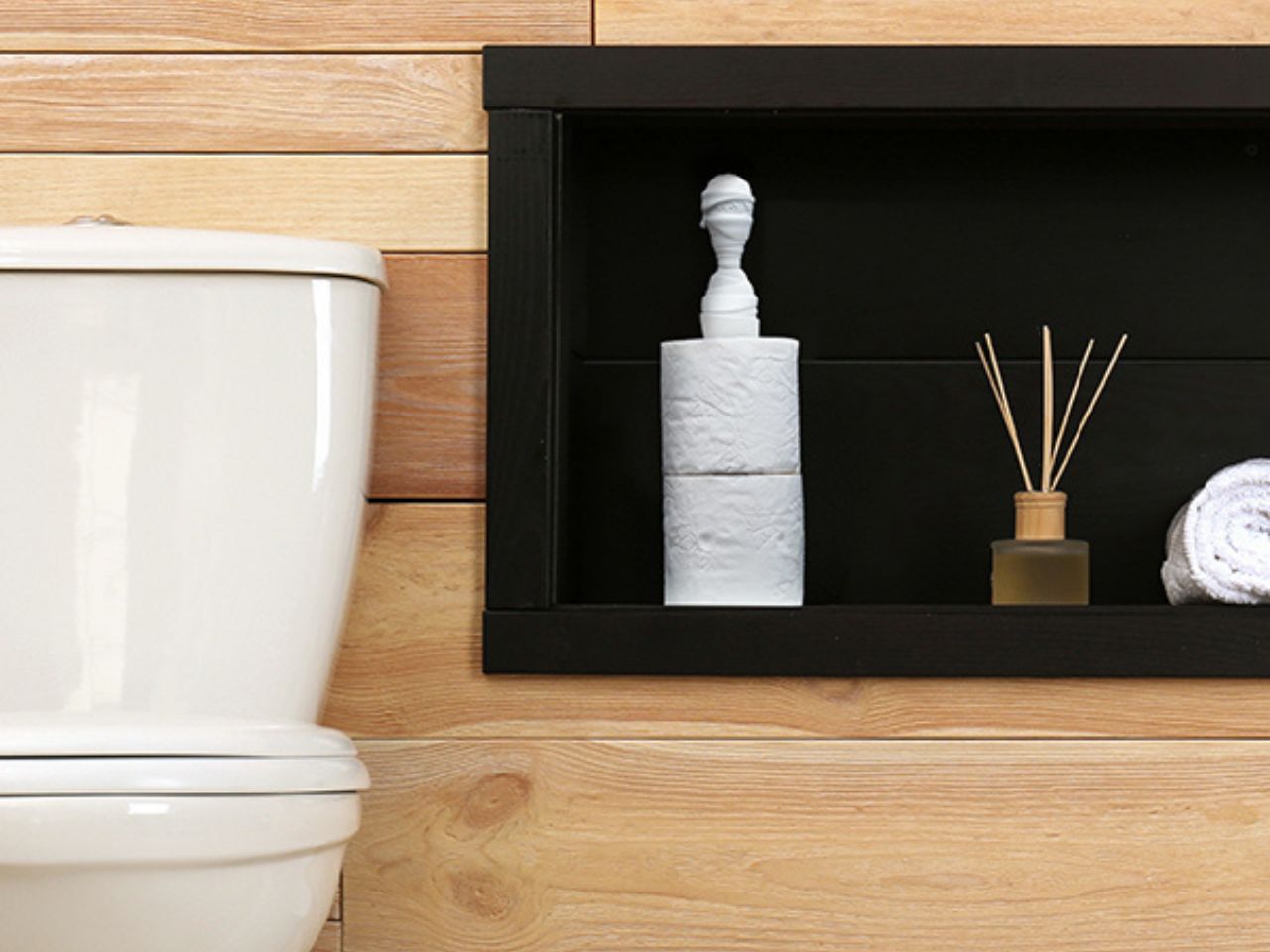
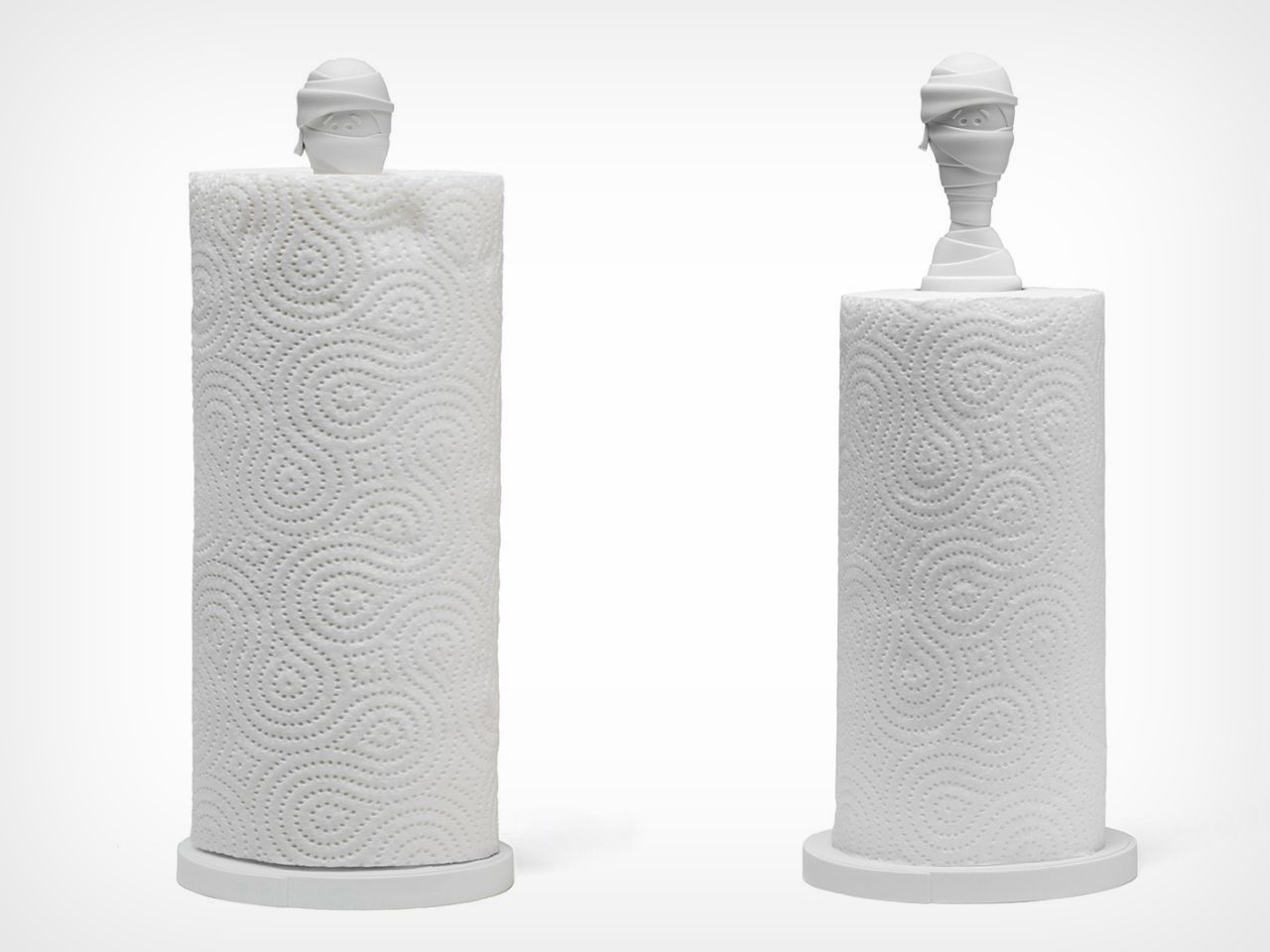
Functionally, Tangled Joe is designed with flexibility in mind. It can accommodate two different sizes of kitchen paper towels instead of being restricted to a single fixed size. It can also hold two toilet rolls at once, expanding its usefulness beyond the kitchen and into bathrooms or studio spaces.
Overall, Tangled Joe is a thoughtful blend of function, humor, and design. It proves that everyday objects do not have to fade into the background. By adding character, adaptability, and ergonomic intelligence, this mummy-inspired paper towel holder turns routine cleanup into a small but delightful design experience.
Televisions used to be heavy boxes that dominated a room. Now, the latest LG and Samsung prototypes at CES 2026 look more like posters than TVs, with panels so slim they almost blend into the wall and bezels that seem to disappear when the screen lights up. These displays are no longer just appliances in the corner of a living room. They are becoming design elements that can live almost anywhere you might put a sheet of paper.
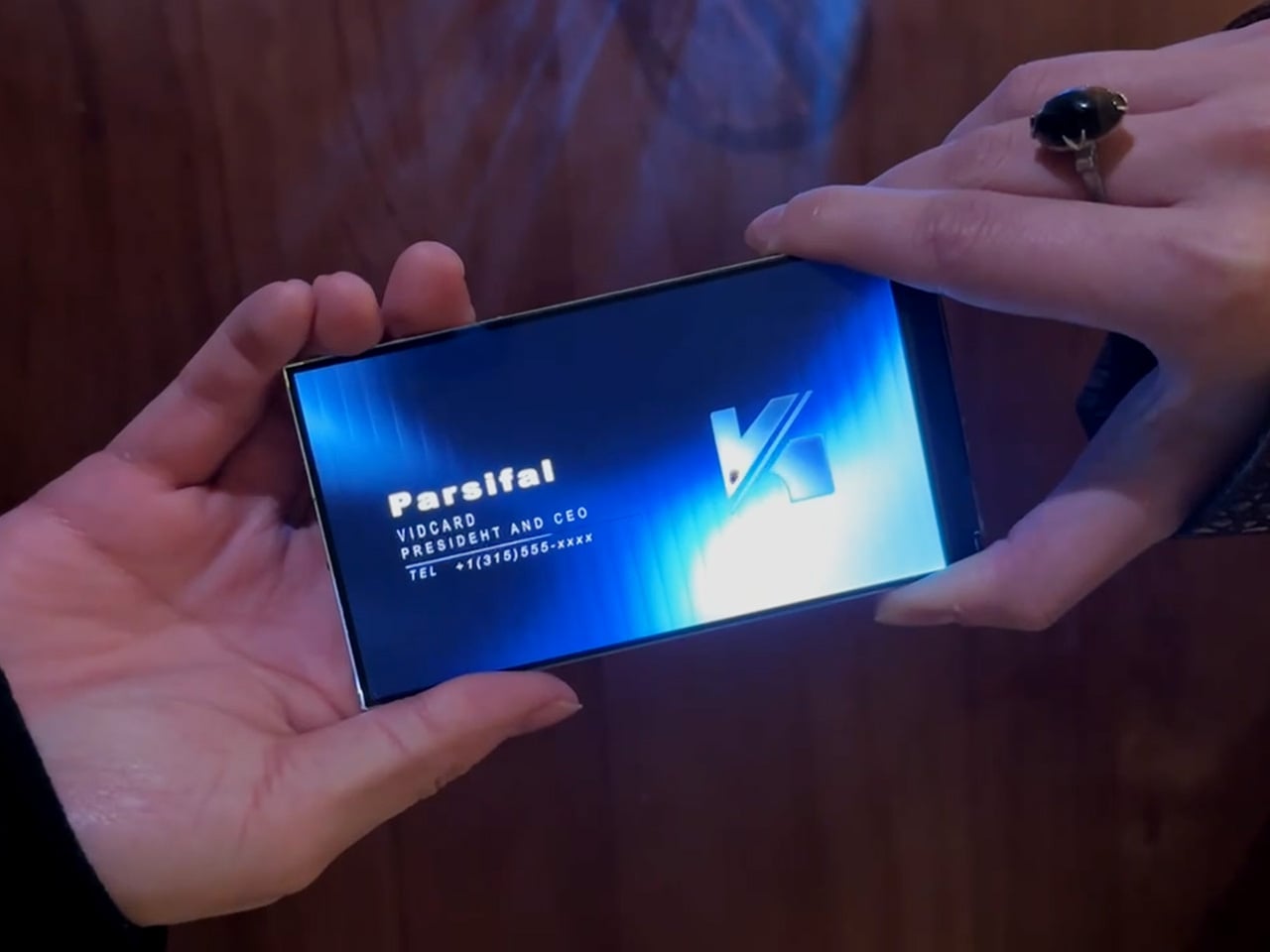
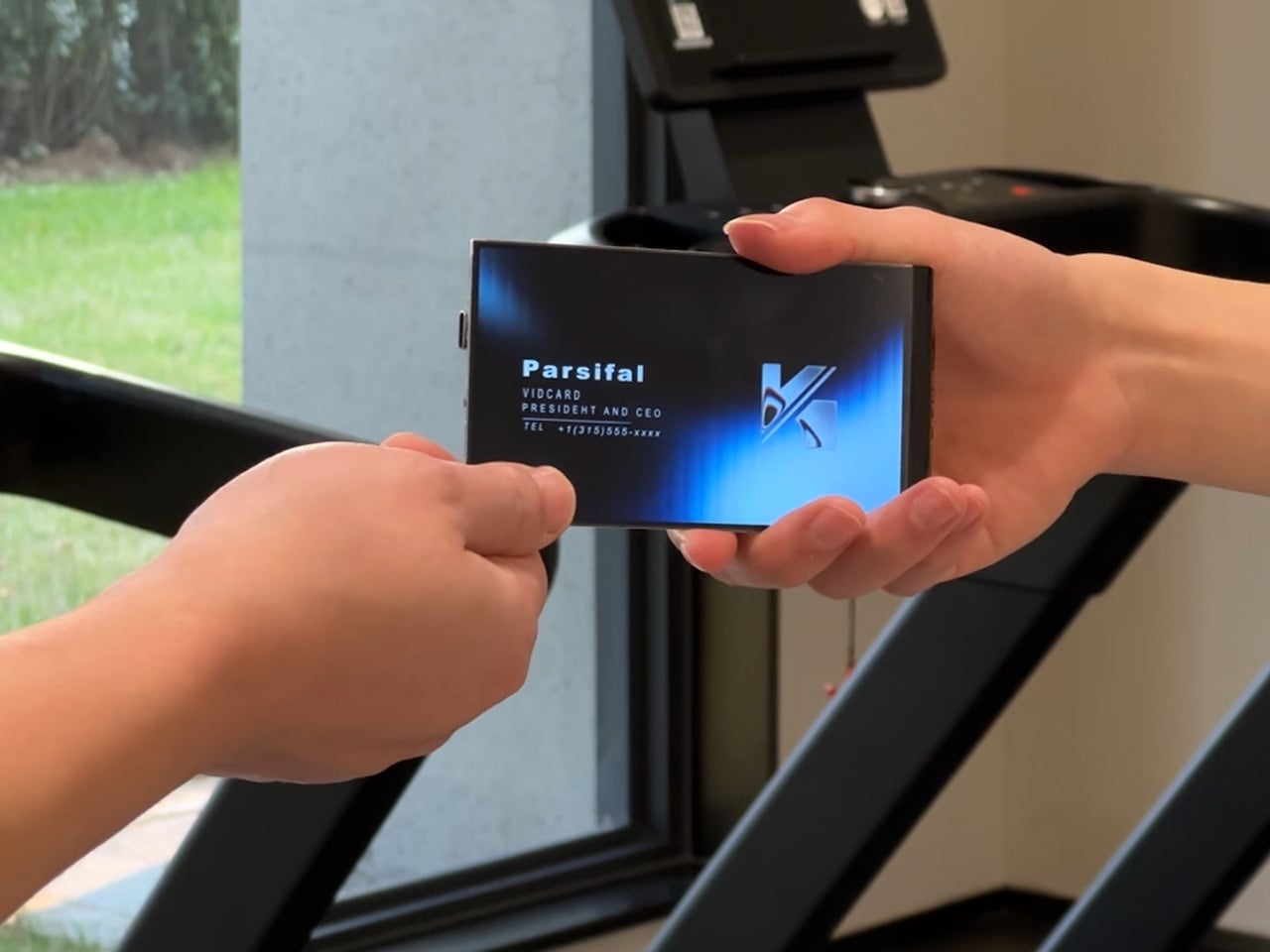
That shift makes it feel natural to ask a simple question: if screens can be this thin, why not put them where we have always relied on print? Business cards are a perfect example. They carry introductions, identity, and a first impression in a tiny rectangle. VidCard takes that same footprint and turns it into a living surface, transforming the familiar business card into a personal video introduction that plays in the palm of your hand.
VidCard is basically what it sounds like: a rigid card with a 5 inch, 1280×720 IPS LCD screen built in, playing a looping video of you introducing yourself or your brand motion graphic. The whole thing measures 120.05mm by 86.4mm, which puts it somewhere between a credit card and a small phone, and it’s under 5mm thick. That’s genuinely impressive when you remember there’s a battery, NFC chip, display controller, and 256MB of onboard storage packed inside. The card charges via contact pins, lasts about an hour of continuous playback (roughly 120 to 240 interactions per charge), and syncs content through a companion app on iOS or Android. You upload your intro video, it pushes to the card, and you’re set. The screen itself looks clean in the campaign photos and bright enough for indoor use.
The NFC feature sidesteps the whole “how do I actually save your contact info” problem. You tap the card against someone’s phone, and it pulls up your mobile optimized landing page with your video, company profile, documents, and whatever else you want to link. No app download required on their end, which makes sense because nobody wants to install something just to see your business card. Real time analytics track who viewed your profile, when they watched, how long they engaged, and if they came back for a second look. There’s a slightly dystopian charm to getting a notification at 11pm that someone just rewatched your intro for 87 seconds, but it does give you actual data to inform follow ups instead of wondering if your card got tossed in a drawer.
Here’s the thing, though. You know what else has a high resolution screen, NFC, internet connectivity, and can play video? The phone in your pocket. You could theoretically just show someone your intro video on your phone, tap for NFC sharing, and achieve most of the same result for zero additional hardware. VidCard’s counter to that is the physical artifact itself. Handing someone a glowing screen feels different than showing them your phone (besides, unlocking a phone, opening your gallery, and finding the right video can take painful minutes), and if you leave the card behind with a high value contact, it becomes a keepsake that lives on their desk instead of disappearing into a contacts list. That’s either brilliant or unnecessary depending on how much you value the showmanship in networking, although I genuinely can’t decide which camp I’m in.
The founders claim inspiration from Call of Duty: Advanced Warfare, where a character hands over a video business card inviting you to join a fictional military contractor. That’s a deeply nerdy origin story, and I respect it. VidCard works best in situations where you need to stand out in a sea of forgettable interactions: trade shows, high stakes sales meetings, investor pitches, creative industry networking where showing your work matters more than listing credentials. It’s overkill for casual meetups or industries where a LinkedIn connection does the job, but if you’re trying to leave an impression on someone who sees 50 people a day, a card that talks and moves will get you remembered. The real test is whether that memory translates to actual follow through, which the analytics dashboard is designed to help with by showing you who’s genuinely interested versus who just thought the card was neat.
VidCard is live on Kickstarter through February 5, 2026, with early bird pricing starting at $59 USD for a single unit, $162 USD for a three pack, and scaling up to $599 USD for a 10 unit business pack with bulk branding options. Estimated delivery is June 2026 for early backers, with standard shipments following through June 20. The campaign has already cleared its funding goal by a wide margin, which suggests the concept resonates with enough people that we may just end up seeing video or even holographic business cards in the not-so-distant future.
The stationery world has long looked to Japan for innovation, and planning enthusiasts know this better than anyone. Japanese design philosophy brings together minimalism, functionality, and thoughtful engineering to create tools that transform mundane tasks into moments of creative joy. These aren’t just accessories that sit pretty on your desk. They’re carefully crafted instruments that respect your workflow, elevate your planning rituals, and make every stroke of the pen feel intentional.
What separates Japanese stationery from the rest comes down to obsessive attention to detail and problem-solving that addresses friction you didn’t even know existed. The best pieces remove obstacles between your thoughts and the page, letting ideas flow without interruption. From clipboards that reinvent organization to pencils that never need sharpening, these ten items represent the pinnacle of accessible Japanese design. Each piece delivers exceptional value while staying comfortably under the $100 mark, proving that extraordinary craftsmanship doesn’t require a luxury price tag.
1. Inseparable Notebook Pen
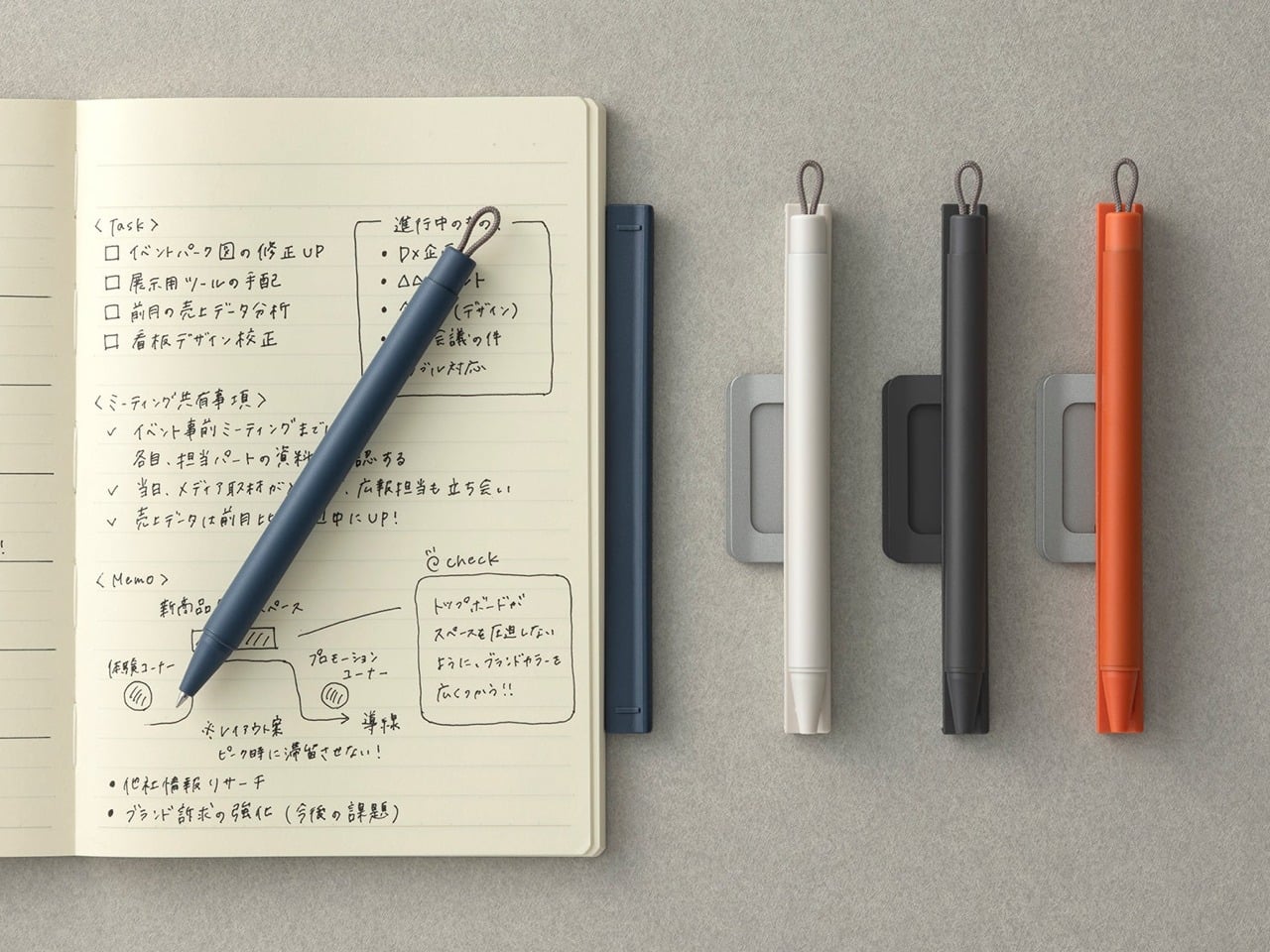
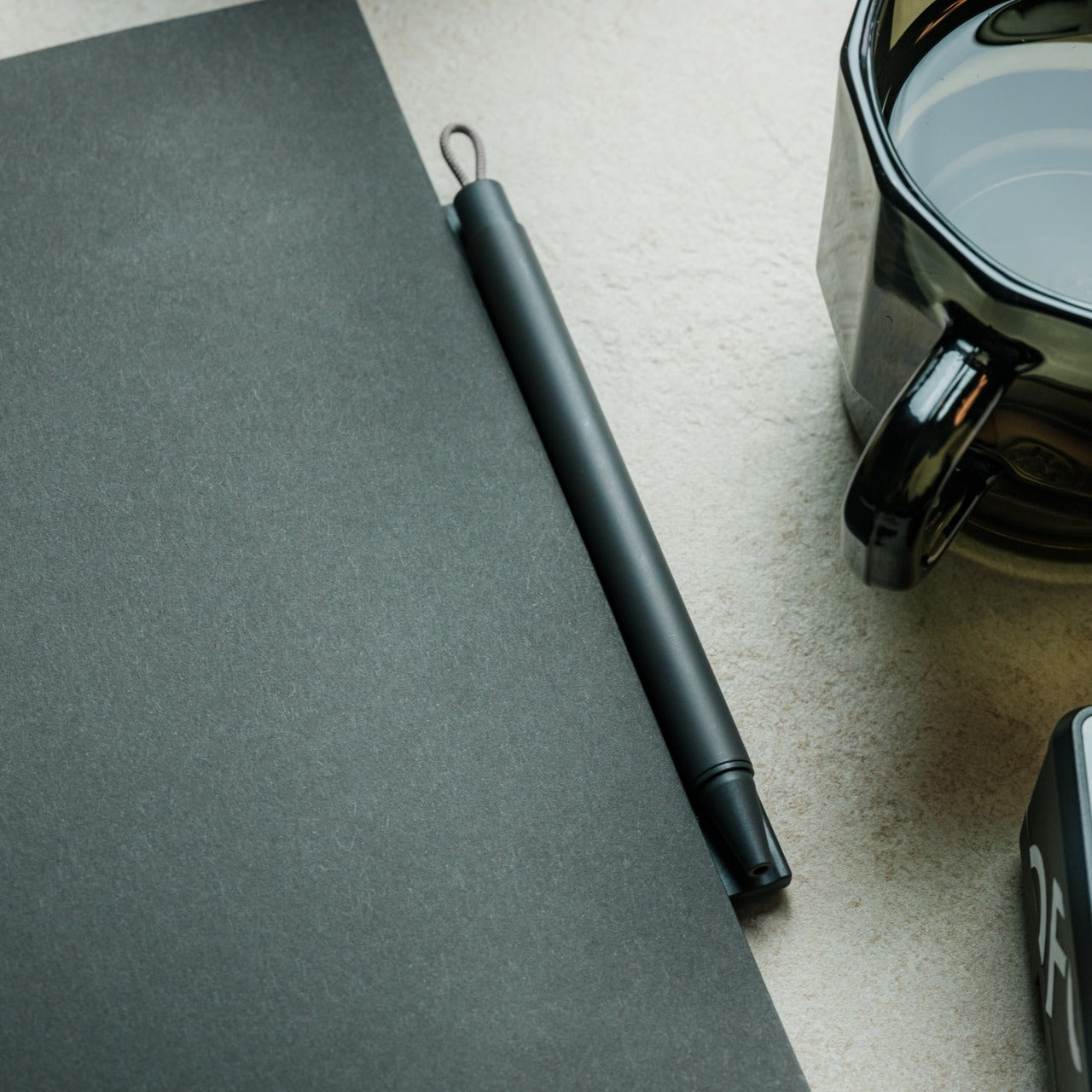
Pens have a frustrating tendency to disappear precisely when inspiration strikes. The Inseparable Notebook Pen addresses this through elegant magnetic integration, designed specifically to blend seamlessly with your planning system. The minimalist form feels natural in your hand, with comfortable grip proportions and smooth ink flow that removes any friction between thought and page. The magnetic clip securely attaches to your notebook cover, ensuring the pen travels with your planning system as a permanent extension rather than a separate item you might forget.
The built-in silencer demonstrates the obsessive attention to detail that defines Japanese design excellence. Instead of the harsh click or scrape of metal on metal, attaching and detaching the pen creates a quiet, satisfying sensation that respects your workspace and thinking process. The sleek aesthetic complements any notebook style without drawing attention to itself, allowing your planning system to maintain its visual coherence. For those who have developed specific pen preferences and rituals around their planning practice, this tool honors that relationship by creating reliable, constant access. The pen becomes as integral to your system as the notebook itself.
The magnetic clip system ensures the pen always stays with your notebook
The built-in silencer creates a refined, quiet attachment experience that respects workspace tranquility
Minimalist aesthetics blend seamlessly with any notebook style or planning system
The comfortable grip and smooth ink flow support extended writing sessions without hand fatigue
What We Dislike
The magnetic system requires your notebook to have a compatible cover material and thickness
The specialized design focuses on notebook integration rather than standalone versatility
2. Magboard Clipboard
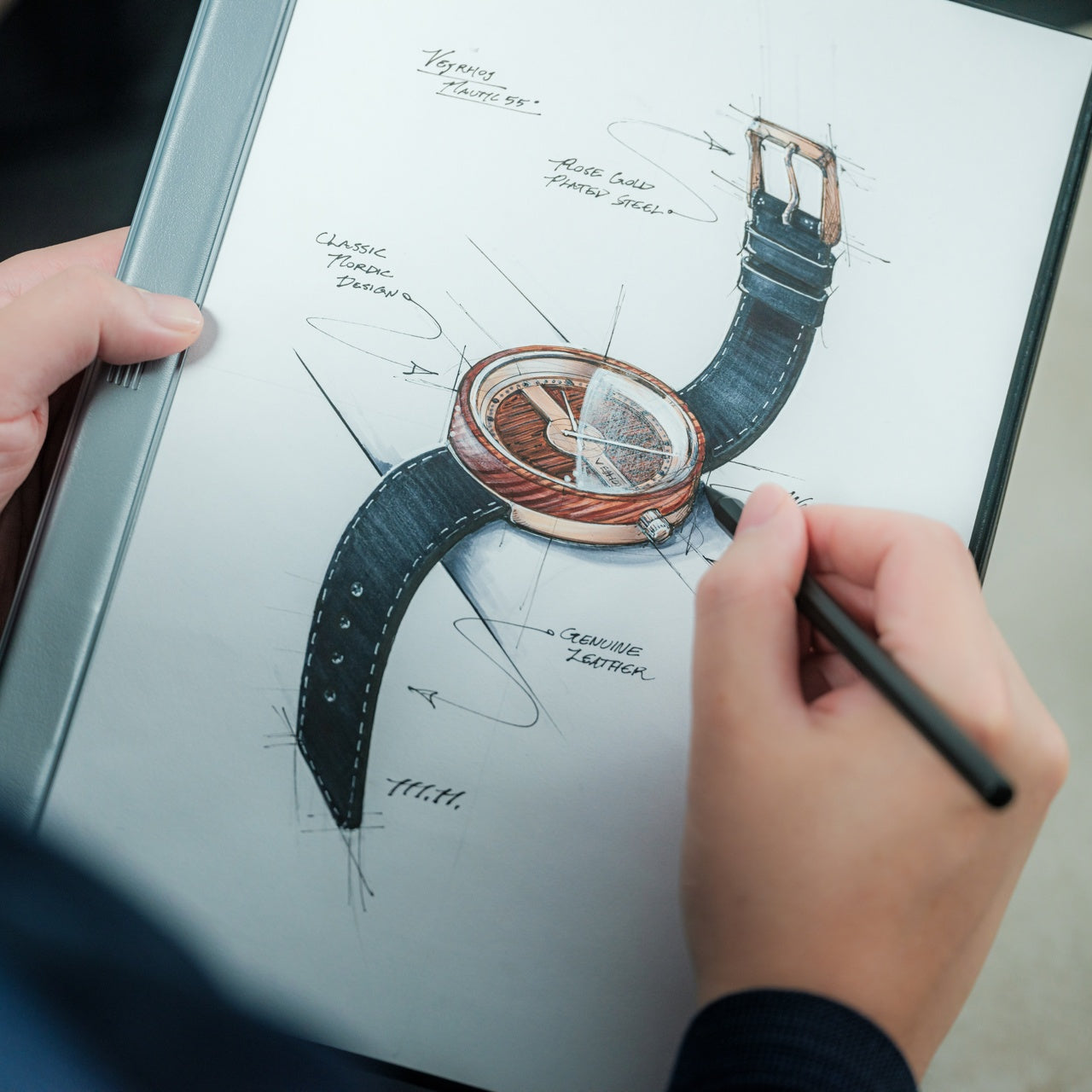
Planning systems thrive on flexibility, and the Magboard Clipboard understands this at a fundamental level. This minimalist marvel replaces traditional clipboard mechanisms with an elegant magnet and lever system that secures up to thirty sheets without punching holes or creating permanent bindings. The hardcover construction means you can capture thoughts while standing at a gallery opening, jotting notes during a walking meeting, or sketching layouts at a coffee shop. The freedom to rearrange pages instantly transforms how you organize information, letting you shuffle priorities and reorder thoughts as your projects evolve.
The water-resistant surface adds a practical dimension that traditional clipboards simply can’t match. Spilled coffee becomes a minor inconvenience rather than a catastrophe, and the easy-to-clean material means your workspace aesthetic stays pristine. Planning enthusiasts particularly love how this design eliminates the commitment anxiety that comes with bound notebooks. Pages can migrate between projects, early drafts can be removed without tearing, and your organizational system can adapt as fluidly as your thinking process. The Magboard turns note-taking into a dynamic, modular experience.
The magnetic binding system offers unprecedented flexibility for reorganizing content on the fly
The hardcover design enables comfortable writing while standing or moving
Water resistance protects your work from common desk disasters
The minimalist aesthetic complements any planning system or workspace style
What We Dislike
The thirty-sheet capacity might feel limiting for those working on extensive projects
The hardcover adds weight compared to traditional clipboards, which may matter during long periods of handheld use
3. Everlasting All-Metal Pencil
The ritual of sharpening pencils carries a certain nostalgic charm, but it also breaks concentration and creates friction between thinking and writing. The Everlasting All-Metal Pencil eliminates this with a special alloy core that writes like traditional graphite yet refuses to wear down at any noticeable rate. The aluminum body feels substantial in your hand, grounding you in the physical act of writing, while the metal tip glides across paper with familiar smoothness. For planners who sketch layouts, draft bullet journal spreads, or map out monthly calendars, this tool becomes an extension of thought itself.
What makes this pencil genuinely revolutionary is how it erases cleanly with standard erasers despite its metal composition. The marks blend beautifully with watercolor and water-based markers, making it perfect for planners who incorporate artistic elements into their organizational systems. The pocket-sized variant now available means you can carry this innovation everywhere, always prepared to capture ideas without worrying about broken mechanical pencil leads or dull points. The permanence of the pencil itself creates a different relationship with your tools, transforming a disposable item into a lasting companion.
The alloy core eliminates sharpening completely while maintaining authentic pencil-like writing
Standard erasers work perfectly, preserving the familiar correction process
The metal construction ensures the pencil will outlast countless traditional alternatives
Compatibility with watercolor techniques expands creative possibilities for artistic planners
What We Dislike
The unfamiliar feel of metal may require an adjustment period for those accustomed to wooden pencils
The fixed line weight offers less variation than traditional pencils that develop different points through sharpening
4. Heritage Craft Unboxing Knife
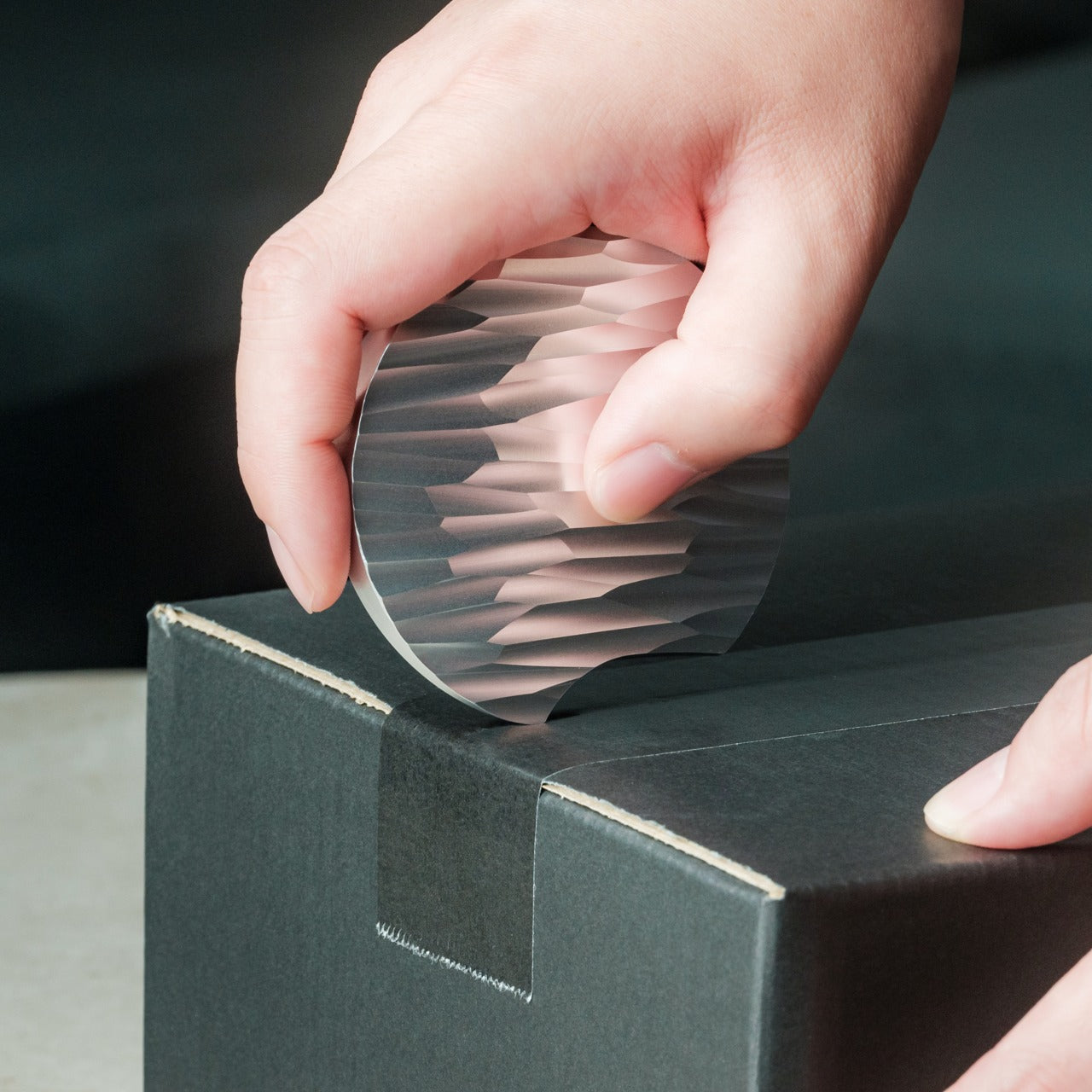
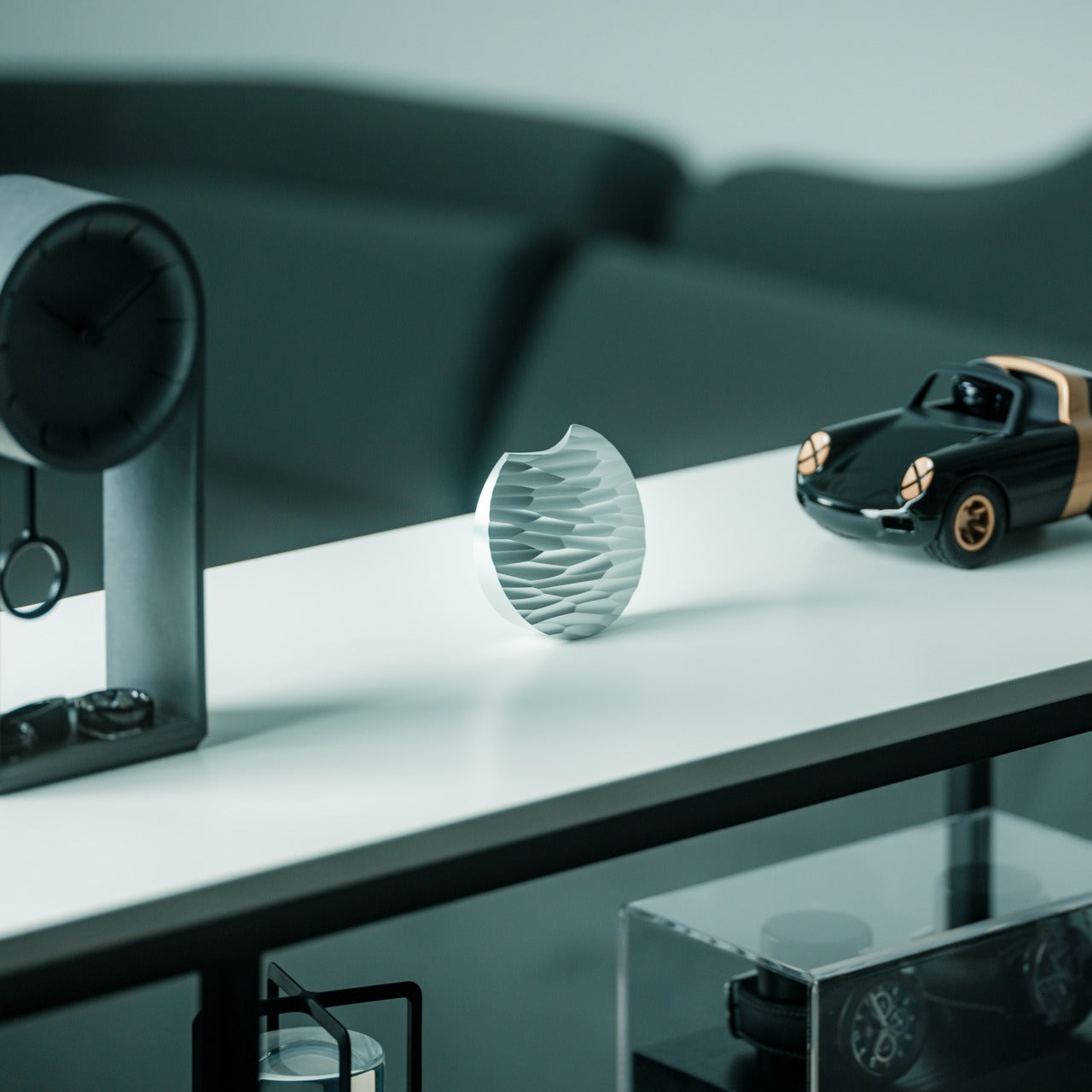
Opening packages becomes a small ceremony when you’re using a tool that looks like it belongs in a design museum. The Heritage Craft Unboxing Knife takes inspiration from Paleolithic hand axes, reimagining ancient stone tools through the lens of modern materials and precision machining. Carved from a single block of aluminum, the circular form fits naturally in your palm while the wave-like patterns created during manufacturing provide both visual interest and functional grip. This isn’t a utility blade you’ll hide in a drawer. The sculptural quality demands display, transforming a mundane task into an opportunity for tactile pleasure.
The tapered design adds practical benefits beyond aesthetics. The form naturally guides the blade through tape and packaging materials with minimal effort, while the substantial weight provides cutting control. Planning enthusiasts who regularly receive stationery hauls, subscription boxes, or online orders find genuine joy in the unboxing ritual this tool creates. The piece occupies that rare space where functional tool meets conversation starter, sitting proudly on your desk as both instrument and art object. The connection to human tool-making history adds a layer of meaning that elevates everyday tasks.
The ancient-tool-inspired design brings historical resonance to a modern implement
Wave-pattern machining marks create a natural, ergonomic grip texture
The sculptural form makes this a display-worthy desk object rather than a hidden utility
The substantial metal construction ensures durability and satisfying cutting control
What We Dislike
The circular form takes practice to master compared to conventional box cutter shapes
The artistic design comes at a higher price point than basic utility blades
5. Craftmaster EDC Utility Knife
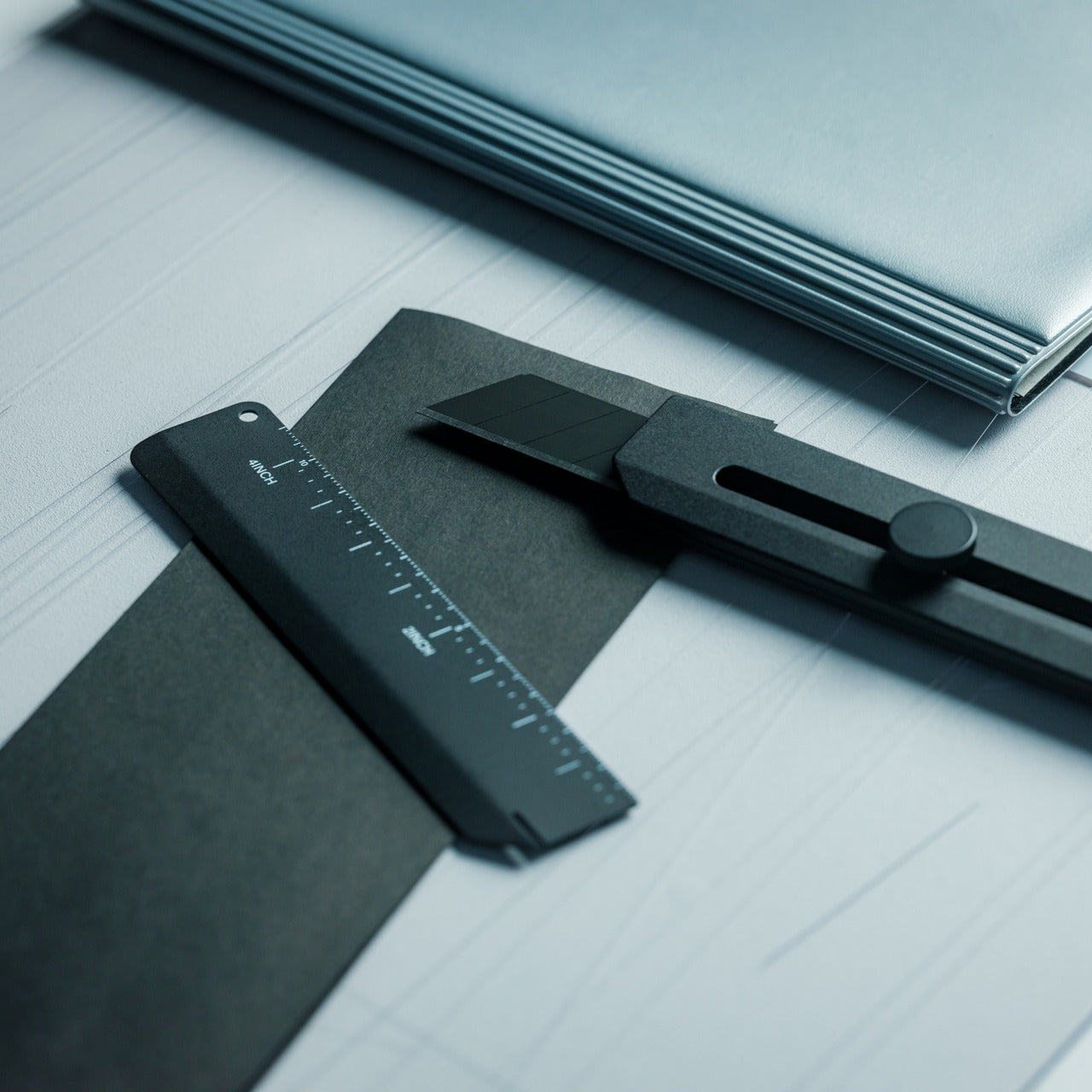
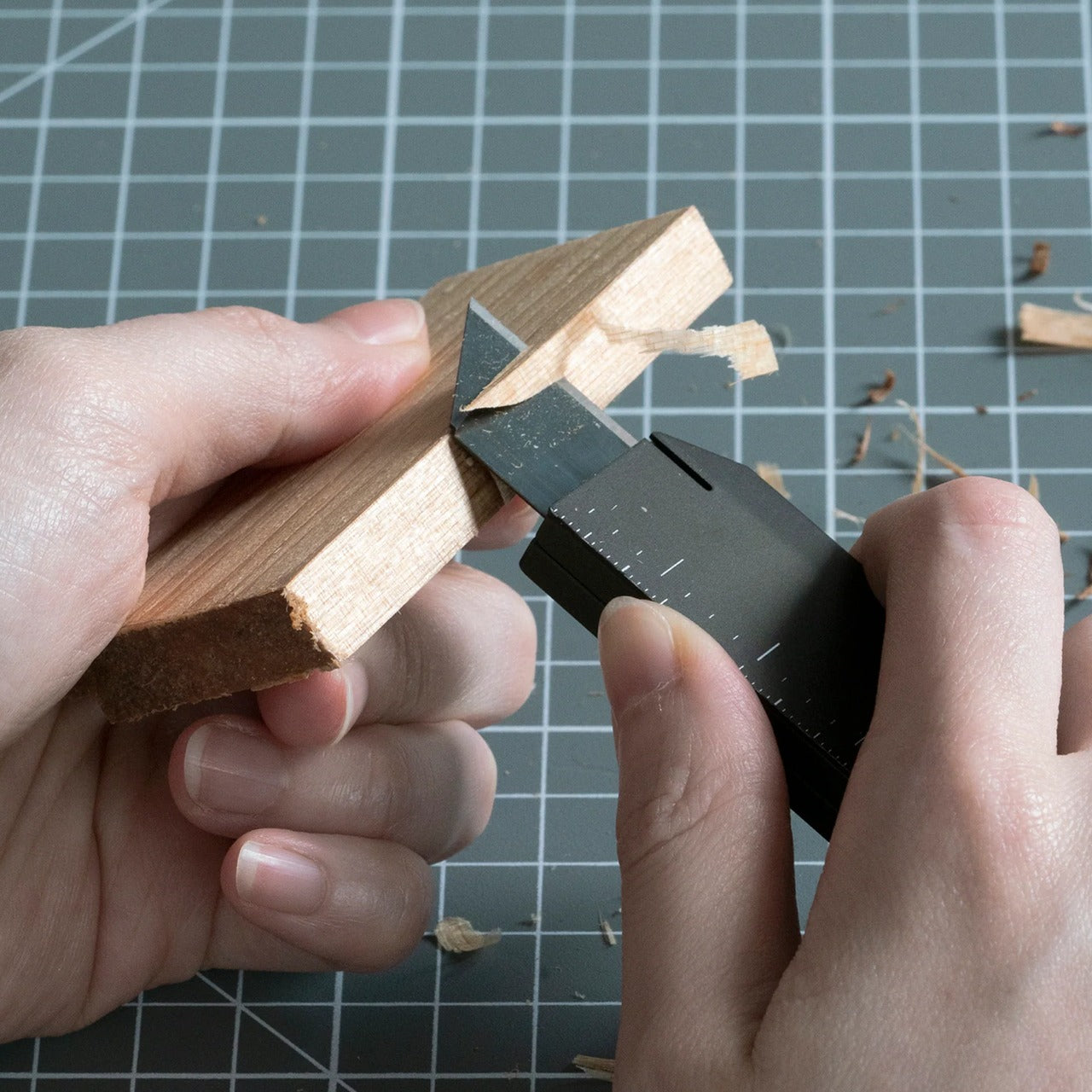
Precision tools appeal to planning enthusiasts because they respect the importance of exact measurements and clean cuts. The Craftmaster EDC Utility Knife combines minimalist aesthetics with thoughtful functionality, packaging an OLFA blade system in a sleek metal body just 0.3 inches thick. The tactile rotating knob for blade deployment feels satisfying in a way that cheap sliding mechanisms never match, turning tool use into a deliberate, mindful action. What sets this apart is the magnetic companion piece: a metal ruler with both metric and imperial markings that docks directly to the knife’s back.
The ruler itself demonstrates exceptional design thinking. The raised edge makes it easy to lift from flat surfaces, solving that frustrating fumbling moment when thin rulers refuse to cooperate. The built-in blade breaker lets you snap off dulled OLFA segments safely, extending blade life and maintaining cutting precision. The 15-degree curved edge protects your fingers during use, while the 45-degree inclination angle makes opening boxes cleaner and safer. For planners who craft custom inserts, trim printed materials, or create collage elements, this tool brings professional-level precision to personal projects without requiring a dedicated crafting space.
The magnetic ruler system keeps measurement and cutting tools together in one compact package
The rotating deployment knob offers tactile satisfaction and precise blade control
The raised ruler edge and integrated blade breaker demonstrate thoughtful problem-solving
The slim 0.3-inch profile makes this genuinely pocketable despite its metal construction
What We Dislike
The OLFA blade system requires purchasing specific replacement blades rather than universal options
The premium materials and mechanisms place this at the higher end of utility knife pricing
6. Personal Whiteboard
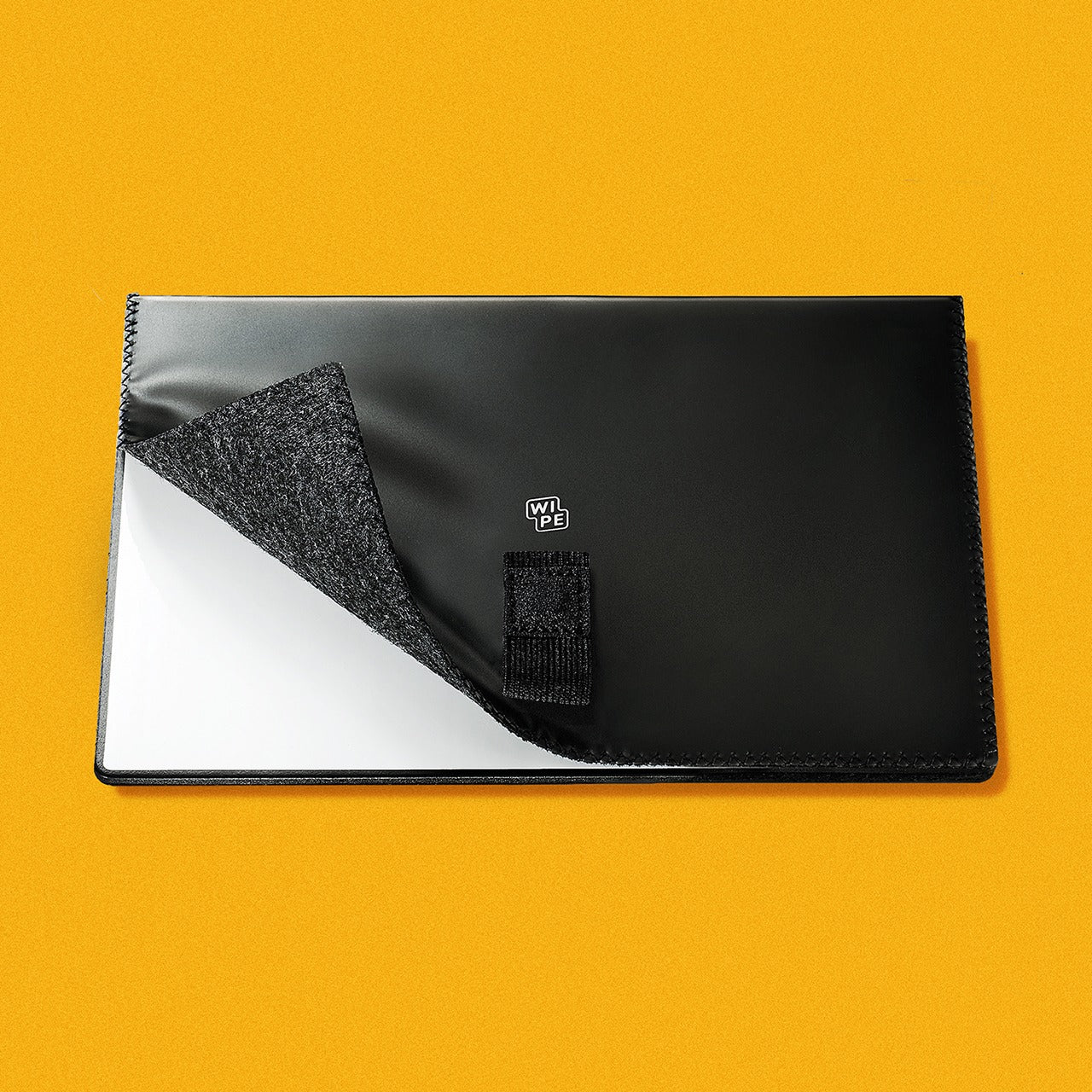
Digital planning tools promise endless flexibility, but they can’t match the cognitive benefits of writing by hand. The Personal Whiteboard offers the best of both worlds: the tactile satisfaction of marker on surface combined with instant digital capture and infinite reusability. This single-page whiteboard notebook transforms brainstorming and quick planning into a frictionless process. Jot down your daily priorities, sketch out a weekly layout, or map connections between projects, then simply photograph your work to preserve it before wiping it clean. The multi-functional cover serves as an eraser, a built-in stand, and a storage pocket.
The innovative Mag Force system exemplifies Japanese attention to small details that create big impacts. This mechanism functions as both a cover handle for comfortable carrying and a secure pen holder, ensuring your marker never goes missing. Compatible with any standard whiteboard marker, this removes the frustration of proprietary refills or special equipment. Planning enthusiasts particularly love this for morning brain dumps, temporary schedules that change frequently, and collaborative planning sessions where ideas need to flow without commitment. The ephemeral nature paradoxically encourages bolder thinking since nothing feels permanent until you decide to save it.
The reusable surface eliminates paper waste while maintaining the benefits of handwriting
Quick photography lets you preserve and share work before erasing for the next session
The Mag Force system keeps the pen and whiteboard together as an integrated tool
Standard marker compatibility means no proprietary supplies or special purchases required
What We Dislike
The single-page format limits how much information you can view simultaneously
Whiteboard markers can dry out faster than traditional pen options, requiring more frequent replacement
7. Effortless Standing Letter Cutter
The daily mail ritual deserves better than raggedly torn envelopes or dangerous knife work. The Effortless Standing Letter Cutter transforms this mundane task into a moment of satisfying precision. This elegant bar of anodized aluminum sits upright on your desk, functioning as both sculpture and tool until correspondence arrives. Simply slide an envelope across the blade and watch it create a clean incision along one edge, opening the letter without generating paper scraps that need disposal. The standing design means the cutter occupies minimal space while remaining constantly accessible.
What planners appreciate most is how this tool respects the correspondence they receive. Important documents, special cards, and treasured letters all deserve careful opening, and this cutter delivers that reverence. The substantial weight allows it to double as a paperweight when needed, pinning down reference materials or holding open your planner to a specific spread. The replaceable blade extends the product’s lifetime indefinitely, embodying sustainable design principles that Japanese manufacturers champion. This piece represents the Japanese design philosophy of finding extraordinary solutions for overlooked everyday moments.
The standing design keeps the cutter accessible while maintaining an elegant desk presence
Clean side incisions eliminate paper scraps and disposal frustration
The anodized aluminum construction offers both beauty and functional weight as a paperweight
Replaceable blades ensure this tool lasts indefinitely with minimal maintenance
What We Dislike
The specialized function means this serves one specific task rather than offering versatility
Those who receive minimal physical mail may find limited opportunities to use this tool
8. Japanese Drawing Pad
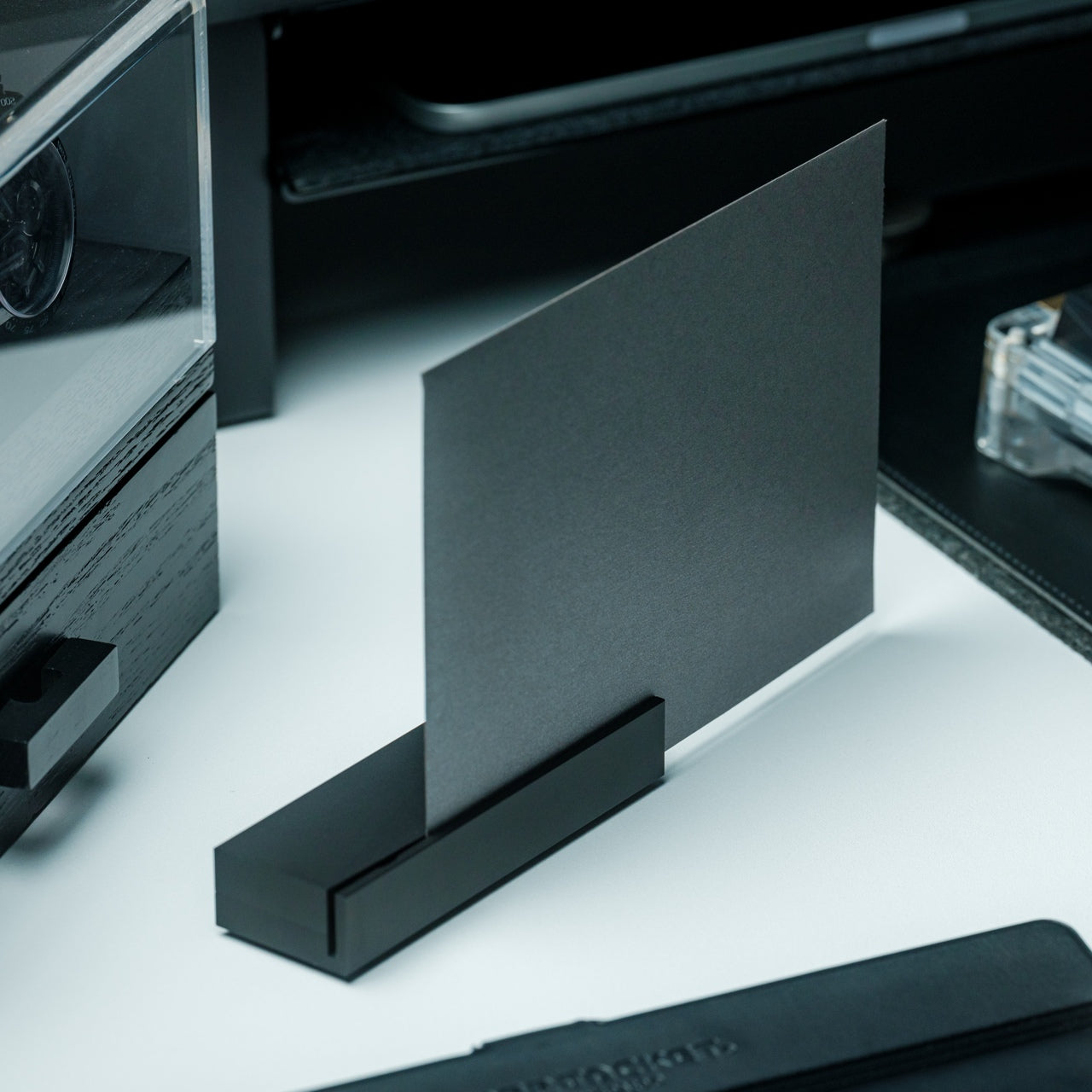
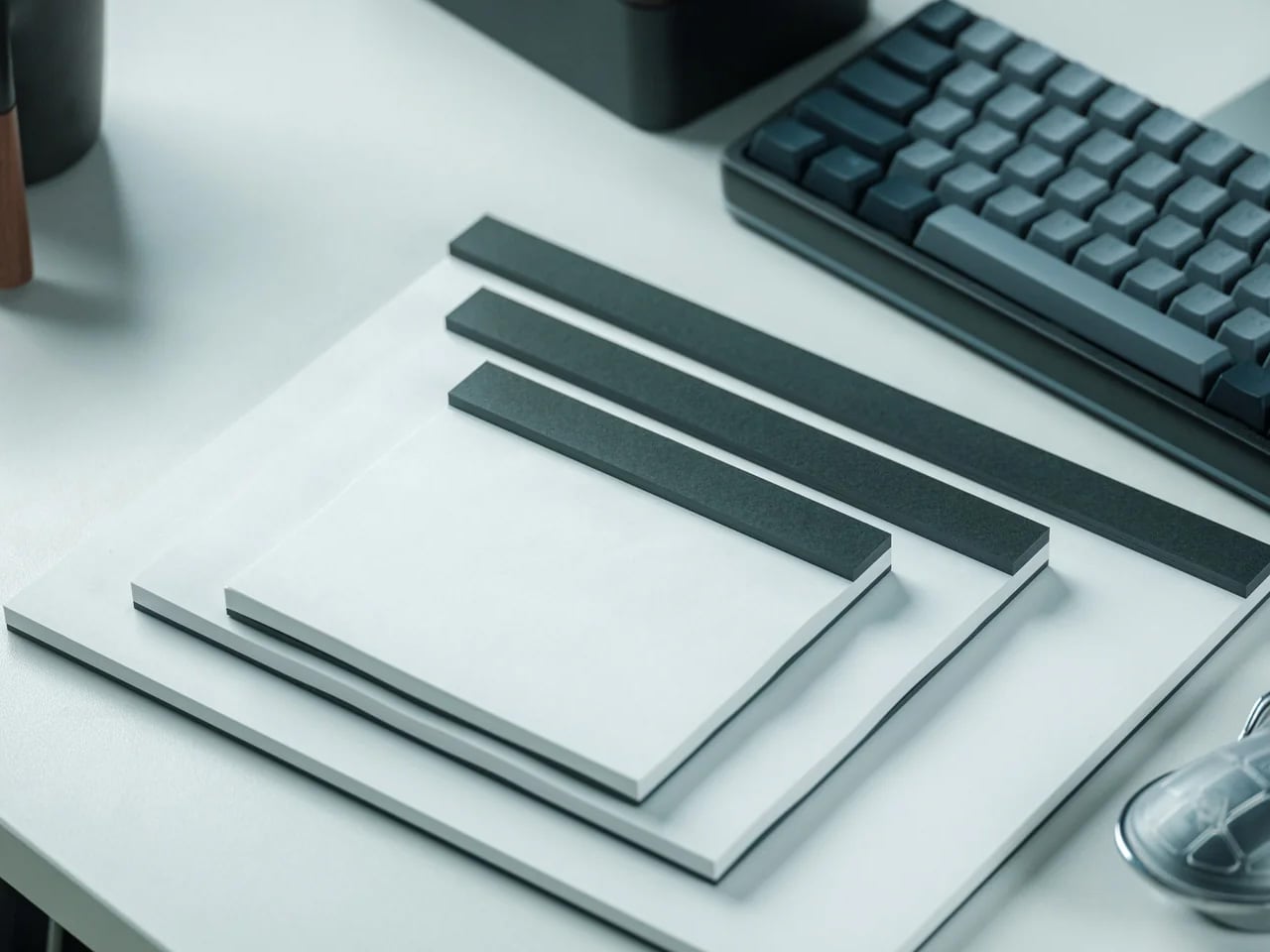
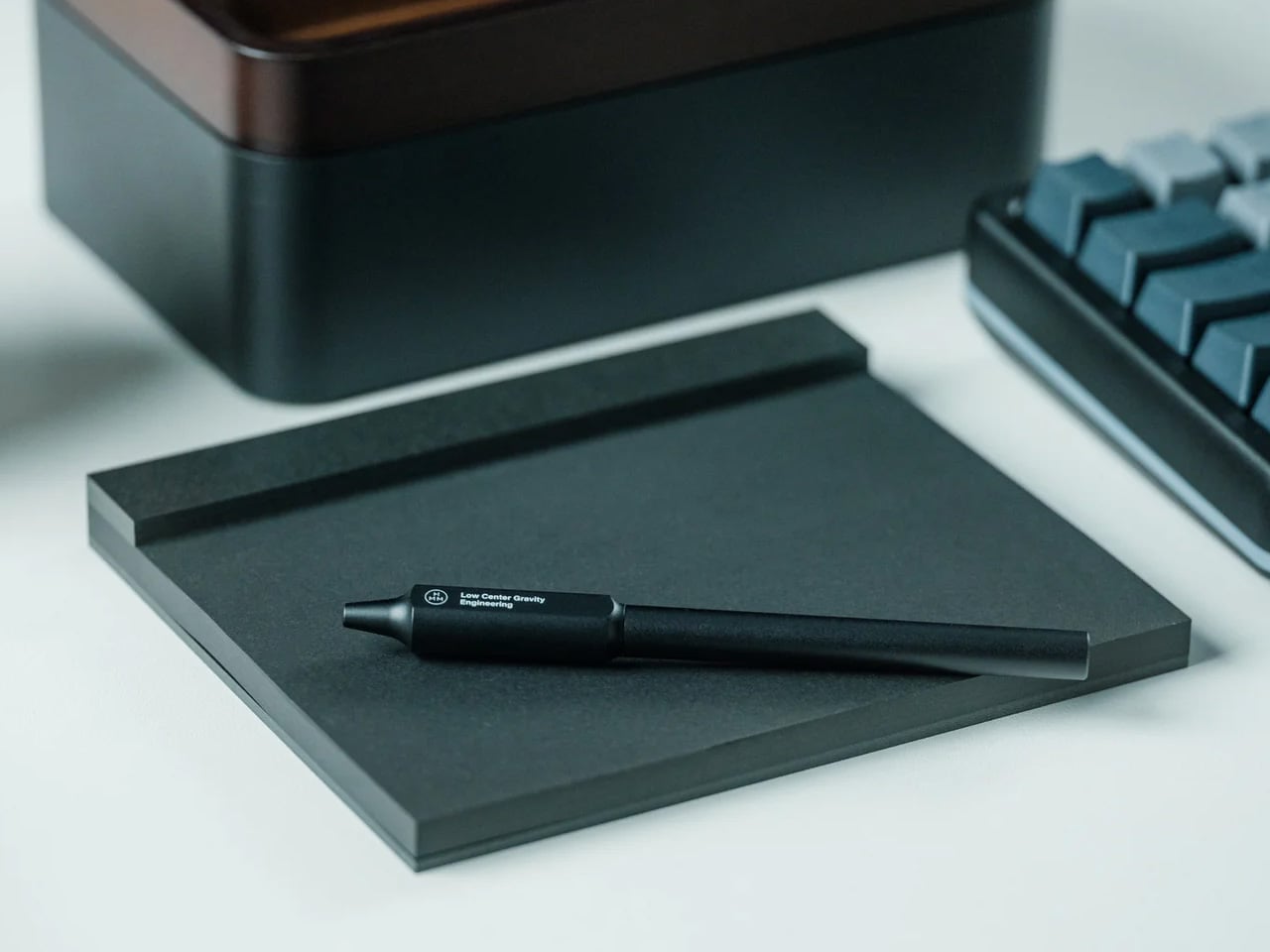
Paper quality fundamentally affects the planning experience, yet most people accept whatever their notebooks provide. The Japanese Drawing Pad elevates this foundational element, offering sheets that honor the centuries-old Japanese papermaking tradition. Available in traditional white or striking black, these pads let you choose the backdrop that best suits your planning style and creative vision. The durable paper fibers resist damage from erasing, marker bleed-through, and frequent handling, maintaining their integrity through intensive use. Microperforations allow effortless tearing when you need to extract a page.
The recycled cardboard base adds environmental consciousness without compromising quality, staying rigid enough to support writing and drawing when you’re away from a desk. Planning enthusiasts who incorporate illustration, calligraphy, or watercolor elements into their systems find that this paper transforms their results. The fiber quality creates the right amount of tooth for pencil work while remaining smooth enough for fine-line pens. Available in A6, A5, and A4 sizes, you can match the pad to your specific planning needs, whether you’re working on pocket-sized daily cards or full-page monthly spreads. The paper itself becomes a creative partner.
Traditional Japanese paper quality elevates the writing and drawing experience noticeably
The choice between white and black paper enables different aesthetic approaches and creative styles
Microperforations allow clean page removal without damaging the sheet or pad
Multiple size options let you match the paper to your specific planning system
What We Dislike
The premium paper quality comes at a higher cost than standard drawing pads
The cardboard base, while sturdy, lacks the portability of hardcover-bound alternatives
9. Scissors with Base
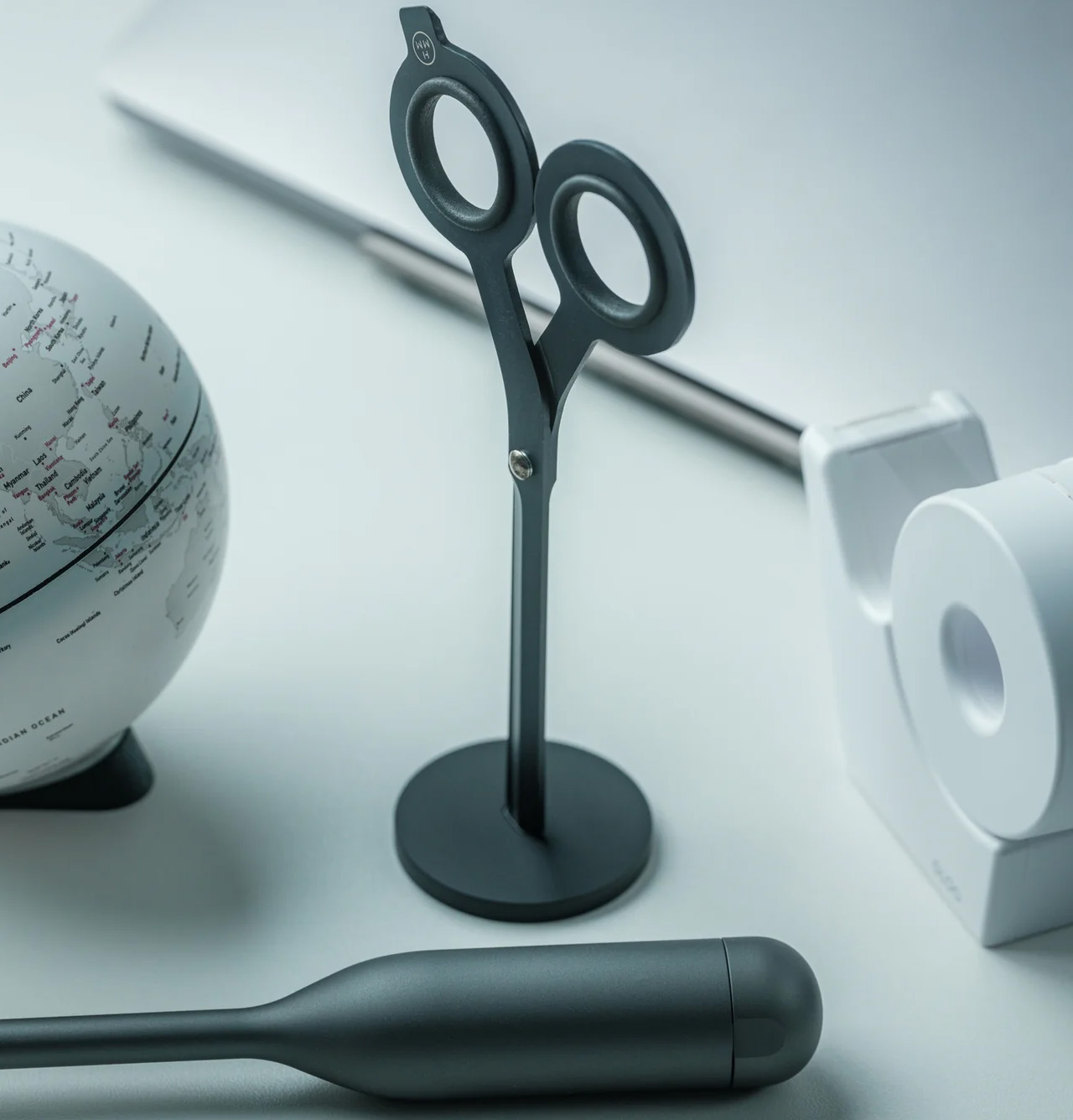
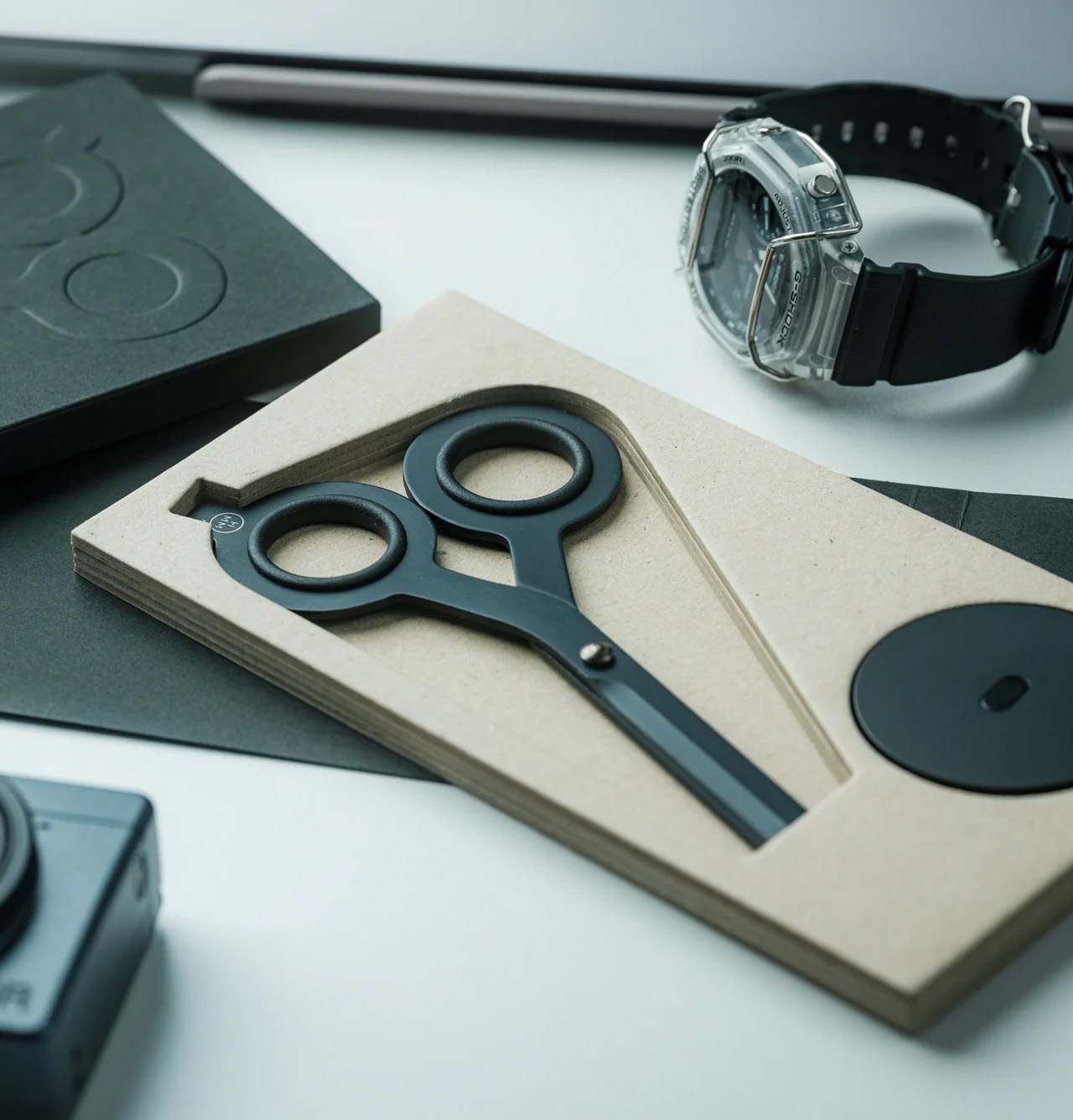
Scissors live an undignified life, scattered in drawers or lost in desk clutter, despite being essential tools. The Scissors with Base restores proper respect to this fundamental implement, providing a magnetic aluminum base that keeps the scissors upright, visible, and exactly where you need them. The Japanese stainless steel construction with Teflon coating delivers confident, precise cuts through paper, tape, fabric, and packaging materials. The solid weight creates stability during cutting, preventing the lightweight flimsiness that makes cheap scissors frustrating to use.
The innovative dual-function design adds unexpected versatility. One finger ring incorporates a box cutter blade, giving you two essential tools in a single elegant form. Planning enthusiasts who craft custom layouts, work with washi tape, or assemble collage elements find that this combines accessibility with performance. The upright storage means the scissors become a desk sculpture rather than a hidden tool, and the visual presence actually proves functional since you’ll never waste time searching. The magnetic base attachment feels satisfying in a way that transforms the simple act of returning scissors to their home into a small moment of order restored.
The magnetic base keeps scissors upright, accessible, and prevents the common problem of misplacement
Japanese stainless steel with Teflon coating ensures smooth, precise cutting performance
The integrated box cutter in the finger ring adds practical versatility
Substantial weight provides cutting stability and confidence compared to lightweight alternatives
What We Dislike
The base requires desk space dedicated to scissors rather than allowing drawer storage
The premium materials and engineering place these at a higher price point than standard scissors
10. Serenity Pen Stand
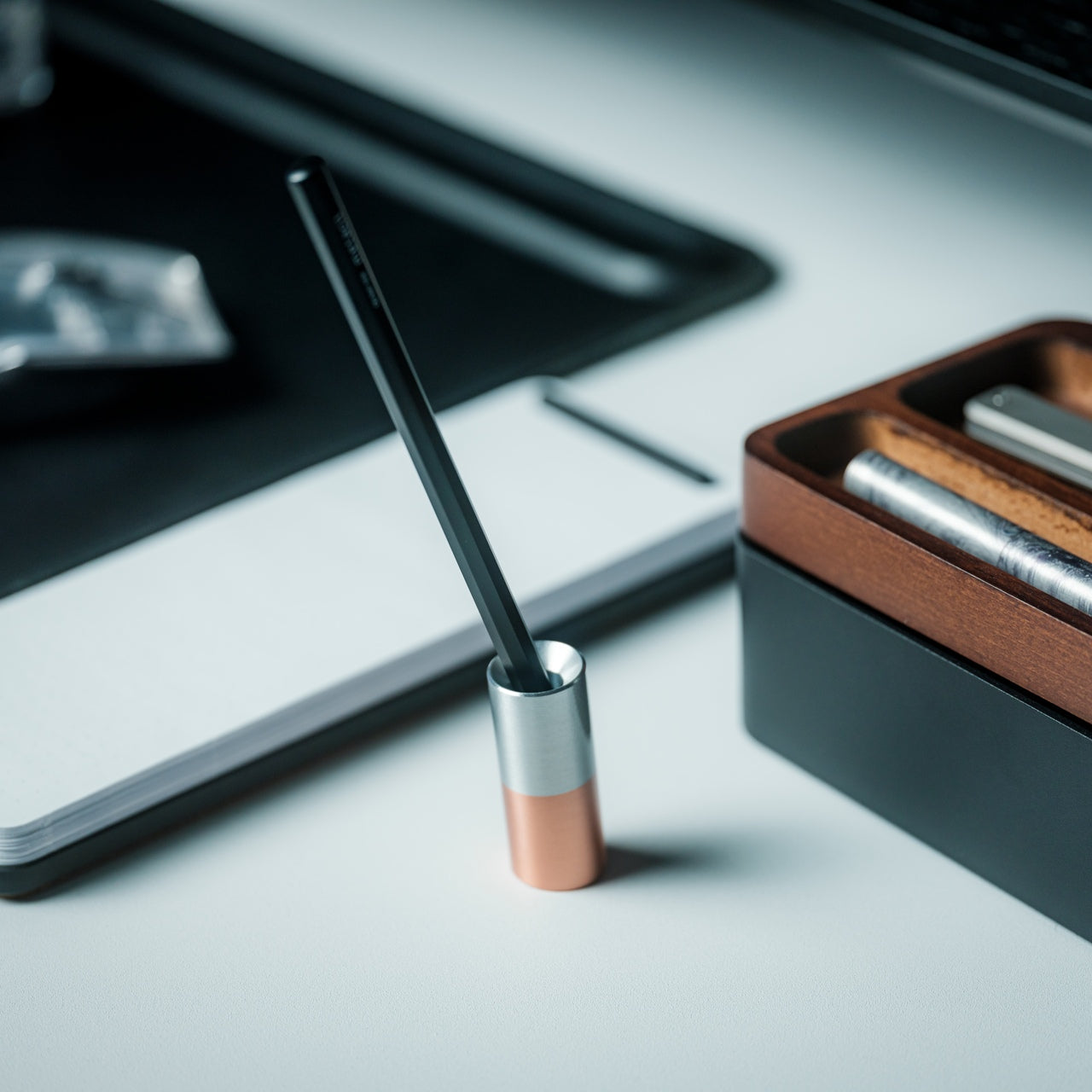
Most pen stands compete for attention, using elaborate designs that overshadow the writing instruments they’re meant to showcase. The Serenity Pen Stand takes the opposite approach, reducing itself to the absolute minimum: a small cylinder with a cavity for your pen’s tip, tilted slightly for easy access. Made from aluminum and copper with a dual-tone finish, the diminutive stand places complete focus on your pen while adding a subtle accent of visual interest. The heavy copper bottom creates a low center of gravity that prevents tipping despite the stand’s minimal footprint.
This represents quintessential Japanese design philosophy, finding beauty in reduction and celebrating the tools we use daily by giving them proper presentation. Planning enthusiasts who invest in quality pens, like the Everlasting All-Metal Pencil, finally have a display option that honors their instruments without dominating the desk landscape. The stand occupies minimal space, making it perfect for carefully curated workspaces where every object needs to earn its place. When the pen is in use, the stand remains an elegant small sculpture. The copper’s natural patina development means the piece evolves, gaining character and becoming uniquely yours.
The minimalist design ensures the pen remains the visual focus rather than the stand
The copper bottom creates exceptional stability despite its incredibly small size
The dual-tone metal finish adds subtle visual interest without overwhelming aesthetics
Perfect proportions work especially well with metal pens like the Everlasting All-Metal Pencil
What We Dislike
The tilted angle might not suit all desk arrangements or personal preferences
The stand accommodates only one pen, requiring multiple units for those who rotate between writing instruments
Finding Your Perfect Planning Tools
These ten items share a common philosophy that resonates deeply with planning enthusiasts: the belief that everyday tools deserve extraordinary design. Japanese manufacturers understand that the objects we interact with daily shape our experience, our thinking, and our creative output. These aren’t luxury goods positioned beyond reach. They’re accessible innovations that demonstrate how thoughtful design improves life in measurable ways. Each piece removes a small friction point, adds a moment of satisfaction, or solves a problem you might not have consciously identified.
Building a planning practice means surrounding yourself with tools that support your process rather than fighting against it. The best stationery becomes invisible in use, removing barriers between your thoughts and their physical expression. These Japanese designs achieve that goal while also bringing beauty into your daily rituals. Whether you’re reorganizing pages on a Magboard, gliding an Everlasting Pencil across premium paper, or placing your favorite pen on its minimalist stand, these tools transform planning from a task into a practice worth savoring. Your planning system deserves instruments this considered.
Counter real estate is precious territory in modern living spaces. Every inch counts when you’re balancing functional needs with aesthetic desires. Traditional table lamps with their bulky bases and tangled cords devour valuable surface area that could serve better purposes. The solution lies in rethinking how we light our spaces altogether. Minimalist lighting design offers an elegant answer to this spatial dilemma.
The best space-saving lights share certain qualities beyond mere compactness. They’re portable enough to move where needed, adaptable to different moods and settings, and beautiful enough to enhance rather than clutter a room. These five designs prove that reducing footprint doesn’t mean compromising on atmosphere or functionality. Each offers a distinct approach to illumination while respecting the reality of limited space and budget constraints under $200.
1. Anywhere Use Lamp – The Modular Minimalist
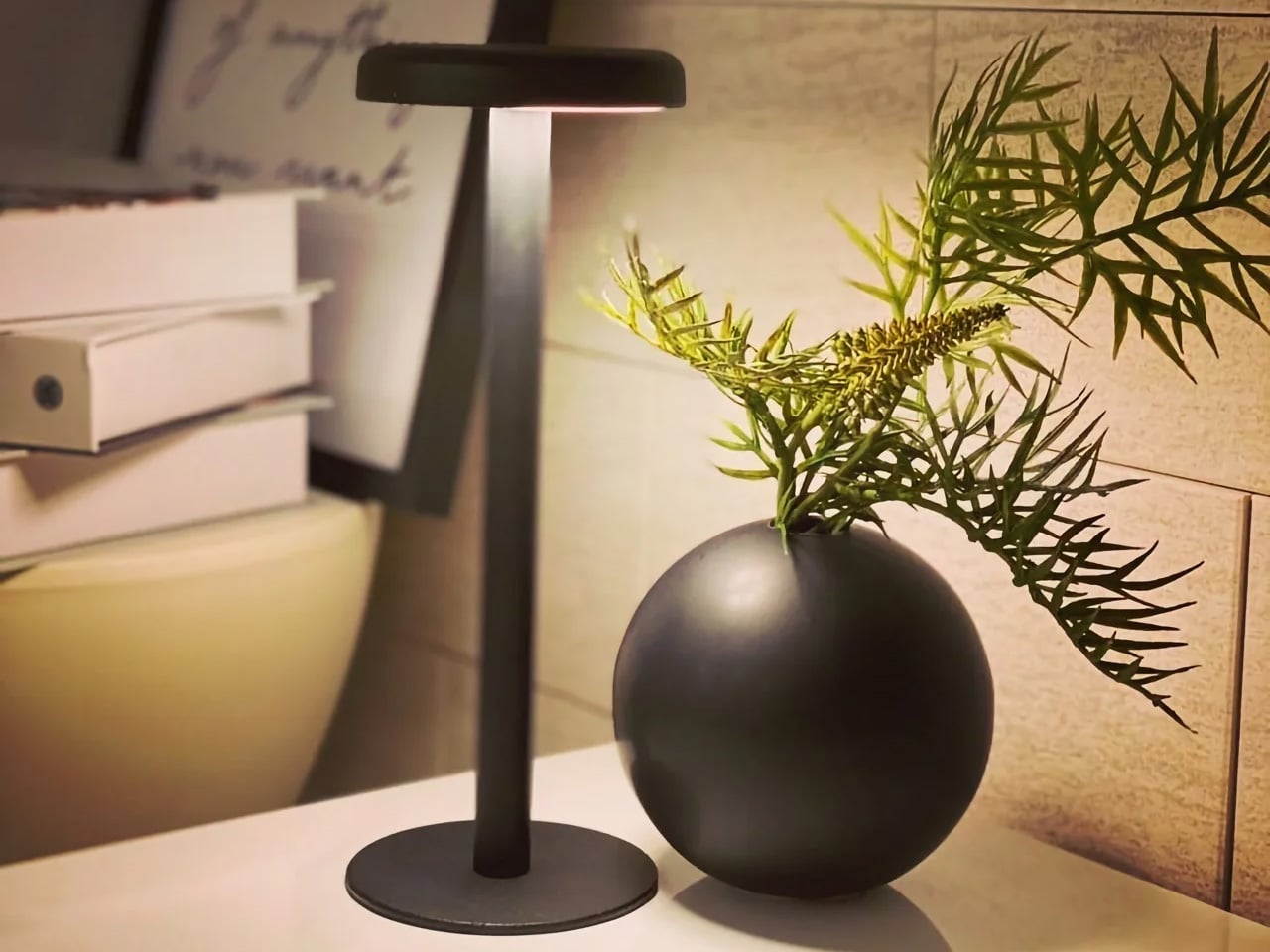
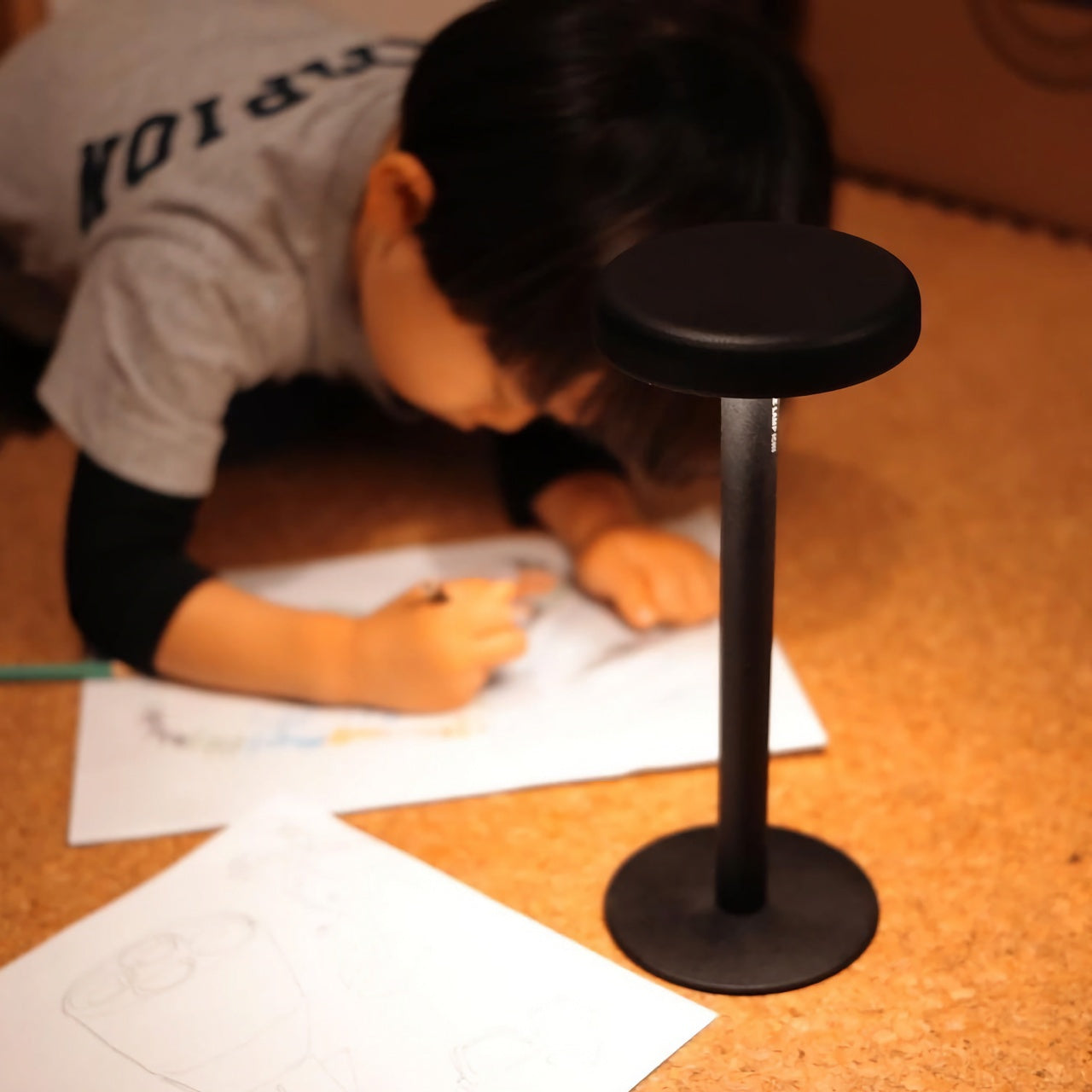
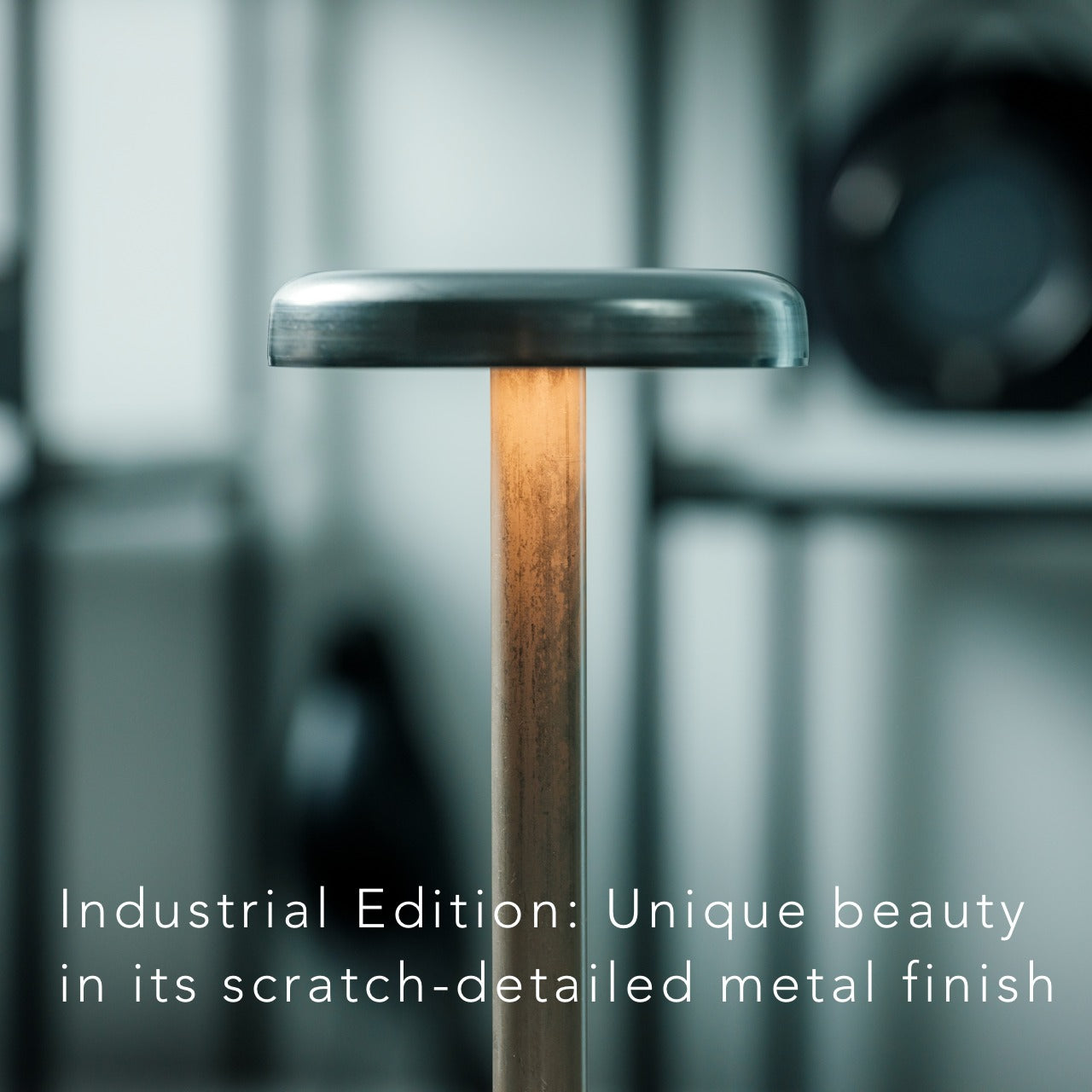
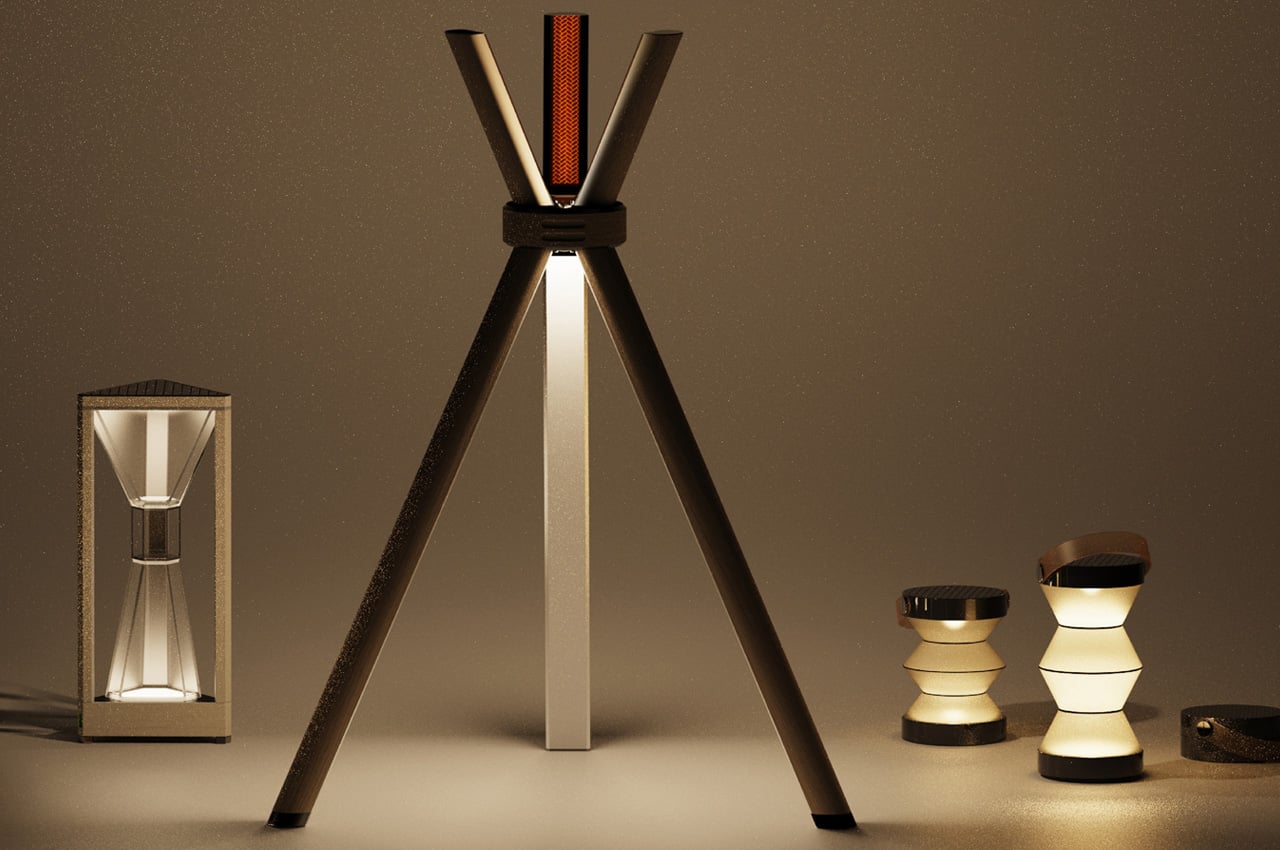
The Anywhere Use Lamp channels the quiet confidence of Scandinavian design philosophy. Its mushroom-inspired silhouette feels organic yet refined, with a cap-and-stem construction that breaks down into remarkably compact components. The base measures just a few inches across, meaning it occupies less counter space than your morning coffee mug. Six high color rendering LEDs cast a warm glow that transforms harsh corners into inviting nooks. The entire assembly runs on four AA batteries, eliminating the cord chaos that typically accompanies lighting solutions.
What makes this lamp genuinely space-conscious is its modular nature. When not in use, it disassembles completely and tucks into a bag or drawer. The Industrial edition adds textural depth through deliberately distressed metalwork that celebrates manufacturing marks rather than hiding them. Four brightness settings cycle through with a press anywhere along the cap’s edge, delivering satisfying tactile feedback that feels intentional rather than fumbling. This thoughtful interaction design means you’re never hunting for tiny switches in the dark.
The battery operation liberates you from outlet dependency and cord management
The disassembly feature turns a permanent fixture into a flexible tool
The touch-anywhere interface makes brightness adjustment effortless in low light
The warm LED quality creates a genuine ambiance rather than sterile illumination
What We Dislike
Battery replacement becomes an ongoing consideration for frequent users
The compact footprint means less light dispersion than larger fixtures
The minimalist aesthetic may read as too simple for traditional decor schemes
The cap requires careful handling during transport to avoid separation
2. Fire Capsule Oil Lamp – Analog Warmth
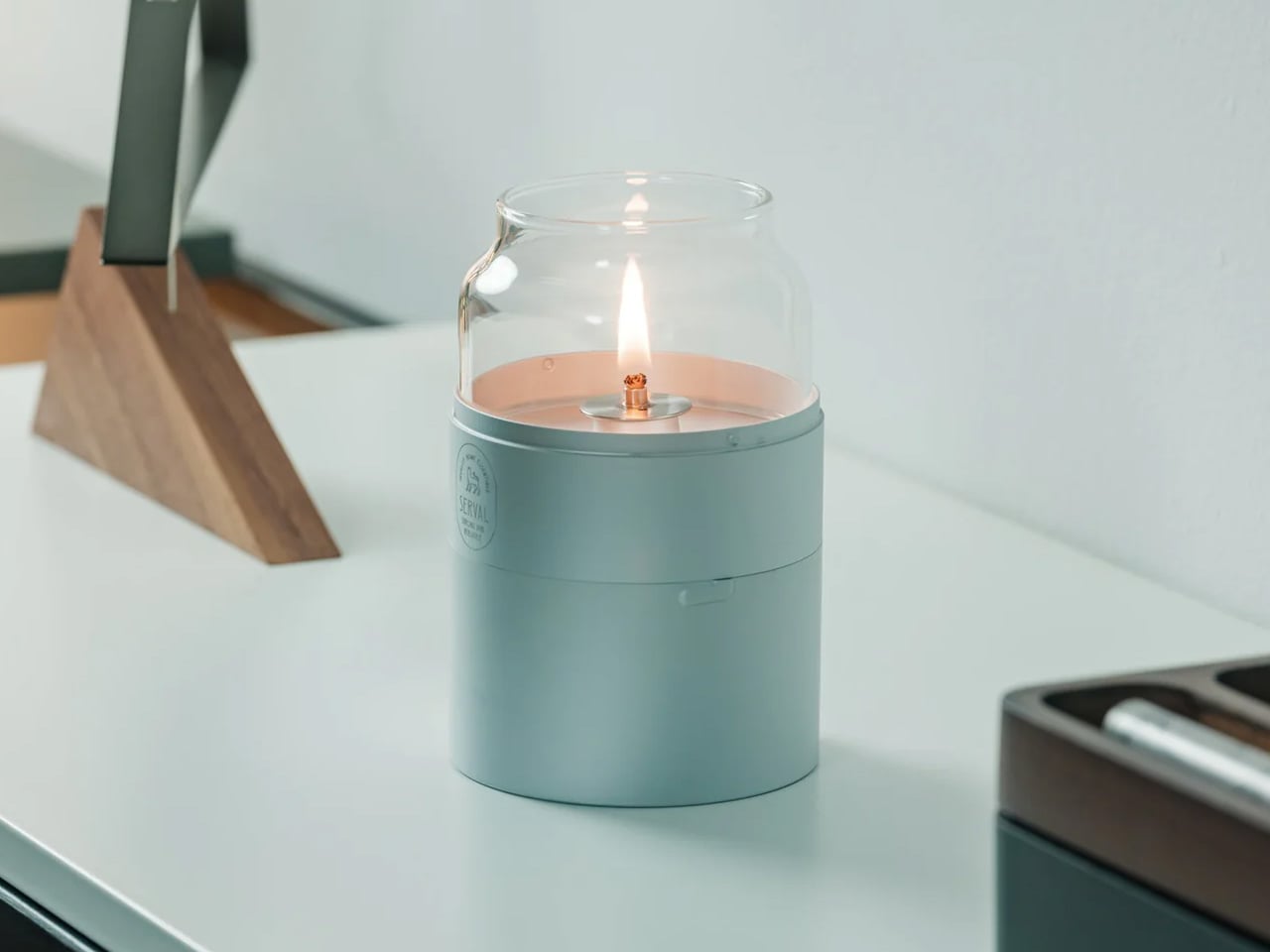
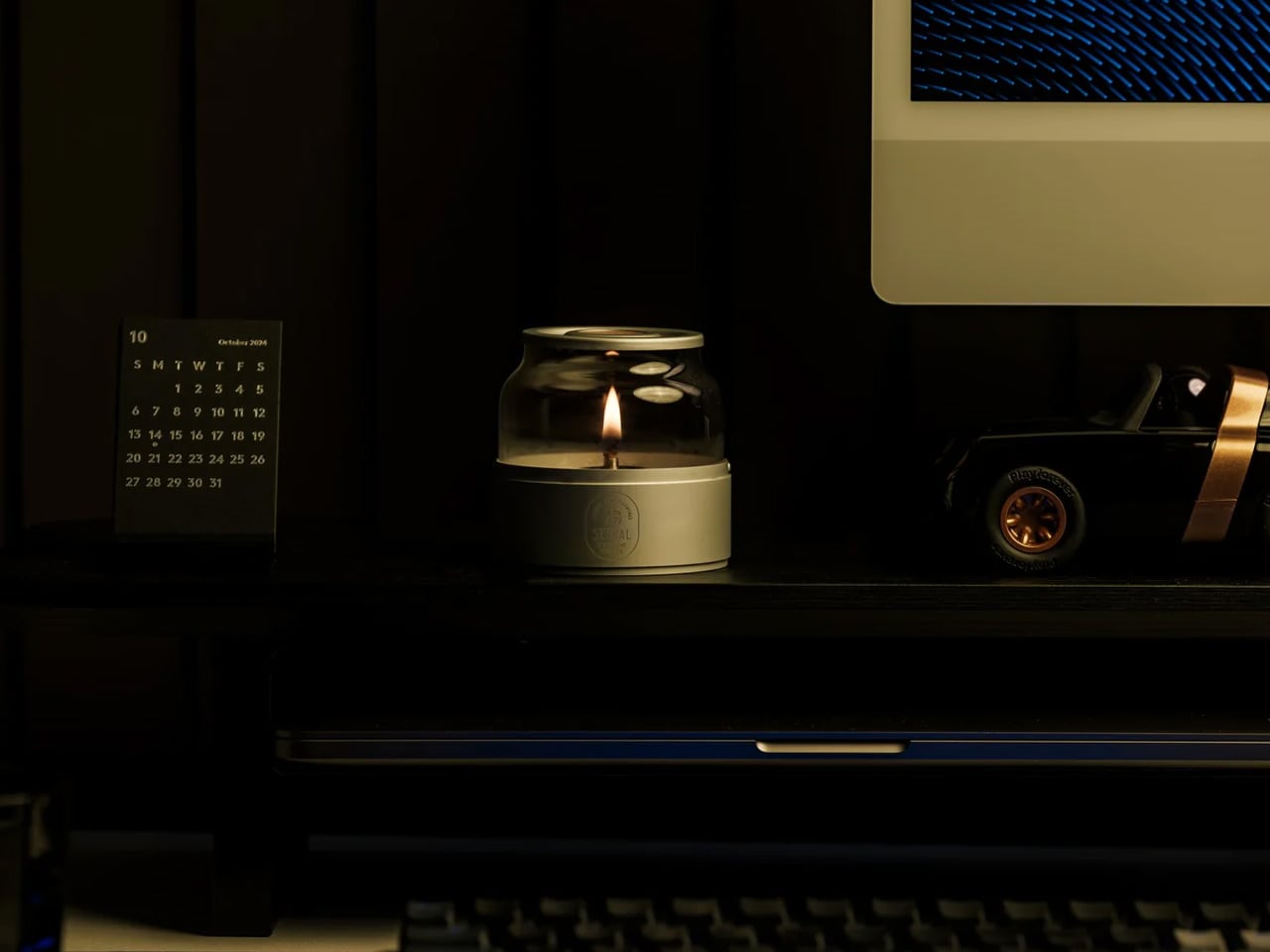
The Fire Capsule reimagines centuries-old oil lamp technology through a contemporary minimalist lens. Its cylindrical form factor takes up minimal counter space, while the flat top enables vertical stacking when you own multiples. The precision-engineered lid keeps the glass chimney dust-free between uses, maintaining optical clarity that cheaper oil lamps sacrifice. An 80ml fuel capacity delivers up to 16 hours of continuous burn time, outlasting most dinner parties and evening reading sessions without intervention.
Beyond basic illumination, this design incorporates an aroma plate that transforms the lamp into a scent diffuser. The flickering flame quality creates movement and depth that static LED solutions cannot replicate, adding living energy to spaces. The included drawstring pouch protects the glass during transport, making this viable for outdoor dining, camping, or emergency preparedness kits. When filled with paraffin oil containing insect-repelling compounds, it becomes functional outdoor lighting that actively improves the experience rather than just enabling it.
The stackable design maximizes vertical storage efficiency
Real flame createsan authentic ambiance that feels fundamentally different from electric alternatives
The aroma plate integration serves dual functions without additional equipment
The extended burn time eliminates constant monitoring and refilling
What We Dislike
Open flame requires more attention than switch-operated lights
Glass construction demands careful handling and storage considerations
Fuel purchases become an ongoing operational requirement
The flame produces minor heat output that may be unwelcome in small spaces
3. Lớp Lamp – Layered Optics
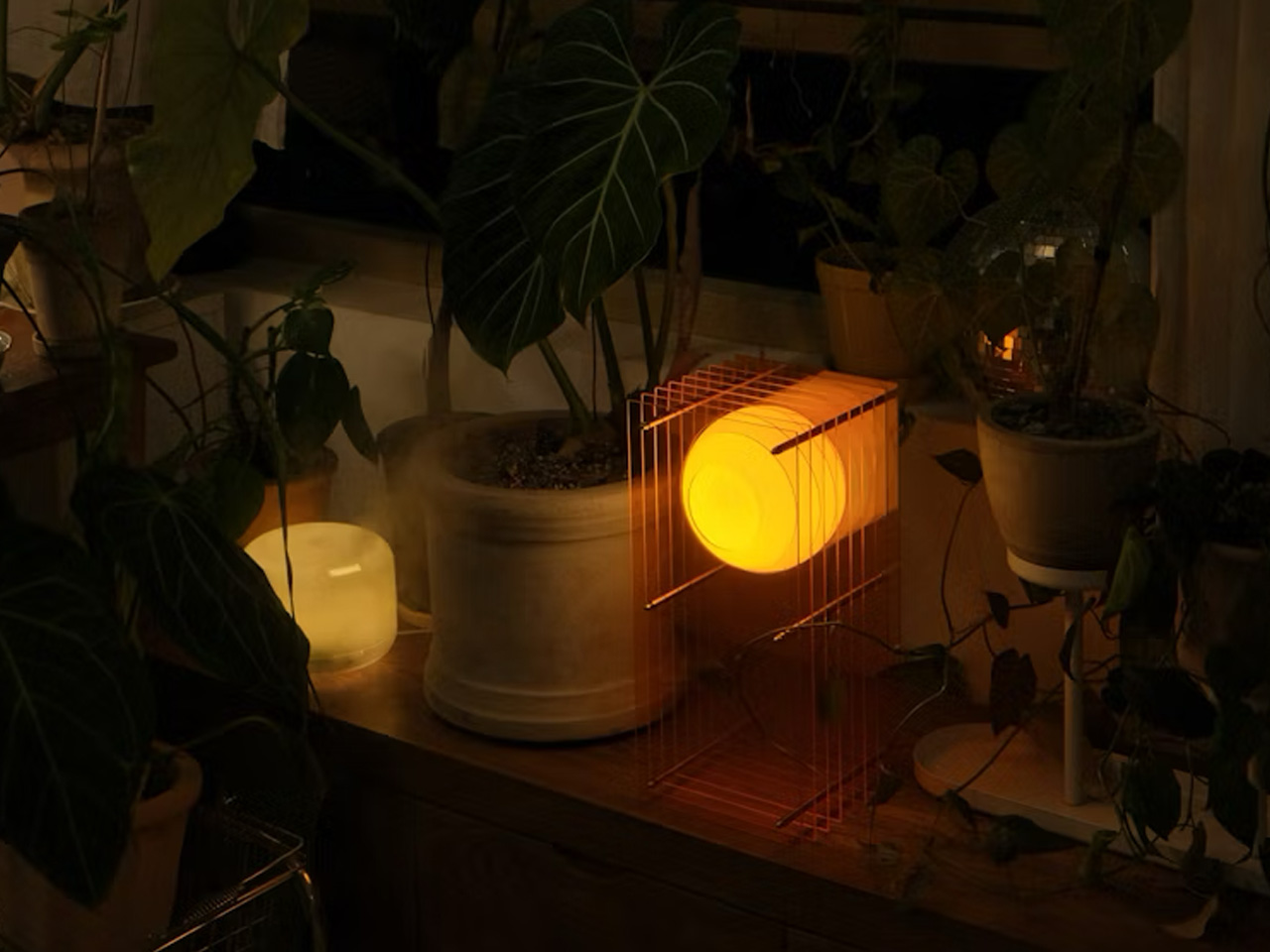
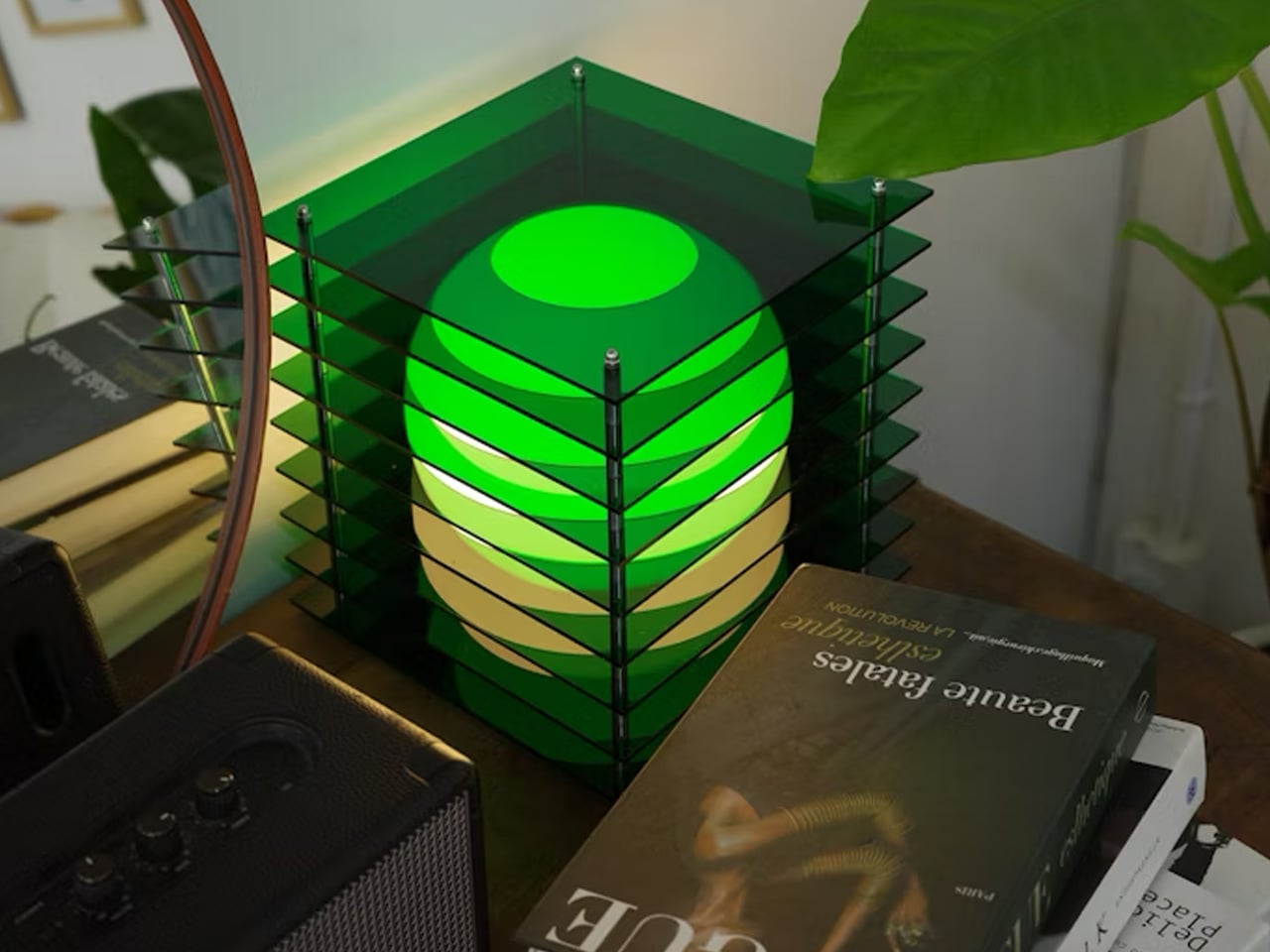
The Lớp lamp employs layered transparent acrylic panels to create an optical illusion where light appears suspended mid-air. This geometric approach to diffusion means the actual footprint remains surprisingly modest while the visual impact scales dramatically. Four size options accommodate different spatial contexts, from bedside surfaces to statement pieces on credenzas. Eight colorway options span from whisper-quiet neutrals to conversation-starting accent tones that anchor a room’s palette.
Standard LED bulbs keep replacement simple and heat generation minimal, meaning you can place them near books, fabrics, or other heat-sensitive materials without concern. The optical art reference feels intentional without derivative mimicry, nodding to Victor Vasarely’s kinetic square studies while establishing a distinct identity. Natural daylight shifts throughout the day interact with the layered panels differently, creating a dynamic character that evolves from morning through evening. The substantial construction feels grounded without becoming cumbersome, striking that difficult balance between presence and portability.
What We Like
The layered design creates visual complexity from simple geometric elements
Multiple size options allow matching the scale to specific spatial needs
Standard bulb compatibility avoids proprietary replacement hassles
The design actively responds to changing ambient light conditions
What We Dislike
The transparent panels require regular cleaning to maintain optical clarity
The geometric aesthetic may feel too contemporary for certain interiors
Larger sizes increase the footprint despite an efficient design
The visual effect depends heavily on proper bulb selection
4. TriBeam Camplight – Triple Function Compact
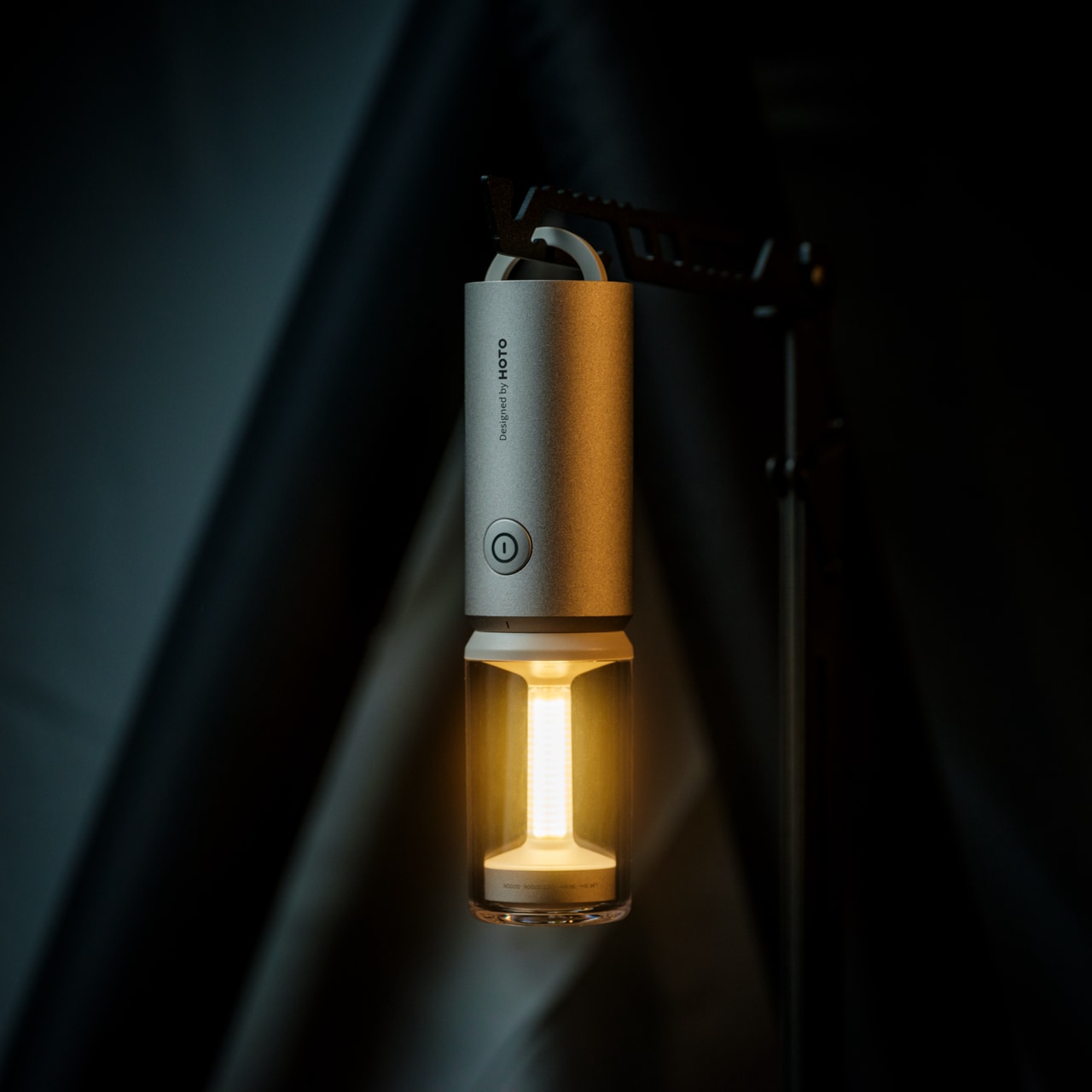
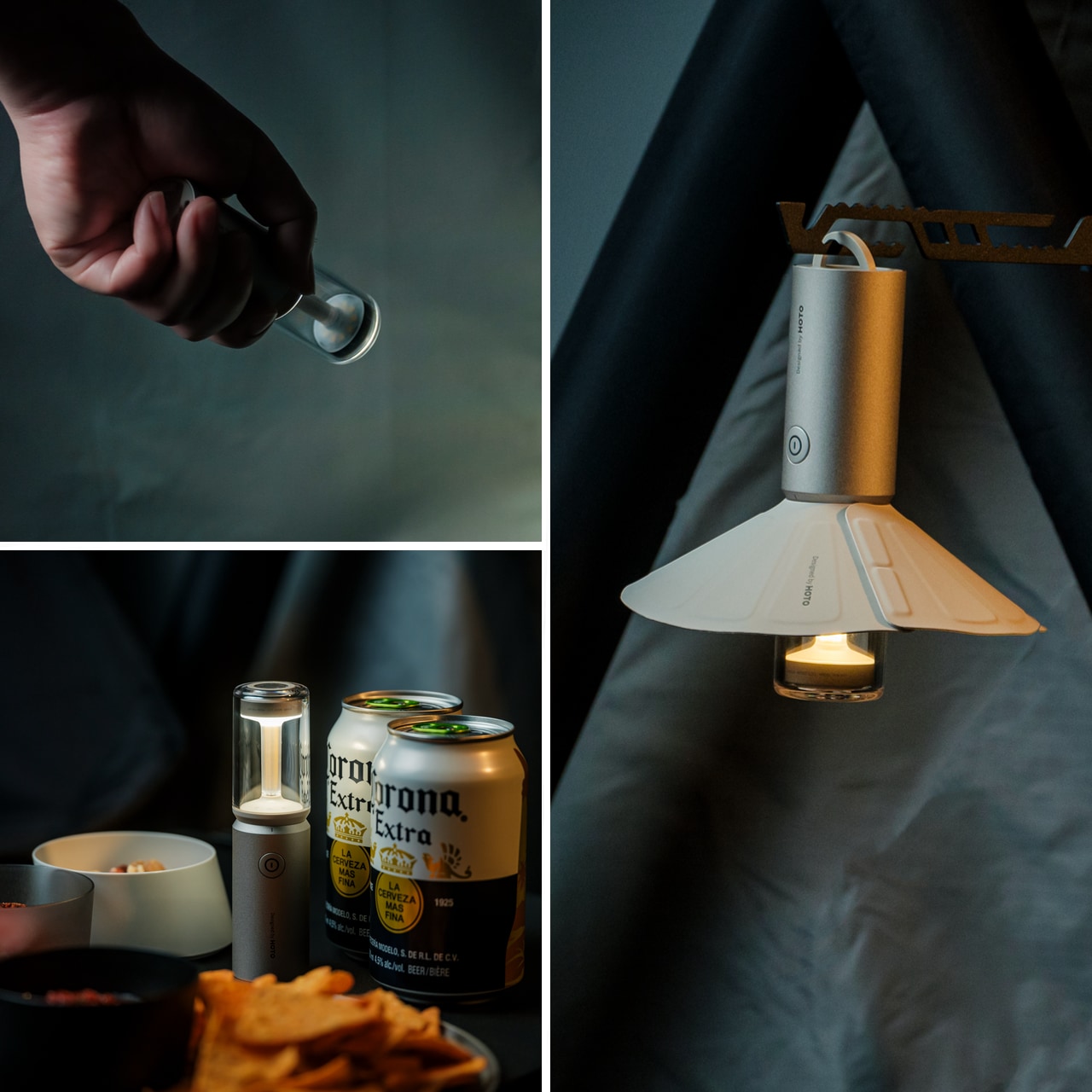
The TriBeam Camplight condenses three distinct lighting modes into a form factor smaller than a water bottle. At 12.8cm tall and just 135 grams, it essentially disappears in a backpack or jacket pocket yet delivers up to 180 lumens when needed. The three modes—camping, ambient, and flashlight—address genuinely different use cases rather than offering superficial variation. Camping mode provides broad area illumination for tents and outdoor dining. Ambient mode creates a soft background light for reading or relaxing. Flashlight mode focuses the beam for navigation and task work.
Brightness adjustment spans from five lumens for subtle night lighting up to that full 180-lumen output for serious illumination needs. Runtime extends to 50 hours on lower settings from a single charge, meaning weekend trips require no mid-adventure charging anxiety. The single-button interface cycles through modes intuitively without requiring instruction manual consultation in the field. The award-winning industrial design demonstrates that purpose-built gear can embrace aesthetic sophistication rather than defaulting to utilitarian blandness.
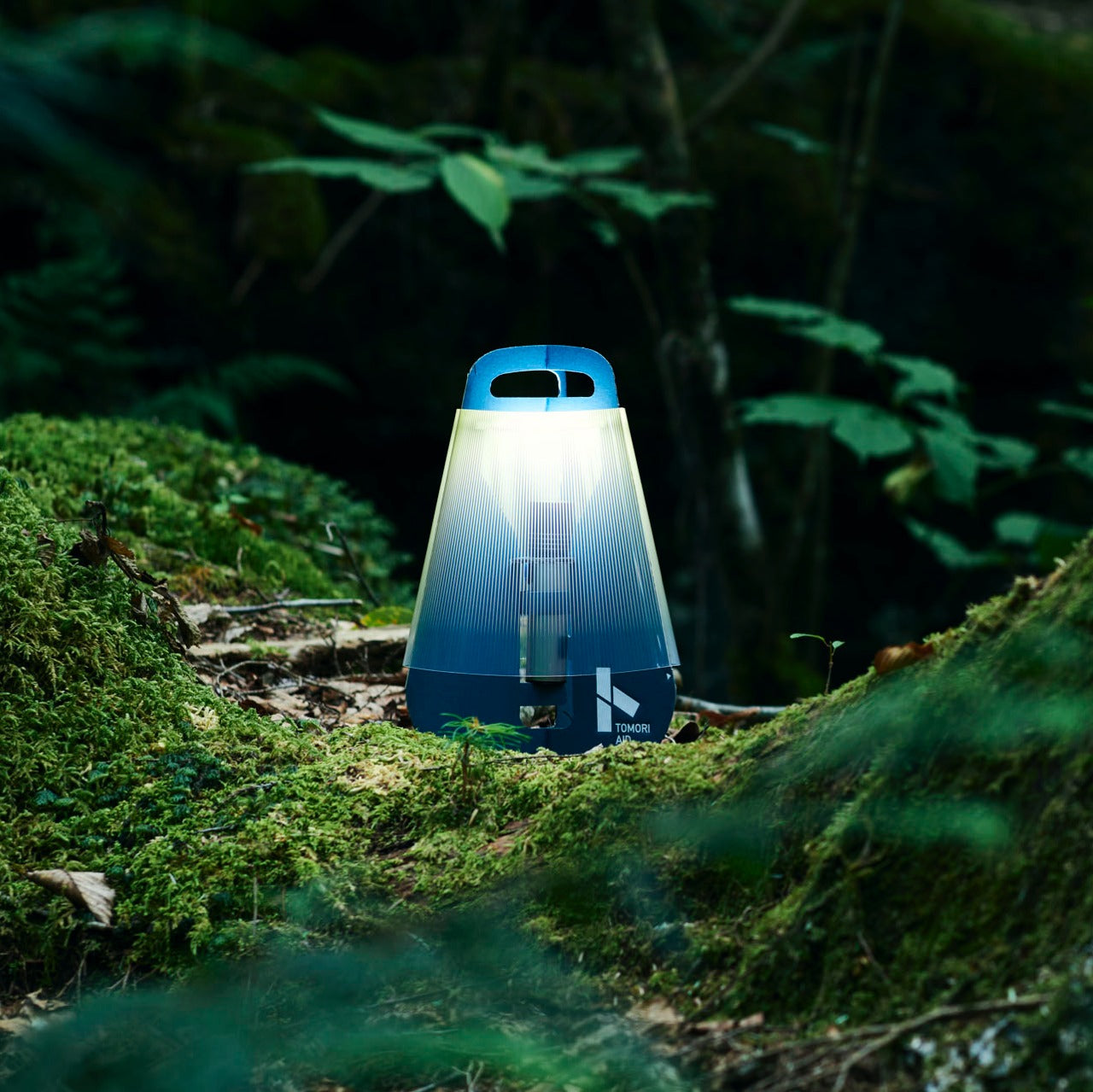
The Tomori Lantern takes minimalism to its logical extreme by existing as a flat kit until needed. Collapsed to A4 dimensions, it slips into emergency drawers, glove compartments, or bug-out bags where traditional lanterns cannot fit. The cardboard base construction sounds fragile, but it proves bend-resistant through clever engineering, working with any standard LED flashlight that fits the clamp system. This universal compatibility means you’re never dependent on proprietary bulbs or replacement part availability.
The polypropylene cover diffuses harsh flashlight beams into even ambient light, which makes spaces feel inhabited rather than interrogated. Setup requires no tools, cables, or technical knowledge—unfold, clamp the flashlight, and place the cover. This simplicity becomes critical during power outages or emergencies when complexity creates failure points. The included flashlight ensures the kit functions immediately rather than requiring you to source compatible components. When the situation resolves, the entire assembly collapses back to flat storage, ready for the next need.
No charging or fuel requirements mean indefinite shelf stability
The simple assembly works under stress when fine motor skills decline
What We Dislike
The cardboard construction has limited long-term durability with repeated use
Performance depends entirely on the flashlight quality and charge state
The utilitarian aesthetic prioritizes function over decorative appeal
The diffuser cover can separate from the base during transport
Making Light Work Harder
Space-saving lighting design represents more than dimensional reduction. These five solutions demonstrate how thoughtful engineering can deliver better functionality from smaller footprints. The key lies in questioning assumptions about what lighting must be—permanent, plugged-in, single-purpose. Modularity, portability, and multi-functionality transform lights from static fixtures into dynamic tools that adapt to changing needs and contexts throughout the day.
The under-$200 price point makes experimentation accessible rather than requiring major commitment to a single approach. You might discover that battery operation liberates furniture arrangement more than expected, or that collapsible emergency lighting serves daily uses you hadn’t anticipated. These designs prove that minimalism isn’t about deprivation but rather about intentional choices that enhance living spaces through subtraction rather than addition. Your counters will thank you for the breathing room.
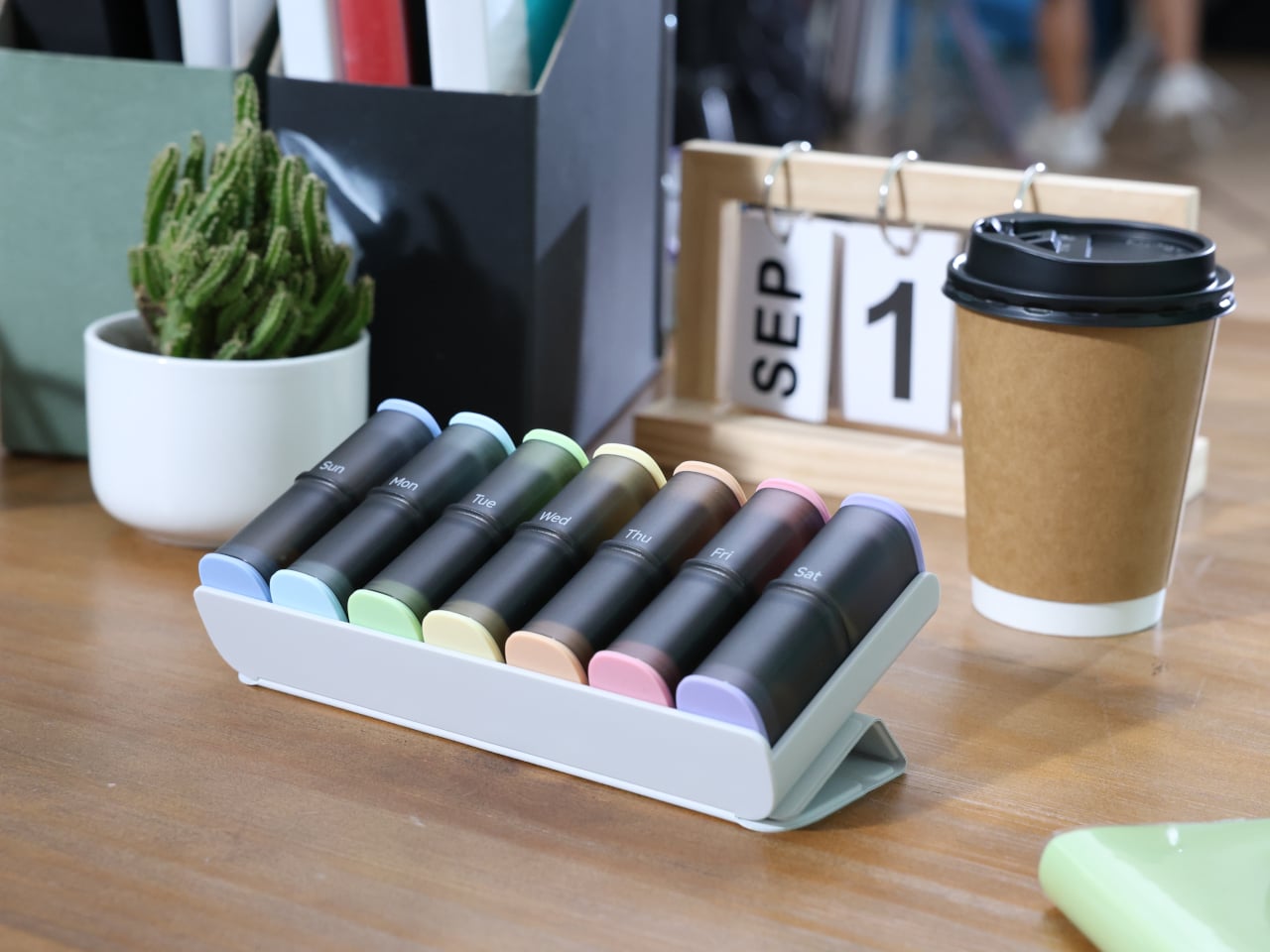
Most pill organizers still look like something from a hospital drawer, translucent plastic strips with tiny lids that feel clinical and easy to hide. That aesthetic does not help when you are trying to build a daily wellness routine around vitamins, supplements, or medication. Maybe the problem is not people forgetting, but tools that feel like they belong in a cabinet instead of in everyday life, making it harder to stay consistent.
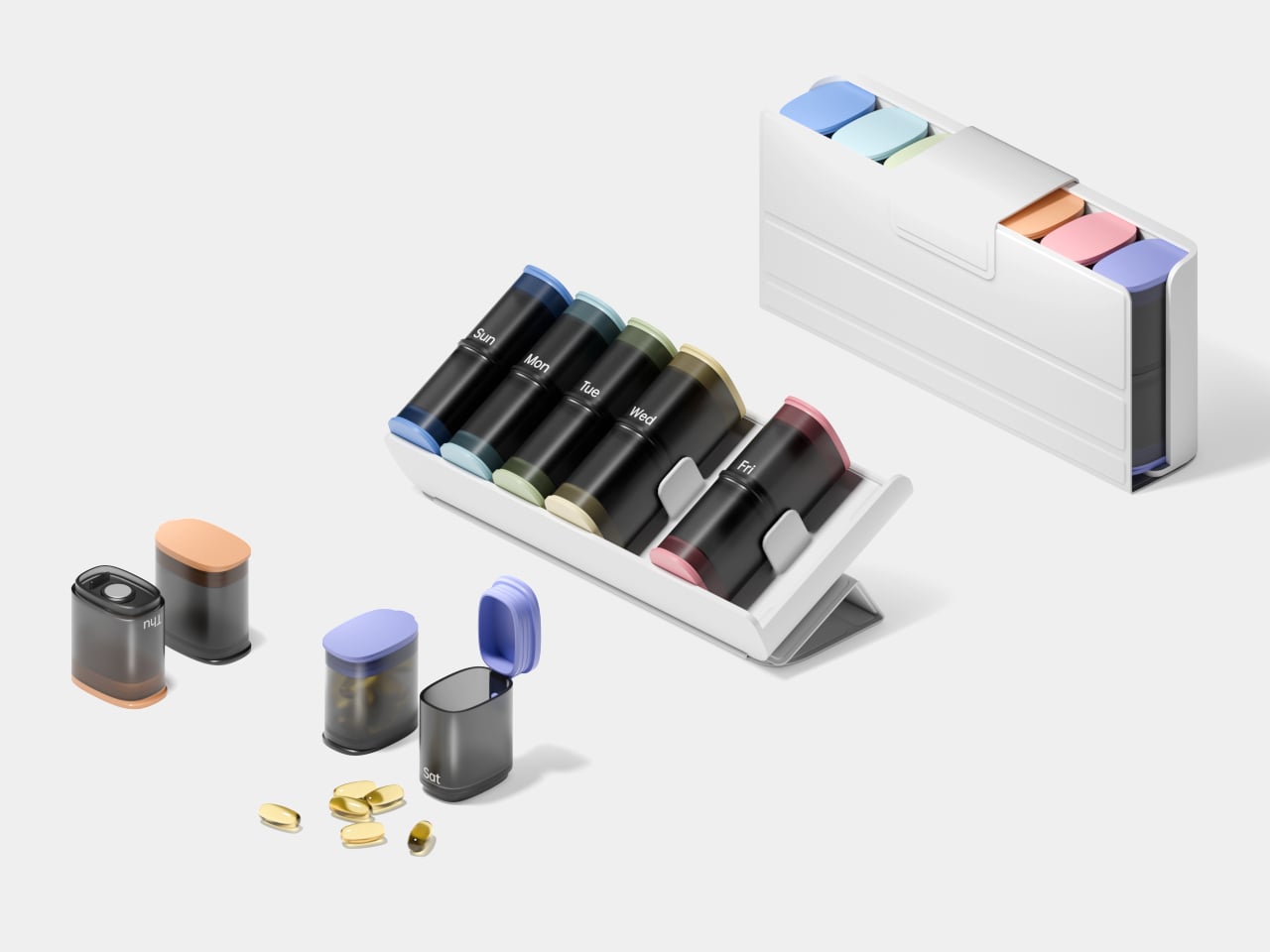
The modobloom M7 pill organizer is a weekly system designed for vitamins, supplements, and meds that is meant to live where you actually are, on a counter, desk, or nightstand. It uses seven magnetic Tritan tubes, one for each day, and a compact foldable case that can display them or tuck them away. The goal is to make your routine visible and calm, not something you only interact with when you are already stressed or running late.
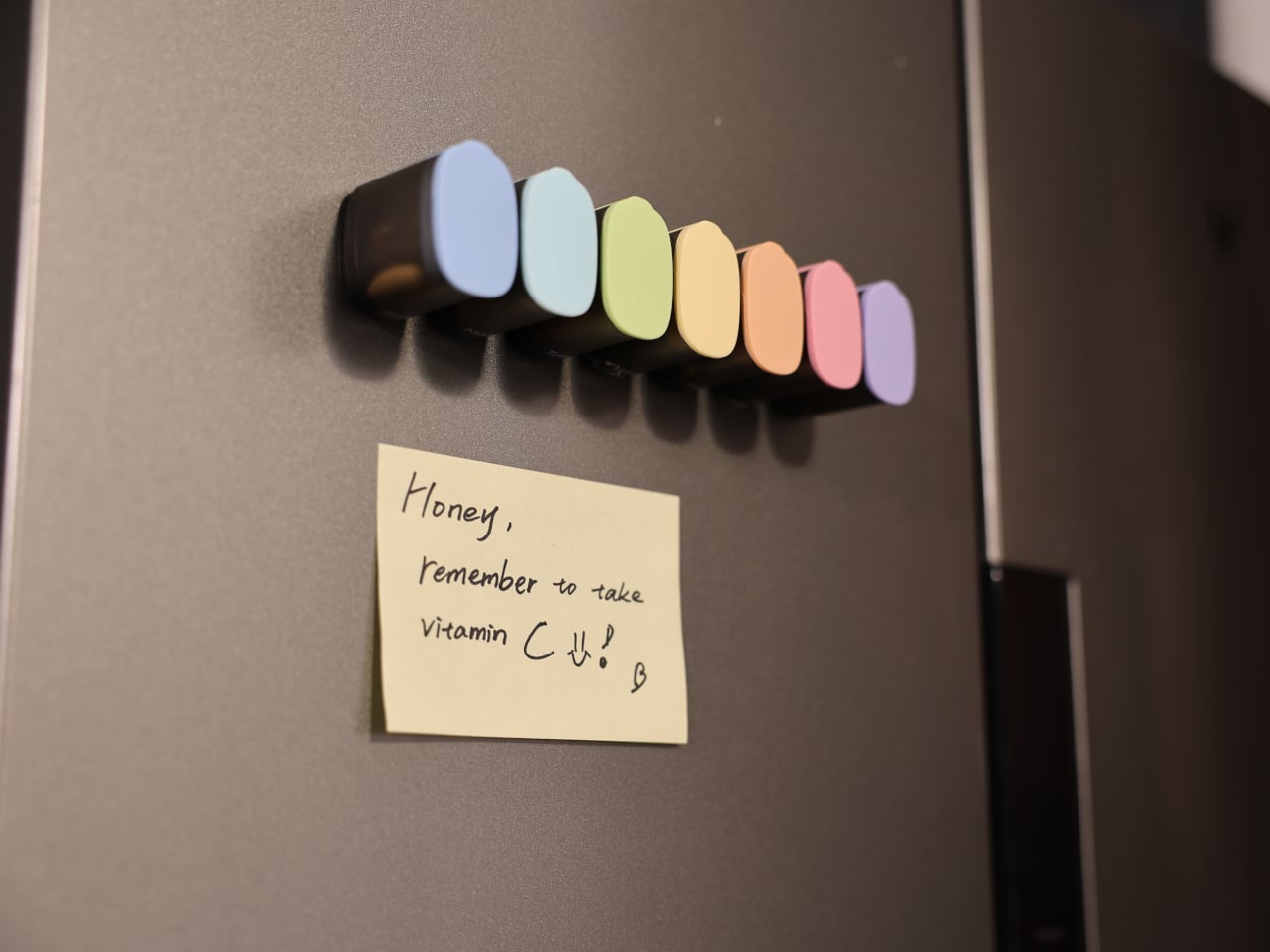
The modobloom M7 is designed to stay in sight, because out of sight often means out of mind. You fill the tubes once at the start of the week, then let them sit in the foldable case where you will see them, simplifying your daily rhythm. The internal compartments are sized for real supplement routines, not just a couple of tiny tablets, so you are not fighting the container every time you add a new capsule to your stack.
The seven tubes work as a modular set at home and as individual pieces when you leave. The embedded magnets let them snap together in a neat row, then detach smoothly when you want to take a single day with you. A tube can slip into a work bag, gym tote, or carry-on without rattling around, so your bedside routine and your on-the-go life share the same system instead of needing separate containers.
The material choices are Tritan from Eastman USA for the tube bodies, a BPA-free, FDA-compliant plastic used in premium water bottles and baby products, and food-grade silicone for the soft caps. The matte privacy finish keeps contents discreet, while color-coded lids and day labels keep things clear. The silicone cap opens to about 90 degrees and is tuned for one-hand operation, making it easy to open, pour, and close even when you are half-awake.
The modobloom M7 might sit next to a coffee machine as you take morning vitamins, or a single tube might live in a gym bag holding pre- and post-workout supplements. Another could be on an office desk as a quiet reminder in the middle of a busy day. The organizer becomes part of your daily rhythm, not a separate chore, and its soft-touch finishes and curated colors help it blend into a home rather than stand out like medical gear that you would rather not advertise.
A weekly pill organizer might seem like a small thing until you need it every day. When the object you rely on feels cold or embarrassing, it is easy to shove it in a drawer and forget. When it feels considered, safe, and a little bit warm, it is easier to keep it in view and let it support the habits that keep you well. The modobloom M7 treats wellness as something you live with, not something you hide, turning a mundane task into a small, calm ritual that quietly earns its place on your counter.
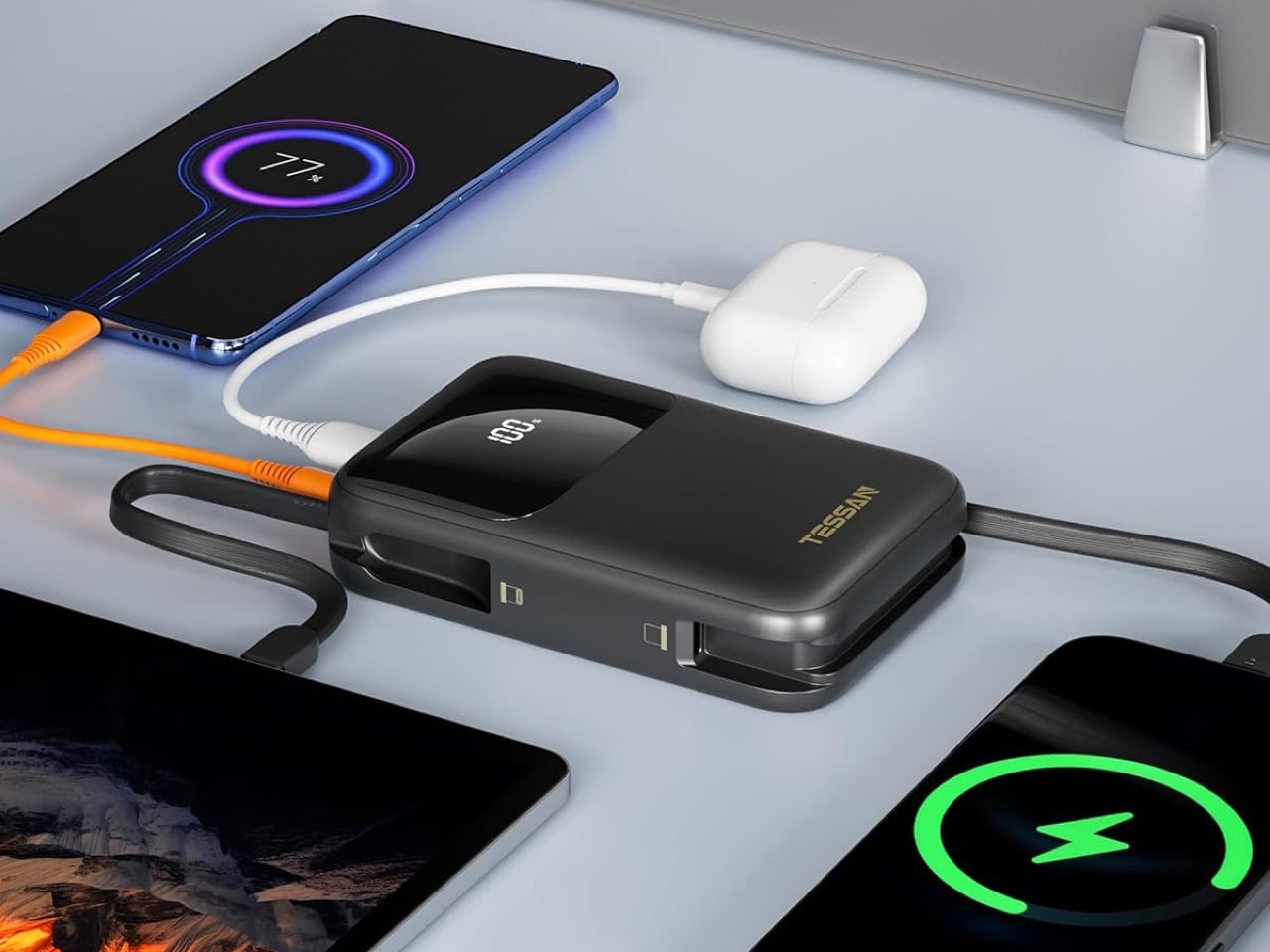
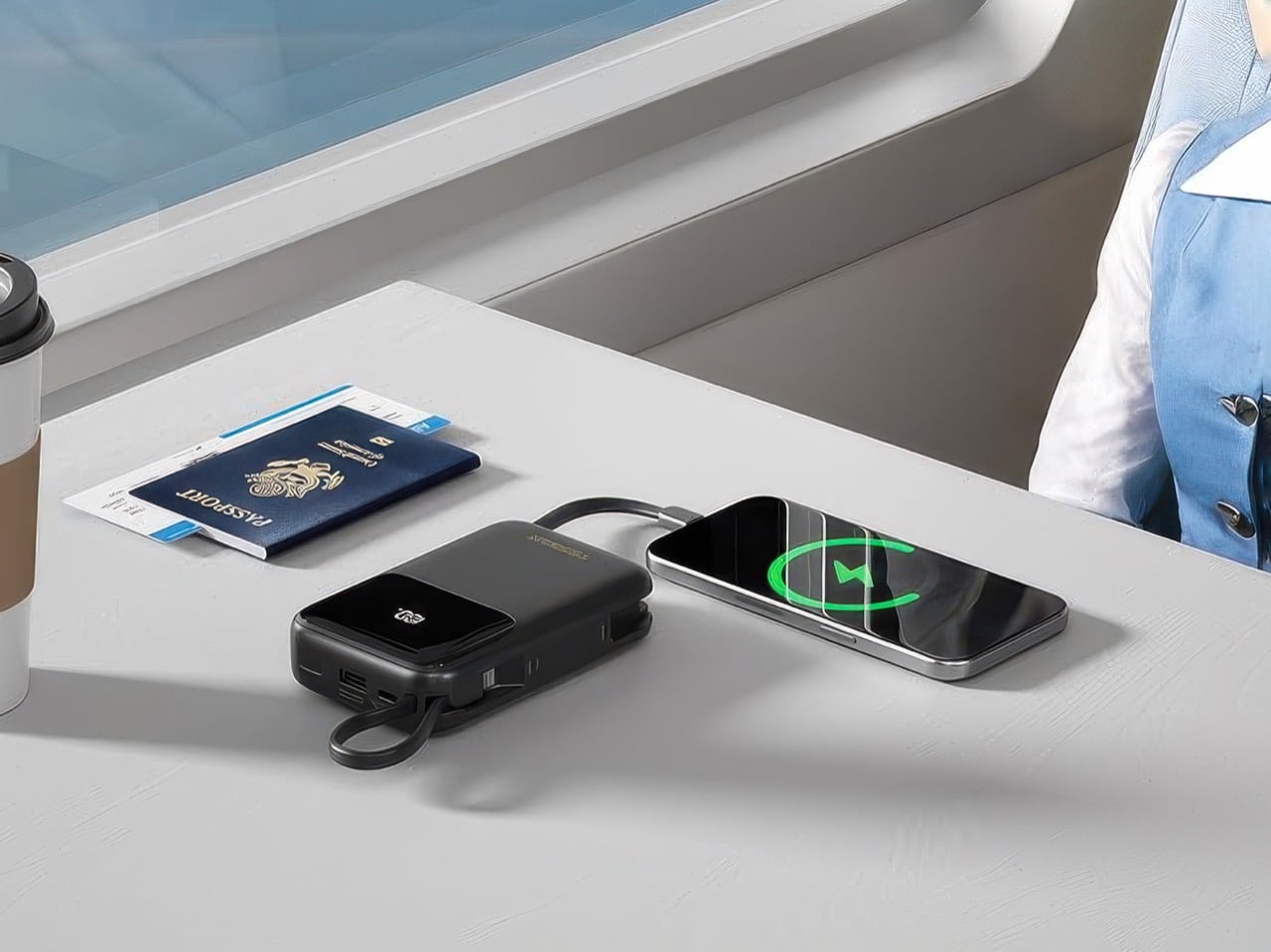
Apple sells a polishing cloth for about twenty bucks. TESSAN is out here offering a 20,000 mAh power bank with 30 watt USB C charging and built in USB C and Lightning cables for less than that. One cleans fingerprints off your screen. The other can recharge your phone several times, top up a thin and light laptop, and keep a tablet alive through a long flight. It is hard not to see the contrast as a snapshot of the current accessory market.
For roughly the price of Apple’s most meme worthy add on, you can buy a brick that quietly solves the most common charging headaches. No extra cables to pack, no hunting for outlets in crowded airports, no arguing over the one free plug at a conference. Just a single charger that covers most of the devices you actually carry. The polishing cloth may be softer. The value proposition is not.
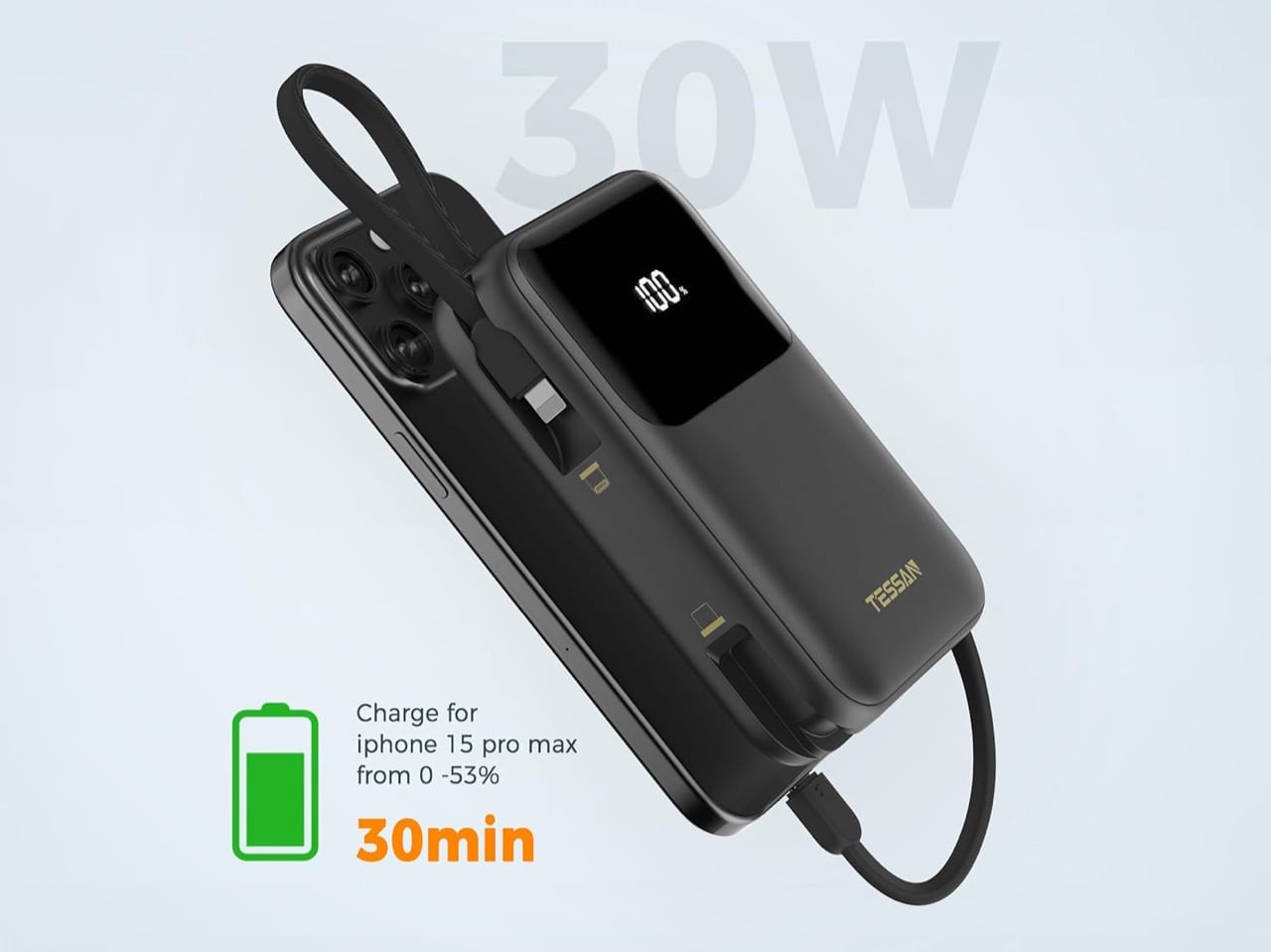
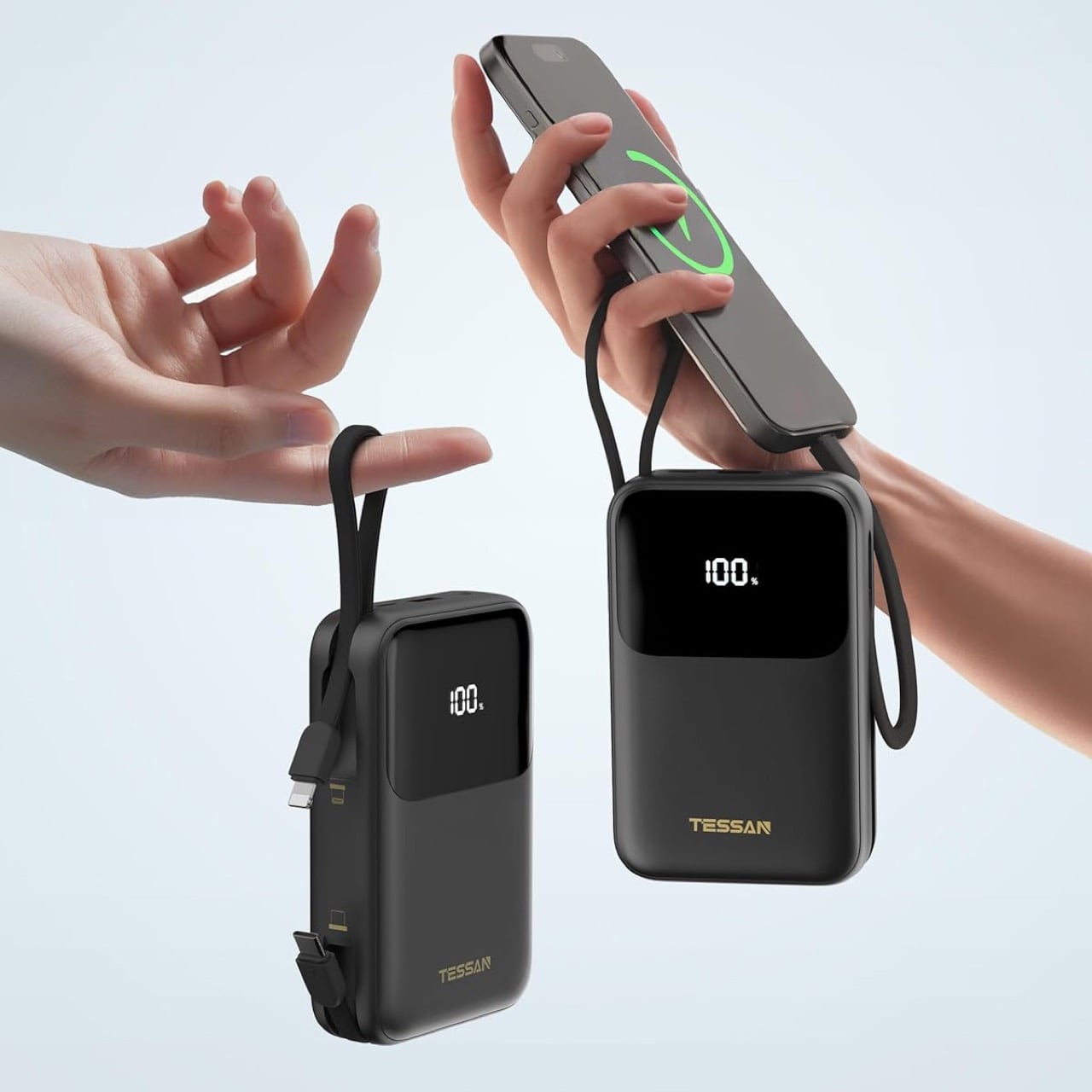
The built in cables are what make this thing actually useful instead of just another rectangular battery that sits in a drawer. You get a Lightning cable and a USB C cable permanently attached to the bank itself, plus a separate USB C port and USB A port on the side. So you can charge an iPhone, an Android phone, and something like a tablet or a laptop all at once without carrying a single extra cord. The 30 watt output means you can actually fast charge modern phones or keep a thin laptop limping along during a long meeting. TESSAN says it will push an iPhone 15 Pro to 53 percent in half an hour, which tracks with standard USB C PD speeds.
The 20,000 mAh capacity is enough to fully charge a MacBook Air once with a bit left over, or get about three to four full phone charges depending on your device. Real world usable capacity will be closer to 13,000 or 14,000 mAh after conversion losses, but that is normal for every power bank on the market. You are still looking at multiple days of phone backup or one solid laptop rescue. The whole thing weighs enough that you will know it is in your bag, but it fits under most airline carry on battery limits, so you can actually travel with it.
At 17 dollars, this feels like one of those weird Amazon lightning deals where the price accidentally makes sense for about 48 hours before it jumps back up. Most 20,000 mAh banks with any kind of name recognition sit closer to 40 or 50 bucks, and the ones with built in cables usually add another 10 or 15 on top of that. TESSAN is an Amazon brand that does travel adapters and charging accessories, so you are trading some of the premium build quality and safety margin you would get from Anker or Belkin for a price that just barely registers as a purchase. If the cables fray in a year, you discard it as e-waste and buy another one for less than the cost of replacing a single USB C cable from Apple. Sounds bonkers, no?
Japanese kitchen design operates on a philosophy that transcends mere functionality. Each tool embodies centuries of refinement, where form and purpose merge into something approaching meditation. The best Japanese kitchen gadgets don’t just perform tasks—they transform cooking from a chore into a ritual, from a necessity into a practice. These tools invite slowness, demand presence, and reward attention with results that feel effortless yet profound.
Western kitchens often accumulate gadgets that promise convenience but deliver clutter. Japanese design takes the opposite approach: fewer tools, greater intention, deeper satisfaction. The implements featured here represent that minimalist mastery, where every curve, every material choice, every weight distribution serves both practical and experiential goals. They make cooking feel less like a production and more like a meaningful participation, something zen.
1. Precision Chef Kitchen Scissors
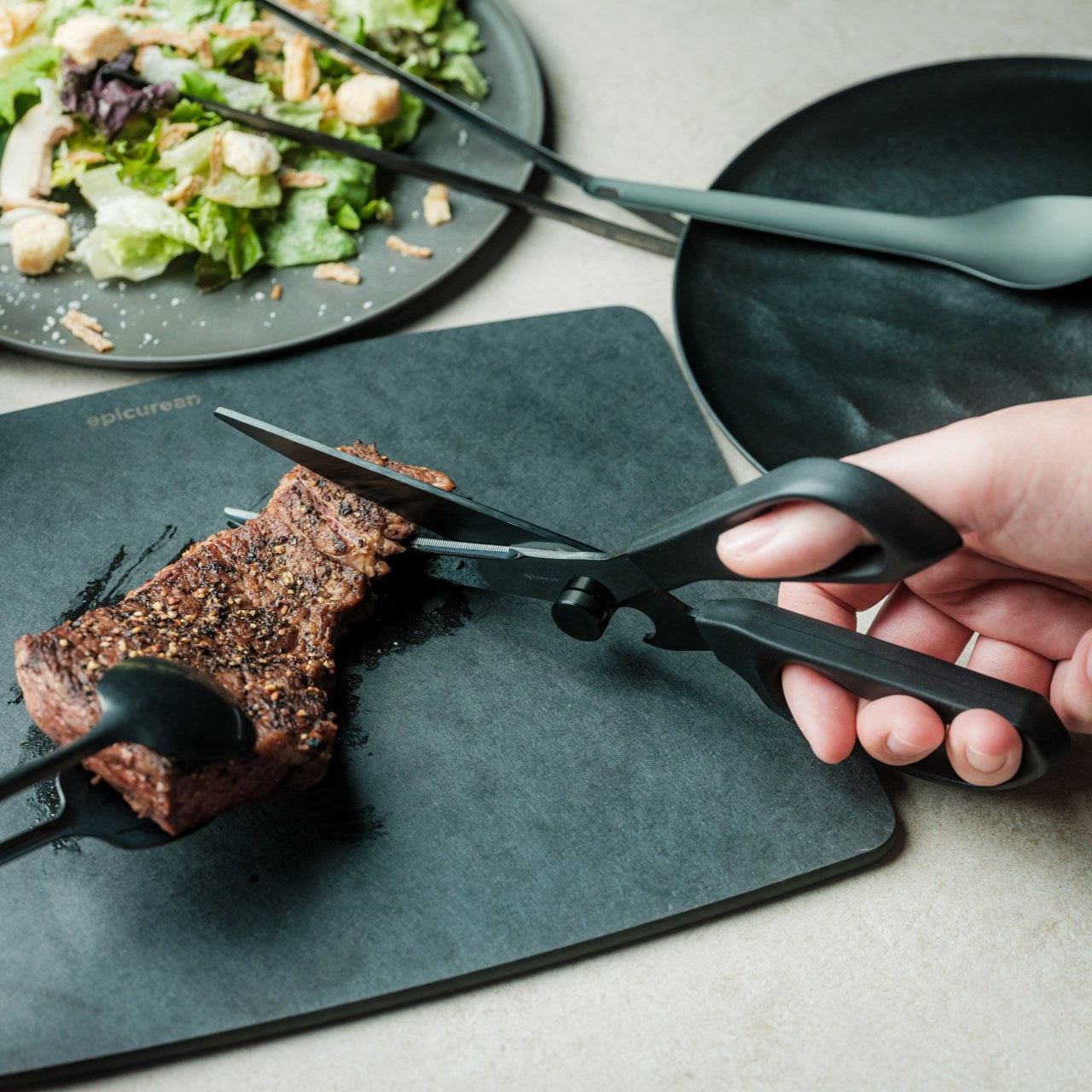
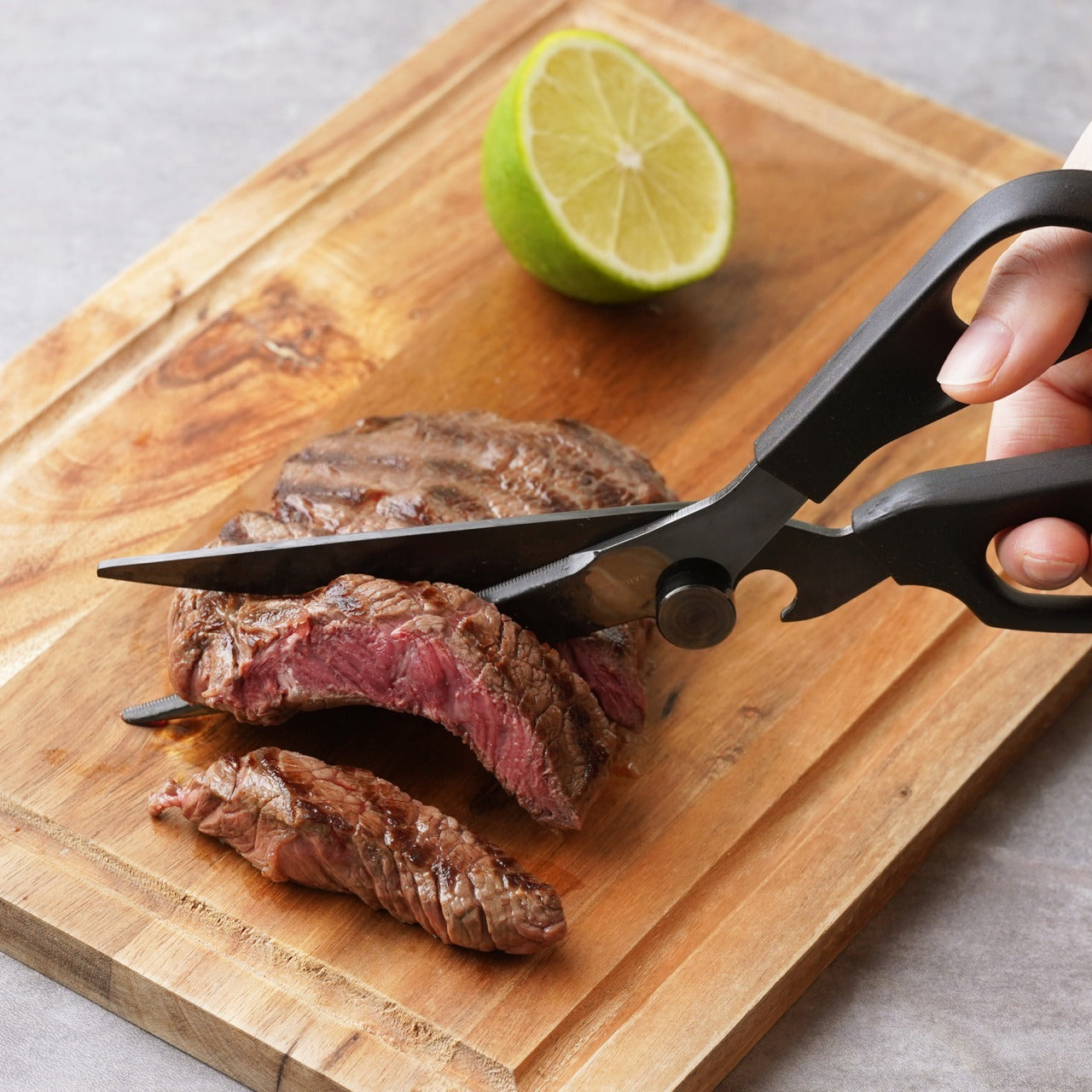
Most Western kitchens relegate scissors to the junk drawer, pulling them out occasionally for packaging or emergency herb trimming. The Precision Chef Kitchen Scissors rewrite that relationship entirely, becoming the primary tool you reach for before your knife even enters consideration. Specially engineered curved serrated blades slice through meat, vegetables, pizza, and herbs with startling ease, while the oxidation coloring creates a commanding black finish that resists deterioration. The ergonomic design includes a crucial detail: when laid flat, the blades hover above the surface, preserving both sharpness and sanitation between uses.
The genuine versatility transforms these scissors from a specialty item into a drawer consolidation. Butchering chicken becomes faster than knife work, requiring fewer cuts and less cleanup. Trimming fat, portioning pizza, opening stubborn packages, and detailed vegetable prep—the Precision Chef handles everything with authority. The curved serrated design grips slippery meats and fibrous vegetables that regular scissors struggle to control. The substantial build inspires confidence for heavy-duty tasks while maintaining precision for delicate work. For anyone seeking to simplify their kitchen, these scissors genuinely replace multiple knives, kitchen shears, herb scissors, and pizza cutters in one elegant package.
The curved serrated blades provide a superior grip on ingredients that slip away from standard scissors
The oxidation black finish resists fading and adds visual drama to your knife block
Blades that don’t touch surfaces when flat maintain sharpness longer and improve hygiene
The consolidation factor genuinely reduces drawer clutter without sacrificing capability
What We Dislike
The specialized blade design might require adjustment if you’re accustomed to traditional kitchen shears
The substantial build, while confidence-inspiring, adds weight that some users might find tiring during extended prep sessions
2. Smart Tea Pot
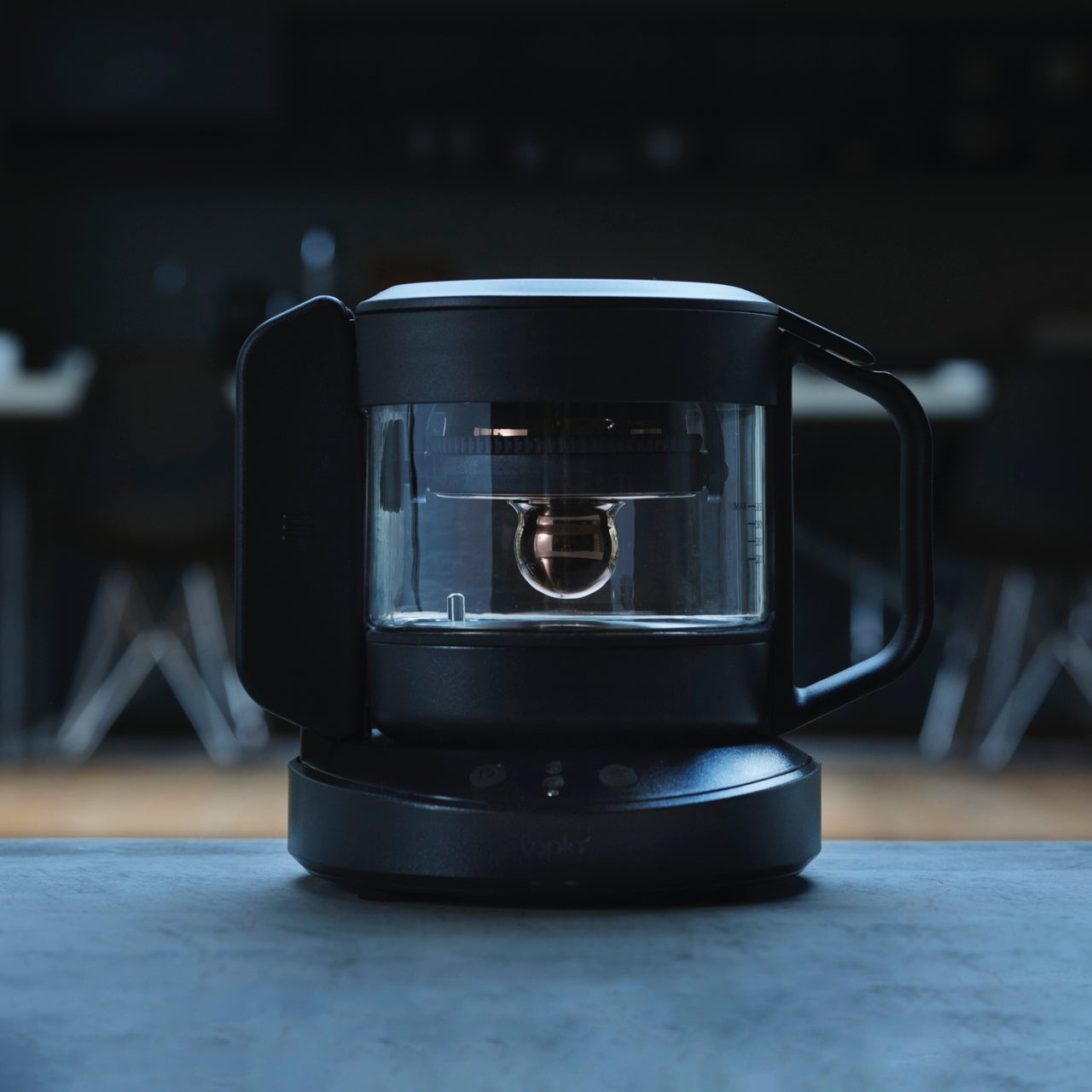
Tea preparation in Japanese culture approaches a ceremony, where temperature, timing, and intention determine whether you’re drinking hot leaf water or experiencing something transcendent. This revolutionary smart teapot brings that tea master precision into everyday practice through app-connected brewing technology. Six advanced sensors analyze your heart rate, finger temperature, and environmental conditions to tailor each brew to your current physical and emotional state. The comprehensive tea database stores optimal brewing conditions for everything from delicate white teas to robust pu-erh, ensuring authentic flavor and aroma without guesswork or timer-watching.
The personalized brewing system transforms tea from a beverage into a responsive ritual. Morning green tea brews differently from evening chamomile, not just in temperature and steeping time, but calibrated to your biometric data in that specific moment. The intuitive app interface removes the interruption of manual monitoring, letting you remain present rather than anxiously checking the clock. The technology doesn’t complicate the tea experience—it removes complications, creating space for the meditative aspects of tea preparation to emerge. This teapot understands that perfect tea isn’t about following rigid recipes but responding to the infinite variables of human experience and environmental context.
Biometric sensors create genuinely personalized tea experiences that respond to your current state
The comprehensive tea database eliminates guesswork for unfamiliar varieties
App connectivity provides consistency without requiring constant monitoring
The technology enhances rather than interrupts the meditative tea ritual
What We Dislike
The learning curve for app features might frustrate users seeking immediate simplicity
The reliance on technology introduces failure points that traditional teapots avoid entirely
3. Plate Grater
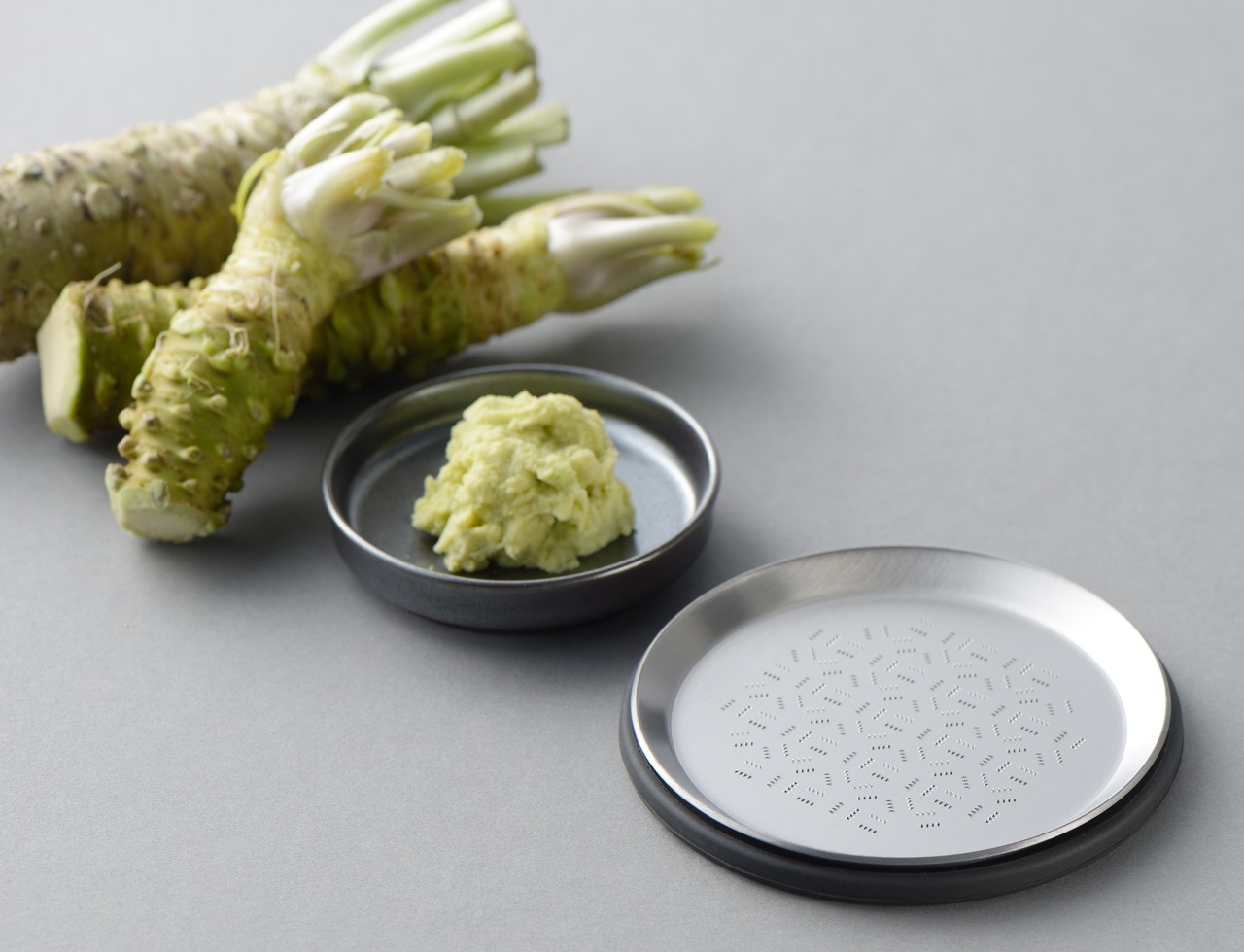
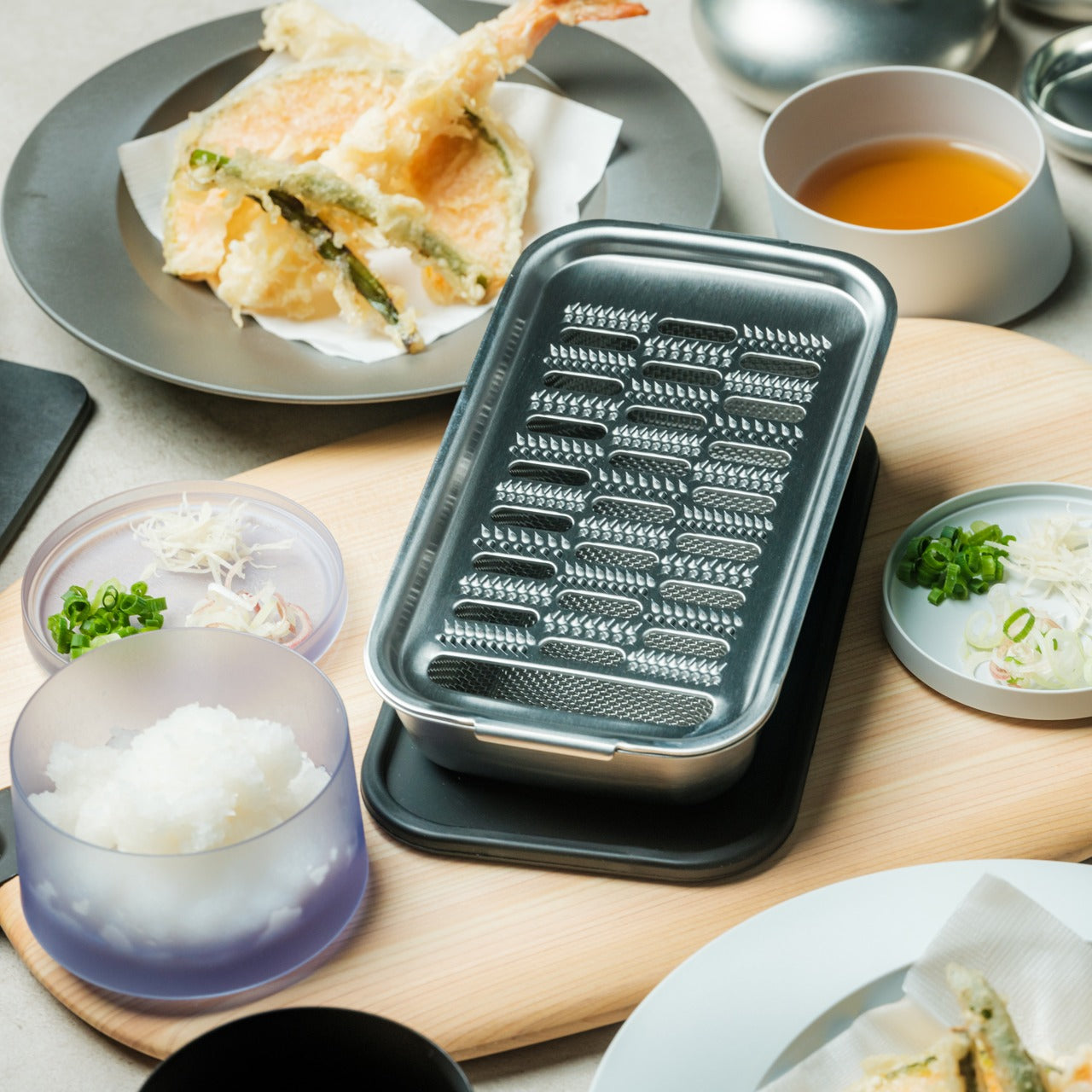
Wasabi, daikon, ginger—certain ingredients demand fresh preparation at the moment of serving, not hours before, when flavor and aroma peak. This round plate grater brings tableside garnish preparation from restaurant kitchens into home dining through elegant simplicity. The circular grating motion feels therapeutic rather than tedious, creating a mindful pause between cooking and eating. Crafted from durable stainless steel with an anti-slip silicone base that doubles as a protective cover, the thin and lightweight design stores easily without occupying precious drawer real estate.
The tableside preparation transforms garnishes from afterthought into engagement. Grating fresh wasabi for sashimi, daikon for tempura, and ginger for grilled fish—the circular motion becomes part of the dining ritual rather than prep work to rush through. The compact round design fits naturally at the table without commanding excessive space or attention. The anti-slip base provides stability during use and protection during storage. The therapeutic circular grating motion offers a moment of presence between cooking and consumption, a brief meditative pause that enhances appreciation for what follows. This grater makes fresh garnish preparation so effortless and pleasant that you’ll find reasons to grate things you previously bought pre-processed.
The circular grating motion creates a genuinely therapeutic preparation experience
The compact round design fits naturally at dining tables without crowding
The dual-purpose silicone base prevents slipping during use and protects during storage
Fresh garnish preparation becomes a ritual rather than a chore
What We Dislike
The round plate design limits the types of ingredients that can be effectively grated
The compact size, while space-efficient, means slower processing for larger quantities
4. Iron Frying Plate
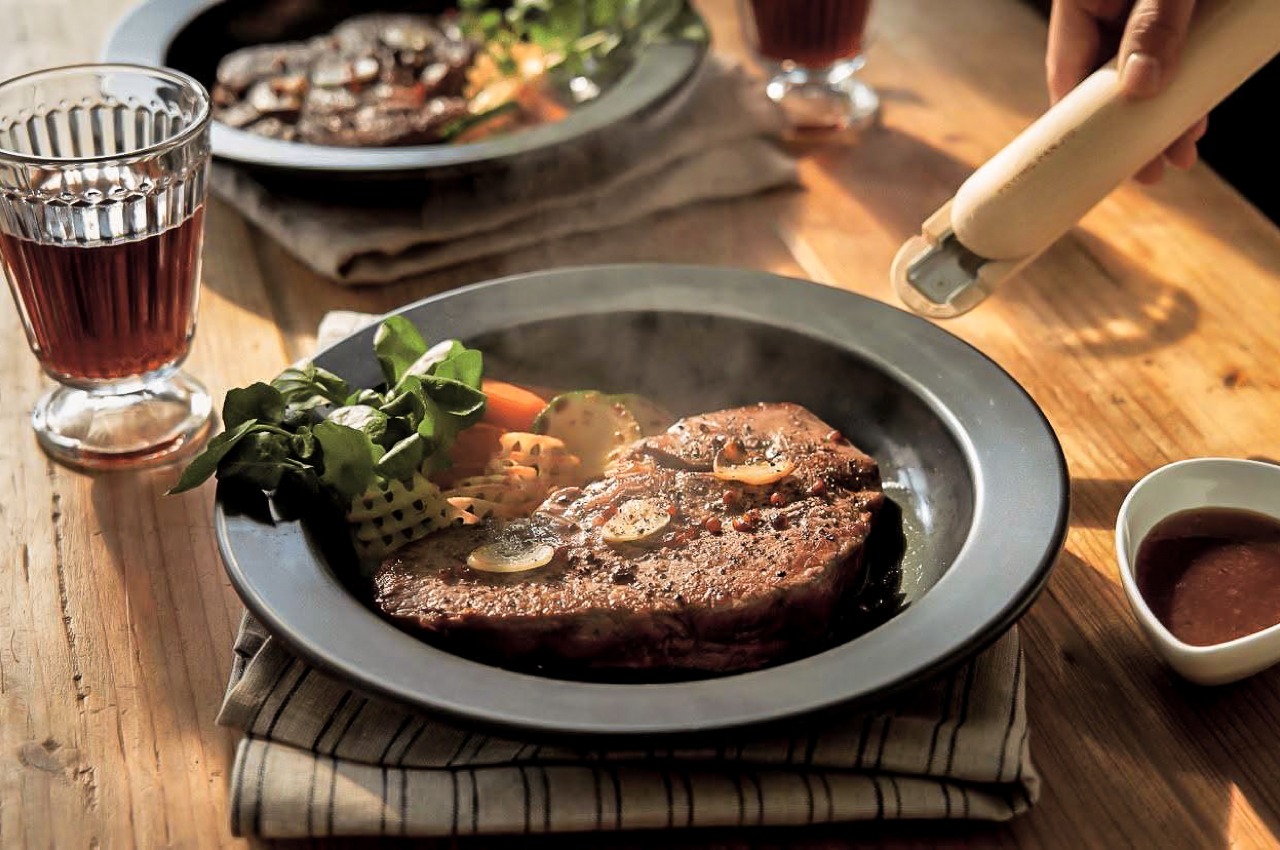
Western dining creates an artificial separation between cooking vessel and serving dish, transferring food from pan to plate in a ritual that cools ingredients and adds cleanup steps. The JIU Iron Frying Plate eliminates that middleman—the frying pan is your plate, the plate is your frying pan, collapsing cooking and eating into a seamless experience. Crafted from rust-resistant mill scale steel with a detachable wooden handle, this cookware brings out superior flavors and textures while reducing the barriers between preparation and enjoyment. The uncoated surface comes ready to use immediately, requiring no seasoning or special preparation rituals.
The boundary-blurring design creates intimacy with your food that standard plating disrupts. Eggs sizzle on your breakfast table, fish arrives still crackling from the heat, and vegetables steam visibly as you lift fork to mouth. The immediacy preserves temperature, texture, and visual drama that dissipate during transfers. The detachable wooden handle attaches and releases with one hand, transforming cookware into serveware in seconds. The rust-resistant and stick-resistant mill scale steel develops natural non-stick properties through use without chemical coatings. The design invites slower, more attentive eating—you’re not rushing through a cooled plate but pacing yourself with a vessel that retains heat and presence throughout the meal.
The cook-and-serve design preserves temperature and texture better than transferred plating
The one-handed handle attachment provides seamless transitions from stove to table
The uncoated mill scale steel requires no seasoning and develops natural non-stick properties
The retained heat encourages a slower, more mindful eating pace
What We Dislike
The hot serving surface requires careful handling and might not suit households with young children
The iron construction adds weight compared to standard plates
5. Obsidian Black Mini Grip Tongs
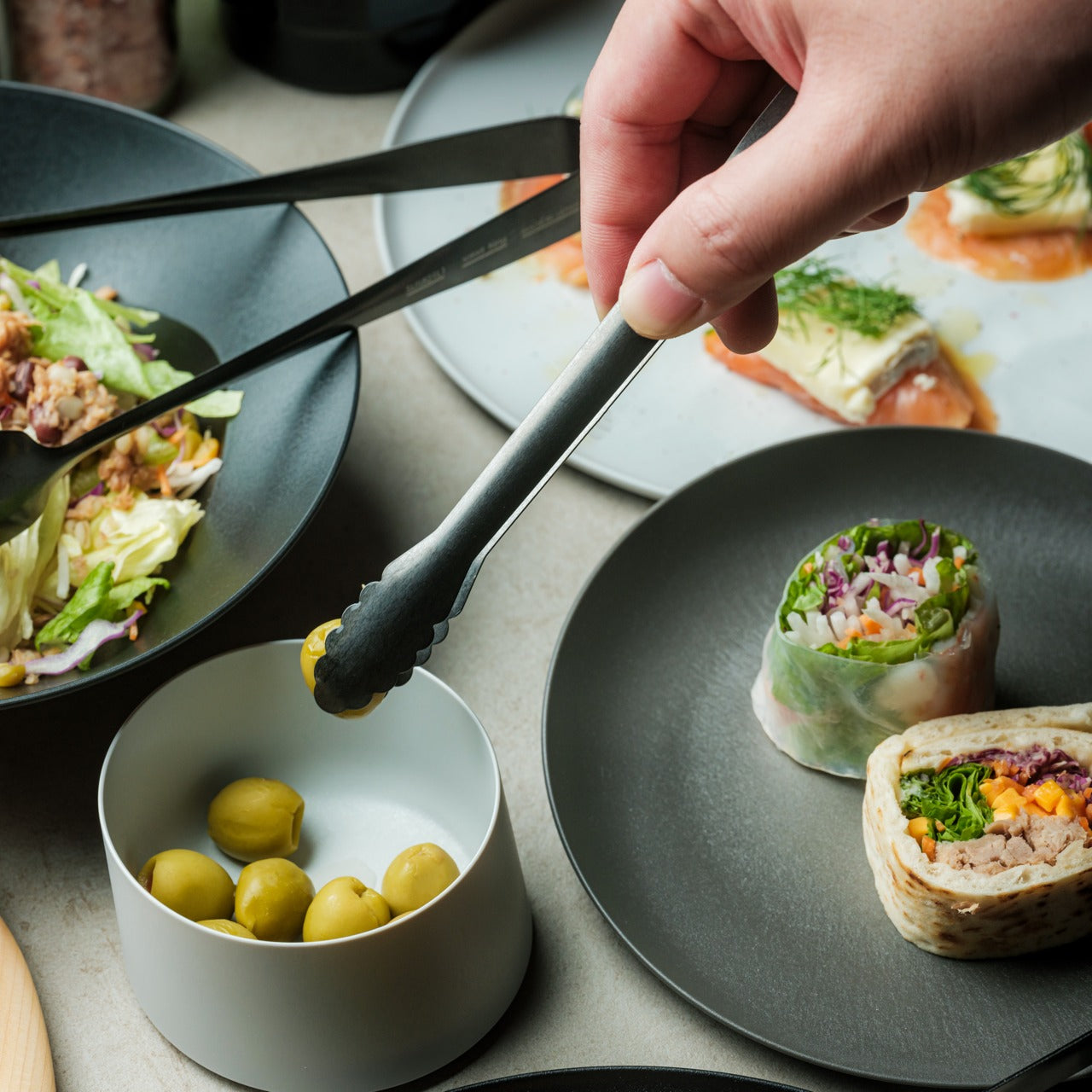
Precision suffers when tools don’t match the task scale. Standard tongs designed for flipping steaks and tossing salads become clumsy instruments when arranging delicate appetizers or plating intricate dishes. These Obsidian Black Mini Grip Tongs at 4.9″ or 7″ provide the precise control that detailed food work demands. Crafted from SUS821L1 stainless steel, offering twice the strength of standard SUS304, the design achieves exceptional durability in lightweight form. The dark oxidized finish creates a striking visual presence whether working in the kitchen or serving at the table.
The compact dimensions transform tasks that feel awkward with full-sized tongs into natural, comfortable movements. Arranging bite-sized hors d’oeuvres, distributing breakfast sausages, flipping delicate shrimp, plating garnishes—the smaller scale provides distance for hygiene while maintaining the dexterity to handle fragile ingredients. The doubled steel strength allows thinner construction without sacrificing durability, reducing hand fatigue during extended prep sessions. The corrosion resistance ensures longevity despite frequent exposure to acidic ingredients and moisture. The dark finish adds sophistication that bridges kitchen and dining contexts, looking equally appropriate during cooking and tableside service. These tongs fill the precision gap that standard kitchen tools overlook.
The compact size provides precise control for delicate ingredients and detailed plating
The doubled steel strength enables a lightweight design without compromising durability
The corrosion-resistant material withstands acidic ingredients and frequent washing
The dark finish transitions elegantly from kitchen work to tableside service
What We Dislike
The smaller size limits utility for larger ingredients or high-volume cooking tasks
The specialized nature means they supplement rather than replace standard-sized tongs
6. Hinoki Essence Cutting Board
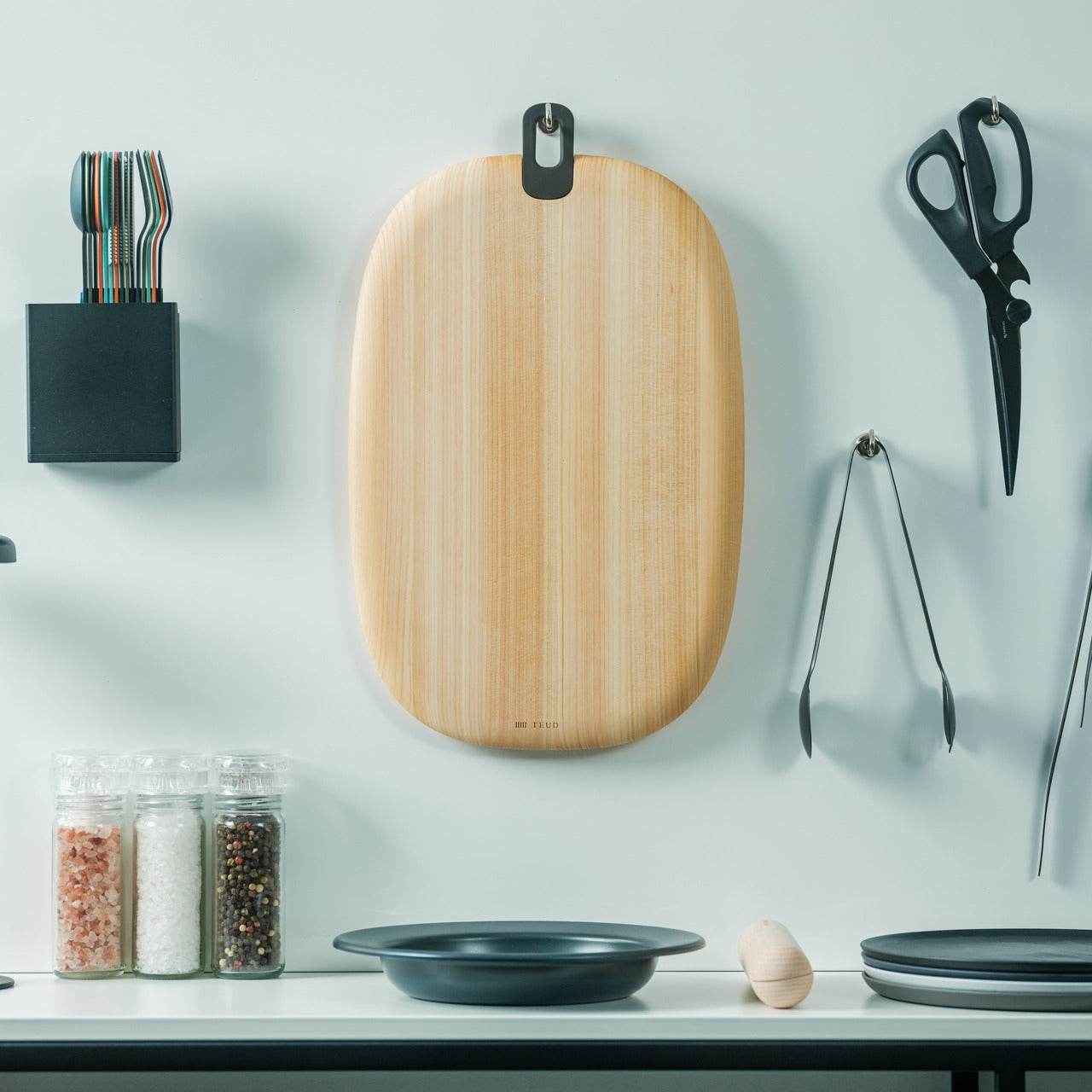
Cutting boards in Western kitchens lean toward two extremes: hard plastic that preserves knife edges but feels clinical, or soft wood that comforts hands but dulls blades. The Hinoki Essence Cutting Board achieves the balance that Japanese cypress is renowned for—medium hardness that offers resistance without damaging knives. The majestic hinoki wood naturally resists mold while the water-resistant silicone coating penetrates wood fibers to prevent damage. The gentle, rounded shapes and integrated handle provide both aesthetic grace and practical functionality for hanging and hygienic drying.
The cutting experience on hinoki transforms knife work from task into sensory practice. The wood provides satisfying feedback without the harsh impact of hard surfaces or the mushy give of soft materials. The natural aroma of cypress adds olfactory dimension to food preparation, creating an atmosphere that plastic and bamboo cannot replicate. The design revives traditional hinoki use in forms suited to modern lifestyles and aesthetic sensibilities. The integrated handle facilitates hanging storage that promotes air circulation and drying. The water-resistant treatment extends durability without coating the surface in synthetic films. The gentle curves blend naturally with contemporary kitchen interiors while honoring traditional Japanese woodworking aesthetics. This cutting board makes knife work feel intentional rather than mechanical.
The medium hardness protects knife edges while providing satisfying cutting feedback
The natural hinoki aroma adds sensory dimension to food preparation
The water-resistant silicone treatment penetrates fibers without a synthetic coating
The integrated handle enables hygienic hanging storage and natural drying
What We Dislike
The cypress wood requires more maintenance attention than plastic alternatives
The premium material commands a higher price compared to standard cutting boards
7. Precision Ceramic Sashimi Knife
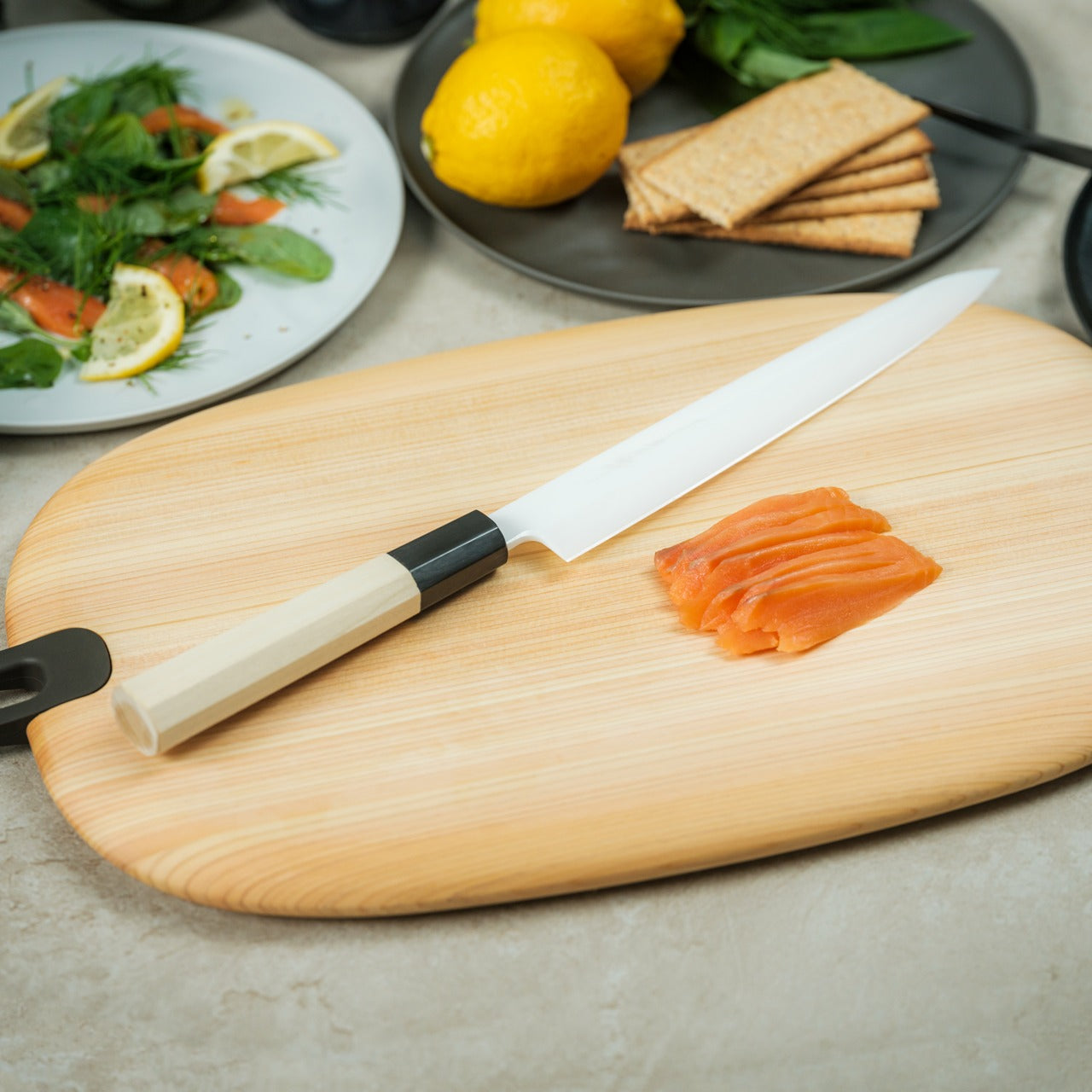
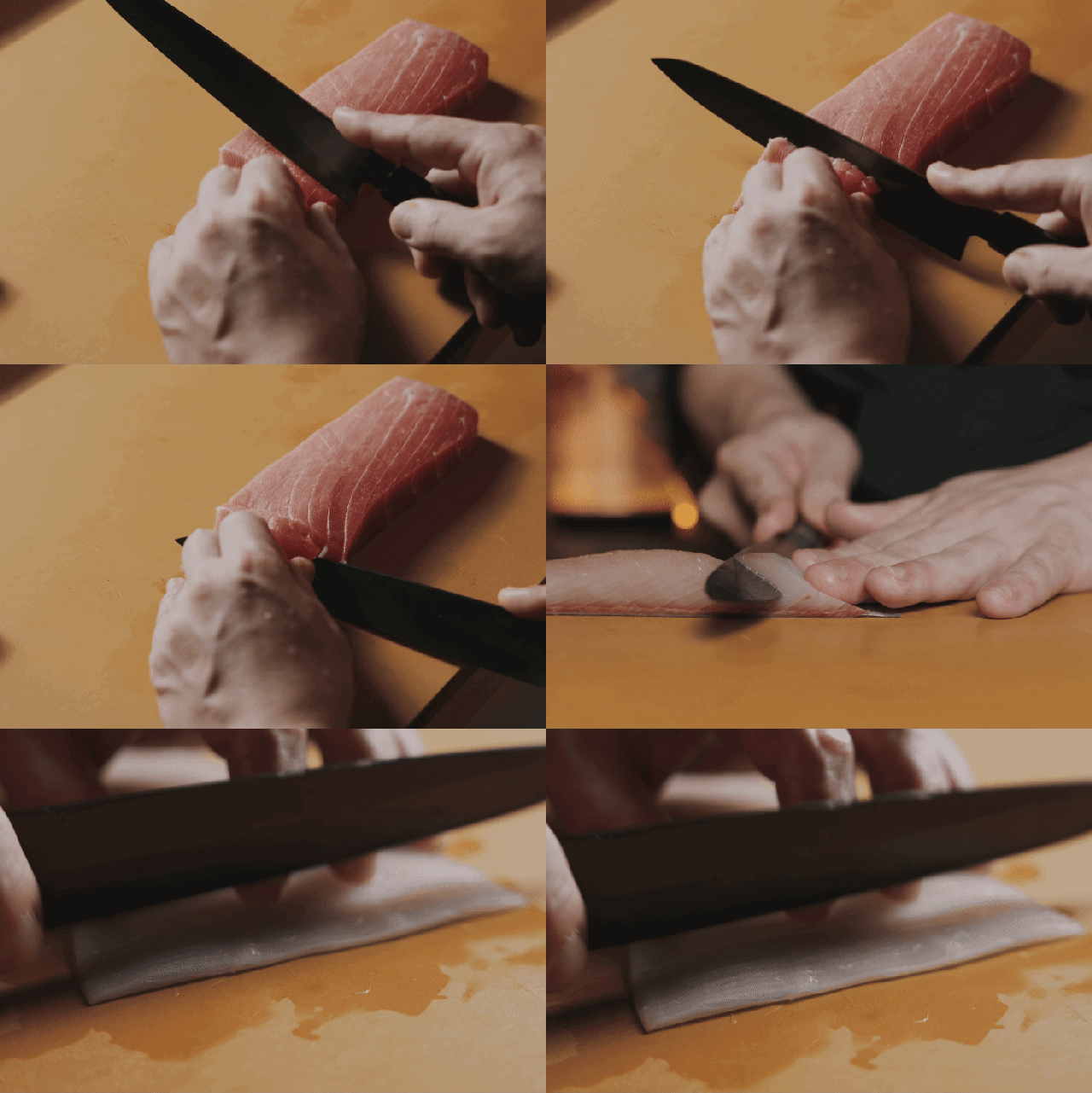
Raw fish demands knife performance that metal blades, for all their centuries of refinement, struggle to deliver. The Precision Ceramic Sashimi Knife represents the convergence of Japanese craftsmanship and advanced material science, creating a blade twice as hard as stainless steel with sharpness lasting 200 times longer than conventional edges. The single-bevel design emulates the classic yanagiba with a concave back, reducing friction for effortless, drag-free cuts. The lightweight ceramic construction enables extended use without hand fatigue, while the advanced material requires minimal maintenance and virtually eliminates sharpening routines.
The cutting experience transforms sashimi preparation from a technical challenge into a flowing motion. The exceptional sharpness preserves delicate fish texture and cell structure that duller blades tear and compress. The friction-reducing concave back allows the blade to glide through ingredients with minimal resistance and maximum control. The lightweight design enables the precise, continuous strokes that proper sashimi cutting requires without the arm fatigue that metal blades produce. The ceramic material doesn’t impart metallic taste or oxidation to delicate seafood. The longevity of the edge means consistent performance over years rather than gradual degradation between sharpenings. This knife allows home cooks to achieve the finesse of expert sushi chefs, creating visually stunning and flavorful dishes that honor the ingredient.
The ceramic material maintains sharpness 200 times longer than conventional steel blades
The single-bevel design with concave back enables effortless, drag-free cuts
The lightweight construction reduces hand fatigue during extended preparation
The non-reactive material prevents metallic taste transfer to delicate seafood
What We Dislike
The ceramic blade, while exceptionally hard, is more brittle than steel and requires careful handling
The specialized design focuses on sashimi and delicate work rather than general-purpose cutting
8. Supreme Daikon Radish Grater
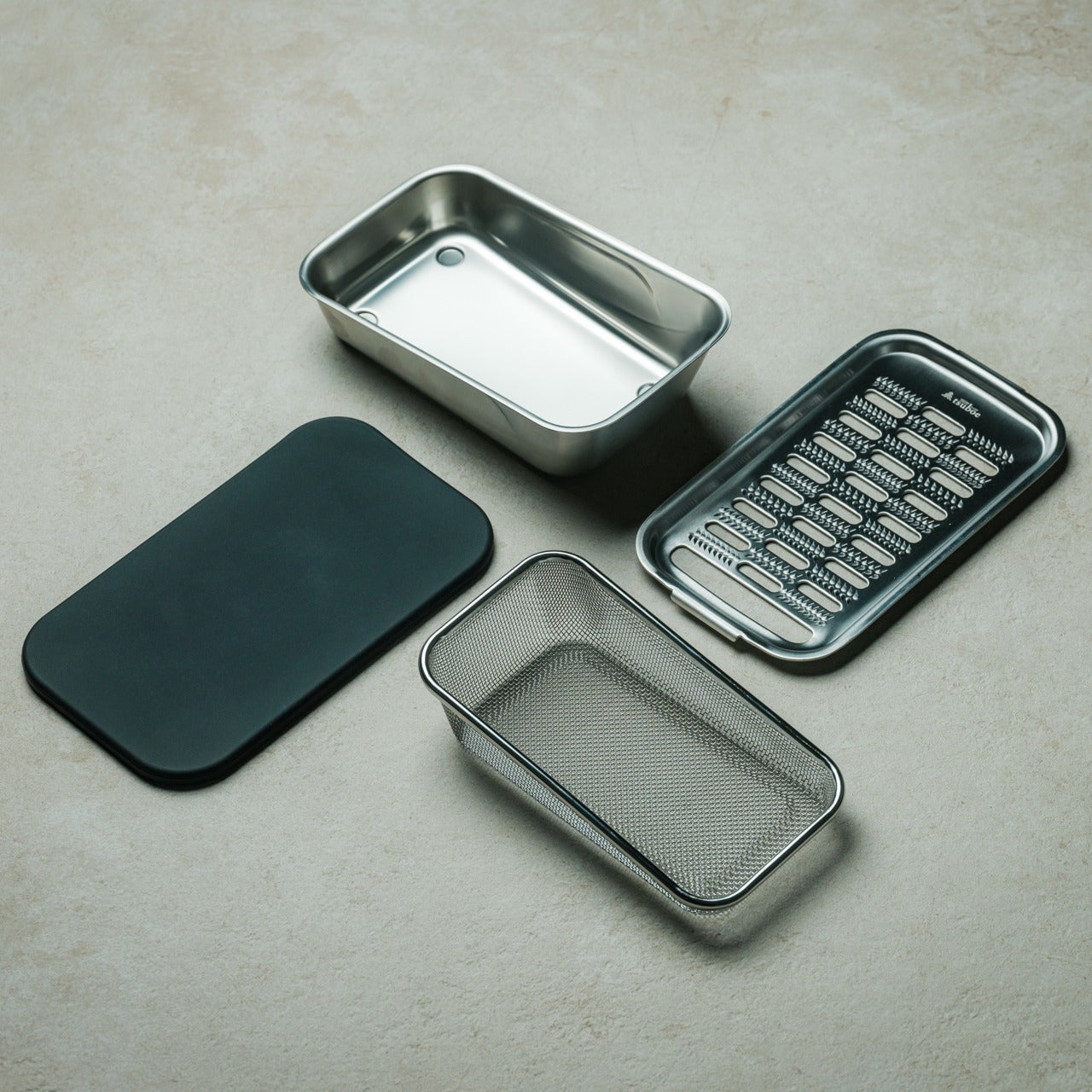
Grating might seem like straightforward physics—sharp protrusions shredding softer materials—but Japanese craftsmanship reveals the profound difference between merely reducing ingredients and properly transforming them. The Supreme Daikon Radish Grater features traditional Hon-Meguri diagonal sharp blades individually carved by skilled artisans using sharp chisels. The innovative Quattro blade pattern, arranged in four directions, reduces slipping and provides stable, stress-free grating. The thick stainless steel construction combines exceptional durability with ease of maintenance, while the finely honed blades grate without tearing fibers, producing a smooth and fluffy texture perfect for gourmet presentations.
The grating experience reveals why Japanese artisans dedicate careers to perfecting such seemingly simple tools. The Hon-Meguri technique creates exceptionally sharp and durable blades that outlast stamped alternatives by years. The Quattro blade arrangement provides consistent performance regardless of grating direction, eliminating the frustration of ingredients slipping across ineffective zones. The careful blade geometry shears cleanly through ingredient fibers rather than tearing them, preserving moisture and creating the light, fluffy texture that properly grated daikon demands. The thick stainless steel construction provides rigidity that cheaper graters lack, ensuring consistent blade exposure and pressure. This grater makes the difference between grated daikon that weeps liquid and turns mushy versus the cloud-like mounds that Japanese restaurants achieve.
The traditional Hon-Meguri technique creates exceptionally sharp and durable hand-carved blades
The Quattro blade pattern provides stable performance in all grating directions
The finely honed blades shear cleanly without tearing fibers for superior texture
The thick stainless steel construction ensures durability and rigidity
What We Dislike
The artisan craftsmanship commands premium pricing compared to stamped graters
The specialized design focuses on daikon and similar ingredients rather than general-purpose grating
Finding Zen Through Better Tools
Japanese kitchen tools don’t promise to save time or eliminate effort—they promise to make that time and effort worthwhile. Each implement featured here transforms mundane cooking tasks into opportunities for presence, precision, and satisfaction. The scissors that replace multiple tools, the teapot that responds to your biometric state, the cutting board that breathes cypress aroma into your prep work—these aren’t conveniences but invitations to slow down and pay attention.
The zen of cooking emerges not from rushing through tasks but from tools that reward attention with superior results. These Japanese gadgets and tools create that space, that possibility, that invitation. They ask you to notice the therapeutic circular motion of tableside grating, the satisfying feedback of knife meeting hinoki, the visual drama of food served directly from the cooking vessel. They transform kitchen work from something to finish quickly into something worth experiencing fully, where the cooking becomes as nourishing as the eating.
Desks have a way of accumulating chaos. Chargers multiply, cables tangle, and what starts as a clean workspace turns into a collection of mismatched gadgets competing for outlets and attention. MODULO, a new Kickstarter project from Italian design duo Modulo Design Lab, approaches the problem with a different philosophy: one wooden base, magnetic modules, and a single power cable to rule them all.
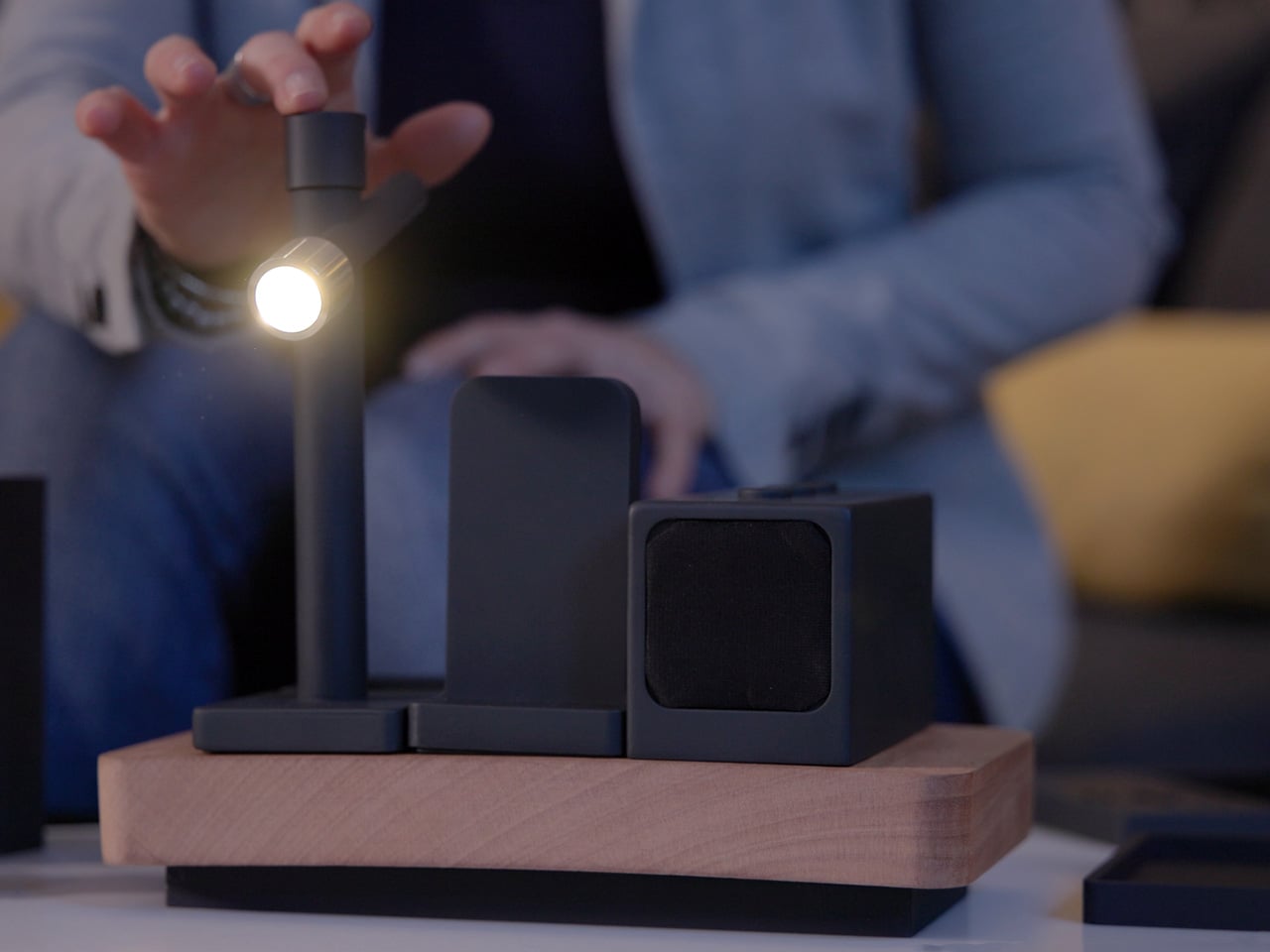
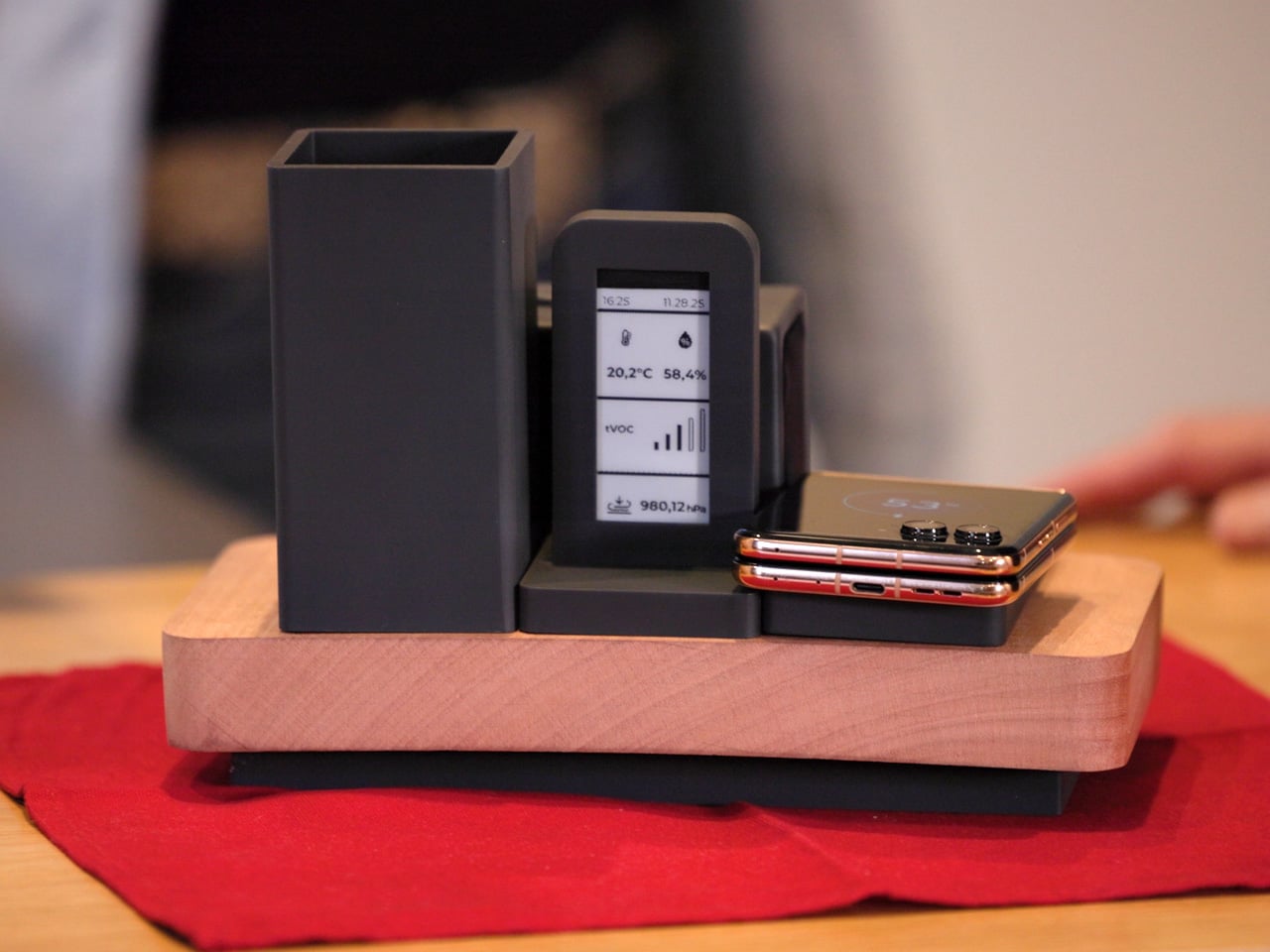
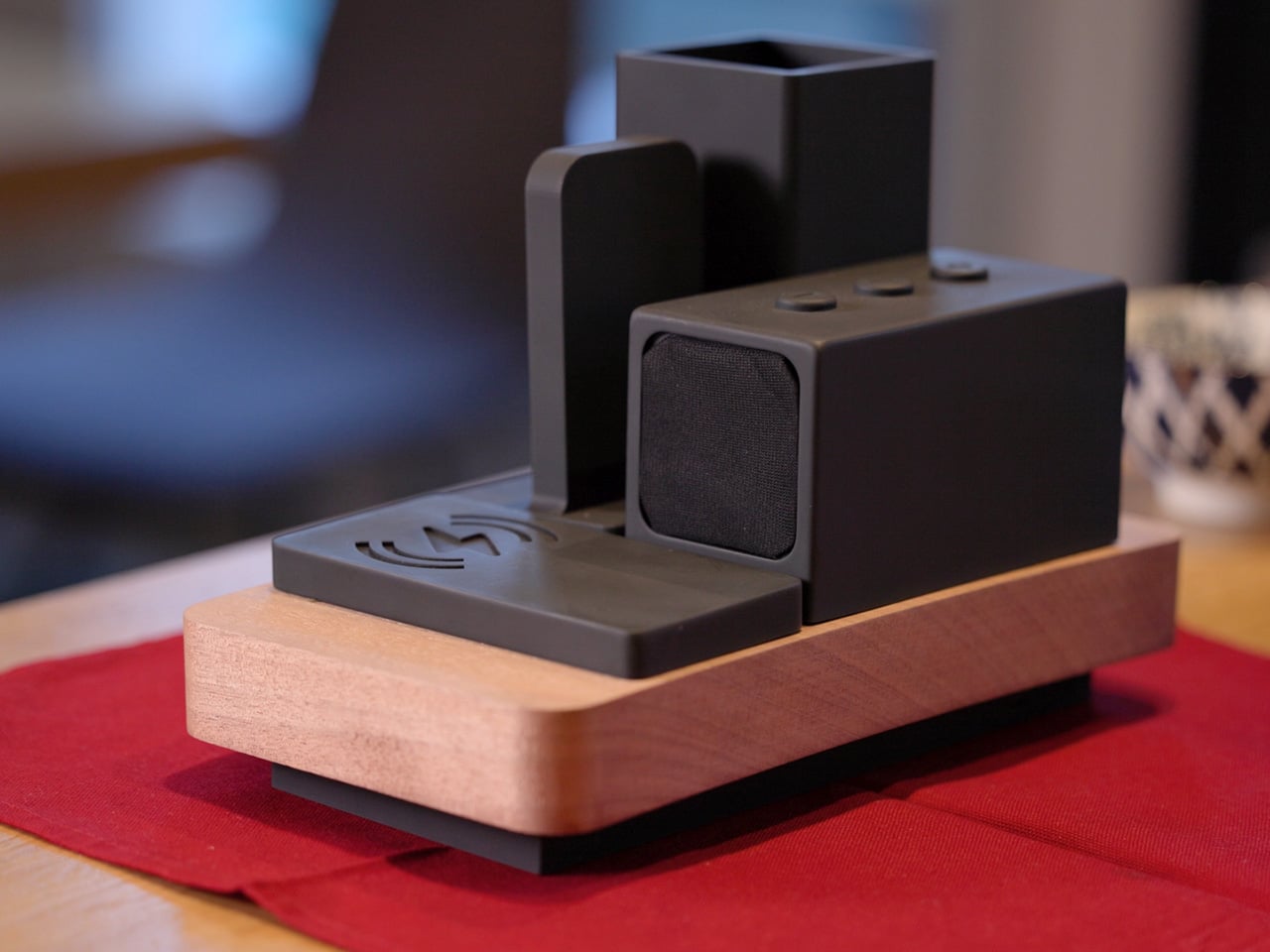
Built around a CNC-milled wooden platform handcrafted in Italy, MODULO lets you snap together charging modules, Bluetooth speakers, e-paper displays, task lights, and organizers into one unified system. Each of the 8 different modules connects magnetically, drawing power and data through gold-plated connectors rated for 50,000+ cycles. The Modulo app ties everything together, so your phone charger, desk lamp, and notification display all respond to a single interface instead of separate apps and pairing routines.
I’ve seen plenty of desk organizers that promise to solve cable clutter, and most of them amount to glorified boxes with some velcro straps. MODULO actually rethinks the problem at the power distribution level, which is where the mess starts in the first place. The wooden base acts like a backplane in a computer case, routing electricity and communication to whatever you plug into it. Modules are active devices that wake up the moment they make contact with the base, whether that base lives on your desk, your nightstand, or your kitchen counter. That means swapping a wireless charger for a Bluetooth speaker takes about three seconds, and the app instantly recognizes what you have changed. There is something satisfying about that kind of hot-swap simplicity, especially if your setup needs to shift between work, sleep, and cooking duty without a nest of cables following you around.
The magnetic connection system uses pogo-pin style contacts, similar to what you would find on a smartwatch charging dock but built for higher current and data transfer. Gold plating keeps corrosion at bay, and the 50,000-cycle rating suggests they are serious about longevity. For context, that is roughly 13 years of swapping modules once a day, which is more than most people will ever need but solid insurance against the usual wear that kills magnetic connectors prematurely. The magnets themselves are strong enough to hold modules securely but not so aggressive that you feel like you are prying Lego bricks apart, which matters when you are reconfiguring things on the fly. You can move a base from your desk to your bedside table, drop the speaker and e-paper module on it, and in under a minute you have a smart alarm stack that looks intentional instead of hacked together.
Module selection covers the usual suspects but with some thoughtful touches. The USB-C charger sits vertically and doubles as a cable anchor, so your phone cable does not slither off the surface when you unplug, whether that surface is a desk or a nightstand. The wireless charging pad works with iPhones, recent Samsung flagships, and AirPods, handling up to 15 W for fast charging where supported, which makes sense for bedside charging or a quick top-up in the kitchen while you prep dinner. The Bluetooth speaker module packs enough power for background music or podcasts while you cook or get ready in the morning, so you are not yelling at your phone from across the room. Then there is the e-paper display, which becomes a bedside clock and alarm status screen at night, or a kitchen timer and recipe step indicator when you drag the base over to the counter.
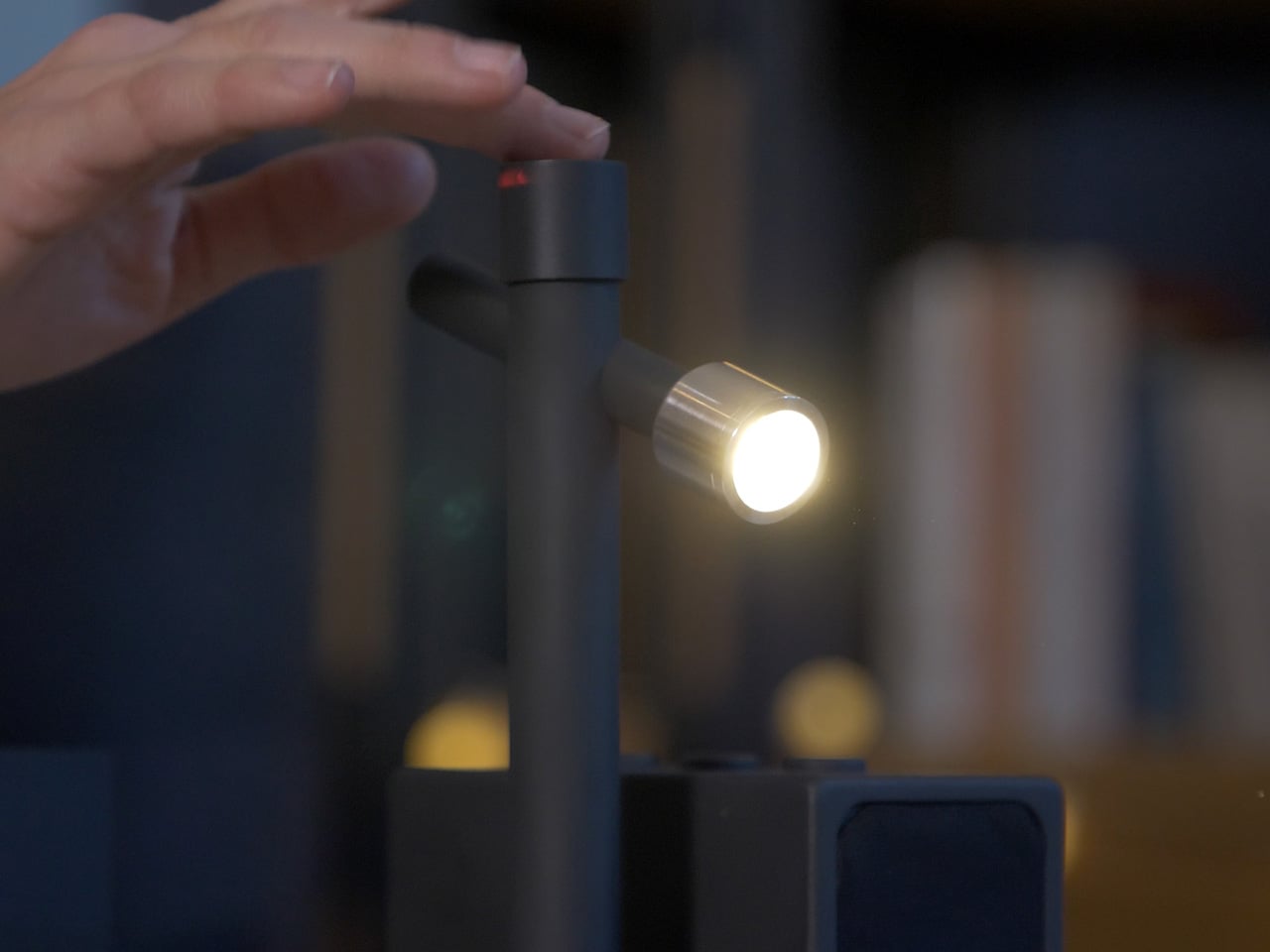
The Light Tower module gives you an adjustable lamp with touch control for brightness and app control for scenes, and that versatility matters in different rooms. On a desk it behaves like a focused task light. Next to the bed you can set it to warm color temperatures and low brightness for late-night reading without frying your circadian rhythm. In the kitchen it can act as an accent light while the e-paper screen counts down the last three minutes on your eggs and the speaker reads out a podcast. Modulo also includes purely physical modules like pen holders and “Pocket Emptier” trays, which make as much sense by the front door for keys and wallets as they do on a workspace. Everything mounts on the same grid, so your catch-all area, your alarm station, and your cooking corner share the same visual language instead of looking like three unrelated tech piles.
Modules auto-pair when they connect to the base, so there is no manual Bluetooth dance or Wi-Fi provisioning every time you move the system. The app gives you a dashboard where you can adjust speaker volume, tweak lighting, choose what the e-paper display shows, and set up automations that match the room. In the bedroom you can schedule a wake-up routine that fades in the Light Tower, starts your favorite playlist at a low volume, and shows the weather and first calendar event on the e-paper screen. In the kitchen you can switch profiles so the same base now runs a cooking layout, with a large countdown timer on the display, a chime on the speaker when the timer hits zero, and maybe a quick glance at notifications while your hands are covered in flour. The point is that the hardware stays the same, while the personality shifts with the context.
Material quality separates MODULO from the usual injection-molded plastic organizers. Each base is milled from solid wood using CNC machines, then hand-finished in Italy. The default option is a light tone, but the first stretch goal at 10,000 euros brings in additional finishes for people who want something darker or richer on a nightstand or console table. The wood is structural, not a thin veneer, which gives the whole thing a furniture-grade heft that feels at home in a bedroom or living room, not only in a home office. Modules use matte-finish polymers for the housings, keeping weight down while maintaining a cohesive look. The contrast between warm wood and minimalist black modules works just as well next to a linen headboard or a marble countertop as it does next to a 34 inch ultrawide.
MODULO is live on Kickstarter now through February 5, 2026, with delivery targeted for July 2026. The Geek Kit starts at $148 during the launch special and includes a colored plastic base plus a light tower and pen holder, which is the budget entry point. The Wood Premium Kit sits at $416 for the launch tier and gets you a handcrafted 3×2 wood base, light tower, Bluetooth speaker, wireless charger, and smart notifier module. There’s also a doubled-up kit at $831 with two bases and a fuller module lineup for people running multi-desk setups or wanting spares. The Custom Edition kit lets you build your own configuration starting at $141 for the base, then adding whichever modules you actually need. Stretch goals include a battery pack add-on for portable use, colored pop modules for a less serious look, and an AI module running a local LLM to keep your thoughts organized, just like your desk!
Spring camping season is approaching faster than you think, and this year’s gear is already creating buzz among outdoor enthusiasts. The designs hitting the market right now represent a significant leap from the bulky, single-purpose equipment that’s dominated camping for decades. These innovations combine smart solar technology, modular systems, and compact engineering to transform how we experience the outdoors.
Smart campers know the best gear disappears quickly once warm weather arrives. The products on this list have already garnered design awards, enthusiastic early reviews, and waitlists that keep growing. Whether you’re a weekend warrior or a serious backcountry explorer, these ten camping gadgets deserve a spot in your pack before they sell out for the season.
1. Solar-Powered AC Camping Tent
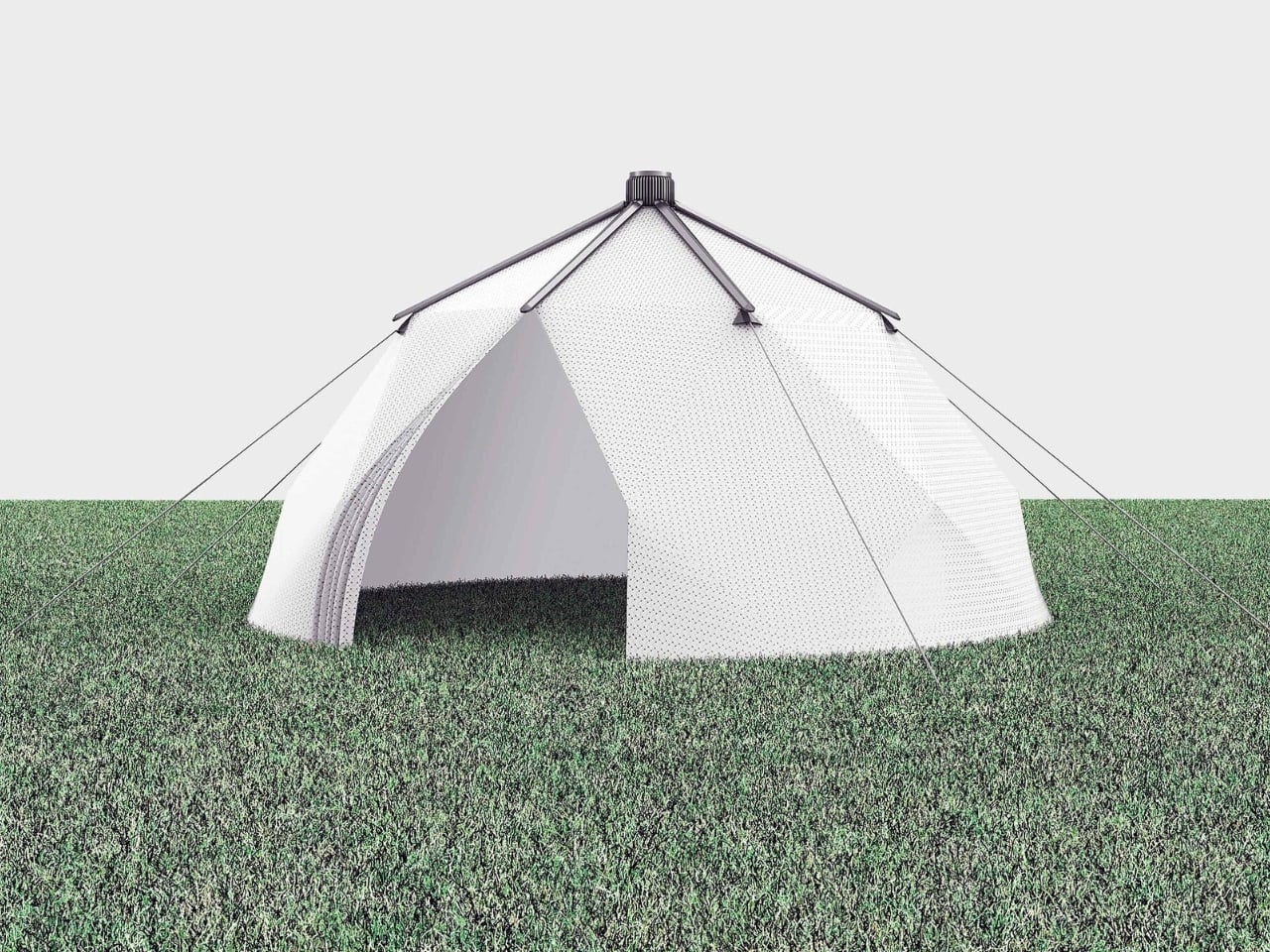
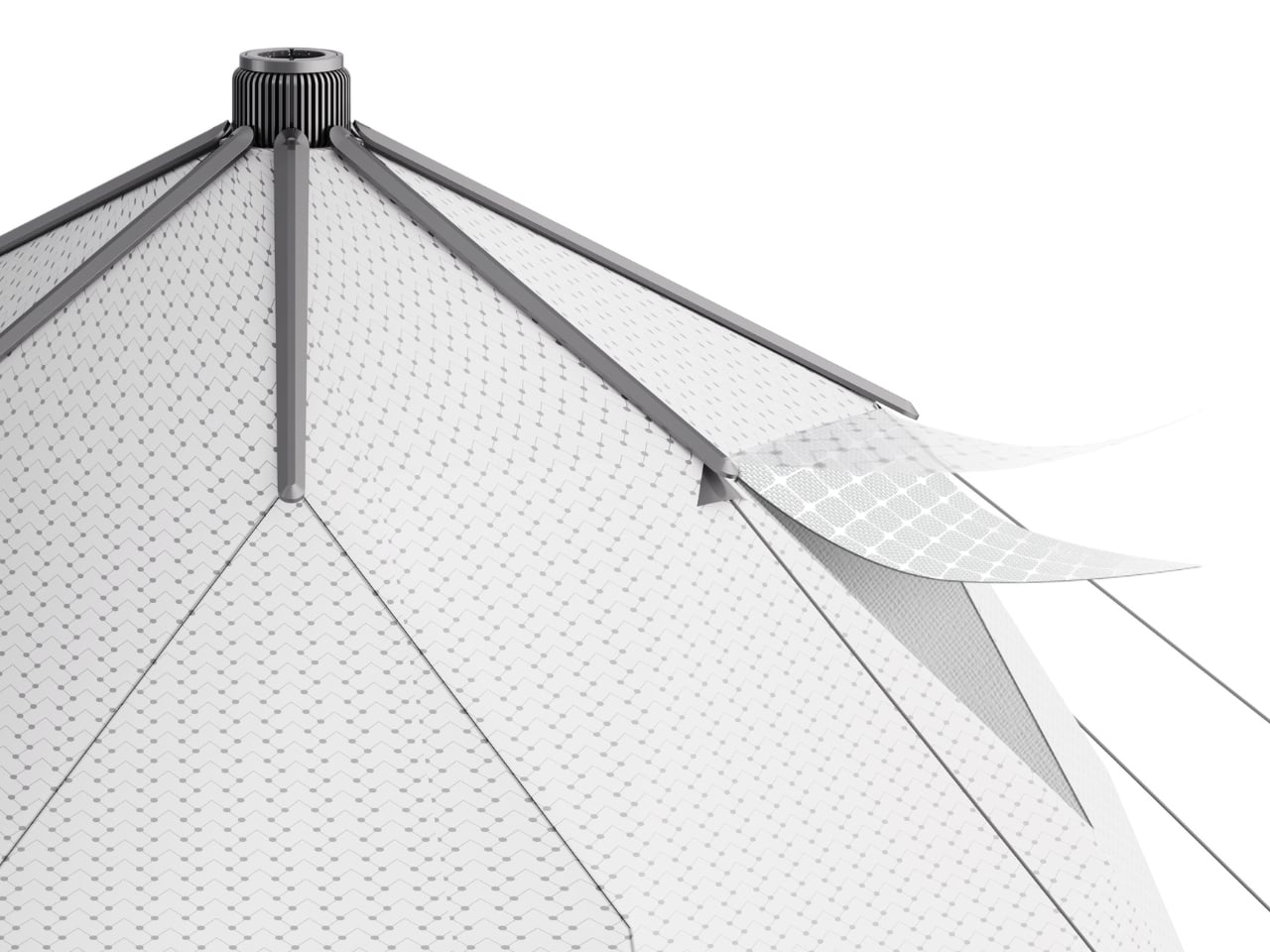
Sleeping comfortably in summer heat has always been camping’s greatest challenge. Traditional tents trap warmth, turning your shelter into a sweatbox by mid-morning. This Red Dot Design Award-winning tent tackles that problem through integrated solar technology that powers a built-in air conditioning system. Designers Zhong Xu, Li Baoyu, Pan Yiyuan, and Li Xueyan created something genuinely innovative by embedding power generation directly into the tent’s composite tarpaulin fabric.
The system works seamlessly because the tent material itself becomes your power source. While you sleep or explore during daylight hours, the fabric collects solar energy that feeds the cooling system. This integrated approach eliminates the need for separate panels, external batteries, or noisy generators. The tent maintains consistent temperatures without compromising portability or setup simplicity, making summer camping actually enjoyable rather than an endurance test.
What We Like
The composite fabric simultaneously protects from the weather while generating power for climate control.
The award-winning design demonstrates that innovative engineering can address camping’s most persistent comfort issues.
What We Dislike
Pricing details remain unclear as the product moves from concept to market availability.
The integrated technology likely means repairs require specialized service rather than simple patch kits.
2. RetroWave 7-in-1 Radio
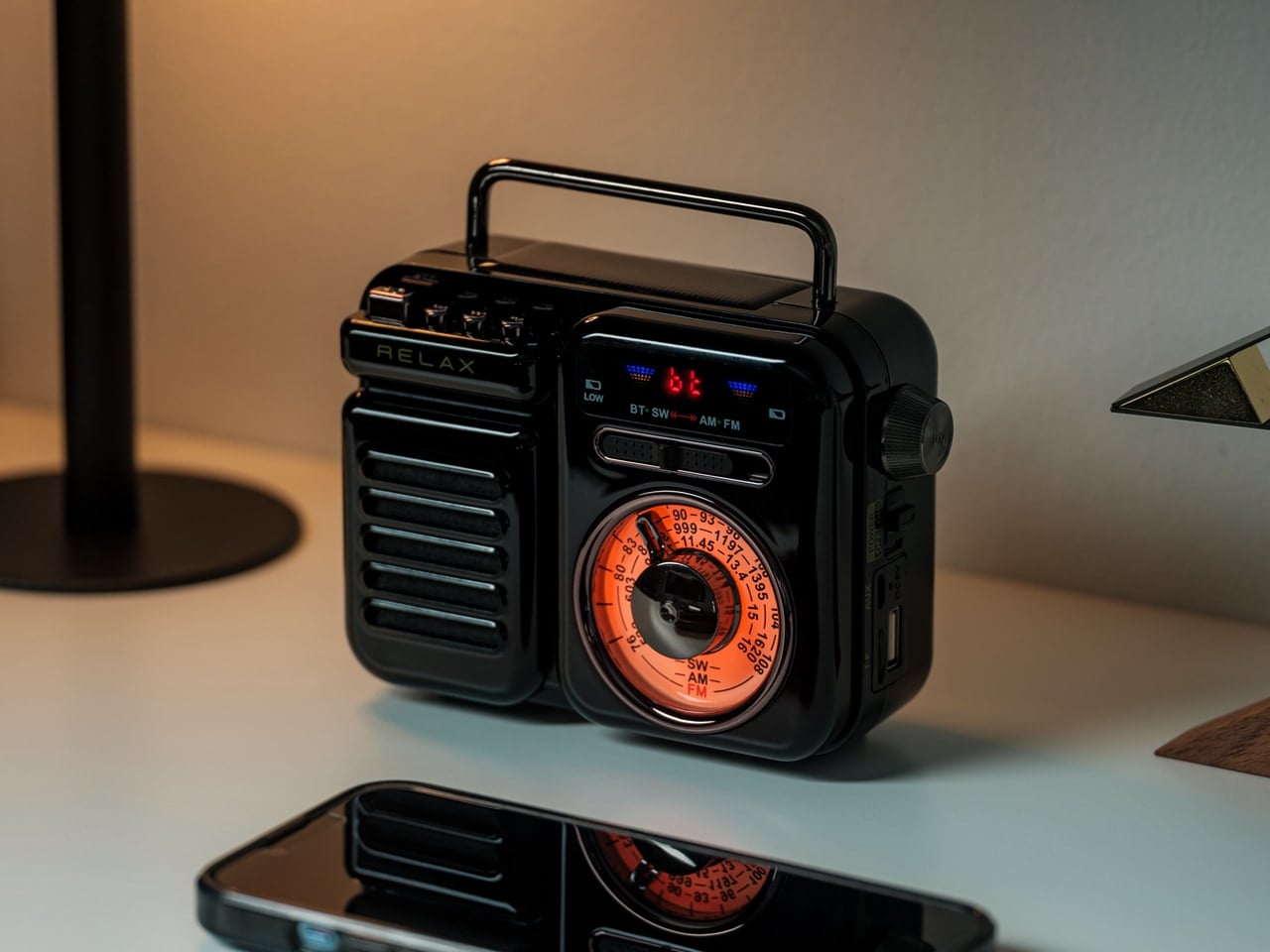
Emergency preparedness meets vintage aesthetics in this multifunctional device that refuses to be just one thing. The RetroWave combines AM, FM, and shortwave radio reception with Bluetooth streaming, creating a bridge between analog reliability and modern connectivity. Its Japanese-inspired design features a tactile tuning dial that feels satisfying to use, while the compact build ensures it fits easily into camping gear or emergency kits.
Beyond entertainment, this radio delivers genuine survival functionality through multiple power options. The built-in solar panel and hand-crank charging mean you’re never completely powerless, even when batteries die. The integrated flashlight, SOS alarm, and power bank capability transform this from a simple radio into a legitimate emergency tool. The MP3 playback via USB or microSD adds offline music options for extended trips beyond cellular range.
Seven distinct functions packed into one compact device eliminate the need for multiple gadgets.
Multiple charging methods, including solar and hand-crank, ensure functionality during emergencies or extended off-grid adventures.
What We Dislike
The retro aesthetic may not appeal to minimalist campers who prefer sleek, modern designs.
Packing seven functions into one device means compromising on the specialized performance of dedicated single-purpose tools.
3. 8-in-1 EDC Scissors
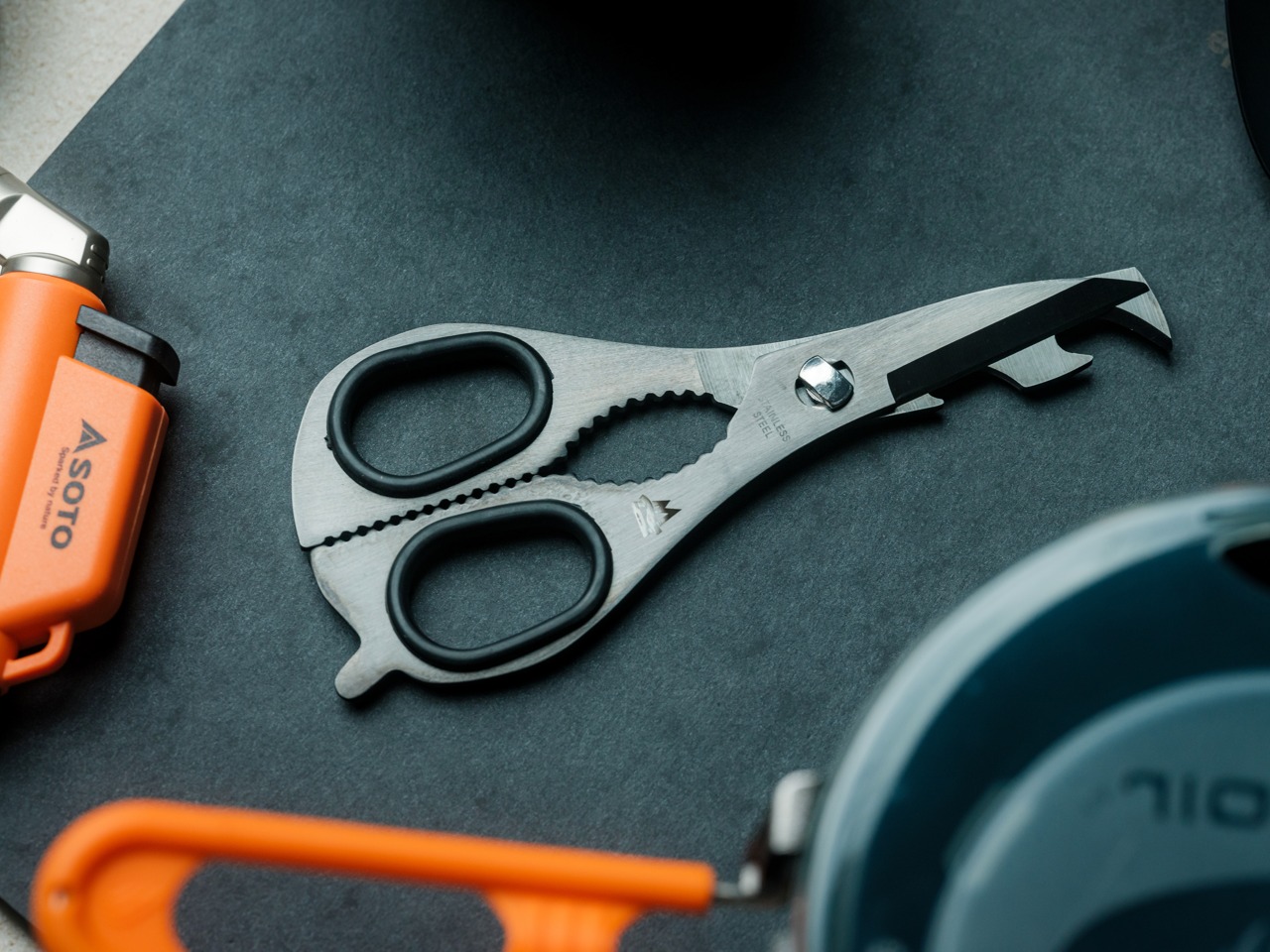
Most multi-tools sacrifice usability for portability, but these palm-sized scissors prove that compact design doesn’t require compromising functionality. At just 13 centimeters, they deliver eight distinct tools, including scissors, a knife, and various bottle openers, within a package small enough to disappear into any pocket. The oxidation film coating provides rust resistance while creating an attractive black finish that feels premium despite the modest size.
The real genius lies in making every tool genuinely usable rather than decorative. The scissors function as proper cutting implements, not the flimsy afterthoughts found on most multi-tools. Each opener type addresses different container styles you’ll encounter while camping, from beer bottles to sealed cans. The shell splitter and degasser handle specific cooking tasks that dedicated outdoor chefs will appreciate. This tool earns its pocket space through actual utility.
The compact 13-centimeter design fits comfortably in pockets without creating bulk or weight.
Eight functional tools provide legitimate utility rather than gimmicky additions that look good but perform poorly.
What We Dislike
The small size that makes it portable also limits leverage for tasks requiring significant force.
Rust-resistant coating eventually wears with heavy use, requiring maintenance or replacement.
4. Anywhere Use Lamp
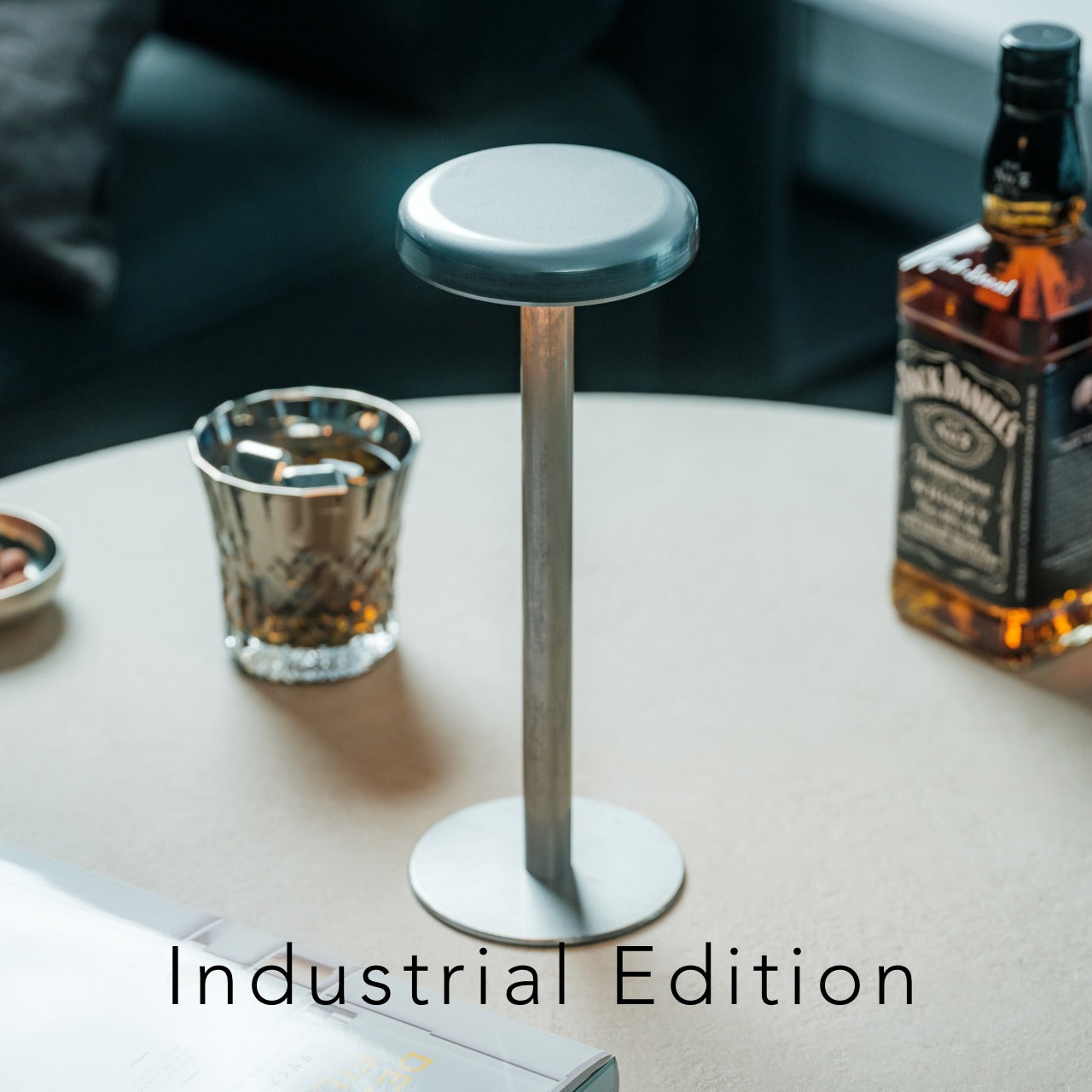
Mushroom-inspired design philosophy informs this minimalist portable lamp that pops up wherever you need illumination. The modular construction breaks down completely for transport, while standard AA batteries eliminate dependence on proprietary charging systems. Six high color rendering LEDs deliver warm, soft light that enhances atmosphere rather than just flooding spaces with harsh brightness. The interaction design feels intuitive, with pressing any edge of the lamp’s cap cycling through four brightness levels.
Three style options let you match the lamp to your aesthetic preferences. The standard black and white editions deliver clean minimalism, while the Industrial edition celebrates imperfection through its scratch-detailed metal base. That raw character adds personality to a design category that often feels sterile. The warm glow and haptic feedback create a sensory experience that makes adjusting brightness feel satisfying rather than purely functional.
Standard AA batteries provide easy replacement anywhere, rather than requiring specific charging cables or adapters.
The modular design disassembles completely for efficient packing in tight spaces.
What We Dislike
Battery-powered operation means ongoing costs and environmental impact compared to rechargeable alternatives.
The four brightness levels might not provide enough granular control for users wanting precise lighting adjustments.
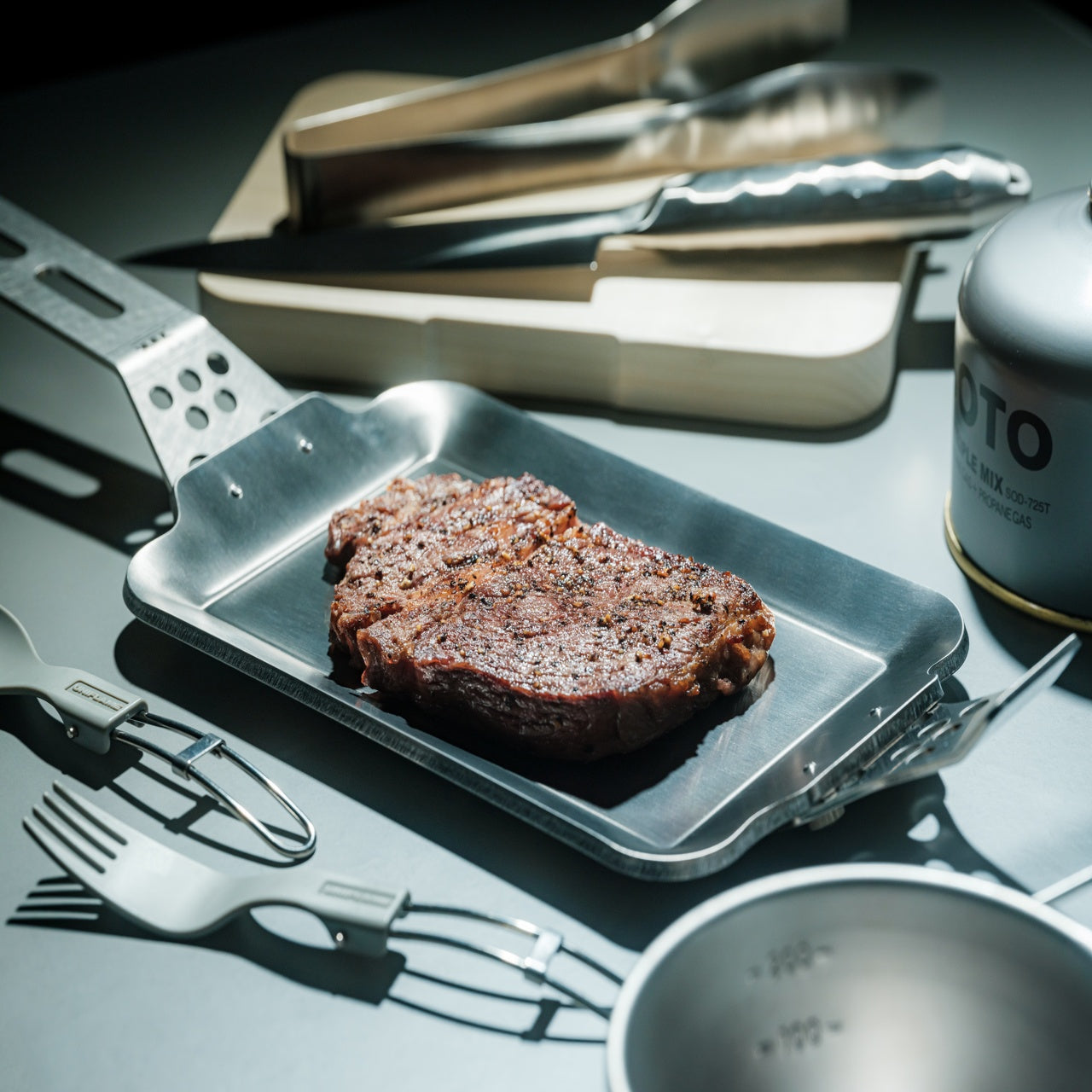
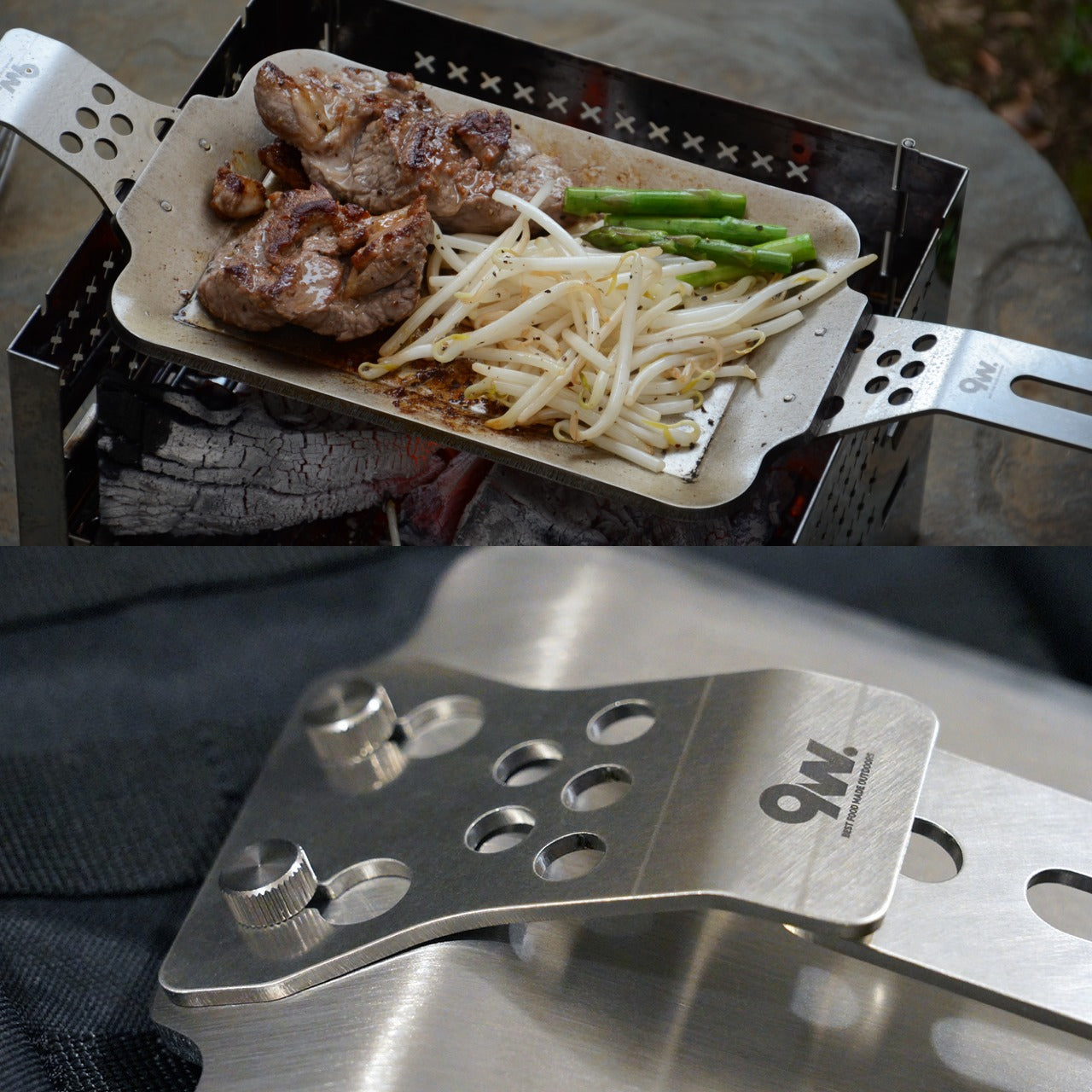
5. Compact Modular Grill Plate
Uneven heat distribution ruins more outdoor meals than most campers want to admit. This modular grill plate solves that fundamental problem through a three-layer steel construction that maintains consistent temperatures across the entire cooking surface. The design works equally well over unstable campfires, gas burners, or induction stoves, adapting to whatever heat source your situation provides. Interchangeable handles let you optimize for different cooking scenarios, from direct flame to stable stovetop use.
The engineering focuses on delivering proper heat conduction that keeps food juicy while achieving perfect sears. That attention to cooking science elevates outdoor meals from merely edible to genuinely delicious. Cleanup becomes simple through thoughtful design that allows complete disassembly, letting you pack everything into a compact form factor. The Basic and Special set options let you choose the configuration matching your cooking ambitions and budget constraints.
Three-layer steel construction ensures even heat distribution that rivals quality home cookware.
Compatibility with multiple heat sources provides flexibility for different camping situations and cooking locations.
What We Dislike
Metal construction adds weight compared to lightweight aluminum alternatives favored by ultralight backpackers.
The modular system means tracking multiple components that could potentially get lost during packing.
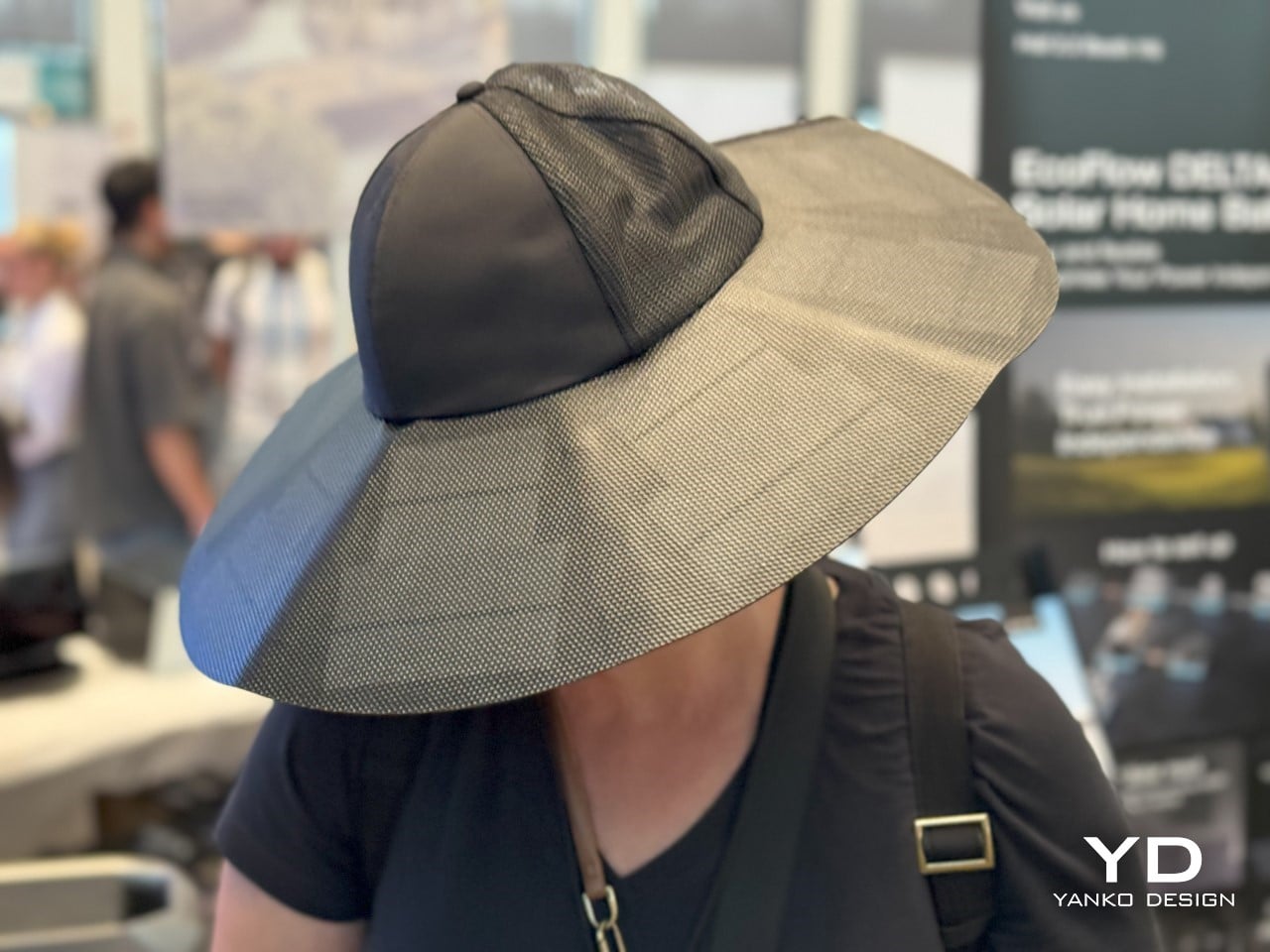
6. EcoFlow Power Hat
Wearable solar technology finally graduates from awkward prototypes to genuinely useful outdoor gear. The Power Hat hides flexible solar panels within its wide brim, converting sunlight into charging power accessible through a discreet USB-C port in the inner band. This approach targets the specific needs of day hikers and casual campers who need backup power for smartphones and GPS devices rather than powering entire campsites or laptops.
The design philosophy prioritizes integration over showiness, making clean energy genuinely accessible through clothing you’d wear anyway. The hat functions as normal headwear while secretly operating as a personal power plant that keeps essential communication devices alive. You won’t notice the technology until you need it, which represents the ideal balance between functionality and convenience. For outdoor enthusiasts who find themselves disconnected when power matters most, this delivers reliable backup without adding extra gear to carry.
What We Like
Hidden solar integration provides power generation without compromising the hat’s appearance or function as normal outdoor wear.
The USB-C port placement makes charging convenient while remaining discreet and protected from elements.
What We Dislike
Power generation capacity suits small devices but won’t charge tablets or power-hungry electronics.
The specialized construction likely makes washing more complicated compared to standard outdoor hats.
7. Slim Fold Dish Rack
Drying dishes outdoors typically means balancing plates on rocks or draping towels across picnic tables. This collapsible dish rack transforms that frustrating process through patent-pending spring engineering that shrinks the 36-centimeter rack down to just 3 centimeters in one second. Deployment happens just as quickly, creating a full-size drying station whenever you need it. The minimalist design ensures proper ventilation and accommodates plates, utensils, and cookware of various sizes.
The collapsed form factor becomes small and light enough to fit in pockets, eliminating the storage challenges that keep most campers from bringing proper dish racks. Ventilation design accelerates drying so your tableware and cutlery are ready quickly for their next use or for packing up camp. The dishwasher-friendly construction means easy cleaning when you return home. This addresses a genuine camping pain point that most gear manufacturers completely ignore.
The one-second collapse and deployment system makes setup and storage effortless through ingenious spring engineering.
Pocket-sized collapsed dimensions eliminate the bulk that makes traditional dish racks impractical for camping.
What We Dislike
The spring mechanism represents a potential failure point that could break with heavy use or rough handling.
Ventilation design optimized for drying might not provide enough stability for heavier cast-iron cookware.
8. All-in-One Grill
Modular cooking systems finally deliver on their promise with this comprehensive outdoor grill that handles barbecuing, frying, grilling, steaming, smoking, and traditional stew cooking. The component-based design lets you configure the setup for different cooking styles without carrying separate specialized equipment. A dedicated bottle warming module keeps mulled wine toasty, showing attention to the full outdoor dining experience rather than just basic meal preparation.
The compact tabletop size works on any stable surface without requiring dedicated outdoor kitchen setups. Assembly and disassembly happen quickly, making cleanup far less daunting than traditional outdoor cooking equipment. The system frees you from worrying about preparation logistics, letting you focus your creative energy on actually cooking memorable meals with family. Each module stores efficiently, transforming from a full cooking station to packable gear without wasted space.
Modular components enable diverse cooking styles from a single portable system rather than carrying multiple specialized tools.
The compact tabletop format works anywhere you can set up camp without requiring permanent outdoor kitchen infrastructure.
What We Dislike
Multiple modules mean tracking numerous pieces that require careful packing to avoid losing components.
The versatility comes with complexity that might overwhelm campers preferring simple single-purpose cooking tools.
9. TriBeam Camp Light
Award-winning industrial design meets practical functionality in this three-mode lighting solution that adapts to different outdoor scenarios. The TriBeam switches between Camping, Ambient, and Flashlight modes through a single intuitive button, letting you quickly configure the perfect illumination for your current needs. Brightness adjusts from a gentle 5 lumens to a powerful 180 lumens, covering everything from cozy cabin nights to serious trail navigation.
The 50-hour runtime on a single charge eliminates anxiety about lights dying during extended trips. That exceptional battery performance comes from efficient LED technology paired with intelligent power management. The sleek, purposefully engineered design becomes part of the adventure experience rather than just utilitarian equipment. Portability remains central to the concept, creating a compact companion that packs easily while delivering versatile lighting wherever your travels take you.
The single-button interface might require cycling through multiple modes to reach your preferred setting.
Rechargeable battery design means eventual replacement as capacity degrades over the years of use.
10. Solar-Powered Glamping System
Environmental consciousness meets elevated outdoor luxury through this comprehensive collection of independent solar-powered camping accessories. The system centers around a smokeless camping fire pit that combines genuine portability with clean-burning technology, eliminating the environmental impact of traditional wood fires. Supporting accessories, including tripod coffee brewers, elegant tableware, and hanging pendant lights, all charge during daylight hours and perform throughout evening activities.
The glamping approach elevates outdoor dining and relaxation without compromising sustainability values. Every component operates on clean energy, from ambient lighting to coffee preparation, creating sophisticated wilderness experiences with zero environmental guilt. The hanging lights provide warm illumination that transforms campsites into inviting spaces rather than purely functional sleeping areas. This proves that sustainable camping gear enhances rather than limits outdoor luxury, appealing to conscious travelers seeking refined experiences in natural settings.
What We Like
A comprehensive system approach means all components work together cohesively with a shared solar power philosophy.
The smokeless fire pit technology eliminates environmental impact while maintaining the warmth and ambiance of traditional campfires.
What We Dislike
The glamping focus prioritizes comfort and aesthetics over ultralight backpacking requirements.
Solar dependency means cloudy weather significantly impacts the functionality of the entire system.
Stock Up Before the Rush Hits
Spring camping season brings predictable inventory shortages as outdoor enthusiasts emerge from winter hibernation ready to upgrade their gear. These ten products represent the cutting edge of camping technology, combining sustainability, functionality, and thoughtful design in ways previous generations of equipment never approached. The solar integration, modular systems, and compact engineering reflect where outdoor gear is heading rather than where it’s been.
Early adoption makes sense when designs earn prestigious awards and generate enthusiastic reviews before even reaching full market availability. Waiting until peak season means competing with thousands of other campers trying to secure the same innovative gear. Smart shoppers understand that the best equipment sells out quickly, leaving latecomers stuck with previous-generation products or lengthy waitlists that extend past the prime camping months.
Portable entertainment has split into two unsatisfying extremes. AR glasses feel like oversized phone screens floating in front of your face, and VR headsets are immersive but too heavy, bulky, and isolating for everyday use. There is a desire for something that feels like a real cinema experience but can be used on a couch, in bed, on a plane, or in a café without suiting up or strapping a helmet to your face.
Xynavo is a pair of lightweight AR glasses built around lightweight immersion, private audio, and expandable functionality. It offers a 70-degree field of view and dual 4K micro-OLED displays, creating a virtual screen equivalent to more than 300 inches, yet weighs only 95g. The goal is to turn whatever you already own into a cinema-scale display you can wear, without the weight and noise of a full headset.
Xynavo fits into evenings at home, where couples can use a multi-device adapter to connect two pairs and share the same screen, playing on a Nintendo Switch or Steam Deck together or watching films and series side by side. Parents and children can share animated movies and family comedies, or connect a game console for interactive play, with private audio and a huge virtual screen.
Late nights or quiet weekends alone, you put on Xynavo and relax on the couch or in bed watching NBA, NFL, or UEFA Champions League games, or diving into action movies and sci-fi series. The dual 4K clarity and private audio turn it into a theater experience made just for you, without needing to dedicate a room or disturb anyone else in the house.
On planes, high-speed trains, or in hotel rooms, you connect a laptop via USB-C or the included HDMI adapter, pair a wireless keyboard, and handle email or browsing. Then you switch seamlessly to movies or games, all while the glasses stay light enough to wear for full episodes or matches without headband fatigue. The 95 g weight makes hours-long sessions feel manageable instead of exhausting.
Most AR glasses offer a narrow field of view that feels like a big phone, while Xynavo’s 70-degree FOV and dual 4K panels fill your vision with a cinema-scale scene. The high pixel density keeps text crisp and motion smooth, avoiding screen-door effects. A +2D to -6D diopter adjustment range lets many users dial in crystal-clear focus without wearing prescription glasses underneath, making the fit more comfortable.
Open-ear AR audio often leaks sound and struggles in noisy or very quiet spaces. Xynavo uses magnetic in-ear modules designed for noise isolation and zero sound leakage, keeping audio clear on trains and planes and private next to someone sleeping. That makes shared spaces and late-night use realistic, without headphones or disturbing people nearby.
Two built-in 3D split-screen modes, 3840×1080 and 1920×1080, let you watch a wider range of 3D content. A long press switches formats, while the dual 4K panels maintain depth and clarity across both modes. This flexibility means more 3D videos, apps, and playback sources work without workarounds or format hunting.
Xynavo connects to smartphones, handheld consoles, tablets, laptops, gaming systems, and PCs via its Type-C cable and included HDMI adapter, working as a plug-and-play external display without special apps or pairing. It is designed as an expandable Type-C vision platform, with support planned for external modules like cameras, night vision, and thermal imaging. That hints at a future where the same lightweight frame can grow with whatever you want to see next.