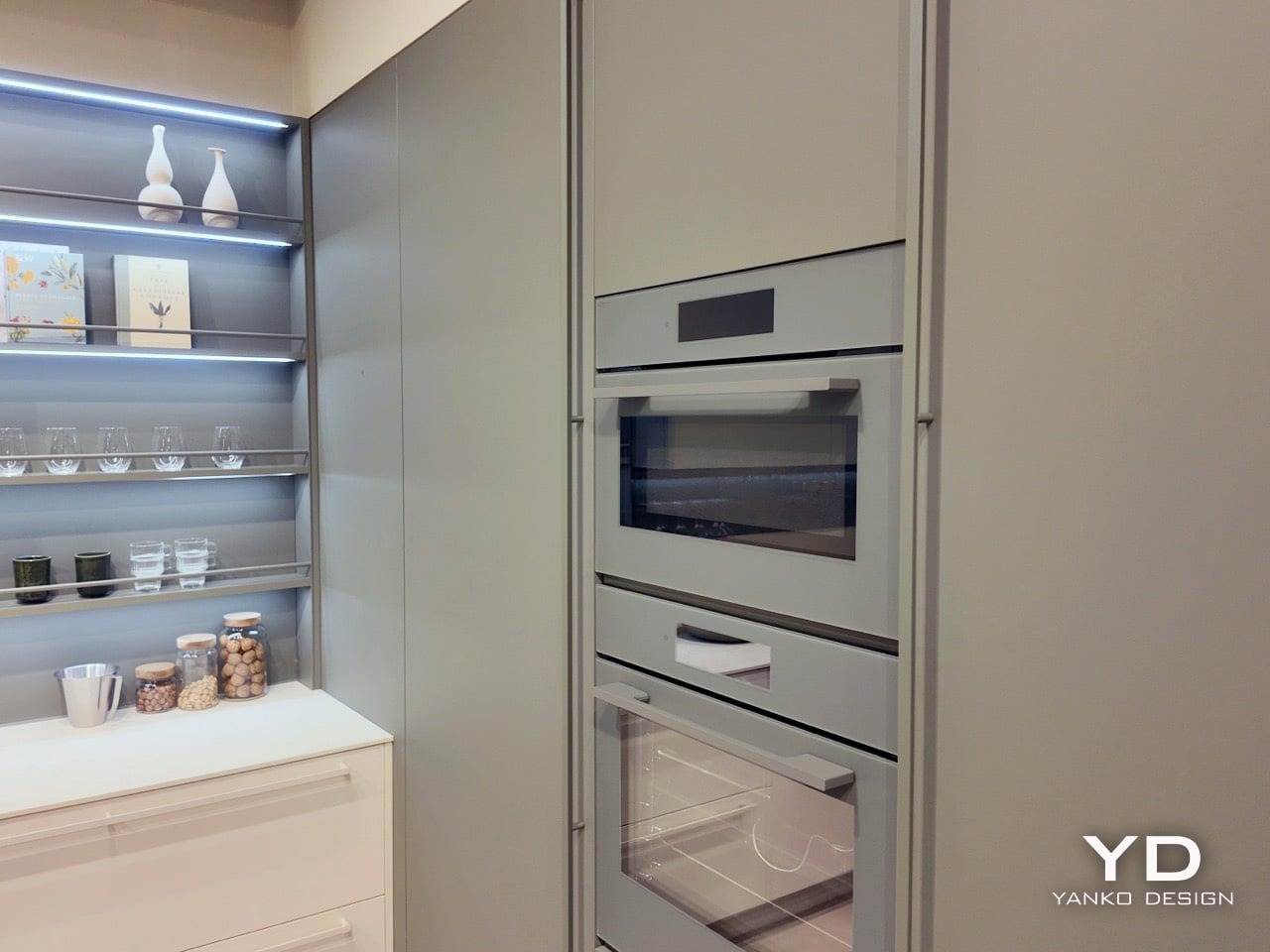
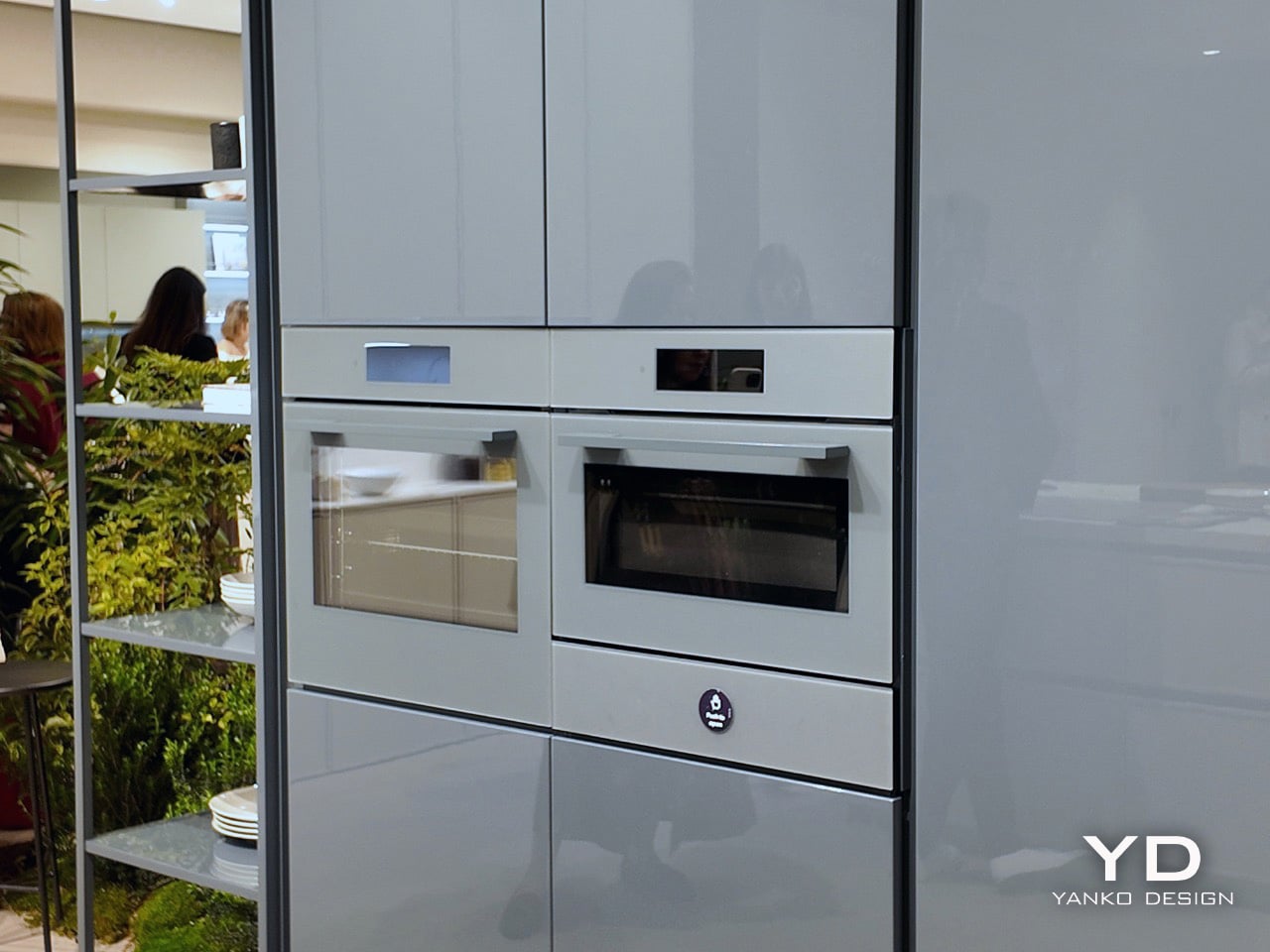
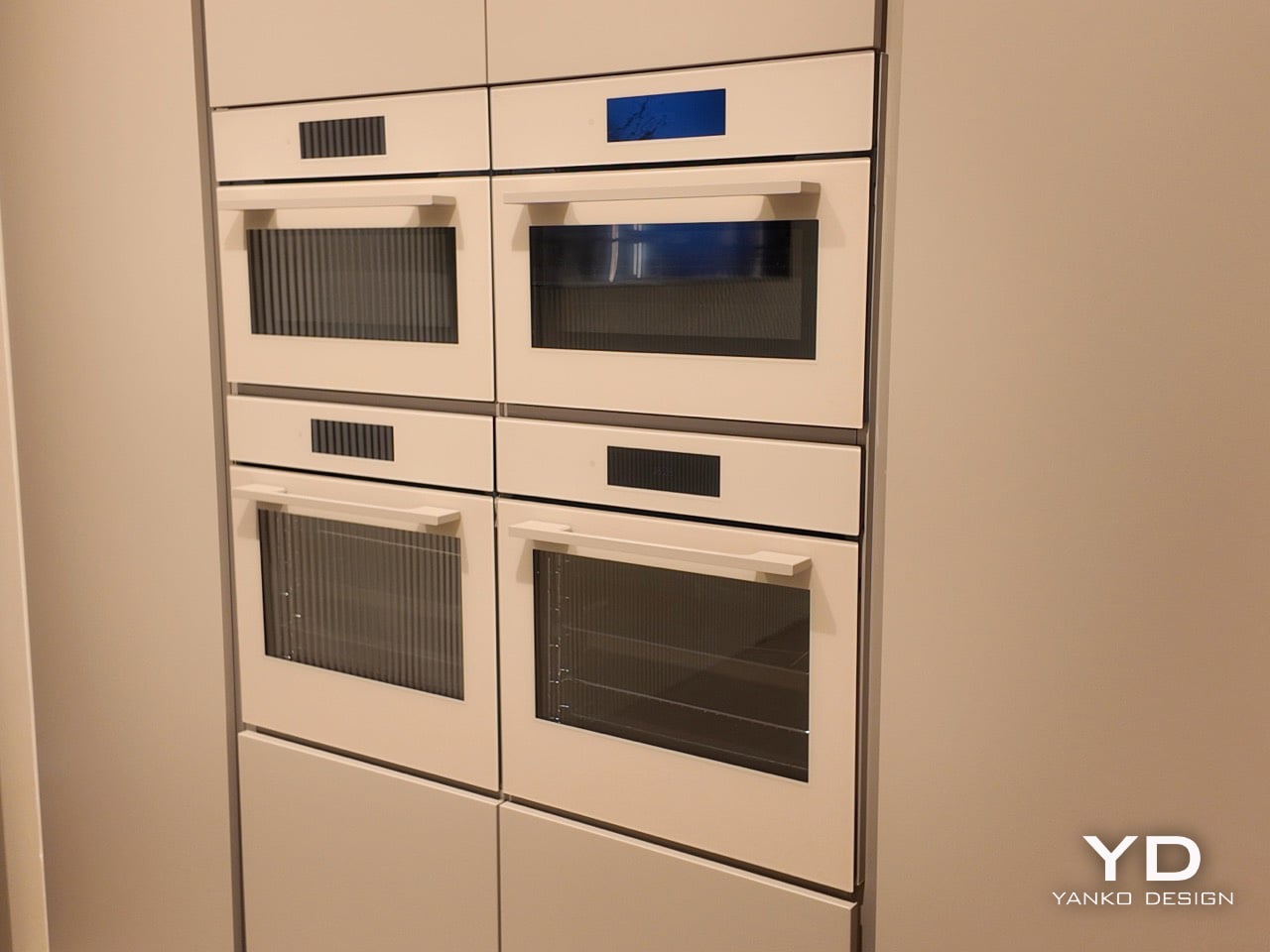
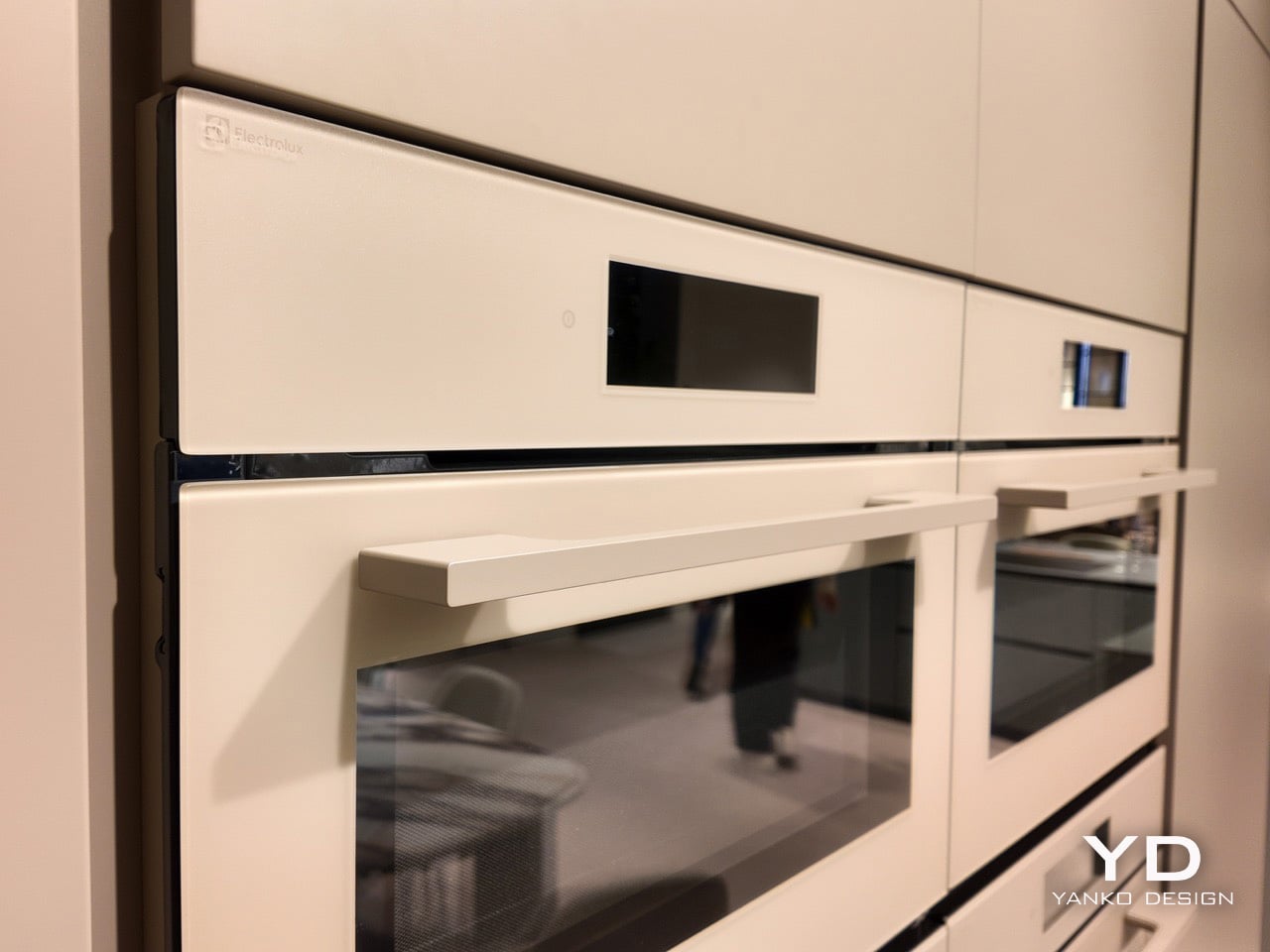
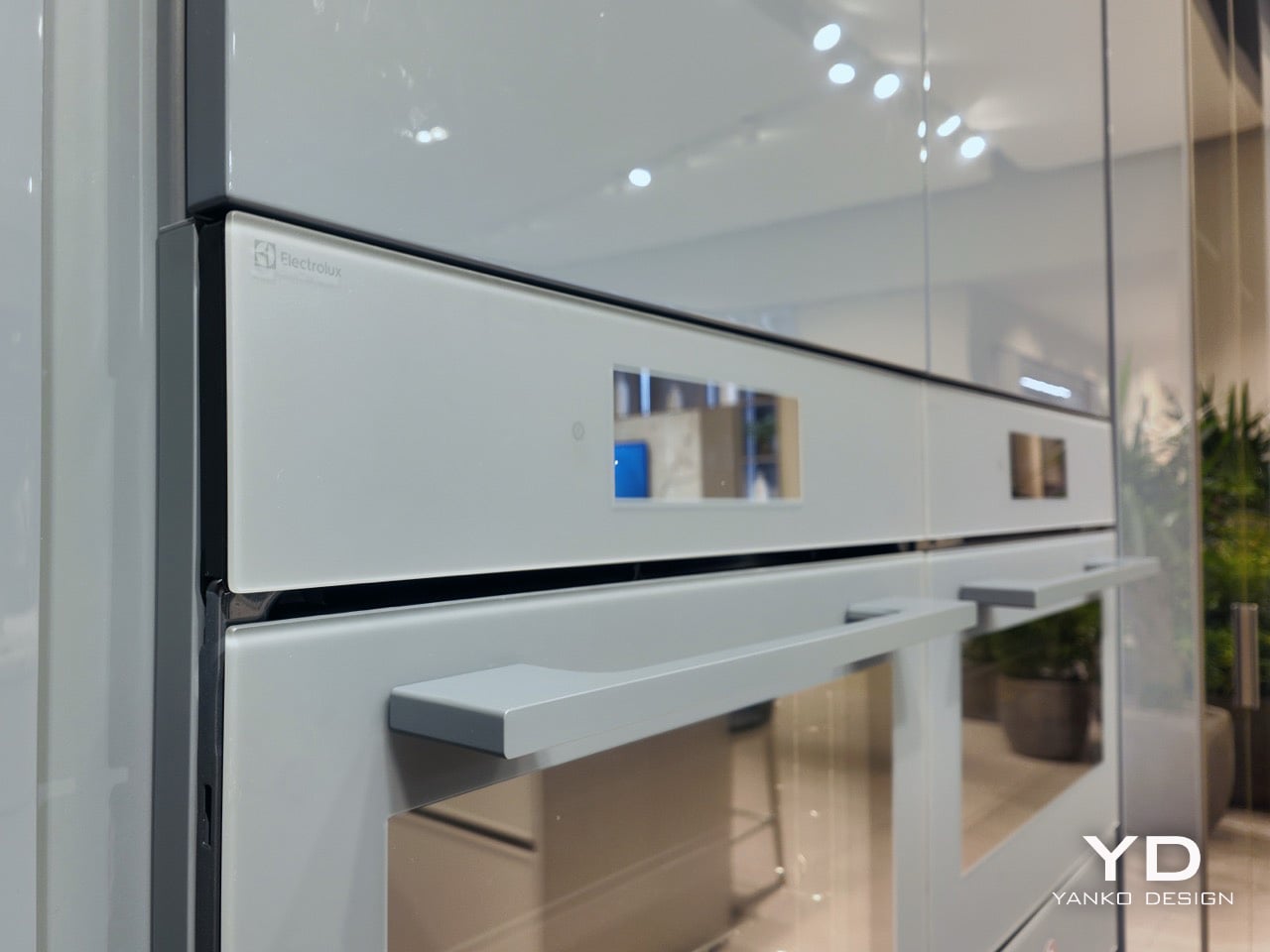
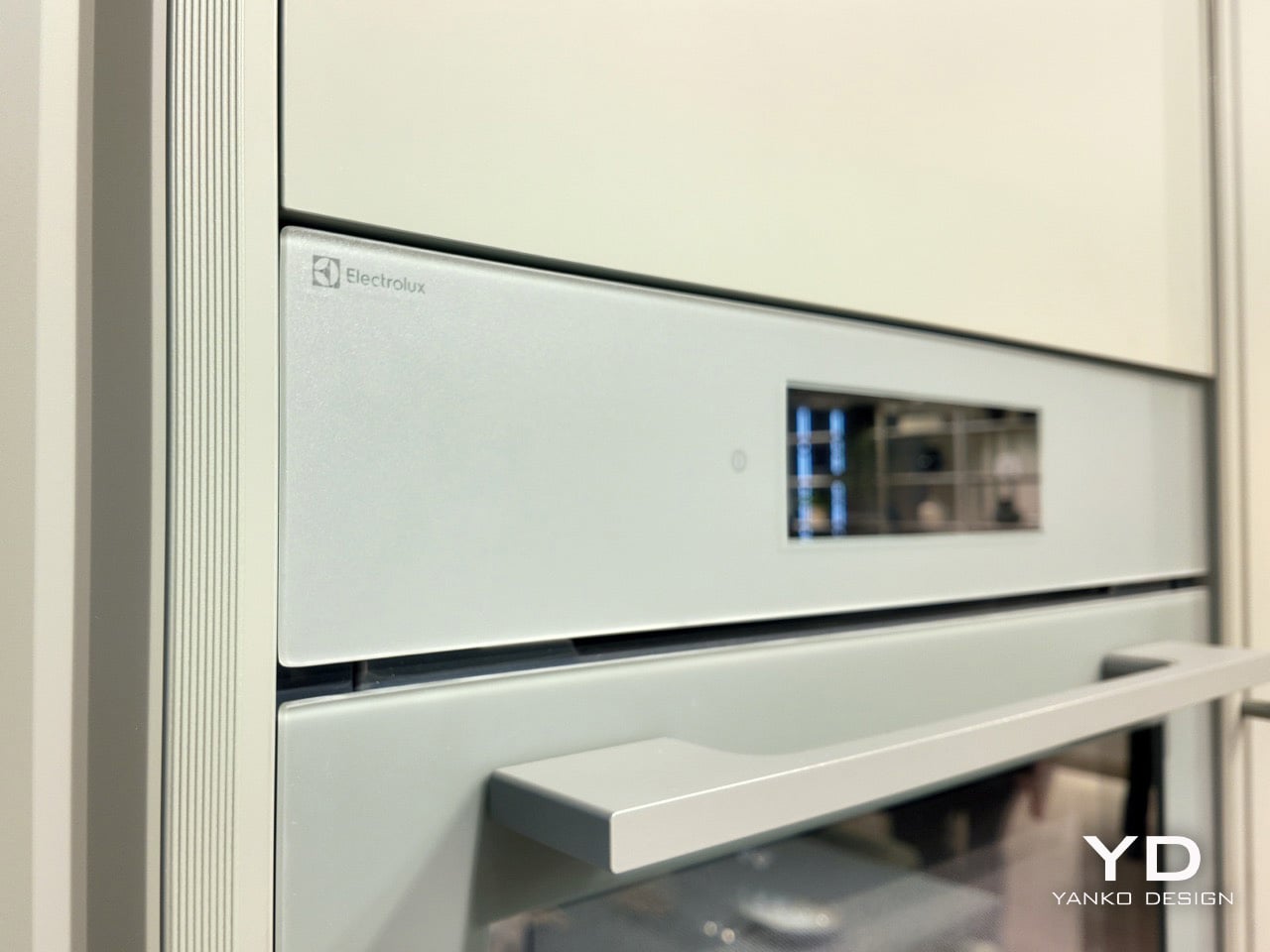
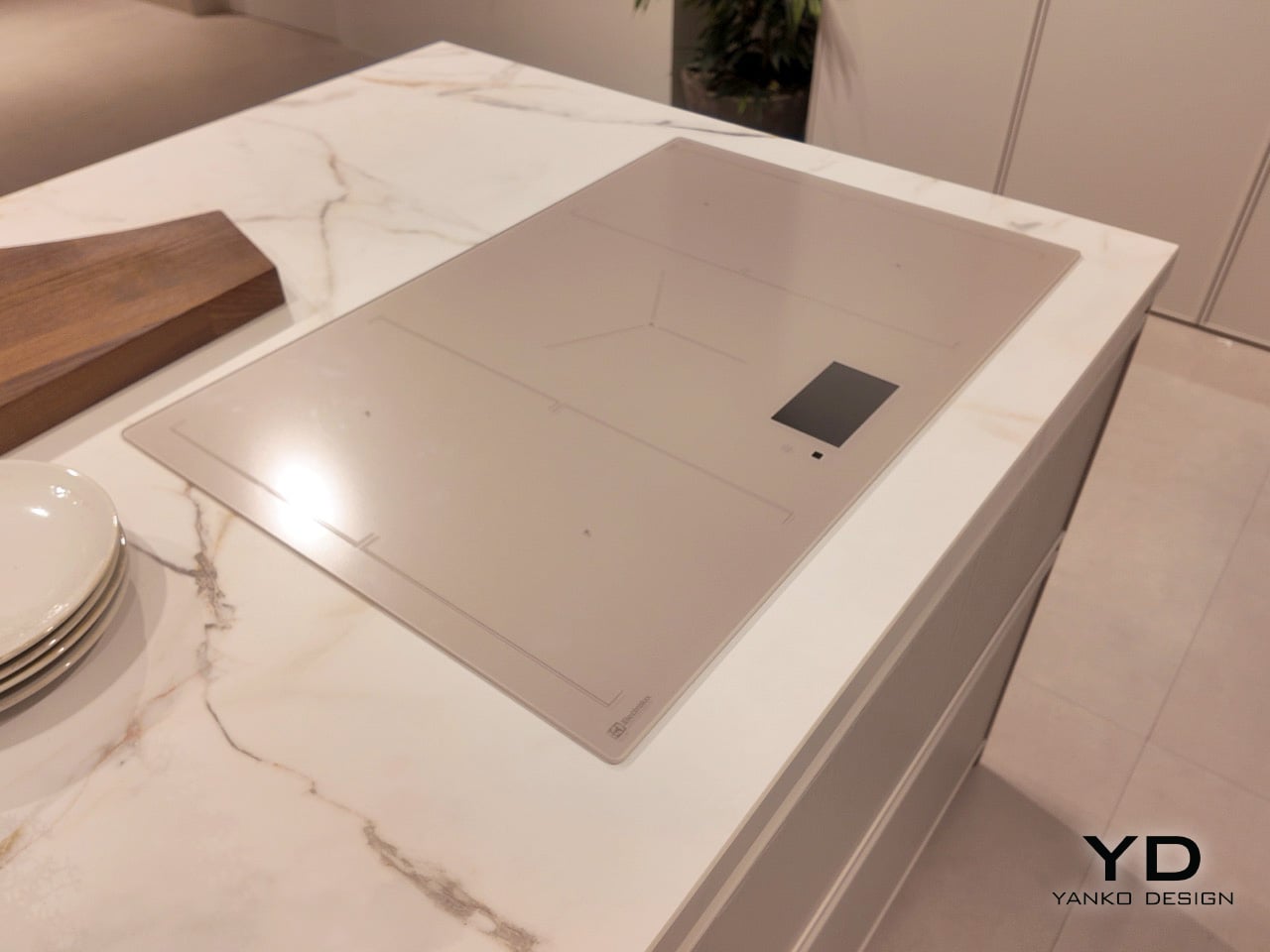
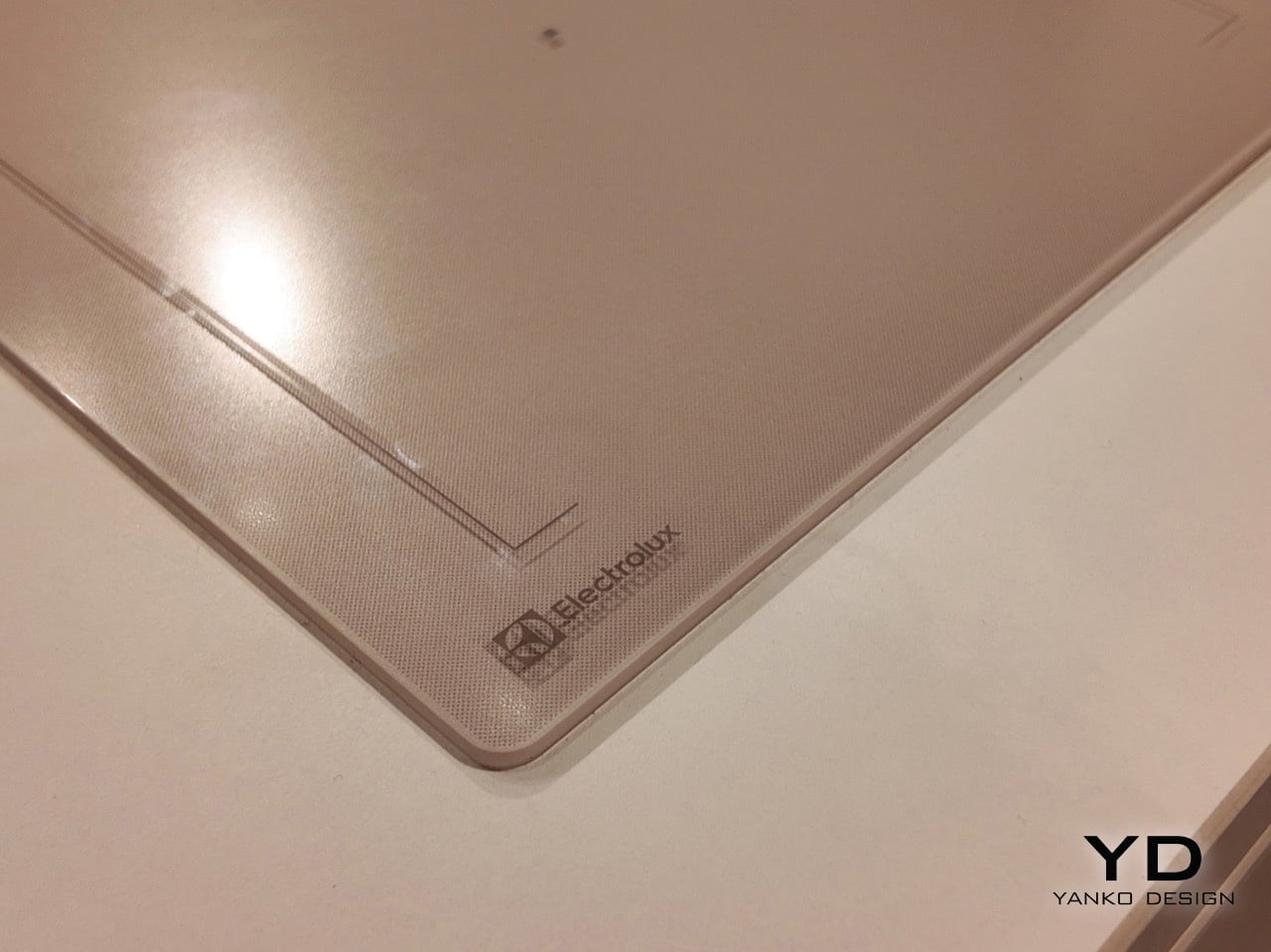
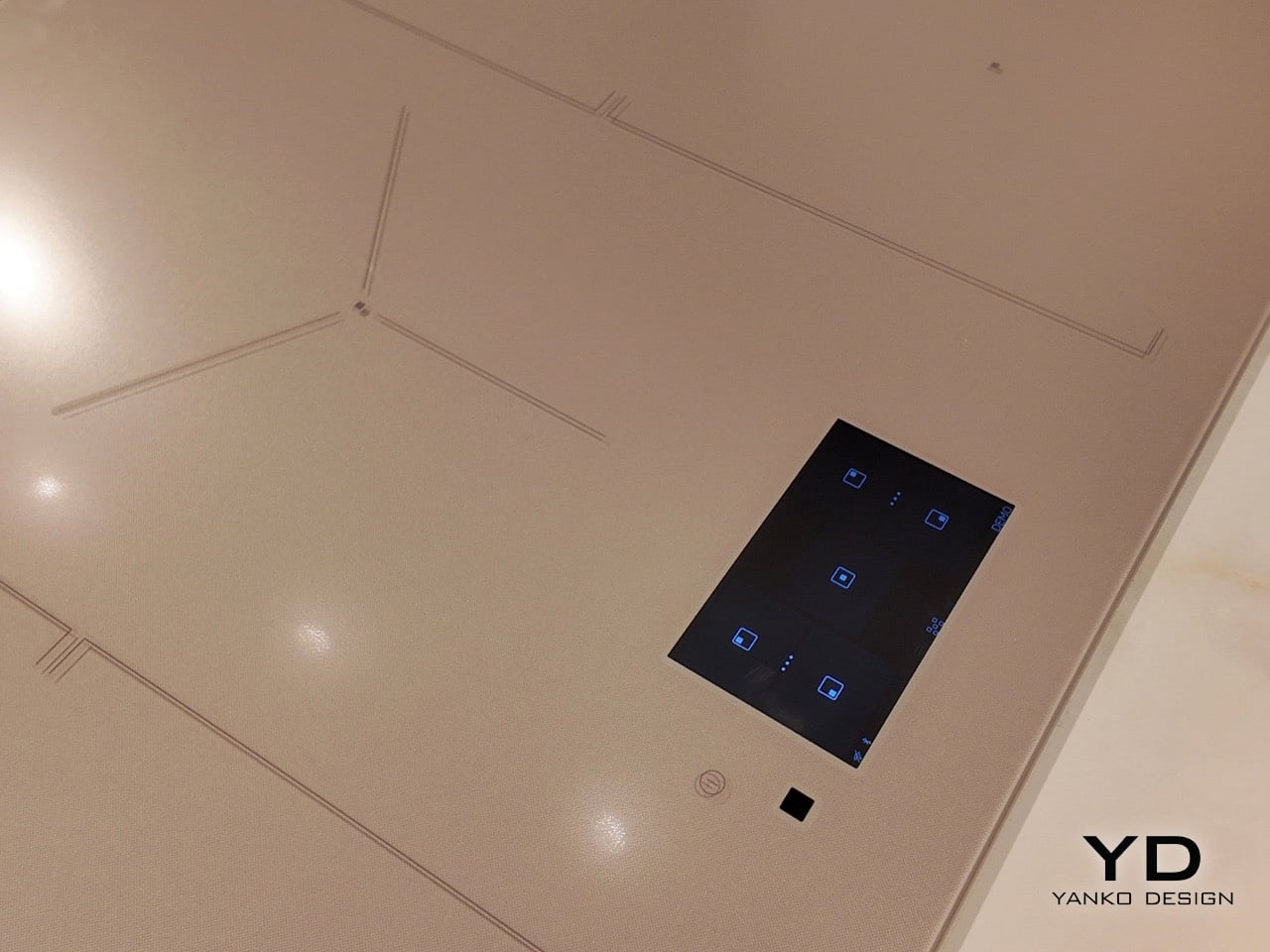
Scandinavian winters keep people indoors for roughly six months a year, which gives Swedish designers a lot of time to think about what a kitchen surface shoul…Scandinavian winters keep people indoors for roughly six months a year, which gives Swedish designers a lot of time to think about what a kitchen surface should feel like when it becomes the primary thing you look at during months when going outside requires genuine commitment. Electrolux leaned into that constraint at Milan Design Week 2026, partnering with Italian kitchen specialist Veneta Cucine to present a color palette pulled directly from nature. Warm sand, dusty teal, soft sage, speckled stone. Colors designed to reduce visual noise and make a kitchen feel less like a collection of separate purchases and more like a unified spatial environment.
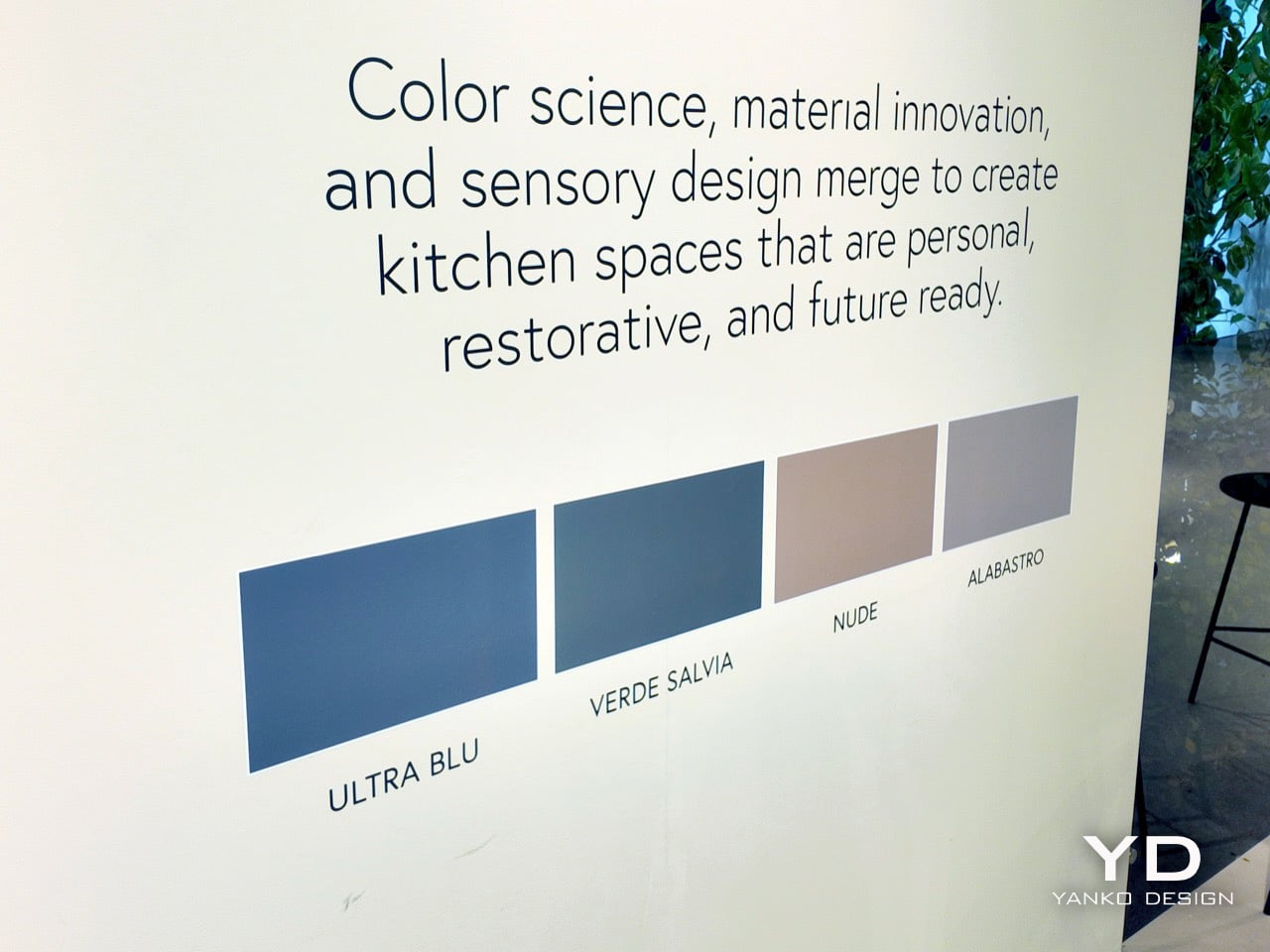
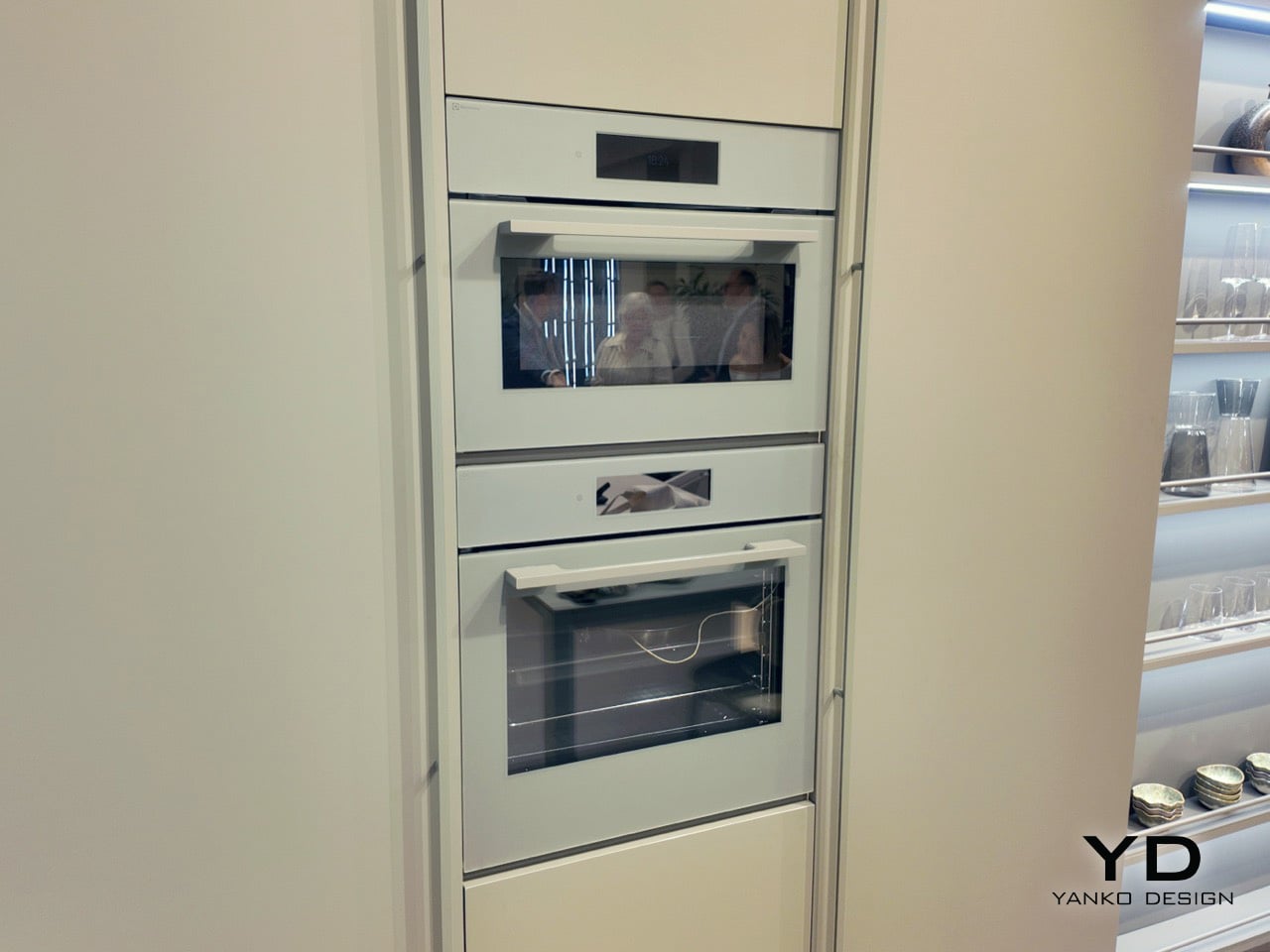
The four color concepts (Ultra Blu, Verde Salvia, Nude, Alabastro) get applied to both appliances and cabinetry, creating kitchen installations where ovens genuinely disappear into walls. The collaboration is grounded in research showing that people across European markets identify nature as their primary source of emotional restoration, so Electrolux decided to bring that restoration indoors. The result is a palette that feels geologic rather than trendy, with appliances that function as architectural elements instead of shiny metal boxes standing awkwardly in the corner.
Designers: Electrolux & Veneta Cucine
The approach hinges on something Amelia Chong, Electrolux’s Principal Color, Material & Finish Designer, calls thinking architecturally from an interior perspective. Color becomes a series of spatial blocks connecting products with their surrounding environment. Each palette is experienced through a curated interplay of materials, finishes, and furniture elements, both visual and tactile. Ultra Blu spans two graduated tones, a deeper navy fading into dusty teal. Verde Salvia delivers sage in its most restrained register. Nude reads as warm sand with subtle blush undertones. Alabastro arrives as speckled stone-effect gray, the kind of finish that looks different depending on light quality throughout the day.
Electrolux backs the palette with neuroaesthetic research claiming that biophilic color schemes can reduce perceived stress levels by as much as 35%. That statistic repositions what a kitchen appliance actually does in a home. Your refrigerator is cooling groceries, sure, but it’s also contributing to the sensory atmosphere of the room, shaping how calm or agitated you feel when you walk in to make coffee at 6am. The palette’s muted tones (warm neutrals, soft earth-rooted hues) create what the research describes as a perceptually grounded environment that reduces mental fatigue. In practical terms, this means your kitchen quits visually shouting at you.
Electrolux X Veneta Cucine’s Nude Colorway
Electrolux X Veneta Cucine’s UltraBlu Colorway
The partnership brings together two distinct design traditions in a way that actually makes sense. Electrolux contributes Scandinavian simplicity and human-centered clarity, the kind of restrained functionality that emerges from cultures where you spend half the year looking at the same interior walls. Veneta Cucine brings Italian craftsmanship and material expression, the tactile richness and attention to finish quality Italian furniture makers have been perfecting for generations. Daniela Archiutti, Veneta Cucine’s Art Director, positions the collaboration as merging color science, material innovation, and sensory design to create spaces that feel personal, restorative, and future ready. That’s a lot of adjectives for kitchen cabinetry, but the installations at Milan back up the claim.
Electrolux X Veneta Cucine’s Verde Salvia Colorway
Electrolux X Veneta Cucine’s Alabastro Colorway
The Milan showcase itself was staged as physical proof of concept. Concrete plinths topped with living moss carried CMF swatches in the four palette tones. A pine and wood scent developed by studio Koyia moved through the space. Appliances were displayed against photographic prints of Scandinavian woodland. The sequence was deliberate and consistent, building an argument that the kitchen functions as an emotional environment where design’s most sophisticated move is bringing the outdoors inside. The ovens, hobs, and refrigerators on display integrated so seamlessly into cabinetry that distinguishing appliance from architecture required genuine attention.
You’re an expert editor/blogger with a profound understanding of human psyche as well as Google SEO. Now generate 10 catchy, attention-grabbing, mildly provocative titles that are SEO-friendly too. Make your titles have natural language but craft them so they rank high on google News and Discover as of March 2026. Do your SEO research. Make them natural language, simple, yet captivating
Spending $200 on a pocket knife used to be the unofficial threshold between serious carry and serious compromise. That math has quietly shifted. A new generation of EDC blades is closing the gap between boutique craftsmanship and accessible pricing through smarter material choices, unconventional deployment mechanisms, and design thinking that prioritizes daily function over heritage markup. Premium steel, titanium frames, and ceramic bearing pivots no longer demand premium prices to be worth carrying.
These five knives prove the point, each one doing something a $200 blade would be proud of, at a fraction of the cost. They span micro titanium folders, gravity-activated mechanisms, premium Japanese steel, and desk-ready utility systems. The spec sheets read like knives nobody told about their own price tags. Whether you’re a daily carry purist or just getting started, this list changes what you expect from a budget blade.
1. ScytheBlade
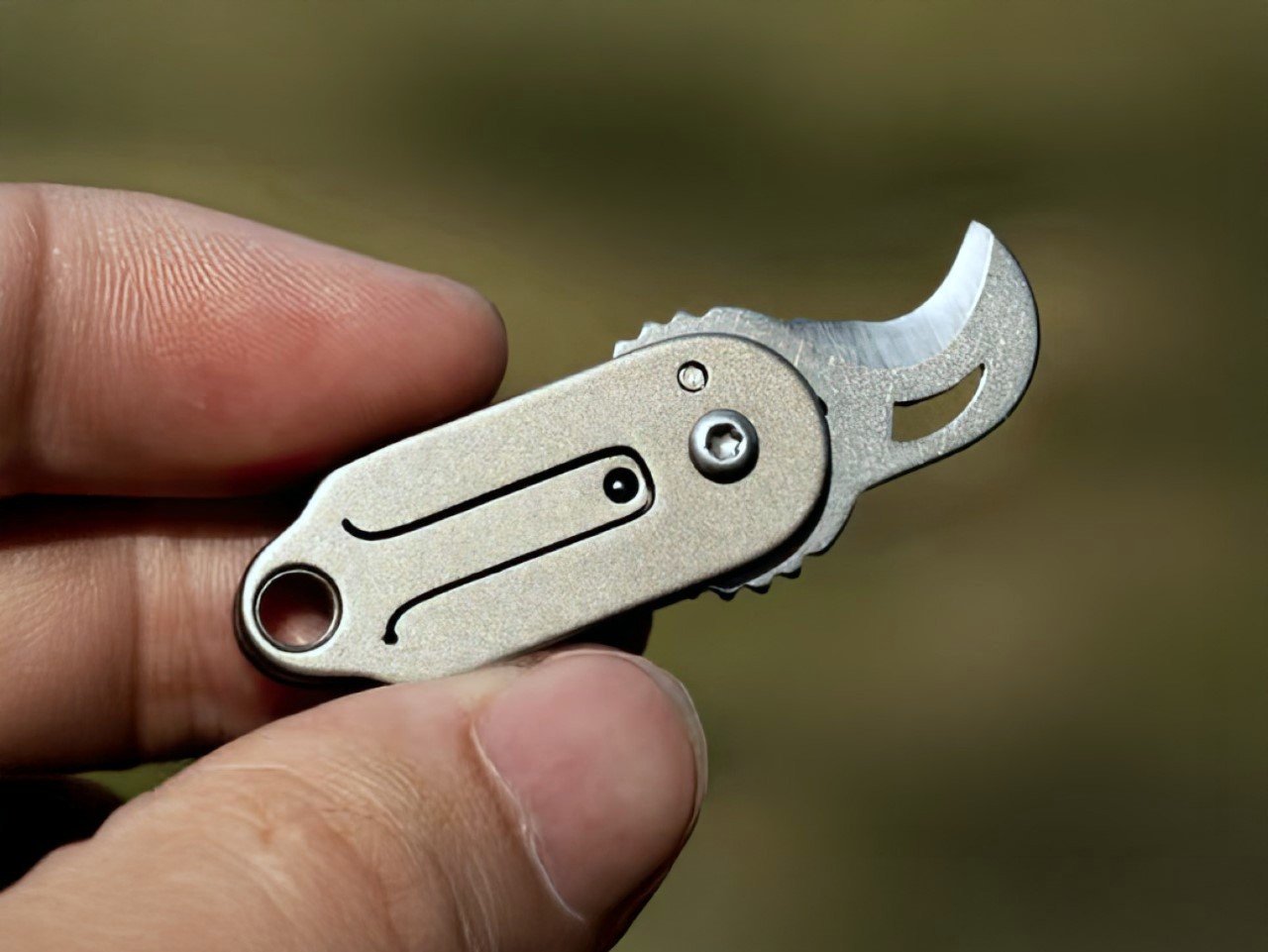
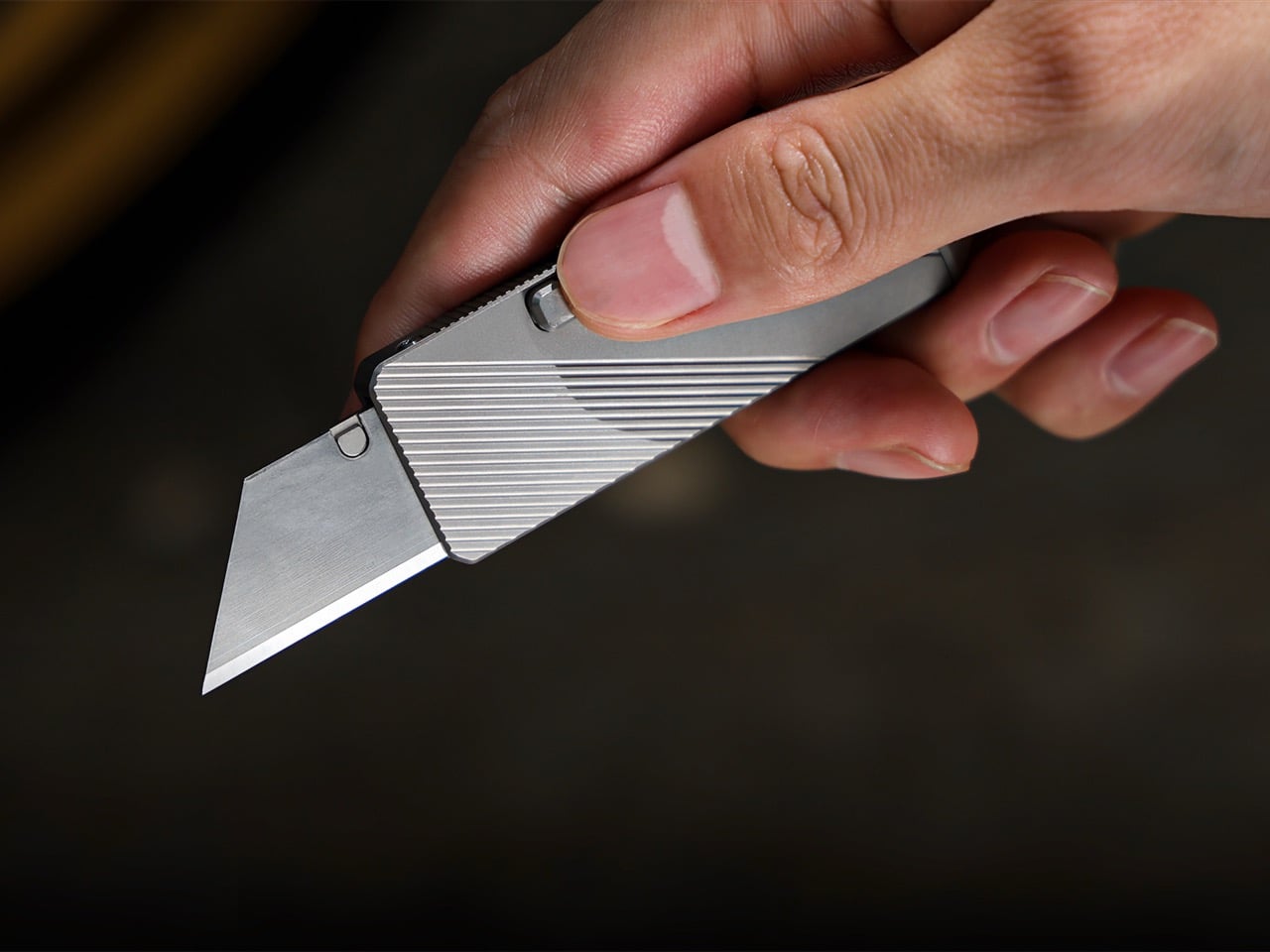
The curved blade of a scythe doesn’t seem like an obvious choice for pocket carry, but the ScytheBlade makes it work through radical miniaturization. This titanium EDC knife borrows the Grim Reaper’s iconic profile and shrinks it down to something resembling a tiger claw, creating a blade shape that looks dangerous because it genuinely is. At just 46mm when deployed, it challenges the idea that effective cutting tools need generous proportions, and the curve concentrates force in ways straight blades simply cannot match in this size class.
Titanium construction keeps the ScytheBlade at just 8 grams while delivering strength that feels disproportionate to its footprint. The material brings natural corrosion resistance without demanding constant maintenance, which matters enormously when you’re carrying something this small through varied conditions. You won’t notice it clipped to your pocket until the moment you need it — then that curved blade profile becomes immediately relevant. For anyone who values a knife they’ll genuinely forget is there until it isn’t, this is that knife.
What We Like:
Titanium build delivers extraordinary corrosion resistance at 8 grams
Curved blade geometry concentrates cutting force efficiently
What We Dislike:
46mm deployment limits the utility for heavier-duty tasks
Unconventional profile requires an adjustment period for users accustomed to straight blades
2. CraftMaster EDC Utility Knife
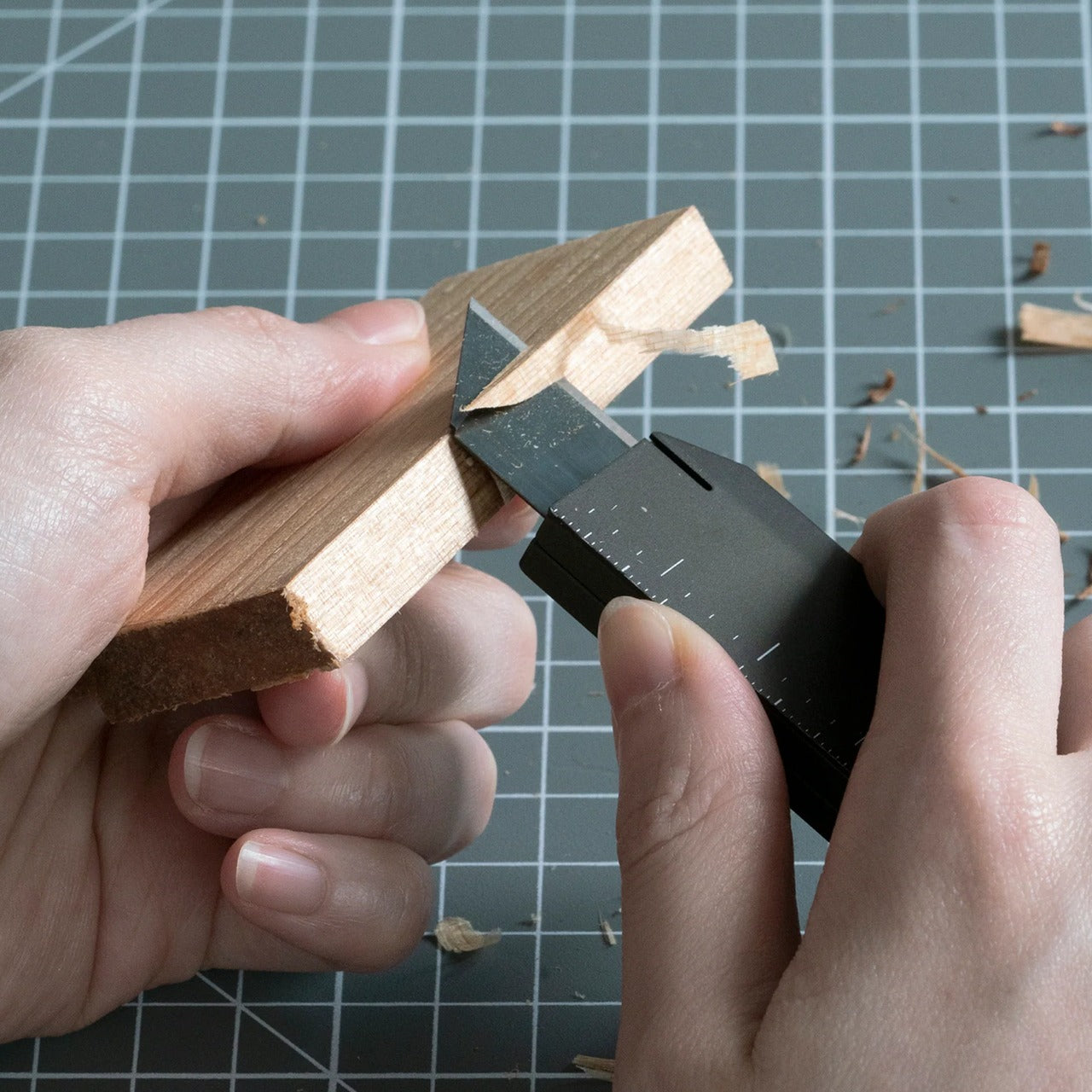
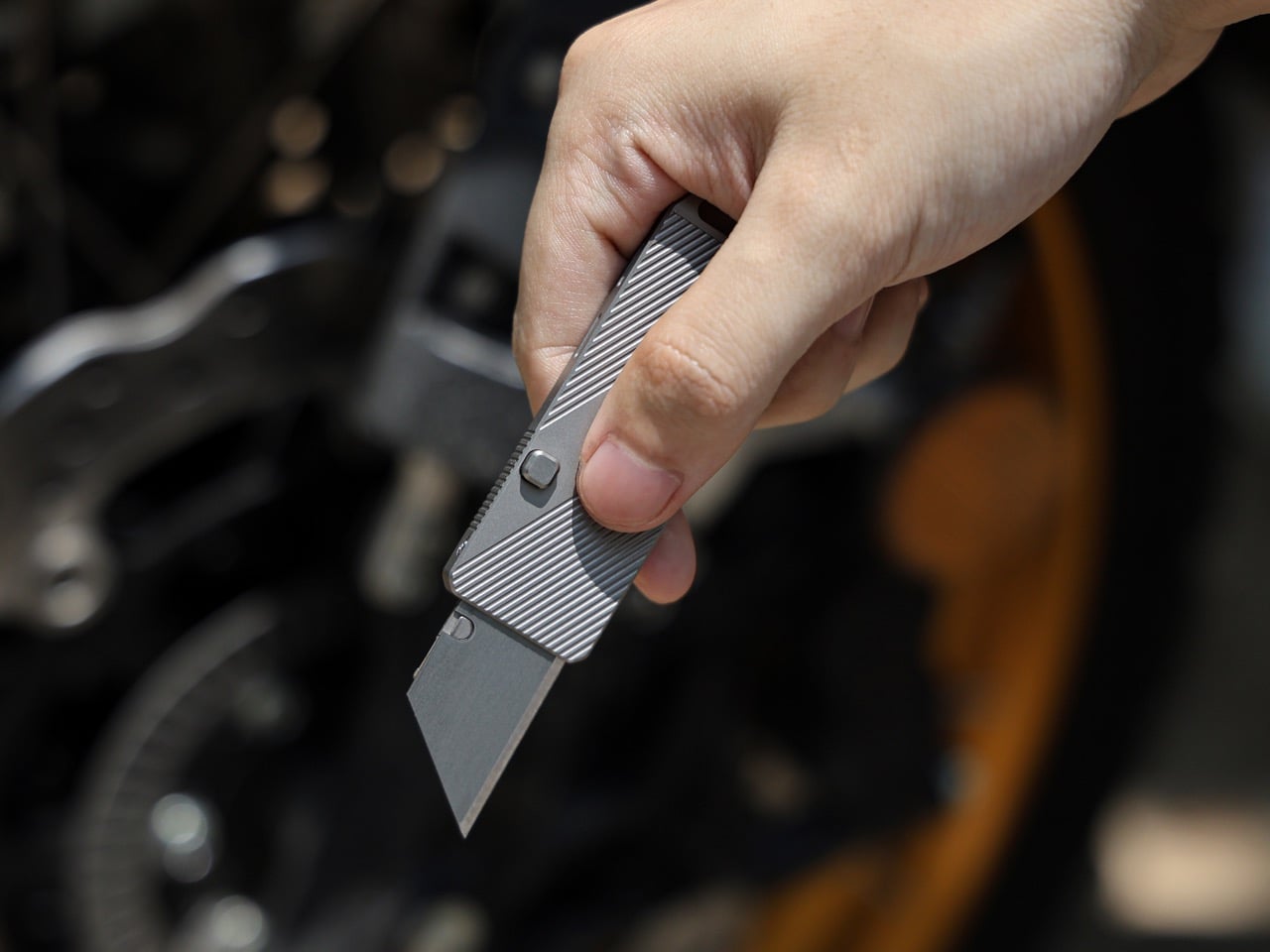
The CraftMaster reframes what a utility knife can look like, sitting on your desk or clipped inside your bag. Its clean metallic form and 8mm profile give it the presence of a precision instrument rather than a disposable box cutter, and the tactile rotating knob that deploys the OLFA blade adds a satisfying deliberateness to every draw. At 4.72 inches long, it sits comfortably in hand, and the magnetic back that docks its companion metal scale turns this into a system rather than just a single tool — the kind of considered pairing that usually costs considerably more.
The scale does real work. Dual metric and imperial markings, a raised edge for easy lifting off flat surfaces, and a built-in blade-breaker to snap off dull edges without hunting for a separate tool — every detail earns its place. The 15° curvature on the ruler protects your fingers during cuts, and the 45° inclination geometry handles box opening without risk to whatever’s inside. The OLFA blade system means you’re never stuck waiting for a replacement — just snap and carry on.
Magnetic scale docking system turns a single knife into a dual-tool carry setup
OLFA blade replacement system keeps long-term maintenance costs minimal
What We Dislike:
The utility blade format limits versatility outside of cutting and scoring tasks
The 8mm profile, while slim, may feel rigid compared to traditional folding knives
3. CIVIVI Vision FG (C22036-3)
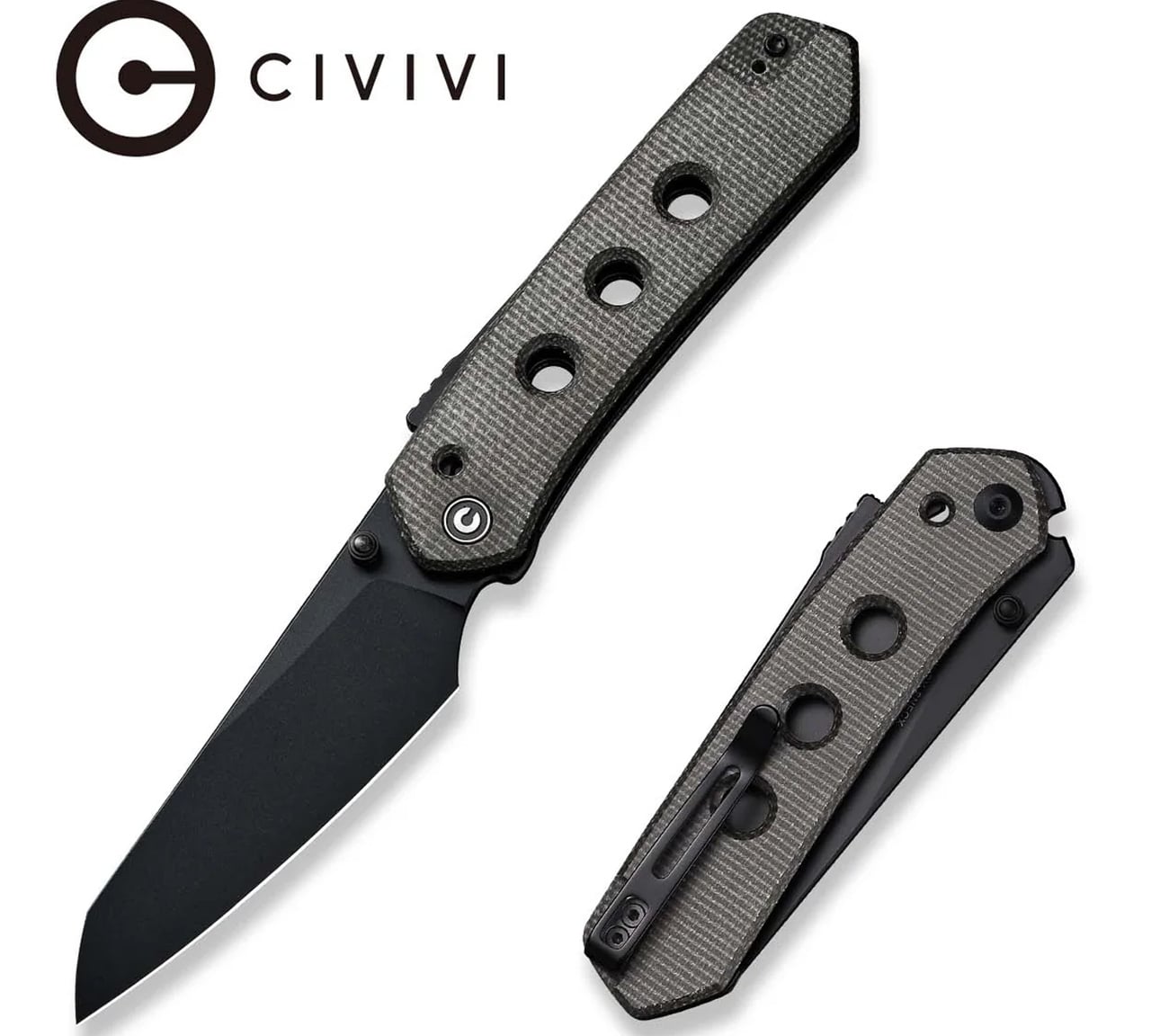
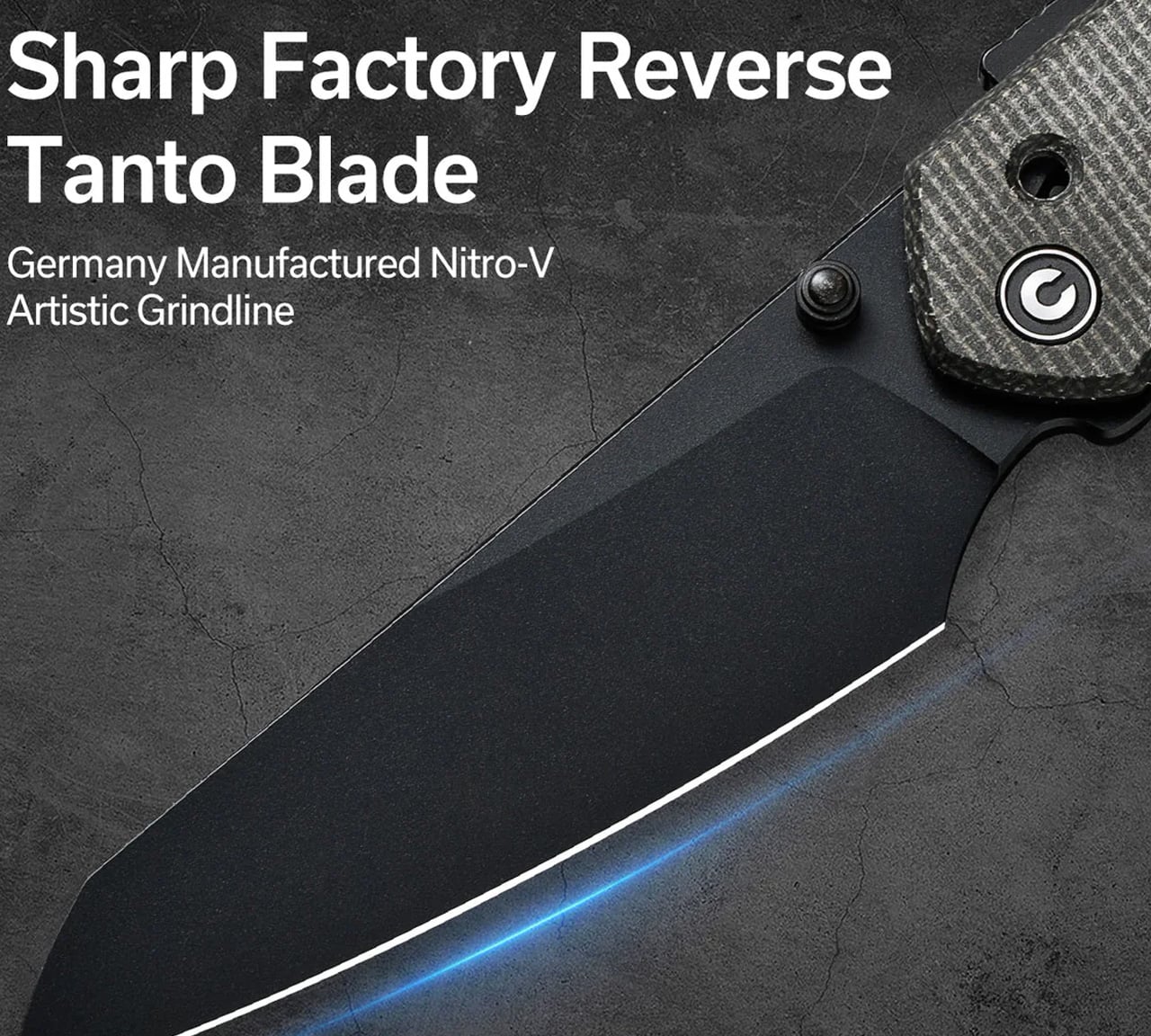
The CIVIVI Vision FG is what happens when a production knife takes fit and finish seriously at a price point that has no business supporting either. Designed by Snecx Tan, the reverse tanto Nitro-V blade hits 59–61HRC hardness and wears a flat grind that slices cleanly through almost anything you put in front of it. The caged ceramic ball bearing pivot opens with the kind of effortless arc typically reserved for knives costing twice as much, and the Superlock mechanism snaps into place with a confidence that feels overbuilt in the best possible way. At $79.90, this knife is genuinely difficult to rationalize not owning.
The dark green canvas Micarta handle is one of the most tactile grip materials in production knives at this price — it warms to the hand, develops character with use, and grips without feeling aggressive. A 4.45-inch closed length keeps carry unobtrusive, while the tip-up, ambidextrous pocket clip accommodates left and right-handed carry with equal practicality. Stainless steel liners, a black backspacer, and 3mm blade thickness round out a build specification that reads like a list from a knife twice the Vision FG’s price.
What We Like:
Nitro-V at 59–61HRC delivers excellent edge retention for daily use
Caged ceramic ball bearing pivot and Superlock mechanism punch well above this price tier
What We Dislike:
Canvas Micarta requires occasional cleaning to maintain its surface texture
4.07 oz carry weight is noticeable compared to lighter polymer-handled alternatives
4. Cubik
Knife designers typically rely on springs, flippers, or complex bearing systems to deploy blades, but the Cubik throws all of those conventions aside in favor of gravity. Press the trigger, tilt the knife downward, and the blade casually emerges. Release the trigger, and it locks securely in place. This elegantly stripped-back mechanism eliminates springs that rust, bearings that fail, and maintenance routines that accumulate over time. The Cubik works with physics rather than fighting it, and the result is a folder that feels more intuitive to use the longer you carry it.
The satisfying simplicity doesn’t compromise capability. The Cubik locks solidly enough to pierce hardwood, proving that mechanical restraint and functional strength are not at odds. The tungsten carbide glass breaker integrated into the rear of the handle transforms what reads like a gentleman’s folder into a legitimate emergency tool — a detail that elevates the Cubik from interesting to genuinely useful across situations you hope never to face. When most EDC knives chase complexity through layered features, the Cubik finds its edge by stripping away everything unnecessary.
What We Like:
Gravity-activated deployment eliminates springs and bearings that degrade over time
Tungsten carbide glass breaker adds genuine emergency utility without compromising the carry profile
What We Dislike:
Gravity deployment requires a deliberate wrist motion that takes some practice to master quickly
The novel mechanism means fewer aftermarket parts and service options compared to traditional folders
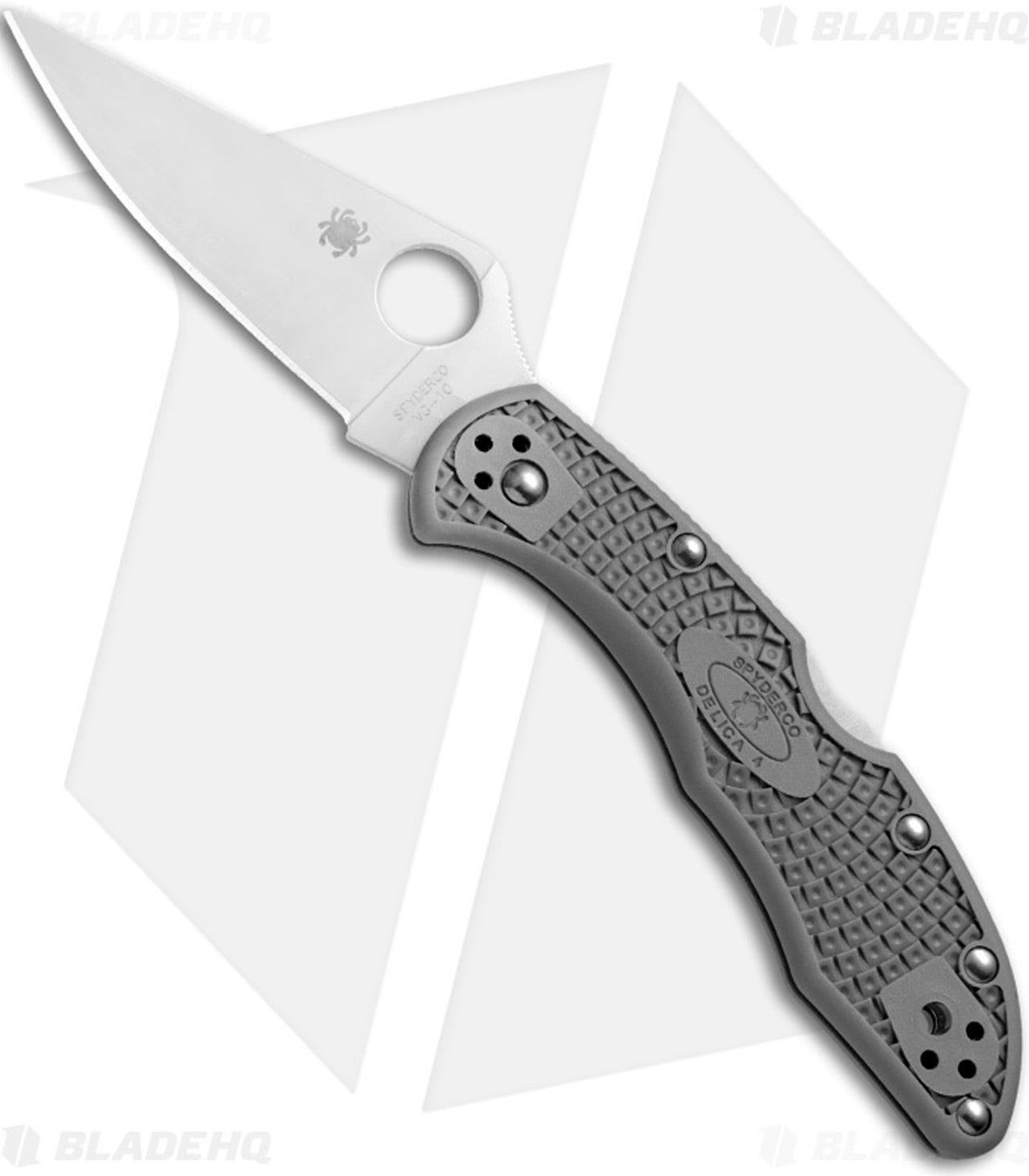
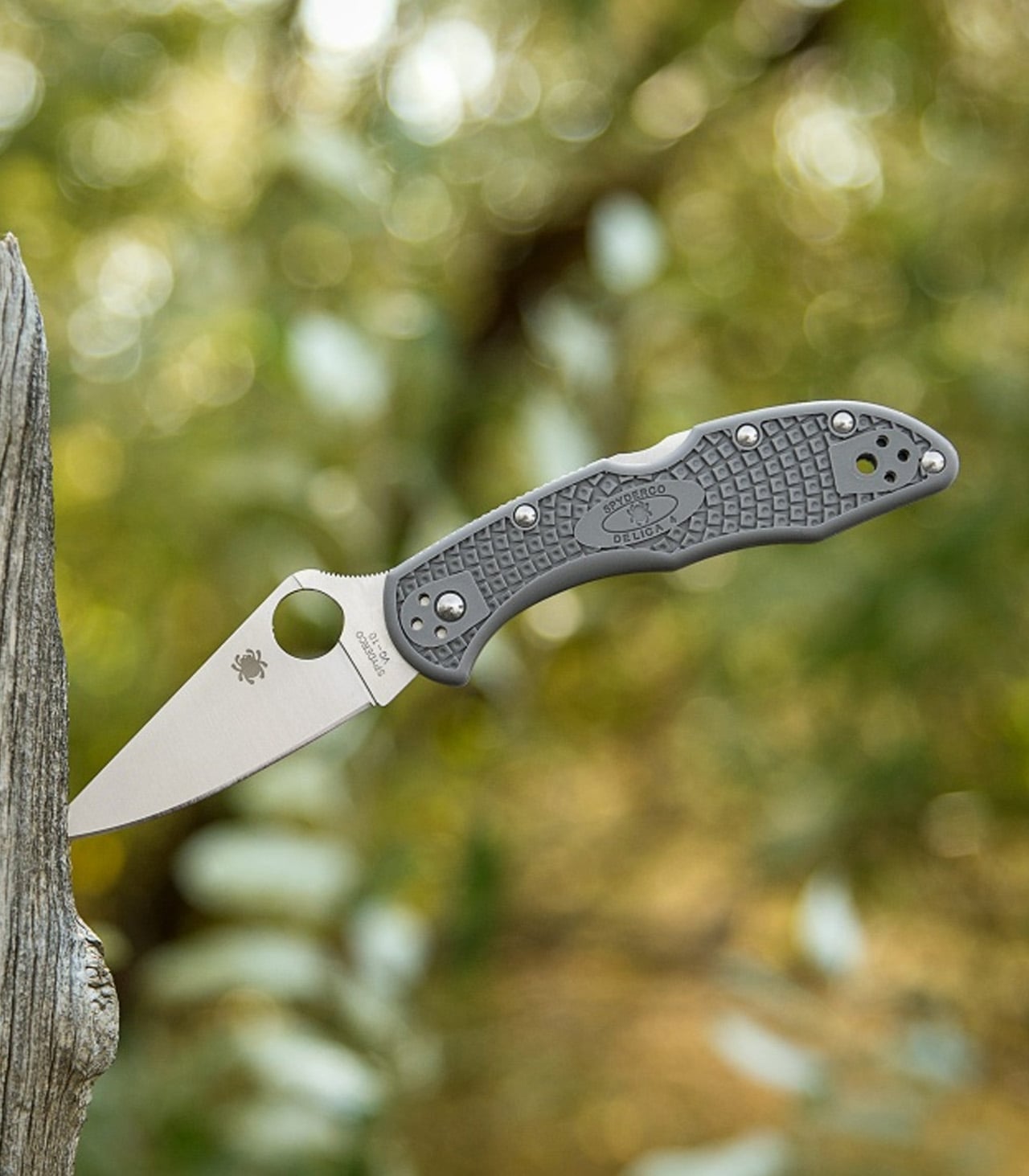
5. Spyderco Delica 4 (Gray FRN, VG-10)
Few EDC knives have logged as many pocket miles as the Spyderco Delica 4, and the gray FRN flat-ground version remains the clearest argument for why. At $99, it sits at the very ceiling of this list’s price range and earns every dollar through a blade specification that refuses to make concessions. The full-flat ground VG-10 steel from Seki-City, Japan, slices with a thinness behind the edge that most production knives at twice the price don’t manage, and the phosphor bronze washers at the pivot produce a blade action that feels tuned rather than assembled. Ambidextrous thumb hole opening makes deployment effortless regardless of which hand reaches for it.
The FRN handle with Bi-Directional Texturing earns its keep in wet or cold conditions, where smooth handles become liabilities. Skeletonized stainless steel liners keep total weight down without compromising the frame’s integrity, and the four-way reversible pocket clip — tip-up and tip-down for both right and left carry — makes the Delica genuinely accommodating of how different people actually carry knives. Screw construction throughout means cleaning and adjustment take minutes. The Delica 4 has been in continuous production because nothing has replaced what it does at this price.
What We Like:
Full-flat ground VG-10 from Seki-City delivers premium slicing performance at a production price
Four-way reversible clip and ambidextrous thumb hole make this genuinely accommodating for any carry preference
What We Dislike:
The lockback mechanism requires two hands to close safely, which is a limitation in one-handed situations
FRN handle lacks the premium feel of G-10 or Micarta handles at comparable price points
The Takeaway
What each of these knives shares is a refusal to treat price as a ceiling on design ambition. The ScytheBlade rethinks what a folding blade profile can be and miniaturizes it into titanium. The CraftMaster turns a utility knife into a precision desk instrument with a magnetic accessory system. The CIVIVI Vision FG brings ceramic bearings, Nitro-V steel, and canvas Micarta together at a price that undercuts its own specification.
The Cubik trusts gravity to do the work springs typically handle, then adds a glass breaker for good measure. The Spyderco Delica 4 has simply been right for long enough that it no longer needs to prove anything. None of them cost $200. All of them think as they can. The best EDC knife isn’t necessarily the most expensive one — it’s the one you always reach for without thinking twice.
There’s a quiet tension in how most furniture is still designed. Sofas are built to stay put, claiming floor space indefinitely, whether you need them there or not. Meanwhile, the way people actually use their homes has shifted considerably, moving between indoors and outdoors, hosting spontaneously, clearing space for workouts or kids, and treating balconies and terraces as proper extensions of their living areas.
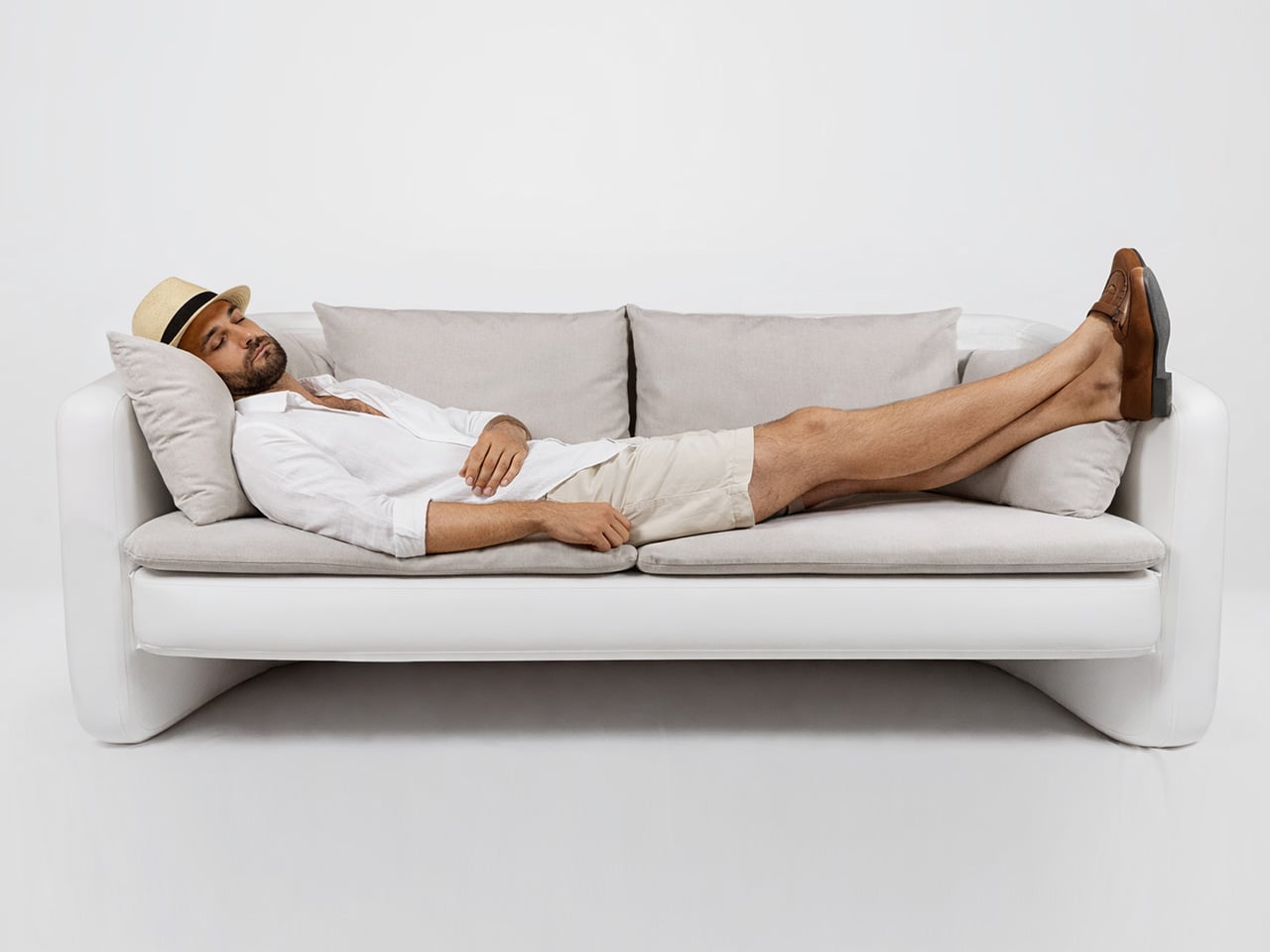
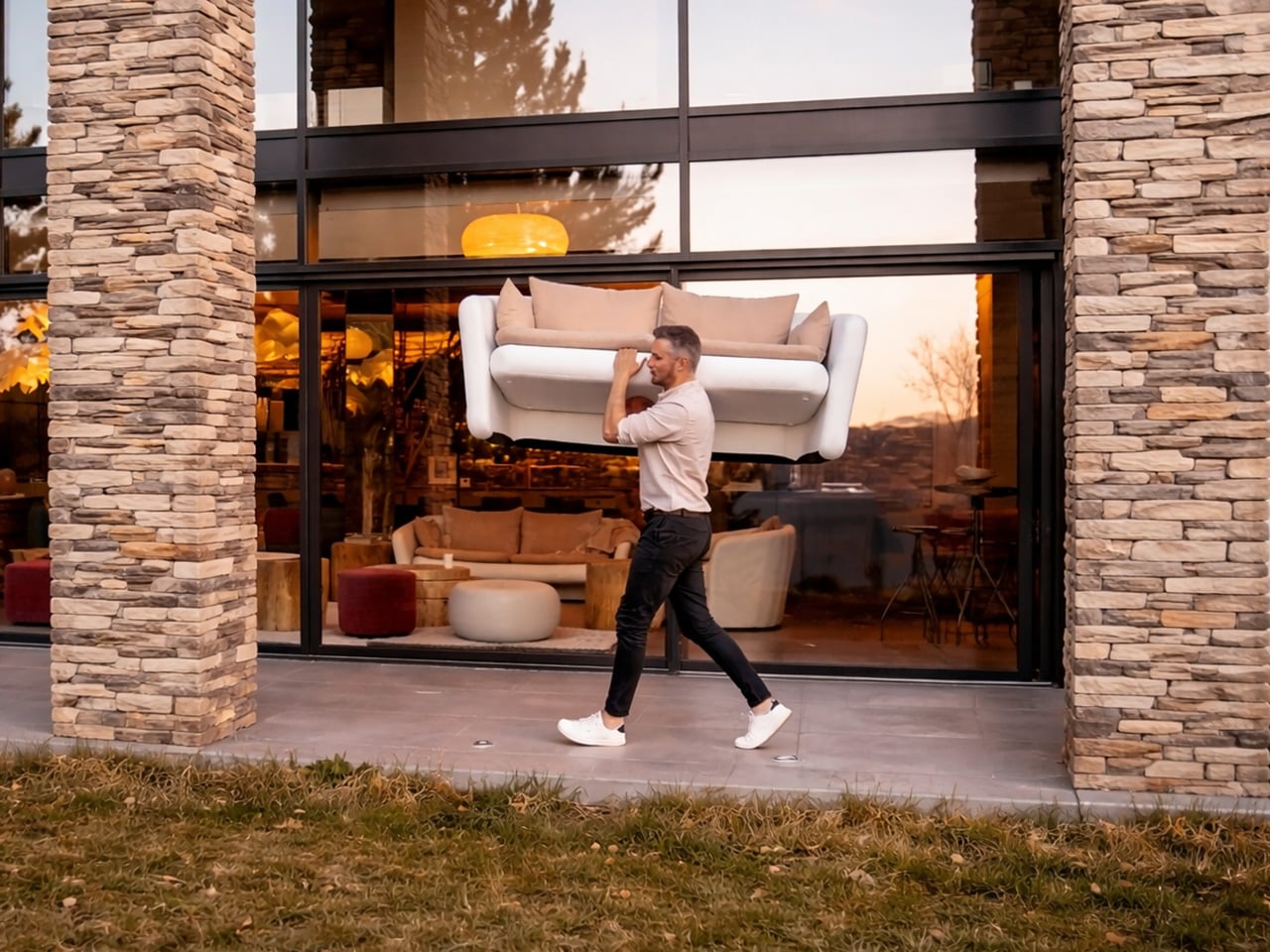
That’s the gap Airmaan’s M Sofa is designed to fill. Rather than asking you to choose between comfort, portability, and design, the M Sofa brings all three together in an inflatable sofa that looks and sits like proper furniture. It can serve as your primary home setup year-round and then disappear into a bag the moment you need the space cleared or want to take it somewhere else entirely.
One of the more underrated things it does is give space back. Fixed furniture occupies a room all the time, even when you’d rather use that area for something else. With M Sofa, a terrace can be a lounge one afternoon and completely open the next morning. The same goes for living rooms and balconies. You can deflate it, pack it away, and reset the space in minutes.
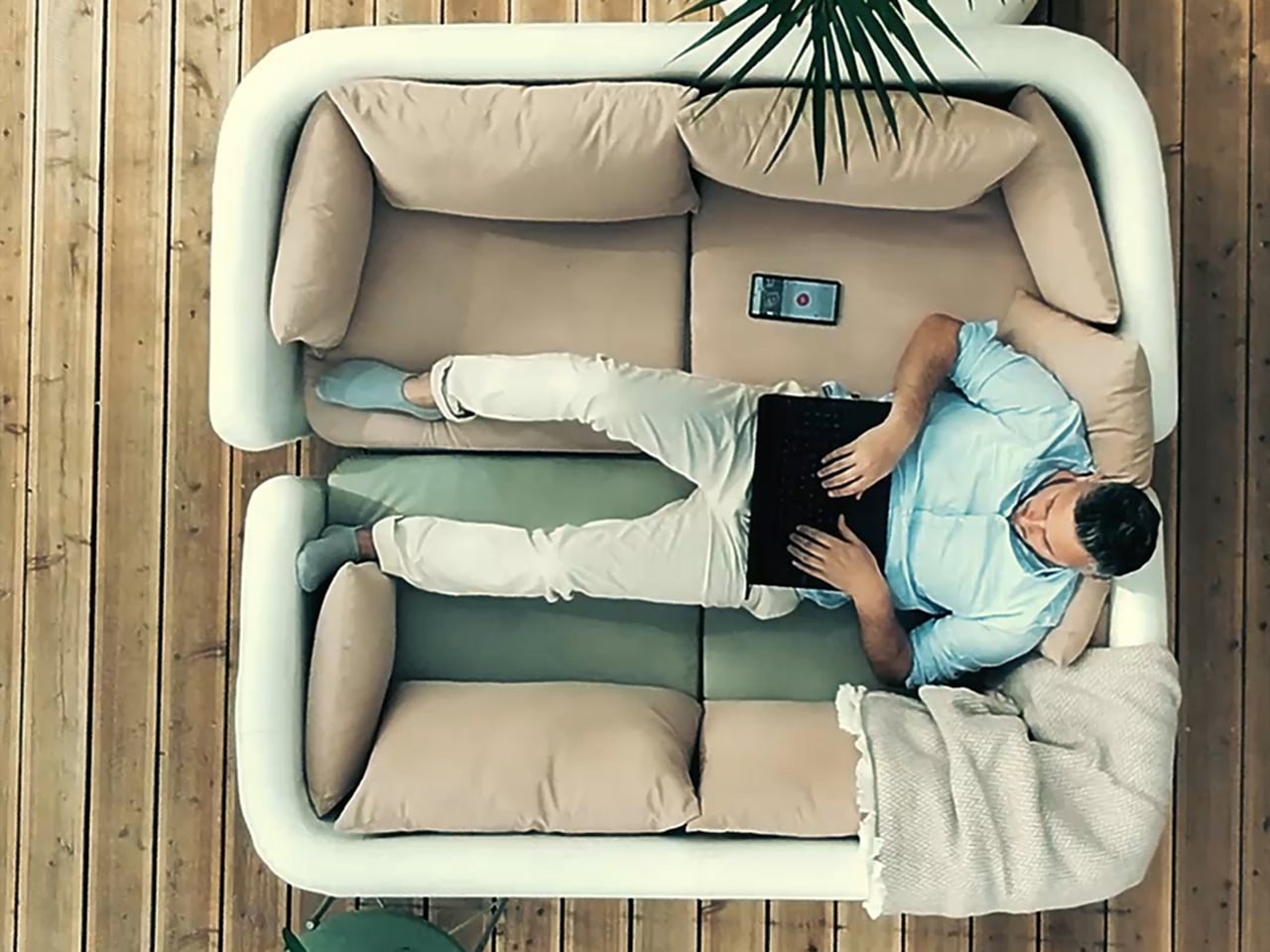
Of course, an innovative sofa would be pointless if it didn’t offer comfort, and thankfully, the M Sofa delivers. The seat and backrest are set at a natural resting angle, with smooth, rounded edges and no pressure points, giving you enough support for extended stretches. There’s a subtle firmness to the inflated structure that feels more like a well-tuned mattress than a balloon, and you can adjust it simply by changing the air pressure.
Despite preconceived notions about inflatable sofas, the M Sofar is at home indoors and outdoors. In fact, it thrives on moving between spaces. It can sit on a garden terrace for a lazy morning, get moved poolside for the afternoon, and come back indoors for the evening without any real effort. That kind of fluidity isn’t something traditional outdoor furniture can offer, especially not without the weight, bulk, and maintenance that come with most permanent garden setups.
With inflatable furniture, durability is naturally a major cause for concern. To that end, the M Sofa was designed around a high-strength inflatable structure rooted in dropstitch technology, the same kind used in marine and aerospace applications. Its outer shell is fully waterproof, resistant to UV exposure, salt, sand, and temperature extremes, and the bonded, airtight construction keeps the air in for weeks at a time rather than days.
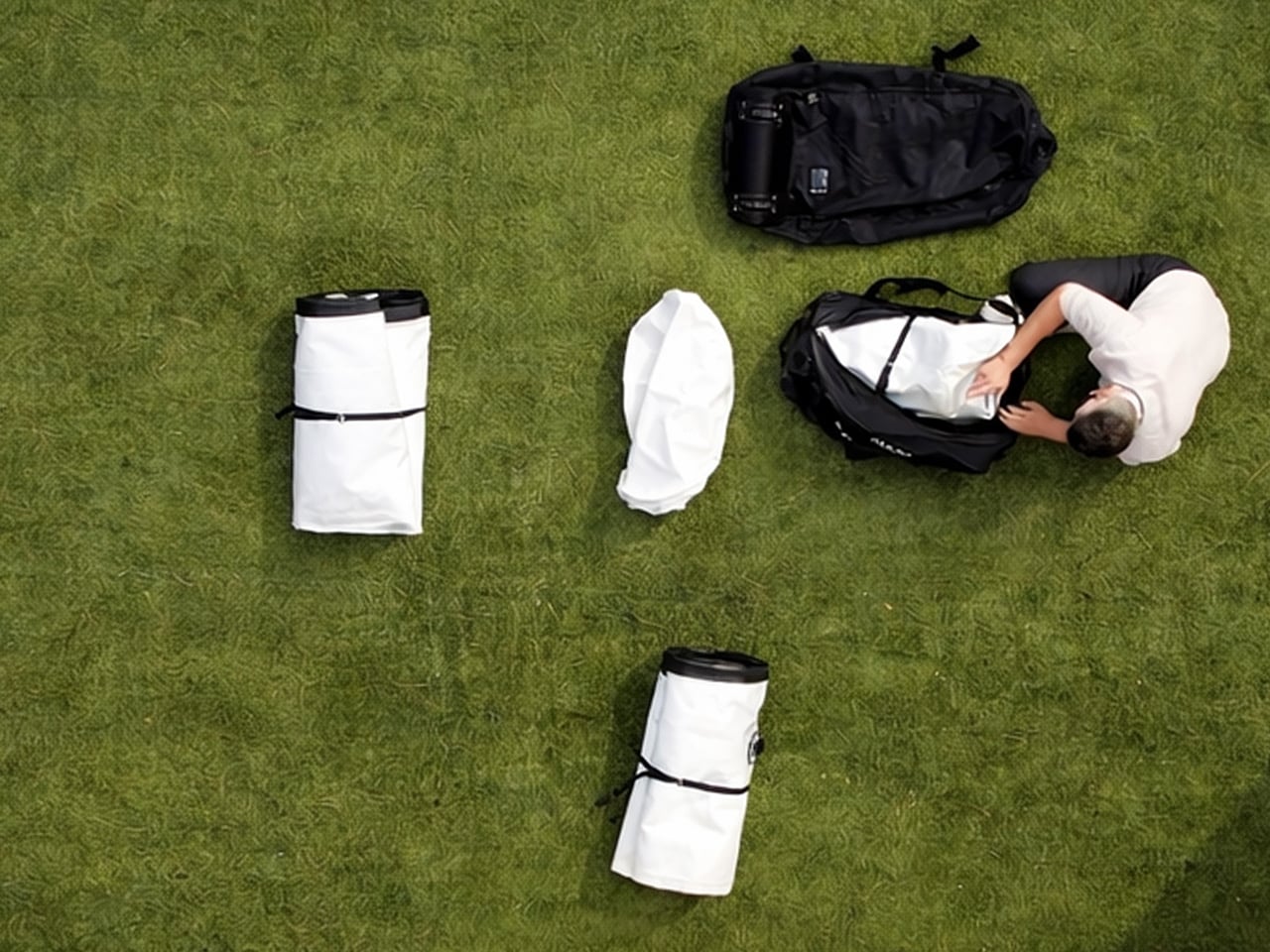
M Sofa’s portability also goes beyond deflating and rolling up some heavy and cumbersome material. It packs down into a bag compact enough to carry by hand or throw in a car trunk, which means it can go to the beach, a mountain setting, or a camping spot just as easily as it moves from your garden to your living room.
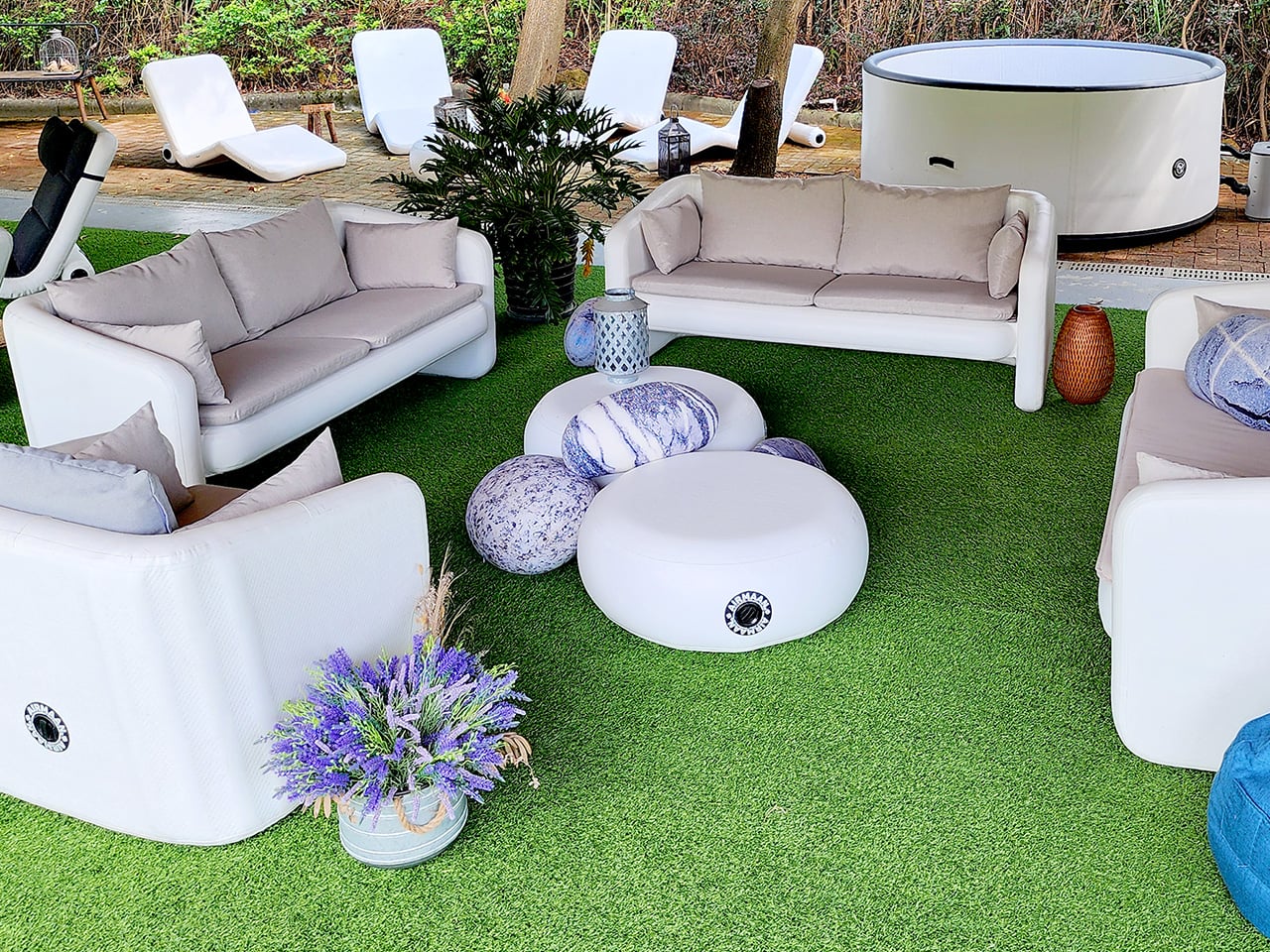
The M Sofa is part of a broader collection that includes the N Club Chair and a matching side table, so you can put together a proper lounge arrangement rather than a single seat. That modular nature means you can expand for a gathering or pare things down for a quieter setup, without having to own separate furniture for separate occasions.
What makes the M Sofa worth paying attention to has less to do with the inflation angle and more with what it says about furniture design broadly. The more interesting question isn’t whether an inflatable sofa can look good; it’s whether furniture should still be the heaviest, most permanent object in a room. For a growing number of people, the honest answer is that it probably doesn’t need to be, and the M Sofa proves it.
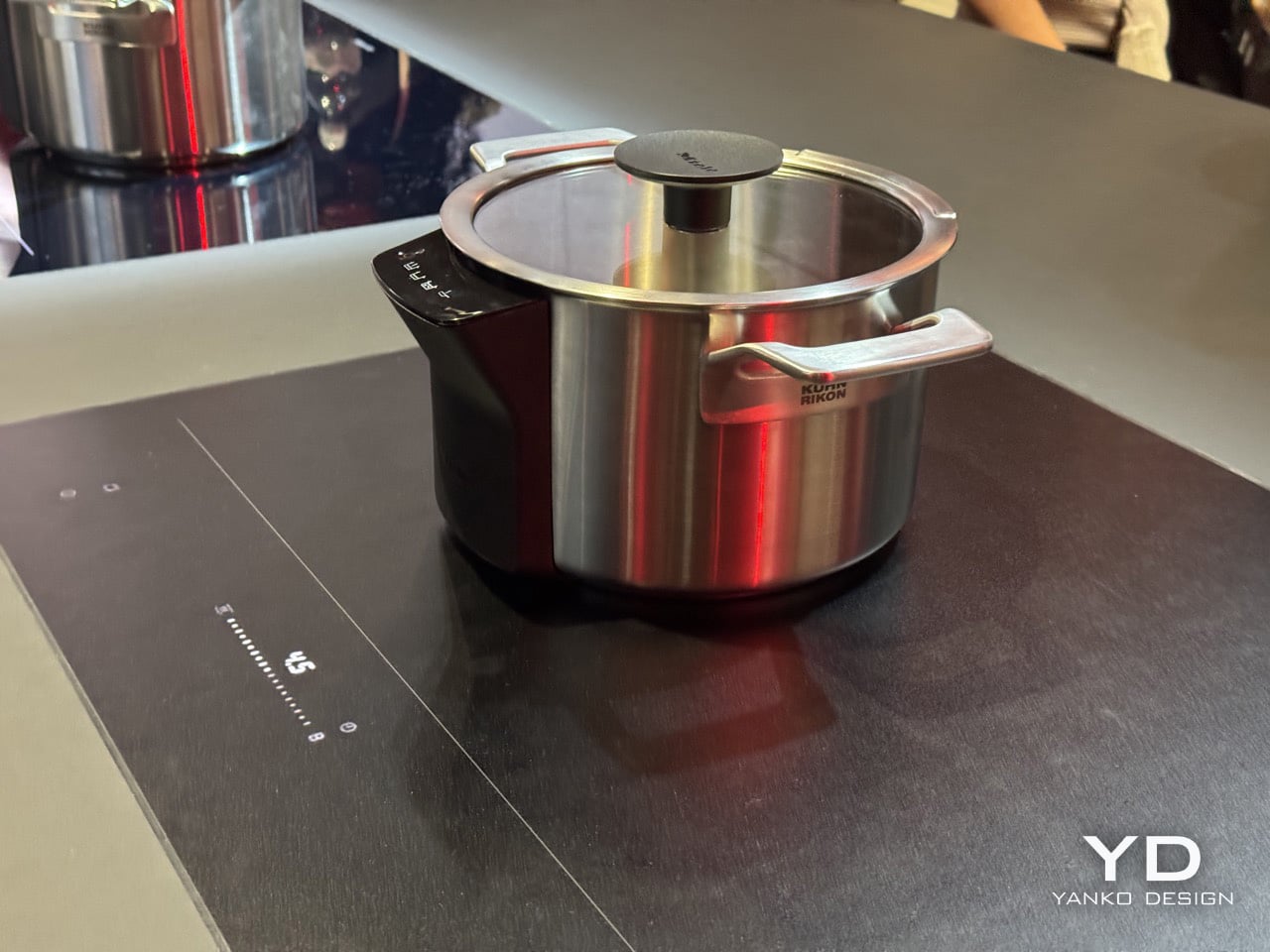
A watched pot may never boil, but an unwatched one seems to do so with a special kind of enthusiasm. That familiar kitchen truth highlights a basic challenge; the cook must serve as the constant monitor for every vessel on the stove, standing guard against the sudden surge of a boil-over or the sharp, bitter smell of a sauce beginning to catch and burn. With its new M-Sense system, Miele proposes a more cooperative arrangement, one where the cookware itself takes over the job of watching for trouble.
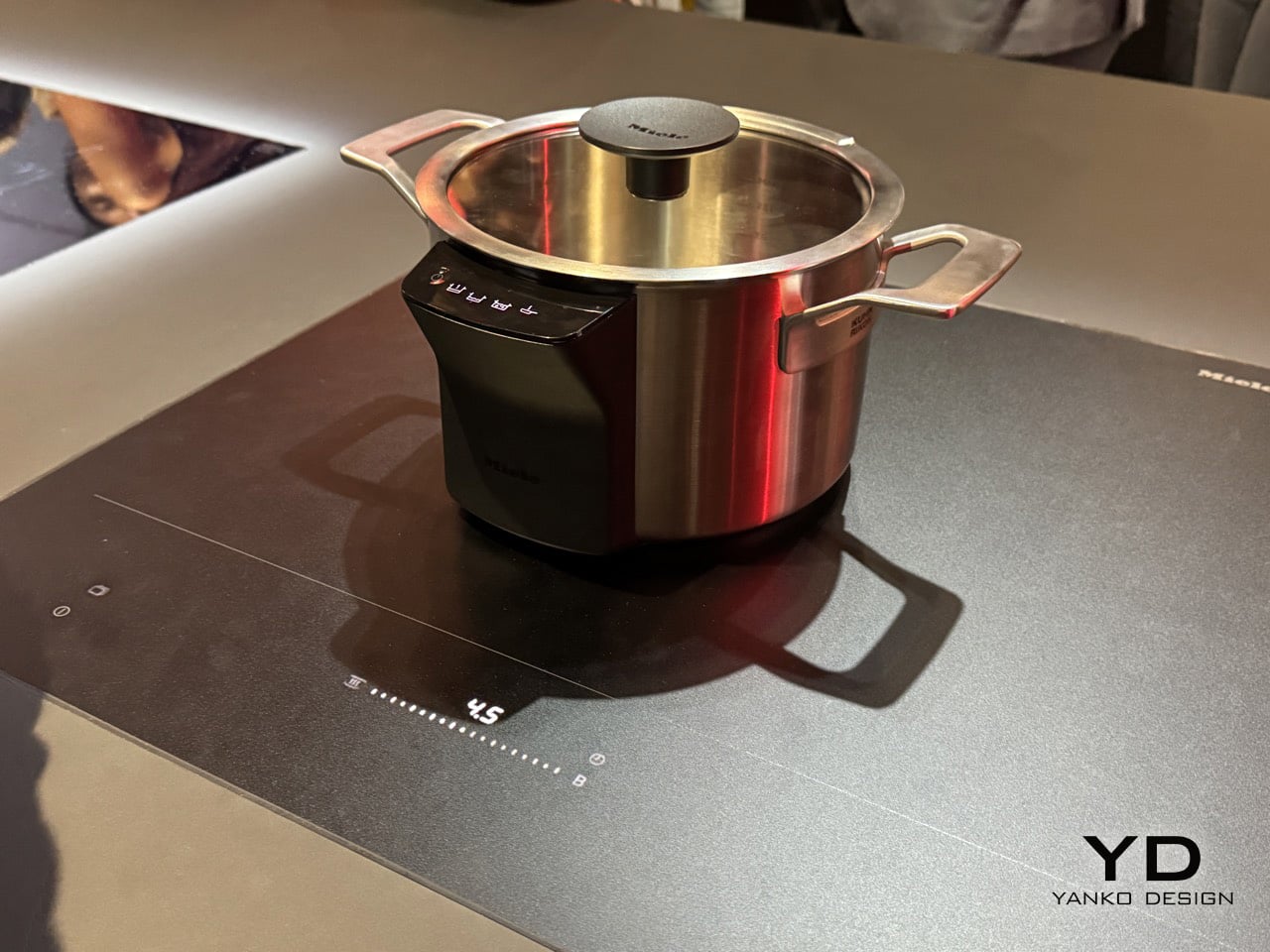
By integrating sensors and communication hardware directly into its cookware, Miele creates a live feedback loop between the pot and the induction hob. This connection allows the vessel to detect the telltale temperature spikes that precede a messy boil-over or the localized hot spots that lead to scorching. It then signals the hob to regulate its power automatically, transforming the simple pot from a passive container into an active, intelligent partner in the cooking process. It is a sensible and deeply practical innovation aimed at creating a calmer, more forgiving kitchen.
Designer: Miele
The appeal of that idea becomes obvious the moment real food enters the picture. Caramel demands close attention because it can move from amber to acrid in seconds. Milk rises fast, stocks foam unpredictably, and sauces have a habit of catching at the base just when your focus shifts elsewhere. M-Sense is built around those ordinary kitchen disasters, which makes it feel refreshingly grounded. There is a lot of smart kitchen technology that promises convenience in abstract terms, but this system is easy to understand because it targets problems almost every home cook has experienced firsthand.
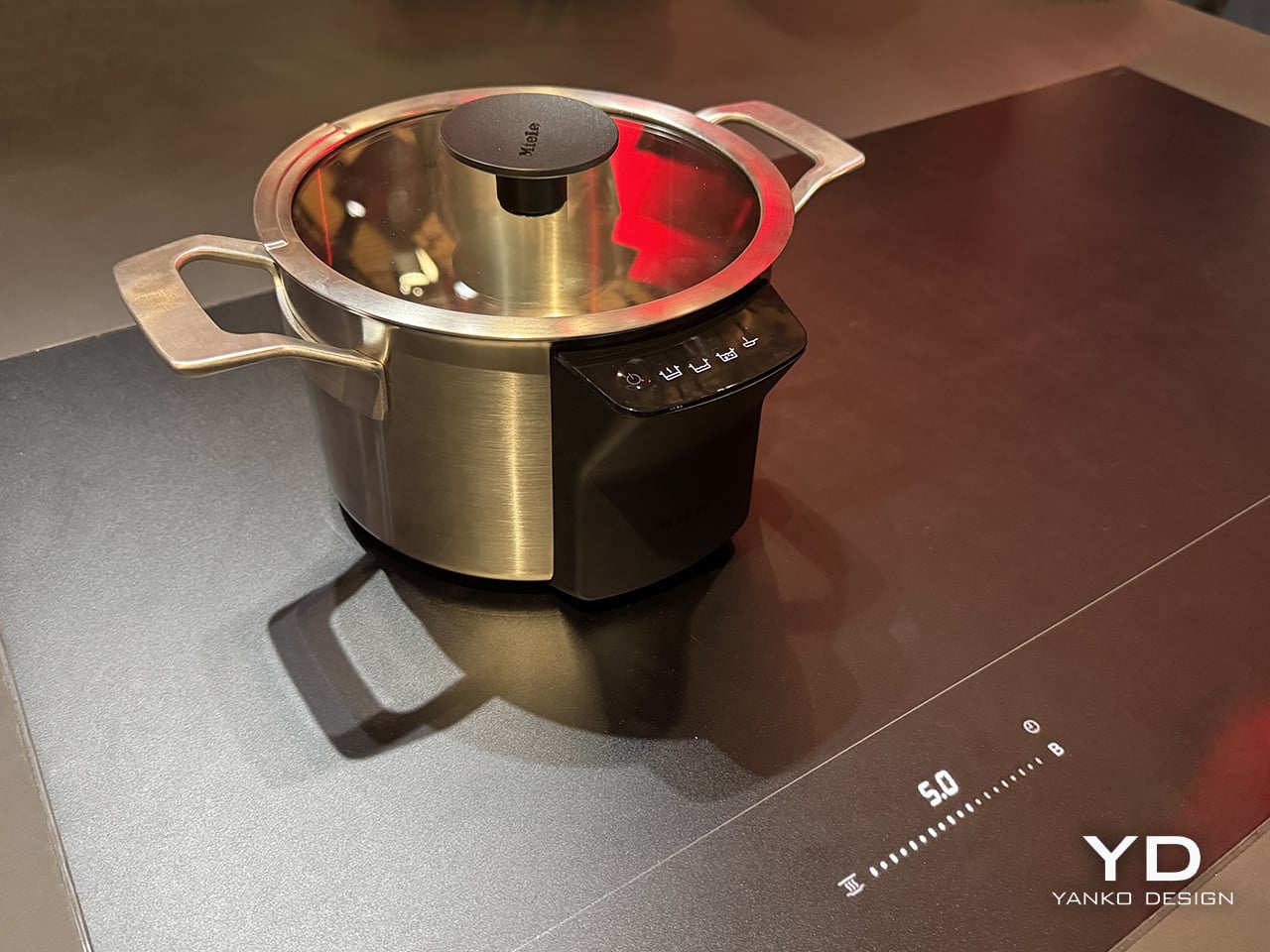
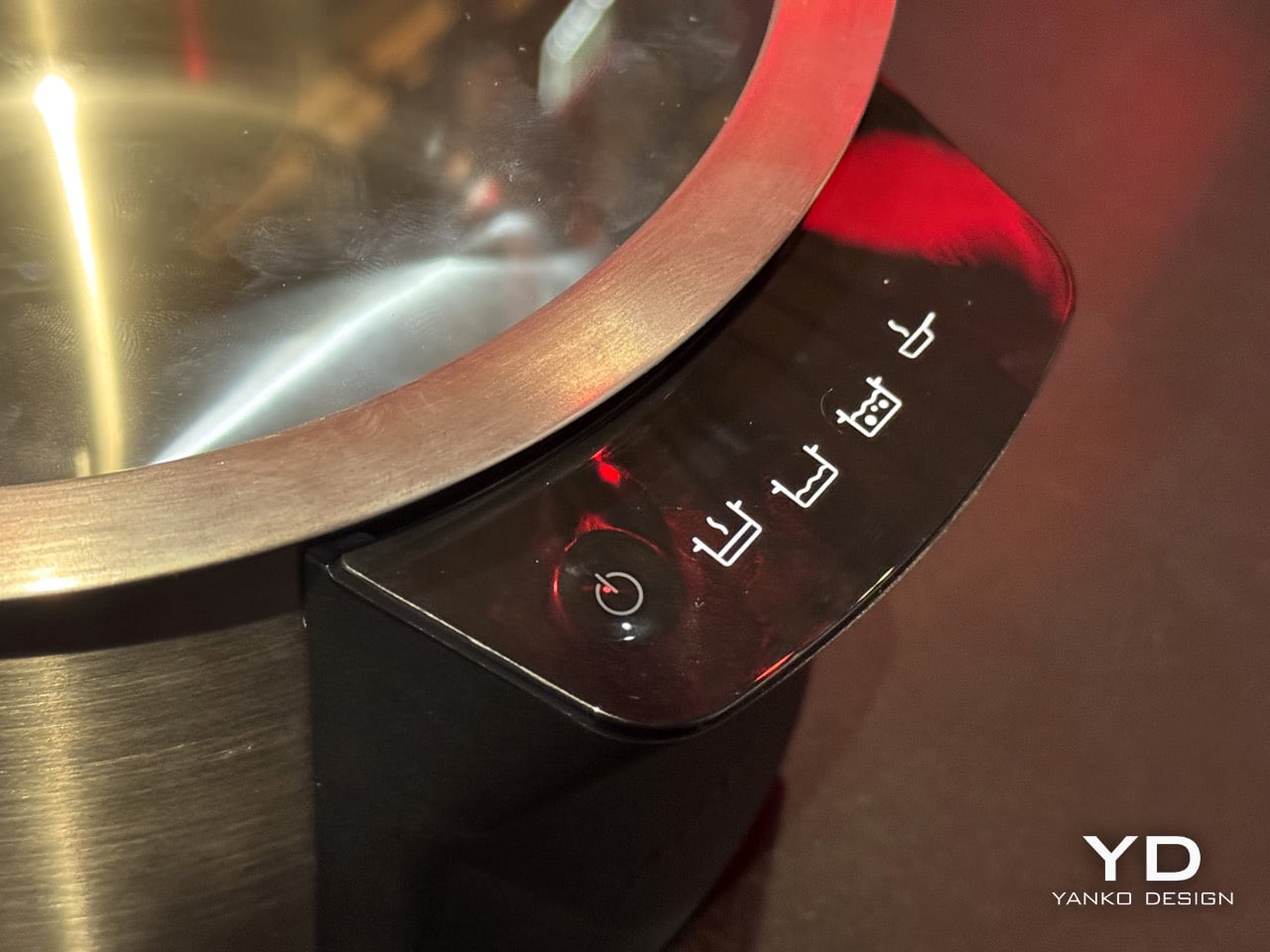
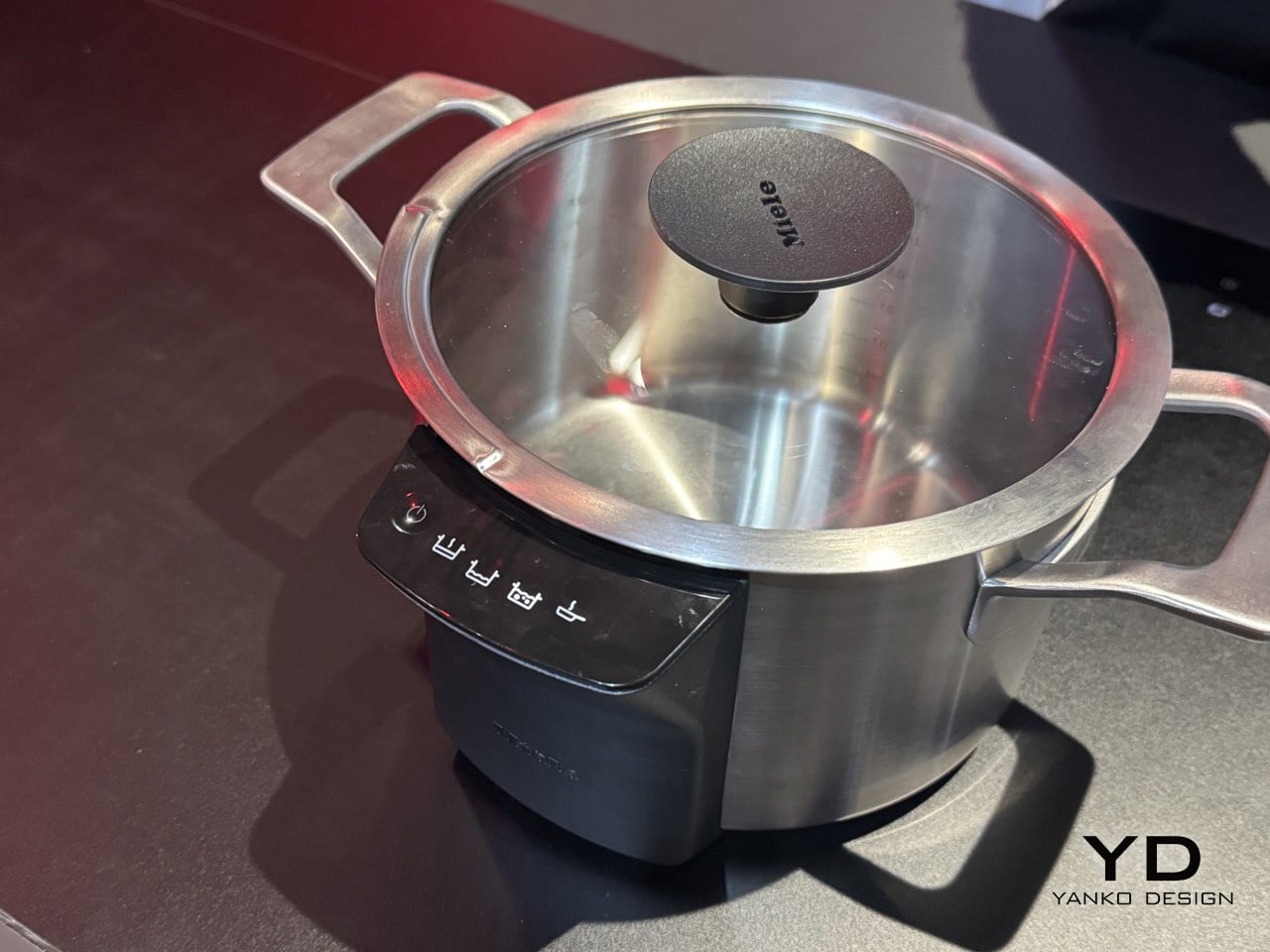
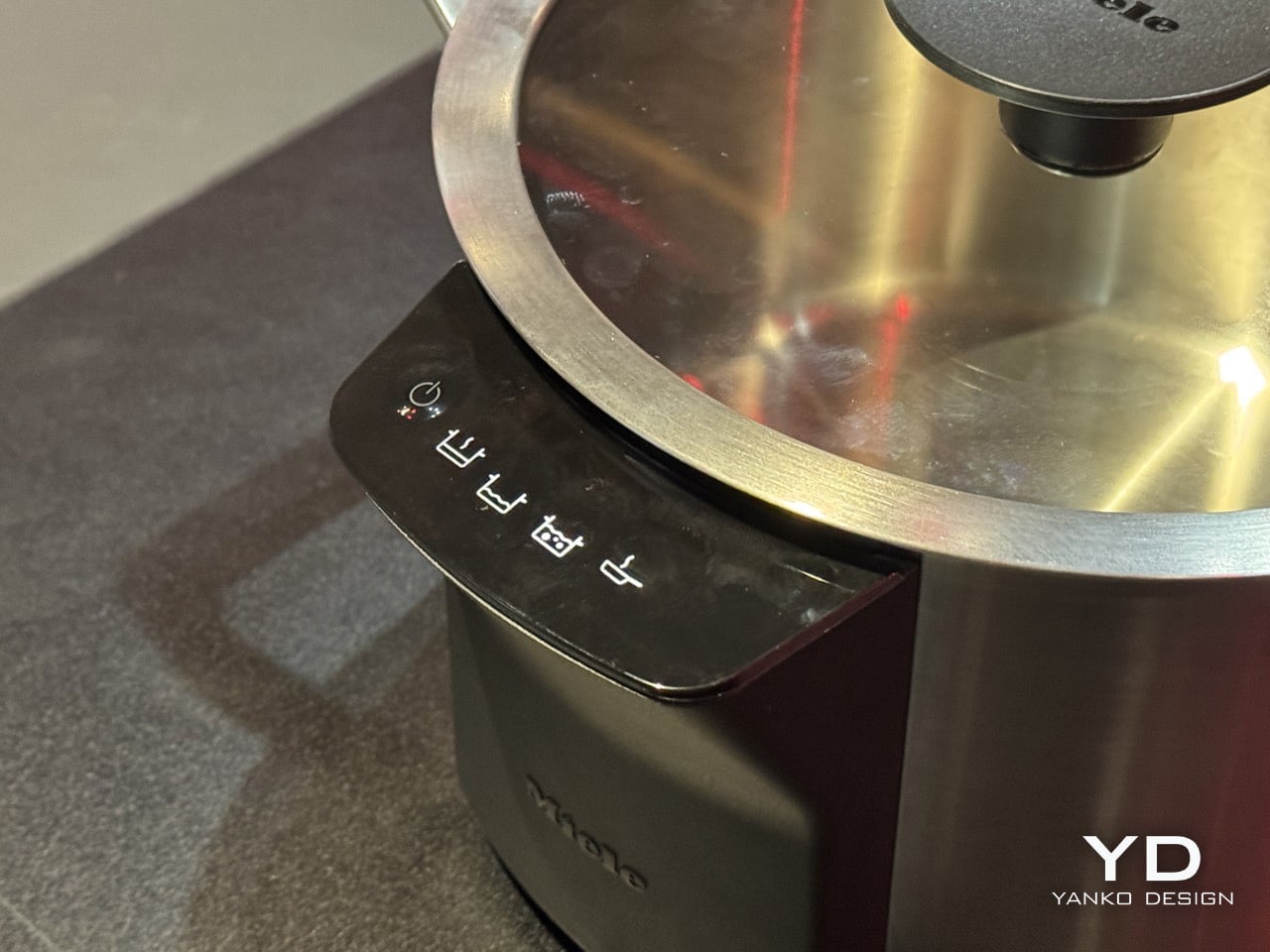
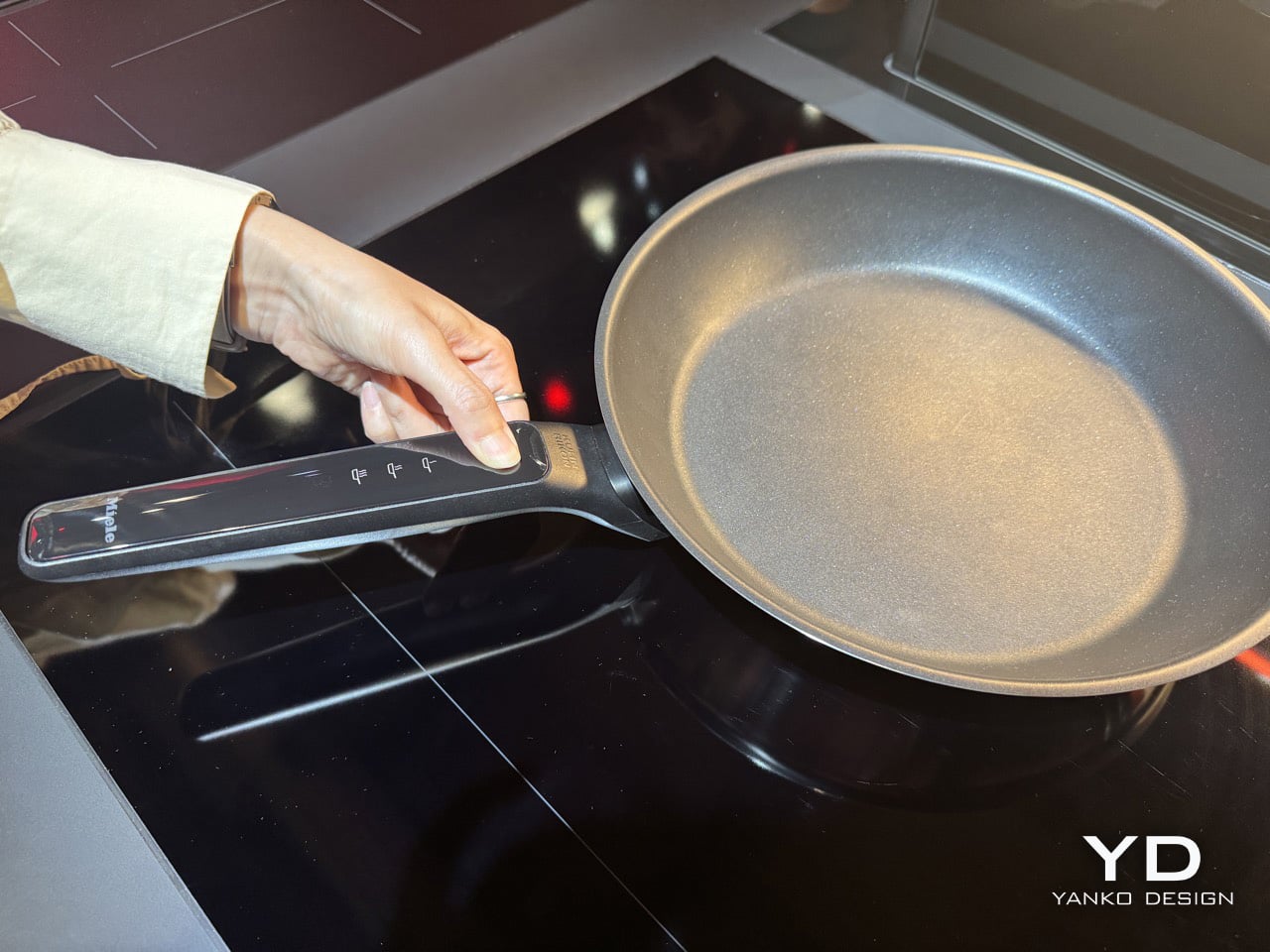
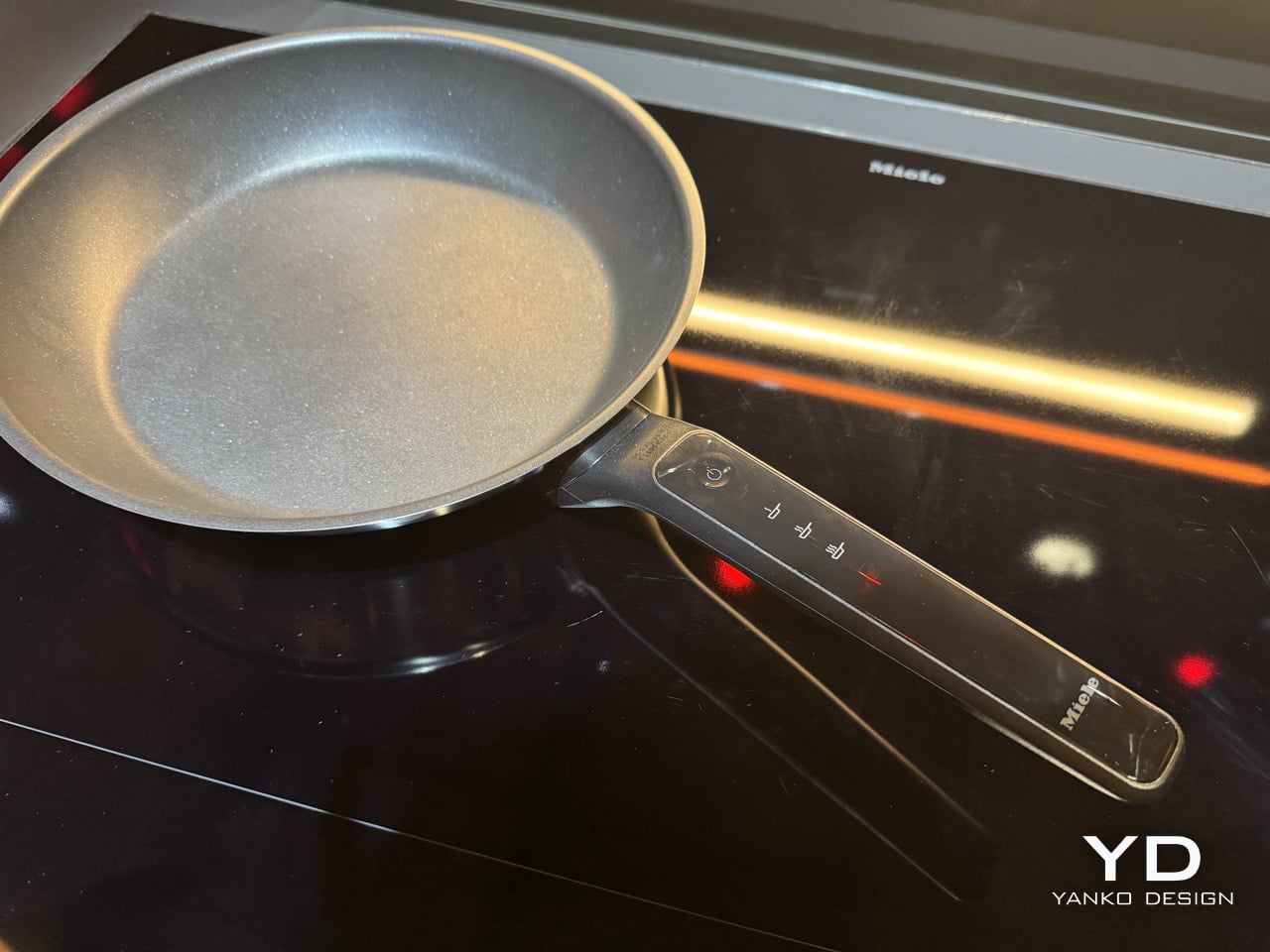
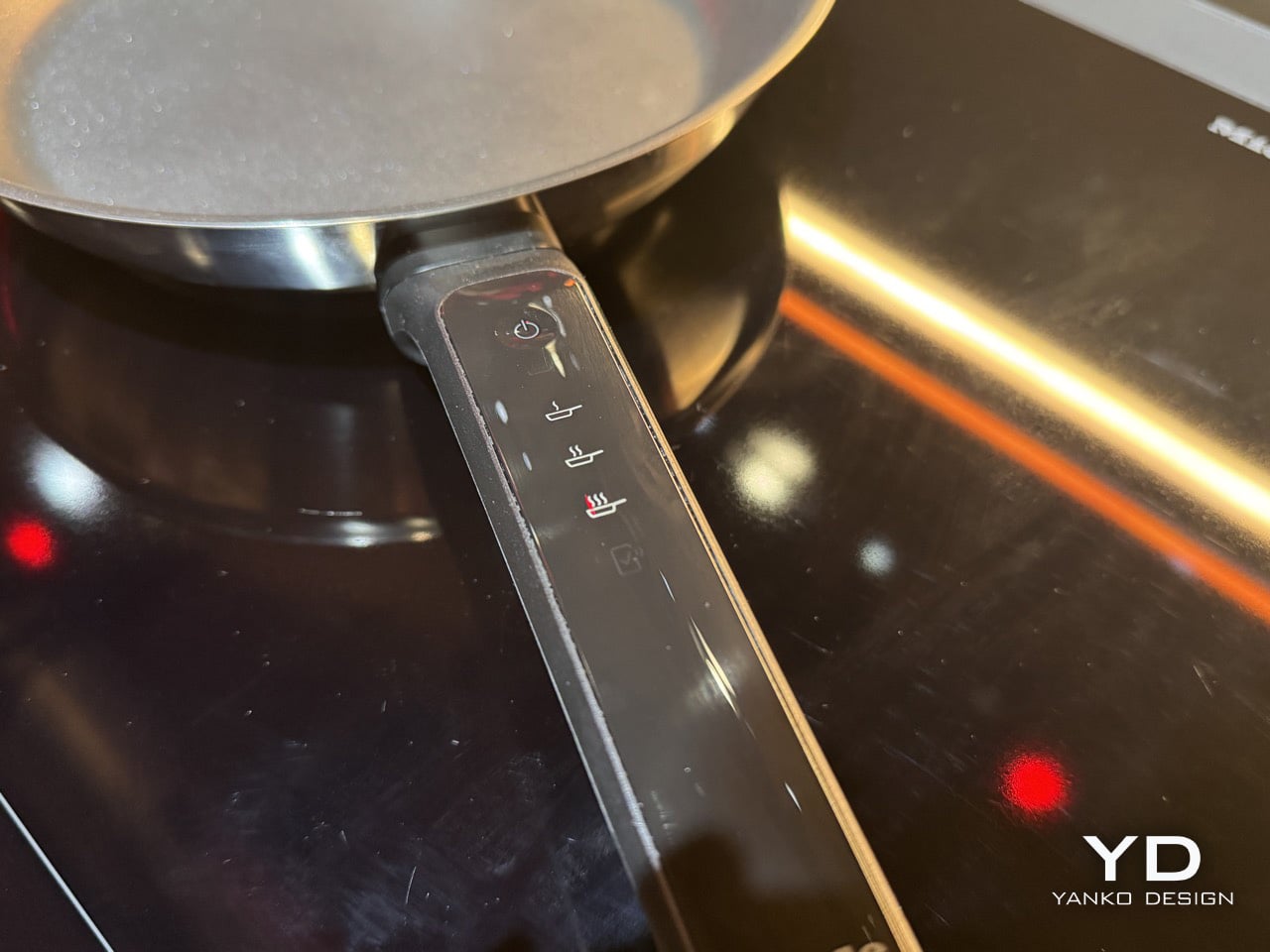
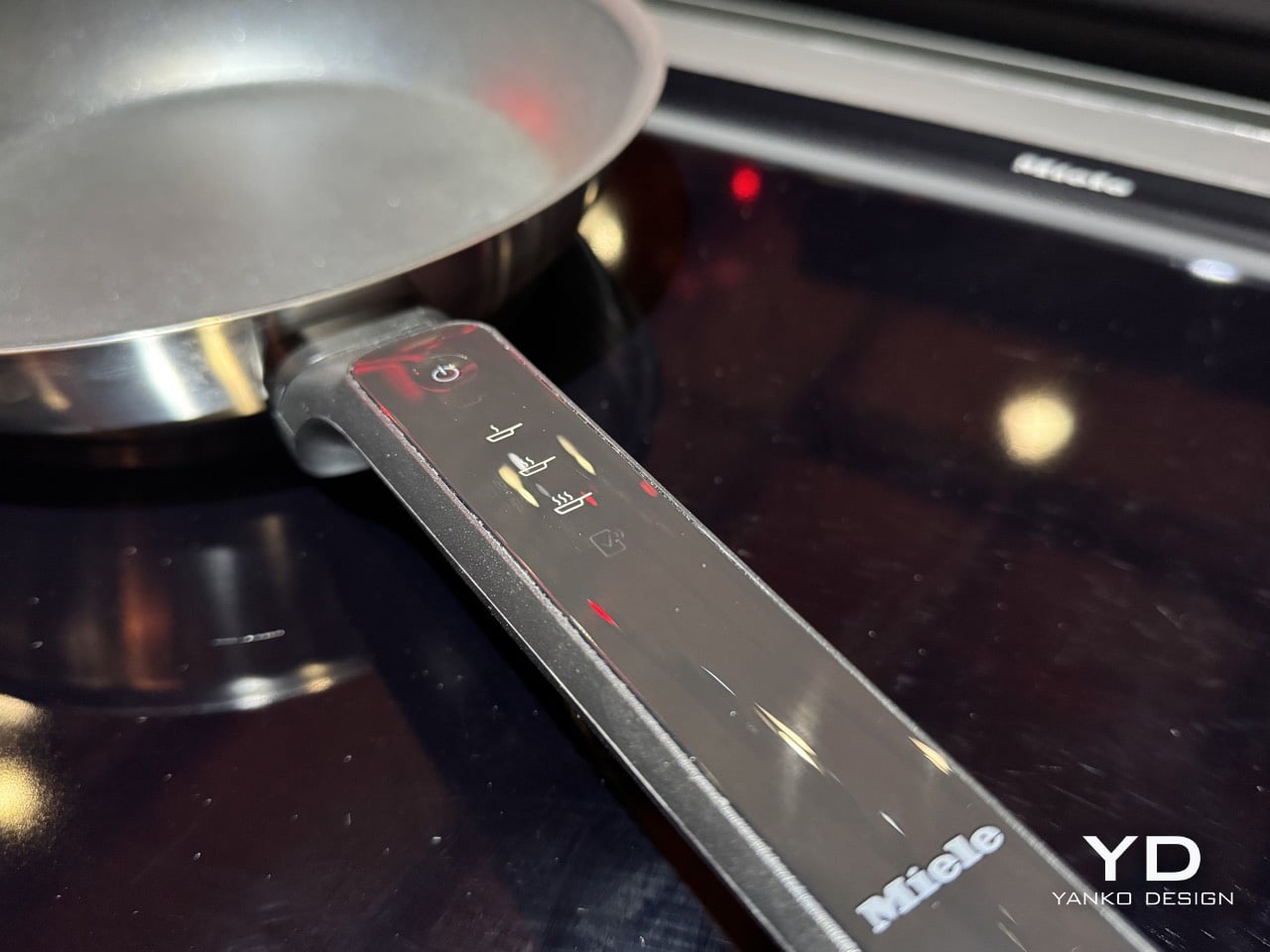
Miele is showcasing at least two pieces, a brushed stainless steel saucepot and a frying pan with a dark non-stick interior, and both reveal how carefully the interaction has been considered. The saucepot carries a compact touch interface integrated into the side of the vessel, while the frying pan places its controls directly into the handle where the thumb naturally lands. In both cases, the controls feel embedded into the object rather than added on as an afterthought, which helps the cookware read as premium kitchenware first and connected hardware second.
The induction hob at the center of the system is the KM 8695 FL MattFinish, a full-surface model finished in scratch-resistant MattFinish ceramic glass. Full-surface induction means the cookware can sit anywhere on the hob while maintaining the communication link, which matters considerably for a system built on continuous sensor feedback. Miele states the promise with welcome directness: No Burn. No Overboil. No Problem. Both outcomes trace back to a single cause, a vessel with no way to communicate with the heat source beneath it. M-Sense addresses that by making the cookware itself the sensing layer, so power adjustments happen before smoke or overflow enters the picture.
The Miele app extends the system beyond the counter, enabling remote monitoring, direct program transfer to the hob, and a recipe library that maps dish choices to actual hob settings. The cookware can connect to the app before it even reaches the hob, arriving on the induction surface already configured for the task at hand. That pre-loading capability closes a gap most connected kitchen products have only gestured toward. Working across hob, cookware, and app simultaneously, M-Sense operates as a coordinated platform rather than a loose set of individual smart features. It is a more coherent model than the kitchen tech category has typically managed to deliver.
For all the talk around smart homes, this is the kind of intelligence that feels worth having because it addresses a genuine friction point in daily life. Cooking often demands divided attention, especially in real homes where dinner happens alongside conversations, children, emails, and the dozens of small interruptions that shape an evening. A system that can sense trouble early and quietly intervene before a sauce burns or a pot boils over feels less like novelty and more like relief. Miele is showing the M-Sense collection in the EuroCucina section at Salone del Mobile, where visitors can see the cookware paired with its compatible induction setup as part of the brand’s broader vision for a more responsive kitchen.
Hurricane season doesn’t announce itself with a calendar invite. It builds quietly offshore, gathers speed, and by the time a named storm is tracking toward your zip code, the window for thoughtful preparation has already closed. For anyone living within reach of a coastline, the months between now and June 1st aren’t a countdown — they’re a design problem. What gear do you actually trust when the power is out, the roads are flooded, your signal has dropped, and your phone is sitting at 8%?
The smartest coastal preparedness kits aren’t built around bulk. They’re built around precision. Tools that work without electricity. Radios that function when networks collapse. Lights that require no batteries, no charging, no maintenance. Blades that deploy on physics rather than springs that quietly corrode in salt air. What follows are five designs that solve real coastal emergencies without adding clutter to your go-bag or guilt to your preparation plan.
1. NoxTi Titanium Tritium Keychain Light
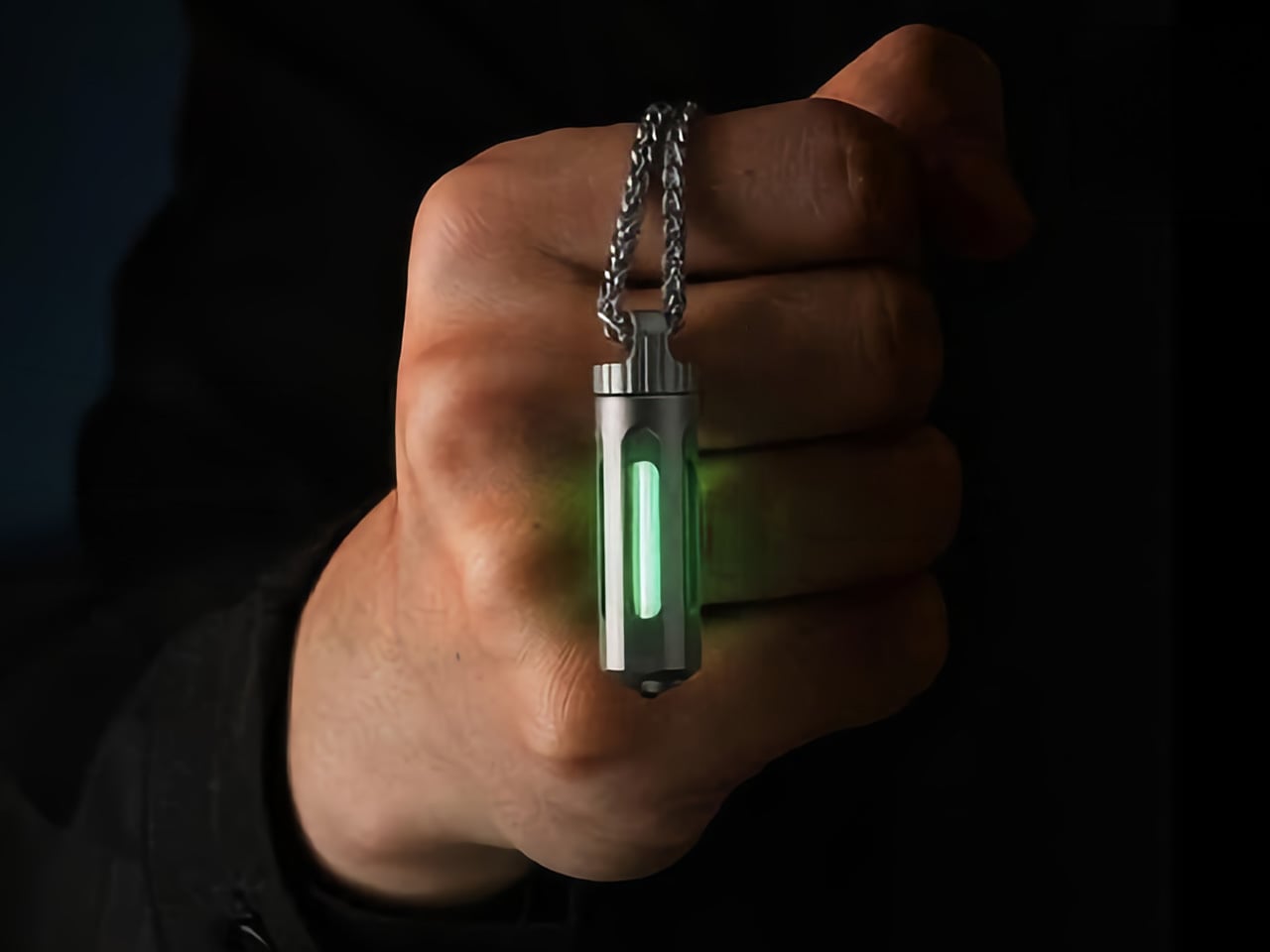
Tritium is a hydrogen isotope with a 12.3-year half-life. As it decays, beta particles strike a phosphor coating and produce continuous light — no battery, no charging, no maintenance required. The same physics used in emergency exit signs and military watches is packaged into the NoxTi: a 45mm Grade 5 titanium cylinder weighing 10.7 grams that glows reliably for 25 years. For coastal homeowners facing multi-day outages, that guarantee is worth more than any lumen count.
The tritium vial sits inside a precision quartz tube with 92% light transmission, held inside a CNC-machined body that resists salt-air corrosion. A ceramic glass breaker at one end handles vehicle-escape emergencies — one of the most critical scenarios during coastal flooding. When the vial dims after two decades, you push it out and slide in a replacement. Six color options, two titanium finishes, tritium pricing from $45.
What We Like
25 years of passive illumination powered entirely by material physics, with zero maintenance
Ceramic glass breaker turns an everyday keychain accessory into a genuine flood-escape tool
What We Dislike
The glow is intentionally faint — it orients you in the dark, it doesn’t light a room
Tritium is regulated in certain countries, worth confirming before you order
2. RetroWave 7-in-1 Radio
When a hurricane makes landfall, cell towers flood, lose power, or get overwhelmed. The RetroWave 7-in-1 Radio receives AM, FM, and shortwave broadcasts — infrastructure that operates completely independent of internet providers and remains live when everything digital has collapsed. Shortwave is the detail that separates it from a novelty: international emergency transmissions reach you even when every local tower in your county is offline.
Beyond its radio identity, the RetroWave functions as a Bluetooth speaker, MP3 player, LED flashlight, SOS alarm, hand-crank generator, and solar charging unit. That crank-plus-solar pairing is the decision that makes it genuinely coastal-ready. During a multi-day outage with no infrastructure in sight, a radio that generates its own energy isn’t a clever feature — it’s the only communication device in the room still working.
Hand-crank and solar charging mean it never fully runs out of operational power
Shortwave reception works completely independent of the internet and cellular networks
What We Dislike
Seven integrated functions mean a single point of failure affects the entire device
The retro aesthetic may cause buyers to underestimate it as decor rather than serious emergency hardware
3. Edgelet SpearEdge Titanium Folder
Hawks don’t cut with force — they cut with geometry. Their curved talons guide material naturally into the cutting path while the arc concentrates force exactly where it needs to land. That principle is what Edgelet has brought into the SpearEdge: a 66.3mm titanium folder with a hawk-talon blade profile built for the pull-cut motions your hand already makes naturally. Through cordage, packaging, and emergency sheeting, it demands less effort than a straight edge in a high-stress moment.
The finger ring adds slip resistance when handles are wet — a coastal reality worth designing around from the start. The titanium body resists the salt-air corrosion that quietly destroys conventional carry gear over a coastal season, and the open keyring slot at the tail means tool-free attachment to any go-bag loop.
Hawk-talon geometry reduces pull-cut effort through cordage and wet materials under pressure
Full titanium construction resists the salt-air corrosion that degrades conventional coastal carry gear
What We Dislike
The curved blade profile is a specialist shape — it won’t feel as universal as a straight edge for every task
4. TriBeam Camplight
Most emergency lighting treats light as binary. The TriBeam Camplight approaches illumination the way good design should — with modes built to match the moment. A 5-lumen ambient glow for navigating interiors without destroying night vision. A diffused camping mode for shared spaces. A focused 180-lumen beam for moving through flooded exteriors or searching in the dark. All three live inside a 12.8cm, 135-gram form factor that disappears into a jacket pocket without negotiation.
The TriBeam’s coastal value is its coherence across the full arc of a storm event. Ambient light for the final hours before landfall, flashlight mode for immediate tasks during the storm, and a 50-hour battery life that outlasts the extended outages that follow a major hurricane without a single recharge. It earns a permanent shelf position long before the season arrives, which is precisely the kind of preparedness tool that actually makes it out the door.
Three distinct modes adapt fluidly across pre-storm, during-storm, and post-storm scenarios
50-hour battery life comfortably outlasts most extended post-hurricane power outages in coastal zones
What We Dislike
180-lumen maximum output is solid for camp-scale use but limited for long-distance emergency signaling
Single-button mode cycling may slow down switching for users who need to change modes quickly under pressure
5. Cubik
Most EDC knives fail the coastal environment test quietly. Springs corrode. Bearing systems fill with salt residue. The Cubik solves this at the mechanical level: press the trigger, tilt the knife downward, and gravity deploys the blade. Release, and it locks solid. No springs, no bearings, no hidden pivot mechanisms accumulating salt. In a marine environment, removing every rust-prone component isn’t minimalism — it’s engineering honesty applied to a real problem.
The blade locks solidly enough to pierce hardwood, proving that restraint and functional strength aren’t at odds. The tungsten carbide glass breaker integrated into the rear handle adds a vehicle-escape capability inside a format most people would read as a refined daily carry — the same critical function the NoxTi covers from the keychain end. Two glass breakers across a coastal kit means redundancy, which is the structural principle every good preparedness strategy is built around.
What We Like
Gravity deployment eliminates springs and bearings — the primary corrosion vulnerabilities in any coastal carry knife
Tungsten carbide glass breaker adds a high-stakes vehicle-escape function inside an unassuming daily carry format
What We Dislike
Gravity deployment requires a learned wrist motion that takes deliberate practice to make instinctive under stress
The stripped-back mechanism may read as feature-light to buyers who equate knife quality with mechanical complexity
The Best Coastal Kit Is the One You’ll Actually Carry
Preparedness fails most often not because people lack the right gear, but because the right gear never made it into the bag. These five designs earn permanent carry not by stacking features, but by removing the ones that fail under salt air, dead batteries, and sustained pressure. The best coastal kit isn’t the most expensive — it’s the one built around tools you trust completely before the season ever starts.
Hurricane season 2026 begins June 1st, and the window for deliberate preparation is narrower than it feels from the other side of spring. Each tool on this list solves a specific coastal failure mode — lighting without electricity, communication without infrastructure, cutting without corrosion, illumination without recharging, and emergency signaling without a signal. Put them together, and you have a kit that performs at the precise moment every conventional backup stops working.
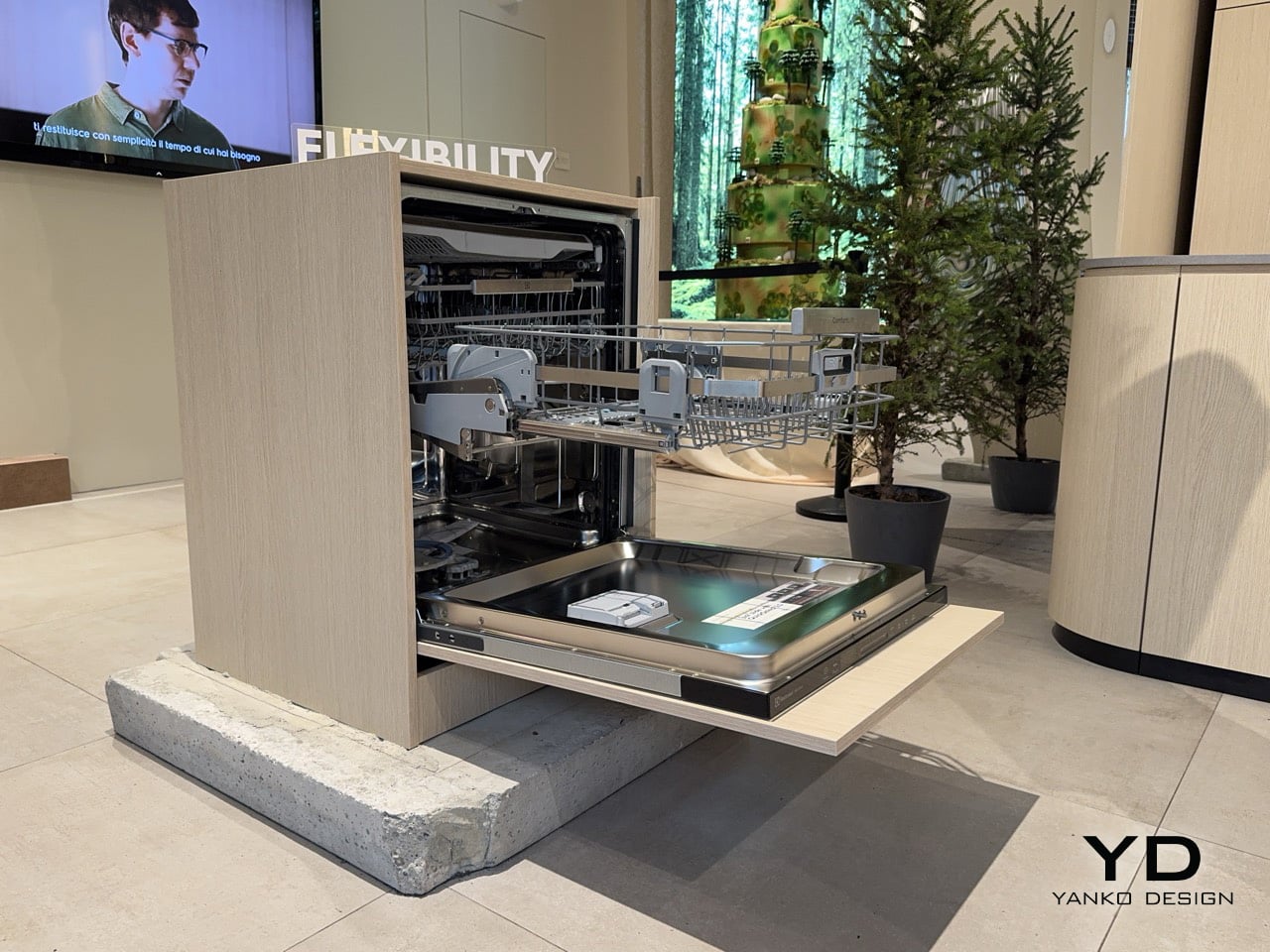
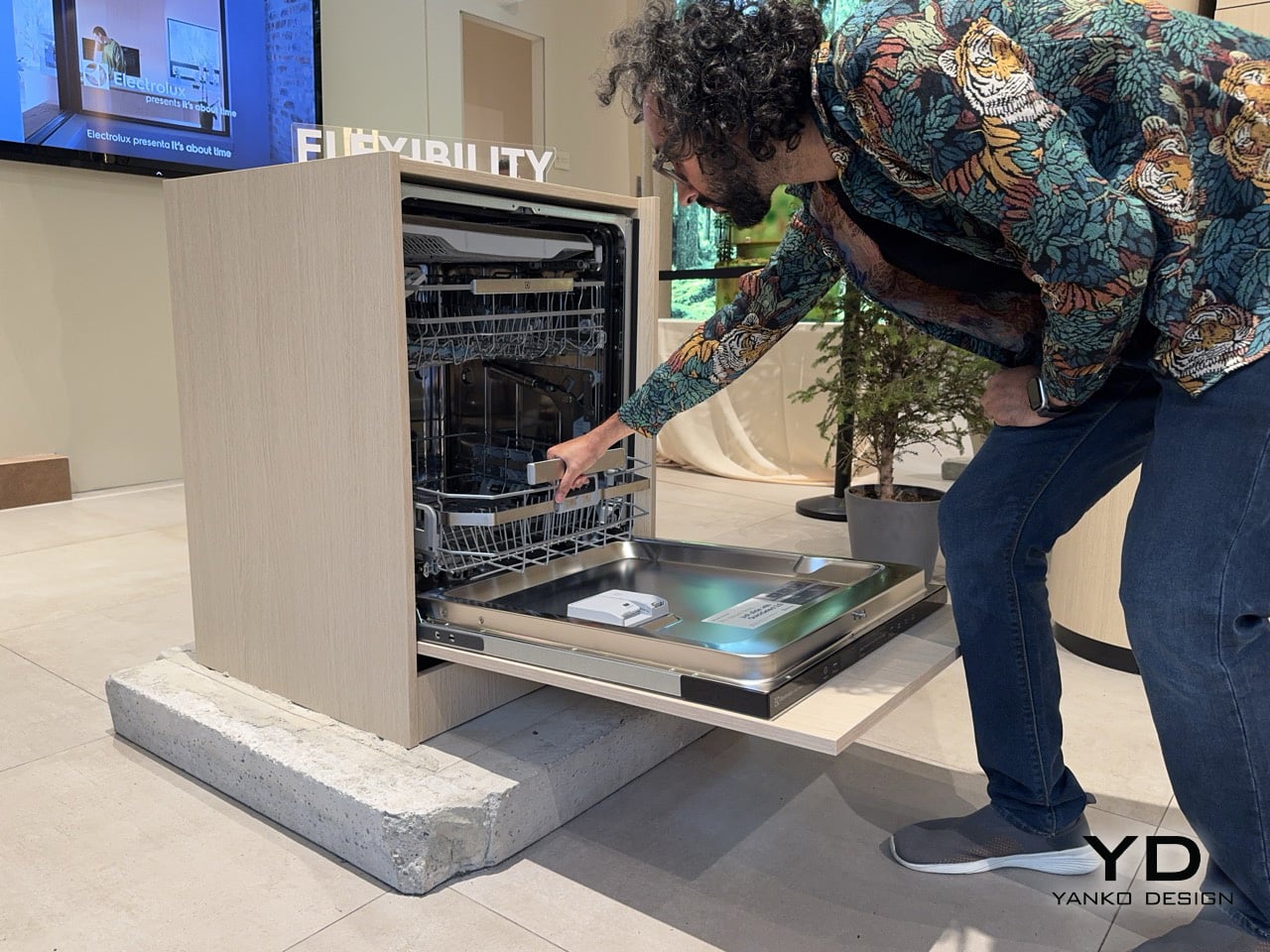
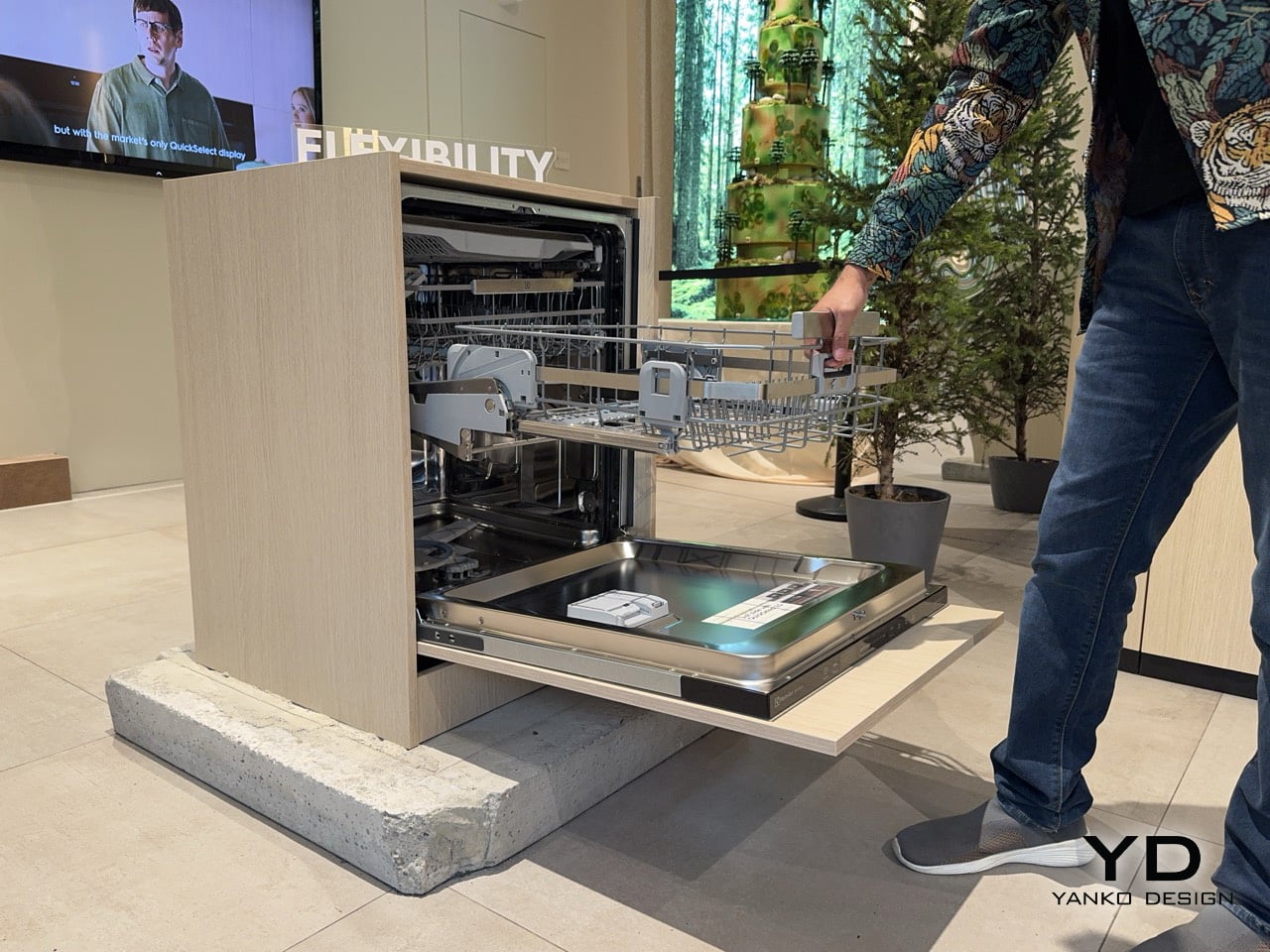
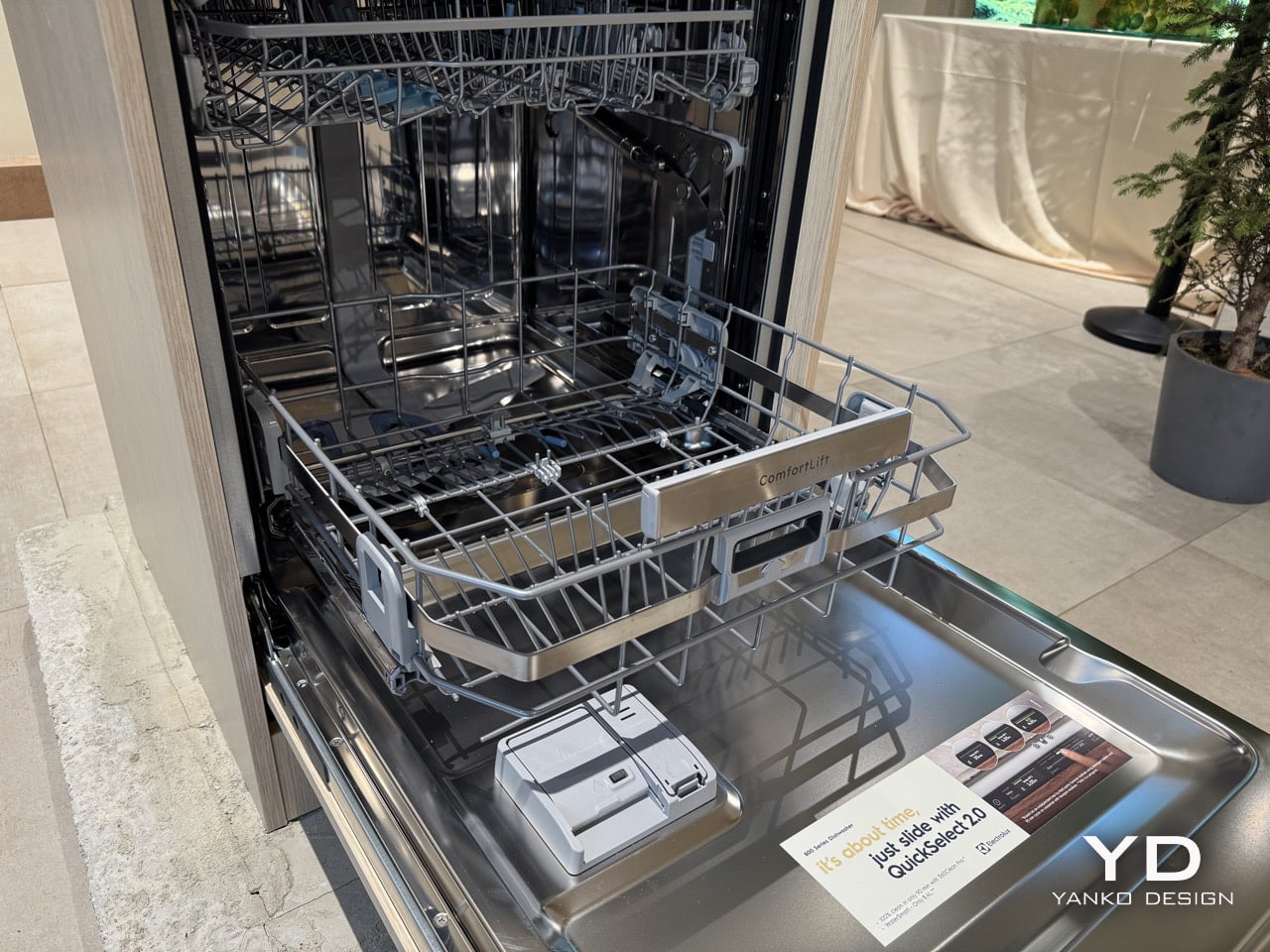
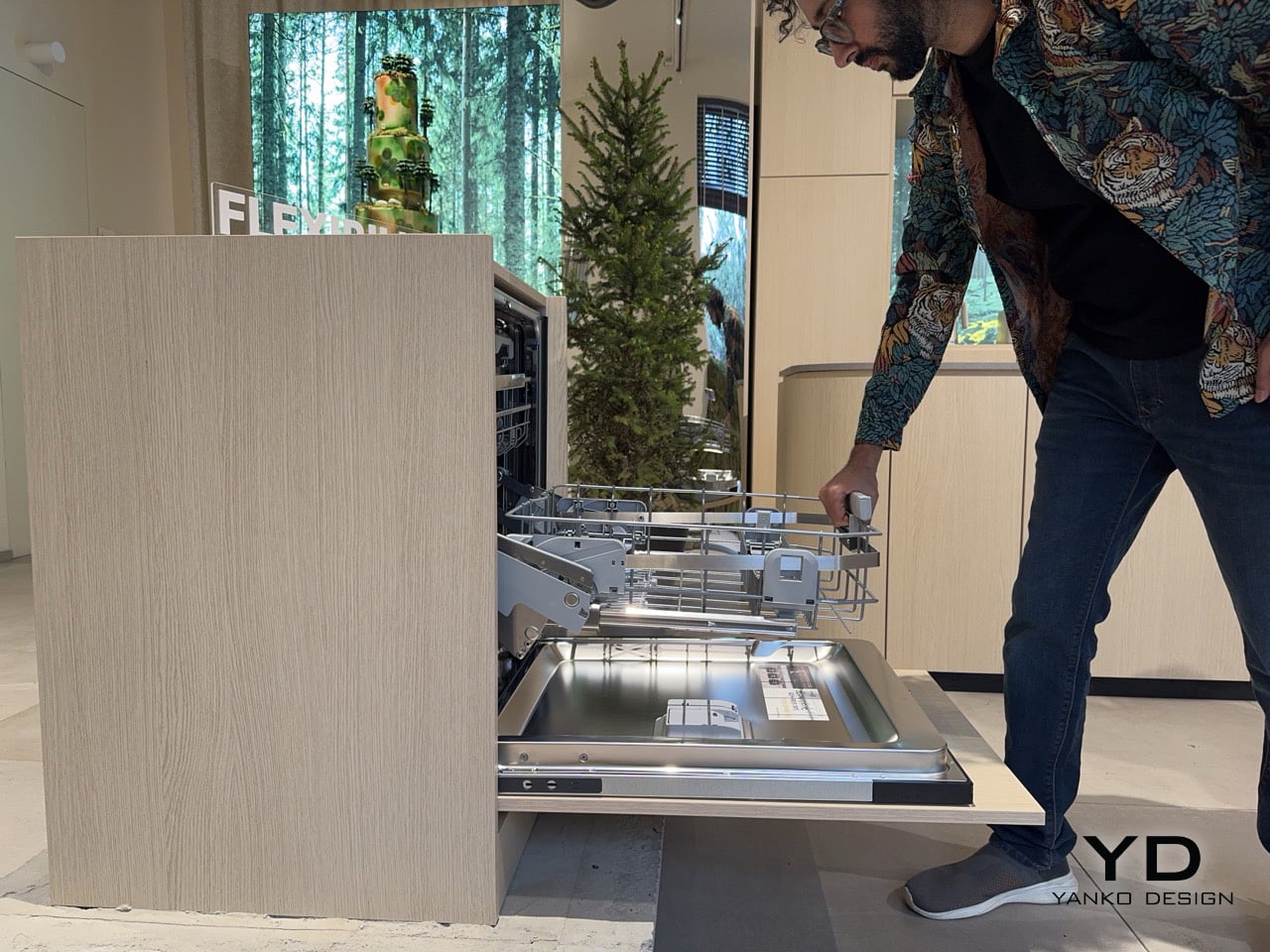
At some point, the bottom rack of a dishwasher stops being a minor inconvenience and starts being a genuine daily difficulty. For older adults and people who simply cannot bend for extended periods, loading the lower basket, which is where the heaviest cookware lives, means repeated stooping, reaching, and straightening back up with full hands. It is the kind of accumulated physical effort that kitchen appliance design has historically ignored entirely. Electrolux brought a direct answer to Milan Design Week: a lower basket that rises 25 centimetres on reinforced hinges at the squeeze of a trigger handle, meeting the user at a comfortable standing height. The feature is called ComfortLift, and it anchors the 800 series dishwasher at the heart of the brand’s Salone showcase.
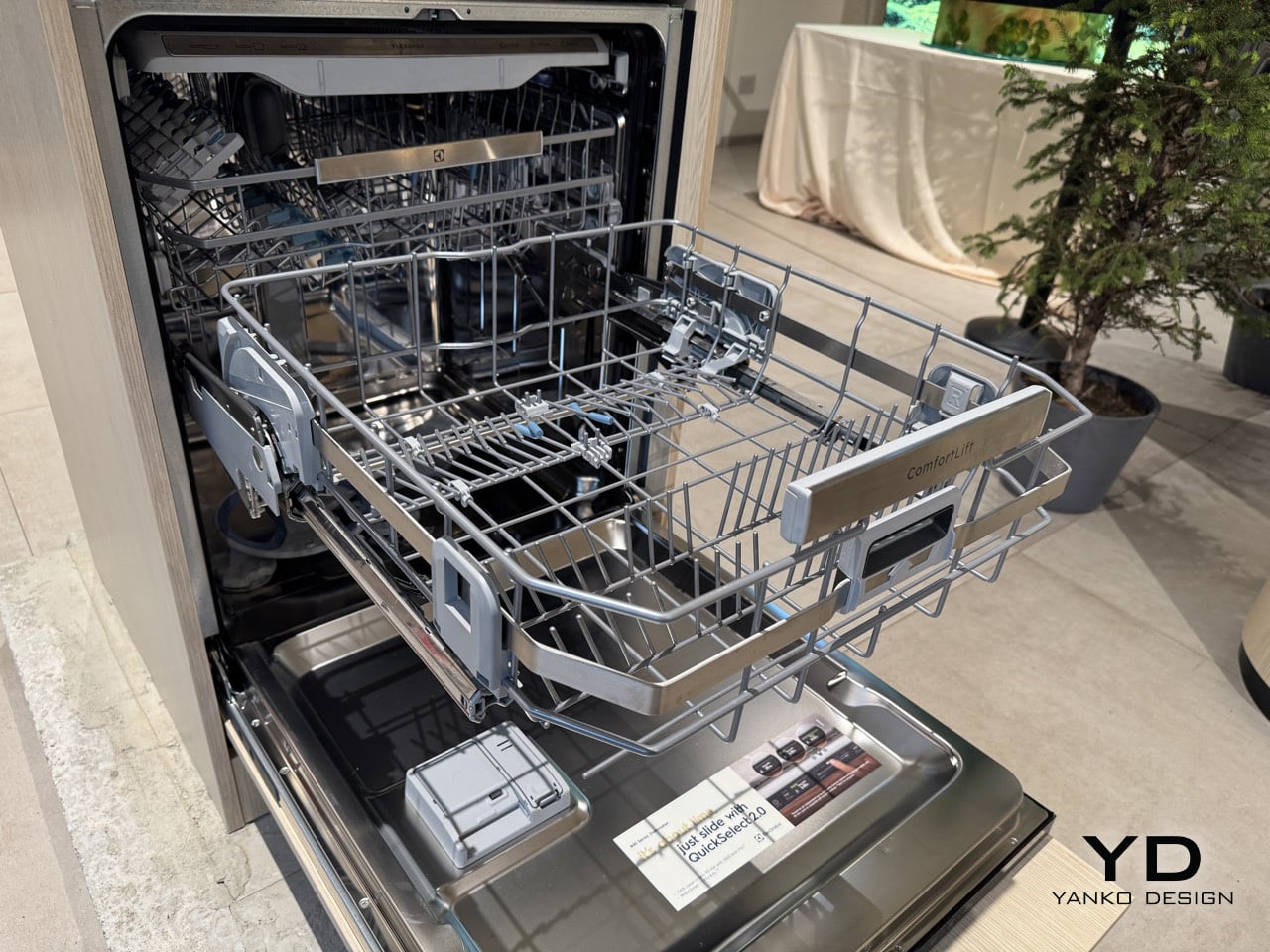
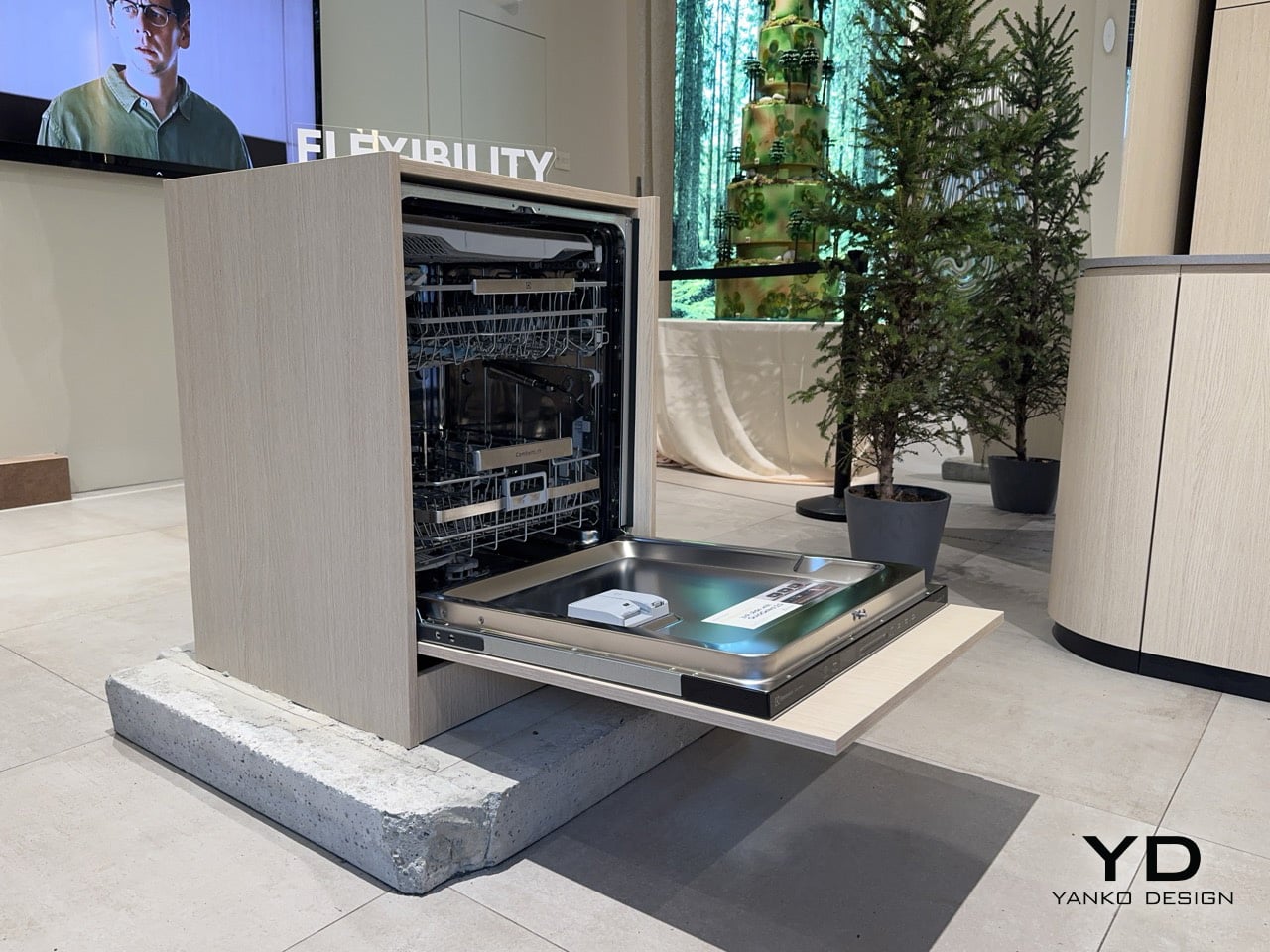
The mechanism raises the lower basket to the upper basket’s level for faster, easier loading and unloading, with reinforced hinges tested to lift a fully loaded lower basket to that same height. The 800 series behind this feature delivers the cleaning power to completely remove baked-on or dried food residues on as little as 8.4 litres of water. At a fair saturated with conceptual objects and material experiments, what Electrolux demonstrated was something considerably more personal: a change to a small, daily physical struggle that millions of people live with quietly. The brand built serious cleaning performance around that ergonomic premise rather than treating accessibility as a secondary concern. Running at 42 dBA, with a noise class rating of B, the machine is also one of the quieter options in its segment.
Designer: Electrolux
The stainless steel handle integrates a trigger that initiates the lift in a single squeeze, making the operation one-handed and deliberate. Electrolux engineered the ComfortLift basket to carry up to 22 kilograms at the raised height, covering everything from a full load of dinner plates to a cast-iron braising pot. The reinforced hinge mechanism was tested to lift a fully loaded lower basket to the level of the upper basket, so the structural promise holds under real kitchen conditions rather than just showroom demonstrations. Pull the rack out, squeeze, let the basket settle at waist height, and load without contortion. The basket retracts just as smoothly, with none of the mechanical inconsistency that tends to undermine features which perform better on a spec sheet than in a kitchen.
DualZone runs two cleaning zones through the same cycle without changing water or increasing energy use, directing more water pressure at pots and pans in the lower basket while reducing it on delicate items above. A double-rotating spray arm with two nozzle types, one circular and one straight, delivers water simultaneously from multiple angles to break up stubborn residue. Electrolux had this independently tested by a third-party German institute using detergent tablets and a 90-minute cycle on a casserole with lasagna residues, with complete removal as the result. A water sensor detects the level of dirt and adjusts water consumption accordingly, while the AquaControl Waterstop System handles flood protection. Eight wash programmes span the range from a 60-minute express run to AUTOClean, which calibrates the cycle to the load automatically.
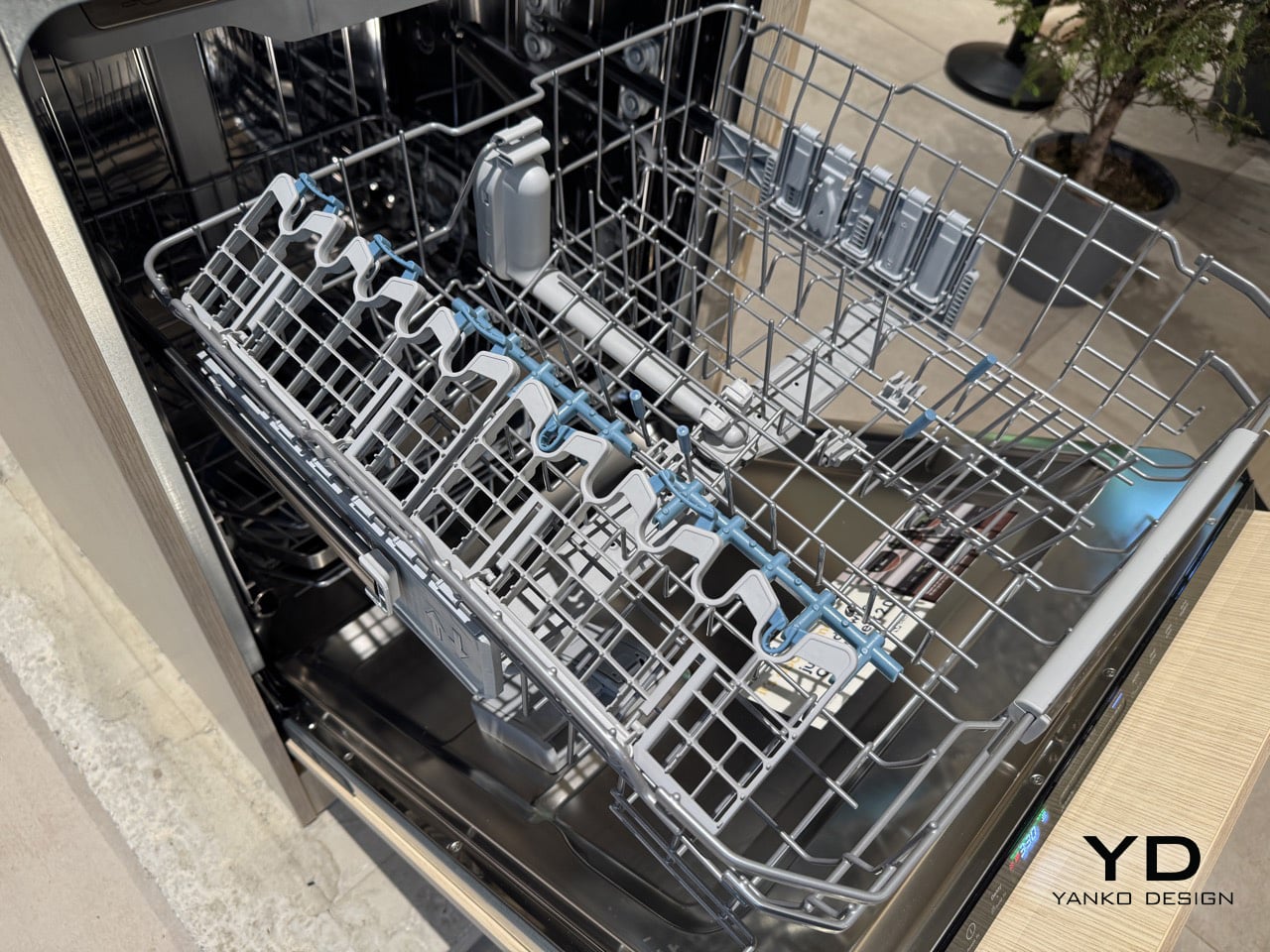
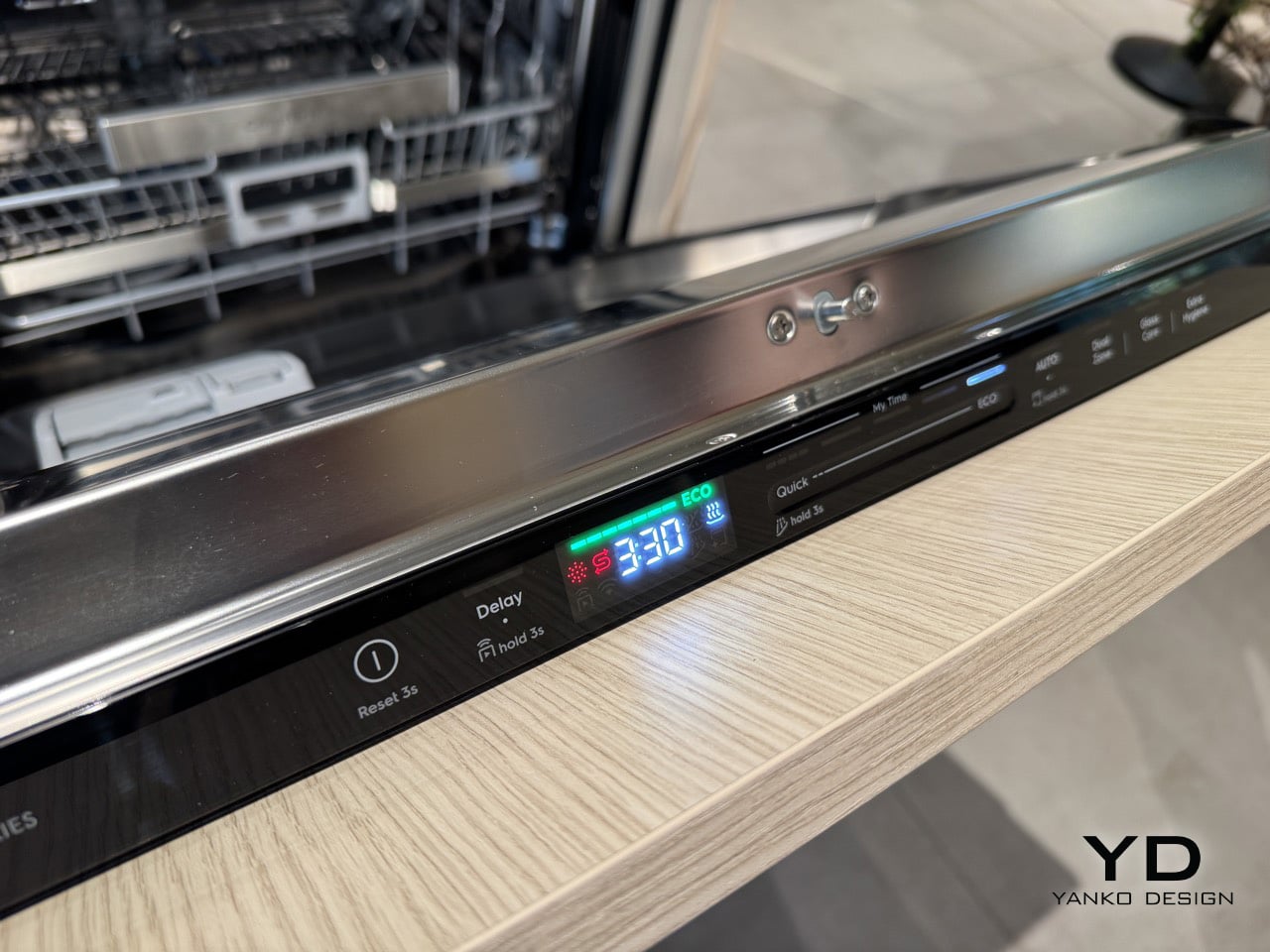
The smooth-gliding FlexiMax Plus upper basket has three folding rows for flexible loading, with anti-slip rubber grips and spikes to secure stemware and glasses and reduce the risk of collisions. The cutlery drawer has a deep middle section for cooking tools and an integrated knife holder, keeping flatware properly separated from the main wash zones. The QuickSelect display shows how energy use changes depending on the cycle length, and a slider lets the user choose the duration and see the energy graph update in real time, turning an invisible efficiency metric into something immediate and interactive. AirDry technology opens the door automatically at the end of the cycle, venting steam and drying dishes passively without a heating element. These details add up to a machine that rewards the kind of cook who treats the kitchen seriously, the same person most likely to own the cast-iron Dutch oven that ComfortLift was built to accommodate.
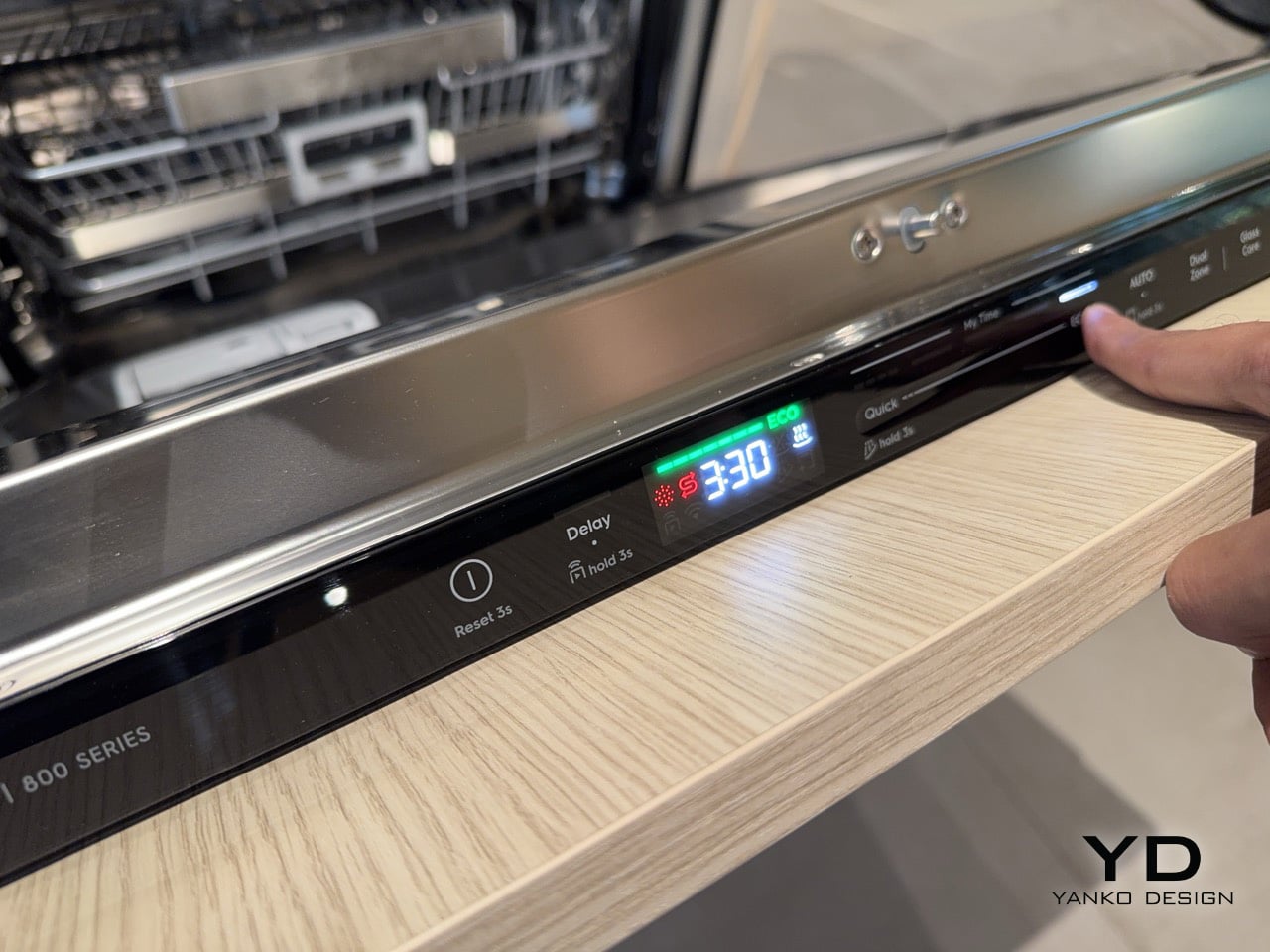
The controls sit on the lip of the door handle, positioned for direct visibility whether the user is standing in front of the machine or reaching across a counter. A sliding interface sets the cycle duration, and that choice governs energy and water consumption simultaneously, with the ECO programme activating at the longest end of the range. Electrolux made a deliberate decision to present time in 30-minute increments rather than the oddly specific figures that populate most dishwasher interfaces, the kind of readout that tells a user a cycle takes 68 or 52 minutes without explaining why. The shortest cycle runs at 30 minutes, while ECO extends to 3 hours and 30 minutes, drawing as little energy and water as the machine can manage across that duration. Rounding to half-hour intervals turns cycle selection from a guessing exercise into something legible, honest, and genuinely quick to act on.
Electrolux’s Design Week showcase, titled “The Swedish Home,” is running at Via Melzo 12 in Milan’s Porta Venezia neighbourhood through April 24th. The live format suits ComfortLift especially well, because no product photograph conveys the mechanism as clearly as watching it move once with a full rack. Across a week dominated by material experiments and future-facing concepts, Via Melzo 12 is presenting something built around a very specific, present-tense problem: that the most physically demanding daily interaction in the kitchen has gone largely unaddressed by appliance design for decades. ComfortLift is Electrolux’s argument that the most consequential design decisions in the home are often the least glamorous ones. It is a strong argument, and a well-engineered one.
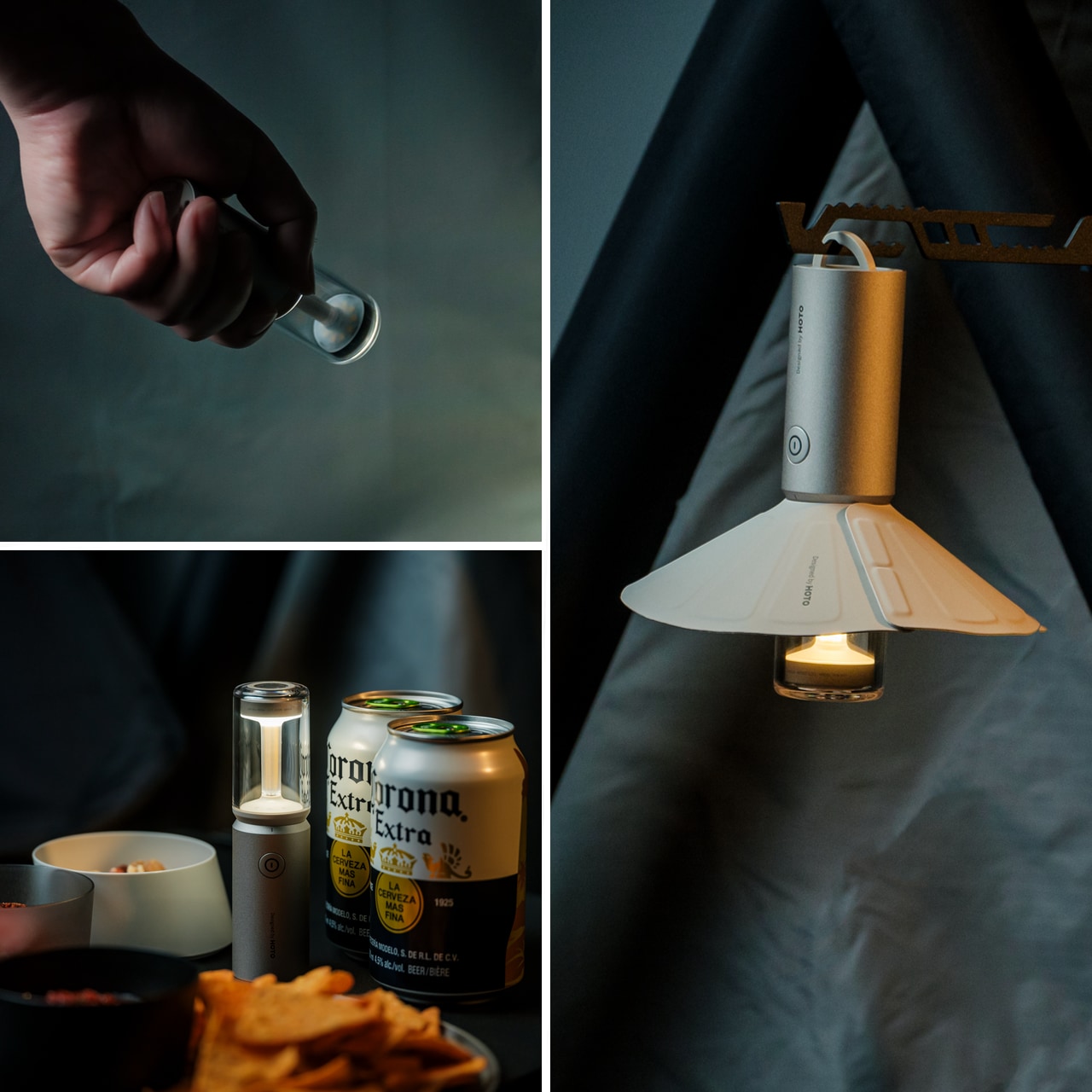
Good outdoor speakers are everywhere. Ones worth actually leaving on the counter are a different category entirely. These seven designs blur the line between audio gear and decorative object, earning a permanent spot on a shelf or desk not just because of what they play, but because of how they look doing it. Each one carries a design identity strong enough to spark a conversation before you ever hit play.
From a pocket-sized cassette hiding Bluetooth inside to a mecha-inspired lantern balanced on a tripod, these are the designs that earn their shelf real estate on looks alone. The sound is never secondary, but the form is what keeps them out of the drawer permanently. These are speakers that live in your space the same way a good lamp or a well-chosen object does—placed once and never put away.
1. Side A Cassette Speaker
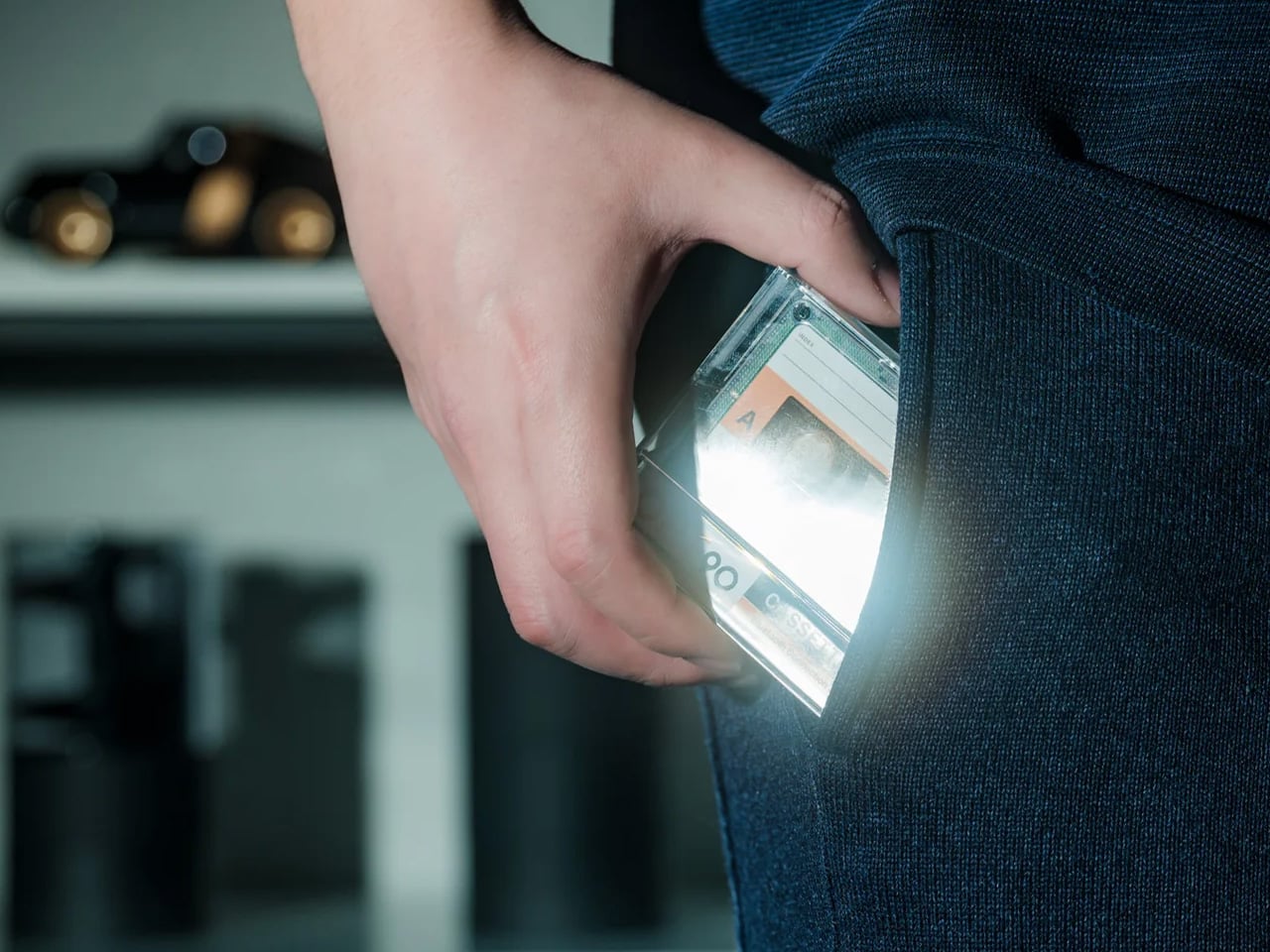
There’s something genuinely satisfying about a speaker that makes people stop and pick it up before they realize what it is. The Side A Cassette Speaker nails that trick with a faithful mixtape silhouette, a transparent shell, and a hand-labeled “Side A” that lands like a gut punch of nostalgia. It ships in a clear case that doubles as a stand, so it lives comfortably on your desk or shelf without looking incidental. At under $50, it’s the kind of impulse buy that actually earns its counter space and keeps it.
Bluetooth 5.3 keeps your phone paired cleanly, and the microSD slot means you can load a full playlist and leave your phone in your pocket entirely. The sound is warmer than you’d expect from something this compact, tuned to echo the soft, rounded tones of actual tape playback rather than the sharp, clinical output most small speakers produce. Six hours of battery handles a full workday, and a two-hour recharge turnaround keeps the momentum going. It’s a speaker you’ll leave on your desk long after you’ve stopped reaching for anything else.
Nostalgic cassette design doubles as a shelf display piece
Bluetooth 5.3 and microSD support for flexible, wire-free listening
What We Dislike
Six-hour battery limits longer or overnight listening sessions
microSD playback is MP3-only, restricting audio format options
2. Porsche Design PD S20
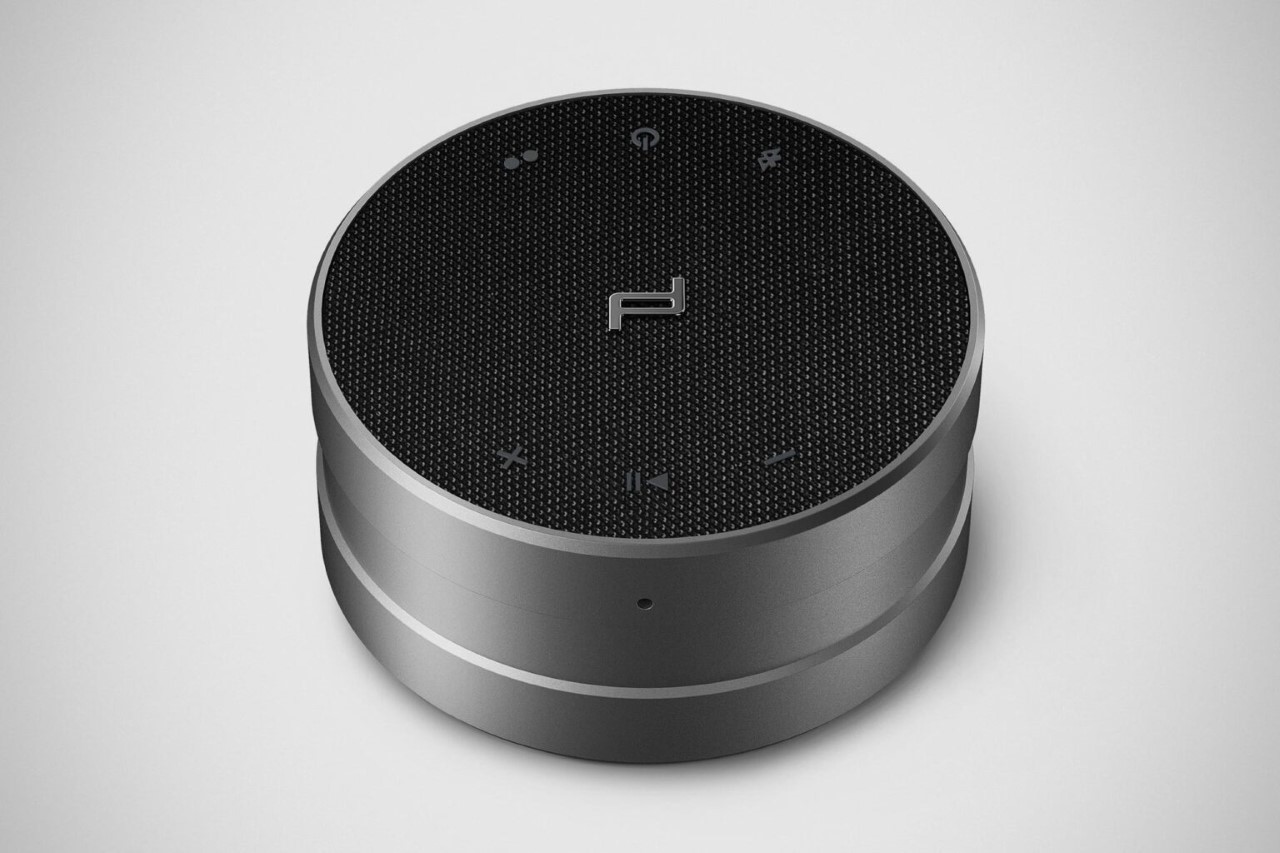
Porsche Design doesn’t rush into new product categories, so when they finally launched their first outdoor speaker, people paid close attention. The PD S20 is a cylindrical unit machined from anodized aluminum and wrapped in gray acoustic fabric, a pairing that looks as refined as it performs. The minimalist silhouette translates just as naturally indoors as it does sitting outside on a trailhead or patio table. It carries the same visual restraint as Porsche’s automotive design work, and that kind of earned confidence transfers directly into your living space.
The IP67 rating means rain, dust, and the occasional splash are non-issues, making it easy to bring the PD S20 wherever your day actually goes. A 1.75-inch woofer flanked by two passive radiators pushes surprisingly full bass for its size, and the 10-hour battery handles a complete day without range anxiety. Haptic buttons built into the fabric grill keep the surface visually clean, and voice assistant integration means you can manage your playlist, handle calls, and send messages without ever picking the speaker up off the counter.
What We Like
IP67 waterproof and dustproof rating for dependable outdoor use
Anodized aluminum build with a polished, minimalist finish
What We Dislike
The $245 price point sits at the higher end of portable Bluetooth speakers
A single woofer may not satisfy listeners who want serious bass outdoors
3. RetroWave 7-in-1 Radio
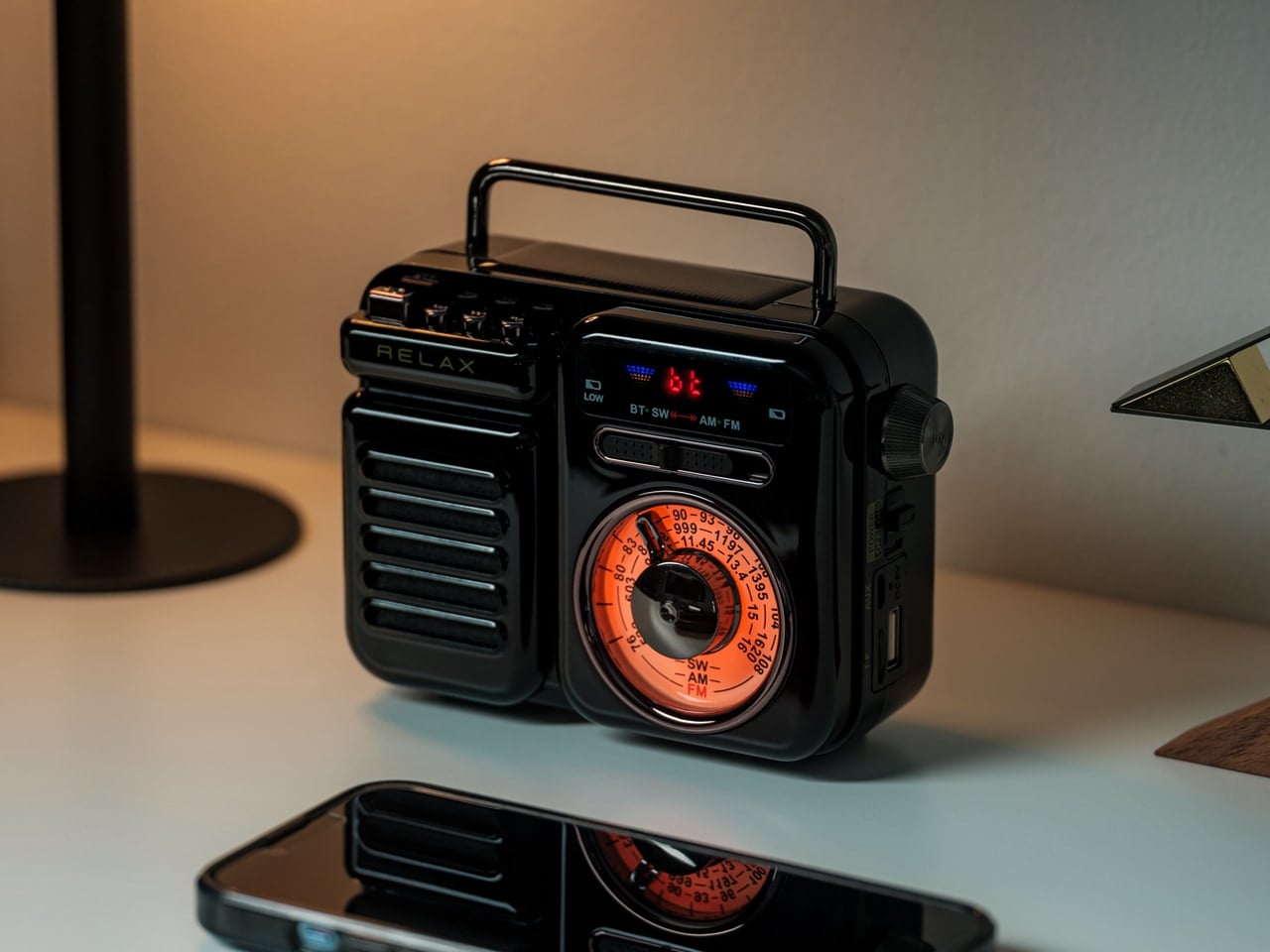
The RetroWave 7-in-1 Radio looks like something pulled from a Japanese vintage shop: warm tones, a tactile tuning dial, and analog character worked into every detail of its form. It handles AM, FM, and shortwave radio, streams over Bluetooth, and plays MP3s directly from USB or microSD. At home, it settles naturally onto a kitchen counter or bookshelf, its retro design holding its own in spaces where most technology looks visually out of place. It’s the rare piece of gear that earns its shelf real estate on looks alone before you ever power it on.
Where it builds real loyalty is in the layers you discover underneath the aesthetic. A built-in flashlight, SOS alarm, hand-crank charging, solar panel, and power bank function make this a genuinely serious emergency companion. When the power goes out or the road gets unpredictable, this is the device you’ll be relieved to have within reach. It does double duty as a daily listening companion and an emergency preparedness tool, meaning you’re not sacrificing any counter space on something that only becomes relevant when things go wrong.
Seven practical functions packed into one compact, shelf-worthy design
Solar and hand-crank charging for genuine off-grid reliability
What We Dislike
Audio quality is tuned for versatility rather than high-fidelity listening
FM, AM, and shortwave reception depend heavily on location and antenna placement
4. AUREOLA Wireless Speaker
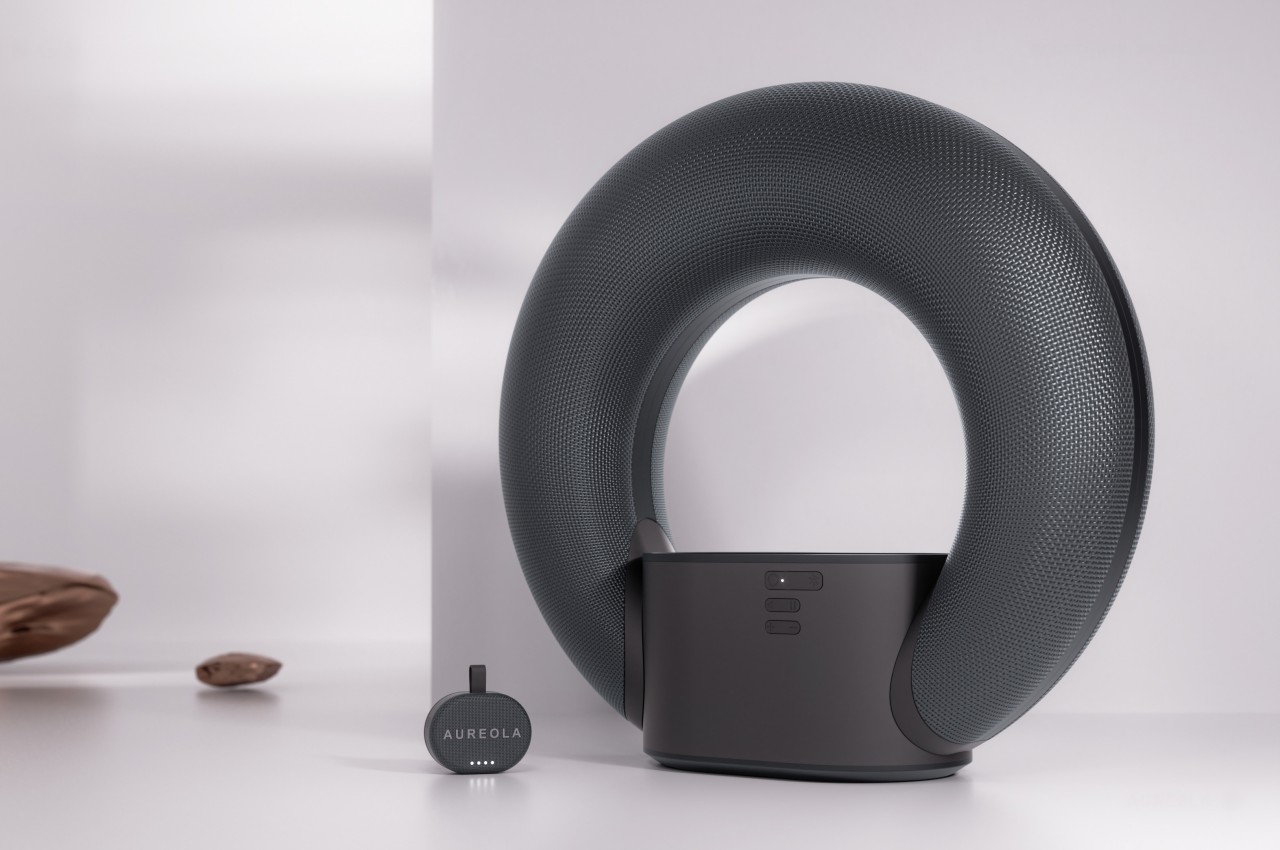
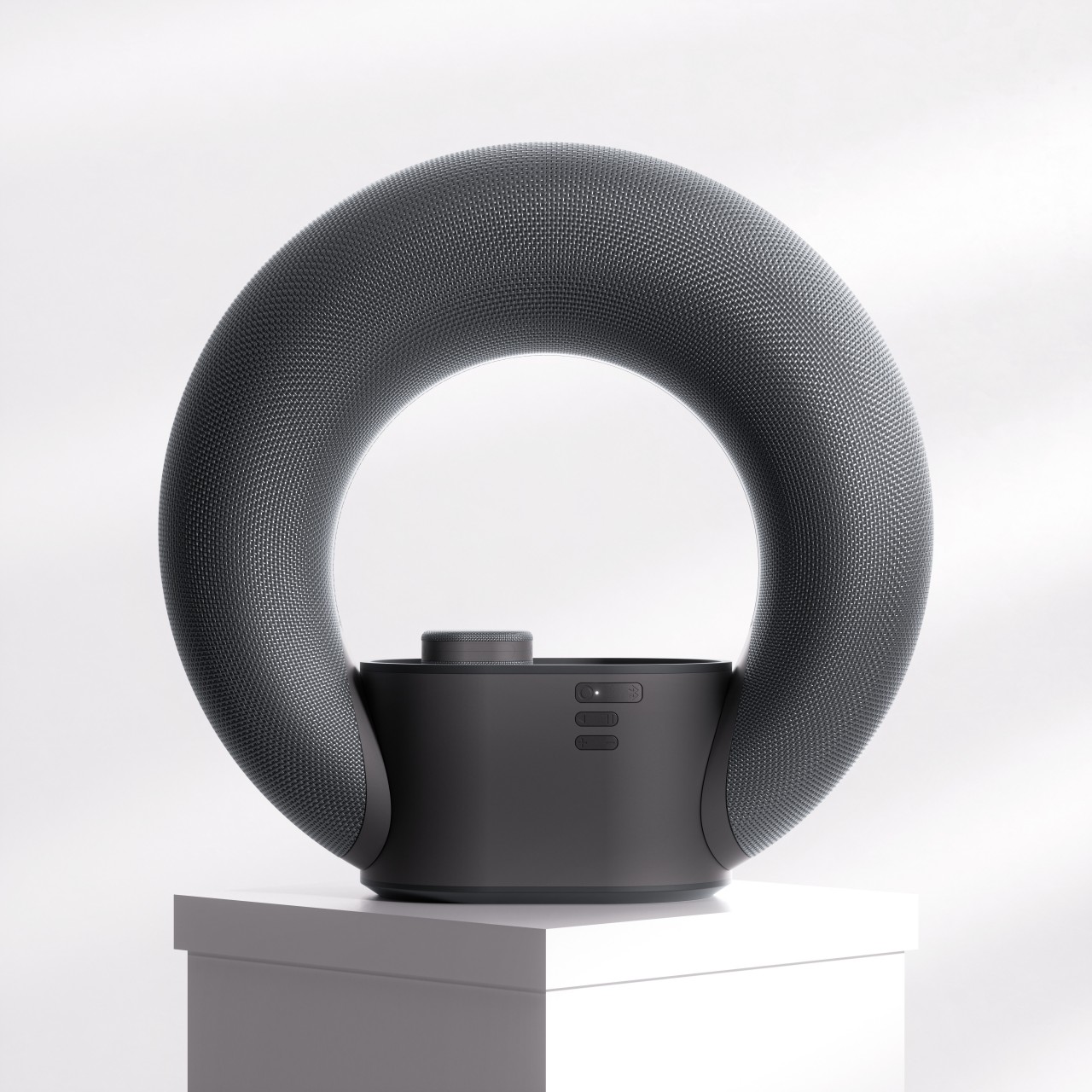
The AUREOLA concept solves one of the more persistent tensions in portable audio: the speaker you take outside rarely looks good enough to bring back in and actually display. Its two-part system separates a compact outdoor portable unit from a large indoor base featuring an omnidirectional ring rising from a wireless charging platform. The ring reads more like a sculpture than audio hardware, and in the right color, it anchors a room visually the same way a considered lamp or art object does. It commands attention without announcing itself.
The outdoor unit is compact enough to slip into a pocket, and the indoor base charges both the speaker and other devices wirelessly, earning its counter space in more ways than one. For you, the benefit is a speaker system that never asks you to choose between portability and design presence. Take the portable unit hiking or to a park, then dock it back into the ring at home and let the room fill with omnidirectional sound from something that actually looks like it belongs there permanently, not just between adventures.
What We Like
Two-part system designed for both indoor and outdoor listening environments
Indoor base doubles as a wireless charging pad for multiple devices
What We Dislike
Concept design, meaning availability, and final specifications remain unconfirmed
The compact portable unit’s size may limit raw audio output in open outdoor spaces
5. Battery-Free Amplifying iSpeaker
In a world of rechargeable everything, the Battery-Free Amplifying iSpeaker makes its case through pure, uncompromised simplicity. Set your phone into the slot, and the Duralumin body, the same aluminum alloy used in aircraft construction, does the rest. No charging, no pairing, no apps, no setup. The golden ratio proportions give it a visual elegance that reads across interior styles, from minimal Scandinavian kitchens to warmer, more layered desktops. It looks intentional on a surface in a way that most speakers, trailing cables and charging bricks, never quite manage.
The amplification works by channeling your phone’s audio output through the metal body, adding warmth and volume without drawing a single watt of power. For you, this means a speaker that is always ready, never needs a charge, and costs nothing to run day to day. It works naturally as background listening during work or morning routines and doubles as a clean display stand for your phone. The optional Bloom and Jet modular accessories let you shape the direction of sound if you want more control over how audio fills the room around you.
No battery or electricity required, always ready with zero setup
Aircraft-grade Duralumin construction shaped to precise golden ratio proportions
What We Dislike
Sound amplification is entirely dependent on the phone’s own built-in speaker quality
Sound-directing modular accessories are sold separately at additional cost
6. GravaStar Supernova
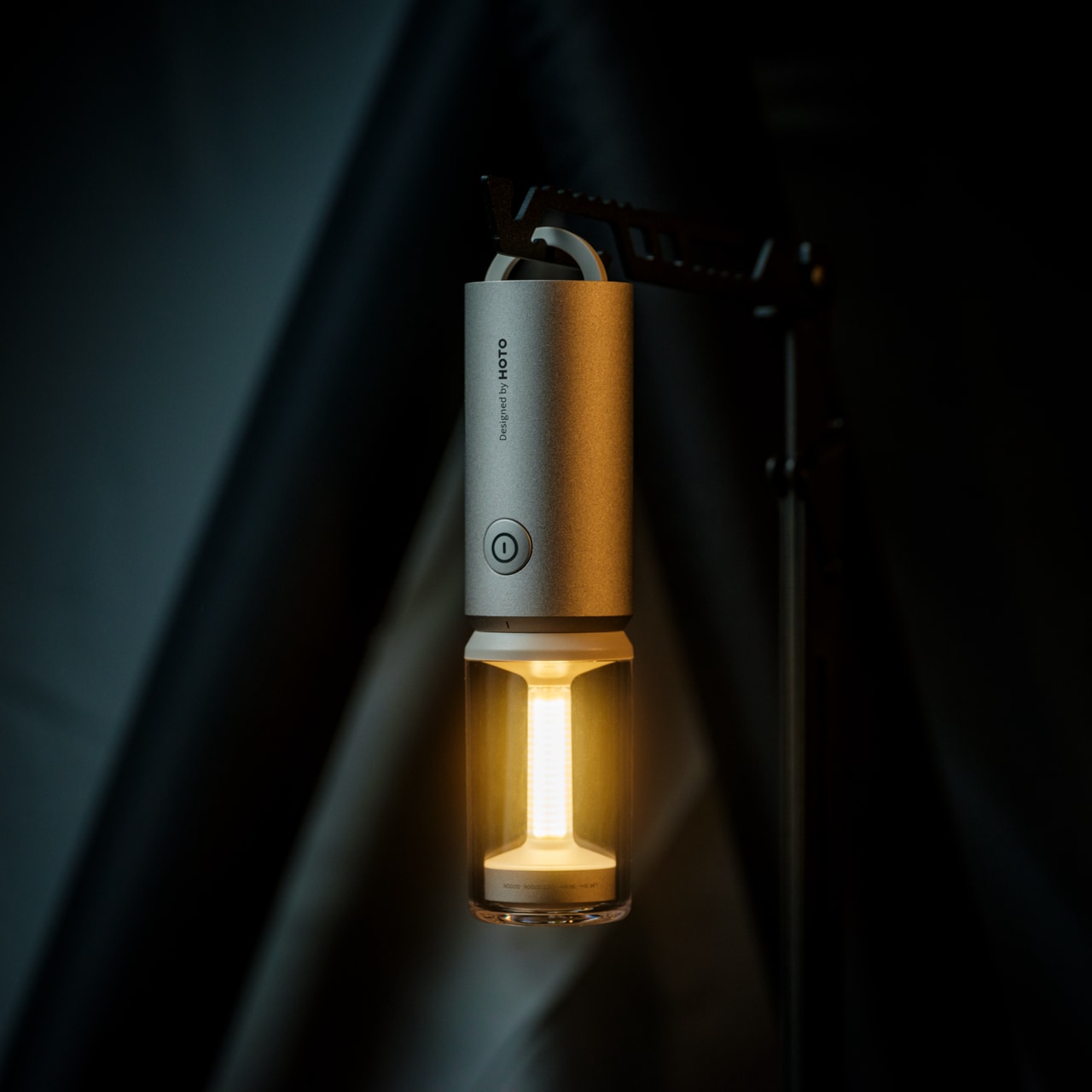
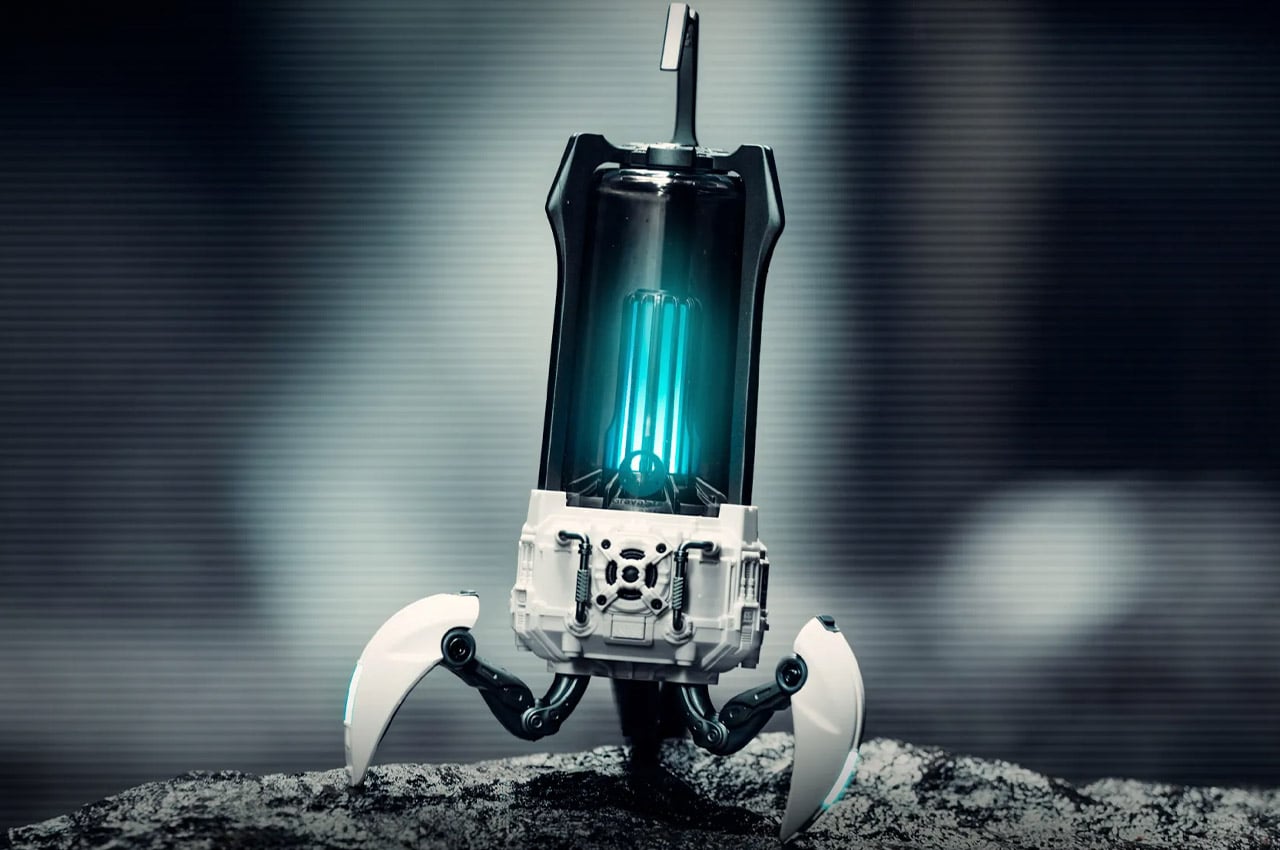
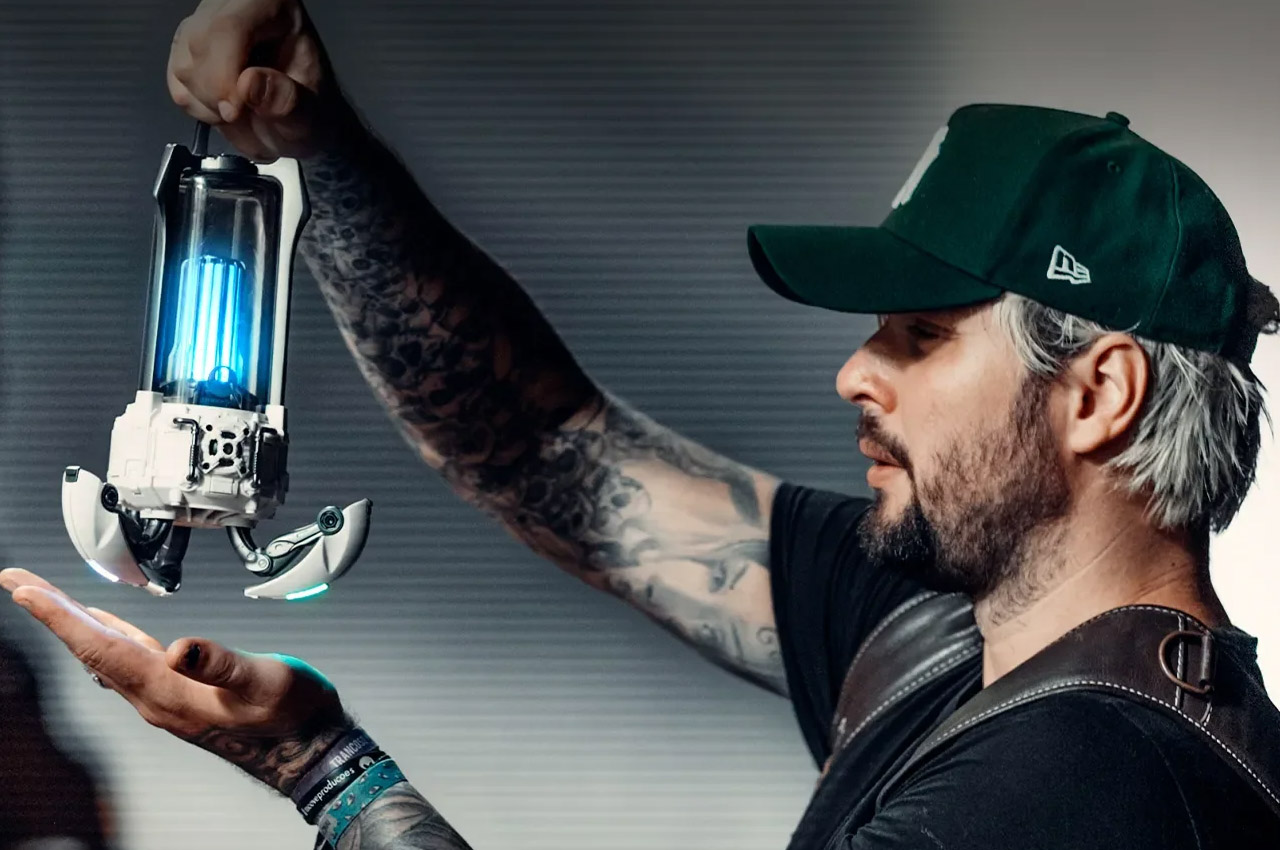
The GravaStar Supernova looks like it was designed for a film set and simply decided to stay. Its three-legged zinc alloy frame, built on the same iconic tripod base from GravaStar’s earlier mecha-inspired lineup, holds a transparent center tube that doubles as a fully functioning lantern. For outdoor enthusiasts who want their gear to carry a genuine aesthetic point of view, it delivers on both fronts: 25 watts of power paired with a half-inch high-frequency tweeter, and three lighting modes, including a flickering campfire effect that sets a mood no standard speaker comes close to replicating.
The light-synced music mode makes it an effortless centerpiece at outdoor gatherings, pulsing in rhythm with whatever is playing and turning any campsite or balcony into a proper event. For you, it means a speaker who handles the atmosphere as well as the audio. Bring it to a rooftop or a garden party, and it becomes the visual focal point without any extra effort. The solid zinc alloy construction handles outdoor conditions without softening the distinctive look that makes it worth owning and displaying in the first place.
What We Like
25 watts with a dedicated tweeter delivers genuinely powerful outdoor sound
Light-synced and campfire modes add atmosphere well beyond standard speakers
What We Dislike
The tripod form factor is bulkier than slim portable speaker alternatives
The bold mecha aesthetic is a niche design that won’t suit every space
7. Harmon Kardon Traveller Concept
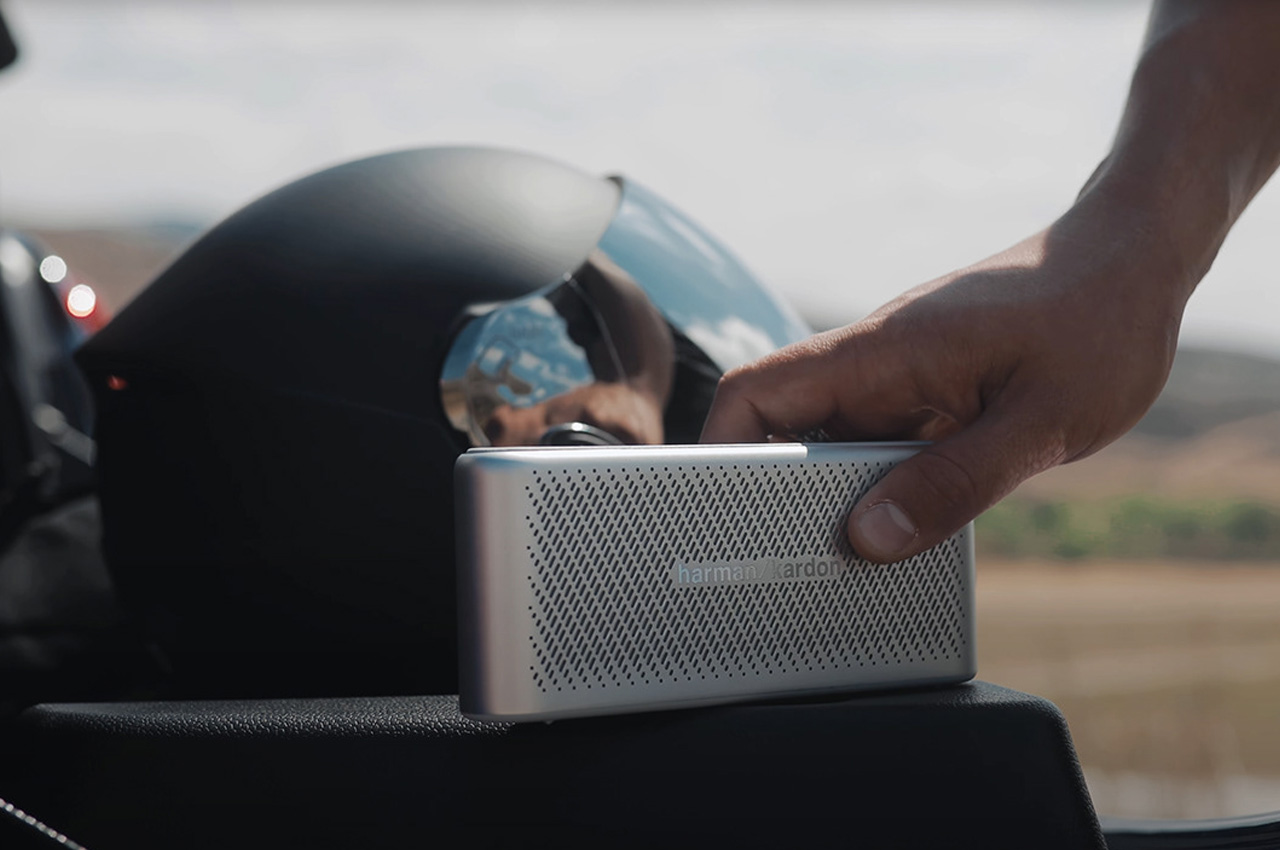
The Traveller pulls its design DNA directly from the Harman Kardon portfolio, borrowing the visual language of ultra-slim point-and-shoot cameras to produce a speaker that reads as considered travel gear rather than an audio add-on. Touch controls and LED indicators sit cleanly on the top surface, keeping the profile uncluttered from every angle. It’s slim enough to disappear into a carry-on without adding meaningful bulk, and polished enough to leave on a hotel nightstand or bathroom counter and have it look like it was placed there with full intention.
Ten hours of battery is the practical floor for a travel speaker, and the Traveller clears that bar while adding a reverse charge feature that turns it into a power bank when your primary device runs low. For you, that translates to one fewer cable to pack and one fewer charging situation to manage at an airport gate. The premium finish and Harman Kardon design language give it a visual authority that most travel speakers simply don’t carry, making it as much a deliberate aesthetic choice as a practical one that travels with you everywhere.
What We Like
Reverse charge functionality doubles as a power bank for connected devices
Slim, camera-inspired profile built for travel without compromising on design quality
What We Dislike
Concept design with no confirmed release date or finalized retail pricing
Slim form factor may limit bass depth compared to bulkier travel speaker alternatives
Design Is the Reason They Stay
The best audio gear has always been about more than just sound. These seven speakers prove that a well-considered object can genuinely change how a room feels, not just how it sounds. Whether it’s the warm analog nostalgia of a cassette speaker or the sculptural weight of a zinc alloy tripod, each design earns its place in your space twice over—once through the ears, and once through the eyes.
Counter space is real estate you protect, which means everything on it needs to justify its presence in more than one way. These designs do exactly that. They play music, yes, but they also hold a room together, tell a story about who you are, and make your desk or shelf feel deliberately curated rather than accidentally filled. That’s the difference between a speaker you use and one you keep.
EDC gear is converging. The knife becomes a multitool, the multitool becomes a bit driver, the bit driver becomes a pry bar, and somewhere in the middle someone bolts on a bottle opener. The flashlight, meanwhile, has resisted this trend longer than most categories. A light is a light. You charge it, you carry it, you press a button, photons happen. The addition of a USB port to charge your phone feels like a gimmick until you’re three days into a camping trip and your power bank dies at 11 PM. Then the flashlight that can push 15 watts back out through USB-C stops feeling like feature bloat and starts feeling like the obvious move the entire industry should have made years ago.
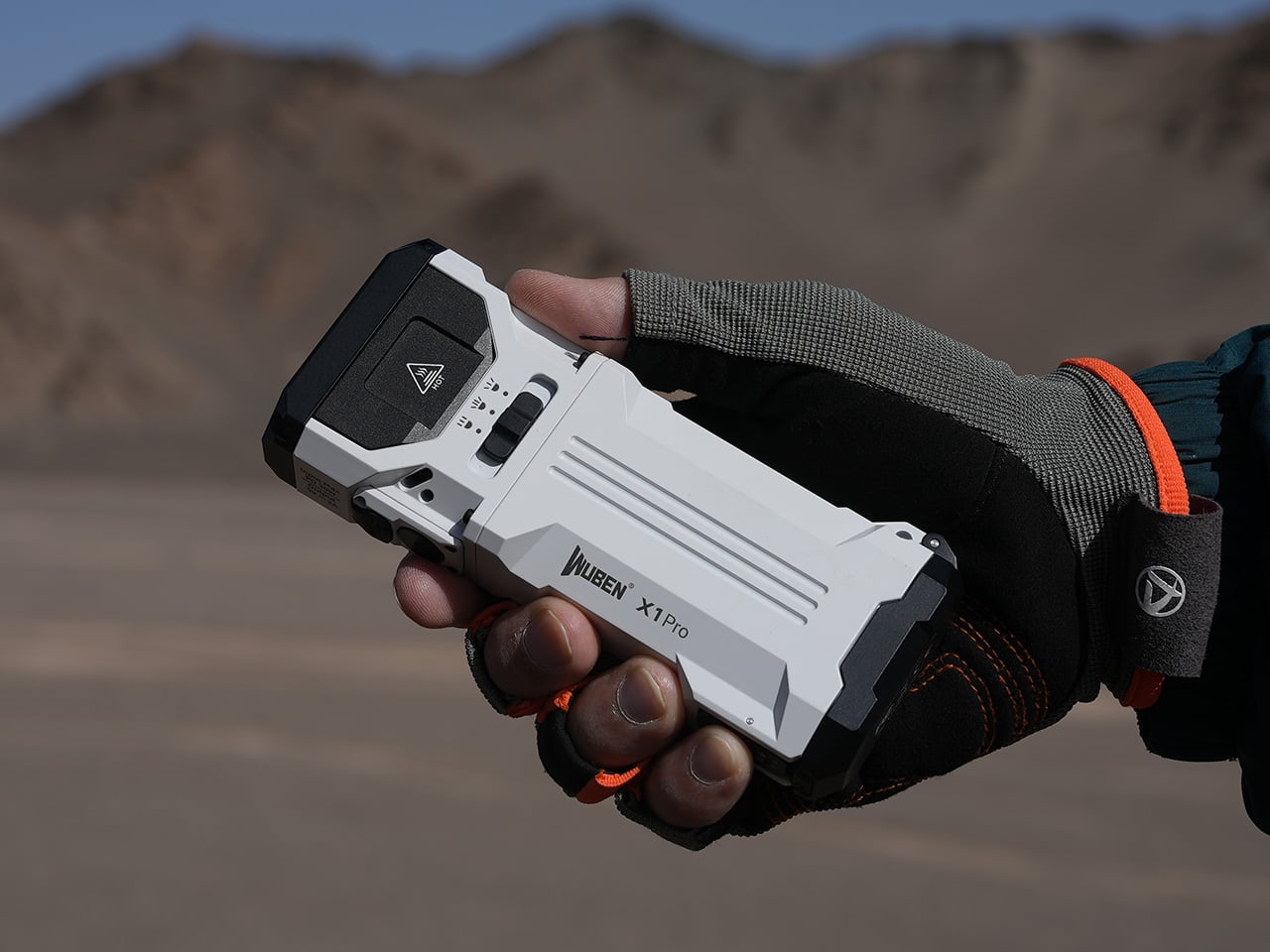
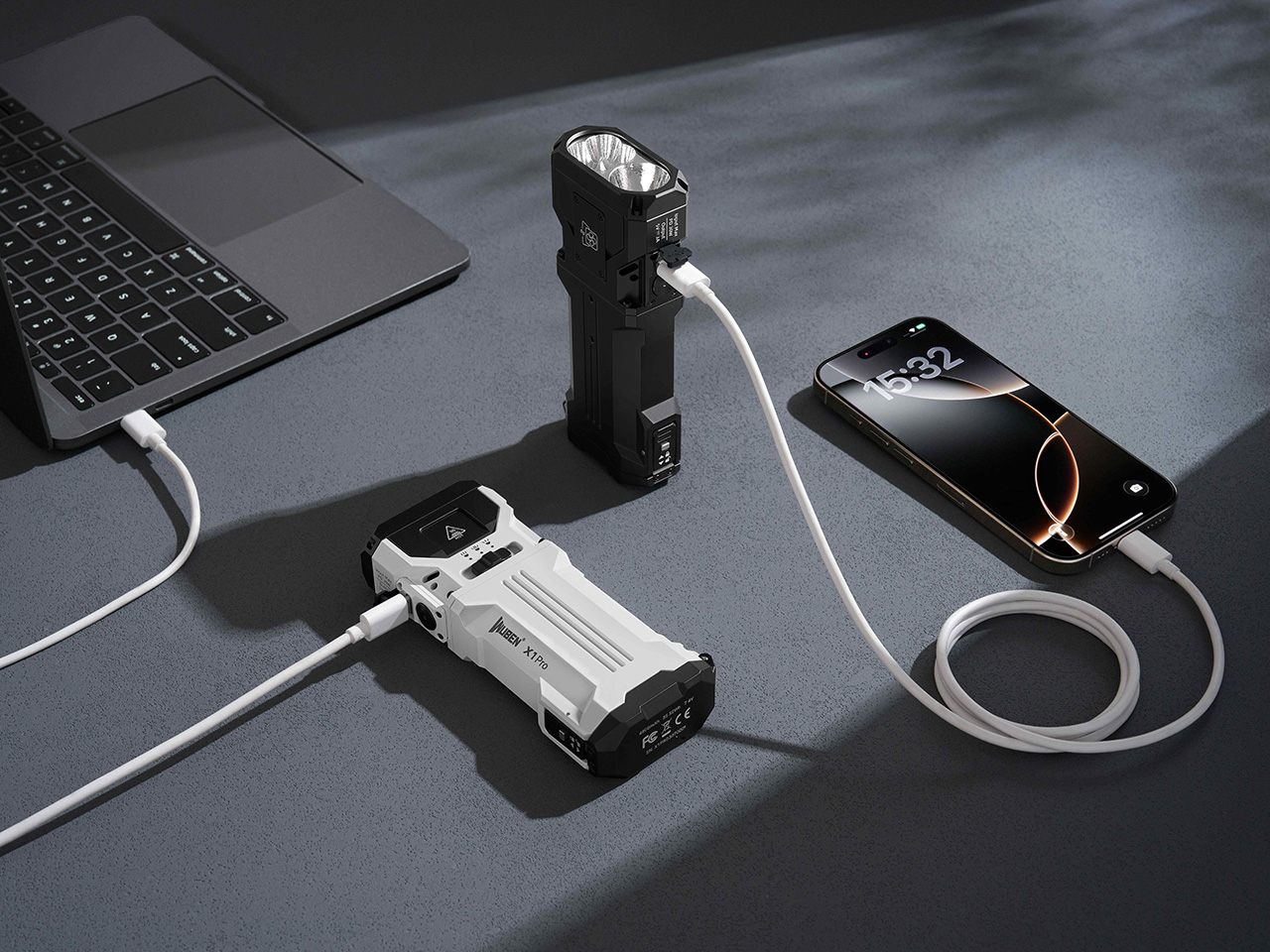
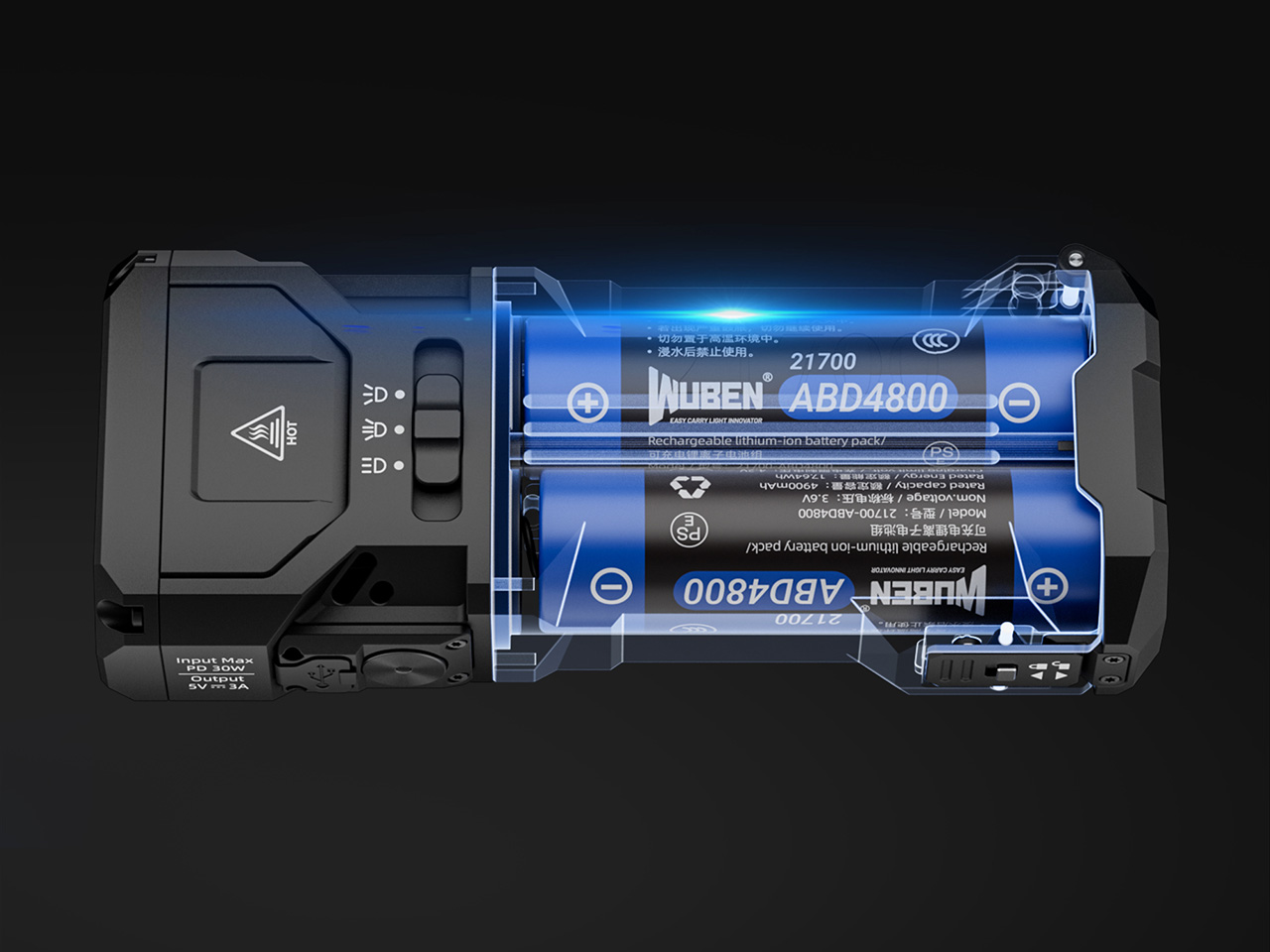
The Wuben X1Pro carries two 21700 Li-ion cells (4,800mAh each, user-replaceable, tool-free access) that deliver light output and device charging through a 30W input, 15W output PD system. Peak output hits 12,300 lumens across five Cree XHP50.3 emitters: one HI (high intensity, no dome) for spot throw, four HD (high density, domed) for flood coverage. A physical three-position slider lets you activate spot, flood, or both channels simultaneously without cycling through modes. Active cooling via a waterproof removable fan sustains 3,000 lumens for 1.8 hours, a threshold most non-cooled EDC lights hit for maybe 90 seconds before thermal management kicks in. Wuben machines the body from aluminum alloy, anodizes the black sections, die-casts the white sections, and sets the whole thing in a flat-tube form factor (59.6mm wide, 29.5mm thick, 138mm long) that rides in a pocket the way a good fixed blade rides on a belt.
Active Cooling: The Performance Difference That Actually Matters
Most high lumens EDC flashlights marketing themselves as “high output” can hold their advertised lumen count for roughly the time it takes to walk from your car to your front door. Thermal stepdown kicks in fast because the LED and driver generate more heat than a pocket-sized aluminum body can dissipate passively. The light throttles itself to prevent component damage, and what started as 10,000 lumens drops to 2,000 or less within two minutes. This limitation has defined the entire category for years. Manufacturers chase peak numbers for the spec sheet, enthusiasts make peace with the reality that sustained brightness requires a larger light, and everyone accepts the compromise. Active cooling fans exist in the flashlight world, but they’re almost exclusively found in large, heavy units designed for search-and-rescue or industrial use, not everyday carry.
The X1Pro’s waterproof removable fan sustains 3,000 lumens for 1.8 hours, a threshold even the brightest EDC flashlight alternatives can hold for 90 seconds at best before firmware forces a stepdown. The fan uses a modular design, meaning users can replace it without voiding warranty or sending the light back to Wuben. Independent testing from 1lumen.com confirmed sustained output hovering around 2,500 lumens in real-world use, far exceeding what passive cooling can achieve in this size class. Lights like the Astrolux MF09 or Lumintop Mach 4695 offer similar active cooling, but they weigh considerably more and sacrifice pocket carry entirely. As a 21700 flashlight with active cooling baked in, the X1Pro delivers fan-stabilized output in a 383-gram package that still fits in a jacket pocket, cargo pocket, or belt holster. That makes it the only actively cooled EDC light at this price point that you’d actually carry daily.
Dual-Beam System: Three Lights in One Body
Single-beam flashlights force you to choose your compromise upfront. A thrower gives you distance but floods your peripheral vision with darkness. A flooder lights up your immediate area but can’t reach beyond 50 meters. Most users end up carrying two lights or cycling through brightness modes that still don’t address the fundamental beam shape limitation. The problem becomes obvious the moment you’re navigating a trail at night and need both close-range footing visibility and long-distance obstacle awareness simultaneously. Switching between lights or modes breaks your stride, kills your night vision adaptation, and adds friction to a task that should be seamless. A rechargeable power bank flashlight with a genuine dual-beam system solves this at the root.
The X1Pro runs 1 x Cree XHP50.3 HI emitter (no dome, high intensity, 3,500 lumens) for spot throw and 4 x Cree XHP50.3 HD emitters (domed, high output, 9,500 lumens combined) for flood coverage. A physical three-position slider on the front face toggles between spot only, flood only, or both channels firing simultaneously for 12,300 lumens peak output. The slider is mechanical, which means it’s faster and more intuitive than digital mode cycling, and it gives you tactile feedback even with gloves on. Each LED has its own reflector, and Wuben uses an orange-peel texture specifically to eliminate hot spots and smooth out the beam pattern. The spot channel delivers 410 meters of throw, while the flood channel covers a wide area for close-to-mid-range work. The ability to run both simultaneously or isolate one channel based on the task makes this genuinely versatile in a way most single-beam EDC lights simply cannot match.
Power Bank Functionality: Emergency Backup When You Need It Most
Carrying a separate power bank makes sense until you’re three days into a camping trip, your phone dies at 11 PM, and you realize your 20,000mAh brick ran out of juice six hours ago because you’ve been charging your headlamp, GPS unit, and backup radio all day. Redundancy in the backcountry matters. A flashlight that can push power back out through USB-C stops being a novelty feature and starts being a legitimate safety layer when you’re operating in environments where a dead phone means no emergency contact, no navigation, and no weather updates. The same logic applies to urban emergencies, power outages, or any scenario where device uptime determines whether you stay informed or go dark.
The X1Pro’s dual 21700 batteries deliver 35.52Wh of total capacity and feed a bidirectional USB-C PD system rated for 30W charging input and 15W power bank output. That 15W output is enough to fast-charge most smartphones, tablets, or USB-powered devices at rates comparable to a wall charger. Independent testing from ZeroAir confirmed that with a proper PD power source, the X1Pro charges at 20V and completes a full recharge in roughly 2.5 hours. On a standard 5V source, charging takes just over five hours, which is still reasonable for overnight recovery. The ability to swap out the 21700 cells means you can carry spares and extend both light runtime and power bank capacity indefinitely. Most EDC lights with USB output are limited by non-replaceable internal batteries, meaning once they’re drained, you’re done until you find an outlet. The X1Pro gives you control over your power supply, which fundamentally changes how the tool functions in extended-use scenarios.
Replaceable 21700 Batteries: Longevity by Design
Sealed-battery flashlights have a built-in expiration date. Lithium-ion cells degrade with charge cycles, and after 300 to 500 cycles (roughly two to three years of regular use), capacity drops noticeably. Once the internal battery loses enough capacity to compromise performance, you’re left with a choice: send the light back for a factory battery replacement (if the manufacturer even offers that service), attempt a DIY repair that likely voids warranty, or retire the entire light and buy a new one. This disposability model benefits manufacturers who want recurring revenue, but it punishes users who invest in quality tools and expect them to last.
The X1Pro uses dual 21700 cells (4,800mAh each) accessed through a push-latch battery compartment that opens without tools. When the cells degrade after years of use, you buy new batteries for $15 to $25 per pair and swap them in 30 seconds. The 21700 format offers 4,000 to 5,200mAh typical capacity compared to the older 18650’s 2,200 to 3,500mAh, and the larger cell surface area improves heat dissipation under high-drain conditions. The format has become the standard in electric vehicles and high-performance flashlights specifically because it balances energy density, thermal performance, and discharge capability better than any previous consumer cell size. Wuben’s decision to make the batteries user-replaceable transforms the X1Pro from a disposable gadget into a long-term tool. You’re not buying a flashlight with a two-year lifespan. You’re buying a chassis, an LED array, a cooling system, and a driver circuit that you can keep functional for a decade or longer by spending $25 every few years on fresh cells. That’s a fundamentally different value proposition.
Flat-Tube Ergonomics: Why Shape Matters in EDC
Cylindrical flashlights roll off tables, spin in your hand under recoil or vibration, and waste pocket space because a circle inscribed in a rectangle leaves every corner unused. The cylinder is an inherited form factor from the days when flashlights used C or D cell batteries, and while LED technology has evolved radically, the basic shape has remained largely unchanged out of manufacturing inertia. A flat-tube design addresses these issues directly by widening the body, flattening the profile, and giving your palm four distinct edges to grip. The shape prevents rolling, increases surface area contact with your hand, and sits flat against your body when clipped to a belt or stored in a pocket.
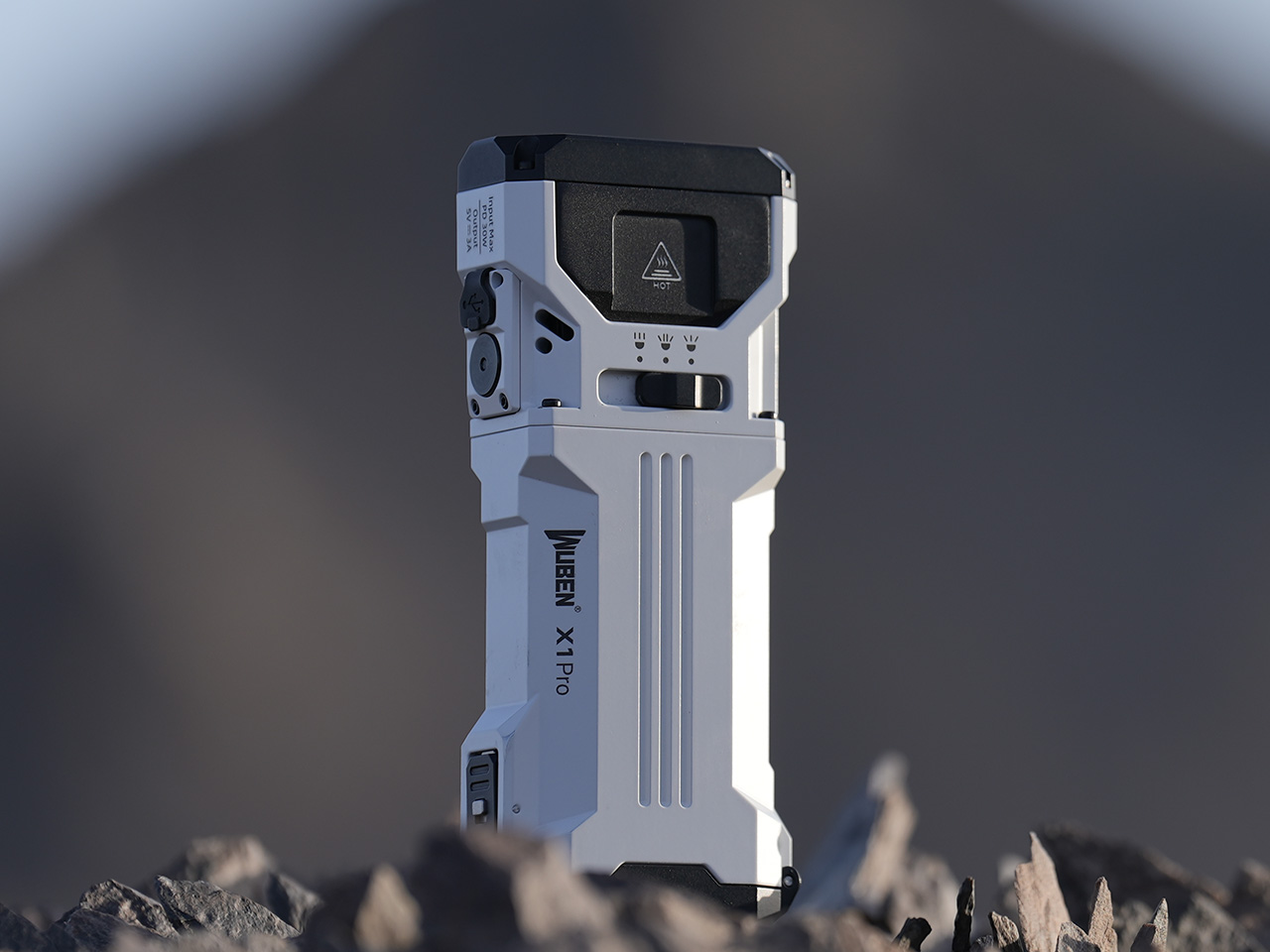
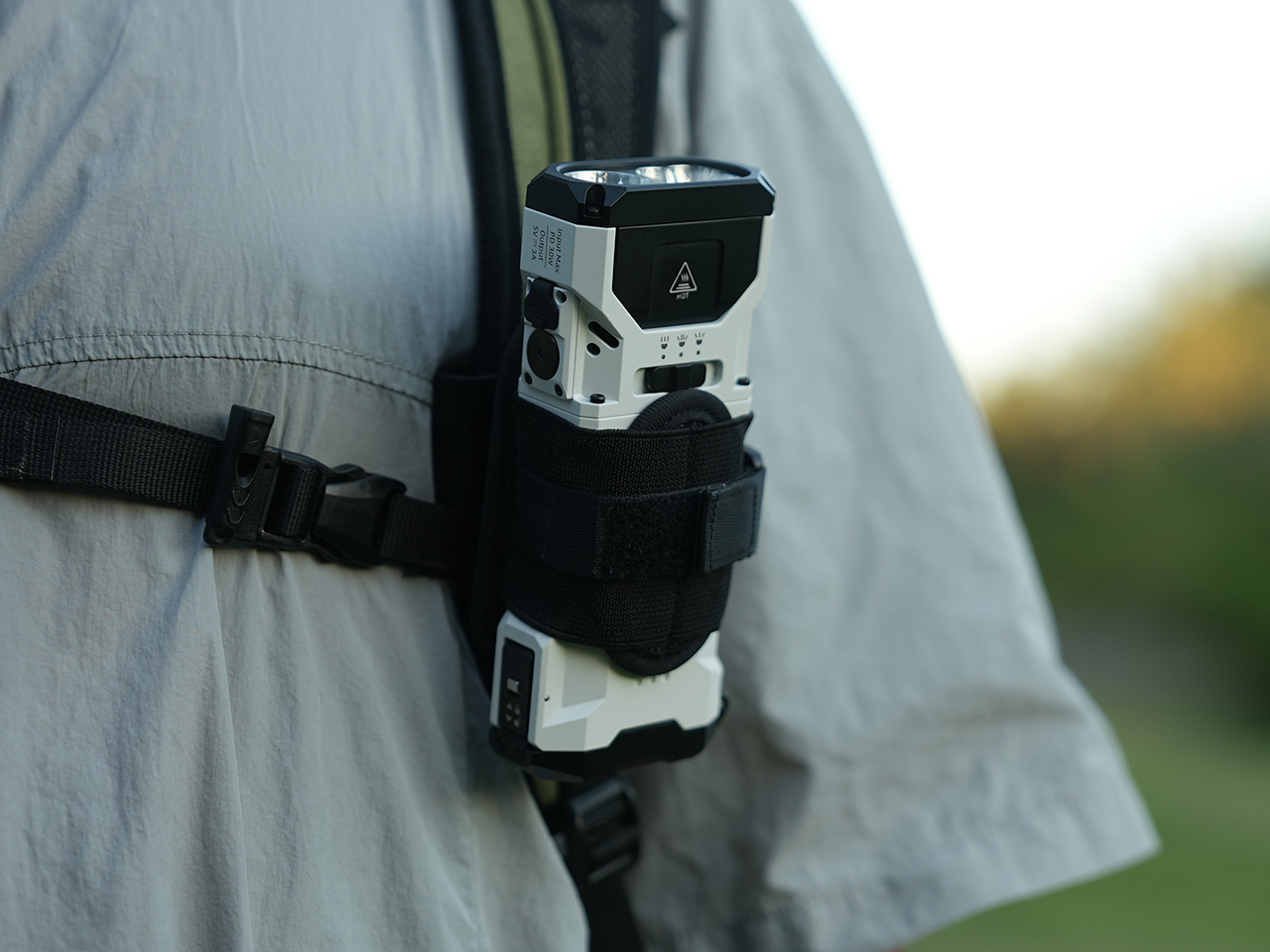
Wuben machines the X1Pro body to 59.6mm wide, 29.5mm thick, and 138mm long, creating a rectangular profile that fits naturally in the palm and occupies pocket space efficiently. The four corners feature chamfered edges specifically redesigned in the Pro model to improve grip comfort and reduce weight. The original X1’s buttons were positioned on the front face, but Wuben moved them to the left side of the X1Pro so your thumb rests on them naturally during normal carry. This detail matters during extended use or when manipulating the light with gloves. The CNC-machined and anodized black sections provide texture, while the die-cast white sections add visual contrast that helps with gear identification in a pack. The flat profile also stabilizes the light when set down on a surface, allowing hands-free use without the need for a tripod in many situations. Combined with the included 1/4″ threaded port and optional zinc alloy bike mount, the form factor adapts to a wider range of mounting and carry configurations than a traditional cylindrical light can support.
Value Proposition: What $139.99 Actually Gets You
High-output EDC flashlights from established brands like Olight, Nitecore, and Fenix typically land between $100 and $200 depending on features. A comparable Olight Warrior model with 3,000 to 5,000 lumen output runs $120 to $150 but uses a sealed battery, single-beam design, and passive cooling that forces brightness stepdown within minutes. Nitecore’s high-output EDC offerings in the same class deliver excellent build quality and UI design but similarly lack active cooling or dual-beam switching. Fenix lights are known for durability and reliable performance, but again, you’re working within the constraints of passive thermal management and fixed beam patterns. None of these competitors offer power bank output in their EDC-class lights, and none offer user-replaceable batteries in their high-output models.
The X1Pro at $139.99 includes active cooling via a modular waterproof fan, dual-beam switching with independent spot and flood control, user-replaceable 21700 batteries, 30W PD charging with 15W power bank output, IP65 water resistance, 1-meter drop rating, and a zinc alloy bike mount in the box. Wuben launched the X1Pro on Kickstarter with early bird pricing at $99 to $119 before settling at the $139.99 retail price, which positions it aggressively against passive-cooled competitors that offer fewer features at similar or higher prices. The active cooling alone represents technology typically reserved for lights in the $200-plus range, and the dual-beam system eliminates the need to carry a second light for different beam profiles. The replaceable battery design extends the usable lifespan of the tool by years, effectively reducing long-term cost of ownership. If you’re evaluating high-output EDC lights and comparing feature sets at similar price points, the X1Pro delivers more functional capability per dollar than anything else currently available in the category.
EDC gear is converging. The knife becomes a multitool, the multitool becomes a bit driver, the bit driver becomes a pry bar, and somewhere in the middle someone bolts on a bottle opener. The flashlight, meanwhile, has resisted this trend longer than most categories. A light is a light. You charge it, you carry it, you press a button, photons happen. The addition of a USB port to charge your phone feels like a gimmick until you’re three days into a camping trip and your power bank dies at 11 PM. Then the flashlight that can push 15 watts back out through USB-C stops feeling like feature bloat and starts feeling like the obvious move the entire industry should have made years ago.
The Wuben X1Pro carries two 21700 Li-ion cells (4,800mAh each, user-replaceable, tool-free access) that deliver light output and device charging through a 30W input, 15W output PD system. Peak output hits 12,300 lumens across five Cree XHP50.3 emitters: one HI (high intensity, no dome) for spot throw, four HD (high density, domed) for flood coverage. A physical three-position slider lets you activate spot, flood, or both channels simultaneously without cycling through modes. Active cooling via a waterproof removable fan sustains 3,000 lumens for 1.8 hours, a threshold most non-cooled EDC lights hit for maybe 90 seconds before thermal management kicks in. Wuben machines the body from aluminum alloy, anodizes the black sections, die-casts the white sections, and sets the whole thing in a flat-tube form factor (59.6mm wide, 29.5mm thick, 138mm long) that rides in a pocket the way a good fixed blade rides on a belt.
Active Cooling: The Performance Difference That Actually Matters
Most high lumens EDC flashlights marketing themselves as “high output” can hold their advertised lumen count for roughly the time it takes to walk from your car to your front door. Thermal stepdown kicks in fast because the LED and driver generate more heat than a pocket-sized aluminum body can dissipate passively. The light throttles itself to prevent component damage, and what started as 10,000 lumens drops to 2,000 or less within two minutes. This limitation has defined the entire category for years. Manufacturers chase peak numbers for the spec sheet, enthusiasts make peace with the reality that sustained brightness requires a larger light, and everyone accepts the compromise. Active cooling fans exist in the flashlight world, but they’re almost exclusively found in large, heavy units designed for search-and-rescue or industrial use, not everyday carry.
The X1Pro’s waterproof removable fan sustains 3,000 lumens for 1.8 hours, a threshold even the brightest EDC flashlight alternatives can hold for 90 seconds at best before firmware forces a stepdown. The fan uses a modular design, meaning users can replace it without voiding warranty or sending the light back to Wuben. Independent testing from 1lumen.com confirmed sustained output hovering around 2,500 lumens in real-world use, far exceeding what passive cooling can achieve in this size class. Lights like the Astrolux MF09 or Lumintop Mach 4695 offer similar active cooling, but they weigh considerably more and sacrifice pocket carry entirely. As a 21700 flashlight with active cooling baked in, the X1Pro delivers fan-stabilized output in a 383-gram package that still fits in a jacket pocket, cargo pocket, or belt holster. That makes it the only actively cooled EDC light at this price point that you’d actually carry daily.
Dual-Beam System: Three Lights in One Body
Single-beam flashlights force you to choose your compromise upfront. A thrower gives you distance but floods your peripheral vision with darkness. A flooder lights up your immediate area but can’t reach beyond 50 meters. Most users end up carrying two lights or cycling through brightness modes that still don’t address the fundamental beam shape limitation. The problem becomes obvious the moment you’re navigating a trail at night and need both close-range footing visibility and long-distance obstacle awareness simultaneously. Switching between lights or modes breaks your stride, kills your night vision adaptation, and adds friction to a task that should be seamless. A rechargeable power bank flashlight with a genuine dual-beam system solves this at the root.
The X1Pro runs 1 x Cree XHP50.3 HI emitter (no dome, high intensity, 3,500 lumens) for spot throw and 4 x Cree XHP50.3 HD emitters (domed, high output, 9,500 lumens combined) for flood coverage. A physical three-position slider on the front face toggles between spot only, flood only, or both channels firing simultaneously for 12,300 lumens peak output. The slider is mechanical, which means it’s faster and more intuitive than digital mode cycling, and it gives you tactile feedback even with gloves on. Each LED has its own reflector, and Wuben uses an orange-peel texture specifically to eliminate hot spots and smooth out the beam pattern. The spot channel delivers 410 meters of throw, while the flood channel covers a wide area for close-to-mid-range work. The ability to run both simultaneously or isolate one channel based on the task makes this genuinely versatile in a way most single-beam EDC lights simply cannot match.
Power Bank Functionality: Emergency Backup When You Need It Most
Carrying a separate power bank makes sense until you’re three days into a camping trip, your phone dies at 11 PM, and you realize your 20,000mAh brick ran out of juice six hours ago because you’ve been charging your headlamp, GPS unit, and backup radio all day. Redundancy in the backcountry matters. A flashlight that can push power back out through USB-C stops being a novelty feature and starts being a legitimate safety layer when you’re operating in environments where a dead phone means no emergency contact, no navigation, and no weather updates. The same logic applies to urban emergencies, power outages, or any scenario where device uptime determines whether you stay informed or go dark.
The X1Pro’s dual 21700 batteries deliver 35.52Wh of total capacity and feed a bidirectional USB-C PD system rated for 30W charging input and 15W power bank output. That 15W output is enough to fast-charge most smartphones, tablets, or USB-powered devices at rates comparable to a wall charger. Independent testing from ZeroAir confirmed that with a proper PD power source, the X1Pro charges at 20V and completes a full recharge in roughly 2.5 hours. On a standard 5V source, charging takes just over five hours, which is still reasonable for overnight recovery. The ability to swap out the 21700 cells means you can carry spares and extend both light runtime and power bank capacity indefinitely. Most EDC lights with USB output are limited by non-replaceable internal batteries, meaning once they’re drained, you’re done until you find an outlet. The X1Pro gives you control over your power supply, which fundamentally changes how the tool functions in extended-use scenarios.
Replaceable 21700 Batteries: Longevity by Design
Sealed-battery flashlights have a built-in expiration date. Lithium-ion cells degrade with charge cycles, and after 300 to 500 cycles (roughly two to three years of regular use), capacity drops noticeably. Once the internal battery loses enough capacity to compromise performance, you’re left with a choice: send the light back for a factory battery replacement (if the manufacturer even offers that service), attempt a DIY repair that likely voids warranty, or retire the entire light and buy a new one. This disposability model benefits manufacturers who want recurring revenue, but it punishes users who invest in quality tools and expect them to last.
The X1Pro uses dual 21700 cells (4,800mAh each) accessed through a push-latch battery compartment that opens without tools. When the cells degrade after years of use, you buy new batteries for $15 to $25 per pair and swap them in 30 seconds. The 21700 format offers 4,000 to 5,200mAh typical capacity compared to the older 18650’s 2,200 to 3,500mAh, and the larger cell surface area improves heat dissipation under high-drain conditions. The format has become the standard in electric vehicles and high-performance flashlights specifically because it balances energy density, thermal performance, and discharge capability better than any previous consumer cell size. Wuben’s decision to make the batteries user-replaceable transforms the X1Pro from a disposable gadget into a long-term tool. You’re not buying a flashlight with a two-year lifespan. You’re buying a chassis, an LED array, a cooling system, and a driver circuit that you can keep functional for a decade or longer by spending $25 every few years on fresh cells. That’s a fundamentally different value proposition.
Flat-Tube Ergonomics: Why Shape Matters in EDC
Cylindrical flashlights roll off tables, spin in your hand under recoil or vibration, and waste pocket space because a circle inscribed in a rectangle leaves every corner unused. The cylinder is an inherited form factor from the days when flashlights used C or D cell batteries, and while LED technology has evolved radically, the basic shape has remained largely unchanged out of manufacturing inertia. A flat-tube design addresses these issues directly by widening the body, flattening the profile, and giving your palm four distinct edges to grip. The shape prevents rolling, increases surface area contact with your hand, and sits flat against your body when clipped to a belt or stored in a pocket.
Wuben machines the X1Pro body to 59.6mm wide, 29.5mm thick, and 138mm long, creating a rectangular profile that fits naturally in the palm and occupies pocket space efficiently. The four corners feature chamfered edges specifically redesigned in the Pro model to improve grip comfort and reduce weight. The original X1’s buttons were positioned on the front face, but Wuben moved them to the left side of the X1Pro so your thumb rests on them naturally during normal carry. This detail matters during extended use or when manipulating the light with gloves. The CNC-machined and anodized black sections provide texture, while the die-cast white sections add visual contrast that helps with gear identification in a pack. The flat profile also stabilizes the light when set down on a surface, allowing hands-free use without the need for a tripod in many situations. Combined with the included 1/4″ threaded port and optional zinc alloy bike mount, the form factor adapts to a wider range of mounting and carry configurations than a traditional cylindrical light can support.
Value Proposition: What $139.99 Actually Gets You
High-output EDC flashlights from established brands like Olight, Nitecore, and Fenix typically land between $100 and $200 depending on features. A comparable Olight Warrior model with 3,000 to 5,000 lumen output runs $120 to $150 but uses a sealed battery, single-beam design, and passive cooling that forces brightness stepdown within minutes. Nitecore’s high-output EDC offerings in the same class deliver excellent build quality and UI design but similarly lack active cooling or dual-beam switching. Fenix lights are known for durability and reliable performance, but again, you’re working within the constraints of passive thermal management and fixed beam patterns. None of these competitors offer power bank output in their EDC-class lights, and none offer user-replaceable batteries in their high-output models.
The X1Pro at $139.99 includes active cooling via a modular waterproof fan, dual-beam switching with independent spot and flood control, user-replaceable 21700 batteries, 30W PD charging with 15W power bank output, IP65 water resistance, 1-meter drop rating, and a zinc alloy bike mount in the box. Wuben launched the X1Pro on Kickstarter with early bird pricing at $99 to $119 before settling at the $139.99 retail price, which positions it aggressively against passive-cooled competitors that offer fewer features at similar or higher prices. The active cooling alone represents technology typically reserved for lights in the $200-plus range, and the dual-beam system eliminates the need to carry a second light for different beam profiles. The replaceable battery design extends the usable lifespan of the tool by years, effectively reducing long-term cost of ownership. If you’re evaluating high-output EDC lights and comparing feature sets at similar price points, the X1Pro delivers more functional capability per dollar than anything else currently available in the category.
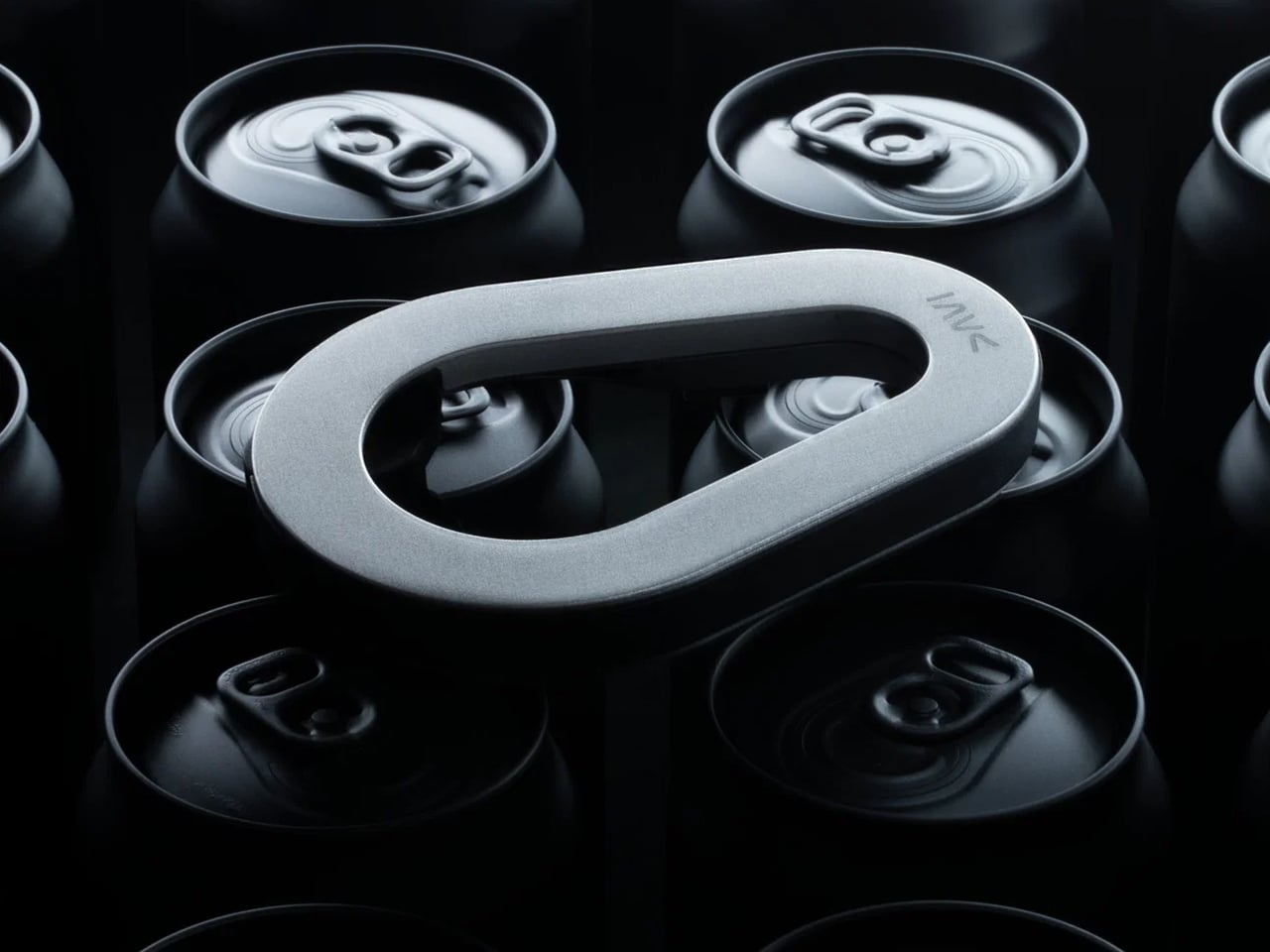
There was a time when opening a can was just that, opening a can. A quick crack, a cold sip, and on with your day. Convenient, sure. But never especially satisfying. The drink stayed trapped behind a narrow opening, the aroma muted, the experience flattened into something functional instead of memorable.
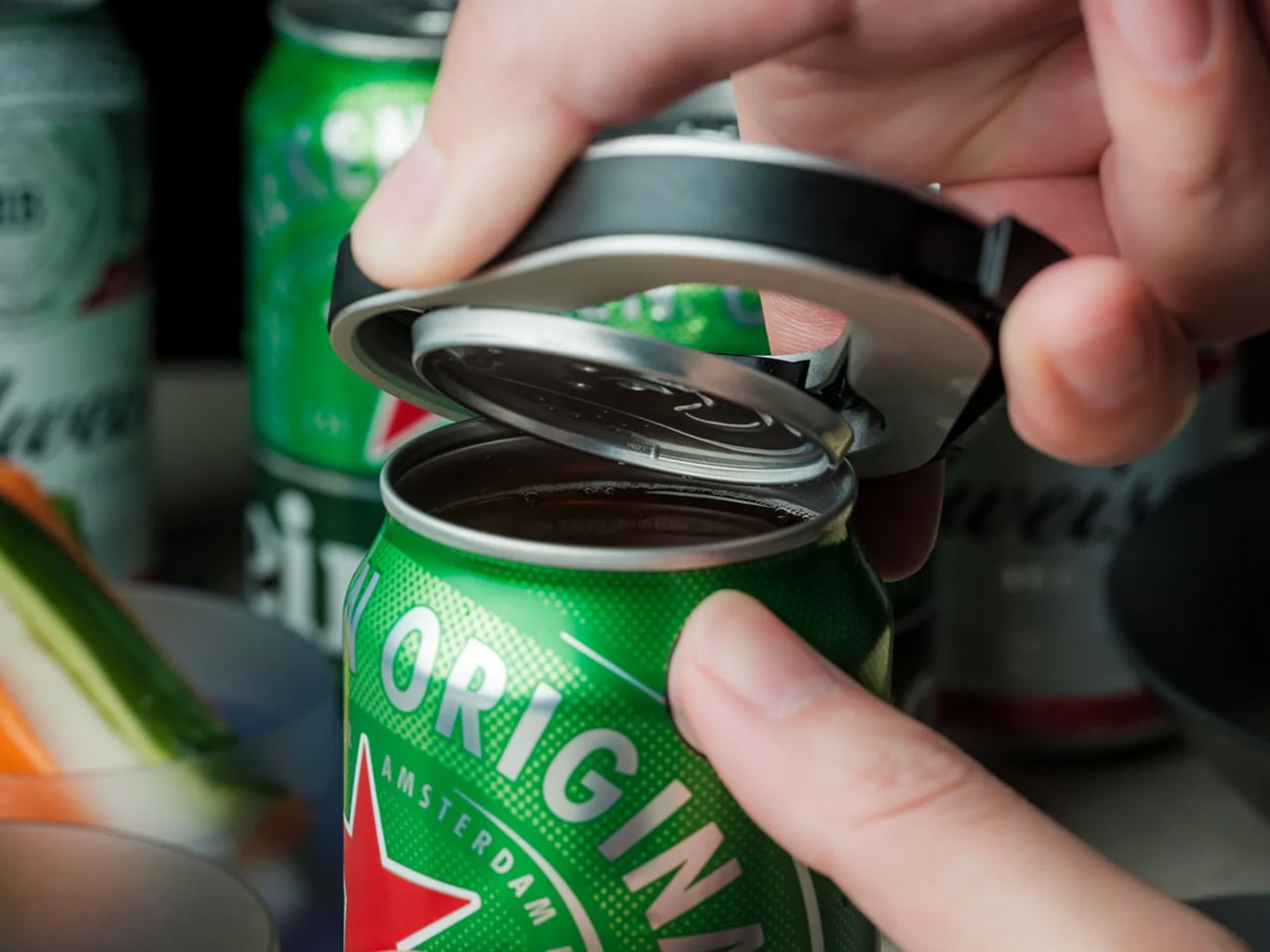
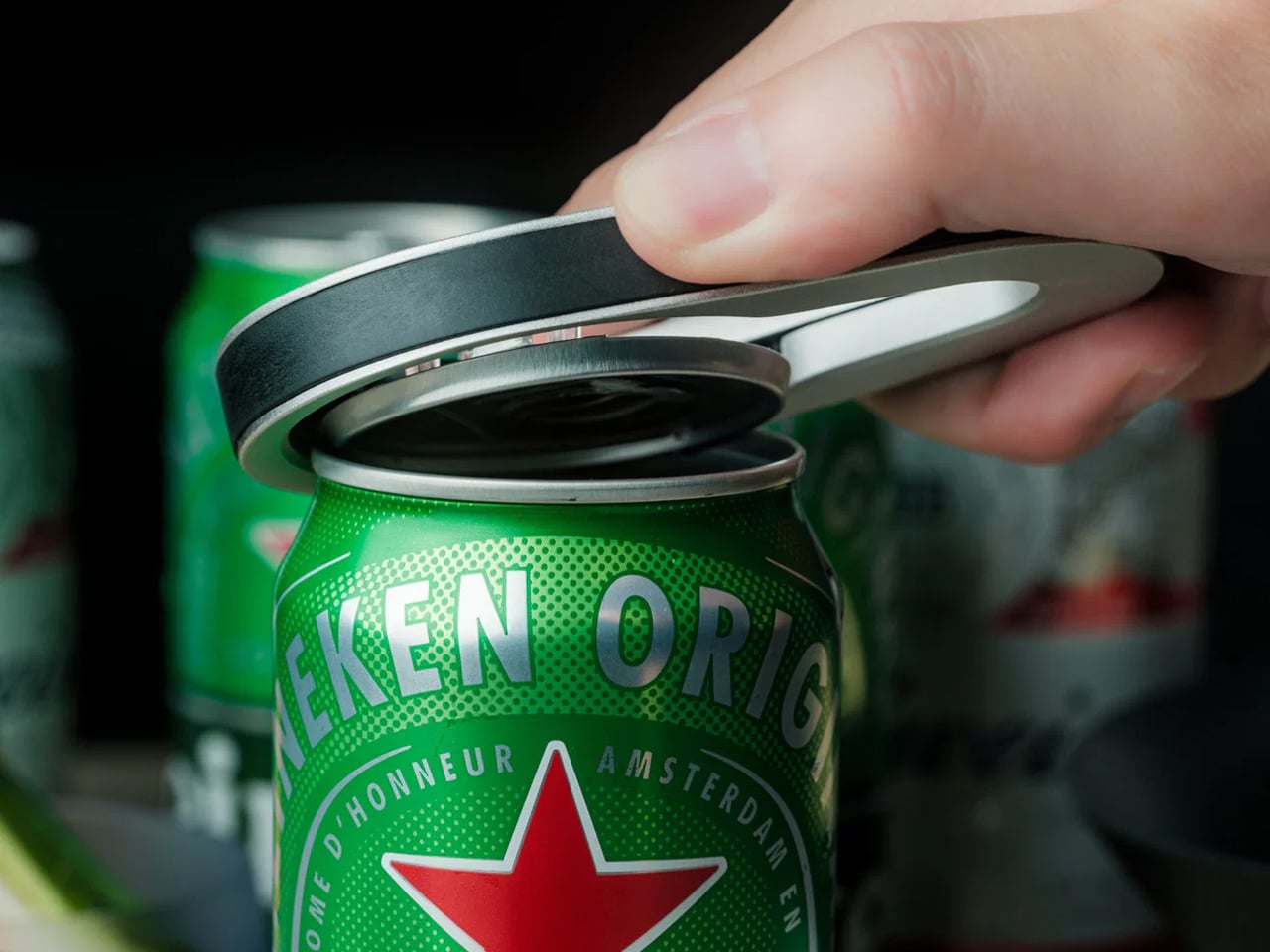
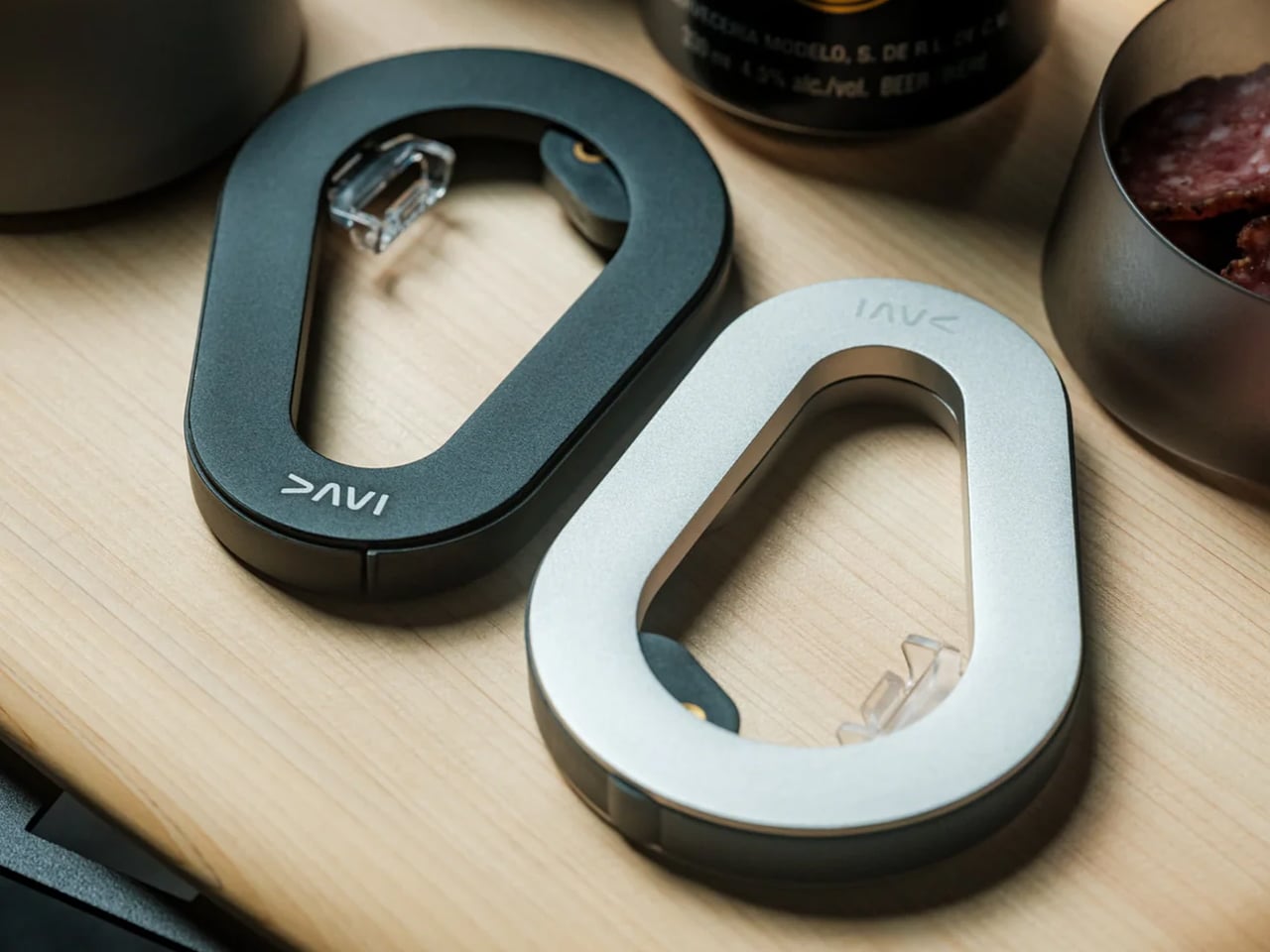
But as more of us start paying attention to the objects we use every day, even the smallest rituals begin to matter. The DraftPro Top Can Opener quietly changes one of the most overlooked ones. Not as a gimmick or party trick, but as a beautifully resolved tool that turns an ordinary can into something closer to a proper pour.
The Tool That Changed How I Drink From a Can
At first, I thought DraftPro was just a clever little accessory, the kind of thing you admire once, use twice, and forget in a drawer. But after a few days, I realized it had changed how I approached even the most casual drink.
I started reaching for it with beer at the end of the day.
Then with sparkling water on hot afternoons.
Then with canned cocktails when I didn’t feel like dealing with glassware or cleanup.
There’s something surprisingly satisfying about the motion itself. A smooth twist, a clean release, and suddenly the whole top is gone. The aroma lifts instantly. The first sip feels more open, more direct, more intentional. It turns out the difference between drinking from a can and actually enjoying what’s in it is smaller than I thought, but much more noticeable.
Designed for the Details
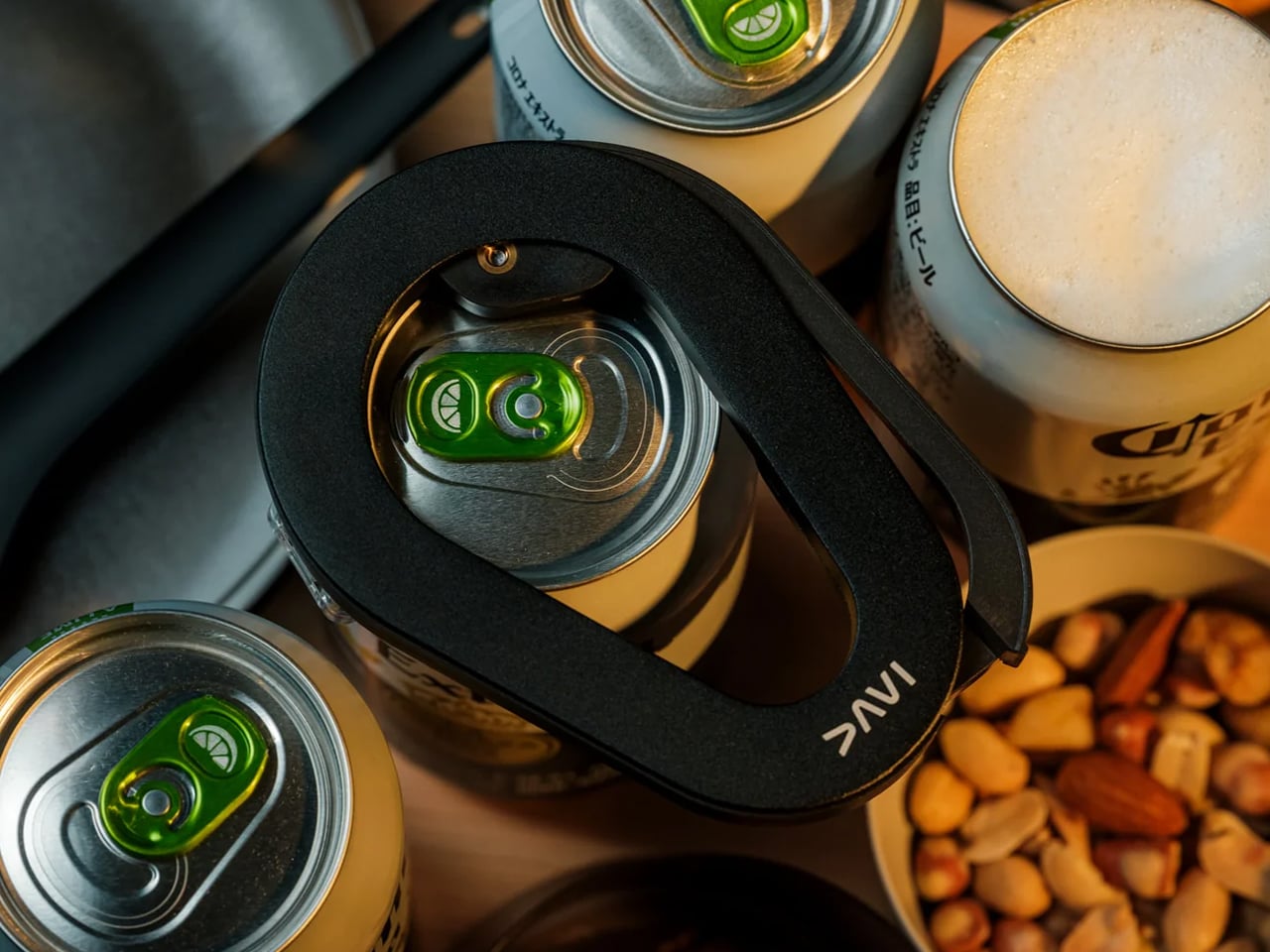
Full-top removal: Turns a standard can into a wide-mouth, glass-like drinking experience.
Better aroma, better taste: With the top fully removed, you smell more of the drink before you even take a sip.
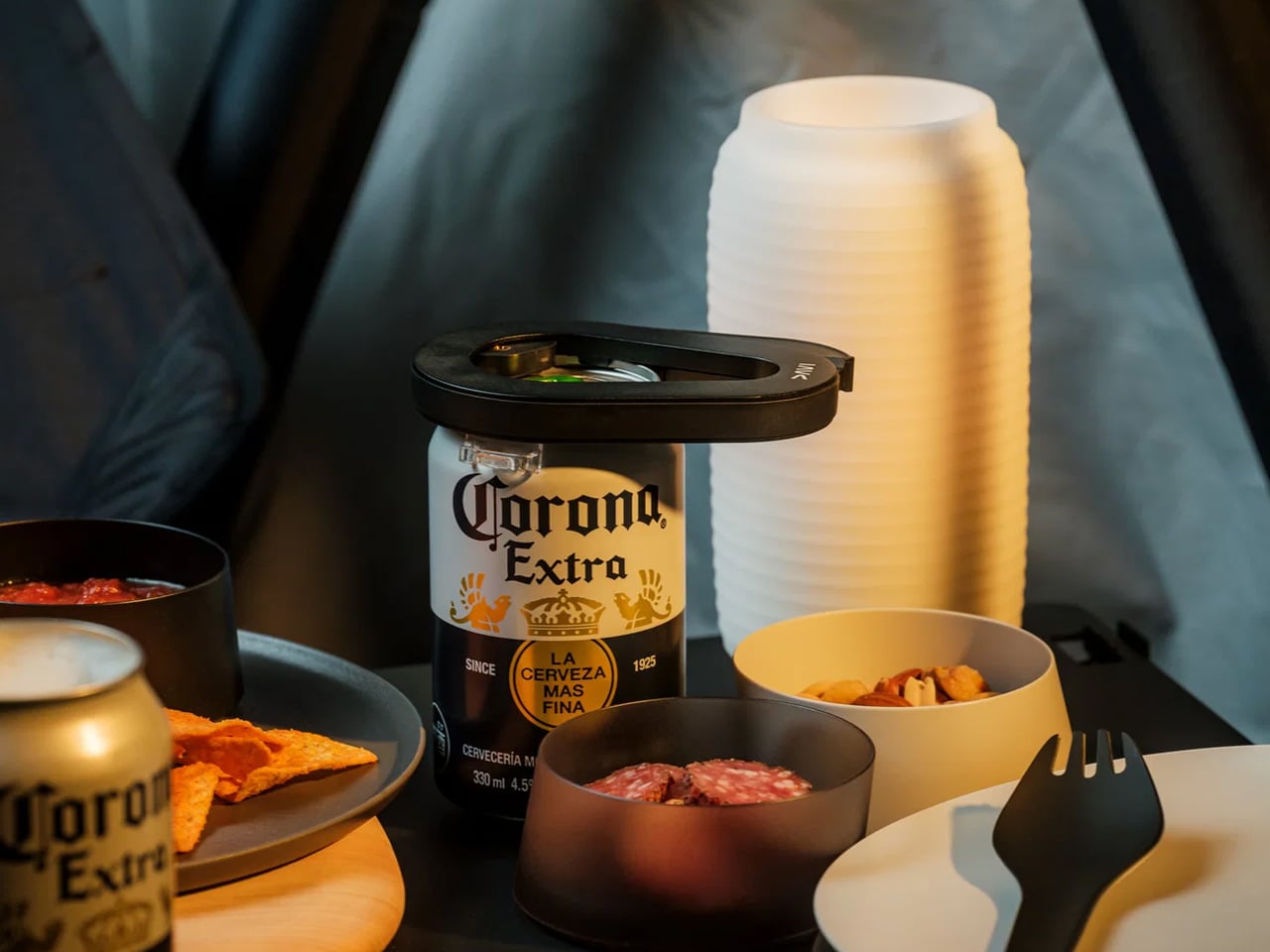
Ice-ready opening: Drop in ice cubes directly when the drink isn’t cold enough or the day is too hot.
Cocktail-friendly format: Add citrus, mixers, or garnish right in the can without needing extra tools.
Universal compatibility: Works with domestic and international cans, so it travels easily between setups.
Compact, portable design: Small enough to pack for a backyard hang, picnic, hike, or cabin weekend.
DraftPro doesn’t add complexity. It removes it. That’s what makes it feel smart.
Why Convenience Doesn’t Have to Mean Compromise
We’ve been taught to think of canned drinks as the convenient option, not the ideal one. They’re easy to store, easy to carry, easy to open, but never really treated as something worth savoring. DraftPro challenges that assumption in the most understated way possible.
It doesn’t change the drink itself. It changes your relationship to it.
Suddenly, a beer feels less like something you grab and more like something you serve. Sparkling water feels less utilitarian. Even a simple canned cocktail becomes a little more considered. In a world built around speed and shortcuts, that shift matters more than it should, and maybe exactly as much as it needs to.
Design That Reflects Discipline
Designed by award-winning Japanese designer Shu Kanno and built in Japan, DraftPro has the kind of restraint that makes good tools feel inevitable. Nothing about it is overworked. The grip is subtle, the motion is controlled, and the result is clean without calling attention to itself.
It doesn’t shout “innovation.” It just works with a kind of quiet precision that makes most everyday tools feel clumsy by comparison. The clean cut edge, the balanced form, the lack of visual clutter, it all reflects a design philosophy rooted in discipline rather than excess.
Who It’s For
Design Enthusiasts
A small, useful object that feels thoughtfully made from every angle.
Ritual Seekers
For anyone who believes even a casual drink can deserve a better moment.
Gift Givers with Taste
The kind of gift that doesn’t shout “tool”—it quietly becomes a favorite.
Where Form Becomes Ritual
You don’t realize how many everyday experiences have been reduced to habit until one object slows you down just enough to notice them again. DraftPro won’t transform your life. But it does transform a cold can into something more open, sensory, and satisfying.
At the end of the day, it’s still a can opener. But sometimes, the right tool changes the entire ritual around it. The DraftPro Top Can Opener is available now for $60.