Smartphone design has been converging on a single, almost universal ideal: more screen, less frame. Brands across the spectrum have spent the last few years shaving down bezels, flattening camera bumps, and chasing a kind of visual minimalism that would have seemed impossible a decade ago. The race to the thinnest, cleanest slab has become almost as competitive as the spec war, and no brand is immune to that pressure.
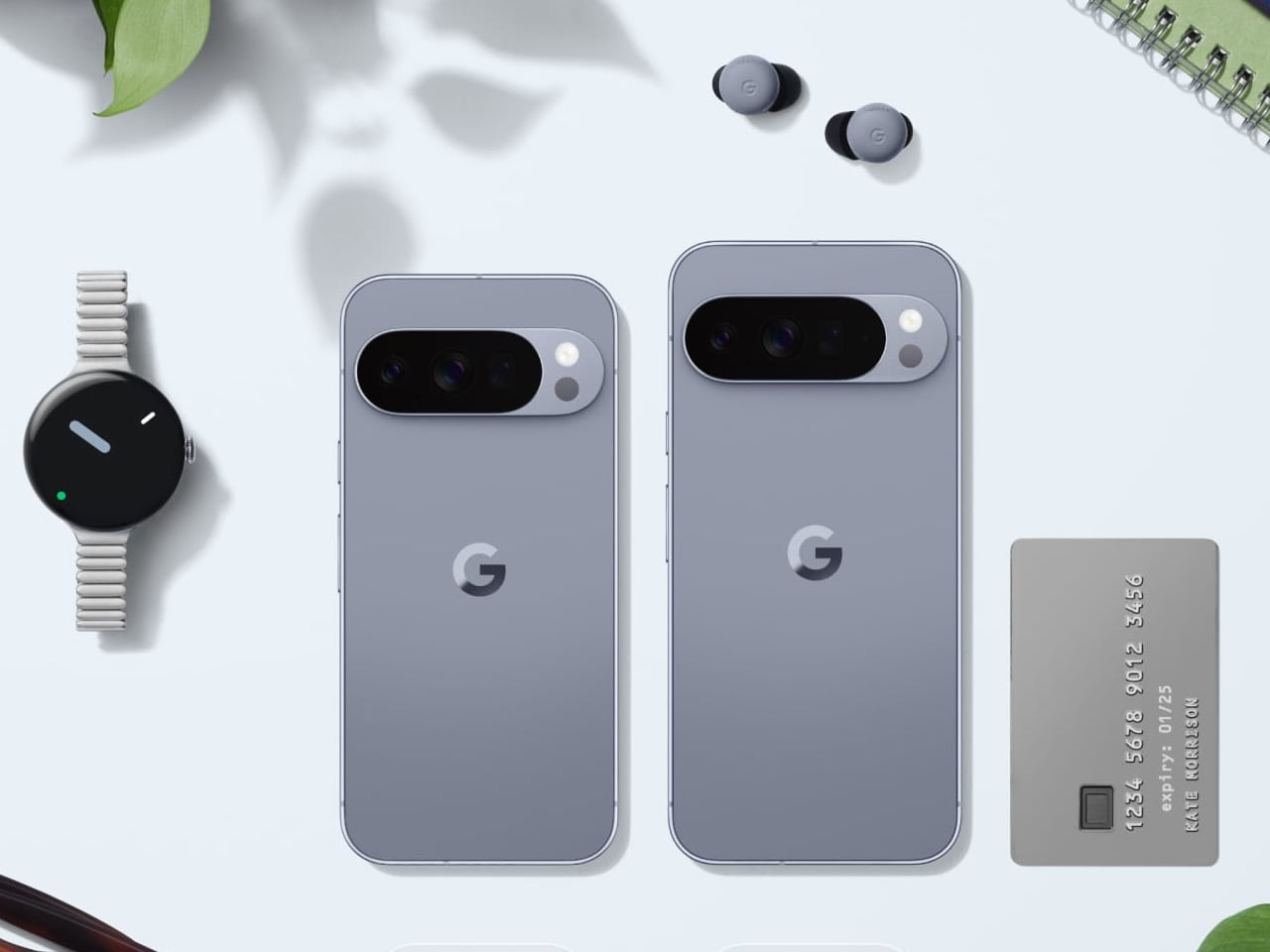
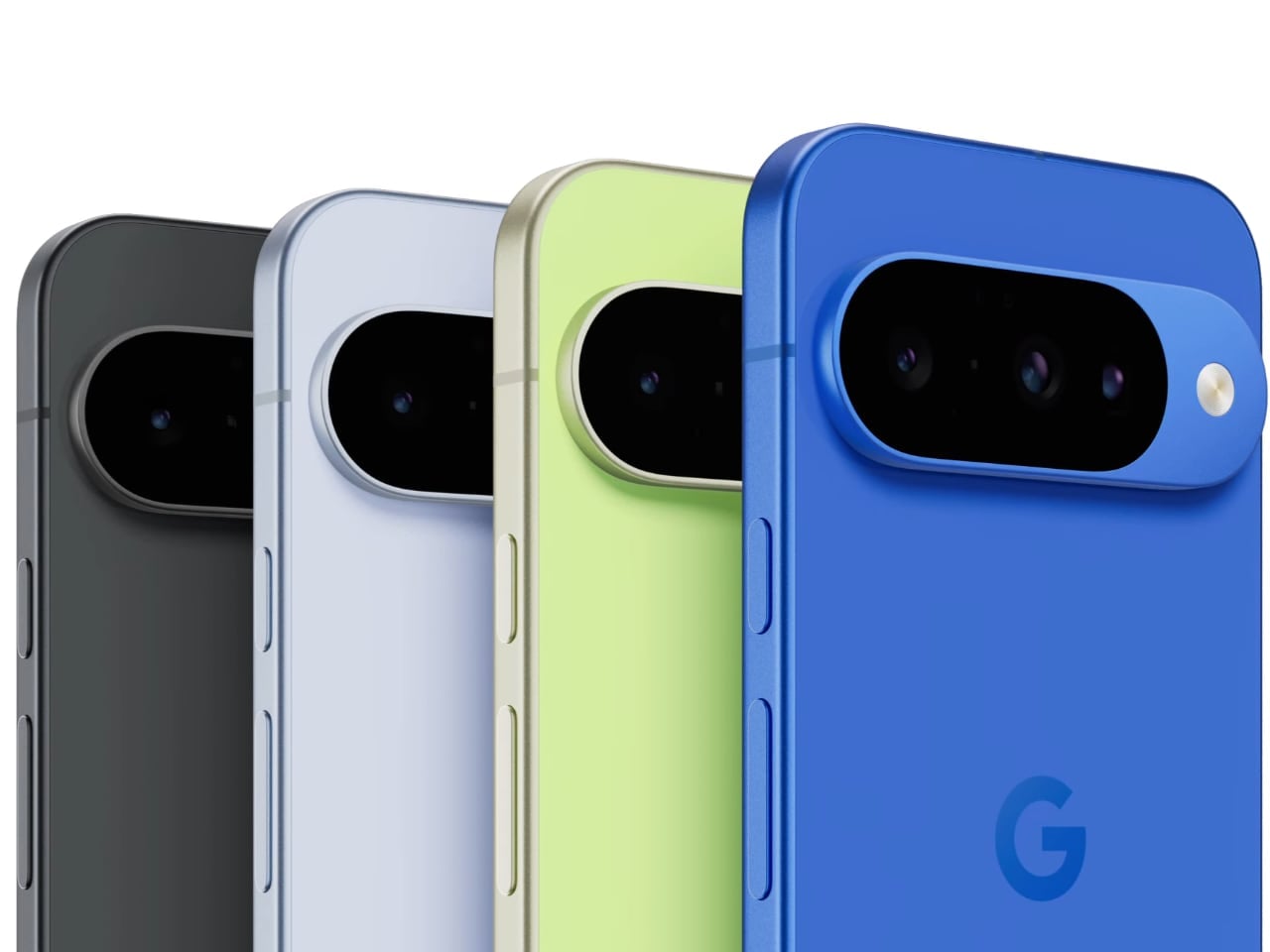
Google’s Pixel lineup has never exactly followed the crowd. Since the Pixel 9, the brand has committed to a distinctive horizontal camera bar across the upper back of the phone, making it one of the most recognizable Android devices on the market. Early CAD-based renders of the upcoming Pixel 11 suggest that Google isn’t letting go of that identity but is quietly refining it.
This marks the third year in a row that Google is expected to stay in the same design family introduced by the Pixel 9, though the horizontal camera island design actually started with the Pixel 6’s “visor” in 2021. The company has previously said it aims to redesign its phones every two to three years, making the Pixel 11 feel like the closing chapter of this particular look. These changes aren’t accidental refinements; they’re something closer to a farewell lap.
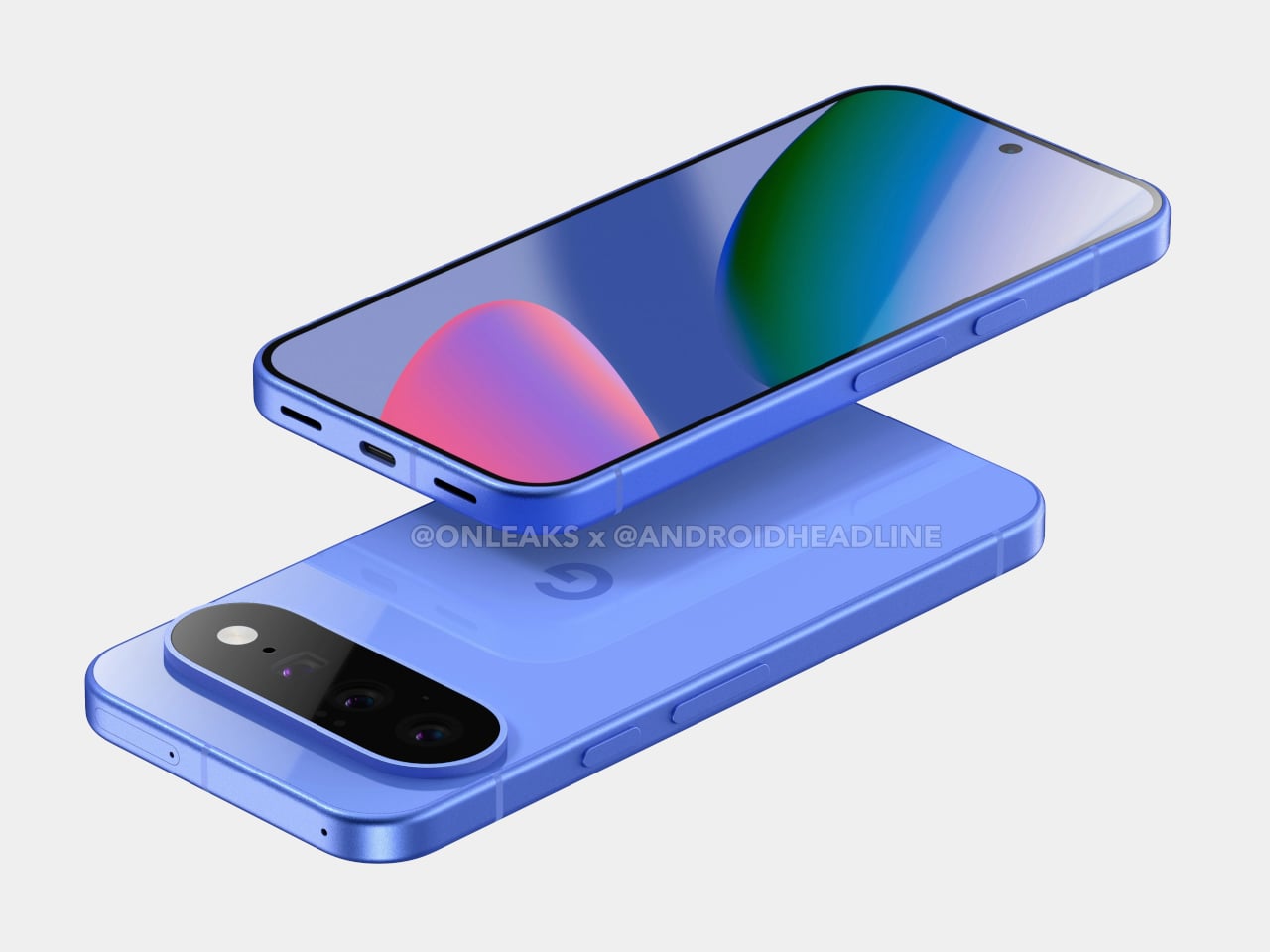
The most notable of those tweaks is the camera bar itself. On the Pixel 9 and Pixel 10, the phone’s body color would wrap around the flash and sensors inside the bar, creating a two-tone look that was bold for some and cluttered for others. The Pixel 11 drops that entirely, going with a uniform black finish across the whole housing for a cleaner, more composed result.
Google Pixel 10
Google Pixel 10
The bar is also expected to sit lower on the phone’s back, with less protrusion than the Pixel 10. That’s the kind of thing you don’t notice until the phone snags on a pocket lining or wobbles on a table, and then you notice it constantly. A thinner overall profile, rumored at 8.5mm, will keep the phone from feeling like it’s outgrown its own design.
The front of the phone appears to have gotten some attention, too. Bezels are reportedly thinner on all four sides, which means more screen real estate when you’re reading or watching something on that commute home. It’s a concession to a criticism that’s followed the Pixel series for a couple of years, and it goes a long way toward making the phone look more of its time.
Under the hood, the Pixel 11 is expected to run on Google’s Tensor G6 chipset, paired with 12GB of RAM and at least 128GB of storage. The 5,000mAh battery is the kind of capacity that should see most people through a full day without a second thought, even with a heavier workload. The overall footprint stays essentially the same as the Pixel 10, measuring 152.8 x 72 x 8.5mm.
All of this comes with the standard caveat: these are early, unofficial CAD-based renders, and finer details like exact bezel dimensions could shift before the phone hits shelves. That said, the broader strokes have a strong track record with this kind of source. Google is expected to announce the Pixel 11 in August 2026, giving it a few more months to land exactly where it looks like it’s headed.
Sleep has quietly become one of the most closely watched aspects of personal health. Around one in three people struggle with it, and roughly half of Americans already use a wearable device to track their sleep each night. That growing awareness has made sleep monitoring mainstream, turning the wrist and the finger into familiar real estate for all kinds of sleep-tracking sensors.
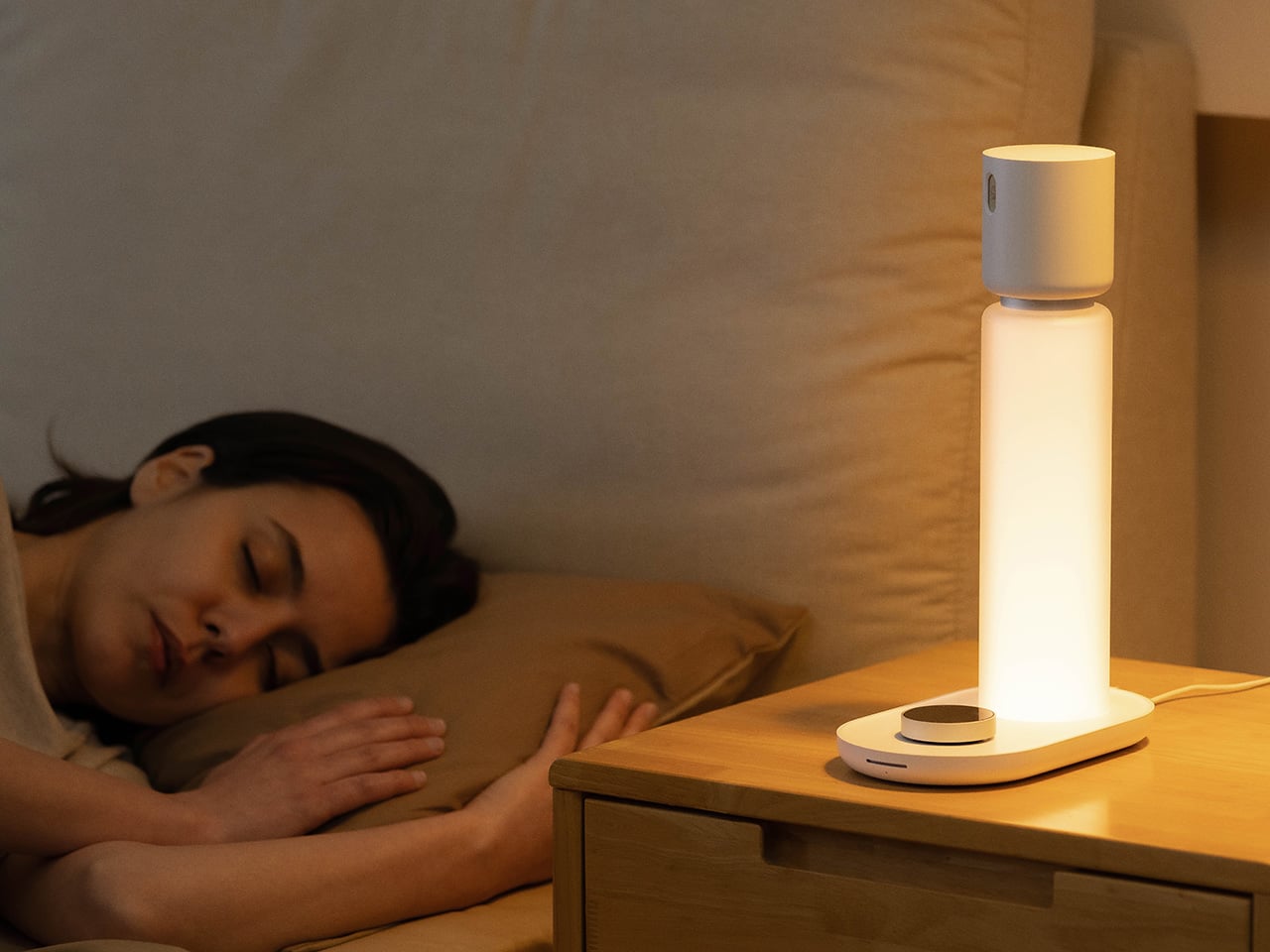
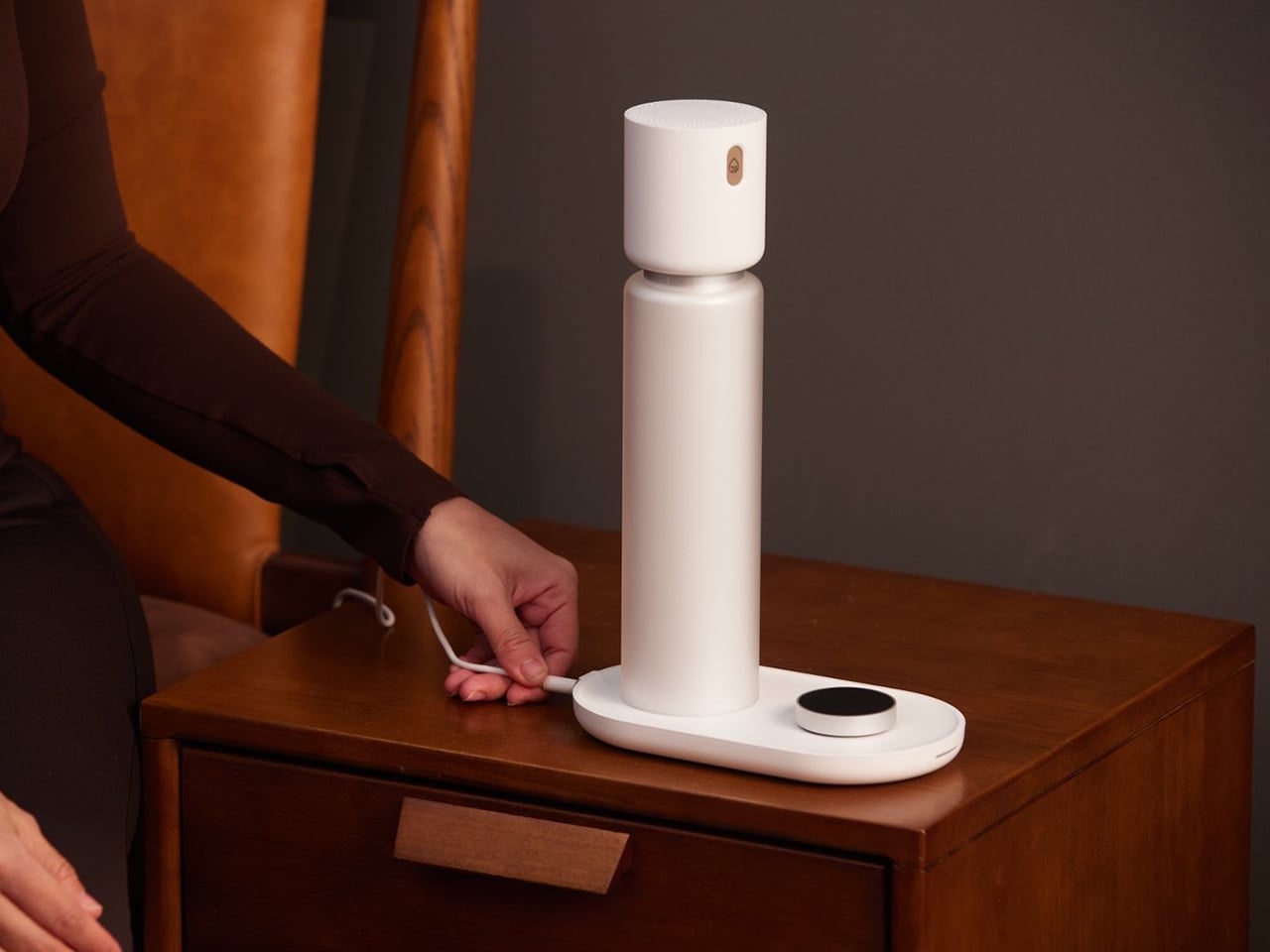
The irony, of course, is that wearing a device to bed can get in the way of the very thing you’re trying to improve. A watch or ring adds a layer of physical awareness that makes settling in harder, especially for someone who already struggles with sleep. Sleepal addresses that contradiction by embedding the tracking technology inside something already on your nightstand: a bedside lamp.
That choice of form factor carries real design logic. Around 70% of people already own a bedside lamp, and it’s naturally tied to the rituals of winding down and waking up. Building contactless sleep monitoring into that familiar object means Sleepal enters the bedroom without asking anything of you. No new habits to form, no extra device to charge, nothing to adjust to before lights out.
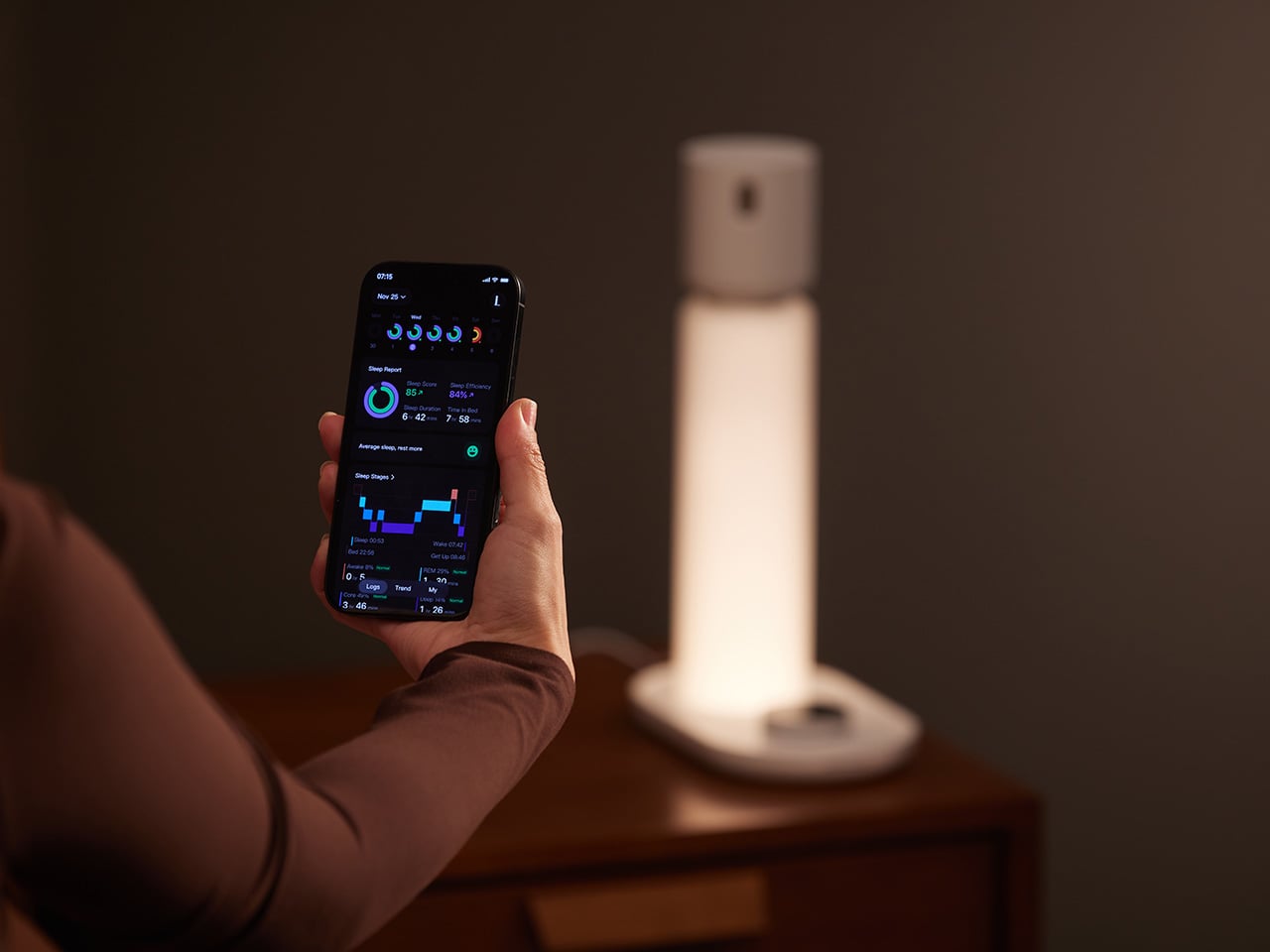
And setting it up is just as effortless. You plug it in, scan the device with the app, and after that, there’s really nothing else to manage. No nightly adjustments, no calibrations, nothing to put on before getting into bed. You simply sleep as you normally would and check your sleep report the next morning, which makes the whole experience feel remarkably frictionless.
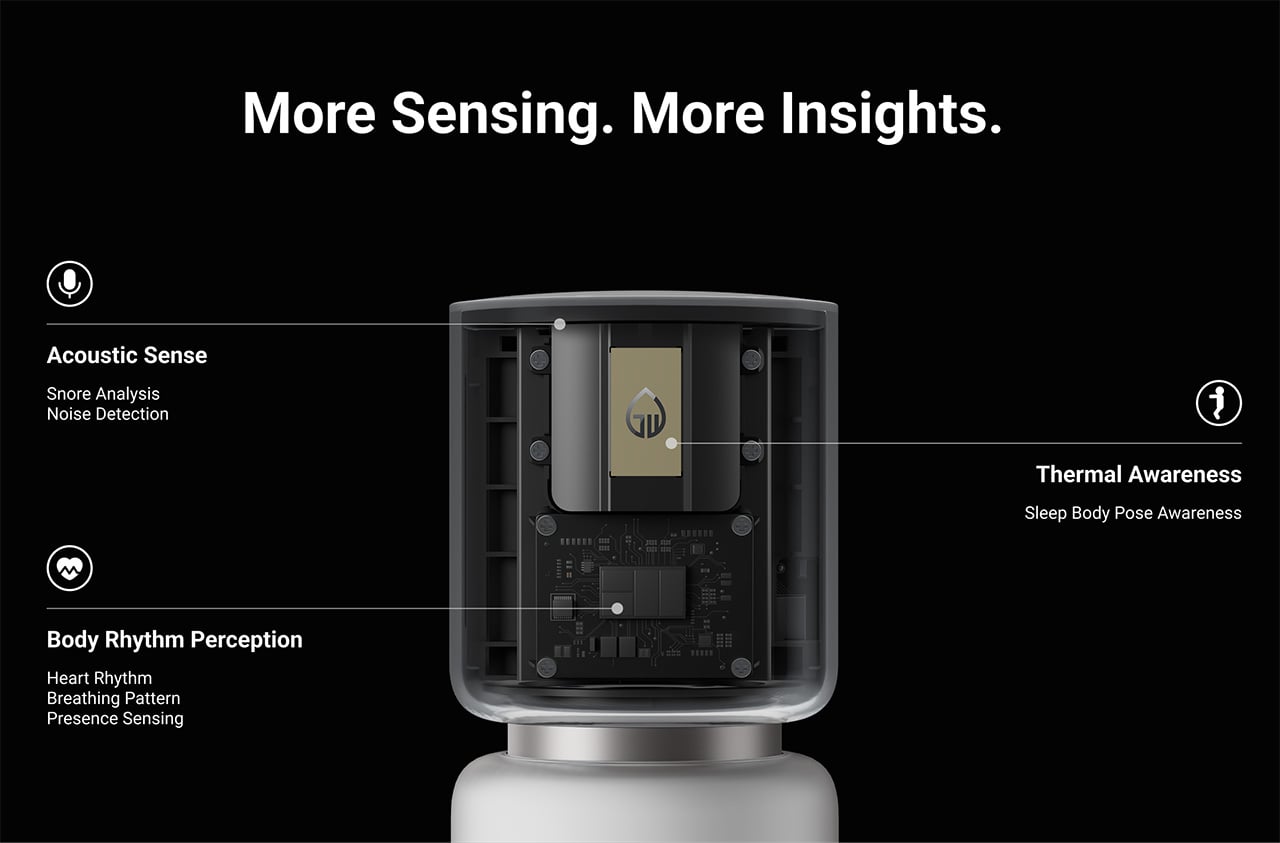
Behind that calm, unhurried exterior sits some serious sensing technology. Sleepal uses 60 GHz millimeter-wave radar with a detection precision of 0.1 mm, picking up the subtle chest micro-movements that come with breathing and a heartbeat. Those signals combine with environmental data and run through a sleep AI model built from scratch with nearly 100 million parameters, making the sleep-stage picture both thorough and precise.
And that technical foundation is backed by genuine clinical work. Sleepal collaborated with multiple hospitals to build one of the world’s largest radar-based sleep databases, including more than 2,000 datasets collected alongside polysomnography testing. This medical-grade data foundation is a key source of its accuracy, and based on Sleepal’s test results, its sleep-tracking accuracy is higher than that of most mainstream wearables.
Because it functions as a lamp, the light itself becomes part of how it supports your sleep. It adapts through the night, softening as you settle in and brightening gently as morning approaches. Plus, it reads the room’s environmental conditions, capturing the ambient factors that affect rest and giving you a fuller picture of your night by combining physiological and environmental data.
The wake-up experience gets the same level of thought. When you set a target time in the app, Sleepal doesn’t just ring at that exact moment. It looks for a more natural waking window, steering clear of deep sleep and REM in favor of lighter stages. A turn of the body triggers snooze, and if you drift off again, the alarm continues until it detects you’ve left the bed.
Getting to sleep is handled just as carefully. Breathing guidance, meditation, and relaxation audio are all built in, giving you a non-pharmaceutical way to ease into rest before the tracking even begins. Heck, for a lot of people, better sleep doesn’t come from gathering more data alone; it comes from having practical tools to actually wind down, and Sleepal has a solid set of those.
One of the more quietly impressive things about Sleepal is how much it conceals. There’s no camera, and a physical control for key sensors adds a layer of discretion, while all that advanced sensing sits behind a lamp that simply looks like it belongs. The design emphasizes comfort and calm over any overt technological statement, making it easy to trust in a space as personal as a bedroom.
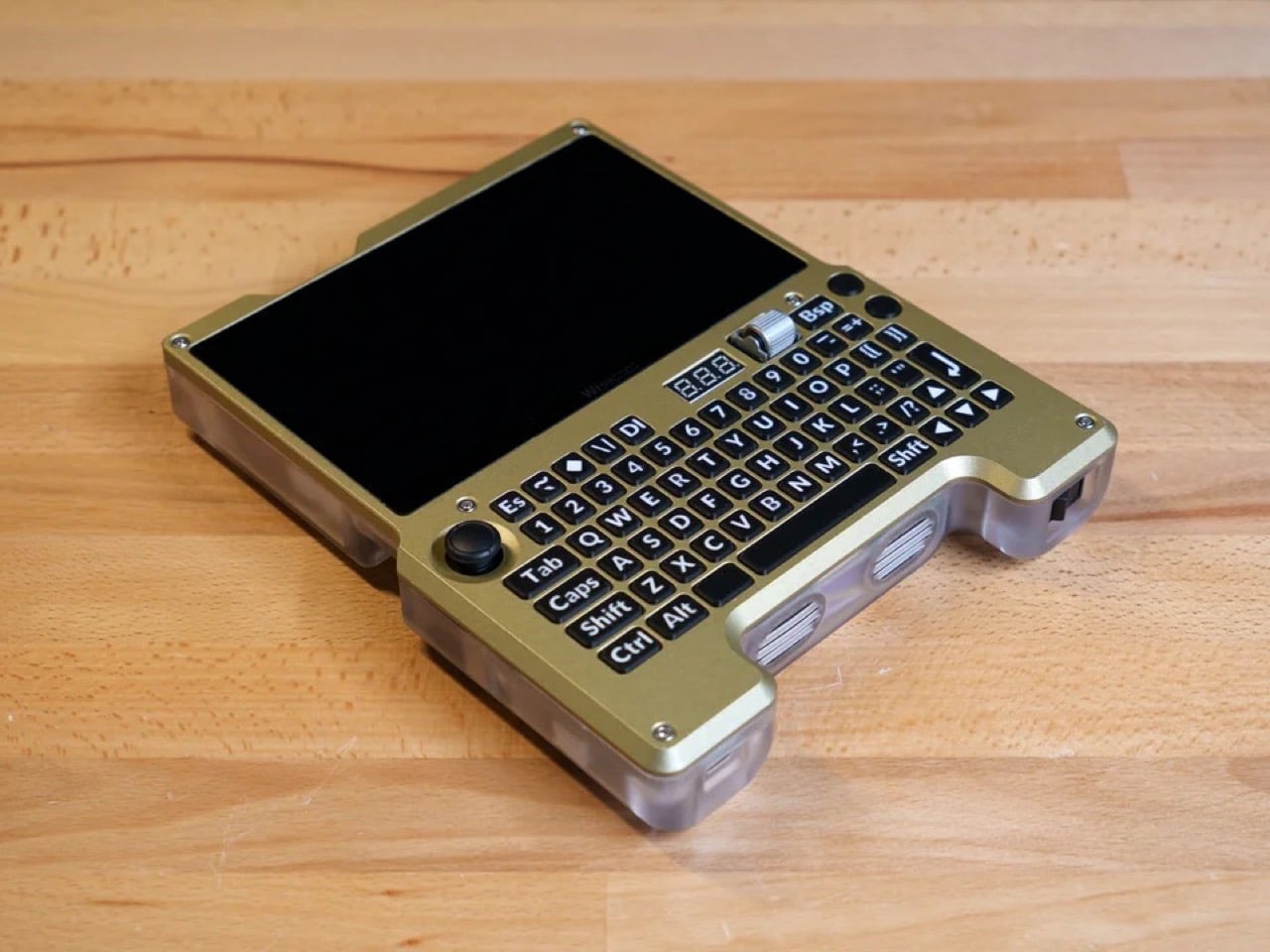
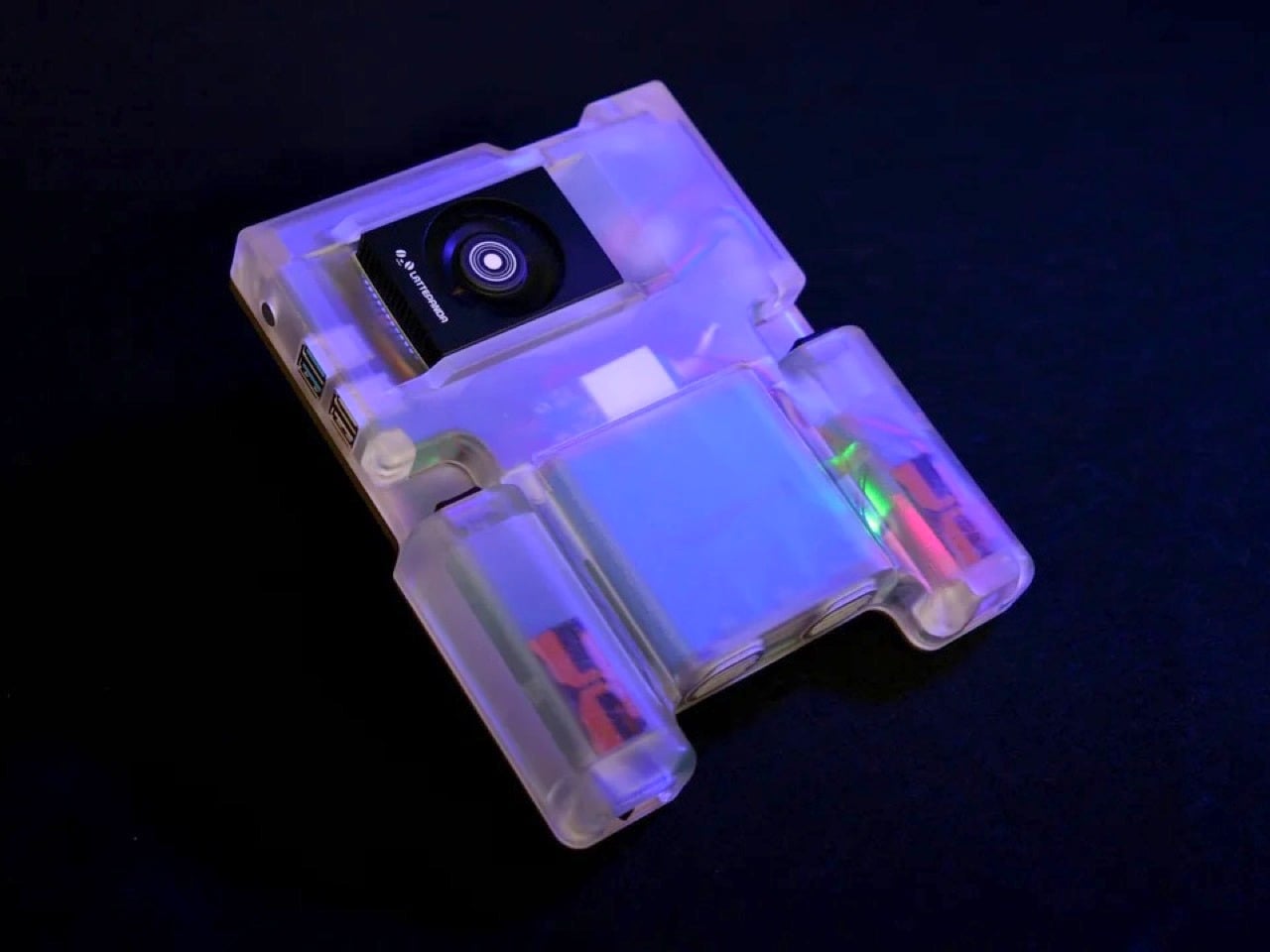
Before the iPhone arrived in 2007 and quietly buried the category, handheld PCs were shaping up to be something genuinely exciting. Devices like the Sony Vaio UX and OQO Model 2 promised a full desktop OS in your jacket pocket, and for a brief window, that felt like the obvious future of personal computing. Smartphones won that argument decisively, and the handheld PC faded into a footnote. A YouTuber who goes by Wisce decided that footnote deserved a second chapter, and built one himself from scratch.
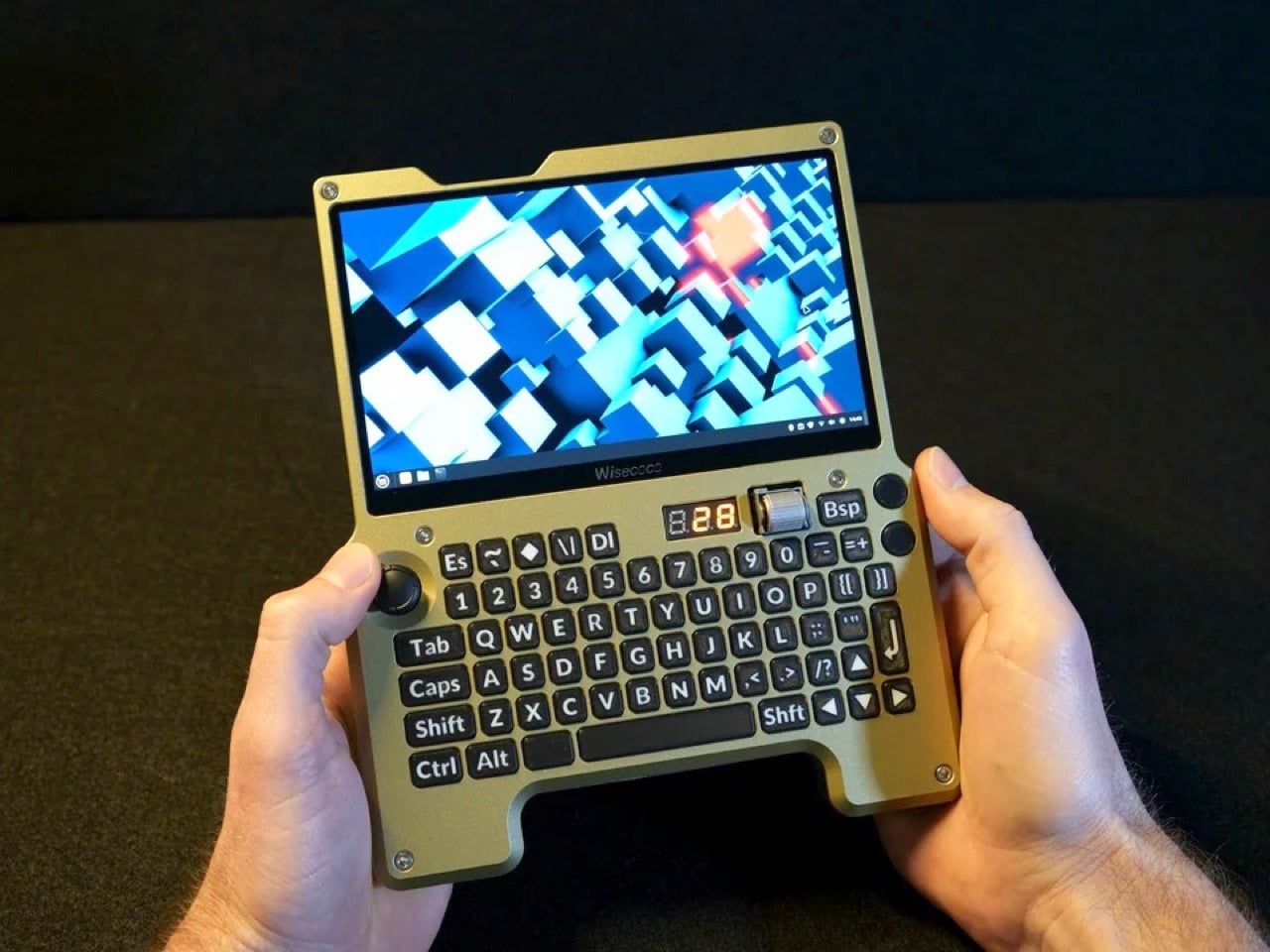
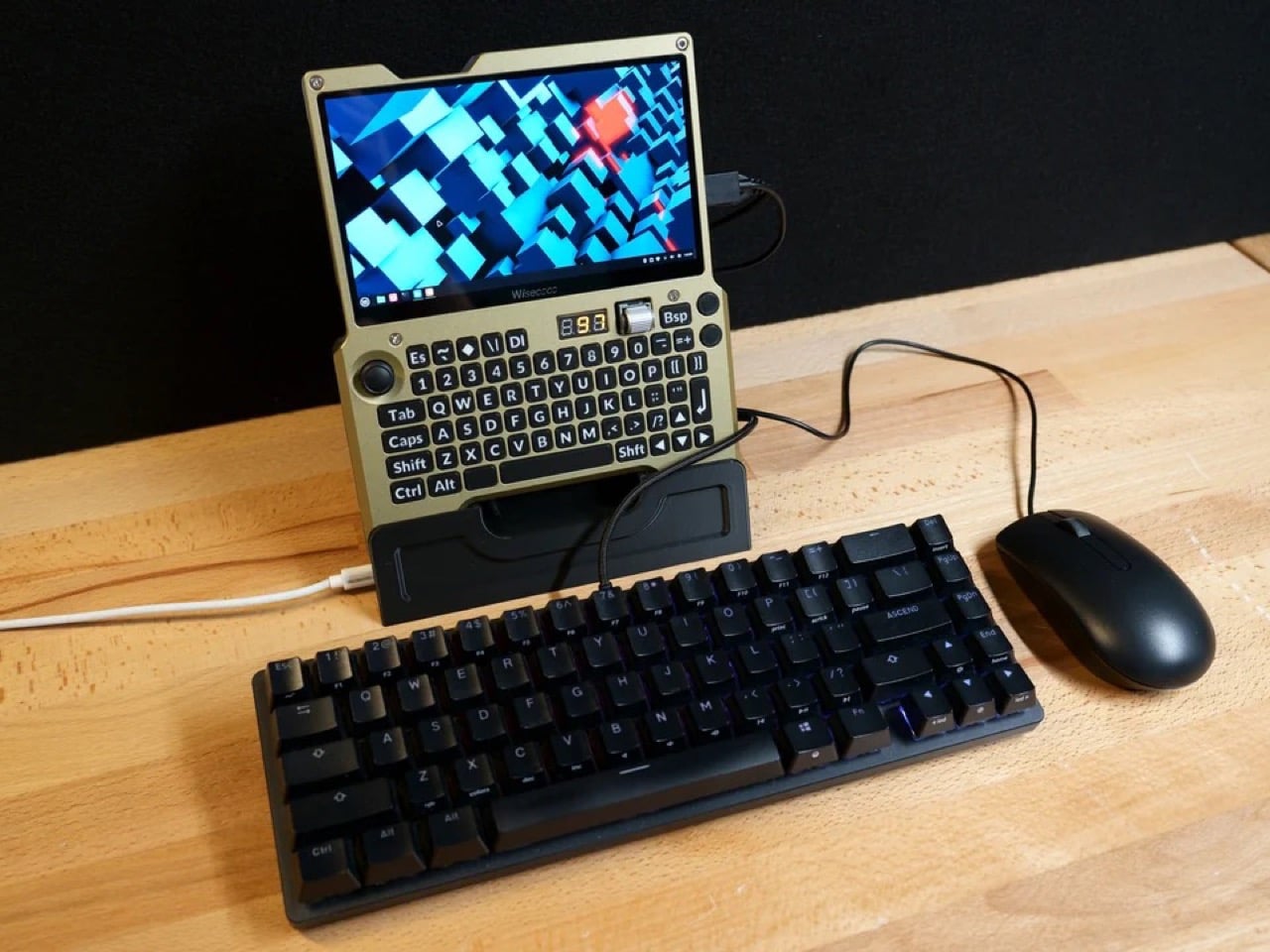
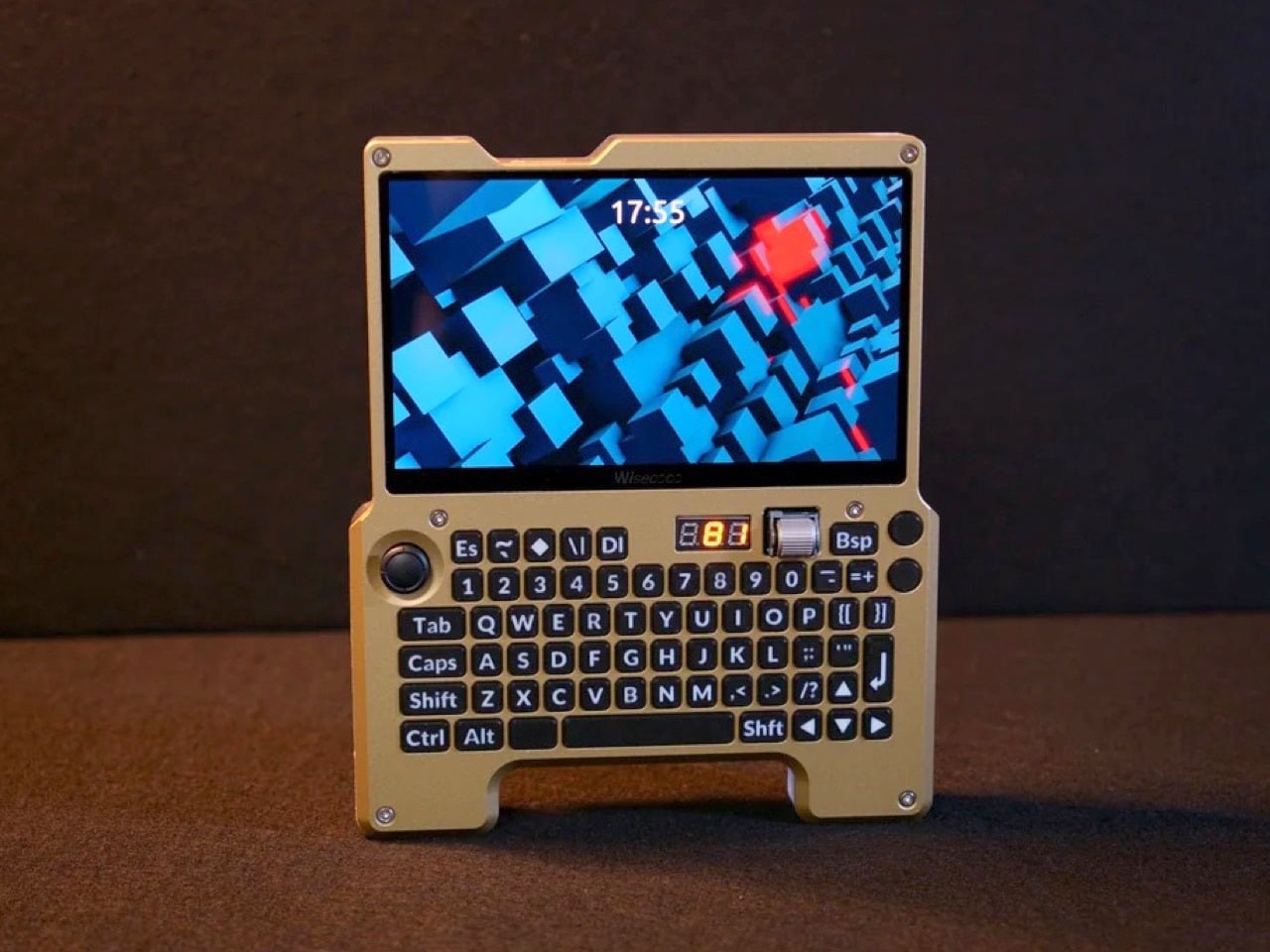
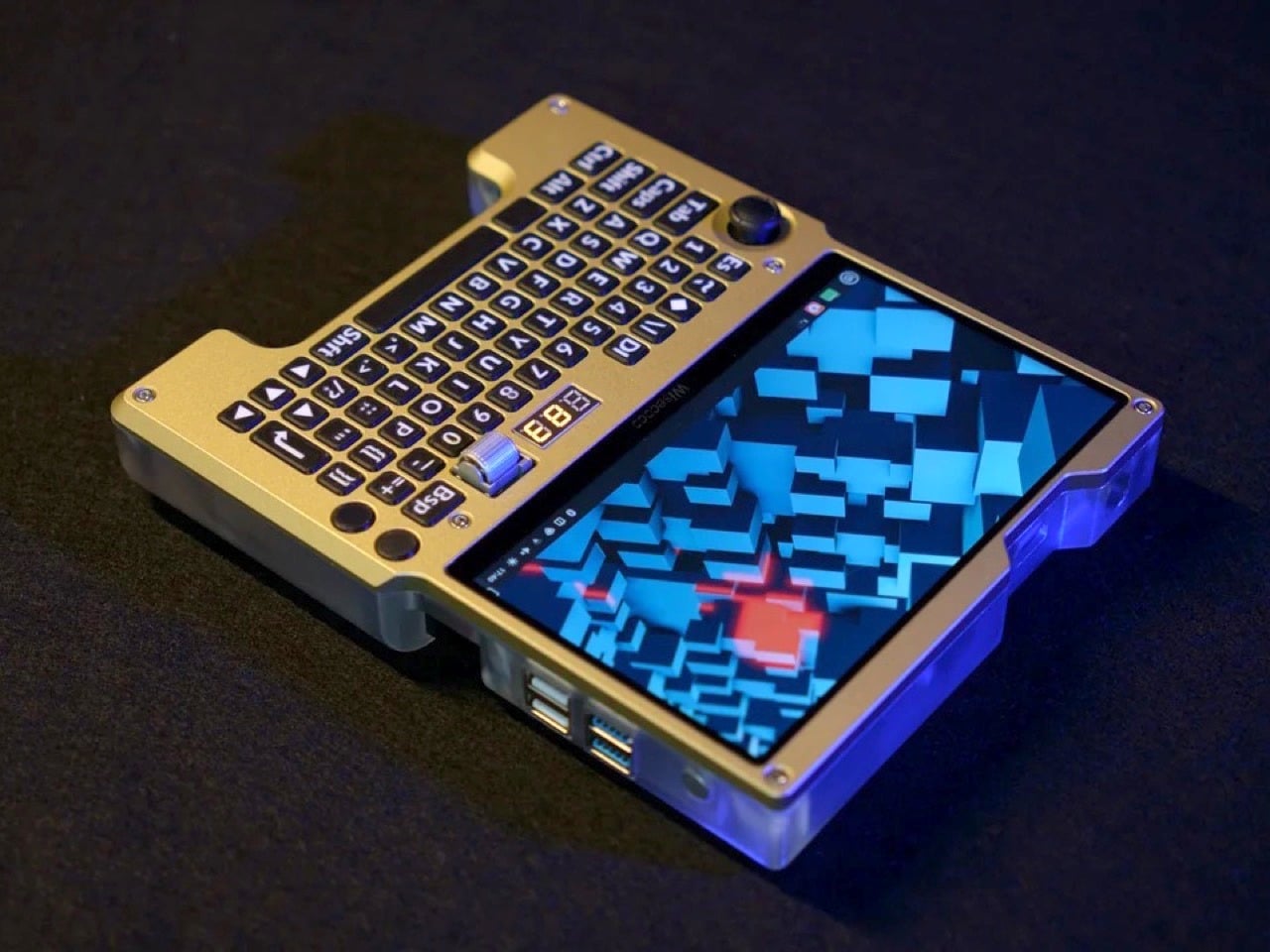
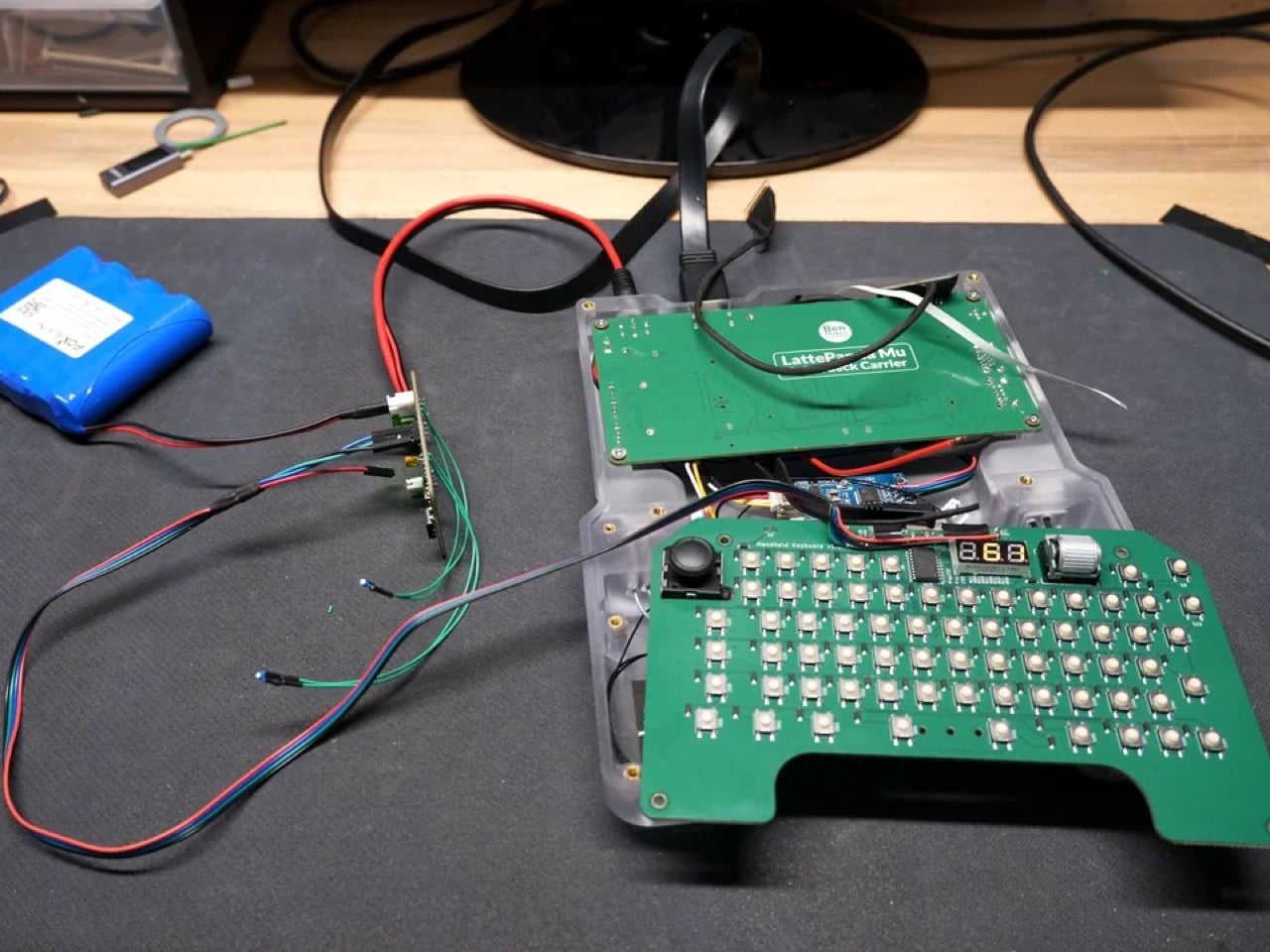
The result is a fully custom x86 handheld computer built around the LattePanda Mu single-board computer, running Linux Mint on a 7-inch 1920×1080 120Hz display. It has a full QWERTY ortholinear thumb keyboard with custom-printed keycaps, a Joy-Con thumbstick repurposed as a mouse, a horizontal scroll wheel, four USB ports, a full-size HDMI output, USB-C charging, and a 4,500mAh battery pack with a three-digit readout that tells you exactly how much juice is left. Every single component was designed, sourced, or fabricated by hand.
Designer: Wisce
The LattePanda Mu is an x86 SBC that outperforms even the Raspberry Pi 5 by a notable margin, and Wisce built a custom carrier board for it rather than using an off-the-shelf solution. That board delivers four full-size USB ports, a full-size HDMI port, M.2 SSD and Wi-Fi slots, and internal USB connectors for the keyboard and audio subsystem. A 1TB SSD and a budget Wi-Fi card complete the internals. The operating system is Linux Mint, chosen partly on merit and partly because Wisce’s previous builds attracted considerable audience displeasure when they shipped with Windows 11. Linux also strips out the background process bloat that Windows tends to accumulate, giving the Mu’s x86 architecture more room to breathe.
The display decision alone took multiple iterations to land. Wisce initially planned to use a 1024×600 60Hz panel from DF Robot, the parent company behind the LattePanda line, but rejected it for its low resolution, large bezel, and limited refresh rate. The replacement is a 1920×1080 120Hz eDP panel with a much thinner bezel, connected directly to the Mu’s native eDP output via a custom PCB that reroutes a pin mismatch between the two connectors. That kind of problem-solving shows up everywhere in this build: when a straightforward solution didn’t exist, Wisce designed one.
The keyboard runs on a custom PCB with an RP2040 microcontroller integrated directly into the board, bypassing the need for a separate Arduino or Pi Pico. The switches are surface-mount tactile types rated for around two million presses, sized small enough to fit a full QWERTY layout without sacrificing the thumb-typing ergonomics the ortholinear arrangement was chosen to support. Keycaps were modeled in Fusion 360 and printed on an FDM machine using a 0.2mm nozzle and multi-material filament to get legible, sharp legends on each key. The Joy-Con thumbstick on the left handles cursor movement via a QMK profile that maps it as a mouse, and the horizontal rotary encoder scroll wheel on the right is, by Wisce’s own admission, one of his favorite things about the finished device.
The enclosure is a two-part construction: a translucent resin rear shell that keeps the internal geometry visible, and an aluminum front plate that was CNC machined, anodized, then repainted by hand after the factory “champagne” finish came out looking closer to a flesh tone than the golden bronze Wisce had rendered. The finished device is 36mm thick at its deepest point and weighs approximately one kilogram, which puts it in a different category from a Game Boy but well within the range of something you’d actually carry. A 3D-printed dock props it upright on a desk with the HDMI port and USB-C charging accessible, turning the handheld into a functional desktop workstation when paired with an external keyboard and mouse.
What makes this build genuinely compelling, beyond the craftsmanship, is how clearly it articulates a design philosophy that commercial manufacturers keep fumbling. Devices like the GPD Win 5 chase gaming performance and end up compromising portability or pricing out most buyers. The Steam Deck nails the gaming use case and handles general computing as an afterthought. Wisce’s machine is neither of those things. It’s a full x86 desktop OS in a form factor that fits in two hands, with physical controls that were chosen specifically for the way humans hold objects, a battery system that actually communicates with its user, and a screen bright and sharp enough to make the whole proposition feel current. The handheld PC category failed twenty years ago because the hardware wasn’t ready. This build suggests the hardware has been ready for a while, and we’ve just been waiting for someone stubborn enough to put it together properly.
If you worked in an office during the Windows 95 era, you knew the drill. The boss walks past, you alt-tab from Solitaire to a spreadsheet, and if you’re feeling particularly bold, you minimize Minesweeper and hope nobody notices the gray grid burned into your retinas. The game was a workplace epidemic, a logic puzzle disguised as a productivity killer, and it came free with every copy of Windows from 1992 onwards. Robert Donner and Curt Johnson created it for Microsoft in 1990, and within a few years, conservative pundits were literally calling it a threat to American business productivity.
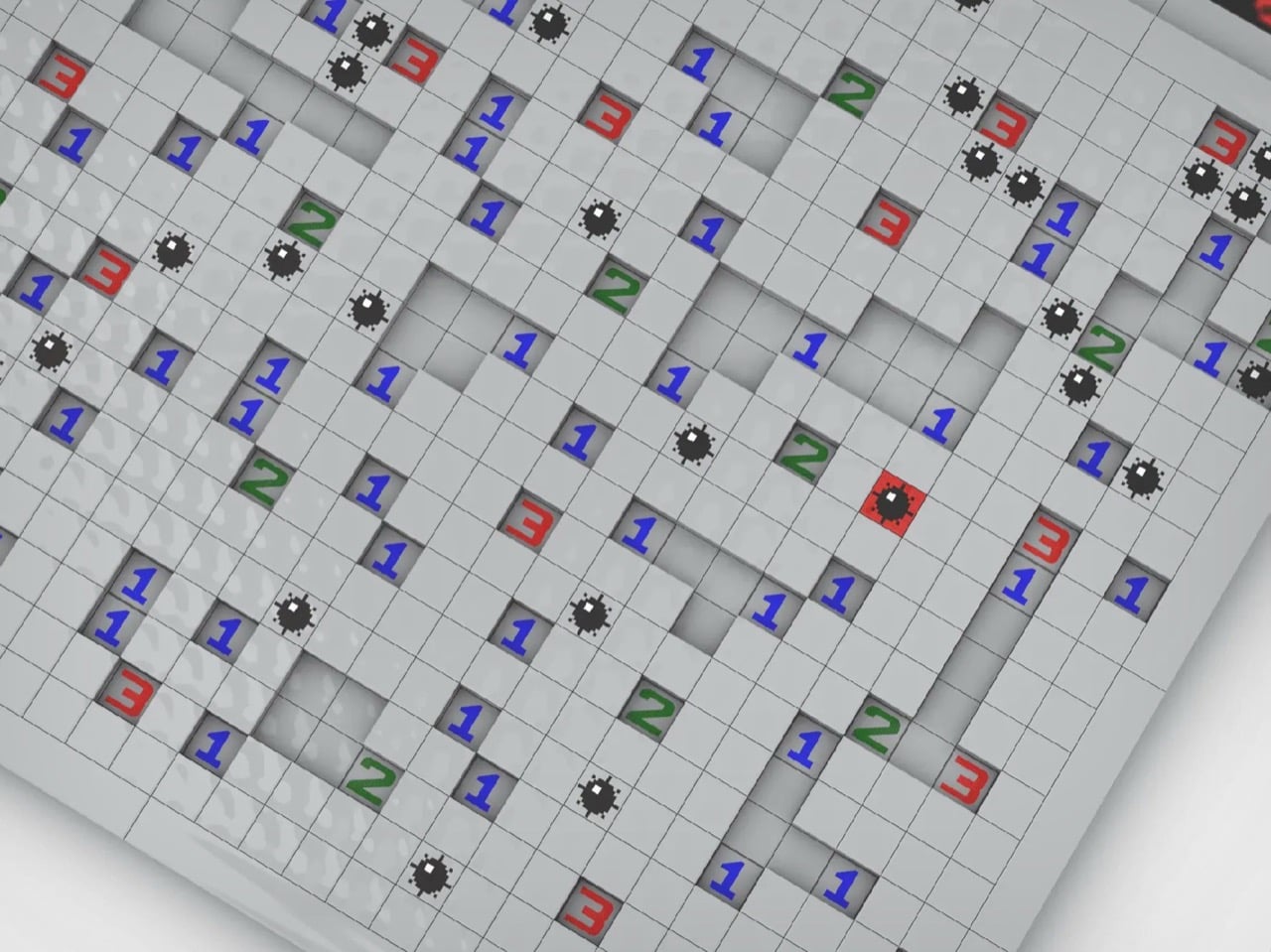
LEGO builder carlos_silva94 has taken that gray grid of anxiety and turned it into something you can hold, a fully functional brick-built recreation of the classic game complete with textured tiles, working digital displays, and that iconic yellow smiley face that judged your every click. The build captures the aesthetic of Windows 95 with surprising accuracy, from the raised tile surfaces to the seven-segment displays counting down your mines and ticking up your time. It’s desk toy nostalgia executed in the exact medium that makes sense for anyone who spent their childhood (or their entire career) staring at numbered squares and sweating over where to click next.
Designer: carlos_silva94
The grid itself uses LEGO’s textured tiles to differentiate between covered squares (those nerve-wracking gray unknowns) and revealed tiles showing the numbered clues. The numbers themselves appear to be rendered using printed tiles or stickers, capturing that chunky digital font that defined early computer graphics. The digital displays at the top, showing both the mine counter and the timer, are built using classic seven-segment configurations, the kind that would tick up second by second while you frantically tried to deduce which square was safe and which one would end your game in a shower of pixelated explosions.
My favorite detail, however, is that yellow smiley face sitting front and center. In the original game, that face was your emotional barometer. Click a tile and it would wince in anticipation. Hit a mine and it would go cross-eyed with cartoon death. Clear the board and it would throw on sunglasses like it had just won a prize. Here, rendered in LEGO form, it just sits there with that same placid expression, a tiny plastic reminder of all the times you gambled on a 50/50 guess and lost spectacularly.
The build is designed to be customizable, which is a smart move given the nature of the game. Carlos mentions that builders could easily swap tiles to create their own puzzles, turning this from a static display piece into something you could actually interact with. Whether that means physically rearranging LEGO tiles to simulate a Minesweeper game or just using it as a conversation starter on your desk, the modularity adds a layer of functionality that elevates it beyond pure nostalgia bait.
What makes this particularly appealing as a potential LEGO Ideas set is how perfectly it fits the “desk toy for adults who grew up with this stuff” category. It’s compact, rectangular, instantly recognizable, and carries enough cultural weight that anyone who spent time on a Windows PC between 1992 and 2012 will immediately get it. LEGO has leaned into retro tech and gaming nostalgia before with sets like the NES and the Atari 2600, and Minesweeper occupies that same cultural real estate. It’s a piece of digital history that defined an era of computing, rendered in a format that actually makes sense to build with bricks.
The MOC currently sits at just over 1,100 supporters on the LEGO Ideas platform, with 578 days left to reach the 10,000 vote threshold that triggers an official LEGO review. If this brings back memories of frantic clicking, pattern recognition, and the cold dread of accidentally right-clicking when you meant to left-click, head over to the LEGO Ideas page and cast your vote. Just try not to lose an entire afternoon doing it.
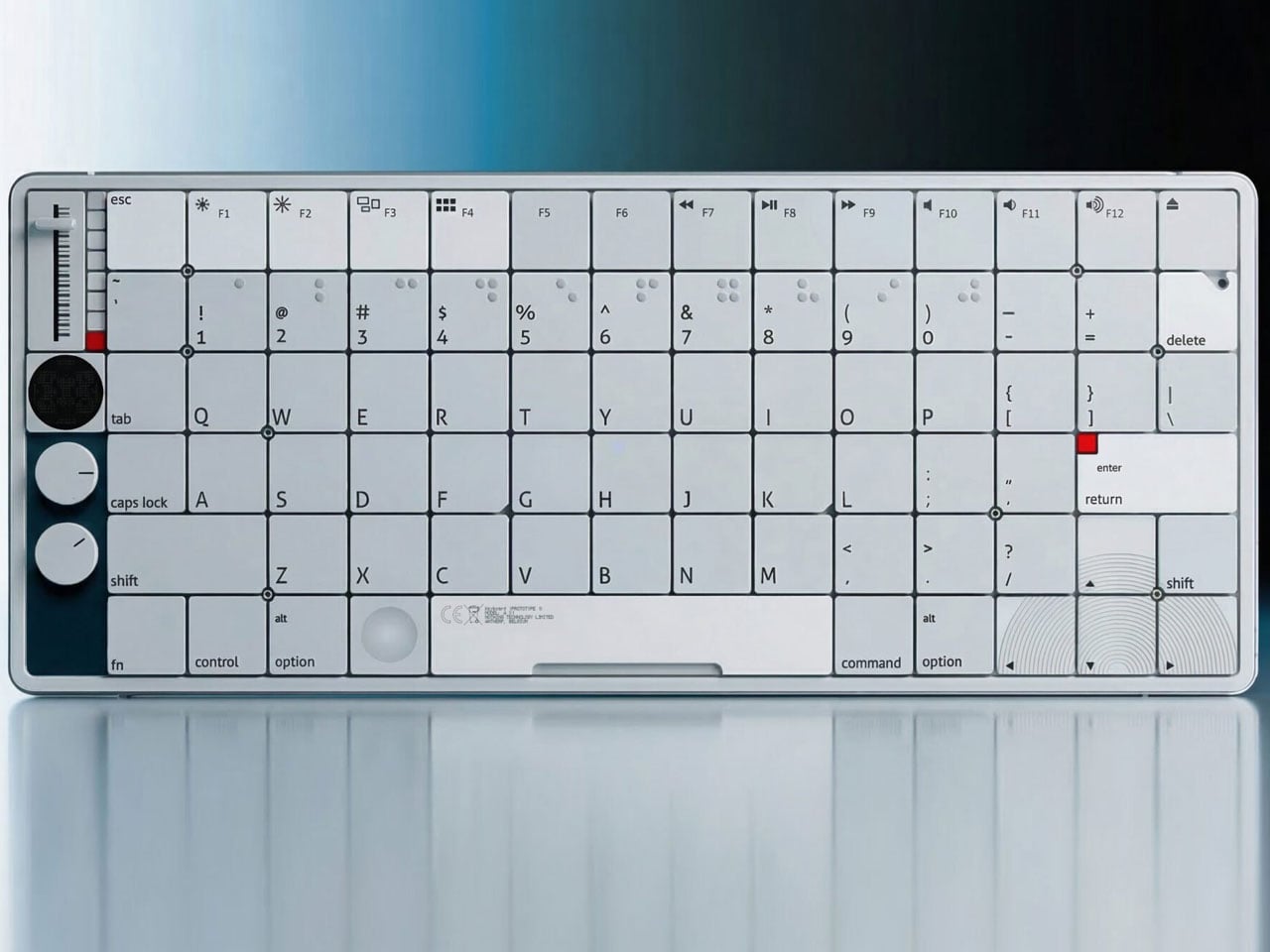
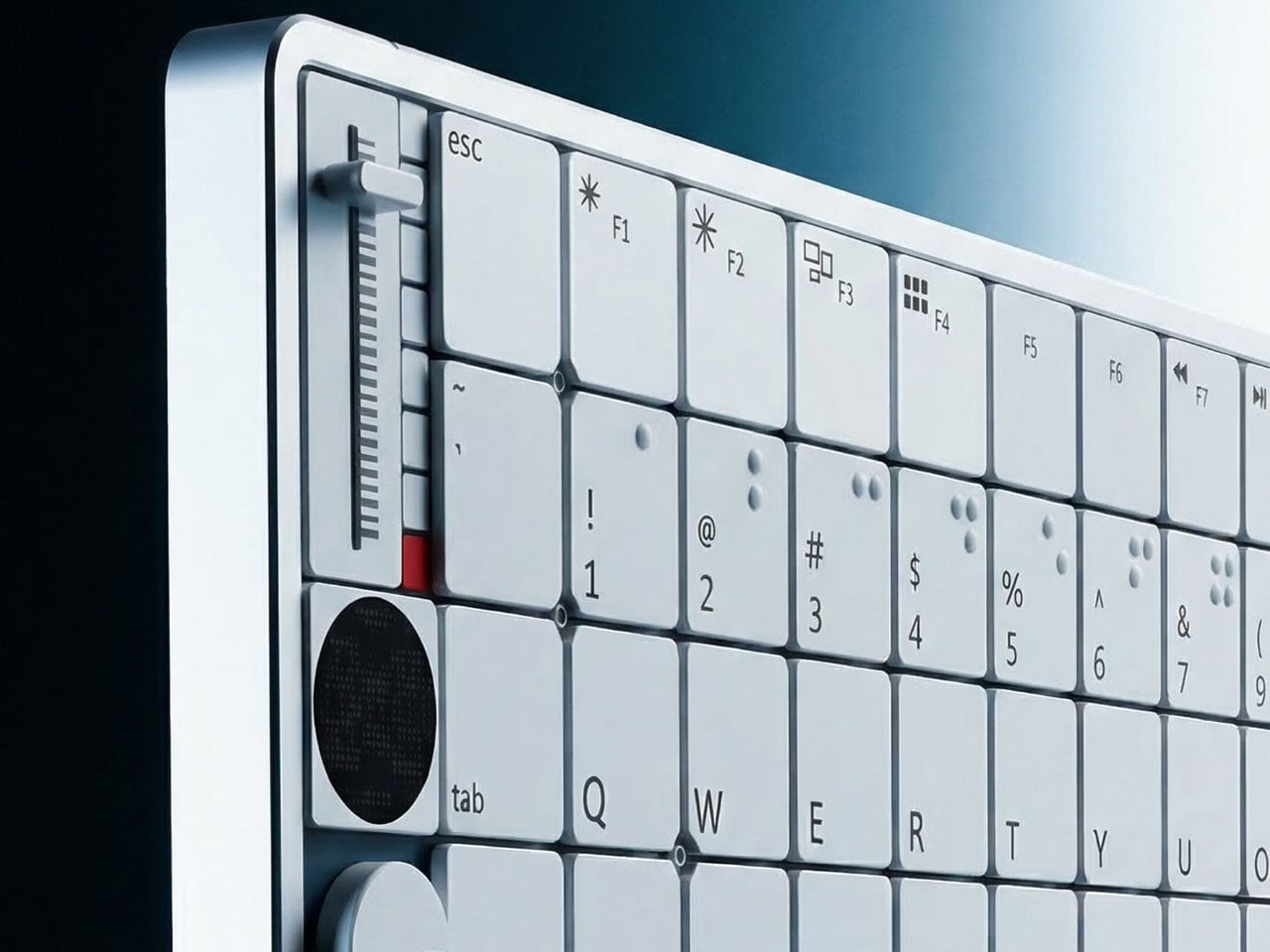
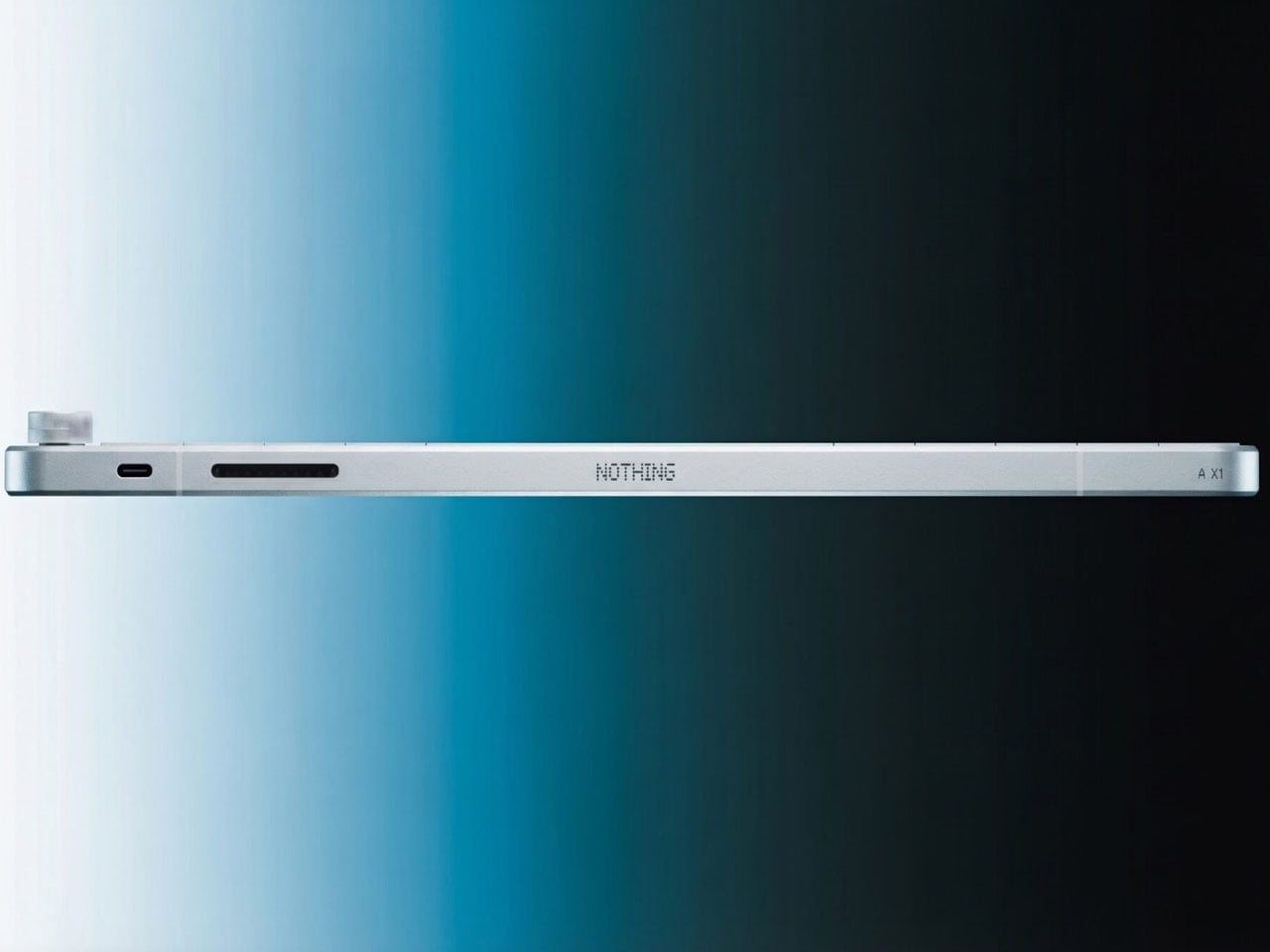
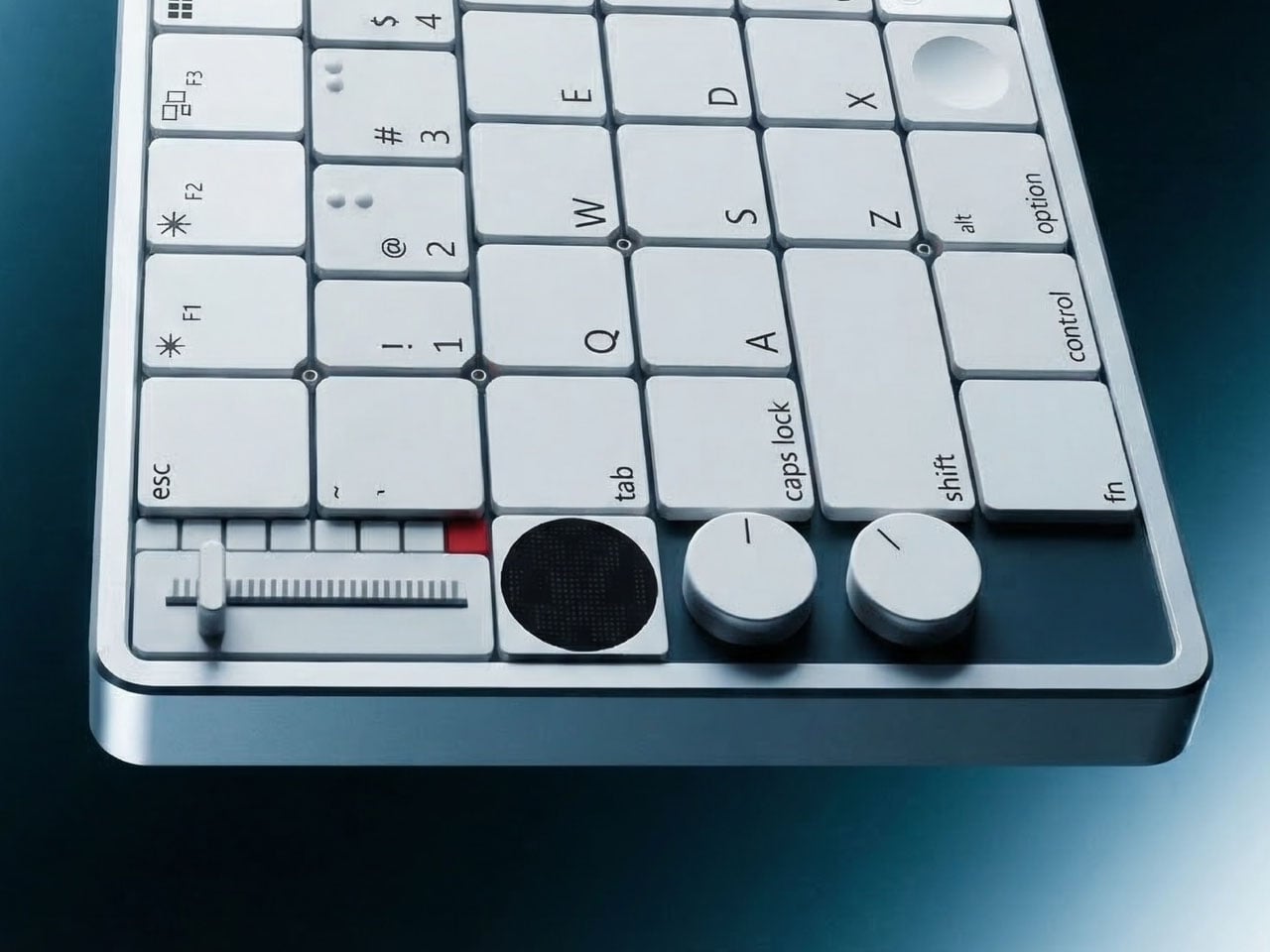
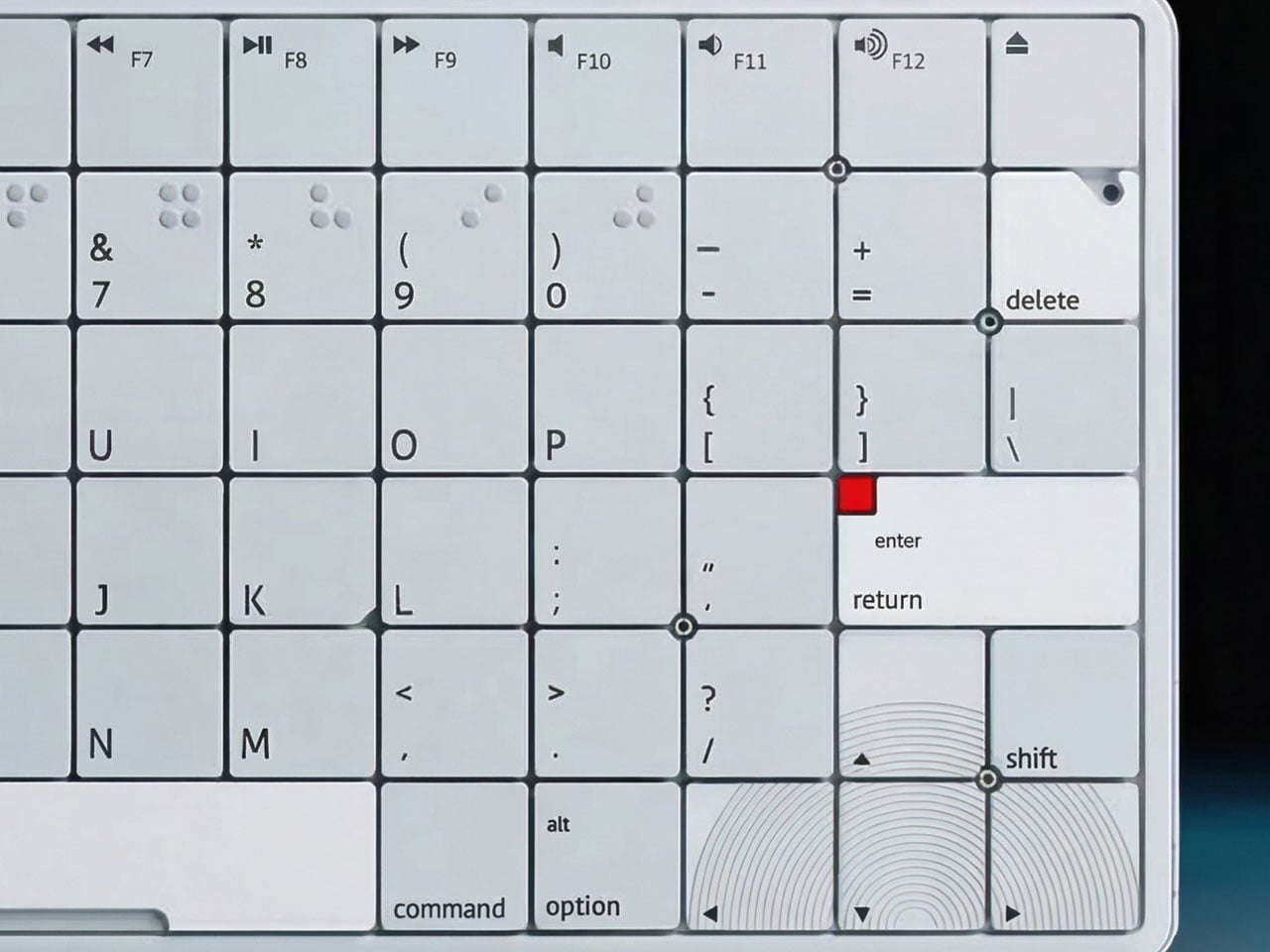
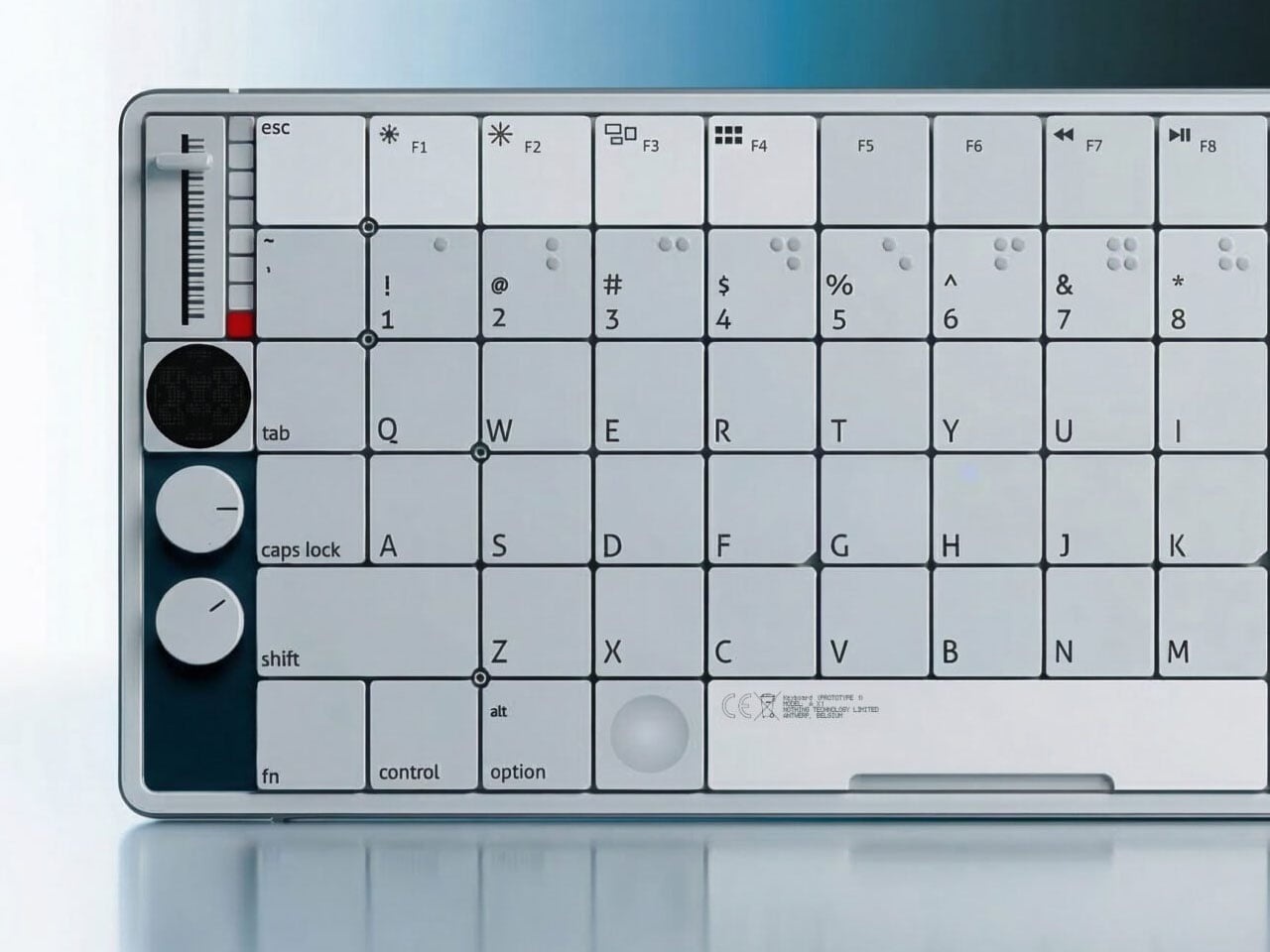
Nothing’s unique design language has inspired many gadgets and concept designs, and this one is no different. Just like the Nothing NK-1 keyboard which follows the brand’s transparent aesthetics, the minimalist form factor, and the signature font, this concept keyboard is one for fans who have always wanted a Nothing keyboard.
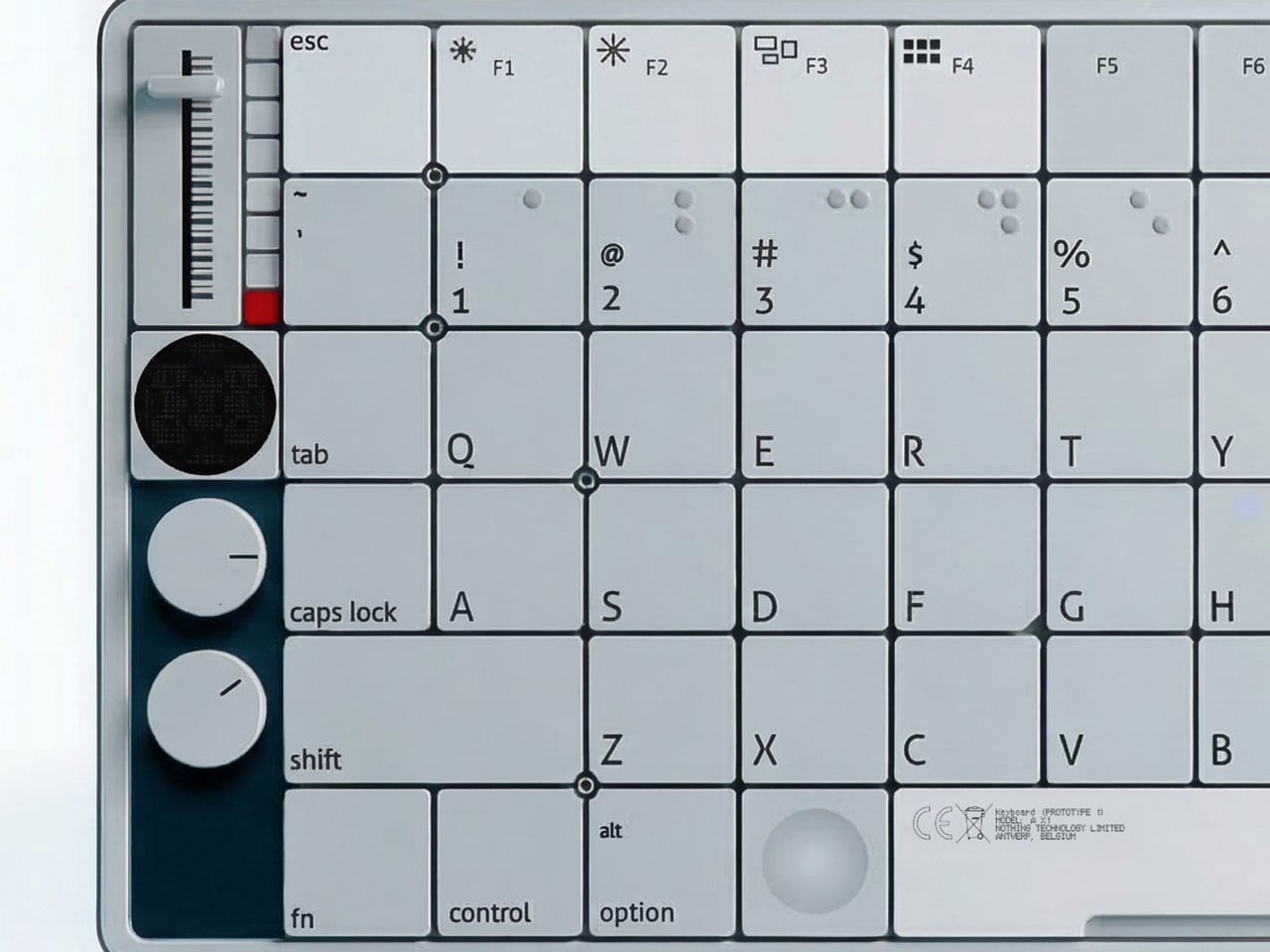
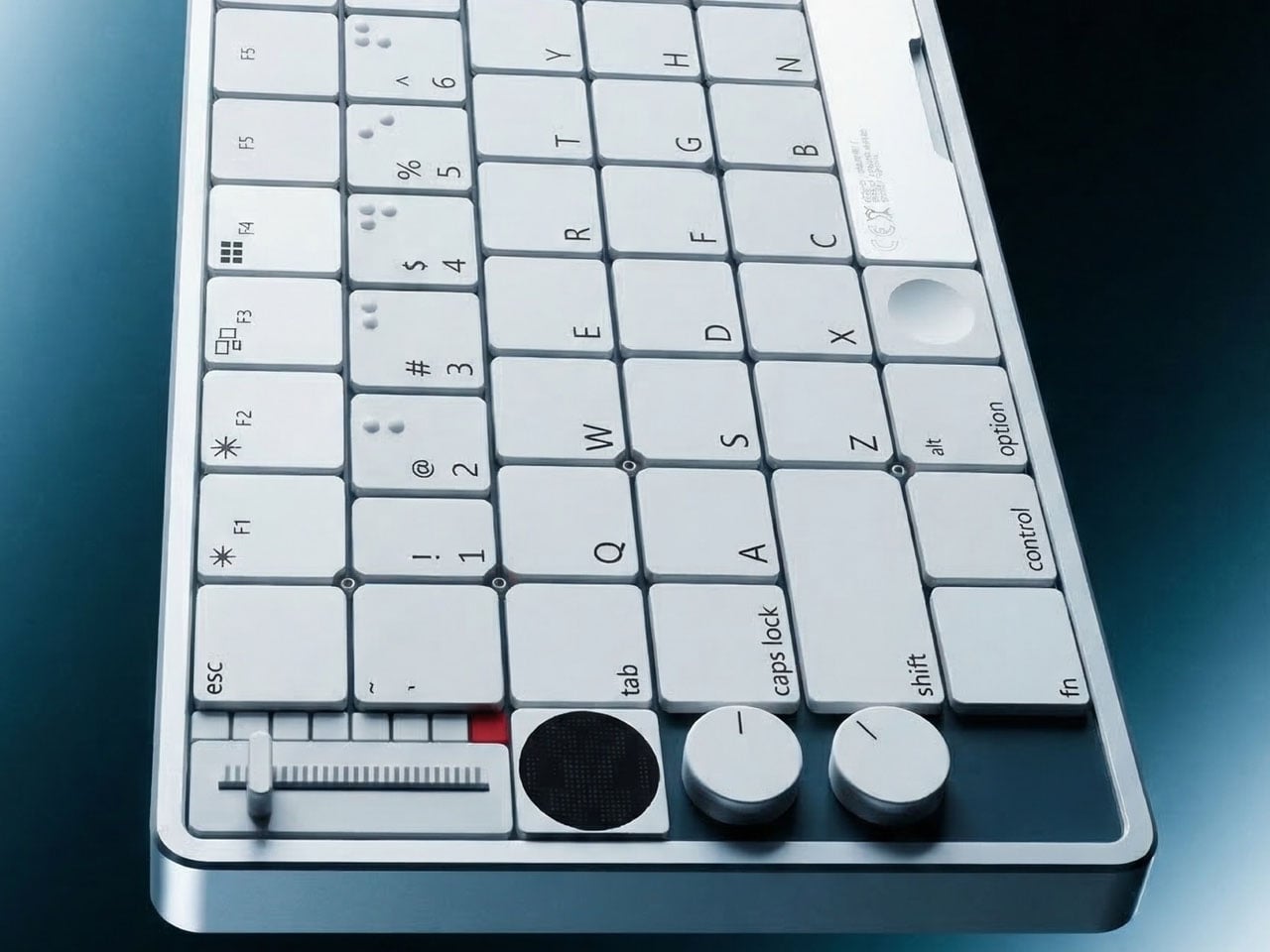
This concept looks like an inspirational cocktail of Nothing and Teenage Engineering with the color choices and the knobs. The designer calls it the A X1 keyboard, and I absolutely love the idea since so many keyboards go for the trending RGB backlit formats. This one stands out for its minimalist yet nerdy vibe.
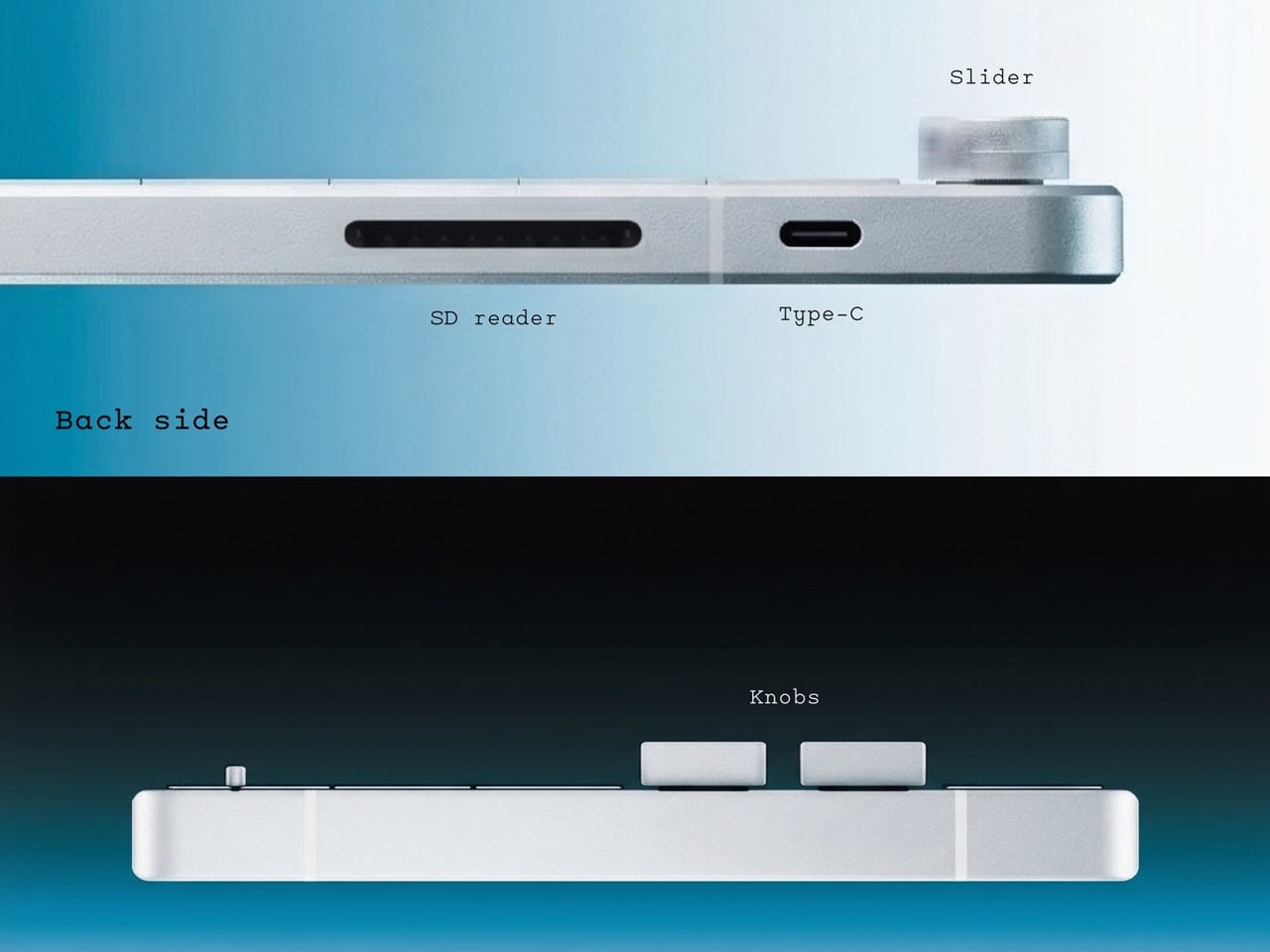
The left side of the keyboard is occupied by the knobs, a slider for toggling functions, and a small circular display showing the current tools in software applications. These include color picker, text selection, cropping, eraser and other contextual commands that can change depending on the software being used. By dedicating a small control hub to the side, the concept emphasizes workflow efficiency while keeping frequently used functions within easy reach.
The compact display plays an important role in making the keyboard feel more interactive. Instead of relying solely on key combinations or on-screen menus, the display offers quick visual feedback for selected tools and settings. This allows users to move between functions without breaking their creative flow, which could be especially useful for designers, editors, and digital artists who often rely on rapid tool switching.
Visually, the keyboard continues to echo Nothing’s recognizable aesthetic language. Subtle graphic markings and carefully spaced typography reinforce the clean, futuristic feel, while the restrained color accents add personality without overwhelming the overall minimalism. The physical knobs further enhance the tactile experience. Instead of treating the keyboard purely as a typing tool, the design imagines it as a broader control interface for creative workflows. Rotating knobs could potentially adjust parameters such as volume, brush size, timeline scrubbing, or zoom levels depending on the active application, making the keyboard more versatile than conventional models.
Heat is one of the most underestimated side effects of climate change, particularly in cities where built-up surfaces trap warmth long after the sun has gone down. Air conditioning has become a near-necessity in many parts of the world, yet millions of people can’t access it, either because they can’t afford it or because they simply have no home to cool. For them, that absence can be genuinely dangerous.
Cool Retreats is a direct response to that reality. Rather than a single structure, it’s a collection of four different solar-powered public pavilions, each built to provide free cooling, shade, and a place to rest to anyone who needs it. The project is specifically aimed at public parks and open areas, particularly in cities where those who need relief the most often have the fewest options.
The Solar Ceiling Fan Pavilion is the most straightforward of the four, an open-frame structure with tilted solar panels across its roof and a row of ceiling fans hanging beneath. The logic is elegantly direct: sunlight hits the panels, the panels power the fans, and the space below stays cool. On cooler days, when the fans aren’t running, the surplus electricity feeds back into the local power grid.
The Solar Breeze Oasis Pavilion scales things up with a prefabricated, modular, octagonal steel structure that can be installed as a single unit or linked with others to form larger configurations. Inside, five solar-powered ceiling fans circulate air above seating areas and worktables, and solar-powered outlets let people charge their devices. The rooftop solar array also collects rainwater, which can be stored and used within the park.
Cool Spots are the most self-contained of the group. Each cylindrical module sits on a circular concrete base, with four large benches arranged around a central table and a solar-powered ceiling fan overhead. Built-in night lights and power ports extend their usefulness well into the evening, and the modules can run off batteries charged by their own solar arrays or pull power from the local grid as needed.
The Cooling Cone is the most visually striking of the four, a stacked, louvered structure that tapers into a cone at the top, where a solar panel powers a ceiling fan mounted just below it. The partially enclosed perimeter, made up of curved, slotted panels, provides both shade and ventilation. It’s the kind of structure that draws you in from the outside and keeps you comfortable once you’re there.
What ties all four together is their shared philosophy: cooling public space shouldn’t require a power bill, complex infrastructure, or permanent construction. Each structure is prefabricated, recyclable, and solar-powered, designed to go where it’s needed most and run without ongoing costs. It’s a reminder that public design can be both socially conscious and sustainable at the same time, without one ever having to come at the expense of the other.
Productivity apps have become one of the more ironic problems of modern work life. The tools meant to keep us focused are apps that live on the same devices responsible for most of our distractions. Switching to a timer app means unlocking a phone, and unlocking a phone means notifications, messages, and a dozen other things competing for your attention before you’ve even started the clock.
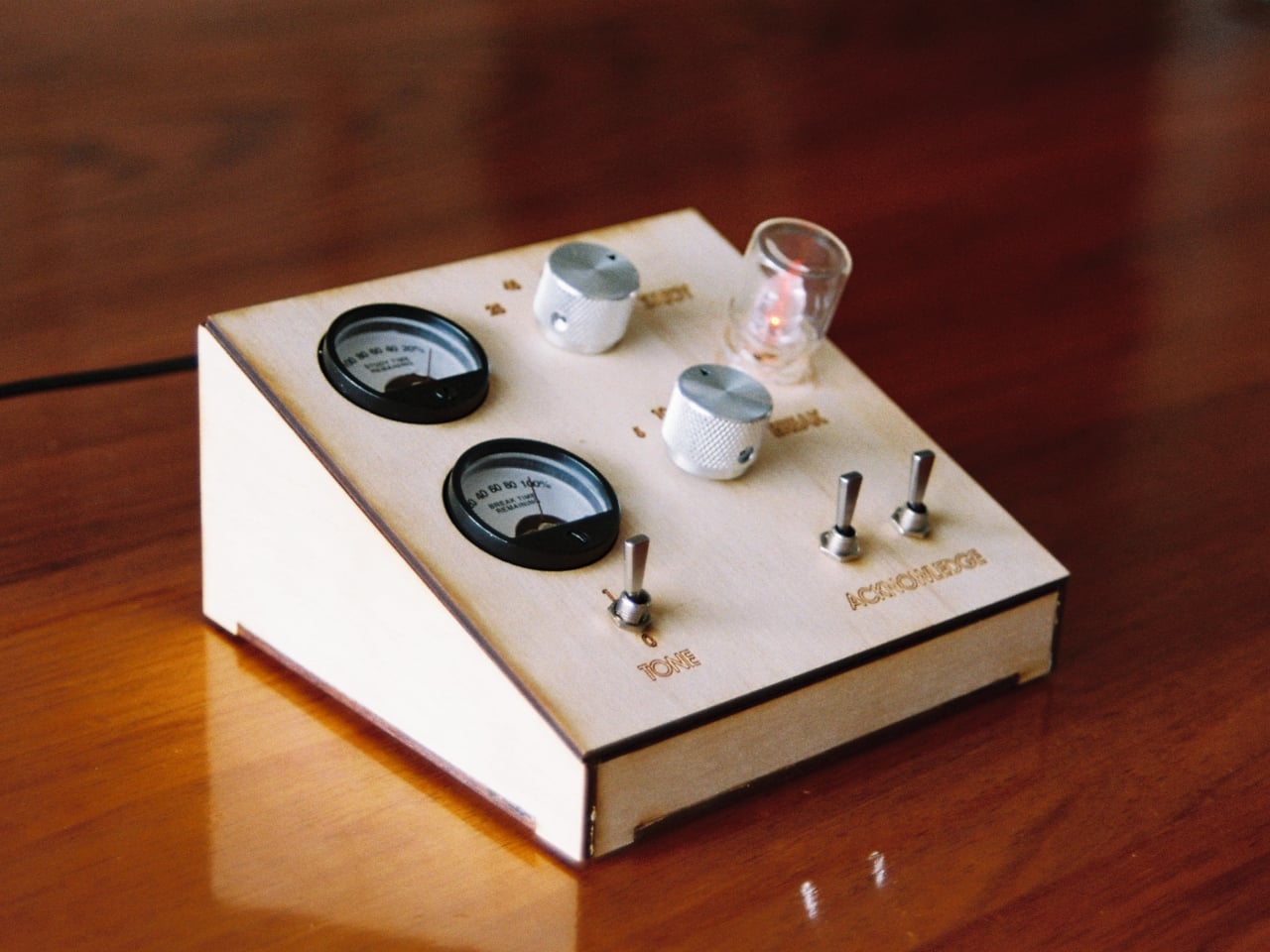
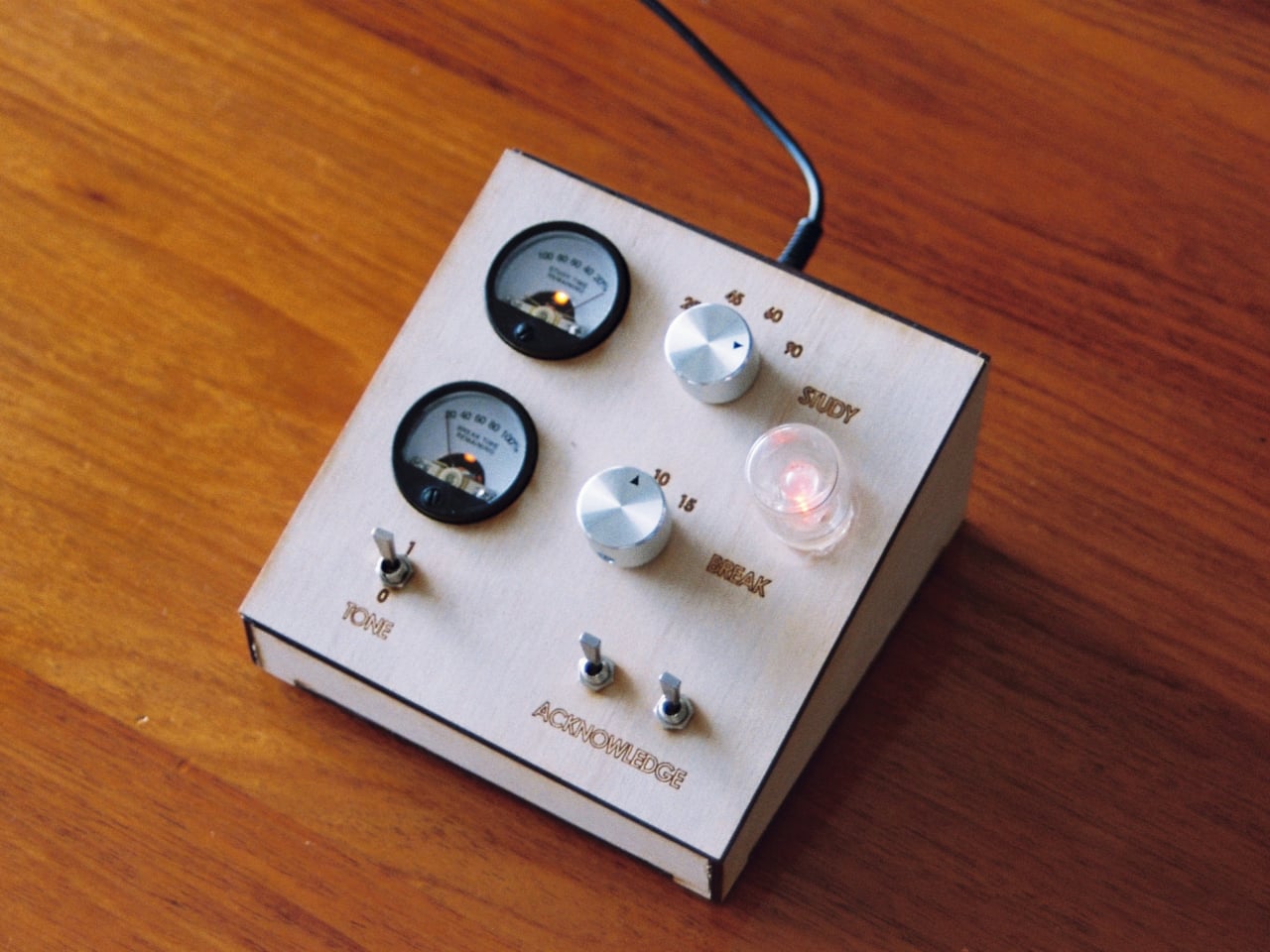
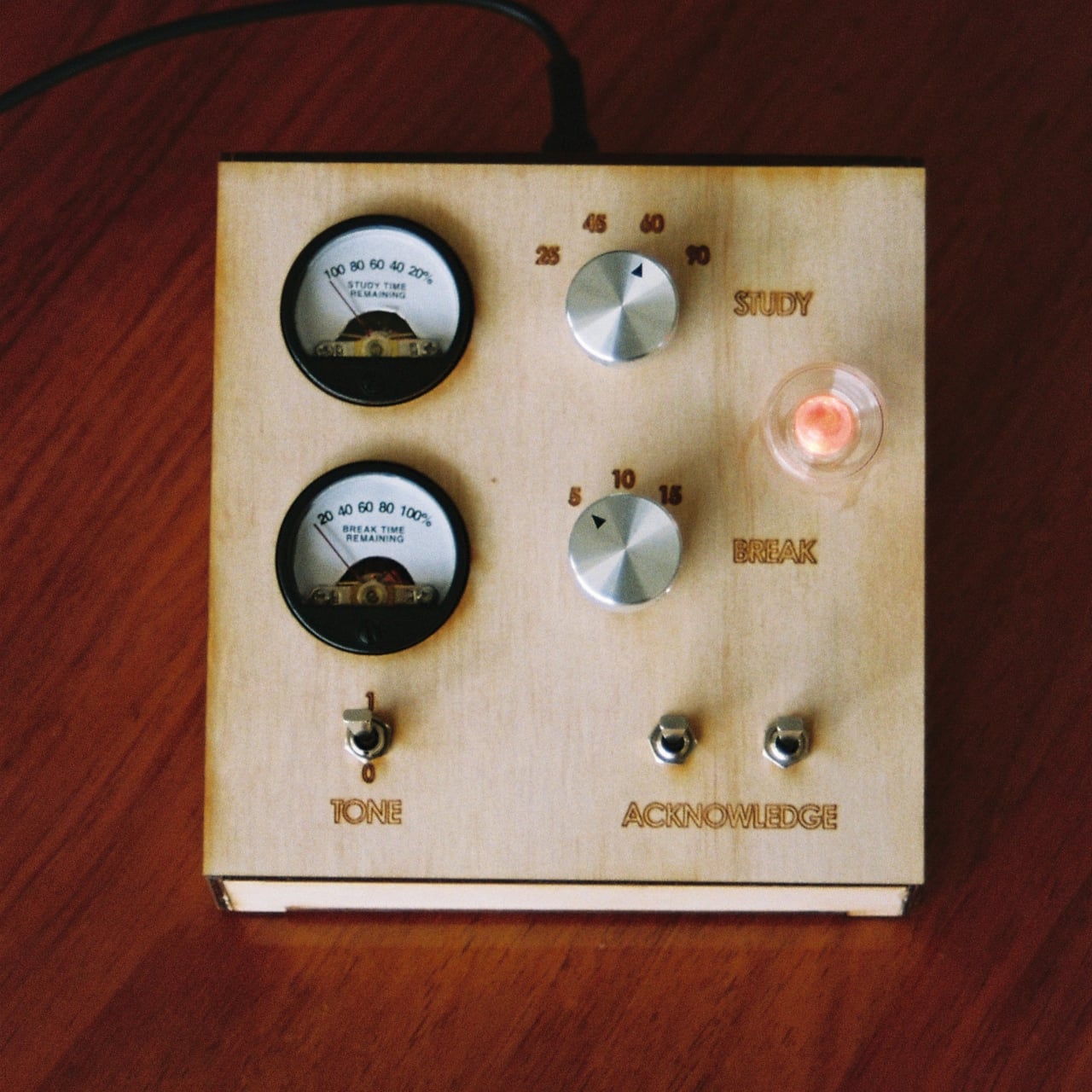
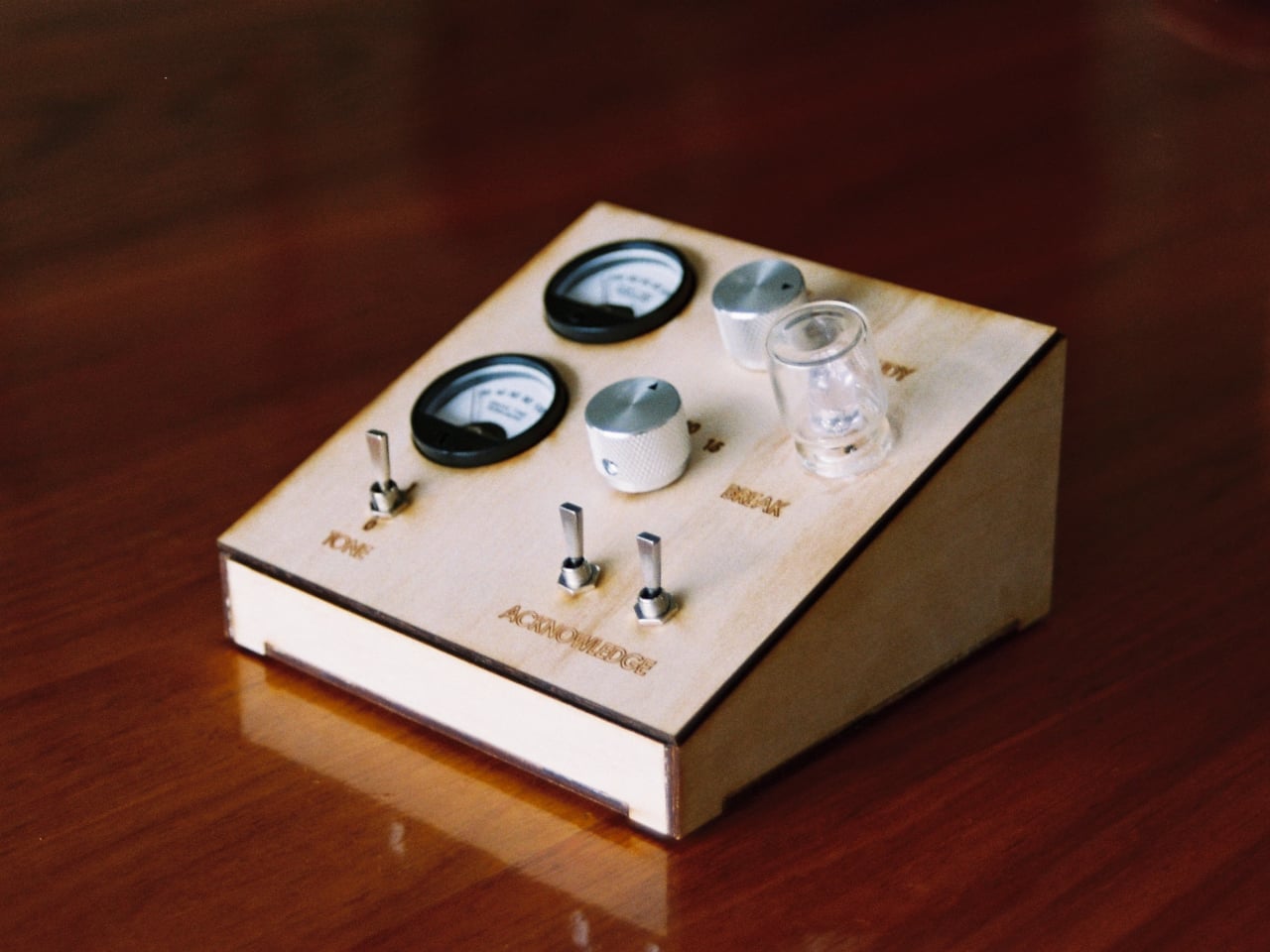
Thomas Curnow of Tomato Clocks had that contradiction in mind when he created the Roma Mk. 1, a purely analog study timer built around the Pomodoro Technique. The method is simple and widely used, working in focused intervals broken up by short rests, but it works best when the timing happens completely off-screen. The Roma Mk. 1 is designed to make that as easy and satisfying as possible.
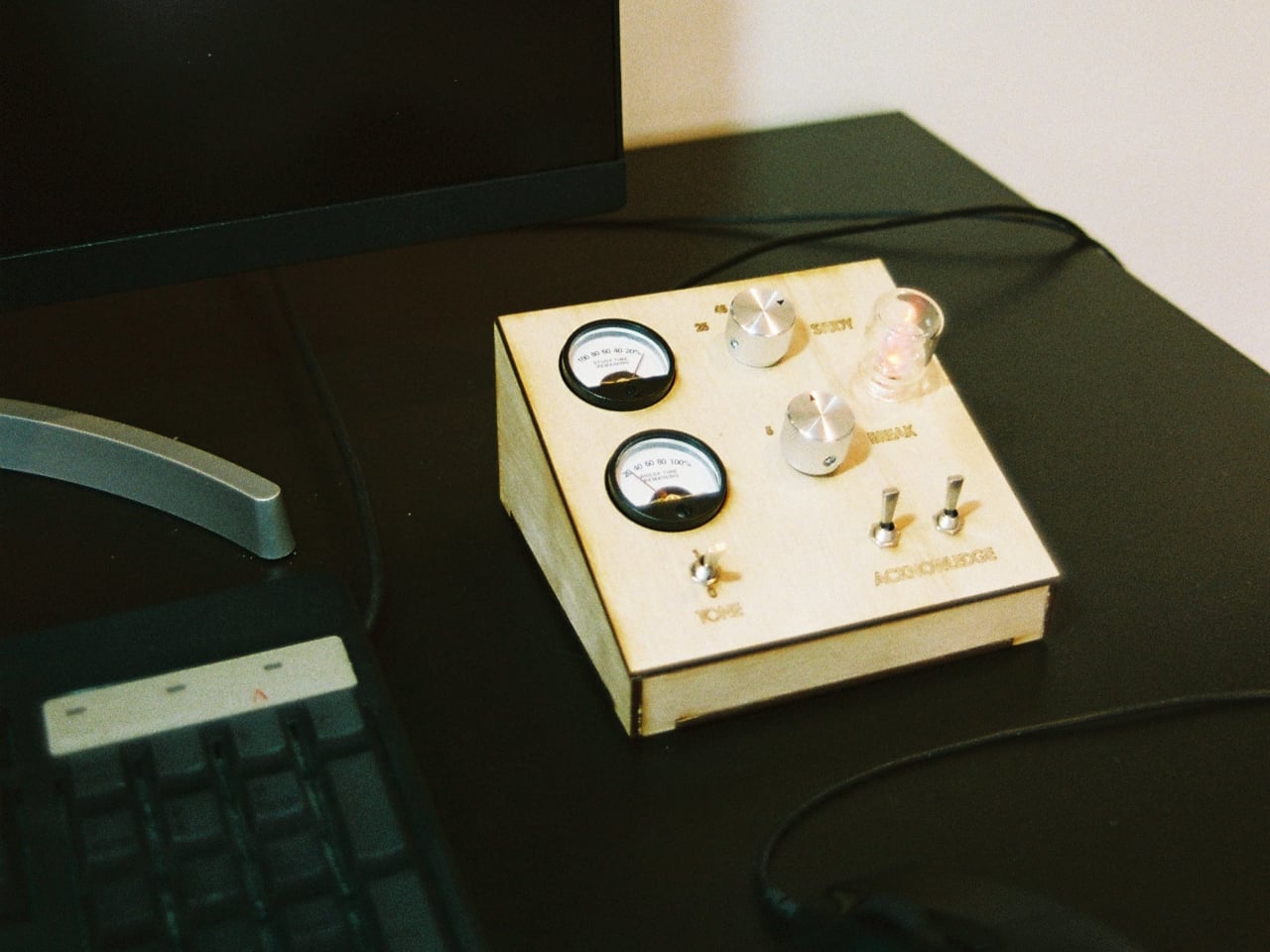
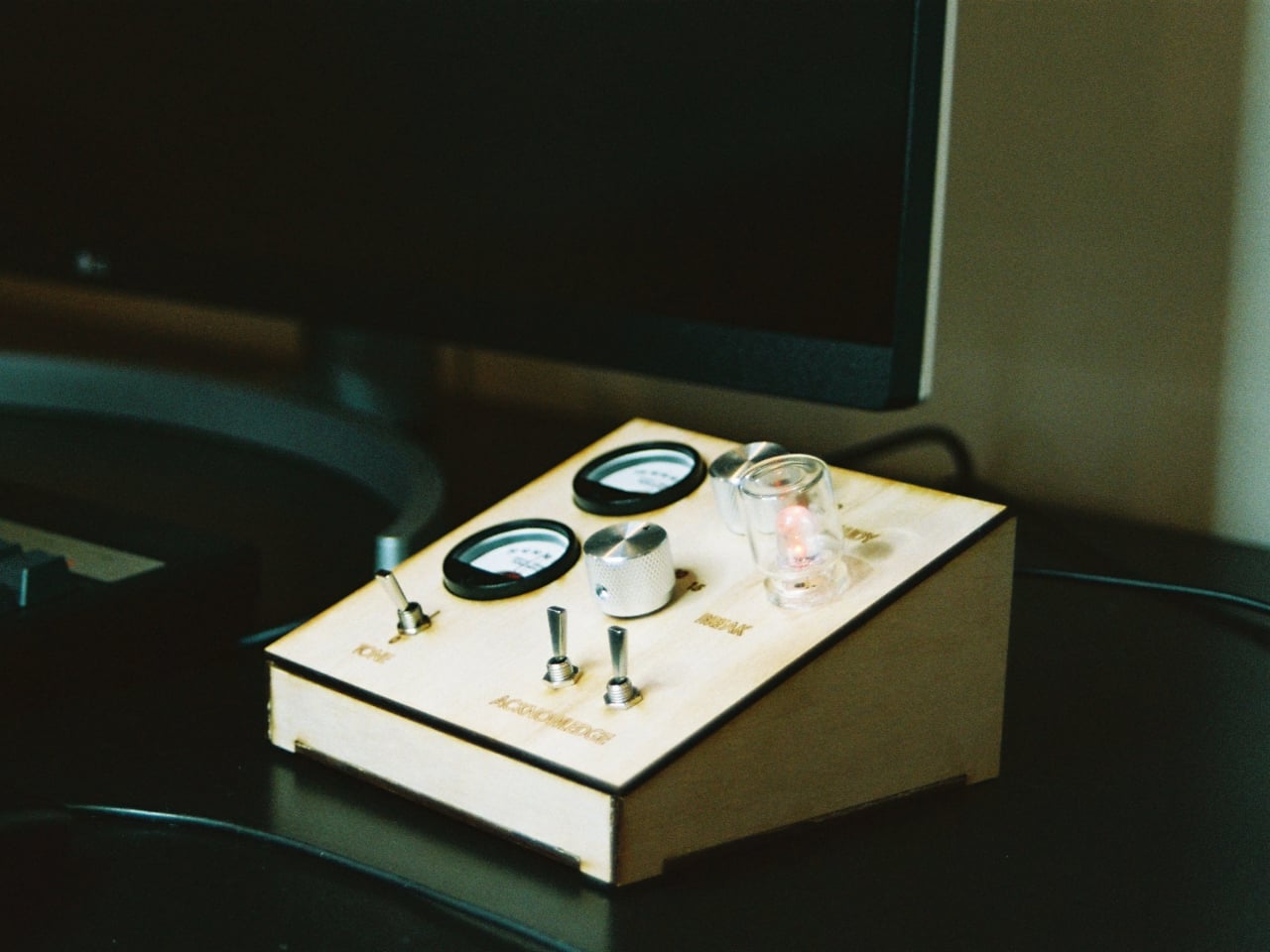
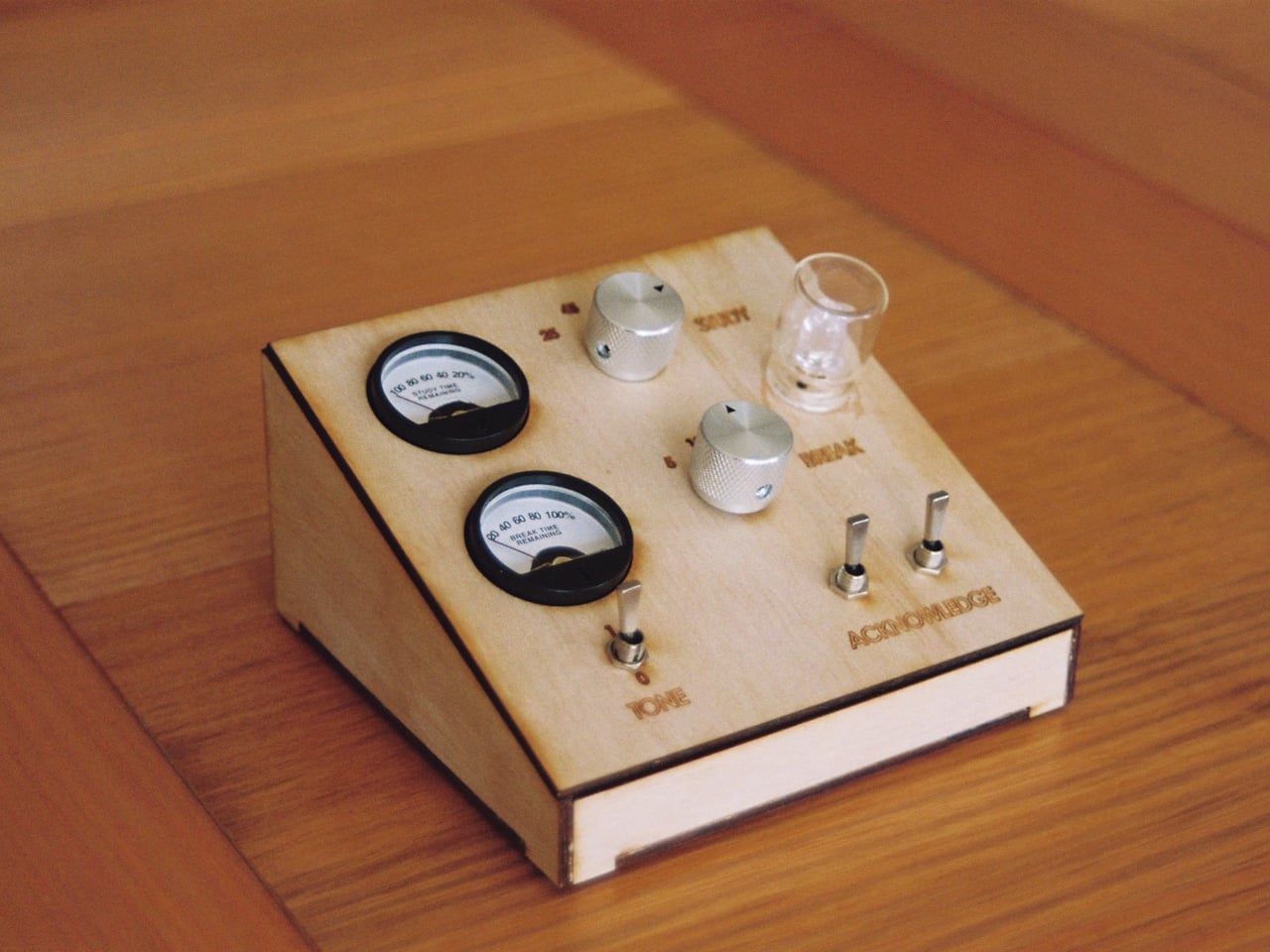
At the center of the design are two analog gauges, one for tracking a work interval and one for the break that follows. There are no menus to navigate and no app to open. You set the dials, get to work, and let the timer do the rest. The whole interaction takes a second, and that simplicity is precisely the point. It keeps the focus on the task at hand rather than the device managing it.
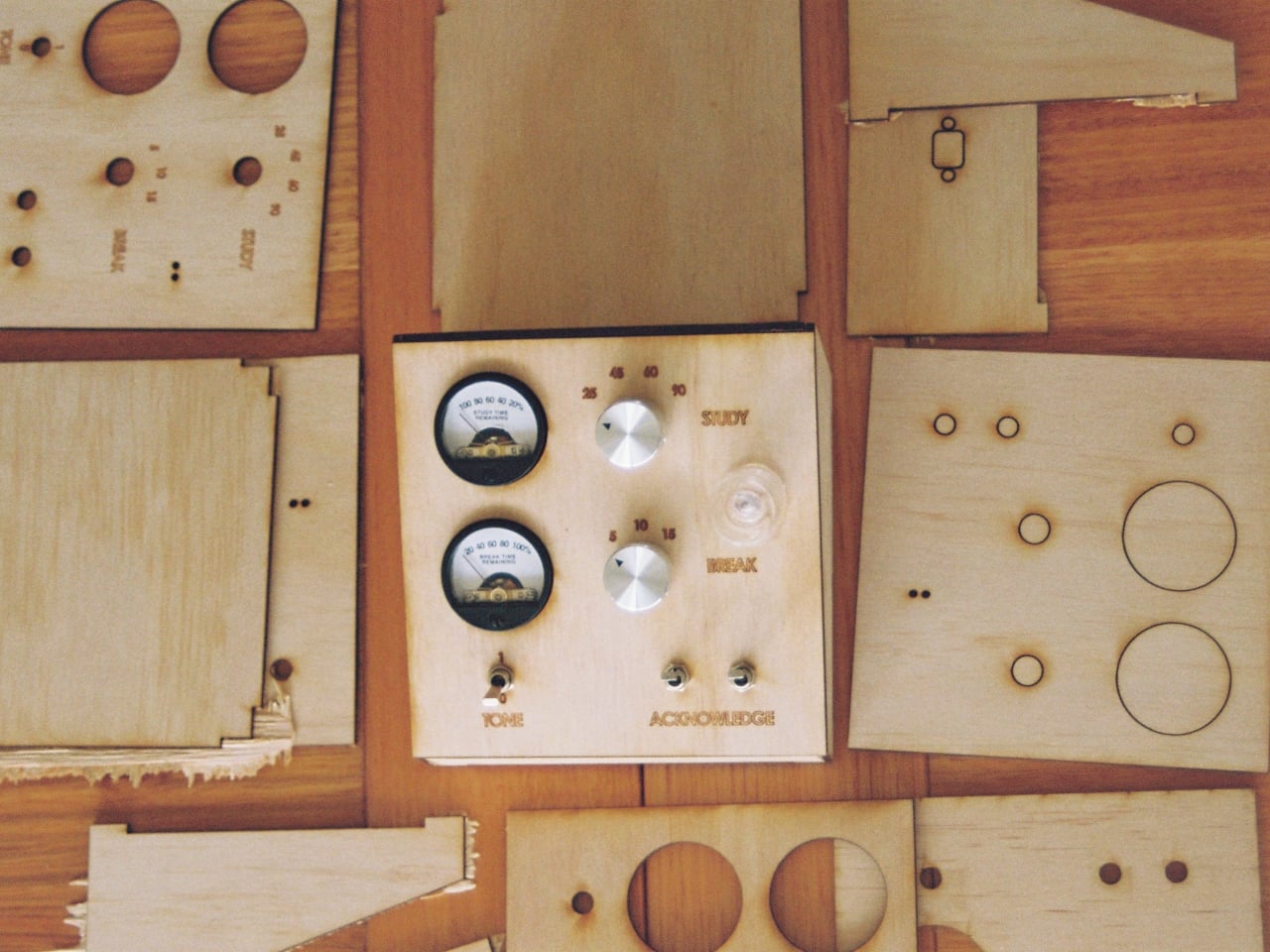
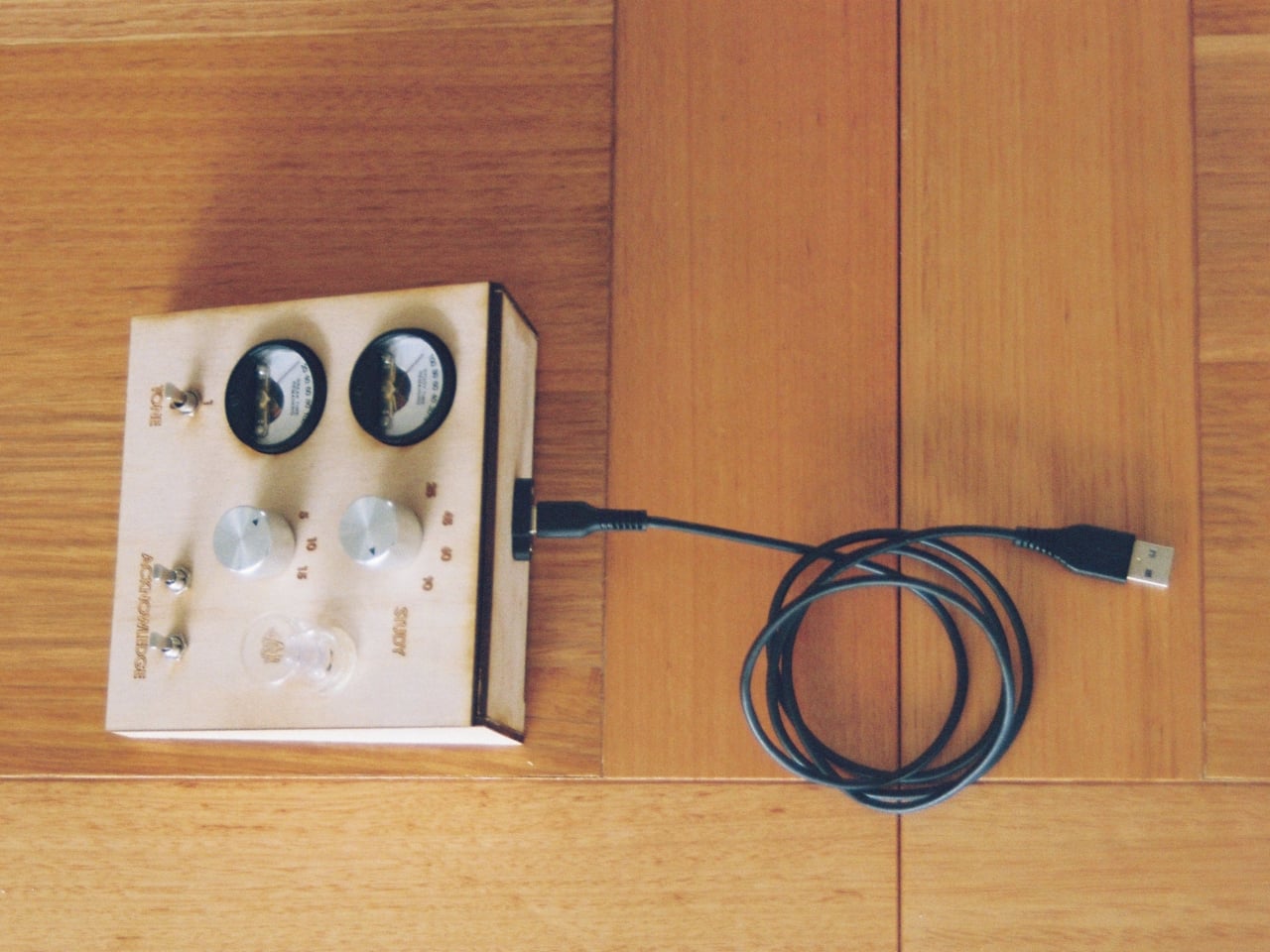
The build quality reinforces that philosophy. Each unit is laser-cut from premium Australian timber and assembled by hand in Melbourne, giving it a warmth and solidity that’s hard to find in mass-produced productivity gadgets. The brass switches used for input have a tactile snap to them, the kind of satisfying physical feedback that makes the act of starting a session feel deliberate rather than incidental.
It’s the sort of object that belongs on a desk permanently, not tucked into a drawer. A wooden timer with analog dials sits comfortably alongside notebooks, pens, and other tools that don’t demand your attention when you’re not using them. That’s a quality digital devices rarely manage, and it matters more than it might seem when you’re trying to build a consistent work habit.
The Pomodoro Technique has been around since the late 1980s, and the basic premise hasn’t changed much since then. What has changed is the environment in which most people try to use it. Screens are everywhere, and the pull of notifications is relentless. A dedicated physical timer doesn’t connect to the internet, doesn’t send alerts, and doesn’t tempt you with anything outside the task you’re working on.
The Roma Mk. 1 is currently available for pre-order at $145, which puts it well above a basic kitchen timer but firmly in the range of a thoughtful, long-term desk tool. It’s handmade, uses real materials, and is designed to last rather than be replaced. For anyone who has tried and failed to stay off their phone during a work session, a well-made analog alternative might be worth far more than what it costs.
April 1st, 2026, marks fifty years since Steve Jobs, Steve Wozniak, and Ronald Wayne signed the papers that would quietly reshape everything: how we listen to music, how we communicate, how we take photographs, and how we think about the relationship between technology and beauty. Apple was founded on April 1, 1976, and fifty years later, it stands as one of the most influential companies in human history. That kind of milestone deserves more than a software update or a casual scroll through the App Store. It deserves a proper celebration, one that reflects the same values Apple has championed since the beginning: precision, intentionality, and the conviction that design is never just decoration.
For true Apple fans, the way you celebrate is in the details. Owning an iPhone, a MacBook, or an Apple Watch is the baseline — everyone has one. The real devotees are the ones who care about how their setup looks, what story it tells, and whether the accessories surrounding their devices feel worthy of the ecosystem. With Apple turning 50 this April, there’s never been a better time to take stock of your setup and fill in the gaps. From a retro watch case that pays tribute to the device that put a thousand songs in your pocket, to a Leica-built camera grip that transforms your iPhone into something you’d actually want to carry into the field, these seven accessories are the ones worth owning.
1. Pod Case
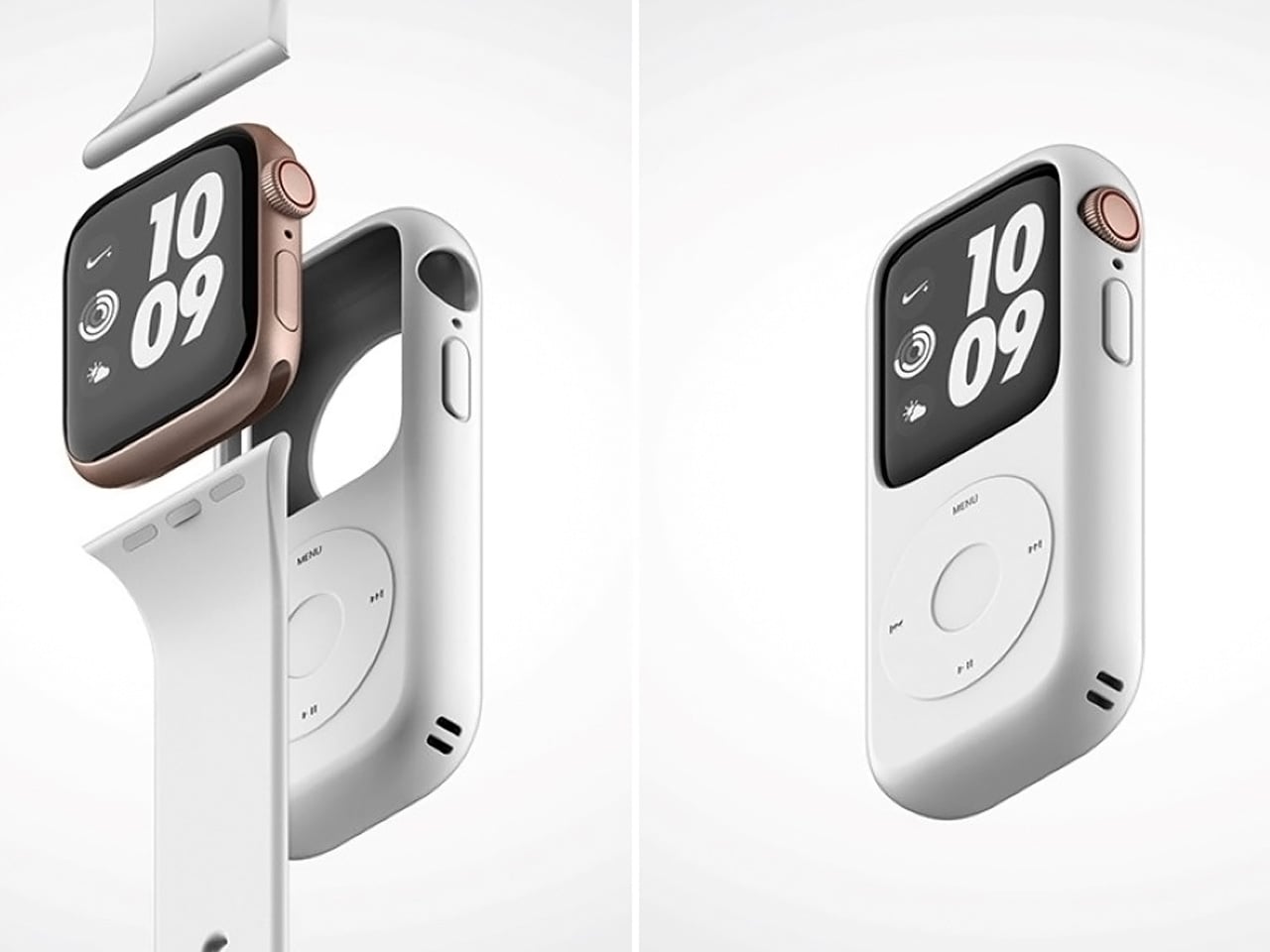
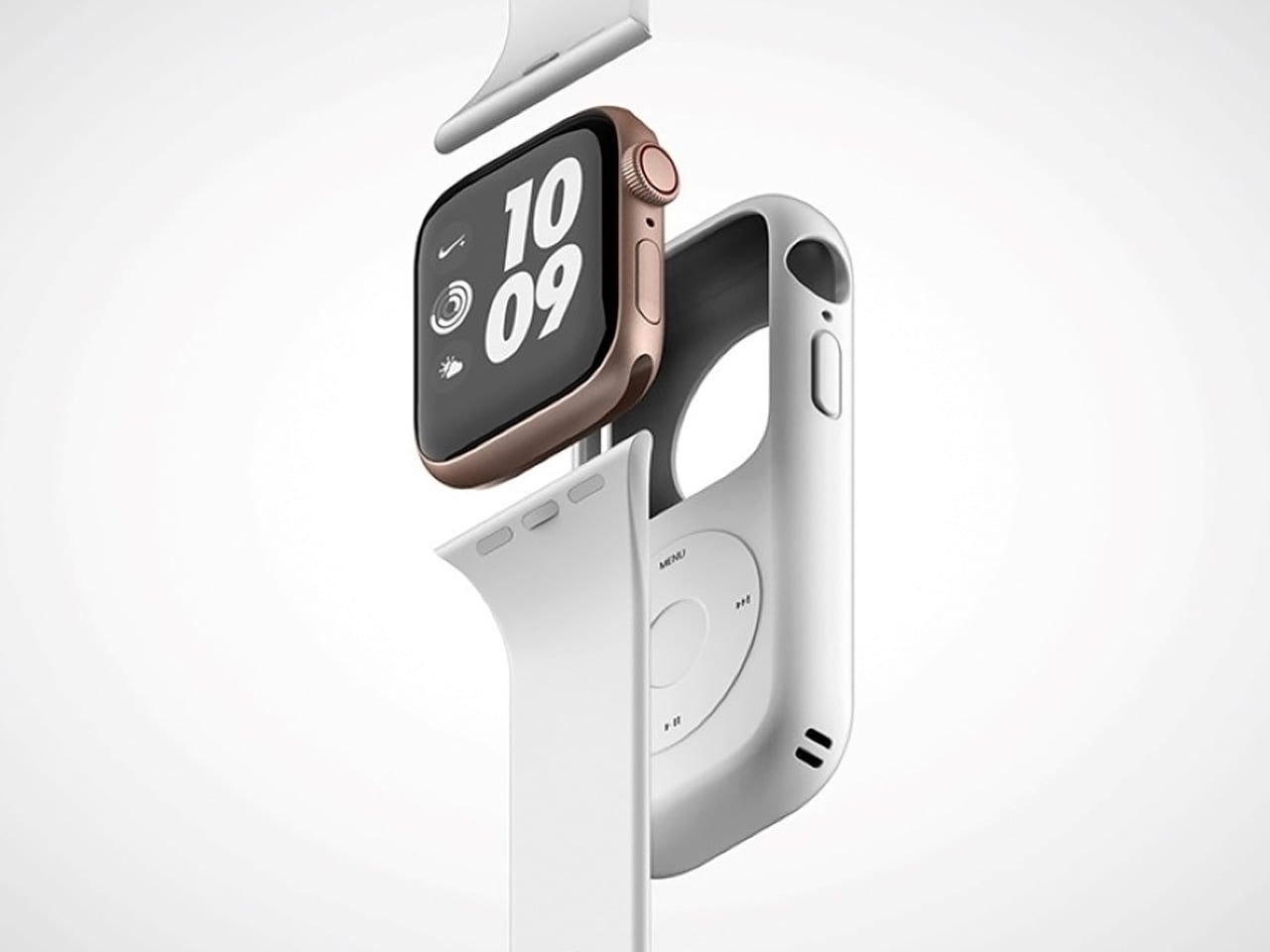
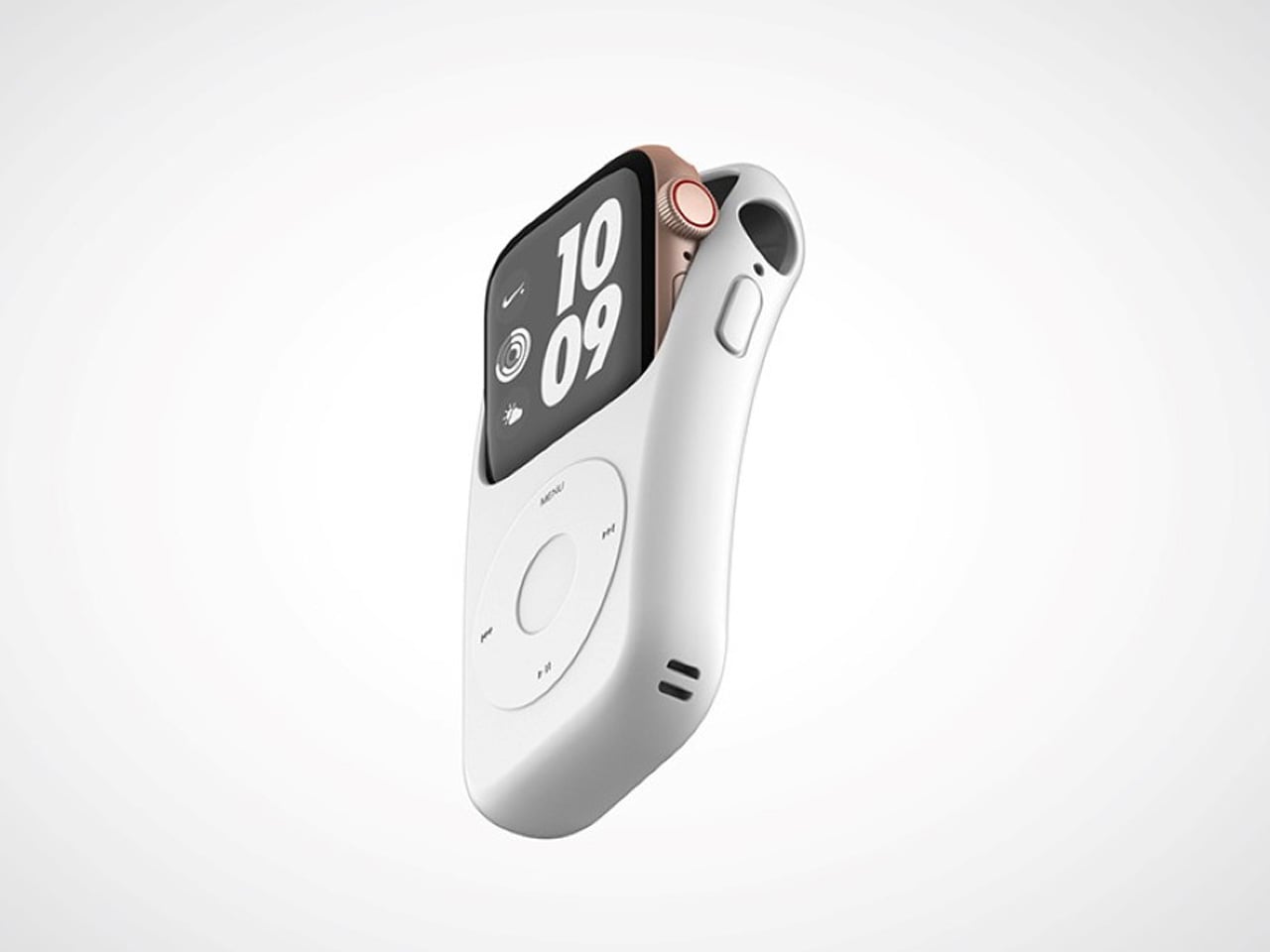
When a design can make you feel genuinely nostalgic the first time you see it, it’s doing something right. The Pod Case wraps your Apple Watch in the silhouette of a classic iPod Nano, arguably one of the most emotionally resonant gadgets Apple ever made. Crafted from silicone, it slides directly over the watch body without obstructing any of its core functions, giving your wrist a retro identity that’s unique and, honestly, a little bit joyful every time you glance down.
What makes the Pod Case especially clever is how it honors Apple’s past without making your watch feel dated. The dummy jog wheel on the front is a warm nod to the scroll wheel that once defined a generation of music listeners, while the watch’s touchscreen remains fully accessible underneath the case. The watch’s screen roughly matches the display size found in classic iPod Nanos, making the illusion feel remarkably convincing. With Apple’s 50th birthday just around the corner, there’s no more fitting way to wear that history on your wrist.
What we like:
The silicone build slides on and off cleanly, so you can commit to the retro look when the moment calls for it without any permanence
It taps into Apple’s most beloved design legacy in a way that feels celebratory rather than costume-y
What we dislike:
The jog wheel is non-functional, which feels like a genuinely missed opportunity for Bluetooth-enabled scroll control
The added thickness may feel noticeable against Apple Watch’s characteristically slim and precise silhouette
2. NightWatch
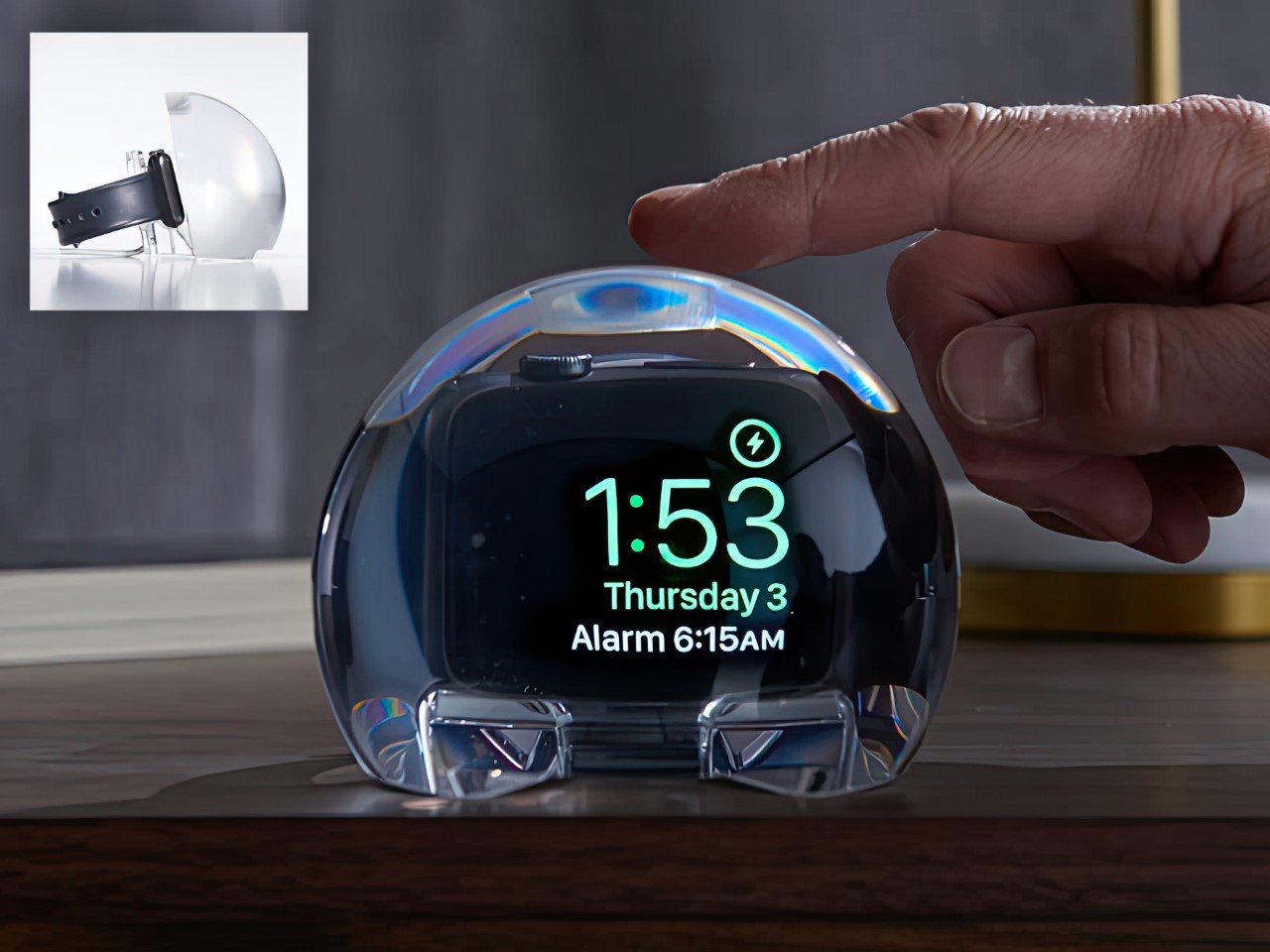
Some accessories solve problems you didn’t know you had until they’re solved, and the NightWatch is exactly that product. Shaped like a generous, luminous orb made entirely from lucite, this dock does three things beautifully: it charges your Apple Watch, magnifies the watch face into a clearly legible bedside display, and amplifies the watch’s alarm through acoustically engineered channels routed beneath the speaker. There are no hidden electronics, no batteries, no inner mechanisms. Just thoughtful geometry working in complete silence.
The NightWatch’s touch-sensitive surface is its most quietly brilliant detail. A single tap on the lucite orb wakes your Apple Watch screen instantly, meaning no fumbling in the dark and no squinting across a dim room at a tiny display. For anyone using their Watch as a sleep tracker and morning alarm, this dock transforms the entire overnight routine. It’s the kind of product that earns its space on your nightstand not through novelty but through genuine, repeatable usefulness that compounds every single morning.
What we like:
The all-lucite, zero-electronics construction is beautifully minimal and requires no power source of its own
The touch-to-wake surface interaction is intuitive and immediately feels like something Apple itself should have shipped
What we dislike:
The orb’s sculptural shape is confident and bold, which may not suit more minimal or tightly curated bedside setups
Passive sound amplification through acoustic channels means volume results will vary slightly depending on which Apple Watch model you’re using
3. AirTag Carabiner
The AirTag Carabiner might be the most practical Apple accessory on this list, and that practicality is housed inside a build quality that punches well above its category. Machined from Duralumin composite alloy, the same material used in aircraft, spacecraft, and high-performance watercraft, it’s designed to handle the kind of daily wear and environmental abuse that standard carabiners can’t sustain. Snap one onto your bag, bike frame, or umbrella, and Apple’s Find My network handles everything else without any additional configuration on your end.
What separates this from the flood of plastic AirTag holders on the market is the craft behind it. Each carabiner is individually hand-finished, and the Duralumin composite holds up equally well in water and at altitude, making it genuinely suited to real-world conditions. It’s available in untreated brass and stainless steel as well, for users who prefer warmer or more industrial finishes. For an Apple fan who wants every piece of their setup to feel considered and intentional, this is the kind of detail that quietly elevates the whole picture. The AirTag itself is sold separately.
Duralumin composite construction brings authentic aerospace-grade durability to a carry item most people treat as disposable
The choice of brass, stainless steel, and treated alloy finishes makes personalization genuinely easy and meaningful
What we dislike:
The AirTag is sold separately, which adds a layer of additional cost for users who are new to Apple’s tracking ecosystem
The premium build quality may feel like overkill when attached to lower-stakes items like an umbrella or a gym bag
4. Magic Bar
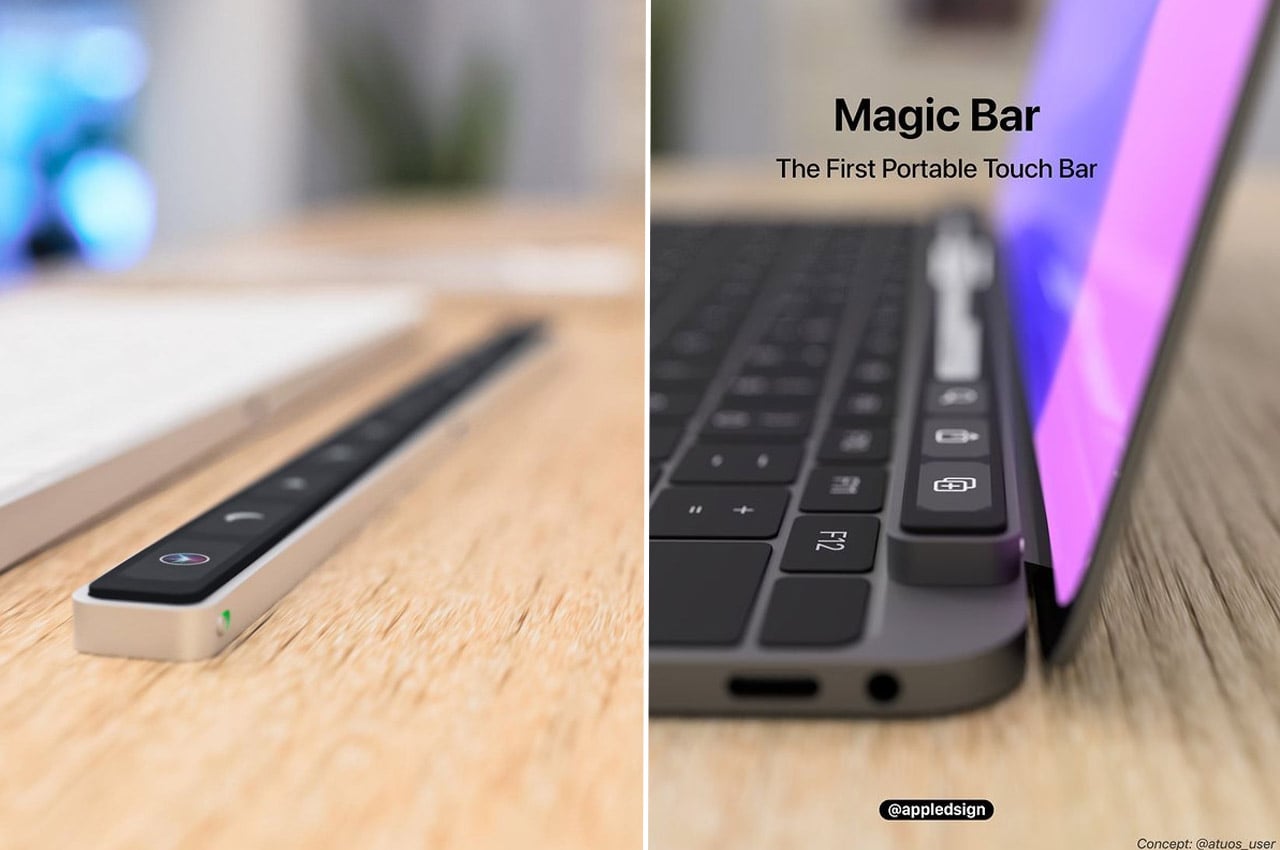
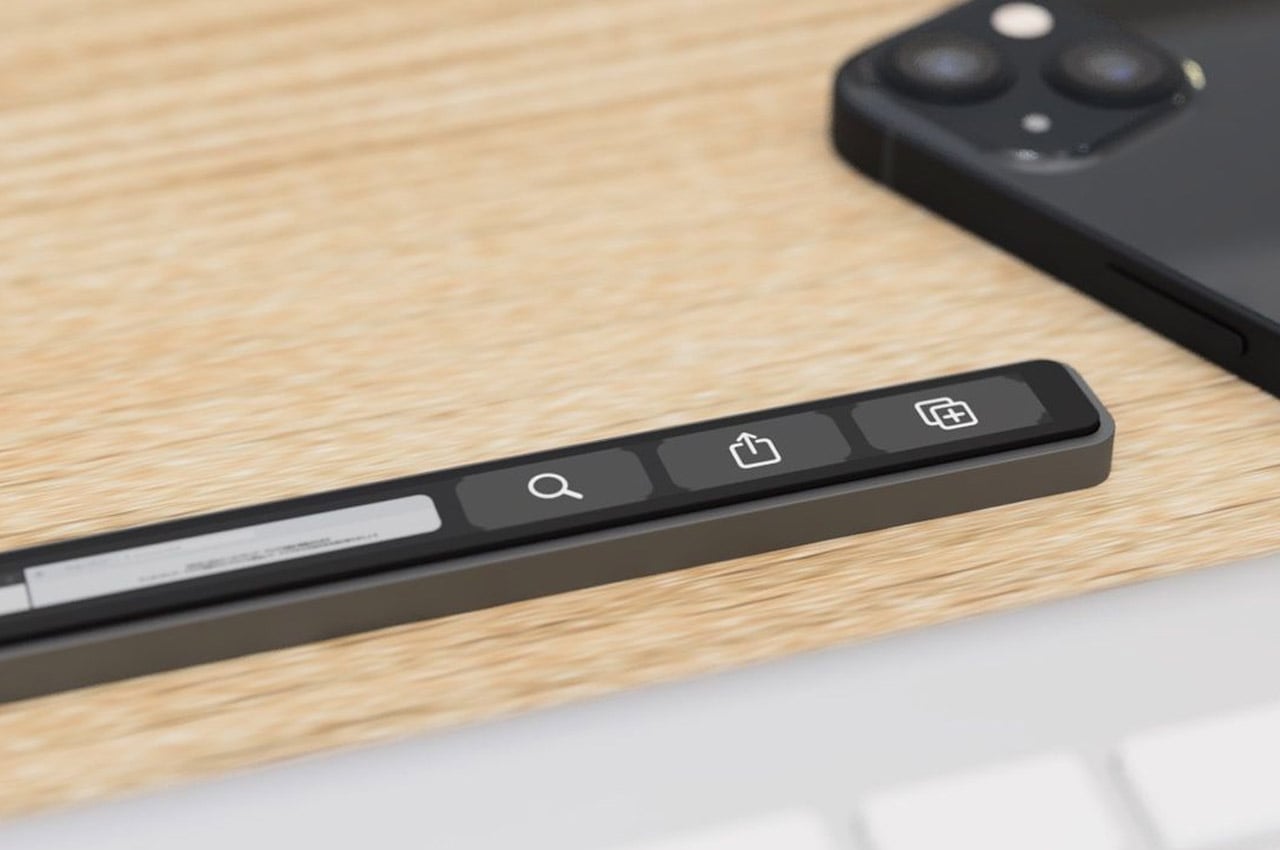
Apple’s Touch Bar had a short and controversial run, but the idea underneath it, a programmable, context-aware strip that adapts to whatever you’re working on, was always more interesting than its execution. The Magic Bar takes that concept and frees it from the MacBook Pro entirely, reimagining it as a standalone, portable accessory that pairs with any Apple peripheral. Built from aluminum to match the existing Magic Keyboard and trackpad lineup, it sits in the setup as naturally as if Apple had always intended it to ship this way.
The proposition is clean and direct: a plug-and-play toolbar that clips horizontally alongside the Magic Keyboard and keeps your most-used shortcuts, smart home automations, and app-specific functions at constant reach. Combined with the iPhone, the use case expands meaningfully, with media controls, quick-launch tools, and home shortcuts all living in a single strip without requiring any window switching. For the Apple power user who lives inside their setup all day, the Magic Bar is the kind of accessory that changes the way you work once you’ve had even a single session with it.
What we like:
The aluminum construction and horizontal layout integrate seamlessly into Apple’s existing peripheral design language without any visual friction
Plug-and-play setup eliminates configuration headaches, making it immediately useful from the moment it lands on your desk
What we dislike:
As a concept design, the final feature set and commercial availability are yet to be officially confirmed by any manufacturer
Compatibility appears optimized for Apple peripherals specifically, which limits the appeal for anyone running a mixed operating system setup
5. Spigen Classic LS AirPods Pro 3 Case
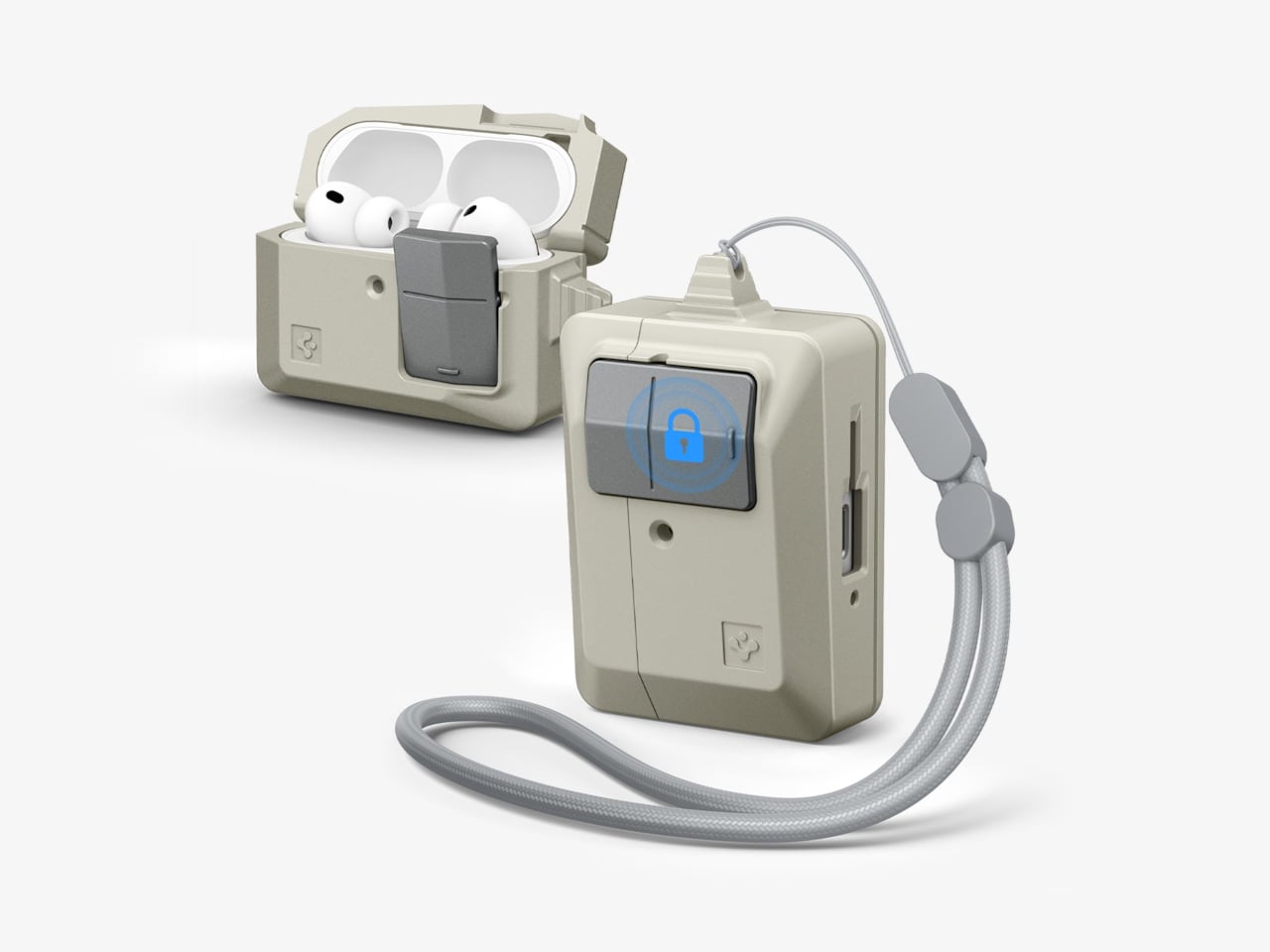
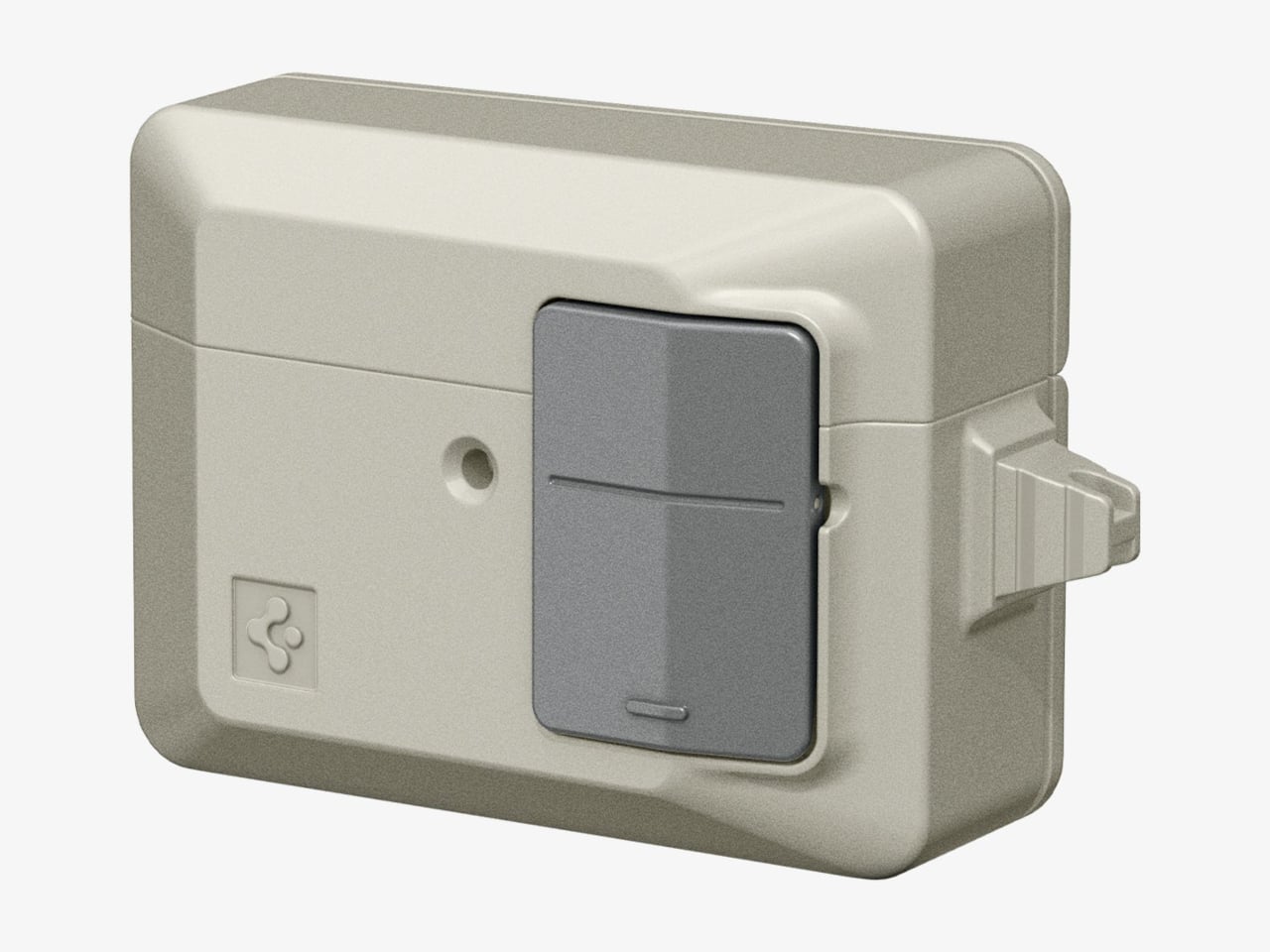
Spigen’s retro-Mac collection is one of the more quietly delightful things to emerge from the Apple accessory market in recent years, and the Classic LS AirPods Pro 3 case is its most charming entry yet. Modeled directly after the original Apple mouse, the flat, single-button input device that debuted with the first Macintosh, it borrows the mouse’s warm, stone-colored plastic, its compact proportions, and most importantly, its most satisfying tactile feature. It’s the kind of object that makes you want to pull it out and show someone immediately.
The “Push to Unlock” mechanism built into the front is the detail that takes this from novelty to genuinely considered product design. Placed exactly where the original mouse button sat, pressing it releases the hinged lid with a deliberate, mechanical click that makes the gesture feel purposeful rather than accidental. It joins a phone strap and a MagFit floppy disk wallet in a cohesive four-piece retro set. With Apple celebrating fifty years this April, carrying this case is one of the most eloquent tributes any fan can make to the design language that started everything.
What we like:
The “Push to Unlock” button is a genuinely tactile, mechanically satisfying feature that pays direct homage to the original mouse button in the most intuitive way possible
Being part of a four-piece retro collection means fans can build a fully coordinated Apple heritage accessory set that tells a coherent visual story
What we dislike:
The warm beige colorway, while historically faithful and correct, may feel too vintage for users who prefer accessories that match Apple’s current aesthetic language
The case is specific to AirPods Pro 3, meaning it offers no crossover value outside that particular model
6. Battery-Free Amplifying iSpeaker
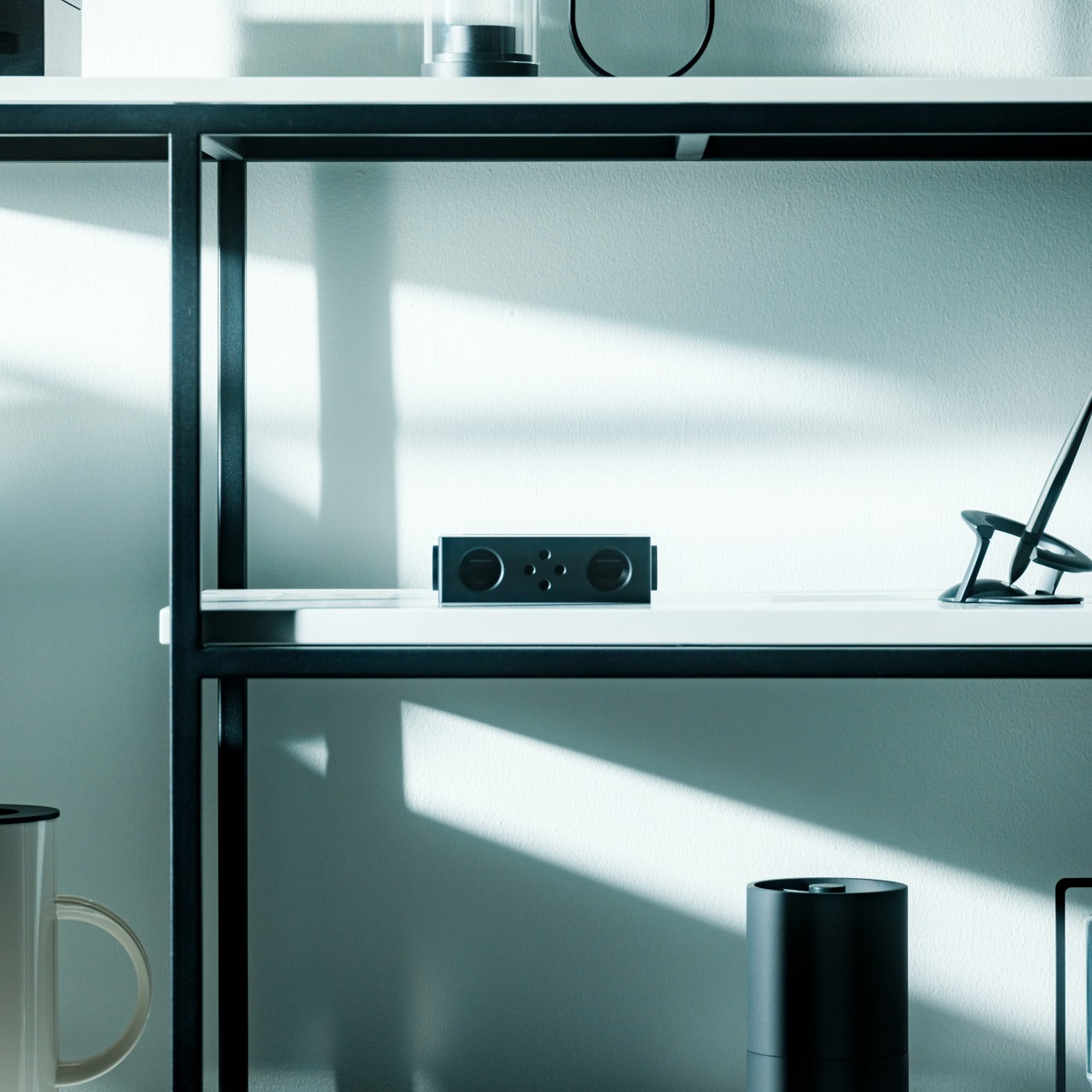
There’s something deeply satisfying about a product that works entirely without power, and the iSpeaker earns that satisfaction honestly. Made from Duralumin metal, the same aerospace-grade alloy that appears throughout the best entries on this list, it uses pure acoustic physics to amplify your iPhone’s audio without drawing a single watt of electricity. Designed using the golden ratio, it doubles as a piece of desk sculpture that holds its own even when your phone isn’t sitting inside it. Function and form, neither compromising the other.
This is the kind of accessory built for a very specific Apple user: one who values craft over convenience, and objects that reward close attention over ones that simply check a box. The Duralumin construction resonates with your music rather than dampening it, producing a warmer, more enveloping sound than plastic or silicone alternatives can manage. It’s also portable enough to take to a hotel room, a client’s office, or a weekend away without any packing anxiety. No cables, no setup, no charging required. Just place your phone inside and let the material do its work.
Zero power required makes it genuinely portable and one of the more eco-conscious accessories in any Apple setup
The Duralumin body produces a noticeably richer, warmer acoustic resonance than plastic and silicone competitors at this price tier
What we dislike:
Output, while impressively improved for a passive speaker, will never match the volume or bass of a powered Bluetooth speaker in the same price range
The +Bloom and +Jet directional sound mods that extend its capabilities are sold separately, meaning full functionality requires an additional purchase
7. Leica Lux Grip
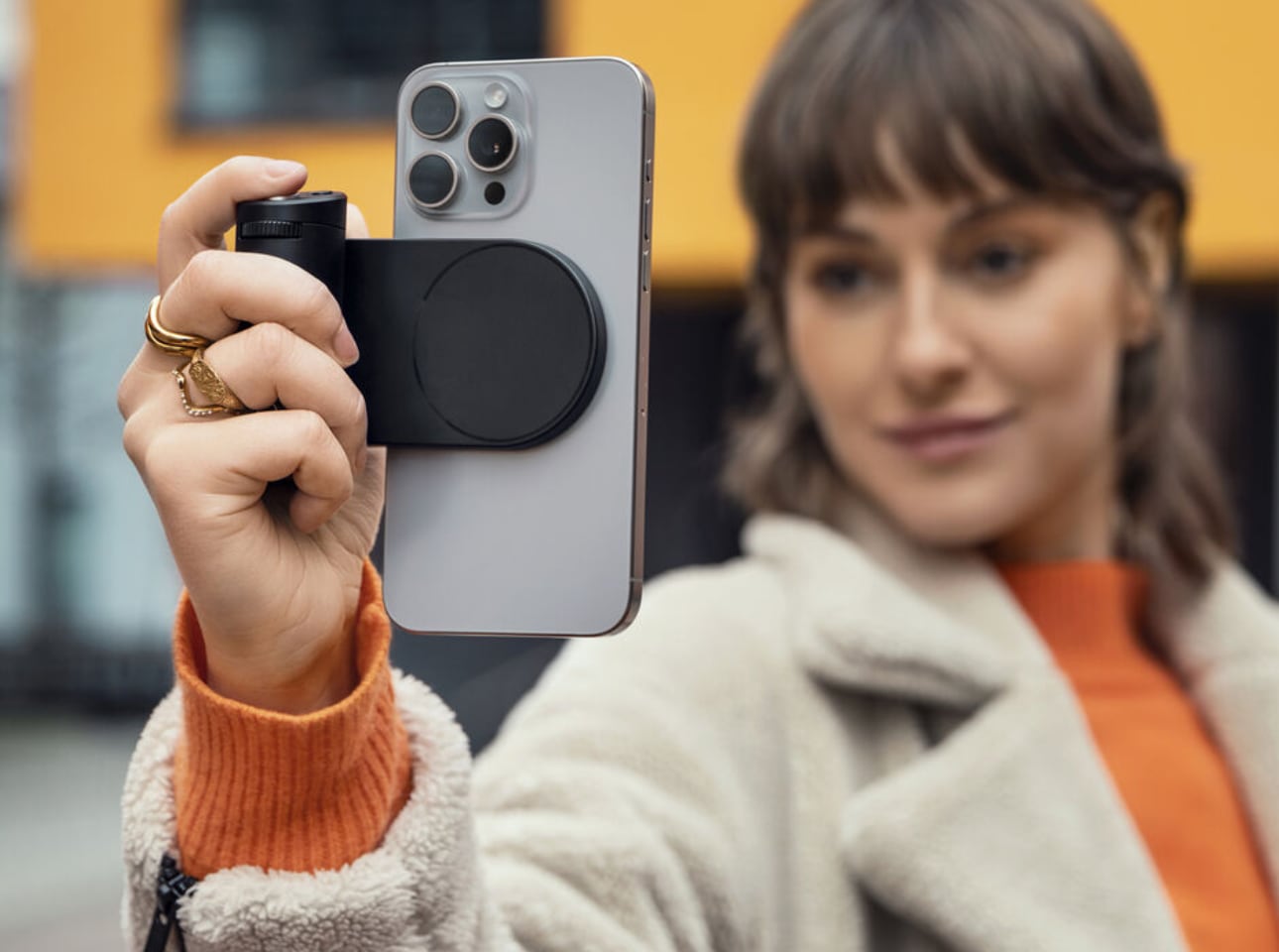
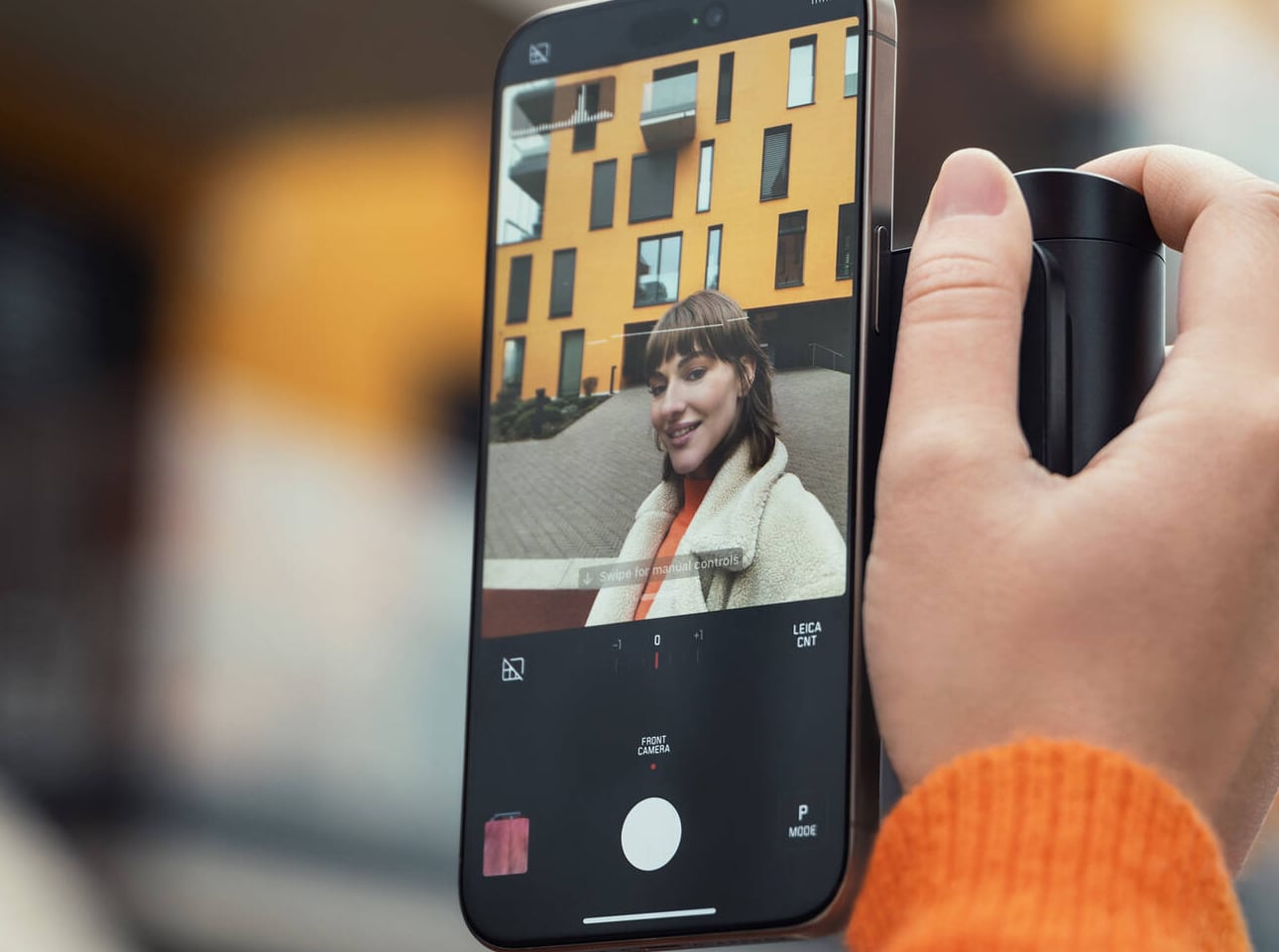
Leica doesn’t make many mistakes when it comes to product design, and the Lux Grip is a strong argument for that reputation. Built for iPhone photographers who want DSLR-level ergonomics without abandoning the convenience of a smartphone, it attaches via MagSafe and works with every iPhone from the 12 onward. Machined from high-grade aluminum with a matte black finish, it adds a reassuring heft to the setup that transforms how the whole device sits and moves in your hands: purposeful, balanced, and undeniably premium.
The cylindrical grip along the left side creates a natural resting point for the fingers that you only realize you’ve been missing once you’ve shot without it. Paired with the Leica Lux app, the mechanical controls provide genuine shutter, aperture, and zoom inputs that touchscreen photography will never replicate in feel or reliability. For the Apple fan who takes mobile photography seriously, the Lux Grip doesn’t just improve how you shoot. It changes how you think about the iPhone as a camera, and that’s the kind of shift that earns its place in any serious setup.
What we like:
MagSafe attachment is secure and broadly compatible, working cleanly across multiple iPhone generations without any adapters or compromises
The mechanical shutter and physical controls provide tactile shooting feedback that touchscreen photography categorically lacks, making sessions feel more considered
What we dislike:
The premium aluminum build and Leica branding command a price point that will be a genuine barrier for casual iPhone photographers on a tighter budget
The added weight and bulk, while ergonomically intentional, may not appeal to users who prioritize a slim, pocketable iPhone profile above all else
Fifty Years In, the Details Still Matter
Apple turning 50 on April 1st is the kind of milestone that asks you to pause, look around your setup, and ask whether the things surrounding your devices actually reflect the standard Apple itself has set. The best anniversary gift you can give yourself isn’t necessarily the newest device on the shelf. It’s the accessories that turn what you already own into something that feels curated, intentional, and worth coming back to every day. That’s always been the Apple promise.
These seven picks honor that promise in different ways: some through heritage, some through clever engineering, and some through the kind of craft that simply makes an ordinary moment feel better. Whether you’re celebrating five decades of Apple with a retro-inspired AirPods case or finally shooting iPhone photos with a grip worthy of the camera you’re already carrying, each one earns its place. Here’s to fifty more years of thinking differently, and the accessories that help you live up to it.
Film photography isn’t going anywhere, and the disposable camera has quietly become one of the more interesting objects in that revival. What started as a practical format for events and travel has turned into a collectible category, with customized cameras appearing at the intersection of fashion, pop culture, and analog nostalgia. The market for limited-edition film cameras that double as design objects has never been more receptive.
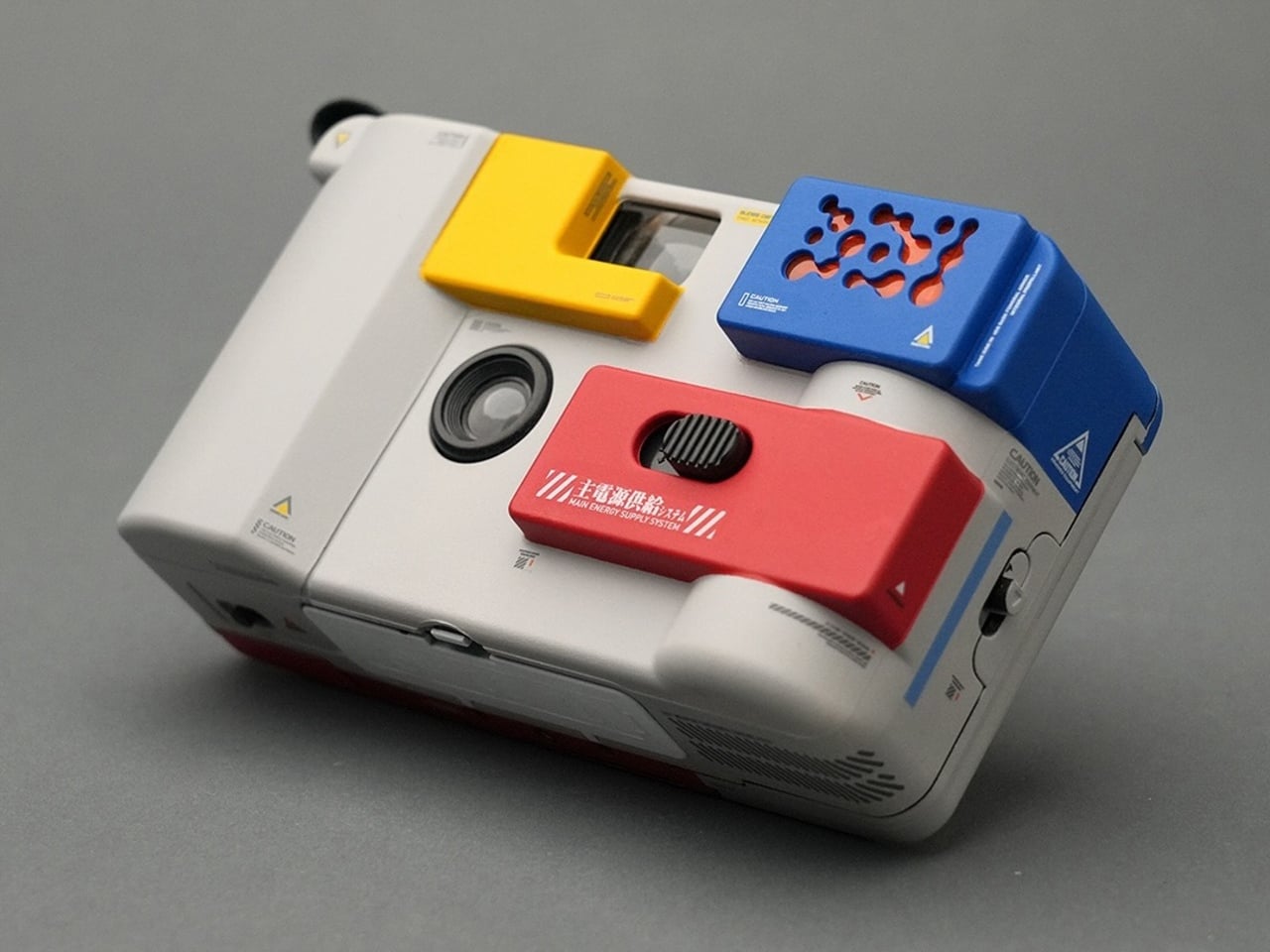
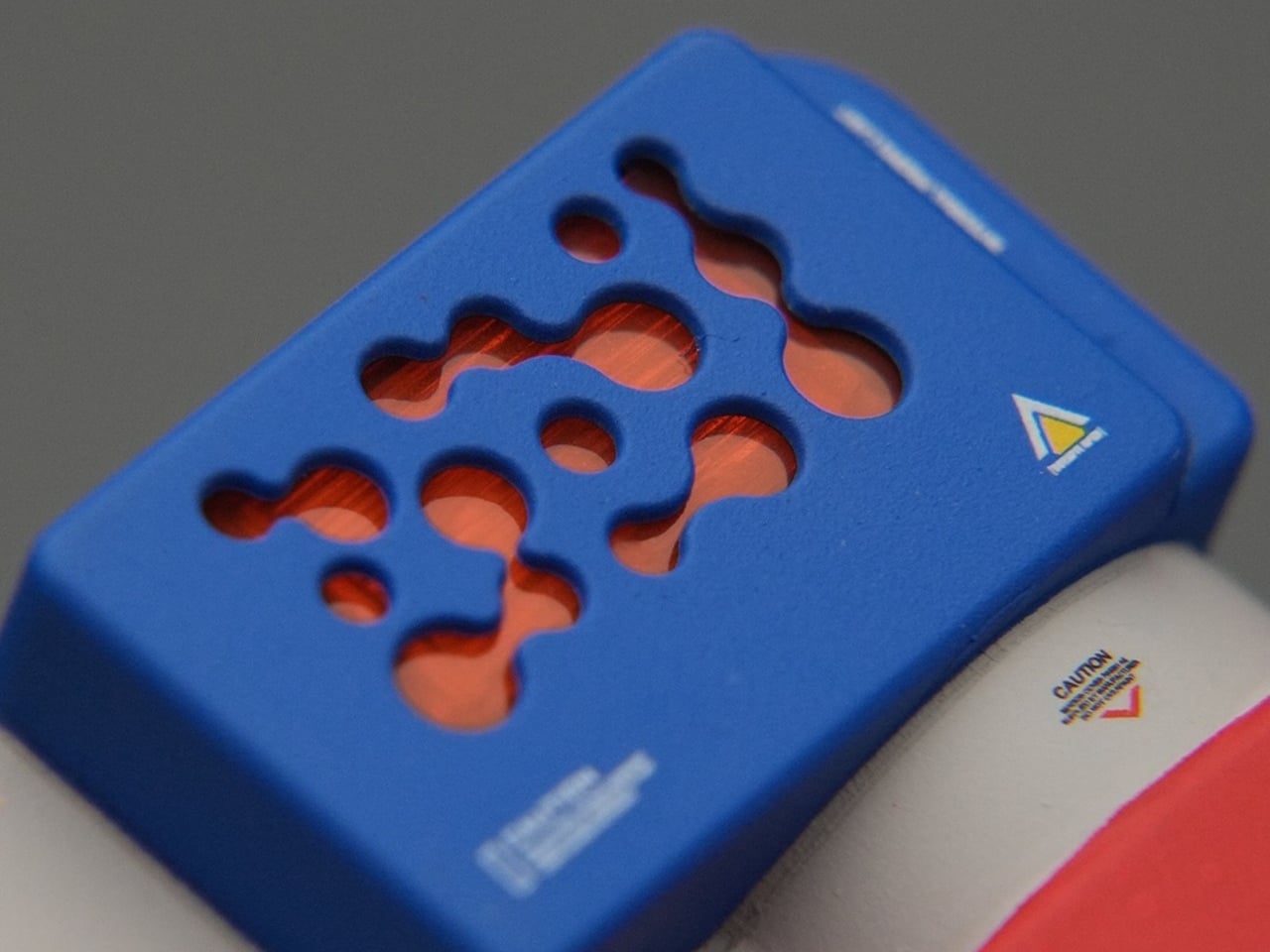
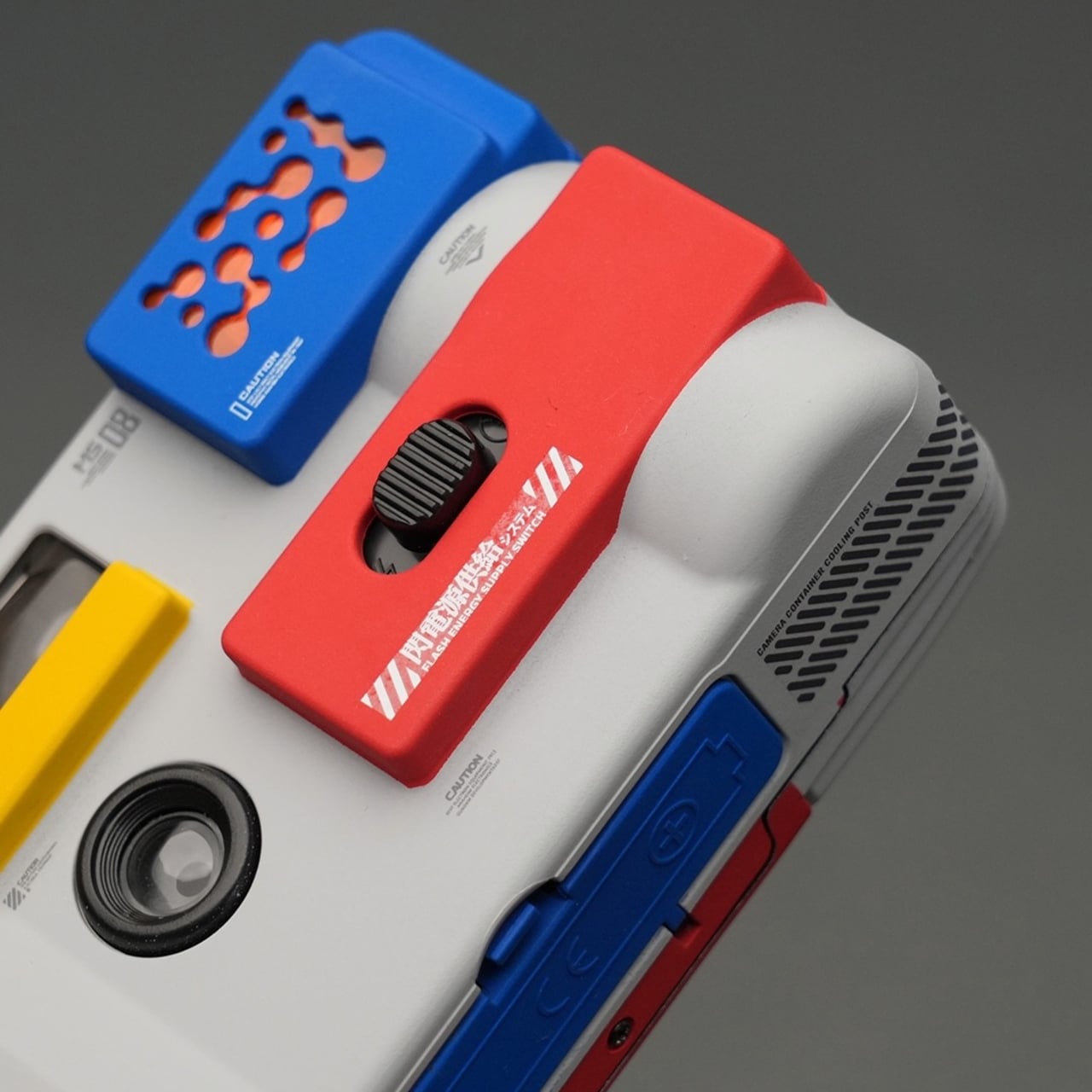
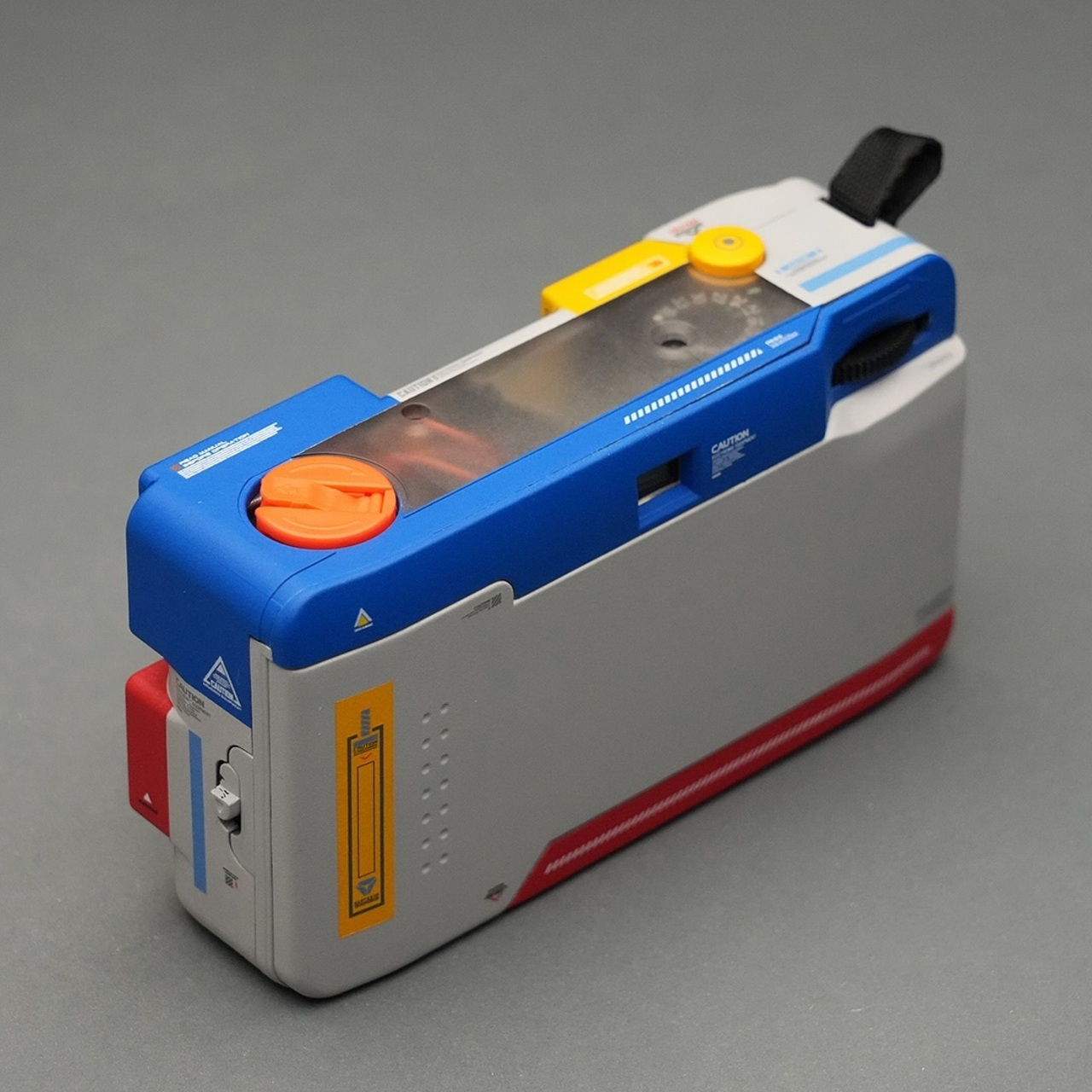
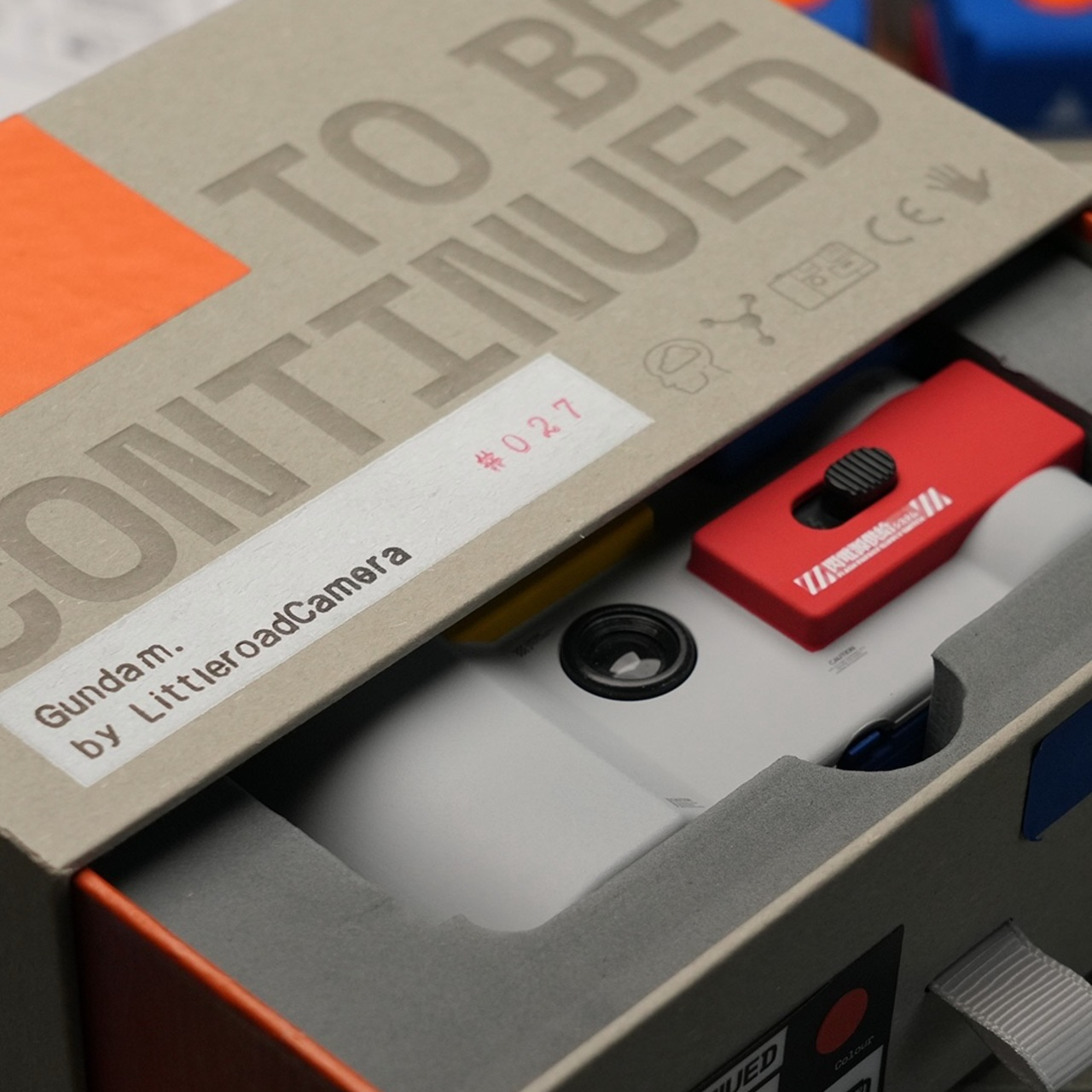
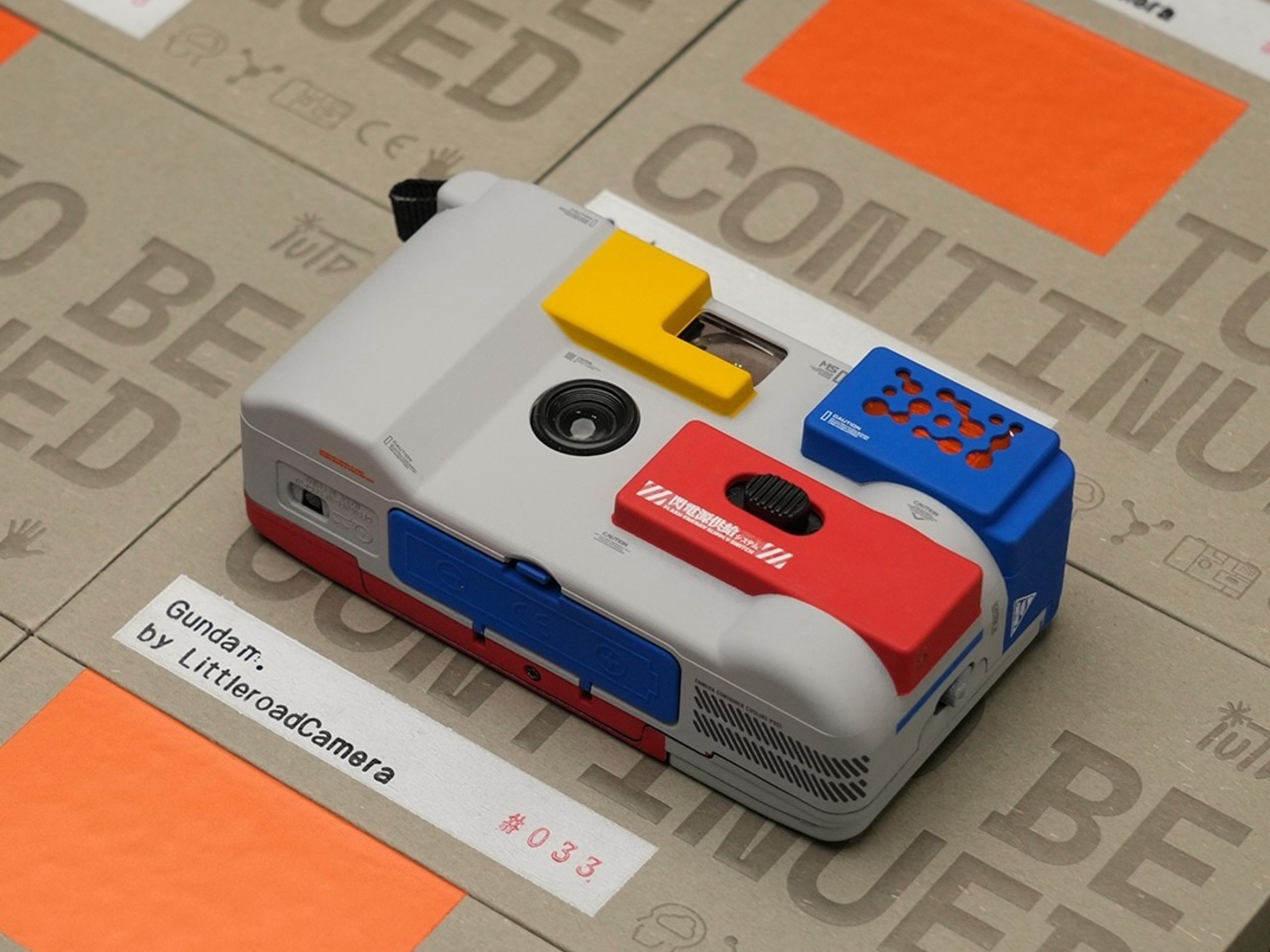
That’s the space the Gundam Camera occupies, a collaboration between artist David C. Wang of Little Road Camera and IUTD Studios that treats a compact film camera as a canvas for the kind of meticulous craft that goes into a proper Gunpla build. Rather than applying a printed wrap or a franchise sticker, the team hand-assembles each unit from scratch, treating the camera body the way a model maker treats a 1/144 scale kit.
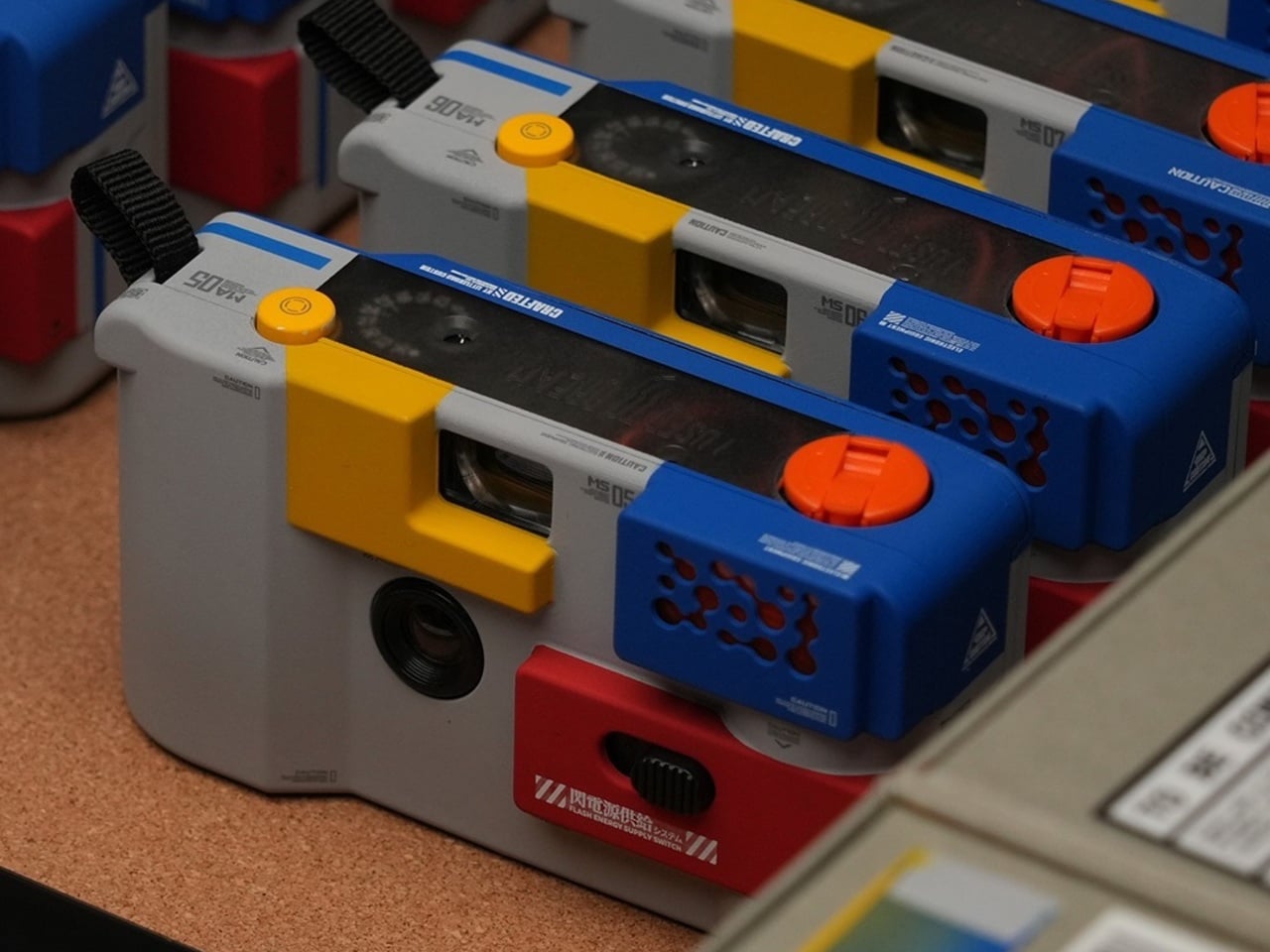
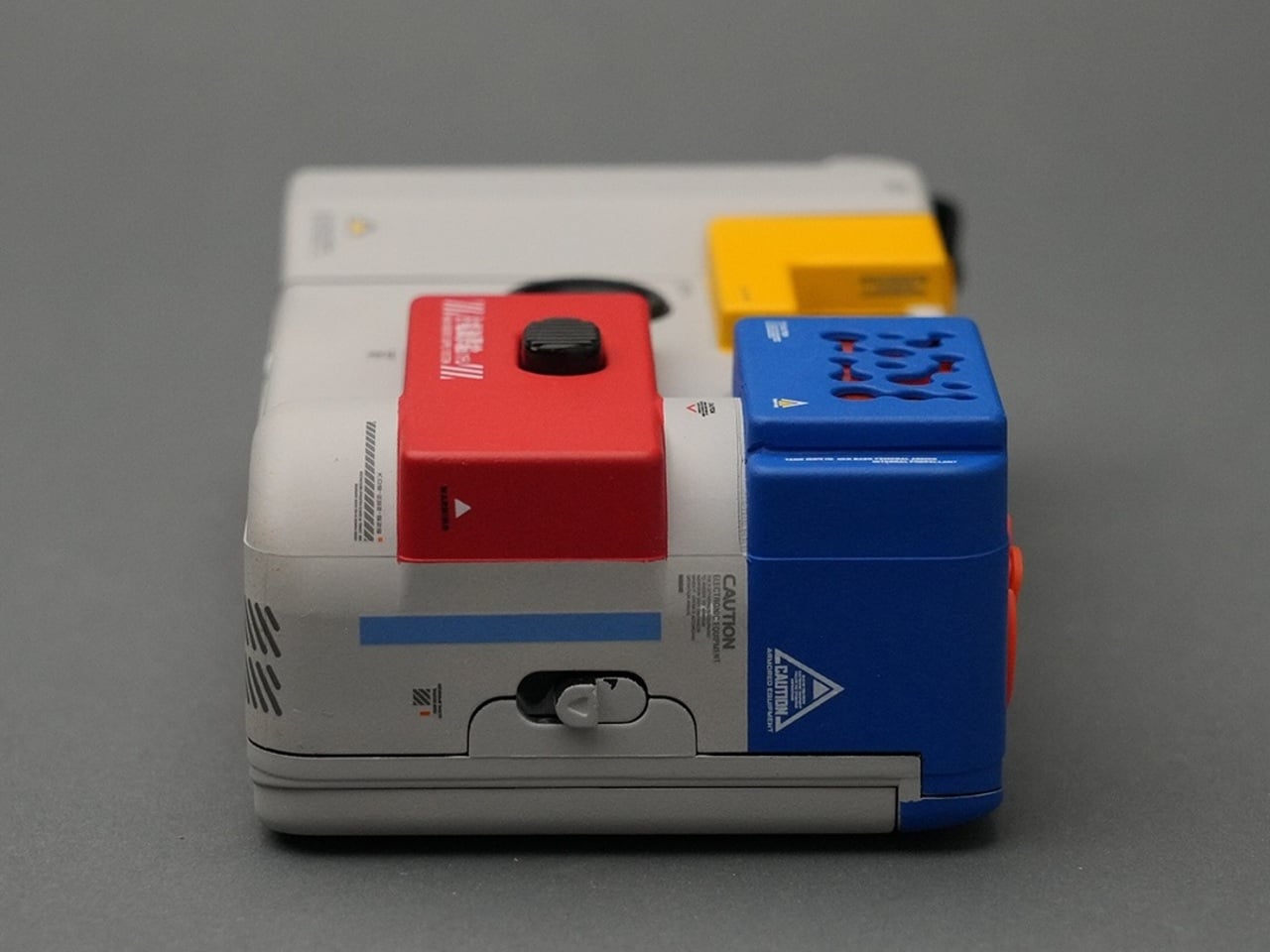
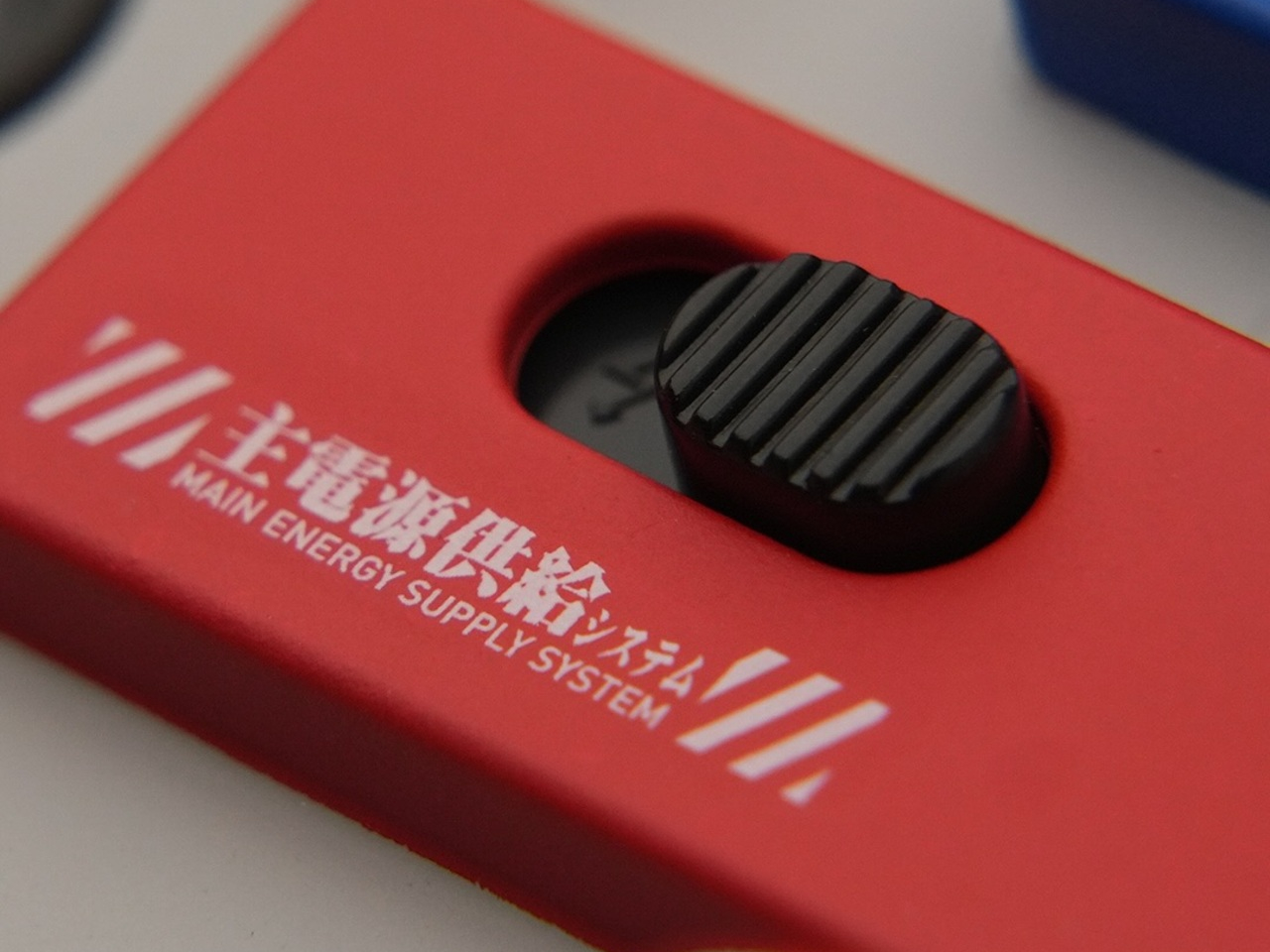
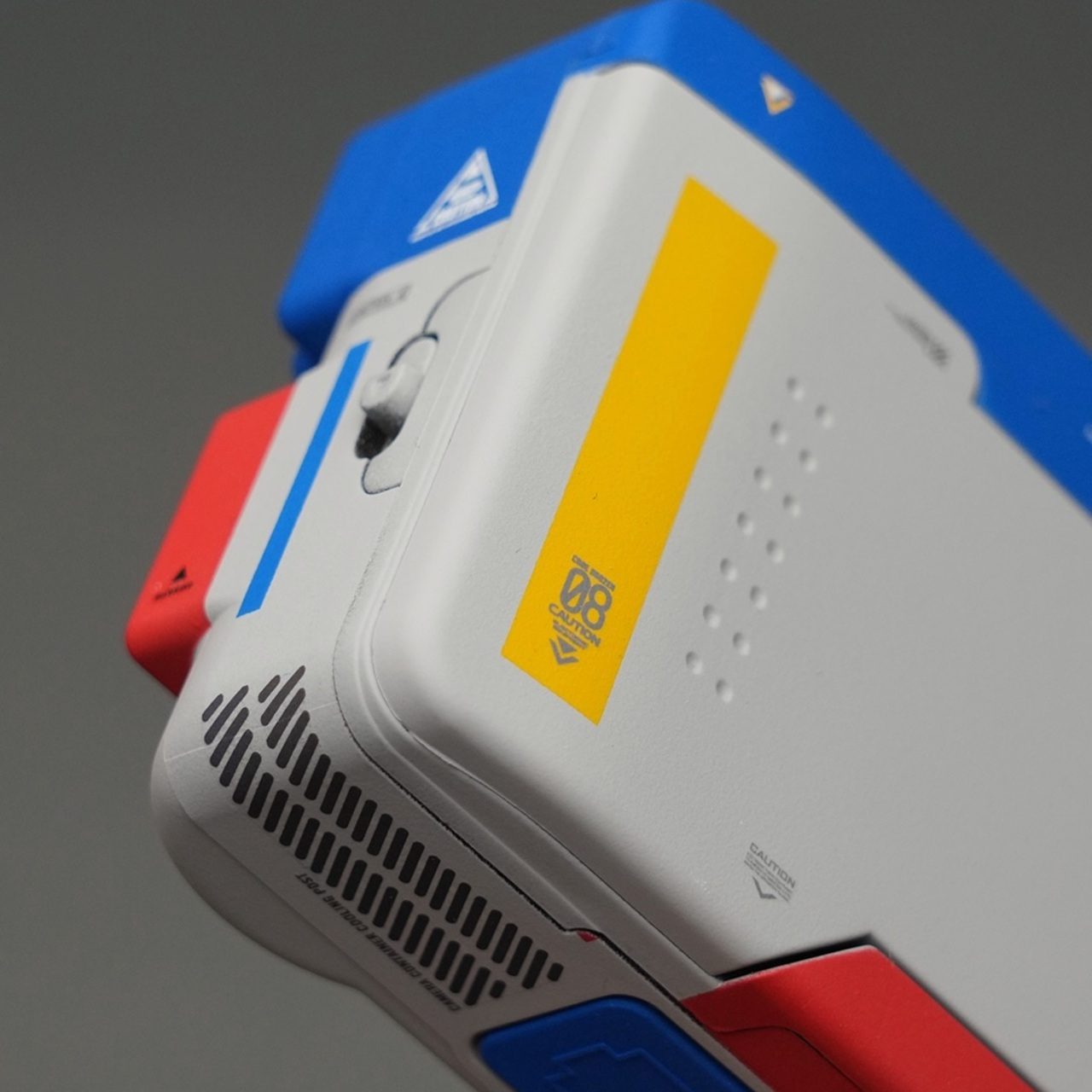
The color palette is unmistakably RX-78-2: white and light grey as the base, with iconic blocks of red, blue, and yellow distributed across the body. The blue module on top mirrors the mecha’s head vents, while the red panel carries Japanese lettering that translates to “Main Energy Supply System.” Warning labels and caution markers are applied throughout, giving every surface the texture of actual military hardware.
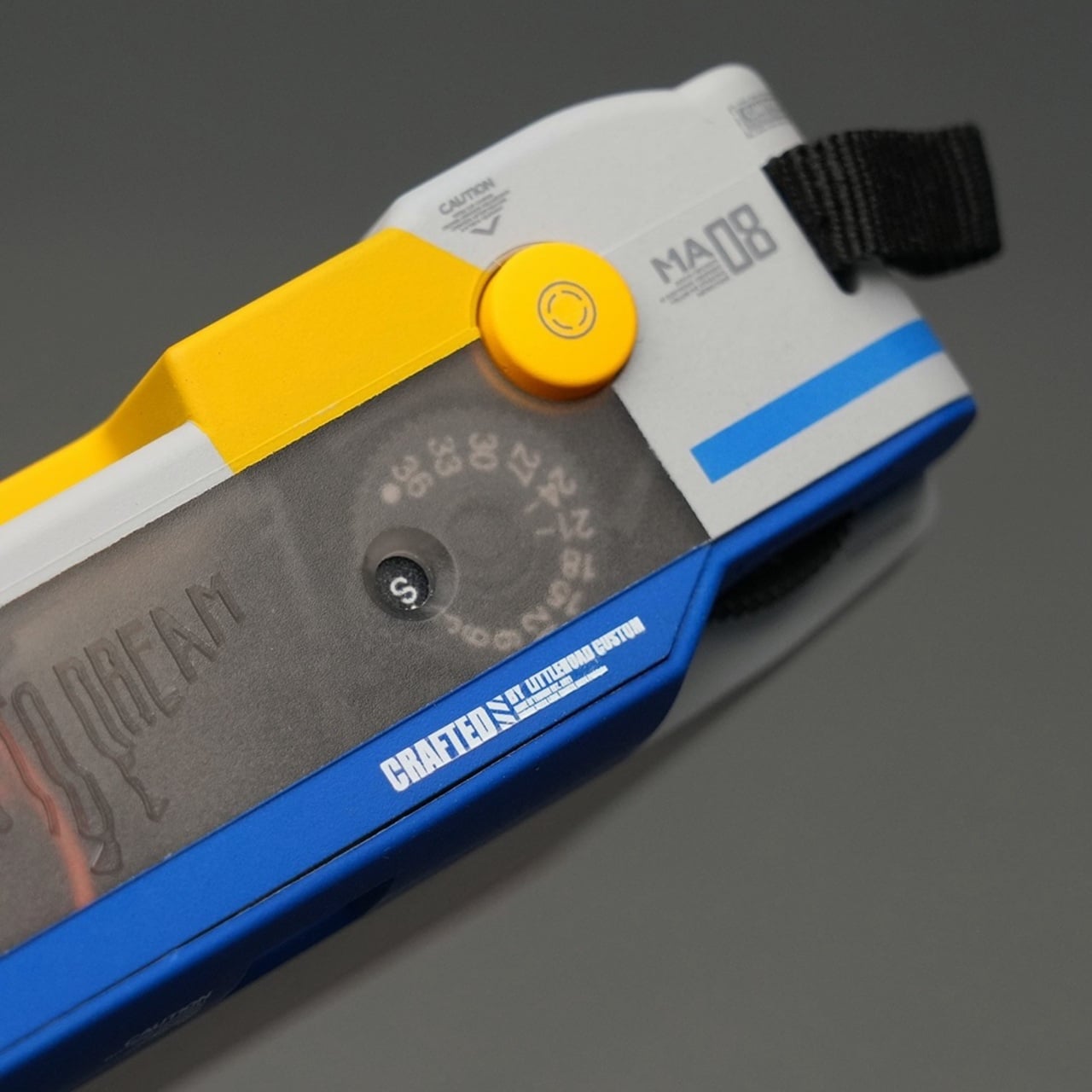
None of this is printed or mass-produced. Each camera is assembled, painted by hand, and decorated with decals applied one by one, giving every unit a slightly unique character. Panel lines are added individually, and the surface finish is developed to match how serious Gunpla builders approach their kits, not the kind of detail you’d notice from a distance, but the kind that holds up under close inspection.
Of course, it’s also a functioning film camera, which matters. This isn’t a display piece you’d keep behind glass. Take it out on the street or to an event, and the reaction it gets before you’ve even raised it to shoot becomes part of the experience. Gundam fans who’ve never touched a film camera suddenly have a reason to, and film shooters find themselves explaining it to everyone who asks.
The appeal reaches across at least two communities that don’t often overlap. Analog photography has cultivated a following that values the tangible, the finite, and the slow. Gundam has its own equally dedicated community built around craftsmanship, patience, and an appreciation for machines that look like they were actually built by someone. A camera that speaks to both of those things at once is genuinely hard to dismiss.
Units are limited and offered in small batches internationally, which suits a project built entirely around handmade production. There’s no version of this that scales to mass retail, and that’s precisely what makes it interesting as a collector’s object. For anyone who grew up assembling Gunpla kits and now carries a film camera as part of their identity, this occupies a space that feels genuinely earned.
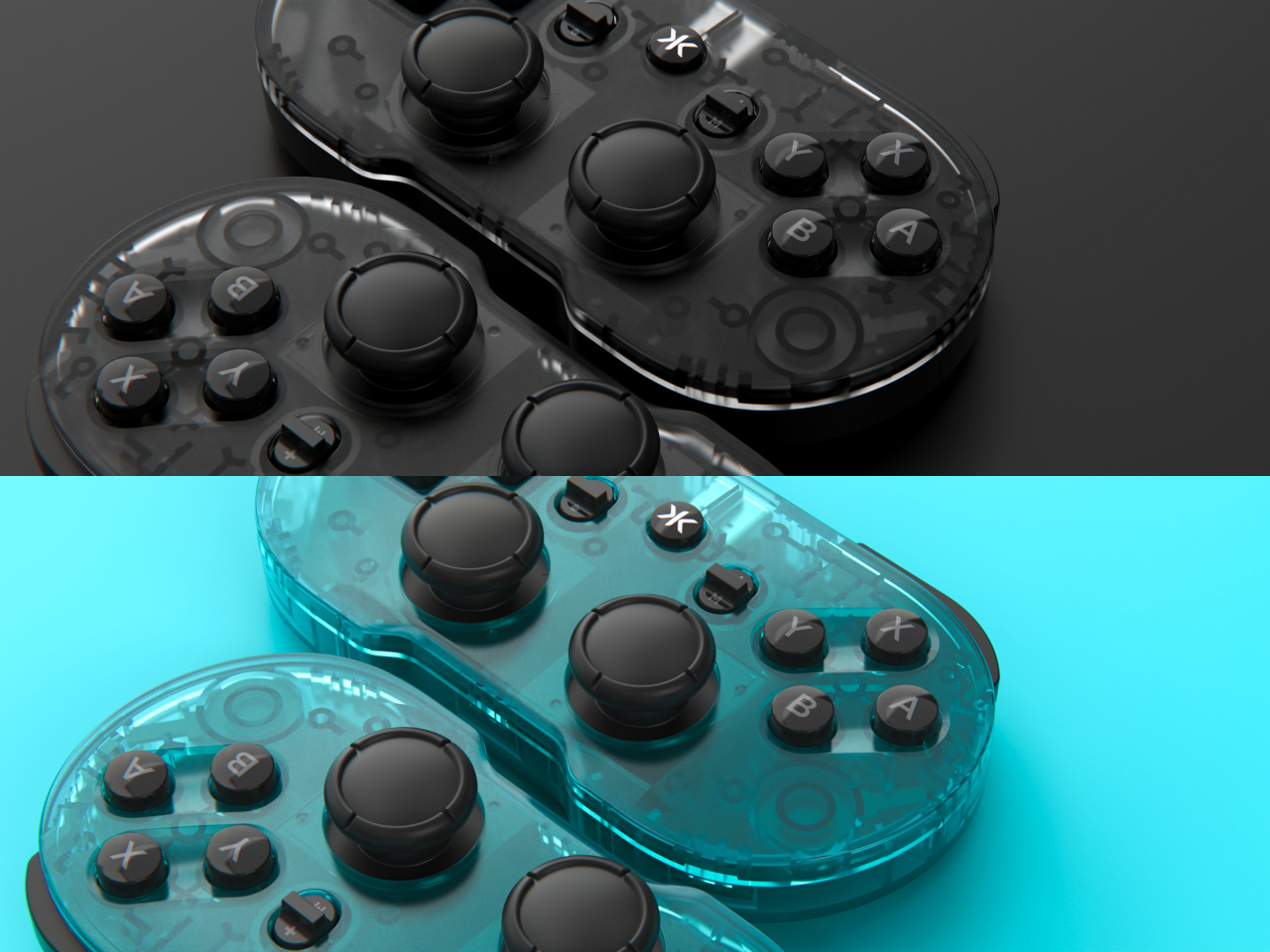
Compact gaming controllers have always occupied an awkward spot in the market. Most work well enough for retro titles, where a D-pad and a few buttons are all you need, but they fall short the moment you want to play anything more demanding. Dual thumbsticks are either absent or prone to drifting, and that’s before you factor in the limited platform support most of them offer.
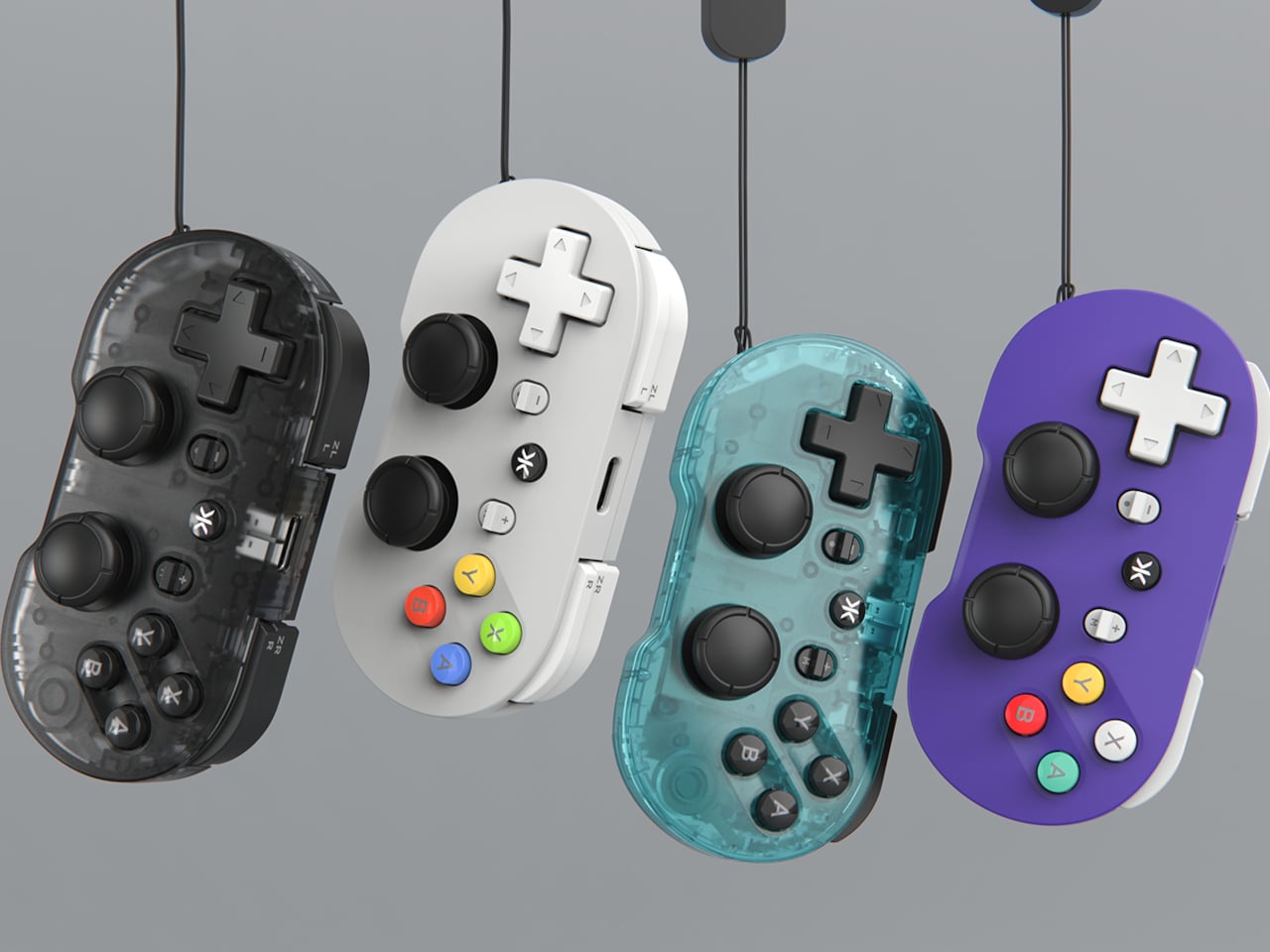
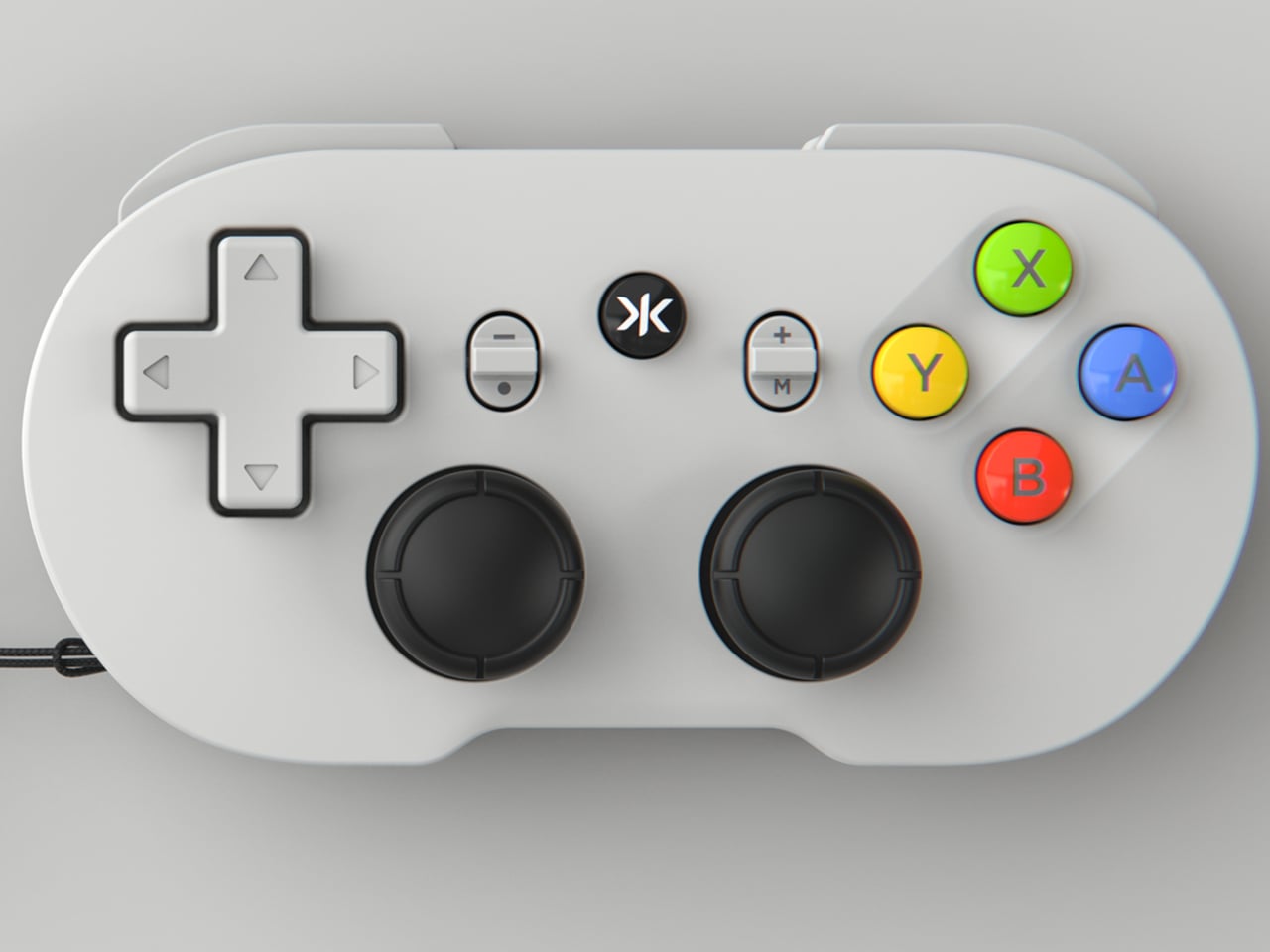
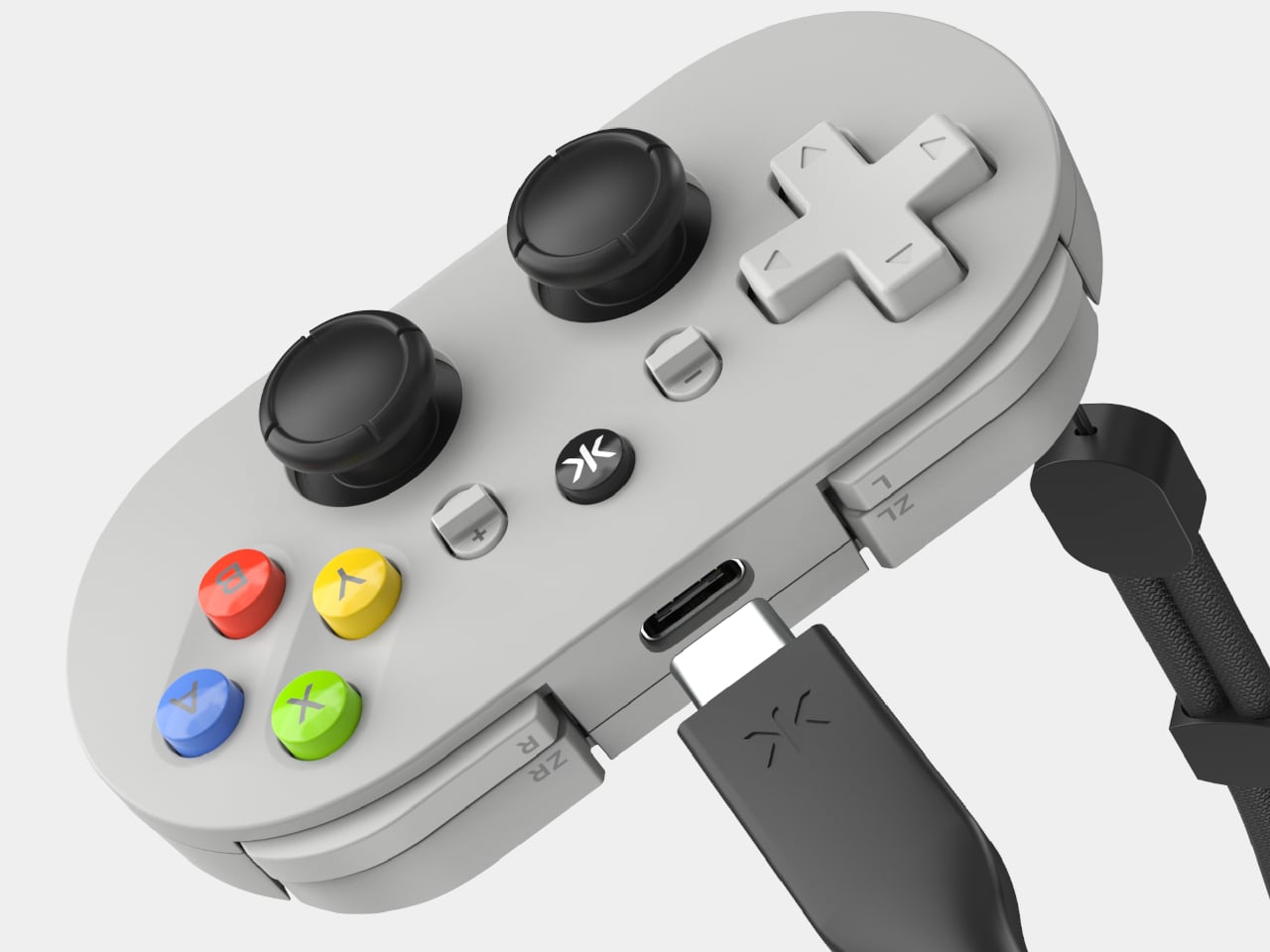
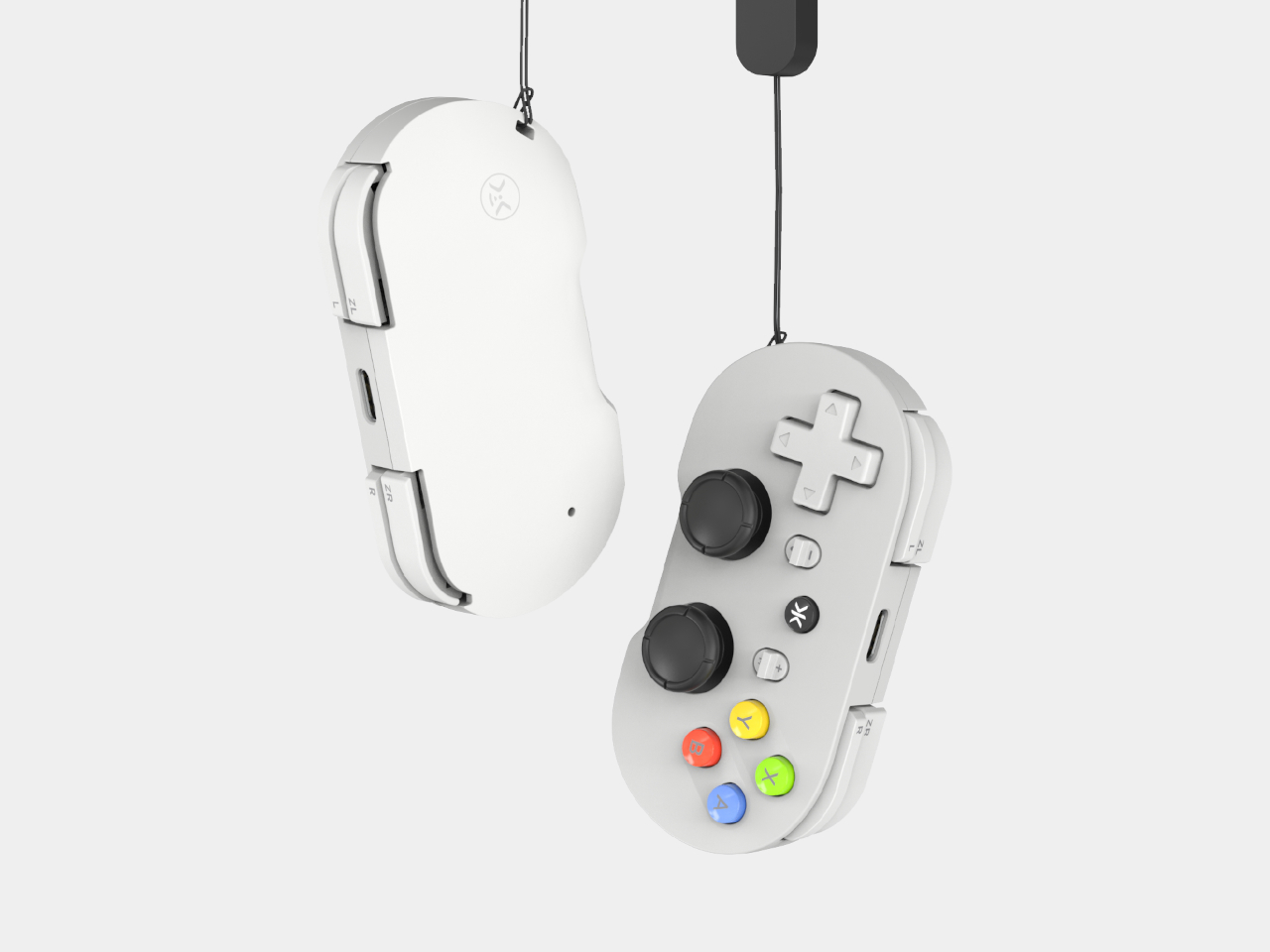
CRKD’s ATOM+ arrives as a direct response to those shortcomings. It’s the follow-up to the brand’s original ATOM keychain controller, but with noticeably bigger ambitions. Rather than catering only to retro gaming, it’s built around a complete control layout and a feature you’d typically find on premium full-sized gamepads: zero-drift TMR thumbsticks. The result is a palm-sized controller that doesn’t ask you to trade performance for portability.
The TMR, or Tunnel Magnetoresistance, thumbsticks are arguably the ATOM+’s most significant selling point. Unlike traditional analog sticks that use physical contact points that wear down with use, TMR technology relies on magnetic sensors to read input, which means accuracy doesn’t degrade over time. Stick drift has been a persistent nuisance in gaming, and it’s particularly glaring in small controllers, where replacement or repair isn’t exactly straightforward.
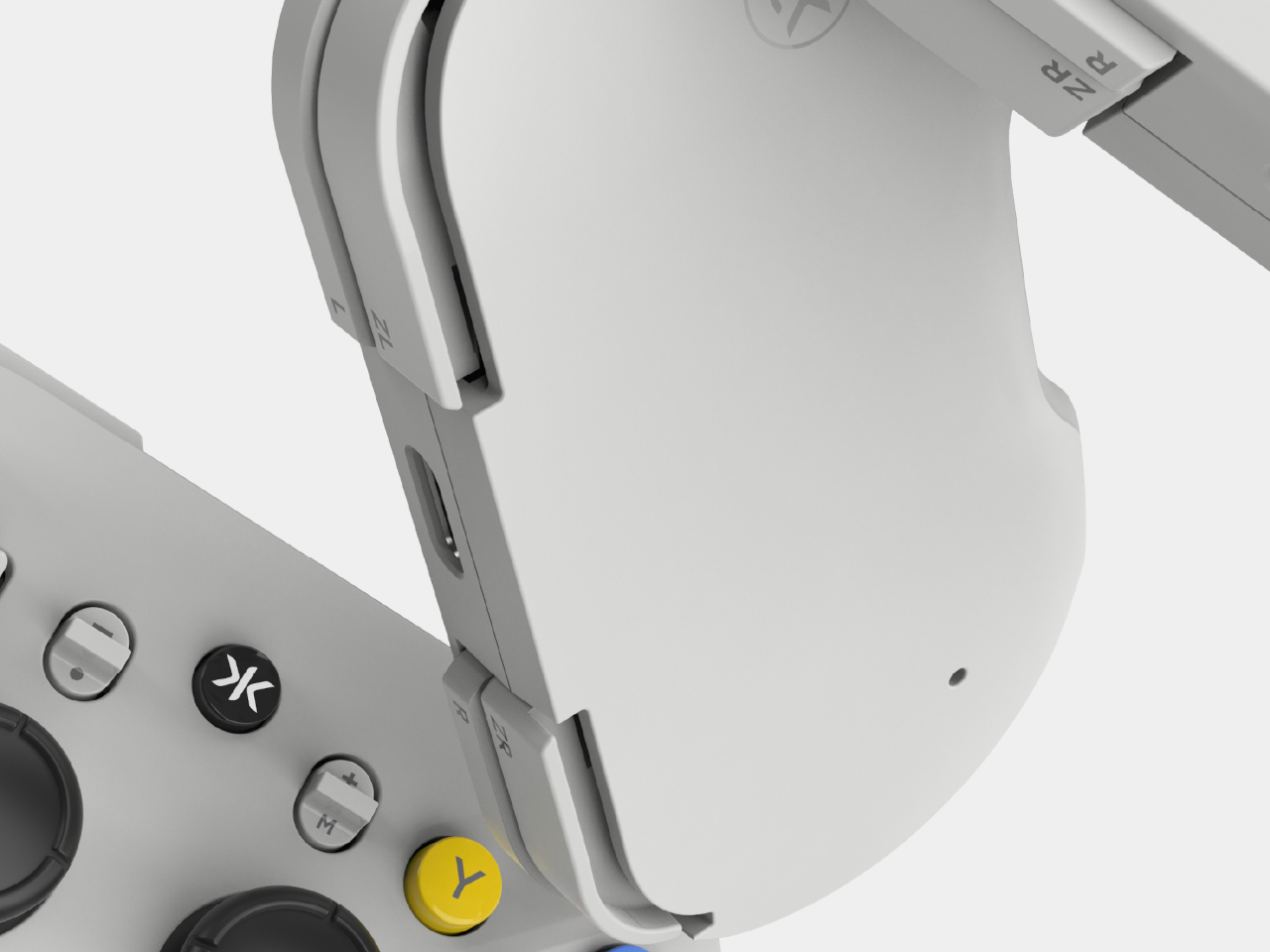
Beyond those thumbsticks, the ATOM+ carries a full control layout with triggers and shoulder buttons, making it capable of handling modern titles without restrictions. At 90mm x 48mm, it fits in a jacket pocket, which means it’s genuinely useful for commuting, travel, or just gaming away from your usual setup. It’s the kind of controller you can toss in a bag and forget about until you need it.
Platform compatibility is another area where the ATOM+ covers its bases. It connects over Bluetooth to the Nintendo Switch 2 and Switch, PC and PC handhelds, iOS and Android devices, and even select smart TVs. The Switch-style button layout keeps things familiar regardless of what you’re playing on, and for a controller this small, the breadth of supported platforms earns its keep rather than just reading as a marketing claim.
There’s also motion control support, a turbo mode, and vibration feedback baked in. Motion controls, in particular, add an extra dimension for compatible Switch titles where gyro aiming can genuinely make a difference. These aren’t features you’d expect to find on a controller this size, and they make the ATOM+ feel less like a novelty and more like a legitimate primary controller for portable gaming sessions.
CRKD also pairs the ATOM+ with its companion app, which lets you tune inputs, update firmware, and customize settings via the CTRL feature. The controller is RFID-enabled too, tapping into CRKD’s True Collection System, so you can tap your phone to it and pull up details like its product number and rarity rank. It’s a collectible angle that’s a bit unusual for a gamepad, but a fun one nonetheless. For gamers who’ve been burned by drift-prone compact controllers, or just want something pocketable that handles any game thrown at it, the ATOM+ is hard to ignore.