Sony’s Latest PlayStation Patent Turns a DualSense and Your Phone Into One Gaming Controller

Back in 2014, Sony shipped a small piece of plastic that clipped a phone onto a PS4 controller. It was limited to certain Xperia handsets, relied on Remote Play at a point when Remote Play was barely holding itself together over most home Wi-Fi networks, and it quietly disappeared without much fanfare. The idea of physically fusing your smartphone with your PlayStation controller got filed away as one of those concepts that sounded reasonable on paper and fell apart in practice. Sony moved on, and for a decade, so did everyone else.

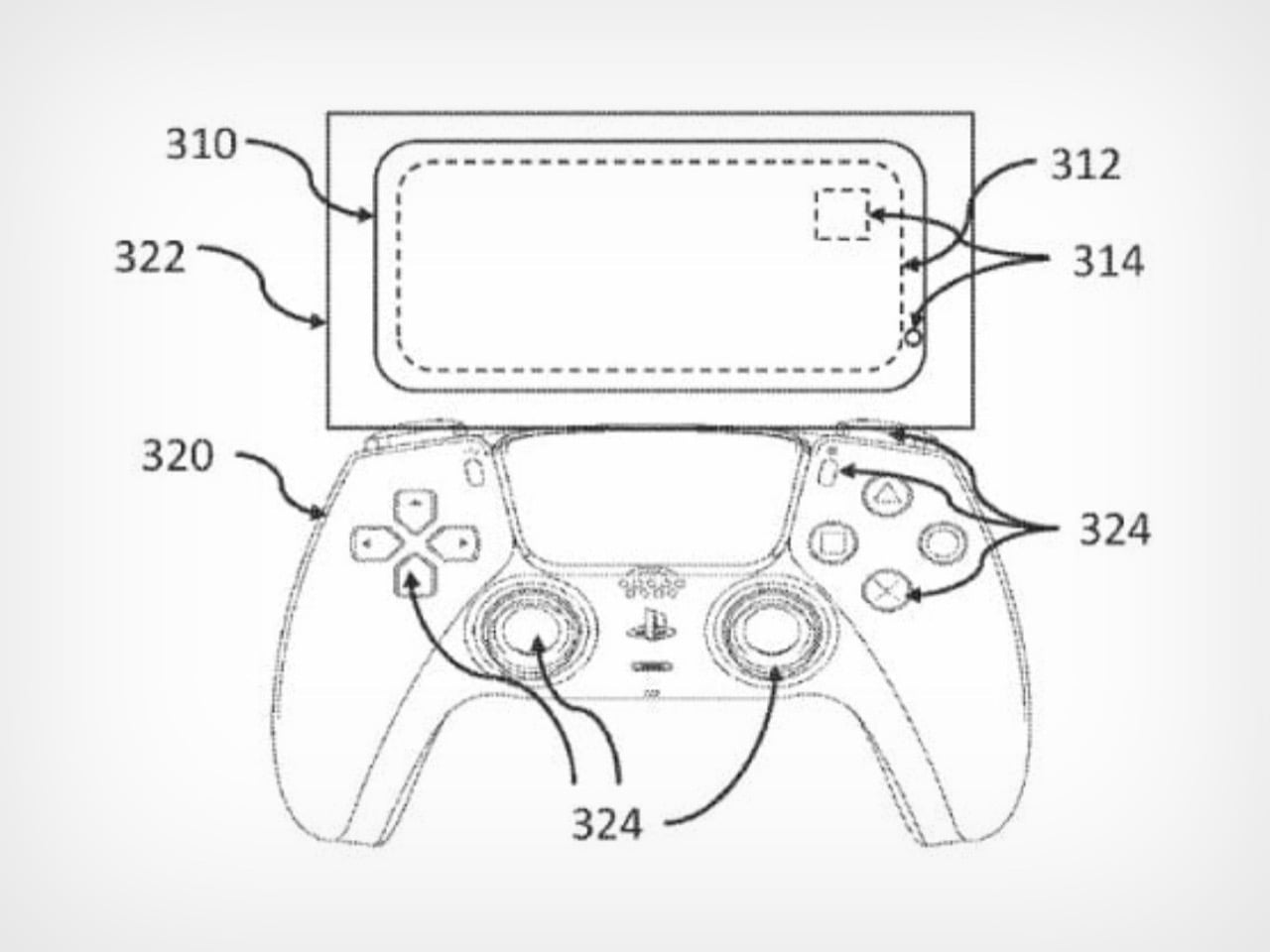
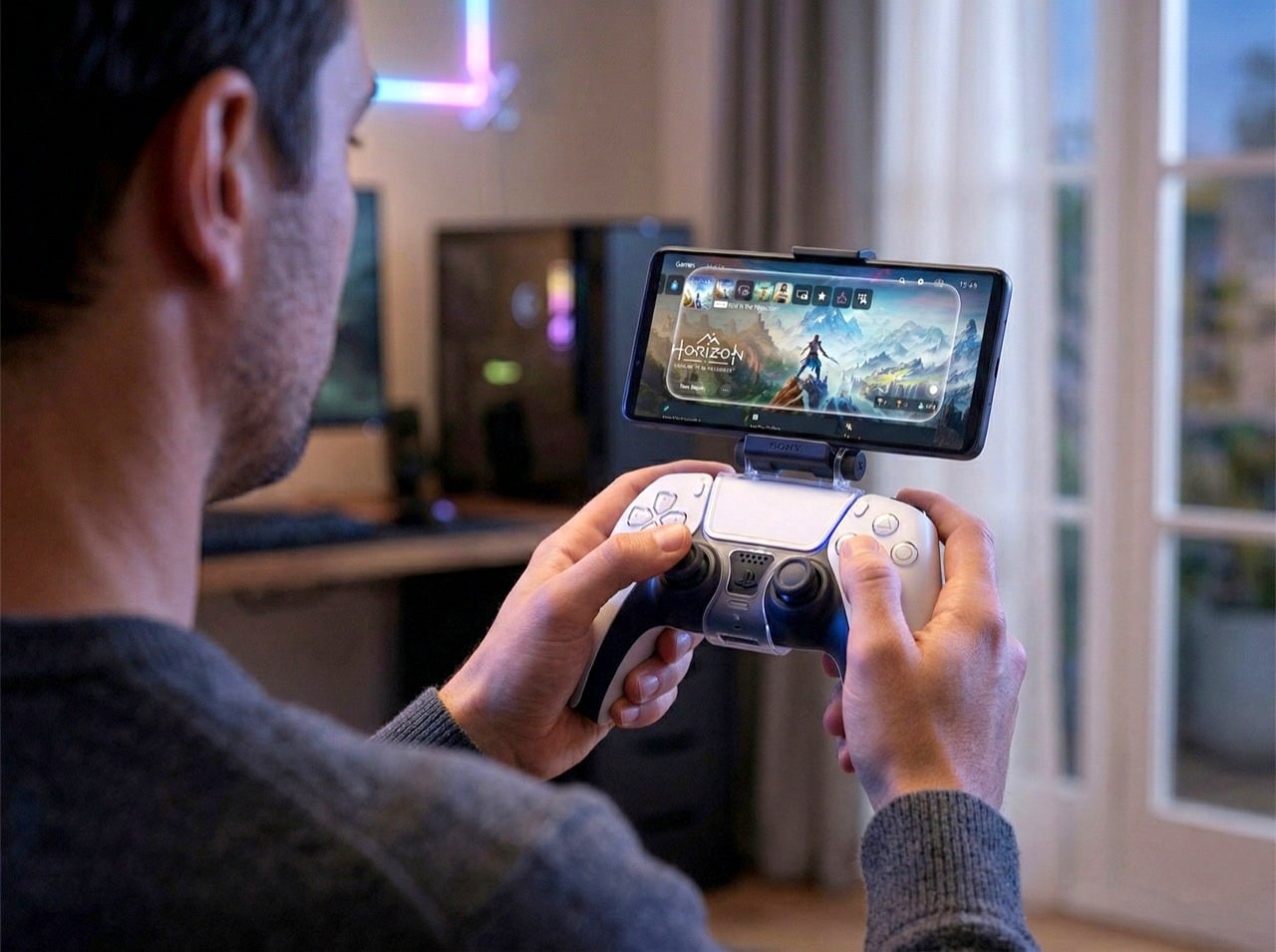
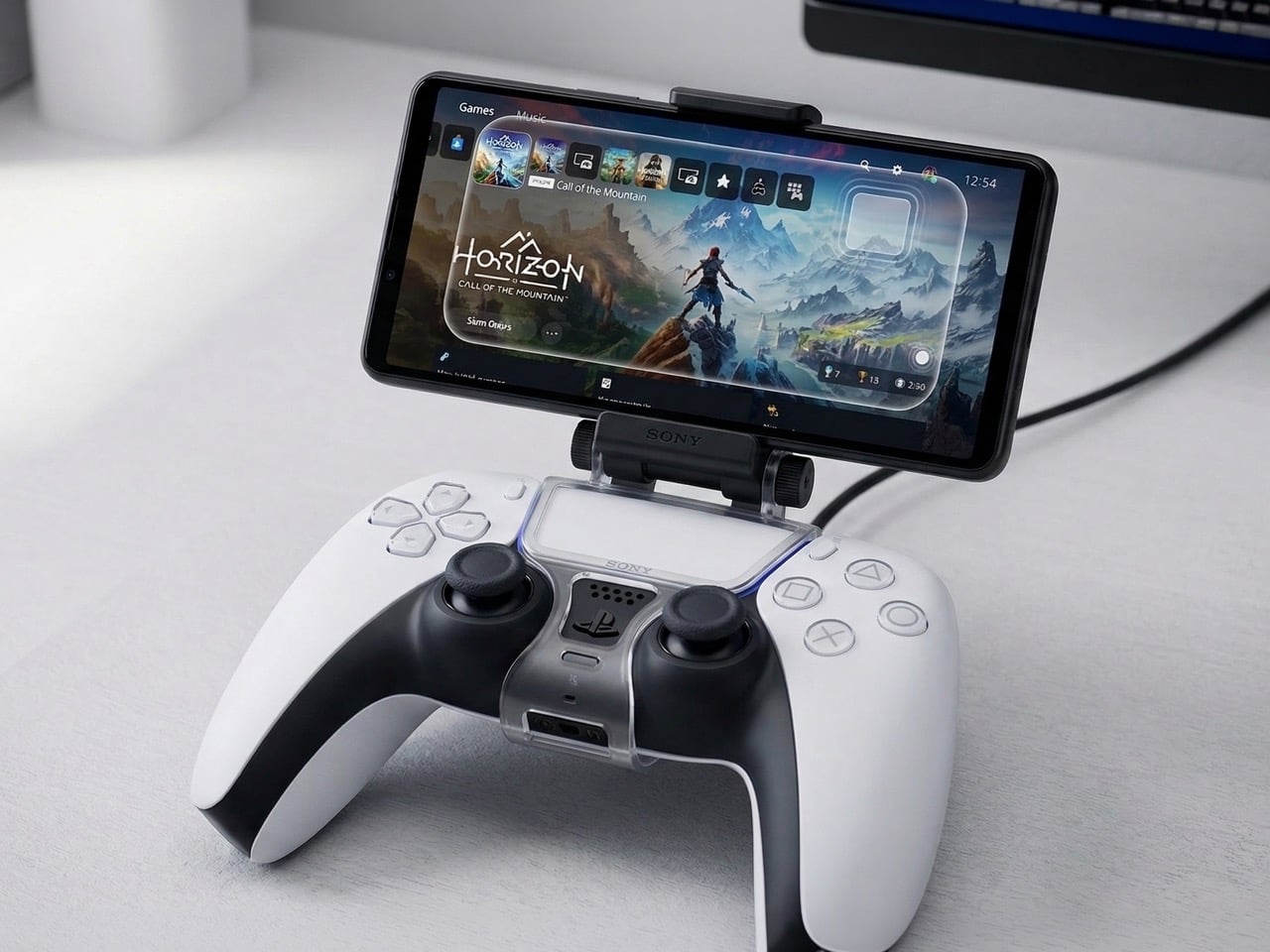
A patent circulating this week suggests the concept never fully left. Sony’s new filing describes a smartphone mounted directly onto a DualSense controller, with the phone functioning as a live secondary input device. Its touchscreen, motion sensors, and hardware would all be available to developers as genuine control surfaces, feeding into the game in real time rather than simply mirroring it. That positions this as a meaningfully different idea from Remote Play, from the PS Portal, and from anything Sony has formally put in front of PlayStation players before.

Designer: Sony

The PS Portal, Sony’s dedicated remote play device launched in late 2023, is essentially a DualSense controller sliced in half with an 8-inch 1080p LCD placed in the middle. It streams games from your PS5 over Wi-Fi and does nothing else. You don’t own a PS5 running at home, the Portal becomes a paperweight. The patented phone mount concept flips that logic. Your smartphone becomes an extension of the controller’s input vocabulary, giving developers access to touch zones, gyroscope data, and potentially camera input without Sony needing to manufacture, stock, and sell another dedicated piece of hardware. Third-party phone mounts already exist for the DualSense and sell for as little as the equivalent of $10, so the mechanical attachment problem is solved. What Sony would be adding is first-party integration at the software and developer level, where the phone is recognized as part of the control scheme and games are built around it.

Patent Drawing from Sony’s filing

The market conditions in 2026 are dramatically different from the failed 2014 attempt. Fibre internet is widespread, Remote Play latency has improved significantly, and players already treat their phones as natural extensions of their gaming sessions. Controllers with phone clips are common enough in mobile gaming circles that the form factor no longer reads as awkward or experimental. Sony’s job would be convincing developers to design around a hybrid input model, which is a softer sell than asking players to spend $200 on dedicated streaming hardware with a narrow use case.

Sony patents ideas constantly, and most of them never see retail shelves. This particular concept feels more grounded than some of the company’s weirder filings because the infrastructure already exists, consumer behavior supports it, and the barrier to entry is lower than building new hardware from scratch. Whether it ships is still a gamble, but the logic behind it holds together better than it did a decade ago.

The post Sony’s Latest PlayStation Patent Turns a DualSense and Your Phone Into One Gaming Controller first appeared on Yanko Design.

Only 9 People in the World Will Own This iPhone 17 Pro With A Piece of Steve Jobs’ Turtleneck On the Back

Caviar has built its reputation on a specific kind of excess. An actual Rolex embedded into the back of an iPhone 14 Pro, retailing at $133,000. A custom iPhone 13 Pro cast from aluminum salvaged from a melted Tesla Model 3. A John Wick-themed iPhone 16 Pro so aggressively styled it looked like it belonged in an armory, not a pocket. The Russian luxury house has spent years treating Apple’s hardware the way a coachbuilder treats a car chassis, something to be reimagined rather than accepted off the shelf.

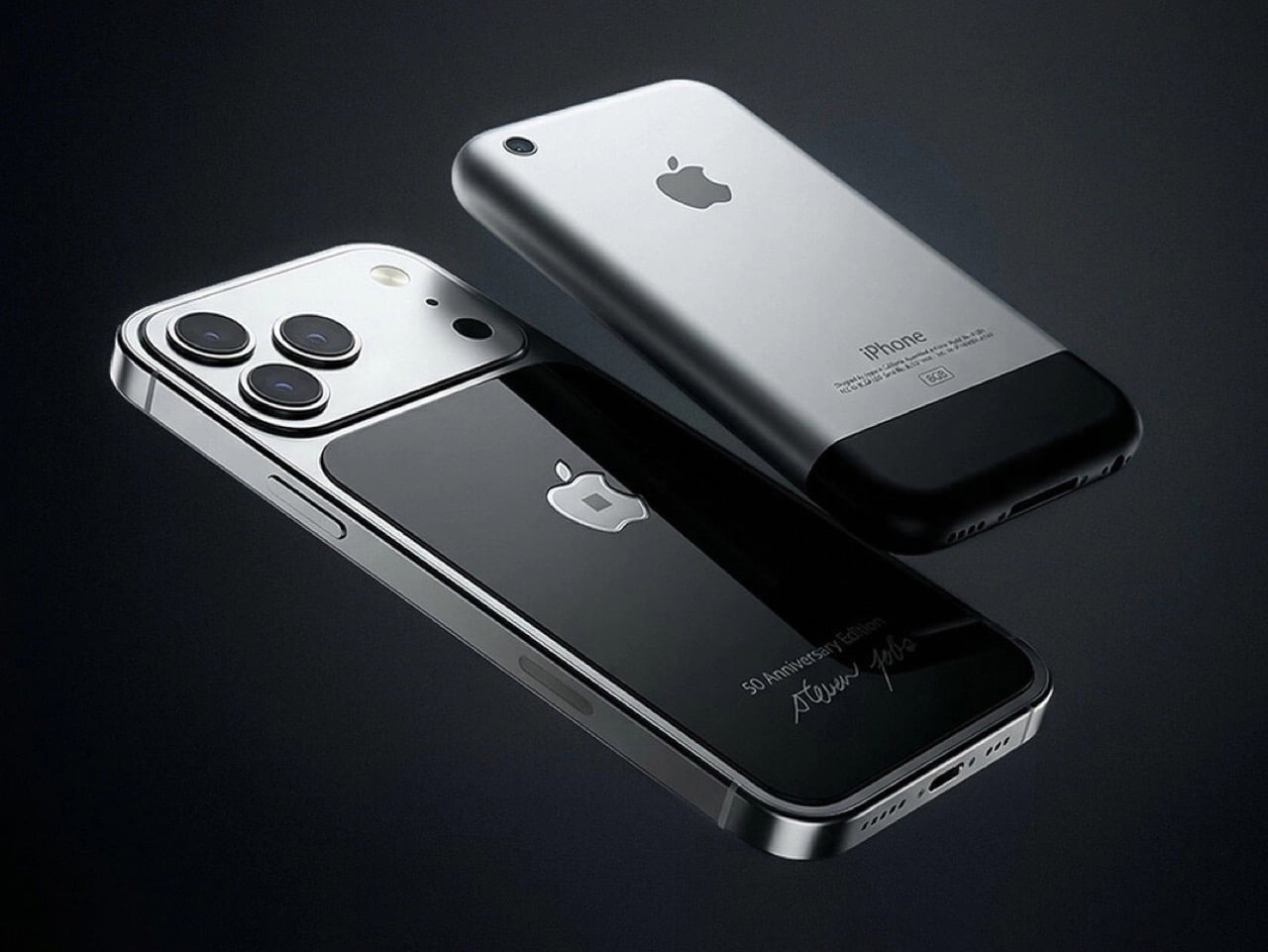
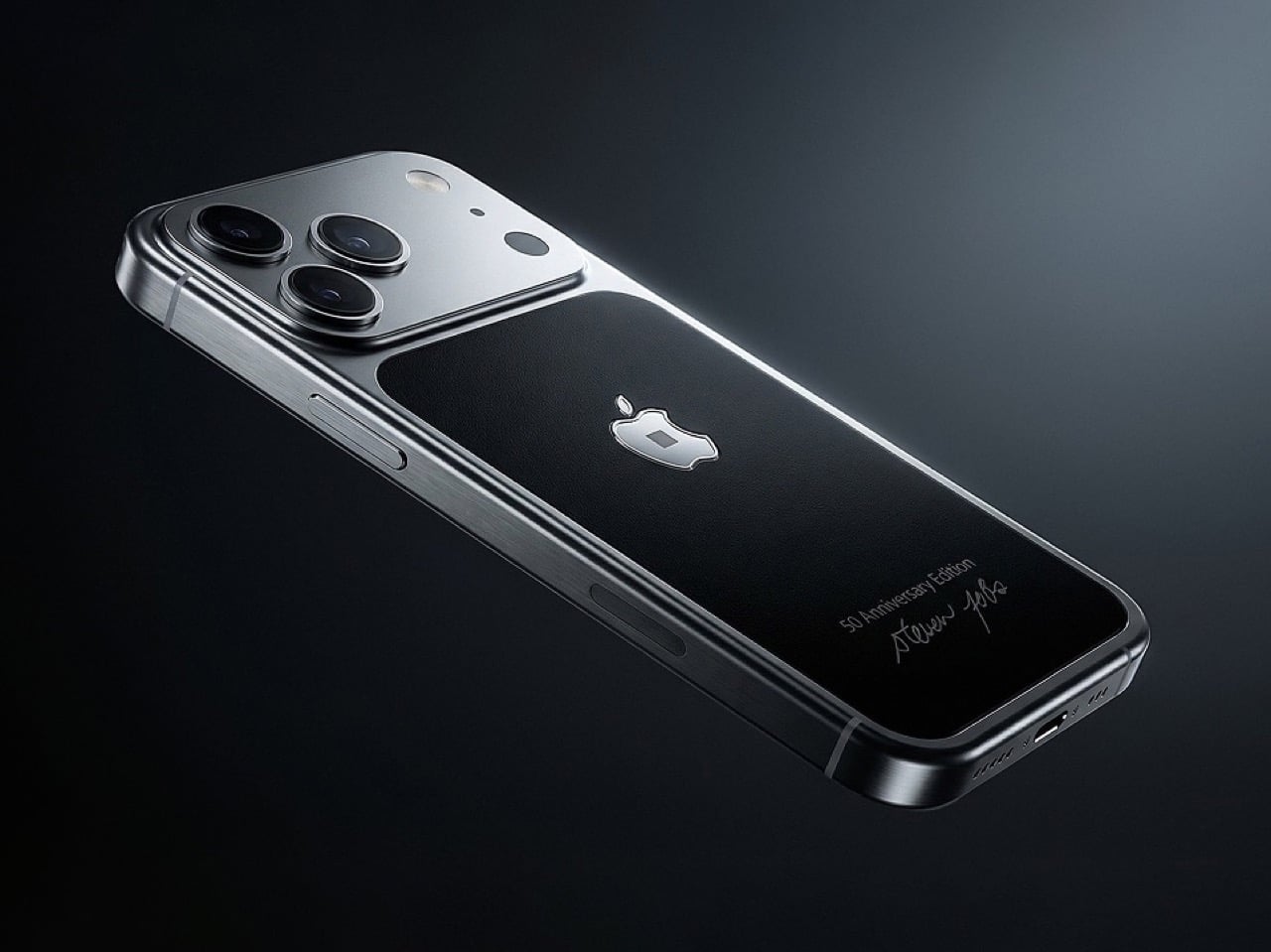
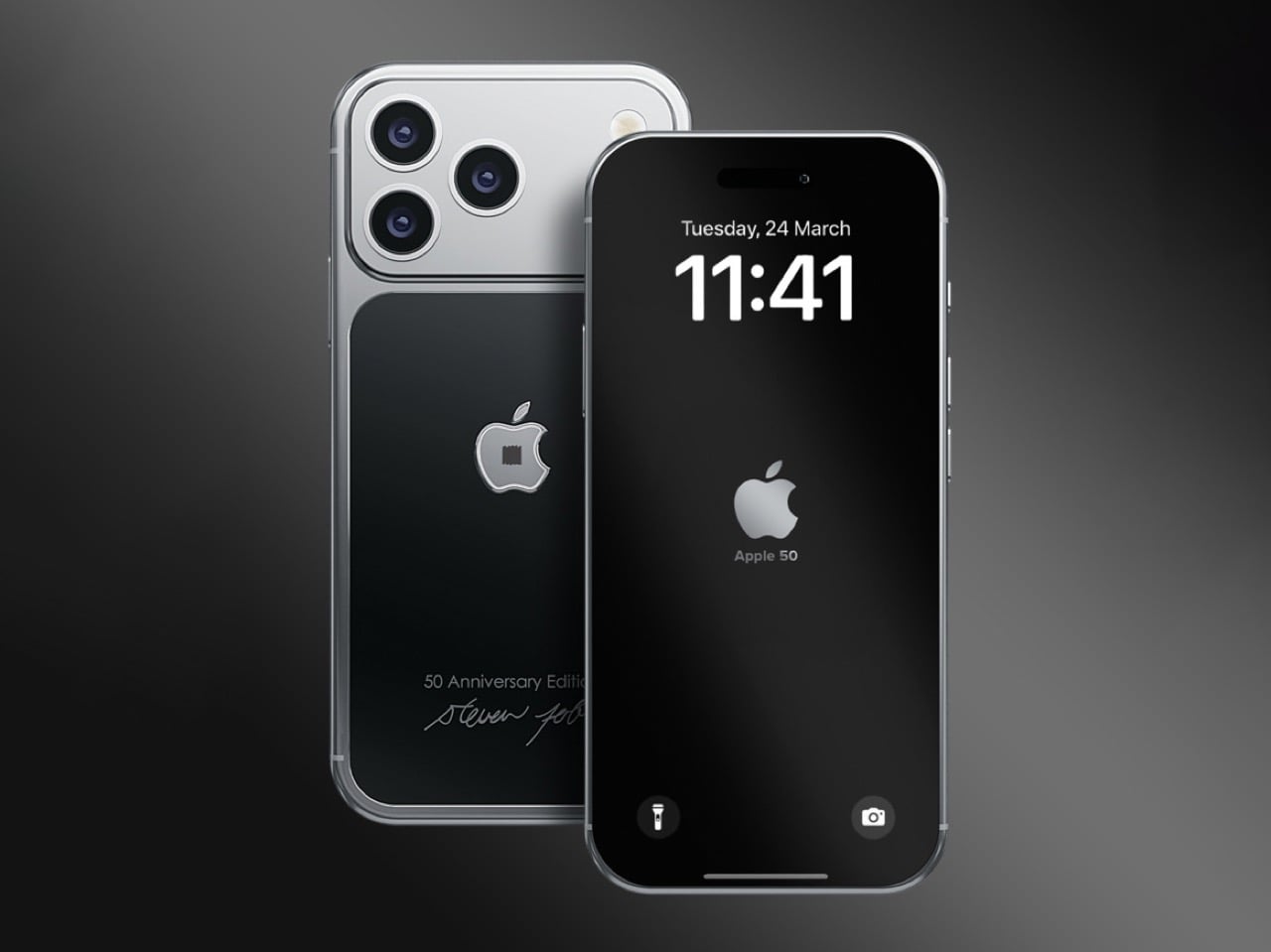
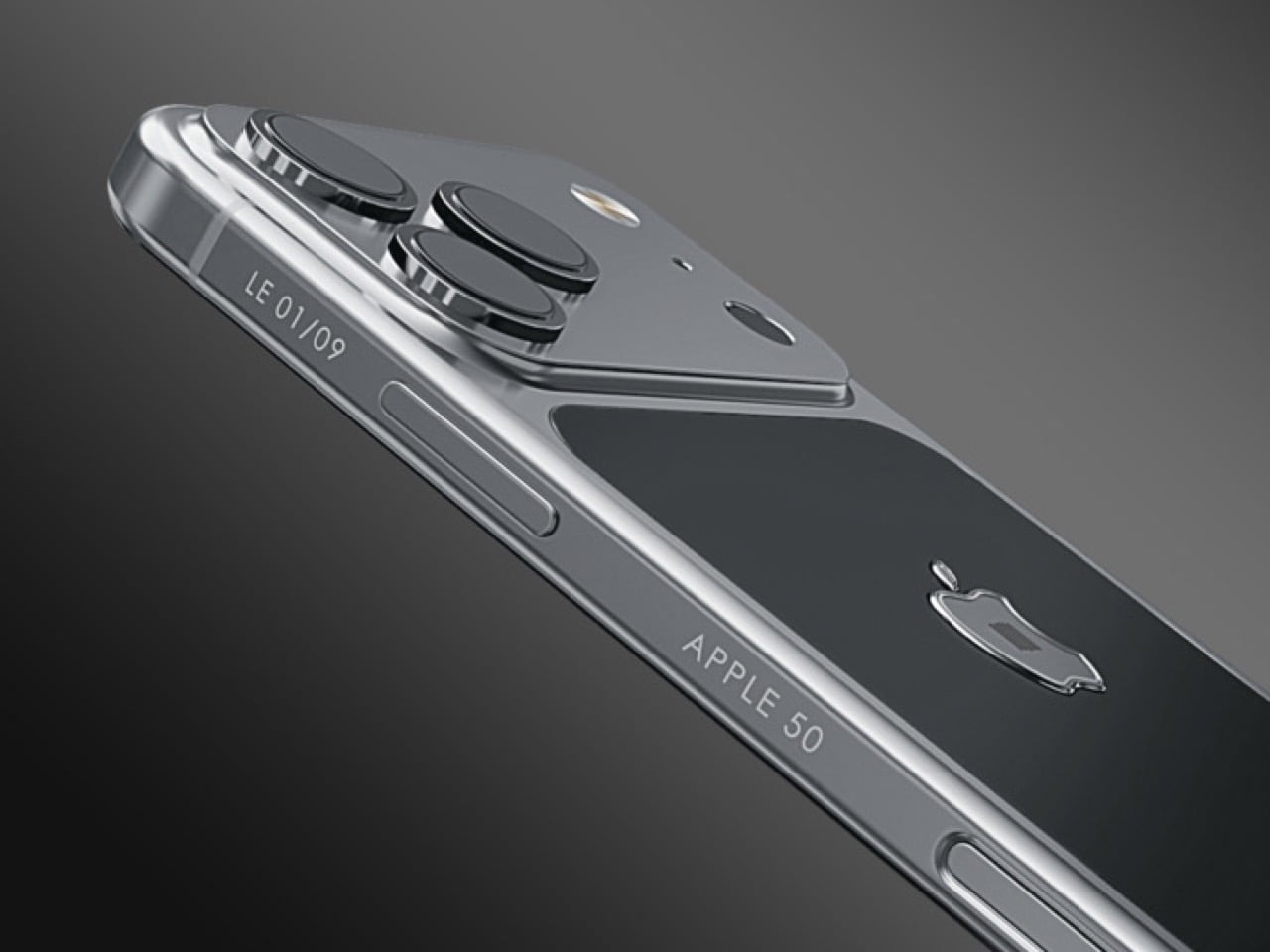
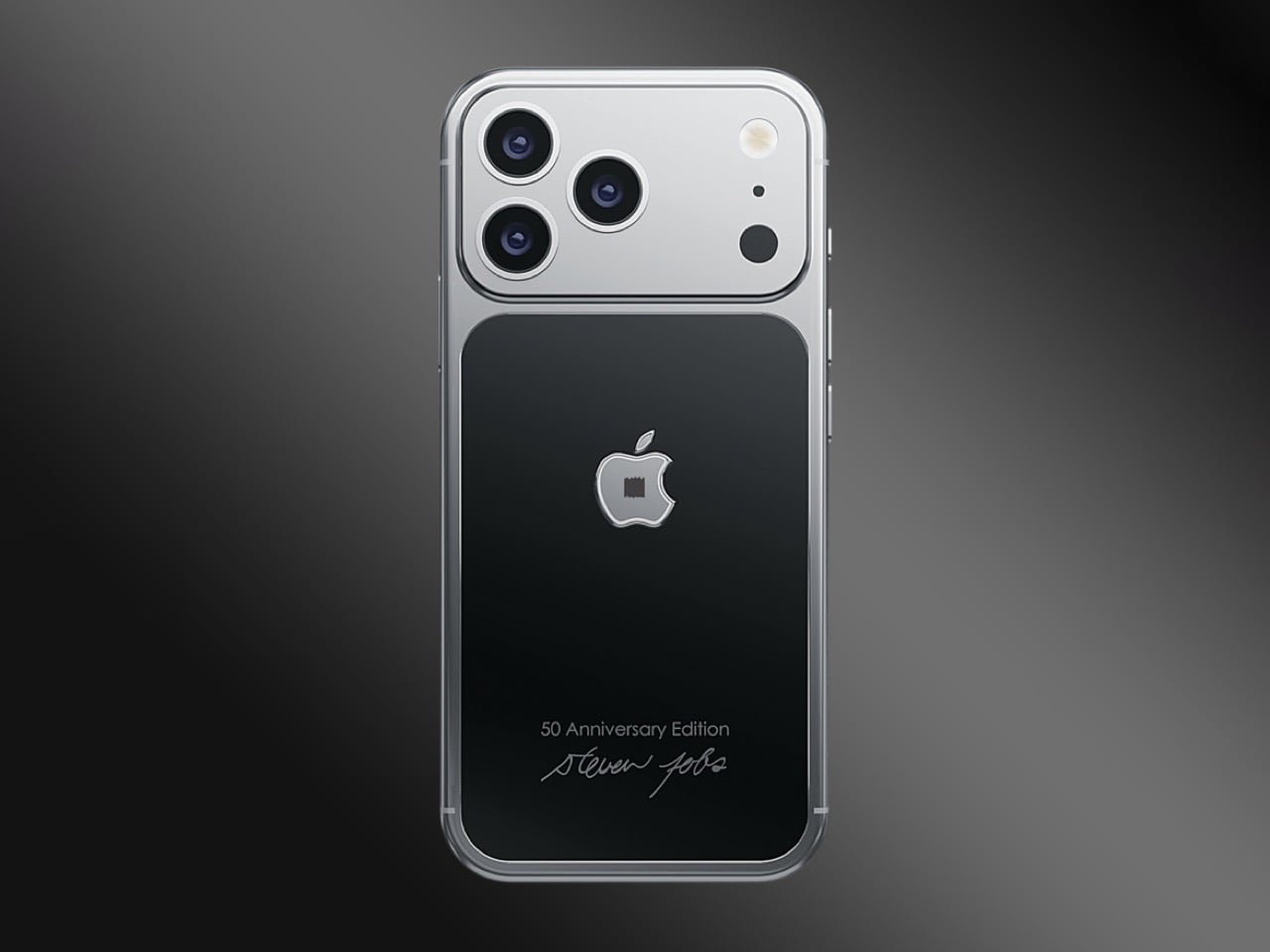
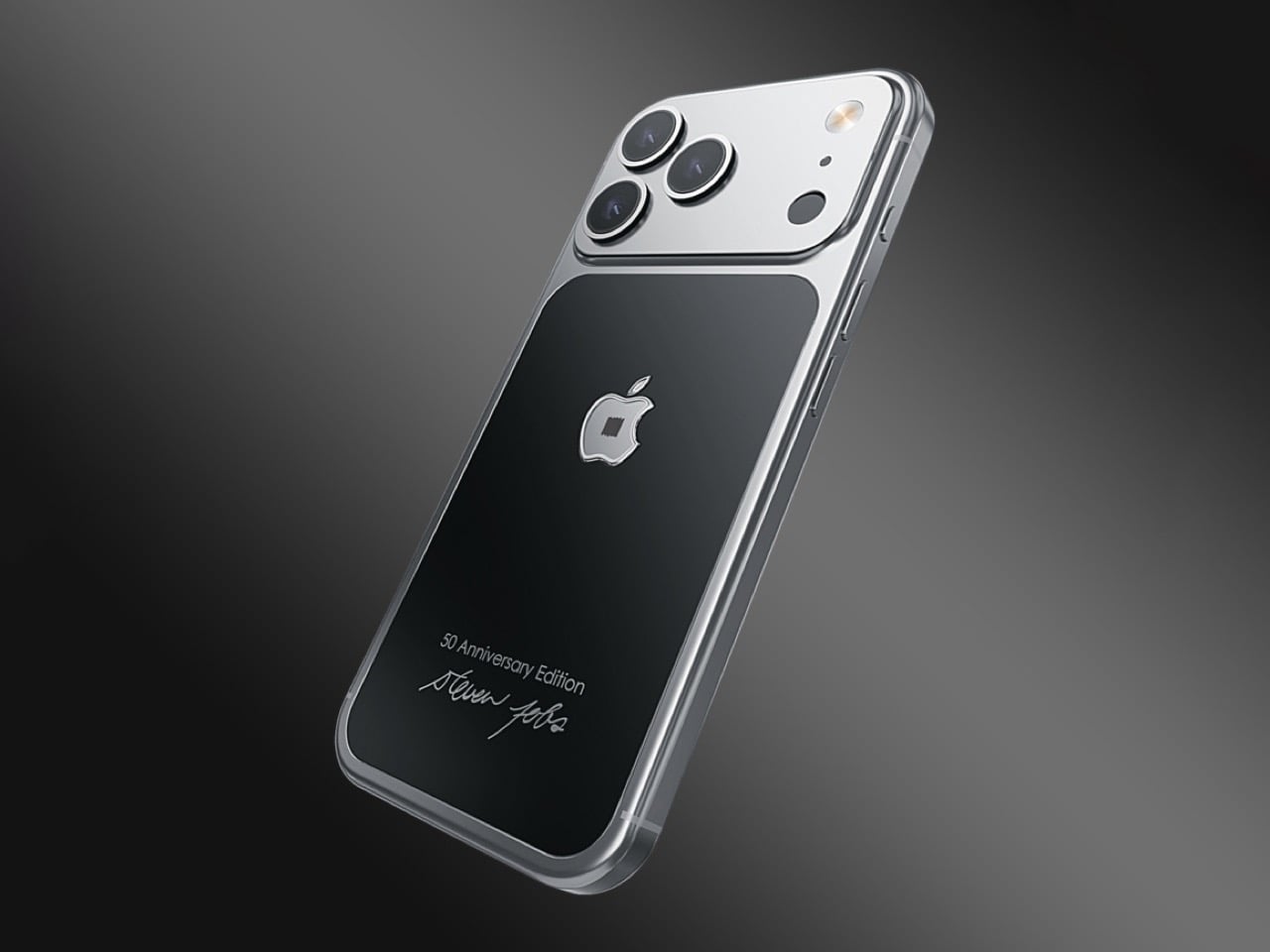
For Apple’s 50th anniversary, Caviar has produced something that sits in different territory altogether. The “Steve Jobs” iPhone 17 Pro contains an authenticated fragment of Jobs’ original black turtleneck, sealed inside the chassis beneath a raised titanium logo, on a body deliberately styled to reference the 2007 iPhone that started everything. Nine units. A certificate of authenticity. A “50 Anniversary Edition” engraving and Jobs’ own signature etched into the frame.

Designer: Caviar

The fabric comes from the same Issey Miyake turtlenecks Jobs wore religiously for decades, the ones he ordered in bulk because he wanted clothing to be one less decision in his day. Caviar has positioned the fragment at the center of the phone’s back panel, directly beneath a raised titanium Apple logo that functions as both a seal and a focal point. The black-and-silver color scheme mirrors the original iPhone’s visual language, right down to the slightly offset logo placement and minimalist engraving style. The overall effect reads less like a luxury phone and more like a museum piece that happens to run iOS.

With only nine units produced worldwide, the Steve Jobs edition enters the same rarefied air as limited-run watches or gallery-edition art prints, objects valued as much for their exclusivity as their craftsmanship. The authentication certificate that ships with each phone attempts to legitimize the provenance, offering buyers proof that the fabric fragment is genuine rather than theatre. Whether embedding a piece of clothing into a smartphone chassis constitutes meaningful homage or expensive novelty depends entirely on how much weight you assign to physical artifacts versus digital legacy. Caviar has clearly made its bet on the former, banking on collectors who want to hold a piece of Apple history rather than simply read about it.

Caviar framed the release with the kind of language luxury brands deploy when they want you to believe you’re buying meaning rather than materials. “We wanted to create a device that would serve as a true time capsule,” representatives stated, “by combining the aesthetics of the very first and the most current iPhone, and adding an authentic fragment of Steve Jobs’ clothing, we offer collectors and devoted fans of the brand a chance to feel a physical connection to the visionary who changed the world.” The phones are available now on Caviar’s official website, authenticated certificates included.

The post Only 9 People in the World Will Own This iPhone 17 Pro With A Piece of Steve Jobs’ Turtleneck On the Back first appeared on Yanko Design.

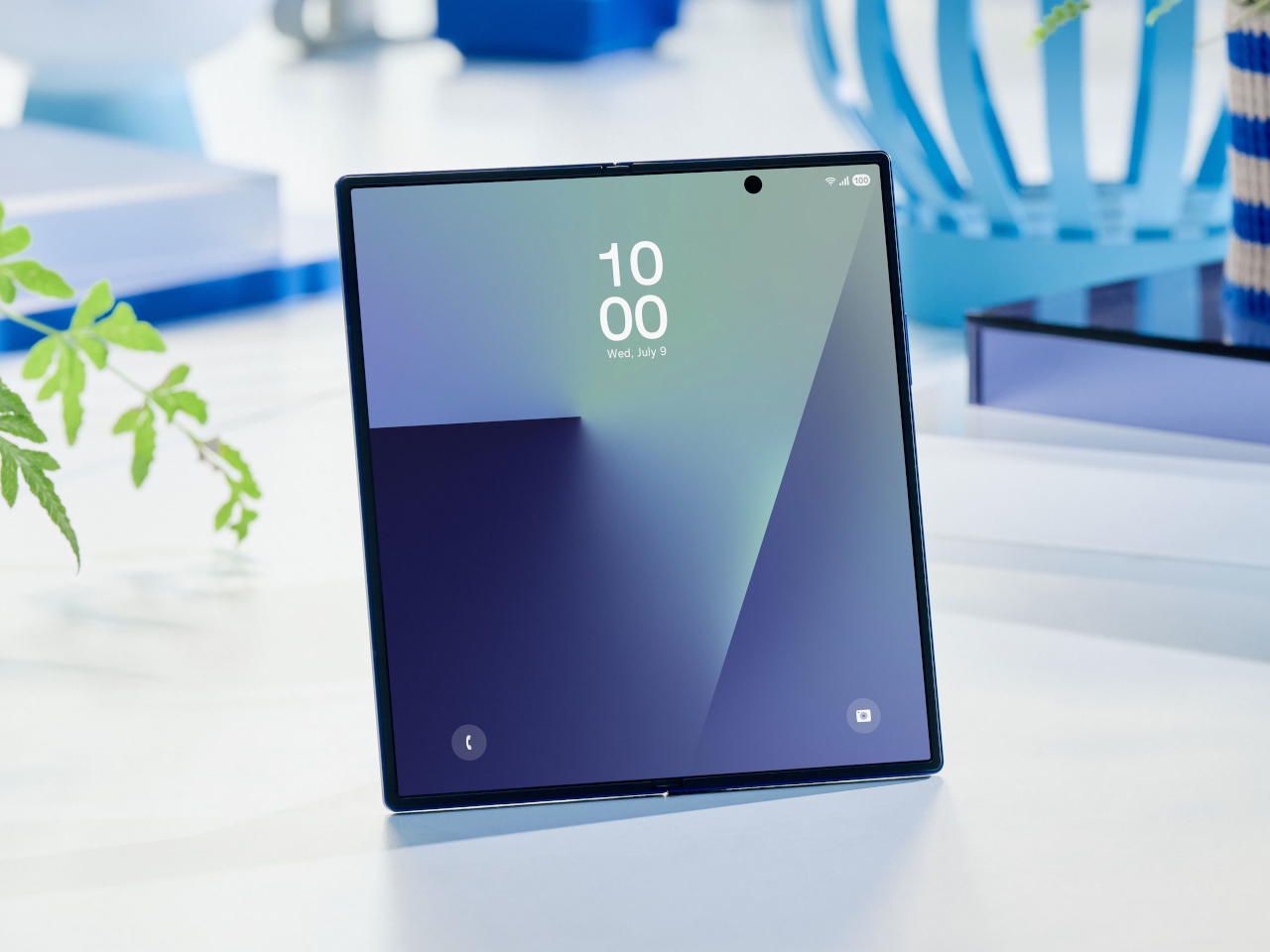
Galaxy Z Fold8 Wide Leaks Show a Foldable With iPad-Like Proportions

Book-style foldables have had a proportions problem since the beginning. The tall, narrow inner displays most of them unfold to have always felt more like stretched phones than proper mini-tablets, making tasks like reading or taking notes feel a little off. Years of refinement have addressed crease visibility and hinge durability, but the shape of the inner screen has largely stayed the same.

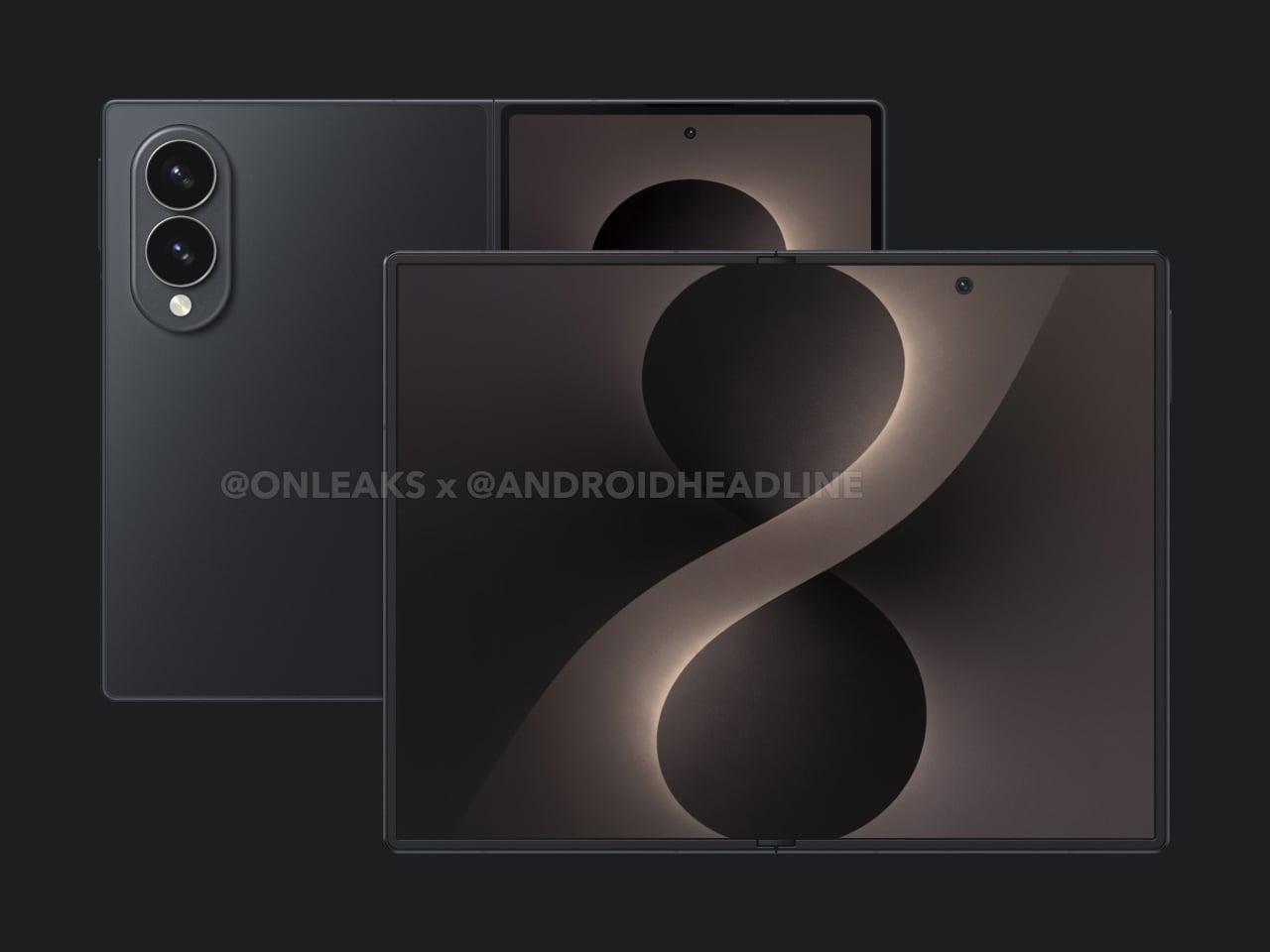
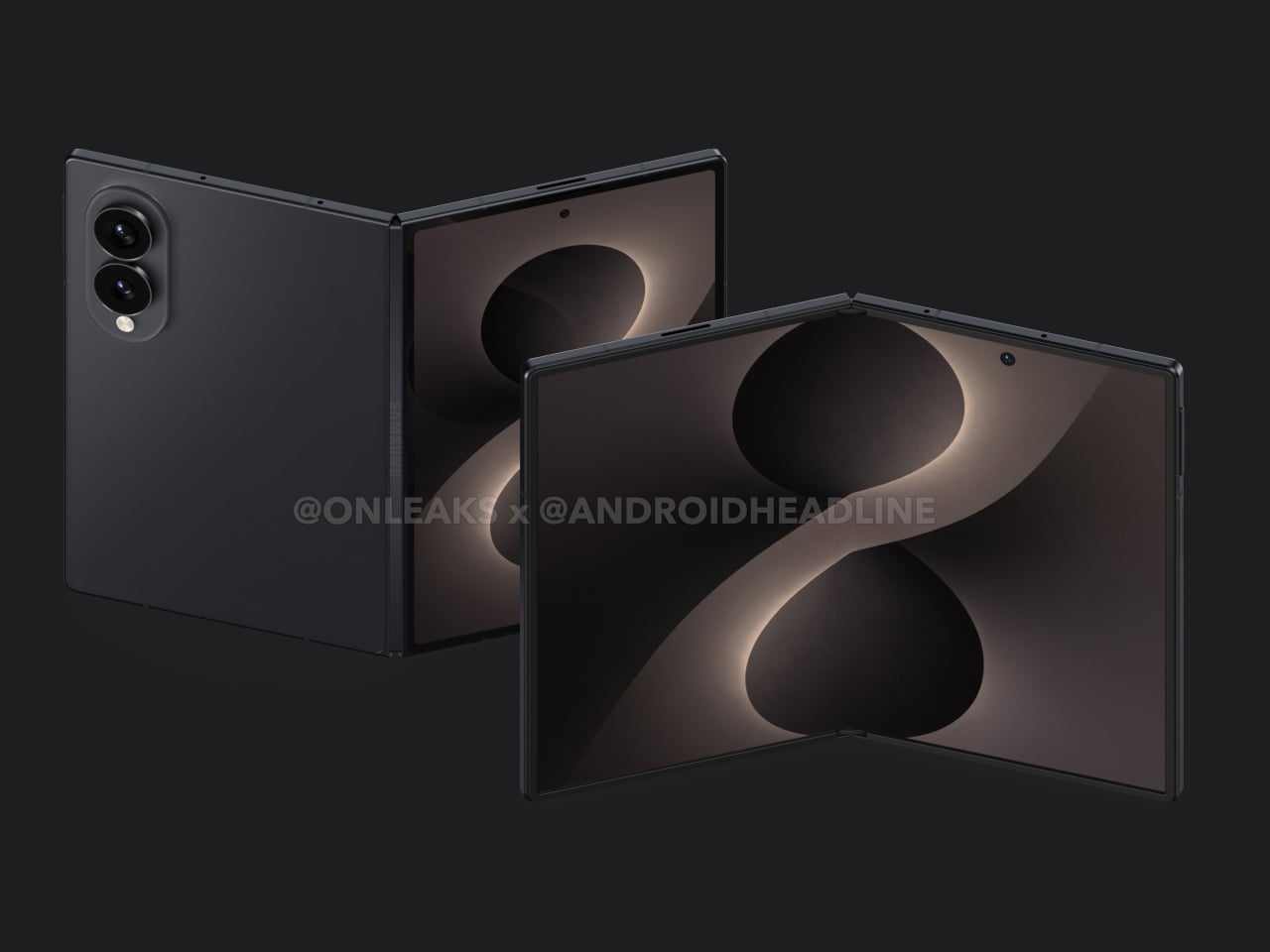
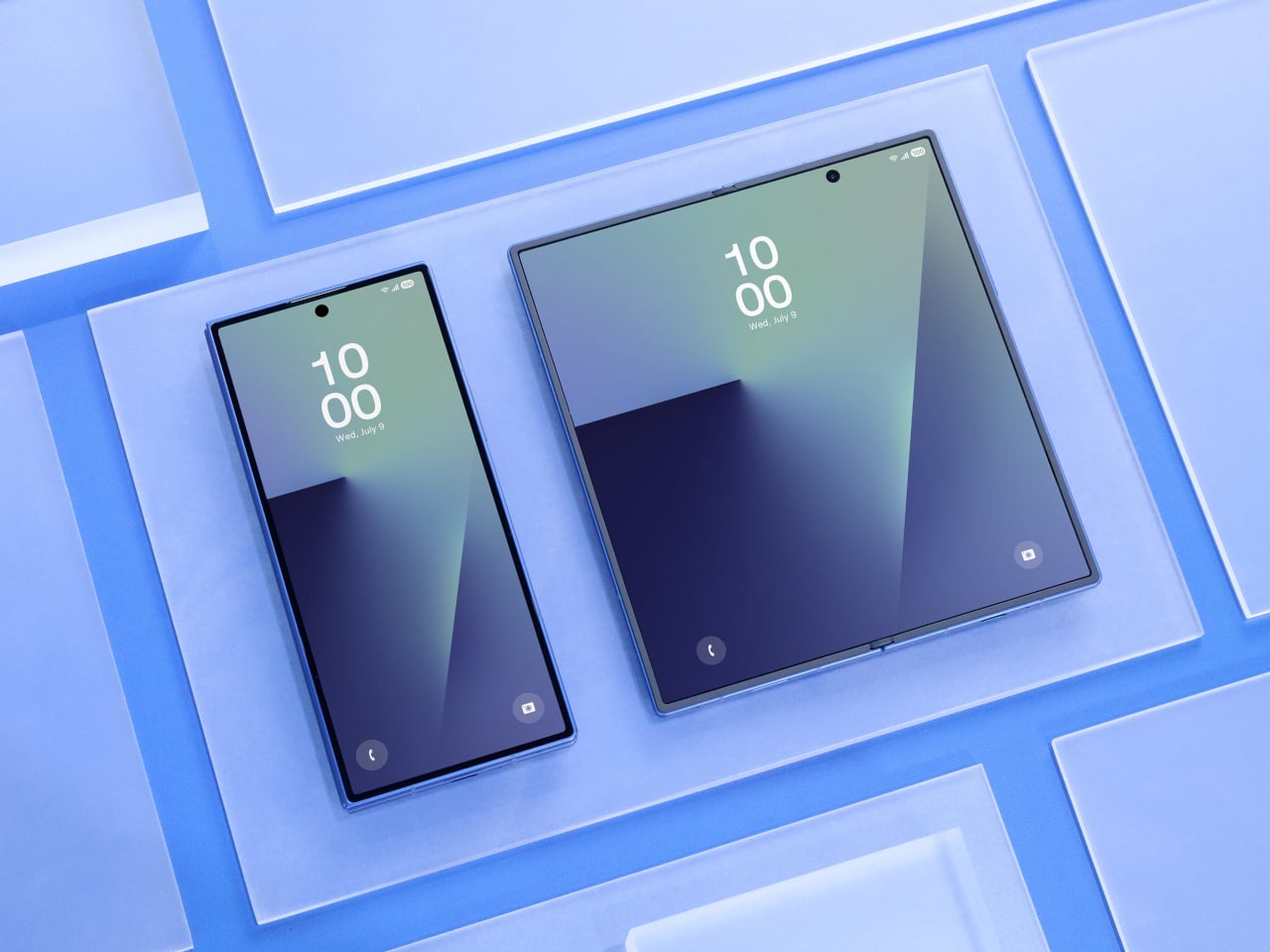
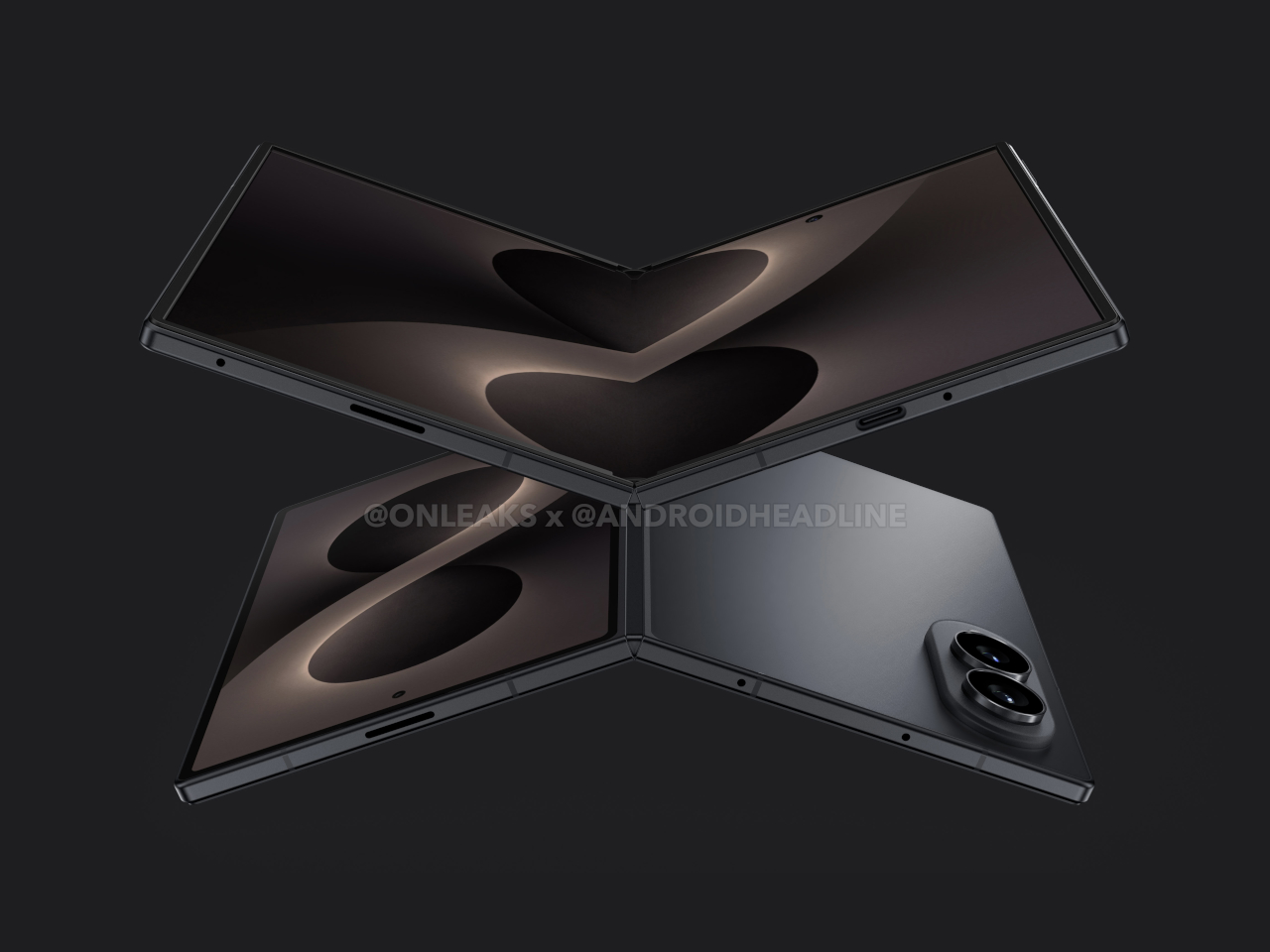
That might be changing, at least according to leaked CAD-based renders spreading on the Web like wildfire. The renders point to a device called the Galaxy Z Fold8 Wide, a book-style foldable that reportedly trades the Fold lineup’s tall proportions for a shorter, wider form factor. Samsung hasn’t confirmed any of this, and the final design could change.

Designer: Steve Hemmerstoffer/OnLeaks (Renders) via AndroidHeadlines

The leaked dimensions put the Galaxy Z Fold8 Wide at 123.9mm x 161.4mm x 4.9mm when unfolded and 123.9mm x 82.2mm x 9.8mm when folded, with the camera bump reaching 14.6mm at its thickest point. Those numbers describe a device that’s noticeably shorter and wider than the standard Galaxy Z Fold8, which reportedly unfolds to a taller 158.4mm x 143.2mm footprint.

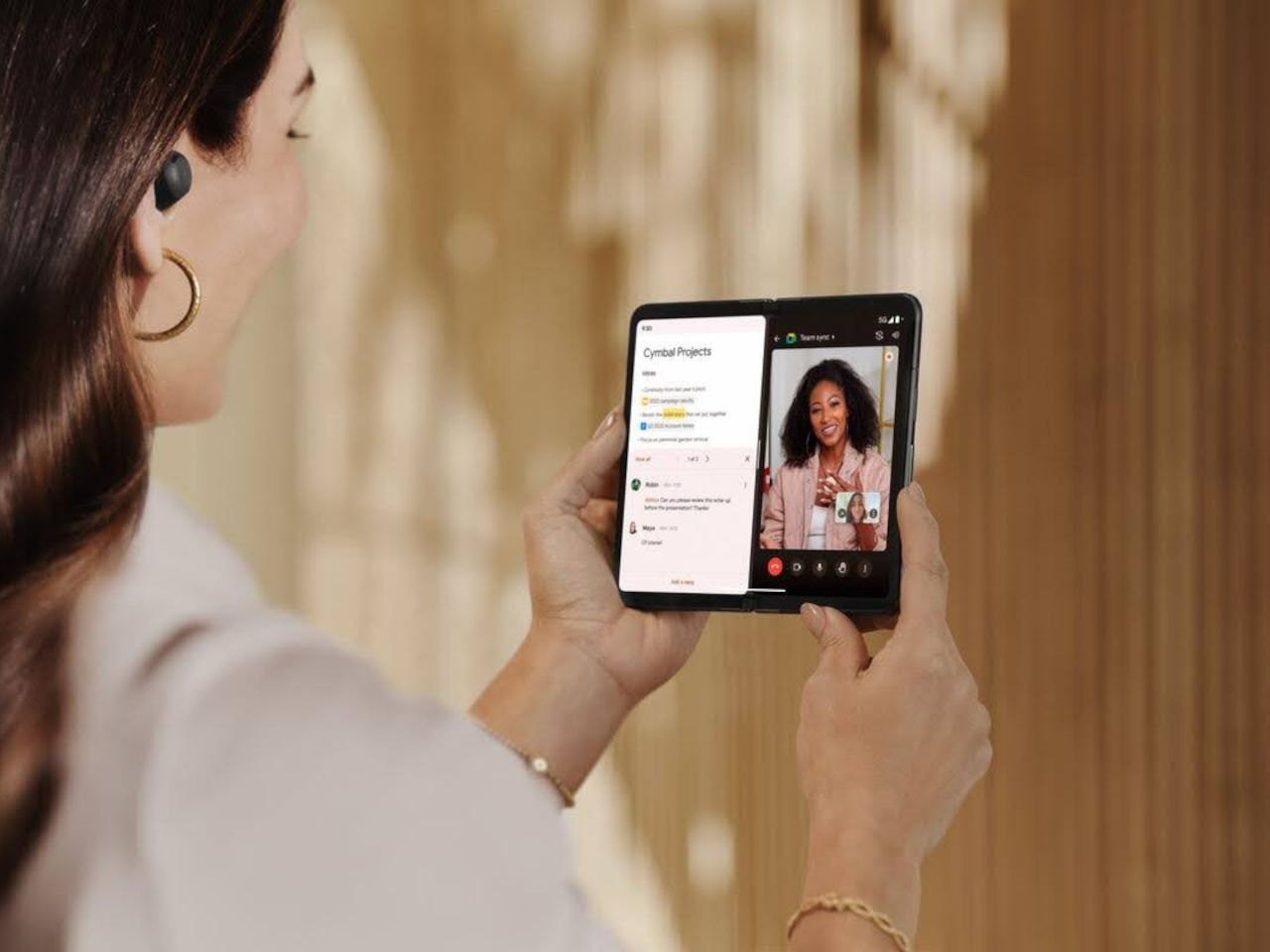
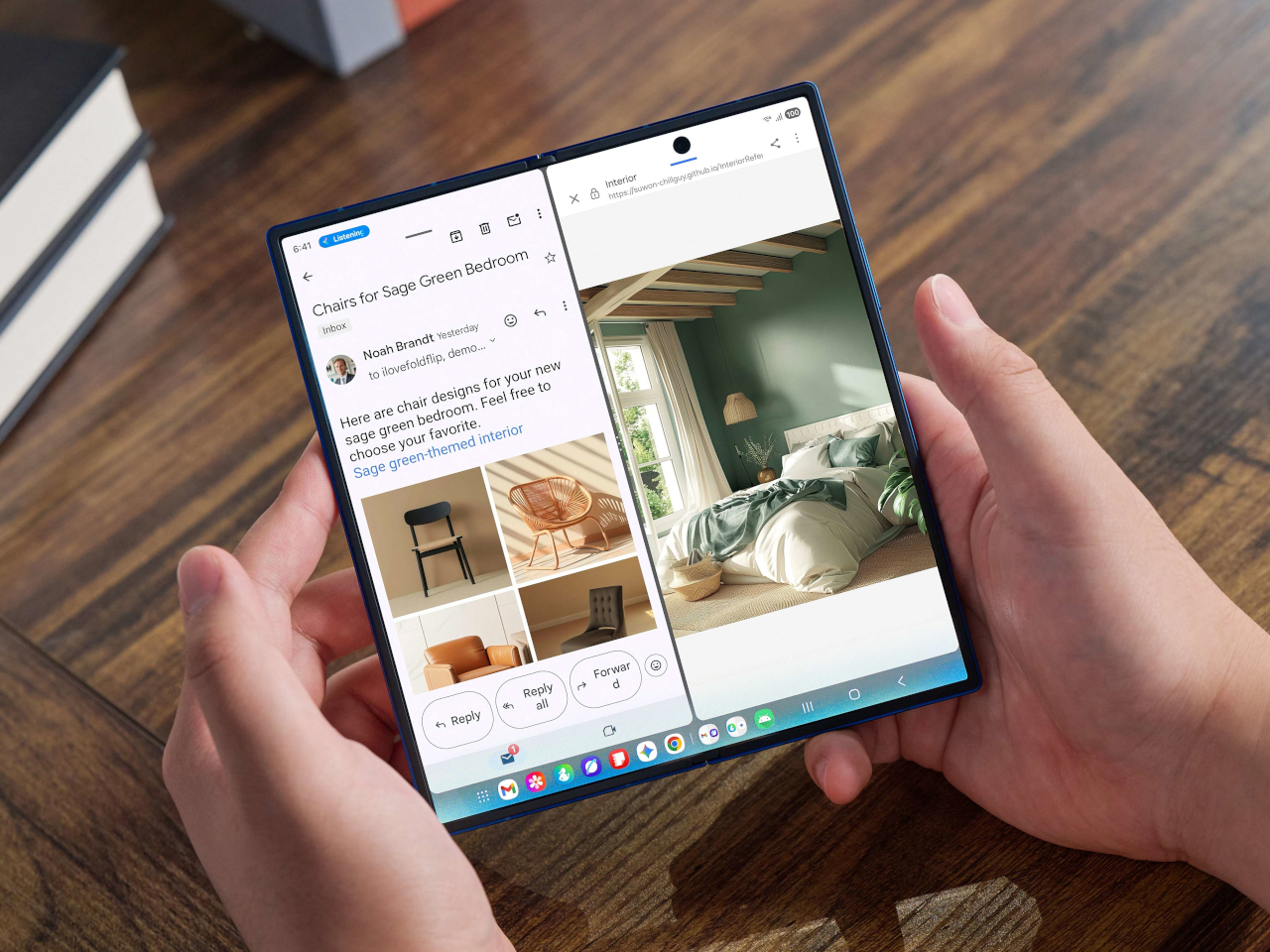
The inner screen is reportedly a 7.6-inch display with a 4:3 aspect ratio, far closer to a classic tablet format than anything in Samsung’s current foldable lineup. Unfold it, and instead of a tall phone stretched sideways, you’d have something that feels at home for reading, video calls, or running two apps side by side. That ratio changes how you’d actually use it.

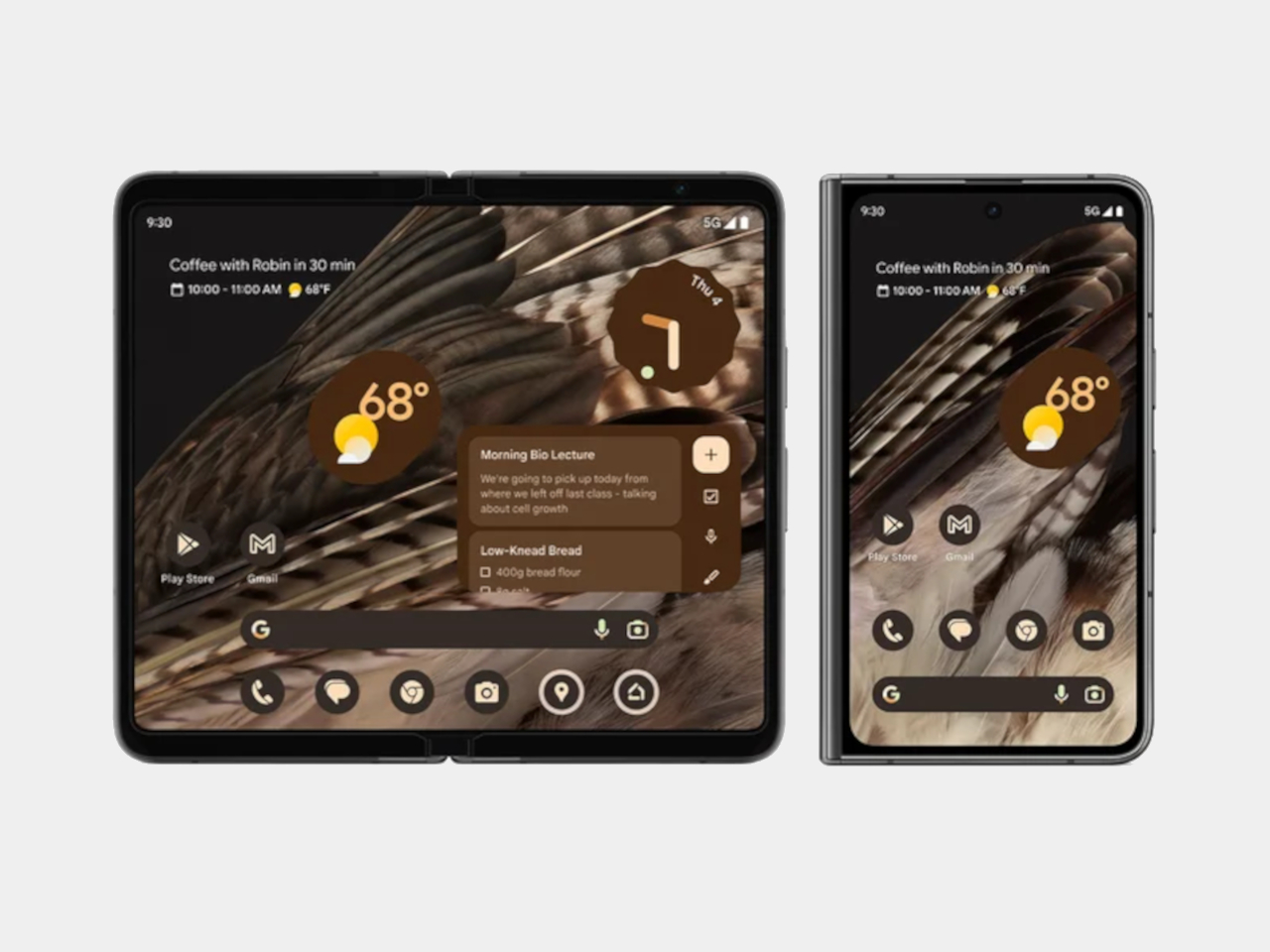
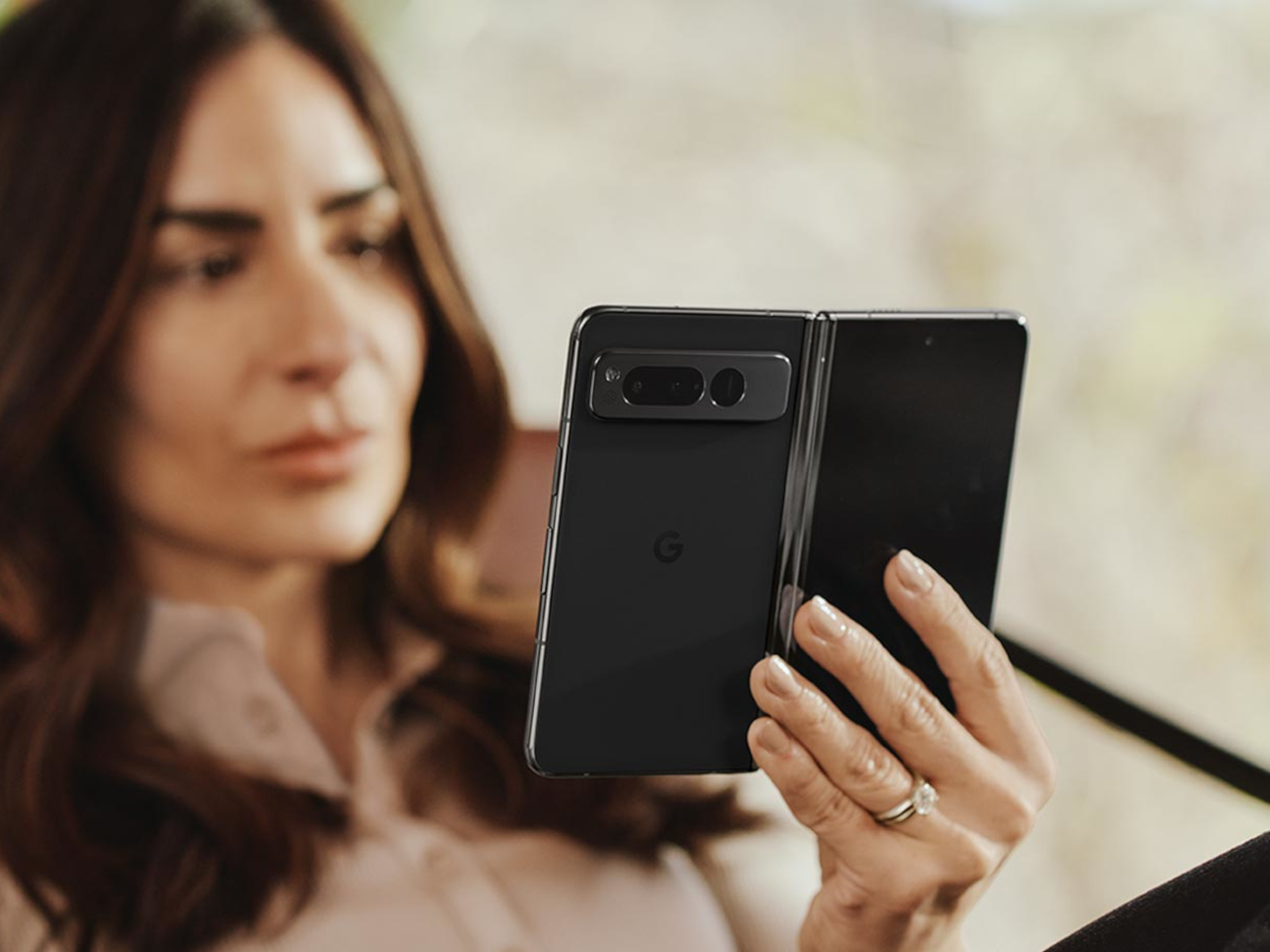
Google Pixel Fold (2023)

Google explored something similar with the first Pixel Fold in 2023, which had a 7.6-inch inner display with a 6:5 aspect ratio and unfolded to 139.7mm x 158.7mm. The Galaxy Z Fold8 Wide’s rumored 4:3 ratio would push the open screen more into landscape territory, and at a reported 9.8mm when folded, it would still be considerably thinner than the Pixel Fold’s 12.1mm.

The cover display follows the same logic. At 5.4 inches on an 82.2mm-wide body, it would carry a more usable, phone-like aspect ratio than the narrow cover panels on existing Z Fold devices. The trade-off, per the leak, is a dual-camera rear setup rather than the triple-lens arrangement on the standard Galaxy Z Fold8, which is worth noting for photography-focused buyers.

Samsung Galaxy Z Fold7

The timing of these leaks adds context. Samsung is reportedly planning to launch the Galaxy Z Fold8 Wide this summer alongside the standard Fold8 and Flip8, positioning the wider device as a direct answer to Apple’s anticipated iPhone Fold. The rumored internals include a Snapdragon 8 Elite Gen 5 for Galaxy chipset, a 5,000 mAh battery, and 45W wired charging.

Until Samsung makes an official announcement, none of this is confirmed, and CAD-based renders drawn from supply chain data don’t always reflect what ships. What these leaks do suggest, though, is that Samsung is seriously exploring a foldable form factor that puts the open screen first, with proportions that actually match what a device meant to be used open should look like.

The post Galaxy Z Fold8 Wide Leaks Show a Foldable With iPad-Like Proportions first appeared on Yanko Design.

IKEA’s $7.99 Chair-Shaped Hooks Are Going Viral for the Second Time

Wall hooks are one of those home essentials that nobody really thinks about until they need them. Most are utilitarian at best and forgettable at worst, designed to hold things rather than be noticed. The category hasn’t changed much in decades, and the average hook aisle still feels like it’s catering to a warehouse. Most people end up choosing between something functional and something they’d actually want to look at.

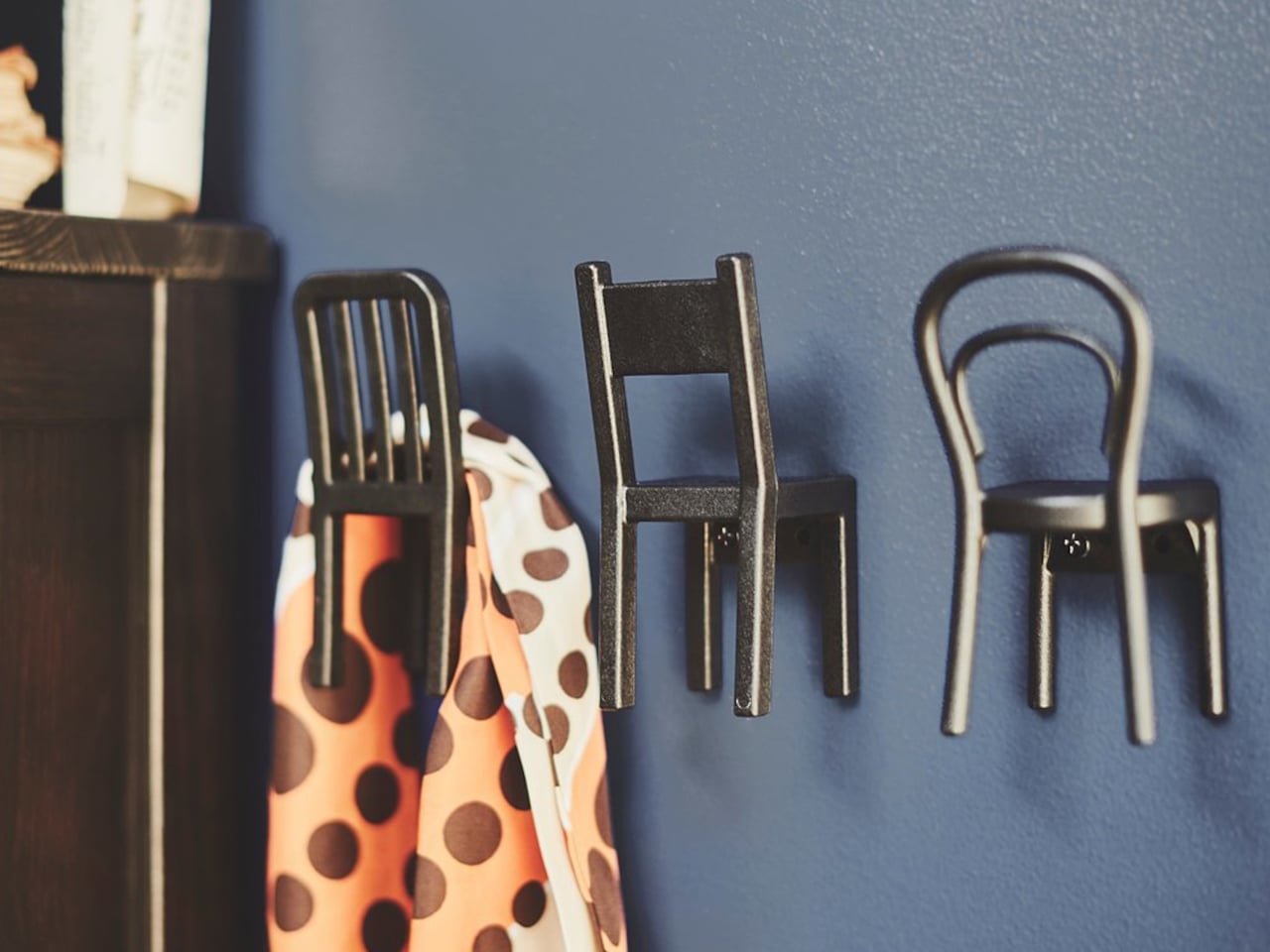
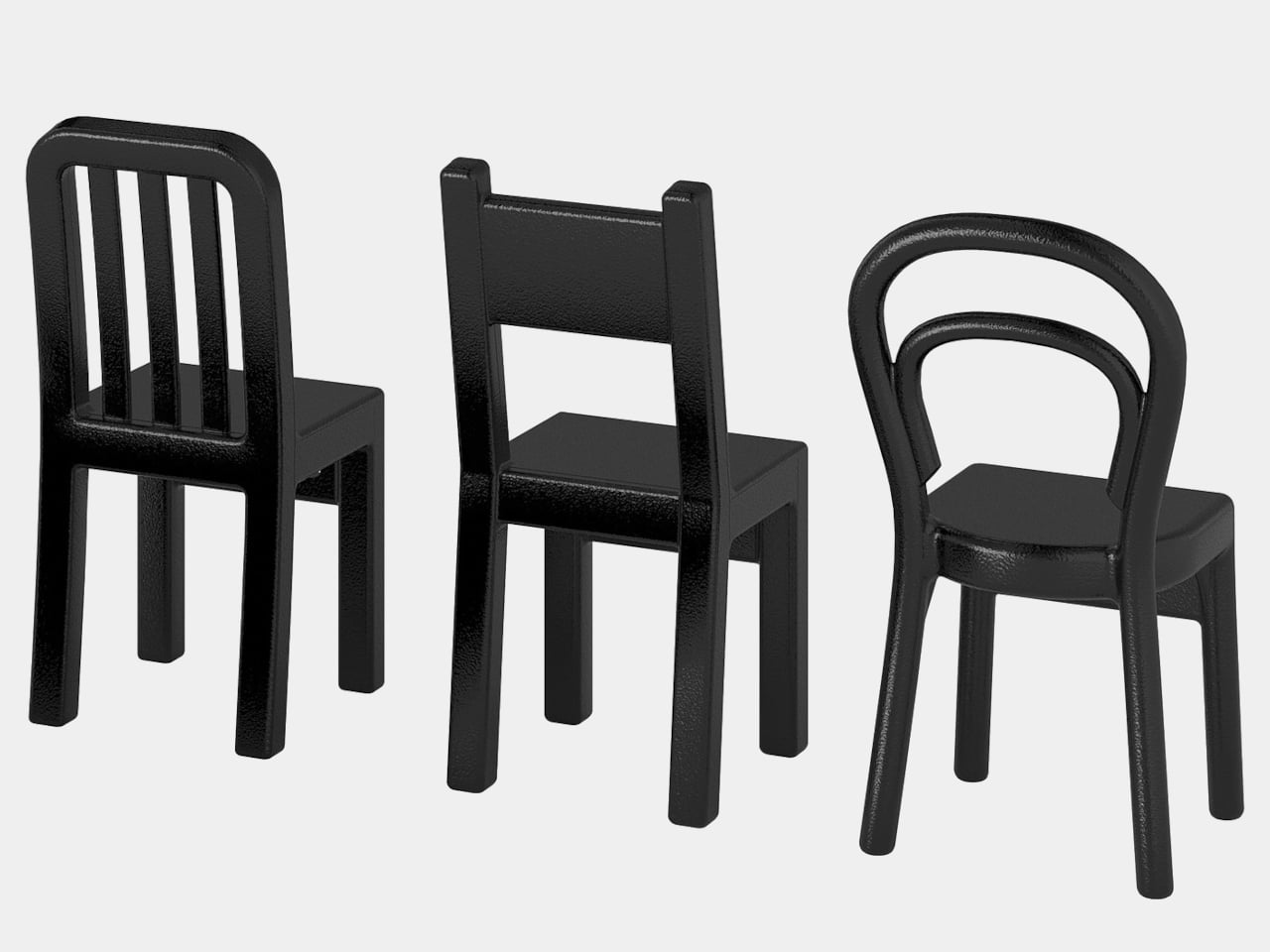
IKEA has always been good at finding solutions for these small, overlooked problems, and the FJANTIG hooks are a pretty solid example of that. Designed by M. Mulder and M. Vinka, they’re miniature chair-shaped wall hooks that come in a pack of three and retail for just $7.99. They’ve been around for a while, but they’ve been quietly gaining momentum on social media, and it’s easy to see why.

Designers: M. Mulder, M. Vinka (IKEA)

Each of the three hooks takes the shape of a different miniature chair, with distinct backrest designs: one has vertical slats, another a solid panel, and the last a loop. They’re made from reinforced polypropylene in a matte black finish and sized just right to sit unobtrusively on any wall. The hook itself is the chair’s back, so you drape things over it just like a real chair.

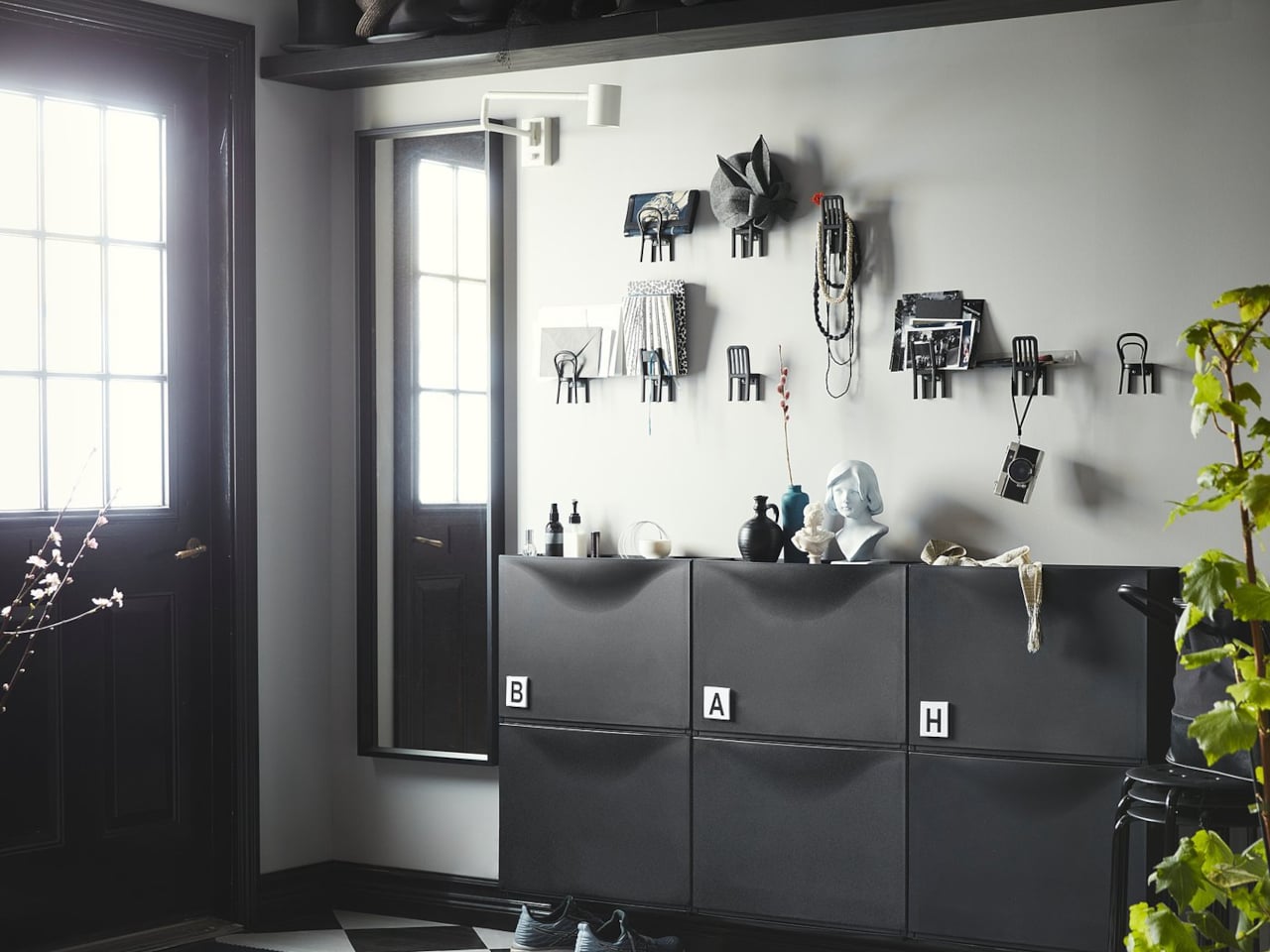
They earn their keep quickly once you find the right spot. Hang a row in an entryway, and you’ve got an instant home for keys, dog leashes, and lightweight bags. Put them in a kid’s room for tiny backpacks and jackets. These hooks aren’t new and have been at IKEA for years, but social media attention is giving them an entirely unexpected second life online.

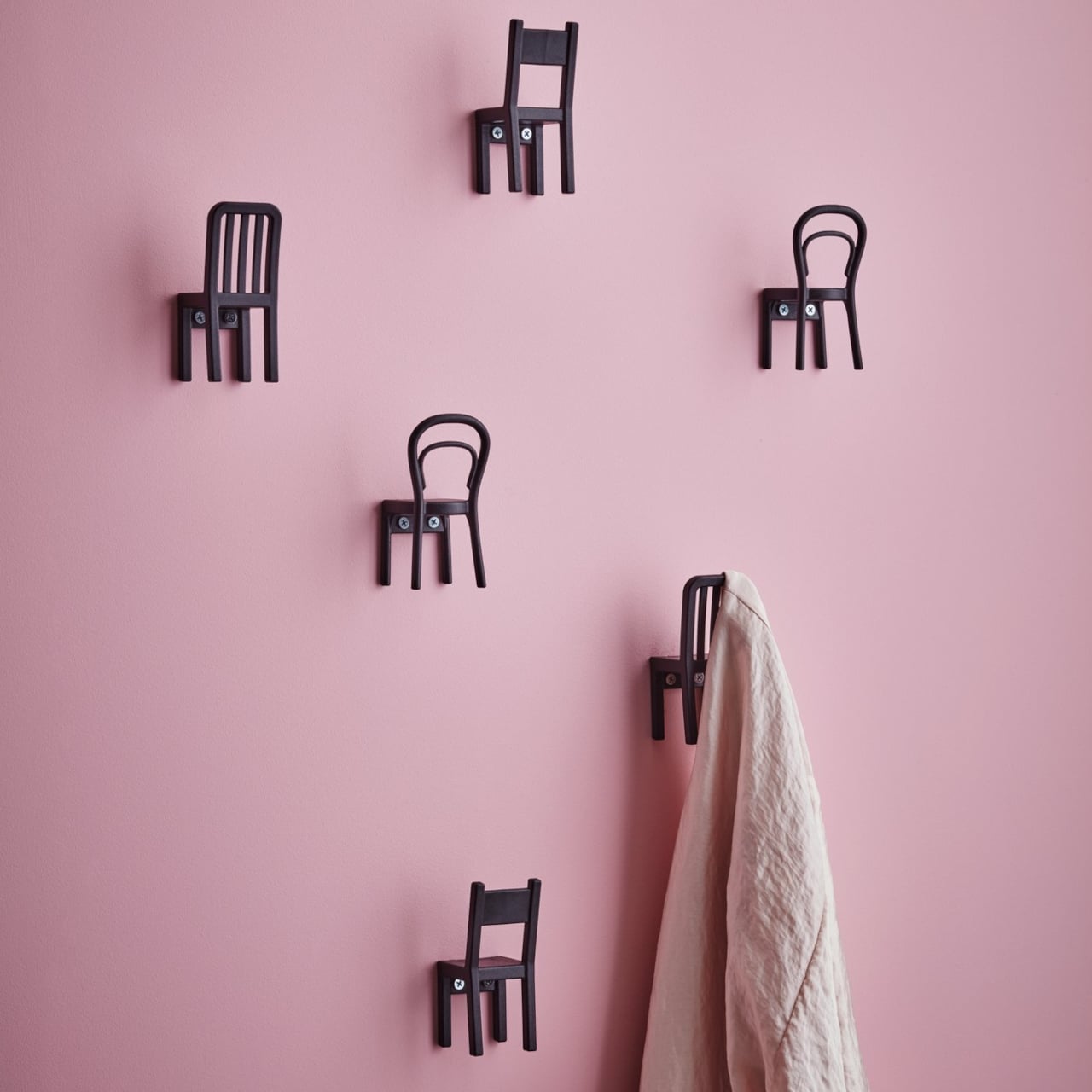
The spray-painting trick is probably the most useful thing to know about these hooks. Because they only come in black, a coat of primer followed by whatever color fits your wall can make them feel genuinely custom. You can brush-paint them for more detailed finishes, or try a wood-grain effect for a warmer, natural look. The polypropylene surface takes paint well, which opens up a surprising amount of creative options.

Designer: Victoria

At $7.99 for a set of three, they’re about as low-risk as home décor gets. Each hook measures roughly 4¾ inches tall, which means they’re genuinely miniature and won’t dominate a wall even when grouped together. Mounting hardware isn’t included, so you’ll need to pick up screws separately, and IKEA does note that the right fastener depends on your wall type. It’s worth using appropriate anchors to keep them secure.

What makes these hooks work beyond the novelty is that they stay interesting even when there’s nothing on them. That’s a rare quality for a functional object. Most hooks disappear into the wall when empty. These just sit there looking like a tiny curated display of chairs, which is probably why people keep buying multiple sets and spreading them across rooms, rather than keeping to just the one pack.

The post IKEA’s $7.99 Chair-Shaped Hooks Are Going Viral for the Second Time first appeared on Yanko Design.

7 Handheld Gaming PCs That Actually Look Like the Future — Not a Fisher-Price Toy

The handheld gaming PC market has a design problem. For every device that earns a second look, there are three more that look like they escaped from a toy aisle — chunky plastic grips, aggressive LED halos, fonts borrowed from energy drink cans. It adds up to a category that has historically rewarded specs over sensibility, power over the kind of quiet confidence that makes an object worth owning.

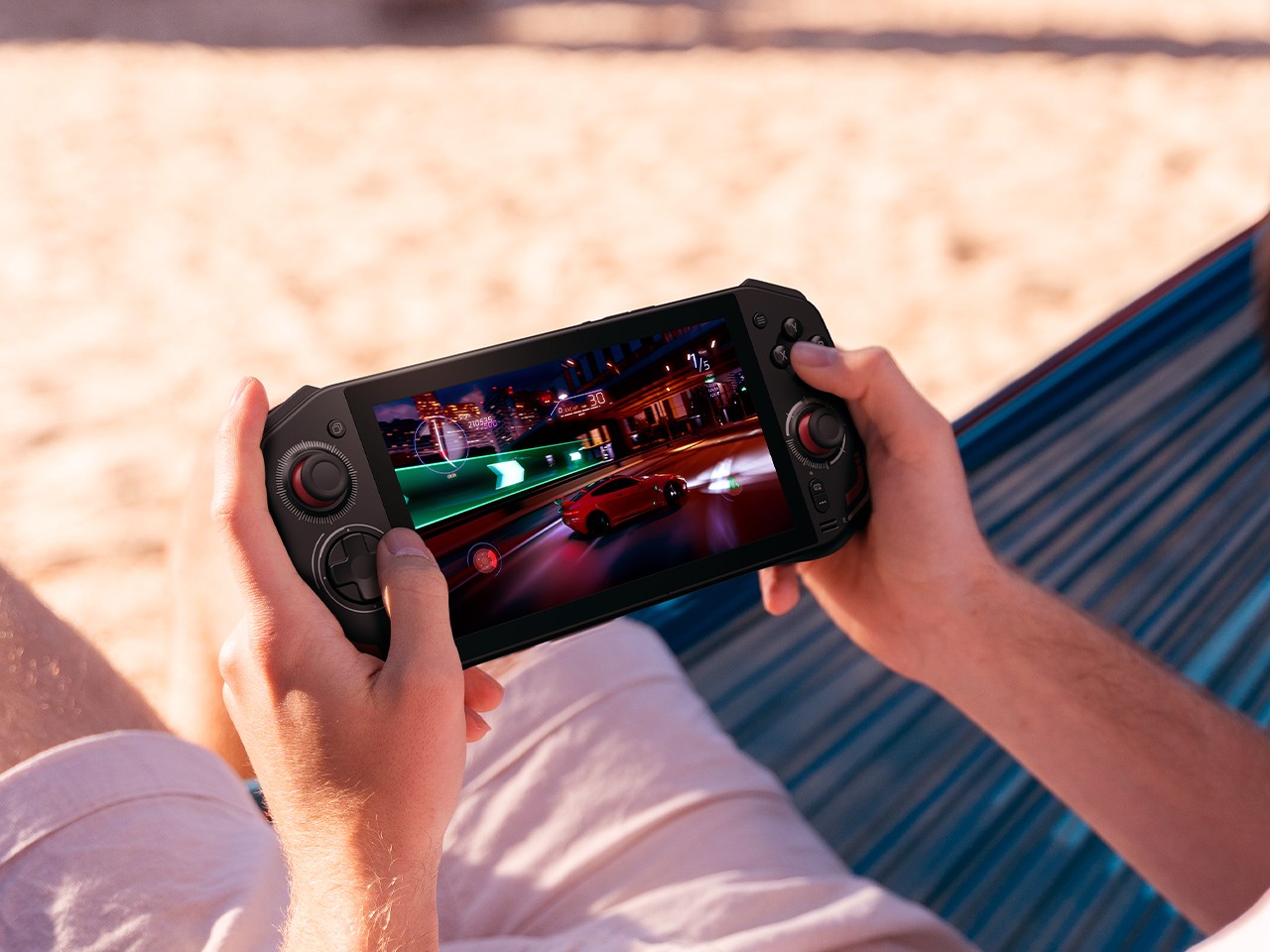
That’s starting to change. A new wave of devices is rethinking what portable gaming hardware should look and feel like: objects you’d carry without embarrassment, leave on a clean desk, or hand to someone who doesn’t play games, so they can appreciate the craft before they’ve touched a button. Some of these seven handhelds earn their place through industrial restraint. Others earn it through engineering honesty — upgradeability, connectivity, or a refusal to treat the buyer as someone who only needs to be impressed in the first five minutes. What they all share is an understanding that good design is a feature, not a finish.

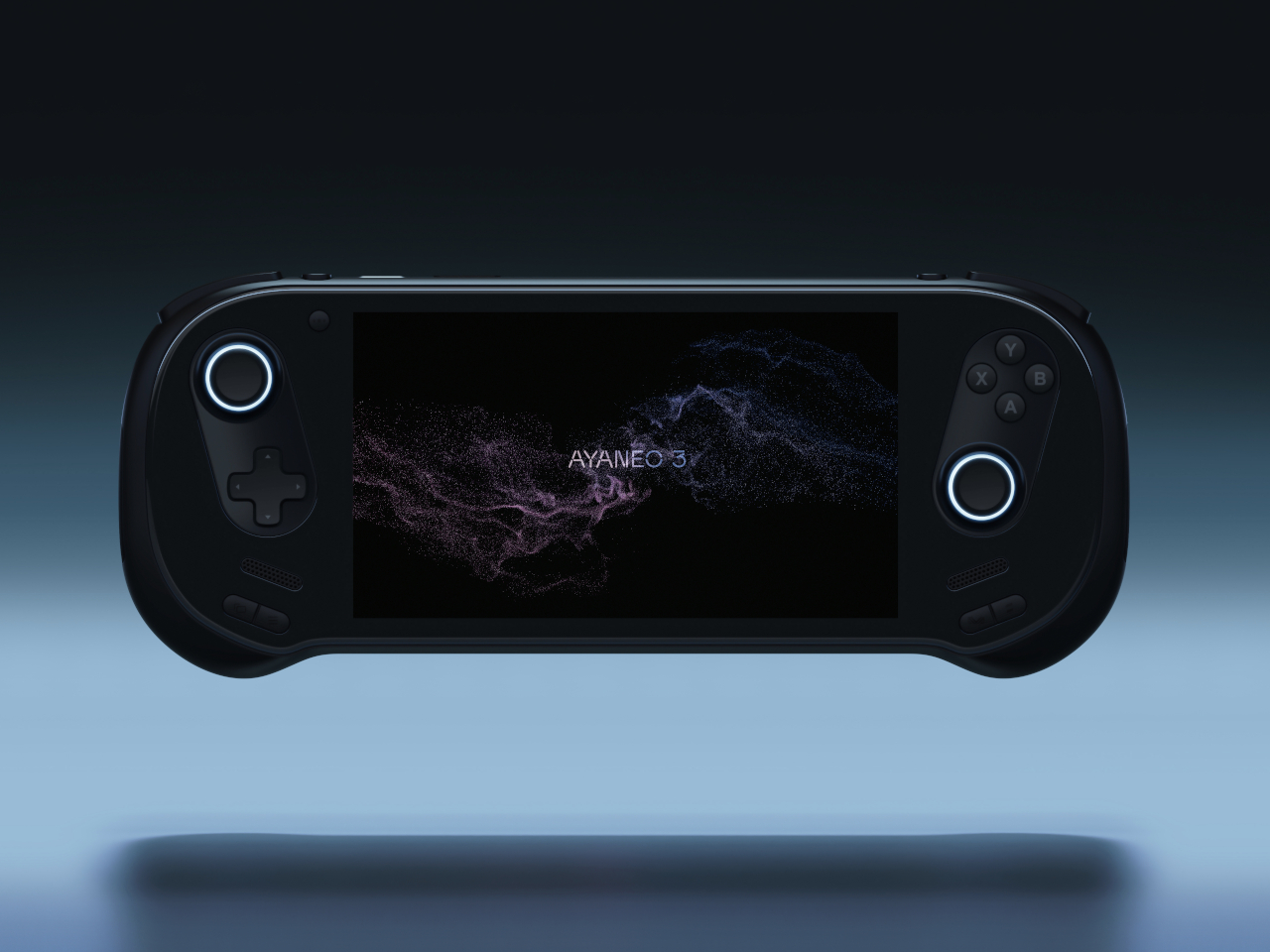
1. AYANEO 3

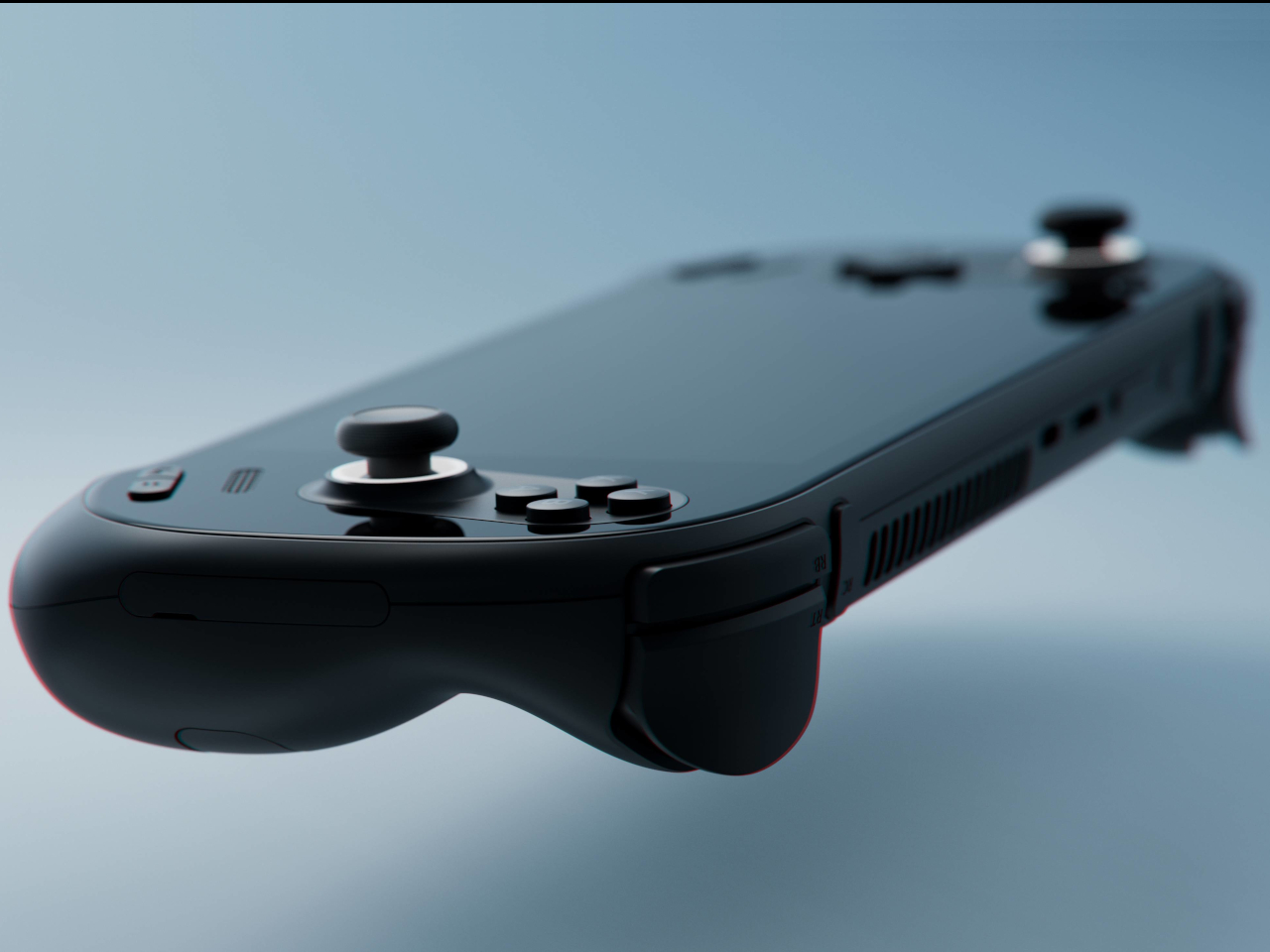
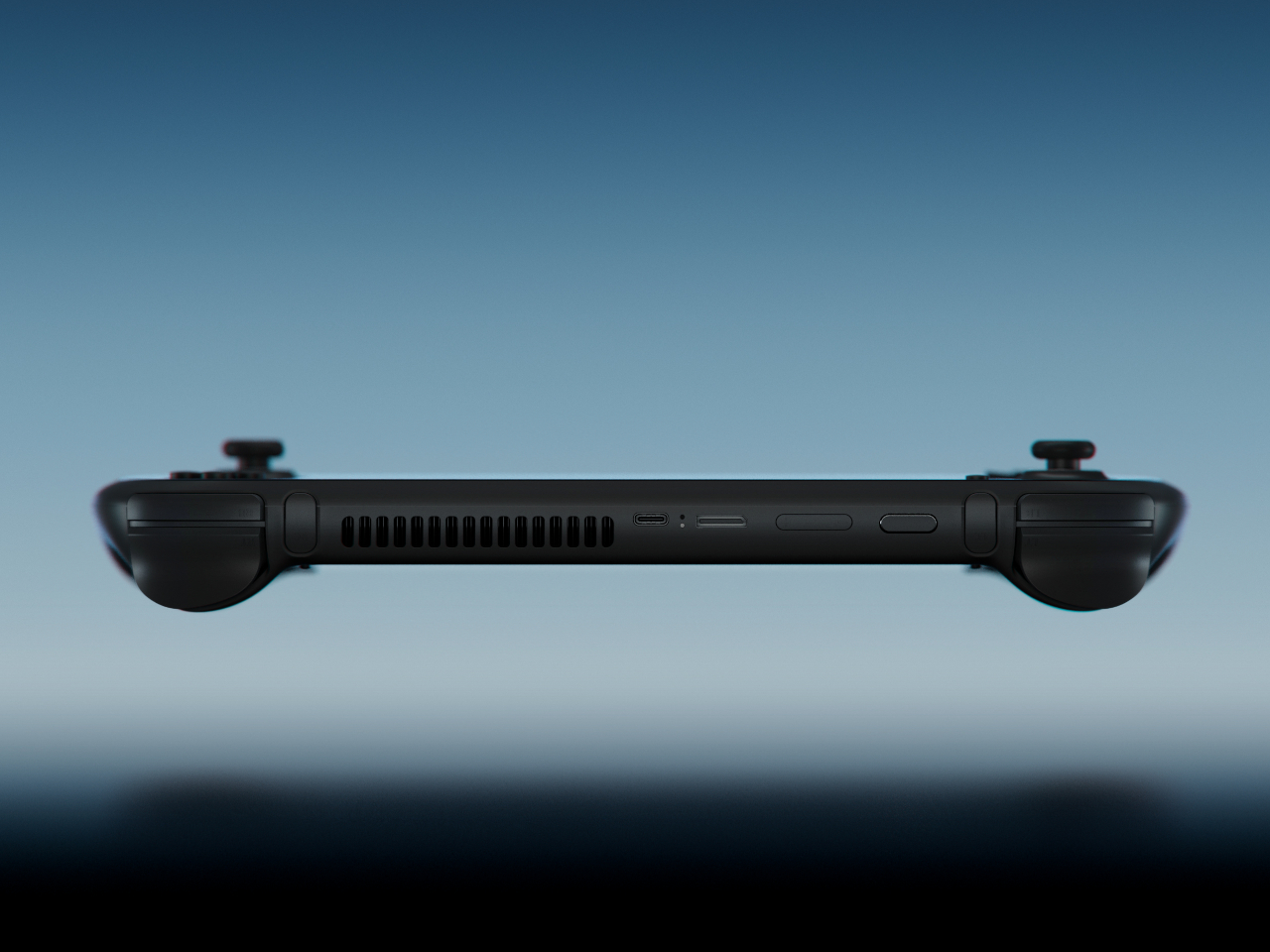
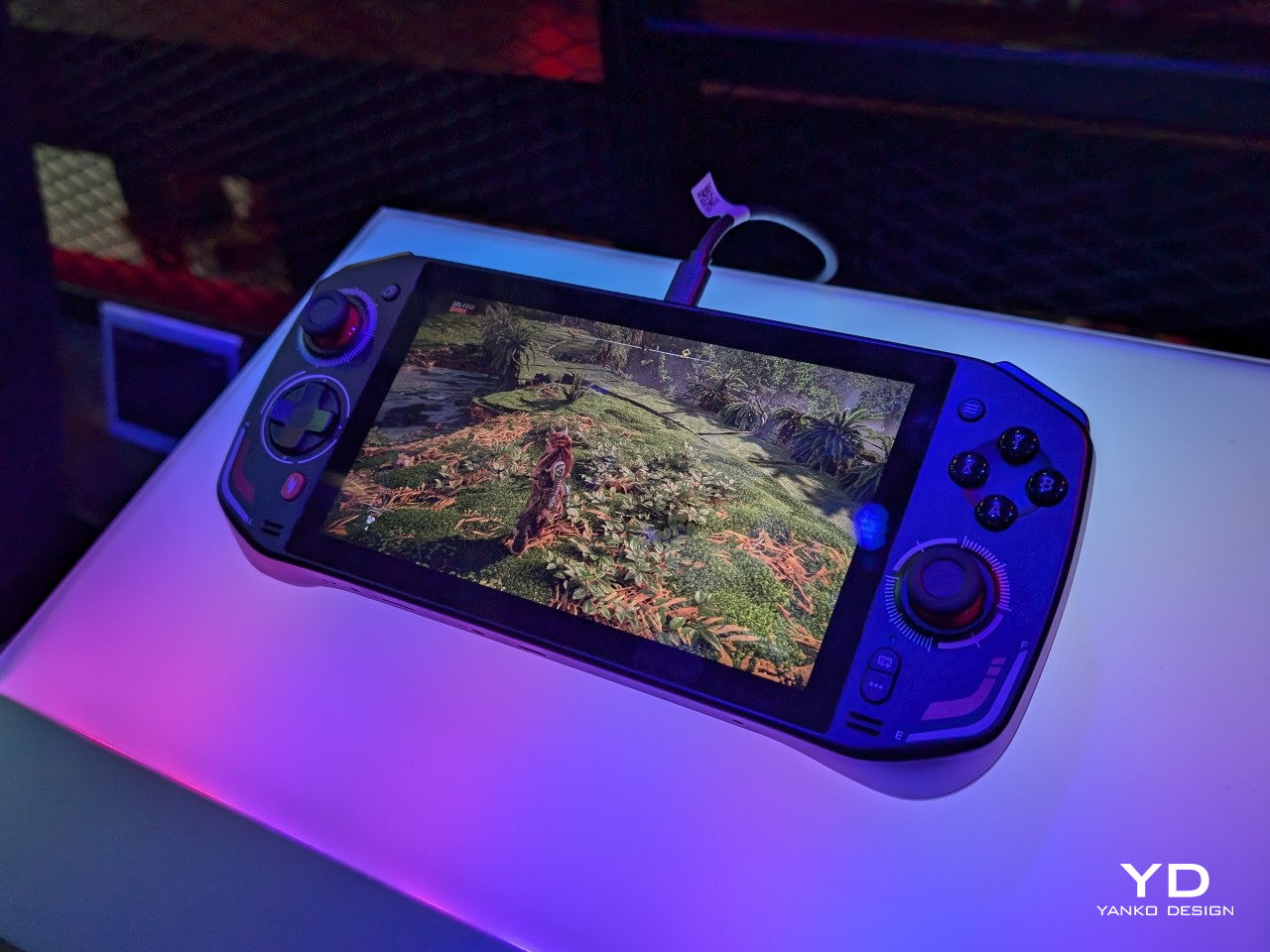
The curves are the story. AYANEO’s third flagship iteration takes a category that has historically prioritized power over personality and gives it something more interesting: softness. The smooth, pleasing curves on the AYANEO 3 extend beyond the ergonomic grip area on the back to the corners of the device itself, rounding off every edge that might otherwise make the hardware feel aggressive or alienating. It is a small visual distinction that makes an enormous tonal difference. The result is a device that looks like it was designed for people rather than exclusively for the kind of person who already knows what a TDP setting is and can tell you why it matters.

The diagonal orientation of the analog joysticks and D-Pad mirrors the Xbox controller arrangement, which is one of those invisible ergonomic improvements you only register when a device gets it wrong. The larger back buttons are a genuine upgrade in theory, giving players more surface area to work with during extended sessions. Their positioning, though, introduces the real possibility of accidental presses during intense gameplay. This trade-off will feel familiar to anyone who has tried to improve on a layout that was already functional. The AYANEO 3 makes the strongest argument for design as a feature in its own right. Whether that argument is worth the price is the question you’ll be asking yourself after you pick it up for the first time.

What We Like:

  • Rounded, curve-forward chassis makes it the most approachable-looking handheld in its category
  • Diagonal joystick and button orientation mirrors Xbox ergonomics for more natural long-session play

What We Dislike:

  • Back button placement may result in accidental presses during fast-paced gameplay
  • Softened design language may not satisfy players who want their hardware to read as purposeful and performance-oriented

2. Acer Nitro Blaze 7

Acer enters the handheld arena with something the market actually needed: a device that solves Windows gaming’s most persistent pain point before you even load your first title. The AMD Ryzen 7 8840HS packs 39 AI TOPS, placing it on the same performance tier as many AI-powered laptops currently on the market. Paired with the AMD Radeon 780M and 16GB of RAM, the Nitro Blaze 7 arrives as serious hardware in a compact form. The 7-inch 1920×1080 144Hz IPS touchscreen with 100% sRGB color gamut coverage is the kind of display specification that makes comparable handhelds feel like compromises — vibrant and bright enough that even the darkest visual environments read clearly on screen.

What separates the Nitro Blaze 7 from the competition isn’t the chip — it’s the software thinking wrapped around it. The Acer Game Space feature consolidates titles from every platform and source into a single unified library, removing the multi-menu navigation friction that makes Windows gaming handhelds feel like a productivity task compared to SteamOS devices. Touchscreen support lets players interact directly with interface elements rather than routing everything through controller input, which matters more than it sounds when you are three minutes into a launch session and still navigating settings. The dedicated hotkey that drops you straight into your library is a small thing that solves a real and recurring problem, and that is exactly the kind of design thinking this category needs to normalize.

What We Like:

  • Acer Game Space consolidates multi-platform libraries into one interface, fixing Windows gaming’s biggest UX friction point
  • 144Hz IPS display with 100% sRGB delivers premium visual quality for a 7-inch handheld screen

What We Dislike:

  • The IPS panel means the Blaze 7 lacks the contrast depth and blacks of OLED competitors
  • At 7 inches, the display is smaller than the growing number of competitors now shipping with 8-inch screens

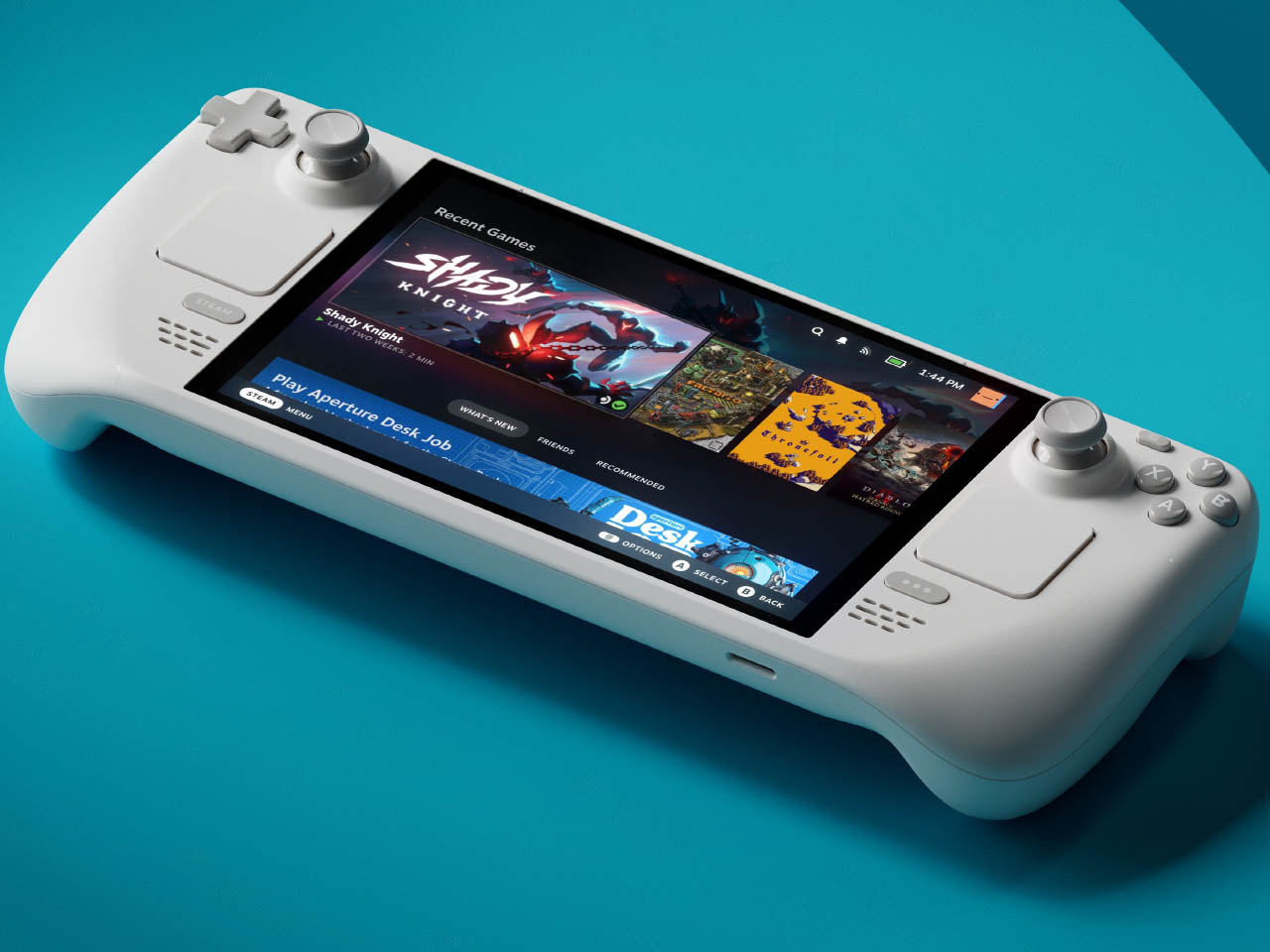
3. Steam Deck OLED Limited Edition White

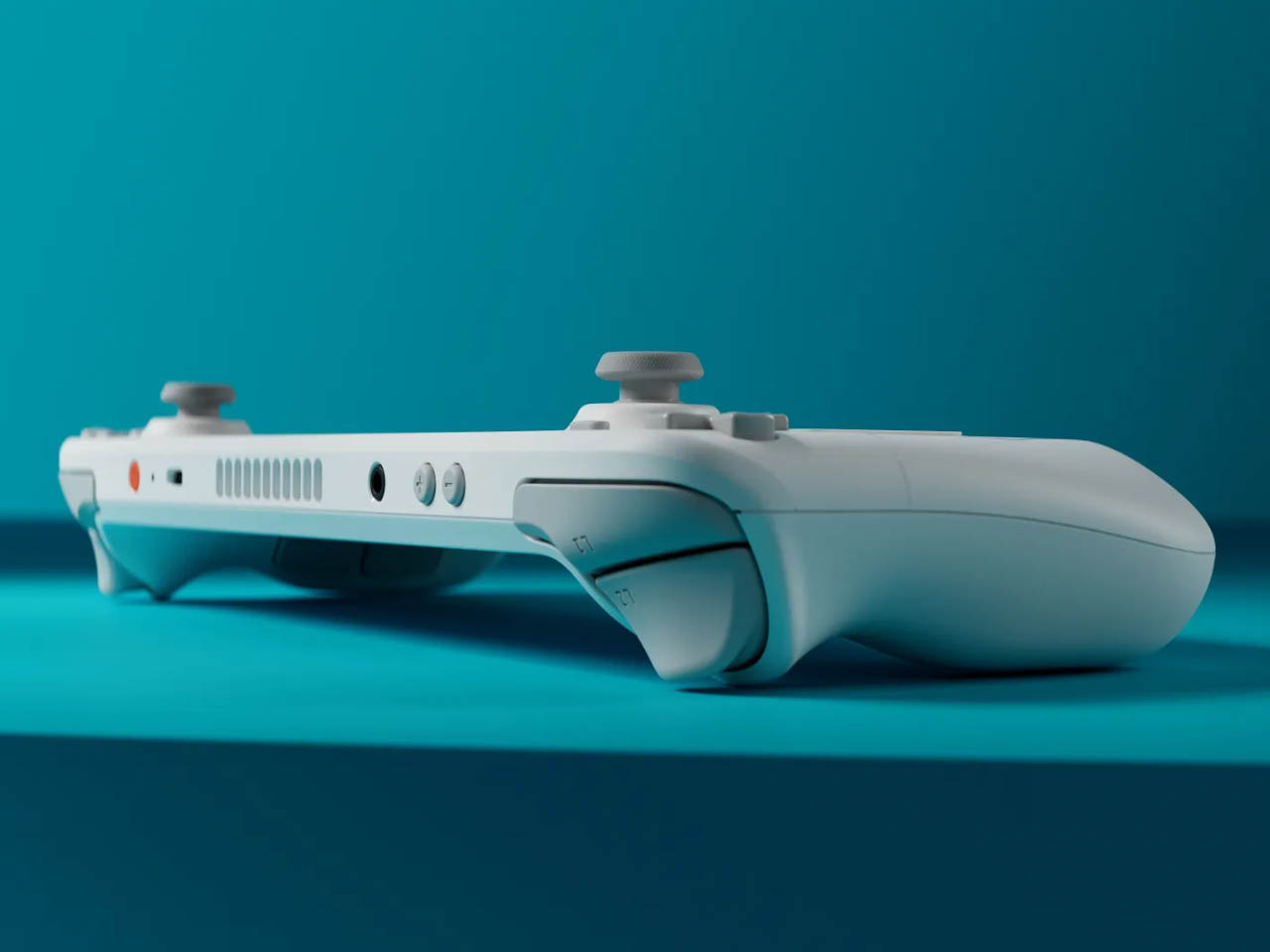
Valve’s limited edition white Steam Deck is the rare hardware release that justifies its price premium through object quality alone. The off-white shell with gray buttons and a single orange power button is a restrained, confident color story that most hardware brands spend years failing to tell. The OLED panel with HDR support already positioned the standard Steam Deck a visual step above the LCD models, and the white chassis makes that contrast even more vivid — display colors read differently against a lighter surround, and the overall effect is closer to a premium consumer electronics object than a gaming peripheral. Valve pairs the device with a matching white carrying case and a microfiber cloth, because they know exactly what that surface will attract daily.

Available only in the 1TB configuration, the limited edition white Steam Deck is not a casual purchase — it is priced above the standard black variant, and that premium is entirely about the colorway rather than any specification difference. Valve has been direct about the potential for further bold color options depending on how this version performs in the market, and the design language of this release suggests they genuinely understand that hardware can carry emotional weight beyond its spec sheet. Their stated commitment to continued software and hardware improvements also changes the calculus on what the purchase represents. You are not buying a device at its peak; you are buying into an object that the people who made it intend to keep improving.

What We Like:

  • The off-white and orange colorway is the most considered visual design statement in the handheld gaming category
  • 1TB OLED configuration with HDR support represents the best display quality available in a handheld gaming PC

What We Dislike:

  • The white shell will show dirt and wear significantly faster than the black variant, demanding frequent cleaning
  • Limited edition pricing premium is cosmetic rather than functional, which makes it a harder case to make to practical buyers

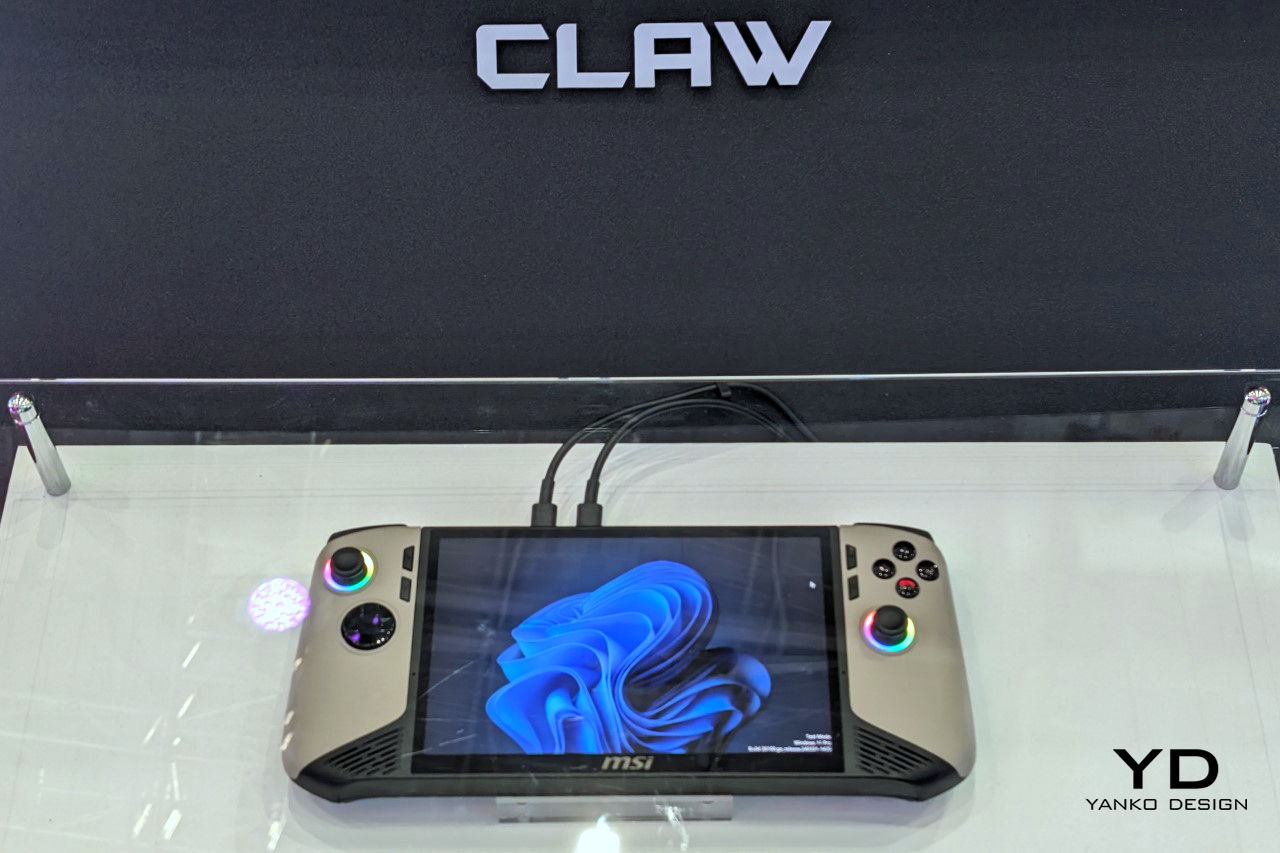
4. MSI Claw 8 AI+

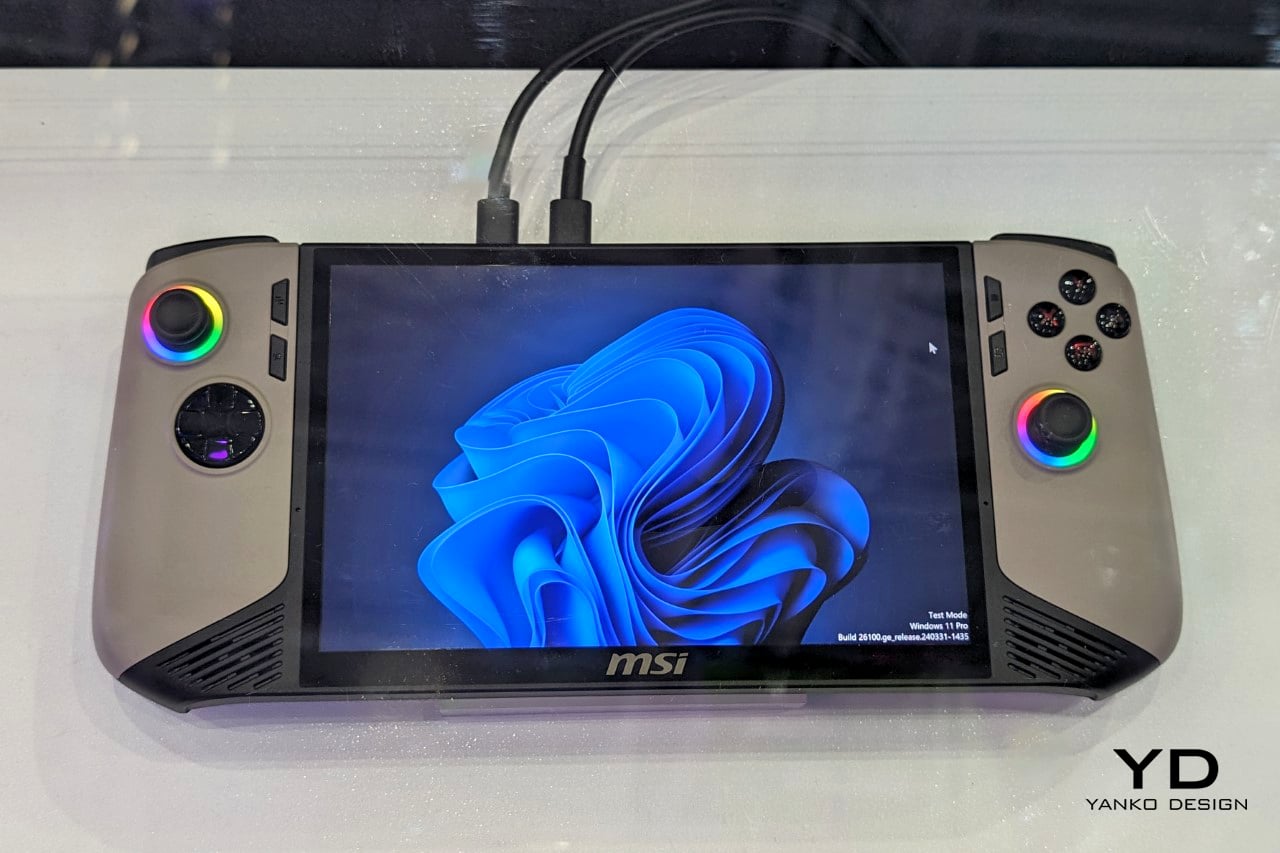
MSI’s second attempt at a handheld gaming PC makes a strong case for listening. The original Claw’s 53Wh battery was one of the most discussed disappointments in gaming hardware, and the Claw 8 AI+ responds with an 80Wh unit that matches the ROG Ally X — immediately removing that criticism from the conversation. The redesigned chassis is more comfortable to hold than the original, which sounds like a modest correction but represents the difference between a product you use and one you tolerate through a session. The 8-inch display at 1080p and 120Hz is the screen you can actually picture using across several hours without fatigue, and the overall hardware package reflects a manufacturer that took its first attempt as useful data rather than a finished result.

The dual Thunderbolt ports are the detail that separates the Claw 8 AI+ from most of its direct competition. In a category where connectivity has generally been an afterthought, Thunderbolt transforms the device into something more versatile than a dedicated gaming handheld. It can drive an external display, connect high-speed peripherals, and function as a desktop replacement when docked — a use case that justifies the form factor for people who travel and need their hardware to earn its carry weight across more than one context. MSI’s continued driver support for the original Claw also signals something about the relationship they want to build with buyers, which matters when you are deciding which ecosystem to invest in for the long term.

What We Like:

  • 80Wh battery resolves the original Claw’s most criticized weakness, matching the ROG Ally X for endurance
  • Dual Thunderbolt ports offer versatility that positions the device beyond pure gaming into broader portable computing

What We Dislike:

  • 1080p resolution on an 8-inch screen sits at the market standard rather than pushing the category forward
  • The redesigned chassis was not available for hands-on evaluation at launch, leaving the real-world grip feel unconfirmed

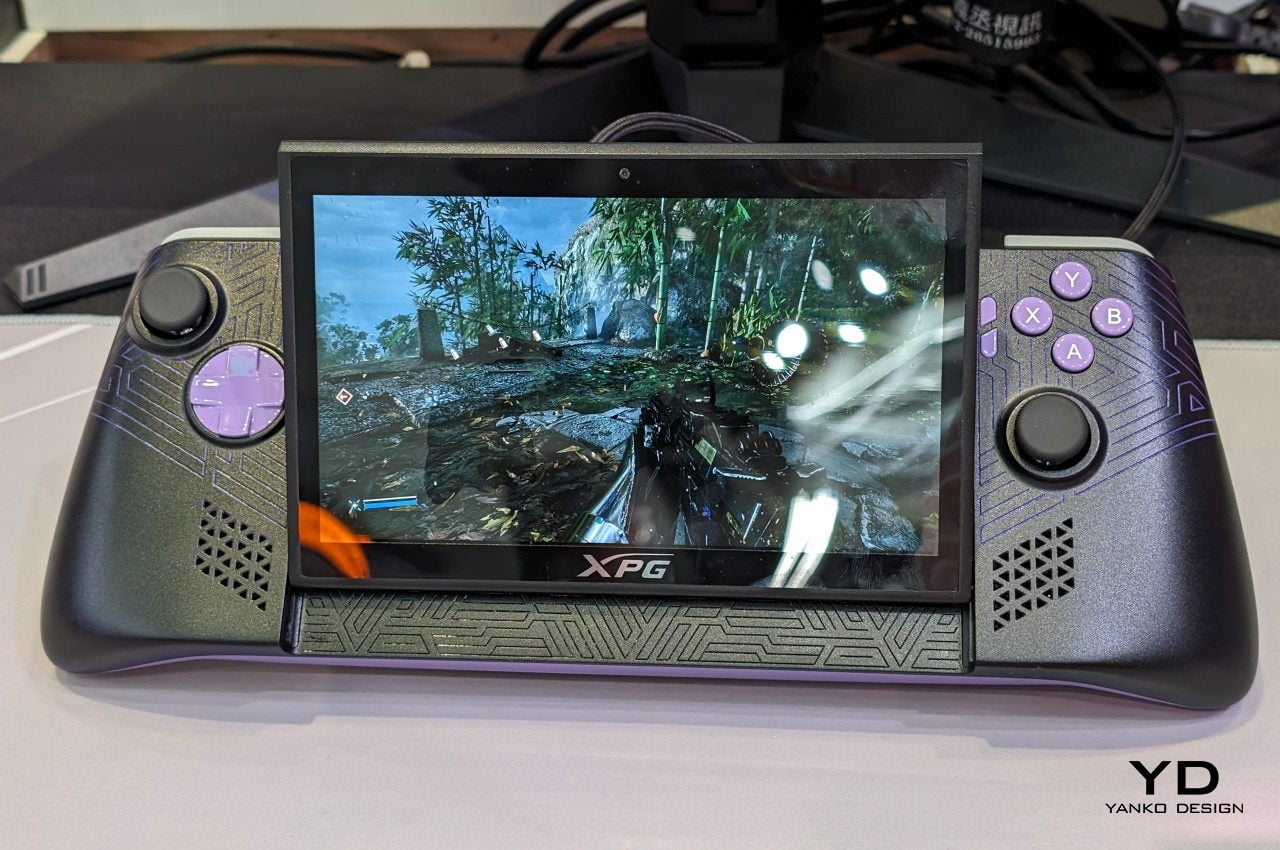
5. ADATA XPG Nia

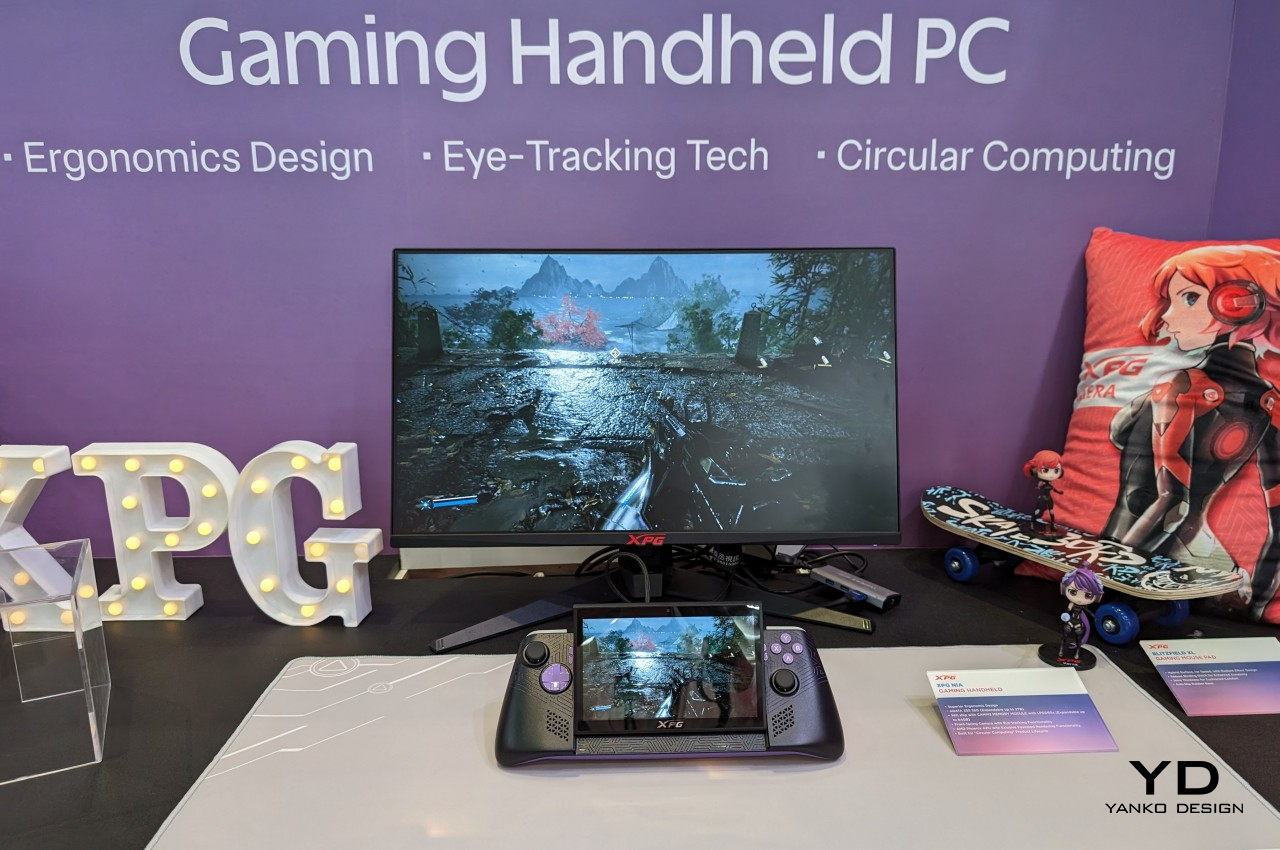
The XPG Nia arrives with a design philosophy that most handheld manufacturers have been too conservative to commit to: repairability as a genuine feature. The use of LPCAMM2 memory modules, which are not soldered to the motherboard, makes this one of the very few handheld gaming PCs where upgrading the RAM is a realistic possibility rather than a route to a voided warranty. The M.2 2230 SSD slot handles storage upgrades in the same way, borrowing the kind of upgrade-friendly architecture that better laptops have offered for years. ADATA, better known for its data storage solutions than gaming hardware, brings exactly the right technical background to a product that treats longevity as a design consideration rather than an inconvenience.

This matters more than it sounds in a category that has normalized the idea of buying new hardware every two years because your existing device can’t be updated. Handheld PCs are essentially miniature laptops running laptop-grade hardware with constrained cooling, which has traditionally meant buyers are locked into the specs they purchase on day one. The XPG Nia pushes back against that assumption. It may not carry the brand recognition of Valve or ASUS, but the decision to make memory and storage user-upgradable in a handheld gaming PC is genuinely forward-thinking hardware design. The category is full of devices optimized for the unboxing moment. The XPG Nia is designed for year three.

What We Like:

  • Upgradable RAM via the LPCAMM2 module makes it one of the only handhelds built for long-term ownership
  • Upgradable M.2 2230 SSD slot extends the device’s useful lifespan well beyond its launch-day specifications

What We Dislike:

  • Real-world ease of RAM upgrades remains unproven, as LPCAMM2 is a relatively new memory format
  • ADATA’s identity as a storage brand creates unanswered questions around long-term software support and gaming ecosystem depth

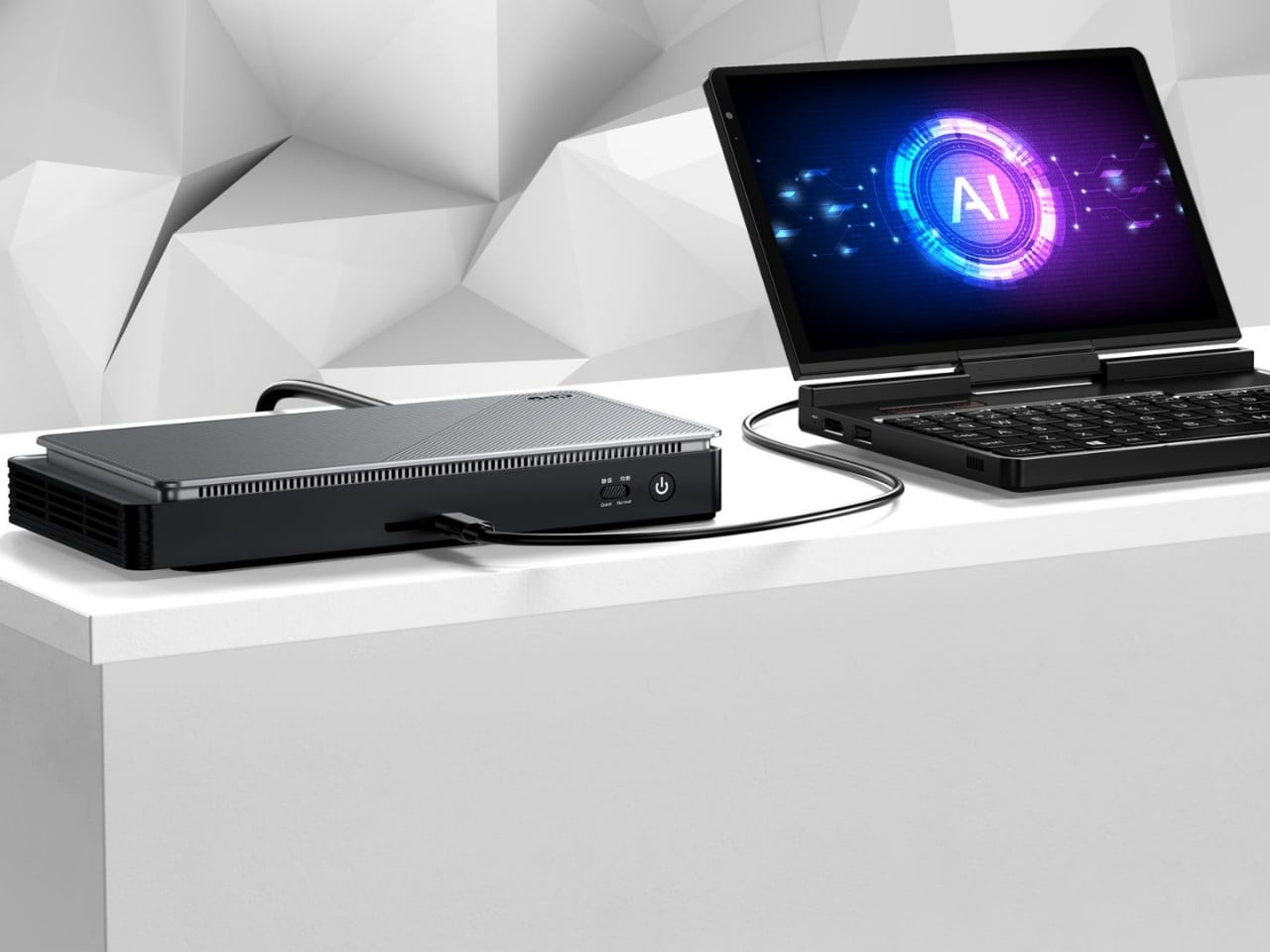
6. GPD Pocket 4

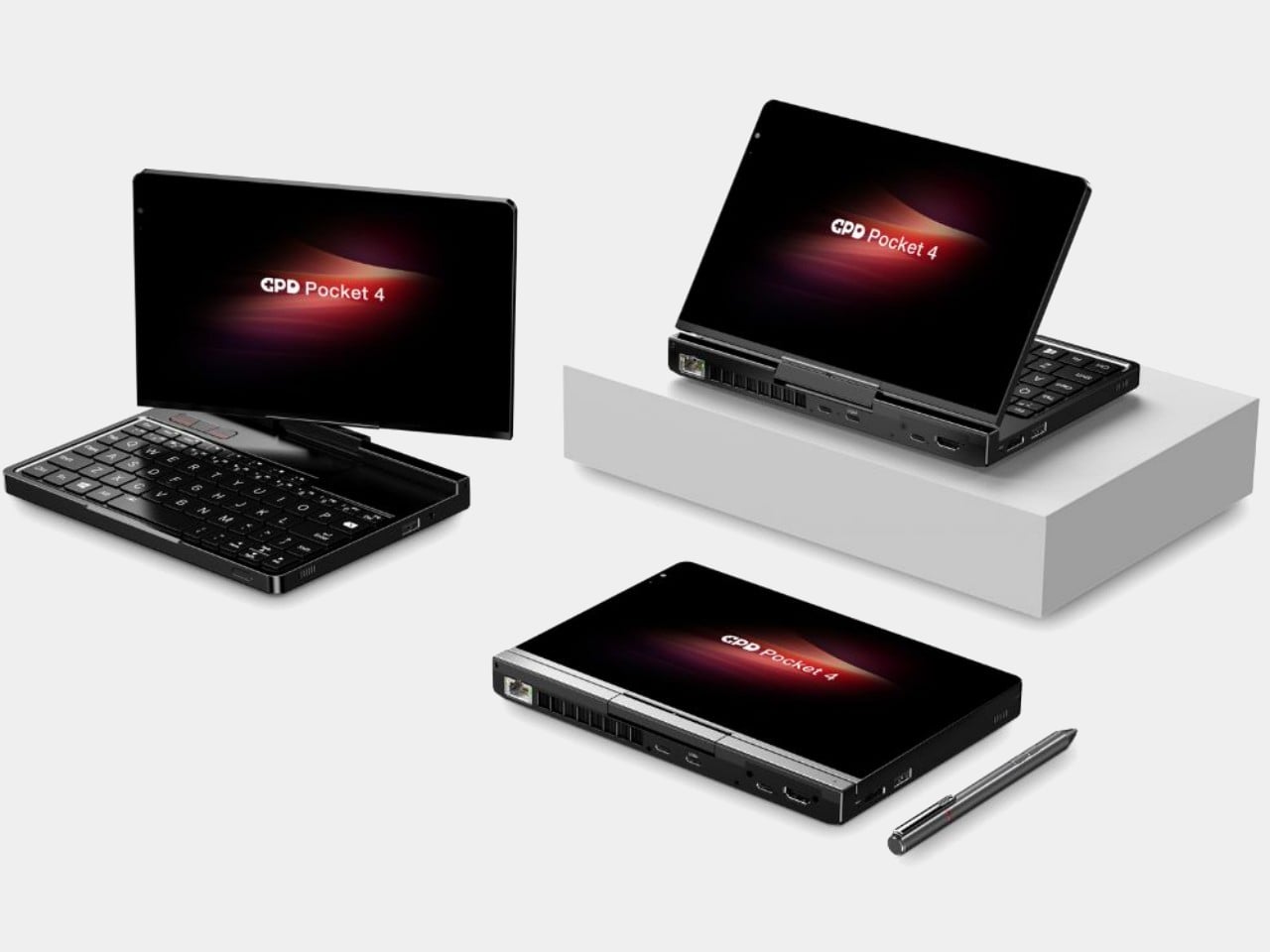
The GPD Pocket 4 does not belong in this list by conventional logic, and that is precisely why it does. There are no joysticks, no D-pad, no face buttons. What it has instead is a compact clamshell form factor built around a full QWERTY keyboard, a small touchpad in the upper right corner designed for right-thumb operation in a two-handed grip, and mouse buttons positioned on the opposing side for the left thumb. The AMD Ryzen AI 9 HX 370 with AMD Radeon 890M graphics, 64GB of RAM, and up to 4TB of upgradable NVMe SSD storage inside this chassis is a genuine statement about what a pocket-sized device can accomplish. It is a handheld PC for the person who refuses to separate productivity from portability.

Where most devices in this roundup are gaming handhelds that can also browse the web, the Pocket 4 is a legitimate laptop replacement that can also play games within certain limits. Content creation, entertainment, productivity, and travel computing are all addressed by hardware that fits in a jacket pocket. The 44.8Wh battery is the honest trade-off — you are carrying a compressed laptop, not an augmented gaming console, and the battery reflects that compromise directly. For the person who travels constantly and wants one device that handles most things well rather than two devices that each do one thing perfectly, the Pocket 4 makes more sense than almost anything else in this roundup. It is the most unusual recommendation here, and the most interesting.

What We Like:

  • Full laptop-grade specifications, including up to 64GB RAM and 4TB upgradable storage in a genuinely pocketable form factor
  • Functions as a true laptop replacement for content creation and productivity without requiring a second device

What We Dislike:

  • No gaming controls confine its gaming capability to keyboard-compatible titles only
  • The 44.8Wh battery is significantly smaller than competitors that prioritize gaming endurance over overall portability

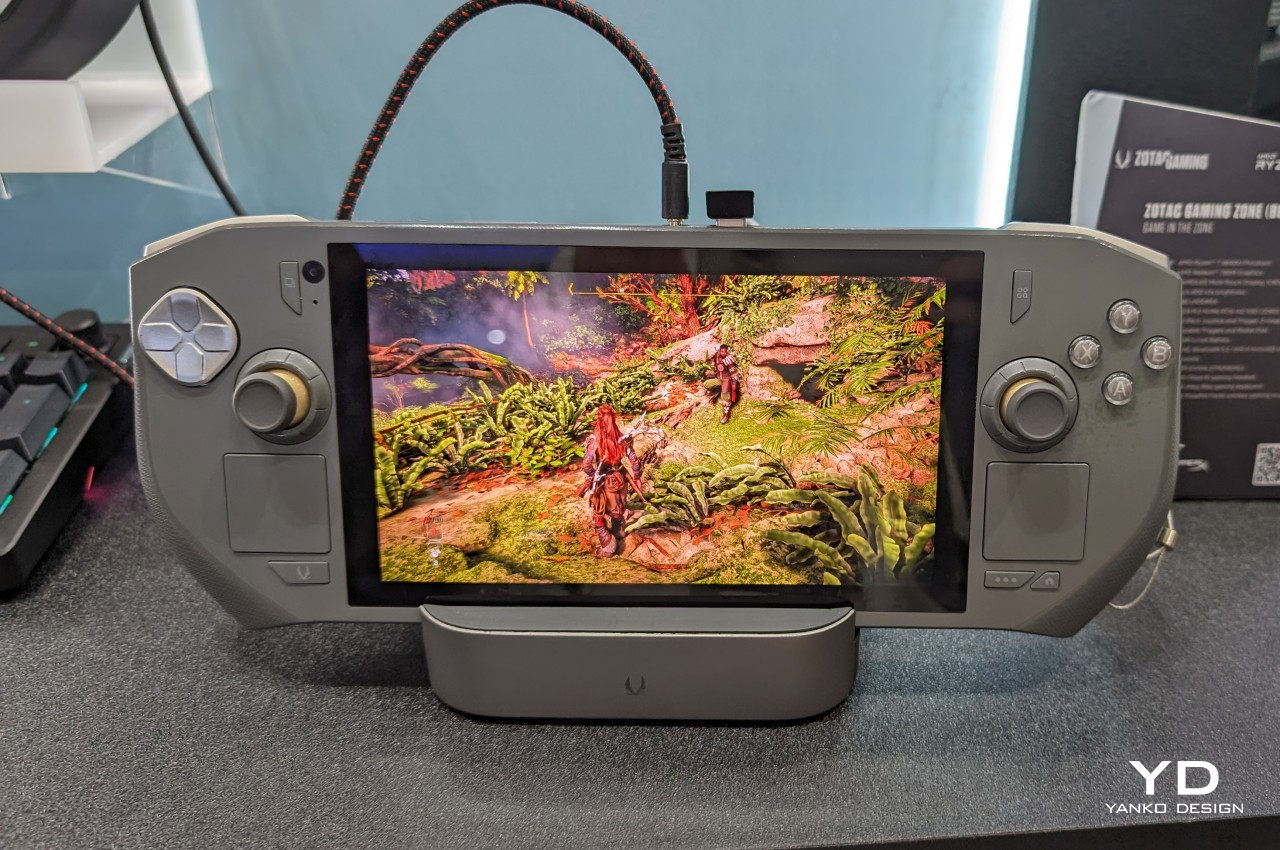
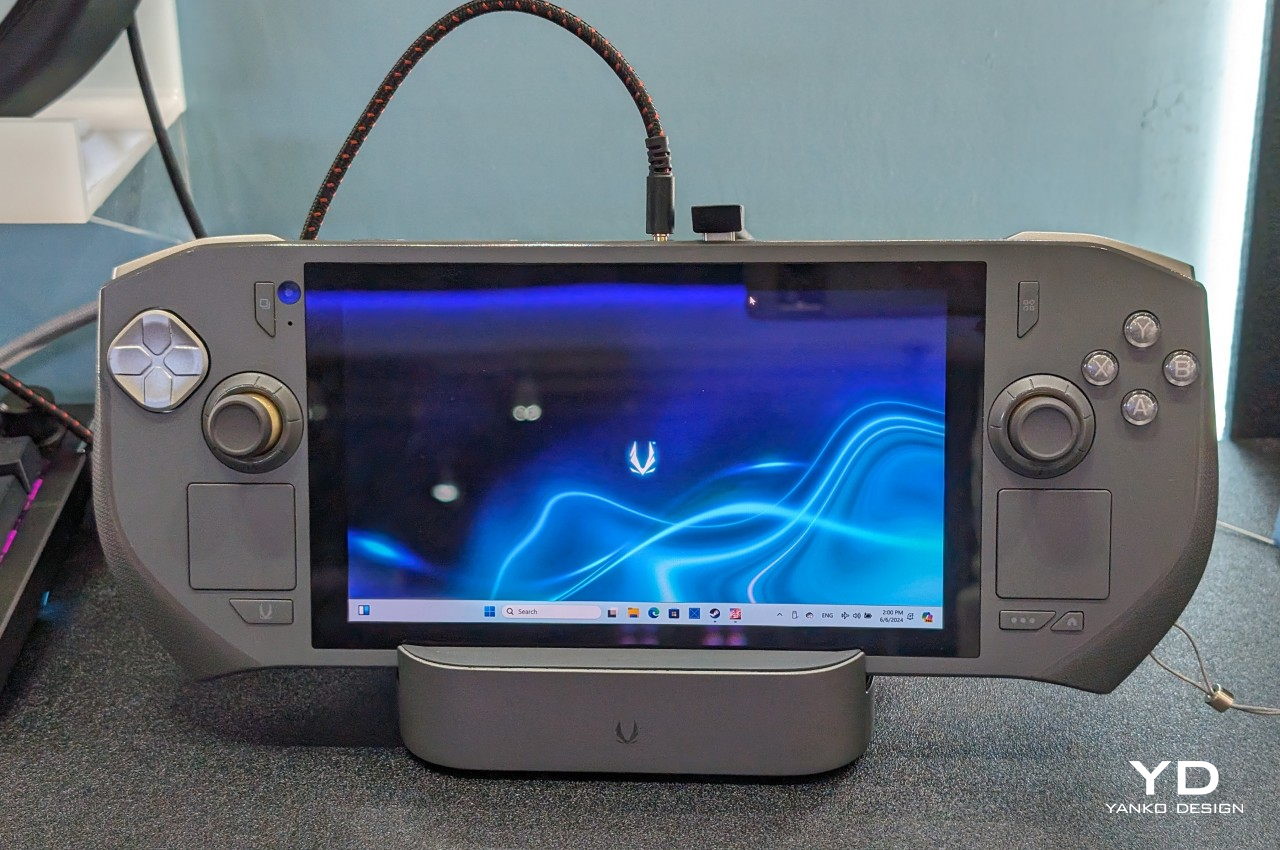
7. ZOTAC ZONE

The ZOTAC ZONE wears its Steam Deck influence openly and then raises the conversation. The OLED display puts it in rare company — most handheld gaming PCs are still shipping IPS panels, and the presence of an OLED screen here is not incidental. The PlayStation-style button layout mirrors Valve’s device directly, setting it apart from the Xbox-influenced arrangement that the rest of the Windows handheld market has effectively standardized around. The built-in kickstand is the detail that reveals the ZONE’s genuine design thinking. It is an obvious feature that a surprising number of handheld PCs have decided to leave out, and its presence changes how the device lives in practice — on a plane tray table, a cafe counter, or a hotel room desk, where you’d rather not hold the thing for two hours straight.

The configurable controls are where the ZONE earns its premium positioning. Two-stage adjustable triggers and programmable dials around each joystick represent the most granular control customization available on any handheld gaming PC currently on the market. It runs more recent hardware than the Steam Deck, inside a chassis that clearly understands what it is trying to be. The steep price is a real barrier, and the ZONE will not make sense for every buyer. For the player who has worked through two or three handheld PCs already and knows precisely what they want from their next one — better controls, better display, a stand, and hardware that will not feel dated inside eighteen months — this is the device that was built with them specifically in mind.

What We Like:

  • Built-in kickstand and OLED display address two genuine gaps in the Steam Deck’s design, both meaningfully improving day-to-day use
  • Two-stage adjustable triggers and programmable joystick dials offer the deepest control customization in the handheld gaming PC category

What We Dislike:

  • Premium pricing places the ZONE significantly above most competing devices, narrowing its realistic audience
  • Strong visual and layout parallels to the Steam Deck make it a difficult upgrade pitch for buyers already in Valve’s ecosystem

The Category Grows Up

The seven devices above represent a category finally learning to want more from itself. Some of them get there through craft — the AYANEO 3’s considered curves, the ZOTAC ZONE’s OLED display and kickstand, the Steam Deck’s limited edition color story. Others earn their place through a harder kind of honesty: the XPG Nia’s upgradable RAM, the GPD Pocket 4’s refusal to be just one thing, the Claw 8 AI+’s willingness to publicly correct its own mistakes.

What unites all seven is a seriousness about the object itself — a sense that the person holding the device deserves hardware that respects their intelligence, their living space, and the money they are spending. The Fisher-Price era of handheld gaming PCs is not entirely over. But these seven devices are making a strong case for what comes after them.

The post 7 Handheld Gaming PCs That Actually Look Like the Future — Not a Fisher-Price Toy first appeared on Yanko Design.

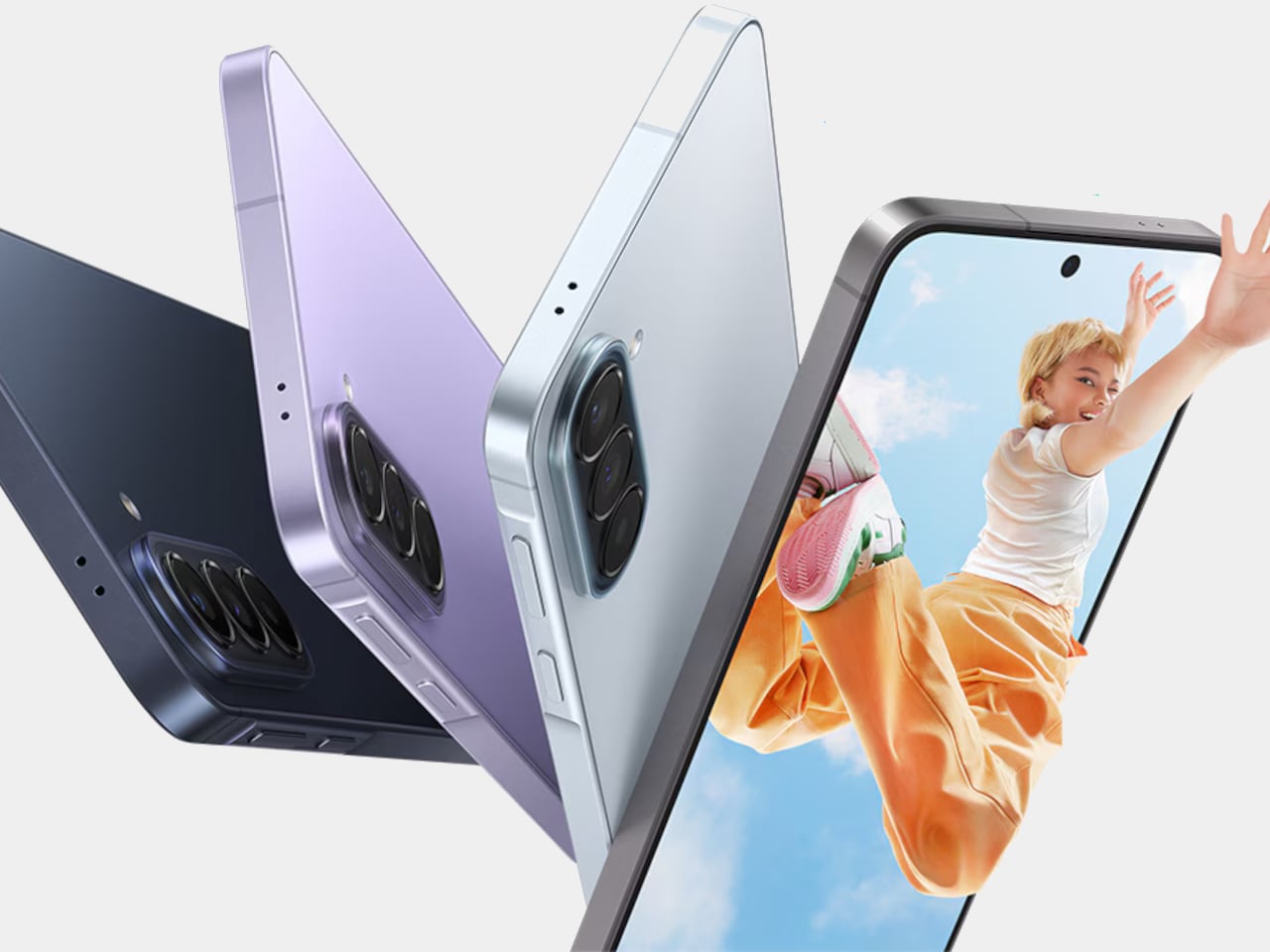
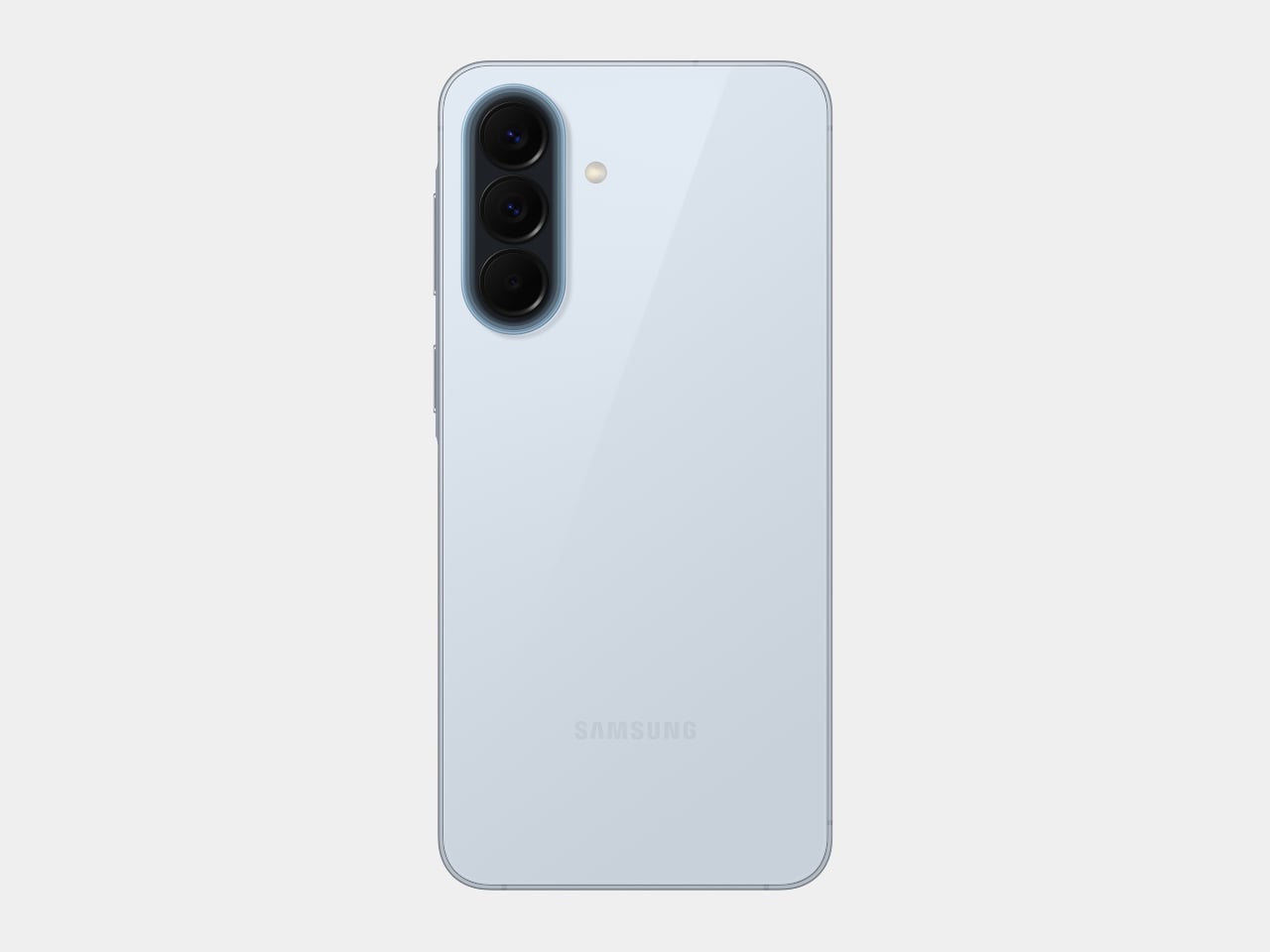
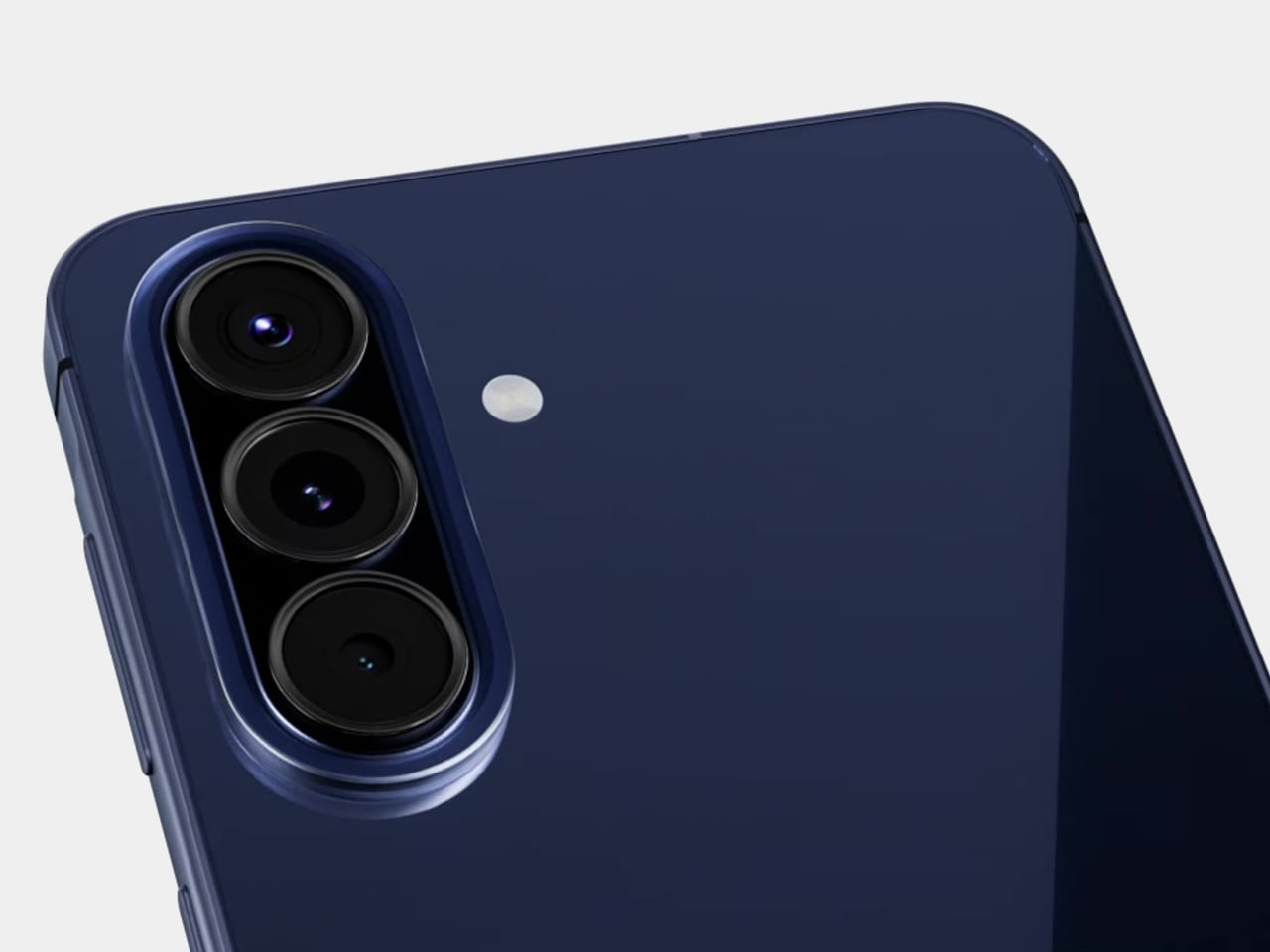
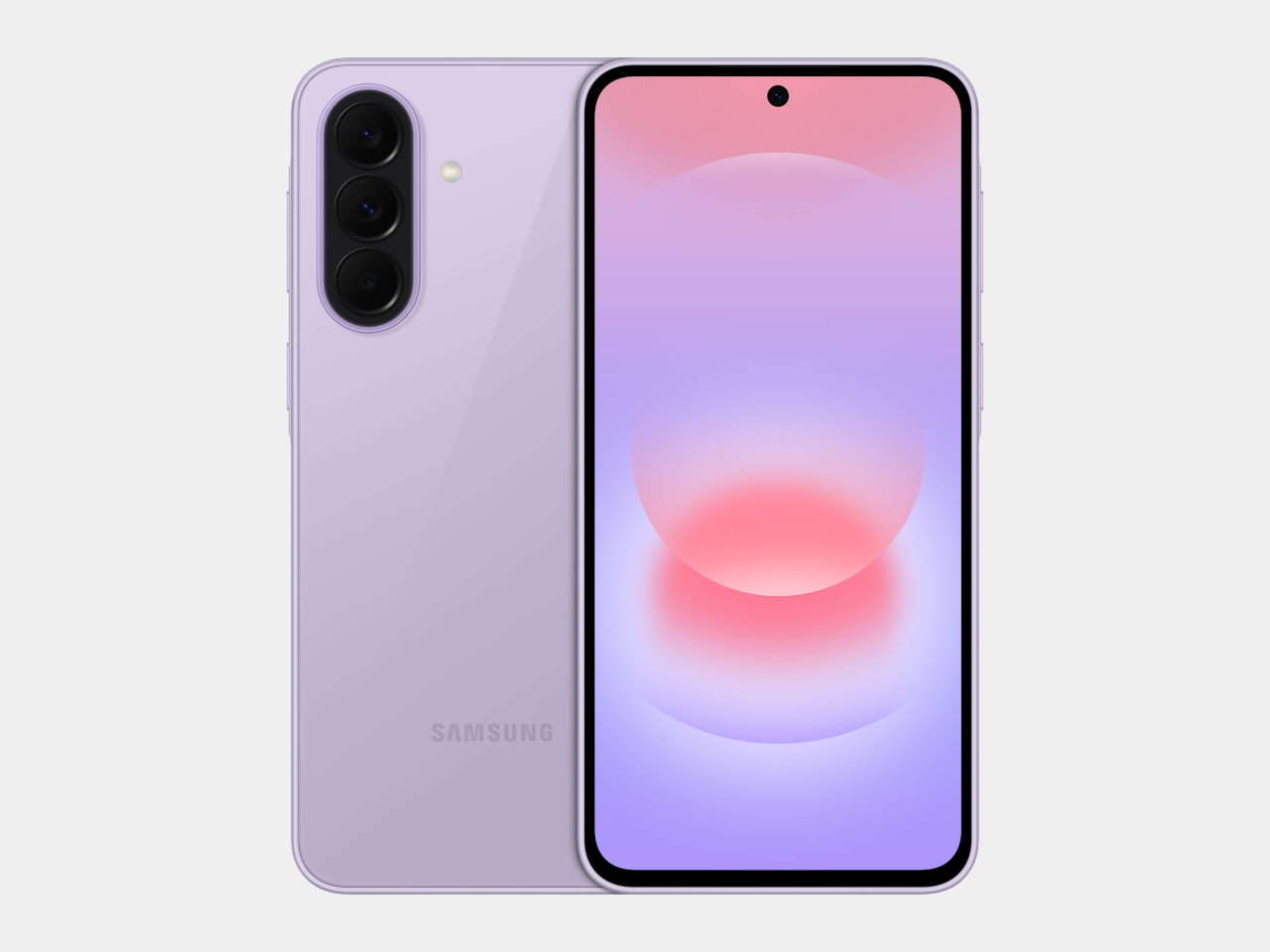
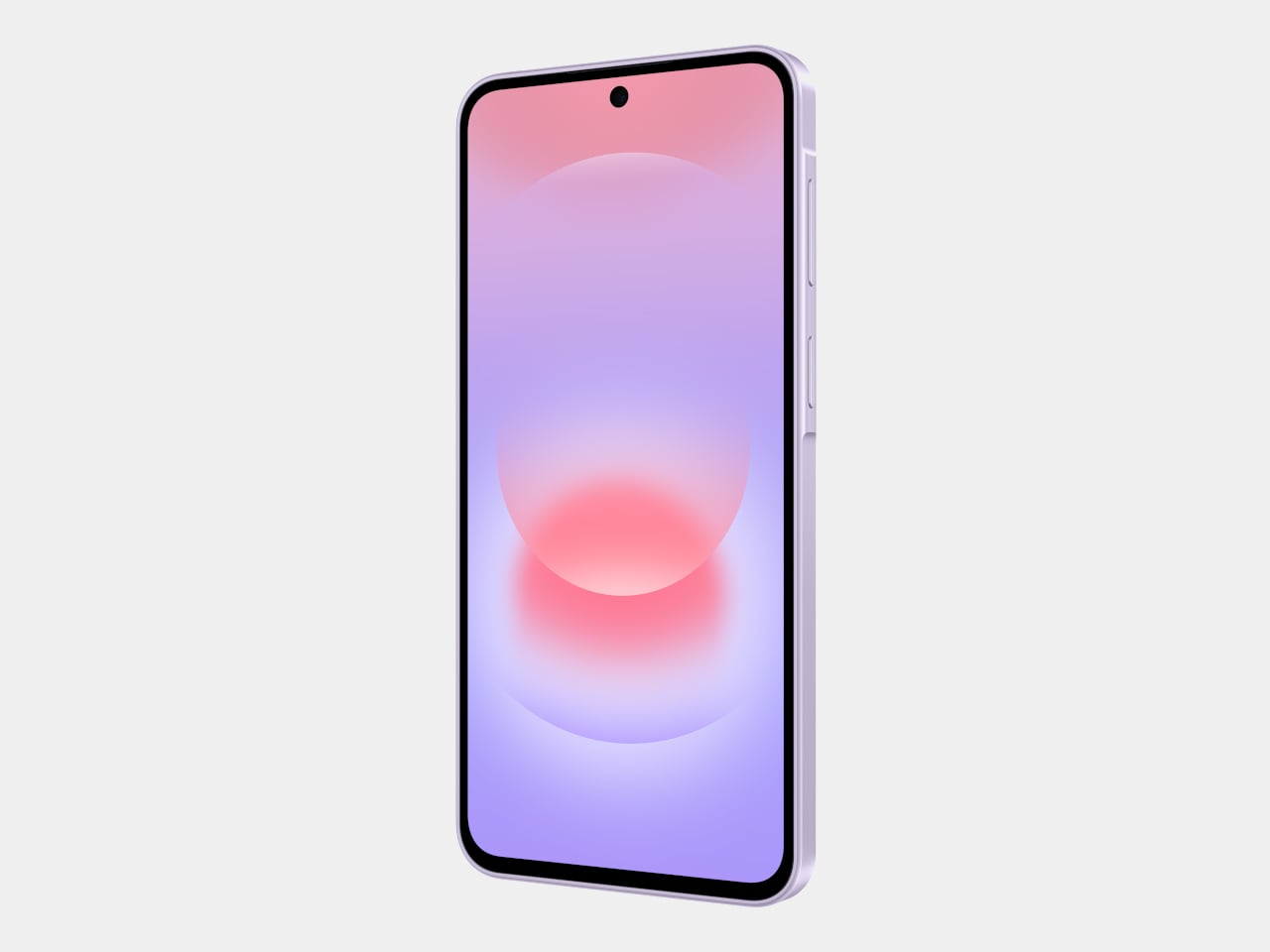
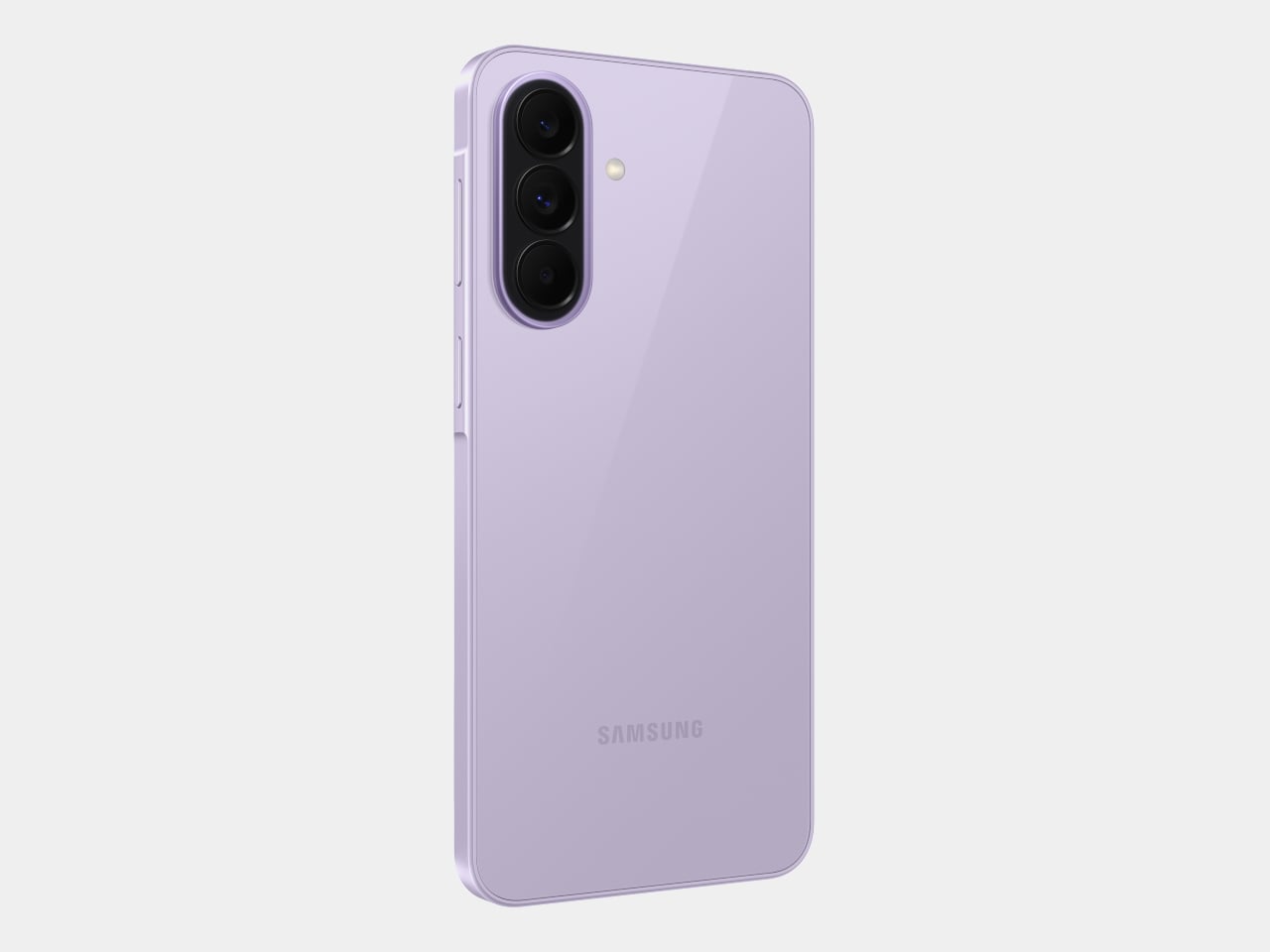
Samsung’s Galaxy A Phones Now Get IP68 and 6-Year Updates From $449

Mid-range smartphones have been getting very good, very quickly. Most now check the boxes for performance, camera quality, and even design, but the compromises tend to show up later. Software support runs out too soon, water resistance gets downgraded to save costs, or the storage fills up faster than expected. It’s a category where the spec sheet looks promising right up until the parts that actually matter start falling short.

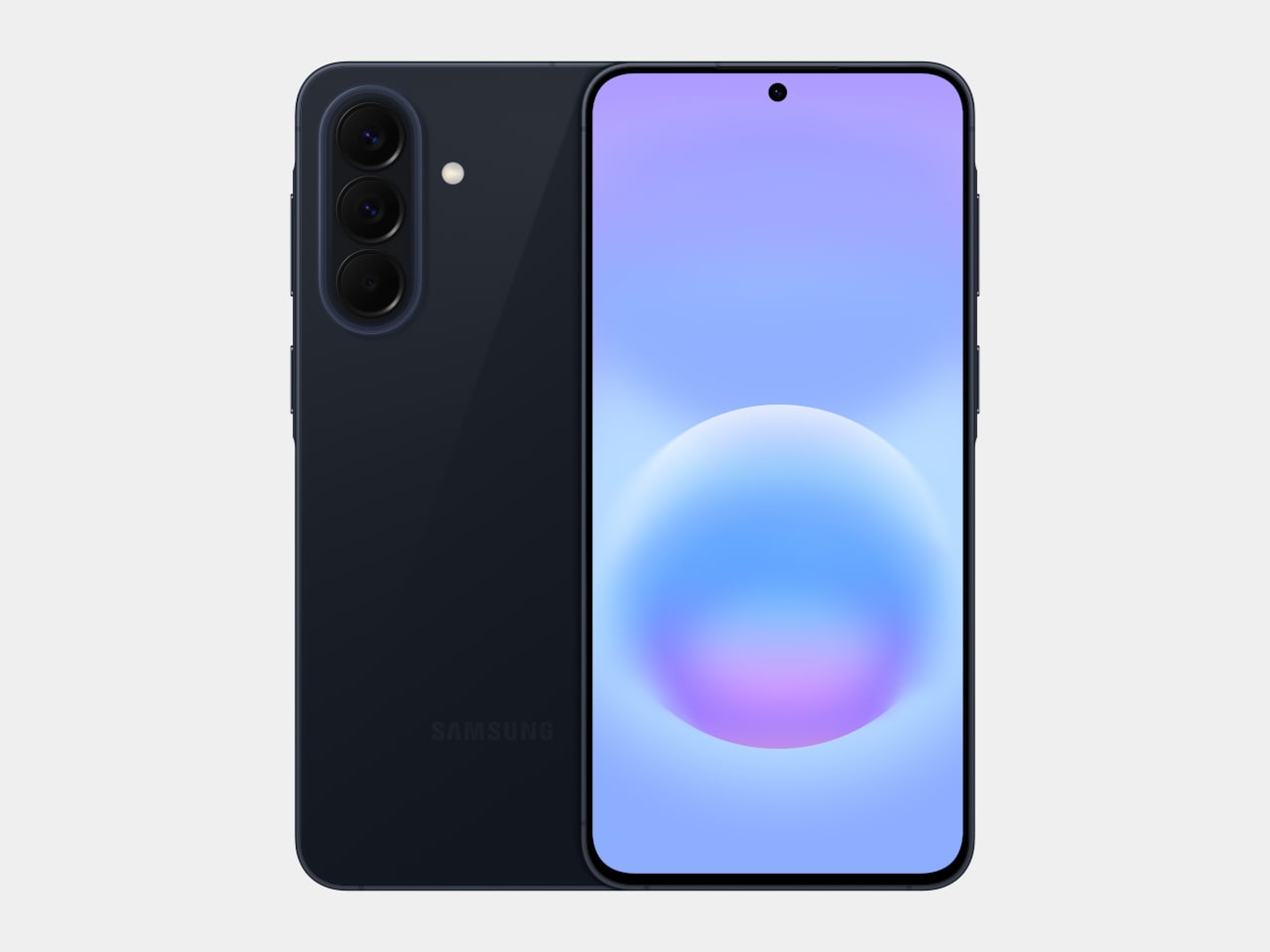
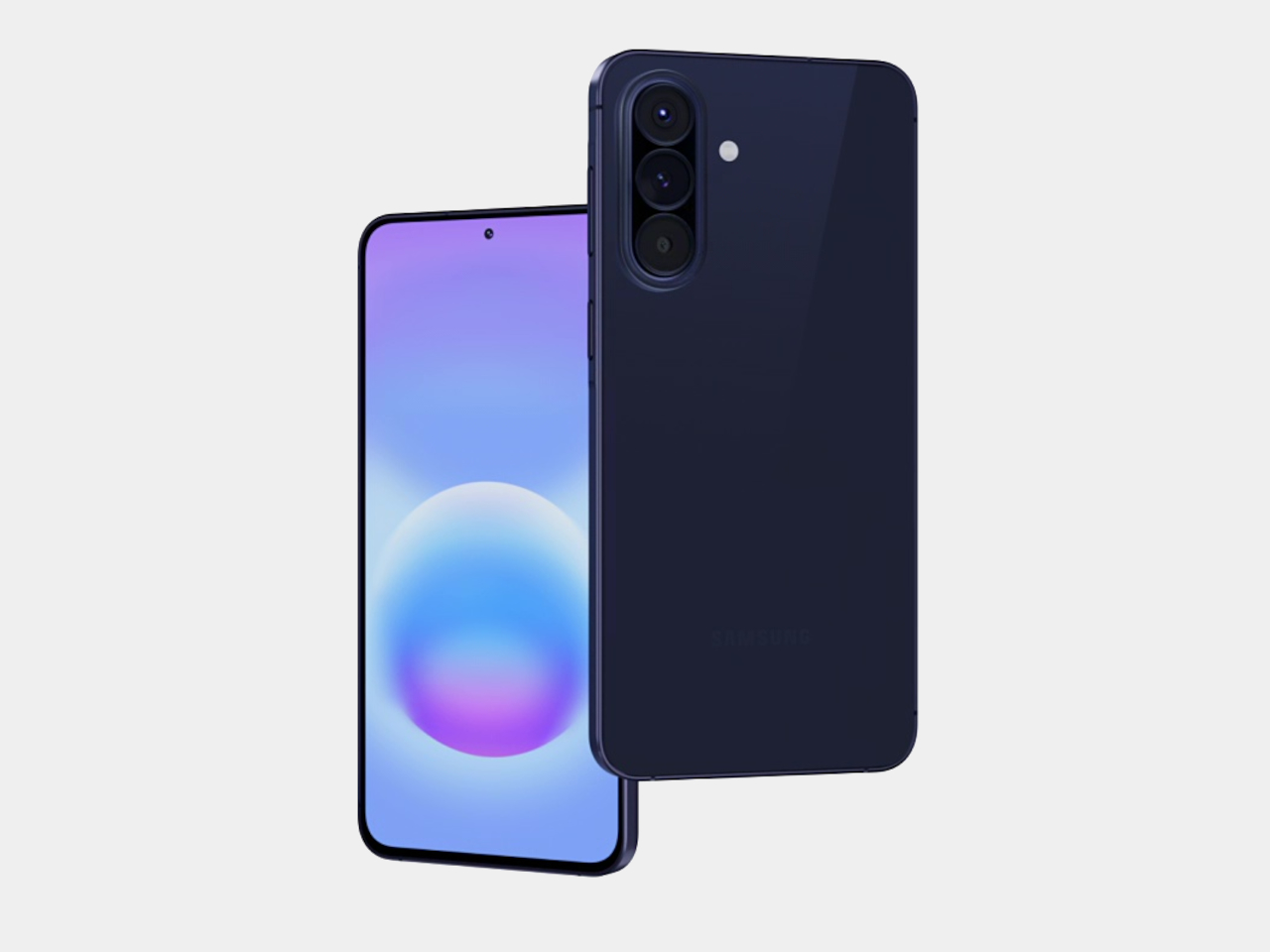
Samsung’s Galaxy A57 5G and Galaxy A37 5G tackle those exact issues. Rather than simply refreshing the hardware, these two phones address the pain points that tend to sour long-term ownership, from shorter software cycles to inadequate protection from the elements. Samsung describes both as the most capable Galaxy A devices yet, and for once, that kind of claim holds up when you look at what’s actually new.

Designer: Samsung

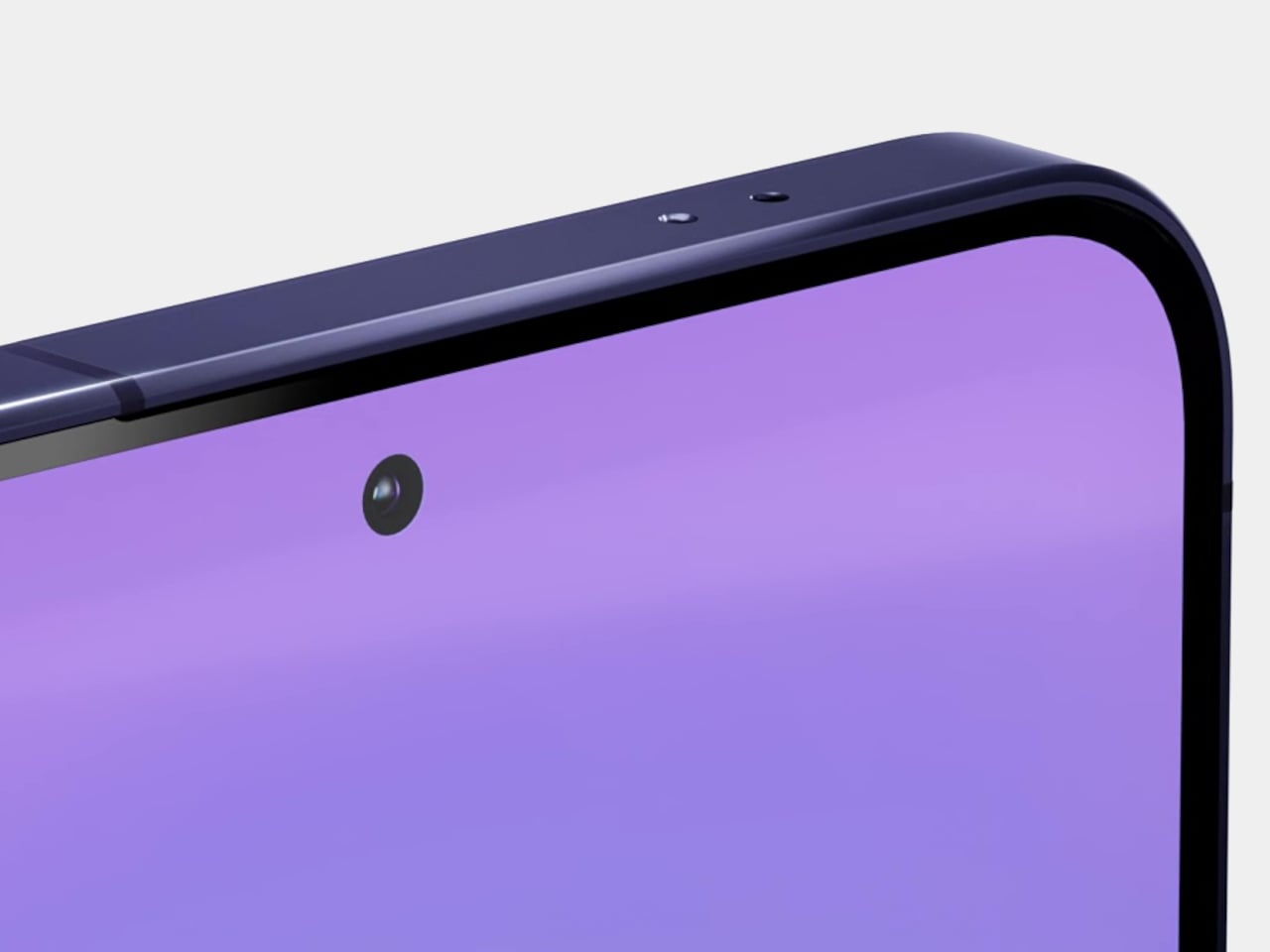
The Galaxy A57 5G leads with a noticeably slimmer build, now at just 6.9mm and 179 grams. A 13% larger vapor chamber helps keep the new Exynos 1680 processor running cool through long gaming sessions or extended recordings. The display also gets slimmer bezels and a bright Super AMOLED+ panel with Vision Booster, so the screen stays readable whether you’re inside at your desk or standing in direct sunlight.

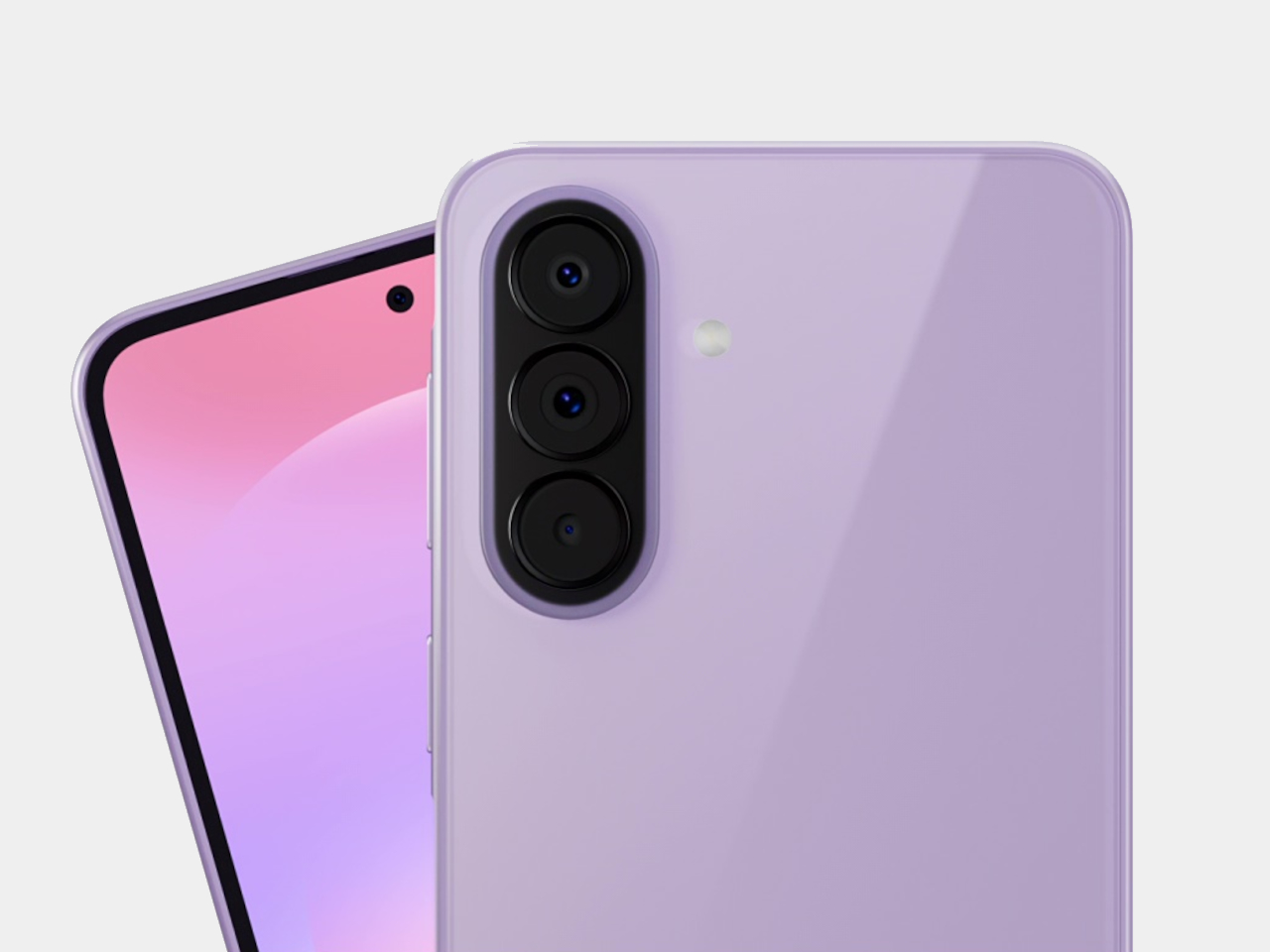
Storage is where the A57 5G makes history for the Galaxy A line. It’s the first A-series phone to offer a 512 GB option, a welcome change for anyone managing a large photo library or shooting high-resolution video regularly. The triple-camera setup, led by a 50 MP main sensor with a 12 MP ultrawide and a 5 MP macro, handles everything from wide-angle landscapes to fine close-up detail.

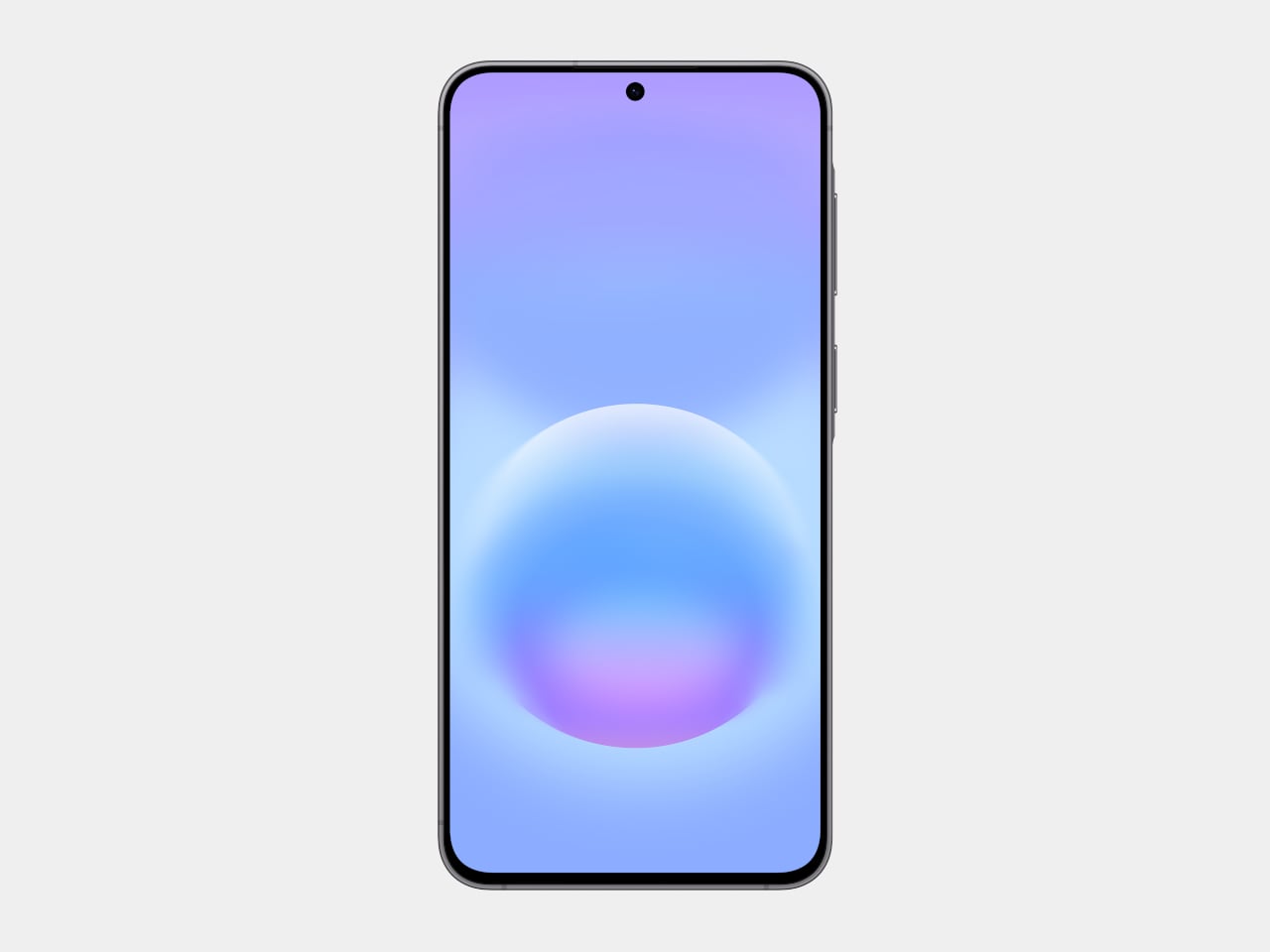
The Galaxy A37 5G takes a different route to earn its upgrade. Its primary camera now uses a larger 50 MP sensor with support for 10-bit HDR video recording, improving low-light performance and color depth over its predecessor. More significantly, the durability rating jumped from IP67 to IP68, and it now ships with Gorilla Glass Victus+ on both the front and back, which is a notable step up at this price.

Both phones run One UI 8.5 with a broader set of Awesome Intelligence (get it? “AI”?) features. The camera uses AI-based subject and scene recognition to balance skin tones and create cleaner background separation automatically. Circle to Search has also been updated with multi-object recognition, so you can search an outfit, its accessories, and the surrounding backdrop all at once, rather than hunting for each element separately or toggling between searches.

What gives both phones long-term value is Samsung’s commitment to six generations of Android OS updates and six years of security support. Add to that 5,000 mAh batteries and IP68-rated protection across both models, and these are phones clearly meant to outlast the typical mid-range upgrade cycle. The Galaxy A57 5G starts at $549.99 and the Galaxy A37 5G at $449.99 in the US, with availability beginning April 9, 2026.

The post Samsung’s Galaxy A Phones Now Get IP68 and 6-Year Updates From $449 first appeared on Yanko Design.

5 Best Waterdrop Filter Systems for Spring 2026, From Renters to Full Family Kitchens

The water coming out of your tap has traveled through infrastructure that, in many American cities, predates the internet by several decades. Municipal treatment plants catch most of what they’re supposed to catch, but aging pipes, PFAS compounds from industrial and agricultural runoff, and lead from corroding plumbing each leave their own signature in what eventually fills your glass. Two people living thirty miles apart can have genuinely different water problems, and the solution that works perfectly in one kitchen may be entirely wrong for the other. Spring tends to be when many families actually act on this, a natural reset point where the habits and home conditions worth changing finally get real attention.

Waterdrop Filter has spent the better part of the last decade building a filtration lineup that treats water quality as a variable, not a constant. Five of their systems are currently on sale on Amazon through March 31st, spanning the full range of how people actually live: renters who can’t drill into cabinets, families running a high-demand kitchen with PFAS and lead on their radar, people who want their minerals preserved, and anyone who wants instant hot filtered water without the plumbing commitment. Each one is built around a different problem, and this guide helps narrow down which one is built around yours.

Waterdrop Filter G3P800 Tankless RO System: The Under-Sink Performer That Stays Out of Sight
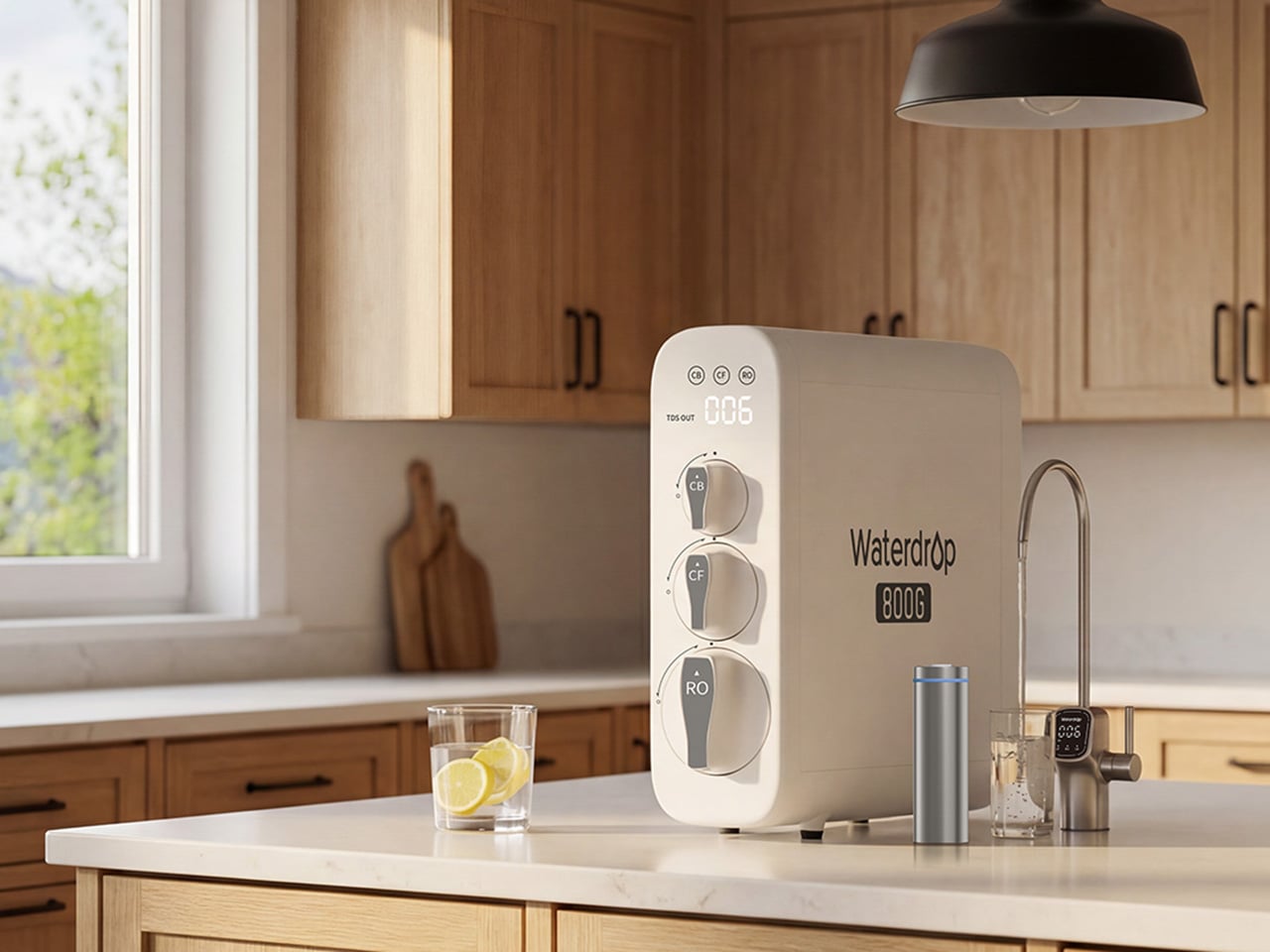
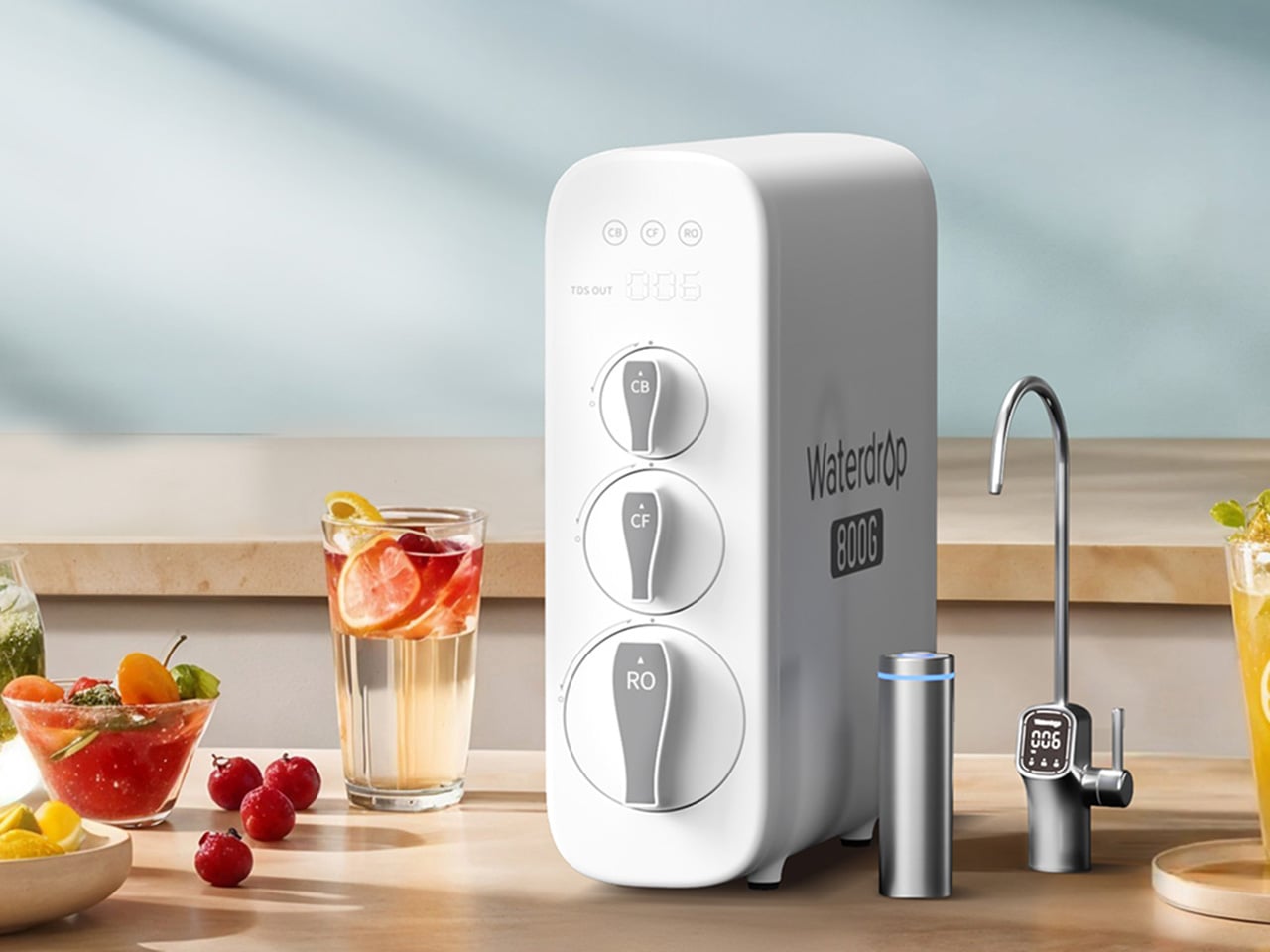
For families thinking seriously about what’s actually in their water this spring, the G3P800 is where Waterdrop Filter’s under-sink lineup earns its bestseller status. The concerns driving most of those conversations, PFAS compounds, lead from aging pipes, chlorine byproducts, are precisely what this system addresses. Its 10-stage RO filtration achieves 98% PFOA reduction, 99% PFOS, and over 99% lead, numbers that carry particular weight for households with infants, pregnant women, or elderly members. NSF/ANSI certifications across standards 42, 53, 58, and 372 back those claims with third-party verification. The tankless design reclaims 50 to 70 percent of under-sink cabinet space, and the UV sterilization stage catches bacteria and viruses that even a high-precision RO membrane cannot address alone.

At 800 gallons per day, the G3P800 handles the full rhythm of a busy family kitchen, from drinking water and cooking to coffee and baby formula preparation. A brushed nickel smart faucet displays real-time TDS readings and filter status at a glance, keeping the system legible without demanding attention. The 3:1 pure-to-drain ratio reflects a genuine shift in responsible RO design, producing meaningfully less drain water than older systems. Spring tends to be the moment families finally act on water quality concerns sitting in the back of their minds, and the G3P800 meets that decision with something durable, rigorously certified, and quietly capable of handling daily household demand for years.

Click Here to Buy Now: $699 $999 (30% off). Hurry, deal ends in 48-hours! Website Here.

Waterdrop Filter X12 RO System: The Flagship That Puts Minerals Back Where They Belong

Where the G3P800 is built for families who want serious filtration at serious capacity, the X12 is for those willing to push further. At 1,200 gallons per day across 11 stages of precision RO filtration, it represents Waterdrop Filter’s most complete answer to the growing list of contaminants giving health-conscious households pause this spring. The PFAS reduction figures here are among the strongest in the lineup, achieving 98.88% PFOA and 98.97% PFOS reduction, alongside a greater than 99.87% lead reduction rate. Certified against NSF/ANSI standards 58 and 372, the X12 carries the kind of third-party verification that families with infants or elderly members look for before trusting a system with daily drinking water and formula preparation.

What genuinely separates the X12 from most flagship RO systems is what it does after filtration. Reverse osmosis at this level of thoroughness strips water down comprehensively, which is where the built-in alkaline mineralization stage earns its place. Calcium and magnesium are reintroduced post-filtration, supporting bone health over time and restoring the balanced, naturally mineral-rich character that makes water taste the way good water should. For families prioritizing both purity and nutritional quality, particularly those with growing children, that combination is difficult to replicate elsewhere. The smart digital faucet handles real-time TDS monitoring and filter life tracking with the same quiet intelligence found across the range. Spring health resets tend to go deeper for some households, and the X12 is designed for exactly that level of commitment.

Click Here to Buy Now: $854.05 $1299 (34.2% off). Use code YKSPRING26 during checkout. Hurry, deal ends in 48-hours! Website Here.

Waterdrop Filter DLG-P: Serious PFAS Protection Without the Installation Headache
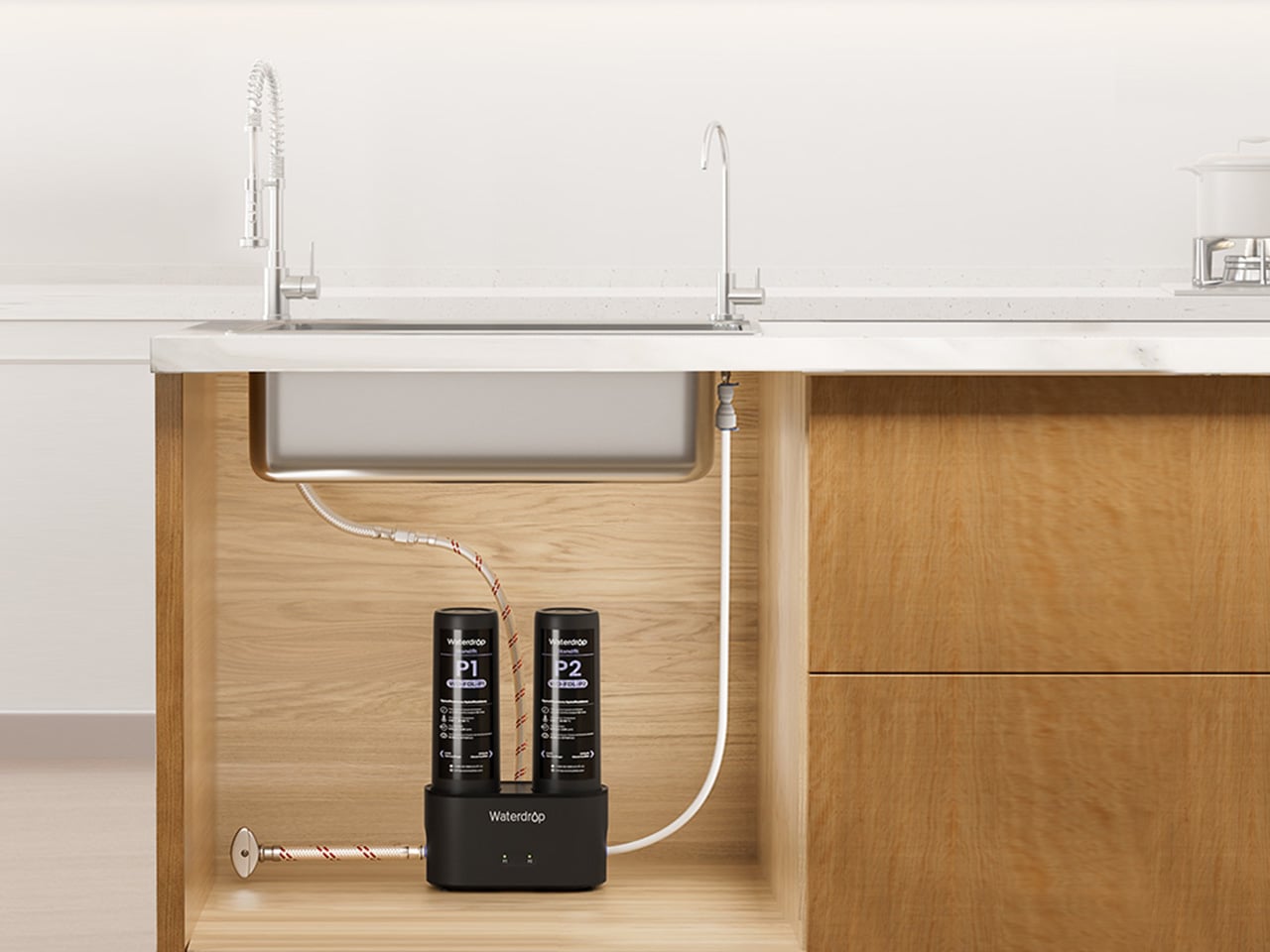
The conversation around PFAS and lead tends to center on high-capacity RO systems, and for good reason. But the reality of how many people actually live, in rentals, in first homes, in apartments where permanent under-sink modifications are off the table, means that access to serious water filtration has historically required commitment that many households simply couldn’t meet. The DLG-P is Waterdrop Filter’s answer to that gap. It installs in around three minutes without specialist tools, routes filtered water through an innovative dual-outlet design serving both a dedicated drinking faucet and the main kitchen tap, and achieves 99.7% PFOA and 99.6% PFOS reduction that rivals systems at considerably higher price points. For renters prioritizing PFAS protection this spring, those numbers reframe what budget-friendly filtration can actually deliver.

The system reduces chlorine, fluoride, sediment, and odors across its filtration stages, covering contaminants that affect daily drinking water quality in the most direct ways. A smart filter life indicator removes guesswork from maintenance, flagging replacement needs before performance drops. Filter cartridge replacement takes around three seconds, keeping upkeep genuinely frictionless for fast-paced households where the water filter is expected to work reliably in the background. The black finish gives it a contemporary presence that holds up in modern kitchen environments, and the compact footprint respects the limited under-sink space that comes with rental kitchens. For those who have looked at the G3P800 or X12 with interest but need a solution that fits a different budget and living situation, the DLG-P covers more ground than its entry price suggests.

Click Here to Buy Now: $91.19 $119.99 (24% off). Use code YKSPRING26 during checkout. Hurry, deal ends in 48-hours! Website Here.

Waterdrop Filter TSU: The Case for Filtration That Knows When to Stop
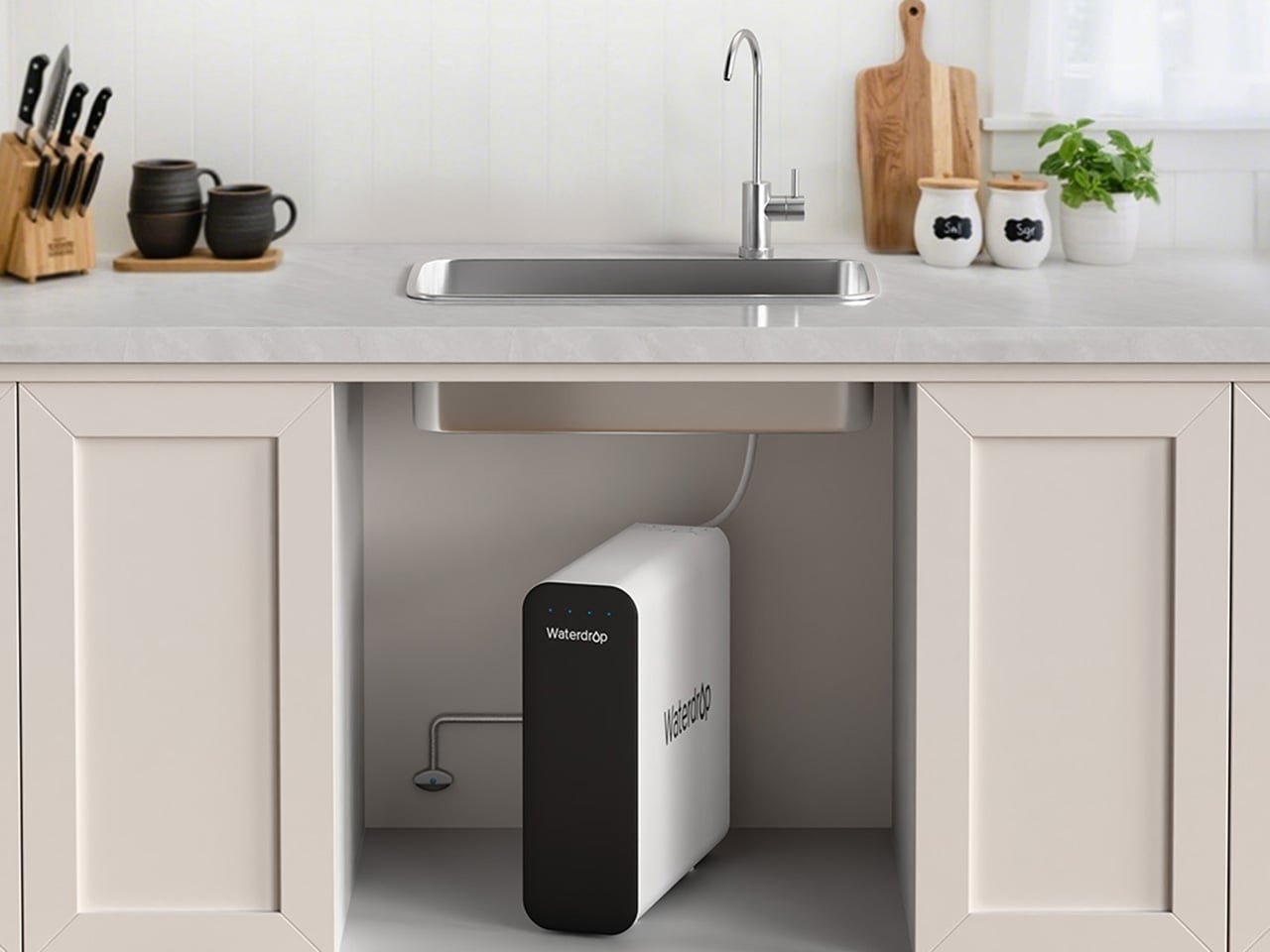
Not every household is starting from the same water quality baseline. In homes where municipal supply is reasonably clean but carrying chlorine taste, sediment, bacteria, and trace heavy metals like lead, deploying a full reverse osmosis system is a longer route than necessary. The TSU operates on that logic. Its 0.01-micron ultrafiltration membrane reduces 99.9% of bacteria, intercepts rust, sediment, fluoride, and heavy metals including lead, while leaving the water’s natural mineral content completely intact. Where the X12 reintroduces calcium and magnesium through a dedicated remineralization stage, the TSU simply never removes them, which for households with acceptable source water is both more efficient and more elegant.

What makes the TSU particularly compelling as a spring upgrade is what it doesn’t require. No electricity, no pump, zero wastewater, running entirely on standard water line pressure with nothing added to the utility bill. The 3-stage tankless system saves 50 to 70 percent of under-sink cabinet space. A brushed nickel dedicated faucet comes included, and the filter lifespan runs up to 24 months, meaning maintenance stays minimal across nearly two years. For busy families where easy installation and low ongoing upkeep matter as much as performance, the zero-waste design also reduces environmental impact and running costs over time. For households that want clean water supporting healthier spring routines without rebuilding their entire under-sink setup, the TSU makes a case that’s difficult to argue with.

Click Here to Buy Now: $123.99 $189.99 (34.7% off). Use code YANSPRING26 during checkout. Hurry, deal ends in 48-hours! Website Here.

Waterdrop Filter C1H: Countertop RO With a Trick Up Its Sleeve
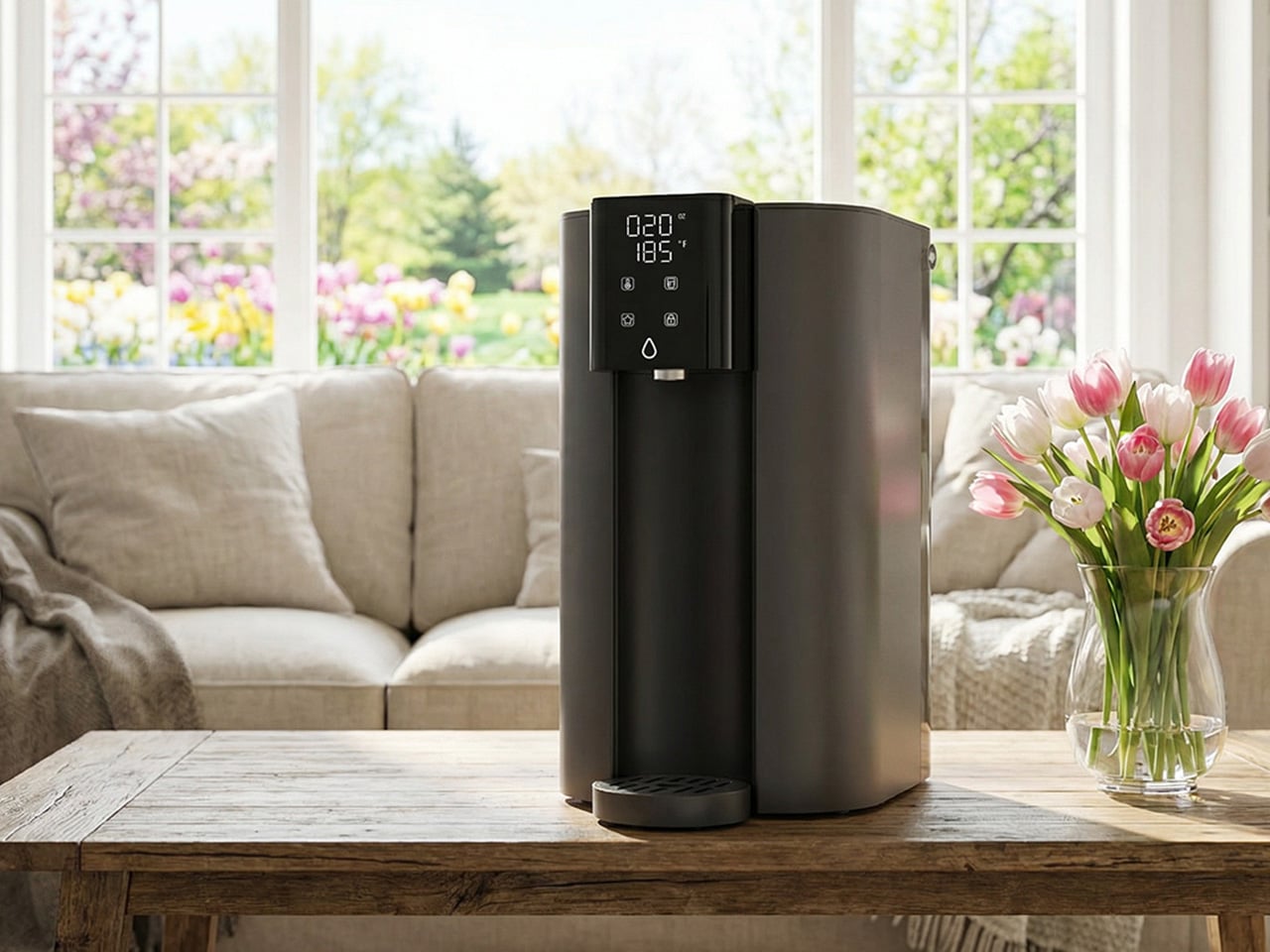
Every system covered in this guide has required going under a sink. The C1H abandons that requirement entirely. It sits on the counter, plugs into a standard outlet, connects to a water source without drilling or permanent modification, and starts delivering six-stage reverse osmosis filtered water with no installation window and no landlord conversation. The 0.0001-micron RO membrane targets the same field of contaminants that motivates most spring filtration upgrades, including PFAS, chlorine, heavy metals, and TDS. The detachable tank design means it moves between a kitchen, an office, or a bedroom without friction, which matters for parents with young children or elderly family members who want safe, filtered water accessible across different rooms rather than anchored to a single tap.

The feature that sharpens the C1H’s appeal for spring routines is instant hot water delivered in three seconds across five adjustable temperature settings. Morning tea, pour-over coffee, baby formula, and quick meal preparation all lose the waiting step that a separate kettle introduces. A Favorite Mode remembers preferred temperature and volume combinations so the same result comes out consistently. Smart touch controls manage everything from volume selection to real-time TDS monitoring and filter life tracking. The 3:1 pure-to-drain ratio and a twelve-month filter lifespan keep both environmental impact and ongoing upkeep to a minimum. For households that have followed this guide and still need a solution on entirely different terms, the C1H closes that gap with confidence.

Click Here to Buy Now: $219 $279 (22% off). Hurry, deal ends in 48-hours! Website Here.

The post 5 Best Waterdrop Filter Systems for Spring 2026, From Renters to Full Family Kitchens first appeared on Yanko Design.

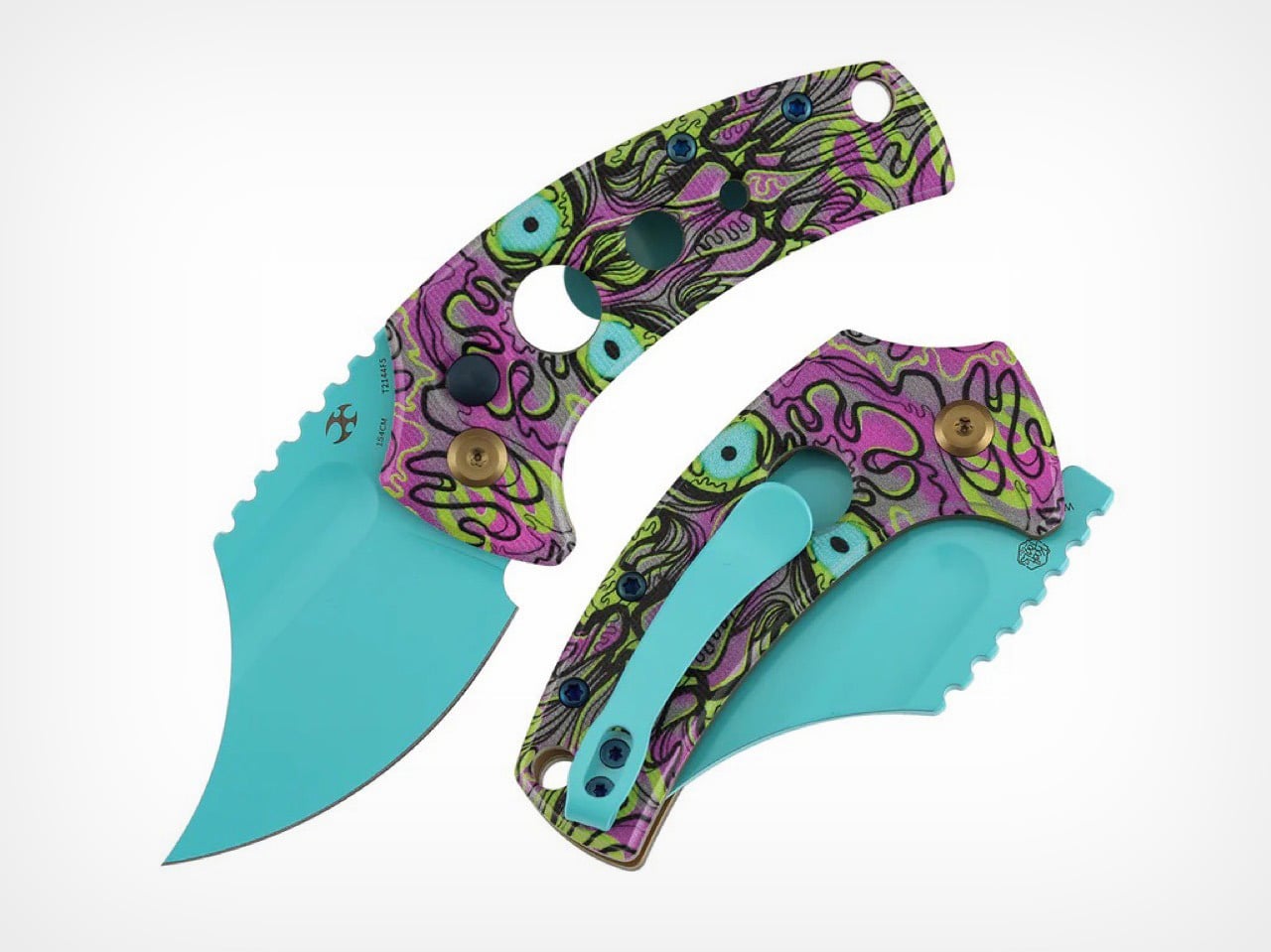
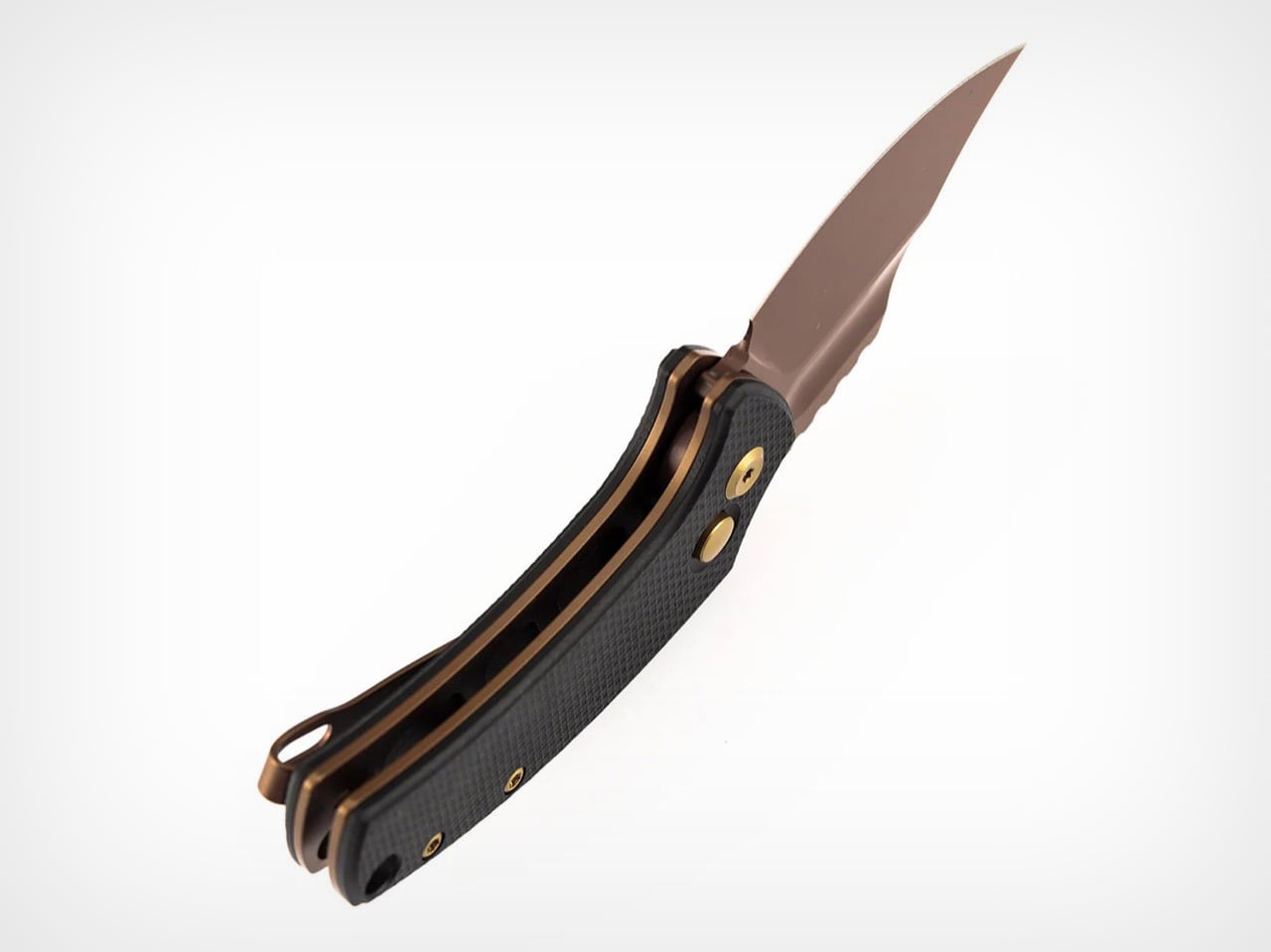
Small, Aggressive, and Under $80: Meet The Kansept Wasp Button Lock Knife

A wasp’s design is a lesson in efficiency. It combines a potent stinger with a small, agile frame to create a threat that commands respect far beyond its physical size. Koch Tools Design captured this spirit perfectly with the Kansept Wasp, a folder where compact dimensions and aggressive geometry work in concert. The knife’s upswept Harpoon Wharncliffe tip acts as a visual stinger, while the sub-3-inch length ensures it remains a nimble and unobtrusive carry. This folder embodies a philosophy of calculated capability, proving that a small tool can still project a serious and purposeful presence.

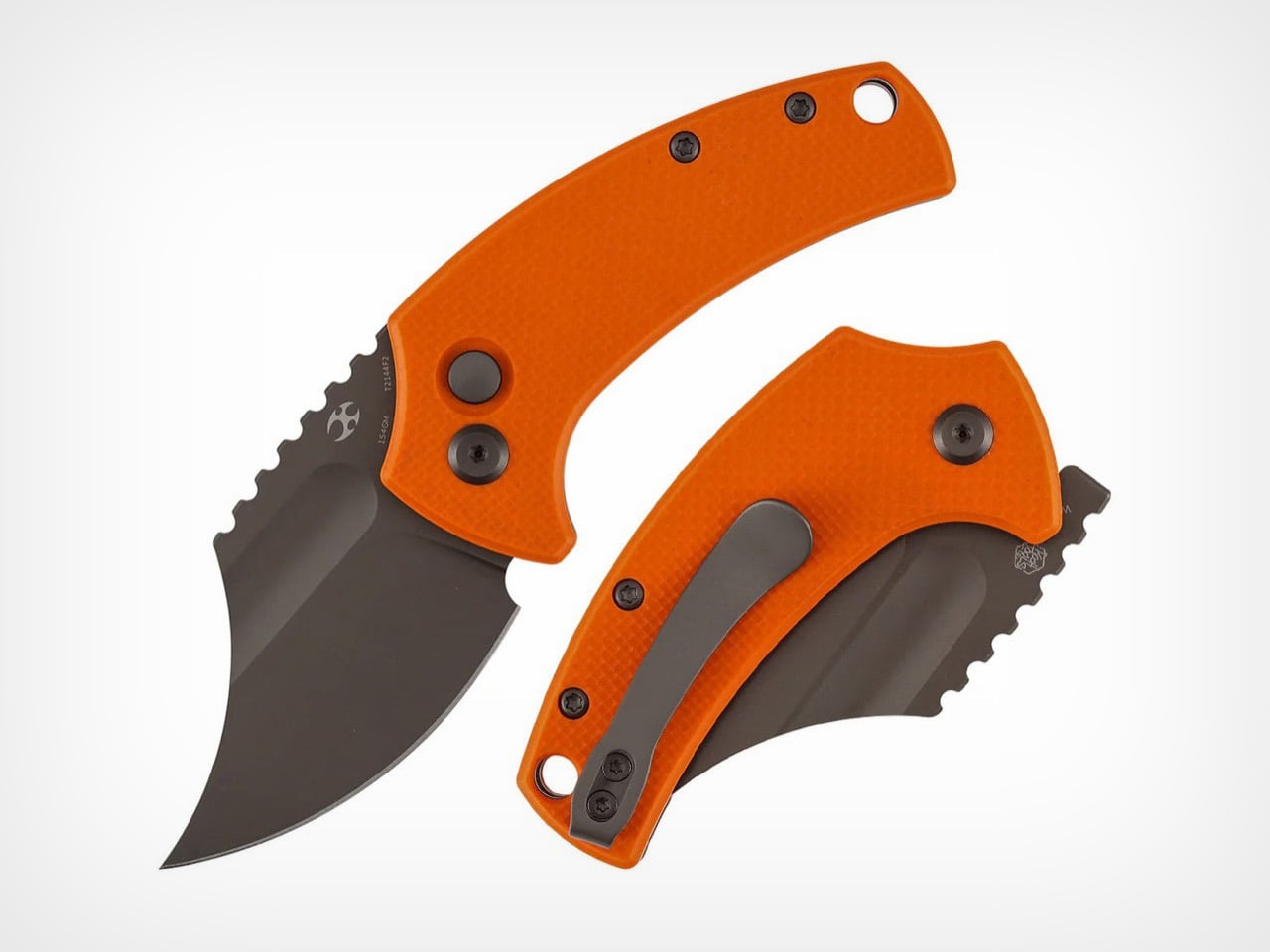
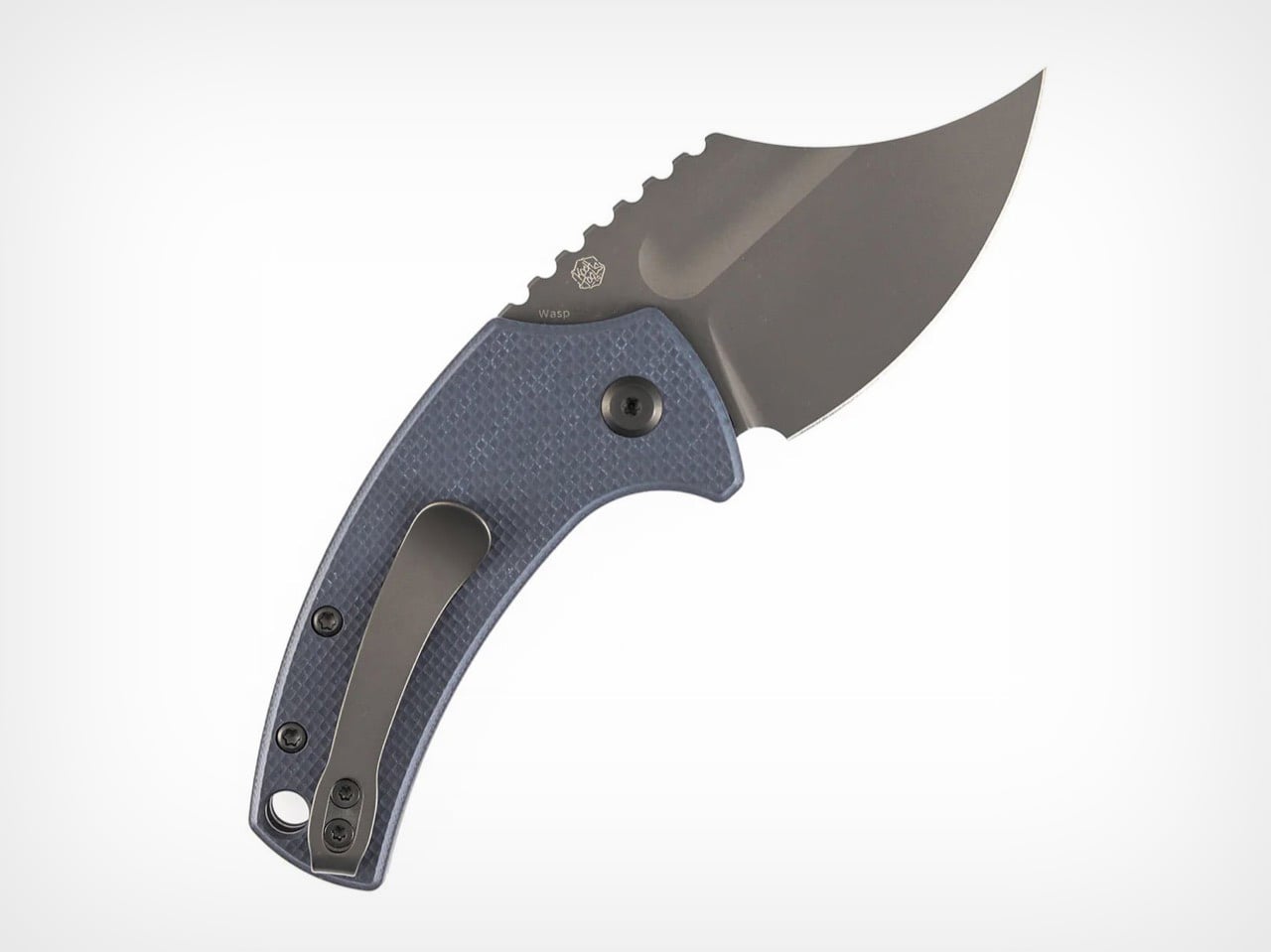
At its core, the Wasp is a button lock folder built from a 2.36-inch 154CM blade and textured G10 handle scales. The Koch Tools collaboration provides the confident stance and deliberate lines, which Kansept executes with a durable gray TiCn blade coating on several models. This finish offers both corrosion resistance and a sharp visual contrast against the vibrant handle options. The button lock itself sits neatly flush with the spine, allowing for a clean profile when closed and delivering a satisfying snap upon deployment. Priced at $75.89, the Wasp targets the intersection where enthusiast-level design becomes accessible to a much broader audience.

Designer: Koch Tools Design

The Harpoon Wharncliffe blade profile delivers exceptional tip control for detail work and piercing tasks. The upswept curve terminates in a fine point that excels at controlled cuts, while the flat cutting edge provides clean slicing performance across its full 2.36-inch length. Aggressive jimping runs along the spine, offering secure thumb purchase during precision work or when applying forward pressure. A tactical swedge grinds down the spine near the tip, reducing drag and sharpening the visual aggression of the blade. The 154CM steel handles daily cutting tasks with reliable edge retention, and the gray TiCn coating hardens the surface against wear while adding a matte finish that reads as tactical rather than decorative.

Button locks remain a standout feature at this price point. Most folders under $80 default to liner locks or frame locks, mechanisms that work fine but lack the tactile satisfaction and mechanical interest of a button system. The Wasp’s button sits recessed into the handle spine, protected from accidental activation while remaining easy to locate by feel. Deployment feels crisp and deliberate, with the blade snapping into lockup with authority. The mechanism adds a layer of fidget-worthiness that liner locks simply can’t match, which matters when a knife spends most of its time sitting in a pocket waiting to be used.

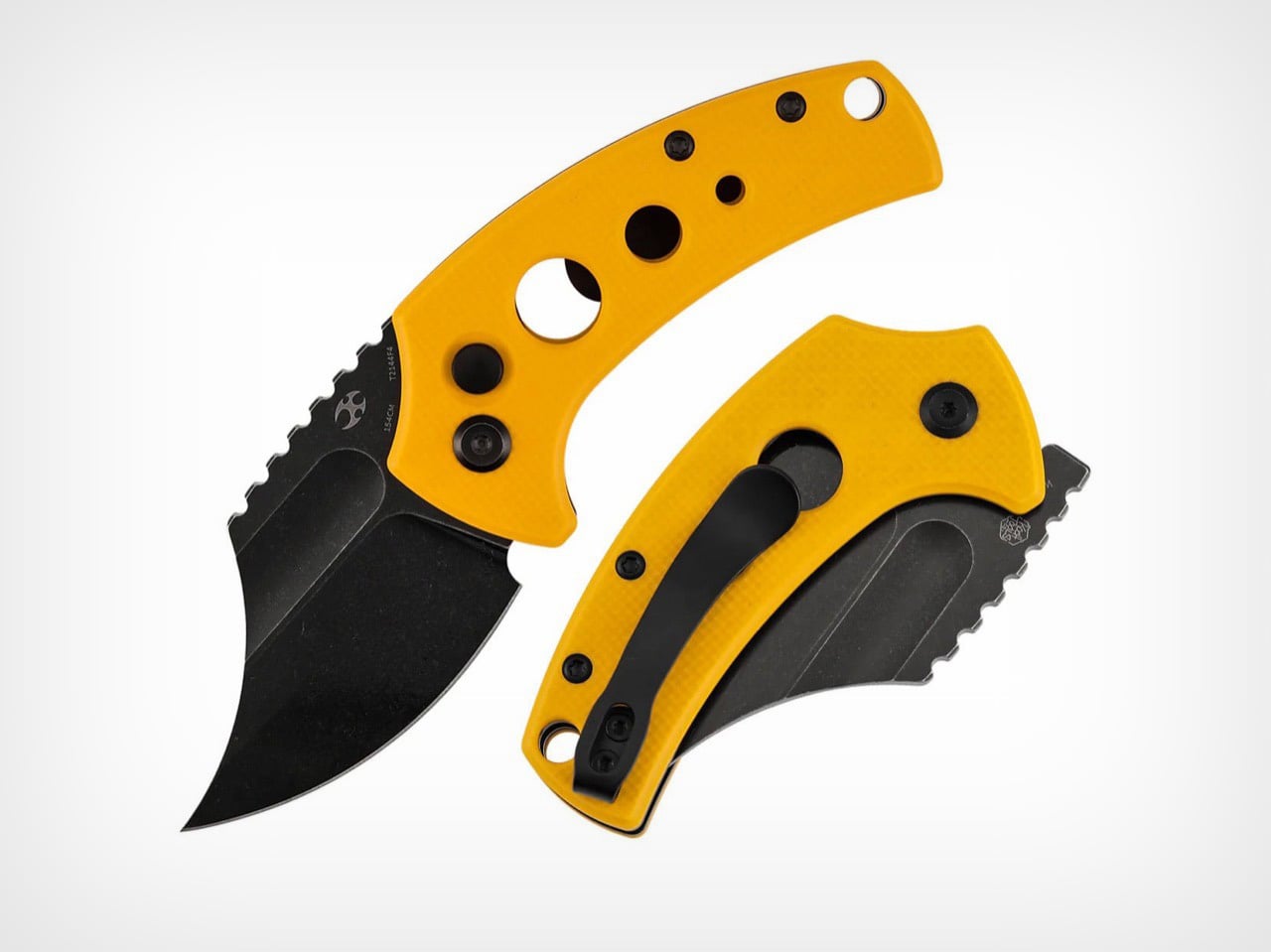
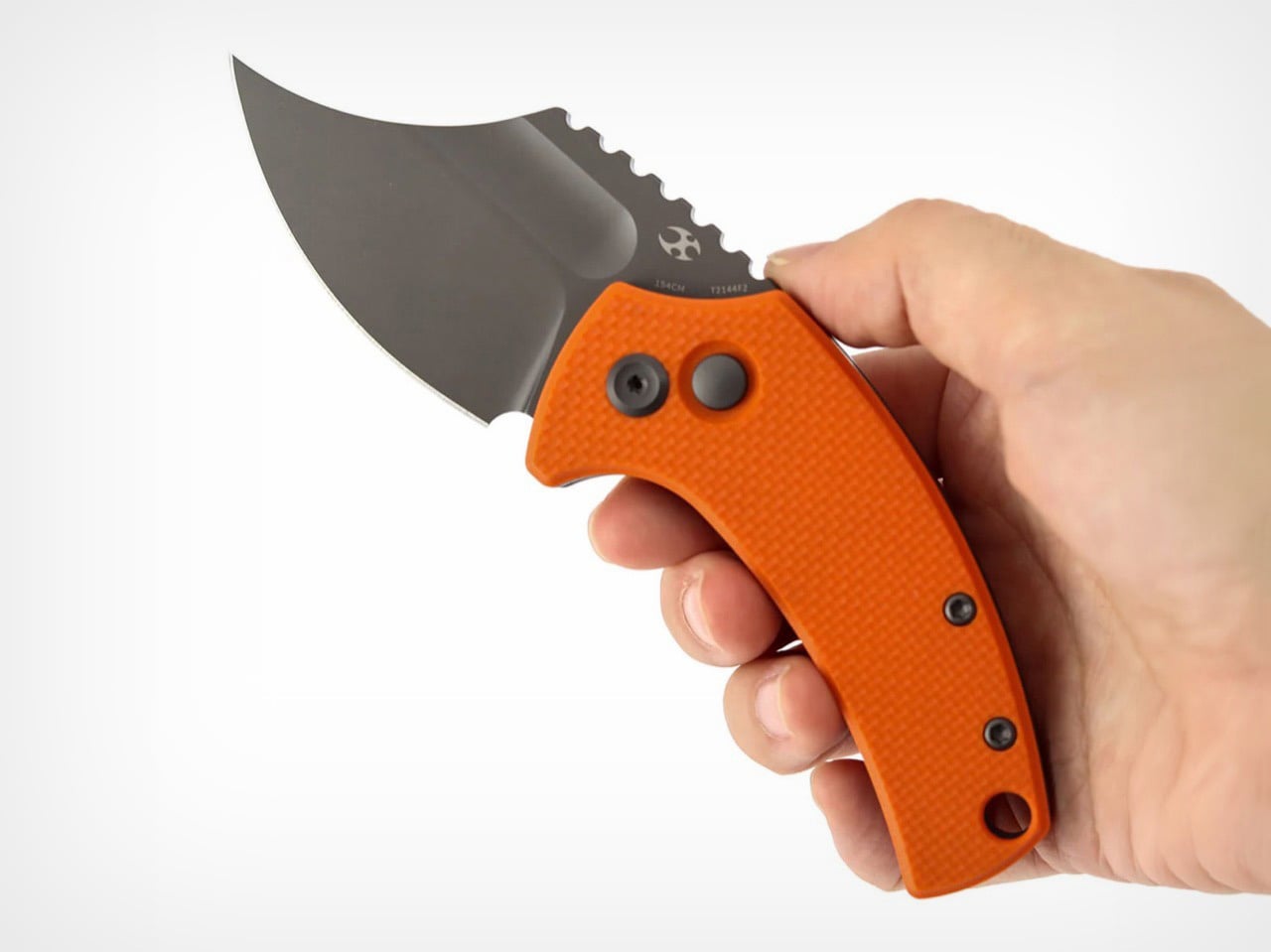
Handle construction splits across multiple G10 variants, each delivering a different personality. The light gray and orange versions feature solid scales with diagonal texturing that provides grip without being abrasive. Yellow and jade colorways introduce skeletonized cutouts that reduce weight and create visual drama through negative space. The handle shape tapers toward the base, aiding retention during use and preventing the knife from feeling blocky despite its compact proportions. Closed length measures just over 3 inches, placing the Wasp comfortably in the keychain-compatible category while still offering enough real estate for a full three-finger grip when deployed.

The Wasp competes directly with knives like the Civivi Elementum and CJRB Feldspar, both of which hover around the same price and size. The button lock and Koch Tools pedigree give it an edge in that comparison, offering mechanical and design credibility that budget folders often lack. For collectors chasing variety, the multiple colorways mean there’s likely a version that fits personal taste without compromising on function.

The post Small, Aggressive, and Under $80: Meet The Kansept Wasp Button Lock Knife first appeared on Yanko Design.
Meet the World’s First Door Grown From Fungi, Not Cut From Wood

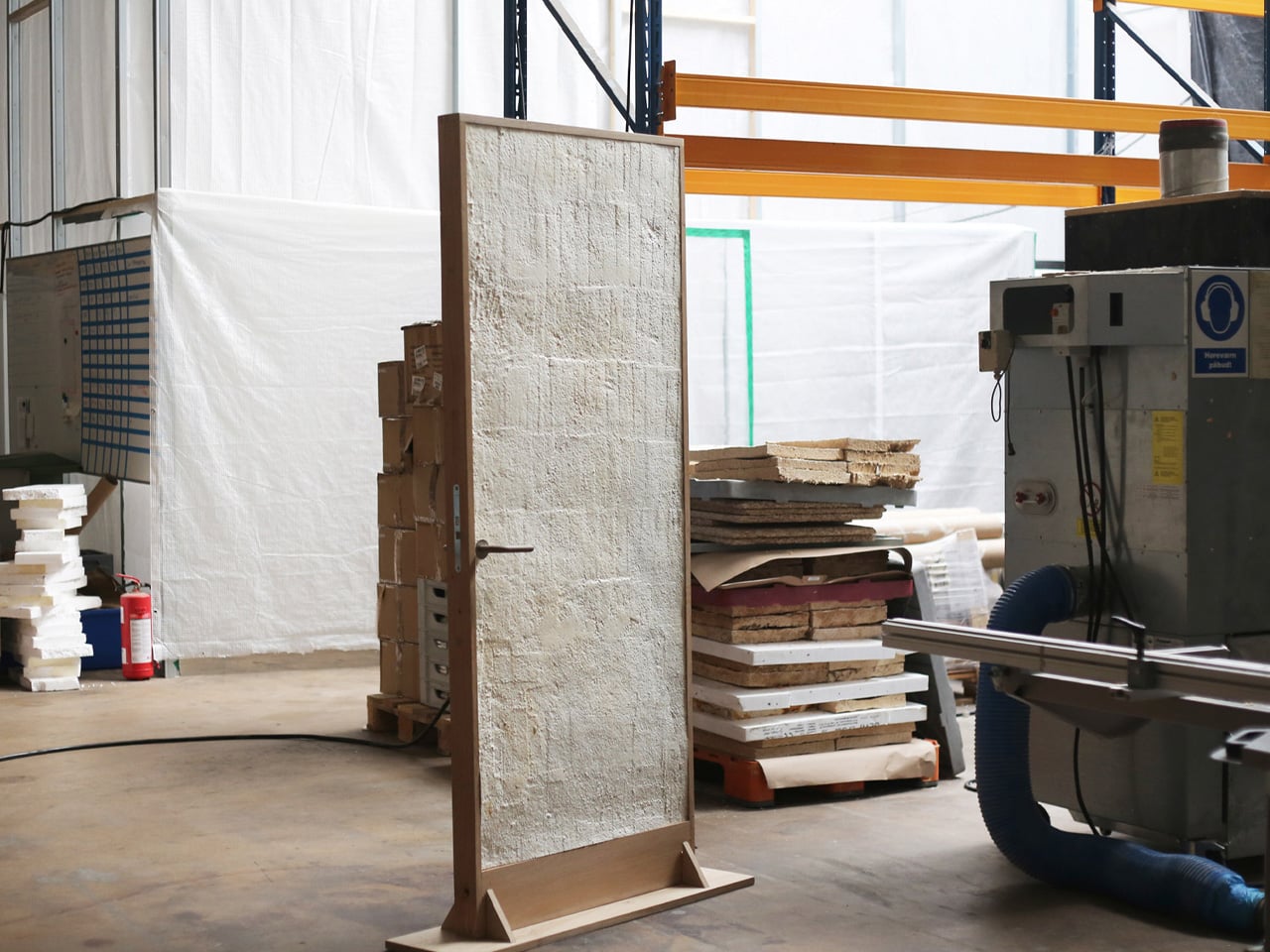
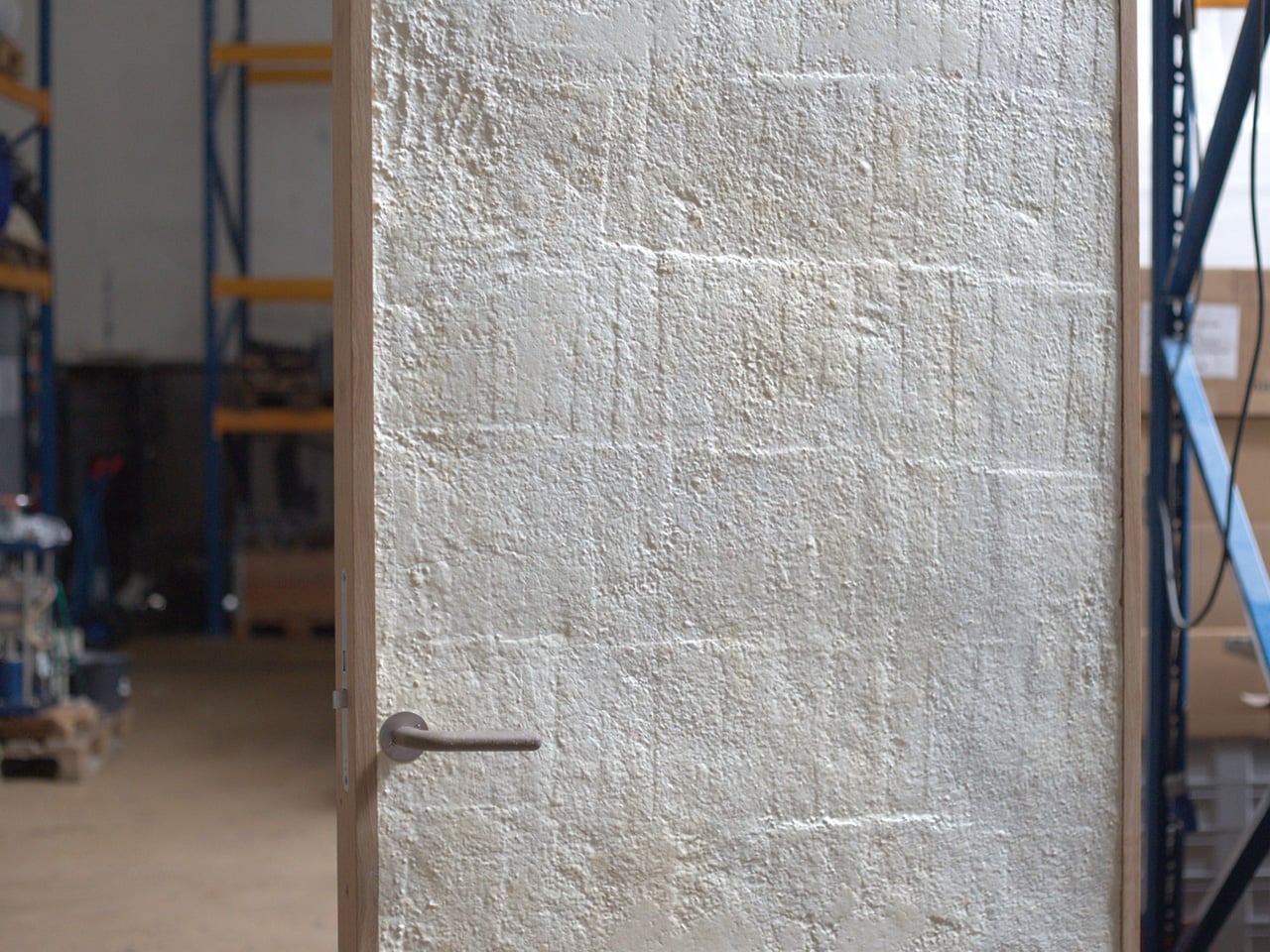
What if the door you walk through every day was grown from fungi? Danish mycelium company Rebound and architecture studio Det Levende Hus have partnered to create what they claim is the world’s first mass-produced interior door with a core cultivated from fungal mycelium. Currently in the prototype phase, the door is part of a broader collection of bio-based interior and sliding doors designed for modern living spaces, and it may quietly redefine what architectural materials can be.

The concept is straightforward but radical. Rebound cultivates the fast-growing root structure of fungi inside a mould, producing a rigid, lightweight panel with natural sound-absorbing qualities. That mycelium core is then enclosed within a timber frame built from reclaimed and surplus wood, including offcuts sourced from Danish flooring manufacturer Dinesen, meaning the door carries minimal material waste from start to finish.

Designer: Rebound & Det Levende Hus

Rebound co-founder Jon Strunge sees this as a direct challenge to the construction industry’s dependence on slow-growing hardwoods. “We wanted to demonstrate how regenerative, high-performance mycelium-based materials open opportunities for new, innovative, and scalable building components,” he said. The growing process takes roughly two weeks and is designed to scale industrially, making these doors a production-ready proposition rather than a one-off experiment.

What makes the design particularly noteworthy is its adaptability. Colour and surface texture can be altered during the growing process itself, removing the need for post-production finishing. The current prototype presents a smooth, silky surface, but the material can shift in tone and can also be finished with a layer of clay for a warmer, earthier aesthetic.

Structural performance was equally prioritised. A bio-based layer incorporated during the growing process stiffens the door and improves fire resistance, a bio-welding method that adds reinforcement without glue or additional manufacturing stages. The door was also designed to comply with current building standards for private homes, particularly around fire and moisture resistance, making it a credible candidate for real construction.
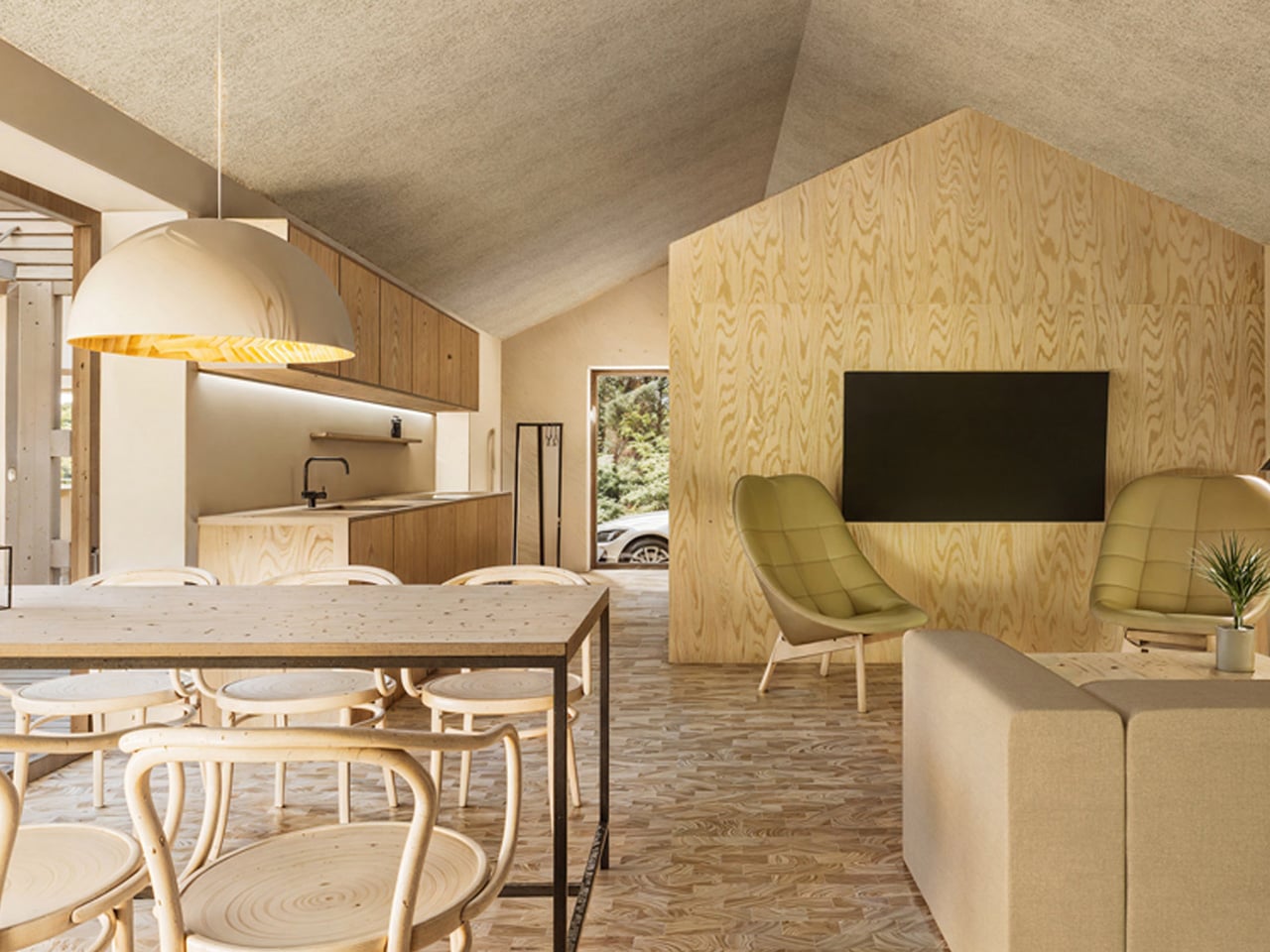
The first real-world application will be at Kaerhytten, a low-impact housing project in Ramloese, Denmark, designed by architect Jens Martin Suzuki-Højrup, scheduled for completion in 2026. The prototype also features a door handle by architect Bjarne Hammer for Danish brand Randi, the Moom handle cast from recycled seashells, adding a tactile detail that mirrors the door’s material ethos. Looking ahead, Rebound and Det Levende Hus are expanding into mycelium-based acoustic wall panels and ceilings. As Suzuki-Højrup put it, “It’s about how natural materials can transform our experience of space, visually, acoustically, even emotionally.”
The post Meet the World’s First Door Grown From Fungi, Not Cut From Wood first appeared on Yanko Design.