
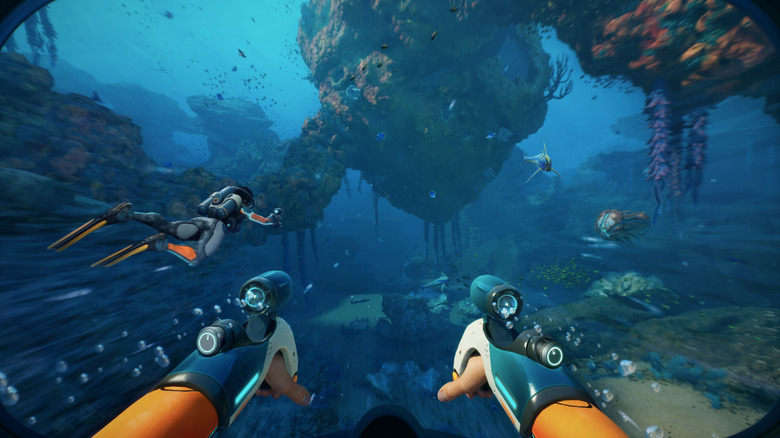
Mina the Hollower, a Sims alternative and other new indie games worth checking out
Indie Game Roundup: Mina the Hollower, a Sims alternative and more
Handheld gaming has grown into a serious market, but no single device has managed to satisfy every trade-off at once. The Nintendo Switch sacrifices power for portability, the Steam Deck adds weight and Linux friction, and the ROG Ally costs too much while battery anxiety lingers. Every existing option addresses one frustration and sidesteps another, leaving a gap that’s wide enough for something genuinely different.
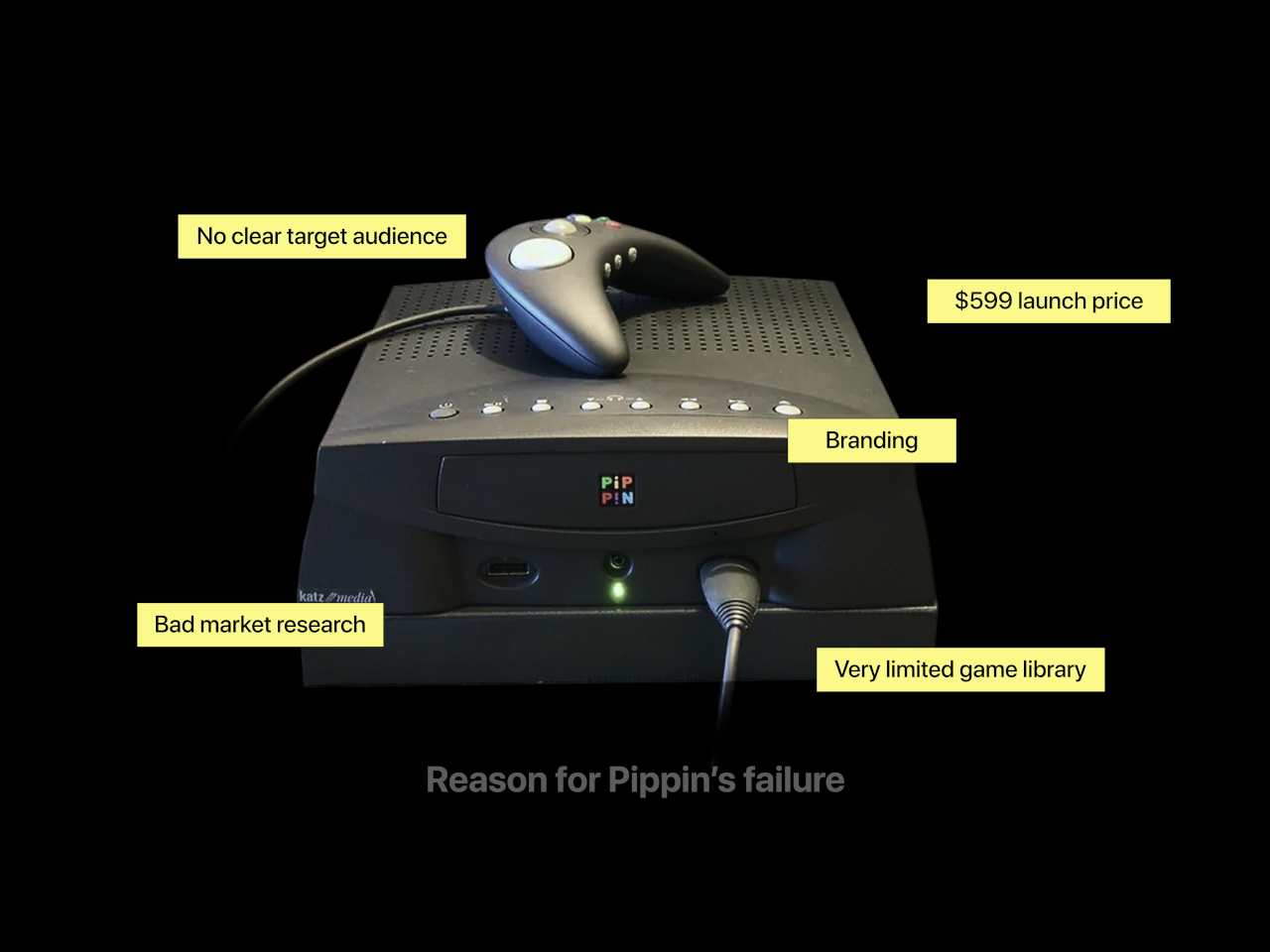
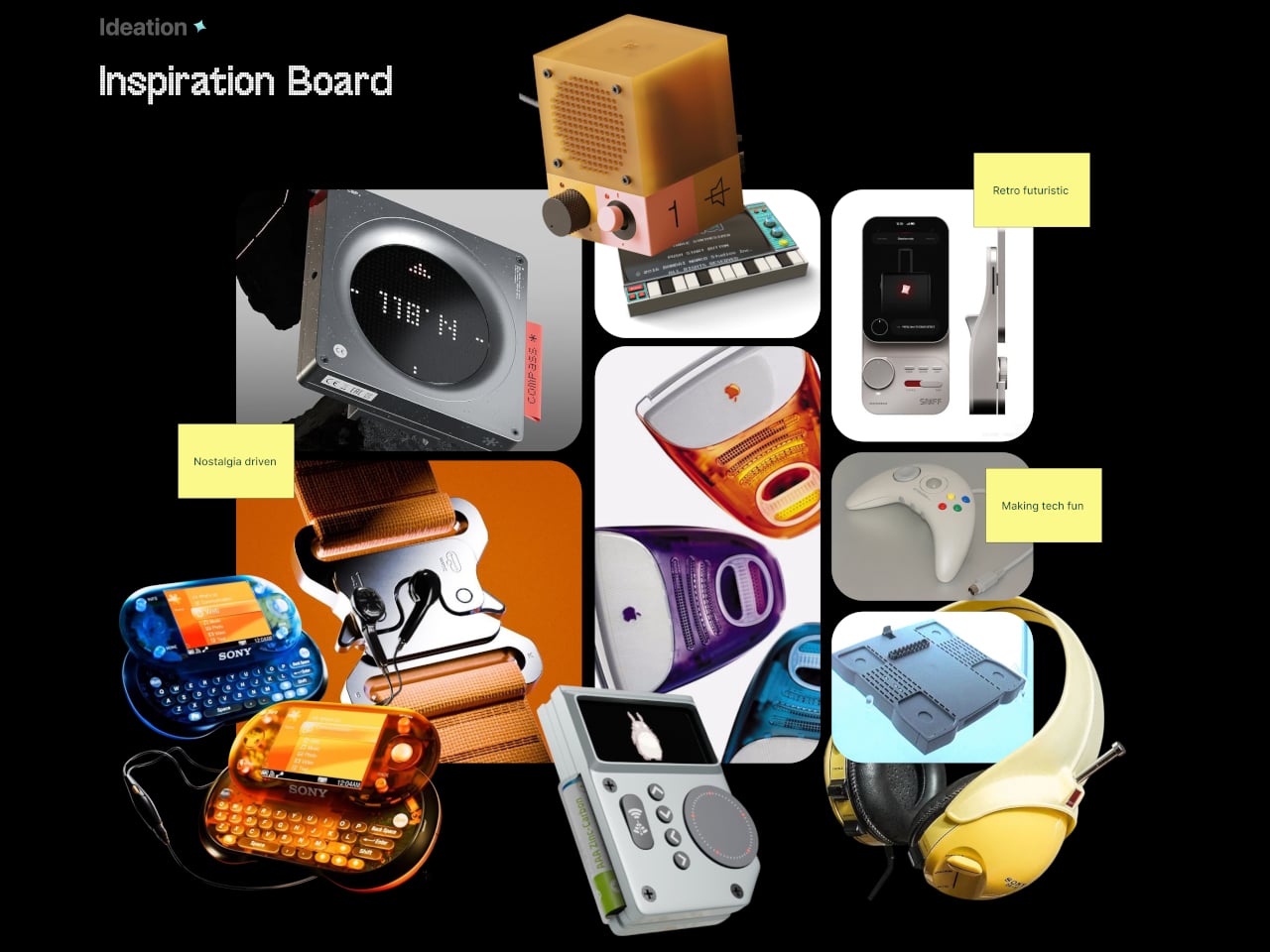
That gap is what Pippin V2 sets out to fill. The concept takes its name from one of Apple’s biggest failures: the Bandai Pippin, a gaming console launched in 1996 that folded within a year because of poor market research, no clear audience, and a $599 price tag most wouldn’t pay. This project poses one straightforward question: What would it look like if someone finally got it right?
Designer: Aditya Rajiv
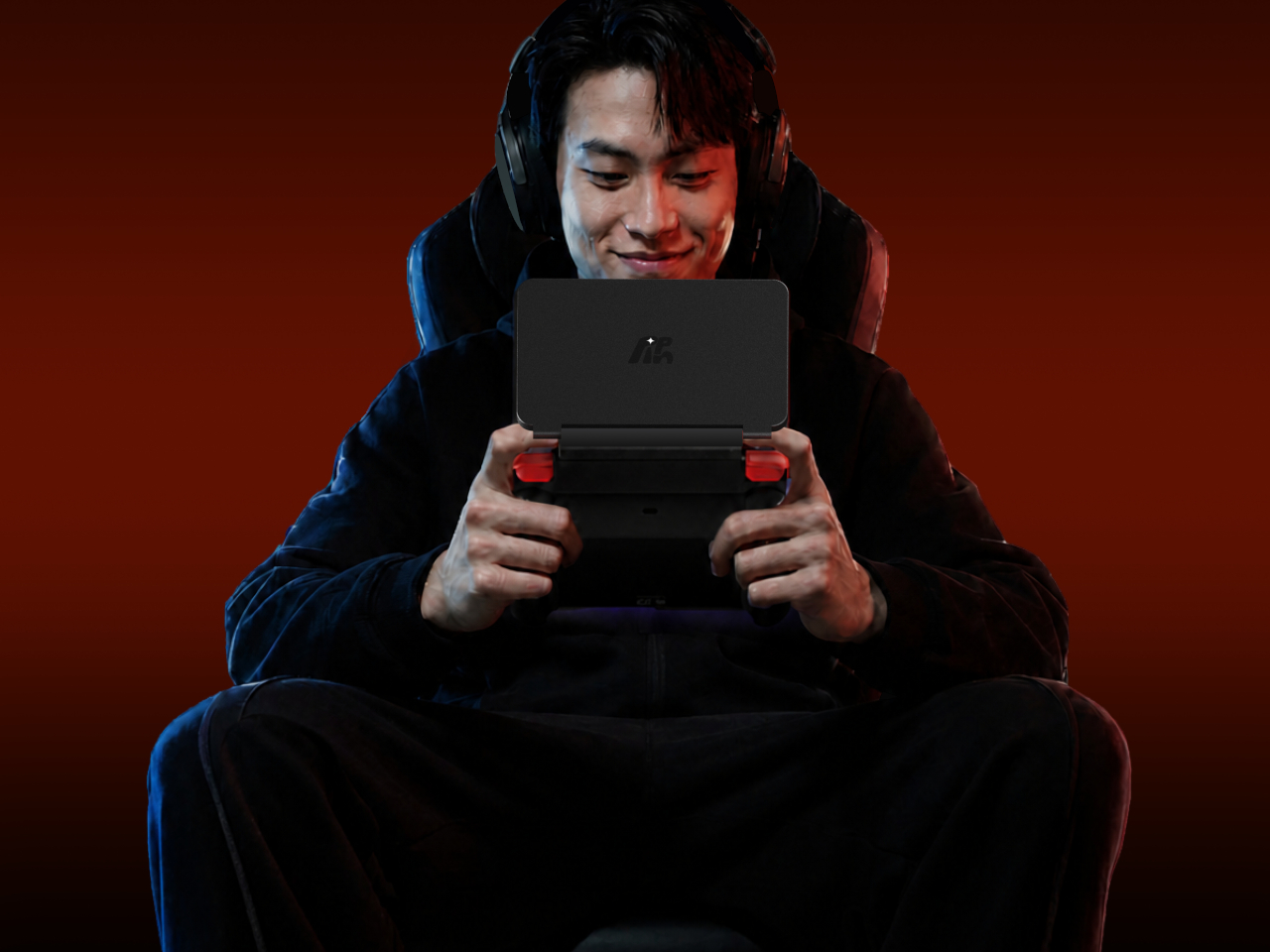
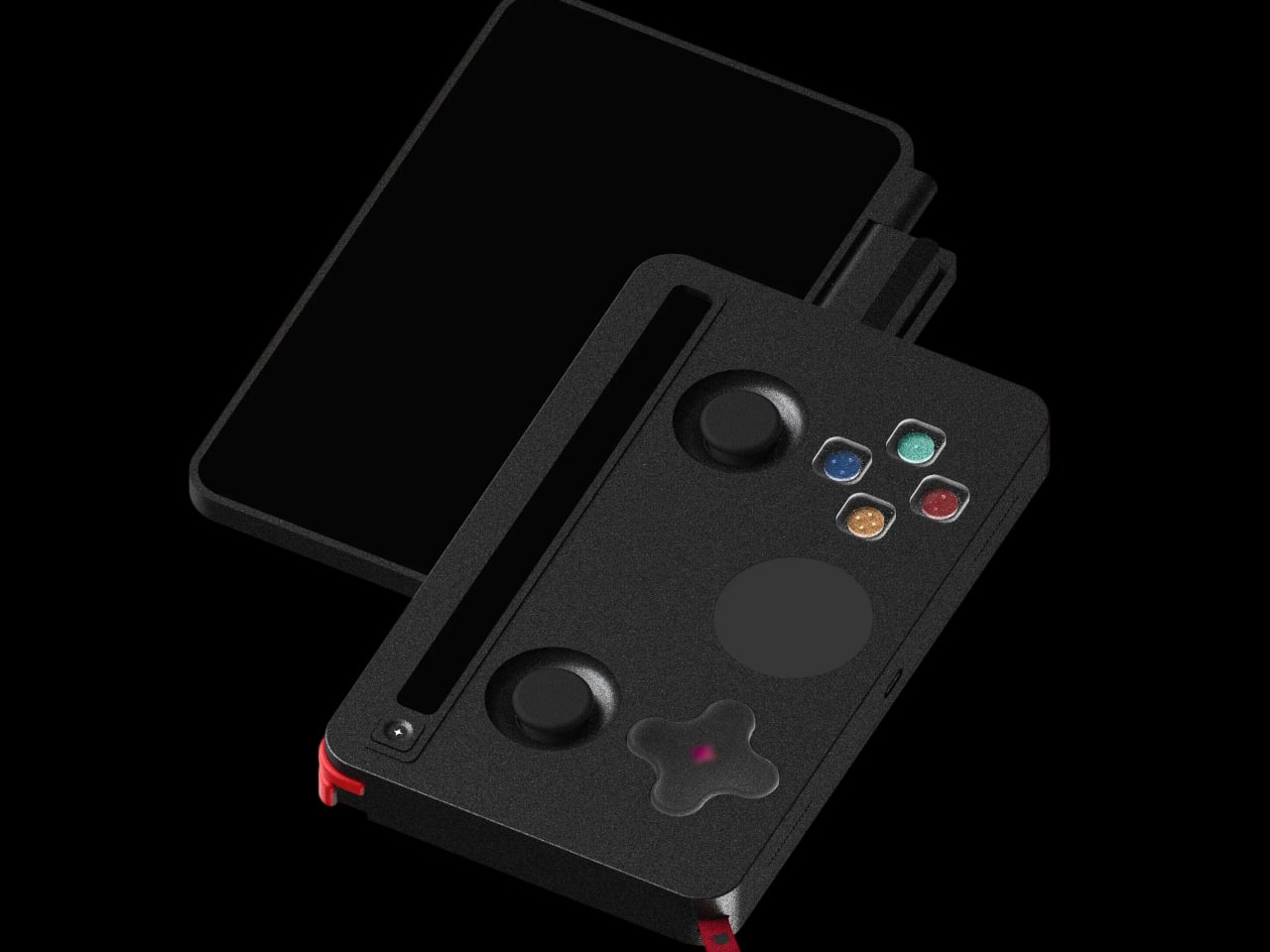
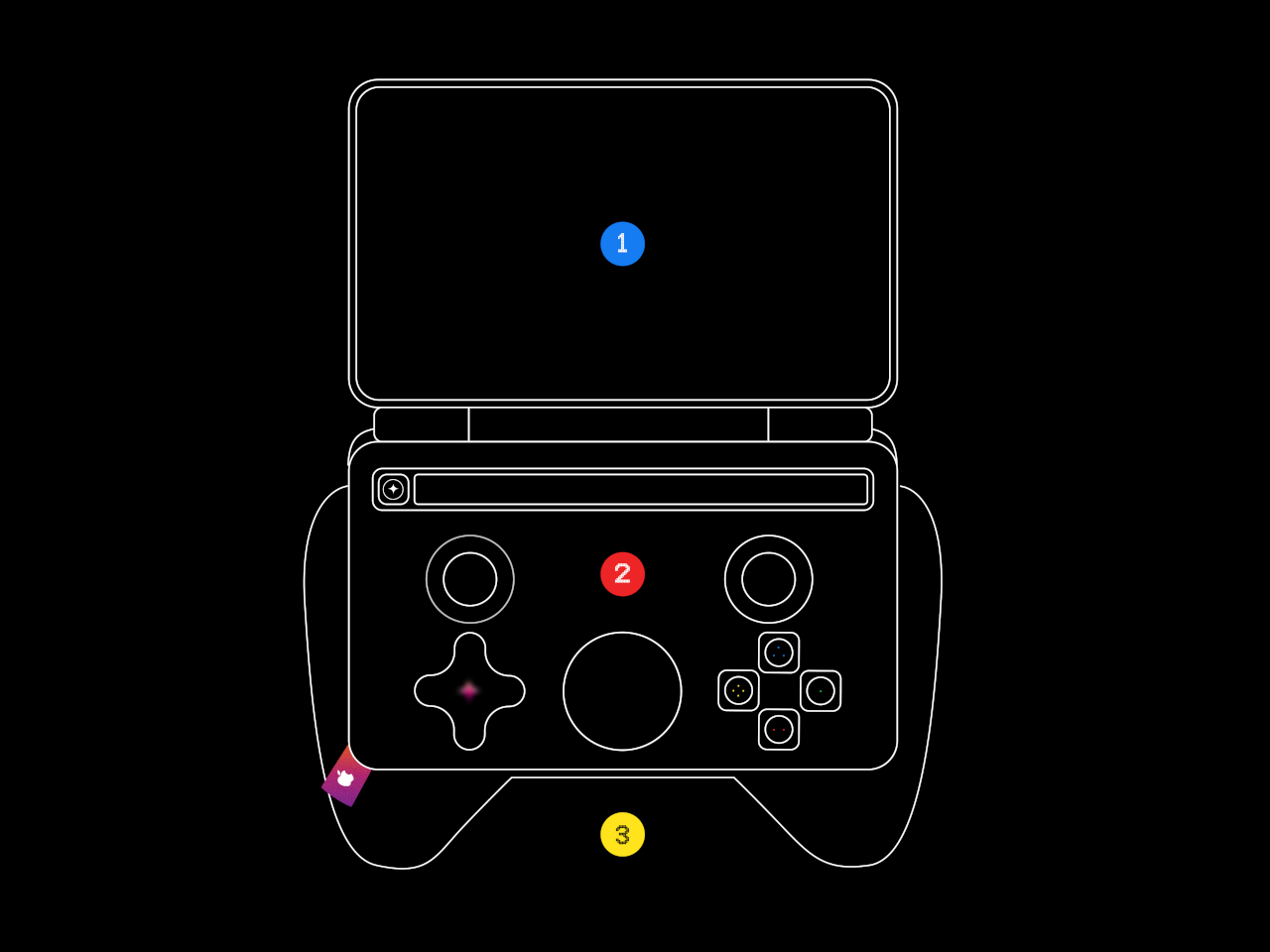
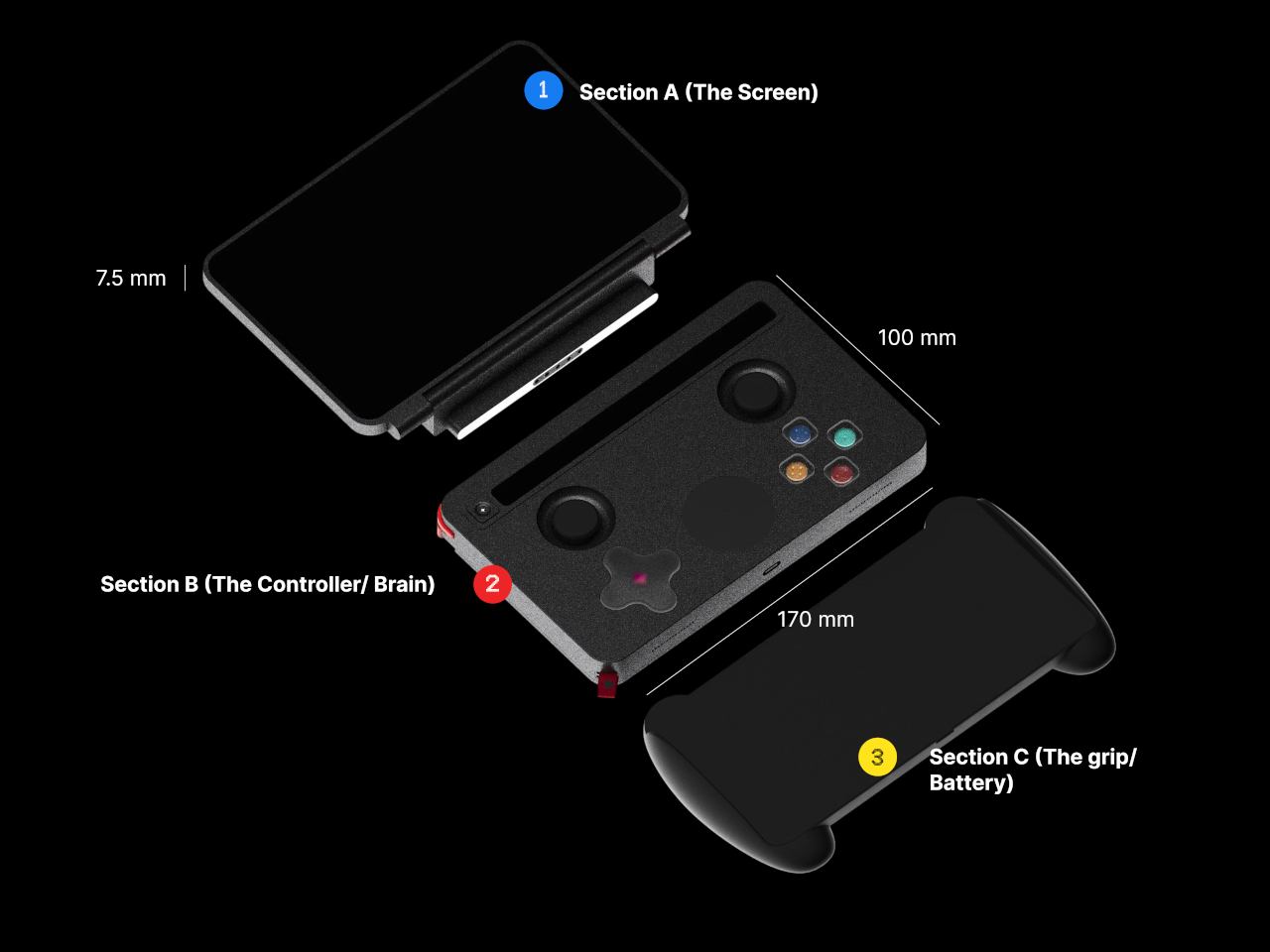
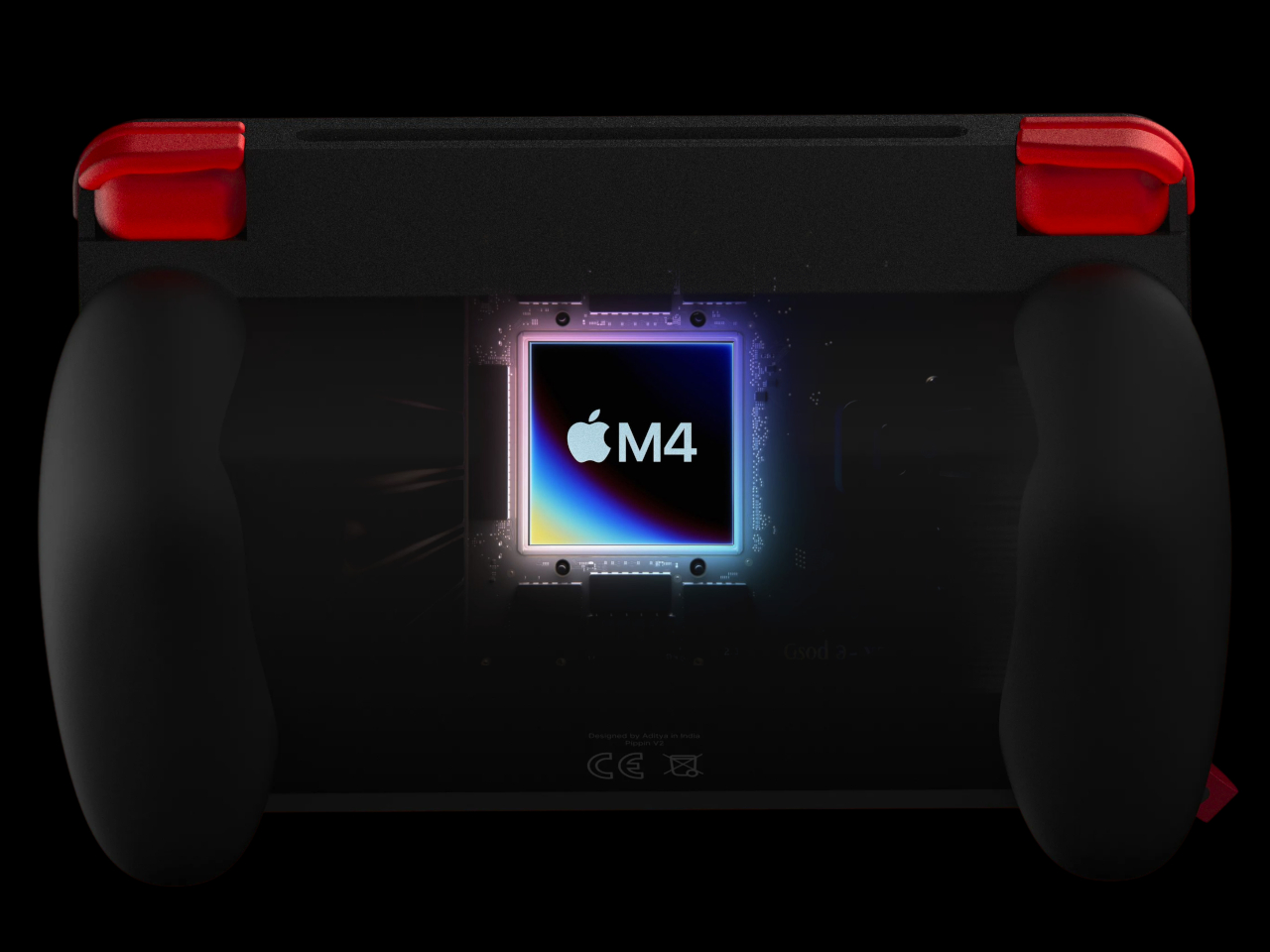
The design breaks into three separable parts. Section A is the display, a panel just 7.5 mm thin that detaches from the controller and works on its own. Section B is the controller and processing brain, housing an Apple M4 chip and the full input layout at 100 by 170 mm. Connect it wirelessly to any screen you already own, and the built-in display isn’t the only option anymore.
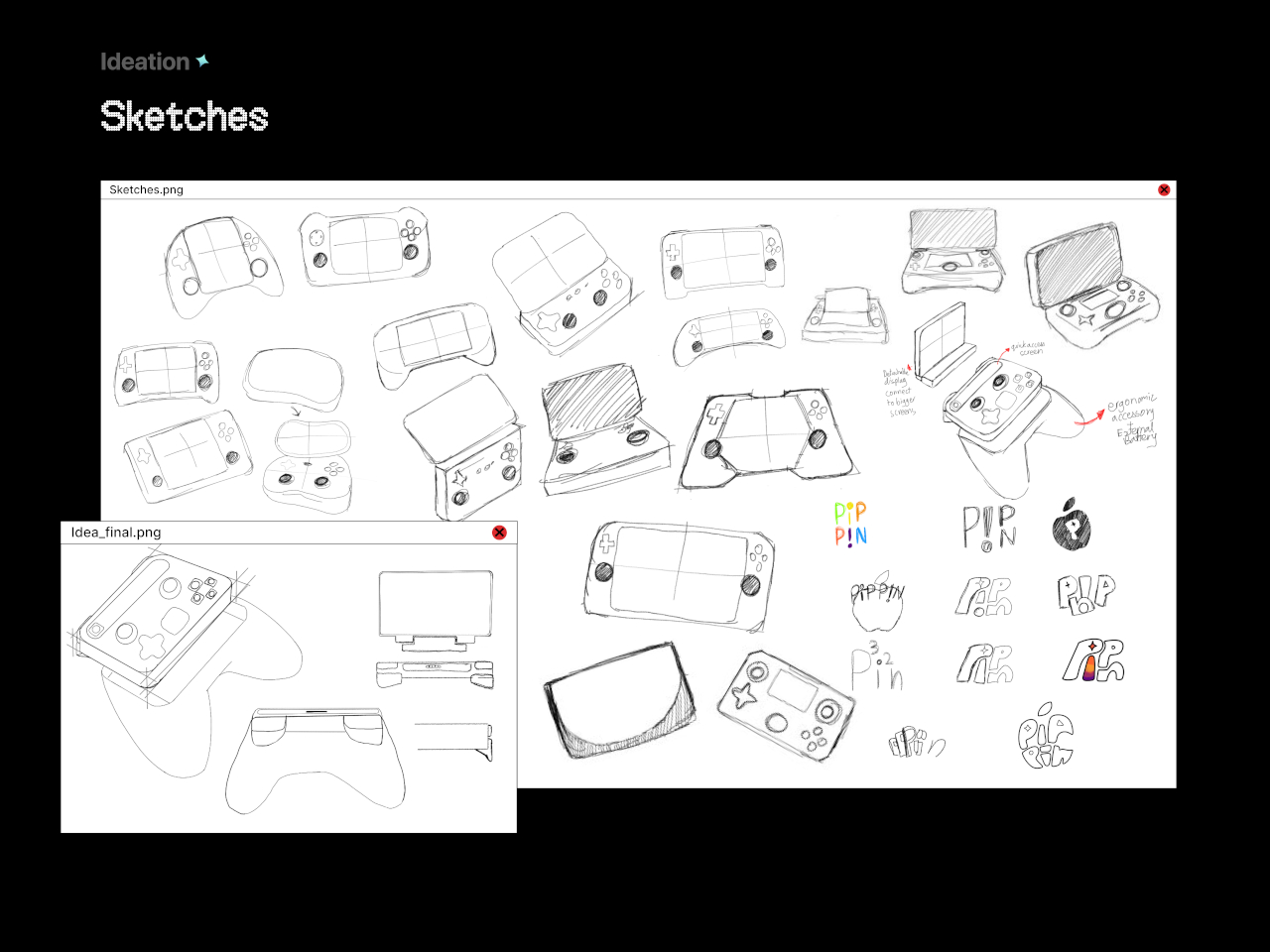
The third piece is the battery grip. Most portable gaming devices pit battery life and ergonomics against each other: longer sessions demand bigger batteries, and bigger batteries add bulk and strain. The grip attachment resolves both at once, adding play time while its ergonomic contour eases hand fatigue during extended sessions. Attach it for a long night of gaming; leave it off when you don’t need the extra weight.
The M4 chip is what makes AAA game support credible in this form factor. Apple’s silicon handles workloads that typically require desktop-class cooling and dedicated GPU memory, without the thermal runaway that plagues other handheld competitors. For someone who plays Cyberpunk 2077 or God of War on a home console but wants to continue on a commute, the power ceiling doesn’t require compromising on which games you can actually run.
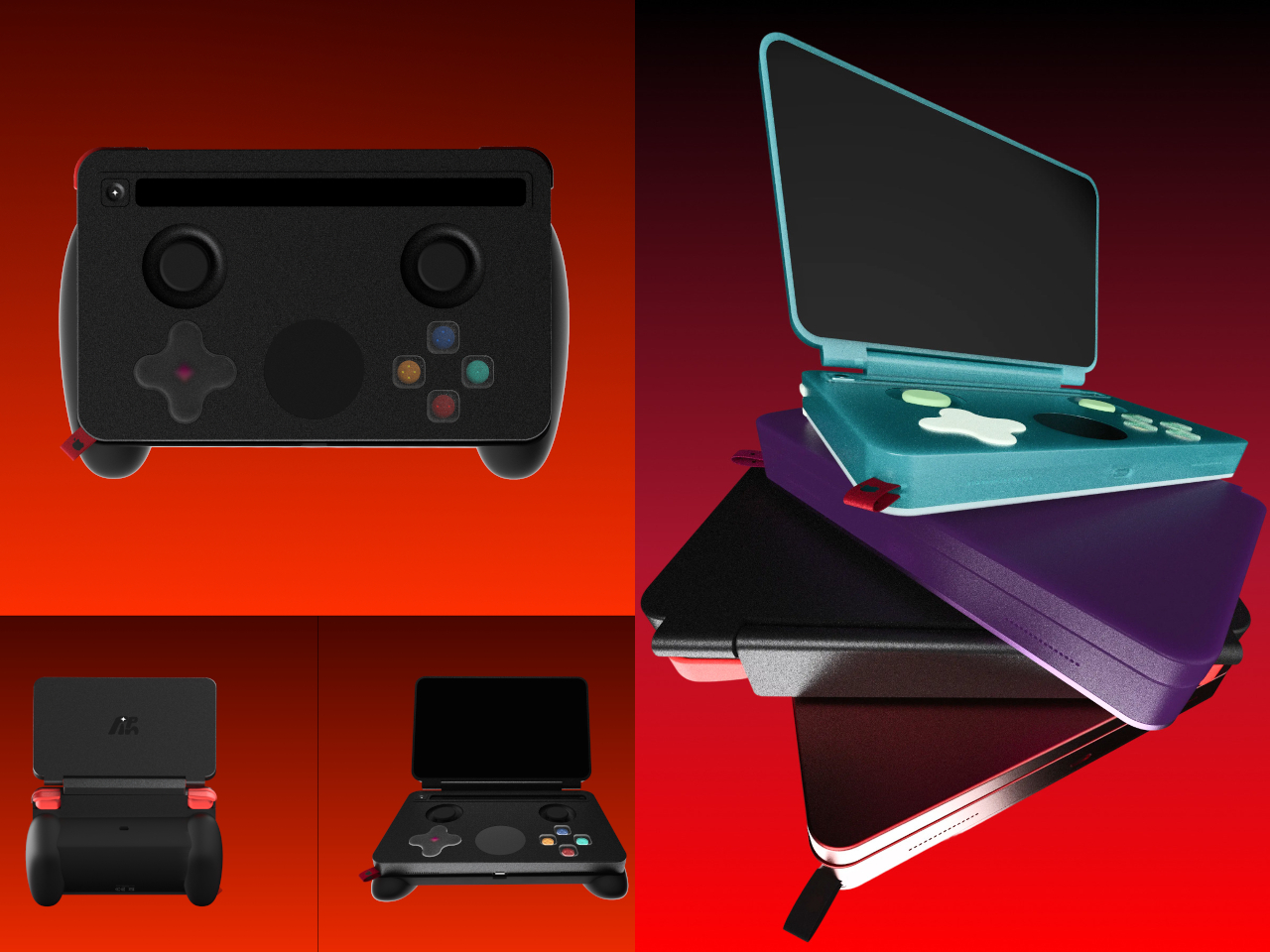
Cross-device continuity is the other argument for an Apple-branded handheld over another gaming PC alternative. Survey research conducted for this project found that nearly 75% of users were open to handheld gaming, and the biggest complaint about mobile gaming was the lack of physical controls. A device that’s already inside the existing iPhone and Mac ecosystem removes the friction of starting from scratch on a new platform.
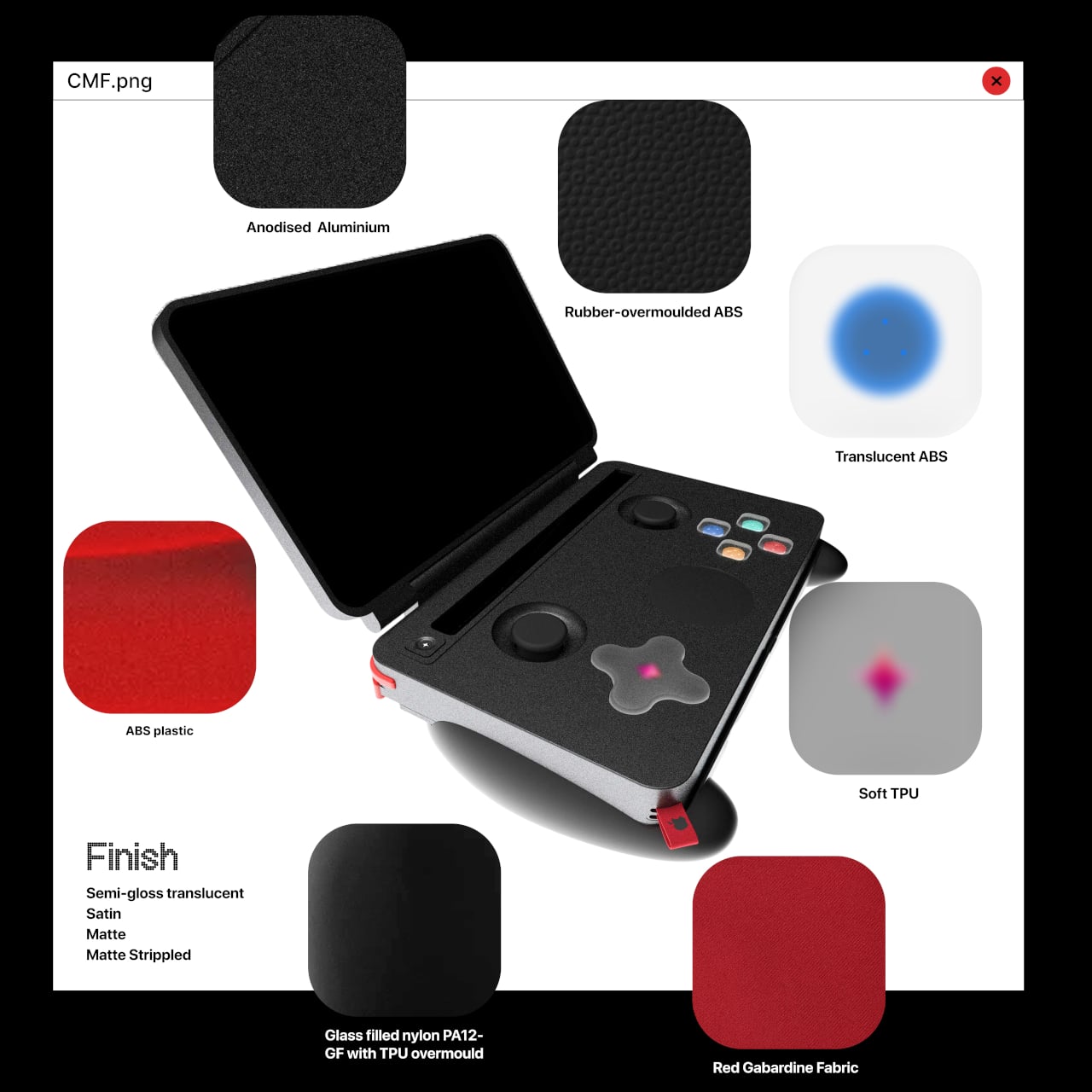
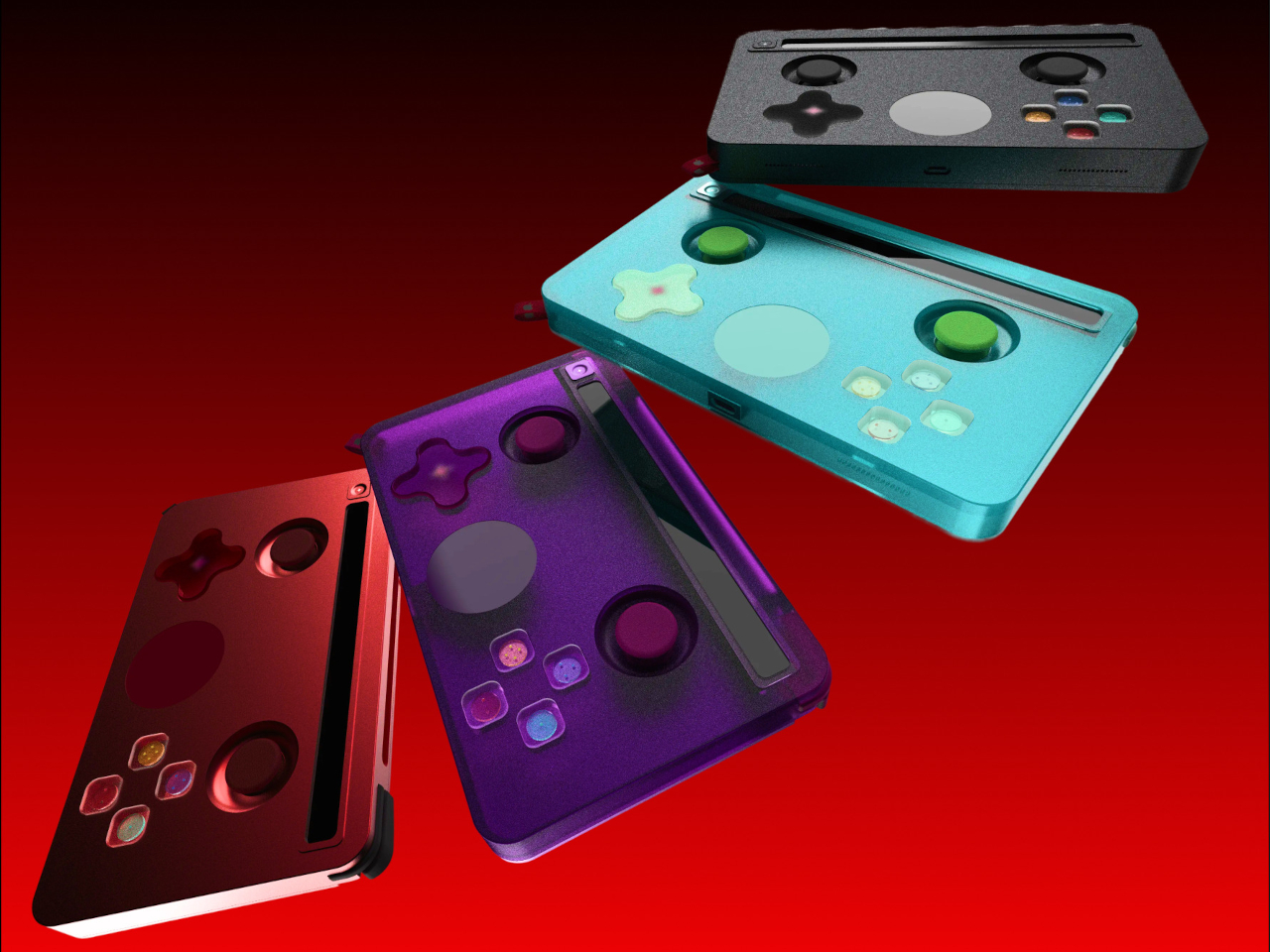
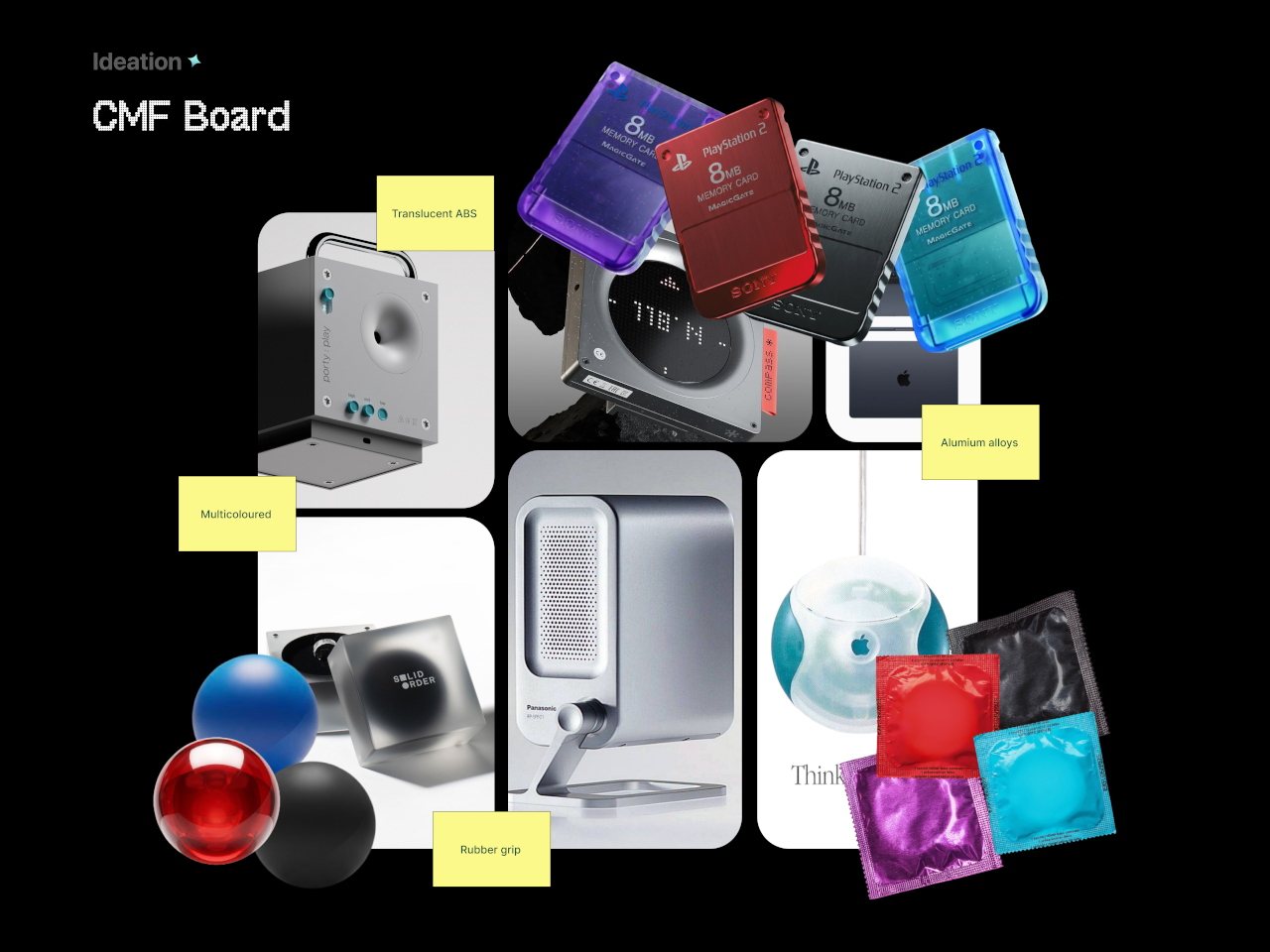
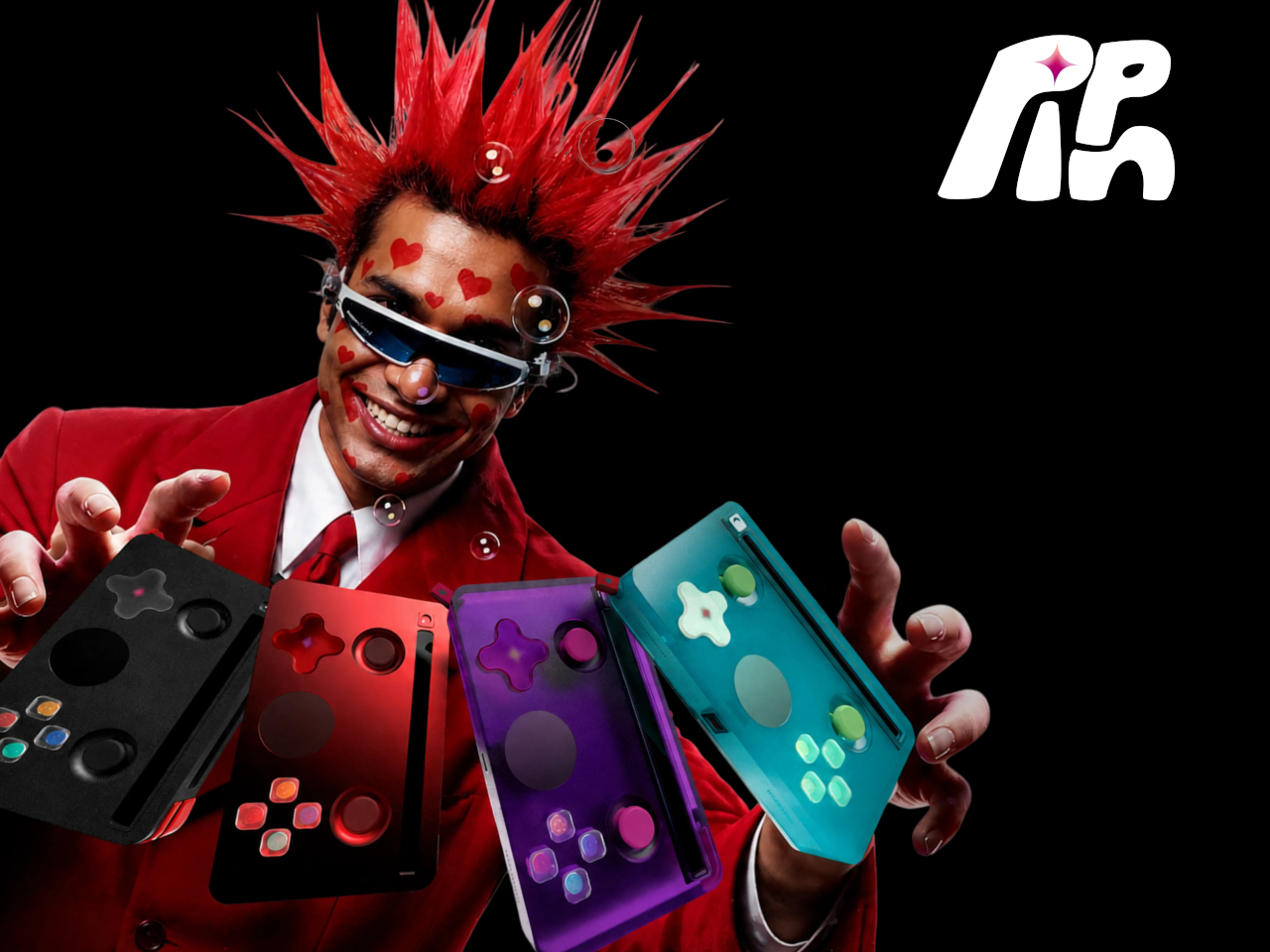
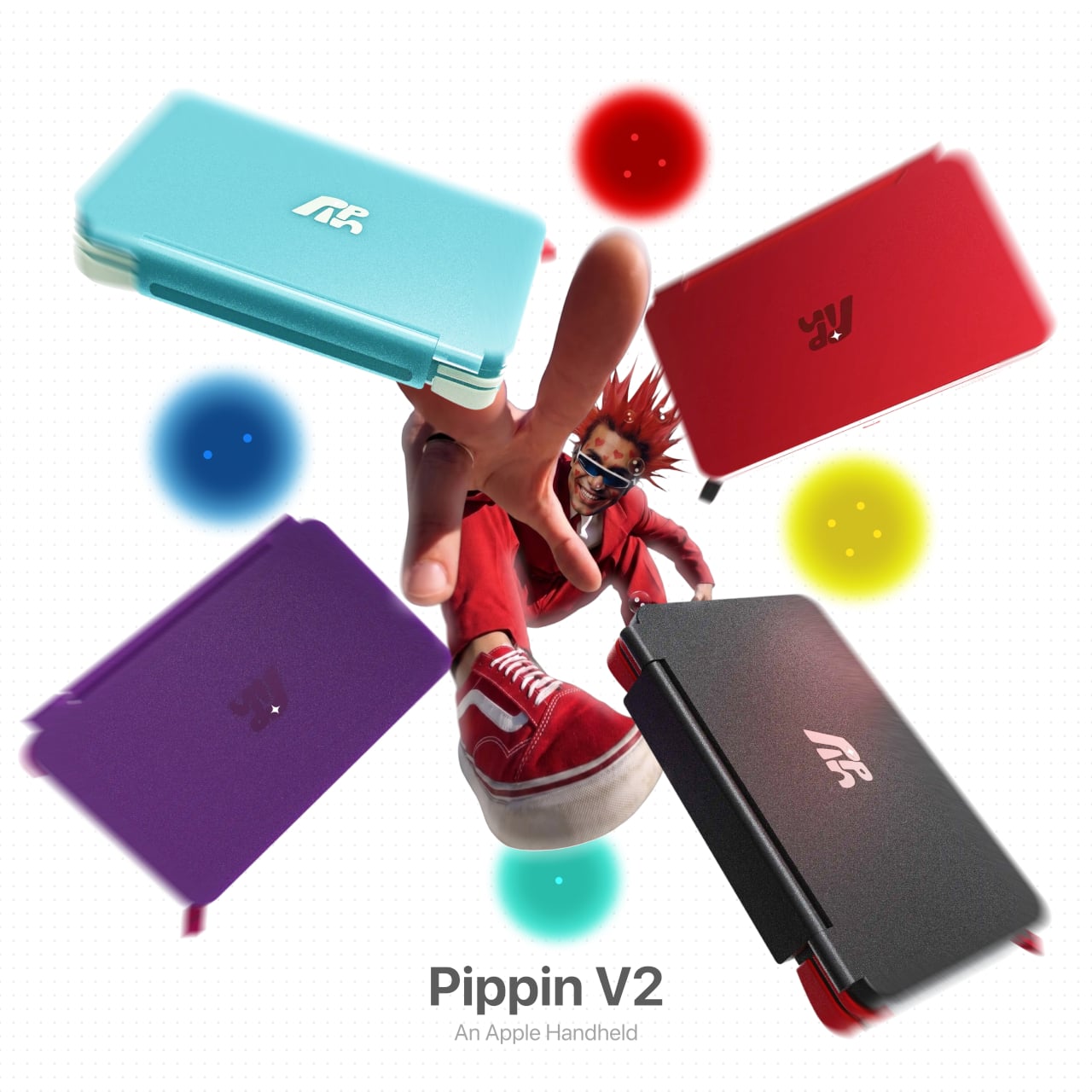
The materials reflect the dual identity between Apple’s refined aesthetic and the tactile demands of gaming hardware. The controller body uses anodised aluminium and ABS plastic, with rubber-overmoulded sections for grip and soft TPU for the control surfaces. There are four color options: Metallic Black, Metallic Red, Grape, and Bondi Blue, each carrying translucent and satin finishes that the iMac G3 would’ve recognized.
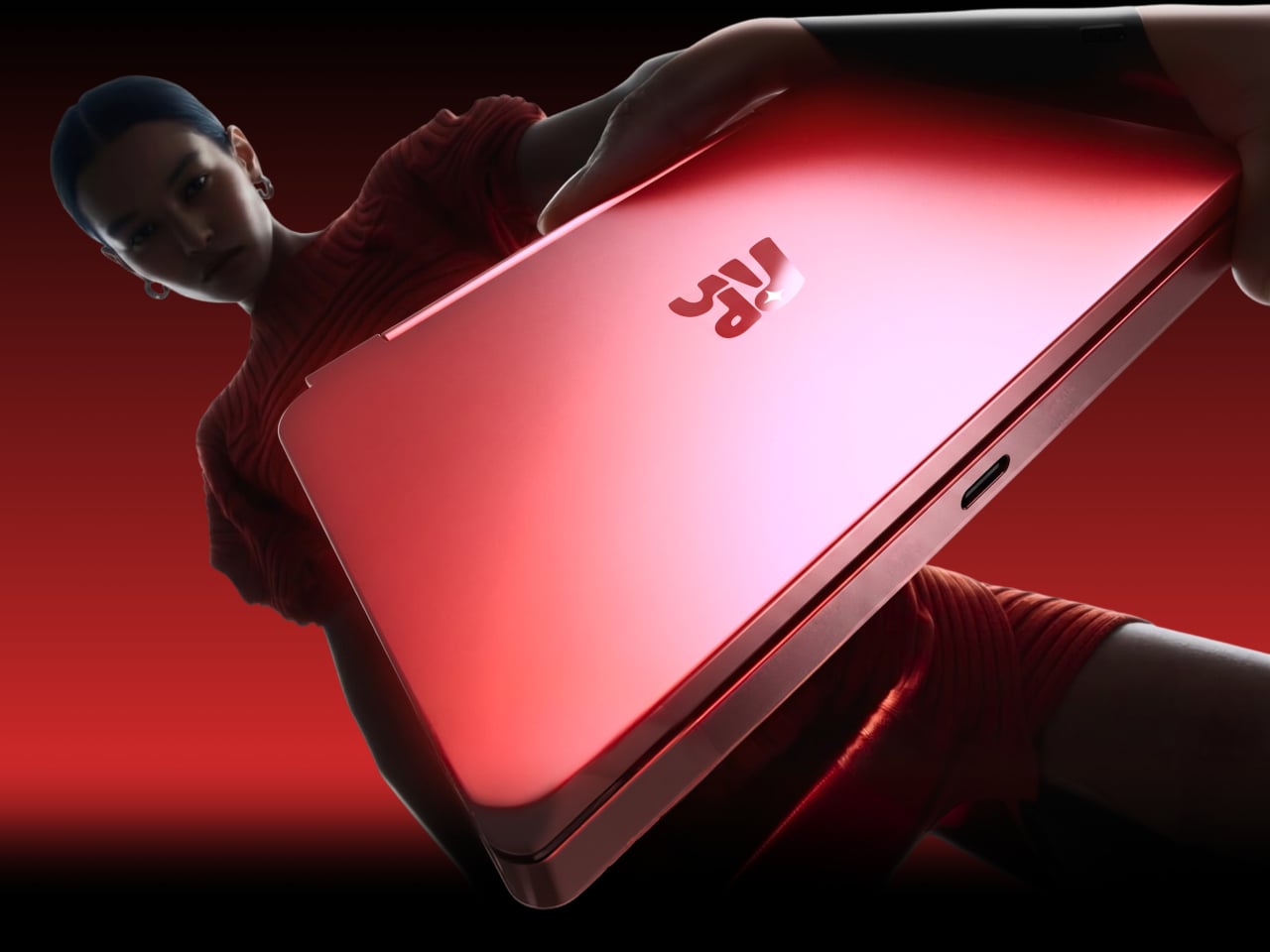
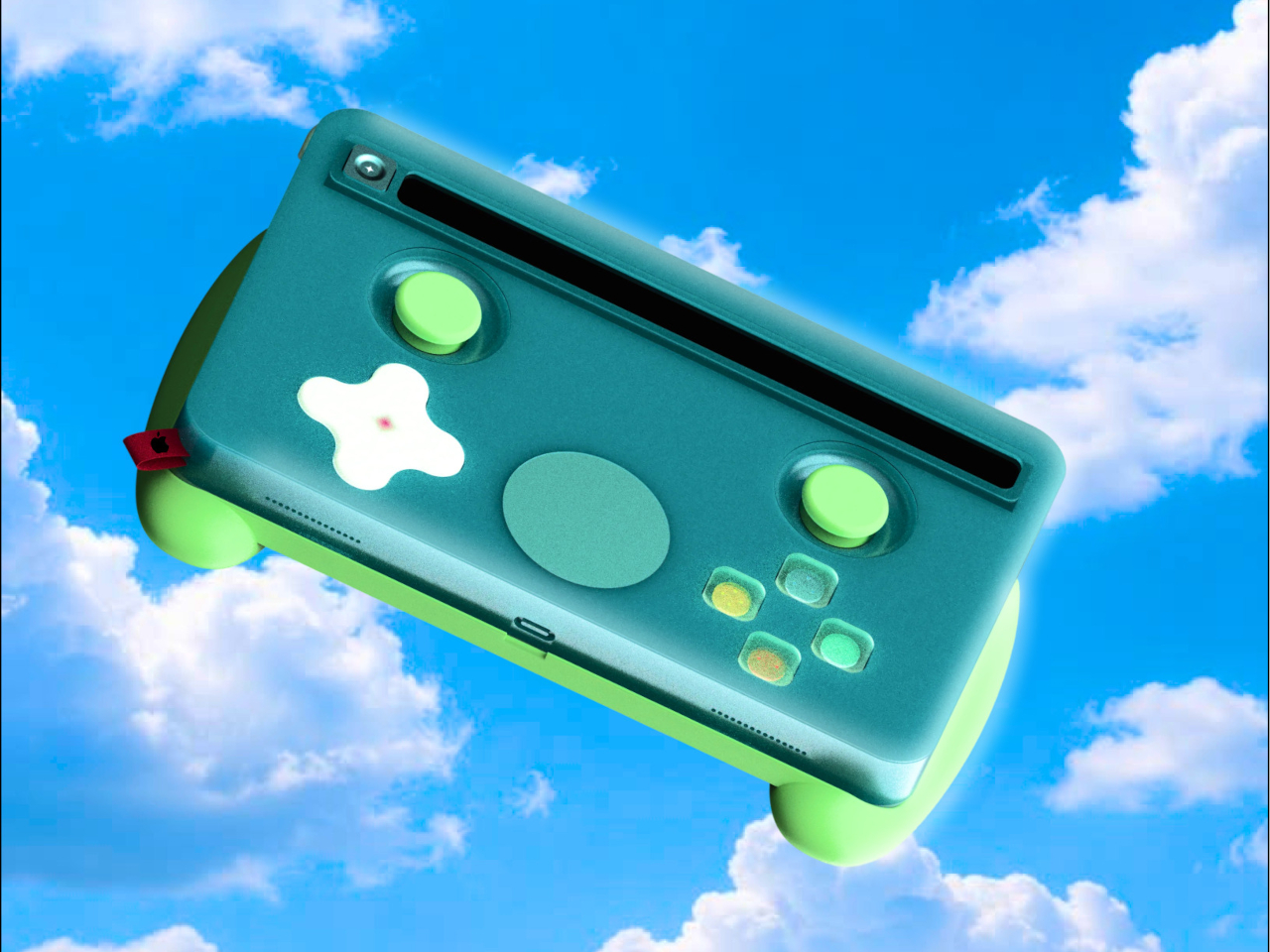
Pippin V2 is still a concept, with no indication Apple will actually build anything like it. The gap it addresses is real, though, and the research behind it points to an audience that’s already there. Apple’s biggest untapped strength in gaming has always been its ecosystem, and this concept makes the argument that the same infrastructure powering your iPhone and Mac could power something worth playing seriously.
The post Someone Finally Gave Apple’s Biggest Gaming Failure a Second Chance first appeared on Yanko Design.
Gaming PCs have fractured into more categories than any single device can cover. The player who needs maximum frame rates for competitive play sits on one end, the person who just wants to game from the couch without moving their rig sits on the other, and every setup in between has its own distinct demands. Most gaming hardware picks a side and leaves the rest unaddressed.
At Computex 2026, Acer addressed nearly the whole range at once with five new products. The lineup runs from the iF Design Award-winning Predator Helios 18 AI at the performance ceiling, through the Nitro 16 and the Nitro Blaze Link streaming handheld, and rounds out with the Predator Aethon 750 TKL keyboard and the Predator Robust Plus Backpack for getting all of it from place to place.
Designer: Acer
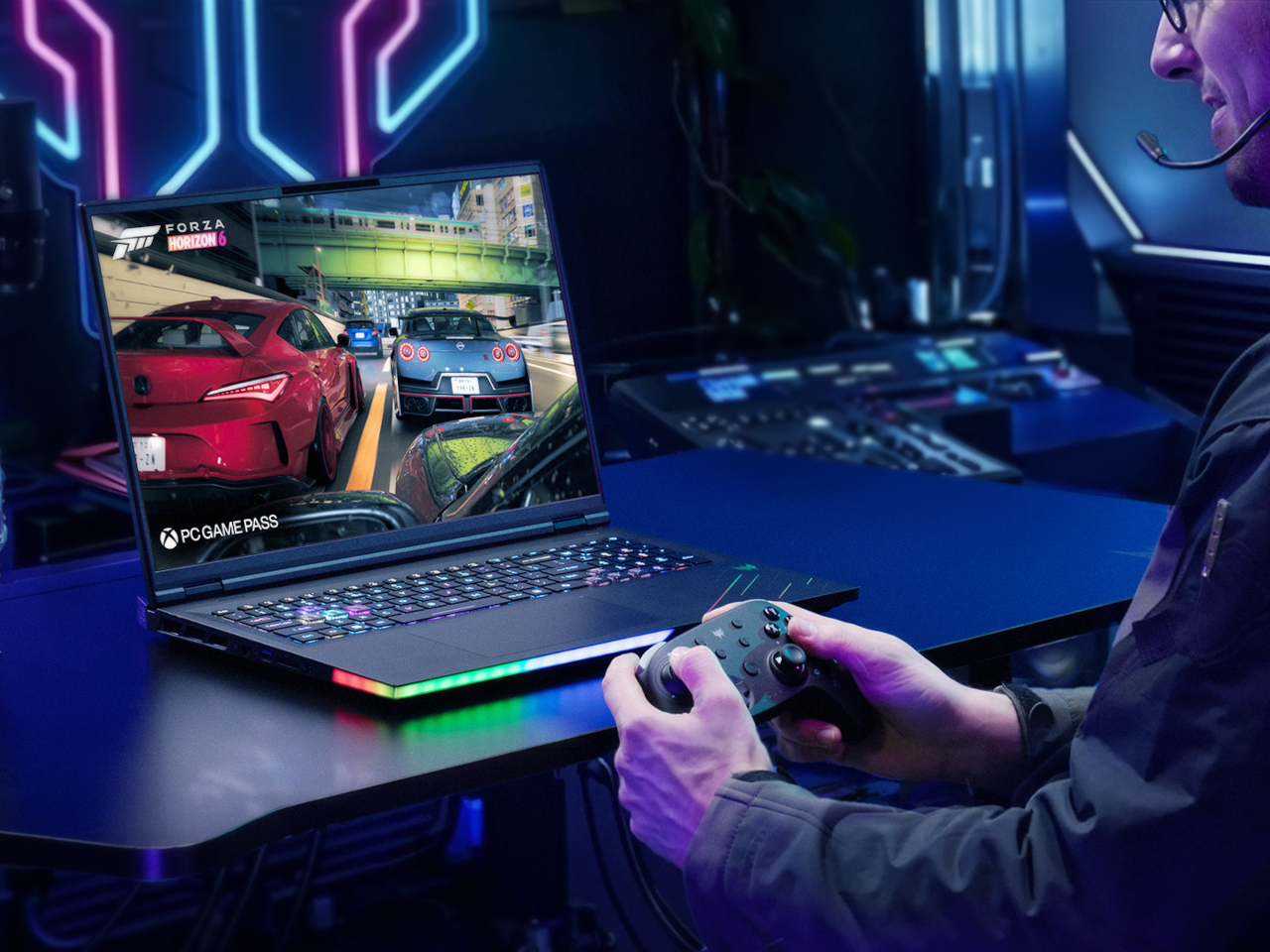
The Predator Helios 18 AI is where Acer went all out. Powered by an Intel Core Ultra 9 290HX Plus processor and up to an NVIDIA GeForce RTX 5090 Laptop GPU with 24GB of GDDR7 VRAM, it’s configurable with as much as 256GB of DDR5 memory and 6TB of storage spread across three PCIe Gen 5 NVMe slots. For a laptop, that’s a desktop workstation argument.
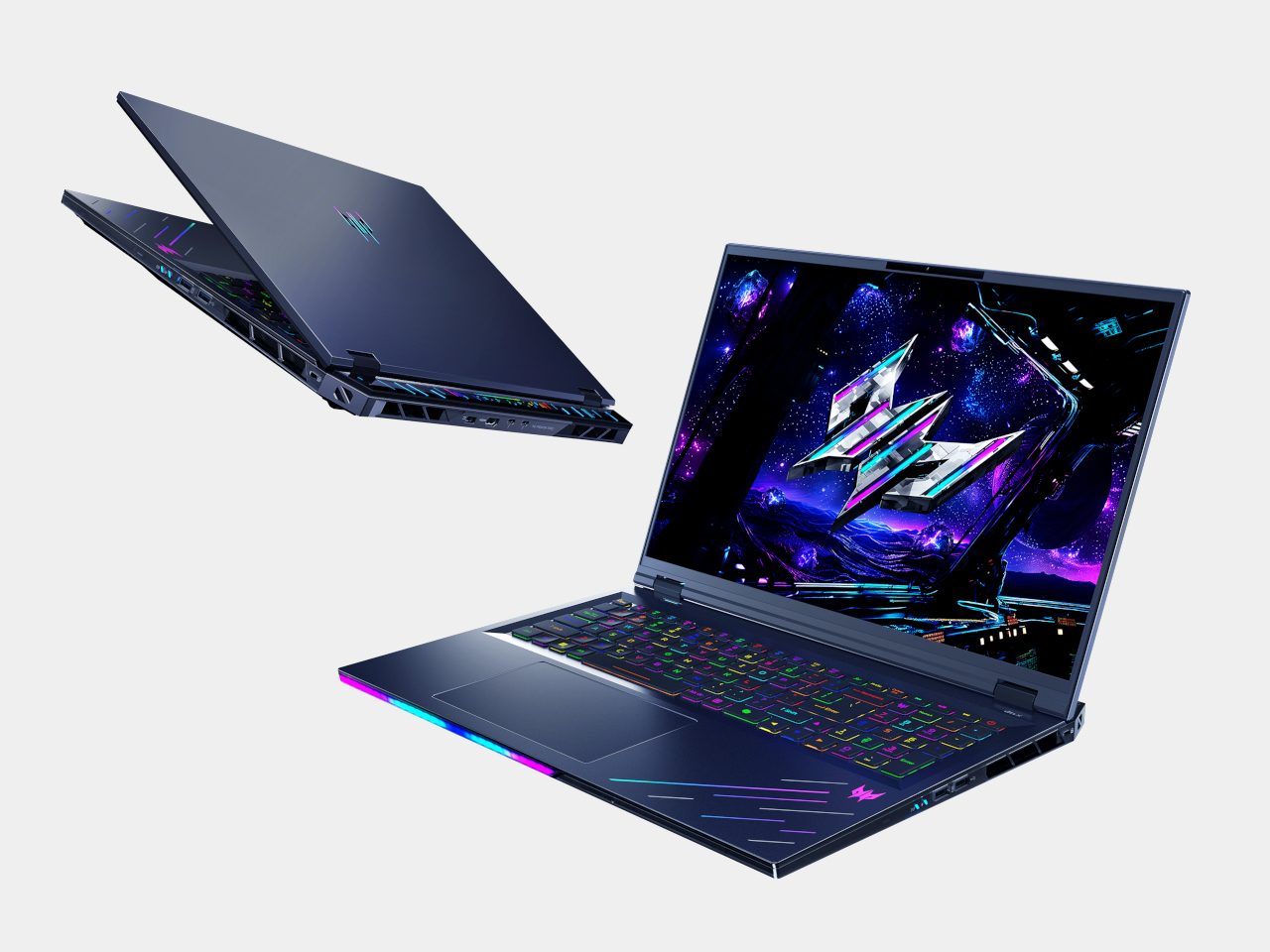
The 18-inch Mini LED display switches between 4K at 120Hz and Full HD at 240Hz through Acer’s Dual-Mode Display system. It reaches 1,000 nits in HDR mode and delivers Calman Verified color accuracy at 100% DCI-P3 coverage with NVIDIA G-SYNC. For a long competitive session or an extended run through an open-world RPG, the panel is built to match whichever demand comes first.
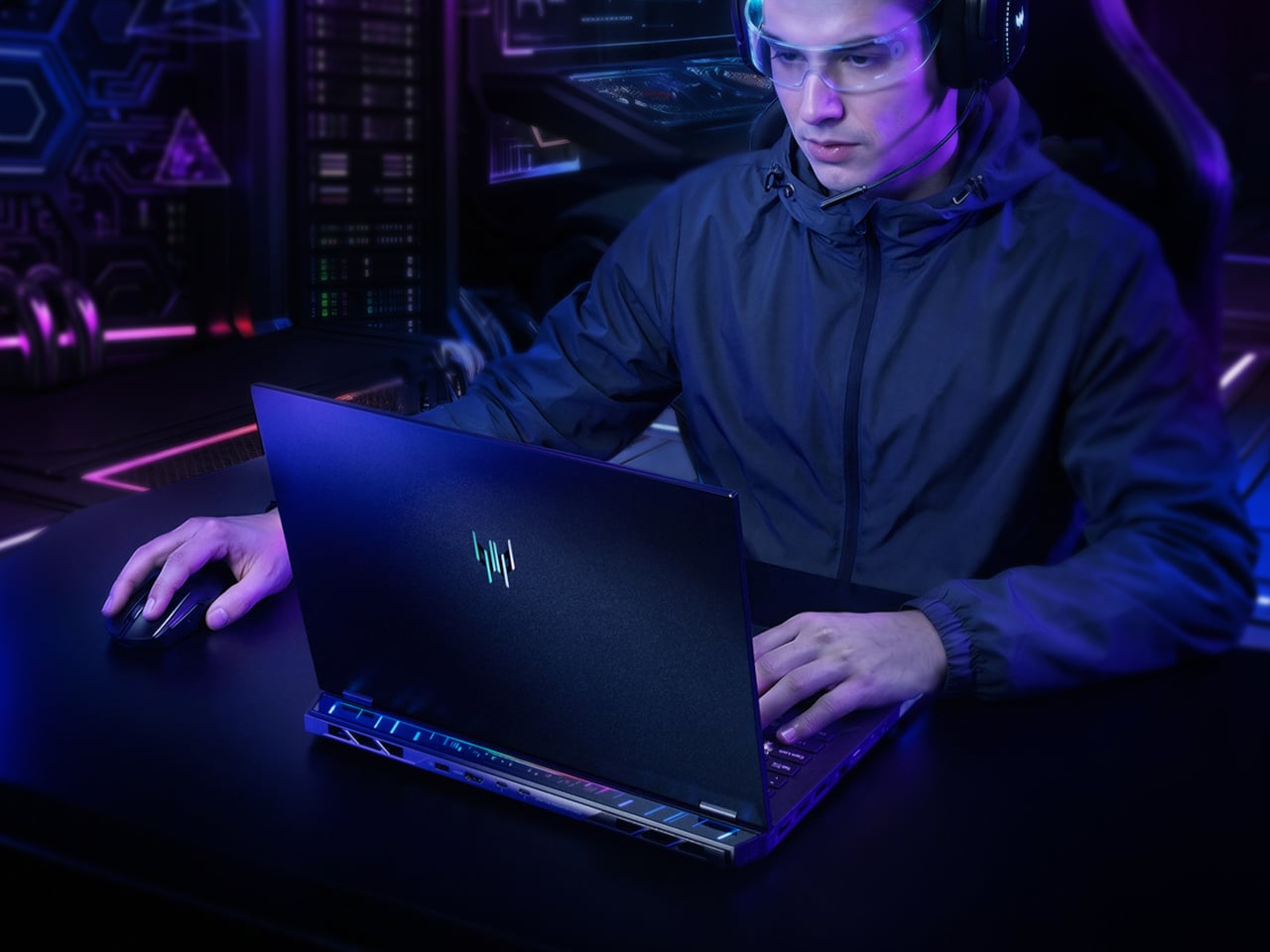
Keeping those specs from throttling requires hardware to match. Dual 6th Gen Predator AeroBlade 3D Fans each pack 100 metal blades at just 0.05mm, delivering a claimed 20% increase in airflow over plastic fans, supported by liquid metal thermal grease and vector heat pipes. Six speakers with Predator Vox technology handle audio, while Intel Killer DoubleShot Pro combines Wi-Fi 7 and Ethernet to keep online play stable.
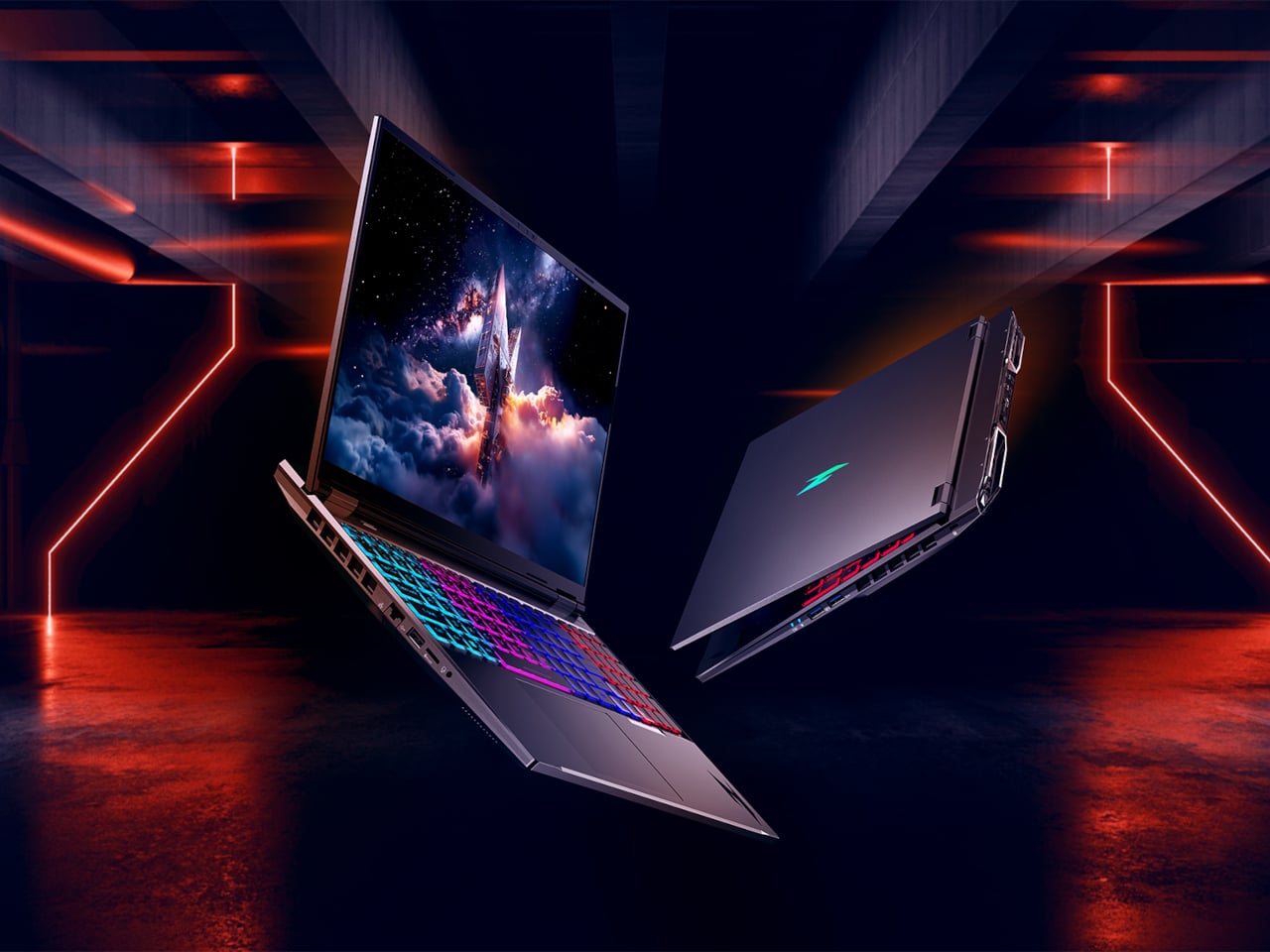
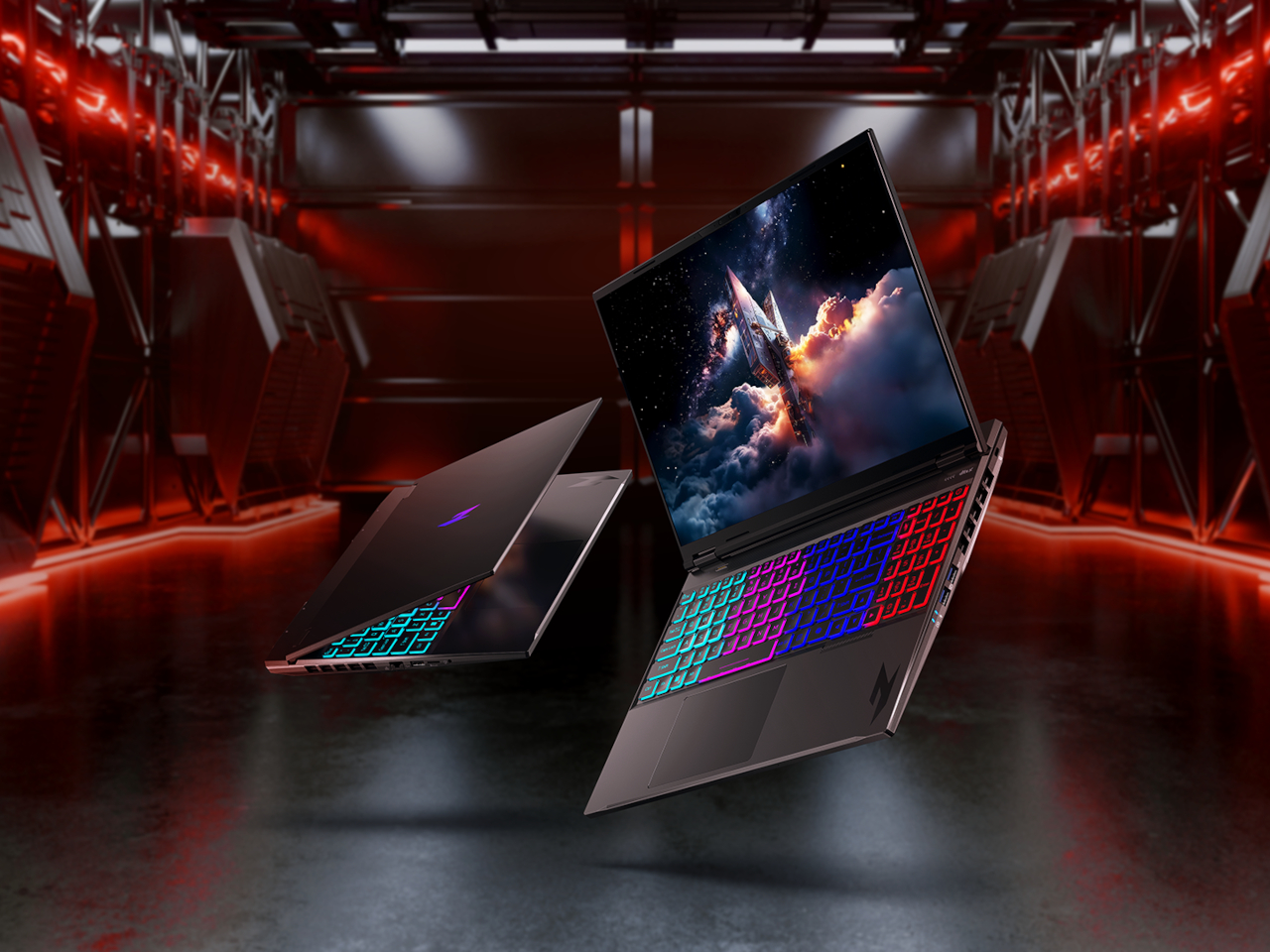
The Acer Nitro 16 doesn’t reach the Helios’s ceiling, but it earns its own headline. It’s the first Acer gaming laptop to feature the AMD Ryzen 9 9955HX3D processor, using 2nd Gen AMD 3D V-Cache technology to stay competitive even when unplugged. Paired with up to an NVIDIA GeForce RTX 5070 Ti Laptop GPU carrying 12GB of GDDR7 VRAM, it covers most of what serious gaming demands.
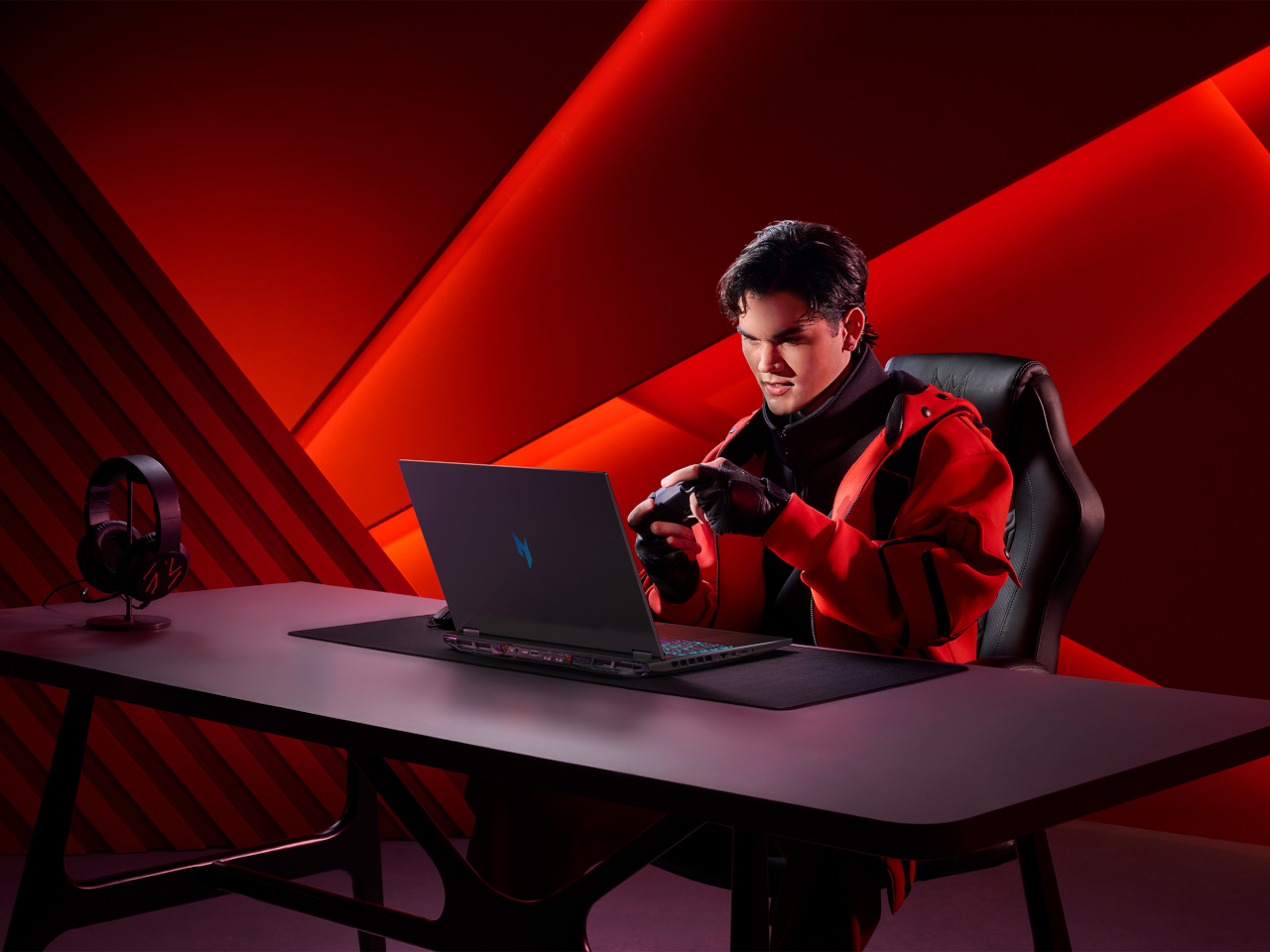
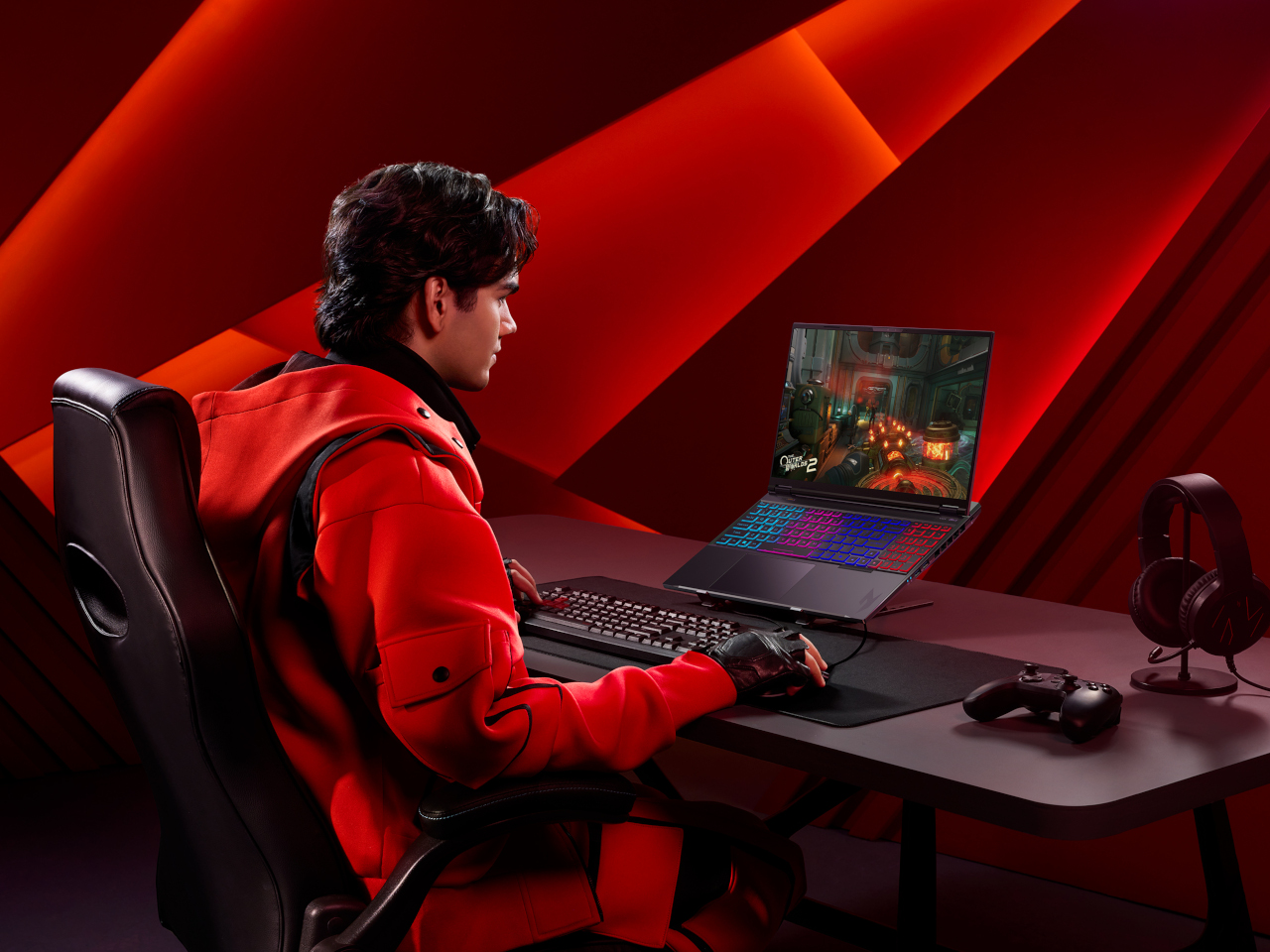
The 16-inch WQXGA panel runs at up to 240Hz with a 3ms response time and 100% DCI-P3 coverage, backed by G-SYNC. A dual-fan, quad-intake, quad-exhaust cooling system with vector heat pipes keeps thermals in check. At 2.5kg with a 92 Wh battery, USB 4 connectivity, and Wi-Fi 6E, it’s a more practical travel machine than most competing laptops in its performance class.
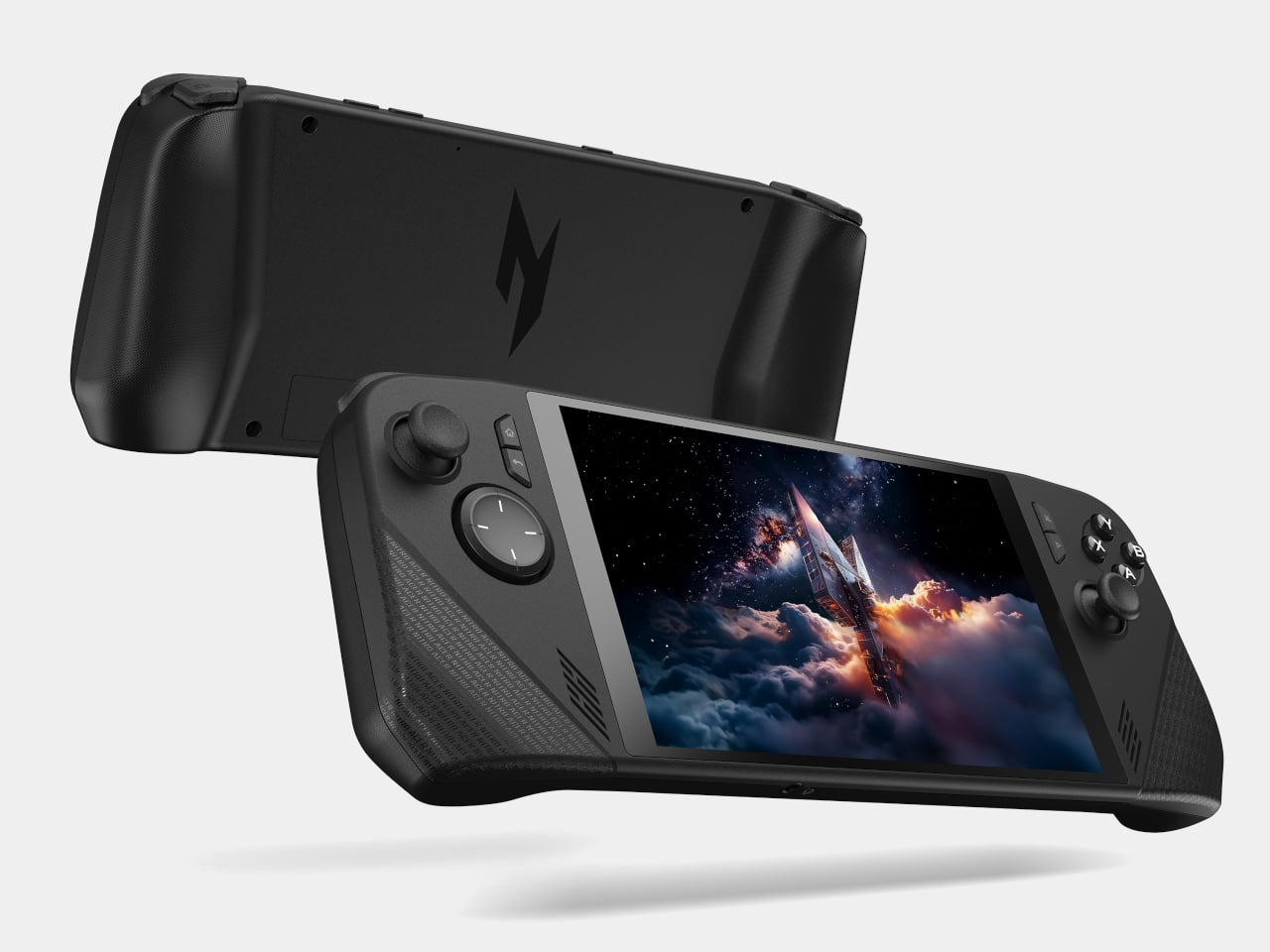
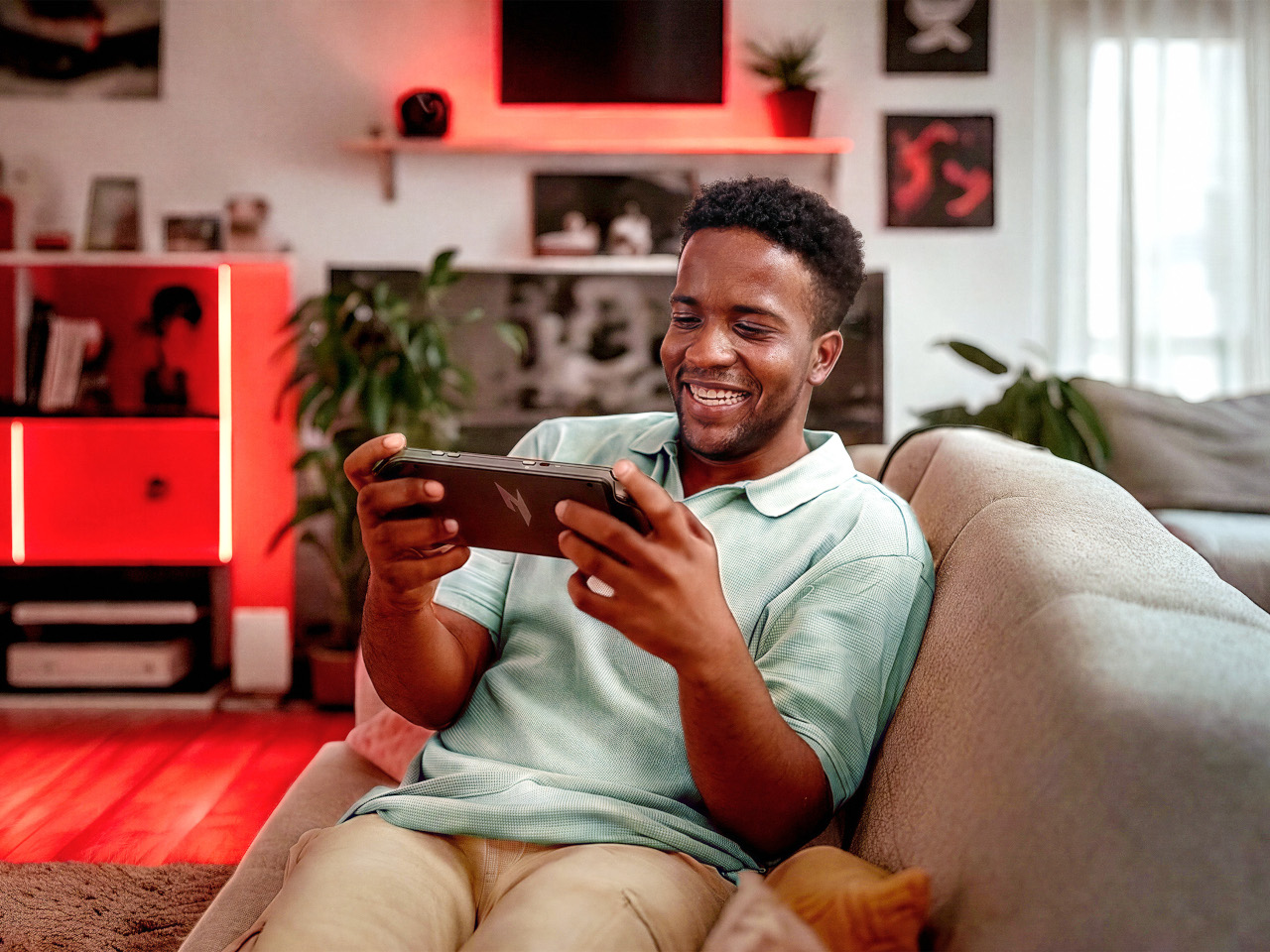
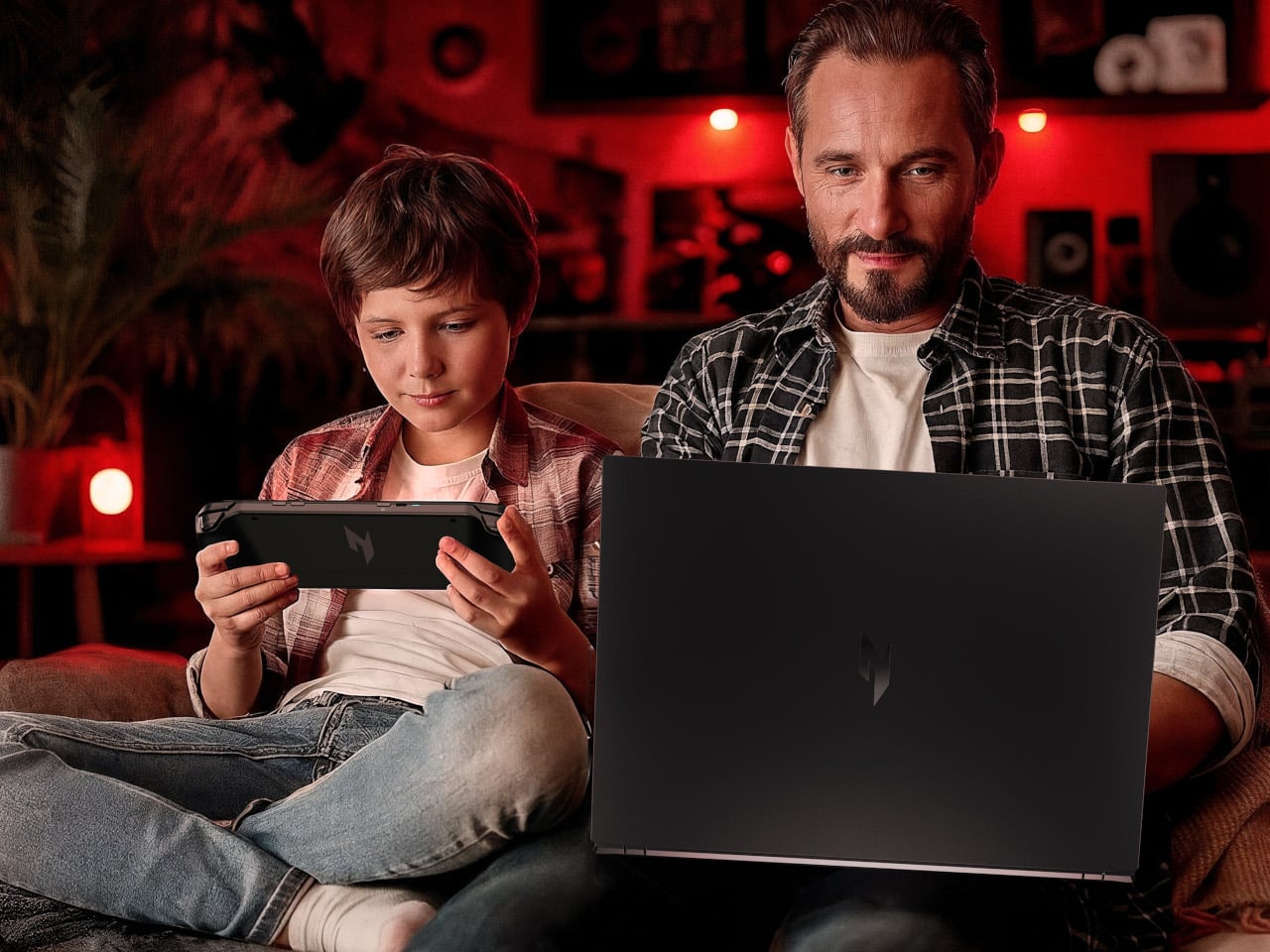
The Nitro Blaze Link puts a twist on the gaming handheld design and skips local processing entirely, opting to stream games wirelessly from a connected PC over Wi-Fi 6 via Sunshine and Moonlight services. It pairs naturally with the Helios 18 AI or Nitro 16, letting someone else in the household play from the couch while the main machine stays occupied elsewhere. The 7-inch WUXGA touchscreen and full controller layout handle the experience at a light 464 g.
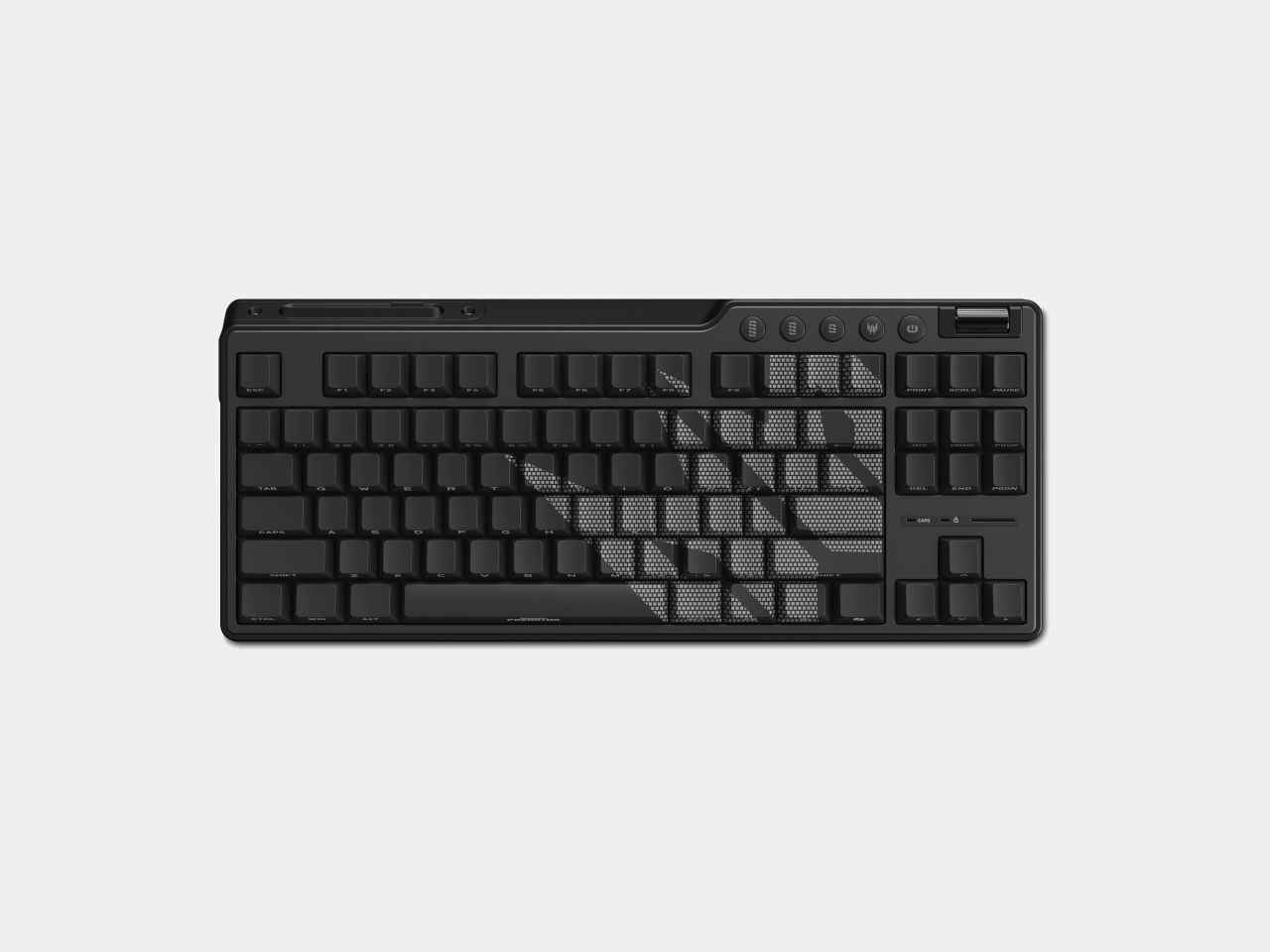
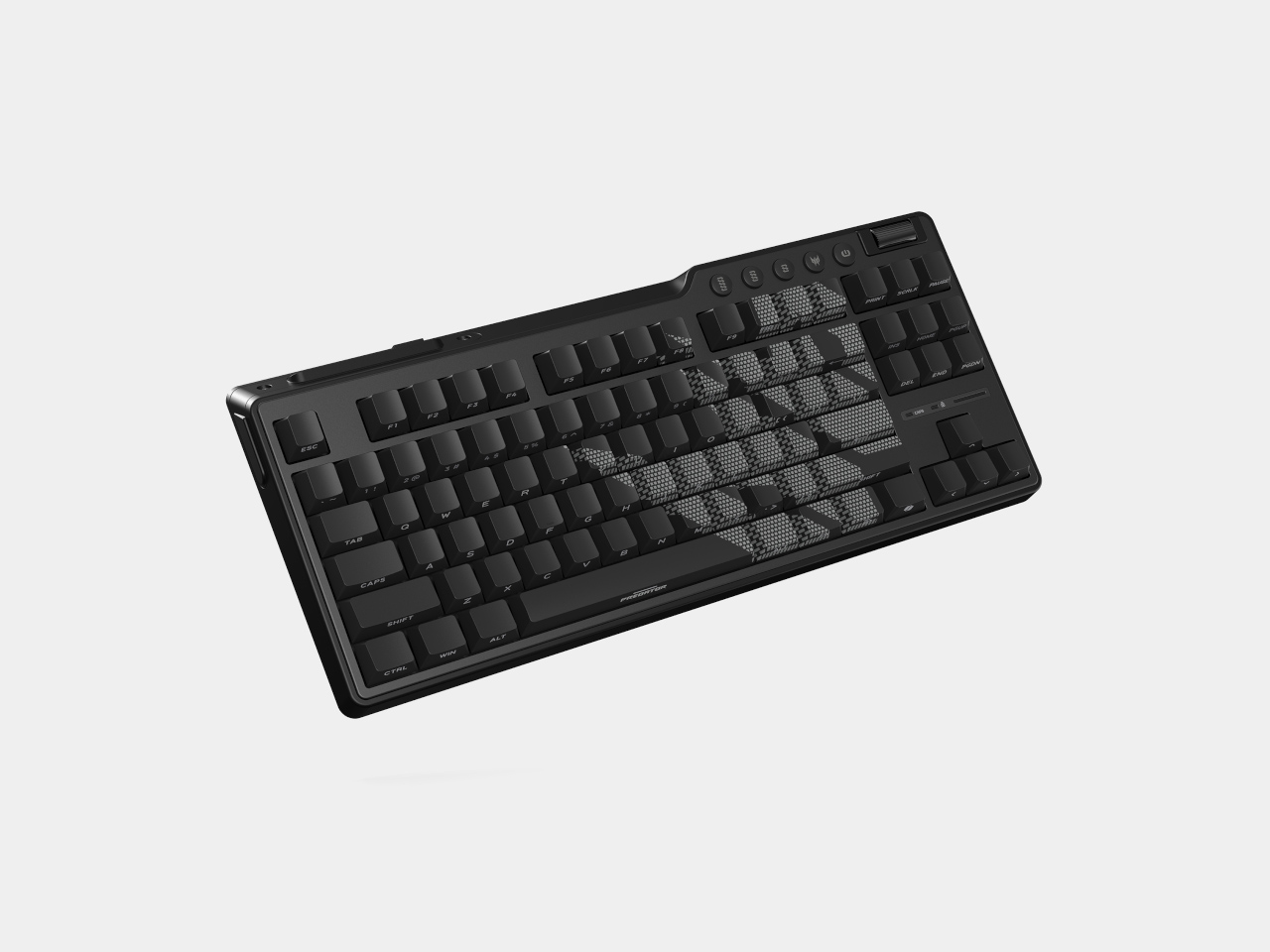
The Predator Aethon 750 TKL keeps the desk focused with a Tenkeyless layout that removes the number pad and anything non-essential for gaming. Custom Predator magnetic switches support WASD Rapid Trigger, Global Actuation, and Fine Actuation modes, while an 8,000 Hz polling rate and N-key rollover keep every input registering cleanly. Wired, 2.4 GHz wireless, and Bluetooth connections add flexibility for different setups.
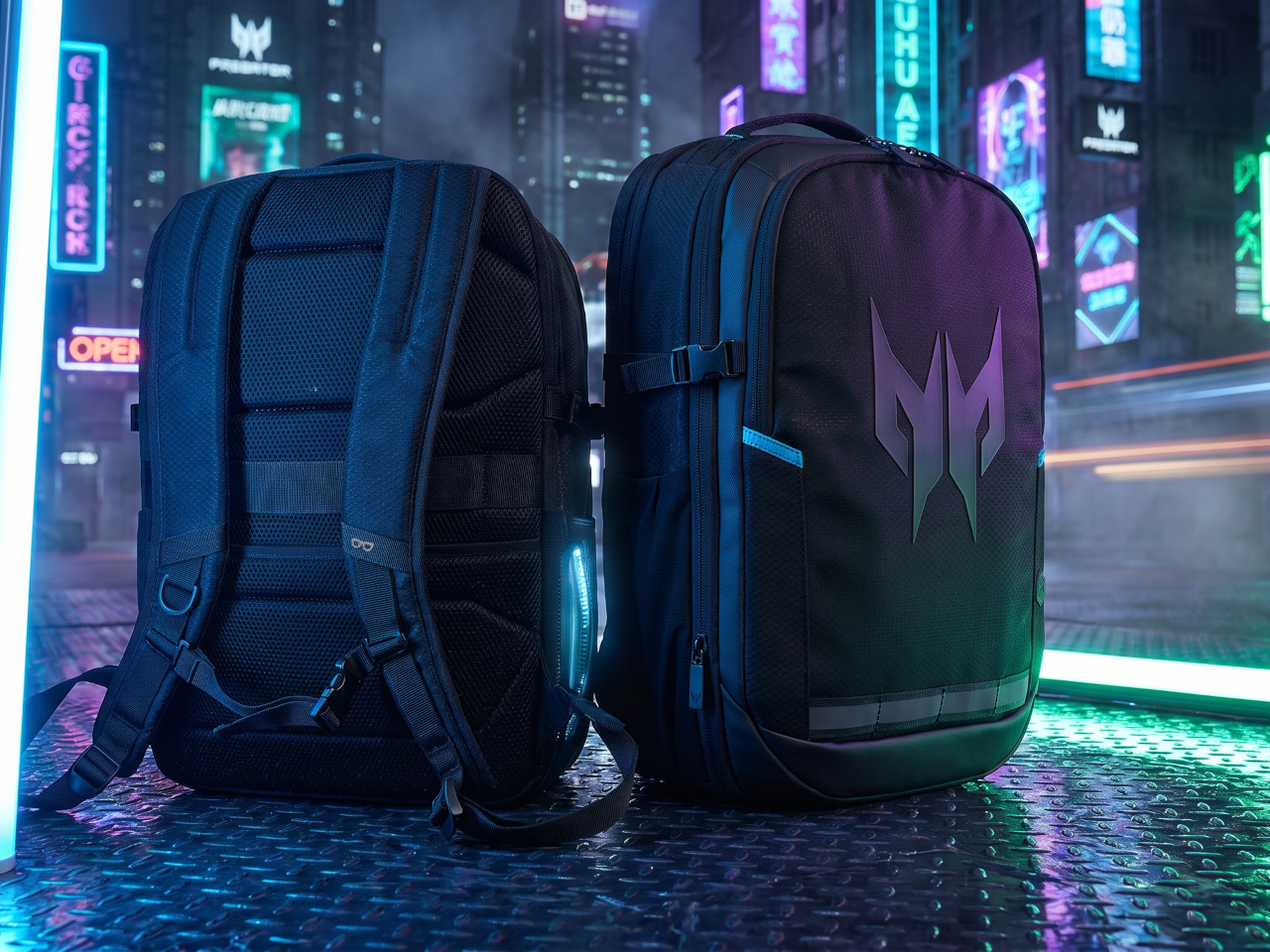
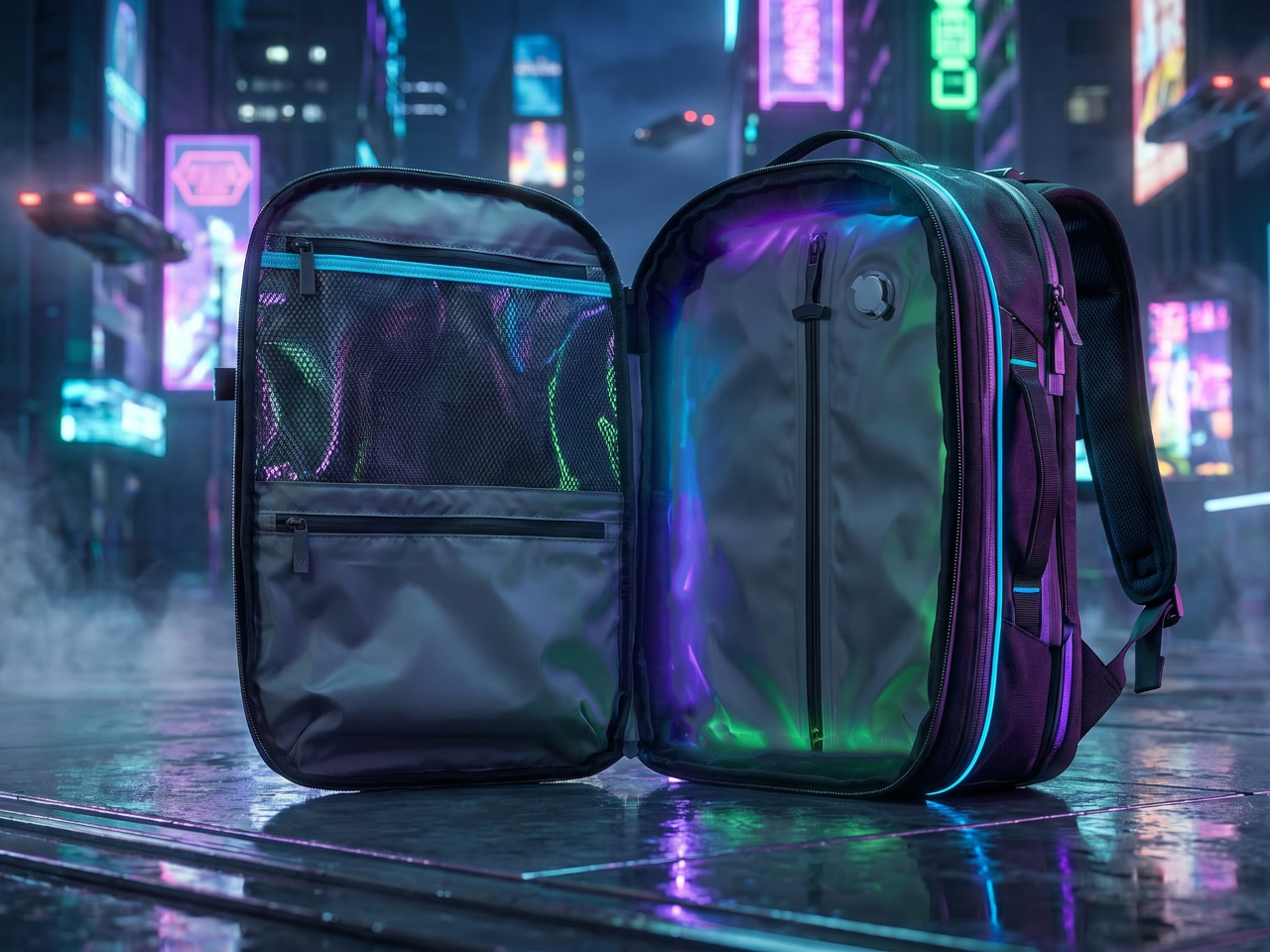
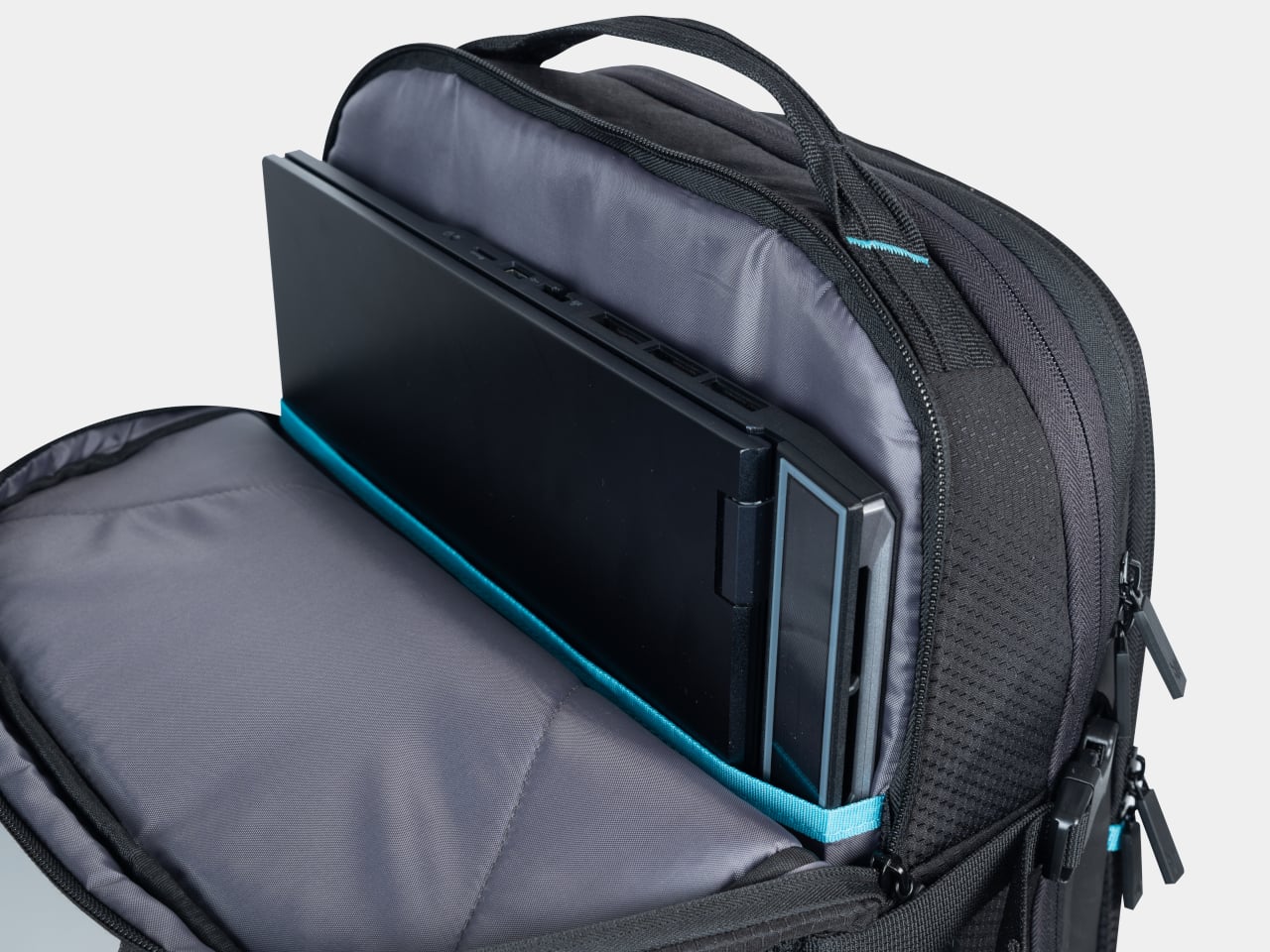
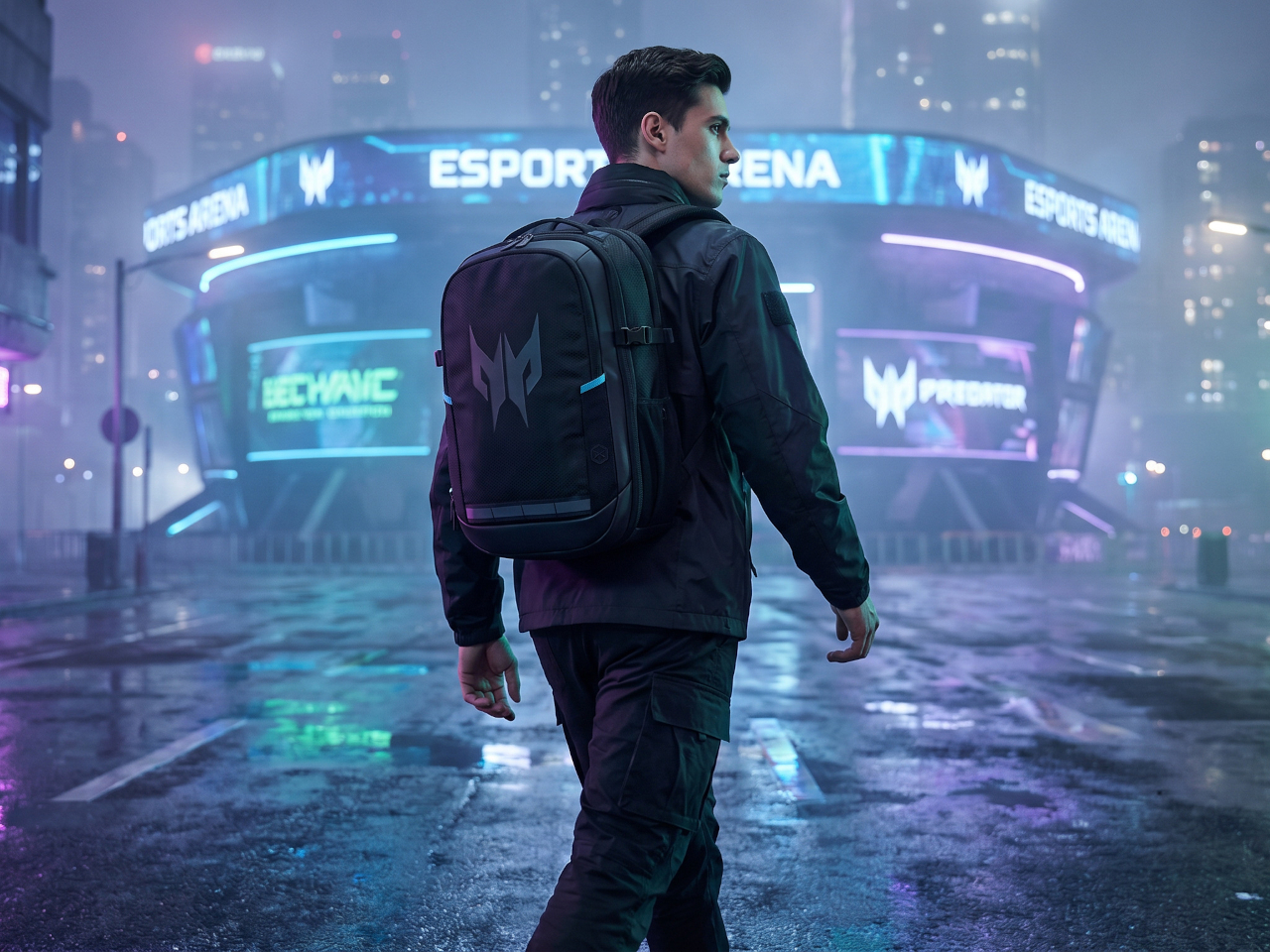
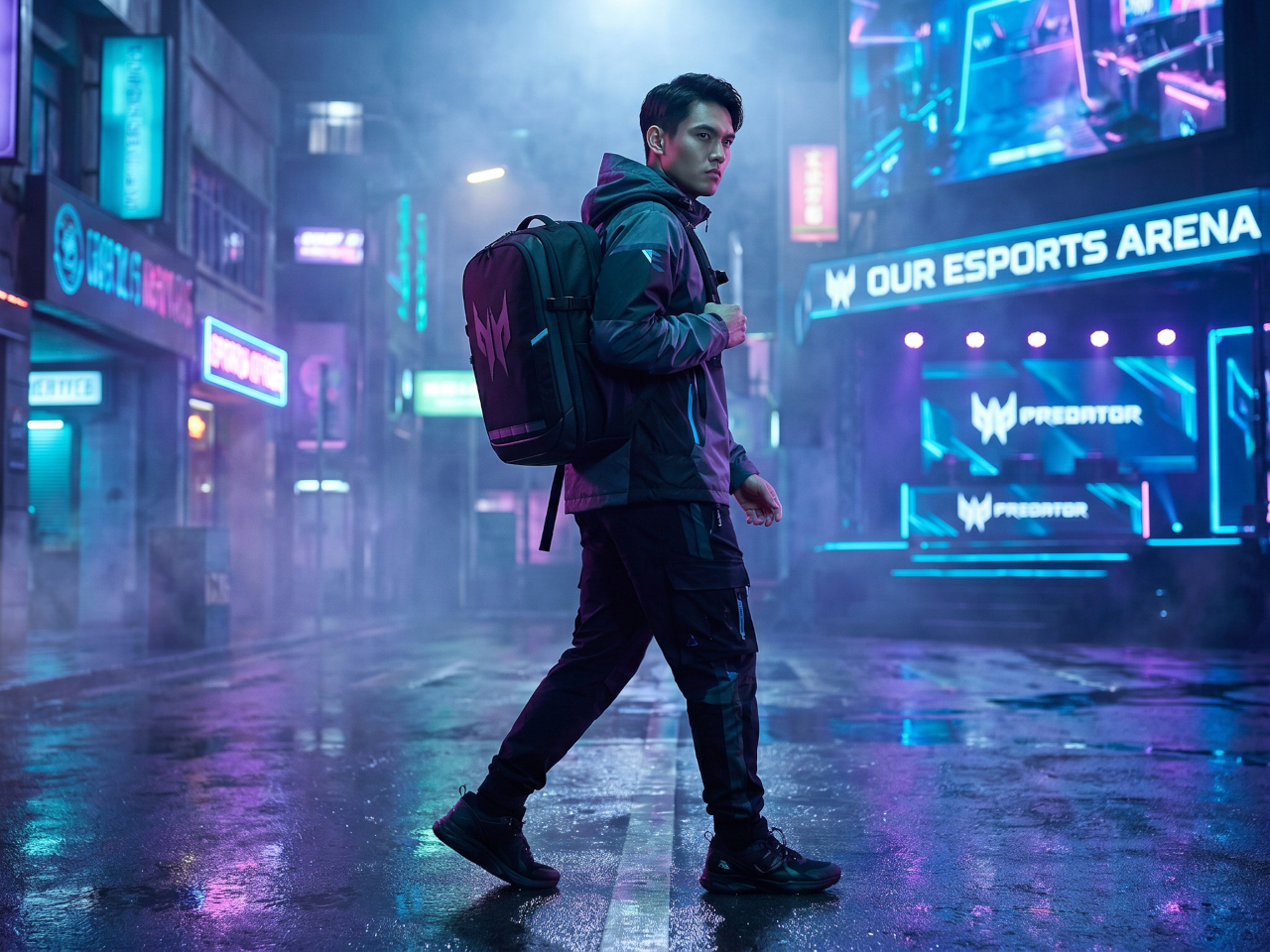
The Predator Robust Plus Backpack handles transport, expanding from 25L to 32.5L with a padded compartment for laptops up to 18 inches and a charging cable pass-through for keeping devices topped up on the move. A waterproof inner section and compression compartment round it out. The backpack arrives in North America in Q3 2026 at $199; the Aethon 750 TKL launches in EMEA in Q4 at €149.
The post Acer’s Nitro Blaze Link Is a Gaming Handheld That Skips the Processor first appeared on Yanko Design.
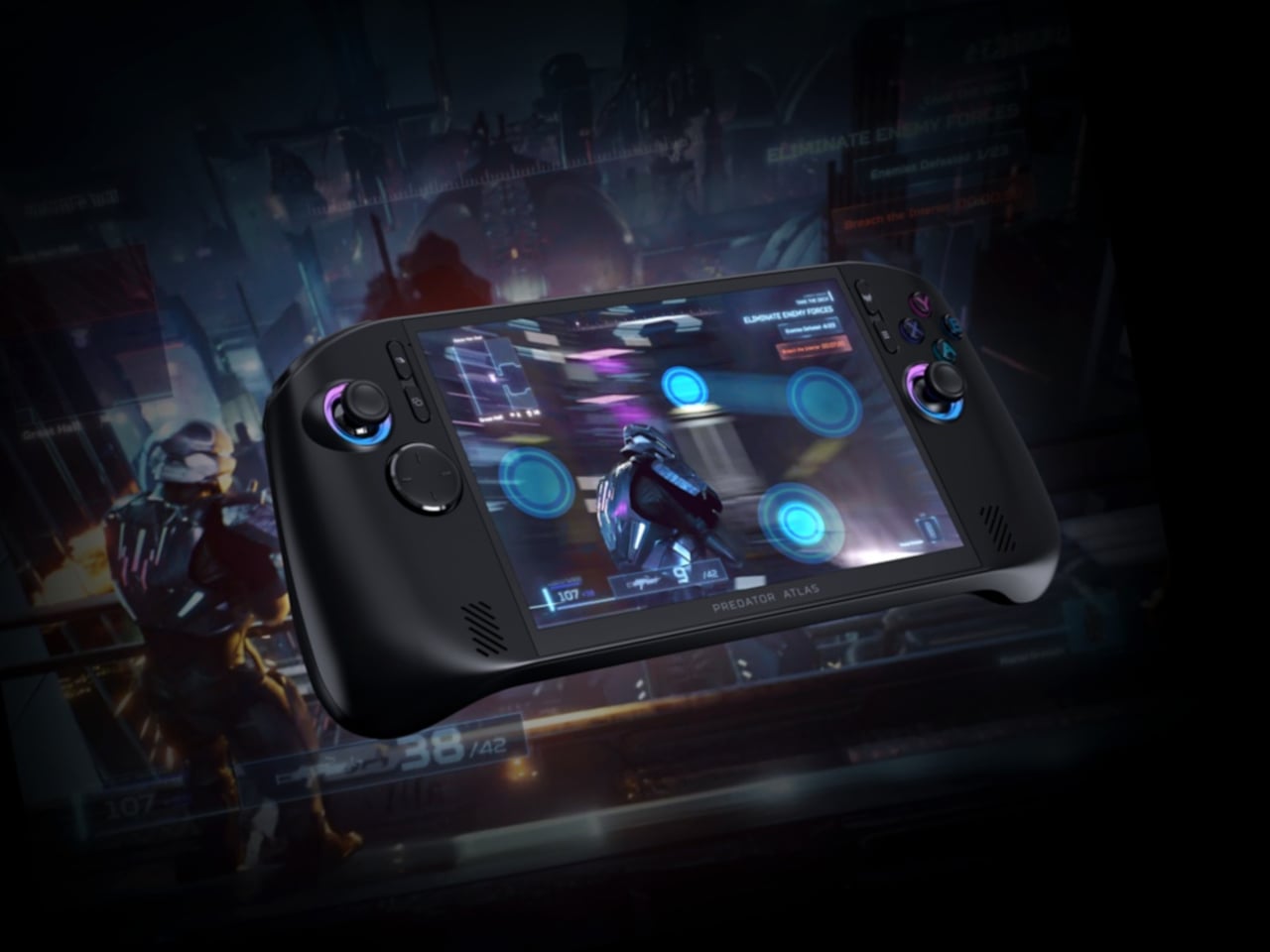
Handheld gaming PCs have come a long way in a short time, but two problems follow every device in the category. Performance peaks early in a session and then quietly retreats as thermals climb, and battery life forces a trade-off that no amount of power management has fully resolved. The Steam Deck addressed portability. The ROG Ally pushed performance. Both still leave room for something that takes thermal management seriously at the hardware level.
Acer’s answer is the Predator Atlas 8, a Windows 11 handheld announced at Computex 2026 and built directly from the same engineering philosophy behind the Predator laptop line. Rather than adapting a tablet platform, Acer treated the Atlas 8 as a PC that happens to be handheld, pulling familiar solutions into a smaller chassis. It arrives in North America, EMEA, and Australia in October 2026.
Designer: Acer
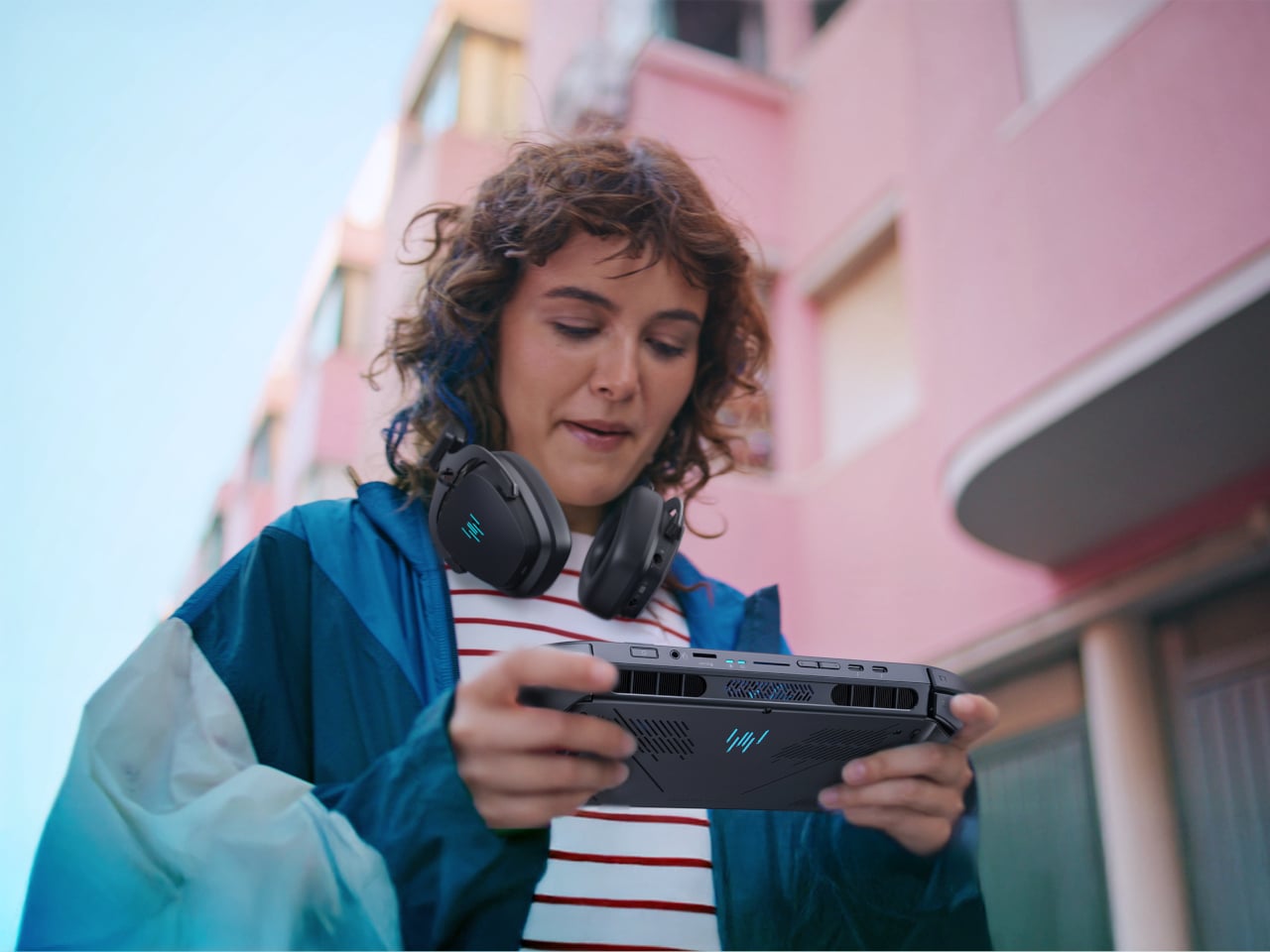
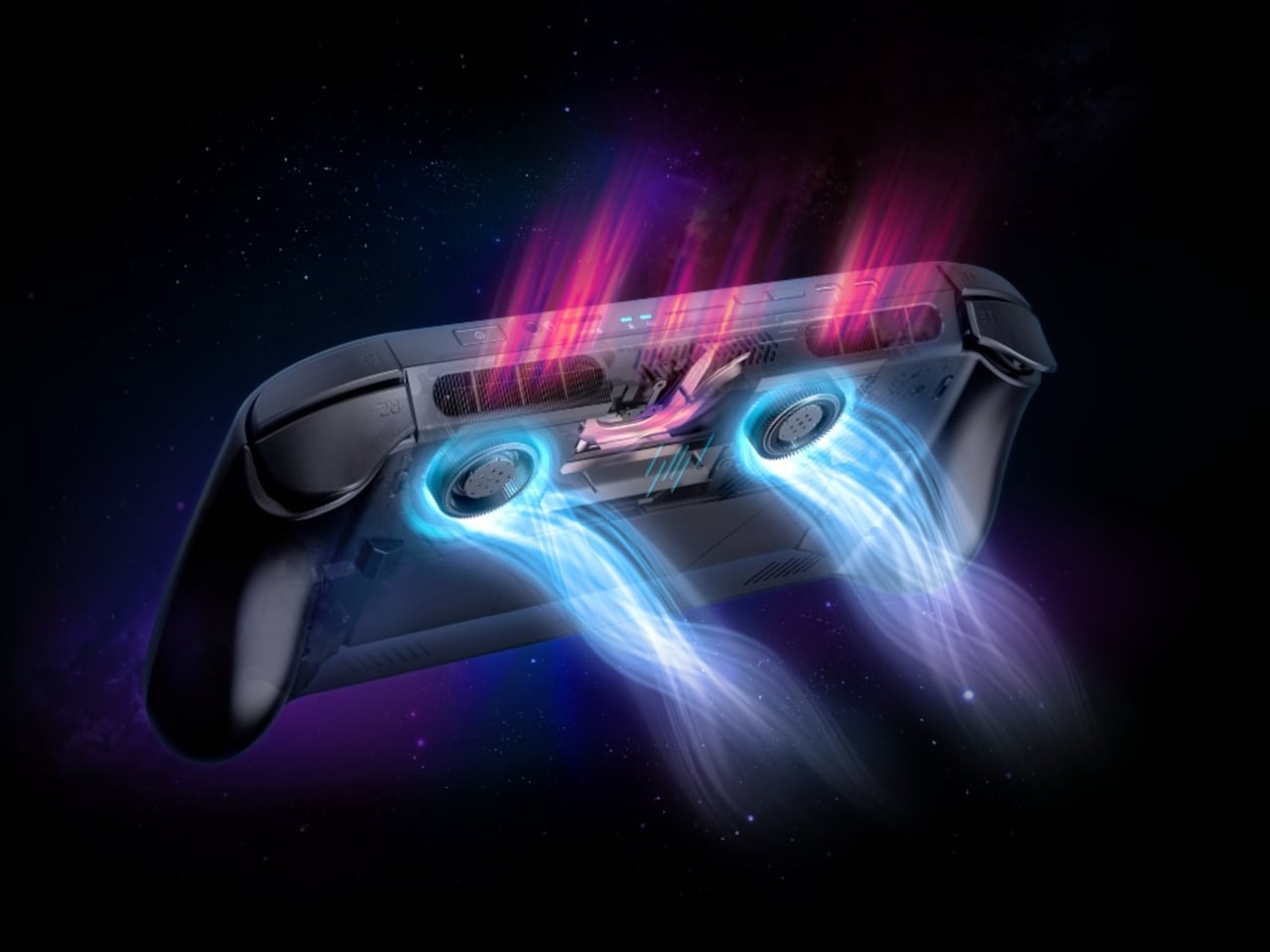
The cooling system is the headline. The Predator AeroBlade fan, a fixture in Predator laptops, makes its handheld debut here and brings a genuine first with it: the first metal fan in any gaming handheld. At 89 blades and just 0.1mm of thickness, it delivers up to a 10% increase in airflow compared to a plastic equivalent. A second plastic fan works alongside it, with Vortex Flow tuning directing air through angled internal channels so heat exits faster.
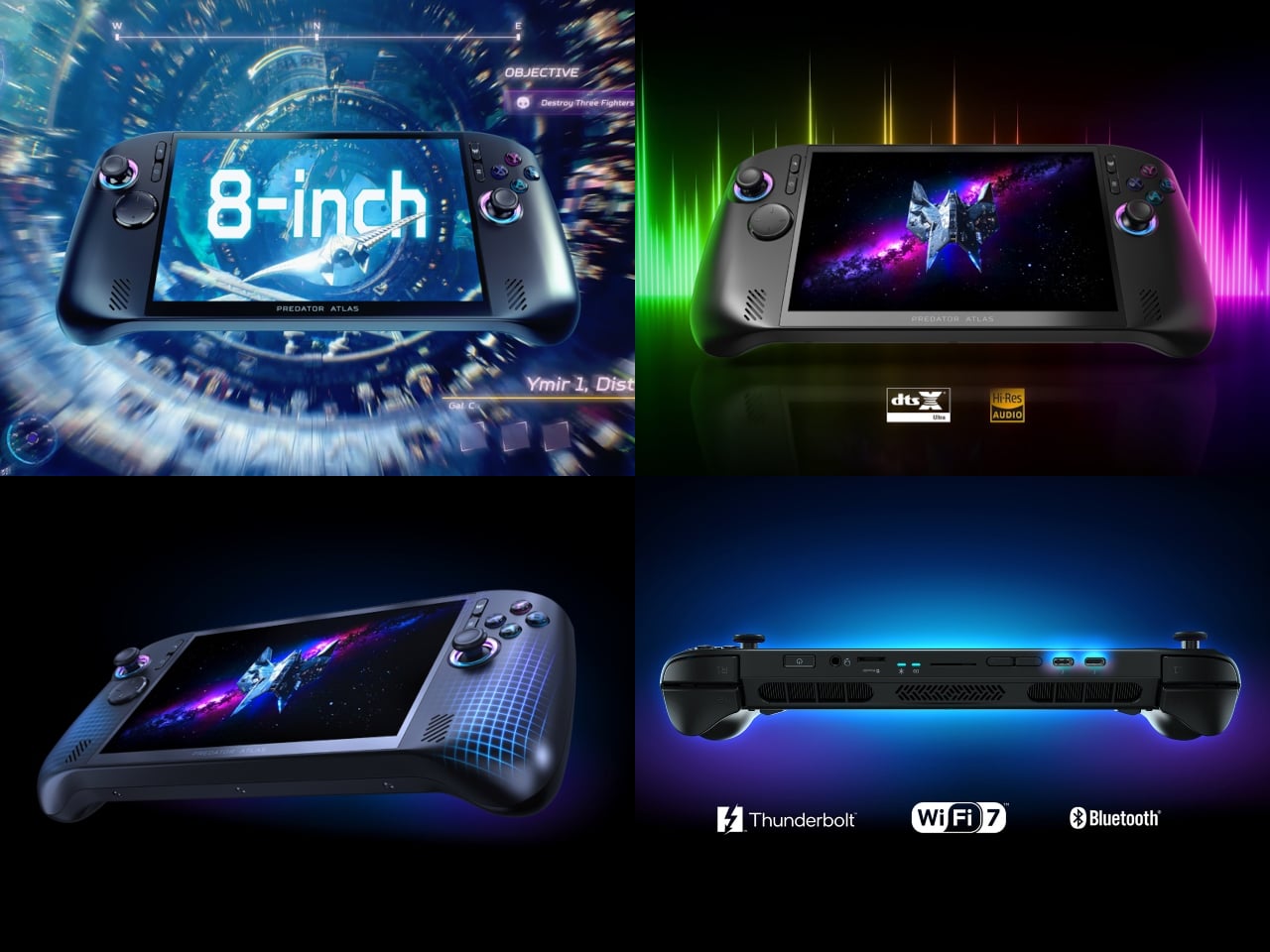
The display is a 16:10, 8-inch WUXGA panel running at 120Hz with Variable Refresh Rate (VRR) support and 500 nits of peak brightness. Corning Gorilla Glass Victus with DXC covers glare and scratch resistance for outdoor play. Audio runs through dual 2 W speakers with DTS:X Ultra, and dual microphones backed by Acer PurifiedVoice AI noise reduction keep voice chat clean even when the game gets loud.
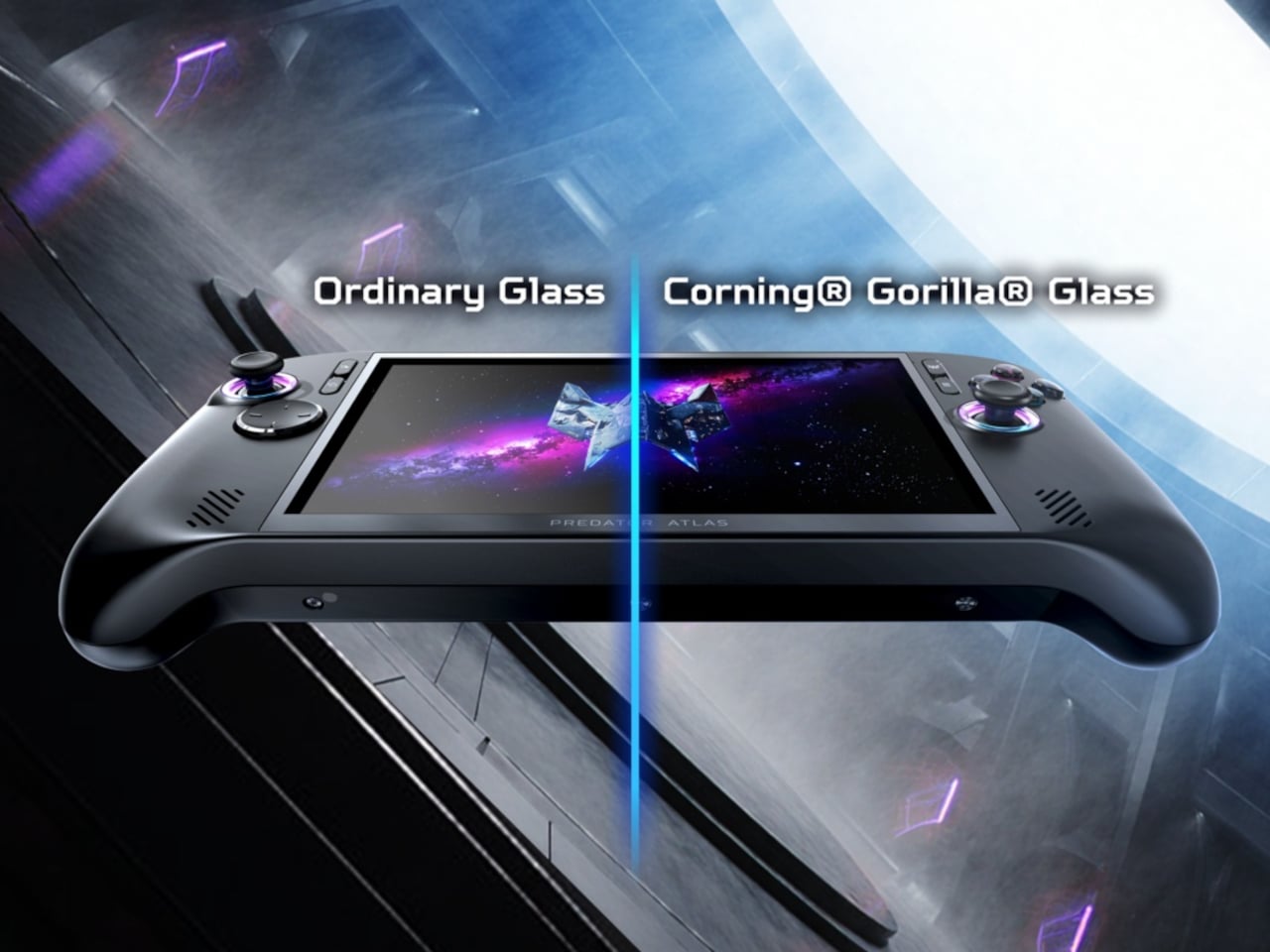
The top configuration pairs the Intel Arc G3 Extreme processor with Intel Arc B390 graphics, adding ray tracing support and Intel XeSS 3 AI-powered upscaling to sustain high frame rates during heavy GPU workloads. Paired with an 80Wh battery and Intel Endurance Gaming, which balances frame rate against power draw dynamically, the Atlas 8 makes a credible case for longer sessions away from a wall without sacrificing visual quality.
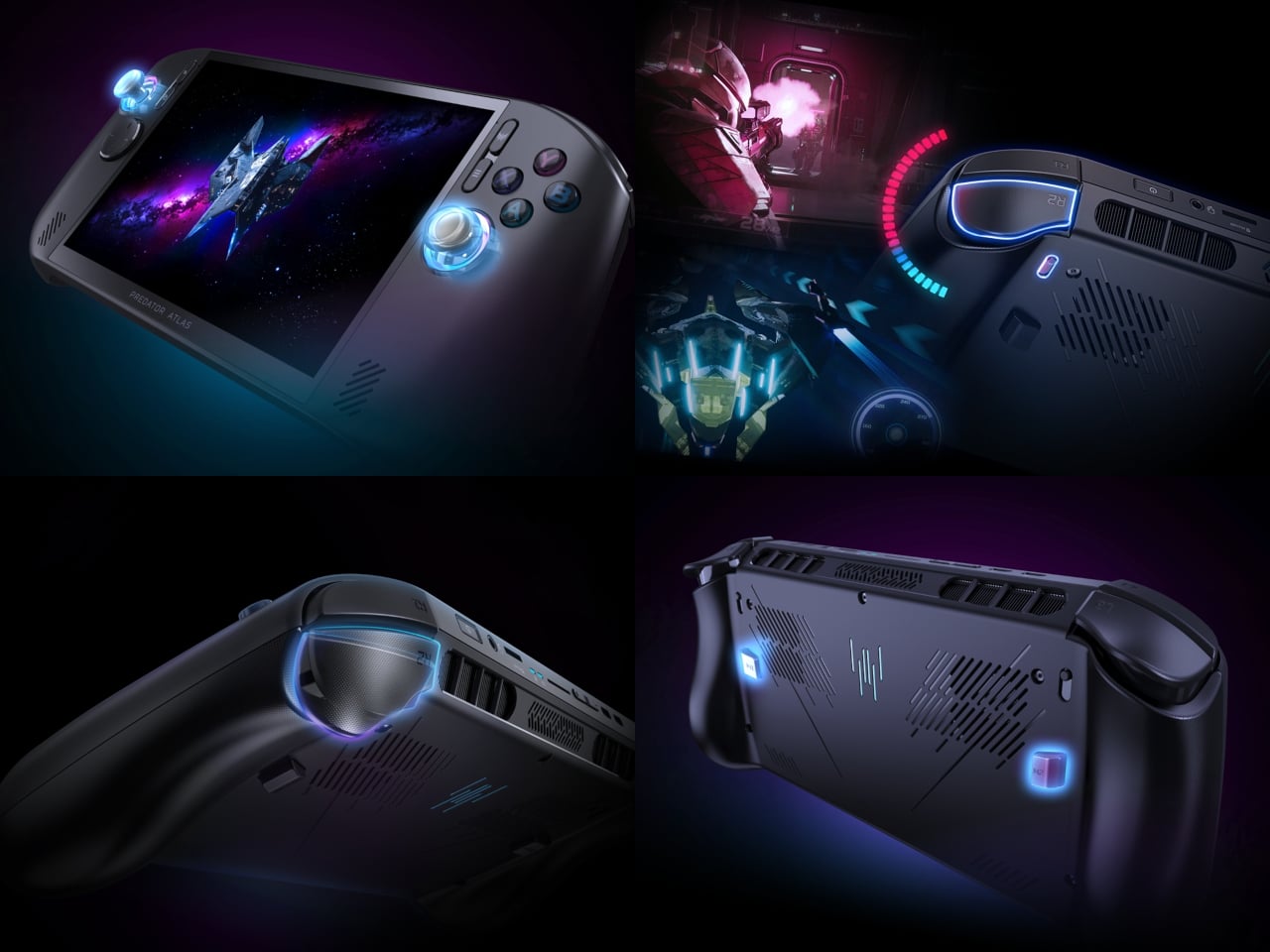
The trigger system earns its own mention. A physical switch on each trigger toggles between two distinct response modes on the fly. Micro-switch mode provides an instant click suited to first-person shooters, while Hall-effect analog mode gives racing games and flight simulators the full pressure range they need. Switching between the two mid-session takes a moment, not a menu.
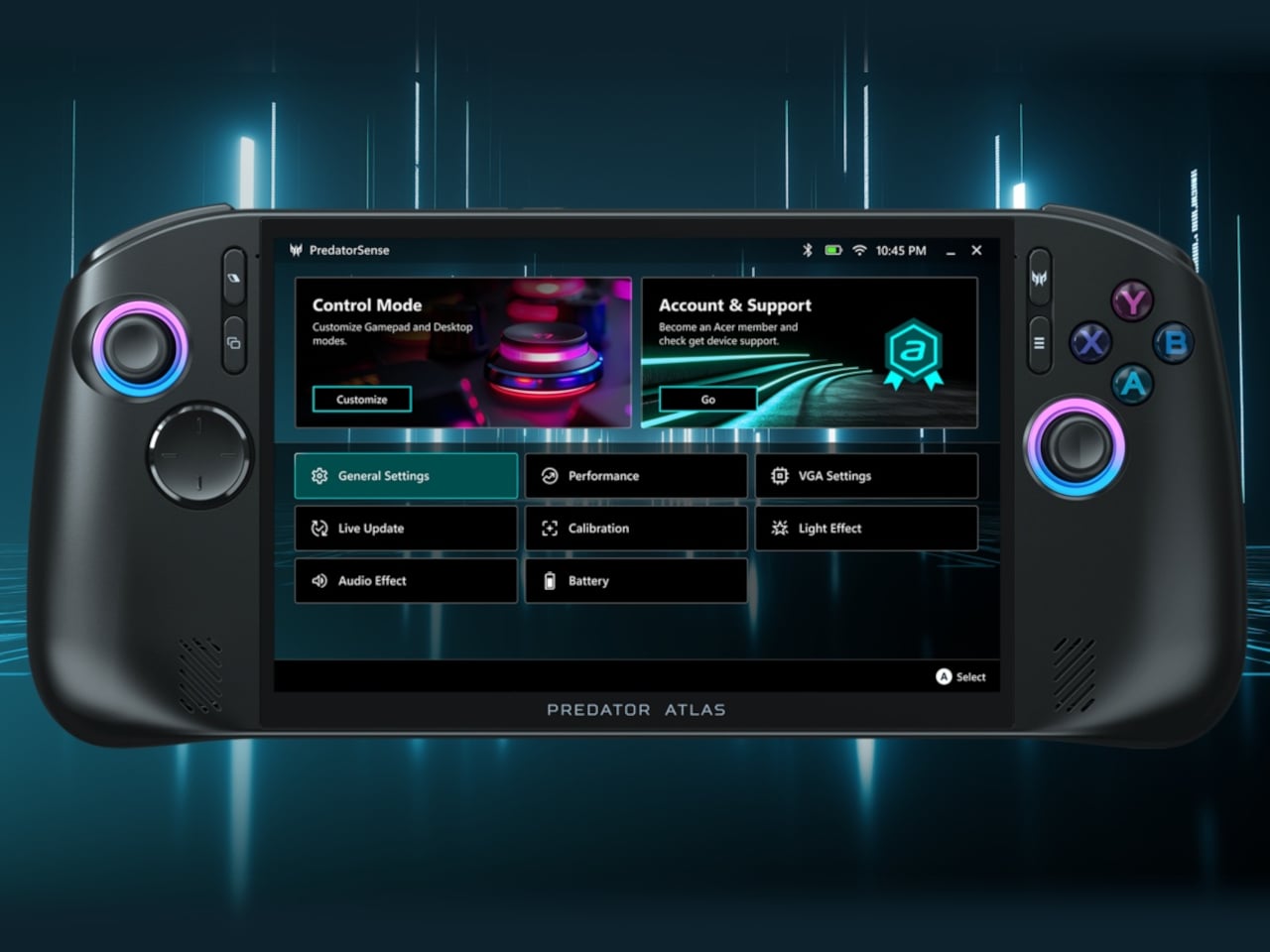
PredatorSense makes its handheld debut here, too. The app, which has been a cornerstone of Predator laptops for years, now sits behind a dedicated button on the device, bringing live system monitoring, performance modes, RGB lighting, and gameplay settings into one fast-access dashboard. XBOX Mode and an included XBOX Game Pass subscription reduce the friction of getting into a library of hundreds of titles from the first boot.
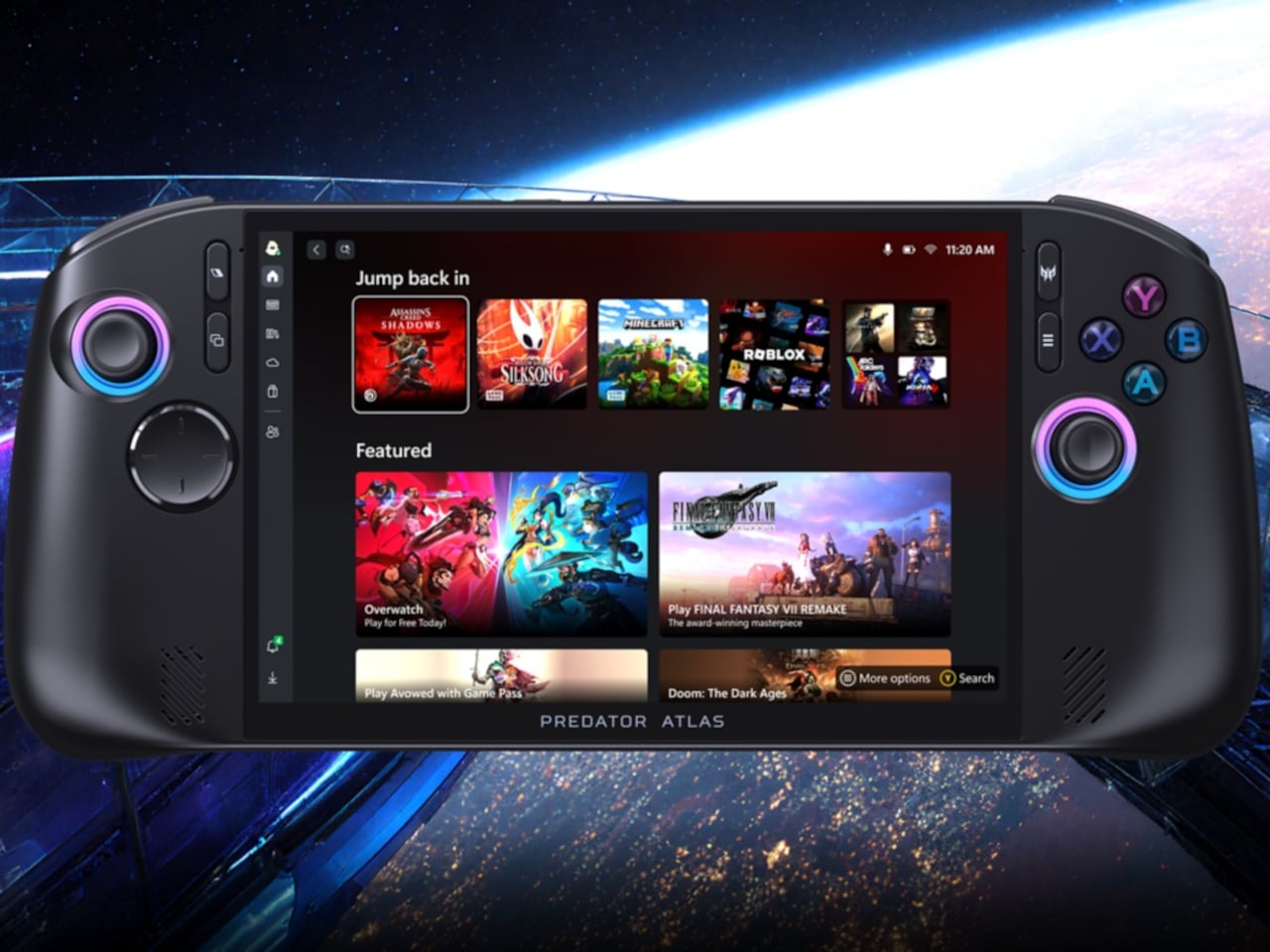
Memory reaches up to 24 GB of LPDDR5x, storage goes up to 1 TB via PCIe Gen 4, and the Atlas 8 weighs under 810 g with the larger battery. Dual Thunderbolt 4 ports, Intel Killer Wi-Fi 7, and Bluetooth 5.4 round out the connectivity. Pricing hasn’t been confirmed, but for a handheld that’s drawing from a decade of Predator laptop engineering, October 2026 can’t come fast enough.
The post Acer’s Predator Atlas 8 Is the First Gaming Handheld With a Metal Fan first appeared on Yanko Design.
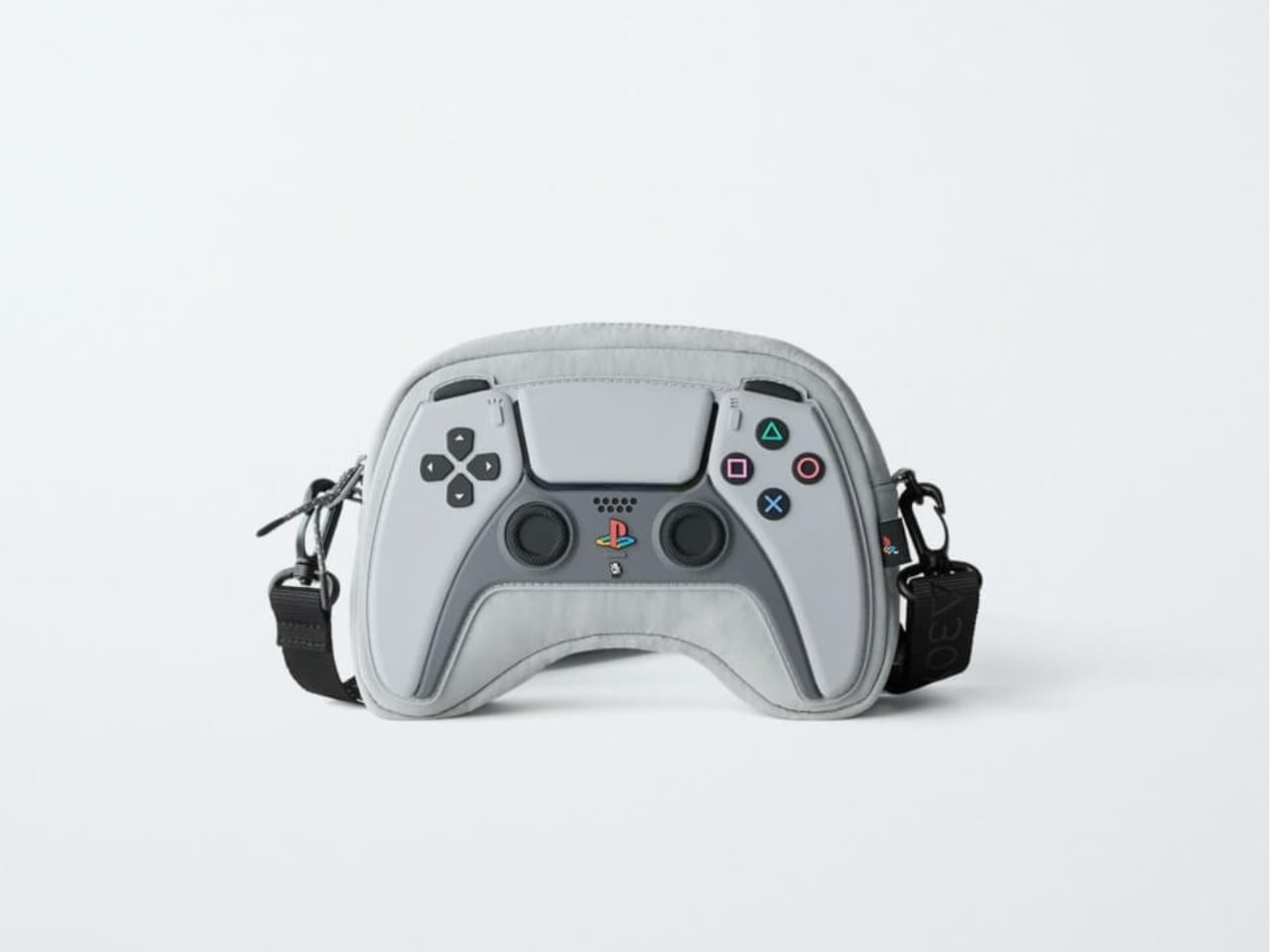
Gaming and fashion have been flirting with each other for years, and most of the time, the results are predictable. Graphic tees with pixelated prints, oversized hoodies branded with controller icons, the kind of stuff you see at gaming conventions and immediately forget. So when Zara dropped a PlayStation capsule collection, my expectations were calibrated accordingly. Then I actually looked at it, and I had to reconsider.
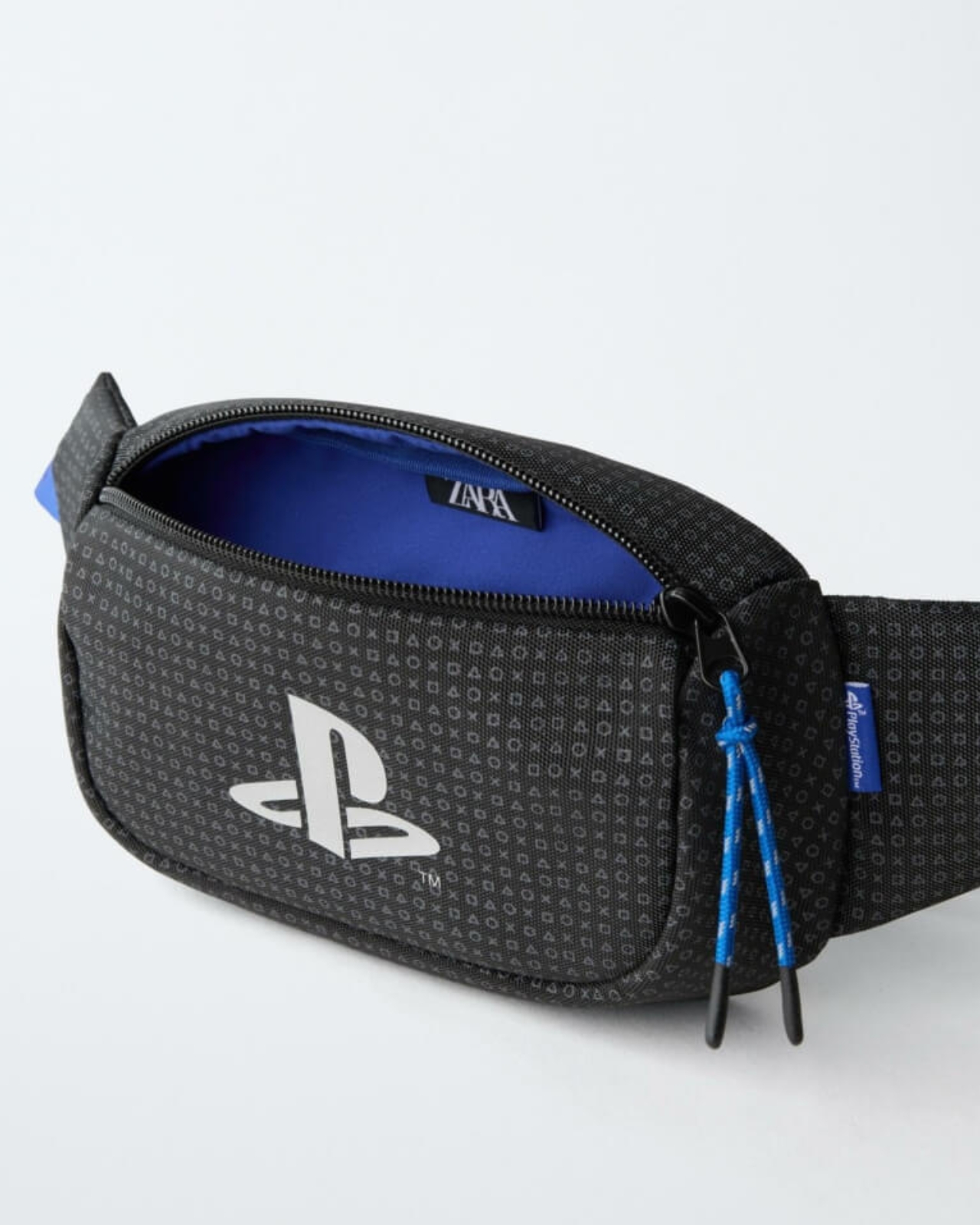
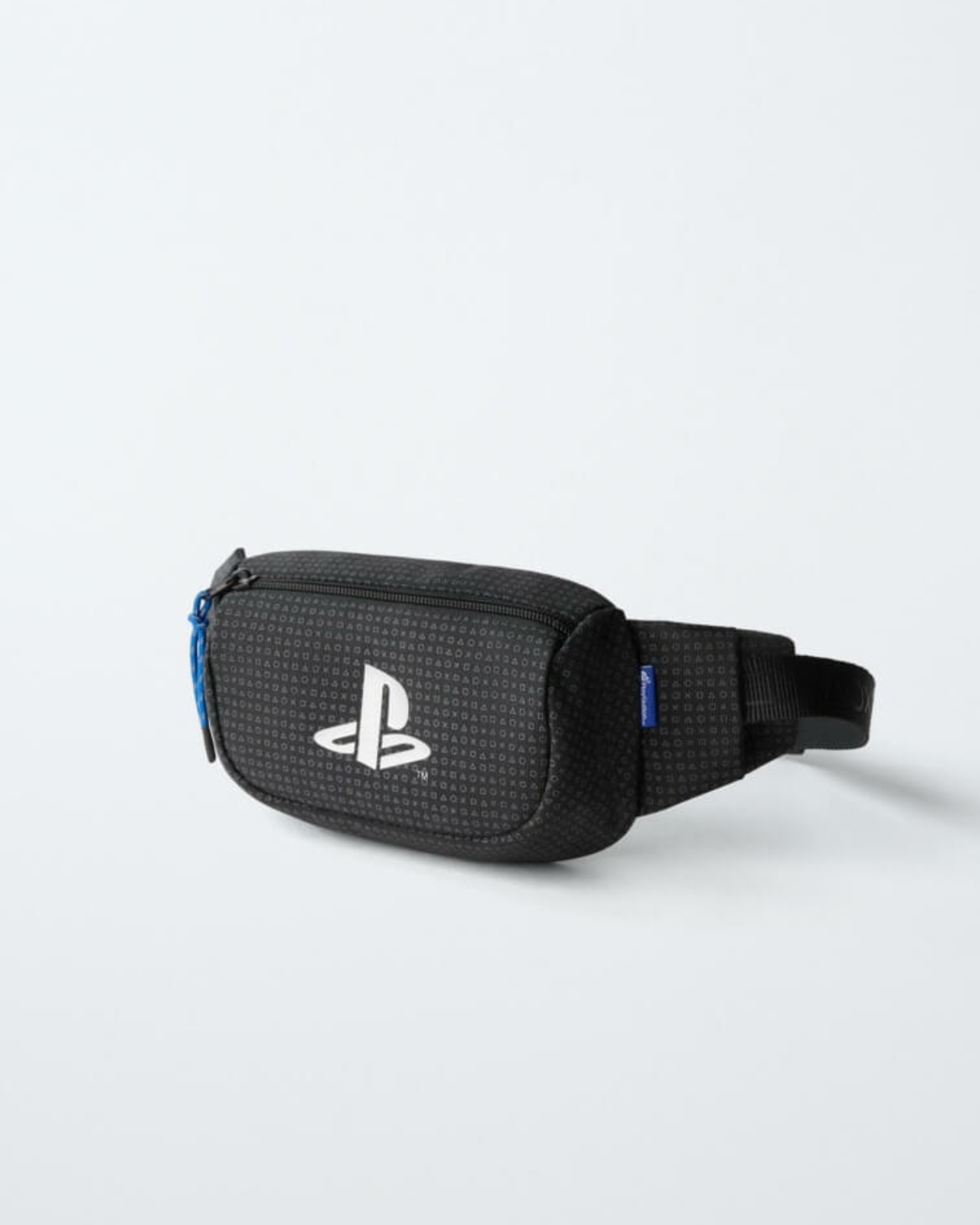
For 2026, Zara released six PlayStation-branded pieces that sit somewhere between fan merch and something you’d genuinely pick up because it looks good. The lineup includes a wallet, high-top sneakers, a belt bag, and three distinct crossbody bags. Not a graphic tee in sight. As someone who’s watched the gaming-meets-fashion space produce some genuinely cringe-worthy results over the years, the restraint here is worth noting.
Designer: Zara
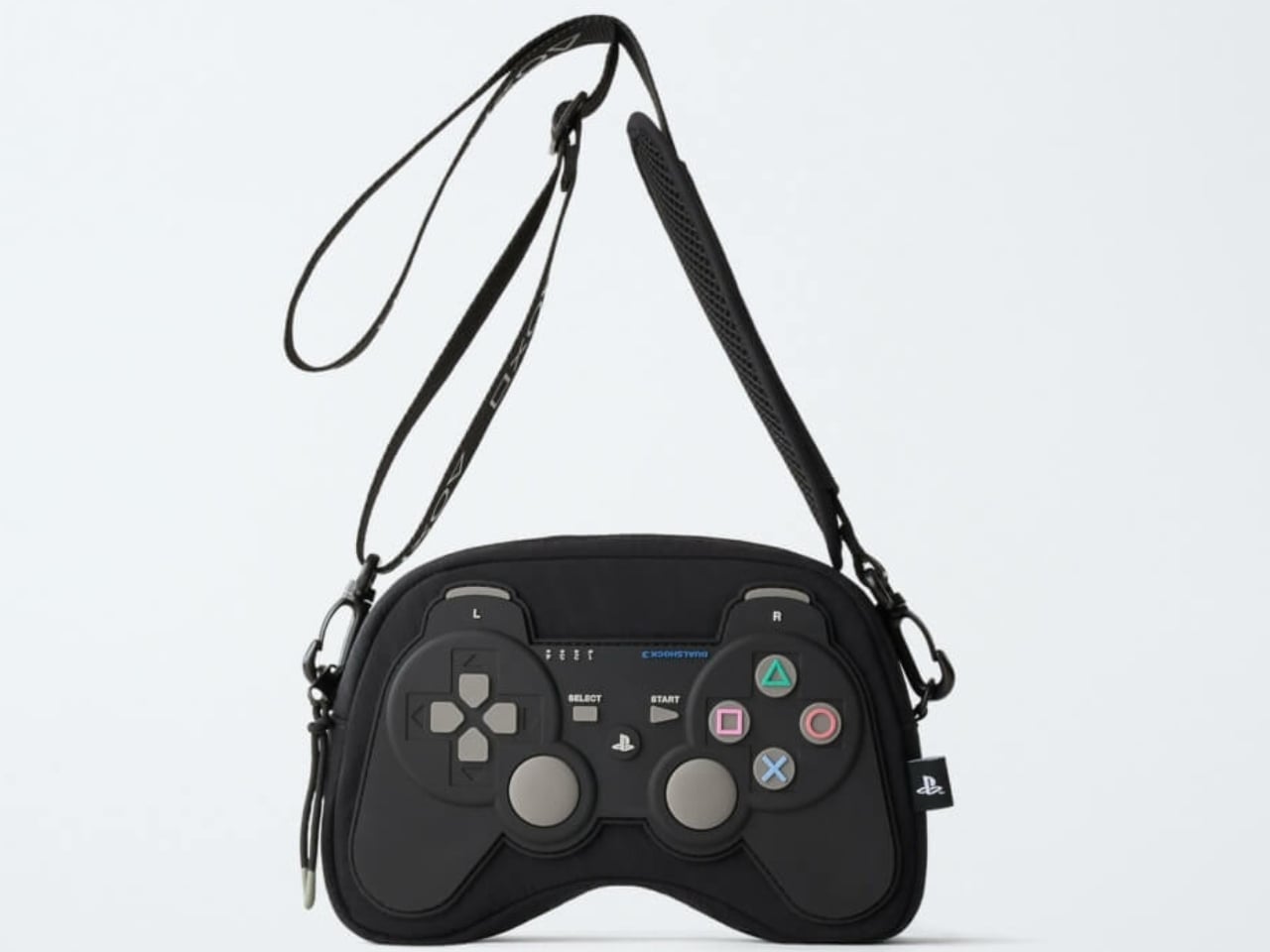
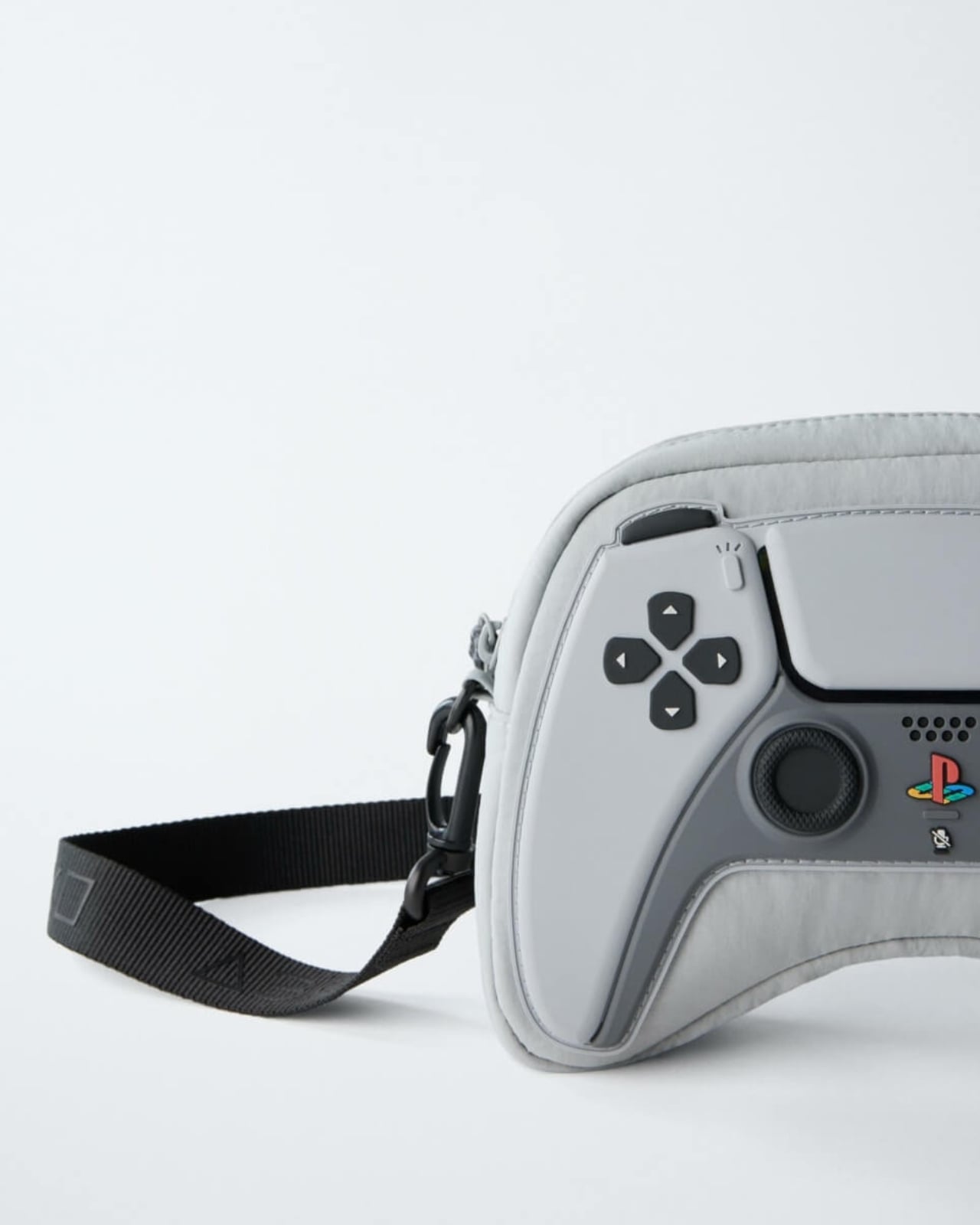
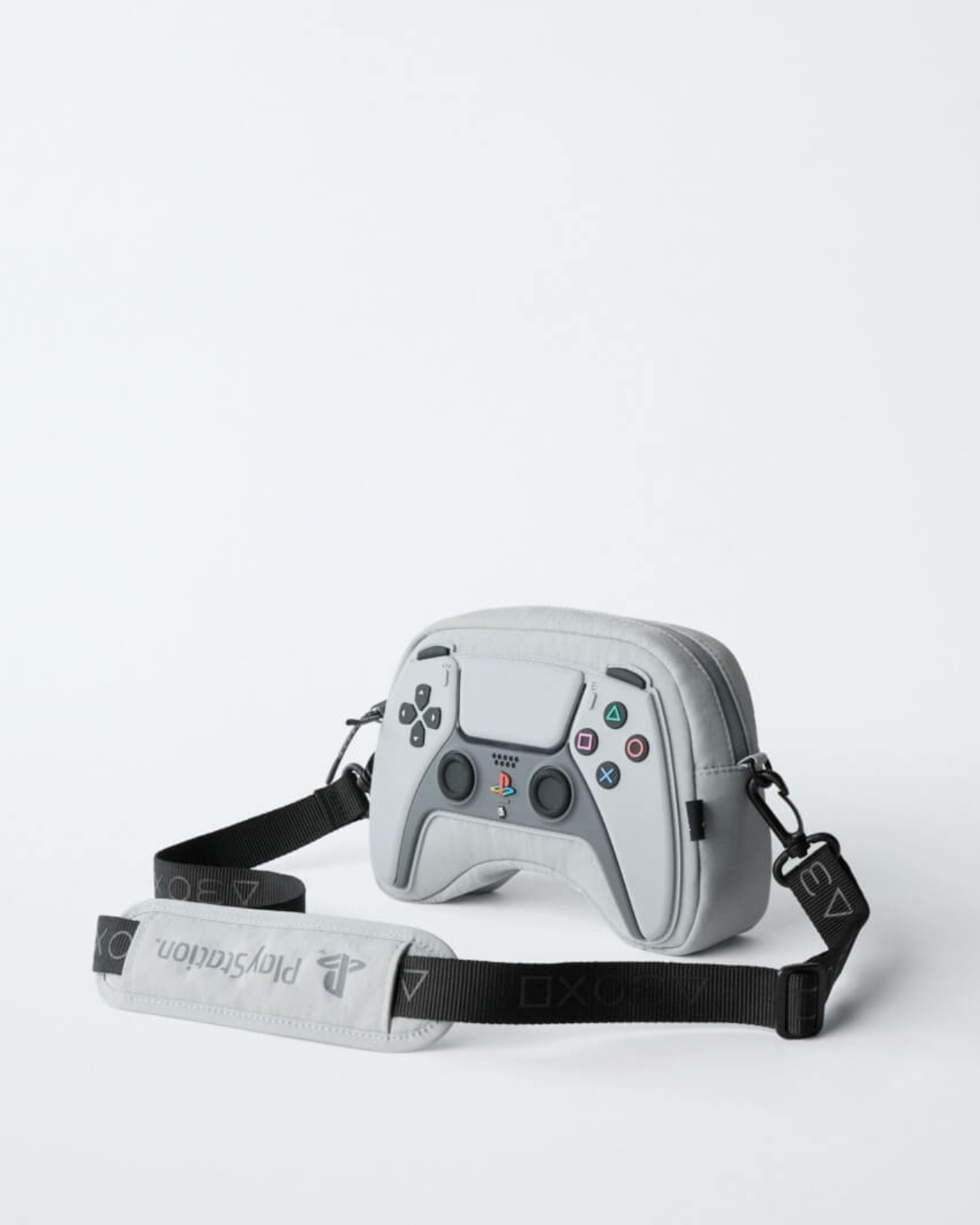
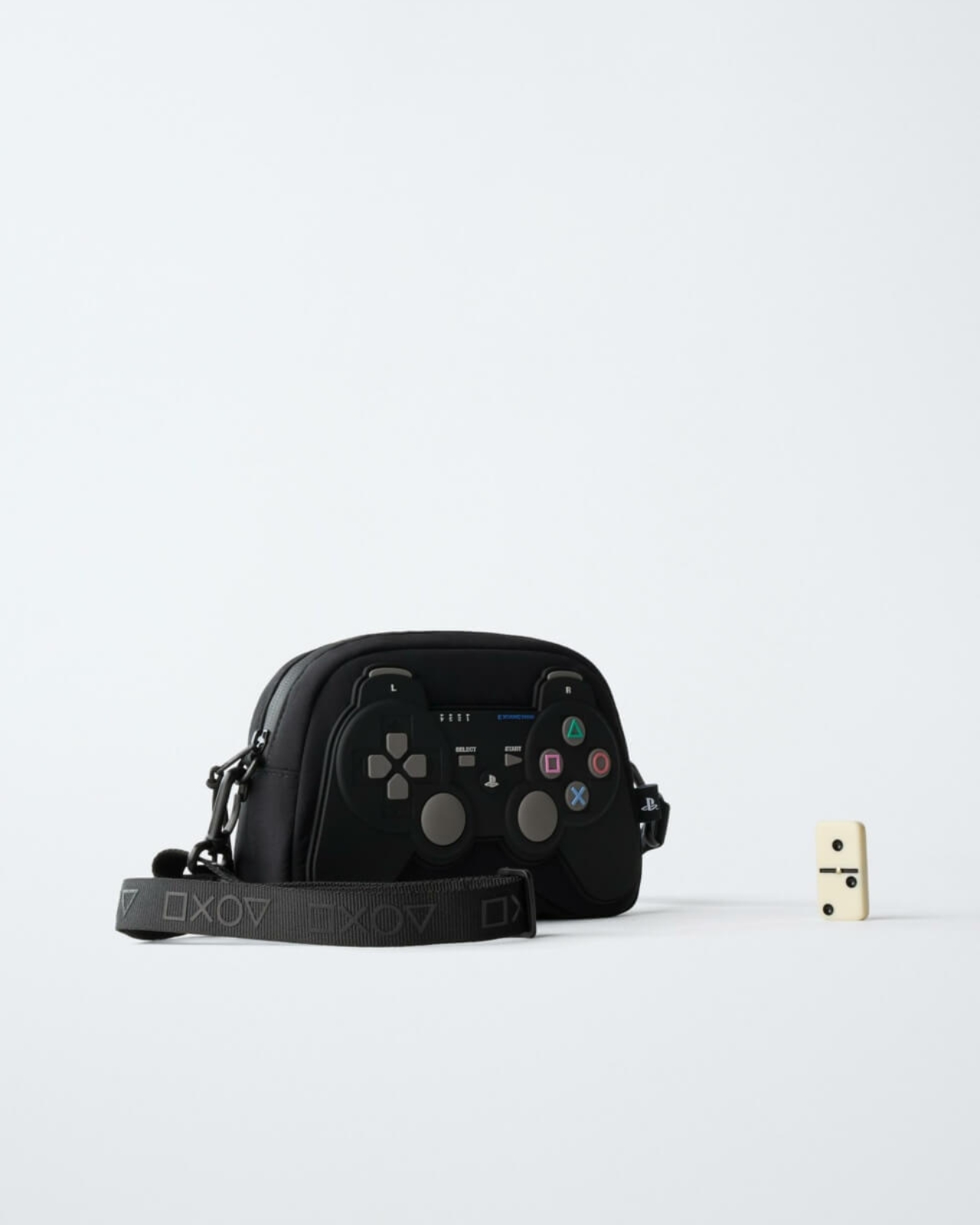
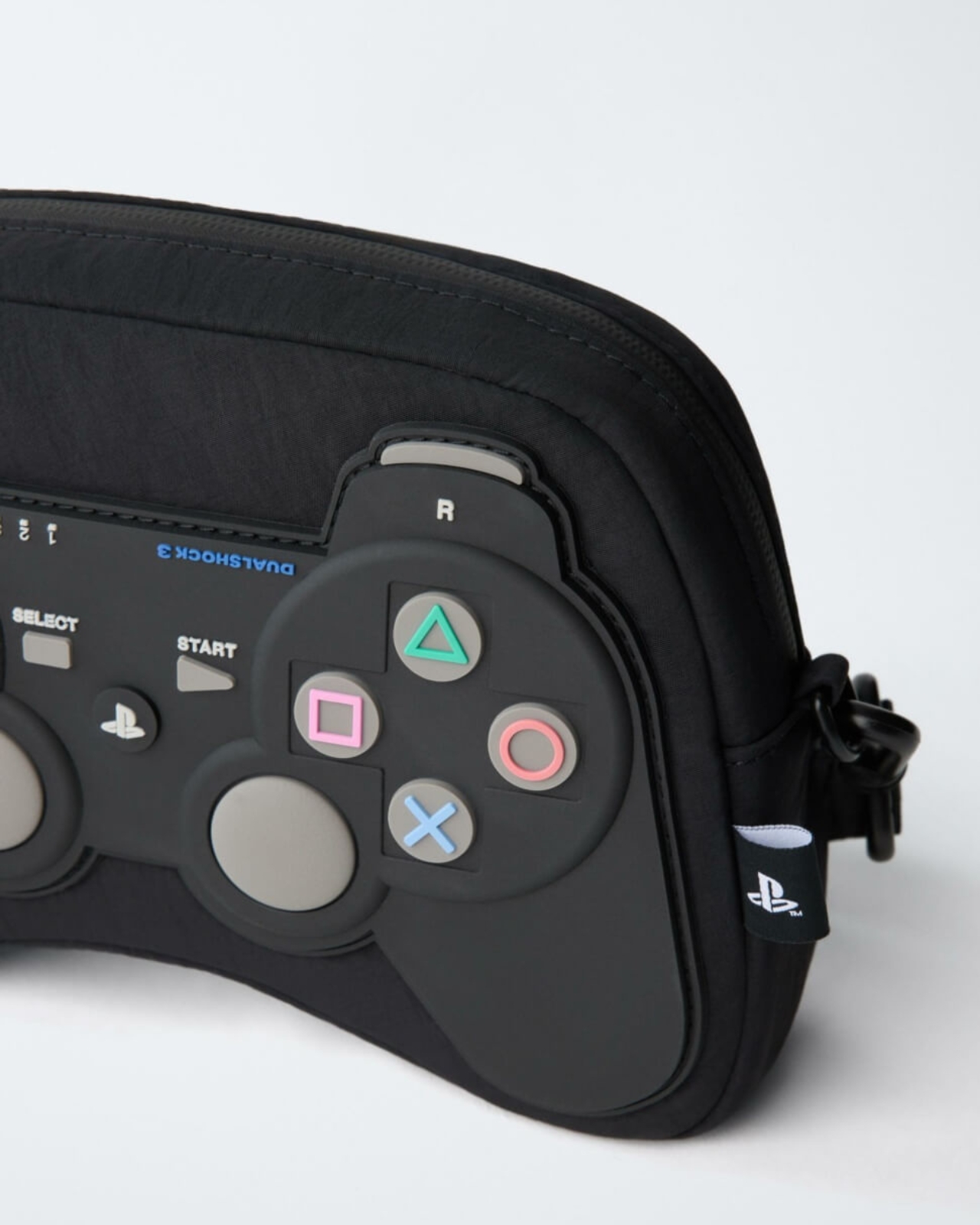
The star piece, at least from a conversation standpoint, is the PlayStation 30th Anniversary crossbody bag. It’s shaped like a PS controller, which sounds like it should be embarrassing, and yet it isn’t. The gray colorway keeps it from tipping into costume territory. It measures roughly 8.3 by 4.7 inches, just big enough to be functional, and comes with an adjustable and removable strap. The materials are standard Zara fare: polyamide outer shell, silicone accents, polyester lining. It retails for $32.90, which is the kind of price that makes impulse buying very easy to justify.
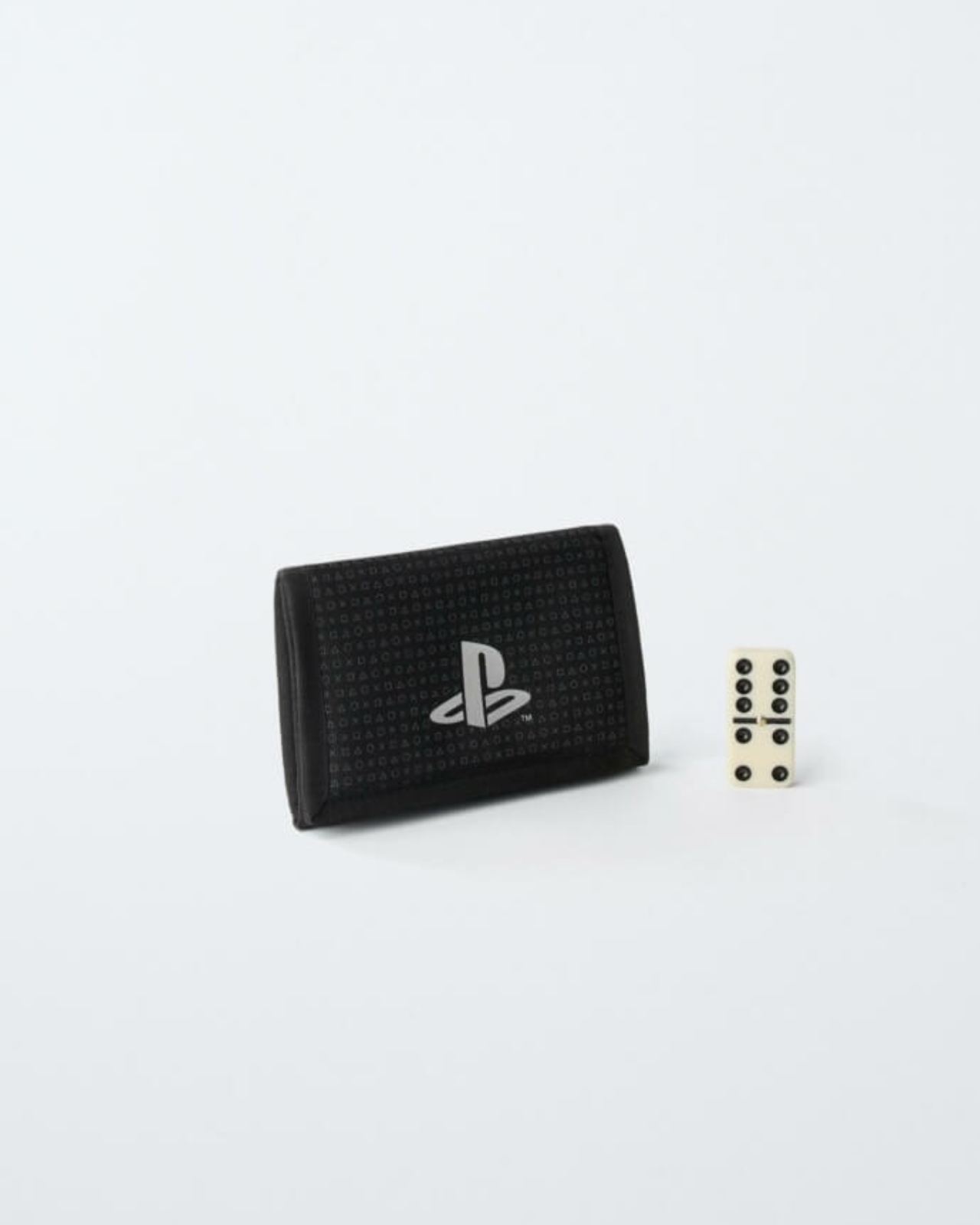
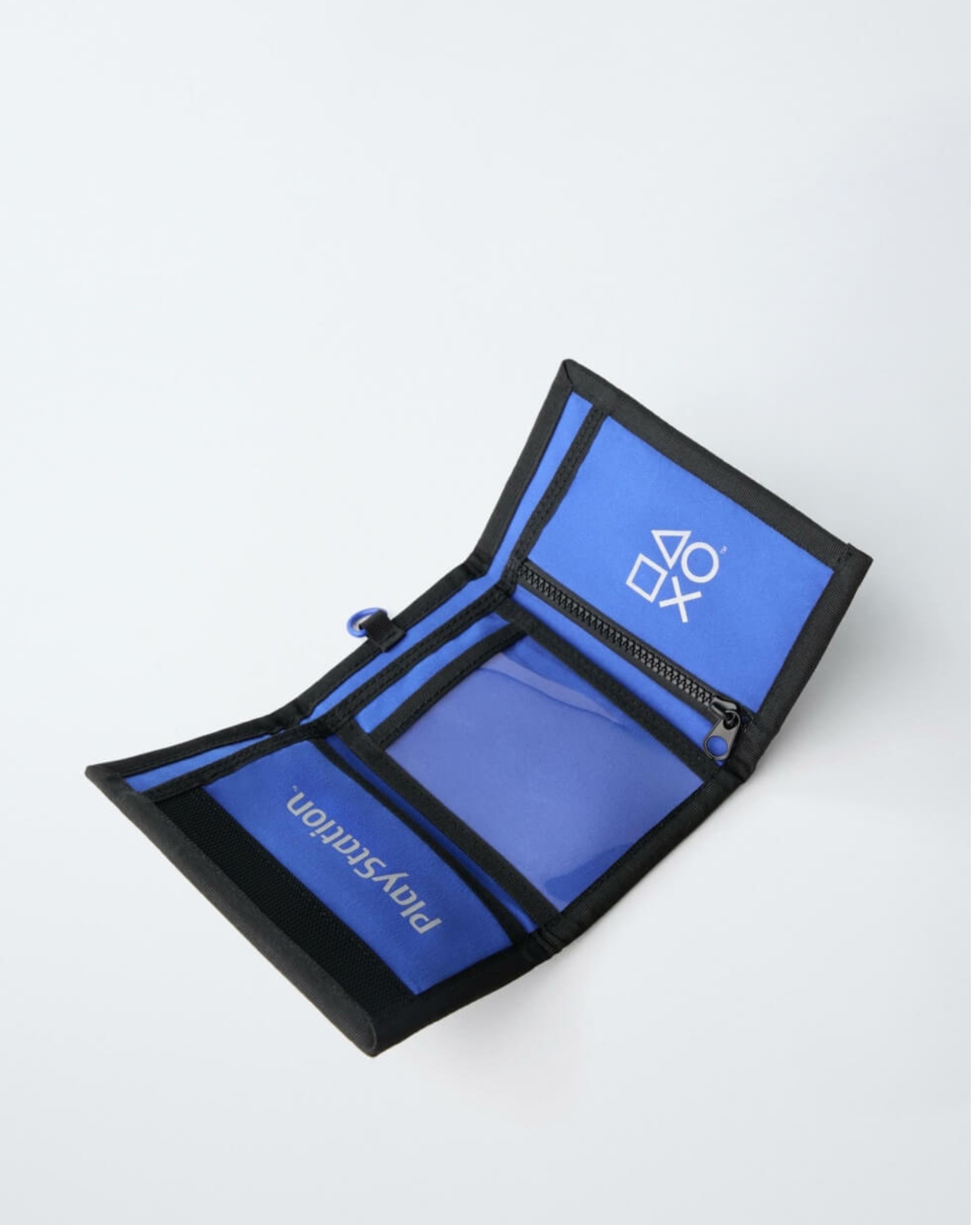
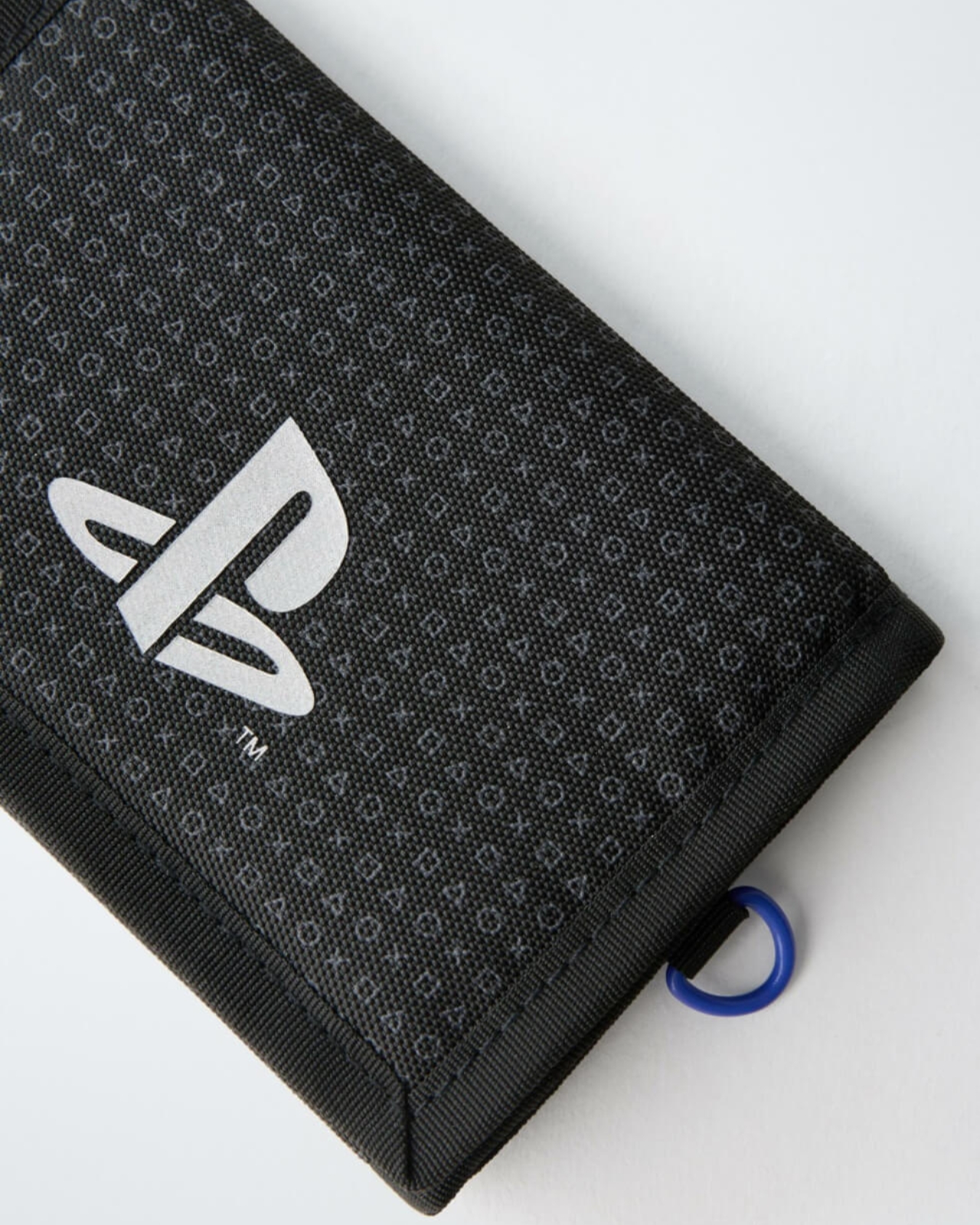
The PlayStation wallet follows a similar design language: a “PS” emblem against a black exterior, with a blue interior lined with card sleeves and pockets. PlayStation’s iconic triangle, circle, cross, and square symbols show up throughout the collection, and Zara was smart enough to let them do the heavy lifting without overdecorating everything else. Less is more is an obvious design principle, but it’s one that gaming merchandise consistently ignores. Zara mostly doesn’t.
The high-top sneakers in black are probably the piece I’d personally reach for. They have a lace-up closure, a back pull tab, and a rubber sole with an air chamber detail, nothing revolutionary in terms of construction, but the PlayStation branding is subtle enough that they read as a regular pair of fashion sneakers to anyone who isn’t paying close attention. That’s actually the point. The best pop-culture-inspired fashion pieces are the ones that don’t require you to announce what they’re referencing. They just exist in your wardrobe and let people figure it out.
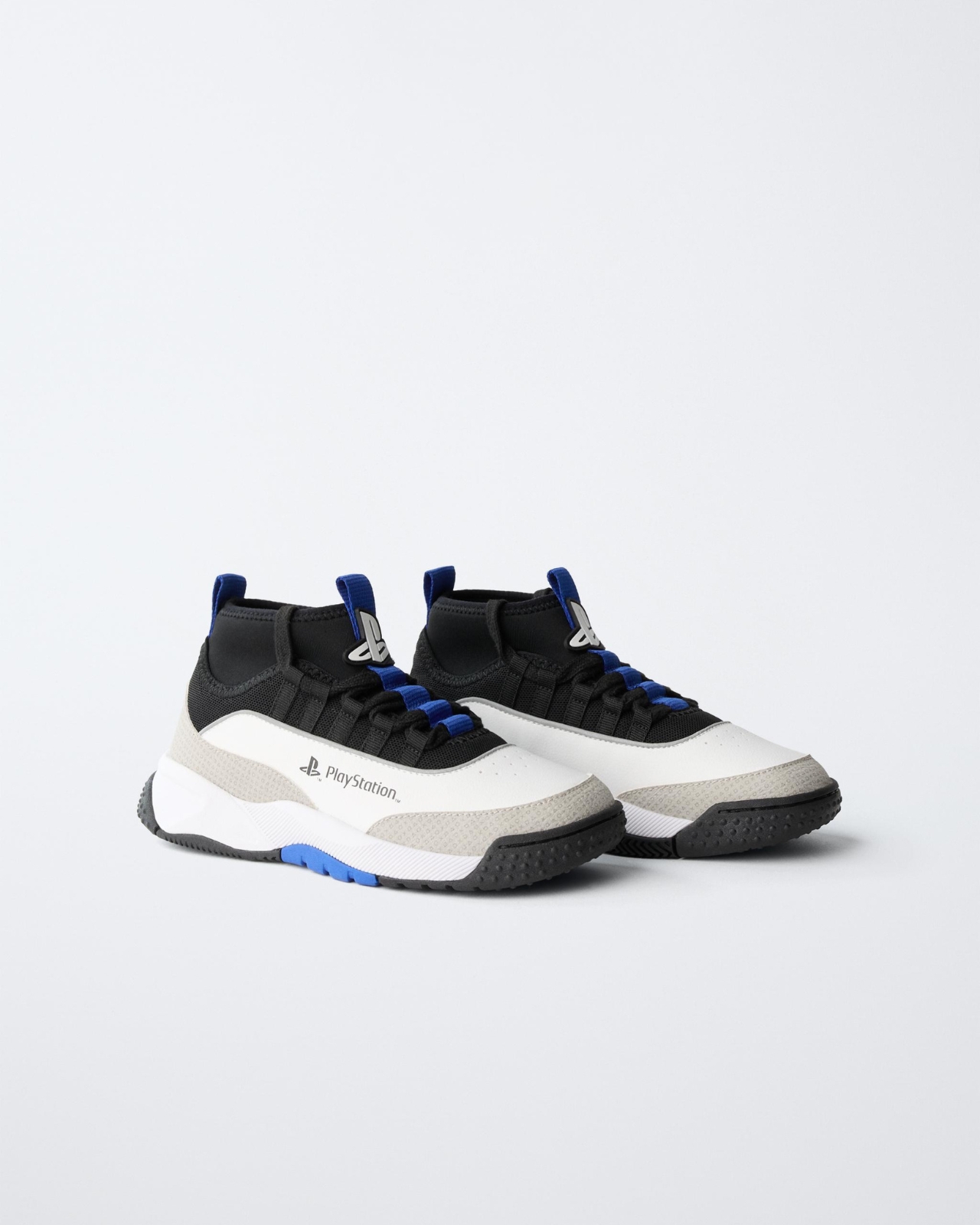
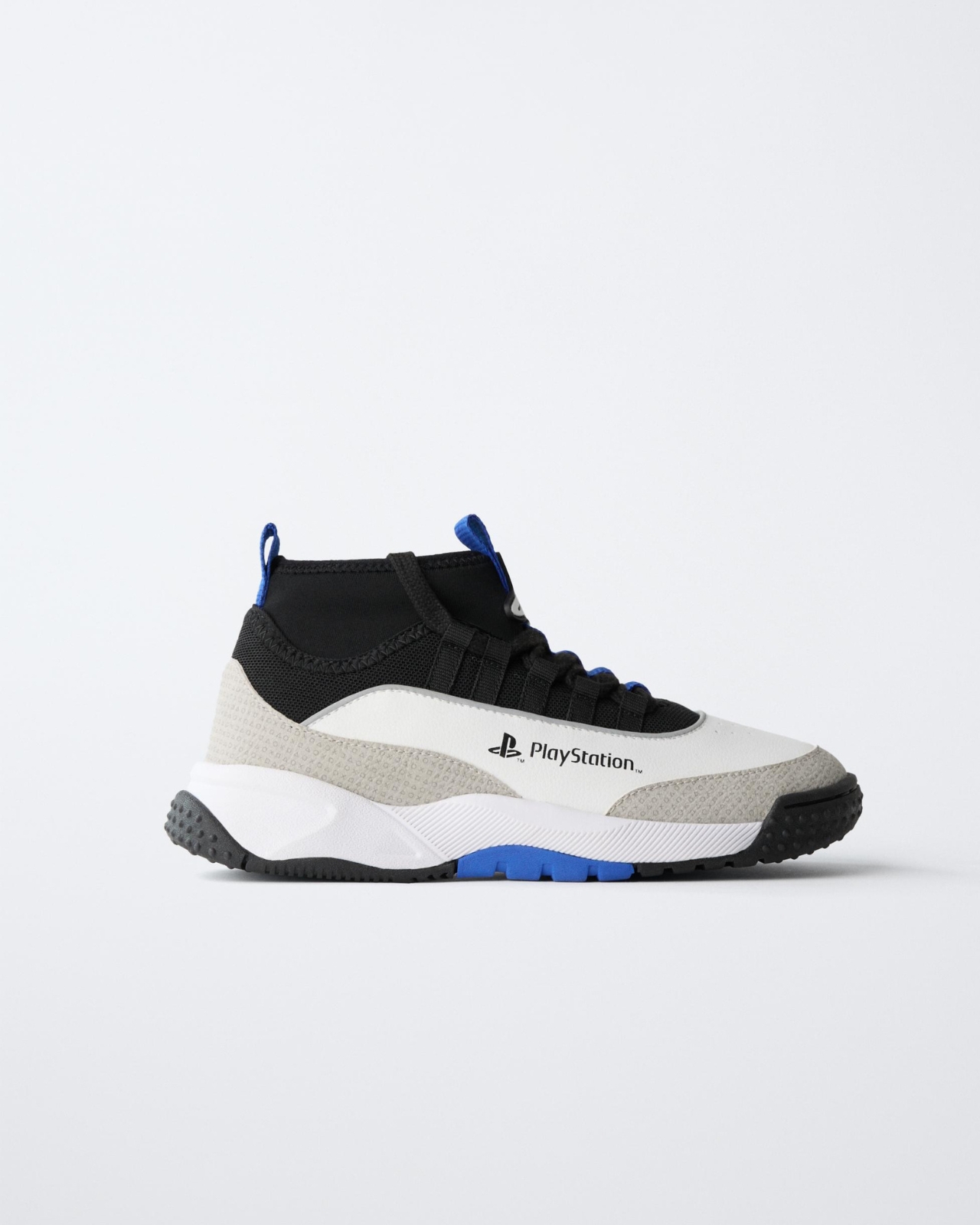
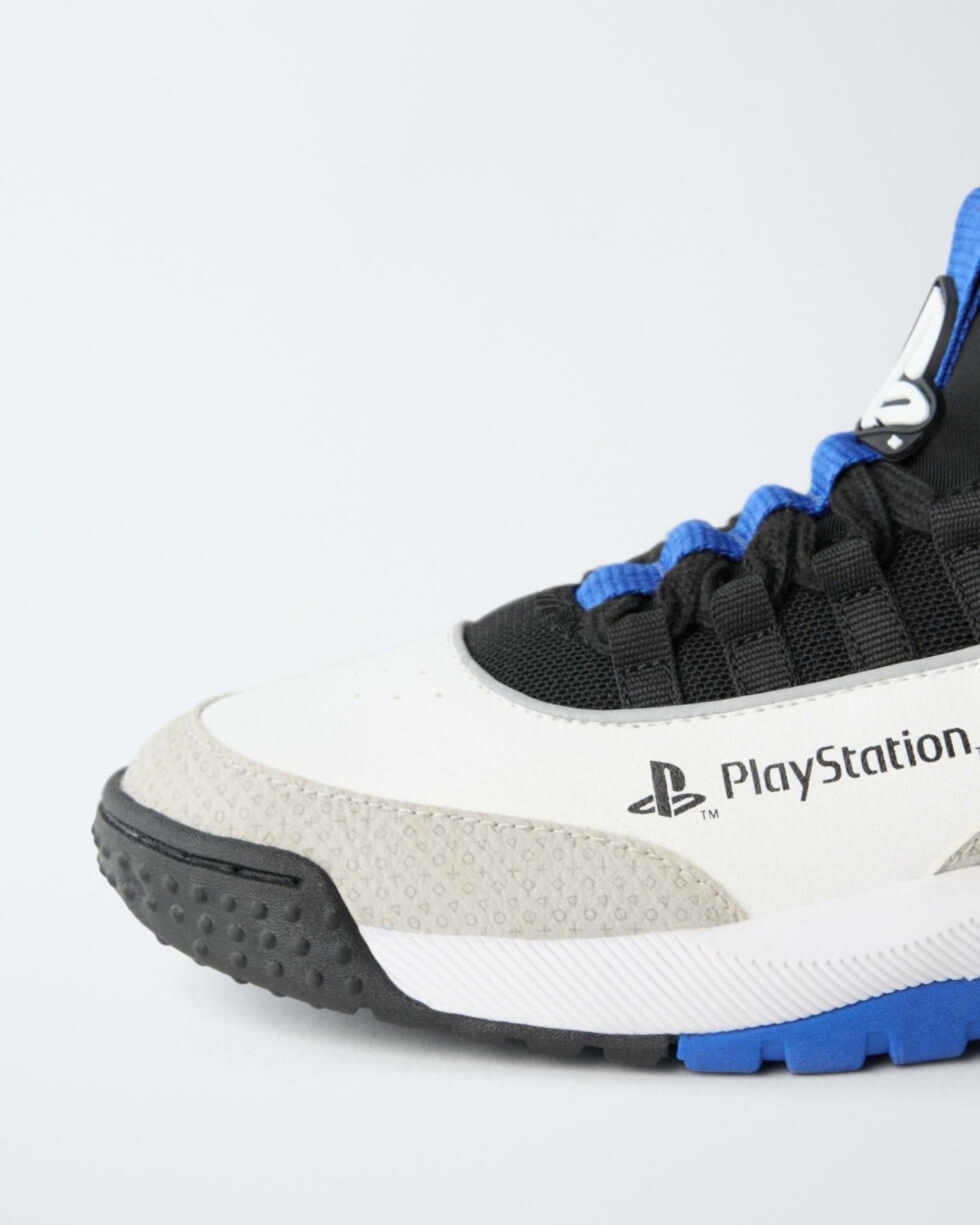
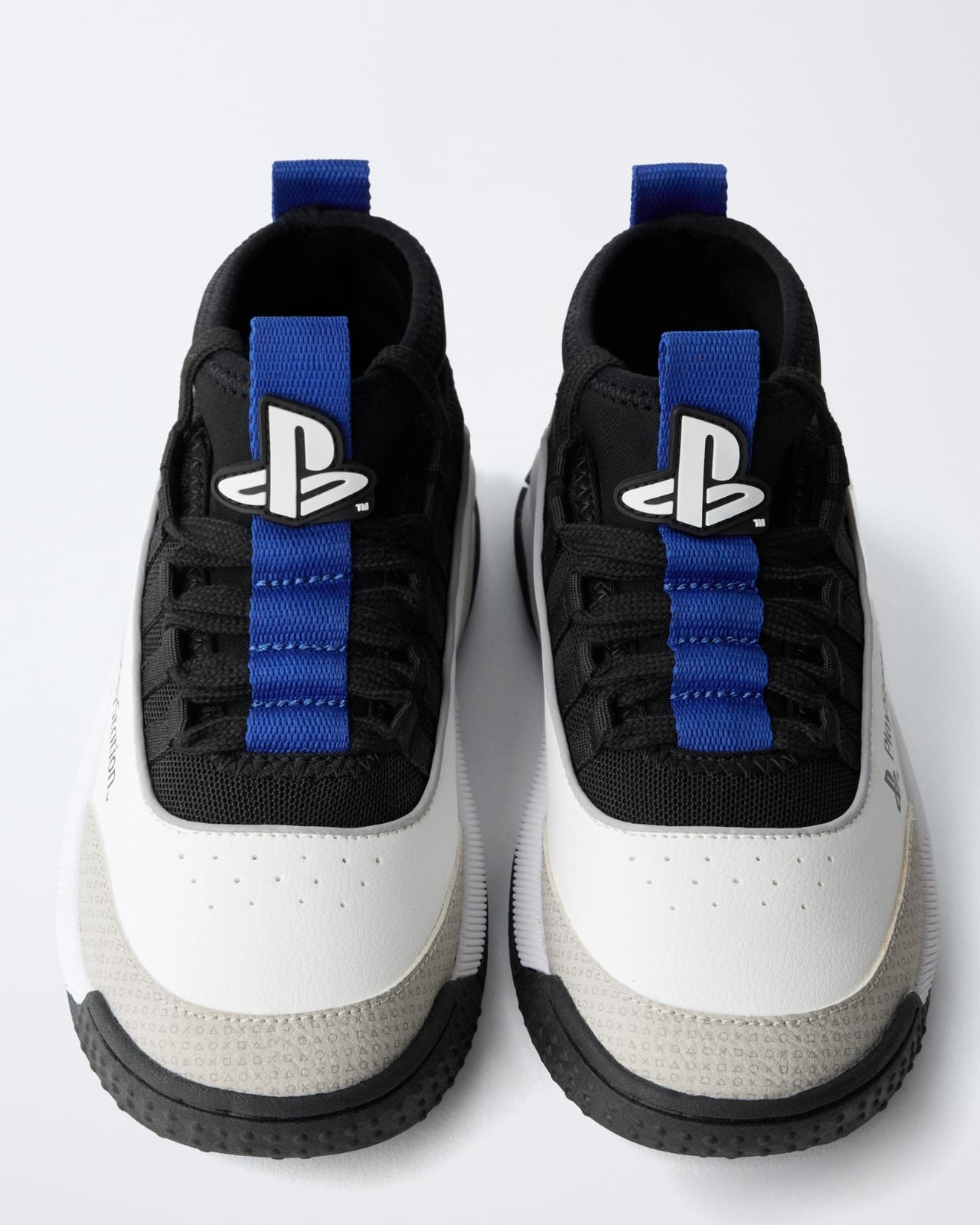
It’s worth stepping back and understanding why this collection exists at all. PlayStation turned 30 in December 2024, and Sony spent much of the following year leaning into that milestone through partnerships with brands across fashion, design, and lifestyle. Zara, the Spanish fast-fashion giant, was one of the licensees granted the rights to design and sell PlayStation-themed products. The 30th anniversary bag generated real buzz on social media when it first appeared, with people on Threads and Instagram noting it was the kind of gaming merchandise they’d actually carry to a convention, or to brunch.
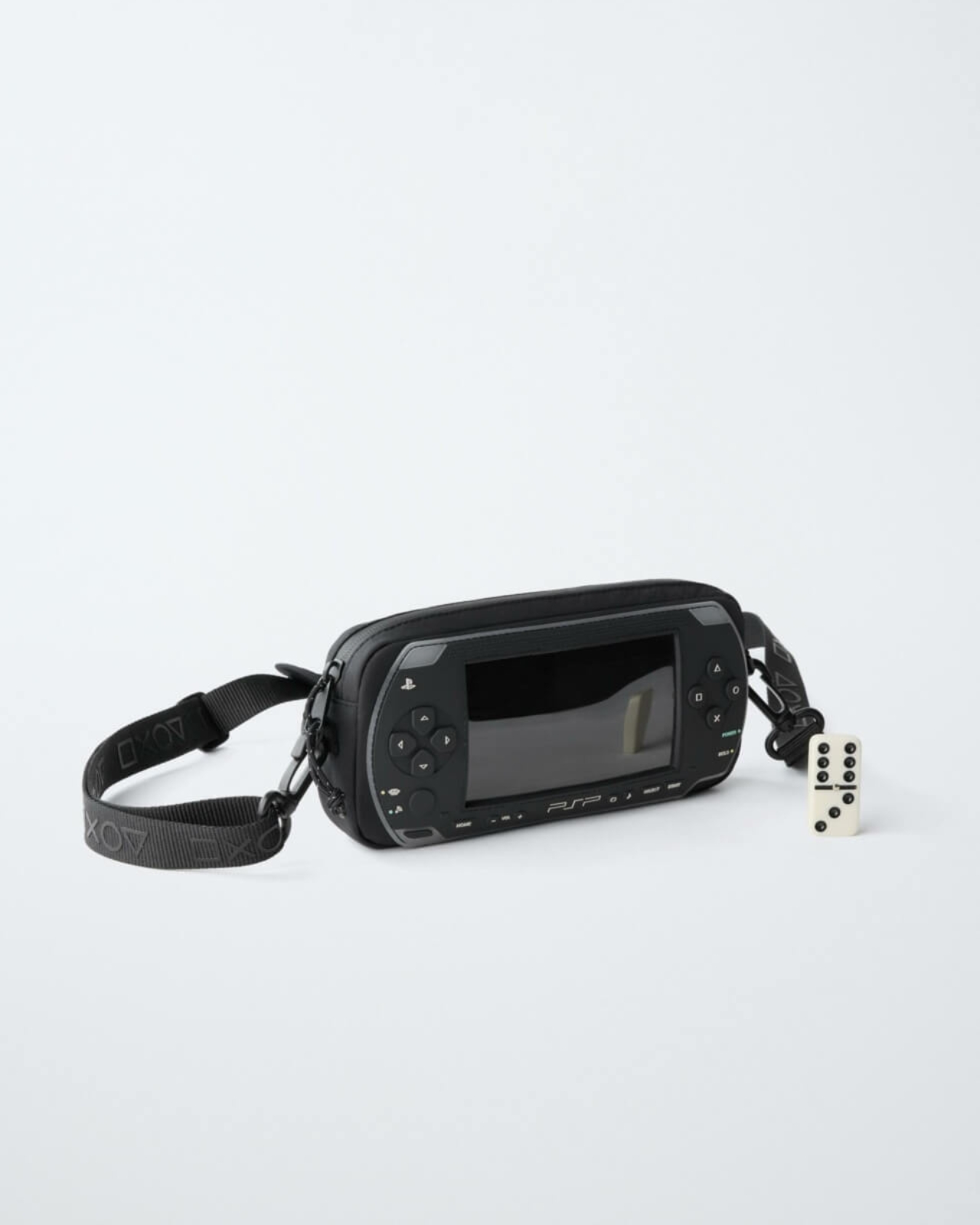
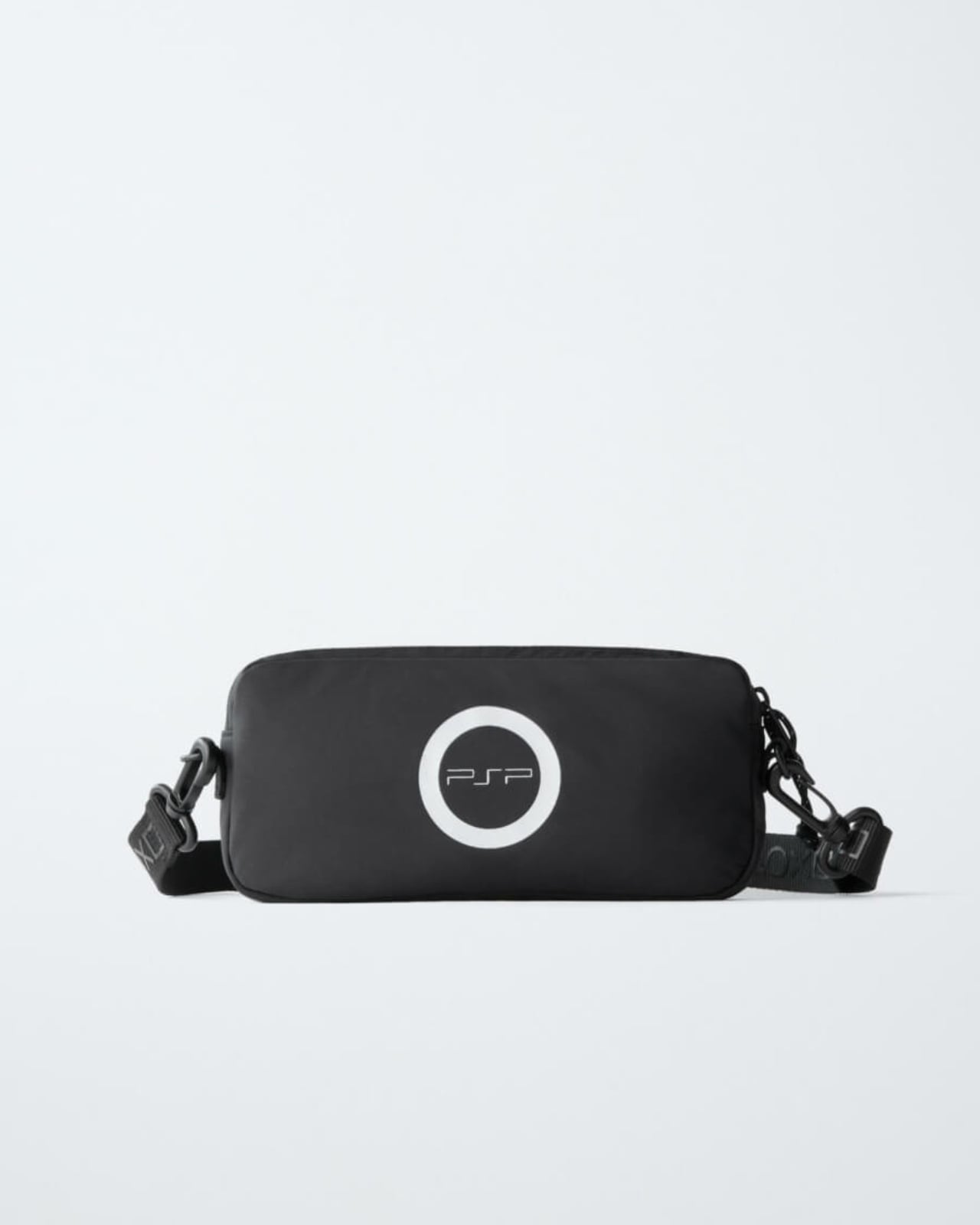
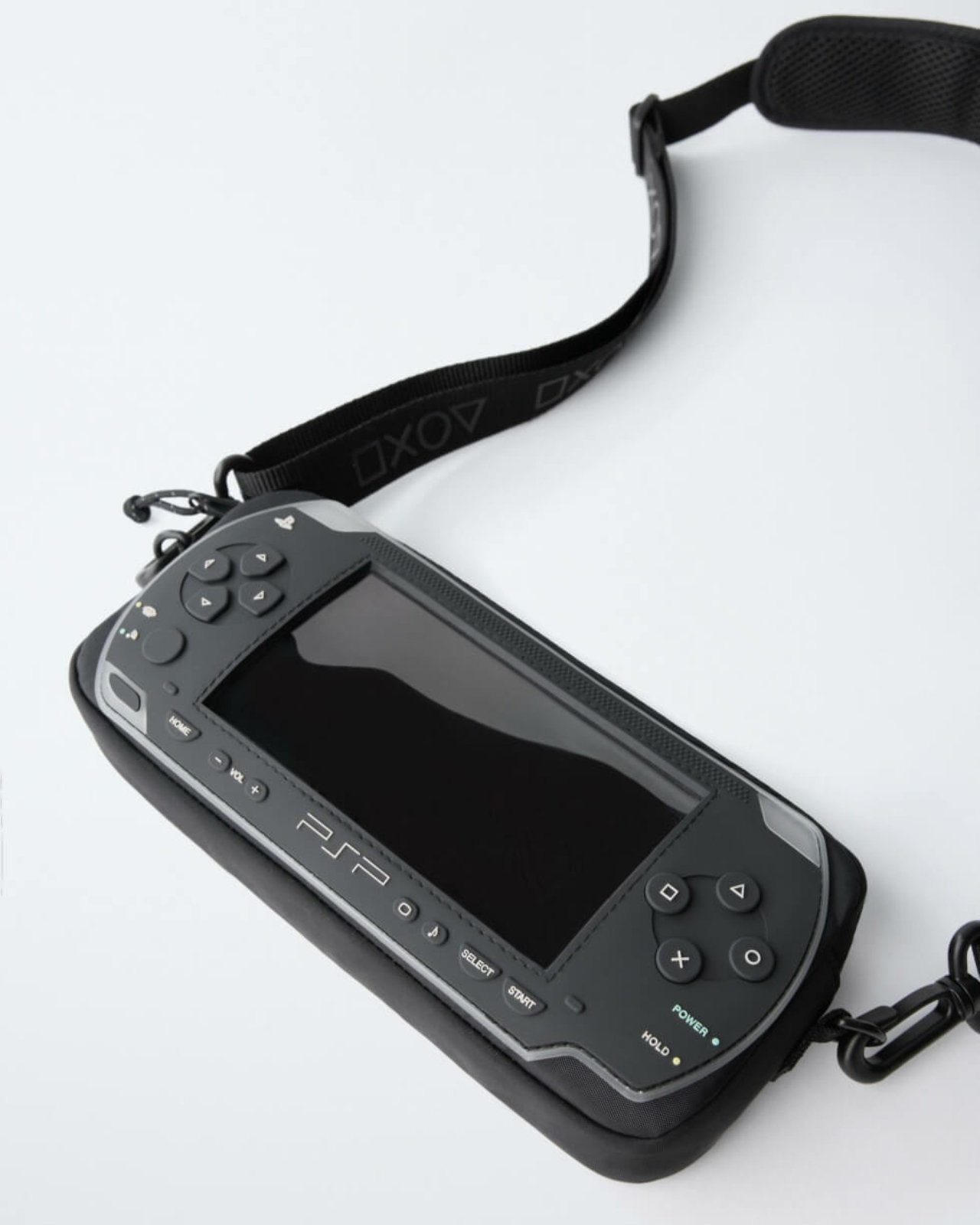
The broader context matters too. Sony is reportedly developing a new console and possibly a handheld, with speculation swirling about whether it’s going to be a hybrid device or two separate products. The PlayStation brand is being kept warm and visible across multiple categories while hardware fans wait for the next announcement. Fashion partnerships are part of that strategy, and they work best when the design side doesn’t get lazy.
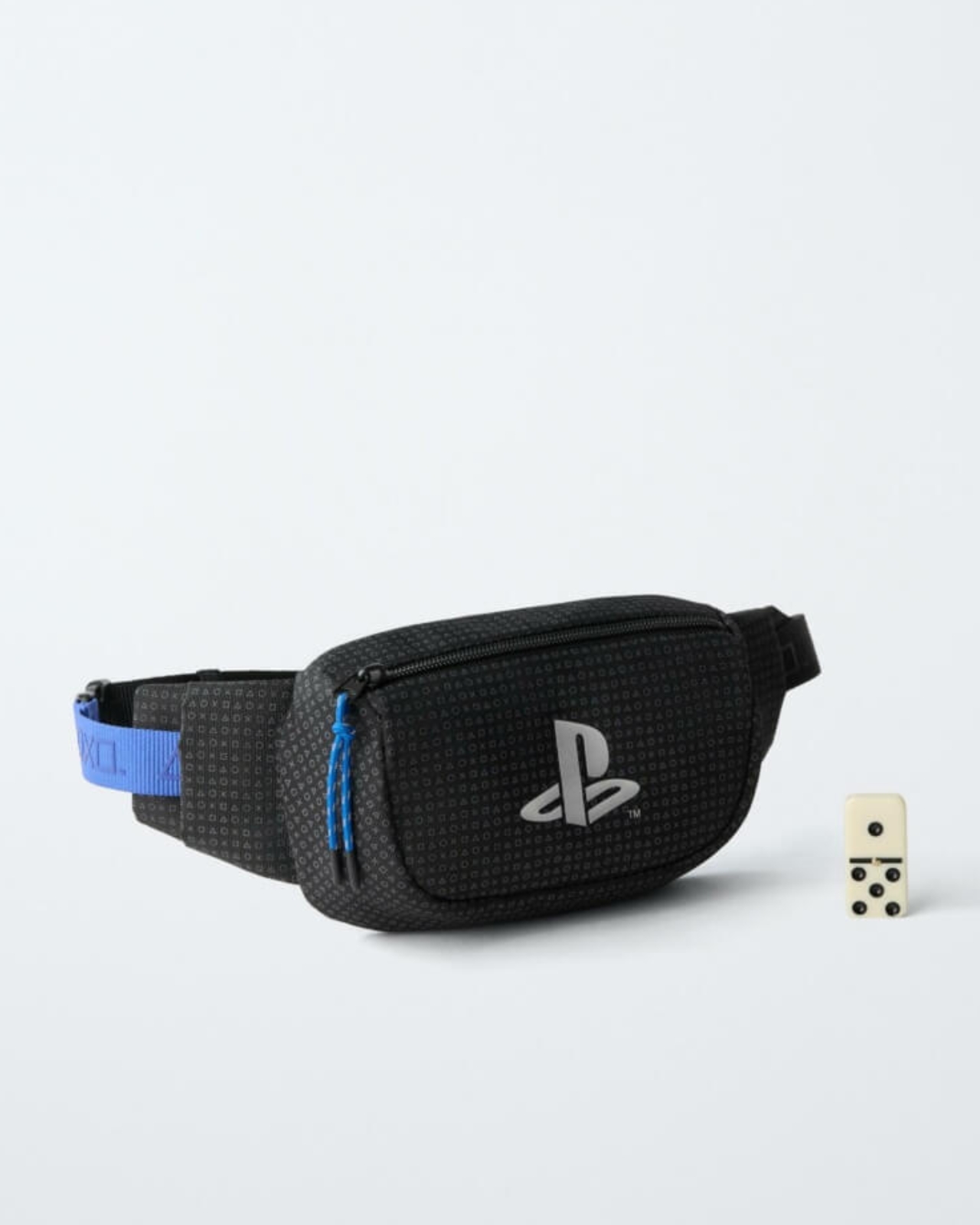
Whether you’re a PlayStation fan or simply someone who appreciates a well-executed brand collaboration, the Zara capsule is worth a look. It doesn’t try too hard, and that’s its greatest asset. Gaming culture has spent decades trying to earn a seat at the fashion table. Collections like this one suggest the seat is finally being offered, not because gaming has changed, but because the rest of the world has caught up to how seriously people take it. The controller-shaped bag is genuinely fun. The sneakers are wearable. And the wallet might just be the most understated piece of PlayStation merchandise anyone has ever made.
The post Zara and PlayStation Just Made Gaming Fashion Actually Cool first appeared on Yanko Design.
Gaming and fashion have been flirting with each other for years, and most of the time, the results are predictable. Graphic tees with pixelated prints, oversized hoodies branded with controller icons, the kind of stuff you see at gaming conventions and immediately forget. So when Zara dropped a PlayStation capsule collection, my expectations were calibrated accordingly. Then I actually looked at it, and I had to reconsider.
For 2026, Zara released six PlayStation-branded pieces that sit somewhere between fan merch and something you’d genuinely pick up because it looks good. The lineup includes a wallet, high-top sneakers, a belt bag, and three distinct crossbody bags. Not a graphic tee in sight. As someone who’s watched the gaming-meets-fashion space produce some genuinely cringe-worthy results over the years, the restraint here is worth noting.
Designer: Zara
The star piece, at least from a conversation standpoint, is the PlayStation 30th Anniversary crossbody bag. It’s shaped like a PS controller, which sounds like it should be embarrassing, and yet it isn’t. The gray colorway keeps it from tipping into costume territory. It measures roughly 8.3 by 4.7 inches, just big enough to be functional, and comes with an adjustable and removable strap. The materials are standard Zara fare: polyamide outer shell, silicone accents, polyester lining. It retails for $32.90, which is the kind of price that makes impulse buying very easy to justify.
The PlayStation wallet follows a similar design language: a “PS” emblem against a black exterior, with a blue interior lined with card sleeves and pockets. PlayStation’s iconic triangle, circle, cross, and square symbols show up throughout the collection, and Zara was smart enough to let them do the heavy lifting without overdecorating everything else. Less is more is an obvious design principle, but it’s one that gaming merchandise consistently ignores. Zara mostly doesn’t.
The high-top sneakers in black are probably the piece I’d personally reach for. They have a lace-up closure, a back pull tab, and a rubber sole with an air chamber detail, nothing revolutionary in terms of construction, but the PlayStation branding is subtle enough that they read as a regular pair of fashion sneakers to anyone who isn’t paying close attention. That’s actually the point. The best pop-culture-inspired fashion pieces are the ones that don’t require you to announce what they’re referencing. They just exist in your wardrobe and let people figure it out.
It’s worth stepping back and understanding why this collection exists at all. PlayStation turned 30 in December 2024, and Sony spent much of the following year leaning into that milestone through partnerships with brands across fashion, design, and lifestyle. Zara, the Spanish fast-fashion giant, was one of the licensees granted the rights to design and sell PlayStation-themed products. The 30th anniversary bag generated real buzz on social media when it first appeared, with people on Threads and Instagram noting it was the kind of gaming merchandise they’d actually carry to a convention, or to brunch.
The broader context matters too. Sony is reportedly developing a new console and possibly a handheld, with speculation swirling about whether it’s going to be a hybrid device or two separate products. The PlayStation brand is being kept warm and visible across multiple categories while hardware fans wait for the next announcement. Fashion partnerships are part of that strategy, and they work best when the design side doesn’t get lazy.
Whether you’re a PlayStation fan or simply someone who appreciates a well-executed brand collaboration, the Zara capsule is worth a look. It doesn’t try too hard, and that’s its greatest asset. Gaming culture has spent decades trying to earn a seat at the fashion table. Collections like this one suggest the seat is finally being offered, not because gaming has changed, but because the rest of the world has caught up to how seriously people take it. The controller-shaped bag is genuinely fun. The sneakers are wearable. And the wallet might just be the most understated piece of PlayStation merchandise anyone has ever made.
The post Zara and PlayStation Just Made Gaming Fashion Actually Cool first appeared on Yanko Design.