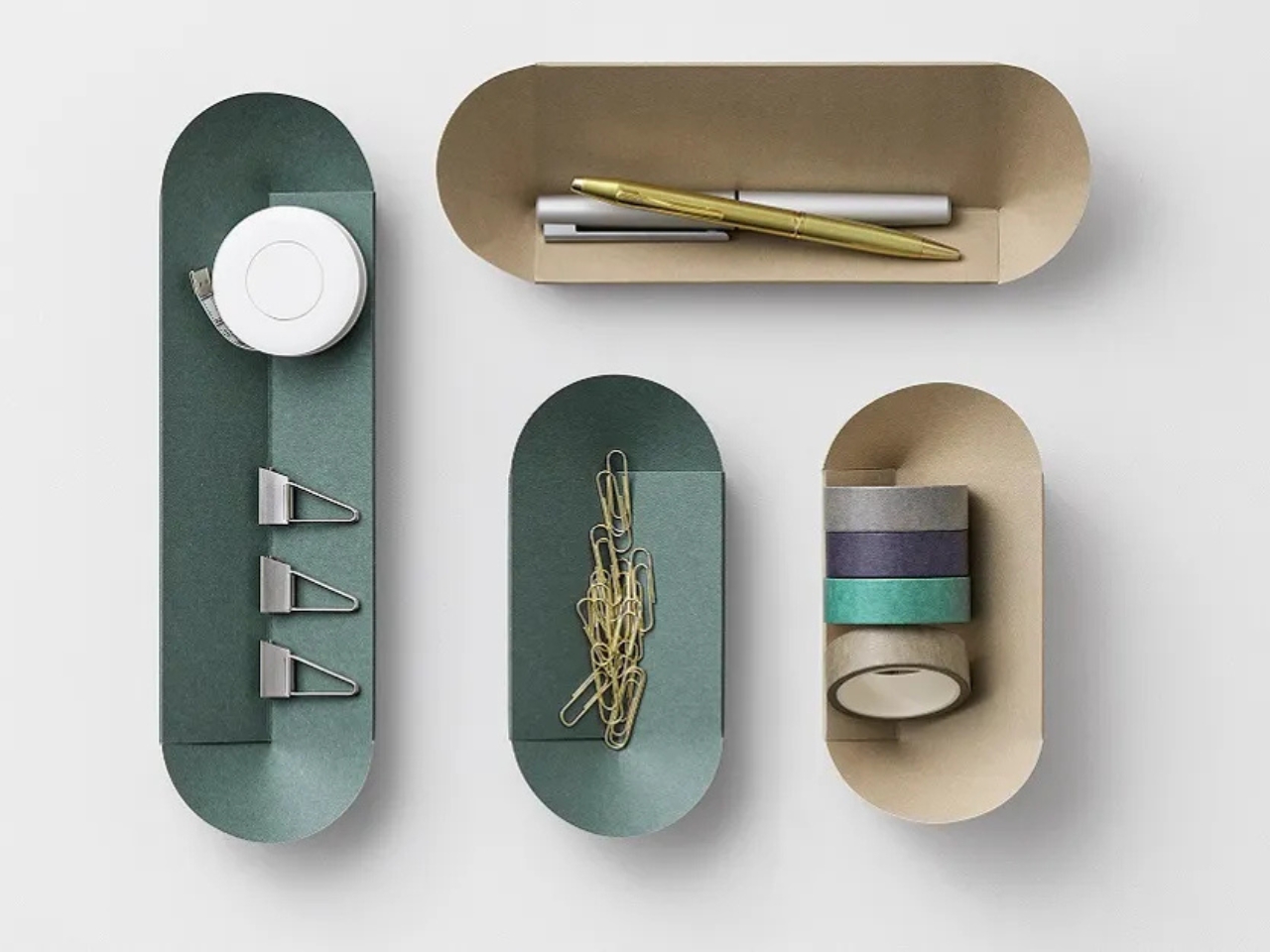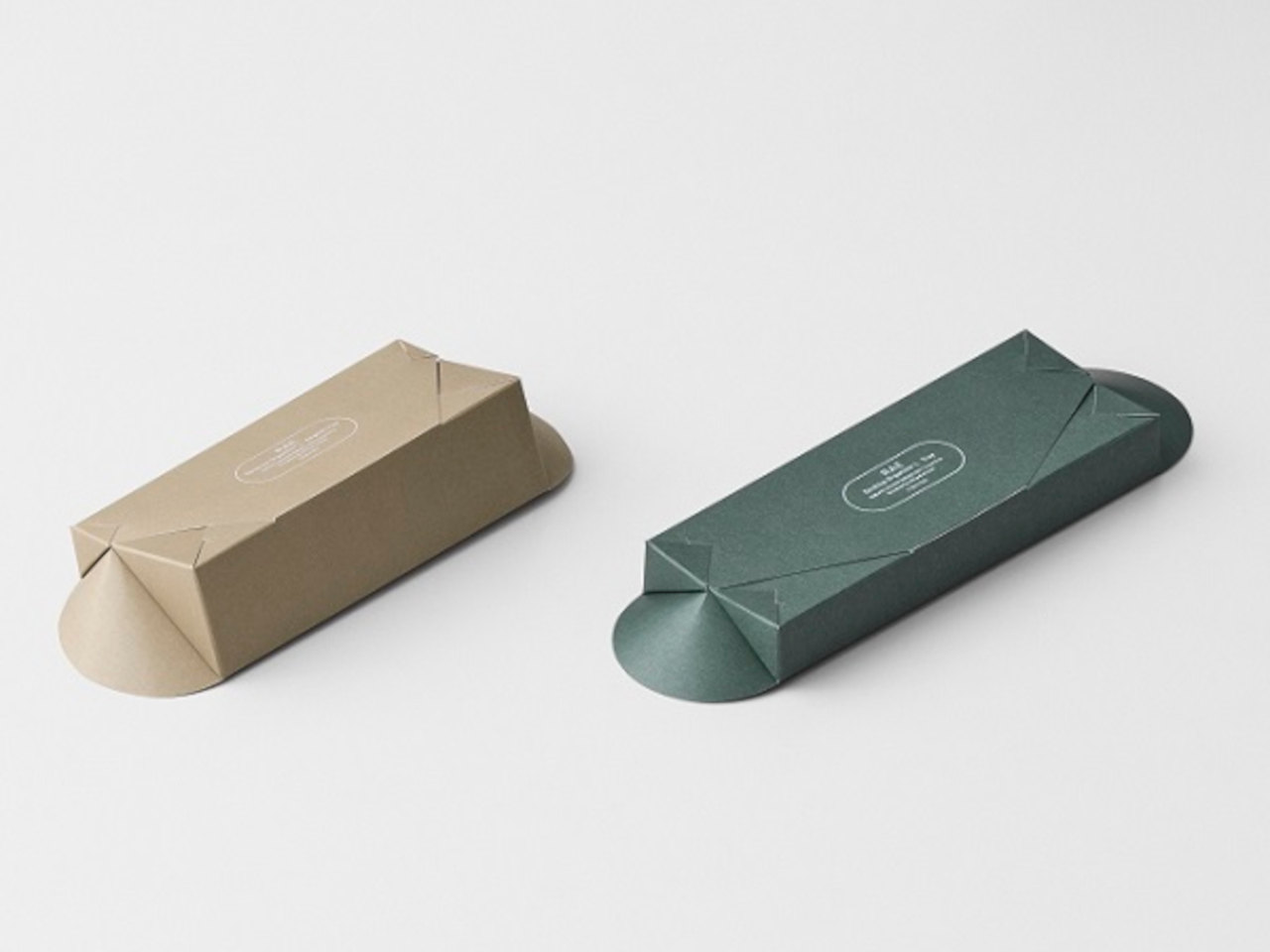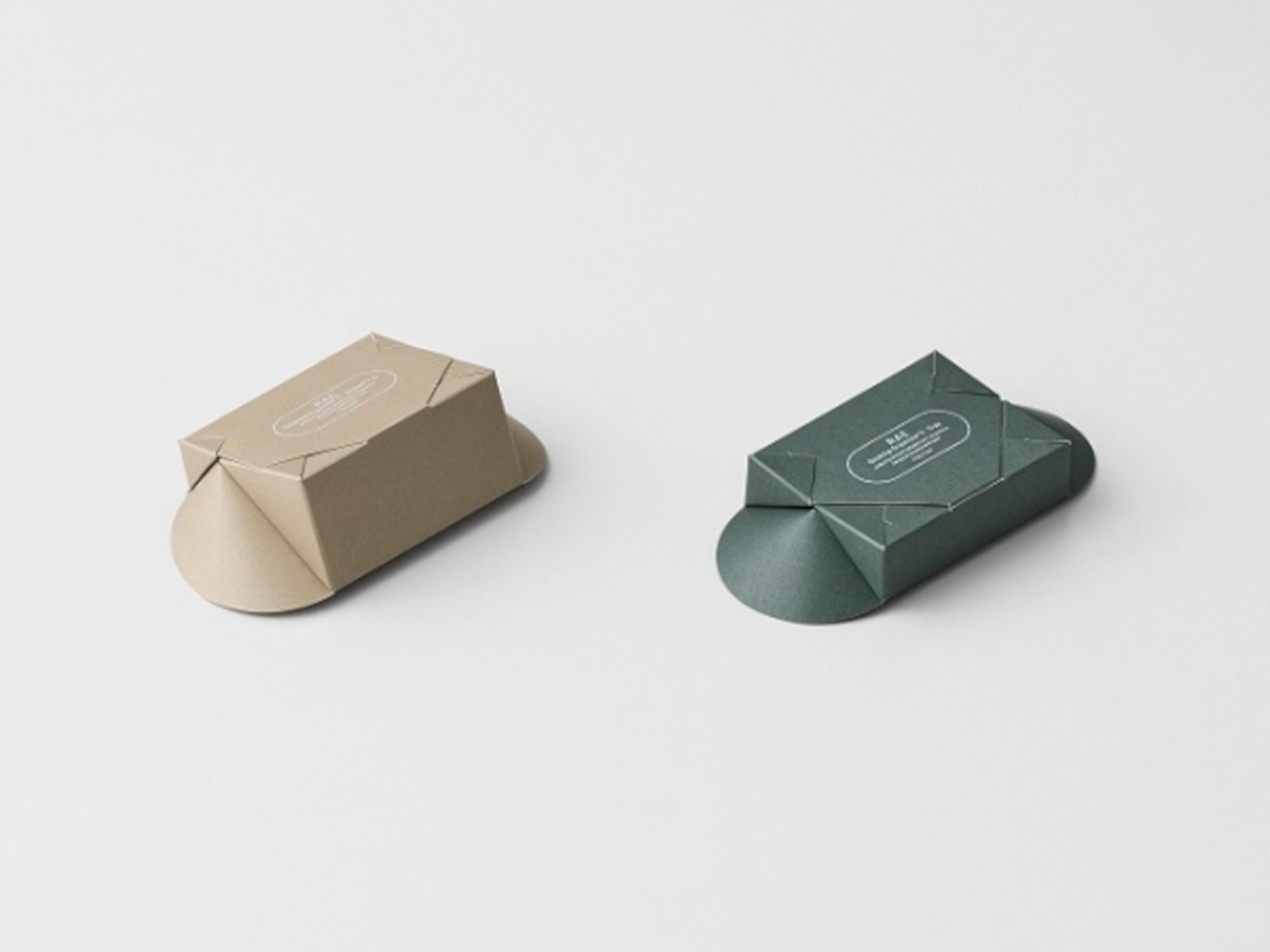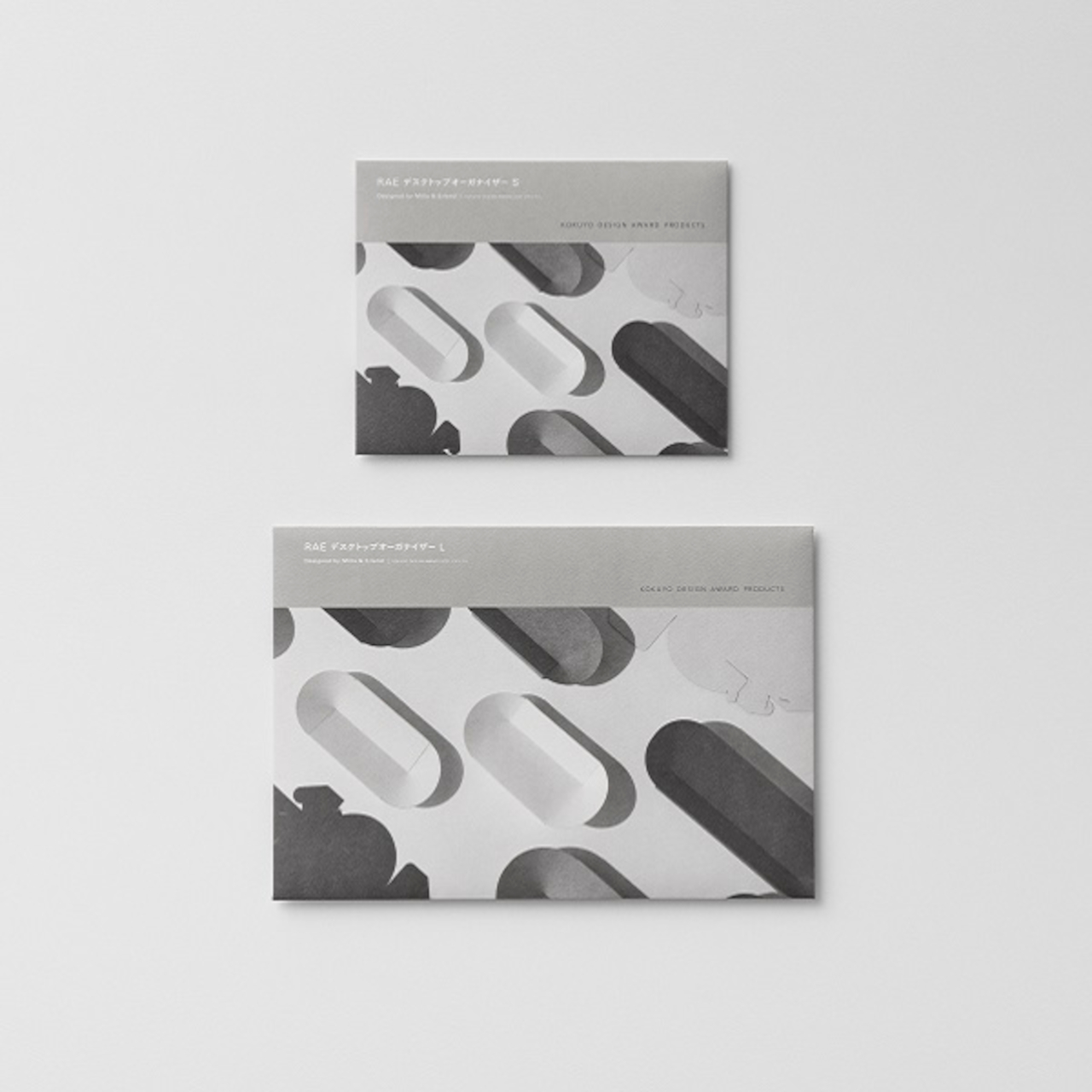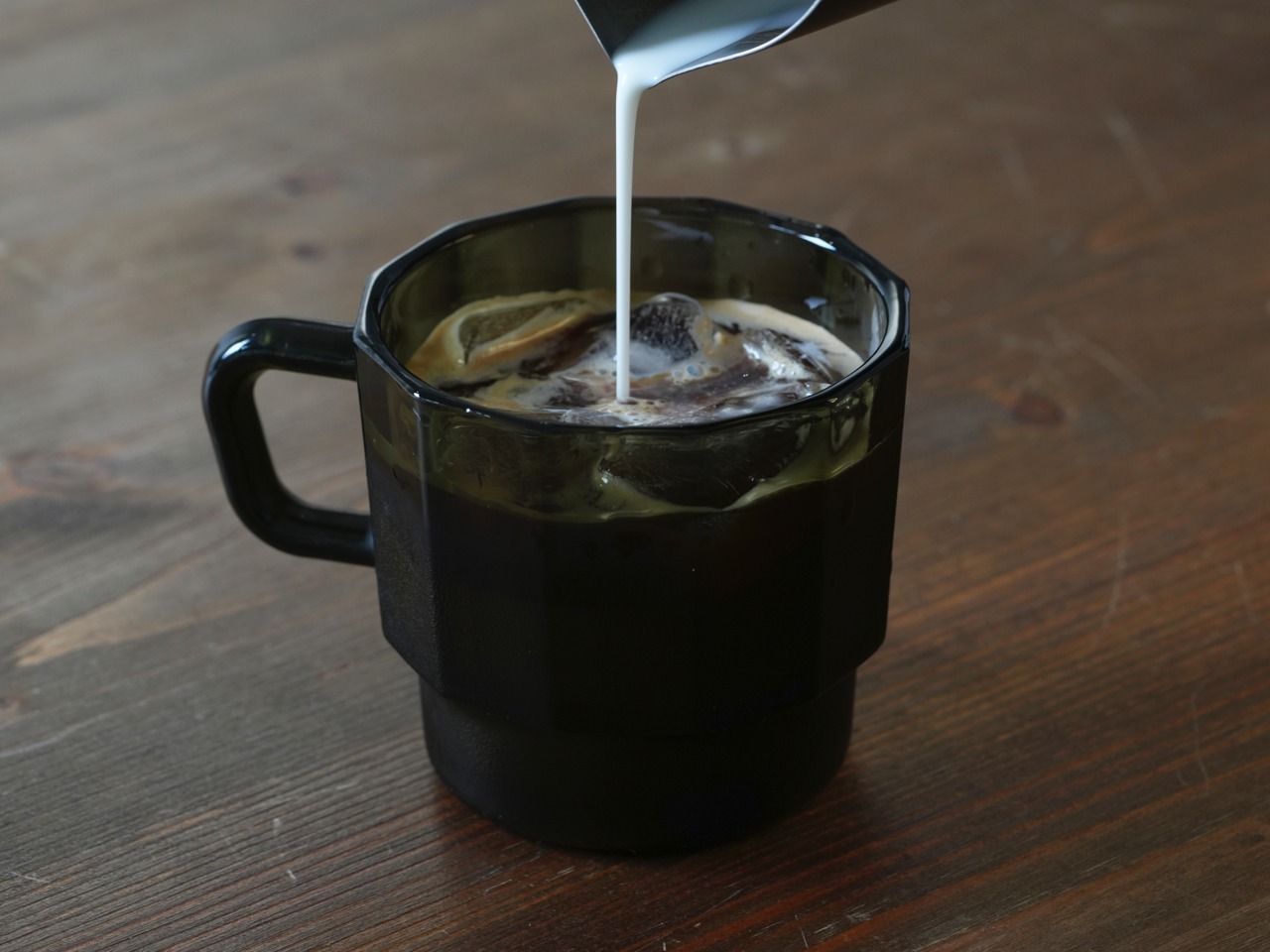
As a self-confessed hoarder and maximalist, my desk is anything but neat. I collect a lot of stationery and supplies (sometimes more than I need) and so I have a lot of things lying around. There are of course some desk organizers there but the small items can sometimes be just left scattered all over. This new DIY stationery items can help with that problem.
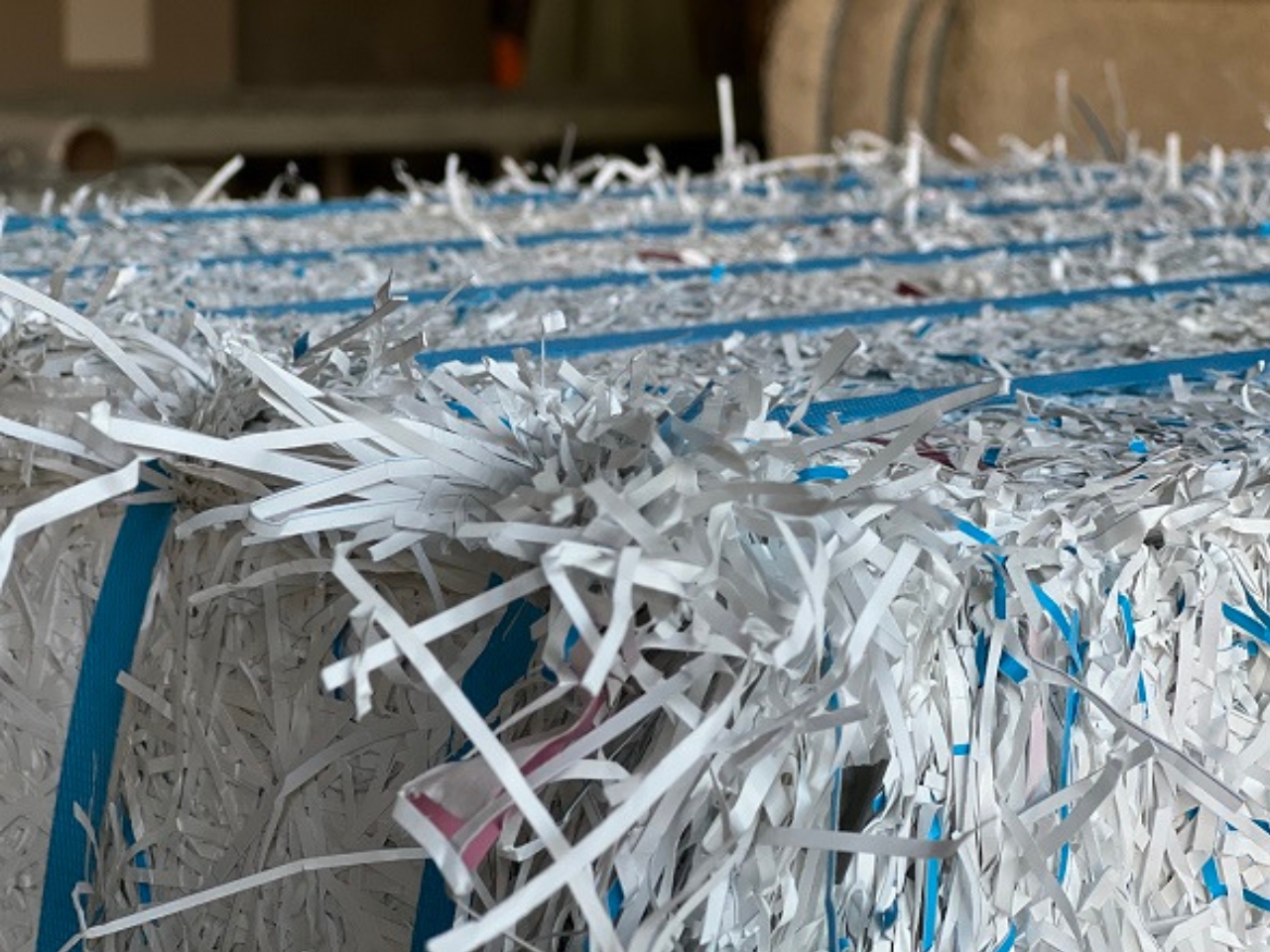
RAE is a desktop organizer that is made from recycled paper from scraps of Campus notebooks from Kokuyo’s manufacturing factories. Since the strength and abrasion resistance is affected if you fully use the recycled fibers as virgin materials, they decided to make that just 50% of the recycled paper.
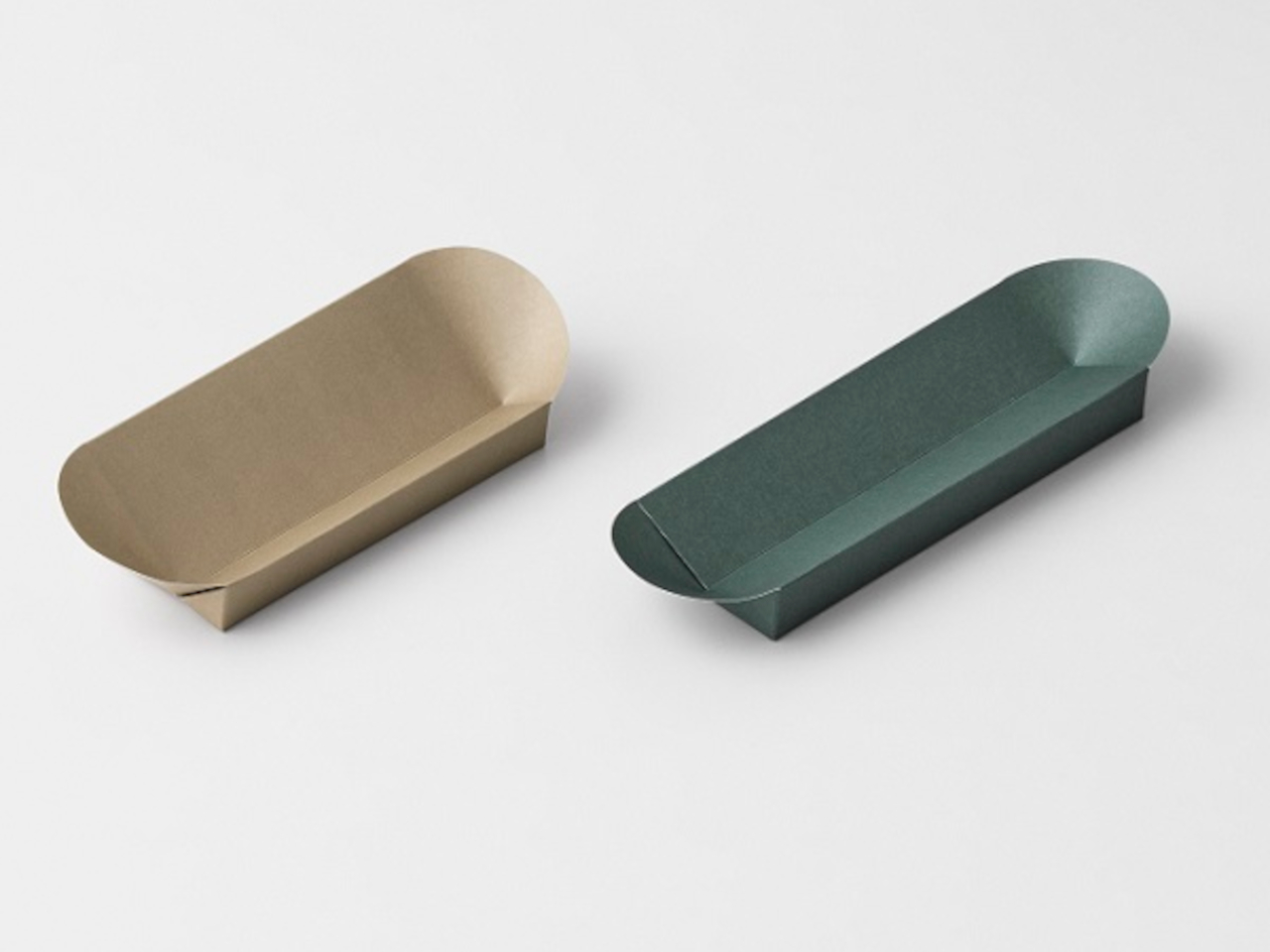
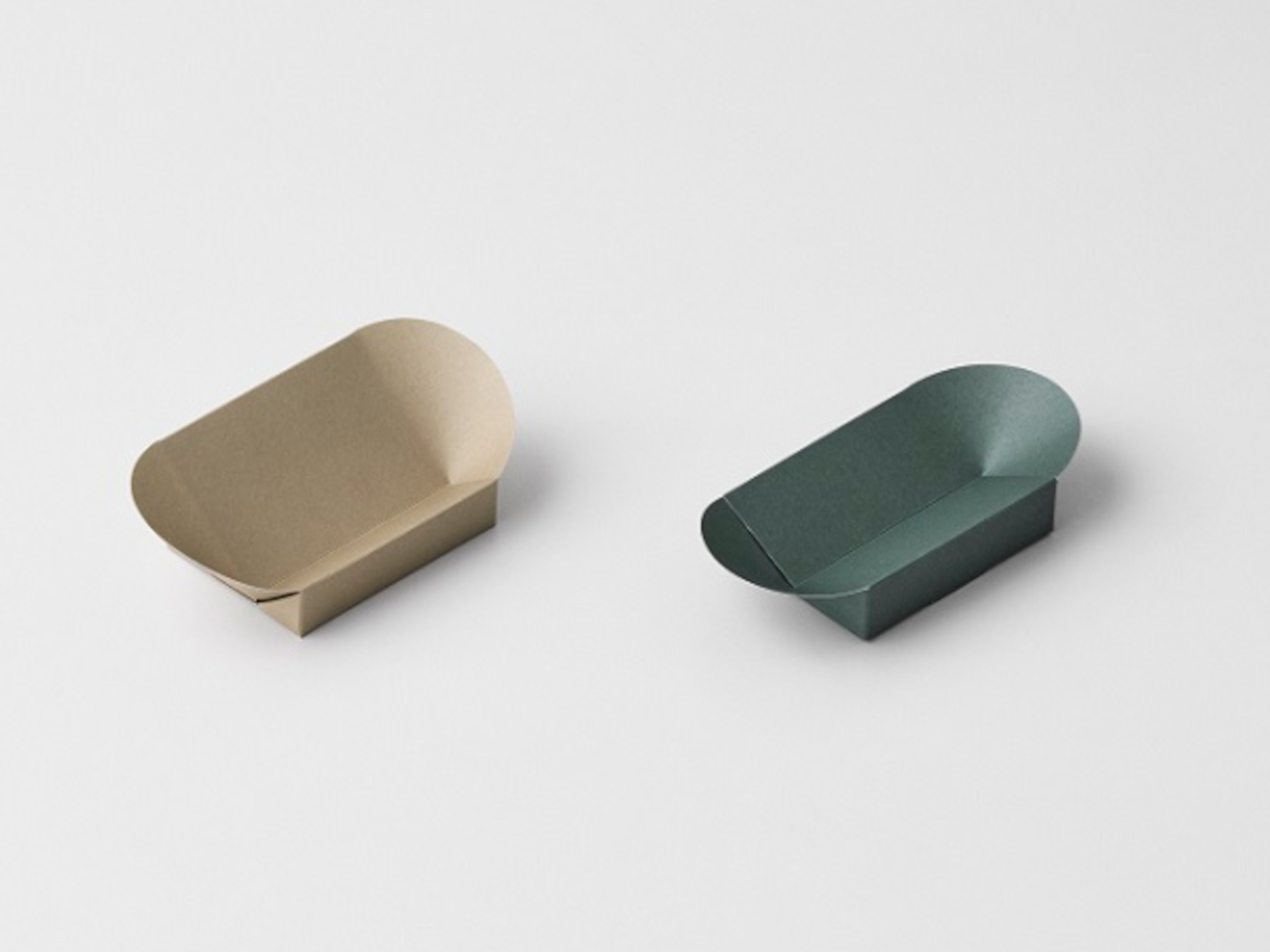
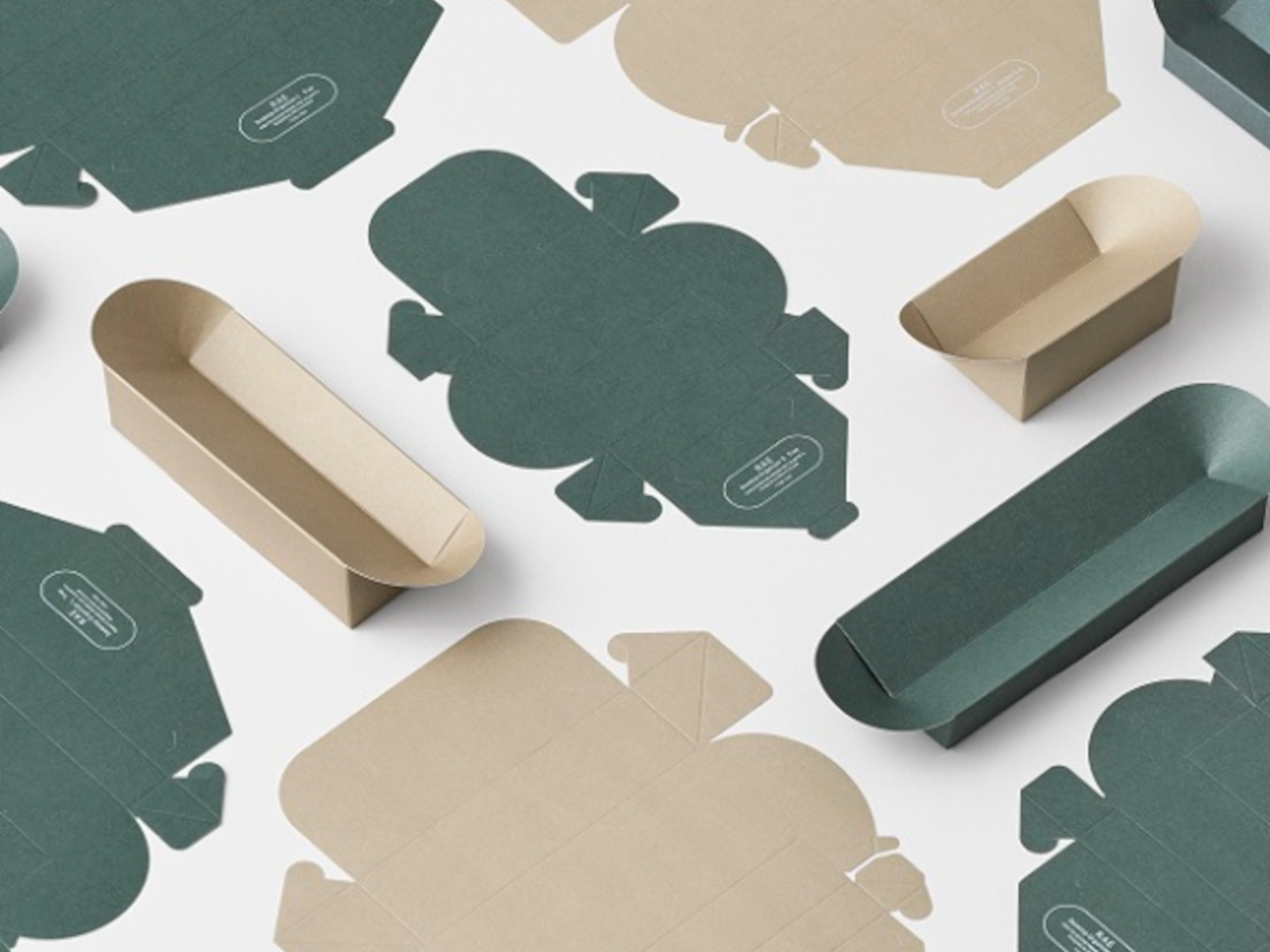
What makes this even more interesting is that the user will be the one to “assemble” the organizer by folding the paper, origami-style. There are two sizes of the paper: the S size (W155 x D70 x H30mm) which is a smaller, squarish kind of organizer and the L size (W250 x D70 x H30mm), a more elongated version. You can place various stationery stuff on it, including pens, paper clips, washi tapes, and other small items you may have lying around.
The package, which contains two pieces, comes with an assembly practice sheet but there’s also a video on YouTube if you need more visual instructions. It comes in beige and khaki colors, keeping with the minimalist feel. It would be cute to have some of these paper organizers on my table, if I can actually follow the instructions.
The world has a lot of waste that is discarded in landfills or worse, in natural environments that cause damage to the ecosystem. Fortunately, there are a lot of people who are exploring how to turn these seemingly useless trash into materials for products so that they can be recycled. One of the recent winners of the Red Dot Award turned her focus on oyster shells and fish bones.
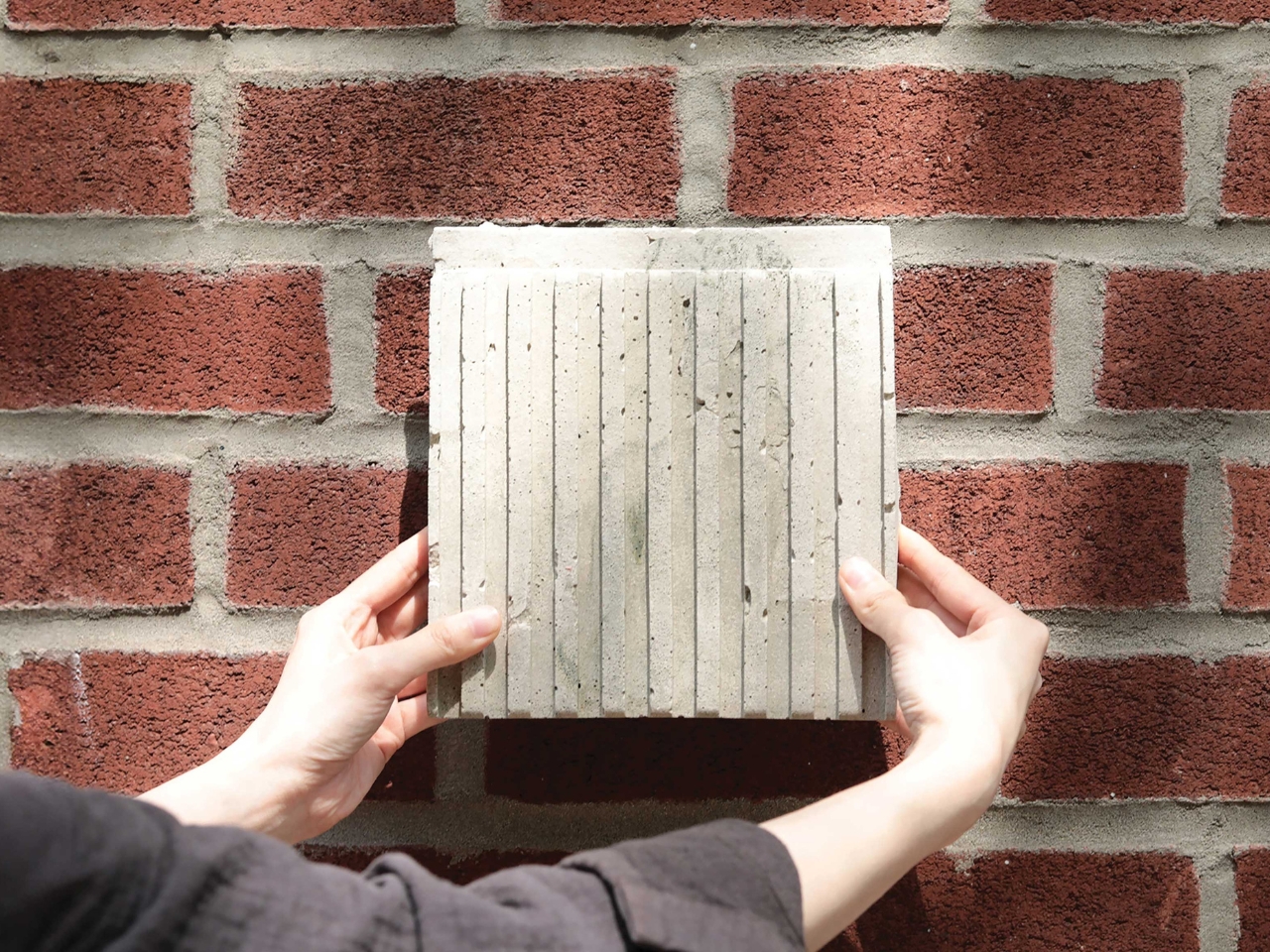
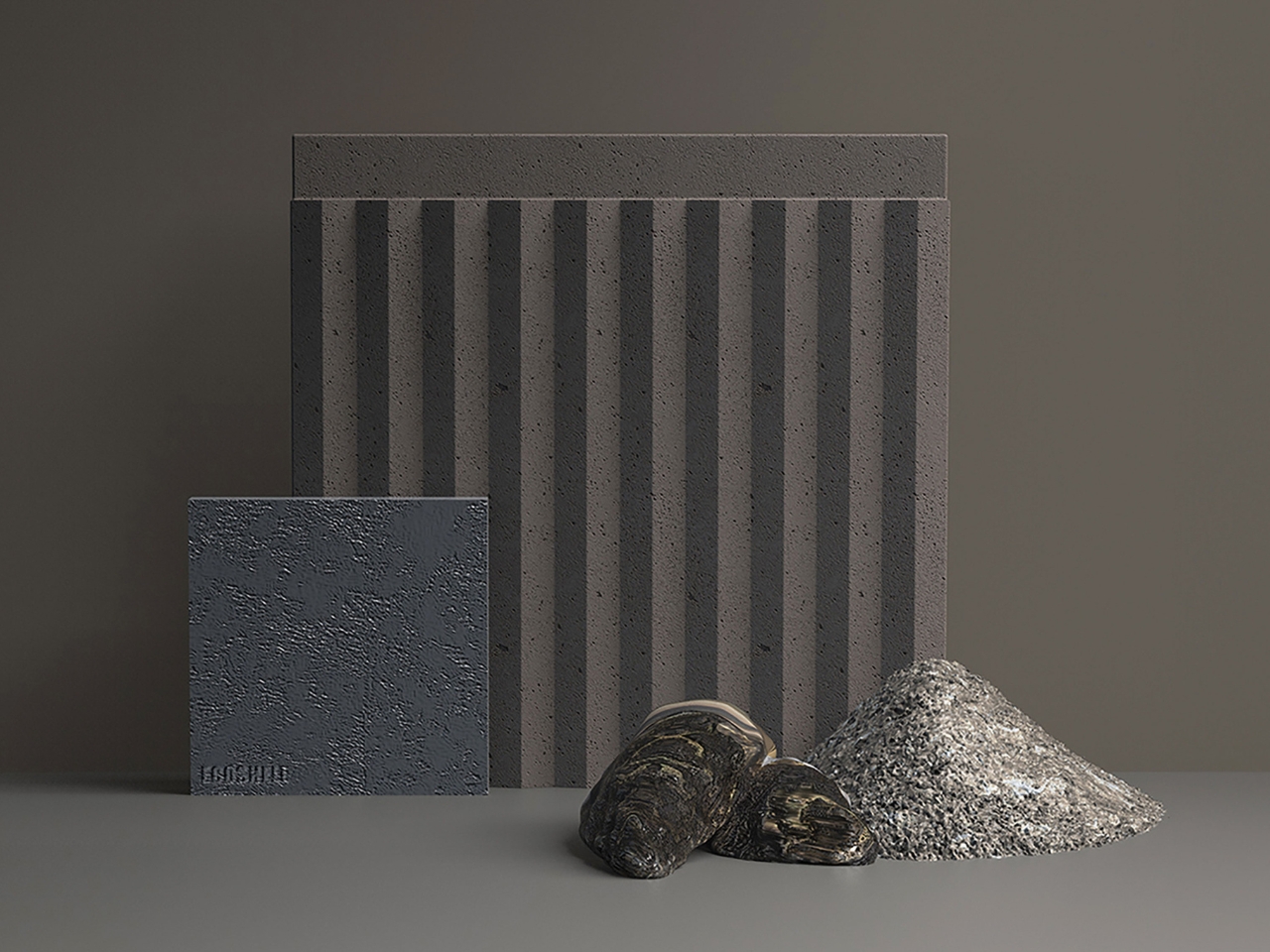
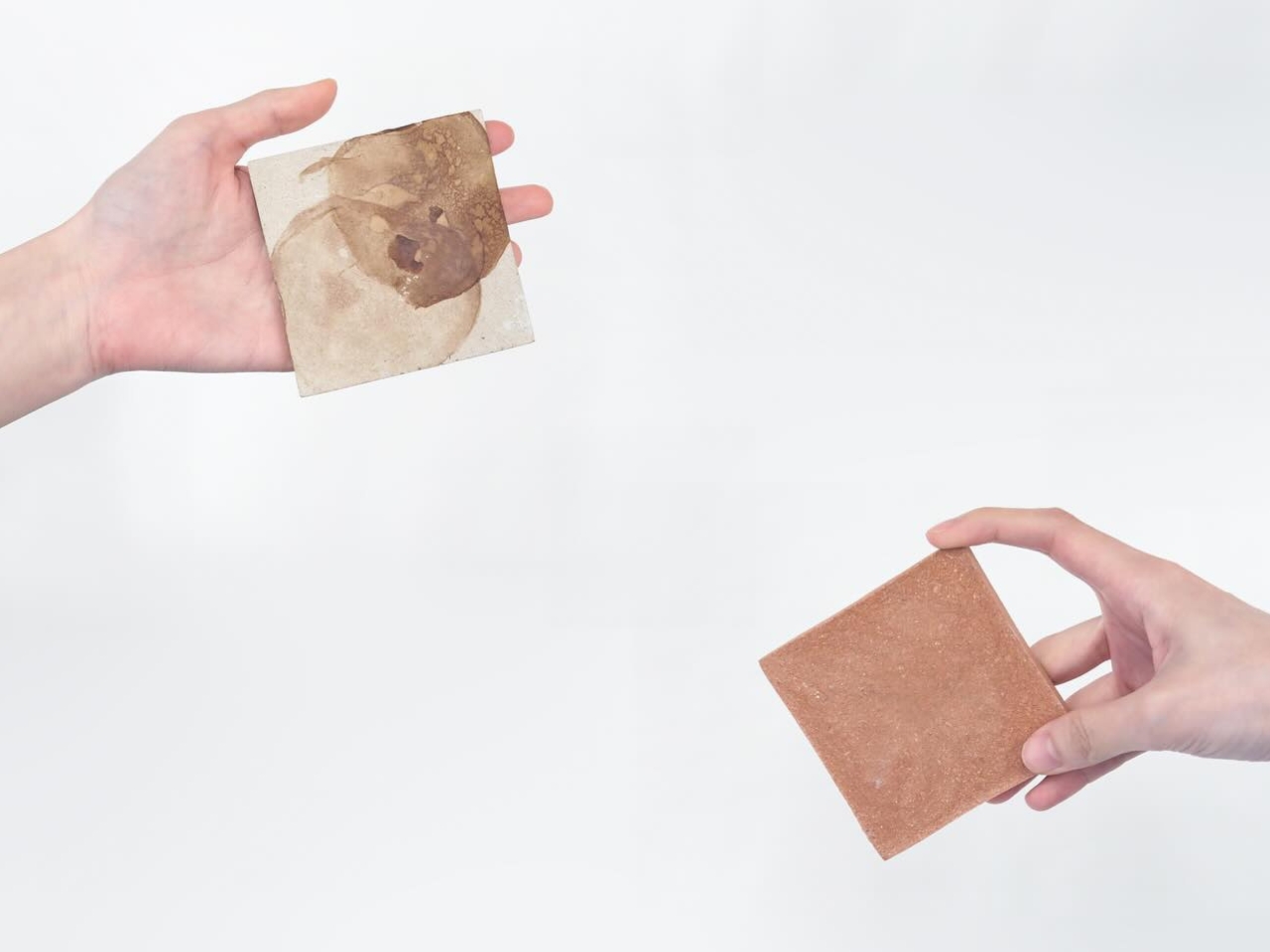
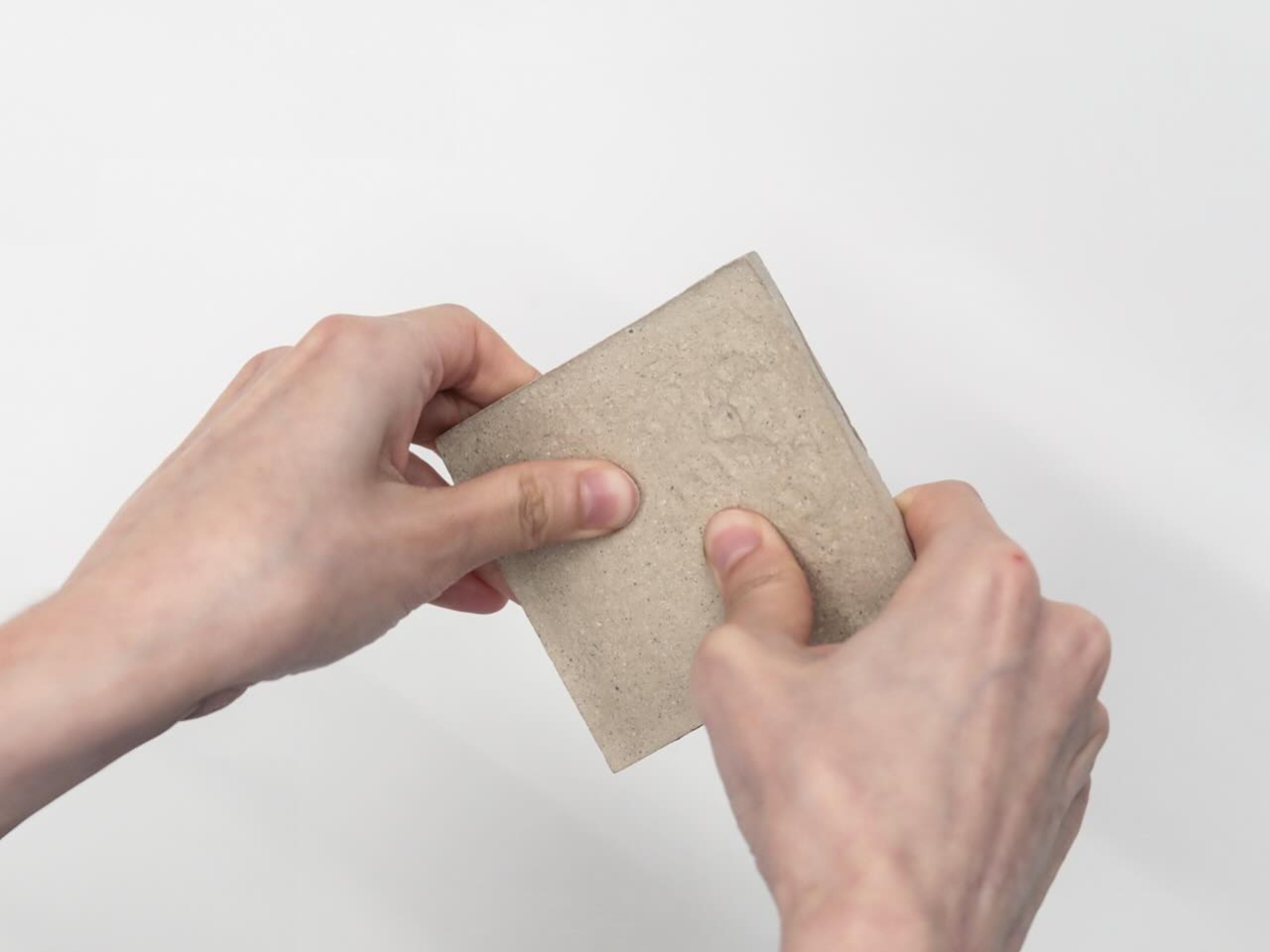
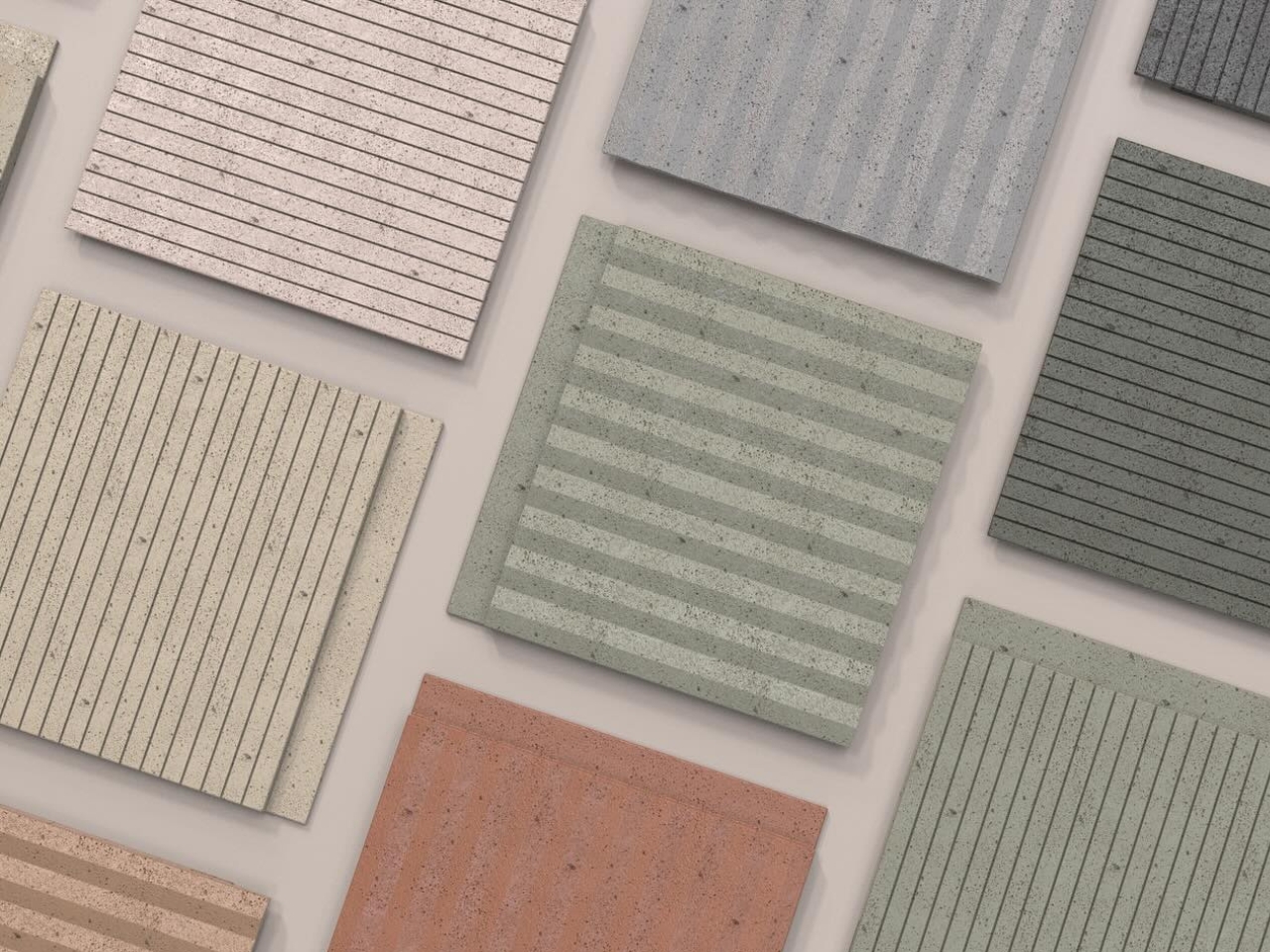
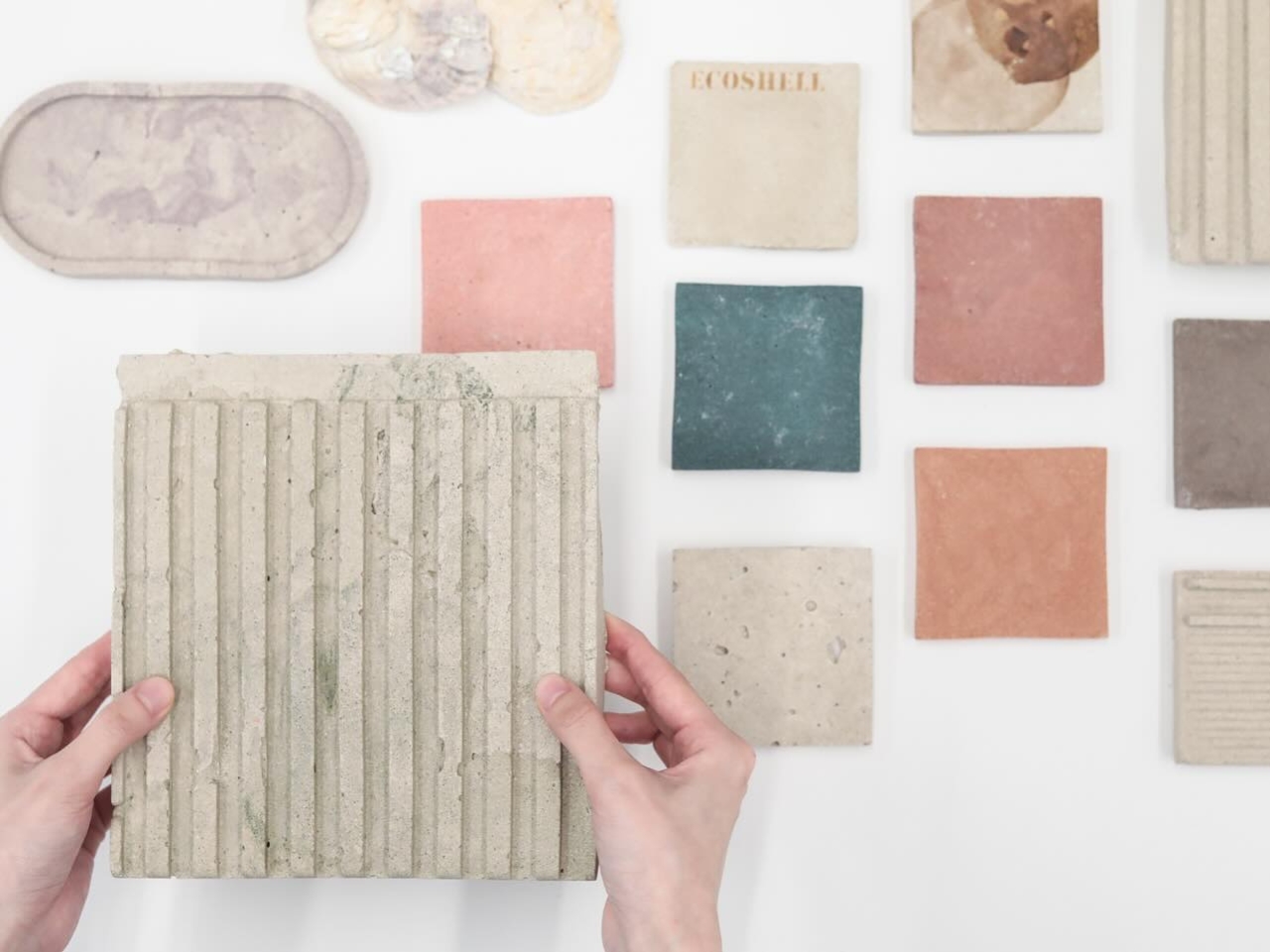
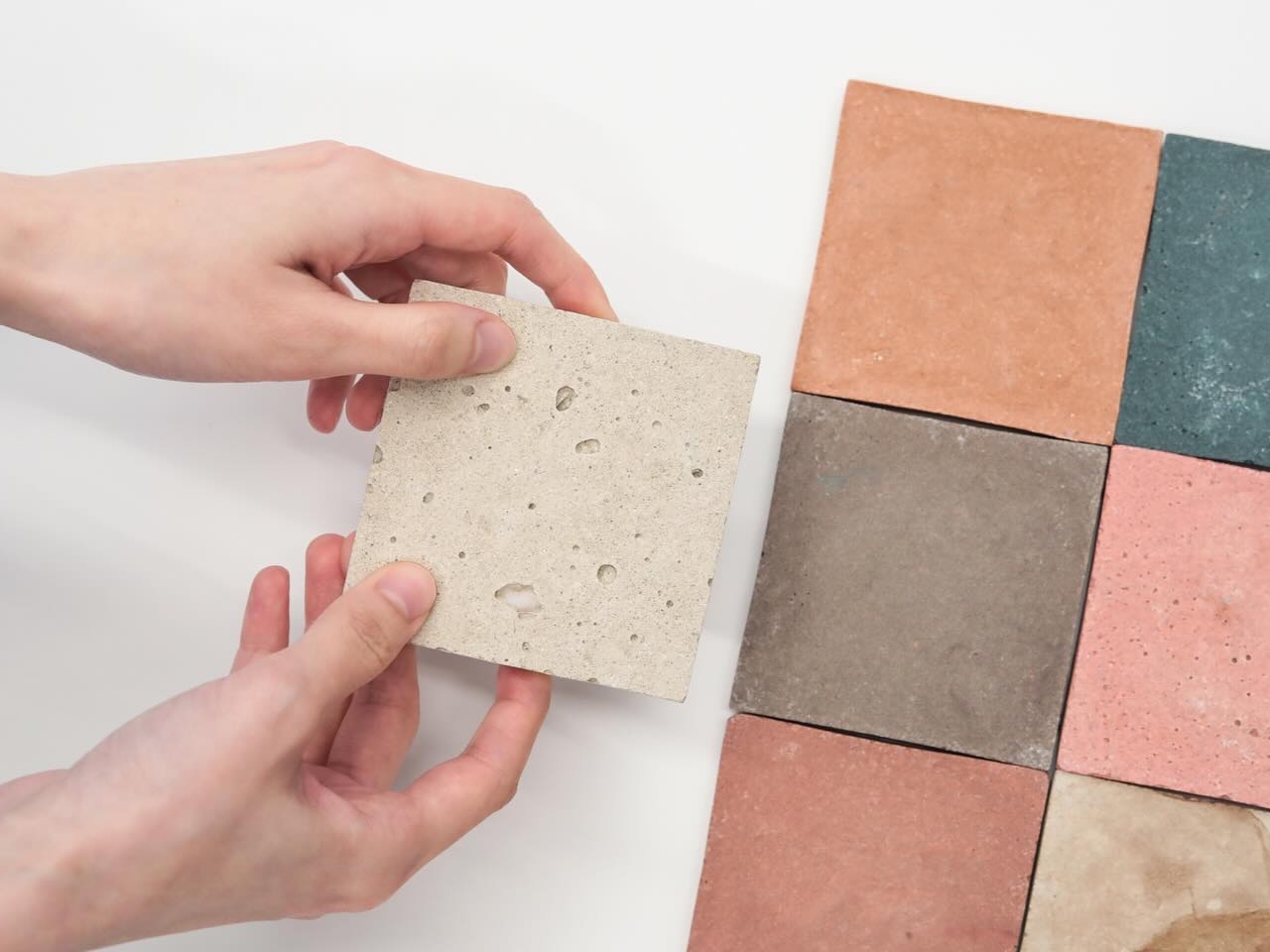
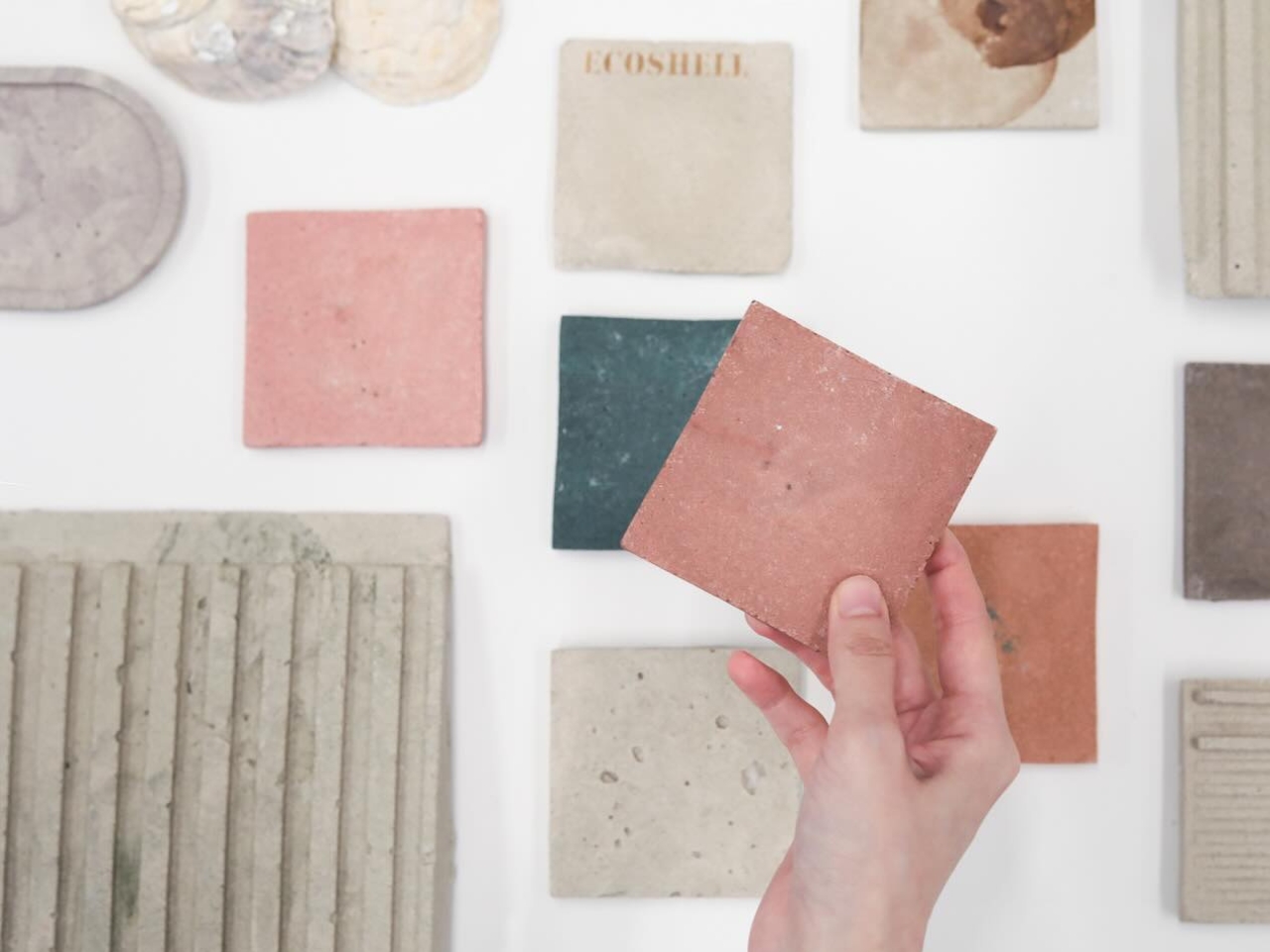
EcoShell is a sustainable building material that is made from abundant marine waste and is also visually pleasing. The durable exterior tiles are made from powdered oyster shells with binders extracted from fish bones serving as the adhesives, which makes it biodegradable too. The blend of these two materials make sure that the tiles are durable and can last for a long time.
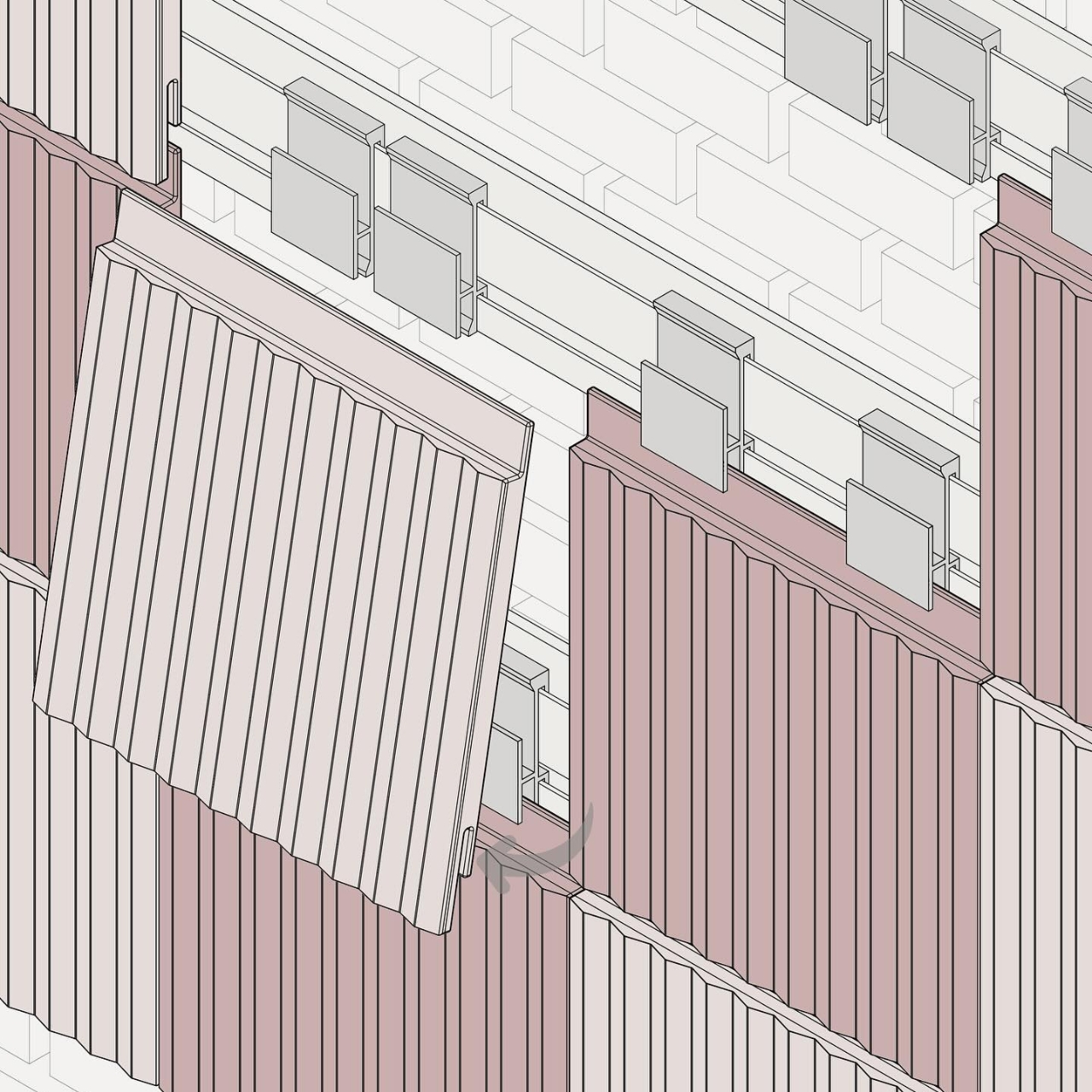
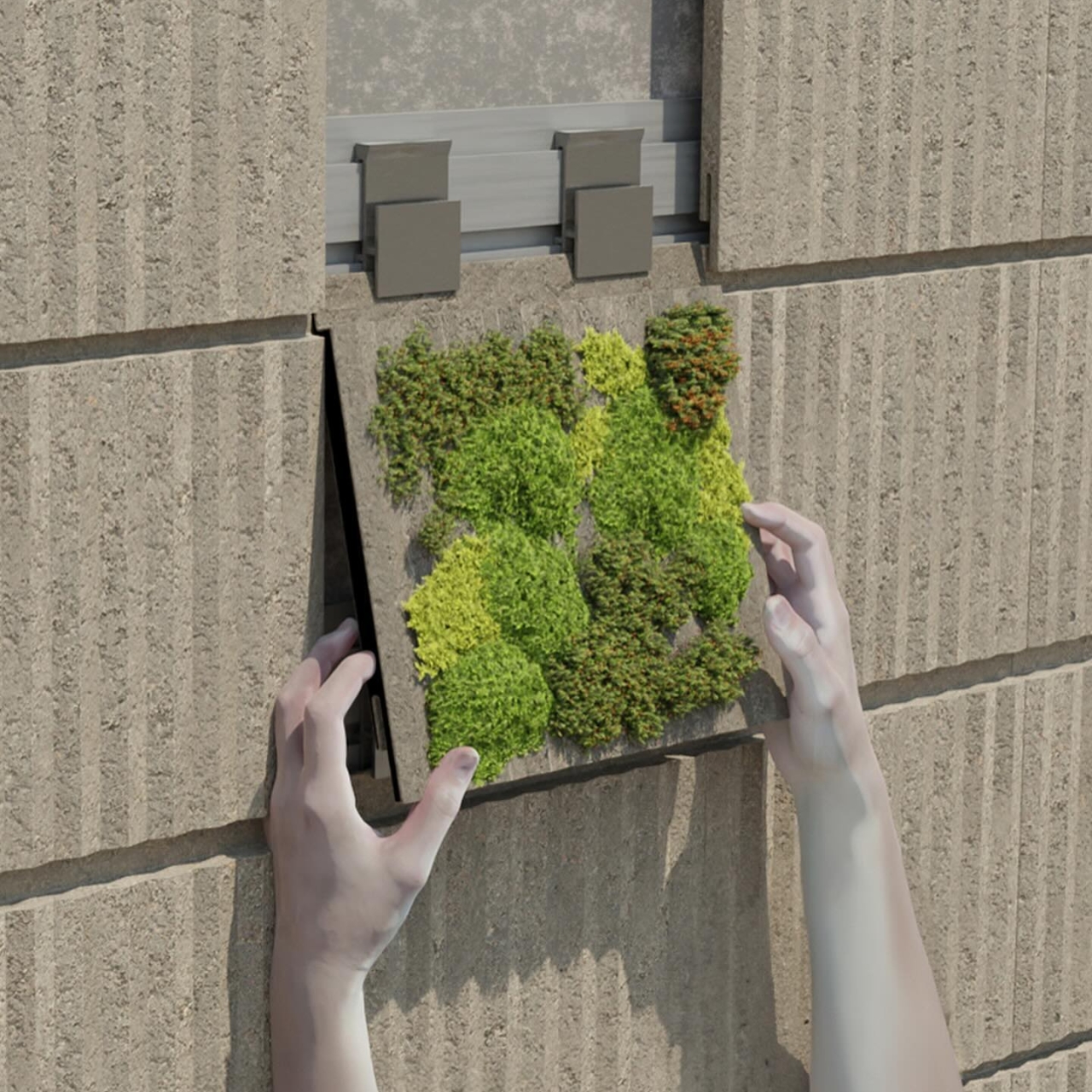
Since oyster shells are salt corrosion resistant, this material can be used in coastal areas since they can last longer compared to other building materials. The tiles look like concrete but are actually lighter than that. It also has a user-friendly hanging system so that you can easily install it without using things like nails. The texture and color can also be customized to match the structure where it will be used.
This is an interesting way to use these usually discarded materials by the seafood industry. Millions of tons of the shells in particular are thrown away which actually pose risks to the environment especially if they are untreated in landfills or oceans. The fact that you can use them in buildings near oceans makes it part of the sustainable cycle.
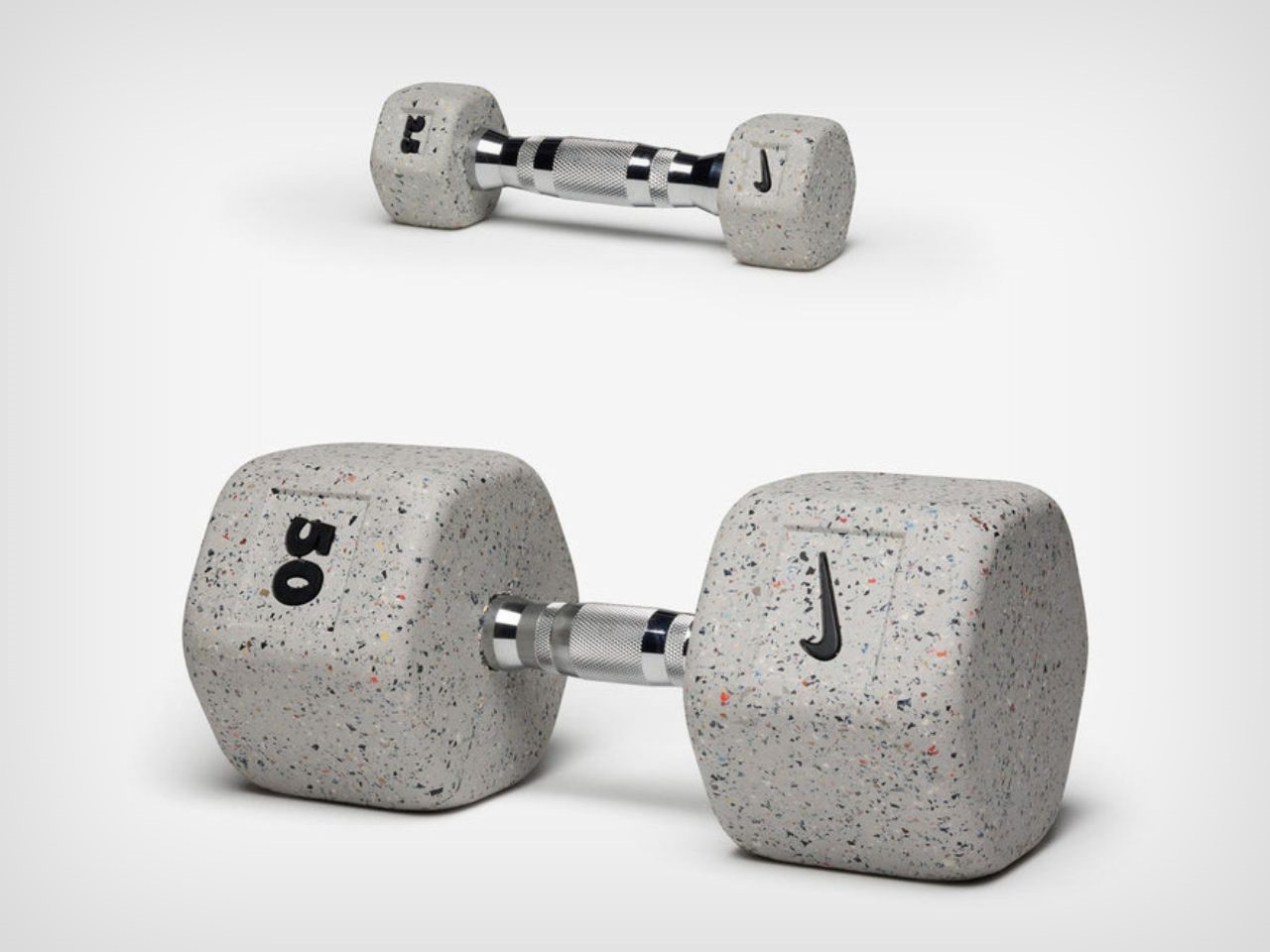
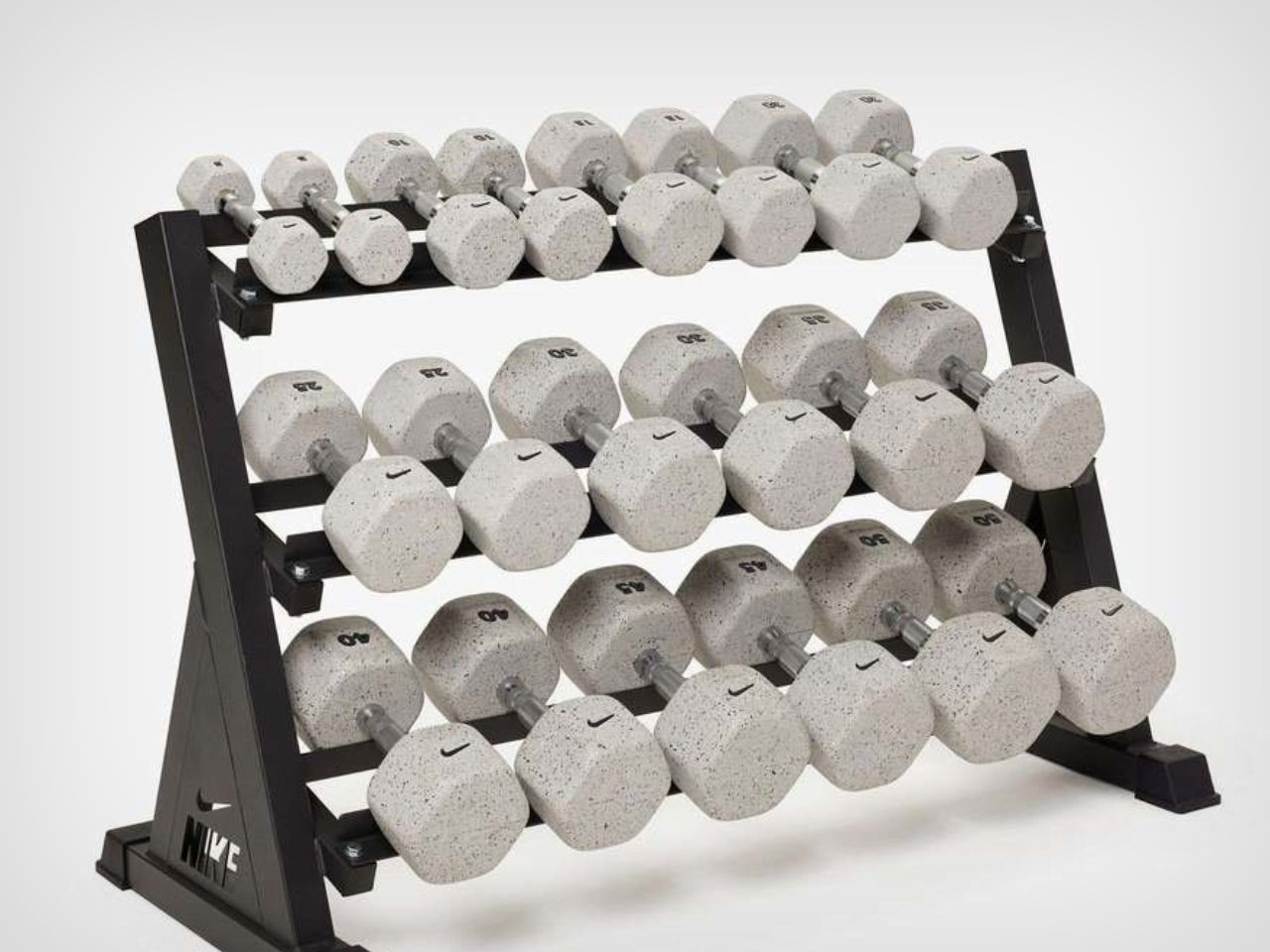
In an age where sustainability meets everything, why not fitness? Nike has taken a bold step with the introduction of their Nike Grind Dumbbells, a product that marries functionality with an eco-conscious mindset. These dumbbells are not just a tool for training but a statement in Nike’s ongoing commitment to reduce waste and create a better future for both athletes and the planet.
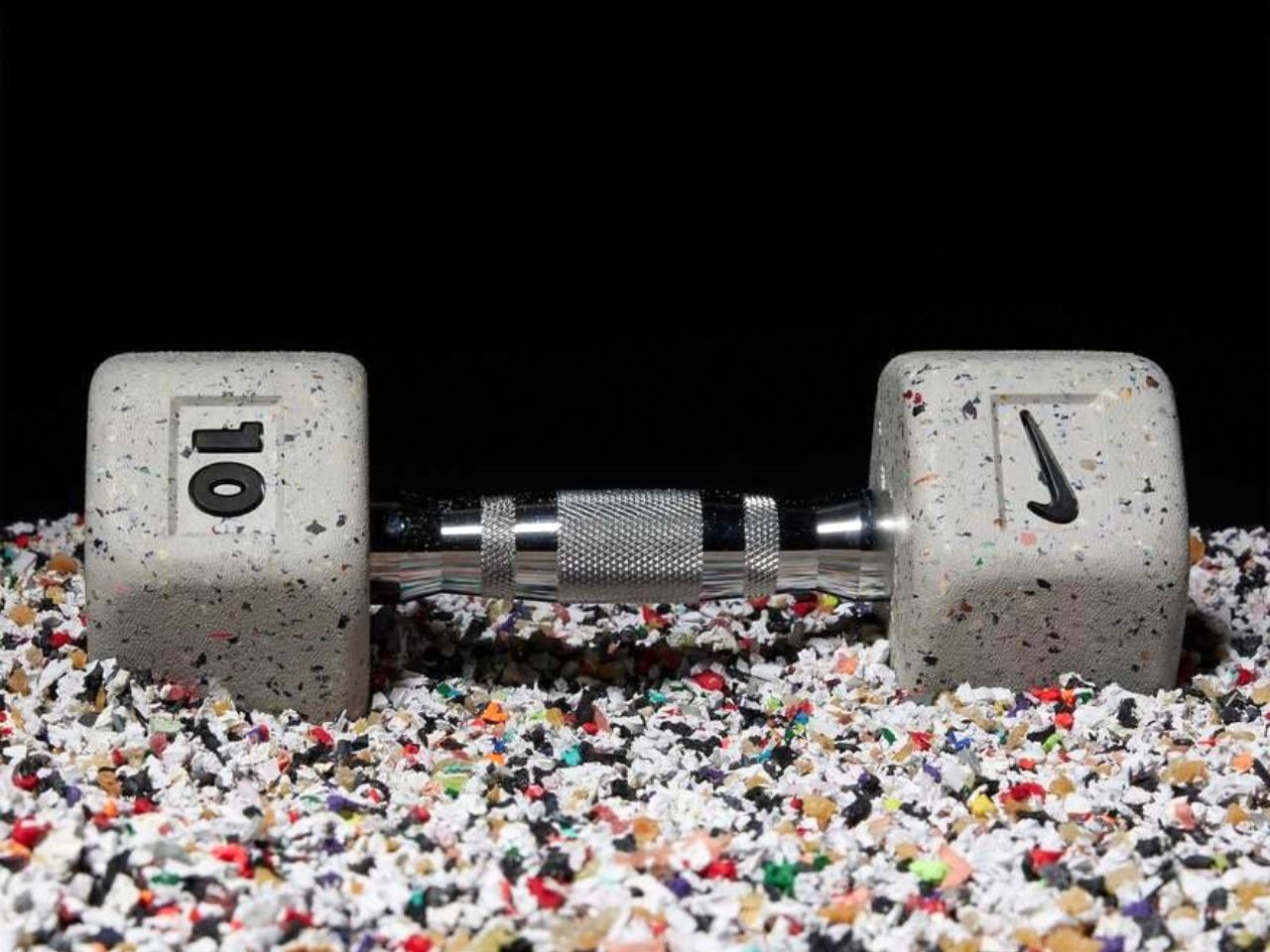
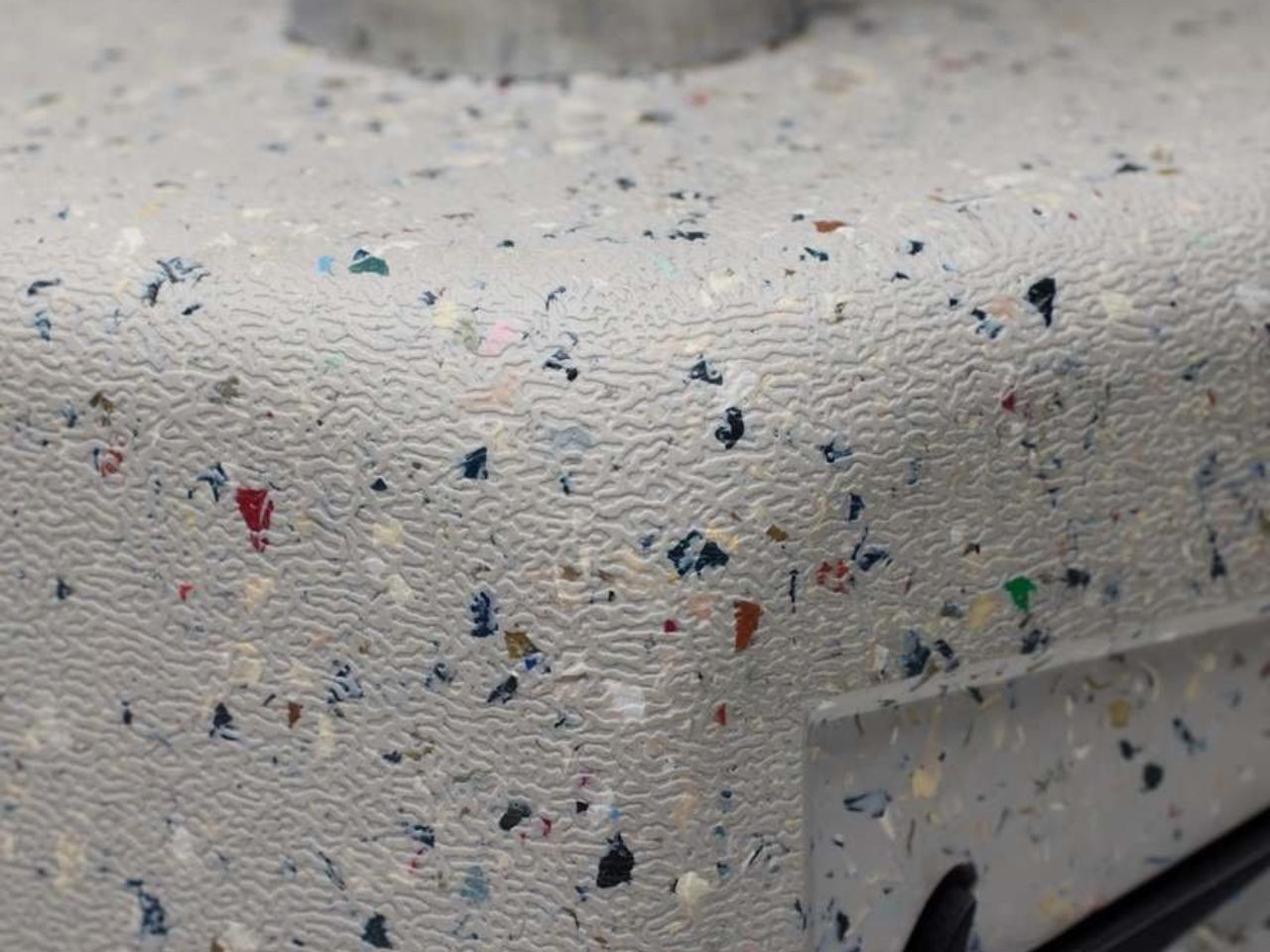
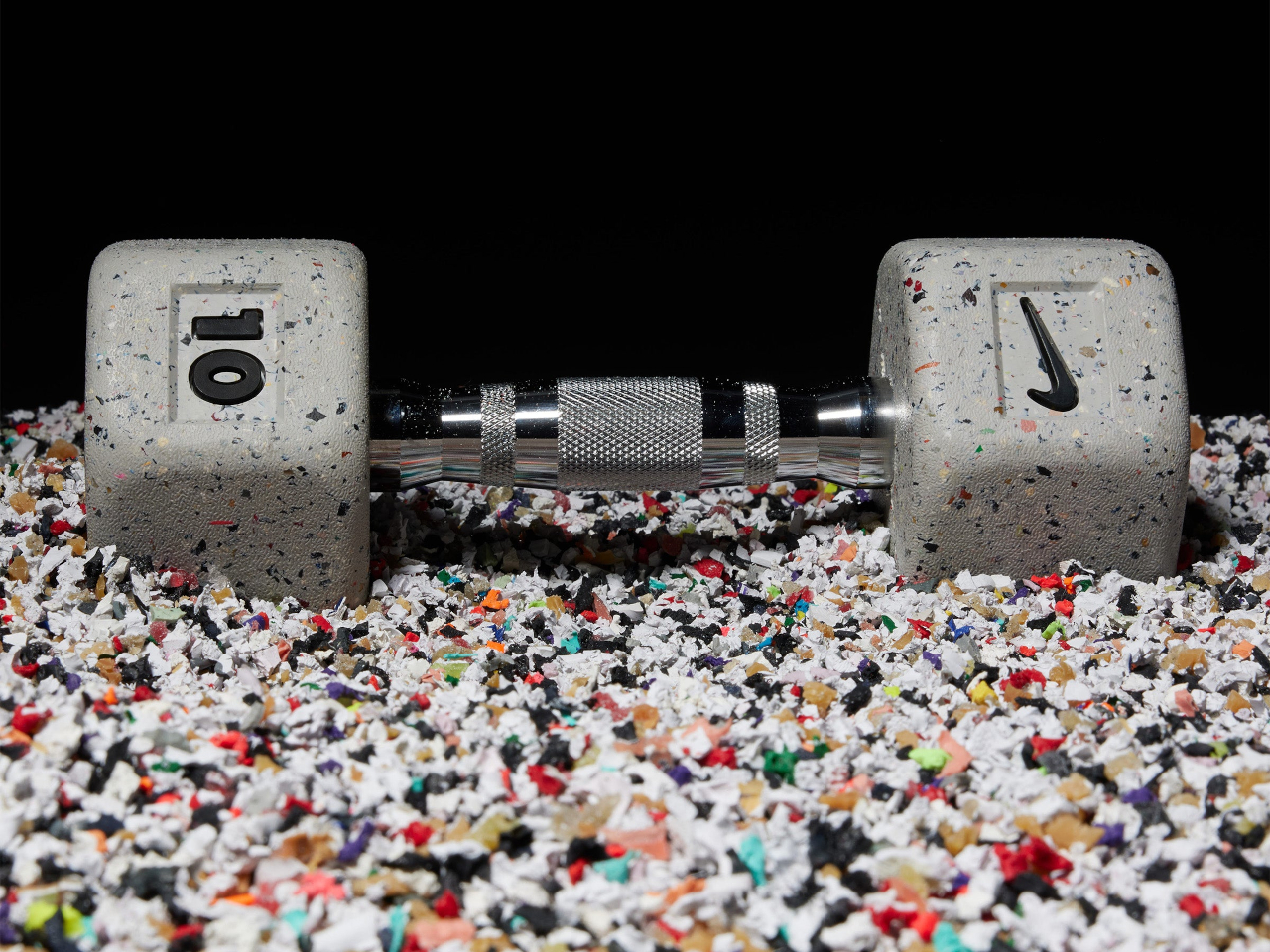
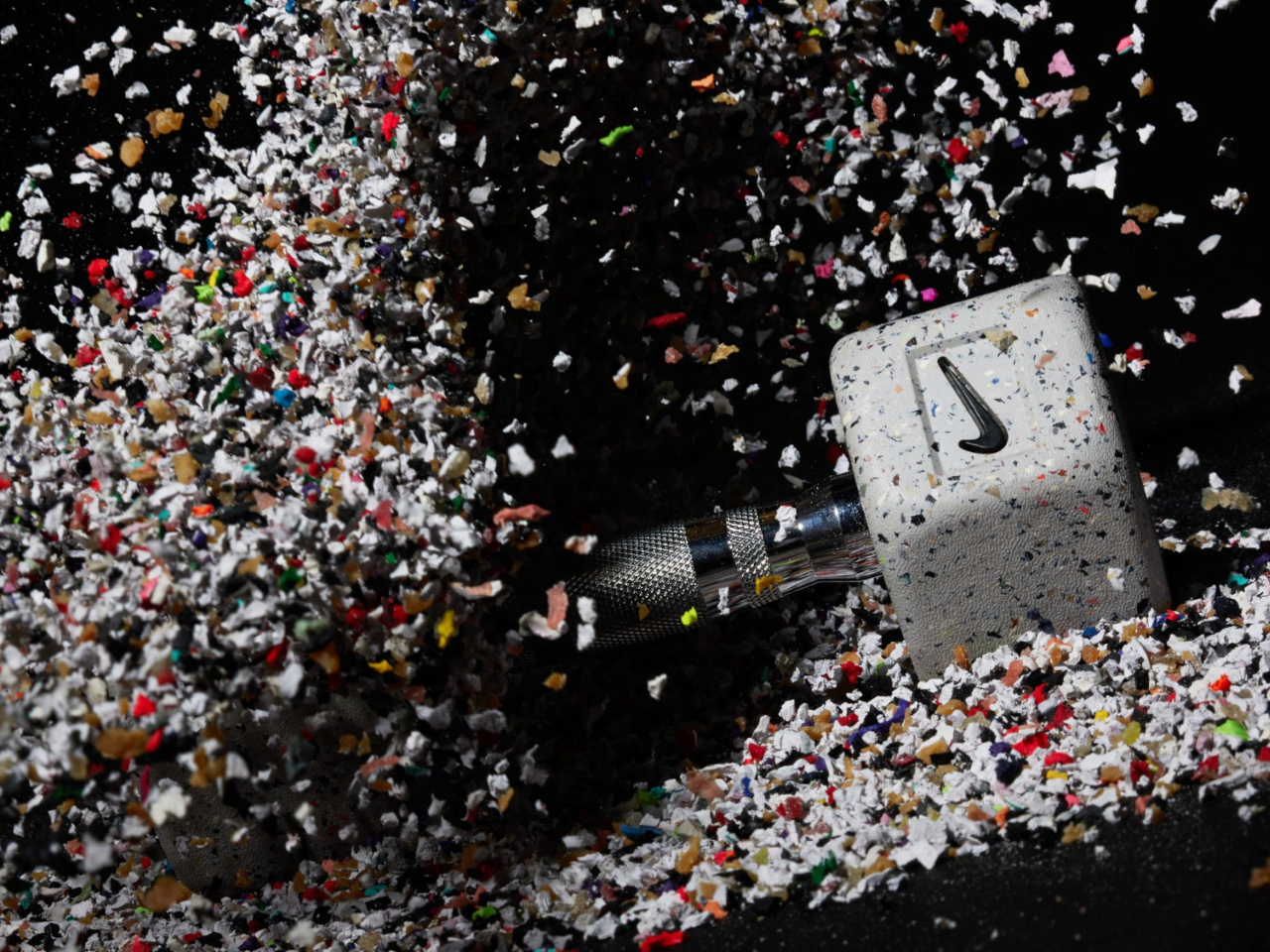
At the heart of this innovation is Nike Grind Rubber, a material made from the waste generated during the footwear manufacturing process. Each Nike Grind Dumbbell contains at least 20% of this recycled rubber by volume, making it a sustainable choice for those looking to reduce their carbon footprint while maintaining a rigorous fitness routine. The incorporation of Nike Grind Rubber gives these dumbbells a unique texture—durable and rubbery, built to withstand the toughest of workouts while maintaining comfort and grip. It’s sort of like the KitKat business model. Just like how damaged KitKats get reused as the wafer inner filling for KitKats, the waste from Nike’s footwear business gets used as raw material for its dumbbells.
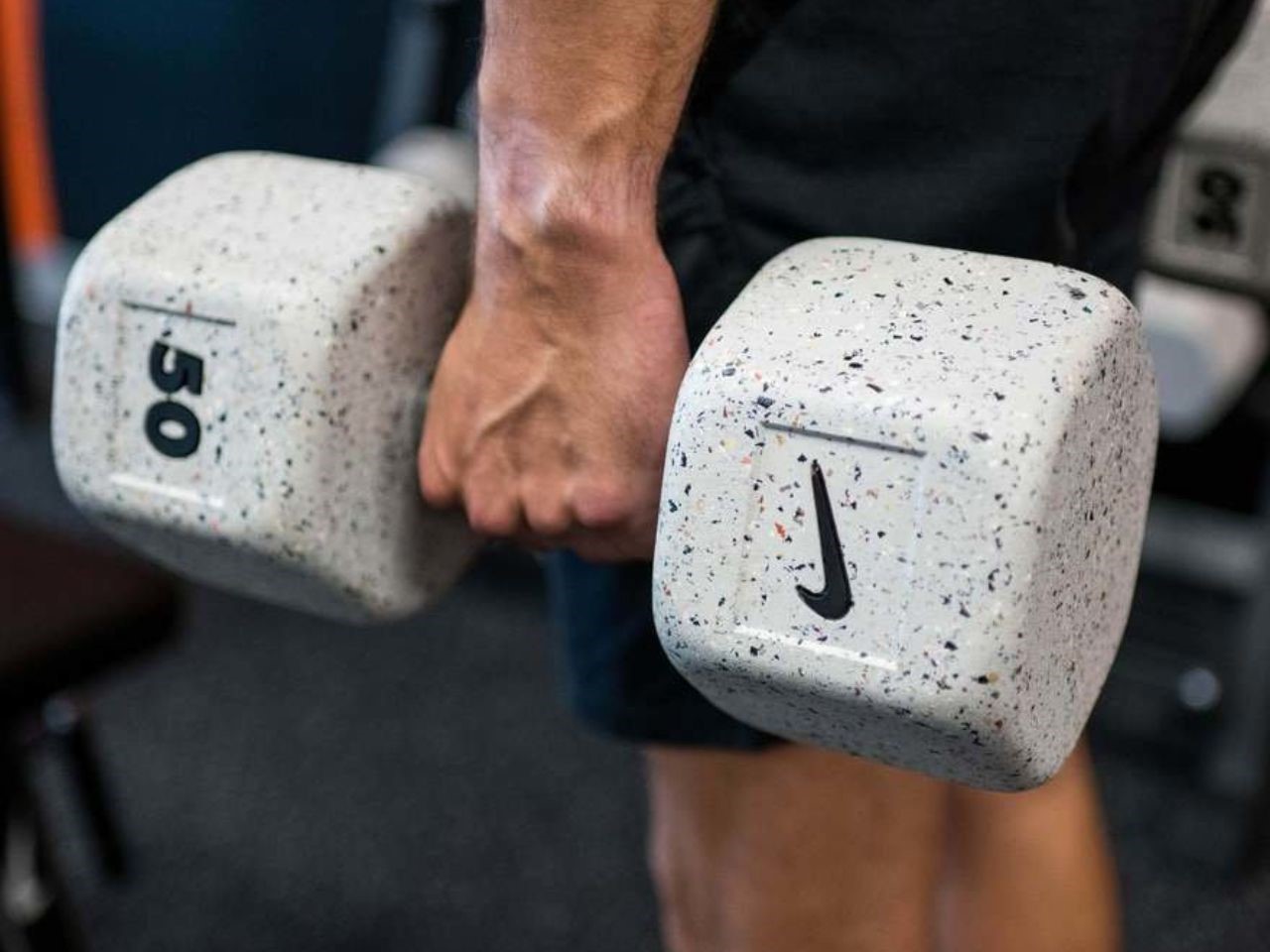
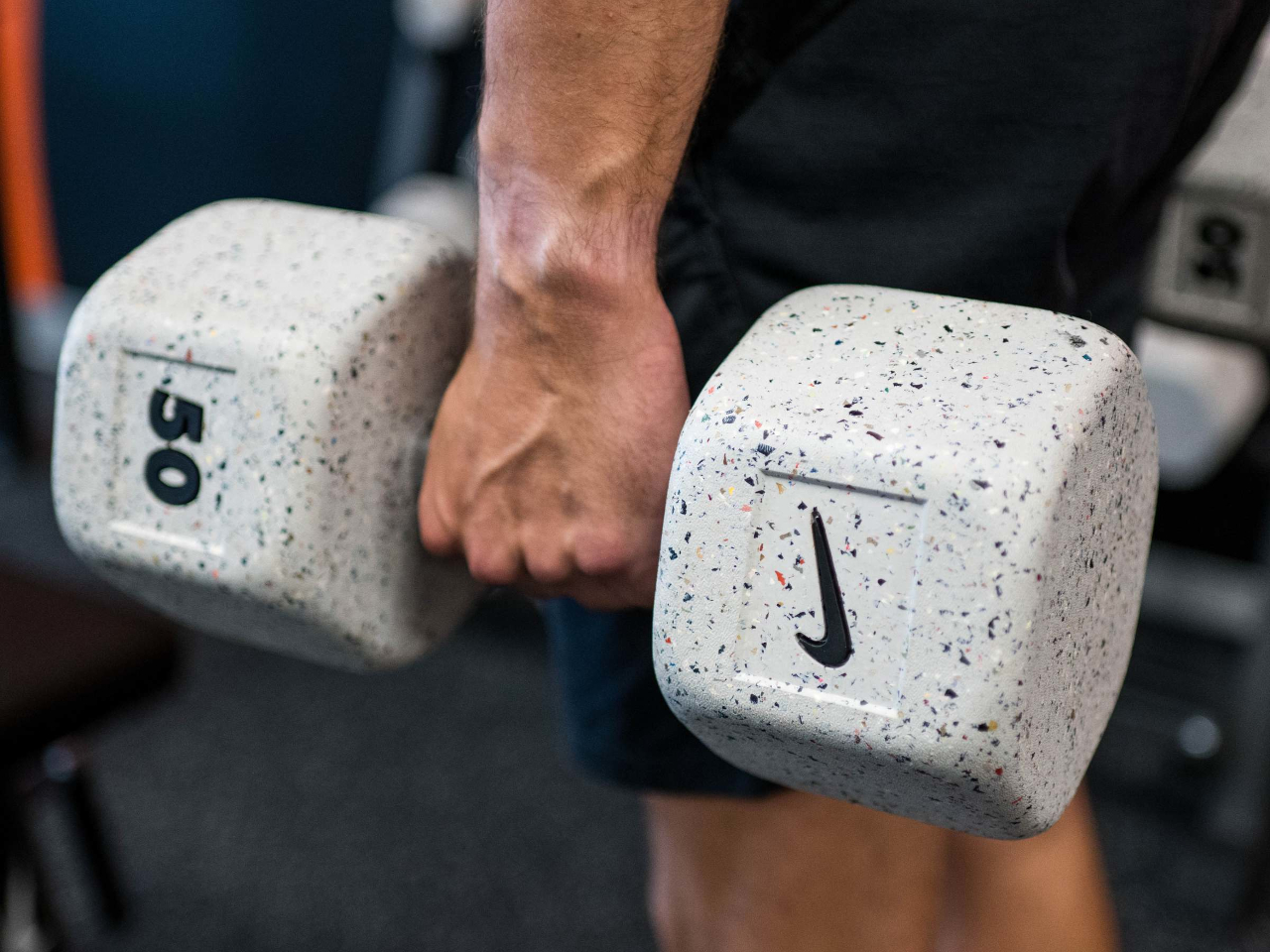
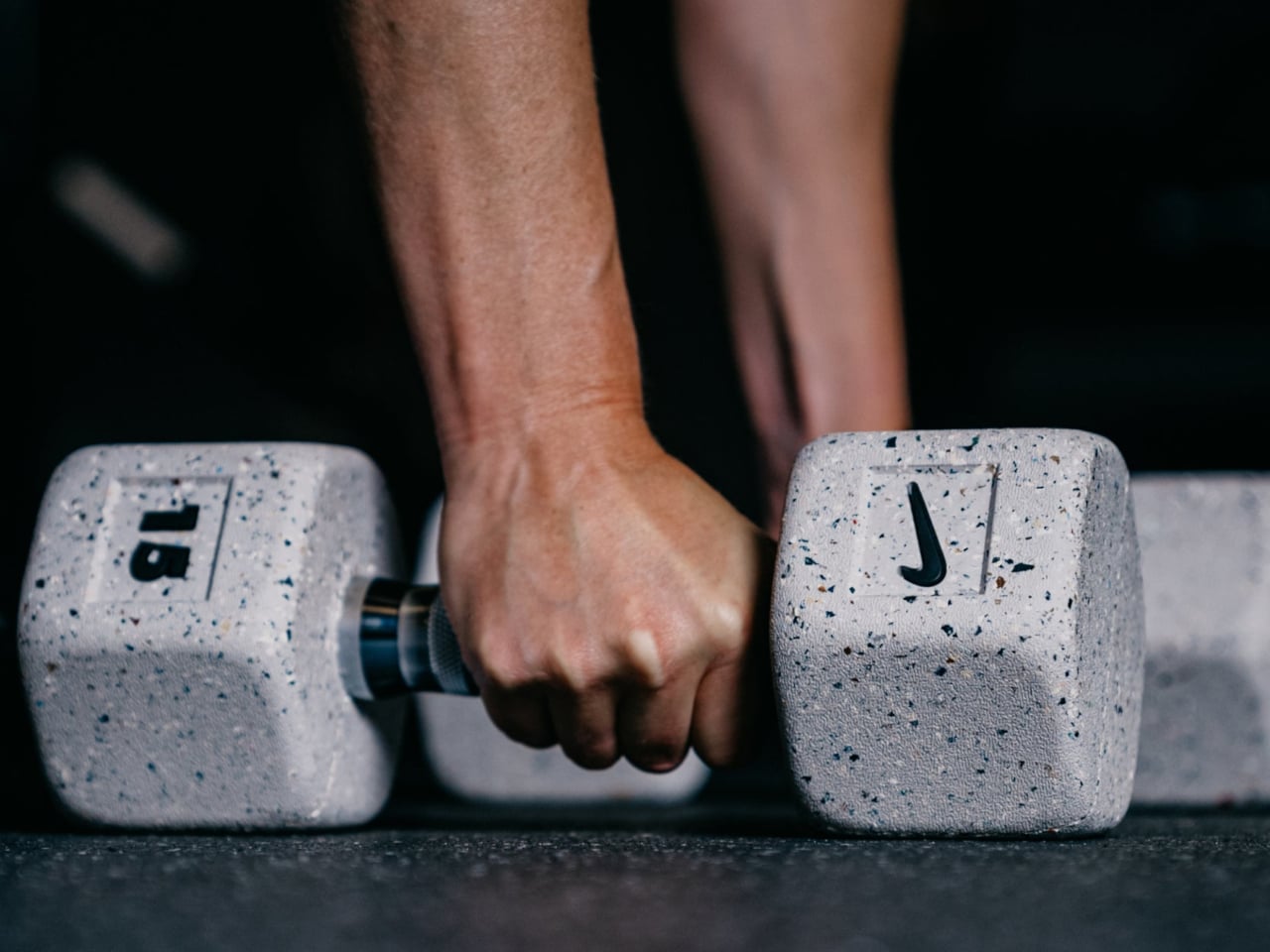
Nike has paid special attention to the design of the dumbbells, ensuring they are not only functional but also comfortable to use. The handles are ergonomically shaped, with their diameter increasing as the weight goes up, providing a secure and tailored grip no matter the load. For lighter weights, starting at 2.5 lbs and going up to 25 lbs in 2.5-lb increments, the thinner handles offer precision and control. As the weights increase to 50 lbs in 5-lb increments, the handles thicken to match the increased demand for strength and stability, ensuring a comfortable grip for every user.
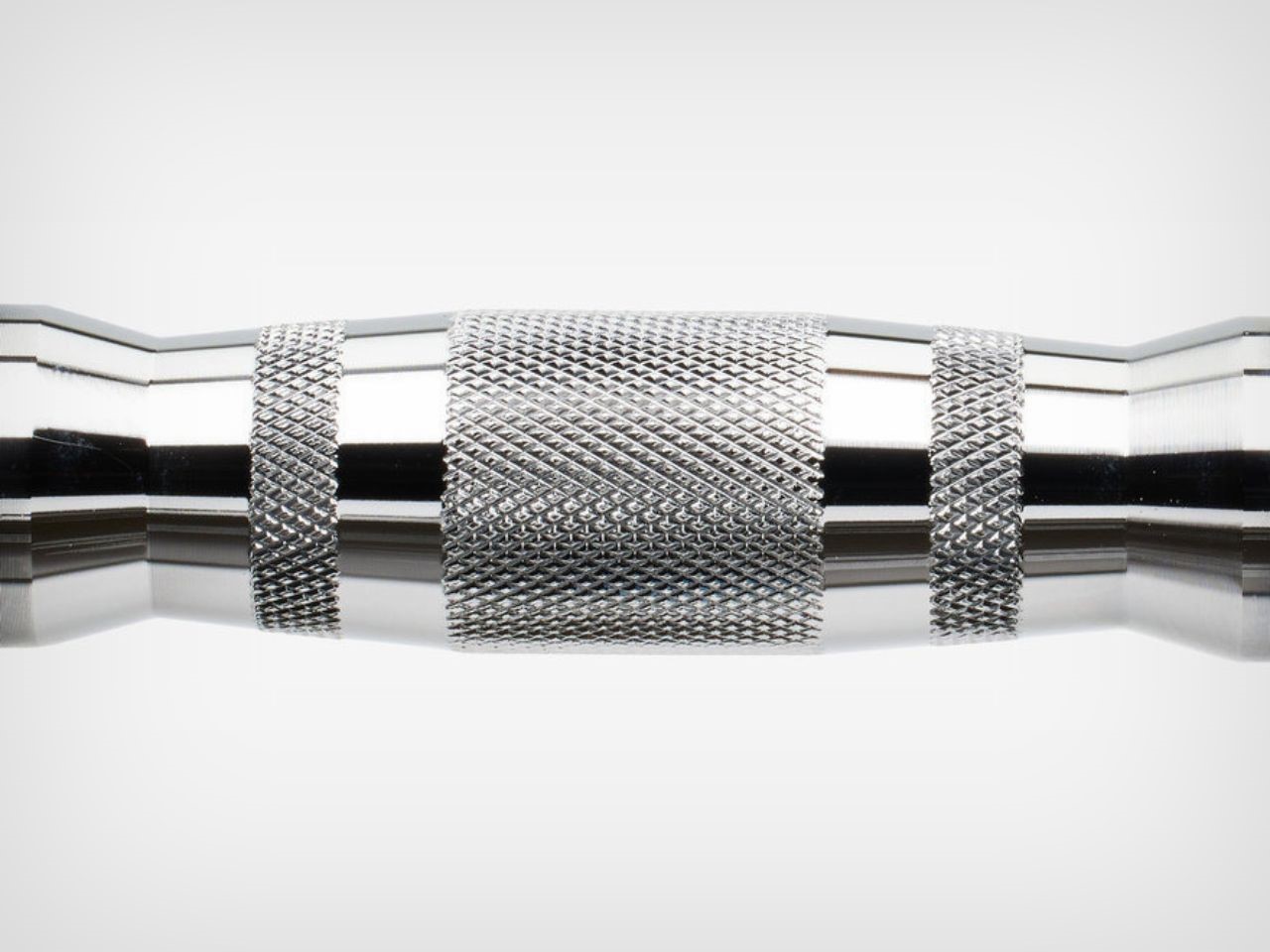
The medium-knurled handle provides just the right balance of friction and control, making these dumbbells ideal for a wide variety of exercises. Whether you’re pushing through an intense HIIT workout or performing slow, controlled movements, the grip offers confidence and security, allowing you to focus fully on your training.
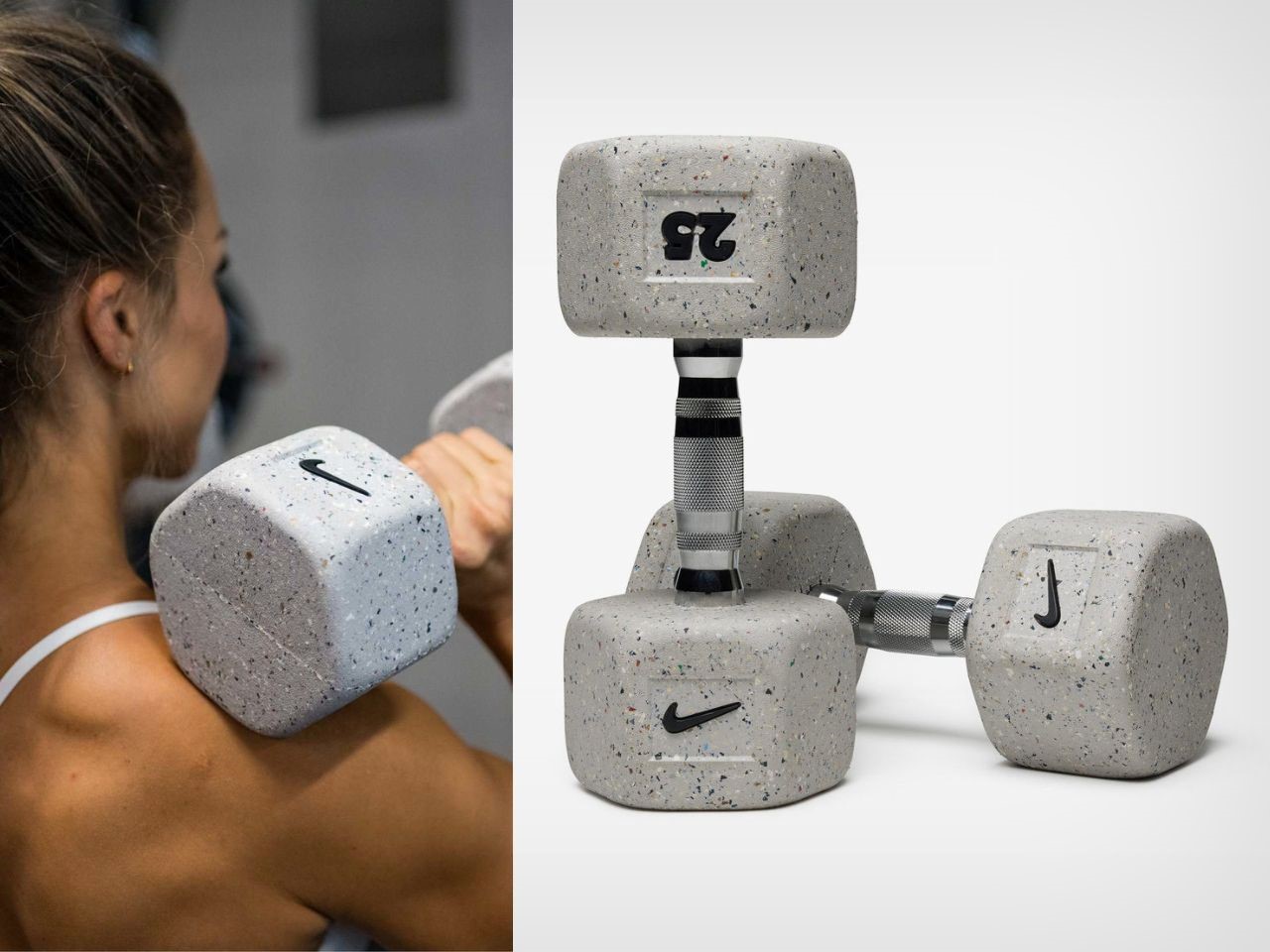
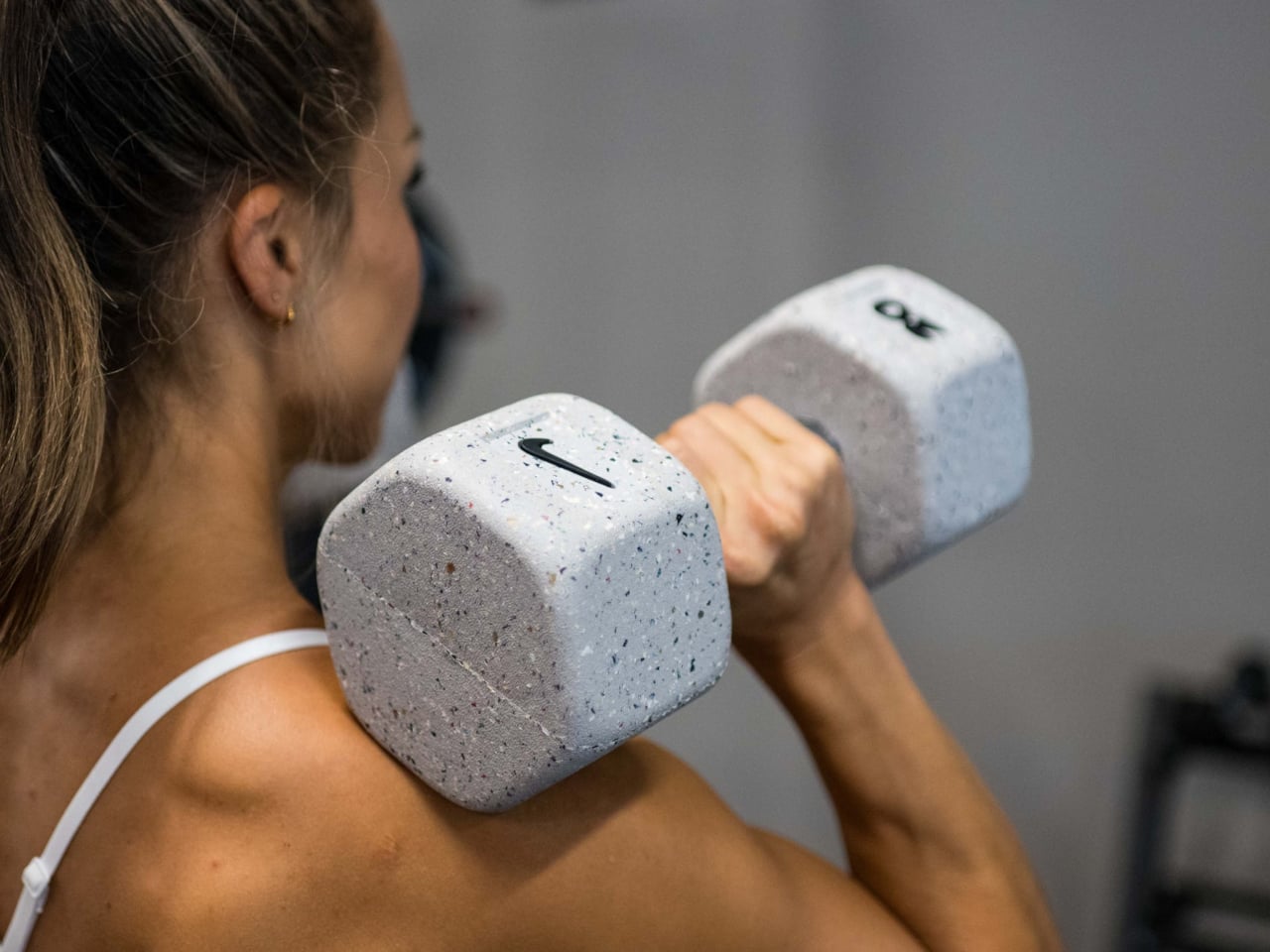
One of the standout features of the Nike Grind Dumbbells is their versatility. Dumbbells are arguably one of the most essential pieces of equipment in any gym, and Nike’s offering is no exception. These weights support countless workout movements, from compound lifts like squats and lunges to isolation exercises like bicep curls and tricep extensions. The hexagonal rubber construction prevents rolling, making them stable and safe to use on various surfaces, while also protecting floors from damage.
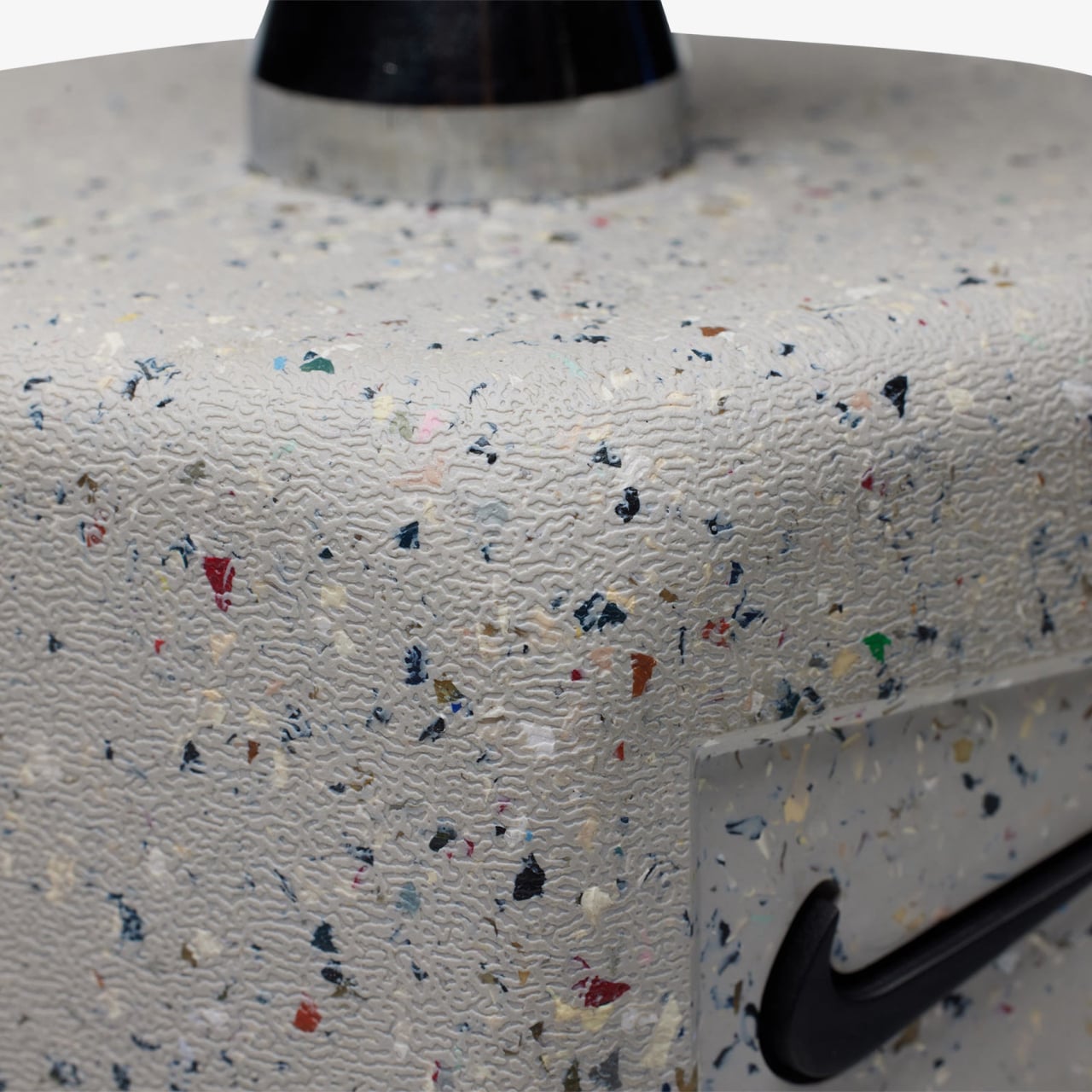
In true Nike fashion, the Nike Grind Dumbbells come with a design flair that sets them apart from other gym equipment. Due to the nature of the recycled material, each set features a unique color blend depending on the footwear colorways Nike produces during any given season. While the base color remains a stylish grey, the Nike Grind particles within the dumbbell vary, making each pair truly one-of-a-kind. This limited-edition aspect of the dumbbells adds a sense of exclusivity for those looking to own a unique piece of Nike’s sustainable innovation.
The Nike Grind Dumbbells are sold in pairs, with pricing ranging from $30 for the 2.5-lb set to $210 for the 50-lb set. Given the combination of quality, durability, and sustainable design, these dumbbells offer excellent value for those serious about their fitness and environmental impact.
Nike’s iconic “Just Do It” slogan has always been about pushing boundaries, whether in sports or in life. With the Nike Grind Dumbbells, that ethos extends to sustainability, offering a product that not only supports your physical training but also contributes to reducing waste. This dumbbell is a perfect fit for athletes who want to make a difference both in their workouts and in the world.
Of the many pieces of clothing we buy and use, shoes are probably the ones designed to last the longest. Because of that, footwear is usually made using materials that are durable and long-lasting but are also unfortunately often not environment-friendly. Rubber, particularly synthetic rubber, is one of the biggest culprits, not just in terms of post-consumer waste but even material waste during the manufacturing process. As one of the biggest footwear makers, Nike is thankfully taking a responsible stance, giving those rubber byproducts and excess materials a new purpose.
Although natural rubber is sourced from plants, it’s not that easy to replenish to meet the high demand for the material. Just like plastic, synthetic rubber is easy to manufacture but also harmful the environment due to their chemical content. Rubber from discarded shoes is one thing, but even the bits and pieces of cutoffs and scraps produced when making them also pose a threat to the environment.
Considering its lion’s share of the sports shoes market, Nike developed the Grind material that recycles manufacturing byproducts like rubber, foam, and even textiles to create a material that can be applied to products other than shoes. In this case, the Nike Grind Dumbbells are made with at least 20% Nike Grind material to offer an alternative fitness tool for environment-conscious consumers.
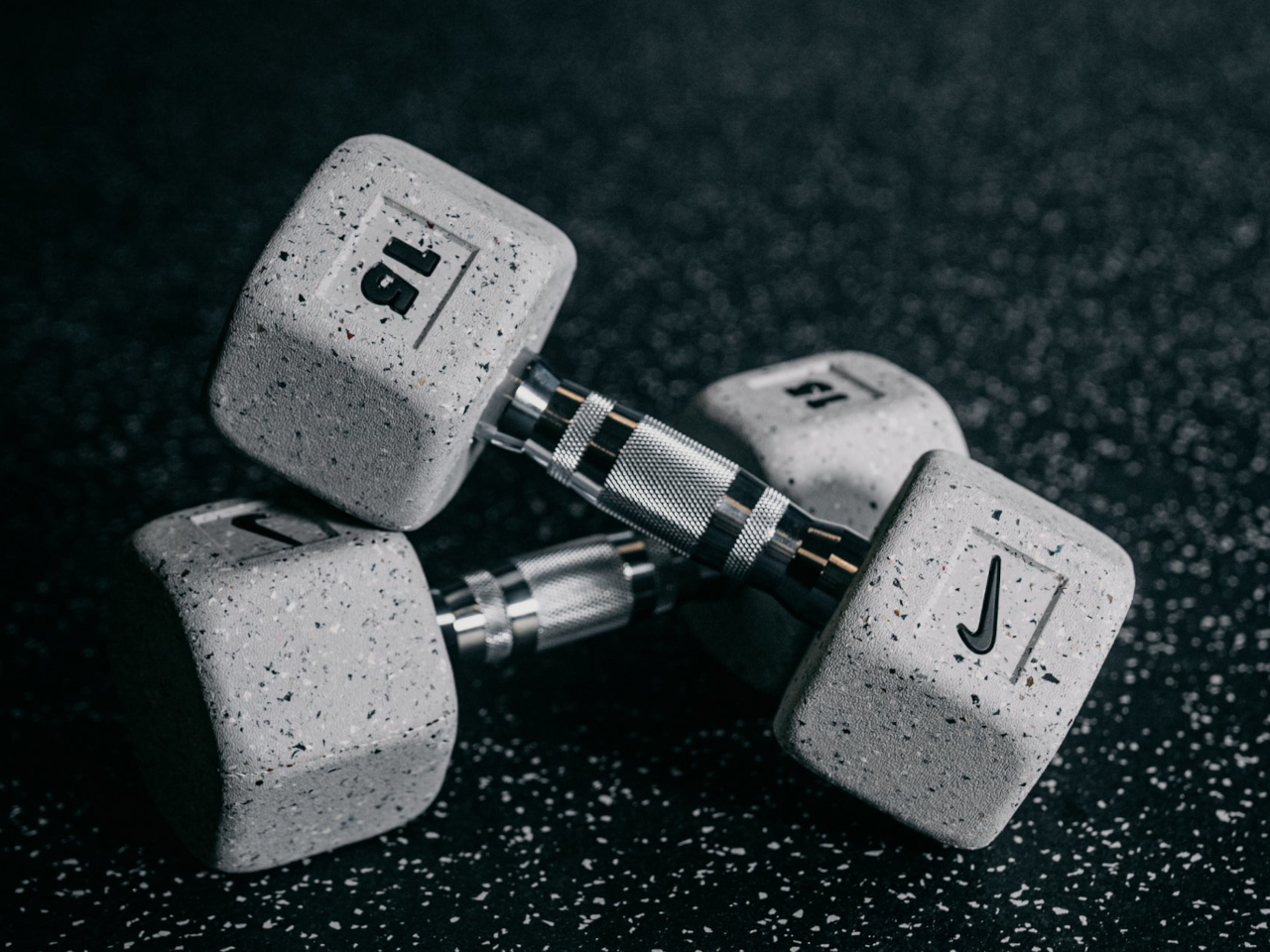
In addition to its sustainable value, the recycled material also gives the dumbbells a unique aesthetic. The hexagonal weights themselves have a light gray hue sprinkled with colorful specs that create a terrazzo-like appearance. Each dumbbell is, thus, totally unique, and the mixture of colors will vary from season to season, depending on the styles of footwear that Nike launches.
The gray motif of the weights perfectly complements the chrome-plated knurled handles. The handle diameter varies depending on the weight, increasing as the load gets heavier to provide a more ergonomic grip. Available in weights ranging from 2.5 lbs to 50 lbs, the Nike Grind Dumbbell offers people a fitness tool that not only takes care of their health but also the environment.
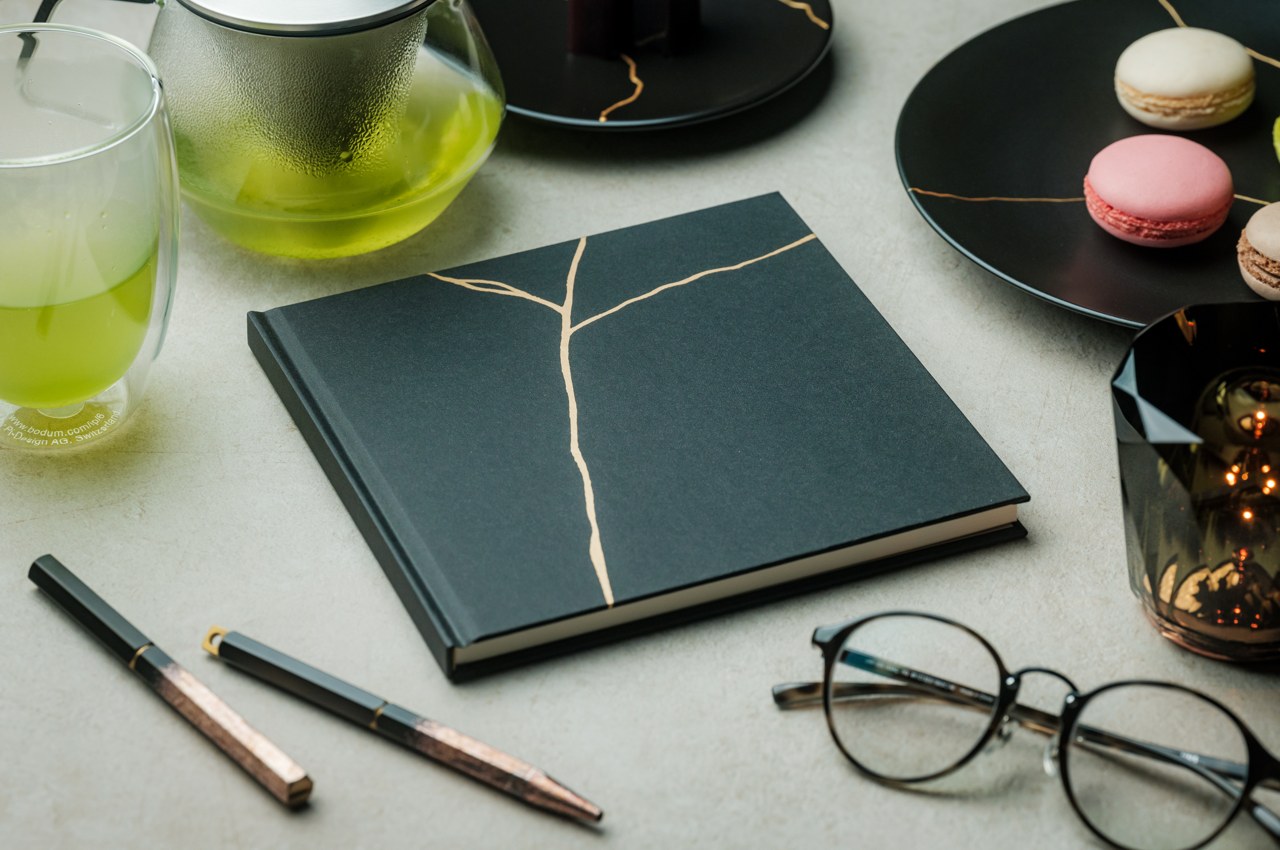
Paper notebooks are in again, though some would argue they never really went out of fashion. Even with the inherent limitations of the medium, there is just an unbridled joy in putting pen or pencil to paper that has not yet been sufficiently replicated by the most advanced technologies and designs. In a way, notebooks have also become a reflection of the owner’s own self, while also acting as a gateway to their own inner world, their thoughts, their dreams, and maybe even their own self-image. Some people like their notebooks and their covers plain, while others opt for designs that display their interests and loyalties. Still, others treat their notebook covers like a blank canvas ready to tell their life story through stickers and art. This rather distinctive Japanese-inspired notebook tries to tell a different story, one that aims to inspire the owner to not only rise from the ashes but also embrace their own imperfections.
Ceramic pots have great value not just because of their intricate, often hand-made designs but also because of their fragility. A single drop or hard bump is enough to break a beautiful vase, and most people simply throw these away, even if there’s just a crack. The Japanese, however, aren’t ones to dispose of what can still be repaired, and so the famed kintsugi, the traditional art of repairing pottery, was born. In a nutshell, this art uses golden lacquer to patch up and cover cracks, resulting in a piece of pottery that is even more beautiful because of its obvious flaws.
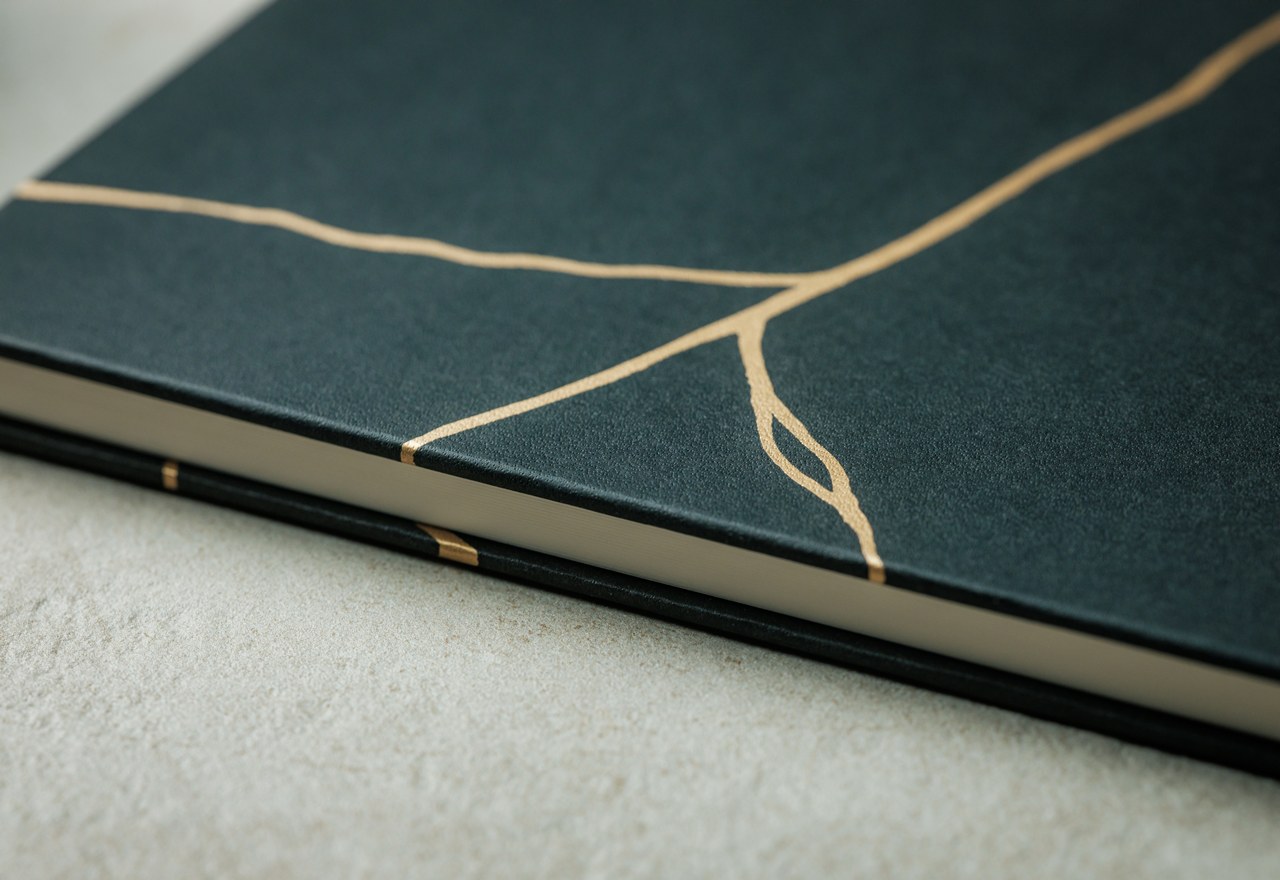
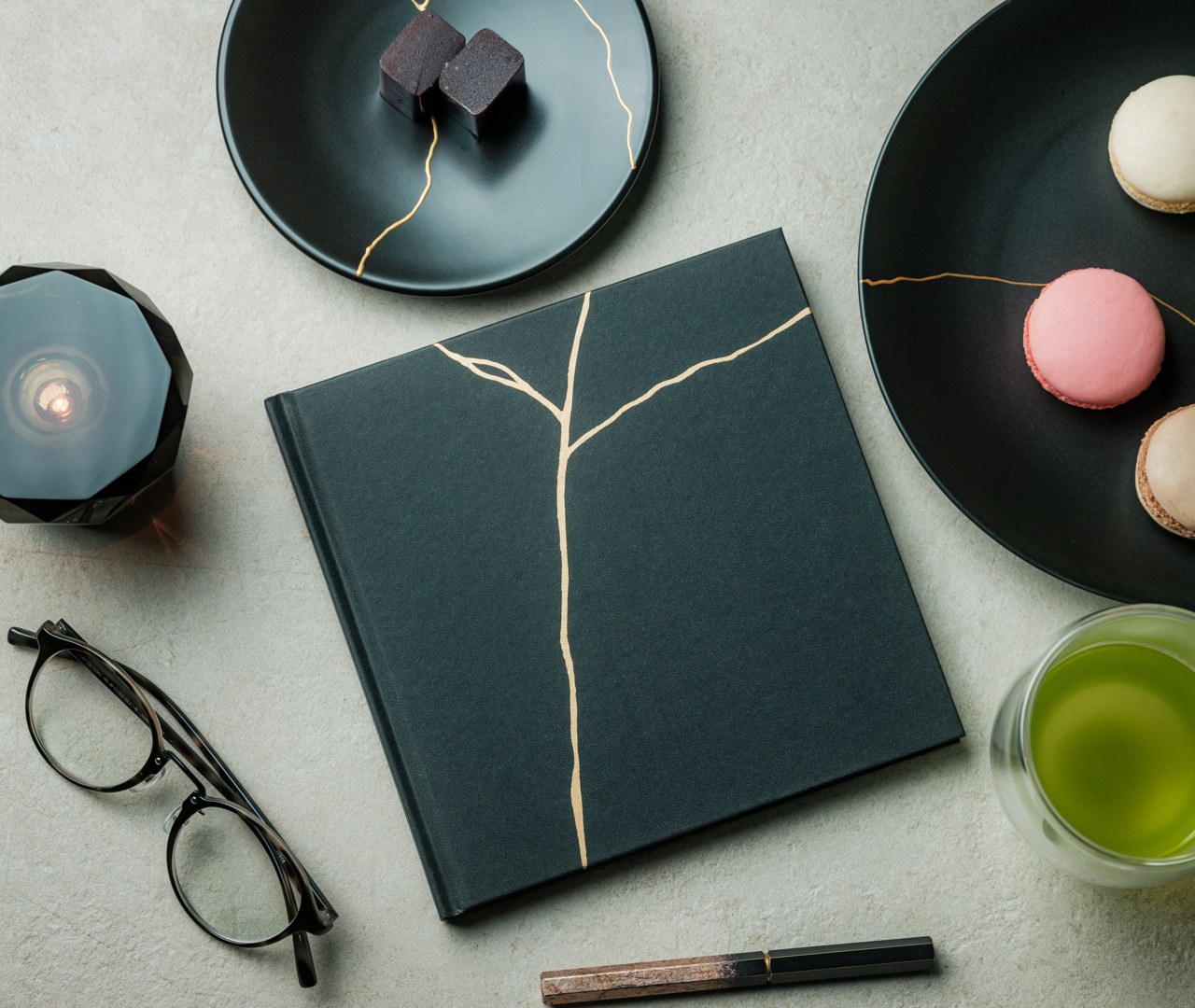
Over time, kintsugi became a symbol of embracing imperfections and self-healing, and those are the sentiments that this golden healing notebook attempts to convey. Using an equally traditional screen-printing method, wriggling lines of gold are painted on the notebook’s plain black cover, mimicking the cracks covered up by lacquer in a kintsugi masterpiece. And as with cracks, there is no uniformity or pattern to the branching lines, giving it a sense of randomness that you would find in nature itself. It’s a striking visual, with the gold contrasting with the black, that evokes both awe and wonder, subtly leading the mind to deeper thoughts.
The notebook’s theme of recovery and revival goes deeper than the cover. The paper used inside is bagasse which is made from the residue produced during sugarcane extraction. Instead of creating new paper from virgin pulp, it reuses what has been discarded, trying to make whole what was broken. In its own small way, it helps heal the planet’s cracking health, patching it up in small beautiful pieces rather than in one grandiose but ineffective sweep.
The kintsugi notebook embodies not only a traditional Japanese practice but the very highlights of Japanese culture itself. It is the perfect example of Japanese minimalist design, the frugality and efficiency of its people, as well as the profound thinking they can evoke from just a few simple symbols and materials. Whether you’re writing down your most secret thoughts, planning out your day ahead, or simply scribbling ideas and dreams, the notebook’s beautiful recycled paper invites you to let your pen roam free on the page, while the seemingly cracked cover exhorts you to embrace even the flaws that could, someday, lead to a beautiful design.
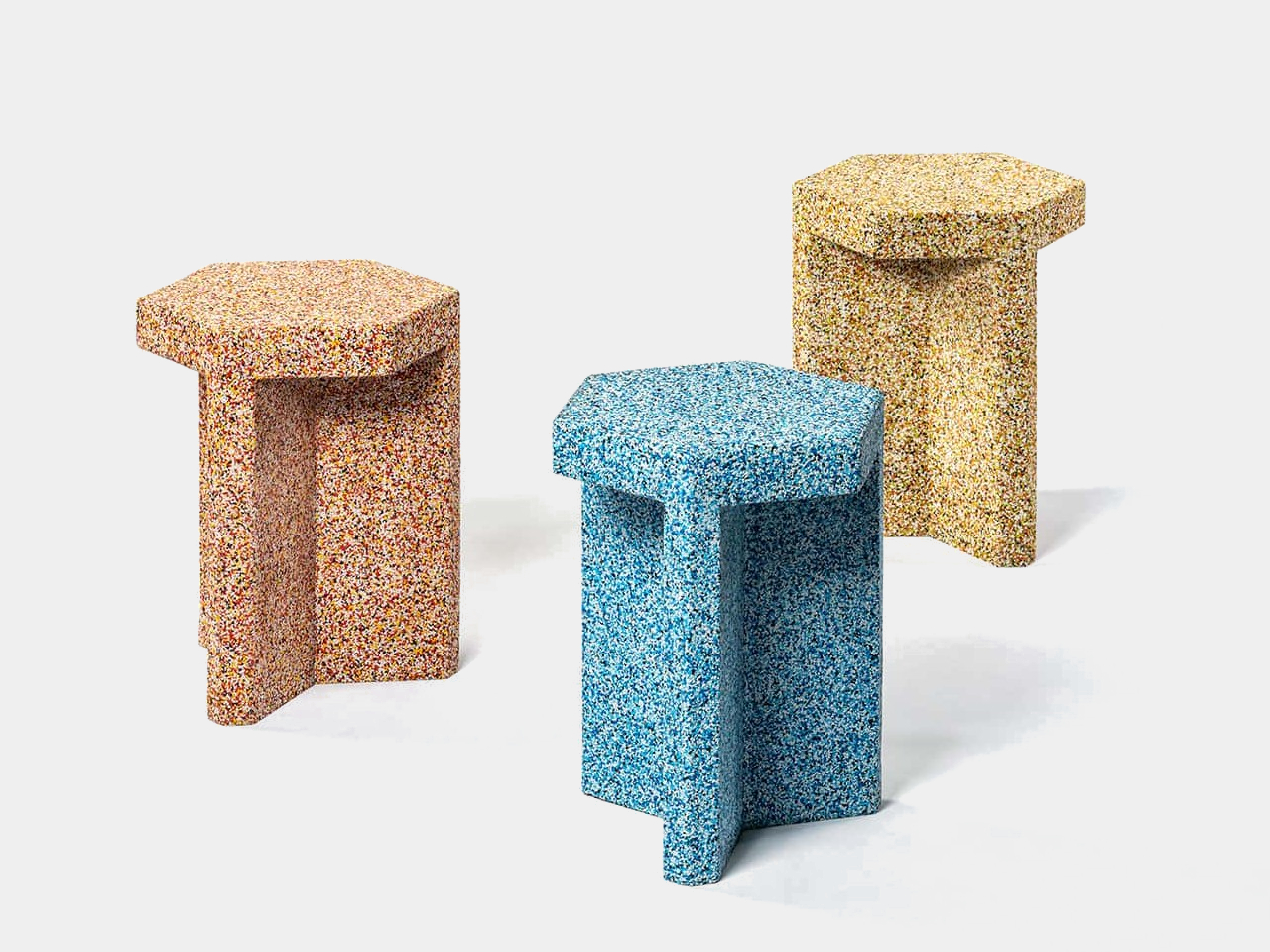
The fashion industry is known for its striking designs, lavish materials, and sometimes mind-blowing forms, but it also has a dirty little secret when it comes to sustainability. Many of those materials, processes, and even ingredients have a tendency to harm the environment, especially mass-produced pieces of clothing, accessories, and footwear. Even something that sounds so innocent like the rubber soles of shoes can have a long-term negative impact on the planet’s health, especially when they’re thrown away without much thought. Although it’s not enough to make this discarded material disappear, these distinctive artistic stools help reduce their numbers while providing furniture that makes an impact in more ways than one.
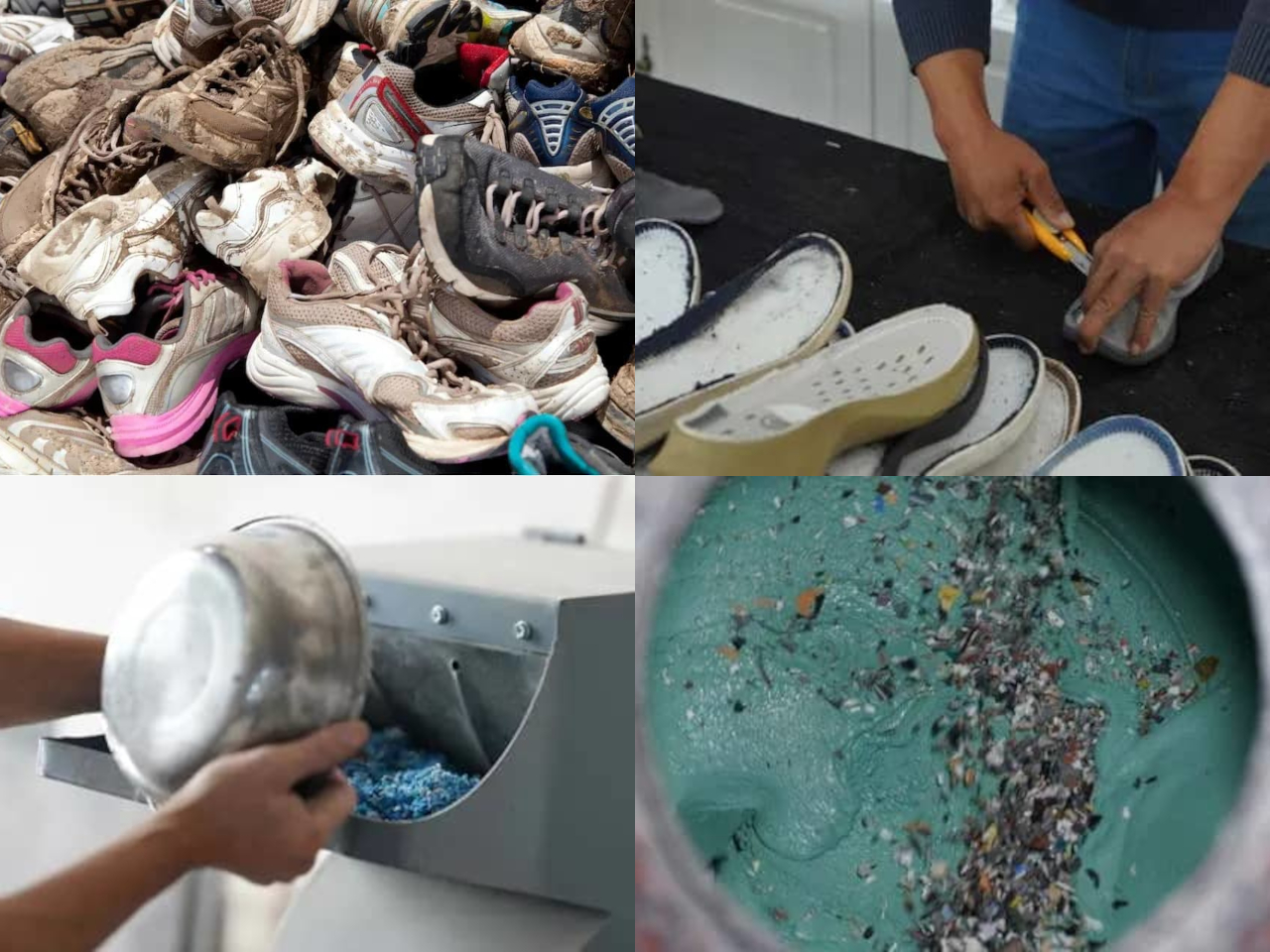
According to figures, 20 billion pairs of shoes are produced each year, and nearly all of those end up in landfills sooner or later. Footwear is usually made with half a dozen synthetic materials, with outsoles using plenty of rubber that takes more than a hundred years to decompose. Burning them, on the other hand, releases toxic gases, which is usually what happens in garbage disposal sites. Even though the process still uses water and energy, recycling these materials is still a significantly better way to deal with all the waste.
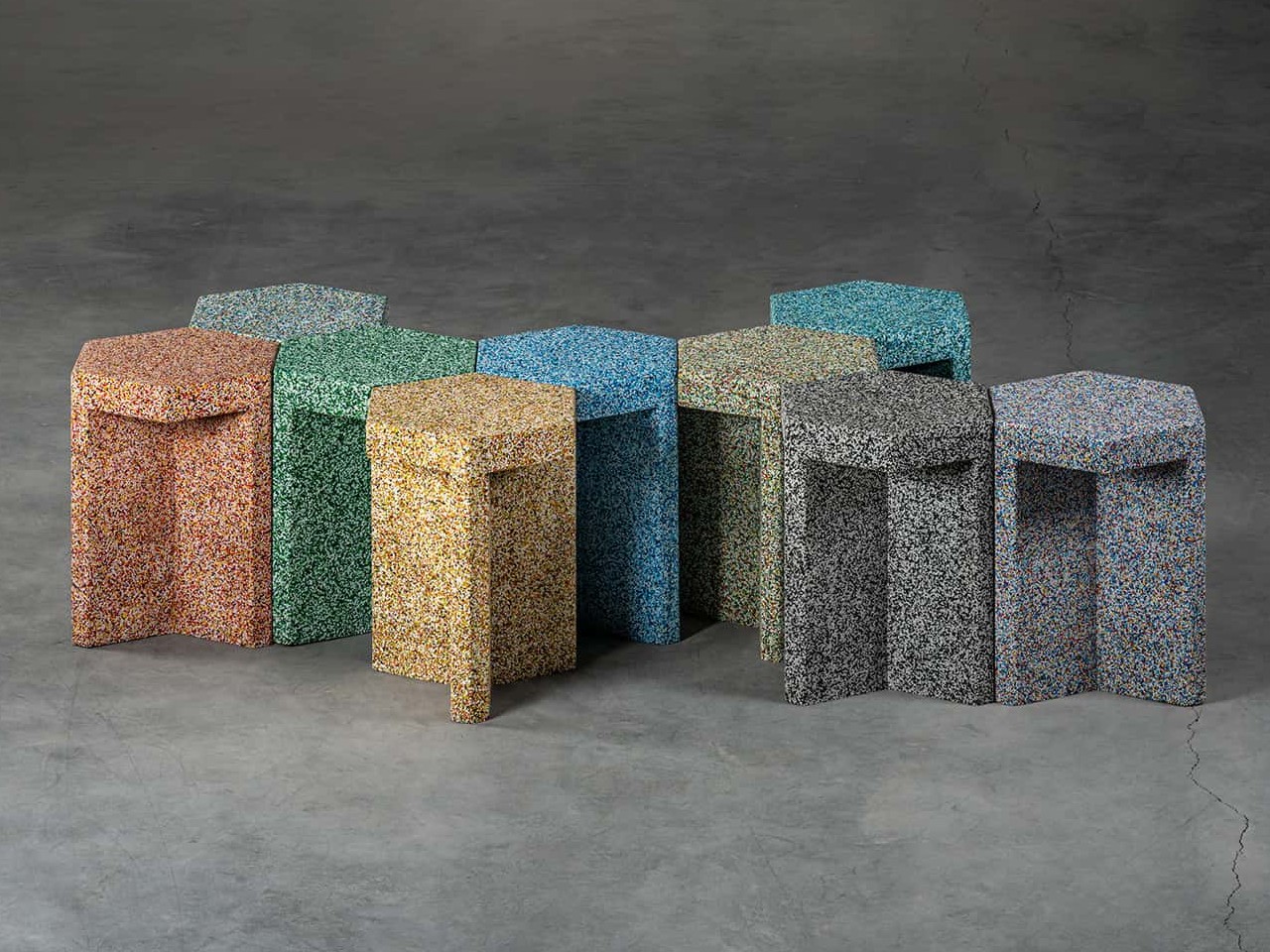
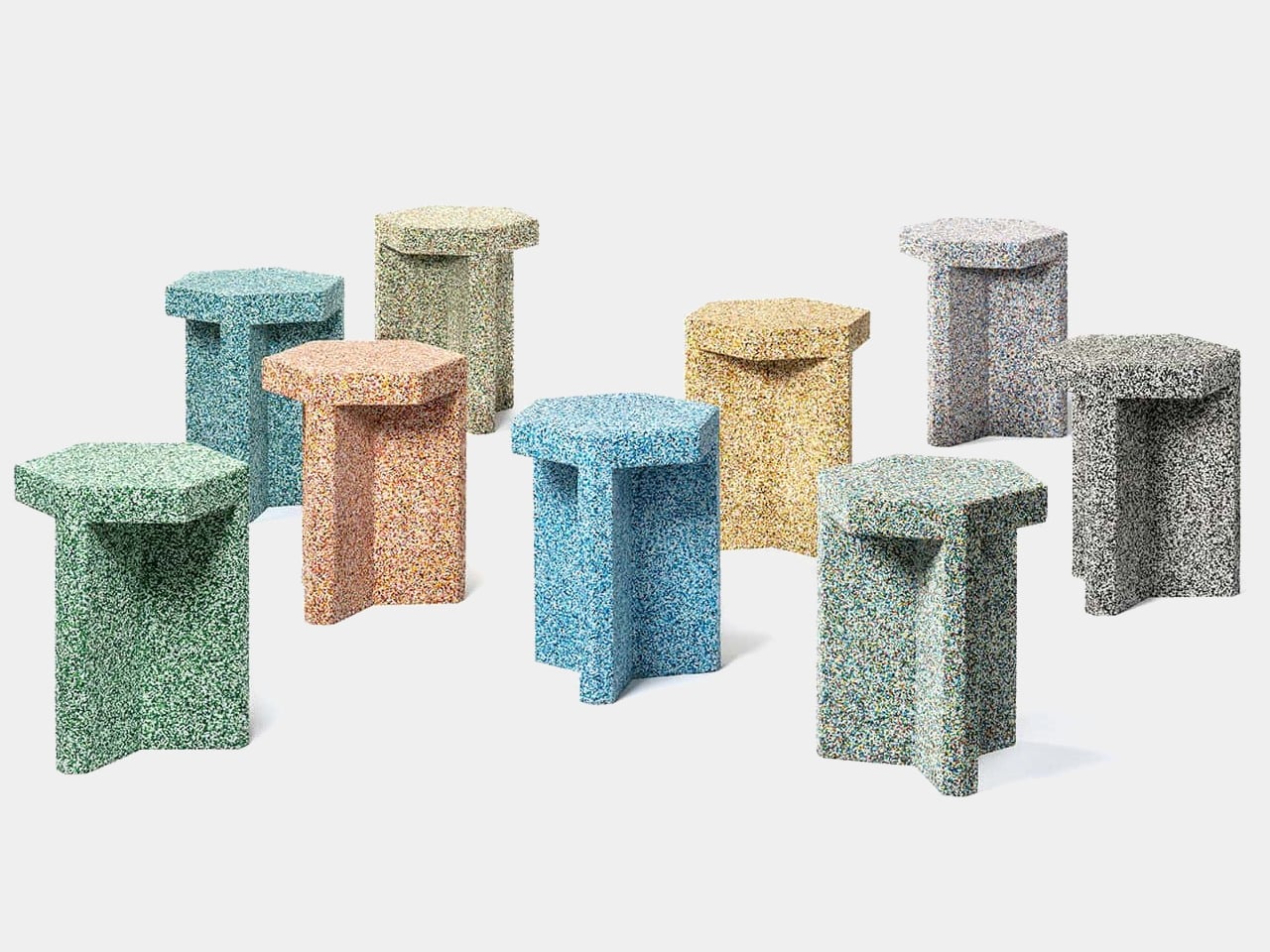
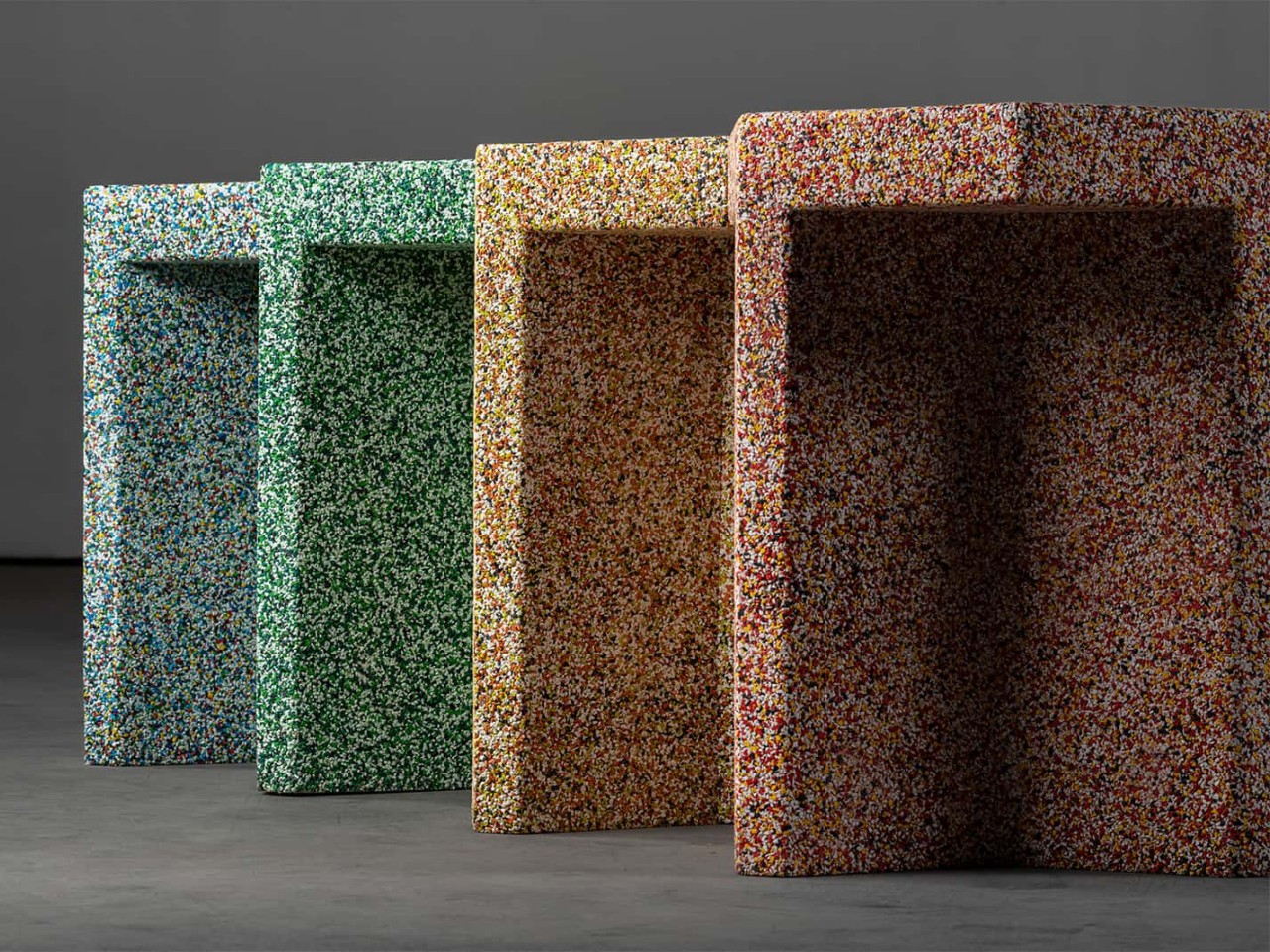
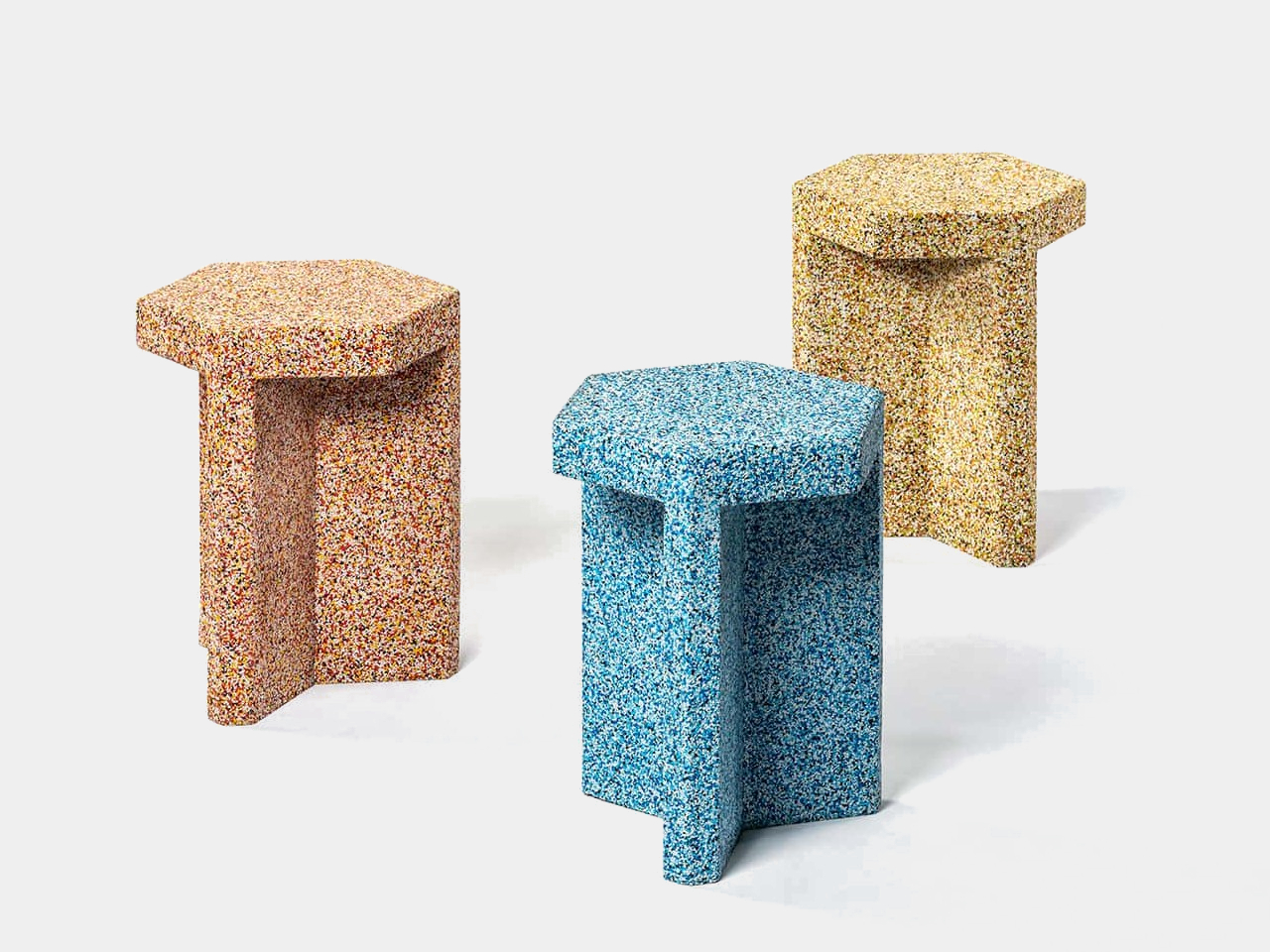
WU is a line of stools that does exactly that, giving new life to shoe soles that result in an even more interesting design. 90% of each stool’s raw materials are made from recycled rubber shoe materials, about 15kg of material that is equivalent to 60 rubber soles. It’s a small number compared to the amount of shoes being thrown away, but even just 10 of these stools mean 600 shoes are kept away from landfills.
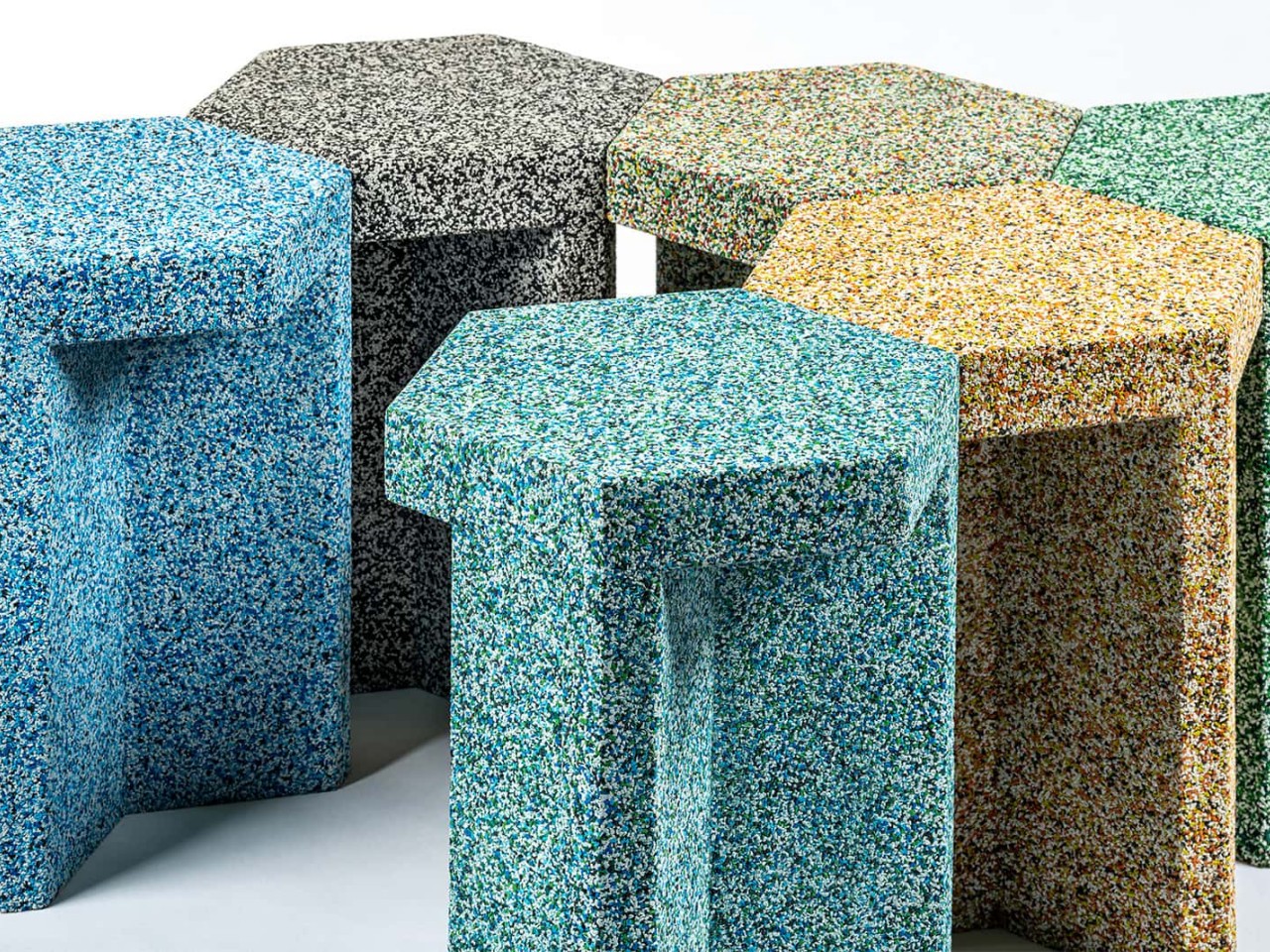
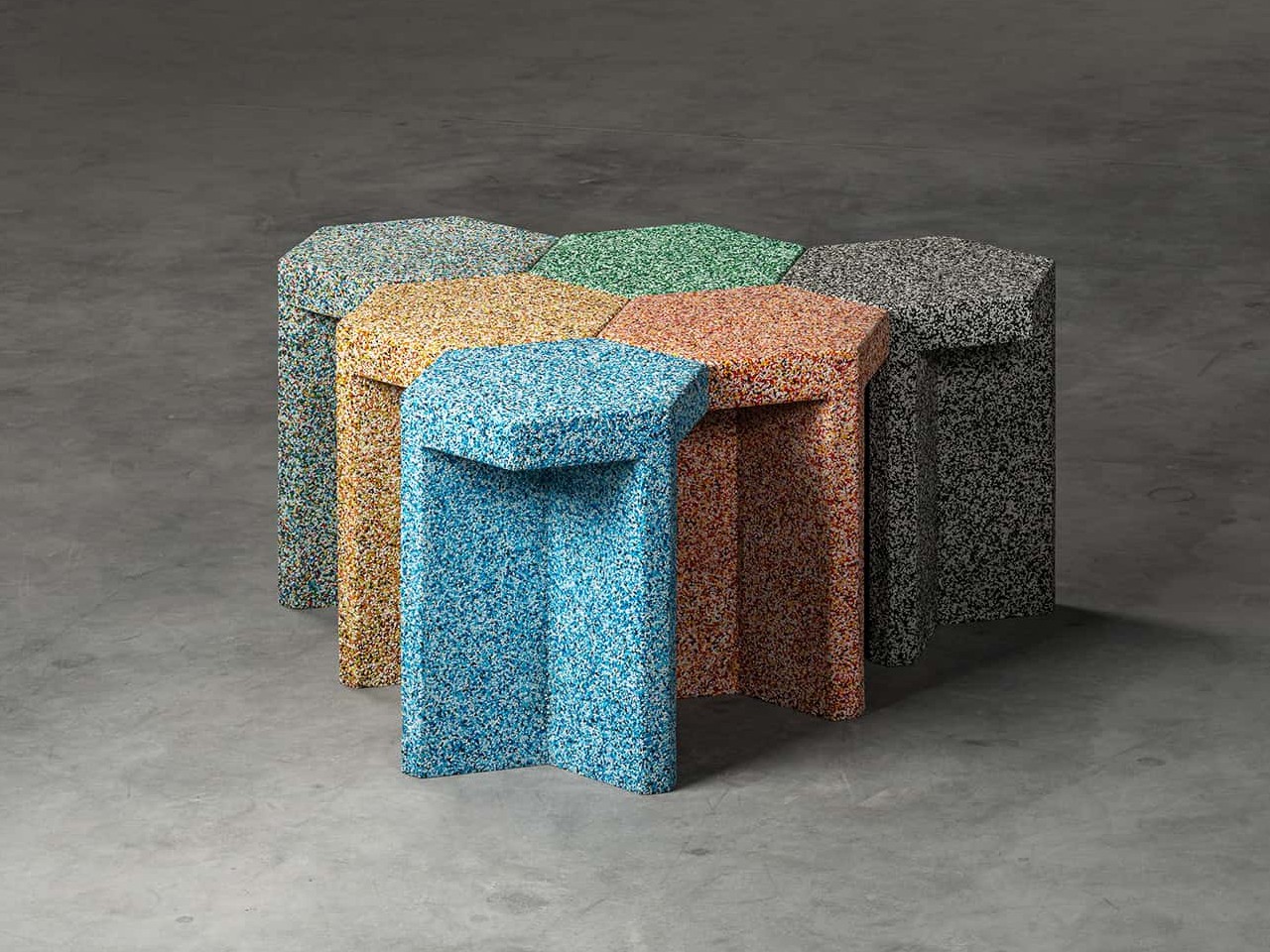
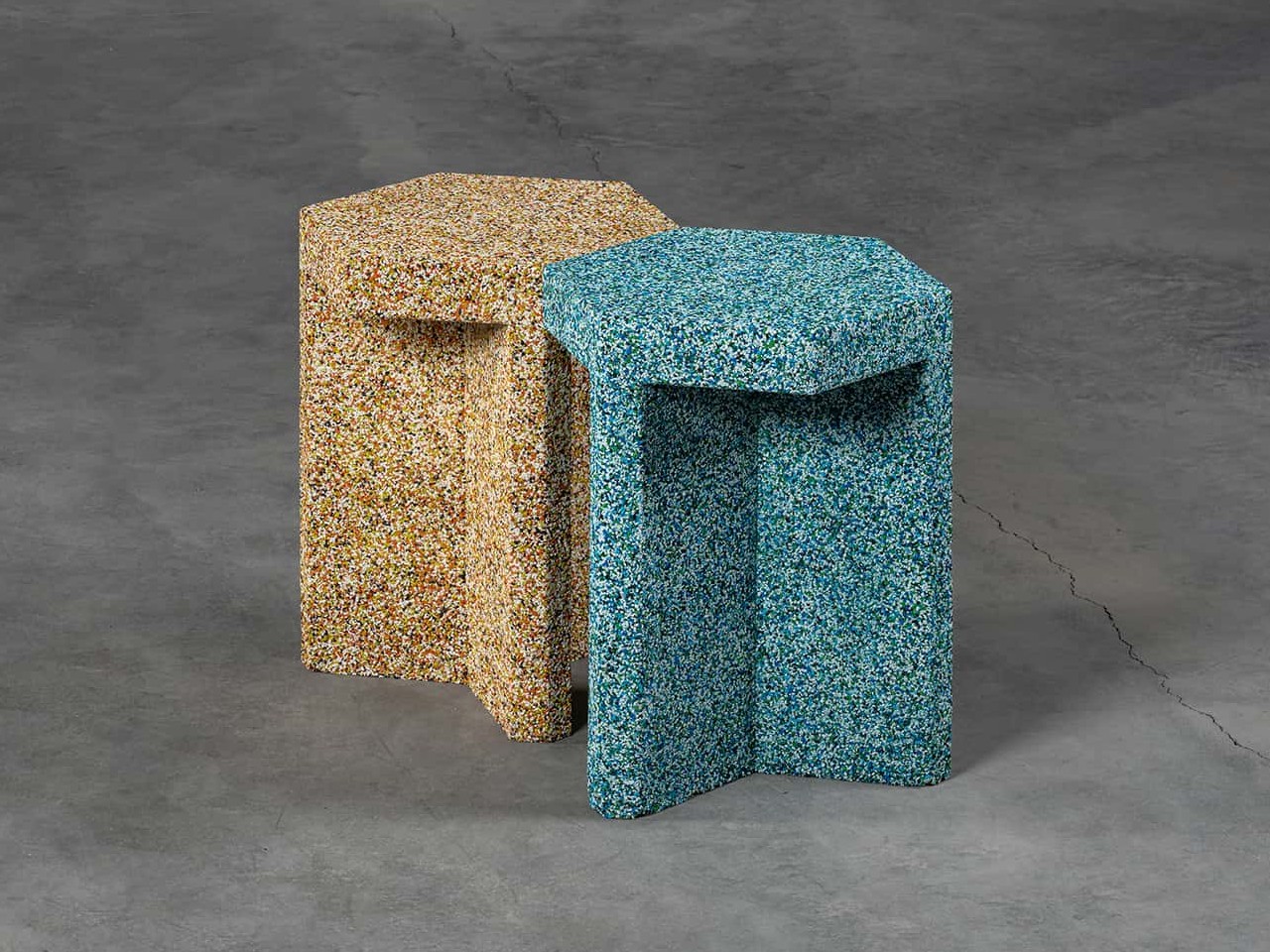
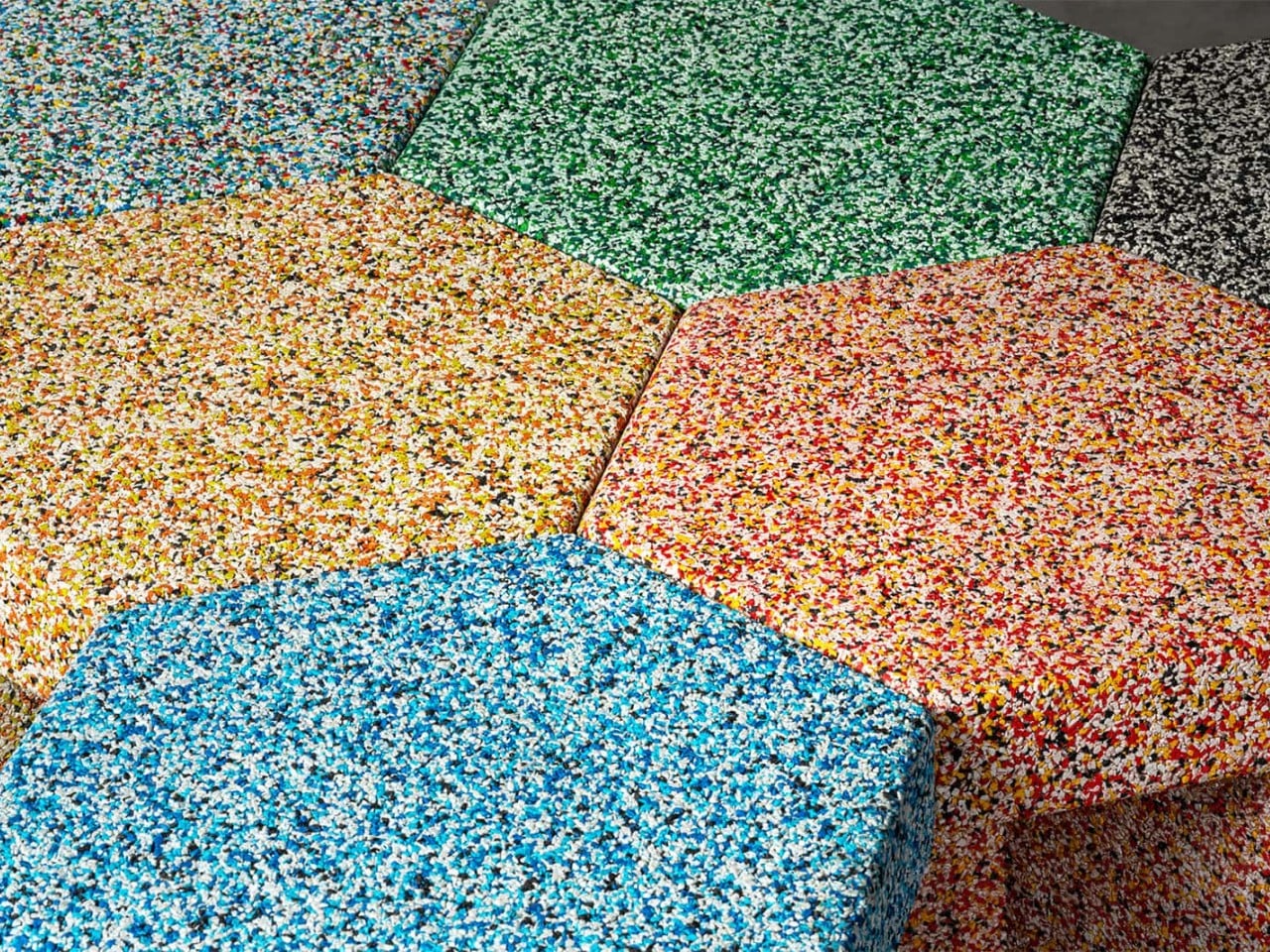
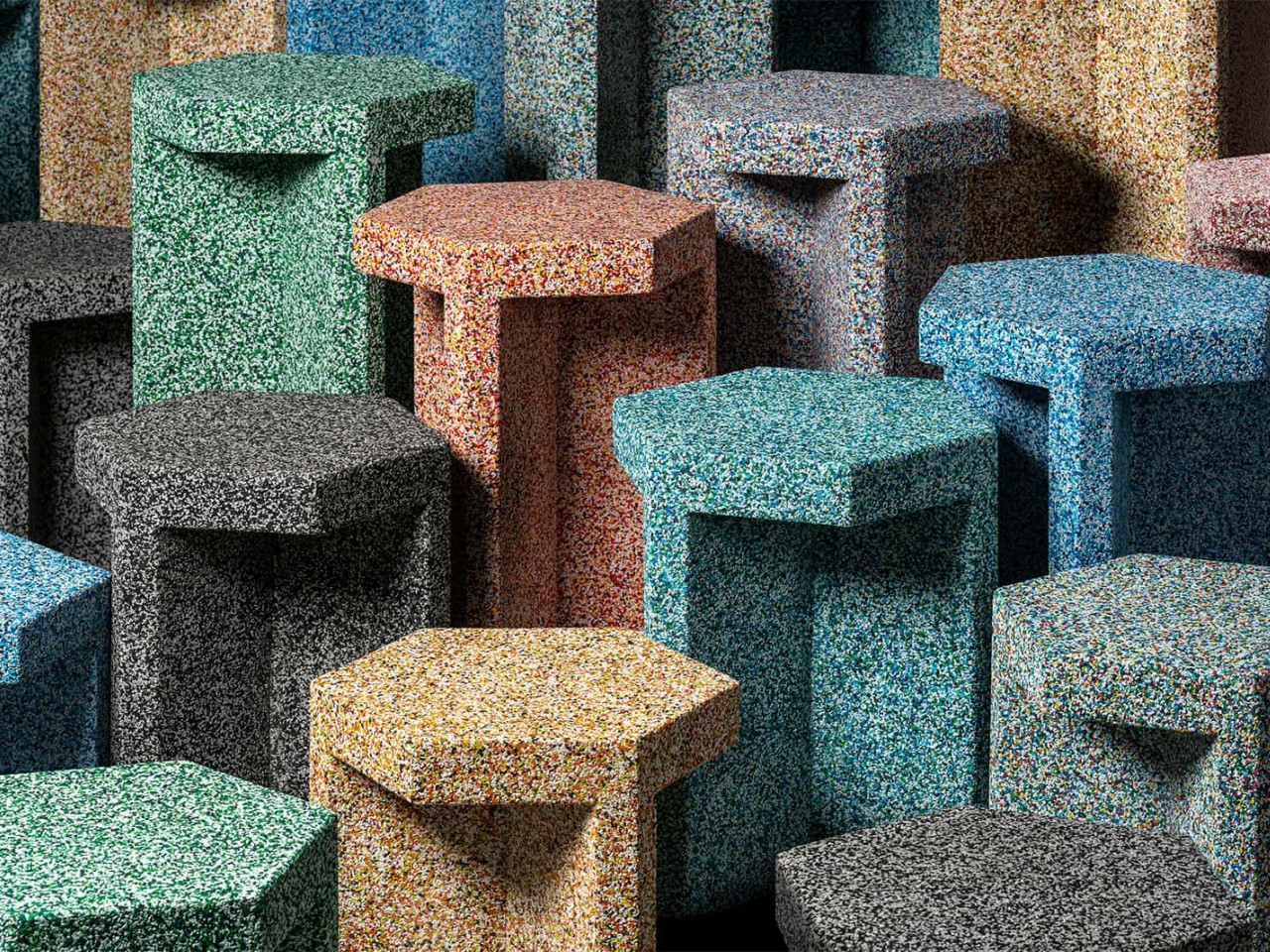
The resulting design is quite intriguing as well. The raw materials are classified according to color to have a more uniform appearance, but the uniqueness still comes out in tiny bits of colors and microtextures. If some recycled plastics create a terrazzo effect, the recycled rubber soles result in finer and smaller pieces that have a grainy appearance as if painted with oils or mixed in with concrete.
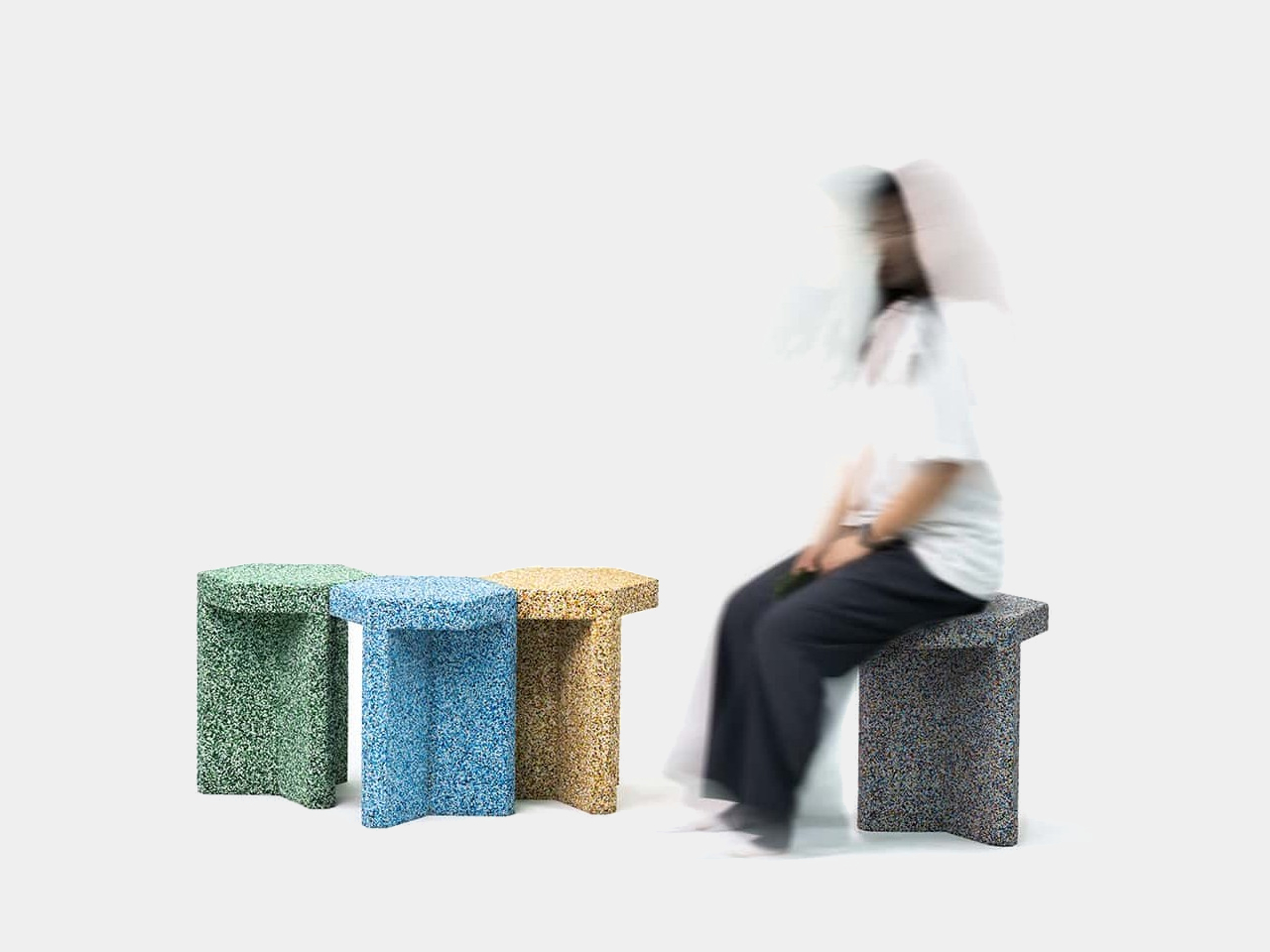
The shape of the WU stool is also unusual, with a hexagon seat and a three-pointed base. This makes it easy to combine the stools into a larger form like a bench, though the connection will be superficial and perhaps a bit unstable. When placed together, these stools paint a rather eye-catching picture, almost literally, as if somebody took reality and applied a mosaic filter on it. Either way, no one will be the wiser that these were probably made from the pair of shoes they threw away years ago.
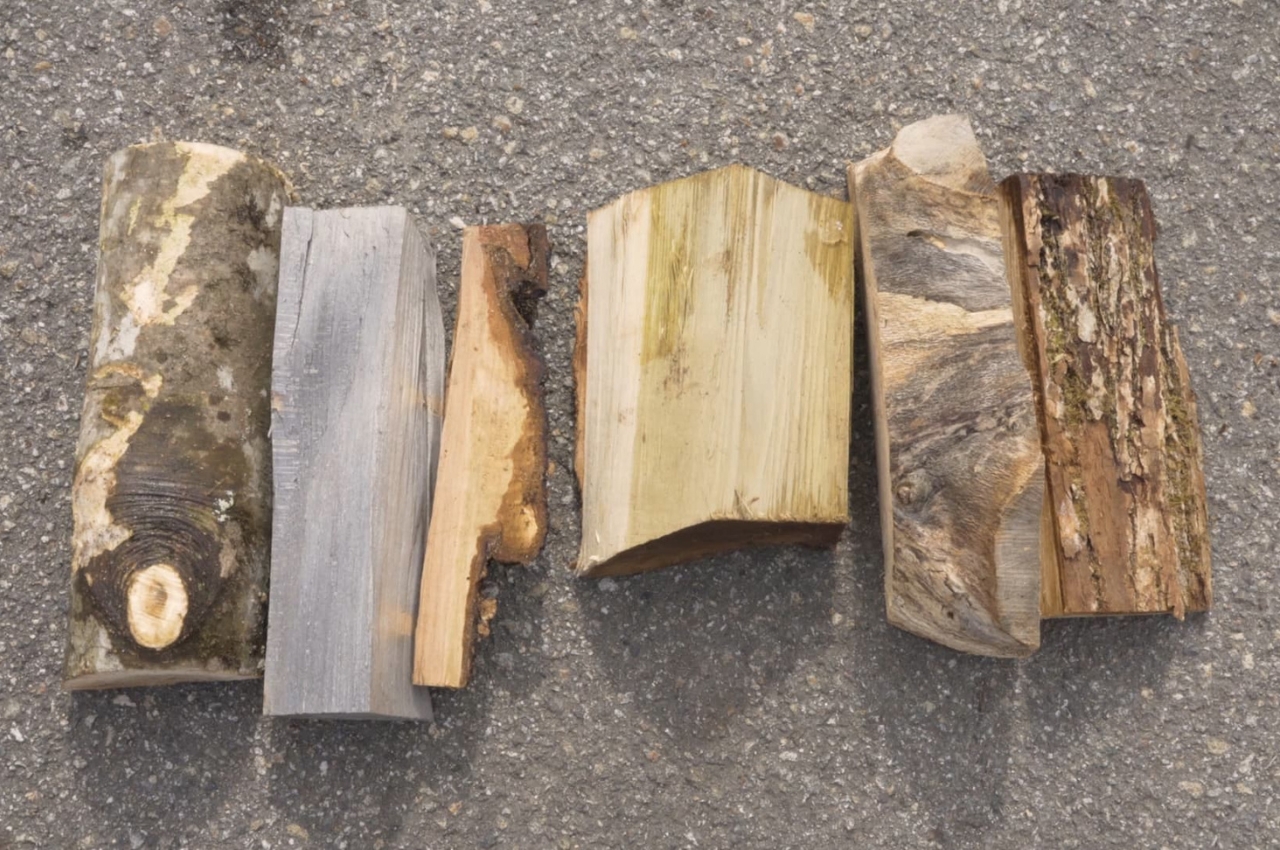
When you think of wood, the color that immediately comes to mind is brown since that’s what most of us have seen in the trees near our abodes or even when we travel. But it’s not the only color that we can extract from it, specifically from various species of forest trees. With 2//3 of Japan covered with trees and a lot of these forests remaining unharvested and unmaintained, it’s interesting to see what sustainable products can be made out of these trees.
Designer Name: Playfool
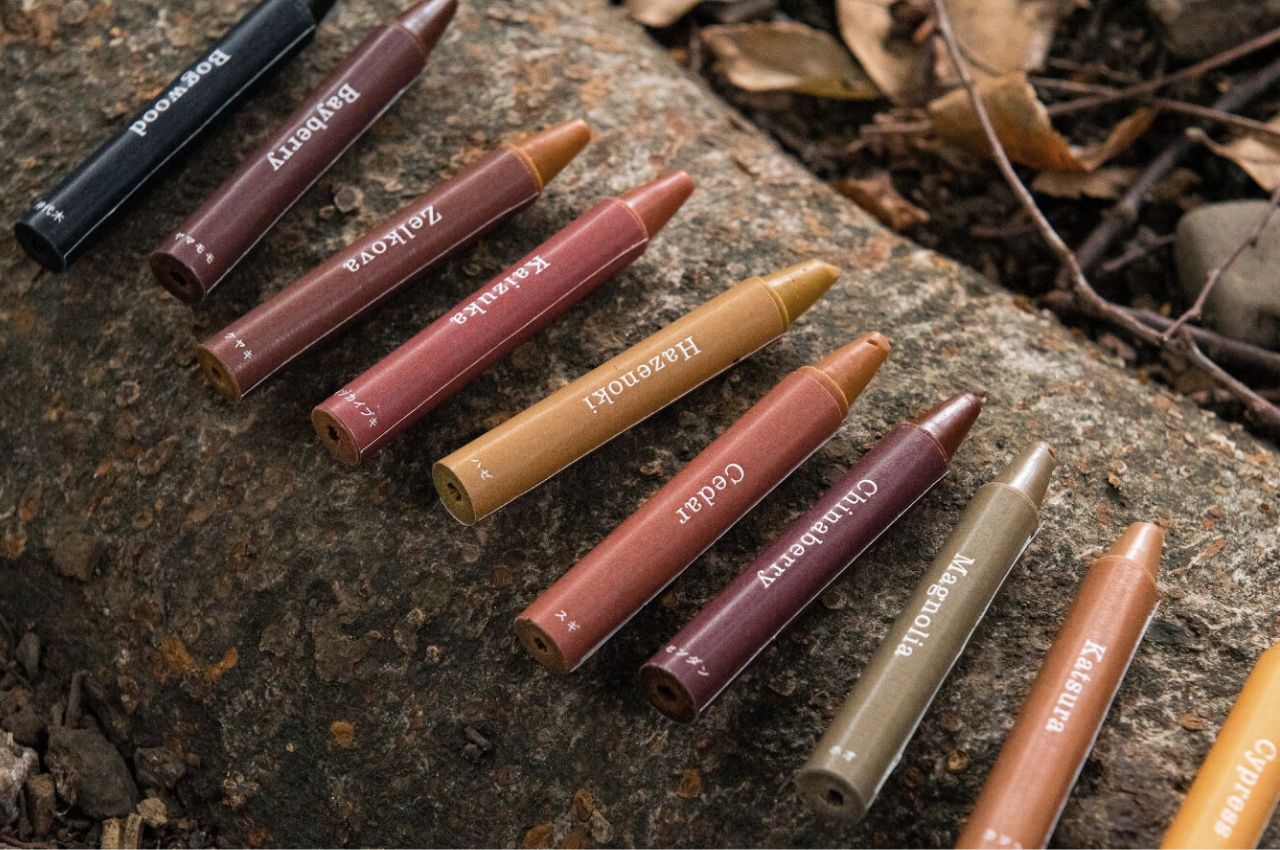
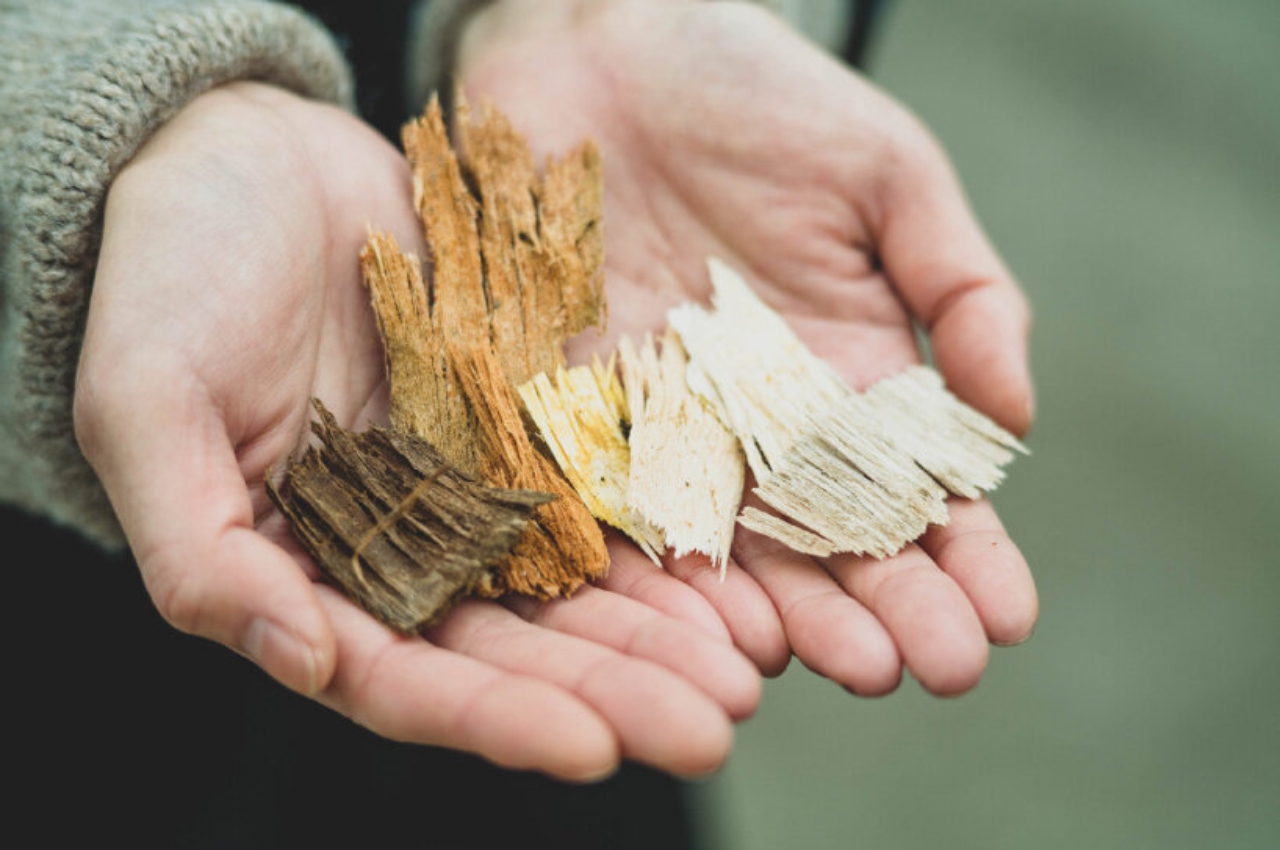
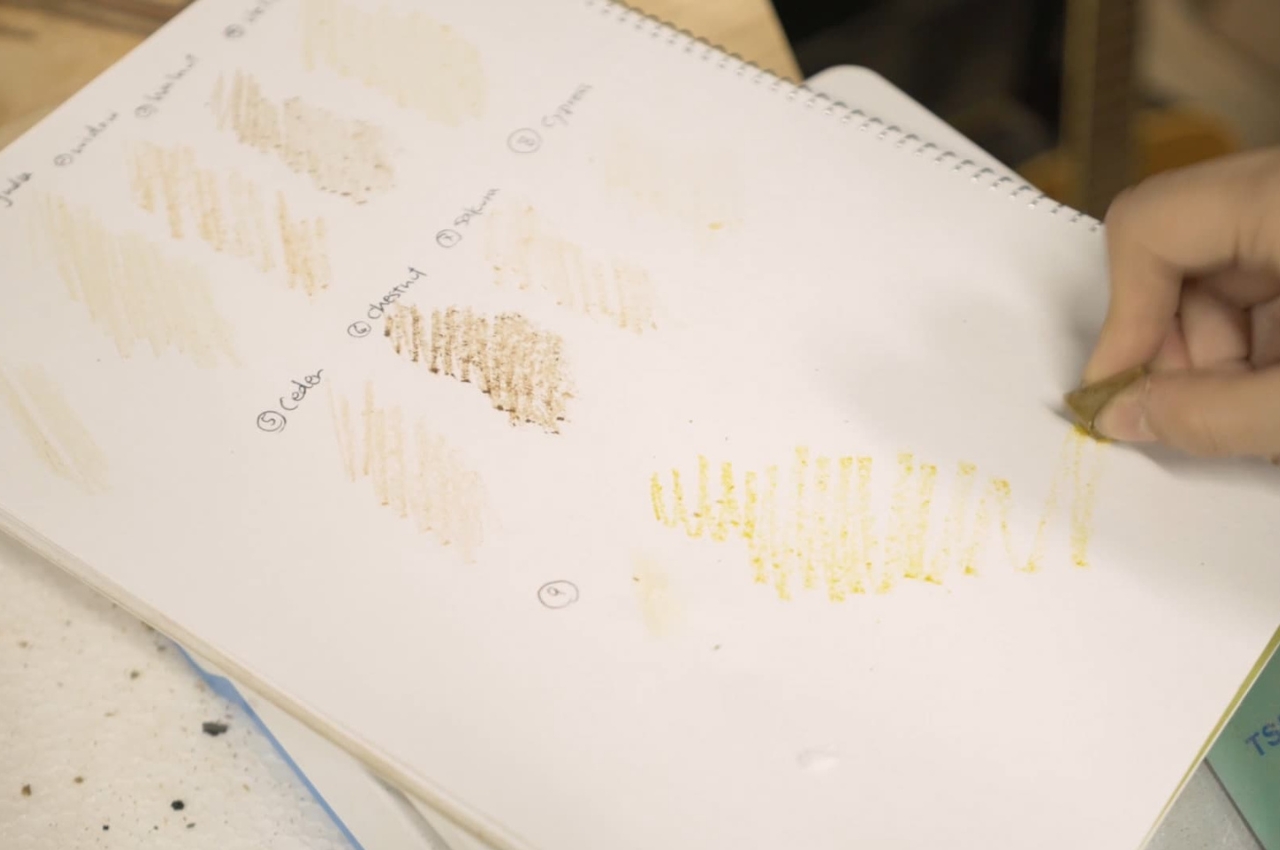
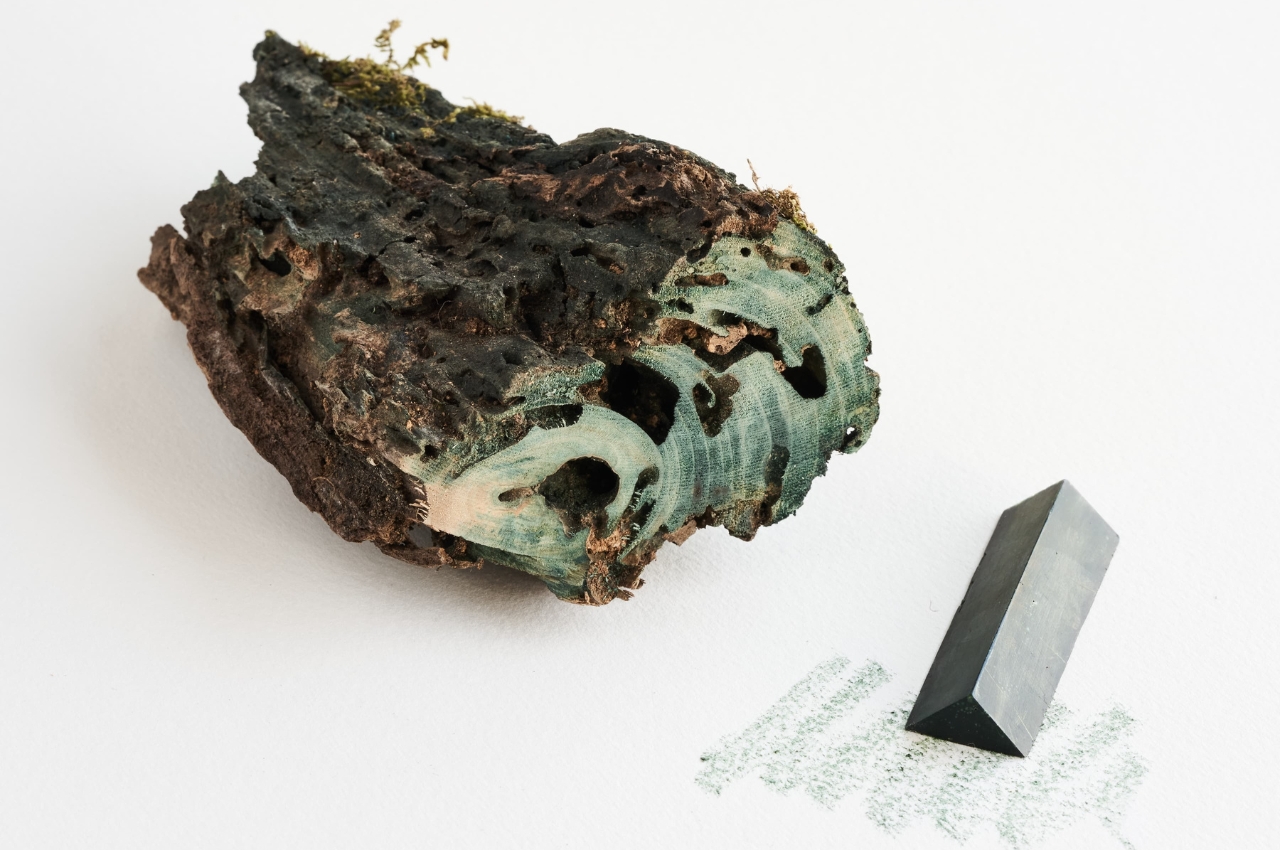
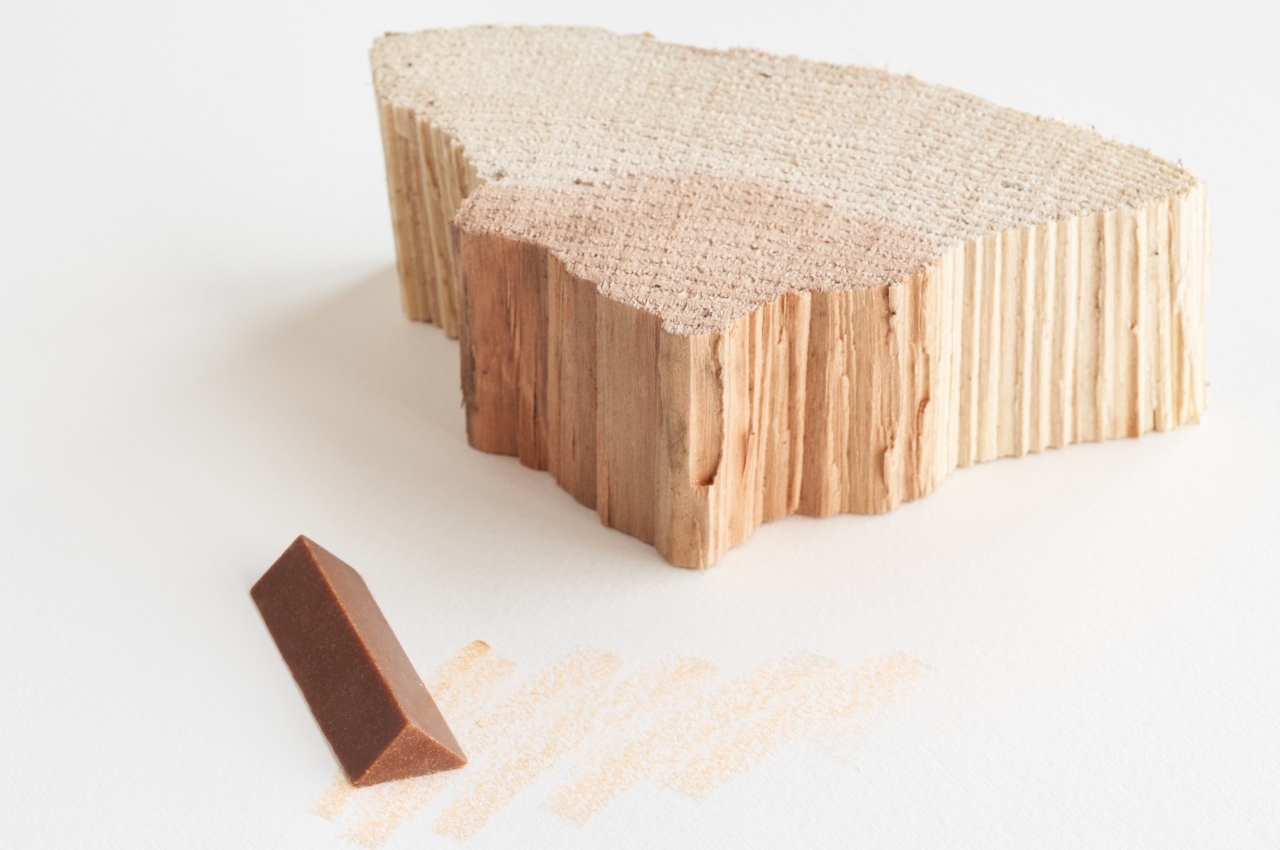
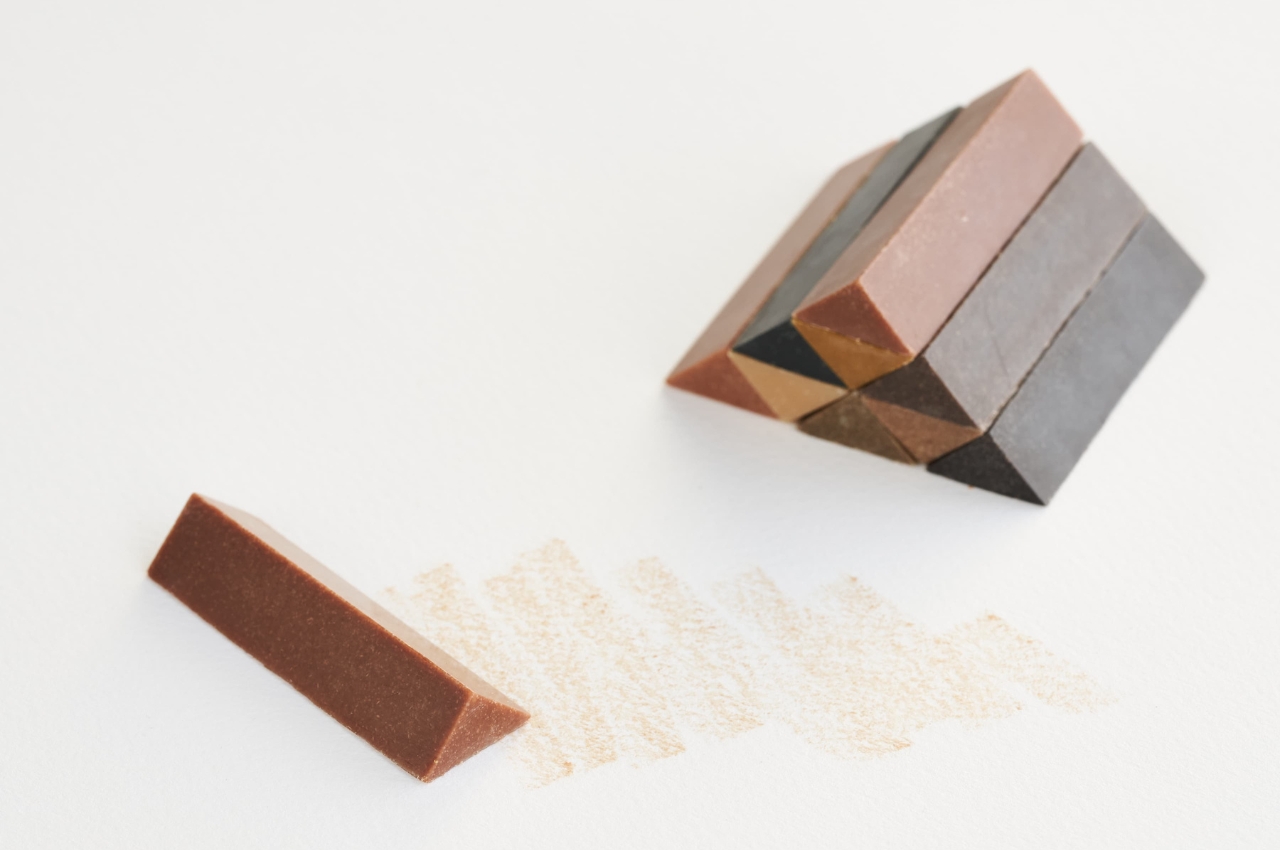
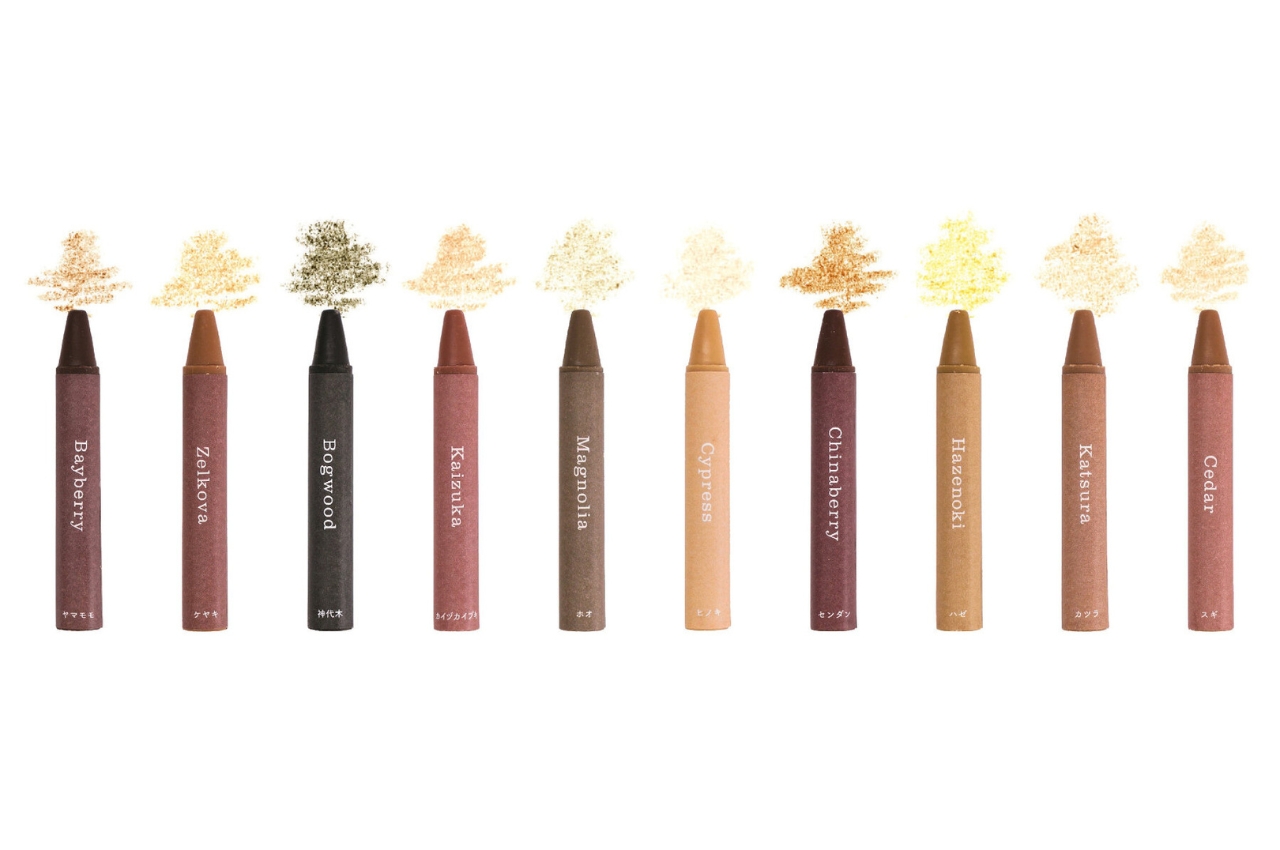
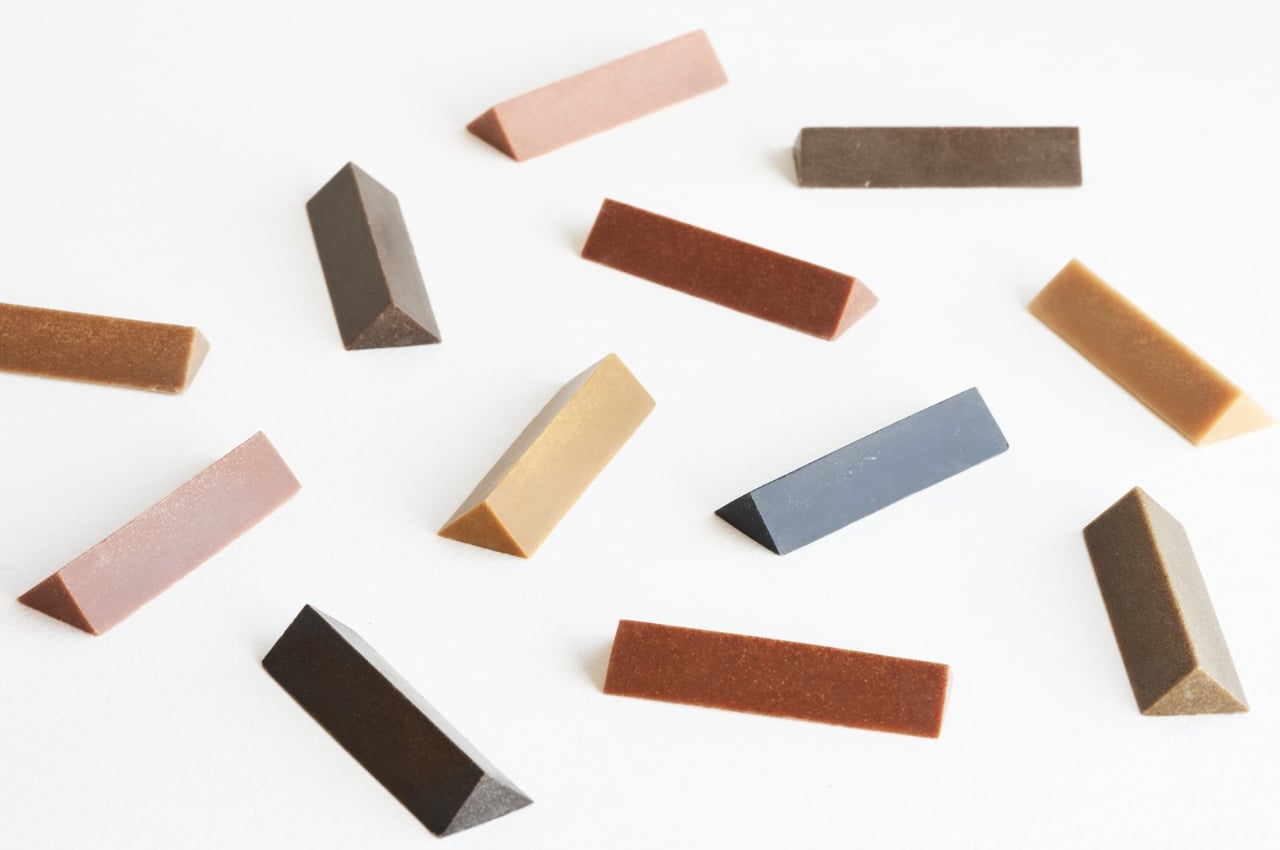
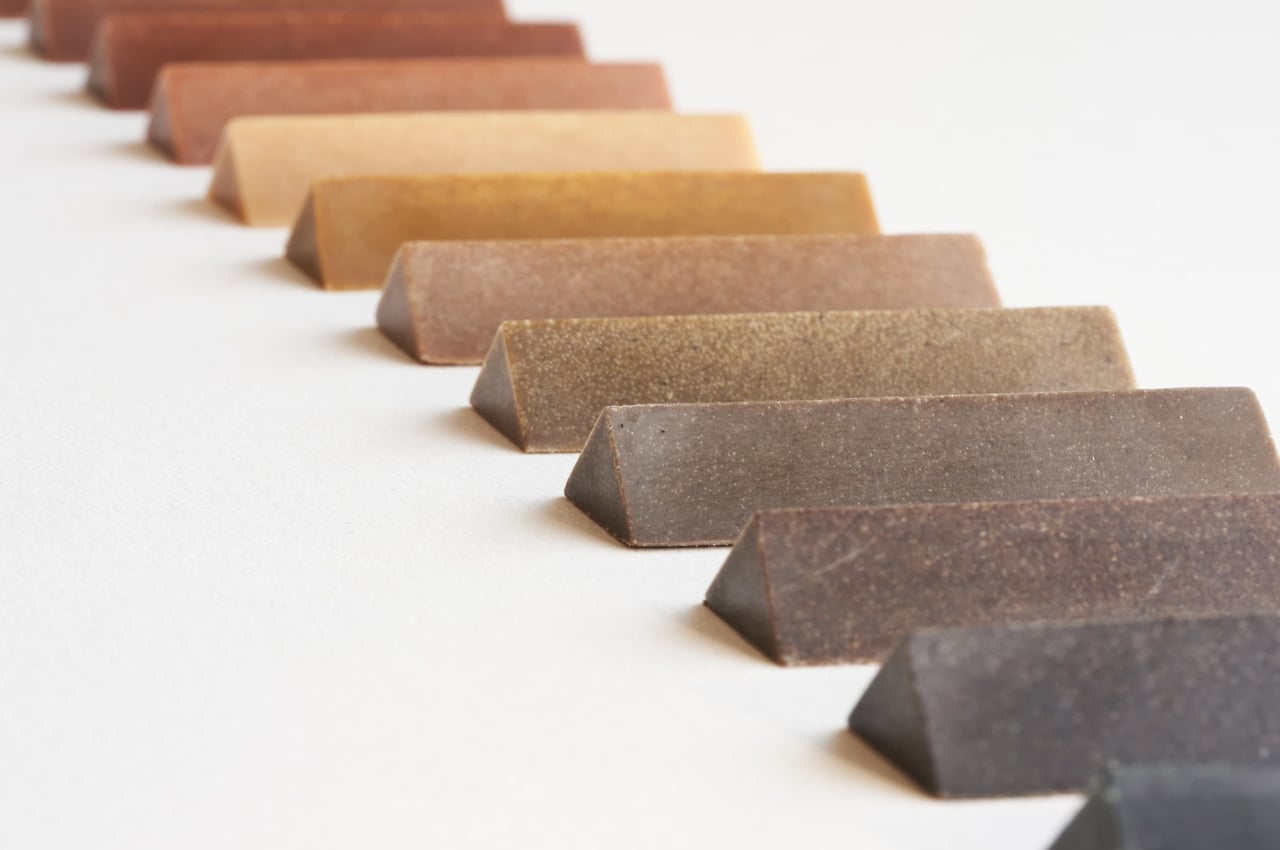
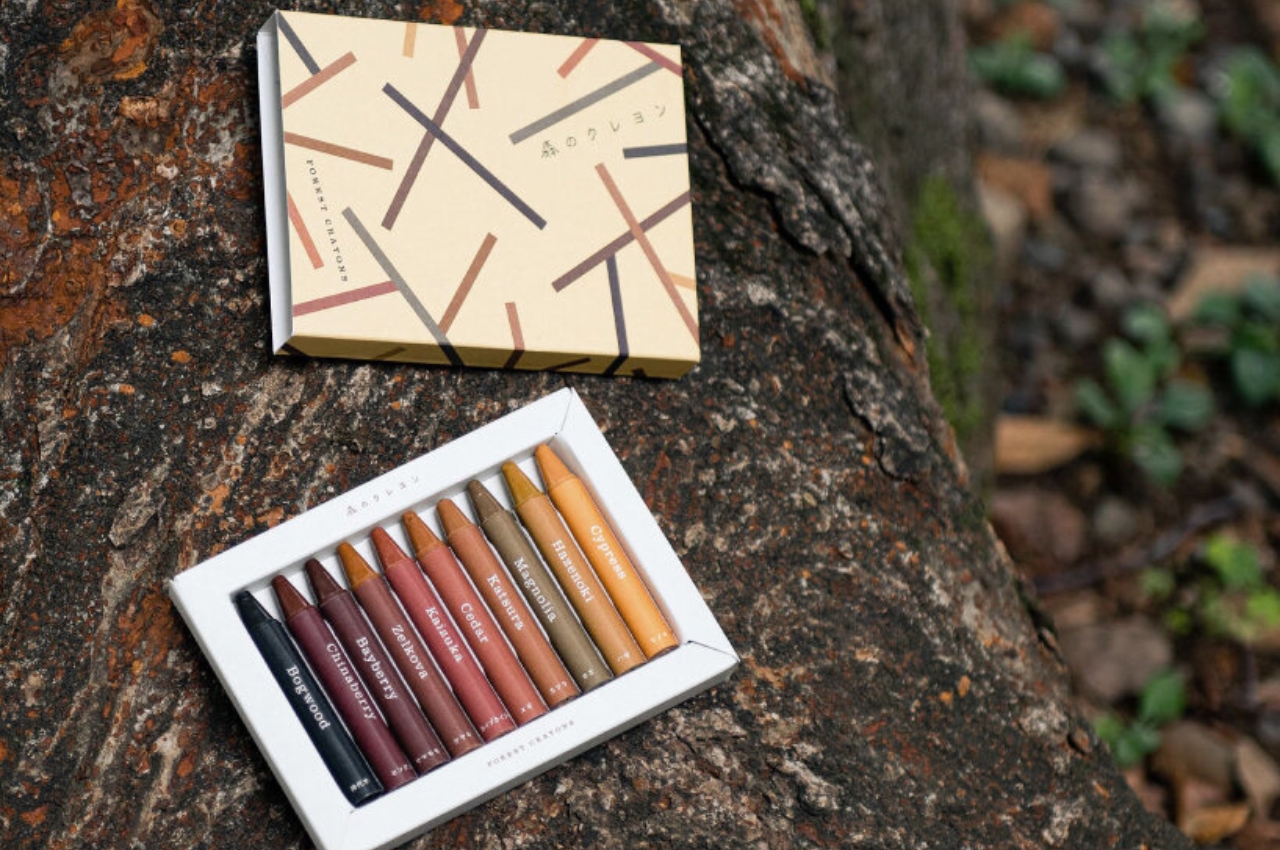
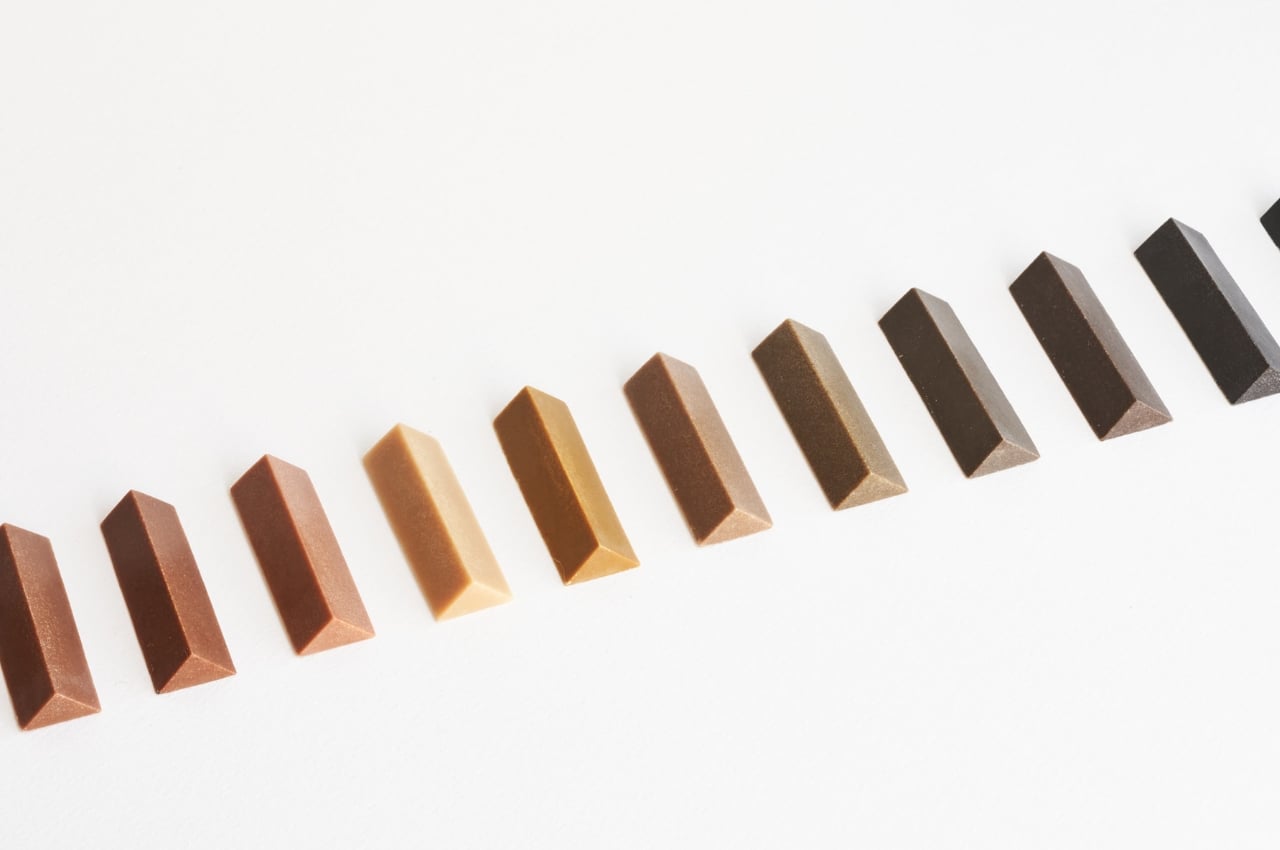
Forest Crayons is a project that uses the pigments extracted from various recycled forest trees and mixes them with other sustainable ingredients to turn them into crayons. Each one has a different shade that is based on the species of the recycled tree as well as how it was cultivated and grown. For example, you get a light green color for magnolia and a deep turquoise of fungus stained wood.
The pigments extracted are mixed with wood, rice wax, and rice oil to produce the different crayons. There are ten crayons available in the Forest Crayons set: Bayberry, Bogwood, Cedar, Chinaberry, Cybress, Hazenoki, Katsura, Kaizuka, Magnolia, and Zelkova. Some names should be familiar to most people but there are species that are native to Japan and some that have Japanese names.
Forest Crayons are actually supported by the Japanese Forest Agency and aside from producing these from recycled trees, they also want to “breathe new life into Japanese wood” so that people will have a new appreciation for the country’s forests. I would prefer the triangular shape of the crayons shown in the product shots but it makes sense of course to have them in the traditional crayon shape for functional reasons.
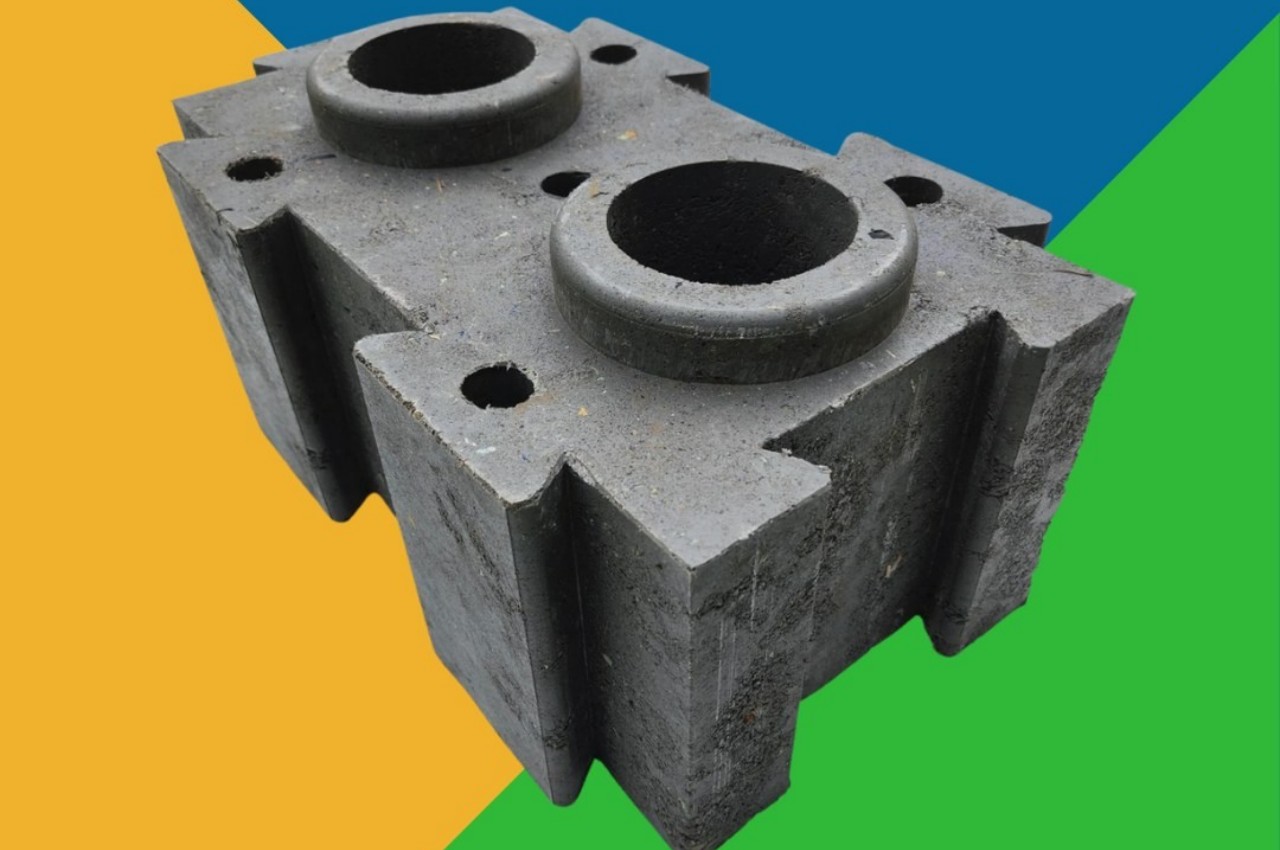
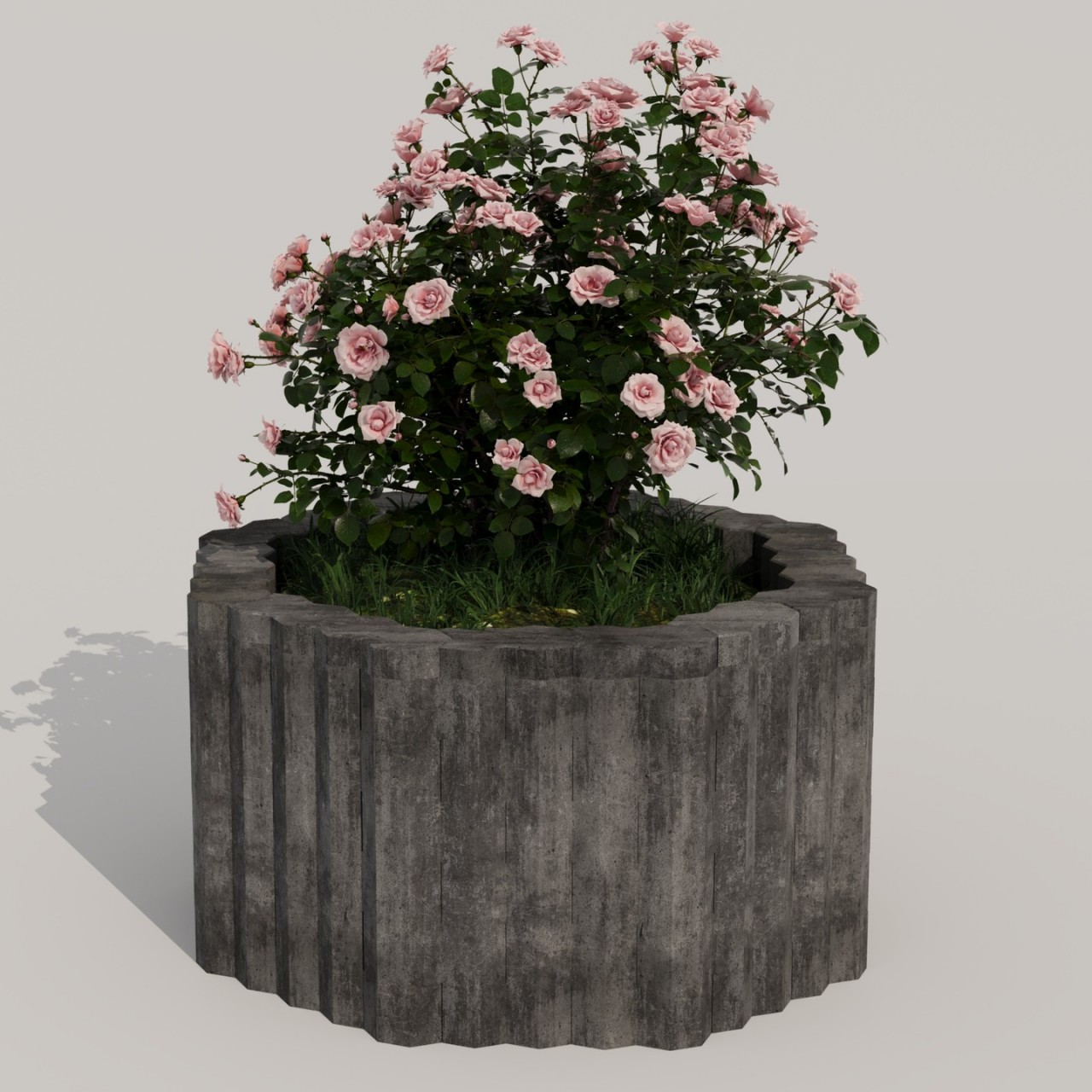
The more buildings we put up to address the growing needs of our civilization, the more materials and energy are consumed along with a rise in waste. And these structures don’t last forever, so the unsustainable process happens over and over again. The need for more sustainable alternatives to building materials has never been greater, especially at the rate that we’re building, tearing down, and rebuilding structures. This new kind of cinder block alternative is trying to be that answer, and it’s notable not just for its composition but because of the interlocking design that makes it easy to build a wall and, when the time comes, take it down again and reuse the blocks for some other building.
Although your typical cinder block isn’t completely harmful to the environment, they are simply wasteful and inefficient. Putting together a wall requires a lot of time, effort, and materials like mortar to give it strength, and even then it’s not that strong anyway. And if you have to, say, move the wall or remove it completely, there’s no other method other than demolishing that wall and then building a new one from scratch.
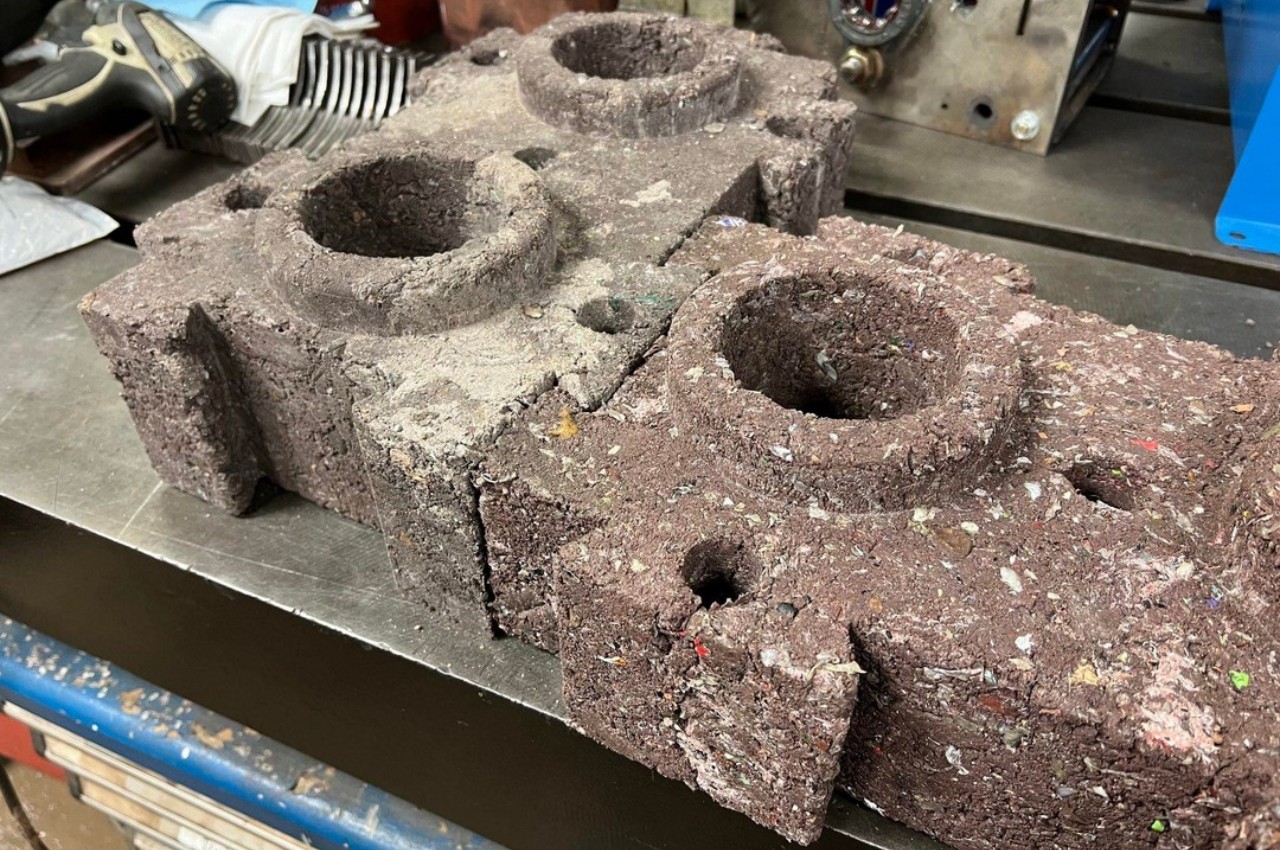
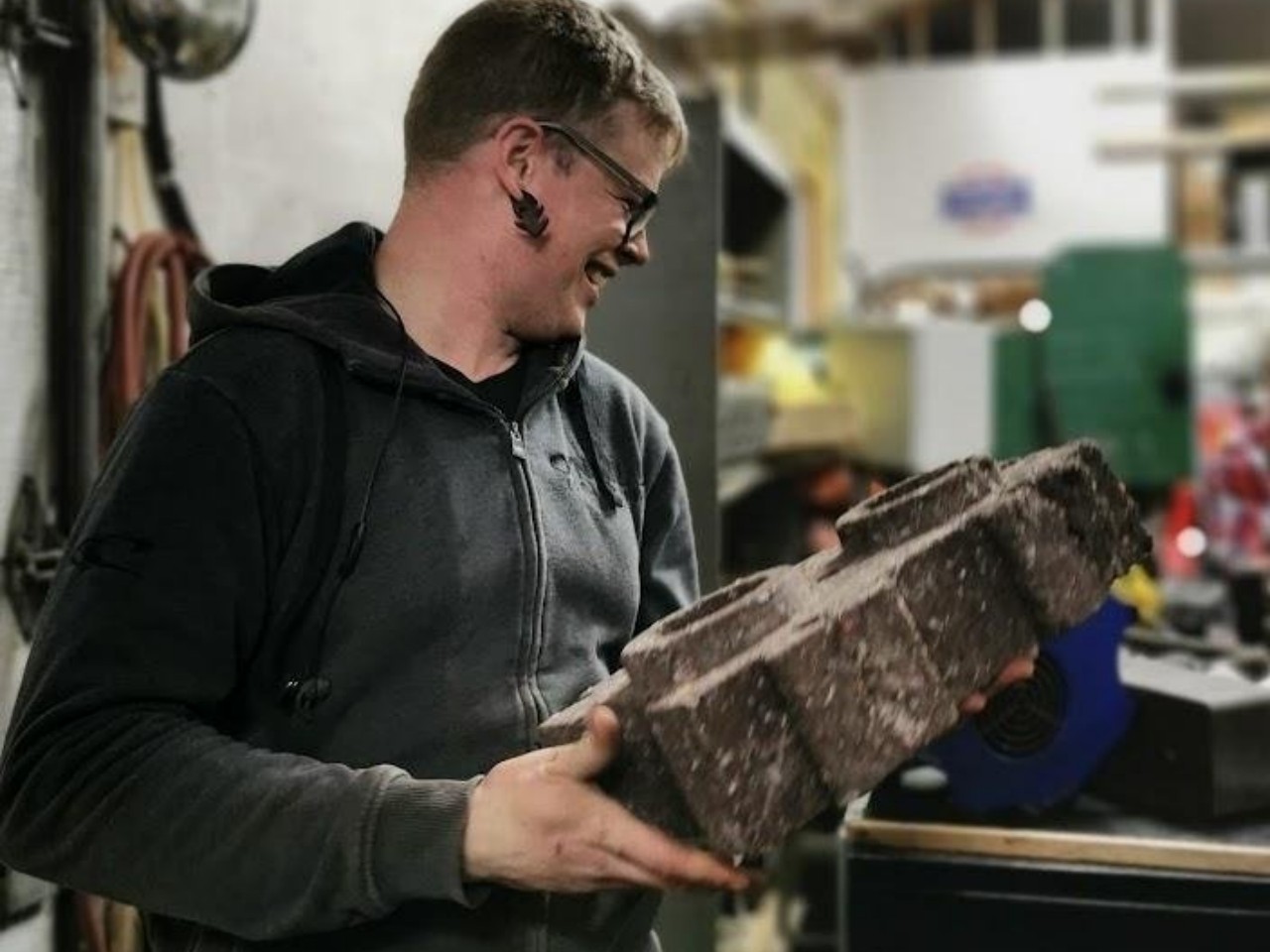
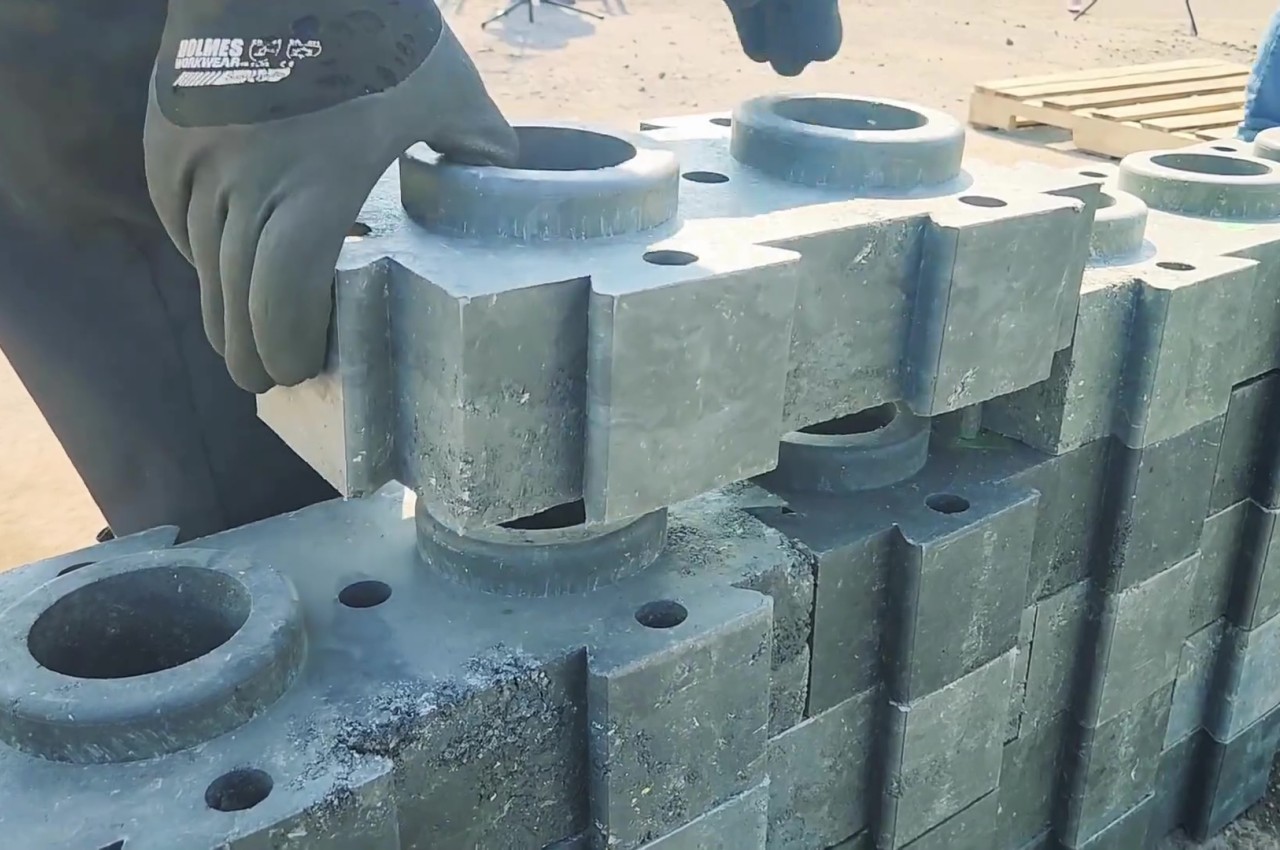
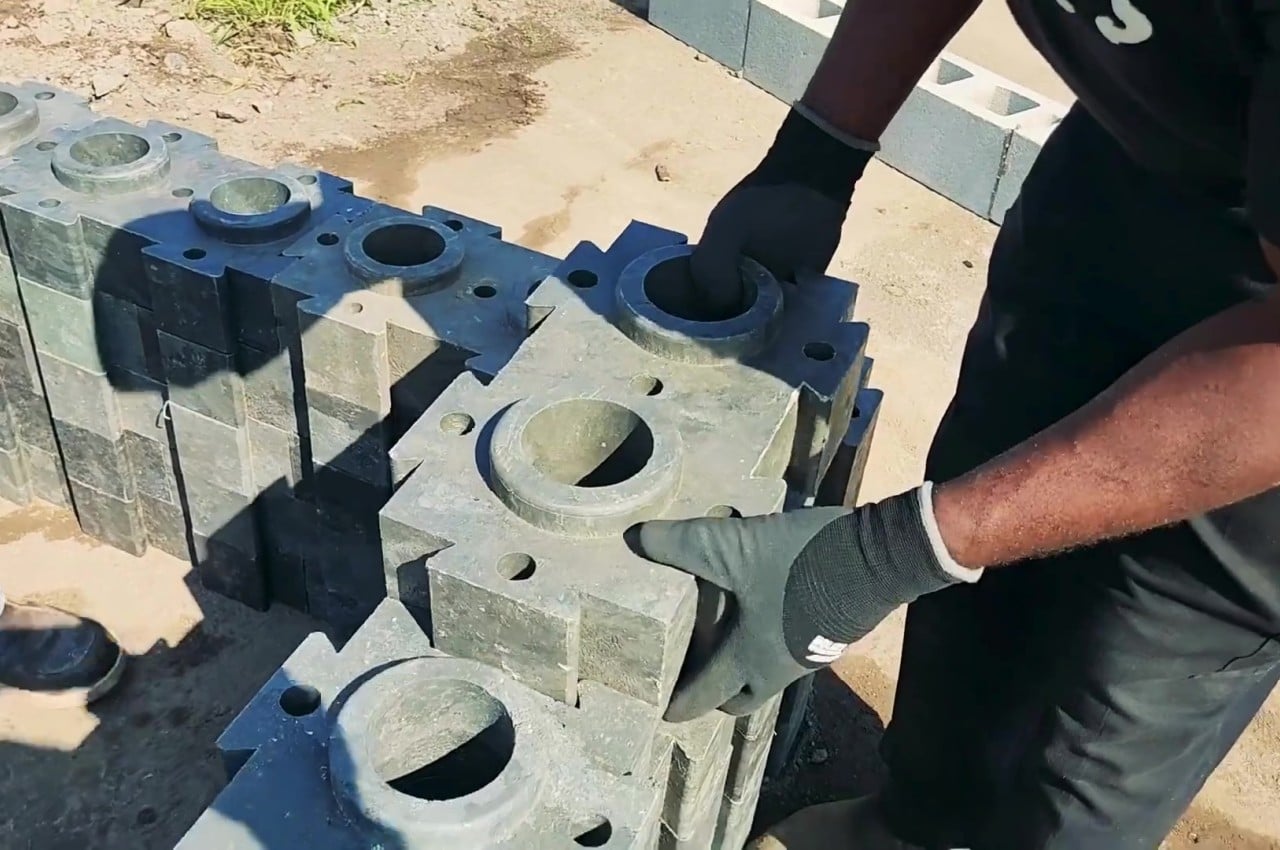
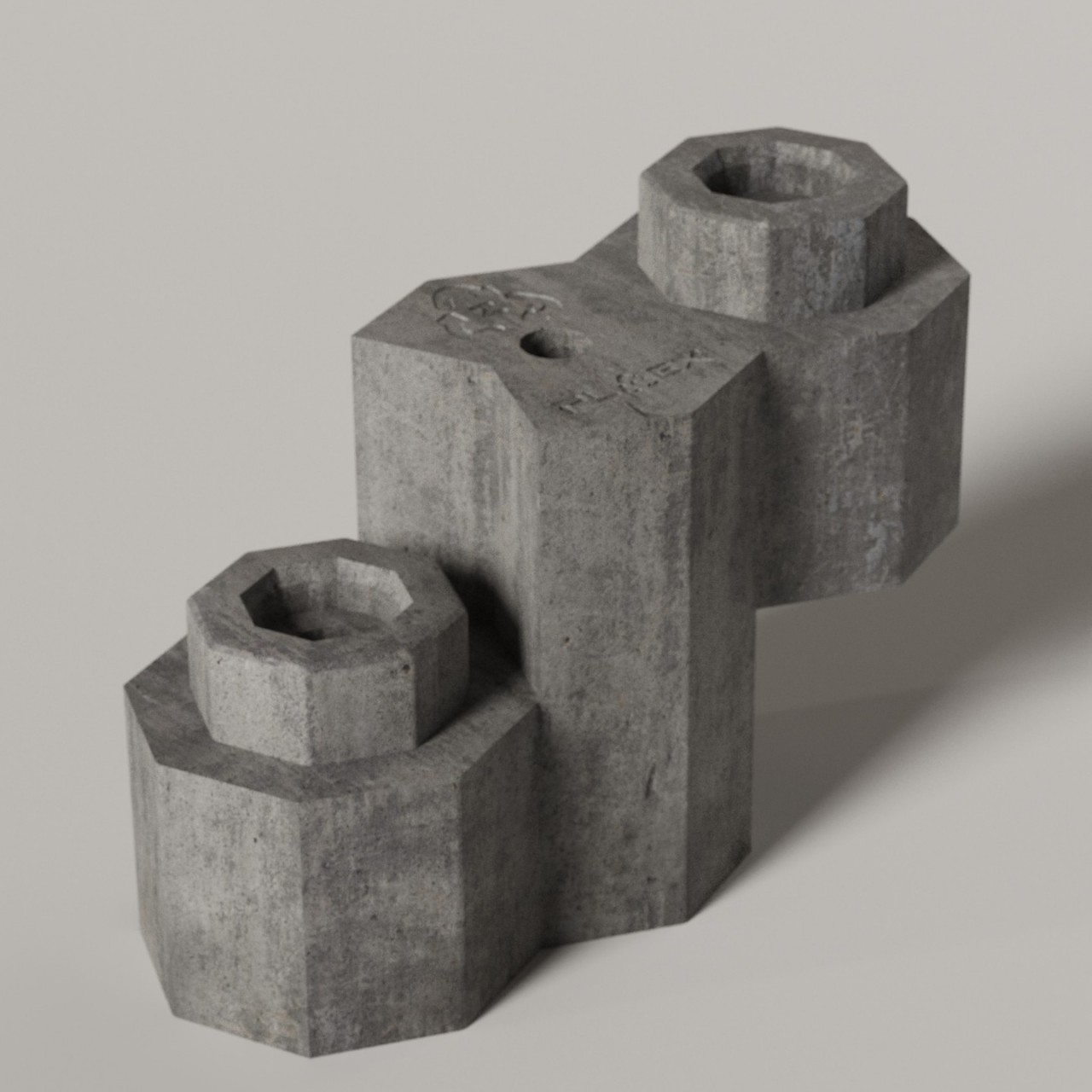
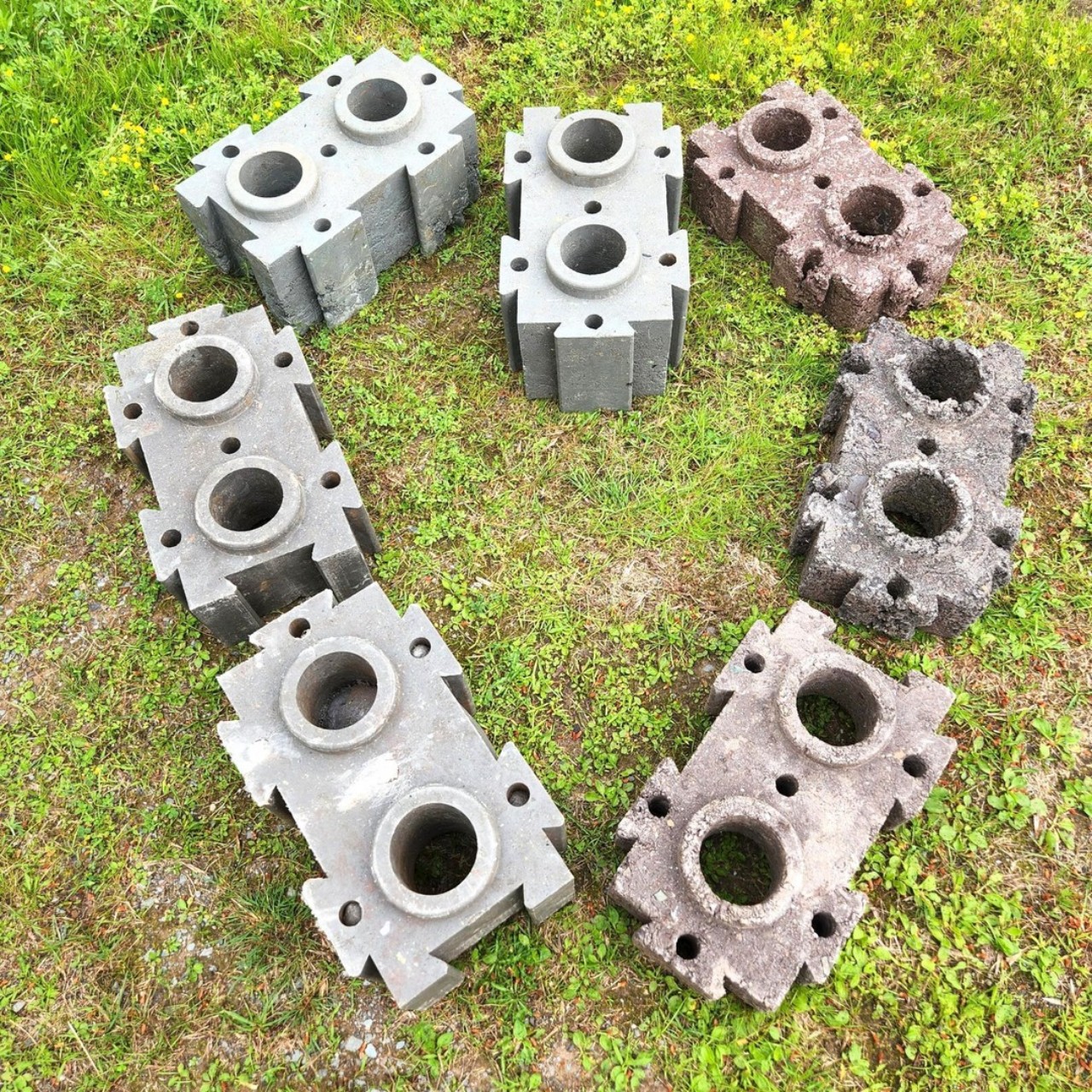
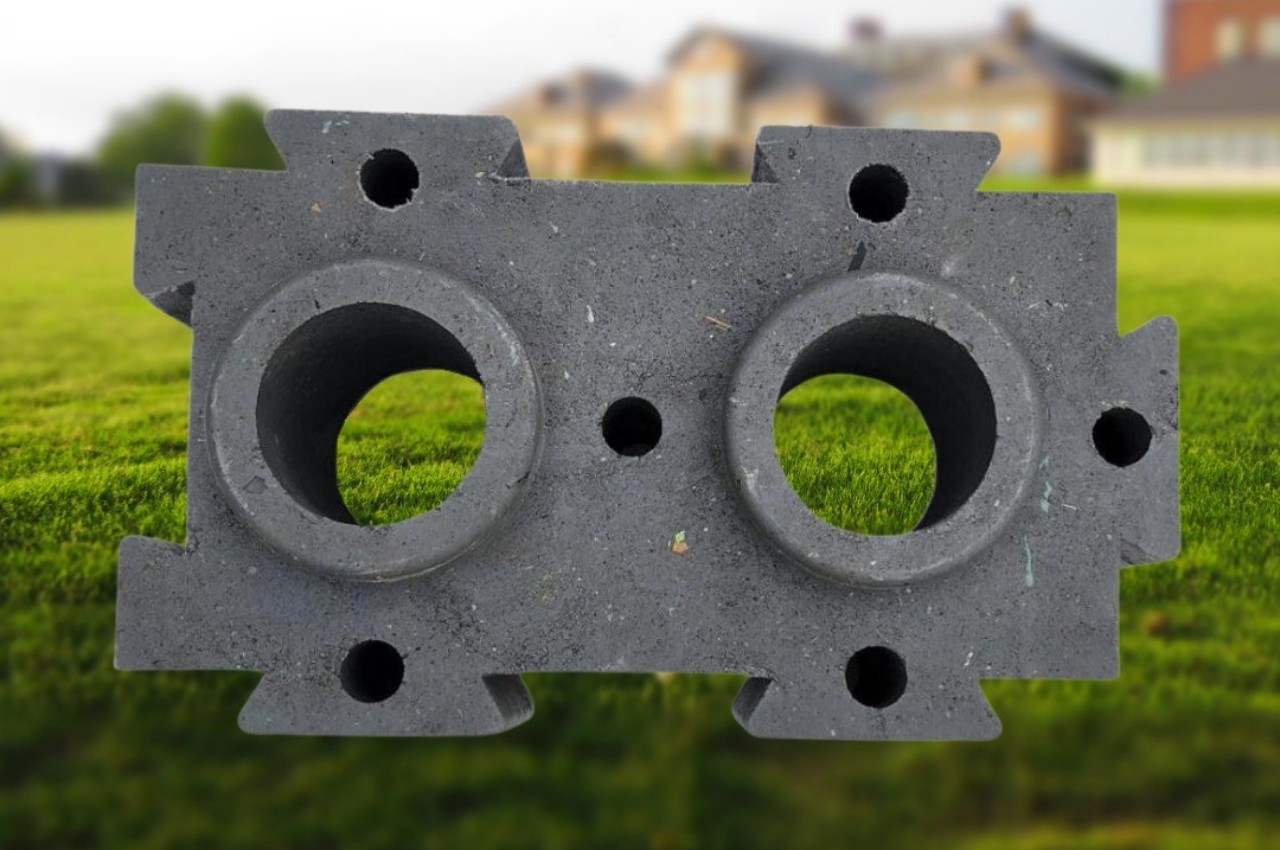
PLAEX-crete attacks the problem of concrete blocks from two angles: composition and construction. Unlike other sustainable blocks, PLAEX doesn’t hesitate to get down and dirty, using materials that are considered different to recycle, including agricultural, marine, and industrial plastic waste and aggregate waste from the construction industry. Each block is made up of more than 90% recycled waste but is 33% lighter than traditional cinder blocks while also stronger.
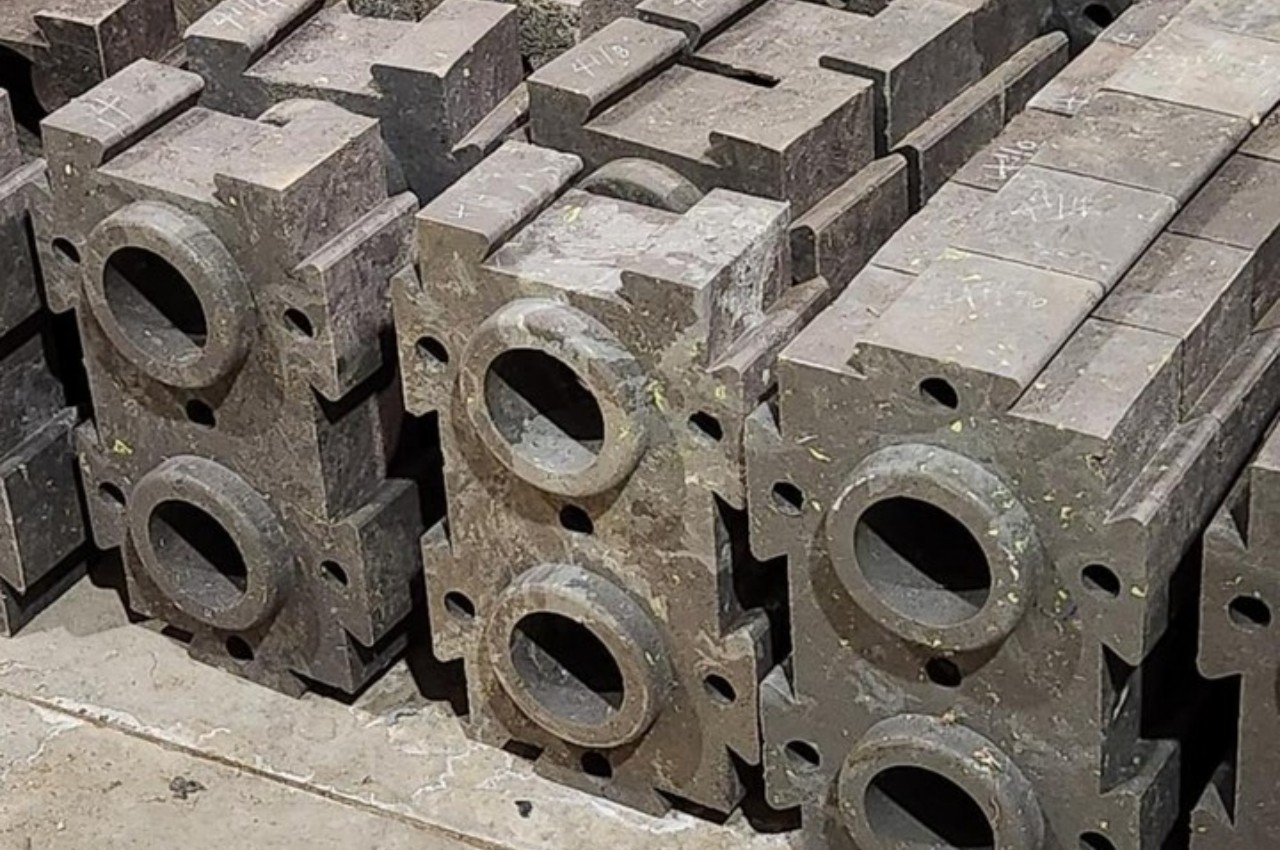
The material alone isn’t enough to radically change the construction industry, though. The second part of the two-hit combo that PLAEX delivers is the shape of the blocks that look like gigantic LEGO blocks. The interlocking mechanism is no joke, however, and allows workers to build up a wall twice the time as regular concrete blocks. Best of all, you don’t even need mortar or other materials to keep the blocks together, and they still end up being more solid, sturdier, and more durable than a cinder block wall.
That same interlocking design makes it possible to disassemble the blocks just as easily so that they can be reused, saving money and resources. A modification of the design has also given birth to the PLAEX LinX which supports connections at different angles for more creative shapes and constructions. At the moment, PLAEX can only be used for non-occupancy walls, but work is underway to make the material certified for homebuilding, at which point it could revolutionize the construction industry with its environment-friendly and convenient design.
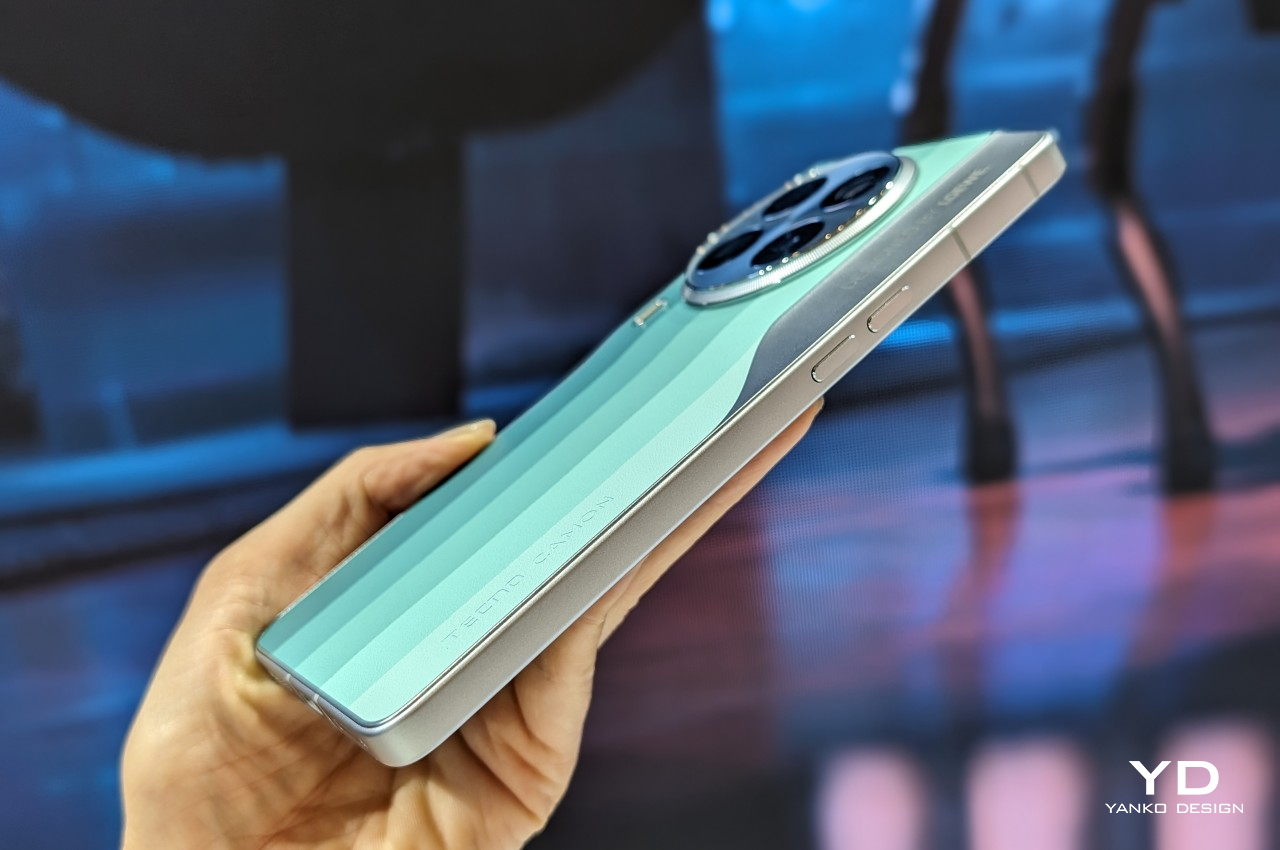
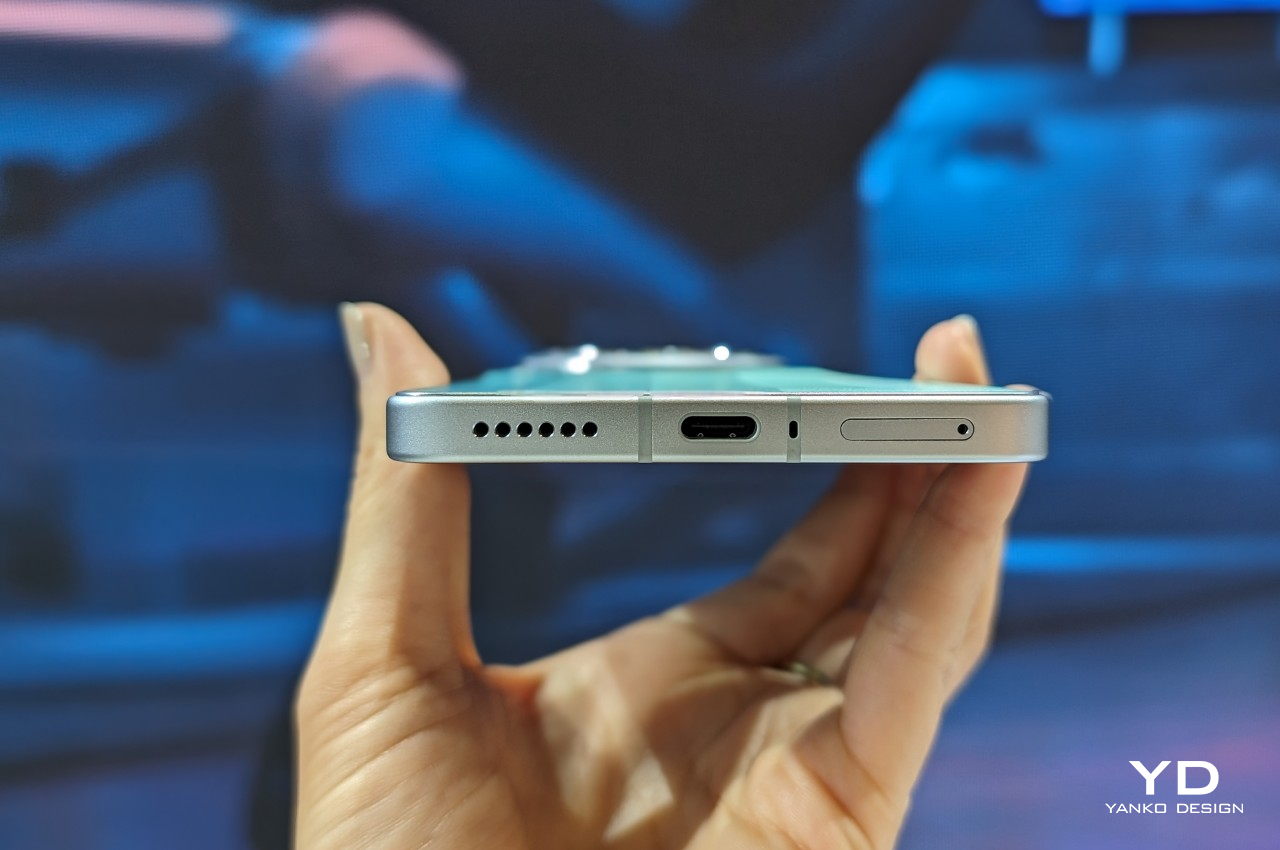
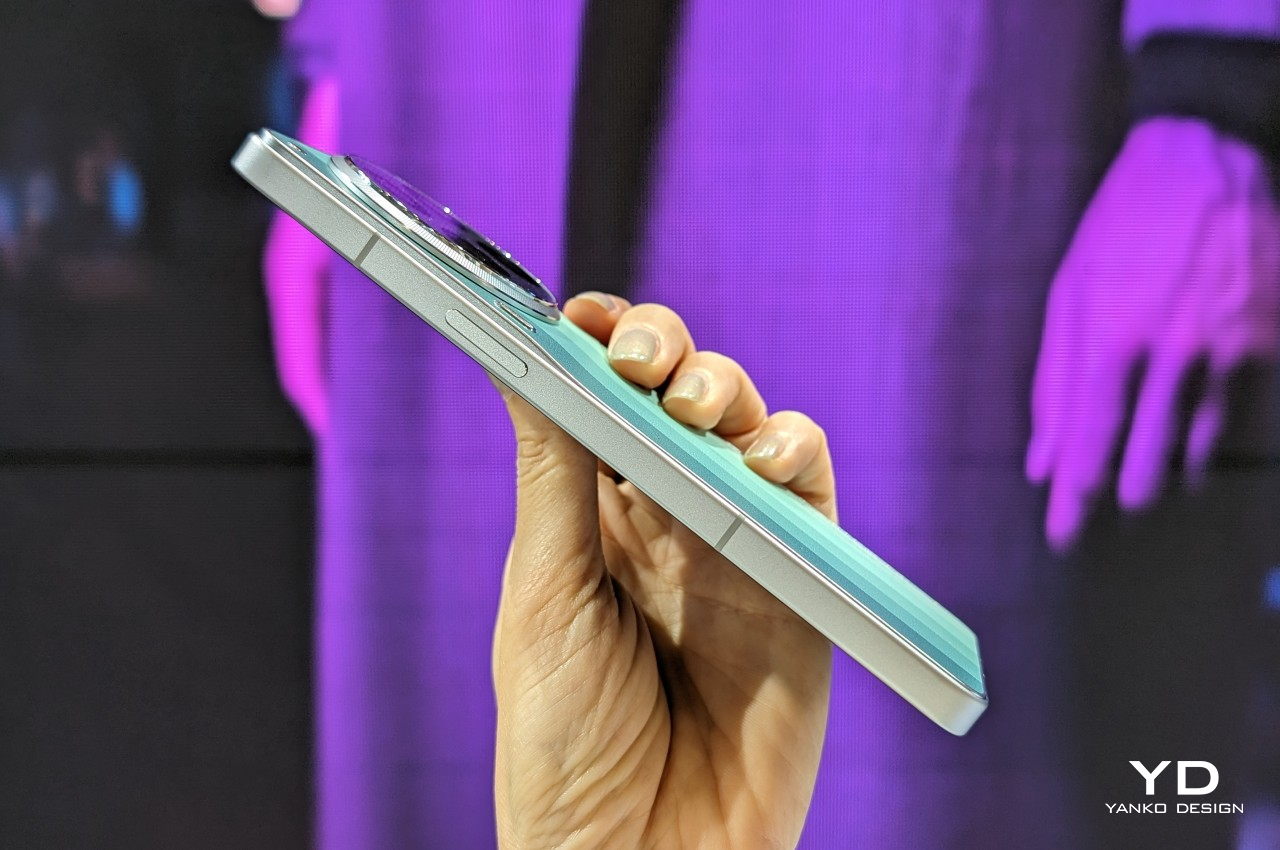
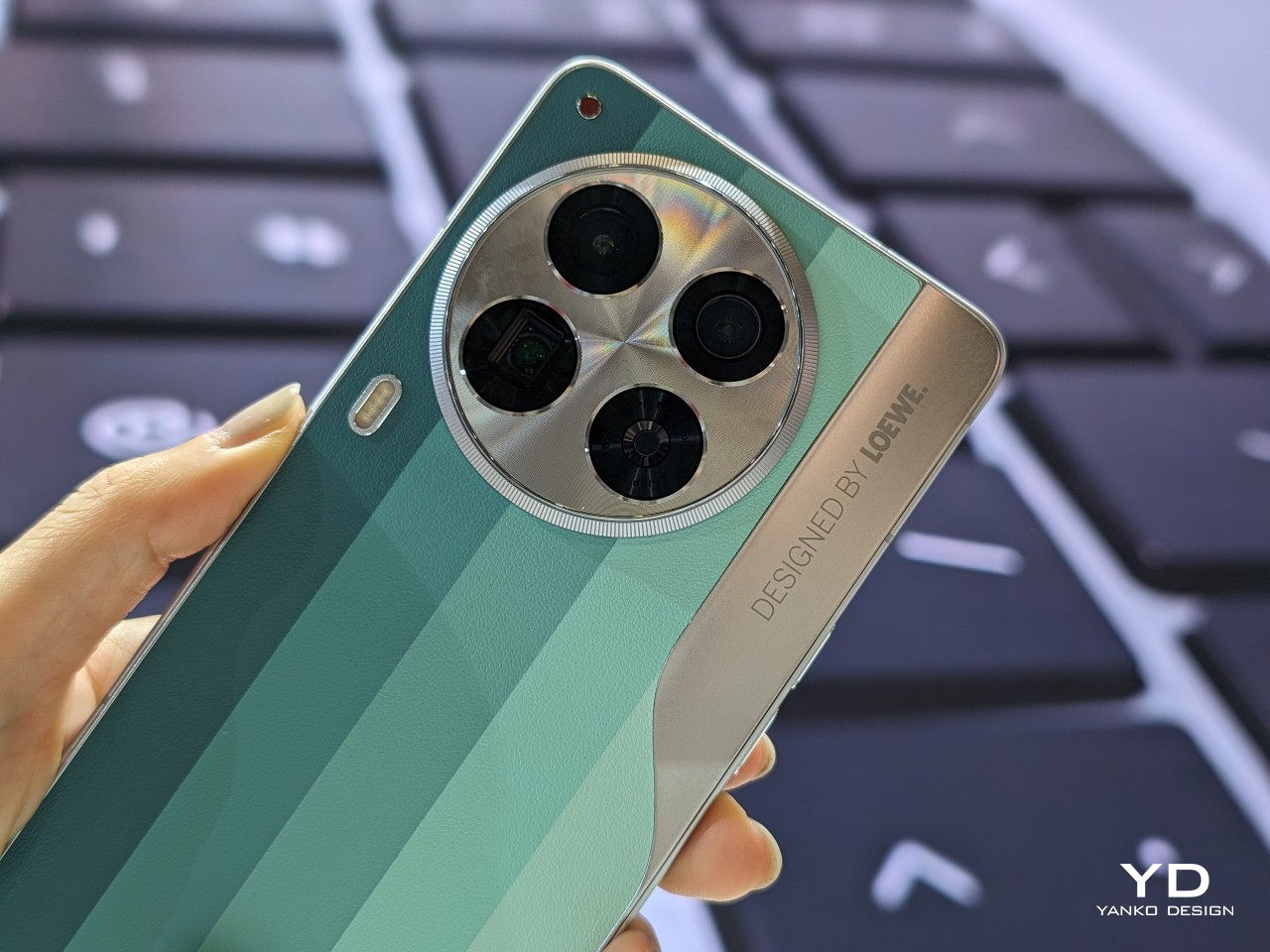
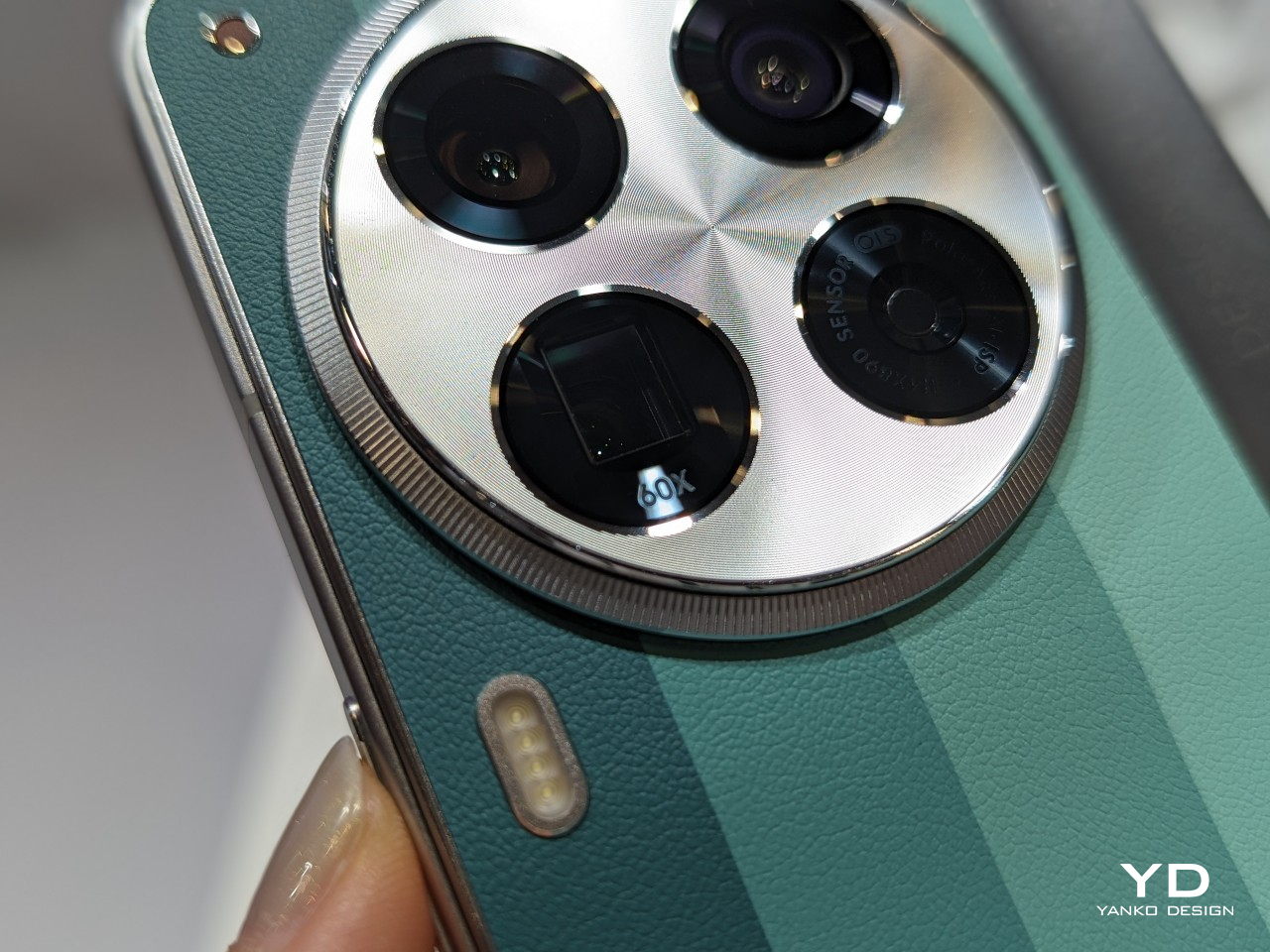
It’s arguable that coffee makes the world go round, but to some extent, it also does a bit of harm in the process. Our rapid and massive consumption of this beverage has resulted in no small amount of waste, from the plastic cups and straws that we throw away daily to even the grounds that often go into the bin. The latter is, of course, biodegradable, but even that takes time to decompose, during which time they pile up and pollute the environment. Waste coffee grounds can actually have other uses, from aromatic candles to even skin care, so you simply need a creative mind to figure out ways to reuse these traces of caffeinated drinks. Working together with famed luxury design marque LOEWE, TECNO has thought of transforming this waste product into a beautiful and sustainable material to grace the back of its latest flagship smartphone.
With a reported average consumption of 2 billion cups every day around the world, it’s no surprise that waste coffee grounds can actually be an environmental problem. Even when they do decompose in landfills, their improper disposal releases harmful greenhouse gasses that slowly but surely kill the very planet that coffee trees grow on. Recycling these coffee grounds is, of course, a solution, but traditional recycling processes also use up plenty of water and energy.
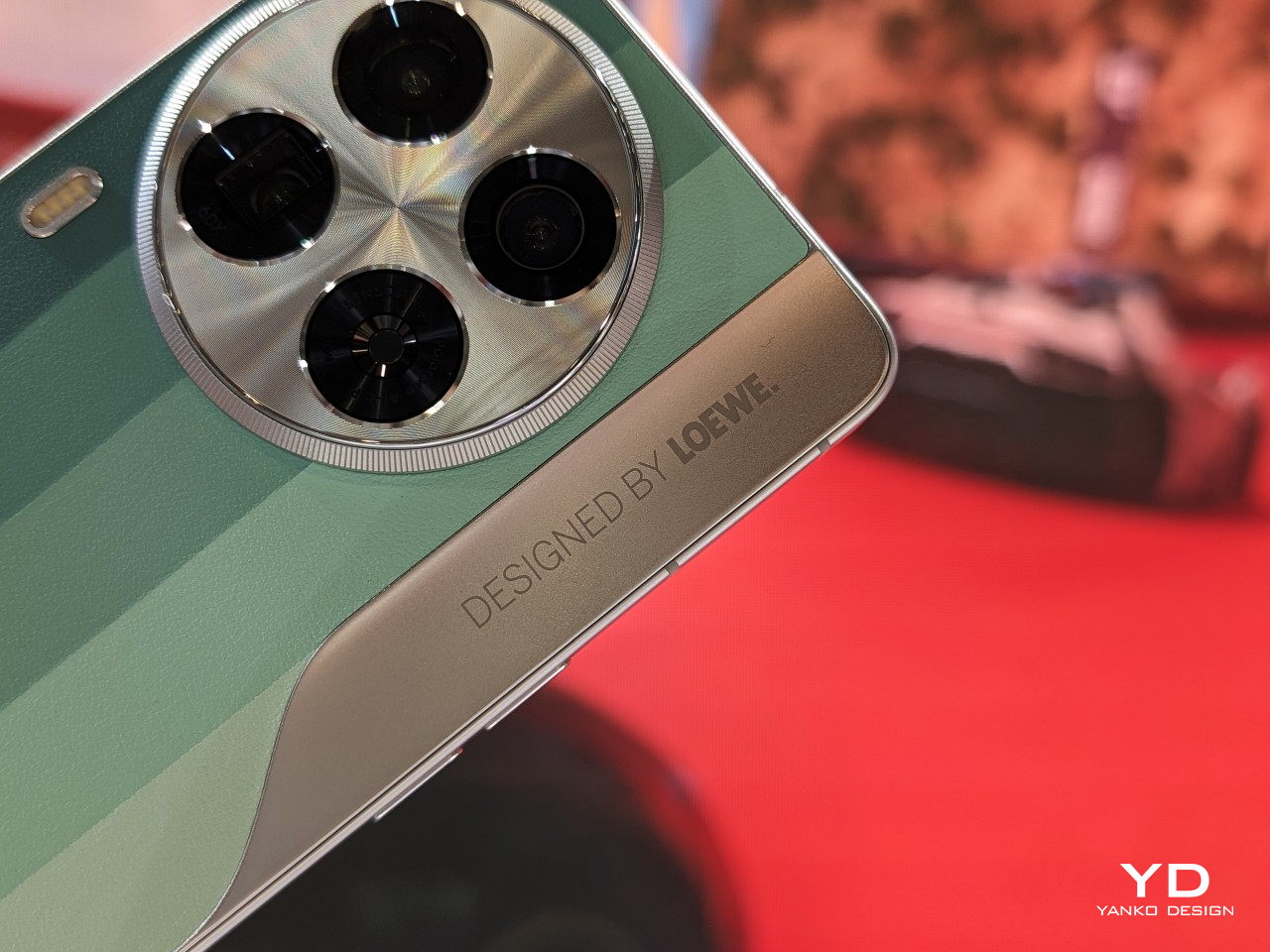
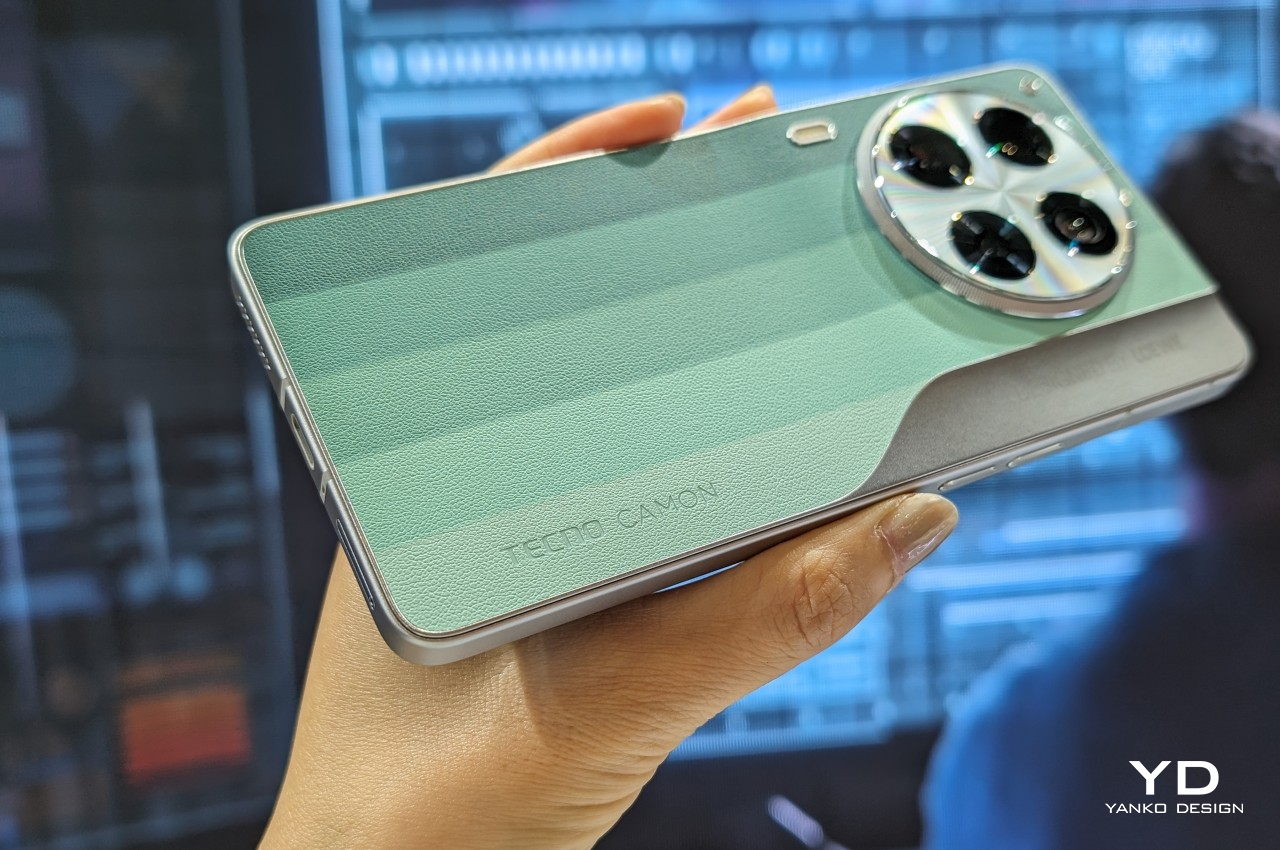
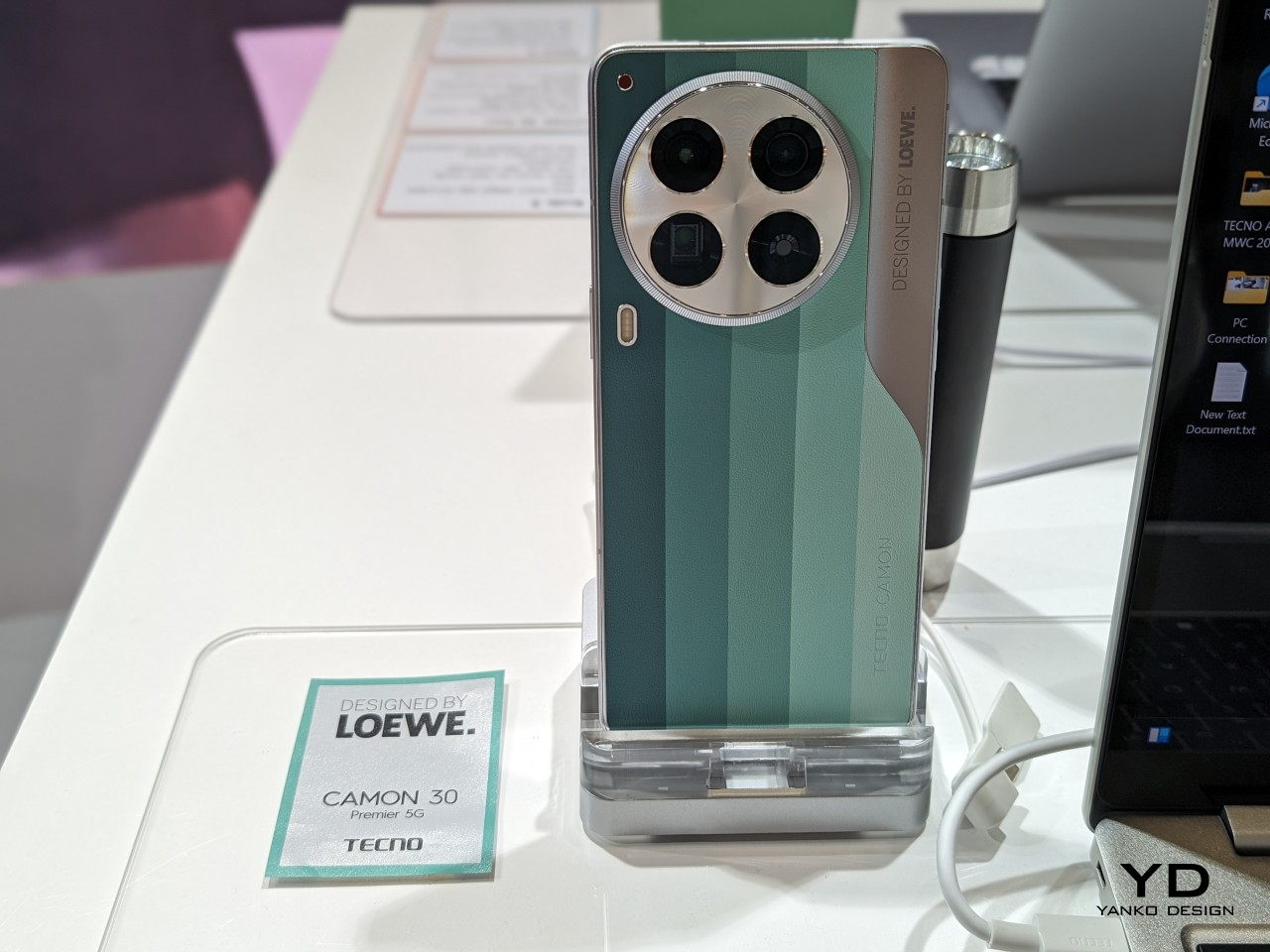
In contrast, the back cover of the new TECNO CAMON 30 Series LOEWE Edition uses not only sustainable materials but also a sustainable process. The coffee grounds are processed without using organic solvents, don’t consume more water, and also use solar power. The result is a back cover that is composed of more than 20% bio-based material that gives the surface a unique texture that will delight your hand the moment it touches it.
You might not be able to tell that the TECNO CAMON 30 LOEWE Edition has a back made from recycled coffee grounds because of its distinctive green color instead of the brown that’s associated with coffee. This gradated color was chosen to be symbolic of nature, representing the natural life cycle of leaves. More interestingly, TECNO also opted to adopt a color-blocking style that not only makes the phone look modern but also gives it a bit of character.
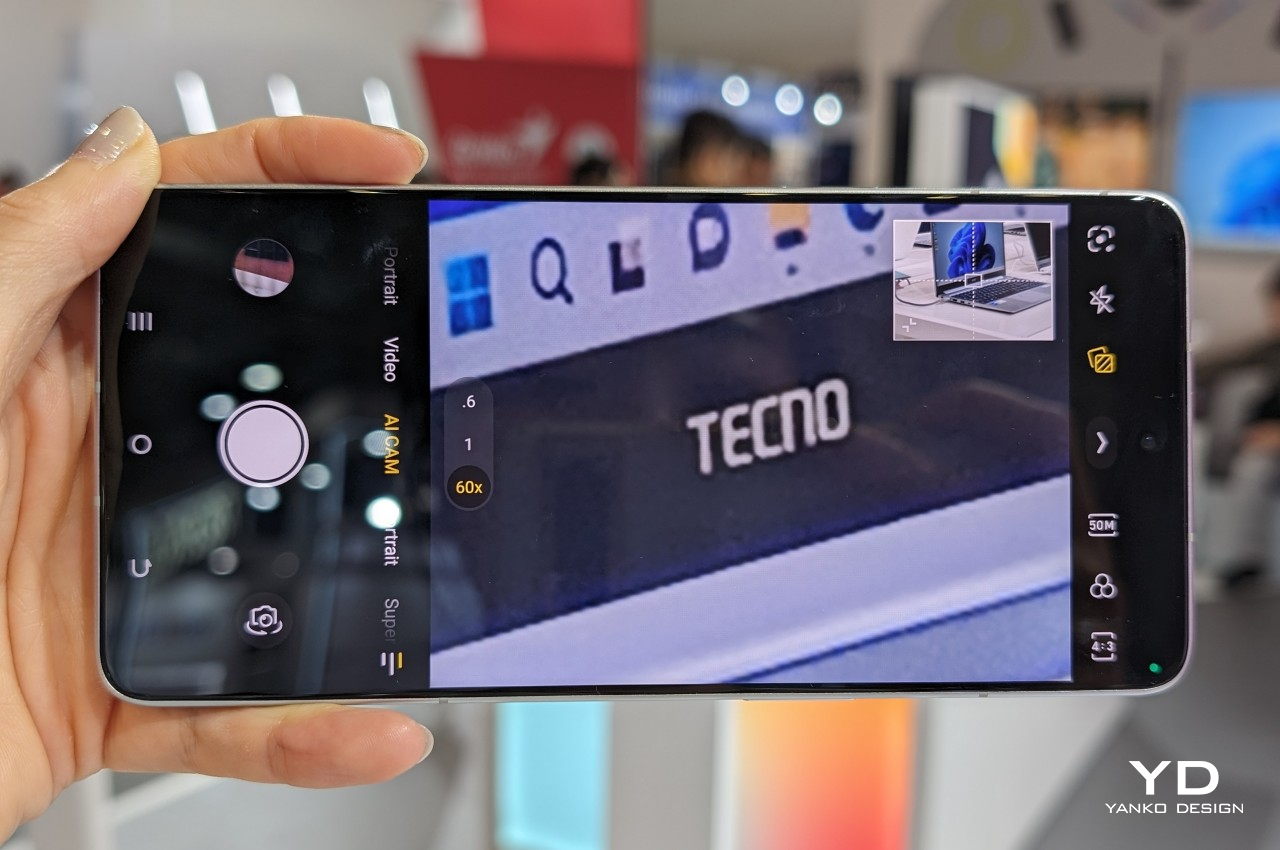
This industry-first coffee grounds back design is available on all TECNO CAMON 30 Series models with no changes to their internal specs. For the Premier 5G variant, that means having no less than four 50MP cameras sitting on top of this unique and sustainable material. Availability details of the TECNO CAMON 30 Series LOEWE Design Edition are unavailable at the moment.
Amidst global concerns of exceeding the Earth’s capacity, upcycling has gained prominence as a solution, driven by conscious consumption and the circular economy’s principles. Upcycling helps reduce the amount of waste that would have made it to the landfills and repurposes items that would have been discarded, giving them a second life without degradation. It facilitates two out of the three Rs of recycling: REDUCE and REUSE.
Contrary to common belief, upcycling differs from recycling in that it repurposes materials without sacrificing their original quality. While recycling breaks down materials like plastic, paper, glass, and metal to produce new items, typically of inferior quality, upcycling maintains the integrity of the original materials, providing limitless opportunities to breathe new life into old items.
Upcycling
Upcycling involves gathering products or waste to repurpose or reuse, enhancing their value without breaking them down, thus maintaining their original characteristics, strength, and durability. This approach avoids any degradation of the material or product. Materials such as rubber and denim lend themselves well to upcycling, showcasing their versatility and potential. For instance, turning old jeans into patches for a blanket maintains the integrity of the denim, showcasing upcycling’s creative potential.
Recycling
Recycling involves gathering products or waste for breakdown and transformation into new items, requiring a specific process that can alter the original characteristics of the material or product. Each recycling cycle diminishes the material’s strength, and only certain materials are suitable for recycling; for instance, rubber presents challenges in the recycling process.
What are the different categories of upcycled products?
Mobile devices like smartphones and tablets are now ubiquitous, yet their disposal poses environmental risks due to improper handling. Project Afterlife offers a solution by upcycling old smartphones instead of recycling them. This concept transforms devices into kinetic art objects, enhancing ambiance while conserving energy and resources. The product, resembling a taco-shaped crescent made from recycled plastic, provides an interactive platform for repurposed smartphones. With Project Afterlife, simply tilt the device to switch between different modes, like the “Endless Clock” and the “Timeline” photo stream, without touching the screen. This shows how upcycling helps the environment and makes everyday objects more valuable.
In recent years, there has been a surge in supporting brands that prioritize sustainability, including upcycling and recycling materials. Ikea is joining this trend with their new collection, VÄXELBRUK, made from recycled coworker uniforms. This innovative line features 16 textile-based items, blending old uniforms with recycled materials like polyester from PET bottles. By repurposing these materials, Ikea reduces waste and offers stylish, eco-friendly products. The collection showcases how sustainability and style can go hand in hand.
Recycling reduces landfill waste but can be energy-intensive and alter original designs. Upcycling offers a more efficient option, yet not all materials suit it. For example, discarded skateboard decks are transformed into stylish wall lamps named Heru, Cuna, and Mara. Reshaped into shorter ovals, paired with lighting hardware, and adorned with original artwork, these lamps emit a warm glow, serving as both illumination and minimalist decor, defying their original purpose.
During renovations, some opt to discard furniture instead of considering recycling. However, awareness of consumption and disposal is growing, leading to projects that repurpose items. Oxford Brookes University planned to landfill furniture during dorm renovations, but a student proposed the Upscaling Upcycling project. Disassembling existing furniture, Kurzmann created new designs, such as stackable stools and chairs from old bedframes and drawers. These pieces are well-designed and practical, showcasing the potential of upcycling to save resources and create useful furnishings.
5. PET Bottles
Polyethylene terephthalate (PET) plastic, known for its durability and lightweight nature, is commonly utilized in manufacturing containers for the food and beverage, pharmaceutical, and personal care sectors.
At the core of Oloïd’s innovative design is Archisonic Felt, a high-performance sustainable acoustic absorber made from upcycled PET bottles. Crafted from Archisonic Felt, Oloïd, a sustainable acoustic luminaire resulting from the collaboration between Impact Acoustic and atelier oï, exemplifies the fusion of functionality and artistic expression in modern design. This versatile material offers exceptional sound absorption while redefining the interaction between light and sound. Its Cradle-to-Cradle certification and LEED accreditation underscore its eco-friendly credentials. With 32 captivating colors curated from the Archisonic Felt range, Oloïd empowers users to personalize their spaces, seamlessly integrating organic shapes that transform two-dimensional panels into captivating three-dimensional entities. This luminaire not only sets a new standard for sound-absorbing luminaires but also stands as a testament to the potential of sustainable design in reshaping illuminated spaces.
Researchers highlight that producing a single pair of jeans requires a staggering 7,600 liters of water, prompting global concern among ecologists about denim’s environmental impact. Textile production, notably denim, contributes significantly to water consumption, energy usage, and landfill overflow due to non-biodegradable fibers like synthetics. While recycling remains an underutilized option, upcycling emerges as a promising solution, exemplified by startups transforming old jeans into stylish sunglasses. Mosevic pioneers denim waste reduction by infusing waste denim with bio-resin to craft durable “Solid Denim” sunglasses, adorned with a natural wax finish for longevity. Despite sustainability challenges, initiatives aim to upscale production and inspire similar textile waste solutions.
The 2 Stools from 1 Bicycle project repurposes old bike frames to create unique and functional stools. Each stool features a distinctive design with slanted legs reminiscent of the original bike frames, giving them a striking appearance. One stool has three legs, while the other has four, adding to their individuality. The seat is crafted from recyclable cork, in line with the project’s sustainability mission. These stools not only offer practicality and convenience but also allow people to give sentimental objects like old bikes a new lease on life. With their unconventional aesthetics and eco-friendly materials, these stools are both functional and visually appealing additions to any space.
The growing popularity of bicycles in recent years has brought attention to long-standing environmental concerns associated with their components, particularly inner tubes. Despite being more eco-friendly than cars or motorcycles, bicycles still contribute to pollution due to discarded parts like rubber tires and inner tubes. The TOOB accessories line addresses this issue by repurposing useless inner tubes into practical and stylish products. Handpicked from local shops in Tel Aviv, these inner tubes undergo thorough cleaning and inspection before being transformed into items like TOOB Keychains and TOOB Straps. This upcycling initiative not only extends the lifespan of inner tubes but also supports the local bicycle economy. While inner tubes eventually wear out, TOOB’s efforts help postpone their disposal in landfills, offering a temporary solution until more sustainable alternatives are developed.
In manufacturing, there’s often excess material left unused, contributing to environmental concerns. To address this, manufacturers and designers are increasingly focusing on reducing waste and repurposing leftovers. Recycling and upcycling these materials into furniture and lighting fixtures, like Stackabl’s pendant lamps, offer sustainable solutions. Stackabl’s DIY tool allows users to customize their lamps by adjusting parameters such as length and disc diameter, resulting in unique, eco-friendly designs. Incorporating upcycled materials and energy-efficient LEDs, Stackabl emphasizes sustainability while offering personalized lighting solutions.