Bene Just Built Office Furniture You Can Reconfigure Without Any Tools

Offices keep buying furniture that looks permanent, which works fine until someone needs the room to do something different. A workshop space becomes a presentation area, a meeting room needs to turn into individual work zones, and nobody wants to wait three days for facilities to show up with screwdrivers. The furniture just sits there looking expensive and immovable while everyone works around it instead of with it.

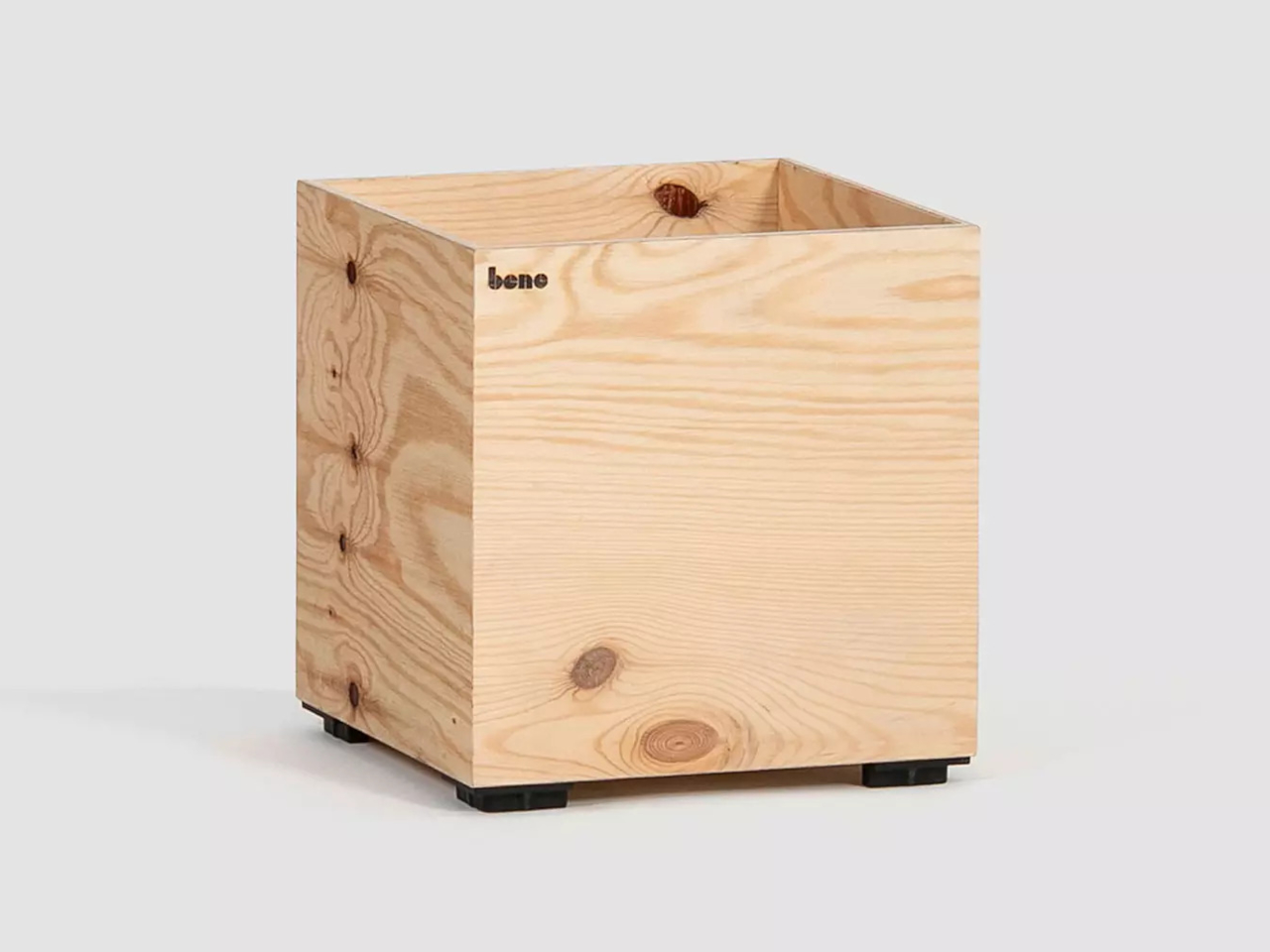
PIXEL by Bene is designer Didi Lenz’s answer, and it looks almost suspiciously simple. Each piece is a 36 x 36 cm cube made from raw pine plywood with visible grain and knots all over the surface. Lenz says it isn’t really furniture, which makes sense when you see people stacking them into benches, flipping them into tables, or just using one as a side storage box with a handle cut into the side.

Designer: Didi Lenze (Bene)

The wood is completely untreated, so every cube looks slightly different depending on which part of the tree it came from. Some have dark knots near the corners, others show lighter grain patterns, and the plywood edges are exposed instead of hidden under veneer. It definitely reads as workshop material rather than corporate office product, which seems to be the whole point. You can see the screws holding the corners together.

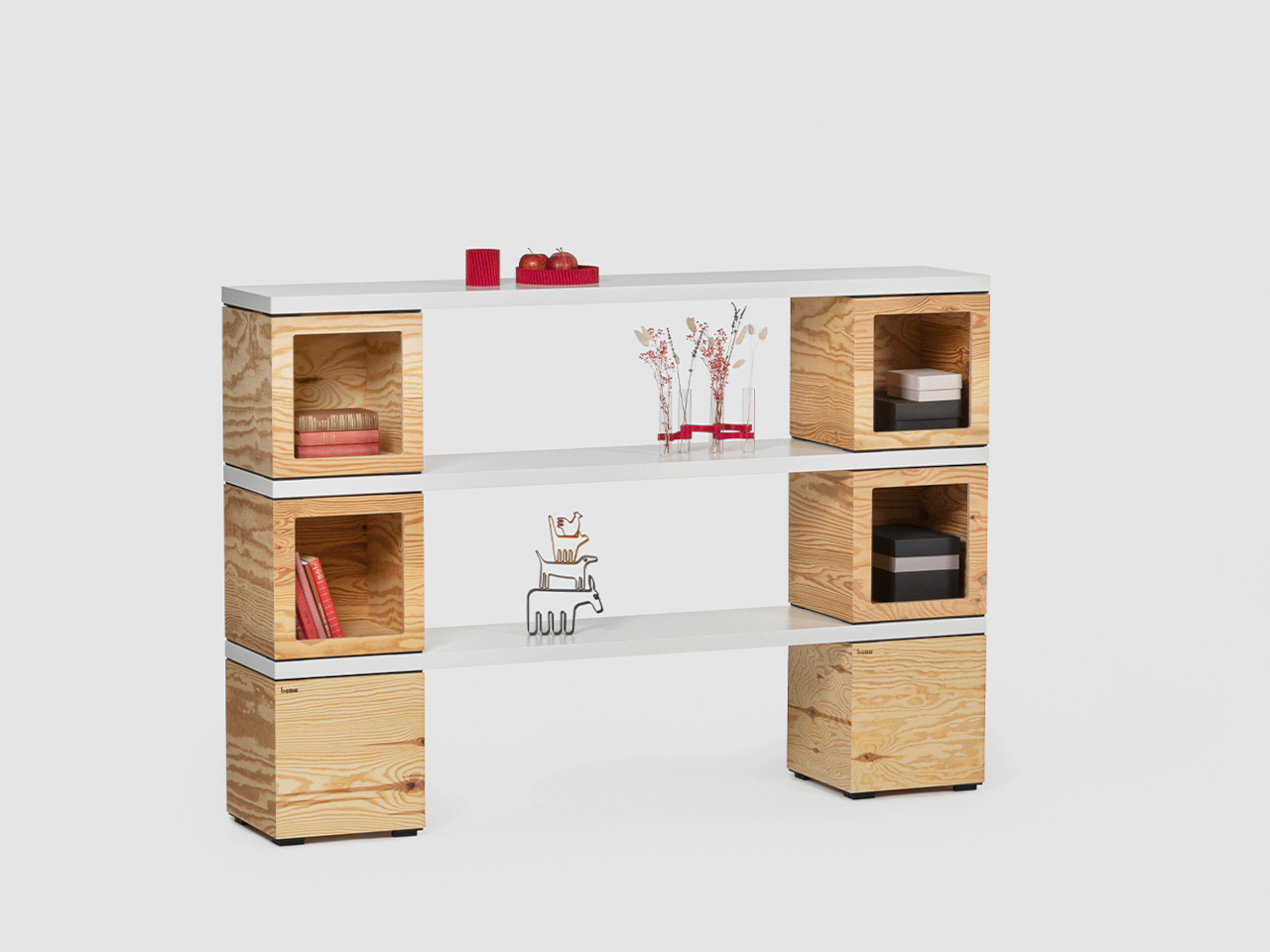
The cubes stack easily because they’re all the same size, and the cutout handles on two sides let you carry them around or fold them over to connect boxes side by side. Add a white laminate top and a stack becomes a work table. Add casters to the bottom, and it rolls wherever you need it. PIXEL Rack adds metal frames that turn stacks into proper shelving or room dividers with slots for whiteboards and plants.

Bene shows photos of teams building entire project rooms by hand. Boxes stacked three high become benches for workshops, racks filled with boxes create semi-transparent walls between work zones, and tops laid across stacks turn into standing height tables. The setups look intentionally unfinished, like someone is still building them, which is probably the aesthetic Lenz wanted. Nothing looks bolted down or precious.

The system works because it assumes people will move things around themselves without asking permission. You need more seating for a presentation, so you grab some boxes from the storage wall and stack them into rows. The presentation ends, and those same boxes become side tables or go back to holding supplies. Heck, they can turn into a bar for an event if you add the right tops.

Raw plywood has obvious trade-offs. It’ll get dinged and stained over time, the surface isn’t smooth enough for detailed work, and the workshop look won’t suit every office brand. The fixed 36 cm dimension means everything is the same height whether you’re sitting, standing, or storing things, which can feel awkward. Some people will look at PIXEL and just see fancy storage crates, which isn’t entirely wrong.

But the system makes sense for spaces that need to change shape constantly. Co-working areas, design studios, classrooms, and pop-up shops can rebuild their layout between sessions without calling anyone. The wood looks honest and approachable instead of intimidating, and you don’t need instructions to figure out that boxes stack. PIXEL by Bene basically gives you building blocks that happen to be office furniture, or maybe it’s the other way around.

The post Bene Just Built Office Furniture You Can Reconfigure Without Any Tools first appeared on Yanko Design.

7 Best Gifts For Men Who Have Everything In 2025

Shopping for the man who already owns everything feels like an impossible task. His closet is full, his desk is organized, and his gadget drawer overflows with the latest tech. The solution isn’t more stuff, it’s better stuff. Pieces that combine genuine innovation with thoughtful design. Objects that solve real problems while looking beautiful doing it.

The best gifts for men who have everything aren’t about excess. They’re about elevation. These seven designs represent a new standard where functionality meets artistry, where everyday tools become daily rituals. From gravity-defying desk companions to precision-engineered grooming essentials, each piece brings something genuinely fresh to the table. These aren’t impulse purchases that’ll gather dust. They’re investments in better experiences.

1. OrigamiSwift Folding Mouse

The OrigamiSwift transforms the mundane computer mouse into something closer to a pocket-sized miracle. Drawing inspiration from Japanese paper folding, this Bluetooth mouse collapses completely flat when you’re done working, slipping into spaces you’d never expect a full-sized pointing device to fit. Weighing just 40 grams, it disappears into jacket pockets, laptop sleeves, and travel pouches without adding noticeable bulk. Yet the moment you need it, a simple flip brings it to life in half a second, deploying into a properly sized mouse that doesn’t compromise comfort for portability.

What makes OrigamiSwift special isn’t just its party trick transformation. The ergonomic shaping ensures hours of use won’t cramp hands or strain wrists, while its instant-activation mechanism eliminates friction between the packed-away and ready-to-work positions. For men who’ve accumulated every conventional tech accessory, this offers something genuinely new: a solution to the eternal struggle between having the right tools and traveling light. It works equally well on café tables, airplane trays, and hotel desks, transforming any surface into a productive workspace. For the perpetual optimizer who insists his current setup works fine, this quietly proves that fine can always get better.

Click Here to Buy Now: $79.00

What we like

  • The 0.5-second deployment feels like magic every single time you use it.
  • Ultra-lightweight 40-gram construction means you’ll forget it’s in your bag until you need it.
  • Genuine ergonomic comfort despite the compact folded size.
  • Works instantly on virtually any surface without special mousepads.

What we dislike

  • The folding mechanism requires occasional cleaning to maintain smooth operation.
  • Battery life information is not specified for heavy users.

2. StillFrame Headphones

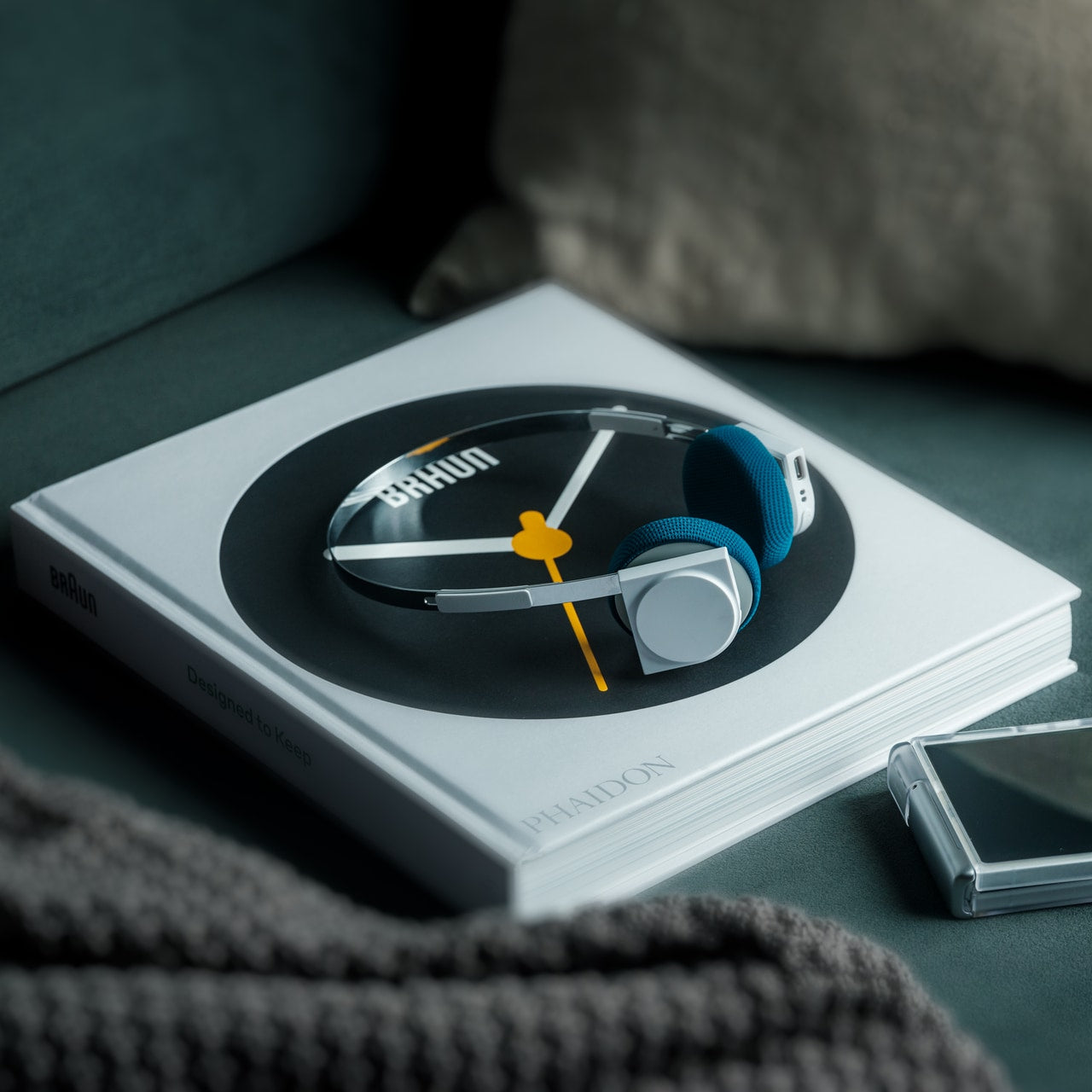
StillFrame headphones arrive as a deliberate counterpoint to the relentless churn of disposable audio gear. Inspired by the physical presence of CDs from the ’80s and ’90s, these wireless headphones bring weight and intention back to listening. The 40mm drivers create an expansive soundstage that pulls subtle textures to the surface, making familiar tracks reveal hidden layers. At just 103 grams, they achieve the rare balance of substantial presence without physical burden, sitting comfortably for the full 24-hour battery life that carries you from morning routines through late-night listening sessions.

The design philosophy centers on adaptation rather than one-size-fits-all solutions. Active noise cancelling creates complete isolation when focus demands it. Transparency mode opens awareness when context matters. The magnetic fabric ear cushions swap instantly, with each White model including Light Gray and Turquoise options that shift the aesthetic without requiring a second pair. Bluetooth 5.4 handles wireless streaming, while the included USB-C cable provides high-resolution wired playback for the moments when audio quality trumps convenience. For men who’ve cycled through countless headphones without finding the right balance, StillFrame offers something genuinely different: intentional design that respects both the music and the listener.

Click Here to Buy Now: $245.00

What we like

  • The 24-hour battery eliminates daily charging anxiety.
  • Magnetic ear cushion swapping takes seconds and includes color options.
  • Soundstage delivers genuine depth and separation across frequencies.
  • Weighs almost nothing despite a substantial, quality construction feel.

What we dislike

  • Mid-weight design might not satisfy extreme over-ear or in-ear purists.
  • Fabric cushions require more maintenance than leather alternatives.

3. Auger PrecisionMaster Grooming Set

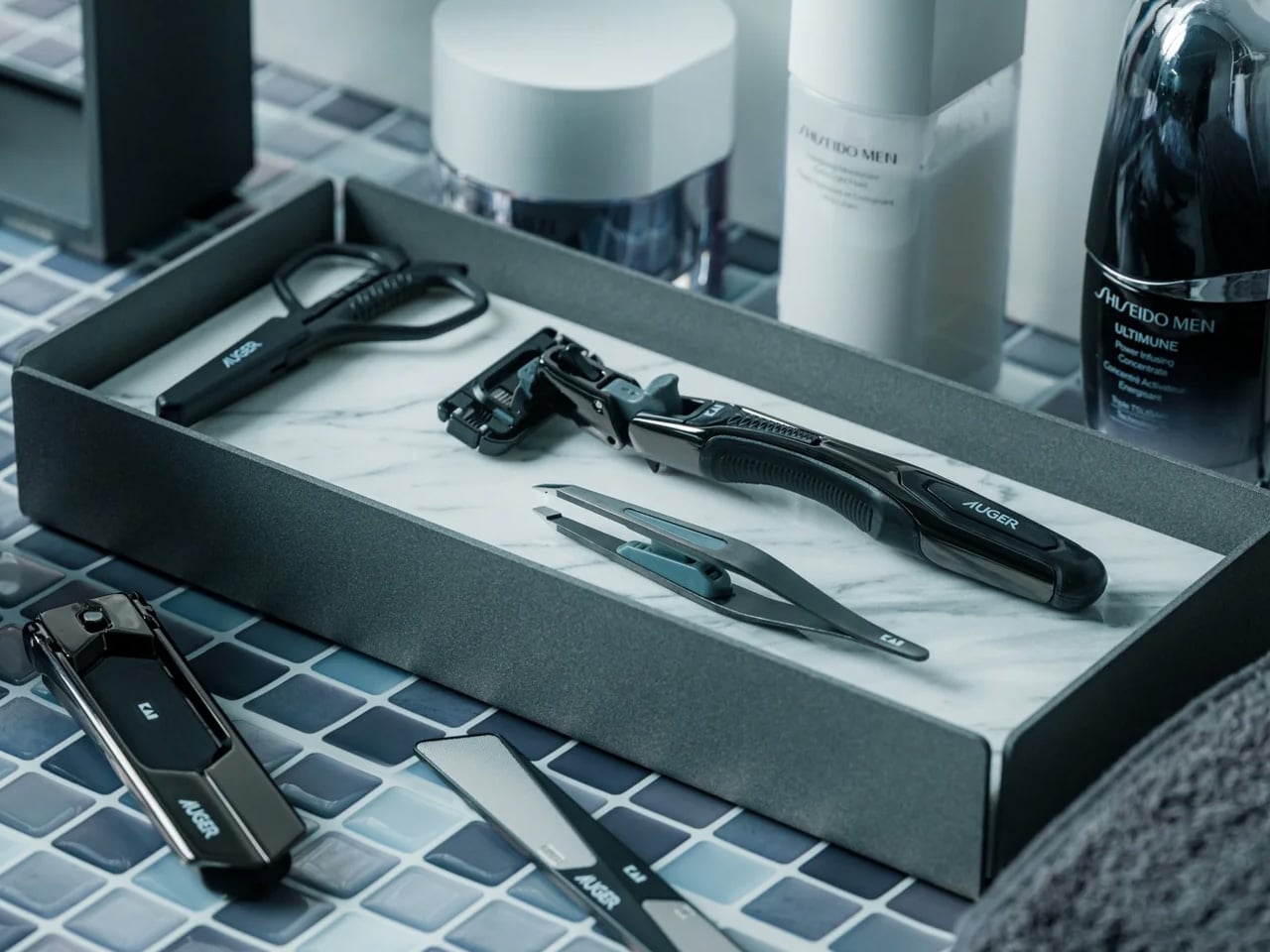
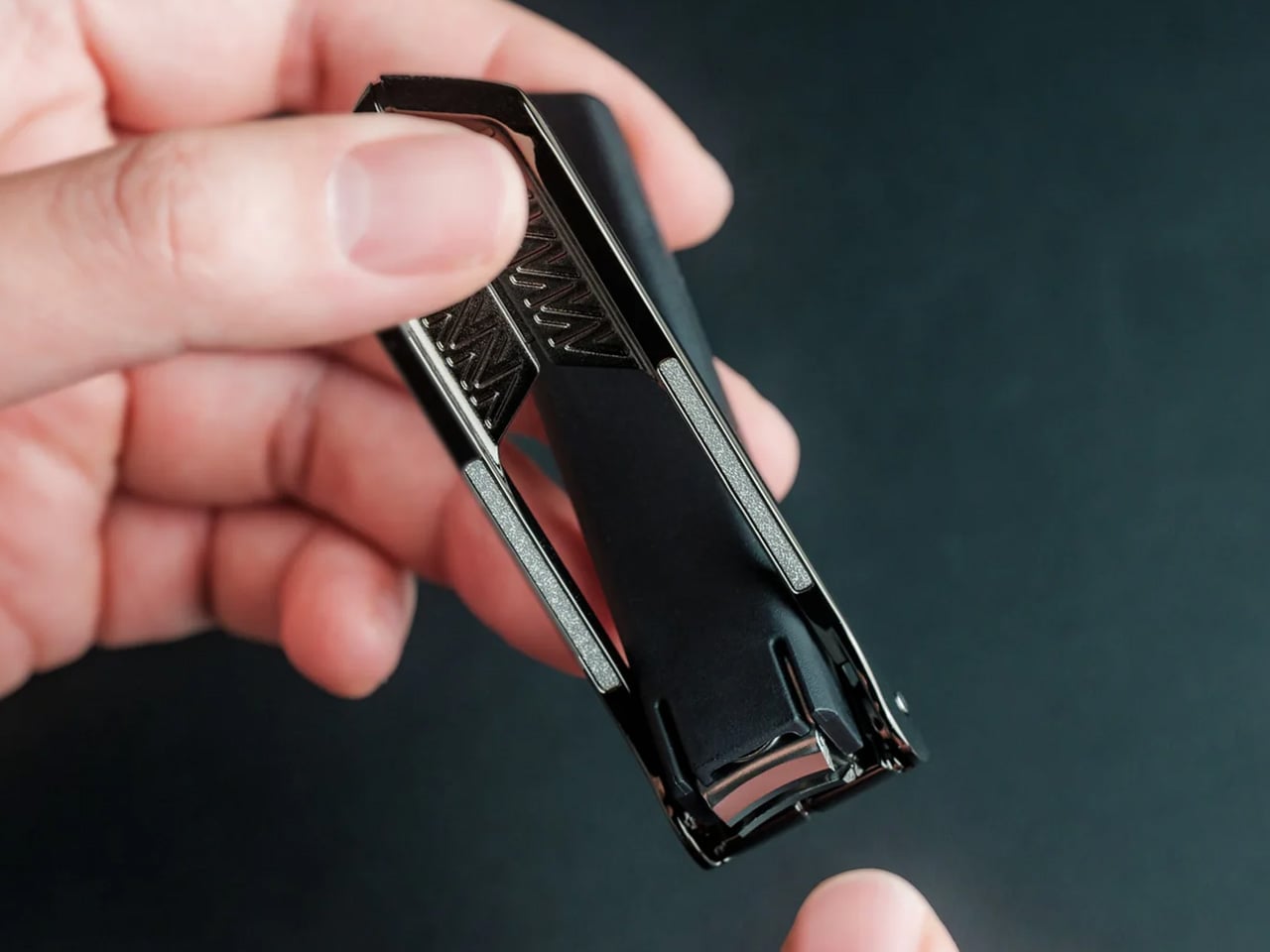
The Auger Collection treats grooming as deliberate practice rather than a rushed necessity. Crafted by Kai Corporation—Japan’s blade authority since 1908—this all-black precision set includes five essential instruments: razor, tweezers, scissors, nail file, and nail clipper. Each tool brings surgical-grade precision to daily rituals, transforming routine maintenance into moments of control and clarity. The PrecisionFlex Razor features a world-first 30-degree adjustable angle and 3D pivoting head for unprecedented shaving definition. The PrecisionGrip Tweezers incorporate a patented stopper and ergonomic groove for unwavering stability during detailed work.

Every element reflects obsessive attention to functional excellence. The PrecisionCurve Scissors use ultra-thin curved blades that follow facial contours for exact brow and beard shaping. The PrecisionEdge Nail File offers dual-sided coarse and fine surfaces with a 3D ergonomic grip. The PrecisionLever Nail Clipper features a patented rotating mechanism delivering maximum cutting power with minimum effort, especially valuable for thick nails. For men who’ve accumulated bathroom drawers full of adequate grooming tools, this set delivers something fundamentally different: instruments that perform with repeatable excellence. The complete black aesthetic and premium materials make this suitable for home vanities and travel cases alike, maintaining exacting standards regardless of location.

Click Here to Buy Now: $149.00

What we like

  • Kai Corporation’s century-plus blade expertise ensures exceptional edge retention.
  • The 30-degree adjustable razor angle solves tricky contour shaving.
  • Patented mechanisms on multiple tools demonstrate genuine innovation.
  • Complete five-tool set covers all essential grooming needs comprehensively.

What we dislike

  • Premium Japanese craftsmanship commands significant investment.
  • All-black aesthetic may lack visual warmth for some tastes.

4. Levitating Pen 2.0 Cosmic Meteorite Edition

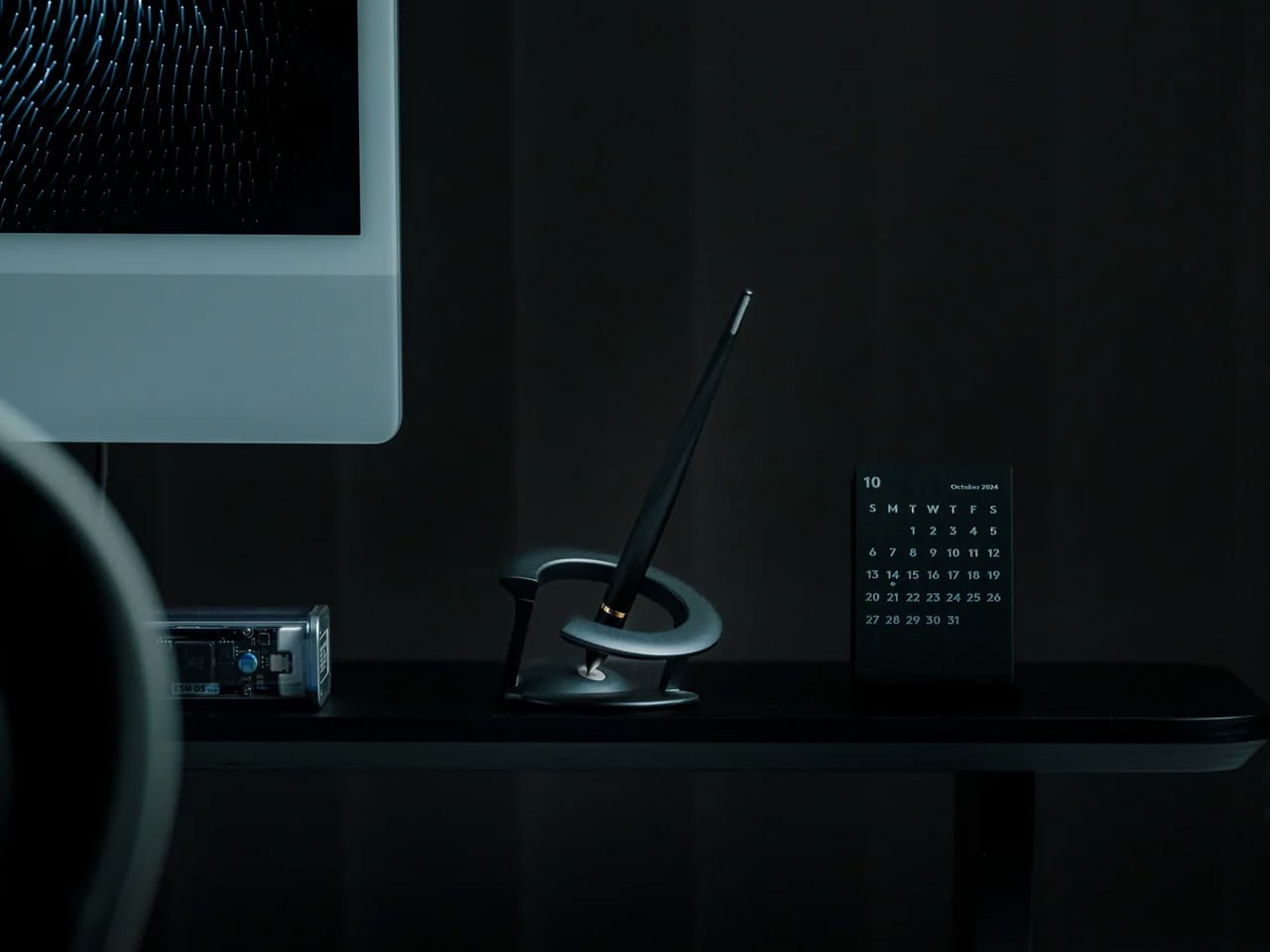
The Levitating Pen 2.0 Cosmic Meteorite Edition defies conventional desk accessories by literally defying gravity. Suspended at a precise 23.5-degree angle on its magnetic base, this spacecraft-inspired ballpoint pen floats in mid-air like something from a science fiction film. The tip contains genuine Muonionalusta meteorite material older than Earth itself—a 20-million-year-old cosmic relic that connects everyday writing to the infinite expanse of space. Precision-crafted from aircraft-grade aluminum with a soft satin finish, the unibody design balances perfectly in hand while the premium Schmidt ink cartridges deliver flawlessly smooth German-engineered performance.

Beyond writing functionality, this pen serves as fidget therapy and visual meditation. A simple twist sets it spinning gracefully for up to 20 seconds, creating mesmerizing motion that helps refocus scattered attention. The magnetic cap snaps securely with satisfying tactile feedback. Each pen features acid-etched meteorite patterns, ensuring no two pieces are identical, with numbered certificates of authenticity confirming collector status. For men who own every conventional pen from Mont Blanc to Fisher Space Pen, this represents genuinely unexplored territory: a writing instrument that functions as sculpture, fidget tool, conversation starter, and tangible piece of cosmic history. The limited edition status adds scarcity to innovation, making this a gift that can’t simply be re-purchased on a whim.

Click Here to Buy Now: $399.00

What we like

  • Genuine meteorite material provides an authentic cosmic connection.
  • The 23.5-degree levitation angle creates jaw-dropping visual impact.
  • Twenty-second spin function delivers genuine stress-relief benefits.
  • Numbered authenticity certificates confirm collectible status and exclusivity.

What we dislike

  • The magnetic base requires desk space and careful positioning.
  • Limited edition availability creates scarcity challenges.

5. BlackoutBeam Tactical Flashlight

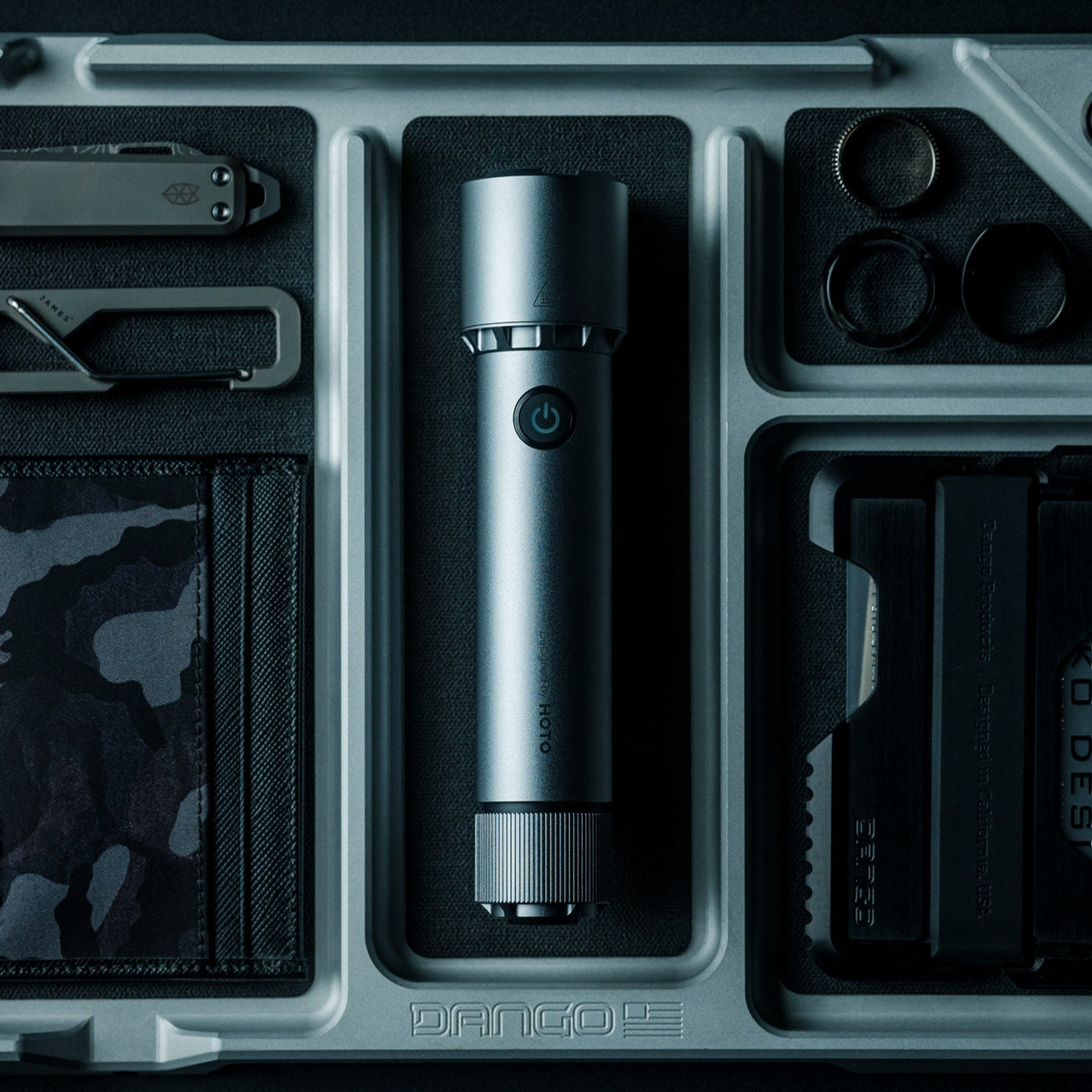
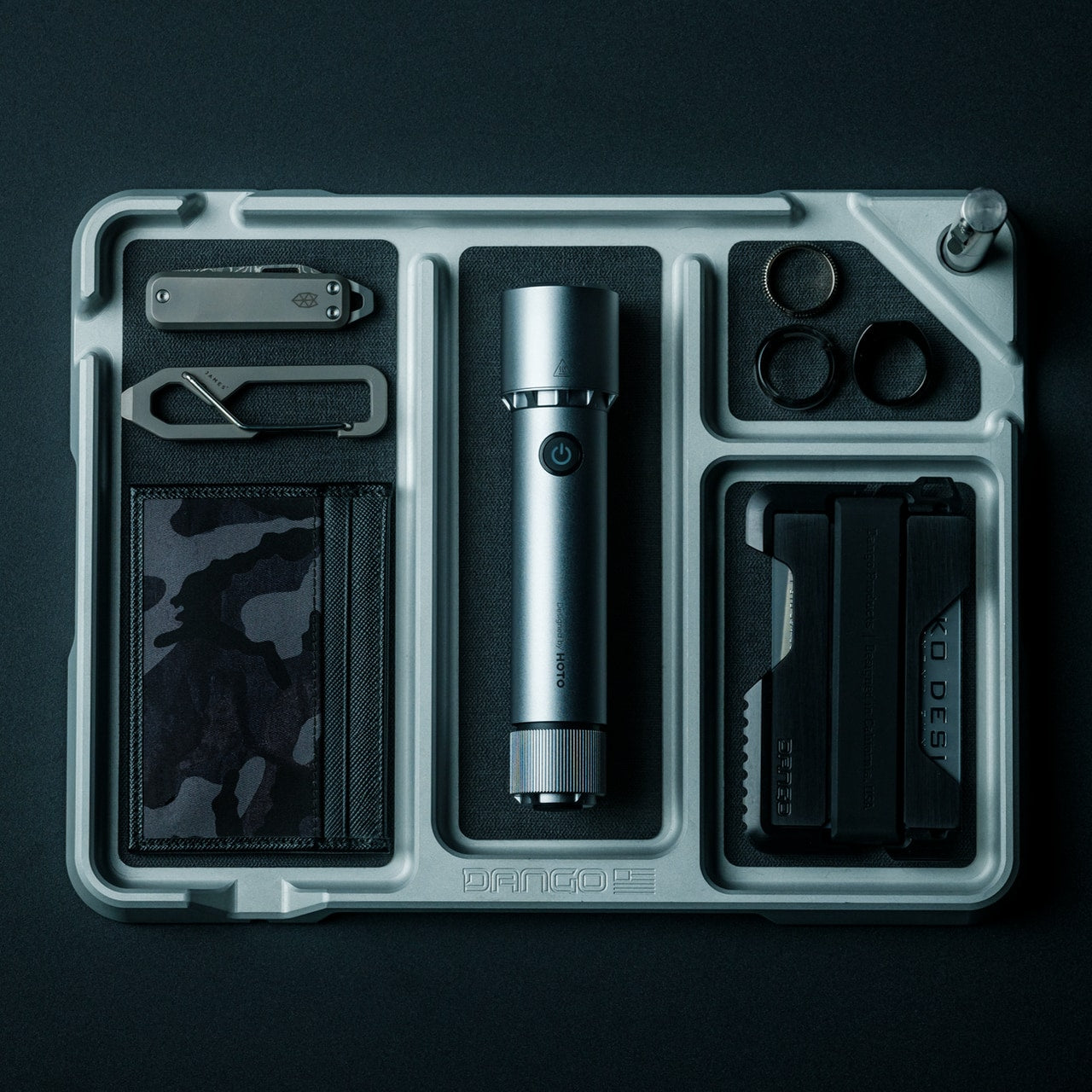
BlackoutBeam Tactical Flashlight delivers 2300 lumens of raw illumination with zero hesitation. The 0.2-second response time eliminates the lag between need and light, crucial during power outages, roadside emergencies, or wildlife encounters. IP68 waterproof rating and aircraft-grade aluminum construction mean this flashlight shrugs off rain, impacts, and even full submersion without performance degradation. The 300-meter throw distance cuts through darkness with clinical precision, equally effective in lighting up trails, rooms, or building exteriors. Five operational modes—three brightness levels plus strobe and pinpoint—adapt the beam to specific situations, from quiet navigation to emergency signaling.

What separates BlackoutBeam from countless tactical flashlights flooding the market is the combination of serious performance with refined industrial design. This doesn’t scream military surplus or survivalist excess. The sleek profile and quality machining make it equally appropriate for emergency kits, everyday carry, glove compartments, and home defense scenarios. For men who’ve accumulated drawers full of mediocre flashlights that deliver disappointing performance when it matters, this represents a definitive solution. The durable construction and waterproof rating ensure decades of reliable service, while the instant-on response removes friction from deployment. This is serious capability without unnecessary bulk, professional performance that doesn’t compromise on aesthetics.

Click Here to Buy Now: $89.00

What we like

  • The 2300-lumen output provides genuinely blinding brightness when needed.
  • Instant 0.2-second activation eliminates dangerous deployment delays.
  • IP68 waterproofing and an aluminum body ensure extreme durability.
  • Five operational modes adapt to diverse situational requirements.

What we dislike

  • Maximum brightness drains batteries rapidly during extended use.
  • Professional-grade output may be excessive for casual users.

6. Battery-Free Amplifying iSpeakers

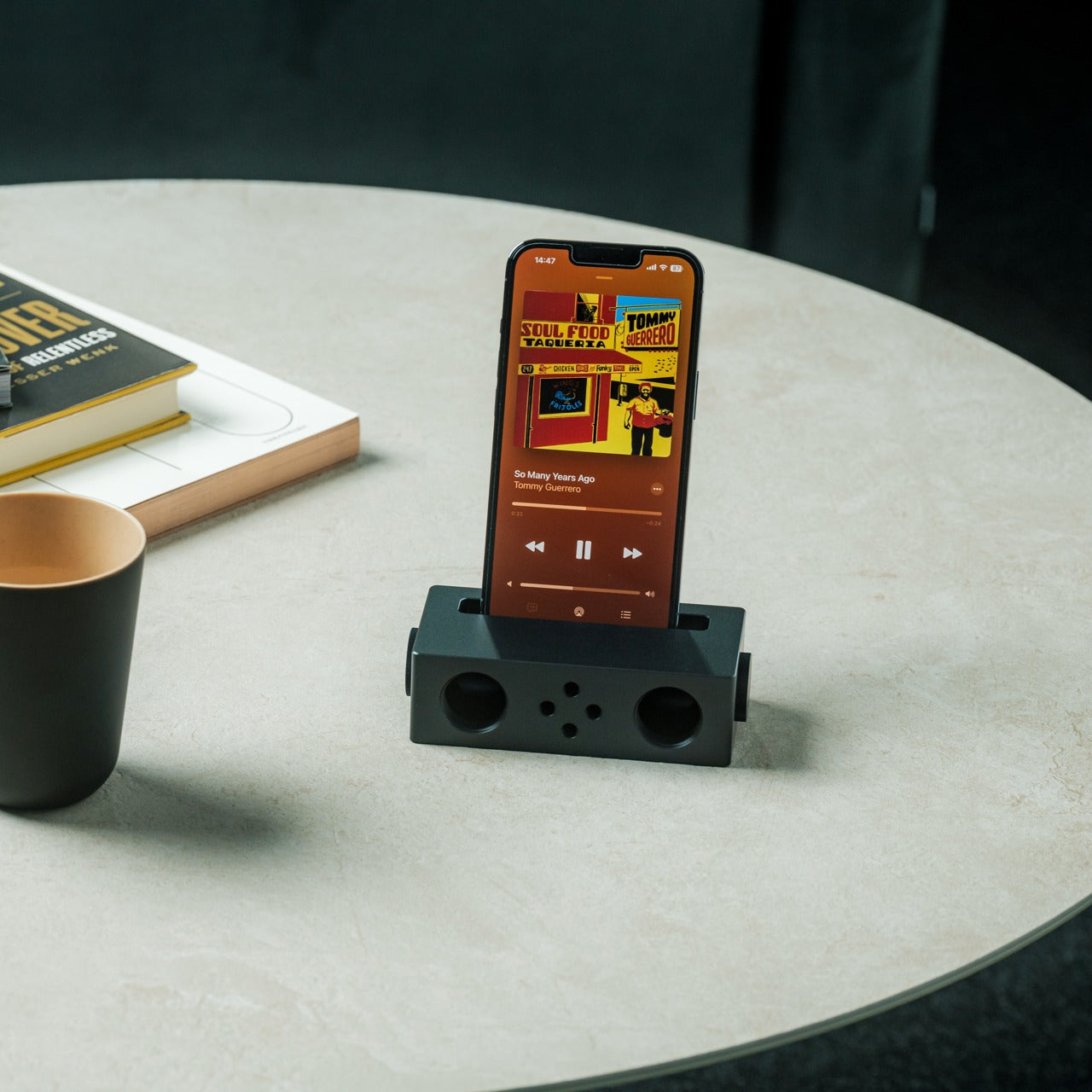
The Battery-Free Amplifying iSpeakers represent minimalist ingenuity at its finest. Crafted from aerospace-grade Duralumin metal and designed using the golden ratio, these passive acoustic amplifiers require no electricity, batteries, or charging cables whatsoever. Simply insert your smartphone and watch as amplified sound waves spread naturally throughout the room, enhanced by the vibration-resistant metal construction and mathematically optimized proportions. The approach feels almost ancient—purely mechanical amplification using shape, material, and physics rather than electronics and digital processing. Yet the results are surprisingly effective, transforming tinny smartphone speakers into room-filling audio.

Beyond sonic performance, these speakers function as sculptural desk accessories. The Duralumin construction—the same material used in aircraft—provides industrial elegance that complements modern workspaces. Optional compatibility with Bloom and Jet mods allows directional sound control, focusing, or diffusing audio depending on the environment and preference. For men surrounded by charging cables, battery notifications, and electronic complexity, this offers radical simplicity: technology that works through intelligent design rather than power consumption. The portable form factor means music anywhere without lugging Bluetooth speakers or worrying about battery life. This is appropriate tech for off-grid cabins, minimalist desks, and anyone who appreciates solutions that work indefinitely without maintenance or external power.

Click Here to Buy Now: $259.00

What we like

  • Zero batteries or electricity required ever means infinite usability.
  • Aerospace-grade Duralumin construction delivers legitimate durability.
  • Golden ratio design principles create aesthetic and acoustic harmony.
  • The portable form factor works literally anywhere without charging concerns.

What we dislike

  • Passive amplification can’t match active speaker volume levels.
  • Sound quality depends heavily on smartphone placement and model.

7. Prism Titanium Beer Glass

The Prism Titanium Beer Glass transforms drinking into a deliberate ritual. Crafted with 99.9-percent pure aerospace-grade titanium lining, this Japanese-engineered vessel neutralizes metallic aftertastes and gently breaks down off-notes, preserving only the authentic flavor of quality beer. The gently flared rim improves mouthfeel and guides liquid smoothly across the palate, softening texture while lifting aromatic compounds. Clear glass meets softly reflective titanium, creating a visual interplay that reveals the beer’s true color with elegant luminosity. Available in timeless Silver with quiet luster or Infinite with shifting aurora colors, each glass features symbolic patterns evoking longevity and prosperity.

This isn’t simply premium drinkware—it’s an invitation to slow down and savor. The ultra-pure titanium lining represents the same material used in spacecraft and medical implants, chosen for its complete flavor neutrality and exceptional durability. The flared shape results from deliberate engineering focused on how liquid flows across taste receptors. For men who’ve accumulated cabinets full of beer glasses, whiskey tumblers, and wine stems without finding the right balance of form and function, this offers something genuinely elevated. The Japanese precision craftsmanship ensures consistency across every detail, while the symbolic patterning adds cultural depth to functional design. This is appropriate for quiet evenings, special occasions, and anyone who understands that how you drink matters nearly as much as what you drink.

Click Here to Buy Now: $99.00

What we like

  • The 99.9-percent pure titanium lining eliminates all metallic aftertastes.
  • Flared rim design genuinely improves mouthfeel and aroma delivery.
  • Japanese precision engineering ensures consistent quality and performance.
  • Symbolic patterns add cultural meaning beyond pure functionality.

What we dislike

  • Premium titanium construction commands significant investment per glass.
  • Hand-washing is recommended to preserve the titanium lining’s integrity.

Elevating the Everyday

The best gifts transcend novelty and utility to become genuine improvements to daily life. These seven designs share a common thread: obsessive attention to details most products ignore completely. They’re created by teams who asked not “what can we make?” but “what can we make better?” The results speak for themselves through materials, mechanisms, and thoughtful refinement that reveal themselves through repeated use rather than flashy first impressions.

For men who have everything, these gifts offer what abundance can’t buy: elevation. They transform routine actions into small moments of appreciation. They solve problems so elegantly that you forget the problems existed. Most importantly, they demonstrate genuine thought behind the giving—these aren’t generic purchases but carefully selected pieces that respect both the recipient’s existing standards and their capacity to appreciate exceptional design. That combination of innovation and consideration makes these gifts memorable long after the packaging is recycled.

The post 7 Best Gifts For Men Who Have Everything In 2025 first appeared on Yanko Design.

Forget Minute Hands: This Watch Only Tells Time in Half-Hours

When was the last time a watch made you do a double-take? If you’re like most of us, probably never. We’ve seen countless variations of circles with numbers, hands pointing at things, and digital displays that all basically do the same job. But Ion Lucin’s ARROWatch isn’t just another pretty timepiece. It’s a design that fundamentally rethinks what a watch actually does.

Here’s the thing: we’ve been telling time for centuries, and watches have evolved from ornate pocket pieces to sleek smartwatches. So when a designer sits down to create something genuinely new, they’re facing a pretty daunting challenge. How do you innovate on an object that’s been perfected over hundreds of years?

Designer: Ion Lucin

Lucin, tackling his first watch design, didn’t try to reinvent the wheel (or the circle, as it were). Instead, he went back to basics and asked a deceptively simple question: what does a watch actually do? Strip away all the aesthetics, the luxury materials, the complications, and what you’re left with is this: a watch tells us where to look at a specific moment in time. That insight is brilliant in its simplicity. Sure, we can dress up that information with different colors, shapes, and forms. We can make it digital or analog, minimalist or maximalist. But what if, instead of just changing how the information looks, you changed how people interact with it? What if you could create an unexpected way of directing someone’s gaze?

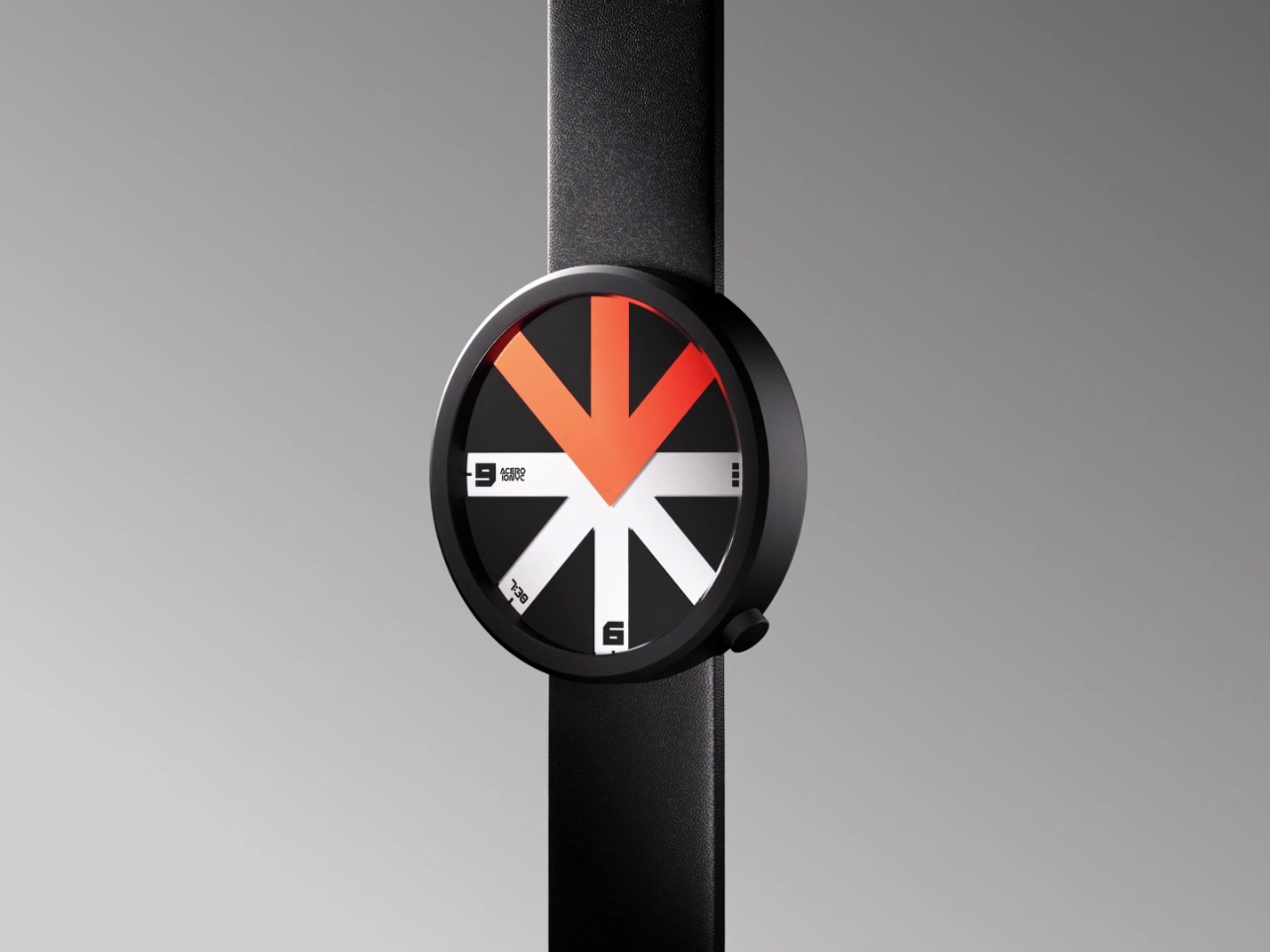
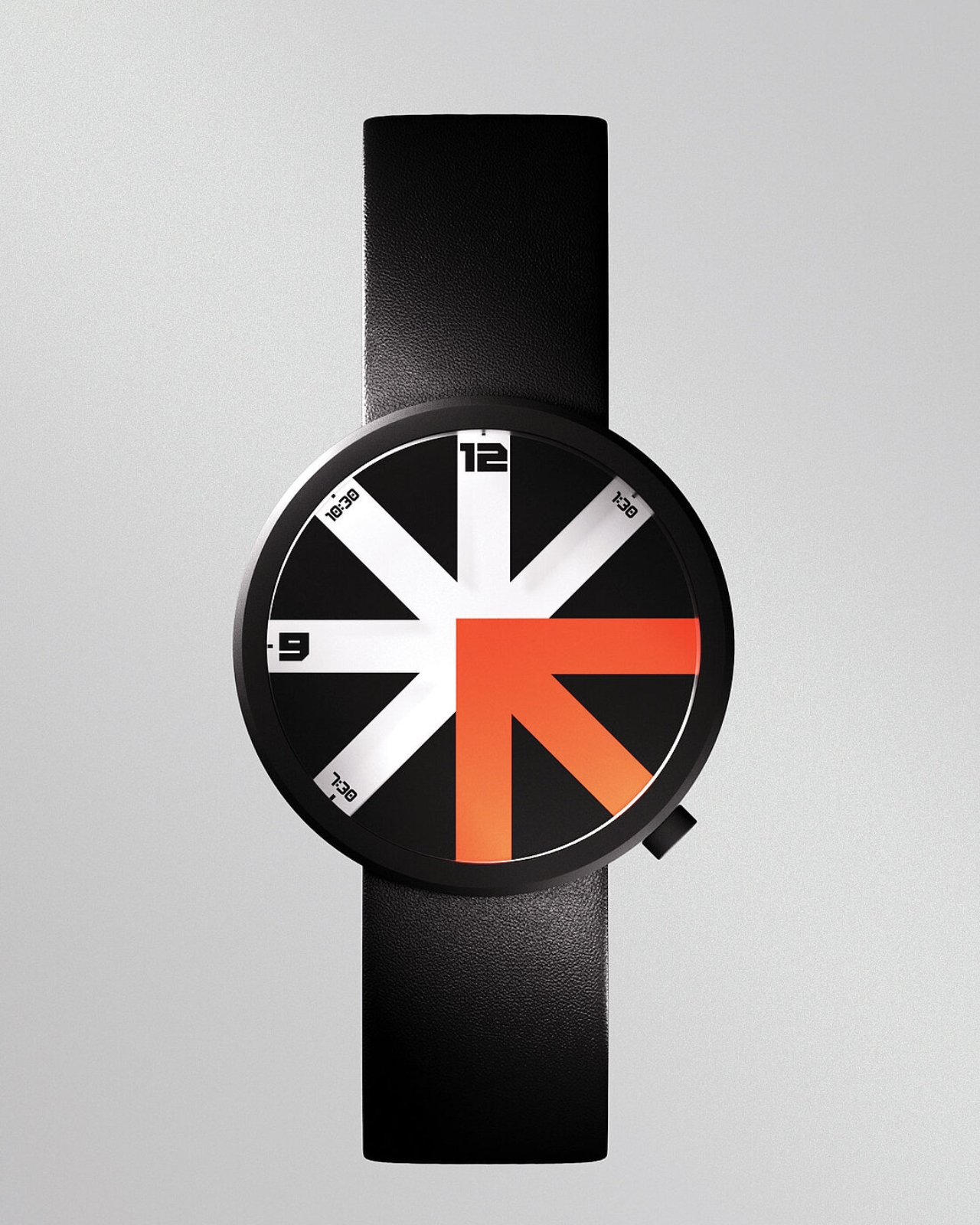
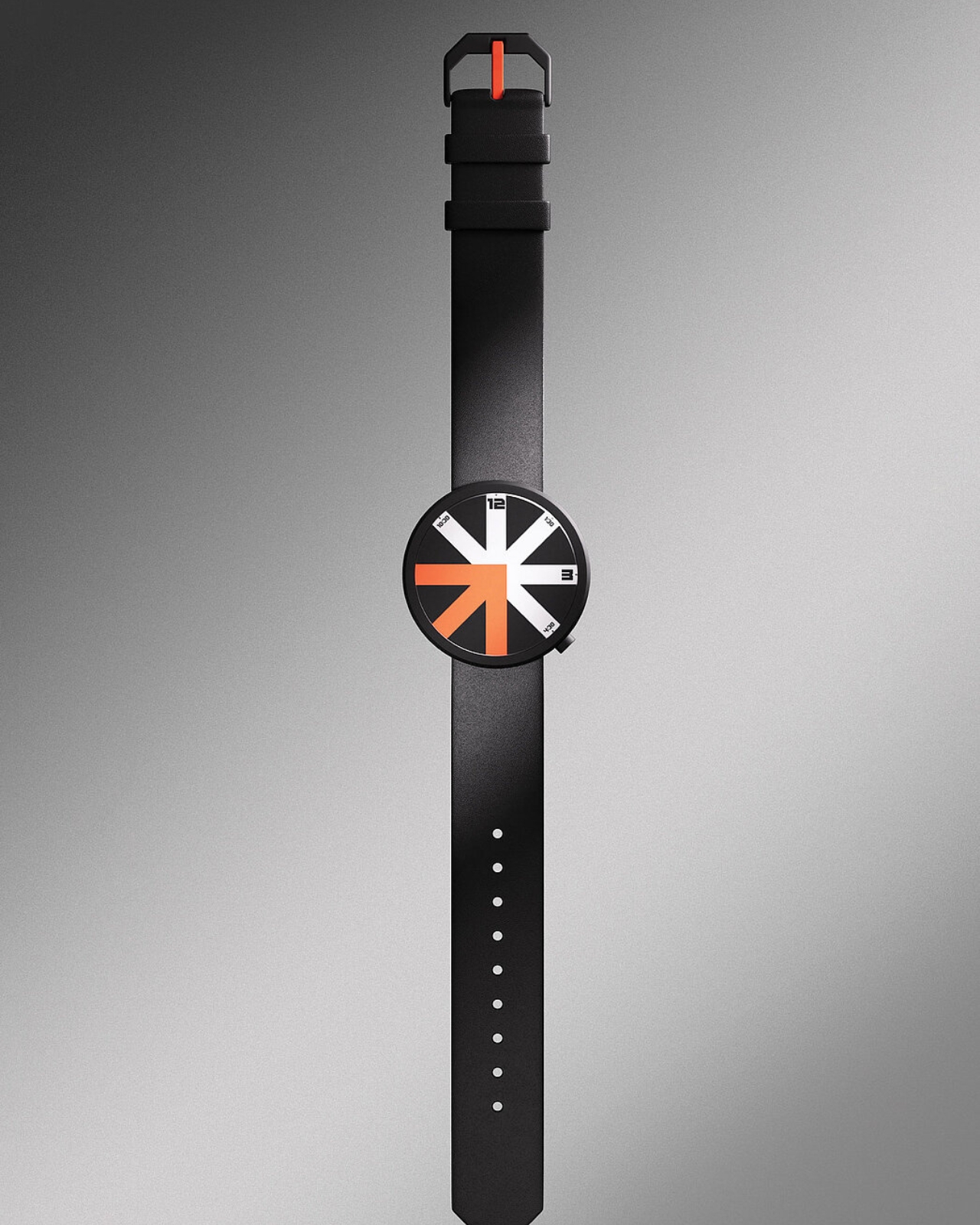
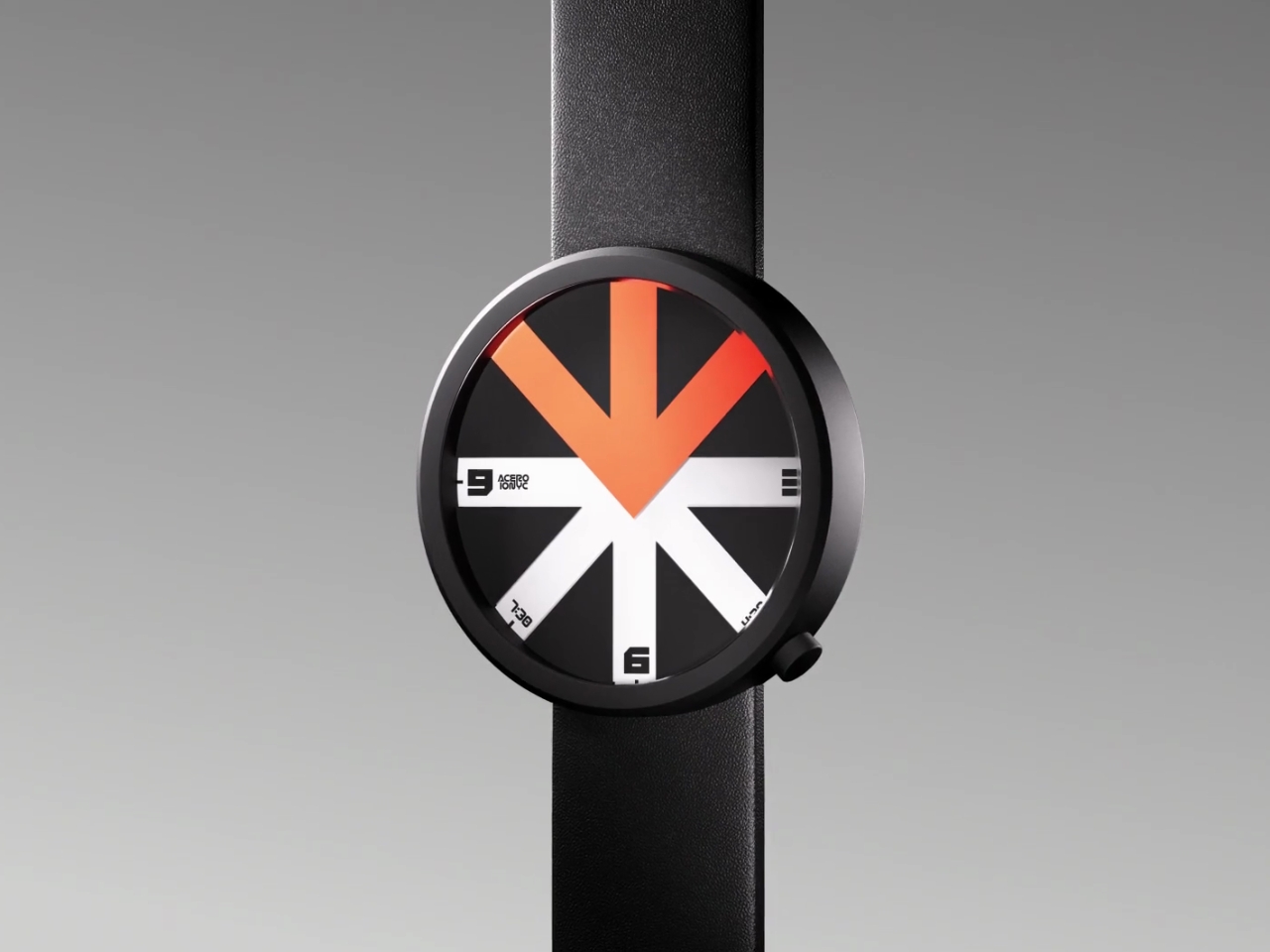
Enter the arrow. It’s possibly the most universal symbol we have for directing attention. You see arrows everywhere, from road signs to user interfaces, all doing the same basic job: pointing you somewhere. Lucin took this ubiquitous symbol and made it the entire concept of his watch. The ARROWatch face is divided into eight segments. Three of those segments are colored in a striking orange-red, forming an arrow shape. Five segments are left transparent. The rest of the watch face is black. This creates a kind of window effect where only certain portions of the time dial are visible at any given moment. The colored arrow literally guides your eye to the information you need.

What makes this particularly bold is what Lucin left out. The ARROWatch only displays hours and half-hours. No minute hand, no second hand, no fussy complications. We’re living in a time where we’re obsessed with precision (down to the millisecond on our smartphones) but this watch is telling you to chill out a bit. Do you really need to know it’s 3:47 and 32 seconds? Or is “about 3:30” good enough? This minimalist approach feels almost rebellious. We’re so accustomed to information overload that a watch that gives you less feels like a statement. It’s pushing back against the idea that more data equals better design. Sometimes, clarity comes from subtraction, not addition.

The aesthetic is unapologetically graphic. The black circle with its bold arrow in white and orange looks more like a wayfinding sign or a piece of modern art than a traditional timepiece. Paired with a sleek black leather strap, it’s the kind of thing that works equally well in a gallery, a coffee shop, or a design studio. It’s a conversation starter, which is exactly what good design should be. What’s particularly impressive is that this is Lucin’s debut watch design. There’s a fearlessness here that you don’t always see from first-time designers. He could have played it safe, creating something conventionally beautiful that would appeal to traditional watch collectors. Instead, he took a risk and created something that challenges our expectations.

Will everyone want to wear a watch that only tells time in half-hour increments? Probably not. But that’s not really the point. The ARROWatch exists to make us question our assumptions about everyday objects. It reminds us that innovation doesn’t always mean adding more features or making things more complex. Sometimes, the most radical thing you can do is simplify, focus, and ask people to look at something familiar in an entirely new way. And honestly? That’s exactly what good design is supposed to do.

The post Forget Minute Hands: This Watch Only Tells Time in Half-Hours first appeared on Yanko Design.

AYANEO Just Built a 115Wh Strix Halo Handheld and Killed Portability

Gaming handhelds are supposed to fit in your hands, but AMD’s new Strix Halo processors generate serious heat and drain batteries faster than you can finish a boss fight. The GPD Win 5 and OneXFly Apex responded by strapping external battery packs to their backs, which works, but looks like your handheld is wearing a fanny pack in the wrong spot. It’s practical but awkward, and it raises an obvious question: if you’re adding external batteries anyway, why not just make the whole device bigger?

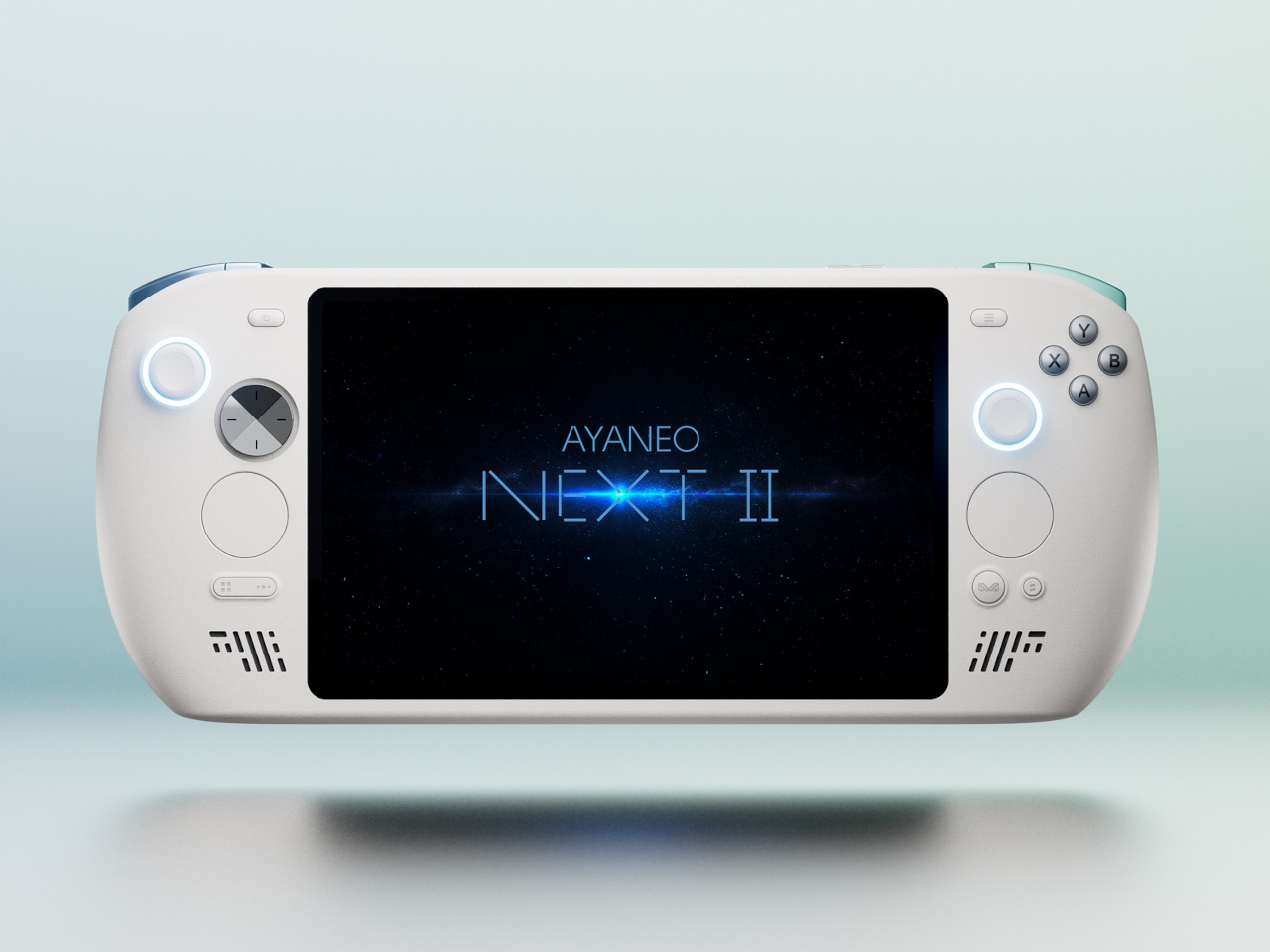
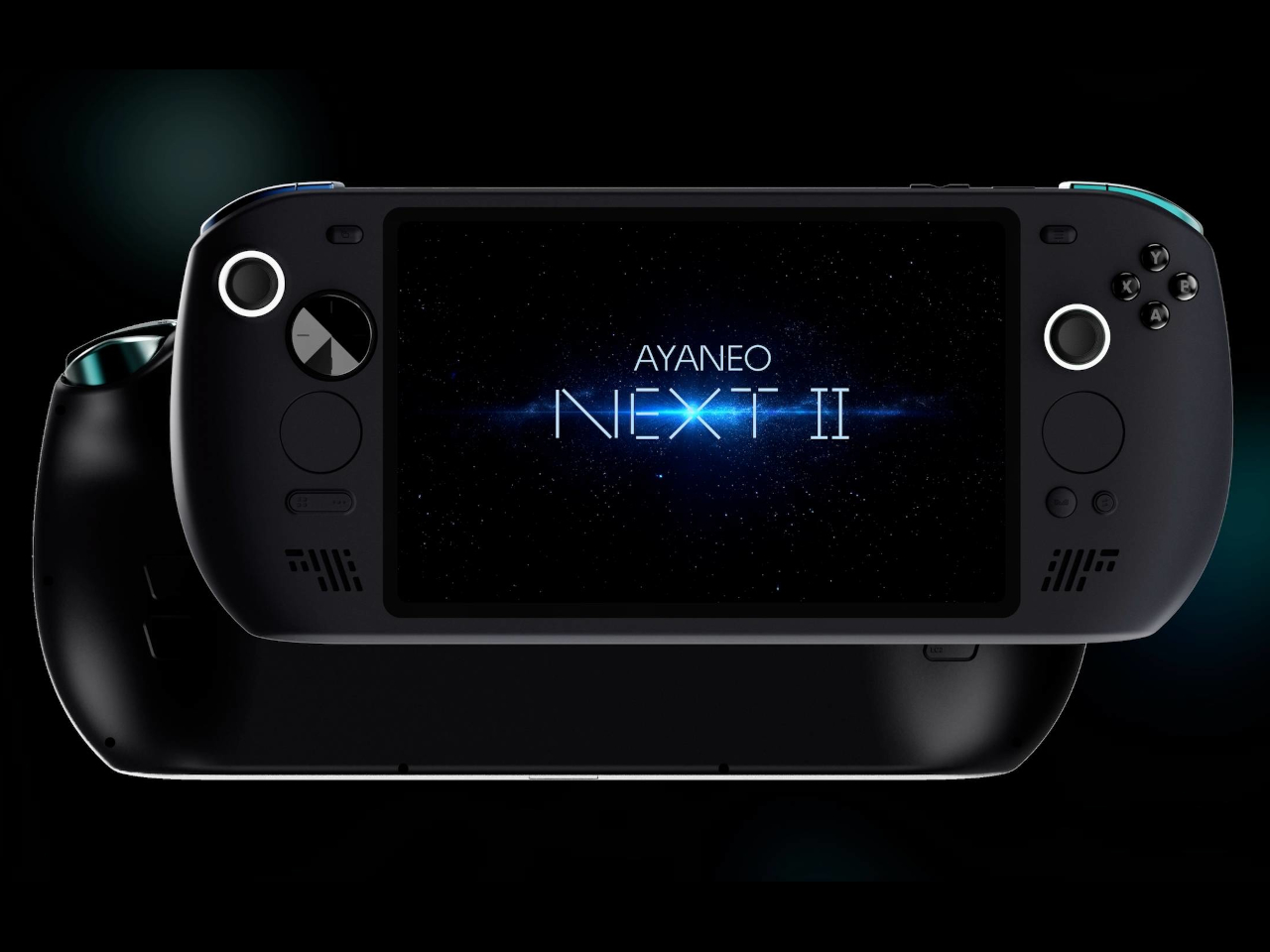
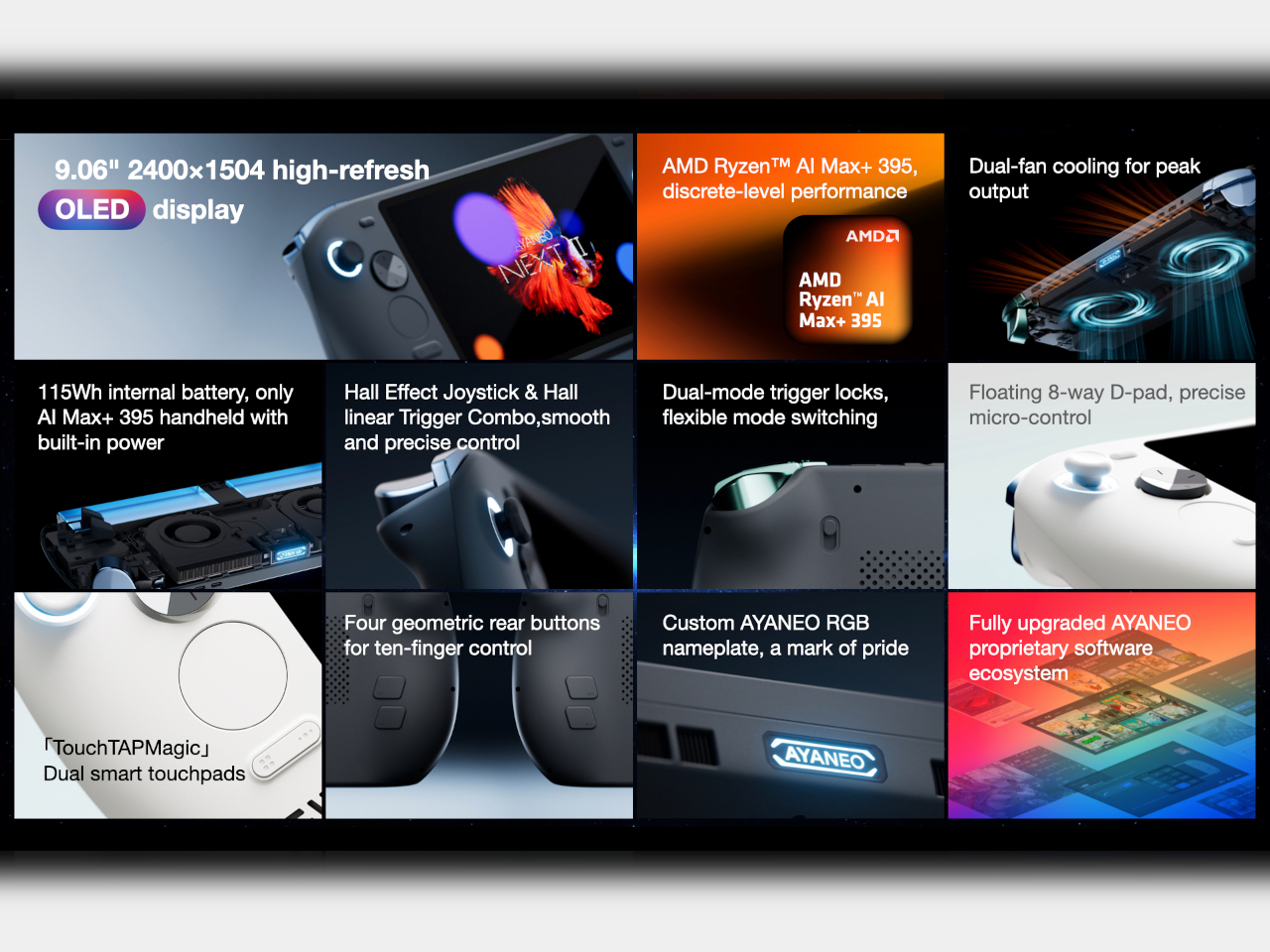
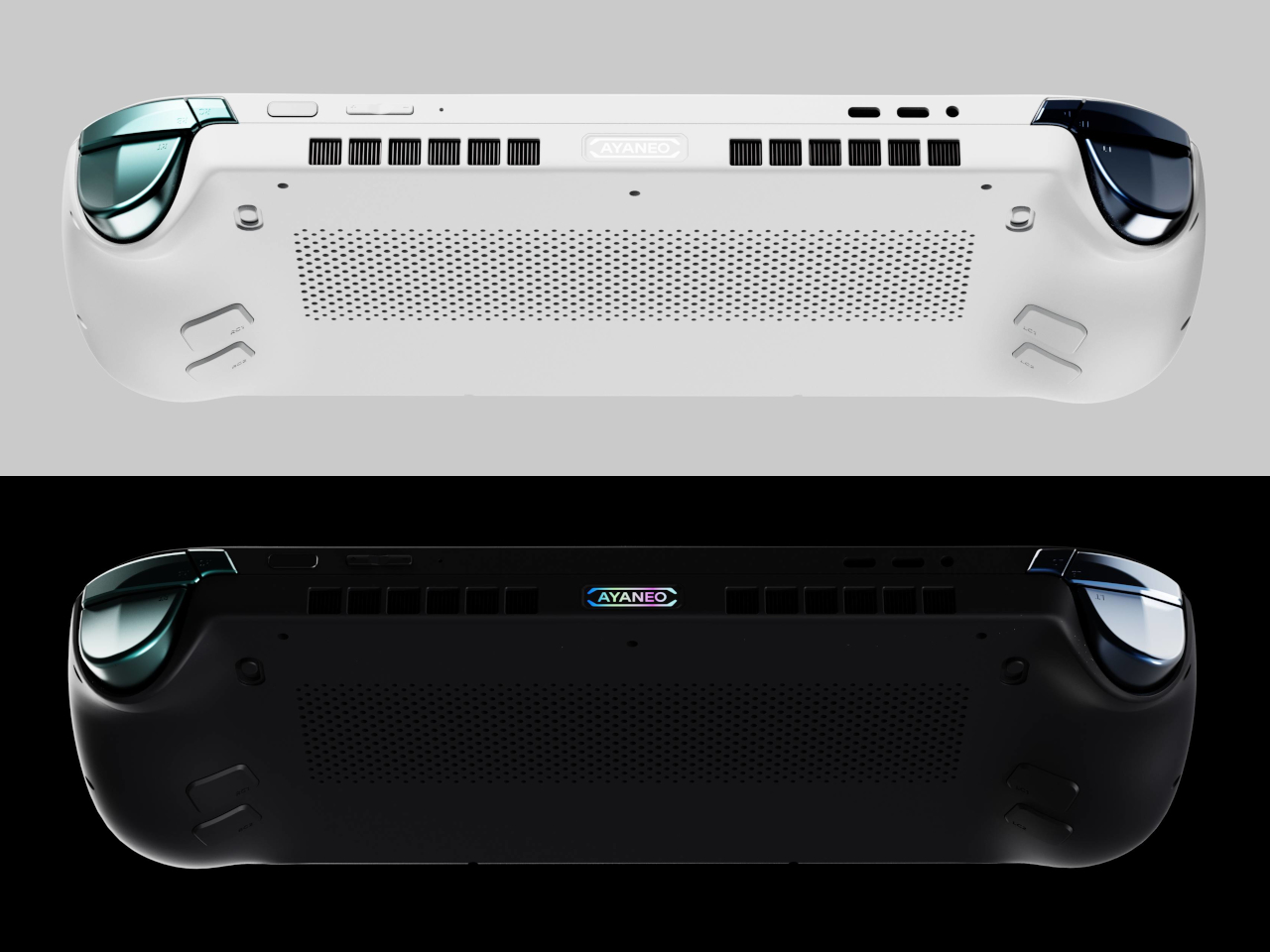
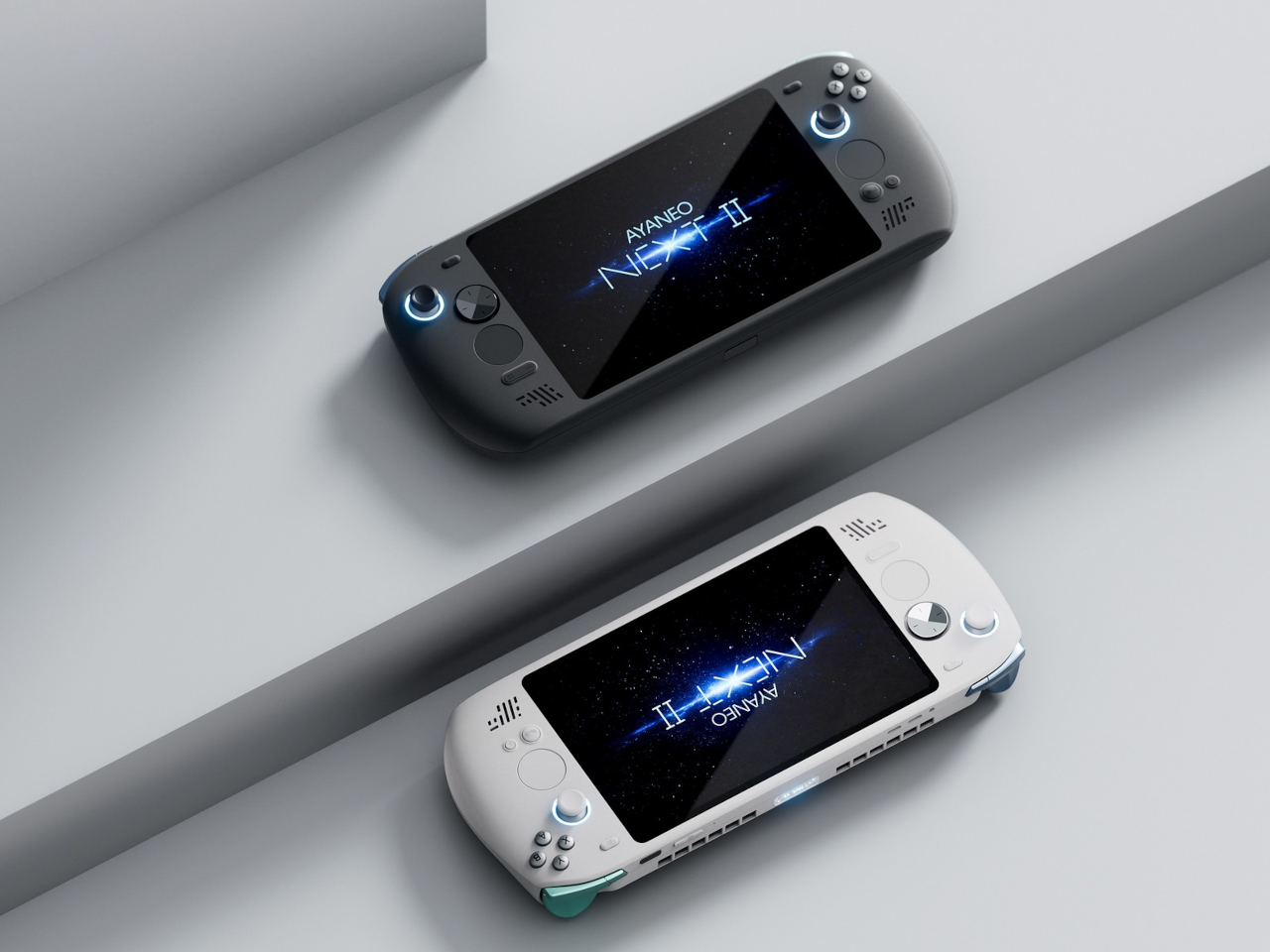
AYANEO apparently asked that same question and decided to run with it. The AYANEO NEXT II skips external packs entirely, hiding a massive 115Wh battery and a 9.06-inch OLED inside a thick, sculpted body that feels more like a portable gaming monitor with grips than something you’d slip into a backpack. It’s AYANEO’s answer to Strix Halo’s power demands, and the solution involves simply accepting that this thing was never going to be pocketable in the first place.

Designer: AYANEO

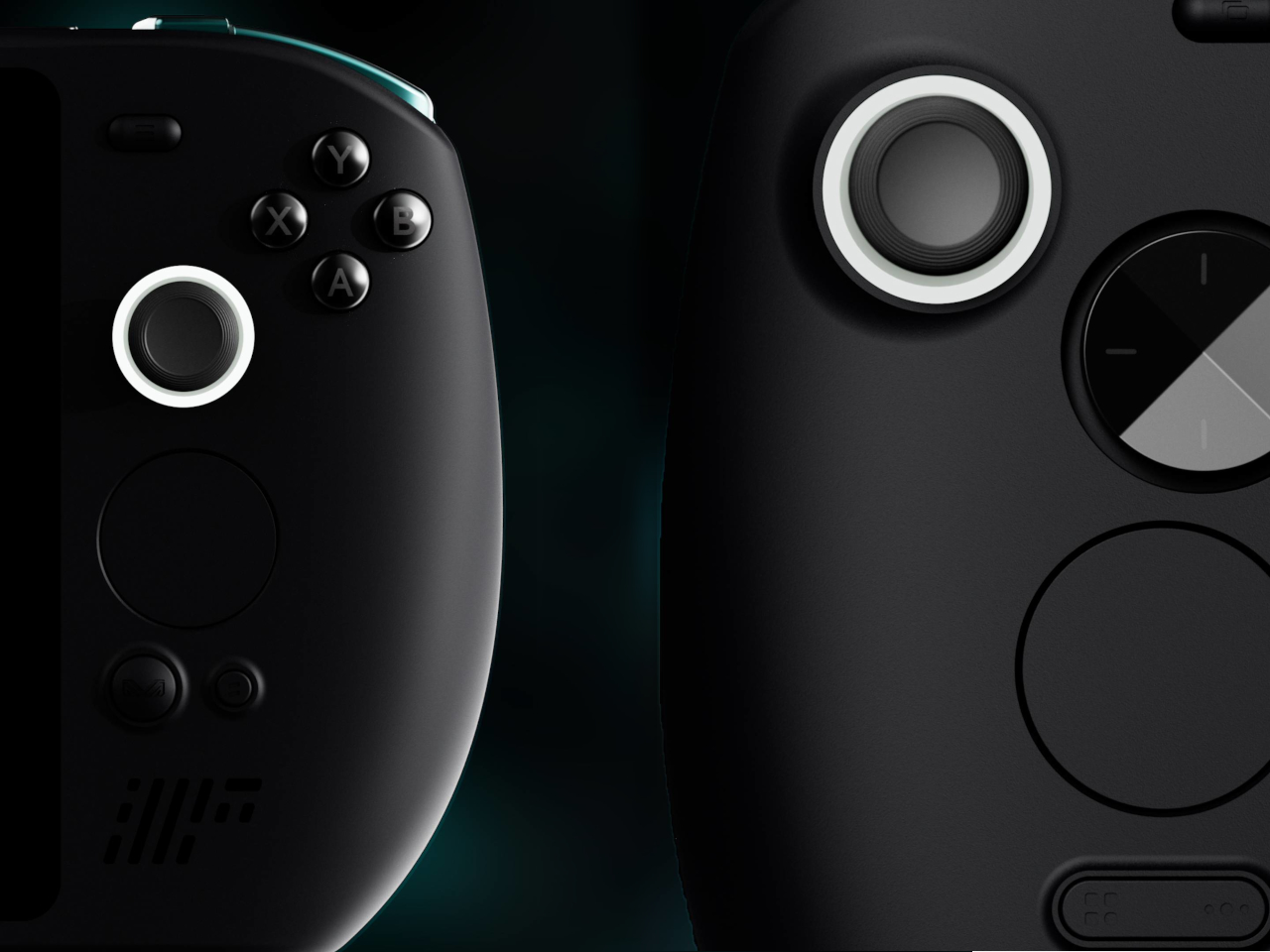
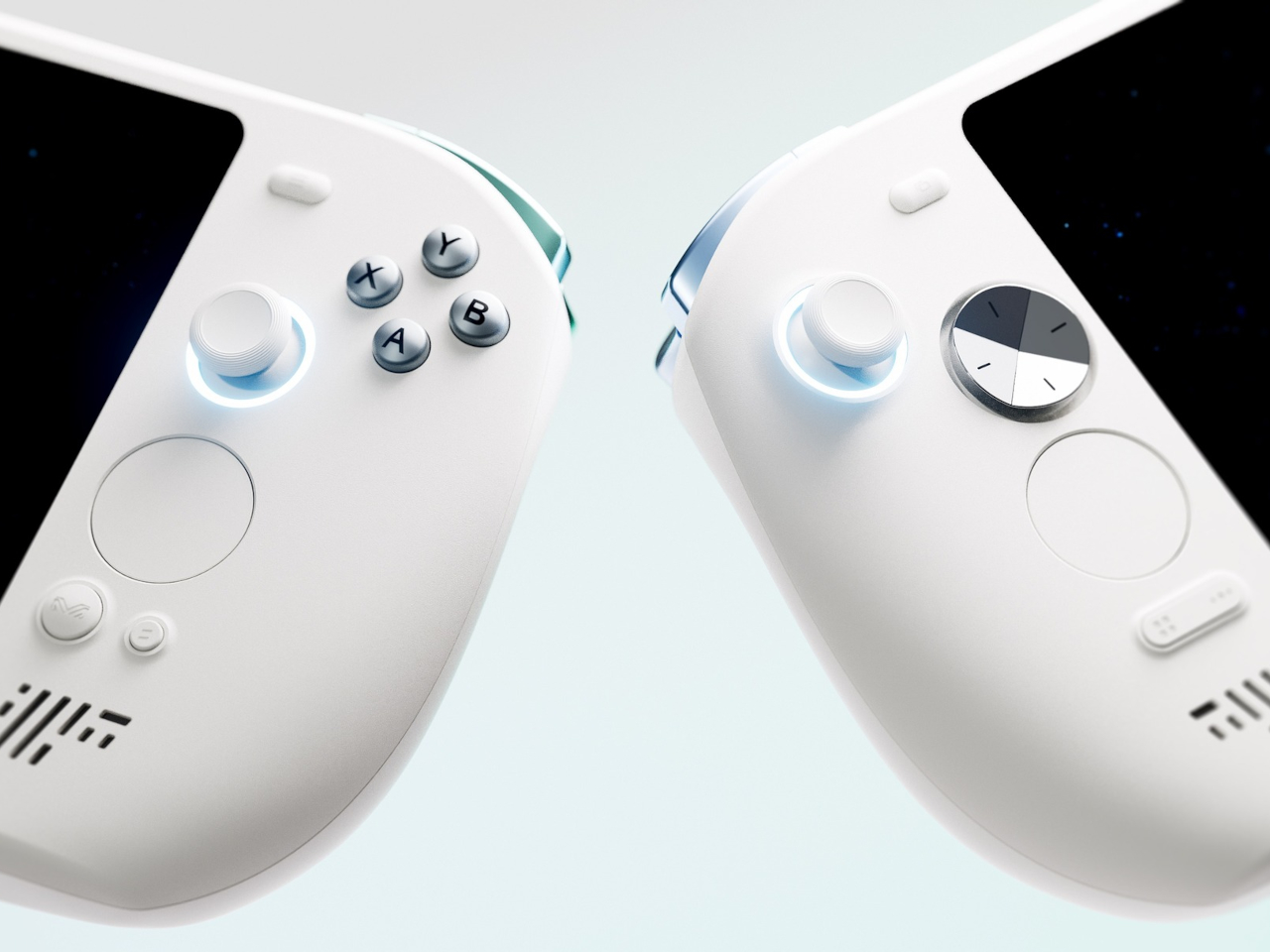
The design doesn’t apologize for its size. Deep grips flare outward like a proper gamepad, and the body is thick enough to house dual cooling fans without turning into a space heater. Hall effect sticks sit where your thumbs expect them, surrounded by a floating D-pad, dual touchpads, and speakers that actually face you instead of firing sound into your lap. It looks less like a Switch rival and more like someone decided gaming monitors needed handles attached.

That 9.06-inch screen uses an unusual 3:2 aspect ratio instead of the typical widescreen shape most games expect. You get a gorgeous OLED panel with refresh rates up to 165Hz and brightness that peaks at 1100 nits, which sounds fantastic until you realize most games will either add black bars or run nowhere near 165 frames per second at this resolution anyway. Still, it’s lovely for desktop windows and emulators that appreciate the extra vertical space.

The 115Wh battery is where things get complicated. Everything stays hidden inside for a cleaner look and more console-like feel, but that capacity might cause questions at airport security since many airlines cap carry-on batteries at 100Wh. You also can’t swap batteries when one dies, and constantly feeding an 85-watt processor means faster charge cycles and potential long-term wear. You’re looking at two to three hours of heavy gaming before hunting for an outlet.

The dual cooling fans work hard to keep Strix Halo from overheating, and you’ll definitely hear them during intense sessions. AYANEO claims it can sustain up to 85 watts, which should let the integrated Radeon graphics handle modern games at respectable settings, though you’ll also feel warmth radiating from the vents. This is less a grab-and-go portable and more something you carry from the couch to the desk when you need a scenery change.

AYANEO loaded the NEXT II with premium controls that enthusiasts will genuinely appreciate. Hall effect sticks and triggers promise zero drift, dual-stage trigger locks switch between smooth analog and clicky digital modes, and rear buttons plus dual touchpads give you more inputs than a standard controller. A magnetic haptic motor adds feedback that tries to mimic console vibration, and the AYASpace software hides Windows behind a console-style launcher with performance tuning options built in.

The AYANEO NEXT II essentially stops pretending to be portable. It won’t fit in a jacket pocket, might get flagged at airport security, and is almost certainly too heavy for comfortable one-handed play in bed. But if you want something that feels more like a small gaming monitor with built-in controls rather than a device you’d actually carry around town, this oversized approach makes a strange kind of sense. You just have to accept that portability took a back seat to screen size and battery capacity.

The post AYANEO Just Built a 115Wh Strix Halo Handheld and Killed Portability first appeared on Yanko Design.

I Stopped Paying for Cloud Storage After Trying This Tiny 256GB iPhone SSD

I remember a time when smartphones had expandable storage. In fact, I remember feeling this internal rage when I saw the iPhone Air and that Apple even decided that a physical SIM slot wasn’t necessary anymore, because apparently a SIM tray blocks so much space that you need to shave down on a phone’s battery capacity. It’s wild that we’ve gotten to this point in our lives, and what’s more wild is that we now have to ‘rent’ storage out by paying for iCloud or Google Drive subscriptions to store our photos and videos. I remember when you could pop in a MicroSD card and those low-storage problems would go away… and ADAM Elements is trying to bring back that convenience with its ultra-tiny SSDs.

The iKlips S isn’t as small as a MicroSD, but it’s sufficiently more advanced than one. Barely the size of a 4-stud LEGO brick, this SSD plugs right into your smartphone, giving it an instant 256GB memory boost. It docks in your phone’s USB-C port, transferring data at incredible speeds, and here’s the best part – the tiny device packs biometric scanning too, which means you can pretty much secure your backups with a fingerprint the way you secure your phone with FaceID. The best part? No pesky subscription fees. You pay once and own the storage forever, and everything’s local and offline… so you never need to worry about remembering passwords, or about having companies and LLMs spy on your personal data to train themselves.

Designer: ADAM Elements

Click Here to Buy Now: $62.3 $89 (30% off, use coupon code “30YANKOIKPS”). Hurry, deal ends in 48-hours!

Think a thumb drive, but insanely tinier. That’s the beauty of SSDs, and ADAM Elements touts that the iKlips S currently holds the record for the world’s smallest SSD. Plug it into your phone, tablet, laptop, or any device and it instantly gets a 258GB bump. Data transfers at speeds of up to 400Mb/s with read speeds of 450Mb/s, that’s fast enough to move RAW files in milliseconds and entire 4K videos in seconds, or even directly preview/edit ProRes content on your phone, tablet, or laptop without having to transfer data to local storage. After all, that’s the dream, right?

The tiny device comes with a machined aluminum body and a lanyard hole so that you can string something through to prevent it from getting lost. Plug it into your phone to back up media, then into your laptop or iPad to edit said media. You can transfer data between multiple devices fairly quickly, across platforms too, thanks to cross-compatibility with iOS, Android, MacOS, Windows, ChromeOS, and even Linux. The tiny design sits practically flush against your phone, tablet, or laptop, occupying about the same amount of space as a USB receiver for a wireless keyboard or wireless mouse. Its most important design detail, however, hides in plain sight.

On the underside of the iKlips S is a fingerprint scanner, allowing you to add authentication to your SSD the way you add a password to your iCloud. The device can hold as many as 20 fingerprints, making it perfect for redundancies (just in case you cut a finger while chopping veggies) or even for a team of multiple people sharing data. Place your finger on the iKlips S and it unlocks the SSD, allowing you to read/write data in no time. You’re never faced with forgetting your iCloud password as your password literally lives on your fingertips.

The price of it all? A mere $62.3, which costs about as much as an annual subscription to these cloud storage services. For that, you get something you truly own, and can use without needing an app or an internet connection. Just plug it in and you’ve suddenly got extra storage. Secure the storage with a fingerprint, and move data around at speeds your internet service provider could only dream of. Neat, huh?

Click Here to Buy Now: $62.3 $89 (30% off, use coupon code “30YANKOIKPS”). Hurry, deal ends in 48-hours!

The post I Stopped Paying for Cloud Storage After Trying This Tiny 256GB iPhone SSD first appeared on Yanko Design.

Top 5 EDC Pocket Knives Running Major Last-Minute Discounts

The annual flood of Black Friday deals can feel overwhelming, a constant barrage of alerts and ads all claiming to offer the deal of a lifetime. For those of us who appreciate well-designed gear, the challenge isn’t just finding something cheap; it’s finding something great at a price that makes it impossible to ignore. A good everyday carry knife, in particular, is an investment in utility and reliability. This is the time of year when that investment pays off before you even make the purchase, with respected brands and proven designs becoming more accessible than ever.

Consider this your curated shortlist, a direct path to the best value in the EDC knife world right now. We’ve cut through the noise to bring you five standout blades that are currently seeing major price drops, from compact workhorses to unique tactical designs. Each one was chosen based on its reputation, build quality, and a discount that truly matters. This is your chance to acquire a fantastic tool that punches well above its weight class for a fraction of its usual cost.

Tekto A5 Spry (20% Off)
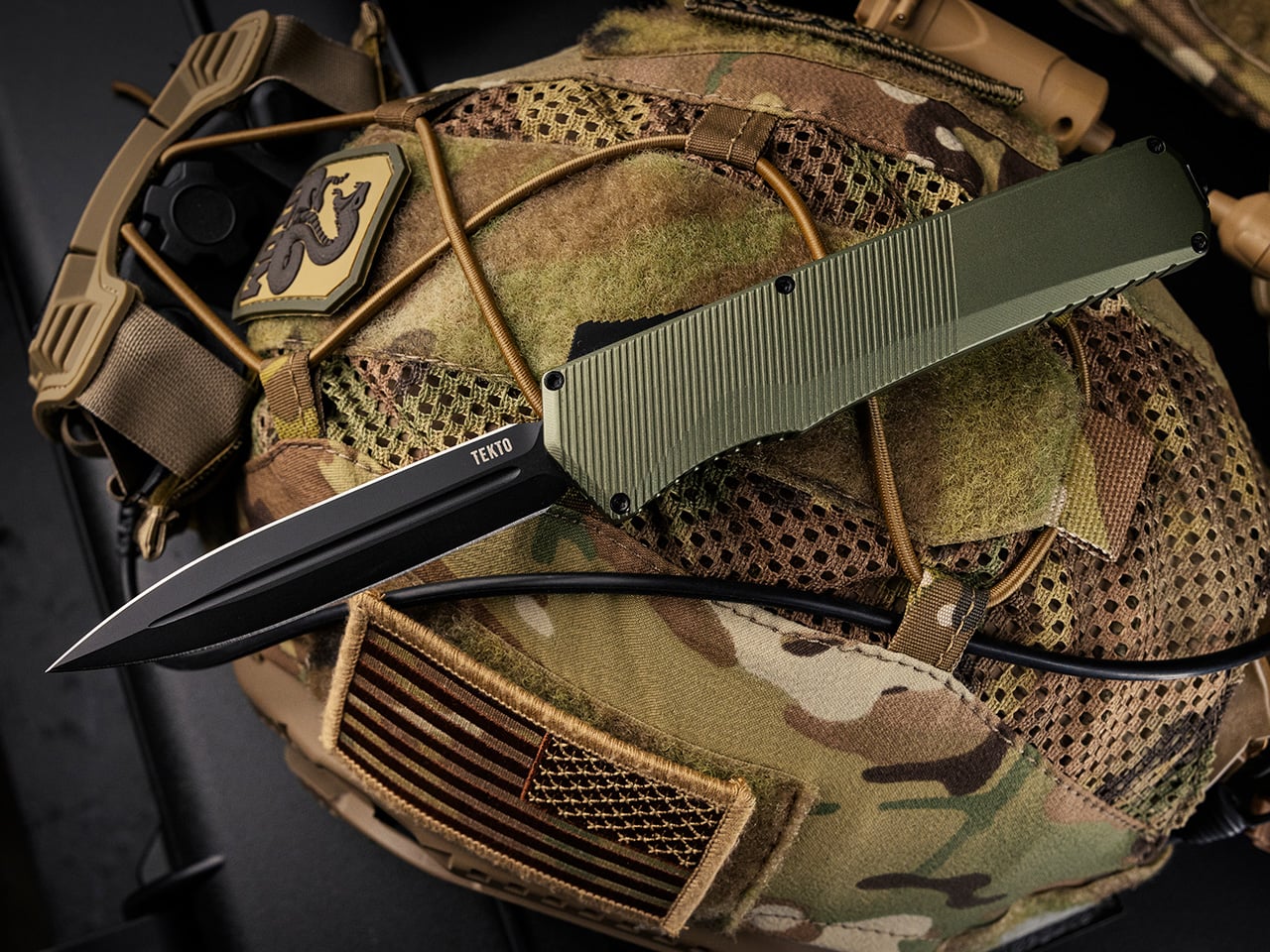
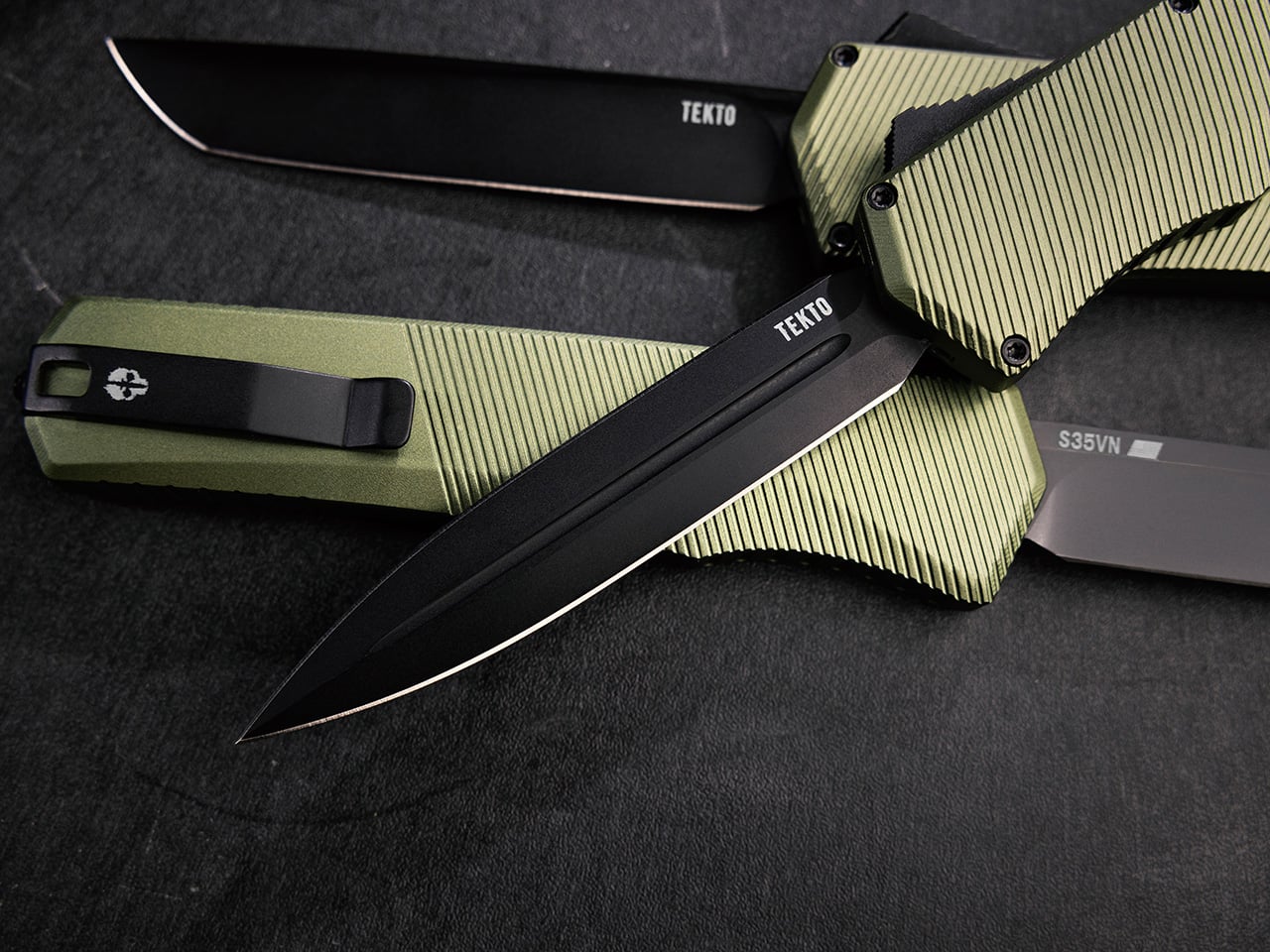
Out-the-front automatics occupy a special place in the knife world, somewhere between practical tool and mechanical indulgence. The Tekto A5 Spry lands firmly in both camps. This is an OTF with a 3.5-inch S35VN blade, titanium-coated and available in three distinct profiles: drop point for general use, dagger for piercing and double-edged utility, and tanto for maximum tip strength. That blade choice matters because each geometry fundamentally changes how the knife performs. The drop point excels at everyday slicing, the dagger offers symmetrical cutting edges and a needle-sharp tip, while the tanto brings reinforced strength for tougher tasks. All three options run 60-62 HRC hardness, putting this steel in premium territory where edge retention meets reasonable sharpening requirements. The 6061-T6 aluminum handle is contoured and textured aggressively, offering what Tekto calls an “iron grip,” and they’re not exaggerating. At 8.6 inches open and 3.49 ounces, this knife has presence without crossing into heavy.

The double-action mechanism fires with the kind of authority that makes cheap OTFs feel like toys. The button sits perfectly positioned for thumb deployment, and the blade launches with zero hesitation. Retraction is equally satisfying, a smooth return that locks back into the handle without play or wiggle. Tekto offers the A5 Spry in black or OD green aluminum, giving you color options to match either stealth or tactical aesthetics. The glass breaker on the pommel isn’t decorative, it’s a legitimate emergency tool that adds function beyond cutting. The ambidextrous pocket clip works for tip-down carry, and the lanyard hole gives you attachment options if you prefer alternate carry methods. This is an American-made OTF priced to compete with imports, which is rare enough to be notable. The build quality reflects domestic manufacturing standards, with tight tolerances and finish work that justifies the premium over budget alternatives.

Why We Recommend It

At 20% off (bringing it to $200 from $249.99), the A5 Spry becomes one of the best values in American-made OTF knives. S35VN steel at this price point is already competitive, but pairing it with three blade options and two color choices means you’re buying exactly the knife you want rather than settling for what’s available. The customization factor alone makes this compelling: drop point for EDC versatility, dagger for collectors who appreciate double-edged designs, or tanto for anyone who prioritizes tip strength. OTF automatics typically command premiums, and finding one with premium steel, solid construction, and genuine versatility under two hundred dollars is legitimately rare. This is the knife for anyone who’s wanted a quality OTF but balked at the typical $300-plus entry point.

Click Here to Buy Now: $200 $249 (20% off, use coupon code “YANKO” at checkout for $49.99 off, plus 2-day FedEx shipping. Hurry, deal ends in 48-hours!

SOG Keytron (26% Off)
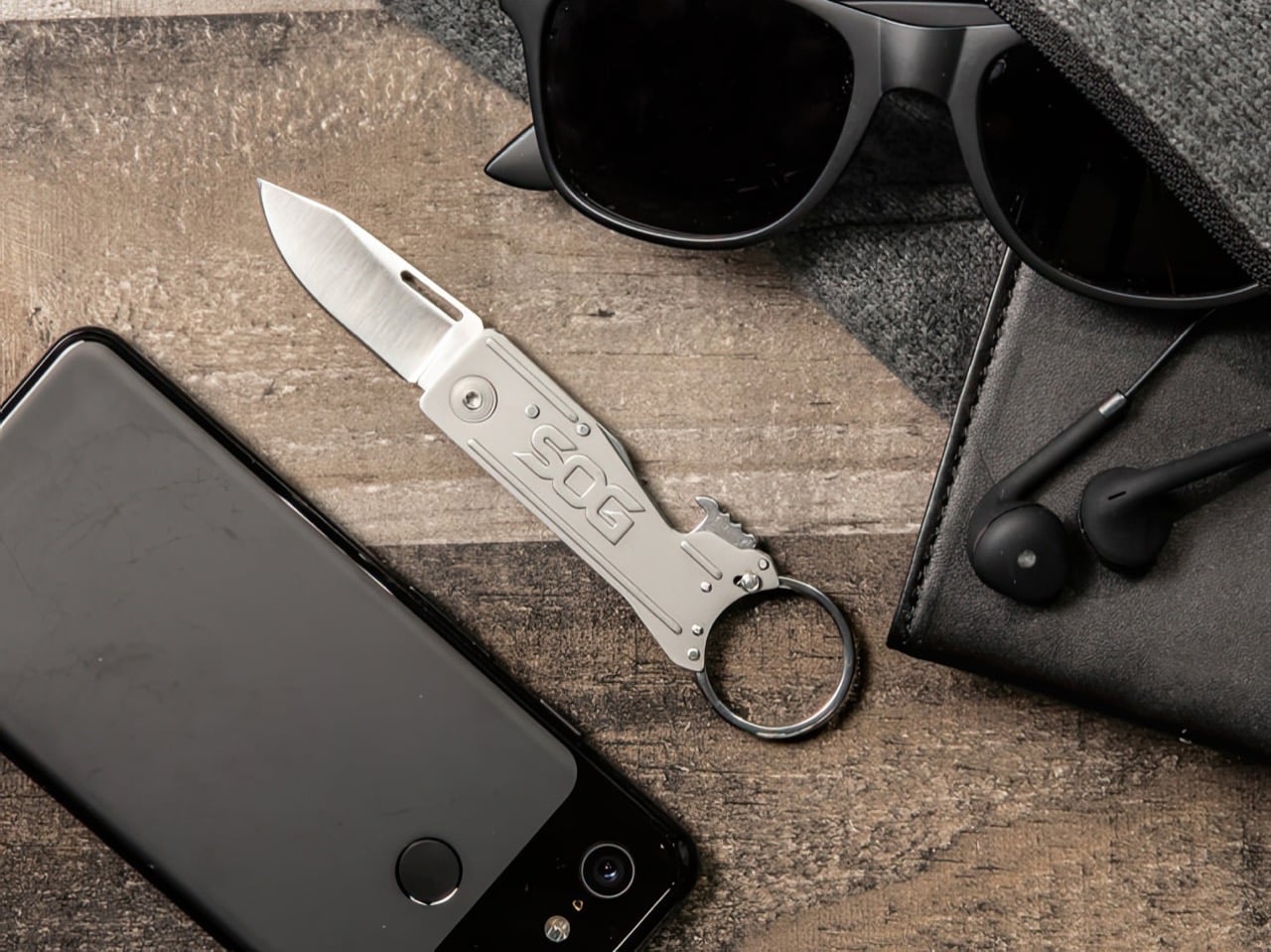
Most people never think about knife accessibility until they’re standing in a parking lot with a package that needs opening and their EDC folder is sitting on their dresser at home. The SOG Keytron exists specifically for that moment. This is a 1.8-inch clip point blade made from stainless steel with a hardness of 54-58 RC, mounted on a slim aluminum handle that stretches to 5.3 inches closed. At 1.3 ounces, it weighs less than most sets of car keys and takes up about as much space. The lockback mechanism keeps the blade secure during use, releasing with a simple press of the spine lock. SOG added a thumb groove for opening, which works well enough once you get the hang of it, though this isn’t a flipper or assisted opener. Deployment is deliberate, not fast, which makes sense for something designed to live on your keychain. The satin finish on the blade is functional rather than flashy, and the flat grind gives you enough cutting edge for everyday tasks.

The built-in bottle opener is the kind of feature that sounds gimmicky until you actually need it, then it becomes the reason you keep this knife around. The keyring attachment uses a simple latch mechanism, making it easy to add or remove from your key collection without disassembling anything. The aluminum handle keeps weight down while providing enough rigidity to handle light cutting without flexing. This isn’t the knife you reach for when serious work needs doing, but it’s the knife that’s always there when you need to open a package, cut some cord, or pop the top off a bottle. The clip point blade shape gives you a fine tip for detail work while maintaining enough belly for slicing. SOG designed this for people who want a knife available at all times without the bulk or weight of traditional EDC folders. It’s the backup to your backup, the blade you forget you’re carrying until you suddenly need it.

Why We Recommend It

At $19.96 (down 26% from $27), the Keytron costs less than most people spend on a single lunch and solves a problem most knife people don’t think about: what do you carry when carrying a real knife isn’t practical? The built-in bottle opener and keyring attachment turn this from a simple blade into a multi-function tool that actually fits on a keychain without destroying your pockets. The aluminum construction and sub-2-inch blade mean it’s legal almost everywhere and inconspicuous enough to carry in settings where larger knives would draw attention. This is the knife for gym bags, travel kits, office drawers, or anywhere you want cutting capability without commitment. At under twenty bucks, it’s cheap enough to buy multiples and stash them everywhere you might need one.

Click Here to Buy Now

Gerber Gear Quadrant (47% Off)
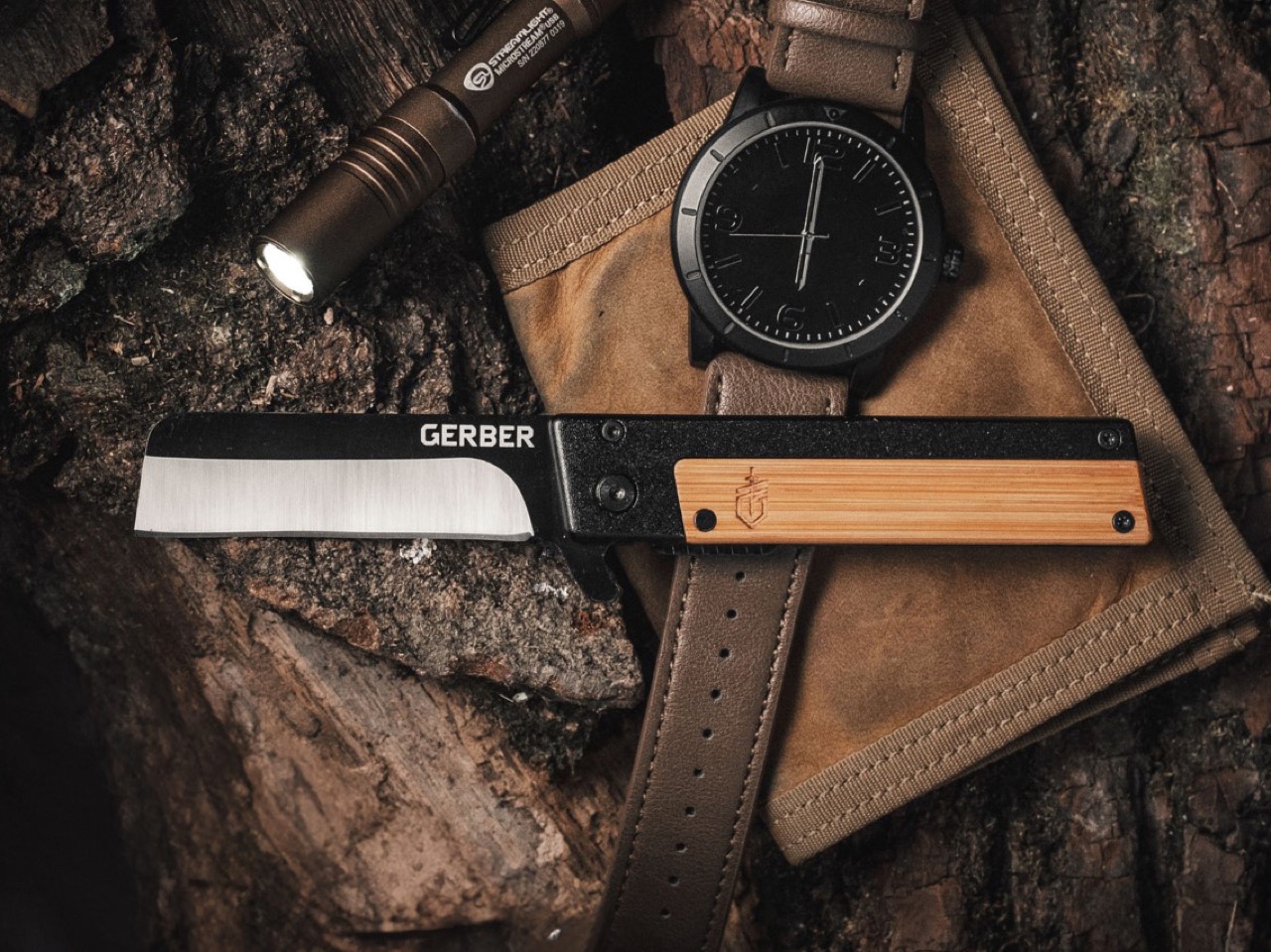
Gentleman’s folders exist in a strange intersection between knife and accessory, where aesthetics matter as much as edge geometry. The Gerber Quadrant understands this assignment perfectly. The 2.7-inch sheepsfoot blade is made from 7Cr17MoV stainless steel, a budget-friendly Chinese steel that sharpens easily and holds an edge well enough for daily cutting without requiring constant maintenance. That sheepsfoot profile is the defining characteristic here, a straight cutting edge with a curved spine that eliminates the pointy tip most knives sport. This makes it less aggressive, more workplace-friendly, and surprisingly effective for precise slicing tasks where you’d normally reach for a box cutter. The frame lock is textured stainless steel, providing structural rigidity while the flipper deployment snaps open with satisfying authority. At around 3 ounces, this knife has enough heft to feel substantial without weighing down your pocket.

The handle is where things get interesting. Gerber offers three scale options: white G-10 composite, natural bamboo, and black bamboo. The bamboo variants turn this knife into a genuine conversation starter, bringing organic warmth to a category typically dominated by synthetic materials and anodized metals. The bamboo isn’t just for looks, it provides natural texture and grip while keeping weight minimal. The white G-10 option appeals to anyone who wants a cleaner, more modern aesthetic without sacrificing durability. The deep-carry pocket clip keeps the knife discreet, sitting low enough that most people won’t notice you’re carrying unless they’re specifically looking. The overall package feels refined in a way that makes it appropriate for office environments, social settings, or anywhere a tactical folder would seem out of place. This is the knife you carry to meetings, dinners, or events where pulling out something aggressively tactical would raise eyebrows.

Why We Recommend It

At $25.10 (slashed 47% from $47), the Quadrant becomes one of the best gentleman’s folder deals you’ll find anywhere. That bamboo handle option at this price is borderline absurd, it’s a material upgrade that typically adds significant cost but here comes in under twenty-six dollars. The sheepsfoot blade makes this genuinely useful in situations where pointed tips feel unnecessary or inappropriate, and the flipper action provides quick deployment without screaming “tactical knife.” Gerber designed this for people who want something classy that still performs, and the discount turns an already reasonable $47 into an impulse buy that makes sense for anyone needing a sophisticated EDC option. This is style meeting substance at a price that removes any reason to hesitate.

Click Here to Buy Now

CRKT Daktyl (23% Off)
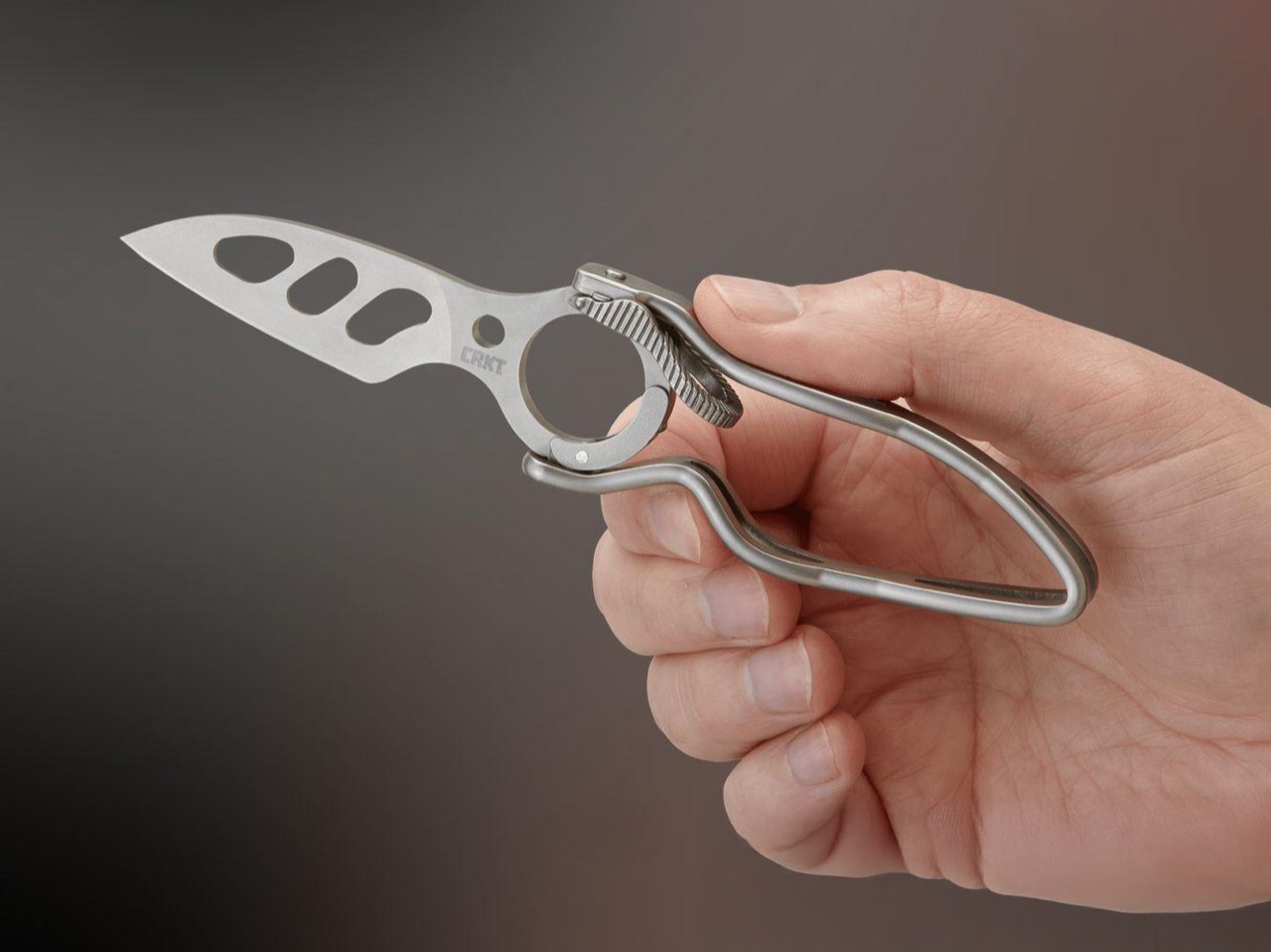
Some knives whisper. The Daktyl screams from across the room. Tom Hitchcock designed this thing to look like it escaped from a sci-fi prop department, and he succeeded completely. The entire knife is cut from stainless steel, both blade and handle, creating a skeletal framework that’s equal parts functional tool and conversation starter. That massive finger ring isn’t just for show, it’s the core of the “Hole In One” deployment system that lets you rotate the 3.05-inch modified Wharncliffe blade open with a flick of your finger. The 420J2 stainless steel blade is skeletonized with oval cutouts that reduce weight and add visual drama, while the slide lock mechanism keeps everything secure once deployed. At 6.813 inches open and weighing just 2.4 ounces, this is lightness taken to its logical extreme.

The handle is where things get interesting, and by interesting, we mean polarizing. Those flowing curves and cutouts look fantastic in photos, but they’re designed around that finger ring more than traditional grip ergonomics. The bead-blasted finish is grippy enough, and there’s a carabiner built into the pivot end that doubles as a bottle opener, because why not add party tricks to your EDC? The deep-carry pocket clip works for left or right-hand carry, and the whole package feels more like jewelry than a tool, which is either the point or the problem depending on your perspective. This isn’t the knife you grab for heavy cutting tasks or extended use. It’s the knife you carry when you want something that looks like nothing else in anyone’s pocket, a blade that values aesthetics and novelty as much as it does utility. The Wharncliffe profile is excellent for precision work and slicing, but that handle design means your grip options are limited by the architecture of the frame itself.

Why We Recommend It

The Daktyl at $45.99 (down from $60) is twenty-three percent off a knife that you either instantly love or completely don’t get, and that’s precisely why it belongs on this list. This is design as statement, a knife that refuses to blend into the background of standard folders and liner locks. That stainless steel skeleton construction and finger ring deployment make it instantly recognizable, and the built-in bottle opener means it’s actually useful at parties where knives normally aren’t. At under fifty bucks, you’re buying into something genuinely different without the usual premium that “unique” commands. It’s not the most ergonomic knife you’ll ever hold, but it might be the most interesting, and sometimes that counts for more than another perfectly competent but forgettable folder.

Click Here to Buy Now

Smith & Wesson Extreme Ops (31% Off)
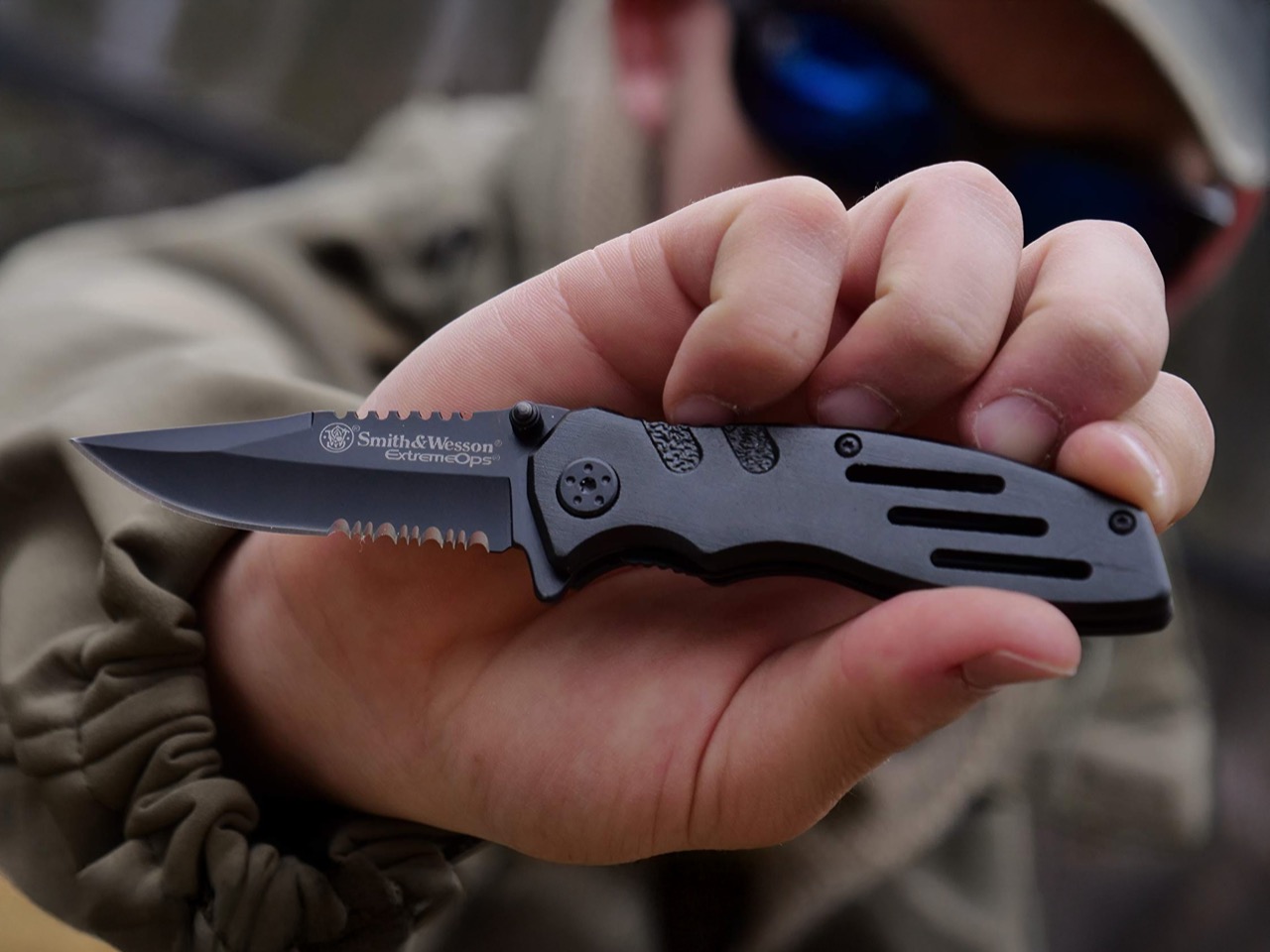
Budget knives have a certain reputation, and the Extreme Ops leans into it completely. This is a knife designed to hit a price point first and ask questions later. The 3.1-inch clip point blade is made from 7Cr17MoV stainless steel, a perfectly serviceable Chinese steel that holds an edge well enough for everyday tasks without requiring expert sharpening skills. The partially serrated configuration gives you options: plain edge for clean cuts, serrations for rope and tougher materials. The black aluminum handle is lightweight and functional, adorned with jimping on both the spine and handle for grip. At 7.1 inches overall and weighing 3.5 ounces, this is a knife that announces its tactical aspirations loudly, with ambidextrous thumb studs, an index flipper, and aggressive styling that screams “I’m ready for anything” even if that anything is usually opening Amazon boxes.

The liner lock is straightforward and reliable, exactly what you’d expect from a workhorse folder at this price tier. The pocket clip allows for ambidextrous carry, and the whole package feels solid enough for regular use without the anxiety that comes with carrying something expensive. Smith & Wesson’s knife division isn’t trying to compete with high-end custom makers; they’re building tools for people who need something functional, affordable, and backed by a recognizable name. The Extreme Ops delivers on that promise without pretense. It won’t impress knife snobs, but it also won’t leave you stranded when you need to cut something. The partially serrated edge is genuinely useful for anyone who regularly deals with zip ties, packaging straps, or fibrous materials, and the aggressive jimping means your grip stays secure even when things get slippery.

Why We Recommend It

At $17.33 (down 31% from $24.99), the Extreme Ops costs less than most people spend on lunch and delivers a fully functional EDC knife with a lifetime warranty. This is the knife you throw in a tackle box, glove compartment, or work bag without worrying about it. The 7Cr17MoV steel won’t win awards, but it’s tough enough and sharpens easily when it dulls. The partially serrated blade makes it more versatile than single-edge alternatives, and the aluminum handle keeps weight down while providing decent durability. This is maximum utility for minimum investment, a knife that understands its place in the world and excels at being exactly that. At under eighteen bucks, it’s an impulse buy that actually makes sense.

Click Here to Buy Now

The post Top 5 EDC Pocket Knives Running Major Last-Minute Discounts first appeared on Yanko Design.


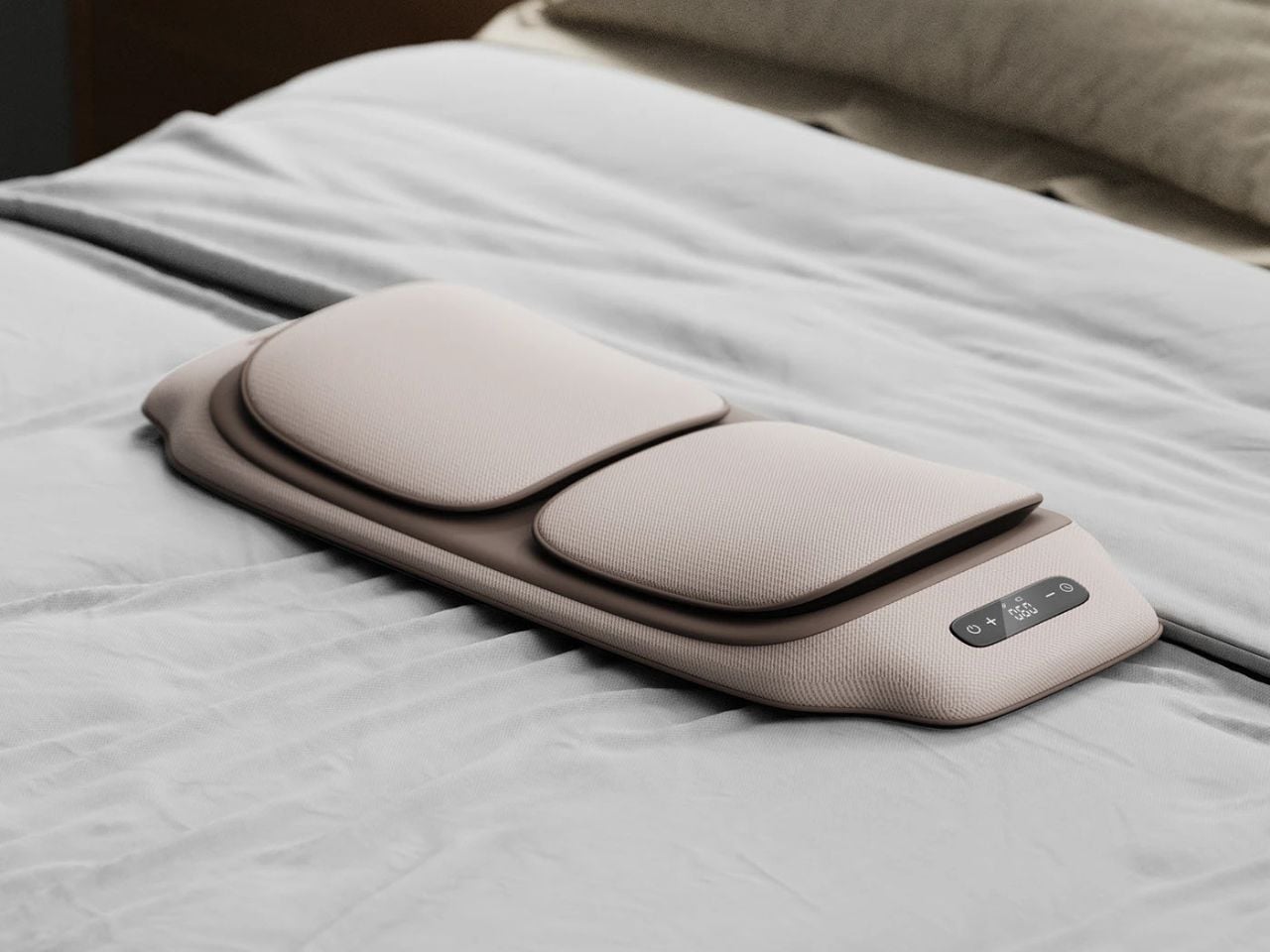
This Shape-Shifting Bed Care Device Uses Airbags to Protect Patients Around the Clock

For elderly individuals or patients confined to bed for extended periods, whether due to surgery, chronic illness, immobility, or long-term care, pressure ulcers are among the most serious and persistent complications. Also known as bedsores, these injuries develop when constant pressure restricts blood flow to vulnerable areas of the body, particularly the back, hips, and buttocks. Over time, the skin and underlying tissue break down, leading not only to pain and infection but also to a significant decline in overall quality of life. Traditional care relies heavily on manual repositioning by caregivers, which can be physically demanding, inconsistent, and sometimes insufficient in fully preventing tissue damage.

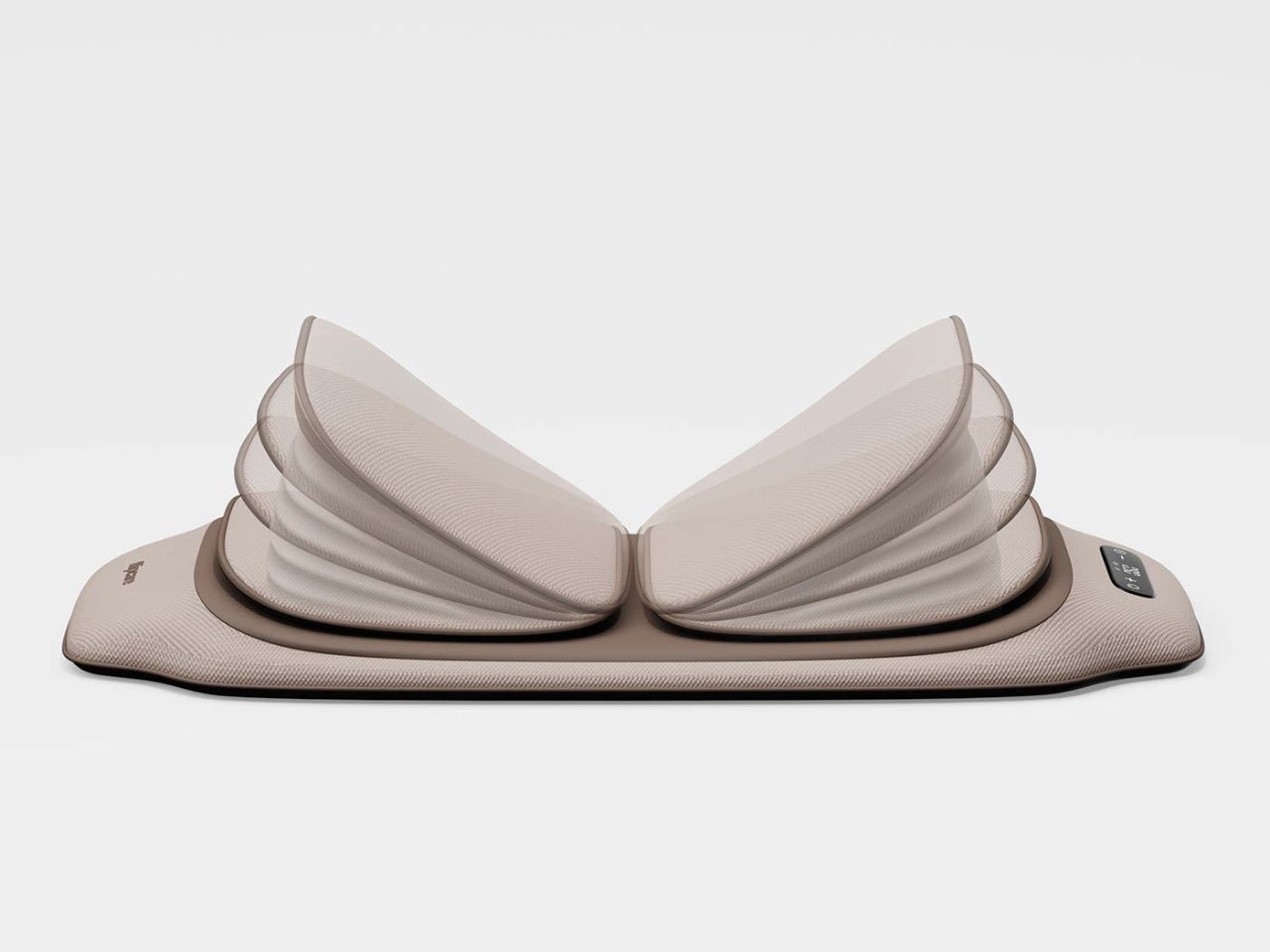
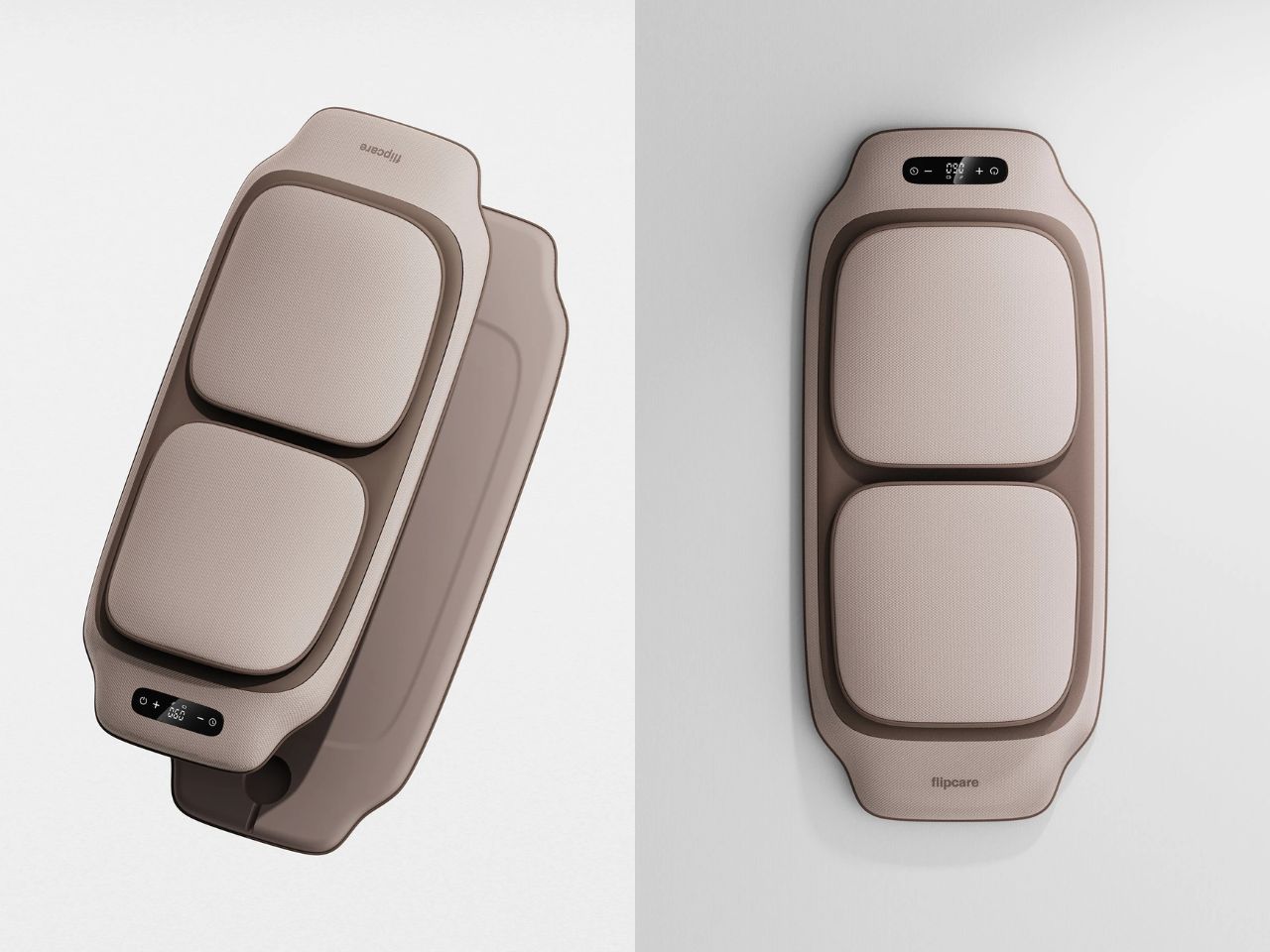
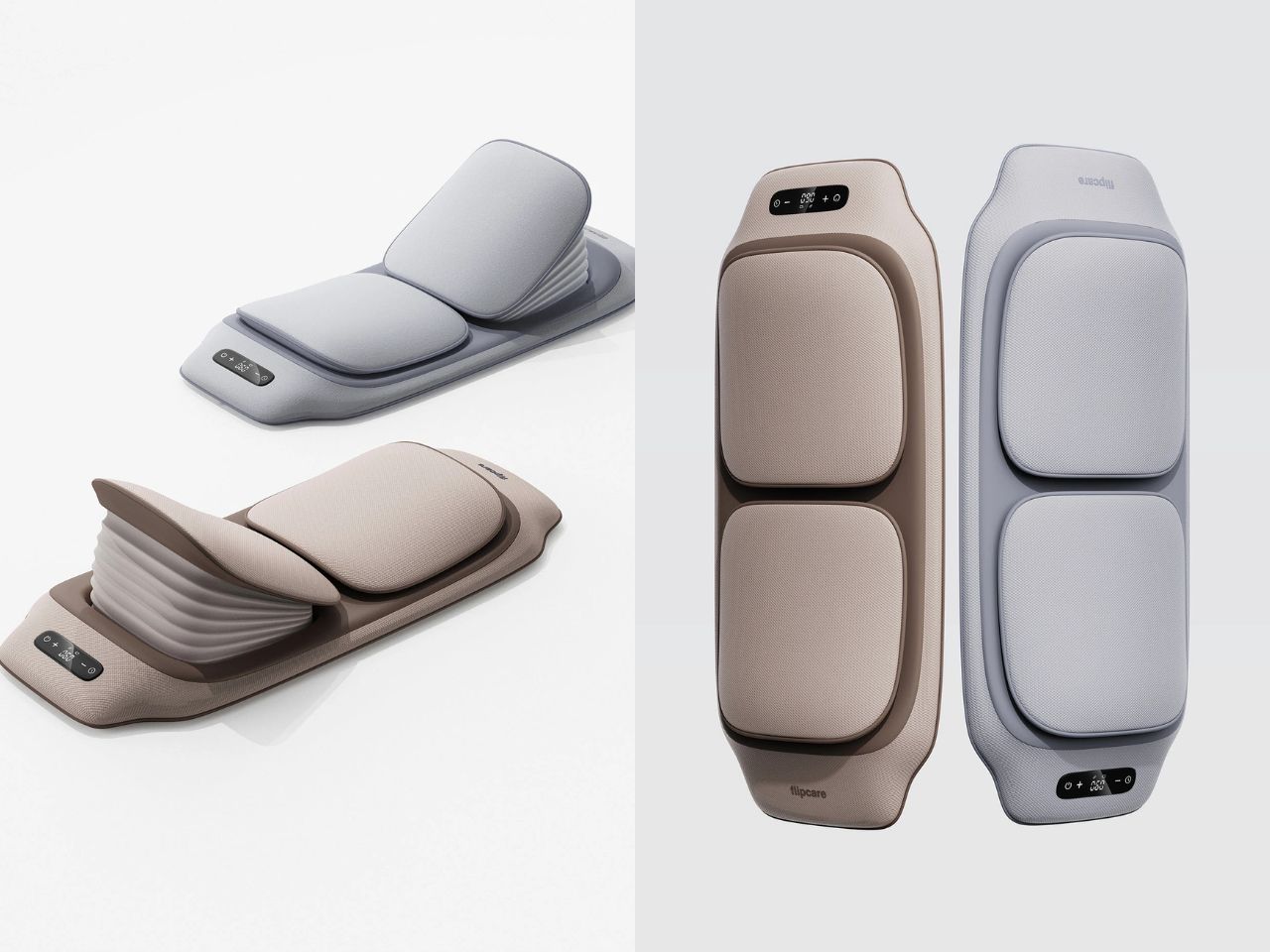
Flipcare emerges as a transformative solution to this longstanding medical challenge. Designed with both patients and caregivers in mind, Flipcare integrates smart engineering, ergonomic support, and automation into a single, seamless care system. At its core, the device is built around a network of adjustable airbags strategically positioned to minimize prolonged pressure on any one part of the body. These airbags expand and deflate in timed intervals, gently shifting the user’s weight and redistributing pressure without causing discomfort or disturbing rest. This dynamic support system mimics the natural micro-movements healthy individuals make during sleep, movements that bedridden patients may no longer be able to perform on their own.

Designer: suosi design, Boyuan Pan, and Jianshen Yuan

Complementing the airbag system is Flipcare’s ergonomic back support design, crafted to follow the natural contours of the spine. Instead of forcing the user into a flat or rigid posture, the structure provides stable yet adaptive lumbar support that aligns with the body’s natural curvature. This not only enhances comfort but also reduces the risk of musculoskeletal strain, targeting one of the lesser-discussed but equally important consequences of long-term bed rest.

The hallmark of the device is its automated turning function, a clinically proven method for preventing pressure ulcers. Flipcare periodically shifts the patient from side to side using controlled, gentle rotations. These movements are precise and consistent, providing a level of care difficult to replicate manually over long hours. By automating this process, caregivers are relieved of repetitive physical labor, enabling them to focus on other essential tasks while ensuring that the patient receives uninterrupted pressure redistribution throughout the day and night.

What sets Flipcare apart is not just its technology but its human-centric approach. Every feature aims to enhance the patient’s dignity, comfort, and autonomy, while also reducing caregiver burden. With more consistent pressure management, patients experience improved skin health, better sleep, and reduced pain, critical factors that collectively elevate their overall well-being.

As the demand for long-term care rises and populations continue to age, Flipcare stands as a vital advancement in patient support. By merging intelligent design with compassionate engineering, it offers a safer, more comfortable, and more dignified care experience for those who need it most.

The post This Shape-Shifting Bed Care Device Uses Airbags to Protect Patients Around the Clock first appeared on Yanko Design.

Custom Modded iMac G3 Has An M4 Chip And Runs Cyberpunk 2077 At 30 FPS

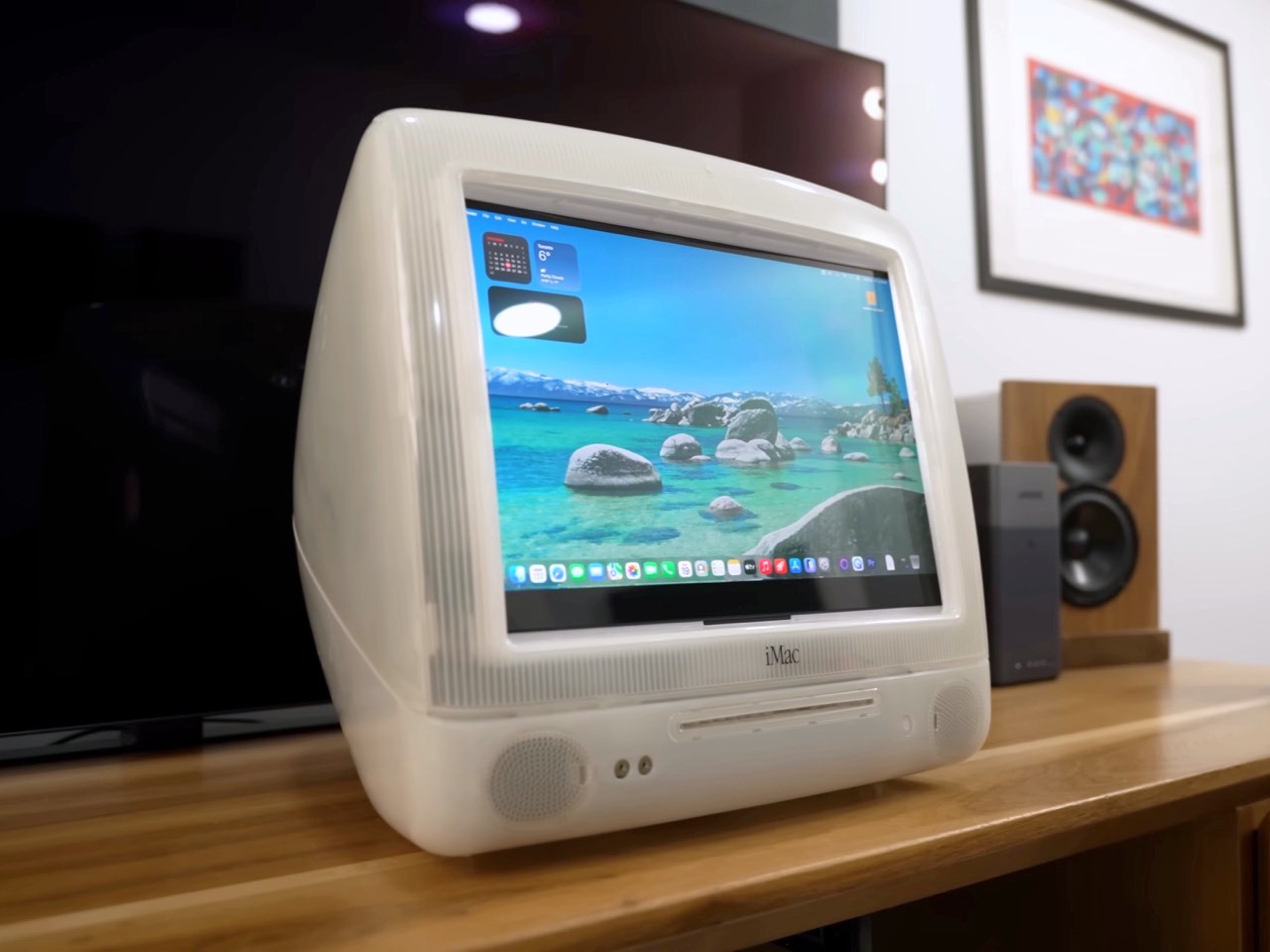
Remember the Apple iMac G3? Those translucent, candy-colored bubble machines were everywhere in the late 90s and early 2000s. Steve Jobs and Jony Ive turned computing into something you’d actually want on your desk, and suddenly schools, offices, and homes were full of these things. For a lot of people, this was their first real computer.

But try using one today and you’ll understand why they’re mostly decorative now. The CRT screen hurts to look at, the processor moves like molasses, and those integrated speakers that seemed so premium back then sound absolutely terrible. That’s what makes Zac Builds’ recent project worth paying attention to. He took an iMac G3 shell and rebuilt it with current hardware, keeping everything that made the original iconic while fixing everything that makes it painful to actually use.

Designer: Zac Builds

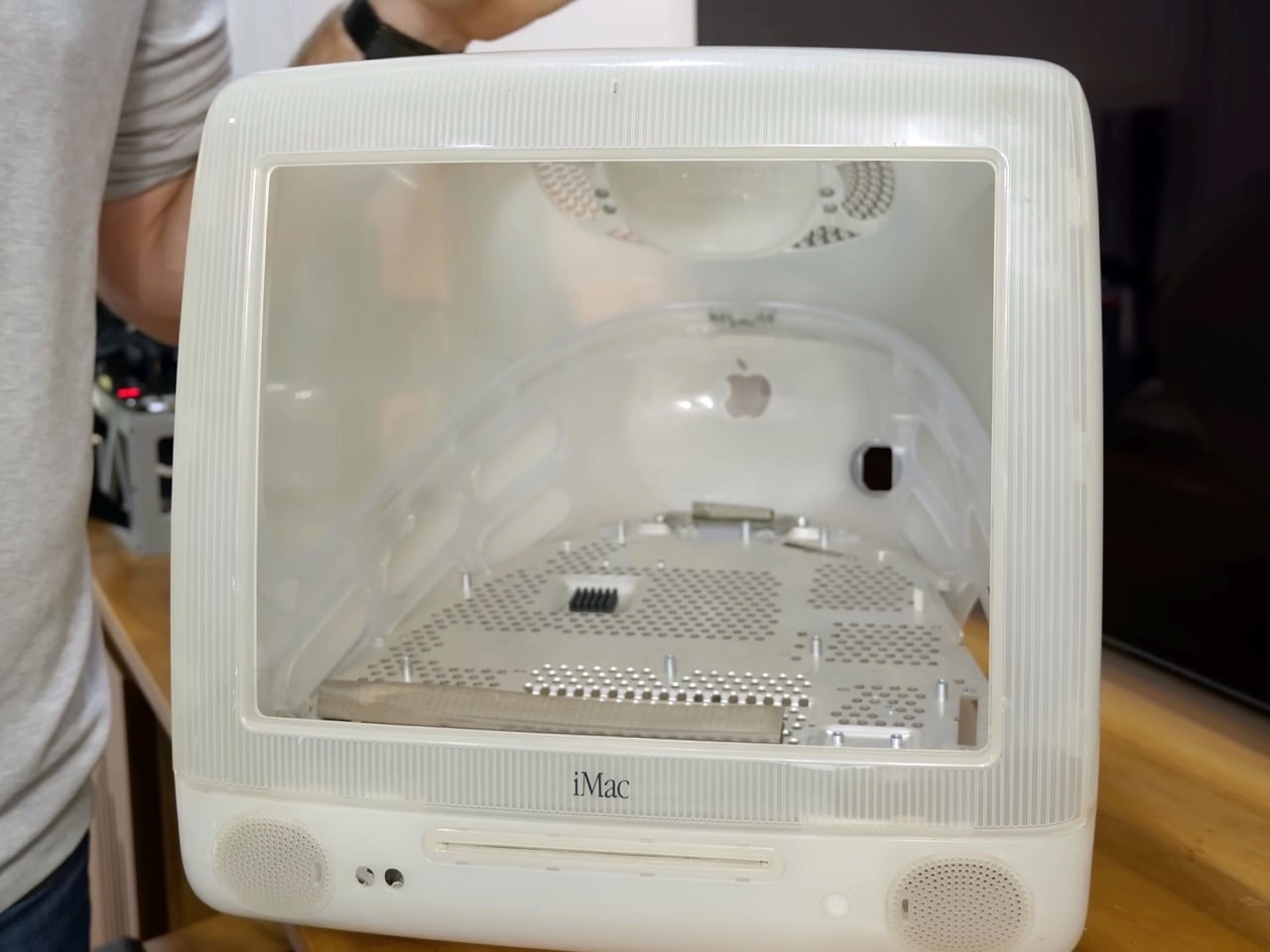
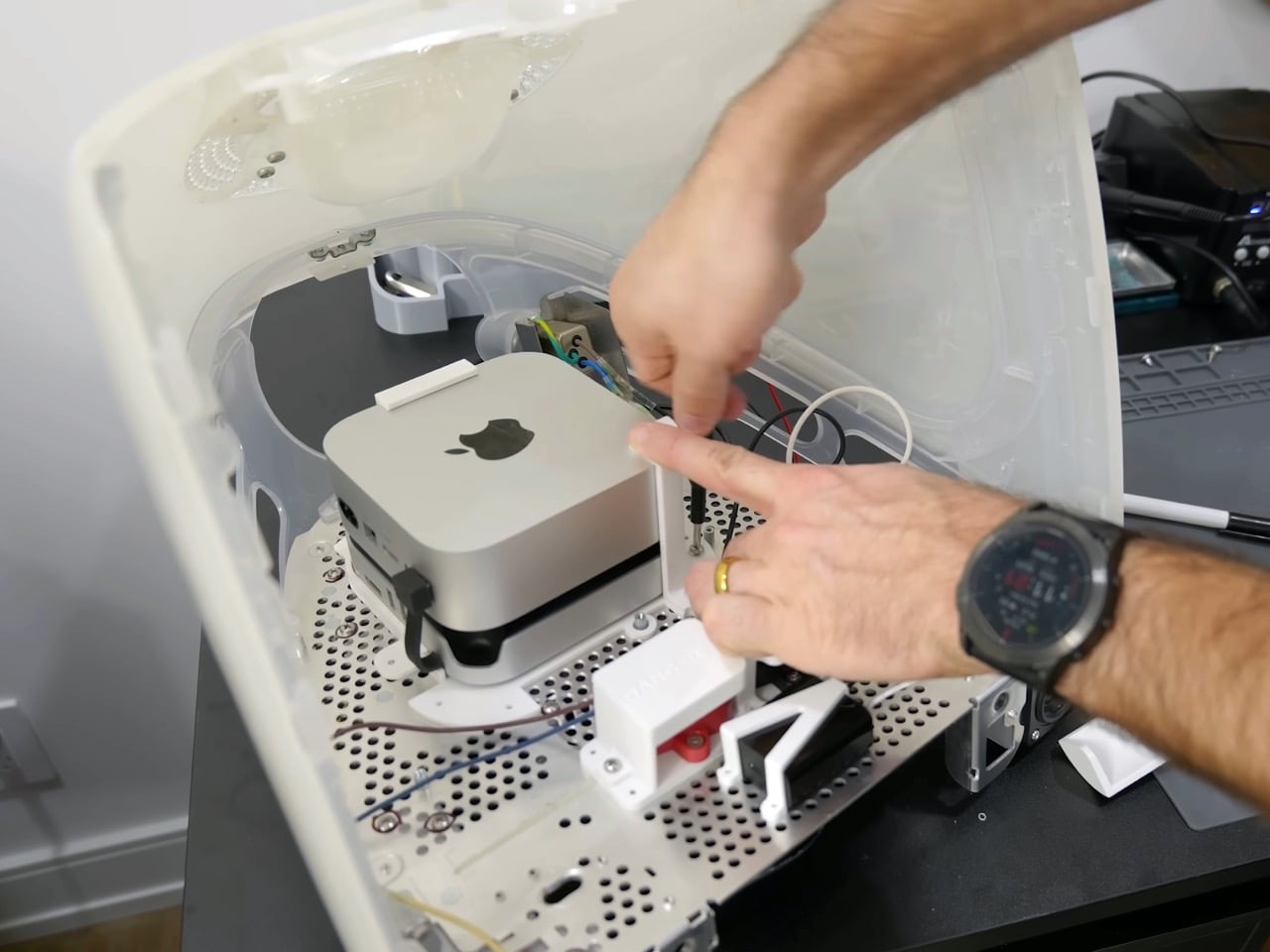
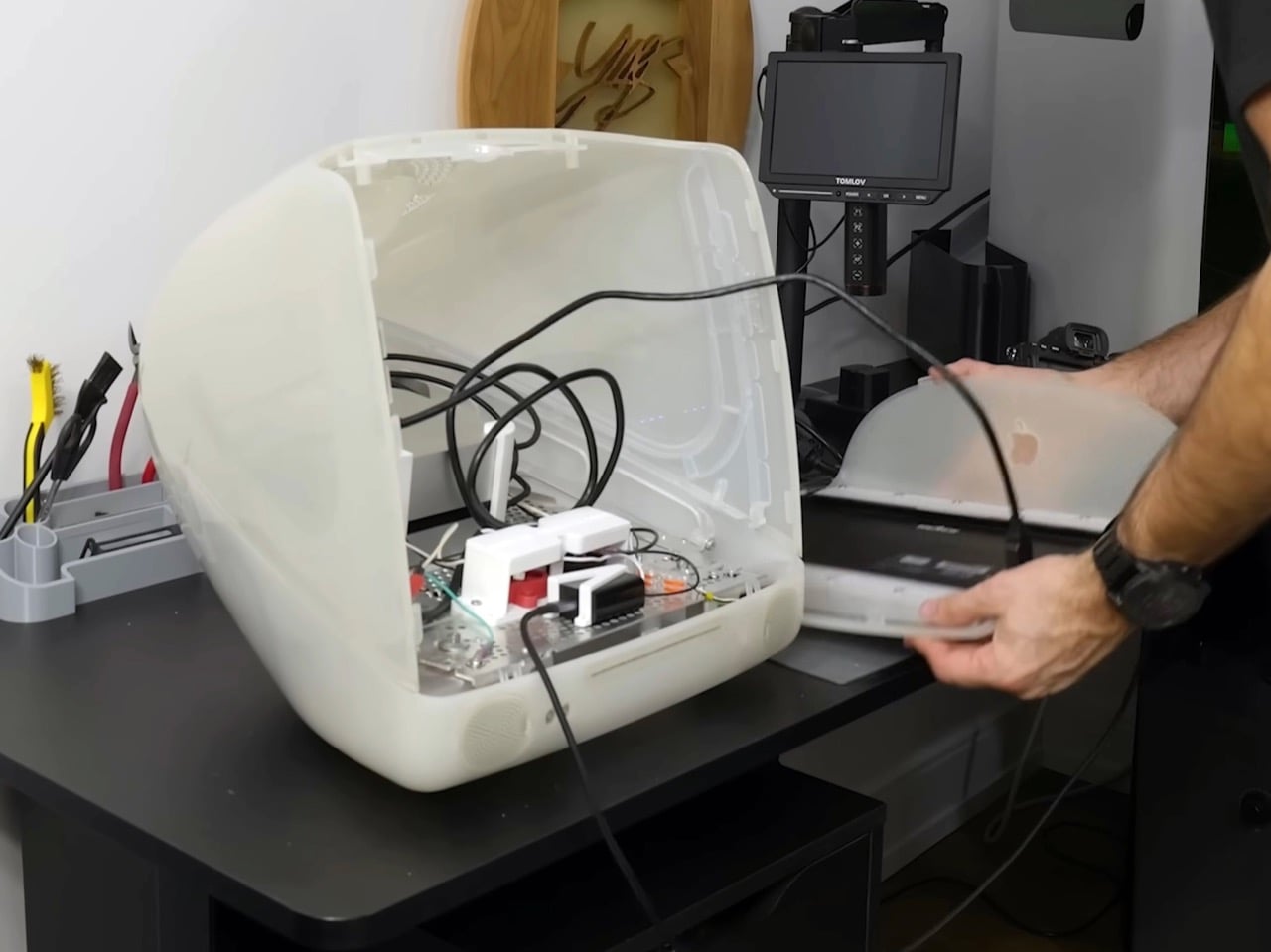
The teardown shows just how strange these computers were. Apple used pressed-form RF shielding that looked genuinely sculptural, completely functional but designed to look cool even though nobody would ever see it. Then there’s the CRT, which can store lethal amounts of energy months after you unplug it. After carefully discharging the tube and pulling out all the original components, Zac had that famous shell and a whole lot of empty space to work with.

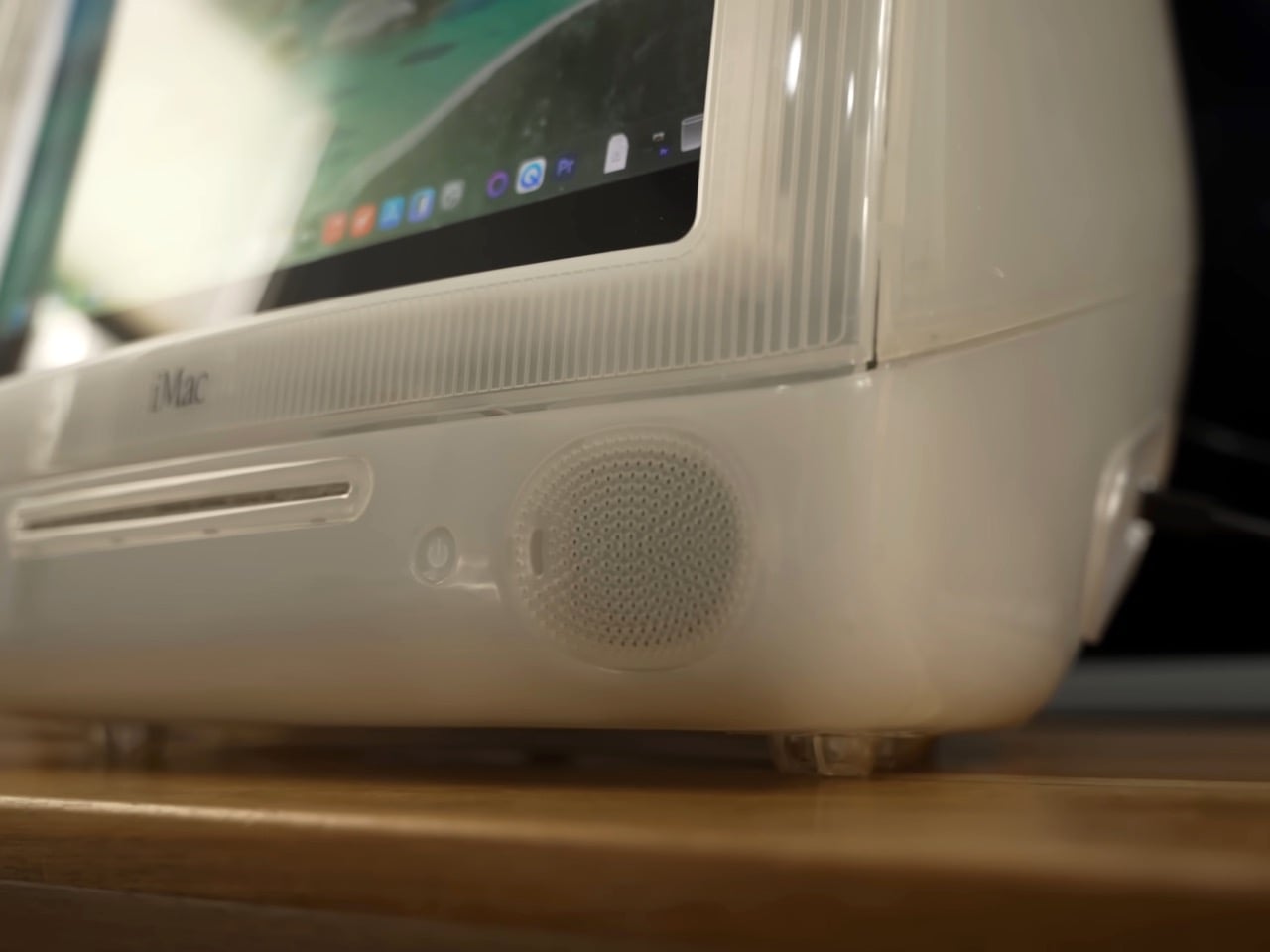
Removing everything created a structural problem. The case was basically held together with clips, so Zac 3D-scanned all the remaining parts to create precise digital models. He designed custom posts to properly connect the top and bottom halves, plus replacement clips where the old plastic had crumbled. He even tracked down the right 3D printing filament to match Apple’s original translucent plastic, testing physical color swatches until he found Bambu’s transparent PETG.

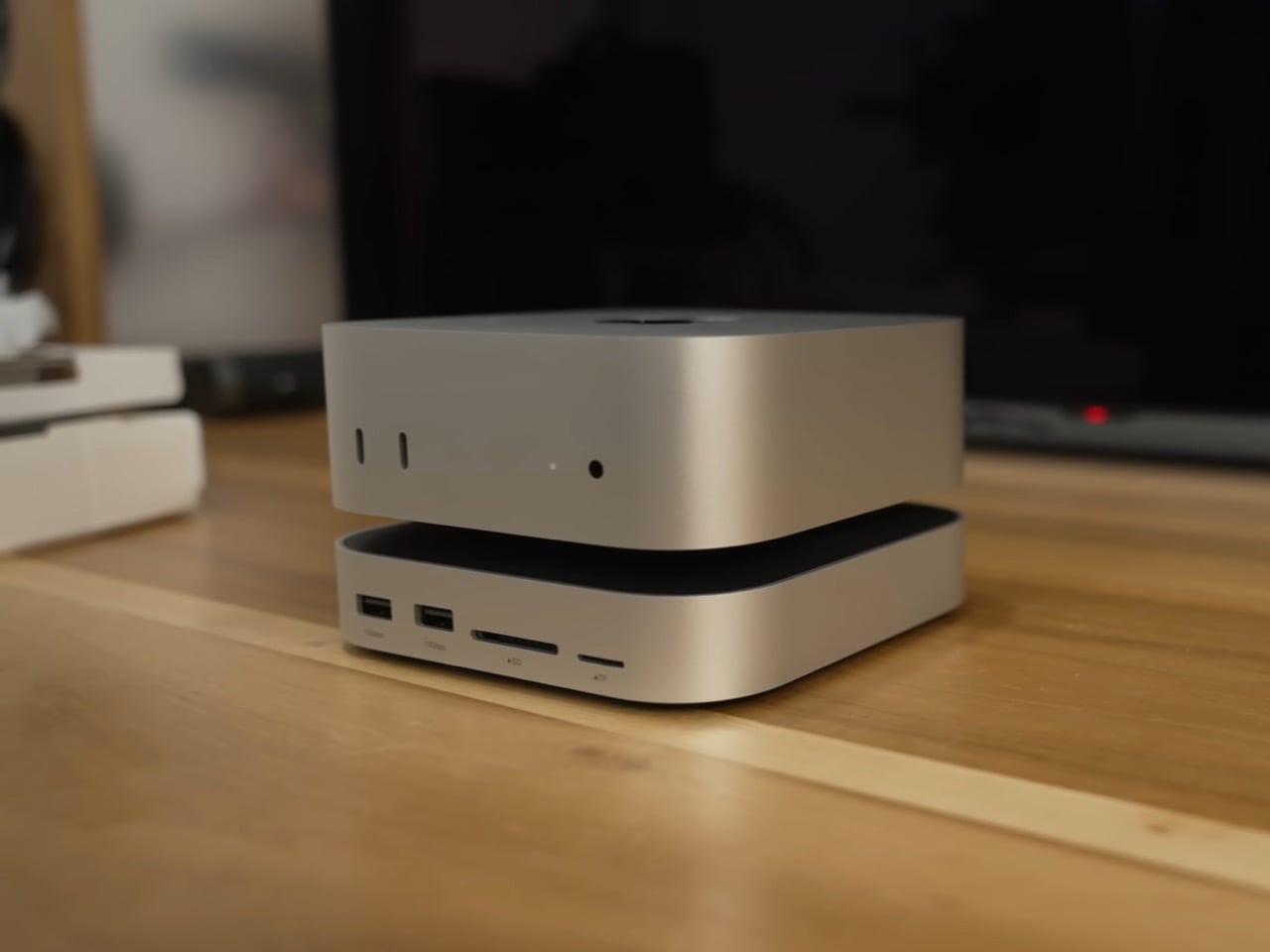
The core of the build is an M4 Mac Mini. Apple’s M-series chips have turned out to be legitimately good. They’re efficient, compact, and powerful enough for serious work without turning into space heaters. The base $599 model delivers solid performance, though Apple still charges obscene amounts for storage upgrades.

Zac addressed storage with three different solutions. First, he upgraded the internal NVMe drive. The Mac Mini’s storage isn’t soldered, which is unusual for Apple, though it uses a proprietary format and requires another Mac to restore the system via DFU mode. Apple’s documentation even gets it wrong, saying not to use a Thunderbolt cable when that’s actually what makes it work. Second, he added a UGREEN hub that plugs into the Mac Mini and has its own NVMe slot underneath, adding 2TB in about 15 seconds. Third, he connected a UGREEN NAS for bulk storage, supporting up to 60TB without subscription fees.

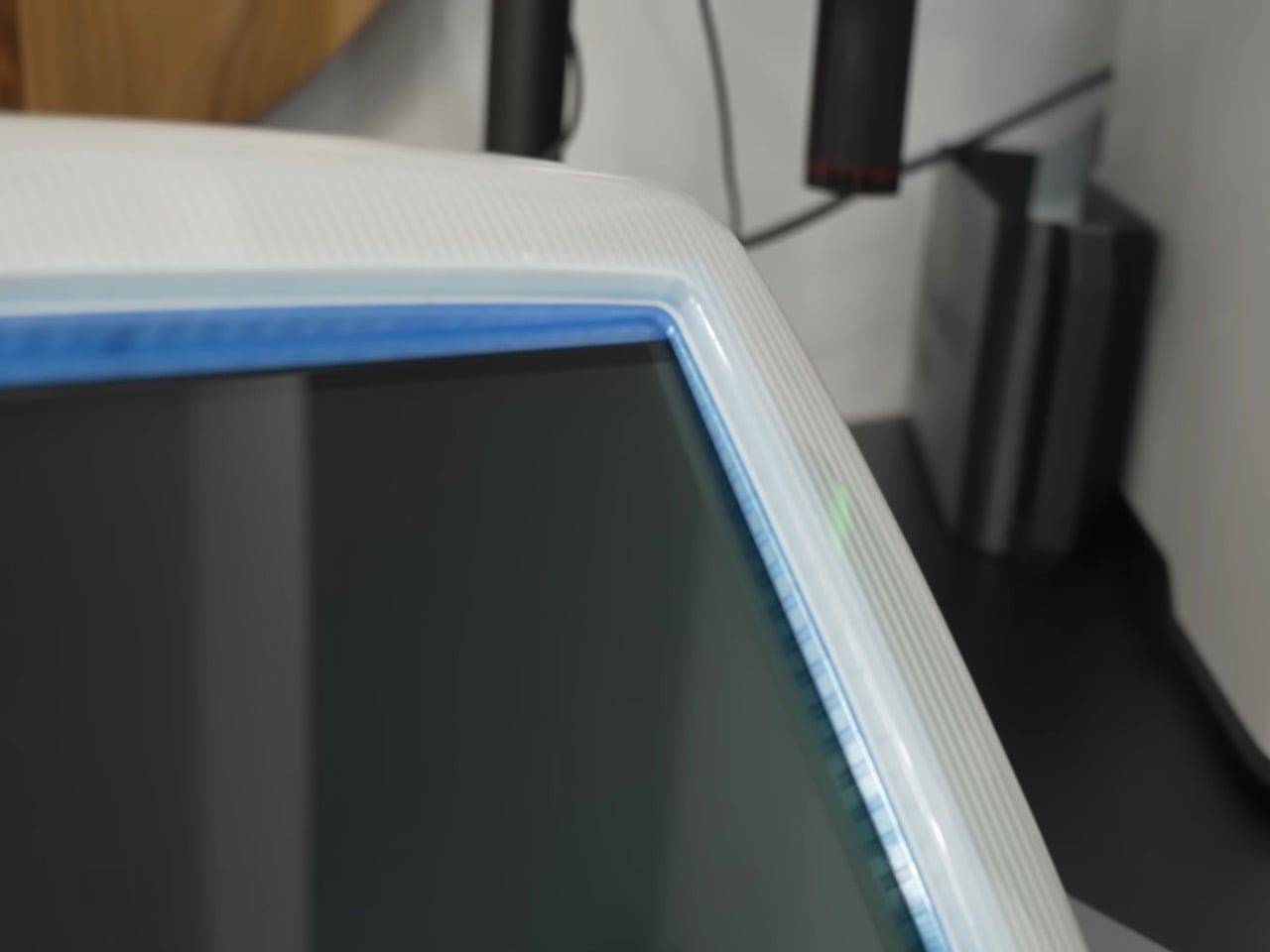
The display replacement required some creative problem-solving. Finding a modern screen that fits the G3’s curved opening while maintaining that retro 4:3 aspect ratio is basically impossible. Zac went with a 14-inch 4K OLED at 16:10, then designed a custom interposer frame to bridge the gap between the flat screen and the curved case. Getting that transparent frame to look right meant using CA glue without accelerator spray, which takes 8+ hours to cure but avoids the foamy expansion you’d see through clear plastic.

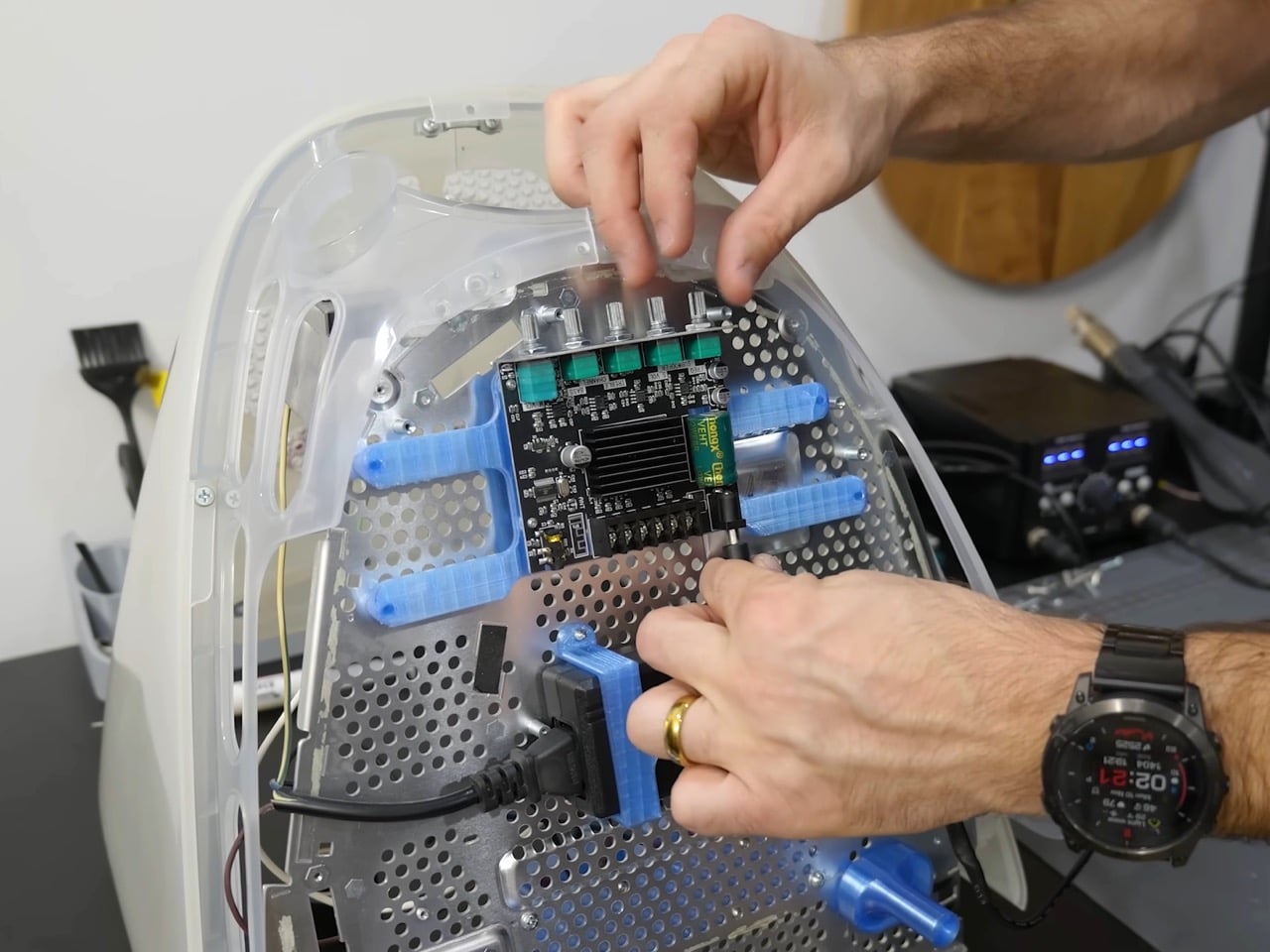
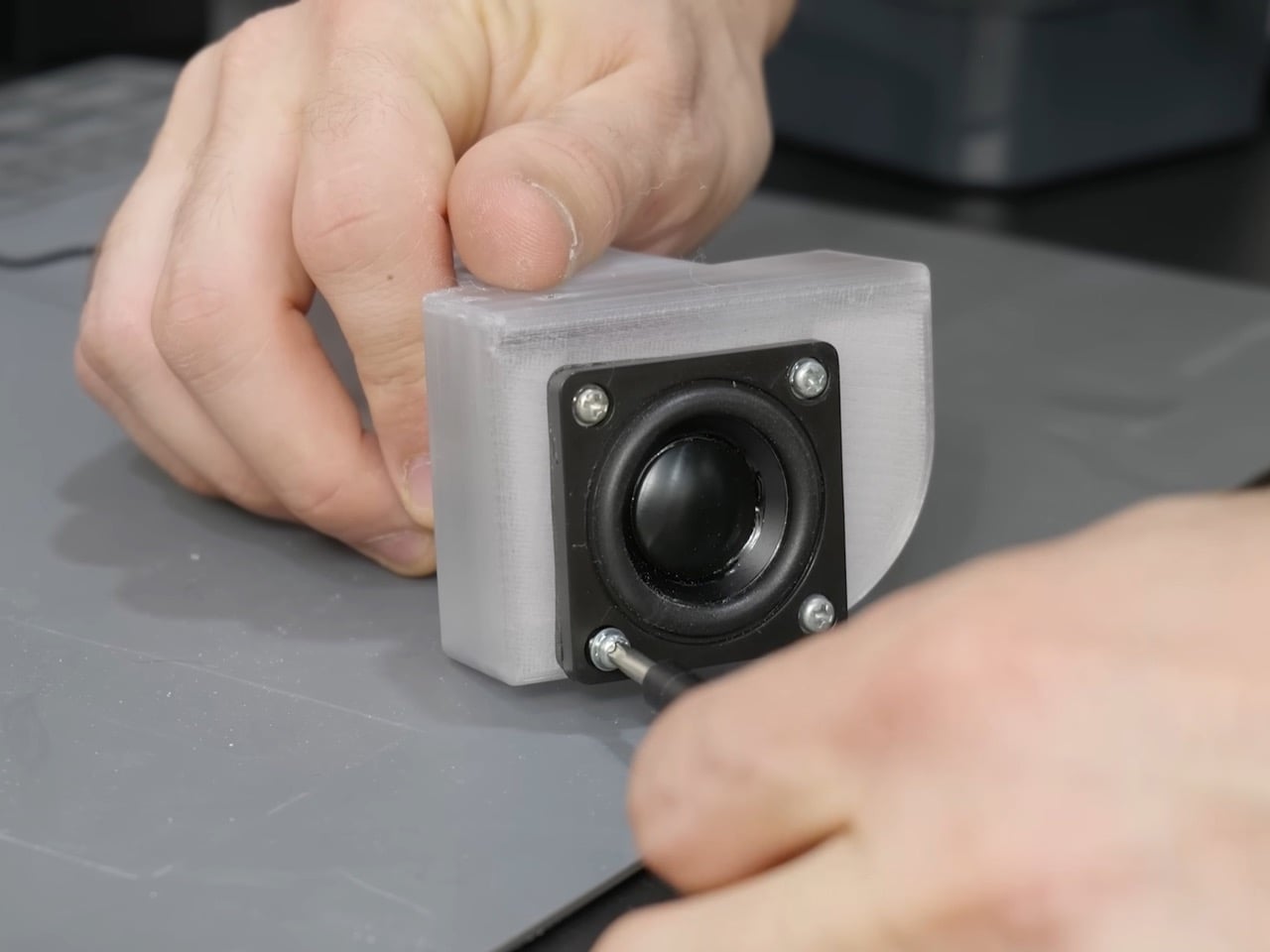
The audio system got a proper upgrade too. Zac installed Dayton Audio 1.5-inch full-range drivers in custom 3D-printed enclosures designed for optimal acoustic volume. A 200-watt digital amp boosts the signal from the Mac Mini’s headphone jack, and after some tweaking, the whole setup works like it’s factory-integrated and responds to software volume controls.

The power system is genuinely clever. Zac rewired the original power cord to feed automotive-grade junction terminals that distribute 120V AC to everything inside: the Mac Mini, the screen’s power supply, the amp’s transformer, and anything else that needs power. It’s live electricity, so there’s real risk if you’re careless, but the modular approach means one cord powers everything.

The IO panel mirrors the original’s placement while offering Thunderbolt, USB-C, dual USB-A, and Ethernet, all connected back to the Mac Mini through short cable extensions. Even the original power button works, thanks to some microscope-assisted soldering that extended the Mac Mini’s switch contacts to reach the front of the case.

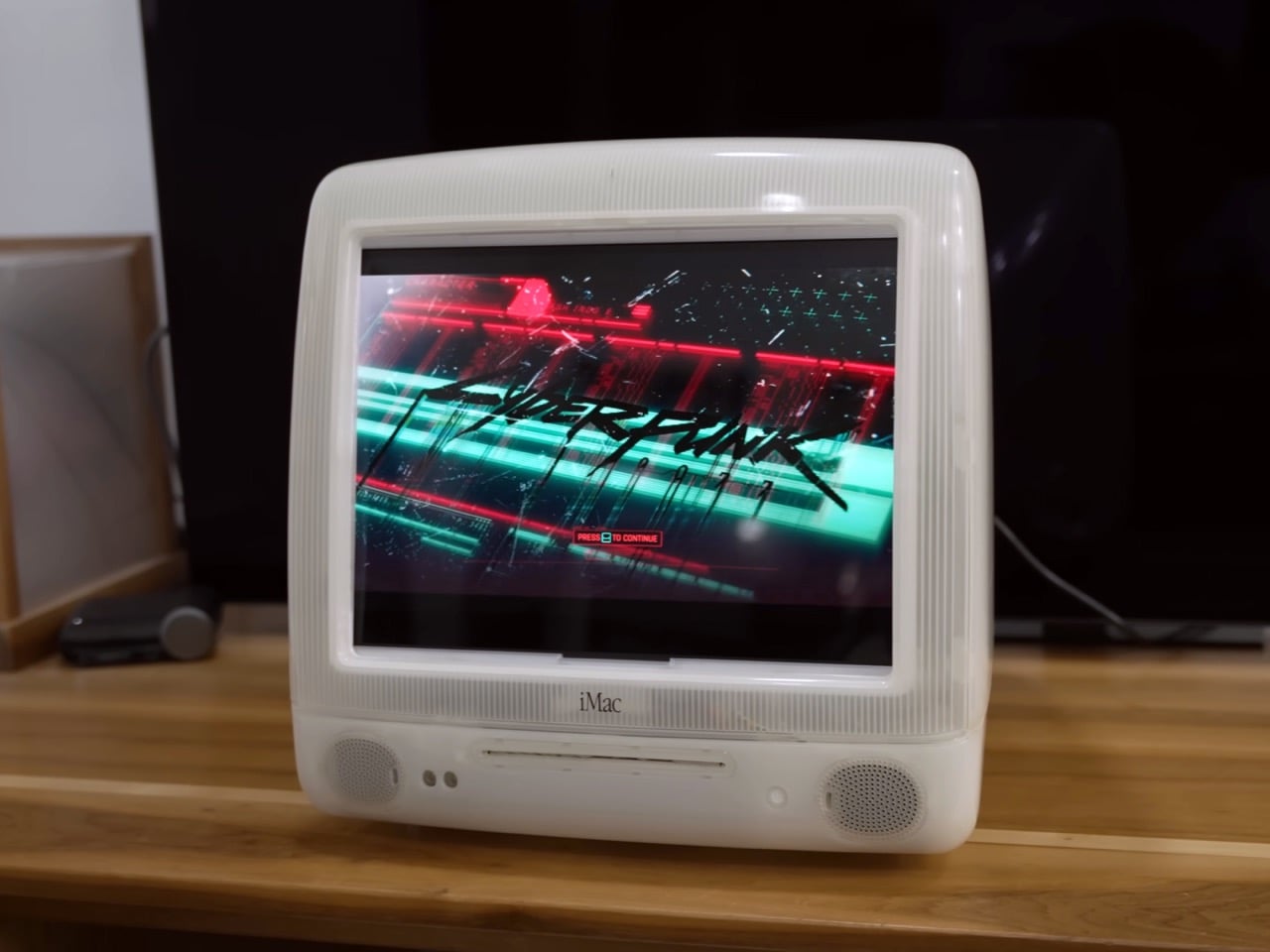
The rebuilt machine runs Cyberpunk 2077 and handles 6K video editing smoothly. The upgraded internal drive shows 50% speed improvements, while the external NVMe delivers nearly 1GB/s transfers. Both options cost significantly less than Apple’s storage pricing.

Could you just buy a MacBook instead? Sure, and you’d get more portability. But you’d also pay nearly three times as much for comparable storage, and you’d miss the entire point. This project isn’t about building the most practical computer – it’s about preserving a design icon while making it genuinely usable. Like restoring a classic car, you’re trading pure practicality for the joy of bringing something meaningful back to life. Zac’s rebuilt iMac G3 delivers that early-2000s nostalgia without the painful slowness, eye-straining display, or terrible speakers, proving that sometimes the best way forward is to bring the past along with you.

The post Custom Modded iMac G3 Has An M4 Chip And Runs Cyberpunk 2077 At 30 FPS first appeared on Yanko Design.

This Stretching Device Pays You Real Rewards to Fix Your Posture

You know that feeling when you’ve been hunched over your laptop for three hours straight and your shoulders are basically living rent-free up by your ears? That tightness in your neck that no amount of rolling your head around seems to fix? Yeah, we all do. The modern office worker’s body is basically staging a protest, and honestly, it has every right to. Enter Break, a wellness device that’s part fitness tracker, part game controller, and part intervention for your increasingly sedentary existence. Designed by Jeoung Jinyoung, Lee Jonghyun, Yang Junhong, and Lee Junyoung, this Red Dot award-winning concept tackles the desk job health crisis with a surprisingly playful approach.

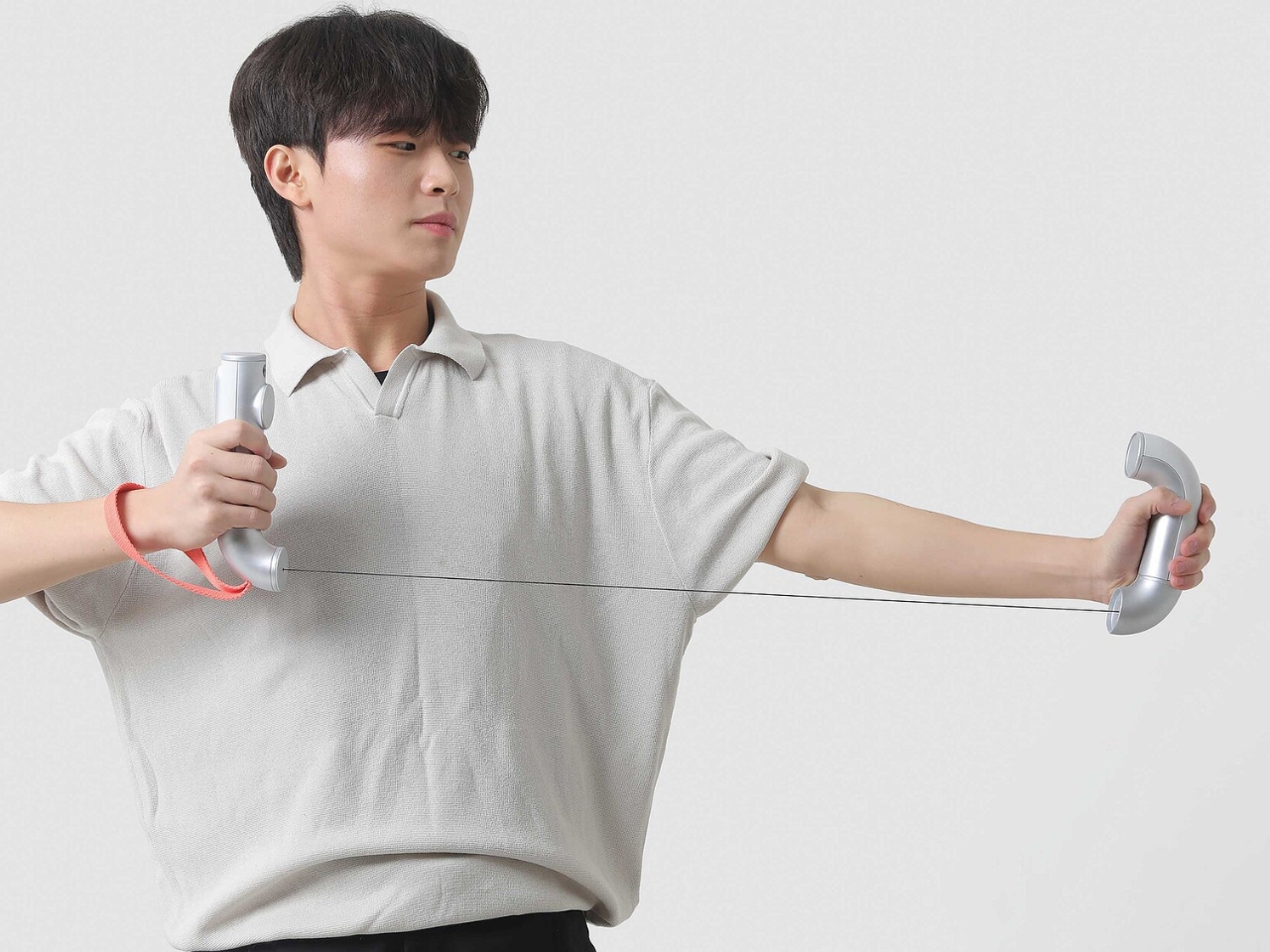
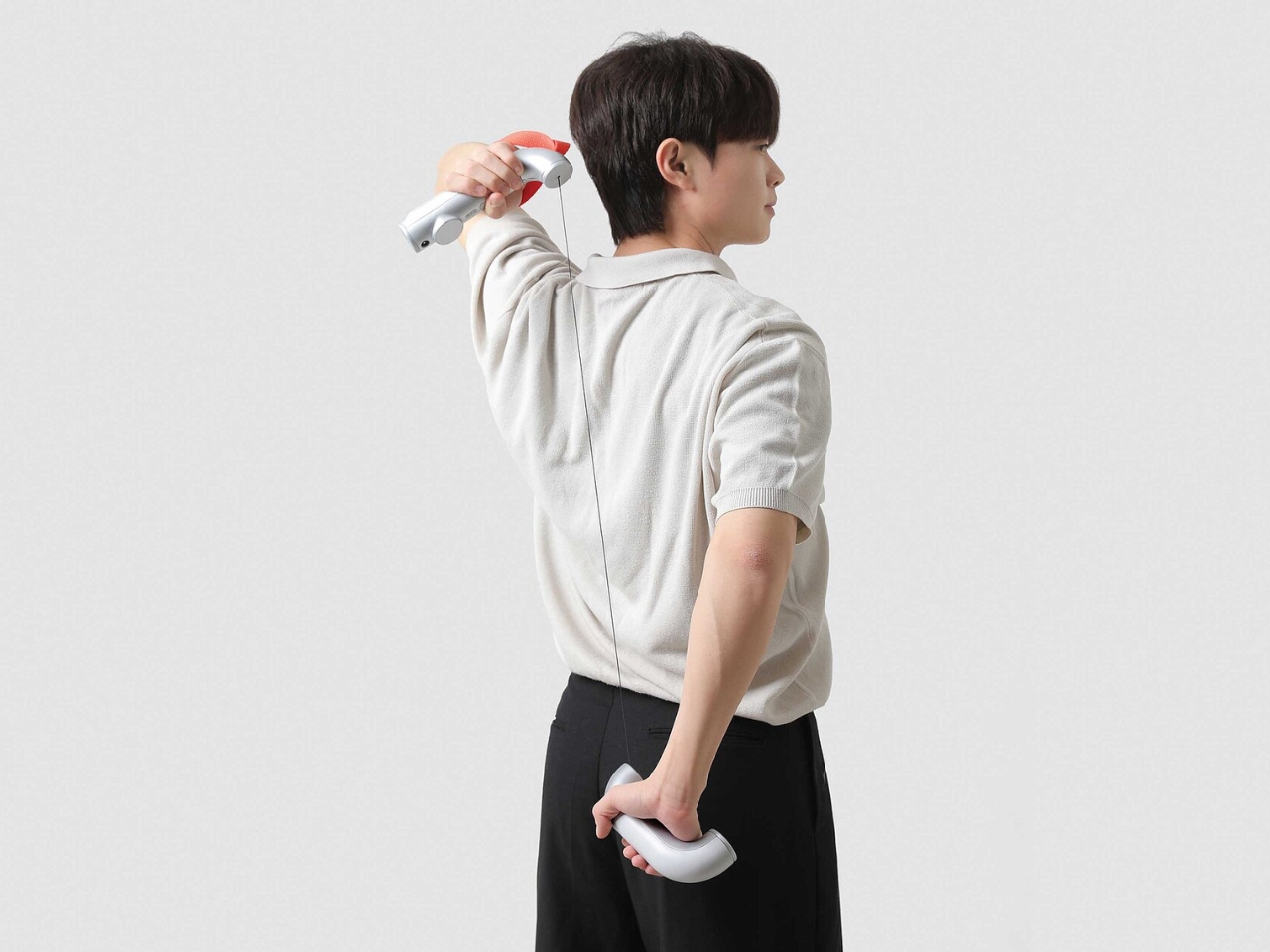
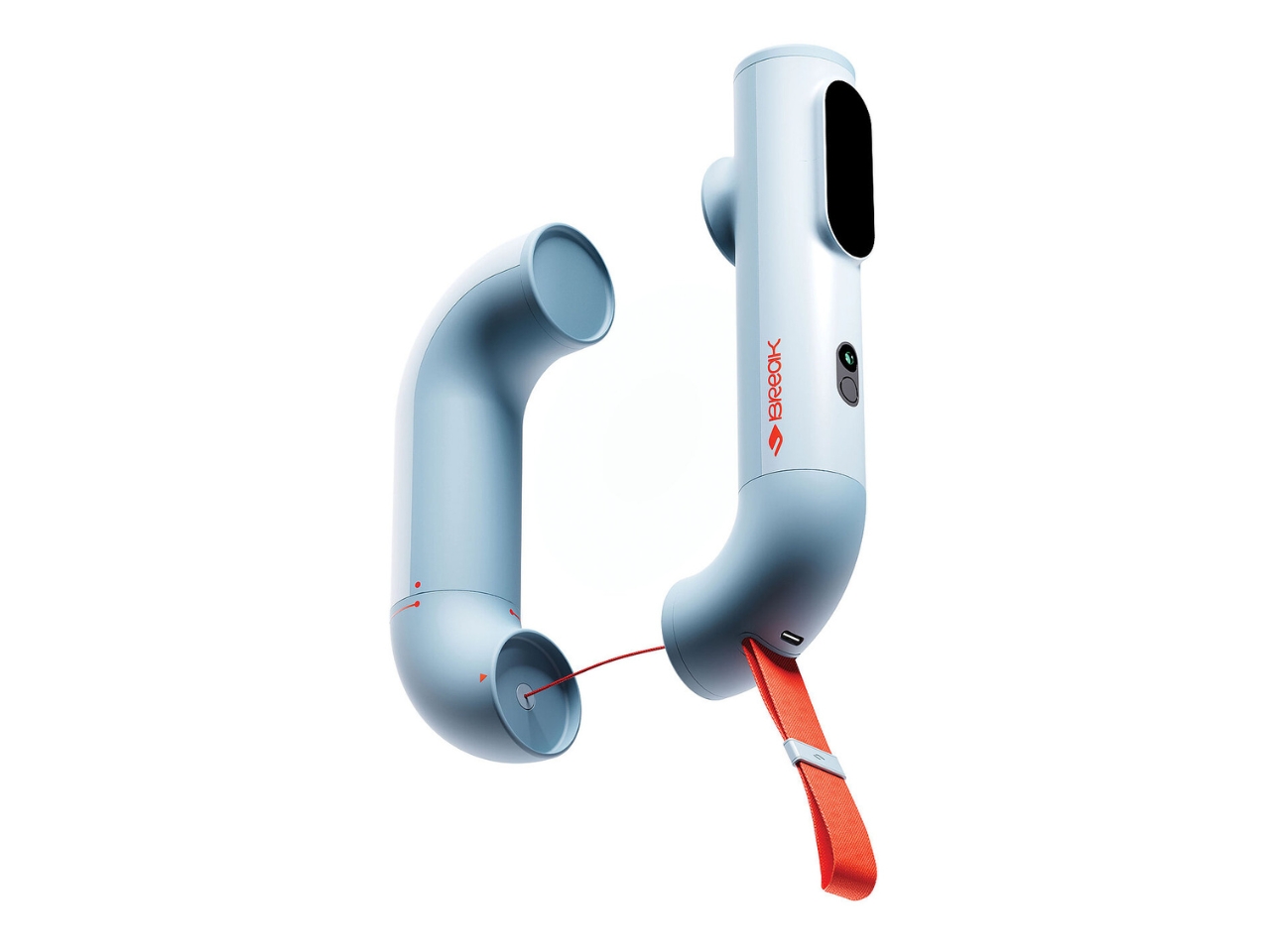
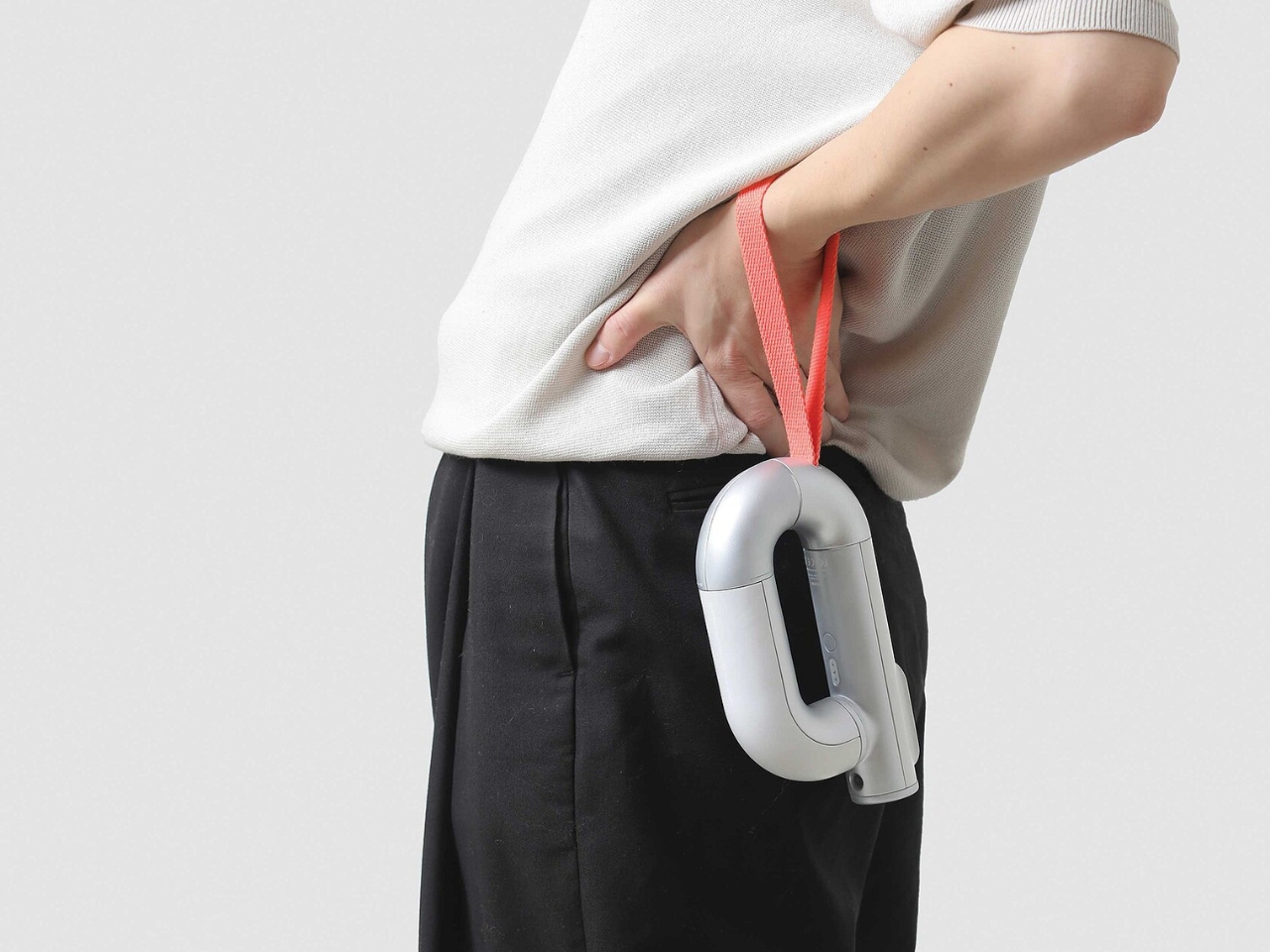
The device itself looks like nothing you’ve seen before. It has this curved, almost sculptural form with a wire connecting two handle-like pieces. Think of it as a resistance band met a piece of modern art and they decided to help you fix your posture. The sleek design in soft blue and coral feels refreshingly un-intimidating, which is kind of the point. This isn’t gym equipment that’ll gather dust in your closet while silently judging you. It’s meant to be portable, accessible, and actually used.

Designers: Jeoung Jinyoung, Lee Jonghyun, Yang Junhong, Lee Junyoung

Here’s where it gets interesting. Break doesn’t just sit there looking pretty. It actively encourages you to do specific stretches that target the exact problems desk workers face. Those rounded shoulders from hovering over your keyboard? The dreaded text neck from staring at your phone? The device prompts you with what it calls “quests” for exercises like Y/T/A raises, delivered right on its built-in screen. You’re basically doing physical therapy, but the gamification makes it feel less like a chore and more like, well, a game.

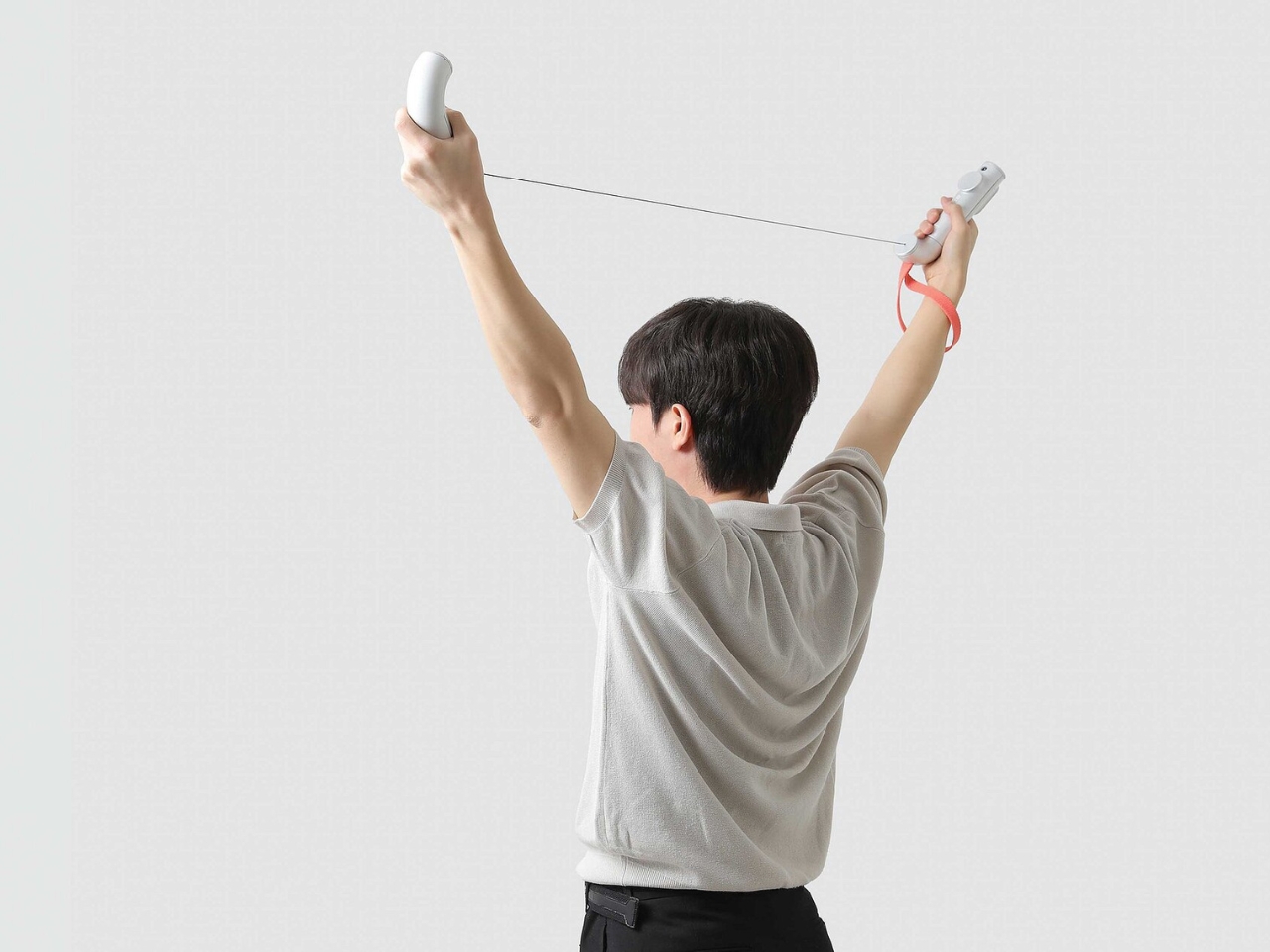
The wire structure facilitates these movements, giving you the resistance you need to actually work those neglected muscle groups. You hold the handles, stretch in different positions, and the device tracks your progress. It’s simple enough that you don’t need a YouTube tutorial to figure it out, but effective enough that you’ll actually feel the difference.

But Break goes beyond just being a stretching tool. It’s also monitoring your vitals with built-in sensors. Heart rate, oxygen saturation, calories burned, the whole package. This data gets sent to the accompanying app, which transforms your phone into your wellness command center. The more you use Break, the more detailed health information you receive, creating this feedback loop that actually motivates you to keep going.

And here’s the kicker that makes this concept particularly clever: those virtual rewards you earn from completing physical quests? They’re not just digital badges collecting virtual dust. You can exchange them for actual goods or services from real merchants. Suddenly, taking a break from your spreadsheet to do some shoulder stretches isn’t just good for your health, it’s also getting you closer to that coffee you’ve been craving or whatever else the reward system offers. The genius of Break lies in understanding that knowing you should exercise isn’t enough. We all know sitting is the new smoking. We’re all aware our posture is terrible. But awareness doesn’t create change. What does? Making it easy, making it fun, and giving tangible rewards. Break tackles all three.

The design team behind this clearly understands that modern wellness solutions can’t just lecture people into being healthy. They need to meet users where they are, which is usually at a desk, probably tired, definitely stressed, and not particularly motivated to add one more thing to their to-do list. By integrating seamlessly into the workday, requiring minimal time investment, and gamifying the experience, Break removes most of the barriers that keep office workers chained to their chairs.

Is Break going to replace your gym membership? Probably not. But it might be the thing that gets you moving when you otherwise wouldn’t. It might be the intervention your shoulders have been begging for. And in a world where we’re all increasingly aware of the toll our digital lives take on our physical bodies, having a beautifully designed tool that makes wellness feel achievable is pretty refreshing.

The post This Stretching Device Pays You Real Rewards to Fix Your Posture first appeared on Yanko Design.

5 KeyShot Renders With Lighting So Perfect, You Wish They Were Real Products

There’s something magical about watching a design concept come to life before it ever physically exists. That’s the power of KeyShot Studio, the rendering software that lets designers test their wildest ideas, play with materials and lighting, and present their visions with stunning photorealistic clarity. For those of us who obsess over beautiful objects and dream about perfectly curated spaces, KeyShot renders are like candy for the eyes: they show us what could be, all wrapped up in gorgeous visuals that make us think, “I need that in my life right now.”

This collection of KeyShot-rendered concepts proves that the best designs don’t just look good; they solve real problems with style and wit. From furniture that fits in a suitcase to clocks that respect your rental deposit, these five concepts showcase how designers are reimagining everyday objects through a minimalist lens. Each piece started as an idea, was meticulously crafted in KeyShot, and emerged as something we’re genuinely excited about. Whether you’re a design collector, a function-obsessed minimalist, or someone who just appreciates when smart meets beautiful, these concepts will make you fall in love with the art of possibility.

Create your own Aesthetic Render: Download KeyShot Studio Right Now!

1. Carousel Chair by Alessandro Pagura

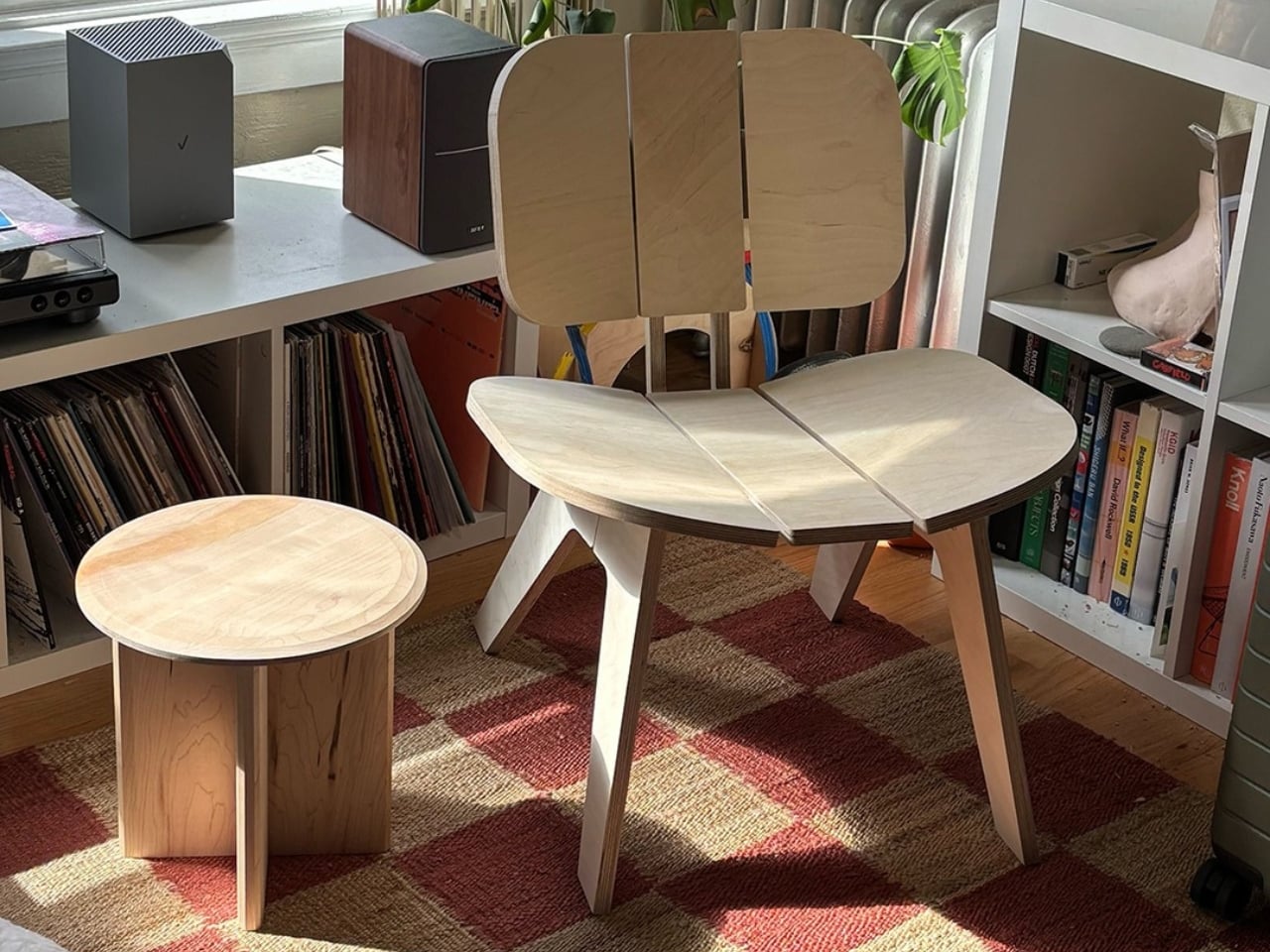
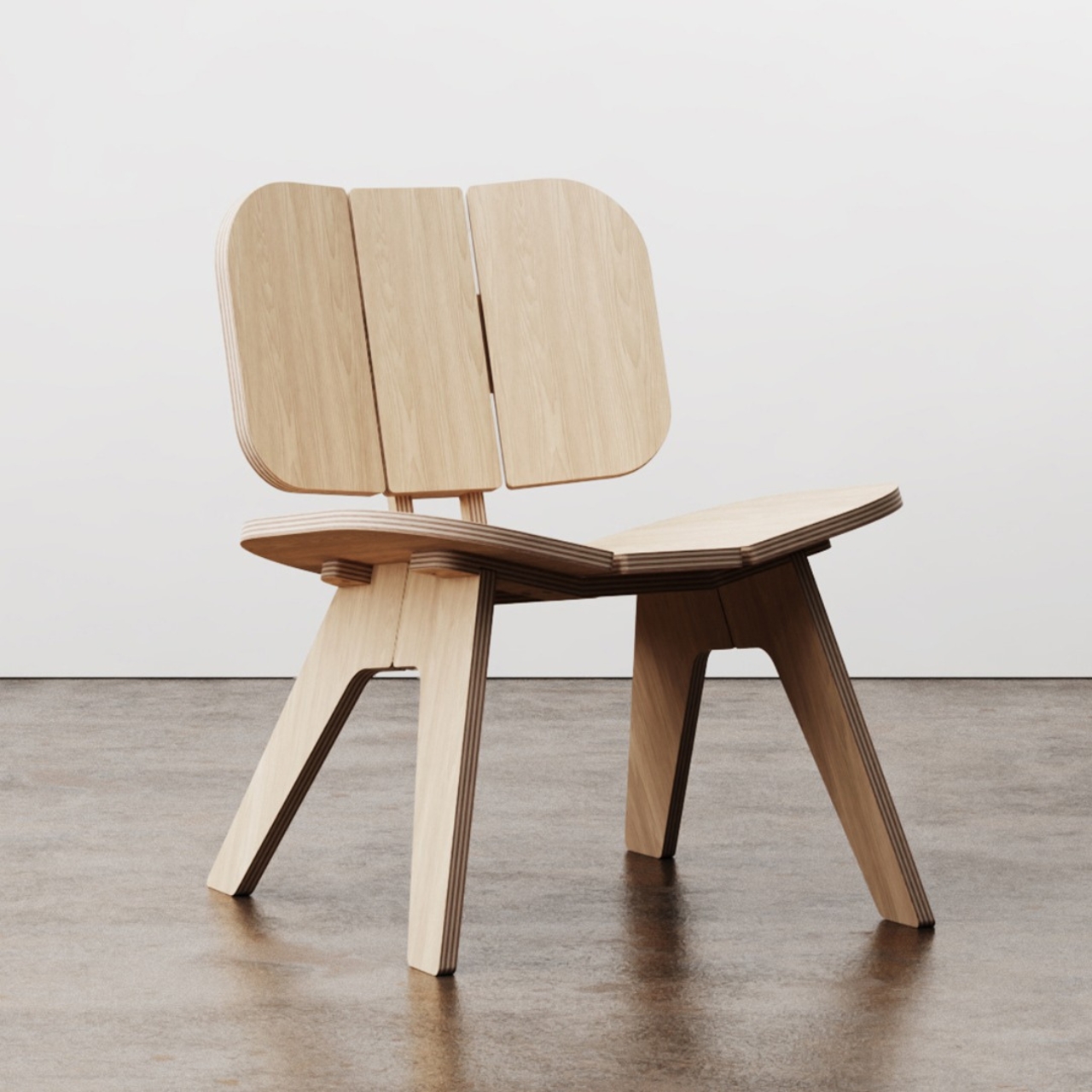
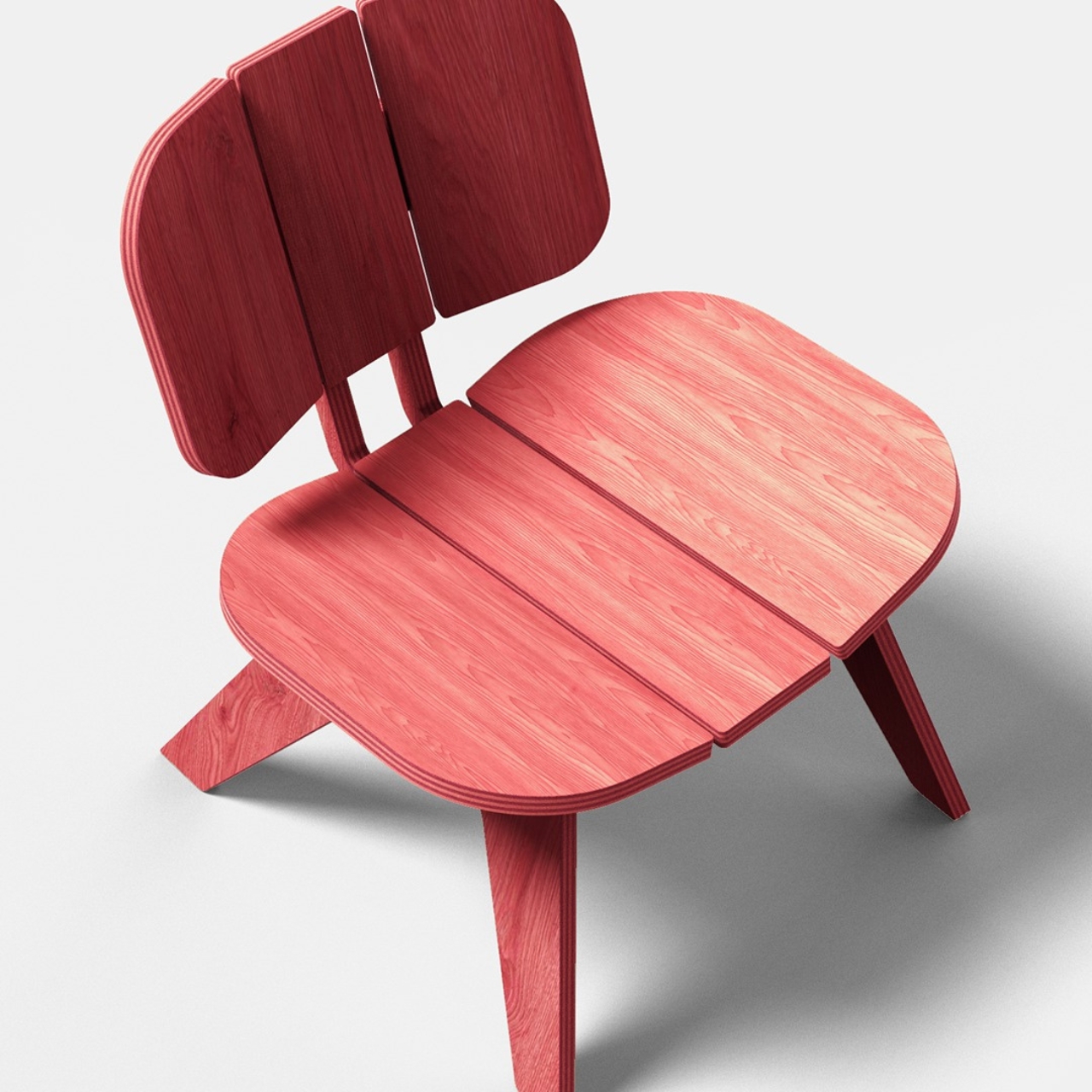
When I see that a piece of furniture needs to be assembled if I buy it, I immediately back away because I am not the brightest when it comes to following instructions and using various tools. But if the promise is that it’s as easy as building a Lego set (which isn’t always that easy TBF), I might reconsider. The Carousel Chair concept by Alessandro Pagura promises that all you need is an Allen key to set it up and that it’s actually pretty accessible.

The pieces are made from standard plywood and off-the-shelf hardware, and once put together, you get a simple and minimalist chair with clean, rounded lines and a distinctive segmented backrest. The curved seat design is probably meant to make your tush a bit more comfortable even when sitting on it for a long time. This isn’t just eye candy for your space but ingeniously practical. The entire chair breaks down and tucks neatly into a suitcase, requiring only an Allen key for assembly. No complex instructions, no specialized tools, no stress. It also brings the spirit of DIY accessibility, democratizing furniture design and making it more open and shareable through open-source CNC plans.

2. Wall Clock by Marc Senar

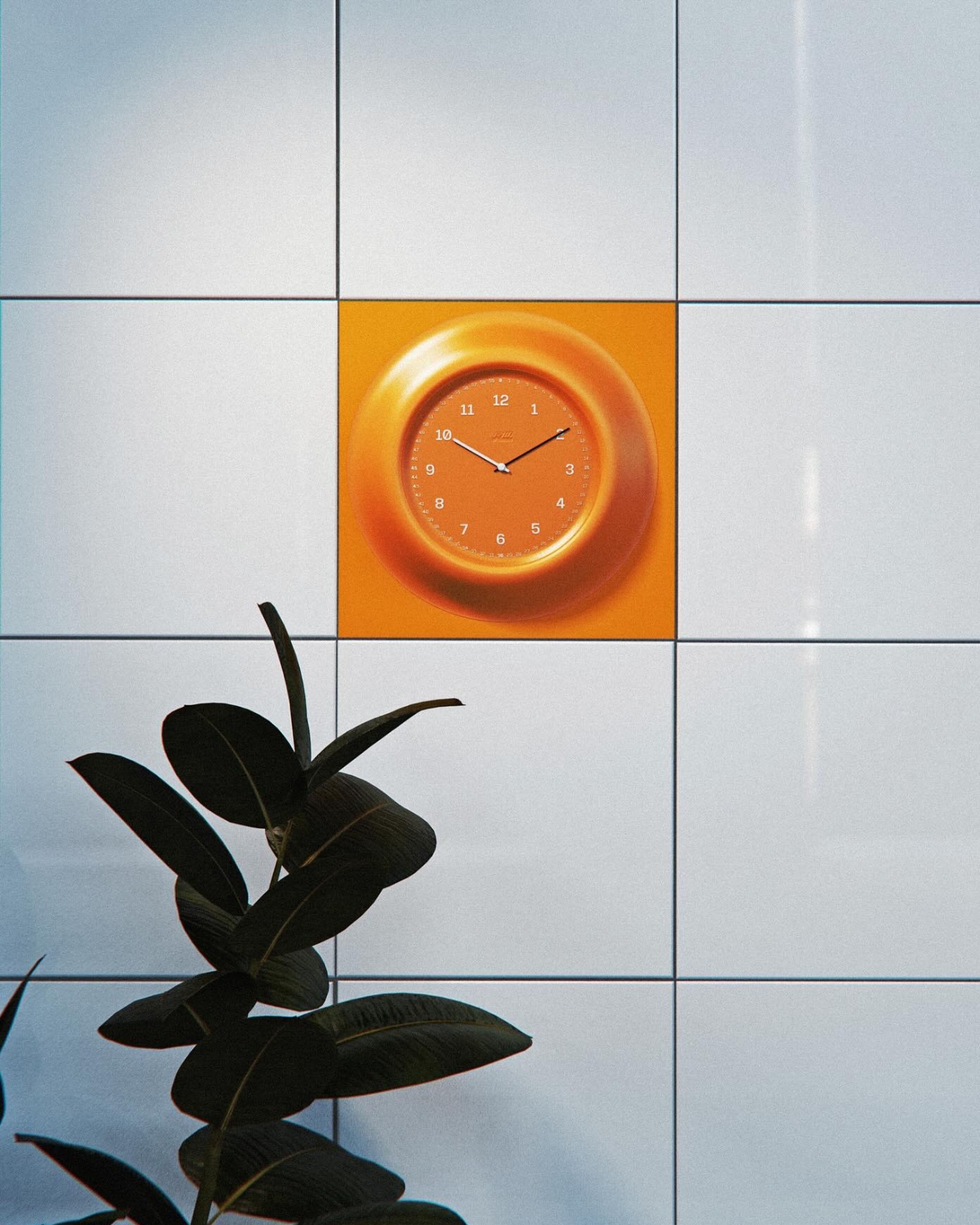
Say goodbye to wall damage and hello to effortless style with this genius suction-mounted wall clock concept. Crafted from smooth, durable plastic with an organic, pebble-inspired silhouette, this timepiece is a renter’s dream and a perfectionist’s best friend. No screws, no drill holes, no dust clouds, and definitely no noise: just peel, press, and you’re done. The innovative suction system adheres securely to any smooth surface, making it perfect for bathroom tiles, kitchen backsplashes, or glossy bedroom walls where you’d never dare break out the power tools.

Envisioned in soft, sophisticated colorways including crisp white and warm amber orange, this concept clock brings a playful yet refined touch to any space. The clean face features easy-to-read numerals with contrasting hands (love that pop of orange!), while the gently curved form adds sculptural interest without overwhelming your aesthetic. Whether you’re decorating a rental apartment, refreshing a spa-like bathroom, or simply avoiding another DIY disaster, this design concept shows how functional pieces can respect both your walls and your sanity. Time-telling has never looked this stress-free.

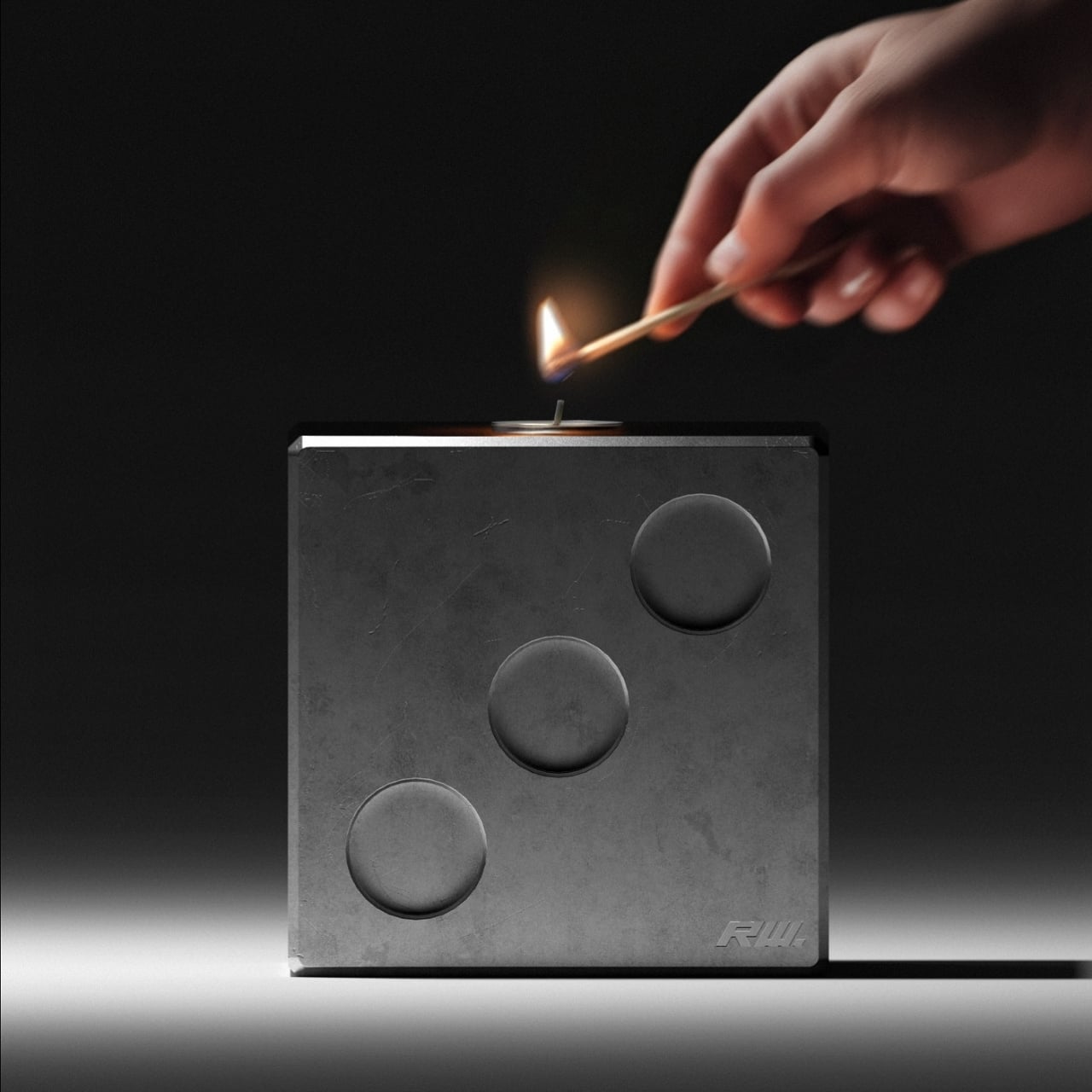
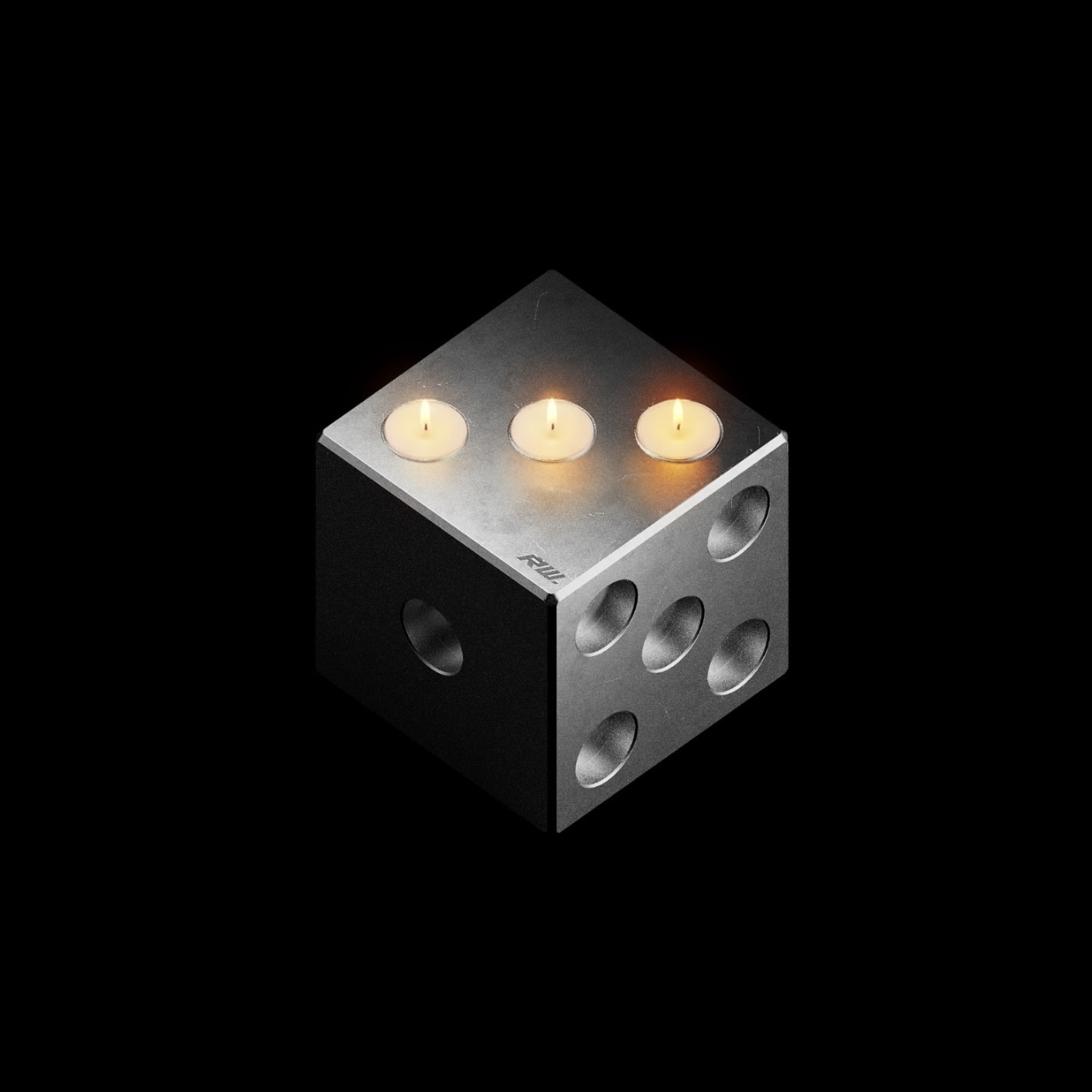
3. RW Tea Candle by Design in Depth

Roll the dice on ambiance with this clever candle holder concept that takes the gamble out of mood lighting. Inspired by the iconic shape of a gaming die, this sleek metallic cube features the classic dot pattern on its sides while the top surface holds three tea light candles in perfectly positioned wells. Crafted with a sophisticated matte finish, it’s a playful nod to chance and risk, but the only thing you’re betting on here is creating the perfect cozy atmosphere. No odds, no stakes, just pure flickering flame and conversation-starting style.

This design concept transforms an everyday object into sculptural art that’s equal parts functional and fun. The geometric precision and minimalist aesthetic make it a stunning centerpiece for modern interiors, while the cheeky dice reference adds personality and edge. Imagine it gracing your coffee table during game night, adding drama to a bookshelf display, or bringing unexpected whimsy to a sophisticated dinner setting. For collectors who appreciate design with a sense of humor and anyone who loves when form meets witty function, this dice candle holder concept proves that the best designs know how to play.

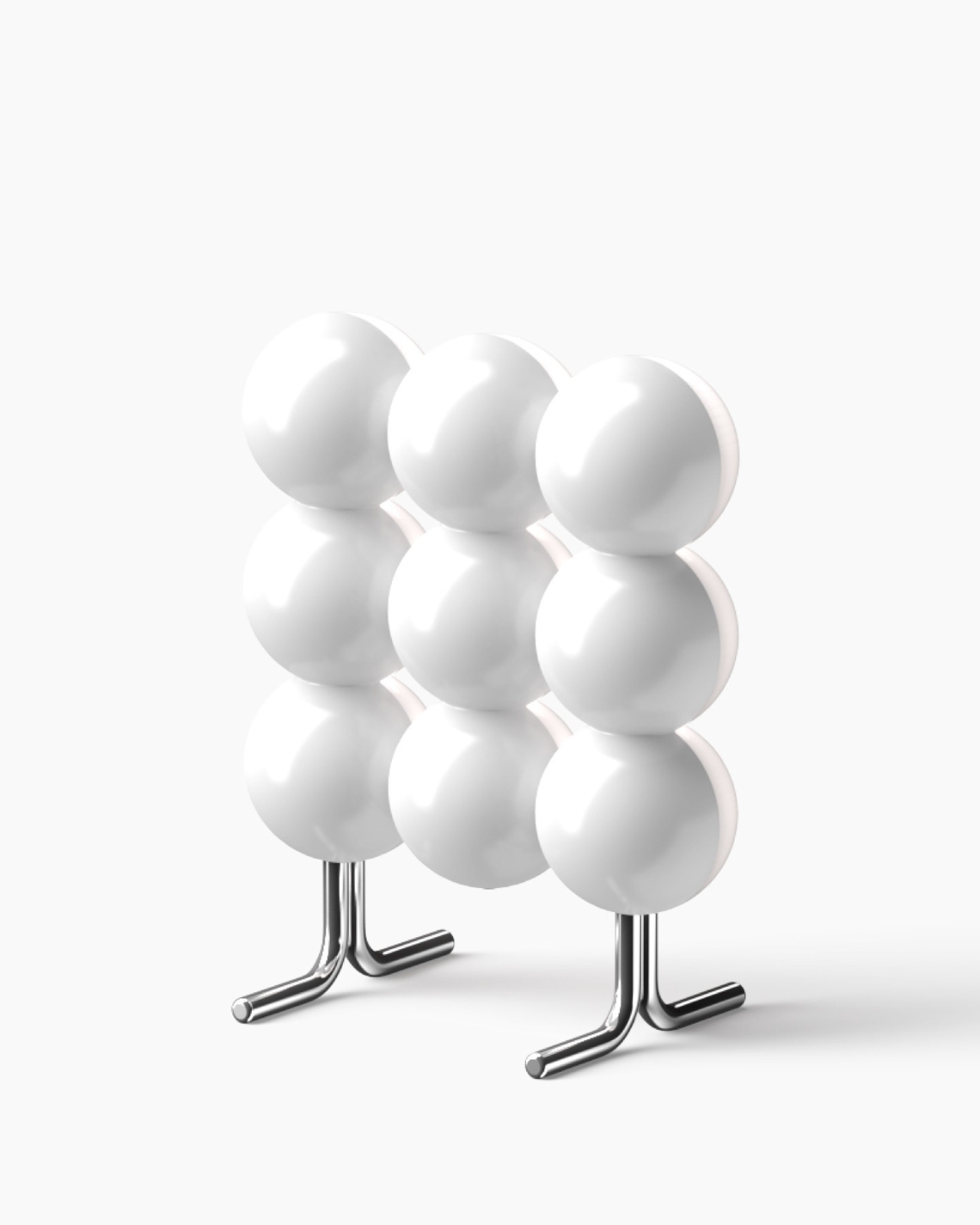
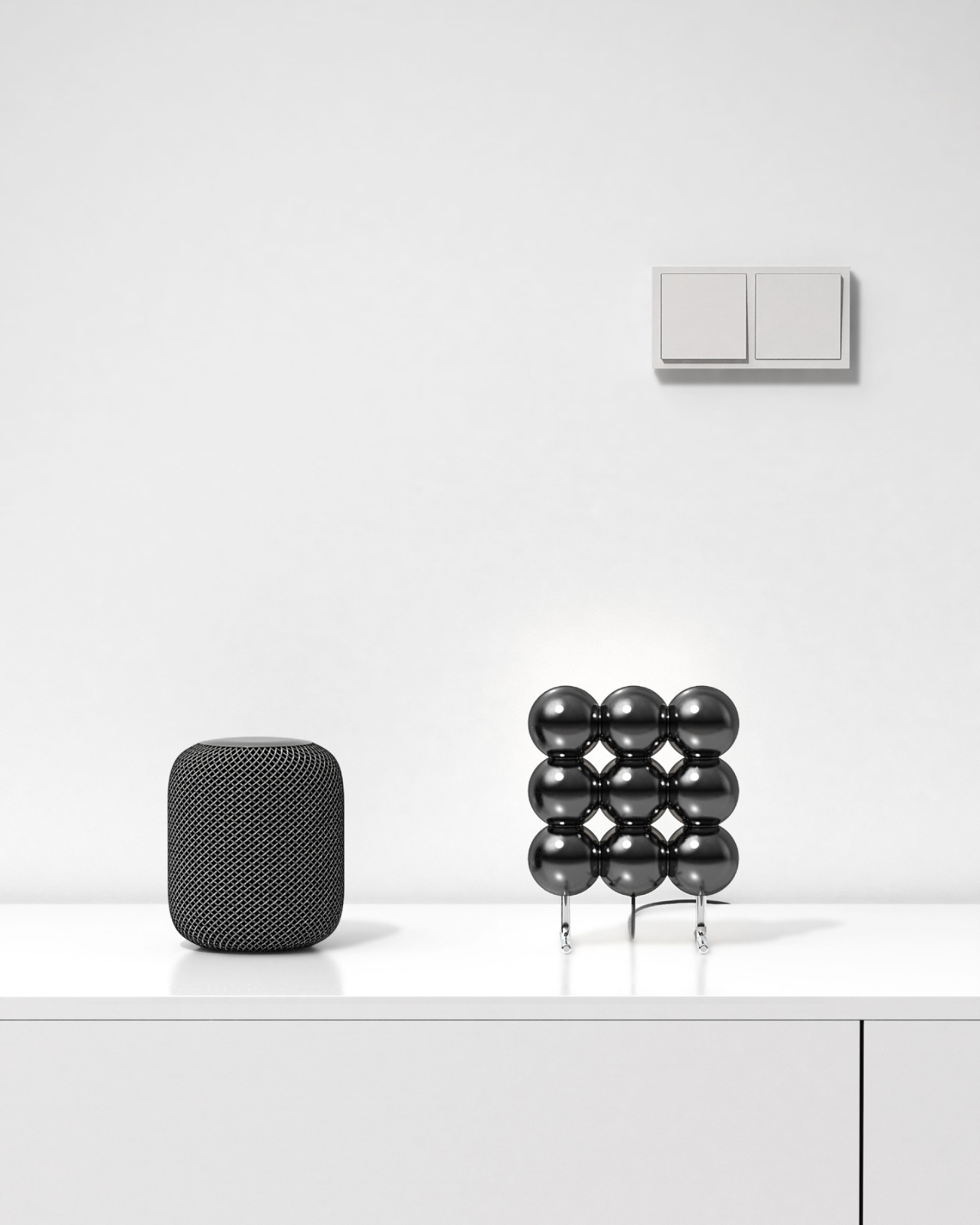
4. Ennea Light by Have Not

The Ennea Light concept reimagines illumination as pure geometry, where nine perfectly arranged spheres create a mesmerizing grid of light and shadow. Supported by sleek chrome legs that give it an almost whimsical stance, this sculptural lamp is designed to be as versatile as it is beautiful. The genius lies in its dual personality: face it toward a wall and it becomes soft ambient lighting that bathes your space in a dreamy glow, or turn it forward to showcase those glowing orbs as a statement art piece. Available in glossy black, pure white, or luminous configurations, each sphere works in harmony to create depth and visual rhythm that feels both futuristic and timeless.

This design concept embodies minimalist philosophy through mathematical precision and balance. The name “Ennea” (Greek for nine) celebrates the power of repetition and order, where individual points of light unite into a cohesive plane that feels greater than the sum of its parts. Perfect for design collectors who appreciate the intersection of form and function, or anyone drawn to pieces that transform a room’s entire atmosphere. Whether perched on a sideboard, bedroom shelf, or modern console, the Ennea Light concept proves that sometimes the most captivating designs are built on the simplest foundations: perfect spheres, precise spacing, and the magic of light.

5. SETTIME by Design Woork

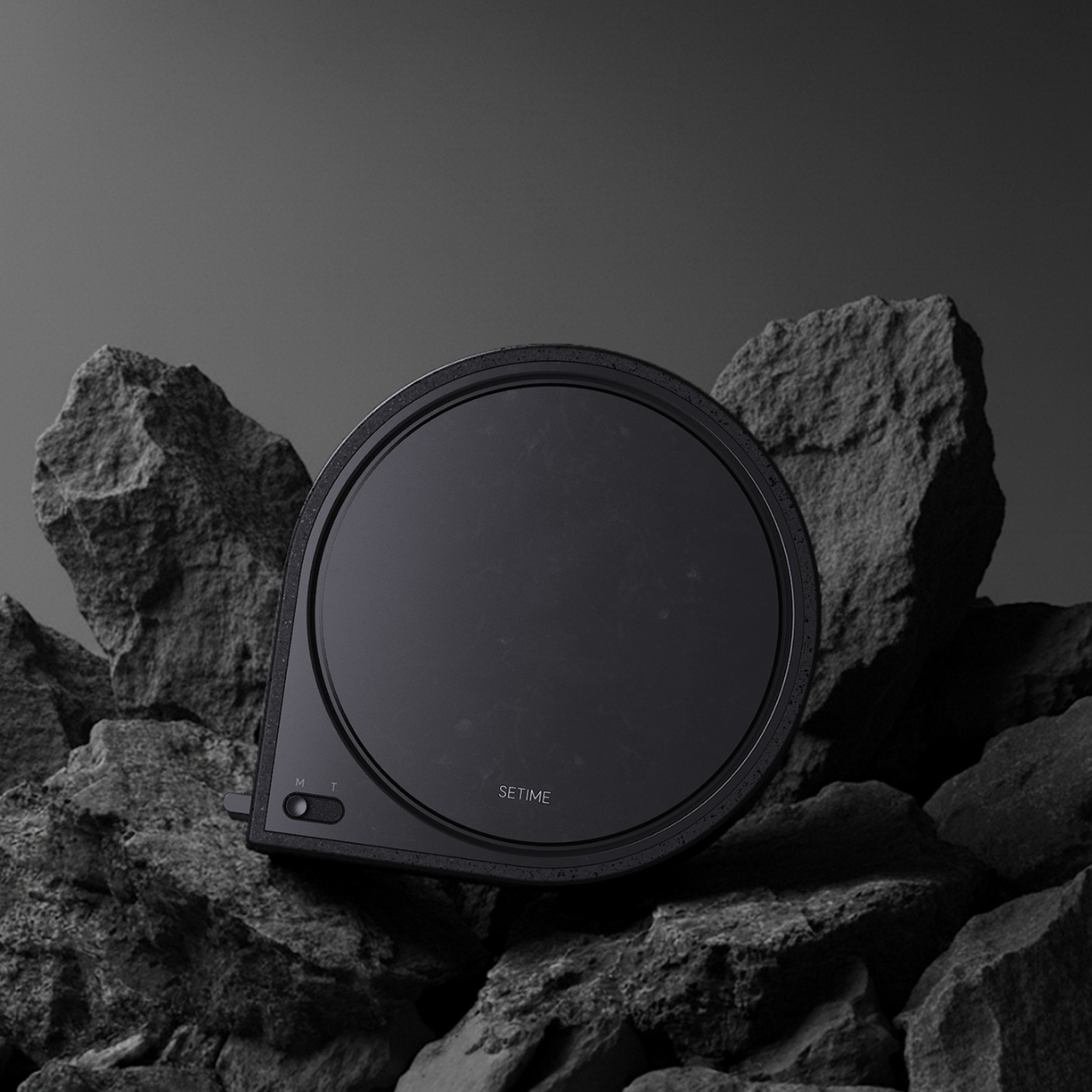
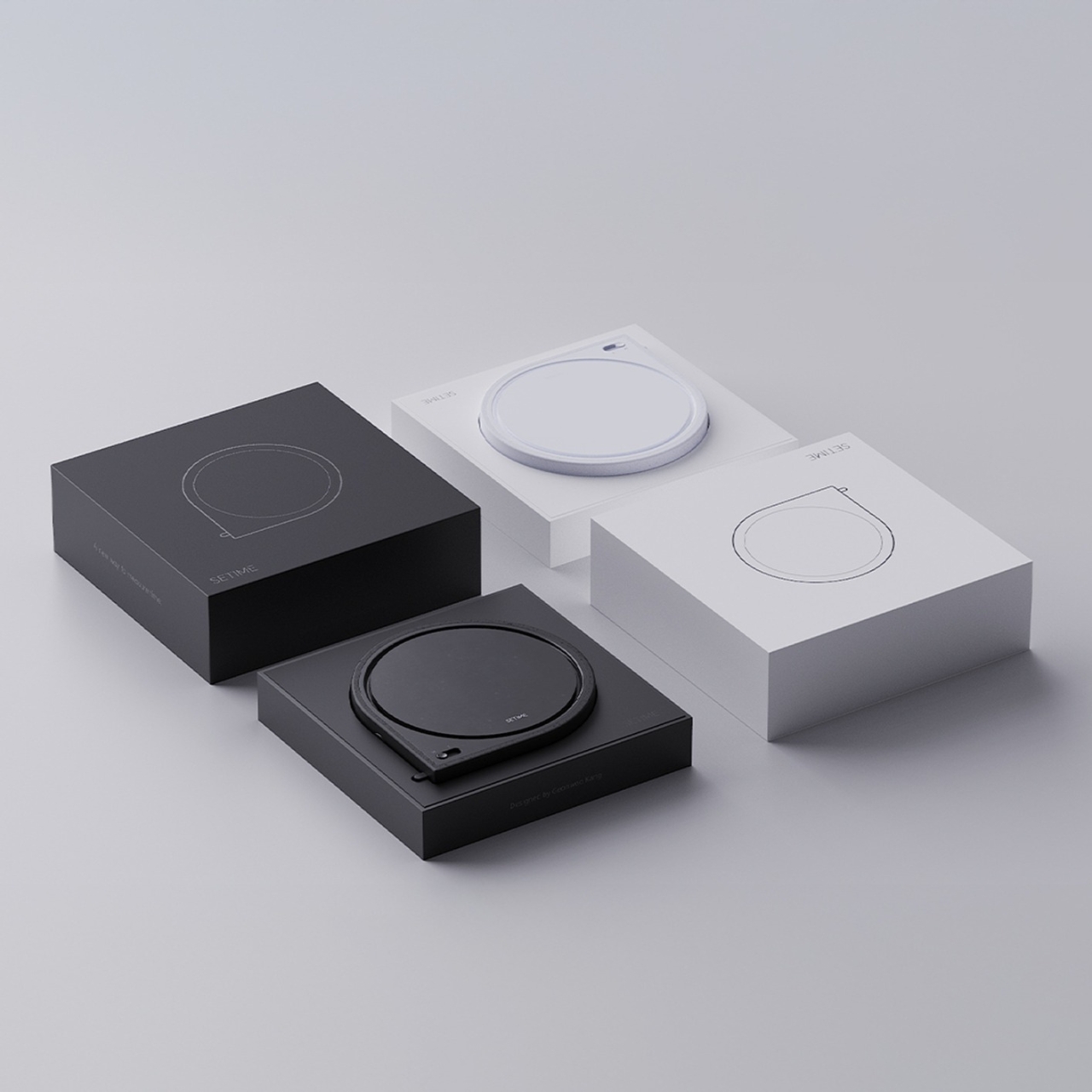
This SETTIME concept reimagines how we experience the passing of time through ultra-minimalist design that’s more art object than alarm clock. With its sleek circular profile and impossibly thin silhouette, this timer device distills functionality down to its purest essence. The face features a clean, uncluttered surface with subtle controls tucked discreetly along the side, while the overall form takes inspiration from a perfectly balanced water droplet. Available in sophisticated monochrome options of deep black or crisp white, the concept comes in packaging as elegant as the product itself, with a beautifully simple line drawing that captures the device’s graceful proportions.

Designed for those who appreciate when technology knows how to disappear into the background, this SETTIME concept would be equally at home on a minimalist desk, modern kitchen counter, or serene bedroom nightstand. The ultra-slim profile means it takes up virtually no space while making maximum visual impact, proving that timekeeping devices don’t need to shout to be noticed. For design collectors who value restraint and refinement, or anyone tired of cluttered, over-designed tech, this concept shows how beautiful simplicity can be when every element serves a purpose. Time, distilled to its most elegant form.

Create your own Aesthetic Render: Download KeyShot Studio Right Now!

The post 5 KeyShot Renders With Lighting So Perfect, You Wish They Were Real Products first appeared on Yanko Design.