Traveling light is often not as easy as it sounds. Navigating a narrow aisle on a regional jet or waiting on the tarmac in a snowstorm for your gate-checked bag can make even the simplest of trips cumbersome. That’s the challenge that led to the creation of Onli Travel and the Trilogy Modular Travel System—born from a firsthand experience with air travel frustrations and a powerful question: Why couldn’t luggage adapt to these challenges?
Onli Travel’s latest release, the Trilogy Modular Travel System, is built on versatility, adaptability, and convenience. It’s not just another travel bag; it’s a modular luggage system designed to adapt to meet the needs of a wide range of travelers, from weekenders to globetrotters. Built from years of iteration and user feedback, the Trilogy represents Onli Travel’s quest for a better way to carry what matters.
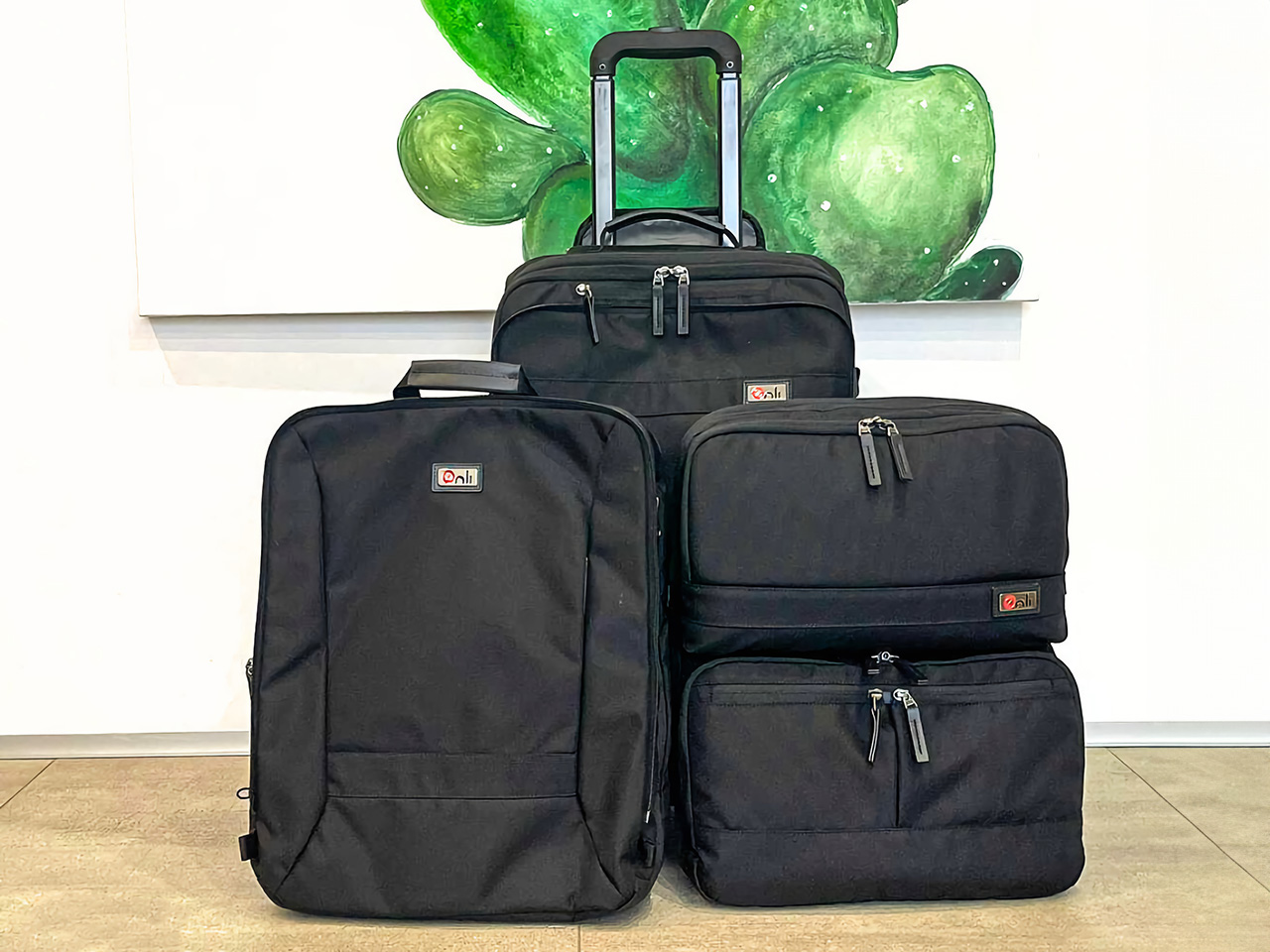
This system gives you three different bags that come together—or apart—as needed. Unlike traditional luggage that must be either fully checked or fully carried, the Trilogy breaks down into separate components that fit under airplane seats or in crowded compartments, avoiding gate checks and streamlining your travel experience. It’s three bags in one: a compact, expandable tote, a spinner that fits under an airplane seat, and a larger, expandable rear backpack unit.
The Expandable Tote Pack front unit features a redesigned strapping system that lets you carry it as a backpack, shoulder bag, or tote. The middle unit, an expandable spinner, is stronger and more stable and designed to support smaller bags on top without toppling over. The rear unit has also been redesigned with accessibility in mind—a larger panel allows access even when combined with the middle section, and a hidden pocket provides secure storage.
Onli Travel’s Penta 5-in-1 Packable Duffel, a related modular new product, enhances the Trilogy system. The Penta Duffel supports those unexpected needs—a market run, a last-minute detour, or just a day out. It functions as a duffel, backpack, shoulder bag, belt bag, or crossbody, adding lightweight capacity right when needed.
The Trilogy aims to eliminate the need to check a bag. Each piece is designed to be stowed under a seat or into a tight overhead compartment, making gate-checking as obsolete as possible. Since Onli Travel’s inception, this concept has been tested and refined across dozens of flights, leading to over 20 engineering and design improvements. The Expandable Tote, Spinner, and Weekender Daypack are easy to open—clamshell-style for organized packing or top-loading for casual trips.
Over the past two years, Onli Travel has worked with real travelers, sending beta testers across Japan, Spain, Poland, and Ukraine, among other places, to test the Trilogy. This field testing validated the design and guided many changes. Travelers asked, and Onli listened—redesigning everything from the strapping system to reinforcements for stability, making this the most advanced modular spinner the company has produced.
Onli Travel understands that travel means freedom—freedom to move smoothly from a business meeting to an adventure without swapping bags. The Trilogy offers that freedom, making travel a seamless experience. Each detail has been refined to serve a purpose—even the packing cubes, designed to fit the bags perfectly, help reduce stress, and keep everything organized.
The purpose is clear—to take the hassle out of travel and replace it with flexibility. Fitting your bag into a tight cabin or walking hands-free through crowded streets, the Trilogy has you covered. With its versatile, expandable components and thoughtful features, the Trilogy redefines traveling light, traveling smart, and traveling with peace of mind. After all, travel should focus on what you’re seeing and doing—not worrying about your luggage.
With the Trilogy Modular System, Onli Travel has created something beyond just luggage—they’ve created a travel companion. One that adjusts to your needs, grows when you need extra space, and simplifies the entire traveling experience. And that’s something every traveler could use.
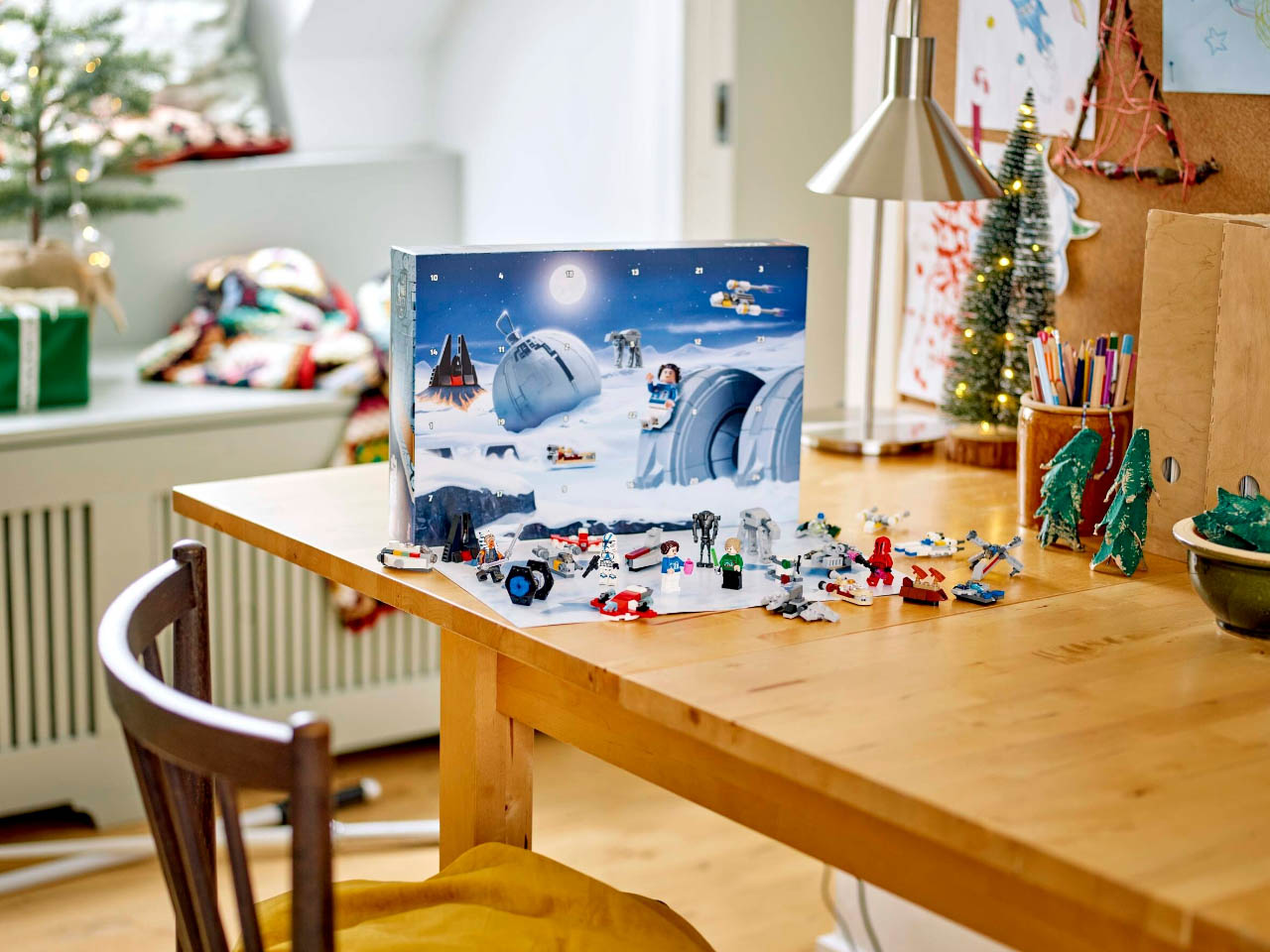
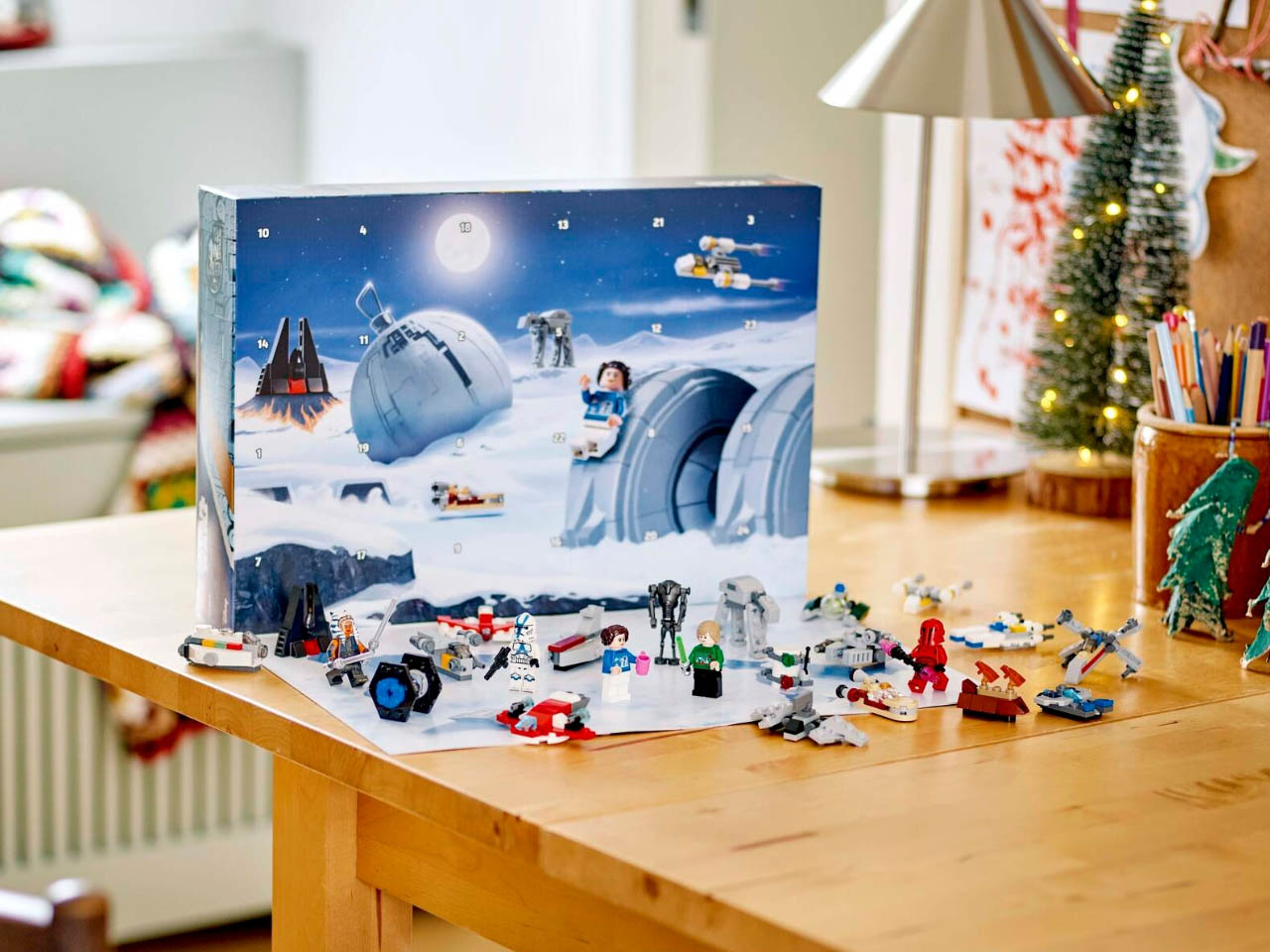
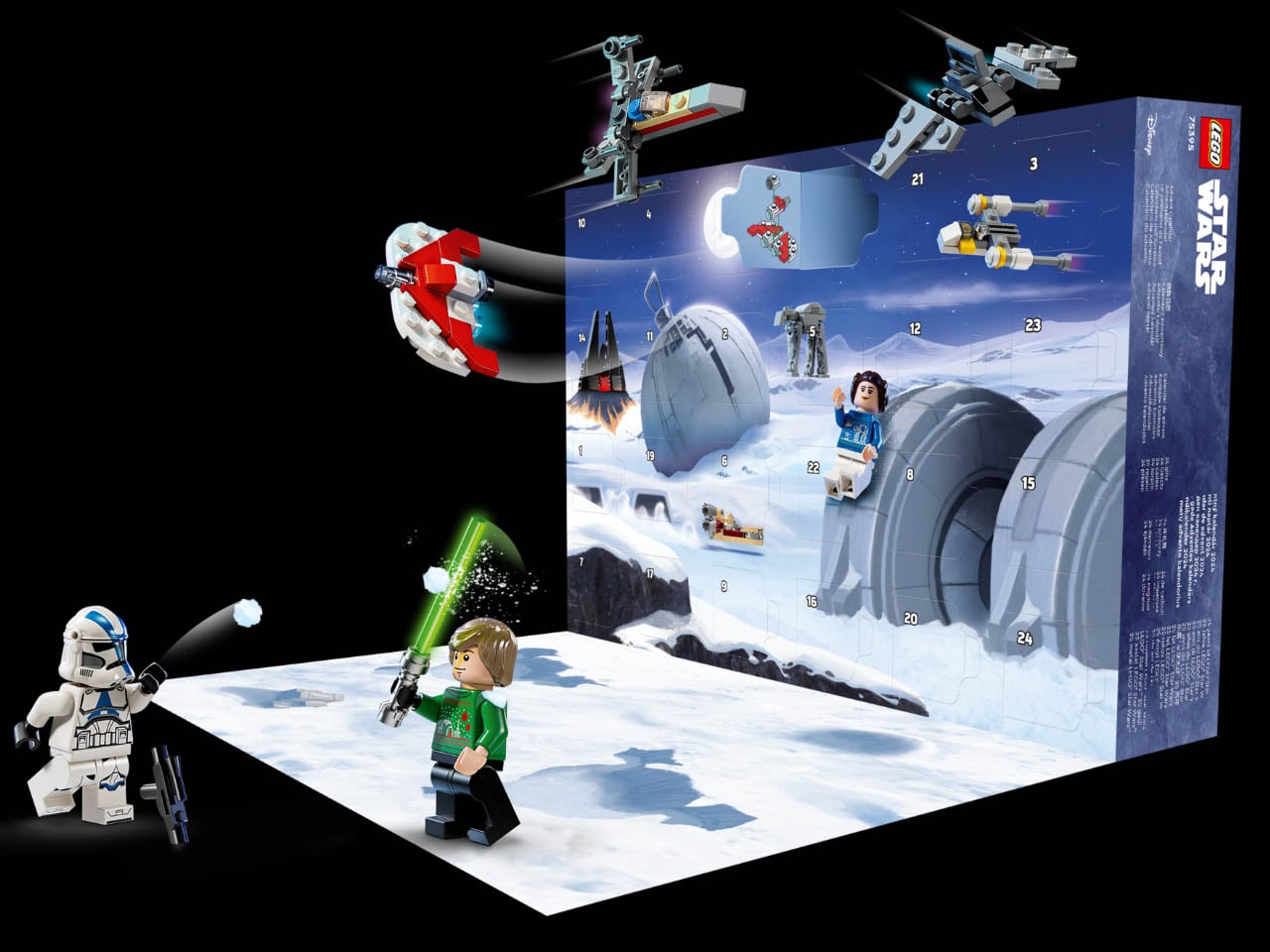
LEGO Group has a rich history of making Star Wars-themed sets for 25 years, and for the holiday season, there’s something new that builders will want to add to their collection. The official 2024 Advent Calendar is a Star Wars-themed set that is selling like hotcakes as more than 60,000 units are already gone.
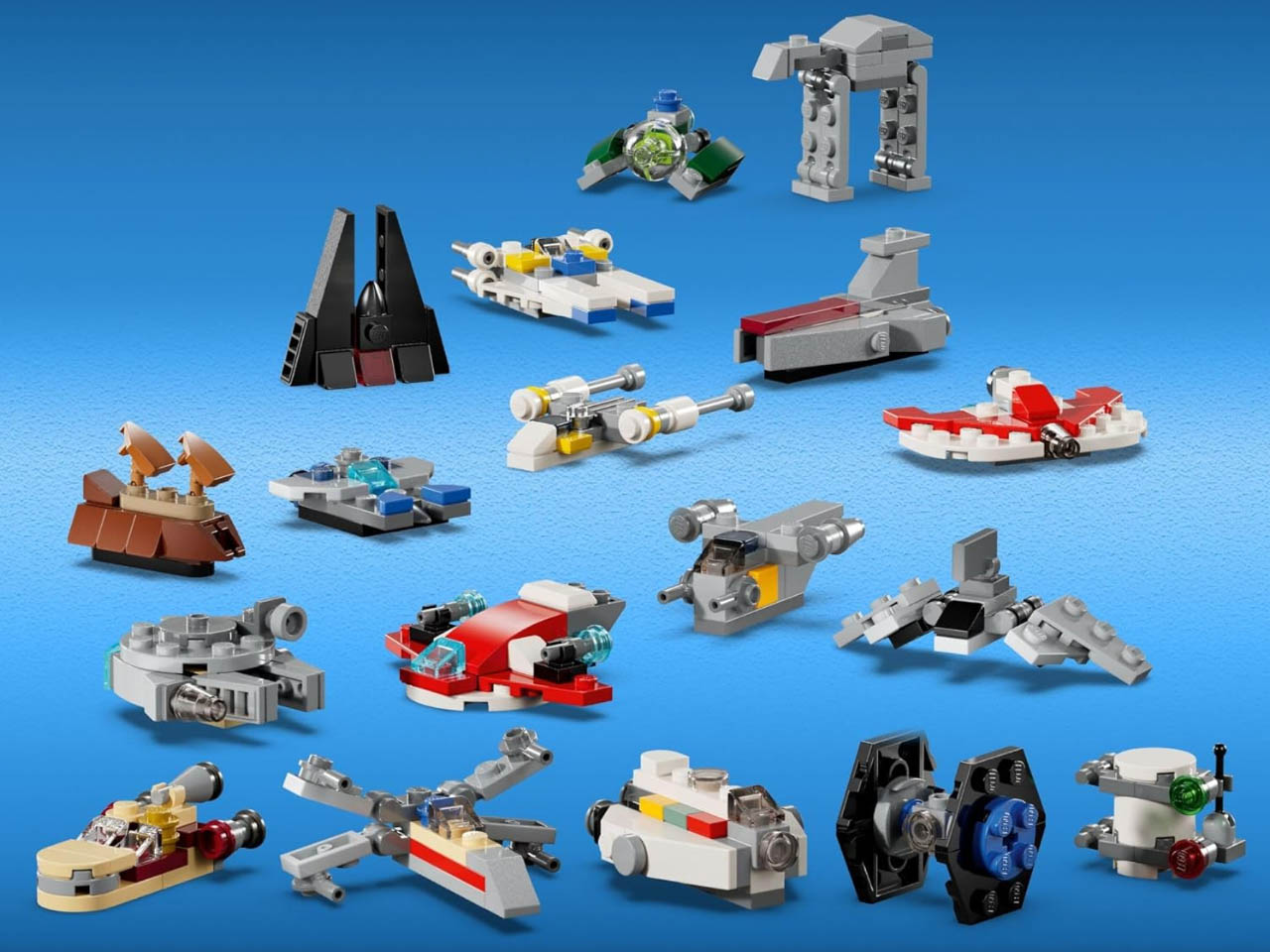
The interactive buildable set for both kids and adults comes with new Star Wars minifigures and vehicles that can be assembled each day leading up to Christmas time. The 368-piece LEGO set has miniature versions of the Holiday Princess Lia, Mandalorian Gauntlet, Jabba’s Sail Barge, Emperor’s Shuttle, Praetorian Guard, Super Battle Droid and many more.
Accompanying these cute minifigures are the 18 mini-vehicle models representing the respective franchise. These include Luke Skywalker’s Landspeeder, Millennium Falcon, X-Wing, TIE Fighter, AT-AT, Y-wing, Venator-Class Republic Attack Cruiser, Emperor’s Shuttle, U-wing, and T-6 Jedi Shuttle. This set is about imaginative story building to keep everyone engaged for 24 days and revere in the spirit of the Star Wars universe. Every morning there is a new surprise hidden for Star Wars fans to engage with and rejoice in the final build on Christmas day.
To create your personalized element of adventure and X-Mas spirit, the set can be combined with other Star Wars sets by LEGO. So, the permutations and combinations for having a fresh build are limitless. This gives LEGO builders the freedom to tinker around with any set element.
Star Wars Advent Calendar 2024 glorifies the 25th anniversary of LEGO and the Star Wars franchise just as the fans would desire. It is priced at $45 but can be bought for a discount at $36. This set along with the Harry Potter Advent Calendar gives LEGO lovers plenty of ways to set up their advent calendars for family fun. Otherwise, it can be displayed as a part of your Star Wars or LEGO collection on the workspace shelves in your geeky den.
With concerns rising about climate change and the demand for eco-friendly solutions, bamboo has become a top choice. The growing popularity of bamboo products is largely due to their positive environmental impact. Though bamboo is commonly found in furniture and flooring, it’s not considered wood but rather a grass with distinct composition and growth patterns compared to tree wood where its tightly packed fibers contribute to its durability and strength.
Those very properties, however, make it quite ideal for some designs, and there is a wide range of applications of bamboo in furniture, accessories, or even architecture. It is becoming a widely-used alternative to wood because of its faster growth rate and ubiquity, not to mention its unique properties and deep roots in antiquity. Here we explore not only the reasons why bamboo is such a popular choice but also the variety of uses it has in contemporary product design.
Why is Bamboo the best material for sustainable product design?
Just like regular wood, bamboo is a renewable resource for production materials. Unlike typical trees, however, it’s often easier to grow and take care of. With minimal chemical and water requirements, bamboo stands out as an eco-friendly material that absorbs more carbon dioxide than cotton or timber and releases oxygen to enhance air quality.
As a material, it also offers plenty of unique properties that make it suitable to replace not just hardwood or metal but even plastic or fabric. Here are some of the reasons why bamboo has become such a darling in the product design industry, especially compared to less sustainable options.
Eco-Friendly Material – Bamboo’s self-regenerating nature and rapid growth with minimal care make it one of the most sustainable alternatives to plastic or metal.
Cost-Effective – Bamboo is an affordable material that allows designers to experiment with the material and integrate it into their designs.
Versatile Material – Bamboo is a versatile material that can be used to create various products like fabrics, towels, brushes, and furniture.
Highly Durable – Despite its lightweight, bamboo offers remarkable tensile strength, flexibility, and durability, making it resistant to wear and tear over time, unlike many other materials.
Strong yet Soft – Bamboo offers durability comparable to popular hardwoods, ensuring long-lasting beauty and functionality.
Grown Naturally without Chemicals – Bamboo is grown without pesticides or chemical fertilizers, and its 100% biodegradable fiber grows rapidly due to its grass-like nature
Aesthetically Appealing – Bamboo’s natural sheen and silk-like texture enhance the visual appeal of different products and provide a luxurious feel.
Given the versatility of bamboo, it’s no surprise that it has been used in a wide variety of product designs. It’s not just the usual furniture or accessories either, as some consumer electronics have even adopted this wonder material. Bamboo doesn’t just bring sustainability but also a touch of style to designs that use it.
Of course, not all products can simply use bamboo material willy-nilly, since the material is still wood. With some creative thinking, however, bamboo can be utilized for almost anything, including textile! Here are ten examples of bamboo being used in modern products to elevate their quality both from without and within.
1. Bamboo Furniture
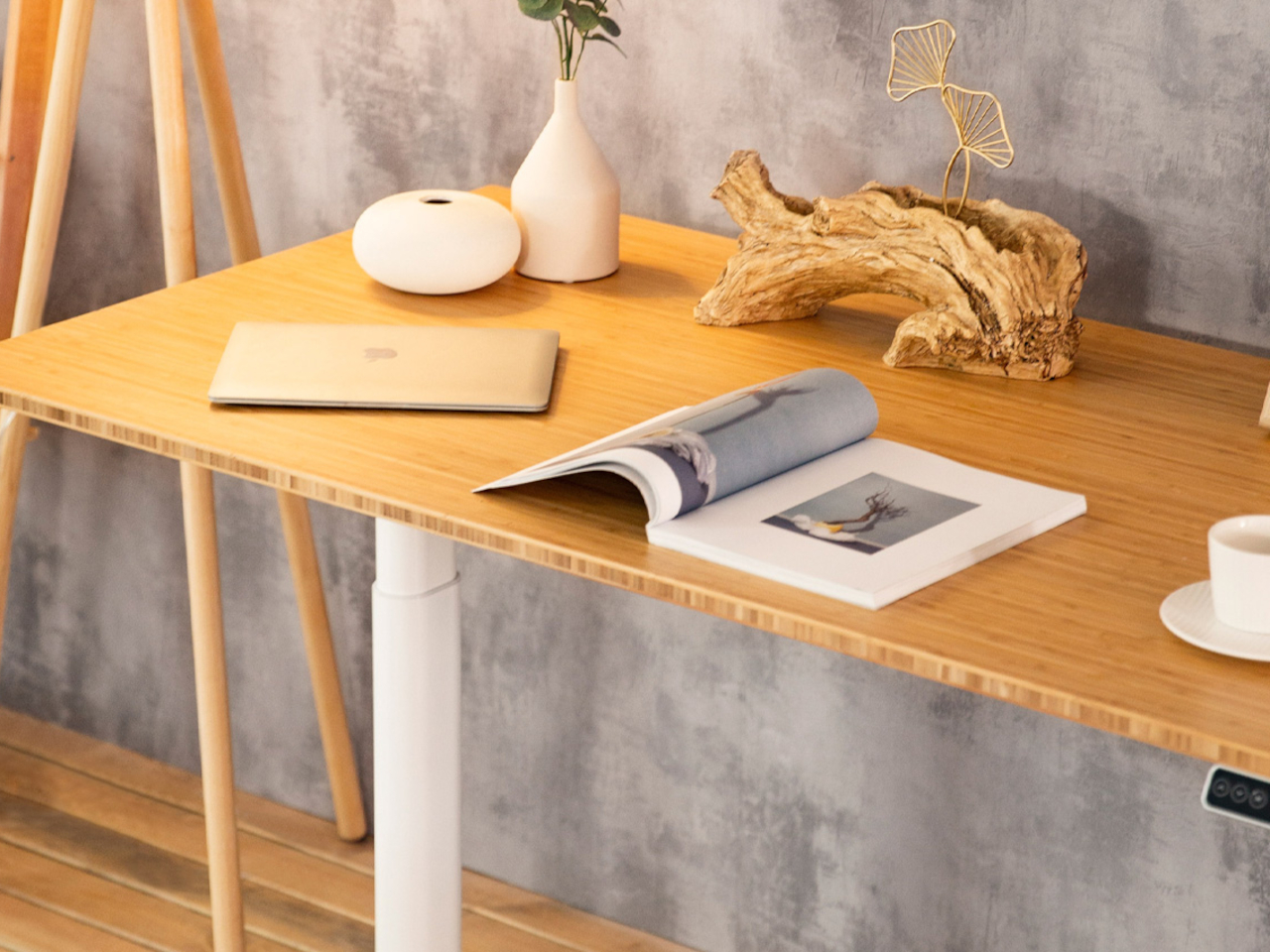
In the Kana Pro Bamboo Standing Desk by FlexiSpot, form meets function in a sustainable package. Crafted with a bamboo desktop that exudes warmth and durability, this desk elevates any home office aesthetic. With its dual-motor lifting system, one can adjust the desk’s height to one’s, ensuring ergonomic comfort. Safety features like anti-collision technology and a child lock alongside an integrated cable tray keep wires organized, while the additional lacquer coating enhances resistance to scratches, water, and insects.
The design is simple and doesn’t hide the wooden nature of the bamboo tabletop. Instead, it proudly displays the grain patterns unique to wood that give the slab its own character. It takes the elegance of natural bamboo strips and puts them on top of an ergonomic desk for a luxurious and comfortable working experience.
2. Electronic Devices
Using wood with electronics isn’t a popular design, especially ones that get exposed to moisture and the elements regularly. Used properly, however, it can turn a utilitarian product into a fashion statement, making a device an extension of one’s character and tastes.
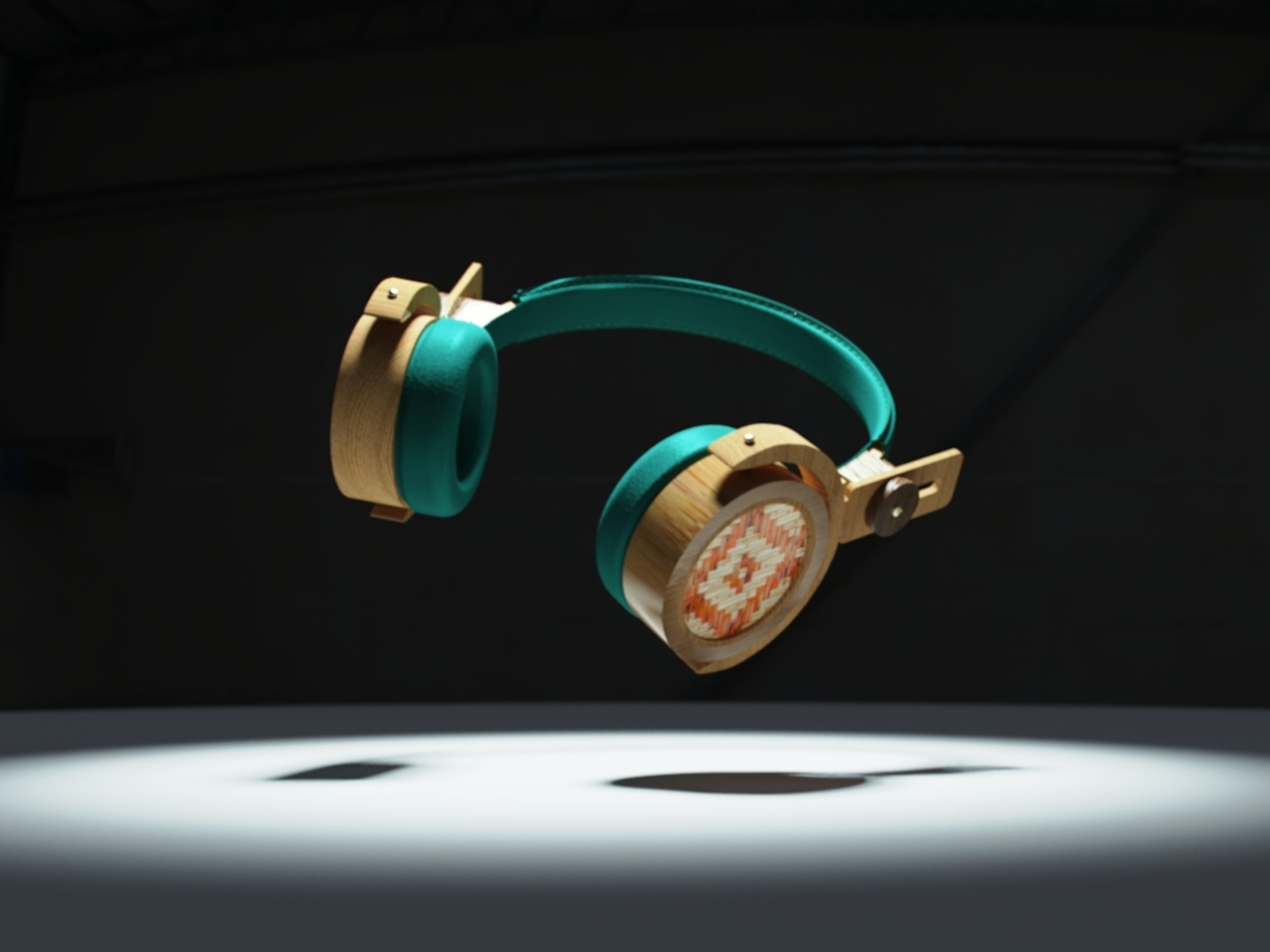
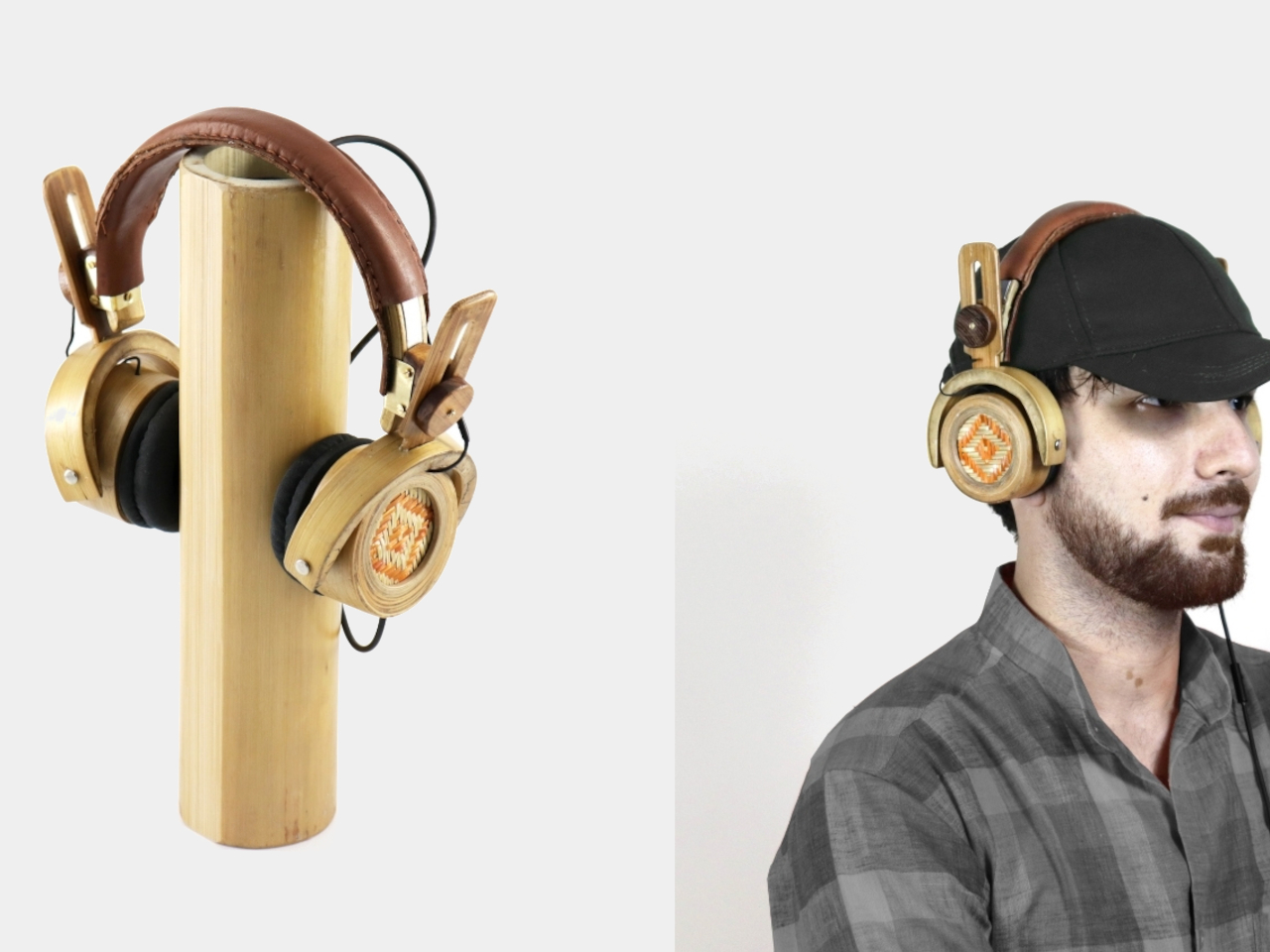
The Bambass headphones are a sustainable innovation that merges bamboo weaving with modern design. Crafted with eco-friendly materials like bamboo and vegan leather, these open-back headphones offer both style and functionality. The adjustable design ensures comfort, while the use of bamboo provides enhanced sound insulation. With a commitment to reducing e-waste, Bambass represents a step forward in eco-conscious electronic accessories.
3. Bamboo Towels
Bamboo is wood and wood is hard, so you’d presume that you can only use bamboo for similarly hard products. Unlike most trees, however, bamboo stalks are actually flexible and fibrous, making it possible to actually transform them into yarn and fabrics. What you get is textile that’s sustainable on many levels while still providing the basic properties of regular cloth.
PANGEA’s Bamboo Adventure Towel 2.0 is not just eco-friendly; it’s carbon-negative, actively removing more carbon from the atmosphere than it emits. Crafted entirely from 100% bamboo fibers, dyed with natural colors, and featuring a waffle pattern for enhanced absorption, it outperforms traditional microfiber towels. Designed for outdoor use, it’s naturally hypoallergenic, and antibacterial.
4. Bamboo Plates
Plates made of wood aren’t exactly new, especially in some cultures that emphasize a strong association with food and nature. Bamboo, however, opens up even more possibilities not only in terms of design but also sustainability. Reusing cutoffs, for example, helps reduce the need for raw materials even further, as demonstrated by this creative plate design.
Knork’s Sustainable Eco Plates feature a unique shape that comfortably holds wine glasses, perfect for eco-conscious entertaining. Made from bamboo and sugarcane offcuts, they contribute to a zero-waste future. The plates’ intelligent design includes space for wine glasses and hanging Knork Eco utensils. Crafted from Astrik resin, they’re biodegradable, dishwasher-safe, and decompose into compost in two years. These durable, sustainable plates minimize environmental impact, setting the stage for eco-friendly parties.
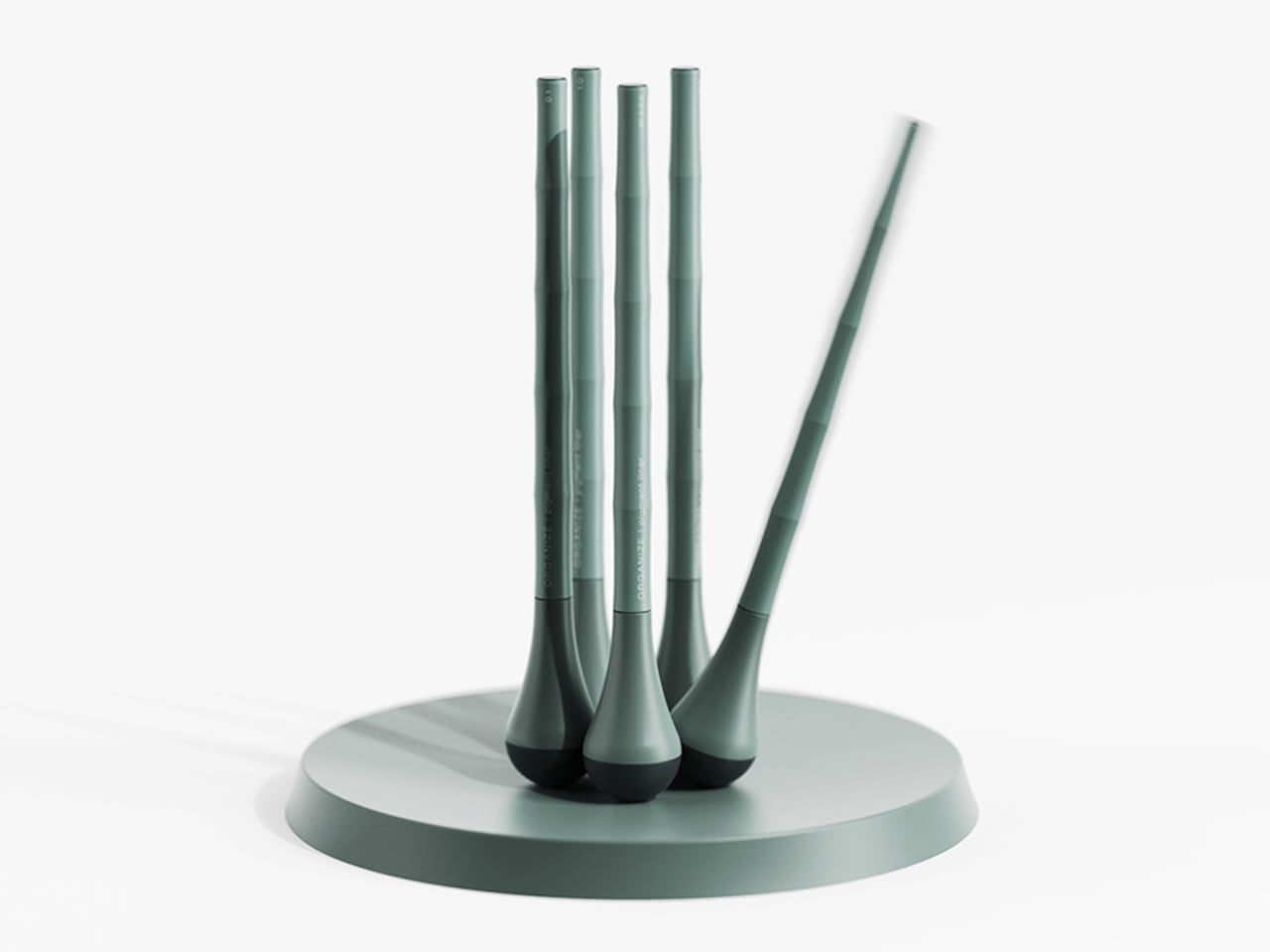
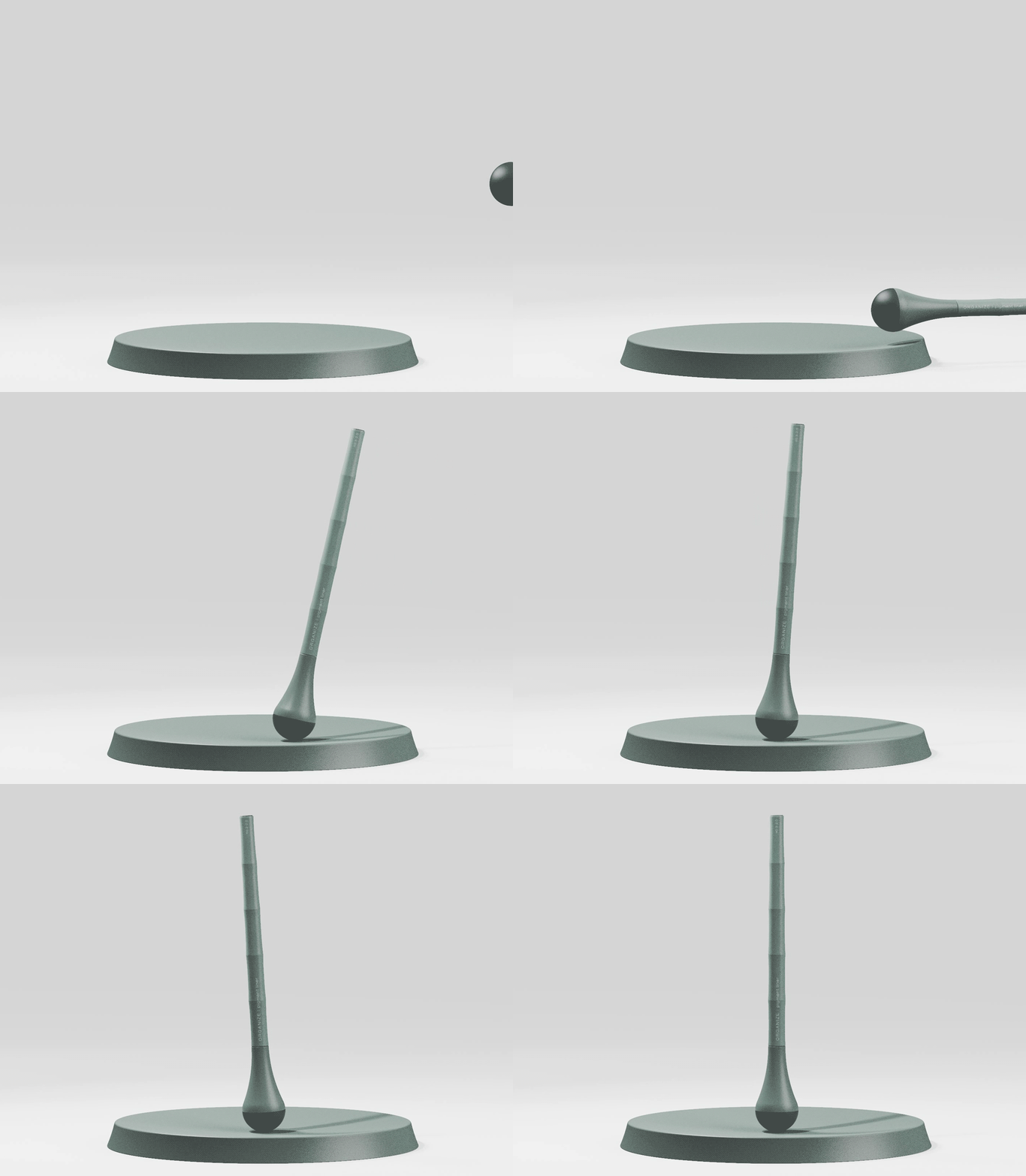
These minimal bamboo-inspired pens feature a magnetic base for self-organization. Designed by Kim Minsu, they resemble the aesthetic appeal of bamboo plants. The pens return to an upright position on the flat base, ensuring easy access whenever needed while adding a stylish touch to any workspace.
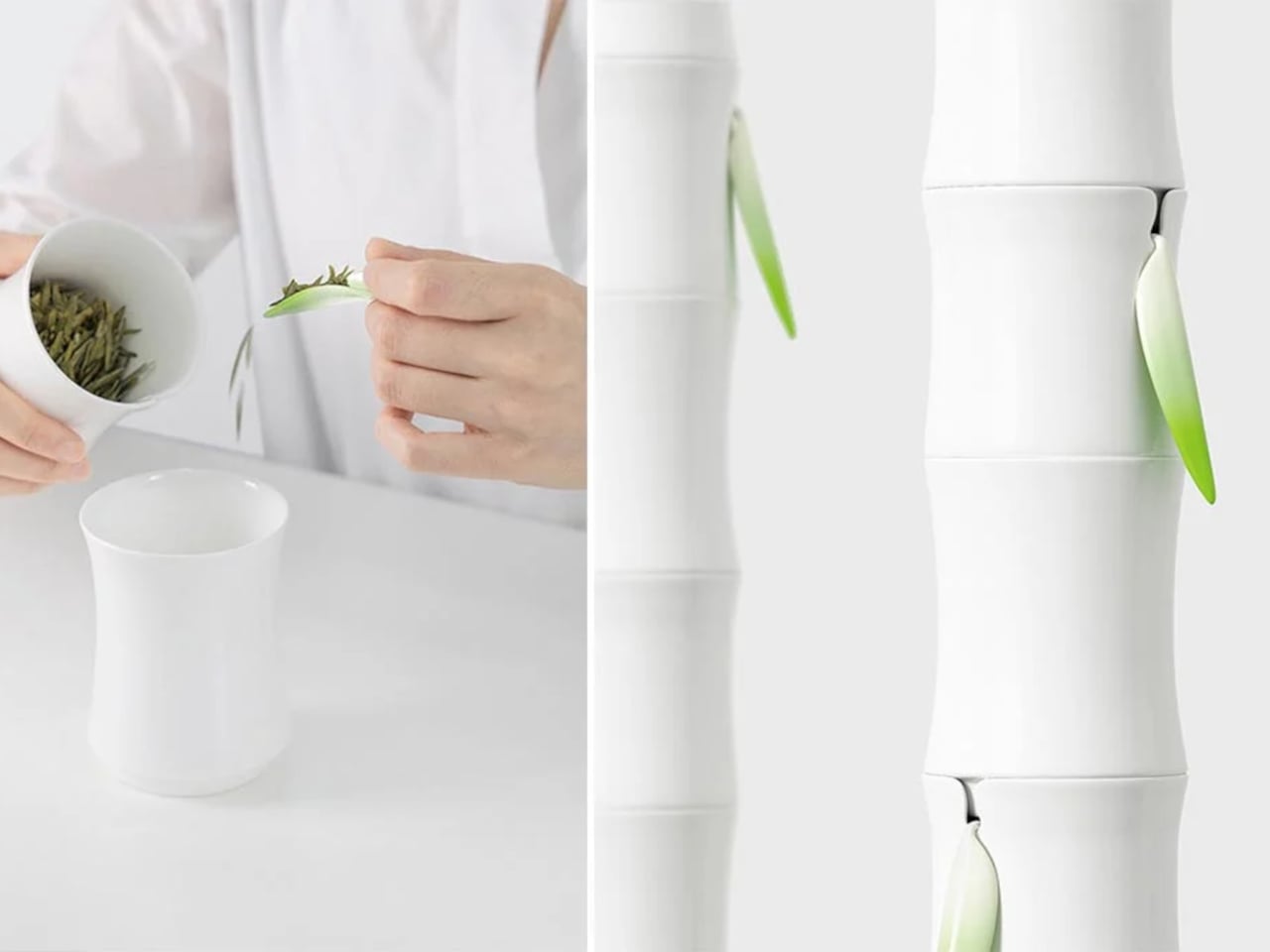
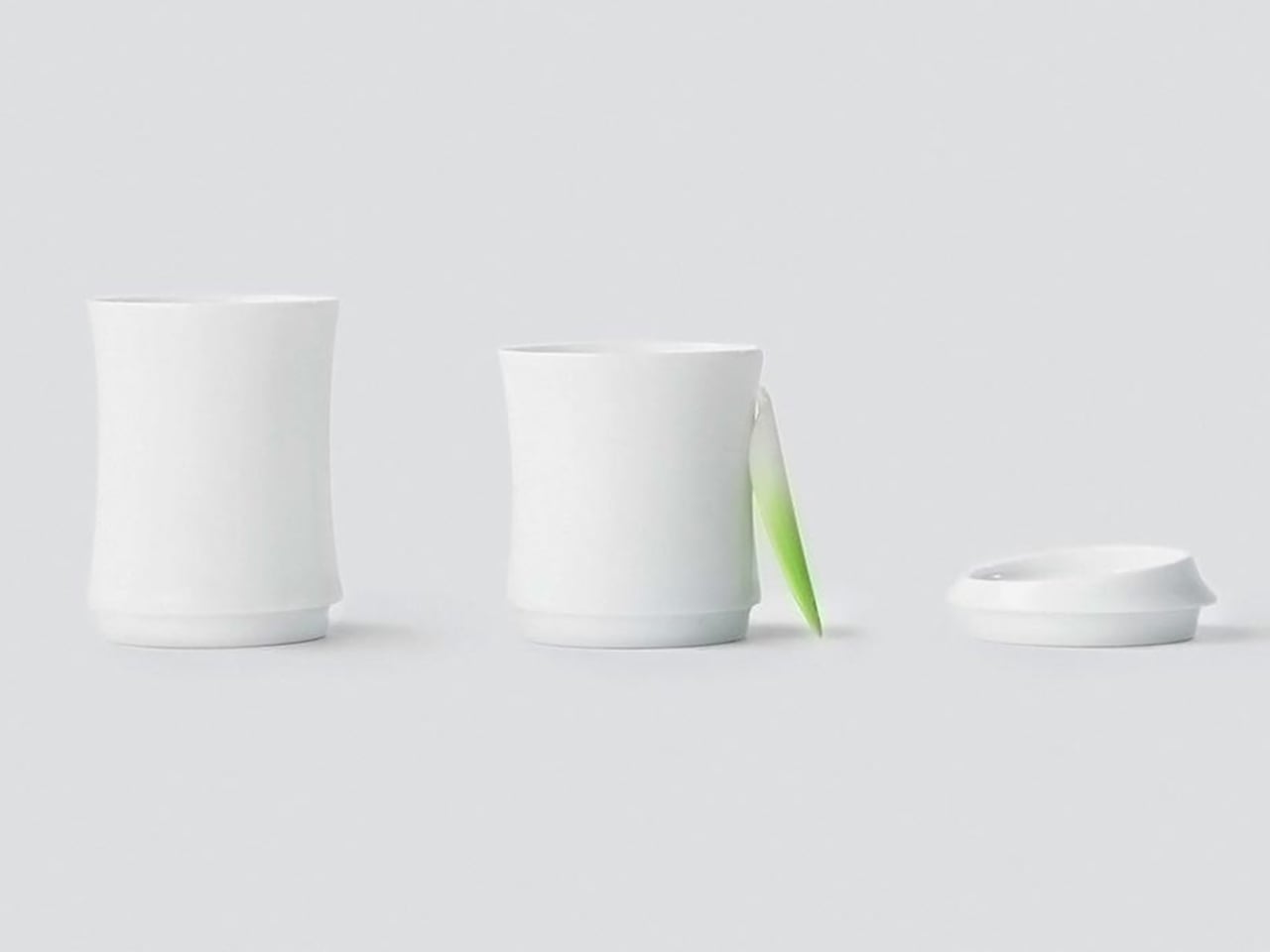
This minimalist tea set, designed for a luxury hotel brand in Jintan District, southern China, integrates the region’s renowned bamboo and high-grade green tea. The set, resembling bamboo, comprises a teacup, teapot, and tea spoon that stack to form a bamboo shape, symbolizing the traditional tea brewing process. This design seamlessly blends elegance with functionality, offering a serene addition to any kitchen.
6. Bamboo Toothbrush
There is so much plastic around us that we have become desensitized to their presence and effects on the environment. Even the toothbrushes we use to keep your teeth healthy is pretty much completely made of different kinds of plastic. Considering how often we replace these products, their accumulated numbers in landfills can be quite staggering.
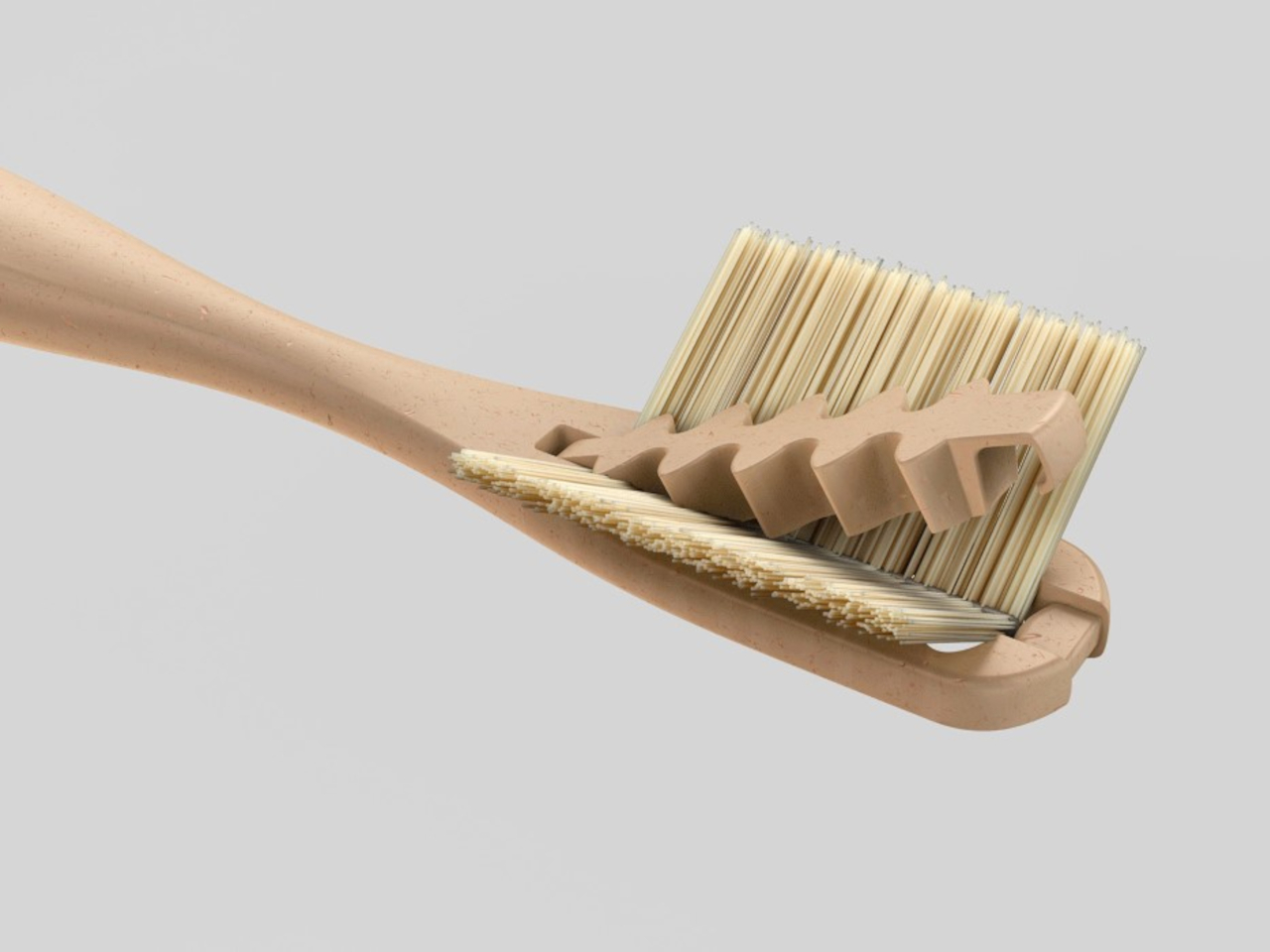
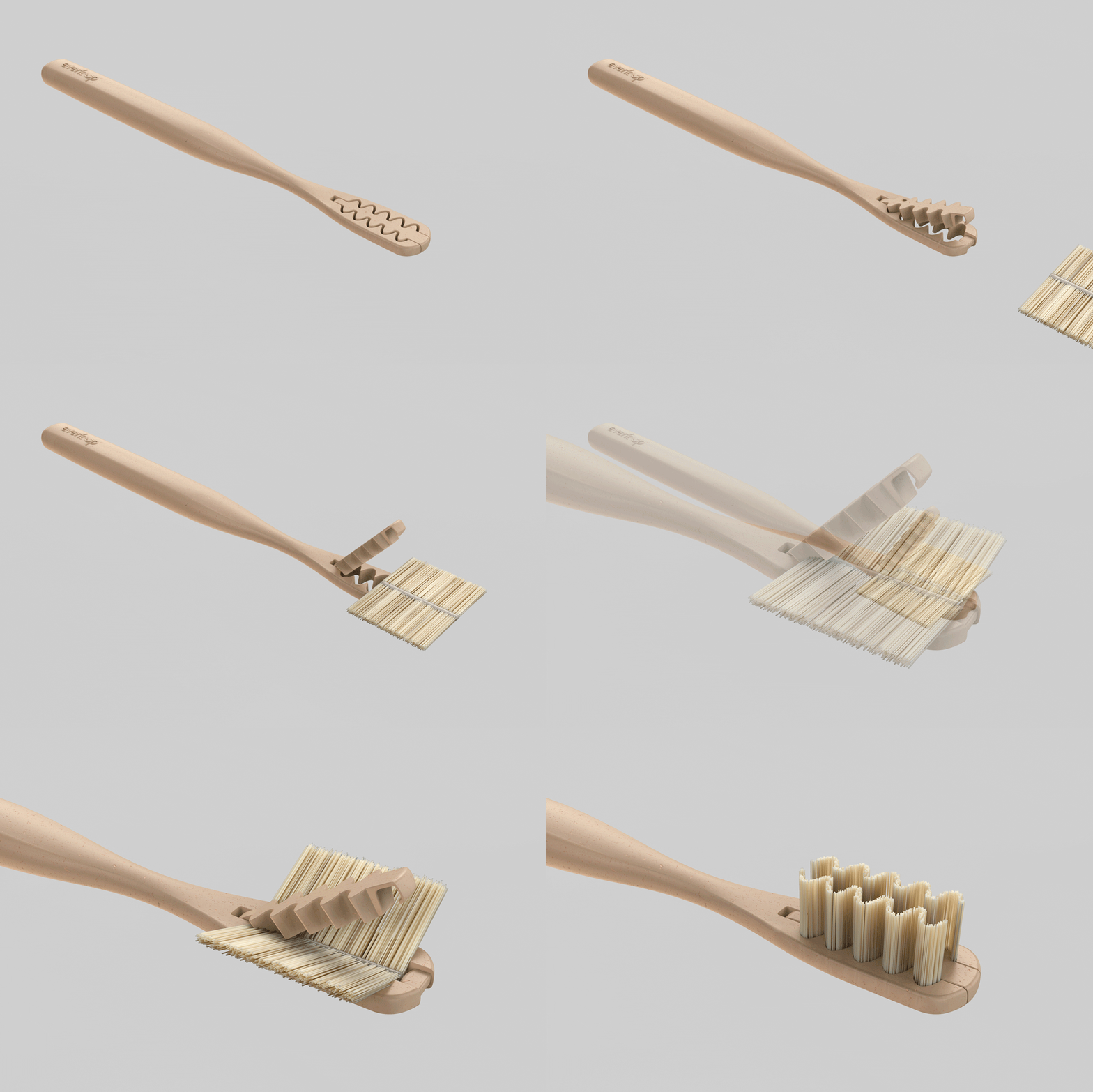
The Everloop Toothbrush features an innovative design that allows for the replacement of its bamboo bristles. Made by NOS, this toothbrush addresses the alarming issue of plastic waste, with billions of toothbrushes being discarded each year. Its handle is crafted from recycled toothbrushes, while a clamping mechanism enables the attachment of 100% natural bamboo bristles. The plastic handle can be retained and the bamboo bristles can be periodically replaced to ensure that minimal plastic waste enters the environment.
7. Bamboo Pet Furniture
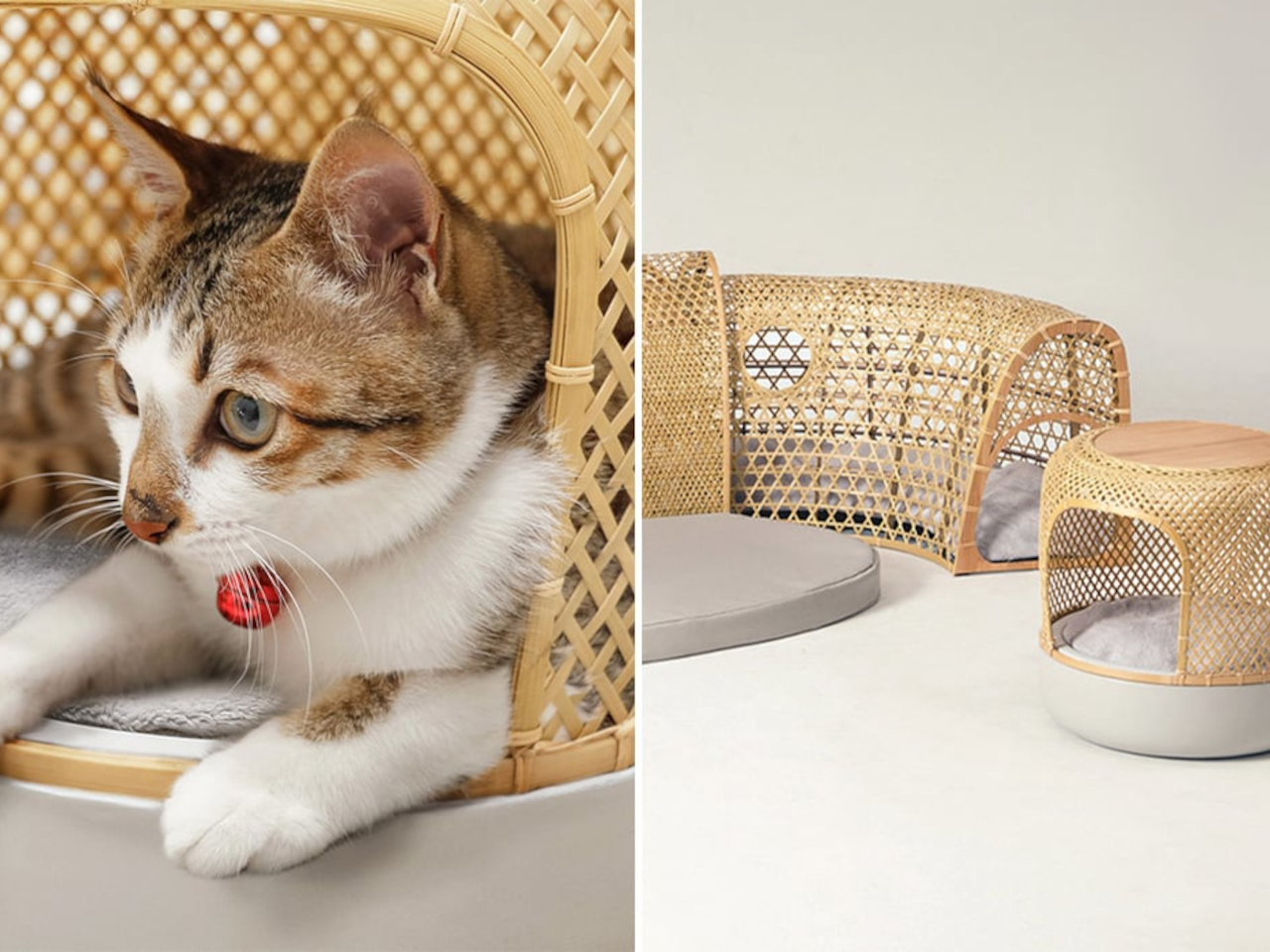
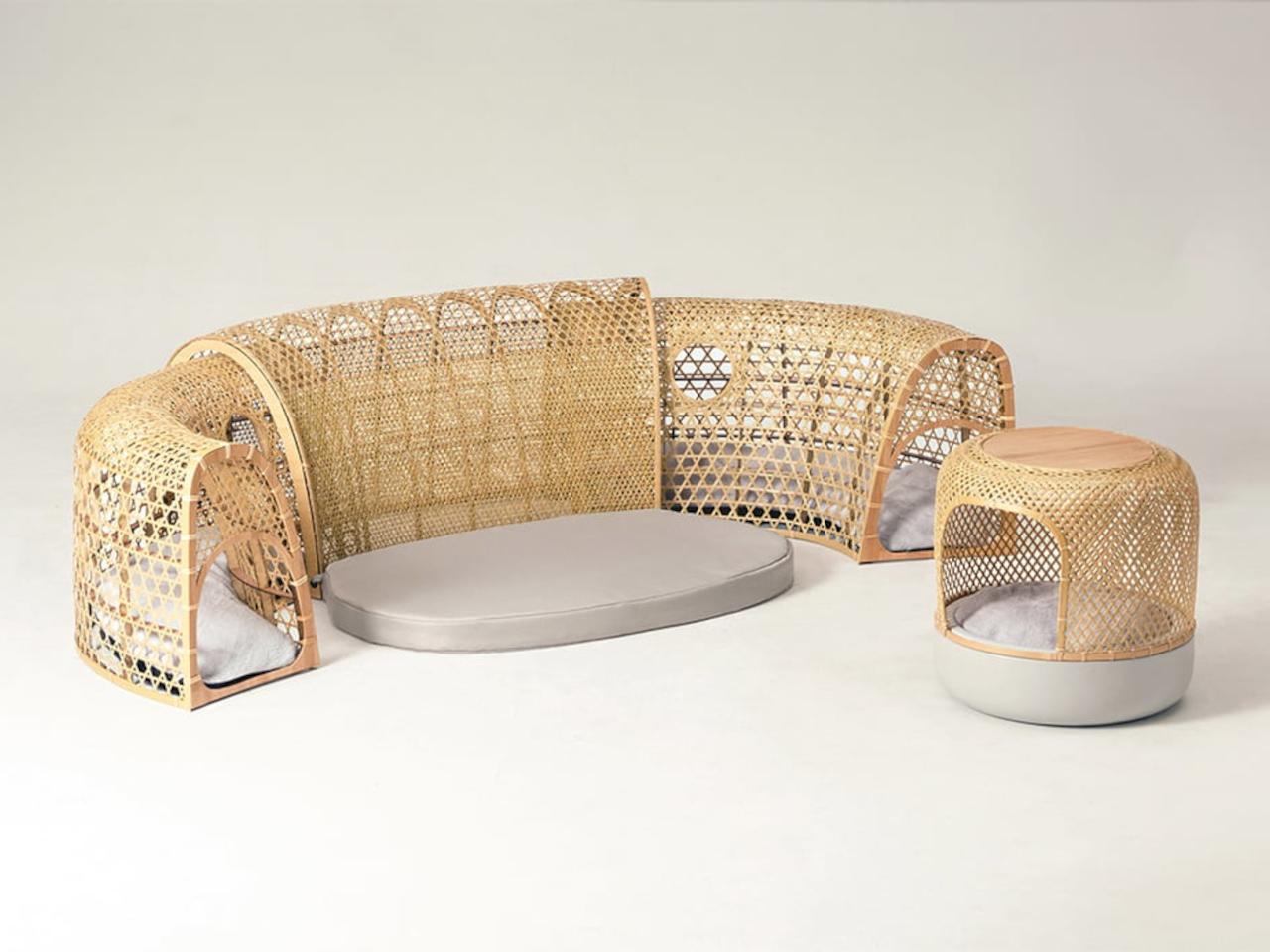
Humans aren’t the only ones who can enjoy bamboo-based products. With the rise in the number of pets in households, it’s only natural for pet furniture to also increase, most of which are made using plastic. Of course, not every piece or part of the pet furniture should be made of wood, but careful design can yield interesting results. CatYou in a Circle, for example, is an innovative modular cat furniture designed to serve as a lounge for both owners and pets. This set includes a floor sofa and coffee table, offering a relaxing space for cats and their owners.
Crafted with urban living in mind, it addresses common challenges faced by cat owners in compact spaces, providing hiding spots and play areas within the furniture. The woven bamboo design allows for visibility while maintaining boundaries, and adjustable armrests and washable cushions enhance comfort and versatility. CatYou in a Circle’s design balances functionality, style, and the behavioral needs of both pets and humans, making it an ideal solution for modern living spaces.
Thilina Liyanage’s “Birdie” is a picturesque bamboo glamping villa that resembles a majestic bird in flight. Located amidst a forest in Sri Lanka, this stunning creation showcases Liyanage’s talent for crafting nature-inspired structures using bamboo and wood. Elevated on stilts, Birdie offers occupants a serene view of the surrounding forest, with two levels providing ample space for a family of three. The upper level features a bedroom with a balcony, while the lower level includes a living space, a toilet, and a cantilever hammock for relaxation. With its bamboo, wood, and tile exterior, Birdie exudes the elegance of a swan about to take flight, creating an illusion of being suspended in the air. The spacious interior, cleverly integrated into the bird’s chest and wingspan, offers a comfortable retreat amidst nature.
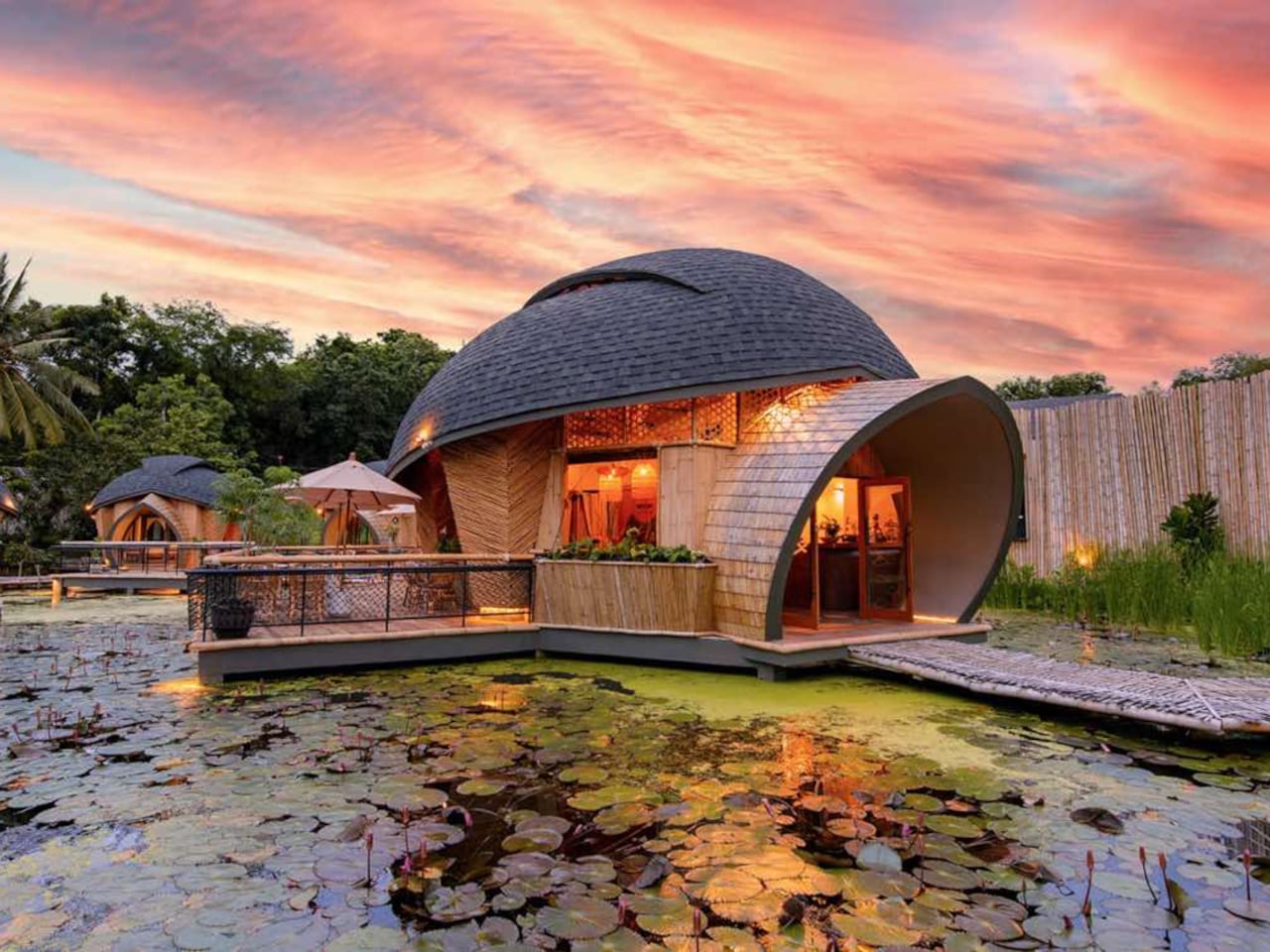
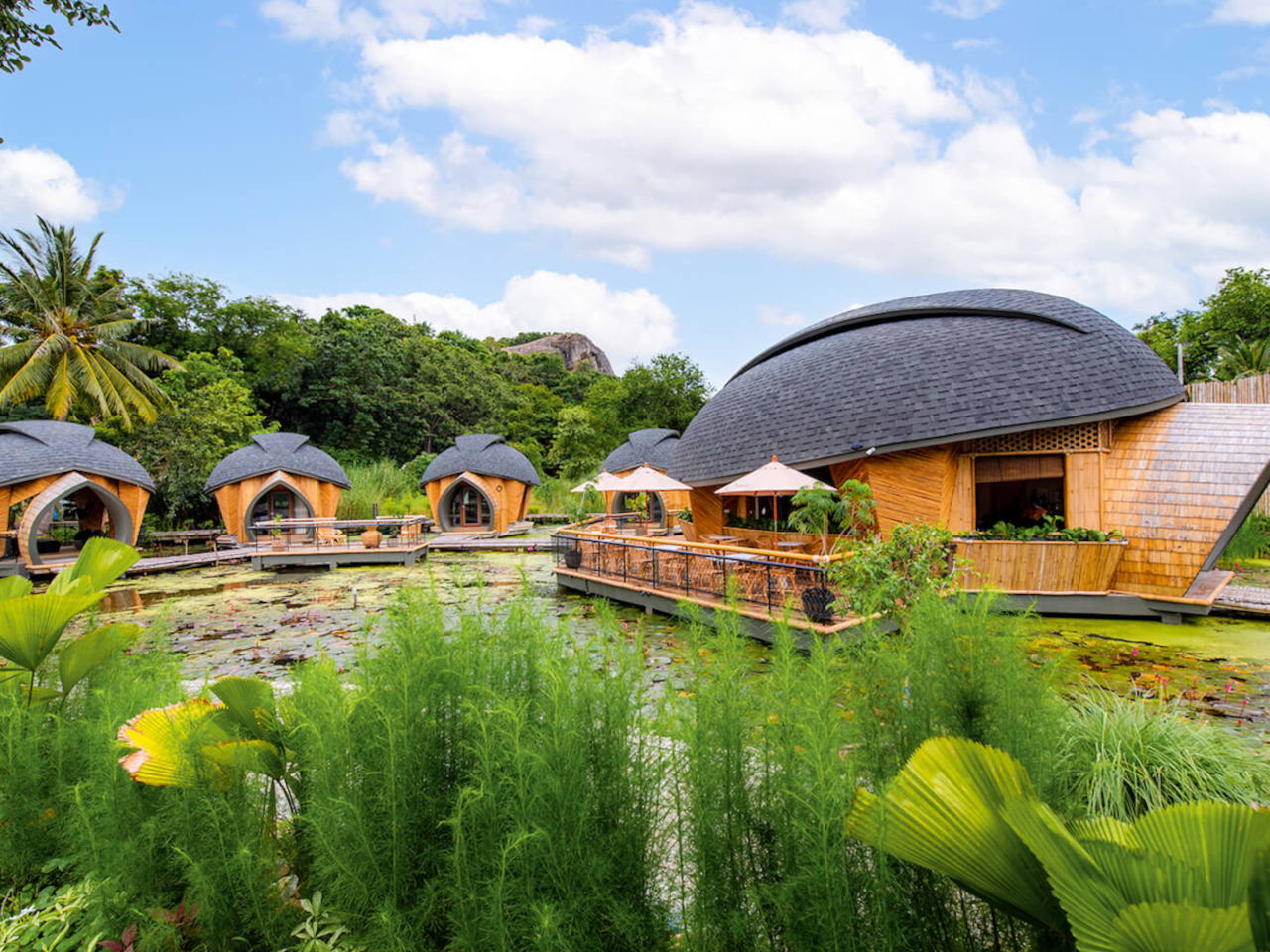
Turtle Bay, situated by Thailand’s Khao Tao Reservoir in Hua Hin, exemplifies eco-tourism through its sustainable design and use of local materials. Architect Sarawoot Jansaeng-Aram’s concept includes floating bungalows crafted to resemble bamboo turtles, featuring shingled roofs and locally sourced bamboo. Embracing the renowned “Poon Tum” technique, known for its natural ventilation and resilience, Turtle Bay showcases a commitment to preserving the ecosystem.
9. Bamboo Cleaning Brush
Just like with toothbrushes, household cleaning tools are mostly made of plastic. Though some brushes do have wooden handles, their bristles are still made of plastic. It’s possible to use different materials, but the usual plastic alternatives are often too expensive to produce.
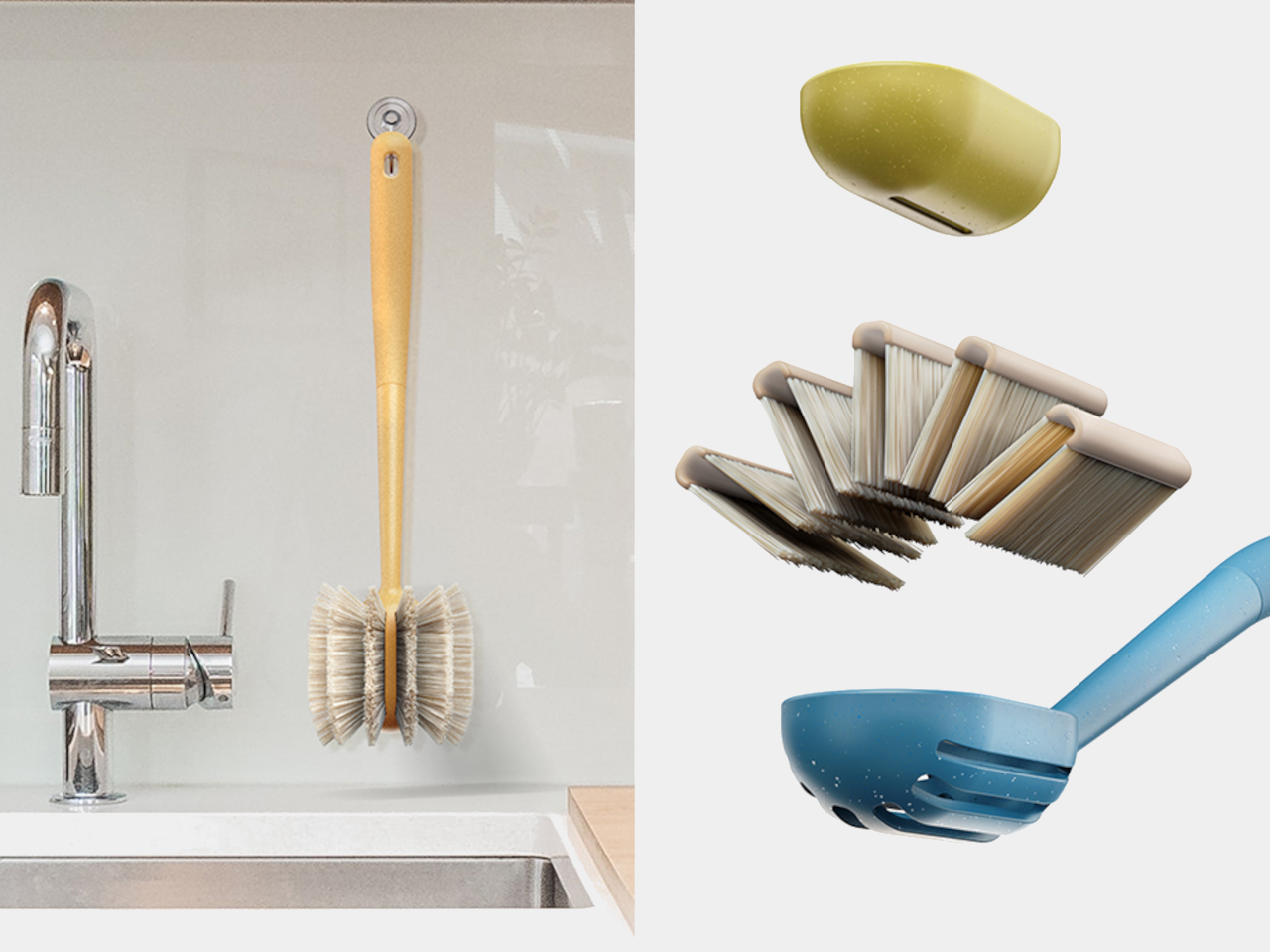
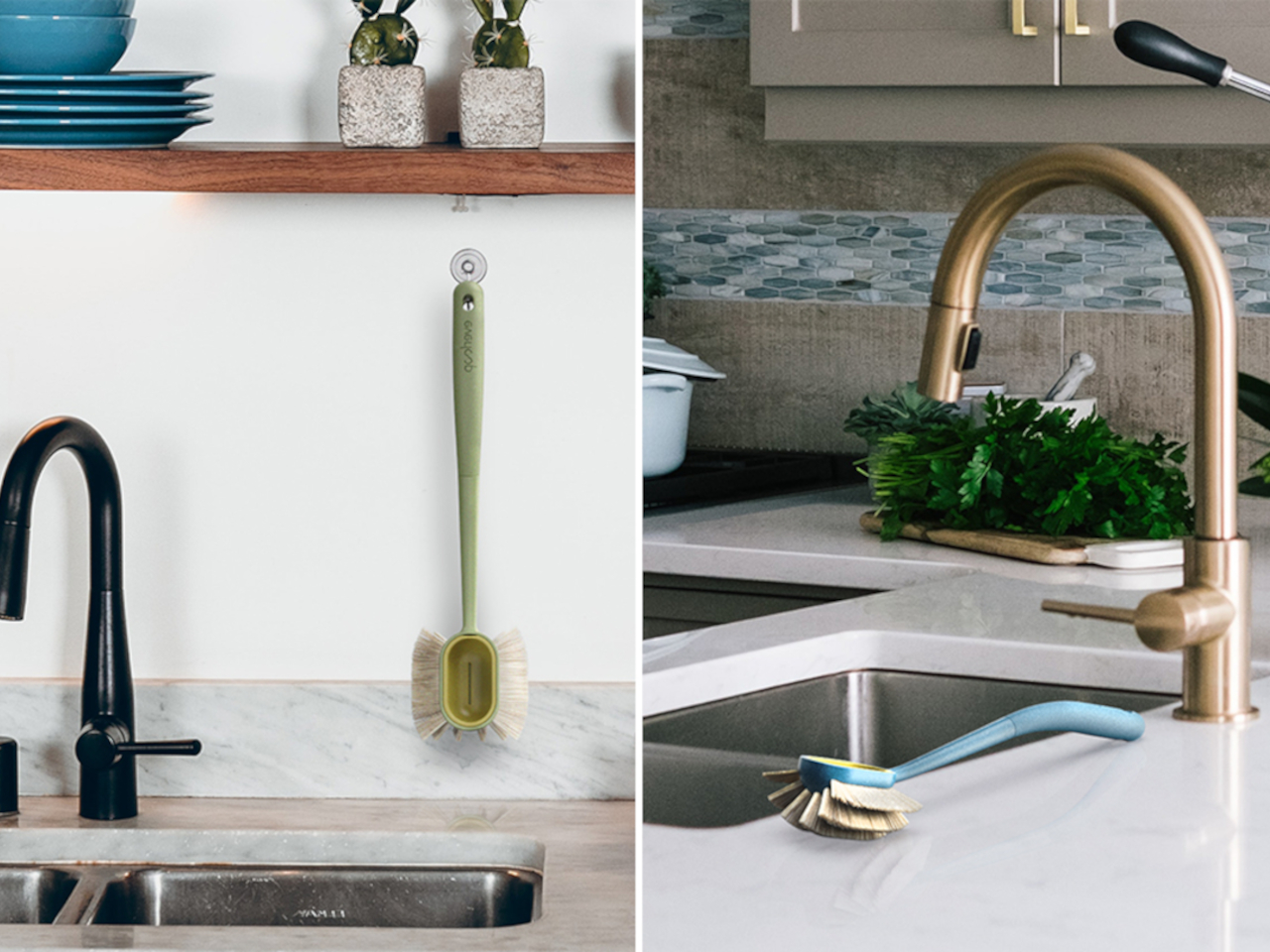
This sustainable dish brush features replaceable bamboo bristles, ensuring infinite reusability. Introduced by NOS, the creators of the successful Everloop Toothbrush, this innovation addresses the mounting plastic waste issue. The brush’s concave lid mechanism doubles as a soap container, while its replaceable bristles, made from natural fibers like bamboo and castor beans, are 100% compostable.
10. Bamboo Packaging
Although phone manufacturers have started removing plastic from their boxes, other products continue to ship packaging with plastic wrap or even plastic containers. Wood isn’t always a better choice for this purpose, but bamboo-based materials can actually help bridge the gaps between plastic, paper, and wood.
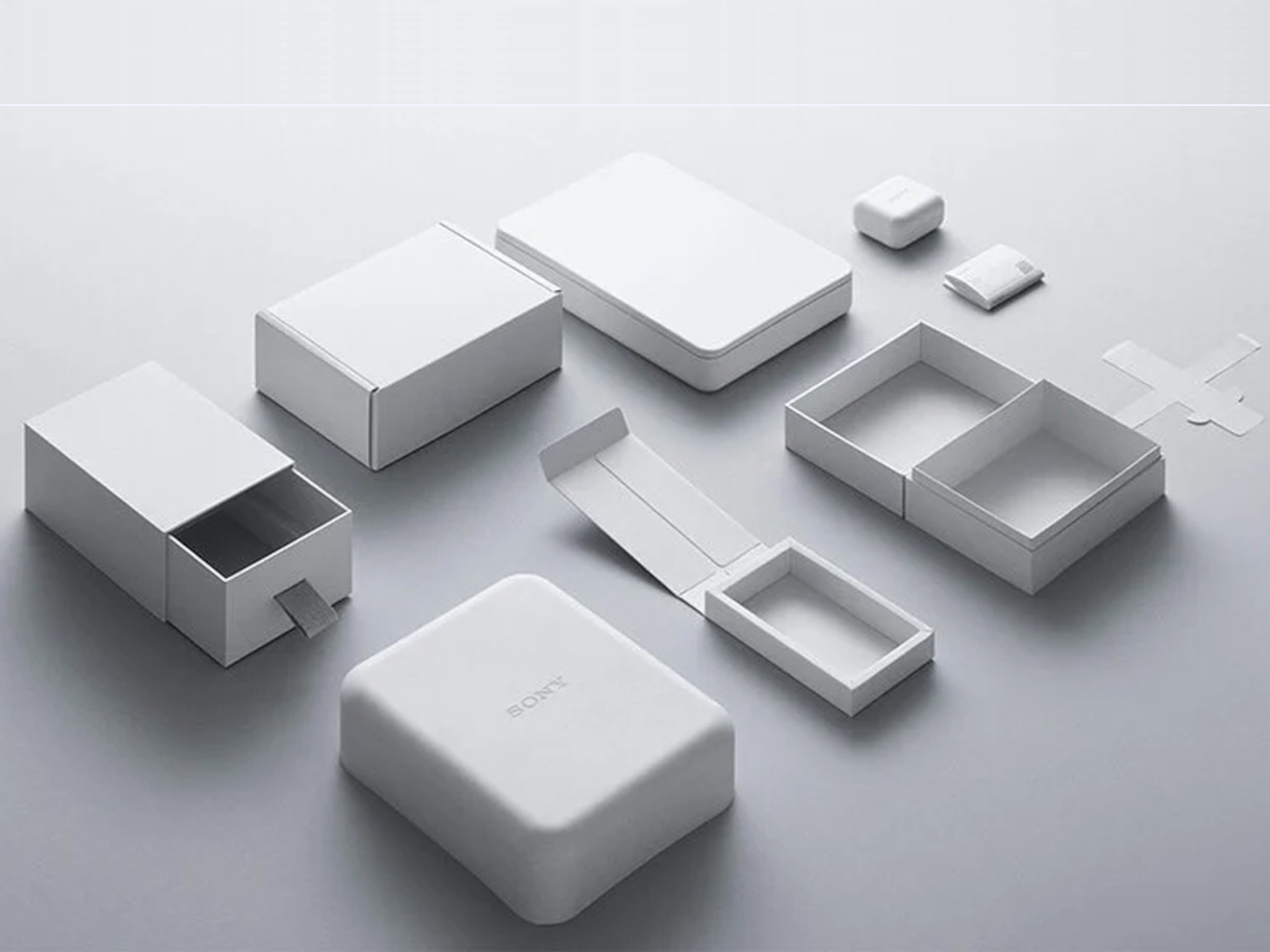
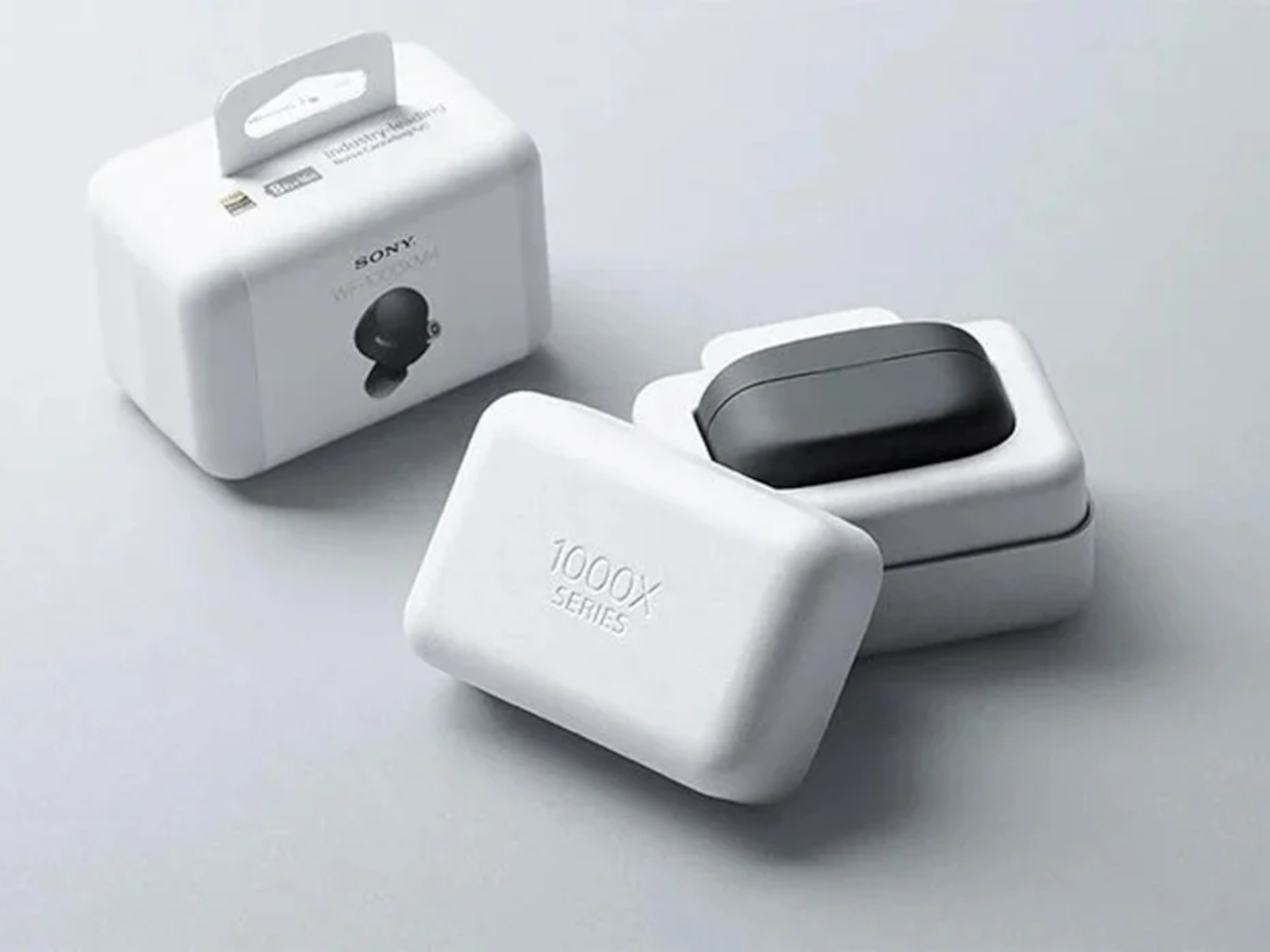
Global brands are increasingly prioritizing sustainability, with initiatives ranging from extending product lifecycles to sourcing eco-friendly materials for packaging. Sony, for instance, has launched its sustainability campaign by adopting recycled paper goods and locally sourced annuals for packaging. Their Original Blended Material, made from bamboo, sugarcane, and recycled paper, reduces CO2 emissions compared to traditional packaging materials sourced from mature trees. By sourcing materials locally and promoting sustainable practices, Sony aims to minimize environmental impact while delivering quality products.
When it comes to choosing speakers to adorn your home and play your favorite music in your space, the look or design is not always the priority. The first thing you’re probably looking at is the sound quality (or maybe the cost if you’re working on a tight budget) and how it looks is just an afterthought. There are brands though that have teamed up with designers to make their speakers stand out in the sometimes overly crowded audio market.
Designer: Tom Fereday for Pitt & Giblin
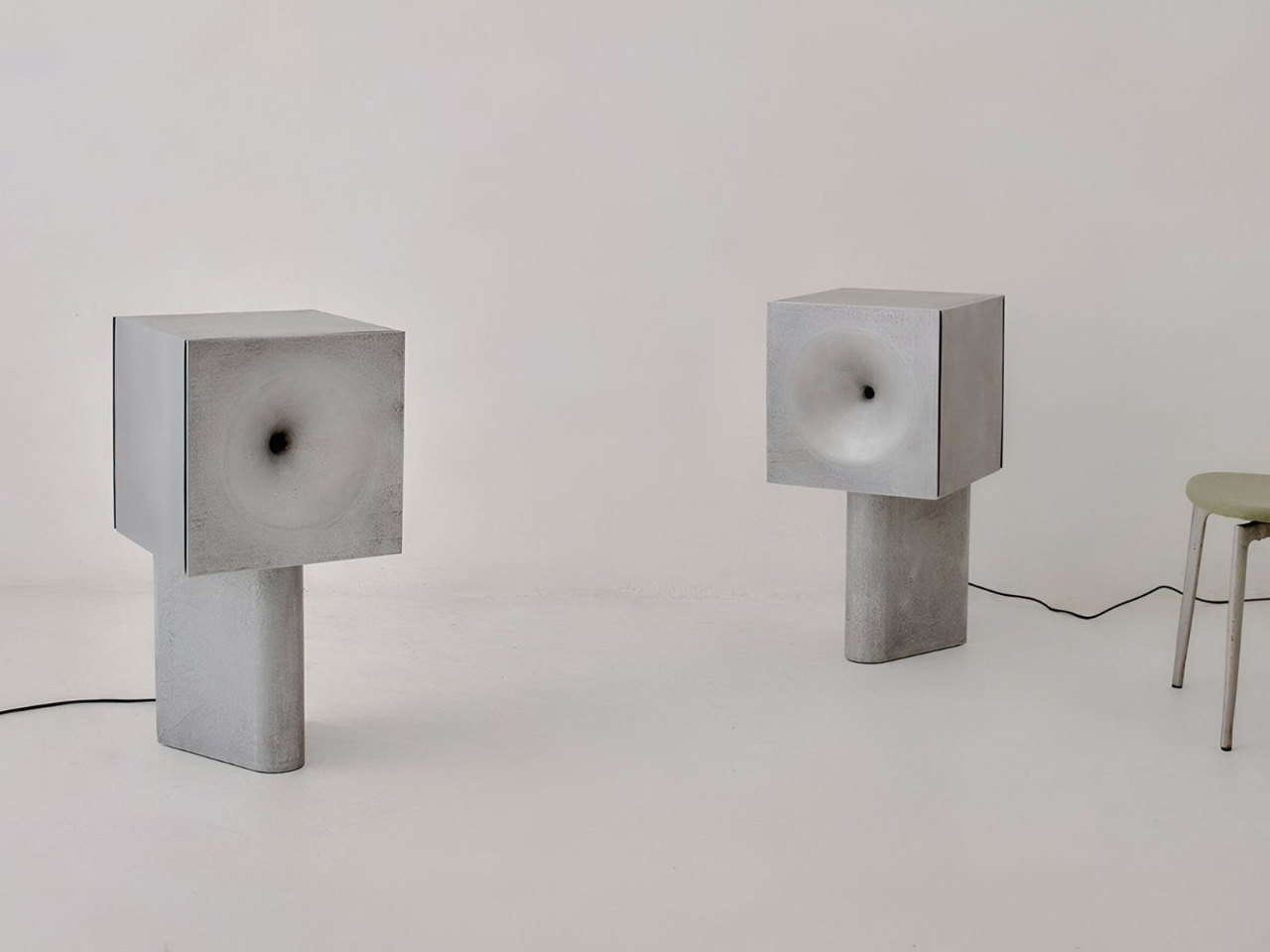
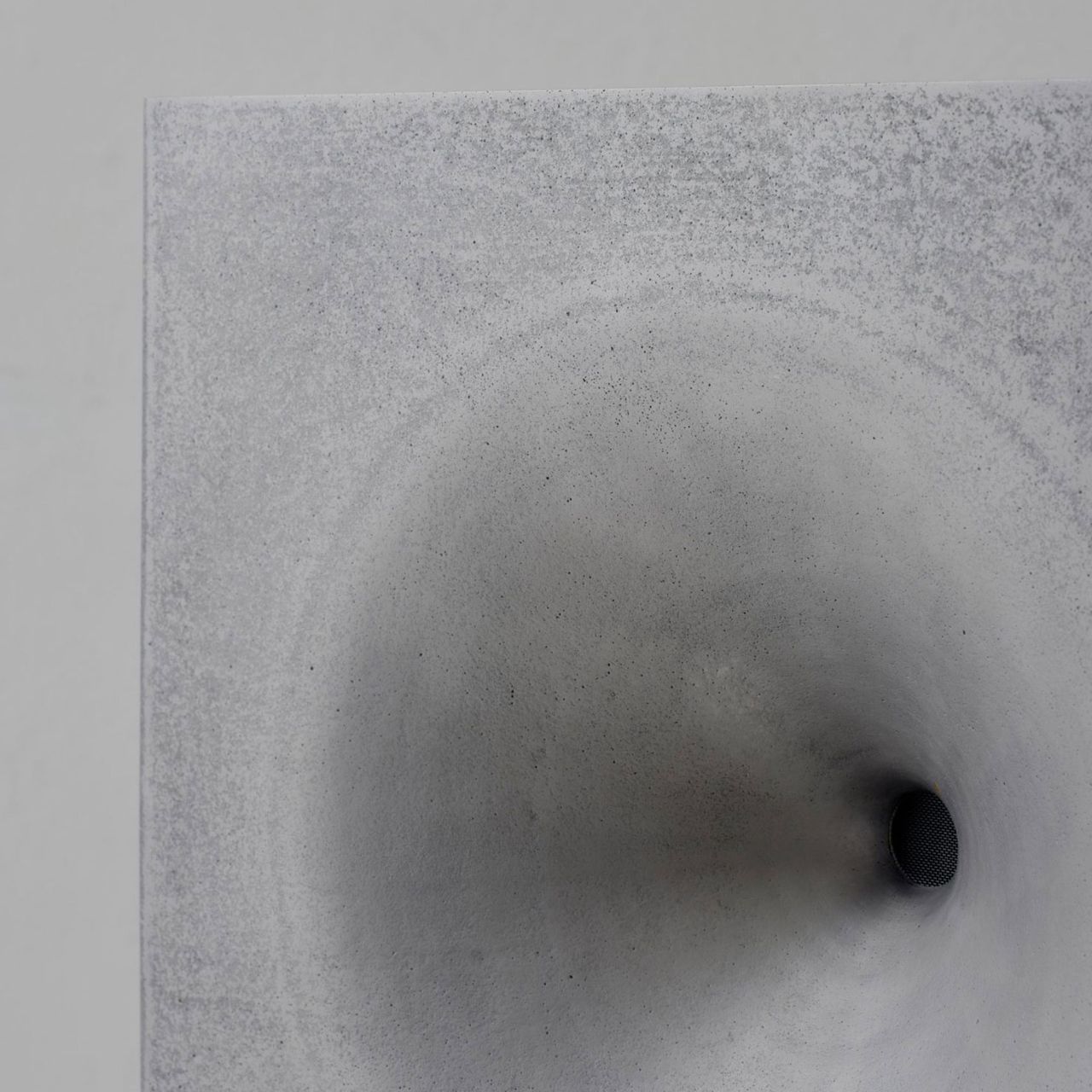
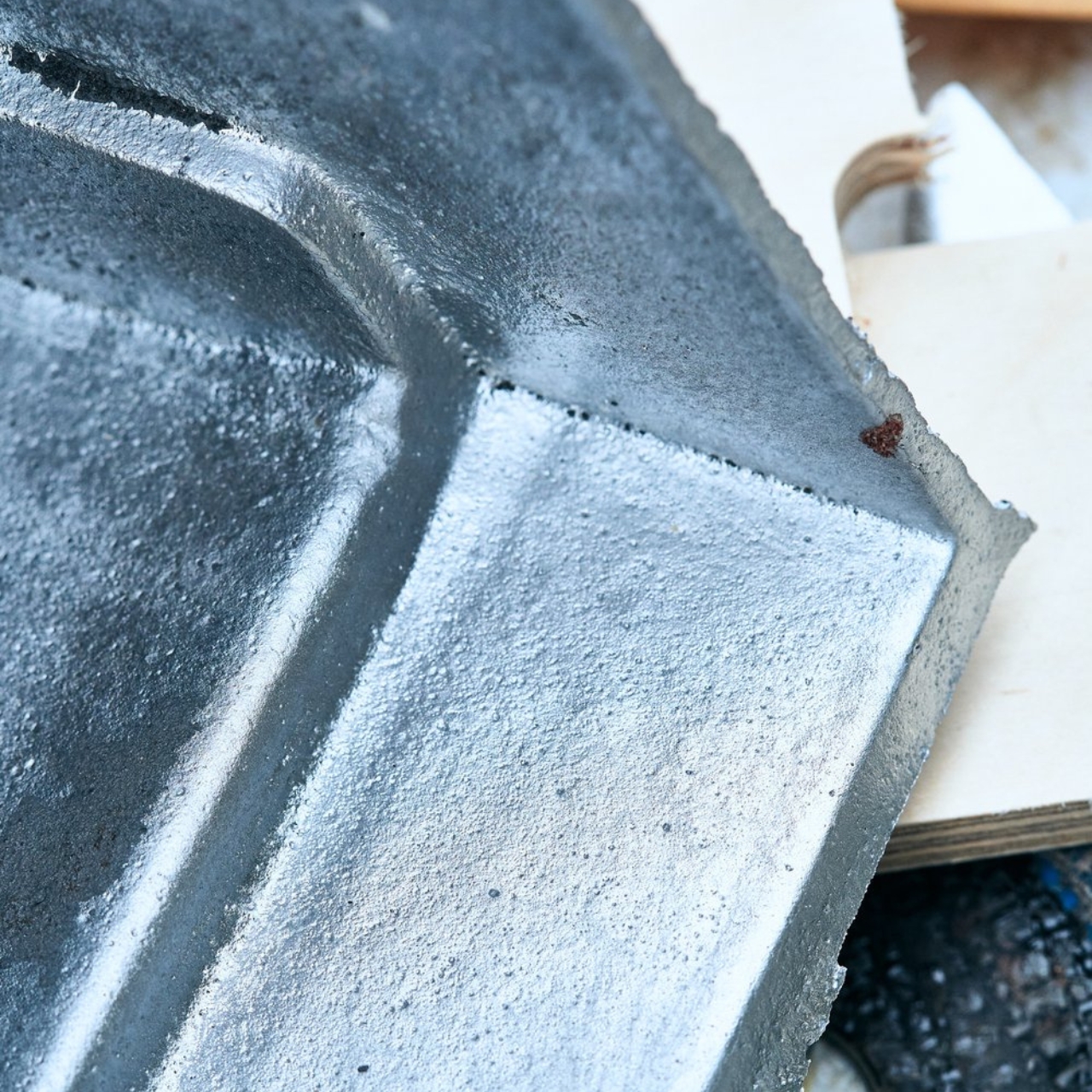
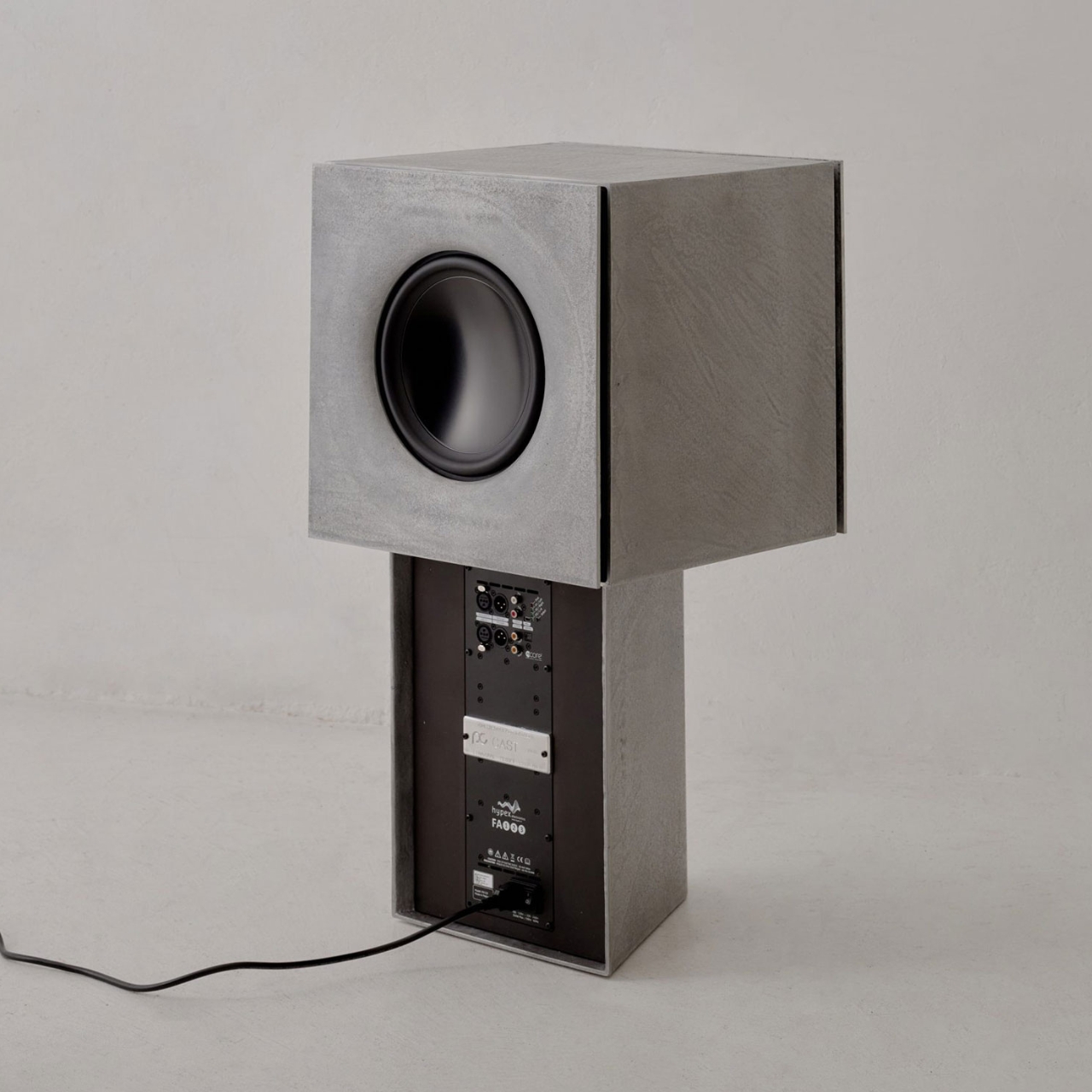
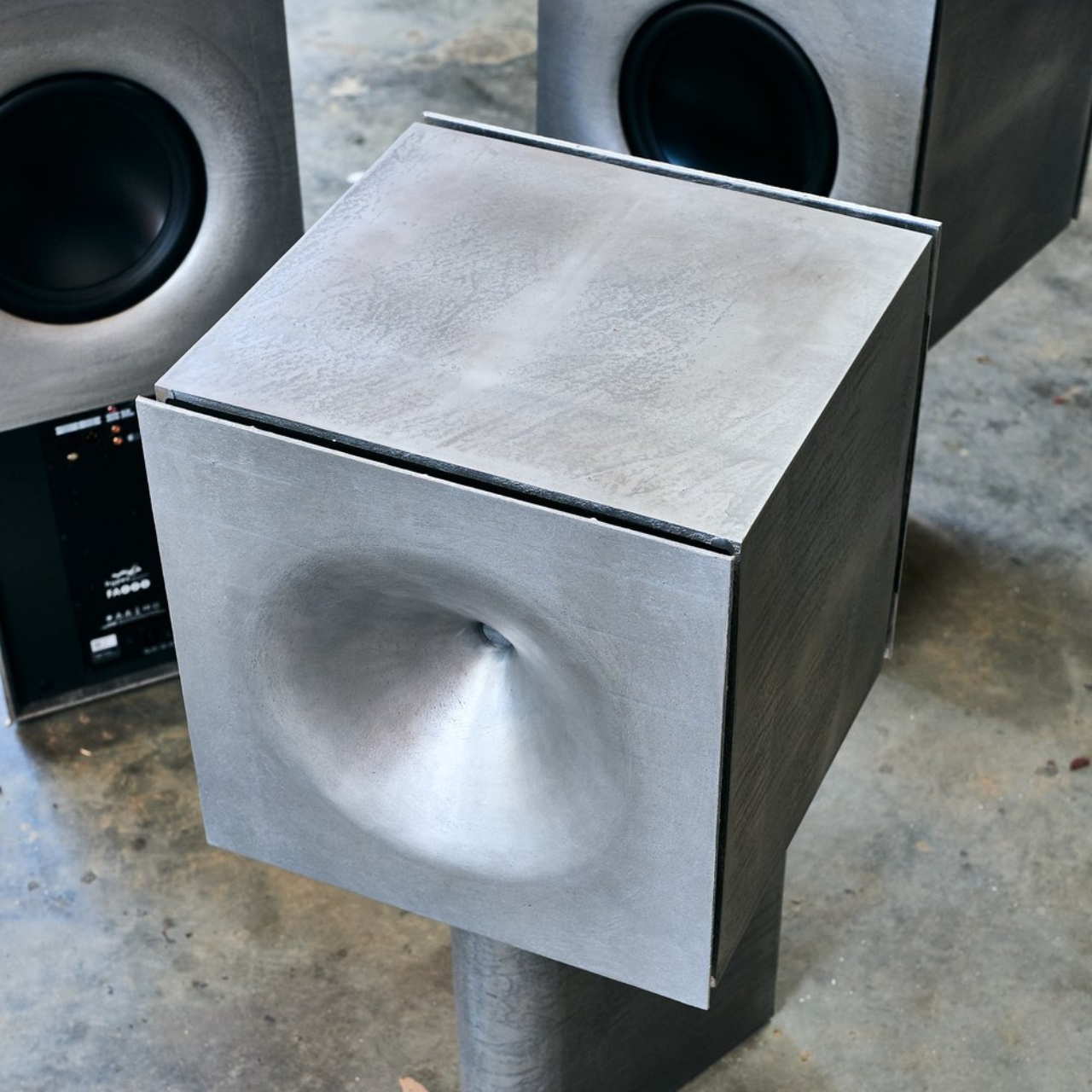
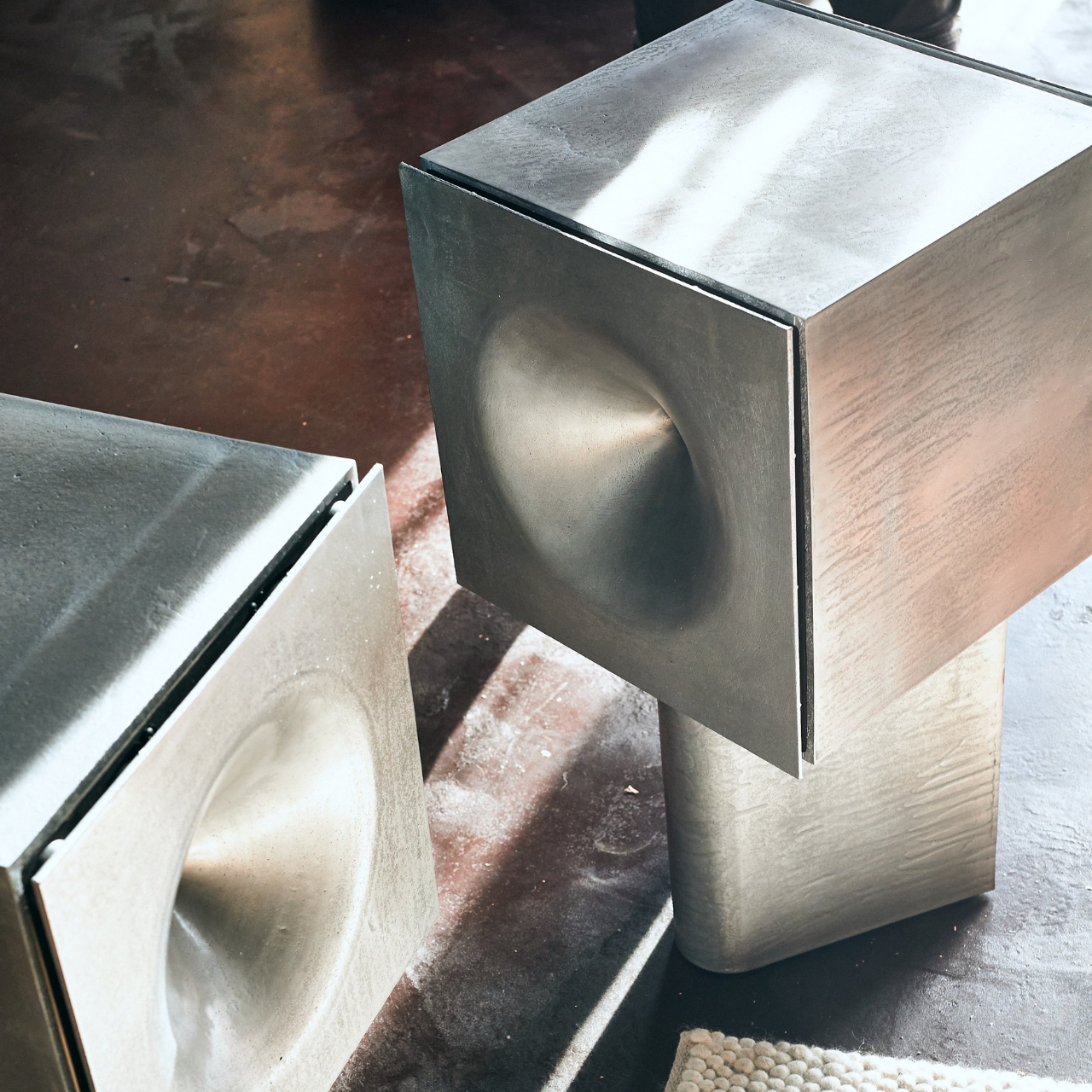
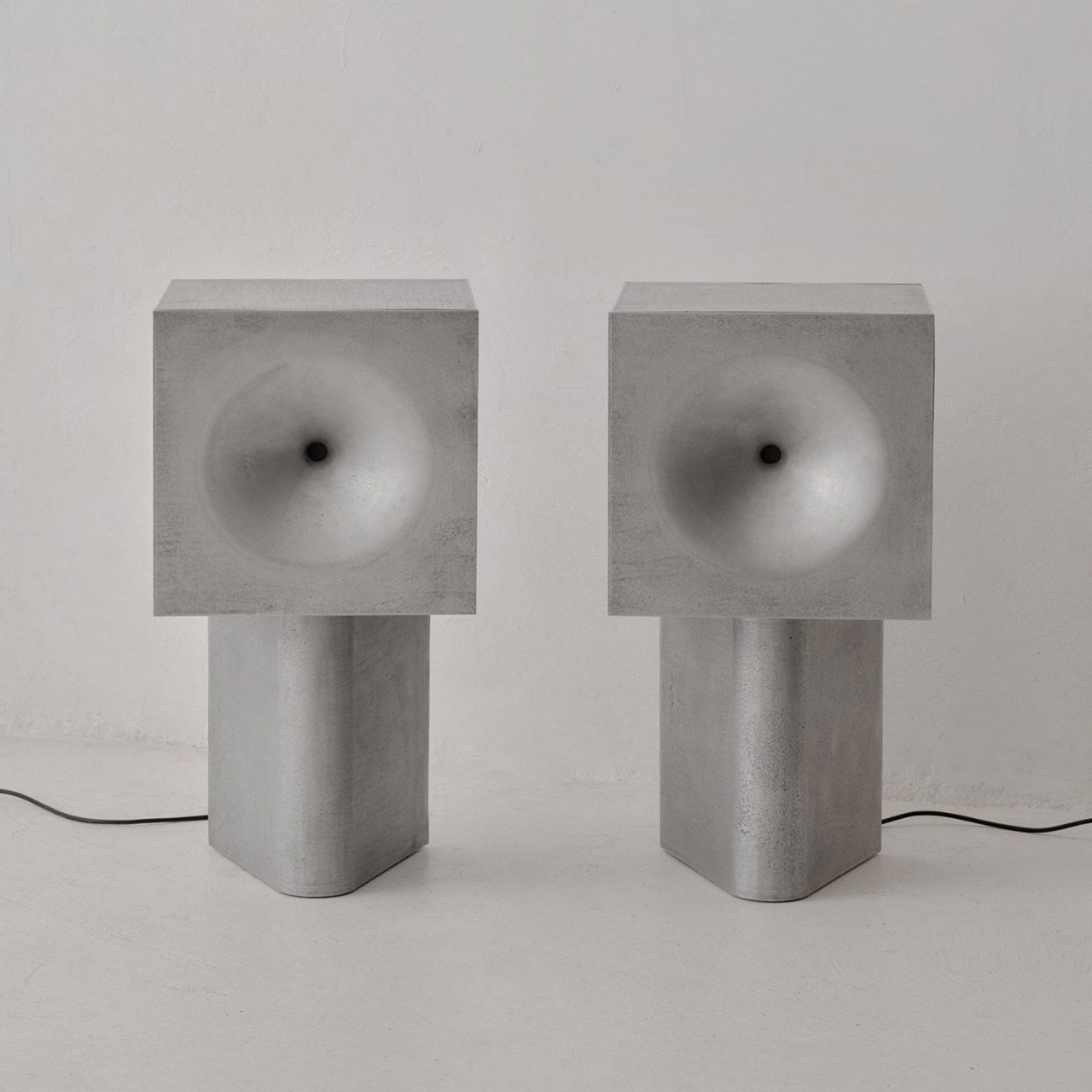
Tasmanian audio brand have teamed up wtih Australian designer Tom Fereday to bring something called the Cast speaker. It has an industrial but aesthetic design, if the look you’re going for is simple but steely. The speaker is mostly made from marine-grade aluminum that not only adds to the acoustic properties of the device but also makes it more durable. This kind of aluminum can combat oxidation and degradation so it can last for a long time without looking so old.
Each speaker is made from four aluminum elements whose casting brings about a soft texture with a certain sheen. This is because the external surfaces are honed and hot waxed. The speaker itself has a complex curve on a circular pattern with a small opening at the center, the only interruption in its cohesive design. The casting is both the cubic framework and the acoustic design for the speaker.
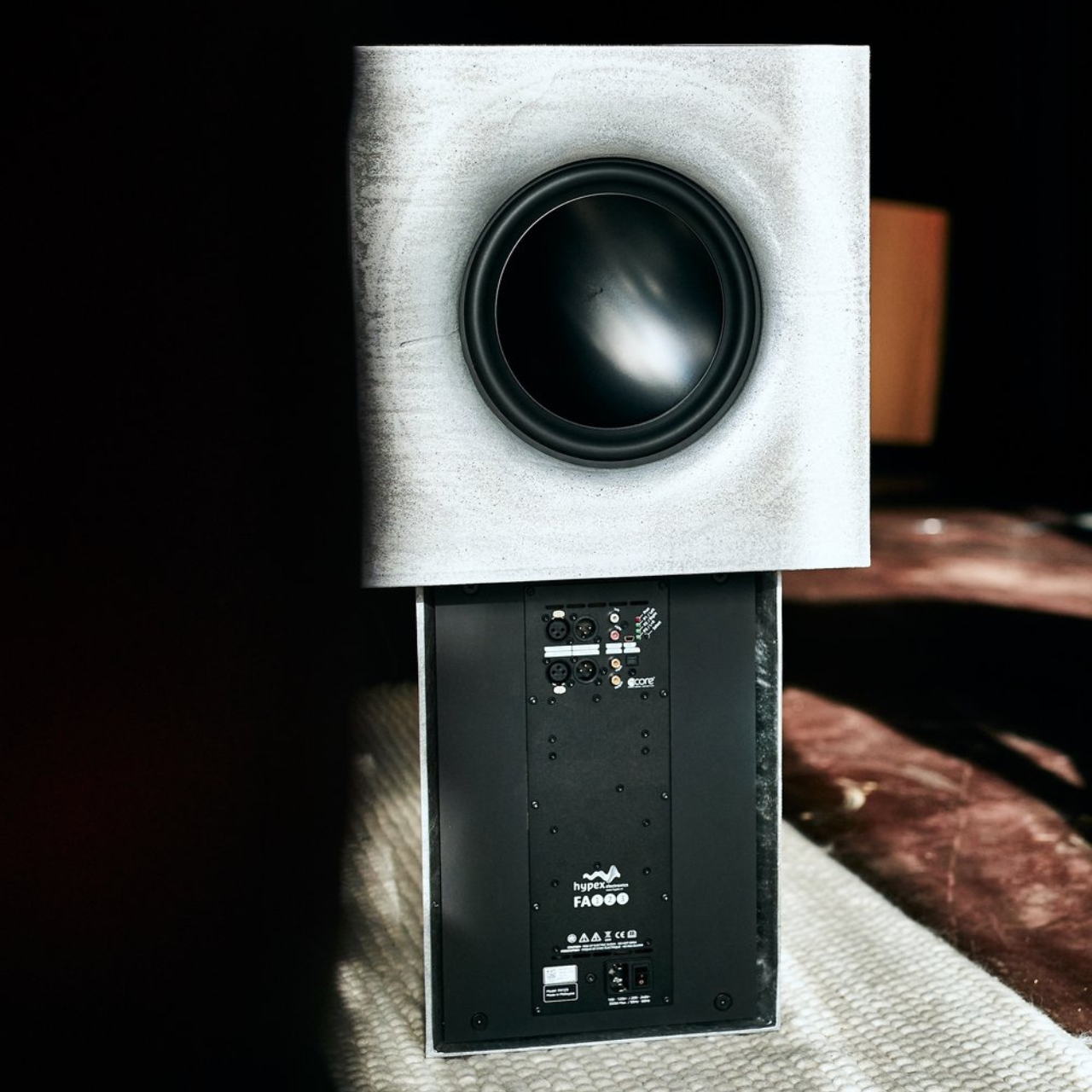
When it comes to quality, the Cast speaker has a Hypex FusionAmp module that is able to power a 10″ subwoofer, four 4″midrange drivers, and a high frequency unit. The Digital Signal Processing is able to re-align the 3-way geometry that powers the unit. It’s a pretty high-end piece of audio equipment so the price is pretty steep. But if the look and the quality is what you’re looking for, you wouldn’t mind spending that much,
We might take for granted the effect that lighting has in our lives, thinking they’re just there for illumination. Even that aspect, however, can have unintended consequences, such as when the light is too bright, too dim, too cold, or too warm. Suffice it to say that lighting fixtures can affect not only visibility but even ambiance, especially if the light source is always visible.
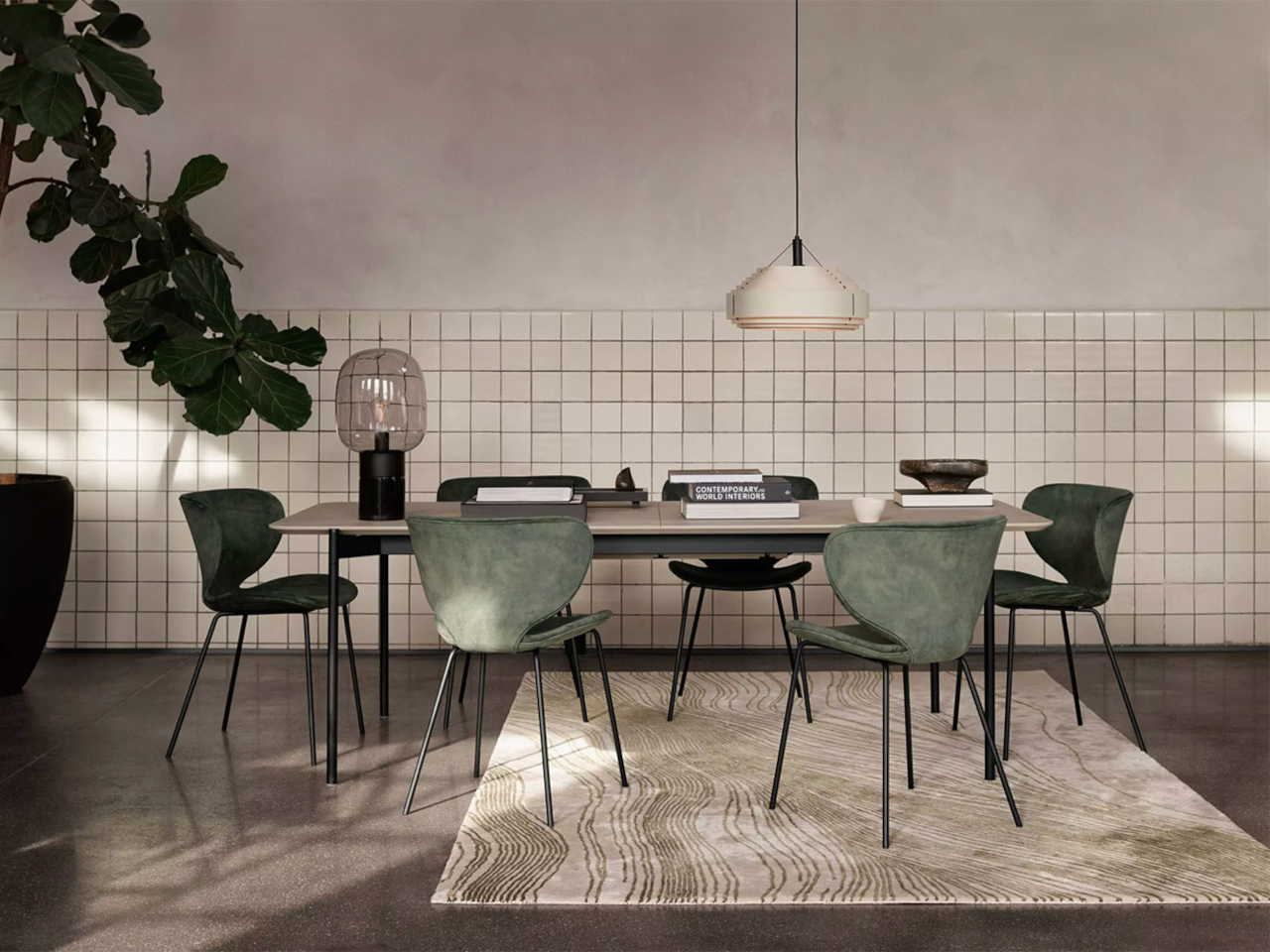
A pendant light hanging from the ceiling is one such example, and while it might sometimes be nerve-wracking to see them precariously swaying in the wind, they can also be a source of wonder, awe, and even calm. This particular design takes its inspiration from both nature and geometry to create an almost mesmerizing effect when viewing it from different angles.
Rippling water has always been associated with calm, meditation, and Zen. Unlike a gushing river, concentric circles expand at a gentle and uniform pace, creating a hypnotic movement that’s only broken when colliding with another rippling surface. You can’t make light ripple without some sort of liquid or substance, but this pendant light comes close to emulating that effect both in design and in lighting.
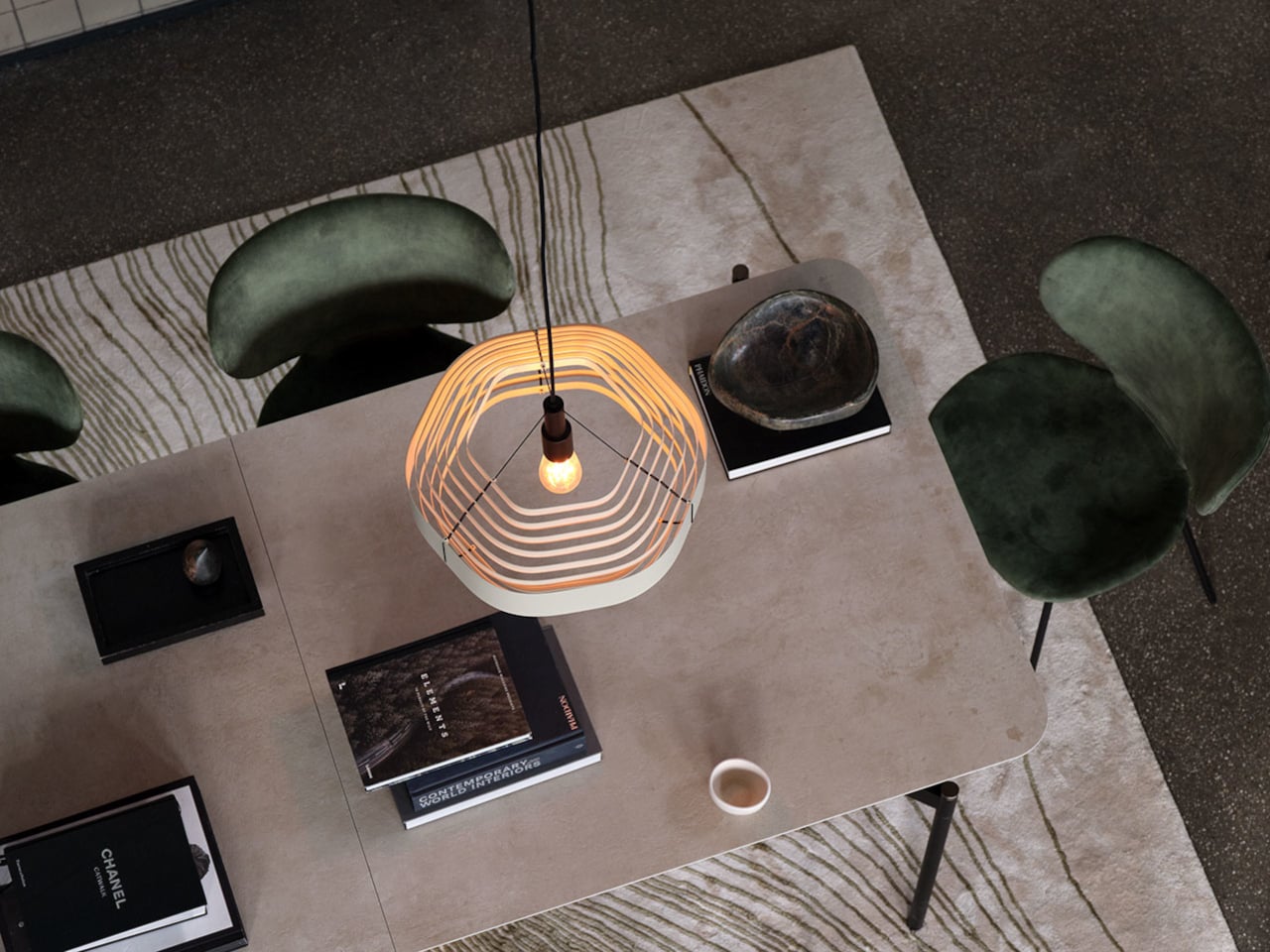
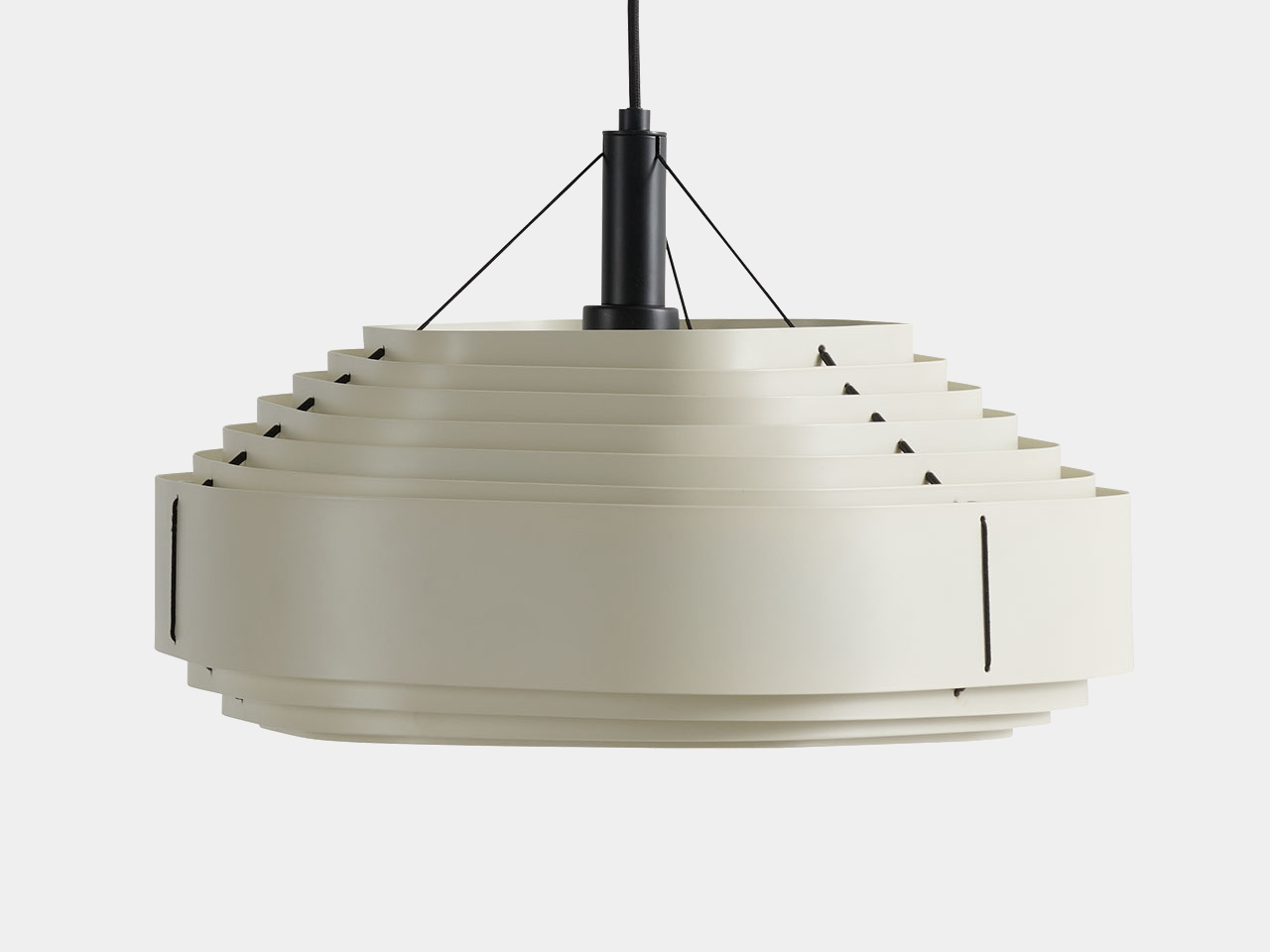
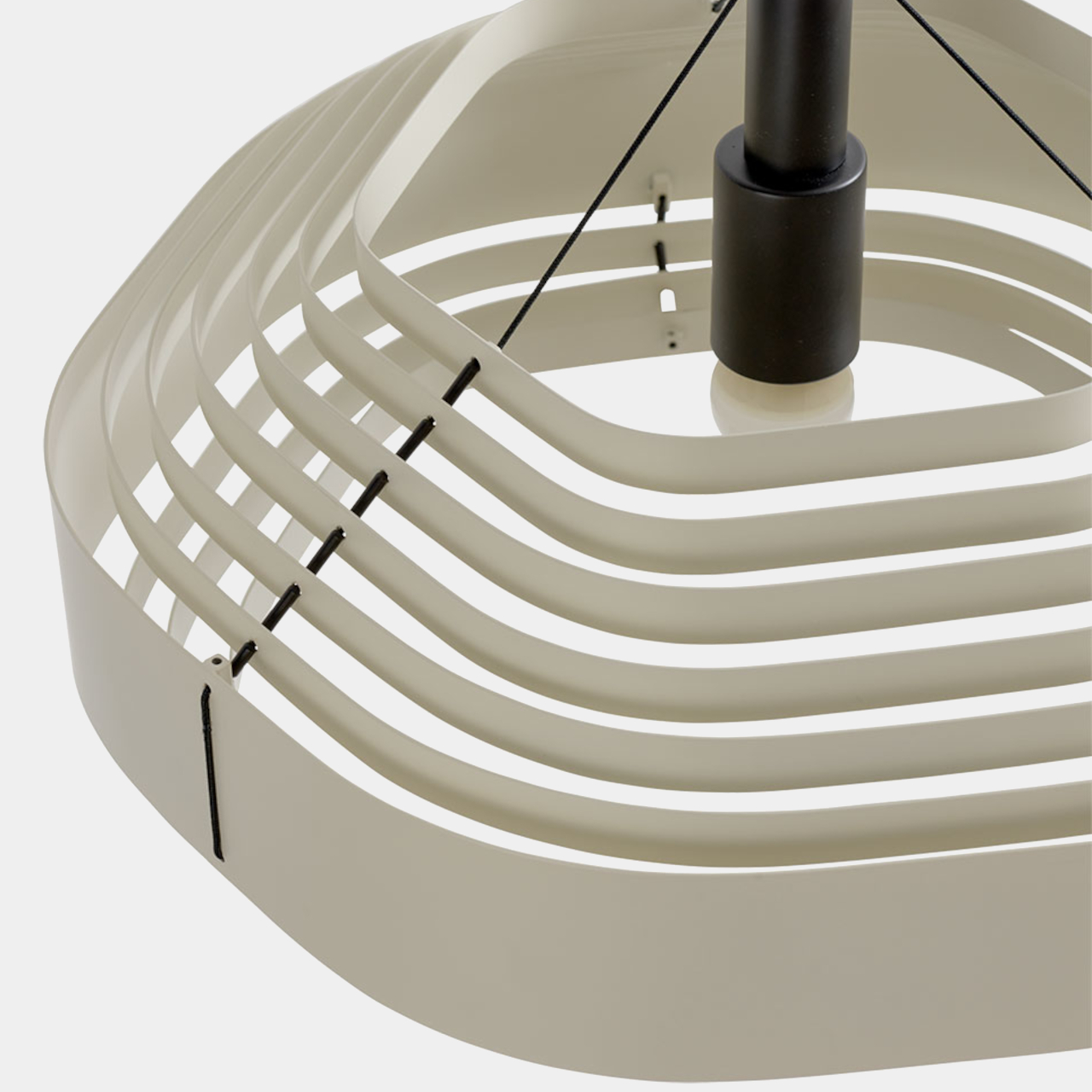
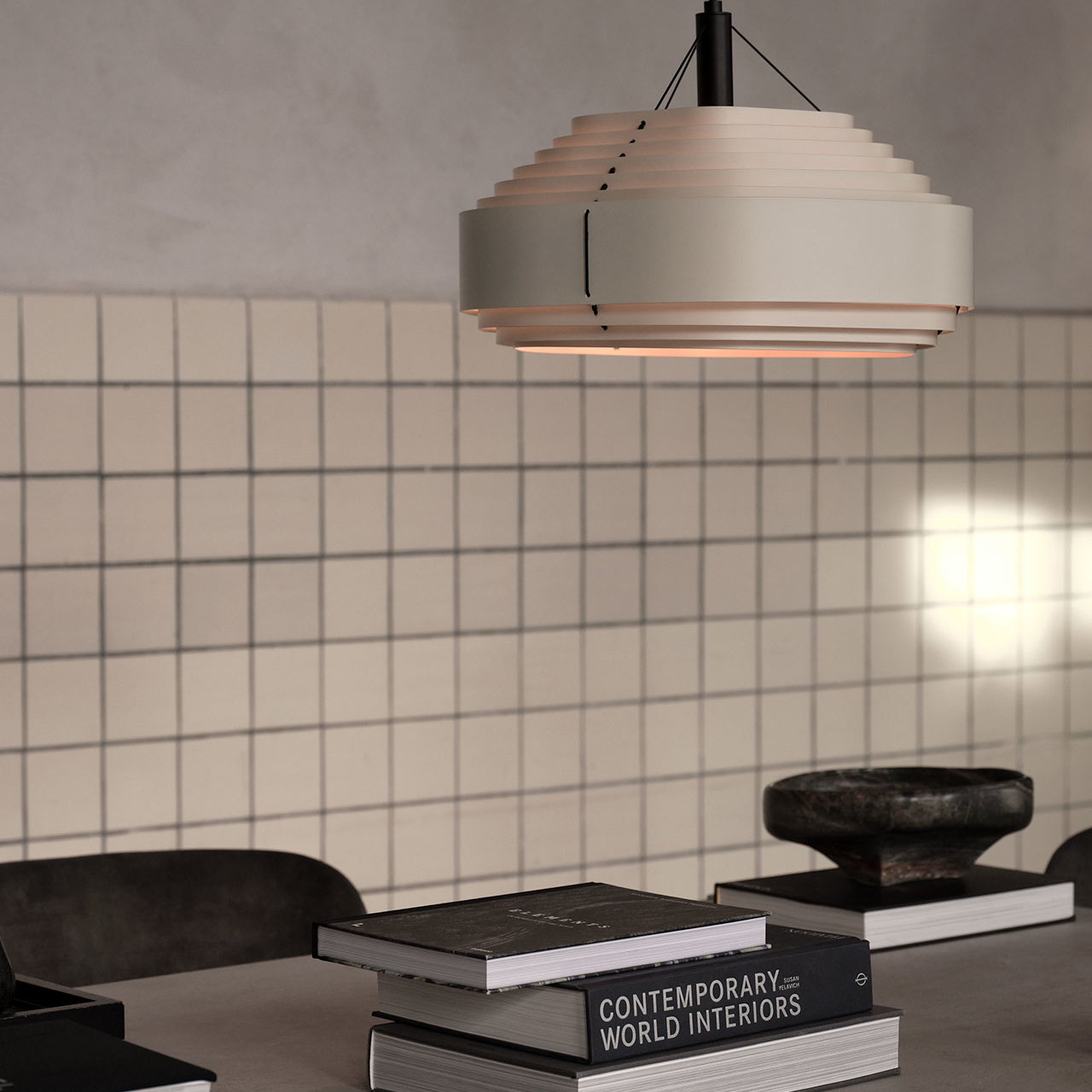
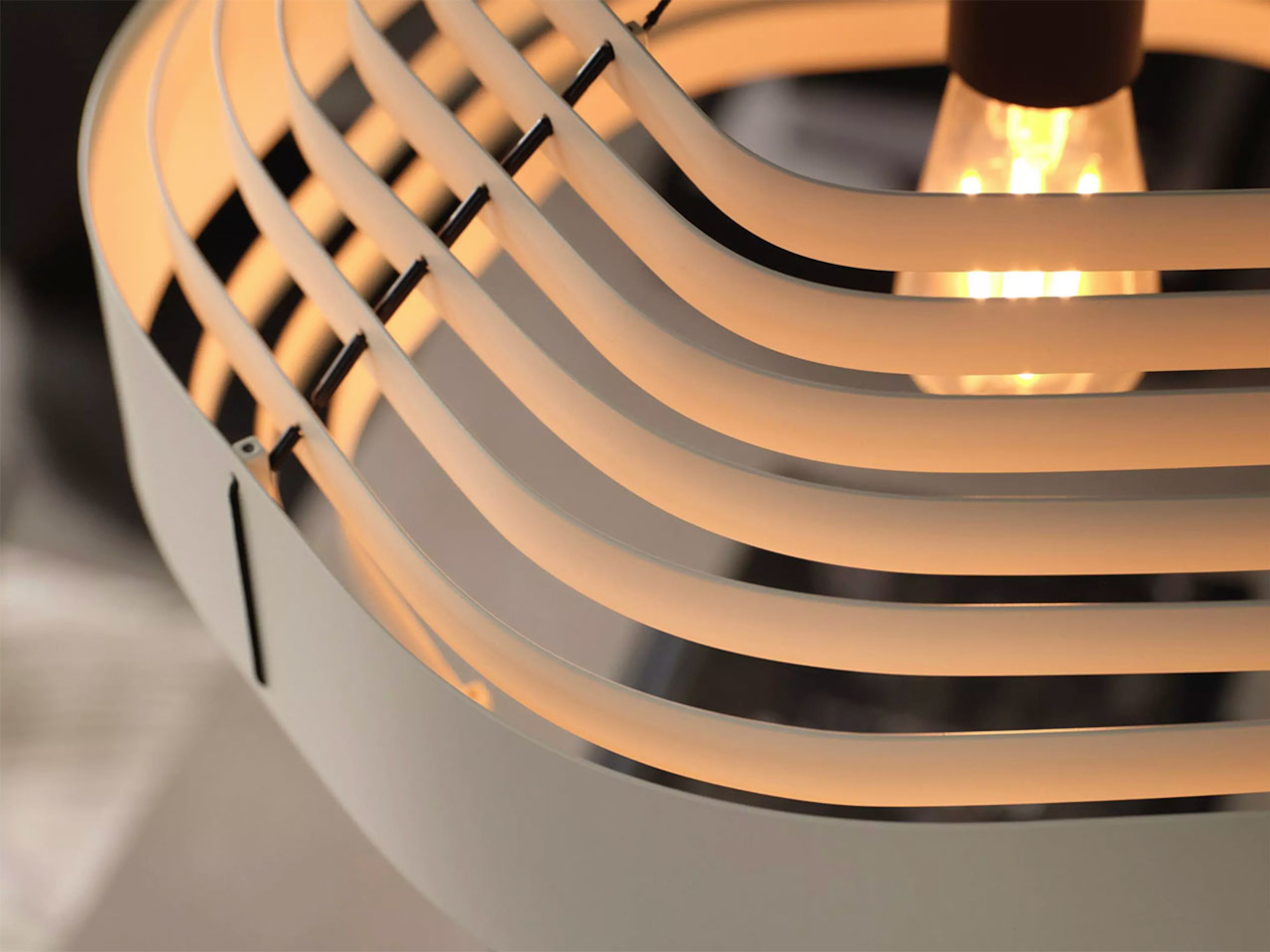
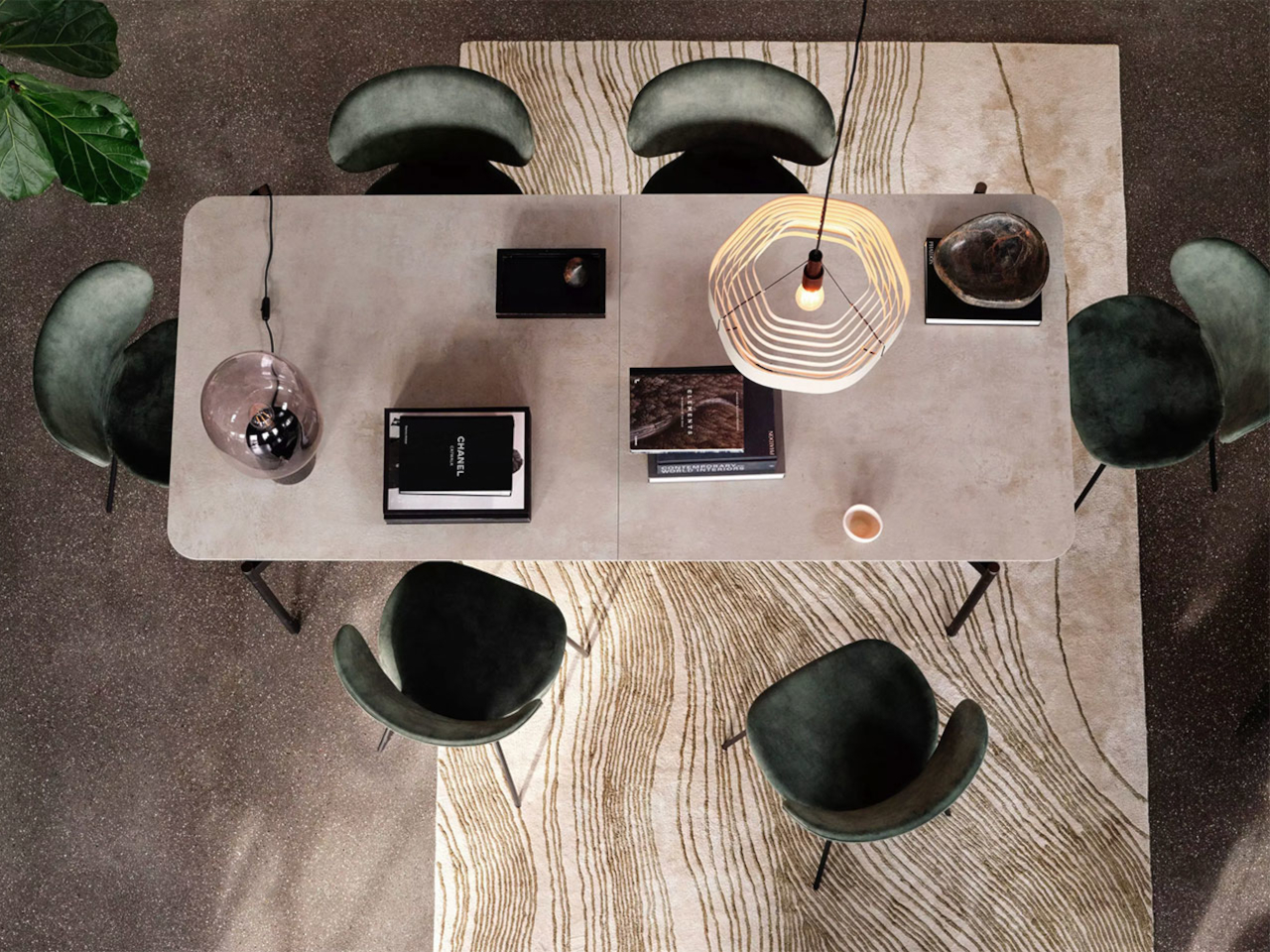
The Ripple lamp is composed of concentric hexagons loosely bound together with black fabric cords. When hanging from the ceiling, the pieces separate and drop to create a pyramid form that’s almost like a ziggurat. Because of this “three-dimensional” arrangement, you get a different and unique view when seen from different angles. Of course, from the top, it looks like a rippling pattern, one with hexagons instead of circles.
This composition also affects the light being distributed from the center. Light doesn’t just go down as with normal pendant lamps but also upward, which has the effect of diffusing the lamp’s glare. Naturally, it also casts interesting shadows which add to the mystical effect of the rippling form.
The lamp comes in a flat-pack form, with the eggshell white metal rings taking up less space when collapsed. Its design is simple and minimalist, yet effective in conveying a sense of calm and peace. Even with the light off, the Ripple lamp functions as a decorative piece that gives a unique visual to any room’s atmosphere.
In the world of audio technology, growth and evolution is consistent. Every day we witness innovative designs that are transforming how we hear and experience sound. Today, audio products are futuristic. They deliver not only sound but also build immersive experiences that engage multiple senses. We have curated ten groundbreaking audio designs for you, that will offer a unique and inspiring perspective on the future of sound.
These ten futuristic audio designs represent the cutting edge of sound technology. From visually stunning speakers to personalized audio experiences, each product offers a unique perspective on how we can engage with sound. As technology continues to evolve, these innovations pave the way for even more immersive and engaging audio experiences.
1. Ferrofluid Bluetooth Speaker
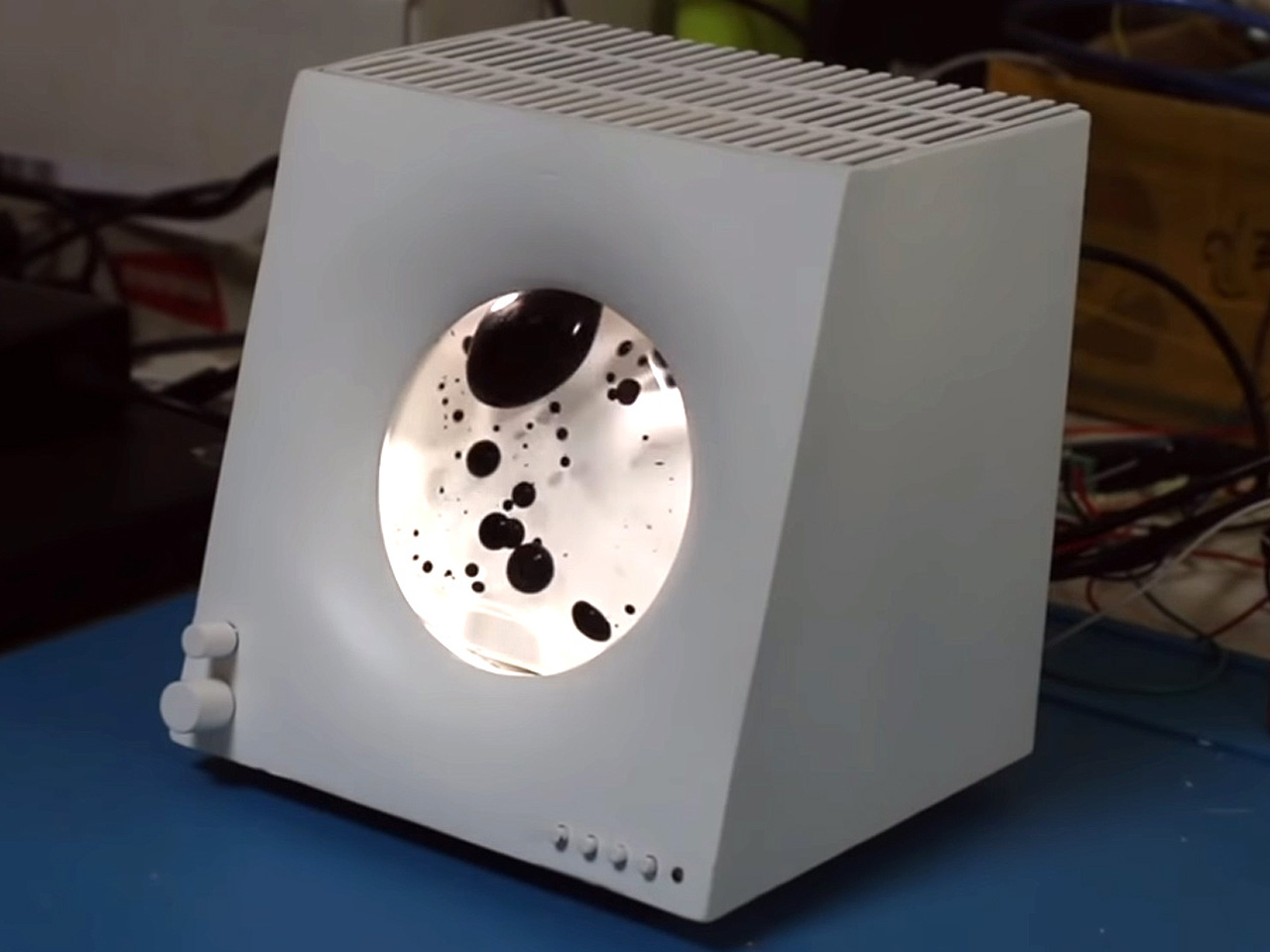
Dubbed the Ferrofluid Bluetooth Speaker, this innovative design merges sound and visual art, creating a dynamic Ferrofluid display. Ferrofluid, a liquid infused with nanoscale magnetic particles, was originally conceived by NASA for space applications. When the liquid is exposed to magnetic fields, it converts into lovely intricate patterns that seem to defy gravity.
This innovative speaker harnesses the mesmerizing properties of ferrofluids, forming a visual symphony that complements the auditory experience. The speaker features a sleek 3D-printed body, which is a perfect specimen of modern engineering and aesthetic appeal. It is equipped with a LED-illuminated glass chamber, that enhances the ferrofluid’s visibility while adding an ethereal glow.
Why is it noteworthy?
The Ferrofluid Bluetooth Speaker possesses the ability to translate sound into a captivating visual performance, offering a unique multi-sensory experience. This speaker isn’t just about delivering audio; it’s about creating an immersive environment where music is seen as well as heard. The visual representation of sound waves via ferrofluid provides a tangible connection to the music, allowing users to “see” the rhythm and intensity of their favorite tracks.
This integration of visual art with audio technology is a testament to the innovative spirit driving the future of consumer electronics. It challenges traditional perceptions of what a speaker can be, transforming it from a mere sound device into a centerpiece of interactive art.
What we like
The ferrofluid display provides a unique and mesmerizing visual experience
Combines cutting-edge technology with artistic expression
What we dislike
The ferrofluid may require special care to maintain its performance
2. LAVA GENIE
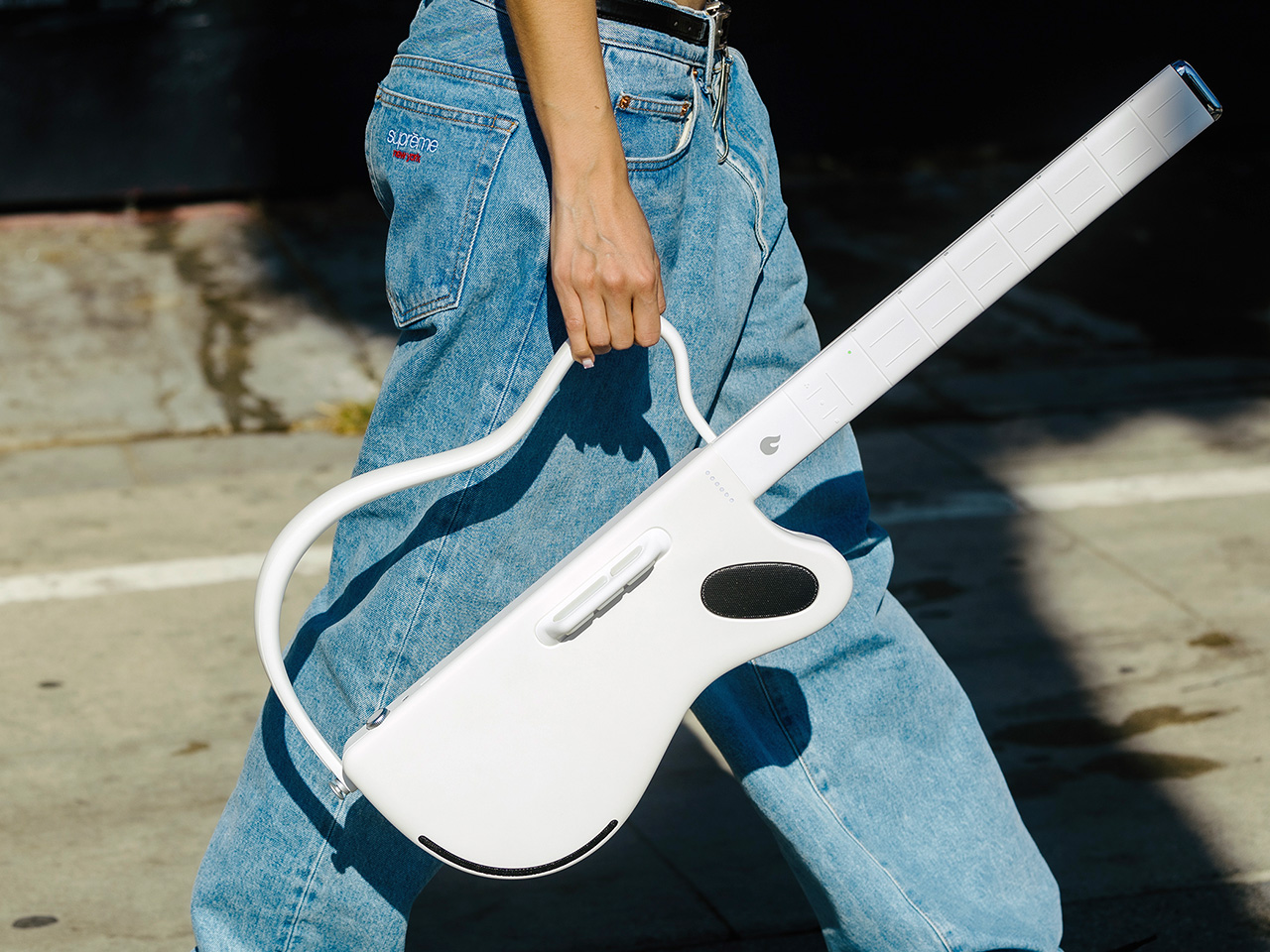
Dubbed the LAVA GENIE, this new-age guitar adopts touch-sensitive pads, while ditching the strings. The guitar is powered by AI, making learning, playing, and sampling music more fun and seamless. It is designed to be used by beginners, and seasoned musicians alike. It is an innovative all-in-one instrument that eliminates the hassles of traditional instruments.
The LAVA GENIE offers easy and instant access to the world of sound, helping you play whenever inspiration strikes. It is a portable and powerful device that invites users to explore and share their musical voice, helping people to interact and connect through music, anytime and anywhere.
It is equipped with an integrated AI, which transcribes your songs effortlessly and easily. You need to upload any audio file, and the app will convert it into chord charts, syncing it perfectly with the GENIE. It functions as your personal music assistant, bringing your musical ideas to life, and improving your skills with each session.
The LAVA GENIE is also equipped with over 500 preloaded sounds in its synth and sample bank. You can play any instrument you can think of on the GENIE, including guitar, piano, nylon, drums, and electric guitar. It functions as a mini sound studio in the form of a guitar, allowing you to jam, compose, or perform in the style of your choice.
What we like
You can pair the guitar with the LAVA+ app, and access excellent features like interactive Chord Charts, BPM settings, and speed adjustments
Features a stunning futuristic aesthetic
What we dislike
Beginners might face a learning curve when it comes to fully utilizing its sampling and looping features
3. Woojer Edge
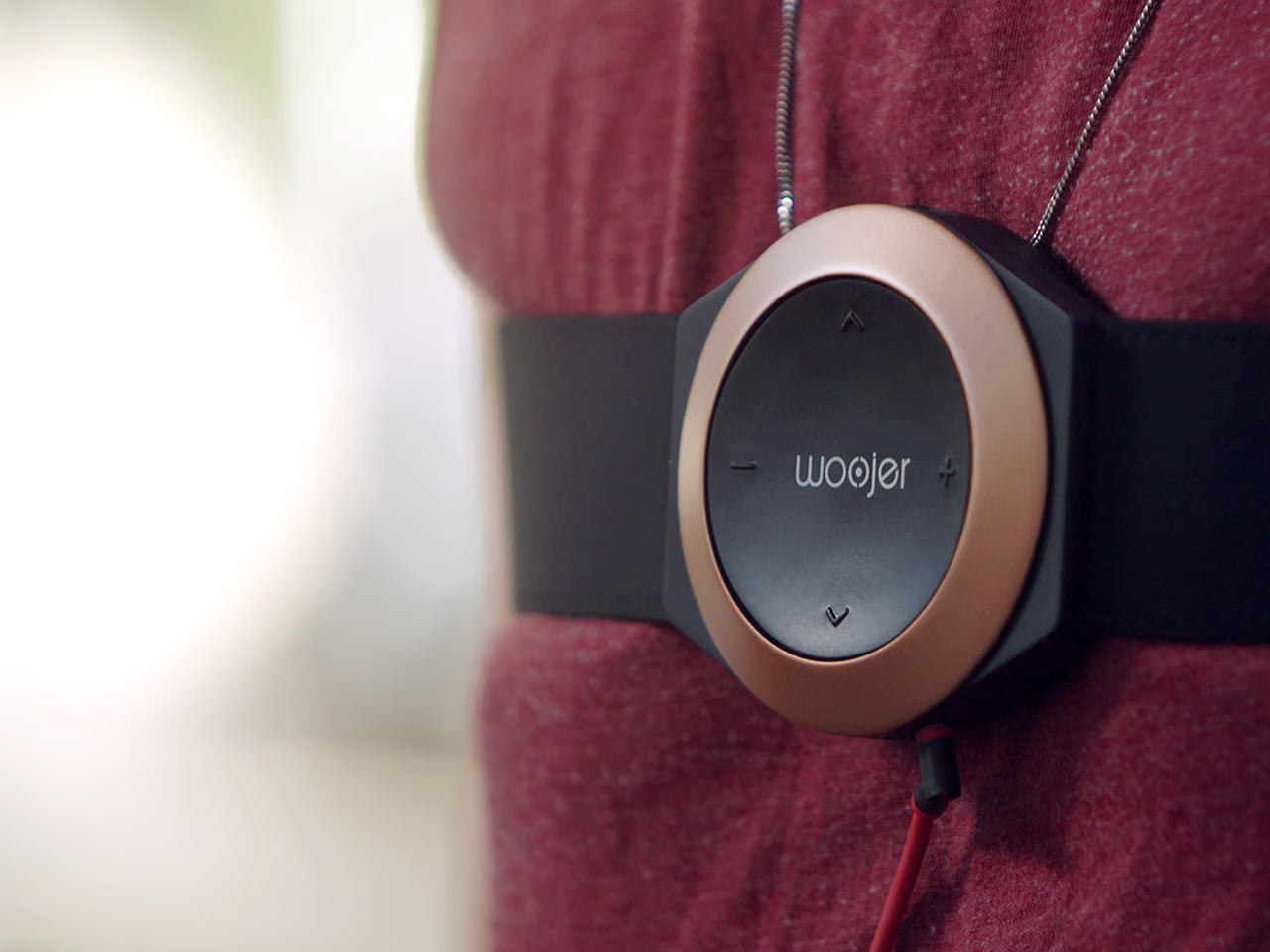
Named the Woojer Edge, this revolutionary product is designed to transform the way you experience audio. It lets you feel sound! Amped with cutting-edge technology, the Woojer Edge will deliver an immersive audio experience that goes beyond traditional listening, ensuring you don’t simply hear sound but feel it.
The Woojer Edge includes an aptX Low Latency Bluetooth 5.0, which offers a seamless and high-quality wireless audio transmission. It also includes an analog headphone amplifier that elevates sound fidelity. These features work in tandem to deliver an unparalleled audio experience.
Why is it noteworthy?
The Woojer Edge is designed to bridge the gap between physical and sound sensation, providing users with a multi-dimensional and immersive audio experience. It contains two products: the Strap Edge, and the Vest Edge. Each product has been tailored to specific use cases. It is ideal for gamers and music enthusiasts on the move.
The Vest is designed for immersive applications such as gaming, music creation, and virtual reality. It converts audio signals into haptic feedback, enabling users to physically feel the depth and intensity of sound, providing a more engaging and realistic experience.
What we like
Built from high-end breathable fabrics
It is equipped with powerful and accurate, hi-res haptic feedback
What we dislike
The vest can be a bit cumbersome and uncomfortable when users are seated
4. OSSIC X Headphones
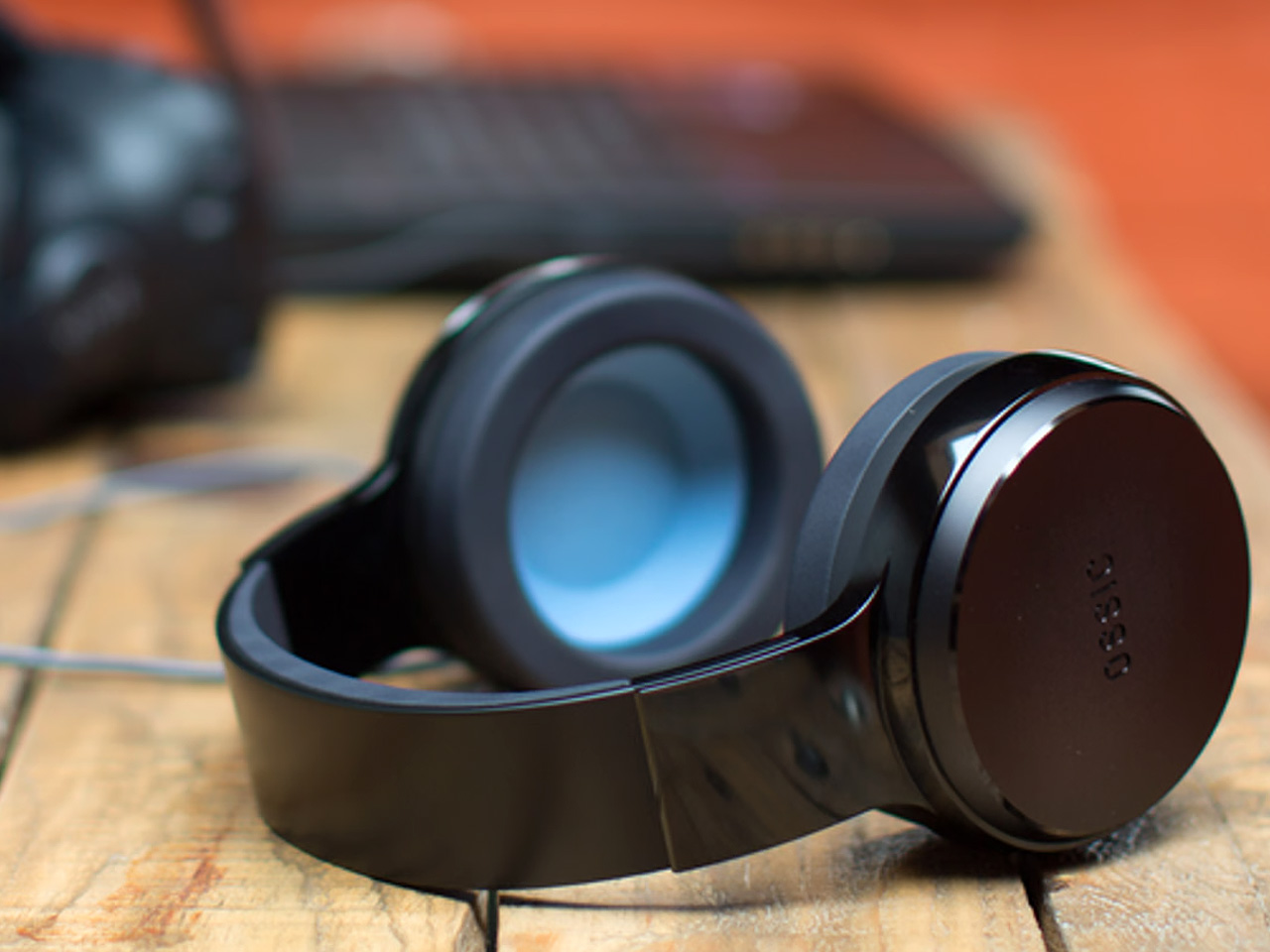
Dubbed the OSSIC X, these are the world’s first 3D audio headphones that are calibrated to you. They provide an unparalleled 3D audio experience, and they calibrate sound based on the listener’s anatomical features, including head size and ear shape. The headphones utilize 3D audio algorithms and head-tracking tech to deliver an immersive sound experience.
The sound experiences perfectly reflect the real-world audio environments. This kind of unique personalization elevates spatial awareness, making these headphones perfect for a variety of applications including music, gaming, and virtual reality.
Why is it noteworthy?
The OSSIC X is unlike typical headphones, and they do not provide a one-size-fits-all sound profile. They will adapt to the individual user, delivering a tailored audio experience. The headphones can accurately position sound in 3D space, converting them into an essential for gamers and VR enthusiasts.
They are designed to provide a competitive edge in immersive experience. These headphones are setting a whole new and exciting standard for what headphones can achieve and deliver. They are paving the path for future innovations in personalized sound and audio.
What we like
Ensures a tailored and immersive listening experience for each user
Provides accurate sound placement and an increased sense of space
What we dislike
Initial calibration and setup may be challenging and time-consuming for some users
5. Collector
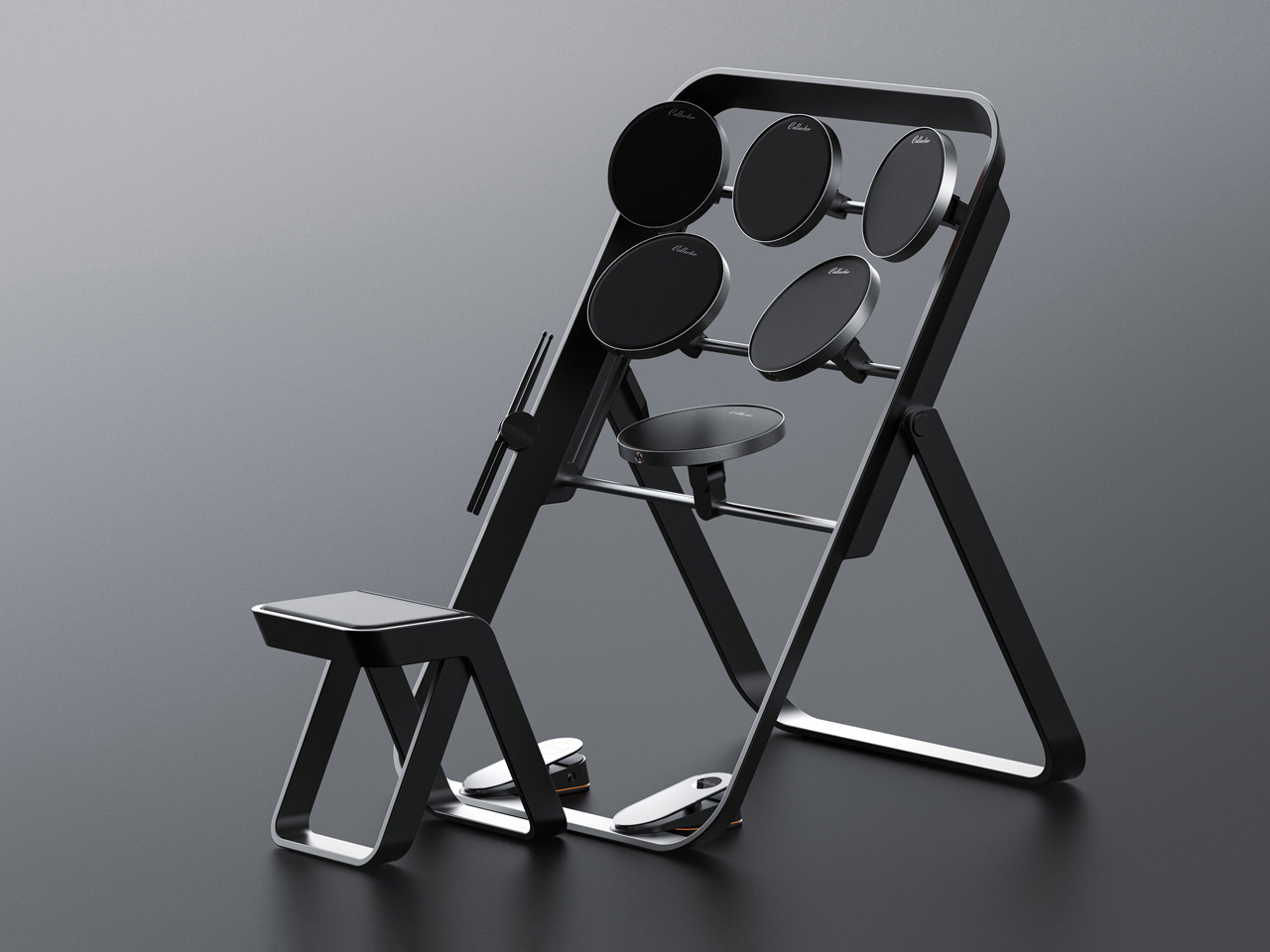
Dubbed the Collector, this innovative and revolutionary drum kit was designed by Liu Tianchen. It was created to bridge the gap between electronic music and traditional drumming, creating a futuristic product that is truly the best of both worlds. It is equipped with six adjustable pads and two pedals mounted on a folding frame.
These features provide a near-authentic drumming experience that feels like the real deal with some bonuses. Unlike typical drumming kits, you can create personalized sound banks and rhythms using the Collector. It is a flexible and customizable design that offers control and autonomy over your music.
Why is it noteworthy?
Musicians can sample real-world audio and transform it into synthesized rhythms, creating unique beats and sounds. This capability allows for a creative and personalized music-making experience, making it ideal for both beginners and seasoned musicians. It offers new avenues of expression to musicians.
This product makes perfect sense for musicians looking to merge traditional drumming techniques with modern electronic sounds. It promotes experimentation, allowing beginners and experienced musicians to play around with their music, creating new and exciting sounds. It features a portable form, allowing you to make music wherever you please.
What we like
Users can create their sound banks and rhythms
The folding design allows for easy storage and transport
What we dislike
The experience may differ from playing a conventional drum kit, not well-suited for those looking for a more traditional experience
6. Earbugs
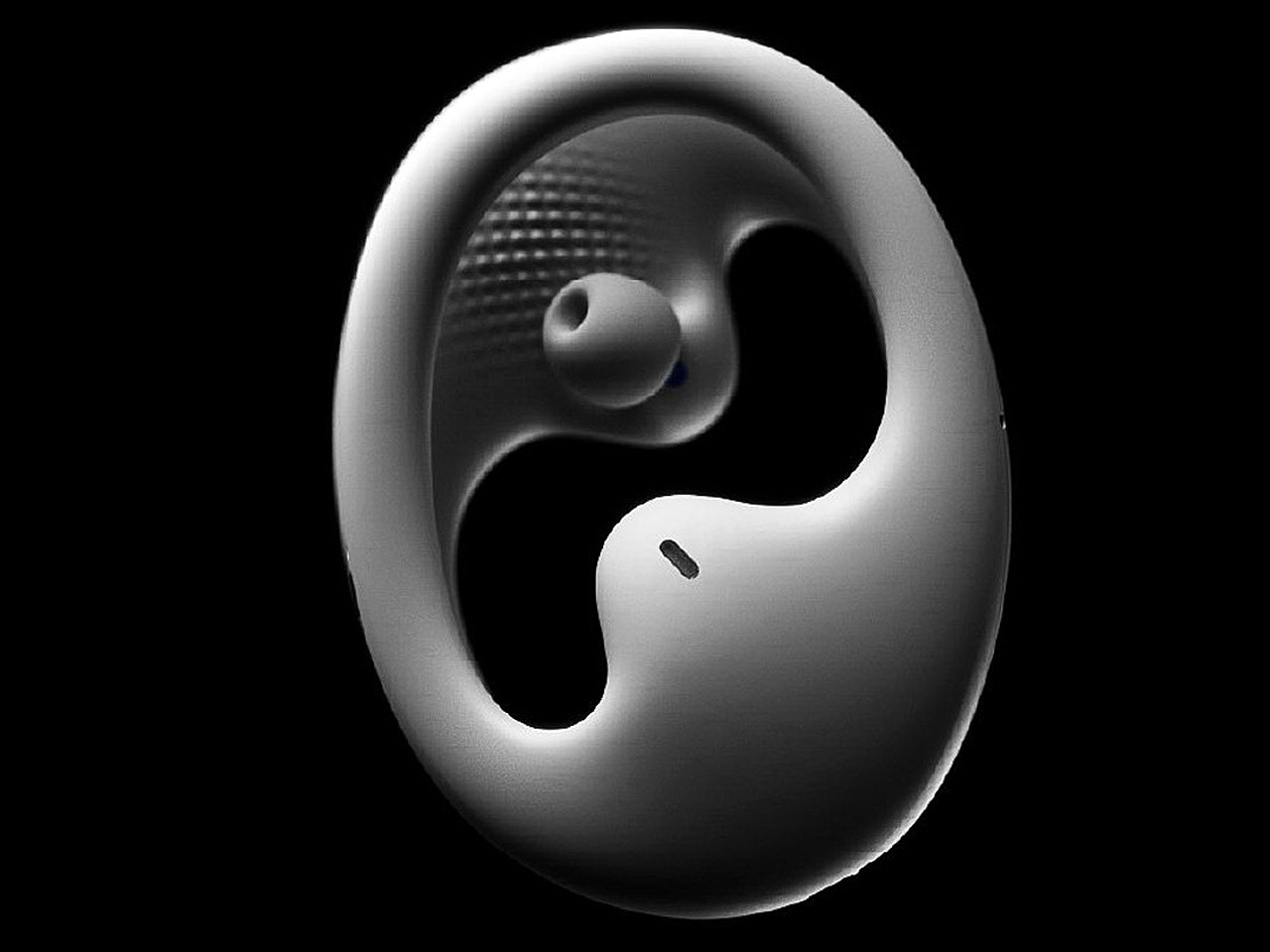
Called the Earbugs, these earbuds merge the best of two worlds – the immersive in-ear sound isolation of traditional wireless earbuds, and the innovative capabilities of bone conduction technology. This innovative hybrid design presents a one-of-a-kind audio experience that delivers comfort and premium sound quality.
They are engineered to provide a seamless listening experience, allowing users to enjoy their favorite tunes, podcasts, and audiobooks with clarity and depth. The Earbugs integrate bone conduction, and transmit sound vibrations directly through the bones of the skull to the inner ear, bypassing the eardrum.
This technology not only enhances sound quality but also offers a natural transparency mode, allowing users to remain aware of their surroundings without sacrificing audio immersion.
Why is it noteworthy?
The Earbugs enhance sound quality, while also providing a natural transparency mode. This allows users to enjoy their audio immersion while being aware of their surroundings. They combine dynamic drivers with bone conduction technology. This clever pairing creates a rich, 3D soundscape for the listener.
The earphones feature an ergonomic design ensuring a secure and comfortable fit, even during intense physical activities. So, they’re great for those who like to work out and listen to their favorite tunes at the same time. The Earbugs also boast a good water-resistant rating, making them resilient to sweat and light rain, which is ideal for users with active lifestyles.
What we like
Equipped with futuristic bone conducting technology, which delivers superior transparency mode
What we dislike
Not well-suited for bedtime listening, as their design can be uncomfortable for users who prefer to sleep or lie on their side while wearing earbuds
7. JBL Tour PRO 3 Earbuds
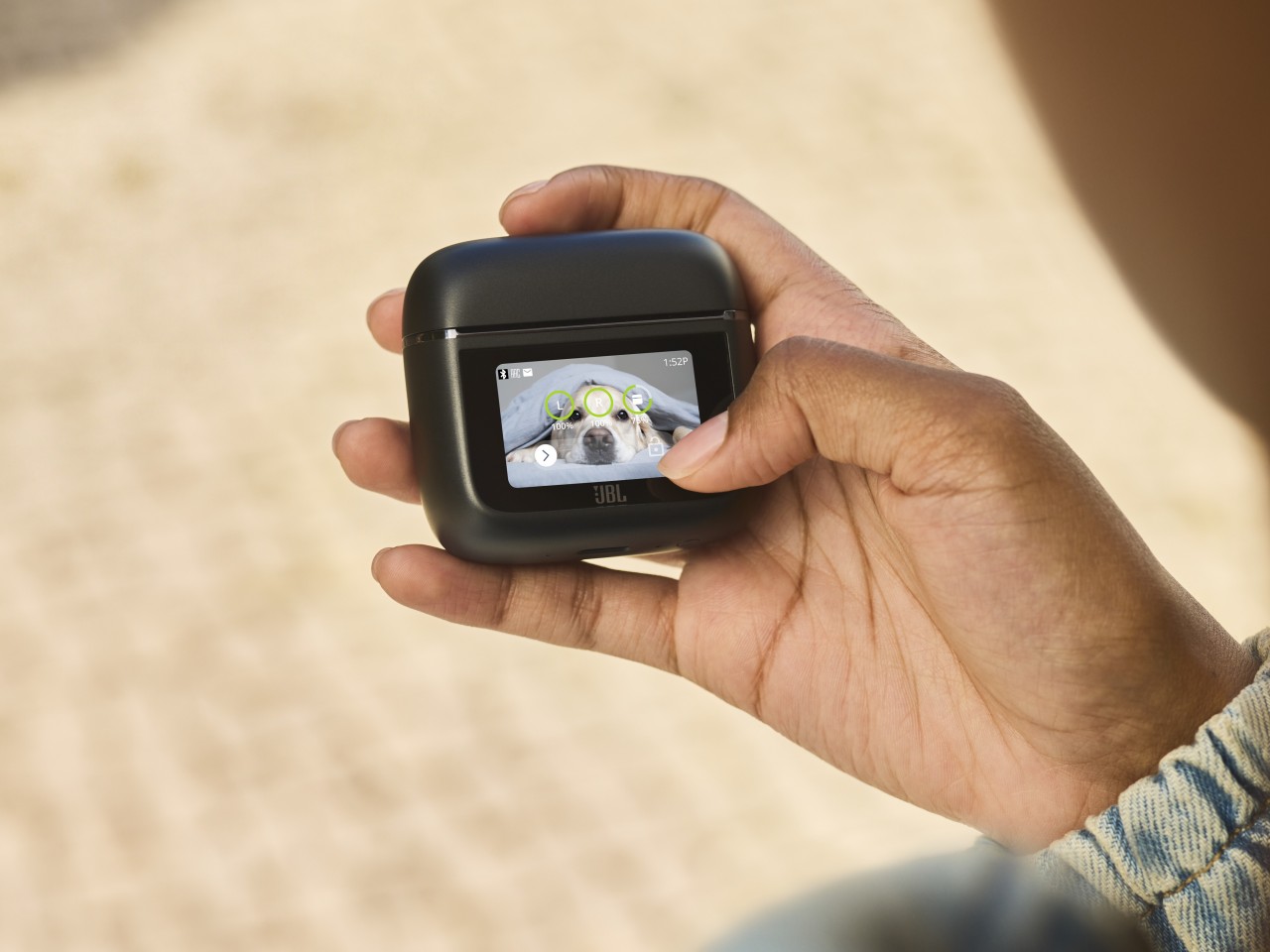
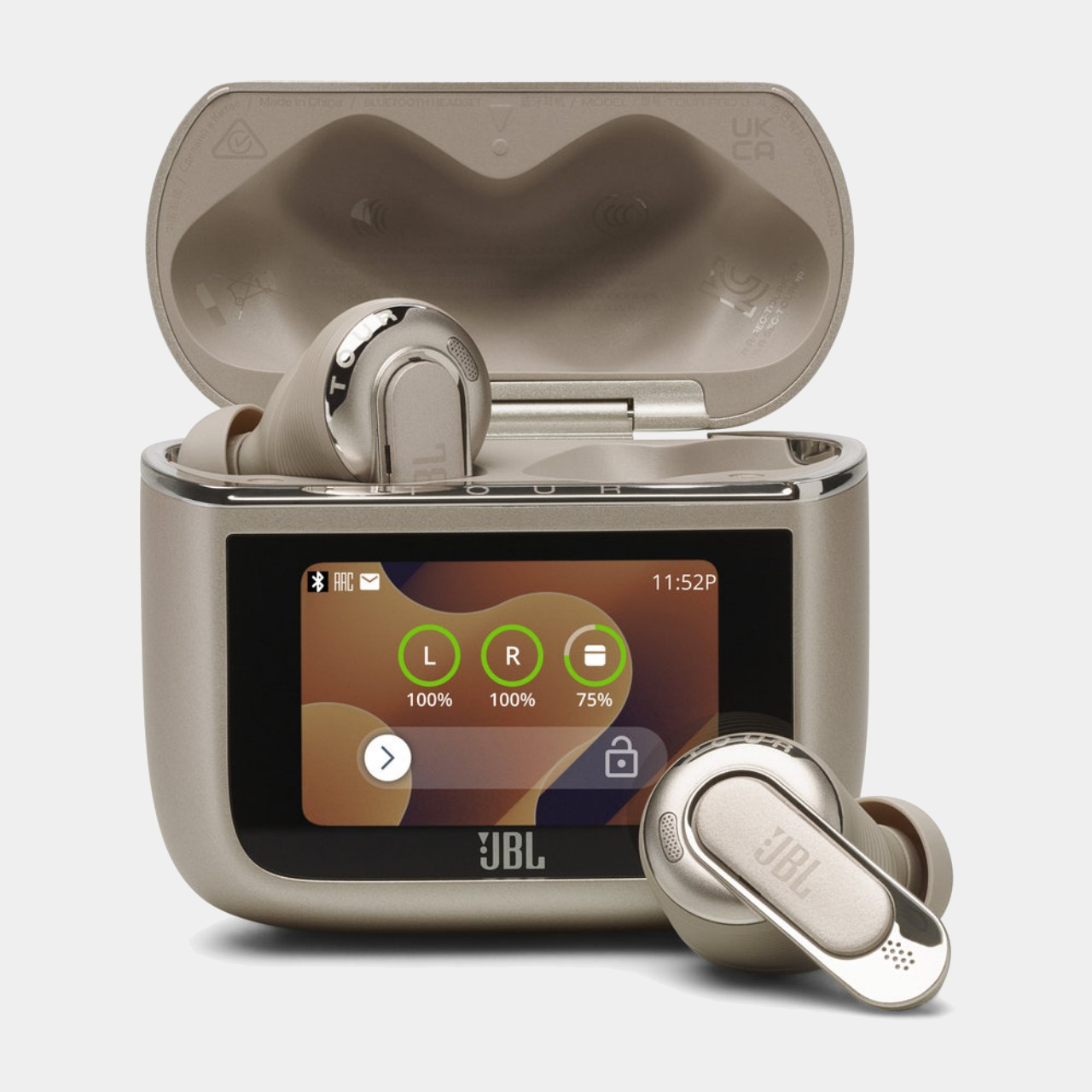
The JBL Tour PRO 3 earbuds are paired up with a groundbreaking smart charging case. The case doesn’t just serve as a protective shell, it functions as a multifunctional device that elevates the user experience with its integrated touch screen. It is created for the tech-savvy consumer, and it allows users to control playback, manage calls, and access media information without touching their phones.
The charging case also doubles up as a wireless audio transmitter, delivering seamless connectivity in scenarios where Bluetooth dongles were once needed. This dual functionality makes the JBL Tour PRO 3 earbuds a versatile device for everyday use and travel.
Why is it noteworthy?
These earbuds are set to revolutionize the way users interact and handle their audio devices. It provides a whole new level of convenience and functionality. The charging case’s touchscreen offers unprecedented control, enabling users to manage their listening experience directly from the case.
This feature is great for travelers, as it offers them easy access to audio controls and connectivity options. They don’t need to carry any additional devices. This showcases JBL’s commitment to enhancing user convenience and adaptability, making it a game-changer in the world of wireless audio.
What we like
Enhances versatility and eliminates the need for additional devices
Provides easy access to controls and information
What we dislike
The touch screen may consume more power, affecting battery life
8. Van der Waals
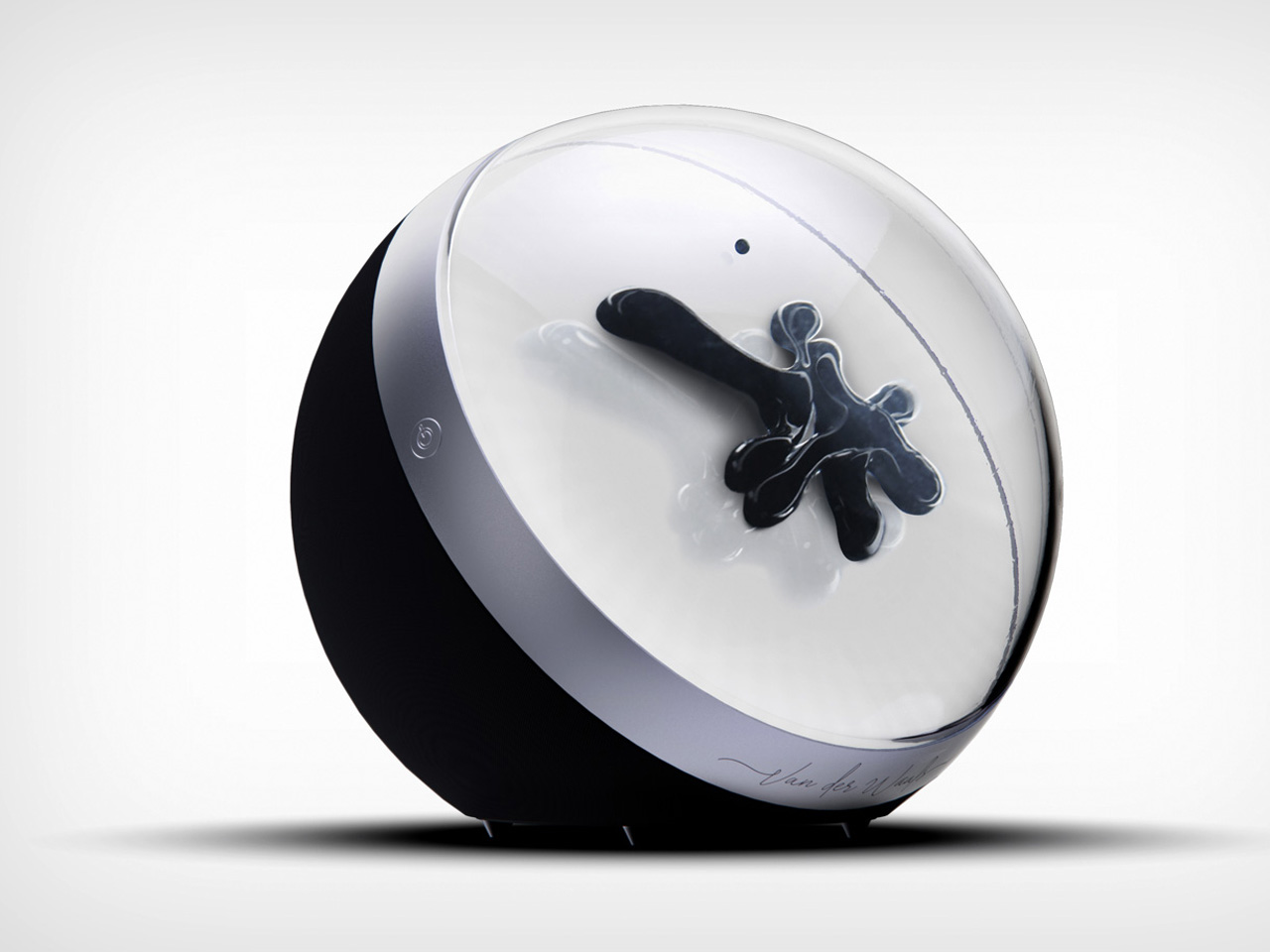
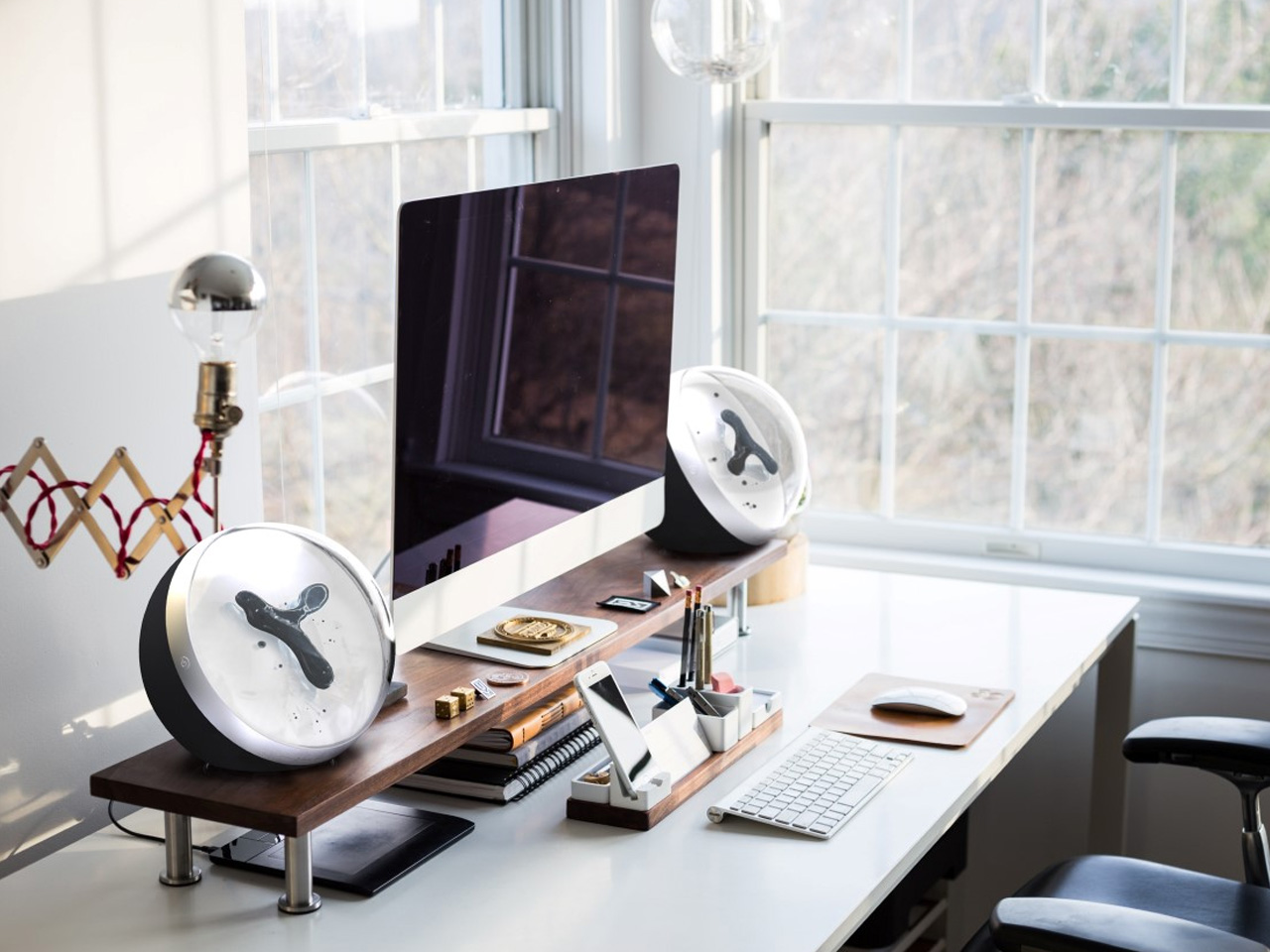
Named the Van der Waals, this speaker is a visually stunning audio device that utilizes ferrofluid to create dynamic visualizations. This orb-shaped speaker is equipped with a clear cage containing ferrofluid. This reacts to the magnetic field generated by the speaker, and as the music plays, the ferrofluid creates intricate shapes, forming a tangible representation of sound.
It adds a visual and enticing element to the music, helping us watch it in a way. The speaker uses ferrofluid to form a unique and engaging visual experience that elevates and improves the auditory experience for you.
Why is it noteworthy?
The speaker combines art and technology to offer a new way to experience music, making it a standout in the world of audio design. The speaker is a tribute to the work of Dutch physicist and Nobel laureate Johannes Diderik van der Waals, as it explores molecular behavior uniquely and innovatively.
What we like
The ferrofluid display provides a captivating and otherworldly visualization of music
Combines functionality with artistic expression
What we dislike
The ferrofluid may require extra attention and efforts to maintain
9. Jack
Designed by Podo Labs, Jack is a compact and innovative Bluetooth adapter that brings wireless functionality to any wired headphones. Jack offers features such as Qualcomm aptX HD audio support and an impressive battery life, making it a versatile accessory for audio enthusiasts
This small device clips easily to clothing or bags, allowing users to enjoy the freedom of wireless audio without having to replace their favorite wired headphones. Jack’s ability to connect to multiple devices simultaneously further enhances its utility, providing a seamless and flexible listening experience.
Why is it noteworthy?
Jack is known for its ability to transform any wired headphones into wireless devices, offering a cost-effective and convenient solution for users who value their existing audio equipment. By supporting high-definition audio standards like Qualcomm aptX HD, Jack ensures that users can enjoy superior sound quality without the limitations of cables.
Its compact design and long battery life make it an ideal companion for on-the-go listening, while its multi-device connectivity allows for easy switching between audio sources. Jack exemplifies the potential for small, innovative devices to enhance and extend the functionality of existing technology, providing users with greater flexibility and choice in their audio experiences.
What we like
Enables wired headphones to function as wireless devices
Supports Qualcomm aptX HD audio for superior sound quality
10. Revols Earphones
Revols earphones introduce a revolutionary concept in wireless audio with their quick custom-fit technology. These earphones are designed to mold to the unique contours of the user’s ears in just 60 seconds, providing a level of comfort and sound isolation unmatched by traditional models.
The custom fitting process is controlled via a companion app, allowing users to achieve a personalized fit with minimal effort. This innovation addresses the common issue of ill-fitting earphones, ensuring that users can enjoy their audio content without discomfort or distraction.
Why is it noteworthy?
Revols earphones are designed to offer a truly personalized listening experience, transforming the way users interact with their audio devices. The custom-fit technology ensures that each pair of earphones conforms perfectly to the user’s ear shape, enhancing comfort and sound quality. This personalized fit not only improves the audio experience but also increases sound isolation, allowing users to immerse themselves fully in their music.
The ease and speed of the fitting process, controlled through a user-friendly app, make Revols a practical choice for a wide range of activities, from exercise to commuting. By prioritizing user comfort and personalization, Revols sets a new benchmark for wireless earphones, highlighting the importance of adaptability in modern audio design.
What we like
Provides a personalized and comfortable fit for each user
The molding process is quick and controlled via a user-friendly app
What we dislike
Requires a smartphone app for the custom fitting process
I swear by my laptop stand for two simple reasons. The first is that it elevates my laptop so I can look at the screen without straining my neck. The second is that it allows my laptop to occupy less space on my desk, accommodating for the large ergonomic keyboard I have. Broadly, laptop stands have done just these two things – elevating and space-conserving. The CASA Hub Stand Ultra does some more.
Aside from elevating and angle-adjusting your laptop (or tablet), this stand gives you a dedicated mount for your phone, has a 360° swivel joint for adjusting your gadgets even more, and packs the ultimate accessory – a USB-C multiport hub to give your laptop, tablet, and phone access to extra ports like USB-A, HDMI, and even ethernet.
Crafted by ADAM elements and a winner of the 2024 Red Dot Design Award, this laptop stand and hub doubles as a complete workstation upgrade, reshaping how we organize our devices. Built from durable aluminum, the stand’s perforated plate naturally keeps devices cool, optimizing performance even during intensive work sessions. With an impressive weight capacity of 13.2 lbs (6kg), it handles laptops up to 17 inches comfortably. The stability and strength built into this stand means users can rely on it without constant micro-adjustments.
The stand comes with a telescopic arm that elevates your device, and an angle-adjusting friction hinge that lets you set it at any angle you want, but where it differs from most $40-50 stands is the inclusion of a smooth, 360-degree rotating base that lets you face your device anywhere. The adjustable arm ranges from 2.1 to 16.5 inches, elevating your device over 1 foot for better visibility too, allowing you to turn your regular work setup into a standing one, should you choose. For shared workspaces, the rotation feature allows easy screen sharing, adding functionality where traditional stands can’t compete.
Swivel the MagSafe phone stand out, and you’ve got a laptop stand that holds your phone too. The folks at ADAM elements call it their Intelligent Magnetic System (iMS), which also comes baked into the laptop stand part itself, allowing you to safely and securely mount a laptop or tablet on the main stand, and a MagSafe-friendly phone on the swivel-out side stand. Of course, you don’t have to necessarily use Apple devices with the CASA Hub Stand Ultra – a protective lip on the bottom of the stand holds any laptop or tablet, preventing it from falling. For phones, a simple MagSafe sticker easily makes it mount-compatible.
The CASA Hub Stand Ultra’s pièce de résistance, however, is the snap-on multiport hub that gives your device a connectivity boost. The hub’s an add-on that you can either use with the stand, or use independently, making it pretty flexible depending on how you work. This modular hub offers USB-C Power Delivery, HDMI up to 4K at 60Hz, USB-A, and even an RJ-45 Ethernet port. Designed to serve multiple needs at once, the hub handles data transfer, high-resolution video output, and device charging. It’s detachable and magnetic too, which means it can snap onto the stand as well as onto any other magnetic surface like the side of your desk.
The stand’s minimal design makes it a worthy add to your WFH or WFO setup. It’s all-metal, with perforations and cutouts that not only help cut weight but also help with heat dissipation, allowing air to naturally circulate around your laptop, preventing overheating even during long, demanding sessions. And with silicone pads lining the base, the stand won’t slip or scratch your desk surface, allowing you to adjust or reposition it without fear of damage or instability.
Despite all the functionality, the stand still remains fairly compact and lightweight, measuring a mere 53mm (a little over 2 inches) when folded down, and weighing 3.4 lbs or roughly as much as your average laptop. The CASA Hub Stand Ultra secured a Red Dot Design Award for its balance of form and functionality, while also holding the unique distinction of being the only stand we’ve seen that packs its own detachable USB-C multiport hub, and has the ability to adjust your laptop’s height to over 16 inches. Perfect for people looking to reduce desk clutter, or people wanting to dabble with standing work setups, the CASA Hub Stand Ultra starts at $172.57, and comes in silver and space-grey, letting you choose a stand to match your laptop or tablet perfectly!
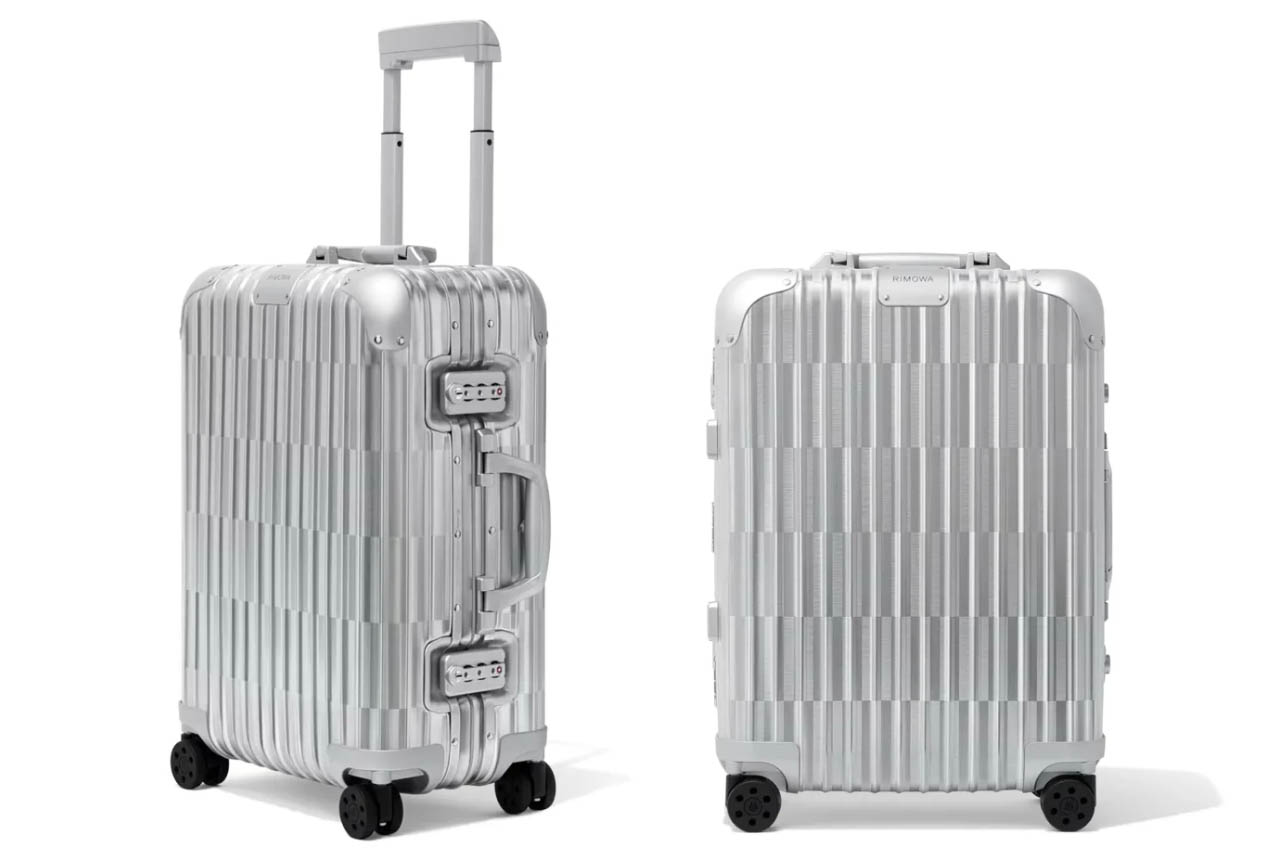
How about a fancy cabin bag that appears to be moving when you are standing for your boarding pass or awaiting your boarding call in the lounge? All sorts of suitcases make an appearance these days. Some are modular, some reminiscent of the icons, and some throw in an optical illusion to put fun to your airport look and those timeless halts. And for the latter, we are sold!
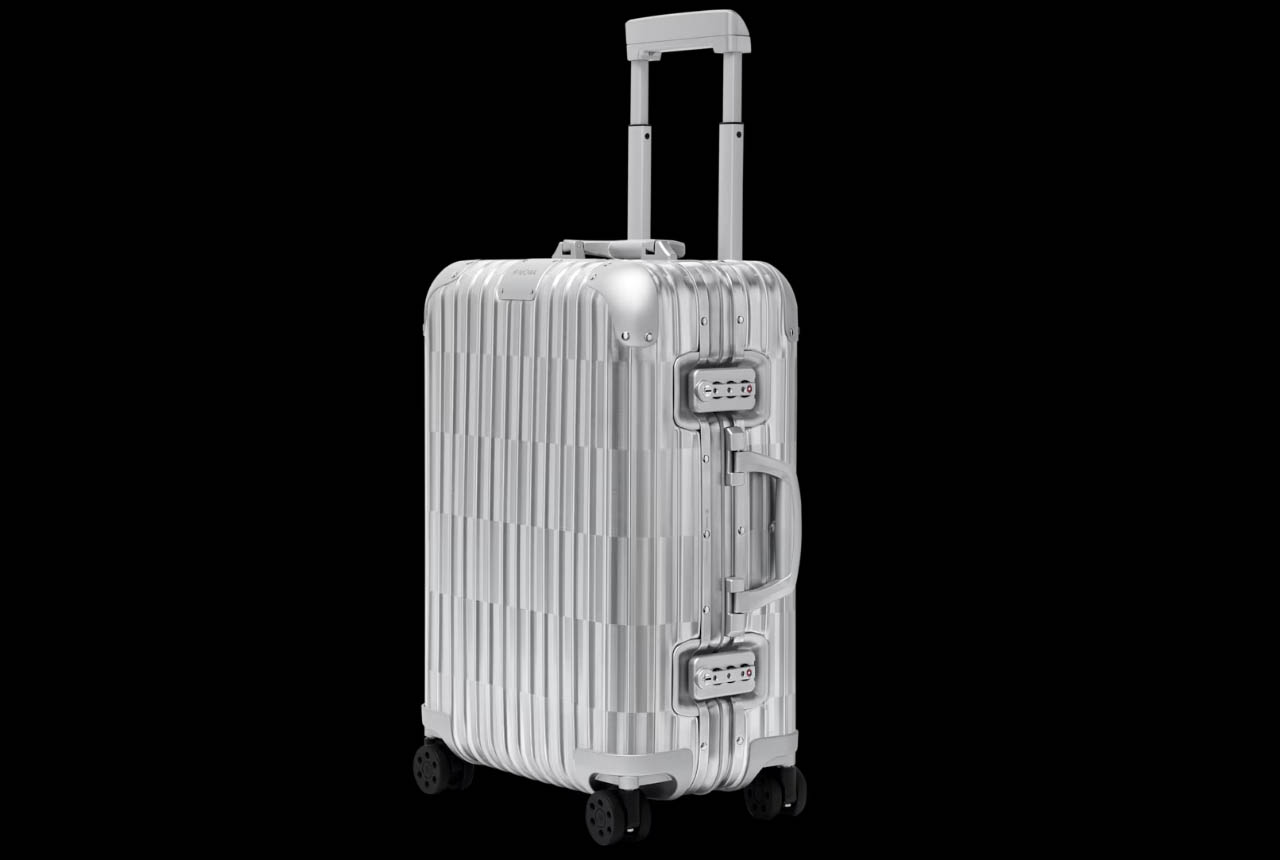
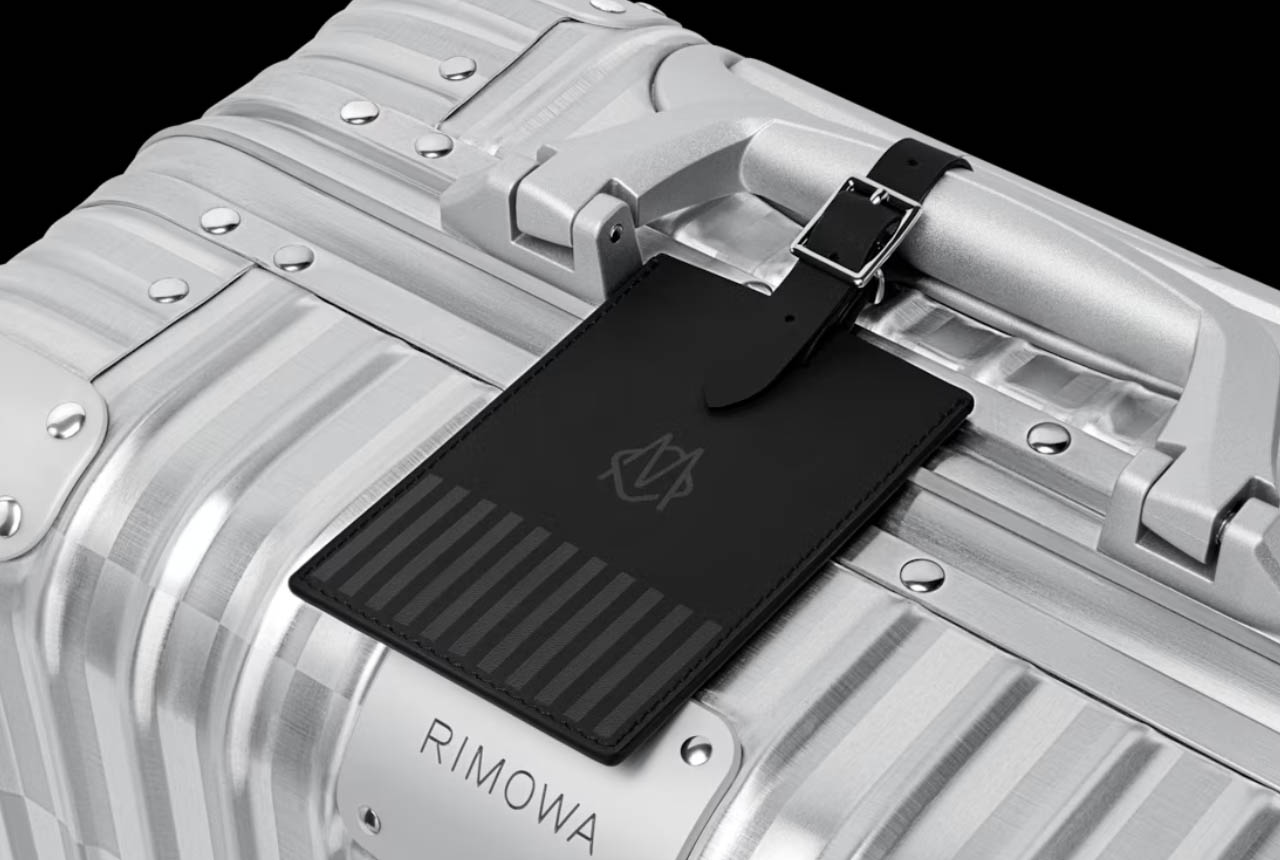
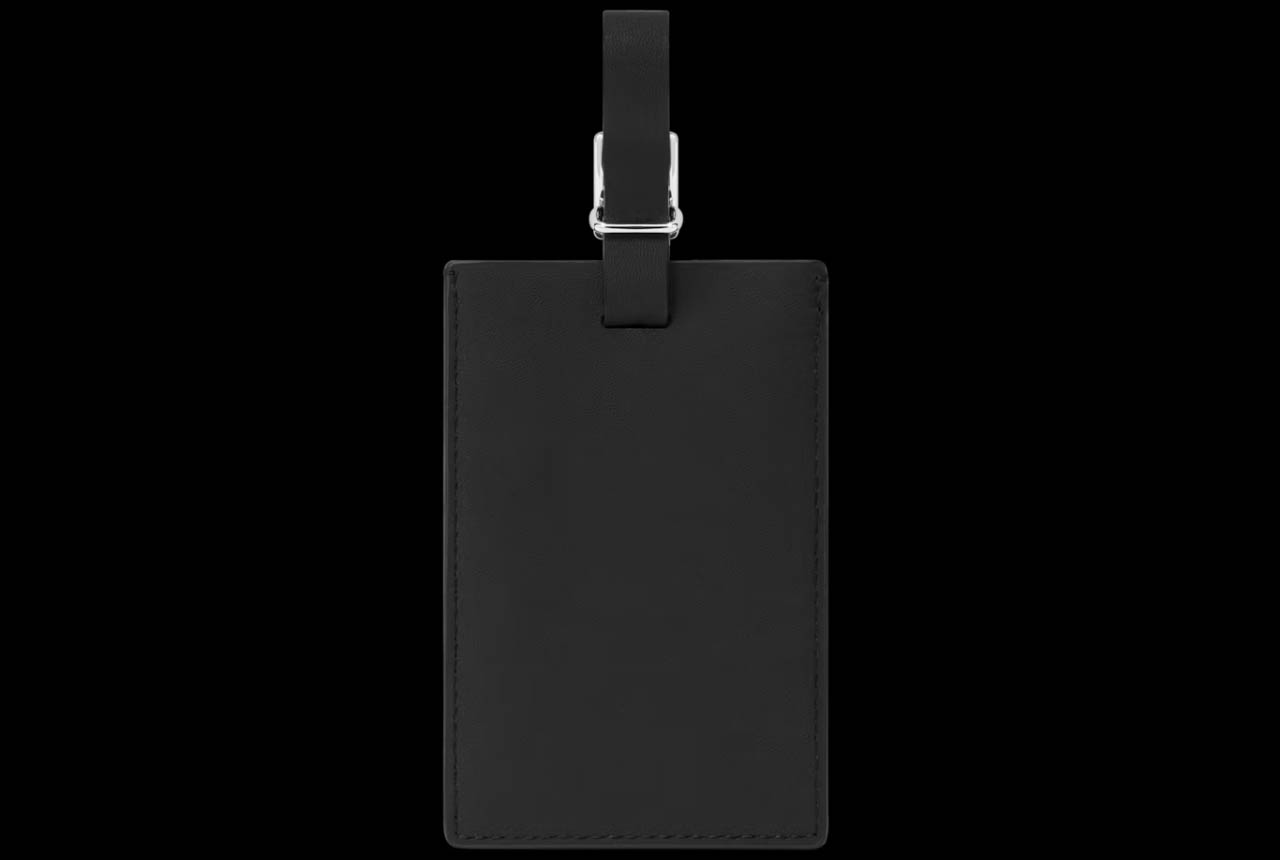
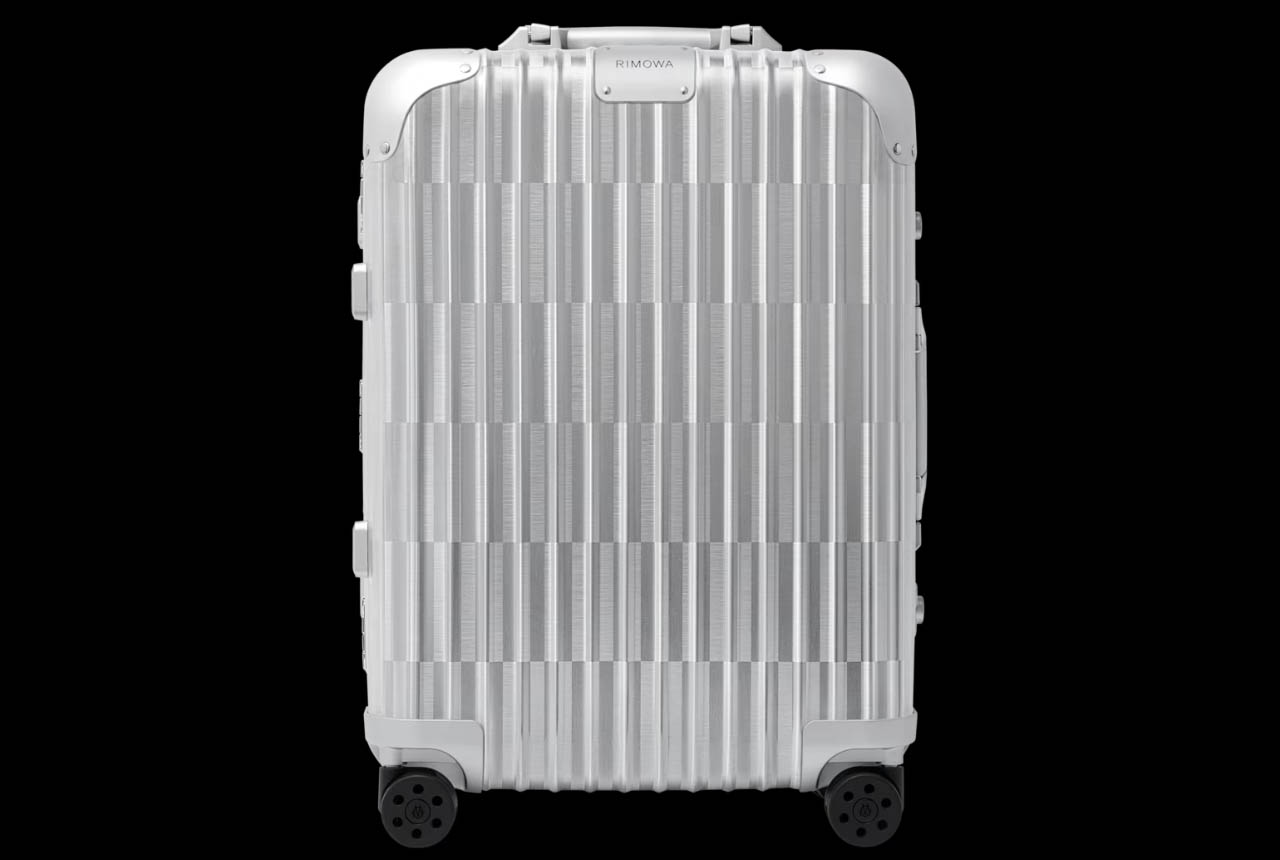
Designed and developed by Germany-based RIMOWA using high-end anodized aluminum, the suitcase is a fancy variant of the company’s original carry-on. Aptly dubbed Original Cabin Optical, this suitcase in RIMOWA’s words “redefines boundaries.” This is done by “creating” an “illusion of the iconic groves disappearing.”
In simpler words, the famous RIMOWA suitcase is made with a shimmering effect achieved by a brushing technique that gives the suitcase the illusion of movement. The Cabin Optical’s anodized aluminum exterior has an alternating brushed finish to create this illusion: so, when you are at the airport or in the hotel lobby, people could mistake your suitcase to be moving even when it’s standing beside you.
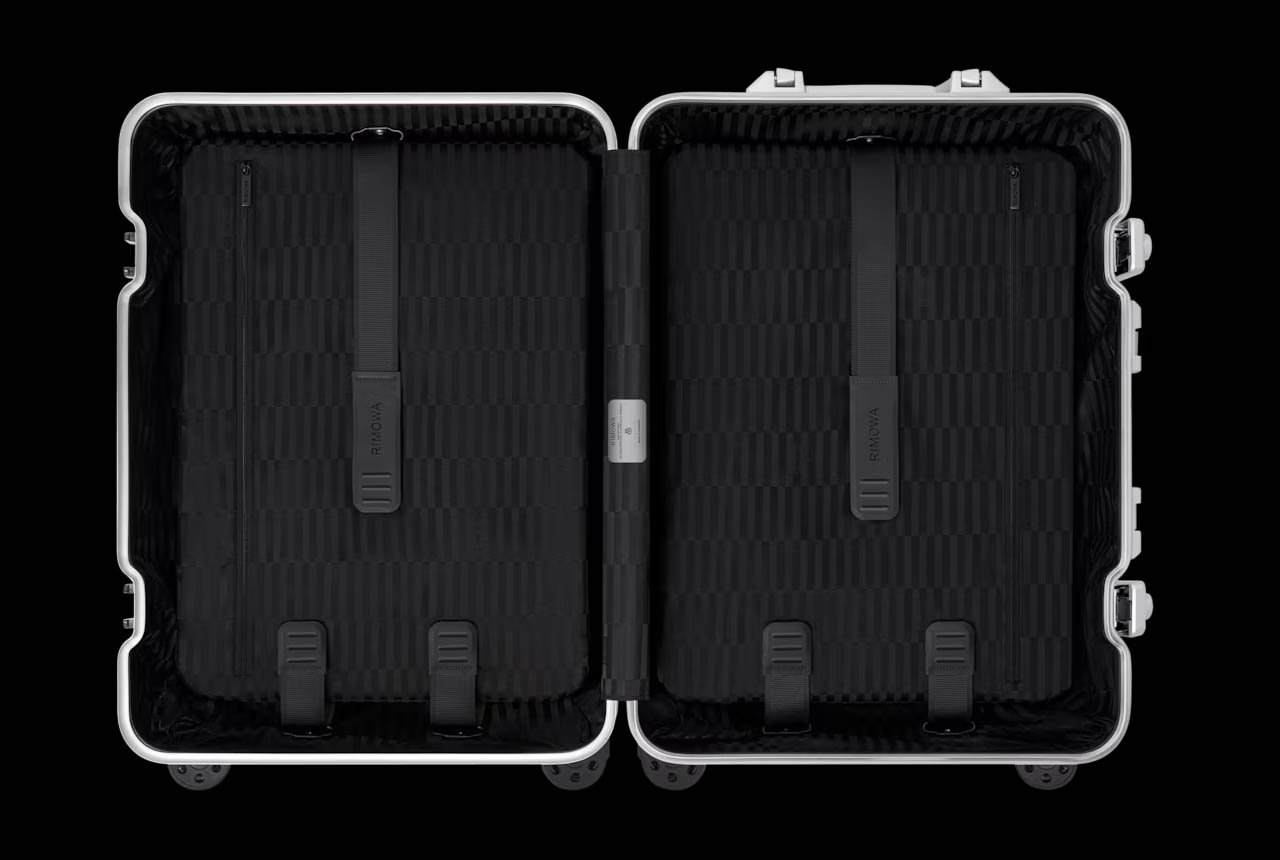
Such illusion happens because of these specially brushed groves that with the change in light and perspective create the illusion of movement. This interesting optical motif is not only limited to the exterior, interestingly RIMOWA carries it to the inside of its limited-edition Cabin Optical. Here the jacquard lining is directly woven with geometric patterns for a similar effect.
The Cabin Optical is available in 35 litter carry-on sized dimensions making it – according to the company – apt for three to four days of travel. The suitcase itself is pretty lightweight, weighing only 9.5lbs, and comes with a stage-free telescoping handle, RIMOWA’s Multiwheel system with cushioned axles, and Flex Divider.
It is strictly limited-edition of just 2,002 examples. The number is only chosen for its palindromic nature and has no relevance to the year, which I earlier thought to be the case. Currently available for pre-order, with sales beginning November 7, the special silver Cabin Optical will set you back $2,050. If you are not ready to shell that kind of money, you can pick the suitcase in your choice of silver, emerald green, black and titanium for $1,430.
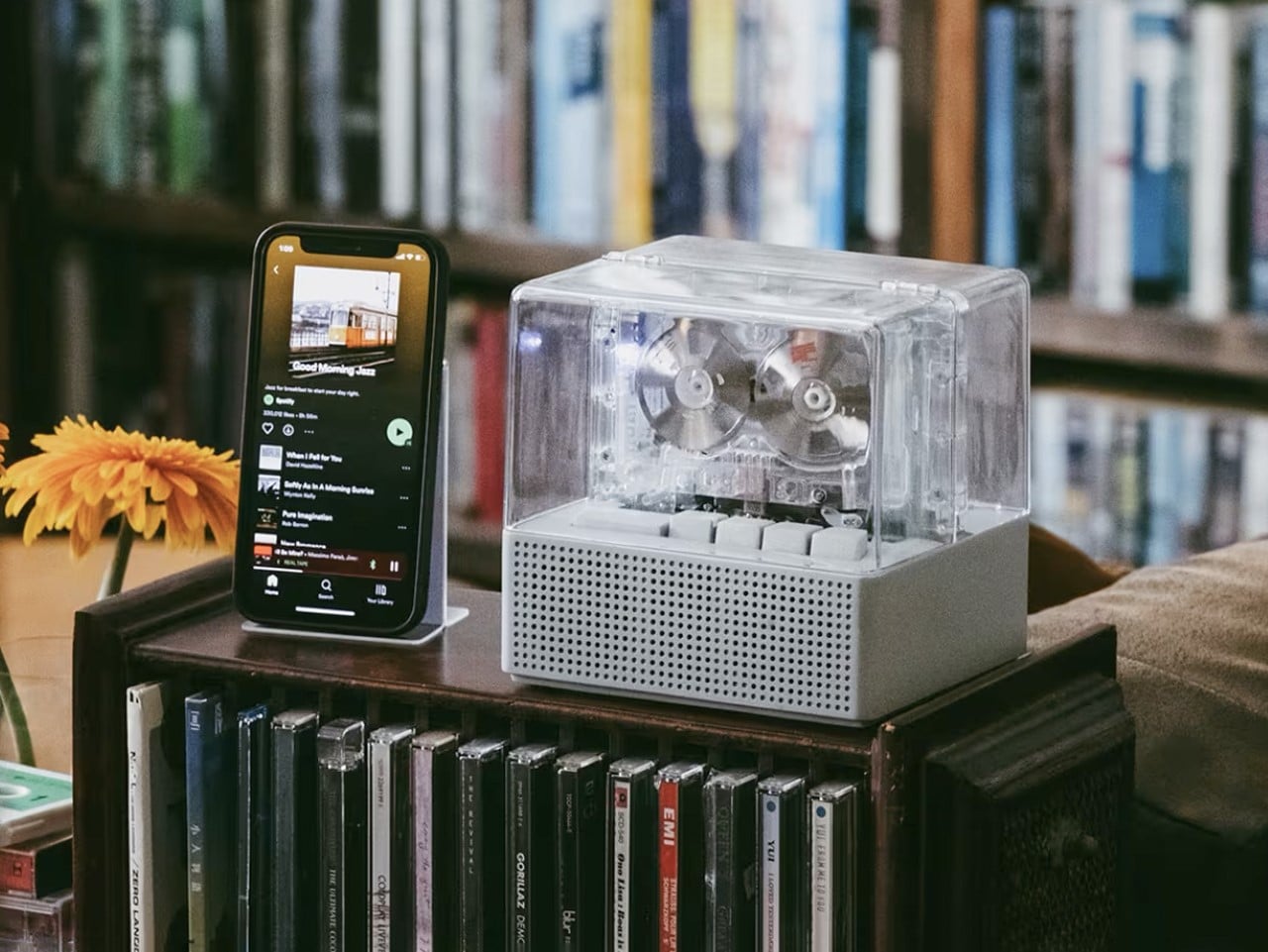
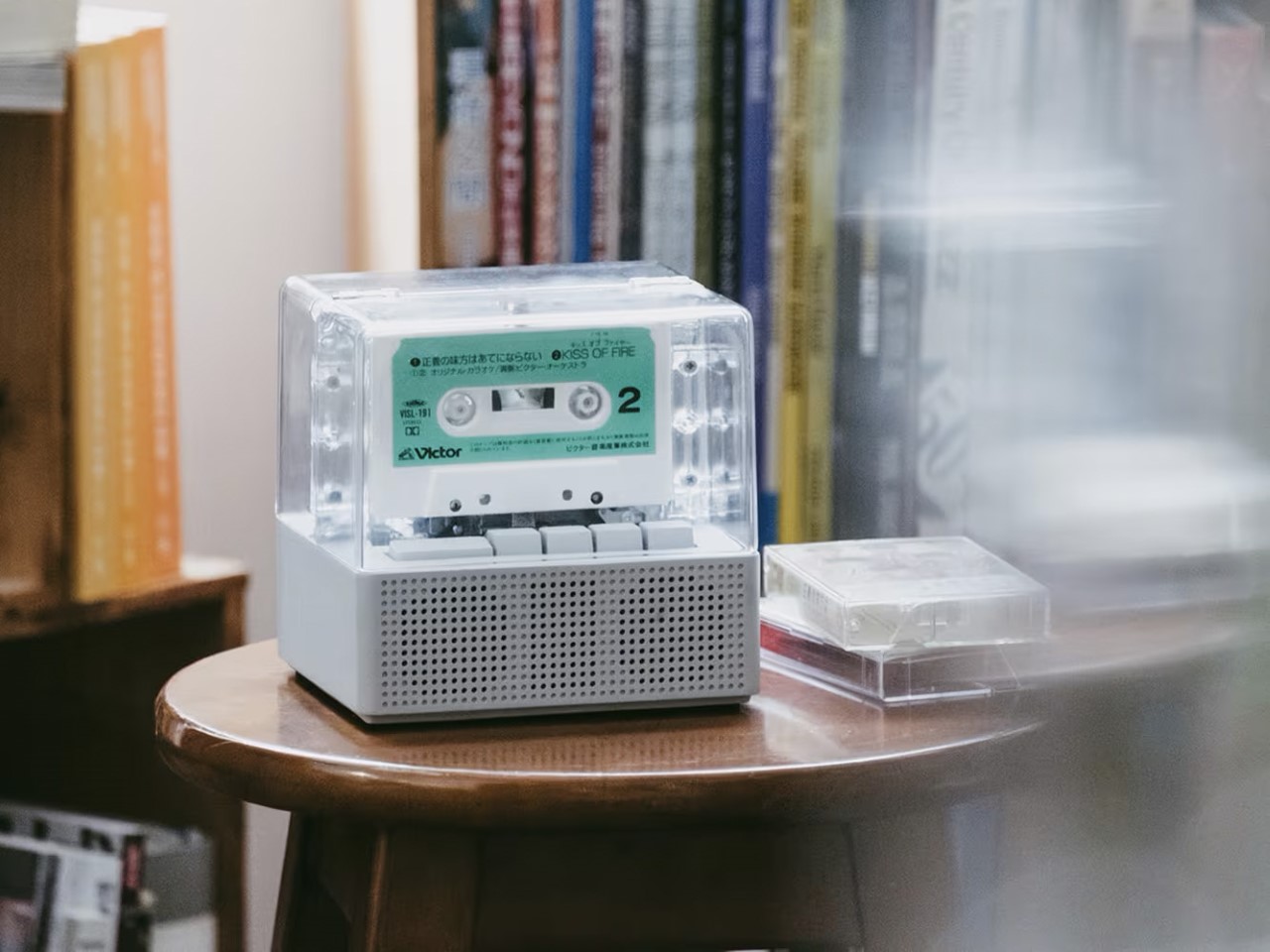
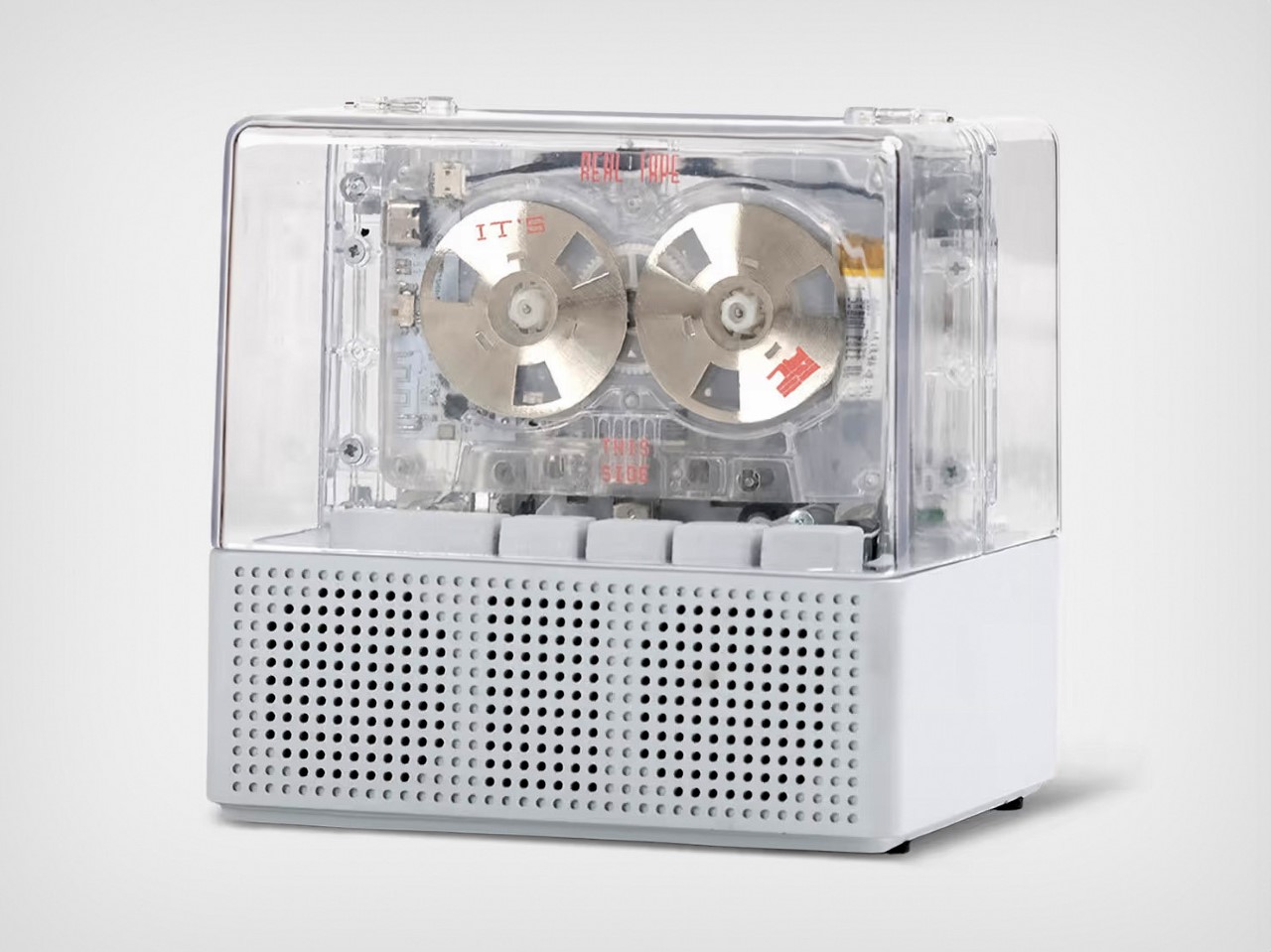
Form, function, emotion, the “IT’S REAL” Cassette player has it all. With its retro-meets-new-age charm, this cassette player encases your cassette in a transparent cover, allowing you to see the cassette’s reels rotate as the device plays music. But here’s the kicker – this thing isn’t just a cassette player, it’s a Bluetooth speaker too.
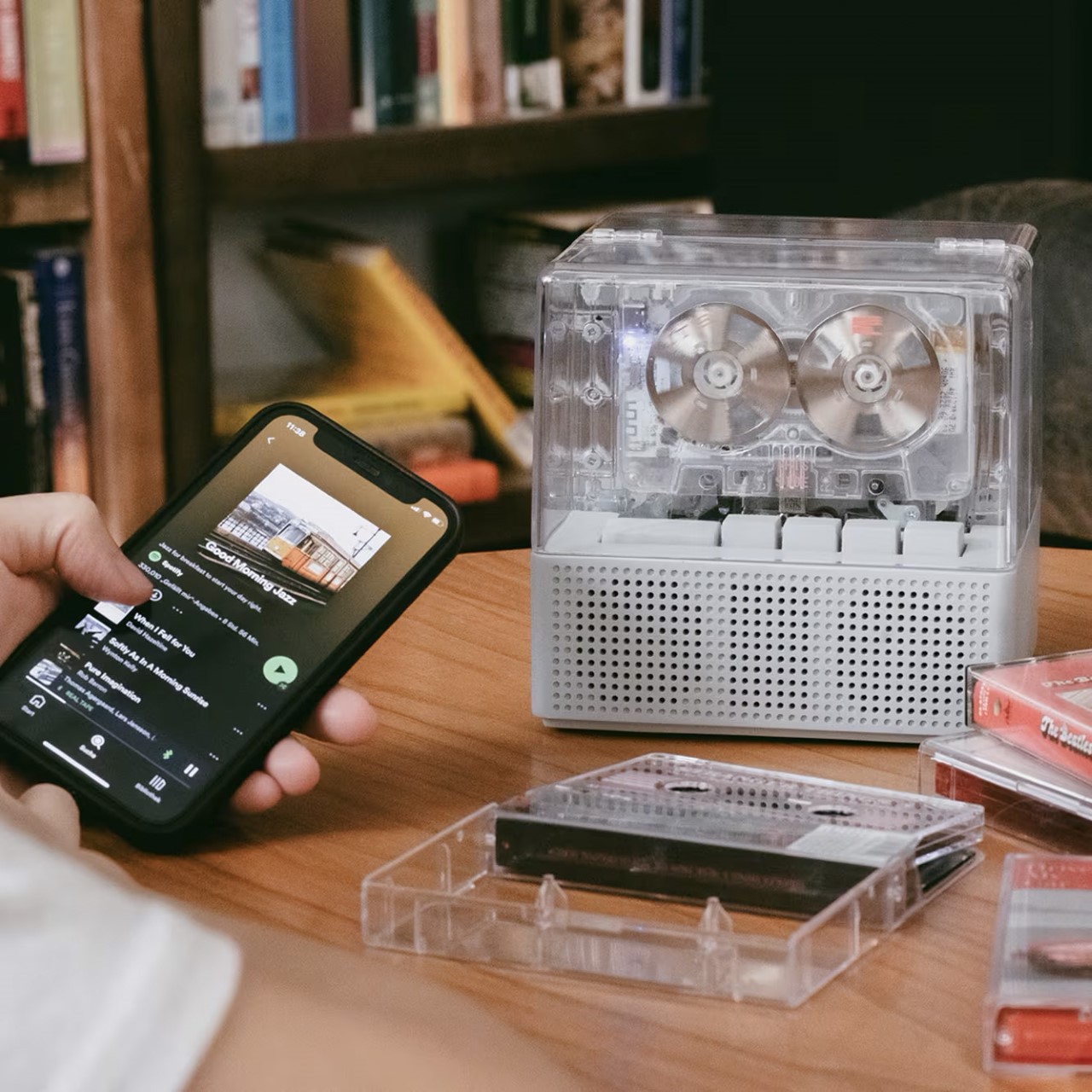
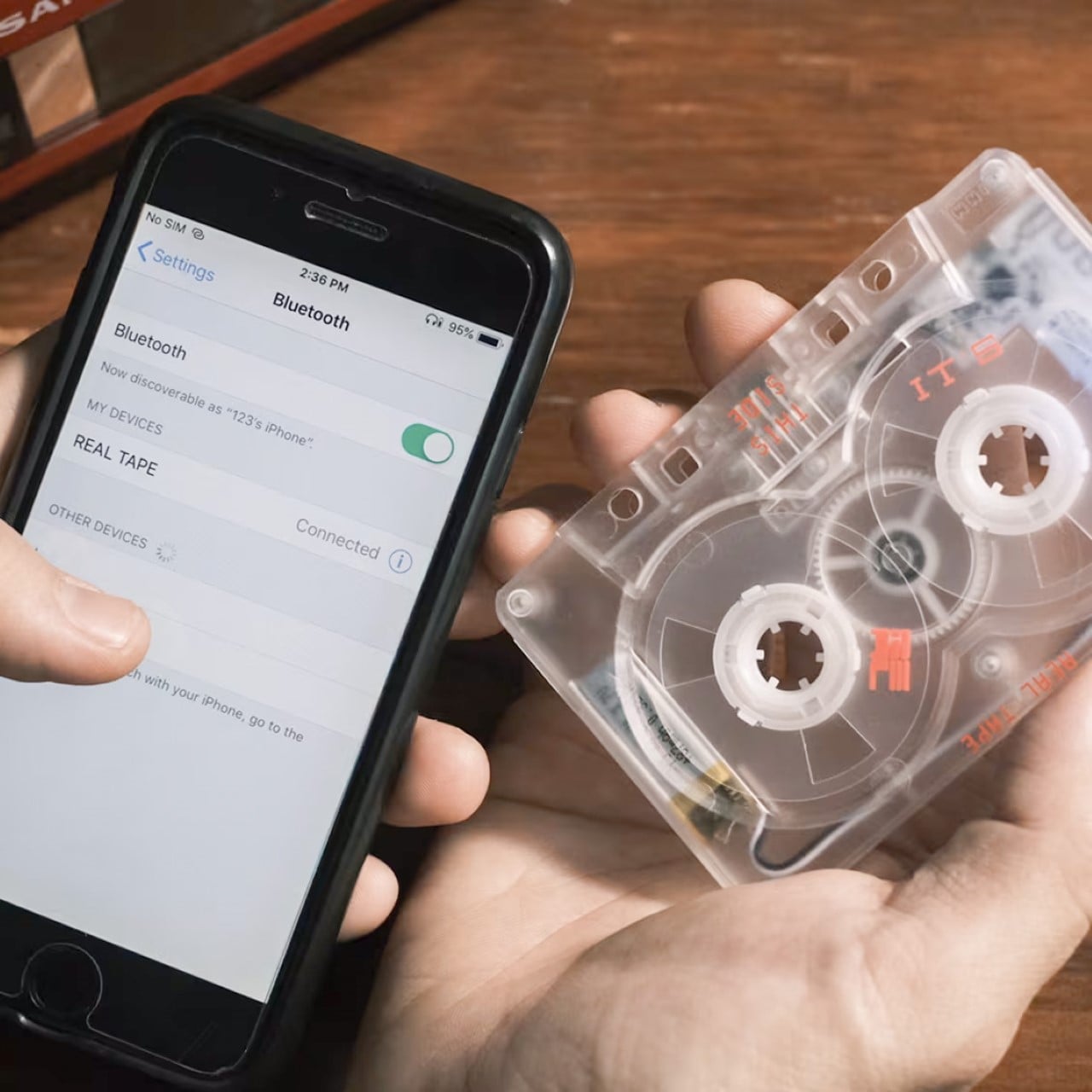
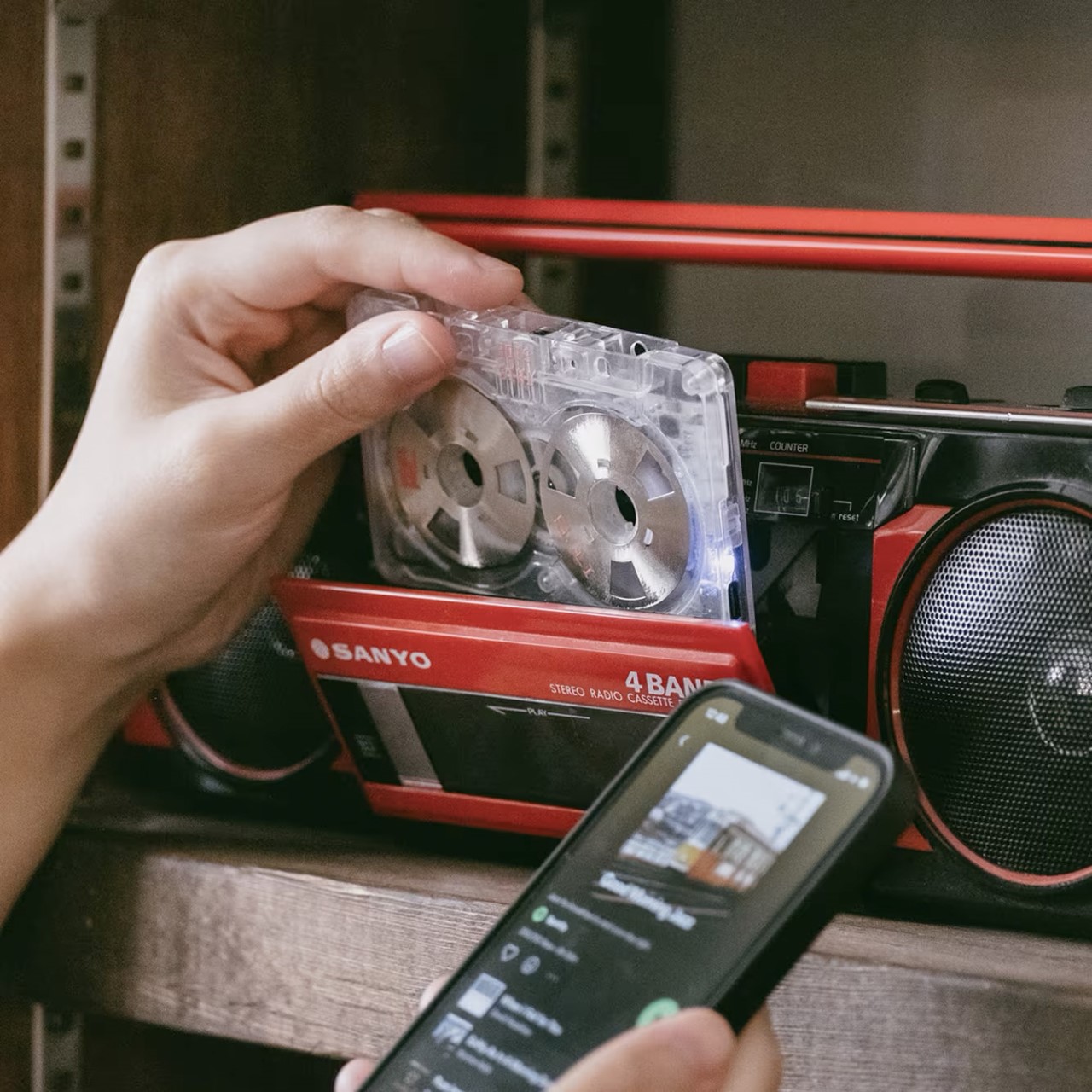
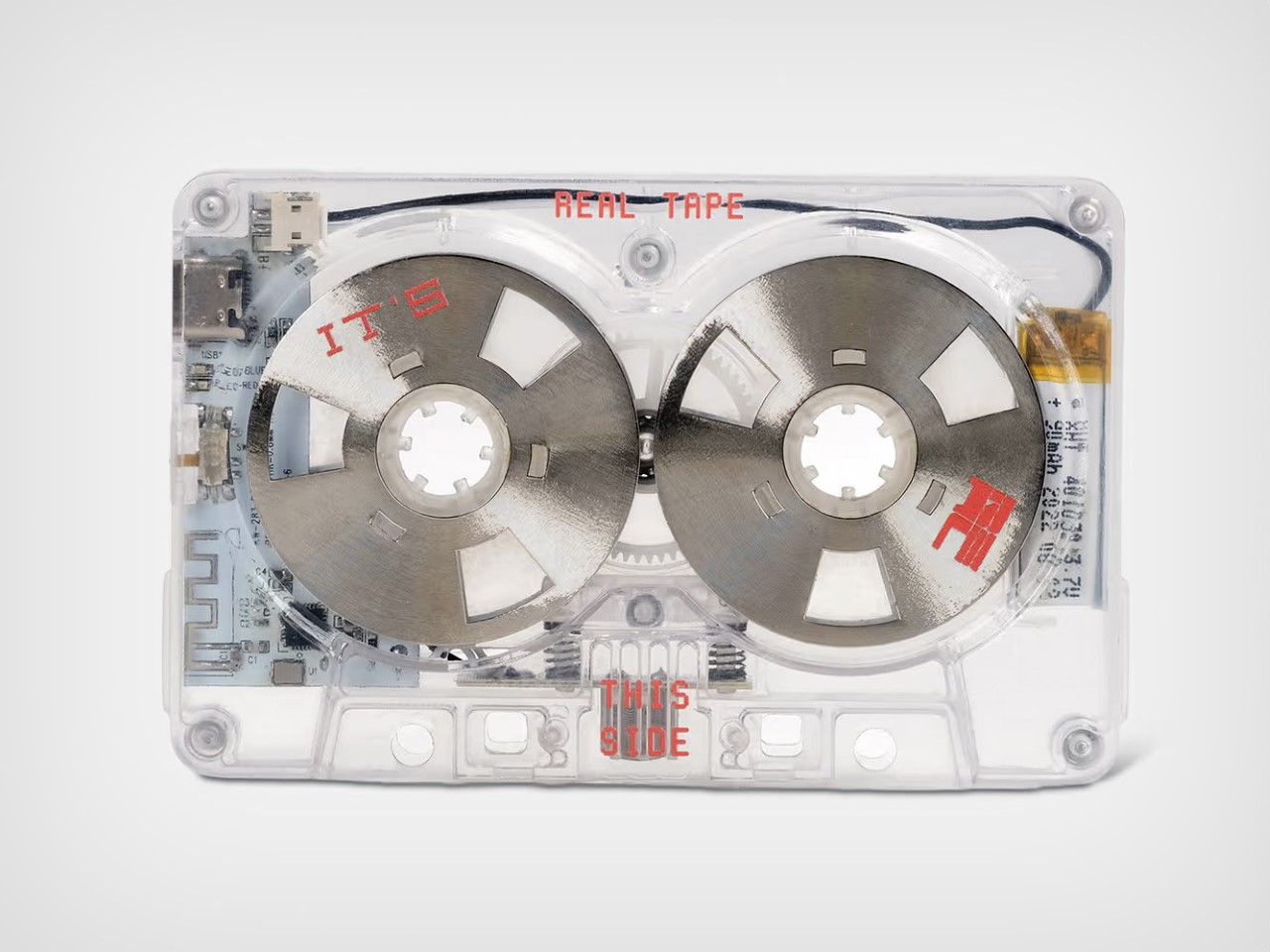
You see, each IT ‘S REAL player comes with its own “Bluetooth Cassette” that lets you connect your phone to the IT’S Real device. Put the Bluetooth cassette in and the appliance lets you effectively play Spotify, YouTube, Apple Music, or any streaming app on your cassette player. The Bluetooth cassette works with other devices too, allowing you to turn your dad’s boombox, or your 30-year-old car’s tape-deck into a Bluetooth-enabled device that supports your phone.
Let’s break down the player by talking about its form, function, and emotion. If you were born in the early 90s or before, chances are your vision of a cassette player are a lot different from what the IT’S REAL looks like. Most cassette players had a template design – either they looked like a boombox, with the cassette in the middle and speakers on the side, or they looked like a Walkman, with a compact form factor and an Aux input for headphones. The IT’S REAL looks nothing like either of those.
It encases the cassette in a transparent outer housing, preserving and showcasing it as if it’s some sort of precious relic. This treatment is reserved for precious items, so to see a cassette player do this enhances the cultural and iconic value of the humble cassette. The transparent casing still retains its function, allowing the cassette to play while it’s inside, while front-firing speakers help you listen to the audio.
Put any cassette in and the IT’S REAL plays your old tapes, whether they’re albums or personally made mixtapes that were a standard fixture of music-sharing culture in the 80-90s before discs became a thing. Buttons underneath the transparent hood let you play, pause, rewind, fast-forward, or eject the cassette, following the traditional functionality of cassette players from before… but what really sets the IT’S REAL player apart, is that it comes with a “Bluetooth Cassette”.
While the IT’S REAL device is a purely traditional cassette player, the Bluetooth Cassette that comes along with it turns it into a Bluetooth speaker. Put the cassette in, start the player, and the cassette turns into a Bluetooth transmitting device, allowing you to pair a smartphone. Once paired, the cassette allows you to play music from your phone on the IT’S REAL’s built-in speakers.
Bluetooth 5.0 means the cassette pairs with your phone seamlessly, and here’s the kicker – it can be used with other cassette players too – not necessarily just the IT’S REAL. Pop the Bluetooth cassette into your dad’s boombox, your hipster uncle’s Walkman, or even your grandfather’s car that still has a functional cassette deck built into the car’s dashboard.
A lot of the IT’S REAL’s joy lies in its aesthetic and its retro-revival. The transparent design is beyond gorgeous, allowing you to appreciate the workings of the cassette player quite literally like some Teenage Engineering-like device that isn’t afraid to bare its electronics instead of hiding everything under a plastic facade.
The act of playing a cassette tape may have died 20 years ago, but just like fashion is cyclical, tech trends have a way of making a comeback too – and the IT’S REAL capitalizes on this retro joy beautifully while still being a Bluetooth-enabled future-friendly device that anyone can use and love.
For makers NINM Labs, this is far from their first rodeo. They debuted back in 2018 with the IT’S OK Cassette Player – a Walkman version of this product that did over $80,000 in funding from nearly a thousand backers. Soon after, the IT’S REAL Cassette Player made its Kickstarter debut, smashing past its funding goal by over 500%. The product is now available on the NINM Lab website for $151.86 USD.
Product design and prototyping encompass the entire journey of turning an idea into a tangible product that users will love. This process starts with in-depth market research—understanding user needs, analyzing data, and identifying key challenges that need addressing. Once the groundwork is set, designers create solutions aimed at solving these challenges in a meaningful way. Prototyping comes in next, acting as a vital bridge between concept and execution. It allows for quick, cost-effective testing and iteration, giving designers the ability to refine ideas based on feedback and insights. This early-stage validation helps prevent costly late-stage revisions, ensuring that the final product is both effective and efficient, saving valuable time and resources.
What are the advantages of prototyping in product design?
Prototyping is essential in the design process, turning abstract ideas into something tangible that everyone can visualize and understand. It helps align designers, stakeholders, and users on the product’s vision early on, fostering effective communication and collaboration. By identifying potential design flaws before full-scale development, prototyping saves time and resources while reducing risks.
This process also prioritizes user needs by allowing for feedback and adjustments throughout development. Prototypes ensure the product is functional and resonates with users, leading to better usability and overall satisfaction. Ultimately, prototyping accelerates time-to-market and streamlines the design process, resulting in a well-refined, user-focused product.
Enhances Visualization
Prototypes in product design bring concepts to life, allowing designers and stakeholders to interact with the product in a tangible way. This hands-on interaction transforms abstract ideas into something concrete, making it easier to assess how the product will look, feel, and function. By visualizing the product in its early form, teams can better understand the design intent, identify any misalignments with the original vision, and make informed decisions about its direction. This visual clarity also helps ensure that everyone involved—designers, developers, and even potential investors—shares a common understanding of the product, reducing misunderstandings and fostering more efficient collaboration throughout the development process.
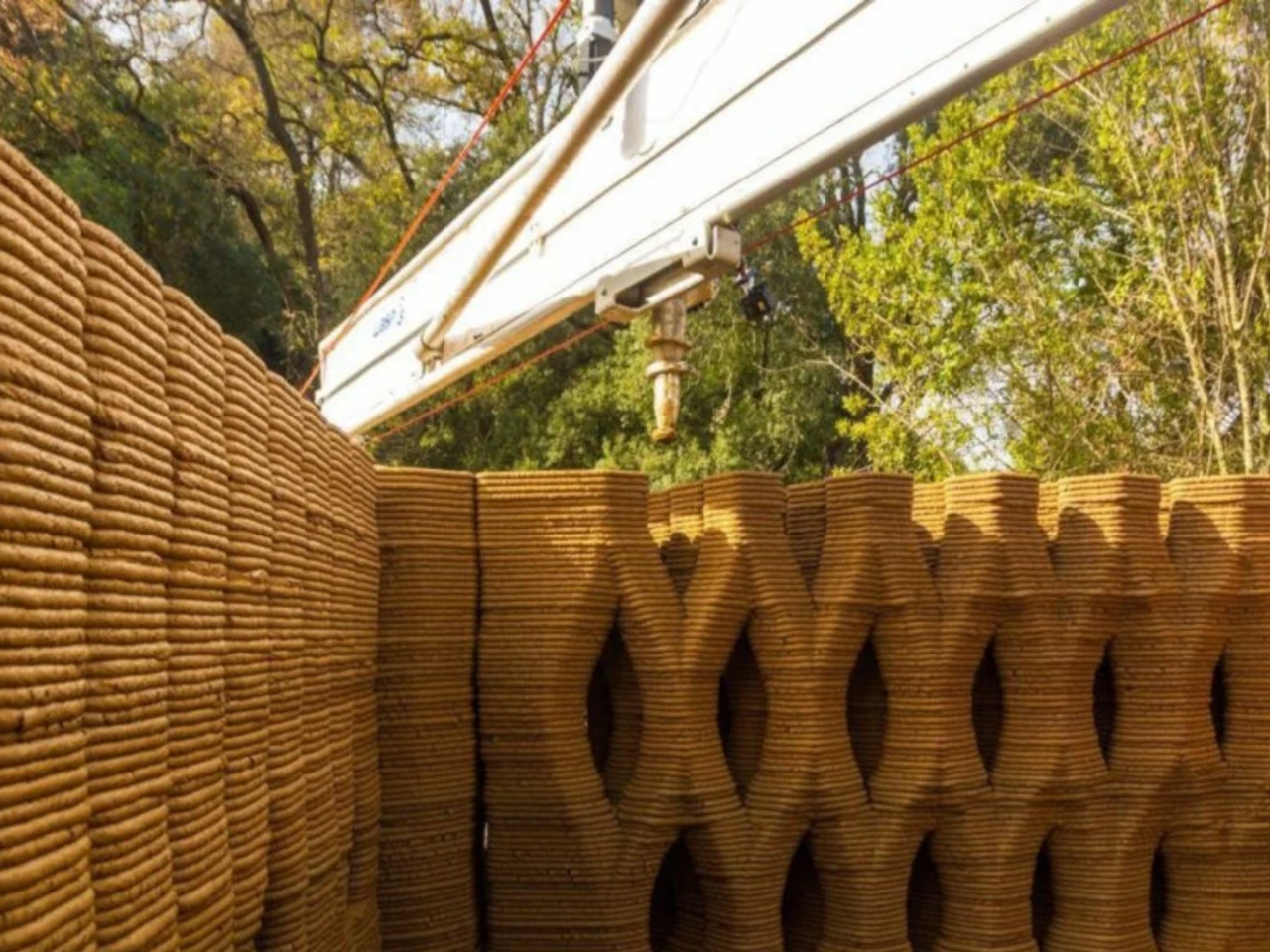
The latest trend in architecture and product development incorporates 3D printing, which, when combined with traditional clay, has been utilized by Spanish postgraduates to create TOVA, Spain’s first prototype habitat. This sustainable prototype features a simple, elegant design with a sloping roof for rainwater drainage, framed ceilings for temperature control, and natural light through windows, all surrounded by natural elements to blend seamlessly with its environment.
Risk and Cost Reduction, Customer Satisfaction
Prototyping finds design errors and usability issues early, cutting the risk of expensive mistakes later in production. It helps reduce error costs and increases manufacturing efficiency by allowing changes before full-scale production, optimizing resources, and streamlining the development process.
Also, product prototypes improve communication among team members, clients, and stakeholders, leading to constructive feedback and a refined final design. In the long run, this contributes to customer satisfaction by undergoing testing at various stages and incorporating feedback and improvements before market launch.
User Testing
Prototyping allows for user testing to gather insights and validate design assumptions, ensuring the product meets user needs and expectations.
While rumors and expectations surrounded Google’s leap into the foldable phone market, the launch of the Pixel Fold marked a significant milestone despite Google’s historical indifference towards tablets, making its entry unexpected but popular due to its distinctive design. The prototype known as “jumbojack,” resembling Samsung’s Galaxy Z Fold 2, surfaced years ago, suggesting Google’s exploration of different foldable designs before finalizing a unique Pixel user experience tailored for foldable devices, diverging from Samsung’s established approach with a wider, more ergonomic design akin to the OPPO Find N.
Scope of Improvement
Prototyping supports iterative development, allowing design improvements based on feedback and testing. This enables the product to be launched and quickly gain traction in the market due to thorough testing.
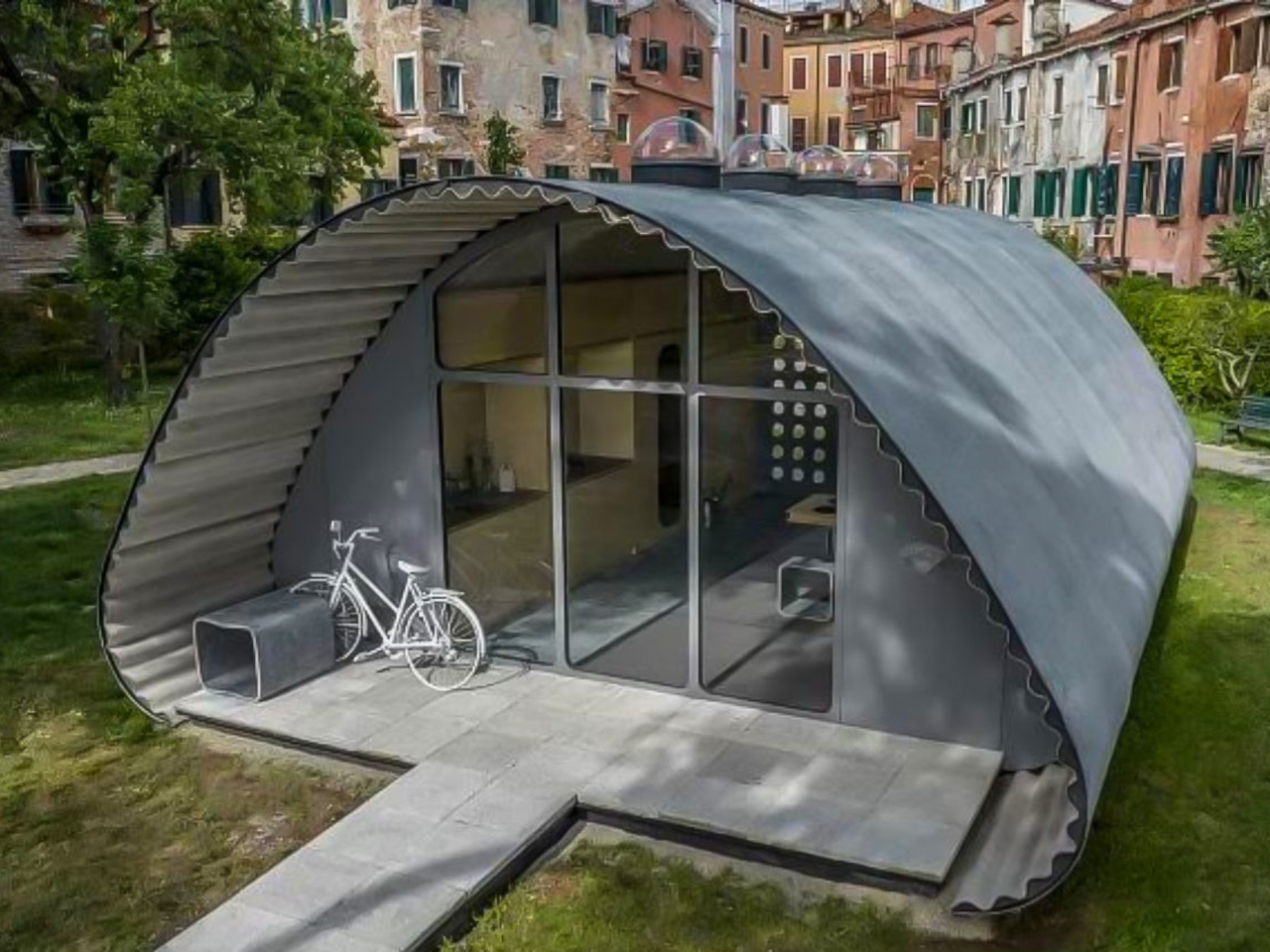
The prototype showcased at the Venice Architecture Biennale under the Essential Homes Research Project, developed by the Norman Foster Foundation and Holcim, introduces an innovative emergency shelter design. It is built with a rapid assembly system on-site using an arch-shaped framework and a rollable outer shell predominantly made from low-carbon concrete, the prototype ensures durability and quick deployment. The project is designed to withstand extreme weather conditions, featuring waterproofing and insulation for comfort, along with practical interior amenities such as bunk beds and shelves for a functional living environment.
Fosters Innovation
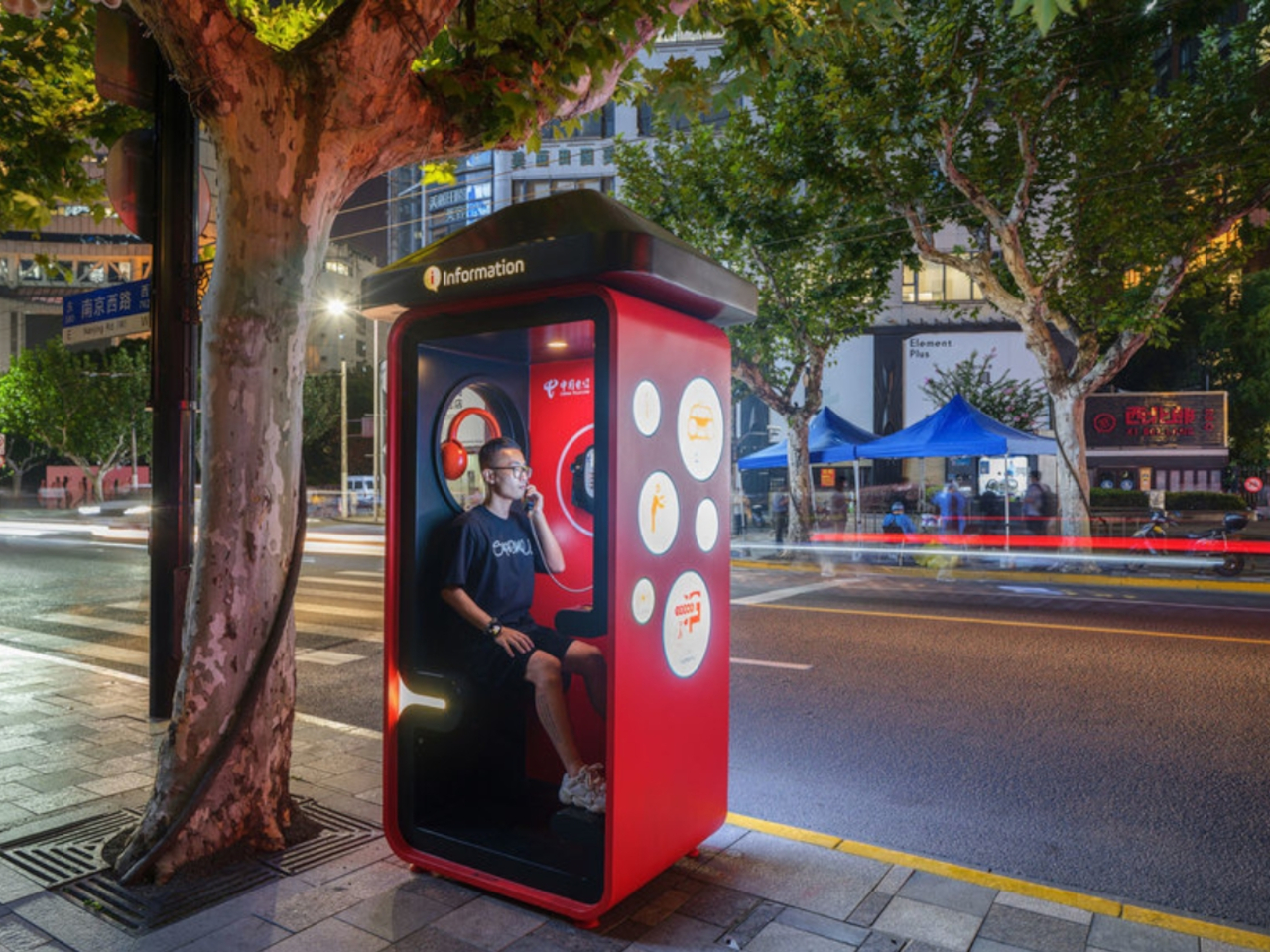
Another advantage is that prototyping enables experimentation and innovation without the need for extensive production of multiple items. Shanghai is creating a new prototype of telephone booths to replace the old ones. This prototype keeps the classic red color and boxy shape but adds modern features like solar panels, Wi-Fi, wireless charging, 5G internet, and touch screens with maps and emergency help. This update combines nostalgia with new technology, aiming to inspire similar changes around the world to meet modern needs while preserving the old style.
In areas prone to wildfires, residents not only face immediate dangers but also enduring challenges like pollution exacerbated by global warming, as seen with rising temperatures in unexpected places. Innovators are developing solutions such as the Living with Wildfire system, a prototype mycelium pod designed to withstand fire. Inside each pod are water and dormant oyster mushroom spores. During a wildfire, water evaporation increases pressure inside the sealed steel vessel until a cork is launched, dispersing spores that take root post-fire to reduce soil and air toxicity through mycoremediation.
Resembling a lamp on a stand, these pods must be strategically placed and feature a minimalist design inspired by fireproof seedpods in trees like the lodgepole pine and Australian banksia, with tags displaying the Latin names of mushroom spores. Constructed from quick-melting pewter, the pods release spores upon exposure to fire, even when branches and brush are piled underneath to hasten the process, serving also as a reminder of ongoing wildfire risks in the area.
What are the disadvantages of prototyping in product design?
MISSING PARAGRAPH
Cost Intensive
Creating prototypes can be costly due to the investment in materials, labor, and research involved. This often makes stakeholders consider reallocating resources more effectively within the project and reducing the waste from multiple prototypes.
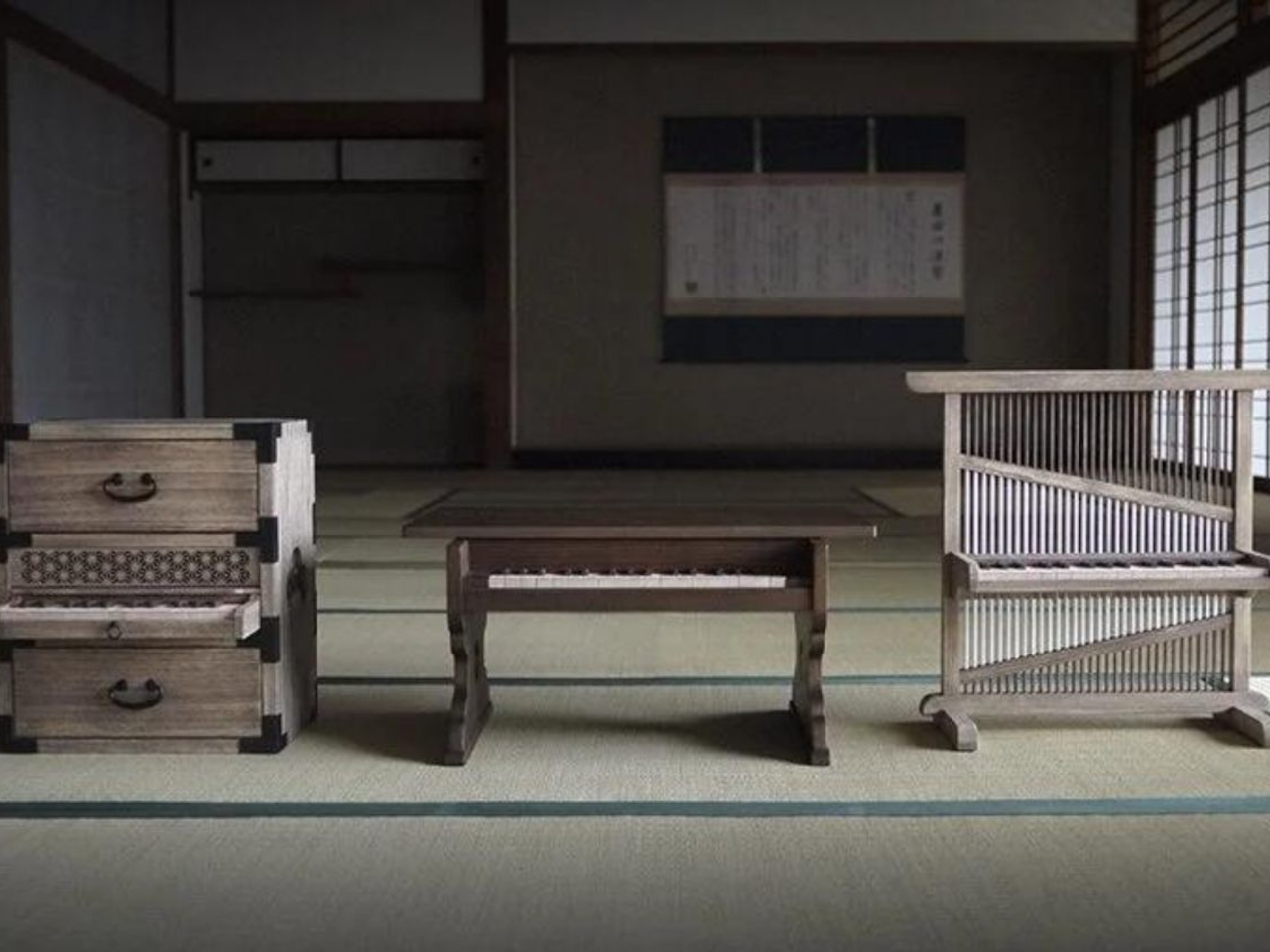
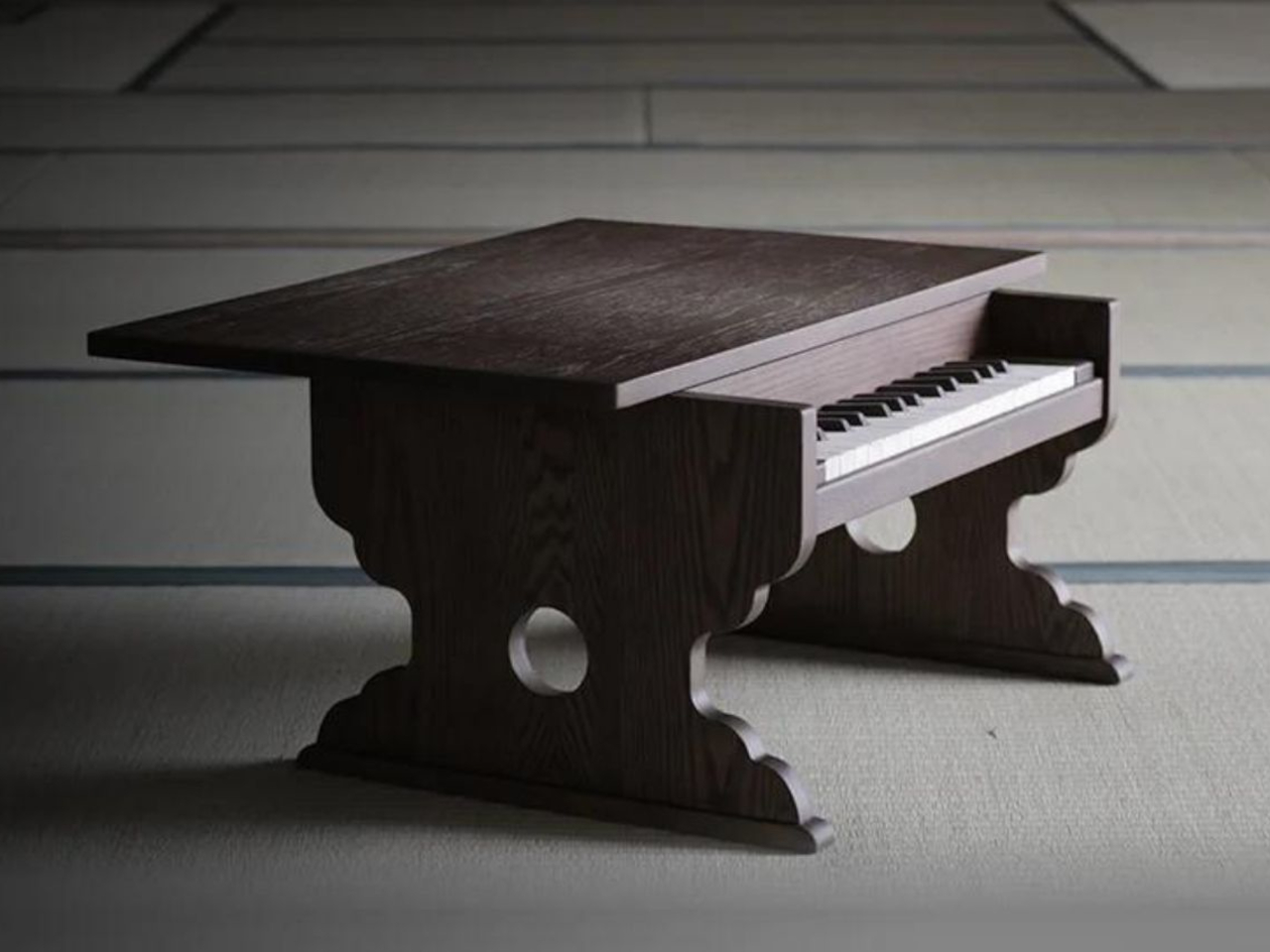
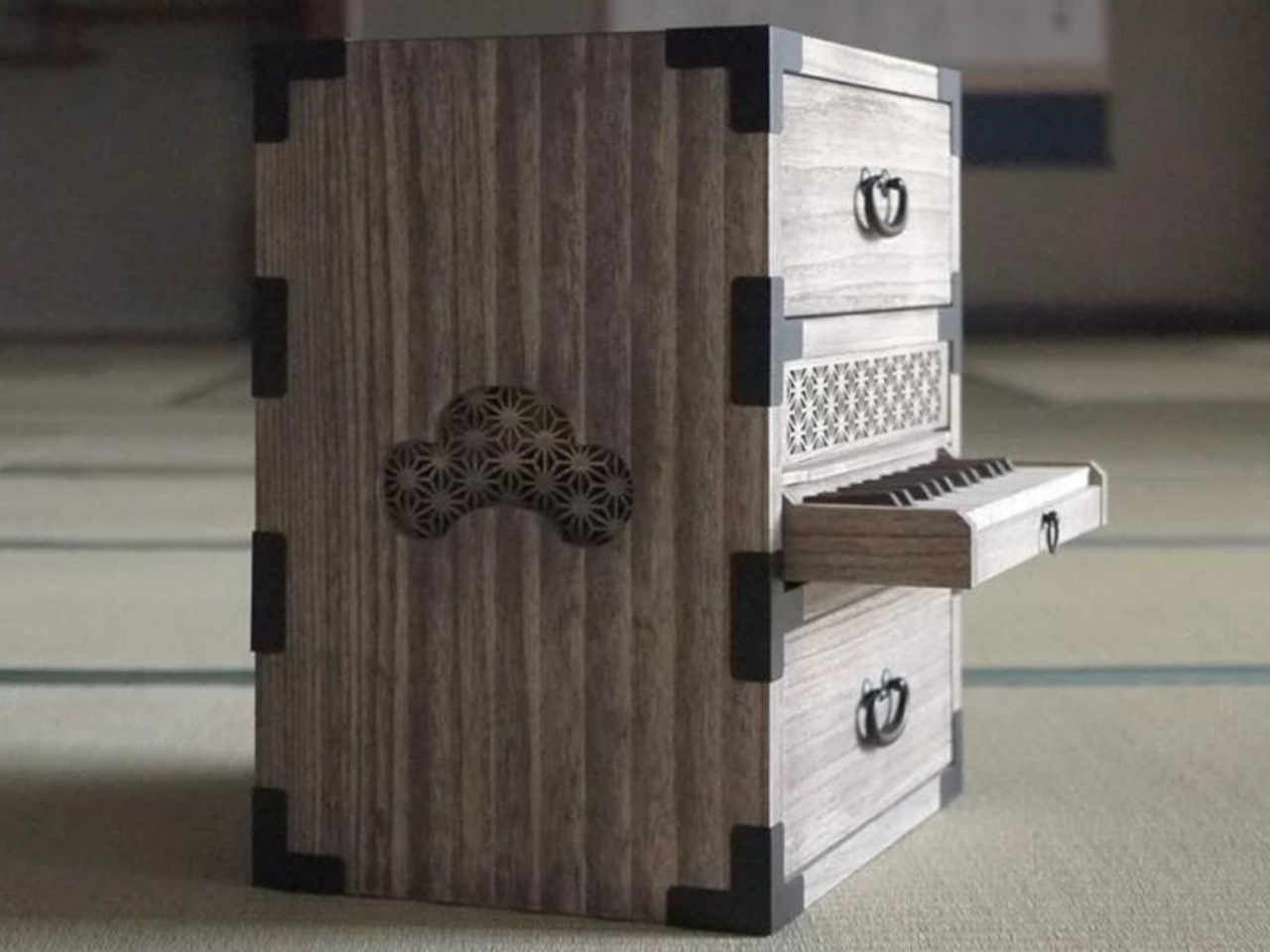
For those interested in pianos as instruments or decor, the Yamaha Design Laboratory and Chiba University’s Department of Design collaborated on Edo-era inspired piano designs styled as furniture. Displayed in an Edo-era piano store simulation, these prototypes include the SUKIMA, blending with Nagaya house wooden partitions for a harmonious blend of transparency and privacy; the OTO-TSUKUE, resembling traditional writing desks with a piano beneath the desktop; and the HIKI-TANSU, integrating piano features into gift chests symbolizing auspicious occasions, each adorned with distinctive etchings from the era.
Time Constraints
Developing and refining prototypes can be time-consuming, potentially delaying the project based on feedback. Moreover, tight schedules and deadlines for prototype creation can compromise the product design. Missed windows of opportunity, in turn, could lead to low sales, overstocking, and a general loss of revenue.
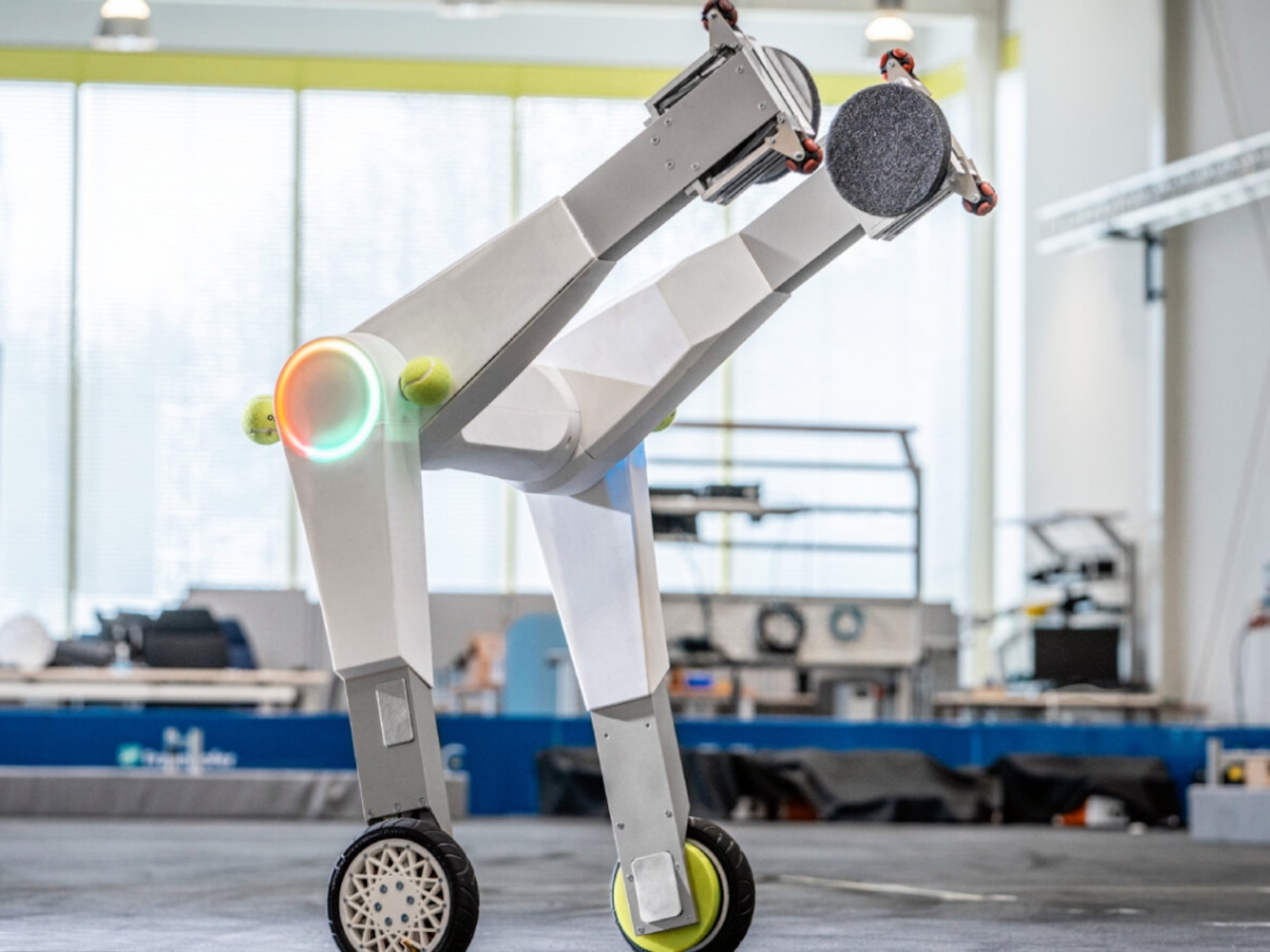
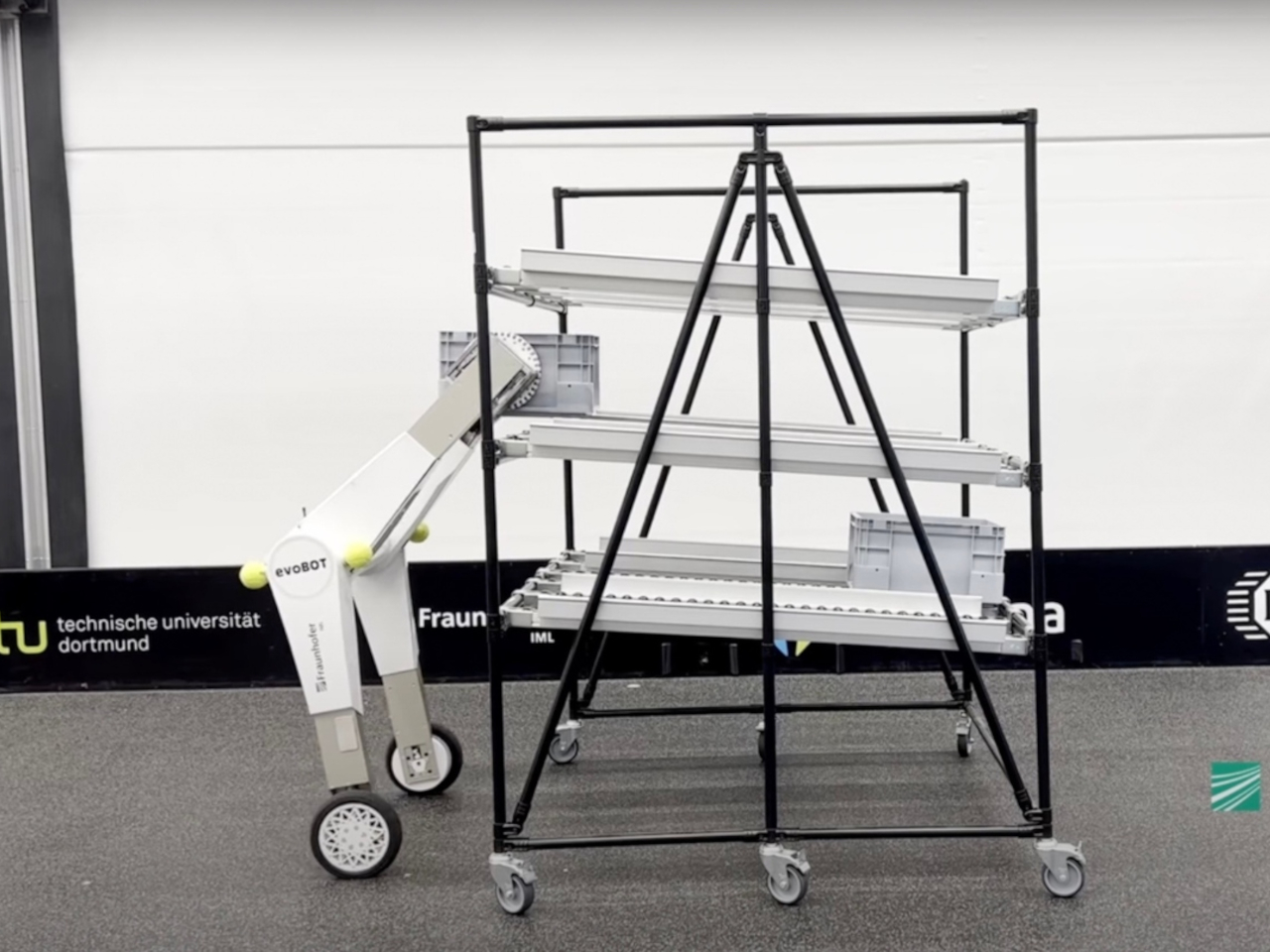
The evoBOT, currently in prototype stage, is an autonomous robot designed to assist in logistics and shipping by self-balancing and transporting goods alongside workers. Resembling a futuristic trolley, it’s still in development with details on maximum load capacity pending. The robot extends its arms to secure items, adjusts its stance for maneuvering, and can adopt a V-shaped posture for efficient transport. Equipped with sensors for object detection and capable of navigating varied terrains, including sloped surfaces common in warehouses, it’s lightweight and space-saving, using an innovative self-balancing design principle.
Confusion and Miscommunication
Another disadvantage of creating prototypes is that too many features can be added to the product based on feedback, potentially diluting its purpose and deviating from the original goals.
Users might confuse the prototype with the actual product, which can lead to disappointment and unrealistic expectations about its capabilities and quality. Additionally, implementing excessive changes based on feedback may not always result in substantial improvements.
Security Risks
The product being exposed to external testers and stakeholders can result in copying or theft, posing security concerns that need to be handled delicately during the prototyping process. It’s definitely a touchy subject, especially in the tech industry where leaks are rampant and sometimes even celebrated.
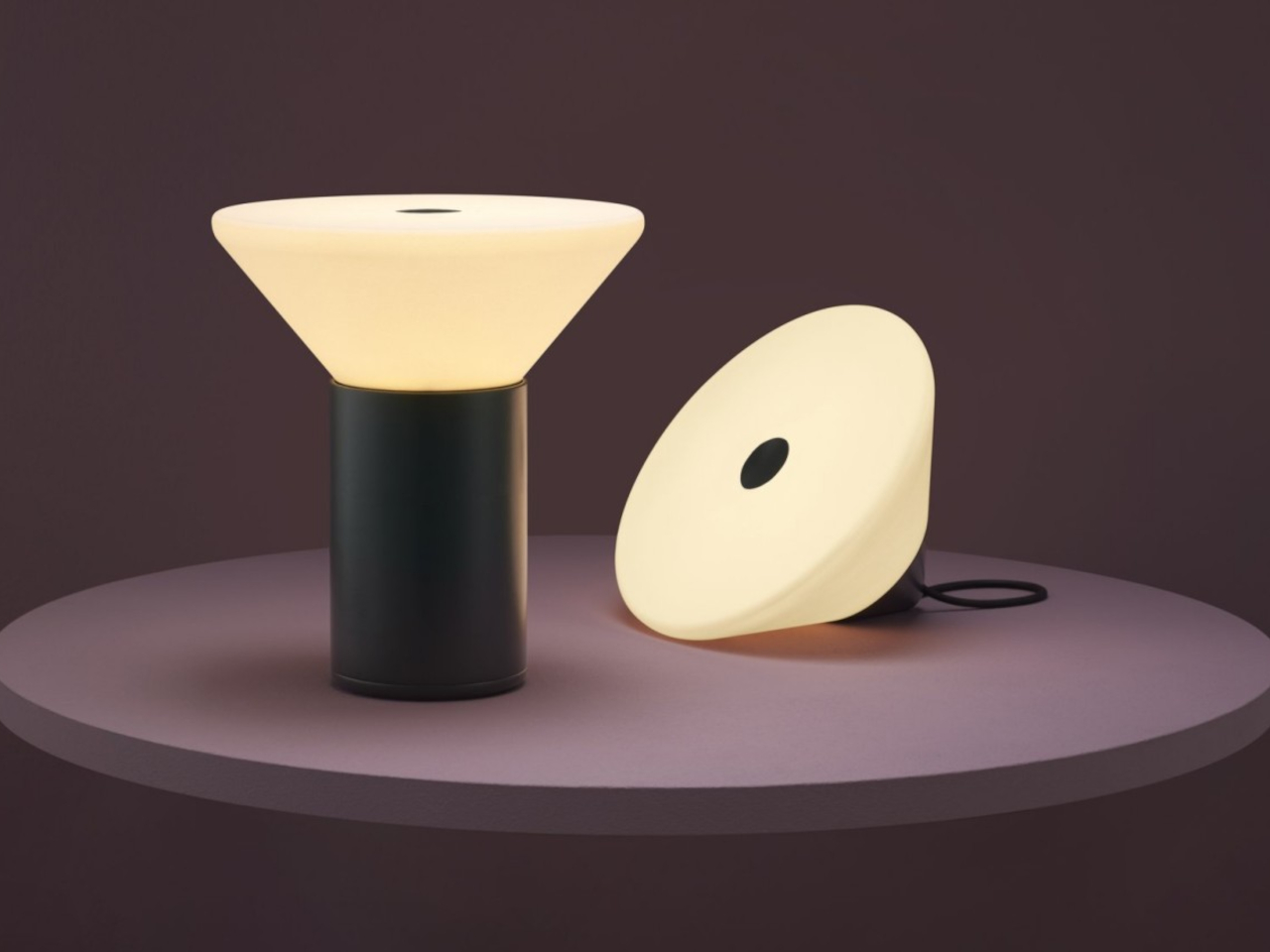
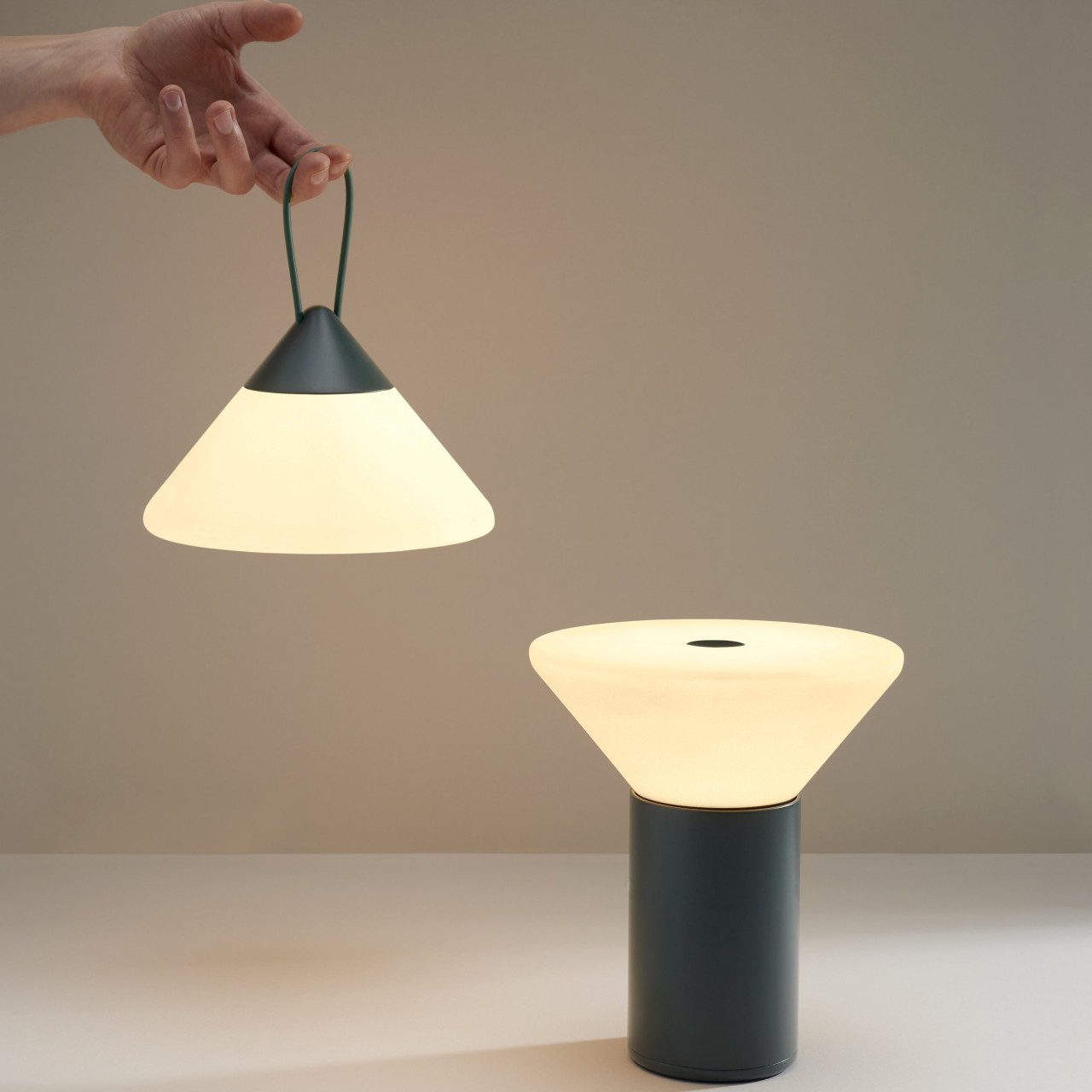
Mikono is a rechargeable, modular table lamp that doubles as a handheld light. Mikono’s unique prototype design features a conical shape that emits light from all sides and can split into two parts for portability. The lamp charges wirelessly on its base, which includes a battery for cordless operation. Designed for simplicity, Mikono incorporates a translucent cone for diffused light, a metallic tip for housing electronics, and a loop strap for easy carrying. It serves as a versatile indoor and outdoor lighting solution, equipped with an adjustable intensity dimmer and a replaceable battery for long-term use.
The fast-paced world of design and production requires being able to pivot quickly to reduce costly errors down the road. There are some disadvantages to prototyping, of course, but the benefits far outweigh those. Therefore, prototyping is integral to product design, necessitating awareness of potential pitfalls for an efficient process that results in successful, user-centered products.