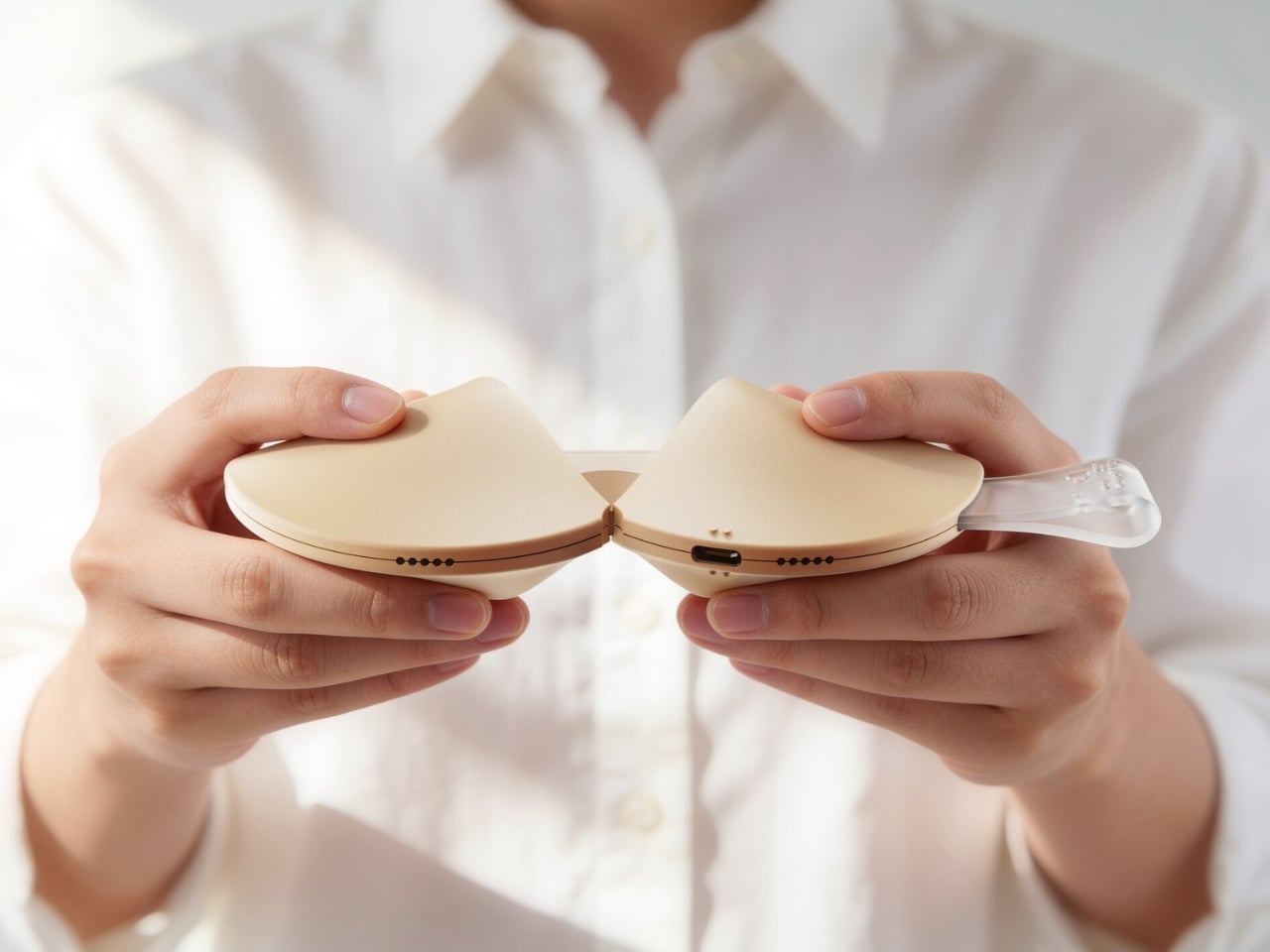
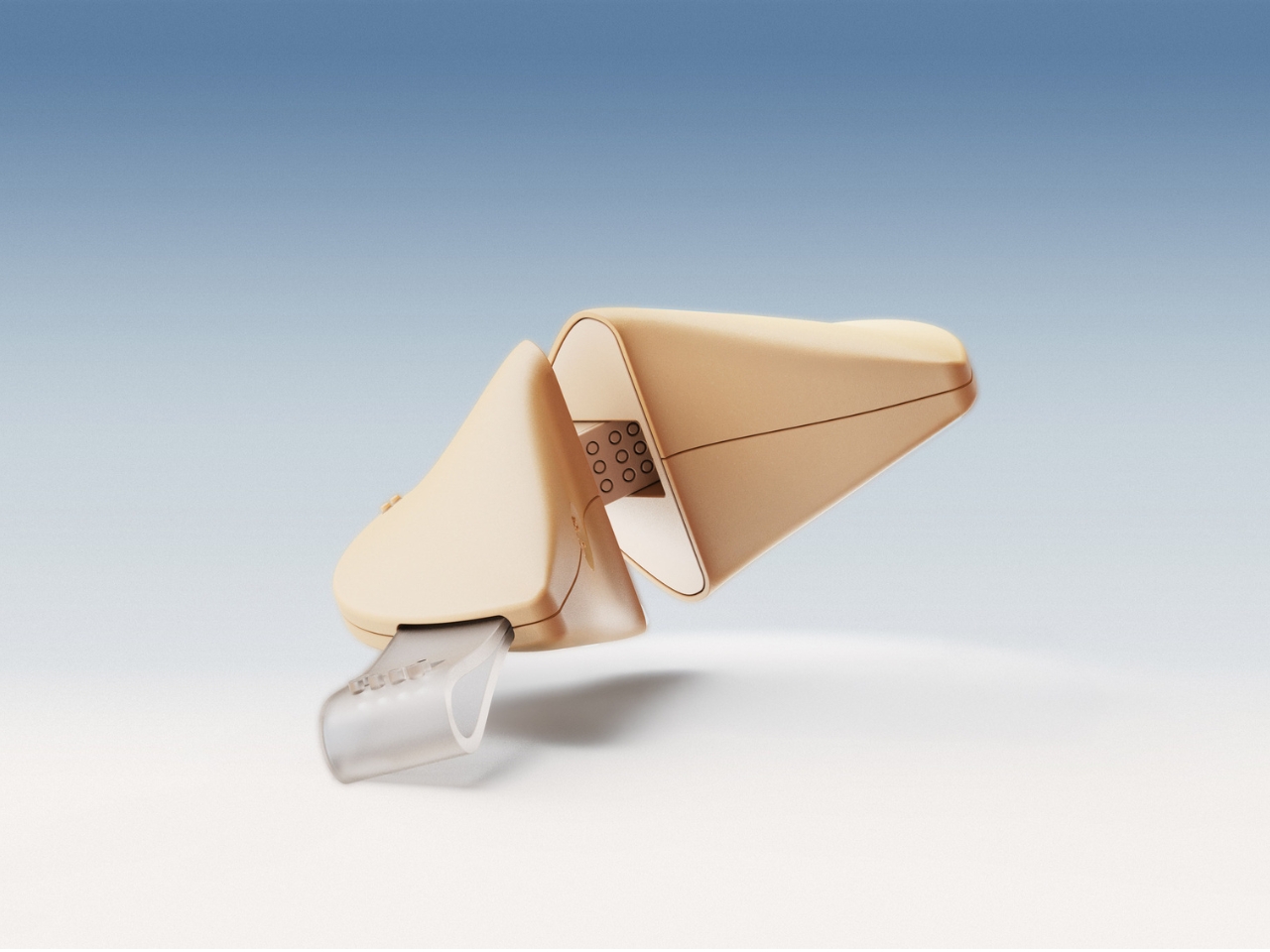
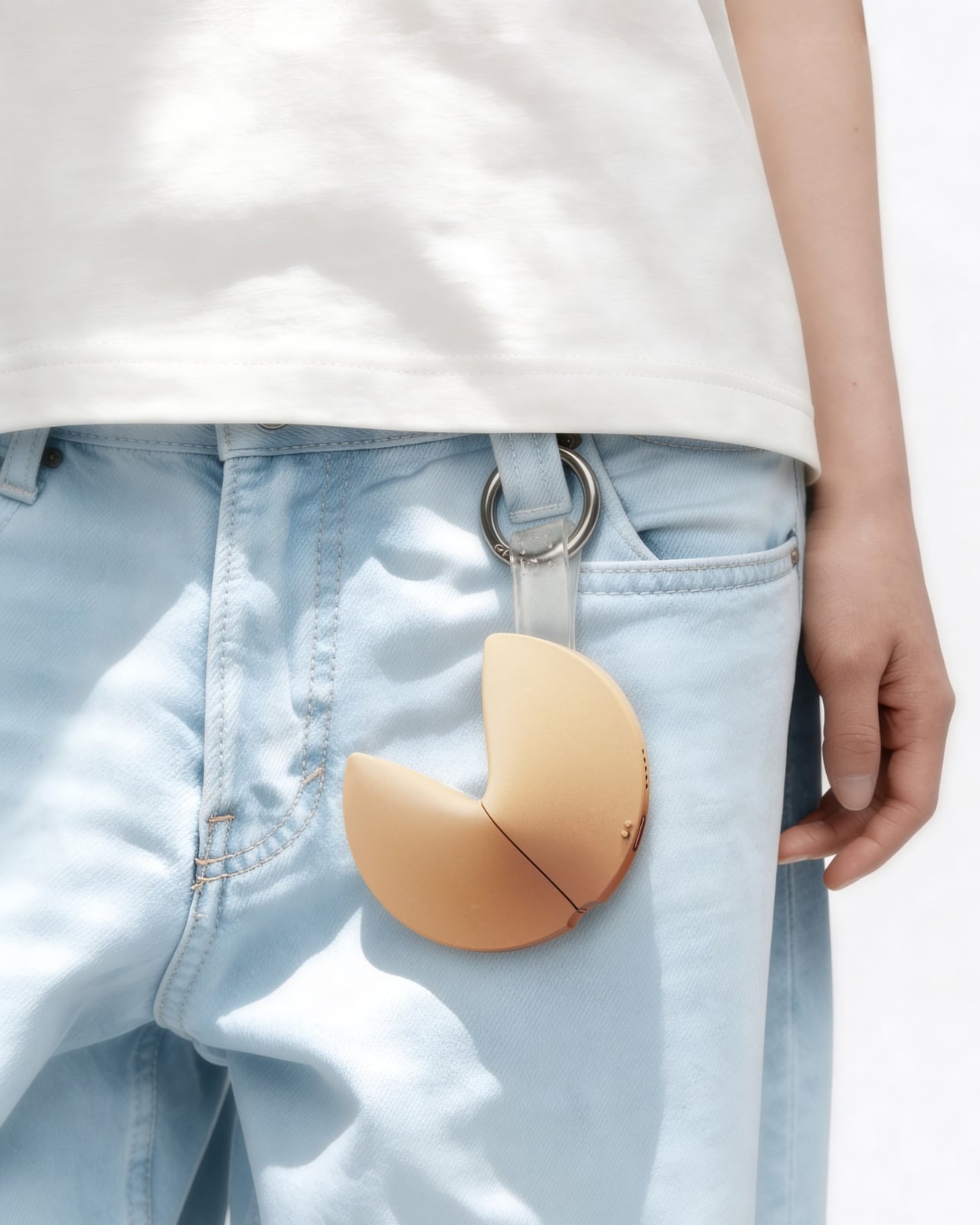
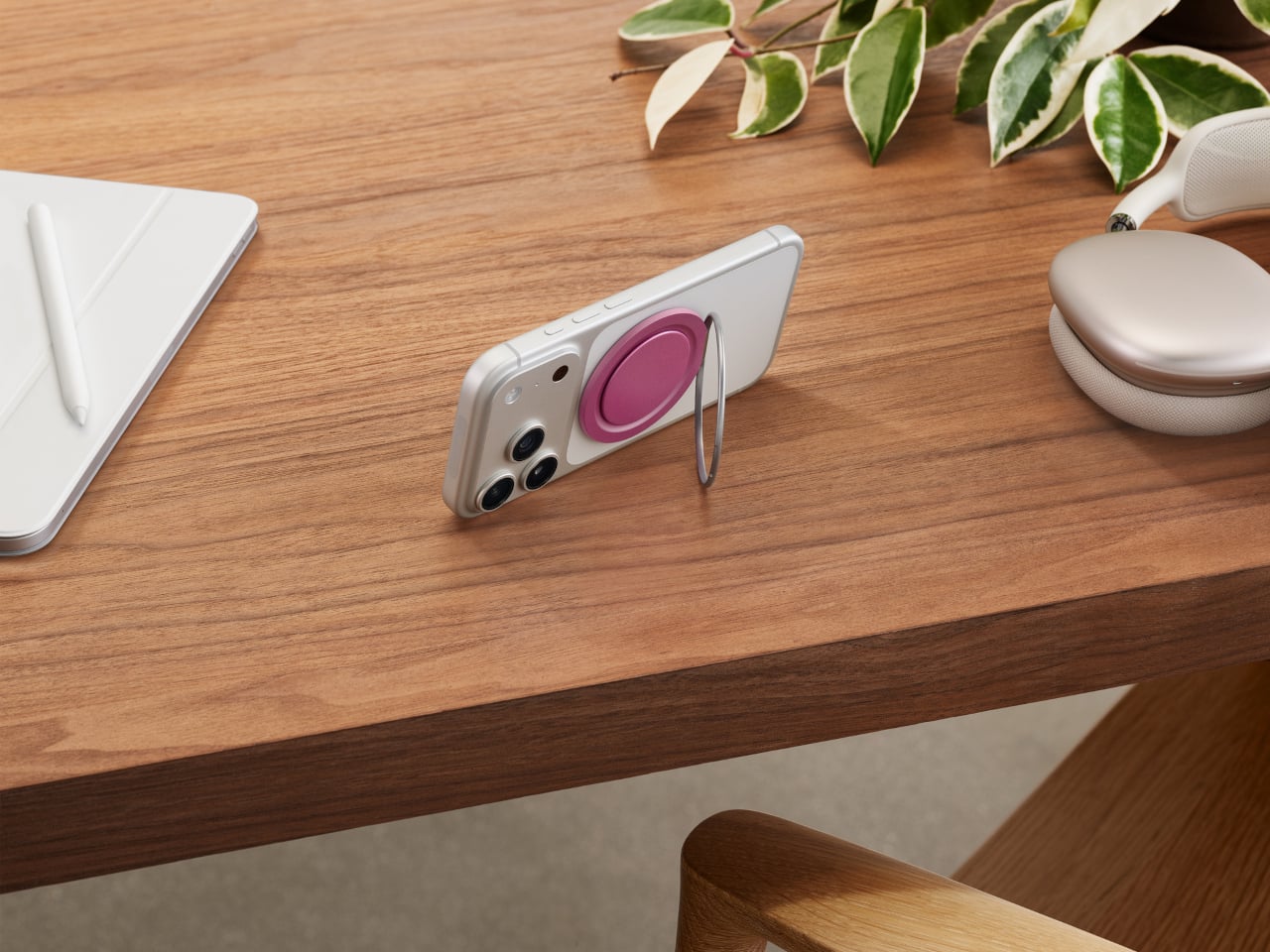
Let’s be honest, most of us casual mobile gamers prefer portrait games that can be enjoyed quickly for a short dopamine boost. Playing platformer or arcade titles that require precise input on-screen are better played with a stylus, giving you the strategic advantage if you’ve got the reflexes to back your skills. 8BitDo is introducing a portrait mode clip-on controller accessory for gamers like me who prefer to keep things minimal.
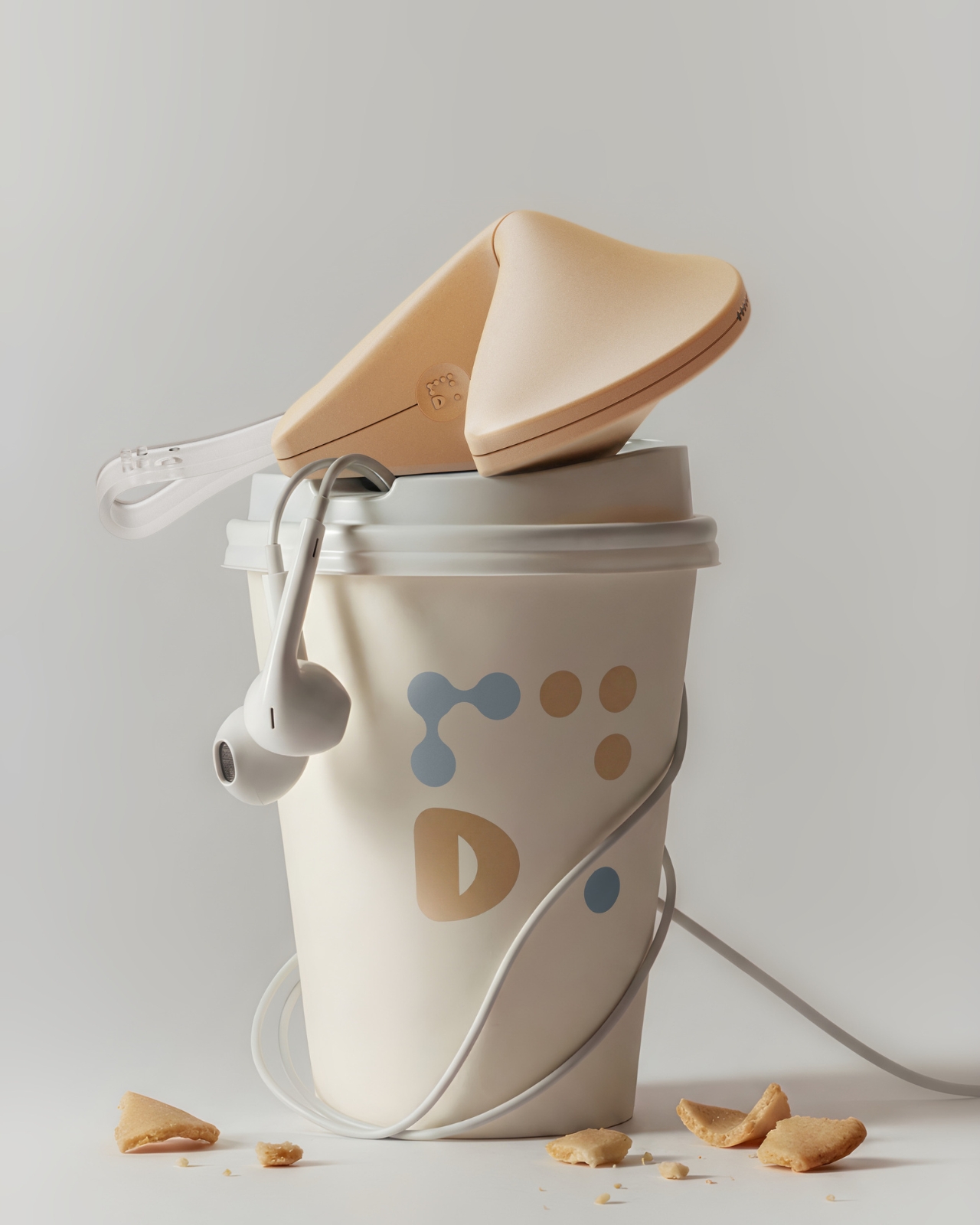
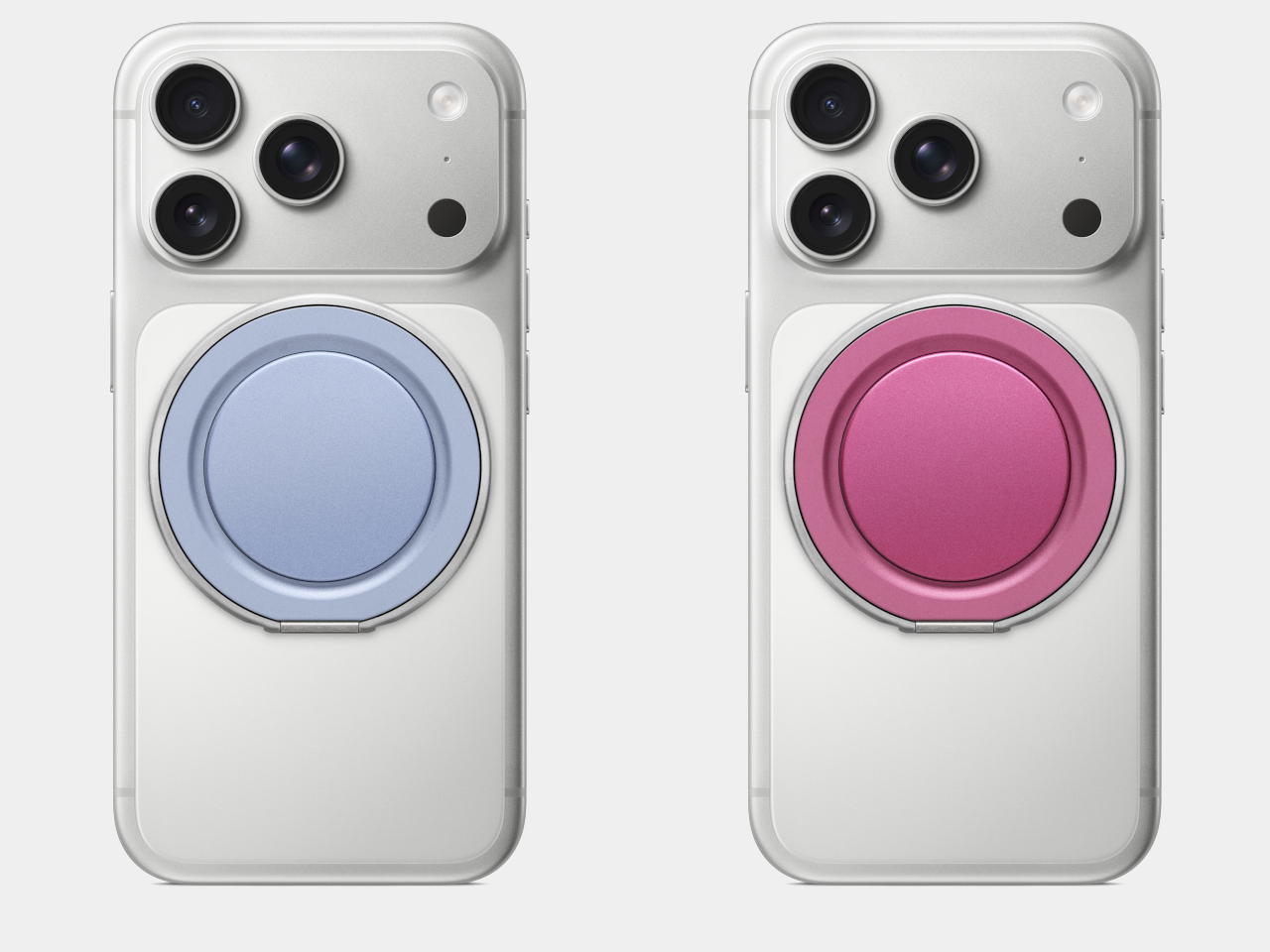
This flip-style gamepad, designed for Android and iOS (officially supported by Apple) mobile devices, is palm-sized for ultra-portability. Coming to CES 2026, the microcontroller will be officially available in the summer of 2026. There is no word on the release date, nor are there many details, but we’ll share what’s available of this retro-forward accessory that looks inspired by the Game Boy DMG color theme.
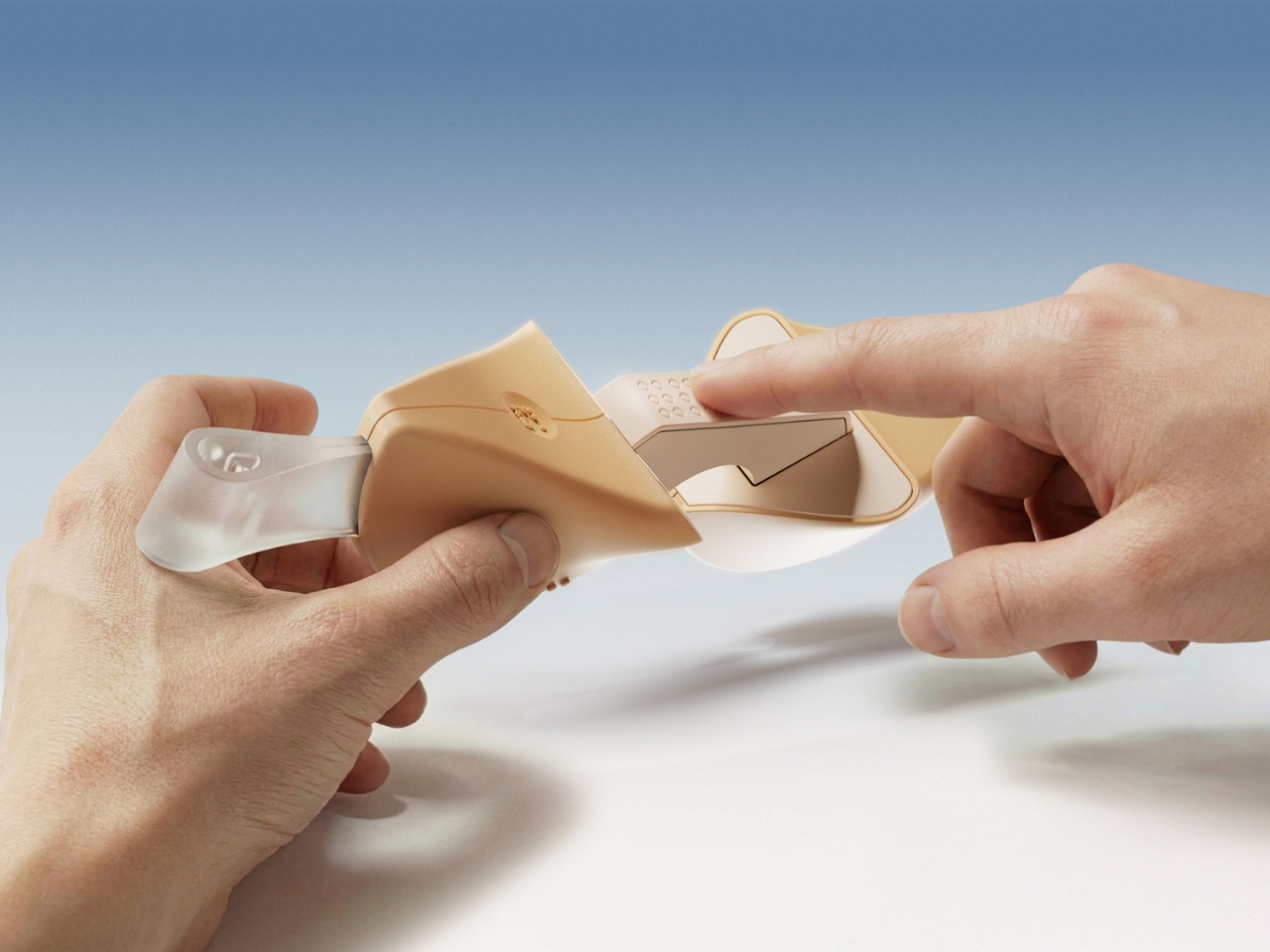
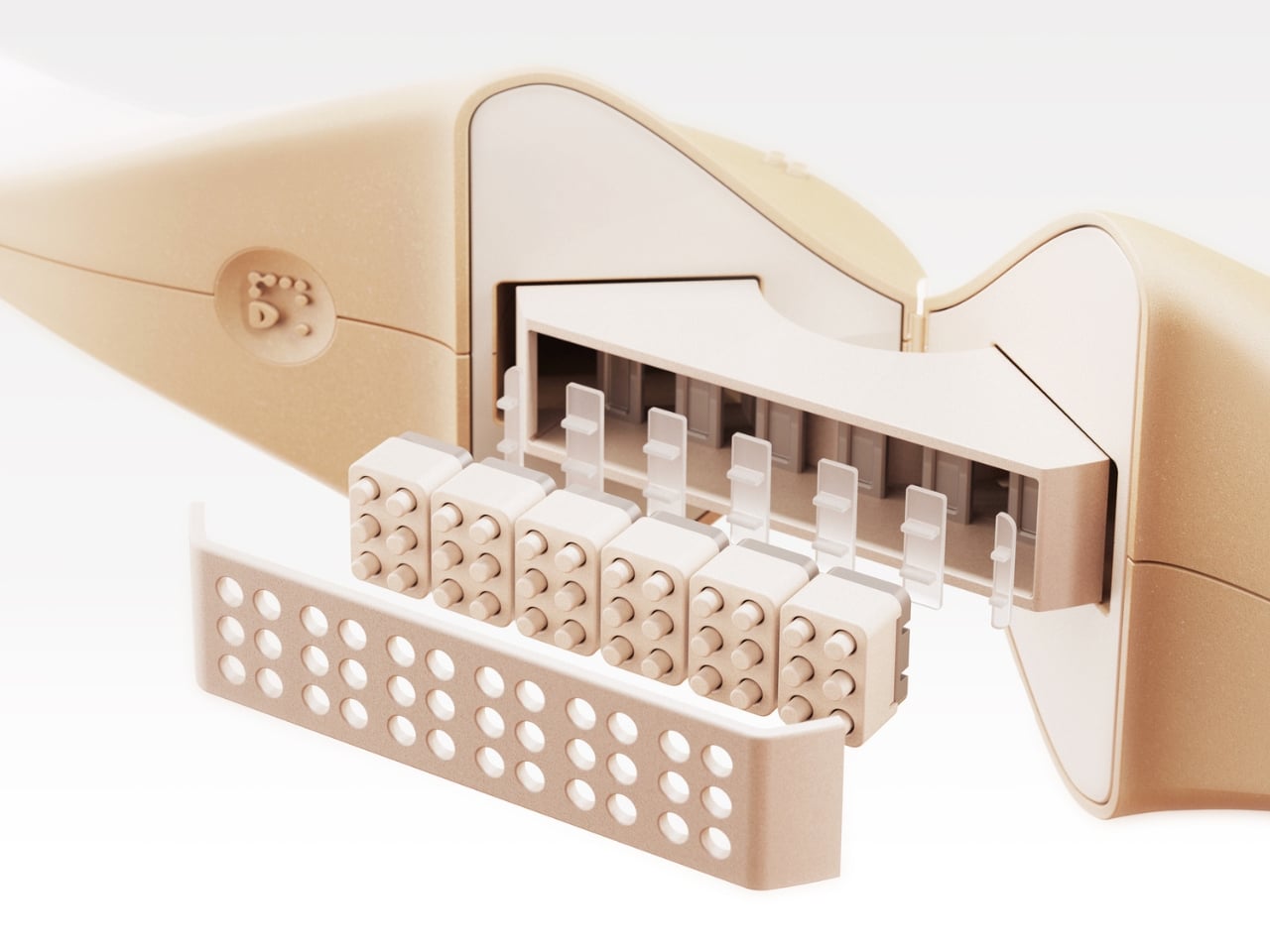
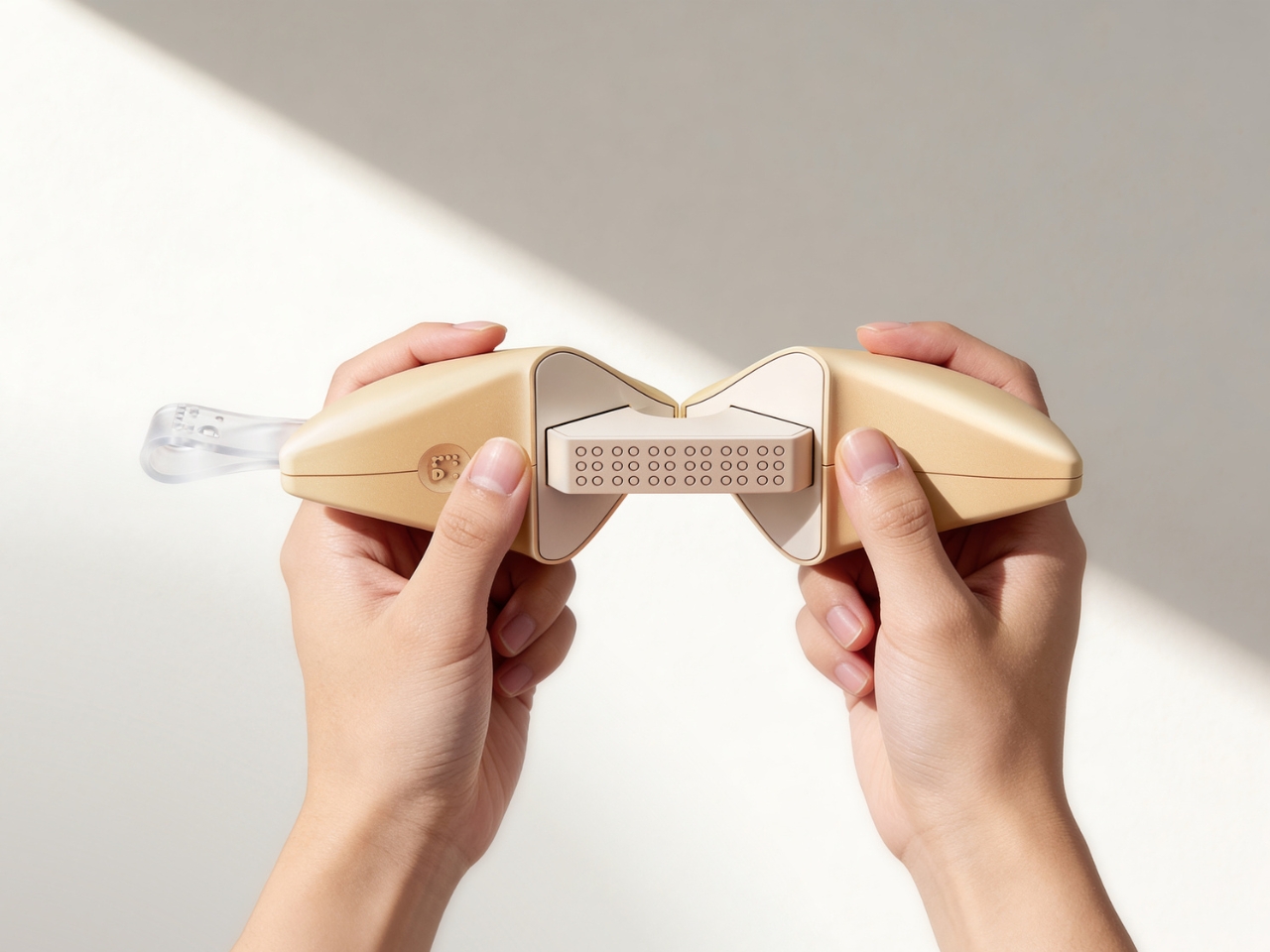
Called the FlipPad, this portrait orientation controller is a good option to have along with your standard mobile controllers that operate in landscape orientation. I can very well imagine playing White Out Survival, Vampire Survivors, Road to Valore: Empires, Subway Surfers, and other mobile games using the compact controller. The USB-C accessory has 12 face buttons and a D-Pad, which should be good enough for portrait games, as they generally don’t demand the shoulder trigger buttons as input.
I know most of your mobile gamers will be looking to use the controller for emulators, especially titles that have an on-screen gamepad similar to this. The flip-style controller is designed in a way that it can overlay over the on-screen keyboard for maximum ergonomic comfort. That’s the reason the controller is compatible with most third-party applications and emulators like the Delta Emulator. I presume the controller will come with an in-built rechargeable battery and lack Bluetooth connectivity since it plugs directly into your smartphone via the USB-C port.
For games that are natively portrait-oriented and take up the complete screen, the FlipPad will contract the screen size to accommodate the overlaying gamepad section. It’s more like a physical controller to have the tactile input of the buttons rather than fiddling around with the on-screen buttons.
Transparent design has moved beyond gimmick territory into something genuinely compelling. When Nothing started showing off circuit boards through clear plastic, the tech world noticed. Now that aesthetic has matured into a legitimate design movement where form and function create something worth displaying. Audio equipment benefits particularly well from this treatment because the internals actually matter to the listening experience, turning technical components into visual storytelling.
The devices here represent transparency done right. These aren’t cheap tricks or hollow shells with nothing interesting inside. Each one exposes genuine engineering, invites you to understand how sound gets made, and transforms listening into something more tactile and present. From cassette players to turntables, these designs prove that showing your work can be just as important as the work itself.
1. Sony Walkman Transparent Cassette Recorder
This concept recorder hits differently than most transparent tech because it understands that nostalgia needs a dose of futurism to stay relevant. The design merges Blade Runner aesthetics with classic Sony Walkman DNA, creating something that feels simultaneously vintage and impossible. That crystal-clear housing reveals every mechanical element, from the tape mechanism to those satisfying gear systems that physically move when playing. The transparency here serves a purpose beyond aesthetics, letting you witness analog technology doing its thing in real time.
What makes this particularly successful is the deliberate visual hierarchy. The top-mounted mechanical components receive showcase treatment, positioned like the exposed movement in a luxury timepiece. That digital display embedded among analog parts creates fascinating tension, suggesting computational intelligence coexisting with physical media. The miniaturized control buttons along the top edge reference 80s Sony recorders without feeling derivative, achieving that difficult balance between tactile satisfaction and modern refinement.
What We Like
The exposed gear mechanisms turn playback into a visual performance worth watching.
The fusion of digital display with analog components creates compelling technological contrast.
What We Dislike
Being a concept means you cannot actually buy or use this device yet.
The cassette format limits practical utility in modern digital workflows.
2. StillFrame Wireless Headphones
StillFrame approaches headphone design like someone who actually cares about the listening ritual rather than just the specs sheet. The transparent housing exposes the internal circuit board deliberately, treating technology as part of the experience instead of something requiring concealment. That exposed engineering dialogue with the geometric form creates visual interest without resorting to aggressive gaming aesthetics or needless embellishment. The design philosophy echoes those geometric CD cases from the 80s and 90s when physical media demanded intentional shelf presence.
The 40mm drivers deliver a wide, open soundstage that prioritizes melodic texture and spatial awareness. At 103 grams, these feel nearly weightless during extended wear, managing to maintain presence without physical pressure. The magnetic fabric ear cushions swap easily, with each white model including light gray and turquoise options for subtle personalization. That stainless steel headband achieves the ideal strength-to-weight ratio, while the housing fuses circular and square geometry in understated harmony.
The magnetic ear cushion system makes swapping colors satisfying and effortless.
The 24-hour battery life eliminates constant charging from your routine.
What We Dislike
The exposed circuitry might collect dust more readily than sealed designs.
The geometric aesthetic will not appeal to those preferring minimalist simplicity.
3. ClearFrame CD Player
ClearFrame treats compact discs like the miniature art exhibits they always deserved to be. That square polycarbonate body frames each album cover while exposing the black circuit board inside, turning engineering into intentional visual design. The transparent construction creates what feels like a crystal sculpture housing an analog soul, where every component receives showcase treatment. This approach transforms music playback from background activity into something more ceremonial and present.

The design accommodates multiple mounting options, functioning equally well on shelves, desks, or walls. That versatility means the player adapts to your space rather than demanding specific placement. The exposed circuitry invites small moments of discovery with each glance, revealing how digital information gets extracted from physical media. Bluetooth 5.1 support extends playback beyond the device itself, while the seven-hour rechargeable battery enables portability when needed.
The wall-mounting capability transforms music into room decor.
The exposed circuit board turns technical components into deliberate visual interest.
What We Dislike
The seven-hour battery life feels limited for extended portable use.
CD format restricts compatibility with modern streaming workflows.
4. Side A Cassette Speaker
This pocket-sized speaker commits fully to the cassette aesthetic without feeling like cheap nostalgia bait. The transparent shell and Side A label treatment reference actual mixtapes, but the Bluetooth 5.3 connectivity and microSD support reveal modern functionality hiding inside. That clear case doubles as a stand, transforming this from pocket carry into deliberate desk presence. The compact form factor makes this surprisingly versatile, functioning equally well for personal listening or small gatherings.
The sound signature aims for warmth rather than clinical precision, evoking analog tape playback characteristics within obvious physical constraints. MicroSD support enables offline playback without requiring constant wireless connectivity, useful for locations with spotty coverage or when preserving phone battery matters. The cassette styling walks the line between homage and parody, landing somewhere that feels genuine rather than ironic.
The sub-fifty-dollar price point makes this an accessible impulse purchase territory.
MicroSD support enables completely offline music playback without phone dependency.
What We Dislike
The compact size limits bass response and overall volume capabilities.
The cassette format may seem gimmicky to those uninterested in retro aesthetics.
5. Audio-Technica AT-LPA2 Transparent Turntable
Audio-Technica’s transparent turntable represents serious engineering disguised as a design experiment. That 30mm-thick high-density acrylic body and 20mm acrylic platter serve technical purposes beyond aesthetics, with material density providing vibration damping that reduces unwanted resonance. This production version evolved from the limited-edition AT-LP2022 anniversary model, incorporating structural refinements aimed at reliable high-fidelity analog playback. The transparent construction challenges conventional turntable aesthetics without compromising performance expectations.
The visual impact hits immediately. Where most turntables hide mechanisms beneath wood veneer or matte finishes, this model exposes everything. That transparency transforms the tonearm, platter, and motor into focal points rather than concealed components. The minimalist appearance suits modern interiors while maintaining the gravitas expected from serious audio equipment. The acrylic construction communicates both fragility and precision, suggesting careful engineering rather than mass production.
What We Like
The thick acrylic construction provides functional vibration damping alongside visual impact.
The exposed mechanisms transform turntable operation into observable performance.
What We Dislike
The transparent acrylic shows dust and fingerprints more readily than traditional finishes.
The premium materials and construction likely command higher prices than conventional turntables.
The Return of Visible Technology
Transparent audio design represents more than an aesthetic trend. These devices signal shifting attitudes toward technology, where understanding how things work matters as much as what they do. The movement away from black boxes toward exposed engineering suggests audiences want relationships with their devices beyond mere utility. When you can see gears turning or circuit boards processing, technology becomes less abstract and more tangible.
The best transparent designs balance revelation with restraint. These five devices expose internal workings without overwhelming the core function of delivering quality sound. They remind us that audio equipment serves both sonic and spatial roles, existing as functional tools and visual objects simultaneously. That dual purpose elevates listening from background activity into something more intentional and present, worth both hearing and seeing.
Small workspaces demand accessories that earn their place on the desk. Every item needs to justify the real estate it occupies, which means multi-functionality isn’t just a nice feature—it’s essential. The desk that once felt spacious quickly becomes cluttered when traditional peripherals take over. A separate keyboard here, an external monitor there, pens rolling around, and suddenly your workspace feels more chaotic than creative.
The accessories that truly transform compact work environments share a common trait: they collapse, fold, or consolidate multiple functions into a single footprint. These aren’t just space-saving tricks—they’re thoughtfully engineered solutions that maintain full functionality while disappearing when not in use. From keyboards with integrated displays to writing instruments that fit in your pocket, these five accessories prove that working in tight quarters doesn’t mean compromising on capability or comfort.
1. WELDER Keyboard
Mobile productivity usually means choosing between screen real estate and portability. The WELDER keyboard eliminates that choice by integrating a 12.8-inch touchscreen directly above its mechanical keys. This CNC-machined aluminum device folds completely flat at a 180-degree hinge, transforming from a full workstation into a compact metal block. The all-metal chassis provides structural rigidity, preventing screen wobble during aggressive typing sessions and addressing the stability issues that plague most portable monitor setups.
The engineering addresses the fundamental problem of traveling with multiple devices. Instead of packing a laptop, a portable monitor, a monitor stand, a mechanical keyboard, and their respective cables, you carry just one unit. The premium aluminum construction adds weight but delivers the kind of build quality that inspires confidence during daily commutes. The folding mechanism locks securely, protecting both display and keys during transport while maintaining zero flex when deployed for work.
What We Like
The integrated touchscreen eliminates the need for a separate portable monitor, cutting down on cables and setup time dramatically.
The all-metal construction provides exceptional rigidity, keeping the display perfectly stable even during fast typing.
The 180-degree folding mechanism creates a compact form factor that protects both components during travel.
The mechanical keyboard delivers tactile feedback without requiring a separate peripheral.
The single-device solution reduces clutter and simplifies your mobile workspace considerably.
What We Dislike
The all-metal chassis adds significant weight compared to carrying just a laptop alone.
The 12.8-inch screen size may feel limiting for users accustomed to larger dual-monitor setups.
The folding mechanism creates a fixed angle that might not suit every working position.
The premium build quality likely commands a higher price point than purchasing components separately.
2. Pocket Everlasting All-Metal Pencil
Writing instruments disappear at the worst moments. This all-metal pencil stays put because its 4.7-inch length slides easily into shirt or pants pockets without the bulk of traditional pencils. The graphite and alloy particle core leaves marks without wearing down, which means the tip never dulls, and sharpening becomes obsolete. The included cap protects the point and prevents pocket marks, turning this into a genuinely pocket-friendly tool that’s ready when inspiration strikes.
The engineering focuses on eliminating friction points in the writing experience. Traditional pencils dull quickly, requiring sharpeners that often aren’t available when needed. Wood pencils snap under pressure, and mechanical pencils jam or run out of lead refills. This solid metal construction sidesteps all those failure points. The marks erase cleanly with standard erasers and don’t bleed when used with watercolor or water-based markers, making it versatile enough for sketching, note-taking, and technical drawing without switching tools.
The everlasting core eliminates the need for sharpening, saving time and desk space typically occupied by sharpeners.
The compact 4.7-inch length makes it genuinely pocket-portable without sacrificing writing comfort.
The all-metal construction ensures durability that outlasts traditional pencils by years.
The non-bleeding marks work seamlessly with watercolor and markers for mixed-media work.
The ten-mile writing capacity means one pencil can last through countless projects.
What We Dislike
The metal construction adds weight compared to traditional wooden pencils for extended writing sessions.
The fixed core darkness can’t be adjusted like switching between pencil grades for different shading needs.
The small size might feel cramped for users with larger hands during prolonged use.
The premium materials command a higher upfront cost than disposable pencil alternatives.
3. OrigamiSwift Folding Mouse
Full-sized mice deliver precision but occupy significant bag space. The OrigamiSwift collapses flat when stored, then springs into an ergonomic shape in under half a second when needed. The origami-inspired triangular structure provides surprising rigidity despite the folding mechanism, maintaining its form through daily use. At just 40 grams, it adds virtually no weight to your bag while delivering the control and comfort that flat travel mice consistently fail to provide.
The design solves the eternal compromise between portability and usability. Flat travel mice force awkward hand positions that fatigue quickly. Full-sized mice consume too much space for mobile workers. This folding mechanism creates a proper ergonomic grip when deployed while achieving near-flat storage dimensions. The soft-click buttons operate quietly in shared spaces, the USB-C rechargeable battery lasts three months per charge, and the smooth glide works across various surfaces without requiring a dedicated mouse pad.
The folding mechanism transforms it from flat storage to full-sized ergonomics in under half a second.
The 40-gram weight makes it virtually unnoticeable in bags until you need it.
The origami-inspired structure provides durability and rigidity despite the folding design.

The three-month battery life on a single USB-C charge eliminates frequent recharging interruptions.
The quiet soft-click buttons allow discreet use in libraries, cafés, and shared workspaces.
What We Dislike
The folding mechanism introduces moving parts that could potentially wear out over time.
The ultra-lightweight construction might feel less substantial for users who prefer heftier mice.
The compact dimensions when folded mean slightly smaller grip surfaces compared to traditional full-sized mice.
The premium folding engineering likely costs more than standard portable mouse options.
4. Heritage Craft Unboxing Knife
Box cutters typically hide in drawers because their utilitarian design doesn’t merit desk display. This unboxing knife, carved from a single aluminum block, takes design inspiration from Paleolithic hand axes, creating a circular form that functions as both tool and desktop sculpture. The wave-like patterns left by precision machining provide a non-slip grip while creating visual interest that makes this something you’ll want visible on your desk rather than buried in storage.
The tapered circular shape serves double duty. When gripping it for cutting, the textured surface prevents slippage during use. When resting on the desk, the sculptural form adds character to your workspace while keeping the blade within easy reach. Traditional box cutters require drawer storage for safety, consuming organizational space. This design’s form makes it inherently displayable, eliminating that storage requirement while ensuring the tool stays accessible for package opening. The aluminum construction provides durability without excessive weight, and the ancient tool inspiration creates conversation value that generic cutters lack entirely.
The sculptural form eliminates the need for drawer storage by making it displayable on the desk surface.
The circular grip, inspired by ancient hand axes, provides secure handling during cutting tasks.
The machine-waved patterns deliver both aesthetic appeal and functional non-slip texture.
The tapered shape keeps it within easy reach while looking intentional rather than cluttered.
The aluminum construction balances durability with reasonable weight for frequent handling.
What We Dislike
The circular form might require adjustment for users accustomed to traditional box cutter grip angles.
The displayable design means that keeping a blade exposed on the desk requires awareness around children.
The artistic form commands premium pricing compared to basic utility box cutters.
The unique shape might not fit standard tool storage systems if you prefer organized drawers.
5. FoldLine Pen Roll
Pen storage typically means cases that add bulk or loose pens rattling around in bags. The FoldLine transforms from a flat leather roll into an organized tray in under two seconds, creating an instant workspace on any surface. Cut from a single piece of Italian Minerva Box leather, it wraps pens individually through its folded structure rather than stitched compartments, preventing scratches and noise while maintaining a remarkably slim profile even when full.
The design philosophy centers on portable focus. At cafés, coworking spaces, or hotel desks, unrolling the FoldLine creates a defined zone that organizes your tools and clarifies your workspace. The symmetrical, zipperless design opens from either side, accommodating both left and right-handed users without awkward orientation. The vegetable-tanned leather from Italy’s Badalassi Carlo tannery develops a unique patina over time, aging with your work rather than deteriorating. The large machined snap from PRYM provides secure closure with satisfying tactile feedback that signals quality in every interaction.
The two-second transformation from flat roll to organized tray creates instant workspace definition anywhere.
The single-piece leather construction protects pens without compartment stitching that adds bulk.
The folded air design keeps the exterior slim even when packed with multiple pens.
The symmetrical opening accommodates both left and right-handed users without reorientation.
The vegetable-tanned Italian leather develops character through use rather than showing wear.
What We Dislike
The leather construction requires more careful handling than synthetic material alternatives in wet conditions.
The premium Italian leather and Japanese craftsmanship command higher pricing than standard pen cases.
The capacity remains limited compared to larger zipper pouches that hold more varied supplies.
The open tray design works best on stable surfaces rather than in transit or unstable environments.
Making Small Spaces Work Harder
The accessories that succeed in compact workspaces share deliberate design thinking. They fold when stored, combine multiple functions, or provide organizational clarity that prevents visual clutter. The WELDER keyboard’s integrated screen eliminates an entire category of peripheral devices. The OrigamiSwift mouse collapses to pocket dimensions without sacrificing ergonomic comfort. The everlasting metal pencil stays ready in your pocket rather than consuming desk organizer space. Each item earns its footprint through thoughtful engineering that prioritizes both functionality and spatial efficiency.
Small workspace solutions work best when they respect both your space constraints and your actual work requirements. These five accessories prove that compact doesn’t mean compromised. The Heritage Craft unboxing knife turns a desk display into functional storage. The FoldLine pen roll creates an organized workspace definition in seconds. Choosing accessories that collapse, combine, or organize transforms spatial limitations from frustrating constraints into opportunities for more intentional, focused work environments that stay uncluttered and ready for whatever projects demand your attention.
Charging has become a daily background task with a mix of wall bricks, wireless pads, power strips, and docks that rarely feel coordinated. As devices become faster and more power-hungry, the friction shifts from “do I have enough power?” to “how many adapters do I need without cluttering the desk?” The answer usually involves a drawer full of chargers that don’t talk to each other and rarely work where needed.
Anker’s CES 2026 portfolio treats this as a system. The Anker Charging lineup introduces four products, the Nano Charger, Prime Wireless Charging Station, Nano Power Strip, and Nano Docking Station, sharing ideas like smarter device recognition, Qi2 25 W wireless, AnkerSense View, and ActiveShield 5.0, but slotting into different moments where power is needed, wanted, or quietly essential to keeping momentum going without searching for another cable.
The Nano Charger recognizes recent iPhone and iPad Pro models in seconds, then uses a three-stage power profile to deliver up to 45 W tailored to the device. That auto-matching unlocks faster charging when the battery is low while easing off as it fills, avoiding overstressing batteries for people who charge overnight or keep devices plugged in during long work sessions without thinking about optimal timing.
TÜV-certified Care Mode keeps the phone’s battery about 9 °F cooler than other 45 W chargers, a quiet win for long-term health. The small smart display shows real-time power and temperature with friendly icons, and the 180-degree foldable prongs let the charger sit in tight outlets while keeping the screen visible, fitting desk plugs, kitchen outlets, and behind-cabinets spaces where flat bricks fail.
Anker Prime Wireless Charging Station (3-in-1, MagGo, AirCool, Foldable)
The Prime Wireless Charging Station handles an iPhone, earbuds, and a watch without three separate cables. It uses Qi2 25 W wireless charging to bring iPhone speeds close to wired, quoting 80% in about 55 minutes for an iPhone 17. The stand folds into a palm-sized block lighter than an iPhone 17 Pro Max, so it can live in a bag full-time, turning one USB-C input into a small charging island.
The AirCool airflow system keeps the charger and devices at stable temperatures when everything is stacked overnight or during work sessions, important when running 25 W to a phone while also topping up a watch and earbuds. That thermal management keeps the 3-in-1 from becoming uncomfortably hot on a nightstand or desk, and the foldable form clears cable clutter from hotel rooms and home offices, making it the kind of charger that actually gets packed for every trip.
Anker Nano Power Strip (10-in-1, 70W, Clamp)
The Nano Power Strip is a dual-zone power bar that lives at the desk edge instead of under it. It combines six AC outlets with two USB-C and two USB-A ports, with a single USB-C delivering up to 70 W, enough to run a laptop or gaming handheld directly. The clamp-on design keeps the strip fixed in place while making ports easy to reach, so you stop crawling under desks to plug in temporary devices.
The built-in 1,500 J surge protection shields connected gear from spikes, which matters when monitors, desktop PCs, and audio equipment all share one outlet. Having the USB ports face forward and the AC outlets below the desk creates a cleaner visual line and makes it easier to manage cable runs, turning the strip into permanent desk infrastructure that handles both power and data charging without sprawling across the surface or tangling behind a monitor stand.
Anker Nano Docking Station (13-in-1, Triple Display, Built-In Removable Hub)
The Nano Docking Station is a 13-in-1 dock for people who treat a laptop as their main machine but want a desktop-class workspace. It supports triple-display output with up to 4K resolution on a single monitor, up to 100 W upstream charging, and USB-C, USB-A, HDMI, DisplayPort, Ethernet, and SD / TF 3.0 card slots, all running at up to 10 Gbps, where it counts for fast file transfers and external storage.
The built-in 6-in-1 removable hub slides out, letting someone leave the desktop cable tree intact while taking key ports and card readers on the road with a single, slim module. That bridging between permanent and mobile workflows makes the dock feel less like a fixed base station and more like a system that adapts to whether you are spending the day at a desk or heading to a meeting with just a laptop and the small hub in a bag.
Anker at CES 2026: Charging as a Coherent System
These four products sketch out Anker’s view of charging in 2026, not as isolated bricks and pads, but as coordinated tools that follow people from pocket to bedside to desk. Instead of chasing ever-higher wattage alone, the lineup leans into smarter interfaces, cooler operation, and forms that respect the spaces they live in, the kind of thinking Yanko Design readers expect from everyday hardware that earns its place by working better and quieter.
Picture this: you walk into someone’s house and notice what looks like a polished piece of wood mounted on the wall. You’d probably think it’s some minimalist decor choice, maybe a floating shelf that forgot its purpose. But then your host casually swipes their finger across it, and suddenly soft dots of light appear beneath the wood grain, displaying the current temperature and adjusting the room’s lighting. Welcome to the world of Mui Board Gen 2, where smart home technology disguises itself as furniture.
Designed by Mui Lab, a Japanese company based in Kyoto, the Mui Board Gen 2 is what happens when someone asks, “What if we made tech that actually knows when to shut up?” Lately, it seems that every surface wants to be a glowing rectangle screaming for attention but this device takes the opposite approach. It’s a smart home controller made from actual wood (not wood-textured plastic, but real maple or cherry) that only shows information when you need it. The rest of the time, it’s just there, blending into your home like a tasteful piece of trim.
The concept behind Mui Board is rooted in something called “Calm Technology,” a philosophy that says the best tech is the kind that disappears. The device is even certified by the Calm Tech Institute, which is either very official or the most zen certification body you’ve ever heard of. The Japanese term “mui” itself means being in harmony with nature, and this controller takes that idea seriously by using natural materials and a low-key interface that won’t turn your living room into Mission Control.
So what does this wooden wonder actually do? It’s a full-fledged smart home hub that supports Matter, the universal smart home standard backed by tech giants like Google, Apple, Amazon, and Samsung. This means it can talk to hundreds of different smart devices, from your Philips Hue lights and Sonos speakers to your Ecobee thermostat and SwitchBot gadgets. You can control lighting, adjust your AC, manage blinds, and even stream music, all through a touch interface that uses simple dots and icons instead of a full color screen.
But here’s where things get really interesting. At CES 2026, Mui Lab unveiled something called the mui Calm Sleep Platform, which might be the most intriguing feature yet. The sleep-enabled version of the Mui Board Gen 2 now incorporates millimeter-wave radar technology to track your sleep without any wearables, apps, or cameras pointed at your bed. This is what Mui Lab calls “Spatial AI,” where the device uses natural human gestures as the interface, allowing your environment to sense and adjust itself without you lifting a finger.
The mmWave radar can monitor vital signs, measure sleep patterns, and even set alarms based on your sleep states, all while you’re completely undisturbed. Unlike fitness trackers that you have to remember to charge and wear, or smart displays with cameras that feel like Big Brother moved into your bedroom, the Mui Board just sits there on your wall, quietly doing its thing. All the data processing happens locally too, which means your sleep data isn’t getting shipped off to some cloud server.
Beyond sleep tracking, the board still functions as a family communication hub. You can handwrite messages directly on the wood surface and send them to family members through the mobile app. There’s something oddly charming about leaving a digital note on a piece of wood for your partner or kids. You can also check weather updates, set various types of timers, and sync it with Google Calendar for family event reminders.
The second-generation model embraces what Mui Lab calls the “Piece of Wood” design concept. They’ve eliminated all visible holes from the front, sides, top, and bottom, moving the power button and speaker to the back. It’s an obsessive attention to detail that makes the device look even more like just a piece of wood. They’ve also kept the display intentionally low-resolution because they believe showing less information at once actually makes for a better user experience.
Now let’s talk about the price tag. At $999 (sometimes on sale for $799-849), the Mui Board Gen 2 is not what you’d call an impulse purchase. This is a device for people who are serious about minimalist design and willing to pay premium prices for it. Is the Mui Board Gen 2 practical? Your smartphone can do most of what this device does, probably faster. Is it cool? Absolutely. There’s something genuinely appealing about a smart home interface that doesn’t look like it belongs in a sci-fi movie. It’s tech for people who’ve had enough of screens but still want their home to be smart. In a world where technology keeps getting louder and more demanding of our attention, the Mui Board Gen 2 is refreshingly quiet.
The 2015 Pebble Time Round stole a lot of hearts by looking like a real analog watch and still being a Pebble, but it shipped with a tiny screen, a huge bezel, and battery life that lagged behind its siblings. It remained the thinnest smartwatch ever made, yet always felt like a beautiful compromise waiting for a second chance, the kind of product people kept wearing despite its flaws because it looked better than anything else on their wrist.
Pebble Round 2 is that second chance, part of the broader Pebble relaunch. It keeps the same ultra-slim stainless-steel profile, just 8.1 mm thick, but fixes the two big complaints: the bezel is gone, and the battery now lasts around two weeks. It is framed as the most stylish Pebble ever, but this time without the asterisk or the mental math about whether style was worth the compromises.
The new 1.3-inch color e-paper display covers the entire face, 260 × 260 pixels at 283 DPI, twice the resolution of the original. The always-on, reflective screen still behaves like a classic Pebble, readable in sunlight and gentle indoors, but finally looks proportionally right. Wrap that in a stainless-steel frame, and you get something that reads as a watch first, gadget second, which has always been the goal.
The two-week estimated battery life, made possible by newer Bluetooth chips and Pebble’s frugal OS, brings the Round in line with the rest of the lineup. Interaction stays very Pebble, four physical buttons you can use without looking, plus a touchscreen you do not have to rely on. There is a backlight for night glances, but the default state is that calm, always-on face that does not glow at you during meetings.
The software side stays fun, quirky, and open source. PebbleOS powers everything, with an open-source mobile app that works with iOS and Android. The Pebble app store has over 15,000 apps and watchfaces, and the SDK is there if you want to build your own. Health tracking covers steps and sleep, enough for everyday awareness without pretending to be a hardcore fitness or sports watch.
Dual microphones handle speech input, from interacting with AI agents to replying to messages on Android, with iOS support coming in some regions. Water resistance is targeted at 30 m, enough for daily life. Style-wise, you get matte black with a 20 mm band, brushed silver in 14 mm or 20 mm, and polished rose gold in 14 mm, all with quick-release bands and room for standard straps.
Pebble Round 2 speaks to people who miss glancing at a watch that is always on, who like the idea of weeks-long battery life and tactile buttons, and who want something that looks good with a shirt cuff as well as a hoodie. It is not chasing the latest sensor arms race; it is doubling down on the idea that a smartwatch can still feel like a watch, just one that happens to run PebbleOS in 2026, with a full-face display and enough battery to forget about charging for 14 days.
Kitchen design reached a turning point in 2025, moving beyond gadget proliferation toward thoughtful consolidation. The tools that stood out this year questioned whether we really need separate appliances cluttering our counters or if smarter design could deliver more capability in less space. From espresso machines that resemble modern sculpture to modular cooking systems that adapt to small kitchens, these innovations demonstrate that kitchen essentials can be both beautiful and highly efficient.
What makes these seven tools worth your attention is their refusal to compromise. They deliver professional capability without demanding professional-sized kitchens, embrace minimalist aesthetics without sacrificing functionality, and respect the reality that most of us cook in spaces far smaller than we’d prefer. Whether you’re drawn to all-in-one versatility or single-purpose perfection, these designs represent kitchen tools that have evolved beyond their utilitarian origins into objects worth keeping visible rather than hidden away in cabinets.
The BØYD espresso machine concept from NYZE Studio commands attention through bold geometric simplicity rather than technical intimidation. Smooth curves and pure lines create something resembling modern sculpture more than traditional coffee equipment, transforming countertop real estate into visual statement territory. The less-is-more philosophy strips away unnecessary details, leaving only what matters for making exceptional espresso. This machine invites display rather than storage.
Thoughtful ergonomics ground the aesthetic ambition in practical usability. The perfectly arched handle provides natural grip comfort, while the simplified interface eliminates button-fumbling before your first cup. Morning coffee preparation becomes intuitive rather than overwhelming, which matters when you’re operating pre-caffeine. The BØYD proves that espresso machines don’t need complexity to deliver quality, just clarity of purpose and execution that respects both the coffee and the person making it.
What we like
The bold minimalist form functions as a countertop sculpture while making espresso.
The arched handle and simple interface prioritize ergonomic comfort and intuitive operation.
What we dislike
The concept status means availability and pricing remain unknown.
The minimalist aesthetic may lack the visual warmth some prefer in kitchen appliances.
2. Concept Cooker: The All-in-One Kitchen Revolution
Vuk Dragović’s concept for Nanlong imagines replacing multiple appliances with one versatile countertop unit capable of grilling, steaming, baking, and hosting hot-pot dinners. Designed for China’s dynamic cooking culture, this all-in-one system simplifies both everyday meals and entertaining through intelligent consolidation. The clean control panel allows mode selection, temperature setting, and timer adjustment in a few taps, eliminating confusing menus and excessive knobs that plague traditional appliances.
Interchangeable accessories demonstrate the breadth of functionality. Snap-in grill racks deliver smoky finishes to meats and vegetables, steaming baskets preserve nutrients in seafood and dumplings, baking trays transform the unit into a miniature oven, and dedicated hot-pot inserts bring communal dining home. The compact footprint sits comfortably on most counters, freeing space otherwise occupied by separate grills, steamers, and ovens. Quick attachment and straightforward cleanup make the modular approach practical rather than theoretical, proving that versatility doesn’t require complexity.
What we like
The all-in-one design replaces multiple appliances with one compact countertop unit.
Interchangeable accessories enable grilling, steaming, baking, and hot-pot functionality.
What we dislike
The concept stage leaves questions about durability across multiple cooking methods.
The modular accessories require storage space when not actively in use.
3. Iron Frying Plate: Cook and Eat on the Same Surface
The Iron Frying Plate eliminates the transfer step between cooking and eating by making the frying pan your plate. This beautifully crafted cookware allows you to enjoy meals immediately after cooking them, served on the very surface that brought out their best flavors and textures. Made from 1.6mm-thick mill scale steel, the uncoated iron surface is rust-resistant, stick-resistant, and ready to use straight from the box without seasoning rituals that intimidate casual cooks.
The wooden handle attaches and detaches with one hand, transforming the pan from cooking tool to serving plate seamlessly. This design philosophy respects the reality that transferring hot food creates extra dishes and loses precious heat. Eating directly from the iron plate maintains optimal temperature while reducing cleanup to a single item. The handsome aesthetic makes tableside presentation feel intentional rather than lazy, proving that the shortest distance between stove and mouth deserves celebration rather than apology.
The cook-and-eat design eliminates food transfer and reduces dishes to one item.
The 1.6mm mill scale steel is rust-resistant and stick-resistant without coatings.
What we dislike
The iron construction retains heat intensely, requiring careful handling at the table.
The single-serve format doesn’t scale well for cooking family-sized meals.
4. Thanko Electric Bento Rice Cooker: Perfect Rice Anywhere
Rice deserves more appreciation as the global food icon that transcends cuisine boundaries and meal timing. The Thanko Electric Bento rice cooker makes this omnipresent grain literally portable, cooking single servings wherever you happen to be. The compact device cooks 6 ounces of rice in 14 to 20 minutes, with an LED indicator showing when it’s ready. Weighing just 2 pounds and fitting easily in bags, this cooker brings fresh food to offices and travel destinations without takeout compromises.
The device operates silently without releasing steam, making it discreet enough for practically anywhere. Add water, rice, and optional salt or broth for enhanced flavor, then wait while it works quietly. The best feature is eating rice directly from the cooking container, eliminating dish multiplication that usually accompanies meal preparation. This optimization suits solo diners, frequent travelers, and anyone wanting quick meals that go with everything. The included measuring cup adds convenience, proving that portable cooking doesn’t require guesswork or complicated processes.
What we like
The 2-pound weight and compact size make this genuinely portable for travel and office use.
Silent operation without steam release enables discreet cooking practically anywhere.
What we dislike
The 6-ounce capacity limits this to strict single-serving use.
The specialized function doesn’t justify the space for people with existing rice cookers at home.
Slow cooking predates modern appliances by centuries. Hawaiian Imu underground pit cooking buried large quantities for communal feasting, creating a unique atmosphere while feeding many people. The Lehua slow cooker concept draws inspiration from this tradition, adapting lessons from pit cooking to modern lifestyles and small households. The design adds peculiar features, making the process more convenient and meaningful than standard slow cookers manage.
The actual pot separates from the cooker itself, allowing safe lifting of the hot vessel for food preparation away from the heating element. This seemingly simple feature addresses a common frustration with integrated slow cookers, where accessing food means awkward maneuvering around hot components. The Hawaiian inspiration isn’t just an aesthetic reference; it represents thoughtful consideration of how communal cooking traditions can inform contemporary appliance design. The Lehua proves that looking backward sometimes reveals better paths forward than pure technological advancement alone can offer.

What we like
The separate pot design allows safe lifting and food preparation away from the heating element.
Hawaiian Imu pit cooking inspiration brings cultural meaning to contemporary appliance design.

What we dislike
The concept stage leaves practical questions about capacity and cooking performance unanswered.
The separated pot design may reduce heat efficiency compared to integrated slow cookers.
6. Obsidian Black Precision Chopstick Tongs: Where Tradition Meets Practicality
Traditional Japanese chopsticks meet modern tong functionality in this unique utensil that handles delicate food with expert precision. Made from SUS821L1 stainless steel, these chopstick-style tongs blend elegance with practicality, offering chopstick precision combined with tong versatility. The obsidian black finish comes from special metal processing, ensuring the color never scratches or peels, preserving handsome looks indefinitely through daily use. These aren’t just kitchen tools; they’re craftsmanship designed to last years.


The design excels at picking up and turning small or delicate pieces, whether flipping sushi or handling tiny ingredients on the stovetop. There’s no wrong way to hold them, making confident use accessible regardless of chopstick skill level. The lightweight yet durable construction balances control with ease, perfect for both cooking and dining applications. The exceptional strength and corrosion resistance of the stainless steel withstand daily demands without degradation. These tongs prove that inspiration from tradition, when perfected for modern use, creates tools superior to purely contemporary designs.
Tiny kitchens demand creative solutions beyond just buying smaller appliances. The Magic Cube Cooking System maximizes functionality and efficiency through a modular design that integrates essential cooking elements into a sleek, space-saving format. The customizable approach ensures you only get what you actually need by combining multiple crucial functions into interconnected modules. This system adapts to your specific cooking style rather than forcing you to adapt to predetermined configurations.
Available modules include open flame and induction cookers for easy fuel-type switching, integrated range hoods for clean, ventilated environments, built-in sinks for mid-cooking cleanup, and condiment storage with knife disinfection units for organization and hygiene. The modular nature allows seamless matching to maximize efficiency while enabling individual module replacement to extend overall system lifespan. Standardized dimensions mean integration into different kitchen layouts without custom fitting. This concept solves cooking-related space problems through intelligent consolidation that respects the reality of modern urban living, where kitchen square footage comes at a premium price.
What we like
The modular design allows customization to specific needs and cooking styles.
Standardized dimensions enable integration into various kitchen layouts without custom fitting.
What we dislike
The modular approach requires careful planning to avoid purchasing unnecessary components.
The interconnected system may create single points of failure affecting multiple functions.
Kitchen Tools Evolved
These seven innovations share a common philosophy that kitchen tools should adapt to our lives rather than demanding we adapt to them. They reject the assumption that capability requires counter sprawl, proving that thoughtful design can deliver professional results in compact formats. From espresso machines that double as sculpture to modular systems that transform with your needs, these tools represent evolution beyond pure functionality toward objects that enhance both cooking and the spaces where it happens.
What makes this collection particularly relevant is how each piece addresses different aspects of modern cooking life. Some prioritize portability for people who cook in multiple locations, others embrace all-in-one versatility for space-constrained kitchens, and a few perfect single functions to excellence. The common thread is respect for the people using them and the spaces they occupy. Kitchen essentials in 2025 finally acknowledged that most of us don’t have restaurant-sized kitchens, unlimited budgets, or patience for complicated equipment. These tools meet us where we actually are, and that feels worth celebrating.
Kitchen design reached a turning point in 2025, moving beyond gadget proliferation toward thoughtful consolidation. The tools that stood out this year questioned whether we really need separate appliances cluttering our counters or if smarter design could deliver more capability in less space. From espresso machines that resemble modern sculpture to modular cooking systems that adapt to small kitchens, these innovations demonstrate that kitchen essentials can be both beautiful and highly efficient.
What makes these seven tools worth your attention is their refusal to compromise. They deliver professional capability without demanding professional-sized kitchens, embrace minimalist aesthetics without sacrificing functionality, and respect the reality that most of us cook in spaces far smaller than we’d prefer. Whether you’re drawn to all-in-one versatility or single-purpose perfection, these designs represent kitchen tools that have evolved beyond their utilitarian origins into objects worth keeping visible rather than hidden away in cabinets.
The BØYD espresso machine concept from NYZE Studio commands attention through bold geometric simplicity rather than technical intimidation. Smooth curves and pure lines create something resembling modern sculpture more than traditional coffee equipment, transforming countertop real estate into visual statement territory. The less-is-more philosophy strips away unnecessary details, leaving only what matters for making exceptional espresso. This machine invites display rather than storage.
Thoughtful ergonomics ground the aesthetic ambition in practical usability. The perfectly arched handle provides natural grip comfort, while the simplified interface eliminates button-fumbling before your first cup. Morning coffee preparation becomes intuitive rather than overwhelming, which matters when you’re operating pre-caffeine. The BØYD proves that espresso machines don’t need complexity to deliver quality, just clarity of purpose and execution that respects both the coffee and the person making it.
What we like
The bold minimalist form functions as a countertop sculpture while making espresso.
The arched handle and simple interface prioritize ergonomic comfort and intuitive operation.
What we dislike
The concept status means availability and pricing remain unknown.
The minimalist aesthetic may lack the visual warmth some prefer in kitchen appliances.
2. Concept Cooker: The All-in-One Kitchen Revolution
Vuk Dragović’s concept for Nanlong imagines replacing multiple appliances with one versatile countertop unit capable of grilling, steaming, baking, and hosting hot-pot dinners. Designed for China’s dynamic cooking culture, this all-in-one system simplifies both everyday meals and entertaining through intelligent consolidation. The clean control panel allows mode selection, temperature setting, and timer adjustment in a few taps, eliminating confusing menus and excessive knobs that plague traditional appliances.
Interchangeable accessories demonstrate the breadth of functionality. Snap-in grill racks deliver smoky finishes to meats and vegetables, steaming baskets preserve nutrients in seafood and dumplings, baking trays transform the unit into a miniature oven, and dedicated hot-pot inserts bring communal dining home. The compact footprint sits comfortably on most counters, freeing space otherwise occupied by separate grills, steamers, and ovens. Quick attachment and straightforward cleanup make the modular approach practical rather than theoretical, proving that versatility doesn’t require complexity.
What we like
The all-in-one design replaces multiple appliances with one compact countertop unit.
Interchangeable accessories enable grilling, steaming, baking, and hot-pot functionality.
What we dislike
The concept stage leaves questions about durability across multiple cooking methods.
The modular accessories require storage space when not actively in use.
3. Iron Frying Plate: Cook and Eat on the Same Surface
The Iron Frying Plate eliminates the transfer step between cooking and eating by making the frying pan your plate. This beautifully crafted cookware allows you to enjoy meals immediately after cooking them, served on the very surface that brought out their best flavors and textures. Made from 1.6mm-thick mill scale steel, the uncoated iron surface is rust-resistant, stick-resistant, and ready to use straight from the box without seasoning rituals that intimidate casual cooks.
The wooden handle attaches and detaches with one hand, transforming the pan from cooking tool to serving plate seamlessly. This design philosophy respects the reality that transferring hot food creates extra dishes and loses precious heat. Eating directly from the iron plate maintains optimal temperature while reducing cleanup to a single item. The handsome aesthetic makes tableside presentation feel intentional rather than lazy, proving that the shortest distance between stove and mouth deserves celebration rather than apology.
The cook-and-eat design eliminates food transfer and reduces dishes to one item.
The 1.6mm mill scale steel is rust-resistant and stick-resistant without coatings.
What we dislike
The iron construction retains heat intensely, requiring careful handling at the table.
The single-serve format doesn’t scale well for cooking family-sized meals.
4. Thanko Electric Bento Rice Cooker: Perfect Rice Anywhere
Rice deserves more appreciation as the global food icon that transcends cuisine boundaries and meal timing. The Thanko Electric Bento rice cooker makes this omnipresent grain literally portable, cooking single servings wherever you happen to be. The compact device cooks 6 ounces of rice in 14 to 20 minutes, with an LED indicator showing when it’s ready. Weighing just 2 pounds and fitting easily in bags, this cooker brings fresh food to offices and travel destinations without takeout compromises.
The device operates silently without releasing steam, making it discreet enough for practically anywhere. Add water, rice, and optional salt or broth for enhanced flavor, then wait while it works quietly. The best feature is eating rice directly from the cooking container, eliminating dish multiplication that usually accompanies meal preparation. This optimization suits solo diners, frequent travelers, and anyone wanting quick meals that go with everything. The included measuring cup adds convenience, proving that portable cooking doesn’t require guesswork or complicated processes.
What we like
The 2-pound weight and compact size make this genuinely portable for travel and office use.
Silent operation without steam release enables discreet cooking practically anywhere.
What we dislike
The 6-ounce capacity limits this to strict single-serving use.
The specialized function doesn’t justify the space for people with existing rice cookers at home.
Slow cooking predates modern appliances by centuries. Hawaiian Imu underground pit cooking buried large quantities for communal feasting, creating a unique atmosphere while feeding many people. The Lehua slow cooker concept draws inspiration from this tradition, adapting lessons from pit cooking to modern lifestyles and small households. The design adds peculiar features, making the process more convenient and meaningful than standard slow cookers manage.
The actual pot separates from the cooker itself, allowing safe lifting of the hot vessel for food preparation away from the heating element. This seemingly simple feature addresses a common frustration with integrated slow cookers, where accessing food means awkward maneuvering around hot components. The Hawaiian inspiration isn’t just an aesthetic reference; it represents thoughtful consideration of how communal cooking traditions can inform contemporary appliance design. The Lehua proves that looking backward sometimes reveals better paths forward than pure technological advancement alone can offer.
What we like
The separate pot design allows safe lifting and food preparation away from the heating element.
Hawaiian Imu pit cooking inspiration brings cultural meaning to contemporary appliance design.
What we dislike
The concept stage leaves practical questions about capacity and cooking performance unanswered.
The separated pot design may reduce heat efficiency compared to integrated slow cookers.
6. Obsidian Black Precision Chopstick Tongs: Where Tradition Meets Practicality
Traditional Japanese chopsticks meet modern tong functionality in this unique utensil that handles delicate food with expert precision. Made from SUS821L1 stainless steel, these chopstick-style tongs blend elegance with practicality, offering chopstick precision combined with tong versatility. The obsidian black finish comes from special metal processing, ensuring the color never scratches or peels, preserving handsome looks indefinitely through daily use. These aren’t just kitchen tools; they’re craftsmanship designed to last years.
The design excels at picking up and turning small or delicate pieces, whether flipping sushi or handling tiny ingredients on the stovetop. There’s no wrong way to hold them, making confident use accessible regardless of chopstick skill level. The lightweight yet durable construction balances control with ease, perfect for both cooking and dining applications. The exceptional strength and corrosion resistance of the stainless steel withstand daily demands without degradation. These tongs prove that inspiration from tradition, when perfected for modern use, creates tools superior to purely contemporary designs.
Tiny kitchens demand creative solutions beyond just buying smaller appliances. The Magic Cube Cooking System maximizes functionality and efficiency through a modular design that integrates essential cooking elements into a sleek, space-saving format. The customizable approach ensures you only get what you actually need by combining multiple crucial functions into interconnected modules. This system adapts to your specific cooking style rather than forcing you to adapt to predetermined configurations.
Available modules include open flame and induction cookers for easy fuel-type switching, integrated range hoods for clean, ventilated environments, built-in sinks for mid-cooking cleanup, and condiment storage with knife disinfection units for organization and hygiene. The modular nature allows seamless matching to maximize efficiency while enabling individual module replacement to extend overall system lifespan. Standardized dimensions mean integration into different kitchen layouts without custom fitting. This concept solves cooking-related space problems through intelligent consolidation that respects the reality of modern urban living, where kitchen square footage comes at a premium price.
What we like
The modular design allows customization to specific needs and cooking styles.
Standardized dimensions enable integration into various kitchen layouts without custom fitting.
What we dislike
The modular approach requires careful planning to avoid purchasing unnecessary components.
The interconnected system may create single points of failure affecting multiple functions.
Kitchen Tools Evolved
These seven innovations share a common philosophy that kitchen tools should adapt to our lives rather than demanding we adapt to them. They reject the assumption that capability requires counter sprawl, proving that thoughtful design can deliver professional results in compact formats. From espresso machines that double as sculpture to modular systems that transform with your needs, these tools represent evolution beyond pure functionality toward objects that enhance both cooking and the spaces where it happens.
What makes this collection particularly relevant is how each piece addresses different aspects of modern cooking life. Some prioritize portability for people who cook in multiple locations, others embrace all-in-one versatility for space-constrained kitchens, and a few perfect single functions to excellence. The common thread is respect for the people using them and the spaces they occupy. Kitchen essentials in 2025 finally acknowledged that most of us don’t have restaurant-sized kitchens, unlimited budgets, or patience for complicated equipment. These tools meet us where we actually are, and that feels worth celebrating.
Kitchen design reached a turning point in 2025, moving beyond gadget proliferation toward thoughtful consolidation. The tools that stood out this year questioned whether we really need separate appliances cluttering our counters or if smarter design could deliver more capability in less space. From espresso machines that resemble modern sculpture to modular cooking systems that adapt to small kitchens, these innovations demonstrate that kitchen essentials can be both beautiful and highly efficient.
What makes these seven tools worth your attention is their refusal to compromise. They deliver professional capability without demanding professional-sized kitchens, embrace minimalist aesthetics without sacrificing functionality, and respect the reality that most of us cook in spaces far smaller than we’d prefer. Whether you’re drawn to all-in-one versatility or single-purpose perfection, these designs represent kitchen tools that have evolved beyond their utilitarian origins into objects worth keeping visible rather than hidden away in cabinets.
The BØYD espresso machine concept from NYZE Studio commands attention through bold geometric simplicity rather than technical intimidation. Smooth curves and pure lines create something resembling modern sculpture more than traditional coffee equipment, transforming countertop real estate into visual statement territory. The less-is-more philosophy strips away unnecessary details, leaving only what matters for making exceptional espresso. This machine invites display rather than storage.
Thoughtful ergonomics ground the aesthetic ambition in practical usability. The perfectly arched handle provides natural grip comfort, while the simplified interface eliminates button-fumbling before your first cup. Morning coffee preparation becomes intuitive rather than overwhelming, which matters when you’re operating pre-caffeine. The BØYD proves that espresso machines don’t need complexity to deliver quality, just clarity of purpose and execution that respects both the coffee and the person making it.
What we like
The bold minimalist form functions as a countertop sculpture while making espresso.
The arched handle and simple interface prioritize ergonomic comfort and intuitive operation.
What we dislike
The concept status means availability and pricing remain unknown.
The minimalist aesthetic may lack the visual warmth some prefer in kitchen appliances.
2. Concept Cooker: The All-in-One Kitchen Revolution
Vuk Dragović’s concept for Nanlong imagines replacing multiple appliances with one versatile countertop unit capable of grilling, steaming, baking, and hosting hot-pot dinners. Designed for China’s dynamic cooking culture, this all-in-one system simplifies both everyday meals and entertaining through intelligent consolidation. The clean control panel allows mode selection, temperature setting, and timer adjustment in a few taps, eliminating confusing menus and excessive knobs that plague traditional appliances.
Interchangeable accessories demonstrate the breadth of functionality. Snap-in grill racks deliver smoky finishes to meats and vegetables, steaming baskets preserve nutrients in seafood and dumplings, baking trays transform the unit into a miniature oven, and dedicated hot-pot inserts bring communal dining home. The compact footprint sits comfortably on most counters, freeing space otherwise occupied by separate grills, steamers, and ovens. Quick attachment and straightforward cleanup make the modular approach practical rather than theoretical, proving that versatility doesn’t require complexity.
What we like
The all-in-one design replaces multiple appliances with one compact countertop unit.
Interchangeable accessories enable grilling, steaming, baking, and hot-pot functionality.
What we dislike
The concept stage leaves questions about durability across multiple cooking methods.
The modular accessories require storage space when not actively in use.
3. Iron Frying Plate: Cook and Eat on the Same Surface
The Iron Frying Plate eliminates the transfer step between cooking and eating by making the frying pan your plate. This beautifully crafted cookware allows you to enjoy meals immediately after cooking them, served on the very surface that brought out their best flavors and textures. Made from 1.6mm-thick mill scale steel, the uncoated iron surface is rust-resistant, stick-resistant, and ready to use straight from the box without seasoning rituals that intimidate casual cooks.
The wooden handle attaches and detaches with one hand, transforming the pan from cooking tool to serving plate seamlessly. This design philosophy respects the reality that transferring hot food creates extra dishes and loses precious heat. Eating directly from the iron plate maintains optimal temperature while reducing cleanup to a single item. The handsome aesthetic makes tableside presentation feel intentional rather than lazy, proving that the shortest distance between stove and mouth deserves celebration rather than apology.
The cook-and-eat design eliminates food transfer and reduces dishes to one item.
The 1.6mm mill scale steel is rust-resistant and stick-resistant without coatings.
What we dislike
The iron construction retains heat intensely, requiring careful handling at the table.
The single-serve format doesn’t scale well for cooking family-sized meals.
4. Thanko Electric Bento Rice Cooker: Perfect Rice Anywhere
Rice deserves more appreciation as the global food icon that transcends cuisine boundaries and meal timing. The Thanko Electric Bento rice cooker makes this omnipresent grain literally portable, cooking single servings wherever you happen to be. The compact device cooks 6 ounces of rice in 14 to 20 minutes, with an LED indicator showing when it’s ready. Weighing just 2 pounds and fitting easily in bags, this cooker brings fresh food to offices and travel destinations without takeout compromises.
The device operates silently without releasing steam, making it discreet enough for practically anywhere. Add water, rice, and optional salt or broth for enhanced flavor, then wait while it works quietly. The best feature is eating rice directly from the cooking container, eliminating dish multiplication that usually accompanies meal preparation. This optimization suits solo diners, frequent travelers, and anyone wanting quick meals that go with everything. The included measuring cup adds convenience, proving that portable cooking doesn’t require guesswork or complicated processes.
What we like
The 2-pound weight and compact size make this genuinely portable for travel and office use.
Silent operation without steam release enables discreet cooking practically anywhere.
What we dislike
The 6-ounce capacity limits this to strict single-serving use.
The specialized function doesn’t justify the space for people with existing rice cookers at home.
Slow cooking predates modern appliances by centuries. Hawaiian Imu underground pit cooking buried large quantities for communal feasting, creating a unique atmosphere while feeding many people. The Lehua slow cooker concept draws inspiration from this tradition, adapting lessons from pit cooking to modern lifestyles and small households. The design adds peculiar features, making the process more convenient and meaningful than standard slow cookers manage.
The actual pot separates from the cooker itself, allowing safe lifting of the hot vessel for food preparation away from the heating element. This seemingly simple feature addresses a common frustration with integrated slow cookers, where accessing food means awkward maneuvering around hot components. The Hawaiian inspiration isn’t just an aesthetic reference; it represents thoughtful consideration of how communal cooking traditions can inform contemporary appliance design. The Lehua proves that looking backward sometimes reveals better paths forward than pure technological advancement alone can offer.
What we like
The separate pot design allows safe lifting and food preparation away from the heating element.
Hawaiian Imu pit cooking inspiration brings cultural meaning to contemporary appliance design.
What we dislike
The concept stage leaves practical questions about capacity and cooking performance unanswered.
The separated pot design may reduce heat efficiency compared to integrated slow cookers.
6. Obsidian Black Precision Chopstick Tongs: Where Tradition Meets Practicality
Traditional Japanese chopsticks meet modern tong functionality in this unique utensil that handles delicate food with expert precision. Made from SUS821L1 stainless steel, these chopstick-style tongs blend elegance with practicality, offering chopstick precision combined with tong versatility. The obsidian black finish comes from special metal processing, ensuring the color never scratches or peels, preserving handsome looks indefinitely through daily use. These aren’t just kitchen tools; they’re craftsmanship designed to last years.
The design excels at picking up and turning small or delicate pieces, whether flipping sushi or handling tiny ingredients on the stovetop. There’s no wrong way to hold them, making confident use accessible regardless of chopstick skill level. The lightweight yet durable construction balances control with ease, perfect for both cooking and dining applications. The exceptional strength and corrosion resistance of the stainless steel withstand daily demands without degradation. These tongs prove that inspiration from tradition, when perfected for modern use, creates tools superior to purely contemporary designs.
Tiny kitchens demand creative solutions beyond just buying smaller appliances. The Magic Cube Cooking System maximizes functionality and efficiency through a modular design that integrates essential cooking elements into a sleek, space-saving format. The customizable approach ensures you only get what you actually need by combining multiple crucial functions into interconnected modules. This system adapts to your specific cooking style rather than forcing you to adapt to predetermined configurations.
Available modules include open flame and induction cookers for easy fuel-type switching, integrated range hoods for clean, ventilated environments, built-in sinks for mid-cooking cleanup, and condiment storage with knife disinfection units for organization and hygiene. The modular nature allows seamless matching to maximize efficiency while enabling individual module replacement to extend overall system lifespan. Standardized dimensions mean integration into different kitchen layouts without custom fitting. This concept solves cooking-related space problems through intelligent consolidation that respects the reality of modern urban living, where kitchen square footage comes at a premium price.
What we like
The modular design allows customization to specific needs and cooking styles.
Standardized dimensions enable integration into various kitchen layouts without custom fitting.
What we dislike
The modular approach requires careful planning to avoid purchasing unnecessary components.
The interconnected system may create single points of failure affecting multiple functions.
Kitchen Tools Evolved
These seven innovations share a common philosophy that kitchen tools should adapt to our lives rather than demanding we adapt to them. They reject the assumption that capability requires counter sprawl, proving that thoughtful design can deliver professional results in compact formats. From espresso machines that double as sculpture to modular systems that transform with your needs, these tools represent evolution beyond pure functionality toward objects that enhance both cooking and the spaces where it happens.
What makes this collection particularly relevant is how each piece addresses different aspects of modern cooking life. Some prioritize portability for people who cook in multiple locations, others embrace all-in-one versatility for space-constrained kitchens, and a few perfect single functions to excellence. The common thread is respect for the people using them and the spaces they occupy. Kitchen essentials in 2025 finally acknowledged that most of us don’t have restaurant-sized kitchens, unlimited budgets, or patience for complicated equipment. These tools meet us where we actually are, and that feels worth celebrating.
Kitchen design reached a turning point in 2025, moving beyond gadget proliferation toward thoughtful consolidation. The tools that stood out this year questioned whether we really need separate appliances cluttering our counters or if smarter design could deliver more capability in less space. From espresso machines that resemble modern sculpture to modular cooking systems that adapt to small kitchens, these innovations demonstrate that kitchen essentials can be both beautiful and highly efficient.
What makes these seven tools worth your attention is their refusal to compromise. They deliver professional capability without demanding professional-sized kitchens, embrace minimalist aesthetics without sacrificing functionality, and respect the reality that most of us cook in spaces far smaller than we’d prefer. Whether you’re drawn to all-in-one versatility or single-purpose perfection, these designs represent kitchen tools that have evolved beyond their utilitarian origins into objects worth keeping visible rather than hidden away in cabinets.
The BØYD espresso machine concept from NYZE Studio commands attention through bold geometric simplicity rather than technical intimidation. Smooth curves and pure lines create something resembling modern sculpture more than traditional coffee equipment, transforming countertop real estate into visual statement territory. The less-is-more philosophy strips away unnecessary details, leaving only what matters for making exceptional espresso. This machine invites display rather than storage.
Thoughtful ergonomics ground the aesthetic ambition in practical usability. The perfectly arched handle provides natural grip comfort, while the simplified interface eliminates button-fumbling before your first cup. Morning coffee preparation becomes intuitive rather than overwhelming, which matters when you’re operating pre-caffeine. The BØYD proves that espresso machines don’t need complexity to deliver quality, just clarity of purpose and execution that respects both the coffee and the person making it.
What we like
The bold minimalist form functions as a countertop sculpture while making espresso.
The arched handle and simple interface prioritize ergonomic comfort and intuitive operation.
What we dislike
The concept status means availability and pricing remain unknown.
The minimalist aesthetic may lack the visual warmth some prefer in kitchen appliances.
2. Concept Cooker: The All-in-One Kitchen Revolution
Vuk Dragović’s concept for Nanlong imagines replacing multiple appliances with one versatile countertop unit capable of grilling, steaming, baking, and hosting hot-pot dinners. Designed for China’s dynamic cooking culture, this all-in-one system simplifies both everyday meals and entertaining through intelligent consolidation. The clean control panel allows mode selection, temperature setting, and timer adjustment in a few taps, eliminating confusing menus and excessive knobs that plague traditional appliances.
Interchangeable accessories demonstrate the breadth of functionality. Snap-in grill racks deliver smoky finishes to meats and vegetables, steaming baskets preserve nutrients in seafood and dumplings, baking trays transform the unit into a miniature oven, and dedicated hot-pot inserts bring communal dining home. The compact footprint sits comfortably on most counters, freeing space otherwise occupied by separate grills, steamers, and ovens. Quick attachment and straightforward cleanup make the modular approach practical rather than theoretical, proving that versatility doesn’t require complexity.
What we like
The all-in-one design replaces multiple appliances with one compact countertop unit.
Interchangeable accessories enable grilling, steaming, baking, and hot-pot functionality.
What we dislike
The concept stage leaves questions about durability across multiple cooking methods.
The modular accessories require storage space when not actively in use.
3. Iron Frying Plate: Cook and Eat on the Same Surface
The Iron Frying Plate eliminates the transfer step between cooking and eating by making the frying pan your plate. This beautifully crafted cookware allows you to enjoy meals immediately after cooking them, served on the very surface that brought out their best flavors and textures. Made from 1.6mm-thick mill scale steel, the uncoated iron surface is rust-resistant, stick-resistant, and ready to use straight from the box without seasoning rituals that intimidate casual cooks.
The wooden handle attaches and detaches with one hand, transforming the pan from cooking tool to serving plate seamlessly. This design philosophy respects the reality that transferring hot food creates extra dishes and loses precious heat. Eating directly from the iron plate maintains optimal temperature while reducing cleanup to a single item. The handsome aesthetic makes tableside presentation feel intentional rather than lazy, proving that the shortest distance between stove and mouth deserves celebration rather than apology.
The cook-and-eat design eliminates food transfer and reduces dishes to one item.
The 1.6mm mill scale steel is rust-resistant and stick-resistant without coatings.
What we dislike
The iron construction retains heat intensely, requiring careful handling at the table.
The single-serve format doesn’t scale well for cooking family-sized meals.
4. Thanko Electric Bento Rice Cooker: Perfect Rice Anywhere
Rice deserves more appreciation as the global food icon that transcends cuisine boundaries and meal timing. The Thanko Electric Bento rice cooker makes this omnipresent grain literally portable, cooking single servings wherever you happen to be. The compact device cooks 6 ounces of rice in 14 to 20 minutes, with an LED indicator showing when it’s ready. Weighing just 2 pounds and fitting easily in bags, this cooker brings fresh food to offices and travel destinations without takeout compromises.
The device operates silently without releasing steam, making it discreet enough for practically anywhere. Add water, rice, and optional salt or broth for enhanced flavor, then wait while it works quietly. The best feature is eating rice directly from the cooking container, eliminating dish multiplication that usually accompanies meal preparation. This optimization suits solo diners, frequent travelers, and anyone wanting quick meals that go with everything. The included measuring cup adds convenience, proving that portable cooking doesn’t require guesswork or complicated processes.
What we like
The 2-pound weight and compact size make this genuinely portable for travel and office use.
Silent operation without steam release enables discreet cooking practically anywhere.
What we dislike
The 6-ounce capacity limits this to strict single-serving use.
The specialized function doesn’t justify the space for people with existing rice cookers at home.
Slow cooking predates modern appliances by centuries. Hawaiian Imu underground pit cooking buried large quantities for communal feasting, creating a unique atmosphere while feeding many people. The Lehua slow cooker concept draws inspiration from this tradition, adapting lessons from pit cooking to modern lifestyles and small households. The design adds peculiar features, making the process more convenient and meaningful than standard slow cookers manage.
The actual pot separates from the cooker itself, allowing safe lifting of the hot vessel for food preparation away from the heating element. This seemingly simple feature addresses a common frustration with integrated slow cookers, where accessing food means awkward maneuvering around hot components. The Hawaiian inspiration isn’t just an aesthetic reference; it represents thoughtful consideration of how communal cooking traditions can inform contemporary appliance design. The Lehua proves that looking backward sometimes reveals better paths forward than pure technological advancement alone can offer.
What we like
The separate pot design allows safe lifting and food preparation away from the heating element.
Hawaiian Imu pit cooking inspiration brings cultural meaning to contemporary appliance design.
What we dislike
The concept stage leaves practical questions about capacity and cooking performance unanswered.
The separated pot design may reduce heat efficiency compared to integrated slow cookers.
6. Obsidian Black Precision Chopstick Tongs: Where Tradition Meets Practicality
Traditional Japanese chopsticks meet modern tong functionality in this unique utensil that handles delicate food with expert precision. Made from SUS821L1 stainless steel, these chopstick-style tongs blend elegance with practicality, offering chopstick precision combined with tong versatility. The obsidian black finish comes from special metal processing, ensuring the color never scratches or peels, preserving handsome looks indefinitely through daily use. These aren’t just kitchen tools; they’re craftsmanship designed to last years.
The design excels at picking up and turning small or delicate pieces, whether flipping sushi or handling tiny ingredients on the stovetop. There’s no wrong way to hold them, making confident use accessible regardless of chopstick skill level. The lightweight yet durable construction balances control with ease, perfect for both cooking and dining applications. The exceptional strength and corrosion resistance of the stainless steel withstand daily demands without degradation. These tongs prove that inspiration from tradition, when perfected for modern use, creates tools superior to purely contemporary designs.
Tiny kitchens demand creative solutions beyond just buying smaller appliances. The Magic Cube Cooking System maximizes functionality and efficiency through a modular design that integrates essential cooking elements into a sleek, space-saving format. The customizable approach ensures you only get what you actually need by combining multiple crucial functions into interconnected modules. This system adapts to your specific cooking style rather than forcing you to adapt to predetermined configurations.
Available modules include open flame and induction cookers for easy fuel-type switching, integrated range hoods for clean, ventilated environments, built-in sinks for mid-cooking cleanup, and condiment storage with knife disinfection units for organization and hygiene. The modular nature allows seamless matching to maximize efficiency while enabling individual module replacement to extend overall system lifespan. Standardized dimensions mean integration into different kitchen layouts without custom fitting. This concept solves cooking-related space problems through intelligent consolidation that respects the reality of modern urban living, where kitchen square footage comes at a premium price.
What we like
The modular design allows customization to specific needs and cooking styles.
Standardized dimensions enable integration into various kitchen layouts without custom fitting.
What we dislike
The modular approach requires careful planning to avoid purchasing unnecessary components.
The interconnected system may create single points of failure affecting multiple functions.
Kitchen Tools Evolved
These seven innovations share a common philosophy that kitchen tools should adapt to our lives rather than demanding we adapt to them. They reject the assumption that capability requires counter sprawl, proving that thoughtful design can deliver professional results in compact formats. From espresso machines that double as sculpture to modular systems that transform with your needs, these tools represent evolution beyond pure functionality toward objects that enhance both cooking and the spaces where it happens.
What makes this collection particularly relevant is how each piece addresses different aspects of modern cooking life. Some prioritize portability for people who cook in multiple locations, others embrace all-in-one versatility for space-constrained kitchens, and a few perfect single functions to excellence. The common thread is respect for the people using them and the spaces they occupy. Kitchen essentials in 2025 finally acknowledged that most of us don’t have restaurant-sized kitchens, unlimited budgets, or patience for complicated equipment. These tools meet us where we actually are, and that feels worth celebrating.