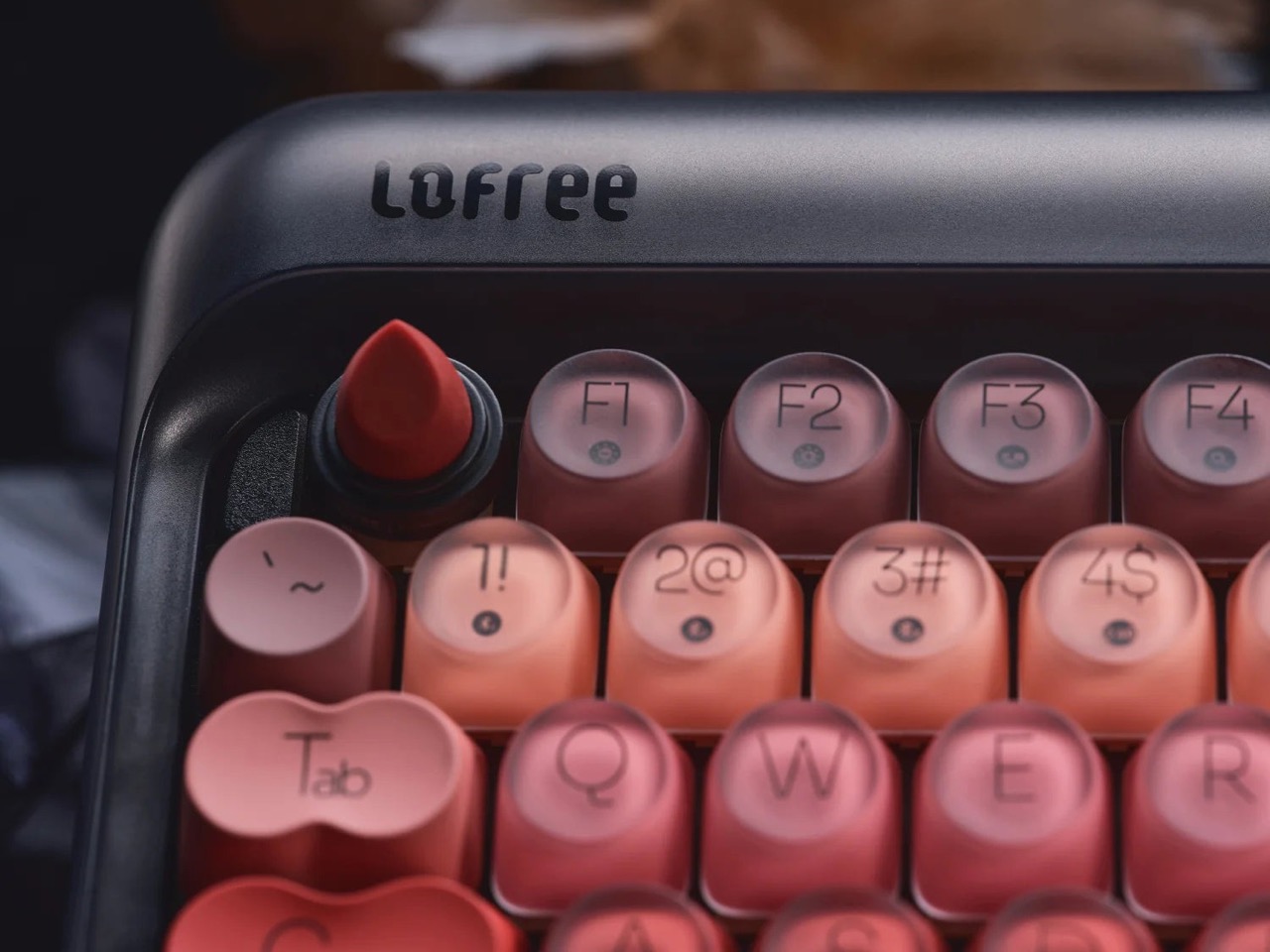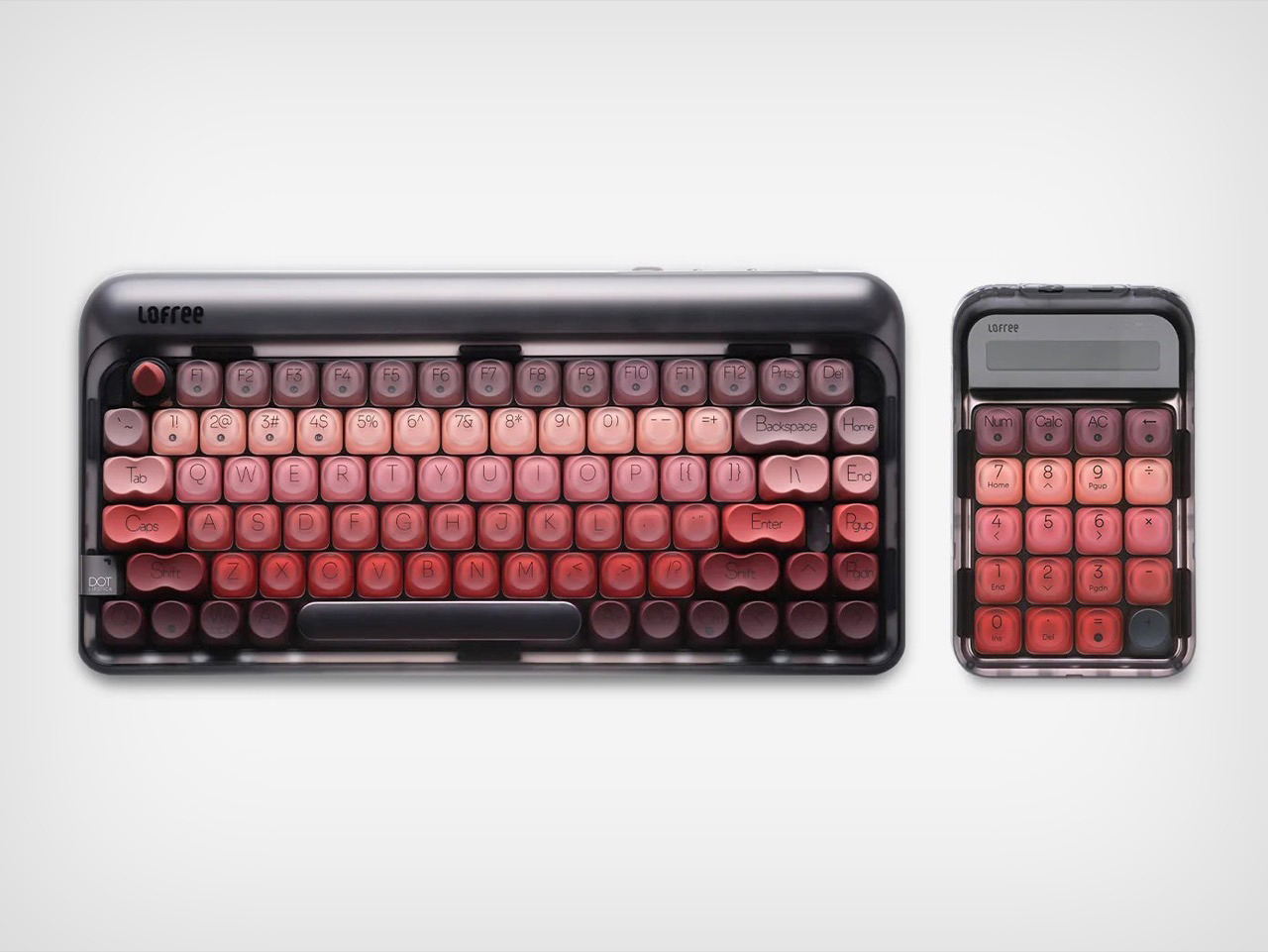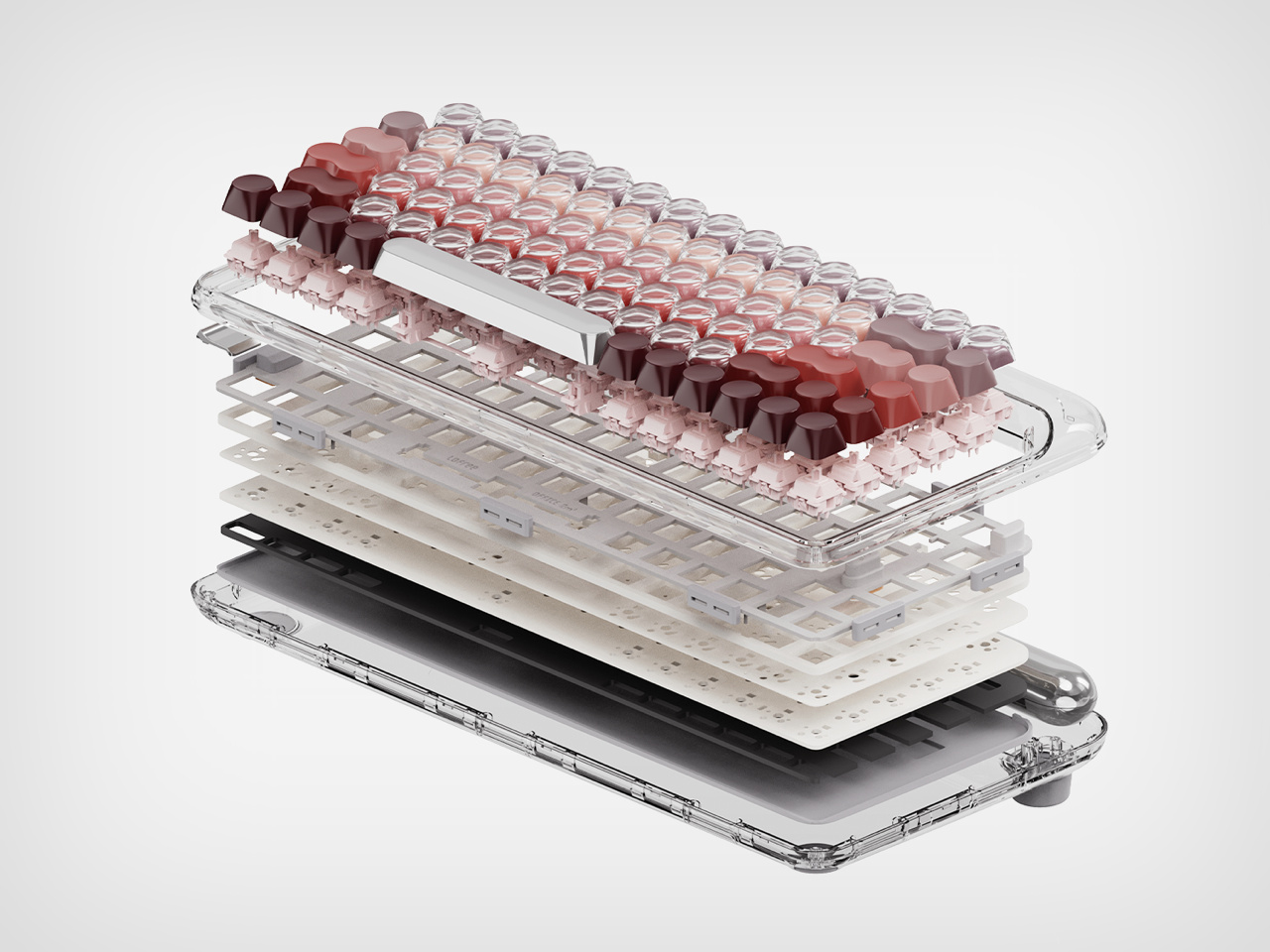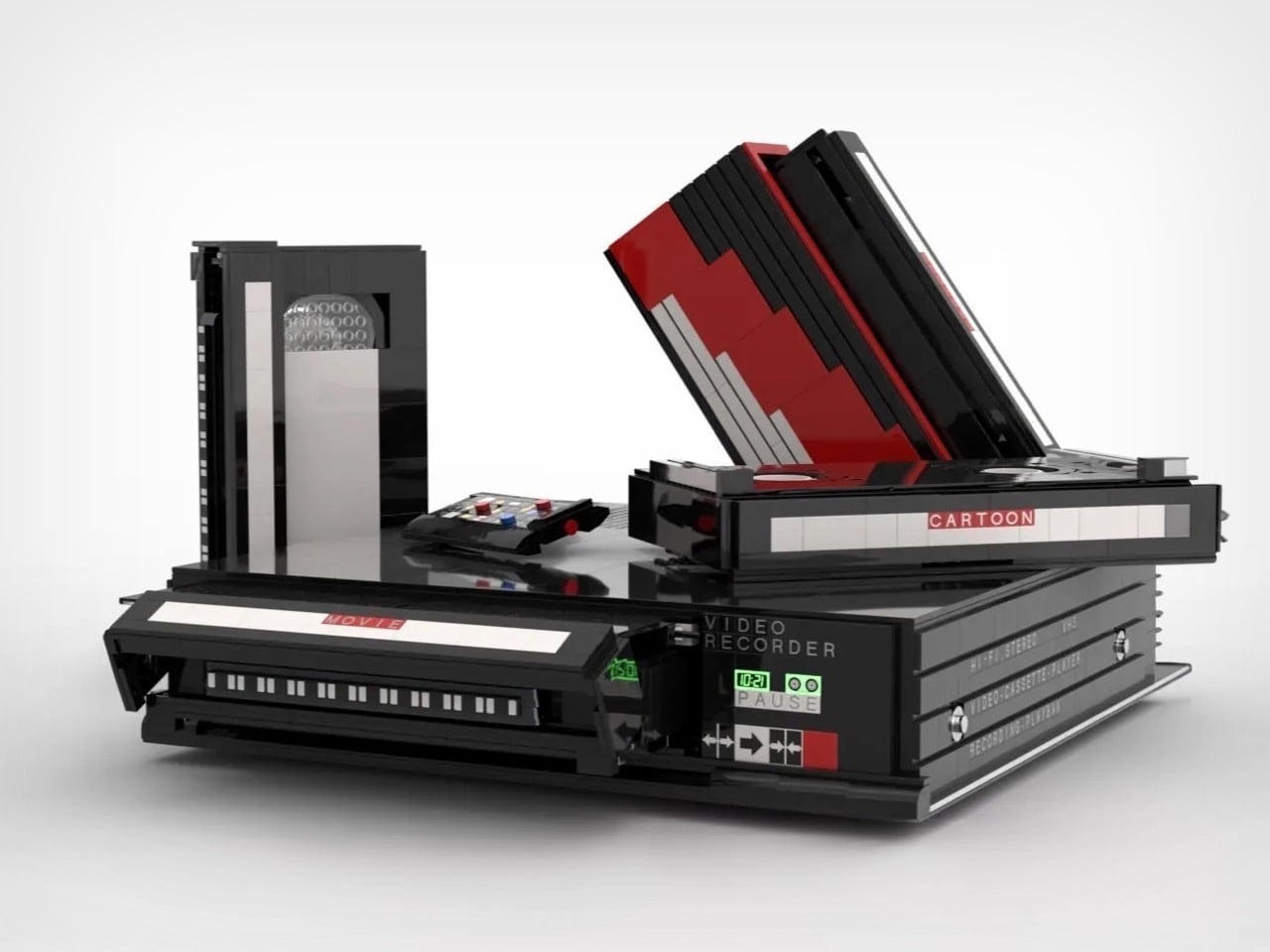
This $30 Gadget Gives Claude a Face That Reacts to What It’s Doing

AI assistants have mostly lived inside screens, and that’s been fine, until you’re deep in a coding session and Claude is quietly running shell commands, editing files, and hitting tool after tool in the background. Knowing what’s happening without constantly alt-tabbing is harder than it should be, and approving or denying an action while keeping your hands on the keyboard is even harder.

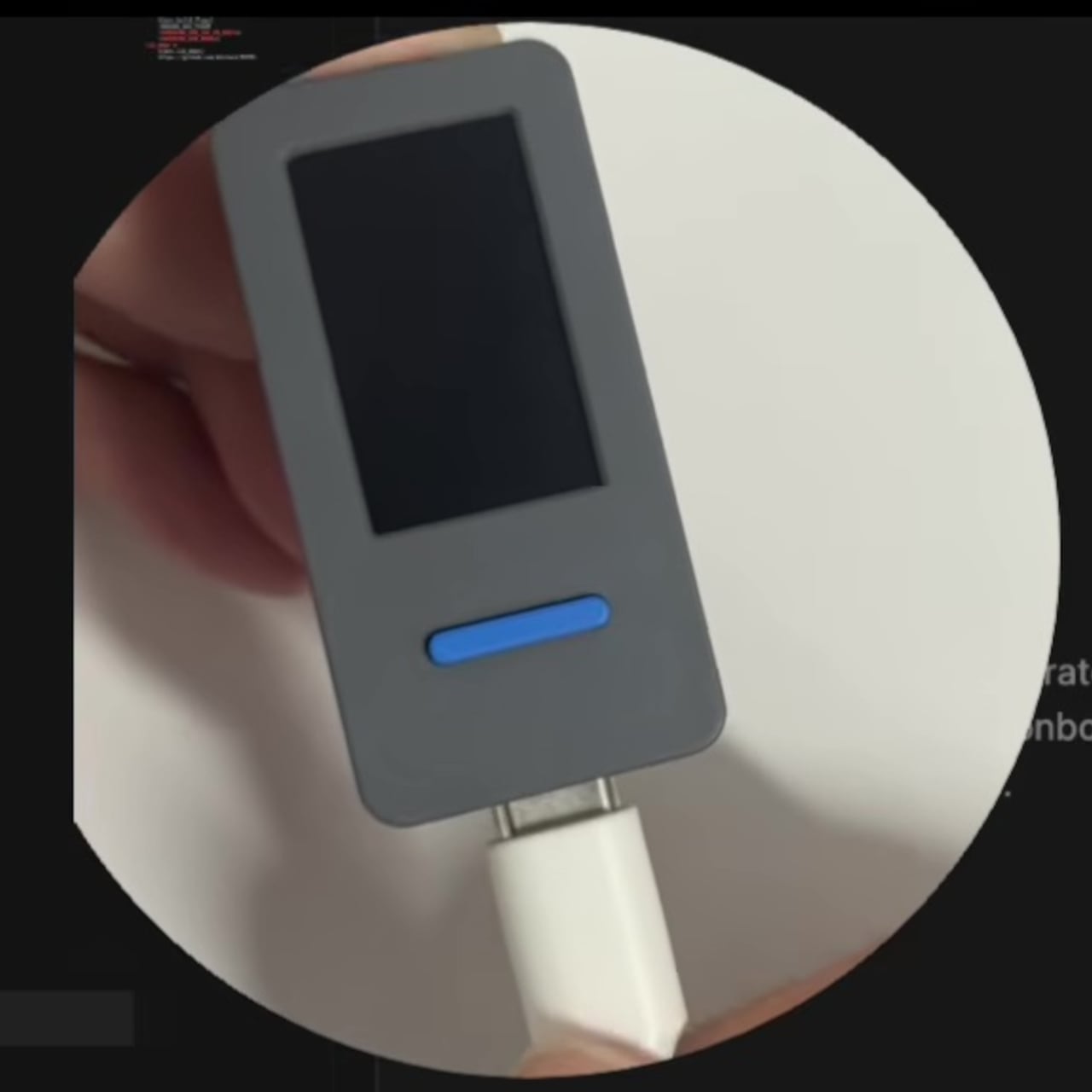
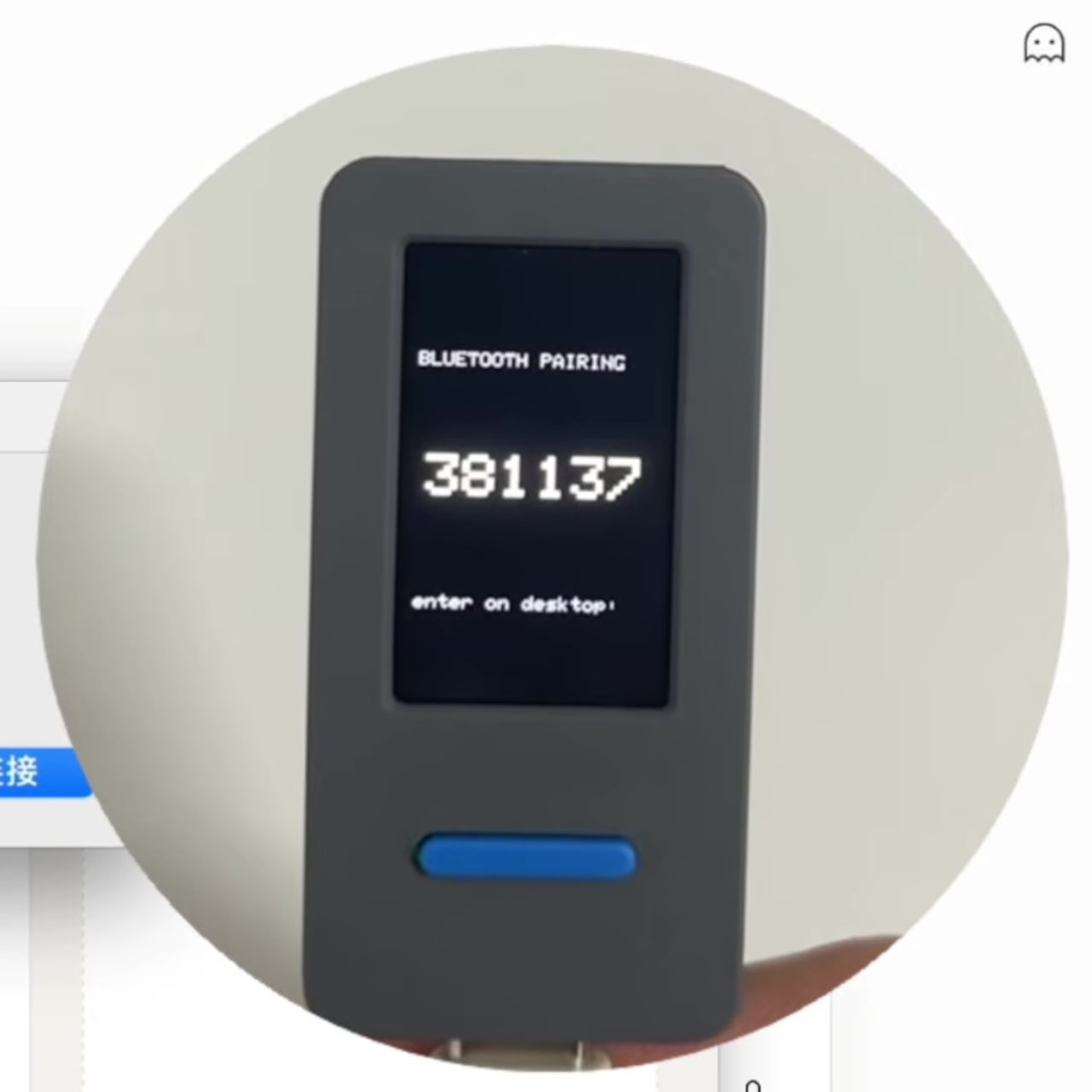
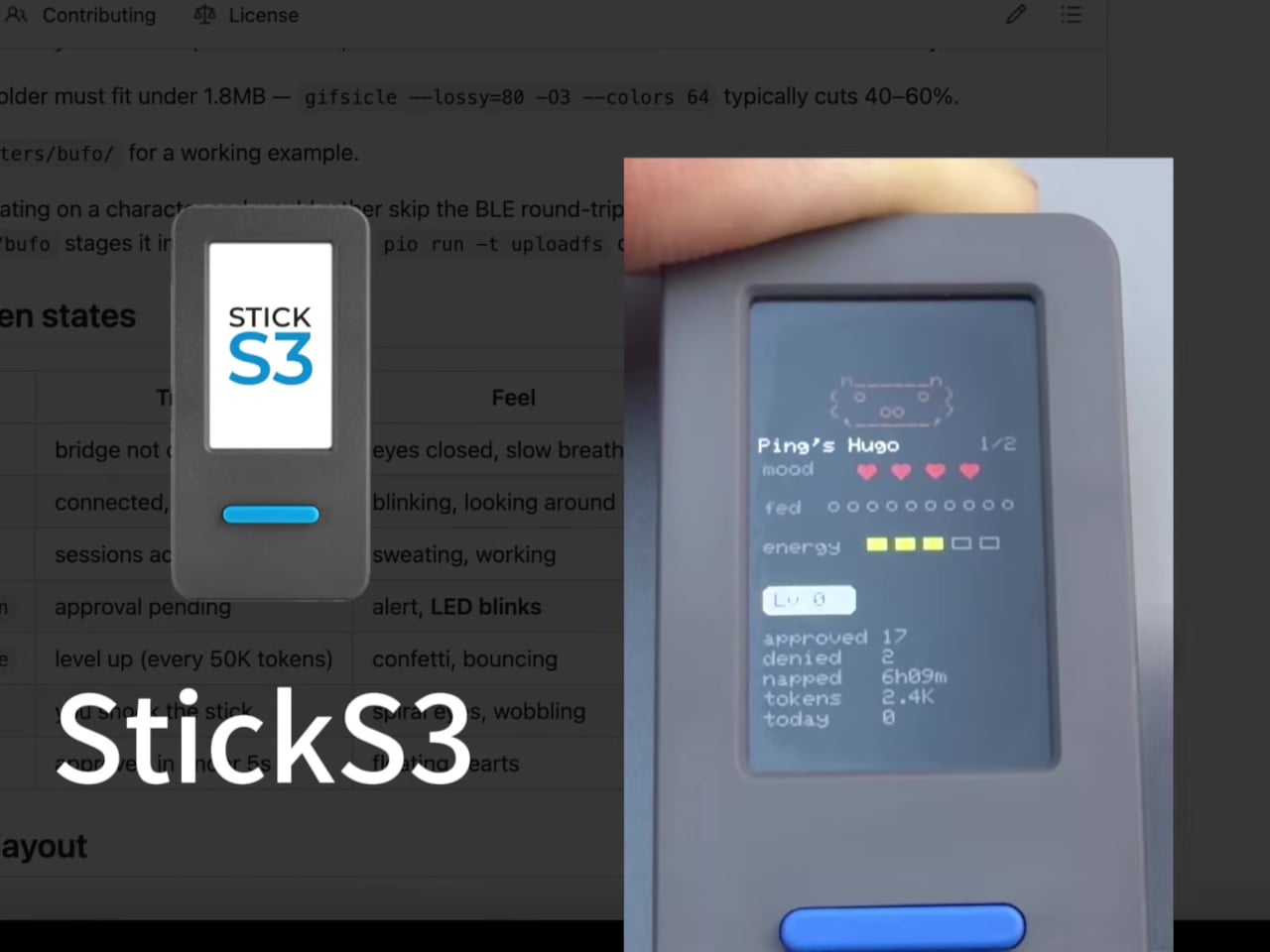
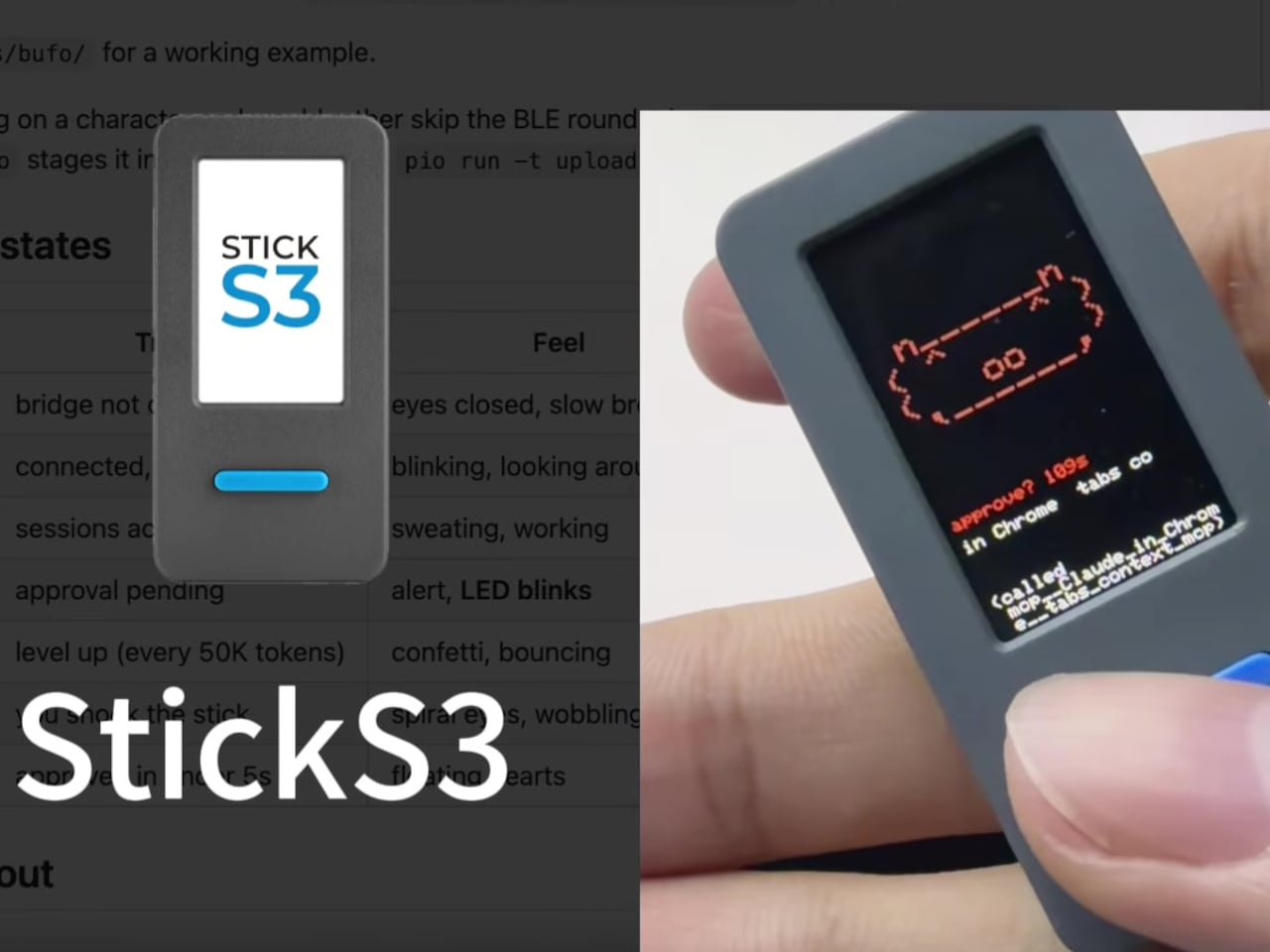
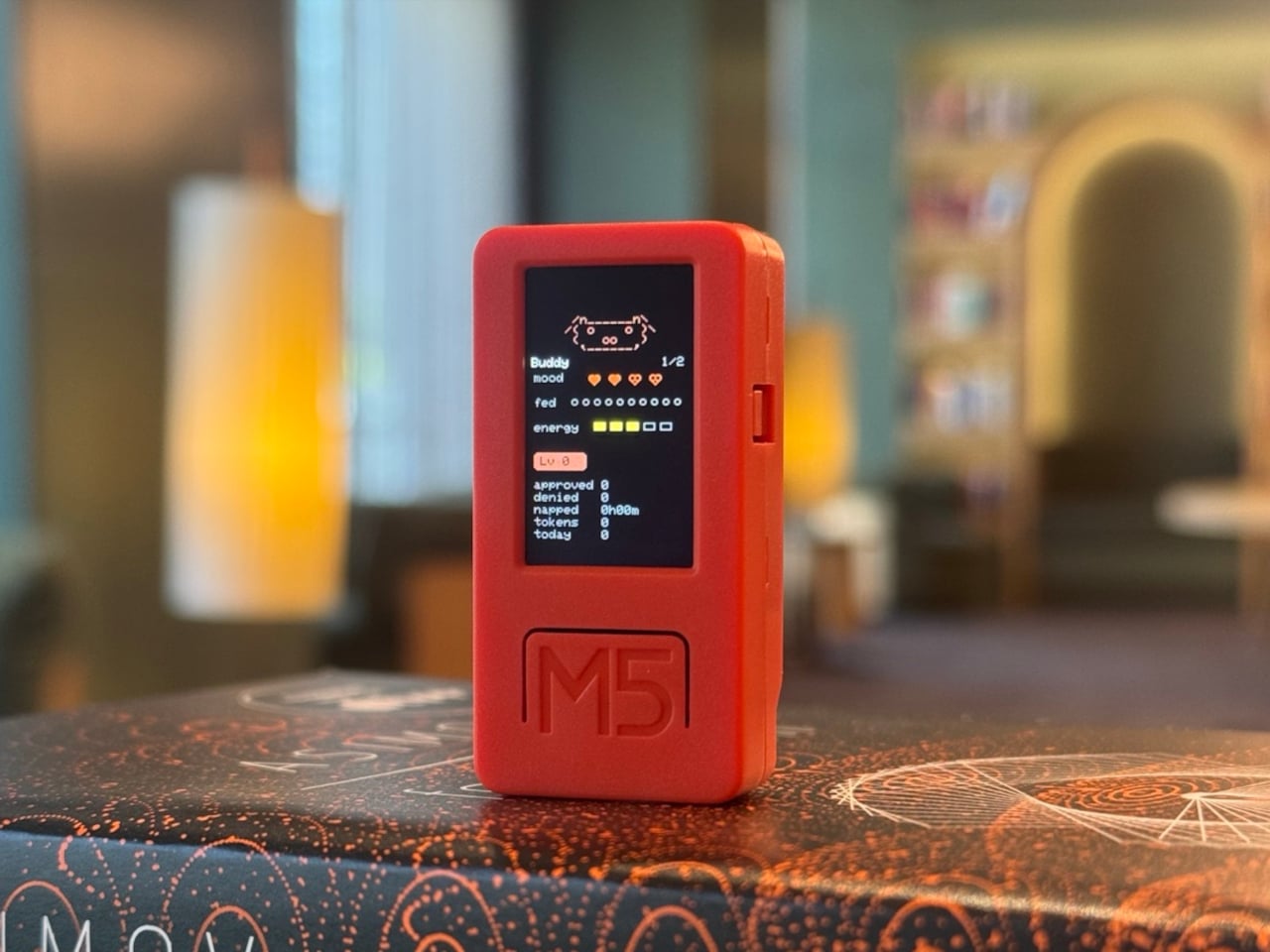
That’s the gap Claude Desktop Buddy was built to fill. Released as an open-source project by Anthropic in April 2026 and built as a prototype by OpenELAB, it turns a small ESP32-based device into a physical companion that sits on your desk and mirrors the activity of the Claude desktop app over Bluetooth Low Energy. It wakes when a Claude Code session starts, idles quietly while Claude works, and gets visibly impatient when a permission prompt is waiting for your attention.

Designer: Anthropic, OpenELAB

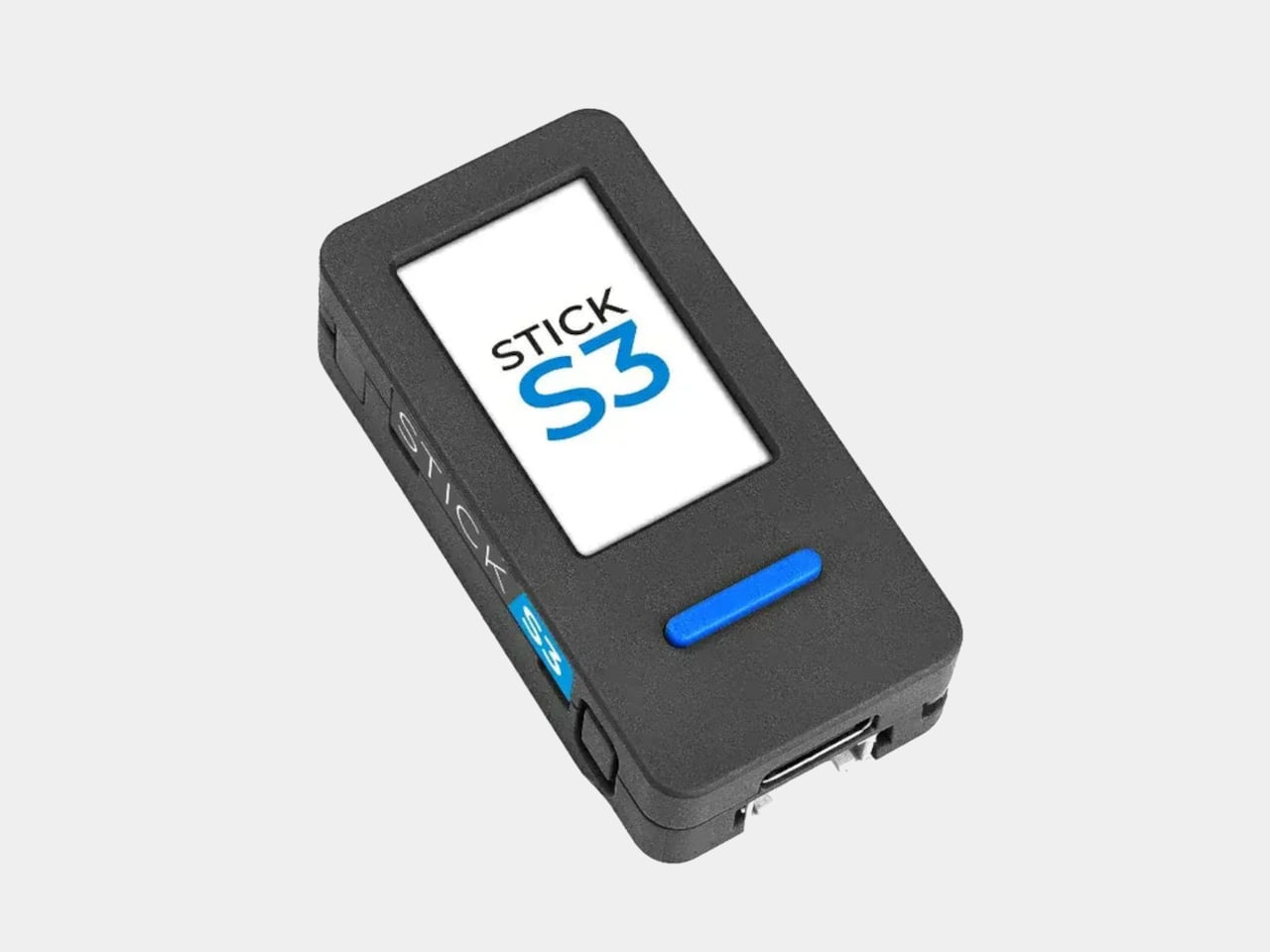
The reference hardware is the M5StickC Plus, a pocket-sized board with a 135×240 color display, buttons, a built-in IMU, and a LiPo battery. It costs around $30 and comes pre-supported by the firmware. When Claude Code asks to run a shell command or access a sensitive file, the device lights its screen, buzzes, and shows the prompt. Button A approves. Button B denies. No switching windows, no hunting for the right modal.

Beyond the permission workflow, the device also doubles as a passive status indicator. A full vocabulary of animated states, including idle, busy, attention, celebrate, dizzy, and heart, plays out on the small screen depending on what Claude is doing. Shake the device to make it dizzy, flip it face-down to put it in nap mode, and it’ll power off the screen after 30 seconds to preserve battery. The built-in IMU handles all of this through physical gestures.

Transcript scrollback is another feature that makes more sense once you’ve used it. Rather than breaking focus to check what Claude just said, you can scroll recent messages directly on the device’s display. It keeps the primary workflow uninterrupted in a way that alt-tabbing simply doesn’t. The device pairs once and reconnects automatically whenever both sides are awake, so there’s no daily setup ritual.

Character customization adds a layer of personality that feels unexpectedly considered for what is, technically, a developer tool. You can drag a custom GIF character pack directly onto the Hardware Buddy window, and the device switches to the new character live. The default character, a small frog called Bufo, ships with the firmware.

There’s something genuinely different about having a physical object on your desk that reacts to an AI working in the background. It turns an invisible process into something with a face, a mood, and a pair of buttons that put control back in your hands without disrupting what you were doing.

The post This $30 Gadget Gives Claude a Face That Reacts to What It’s Doing first appeared on Yanko Design.

8 Father’s Day Tech Gifts for Men Who Don’t Need Anything — But Actually Want These

The man who says he doesn’t need anything usually means he’s stopped expecting to be surprised. Father’s Day is the rare window where you can close that gap with something genuinely considered, not a gift card, not a safe bet, but an object that reflects actual attention. Every product on this list was built by people who thought carefully about the person using it, not just the one buying it.

What makes these gifts land is specificity. A privacy-first phone for the dad who quietly deleted his social accounts two years ago. A satellite watch for the one who goes places where a signal is a luxury. A smart ring for the guy who knows his HRV before he knows what’s for breakfast. The right gift doesn’t need a bow. It just needs to be exactly right for exactly that person.

1. Plinius Phone
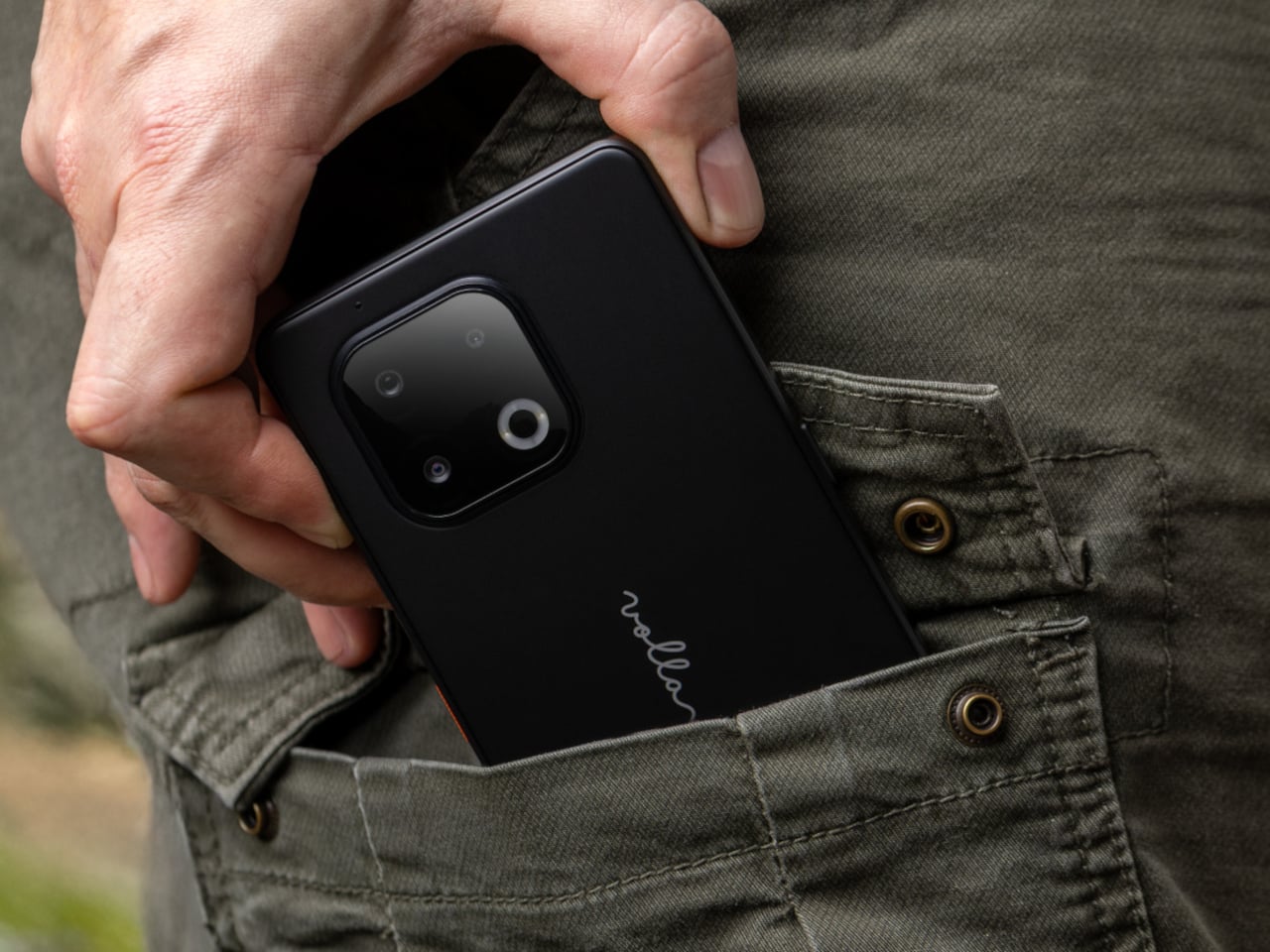
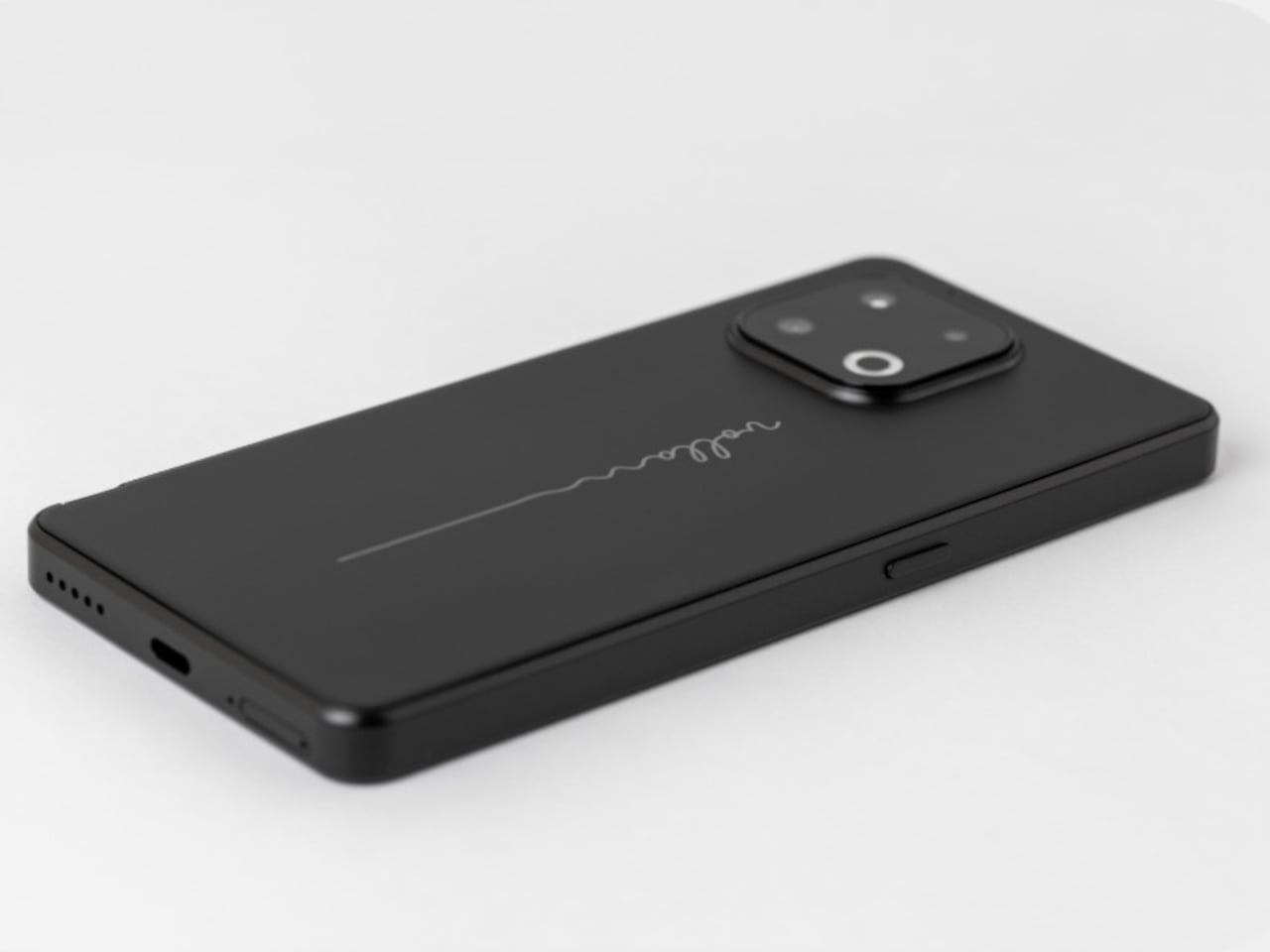
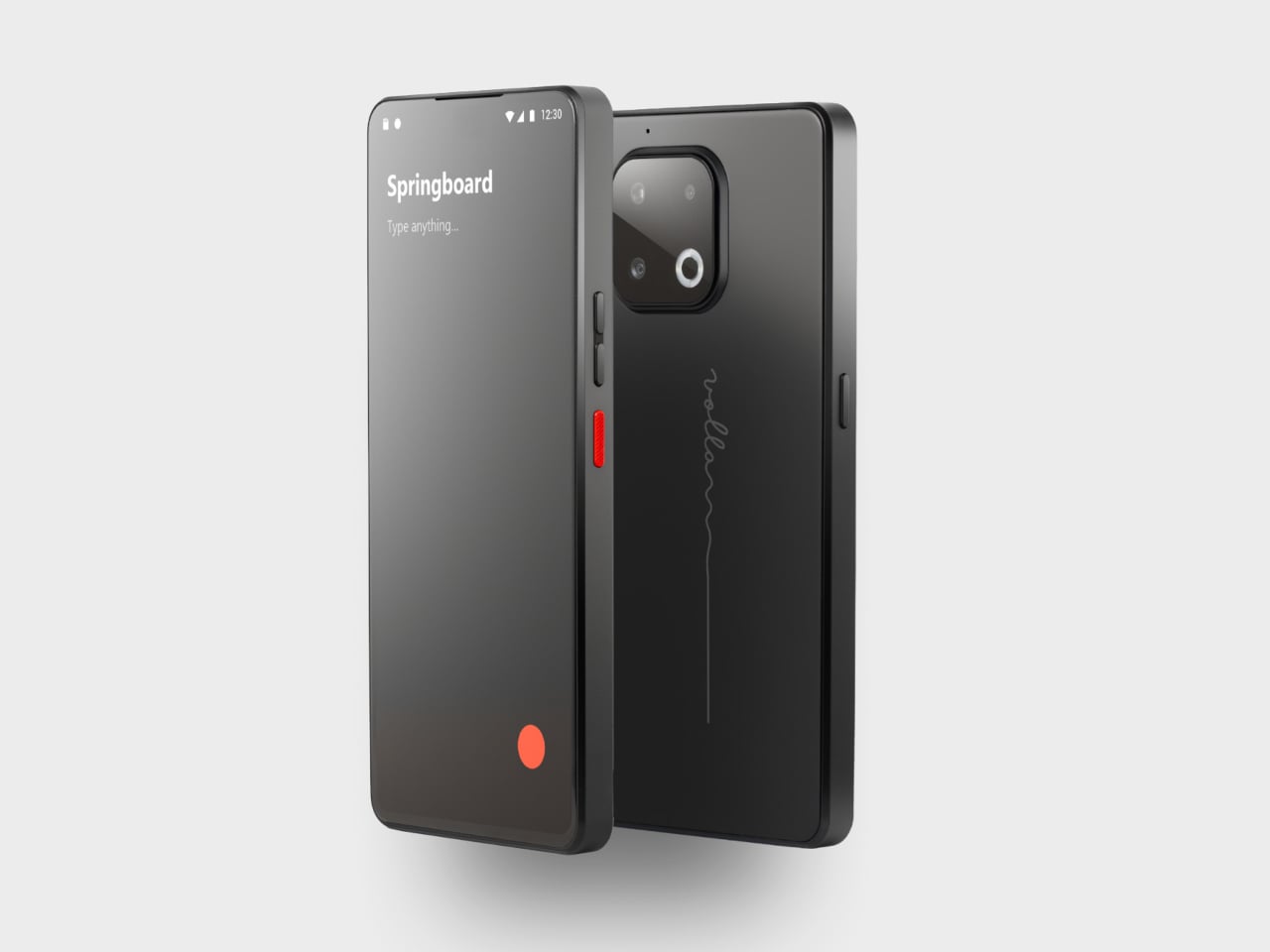
There are phones that gather your data quietly, and there is the Volla Plinius. Built in Germany, this IP68-certified semi-rugged smartphone ships with either Ubuntu Touch or Volla OS, a Google-free version of Android, returning full control to the person holding it. The hardware backs that up convincingly: a 6.67-inch 120Hz OLED display, a MediaTek Dimensity 7300 processor, a 64MP main camera, and a 5,300mAh battery that you can replace yourself, a detail so deliberately countercultural it barely needs explaining.

For the dad who has quietly grown suspicious of how much his phone knows about him, the Plinius isn’t a compromise; it’s a correction. Two user-configurable hardware buttons let you shortcut whatever matters most, and the build holds up against water, drops, and the general conditions of a life lived without excessive caution. The standard model starts at €598 with 8GB RAM and 128GB storage, and it carries the kind of material confidence that makes most flagship phones feel like dressed-up glass rectangles.

What We Like

  • Privacy-first software with a choice of Ubuntu Touch or Google-free Volla OS built in from the start
  • A replaceable 5,300mAh battery on a modern IP68-certified body, a combination almost no other manufacturer offers

What We Dislike

  • Shipping is currently limited to Europe and the UK, which rules it out for buyers elsewhere
  • The Google-free ecosystem requires an adjustment period for anyone deep in the Android app ecosystem

2. OrigamiSwift Mouse

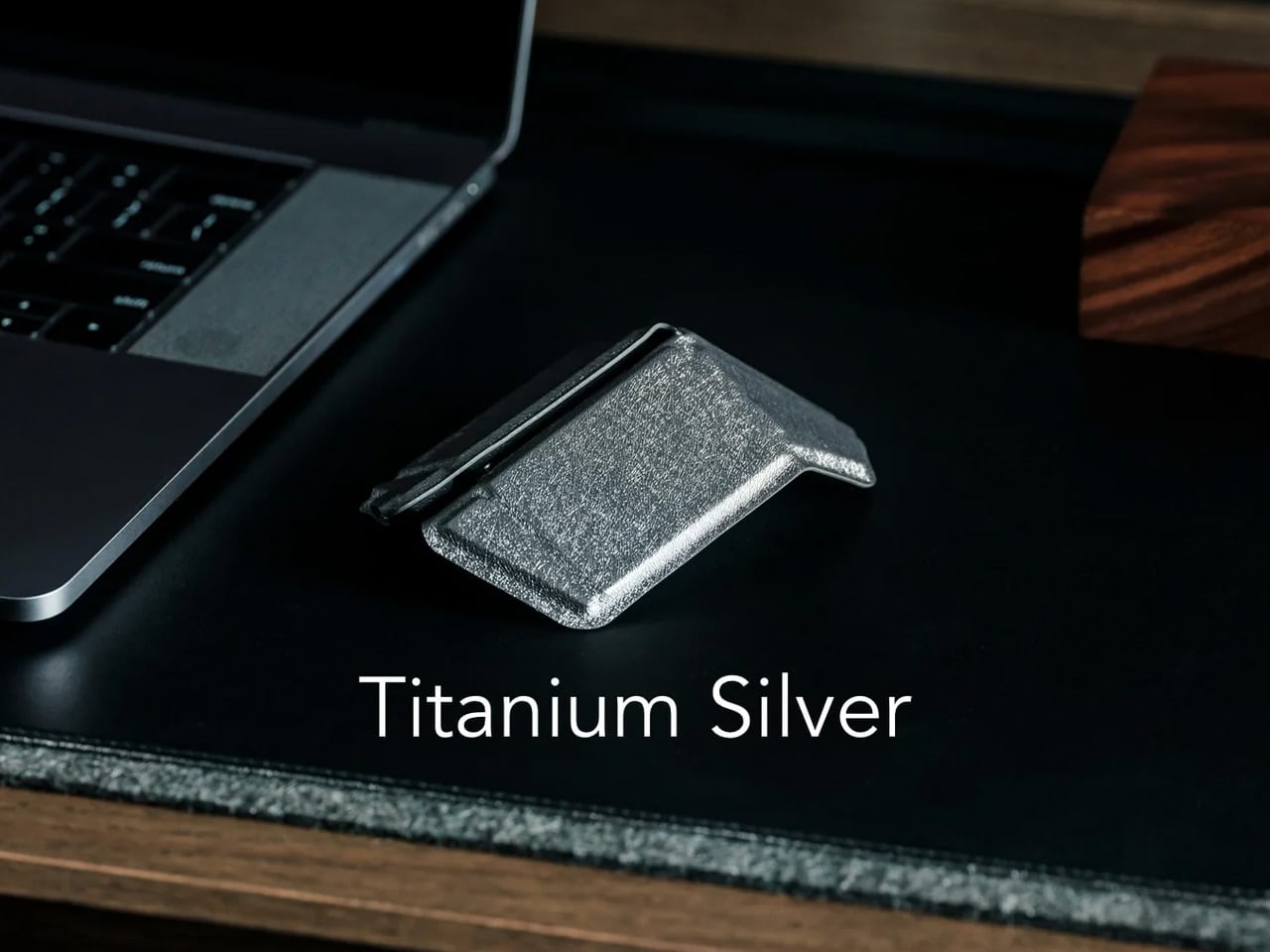
Designer Horace Lam built the OrigamiSwift around a single constraint: a Bluetooth mouse that you actually want to carry every day. Inspired by the geometry of origami, it folds flat in under 0.5 seconds and weighs just 40 grams, making it light enough to slip into a jacket pocket alongside a phone and forget about until you need it. For the dad who works from hotel rooms, client offices, or the corner café between meetings, this is the piece of kit that completes a laptop setup without adding to it.

The triangular structure does more than reference its design language. It reinforces the mechanics, giving the mouse a surprising solidity when open that you wouldn’t expect from something this compact. The transition from travel mode to full-sized ergonomic comfort becomes unconscious after a day of use, which is the real measure of any portable tool.

Click Here to Buy Now: $85.00

What We Like

  • Folds flat in under half a second and weighs just 40 grams for genuine everyday pocket portability
  • The origami-inspired triangular structure gives the mouse both structural rigidity and a strong visual identity

What We Dislike

  • The form factor defaults toward right-handed use, limiting comfort for left-handed users
  • Bluetooth-only connectivity offers no USB dongle option for setups where Bluetooth isn’t available

3. MelGeek Centauri80 Keyboard

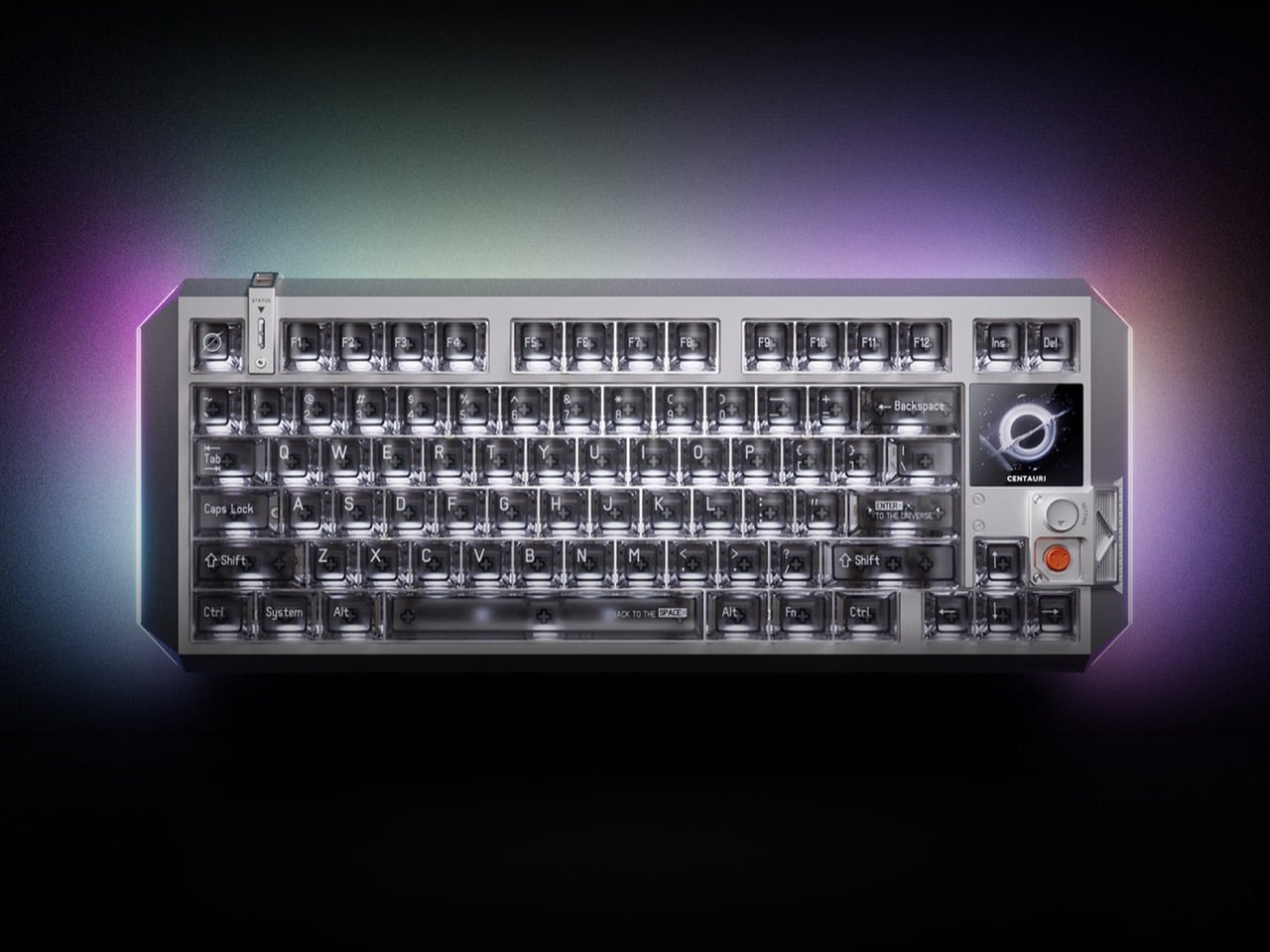
The MelGeek Centauri80 is what happens when a keyboard decides to stop being a background object. Inside a suspended aluminum alloy unibody, TTC Flip King magnetic switches run at an 8000Hz polling rate with 0.125ms latency. Besides the keys, a 1.78-inch OLED touchscreen running at 325 PPI, the same pixel density as an Apple Watch face, displays live wallpapers, macros, and system controls. The physical rotary encoder called the Super Dock lets you dial in lighting and shortcuts without leaving whatever you’re working on.

MelGeek has spent a decade making keyboards for people who treat their desk setup the way audiophiles treat a listening room, and the Centauri80 is the clearest expression of that philosophy yet. The five-layer gasket-mounted acoustic structure keeps the typing sound intentional rather than accidental, and the suspended frame reduces vibration transfer throughout. At $299, it sits in a position against the Hall Effect field that feels genuinely earned. For the dad whose desk is his domain, this is the object that makes everything else on it reconsider its ambition.

What We Like

  • The 1.78-inch OLED touchscreen and Super Dock rotary encoder turn the keyboard into a true desktop control surface
  • Hall Effect switches at 0.125ms latency and 8000Hz polling deliver performance that serious typists and gamers both immediately notice

What We Dislike

  • Wired-only connection removes wireless flexibility for those who prefer a cleaner desk aesthetic
  • The $299 price tag places it firmly in deliberate gift territory rather than a casual upgrade

4. Xiaomi UltraThin Magnetic Power Bank 5000 15W
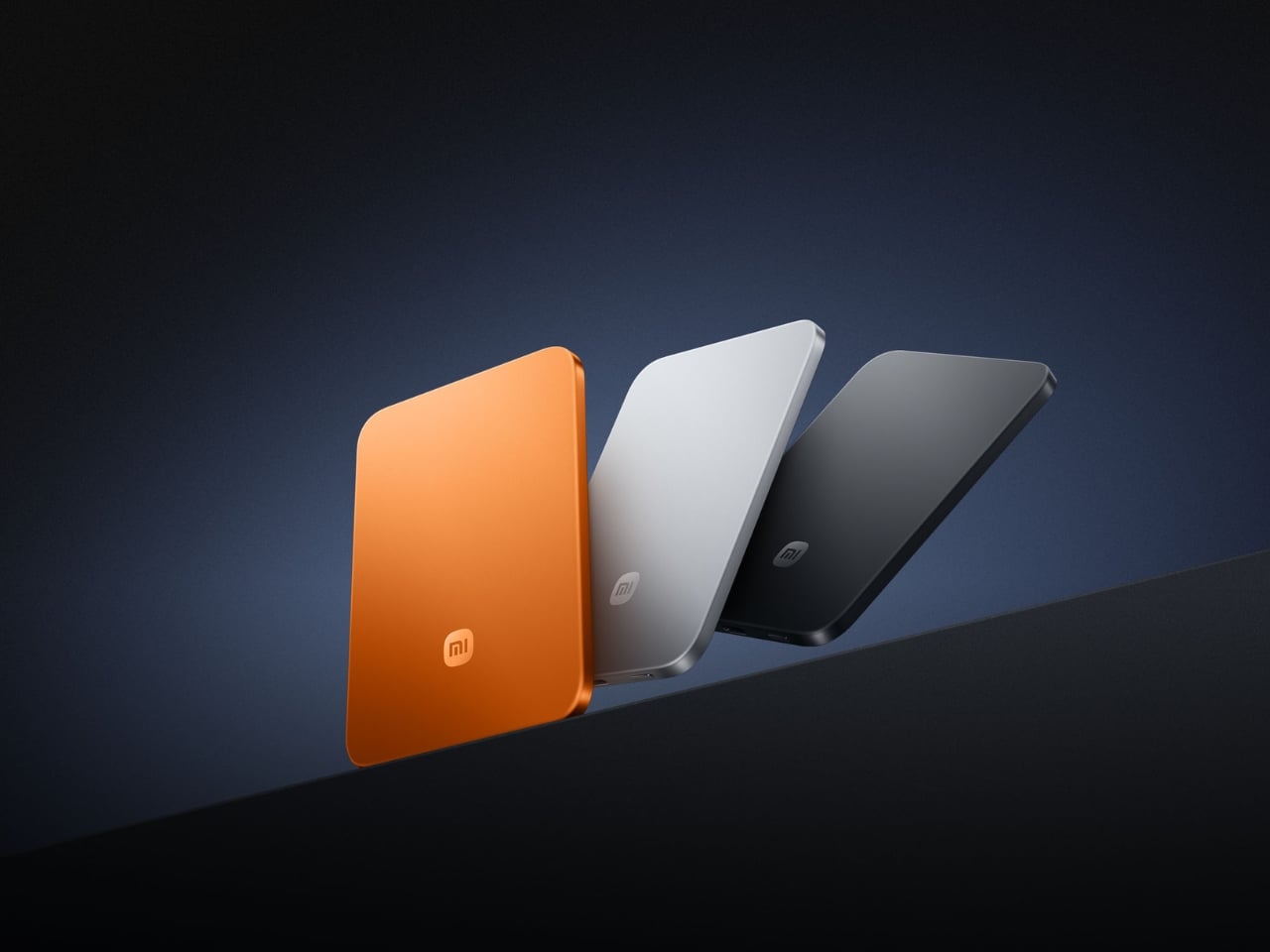
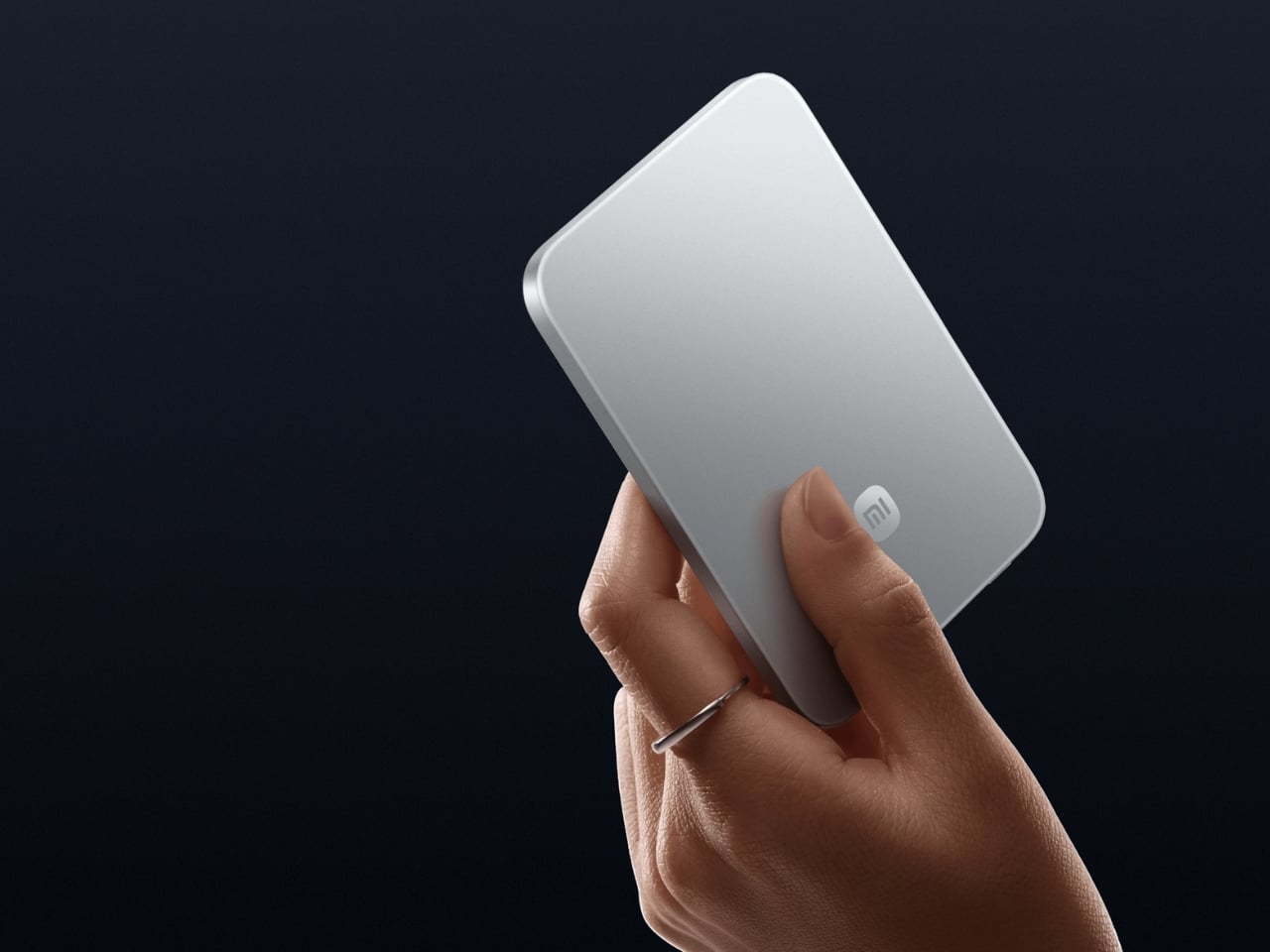
At 6mm thick and 98 grams, the Xiaomi UltraThin Magnetic Power Bank is thinner than most smartphones currently available, including the iPhone 17, which makes it feel less like a battery pack and more like a thoughtful design decision snapped onto the back of a phone. The 5,000mAh cell delivers 15W wireless charging on Xiaomi 17 series devices, 7.5W on iPhones, and up to 22.5W wired over USB-C. The aluminum alloy body is available in Glacier Silver, Graphite Black, and Radiant Orange, starting at around €60.

Most portable batteries live at the bottom of a bag because they’re too heavy to ignore. The Xiaomi UltraThin lives on the back of a phone, invisible and present at the same time, which is the exact behavior a daily-carry object should aspire to. For the dad who runs between meetings and treats plugging in as a luxury he rarely finds time for, this is the kind of upgrade that only becomes visible when everyone else’s phone hits 3% at the end of a long day.

What We Like

  • At 6mm thick and 98 grams, it is the thinnest magnetic power bank available at this capacity
  • Multi-mode charging supports Xiaomi devices, iPhones, and wired USB-C output in a single, minimal form

What We Dislike

  • The 5,000mAh capacity is designed for a top-up rather than a full recharge from zero
  • iPhone users are capped at 7.5W wireless output, well below the 15W maximum this pack delivers

5. StillFrame Headphones

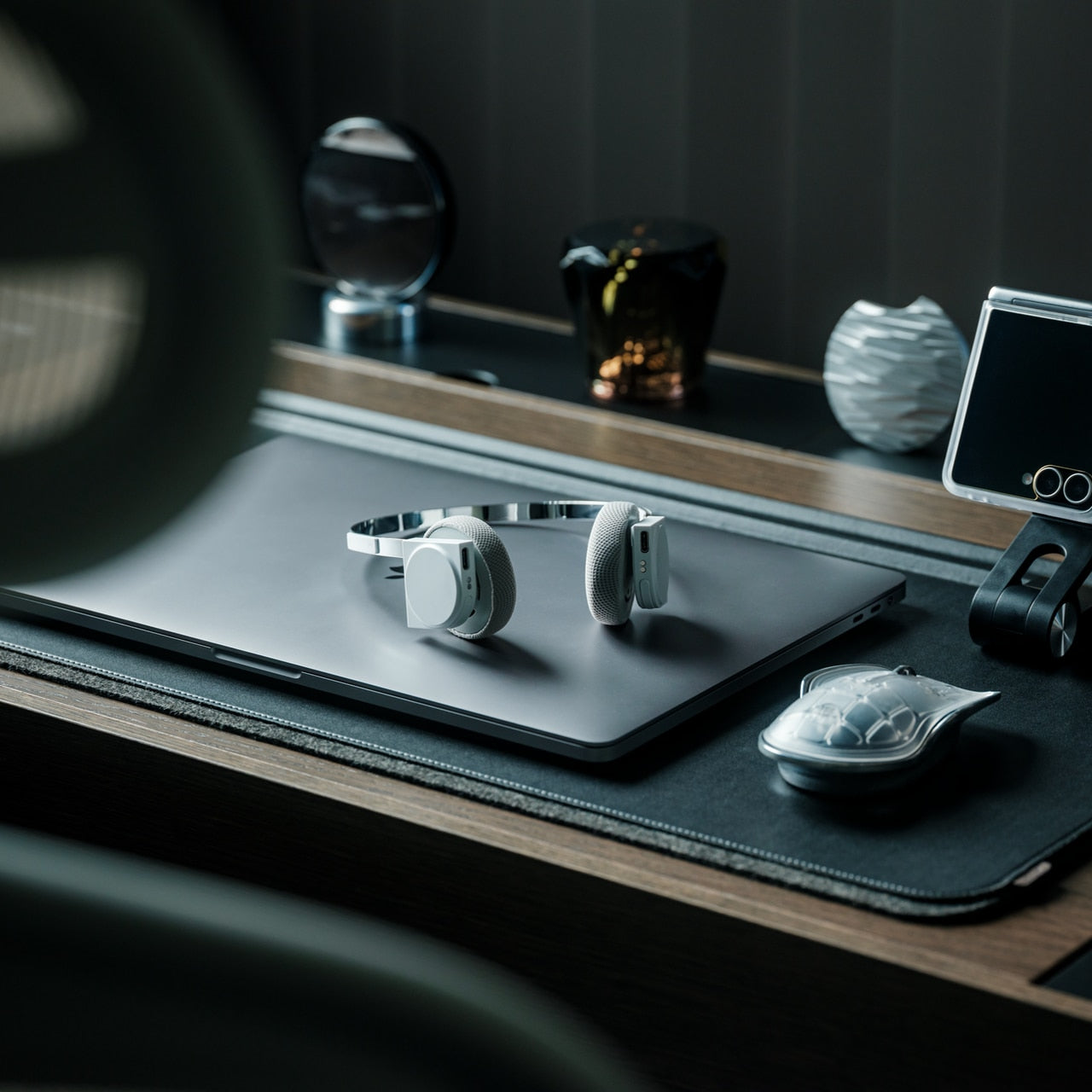
StillFrame weighs 103 grams, and that number matters more than almost anything else on the spec sheet, because it means these over-ear headphones sit on your head the way a well-made hat sits: present but not intrusive. The ultra-minimal design draws from the quiet geometry of ’80s and ’90s CD culture, no exposed hardware, no decorative flourish, no design language that dates itself. Active noise cancellation and transparency mode both switch with a single tap, and the 24-hour battery means one charge carries from morning to evening without prompting you to think about a cable.

At $245, StillFrame earns its place by committing fully to one idea and executing it without compromise. Around the neck between uses, it disappears into an outfit rather than competing with it, which is a quality most headphones claim, and very few deliver. For the dad with a long commute or a home office that bleeds into family hours, these are headphones that serve both contexts, looking as considered on a collarbone as they do on the ears.

Click Here to Buy Now: $245.00

What We Like

  • At 103 grams, it sits among the lightest over-ear headphones available without any sacrifice in build integrity
  • The 24-hour battery runs from morning to evening on a single charge, removing low-battery anxiety from the equation

What We Dislike

  • Limited colorways are a direct consequence of the same design restraint that makes the StillFrame look this precise
  • The ultra-minimal form commits fully to its design language, which rewards patience but won’t suit every aesthetic or setup

6. Futurewave O-Boy Satellite Watch
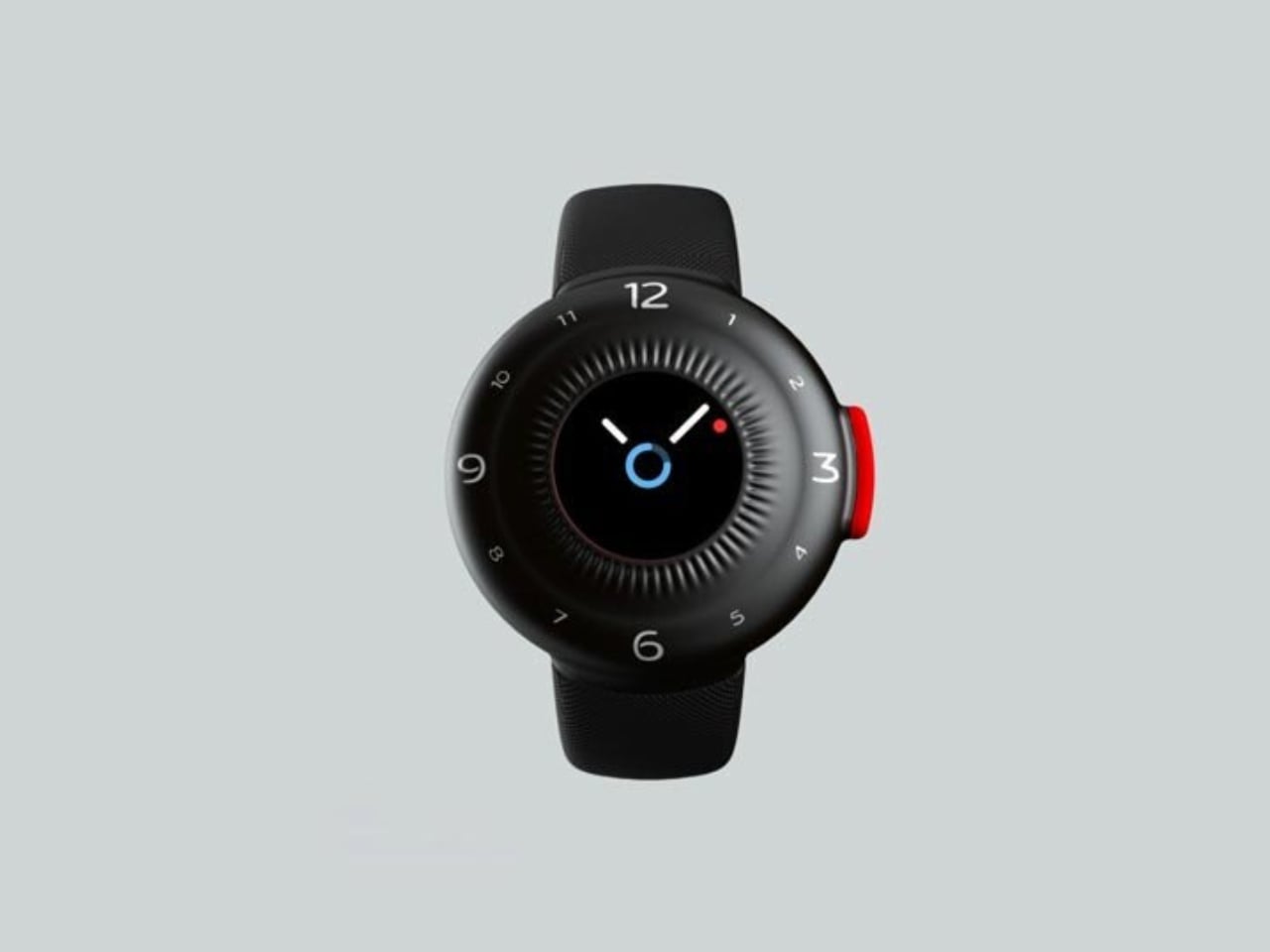
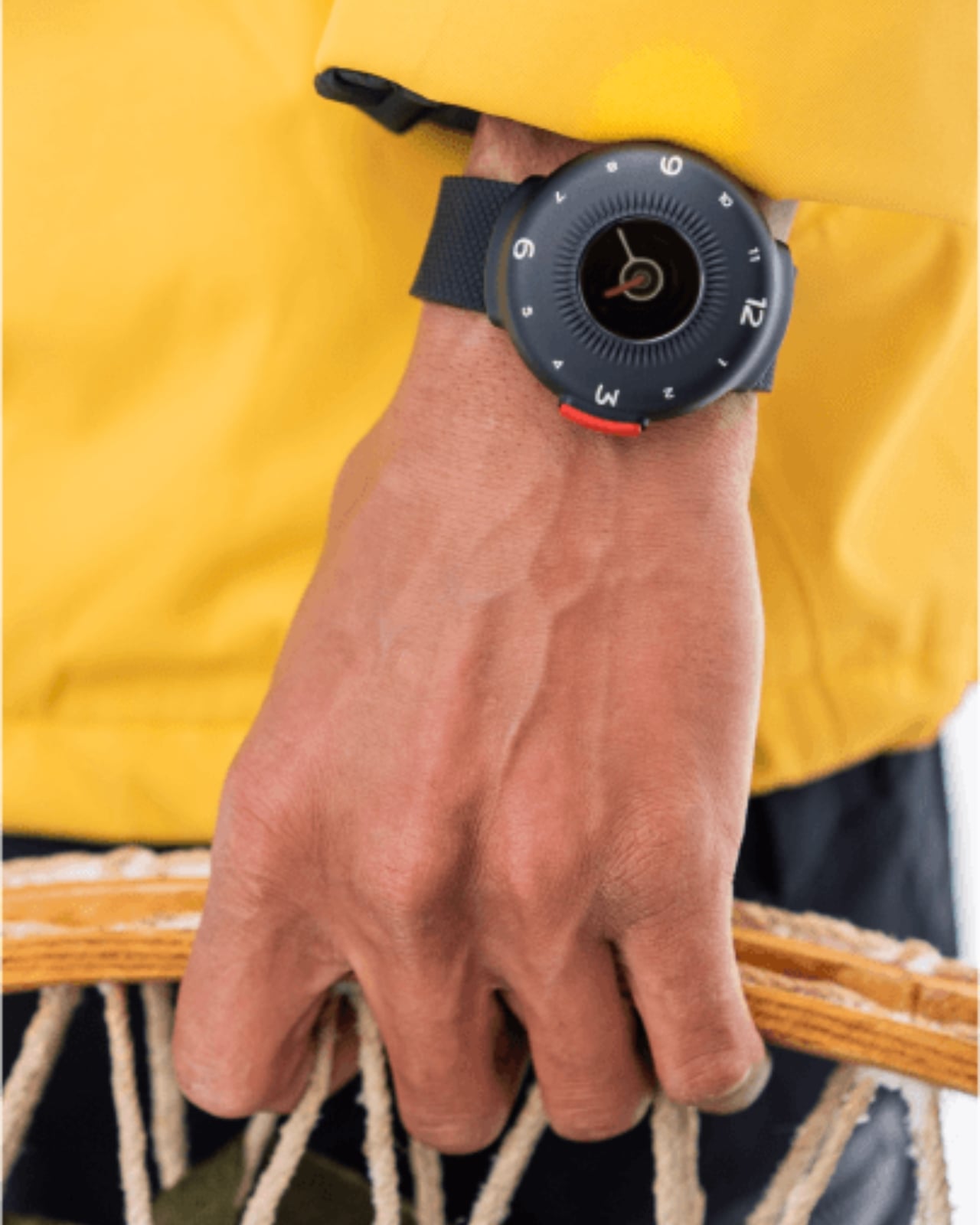
The O-Boy is a satellite-based emergency smartwatch developed by Brussels design studio Futurewave for the specific condition where a phone network simply doesn’t exist. It transmits emergency alerts via satellite connectivity alone, working across mountains, open ocean, and isolated work sites where the nearest signal tower is an abstraction. The black and red color palette is borrowed directly from safety equipment and emergency signaling. The rounded form exists partly for wrist comfort and partly to accommodate the antenna hardware inside, a constraint that became an aesthetic.

O-Boy is for the dad who actually goes off-grid, not the one who talks about it. Starting at $399, it positions itself as the first multiple-use satellite rescue watch, meaning it isn’t single-use distress gear but a daily wearable built around the idea that safety and adventure don’t require negotiation. Developed through collaboration between product designers, electronics engineers, and antenna experts, the watch was tested for waterproofing, pressure resistance, and shock tolerance before the design was finalized. For fathers who push into real wilderness, nothing on this list is more important.

What We Like

  • Satellite connectivity works entirely without a mobile network, covering genuinely remote environments anywhere on Earth
  • Designed to meet waterproofing, pressure resistance, and shock tolerance requirements alongside proportions suited for daily wear

What We Dislike

  • Emergency-focused functionality means lifestyle and fitness features found in conventional smartwatches are not the priority here
  • Satellite communication services may carry ongoing subscription costs depending on the region and chosen plan

7. Soundcore Sleep Earbuds

The Soundcore sleep earbuds were built around a single, unglamorous problem: you want to sleep, and something else has other plans. The slim, low-profile design fits comfortably through the night even for side sleepers, while the noise-masking system blocks up to 35dB, enough to cover a snoring partner, street traffic, or the ambient low-frequency sounds that standard earplugs address poorly. Bluetooth connectivity doubles them as audio earbuds, letting you build a wind-down routine around music, podcasts, or whatever audio works best before sleep.

The Soundcore app extends the experience with white noise options, sleep tracking, a smart alarm calibrated to wake you at the right point in a sleep cycle, and adjustable EQ. For the dad whose sleep quality has quietly degraded over busy years, whether from stress, a shared bedroom, or a schedule that doesn’t respect recovery, these are a practical gift with a measurable impact. They are small enough to forget about entirely until the morning you realize you slept straight through without waking once.

What We Like

  • The ultra-slim, low-profile build stays comfortable through the night, even for dedicated side sleepers
  • The Soundcore app adds sleep tracking, a smart alarm, and curated soundscapes well beyond basic noise blocking

What We Dislike

  • Passive noise masking at 35dB performs well on consistent sounds, but won’t match the output of active noise cancellation technology
  • The full feature set requires the Soundcore app, which adds a dependency on a smartphone connection throughout the night

8. RingConn Gen 2 Smart Ring

The RingConn Gen 2 is made from titanium alloy, measures 6.8mm wide and 2mm thick, and tracks heart rate, HRV, blood oxygen, skin temperature, sleep quality, stress, and sleep apnea, a feature developed in partnership with leading universities and hospitals and one of the first of its kind in a ring-form wearable. Battery life runs 10 to 12 days, depending on ring size. The smart charging case can push total runtime beyond 150 days, and the entire experience runs without a subscription. It is waterproof to 100 meters.

What makes the Gen 2 a genuinely thoughtful gift is the no-subscription model. Most health platforms hold your own data behind a monthly fee; RingConn doesn’t. For the dad who already tracks his health but resents the overhead, or the one who’s been told he should but hasn’t started, this is the wearable that disappears on a finger and simply does its job. At $209, it competes with the Oura Ring on depth of insight while undercutting it on price and profile.

What We Like

  • No subscription required to access your own health data, which is increasingly rare in the smart ring category
  • A 10 to 12-day battery paired with a smart charging case extends total runtime to over 150 days

What We Dislike

  • Enabling sleep apnea monitoring increases power consumption, which can affect battery life on smaller ring sizes
  • No built-in GPS limits its outdoor fitness tracking capability without a paired phone nearby

The Bottom Line

Father’s Day gifts tend to fall into two categories: the kind you buy because the calendar told you to, and the kind you buy because you actually paid attention. Every product on this list belongs to the second category. They represent design decisions that hold up, objects built by people who thought carefully about the person using them, not just the person browsing the checkout page at 11 pm the night before.

The right one here isn’t the most expensive. It’s the one that fits the man you’re buying for. A privacy-first phone for the dad tired of being the product. A satellite watch for the one who needs a lifeline in places where no signal reaches. A ring that tracks his health without demanding he change anything about how he lives. Pick the one that sounds like someone specific, and give it, knowing the thought behind it is already half of what makes it worth receiving.

The post 8 Father’s Day Tech Gifts for Men Who Don’t Need Anything — But Actually Want These first appeared on Yanko Design.
Forget Cheap Grilling Tools — These 8 BBQ Gadgets Are Actually Designed to Last a Decade

Most grilling gear is built for one season. The spatulas bend, the tongs lose tension, the finish chips by August, and you’re back at the store before the next summer. There’s a different category of BBQ tool, though: one designed by people who think about material science and ergonomics before they think about price. These eight picks share a common thread. They’re made to outlive the grill they came with.

Nothing here was sourced for novelty alone. Each piece earns its place through material quality, design thinking, or a real rethink of what a grilling tool should do. Whether you’re upgrading a backyard setup or building one from scratch, these are the tools worth spending real money on.

1. All-in-One Grill

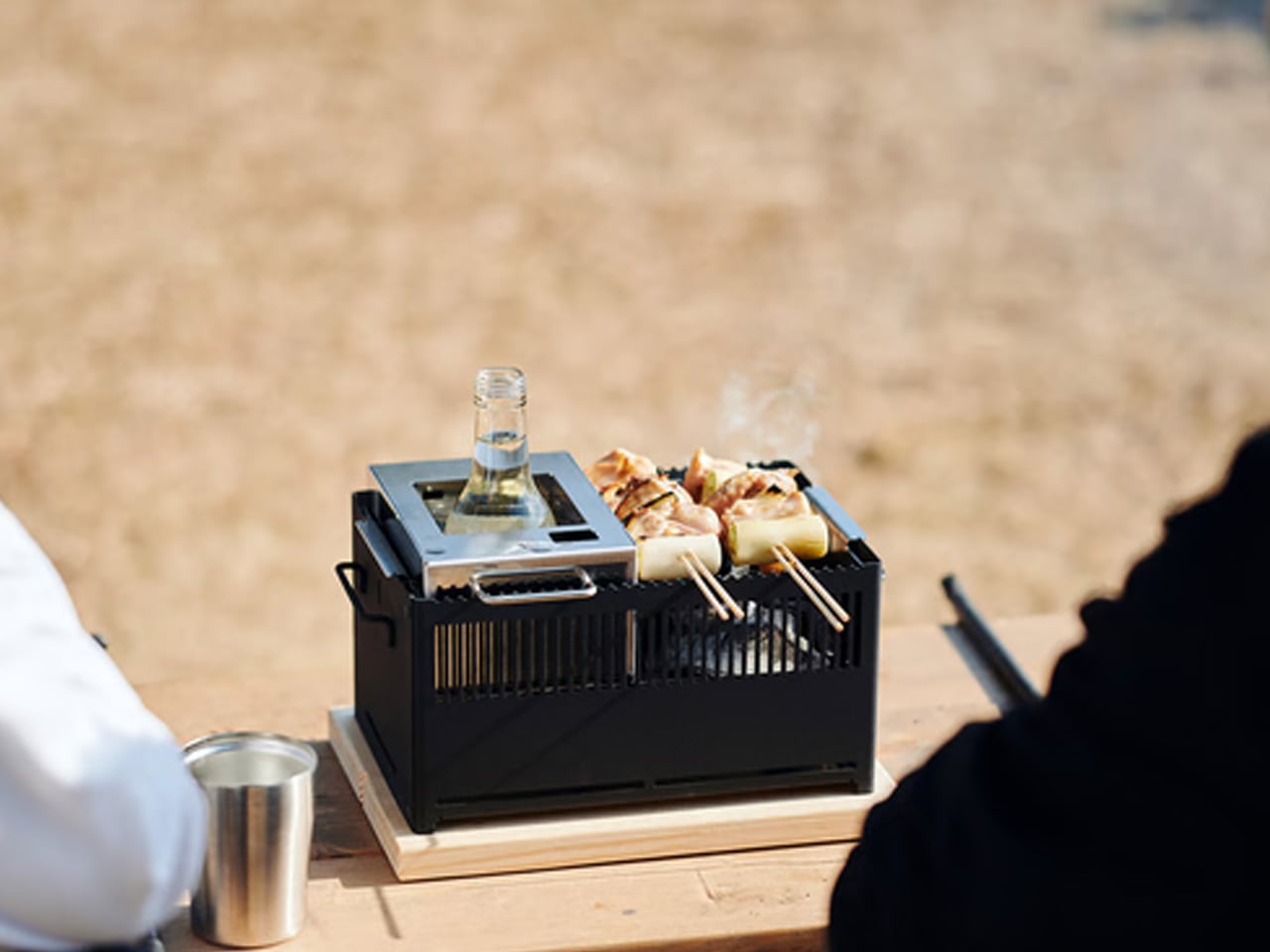
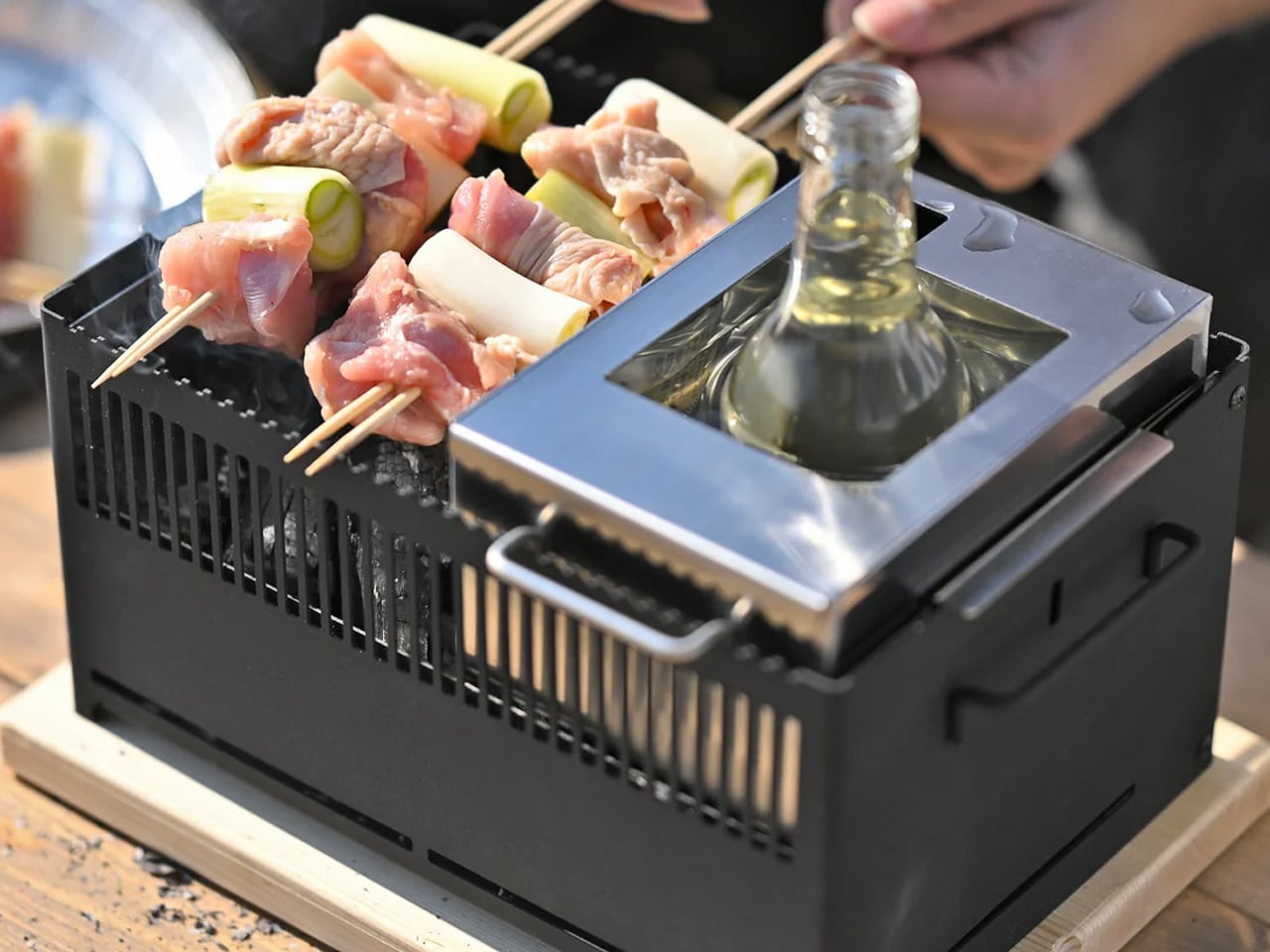
Skewers of meat and green onions grilling on a small portable charcoal grill with a metal insert holding a glass bottle.

The All-in-One Grill was made in Japan, and it shows. Modular parts allow for six different cooking methods from a single compact unit, the kind of flexibility that makes sense whether you’re cooking on a balcony, a campsite table, or a backyard deck. The design is clean enough to sit on a countertop without looking out of place, and the compact footprint means it doesn’t demand the real estate that a full outdoor grill requires during and between sessions.

Where most outdoor grills ask you to commit to one cooking style, this one adapts. The modular system disassembles for cleaning, which matters more than most people expect. Tools that are hard to clean don’t stay clean, and tools that don’t stay clean don’t last. There’s also a dedicated module for warming bottles, a small detail that signals the kind of thorough product thinking that separates considered design from commodity manufacturing.

Click Here to Buy Now: $449

What we like

  • Modular design supports six different cooking methods from one compact unit
  • Made in Japan with a table-ready footprint that suits indoor and outdoor use equally

What we dislike

  • Modular assembly takes more time to set up than a conventional fixed grill

2. Nomad Grill and Smoker

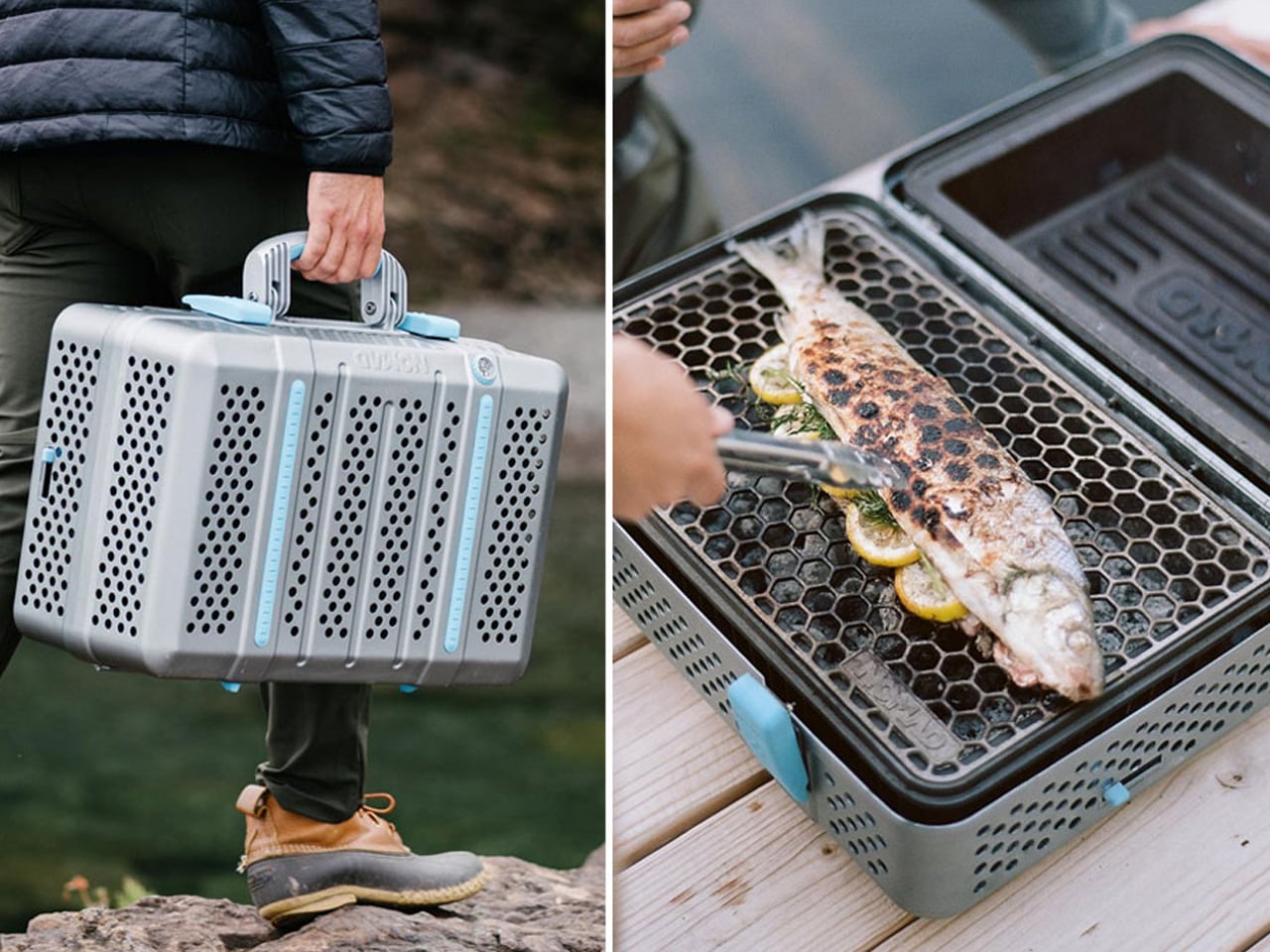
The Nomad Grill and Smoker earns its place through sheer design intelligence. Built from anodized aluminum with a honeycomb interior pattern, it folds down to a 2×2-foot briefcase form and opens into 212 square inches of cooking space, doubling that in open-grill mode. Magnetic clutches lock the whole unit shut for transport. There are no smart buttons, no app. Just physics doing the work of keeping heat in and the exterior cool to the touch while it cooks.

What makes the Nomad particularly useful is how it handles both smoking and grilling without asking you to choose between portability and performance. The closed position circulates smoke and heat consistently for low-and-slow cooking. Open it up, and it performs like a conventional charcoal grill. At $599, it sits at the premium end of portable setups, but the anodized aluminum construction and industrial design mean you are not replacing this in five years. You are passing it on.

What we like

  • Folds to briefcase size without sacrificing 212 sq in of cooking surface
  • Anodized aluminum construction keeps the exterior cool to the touch during use

What we dislike

  • $599 is a significant upfront investment for a portable grill
  • Charcoal only, with no gas option for those who prefer quick heat-up times

3. Compact Modular Grill Plate

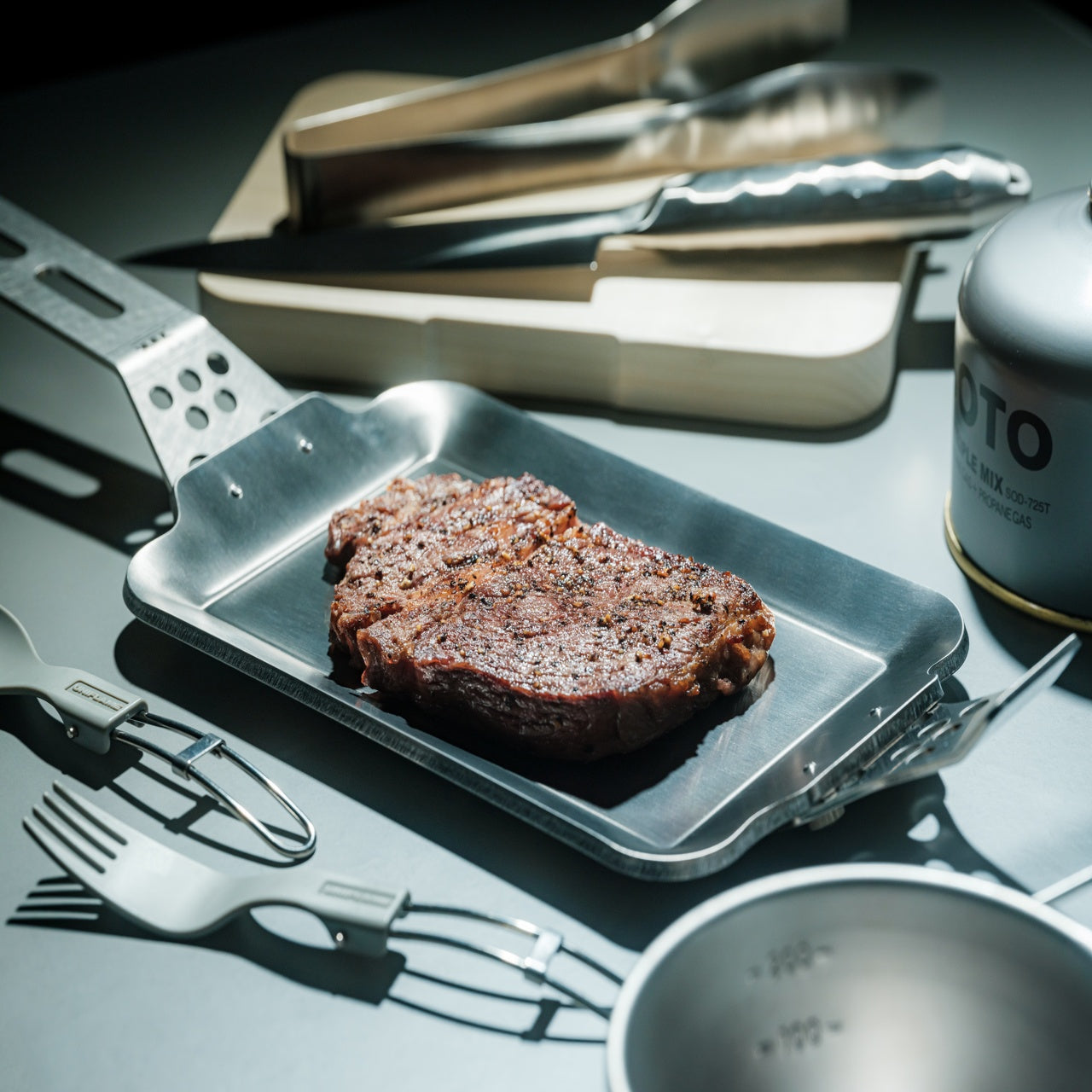
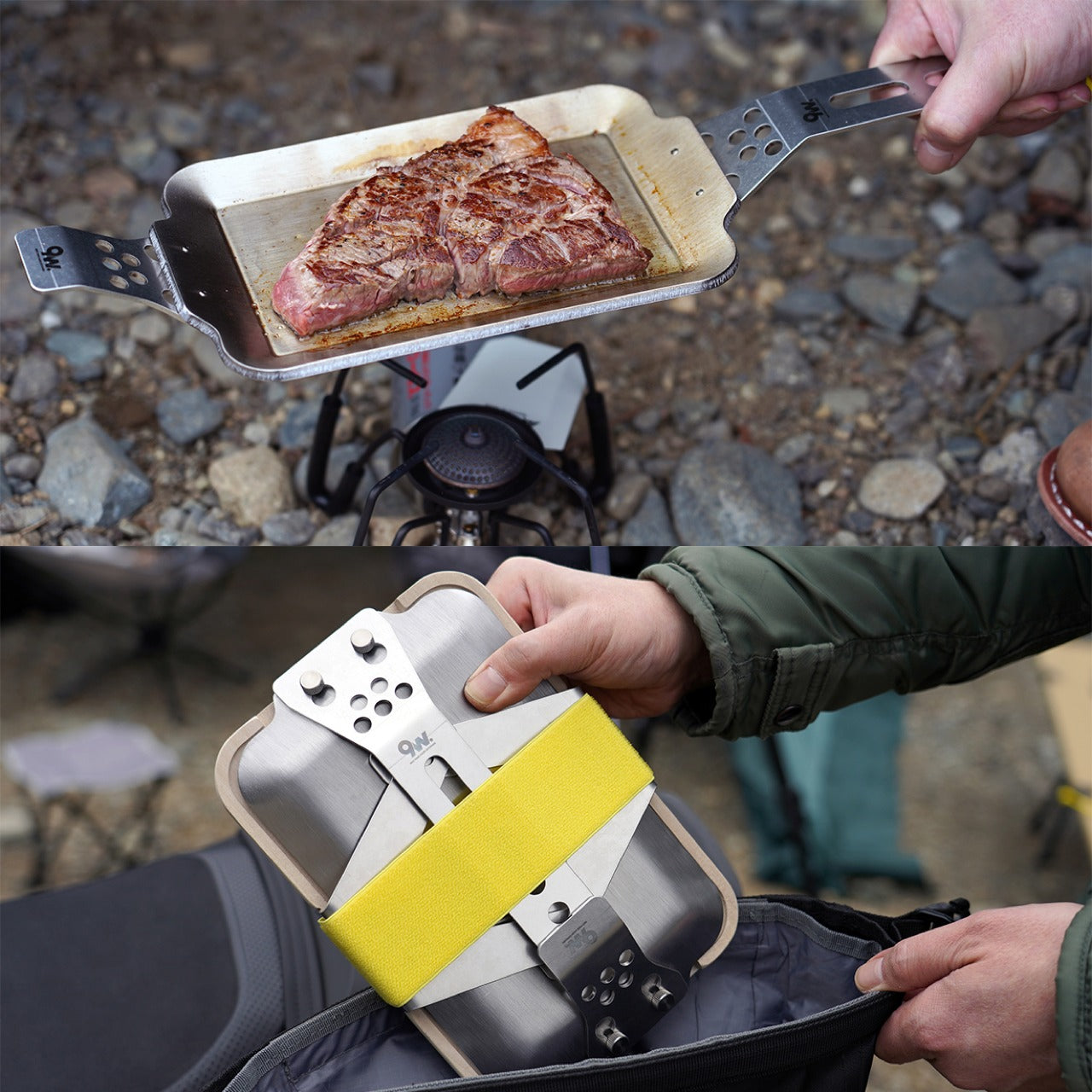
The Compact Modular Grill Plate is the kind of tool that belongs in the same kit as the All-in-One Grill but works just as well on its own. The adaptable metal plate cooks food evenly while locking in juiciness, making it the right surface for steaks and fish that need consistent heat contact across the entire cut. It works across different heat sources, which means it moves between cooking setups without requiring its own dedicated station or stand.

Priced between $100 and $139, depending on configuration, this is the category of tool that looks deceptively simple until you use a lesser version. The difference between a well-engineered grill plate and a cheap one is the difference between a proper seared crust and a steamed, stuck mess. The modular nature also means it doesn’t take up a fixed position in a drawer or cabinet. It slots into a kit, disappears when not in use, and performs exactly when it counts most.

Click Here to Buy Now: $100.00

What we like

  • Works across multiple heat sources without requiring a dedicated cooking station
  • Engineered for even heat distribution and moisture retention across the cooking surface

What we dislike

  • Narrower in scope than a full grill accessory set for varied cooking needs
  • Priced higher than mass-market grill plates of similar dimensions

4. Zwilling BBQ+ 5-Piece Stainless Steel Grill Tool Set

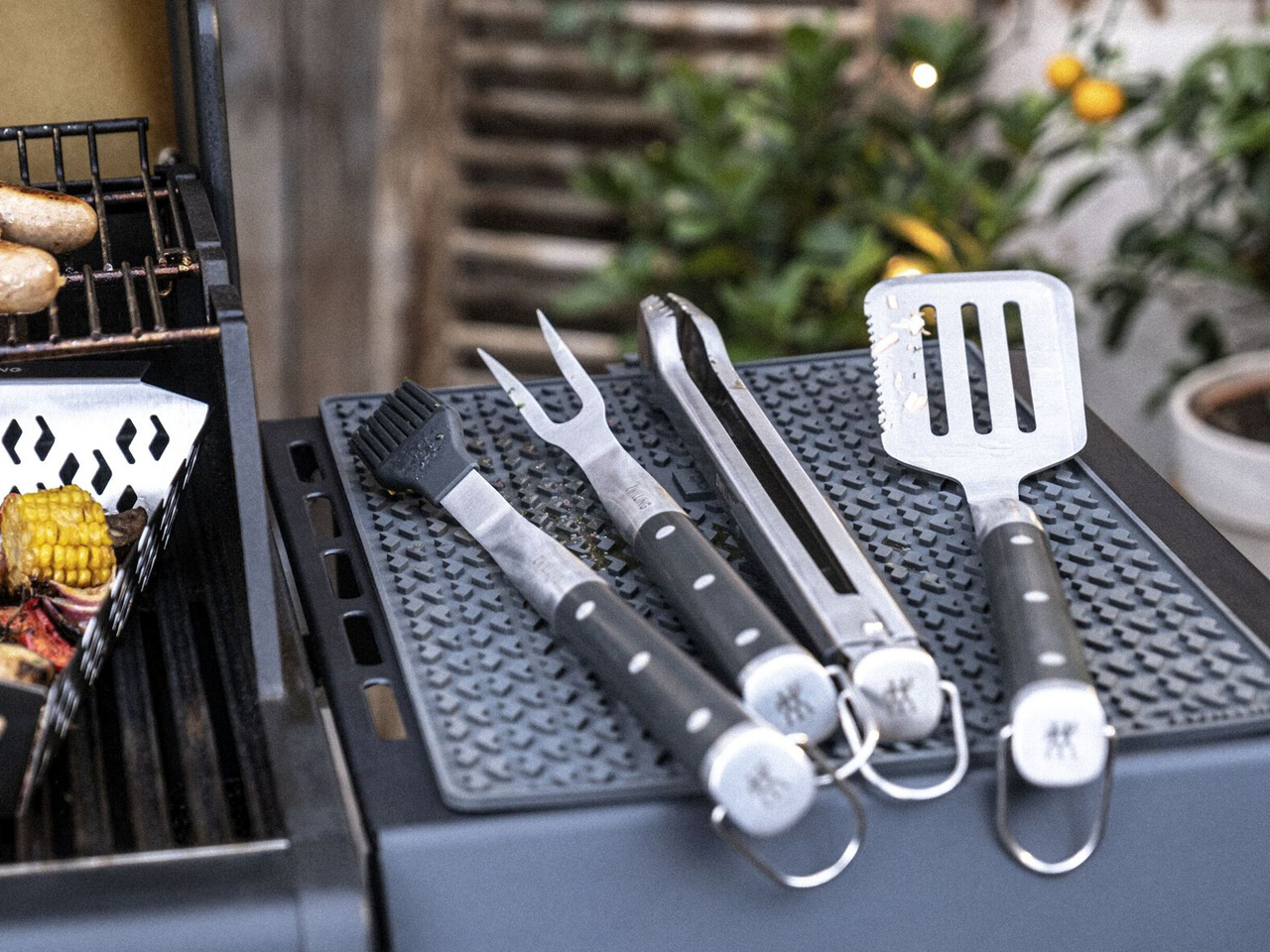
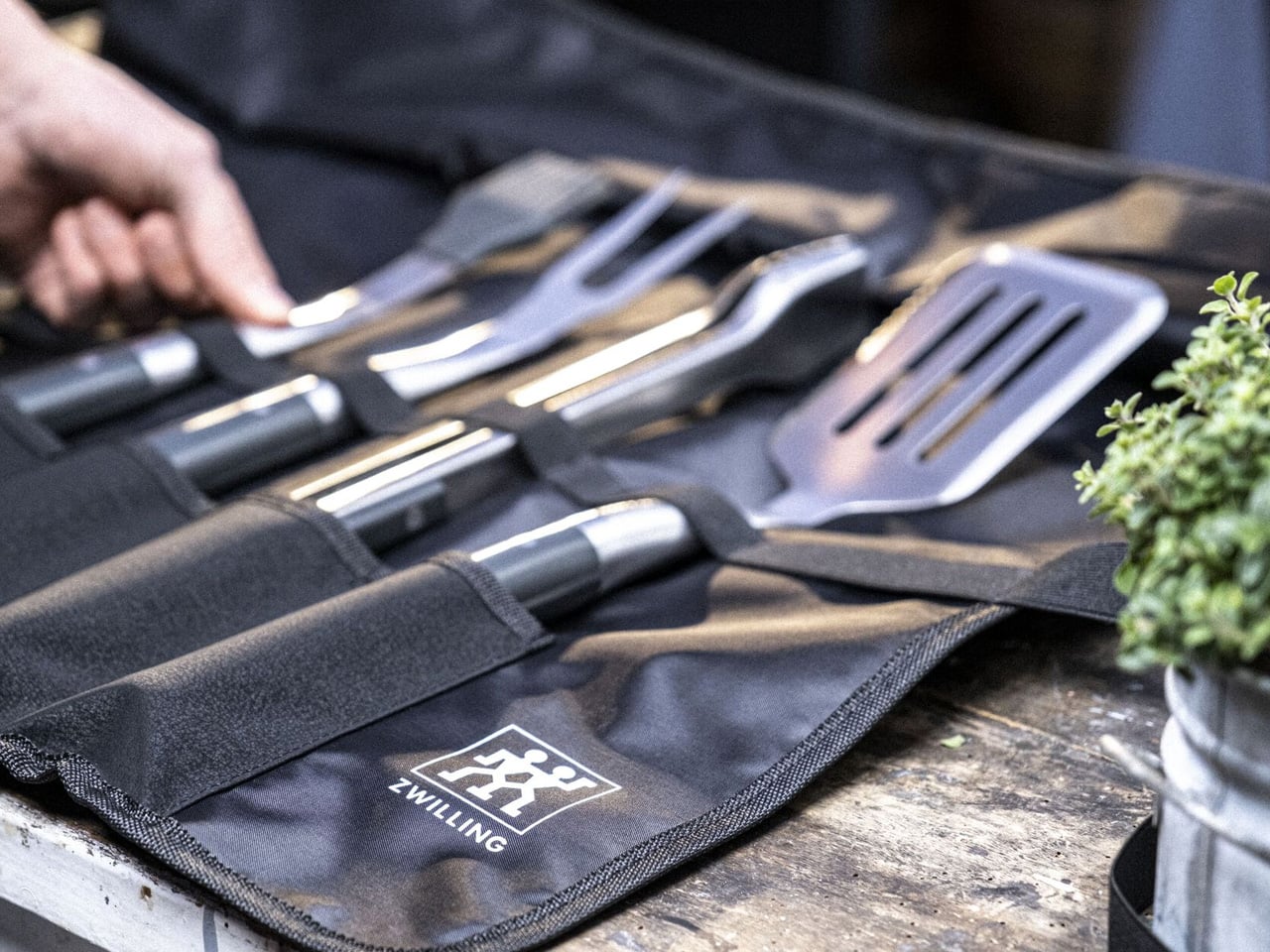
Zwilling has been making blades since 1731, which gives the BBQ+ set a particular kind of credibility. The five-piece set is built from 18/10 stainless steel, the same grade used in surgical instruments, with triple-riveted handles and heat-resistant grips. It carries a 4.9-star rating across major retailers, including Crate and Barrel and Wayfair, and reviewers consistently note the build quality as something that feels immediately different from standard grill sets the moment you pick a piece up.

The spatula comes with a serrated edge for checking doneness without reaching for a separate tool. The tongs carry the satisfying mechanical resistance of something properly engineered rather than assembled for a price point. At $149.99, this set sits where you’re paying for materials and manufacturing heritage rather than branding. These tools don’t rust, don’t bend, and don’t require seasonal replacement. For anyone who has cycled through two or three cheaper sets in as many years, this is where that pattern stops.

What we like

  • 18/10 stainless steel with triple-riveted handles built for decades of consistent use
  • 4.9-star rating across multiple major retailers signals real-world durability across users

What we dislike

  • The set includes gloves and a silicone mat, which some buyers may find unnecessary additions
  • Premium pricing relative to mid-range grill tool sets with similar piece counts

5. Joseph Joseph GrillOut 4-Piece BBQ Tool Set with Storage Case

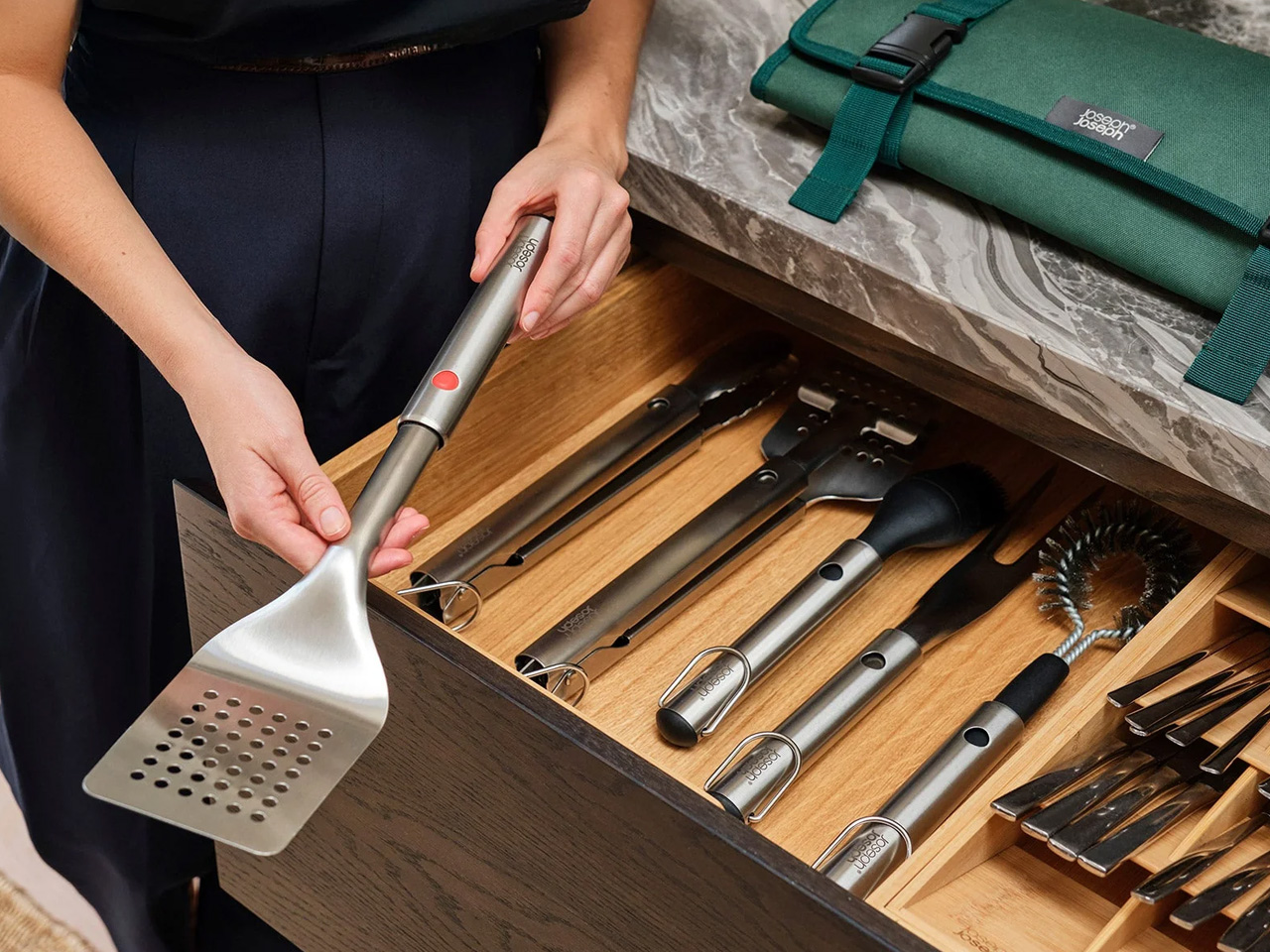
Joseph Joseph built its reputation on solving storage problems as cleverly as it solves cooking ones, and the GrillOut set is that philosophy applied to outdoor equipment. The four-piece set includes tongs, a spatula, a fork, and a basting brush, all integrated into a foldable carry case that functions as both a storage unit and a transport caddy. Utensil heads retract for compact packing, every tool is fully stainless with slip-resistant silicone grips, and the whole set dismantles for easy cleaning after each session.

Priced between $78 and $98, depending on the retailer, the GrillOut set is the most accessible on this list without feeling like a step down. The retractable utensil heads are the kind of detail that rewards you every time you pack up: no loose pieces, no separate bag, no searching for the brush before you can leave. For anyone who grills away from home as often as in it, this is the set that travels with real intention rather than just tolerance of inconvenience.

What we like

  • Retractable utensil heads and an integrated foldable case make packing genuinely effortless
  • Full stainless construction with silicone grips at the most accessible price point on this list

What we dislike

  • Four pieces may feel limited for larger or more varied grilling sessions
  • The retraction mechanism benefits from occasional maintenance to keep functioning smoothly over time

6. Obsidian Black All-Around Tongs

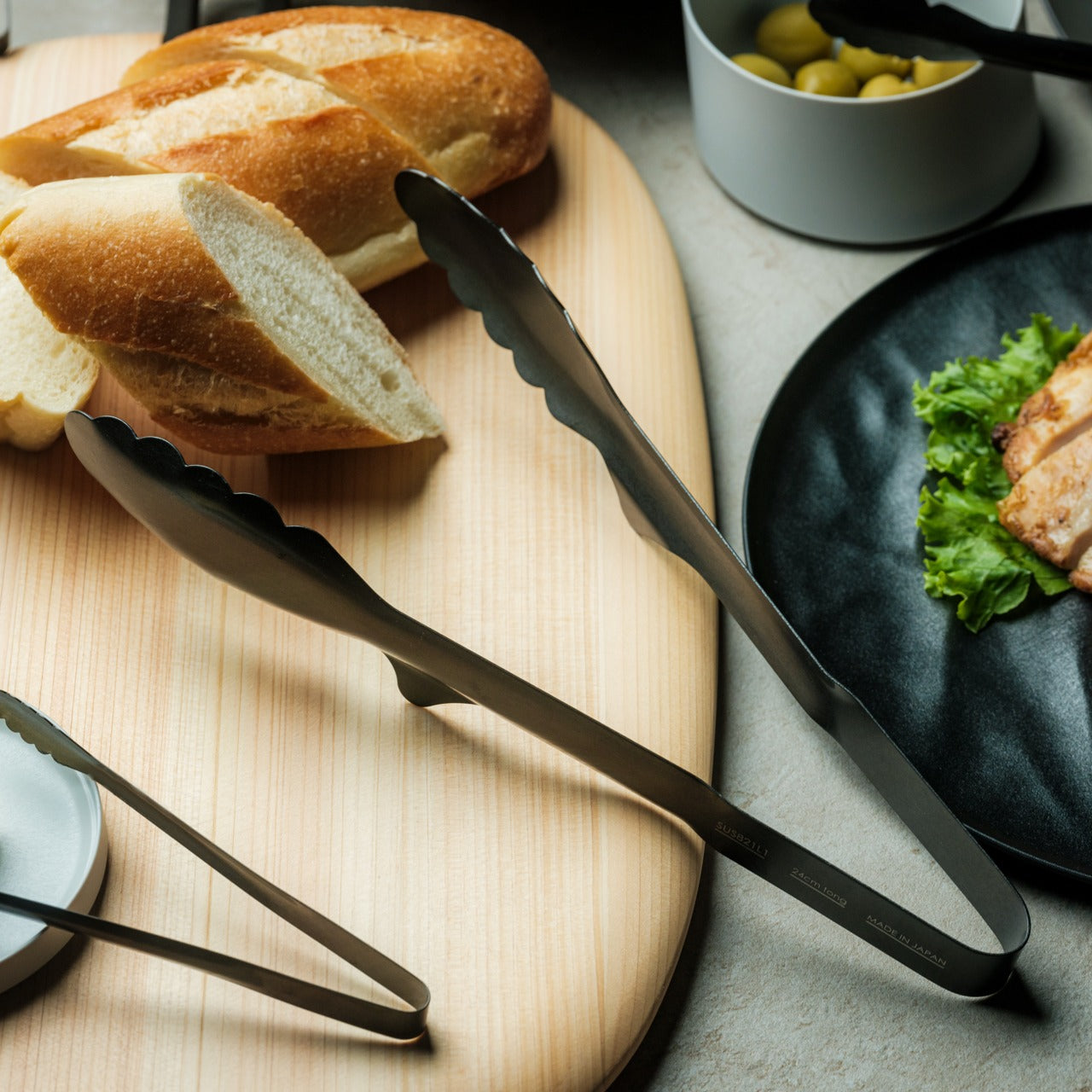
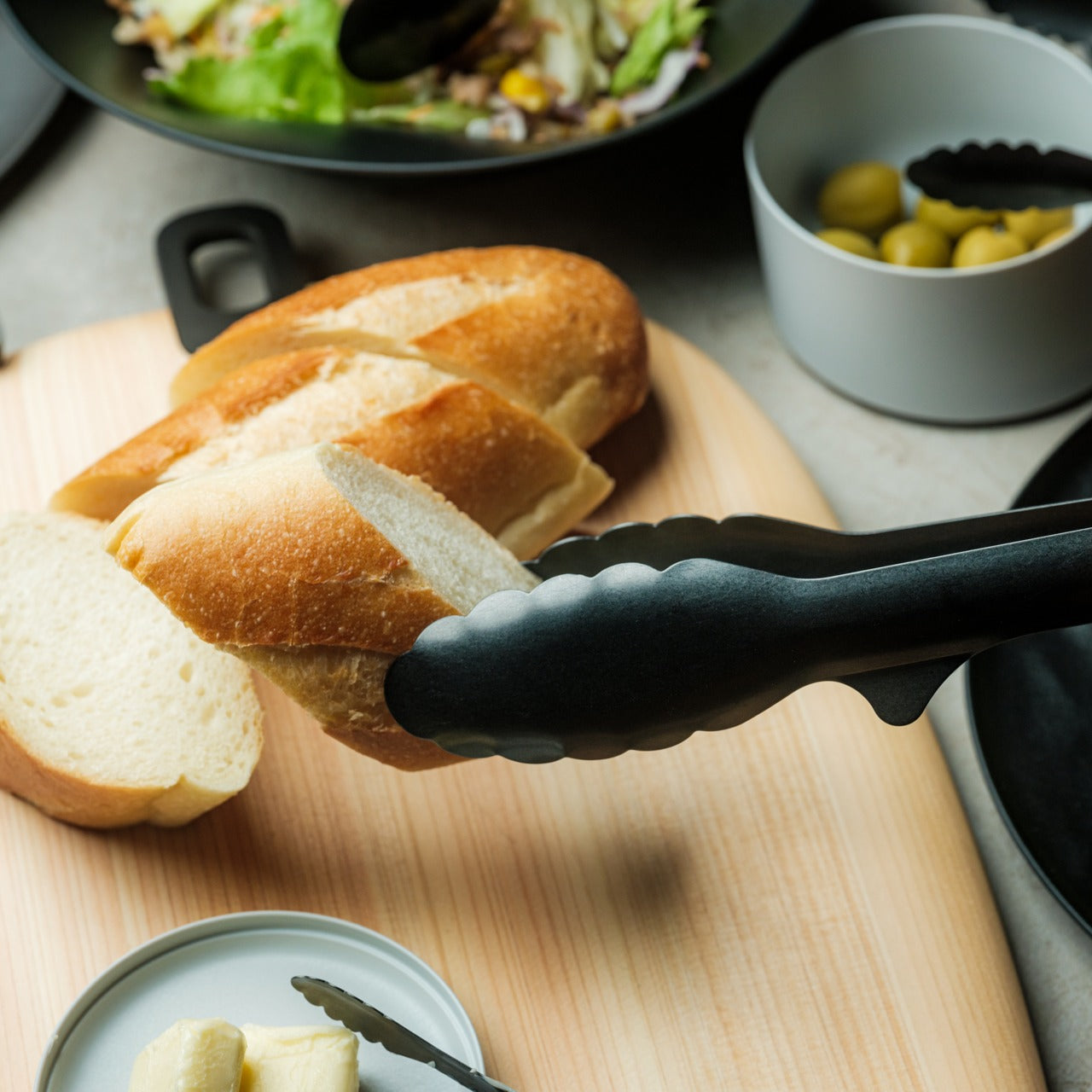
The Obsidian Black All-Around Tongs are made from SUS821L1 stainless steel, a grade selected for its exceptional strength and corrosion resistance rather than cost efficiency. The 9.45-inch length handles most cooking and plating tasks without putting your hand close to the heat. The all-black finish signals a material choice rather than a style decision: this is a kitchen tool that takes the visual language of professional equipment and applies it to backyard cooking without compromise or apology.

What makes these tongs worth including in a list about longevity is the material specification. SUS821L1 is not the steel found in budget tong sets. It holds its finish, resists the corrosive effects of marinades and high-heat cleaning, and maintains its mechanical tension over time. The Obsidian Black range also includes chopstick tongs, mini grip tongs, and salad tongs, making the collection genuinely expandable. These are tools you build a kitchen setup around rather than ones you phase out at the end of a season.

Click Here to Buy Now: $35.00

What we like

  • SUS821L1 stainless steel delivers superior corrosion resistance and long-term tension retention
  • Part of an expandable collection with multiple tong formats for different tasks

What we dislike

  • The matte black finish requires careful hand-washing to maintain its appearance long-term
  • Limited to tong formats, with no spatula or fork included in the Obsidian Black range

7. Roxon MBT3 Multi BBQ Tool

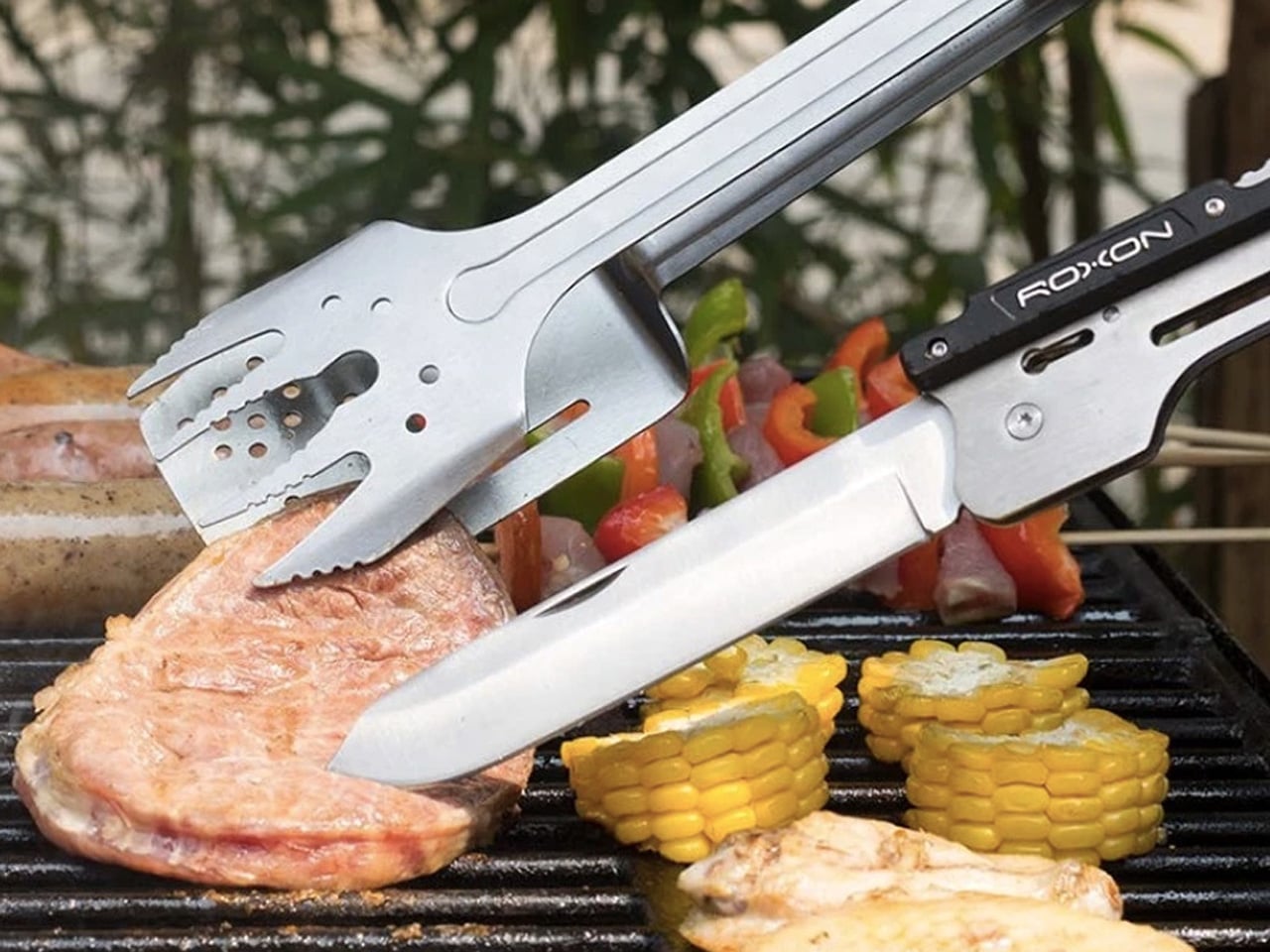
The Roxon MBT3 is a six-in-one BBQ multi-tool built from food-grade 430 stainless steel. Three base elements, a fork, spatula, and knife, connect via a 1.2mm liner lock and reconfigure depending on what you need at the moment. The fork and spatula join to form tongs. The knife folds to become a bottle opener and corkscrew. It packs into a nylon pouch small enough to slip into a jacket pocket, making it the only tool on this list that genuinely disappears when it isn’t needed.

What the Roxon MBT3 gets right is that it doesn’t ask you to carry more to do more. The EDC thinking behind it translates to the grill better than most multi-tools manage. The liner lock mechanism is secure enough that reconfiguring parts doesn’t feel like a compromise in the field. For a camper, a tailgater, or anyone who grills away from a fixed setup regularly, this is the one piece of kit that handles everything without filling a bag or requiring a dedicated case to transport.

What we like

  • Six functions in a single pocket-sized tool secured by a reliable 1.2mm liner lock
  • Food-grade 430 stainless steel construction with a dedicated nylon carry pouch included

What we dislike

  • Better suited to solo or small-group grilling than high-volume or simultaneous cooking
  • Requires some familiarity with the reconfiguration system before it feels fully intuitive

8. MEATER Plus Wireless Smart Meat Thermometer

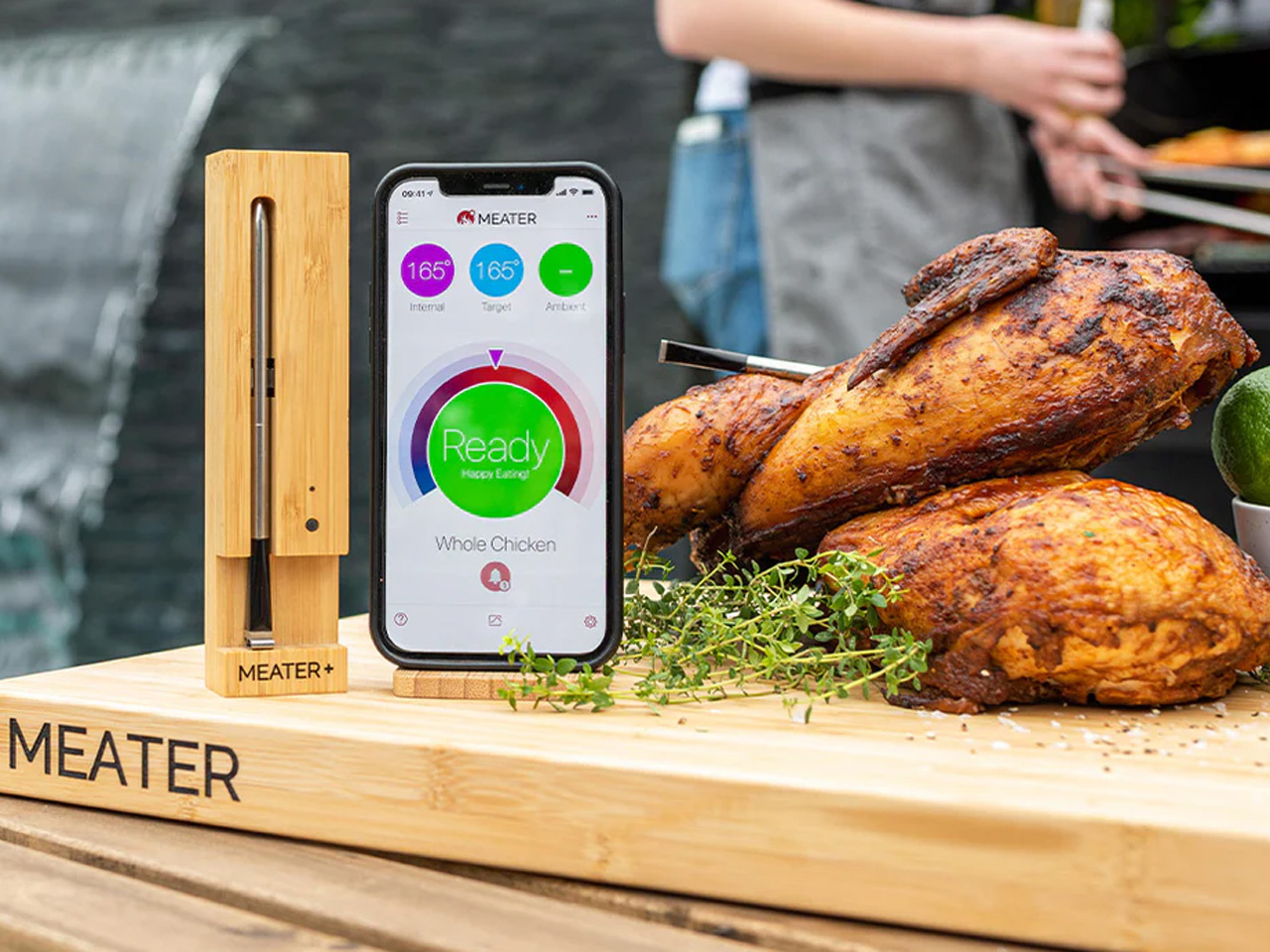
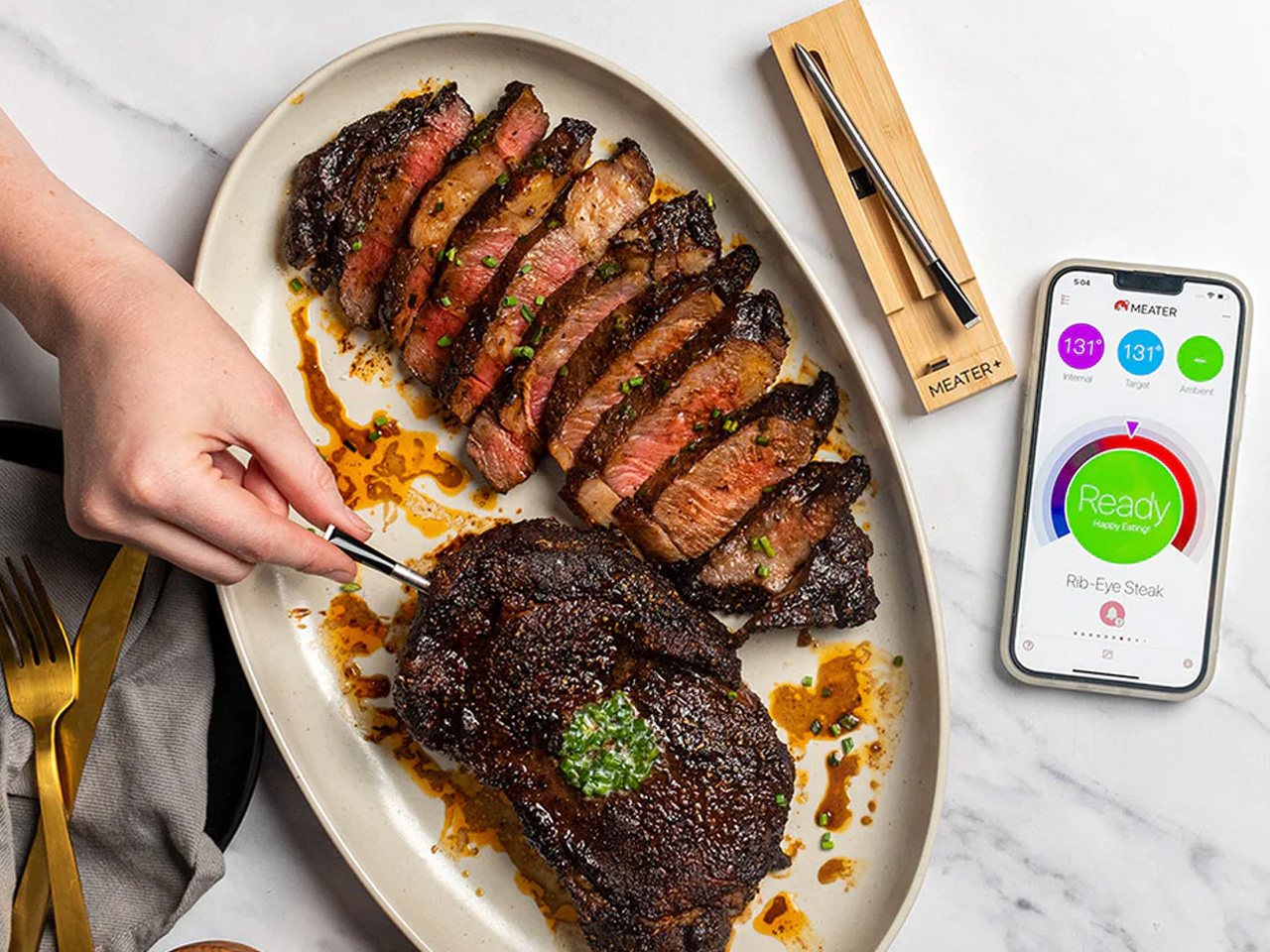
The MEATER Plus is the first truly 100% wire-free meat thermometer on the market. A single probe monitors both internal meat temperature and ambient grill temperature simultaneously, then relays that data to your phone via Bluetooth at a range of up to 165 feet. The bamboo charging dock doubles as a Bluetooth repeater, extending that range without additional hardware. The companion app guides you through the cooking process in real time and estimates exactly when to pull the meat off the grill.

The design case for the MEATER Plus is as strong as the technical one. The probe is minimal enough to sit in a bamboo dock on a kitchen counter without looking like a gadget. No wires, no clunky receivers, no analog dials. At $99.95, it’s the kind of tool that changes how you interact with a grill rather than just what you can do with it. Once you’ve cooked with one, the idea of cutting into meat to check doneness feels genuinely outdated rather than just inconvenient.

What we like

  • 100% wire-free with simultaneous dual-temperature monitoring up to 165 feet via Bluetooth
  • Companion app delivers real-time cook guidance and precise pull-time estimates

What we dislike

  • Requires a charged smartphone and an active Bluetooth connection to access full functionality
  • Ambient probe placement near the meat surface can affect temperature accuracy in certain setups

Buy Once, Grill Better for Years

The common thread across all eight of these picks is intention. Each one was designed with a specific problem in mind, whether that’s portability, material longevity, storage efficiency, or the kind of precision that removes guesswork from the cooking process entirely. None of them is an impulse purchase, and none of them is meant to be. Good tools earn their place over time, and every one of these has the construction quality to do exactly that.

If there’s a place to start, the Obsidian Black Tongs and the MEATER Plus represent two ends of the spectrum: one purely mechanical, one quietly smart, both worth having before anything else on the list. The Nomad and the All-in-One Grill offer different answers to what a portable grill can be. Any combination of these eight will outlast the average grilling season by years. That’s the entire point of buying well once.

The post Forget Cheap Grilling Tools — These 8 BBQ Gadgets Are Actually Designed to Last a Decade first appeared on Yanko Design.
XPPen’s $210 Pilot Pro Finally Ends the Left-Hand Keyboard Scramble

Video and photo editing has always been demanding on keyboard shortcuts. The typical workflow splits attention between tools, timelines, and modifier keys, with the left hand constantly crossing the keyboard while the right stays on the mouse. Professionals spending long hours in DaVinci Resolve or Premiere Pro know the frustration well, and a more deliberate way to manage those commands has long been missing.

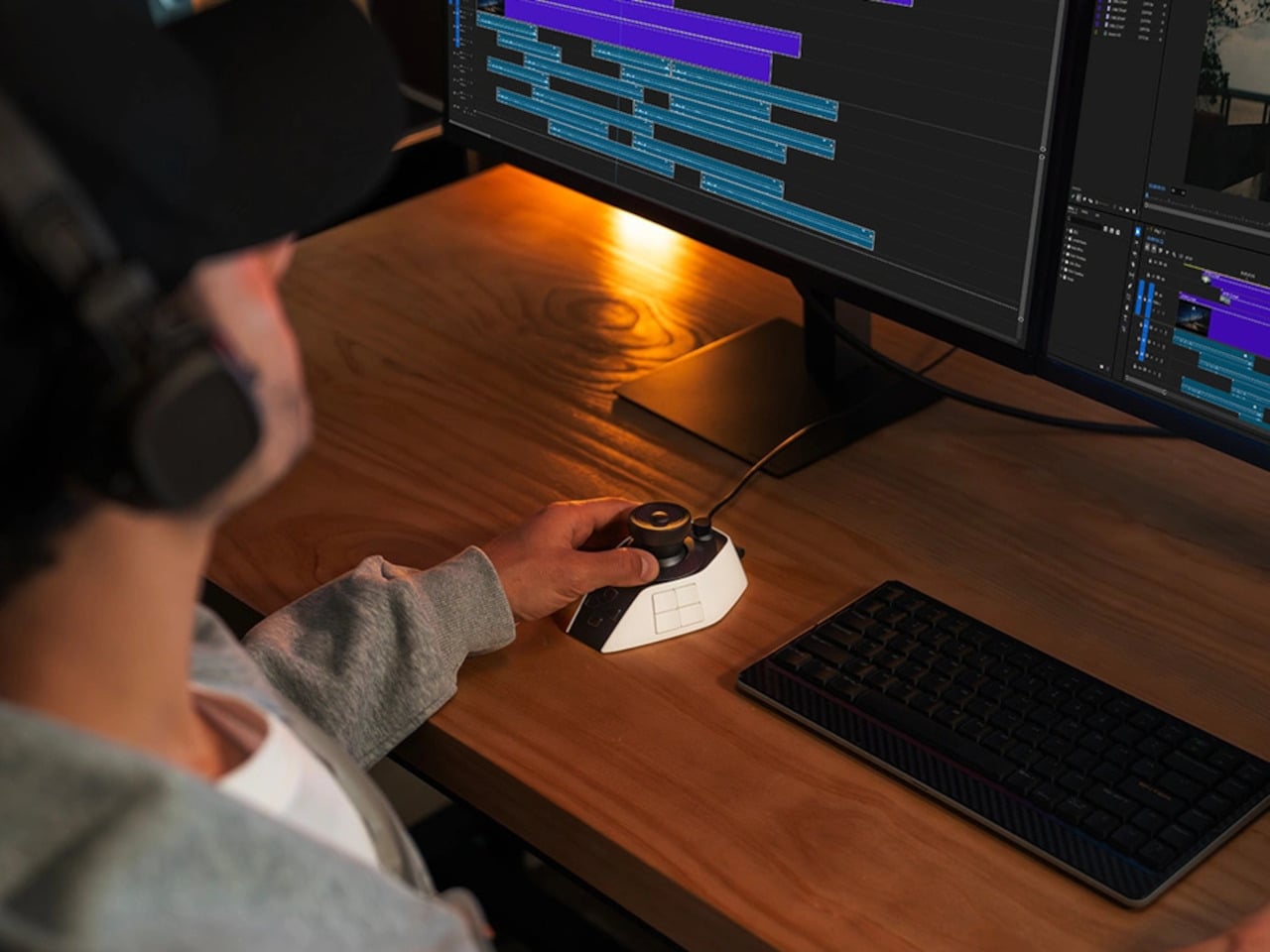
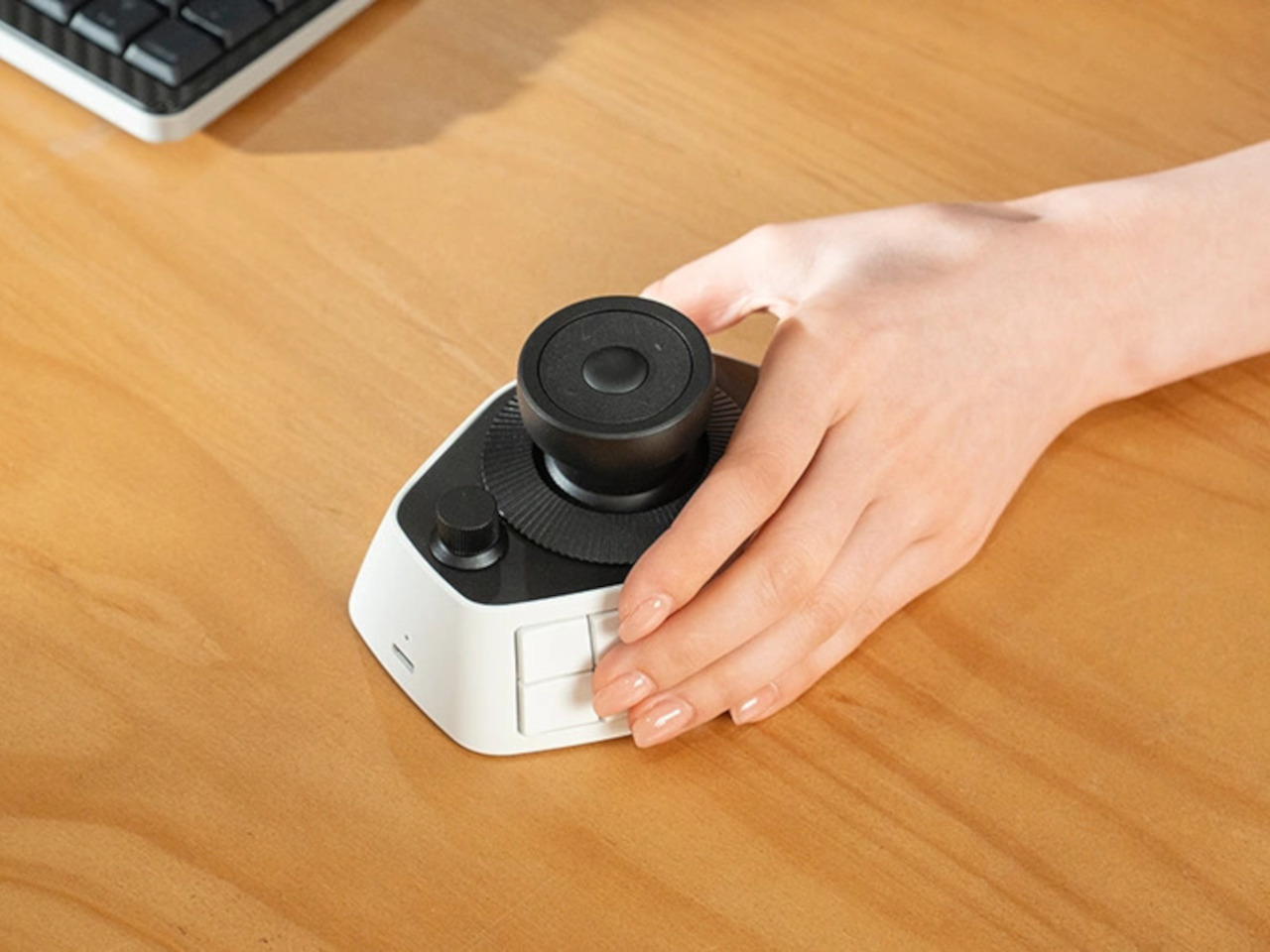
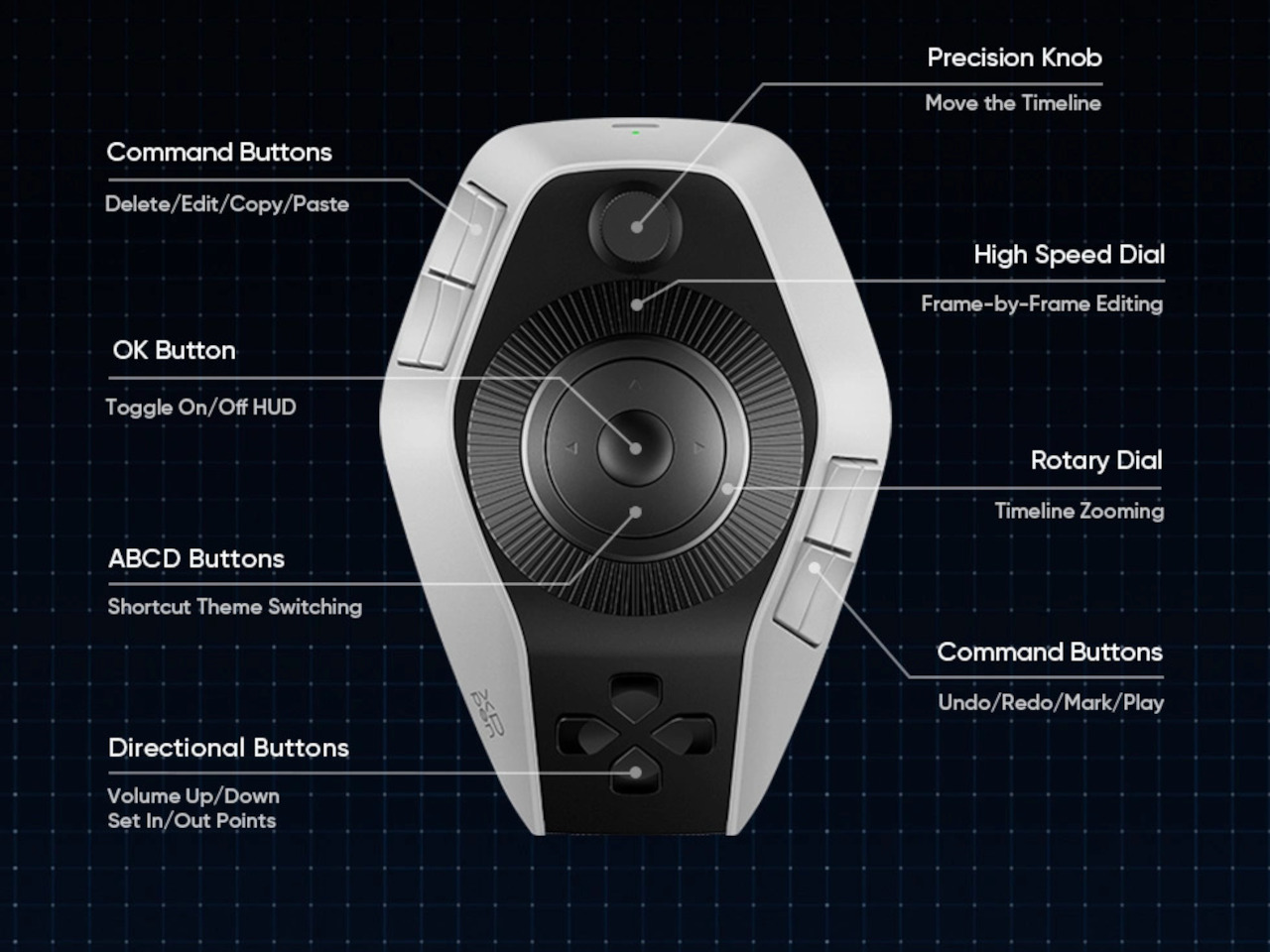
XPPen’s Pilot Pro is the brand’s first dedicated editing console, and it makes a confident debut. It packs 16 customizable buttons, three dials, and an all-way joystick into a compact controller built for one-handed, eyes-free operation. The premise is straightforward: let the left hand manage the shortcuts so the right stays on the mouse and your eyes stay on the screen.

Designer: XPPen

The console’s layout borrows from game controllers but reads more like a precision instrument. An 8-way joystick at the center handles footage scrubbing, color wheel navigation, and clip selection depending on the software. Two rotary dials surround the joystick at different heights, and a third sits just in front. All three deliver haptic feedback through a linear motor that can be tuned or disabled.

What makes the eyes-free claim convincing is the sculpted 3D key layout. Every button and dial has a distinct shape and position, so your fingers learn the device without looking away from the screen. XPPen also added a hypothenar support beneath the controller to keep the outer edge of the palm anchored. That ergonomic attention earned the Pilot Pro a Good Design Award 2025.

The haptic motor makes each interaction feel intentional rather than accidental, which matters more than it sounds when you’re deep in a cut. Up to seven customizable themes let you organize shortcuts your way, and profiles can be shared within the community. XPPen also offers presets from professional editors, so jumping into new software doesn’t require rebuilding your control scheme from scratch.

Tasks like scrubbing through a long timeline, grading a batch of shots, or retouching a portrait session become much less disruptive to the flow. The joystick handles navigation without lifting the hand, the dials adjust values with fine precision, and the 16 buttons absorb the commands that would otherwise mean a trip across the keyboard. It’s a setup that rewards muscle memory fairly quickly.

For connectivity, the Pilot Pro supports wired USB-C, Dual-Channel Bluetooth 5.4 Low Energy, and a USB dongle for machines without Bluetooth. The built-in 1,900 mAh battery lasts over 15 days at four hours of daily use. It works with Windows 10 and macOS 11 or later, and is compatible with Premiere Pro, DaVinci Resolve, Photoshop, Lightroom Classic, and Final Cut Pro.

Weighing 251g with dimensions of roughly 130mm x 93mm, the Pilot Pro fits on the desk without crowding it. XPPen has priced it at $209.99, in line with other professional left-hand controllers. For editors who spend serious hours locked into a timeline, a device that keeps the hands comfortable and a hundred commands within reach can meaningfully change the pace of a workday.

The post XPPen’s $210 Pilot Pro Finally Ends the Left-Hand Keyboard Scramble first appeared on Yanko Design.
Fosi’s $150 Headphone Amp Snaps to Your iPhone Instead of Dangling

The dongle DAC has become a familiar but awkward sight plugged into the bottom of a smartphone, a small reminder that the headphone jack didn’t disappear quietly. Portable audio has come a long way in sound quality, but the form factor hasn’t kept pace. Most of these tiny dongles hang loose from the charging port, tugging at cables and generally getting in the way of an otherwise pleasant listening session.

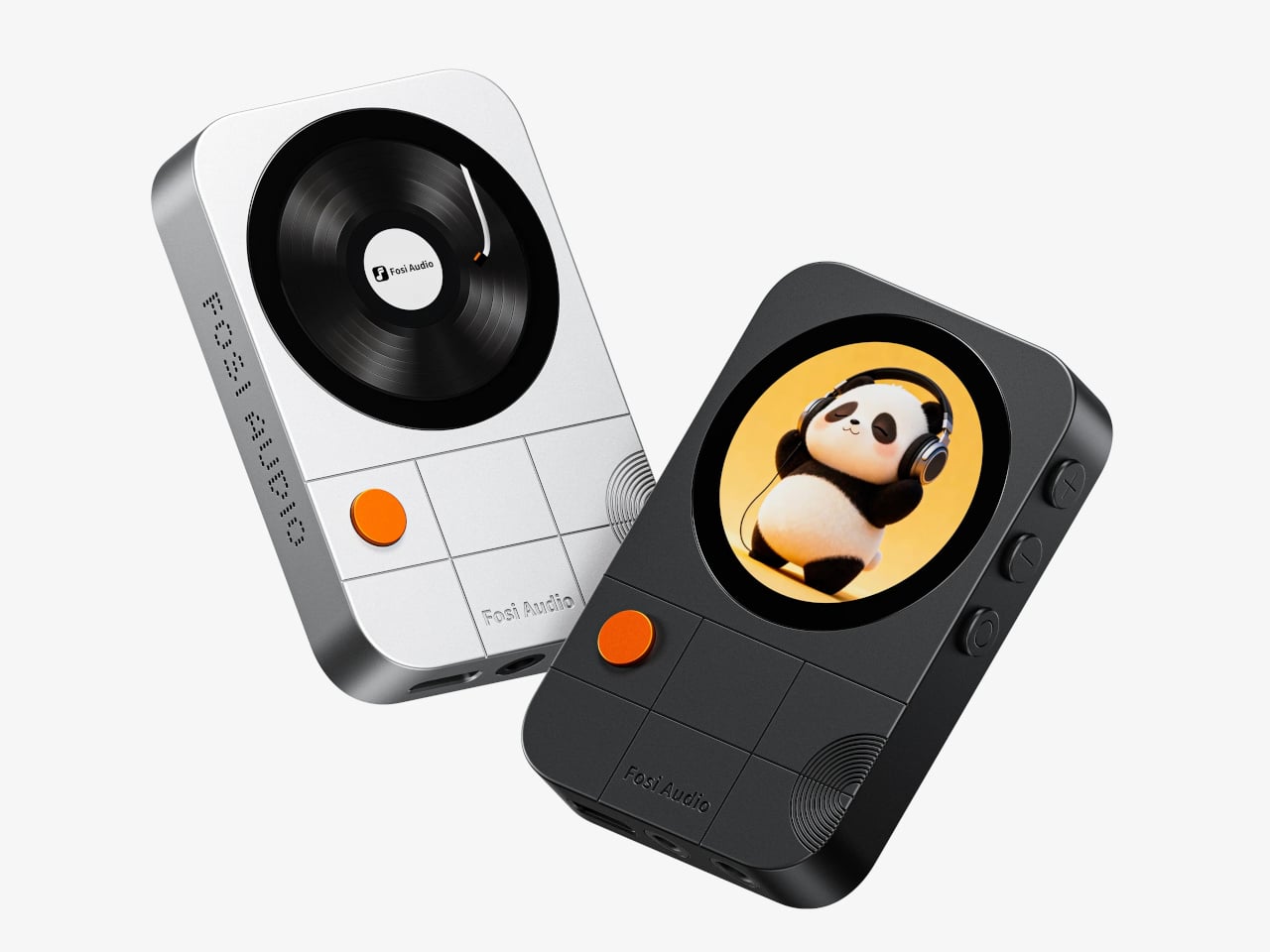
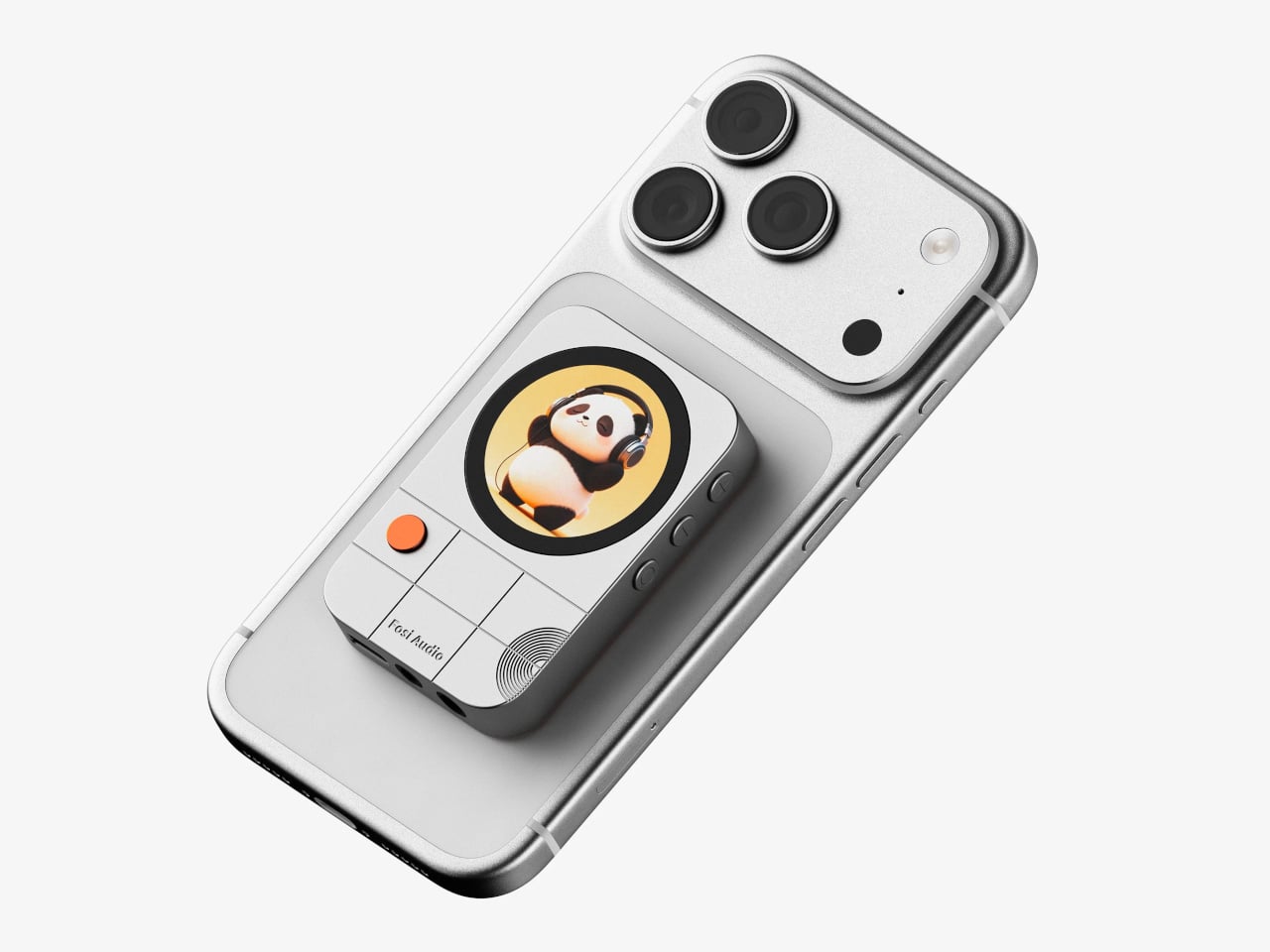
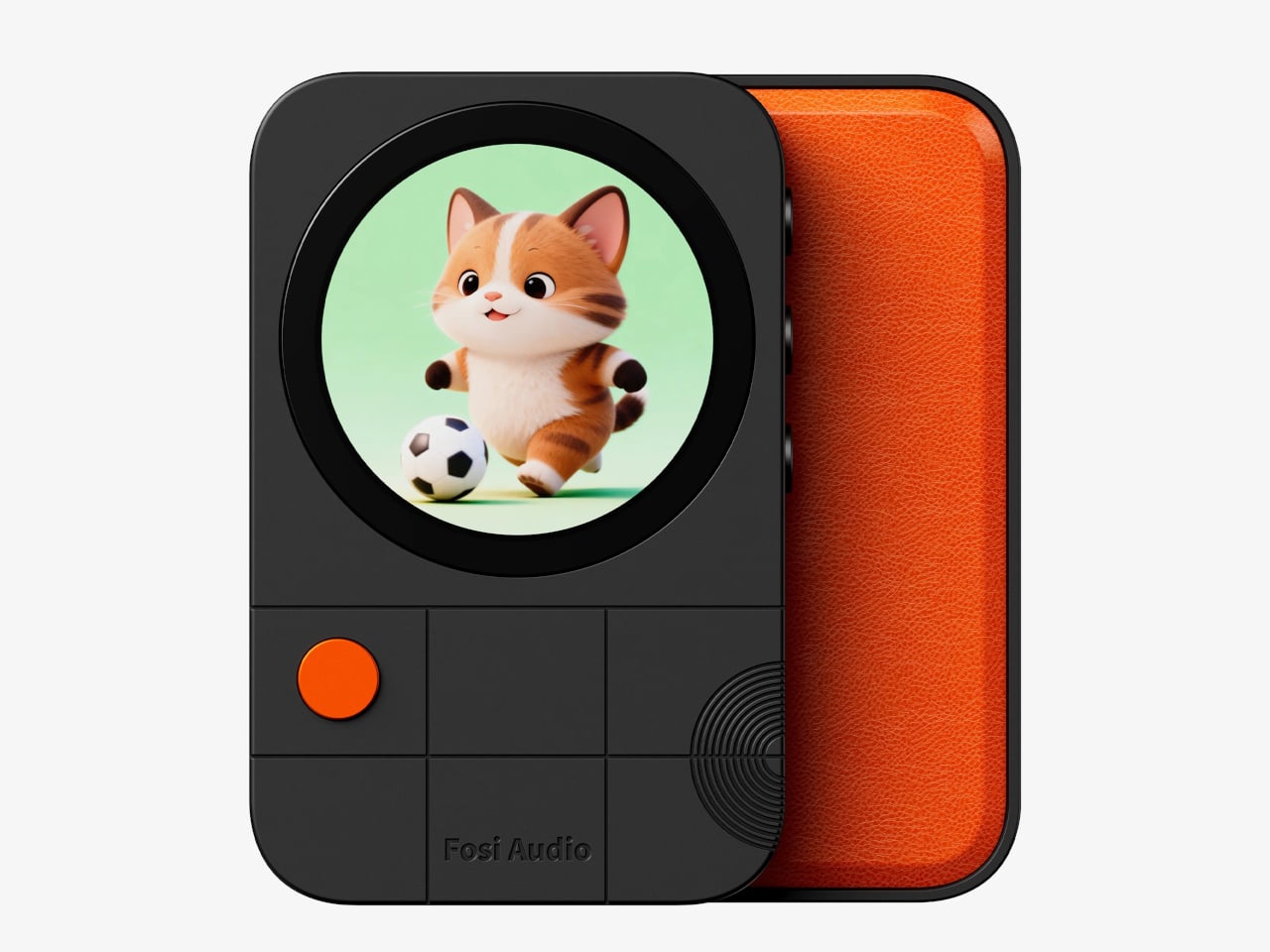
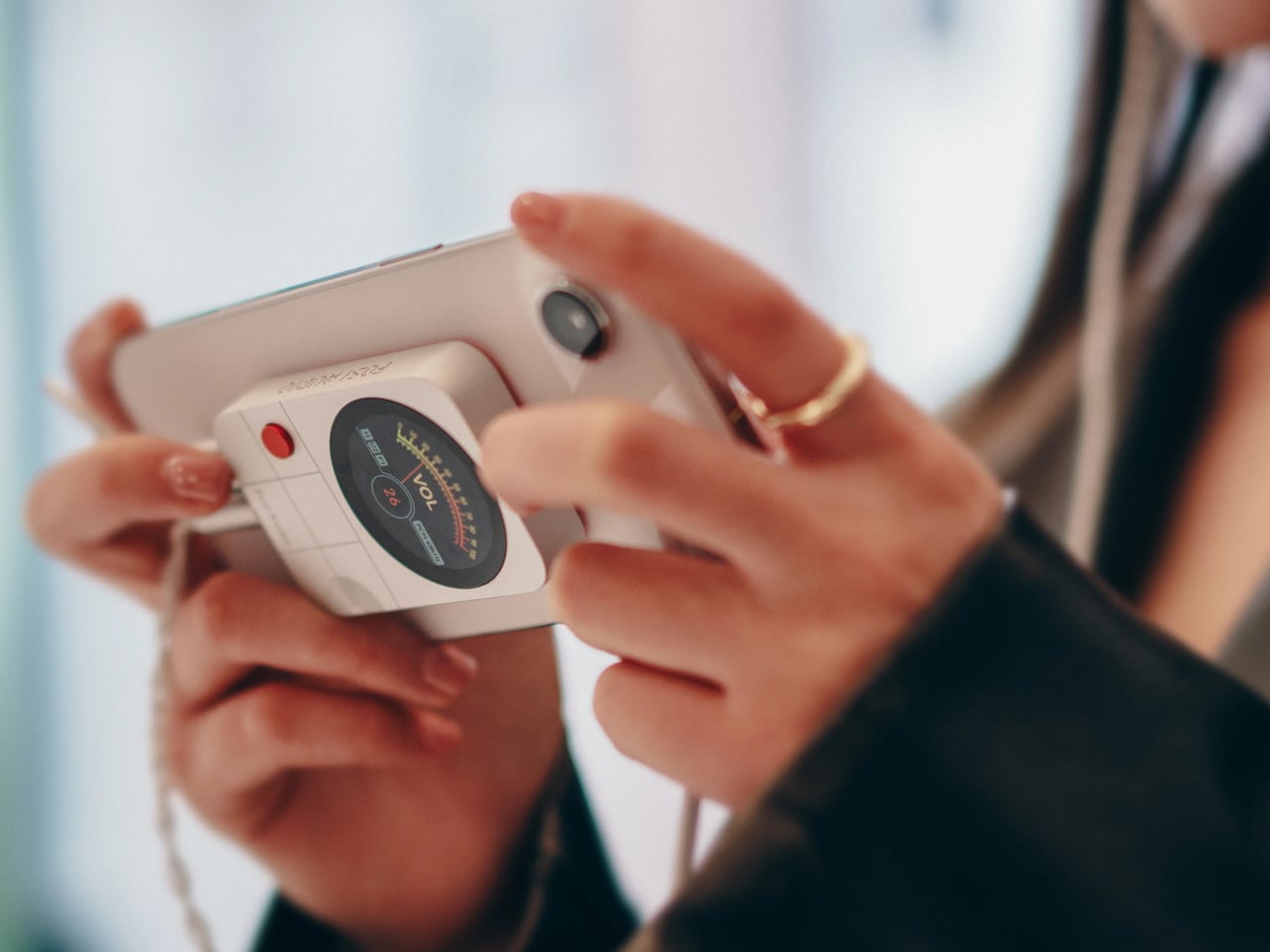
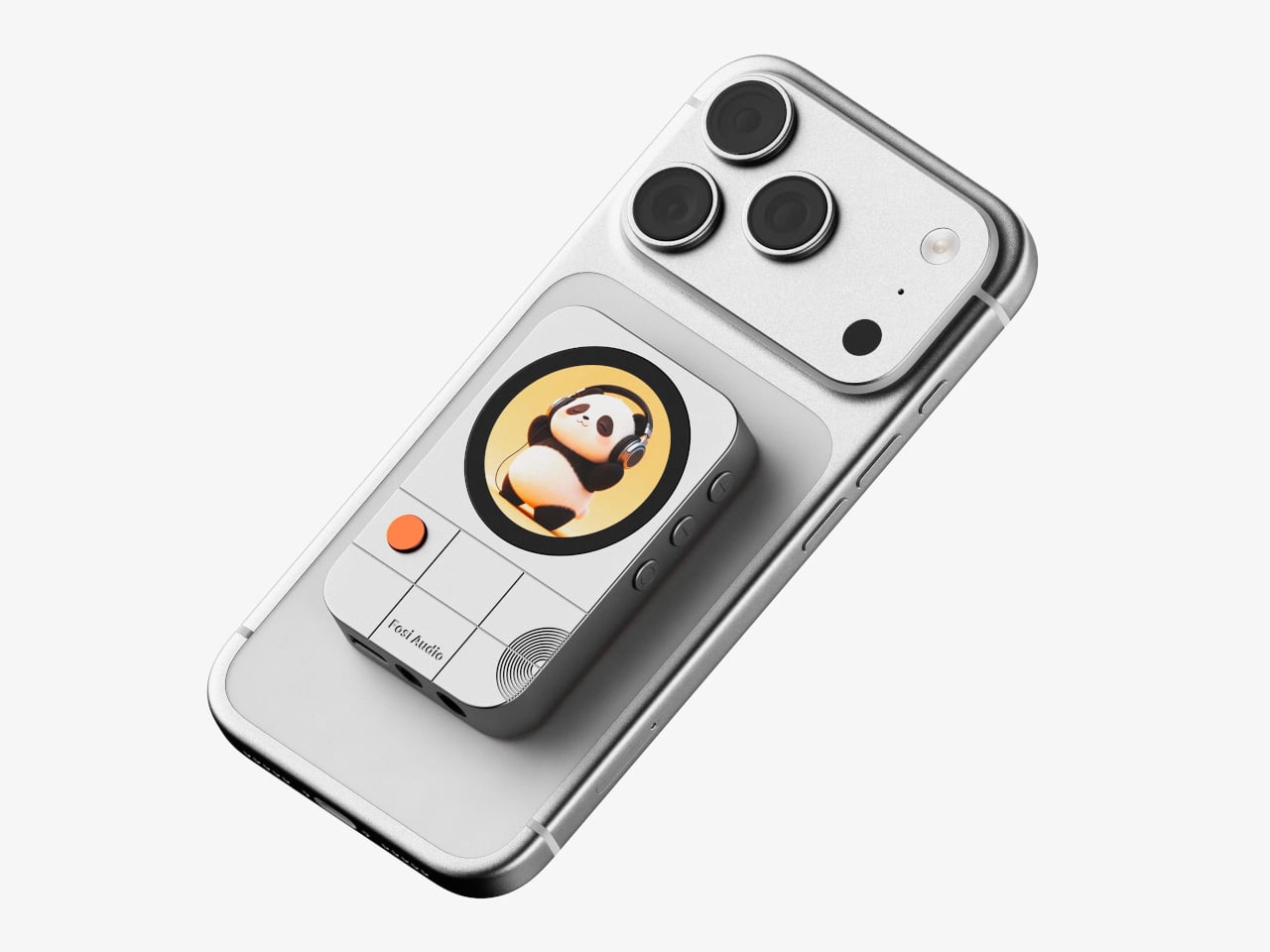
Fosi Audio’s MD3 MagDac tries to solve this with a fundamentally different approach to portability. Instead of hanging from a charging port, it snaps magnetically to the back of a MagSafe-compatible smartphone using 16 N52 magnets, sitting flush against the device like a compact audio module. The result is a pocket-sized DAC and headphone amplifier that actually looks like it belongs there, not like an afterthought.

Designer: Fosi Audio

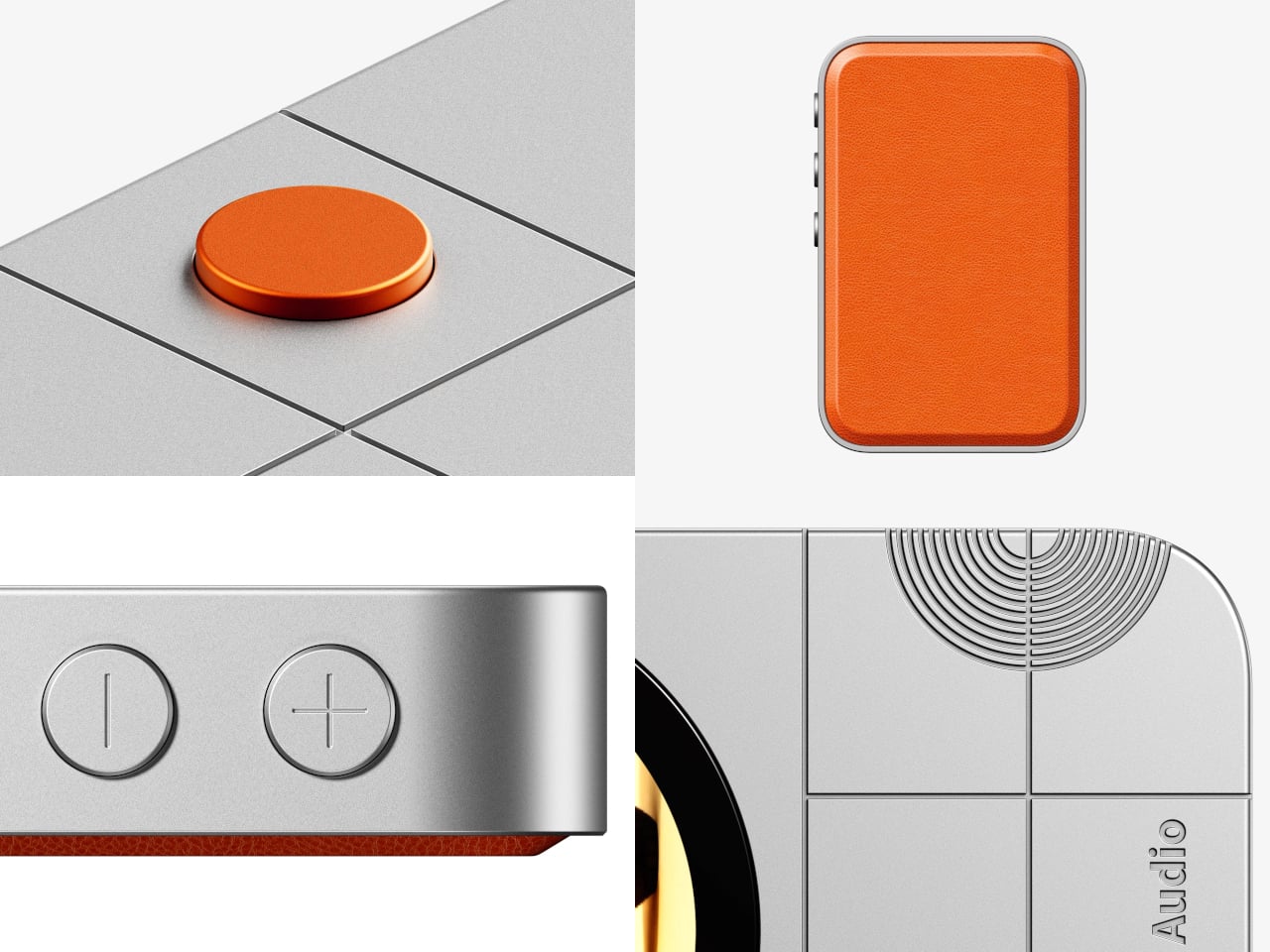
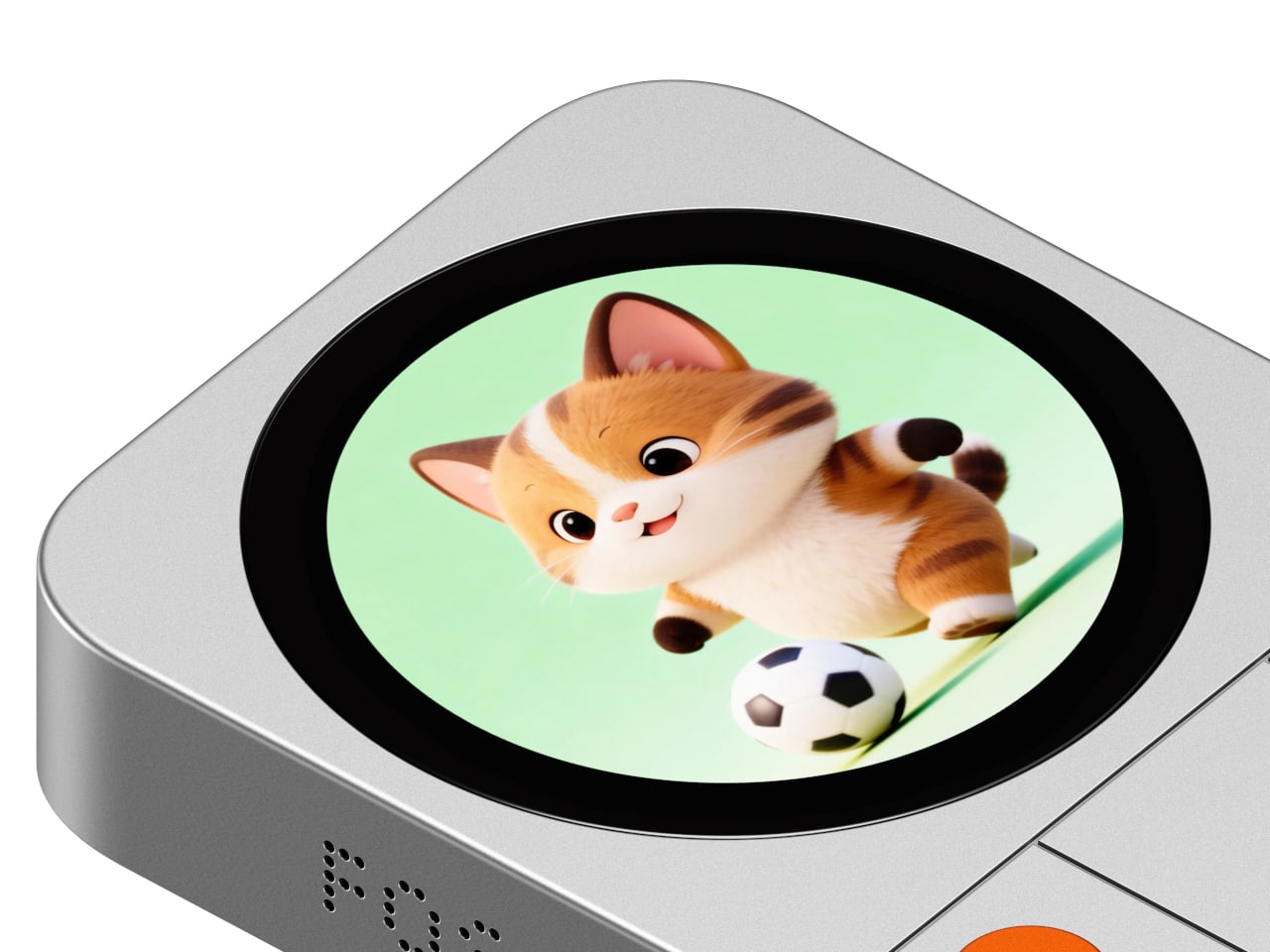
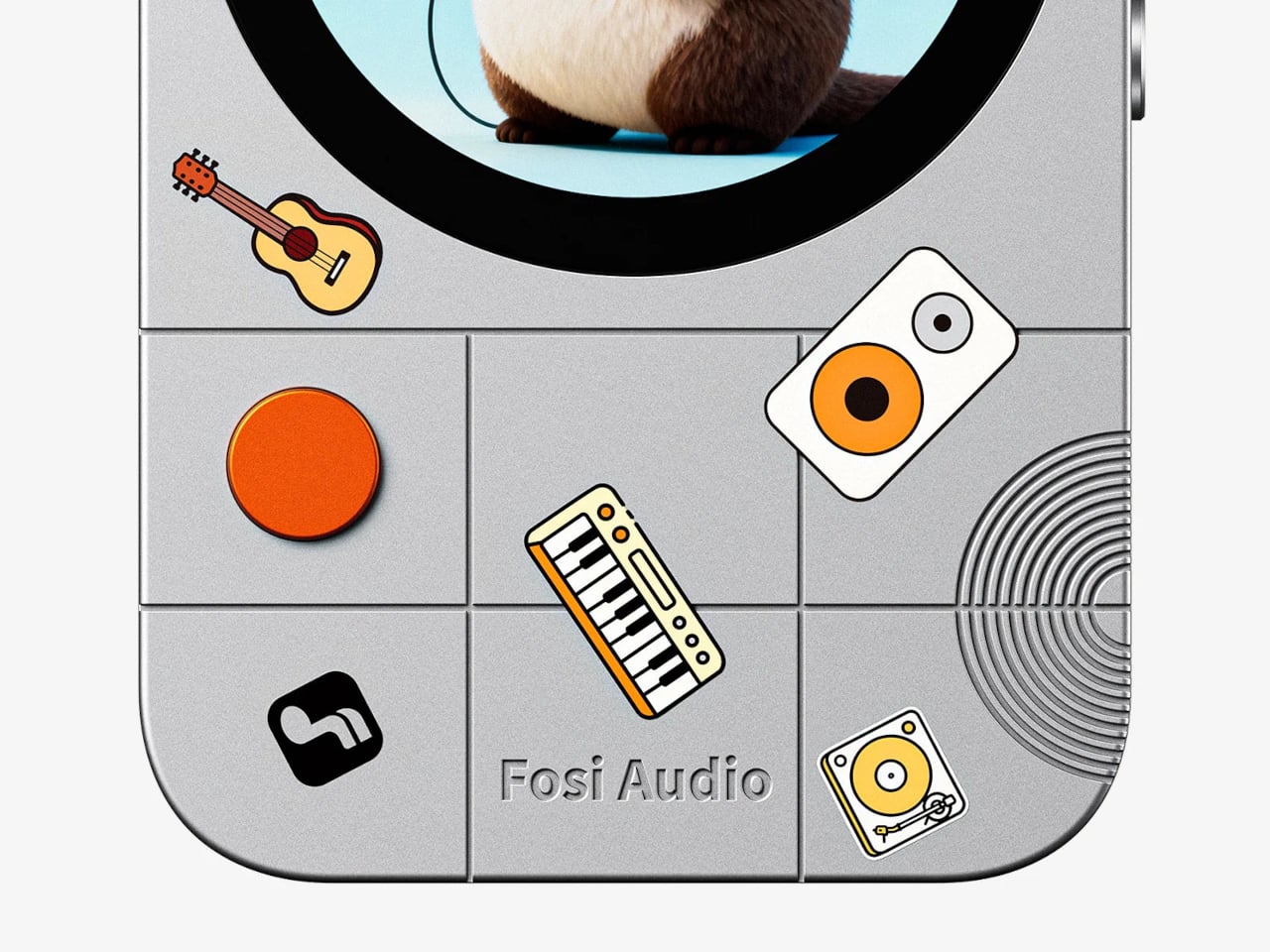
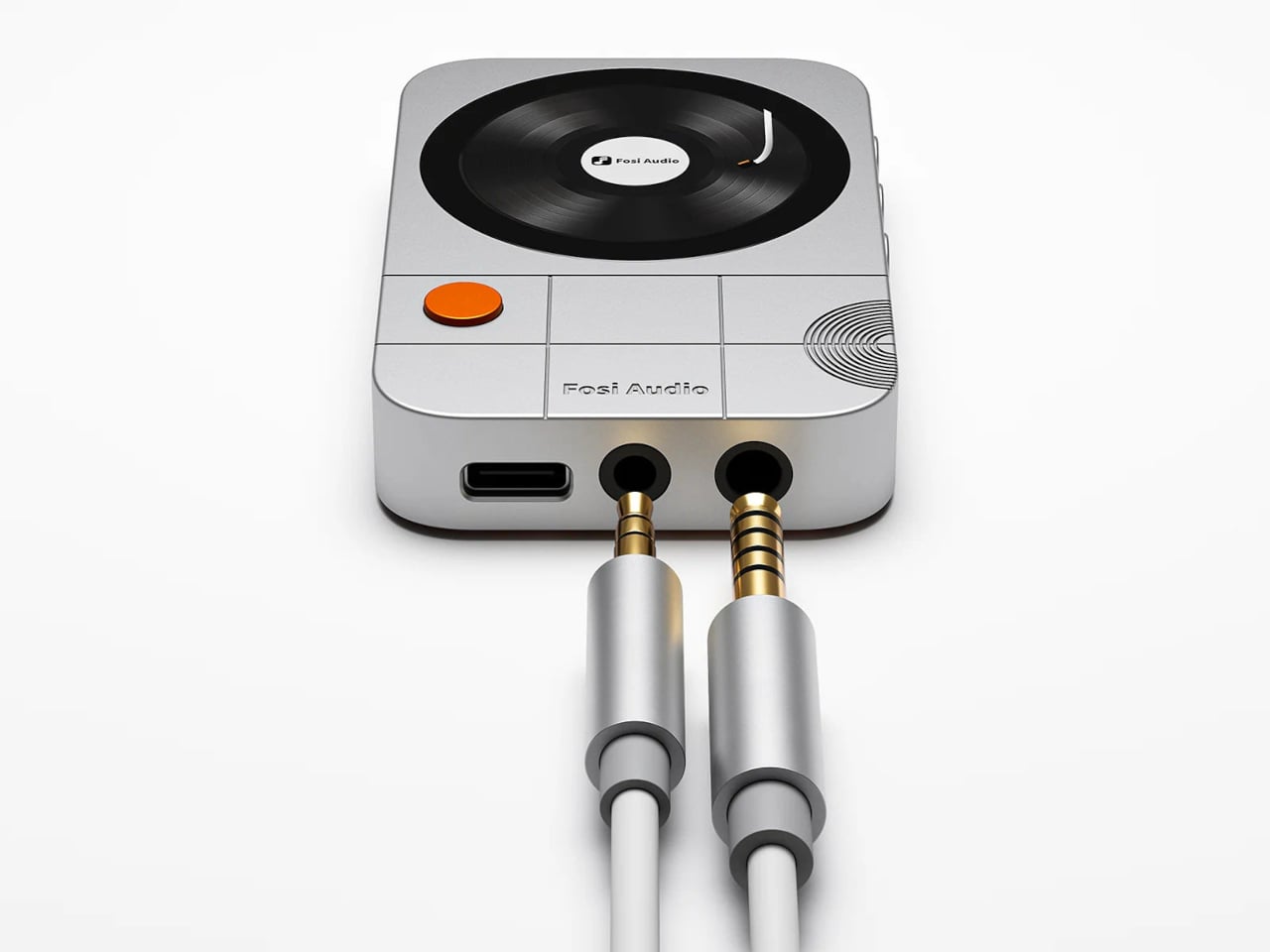
The design doesn’t stop at clever attachment. The MD3 is precision-machined from 6063 aluminum alloy with a sandblasted anodized finish, available in silver or black, both with orange leather on the magnetic back. At just 50g and 12m thick, it slides in and out of a pocket without protest. What you’ll notice first, though, is the 1.28-inch circular LCD display on the back.

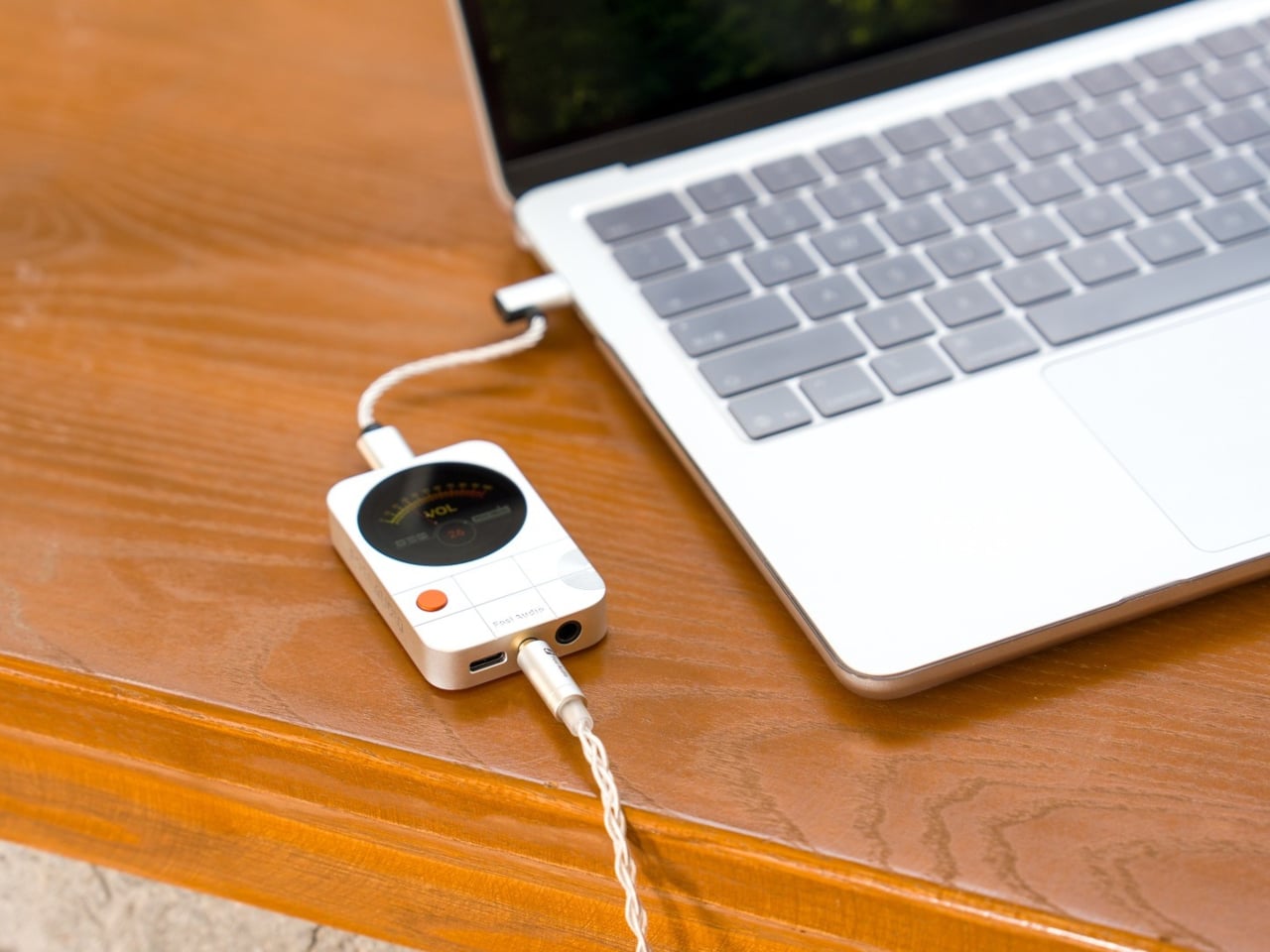
That screen handles volume in 100 steps, shows audio information, and rotates its orientation depending on how you’re holding the device. There’s also a Vista Button that opens a personal photo album, a small but unexpectedly human touch for a piece of audio hardware. A dedicated Ease Button and physical navigation controls keep everything accessible without ever needing to tap your phone’s screen.

For the audio itself, Fosi didn’t compromise on components. The MD3 uses the ESS Sabre ES9039Q2M DAC chip paired with four ES9603Q amplifier chips in a true balanced circuit, supporting PCM up to 32-bit/384kHz and native DSD256. Total harmonic distortion and noise sit at just 0.00075%, and the noise floor drops to 1.7 μV. For most IEMs and portable headphones, those figures translate to noticeably cleaner, more resolving sound.

The MD3 offers both a 3.5mm single-ended output and a 4.4mm balanced output, delivering up to 180 mW through the latter, enough for headphones ranging from 16 to 300 ohms. An aluminum alloy shielding plate sits between the magnets and the audio circuitry to prevent interference from coloring the signal, a careful engineering detail that keeps the magnetic attachment trick from undermining the whole point of the device.

Dual USB-C ports handle both audio and charging simultaneously, so you’re not forced to choose between listening and keeping your phone powered. The top port handles audio decoding and charging, while the bottom manages audio decoding and firmware updates. There’s also a volume memory feature, so the MD3 picks up at the same level every time you connect it, without having to reset anything.

The wired audio revival has been building for a while, drawing listeners who want something more intentional than Bluetooth. A magnetic DAC that attaches to the back of your phone without cables or cases seems like a sensible next step in making that experience practical. Fosi has been laying the groundwork quietly, and at $149.99, the MD3 might just be the portable amp that finally stays out of the drawer.

The post Fosi’s $150 Headphone Amp Snaps to Your iPhone Instead of Dangling first appeared on Yanko Design.

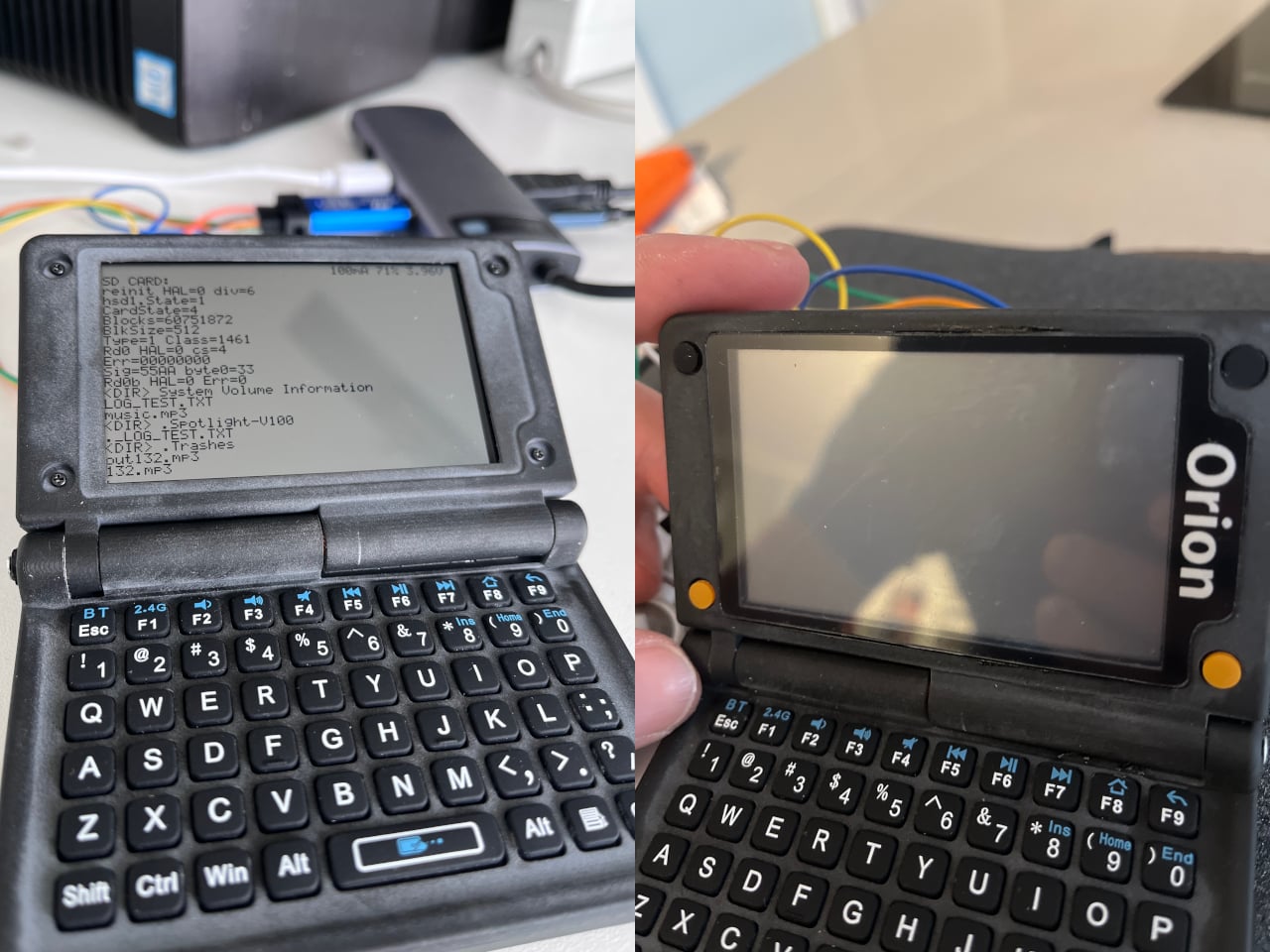
The Orion PDA Runs on Sunlight and Ignores the Internet by Design

The smartphone has become so dominant in daily life that it’s hard to remember what it felt like to carry a device that did only a handful of things. Every swipe, tap, and notification competes for your attention, turning what was once a communication tool into a cycle of endless distraction. The maker community, however, has quietly been building an alternative.

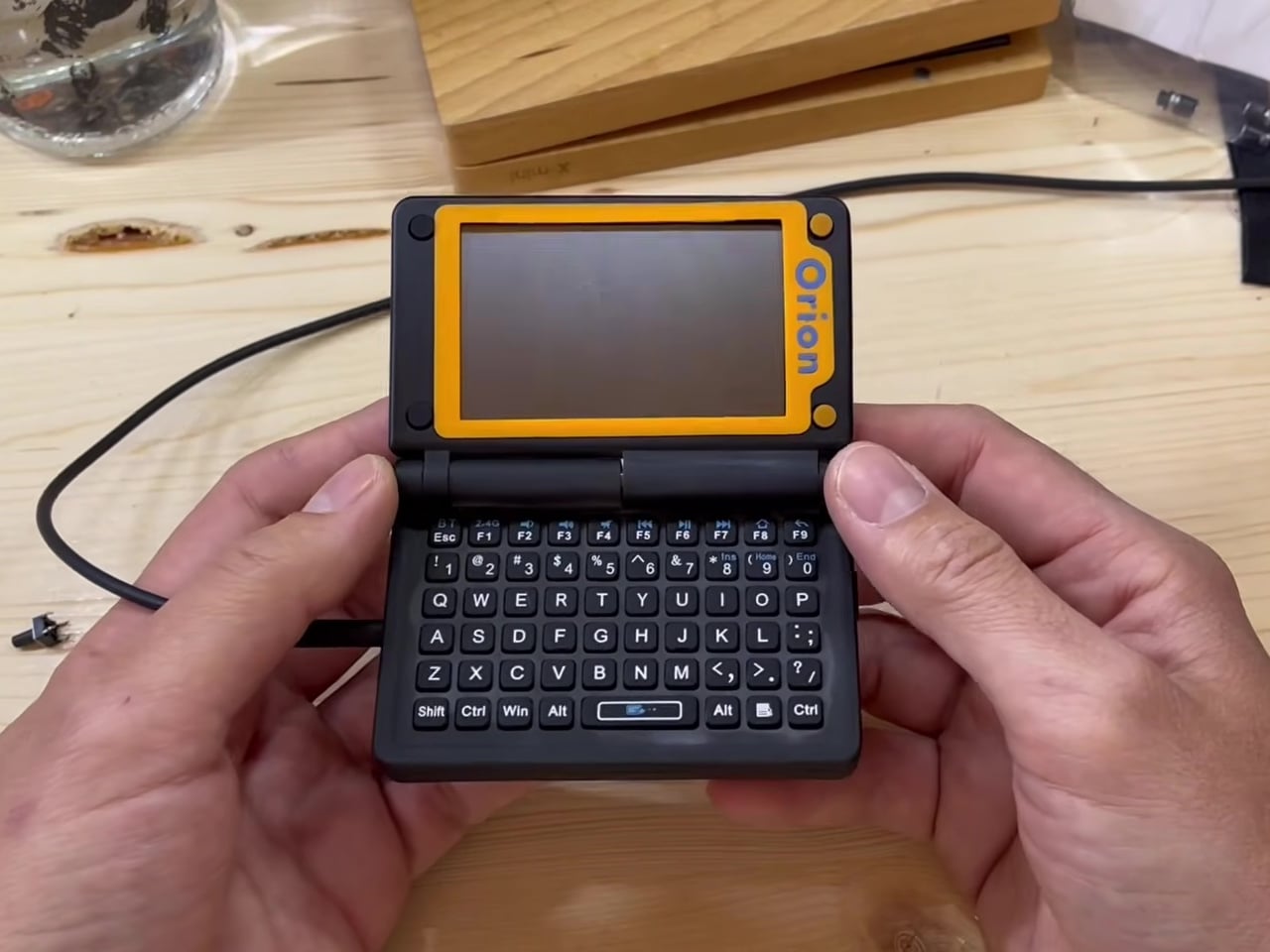
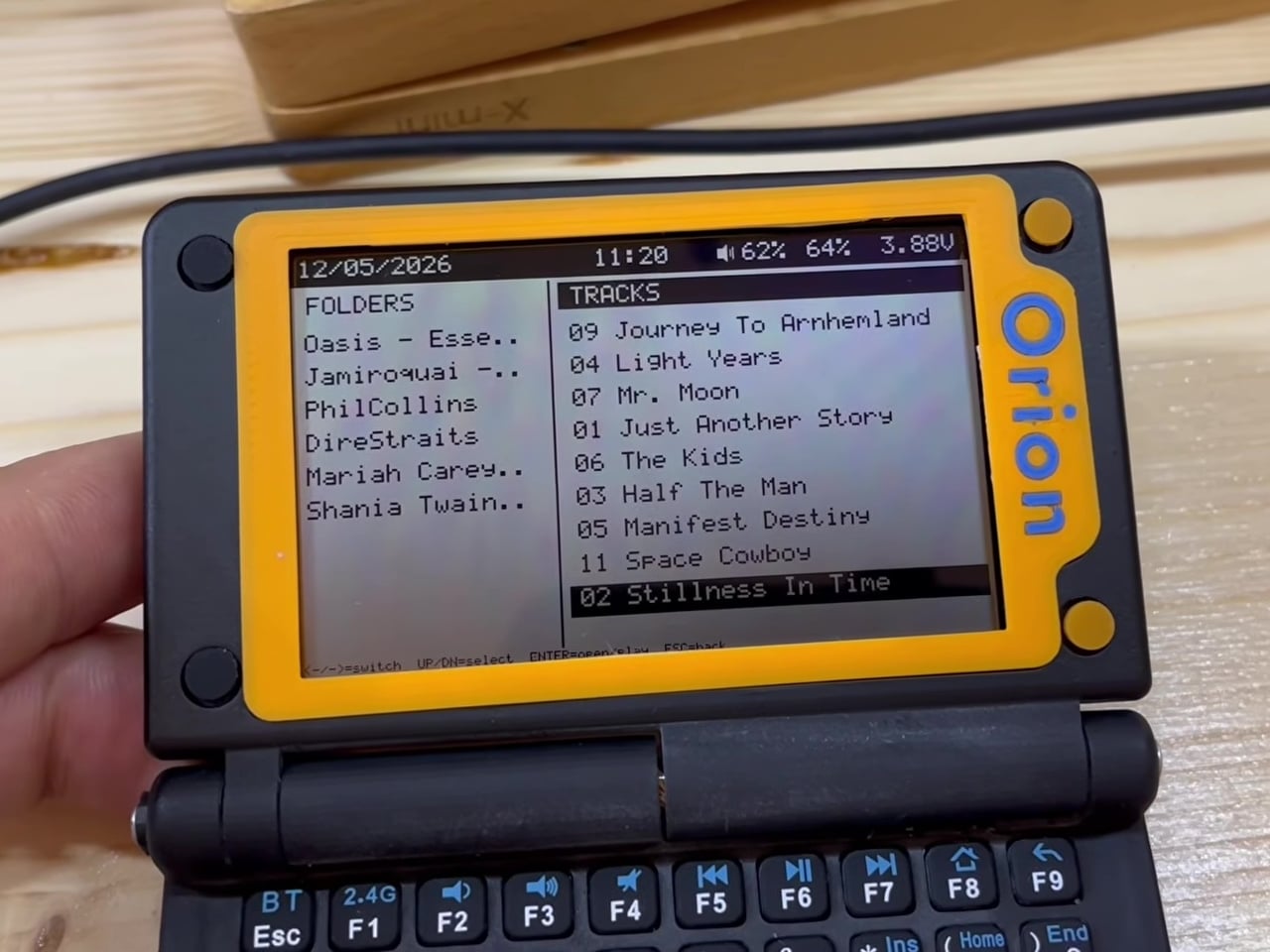
The Orion PDA is one of the more convincing results of that effort. Built by a YouTuber who goes by MVLab, it’s a compact clamshell computer designed specifically for people who’d rather write, listen, or record than scroll. There’s no internet connection out of the box, no cloud, no algorithms, and no push notifications. What it offers is a deliberately focused pocket machine that strips away the noise.

Designer: MVLab

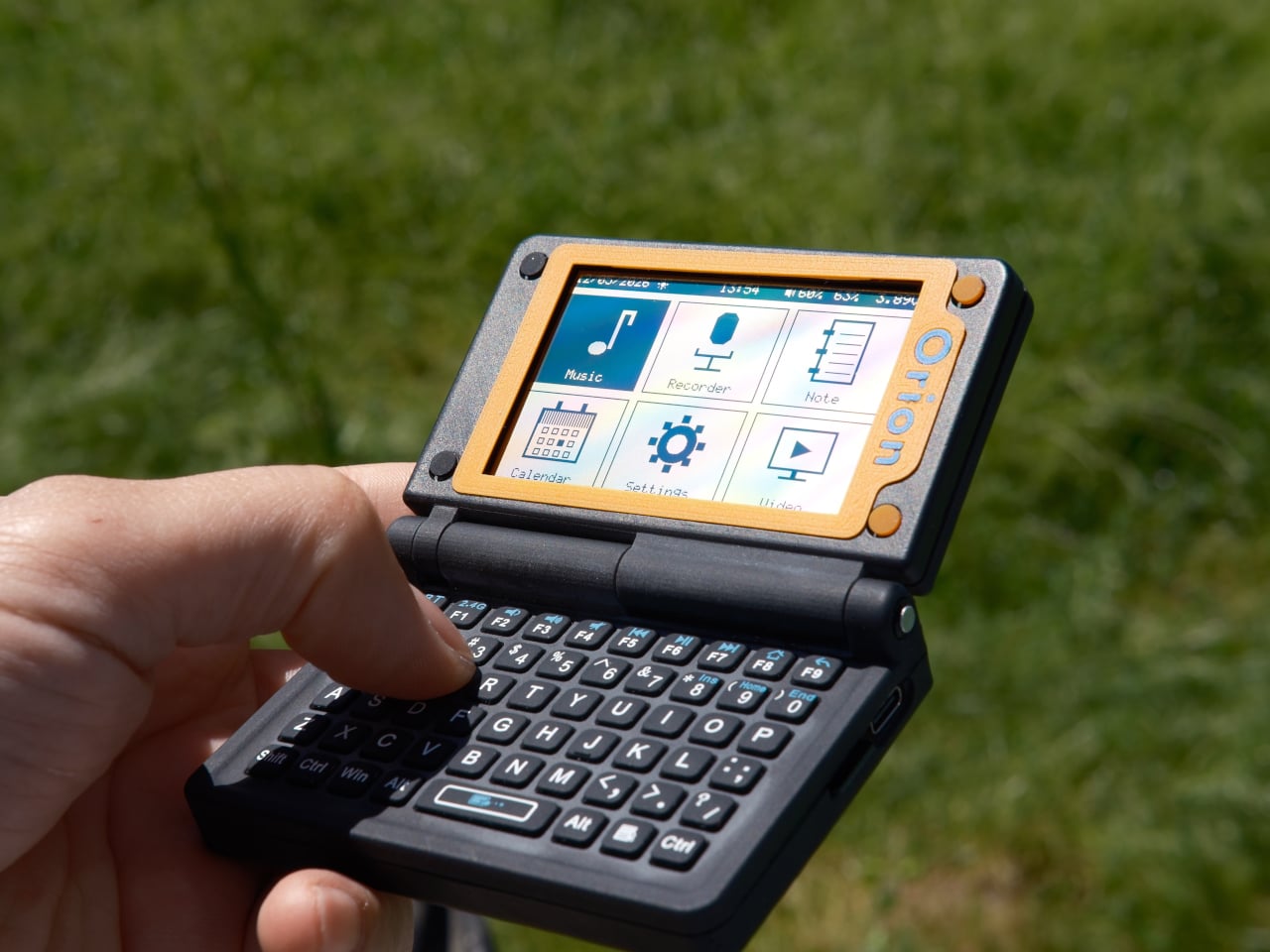
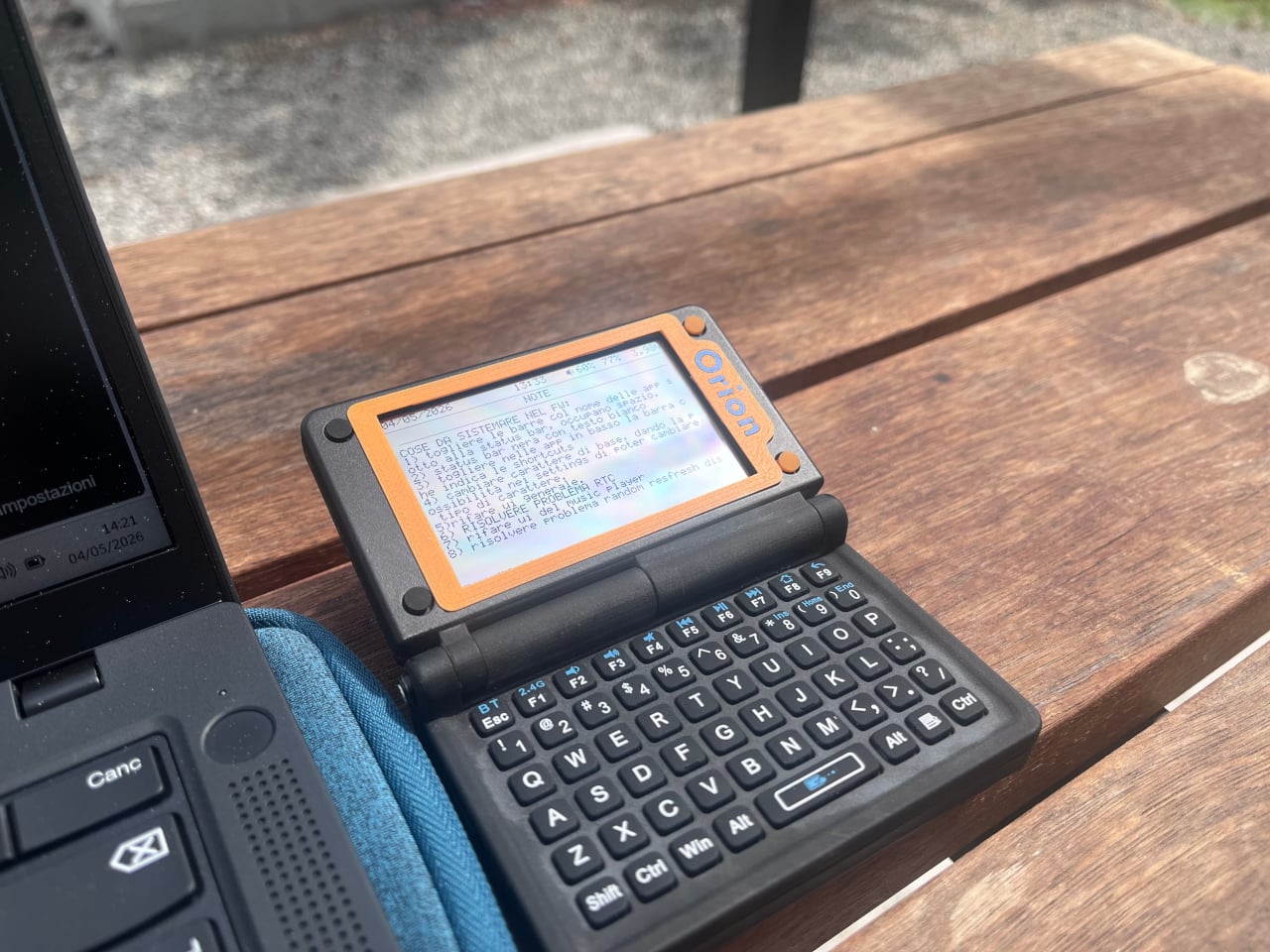
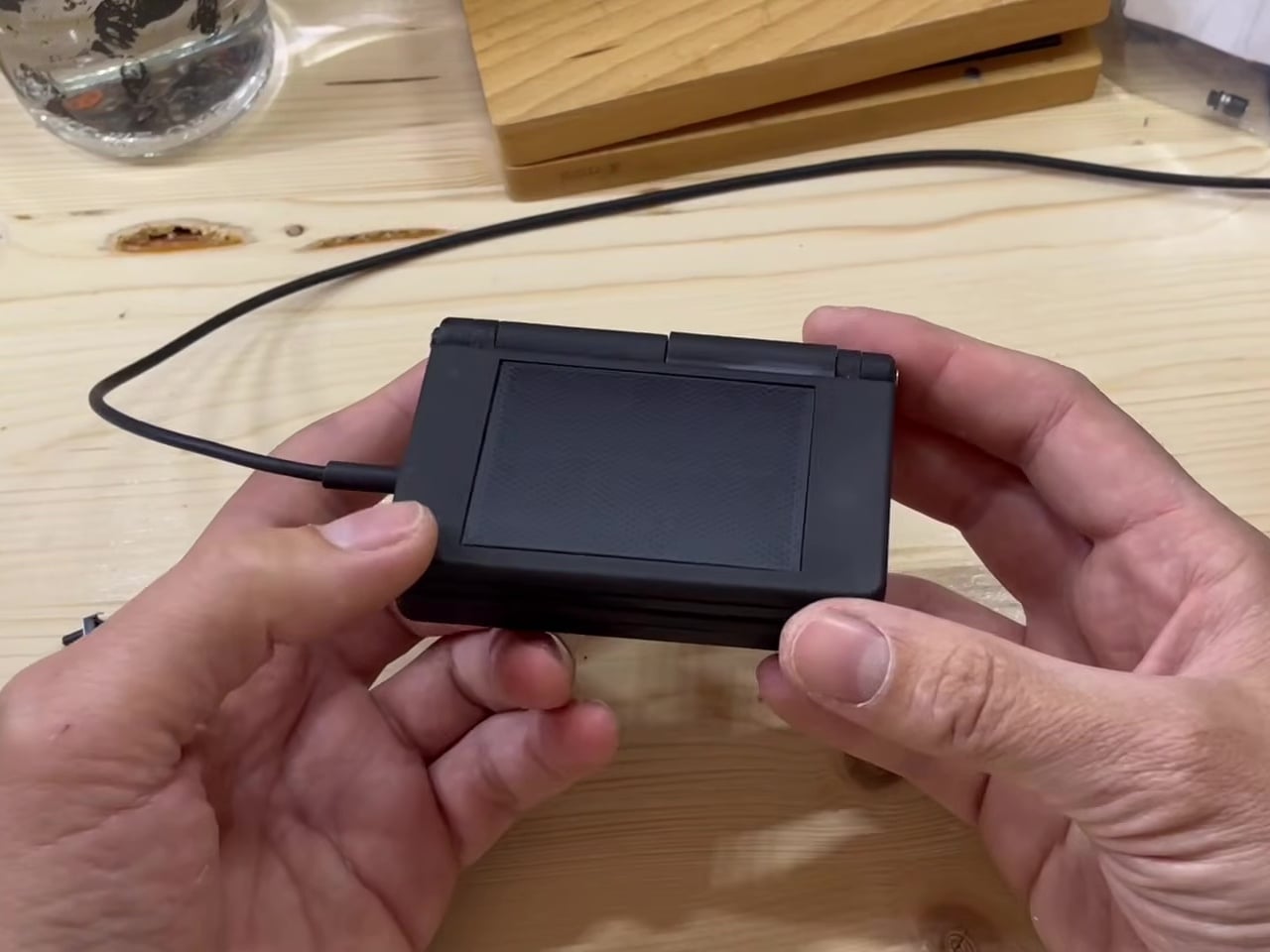
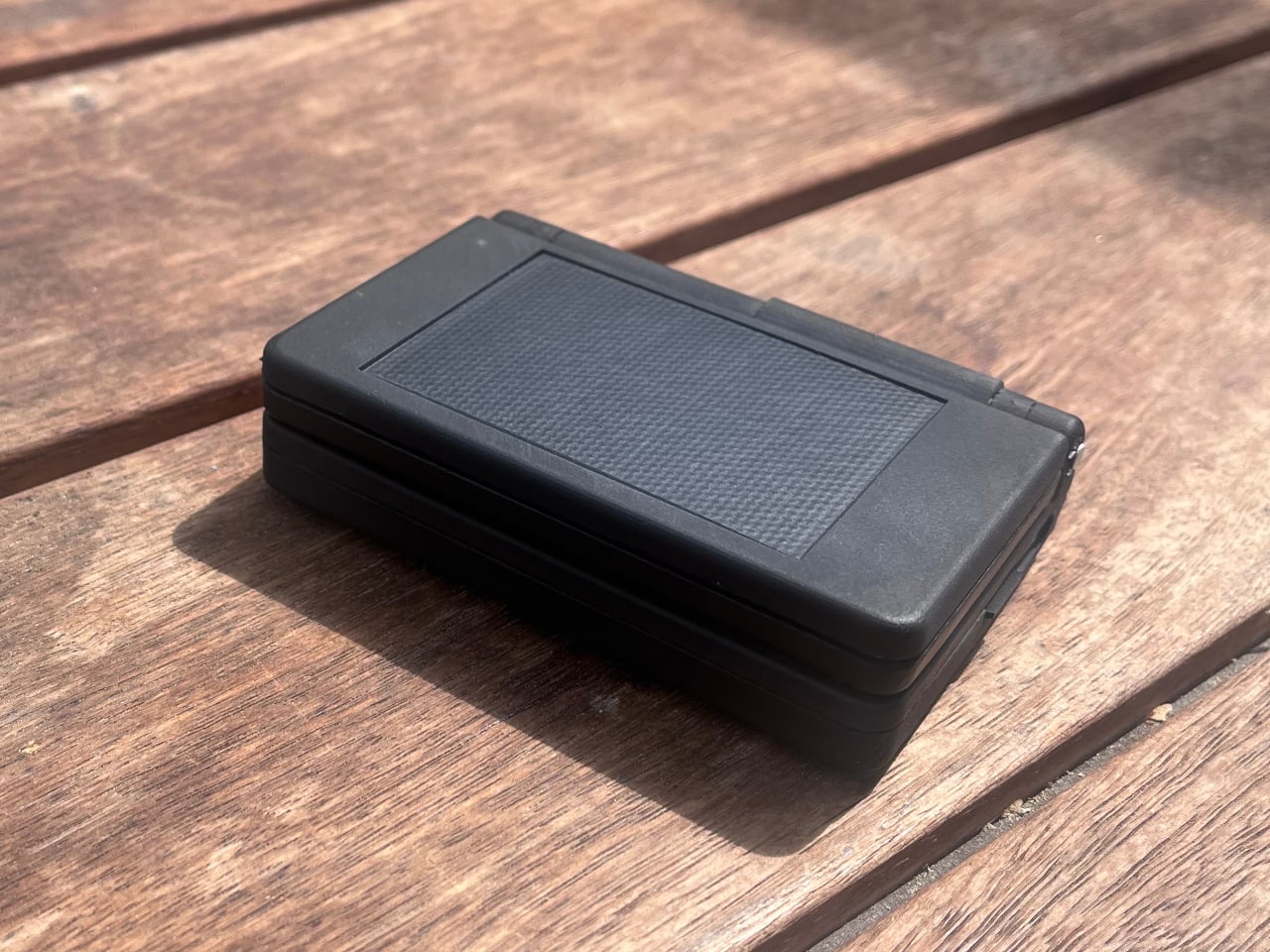
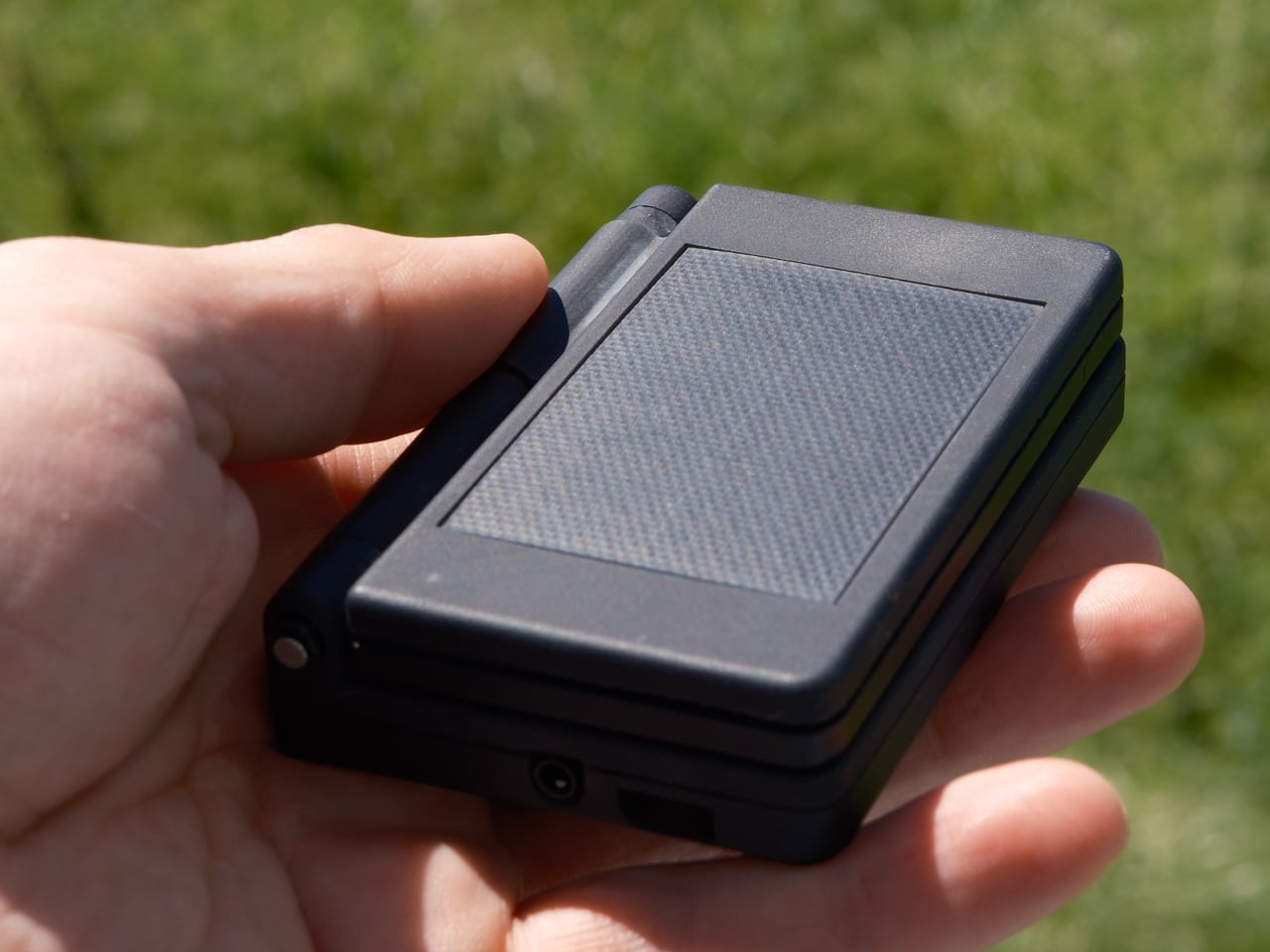
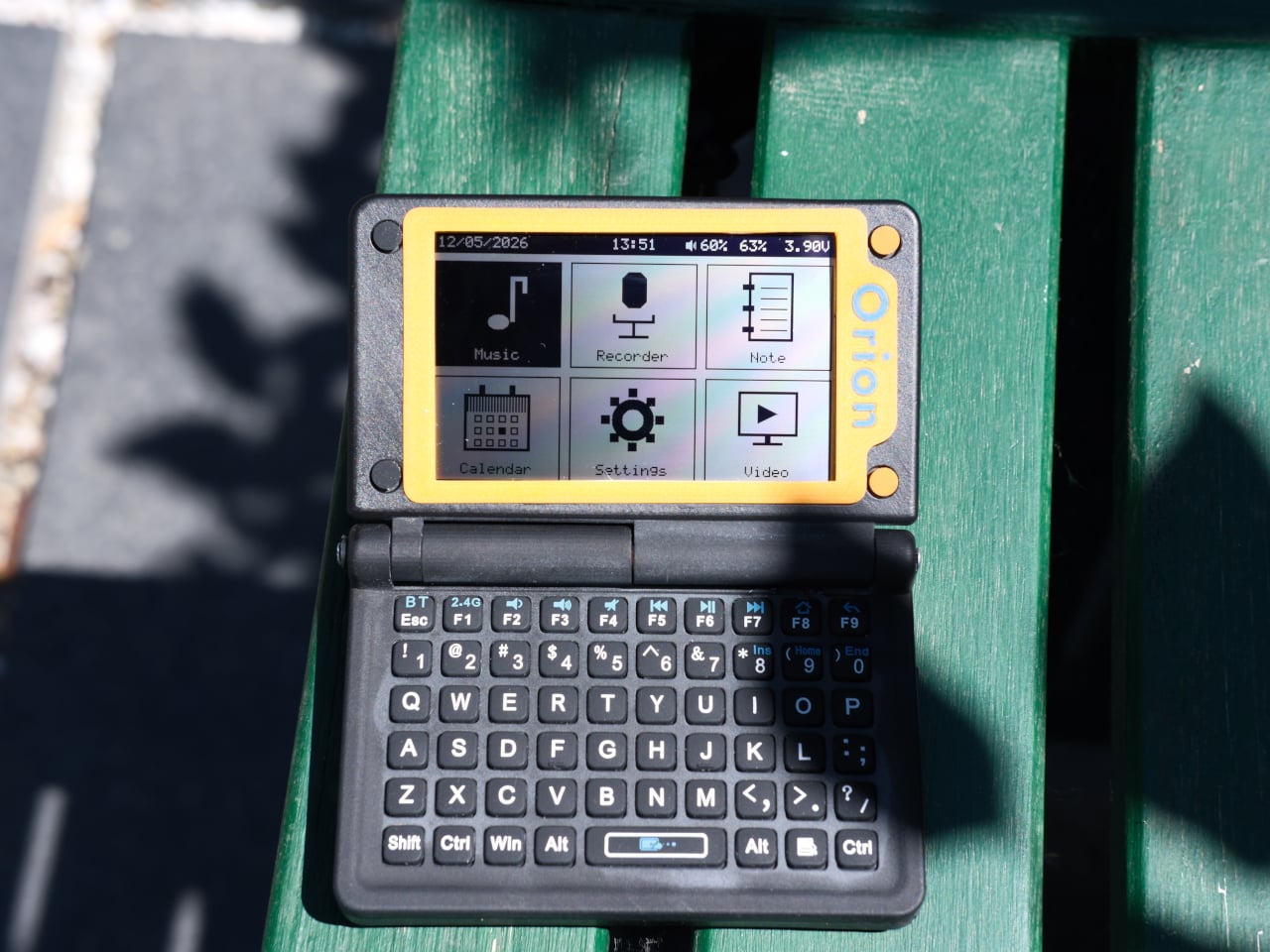
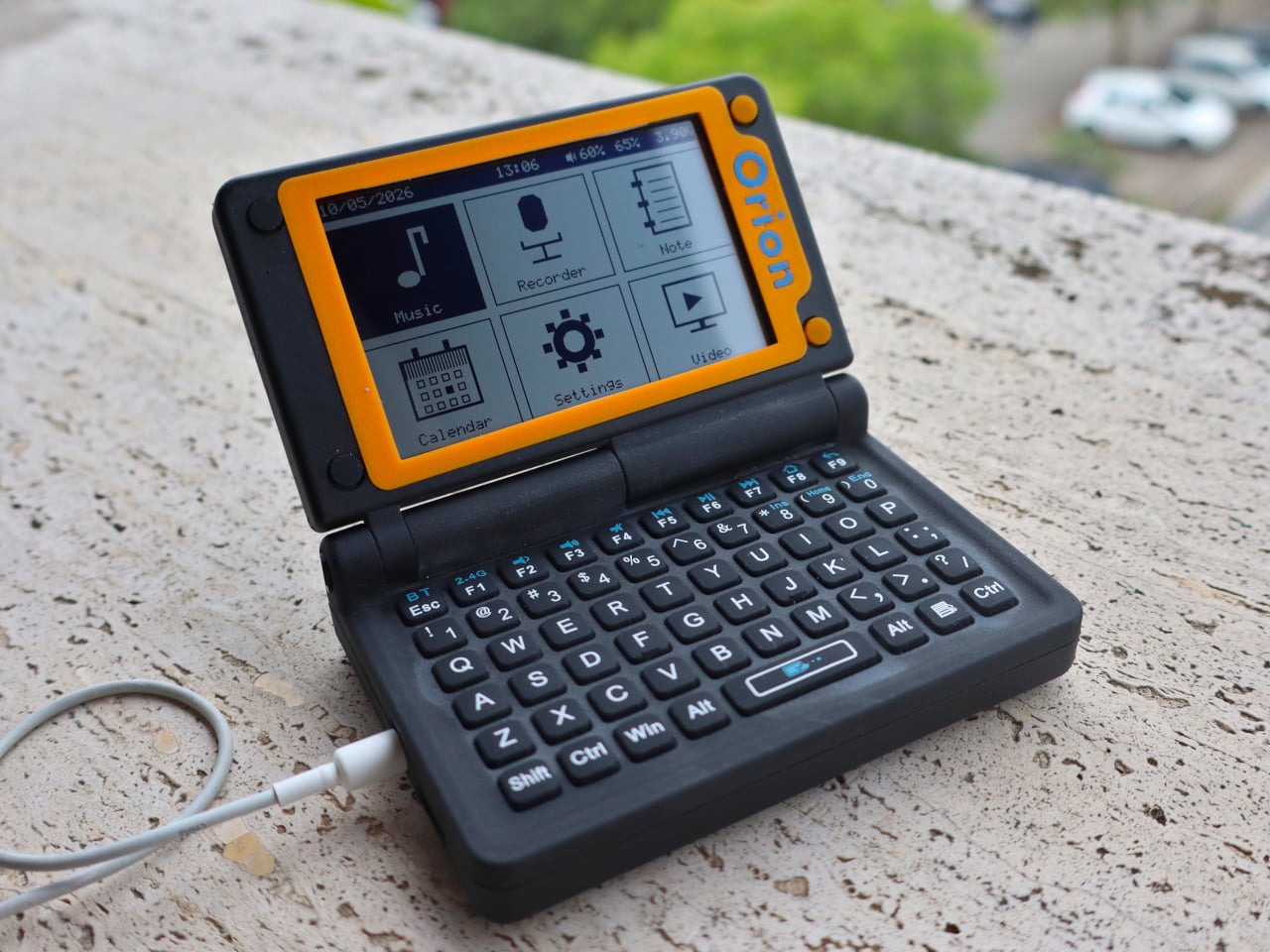
The design takes its cues from the Sharp Zaurus line of pocket computers popular in the early 2000s, and the resemblance is unmistakable. It folds open to reveal a small screen on top, and a full QWERTY keyboard with rubber dome switches below. Function keys run across the top row, letting you access common actions without digging through any menus. It’s compact enough to fit in a jacket pocket.

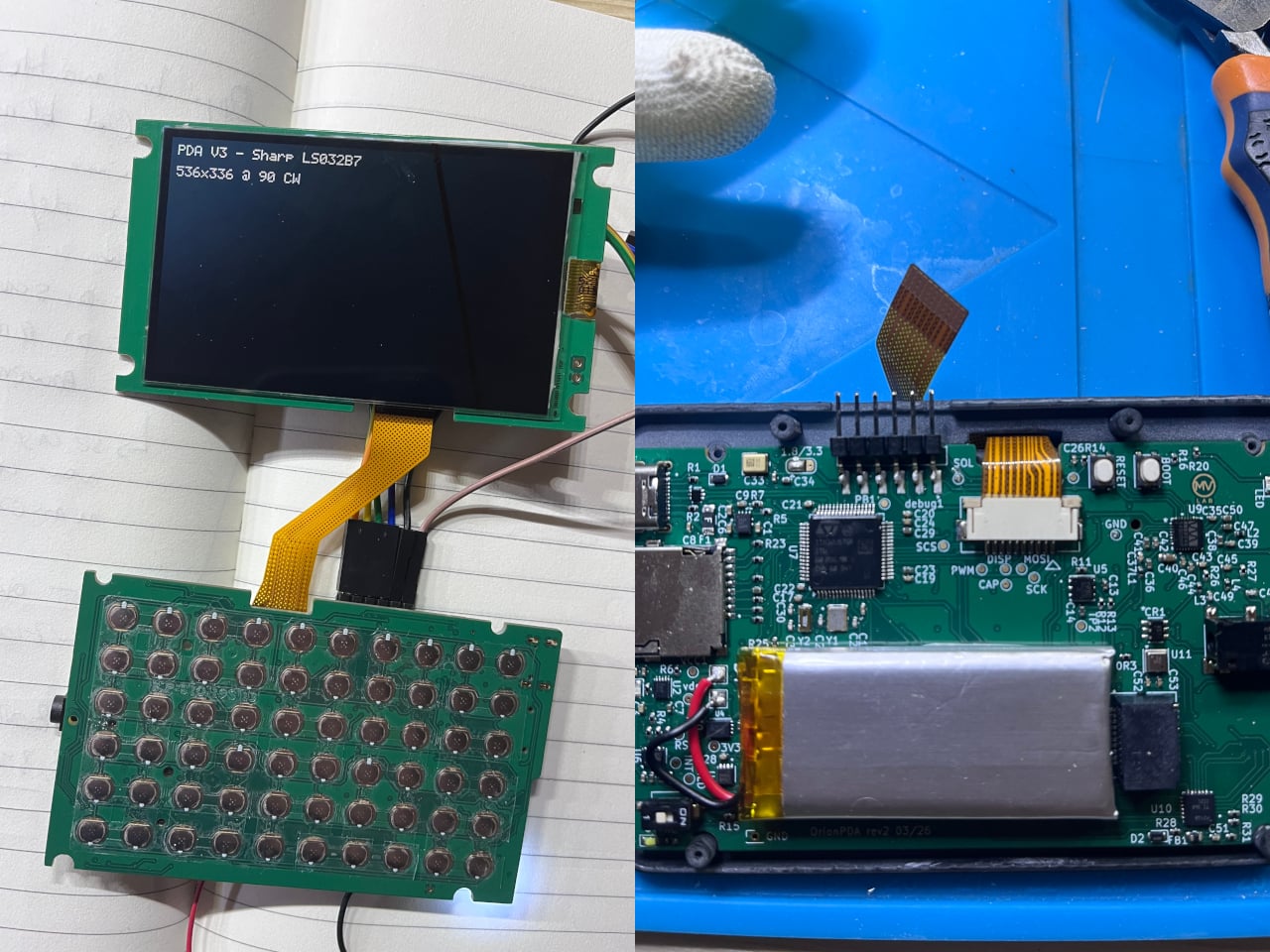
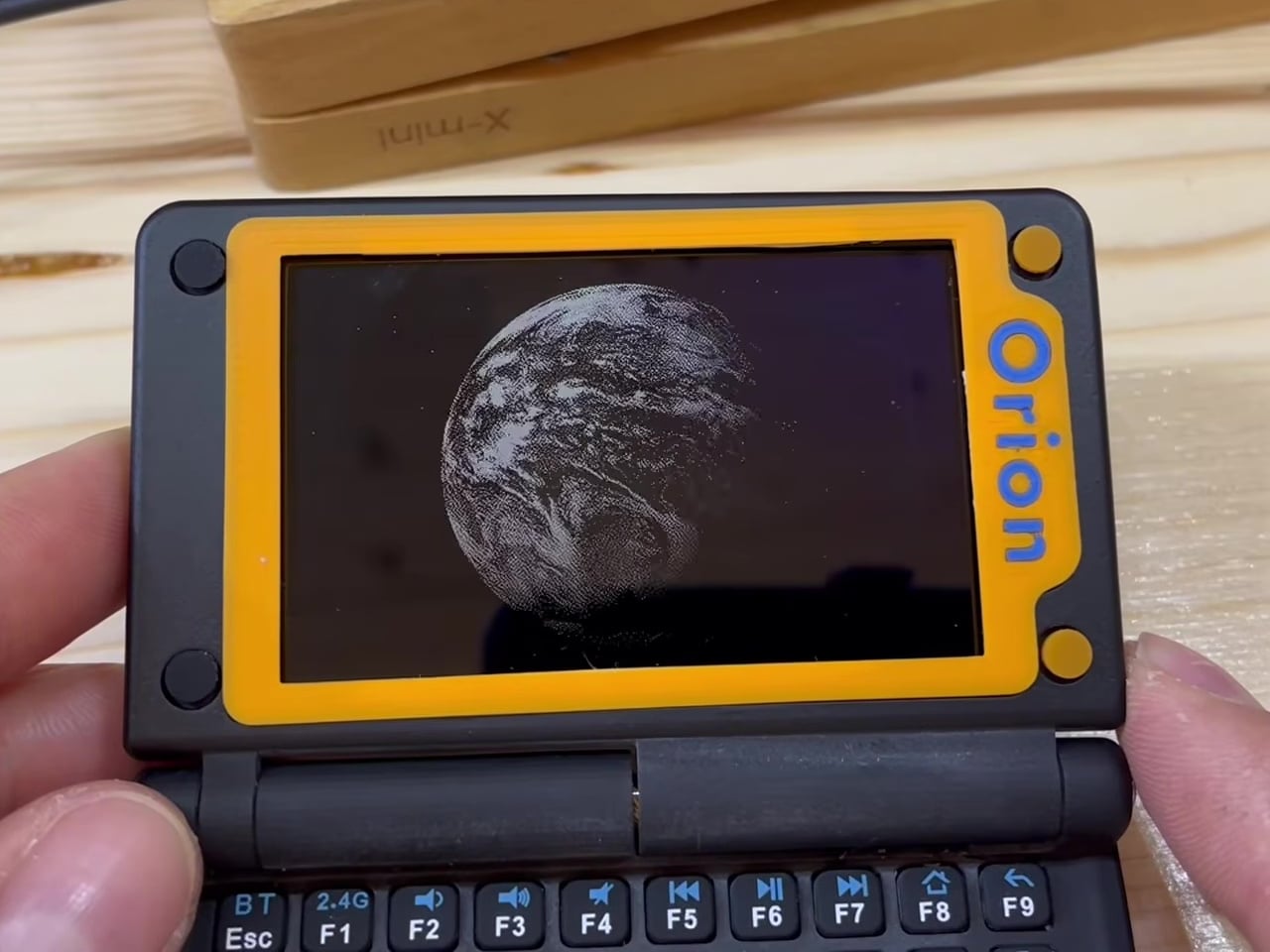
That screen is a 3.16-inch Sharp Memory LCD with a resolution of 536×336 pixels, rendered in 1-bit black and white. It might sound like a regression, but the display operates on the same basic principle as E Ink, drawing almost no power between refreshes and staying perfectly legible in direct sunlight. Take it out on a park bench or a café terrace, and it won’t let you down.

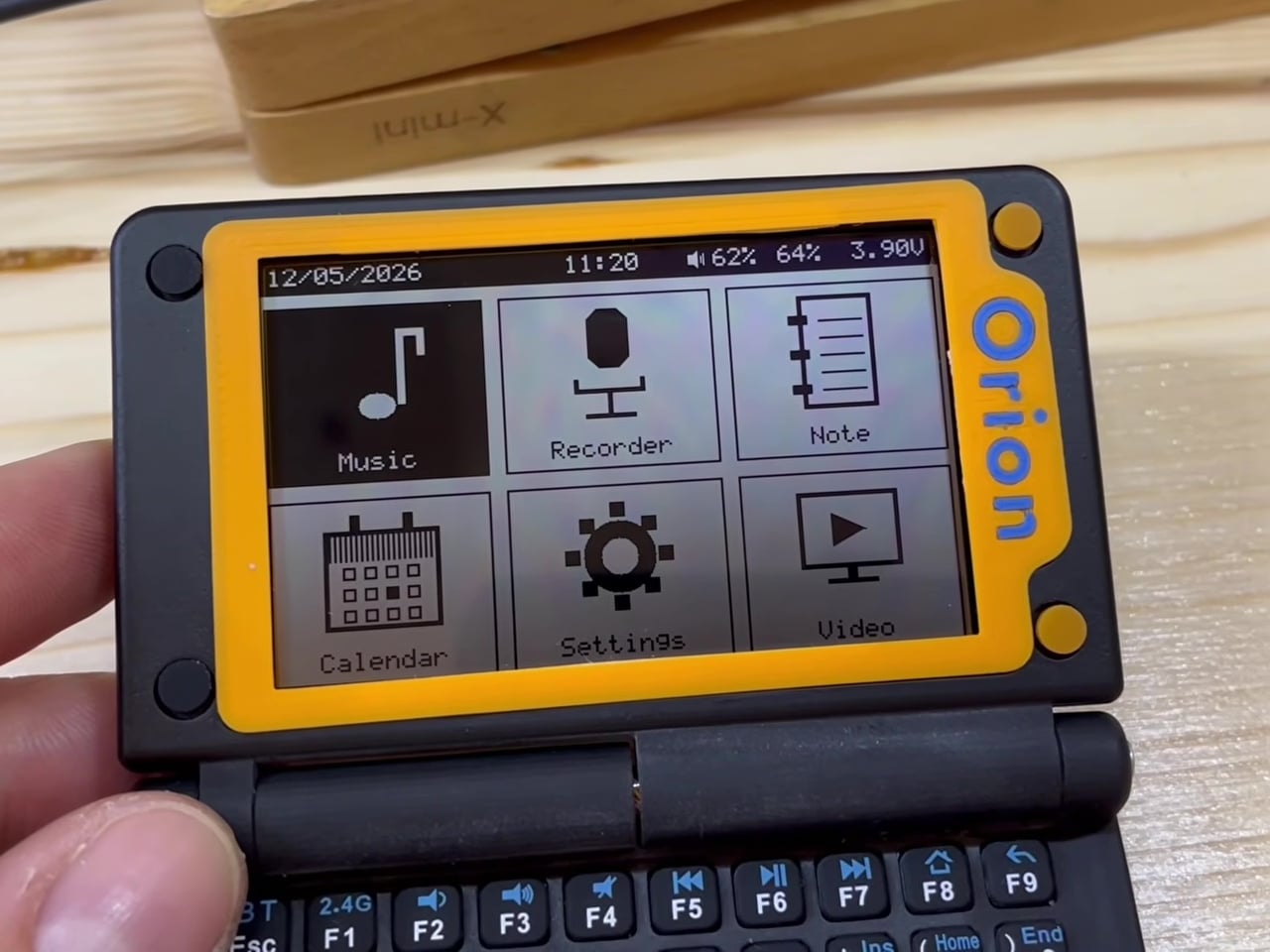
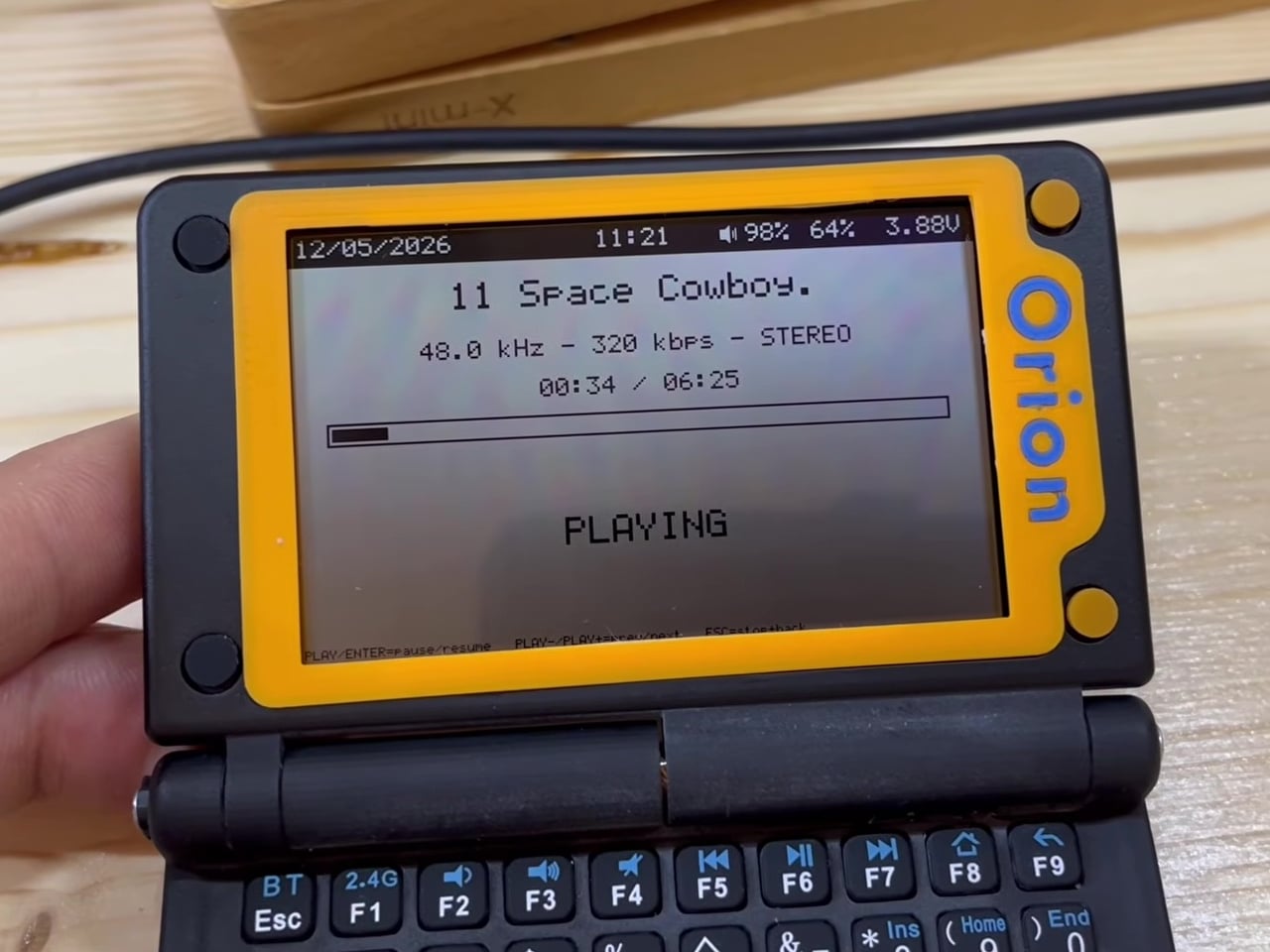
The custom operating system is built around doing a few things exceptionally well. You can pull up albums stored on an SD card, play them through an external speaker or headphones, and even record voice notes that go straight to removable storage. A lightweight calendar app handles basic scheduling. There’s also a text-scaling setting and a USB mass-storage mode for moving files to and from a desktop computer.

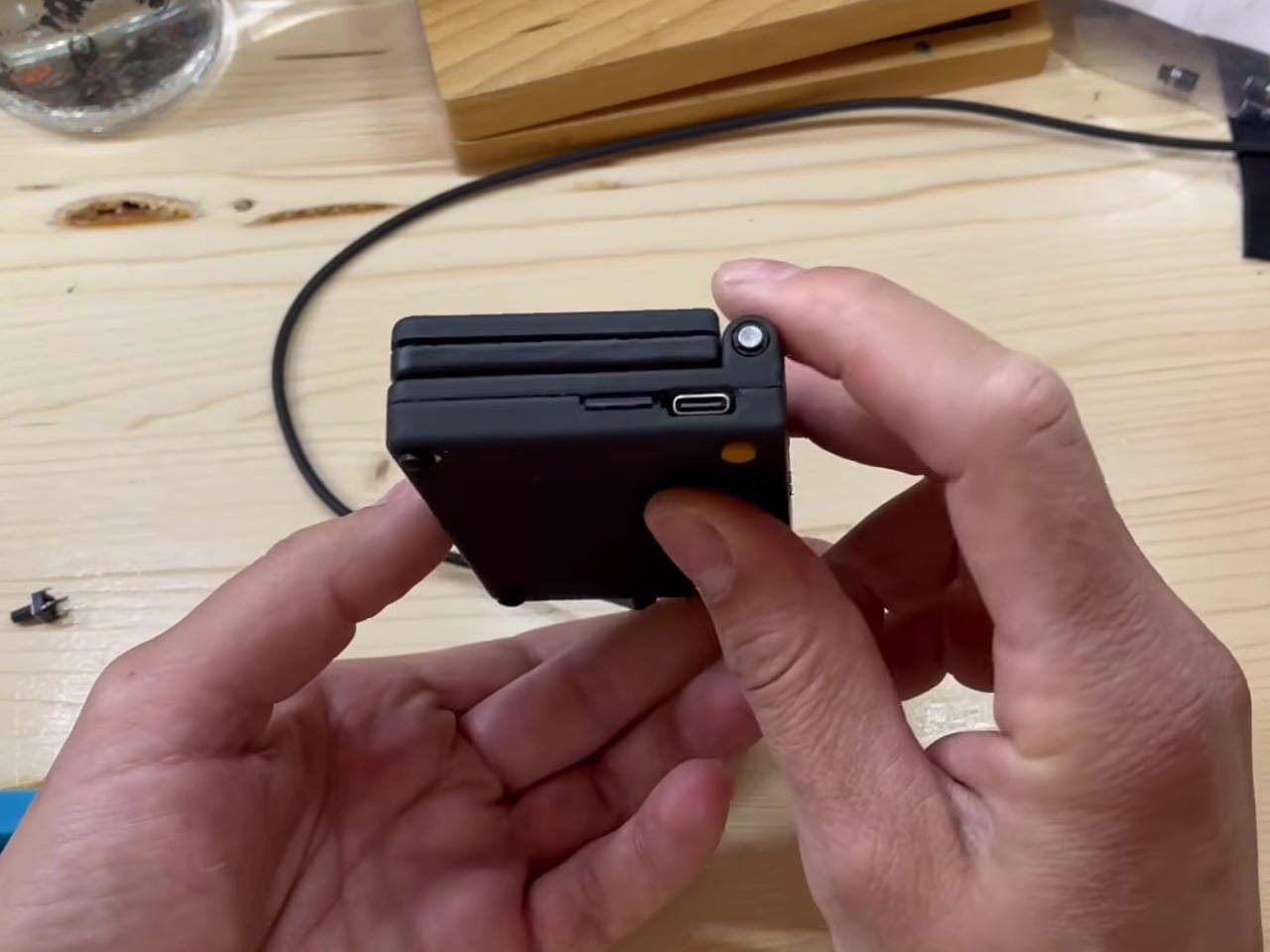
Powering everything is an STM32U575 microcontroller clocked at up to 160 MHz, an ultra-low-power chip that keeps the device running for long stretches between charges. The lid houses an integrated solar panel, which can supplement the battery enough to keep things topped up with occasional exposure to sunlight. A USB-C port also handles charging, firmware updates, and data transfers. An expansion port leaves room for future community-developed modules.

The Orion PDA also packs in a dedicated digital-to-analog converter for audio playback, putting it above the lo-fi output you’d expect from a device this small. A MEMS microphone handles voice recording with reasonable fidelity. It isn’t trying to replace your dedicated music player or studio recorder, but for capturing quick ideas or dictating notes on a long hike, it does what it needs to. For anyone tired of carrying a device that’s simultaneously a computer, a TV, a game console, and a social distraction, this one might be worth the wait.

The post The Orion PDA Runs on Sunlight and Ignores the Internet by Design first appeared on Yanko Design.
This $89 Retro Radio Made My Smart Speaker Feel Weirdly Useless

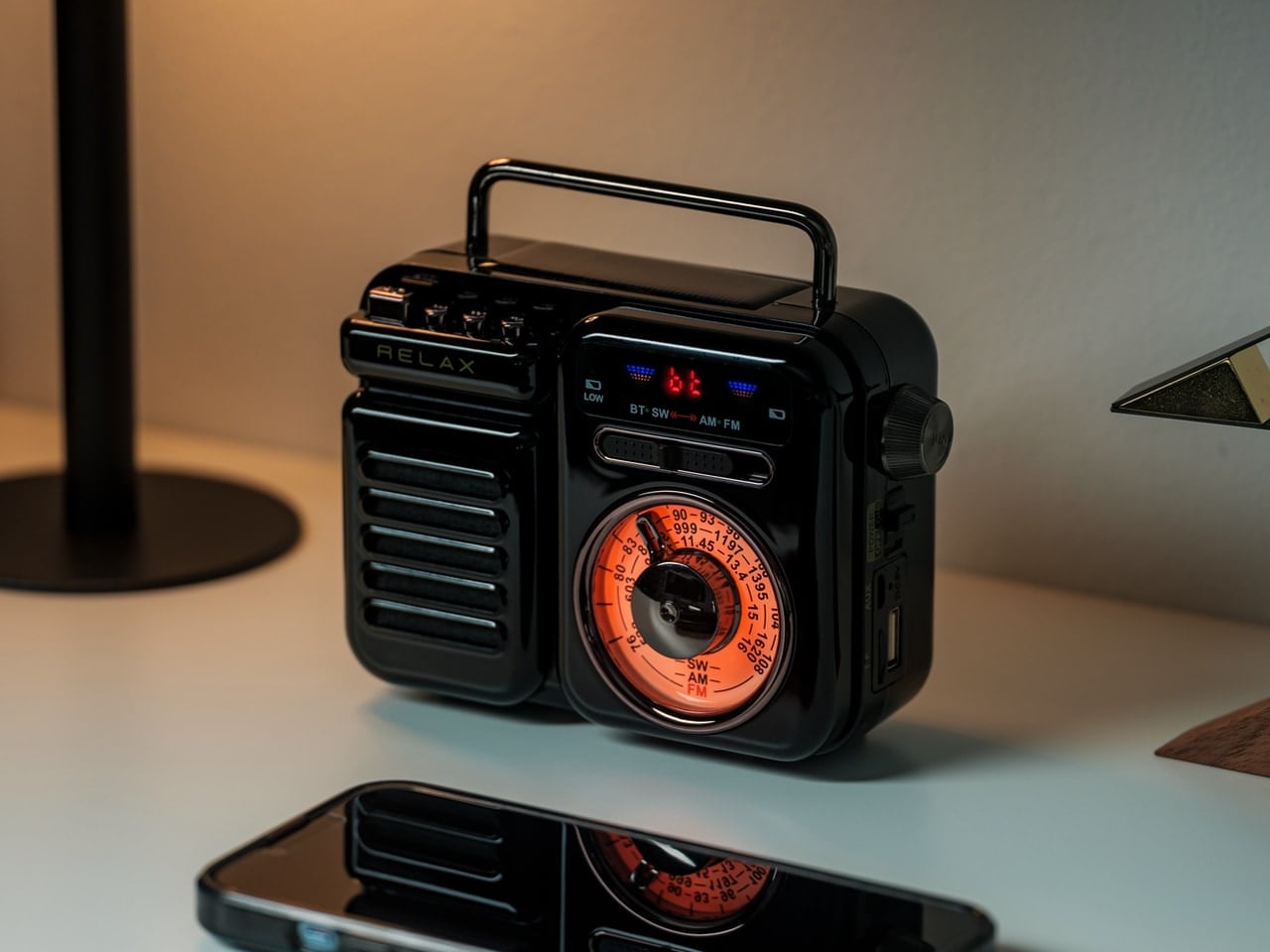
There was a time when the radio on the kitchen shelf meant something. Not just background noise – a presence. Something with weight and warmth, a dial that clicked with intention, a speaker that made the morning feel like it had a score. Then it disappeared. We outsourced listening to our phones, our earbuds, our smart speakers that go silent the moment the Wi-Fi drops or the power cuts. Our devices got smarter, but also more fragile. More connected, but less self-sufficient.

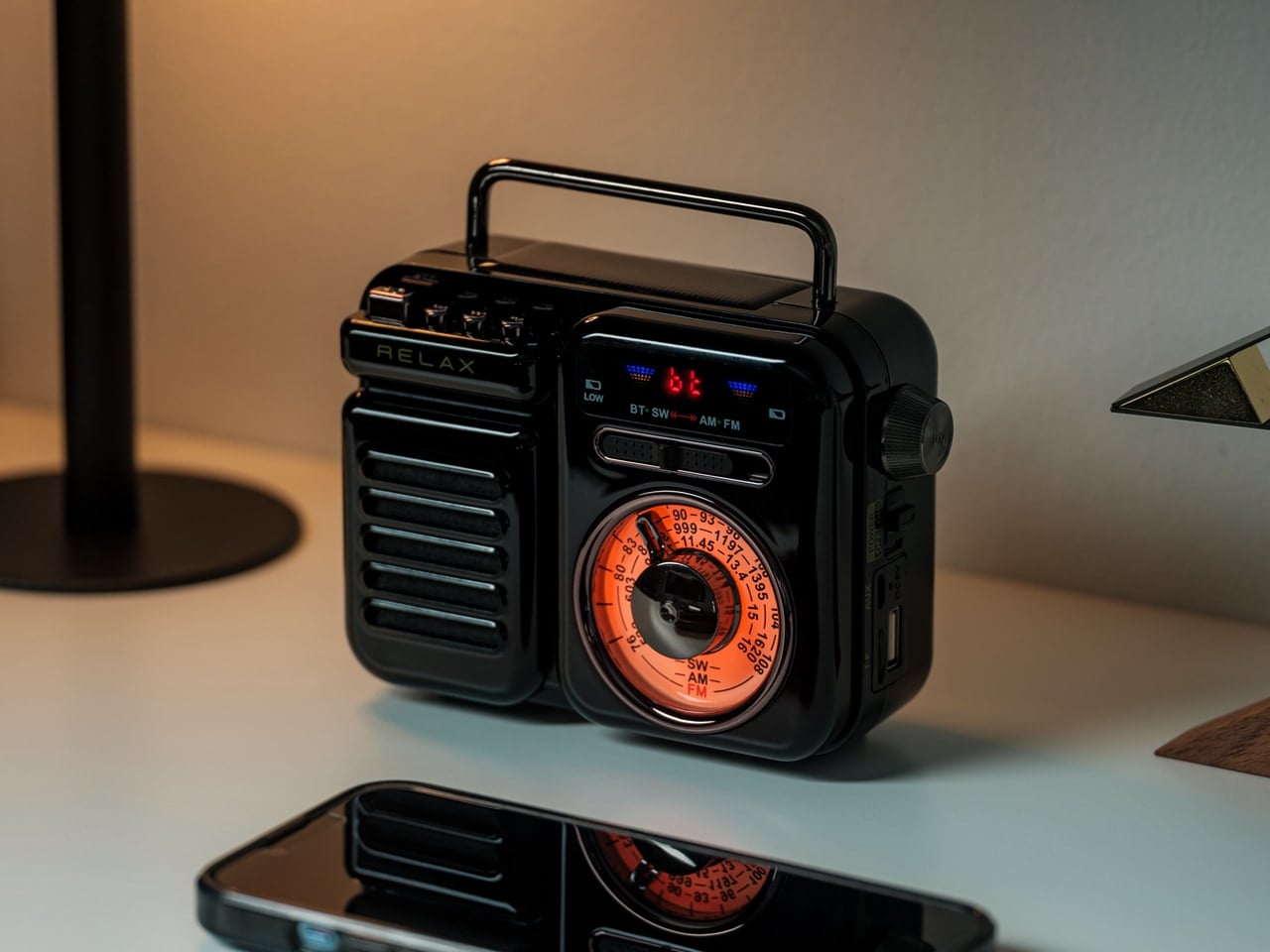
The result is a strange kind of ambient helplessness. Beautiful, optimized, perpetually connected – until nothing works. That’s what makes the RetroWave 7-in-1 Radio so quietly compelling. It doesn’t just revive the visual language of a classic Japanese radio. It restores something modern gadgets gave up without asking: the reassurance of an object that works when conditions aren’t perfect and takes away the decision fatigue of ‘choosing’ every single music you play.

The Radio That Changed How I Think About “Essential”

At first, I thought the RetroWave Radio was mostly a design piece. A handsome retro object with a tactile tuning dial and enough character to earn a shelf. But after a few weeks, I realized it had rearranged things I hadn’t expected.

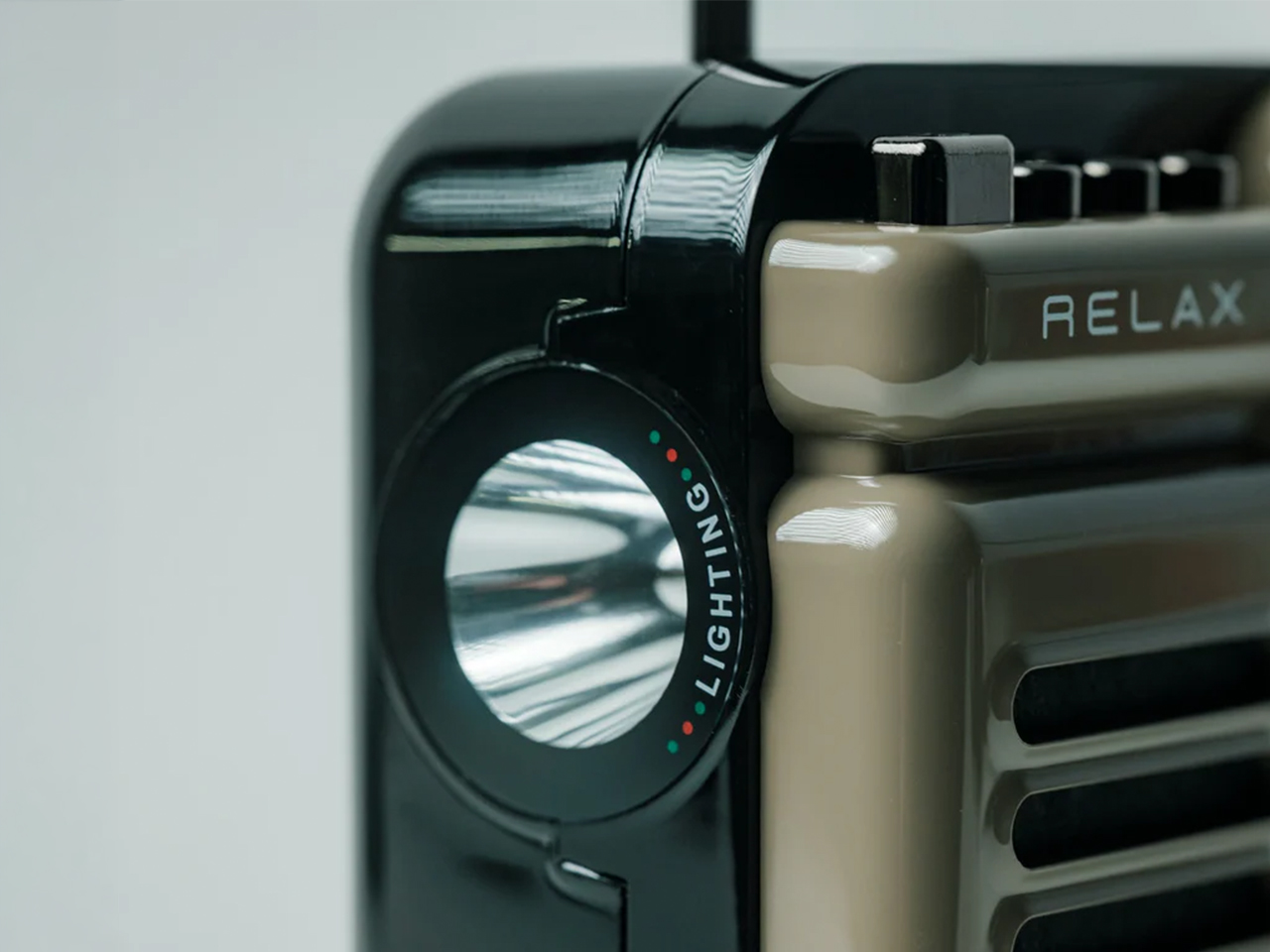
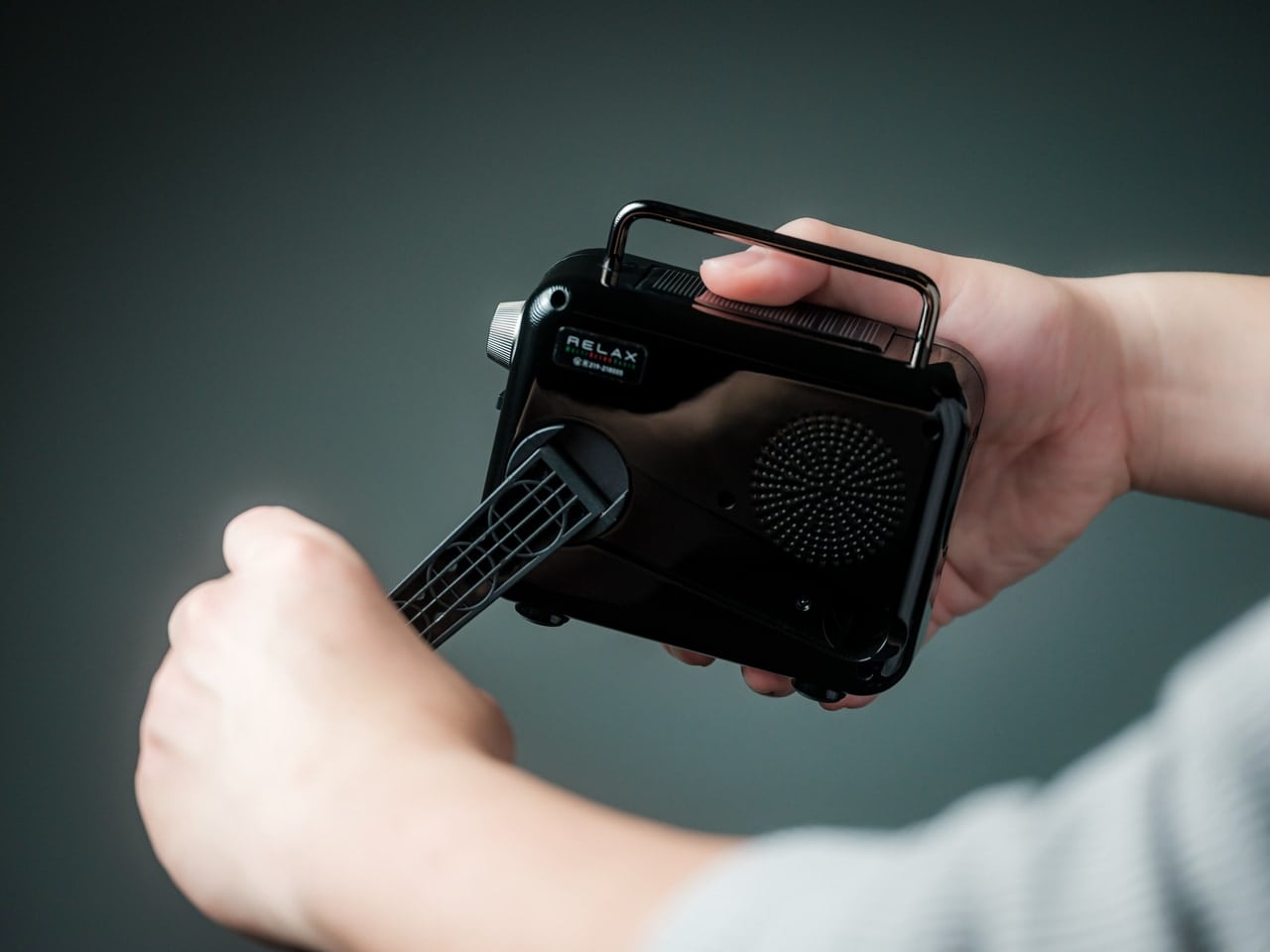
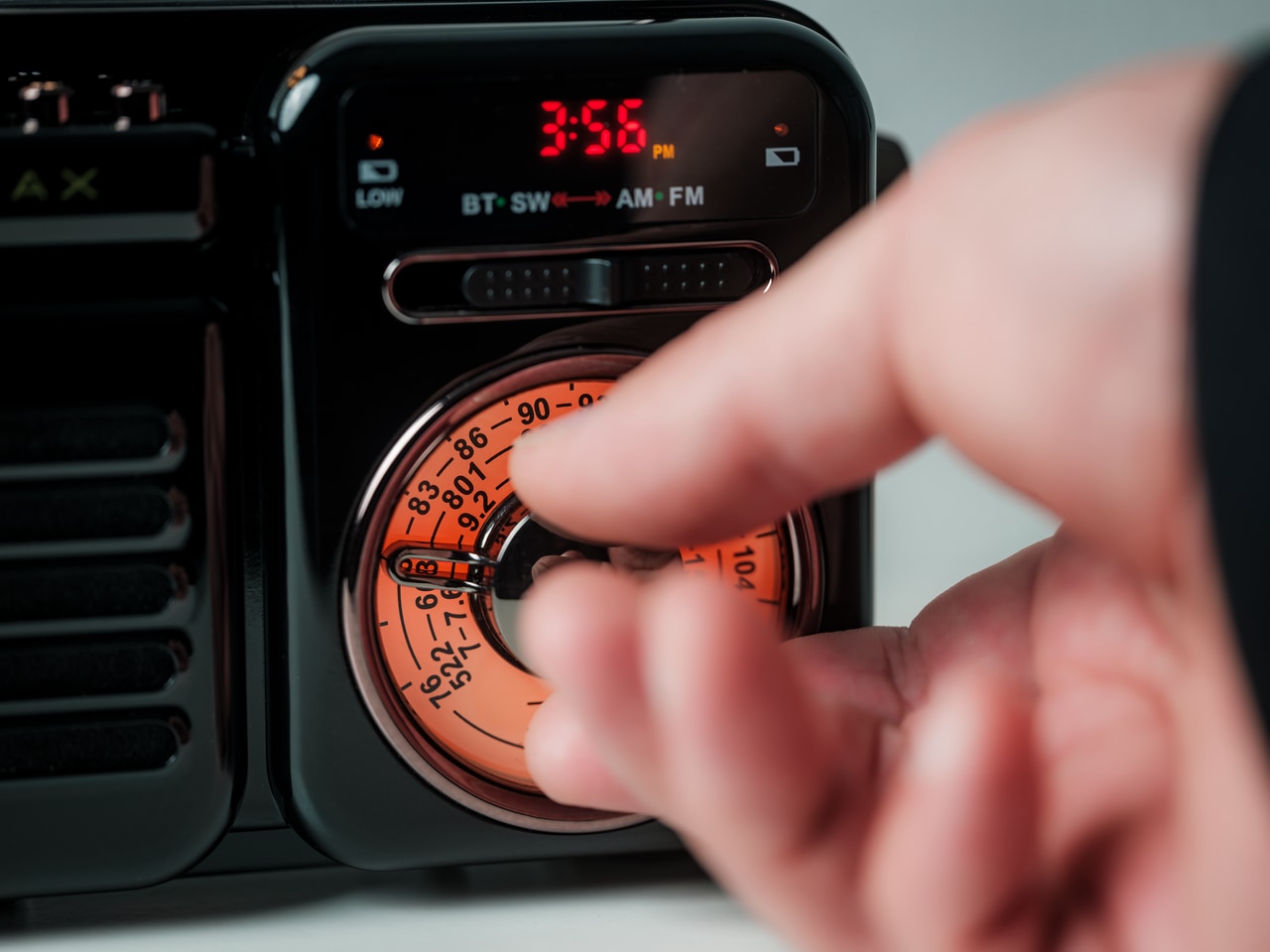
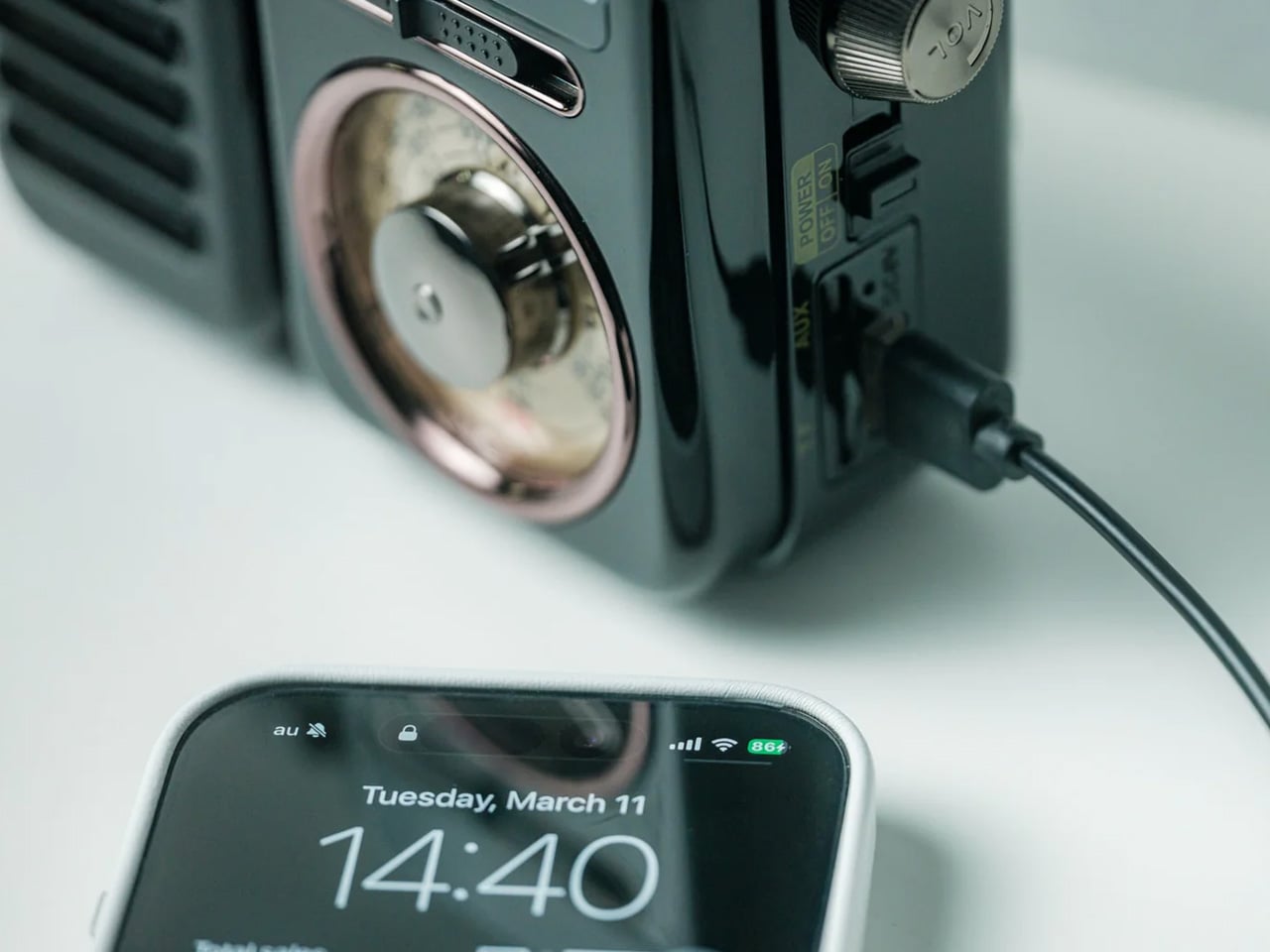
The Bluetooth stream replaced my phone speaker and sounded better. The FM dial came back into rotation, and tuning a signal by hand felt more deliberate than tapping a playlist. Then the power went out during a weekend storm. The radio kept going. The hand crank charged my phone enough to send a message. The LED flashlight handled the kitchen. The SOS alarm stayed ready in the background, doing nothing, which was exactly what I needed it to do.

It hadn’t added a function to my shelf. It had closed a gap I didn’t know I was living with.

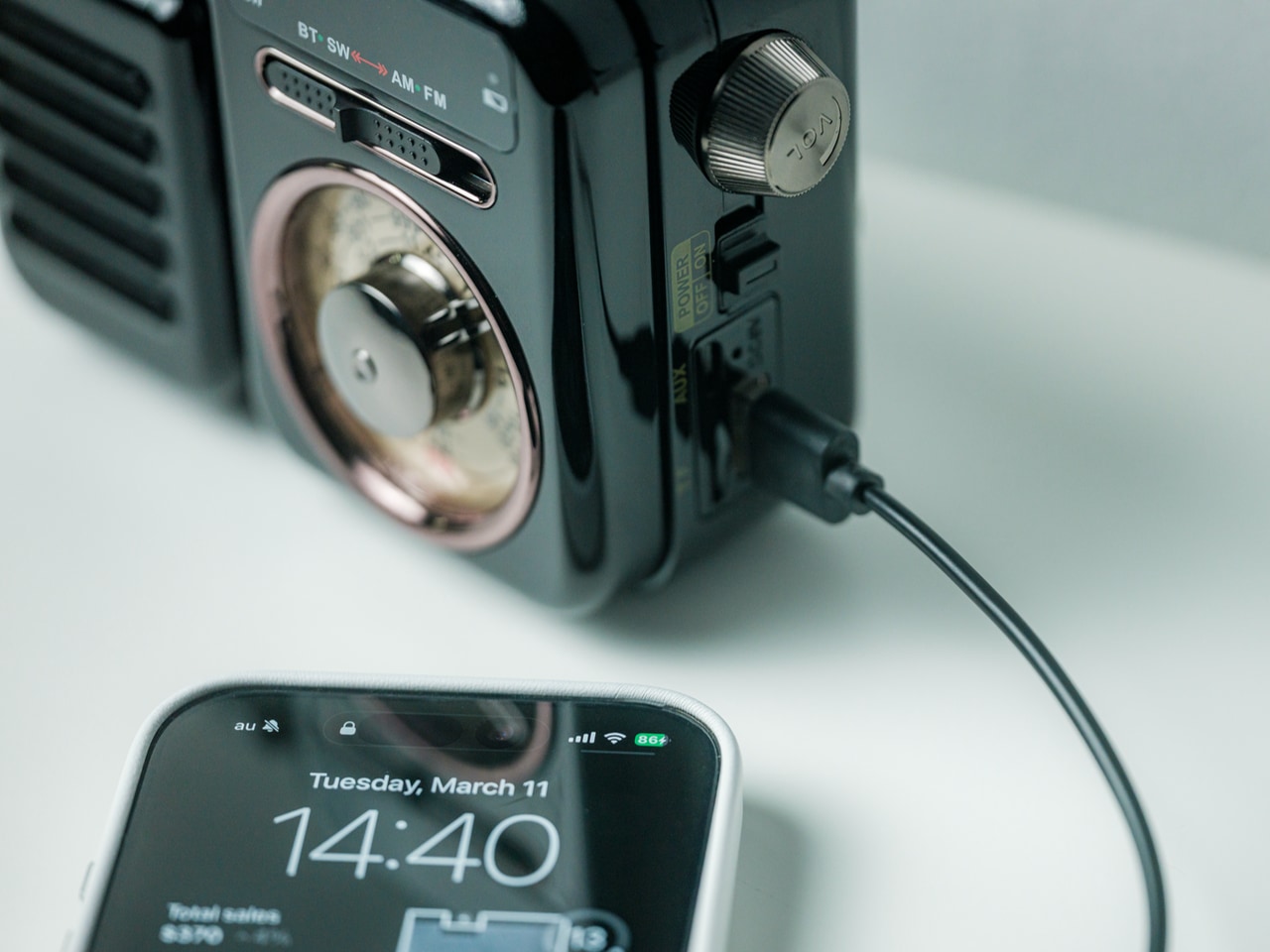
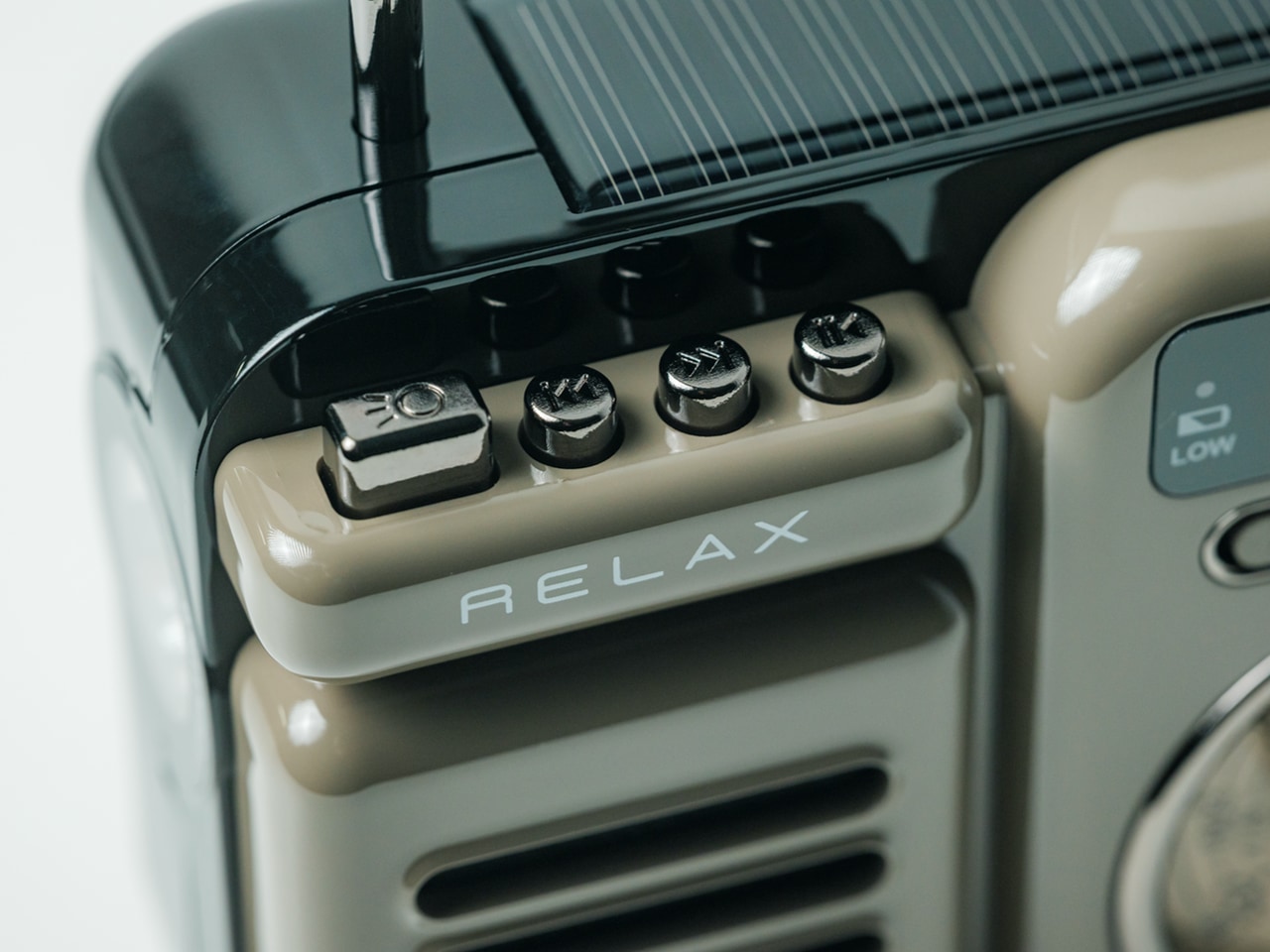
Close-up of a black device with a circular dial labeled 'LIGHTING' and small red/green indicators, beside a beige panel that says 'RELAX'.

Built Beautiful. Built Smart.

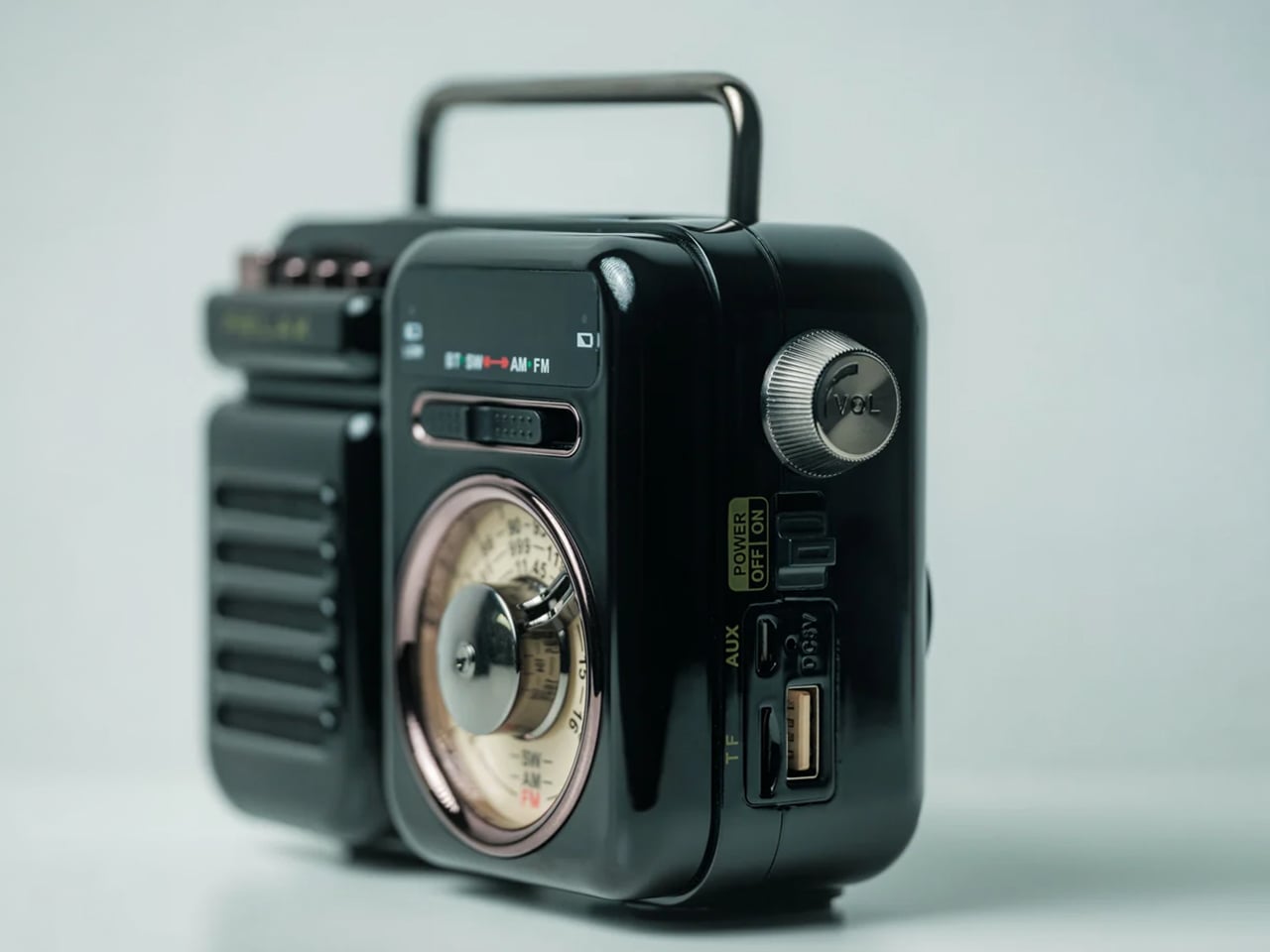
  • 7-in-1 functionality: Works as a speaker, MP3 player, radio, flashlight, clock, power bank, and SOS siren in one compact form.
  • Bluetooth + MP3 playback: Stream from your phone or play directly from USB and microSD when you want to go offline.
  • FM/AM/SW radio: Tune into local broadcasts, international news, or analog stations without needing the internet.
  • Emergency-ready power: Recharge by hand-crank or solar panel when outlets are unavailable.
  • Built-in flashlight and SOS alarm: Designed for blackouts, storm prep, roadside stops, and unexpected moments.
  • Phone charging on the go: The 2000mAh battery gives your essentials a boost when you need it most.
  • Compact but capable: Lightweight enough to pack, yet powerful enough for up to 20 hours of radio time or 6 hours of emergency lighting.

This isn’t multi-functionality for the sake of a spec sheet. Each function earns its place.

Close-up of a vintage black radio with a charging cable plugged into a smartphone displaying 14:40 on its screen.

Close-up of a vintage beige control panel with four small knobs and a 'RELAX' label on a glossy black device.

Why Reliability Feels Like a Luxury Now

We tend to assume the future belongs to smarter devices. But smart has started to feel fragile. Speakers that go silent without internet. Phones that drain at the worst moment. Tools that work beautifully right up until they’re actually needed.

The RetroWave Radio offers a different kind of progress. Not rooted in constant connectivity, but in self-sufficiency. It gives you music when you want ambiance, information when you need updates, and power when everything else starts running low. The best emergency tool is the one that’s already out – living on your shelf, earning its place every day, so it’s there without thinking when things get difficult.

Person holds a small black portable device with a side vent and attached nozzle, held in two hands.

Design That Reflects Resilience

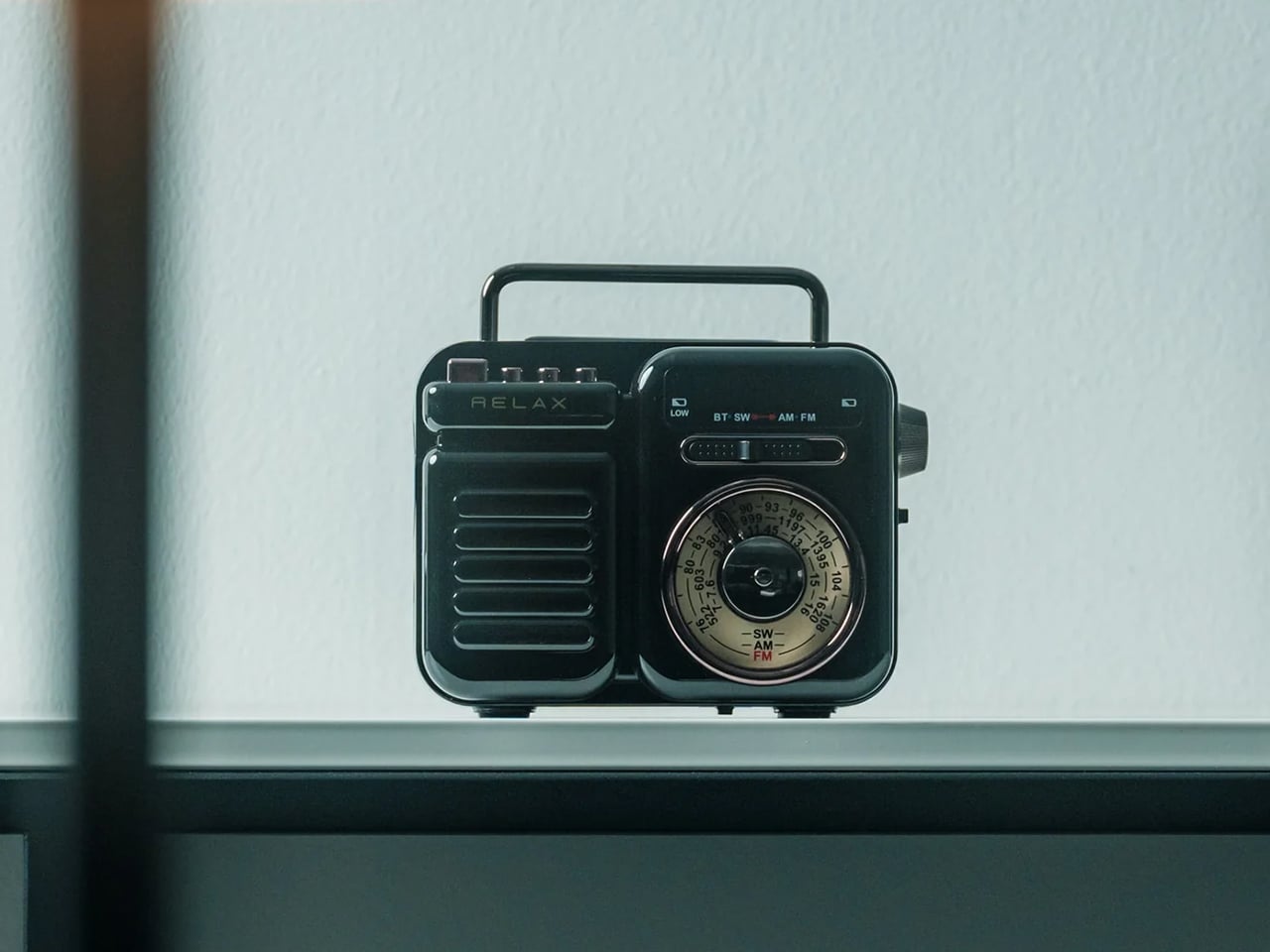
This isn’t a radio that begs for attention. The retro Japanese-inspired silhouette is balanced and resolved – compact without feeling cheap, characterful without demanding notice. The tuning dial has genuine tactile feedback, the kind touchscreens never replicate. The proportions feel considered. The soft glow of the interface gives it a quiet presence that works as naturally on a nightstand as it does in an emergency kit. It looks dependable before you even turn it on.

A vintage portable radio sits on a shelf between a black toy car and a square speaker with a white disc on the right of the image.

Who It’s For

  • Design Lovers

A functional object with enough character to live proudly on display.

  • For Users Who Are Always Prepared

A practical companion for blackouts, storms, travel, and emergency kits.

  • Minimalists on the Move

Seven useful functions in one compact device that actually earns the space it takes up.

Close-up of a hand turning the orange dial on a car stereo/dashboard.

The Quiet Power of Owning Fewer Things That Give You Freedom

You don’t realize how many modern tools depend on ideal conditions until the power cuts, the signal drops, or you simply want something that works without asking much in return. That’s what the RetroWave 7-in-1 Radio gets so right. It doesn’t just entertain. It reassures.

And maybe that’s why it feels so current. Not because it looks back, but because it solves for the kind of uncertainty modern gadgets tend to ignore. In a world full of devices that stop being useful the moment things go wrong, this one keeps earning its place. The RetroWave 7-in-1 Radio is available now for $89.

The post This $89 Retro Radio Made My Smart Speaker Feel Weirdly Useless first appeared on Yanko Design.
Lofree Just Made the Most Eye-Candy Mechanical Keyboard of 2026 and It’s Inspired by Lipstick

Your desk says something about you before you ever open your mouth. The monitor, the mug, the little objects arranged around your keyboard, they all add up to a portrait. And the keyboard sits dead center in that portrait, the most touched, most visible, most personal object in the whole setup. So why do most of them look like they were designed by someone who has never once cared about how a workspace feels?

Lofree has been answering that question for years, building a catalog around the idea that a keyboard can carry genuine personality. The Lipstick is where that philosophy gets its boldest, most unapologetic expression yet. Five lipstick shades flowing across the keycaps in a deliberate ombre gradient, a sculptural lipstick-bullet ESC key rising from its cradle, and a gorgeous frosted transparent shell that puts the whole color story on display like jewelry in a glass case. It retails for $199 and is available now in Silver and Black directly from Lofree.

Designer: Lofree

Click Here to Buy Now

Never did I think the overlap between beauty and keyboards would exist so seamlessly. Lofree used dual-tone PBT keycaps to create that mystique that is each and every key, with a frosted outer shell revealing the hint of a hue underneath. Lofree didn’t scatter five themed shades arbitrarily across 84 keys. They sequenced them, running deep burgundy and wine tones from the left and right of the board through warm coral and brick red across the QWERTY row, then lightening into blush pink and dusty mauve as you move into the function row. The result reads like a makeup palette laid flat across your desk, a color story with a beginning, a middle, and an end. The keys on the extreme left and right (Tab, Caps Lock, Shift, Enter) are single-tone, giving you a direct look at the color while the rest of the row looks like actual samples of lipstick or nail paint that you’d feel like popping out to test. Pair this with the nail-job on your actual hands and you’ve got absolute art at work.

Lofree’s rounded, typewriter-inspired keycap profile has been a house signature since the original Block, and the Lipstick leans into it fully. That retro shape is clever because it mimics the cylindrical form of a lipstick tube at a miniature scale, which means the thematic reference lands in three dimensions rather than just through color. The ESC key pushes that logic to its natural conclusion, a fully sculpted lipstick bullet in matte red, sitting upright in a black cradle in the top left corner of the board. It physically protrudes above the surrounding keys, and when you see it in person, it has the quality of a very good joke told with a completely straight face. Clever without being loud about it.

Under all of that, Lofree built a proper enthusiast keyboard. The Lipstick runs Lofree x Gateron linear switches with a 40g actuation force, hot-swappable and compatible with both 3-pin and 5-pin configurations, so you can retune the typing feel whenever you want without touching a soldering iron. A gasket mount structure absorbs the hard edges out of each keystroke, softening the acoustics and adding a slight cushioned rebound that makes extended typing sessions noticeably more comfortable than a standard tray mount board. The 1000Hz polling rate over both 2.4GHz wireless and USB-C wired connections keeps response times sharp, and a 4000mAh battery delivers up to 14 days of use with the backlight off, or 30 hours with all seven lighting effects running. The keys aren’t individually backlit, which is what you’d expect with dual-tone PBT caps, but rather the space between the keys lights up, giving you a look at the keyboard’s outline. Bluetooth 5.3 handles up to three paired devices simultaneously, with seamless switching across macOS, Windows, iOS, and Android.

Lofree also makes a matching Lipstick Wireless Numpad that carries the same gradient keycaps and frosted shell, available separately for anyone who wants the full spread across their desk. It connects via the same tri-mode system, so the two sit together without any friction. At $199 for the keyboard, the Lipstick sits at a price point where the spec sheet fully justifies the ask, and the design justifies everything else.

Click Here to Buy Now

The post Lofree Just Made the Most Eye-Candy Mechanical Keyboard of 2026 and It’s Inspired by Lipstick first appeared on Yanko Design.
This LEGO VHS Player Actually Has Cassettes You Can Insert and Remove

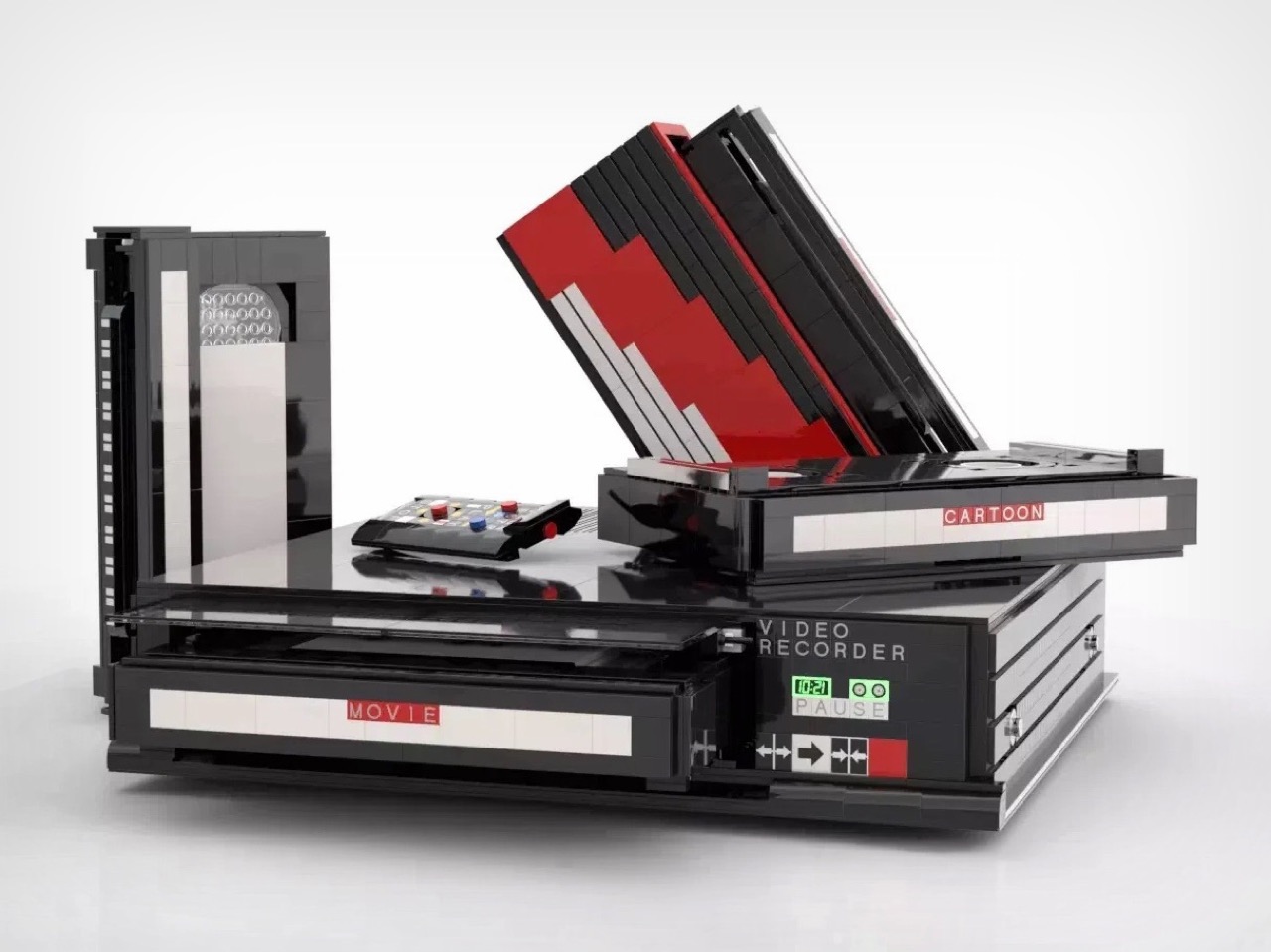
Before streaming queues and binge-watching algorithms rewired how we consume film and television, there was a ritual. You drove to the video store, walked the aisles, made your pick, and came home to slide that chunky black cassette into a slot that swallowed it with a satisfying mechanical thunk. The VCR wasn’t just a piece of consumer electronics. It was the centerpiece of a whole cultural ceremony, the thing that turned an ordinary Tuesday night into a genuine event. Polar-Angel_UA, a LEGO builder and 10K Club Member from Ukraine, has captured exactly that feeling in brick form with the Video Home System.

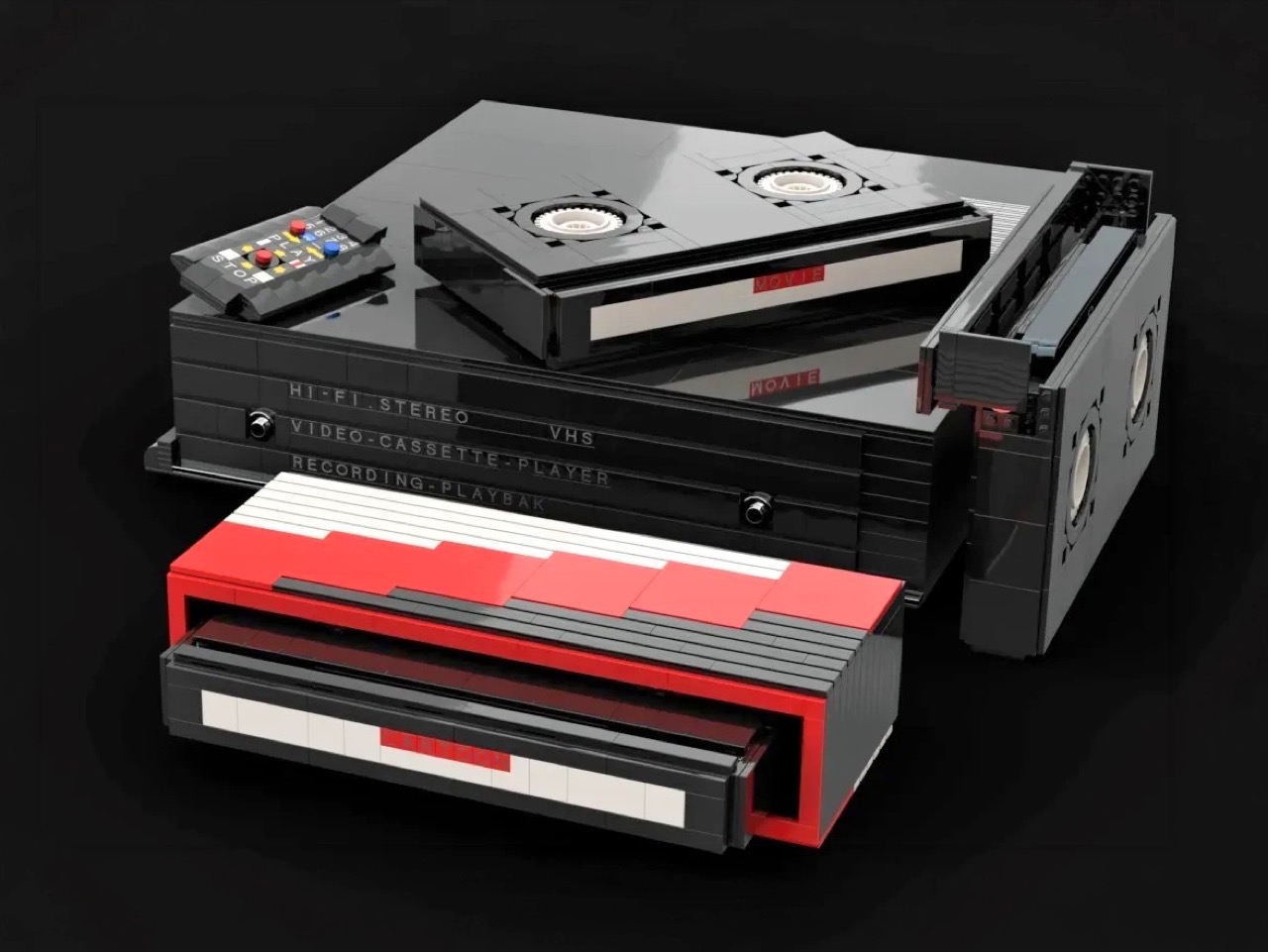
The build recreates a classic VHS setup with the kind of specificity that only someone who actually lived through the era could pull off. The main unit nails the flat, utilitarian slab aesthetic of a proper 80s or 90s VCR deck, complete with a cassette slot, a row of playback controls, and a PAUSE indicator rendered in green. A top-loading lid flips open to reveal the tape mechanism inside, and the real delight here is in that interaction. The tapes go in. The tapes come out. For a build that’s ostensibly a static display piece, that single interactive element transforms the whole experience.

Designer: Polar-Angel_UA

Four items accompany the main unit: a movie cassette, a cartoon cassette, a remote control, and a VHS case. The distinction between the movie tape and the cartoon tape is a quietly brilliant design decision because if you grew up in that era, you absolutely had a dedicated shelf section for each. Saturday morning cartoons lived in their own plastic sleeve, carefully rewound and stacked away from the movie collection. Polar-Angel_UA understands the taxonomy of the VHS-era household intimately, and it shows.

The MOC’s inherently block-ish nature (thanks to the LEGO bricks) works well for this product. VCRs were not delicate objects. They were heavy, deliberately black, and looked like they meant business sitting under your television set, blinking 12:00 in perpetuity because nobody ever set the clock. This LEGO version carries that same hulking, I-mean-business energy, with the cassettes propped against it like they’re already queued up for a double feature. The remote control sitting casually beside the deck is a small touch that completes the tableau perfectly. You can almost feel the carpet under your feet and smell the takeaway boxes.

The Video Home System is currently gathering votes on the LEGO Ideas platform, where fan-created builds compete for the chance to become official retail sets. Cross the 10,000 vote threshold and LEGO’s internal team reviews the submission for potential production. With 688 supporters on the board right now and 422 days left on the clock, there is plenty of runway here. Head to the LEGO Ideas page and cast your vote!

The post This LEGO VHS Player Actually Has Cassettes You Can Insert and Remove first appeared on Yanko Design.
5 Memorial Day Outdoor Gadgets That Make Every Camping Trip Feel Engineered in Japan

Memorial Day weekend is when the campsite gets its first real test of the year. The gear you pack either earns its place or takes up space. This year, a handful of outdoor gadgets are shifting the conversation, designs so considered, so precise in their logic, they feel lifted straight from a Tokyo design studio. Each one solves a familiar outdoor problem in a way you didn’t see coming.

What unites these five objects is a shared commitment to intentionality, the Japanese idea that a well-made thing should do its job beautifully, without fanfare or waste. Whether it’s a lantern that turns like a toy or a fire pit engineered around combustion science, these gadgets carry a point of view. Not here to impress on a spec sheet. Just here to make the long weekend feel properly planned.

1. RetroWave 7-in-1 Radio

There’s a radio sitting somewhere in Japanese design history that directly inspired this one. The RetroWave 7-in-1 Radio arrives with a tactile tuning dial, a warm housing drawn from mid-20th century aesthetics, and the kind of visual restraint that makes a thing look inevitable. Behind the retro face is a 7-in-1 device handling AM, FM, and shortwave reception, Bluetooth streaming, a built-in flashlight, SOS alarm, power bank charging, and a 2000mAh battery that tops up via hand-crank or solar panel.

The 8W speaker punches with enough warmth to soundtrack a campfire properly, and the 20-hour radio battery life means it runs through a full weekend without reaching for a cable. Two colorways — black and warm gray — make it look as good on a picnic blanket as it sounds in the open air. It’s the rare object that solves the problems you forgot to plan for: music, emergency signaling, phone power, and light, all from one compact, beautiful thing.

Click Here to Buy Now: $89.00

What We Like

  • The 7-in-1 function set means it replaces multiple items in your pack — flashlight, emergency radio, portable charger, and speaker all collapse into a single carry-anywhere device with one well-resolved retro form that earns its weight every time.
  • The retro Japanese design with a tactile tuning dial doesn’t look like survival gear. It looks like a piece you’d buy for the living room, which means it earns a permanent spot in the gear bag rather than getting quietly left behind on the shelf.

What We Dislike

  • Bluetooth battery life tops out at approximately 5 hours at 75% volume, meaning a full camp day of wireless streaming will require a recharge — the solar panel helps, but cloud cover changes that math quickly.
  • The compact body keeps it packable, but the speaker volume has a ceiling that wide-open outdoor settings can expose, especially once the campfire gets going and conversation picks up.

2. Twist Camping Lantern

Small beige LED lamp lit with a warm glow, sitting on a round wooden stump.

Cream wireless over-ear headphones resting on a wooden stump against a pale background.

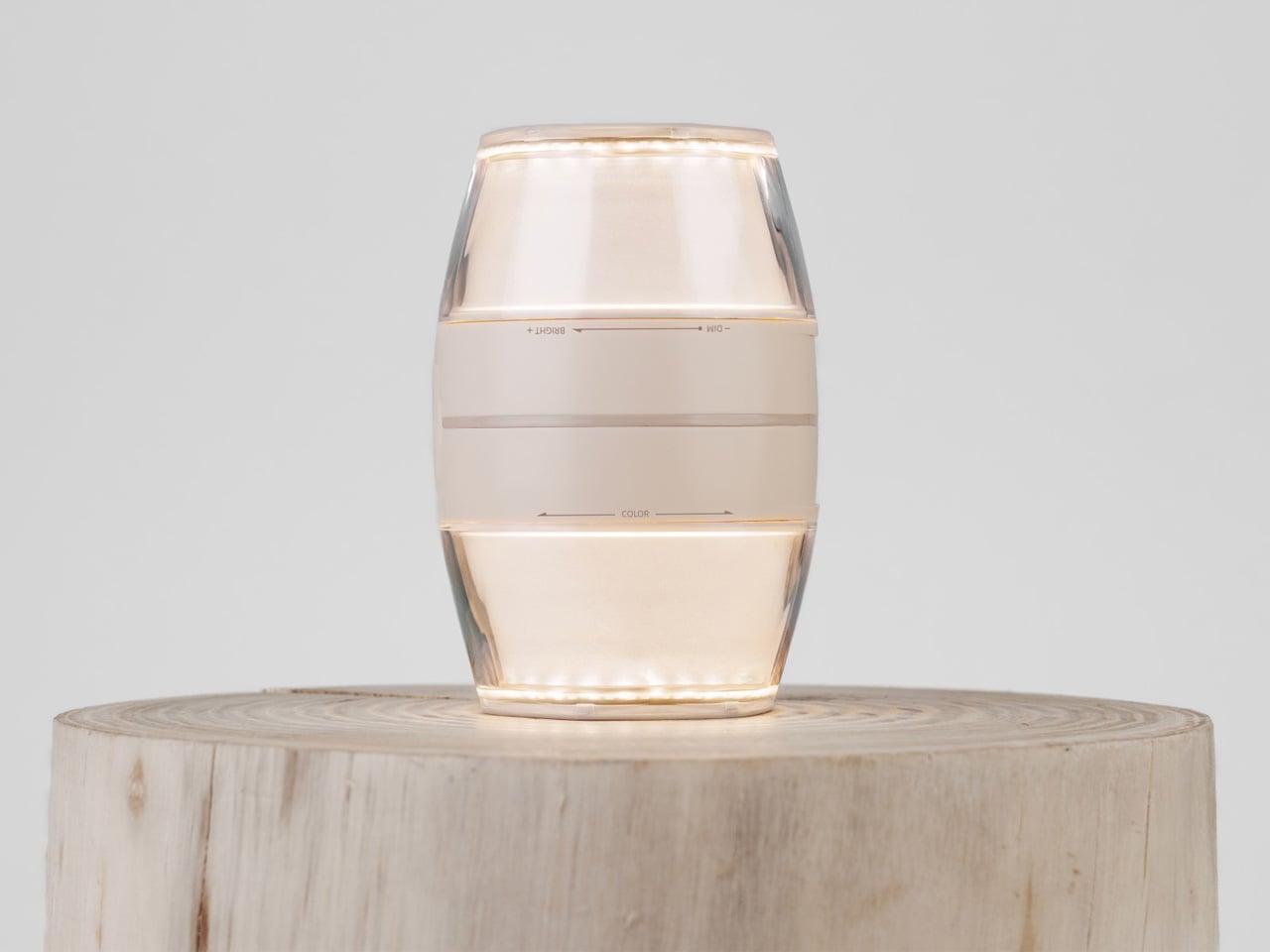
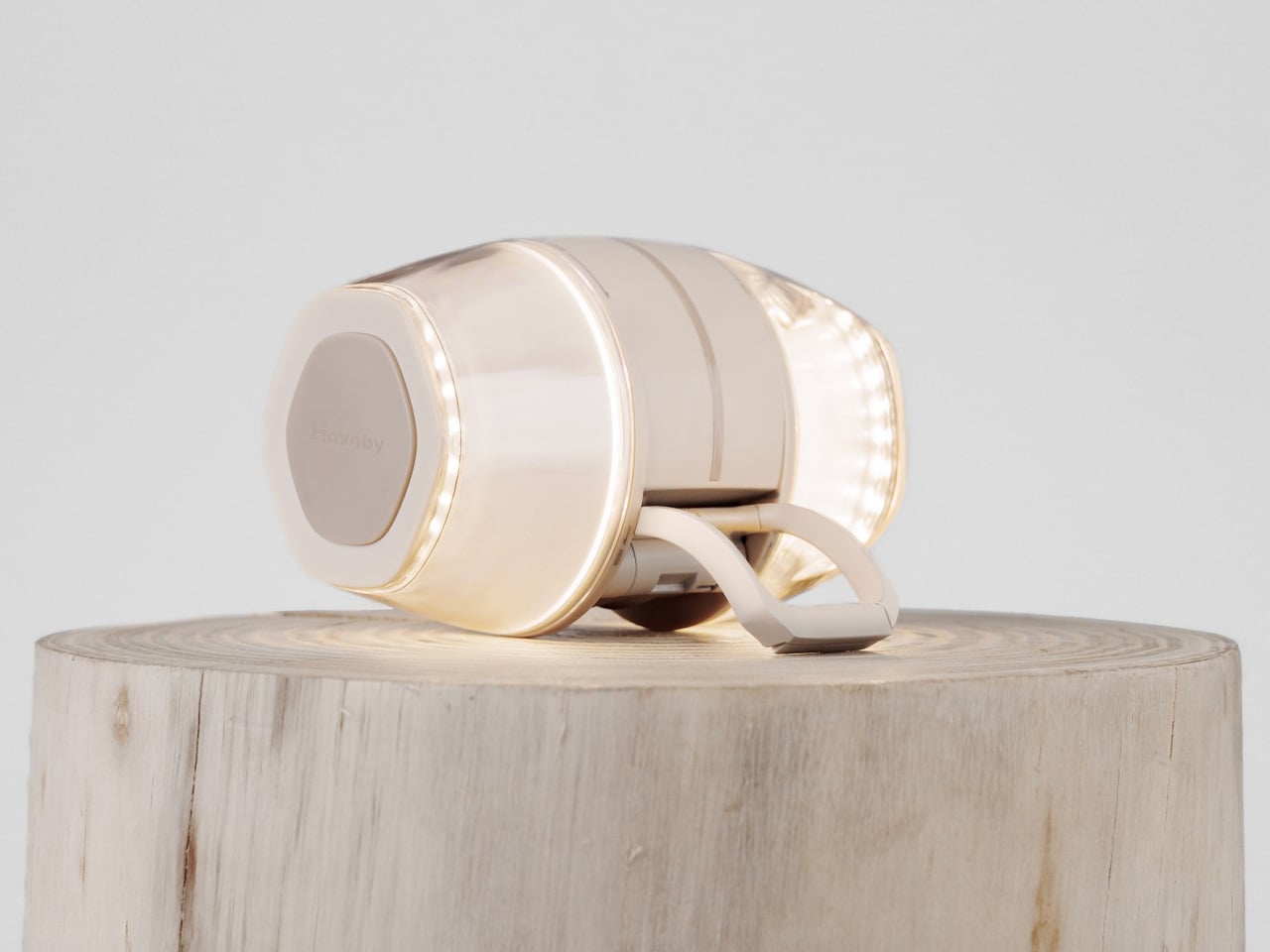
When designer iu Llong looked to Japanese gashapon vending machines for inspiration — those capsule toy dispensers that make cracking open a prize feel like a small ceremony — the result was a camping lantern that turns on exactly the way a gashapon opens: with a satisfying twist. Built for Havnby as two cones joined at the base, the single twist mechanism adjusts both brightness and color temperature, dialing from cool white all the way down to a warm red.

The Twist Lantern packs a 10,000mAh rechargeable lithium battery into a compact form that weighs around 410 grams and charges fully in under three hours via USB-C. Its runtime stretches from 3.8 hours at full brightness to an impressive 70 hours on its lowest setting — enough for an extended weekend. The waterproofing and built-in magnetic mount mean it handles rain and hangs wherever you need it. For a lantern, it’s remarkably thoughtful. For a design object, it’s immediately recognizable.

What We Like

  • The gashapon-inspired twist interaction makes operating this lantern something you’ll actually look forward to — the kind of satisfying physical gesture that cheap pushbutton camp lights have never managed to replicate across years of trying.
  • A 70-hour runtime on its lowest setting is exceptional for any rechargeable camping lantern, meaning you can leave home without calculating whether the battery will outlast the trip or quietly die at hour three.

What We Dislike

  • At 520 lumens, the Twist Lantern is optimized for ambiance and intimate spaces — it sets a tent mood beautifully but won’t flood a large group campsite the way a high-output utility lantern would.
  • The twin-cone form factor, while visually striking, is less stackable in a tightly packed gear bag than a more conventional cylindrical lantern design, which may require some creative packing on longer trips.

3. Iam Sauna

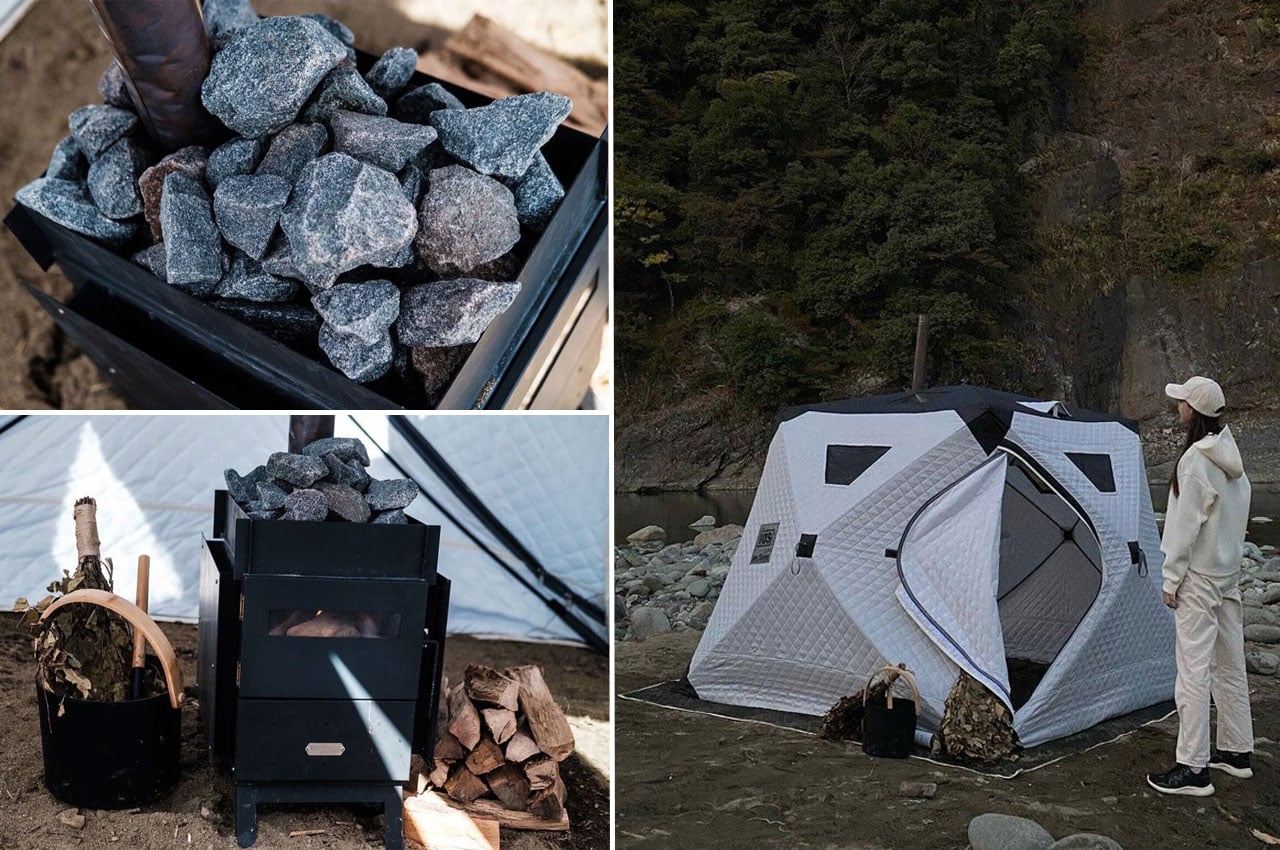
Iam Sauna is a portable sauna, genuinely made portable. The tent-style unit measures 220cm x 220cm x 185cm, accommodates up to six people, and is built from heat-insulating cotton material designed to trap steam and hold warmth in cold outdoor conditions. The included Tanzawa wood-burning stove is iron-built with folding legs, a heat-resistant glass window, and a removable guard plate where sauna stones stack neatly on top. Setup takes under a minute — one person, four pull tabs.

The panoramic windows along the upper section of the tent are a quiet design decision that separates this from any other portable sauna concept. Heat the stove, settle in, and you can watch stars or the tree canopy while your body does exactly what it came outdoors to do. Whether recovering after a full day of hiking or committing to a Saturday evening ritual by the lake, Iam Sauna delivers the restorative experience that used to require a fixed structure.

What We Like

  • A single person can collapse and set up the full tent structure in under 60 seconds, which means the sauna arrives at the campsite as a realistic option rather than a logistical project that gets quietly abandoned at the trailhead.
  • Panoramic windows at the top of the structure keep you visually connected to the outdoor environment while you’re inside — a design detail that makes the experience feel like it genuinely belongs in the wilderness, not in a hotel spa.

What We Dislike

  • The Tanzawa iron stove weighs approximately 18kg on its own, which adds meaningful carry weight to an otherwise packable system, effectively making Iam Sauna more of a car-camping or van-camping solution than a true backpacking option.
  • The wood-burning heat source requires sourcing fuel on-site or carrying it in, which introduces a variable that a gas or electric alternative would eliminate for weekend campers who prefer to pack light and plan less.

4. Airflow 8-Panel Fire Pit

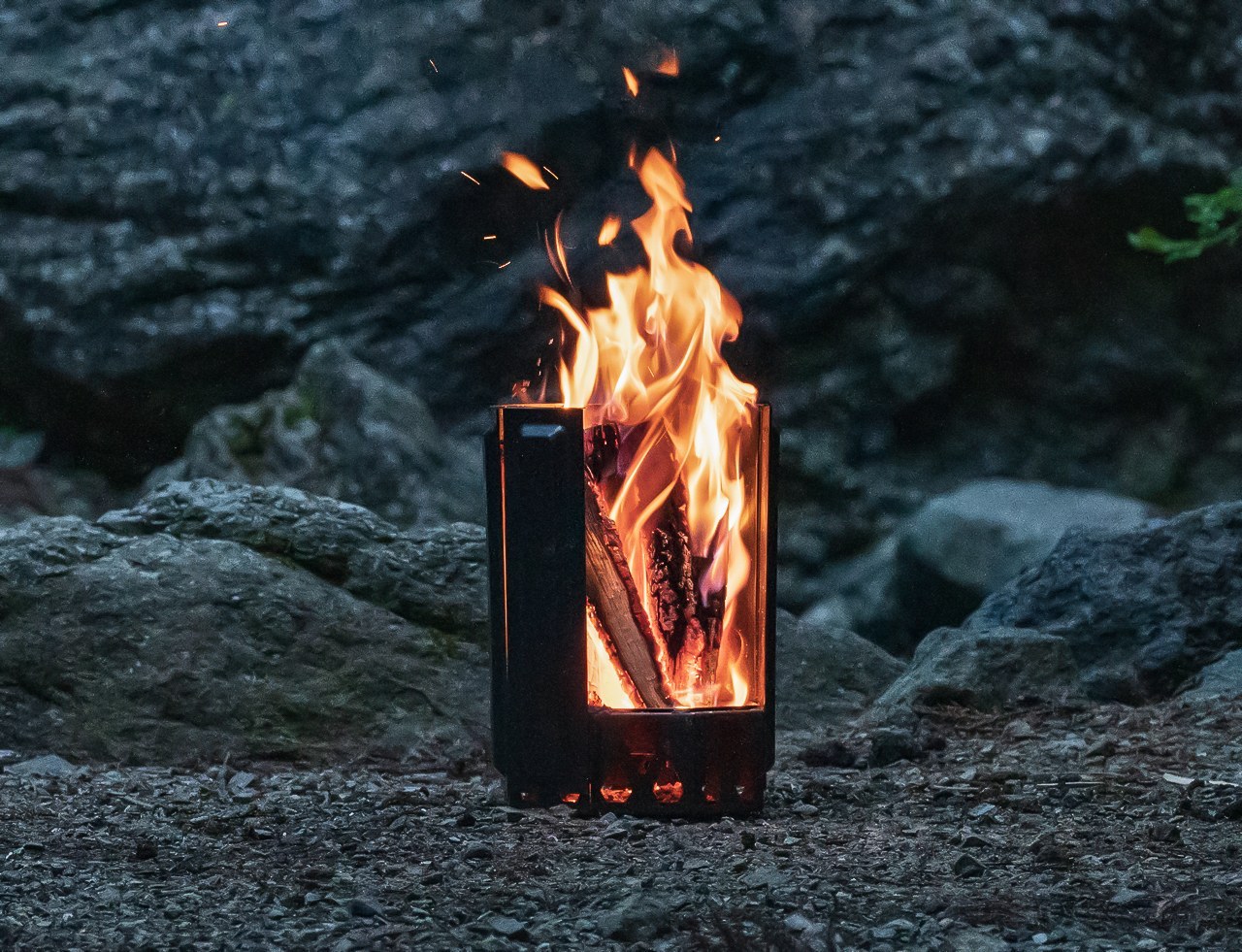
Japanese company UM spent decades in metal processing before arriving at the Airflow 8-Panel Fire Pit, and that deep material knowledge shows clearly. Eight removable panels form an octagonal cylinder optimized for secondary combustion. Holes at the base of each panel channel fresh air directly to the wood for primary combustion. As that air heats up, it rises through the double-walled cavity and exits at the top, creating secondary combustion that burns wood more completely and produces significantly less smoke.

The exterior panels are removable, meaning fire intensity is adjustable — pull one or two off and the fire breathes differently. The interior uses corrosion-resistant stainless steel designed to age into a natural patina, while exterior panels take the punishment a campsite delivers. A grill grate attachment turns it into a cooking platform without altering the fire pit’s core logic. Ash falls and collects at the base. Cleanup is minimal. It’s a piece of engineering that makes fire feel considered.

Click Here to Buy Now: $325

What We Like

  • The secondary combustion system is a genuine engineering achievement at this size — the smoke reduction is physics, not a marketing claim, and it makes extended campfire evenings significantly more comfortable for everyone sitting around it without constantly shifting to dodge the drift.
  • The modular panel system means the fire pit packs down smaller than its assembled footprint suggests, making it more portable than traditional bowl-style designs that share its output and heat radius.

What We Dislike

  • Assembling eight individual panels before the fire can be lit adds more steps to the startup process than a campfire usually demands — a minor friction, but one that registers in the dark or in rain when fumbling with separate components feels less intuitive.
  • The cooking grill grate is sold as an optional add-on rather than included in the base package, which feels like a missed opportunity given that cooking over fire is the most obvious secondary use case for every campsite fire pit.

5. Haori Cup

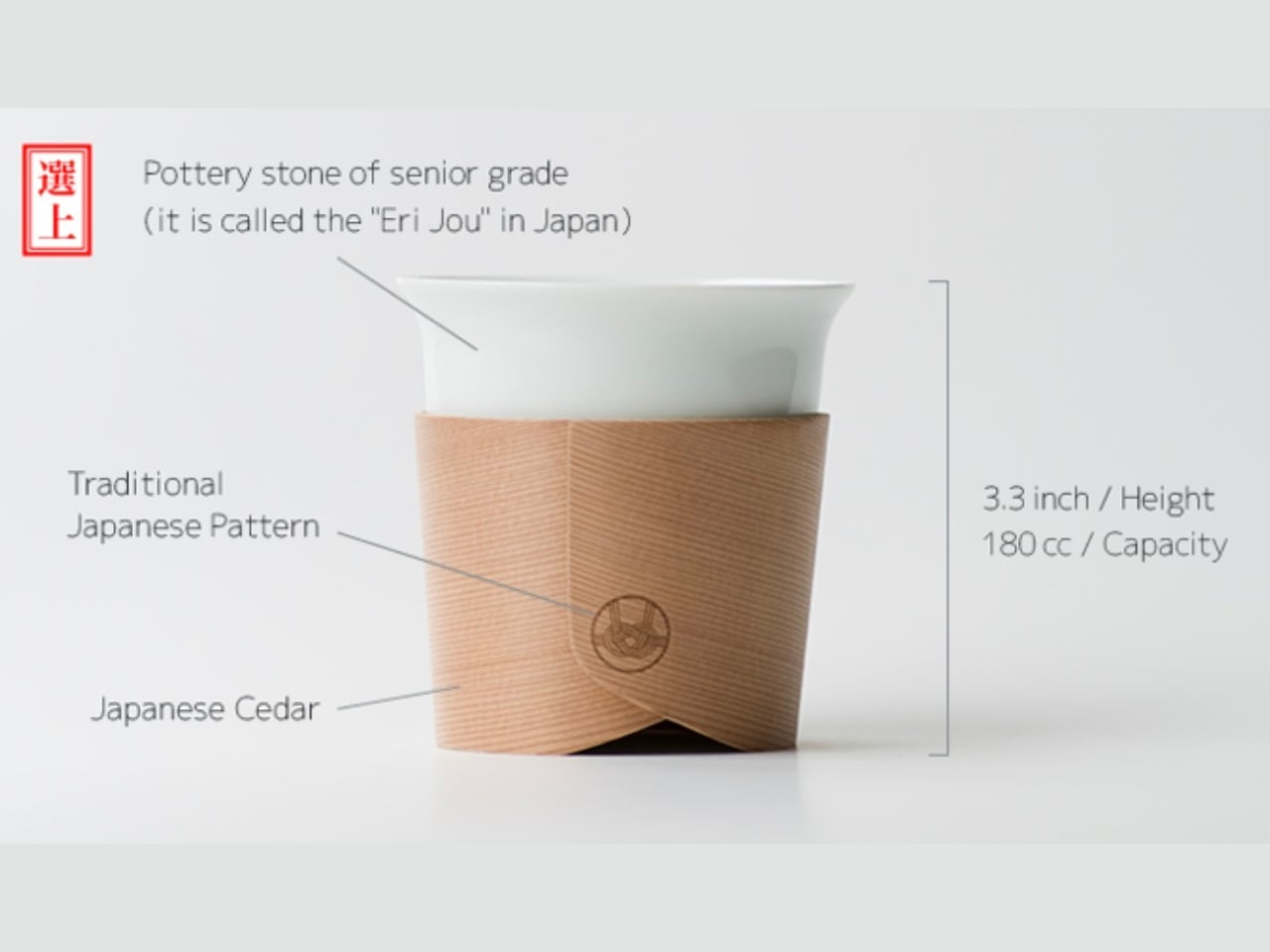
When designer Tomoya Nasuda set out to revive Hakata Magemono — the 400-year-old Japanese craft of hand-bending thin cedar into curved forms — he built the Haori Cup from a single piece of Japanese cedar. The result is a vessel that holds warmth from the inside and transfers almost none to your hands, because cedar insulates naturally. Available in several colorways, including the “Sakura” edition, every cup is handmade and shaped by grain patterns unique to that piece of wood.

The cedar lends a whisper of fragrance to each sip — a clean, forest quality that doesn’t compete with the coffee, just frames it. Bring the Haori Cup camping, and something specific happens. Holding warm coffee in a vessel bent from a single piece of Japanese cedar, sitting among trees not unlike the ones that made it, that’s the kind of moment you came outside for. It’s lightweight, it carries centuries of craft, and it makes the morning feel intentional.

What We Like

  • Reviving the 400-year-old Hakata Magemono craft means every Haori Cup is genuinely one of a kind — no two grain patterns are the same, and that individuality gives it a value that mass-produced camping vessels with identical stamped forms simply cannot offer.
  • Cedar’s natural thermal insulation keeps drinks warm without heating the exterior surface of the cup, meaning you can hold a freshly poured coffee comfortably without burning your hands — a straightforward material advantage with quietly elegant results in practice.

What We Dislike

  • Cedar is not dishwasher-safe and requires careful hand cleaning followed by thorough drying, which is a manageable routine at home but adds genuine friction when you’re washing up at a campsite with limited water and fading daylight.
  • As a handcrafted artisan object rooted in centuries-old technique, the Haori Cup carries a premium price that may be difficult to justify for a purpose as unpredictable as outdoor camping, where the risk of a dropped cup on river rock is never zero.

The Best Camping Gear Doesn’t Add More — It Gets Everything Right

Five products, five different problems, each solved with a rigor that feels less like product design and more like pure philosophy. That’s what Japanese design does at its best: it doesn’t add features to justify a price. It removes everything unnecessary, then makes whatever’s left feel like the only possible answer. That’s the standard these objects hold, and it makes everything else at the campsite feel slightly underdressed by comparison.

The best gear for Memorial Day isn’t the most technical. It’s the most considered. A radio that earns its campfire seat. A lantern that makes switching on a light feel like an occasion. A fire pit engineered so you don’t think about combustion. A sauna you carry in and a cup that turns coffee into a ceremony. Pack these five, and the weekend will be more than just a long one.

The post 5 Memorial Day Outdoor Gadgets That Make Every Camping Trip Feel Engineered in Japan first appeared on Yanko Design.