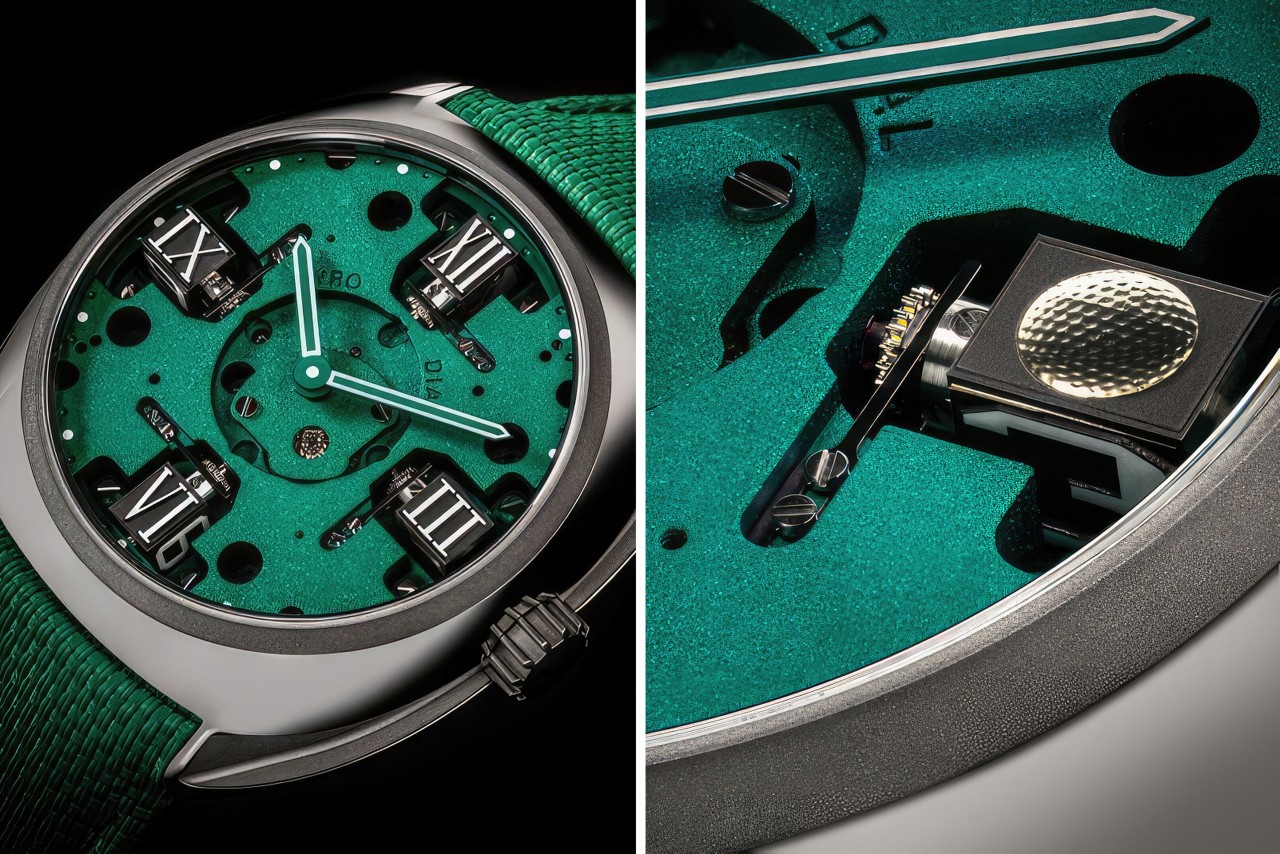
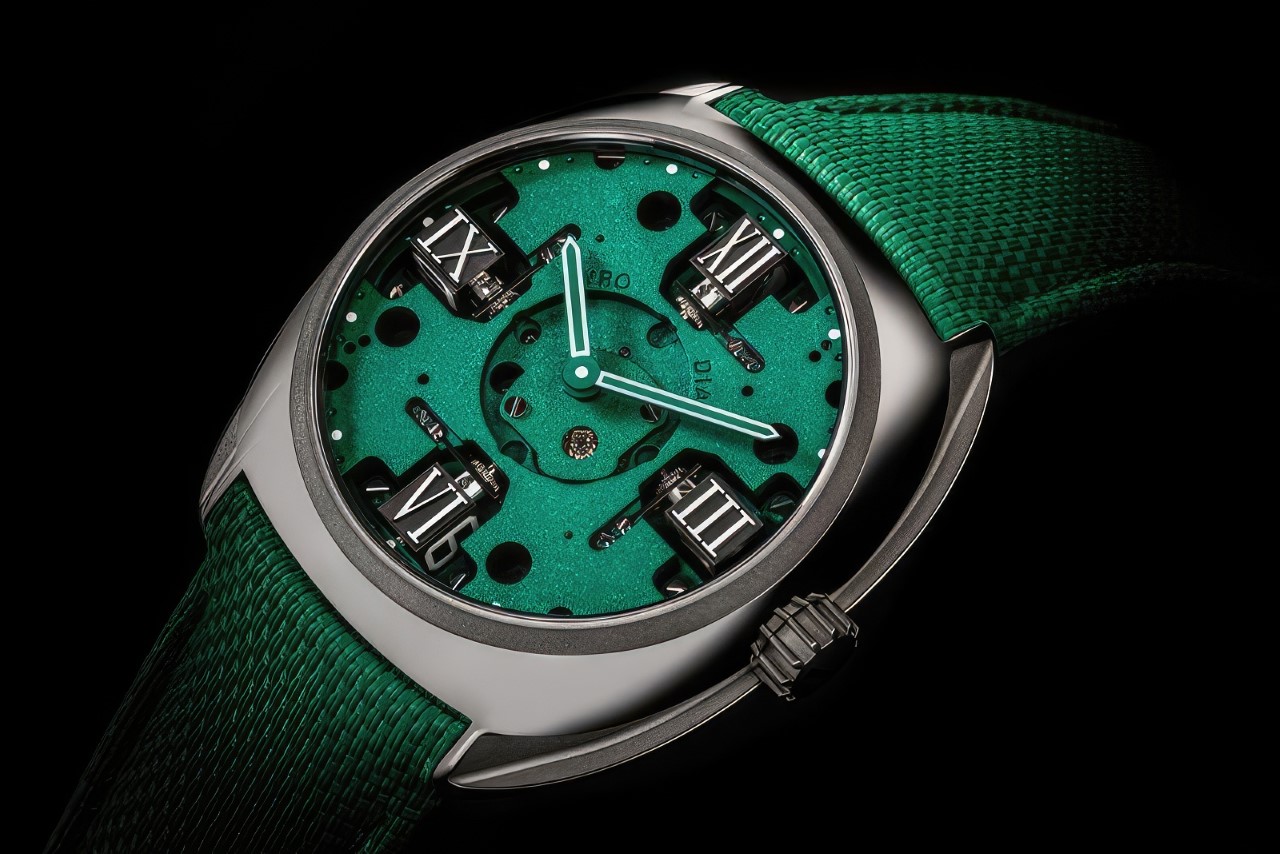
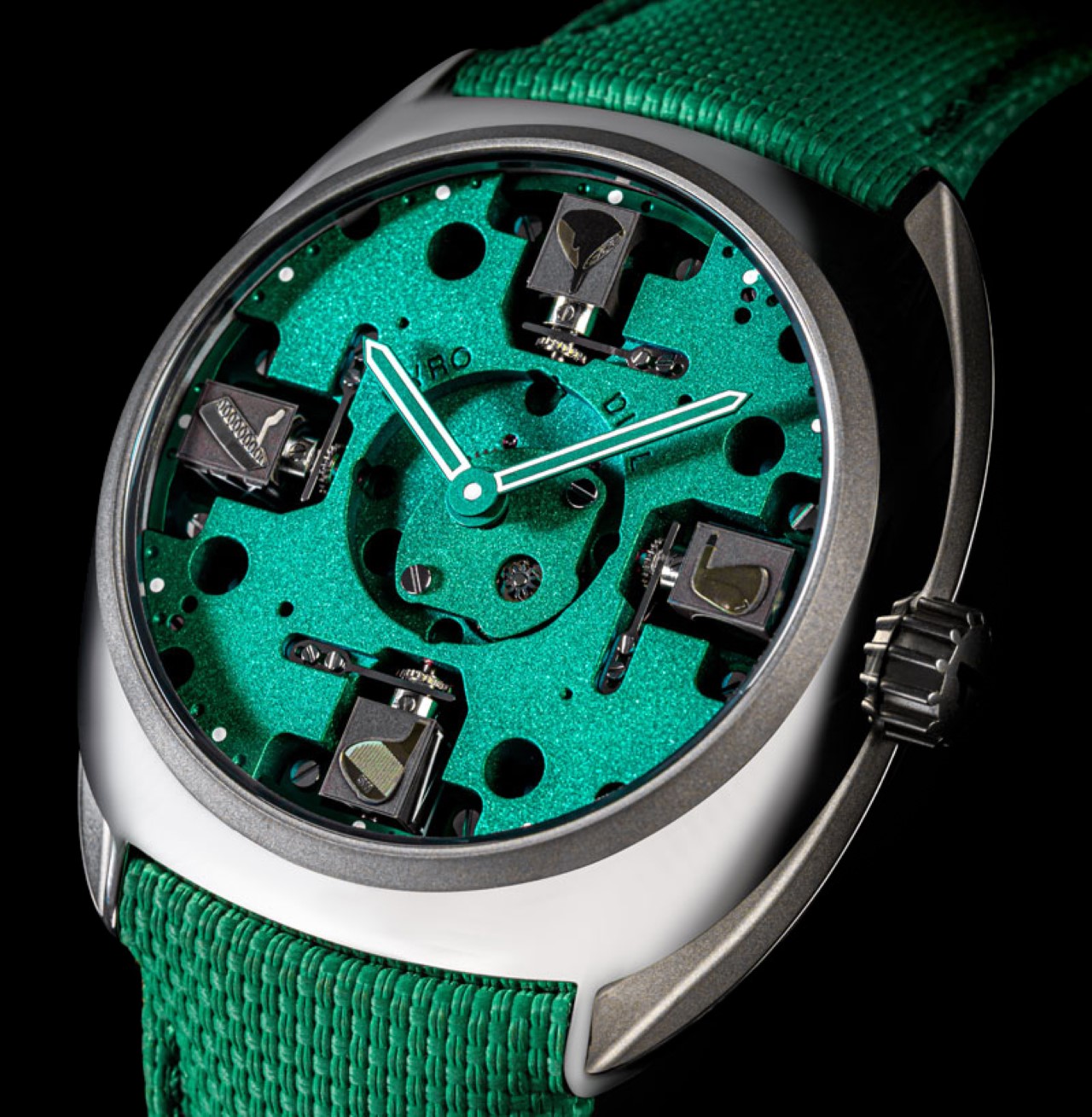
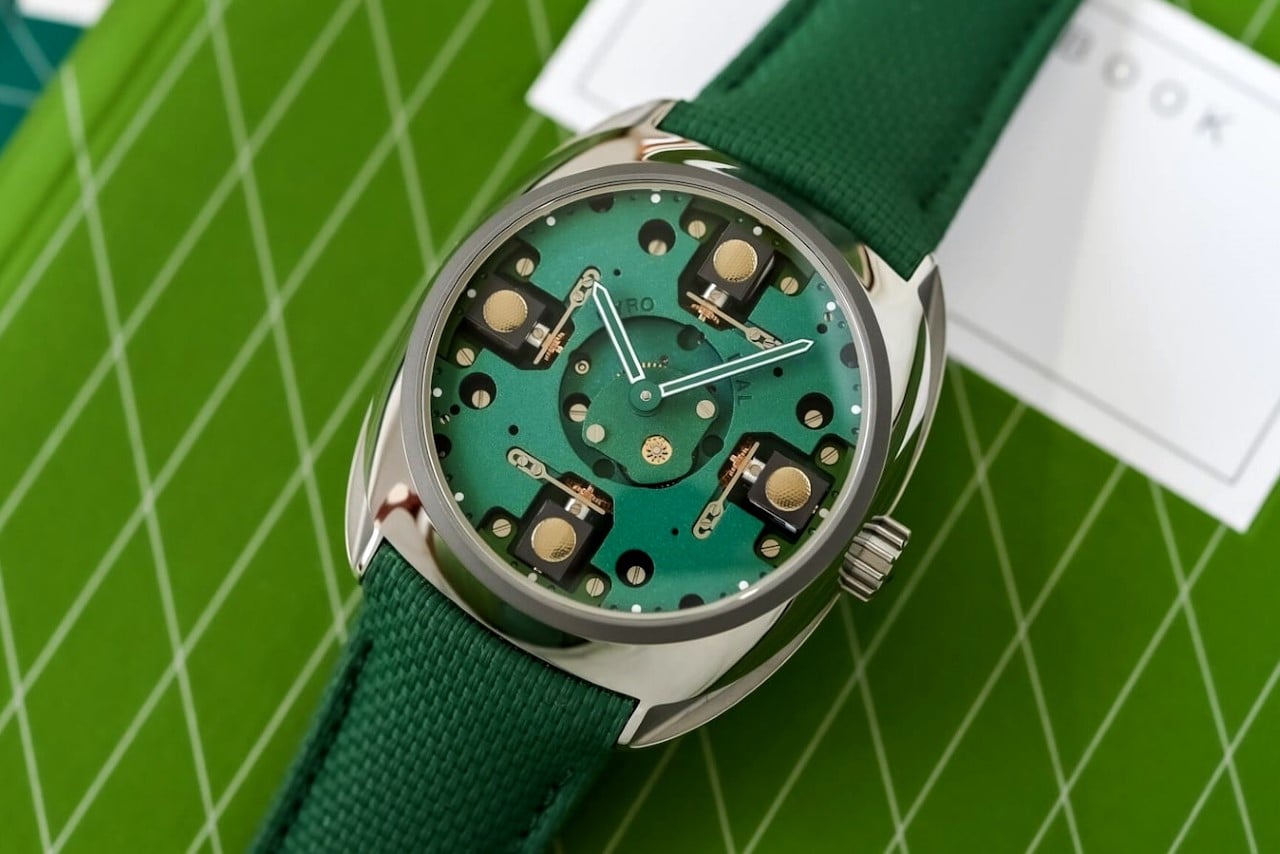
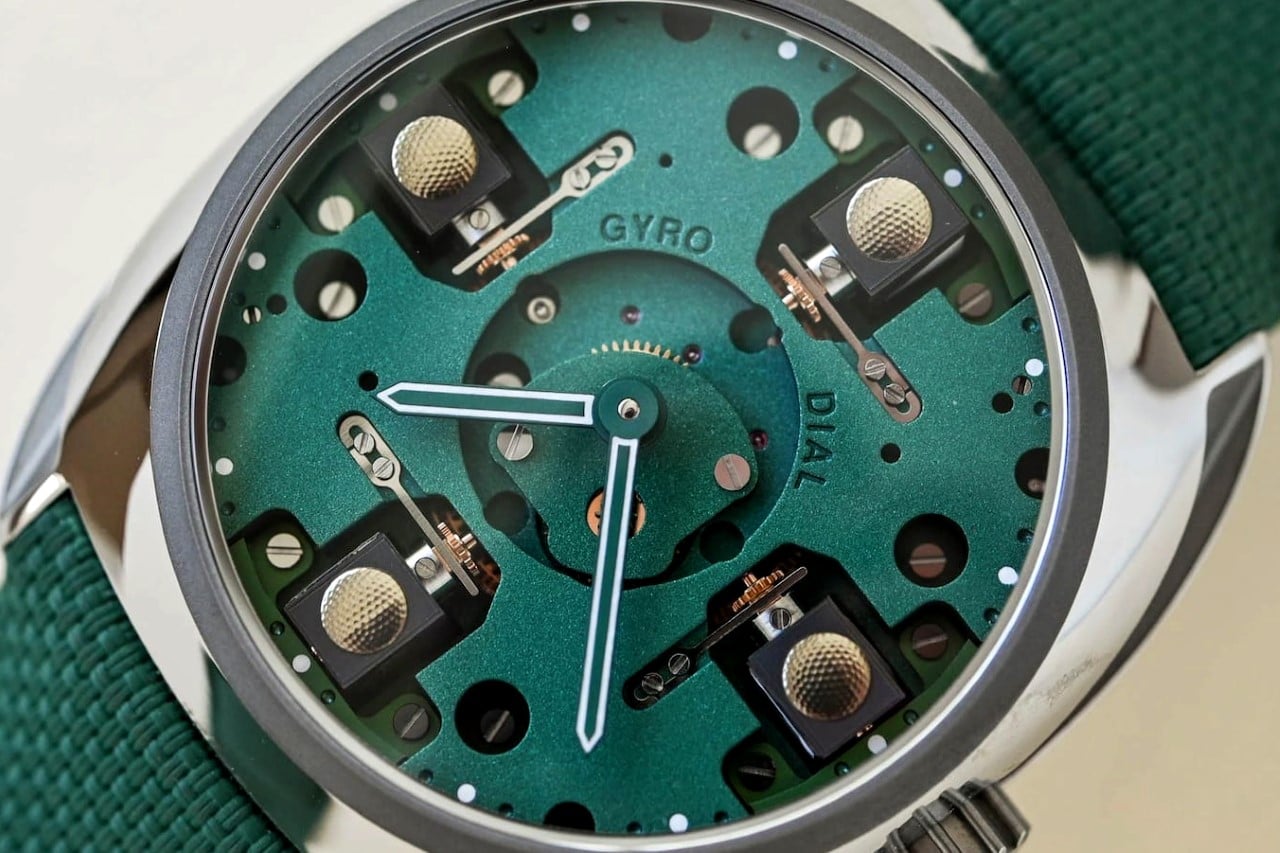
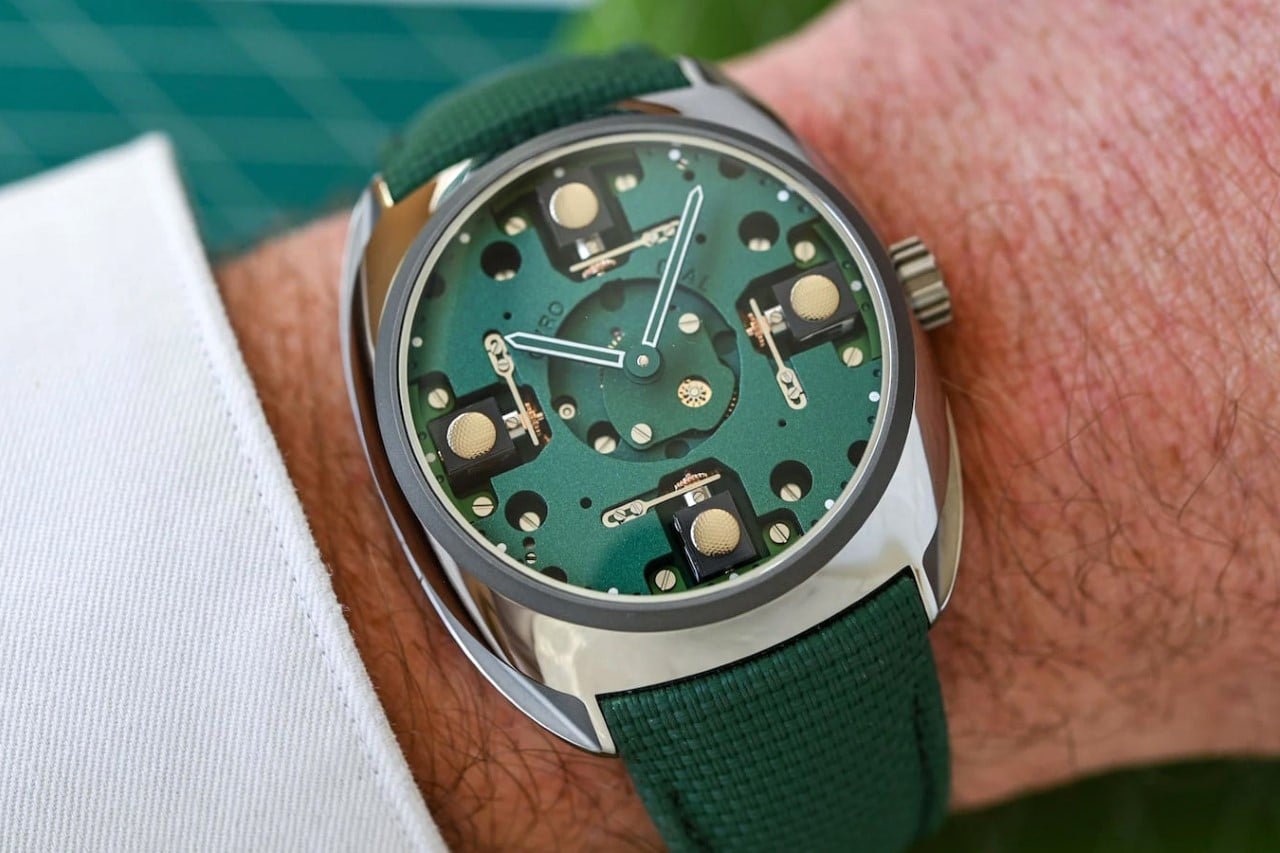
I assume that there’s a significant overlap between the watchlover demographic and the golf-playing demographic. Both of them are indicators of high-society, and people who love golf or watches don’t hesitate to flaunt their interests. Designed for specifically that intent, the Byrne Gyro Dial Golf timepiece combines the love for time and turf into one gorgeous mechanical design. The watch comes with a grassy dial, featuring a 3D watch face that tells the time while also highlighting its mechanical prowess. The dial boasts an open-worked rotor at the center, with four mechanical number cubes on the top, bottom, left, and right. As the day passes, the cubes rotate to ‘refresh’ the watch face, alternating between Roman and conventional numbers, and even replacing them with golf balls or golf clubs. Every day, the watch changes its face, giving you something new to look forward to each day, and something to brag about when you’re showing your timepiece off to your friends on the green…
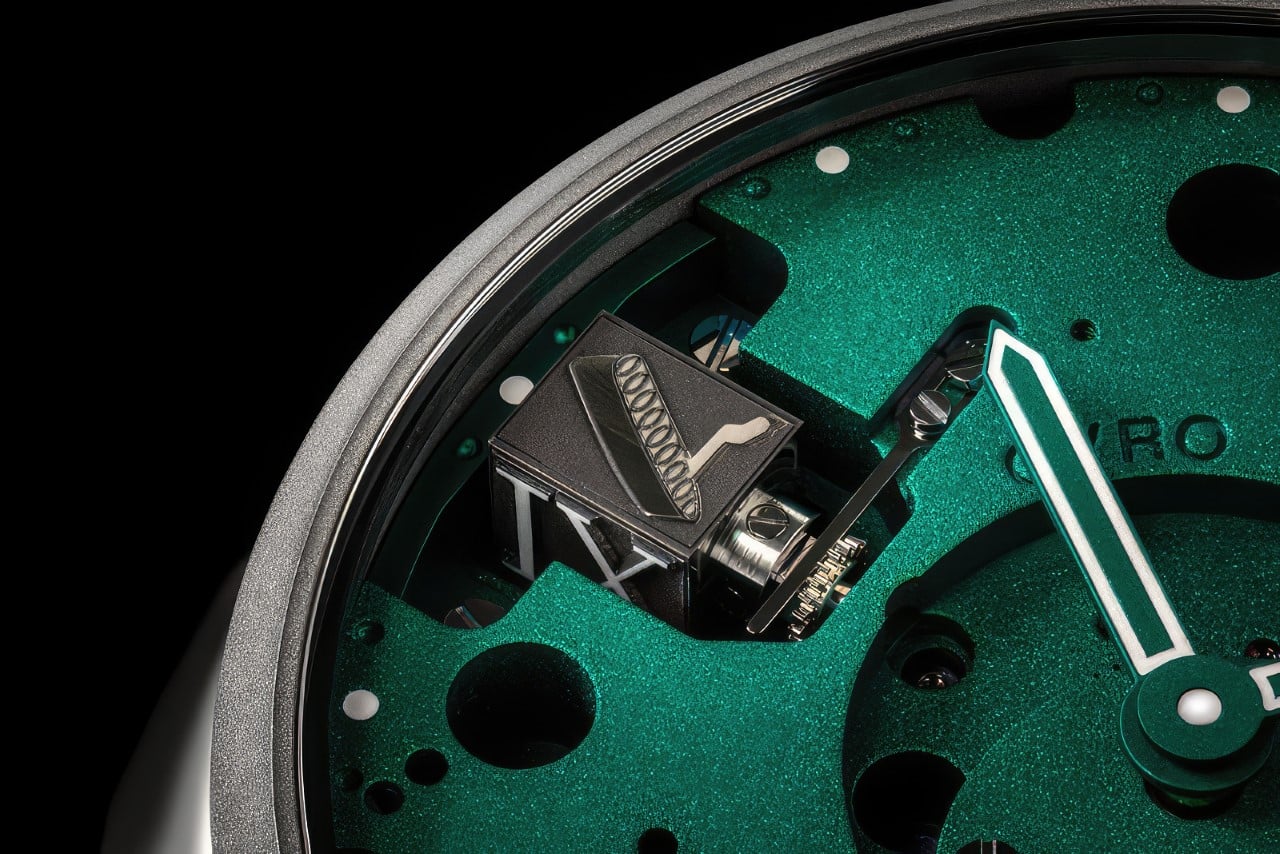
Byrne’s Gyro collection is known for its dynamic displays. Unlike conventional watches with static dials, the Gyro Dial features four rotating cubes that change faces every 24 hours, revealing new designs. The Golf edition takes this a step further by incorporating miniature golf-themed engravings on these cubes.
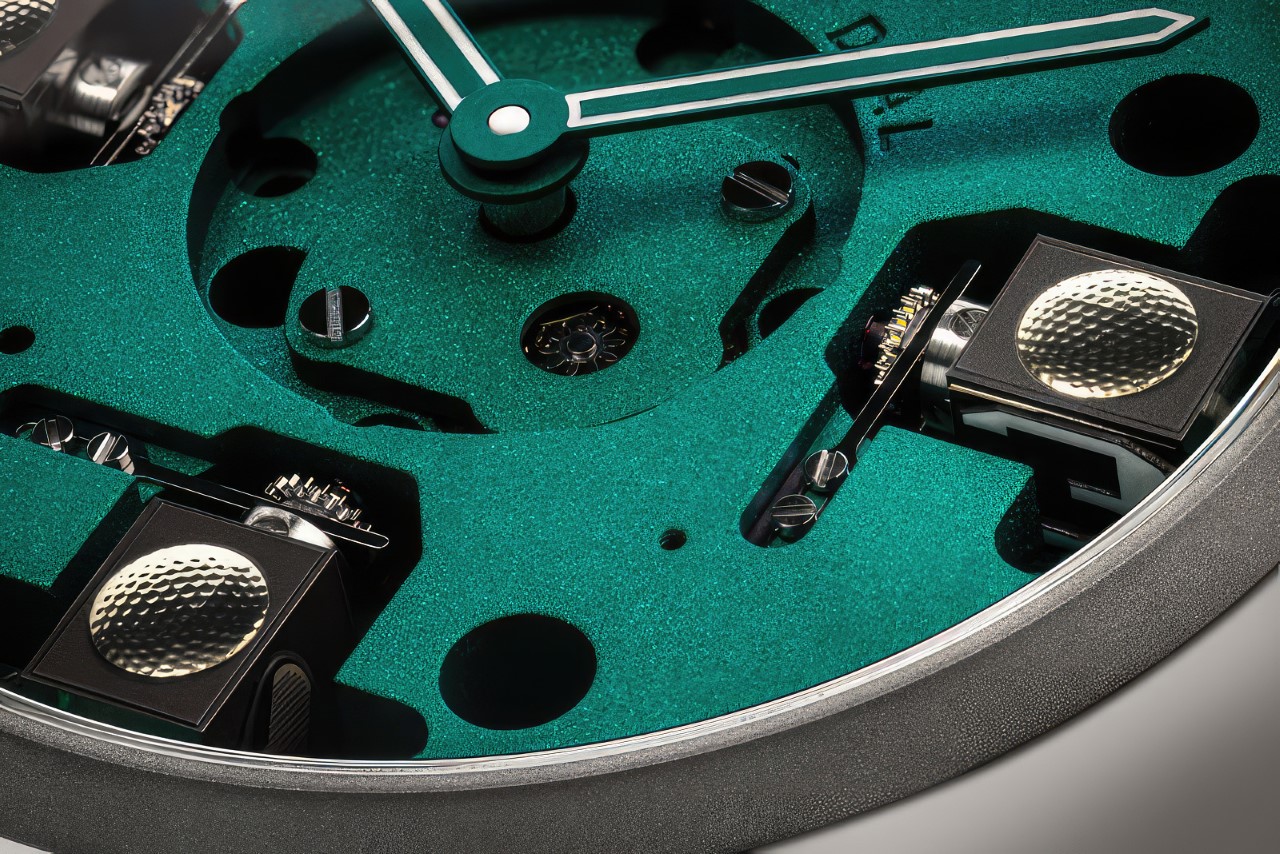
Imagine glancing at your wrist and seeing classic Roman numerals one day, then playful golf clubs (driver, iron, sand wedge, putter) the next. The watch even features miniature, intricately detailed golf balls with realistic dimples. For traditionalists, sporty Arabic numerals are also included in the rotation.
This unique display isn’t just about aesthetics. The rotating cubes are a feat of engineering. To accommodate the additional weight of the miniature sculptures, Byrne has refined their automatic Calibre 5555 movement. This Swiss-made marvel ensures smooth and precise daily rotations.
The Byrne Gyro Dial Golf is housed in a sleek, 41.7mm grade 5 titanium case with a green-tinted main plate that subtly references the golf course. The sapphire caseback offers a glimpse into the intricate workings of the movement, showcasing its open-worked rotor with elegant finishes.
A comfortable green rubber strap completes the sporty look. Limited to just 24 pieces, the Gyro Dial Golf has a starting price of CHF 25,000 (approx $27,500 USD).
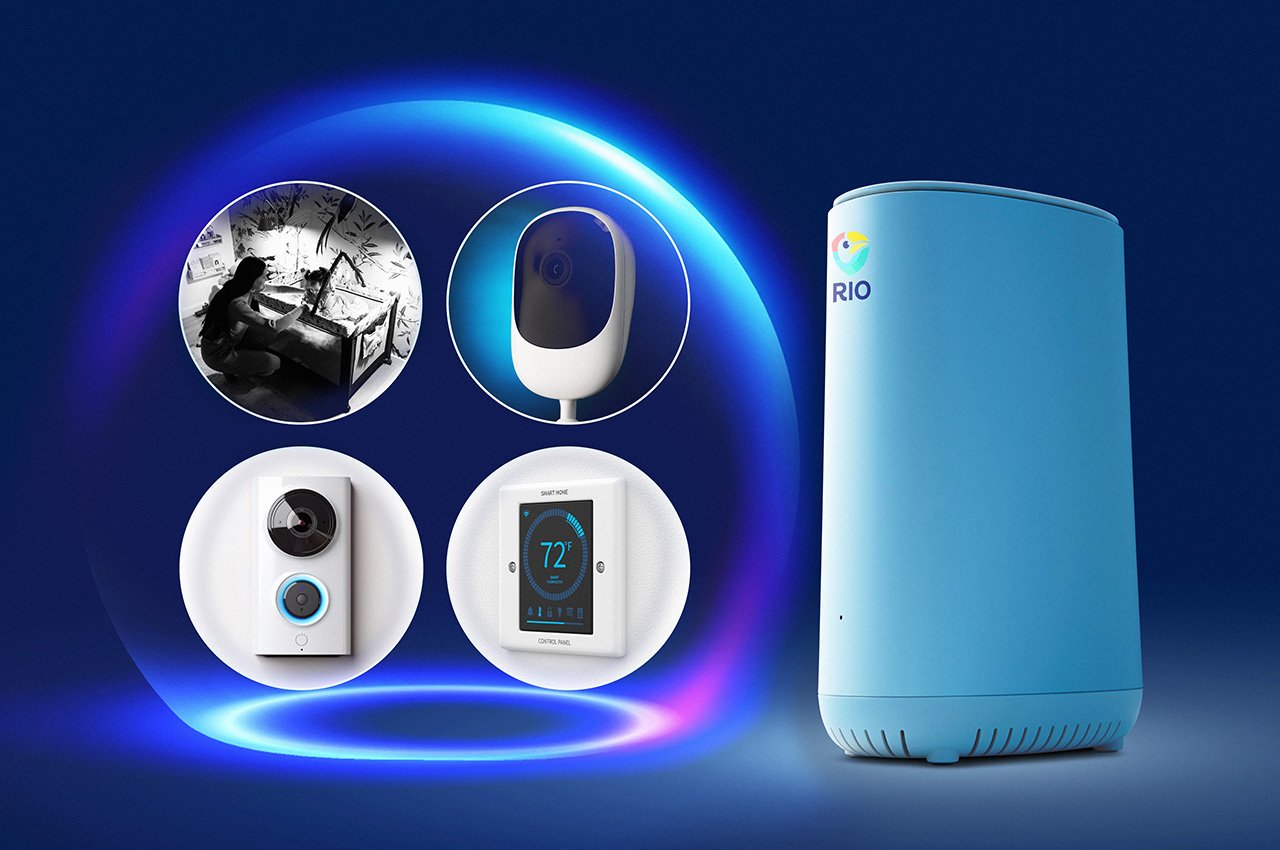
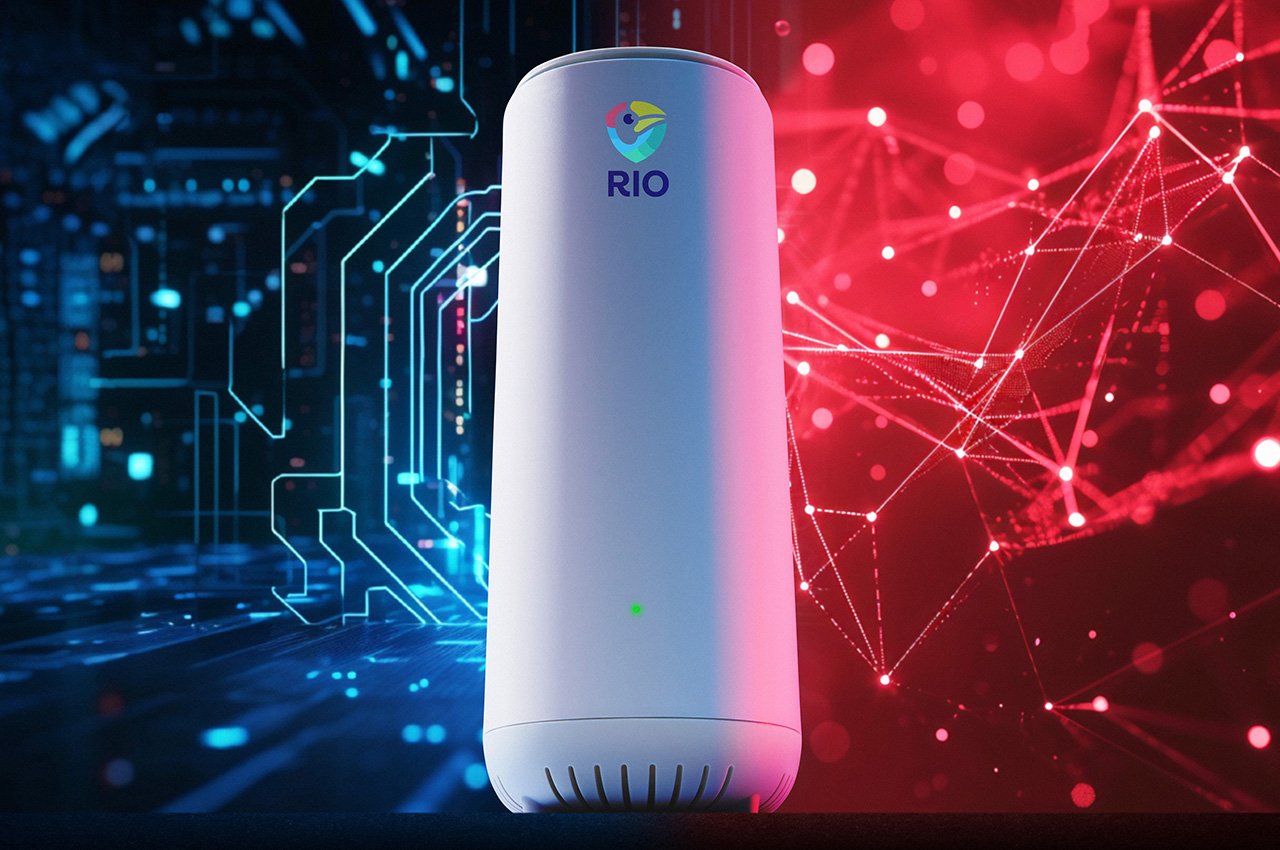
Sure, your phone and laptop have VPNs… but does your smart speaker? Your home camera? Smart doorbell? Baby monitor? It’s easy to think of yourself as protected when your primary device operates on a VPN, but the truth is that our houses are filled with IoT devices that remain vulnerable to brute force because of one weak point of entry – a basic router. The Rio Router aims to change that with a built-in VPN, device allowlisting protocols, guest network features, and the ability to set parental controls from the router itself. Whether it’s a government trying to snoop on you, someone trying to hack you, companies trying to sell your data, or your internet service provider secretly gathering info about you, the Rio Router cuts it all off right at the source. It encrypts information in a way that anonymizes your entire smart home, so you can browse the internet freely, and your smart home gadgets can access the internet without being vulnerable to data theft.
Most routers are designed to help you access the internet, but that access can sometimes be a double-edged sword, creating a path for bad-faith actors to access your IoT devices and even the data within them. A simple WiFi password can only do so much, right? That’s why the Rio Router uses a protocol that requires you to personally allowlist any device connecting to your network. Every IoT device gets approved by you, and if there’s any device you don’t approve of trying to connect to your network, it doesn’t get access to your network or to the devices on it. Think of it as a security guard that only allows you into a building if you have the right ID, and turns you away if you don’t.
Even for approved devices accessing the internet through the Rio Router, all data gets encrypted through the router’s built-in VPN. This offers two distinct benefits – for starters, it lets you access the internet and streaming services without any government or geolocation restrictions (yes, that means being able to use TikTok even if it gets banned), but it also encrypts all personal information so that your internet service provider doesn’t get unfettered access to your life… or even corporations like Apple, Google, Microsoft, and Amazon that feed off of information from smart home devices.
Obviously, that level of access does come with its downsides – you want your family to stay safe from potentially dangerous websites. The router allows you to set parental controls for specific devices, preventing your child’s laptop or tablet from being able to access harmful sites, and an integrated DNS and web filtering system provides all-around protection, preventing all devices from accessing malicious sites that could scam/phish you or corrupt your device with ransomware.
Following the security guard analogy from earlier, think of your internet connection as a building with multiple wings/departments. Different employees can only access the wings or departments they are authorized to, and a low-level employee can’t necessarily go snooping in the CEO’s office or through the confidential file room. Similarly, the Rio Router creates dedicated rooms for each category of devices. Your smart kitchen gadgets can’t access or communicate with your bedroom’s smart devices even if they’re on the same network. This technology, known as SecureRoom, helps create dedicated chambers for different internet devices, so every gadget on the same network doesn’t necessarily have access to all the data on the network. The SecureRoom is a brilliant way of ensuring that your gadgets don’t have access to information they don’t have clearance for. Your living room smart speaker doesn’t necessarily know what’s happening in the kitchen, and the baby monitor in the bedroom isn’t vulnerable to being snooped on by your thermostat.
The SecureRoom system also allows you to create guest networks for when you have people visiting you at home. No more sharing passwords for the main WiFi network – guests get to access the internet through a SecureRoom guest network. Their data stays safe and so does yours – you can approve devices to the SecureRoom to ensure that nobody else is accessing the internet, and once your guests leave your house, they’re removed permanently from the network and can only access the internet once you grant them approval.
The Rio Router runs WiFi 6 for fast and reliable connections from every corner of your house and even comes with an iOS/Android app that lets you control the router, set protocols, create SecureRooms, and grant/deny approvals to external devices. It gives you the liberating taste of what true internet freedom feels like, allowing you to rely on IoT devices without the fear of them spying on you, as well as preventing anyone from hacking into your network or even accessing data they’re not privy to. It also helps that you can now browse international titles on your streaming service so even if The Office leaves Netflix in the USA, it’s still available in some other country!
It’s 2024, and if your internet service provider is giving you a free router with your connection, you’d best not trust it with all your data. After all, if it’s free, you’re the product. The Rio Router starts at $299 and comes with a free app, and VPN service free for 12 months. You can use the Rio to set up as many as 4 different SSIDs (WiFi access points), 8 Rio mesh extenders, and up to 16 SecureRooms at a time.
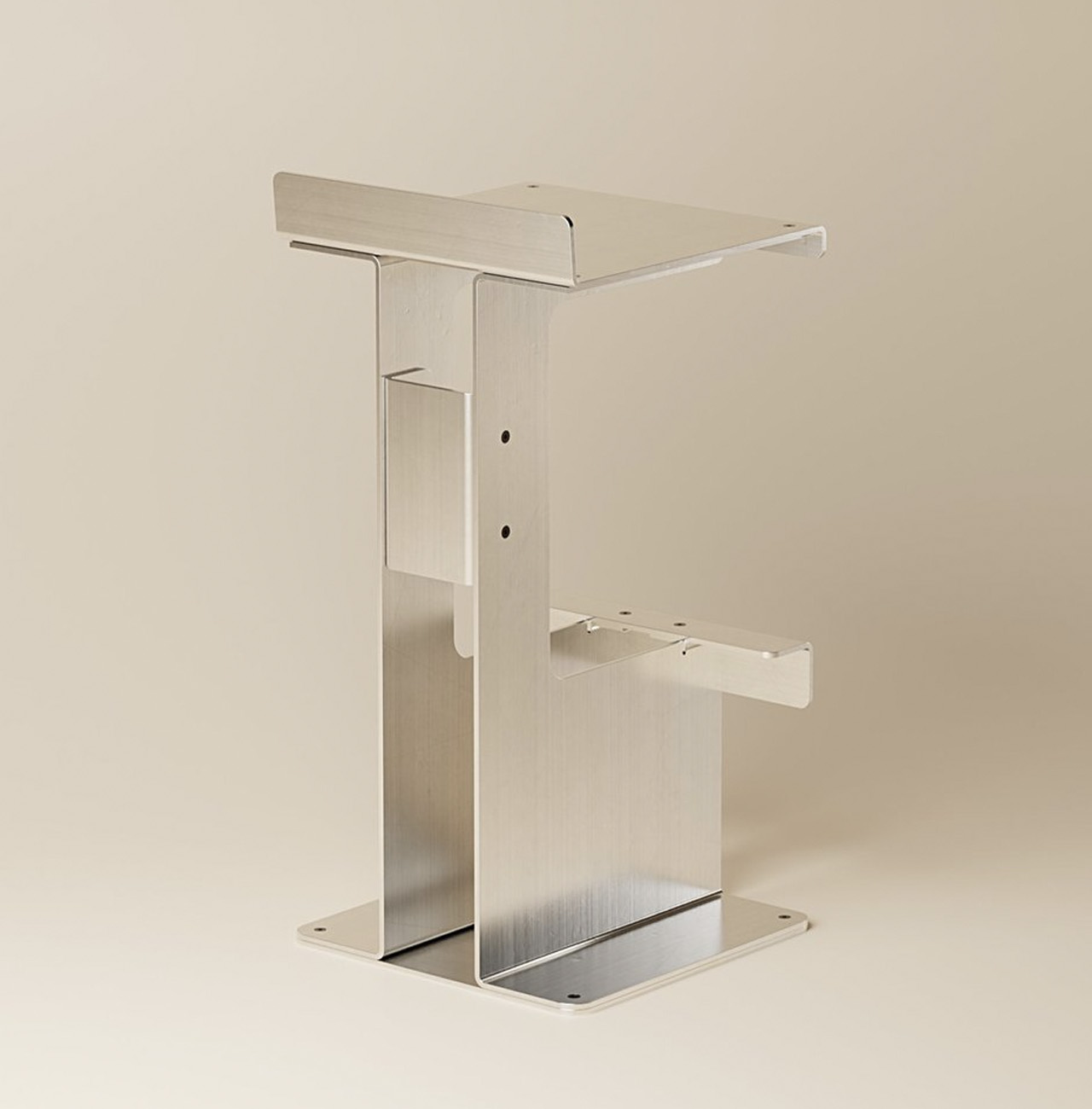
Switching out bulky chairs in my home for compact convenient little stools has become my newfound love. Stools deserve to be given way more credit than they get, cause they pack a punch in their small form. Stools are often overlooked, maybe because they occupy minimum space, and aren’t overbearing. But these traits are what make stools so great in my opinion! I mean, they’re compact, and a great space-saving furniture option for our modern homes. They are also super portable. Bar stools are also pretty great, not just for sitting on the bar, but they can be placed in different sections of your home, where they can function as convenient seating solutions while also adding some spunk to your space. And a great bar stool you may want to look at is the Foundation bar stool by Bestcase.
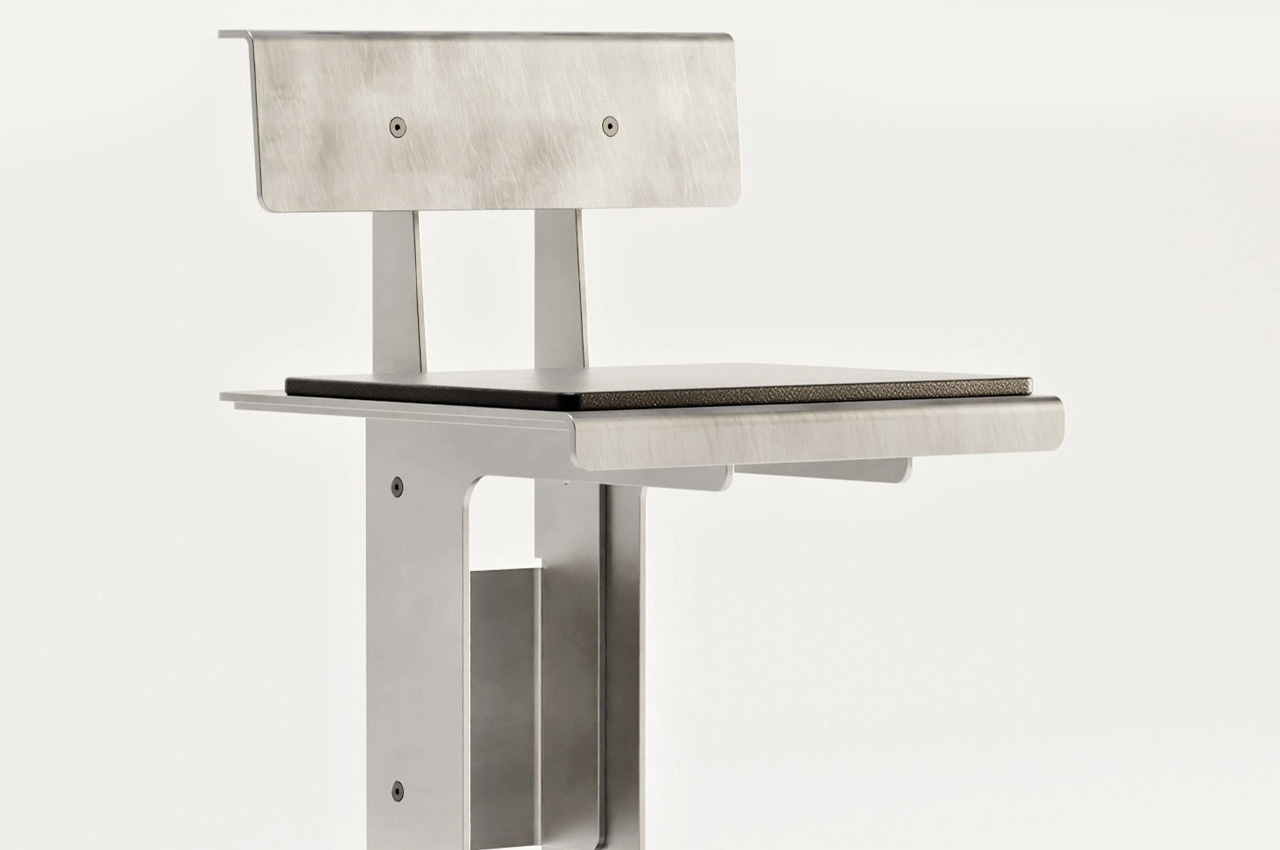
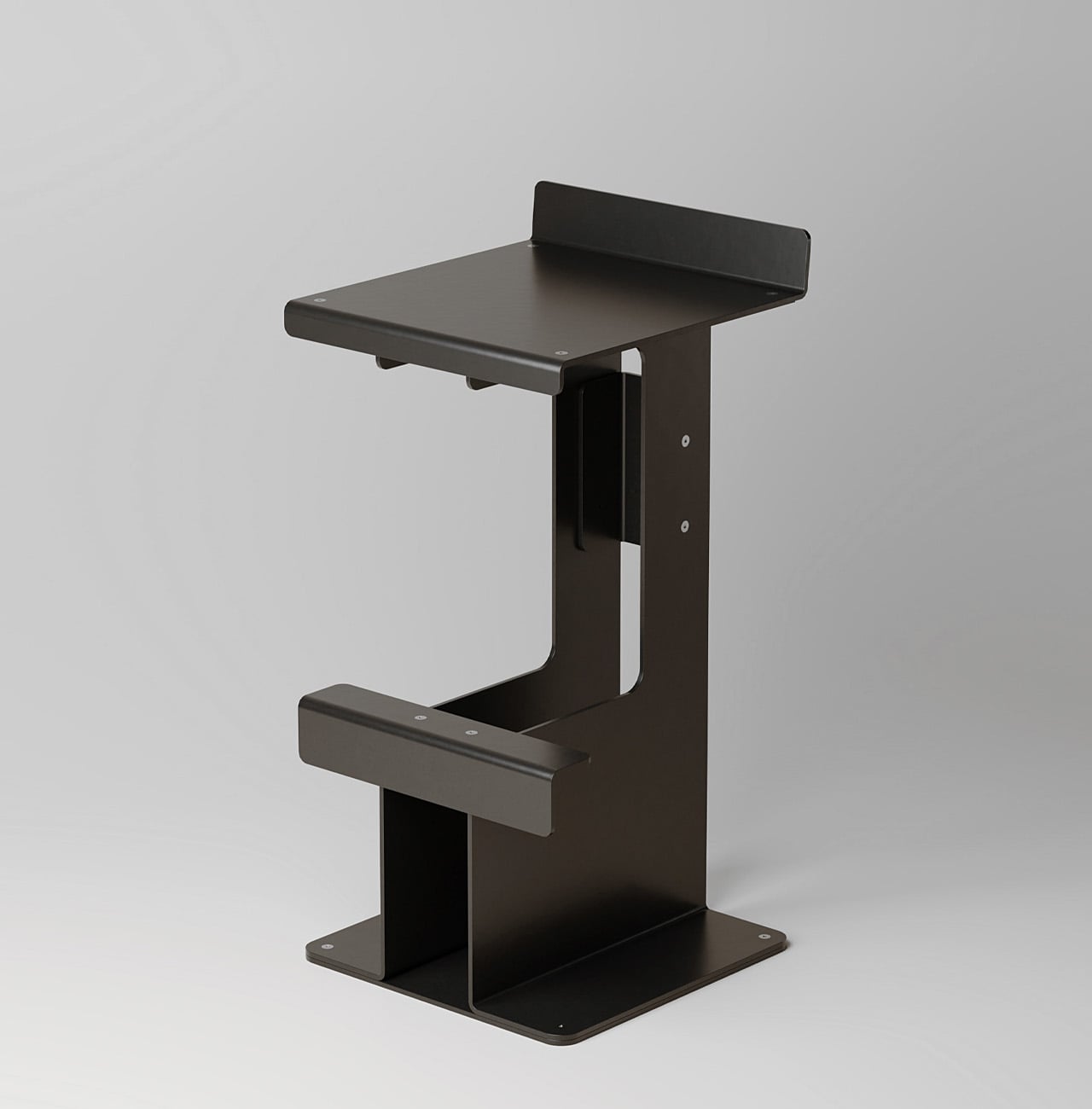
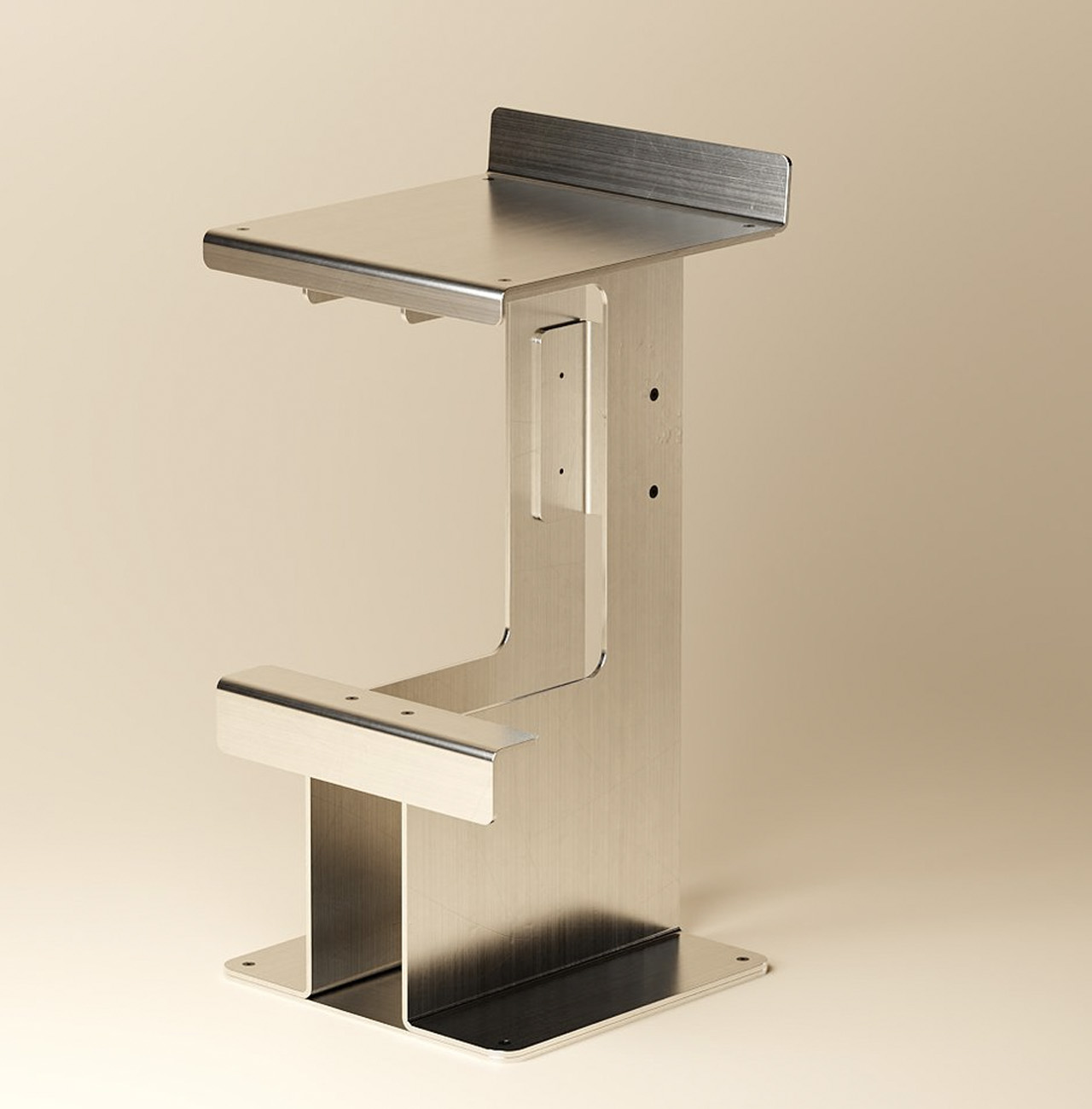
Designed by the American brand Bestcase, the Foundation bar stool is a beautiful celebration of the rawness of aluminum, and the simple manufacturing techniques used to build it. It was designed by Bestcase co-founder Charles Constantine and was unveiled in 2022 as a part of a collection that was crafted from aluminum sheet material. The minimal and sturdy stool features scaled-up sheets that are bent via a technique that is traditionally utilized to add some structure and solidity to thinner materials. This displays the structural as well as decorative qualities of aluminum, and how it can be durable and strong, while also retaining some aesthetic value.
The Foundation bar stools are equipped with mechanical connections, and a raw satin waxed aluminum finish or a powder-coated color. Bestcases describes the Foundation bar stool as “an exercise in simplicity”, and it quite beautifully celebrates the exceptional material properties of aluminum. The Foundation stool is customizable in depth, width, and height, and its sturdy structure allows seat backs and upholstery to be added to the frame.
The Foundation bar stool showcases a simple construction system, and the rawness and strength of aluminum. It has no additional frills or tassles, and only relies on the structural integrity and choice of the material to elevate the design and allow it to truly shine through.
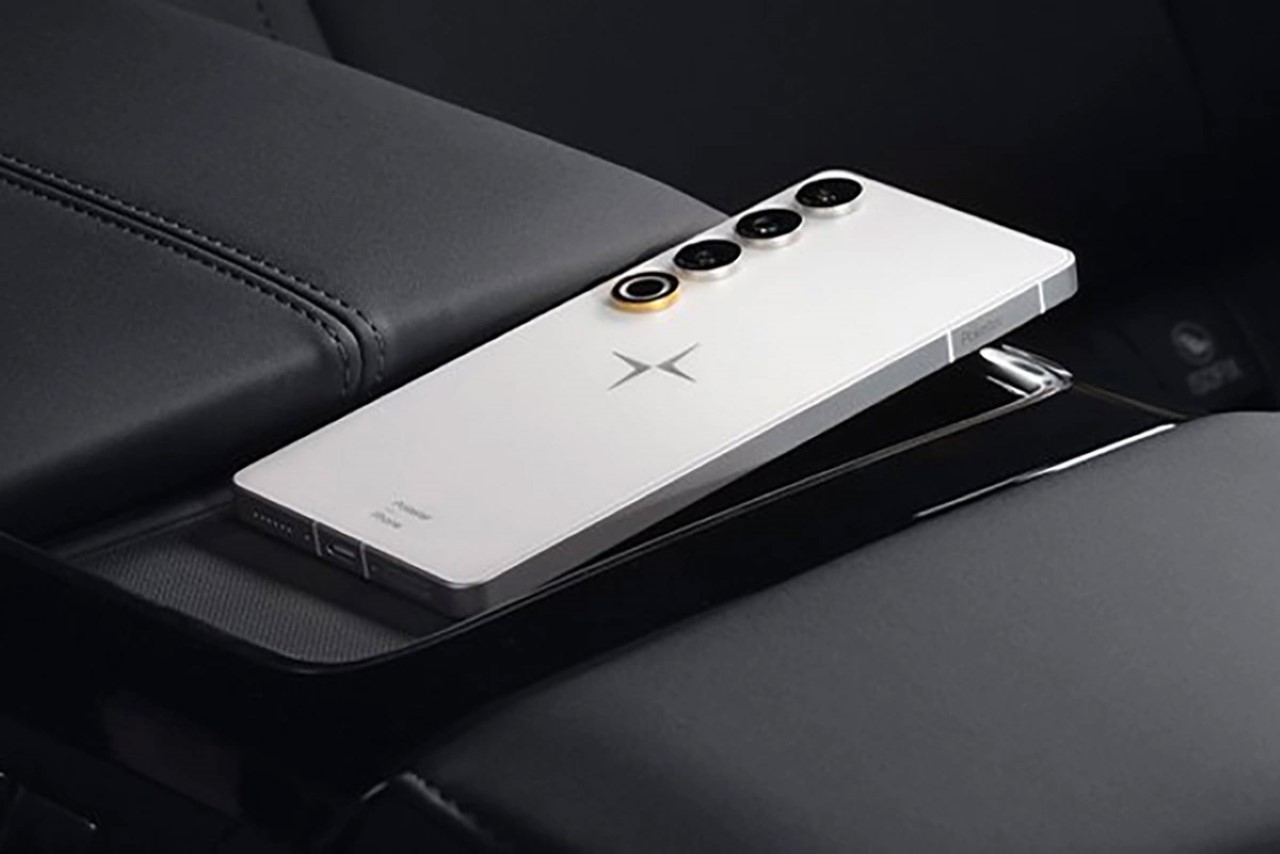
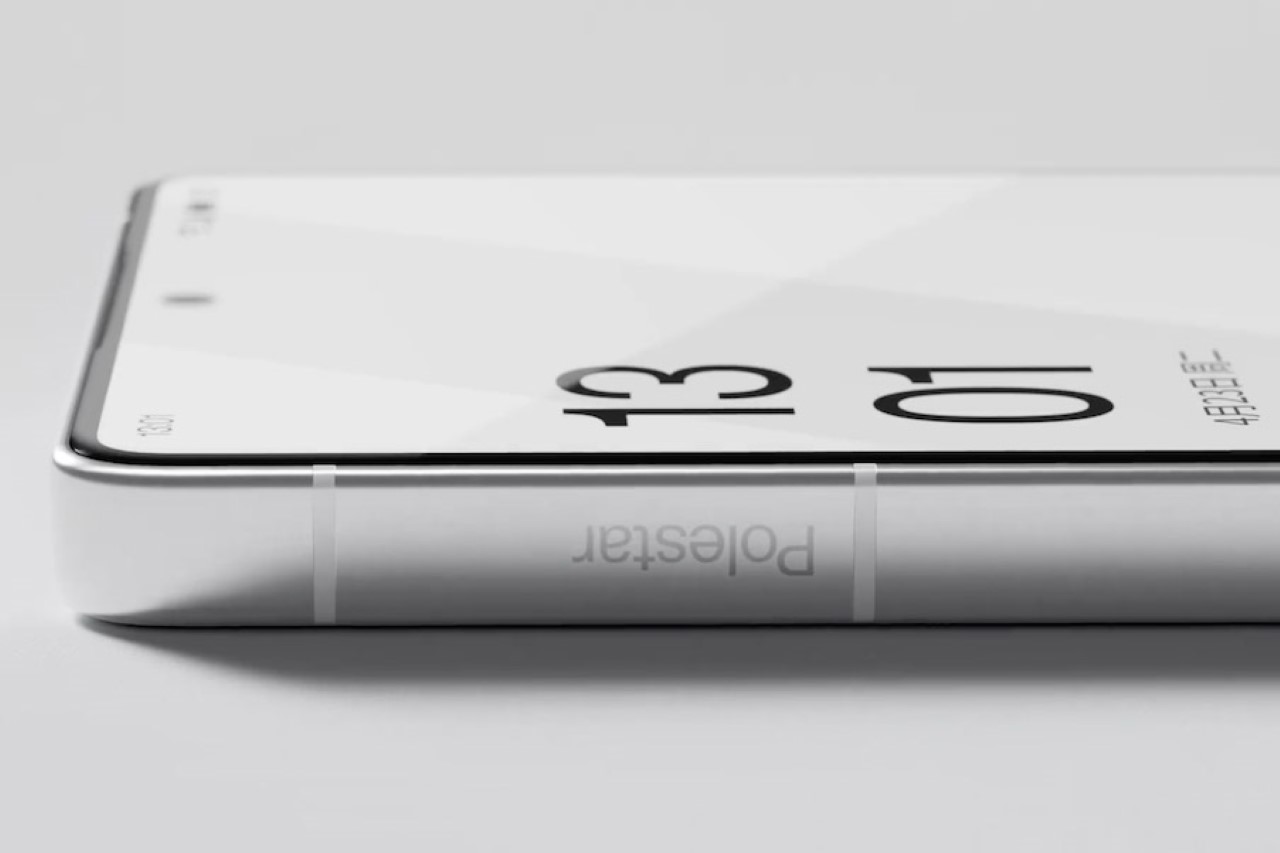
Unless China celebrates April Fool’s Day 18 days after the rest of the world, these images circulating on Polestar’s Weibo account hint that the company may be getting into the smartphone game.
Of all the EV companies to tease a smartphone, we probably expected Tesla to be the first. The internet was constantly filled with rumors teasing a Teslaphone (we even covered one of them), but turns out Polestar may have beaten them to the punch. The phone was spotted on the Google Play Console in February and was actually certified for sale in China last year, so this might not be a prank. The Polestar Phone is real, and this is what it looks like.
Designer: Polestar
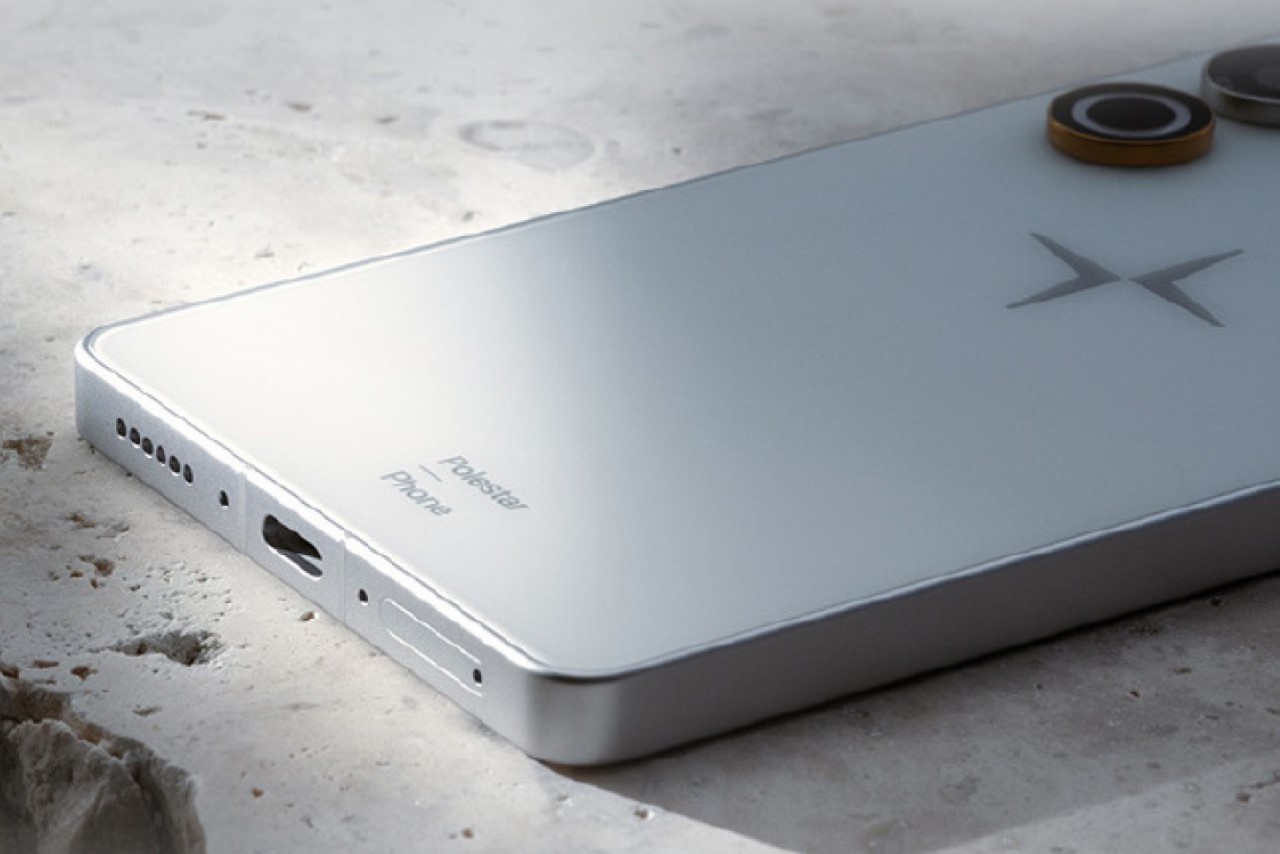
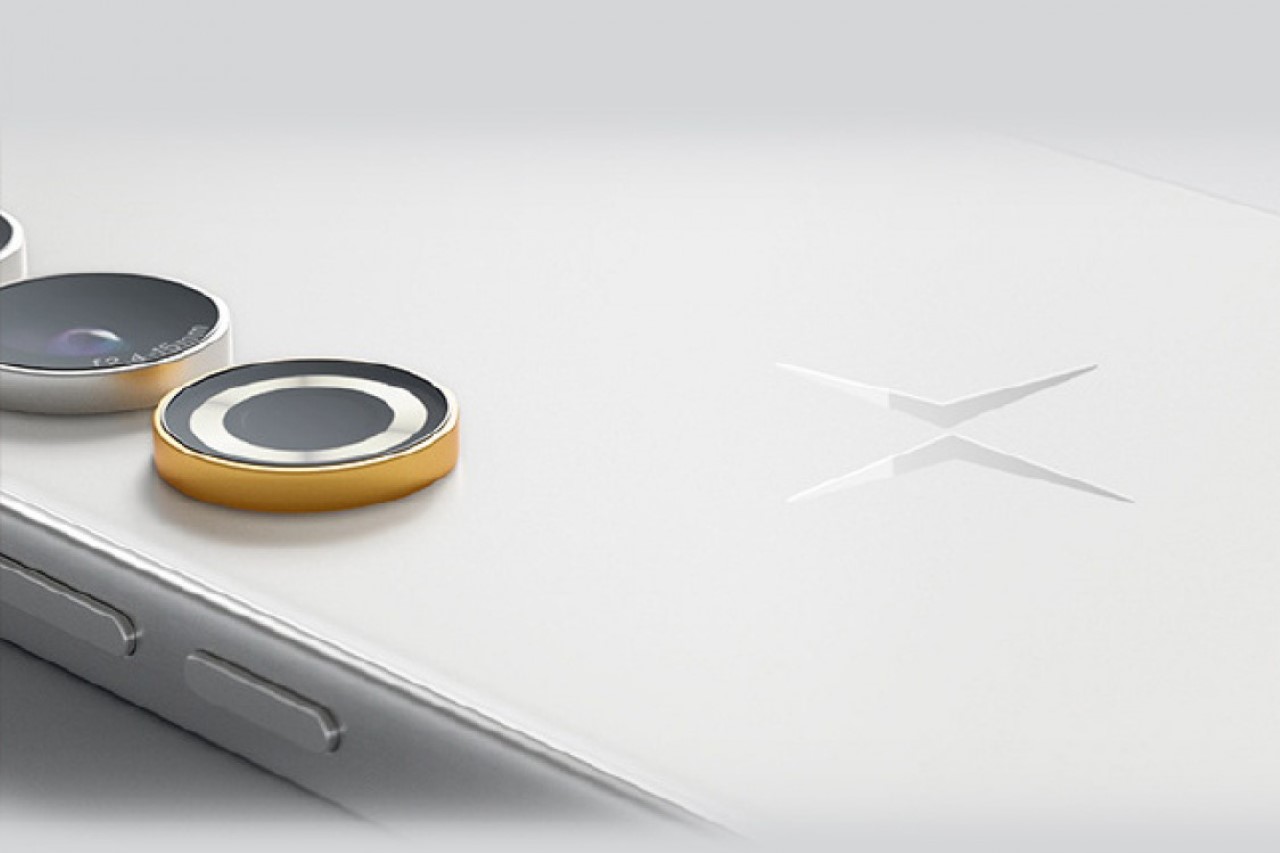
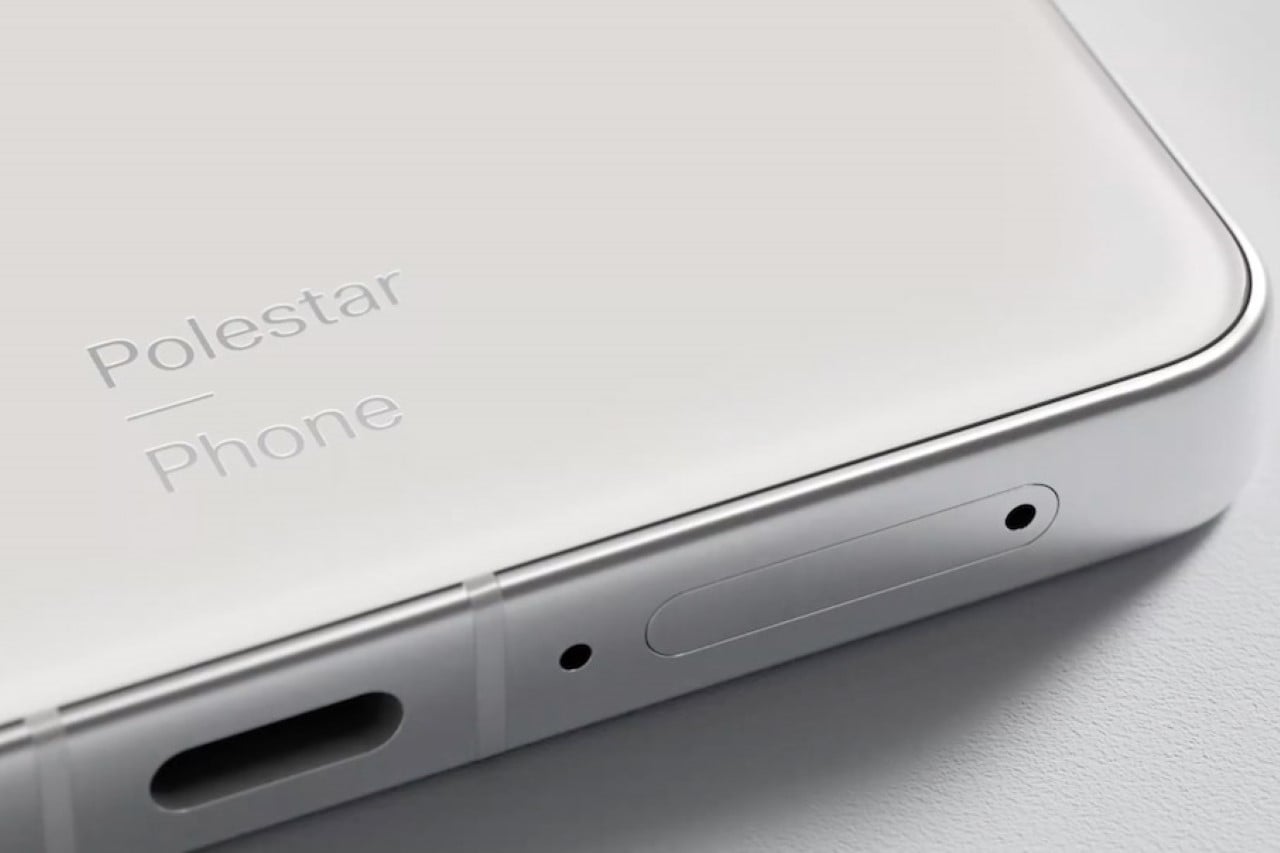
The Polestar Phone sports an all-white and silver colorway, with clean lines, tight curves, and immaculate surfaces, just like its cars. Coincidentally enough, the clean design can’t entirely be attributed to Polestar – the phone is, in fact, a rebranded version of the Meizu 21 Pro, running a different OS and with Polestar’s branding on the back as well as the sides.
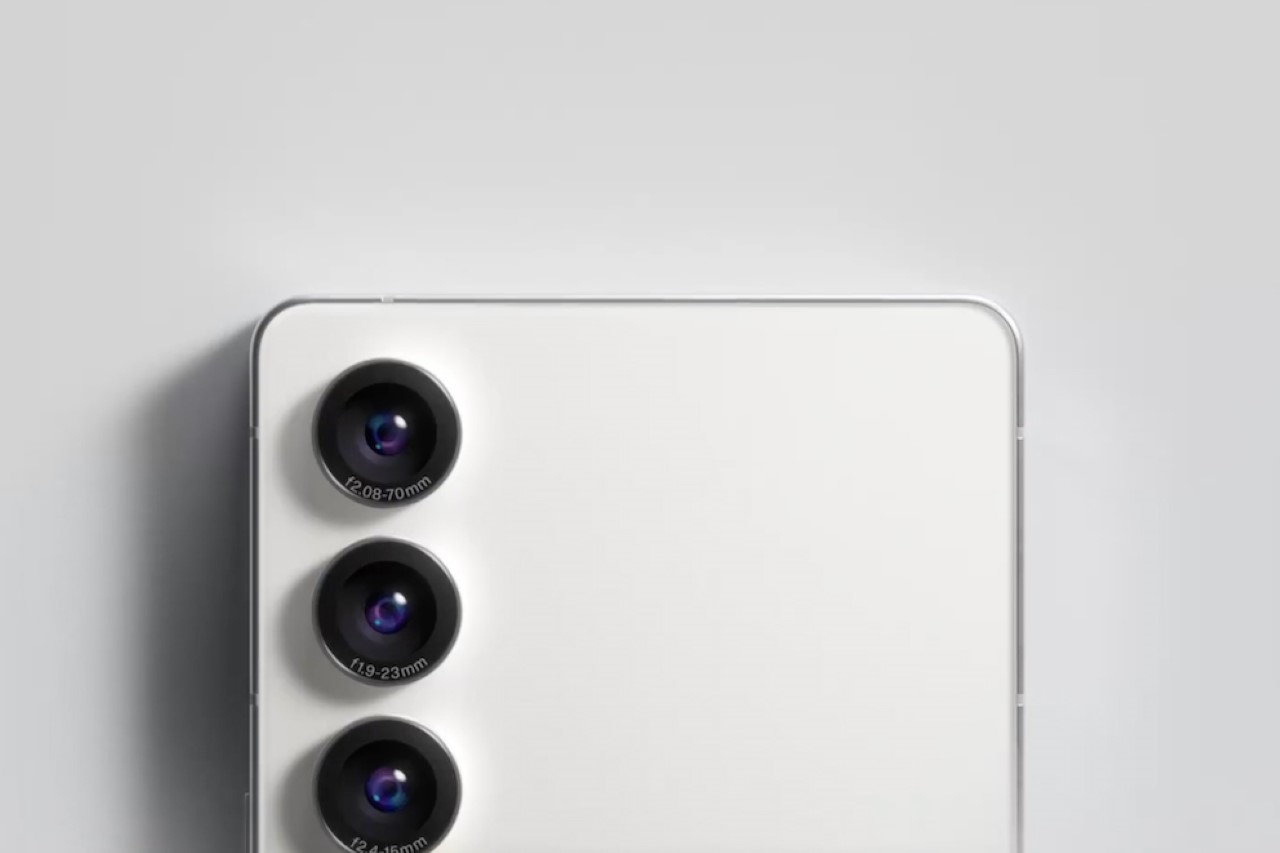
If we need to go off of the Meizu 21 Pro specs, the phone will run on a Snapdragon 8 Gen 3 chipset, and sport a 50 MP main camera, along with a 13 MP ultra-wide-angle shooter, and a telephoto camera with 3x optical zoom and periscope lens. The front will sport an edge-to-edge 2k+ screen with a 21:9 ratio and super-thin 2.2mm bezels.
The phone will apparently run a version of Android called the PoleStarOS – this is where the automotive company expects its expertise to shine through. While nobody will specifically buy a Polestar phone, the OS will offer a compelling reason for Polestar EV owners to make the switch. The phone’s OS will boast tight integration with the Polestar EV ecosystem, demonstrating how the two tech devices can integrate into each other to create a well-rounded user experience for car owners.
Barring a few images and a teaser video, not much is known about the Polestar Phone. However, the device is being primed for an April 24th launch. Who knows, if this works out we might get a Tesla X Smartphone sometime soon?!
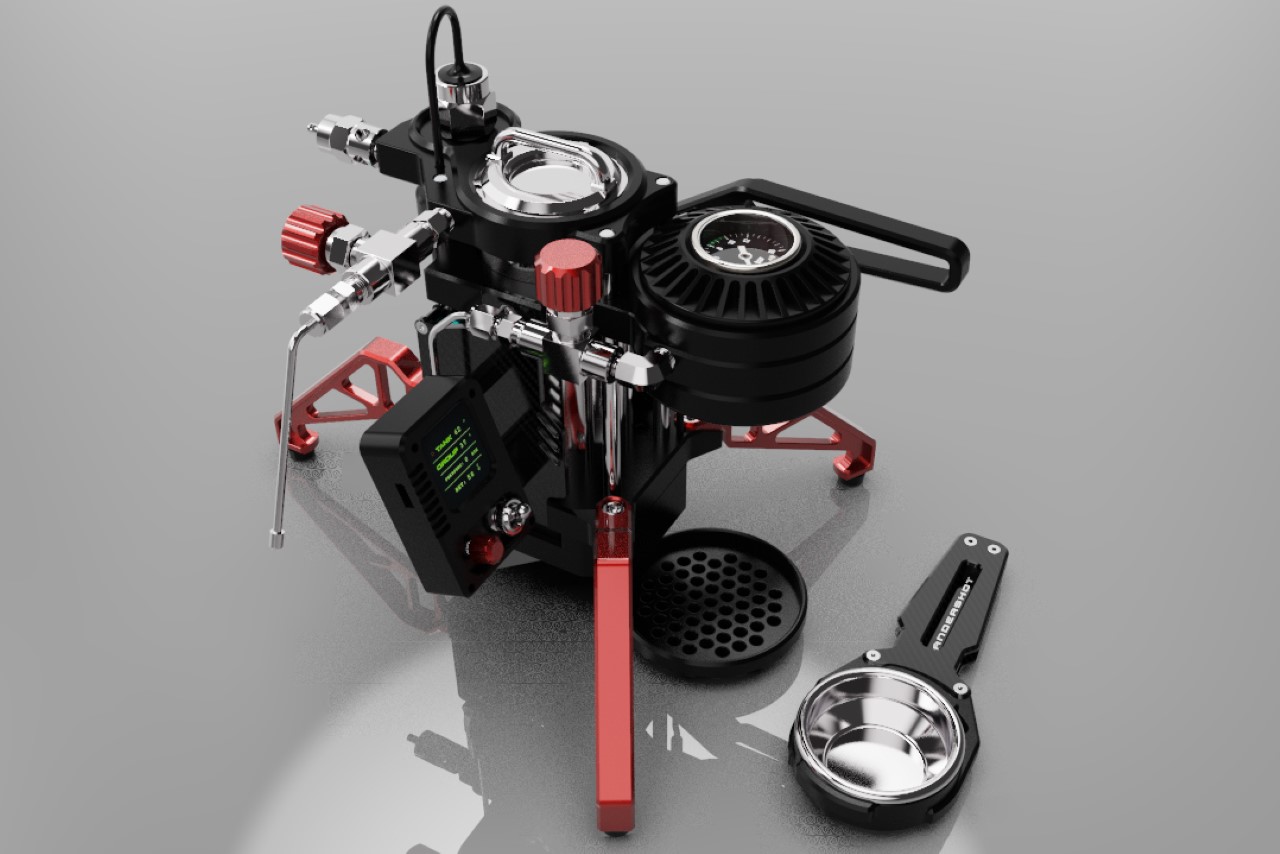
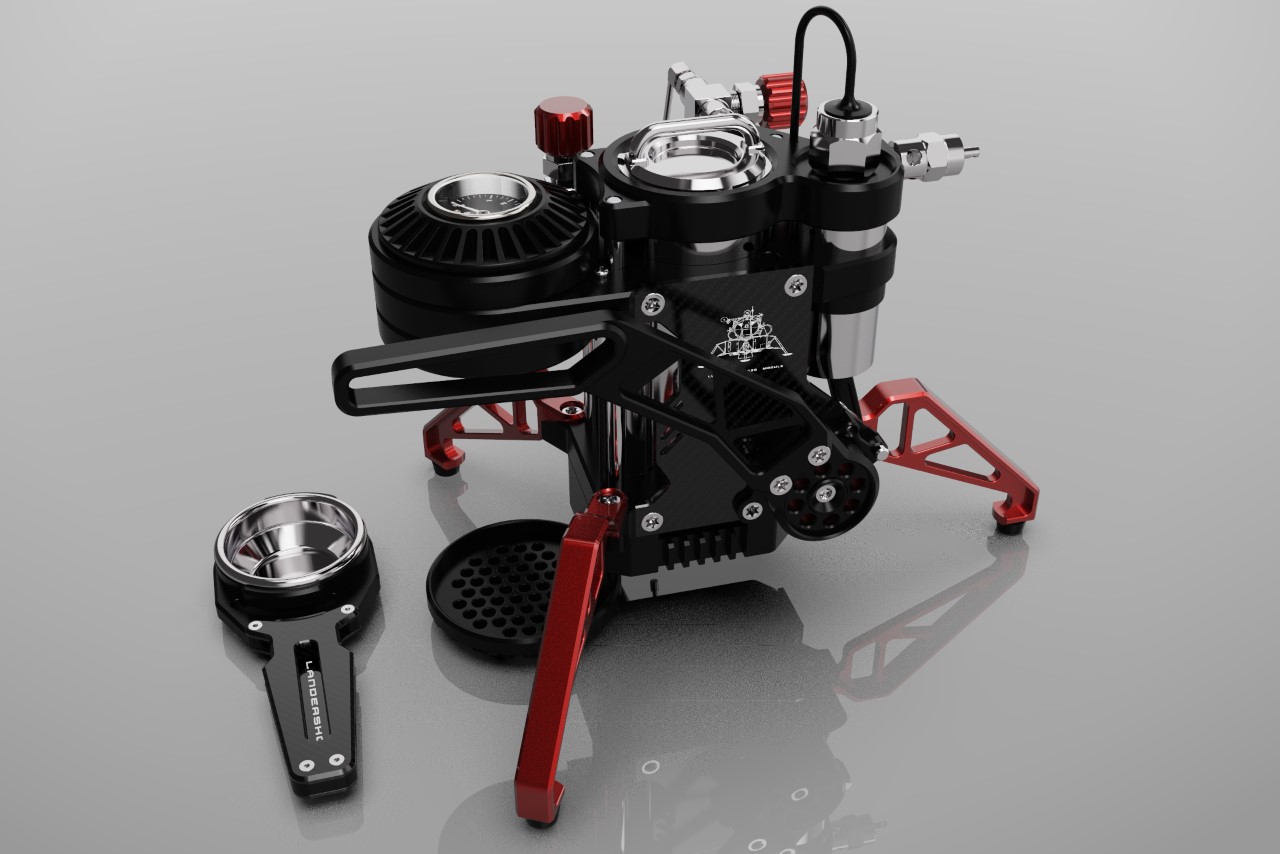
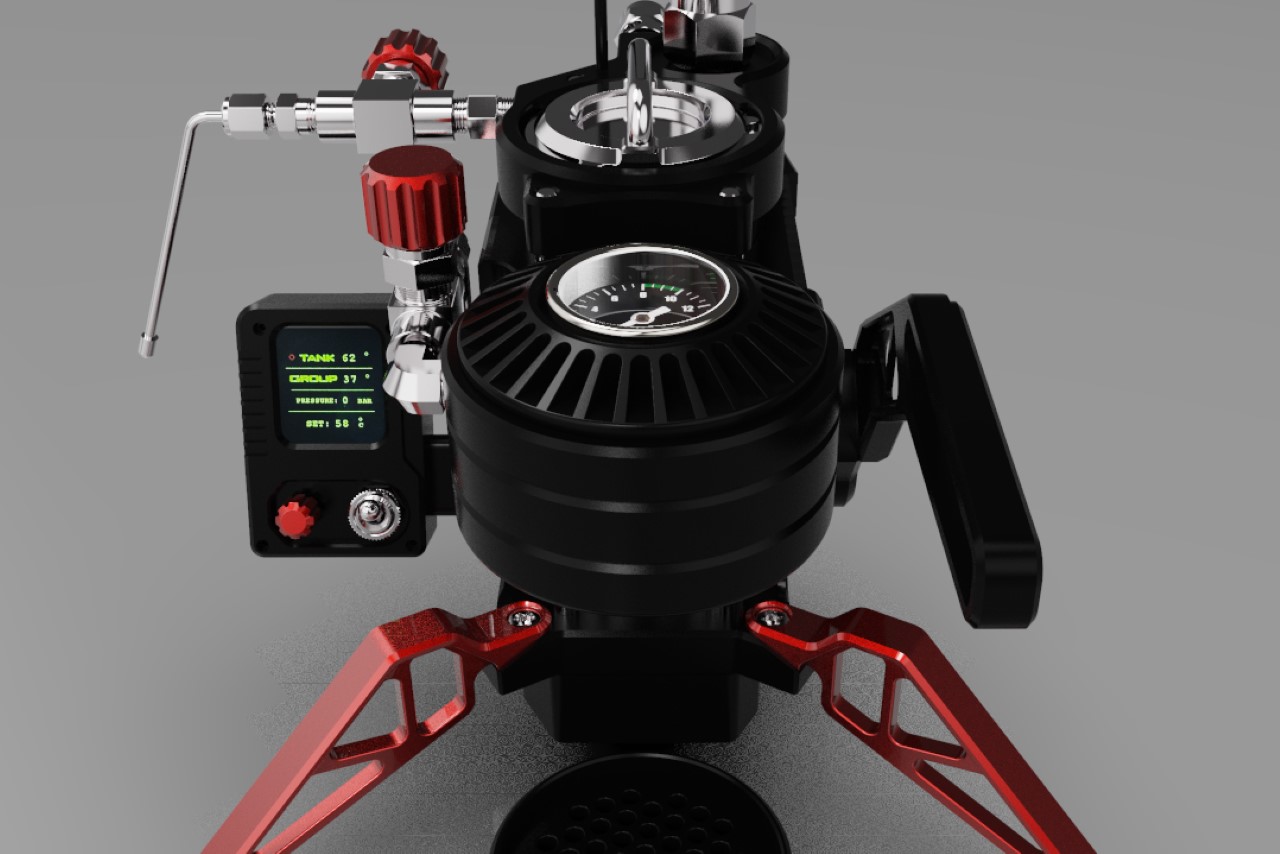
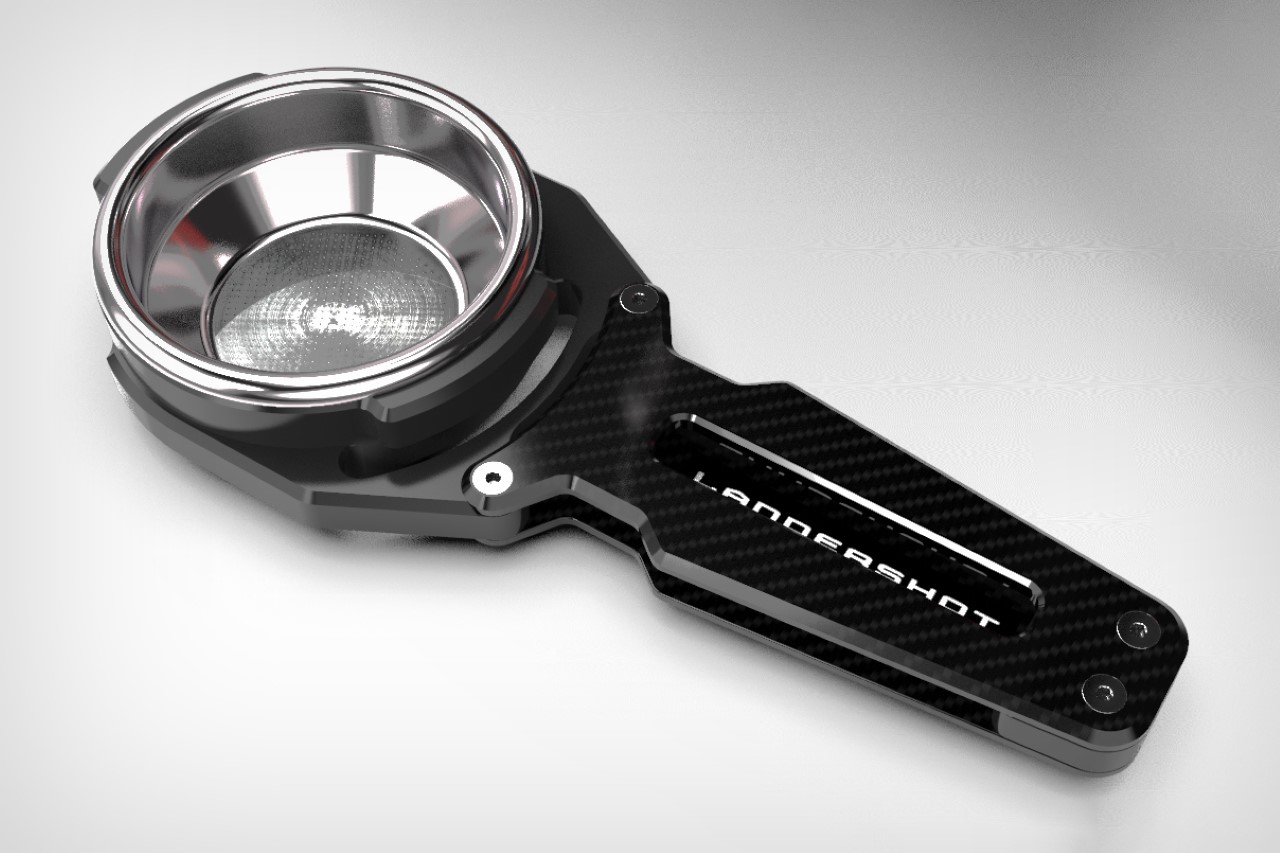
Imagine brewing your morning espresso in a machine that looks like it’s straight out of a mission control center. Made from sleek, space-grade aluminum and carbon fiber, the LanderShot Lunar Espresso Machine boasts a futuristic aesthetic that’s guaranteed to turn heads. But it’s not just about looks. Every detail, from the robust dials and gauges to the stainless steel plumbing, is meticulously designed for durability and precision.
The LanderShot Lunar Espresso Module’s design is a breathtaking fusion of functionality and futuristic aesthetics. Machined from CNC-machined type III hard-coated 6061 aluminum and carbon fiber, it stands out with its robust and sleek chassis, ensuring durability while echoing the advanced engineering of spacecraft. Its premium components, including stainless steel plumbing and a reliable pump system, promise longevity and consistent performance, making every espresso shot a perfection of science in your cup.
Control is a central theme of the LanderShot experience. This machine offers an engaging, hands-on approach to coffee brewing, reminiscent of piloting a lunar mission. From the tactile feel of its dials and switches to the precision of its analog gauges, users can manipulate every aspect of their espresso—pressure, temperature, and brewing duration. This control doesn’t just alter the taste; it transforms the brewing process into a deeply personal ritual, reflecting the individual’s preferences and the intricate dance of espresso extraction.
The technical specifications of the LanderShot are as impressive as its design. It features a PID-controlled temperature system that guarantees the optimal heat for brewing, a critical factor in achieving the perfect espresso. The machine can heat water from 20°C to 100°C in just three minutes, with a pressure reserve of about 10 bar during extraction, and includes a heat exchanger dial that allows for fine-tuning the brewing temperature. At its core, an Arduino Nano Every board oversees the machine’s precise control and monitoring, highlighting the blend of traditional coffee-making and modern technological innovation.
Not only is the LanderShot Lunar Espresso Module visually out-of-this-world, it also serves as an elegant addition to any interior. Its unique appearance and state-of-the-art features make it not just a tool for making espresso but a conversation piece that sparks interest and admiration among coffee enthusiasts and tech aficionados alike. The $2,395 price point may be a deterrent for most, but then again, if having a great coffee palate, an appreciation for space travel, and tonnes of ancestral wealth are traits that describe you perfectly, this espresso machine might just be the right pick for you.
At Milan Design Week 2024, Samsung Electronics unveiled its “Newfound Equilibrium” exhibition. This impressive showcase is all about Samsung’s forward-thinking design philosophy, which they call “Samsung Design Identity 5.0: Essential∙Innovative∙Harmonious.” It focuses on drawing inspiration from people and shaping the future. Samsung has over 1,500 designers spread across seven global studios, all working to keep their design language fresh and relevant for their customers.
Designer: Samsung
INNOVATIVE, the second exhibition space of Samsung Design’s Newfound Equilibrium
The exhibition is in the Leonardo da Vinci National Museum of Science and Technology in Milan, specifically in Le Cavallerizze. This place is a mix of 16th-century architecture and modern design, showing off Samsung’s knack for blending old and new.
Leonardo da Vinci National Museum of Science and Technology in Milan, Italy, where Samsung Design’s Newfound Equilibrium exhibition is being held.
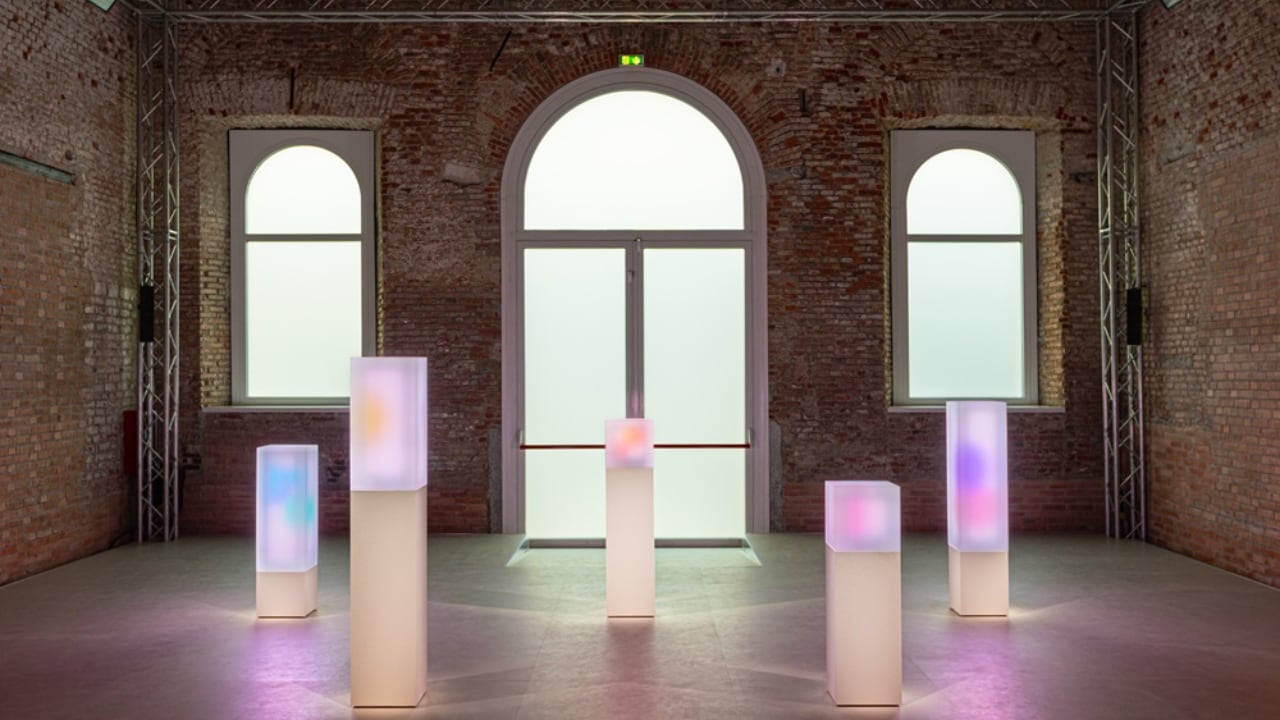
First up in the exhibition is the “Essential” area. This is all about getting back to basics and focusing on what really matters. It’s shown in the sleek design of the Galaxy S24 series and some really practical home appliances like the all-in-one washer and dryer. There are also some awesome minimalist installations with translucent cubes and playful lighting that really get the point across.
ESSENTIAL, the first exhibition space of Samsung Design’s Newfound Equilibrium
ESSENTIAL, the first exhibition space of Samsung Design’s Newfound Equilibrium
Next, we move to the “Innovative” section. Here, Samsung shows off its drive to make everyday life better with functional advancements. There are interactive displays that change based on how close you are to them, just like Samsung’s smart TVs and vacuum cleaners that adapt to your needs. This part really shouts about Samsung’s ambition to push tech boundaries.
A display shown at INNOVATIVE, the second exhibition space of Samsung Design’s Newfound Equilibrium, displays forms that shift from solid to ethereal textures as guests move closer or farther away.
INNOVATIVE, the second exhibition space of Samsung Design’s Newfound Equilibrium
INNOVATIVE, the second exhibition space of Samsung Design’s Newfound Equilibrium
Then there’s the “Harmonious” section. This is all about how tech can blend into daily life, like the SmartThings ecosystem and the Music Frame that enhance your home without taking over. There are interactive LED displays that mimic natural events, inviting visitors to imagine a world where tech fits in naturally with human and environmental needs.
HARMONIOUS, the third exhibition space of Samsung Design’s Newfound Equilibrium
The exhibition wraps up with the “Infinite Dream” and “New Dawning” spaces, which celebrate the blend of modern tech with traditional craftsmanship, through collabs with artisans like MUTINA and ALPI.
INFINITE DREAM, the fourth exhibition space of Samsung Design’s Newfound Equilibrium
In a nutshell, the ‘Newfound Equilibrium’ exhibition at Milan Design Week 2024 shows off Samsung’s big ideas about the future of tech and design. It’s about tech and design, living together, and making life better for people all over the world. Samsung’s ongoing commitment to thoughtful and progressive design is clear, and it’s really exciting to see what they’re doing to make tech a force for good in our lives.
Bespoke creations that blend modern technology with traditional craftsmanship are showcased at NEW DRAWING, the concluding exhibition space of Samsung Design’s Newfound Equilibrium.
If you’ve been slowly entering the culinary world, and are currently a novice chef on a mission to become an accomplished chef who can whip up delicious meals, then you’ve reached the right place. The key to preparing amazing dishes is having a streamlined and efficient cooking process, which can be achieved with the help of the right kitchen appliances and tools. With the perfect kitchen accessories, you can create fantastic meals within no time, and with minimum hassles. If you’re someone who likes quick and easy-to-fix meals, then we’ve curated the perfect collection of kitchen utensils for you. From an Iron Frying Plate that lets you cook and serve meals on it to a space-themed kitchen appliance that merges a microwave and an air fryer – these top-notch kitchen products are for you.
1. Iron Frying Plate
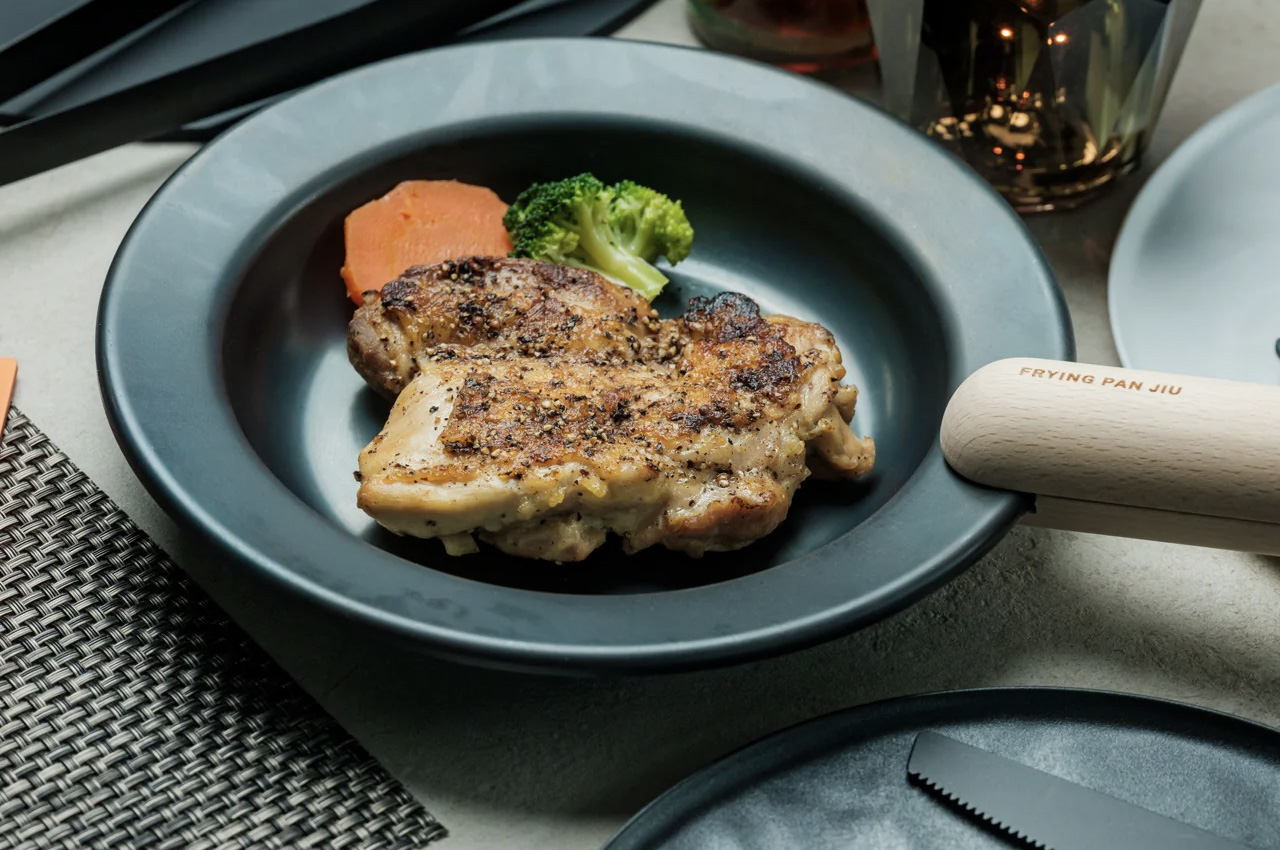
If you’re looking for handy and innovative kitchen appliances, that help you cook up a storm in no time, while retaining delicious flavors, then the Iron Frying Plate is what you need. It is a one-of-a-kind kitchen utensil that functions as a serving plate and a frying pan, owing to its nifty removable handle.
The Iron Frying Plate merges a frying pan and a serving plate to build a unique kitchen fool that not only cooks but also serves your meals. The plate supports direct-from-the-pan serving and is crafted using durable materials, offering you a refreshing method of cooking and serving.
What we like
The wooden handle is removable, allowing the plate to be used as a frying pan and a serving platter
What we dislike
Since it is crafted from iron, it is quite heavy and tough to store and operate
2. NEVO Microwave Oven
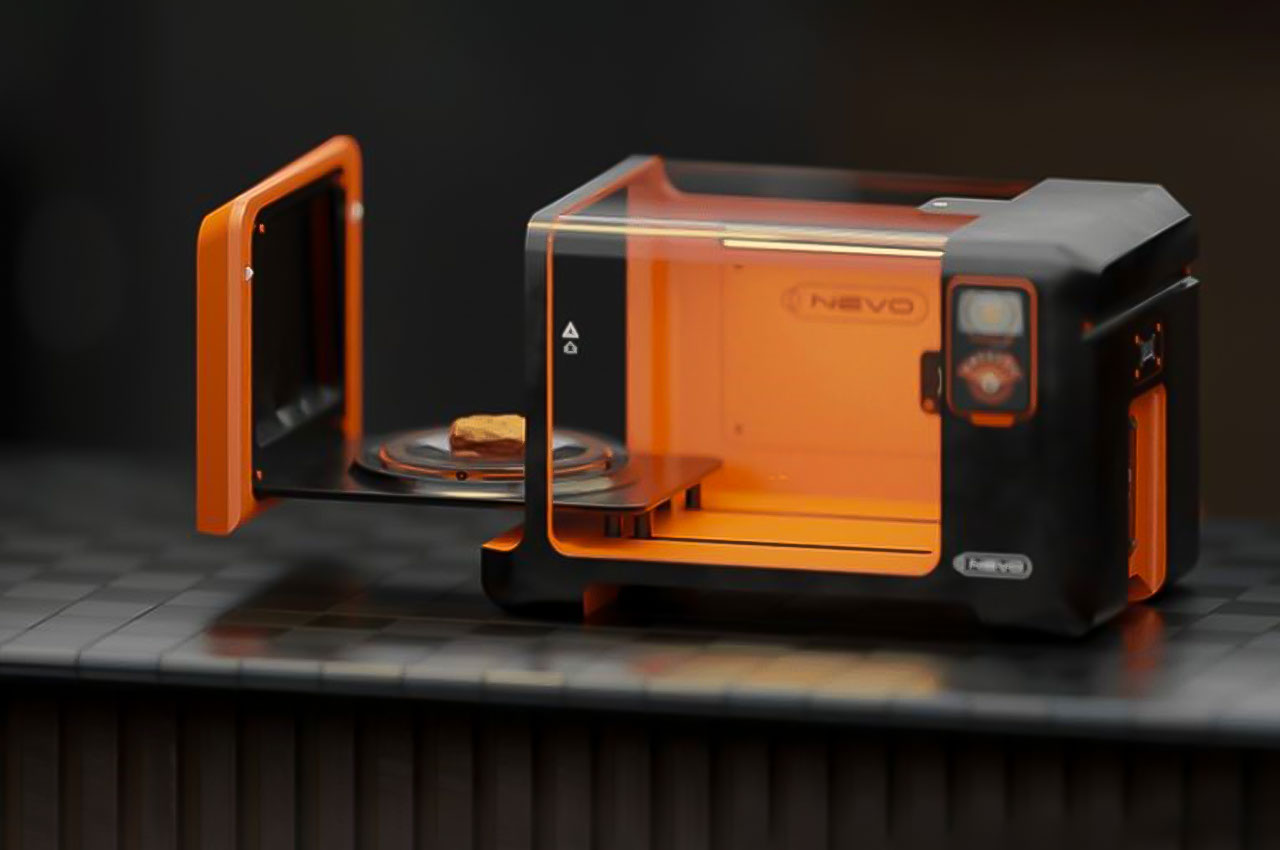
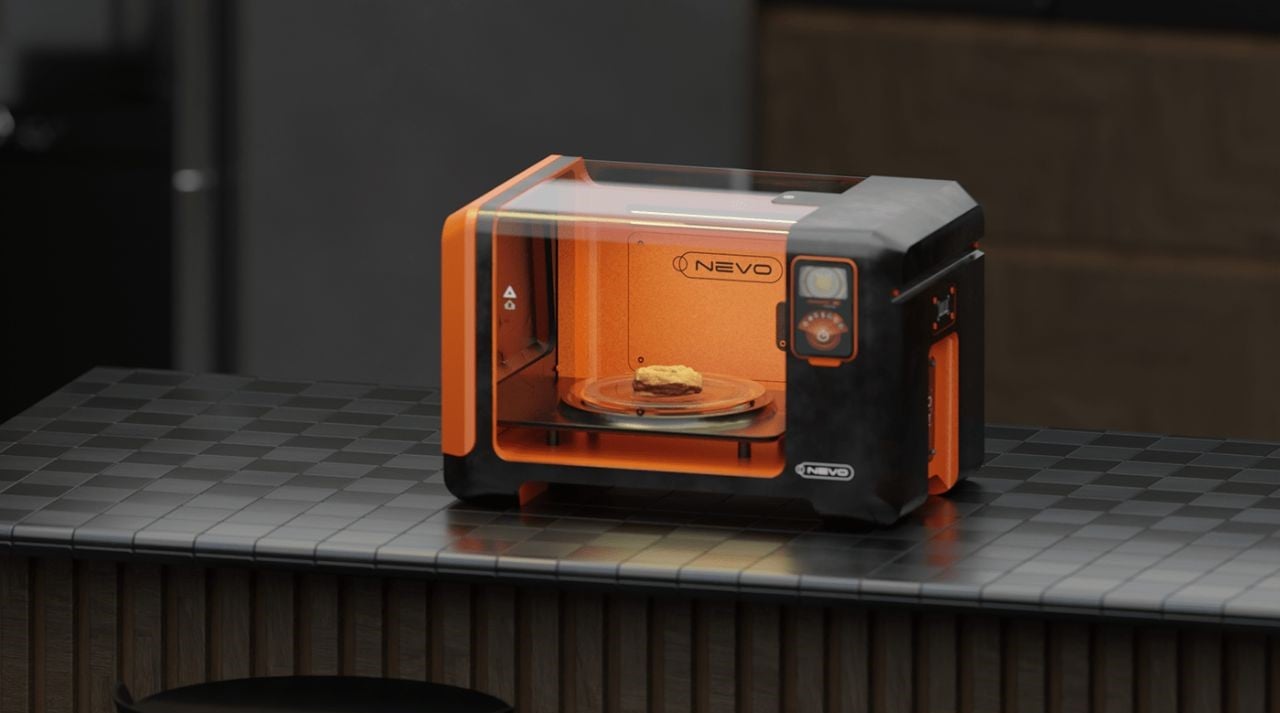
Meet the NEVO Microwave Oven – a unique kitchen design that looks like an IKEA or ACE toolbox, but is in fact a cutting-edge microwave that attempts to amplify cooking convenience and simplicity. It merges design, innovation, and industrial aesthetics to create a microwave that is well-suited for modern homes.
Why is it noteworthy?
The NEVO Microwave Oven features an intuitive user interface, which makes control and operation easier than ever. You can control a whole bunch of complicated options, which can be otherwise challenging and daunting for most microwave users.
What we like
Features a thoughtfully designed touch user interface
What we dislike
Occupies a lot of counter space, which isn’t a good option for those with minimum kitchen real estate
3. Precision Chef Kitchen Scissors
These are the Precision Chef Kitchen Scissors, and they’ve been designed with a curved serrated blade that will slice through your food pretty fast. They’re great for cutting some steaks on the dining table, allowing you to display your wonderful meat-cutting skills.
The scissors are jet-black in color, and they have a wonderful aura of power and style, which allows them to have an impressive place in your kitchen while letting you efficiently and skillfully chop your veggies, meat, pizza, and more.
What we like
Feature a curved serrated blade that cuts through meat swiftly and safely
Cutting becomes an easy and quick step of your food prep process
What we dislike
Only available in black, no other color options to choose from
4. Fooding
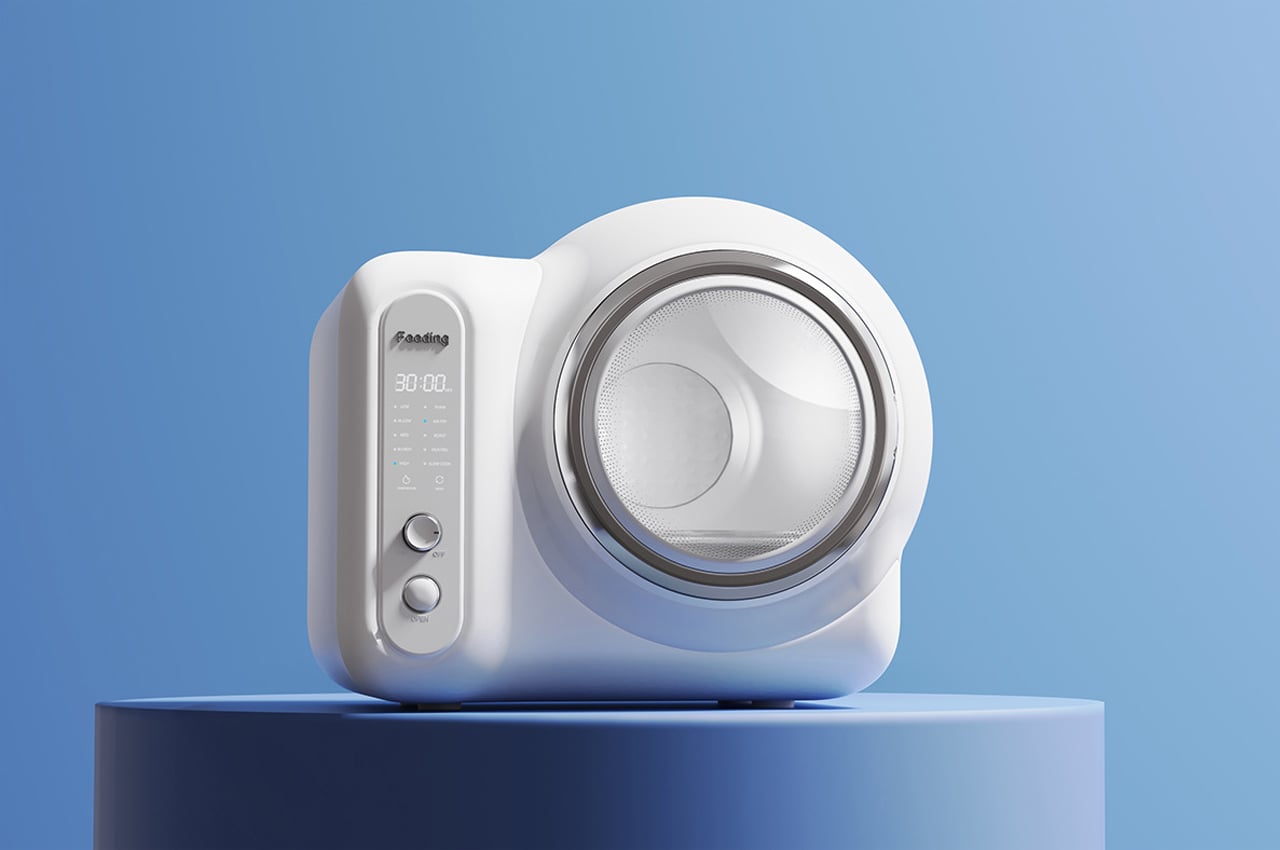
Designed by Yifeeling Design, this conceptual design Fooding merges the best of the microwave and an air fryer. The unique appliance is inspired by the bulbous shape of an astronaut’s helmet, and it combines the user-friendly form of the microwave, and the air fryer’s ability to cook some tasty and healthy meals.
Why is it noteworthy?
Since Fooding is the unique combination of a microwave and an air-fryer, it occupies less space in the kitchen, while providing you with delicious meals. It is a one-stop shop for using both appliances.
What we like
Compact form that combines the microwave’s rectangular shape with the air fryer’s rounded edges
What we dislike
It is a conceptual design, so we don’t know how well it will translate into a tangible product
5. PrecisionGrip Chopstick Tong
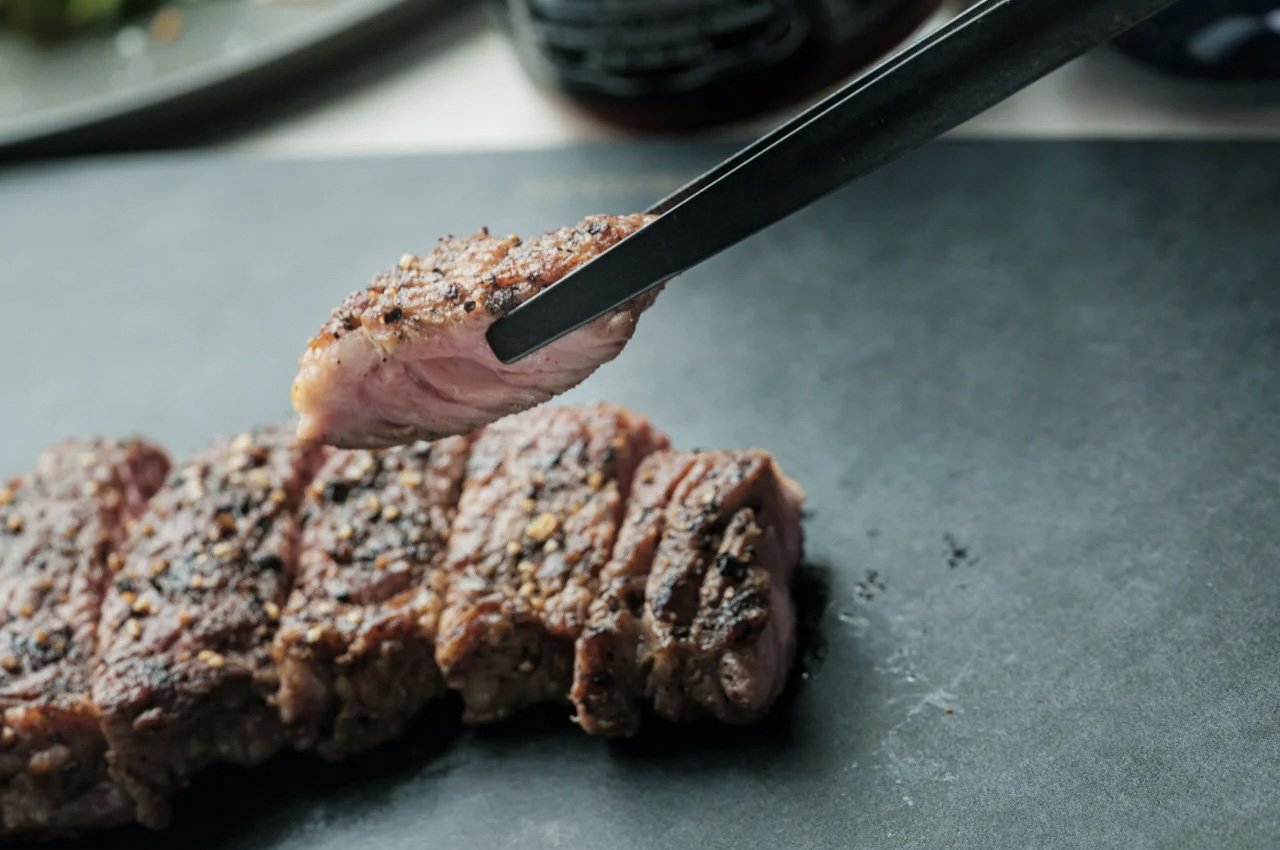
Meet the PrecisionGrip Chopstick Tong – these unique tongs are shaped like chopsticks, and they’re used to pick up and handle small pieces of food with total ease. You can easily pick them up, and turn them over on the pan – much like an expert chef! They’re crafted from lightweight and durable SUS821L1 stainless steel.
You can use the delicate tongs to prepare lunch boxes, or even consume sushi, as there is no wrong way to hold and handle the utensil. These tongs are designed to last you a lifetime, and they have a special metal processing which makes sure the jet black color doesn’t peel or scratch off.
What we like
Made from sustainable SUS821L1 stainless steel, which is derived from scraps and offcuts
What we dislike
Difficult to use for larger pieces and cuts
6. STEAMIE
Named STEAMIE, this kitchen appliance reintroduces steam into mainstream cooking! It can cook food without diluting or compromising on the flavor, providing you with healthy food, that is not only rich in nutrients but also pretty delicious. It is a tabletop appliance that will present you with food that is nutritious and delicious.
Why is it noteworthy?
STEAMIE is equipped with a built-in scale that lets you measure your food before you cook it. It also features a bamboo-wood lid that functions as a cutting board for food prep. You can watch your food being prepared via the frosted-acrylic food bowl, while an intuitive display lets you input and check prep times.
What we like
Utilizes a unique turbo convection method to rapidly steam-cook the food
What we dislike
Bulky and heavy form that will occupy substantial space on your kitchen counter or dining table
7. Chao
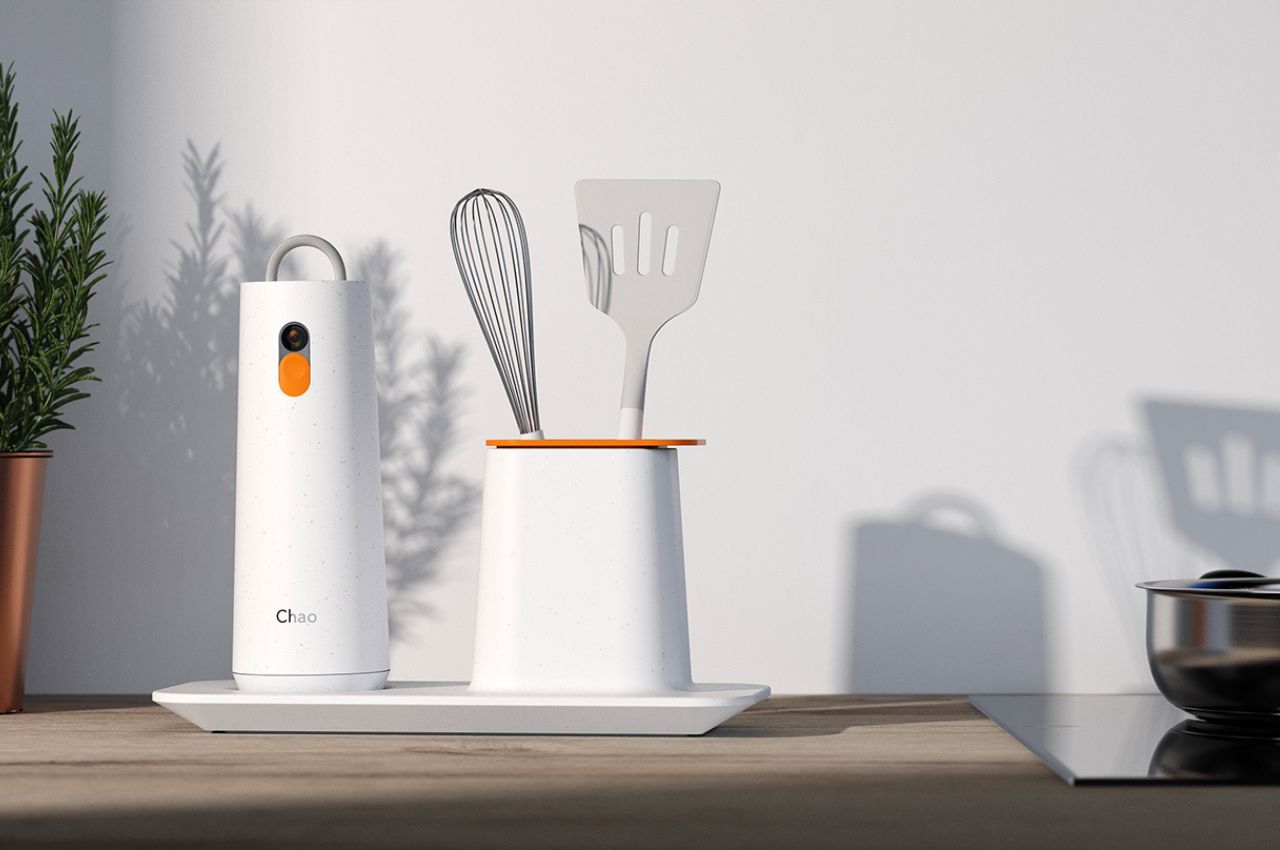
Say hello to Chao – an AI-powered social cooking platform which is created to reduce the hassle of meal planning, and the difficulties we encounter while cooking. Chao is designed to make your daily cooking experience more accessible, easy, and enjoyable as well.
Why is it noteworthy?
Chao uses intelligent machine vision to ensure that all the utensils are used correctly, which is great for new cooks. It also attempts to make cooking a joyful social collaboration, where users can prepare and enjoy meals together.
What we like
Allows users from all corners of the globe to create and prepare meals, forming a global culinary community
What we dislike
It is currently a concept, so we are unsure how functional and user-friendly it will be in reality
8. Playful Palm Grater
Ever in the mood to grate some fresh garnishes onto your meal? Well, then you need to get your hands on the Playful Palm Grater. This little product is designed to add some functional fun to your kitchen space, and it also fits completely into the palm of your hand, letting you grate fresh garnishing.
It resembles a curled piece of paper and can be purchased in a bunch of fun colors, letting you pick the one that perfectly matches your dining and kitchen requirements and space.
What we like
Provides a sturdy grip, while transforming the task of grating into something fun
What we dislike
Not the best for grating large amounts of food, since it has a small size
9. Thanko Electric Bento Rice Cooker
Called the Thanko Electric Bento rice cooker, this portable cooker prepares a bowl of warm rice for you in no time. It makes rice an easily available and omnipresent food item irrespective of where you go. It prepares single-serve rice in a quick period of time.
Why is it noteworthy?
The Thanko Electric Bento rice cooker is great for those who travel or want fresh rice at the office instead of takeout or prepacked meals. The rice cooker can prepare 6 ounces of rice in one go. It even comes with a measuring cup for convenience!
What we like
Has a portable and easy-to-carry design
You can eat the rice from the container, don’t need a separate utensil for it
What we dislike
No variety of choices in terms of sizes and colors
10. Plate Grater
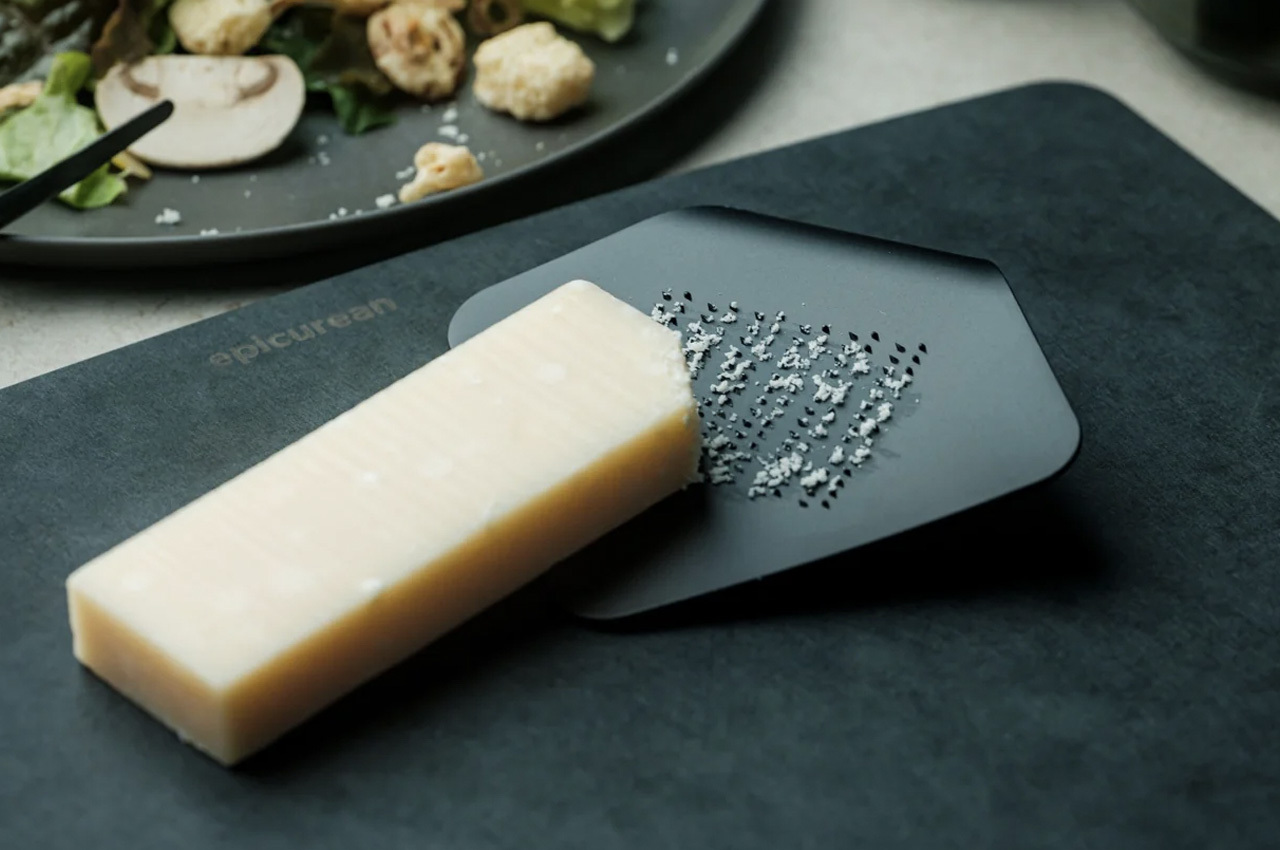
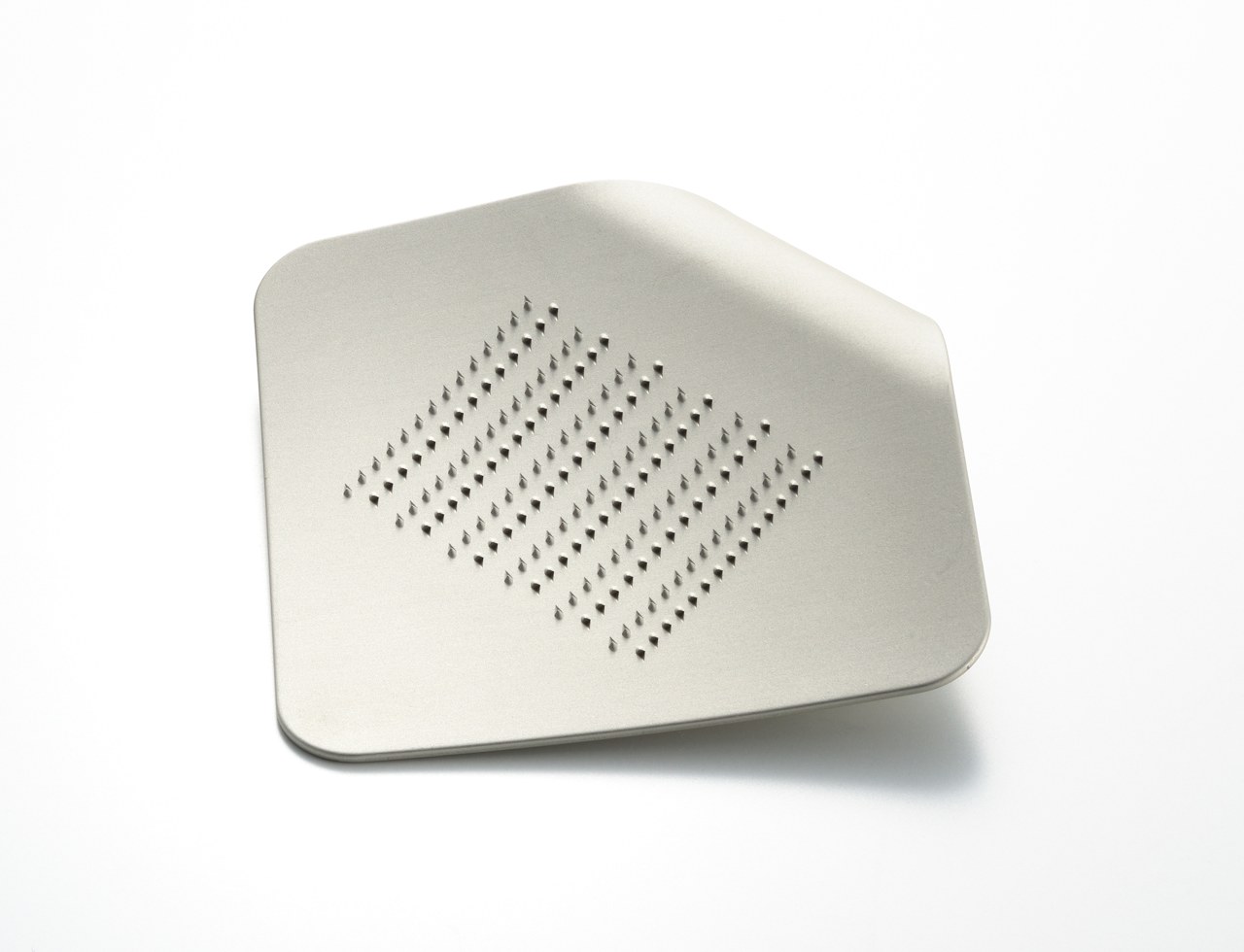
Called the Plate Grater, this grater resembles a compact little plate, and you can use it by setting it on the table. It merges a plate’s functionality with the utility and practicality of a grater. You can utilize it to add fresh garnishes to your meal, or to even make some fresh wasabi for sushi!
The grater/plate product is dual-functional, and it can be used as a grater and a plate. Besides being quite good-looking, it grates fresh garnishing for you, elevating your meal to a gourmet level.
What we like
You can grate fresh ingredients onto your meal, taking it to a gourmet level
What we dislike
Since it has dual functionality, it may take users a while to adjust to it, and learn to use it
The COVID-19 pandemic may be over, but the challenge of maintaining clean air persists. If there’s anything we’ve learned over the past year, it’s that conventional solutions are no longer sufficient when it comes to breathing fresh air. Common disposable and cloth masks do block some harmful elements, but they also block proper airflow. Some fan-enabled masks improve that situation slightly, but they still put an obstacle to some of the ordinary tasks that we do each day, especially when our voices are involved. Enter the age of AI-enabled technology. The innovative AI Air Mask not only filters out harmful elements with superior efficiency but also enhances airflow, ensuring that breathability and communication remain clear and unhindered. This is the next step in wearable health tech, promising not just cleaner air but also proactive health monitoring, all in a sleek, comfortable, and inclusive design.
Designer: Leandro Rolon
Click Here to Buy Now: $99$299 ($200 off). Hurry, exclusive deal for YD readers only! Raised over $1.5 million.
We now live in a world where even the air inside our homes can be suspect, so one can only imagine how much worse the situation is outdoors. Just in time for the health scare that gripped the world, ATMOBLUE launched its first smart wearable purifier to address the need for clean, breathable air anywhere you go. It went beyond the minimum requirement of simply blocking harmful microorganisms to deliver a solution that was effective, customizable, and most importantly, comfortable.
Smart Adaptive Filtration: Employs intelligent sensors for adaptive, real-time purification, setting a new bar for air quality protection.
The first ATMOBLUE smart mask was practically a mini air purifier you could wear on your mouth. It utilized replaceable H13 HEPA filters to do the heavy lifting of blocking as much as 99.97% of harmful particles such as bacteria and PM2.5. But while some masks stopped there, ATMOBLUE went above and beyond to include a dual fan airflow system that removed that suffocating feeling whenever you wear a face mask. The result wasn’t just clean air but breathable air as well, increasing the comfort and confidence of wearers who made the investment in backing the project.
Premium Silicone Design: Engineered with superior silicone for unparalleled comfort, designed for all-day wear and redefining the protective gear experience.
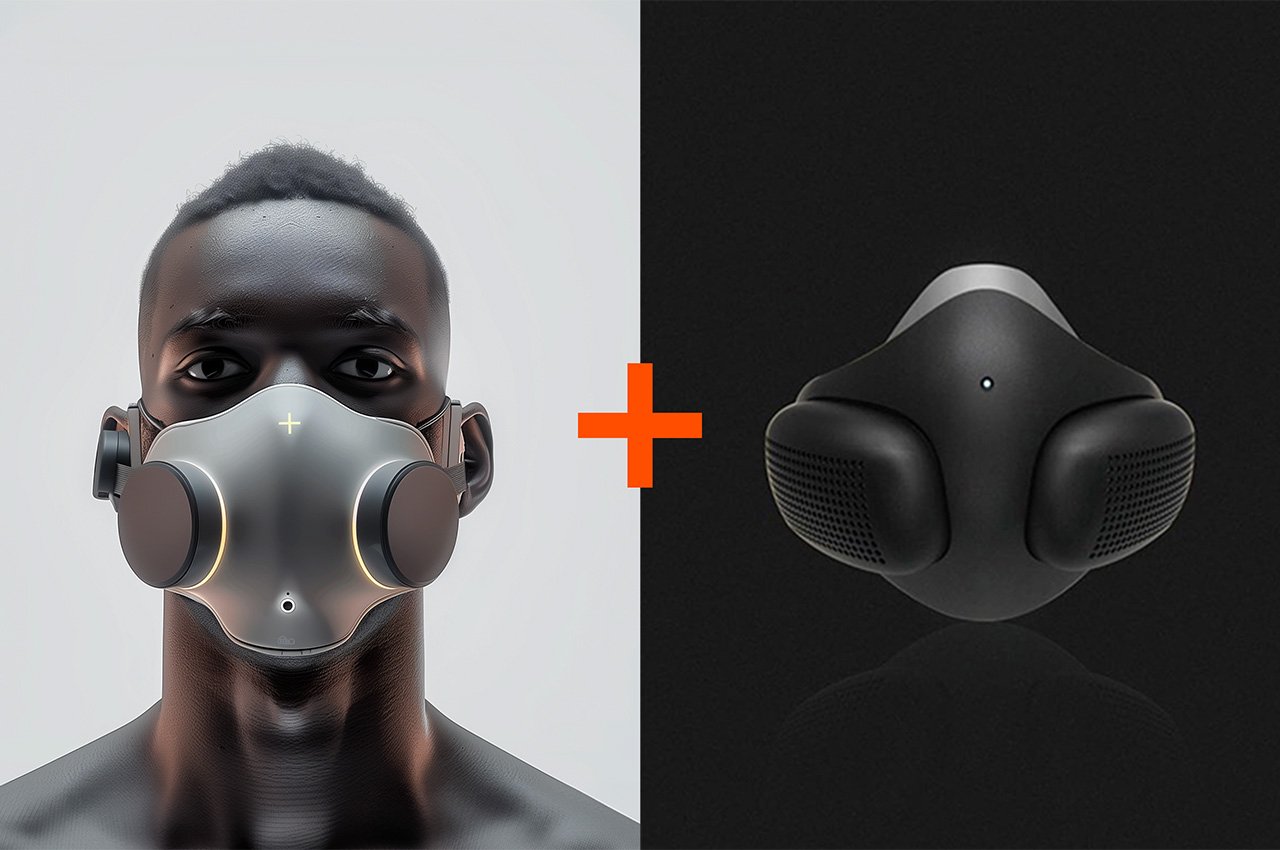
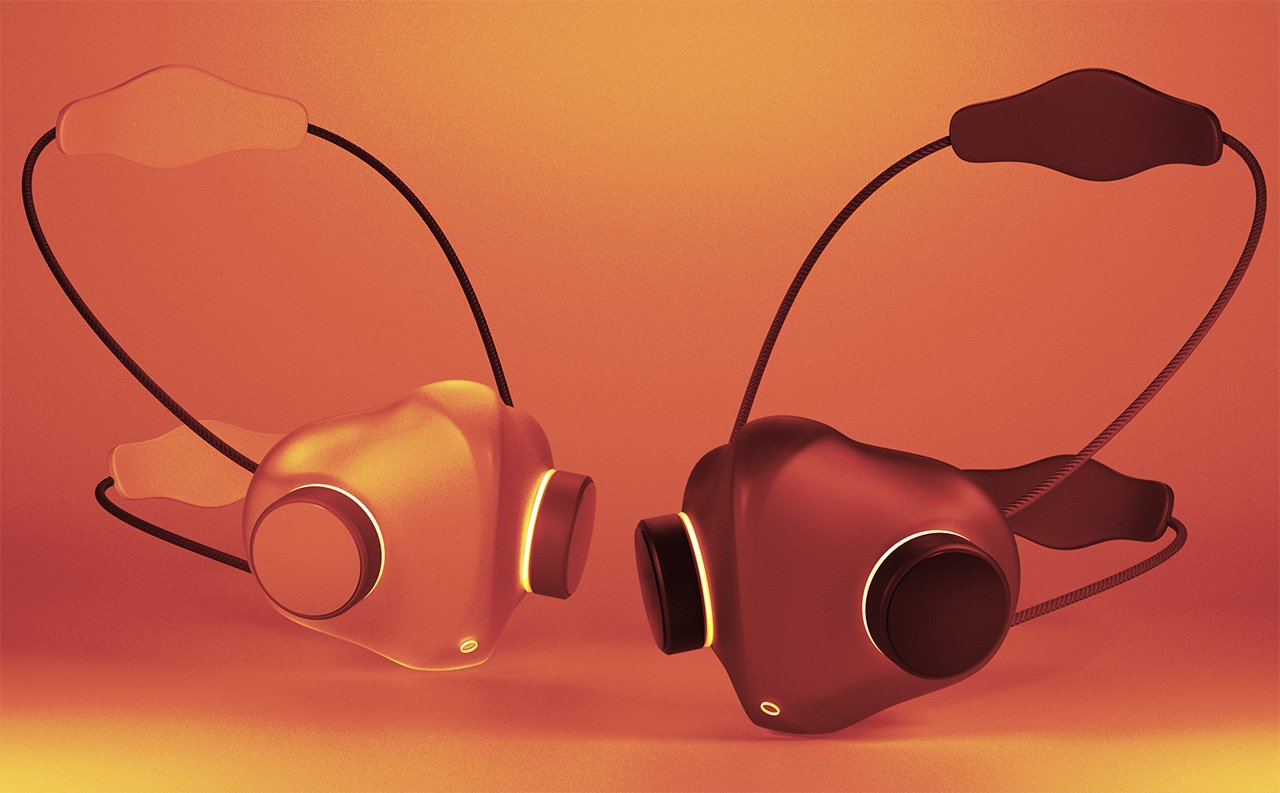
As successful as that smart mask was, it isn’t yet the pinnacle of healthy breathing. Stepping into the limelight again, the creators of the ATMOBLUE Mask are presenting an even more advanced solution that leverages the hard-earned lessons of the past and applies the benefits of artificial intelligence to provide a more holistic view of the wearer’s health. This AI-driven Air Mask, an evolution of the original ATMOBLUE Mask, features a refined semi-transparent silicone body for premium comfort. It is equipped with a dynamic adaptive filtration system that intelligently senses environmental changes and auto-adjusts in real time for optimal protection.
AI-Enabled Bluetooth Microphone: Features a built-in mic for clear conversations and seamless AI assistant interaction, improving communication without compromising wearability.
But wait, there’s more! Wearing a mask always has the effect of muffling one’s voice, which can be an even bigger problem when trying to communicate. Addressing this issue head-on, the AI Air Mask is ingeniously equipped with an integrated microphone and Bluetooth connectivity, allowing you to convey your voice clearly and confidently. Elevating the experience further, this mask incorporates advanced voice recognition and AI capabilities, creating a symbiotic relationship with your AI smart assistant that transcends traditional communication barriers. Beyond enhancing dialogue, the AI Air Mask serves as a guardian of your well-being, continuously analyzing key health metrics such as temperature, respiratory patterns, and cough frequency, not only to provide better insight into your health but also to warn you of potential infection.
With the AI Air Mask, the creators of ATMOBLUE aren’t just offering an upgraded wearable but also an investment in a healthier future. That’s exactly the kind of investment you’re making with this sweet pre-sale deal that lets you not only reserve a spot but also get a 50% discount when the world’s first AI-driven smart mask launches next year.
Click Here to Buy Now: $99$299 ($200 off). Hurry, exclusive deal for YD readers only! Raised over $1.5 million.
From the moment I set my eyes on the Apple Vision Pro, the intuitive nature of its interface struck me. Controlling the device through natural gestures—like tapping fingers together for selection or pinching to zoom—felt like an extension of my own movements, creating a seamless user experience that was truly impressive. “Everything’s all eye track,” I marveled, amazed by the device’s responsiveness, which made every interaction feel intuitive and natural.
Designer: Apple
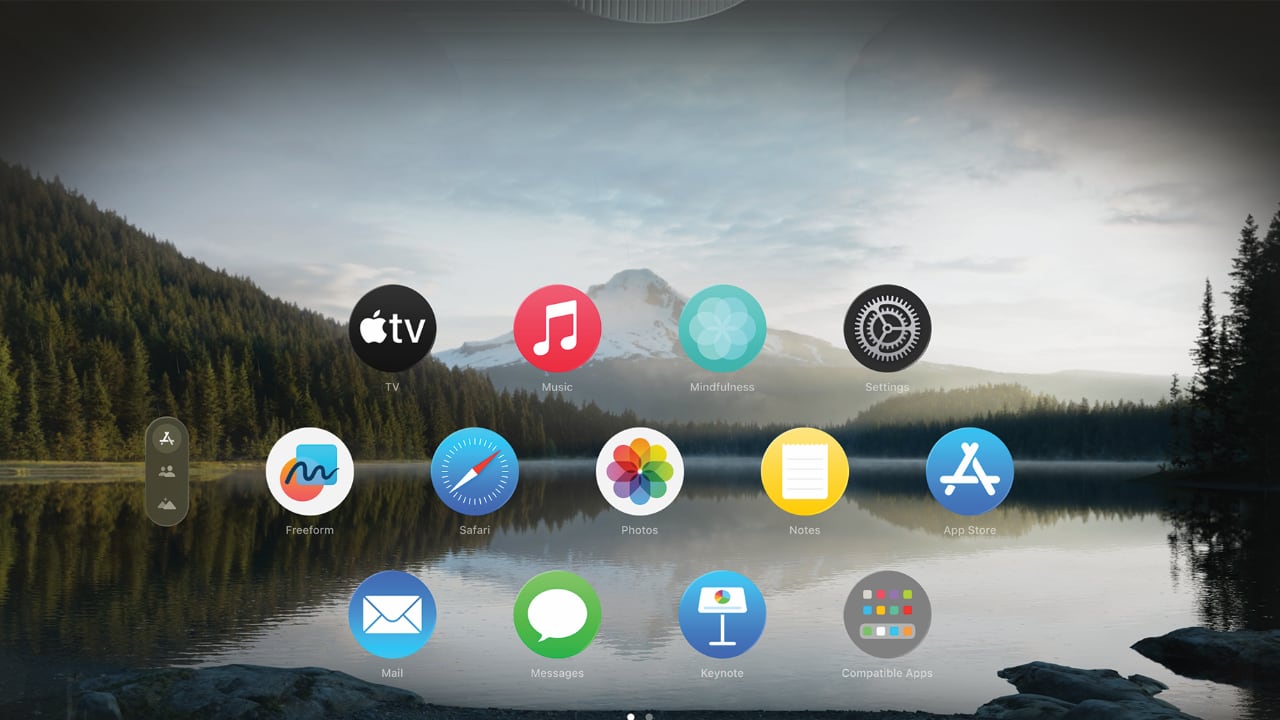
During the initial setup, the Digital Crown—borrowed from the Apple Watch—brought up the home view with a simple press. The blend of futuristic technology with familiar elements made the icons react as I looked at them, creating a magical experience. This immediate and responsive engagement reinforced the intuitive nature of the user interface. As I explored this advanced technology, I remember thinking, “I haven’t read any reviews on the Vision Pro, and that’s a good thing.” Approaching the device without any preconceptions allowed me to truly immerse myself in the experience.
As I navigated through a demo photo library, the ambient lighting dimmed, focusing my attention on images that transported me to places like Iceland and the Oregon coast, displayed panoramically. “That was so amazing,” I exclaimed, overwhelmed by the vividness and the immersive experience the photos provided.
Viewing spatial photos and videos added incredible depth to everyday moments. Watching a family birthday party captured with the Apple Vision Pro felt as if I stood among the celebrating children, bringing these moments to life. “So no one else can see this except you and me, huh?” I remarked to Avnish, my guide through this journey, who was able to see what I saw through an iPad. This added layer of interaction enhanced my appreciation for the technology as I watched a spatial video shot with the iPhone 15 Pro, captivated by the depth and realism.
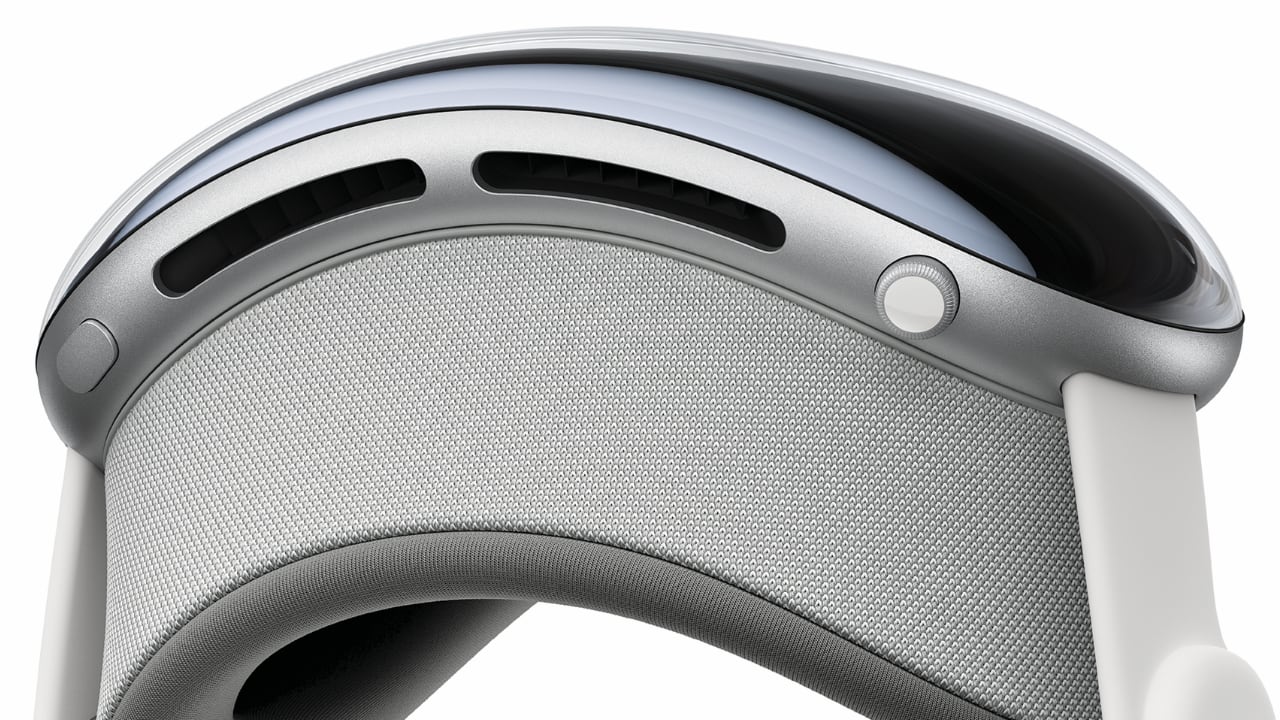
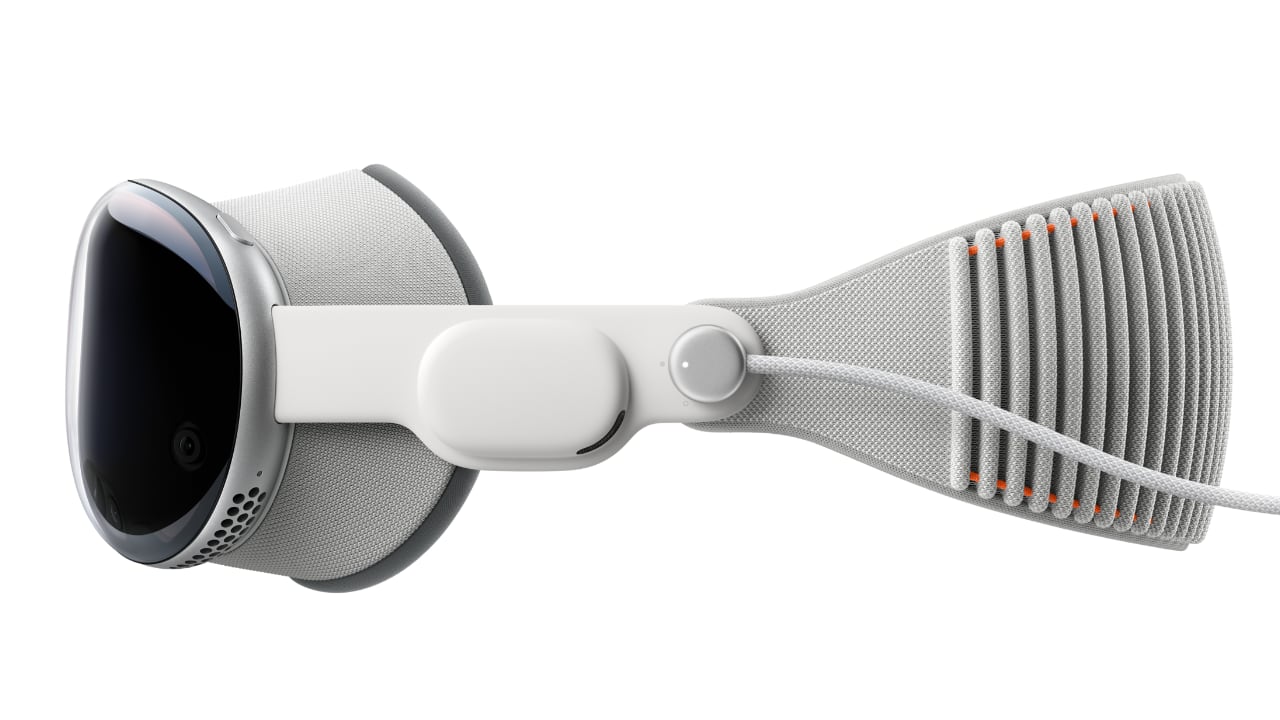
The design of the Apple Vision Pro was notably sleek and modern, with a lightweight, comfortable frame suitable for extended wear. The minimal physical buttons enhanced its streamlined appearance, highlighting its advanced gesture and eye-tracking capabilities. A dedicated button for capturing spatial photos and videos added real-world interactions into vivid digital clarity, showcasing Apple’s meticulous attention to hardware design.
Manipulating my environment with a turn of the Digital Crown was particularly impressive. I could adjust my immersion levels from partial to full, exploring digital renditions of places like Mount Hood National Forest as if I were truly there. This smooth transition back to reality, while remaining connected with those around me, showcased the device’s seamless integration into personal and social settings.
Spatial multitasking introduced a new way to interact with applications, allowing me to manipulate windows in a spatial context as if handling physical objects. This dynamic, intuitive approach transformed traditional interfaces into a vibrant, three-dimensional workspace.
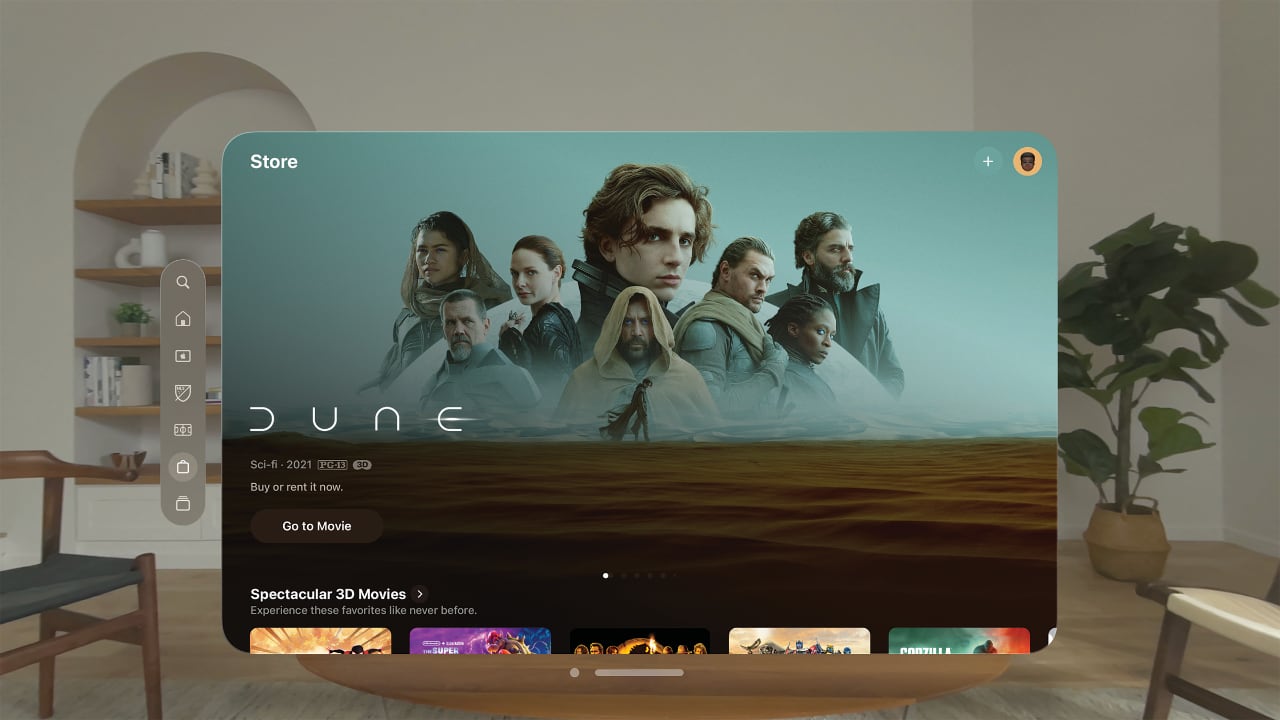
The entertainment capabilities of the Apple Vision Pro were striking. Watching 3D movies like “Super Mario Bros. Movie” and “Avatar: The Way of Water” transformed any space into a personal cinema. The high-resolution display and spatial audio created a viewing experience that far surpassed traditional setups. “That’s impressive,” I remarked, blown away by the depth and immersion of the features.
The Apple Immersive Video demo was a highlight, transporting me to the center of the action—flying over landscapes, diving with sharks, and standing on a soccer field. This segment was so engaging that I was left nearly speechless, managing only to say, “That was so amazing.”
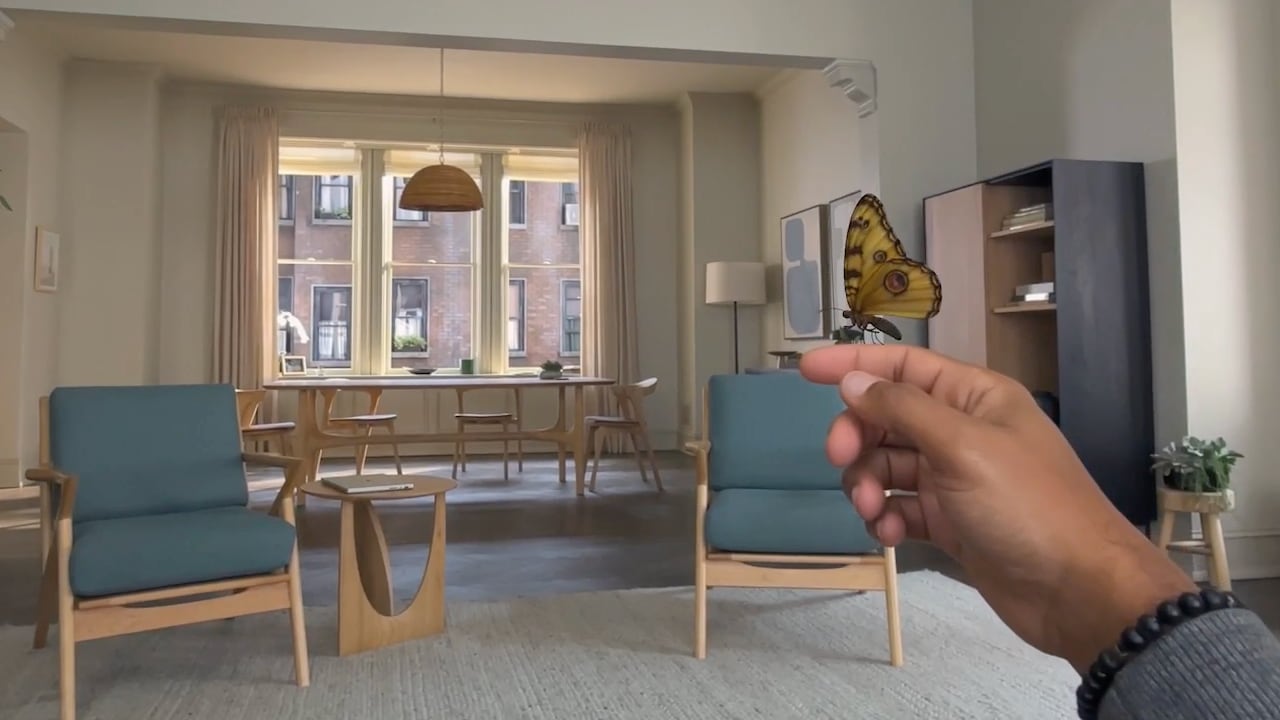
An interactive session where a butterfly landed on my hand and a close encounter with a dinosaur showcased the Apple Vision Pro’s unique capabilities, blurring the lines between digital and physical realities. These experiences felt real and tangible, enhancing my appreciation for the device’s ability to create such vivid and interactive moments.
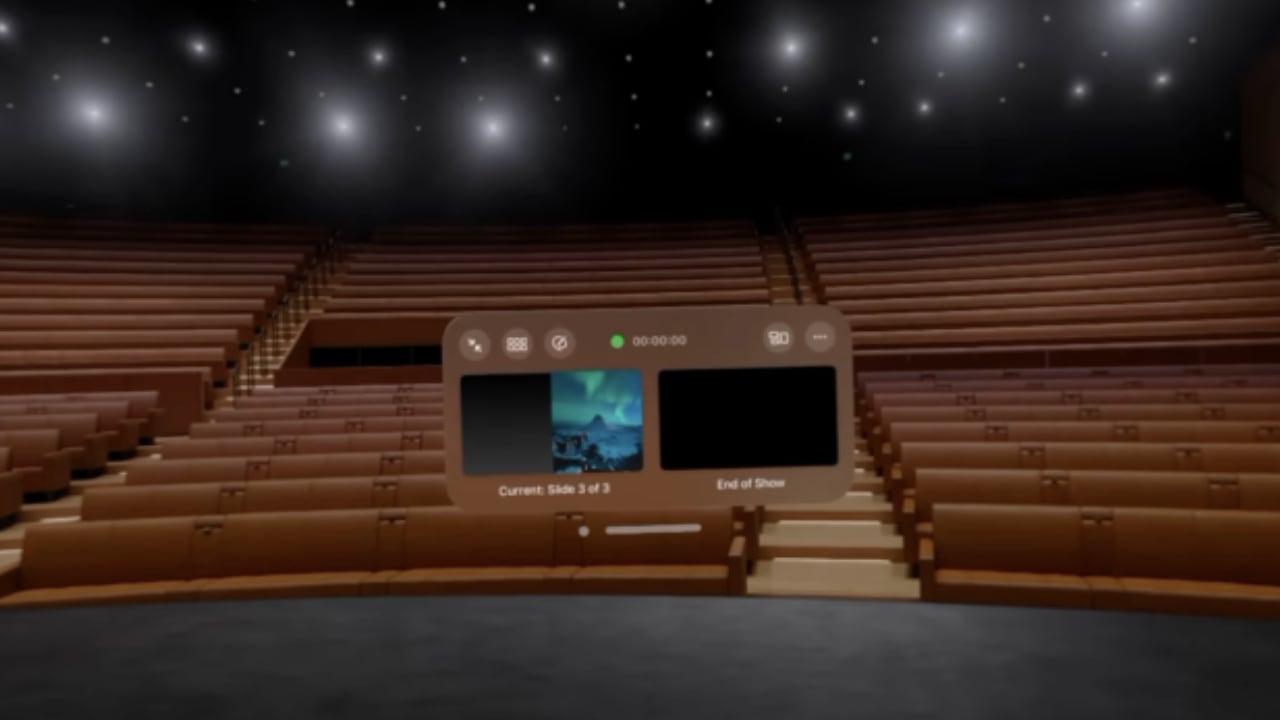
Finally, with the Apple Vision Pro, I got the chance to rehearse—well, more like pretend—to present Apple’s infamous “one more thing” on the stage of the Steve Jobs Theater. It felt so real that I almost waved to the nonexistent crowd! I’ve been to press events there before, but never on stage. The closest I’ve gotten was the last third of the theater.
Photo credit: YouTuber MKBHD demonstrates Keynote on Vision ProMKBHD on YouTube
After the demo—and yes, I highly encourage anyone and everyone remotely interested in spatial computing to visit your local Apple store—I had the option to purchase a brand new Vision Pro constructed right there. The Solo Knit Band, Dual Loop Band, and importantly, the Light Seal are available in size 21W, which fits me perfectly. Apple has streamlined the sizing process in the Apple Store app, which now includes a 3D scan of the face for a customized fit, guiding you through capturing the necessary facial dimensions.
The Apple Vision Pro demo was a breathtaking introduction to futuristic technology that felt straight out of science fiction. Its intuitive interface and gesture controls impressed me immediately, making every interaction feel natural and fluid. While the immersive experience of exploring vibrant, distant locales and engaging with life-like spatial videos was captivating, the demo ended too soon, leaving me eager for a more extended, immersive exploration with the Vision Pro. I’m looking forward to delving deeper into its potential in a longer session.
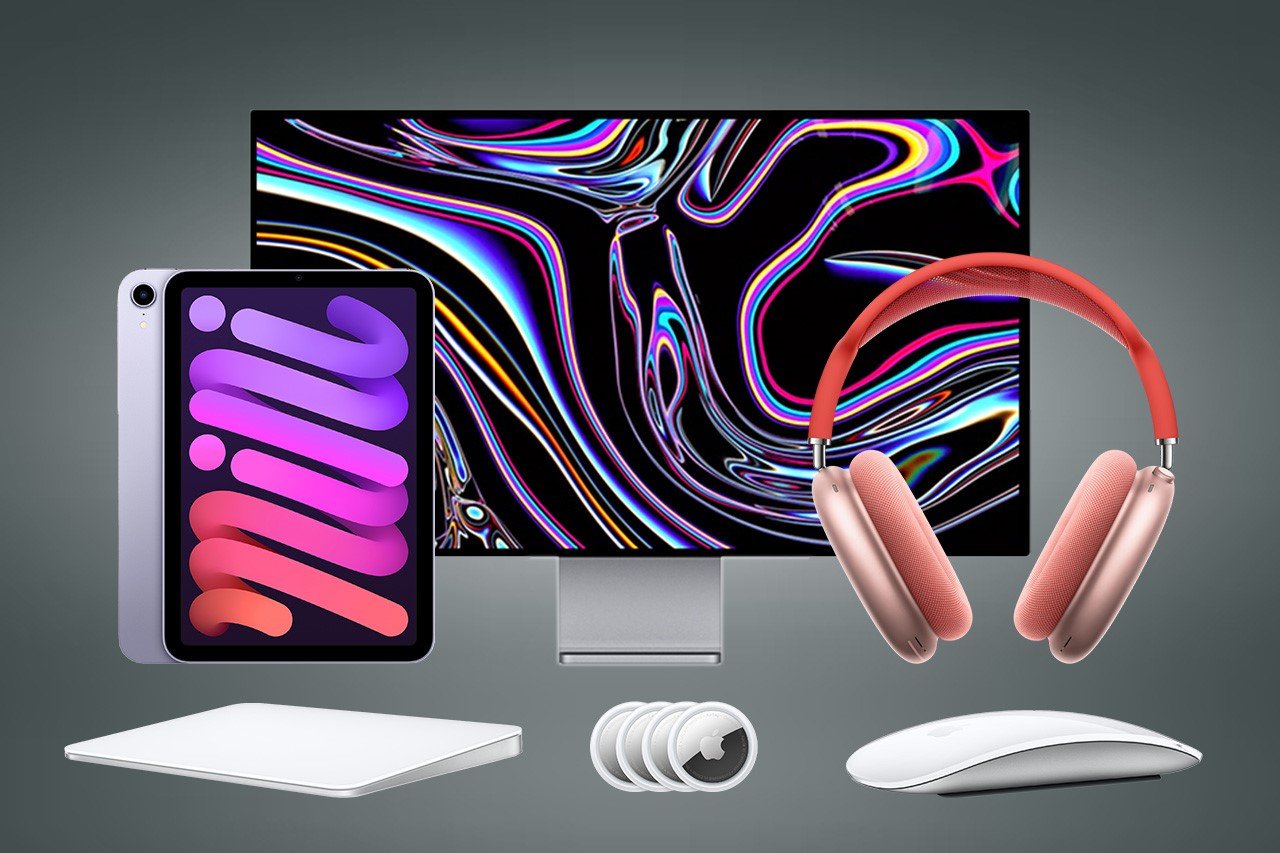
If you asked anyone on the streets, they’d probably agree that Apple stands at the cutting edge of innovation. The company leads the smartphone market, wearable market, and tablet market, is one of the leaders in the desktop and laptop markets too, and is touted to be quite the disruptor in the AR/VR market too. Apple makes its own silicon, has a remarkable supply chain, runs its entire headquarters on renewable energy, and is set to go entirely carbon neutral by 2030. The company improves each product line at most every year, or at least every 2-3 years, but there are products in Apple’s production line that still haven’t seen updates in 3-4 or more years (some haven’t been updated in almost 9 years at this point). We’ve made a list of some of the ‘oldest’ products still available on Apple’s website dating back as early as 2015 and as recent as 2021. Now sure, all these devices are pretty great even by today’s standards… but there’s definitely room for improvement… and we’ve taken the liberty to leave out accessories like connectors and cables. Here are some of the ‘oldest’ Apple products you can still buy today.
Magic Mouse Gen 2 (2015)
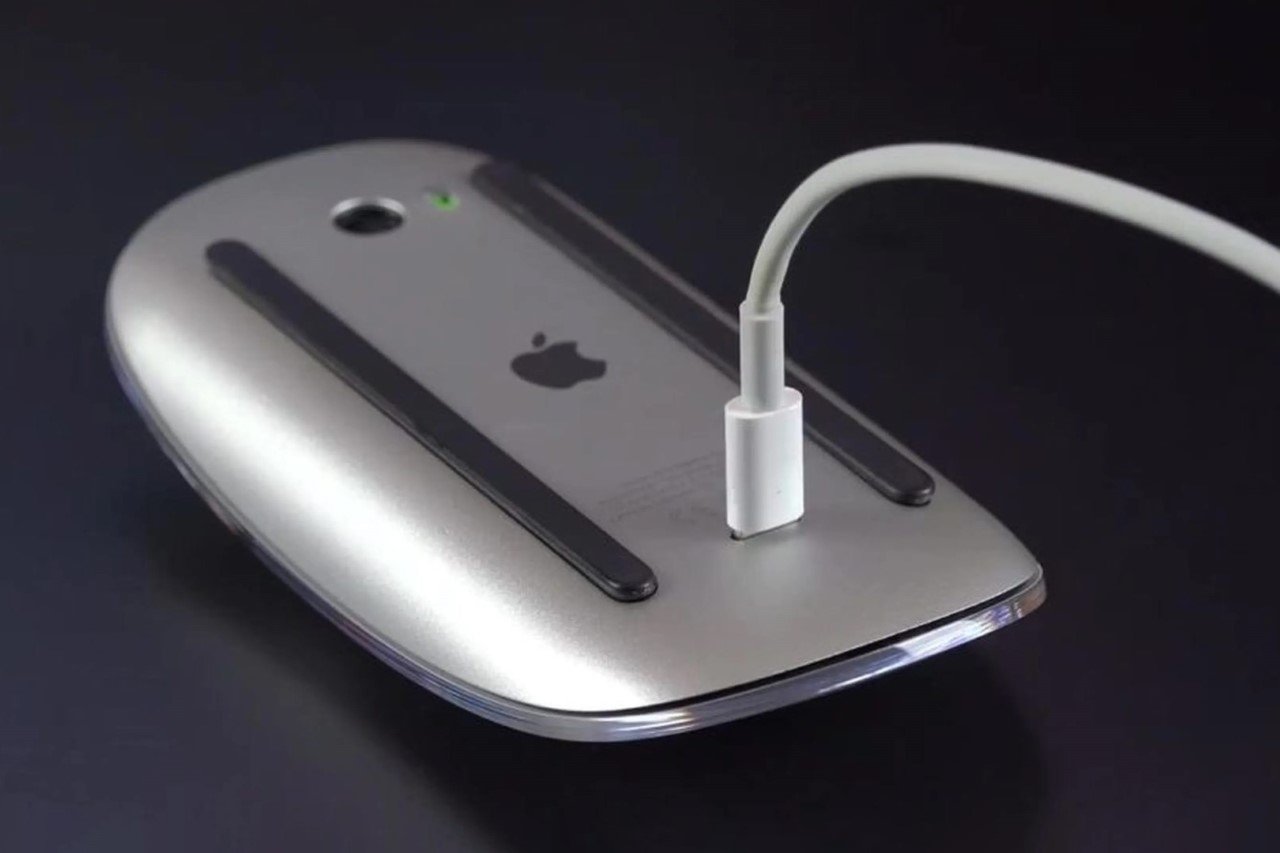
It’s been nearly a decade since the infamous Magic Mouse Gen 2 got an update. Okay, maybe that isn’t entirely true because the wireless mouse did get a refresh in 2019 and 2021, but the only thing that materially changed was the introduction of new color variants. Even today, however, the mouse runs on the same internals, houses the same Lightning port, and still charges in a way that continues to baffle users around the globe. It’s speculated that Apple will be giving the mouse a refresh in 2024, although most rumors say that the company only plans on upgrading the charging port to USB-C. If you ask me, there’s a lot more they can do to improve the Magic Mouse’s design…
Magic Trackpad 3 (2015)
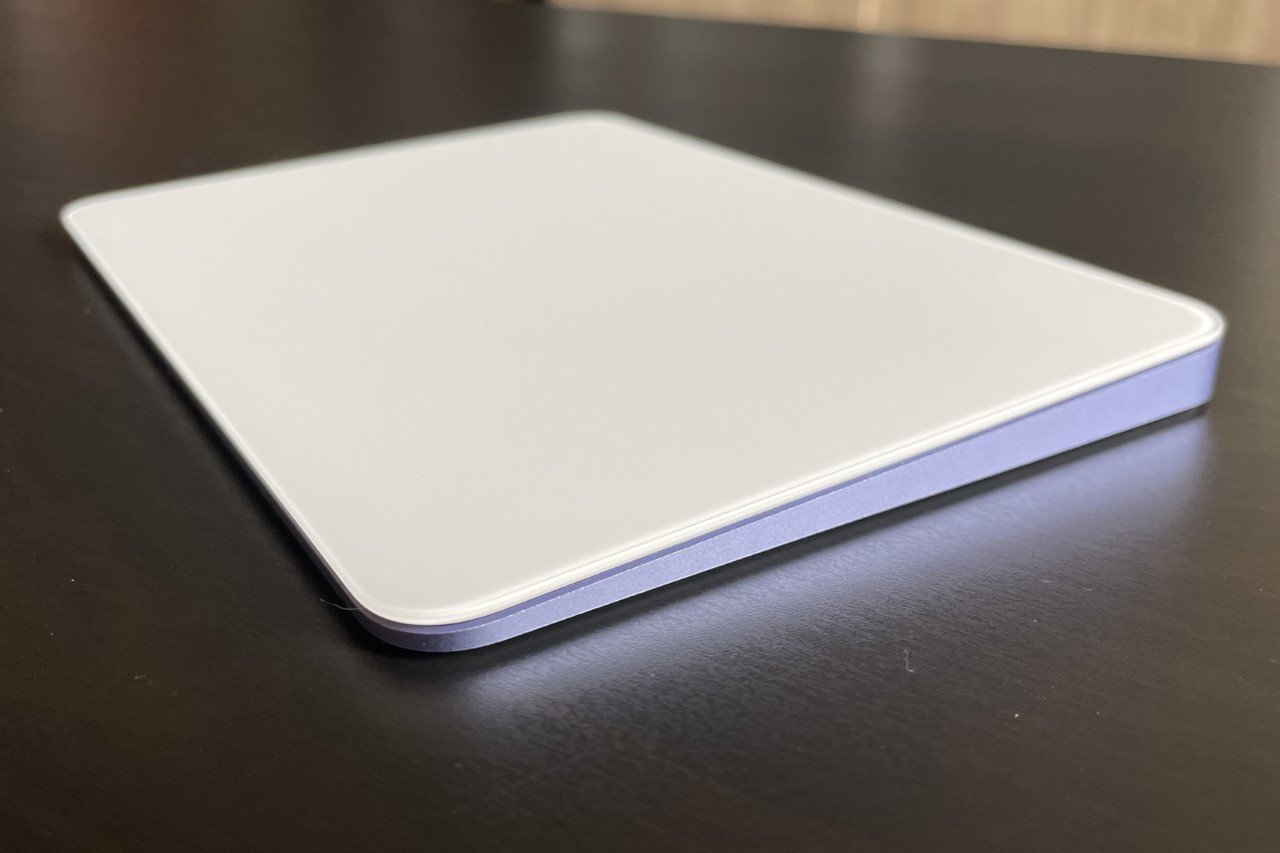
The Magic Trackpad 3 too shares this distinction with the Magic Mouse Gen 2. Debuted in 2015, the trackpad has only received color refreshes in upcoming years. However, the distinct difference between the trackpad and the mouse is that there really seems to be no room for improvement as far as this product is concerned. It looks sleek, performs well, and is wireless. It also charges via Lightning, which is something Apple should change moving forward, but at least you don’t need to turn the trackpad upside down while charging it…
Pro Display XDR (2019)
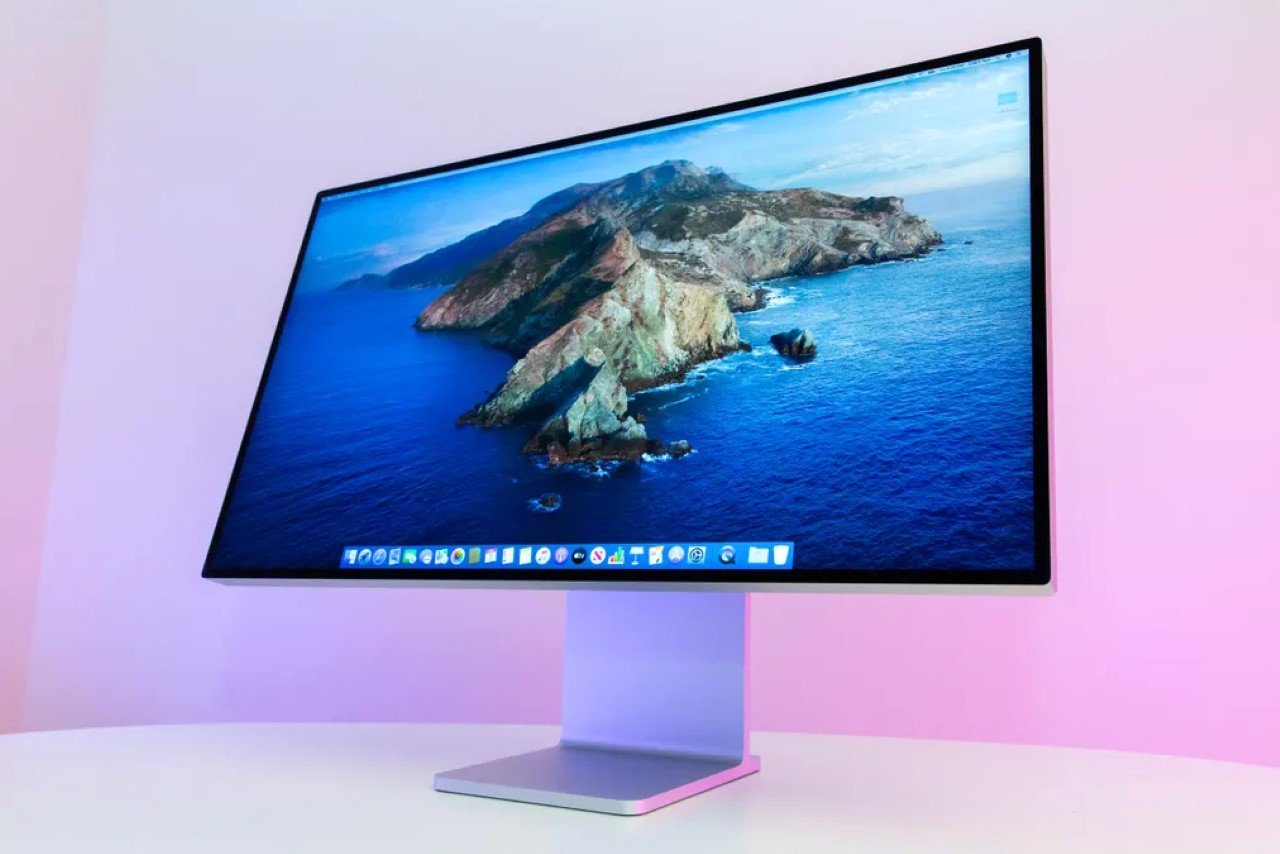
2019 really got overshadowed by the cheesegrater Mac Pro and its incredibly expensive wheels, but alongside them was also announced the Pro Display XDR. Designed to be the most high-end display available for Mac users, the display boasted a 32-inch 6K Retina screen with an ‘astonishing’ 1,000,000:1 contrast ratio and an eye-watering $4999 starting price – that’s about as much as one Vision Pro headset and one iPhone 15 Pro Max with some change to spare. Surely the Pro Display XDR isn’t for everyone (Apple has a slightly more affordable Studio Display for most users), which is probably why Apple never gave it an update post-2019. After all, do you really need to upgrade a 32-inch 6K Retina display?! Fun Fact: The cheesegrater Mac Pro actually got an update in June 2023 with the M2 Ultra chip, leaving the Pro Display XDR behind.
AirPods Max (2020)
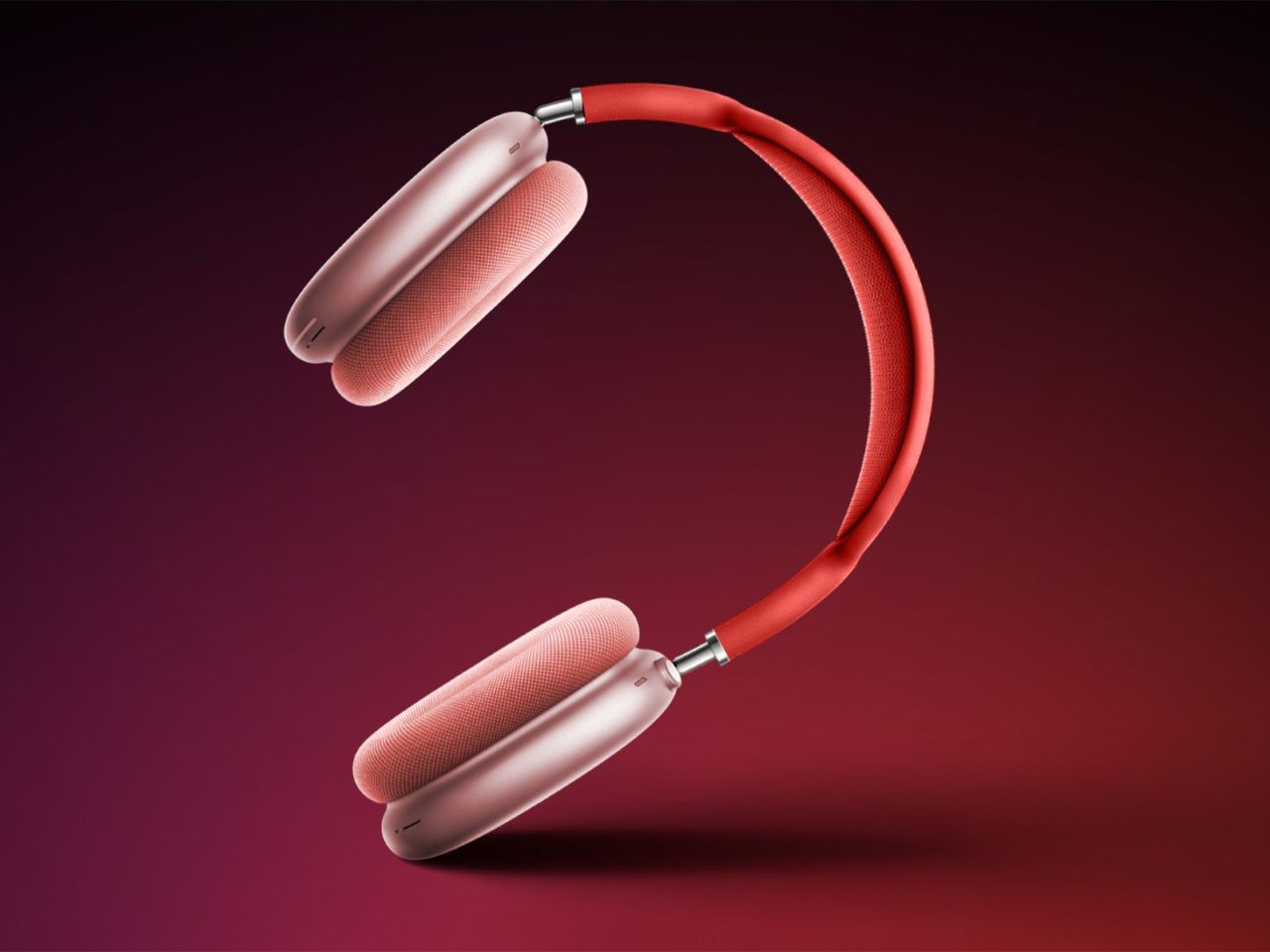
It became almost certain when Apple acquired Beats by Dre that they had plans of their own to enter the wearable audio market in a big way. The Beats acquisition happened in 2014, and just 2 years later, Apple dropped the first wireless AirPods in 2016. However, it took the company 4 full years to release their first wireless over-ear headsets. The AirPods Max debuted in December of 2020, immediately becoming Apple’s flagship wearable audio device. It had everything – an aluminum design, a woven head strap, a fancy charging case, a rotating crown, and Spatial Audio (one of the first devices to support the feature). In all honesty, Apple doesn’t really NEED to refresh the AirPods Max because feature-for-feature, they’re just as good today as they were 4 years ago. However, there’s always room for improvement – for example, the AirPods Max doesn’t have an Ultra-Wideband chip that makes them easy to track using Apple’s Find My app, the charging case is one of the most absurd designs ever, and hey, we’re still stuck on Lightning when the AirPods Pro have upgraded to USB-C.
AirTag (2021)
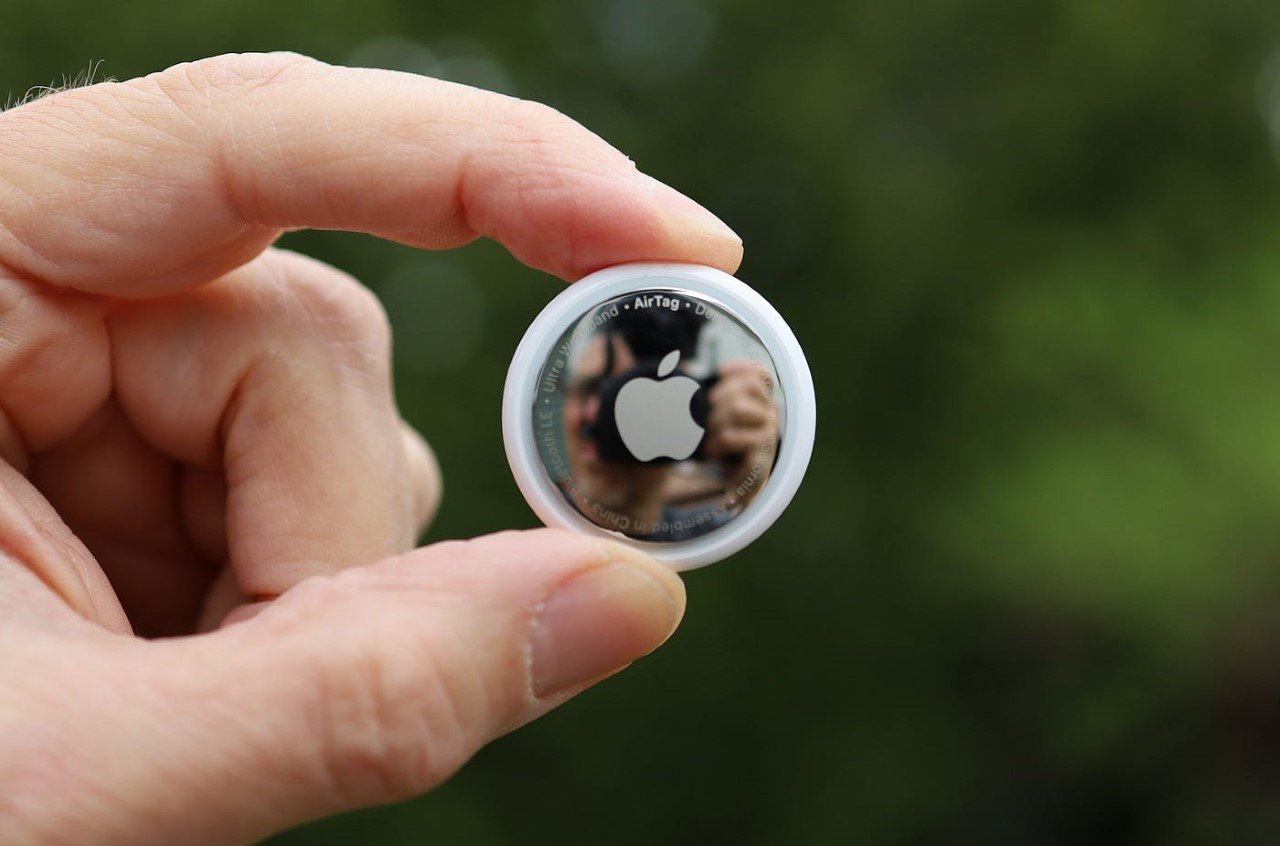
Ah, the AirTags, every clutterbrain and stalker’s best friend. Announced in 2021, the AirTag leverages Apple’s Find My network and their Ultra-Wideband chip to really help you track and detect objects with precise accuracy. They run on CR2032 batteries which last around a year and are easy to replace – a big improvement over some tracking devices that have built-in batteries that can’t be removed. However, the AirTags haven’t seen any update since their announcement in 2021. Now here’s the question again – do they need updating? Well, on the feature front, no… they’re pretty good, have anti-stalking features, and are fairly helpful when it comes to tracking everything from bags, to pets, to even vehicles. However, the one major upgrade they need is on the design front. They’re circular and bulky, which makes them difficult to store in wallets, passport covers, and other slim belongings. Heck, I’d like a slim AirTag just so I could strap it to my Apple TV remote which keeps getting lost every third day.
iPad Mini 6th Gen (2021)
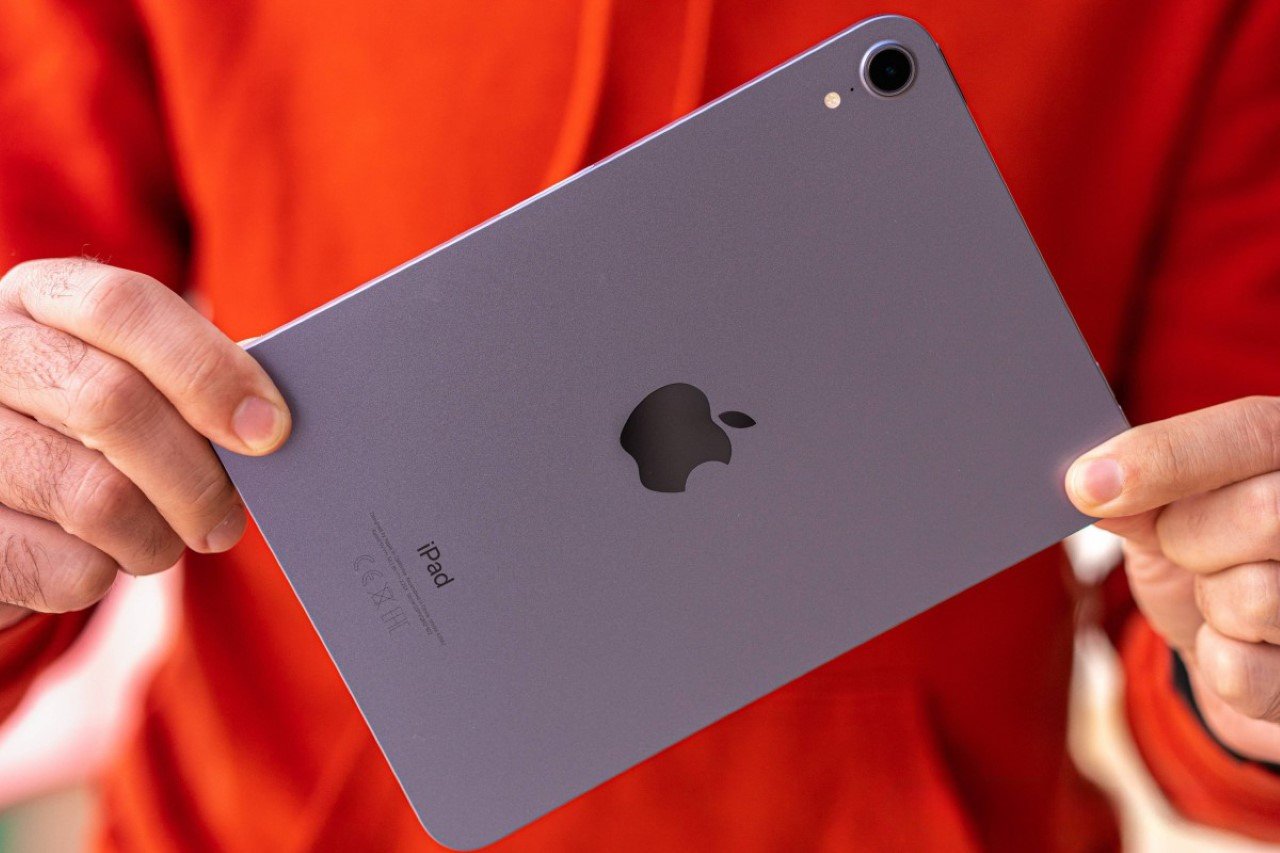
The AirTags weren’t the only product to get left behind in 2021 – Apple hasn’t refreshed the iPad Mini in 3 years either, still leaving it with the A15 Bionic chip while the other iPads get their M-series chips. Now it’s entirely possible that Apple’s held the iPad Mini back all these years deliberately – the people who buy the tiny iPad aren’t Apple’s core tablet users. They don’t need power features, they don’t edit movies on their tablet, and they clearly don’t need their tablet to work as a makeshift laptop with a dedicated keyboard folio case. However, the iPad Mini 6th Gen does support the 2nd Gen Apple Pencil and does have a USB-C port that also works for connecting external displays. The iPad Mini, as small as it is, was built to be a mighty little tablet. However, that A15 Bionic chip doesn’t really compare to the M3 chip that Apple’s due to give its latest iPads this year. Could we also see a better camera system on the iPad Mini if it gets refreshed soon? I surely hope so… but up until then, we’re stuck with the model from 2021.
Bonus – Apple Card (2019)
The Apple Card makes it to this list for purely technical reasons, but truth be told, there’s never any need to update a payments card the way you’d update smartphones and tablets every year. Apple announced the card in 2019 in partnership with Goldman Sachs, but as of 2023 November, Goldman Sachs will stop providing banking support for the card, leaving Apple to look for another partner. As far as the card’s design goes, there’s not much you can upgrade – the Apple Card comes machined from solid titanium, making it highly durable, but it’s still susceptible to scratches or discoloration. Maybe color variants??





 , helps create dedicated chambers for different internet devices, so every gadget on the same network doesn’t necessarily have access to all the data on the network. The SecureRoom