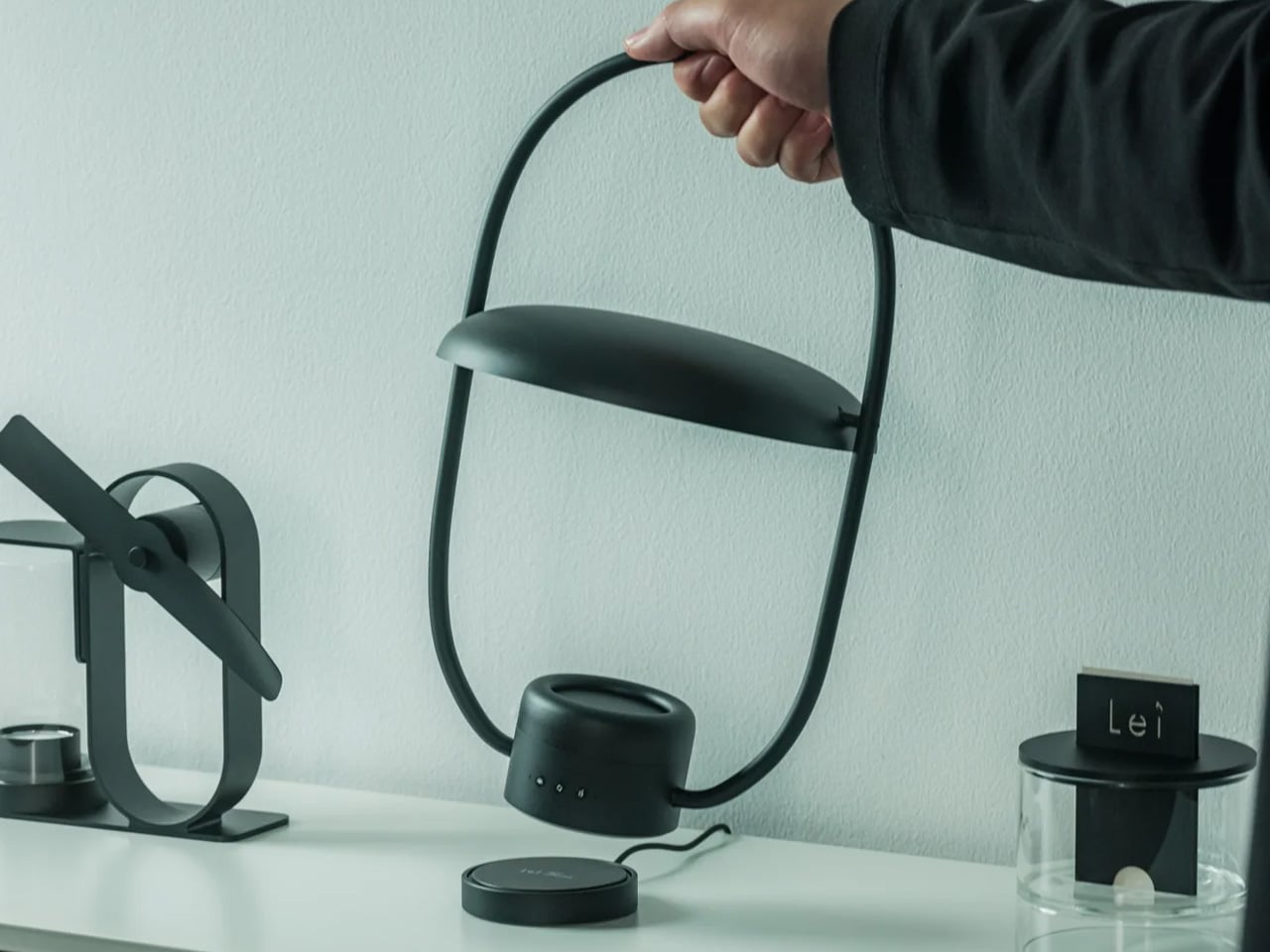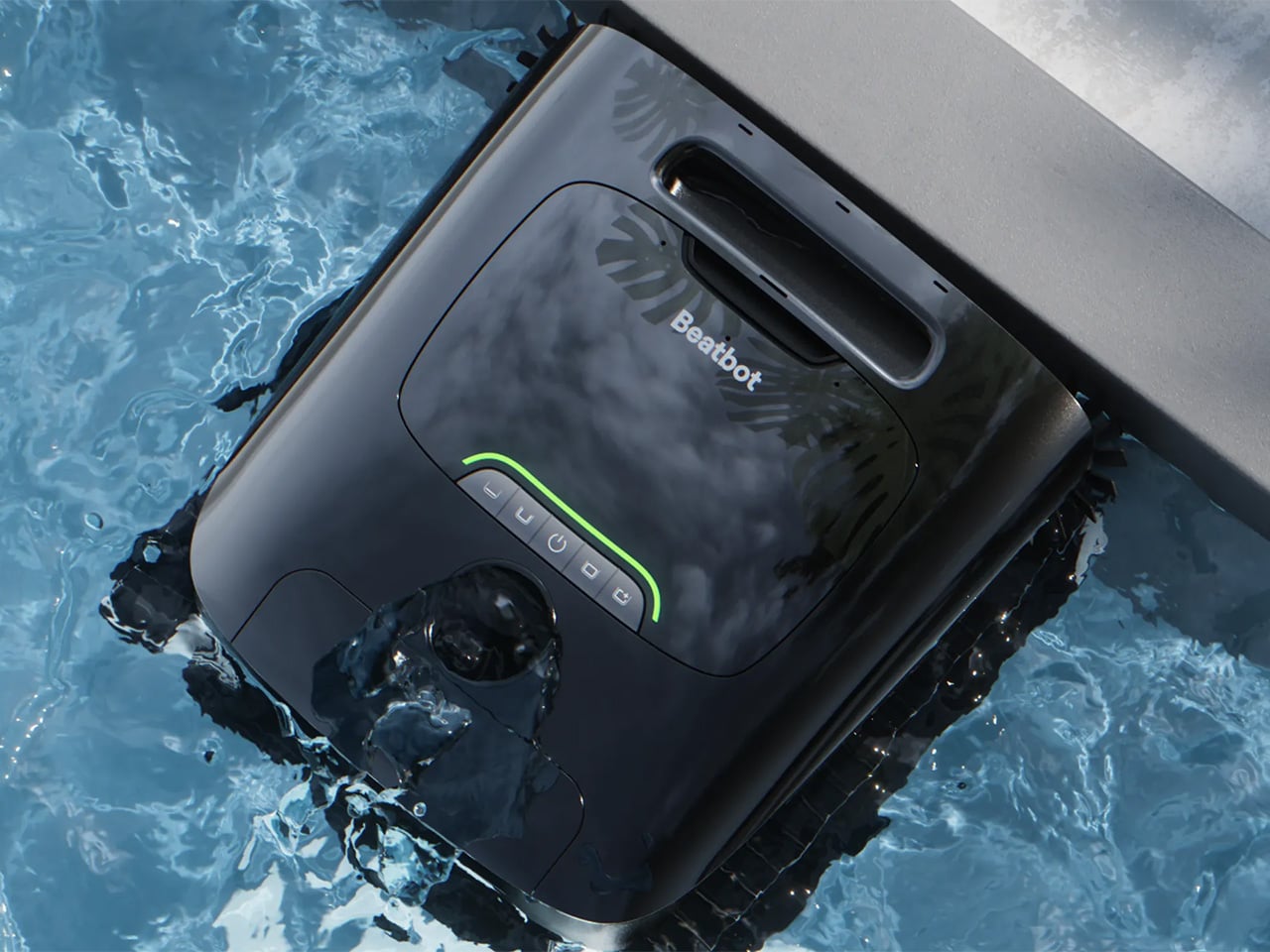
5 Best Winter Gifts For People Who Think Candles Are Too Basic

Candles have had their moment. The same pillar wax, the predictable flicker, the scent that lingers just a bit too long. Winter gift giving deserves better than another vanilla-scented cylinder wrapped in recycled paper. The people on your list who care about how things look, who curate their spaces with intention, who grimace at generic seasonal decor, need gifts that match their standards. They want ambiance without the cliché, warmth without the waxy residue, ritual without the routine.

This collection of five winter gifts speaks directly to that sensibility. Each piece brings light, warmth, or comfort into cold-weather living spaces without relying on the tired tropes of holiday shopping. From buildable nostalgia to precision-engineered flames, these designs prove that seasonal gifting can be thoughtful, functional, and genuinely exciting. These are the gifts that get displayed year-round, not shoved into storage boxes come January.

1. LEGO Snow Globes

Winter nostalgia gets a modular makeover with these buildable snow globes that let brick enthusiasts create their own holiday scenes. Designed as a My Own Creation by builder ItzEthqn, this trio of festive displays captures seasonal charm through 385 carefully selected pieces. The set includes three distinct globes: a petite snowman complete with carrot nose and branch arms, a fuller Christmas tree topped with a star and surrounded by wrapped gifts, and a scene featuring Santa on his loaded sleigh ready for his annual delivery run.

The genius lies in the construction itself. Each globe uses transparent LEGO pieces to create the illusion of a glass encasement, while the bases mirror the gold, green, and red bands found on vintage novelty shop displays. The larger two globes feature two-part orb designs with snowflake bricks embedded into their bases for extra seasonal detail. The modular nature means anyone with a decent LEGO collection can swap out the interior scenes entirely, transforming these from Christmas-specific decorations into year-round display pieces that reflect personal interests, inside jokes, or seasonal rotations beyond December.

What we like

  • The completely customizable interior scenes mean these globes evolve with your interests.
  • The nostalgic factor hits perfectly for anyone who grew up building with bricks.
  • Display-worthy finished product that bridges childhood play and adult design sensibility.

What we dislike

  • At 385 pieces total across three globes, the build might feel quick for serious LEGO fans.
  • The transparent pieces showing seams rather than smooth glass may bother purists.

2. Ceramic Cup

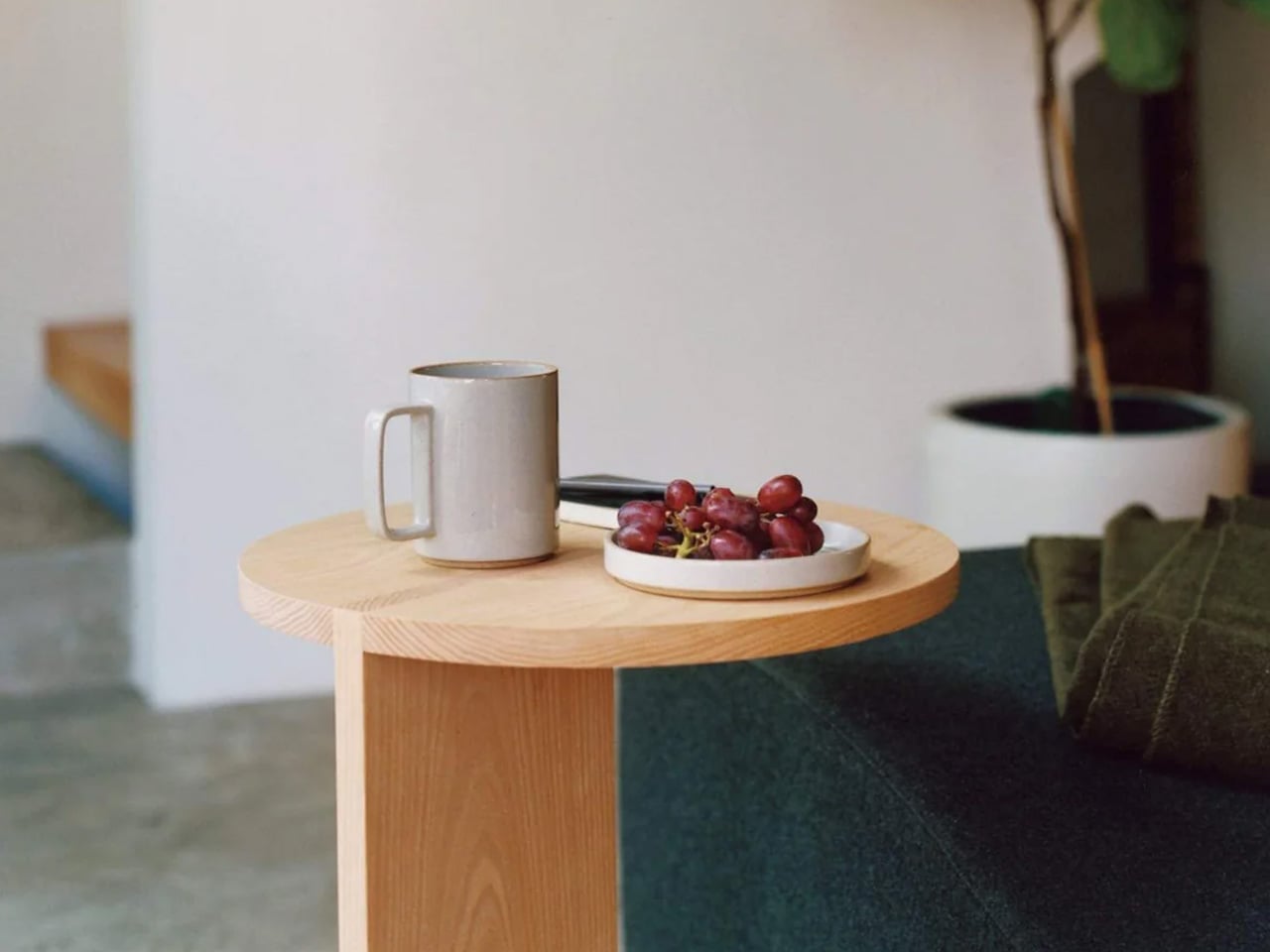
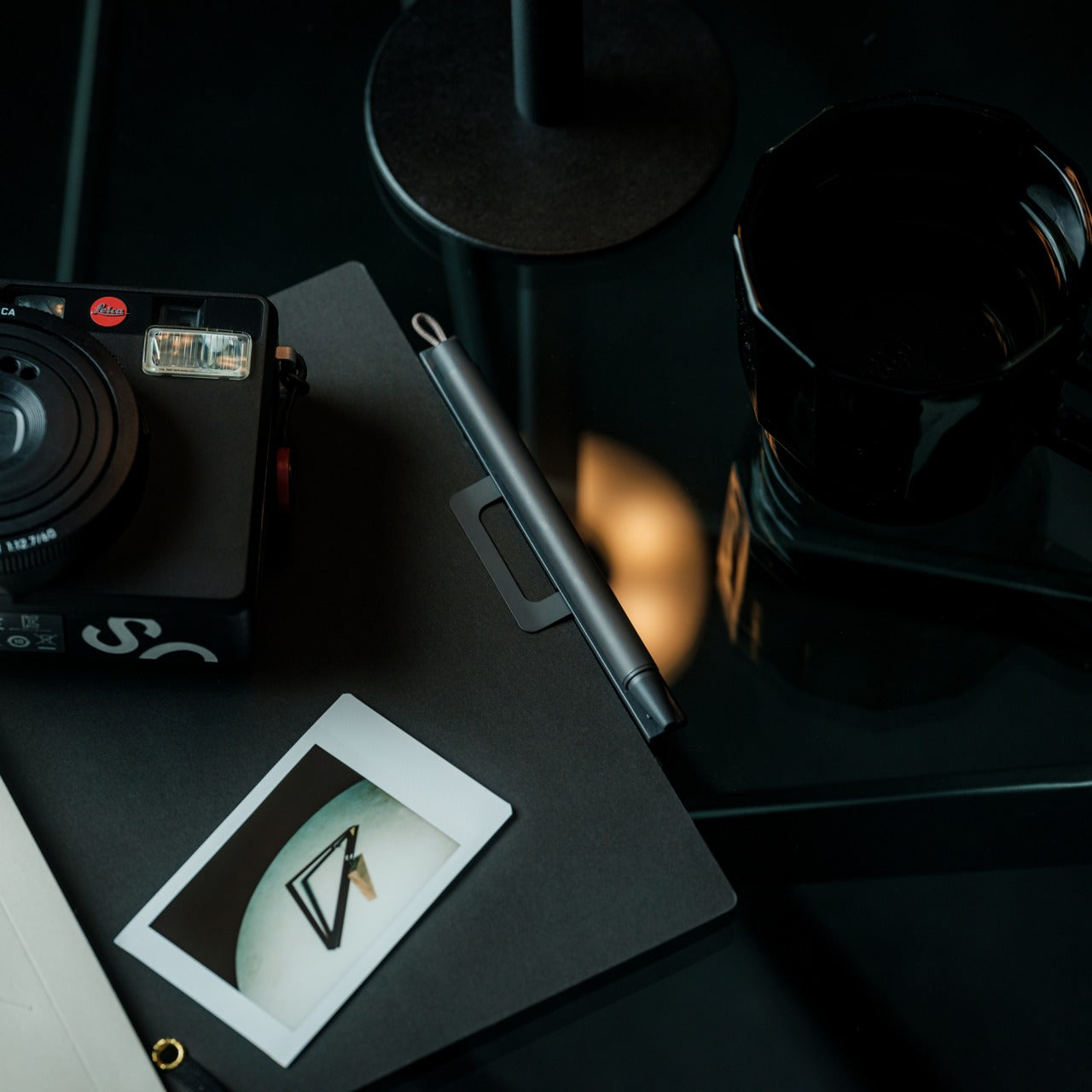
Coffee and tea drinkers who treat their daily ritual as meditation rather than caffeine delivery will recognize themselves in this Japanese-inspired ceramic mug. The design mimics the textured appearance of cast iron teaware, bringing that same grounded, tactile quality to a modern drinking vessel. The exterior surface carries visual weight and an almost rustic presence, while the interior remains smooth, glazed ceramic that won’t interfere with the taste of whatever fills it. A wooden handle provides warmth against cold hands without conducting heat from the cup itself.

The 350ml capacity hits the sweet spot between delicate tea ceremony portions and American coffee mug excess. This size encourages slower drinking, multiple pours from a pot, and refills that keep you present rather than caffeinated into oblivion. The design philosophy clearly draws from wabi-sabi aesthetics, where imperfection and earthiness create beauty. The faux cast iron finish gives each mug subtle variations in tone and texture. Hand washing requirements and the prohibition against microwaving signal that this piece demands a bit more care than your standard dishwasher-safe corporate logo mug, which somehow makes the daily use feel more intentional.

Click Here to Buy Now: $60.00

What we like

  • The visual weight and texture create a grounding sensory experience with every sip.
  • Japanese ceramic construction ensures quality that improves with age and use.
  • The wooden handle stays cool while the cup retains heat beautifully.

What we dislike

  • Hand-wash only requirement adds extra steps to morning routines.
  • The cast iron aesthetic might feel heavy for minimalist spaces that favor lighter palettes.

3. Harmony Flame Fireplace

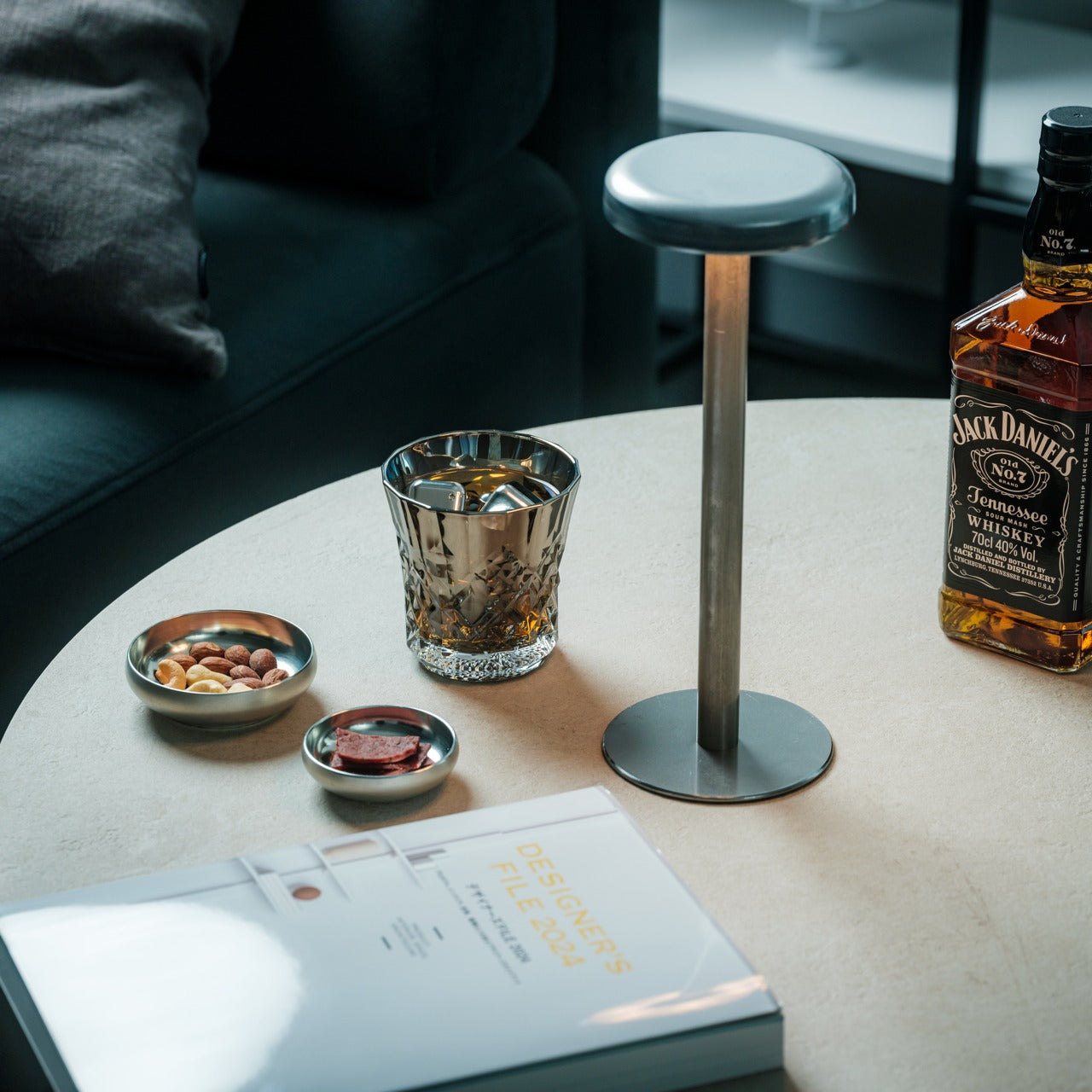
Real fire indoors stops being a fantasy with this brass lamp that burns bioethanol fuel for genuine flames without smoke, odor, or ventilation requirements. Crafted using the same techniques employed by brass instrument makers, this piece brings music-quality precision to functional fire. The reflective brass surface catches and multiplies the flame’s movement, creating shifting patterns of light and shadow across nearby walls and surfaces. The result feels less like lighting a candle and more like introducing a living element into your space that breathes and dances.

Bioethanol burns clean, producing only water vapor and trace carbon dioxide comparable to human breath. No soot stains your ceilings, no smoke triggers alarms, no lingering smell clings to furniture and curtains the way traditional candle wax does. The brass construction develops a patina over time, recording the lamp’s history in subtle color shifts and darkened areas where hands frequently touch. The compact box design means this flame source travels easily from dining table to side table to outdoor patio, adapting to wherever the evening takes you. Winter gatherings gain instant atmosphere when real fire reflects off brass onto faces gathered around, telling stories.

Click Here to Buy Now: $239.00

What we like

  • Genuine flame provides an unmatched ambiance that LED alternatives can never replicate.
  • Handcrafted brass construction means each piece carries slight variations and will age uniquely.
  • Bioethanol fuel eliminates all the drawbacks of traditional candles while keeping the essential magic of fire.

What we dislike

  • Bioethanol fuel requires purchasing and storing separately from the lamp itself.
  • The exposed flame demands more caution around children and pets than enclosed lighting.

4. Fire Capsule Oil Lamp

Minimalist design meets extended burn time in this cylindrical oil lamp that delivers up to 16 hours of continuous light from a single 80ml fill. The sleek form factor disguises remarkable functionality: a precision-engineered lid keeps dust away from the glass chimney, an included aroma plate transforms the lamp into a scent diffuser, and the option to use insect-repelling paraffin oil makes this equally valuable for winter indoor ambiance and summer outdoor dining. The glass cylinder protects the flame while allowing full visibility of the flickering light that creates the same meditative quality fire has provided humans for millennia.

The portability changes how you think about lighting. A drawstring pouch protects the lamp during transport, making this equally at home on a dinner party sideboard, a camping trip table, or a long weekend cabin mantle. The cylindrical shape packs efficiently, and the durable construction survives the bumps of travel that would shatter more delicate candle holders. The aroma plate sits above the flame, gently warming essential oils or fragrance without burning them, creating a subtle scent that disperses naturally rather than the overwhelming cloud some candles produce. Winter nights call for this kind of adjustable, movable light that follows you from room to room as evening activities shift from cooking to conversation to reading.

Click Here to Buy Now: $89.00

What we like

  • The 16-hour burn time from 80ml capacity means fewer refills and uninterrupted ambiance.
  • Dual functionality as both light source and aroma diffuser maximizes versatility.
  • The portable design with protective pouch makes this equally valuable at home or while traveling.

What we dislike

  • Oil lamps require more active maintenance than battery-powered alternatives.
  • The open flame design means careful placement away from fabrics and flammable materials.

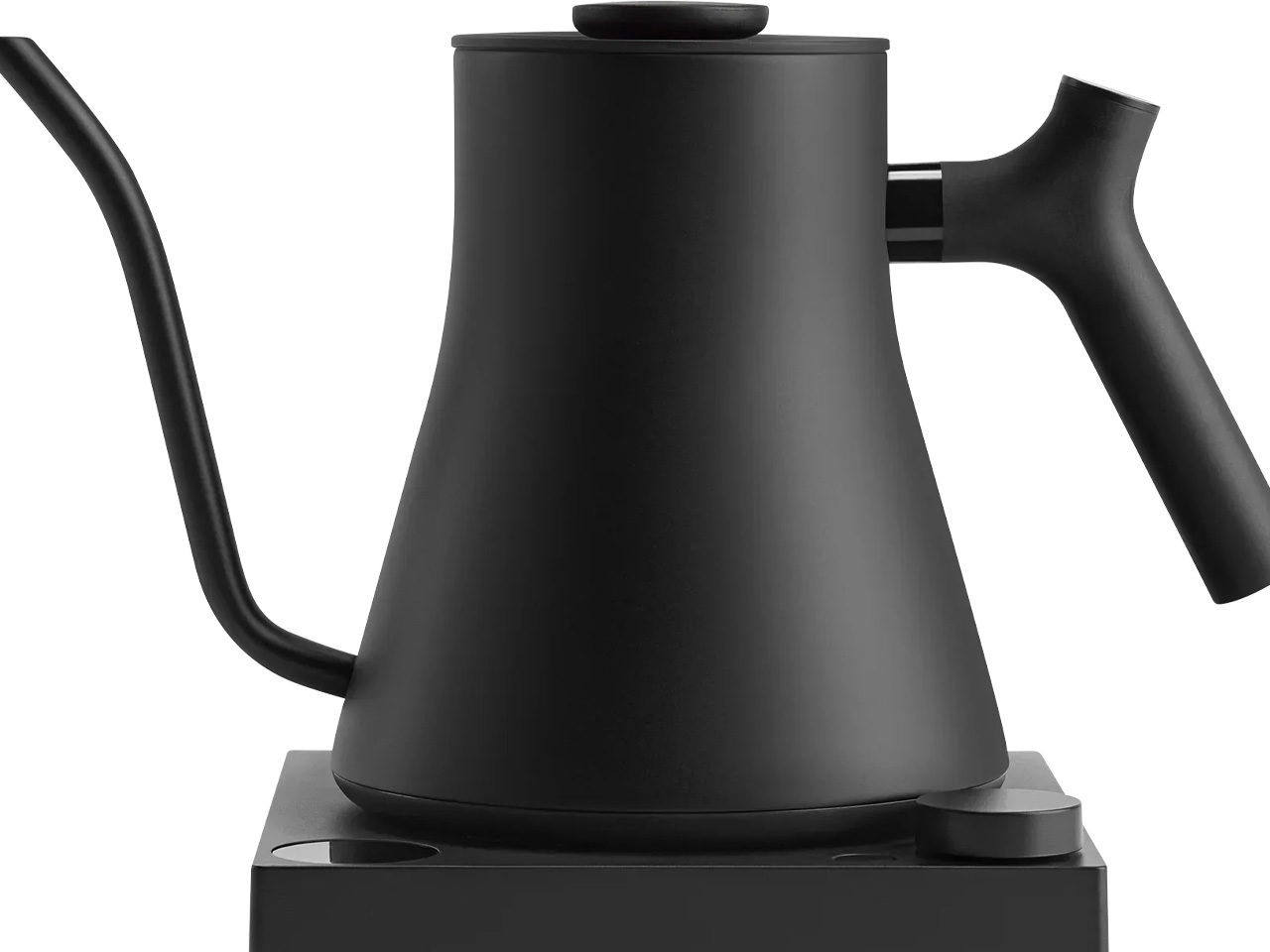
5. Smart Tea Pot

Tea preparation becomes a personalized wellness ritual with this app-connected teapot that analyzes your biometric data and environmental conditions to brew each cup specifically for your current state. Six integrated sensors read heart rate, finger temperature, ambient temperature, humidity, and other factors to determine whether you need calming chamomile brewed gently or energizing green tea extracted with precision. The comprehensive database includes optimal brewing parameters for hundreds of tea varieties, removing guesswork and delivering consistent results that honor each tea’s unique characteristics. Traditional tea knowledge meets modern sensor technology.

The patented rotary brewing system replicates the subtle wrist movements Japanese and Chinese tea masters spend years perfecting. This mechanical choreography affects extraction rates, flavor development, and aromatic compound release in ways that simply dunking a bag in hot water can never achieve. The teapot essentially contains centuries of tea ceremony expertise translated into repeatable, programmable motion. Winter mornings transform when your first cup emerges, brewed to match your resting heart rate and the cold air temperature, while evening cups adjust to help you wind down as your body temperature drops toward sleep. The app interface removes complexity, letting you simply select a tea type and trust the sensors to handle the details.

Click Here to Buy Now: $349.00

What we like

  • Biometric sensors create genuinely personalized brewing that responds to your actual physical state rather than generic presets.
  • The rotary brewing system delivers tea master quality without requiring years of training.
  • The extensive tea database educates while it brews, expanding your knowledge of varieties and optimal preparation methods.

What we dislike

  • The technology complexity might overwhelm purists who prefer intuitive, hands-on tea preparation.
  • App connectivity requirements mean this teapot depends on your phone being charged and nearby.

Why These Gifts Work

Candles represent passive consumption. You light them, they burn, they disappear. These five designs offer something fundamentally different: engagement, customization, and evolution over time. The LEGO snow globes rebuild into new configurations, the ceramic mug develops character with use, the brass lamp gains patina, the oil lamp travels to new contexts, and the smart teapot learns your preferences. Each piece rewards attention and active participation rather than simply existing as background decoration that you replace when the wax melts down.

The people who think candles are too basic already understand this distinction. They curate rather than accumulate, they value objects that perform multiple functions or reveal new dimensions with extended use, and they invest in pieces that justify their presence through both aesthetics and utility. These winter gifts speak that same language. They bring warmth and light into cold months without relying on the disposable logic that dominates seasonal shopping. Give these to the design-conscious people in your life and watch them actually use them instead of filing them away with other well-intentioned but ultimately generic presents.

The post 5 Best Winter Gifts For People Who Think Candles Are Too Basic first appeared on Yanko Design.
5 Best iPhone 17 Accessories You Actually Need in 2025

Let’s be real…your shiny new iPhone 17 is incredible straight out of the box, but it’s not reaching its full potential. With camera upgrades that rival professional equipment and processing power that surpasses laptops, you need accessories that can keep pace. Lucky for you, Black Friday is just around the corner, and we’ve found some seriously impressive deals that won’t break the bank.

This year’s accessory game has undergone a complete transformation. Gone are the days of choosing between a pretty case and actual functionality. The best manufacturers have figured out how to pack serious features into designs that actually make your daily life easier. We’ve spent weeks testing, going through game-changing cases to professional-grade tools, and these five accessories genuinely earned their spot on our desks (and in our pockets).

1. TORRAS Ostand Q3 Air Case

The Q3 Air is straight-up engineering wizardry. This case takes everything great about its sibling (Q3 Silicone) and adds some seriously clever protection technology that makes it perfect for people who are hard on their phones. The big innovation here is TORRAS’ AirMax airbag system, which uses aerospace-grade technology for incredible drop protection. The dual airbag system runs along the top and bottom of the case, covering all four corners to deliver true 360° drop protection for your iPhone. The result is superior protection that doesn’t feel like you’re carrying a brick. The surface has this clever dot-matrix pattern that isn’t just for looks – it actually improves grip significantly. We tested this by having people hold both cases while walking, and the difference was noticeable. The textured surface gives your fingers something to grab onto without feeling rough or cheap.

Like the silicone version, you get that fantastic 360° spinning stand, but this one’s made from aluminum alloy, so it’s even more durable. Whether you’re presenting to colleagues, binge-watching shows, or on endless video calls, the stand adapts to whatever you need. The adjustment is smooth and precise, and it locks securely at any angle. All the protection specs match the silicone case – 8-foot drop rating, perfectly calculated raised edges, and those powerful N52 magnets for rock-solid MagSafe compatibility. But the airbag technology and anti-slip design make this the better choice if you’re active, clumsy, or just want the absolute best protection available. What distinguishes the Q3 Air is its focus on active users who demand maximum protection without sacrificing everyday usability. The airbag technology provides enhanced impact resistance for users with active lifestyles, while the anti-slip design offers additional security during dynamic use situations, representing months of testing and refinement to create the optimal balance between protection, functionality, and daily usability.

Click Here to Buy Now: $59.39 $69.99 (10% off, use coupon code “Q3AIR7799”). Hurry, deal ends in 48-hours! Website Here.

Why You Should Buy It

The airbag technology isn’t marketing fluff – it genuinely works better than traditional case materials. Combined with the anti-slip surface, you’re significantly less likely to drop your phone in the first place. The aluminum stand feels more premium and durable than plastic alternatives, and the MagSafe magnets are strong enough to trust with your expensive phone. What makes this even better is that you can use code Q3AIR7799 to get 10% OFF – though you’ll want to act fast since it’s limited to the first 80 customers only, making this already impressive protection solution an even smarter investment.

2. Akko MetaKey

Remember when phones had keyboards? Before we all resigned ourselves to autocorrect failures and fat-finger typos? Akko remembers, and they’ve done something pretty brilliant about it. The MetaKey brings back physical keys for your iPhone 17 Pro Max, and honestly, once you try it, touchscreen typing feels primitive. This isn’t some cheap knockoff – Akko makes some of the best mechanical keyboards in the business, and that expertise shows.

The keys have real tactile feedback, they’re backlit for low-light typing, and the layout is surprisingly intuitive despite being compact. The connection is USB-C with a passthrough port, so you’re not giving up charging to use it. That’s crucial because this keyboard is addictive once you get used to it. The shortcuts for common iPhone functions (Siri, dictation, number input) are actually useful, and there’s this “scroll mode” that turns the top rows into navigation controls. Scrolling through Twitter or long documents becomes way more precise than finger-swiping.

Why You Should Buy It

If you type more than a few words a day on your phone, this changes everything. Your accuracy and speed will improve dramatically, and the tactile feedback makes typing enjoyable again instead of frustrating. The backlit keys work in any lighting, and the passthrough charging means you never have to choose between productivity and power. It’s perfect for anyone who uses their phone for serious work or just wants their typing to not suck.

3. TORRAS Ostand Q3 Silicone Case

Here’s the thing about phone cases – most of them are boring. They protect your phone, sure, but they don’t actually make your life better. The TORRAS Q3 Silicone is different. It’s like someone finally asked, “What if a phone case could do more than just sit there?” The standout feature is this brilliant 360° spinning stand that’s built right into the back. It’s not some flimsy afterthought – this thing is solid. You can prop your phone up for video calls (finally, no more holding your arm up for 30 minutes), watch Netflix in bed without weird neck angles, or follow recipes in the kitchen without getting flour all over your screen. The stand adjusts from 30° to 90° vertically and 15° to 165° horizontally, which sounds technical but basically means you’ll always find the perfect angle. What really impressed us was the attention to detail. The case uses food-grade liquid silicone that feels amazing in your hand – none of that cheap, sticky stuff that attracts every piece of lint in your pocket. Inside, there’s this soft velvet lining that cradles your phone like it’s precious cargo, preventing those tiny scratches that somehow always appear despite your best efforts.

Protection-wise, it’s serious business. This case can handle 8-foot drops, which we unfortunately tested more than we’d like to admit. The edges are raised just enough around the camera (1.2mm) and screen (1.2mm) to keep everything safe when you place it face-down, but not so much that it feels bulky. At only 3.35mm thick, it barely adds any bulk to your phone. The MagSafe magnets are impressively strong – 18N magnetic strength with N52 magnets, if you’re into specs. What that means in real life is your wireless chargers, car mounts, and other MagSafe accessories work perfectly. No sliding, no repositioning, just a solid magnetic grip every time. Despite its comprehensive protection, the case maintains an impressively slim profile, adding minimal bulk while delivering maximum functionality that transforms how you interact with your iPhone throughout your daily routine.

Click Here to Buy Now: $45.99 $59.99 (23% off). Hurry, deal ends in 48-hours! Website Here.

Why You Should Buy It

This case solves multiple problems you didn’t even realize were annoying you. No more propping your phone against random objects or holding it during long video calls. The food-grade silicone feels premium and safe, while the velvet interior keeps your phone pristine. Plus, you never have to choose between protection and MagSafe functionality. With the expected Black Friday price of $39.99, it’s honestly a steal for what you’re getting.

4. MagHub Go- 3-in-1 Portable SSD Enclosure & USB-C Hub

Content creators, this one’s for you. The MagHub Go solves the storage problem that’s been plaguing iPhone videographers since ProRes recording became a thing. This tiny device packs up to 4TB of blazing-fast NVMe storage, connects via MagSafe, and includes fingerprint security that actually works.

The fingerprint unlock isn’t just a gimmick – it’s enterprise-grade security that responds instantly. One touch and your drive is accessible, but it stays locked tight otherwise. For anyone handling client work or sensitive content, this peace of mind is worth the price alone. The device accepts M.2 NVMe drives in 2230 format, so you can start small and upgrade the storage as your needs grow.

Why You Should Buy It

This eliminates the storage anxiety that kills creative momentum. Record as much ProRes 4K as you want, knowing it’s going straight to fast, secure storage. The fingerprint security protects your work, the MagSafe attachment is seamless, and the charging passthrough means your phone never dies mid-shoot. For serious content creators, this transforms the iPhone 17 from a capable camera into a complete professional video rig.

5. Sandmarc Telephoto 6x Lens

Here’s something most people don’t realize: the iPhone 17 Pro’s built-in telephoto lens, while impressive, uses a smaller sensor that limits image quality at high magnification. The Sandmarc 6x lens takes a smarter approach by working with the main 48MP camera, giving you better zoom with superior image quality.

The difference is immediately obvious in your photos. Colors are richer, details are sharper, and you get much more flexibility in post-processing because you’re working with the full 48MP resolution instead of a cropped sensor. The lens itself uses premium multi-coated glass elements that minimize flare and maximize light transmission, so your photos look professional even in challenging conditions.

Why You Should Buy It

This lens unlocks zoom capabilities that genuinely rival dedicated cameras while maintaining the convenience of your iPhone. The image quality advantage over built-in telephoto is significant, and the manual focus control opens creative possibilities that aren’t possible with software alone. For photographers who want professional results without carrying additional gear, this lens delivers exactly what you need in an incredibly portable package.

Level Up Your iPhone 17 Game

These five accessories aren’t just add-ons – they’re genuine improvements to how your iPhone 17 works in real life. The cases make daily tasks easier while protecting your investment. The keyboard brings back the joy of accurate typing. The storage hub removes creative limitations. The lens expands photographic possibilities. Each one solves actual problems you face every day.

The best part is that you don’t need all five to see a difference. Pick the one that matches your biggest pain point – whether that’s protection, productivity, storage, or photography – and see how much better your iPhone experience becomes. Sometimes the right accessory doesn’t just protect your phone; it transforms how you use it entirely.

The post 5 Best iPhone 17 Accessories You Actually Need in 2025 first appeared on Yanko Design.
Retro Gadgets For Vintage Lovers: 5 Nostalgic Gifts That Actually Work In 2025

Nostalgia isn’t about living in the past—it’s about celebrating design moments when objects had soul, character, and tangible presence. For vintage lovers, the aesthetic pull of retro gadgets runs deeper than mere styling. These are people who appreciate the warmth of analog sound, the satisfaction of physical controls, and the beauty of mechanical precision. They understand that technology doesn’t need to be disposable to be functional, and that timeless design speaks a universal language across decades.

This collection honors that perspective by bringing together five exceptional gadgets that bridge eras beautifully. Each piece captures authentic retro aesthetics while embracing modern conveniences that make them genuinely usable today. From cassette-inspired speakers to mechanized solar systems, these gifts prove that looking backward and moving forward aren’t mutually exclusive. They’re perfect for the person whose shelves mix vinyl with streaming devices, whose taste transcends trends, and who believes the best design is always worth reviving.

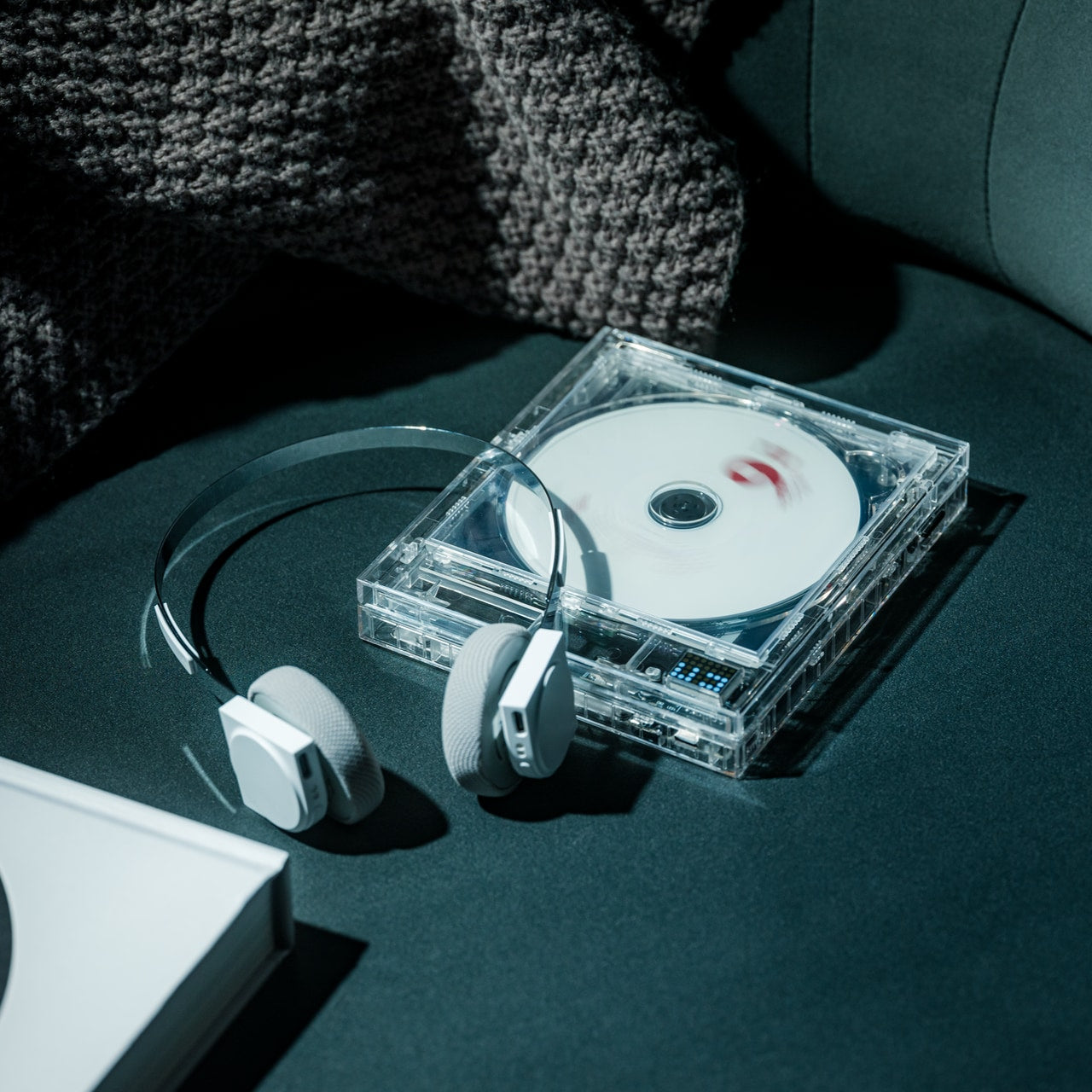
1. SYITREN R300 Portable CD Player

The compact disc never truly left—it just waited for design to catch up. The SYITREN R300 recognizes this truth, delivering a portable CD player that feels simultaneously nostalgic and contemporary. Available in wood grain, classic white, or vibrant fruit green finishes, the R300 captures the clean-lined aesthetic of early audio equipment without feeling dated. The dynamic area button on the right side offers intuitive, tactile operation that satisfies in ways touchscreens never will.

What elevates the R300 beyond pure nostalgia is its refusal to compromise on modern functionality. Bluetooth 5.3 connectivity means wireless freedom with contemporary headphones and speakers, while the traditional 3.5mm headphone jack and Toslink optical output accommodate wired purists and audiophile setups. The player handles standard CD, CD-R, and CD-RW formats plus digital files in MP3, WAV, and WMA. A 2000mAh battery delivers over six hours of playback, making it genuinely portable. Audio output thrust reaches 600mV with an 80dB signal-to-noise ratio, ensuring the listening experience matches the visual appeal. For vintage lovers who never abandoned their CD collections, this player acknowledges their format loyalty while meeting them where modern listening happens.

What we like

  • MUSE Design Gold Award-winning retro aesthetic available in wood, white, and fruit green finishes.
  • Bluetooth 5.3 provides wireless connectivity to modern headphones and speakers.
  • Multiple output options, including 3.5mm jack and Toslink optical for audiophile setups.
  • 2000mAh battery delivers over six hours of portable playback.

What we dislike

  • CD-only format limits functionality compared to multi-format vintage players.
  • Portable design may lack the substantial build quality of classic stationary models.

2. Side A Cassette Speaker

Mixtapes represented something more than music—they were tangible artifacts of care, time, and curation. The Side A Cassette Speaker resurrects that emotional resonance through faithful aesthetic mimicry wrapped around thoroughly modern technology. Shaped precisely like a cassette tape, complete with a transparent shell and a side A label, this pocket-sized speaker does not attempt to hide its inspiration. The clear case doubles as a stand, transforming it from a portable audio device into a proper desk sculpture. For vintage lovers who remember making mixtapes or wish they’d experienced that era, this speaker bridges the gap between memory and modernity with charm and authenticity.

The Side A succeeds because it respects both form and function equally. Bluetooth 5.3 connectivity ensures seamless pairing with phones, tablets, and laptops for wireless listening that analog tapes could never provide. MicroSD card support means offline playback without streaming dependencies, recapturing some of that physical media permanence. The sound profile leans deliberately warm and cozy, tuned to evoke tape playback character rather than clinical digital reproduction. At under fifty dollars, it delivers nostalgic design and functional audio in a package small enough to travel everywhere. This isn’t a gimmick trading entirely on looks—it’s a genuinely useful speaker that happens to look fantastic doing its job.

Click Here to Buy Now: $45.00

What we like

  • Authentic cassette tape styling with a transparent shell and a side A label captures mixtape nostalgia perfectly.
  • Bluetooth 5.3 ensures reliable wireless connectivity with modern devices.
  • MicroSD card support enables offline playback without internet dependency.
  • Warm analog-inspired sound profile distinguishes it from typical digital speakers.

What we dislike

  • Compact size naturally limits bass response and overall volume compared to larger speakers.
  • Cassette aesthetic may feel too niche for spaces requiring neutral design.

3. RetroWave 7-in-1 Radio

Vintage aesthetics meet survival preparedness in the RetroWave, a multi-function radio that refuses to be just one thing. Wrapped in retro Japanese design language, complete with a tactile tuning dial, it immediately signals its nostalgic intentions. That exterior houses seven distinct functions: AM/FM/shortwave radio, Bluetooth speaker, MP3 player, flashlight, clock, power bank, and SOS alarm. This comprehensive capability set makes it equally appropriate for daily desk use, camping adventures, or emergency kits. For vintage lovers who appreciate both form and practical preparedness, the RetroWave delivers aesthetic satisfaction with genuine utility layered underneath.

The brilliance lies in making preparedness beautiful. Solar panel and hand-crank charging mean the RetroWave stays operational when power grids fail, while USB and microSD playback provide offline music access. The radio functionality spans AM, FM, and shortwave bands, offering connection to broadcasts when internet streaming isn’t available. Bluetooth streaming accommodates modern listening habits during normal circumstances. The flashlight and SOS siren transform it from an entertainment device into safety equipment. This convergence of retro design and emergency readiness creates a gift that vintage lovers can display proudly while knowing it serves serious backup purposes. It’s nostalgia that works, beauty that prepares, and design that respects both past aesthetics and future uncertainty.

Click Here to Buy Now: $89.00

What we like

  • Seven functions in one device, including radio, speaker, flashlight, power bank, and SOS alarm.
  • Solar panel and hand-crank charging ensure operation during power outages.
  • AM/FM/shortwave radio provides broadcast access without internet dependency.
  • Retro Japanese design with tactile tuning dial satisfies vintage aesthetic preferences.

What we dislike

  • Multi-function design may compromise individual feature quality compared to dedicated devices.
  • Emergency-focused features add bulk that might exceed typical portable speaker expectations.

4. Perpetual Orrery Kinetic Art

Some vintage inspiration reaches back centuries rather than decades. The Perpetual Orrery draws from 18th-century European Grand Orrery tradition, recreating solar system mechanics through intricate clockwork mechanisms. Planets orbit the sun, the moon cycles through phases, and even the Tempel-Tuttle comet follows its elliptical path—all driven by the same precision engineering found in sophisticated mechanical watches. This isn’t a static model but kinetic art that moves in real time, capturing celestial mechanics in miniature. For vintage lovers who appreciate mechanical complexity and astronomical beauty, the Orrery represents the ultimate intersection of science, history, and craft.

What makes this gift exceptional is its timeless appeal. While most retro gadgets reference the mid-20th century, the Orrery looks back to pre-industrial scientific instruments when astronomy required mechanical ingenuity rather than digital computation. The continuous motion provides meditative visual interest—planets slowly circling, gears turning, the whole system moving in silent harmony. As desk or shelf decoration, it commands attention without demanding it, offering something genuinely mesmerizing to watch during thinking breaks. For the vintage lover who has everything modern nostalgia offers, the Orrery goes deeper, connecting to an era when understanding the heavens required building beautiful machines to mirror their movements. It’s educational, decorative, and hypnotic in equal measure.

Click Here to Buy Now: $449.00

What we like

  • 18th-century Grand Orrery-inspired design connects to pre-industrial scientific instrument tradition.
  • Intricate clockwork mechanisms mirror sophisticated mechanical watch engineering.
  • Continuous kinetic motion, including planetary orbits and lunar phases, provides meditative visual interest.
  • Functions as both an educational model and a striking decorative art piece.

What we dislike

  • Mechanical complexity may require periodic maintenance or calibration over time.
  • Premium mechanical construction results in a higher price point than decorative alternatives.

5. Portable CD Cover Player

Album art deserves equal billing with the music it represents. The Portable CD Cover Player acknowledges this truth through clever design that displays the CD jacket while playing the disc inside. A convenient pocket holds the cover art front and center, creating an audiovisual experience that honors how albums were meant to be consumed—as complete artistic packages. The built-in speaker means genuine portability, taking your music and its visual identity anywhere. Wall-mountable design transforms it into a room decoration that actively plays rather than just displaying static art. For vintage lovers who understand that album covers represent significant graphic design history, this player finally gives physical media the presentation it deserves.

The minimalist design philosophy lets the album art itself become the visual centerpiece. Clean lines and simple operation keep the focus on the music and imagery rather than the player’s own aesthetic. The built-in speaker and rechargeable battery provide authentic portability without requiring external amplification. This solves the eternal collector’s dilemma: beautiful album covers hidden in storage because there’s no good way to display them while playing. The Portable CD Cover Player makes your music collection into a rotating art gallery, celebrating the graphic design, photography, and typography that made physical music formats so visually rich. It’s nostalgia that understands albums were always multi-sensory experiences, and that separating audio from visual diminishes both.

Click Here to Buy Now: $199.00

What we like

  • Integrated pocket displays CD jacket art during playback, honoring a complete album experience.
  • Built-in speaker and rechargeable battery enable genuine portability without external equipment.
  • Wall-mountable design transforms music playback into active room decoration.
  • Minimalist aesthetic lets album artwork become the visual focus.

What we dislike

  • Built-in speaker quality is likely compromised compared to dedicated audio systems.
  • The wall mount bracket, sold separately, adds cost beyond the base player price.

Gifting Timeless Design

Vintage lovers aren’t stuck in the past—they’re selectively mining it for design wisdom the present often forgets. These five gadgets honor that philosophy by capturing retro aesthetics without sacrificing modern functionality. From CD players that embrace Bluetooth to mechanical orreries that predate electricity itself, each gift proves that timeless design transcends any single era. They’re conversation pieces that actually function, nostalgic objects that genuinely serve contemporary needs, and beautiful things that happen to be useful.

The best retro gifts acknowledge why certain designs endure while making them accessible to how we actually live today. These gadgets don’t force you to abandon modern conveniences to appreciate vintage aesthetics. They bridge eras elegantly, letting vintage lovers enjoy the warmth of analog inspiration through contemporary functionality. Whether celebrating a birthday, marking an occasion, or simply recognizing someone’s refined taste, these gifts speak a language of quality, character, and enduring style that transcends temporary trends.

The post Retro Gadgets For Vintage Lovers: 5 Nostalgic Gifts That Actually Work In 2025 first appeared on Yanko Design.

5 Best Tech Gadgets Of November 2025

November 2025 has delivered some truly groundbreaking tech that pushes boundaries in ways we haven’t seen before. This month isn’t about incremental updates or spec bumps. It’s about rethinking fundamental assumptions around how we interact with our devices. The gadgets making waves right now challenge the status quo of mobile computing, wearable technology, ergonomic design, portable power, and smartphone engineering.

Some are available now, others are concepts that point toward what’s coming, but all of them represent a shift in thinking about what tech can be when designers refuse to accept the limitations we’ve grown accustomed to. These five gadgets stand out not just for their innovation, but for solving real problems that have plagued users for years. They’re the kind of products that make you wonder why nobody thought of this sooner.

1. WELDER Keyboard

Mobile professionals face an impossible equation. Laptops provide adequate computing power but trap you behind a cramped single display. Portable monitors expand your workspace but clutter your bag with extra cables, stands, and fragile panels. Mechanical keyboards deliver typing satisfaction at the cost of carrying yet another device. The WELDER keyboard collapses this sprawling ecosystem into one unified tool that refuses to compromise on any front.

The centerpiece is a 12.8-inch touchscreen mounted directly above a full mechanical keyboard, both housed in precision CNC-machined aluminum. That material choice matters enormously. When the device folds at its 180-degree hinge, the metal construction prevents any flexing that would make typing unstable or damage the display. Close it up and you get a protective shell that safeguards both components during travel, transforming into a sleek aluminum block that looks more premium than most laptops. For a crowdfunded venture to achieve this level of build quality suggests serious engineering capability.

What we like

  • Eliminates the need to carry a separate keyboard and portable monitor.
  • CNC-machined aluminum construction provides exceptional build quality and durability.

What we dislike

  • Crowdfunded status means availability and long-term support remain uncertain.
  • The combined weight of screen and mechanical keyboard may be heavier than ultraportable alternatives.

2. MSI Gaming PC Watch

MSI’s wrist-mounted PC concept makes no pretense of being a conventional timepiece. Subtle hour markings exist almost as an afterthought, while the face reveals a miniaturized computer’s internal architecture. Cooling fans, graphics components, motherboard traces, and processors are fully exposed behind transparent housing. Four side pushers control various functions while the MSI badge sits where you’d normally find a watch crown. This is wearable computing stripped of any attempt at discretion.

The brand already dominates gaming hardware through laptops and desktops that push thermal management, graphics rendering, and RGB aesthetics to extremes. Translating that expertise to wrist-scale computing represents the logical, if audacious, next step. MSI has built a reputation on reliable performance under demanding conditions, which gives this concept more credibility than if a startup proposed it. The promise is immediate access to full computing capability regardless of location, though practical questions around battery life, heat generation, and actual processing power remain unanswered at this conceptual stage.

What we like

  • Showcases visible internal components for a striking aesthetic that appeals to tech enthusiasts.
  • Backed by MSI’s established reputation for durable, high-performance hardware.

What we dislike

  • Actual computing power and practical functionality remain unclear from concept alone.
  • Wrist-mounted form factor raises serious questions about heat dissipation and comfort during extended wear.

3. iRest Adjustable Ergonomic Mouse

Most mice ship with fixed dimensions that work adequately for average hands, while fitting nobody perfectly. iRest Health Science and Technology proposes something radically different with their conceptual mouse featuring app-controlled adjustability. The palm rest integrates two pneumatic cushions that inflate or deflate based on commands from your smartphone. Adjust the air volume, and the mouse physically reshapes itself to match your hand’s exact contours, creating a truly personalized ergonomic profile.

The concept brilliantly identifies a real problem, but stumbles on execution. Pneumatic adjustment requires miniature air pumps that would devastate battery life while adding mechanical complexity prone to failure. Alternative approaches exist that could deliver similar results more elegantly. Moldable silicone shells similar to custom in-ear monitors could work, though those require professional fitting. Mechanical adjustment systems comparable to ergonomic office chairs might provide the customization without electronic complexity. The core insight that ergonomic peripherals shouldn’t force users into standardized shapes remains valuable even if this particular implementation needs rethinking.

What we like

  • App-controlled customization allows precise fitting to individual hand dimensions.
  • Addresses genuine ergonomic needs for users who struggle with standard mouse shapes.

What we dislike

  • The air pump mechanism would significantly drain battery life and add mechanical complexity.
  • Still in concept phase with no clear path to production or retail availability.

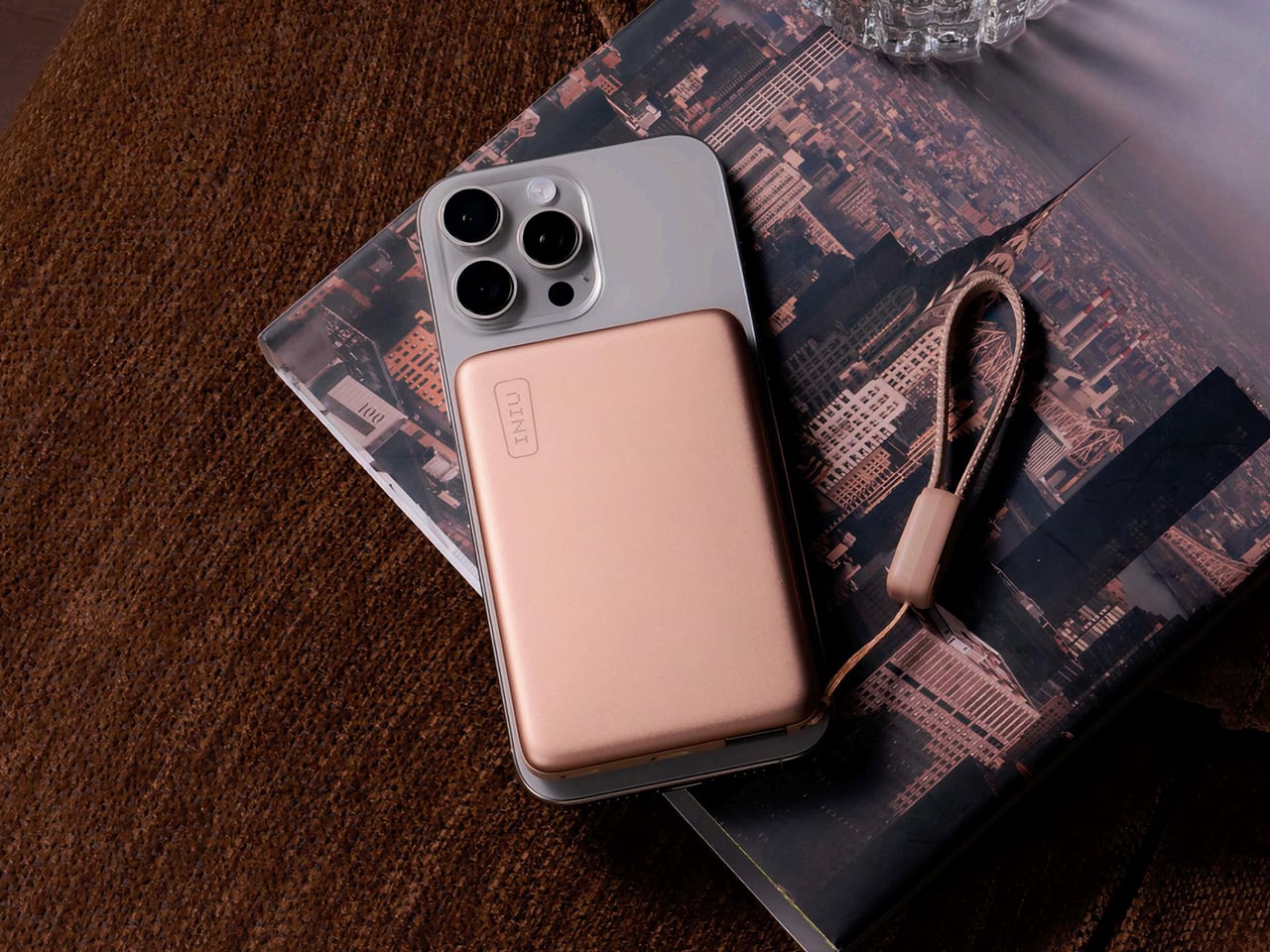
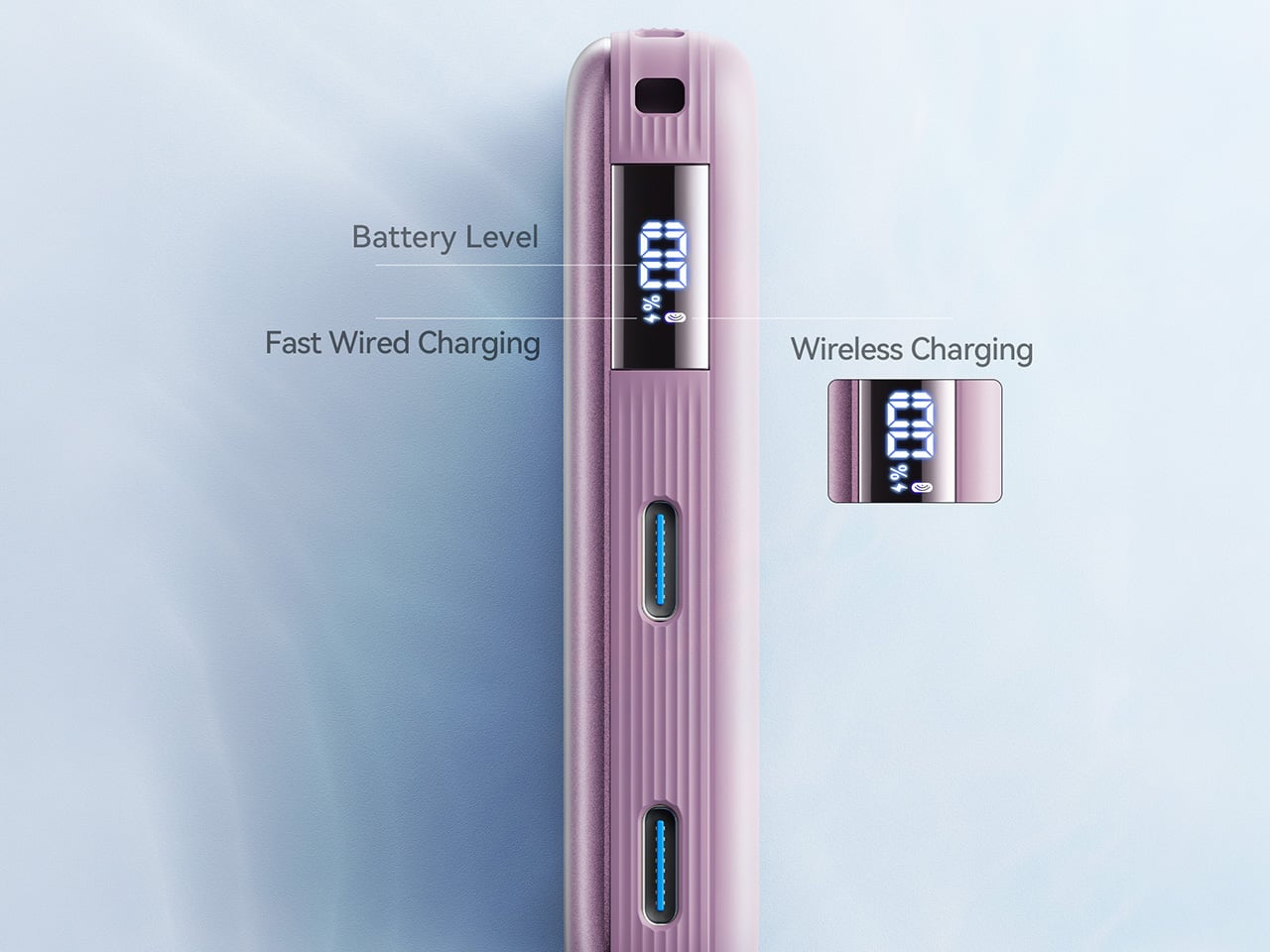
4. Portable Magnetic Power Bank

Traditional power banks lock you into carrying a fixed capacity regardless of your actual needs for that day. Quick coffee run where you just need earbuds topped up? You’re hauling 20,000mAh. Week-long trip requiring multiple full phone charges? You’re stuck with whatever single capacity you bought. The Portable Magnetic power bank rejects this inflexibility with a two-piece modular design that adapts throughout your day. The main body provides high-capacity charging for phones and larger devices, while a detachable Energy Capsule handles smaller accessories like wireless earbuds and smartwatches.

Magnetic connection makes the system work. The two units snap together seamlessly when you need maximum capacity, then separate instantly when you want to travel light. No fiddly clips, no cables, no alignment struggles. The magnets ensure perfect contact every time while being strong enough to prevent accidental separation in normal use. You can leave the heavy module at your desk while pocketing just the Energy Capsule for a quick outing, then reunite them for your commute home. It’s flexible power management that finally reflects how people actually move through modern life rather than forcing compromise.

What we like

  • Modular design lets you carry only the capacity you need for different situations.
  • The magnetic connection system provides tool-free attachment without cables or complicated mechanisms.

What we dislike

  • Splitting power across two units may reduce overall efficiency compared to single-cell designs.
  • Magnetic connections could potentially separate accidentally in bags or pockets during movement.

5. Samsung “More Slim” Smartphone

Samsung’s internal development codename reveals its direction clearly. The More Slim follows their S25 Edge, which itself carried the Slim codename during creation. Rather than retreating from ultra-thin smartphone design, Samsung appears committed to pushing dimensional boundaries even further. Engineering challenges multiply exponentially as thickness decreases. Components must be custom-designed for tighter spaces, which dramatically increases manufacturing complexity and cost. Every millimeter shaved requires fundamental rethinking of internal architecture.

The concerning precedent comes from the S25 Edge. To achieve its thin profile, Samsung accepted a dual-camera system without telephoto capabilities and crammed in just a 3,900mAh battery. Those compromises felt severe at the S25 Edge’s premium price point. Going even slimmer logically means accepting additional limitations on battery capacity and camera hardware. Physics imposes constraints that marketing ambition cannot overcome. The ultra-thin phone market certainly exists, but it serves a narrow audience willing to sacrifice functionality for aesthetic minimalism. Samsung clearly believes that the audience is worth pursuing despite the technical and economic challenges involved.

What we like

  • Ultra-slim profile appeals to users prioritizing pocketability and minimalist aesthetic.
  • Samsung’s manufacturing expertise suggests quality execution despite extreme thinness constraints.

What we dislike

  • Likely to feature reduced battery capacity and limited camera capabilities based on S25 Edge precedent.
  • Premium pricing expected despite hardware compromises required to achieve ultra-thin design.

Gadgets That Refuse to Compromise

These five gadgets represent where tech is heading as we close out 2025. What ties them together is a willingness to question established norms. The WELDER asks why keyboards and monitors must be separate. MSI questions whether a watch needs to just tell time. iRest challenges fixed ergonomics. The modular power bank rejects monolithic battery designs. Samsung pushes thinness beyond what seems reasonable.

Not all will succeed commercially. Some are concepts that may never reach production. Others face significant engineering hurdles that could limit their appeal. The value in highlighting these products isn’t predicting which will dominate the market. It’s recognizing that innovation happens when designers refuse to accept inherited constraints. November 2025 delivered gadgets that refuse to play it safe, and that’s exactly what we need.

The post 5 Best Tech Gadgets Of November 2025 first appeared on Yanko Design.

5 Best Kitchen Knives & Cutting Tools Under $150 Every Home Cook Needs

The modern kitchen demands tools that blend exceptional performance with thoughtful design. While premium cutlery can cost thousands, exceptional knives and cutting tools exist at accessible price points without compromising quality or aesthetics. These five carefully selected pieces represent the perfect intersection of Japanese craftsmanship, innovative materials, and practical functionality that every home cook deserves.

From the legendary sword-making region of Seki, Japan, to contemporary design studios, these tools transform mundane food preparation into an engaging culinary experience. Each piece offers unique advantages while maintaining the versatility essential for everyday cooking tasks.

1. Black Kitchen Knives

Sharp blades meet striking aesthetics in this exceptional knife collection that redefines kitchen cutlery expectations. Crafted in Seki, Japan, where centuries of sword-making tradition inform every blade, these pitch-black beauties transform food preparation into an almost ceremonial experience. The molybdenum vanadium steel core receives a distinctive titanium coating that creates the dramatic obsidian finish while enhancing durability and corrosion resistance.

Each knife emerges from individual craftsmen’s attention, ensuring consistent quality across the Santoku, Gyuto, and Petty styles available. The full-scale double-edged construction provides balanced cutting performance whether you’re dicing vegetables, slicing proteins, or handling delicate garnish work. The dramatic appearance makes these knives conversation starters that perform as beautifully as they look on magnetic strips or knife blocks.

Click Here to Buy Now: $99.00

What we like

  • Authentic Japanese craftsmanship from the renowned Seki region.
  • Titanium coating provides superior durability and a striking appearance.

What we dislike

  • A higher price point may stretch budget limits.
  • Dark finish shows water spots and fingerprints more readily.

2. OXO Good Grips Carving & Cutting Board

Practical design meets thoughtful engineering in this double-sided cutting board that addresses every home cook’s preparation needs. The generous surface area accommodates large tasks like turkey carving and whole chicken preparation while providing ample workspace for extensive meal prep sessions. Non-porous construction prevents odor absorption, ensuring each use begins with a fresh, neutral surface that won’t transfer flavors between different ingredients.

The reversible design features a flat side optimized for produce preparation and a grooved side specifically engineered for meat carving. Integrated drip catchers with easy-pour corners manage liquid runoff efficiently, preventing countertop mess during protein preparation. Non-slip feet maintain stability during vigorous cutting motions, while soft tapered edges create comfortable handholds for easy maneuvering and storage.

Click Here to Buy Now

What we like

  • Dual-sided design maximizes functionality in a single board.
  • Dishwasher-safe construction simplifies cleanup and sanitization.

What we dislike

  • Large size requires significant storage space.
  • Plastic surface eventually shows knife marks and wear patterns.

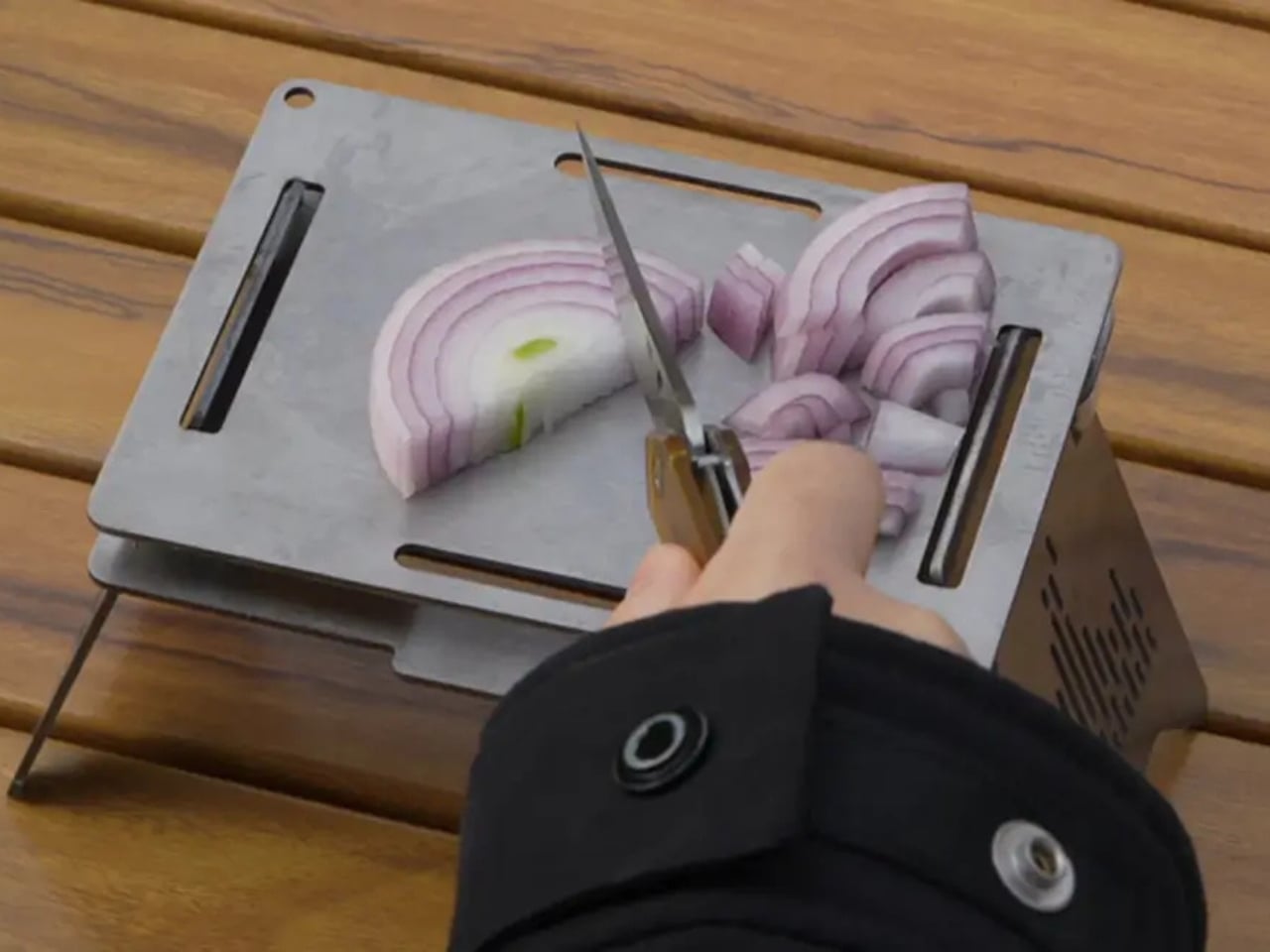
3. Precision Chef Kitchen Scissors

Food preparation extends beyond knife work, making these specially engineered kitchen scissors essential for comprehensive culinary tasks. The curved serrated blade design makes cutting through tough proteins, herbs, and vegetables significantly easier while maintaining safety during use. Oxidation coloring creates the distinctive black finish that resists fading and deterioration, ensuring these shears maintain their striking appearance through years of regular kitchen duty.

Ergonomic engineering prevents the blade from contacting surfaces when laid down, protecting both the cutting edge and countertops from damage. Whether trimming fat from steaks, cutting pizza into portions, or harvesting fresh herbs, these versatile shears handle diverse cutting challenges with remarkable efficiency. The substantial feel and balanced weight distribution reduce hand fatigue during extended prep sessions.

Click Here to Buy Now: $99.00

What we like

  • Versatile design handles multiple cutting tasks beyond traditional scissors.
  • Ergonomic structure protects blades and surfaces during storage.

What we dislike

  • Specialized design commands premium pricing over basic kitchen shears.
  • Hand washing is required to maintain the finish and edge quality.

4. Tojiro Nakiri DP Hammered 165mm Vegetable Knife

Vegetable preparation reaches new heights of precision with this traditional Japanese nakiri that combines authentic blade geometry with modern steel technology. The VG-10 steel core, hardened to 60 HRC, delivers exceptional sharpness while maintaining durability that withstands daily kitchen demands. Distinctive hammer marks create the striking kuro-uchi finish while serving the practical function of reducing food adhesion during cutting sessions.

The traditional D-shaped magnolia wood handle with plastic ferrule provides a secure grip without adding unnecessary weight to the blade. Nakiri blade geometry excels at precise vegetable cuts, from paper-thin radish slices to perfectly uniform julienne strips that elevate dish presentation. The balanced hardness prevents easy chipping while maintaining edge retention that keeps the blade performing optimally between sharpenings.

Click Here to Buy Now

What we like

  • Traditional Japanese blade geometry optimized for vegetable preparation.
  • Stunning hammered finish combines beauty with functional food release.

What we dislike

  • Specialized vegetable focus limits general kitchen versatility.
  • Requires proper Japanese knife maintenance techniques and tools.

5. Hinoki Essence Cutting Board

Traditional Japanese hinoki cypress wood meets contemporary design sensibilities in this remarkable cutting board that elevates every prep session. The medium hardness provides optimal resistance for efficient cutting while remaining gentle enough to preserve knife edges through countless uses. Water-resistant silicone coating penetrates deep into the wood fibers, preventing damage and extending the board’s lifespan significantly beyond typical wooden alternatives.

The thoughtful design incorporates gentle curves that facilitate juice drainage and thorough cleaning after use. Natural antimicrobial properties inherent in hinoki cypress reduce bacterial growth, making this board ideal for both raw proteins and fresh produce preparation. The integrated handle enables convenient hanging storage for hygienic air-drying while adding an elegant design element that complements modern kitchen aesthetics perfectly.

Click Here to Buy Now: $59.00

What we like

  • Natural antimicrobial properties reduce bacterial concerns.
  • Beautiful wood grain doubles as a serving presentation piece.

What we dislike

  • Requires hand washing and periodic oiling maintenance.
  • Higher cost than plastic cutting board alternatives.

Transform Your Kitchen Experience

These five exceptional tools represent more than mere kitchen implements – they embody the philosophy that beautiful, well-designed tools enhance both cooking performance and culinary enjoyment. Each piece brings unique strengths while working harmoniously together to create a comprehensive cutting and preparation system.

The investment in quality tools pays dividends through improved cutting precision, enhanced food presentation, and the simple pleasure of working with beautifully crafted implements. Whether you’re preparing elaborate dinner parties or simple weeknight meals, these tools elevate every kitchen interaction from mundane task to engaging craft.

Quality cutting tools transform cooking from a chore to a creative expression, making the time invested in food preparation genuinely enjoyable. These carefully selected pieces prove that exceptional performance and striking design remain accessible without premium price tags, bringing professional-level capabilities within reach of every passionate home cook.

The post 5 Best Kitchen Knives & Cutting Tools Under $150 Every Home Cook Needs first appeared on Yanko Design.

5 Best EDC Designs Of November 2025

The world of everyday carry continues to evolve, pushing beyond traditional multi-tools and basic pocket knives into territory that feels more like science fiction than utility gear. November 2025 has delivered a remarkable collection of EDC innovations that challenge everything we thought we knew about portable functionality. These aren’t just tools – they’re carefully engineered solutions that blend cutting-edge materials, ingenious mechanisms, and thoughtful design into objects you’ll actually want to carry every day.

From gravity-powered deployment systems to aerospace-grade titanium connectors, this month’s standout EDC designs represent a perfect storm of advanced manufacturing, user-centered thinking, and genuine innovation. Each piece on this list solves real problems while maintaining the kind of refined aesthetics that make you proud to pull them from your pocket. Whether you’re a seasoned EDC enthusiast or someone just discovering the world of optimized carry gear, these five designs showcase exactly where the industry is heading.

1. Cubik

The Cubik represents a fundamental rethinking of blade deployment that feels both revolutionary and oddly familiar. Press the trigger, hold the knife upside down, and physics takes over as the blade smoothly extends from its housing. This isn’t just clever engineering for its own sake – it’s a complete elimination of the complex spring mechanisms, ball bearings, and maintenance-heavy components that plague traditional folding knives.

What makes the Cubik genuinely special is how natural the deployment feels once you understand the physics. The weight of the blade becomes your deployment mechanism, creating a tactile experience that borders on addictive. The rear-mounted tungsten carbide glass-breaker transforms this from a simple cutting tool into legitimate emergency gear. At the same time, the satisfying fidget-like quality ensures you’ll never get tired of the deployment action.

What we like

  • Eliminates complex mechanisms that can fail or require maintenance.
  • Tungsten carbide glass breakers add genuine emergency functionality.

What we dislike

  • Deployment requires specific orientation and hand positioning.
  • May not be legal in all jurisdictions due to one-handed opening capability.

2. Titaner Quick-Release EDC Carry System

The Titaner system attacks the fundamental problem of keychain organization with aerospace-grade materials and magnetic precision. Weighing just 6.5 grams, this GR5 titanium connector system provides instant one-handed access to your gear while maintaining the kind of strength that makes traditional keychains seem almost primitive. The magnetic-mechanical lock creates a satisfying tactile feedback that confirms a secure connection every time.

Beyond the impressive engineering specs, the Titaner succeeds because it feels warm and organic rather than cold and industrial. The CNC-machined precision and choice of finishes – from understated stonewash to bold anodized colors – means this isn’t just functional gear hiding in your pocket. Four modular sub-connectors adapt to different carrying scenarios, whether you’re organizing everyday essentials or professional outdoor equipment.

Click Here to Buy Now: $36 $65 (45% off). Hurry, only a few left! Raised over $94,000.

What we like

  • Ultra-light titanium construction offers an exceptional strength-to-weight ratio.
  • One-handed operation with satisfying magnetic-mechanical feedback.

What we dislike

  • Premium materials result in significantly higher costs than traditional keychains.
  • A modular system may be overly complex for basic key organization needs.

3. 8-in-1 EDC Scissors

Compact multi-tools often sacrifice functionality for portability, but these palm-sized scissors prove that smart design can deliver both. Eight distinct functions are packed into a 5.1-inch form factor that disappears into any pocket while maintaining the cutting performance of dedicated scissors. The oxidation film coating provides rust resistance while creating a distinctive black finish that looks intentional rather than utilitarian.

The genius lies in how each function integrates naturally into the scissor form factor. Rather than forcing disparate tools into an awkward housing, every capability flows logically from the basic scissor design. From bottle opening to wire stripping, each function feels purposeful rather than tacked on. The result is a tool that excels at its primary cutting mission while offering legitimate backup capabilities for common tasks.

Click Here to Buy Now: $59.00

What we like

  • Eight functions integrated seamlessly into a familiar scissor form factor.
  • Compact size maintains full cutting performance in a portable package.

What we dislike

  • Individual tool functions may not match the performance of dedicated alternatives.
  • Black coating could wear over time with heavy use.

4. Gerber Shard

Sometimes the best design is the simplest design, and the Gerber Shard proves this philosophy with elegant restraint. Seven essential functions are integrated into a keychain-friendly package that prioritizes airline safety and everyday utility over flashy features. The titanium nitride coating provides serious corrosion resistance while maintaining a professional appearance that works in any environment.

The Shard succeeds by focusing relentlessly on the tasks you actually encounter daily. Pry bars, flathead drivers, and bottle openers get the engineering attention they deserve, while unnecessary features stay out of the way. This disciplined approach creates a tool that feels substantial despite its compact dimensions. The limited lifetime warranty signals Gerber’s confidence in the fundamental engineering, while the airline-safe design ensures it travels with you anywhere.

What we like

  • Airline-safe design travels without restrictions or complications.
  • Titanium nitride coating provides superior corrosion resistance and durability.

What we dislike

  • Limited to seven functions compared to larger multi-tool alternatives.
  • The flat profile may be less comfortable for extended use sessions.

5. BlackoutBeam Tactical Flashlight

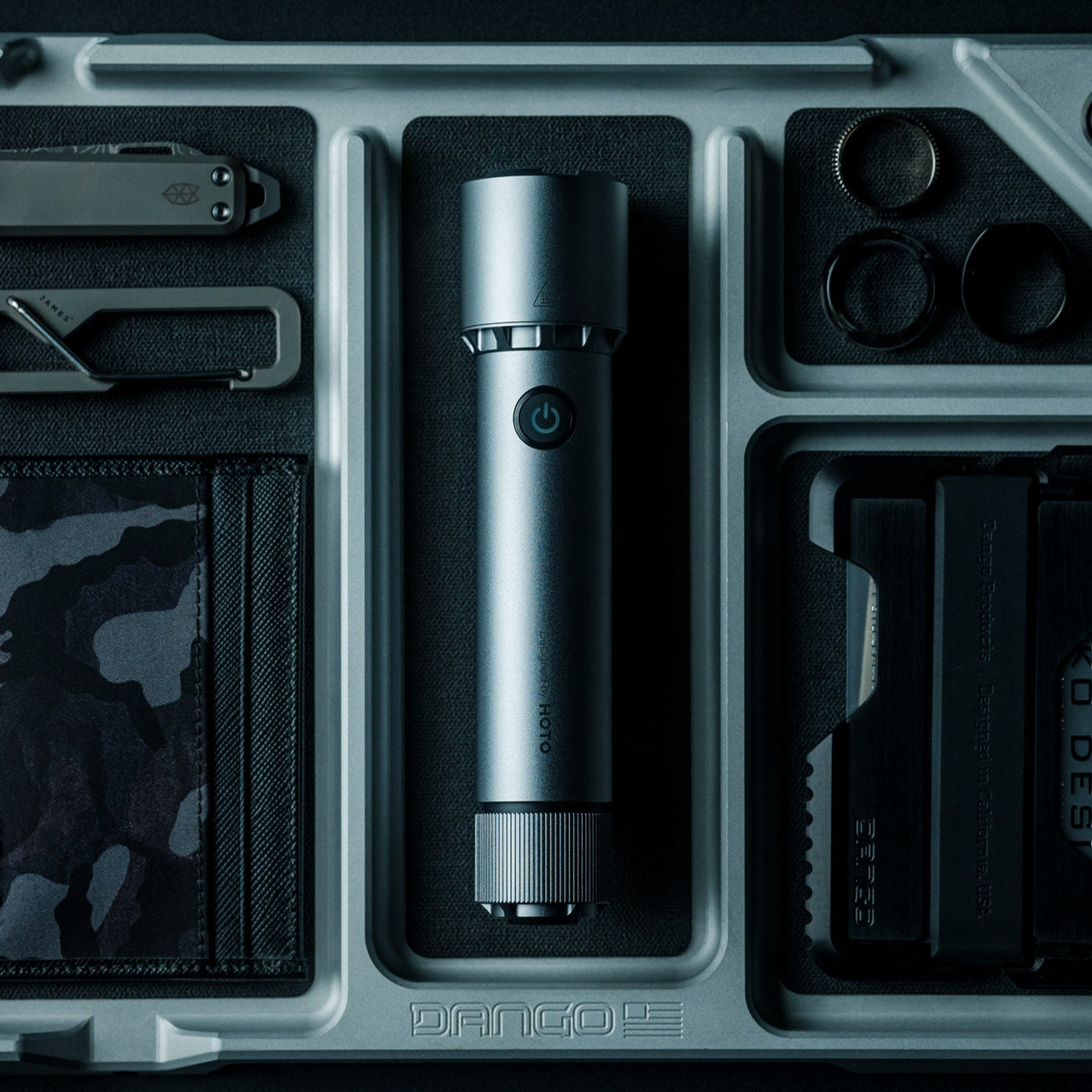
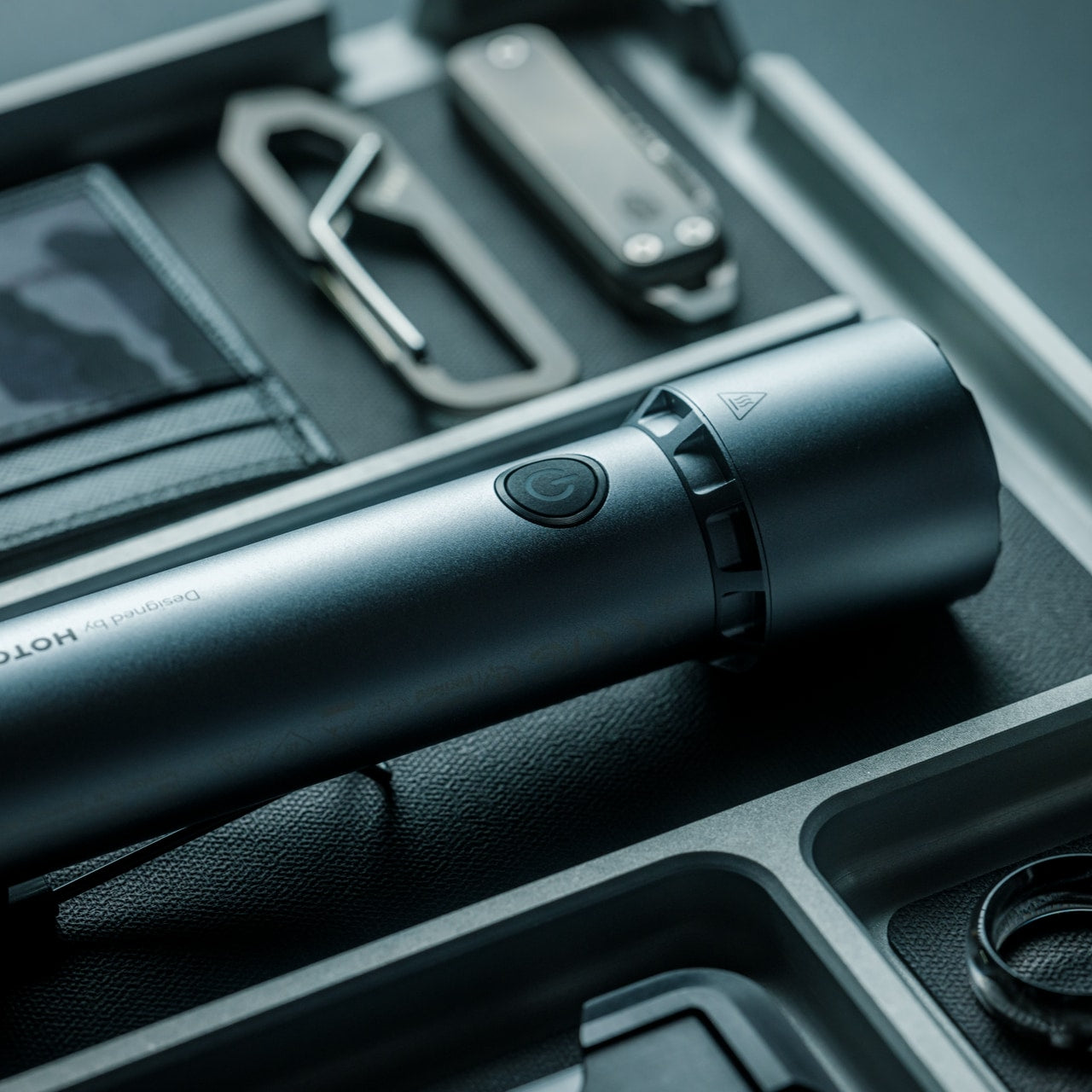
The BlackoutBeam represents tactical illumination engineering applied to everyday carry needs. With 2300 lumens available on demand and a 300-meter throw distance, this flashlight delivers professional-grade performance in a package designed for daily pocket carry. The 0.2-second response time eliminates the frustrating delay common in consumer flashlights, while the IP68 waterproof rating ensures reliability regardless of conditions.

What elevates the BlackoutBeam beyond simple lumen counting is the industrial design aesthetic that makes it look intentional rather than tactical. The durable aluminum construction feels substantial without adding unnecessary bulk, while the sleek profile integrates naturally into any EDC setup. Whether you’re dealing with power outages, navigating in darkness, or building emergency preparedness, this flashlight delivers instant clarity exactly when needed.

Click Here to Buy Now: $89.00

What we like

  • Exceptional 2300-lumen output with 300-meter throw for serious illumination needs.
  • 0.2-second response time provides instant-on reliability without delay.

What we dislike

  • High-output modes likely drain the battery quickly during extended use.
  • Professional-grade features may be excessive for basic everyday lighting needs.

The Evolution of Everyday Carry

These five designs represent more than just incremental improvements in existing product categories. They showcase a fundamental shift in how we think about the relationship between tools, materials, and daily utility. The Cubik’s gravity deployment eliminates mechanical complexity while adding tactile satisfaction. The Titaner system brings aerospace engineering to a keychain organization, proving that premium materials can transform mundane tasks into satisfying experiences.

The common thread connecting these innovations is attention to the complete user experience. These aren’t just functional objects – they’re carefully considered solutions that recognize how tools integrate into daily life. From materials selection to deployment mechanisms, every design decision serves the goal of creating gear you’ll want to carry and use every day, suggesting we’re entering a golden age of everyday carry design.

The post 5 Best EDC Designs Of November 2025 first appeared on Yanko Design.
5 Best Automotive Designs Of November 2025

November 2025 has emerged as a defining moment for automotive design innovation. Designers are showcasing bold concepts that push boundaries in sustainability, functionality, and aesthetic evolution. From hydrogen-powered overlanders to ultra-futuristic electric motorcycles, this month’s standout designs represent a fascinating glimpse into the industry’s evolving vision. The convergence of environmental consciousness and cutting-edge technology has produced remarkable vehicles.

These designs aren’t just transportation solutions—they’re statements about our collective automotive future. The industry’s pivot toward environmental responsibility while maintaining performance excellence demonstrates sophisticated engineering approaches. Each concept addresses specific user needs through thoughtful design language and innovative technology integration. This represents automotive design at its most forward-thinking and purposeful state.

1. Kia PV5 WKNDR Concept

The PV5 WKNDR Concept embodies Kia’s understanding that modern transportation transcends simple point-to-point mobility. This Red Dot ‘Best of the Best’ award winner represents a strategic pivot toward vehicles that serve as lifestyle enablers rather than mere conveyances. The design philosophy centers on the reality that contemporary users demand spaces that seamlessly transition between work, travel, and recreation without compromising efficiency or comfort.

Kia’s design team has crafted something that speaks directly to urban professionals seeking weekend escapes and digital nomads requiring mobile workspaces. The concept’s modular interior architecture allows for complete spatial reconfiguration, transforming from a mobile office with panoramic views to a comfortable living space with integrated cooking facilities. The exterior design language deliberately avoids the clichéd rugged aesthetic common to adventure vehicles, instead presenting a clean, futuristic form that feels equally at home in urban environments and remote wilderness settings.

What we like

  • Revolutionary hydro turbine wheels and solar panel integration provide off-grid energy independence.
  • External “gear head” storage system maximizes interior space while protecting equipment.

What we dislike

  • Concept-level features may not survive the transition to production vehicle.
  • Elevated stance and boxy proportions could impact aerodynamic efficiency at highway speeds.

2. Toyota Tacoma H2-Overlander Concept

The Tacoma H2-Overlander tackles one of overlanding’s biggest contradictions: chasing pristine wilderness experiences while driving vehicles that pollute those same places. Toyota’s concept completely rethinks the relationship between adventure vehicles and environmental stewardship through its hydrogen fuel cell powertrain that only produces water as exhaust. This isn’t just an improvement; it’s a total shift toward responsible exploration.

The environmental benefits don’t come at the cost of capability either. The H2-Overlander delivers 547 horsepower through its hybrid fuel cell and battery setup, proving clean doesn’t mean weak. Toyota has integrated practical overlanding features with hydrogen fuel cell requirements, creating something that actually makes sense for sustainable adventure travel. Debuting this at SEMA 2025 shows Toyota is serious about moving hydrogen technology beyond lab experiments into real adventure scenarios.

What we like

  • Zero-emission operation with water as the only exhaust byproduct enables guilt-free wilderness exploration.
  • Substantial 547-horsepower output proves environmental responsibility doesn’t require performance sacrifices.

What we dislike

  • Hydrogen fueling infrastructure remains extremely limited, especially in remote areas.
  • Fuel cell technology adds complexity and potential maintenance challenges compared to conventional powertrains.

3. Audi Le Mans-Inspired Electric Concept

This unnamed Audi concept by designer Naretto is pure geometric aggression turned into automotive form. The design pulls heavily from Audi’s Le Mans heritage, especially the R18 e-tron, while pushing aerodynamic functionality to extremes you rarely see in road concepts. Every surface does something, from the massive front splitter that channels air under the car to the multi-layered rear wing and huge rear diffuser working together to create serious downforce.

The cab-forward proportions and impossibly wide stance connect it visually to modern prototype racers, while those enclosed wheels with turbine-like fins show serious attention to airflow management and brake cooling. The design’s relentless focus on aerodynamic efficiency over traditional beauty creates something genuinely striking. This is automotive design at its most uncompromising, where function drives every line and surface with zero concessions to conventional car aesthetics.

What we like

  • Comprehensive aerodynamic package delivers genuine functional benefits rather than superficial styling elements.
  • Geometric design language creates a distinctive visual identity that separates it from current market offerings.

What we dislike

  • Extreme aerodynamic elements are likely impractical for road use and parking situations.
  • An uncompromising design approach may limit broad market appeal beyond enthusiast audiences.

4. Honda EV Outlier Concept

Honda’s EV Outlier Concept completely rethinks motorcycle architecture using electric propulsion as the catalyst. Mounting electric motors directly in both wheels eliminates traditional chain or belt drives, creating incredible packaging freedom and perfect weight distribution. This isn’t just slapping batteries on an existing motorcycle design; it’s reimagining what motorcycles can become when freed from internal combustion limitations.

The design philosophy of “Gliding, Ecstasy and Low” shows up in the dramatically lowered riding position and forward foot pegs, creating a stance that’s both relaxed and futuristic. The continuous LED light band and integrated tail section create a cohesive look that feels distinctly different from conventional motorcycles while keeping essential two-wheeled character. Honda’s approach suggests electric motorcycles shouldn’t just copy traditional forms but should explore completely new possibilities for rider experience and vehicle dynamics.

What we like

  • Hub-mounted motors eliminate drivetrain complexity while enabling optimal weight distribution and packaging flexibility.
  • Distinctive riding position and futuristic aesthetic differentiate it from conventional motorcycle designs.

What we dislike

  • Hub-mounted motors may increase unsprung weight, potentially affecting handling and ride quality.
  • A dramatically altered riding position may not appeal to traditional motorcycle enthusiasts.

5. Toyota Kayoibako-K Concept

The Kayoibako-K shows Toyota’s vision for ultra-compact urban mobility that doesn’t sacrifice versatility for size. Named after Japanese shipping containers, this micro-transporter embodies modular thinking where one platform handles multiple jobs through swappable interior configurations. The concept tackles urban density challenges by providing maximum utility in minimal space, working equally well for family transport, mobile commerce, or recreational camping.

Toyota’s semi-autonomous features, while not fully self-driving, hint at mobility scenarios where vehicles can navigate to you or return to parking spots on their own. The compact dimensions work perfectly for congested cities, while the modular interior system keeps it practical for diverse uses. This is a thoughtful design that prioritizes real-world utility over flashy features, addressing genuine urban mobility challenges through smart space use and functional flexibility.

What we like

  • The modular interior system provides exceptional versatility within extremely compact exterior dimensions.
  • Semi-autonomous capabilities enable convenient summoning and parking functions for urban users.

What we dislike

  • An extremely compact size may limit passenger comfort and cargo capacity for larger families.
  • Autonomous features require infrastructure development and regulatory approval before practical implementation.

What November’s Designs Really Mean

These five concepts show manufacturers and designers finally cracking the code on balancing environmental responsibility with genuine performance and innovation. Each one tackles specific real-world problems through smart engineering and thoughtful design choices. The mix of sustainable tech with practical functionality suggests the auto industry has moved beyond surface-level electrification into meaningful design evolution.

Hydrogen power, electric propulsion, autonomous tech, and modular design thinking are coming together in ways that actually make sense. These concepts prove you can care about the environment and still build something exciting and capable. November 2025 might be remembered as when automotive design stopped talking about the future and started building it, keeping the emotional connection that makes great vehicles special.

The post 5 Best Automotive Designs Of November 2025 first appeared on Yanko Design.
5 Architectural Designs That Redefined Our Expectations In 2025

Architecture has always been about solving problems, but the best designs do something more—they make us reimagine what’s possible. This year brought us structures that challenged architectural conventions, from a brilliant garden shed that conquered Britain to a groundbreaking skyscraper that’s rewriting Manhattan’s sustainable playbook. Each remarkable project represents thoughtful architectural design responding to real human needs with exceptional intelligence, creativity, and purposeful innovation that truly inspires us all today.

These five projects share remarkable qualities that prove great design isn’t about size or budget, but about understanding human needs deeply. Whether Robinson’s ingenious workshop flaps, Baluchon’s light-filled creativity, Foster’s sustainable innovation, Ando’s poetic restraint, or LH47’s community insight, each demonstrates that architecture’s greatest power lies in intelligent problem-solving. They transform ordinary activities into extraordinary experiences through thoughtful design that enhances rather than merely houses human life with meaningful, lasting purpose.

1. The Tiny Workshop – Robinson’s Space-Saving Masterpiece

Robinson’s tiny workshop earned Britain’s coveted Shed of the Year title through pure ingenuity. The structure features two transformative flaps that redefine functionality—one drops to create a work floor while another flips up for weather protection. Every surface serves multiple purposes, with custom 3D-printed brackets holding old spanner handles that provide both organization and visual cues about contents within.

The living green roof elevates this beyond typical garden storage, creating a wildlife habitat while housing essential tools. Robinson designed the space to serve triple duty as a toolshed, creative workspace, and storage solution for everything from garden necessities to children’s games. The careful planning of drawers, shelves, and hooks ensures every inch maximizes accessibility without sacrificing the workshop’s compact footprint.

What we like

  • Revolutionary dual-flap system maximizes functionality in minimal space.
  • A living green roof combines storage with environmental benefits.

What we dislike

  • Limited interior height may restrict certain workshop activities.
  • Weather dependence for outdoor work floor functionality.

2. Nouvelle Danse – Baluchon’s Sewing Studio Sanctuary

Baluchon’s latest masterpiece transforms tiny house living for creative professionals. Nouvelle Danse seamlessly integrates a dedicated sewing studio into a surprisingly spacious two-bedroom layout, proving specialized workspaces can thrive in compact dimensions. The French builder’s signature aesthetic mastery shines through high-contrast natural wood cladding against matte black insertions flowing across the roof, door, and window frames.

Natural light floods every corner through strategically placed windows, creating an atmosphere that feels expansive despite compact dimensions. The entrance commands attention with modern glass doors framed in striking black paneling, ensuring the home impresses whether positioned in tiny house communities or remote natural settings. Custom-built details throughout reflect Baluchon’s reputation as the industry’s most innovative craftsman.

What we like

  • Masterful integration of specialized workspace within compact living.
  • Exceptional natural light design prevents a cramped feeling.

What we dislike

  • High-end custom construction likely commands premium pricing.
  • Specialized sewing focus may limit appeal to a broader market.

3. 270 Park Avenue – NYC’s Sustainable Supertall Pioneer

Rising 1,388 feet above Midtown Manhattan, 270 Park Avenue establishes new benchmarks for sustainable skyscraper design. Foster + Partners created JPMorgan Chase’s 60-story headquarters as more than corporate space—it’s a vertical city designed for 10,000 employees with unprecedented environmental responsibility. The tower replaces the demolished Union Carbide Building with architecture that prioritizes collaboration, wellness, and flexible workspace solutions.

The building’s significance extends beyond its impressive height to its role as NYC’s first net-zero supertall skyscraper. Advanced sustainability systems integrate seamlessly with cutting-edge workplace design, creating environments that adapt to future workforce demands. The project demonstrates how corporate architecture can contribute positively to urban density while meeting ambitious environmental goals through innovative building technologies.

What we like

  • Groundbreaking net-zero achievement sets new industry standards.
  • Flexible workspace design accommodates evolving work patterns.

What we dislike

  • Massive scale may overwhelm the surrounding neighborhood context.
  • High-tech systems require ongoing maintenance and expertise.

4. Dubai Museum of Art – Ando’s Poetic Vision Above Water

Tadao Ando’s Dubai Museum of Art floats above the emirate’s natural saltwater creek like frozen fabric caught in gentle wind. The five-story structure curves and twists upward on a circular platform, its white walls punctuated by triangular windows that create dynamic shadows throughout the day. DUMA’s design draws inspiration from Dubai’s pearl-diving heritage while refusing to compete with the city’s glittering tower collection.

The museum’s distinctive silhouette speaks in whispers while the surrounding architecture shouts for attention. Ando’s mastery of concrete and light creates spaces that evoke emotion before understanding, transforming the traditional museum experience into something more intimate and contemplative. The raised platform extending over Dubai Creek connects the building to water in ways that honor the site’s historical significance.

What we like

  • Unique floating design creates a memorable architectural experience.
  • Thoughtful integration with Dubai’s maritime heritage.

What we dislike

  • A white exterior may require intensive maintenance in a harsh climate.
  • Limited ground-level connection could feel disconnected from the city.

5. Moldova Sports Hub – LH47’s Community-Centered Innovation

Architect Serghei Mirza and LH47 revolutionized children’s sports facilities by recognizing a simple truth—parents never arrive alone. The Moldova Sports Hub transforms typical waiting time into a valuable community connection through dedicated circulation routes for different user groups. Independent pathways allow kids, parents, coaches, and staff to move freely without interfering with each other’s activities.

Solar panels integrated into the design demonstrate environmental responsibility while reducing operational costs. The building’s genius lies in understanding the entire ecosystem surrounding children’s sports programs, creating spaces where parents can rest, connect with families, or stay active themselves. This approach transforms what could be dead waiting time into opportunities for community building and personal wellness.

What we like

  • Brilliant circulation design eliminates user conflicts and crowding.
  • Solar integration reduces environmental impact and operating costs.

What we dislike

  • A complex multi-user design may increase construction and maintenance costs.
  • Success depends heavily on active community programming and management.

The Future of Thoughtful Architecture

These five projects share a common thread—they solve real problems through creative thinking rather than brute force. Whether it’s Robinson’s ingenious flaps, Baluchon’s light-filled creativity, Foster’s sustainable innovation, Ando’s poetic restraint, or LH47’s community insight, each design demonstrates that architecture’s greatest power lies in understanding human needs and responding with intelligence and care.

The best architecture doesn’t just house activities—it enhances them. These projects prove that thoughtful design can transform the mundane into the extraordinary, whether that’s organizing tools in a garden shed or creating community around children’s sports. They remind us that great architecture isn’t about impressing other architects—it’s about making life better for the people who use these spaces every day.

The post 5 Architectural Designs That Redefined Our Expectations In 2025 first appeared on Yanko Design.
5 Best Tiny Homes Of October 2025

October 2025 has been absolutely incredible for tiny home enthusiasts. We’ve seen designs that push boundaries, challenge conventions, and prove that small spaces can deliver big on style and functionality. These aren’t your typical cookie-cutter tiny houses cramming everything into a loft bedroom. Instead, we’re looking at homes that solve real problems and create genuinely livable spaces.

What strikes me most about this month’s standout designs is how each one tackles a different challenge in tiny living. Whether it’s making homes accessible for everyone, creating space for creative work, or bringing genuine luxury to compact living, these five homes show just how far the movement has come. Each represents a different philosophy about what tiny living can be.

1. Mark VI – VIC

Finally, someone gets it right. The Mark VI – VIC is the first tiny home I’ve seen that truly prioritizes accessibility without treating it as an afterthought. Sonic Steel deserves serious credit for recognizing that climbing into a loft bedroom isn’t realistic for everyone. This single-floor design opens tiny house living to people who have been shut out of the movement entirely.

Walking through this converted shipping container feels surprisingly spacious despite the constraints. The central living room works brilliantly as both a gathering space and a natural room divider between the bedroom and kitchen. What really impressed me is how they’ve managed to fit full-sized appliances without making the kitchen feel cramped. The fridge, oven, induction cooktop, and even a microwave are all here, along with storage that actually makes sense for daily living.

What we like

• Single-floor accessibility opens tiny living to seniors and people with mobility challenges who’ve been excluded from loft-based designs.

• Full kitchen with proper appliances means you can actually cook real meals instead of surviving on microwaved food.

What we dislike

• Container width feels restrictive when you’re trying to move around, especially with two people.

• No vertical storage means you really have to commit to minimalism, whether you want to or not.

2. Nouvelle Danse

Baluchon continues to blow my mind with their attention to detail, and Nouvelle Danse might be their masterpiece yet. This isn’t just a tiny house with a sewing corner tucked in somewhere – it’s a purpose-built creative studio that happens to be a beautiful home. The fact that they’ve managed to integrate a full sewing workspace into a two-bedroom layout without everything feeling cramped is nothing short of architectural wizardry.

The exterior alone makes this home worth talking about. That interplay between natural wood and matte black trim creates visual drama that photographs beautifully but also works in person. Inside, light pours through every window, creating the kind of bright, inspiring atmosphere that creative work demands. The workspace integration feels seamless rather than forced, which is exactly what you want when your home doubles as your studio.

What we like

• Purpose-built creative workspace proves tiny homes can accommodate specialized professional needs without compromise.

• Natural light flooding every corner eliminates that cramped, tiny house feeling.

What we dislike

• Specialized design limits appeal to people who don’t need a dedicated creative workspace.

• Baluchon’s premium craftsmanship comes with a price tag that puts it out of reach for many buyers.

3. The Escapada

The Murphy bed concept isn’t new, but Tiny Tect has executed it flawlessly in the Escapada. This is exactly the kind of flexible thinking tiny homes need more of. Instead of accepting that bedrooms are dead space during the day, they’ve created a room that transforms based on what you actually need. Office in the morning, yoga studio in the afternoon, guest room when friends visit.

At just 20 feet long, every design decision matters, and Tiny Tect has made smart choices throughout. The kitchen doesn’t feel like an afterthought – there’s room for a proper oven, cooktop, and cutouts for full-sized appliances. Those wraparound windows are genius for making the narrow width feel more spacious. The optional loft keeps storage options open without dominating the design like most tiny house lofts do.

What we like

• Murphy bed transforms the bedroom into whatever space you need throughout the day.

• Smart appliance cutouts mean you can have a washing machine and a full-sized fridge without sacrificing functionality.

What we dislike

• Setting up and breaking down the bed daily could get old fast for some people.

• Narrow width creates traffic flow challenges when two people are trying to move around.

4. The Homesteader

Family living in 272 square feet sounds impossible until you step inside the Homesteader. Nordic & Spruce has created something special here – a home that proves families don’t need massive houses to live well together. The Scandinavian design philosophy shines through every detail, creating spaces that feel calm and intentional rather than chaotic and cramped.

What sets this apart is how the design promotes wellbeing alongside functionality. Those clean lines and natural materials create a sense of serenity that’s genuinely beneficial for family mental health. The ANSI and NOAH certifications give peace of mind about structural integrity, which matters when you’re making this kind of lifestyle change with kids involved. This home works for families ready to embrace intentional living.

What we like

• Proves families can thrive in small spaces when design prioritizes flow and functionality over square footage.

• Scandinavian aesthetic creates a calming atmosphere that supports family wellbeing and intentional living.

What we dislike

• $75,000 price point challenges the affordability goals that draw many families to tiny living.

• Successful family living requires major lifestyle changes and significant downsizing of possessions.

5. The Harper

The Harper takes tiny home design into luxury territory without apology. Those curved walls alone set it apart from every other tiny house on the market. Paired with architectural birch plywood and rich oak flooring, this feels like a boutique hotel suite rather than a compromise on space. The 2.5-meter kitchen with Caesarstone countertops proves that tiny doesn’t have to mean cheap materials or finishes.

Every storage solution feels considered and elegant rather than purely functional. The built-in lounge seating hides storage without looking like furniture designed around storage needs. That queen bed with integrated storage and curved sanctuary walls creates a bedroom that rivals luxury hotels. Floor-to-ceiling windows ensure the space never feels closed in or dark.

What we like

• Premium materials and curved architecture create a genuine luxury experience that rivals high-end conventional homes.

• Thoughtful storage integration maintains elegant aesthetics while maximizing every available space.

What we dislike

• Luxury features and custom curved construction likely price this out of reach for most tiny home buyers.

• Sophisticated materials and unique design elements may require specialized maintenance and repairs.

Where Tiny Living Is Headed

These five homes represent different visions of what tiny living can become. We’re seeing the movement mature beyond basic shelter into sophisticated architecture that often delivers better living experiences than conventional homes. Size constraints aren’t holding designers back – they’re pushing them to create smarter, more thoughtful spaces that actually improve how we live daily.

From accessibility-focused designs to creative workspaces, family-friendly layouts to luxury finishes, October 2025 shows tiny living continuing to evolve while staying true to its core values of sustainability, affordability, and intentional living. The future of tiny homes looks brighter and more diverse than ever.

The post 5 Best Tiny Homes Of October 2025 first appeared on Yanko Design.
The 5 Best Camping Gear Of September 2024

September ushers in the fall season, the air is getting cooler, and the leaves are getting darker. It is the ideal season to go camping or spend some much-needed time in the great outdoors. If you’re a camping or outdoor enthusiast, then you’ve reached the right spot. We’ve curated a collection of the best camping gear – a range of innovative and functional camping products that will assist and help you during your outdoor adventures. The products are designed to increase safety, comfort, and convenience while exploring nature. From a stunning and sleek cicada-inspired knife to a grill you can carry in your backpack with you – these exceptional designs will meet your camping requirements and preferences. Happy camping this autumn!

1. Cicada Knife

This stunning knife is called the Cicada, and it was created by Rike Knife. It draws inspiration from one of nature’s noisiest insects, borrowing the cicada’s natural form to create a gorgeous knife that looks great when closed and open. It measures under 3 inches when closed, so it is easy to carry around.

Why is it noteworthy?

The knife is available in three colors, so you can make your pick. It is equipped with a tiny but powerful blade which is excellent for everyday activities. It features an all-metal design, and the blade is built from Bohler M390.

What we like

  • Equipped with an aesthetic cutout that reduces the knife’s weight
  • Features a compact and durable design

What we dislike

  • Hefty price tag which could be an issue for some potential buyers

2.. AirFlow 8-Panel Fire Pit

Dubbed the AirFlow 8-Panel Fire Pit, this firepit design has a modular 8-panel form, and it is intended to be a portable sheet metal wonder for the outdoors. You can utilize it as a high-temperature grilling pit to prepare some delicious barbecue. The fire pit is quite lightweight, making it portable.

Click Here to Buy Now: $325

Why is it noteworthy?

The fire pit is an incredible fire-building equipment for outdoor lovers. It lets you build a campfire without any issues or hassles. It features a cinder, which ensures no embers fall out.

What we like

  • The fire pit can be disassembled into different parts and carried in a special carrying case

What we dislike

  • The fire pit weights more than 6kgs, so it is less portable as compared to other designs on the market

3. Skycamp DLX

iKamper’s Skycamps have been successful, and now they are releasing the Skycamp DLX with a similar design language to its predecessors. The Skycamp DLX features a black finish and hardshell body, and other amenities like LED mood lighting, an inflatable comfortable mattress, and cork flooring.

Why is it noteworthy?

The Skycamp DLX is equipped with a Rocky Black textured matte black fiber-reinforced shell and a strong aluminum honeycomb base. The cork flooring provides better insulation and noise-proofing, while the pop-up contraption is made from a heavy-duty fabric, that pairs well with the hardshell.

What we like

  • Compatible with most vehicle types
  • Provides full black-out privacy

What we dislike

  • The window awning design isn’t the best and can be improved upon

4. Caveman Grill

Meet the Caveman – a featherweight foldable camping grill that weighs under 2 pounds, and can be carried anywhere with you! The portable grill can be folded completely flat, and you can fit it inside your backpack. It is ideal for feeding around eight people. Whether you’re camping or tailgating, the super light and easy-to-carry grill is the perfect fit for your outdoor adventures.

Why is it noteworthy?

It is made up of 5 pieces of precision-cut FDA-approved lightweight metal. All the pieces fit perfectly into one another, creating a grill within fifteen seconds. You can use it to cook different kinds of foods, whether you’re in the mood for some hot dogs or juicy tomahawk.

What we like

  • You can carry the grill in your backpack, very easy to carry
  • Folds down to less than 1/2 inch thick

What we dislike

  • The lightweight design raises concerns about the product’s durability, and how well it will perform over time

5. Haven Safari

Called the Haven Safari, this hammock system lets you lounge about in your backyard or while camping in the great outdoors. It maximizes comfort without compromising on strength. The hammock blends luxury and durability, creating a design for those who prefer comfort over packability.

Why is it noteworthy?

It features a patented flat-lay design with an extra-large sleeping platform. It is equipped with a deluxe insulated air mattress, that is coated in vegan suede with an adjustable lounge strap. The Haven Safari is quick and easy to assemble, and it is waterproof, ventilated, and bug-proof.

What we like

  • 4 different color options to choose from
  • Forms a flat-open sleeping platform, so you can sleep however you like

What we dislike

  • Not wide enough to sleep two people at once

The post The 5 Best Camping Gear Of September 2024 first appeared on Yanko Design.