Best Kitchen Essentials of 2025: 7 Tools Worth Adding To Your Collection

Kitchen design reached a turning point in 2025, moving beyond gadget proliferation toward thoughtful consolidation. The tools that stood out this year questioned whether we really need separate appliances cluttering our counters or if smarter design could deliver more capability in less space. From espresso machines that resemble modern sculpture to modular cooking systems that adapt to small kitchens, these innovations demonstrate that kitchen essentials can be both beautiful and highly efficient.

What makes these seven tools worth your attention is their refusal to compromise. They deliver professional capability without demanding professional-sized kitchens, embrace minimalist aesthetics without sacrificing functionality, and respect the reality that most of us cook in spaces far smaller than we’d prefer. Whether you’re drawn to all-in-one versatility or single-purpose perfection, these designs represent kitchen tools that have evolved beyond their utilitarian origins into objects worth keeping visible rather than hidden away in cabinets.

1. BØYD Espresso Machine: Minimalist Coffee Perfection

The BØYD espresso machine concept from NYZE Studio commands attention through bold geometric simplicity rather than technical intimidation. Smooth curves and pure lines create something resembling modern sculpture more than traditional coffee equipment, transforming countertop real estate into visual statement territory. The less-is-more philosophy strips away unnecessary details, leaving only what matters for making exceptional espresso. This machine invites display rather than storage.

Thoughtful ergonomics ground the aesthetic ambition in practical usability. The perfectly arched handle provides natural grip comfort, while the simplified interface eliminates button-fumbling before your first cup. Morning coffee preparation becomes intuitive rather than overwhelming, which matters when you’re operating pre-caffeine. The BØYD proves that espresso machines don’t need complexity to deliver quality, just clarity of purpose and execution that respects both the coffee and the person making it.

What we like

  • The bold minimalist form functions as a countertop sculpture while making espresso.
  • The arched handle and simple interface prioritize ergonomic comfort and intuitive operation.

What we dislike

  • The concept status means availability and pricing remain unknown.
  • The minimalist aesthetic may lack the visual warmth some prefer in kitchen appliances.

2. Concept Cooker: The All-in-One Kitchen Revolution

Vuk Dragović’s concept for Nanlong imagines replacing multiple appliances with one versatile countertop unit capable of grilling, steaming, baking, and hosting hot-pot dinners. Designed for China’s dynamic cooking culture, this all-in-one system simplifies both everyday meals and entertaining through intelligent consolidation. The clean control panel allows mode selection, temperature setting, and timer adjustment in a few taps, eliminating confusing menus and excessive knobs that plague traditional appliances.

Interchangeable accessories demonstrate the breadth of functionality. Snap-in grill racks deliver smoky finishes to meats and vegetables, steaming baskets preserve nutrients in seafood and dumplings, baking trays transform the unit into a miniature oven, and dedicated hot-pot inserts bring communal dining home. The compact footprint sits comfortably on most counters, freeing space otherwise occupied by separate grills, steamers, and ovens. Quick attachment and straightforward cleanup make the modular approach practical rather than theoretical, proving that versatility doesn’t require complexity.

What we like

  • The all-in-one design replaces multiple appliances with one compact countertop unit.
  • Interchangeable accessories enable grilling, steaming, baking, and hot-pot functionality.

What we dislike

  • The concept stage leaves questions about durability across multiple cooking methods.
  • The modular accessories require storage space when not actively in use.

3. Iron Frying Plate: Cook and Eat on the Same Surface

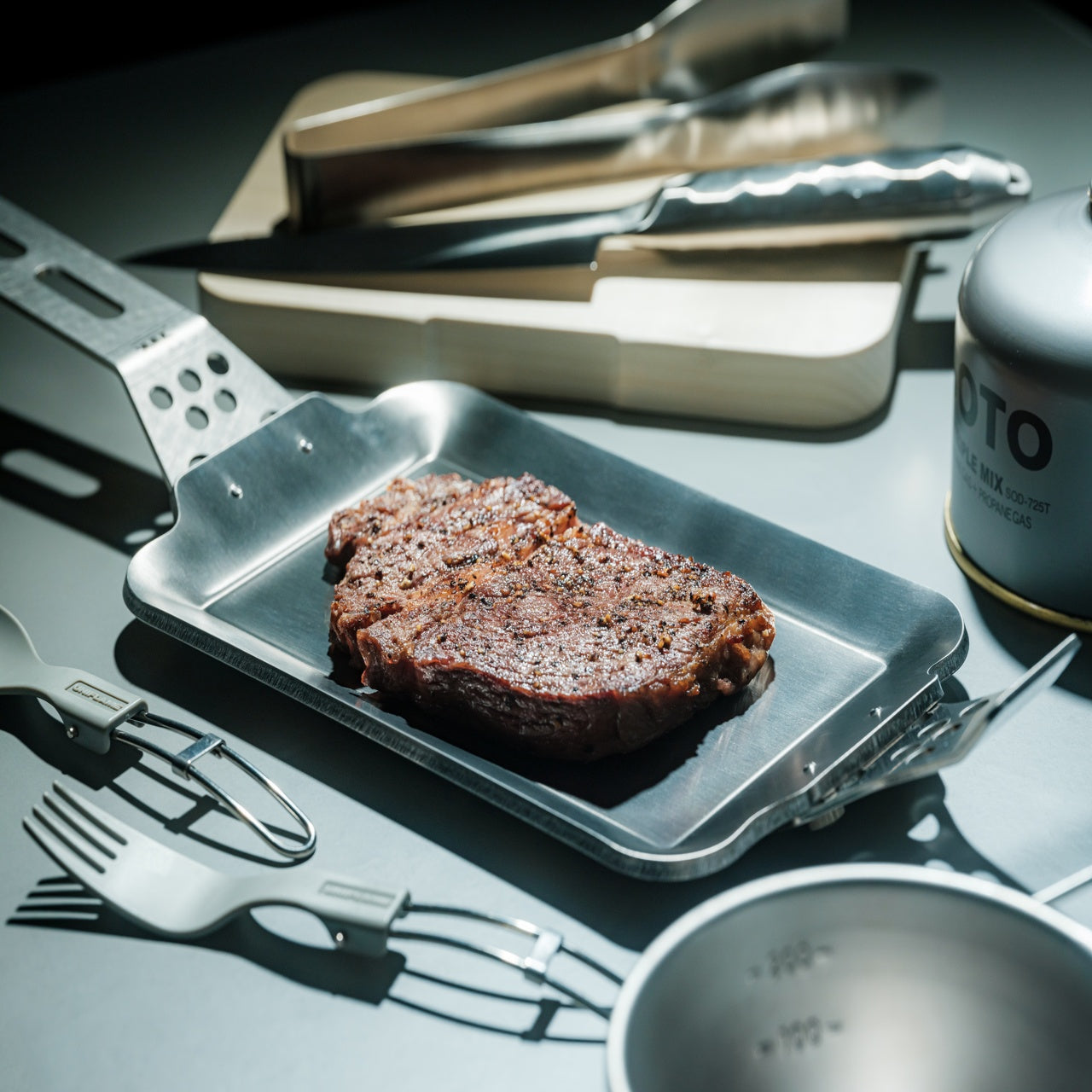
The Iron Frying Plate eliminates the transfer step between cooking and eating by making the frying pan your plate. This beautifully crafted cookware allows you to enjoy meals immediately after cooking them, served on the very surface that brought out their best flavors and textures. Made from 1.6mm-thick mill scale steel, the uncoated iron surface is rust-resistant, stick-resistant, and ready to use straight from the box without seasoning rituals that intimidate casual cooks.

The wooden handle attaches and detaches with one hand, transforming the pan from cooking tool to serving plate seamlessly. This design philosophy respects the reality that transferring hot food creates extra dishes and loses precious heat. Eating directly from the iron plate maintains optimal temperature while reducing cleanup to a single item. The handsome aesthetic makes tableside presentation feel intentional rather than lazy, proving that the shortest distance between stove and mouth deserves celebration rather than apology.

Click Here to Buy Now: $69.00

What we like

  • The cook-and-eat design eliminates food transfer and reduces dishes to one item.
  • The 1.6mm mill scale steel is rust-resistant and stick-resistant without coatings.

What we dislike

  • The iron construction retains heat intensely, requiring careful handling at the table.
  • The single-serve format doesn’t scale well for cooking family-sized meals.

4. Thanko Electric Bento Rice Cooker: Perfect Rice Anywhere

Rice deserves more appreciation as the global food icon that transcends cuisine boundaries and meal timing. The Thanko Electric Bento rice cooker makes this omnipresent grain literally portable, cooking single servings wherever you happen to be. The compact device cooks 6 ounces of rice in 14 to 20 minutes, with an LED indicator showing when it’s ready. Weighing just 2 pounds and fitting easily in bags, this cooker brings fresh food to offices and travel destinations without takeout compromises.

The device operates silently without releasing steam, making it discreet enough for practically anywhere. Add water, rice, and optional salt or broth for enhanced flavor, then wait while it works quietly. The best feature is eating rice directly from the cooking container, eliminating dish multiplication that usually accompanies meal preparation. This optimization suits solo diners, frequent travelers, and anyone wanting quick meals that go with everything. The included measuring cup adds convenience, proving that portable cooking doesn’t require guesswork or complicated processes.

What we like

  • The 2-pound weight and compact size make this genuinely portable for travel and office use.
  • Silent operation without steam release enables discreet cooking practically anywhere.

What we dislike

  • The 6-ounce capacity limits this to strict single-serving use.
  • The specialized function doesn’t justify the space for people with existing rice cookers at home.

5. Lehua Slow Cooker: Hawaiian Pit Cooking Reimagined

Slow cooking predates modern appliances by centuries. Hawaiian Imu underground pit cooking buried large quantities for communal feasting, creating a unique atmosphere while feeding many people. The Lehua slow cooker concept draws inspiration from this tradition, adapting lessons from pit cooking to modern lifestyles and small households. The design adds peculiar features, making the process more convenient and meaningful than standard slow cookers manage.

The actual pot separates from the cooker itself, allowing safe lifting of the hot vessel for food preparation away from the heating element. This seemingly simple feature addresses a common frustration with integrated slow cookers, where accessing food means awkward maneuvering around hot components. The Hawaiian inspiration isn’t just an aesthetic reference; it represents thoughtful consideration of how communal cooking traditions can inform contemporary appliance design. The Lehua proves that looking backward sometimes reveals better paths forward than pure technological advancement alone can offer.

What we like

  • The separate pot design allows safe lifting and food preparation away from the heating element.
  • Hawaiian Imu pit cooking inspiration brings cultural meaning to contemporary appliance design.

What we dislike

  • The concept stage leaves practical questions about capacity and cooking performance unanswered.
  • The separated pot design may reduce heat efficiency compared to integrated slow cookers.

6. Obsidian Black Precision Chopstick Tongs: Where Tradition Meets Practicality

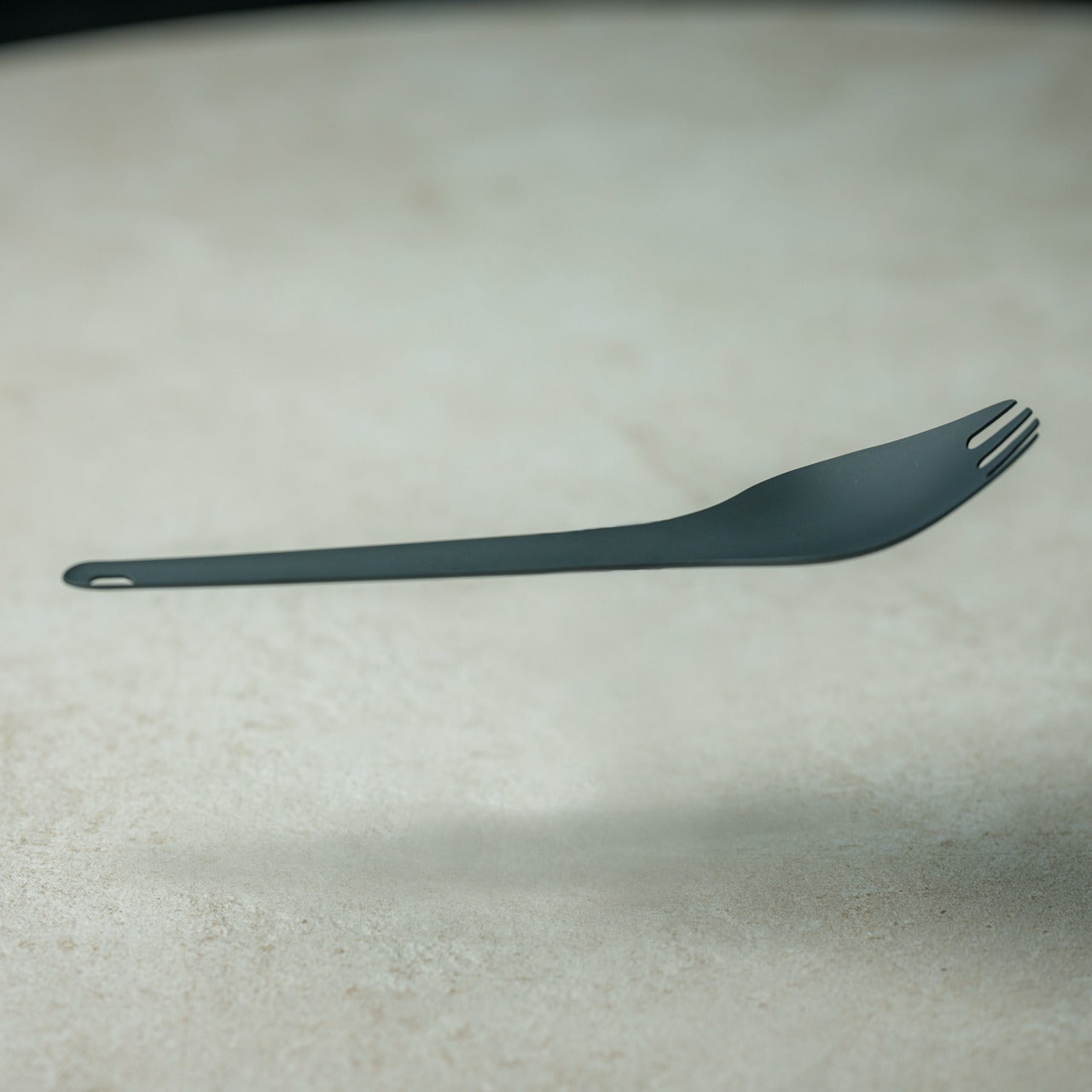
Traditional Japanese chopsticks meet modern tong functionality in this unique utensil that handles delicate food with expert precision. Made from SUS821L1 stainless steel, these chopstick-style tongs blend elegance with practicality, offering chopstick precision combined with tong versatility. The obsidian black finish comes from special metal processing, ensuring the color never scratches or peels, preserving handsome looks indefinitely through daily use. These aren’t just kitchen tools; they’re craftsmanship designed to last years.

The design excels at picking up and turning small or delicate pieces, whether flipping sushi or handling tiny ingredients on the stovetop. There’s no wrong way to hold them, making confident use accessible regardless of chopstick skill level. The lightweight yet durable construction balances control with ease, perfect for both cooking and dining applications. The exceptional strength and corrosion resistance of the stainless steel withstand daily demands without degradation. These tongs prove that inspiration from tradition, when perfected for modern use, creates tools superior to purely contemporary designs.

Click Here to Buy Now: $25.00

What we like

  • The chopstick-tong hybrid delivers precise control for delicate food handling.
  • SUS821L1 stainless steel with black oxide processing ensures durability and lasting aesthetics.

What we dislike

  • The chopstick format may feel awkward for users accustomed to the traditional tong grip.
  • The specialized design doesn’t replace standard tongs for heavy-duty flipping and turning.

7. Magic Cube Cooking System: Modular Kitchen Efficiency

Tiny kitchens demand creative solutions beyond just buying smaller appliances. The Magic Cube Cooking System maximizes functionality and efficiency through a modular design that integrates essential cooking elements into a sleek, space-saving format. The customizable approach ensures you only get what you actually need by combining multiple crucial functions into interconnected modules. This system adapts to your specific cooking style rather than forcing you to adapt to predetermined configurations.

Available modules include open flame and induction cookers for easy fuel-type switching, integrated range hoods for clean, ventilated environments, built-in sinks for mid-cooking cleanup, and condiment storage with knife disinfection units for organization and hygiene. The modular nature allows seamless matching to maximize efficiency while enabling individual module replacement to extend overall system lifespan. Standardized dimensions mean integration into different kitchen layouts without custom fitting. This concept solves cooking-related space problems through intelligent consolidation that respects the reality of modern urban living, where kitchen square footage comes at a premium price.

What we like

  • The modular design allows customization to specific needs and cooking styles.
  • Standardized dimensions enable integration into various kitchen layouts without custom fitting.

What we dislike

  • The modular approach requires careful planning to avoid purchasing unnecessary components.
  • The interconnected system may create single points of failure affecting multiple functions.

Kitchen Tools Evolved

These seven innovations share a common philosophy that kitchen tools should adapt to our lives rather than demanding we adapt to them. They reject the assumption that capability requires counter sprawl, proving that thoughtful design can deliver professional results in compact formats. From espresso machines that double as sculpture to modular systems that transform with your needs, these tools represent evolution beyond pure functionality toward objects that enhance both cooking and the spaces where it happens.

What makes this collection particularly relevant is how each piece addresses different aspects of modern cooking life. Some prioritize portability for people who cook in multiple locations, others embrace all-in-one versatility for space-constrained kitchens, and a few perfect single functions to excellence. The common thread is respect for the people using them and the spaces they occupy. Kitchen essentials in 2025 finally acknowledged that most of us don’t have restaurant-sized kitchens, unlimited budgets, or patience for complicated equipment. These tools meet us where we actually are, and that feels worth celebrating.

The post Best Kitchen Essentials of 2025: 7 Tools Worth Adding To Your Collection first appeared on Yanko Design.
Best Kitchen Essentials of 2025: 7 Tools Worth Adding To Your Collection

Kitchen design reached a turning point in 2025, moving beyond gadget proliferation toward thoughtful consolidation. The tools that stood out this year questioned whether we really need separate appliances cluttering our counters or if smarter design could deliver more capability in less space. From espresso machines that resemble modern sculpture to modular cooking systems that adapt to small kitchens, these innovations demonstrate that kitchen essentials can be both beautiful and highly efficient.

What makes these seven tools worth your attention is their refusal to compromise. They deliver professional capability without demanding professional-sized kitchens, embrace minimalist aesthetics without sacrificing functionality, and respect the reality that most of us cook in spaces far smaller than we’d prefer. Whether you’re drawn to all-in-one versatility or single-purpose perfection, these designs represent kitchen tools that have evolved beyond their utilitarian origins into objects worth keeping visible rather than hidden away in cabinets.

1. BØYD Espresso Machine: Minimalist Coffee Perfection

The BØYD espresso machine concept from NYZE Studio commands attention through bold geometric simplicity rather than technical intimidation. Smooth curves and pure lines create something resembling modern sculpture more than traditional coffee equipment, transforming countertop real estate into visual statement territory. The less-is-more philosophy strips away unnecessary details, leaving only what matters for making exceptional espresso. This machine invites display rather than storage.

Thoughtful ergonomics ground the aesthetic ambition in practical usability. The perfectly arched handle provides natural grip comfort, while the simplified interface eliminates button-fumbling before your first cup. Morning coffee preparation becomes intuitive rather than overwhelming, which matters when you’re operating pre-caffeine. The BØYD proves that espresso machines don’t need complexity to deliver quality, just clarity of purpose and execution that respects both the coffee and the person making it.

What we like

  • The bold minimalist form functions as a countertop sculpture while making espresso.
  • The arched handle and simple interface prioritize ergonomic comfort and intuitive operation.

What we dislike

  • The concept status means availability and pricing remain unknown.
  • The minimalist aesthetic may lack the visual warmth some prefer in kitchen appliances.

2. Concept Cooker: The All-in-One Kitchen Revolution

Vuk Dragović’s concept for Nanlong imagines replacing multiple appliances with one versatile countertop unit capable of grilling, steaming, baking, and hosting hot-pot dinners. Designed for China’s dynamic cooking culture, this all-in-one system simplifies both everyday meals and entertaining through intelligent consolidation. The clean control panel allows mode selection, temperature setting, and timer adjustment in a few taps, eliminating confusing menus and excessive knobs that plague traditional appliances.

Interchangeable accessories demonstrate the breadth of functionality. Snap-in grill racks deliver smoky finishes to meats and vegetables, steaming baskets preserve nutrients in seafood and dumplings, baking trays transform the unit into a miniature oven, and dedicated hot-pot inserts bring communal dining home. The compact footprint sits comfortably on most counters, freeing space otherwise occupied by separate grills, steamers, and ovens. Quick attachment and straightforward cleanup make the modular approach practical rather than theoretical, proving that versatility doesn’t require complexity.

What we like

  • The all-in-one design replaces multiple appliances with one compact countertop unit.
  • Interchangeable accessories enable grilling, steaming, baking, and hot-pot functionality.

What we dislike

  • The concept stage leaves questions about durability across multiple cooking methods.
  • The modular accessories require storage space when not actively in use.

3. Iron Frying Plate: Cook and Eat on the Same Surface

The Iron Frying Plate eliminates the transfer step between cooking and eating by making the frying pan your plate. This beautifully crafted cookware allows you to enjoy meals immediately after cooking them, served on the very surface that brought out their best flavors and textures. Made from 1.6mm-thick mill scale steel, the uncoated iron surface is rust-resistant, stick-resistant, and ready to use straight from the box without seasoning rituals that intimidate casual cooks.

The wooden handle attaches and detaches with one hand, transforming the pan from cooking tool to serving plate seamlessly. This design philosophy respects the reality that transferring hot food creates extra dishes and loses precious heat. Eating directly from the iron plate maintains optimal temperature while reducing cleanup to a single item. The handsome aesthetic makes tableside presentation feel intentional rather than lazy, proving that the shortest distance between stove and mouth deserves celebration rather than apology.

Click Here to Buy Now: $69.00

What we like

  • The cook-and-eat design eliminates food transfer and reduces dishes to one item.
  • The 1.6mm mill scale steel is rust-resistant and stick-resistant without coatings.

What we dislike

  • The iron construction retains heat intensely, requiring careful handling at the table.
  • The single-serve format doesn’t scale well for cooking family-sized meals.

4. Thanko Electric Bento Rice Cooker: Perfect Rice Anywhere

Rice deserves more appreciation as the global food icon that transcends cuisine boundaries and meal timing. The Thanko Electric Bento rice cooker makes this omnipresent grain literally portable, cooking single servings wherever you happen to be. The compact device cooks 6 ounces of rice in 14 to 20 minutes, with an LED indicator showing when it’s ready. Weighing just 2 pounds and fitting easily in bags, this cooker brings fresh food to offices and travel destinations without takeout compromises.

The device operates silently without releasing steam, making it discreet enough for practically anywhere. Add water, rice, and optional salt or broth for enhanced flavor, then wait while it works quietly. The best feature is eating rice directly from the cooking container, eliminating dish multiplication that usually accompanies meal preparation. This optimization suits solo diners, frequent travelers, and anyone wanting quick meals that go with everything. The included measuring cup adds convenience, proving that portable cooking doesn’t require guesswork or complicated processes.

What we like

  • The 2-pound weight and compact size make this genuinely portable for travel and office use.
  • Silent operation without steam release enables discreet cooking practically anywhere.

What we dislike

  • The 6-ounce capacity limits this to strict single-serving use.
  • The specialized function doesn’t justify the space for people with existing rice cookers at home.

5. Lehua Slow Cooker: Hawaiian Pit Cooking Reimagined

Slow cooking predates modern appliances by centuries. Hawaiian Imu underground pit cooking buried large quantities for communal feasting, creating a unique atmosphere while feeding many people. The Lehua slow cooker concept draws inspiration from this tradition, adapting lessons from pit cooking to modern lifestyles and small households. The design adds peculiar features, making the process more convenient and meaningful than standard slow cookers manage.

The actual pot separates from the cooker itself, allowing safe lifting of the hot vessel for food preparation away from the heating element. This seemingly simple feature addresses a common frustration with integrated slow cookers, where accessing food means awkward maneuvering around hot components. The Hawaiian inspiration isn’t just an aesthetic reference; it represents thoughtful consideration of how communal cooking traditions can inform contemporary appliance design. The Lehua proves that looking backward sometimes reveals better paths forward than pure technological advancement alone can offer.

What we like

  • The separate pot design allows safe lifting and food preparation away from the heating element.
  • Hawaiian Imu pit cooking inspiration brings cultural meaning to contemporary appliance design.

What we dislike

  • The concept stage leaves practical questions about capacity and cooking performance unanswered.
  • The separated pot design may reduce heat efficiency compared to integrated slow cookers.

6. Obsidian Black Precision Chopstick Tongs: Where Tradition Meets Practicality

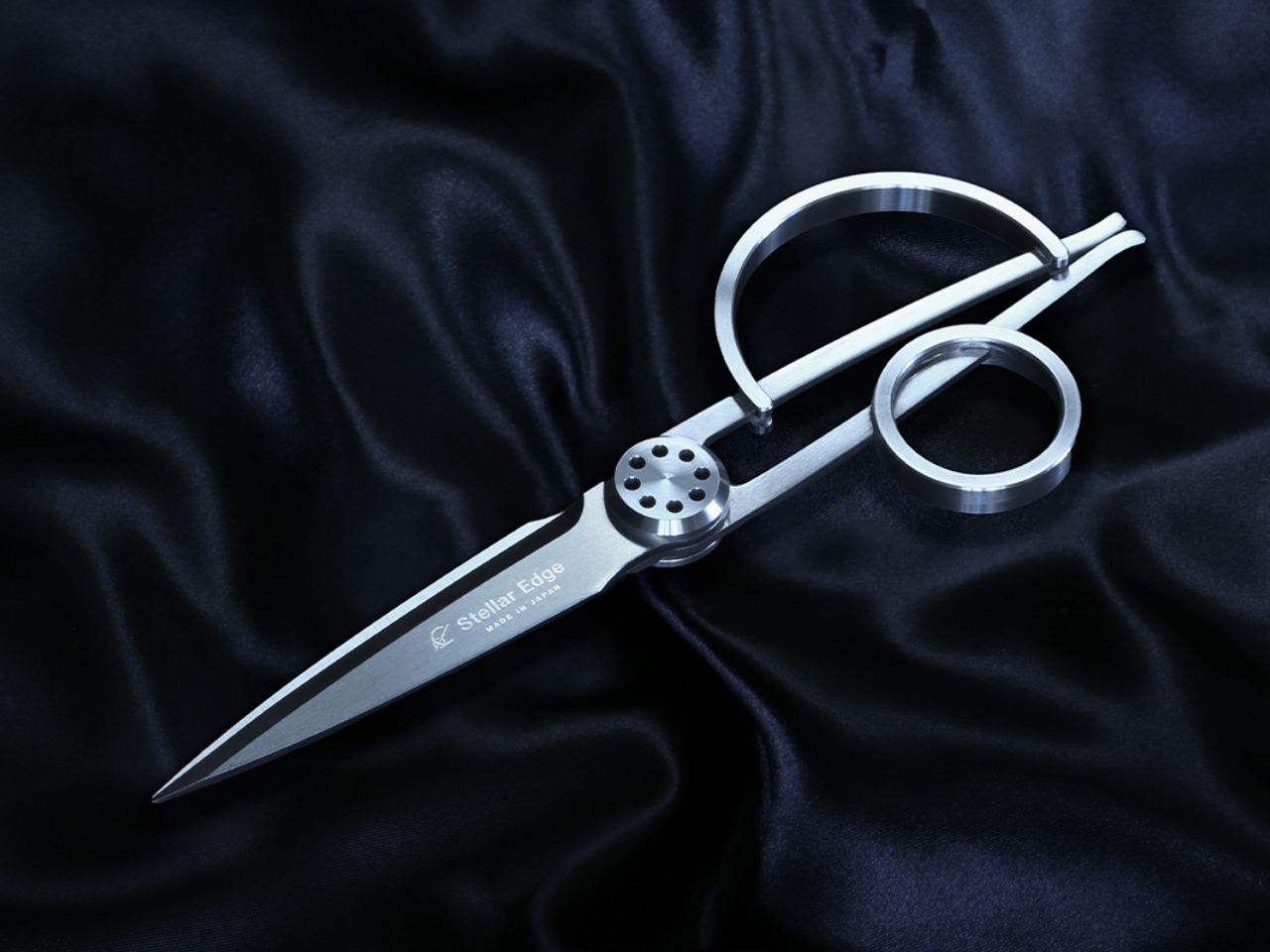
Traditional Japanese chopsticks meet modern tong functionality in this unique utensil that handles delicate food with expert precision. Made from SUS821L1 stainless steel, these chopstick-style tongs blend elegance with practicality, offering chopstick precision combined with tong versatility. The obsidian black finish comes from special metal processing, ensuring the color never scratches or peels, preserving handsome looks indefinitely through daily use. These aren’t just kitchen tools; they’re craftsmanship designed to last years.

The design excels at picking up and turning small or delicate pieces, whether flipping sushi or handling tiny ingredients on the stovetop. There’s no wrong way to hold them, making confident use accessible regardless of chopstick skill level. The lightweight yet durable construction balances control with ease, perfect for both cooking and dining applications. The exceptional strength and corrosion resistance of the stainless steel withstand daily demands without degradation. These tongs prove that inspiration from tradition, when perfected for modern use, creates tools superior to purely contemporary designs.

Click Here to Buy Now: $25.00

What we like

  • The chopstick-tong hybrid delivers precise control for delicate food handling.
  • SUS821L1 stainless steel with black oxide processing ensures durability and lasting aesthetics.

What we dislike

  • The chopstick format may feel awkward for users accustomed to the traditional tong grip.
  • The specialized design doesn’t replace standard tongs for heavy-duty flipping and turning.

7. Magic Cube Cooking System: Modular Kitchen Efficiency

Tiny kitchens demand creative solutions beyond just buying smaller appliances. The Magic Cube Cooking System maximizes functionality and efficiency through a modular design that integrates essential cooking elements into a sleek, space-saving format. The customizable approach ensures you only get what you actually need by combining multiple crucial functions into interconnected modules. This system adapts to your specific cooking style rather than forcing you to adapt to predetermined configurations.

Available modules include open flame and induction cookers for easy fuel-type switching, integrated range hoods for clean, ventilated environments, built-in sinks for mid-cooking cleanup, and condiment storage with knife disinfection units for organization and hygiene. The modular nature allows seamless matching to maximize efficiency while enabling individual module replacement to extend overall system lifespan. Standardized dimensions mean integration into different kitchen layouts without custom fitting. This concept solves cooking-related space problems through intelligent consolidation that respects the reality of modern urban living, where kitchen square footage comes at a premium price.

What we like

  • The modular design allows customization to specific needs and cooking styles.
  • Standardized dimensions enable integration into various kitchen layouts without custom fitting.

What we dislike

  • The modular approach requires careful planning to avoid purchasing unnecessary components.
  • The interconnected system may create single points of failure affecting multiple functions.

Kitchen Tools Evolved

These seven innovations share a common philosophy that kitchen tools should adapt to our lives rather than demanding we adapt to them. They reject the assumption that capability requires counter sprawl, proving that thoughtful design can deliver professional results in compact formats. From espresso machines that double as sculpture to modular systems that transform with your needs, these tools represent evolution beyond pure functionality toward objects that enhance both cooking and the spaces where it happens.

What makes this collection particularly relevant is how each piece addresses different aspects of modern cooking life. Some prioritize portability for people who cook in multiple locations, others embrace all-in-one versatility for space-constrained kitchens, and a few perfect single functions to excellence. The common thread is respect for the people using them and the spaces they occupy. Kitchen essentials in 2025 finally acknowledged that most of us don’t have restaurant-sized kitchens, unlimited budgets, or patience for complicated equipment. These tools meet us where we actually are, and that feels worth celebrating.

The post Best Kitchen Essentials of 2025: 7 Tools Worth Adding To Your Collection first appeared on Yanko Design.
Best Kitchen Essentials of 2025: 7 Tools Worth Adding To Your Collection

Kitchen design reached a turning point in 2025, moving beyond gadget proliferation toward thoughtful consolidation. The tools that stood out this year questioned whether we really need separate appliances cluttering our counters or if smarter design could deliver more capability in less space. From espresso machines that resemble modern sculpture to modular cooking systems that adapt to small kitchens, these innovations demonstrate that kitchen essentials can be both beautiful and highly efficient.

What makes these seven tools worth your attention is their refusal to compromise. They deliver professional capability without demanding professional-sized kitchens, embrace minimalist aesthetics without sacrificing functionality, and respect the reality that most of us cook in spaces far smaller than we’d prefer. Whether you’re drawn to all-in-one versatility or single-purpose perfection, these designs represent kitchen tools that have evolved beyond their utilitarian origins into objects worth keeping visible rather than hidden away in cabinets.

1. BØYD Espresso Machine: Minimalist Coffee Perfection

The BØYD espresso machine concept from NYZE Studio commands attention through bold geometric simplicity rather than technical intimidation. Smooth curves and pure lines create something resembling modern sculpture more than traditional coffee equipment, transforming countertop real estate into visual statement territory. The less-is-more philosophy strips away unnecessary details, leaving only what matters for making exceptional espresso. This machine invites display rather than storage.

Thoughtful ergonomics ground the aesthetic ambition in practical usability. The perfectly arched handle provides natural grip comfort, while the simplified interface eliminates button-fumbling before your first cup. Morning coffee preparation becomes intuitive rather than overwhelming, which matters when you’re operating pre-caffeine. The BØYD proves that espresso machines don’t need complexity to deliver quality, just clarity of purpose and execution that respects both the coffee and the person making it.

What we like

  • The bold minimalist form functions as a countertop sculpture while making espresso.
  • The arched handle and simple interface prioritize ergonomic comfort and intuitive operation.

What we dislike

  • The concept status means availability and pricing remain unknown.
  • The minimalist aesthetic may lack the visual warmth some prefer in kitchen appliances.

2. Concept Cooker: The All-in-One Kitchen Revolution

Vuk Dragović’s concept for Nanlong imagines replacing multiple appliances with one versatile countertop unit capable of grilling, steaming, baking, and hosting hot-pot dinners. Designed for China’s dynamic cooking culture, this all-in-one system simplifies both everyday meals and entertaining through intelligent consolidation. The clean control panel allows mode selection, temperature setting, and timer adjustment in a few taps, eliminating confusing menus and excessive knobs that plague traditional appliances.

Interchangeable accessories demonstrate the breadth of functionality. Snap-in grill racks deliver smoky finishes to meats and vegetables, steaming baskets preserve nutrients in seafood and dumplings, baking trays transform the unit into a miniature oven, and dedicated hot-pot inserts bring communal dining home. The compact footprint sits comfortably on most counters, freeing space otherwise occupied by separate grills, steamers, and ovens. Quick attachment and straightforward cleanup make the modular approach practical rather than theoretical, proving that versatility doesn’t require complexity.

What we like

  • The all-in-one design replaces multiple appliances with one compact countertop unit.
  • Interchangeable accessories enable grilling, steaming, baking, and hot-pot functionality.

What we dislike

  • The concept stage leaves questions about durability across multiple cooking methods.
  • The modular accessories require storage space when not actively in use.

3. Iron Frying Plate: Cook and Eat on the Same Surface

The Iron Frying Plate eliminates the transfer step between cooking and eating by making the frying pan your plate. This beautifully crafted cookware allows you to enjoy meals immediately after cooking them, served on the very surface that brought out their best flavors and textures. Made from 1.6mm-thick mill scale steel, the uncoated iron surface is rust-resistant, stick-resistant, and ready to use straight from the box without seasoning rituals that intimidate casual cooks.

The wooden handle attaches and detaches with one hand, transforming the pan from cooking tool to serving plate seamlessly. This design philosophy respects the reality that transferring hot food creates extra dishes and loses precious heat. Eating directly from the iron plate maintains optimal temperature while reducing cleanup to a single item. The handsome aesthetic makes tableside presentation feel intentional rather than lazy, proving that the shortest distance between stove and mouth deserves celebration rather than apology.

Click Here to Buy Now: $69.00

What we like

  • The cook-and-eat design eliminates food transfer and reduces dishes to one item.
  • The 1.6mm mill scale steel is rust-resistant and stick-resistant without coatings.

What we dislike

  • The iron construction retains heat intensely, requiring careful handling at the table.
  • The single-serve format doesn’t scale well for cooking family-sized meals.

4. Thanko Electric Bento Rice Cooker: Perfect Rice Anywhere

Rice deserves more appreciation as the global food icon that transcends cuisine boundaries and meal timing. The Thanko Electric Bento rice cooker makes this omnipresent grain literally portable, cooking single servings wherever you happen to be. The compact device cooks 6 ounces of rice in 14 to 20 minutes, with an LED indicator showing when it’s ready. Weighing just 2 pounds and fitting easily in bags, this cooker brings fresh food to offices and travel destinations without takeout compromises.

The device operates silently without releasing steam, making it discreet enough for practically anywhere. Add water, rice, and optional salt or broth for enhanced flavor, then wait while it works quietly. The best feature is eating rice directly from the cooking container, eliminating dish multiplication that usually accompanies meal preparation. This optimization suits solo diners, frequent travelers, and anyone wanting quick meals that go with everything. The included measuring cup adds convenience, proving that portable cooking doesn’t require guesswork or complicated processes.

What we like

  • The 2-pound weight and compact size make this genuinely portable for travel and office use.
  • Silent operation without steam release enables discreet cooking practically anywhere.

What we dislike

  • The 6-ounce capacity limits this to strict single-serving use.
  • The specialized function doesn’t justify the space for people with existing rice cookers at home.

5. Lehua Slow Cooker: Hawaiian Pit Cooking Reimagined

Slow cooking predates modern appliances by centuries. Hawaiian Imu underground pit cooking buried large quantities for communal feasting, creating a unique atmosphere while feeding many people. The Lehua slow cooker concept draws inspiration from this tradition, adapting lessons from pit cooking to modern lifestyles and small households. The design adds peculiar features, making the process more convenient and meaningful than standard slow cookers manage.

The actual pot separates from the cooker itself, allowing safe lifting of the hot vessel for food preparation away from the heating element. This seemingly simple feature addresses a common frustration with integrated slow cookers, where accessing food means awkward maneuvering around hot components. The Hawaiian inspiration isn’t just an aesthetic reference; it represents thoughtful consideration of how communal cooking traditions can inform contemporary appliance design. The Lehua proves that looking backward sometimes reveals better paths forward than pure technological advancement alone can offer.

What we like

  • The separate pot design allows safe lifting and food preparation away from the heating element.
  • Hawaiian Imu pit cooking inspiration brings cultural meaning to contemporary appliance design.

What we dislike

  • The concept stage leaves practical questions about capacity and cooking performance unanswered.
  • The separated pot design may reduce heat efficiency compared to integrated slow cookers.

6. Obsidian Black Precision Chopstick Tongs: Where Tradition Meets Practicality

Traditional Japanese chopsticks meet modern tong functionality in this unique utensil that handles delicate food with expert precision. Made from SUS821L1 stainless steel, these chopstick-style tongs blend elegance with practicality, offering chopstick precision combined with tong versatility. The obsidian black finish comes from special metal processing, ensuring the color never scratches or peels, preserving handsome looks indefinitely through daily use. These aren’t just kitchen tools; they’re craftsmanship designed to last years.

The design excels at picking up and turning small or delicate pieces, whether flipping sushi or handling tiny ingredients on the stovetop. There’s no wrong way to hold them, making confident use accessible regardless of chopstick skill level. The lightweight yet durable construction balances control with ease, perfect for both cooking and dining applications. The exceptional strength and corrosion resistance of the stainless steel withstand daily demands without degradation. These tongs prove that inspiration from tradition, when perfected for modern use, creates tools superior to purely contemporary designs.

Click Here to Buy Now: $25.00

What we like

  • The chopstick-tong hybrid delivers precise control for delicate food handling.
  • SUS821L1 stainless steel with black oxide processing ensures durability and lasting aesthetics.

What we dislike

  • The chopstick format may feel awkward for users accustomed to the traditional tong grip.
  • The specialized design doesn’t replace standard tongs for heavy-duty flipping and turning.

7. Magic Cube Cooking System: Modular Kitchen Efficiency

Tiny kitchens demand creative solutions beyond just buying smaller appliances. The Magic Cube Cooking System maximizes functionality and efficiency through a modular design that integrates essential cooking elements into a sleek, space-saving format. The customizable approach ensures you only get what you actually need by combining multiple crucial functions into interconnected modules. This system adapts to your specific cooking style rather than forcing you to adapt to predetermined configurations.

Available modules include open flame and induction cookers for easy fuel-type switching, integrated range hoods for clean, ventilated environments, built-in sinks for mid-cooking cleanup, and condiment storage with knife disinfection units for organization and hygiene. The modular nature allows seamless matching to maximize efficiency while enabling individual module replacement to extend overall system lifespan. Standardized dimensions mean integration into different kitchen layouts without custom fitting. This concept solves cooking-related space problems through intelligent consolidation that respects the reality of modern urban living, where kitchen square footage comes at a premium price.

What we like

  • The modular design allows customization to specific needs and cooking styles.
  • Standardized dimensions enable integration into various kitchen layouts without custom fitting.

What we dislike

  • The modular approach requires careful planning to avoid purchasing unnecessary components.
  • The interconnected system may create single points of failure affecting multiple functions.

Kitchen Tools Evolved

These seven innovations share a common philosophy that kitchen tools should adapt to our lives rather than demanding we adapt to them. They reject the assumption that capability requires counter sprawl, proving that thoughtful design can deliver professional results in compact formats. From espresso machines that double as sculpture to modular systems that transform with your needs, these tools represent evolution beyond pure functionality toward objects that enhance both cooking and the spaces where it happens.

What makes this collection particularly relevant is how each piece addresses different aspects of modern cooking life. Some prioritize portability for people who cook in multiple locations, others embrace all-in-one versatility for space-constrained kitchens, and a few perfect single functions to excellence. The common thread is respect for the people using them and the spaces they occupy. Kitchen essentials in 2025 finally acknowledged that most of us don’t have restaurant-sized kitchens, unlimited budgets, or patience for complicated equipment. These tools meet us where we actually are, and that feels worth celebrating.

The post Best Kitchen Essentials of 2025: 7 Tools Worth Adding To Your Collection first appeared on Yanko Design.
Best Kitchen Essentials of 2025: 7 Tools Worth Adding To Your Collection

Kitchen design reached a turning point in 2025, moving beyond gadget proliferation toward thoughtful consolidation. The tools that stood out this year questioned whether we really need separate appliances cluttering our counters or if smarter design could deliver more capability in less space. From espresso machines that resemble modern sculpture to modular cooking systems that adapt to small kitchens, these innovations demonstrate that kitchen essentials can be both beautiful and highly efficient.

What makes these seven tools worth your attention is their refusal to compromise. They deliver professional capability without demanding professional-sized kitchens, embrace minimalist aesthetics without sacrificing functionality, and respect the reality that most of us cook in spaces far smaller than we’d prefer. Whether you’re drawn to all-in-one versatility or single-purpose perfection, these designs represent kitchen tools that have evolved beyond their utilitarian origins into objects worth keeping visible rather than hidden away in cabinets.

1. BØYD Espresso Machine: Minimalist Coffee Perfection

The BØYD espresso machine concept from NYZE Studio commands attention through bold geometric simplicity rather than technical intimidation. Smooth curves and pure lines create something resembling modern sculpture more than traditional coffee equipment, transforming countertop real estate into visual statement territory. The less-is-more philosophy strips away unnecessary details, leaving only what matters for making exceptional espresso. This machine invites display rather than storage.

Thoughtful ergonomics ground the aesthetic ambition in practical usability. The perfectly arched handle provides natural grip comfort, while the simplified interface eliminates button-fumbling before your first cup. Morning coffee preparation becomes intuitive rather than overwhelming, which matters when you’re operating pre-caffeine. The BØYD proves that espresso machines don’t need complexity to deliver quality, just clarity of purpose and execution that respects both the coffee and the person making it.

What we like

  • The bold minimalist form functions as a countertop sculpture while making espresso.
  • The arched handle and simple interface prioritize ergonomic comfort and intuitive operation.

What we dislike

  • The concept status means availability and pricing remain unknown.
  • The minimalist aesthetic may lack the visual warmth some prefer in kitchen appliances.

2. Concept Cooker: The All-in-One Kitchen Revolution

Vuk Dragović’s concept for Nanlong imagines replacing multiple appliances with one versatile countertop unit capable of grilling, steaming, baking, and hosting hot-pot dinners. Designed for China’s dynamic cooking culture, this all-in-one system simplifies both everyday meals and entertaining through intelligent consolidation. The clean control panel allows mode selection, temperature setting, and timer adjustment in a few taps, eliminating confusing menus and excessive knobs that plague traditional appliances.

Interchangeable accessories demonstrate the breadth of functionality. Snap-in grill racks deliver smoky finishes to meats and vegetables, steaming baskets preserve nutrients in seafood and dumplings, baking trays transform the unit into a miniature oven, and dedicated hot-pot inserts bring communal dining home. The compact footprint sits comfortably on most counters, freeing space otherwise occupied by separate grills, steamers, and ovens. Quick attachment and straightforward cleanup make the modular approach practical rather than theoretical, proving that versatility doesn’t require complexity.

What we like

  • The all-in-one design replaces multiple appliances with one compact countertop unit.
  • Interchangeable accessories enable grilling, steaming, baking, and hot-pot functionality.

What we dislike

  • The concept stage leaves questions about durability across multiple cooking methods.
  • The modular accessories require storage space when not actively in use.

3. Iron Frying Plate: Cook and Eat on the Same Surface

The Iron Frying Plate eliminates the transfer step between cooking and eating by making the frying pan your plate. This beautifully crafted cookware allows you to enjoy meals immediately after cooking them, served on the very surface that brought out their best flavors and textures. Made from 1.6mm-thick mill scale steel, the uncoated iron surface is rust-resistant, stick-resistant, and ready to use straight from the box without seasoning rituals that intimidate casual cooks.

The wooden handle attaches and detaches with one hand, transforming the pan from cooking tool to serving plate seamlessly. This design philosophy respects the reality that transferring hot food creates extra dishes and loses precious heat. Eating directly from the iron plate maintains optimal temperature while reducing cleanup to a single item. The handsome aesthetic makes tableside presentation feel intentional rather than lazy, proving that the shortest distance between stove and mouth deserves celebration rather than apology.

Click Here to Buy Now: $69.00

What we like

  • The cook-and-eat design eliminates food transfer and reduces dishes to one item.
  • The 1.6mm mill scale steel is rust-resistant and stick-resistant without coatings.

What we dislike

  • The iron construction retains heat intensely, requiring careful handling at the table.
  • The single-serve format doesn’t scale well for cooking family-sized meals.

4. Thanko Electric Bento Rice Cooker: Perfect Rice Anywhere

Rice deserves more appreciation as the global food icon that transcends cuisine boundaries and meal timing. The Thanko Electric Bento rice cooker makes this omnipresent grain literally portable, cooking single servings wherever you happen to be. The compact device cooks 6 ounces of rice in 14 to 20 minutes, with an LED indicator showing when it’s ready. Weighing just 2 pounds and fitting easily in bags, this cooker brings fresh food to offices and travel destinations without takeout compromises.

The device operates silently without releasing steam, making it discreet enough for practically anywhere. Add water, rice, and optional salt or broth for enhanced flavor, then wait while it works quietly. The best feature is eating rice directly from the cooking container, eliminating dish multiplication that usually accompanies meal preparation. This optimization suits solo diners, frequent travelers, and anyone wanting quick meals that go with everything. The included measuring cup adds convenience, proving that portable cooking doesn’t require guesswork or complicated processes.

What we like

  • The 2-pound weight and compact size make this genuinely portable for travel and office use.
  • Silent operation without steam release enables discreet cooking practically anywhere.

What we dislike

  • The 6-ounce capacity limits this to strict single-serving use.
  • The specialized function doesn’t justify the space for people with existing rice cookers at home.

5. Lehua Slow Cooker: Hawaiian Pit Cooking Reimagined

Slow cooking predates modern appliances by centuries. Hawaiian Imu underground pit cooking buried large quantities for communal feasting, creating a unique atmosphere while feeding many people. The Lehua slow cooker concept draws inspiration from this tradition, adapting lessons from pit cooking to modern lifestyles and small households. The design adds peculiar features, making the process more convenient and meaningful than standard slow cookers manage.

The actual pot separates from the cooker itself, allowing safe lifting of the hot vessel for food preparation away from the heating element. This seemingly simple feature addresses a common frustration with integrated slow cookers, where accessing food means awkward maneuvering around hot components. The Hawaiian inspiration isn’t just an aesthetic reference; it represents thoughtful consideration of how communal cooking traditions can inform contemporary appliance design. The Lehua proves that looking backward sometimes reveals better paths forward than pure technological advancement alone can offer.

What we like

  • The separate pot design allows safe lifting and food preparation away from the heating element.
  • Hawaiian Imu pit cooking inspiration brings cultural meaning to contemporary appliance design.

What we dislike

  • The concept stage leaves practical questions about capacity and cooking performance unanswered.
  • The separated pot design may reduce heat efficiency compared to integrated slow cookers.

6. Obsidian Black Precision Chopstick Tongs: Where Tradition Meets Practicality

Traditional Japanese chopsticks meet modern tong functionality in this unique utensil that handles delicate food with expert precision. Made from SUS821L1 stainless steel, these chopstick-style tongs blend elegance with practicality, offering chopstick precision combined with tong versatility. The obsidian black finish comes from special metal processing, ensuring the color never scratches or peels, preserving handsome looks indefinitely through daily use. These aren’t just kitchen tools; they’re craftsmanship designed to last years.

The design excels at picking up and turning small or delicate pieces, whether flipping sushi or handling tiny ingredients on the stovetop. There’s no wrong way to hold them, making confident use accessible regardless of chopstick skill level. The lightweight yet durable construction balances control with ease, perfect for both cooking and dining applications. The exceptional strength and corrosion resistance of the stainless steel withstand daily demands without degradation. These tongs prove that inspiration from tradition, when perfected for modern use, creates tools superior to purely contemporary designs.

Click Here to Buy Now: $25.00

What we like

  • The chopstick-tong hybrid delivers precise control for delicate food handling.
  • SUS821L1 stainless steel with black oxide processing ensures durability and lasting aesthetics.

What we dislike

  • The chopstick format may feel awkward for users accustomed to the traditional tong grip.
  • The specialized design doesn’t replace standard tongs for heavy-duty flipping and turning.

7. Magic Cube Cooking System: Modular Kitchen Efficiency

Tiny kitchens demand creative solutions beyond just buying smaller appliances. The Magic Cube Cooking System maximizes functionality and efficiency through a modular design that integrates essential cooking elements into a sleek, space-saving format. The customizable approach ensures you only get what you actually need by combining multiple crucial functions into interconnected modules. This system adapts to your specific cooking style rather than forcing you to adapt to predetermined configurations.

Available modules include open flame and induction cookers for easy fuel-type switching, integrated range hoods for clean, ventilated environments, built-in sinks for mid-cooking cleanup, and condiment storage with knife disinfection units for organization and hygiene. The modular nature allows seamless matching to maximize efficiency while enabling individual module replacement to extend overall system lifespan. Standardized dimensions mean integration into different kitchen layouts without custom fitting. This concept solves cooking-related space problems through intelligent consolidation that respects the reality of modern urban living, where kitchen square footage comes at a premium price.

What we like

  • The modular design allows customization to specific needs and cooking styles.
  • Standardized dimensions enable integration into various kitchen layouts without custom fitting.

What we dislike

  • The modular approach requires careful planning to avoid purchasing unnecessary components.
  • The interconnected system may create single points of failure affecting multiple functions.

Kitchen Tools Evolved

These seven innovations share a common philosophy that kitchen tools should adapt to our lives rather than demanding we adapt to them. They reject the assumption that capability requires counter sprawl, proving that thoughtful design can deliver professional results in compact formats. From espresso machines that double as sculpture to modular systems that transform with your needs, these tools represent evolution beyond pure functionality toward objects that enhance both cooking and the spaces where it happens.

What makes this collection particularly relevant is how each piece addresses different aspects of modern cooking life. Some prioritize portability for people who cook in multiple locations, others embrace all-in-one versatility for space-constrained kitchens, and a few perfect single functions to excellence. The common thread is respect for the people using them and the spaces they occupy. Kitchen essentials in 2025 finally acknowledged that most of us don’t have restaurant-sized kitchens, unlimited budgets, or patience for complicated equipment. These tools meet us where we actually are, and that feels worth celebrating.

The post Best Kitchen Essentials of 2025: 7 Tools Worth Adding To Your Collection first appeared on Yanko Design.
Best Kitchen Essentials of 2025: 7 Tools Worth Adding To Your Collection

Kitchen design reached a turning point in 2025, moving beyond gadget proliferation toward thoughtful consolidation. The tools that stood out this year questioned whether we really need separate appliances cluttering our counters or if smarter design could deliver more capability in less space. From espresso machines that resemble modern sculpture to modular cooking systems that adapt to small kitchens, these innovations demonstrate that kitchen essentials can be both beautiful and highly efficient.

What makes these seven tools worth your attention is their refusal to compromise. They deliver professional capability without demanding professional-sized kitchens, embrace minimalist aesthetics without sacrificing functionality, and respect the reality that most of us cook in spaces far smaller than we’d prefer. Whether you’re drawn to all-in-one versatility or single-purpose perfection, these designs represent kitchen tools that have evolved beyond their utilitarian origins into objects worth keeping visible rather than hidden away in cabinets.

1. BØYD Espresso Machine: Minimalist Coffee Perfection

The BØYD espresso machine concept from NYZE Studio commands attention through bold geometric simplicity rather than technical intimidation. Smooth curves and pure lines create something resembling modern sculpture more than traditional coffee equipment, transforming countertop real estate into visual statement territory. The less-is-more philosophy strips away unnecessary details, leaving only what matters for making exceptional espresso. This machine invites display rather than storage.

Thoughtful ergonomics ground the aesthetic ambition in practical usability. The perfectly arched handle provides natural grip comfort, while the simplified interface eliminates button-fumbling before your first cup. Morning coffee preparation becomes intuitive rather than overwhelming, which matters when you’re operating pre-caffeine. The BØYD proves that espresso machines don’t need complexity to deliver quality, just clarity of purpose and execution that respects both the coffee and the person making it.

What we like

  • The bold minimalist form functions as a countertop sculpture while making espresso.
  • The arched handle and simple interface prioritize ergonomic comfort and intuitive operation.

What we dislike

  • The concept status means availability and pricing remain unknown.
  • The minimalist aesthetic may lack the visual warmth some prefer in kitchen appliances.

2. Concept Cooker: The All-in-One Kitchen Revolution

Vuk Dragović’s concept for Nanlong imagines replacing multiple appliances with one versatile countertop unit capable of grilling, steaming, baking, and hosting hot-pot dinners. Designed for China’s dynamic cooking culture, this all-in-one system simplifies both everyday meals and entertaining through intelligent consolidation. The clean control panel allows mode selection, temperature setting, and timer adjustment in a few taps, eliminating confusing menus and excessive knobs that plague traditional appliances.

Interchangeable accessories demonstrate the breadth of functionality. Snap-in grill racks deliver smoky finishes to meats and vegetables, steaming baskets preserve nutrients in seafood and dumplings, baking trays transform the unit into a miniature oven, and dedicated hot-pot inserts bring communal dining home. The compact footprint sits comfortably on most counters, freeing space otherwise occupied by separate grills, steamers, and ovens. Quick attachment and straightforward cleanup make the modular approach practical rather than theoretical, proving that versatility doesn’t require complexity.

What we like

  • The all-in-one design replaces multiple appliances with one compact countertop unit.
  • Interchangeable accessories enable grilling, steaming, baking, and hot-pot functionality.

What we dislike

  • The concept stage leaves questions about durability across multiple cooking methods.
  • The modular accessories require storage space when not actively in use.

3. Iron Frying Plate: Cook and Eat on the Same Surface

The Iron Frying Plate eliminates the transfer step between cooking and eating by making the frying pan your plate. This beautifully crafted cookware allows you to enjoy meals immediately after cooking them, served on the very surface that brought out their best flavors and textures. Made from 1.6mm-thick mill scale steel, the uncoated iron surface is rust-resistant, stick-resistant, and ready to use straight from the box without seasoning rituals that intimidate casual cooks.

The wooden handle attaches and detaches with one hand, transforming the pan from cooking tool to serving plate seamlessly. This design philosophy respects the reality that transferring hot food creates extra dishes and loses precious heat. Eating directly from the iron plate maintains optimal temperature while reducing cleanup to a single item. The handsome aesthetic makes tableside presentation feel intentional rather than lazy, proving that the shortest distance between stove and mouth deserves celebration rather than apology.

Click Here to Buy Now: $69.00

What we like

  • The cook-and-eat design eliminates food transfer and reduces dishes to one item.
  • The 1.6mm mill scale steel is rust-resistant and stick-resistant without coatings.

What we dislike

  • The iron construction retains heat intensely, requiring careful handling at the table.
  • The single-serve format doesn’t scale well for cooking family-sized meals.

4. Thanko Electric Bento Rice Cooker: Perfect Rice Anywhere

Rice deserves more appreciation as the global food icon that transcends cuisine boundaries and meal timing. The Thanko Electric Bento rice cooker makes this omnipresent grain literally portable, cooking single servings wherever you happen to be. The compact device cooks 6 ounces of rice in 14 to 20 minutes, with an LED indicator showing when it’s ready. Weighing just 2 pounds and fitting easily in bags, this cooker brings fresh food to offices and travel destinations without takeout compromises.

The device operates silently without releasing steam, making it discreet enough for practically anywhere. Add water, rice, and optional salt or broth for enhanced flavor, then wait while it works quietly. The best feature is eating rice directly from the cooking container, eliminating dish multiplication that usually accompanies meal preparation. This optimization suits solo diners, frequent travelers, and anyone wanting quick meals that go with everything. The included measuring cup adds convenience, proving that portable cooking doesn’t require guesswork or complicated processes.

What we like

  • The 2-pound weight and compact size make this genuinely portable for travel and office use.
  • Silent operation without steam release enables discreet cooking practically anywhere.

What we dislike

  • The 6-ounce capacity limits this to strict single-serving use.
  • The specialized function doesn’t justify the space for people with existing rice cookers at home.

5. Lehua Slow Cooker: Hawaiian Pit Cooking Reimagined

Slow cooking predates modern appliances by centuries. Hawaiian Imu underground pit cooking buried large quantities for communal feasting, creating a unique atmosphere while feeding many people. The Lehua slow cooker concept draws inspiration from this tradition, adapting lessons from pit cooking to modern lifestyles and small households. The design adds peculiar features, making the process more convenient and meaningful than standard slow cookers manage.

The actual pot separates from the cooker itself, allowing safe lifting of the hot vessel for food preparation away from the heating element. This seemingly simple feature addresses a common frustration with integrated slow cookers, where accessing food means awkward maneuvering around hot components. The Hawaiian inspiration isn’t just an aesthetic reference; it represents thoughtful consideration of how communal cooking traditions can inform contemporary appliance design. The Lehua proves that looking backward sometimes reveals better paths forward than pure technological advancement alone can offer.

What we like

  • The separate pot design allows safe lifting and food preparation away from the heating element.
  • Hawaiian Imu pit cooking inspiration brings cultural meaning to contemporary appliance design.

What we dislike

  • The concept stage leaves practical questions about capacity and cooking performance unanswered.
  • The separated pot design may reduce heat efficiency compared to integrated slow cookers.

6. Obsidian Black Precision Chopstick Tongs: Where Tradition Meets Practicality

Traditional Japanese chopsticks meet modern tong functionality in this unique utensil that handles delicate food with expert precision. Made from SUS821L1 stainless steel, these chopstick-style tongs blend elegance with practicality, offering chopstick precision combined with tong versatility. The obsidian black finish comes from special metal processing, ensuring the color never scratches or peels, preserving handsome looks indefinitely through daily use. These aren’t just kitchen tools; they’re craftsmanship designed to last years.

The design excels at picking up and turning small or delicate pieces, whether flipping sushi or handling tiny ingredients on the stovetop. There’s no wrong way to hold them, making confident use accessible regardless of chopstick skill level. The lightweight yet durable construction balances control with ease, perfect for both cooking and dining applications. The exceptional strength and corrosion resistance of the stainless steel withstand daily demands without degradation. These tongs prove that inspiration from tradition, when perfected for modern use, creates tools superior to purely contemporary designs.

Click Here to Buy Now: $25.00

What we like

  • The chopstick-tong hybrid delivers precise control for delicate food handling.
  • SUS821L1 stainless steel with black oxide processing ensures durability and lasting aesthetics.

What we dislike

  • The chopstick format may feel awkward for users accustomed to the traditional tong grip.
  • The specialized design doesn’t replace standard tongs for heavy-duty flipping and turning.

7. Magic Cube Cooking System: Modular Kitchen Efficiency

Tiny kitchens demand creative solutions beyond just buying smaller appliances. The Magic Cube Cooking System maximizes functionality and efficiency through a modular design that integrates essential cooking elements into a sleek, space-saving format. The customizable approach ensures you only get what you actually need by combining multiple crucial functions into interconnected modules. This system adapts to your specific cooking style rather than forcing you to adapt to predetermined configurations.

Available modules include open flame and induction cookers for easy fuel-type switching, integrated range hoods for clean, ventilated environments, built-in sinks for mid-cooking cleanup, and condiment storage with knife disinfection units for organization and hygiene. The modular nature allows seamless matching to maximize efficiency while enabling individual module replacement to extend overall system lifespan. Standardized dimensions mean integration into different kitchen layouts without custom fitting. This concept solves cooking-related space problems through intelligent consolidation that respects the reality of modern urban living, where kitchen square footage comes at a premium price.

What we like

  • The modular design allows customization to specific needs and cooking styles.
  • Standardized dimensions enable integration into various kitchen layouts without custom fitting.

What we dislike

  • The modular approach requires careful planning to avoid purchasing unnecessary components.
  • The interconnected system may create single points of failure affecting multiple functions.

Kitchen Tools Evolved

These seven innovations share a common philosophy that kitchen tools should adapt to our lives rather than demanding we adapt to them. They reject the assumption that capability requires counter sprawl, proving that thoughtful design can deliver professional results in compact formats. From espresso machines that double as sculpture to modular systems that transform with your needs, these tools represent evolution beyond pure functionality toward objects that enhance both cooking and the spaces where it happens.

What makes this collection particularly relevant is how each piece addresses different aspects of modern cooking life. Some prioritize portability for people who cook in multiple locations, others embrace all-in-one versatility for space-constrained kitchens, and a few perfect single functions to excellence. The common thread is respect for the people using them and the spaces they occupy. Kitchen essentials in 2025 finally acknowledged that most of us don’t have restaurant-sized kitchens, unlimited budgets, or patience for complicated equipment. These tools meet us where we actually are, and that feels worth celebrating.

The post Best Kitchen Essentials of 2025: 7 Tools Worth Adding To Your Collection first appeared on Yanko Design.

Best Kitchen Essentials of 2025: 7 Tools Worth Adding To Your Collection

Kitchen design reached a turning point in 2025, moving beyond gadget proliferation toward thoughtful consolidation. The tools that stood out this year questioned whether we really need separate appliances cluttering our counters or if smarter design could deliver more capability in less space. From espresso machines that resemble modern sculpture to modular cooking systems that adapt to small kitchens, these innovations demonstrate that kitchen essentials can be both beautiful and highly efficient.

What makes these seven tools worth your attention is their refusal to compromise. They deliver professional capability without demanding professional-sized kitchens, embrace minimalist aesthetics without sacrificing functionality, and respect the reality that most of us cook in spaces far smaller than we’d prefer. Whether you’re drawn to all-in-one versatility or single-purpose perfection, these designs represent kitchen tools that have evolved beyond their utilitarian origins into objects worth keeping visible rather than hidden away in cabinets.

1. BØYD Espresso Machine: Minimalist Coffee Perfection

The BØYD espresso machine concept from NYZE Studio commands attention through bold geometric simplicity rather than technical intimidation. Smooth curves and pure lines create something resembling modern sculpture more than traditional coffee equipment, transforming countertop real estate into visual statement territory. The less-is-more philosophy strips away unnecessary details, leaving only what matters for making exceptional espresso. This machine invites display rather than storage.

Thoughtful ergonomics ground the aesthetic ambition in practical usability. The perfectly arched handle provides natural grip comfort, while the simplified interface eliminates button-fumbling before your first cup. Morning coffee preparation becomes intuitive rather than overwhelming, which matters when you’re operating pre-caffeine. The BØYD proves that espresso machines don’t need complexity to deliver quality, just clarity of purpose and execution that respects both the coffee and the person making it.

What we like

  • The bold minimalist form functions as a countertop sculpture while making espresso.
  • The arched handle and simple interface prioritize ergonomic comfort and intuitive operation.

What we dislike

  • The concept status means availability and pricing remain unknown.
  • The minimalist aesthetic may lack the visual warmth some prefer in kitchen appliances.

2. Concept Cooker: The All-in-One Kitchen Revolution

Vuk Dragović’s concept for Nanlong imagines replacing multiple appliances with one versatile countertop unit capable of grilling, steaming, baking, and hosting hot-pot dinners. Designed for China’s dynamic cooking culture, this all-in-one system simplifies both everyday meals and entertaining through intelligent consolidation. The clean control panel allows mode selection, temperature setting, and timer adjustment in a few taps, eliminating confusing menus and excessive knobs that plague traditional appliances.

Interchangeable accessories demonstrate the breadth of functionality. Snap-in grill racks deliver smoky finishes to meats and vegetables, steaming baskets preserve nutrients in seafood and dumplings, baking trays transform the unit into a miniature oven, and dedicated hot-pot inserts bring communal dining home. The compact footprint sits comfortably on most counters, freeing space otherwise occupied by separate grills, steamers, and ovens. Quick attachment and straightforward cleanup make the modular approach practical rather than theoretical, proving that versatility doesn’t require complexity.

What we like

  • The all-in-one design replaces multiple appliances with one compact countertop unit.
  • Interchangeable accessories enable grilling, steaming, baking, and hot-pot functionality.

What we dislike

  • The concept stage leaves questions about durability across multiple cooking methods.
  • The modular accessories require storage space when not actively in use.

3. Iron Frying Plate: Cook and Eat on the Same Surface

The Iron Frying Plate eliminates the transfer step between cooking and eating by making the frying pan your plate. This beautifully crafted cookware allows you to enjoy meals immediately after cooking them, served on the very surface that brought out their best flavors and textures. Made from 1.6mm-thick mill scale steel, the uncoated iron surface is rust-resistant, stick-resistant, and ready to use straight from the box without seasoning rituals that intimidate casual cooks.

The wooden handle attaches and detaches with one hand, transforming the pan from cooking tool to serving plate seamlessly. This design philosophy respects the reality that transferring hot food creates extra dishes and loses precious heat. Eating directly from the iron plate maintains optimal temperature while reducing cleanup to a single item. The handsome aesthetic makes tableside presentation feel intentional rather than lazy, proving that the shortest distance between stove and mouth deserves celebration rather than apology.

Click Here to Buy Now: $69.00

What we like

  • The cook-and-eat design eliminates food transfer and reduces dishes to one item.
  • The 1.6mm mill scale steel is rust-resistant and stick-resistant without coatings.

What we dislike

  • The iron construction retains heat intensely, requiring careful handling at the table.
  • The single-serve format doesn’t scale well for cooking family-sized meals.

4. Thanko Electric Bento Rice Cooker: Perfect Rice Anywhere

Rice deserves more appreciation as the global food icon that transcends cuisine boundaries and meal timing. The Thanko Electric Bento rice cooker makes this omnipresent grain literally portable, cooking single servings wherever you happen to be. The compact device cooks 6 ounces of rice in 14 to 20 minutes, with an LED indicator showing when it’s ready. Weighing just 2 pounds and fitting easily in bags, this cooker brings fresh food to offices and travel destinations without takeout compromises.

The device operates silently without releasing steam, making it discreet enough for practically anywhere. Add water, rice, and optional salt or broth for enhanced flavor, then wait while it works quietly. The best feature is eating rice directly from the cooking container, eliminating dish multiplication that usually accompanies meal preparation. This optimization suits solo diners, frequent travelers, and anyone wanting quick meals that go with everything. The included measuring cup adds convenience, proving that portable cooking doesn’t require guesswork or complicated processes.

What we like

  • The 2-pound weight and compact size make this genuinely portable for travel and office use.
  • Silent operation without steam release enables discreet cooking practically anywhere.

What we dislike

  • The 6-ounce capacity limits this to strict single-serving use.
  • The specialized function doesn’t justify the space for people with existing rice cookers at home.

5. Lehua Slow Cooker: Hawaiian Pit Cooking Reimagined

Slow cooking predates modern appliances by centuries. Hawaiian Imu underground pit cooking buried large quantities for communal feasting, creating a unique atmosphere while feeding many people. The Lehua slow cooker concept draws inspiration from this tradition, adapting lessons from pit cooking to modern lifestyles and small households. The design adds peculiar features, making the process more convenient and meaningful than standard slow cookers manage.

The actual pot separates from the cooker itself, allowing safe lifting of the hot vessel for food preparation away from the heating element. This seemingly simple feature addresses a common frustration with integrated slow cookers, where accessing food means awkward maneuvering around hot components. The Hawaiian inspiration isn’t just an aesthetic reference; it represents thoughtful consideration of how communal cooking traditions can inform contemporary appliance design. The Lehua proves that looking backward sometimes reveals better paths forward than pure technological advancement alone can offer.

What we like

  • The separate pot design allows safe lifting and food preparation away from the heating element.
  • Hawaiian Imu pit cooking inspiration brings cultural meaning to contemporary appliance design.

What we dislike

  • The concept stage leaves practical questions about capacity and cooking performance unanswered.
  • The separated pot design may reduce heat efficiency compared to integrated slow cookers.

6. Obsidian Black Precision Chopstick Tongs: Where Tradition Meets Practicality

Traditional Japanese chopsticks meet modern tong functionality in this unique utensil that handles delicate food with expert precision. Made from SUS821L1 stainless steel, these chopstick-style tongs blend elegance with practicality, offering chopstick precision combined with tong versatility. The obsidian black finish comes from special metal processing, ensuring the color never scratches or peels, preserving handsome looks indefinitely through daily use. These aren’t just kitchen tools; they’re craftsmanship designed to last years.

The design excels at picking up and turning small or delicate pieces, whether flipping sushi or handling tiny ingredients on the stovetop. There’s no wrong way to hold them, making confident use accessible regardless of chopstick skill level. The lightweight yet durable construction balances control with ease, perfect for both cooking and dining applications. The exceptional strength and corrosion resistance of the stainless steel withstand daily demands without degradation. These tongs prove that inspiration from tradition, when perfected for modern use, creates tools superior to purely contemporary designs.

Click Here to Buy Now: $25.00

What we like

  • The chopstick-tong hybrid delivers precise control for delicate food handling.
  • SUS821L1 stainless steel with black oxide processing ensures durability and lasting aesthetics.

What we dislike

  • The chopstick format may feel awkward for users accustomed to the traditional tong grip.
  • The specialized design doesn’t replace standard tongs for heavy-duty flipping and turning.

7. Magic Cube Cooking System: Modular Kitchen Efficiency

Tiny kitchens demand creative solutions beyond just buying smaller appliances. The Magic Cube Cooking System maximizes functionality and efficiency through a modular design that integrates essential cooking elements into a sleek, space-saving format. The customizable approach ensures you only get what you actually need by combining multiple crucial functions into interconnected modules. This system adapts to your specific cooking style rather than forcing you to adapt to predetermined configurations.

Available modules include open flame and induction cookers for easy fuel-type switching, integrated range hoods for clean, ventilated environments, built-in sinks for mid-cooking cleanup, and condiment storage with knife disinfection units for organization and hygiene. The modular nature allows seamless matching to maximize efficiency while enabling individual module replacement to extend overall system lifespan. Standardized dimensions mean integration into different kitchen layouts without custom fitting. This concept solves cooking-related space problems through intelligent consolidation that respects the reality of modern urban living, where kitchen square footage comes at a premium price.

What we like

  • The modular design allows customization to specific needs and cooking styles.
  • Standardized dimensions enable integration into various kitchen layouts without custom fitting.

What we dislike

  • The modular approach requires careful planning to avoid purchasing unnecessary components.
  • The interconnected system may create single points of failure affecting multiple functions.

Kitchen Tools Evolved

These seven innovations share a common philosophy that kitchen tools should adapt to our lives rather than demanding we adapt to them. They reject the assumption that capability requires counter sprawl, proving that thoughtful design can deliver professional results in compact formats. From espresso machines that double as sculpture to modular systems that transform with your needs, these tools represent evolution beyond pure functionality toward objects that enhance both cooking and the spaces where it happens.

What makes this collection particularly relevant is how each piece addresses different aspects of modern cooking life. Some prioritize portability for people who cook in multiple locations, others embrace all-in-one versatility for space-constrained kitchens, and a few perfect single functions to excellence. The common thread is respect for the people using them and the spaces they occupy. Kitchen essentials in 2025 finally acknowledged that most of us don’t have restaurant-sized kitchens, unlimited budgets, or patience for complicated equipment. These tools meet us where we actually are, and that feels worth celebrating.

The post Best Kitchen Essentials of 2025: 7 Tools Worth Adding To Your Collection first appeared on Yanko Design.
Best Tech Gadgets of 2025: 10 Innovations You Need to See

Technology moves fast, but 2025 feels like a distinct era. This year brought gadgets that challenged convention rather than followed it. From keyboards that fold into phone cases to power banks that communicate through light, these innovations prove that great design starts with questioning what we’ve accepted as normal. The products ahead represent a shift in thinking about portability, interaction, and what our devices should actually do for us.

What makes these ten gadgets stand out isn’t just their novelty. Each one addresses a real frustration with current tech, offering solutions that feel both refreshingly simple and genuinely innovative. Whether you’re tired of touchscreen typing, craving better smartwatch docks, or looking for portable computing power, these designs rethink familiar categories from the ground up. They remind us that the future of technology lies in thoughtful problem-solving, rather than merely adding more features.

1. Plumage: The Keyboard-Case Hybrid That Actually Makes Sense

Typing on touchscreens has never felt right, and bolt-on keyboard solutions create phones that resemble small tablets. The Concept Plumage solves both problems by integrating a physical keyboard directly into a phone case without extending the device’s footprint. Originally designed by Jet Weng in 2013, this concept flips open like peeling a banana to reveal a Blackberry-style layout with a screen on top and tactile keys below. The phone stays compact when closed, transforms for serious typing when open.

What makes this design brilliant is its acknowledgment that screens don’t need to cover every inch of our phones. The half-screen approach feels counterintuitive until you realize most typing happens in apps where the keyboard covers half the display anyway. Flip it open for confident typing during emails or messaging, navigate with the touch-sensitive upper screen, then flip it shut for pocket-friendly portability. This concept deserves resurrection because it prioritizes how people actually use their phones over chasing edge-to-edge displays.

What we like

  • The keyboard integrates without adding bulk to the phone’s footprint
  • Physical keys enable fast, accurate typing without sacrificing screen real estate when closed

What we dislike

  • The half-screen design requires adjusting expectations about display size
  • The flip mechanism could introduce durability concerns with repeated daily use

2. MSI Gaming PC Watch: When Wearables Go Full Desktop

Smartwatches pretend to be tiny phones strapped to your wrist, but the MSI Gaming PC Watch takes a radically different approach. This concept treats your wrist as a platform for an actual computer, complete with visible fans, graphics components, cooling systems, and motherboard elements right through the watch face. The design features subtle analog watch hand annotations and four side pushers for navigation. The metal alloy case proudly displays the MSI logo at 3 o’clock, where a traditional crown would sit.

This wearable computer represents a philosophical departure from smartphone-on-your-wrist thinking. By embracing computer periphery ideology rather than mimicking phone interfaces, the Gaming PC Watch suggests an alternative path for wearable innovation. The transparent components aren’t just aesthetic flourishes; they telegraph the device’s identity as genuine computing hardware miniaturized for portability. Whether checking system performance, monitoring temperatures, or simply appreciating the engineering, this watch makes technology itself the main attraction rather than hiding it behind glossy screens.

What we like

  • The transparent design showcases actual computing components with visual appeal
  • It reimagines the smartwatch’s purpose beyond smartphone replication

What we dislike

  • The gaming aesthetic may not suit professional or formal settings
  • Visible internal components could raise questions about durability and water resistance

3. Nothing Power 1: The Battery Bank That Speaks Through Light

Power banks typically hide their technology behind opaque shells, but the Nothing Power 1 concept revives the glyph interface that made the Nothing Phone famous. This 20,000 mAh battery bank features transparent layers with bold light paths that transform illumination into precise information. Every light on the back panel serves a purpose, indicating battery levels, charging status, and even smartphone notifications when connected. The design language echoes the circuit pathways and physical logic of Nothing’s original phone, maintaining the brand’s commitment to meaningful transparency.

Fast charging at 65W means reaching 50% capacity in under 20 minutes, while the substantial battery capacity delivers at least three phone charges before needing a refill. The glyph interface goes beyond simple battery indication by connecting with your smartphone to display alerts and charging progress through purposeful light patterns. This approach makes waiting for your phone to charge more informative and visually engaging. The design proves that power banks don’t need to be boring rectangular slabs; they can communicate status elegantly while celebrating the technology inside.

What we like

  • The glyph interface turns light into precise, purposeful information
  • The 20,000 mAh capacity with 65W fast charging delivers both power and speed

What we dislike

  • The transparent design may show dirt and fingerprints more readily
  • The unique aesthetic might not appeal to users who prefer minimal, discreet accessories

4. Oakley Aether: The AR Glasses Google Should Have Built

Google once led the smart headset space before abandoning it for one-off experiments, but the Oakley Aether concept imagines an alternate timeline where Google remained committed. Modeled after ski goggles, these performance-driven glasses enclose your eyes in a protective bubble with 100% visibility enhanced by Android AR and Gemini AI integration. The design suggests what happens when you combine Oakley’s athletic expertise with Google’s software prowess, creating headsets that reimagine movement, insight, and precision through immersive technology.

The goggle format provides advantages traditional glasses can’t match: full environmental protection, expanded display real estate, and room for cameras, LiDAR, and other sensors essential for convincing AR. Pop them on and view the world through a heads-up display showing contextual information, notifications, and activity recordings for later analysis. Gemini AI integration enables natural conversation with your headset, creating interactions reminiscent of talking to JARVIS in Iron Man. This concept proves that AR glasses don’t need to look like traditional eyewear; embracing the goggle format opens new possibilities for capability and comfort.

What we like

  • The goggle format allows superior sensor integration and displays real estate
  • Gemini AI enables natural voice interaction for hands-free control

What we dislike

  • The ski goggle aesthetic may feel too sporty for everyday urban use
  • The enclosed design could cause comfort issues during extended wear

5. TWS ChatGPT Earbuds: AI That Sees What You See

Most wireless earbuds focus exclusively on audio, but this concept adds cameras to each stem, positioned near your natural sight line. Paired with ChatGPT, those lenses become a constant visual feed for an AI assistant living in your ears. The system can read menus, interpret signs, describe scenes, and guide you through unfamiliar cities without requiring you to hold up your phone. The form factor stays familiar while the capabilities feel genuinely new, making AI feel less like a demo and more like a daily habit.

The industrial design resembles a sci-fi inhaler in the best possible way. Each lens sits at the stem’s end like a tiny action camera, surrounded by a ring that doubles as a visual accent. The colored shells and translucent tips keep the aesthetic playful enough to read as audio gear first, camera second. This positioning matters because cameras in your ears feel less invasive than cameras on your face. You maintain eye contact during conversations, avoid the social stigma of face-mounted recording devices, and gain AI vision capabilities that activate only when needed.

What we like

  • The ear-mounted cameras feel less socially awkward than face-mounted alternatives
  • ChatGPT integration provides practical AI assistance for navigation and information

What we dislike

  • Privacy concerns may arise from cameras pointed at people during conversations
  • Battery life could suffer from powering both audio and visual processing

6. Gboard Dial: When Keyboard Design Gets Delightfully Absurd

Google Japan’s annual keyboard concepts embrace playful absurdity, and the Gboard Dial Version spins this tradition in a new direction. Released on October 1st to honor the classic 101-key layout, this 14th entry features a wonderfully over-engineered dial mechanism where users insert fingers into positioned keyholes and rotate to select characters. The three-layer dial structure supposedly delivers three times faster input with parallel operation capability. The nostalgic grinding sound becomes a feature rather than a bug, promoting what the team calls a calmer thinking and input experience.

This satirical concept follows memorable predecessors like the Gboard Teacup, Stick, Hat, and Double-Sided keyboards. While obviously impractical for actual productivity, the Dial Version raises interesting questions about input methods and the assumptions we make about efficiency. The deliberate slowness forces more thoughtful composition, and the physical interaction provides tactile satisfaction missing from touchscreens and flat keyboards. Sometimes the best tech concepts aren’t meant for production; they’re meant to make us reconsider what we’ve accepted as optimal.

What we like

  • The playful design challenges assumptions about keyboard efficiency and input methods
  • The tactile interaction provides satisfying physical feedback

What we dislike

  • The intentionally slow input method makes it impractical for actual work
  • The three-layer dial mechanism would likely be fragile with regular use

7. NightWatch: The Apple Watch Dock That Does Everything Right

Charging docks for smartwatches typically amount to simple stands with integrated power, but the NightWatch transforms your Apple Watch into a proper bedside alarm clock through clever design. This solid lucite orb magnifies your watch screen, making the time clearly legible from several feet away. Strategic channels under the speaker units amplify sound naturally, similar to cupping your hands around your mouth, ensuring your alarm actually wakes you. The entire transparent sphere is touch-sensitive, allowing a simple tap to wake the watch display.

The brilliance lies in its simplicity. There are no hidden components, no electronic trickery, just thoughtful application of physics and material properties. The lucite magnification works optically, the sound amplification happens through shaped channels, and the touch sensitivity uses the material’s properties. Your Apple Watch docks inside, charges overnight, and becomes infinitely more useful as a bedside timepiece. The transparent design lets you appreciate the watch itself, while the orb form creates an appealing sculptural presence on your nightstand.

What we like

  • The optical magnification makes the time readable from across the room
  • Natural sound amplification ensures alarms are actually audible

What we dislike

  • The large orb form takes up significant nightstand space
  • The design works exclusively with the Apple Watch, limiting its audience

8. Pironman 5-MAX: Turning Raspberry Pi Into a Desktop Powerhouse

The naked Raspberry Pi 5 board looks humble, but the Pironman 5-MAX case transforms it into a legitimate desktop computer packed with serious capabilities. This miniature rig features dual NVMe SSD slots for lightning-fast storage, support for AI accelerators like the Hailo-8L for machine learning workloads, and clever design features that maximize the Pi’s potential. The compact desktop form factor punches well above its weight, proving that mini machines can handle tasks once reserved for full-sized computers.

What makes this case special is how it treats the Raspberry Pi with the seriousness of proper desktop hardware. The dual NVMe support brings storage speeds and capacity that enable media servers, project development, and even AI experimentation within this tiny chassis. Adding AI acceleration capabilities means your Pi 5 can tackle machine learning tasks, opening possibilities that seemed absurd for single-board computers just years ago. This case doesn’t just protect your Pi; it unlocks its full potential as a capable, expandable desktop machine.

What we like

  • Dual NVMe SSD slots deliver professional-grade storage speed and capacity
  • Support for AI accelerators enables machine learning on a compact platform

What we dislike

  • The added hardware increases the overall cost beyond the base Pi 5 investment
  • The compact form factor may limit cooling efficiency under sustained heavy loads

9. Vetra Orbit One: Minimalism Meets Tactile Smart Technology

The Vetra Orbit One concept smartwatch steps away from attention-grabbing screens toward satisfying physical interaction blended with forward-thinking features. Imagine a rotating bezel providing nuanced control, textured surfaces offering rich sensory feedback, and design elements evoking classic timepiece pleasure. This approach integrates the satisfying feel of traditional watchmaking into modern smart technology without simply replicating the past. The minimalist aesthetics reject overwhelming visual noise in favor of clean lines, subtle details, and essential information presentation.

This philosophy prioritizes clarity and elegance, ensuring the watch functions as a sophisticated accessory rather than a distracting wrist billboard. The tactile nostalgia isn’t about rejecting progress; it’s about preserving what made traditional watches satisfying to wear and use. The concept combines physical interaction satisfaction with smart capabilities, creating a device that feels good to touch and operate. When every smartwatch chases more screen space and brighter displays, the Orbit One suggests that sometimes less really is more.

What we like

  • The tactile interface provides satisfying physical interaction, missing from touchscreen-only devices
  • Minimalist aesthetics create an elegant, unobtrusive accessory

What we dislike

  • Limited screen space may restrict app functionality compared to larger smartwatches
  • The focus on physical controls could slow certain interactions requiring screen input

10. OrigamiSwift: The Folding Mouse That Fits Anywhere

Most portable mice compromise on either size or comfort, but OrigamiSwift solves this dilemma through an origami-inspired folding design. This Bluetooth mouse delivers full-sized comfort and precision when deployed, then folds completely flat to slip into any bag or pocket. The transformation happens in under 0.5 seconds with a simple flip, instantly activating the device for use. At just 40 grams with an ultra-thin profile, it’s barely noticeable until you need it, making it ideal for digital nomads, frequent travelers, and anyone who works from multiple locations.

The triangular origami structure provides surprising durability despite its folding nature, maintaining shape through repeated daily use. Soft-click buttons and smooth gliding work across various surfaces for responsive, discreet operation. The USB-C rechargeable battery lasts up to three months per charge, eliminating disposable battery waste. Designed by Horace Lam, OrigamiSwift reflects the harmony between artistry and practicality, where intricate folds echo timeless elegance while sleek lines embody modern minimalism. This mouse becomes more than a tool; it’s a statement about refined portable tech.

Click Here to Buy Now: $79.00

What we like

  • The folding design offers full-sized comfort that collapses to pocket-portable dimensions
  • Three-month battery life provides long-term reliability between charges

What we dislike

  • The folding mechanism introduces potential durability concerns with intensive daily use
  • The origami-inspired form may not suit users who prefer traditional mouse shapes

The Future Feels Different This Year

These ten innovations share a common thread beyond their 2025 release timing. Each one questions assumptions we’ve made about how technology should look, feel, and function. They prove that innovation doesn’t always mean adding more features or making screens larger. Sometimes the most exciting advances come from designers willing to completely rethink categories we thought were settled.

What excites me most about these gadgets is their willingness to be different. They embrace tactile feedback when everyone else chases touchscreens, add cameras to earbuds while others focus solely on audio, and turn power banks into communication devices through light. These products suggest that the next decade of technology will be defined less by raw specifications and more by thoughtful design that genuinely improves daily experience. That’s a future worth getting excited about.

The post Best Tech Gadgets of 2025: 10 Innovations You Need to See first appeared on Yanko Design.

Best LEGO Designs of 2025: 10 Sets That Redefined Building Blocks

LEGO transformed from a childhood toy to a design phenomenon this year, releasing sets that blur the line between construction kit and sculptural art. The Danish company pushed beyond simple nostalgia, creating builds that demand interaction, celebrate cultural touchstones, and challenge what plastic bricks can become. From mechanized aquariums to Broadway stages, these releases prove LEGO understands what adult collectors actually want.

The 2025 lineup reads like a designer’s fever dream come to life. These aren’t sets you build once and forget. They’re conversation pieces that reward closer inspection, mechanical marvels that turn cranks into storytelling devices, and cultural time capsules that capture moments before they fade completely. Each represents a different approach to what LEGO can accomplish when designers stop thinking about toys and start thinking about experiences worth displaying.

1. LEGO Ministry of Silly Walks

Monty Python’s most absurd sketch has finally received the brick-built treatment it deserves. John Cleese’s Mr. Teabag materializes in LEGO form, complete with exaggerated proportions that capture every ridiculous knee-flinging motion from the original performance. The Technic joints aren’t just decorative additions. They allow for an impressive range of articulation, letting you recreate those impossibly precise movements that made the sketch legendary. The build manages something difficult: translating physical comedy into a static medium while maintaining every ounce of visual humor.

The facial expression deserves special mention. Sculptors working on this captured Mr. Teabag’s deadpan seriousness with the kind of attention usually reserved for museum-quality reproductions. The silhouette reads instantly from across a room, making it perfect for display alongside more traditional LEGO architecture. The bowler hat and umbrella complete the bureaucratic aesthetic, turning this into a celebration of British absurdist comedy that works whether you’re a Python fanatic or appreciate builds with genuine personality and wit.

2. LEGO Blockbuster Video Store

Nostalgia crashes into modular building design with this recreation of America’s defunct rental empire. The blue-and-yellow storefront transports you straight back to Friday nights spent racing through aisles of VHS tapes, desperately searching for anything decent before someone else grabbed it. The modular structure integrates seamlessly into existing LEGO cityscapes, though it commands attention standing alone. Tiny VHS cases line the shelves with impressive detail, while that ticket-shaped sign captures the exact aesthetic that defined a pre-streaming era when entertainment required physical effort and late fees.

The exterior nails every architectural element that made Blockbuster immediately identifiable. Flat roof, oversized glass windows, and that unmistakable color palette all receive faithful treatment. The parking lot addition shows a real understanding of the complete Blockbuster experience. Saturday nights meant circling for spots while your friend waited inside, holding the last copy of whatever blockbuster justified the trip. The set becomes a time machine built from ABS plastic, preserving a retail experience that vanished almost overnight when Netflix rewrote entertainment distribution and made movie night something you do from your couch.

3. LEGO Hudson Class Steam Locomotive

ALCo’s 1937 J-3a Hudson-class locomotive roars back to life in 1,350 meticulously placed pieces. The New York Central 5405 once hauled luxury passengers between New York and Chicago at speeds exceeding 90 mph, making it one of the fastest steam locomotives of its era. That legacy translates beautifully into LEGO form, capturing the streamlined aesthetic that defined American railway design. The 4-6-4 wheel arrangement receives accurate treatment, with those massive driving wheels creating an impressive profile whether displayed static on a shelf or rolling along classic LEGO train tracks.

Full motorization separates this from static display models. Watching this steam locomotive glide under its own power delivers something magical that photography can’t quite capture. The design nails the sleek Hudson-class look, from the smooth boiler and sloped smokebox to the intricately detailed side rods that mimic genuine locomotive motion. The tender faithfully recreates the coal and water carrier that made long-distance runs possible. The real 5405 was scrapped in 1956, but this gorgeous amalgamation of plastic bricks ensures the legend continues rolling for future generations of railway enthusiasts.

4. LEGO Bob’s Burgers Restaurant

The Belcher family’s combined home and restaurant arrives in an ambitious 2,991-piece set that recreates both floors with remarkable precision. The ground floor captures the setting of countless episodes where Bob frets over his latest burger creation. The chalkboard “Burger of the Day” sits lovingly recreated in brick form. The dining area maintains that no-frills charm fans recognize immediately, sitting alongside the cramped bathroom and bustling kitchen where the show’s humor and heart collide. These spaces transcend simple scenery, becoming environments that feel genuinely lived-in and authentic to the animated source material.

The upstairs apartments shine even brighter through personality-driven details. Tina’s corner includes her “Friend Fiction” notebook for capturing awkward brilliance. Gene’s keyboard and megaphone stand ready for his next musical misadventure, while Louise’s trusty Kuchi Kopi nightlight guards her space with its eerie green glow. These thoughtful inclusions make each room feel alive, as though the characters themselves consulted on the design. The build proves that animated sitcoms translate remarkably well into LEGO form when designers understand that props and environments carry as much narrative weight as the characters themselves.

5. LEGO Hamilton Musical Stage

Lin-Manuel Miranda’s revolutionary musical gets the brick treatment it deserves with this meticulously detailed recreation of the Richard Rodgers Theatre stage. The submission captures everything that made Hamilton culturally transformative, from the dual staircases flanking the performance space to that iconic rotating floor that actually turns in the model. The designer nailed the spatial dynamics that director Thomas Kail used to bring America’s founding to life through hip-hop and R&B. Every architectural element serves both form and function, making this a display piece that tells stories through choreography frozen in plastic bricks.

The upper mezzanine receives equal attention, complete with golden rope rings used throughout the show’s elaborate choreography. This 2,000-piece concept doesn’t skip on historical or theatrical accuracy. The attention to staging details reveals someone who truly understands how theater design creates narrative flow. From cabinet rap battles to dramatic duels, this build captures the essence of a show that redefined Broadway for a new generation. The rotating stage mechanism alone justifies the complexity, turning this from a static diorama into something that hints at the kinetic energy that made the original production so revolutionary and culturally significant.

6. LEGO Subaru Impreza WRC

TOMOELL’s fan design resurrects Colin McRae’s championship-winning rally car in stunning detail. The deep blue body adorned with “555” livery-inspired graphics immediately transports enthusiasts back to the 1990s golden age of rally racing. Gold rally wheels, aggressive hood scoop, race-bred front bumper, and that unmistakable rear wing all channel the spirit of Prodrive’s engineering masterpiece. The builder spent countless hours perfecting contours and angles, ensuring the brick model faithfully represents the high-octane machine that dominated rally stages and defined a generation of motorsport gaming memories.

The real Impreza WRC represented a triumph of engineering philosophy. Prodrive made the car 160mm shorter than its predecessor, with a 60mm shorter wheelbase for improved agility on tight rally stages. Colin McRae’s 1995 World Rally Championship win made him the youngest champion in WRC history at that time, cementing both driver and car as legends. The combination of turbocharged power, symmetrical all-wheel drive, and relentless durability made it unstoppable on gravel, snow, and tarmac. This LEGO recreation preserves not just a car but an entire era when rally racing captured imaginations worldwide.

7. LEGO The Truman Show Diorama

This detailed tribute to the 1998 film centers on the massive amphitheater-like arc that encased Truman’s manufactured life. The curved exterior suggests the illusion of endless sky, but inside reveals a stark reality. Seven of the movie’s most memorable scenes are tucked within its walls, turning the structure into both a stage and a prison. The climactic moment sits at the heart of everything: that door to the real world camouflaged against painted clouds, waiting for Truman to step through. The visual encapsulates the film’s core message about control, freedom, and pursuing truth despite comfortable lies.

The movie feels unnervingly prophetic now. What seemed like strange dystopian fiction in 1998 reads as a documentary in 2025, with devices constantly surveilling our lives for content and data. Builder Trojada understood that the sets themselves told the story as powerfully as the script. The diorama format works perfectly for a film about manufactured reality and hidden cameras. Each carefully placed scene reminds us that privacy disappeared while we were distracted by convenience. The build succeeds because it captures not just iconic moments but the claustrophobic architecture of surveillance that Truman spent his entire life trying to escape.

8. LEGO Tropical Aquarium

LEGO entered kinetic sculpture territory with the Icons Tropical Aquarium, a 4,154-piece meditation on movement and marine life. This isn’t another static display gathering dust. Four hand-cranked mechanisms transform passive viewing into active participation, creating an interactive experience that rewards repeated engagement. Dials control a seahorse emerging from coral, a hermit crab scuttling across the sand, a hidden octopus revealing itself, and a turtle gliding through kelp forests. The design language speaks to Victorian-era mechanical theaters and curiosity cabinets, where engagement meant touching, turning, and discovering secrets through tactile exploration.

Each crank turns deliberately. Each rotation creates observable change through visible mechanics that teach basic physics through clever engineering. Turn this gear and watch that element respond with cause and effect made tangible. The mechanics aren’t hidden inside mysterious black boxes. They’re legible, educational, and satisfying in ways that battery-powered gimmicks never achieve. At $479.99, it’s positioned as a premium home sculpture rather than a traditional LEGO set. The November 13 launch signals LEGO’s confidence that adult collectors want mechanical interaction and living design rather than one-time assembly satisfaction followed by permanent shelf placement.

9. LEGO Louis Vuitton Train Case

Louis Vuitton pioneered rectangular travel cases in an era when dome-topped designs dominated. Born in 1821, Vuitton chased efficiency while adding fashionable distinction. Dome tops shed water like umbrellas but made stacking impossible on trains, steamboats, and carriages. His reinforced corners and air-tight rectangular designs became so famous that the Empress herself chose them exclusively, beginning a legacy that would define luxury travel for generations. Terauma’s LEGO Train Case reimagines the company’s iconic design, manufactured since 1980, preserving heritage even though nobody buying authentic LV gear travels by train anymore.

The builder managed remarkable detail within LEGO’s limitations. Reinforced corners, handle, stackable inner compartments, and that famous monogram all receive faithful treatment. This remains pure concept work since Louis Vuitton’s legal team would likely intervene before any official production. If LEGO made this fan design a reality, extensive brand partnerships and prerequisite permissions would be necessary. The build succeeds as an exercise in translating luxury goods into brick form, proving that fashion and travel heritage translate surprisingly well when designers respect both the source material and the medium’s capabilities and constraints.

10. LEGO Willy Wonka Chocolate Factory

Pure imagination meets engineering excellence in this official 2,025-piece LEGO Ideas masterpiece, bringing Roald Dahl’s magical world to life. Activate that dial and watch chocolate cascade down the waterfall in genuine flowing motion. This transcends building and displaying, becoming an experience that captures what made the original story so captivating. The Wonkatania boat sits ready for adventure while candy-themed flora creates an environment that feels genuinely enchanted throughout every detail. Gene Wilder’s iconic performance gets honored through a newly created ochre hair piece that perfectly captures his unforgettable look.

At 20.5 inches wide and 7.5 inches tall, this build commands serious shelf real estate, but every inch justifies itself through incredible detail work. Nine minifigures bring the story to life, from Wonka himself to the questionable parents and doomed children who learned valuable lessons through confectionery chaos. The $219.99 price point positions it as an investment for serious collectors who understand that watching chocolate flow while surrounded by candy gardens delivers value beyond simple brick count. The set proves LEGO Ideas continues producing culturally significant builds that honor source material while pushing mechanical innovation forward.

The Future of LEGO Design

These ten sets represent something larger than individual releases. LEGO recognized that adult collectors crave cultural authenticity, mechanical interaction, and architectural ambition beyond childhood nostalgia. The 2025 lineup spans comedy sketches, defunct retail, theatrical productions, automotive legends, film sets, luxury fashion, and kinetic sculpture. That diversity signals confidence in serving varied collector interests rather than chasing mass appeal through safe choices.

The emphasis on movement and mechanism marks a philosophical shift. Static display no longer satisfies when hand-cranked gears and motorized elements create ongoing engagement. These builds reward returning to them repeatedly, discovering new details, and experiencing different interactions. LEGO redefined what building blocks become when designers prioritize sculpture, theater, and experiential design over simple construction toys. The future looks exceptionally creative for anyone willing to invest in plastic bricks that transcend their humble origins.

The post Best LEGO Designs of 2025: 10 Sets That Redefined Building Blocks first appeared on Yanko Design.

Best EDC Knives of 2025: 7 Pocket Blade Innovations You Need to See

The everyday carry community has always valued function over flash, but 2025 proved you don’t need to choose between the two. This year brought knives that deploy using gravity, blades inspired by anime mechas, and utility tools that double as desk sculptures. Each design addresses the fundamental tension in EDC culture: creating something small enough to forget about until you need it, yet substantial enough to handle real work when called upon.

What separates these seven innovations from the flood of generic pocket tools is their refusal to play it safe. They experiment with opening mechanisms, embrace unconventional materials, and challenge assumptions about what compact really means. Whether you’re drawn to Damascus steel artistry or minimalist titanium efficiency, these designs prove that the best EDC gear elevates everyday tasks into something worth appreciating. The pocket knife evolved this year, and these are the designs leading that charge.

1. ScytheBlade: The Grim Reaper’s Weapon Goes Micro

The curved blade of a scythe doesn’t seem like an obvious choice for pocket carry, but the ScytheBlade makes it work through radical miniaturization. This titanium EDC knife borrows the Grim Reaper’s iconic profile and shrinks it down to something resembling a tiger claw, creating a blade shape that looks dangerous because it genuinely is. At just 46mm when deployed, this folding knife challenges the idea that effective cutting tools need generous proportions. The curve concentrates force in ways straight blades can’t match.

Titanium construction keeps the ScytheBlade incredibly light at just 8 grams while delivering strength that feels disproportionate to its size. The material brings natural corrosion resistance without demanding constant maintenance, which matters when you’re carrying something this small. You won’t notice it clipped to your pocket until the moment you need it, then that curved blade profile becomes immediately relevant. The ScytheBlade proves that unconventional blade shapes can translate to micro formats when the engineering backs up the ambition.

What we like

  • The 46mm curved blade profile concentrates cutting force effectively.
  • Titanium construction delivers an 8-gram weight with serious durability.

What we dislike

  • The scythe shape may feel awkward for users accustomed to straight blades.
  • The extremely compact size limits cutting capacity for larger tasks.

2. Cubik: The Gravity-Powered Pocket Knife That Defies Convention

Knife designers typically rely on springs, flippers, or complex bearing systems to deploy blades, but the Cubik tosses those conventions aside in favor of gravity. Press the trigger, hold it upside down, and the blade casually emerges. Release the trigger, and it locks securely in place. This elegantly simple mechanism eliminates springs that rust, bearings that fail, and maintenance headaches that plague traditional folders. The knife works with physics rather than fighting it.

The satisfying simplicity doesn’t compromise capability. The Cubik locks solidly enough to pierce hardwood, proving that mechanical simplicity and functional strength aren’t mutually exclusive. The tungsten carbide glass breaker integrated into the rear end transforms this gentleman’s folder into a legitimate emergency tool. That addition elevates the Cubik beyond novelty into genuinely useful territory. When most EDC knives chase complexity through additional features, the Cubik finds innovation by stripping away everything unnecessary and trusting gravity to do the work.

What we like

  • The gravity-powered deployment eliminates complex mechanisms that fail or need maintenance.
  • The tungsten carbide glass breaker adds emergency capability without compromising the profile.

What we dislike

  • Gravity deployment requires a specific orientation that may feel awkward initially.
  • The mechanism works less reliably if debris enters the blade channel.

3. Split Handle Damascus Knife: Where Artistry Meets Engineering

VG10 Damascus Steel paired with Yellow Sandalwood already positions this knife in elite material territory, but the split-handle opening mechanism pushes it into something approaching jewelry. Rather than flipping open conventionally, the handle disassembles before reassembling into an open knife through a clever linkage system. The transformation is mesmerizing, morphing from ergonomic grip to protective sheath and back again. This isn’t the knife you grab for tactical situations or utilitarian tasks.

Damascus Steel brings the visual appeal of marbled metal created by forge-welding multiple steel types together, then acid-etching to reveal the folded layers. The technique originated in Damascus, Syria, though the original method vanished into history. Modern Damascus pays homage to that lost art while remaining highly prized by collectors for the craftsmanship involved. The Split Handle Damascus Knife exists for people who appreciate knives as objects worth contemplating, not just using. It elevates pocket carry into something approaching art, which matters when craftsmanship becomes rarer in mass-produced EDC gear.

What we like

  • The split-handle mechanism creates a uniquely mesmerizing deployment process.
  • Damascus Steel and Sandalwood construction elevate this into collectible territory.

What we dislike

  • The complex mechanism prioritizes aesthetics over practical daily deployment speed.
  • Premium materials make this knife too precious for rough use or potential loss.

4. Nucleus Frame Lock: The Mecha-Inspired Pocket Knife

Princeton Wong designs knives that look like they escaped from anime, and his Nucleus Frame Lock for CRKT commits fully to that vision. Inspired by Mobile Suit Gundam, this Italian-made folder brings mecha aesthetics to everyday carry through sharp, angular lines characteristic of Japanese manga. The symmetrical bolster conceals the frame lock and mechanical notching with precision that reveals Wong’s obsessive attention to detail. This knife functions as a serious cutting tool and a fidget-friendly desk toy simultaneously.

Multiple opening options make the Nucleus genuinely fun to manipulate, delivering that fidget spinner satisfaction while remaining a capable blade. Wong derives inspiration from nature and pop culture, translating those influences into knives that refuse safe silhouettes. The angular design isn’t randomly achieved; it represents deliberate choices about how form can enhance rather than compromise function. While most knife makers stick to conservative profiles, Wong proves that unconventional aesthetics and practical performance can coexist when the designer understands both EDC fundamentals and visual impact.

What we like

  • The mecha-inspired angular design brings genuine visual personality to EDC.
  • Multiple opening options create satisfying fidget-friendly interaction.

What we dislike

  • The aggressive anime aesthetic won’t appeal to users preferring subtle carry pieces.
  • The complex bolster design may complicate maintenance and cleaning.

5. Pocket Tanto: Minimalist Elegance Meets Dual-Edge Capability

Most tanto knives lean into aggressive over-the-top styling, but the Pocket Tanto pursues restraint. The ribbed handle evokes Rimowa luggage more than tactical gear, housing an American Tanto blade forged from M390 steel. Two variants exist: all-titanium or carbon fiber scales, both delivering compact sophistication. The blade measures just 1.5 inches, which sounds inadequate until you understand how the dual-edge American Tanto format multiplies cutting versatility beyond what single-edge blades offer.

Two piercing points and two cutting edges transform this compact blade into something unexpectedly capable for activities from opening letters to scraping flint for fire starting. The tanto-shaped cutout reduces weight while creating a comfortable two-handed opening point. M390 steel brings high-performance edge retention without demanding constant sharpening. The Pocket Tanto fits most pockets easily, disappearing until needed. It succeeds by rejecting the notion that small knives need to look aggressive to be effective, proving that refined aesthetics and practical capability complement rather than contradict each other.

What we like

  • The American Tanto format delivers dual edges and dual points in a compact package.
  • M390 steel construction provides exceptional edge retention and durability.

What we dislike

  • The 1.5-inch blade length limits reach for certain cutting tasks.
  • The minimalist aesthetic may feel too understated for users wanting visual impact.

6. Berm Keychain Knife: Titanium-Coated Micro EDC

Measuring just 2.66 inches tall and weighing 77 grams, the Berm represents the keychain knife category done right. The G10 composite handle brings lightness and durability with exceptional grip, while the 7Cr17MoV stainless steel blade gets a titanium nitride coating for added toughness. The sheepsfoot profile excels at cutting and carving without the accidental piercing risk that pointed blades carry. The top cutout keeps weight minimal while maintaining structural integrity, making this genuinely pocket-friendly rather than just pocket-sized.

Ball-bearing pivot and liner-locking mechanisms make the Berm surprisingly reliable for outdoor use and emergencies despite its diminutive size. The reversible pocket clip and built-in carabiner offer carrying flexibility, whether you prefer pocket carry or backpack attachment. This knife succeeds by understanding that keychain EDC shouldn’t mean compromised capability. It remains dependable and portable simultaneously, which matters when you’re choosing something to carry literally every single day. The Berm proves you don’t need aggressive sizing to create a knife worth trusting.

What we like

  • The 2.66-inch size and 77-gram weight make this genuinely unobtrusive to carry.
  • Ball-bearing pivot and liner lock deliver reliable performance despite compact dimensions.

What we dislike

  • The sheepsfoot profile lacks the piercing capability of pointed blade designs.
  • The keychain size may feel too small for users with larger hands.

7. Craftmaster Utility Knife: The Desk-Worthy Cutting Tool

Most utility knives prioritize pure function, but the Craftmaster pursues something more refined. The clean metallic form and minimalist aesthetic transform this into a statement piece that works equally well on your desk as in your pocket. The hefty metal exterior feels substantial and reliable, while the OLFA blade deploys via a tactile rotating knob rather than cheap sliding mechanisms. At just 0.3 inches thick and 4.72 inches long, this knife disappears into pockets but commands attention when placed on surfaces.

The magnetic back docks a companion metal scale featuring both metric and imperial markings, a raised edge for easy lifting, and a blade-breaker for snapping off dulled edges. The scale’s 15-degree curvature prevents finger cuts during use, while the 45-degree inclination protects contents during box opening. The OLFA blade system allows easy replacement when edges dull, extending the knife’s usefulness indefinitely. This utility knife acknowledges that tools used in professional environments should look the part, bridging the gap between workshop utility and office aesthetic without compromising either.

Click Here to Buy Now: $79.00

What we like

  • The minimalist metal design elevates utility knife aesthetics to desk-worthy status.
  • The magnetic scale with blade-breaker adds genuinely useful functionality.

What we dislike

  • The metal construction adds weight compared to plastic utility knives.
  • The refined aesthetic makes this feel too nice for rough job site use.

The Evolution of Pocket Carry

These seven knives represent something larger than individual product excellence. They signal a shift in EDC design philosophy away from pure tactical utility toward pieces that deliver capability while respecting aesthetics. The days of choosing between function and visual appeal are ending, replaced by designs that demand both simultaneously. From gravity deployment to mecha styling, these innovations prove that knife design still has unexplored territory worth investigating.

What makes this collection particularly relevant is how each piece addresses different aspects of everyday carry. Some prioritize ultimate compactness, others embrace artistic materials, and a few experiment with unconventional mechanisms. The common thread is the refusal to accept established conventions as final answers. Whether you’re drawn to Damascus craftsmanship or minimalist utility, 2025 delivered EDC knives that respect both the practical demands of daily carry and the aesthetic pleasure of owning something genuinely well-designed. That balance feels increasingly rare and worth celebrating.

The post Best EDC Knives of 2025: 7 Pocket Blade Innovations You Need to See first appeared on Yanko Design.
Best Tiny Homes of 2025: 10 Projects You Need to See

The tiny home movement reached a remarkable milestone this year. What began as a fringe experiment in minimalist living has evolved into a sophisticated design discipline, producing dwellings that rival conventional homes in terms of comfort and style. The projects emerging from 2025 showcase an evolved understanding of spatial efficiency, where every square inch serves multiple purposes without sacrificing aesthetics or livability.

This year’s standout designs push boundaries in unexpected directions. Vertical expansion challenges the horizontal norm, mirrored layouts maximize utility on impossibly compact footprints, and single-level configurations prove that accessibility and tiny living aren’t mutually exclusive. These ten homes represent the pinnacle of what compact architecture can achieve, blending innovation with practicality in ways that make you reconsider what “home” really means.

1. Gunyah – The Australian Marvel That Redefines Compact Living

Häuslein Tiny House Co. has crafted something genuinely special with the Gunyah, a 16.5-foot wonder from Australia that shatters preconceptions about what’s possible in compact spaces. This home accommodates up to four people within a footprint that seems impossibly small, yet never feels cramped or compromised. The birch ply interior radiates warmth, creating an inviting atmosphere that stands in sharp contrast to the sterile, industrial vibe plaguing many micro-dwellings.

The exterior combines engineered wood with metal cladding, presenting clean lines that capture attention without trying too hard. Weighing just 2.85 tonnes, the Gunyah maintains genuine mobility rather than theoretical portability, making it viable for those who actually want to travel with their home. The spatial choreography inside demonstrates masterful planning, with a living room that anchors the design around a comfortable sofa and wall-mounted television, transforming into sleeping quarters when needed, while a loft bedroom above provides primary quarters.

What we like

  • The transformable living space converts from a gathering area to a double bed accommodation.

  • Full kitchen functionality includes a dishwasher, induction cooktop, refrigerator, and adequate counter space.
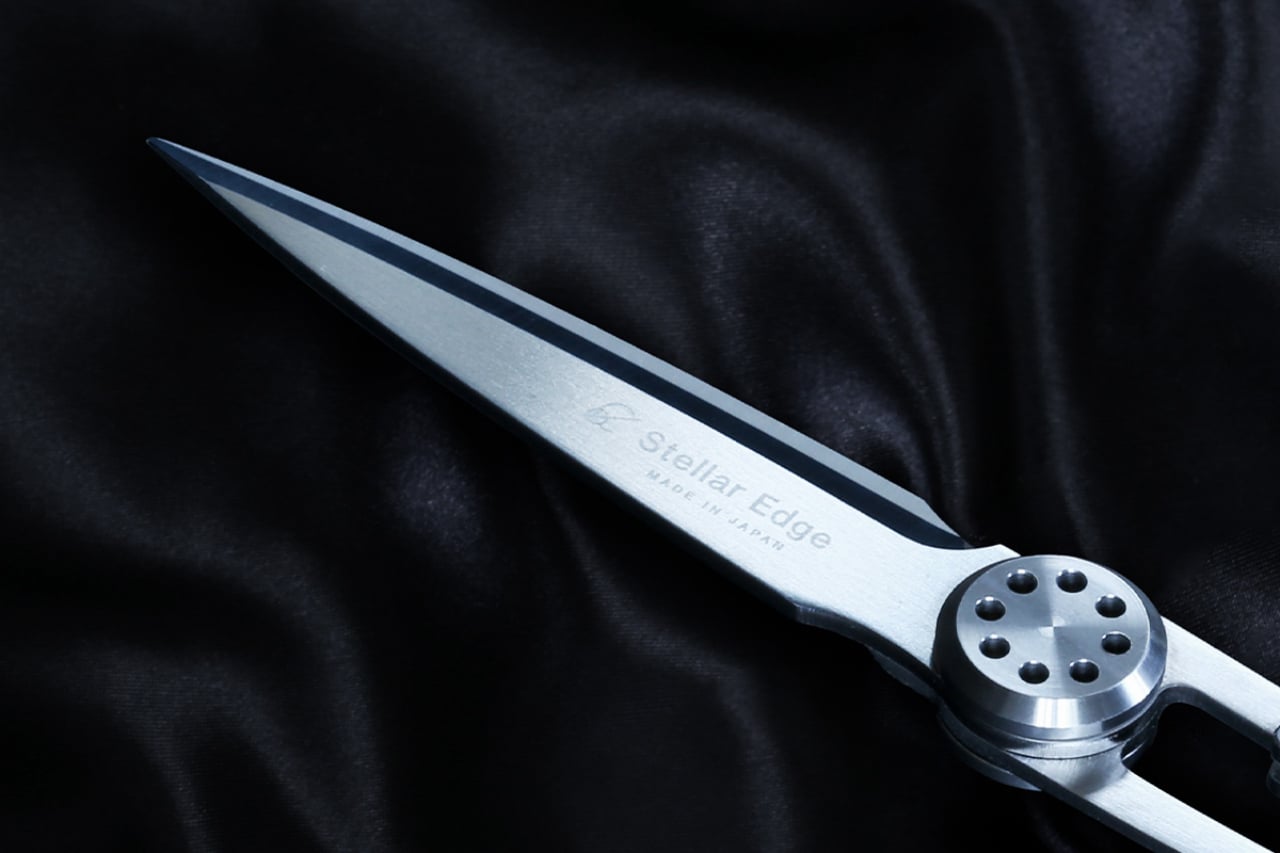
  • Lightweight design at 2.85 tonnes allows towing with mid-size trucks.
  • Birch ply interior creates natural warmth and character.

What we dislike

  • Limited storage capacity in a 16.5-foot length struggles with four people’s belongings.
  • Removable ladder access to the loft bedroom creates inconvenience and accessibility issues.

2. DQ Tower – When Tiny Homes Grow Up Instead of Out

Moduleform’s DQ Tower takes a radically different approach to compact living by building upward rather than outward. This three-story prefab unit occupies a mere 4 by 4.2-meter footprint while delivering spatial experiences rarely encountered in micro-dwellings. The vertical philosophy creates distinct zones for different activities, mimicking the floor-by-floor separation of conventional homes rather than the open-plan scramble defining most tiny houses.

The crisp geometry and glass-lined façade announce clear intentions from the exterior. Moduleform designed this to maximize natural light, privacy, and functionality even on the smallest urban plots where horizontal expansion isn’t possible. The first floor blends living, dining, and kitchen functions into a sunlit space where every corner receives careful attention. Built-in storage and custom cabinetry eliminate clutter without sacrificing daily utility, while a secondary bathroom on this level accommodates guests or families needing simultaneous access.

What we like

  • Three-floor vertical layout establishes distinct zones mimicking conventional homes.
  • Floor-to-ceiling windows flood the interior with natural light and prevent a claustrophobic feeling.
  • Tiny 4 by 4.2-meter footprint makes unusable urban plots viable for development.
  • Secondary bathroom on first floor eliminates stair navigation for basic facilities.

What we dislike

  • Constant stair climbing between three floors creates physical exhaustion.
  • Narrow footprint limits furniture options and requires custom pieces.

3. Yamabiko – The Japanese Innovation That Fits Two Homes in One Shell

Ikigai Collective has created something remarkable with the Yamabiko, a 6.6-meter dwelling nestled in Nozawaonsen, Nagano, that challenges everything we assume about tiny house layouts. This home doesn’t squeeze one living space into its metal frame – it fits two complete, mirrored residences under a single roof. Two front doors hint at the clever secret: a perfectly mirrored layout splitting the home down the middle, where each side offers identical living spaces with lofted bedrooms, compact kitchens, and cozy lounges.

The design specifically targets staff accommodation in Japan’s seasonal resort towns, where ski instructors, hospitality workers, and summer camp employees need housing that balances privacy with efficiency. Two people live independently under one roof, each with personal kitchens and sleeping lofts, while sharing a single bathroom positioned between the two halves. The Galvalume steel cladding speaks to Japanese minimalism through its utilitarian aesthetic, handling heavy mountain snow and coastal humidity while aging gracefully and maintaining its modern edge.

What we like

  • Mirrored layout provides complete independent living spaces with separate kitchens and lofts.
  • Galvalume steel cladding requires minimal maintenance in extreme weather conditions.
  • Compact 6.6-meter length makes towing simple with standard vehicles.
  • Dual-occupancy design maximizes land efficiency and rental income potential.

What we dislike

  • A single shared bathroom creates access conflicts between two residents.
  • Extremely limited individual space within each 6.6-meter half.

4. Casuarina – Single-Level Living Without Compromise

Evergreen Homes Australia designed the Casuarina specifically for people who’ve hesitated to embrace tiny living due to mobility concerns or ladder-climbing reluctance. This 8.4-meter home sits entirely on one level, creating a comfortable and cozy space for two people plus occasional guests. The black metal exterior receives timber accenting that softens the industrial edge, while the triple-axle trailer base provides stability during transport and stationary periods.

The interior occupies 18 square meters with an airy, free-flowing layout that maximizes the limited footprint. A sliding glass door leads to the living room, which includes a sofa bed functioning as guest sleeping quarters when needed. The wood-burning stove provides warmth and ambiance, while a ceiling fan circulates air during warmer months. The kitchen impresses with its completeness, featuring a breakfast bar with stool seating, dishwasher, fridge/freezer, electric oven, two-burner propane-powered stove, sink, and ample cabinetry for storage.

What we like

  • Single-level design eliminates ladder climbing and improves accessibility for mobility-limited occupants.
  • Well-equipped kitchen includes dishwasher and breakfast bar, rare in compact homes.
  • Wood-burning stove creates a cozy ambiance beyond its simple heating function.
  • Triple-axle trailer provides superior stability during towing and when parked.

What we dislike

  • The 8.4-meter length limits the interior space to 18 square meters.
  • Two-person capacity feels restrictive for families or frequent entertaining.

5. Hartley – The Black Beauty Built for Families

Ridgeline Tiny Homes created the Hartley with families in mind, stretching 27.6 feet to provide space rarely seen in tiny dwellings. This home accommodates a family of four comfortably through clever space-saving layouts that make every square inch count. Built on a double-axle trailer, the black metal cladding combines with generous glazing that floods the interior with natural light throughout the day, creating an environment that never feels dark or cramped despite the compact dimensions.

You enter through double glass doors into a 290-square-foot floor space finished in warm plywood. The kitchen sits near the entrance, equipped with an oven featuring a four-burner propane-powered stove, sink, dishwasher, fridge/freezer, custom cabinetry, and a pull-out pantry that maximizes storage capacity. A two-person breakfast bar provides casual dining space, while the connected living room includes a sofa, small deck, and storage-integrated staircase that serves dual purposes. The home runs on standard RV-style hookup, making campground and established tiny home community connections straightforward.

What we like

  • 27.6-foot length provides genuine family accommodation for four people.
  • Generous glazing creates a naturally bright interior throughout the day.
  • Storage-integrated staircase serves a dual function efficiently.
  • Standard RV-style hookup simplifies connection at campgrounds and communities.

What we dislike

  • An extended length requires heavy-duty towing equipment and limits mobility.
  • 290 square feet still feels tight when all four family members occupy simultaneously.

6. Vagabond Haven’s Tiny Home – The Off-Grid Champion That Compromises Nothing

Vagabond Haven has unveiled a 7.2-meter tiny house proving that off-grid living doesn’t require sacrificing modern comforts. This recently completed dwelling demonstrates how thoughtful design delivers genuine self-sufficiency within a modest footprint, functioning equally well as a vacation retreat or income-generating rental property. Solar panels crown the black-painted spruce siding exterior, working with battery arrays to provide consistent power regardless of weather conditions while maintaining a contemporary aesthetic appeal.

The comprehensive approach to self-sufficiency includes solar panels, a gas water heater, a gas cooktop, a refrigerator, a composting toilet, and optional water tanks, creating a genuinely independent system. Occupants can disconnect from municipal services while maintaining modern conveniences, making this ideal for remote locations or environmentally conscious owners seeking to minimize utility dependence. Though this model can be permanently installed on a plot, its trailer-based construction allows relocation whenever desired. The pictured rental includes an optional deck that effectively extends the living area outdoors, creating a seamless transition between interior and exterior spaces.

What we like

  • Complete off-grid capability with solar panels and battery storage eliminates utility bills.
  • The composting toilet removes the need for septic systems or sewer connections.
  • The optional deck extends the functional living space with a seamless indoor-outdoor transition.
  • Rental income potential turns a dwelling into an investment property.

What we dislike

  • Significant upfront investment is required for solar power systems and batteries.
  • Limited to two-person comfortable occupancy in a 7.2-meter length.

7. Hidden Mountain Tiny Villa – Rustic Charm Meets Modern Function

This charming tiny home bridges classic and modern design elements to create a living space that feels like stepping into a storybook cottage. The exterior showcases elegant shiplap cladding that provides timeless rustic appeal, while the sturdy metal roof ensures durability and adds contemporary contrast. A spacious porch welcomes visitors and residents alike, offering an ideal spot for morning coffee or evening relaxation while blending seamlessly with the interior aesthetic.

Entering the home reveals a spacious and free-flowing living area bathed in natural light from well-placed windows. The L-shaped sofa provides ample seating that makes hosting guests or family movie nights genuinely comfortable rather than cramped. A coffee table and entertainment center complete the living setup, while integrated storage solutions keep clutter controlled. The fireplace adds warmth and ambiance that transforms the space from merely functional to genuinely cozy, creating an atmosphere that makes you want to curl up with a book and forget the outside world exists.

What we like

  • Shiplap exterior creates an authentic rustic aesthetic with timeless appeal.
  • Spacious porch extends usable living area outdoors.
  • The L-shaped sofa provides generous seating, rare in compact homes.
  • Fireplace adds genuine warmth and creates a cozy ambiance.

What we dislike

  • Wood shiplap exterior requires regular maintenance and weatherproofing.
  • Larger footprint reduces mobility compared to more compact designs.

8. eONE XL – Japanese-Inspired Living Perfected

Escape has reimagined its popular One and One XL models with the eONE XL, creating a more spacious, light-filled home that elevates the micro-living experience. Based on a double-axle trailer, this 30-foot home features an 8.6-foot width and a distinguished Japanese-style charred wood exterior that protects against decay and bugs naturally. The charring technique, known as shou sugi ban, creates a striking black finish that requires minimal maintenance while providing superior weather resistance.

Large windows define the eONE XL experience, allowing natural light to stream freely throughout the day and creating an interior that feels warm and inviting. The ‘e’ in its name signifies all-electric appliances, reflecting modern efficiency standards and eliminating propane dependence. As you enter, a spacious and well-designed kitchen welcomes you with pantry storage, fridge/freezer, microwave, induction cooktop, electric oven, sink, generous cabinetry, and a washer/dryer. This level of kitchen functionality rivals conventional homes, while the additional storage and floor space throughout the home address common tiny living complaints about insufficient room for belongings.

What we like

  • Japanese charred wood exterior provides natural protection against decay and insects.
  • All-electric appliances eliminate propane tanks and refilling hassles.
  • Large windows create an exceptionally light-filled interior.
  • Full-size washer/dryer eliminates laundromat trips.

What we dislike

  • The 30-foot length makes frequent relocation impractical.
  • All-electric design requires consistent power access or substantial solar investment.

9. Spruce – The 20-Footer That Gets Everything Right

Backcountry Tiny Homes cuts through the noise with the Spruce, a 20-foot home that prioritizes smart design over unnecessary frills. Built on a double-axle trailer, it extends to 24 feet thanks to a covered balcony, transforming outdoor space into a genuine living area extension. At 8.5 feet wide, it maintains road-legal dimensions while feeling surprisingly spacious inside, proving that thoughtful planning matters more than sheer square footage.

The living room punches above its weight with floor-to-ceiling windows bringing serious natural light that makes the space feel twice its actual size. A sleeper sofa serves double duty as comfortable seating and a guest bed when friends visit, while smart built-ins keep clutter controlled. The loft bedroom shows why Backcountry understands tiny living, with a lowered platform providing actual headroom for getting dressed. Under-bed storage swallows seasonal clothes and extra bedding without creating visual chaos, while two people sleep comfortably with enough room for nightstands and personal touches, making it feel like home rather than a hotel room.

What we like

  • Covered balcony extends usable space by 4 feet and functions in most weather.
  • Floor-to-ceiling windows eliminate a cave-like atmosphere with abundant natural light.
  • Lowered loft platform provides genuine headroom for comfortable dressing.
  • The drop-leaf table expands for dining, then folds for floor space flexibility.

What we dislike

  • The 24-foot total length requires substantial trucks beyond standard vehicle capacity.
  • Base kitchen offers limited counter space and basic appliances for serious cooking.

10. Fujitsubo – The 3D-Printed Future of Affordable Housing

Japanese construction startup Serendix has unveiled the Fujitsubo, a 3D-printed home that costs approximately $37,600 – about the same as a car. This small dwelling occupies 538 square feet, dramatically smaller than the average American home but perfectly sized for couples or solo occupants seeking affordable housing solutions. The compact footprint contributes directly to the economical price tag, making homeownership accessible to people priced out of conventional real estate markets.

The 3D printing construction method offers multiple advantages beyond cost savings. This technique reduces construction errors, saves significant time compared to traditional building methods, and simplifies the entire process by eliminating tedious steps. The Fujitsubo meets Japanese earthquake codes and European insulation standards, proving that innovative construction doesn’t mean compromising safety or comfort. The home features one bedroom, one bathroom, and an open living room connected to a kitchen, providing all essential spaces within its efficient layout. This proof-of-concept demonstrates how technology can address housing affordability crises while maintaining quality and livability.

What we like

  • $37,600 price point makes homeownership accessible at car-level costs.
  • 3D printing reduces construction time and eliminates many traditional building errors.
  • Meets Japanese earthquake codes and European insulation standards.
  • 538 square feet provides a comfortable space for couples or individuals.

What we dislike

  • Limited availability outside Japan restricts access to this affordable option.
  • Single bedroom and bathroom configuration limits family or roommate arrangements.

Final Thoughts

The tiny home projects showcased this year demonstrate how far the movement has evolved from its experimental origins. These aren’t compromise dwellings or temporary solutions – they’re thoughtfully designed homes that address real housing needs while pushing architectural boundaries. From the Gunyah’s transformable Australian charm to the Fujitsubo’s 3D-printed affordability, each project solves specific challenges with intelligence and creativity that deserve recognition.

What stands out most is the diversity of approaches. Vertical towers maximize urban plots, mirrored layouts double occupancy efficiency, single-level designs prioritize accessibility, and off-grid systems enable true independence. These ten homes prove that tiny living has matured into a legitimate housing category offering solutions for families, remote workers, seasonal employees, and anyone seeking sustainable living without sacrificing modern comforts. The future looks exceptionally bright.

The post Best Tiny Homes of 2025: 10 Projects You Need to See first appeared on Yanko Design.