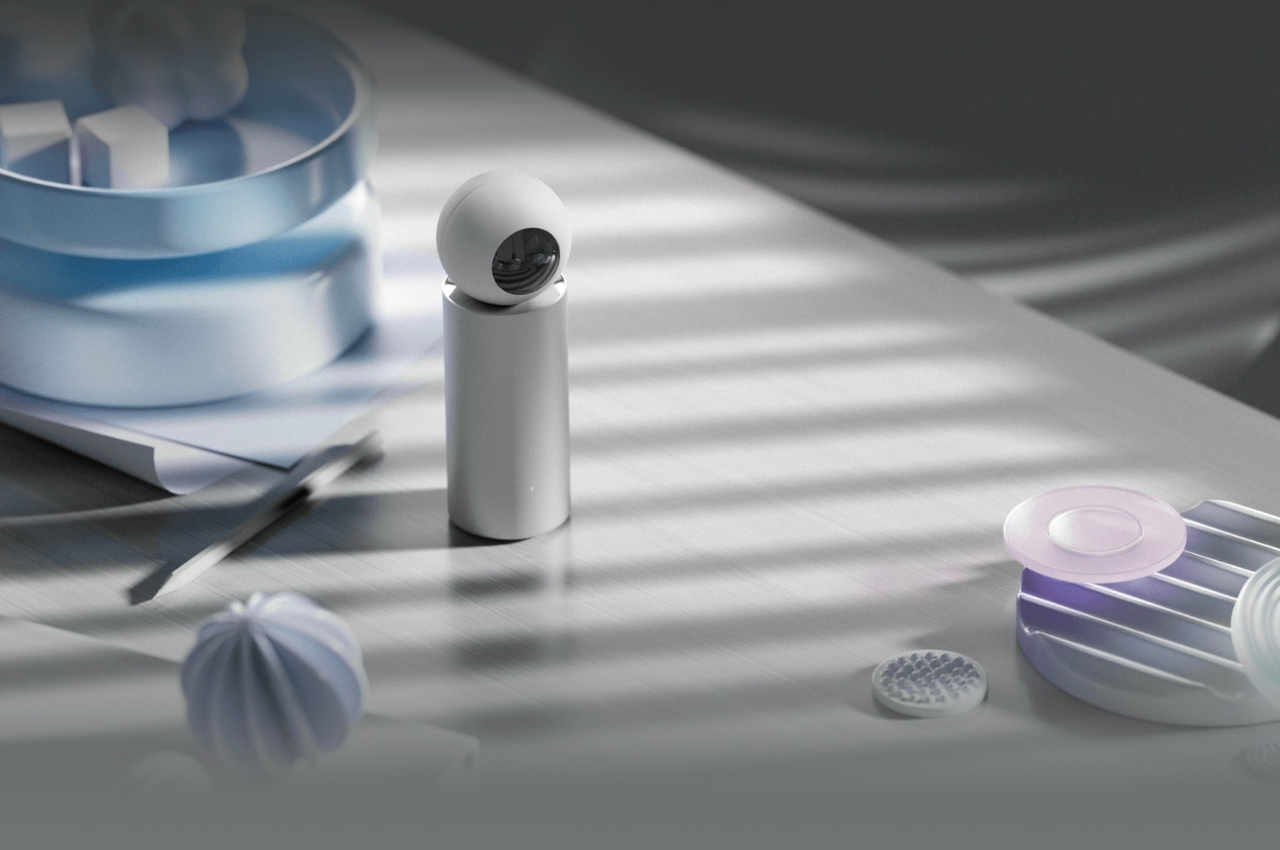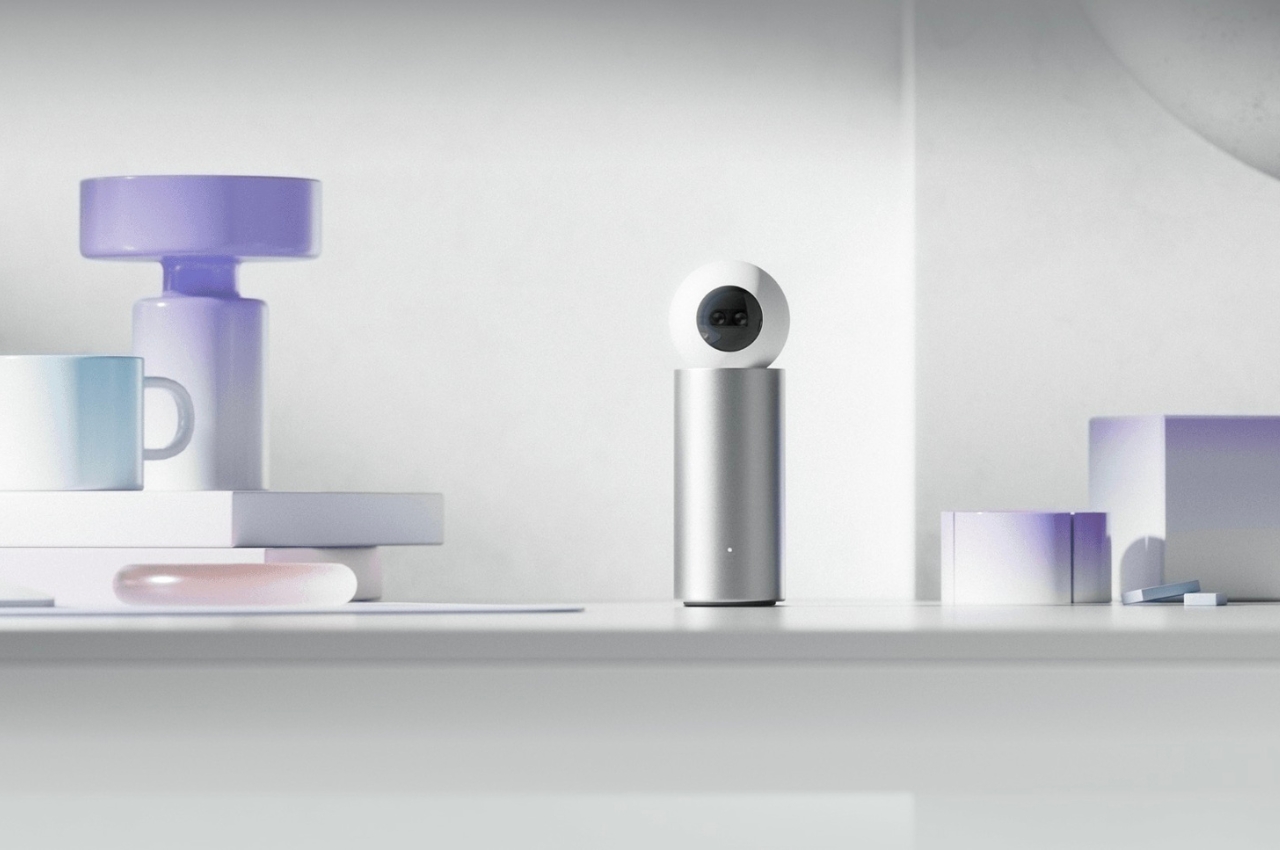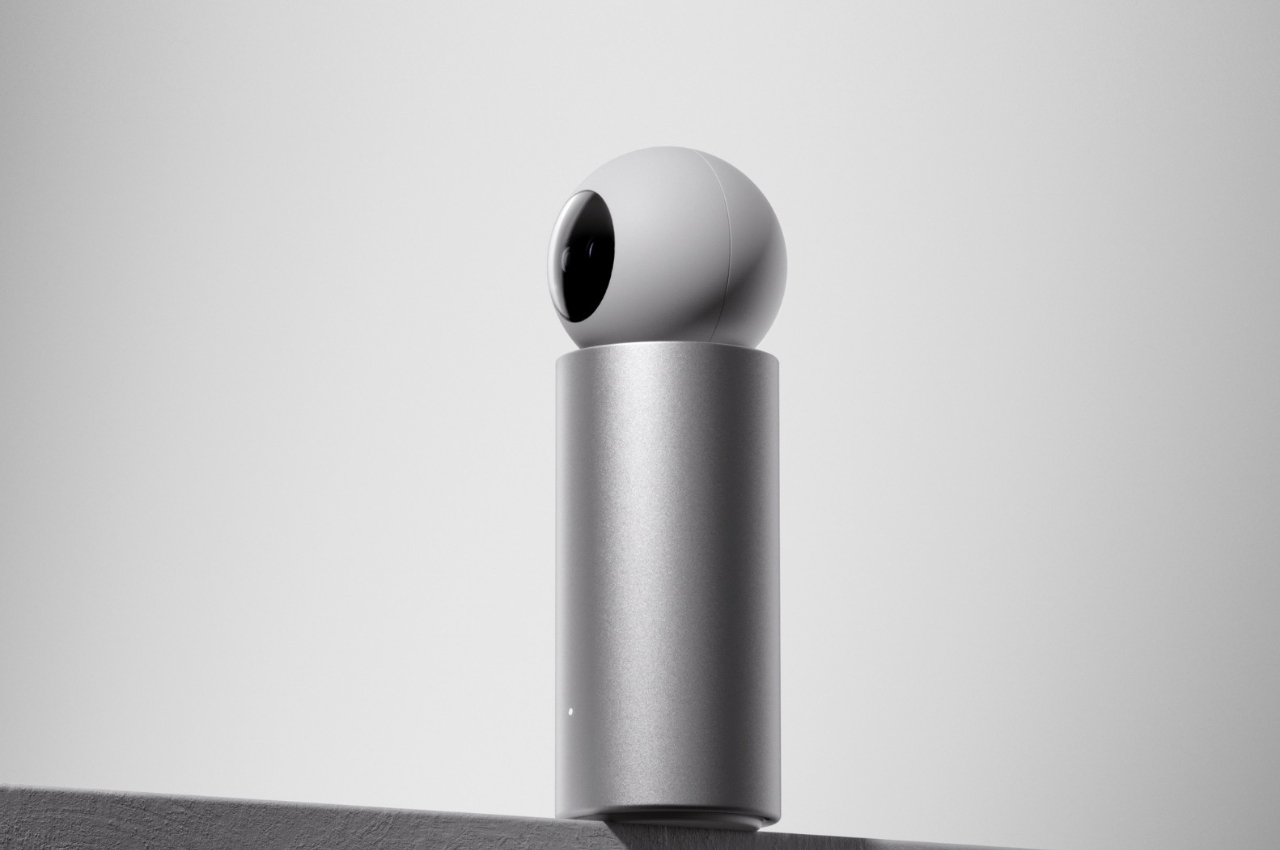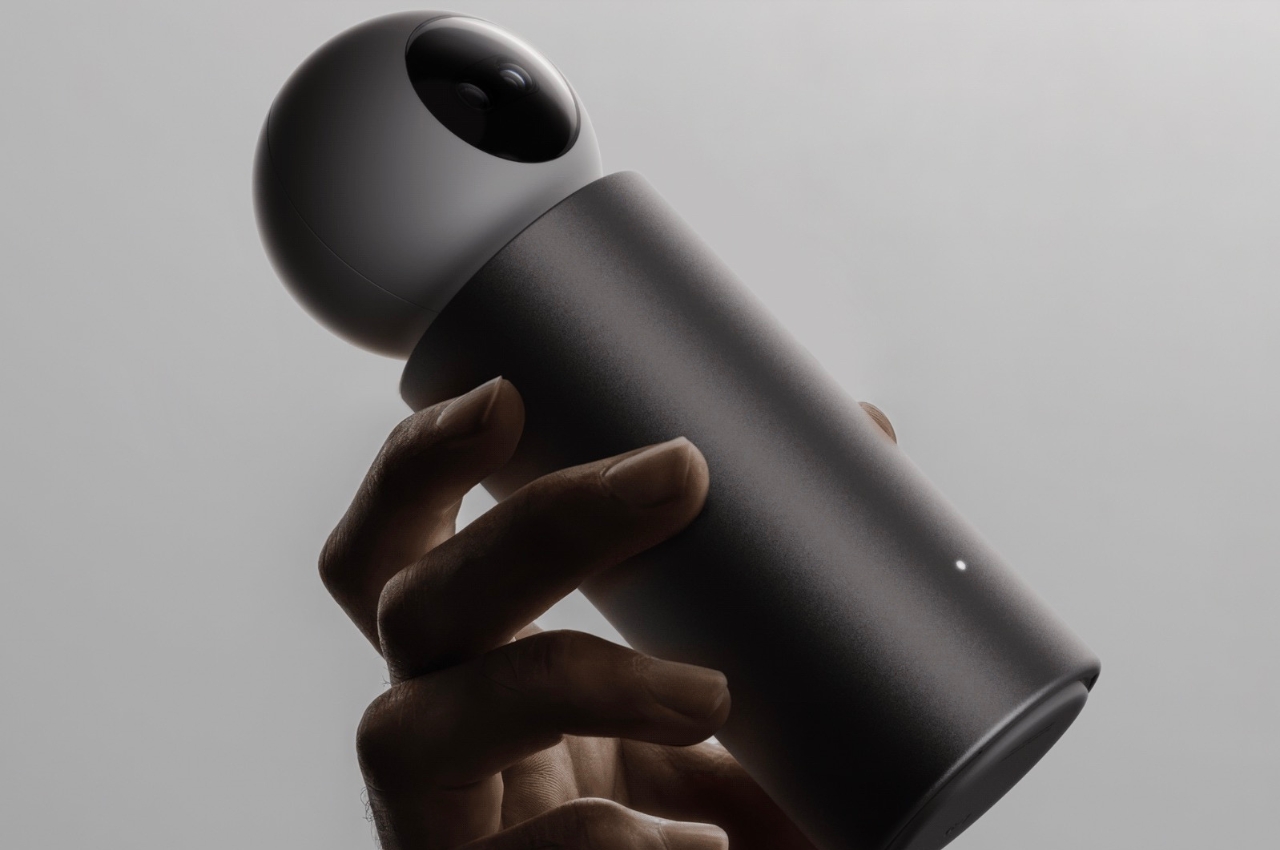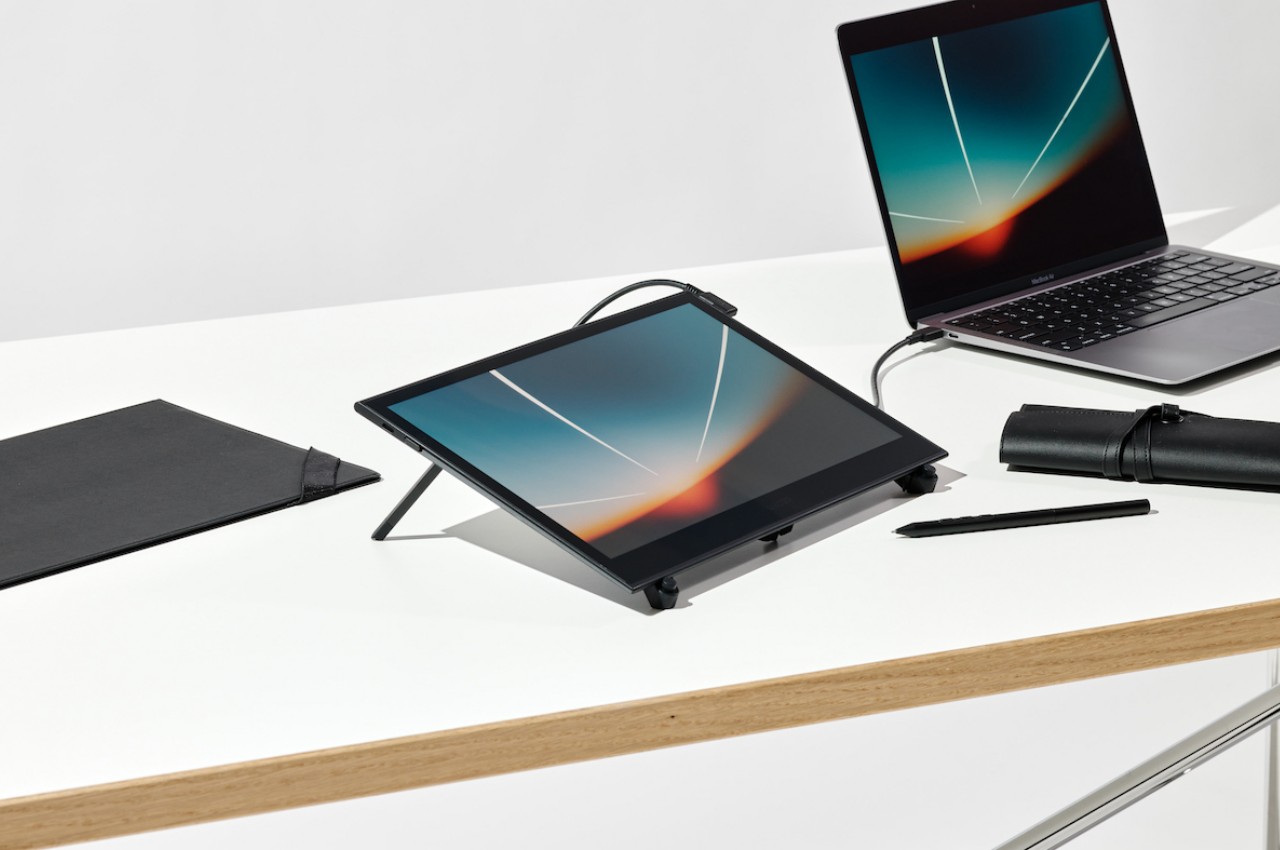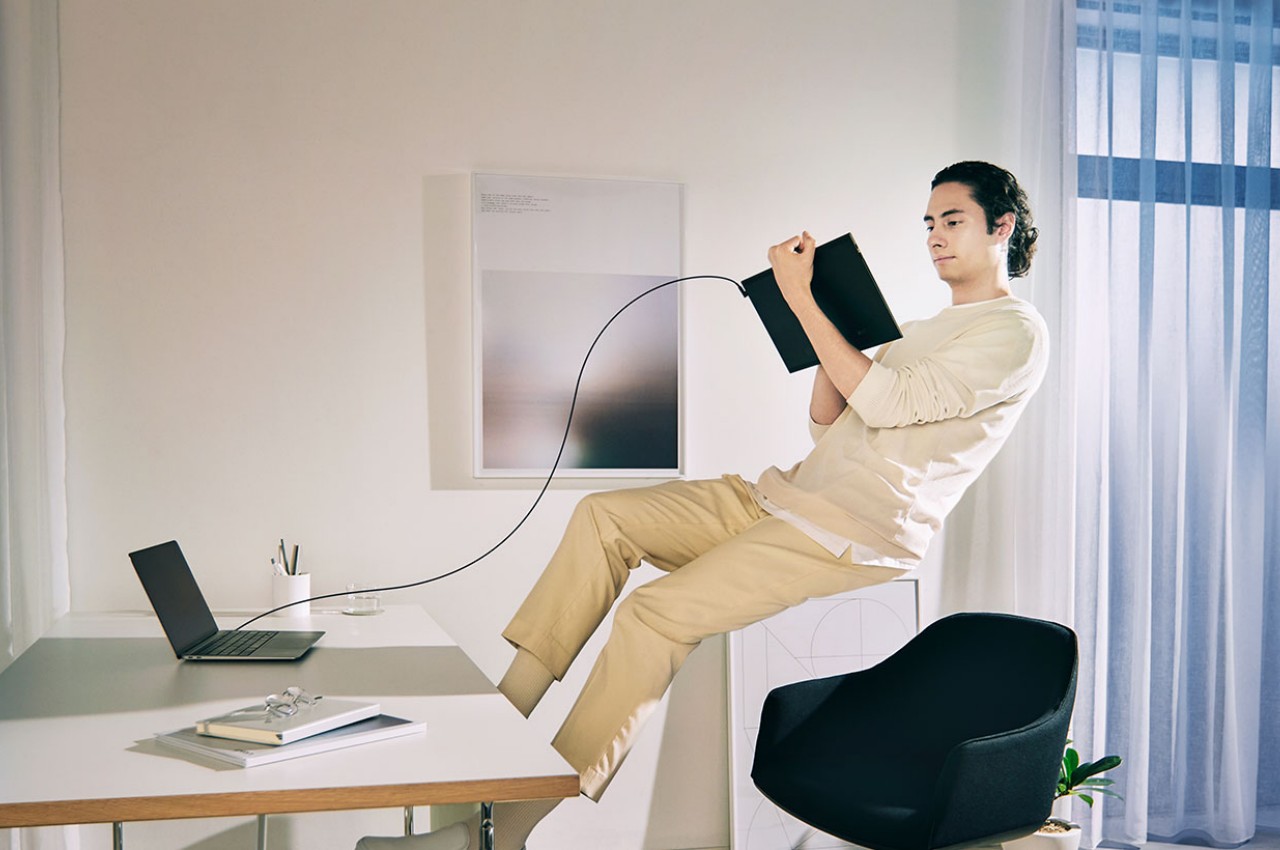
Handheld printer and scanner concept sticks to tried and true methods of document handling


We live in a world filled with apps, multimedia content, and digital data, but there are and will always be things written on printed on paper. Official documents are still printed, receipts are still physical, and some people still prefer writing on notebooks and notepads. The gap between physical and digital isn’t that easy to bridge for people who want or even need to have the best of both worlds, even though there are, ironically, a handful of products claiming to offer the perfect solution. As some say, there is no perfect answer, but the best one might actually be the simplest and most straightforward. This concept device, for example, offers what looks like a traditional printer and scanner combo, except it’s something that you can easily store and take from your bag whenever and wherever you need it.

Designer: John Branca
There are quite a few product designs these days that try to unify physical and digital documents, from notebooks and pens that can record your handwriting to smartphone apps that can convert printed or even handwritten text into digital ones. The former doesn’t exactly work for digitizing what’s already printed, while the latter puts the burden on the person taking a perfect photo of the paper. These solutions also don’t work in the reverse, like turning digital files into their physical form, especially when you’re out of the office or not at home.
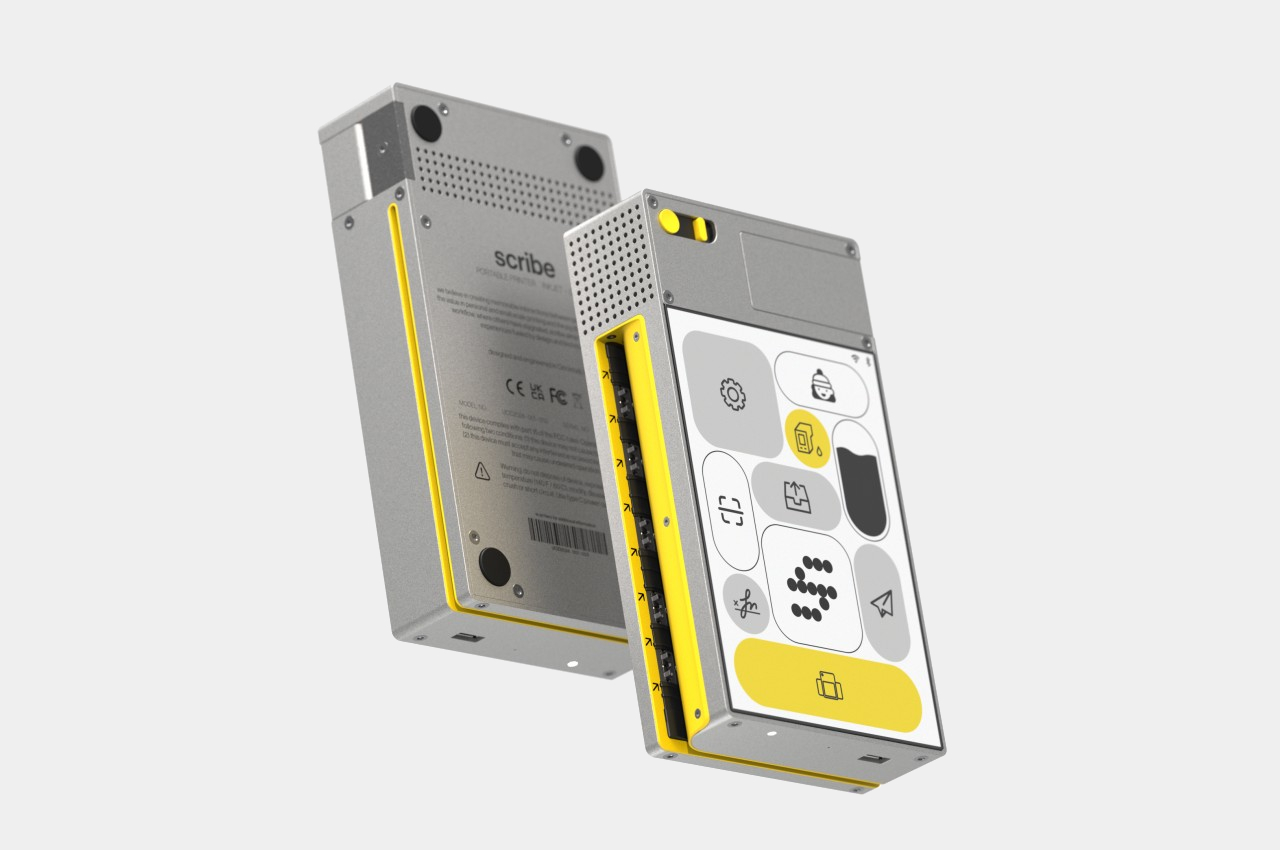
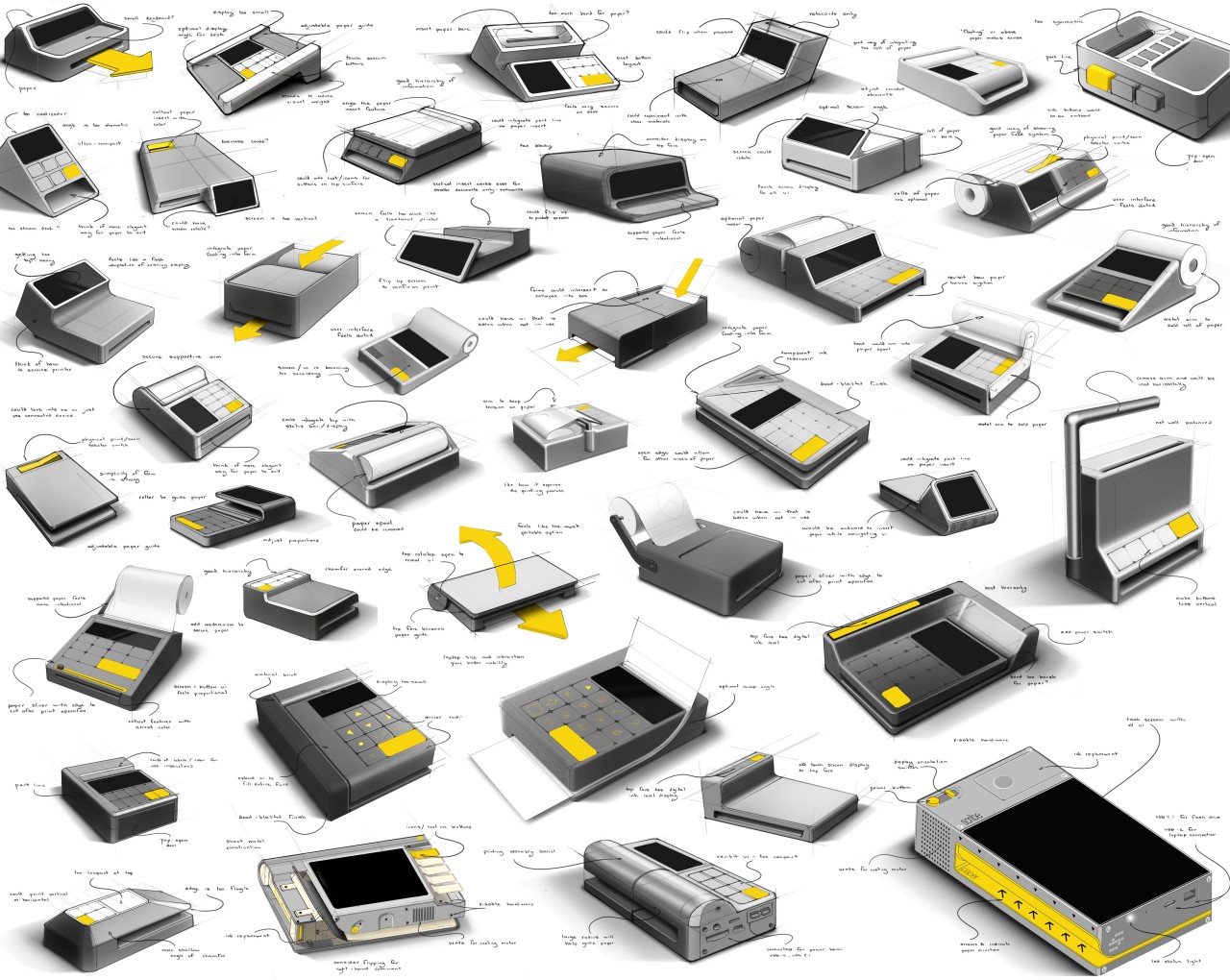
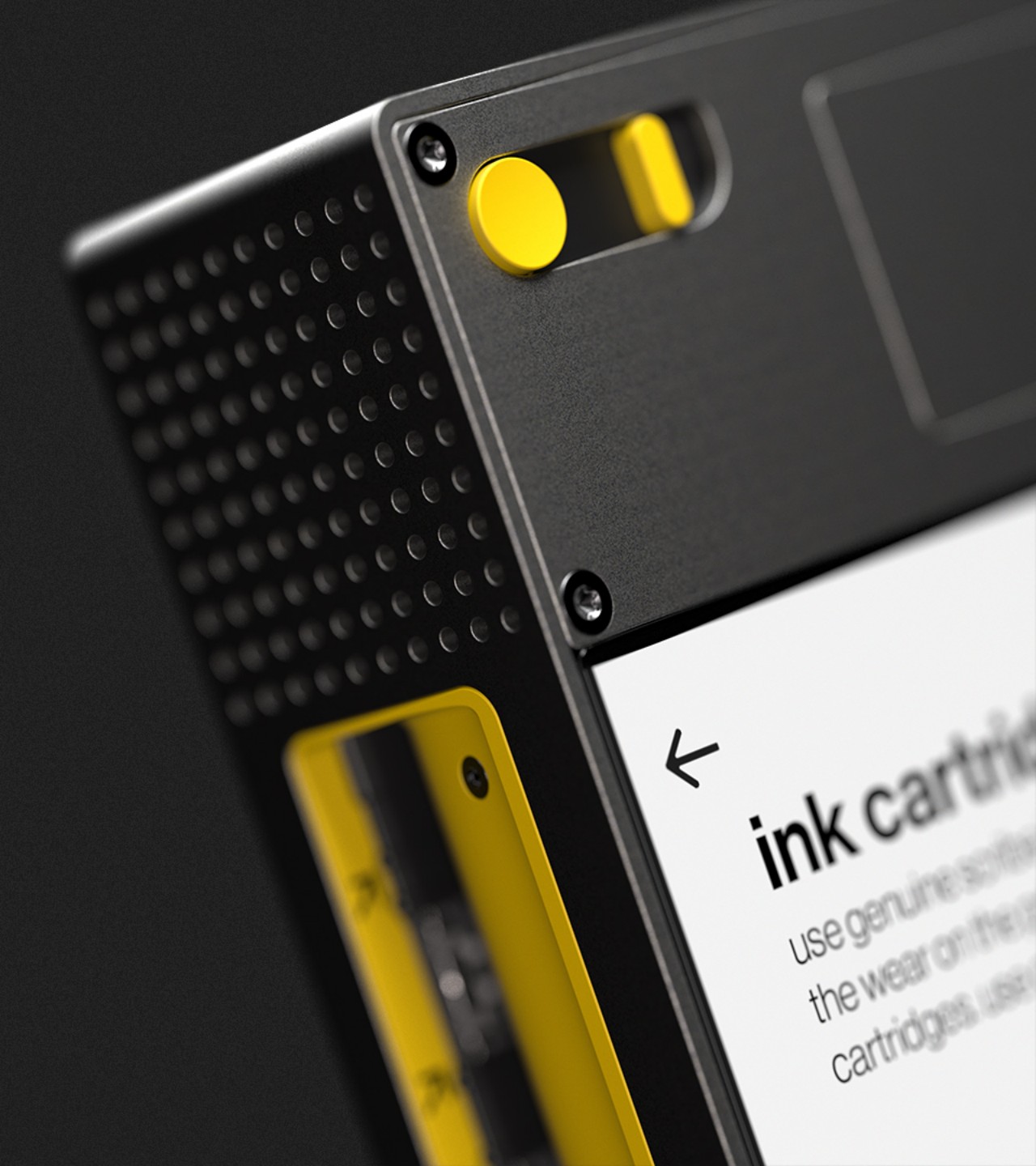
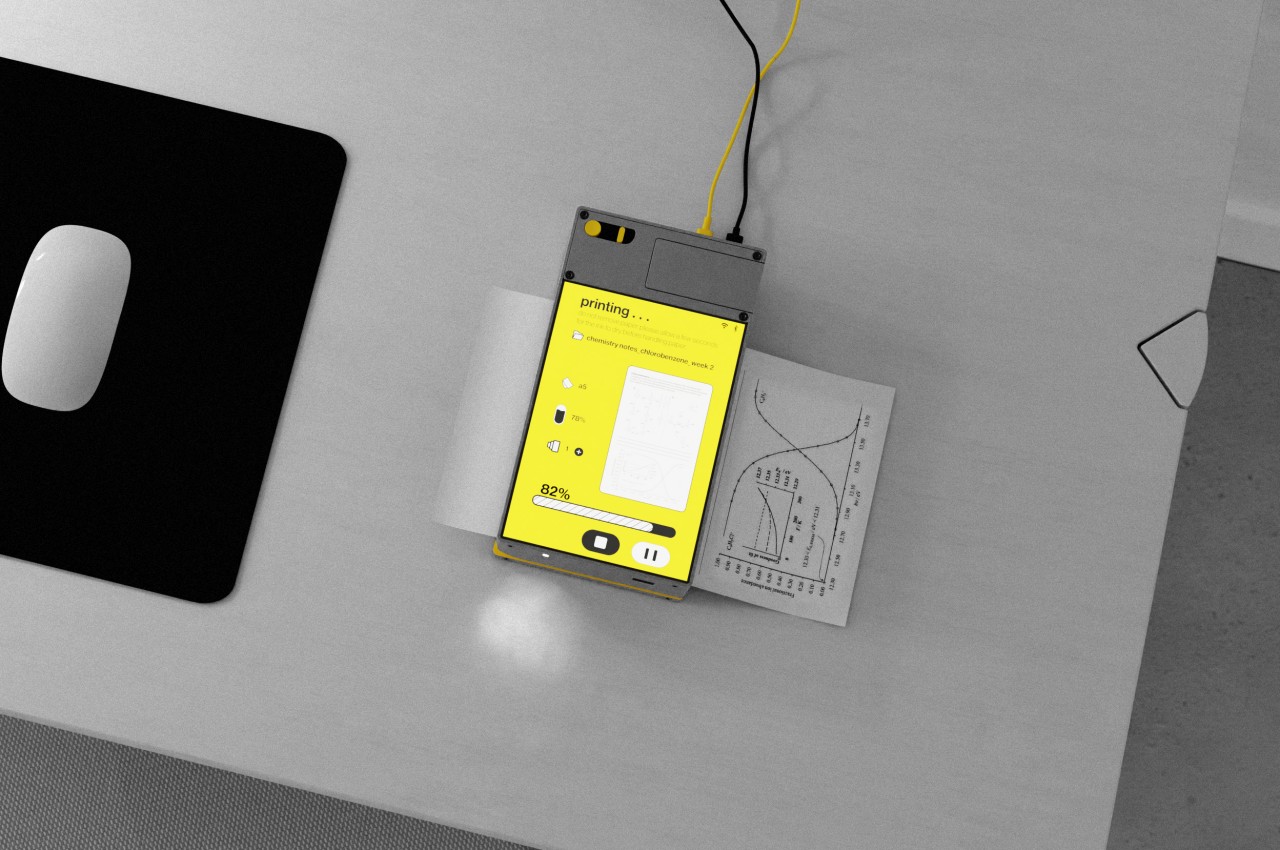
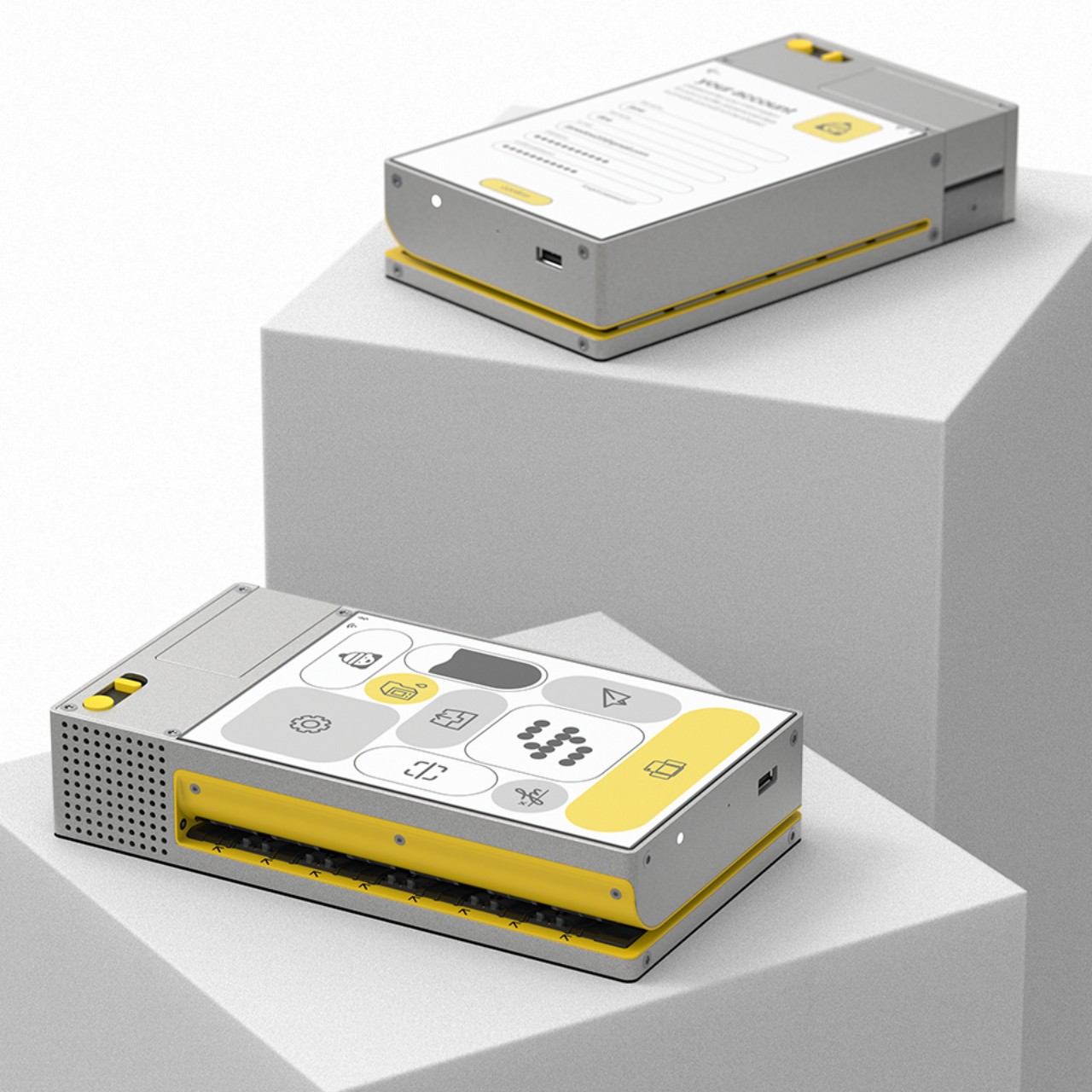
Scribe is a concept design that combines two things that already exist today, a portable printer and a portable scanner. In a nutshell, it shrinks 2-in-1 printer and scanner combos into a compact design that you can even carry in your hand if necessary. It has an industrial-inspired aesthetic that moves away from the predominant minimalist style, making it distinctive and memorable. It also has a large touch display that makes operating the device simple and intuitive without having to fumble on your computer or phone.
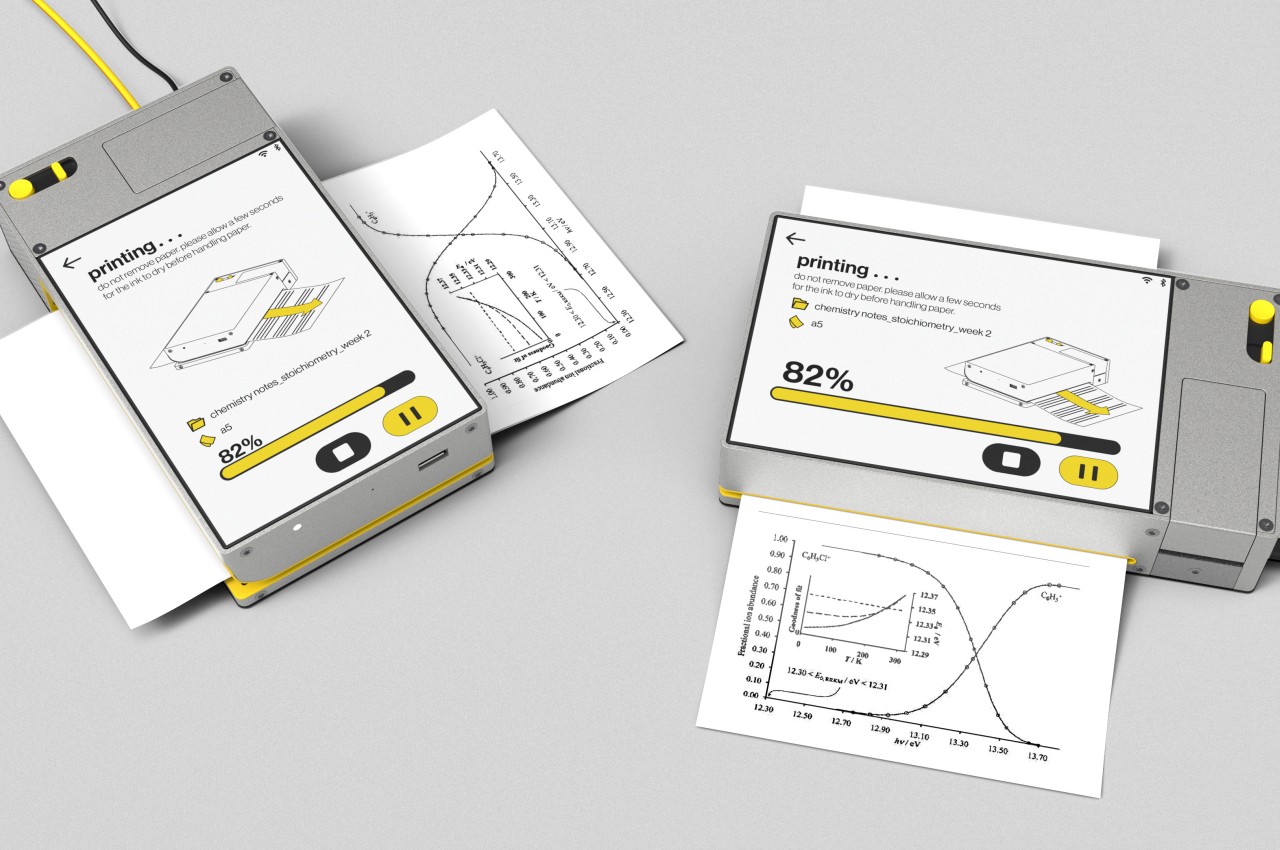
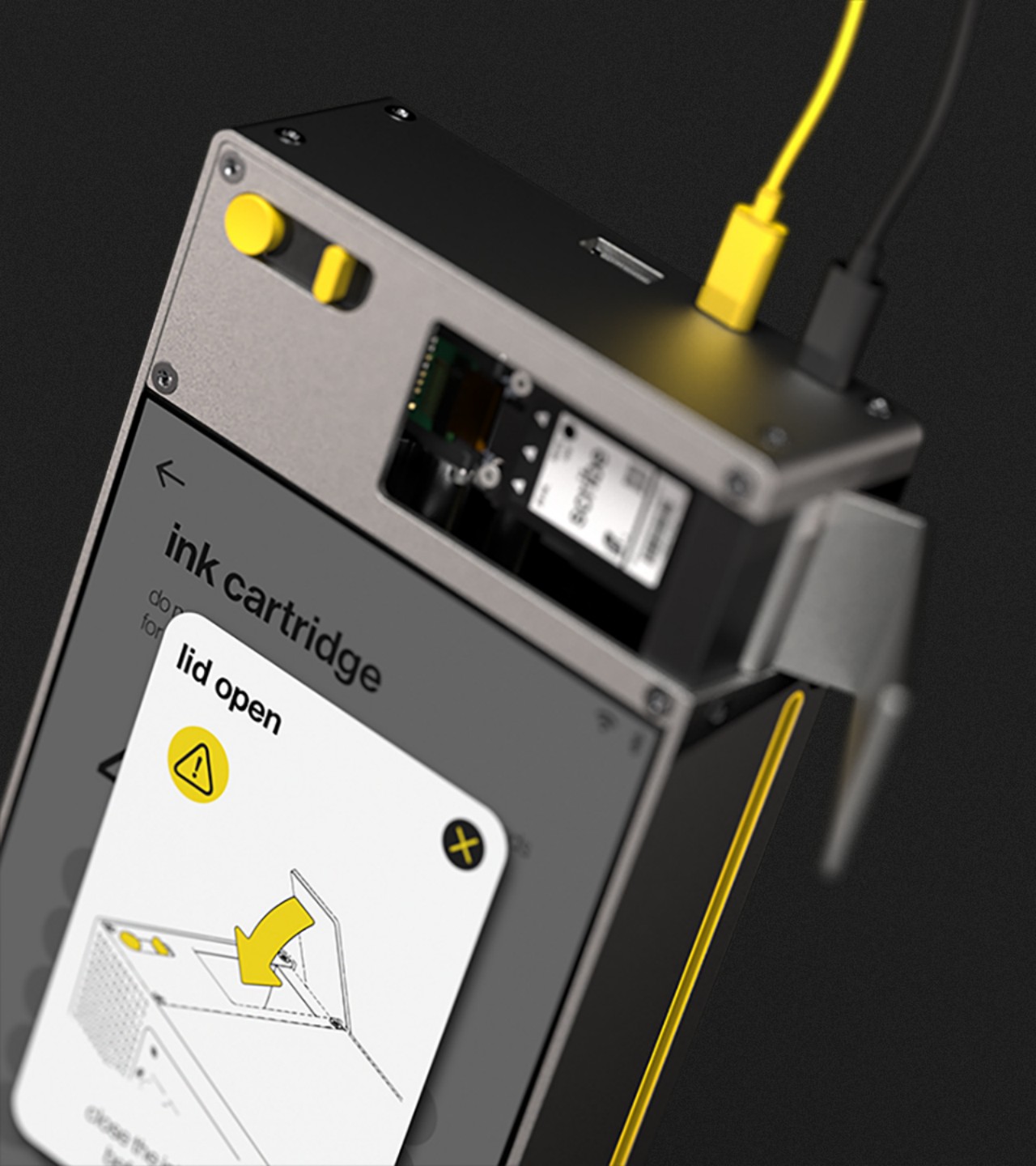
The device uses a feed-type mechanism where a piece of paper slides through the box to get printed or scanned. This does have the limitation of accommodating certain paper sizes only, though that will most likely be the most common use case for scanning receipts and printing out notes. That said, you won’t be able to scan any bound material like notebooks and books, so forget about taking this to the library. Due to size constraints, there’s also only room for a single black inkjet cartridge. ZINK technology might be more compact, but that also requires using special, non-standard paper.

1

Scribe is definitely an interesting break from all the app-based, smartphone-centric solutions out there, though it still raises the question of whether it’s more convenient or not. Then again, you can’t print from your phone either, so if you’re going to bring a portable printer with you, might as well have something that can also scan those documents as well.

The post Handheld printer and scanner concept sticks to tried and true methods of document handling first appeared on Yanko Design.
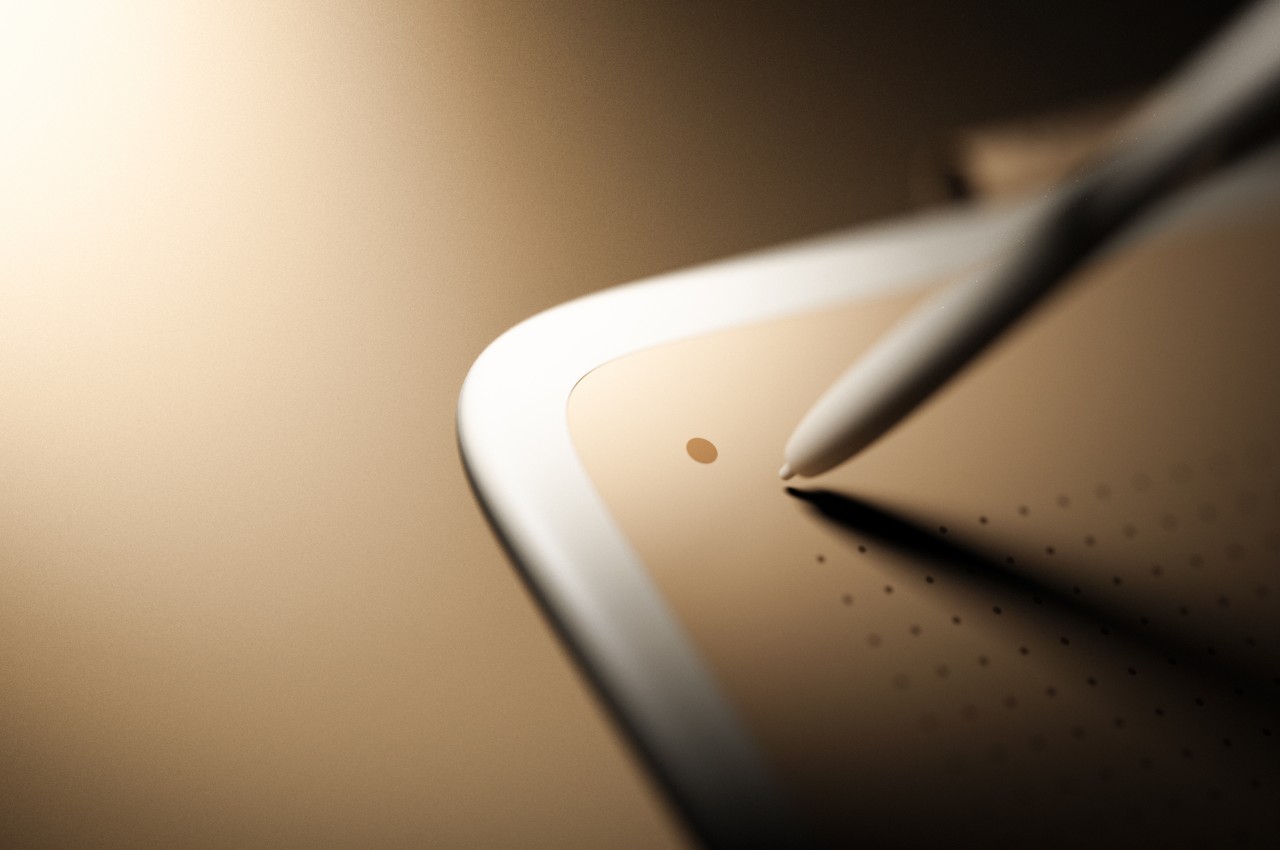
Mobile drawing tablet looks like a toy but is actually well-designed

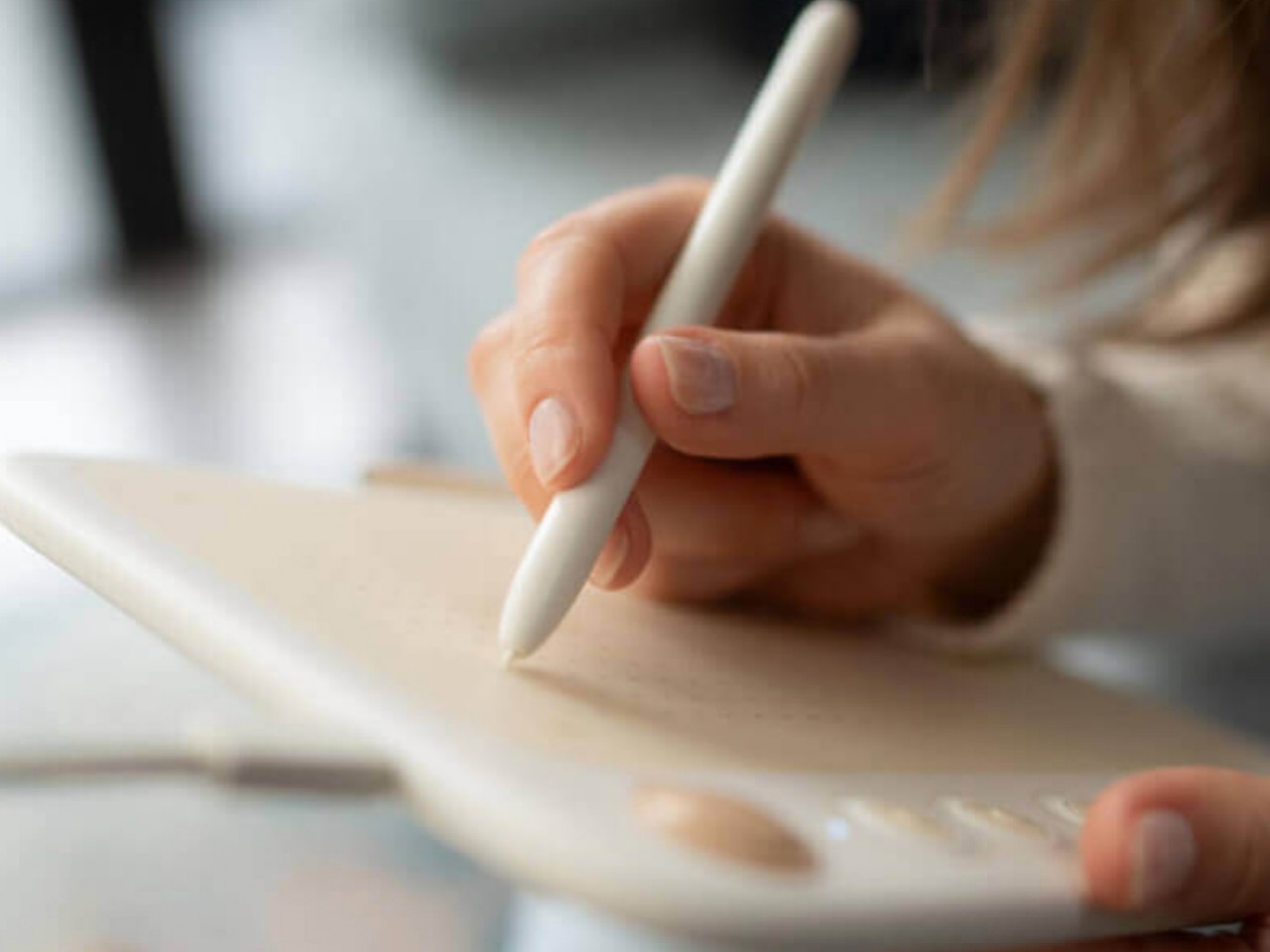
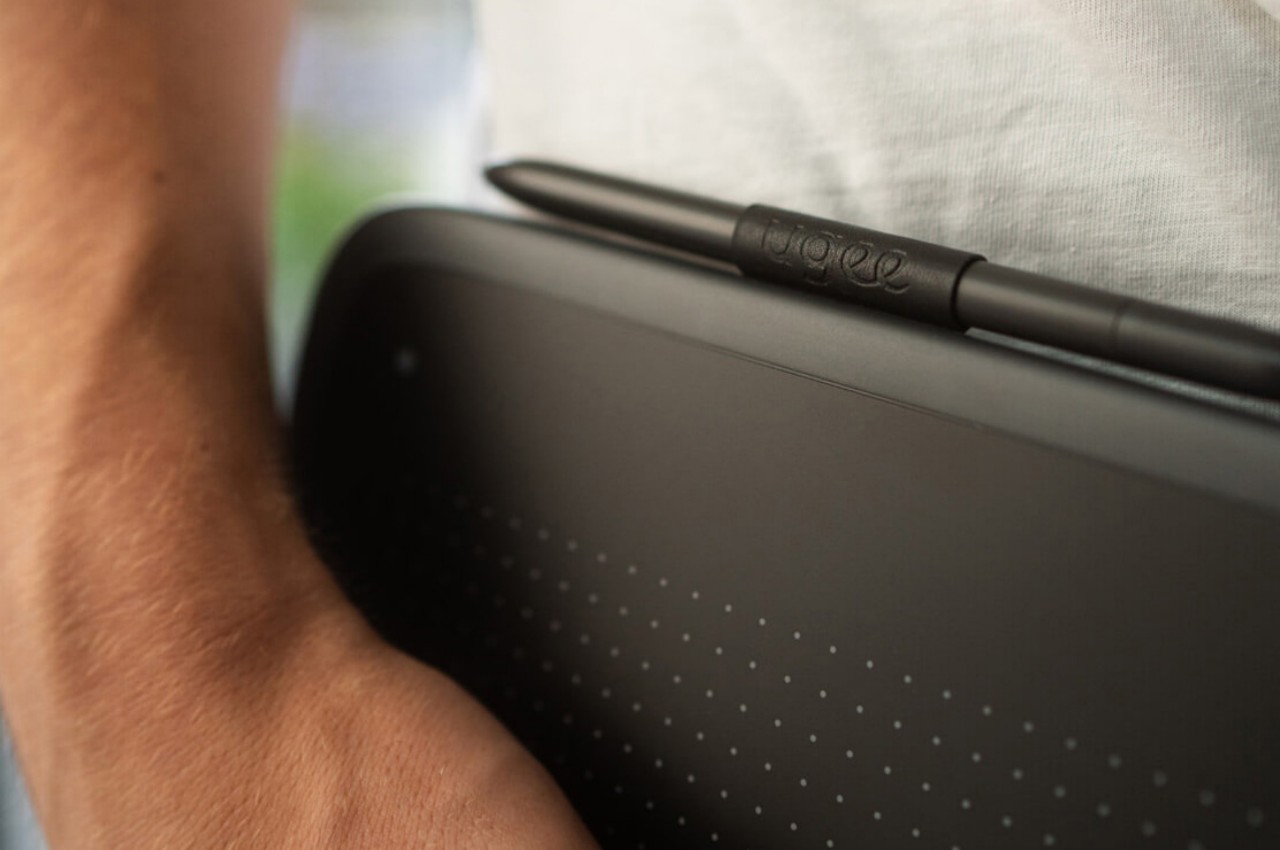
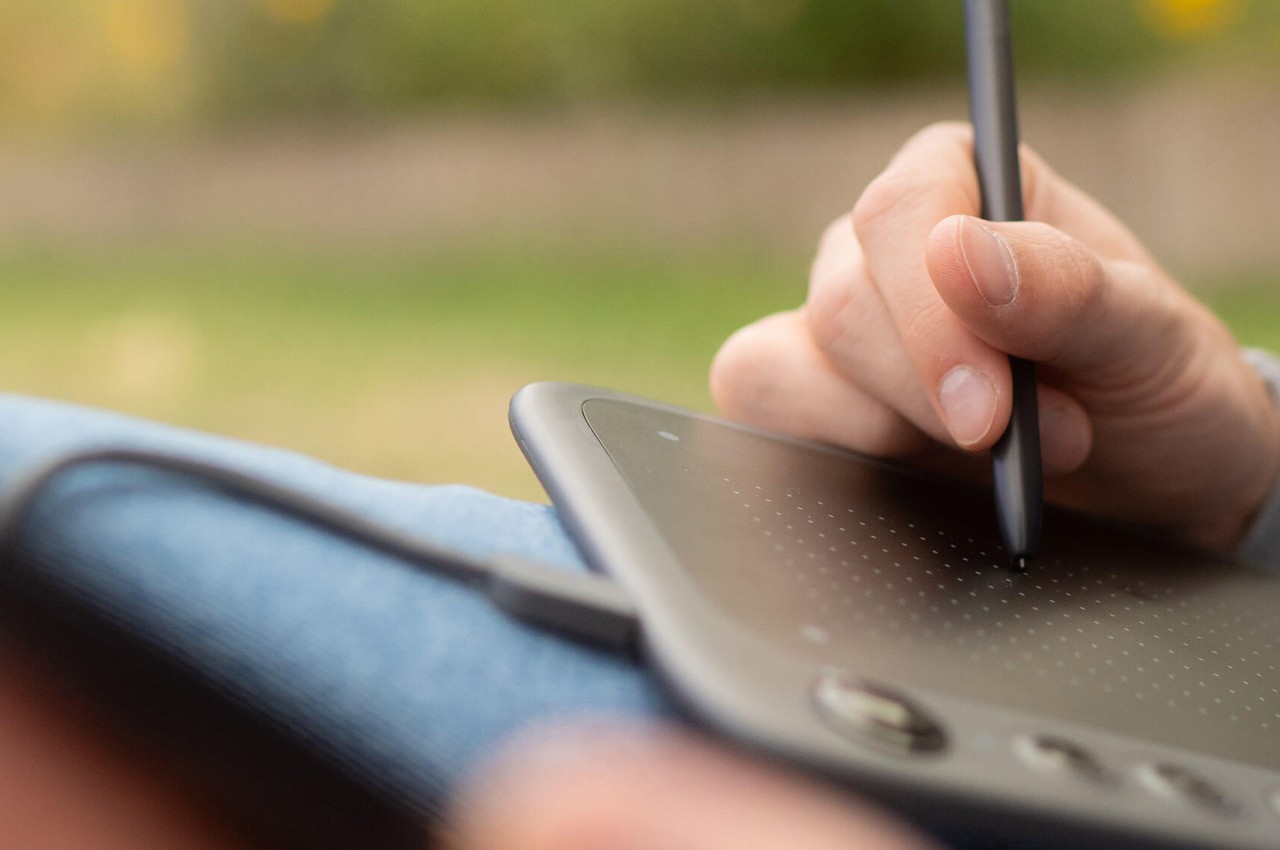
When it comes to drawing tablets for making digital art and designs, Wacom is most likely the household name since it has the lion’s share of the market. That doesn’t mean, however, that it’s the only game in town, nor that it has all the answers to all the problems in this field. There are definitely plenty of opportunities for different designs, especially those that cater to specific or even niche cases. Most of the drawing tablets in the market, for example, are designed to be used with computers like desktops or laptops, but smartphones are becoming just as powerful as these, opening the doors for creating art on the go. This small and portable drawing tablet aims to solve that with a “mobile-first” design, and though it might look like a toy for beginners, it actually has some well-thought-out details that put it above its Wacom counterparts.

Designer: Mai qianzhao for UGEE

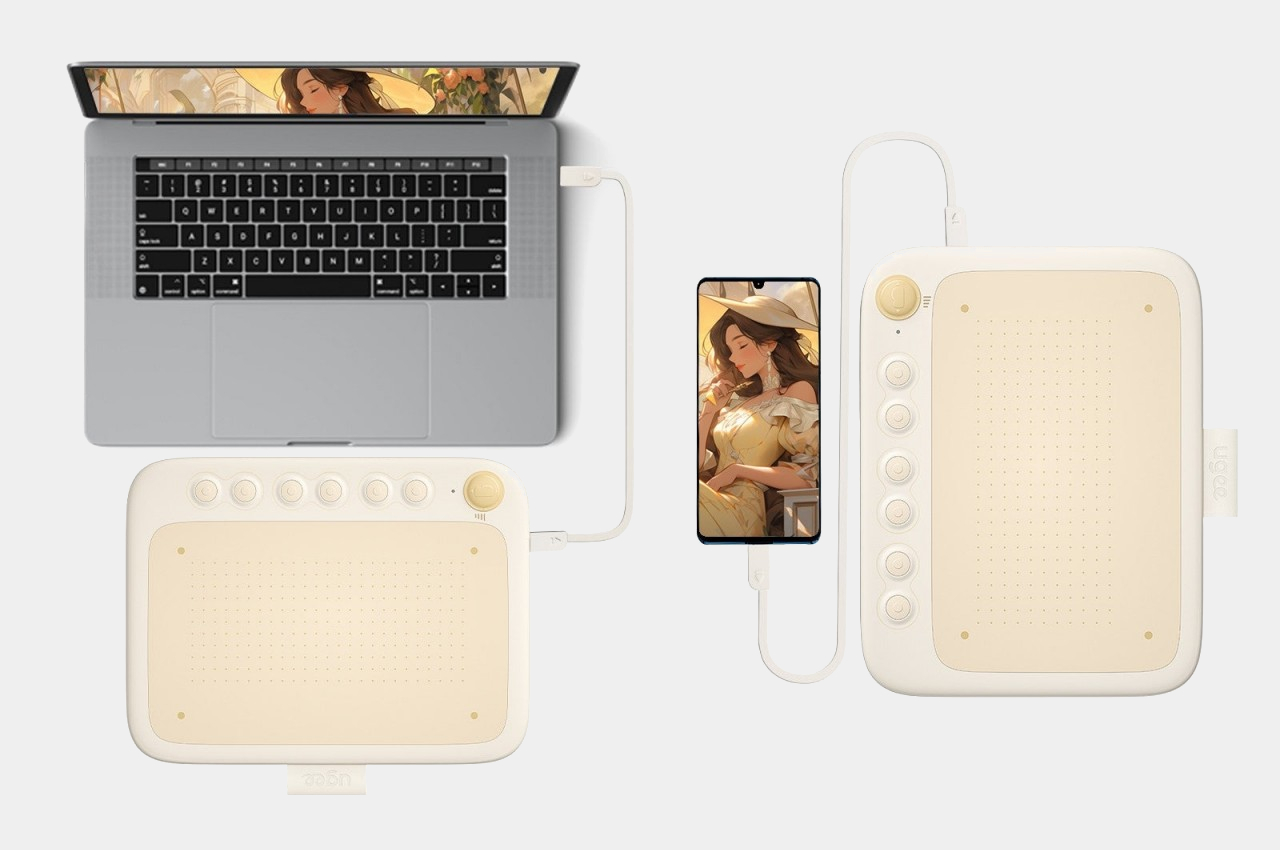
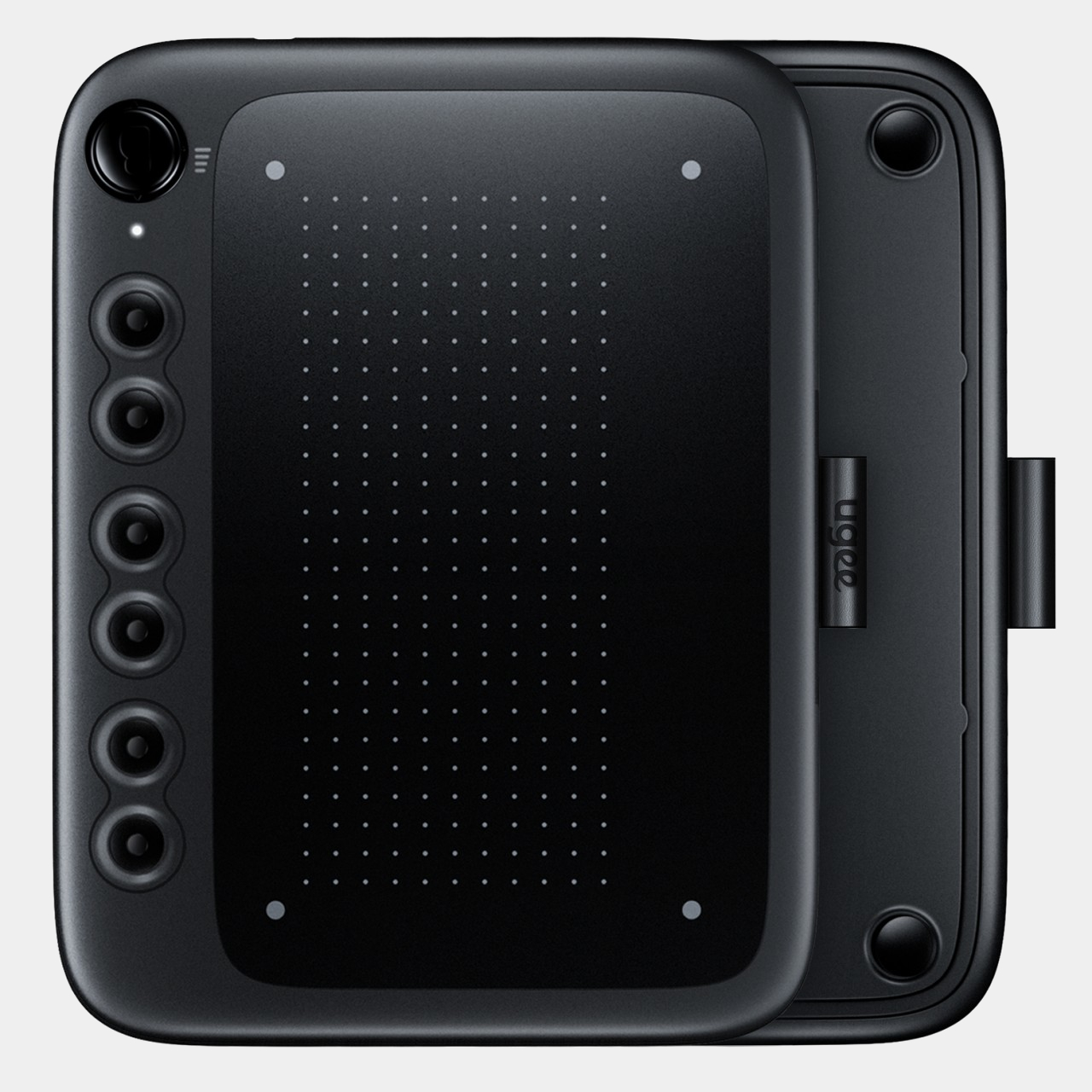
The majority of paper that we write and draw on are vertical. Computer monitors, on the other hand, are horizontal, so the tools we use to draw on computers need to follow that layout. In contrast, smartphones are also vertical by design, creating an inconsistency between a tall screen and a wide drawing tablet. This can be “fixed” by turning the phone horizontally or tweaking a setting on the tablet, but these fixes are inelegant and unpolished at best. The UGEE Q6 sets itself apart with a design that caters primarily to this very small use case but still works pretty well with regular desktops and laptops.

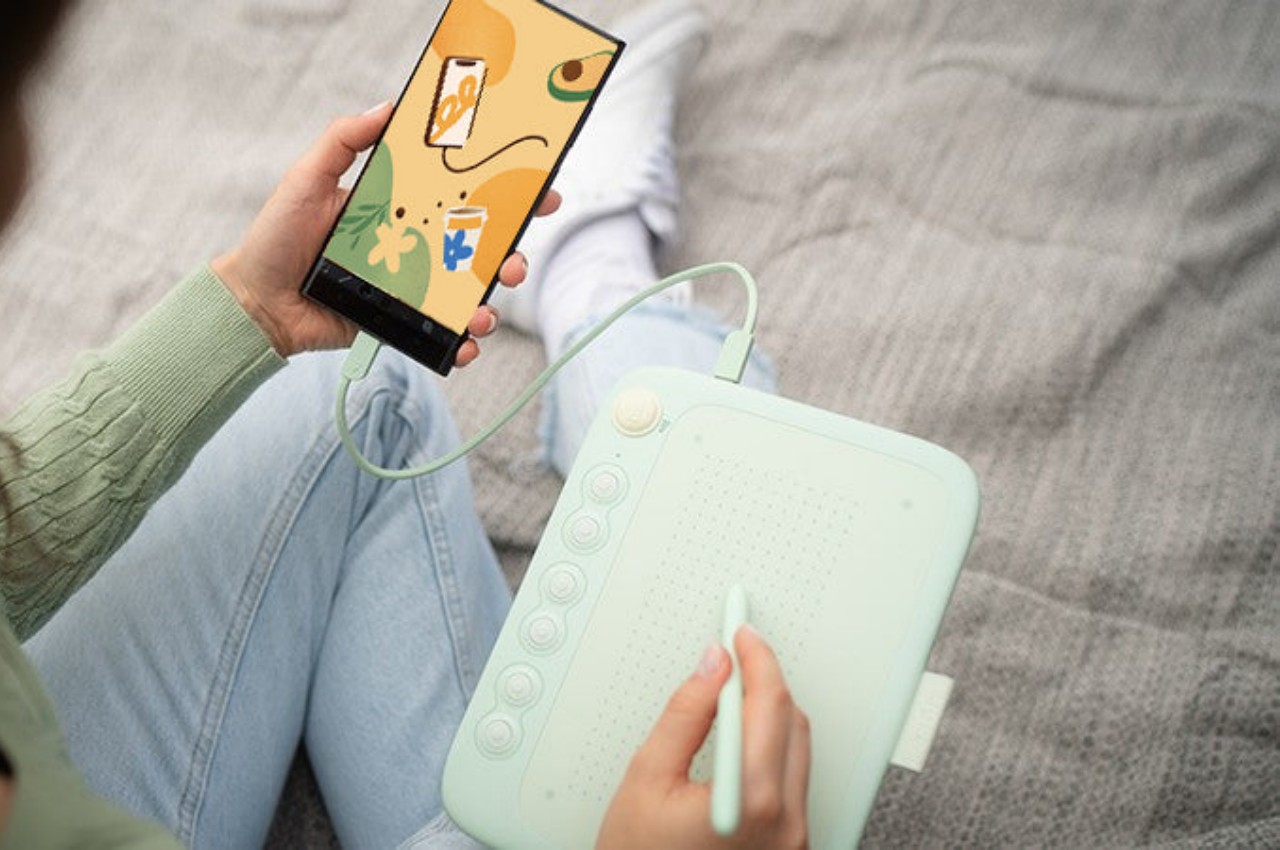
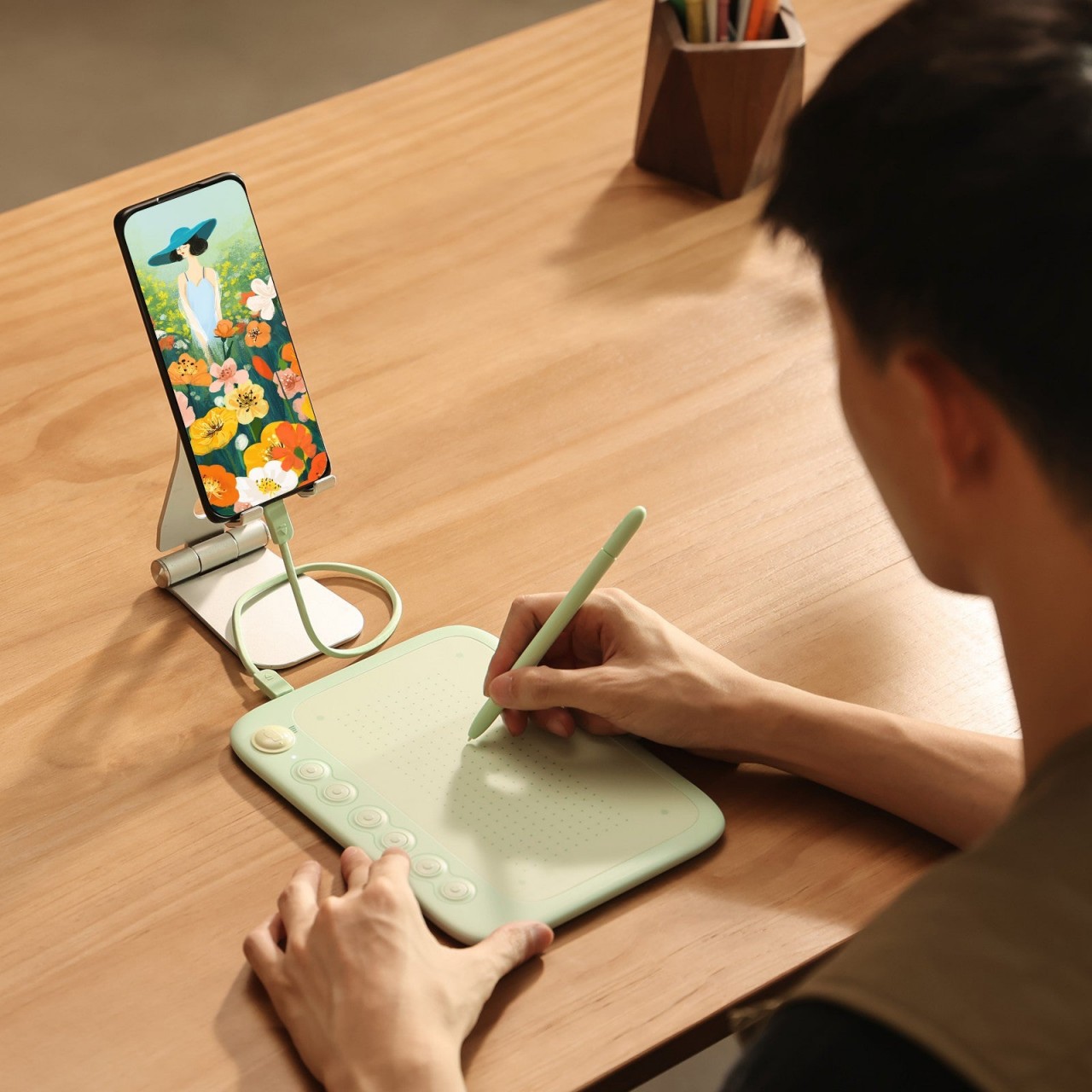
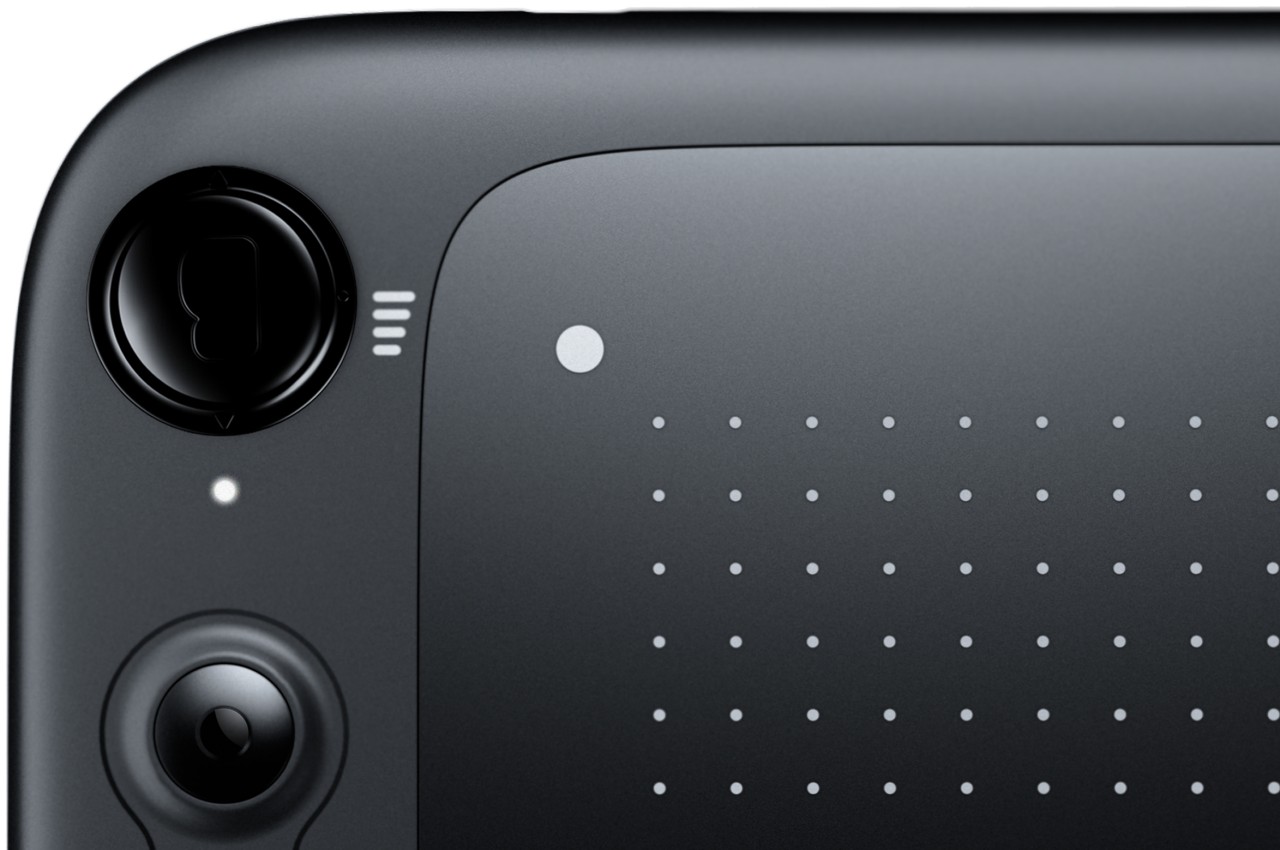
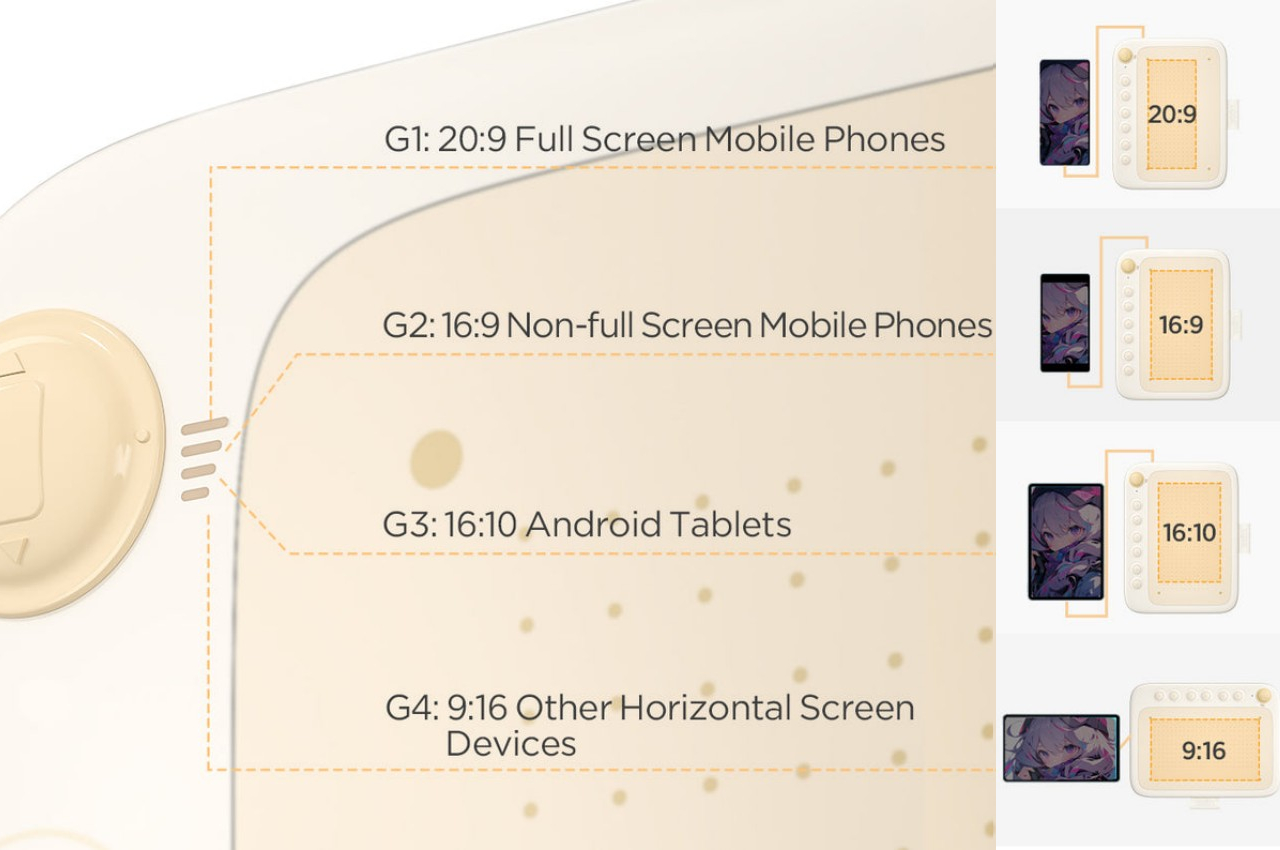
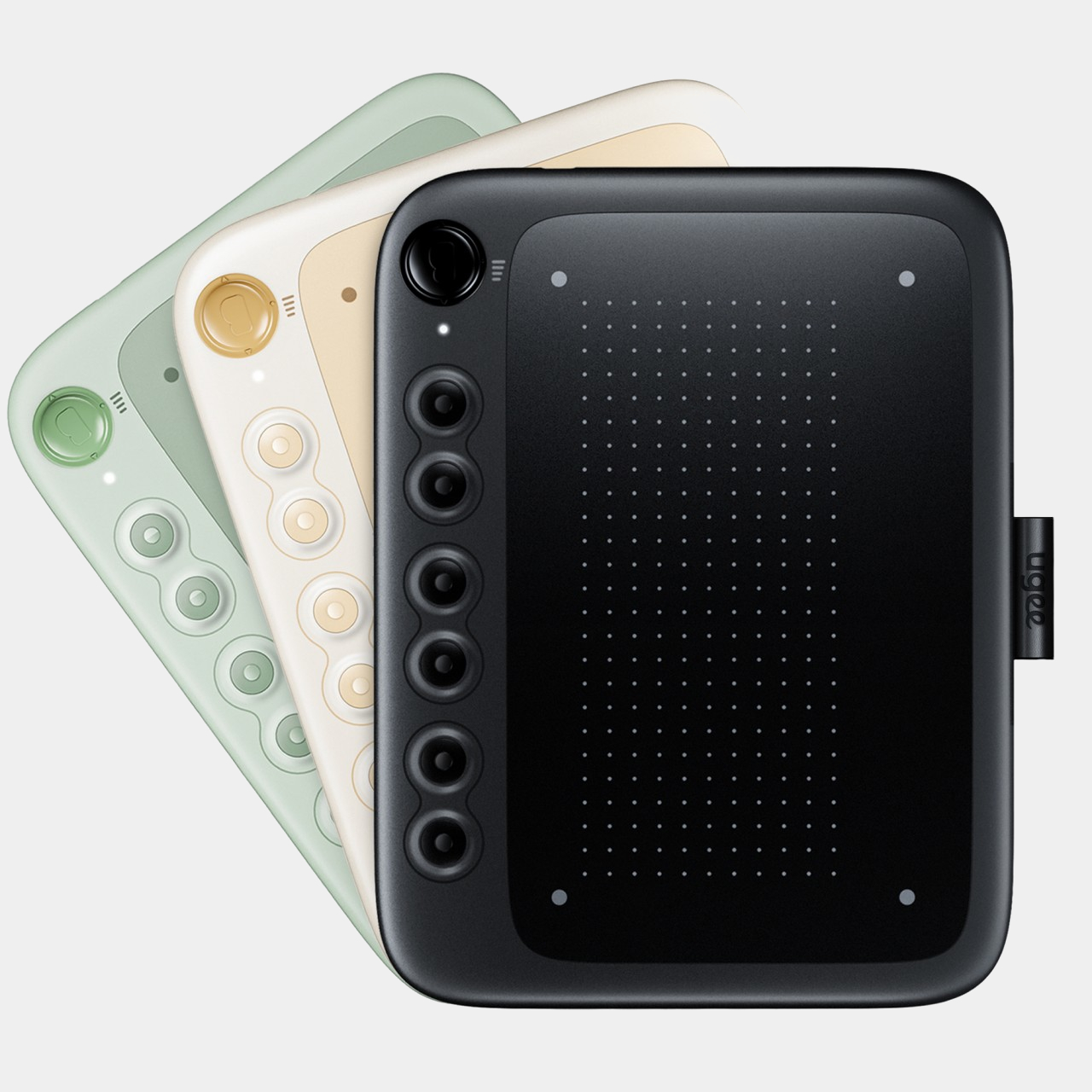
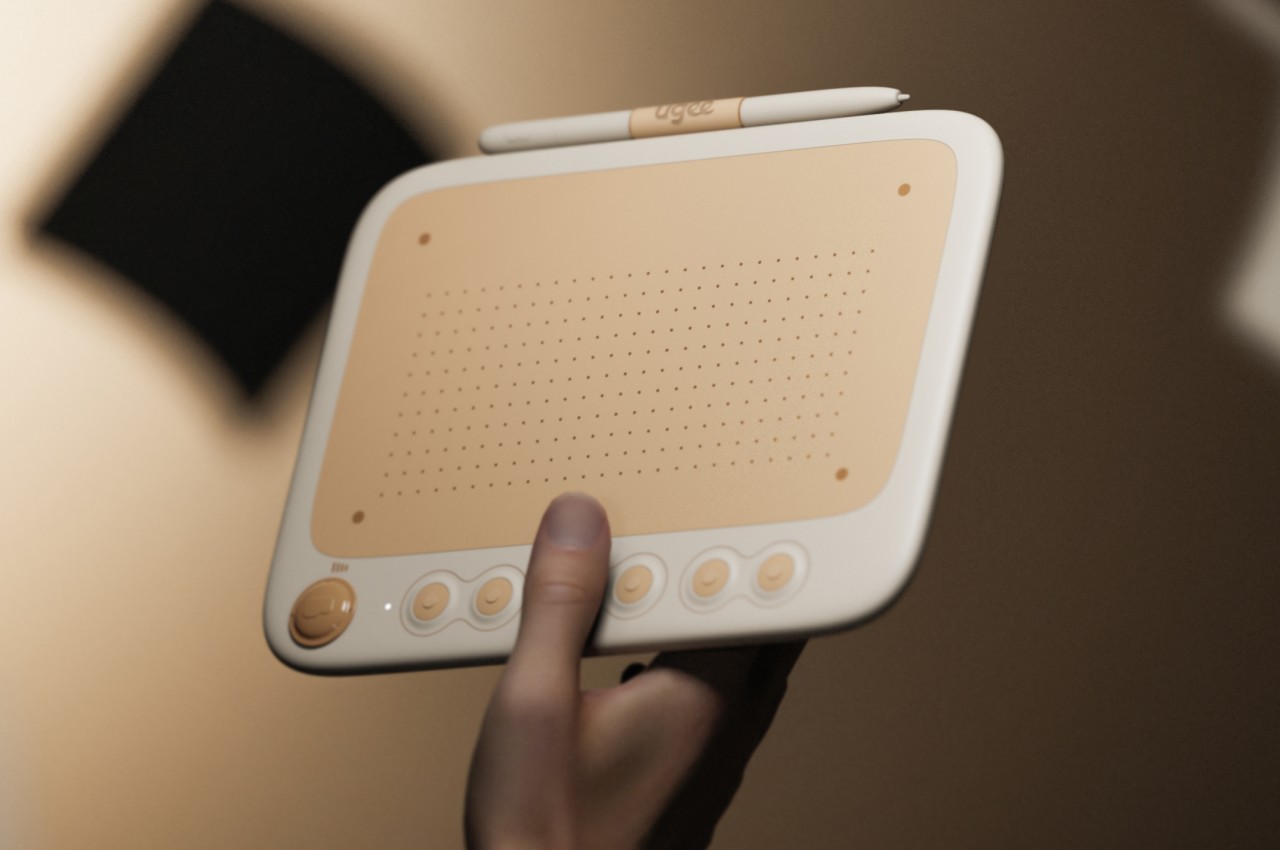
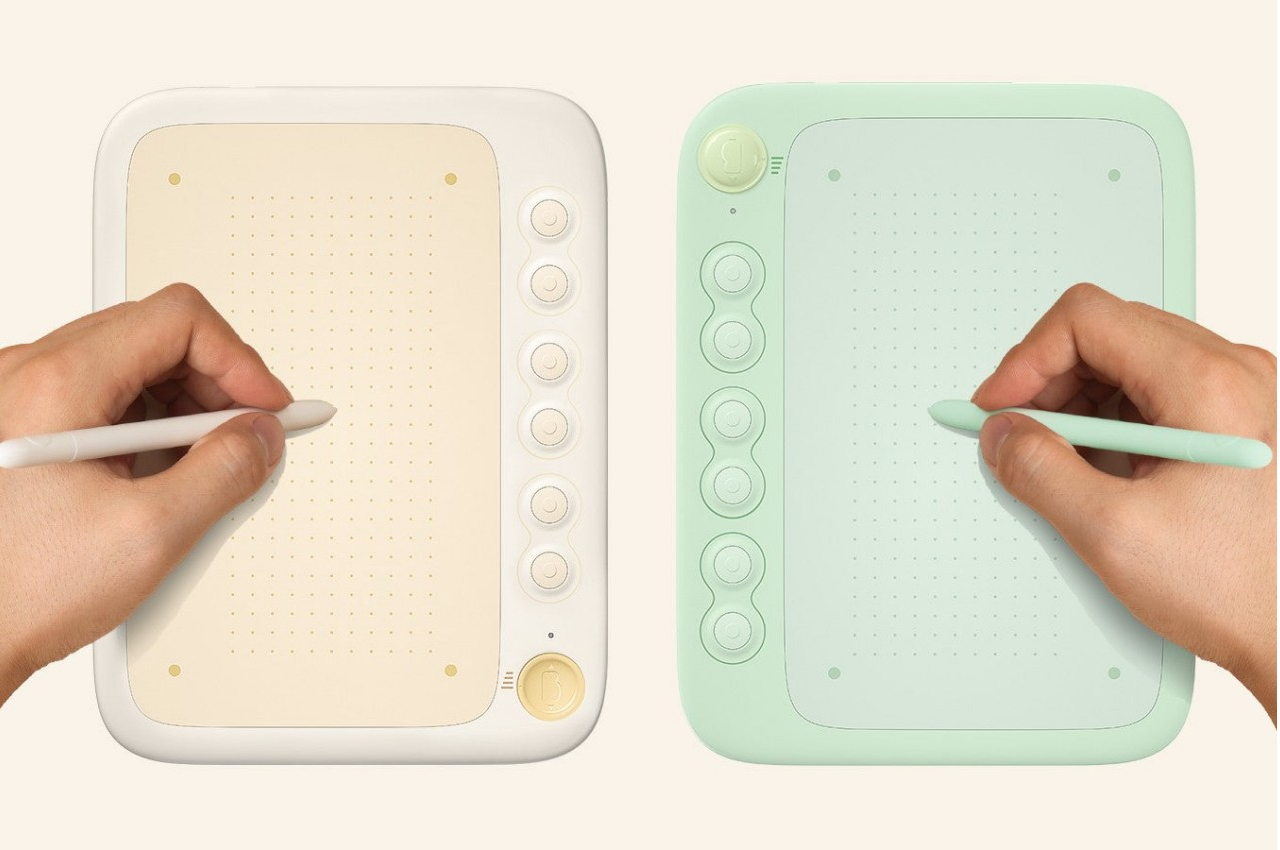
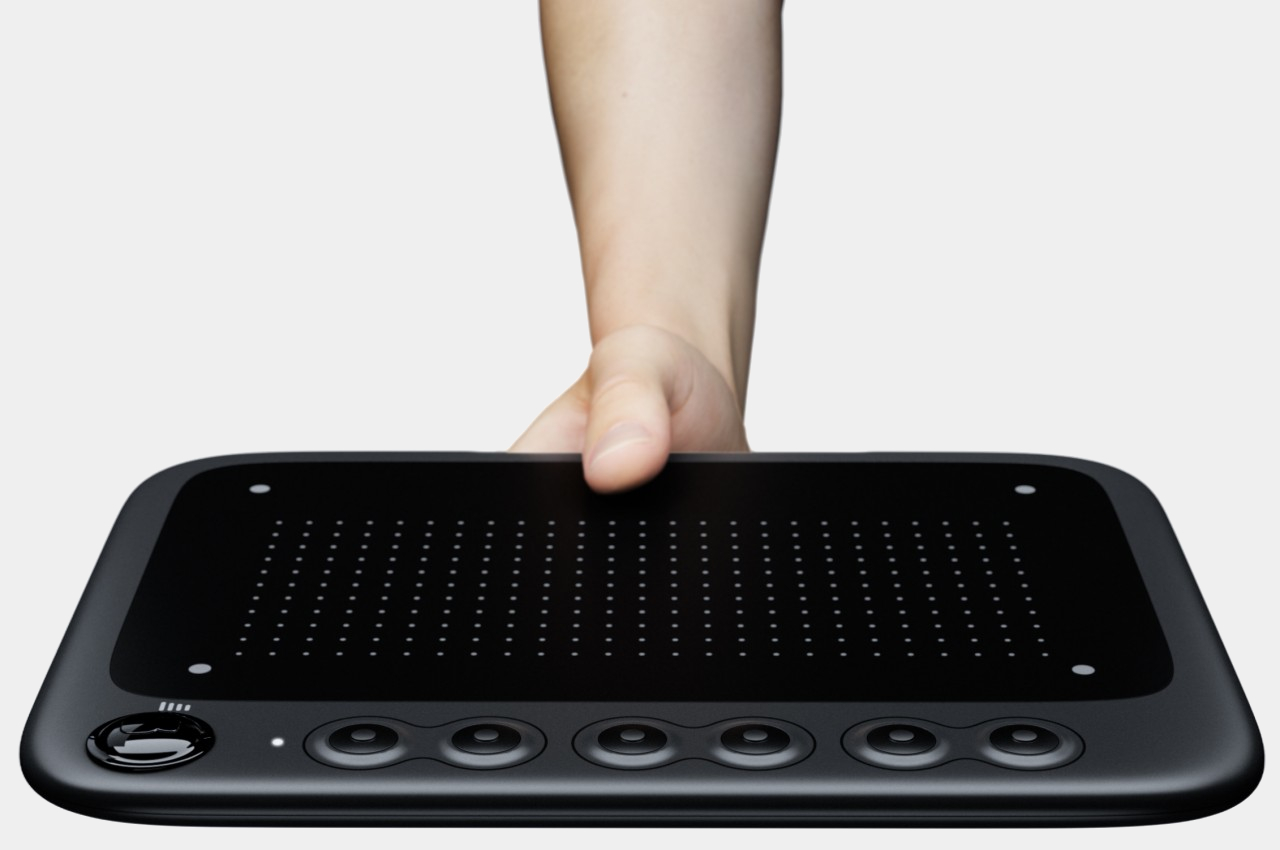
Unlike almost all drawing tablets, the default mode for this mobile drawing tablet is vertical, mirroring the orientation of the phone itself. However, it actually supports a few modes where the active drawing area of the tablet can be set to match the aspect ratio and orientation of the device it’s connected to, which includes very slim phones, tablets, and regular computers. The UGEE Q6 also embraces a very small and portable size that makes it easy to take it with you anywhere and connect to your phone for an impromptu sketching session.

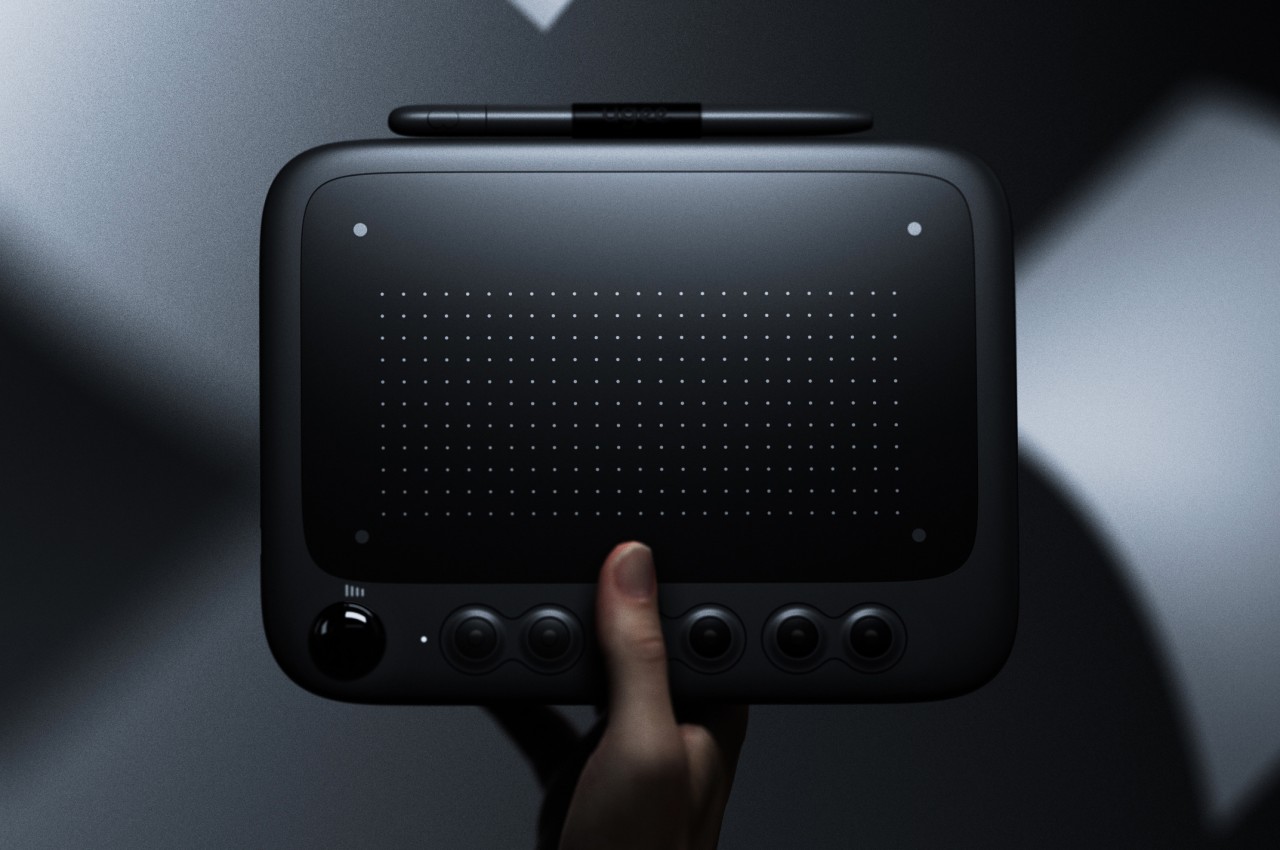
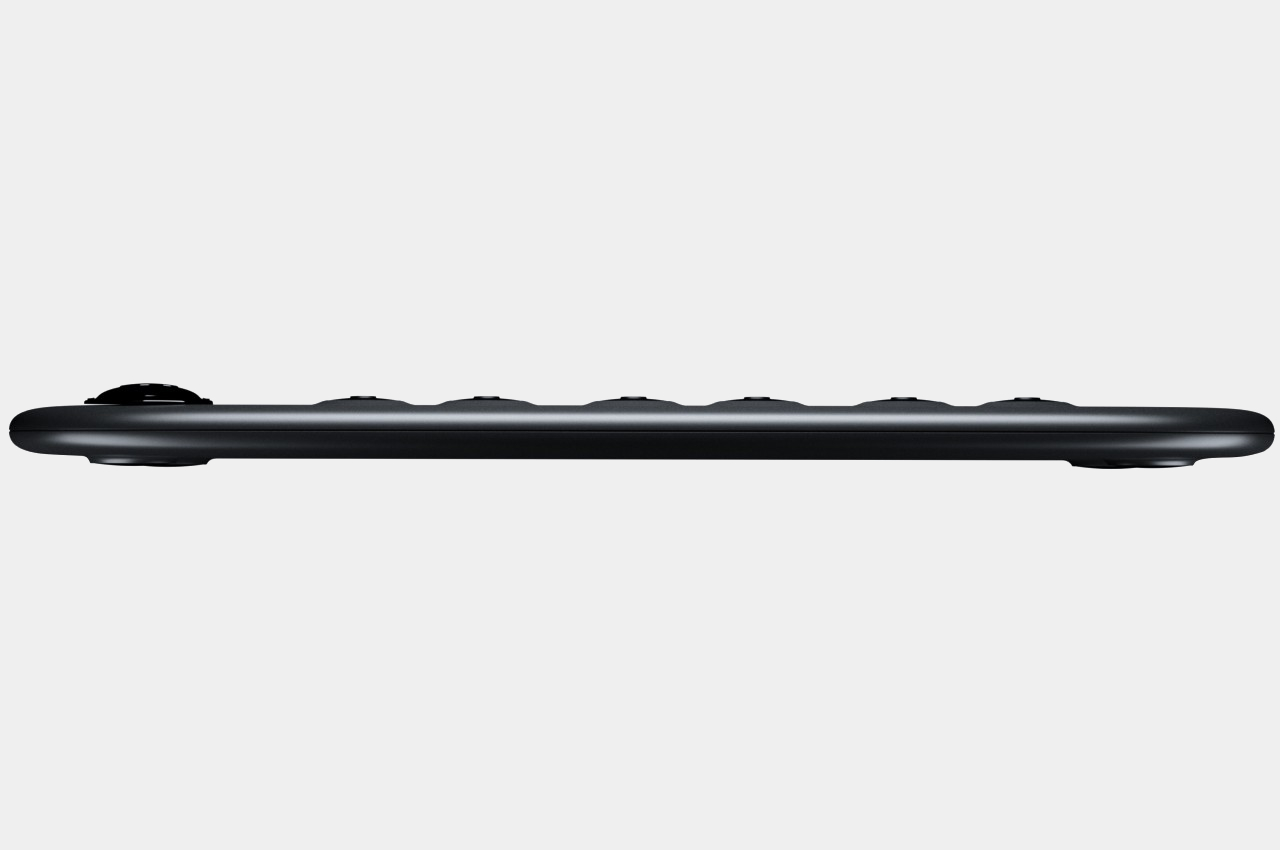
Unlike the minimalist trend that seems to also be gripping drawing tablet designs, this beginner-friendly device doesn’t even try to hide its large, tactile buttons, making it easier for users to hit them without looking. The row of buttons can be placed on either the right or left side, supporting the user’s handedness, or even on top when connecting to a desktop or laptop. One rather interesting small detail about these buttons is that they are visually grouped in pairs, because most of the actions assigned to them are also related pairs, whether it’s undoing and redoing, painting and erasing, zooming in and out, or rotating clockwise and counter-clockwise. It doesn’t technically change their functionality, but it’s a good visual hint nonetheless.

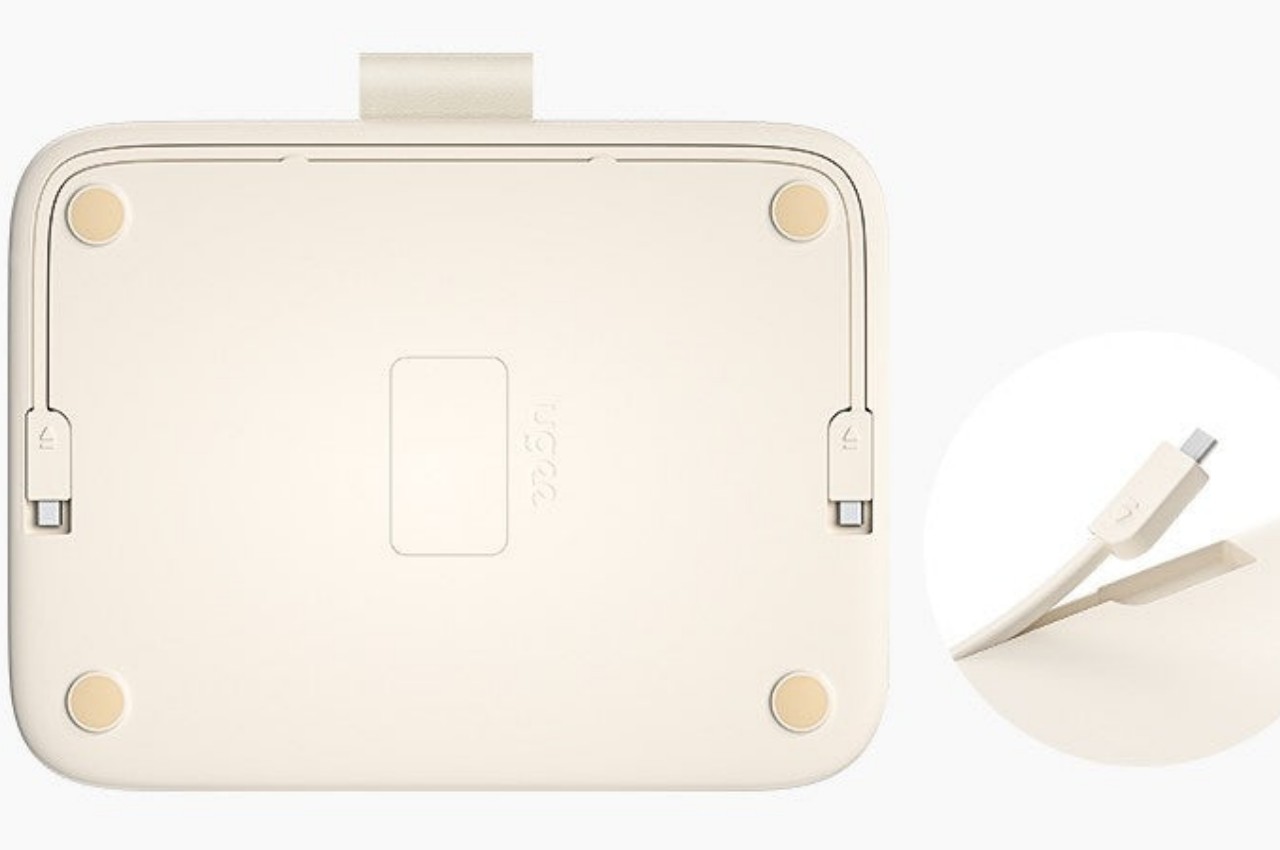
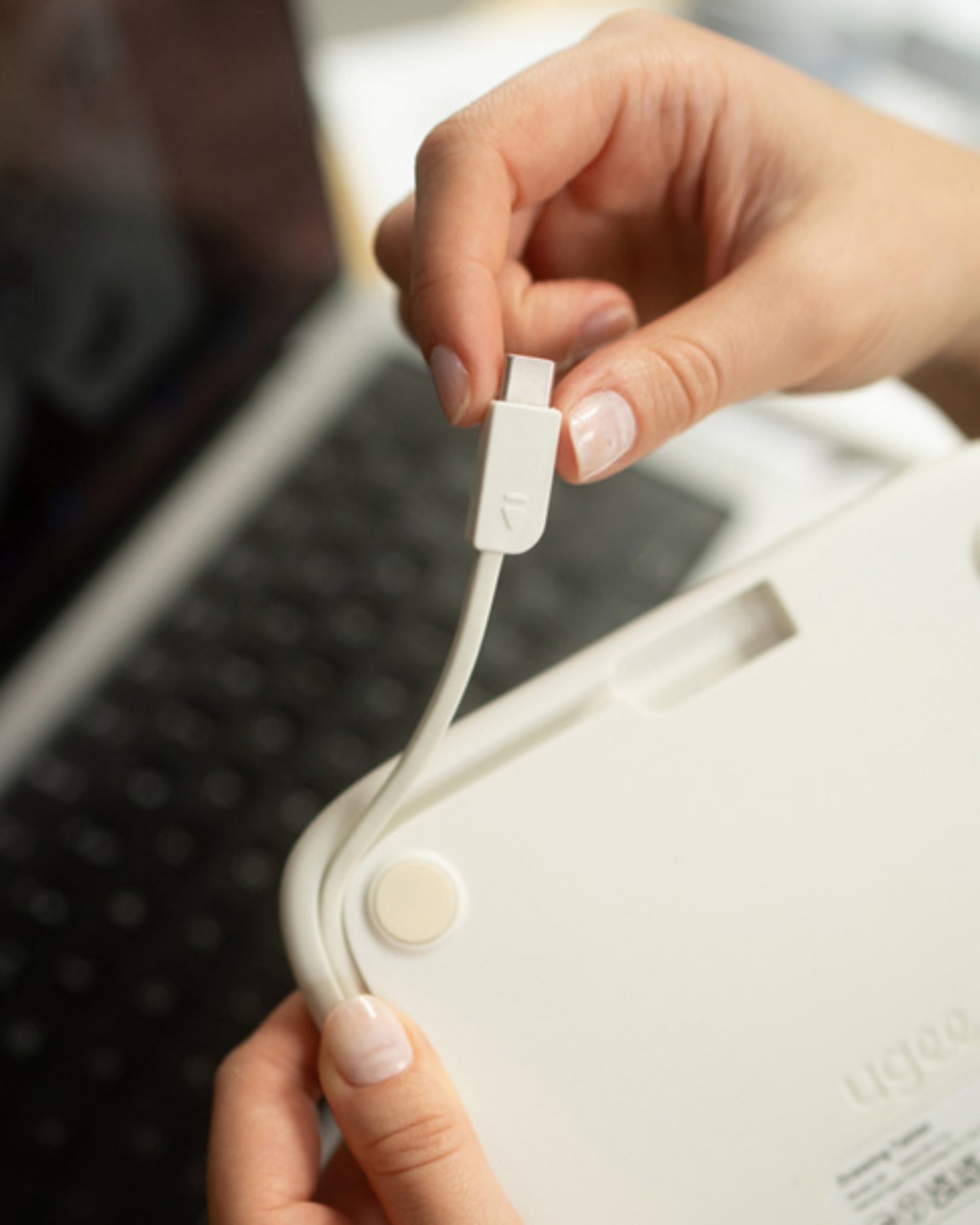
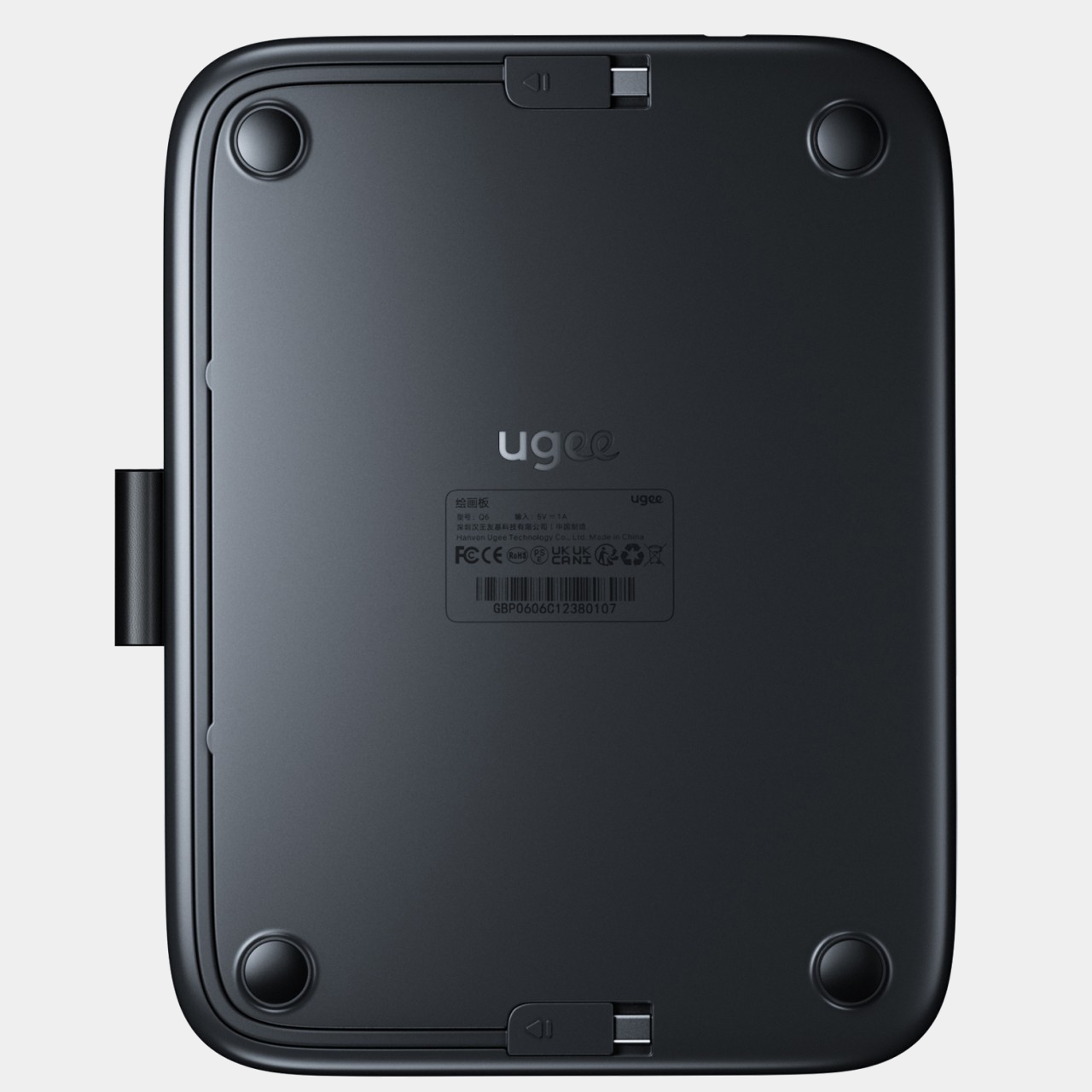
The UGEE Q6 is also one of the very few drawing tablets that can also store its own USB cable, making it easily portable. The cable is still detachable, so you’re free to use any other if you need a longer one, for example. Again, it’s a small detail that actually has a big impact on how the design is truly made for portability and mobile use. It may look like a kid’s device, but it’s definitely ready for some serious art and design work.

The post Mobile drawing tablet looks like a toy but is actually well-designed first appeared on Yanko Design.
Portable AI device uses camera, projectors, sensors to make you more productive

For better or for worse, depending on where you stand on the debate, artificial intelligence has changed and will continue changing how we create and communicate. Services like ChatGPT, Midjourney, Gemini, and Copilot are pretty popular with those who are adventurous enough to experiment with AI. We can expect that over the next few years, we’ll see more services, gadgets, and devices that can help us use the technology and integrate it into our workflow and every day lives.

Designers: Mingwan Bae, Sohyun An, Junyoung Min, Youngsuh Yoo

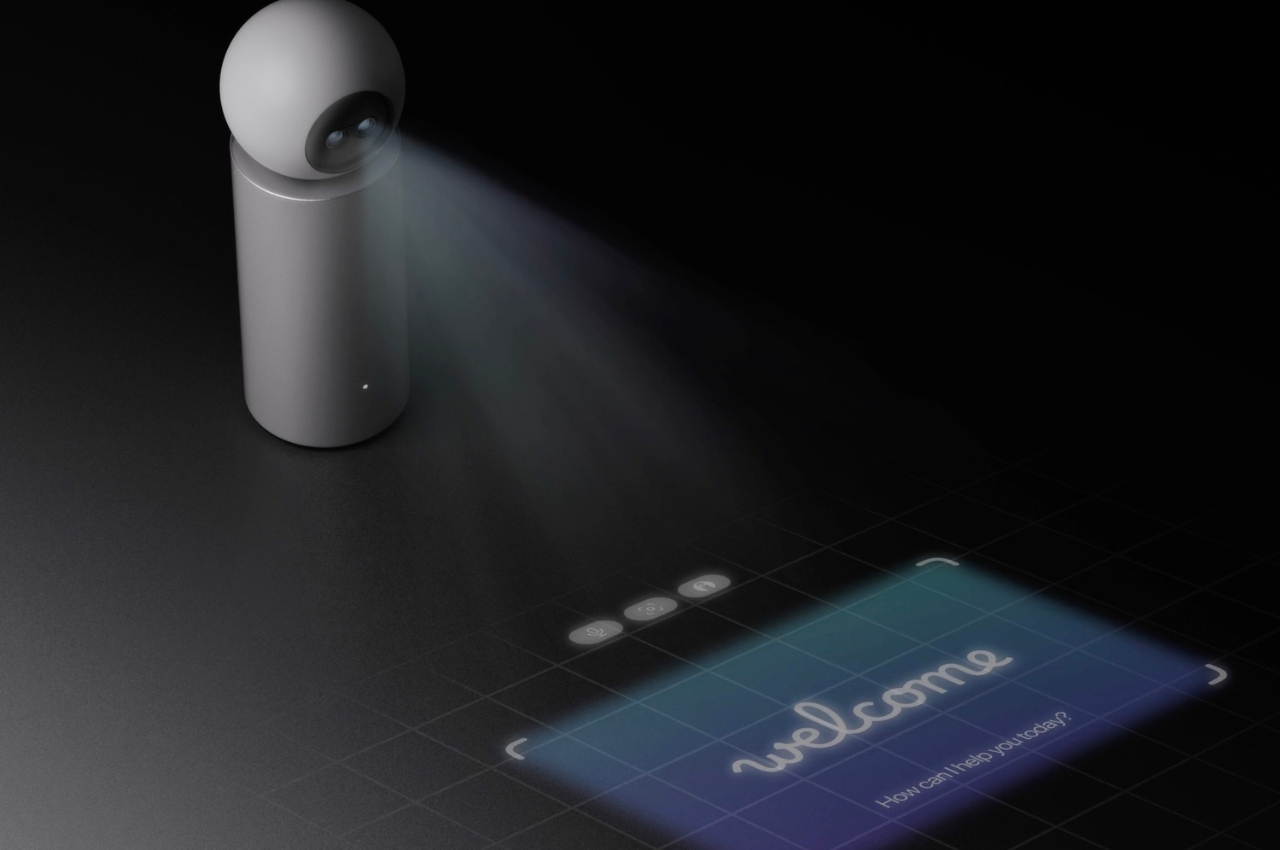
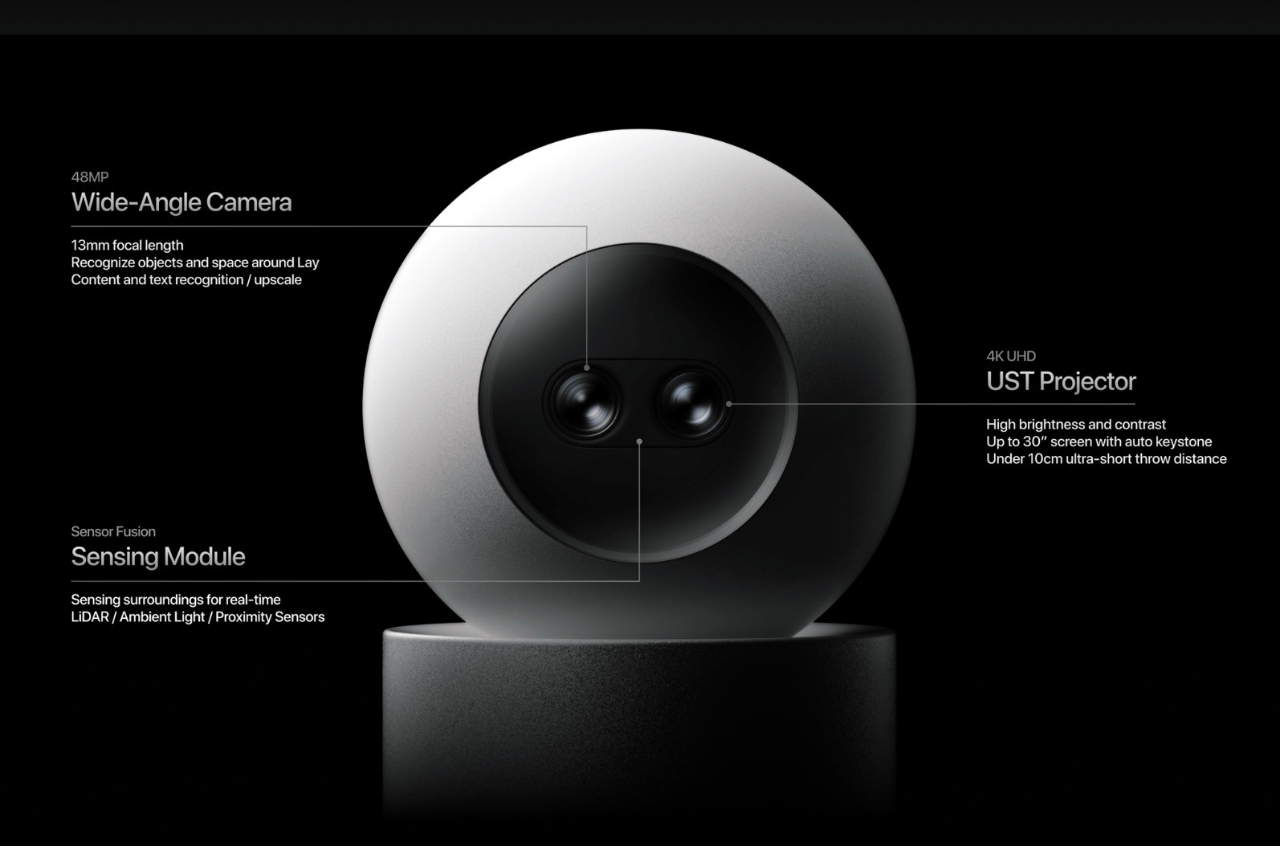
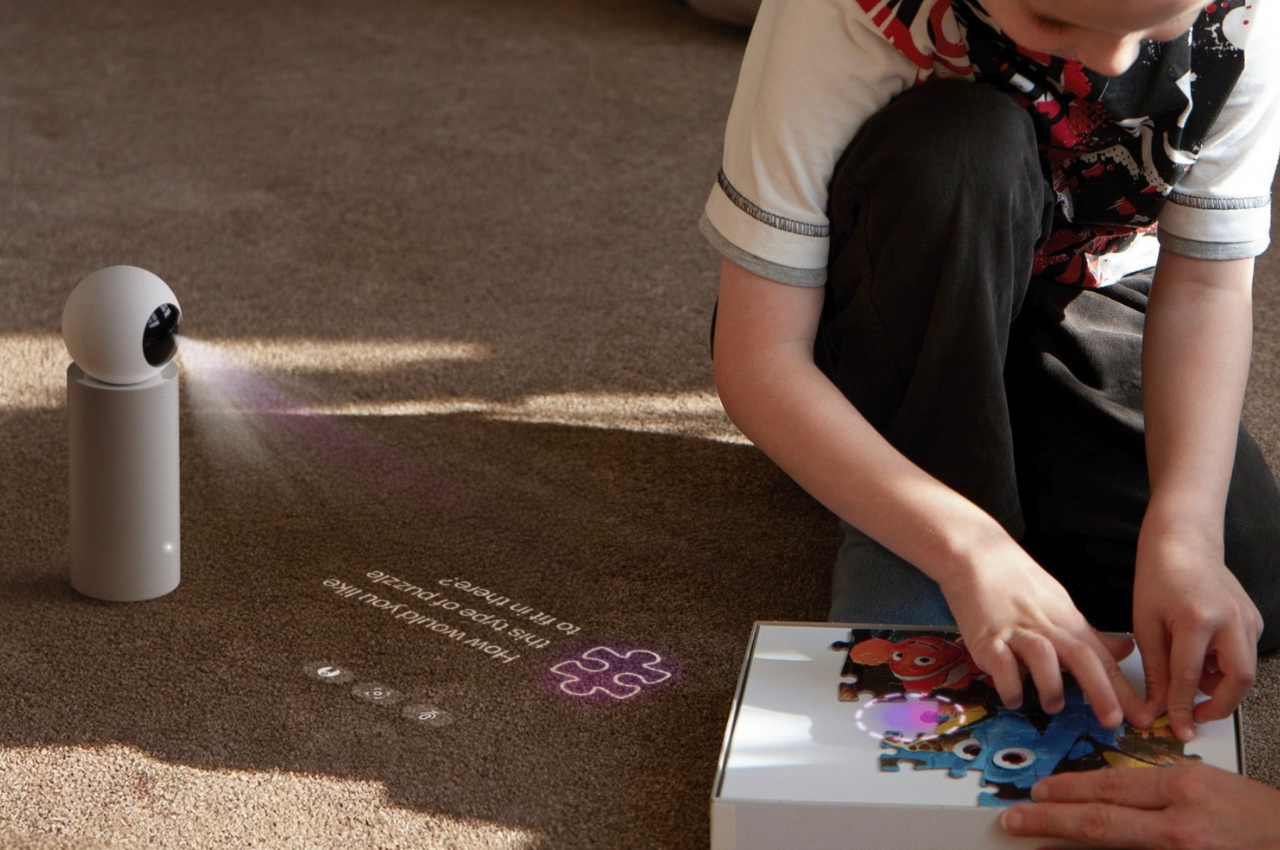
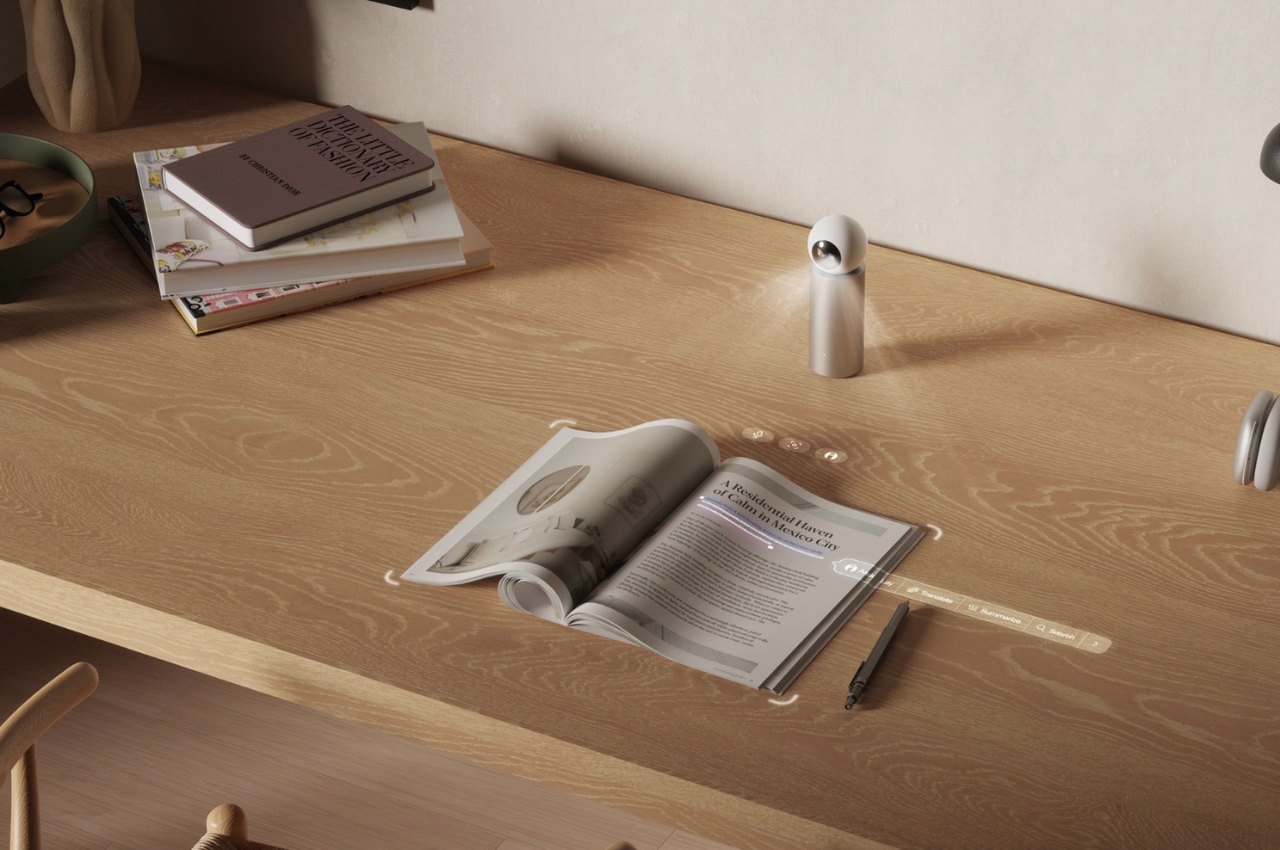
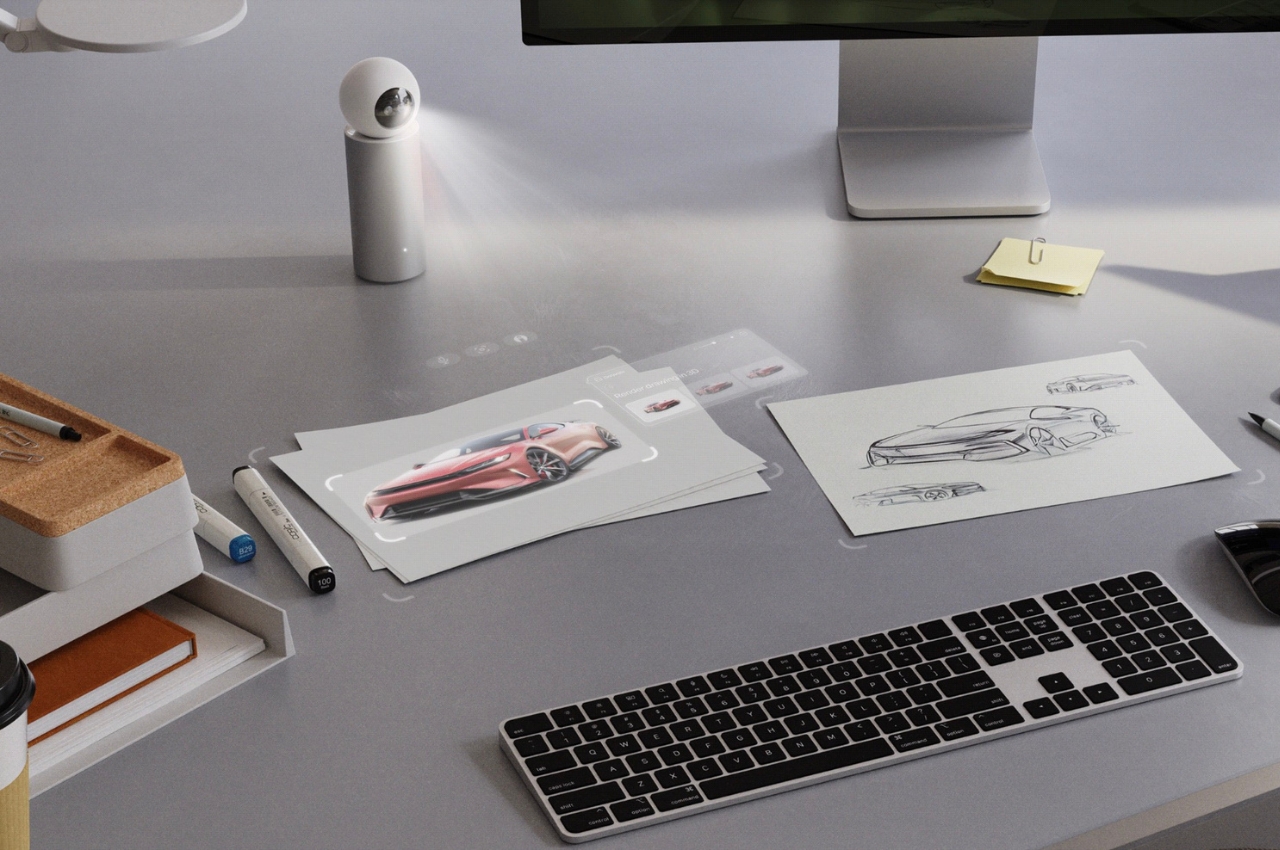
Lay is a concept for a portable AI device that is equipped with a wide-angle camera, a projector, and a sensing module. The 48MP wide-angle camera has a 13mm focal length and is able to recognize objects and space as well as have text recognition and upscale objects it can scan. The 4K UHD projector can project up to 30 inches screen with auto keystone and has under 10cm ultra-short throw distance and high brightness and contrast. The sensing module, which includes LiDAR, ambient light, and proximity sensors, is able to sense its surroundings in real time.

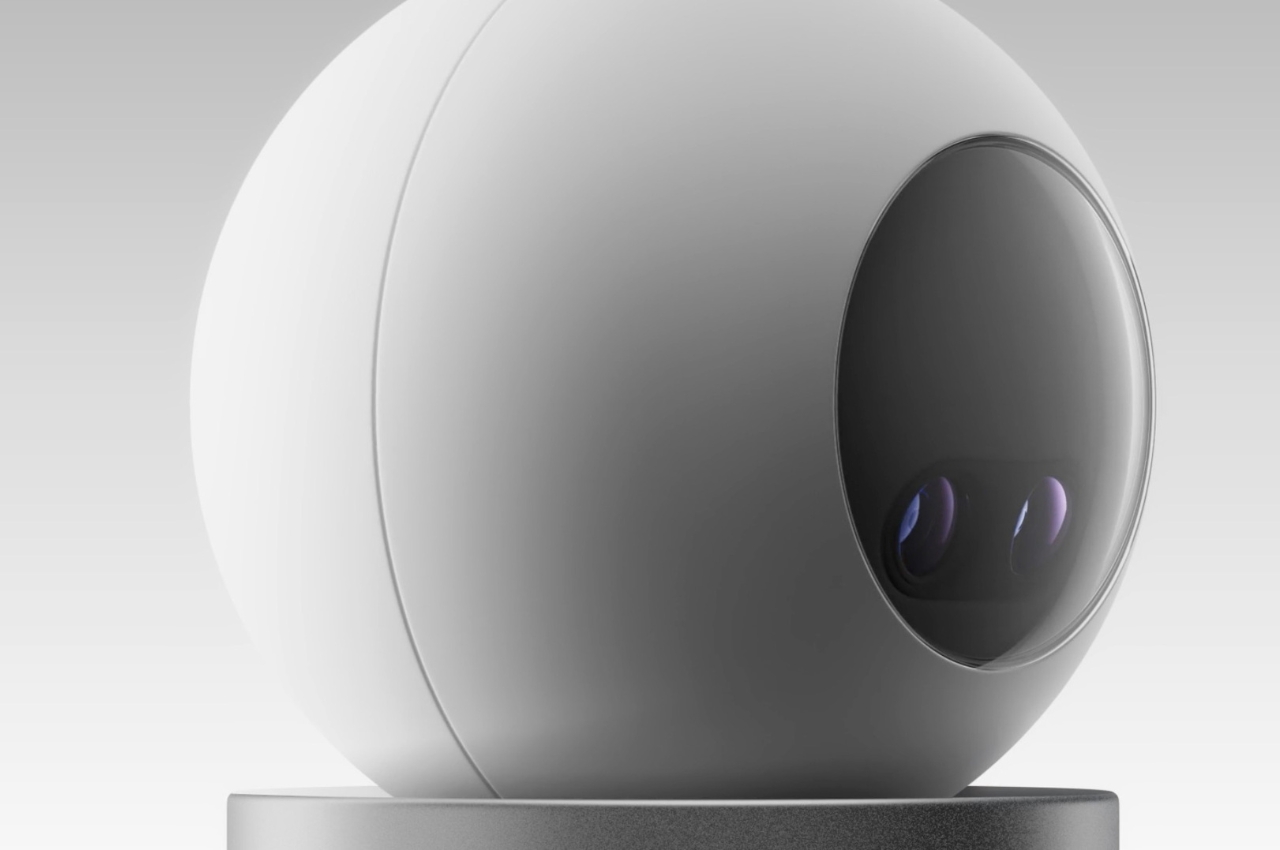
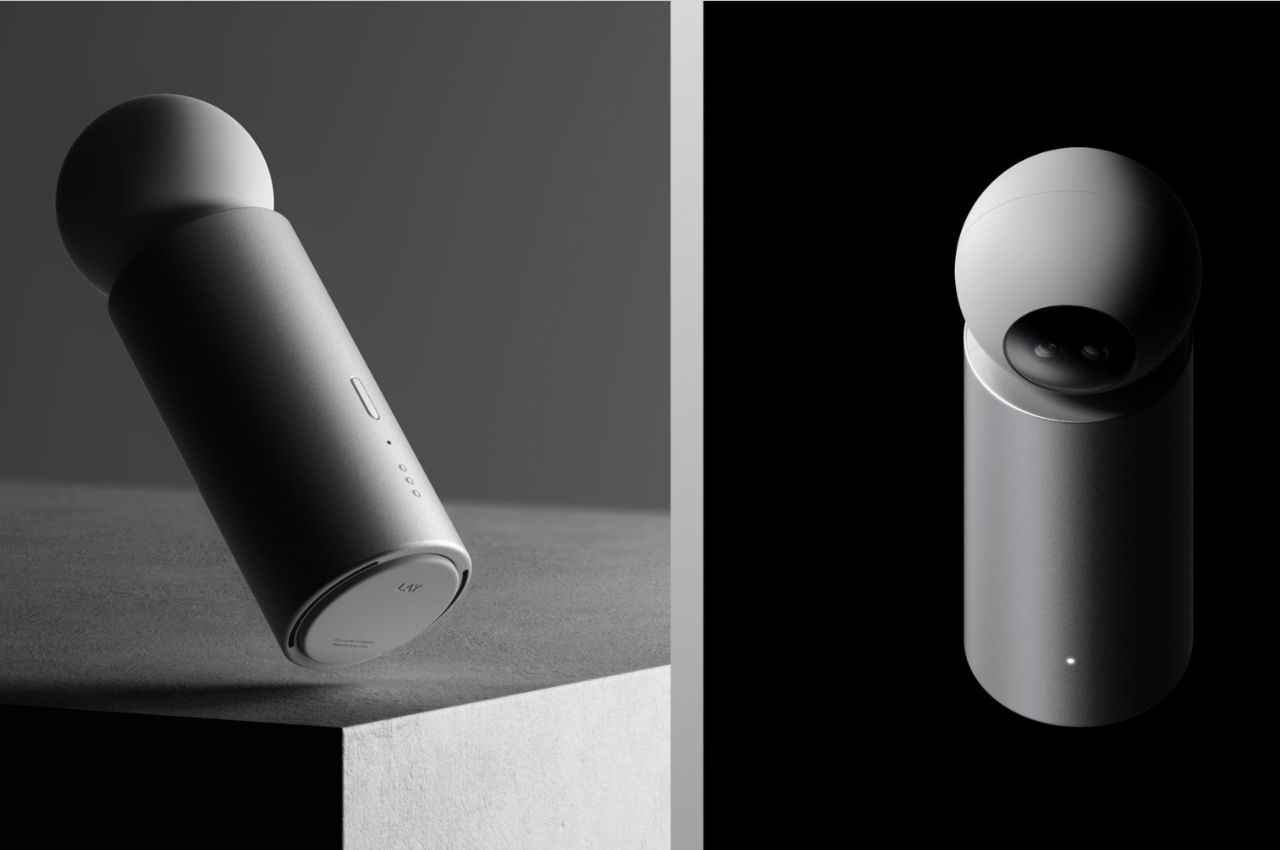
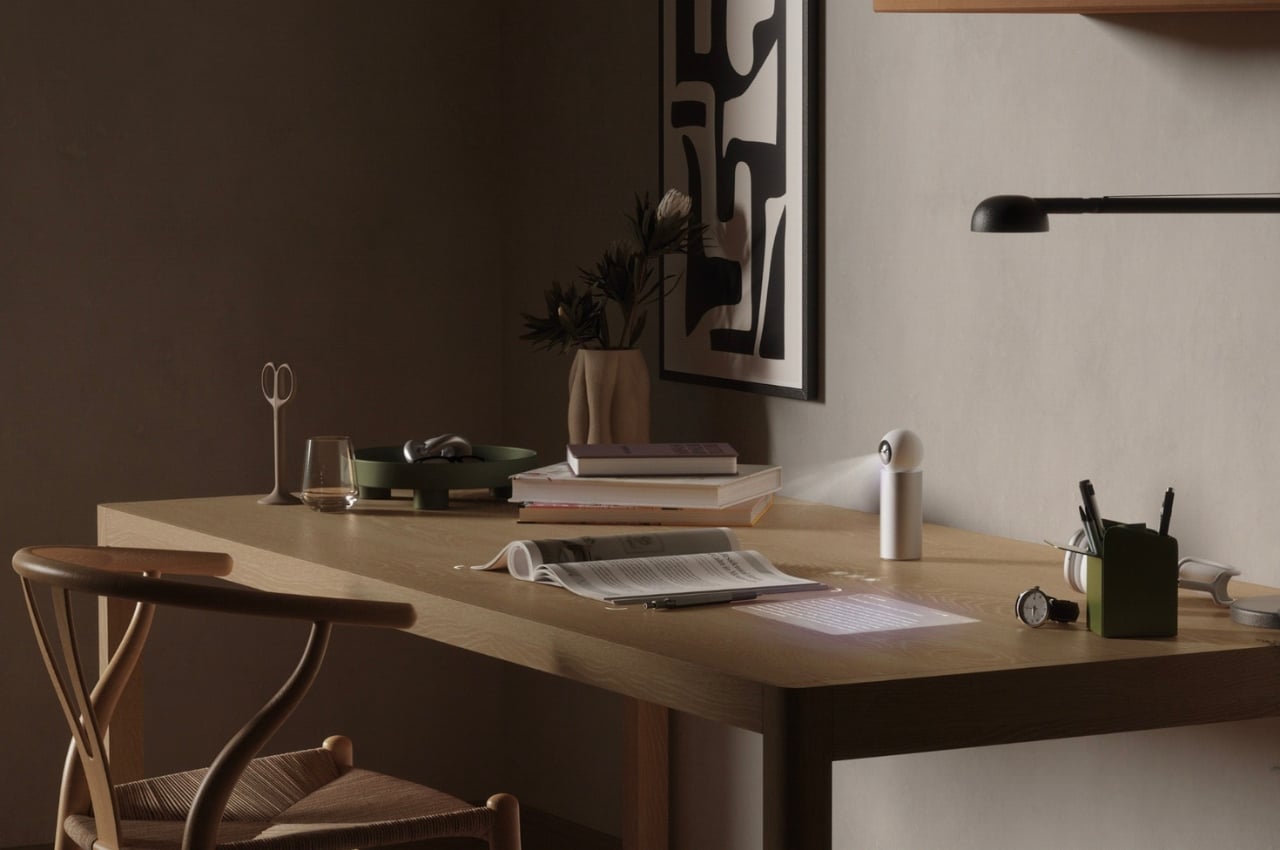
The device basically scans your surroundings and then leverage AI to make suggestions and give assistance on tasks that you can do to as you’re working, drawing, reading, scribbling, building, creating, or just leisurely browsing. It looks like a small spherical robot with a round head that moves around and that you can carry around and place on your desk or space as it helps you make your workflow smoother. It projects onto a surface which will serve as your screen as you do your different tasks. It can recognize and select text, drawings, photos, sketches and then all the content and information are updated in your real-time cloud.

The device still seems to be mostly theoretical and specific tasks you can do or that it can suggest are still a bit vague. But it’s an interesting concept for an AI-powered device that you can carry around with you especially if you’re a digital nomad. And with the speed at which some digital natives and early adapters are using and exploring AI, this can actually be a real device soon.

The post Portable AI device uses camera, projectors, sensors to make you more productive first appeared on Yanko Design.
Phone-sized mini PC lets you take your computer and your work anywhere

Our smartphones have become so powerful that, in theory, they have hardware equivalent to entry-level laptops from a few years back. But despite all that silicon muscle, they can’t really replace our everyday PCs mostly because of the operating system that’s used on most of these computers: Windows. Small, portable, and inconspicuous computers have always been a dream for both users and business owners, whether it’s for working on the go or setting up kiosks, security systems, or space-efficient workstations. This small brick tries to deliver exactly that, giving you the flexibility you need for any kind of computing in almost any context in a size that’s no larger than high-capacity power banks.

Designer: Minisforum

With the popularity of the Apple Mac Mini and, now, the Mac Studio, mini PCs have become more visible in the market. These desktop alternatives, however, are still meant to sit on a table or even on a shelf despite their small sizes. But while these small computers do offer plenty of power to support even some content creation or light gaming, that hardware also closes the door on many possible use cases that would have required them to be less tied down to a table.

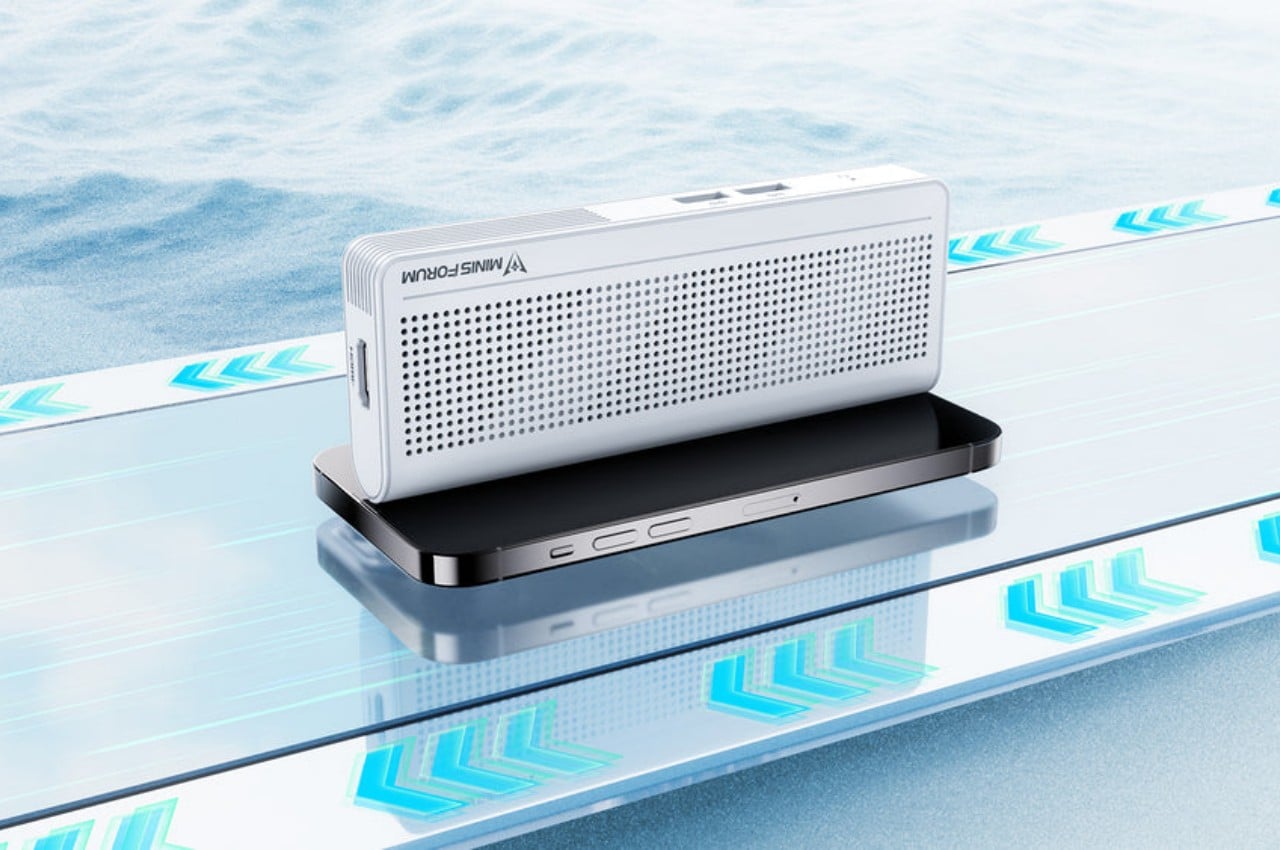
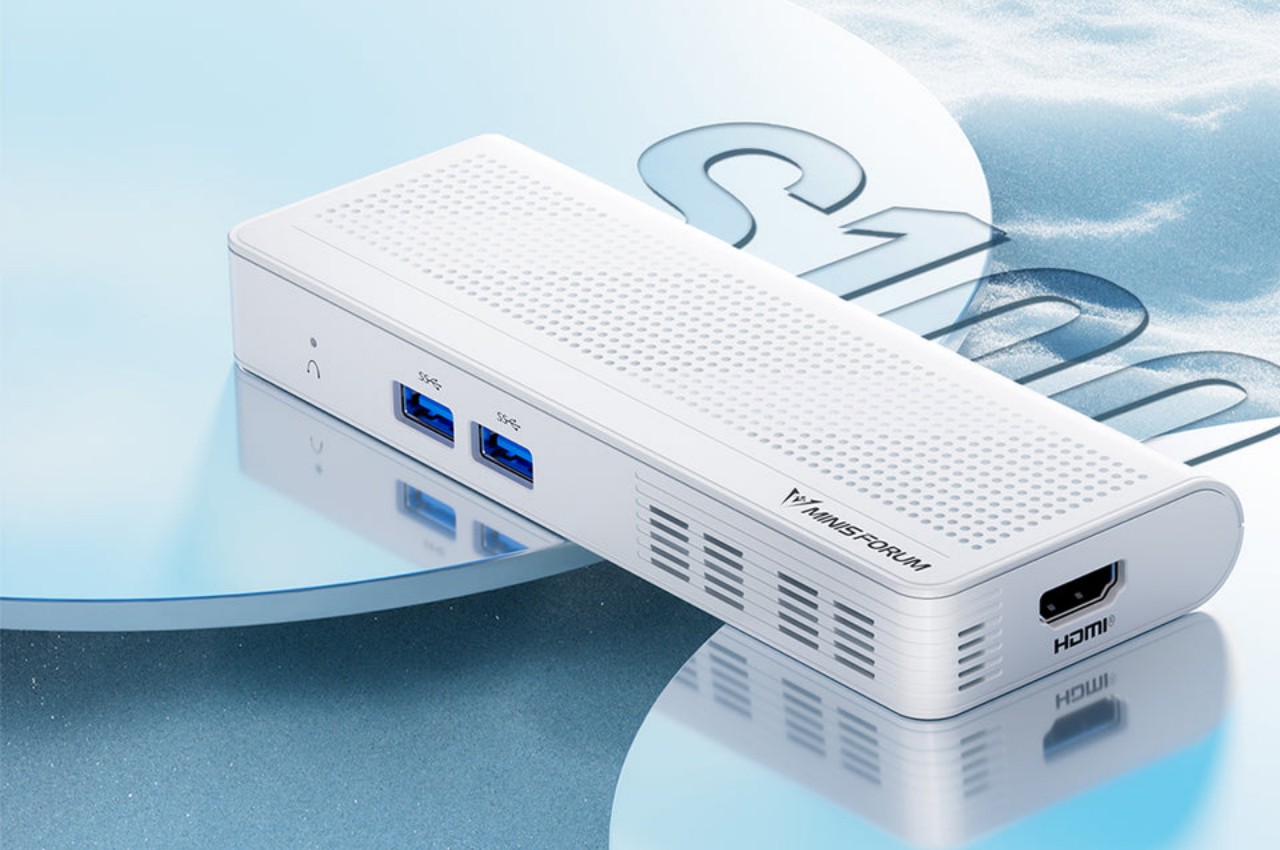
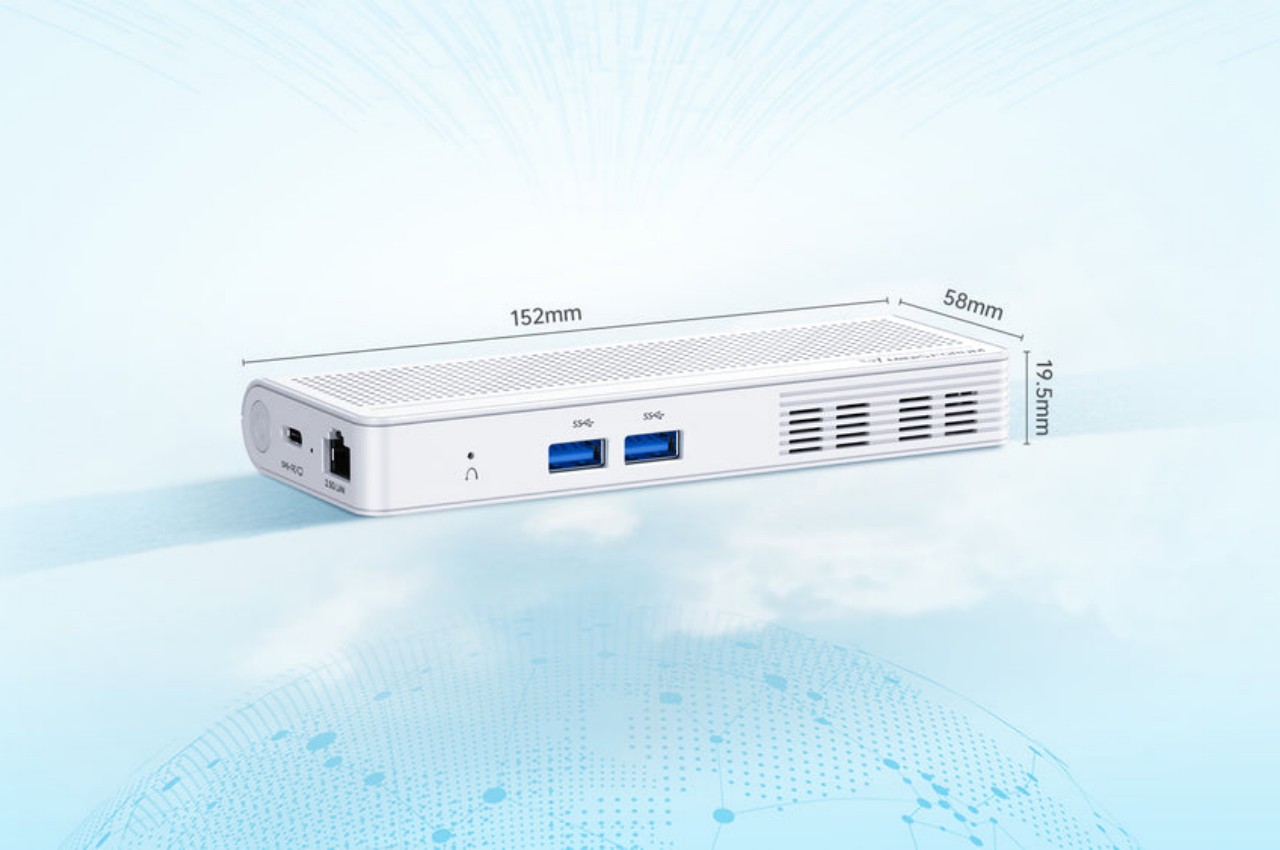
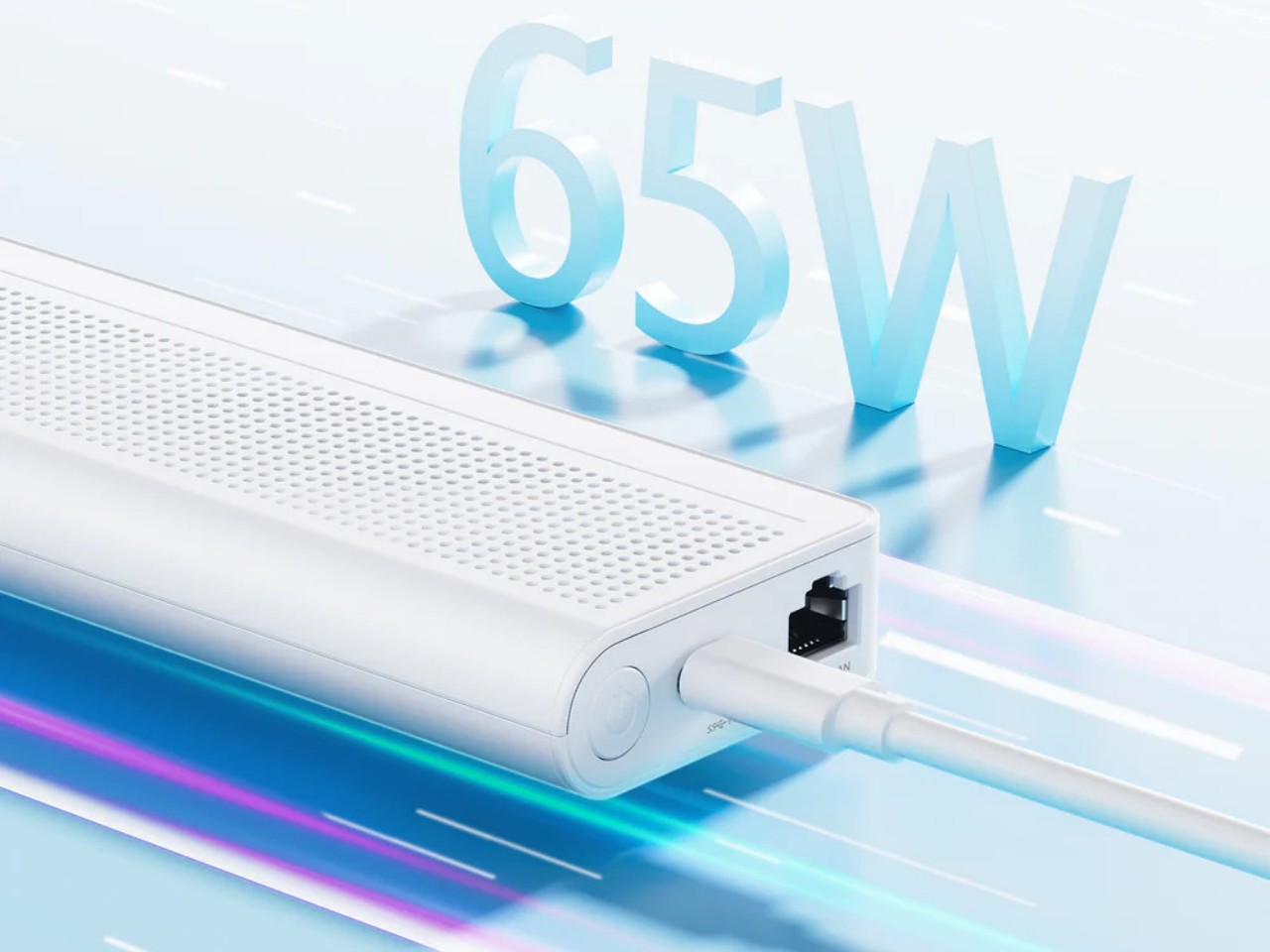
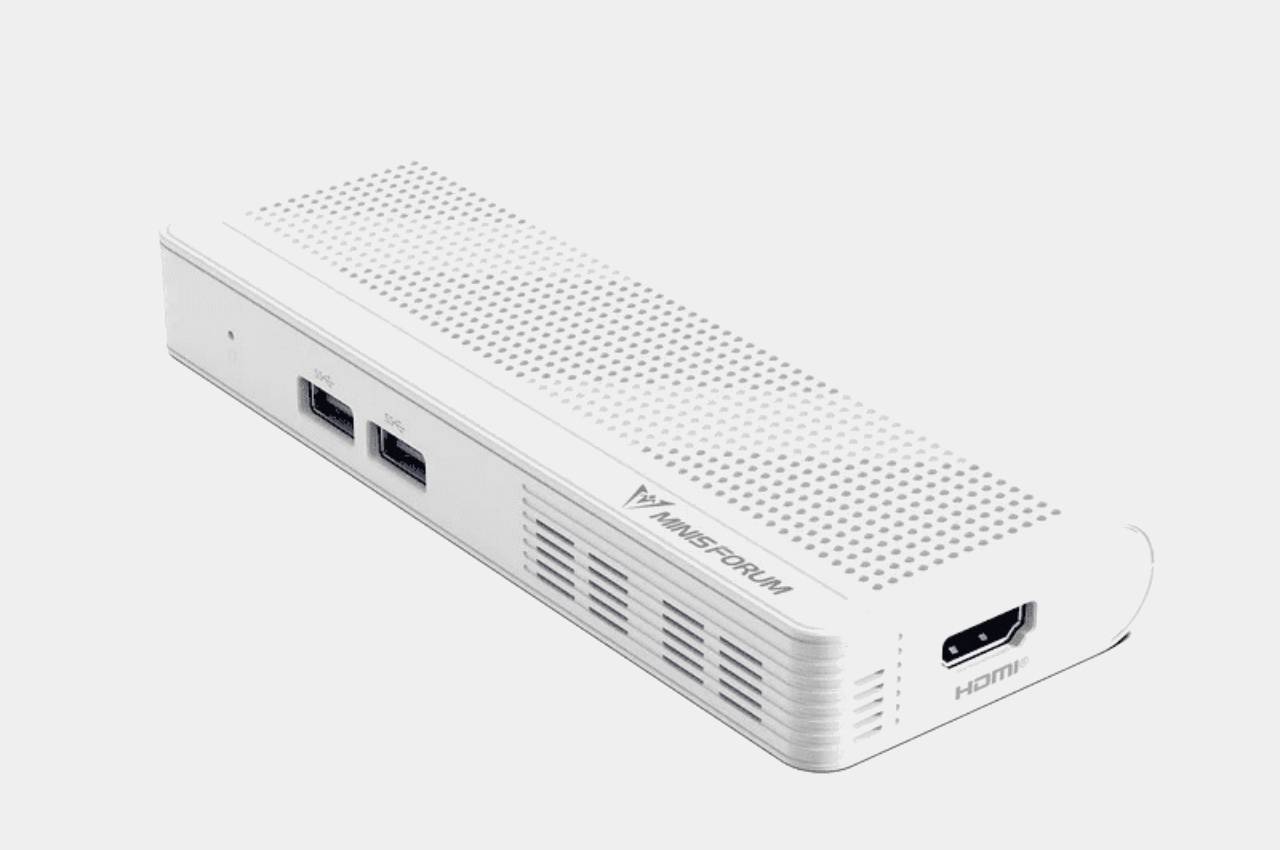
The Minisforum S100 is a small, sleek box that you might easily mistake for a power bank. Ironically, it doesn’t actually have its own battery but is a mini PC that you can bring along with you or install in the narrowest of spaces. Despite its small size, it actually boasts a complete set of standard connectivity options, including Wi-Fi 6, Bluetooth 6.2, 2.5 Gbps Ethernet, USB-A ports, HDMI, and 65W USB-C.

The latter two are what make this design so portable and flexible. On a typical desktop, you can connect it to a USB-C monitor that supports USB-C PowerDelivery so that you don’t even have to plug the S100 into an outlet. You can connect another monitor via HDMI to have a dual-screen setup for increased productivity. And when you’re done for the day, you can pick up the palm-sized mini PC and go, maybe even work or chill in a cafe by connecting an external display and a power bank. The Ethernet port also supports Power-over-Ethernet or PoE, so you can use the S100 as the brains behind a camera security system and not have it plugged in at all.

Despite the flexibility that the Minisforum S100 offers, its performance is hampered a bit by the quad-core Intel N100 processor that runs the show, definitely not the best among the chip maker’s “mobile” processors. Its lower-power operation, however, does allow the mini PC to sip rather than chug electricity and keep thermals equally low. You definitely won’t be running heavy applications, but for $189, a Windows 11 computer you can easily slip into your bag or even your pocket might actually be worth the price.

The post Phone-sized mini PC lets you take your computer and your work anywhere first appeared on Yanko Design.
Bag-like portable lamp concept takes a page from traditional Korean lanterns

Lamps are a normal part of everyday life, giving light and creating moods anywhere, anytime, even during the day. Conventional lamp designs involve fixtures placed on walls, hanging from ceilings, or even standing up from floors and desks, all of them permanent or semi-permanent. Of course, some lamps can be carried, and there was a time when these were the only kind of lamps that lit up houses and paths as what we now call “lanterns.” Most portable lamps these days take a more practical and space-efficient shapes like cylinders and boxes, but this design concept throws convention out the window with a lamp design that looks like a cross between a traditional paper lantern and a modern bag.

Designer: Hyejin Cho

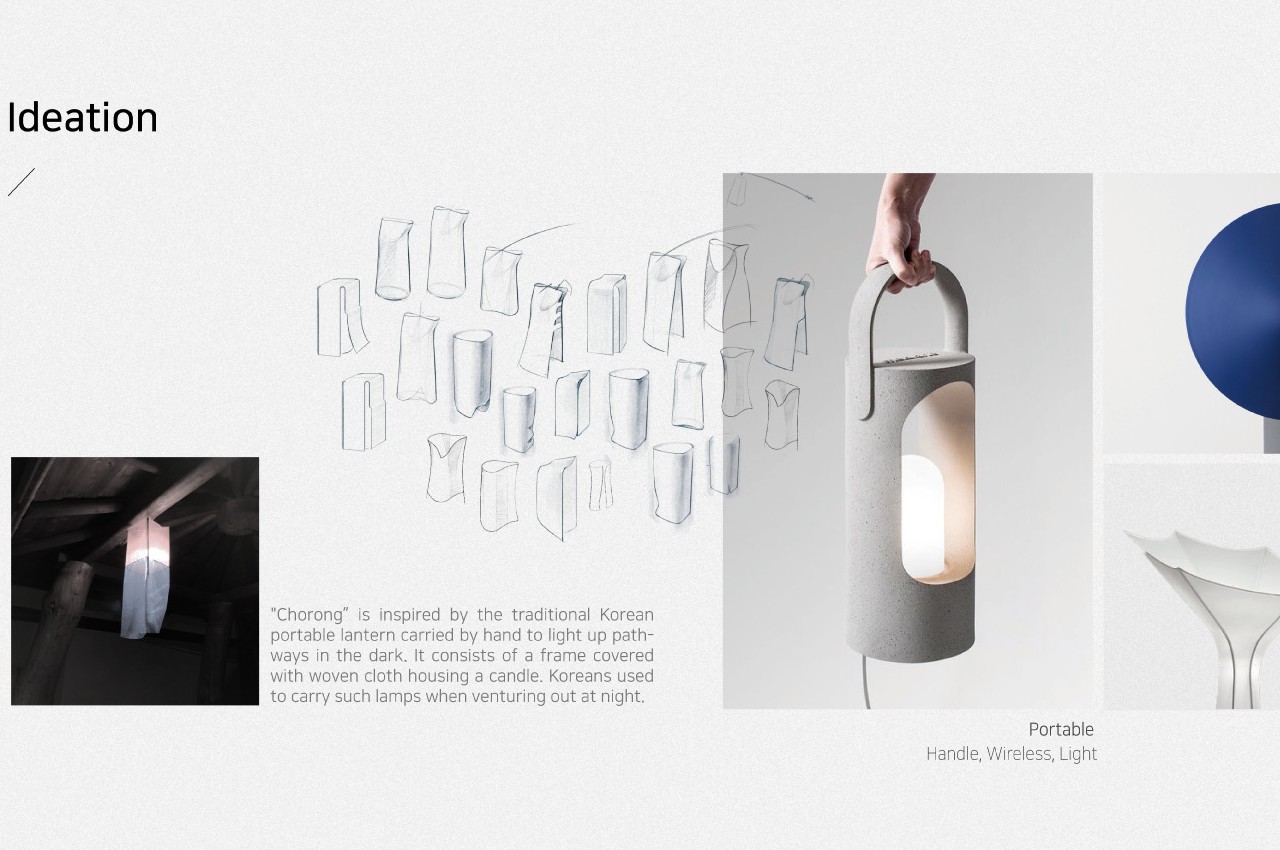
Once upon a time, all sources of light were pretty much fire hazards. Metal lanterns used combustible kerosene and paper lanterns enclosed candles in, well, paper. The latter was a common design in Asia, like the Korean Chorong which used white cloth covering a wooden frame to protect the candle inside from blowing winds. Of course, we have electricity and LEDs today to make all of that safer, but there’s also a certain charm to the sight of a lantern’s fabric billowing gently in the wind.

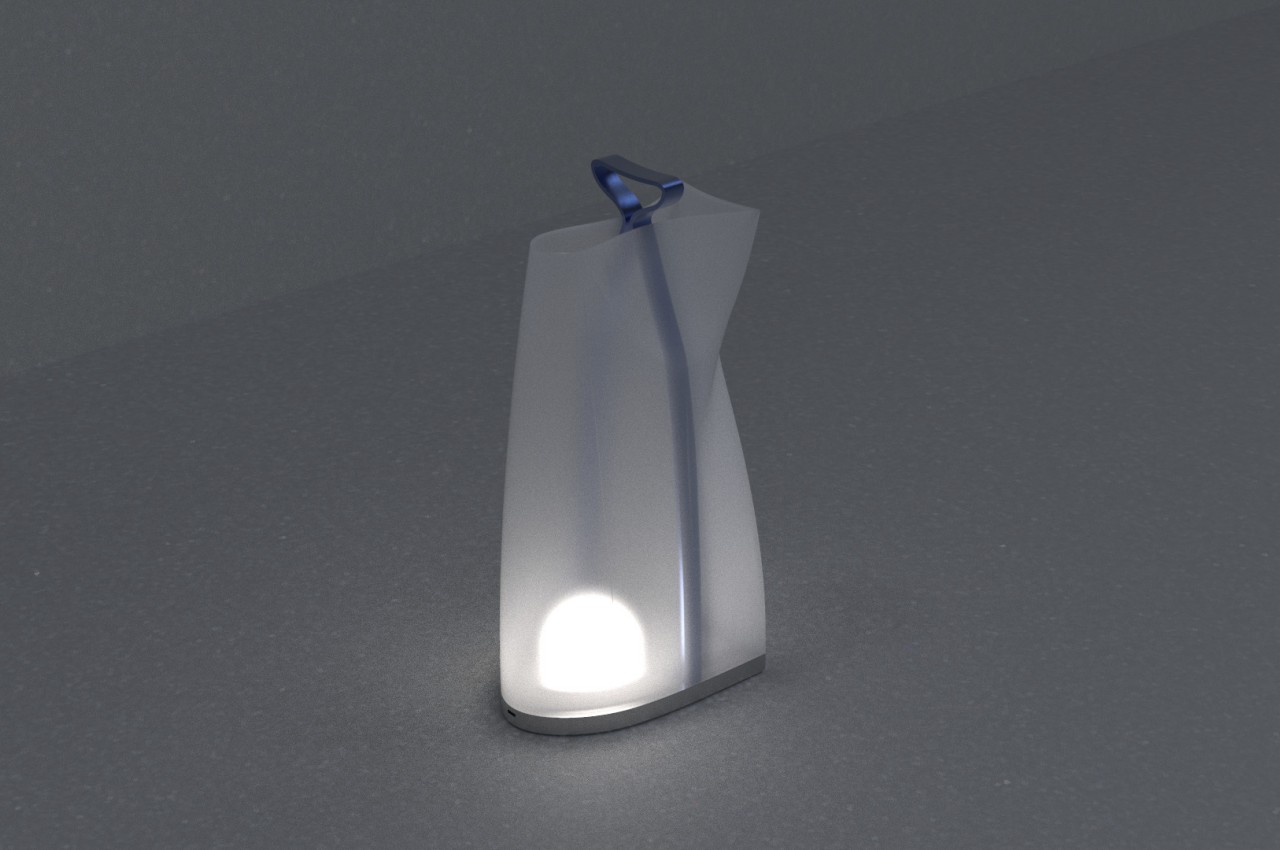
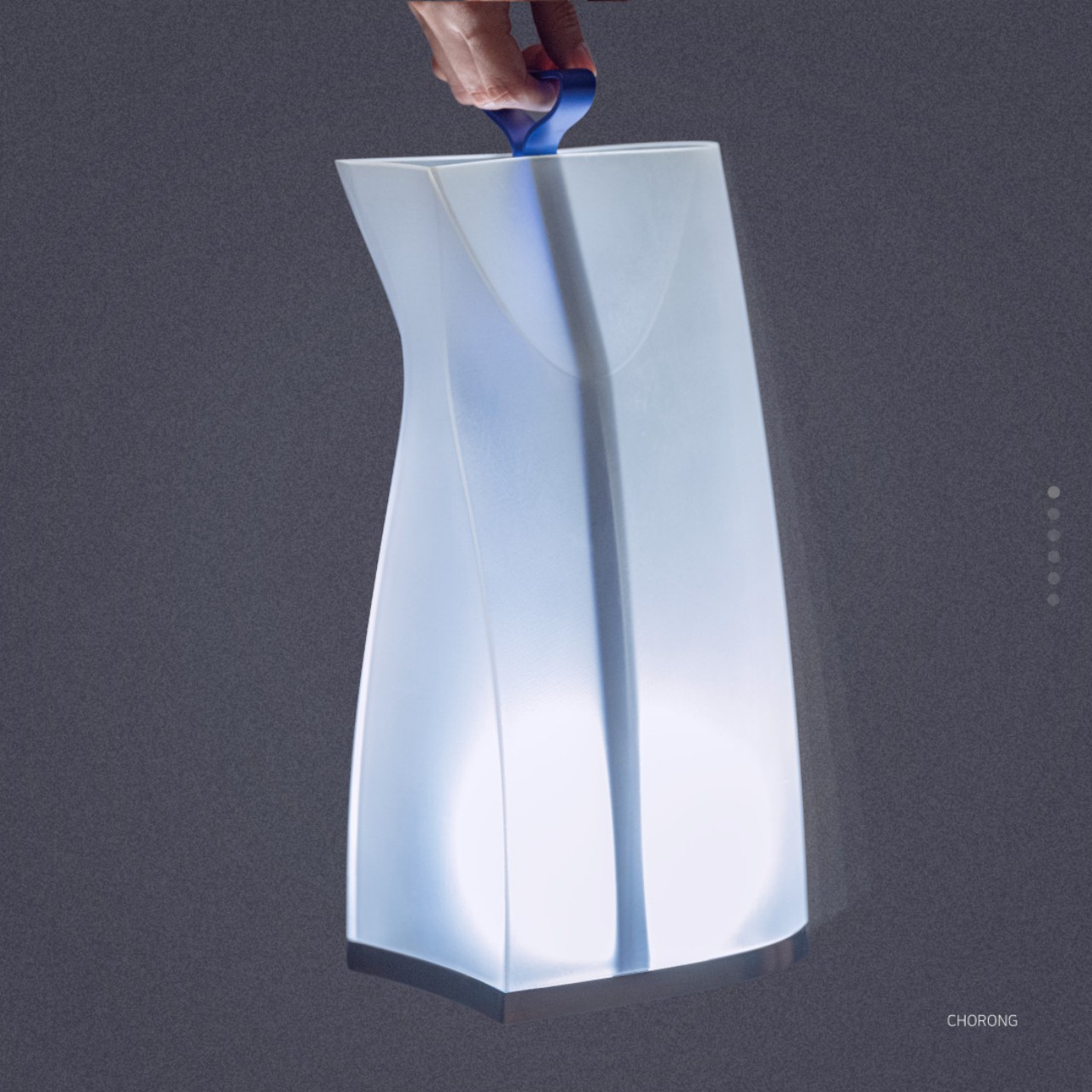
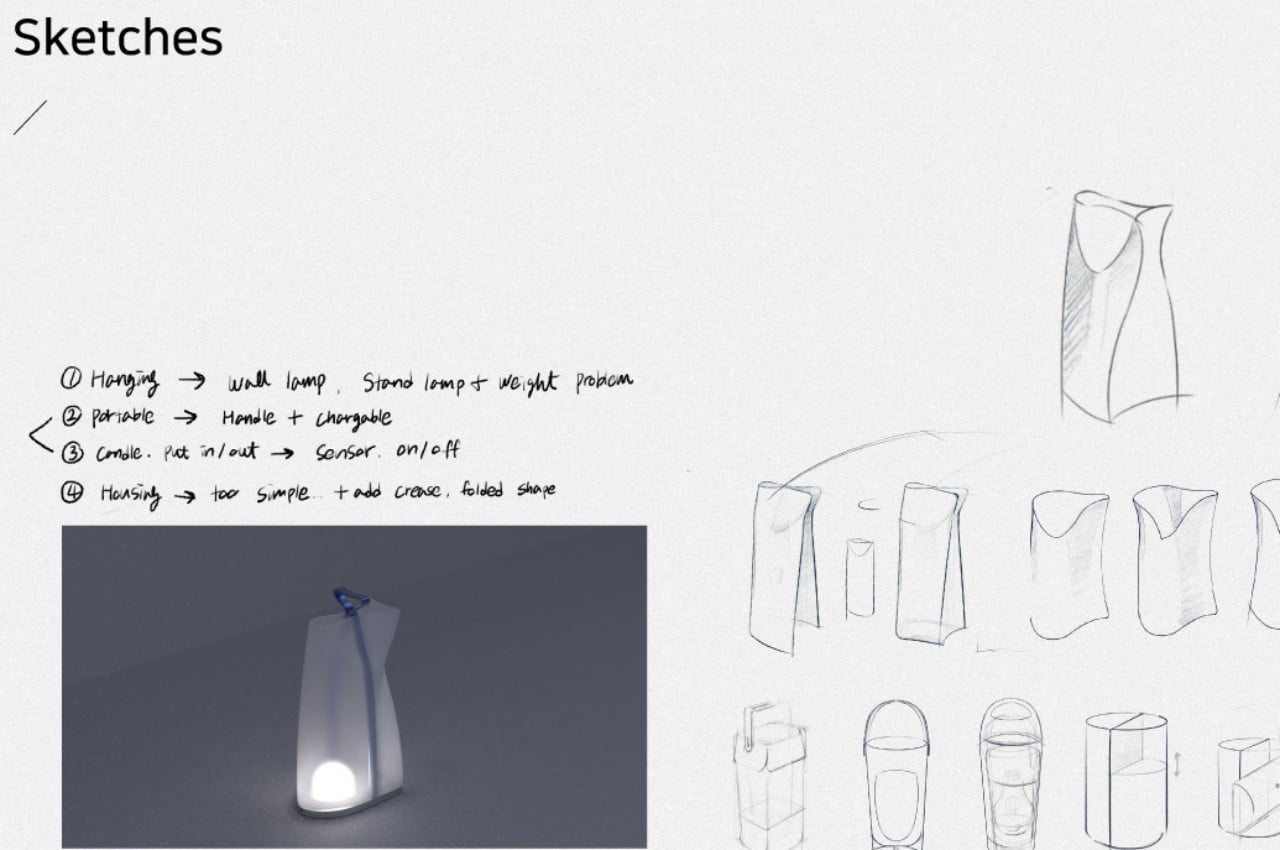
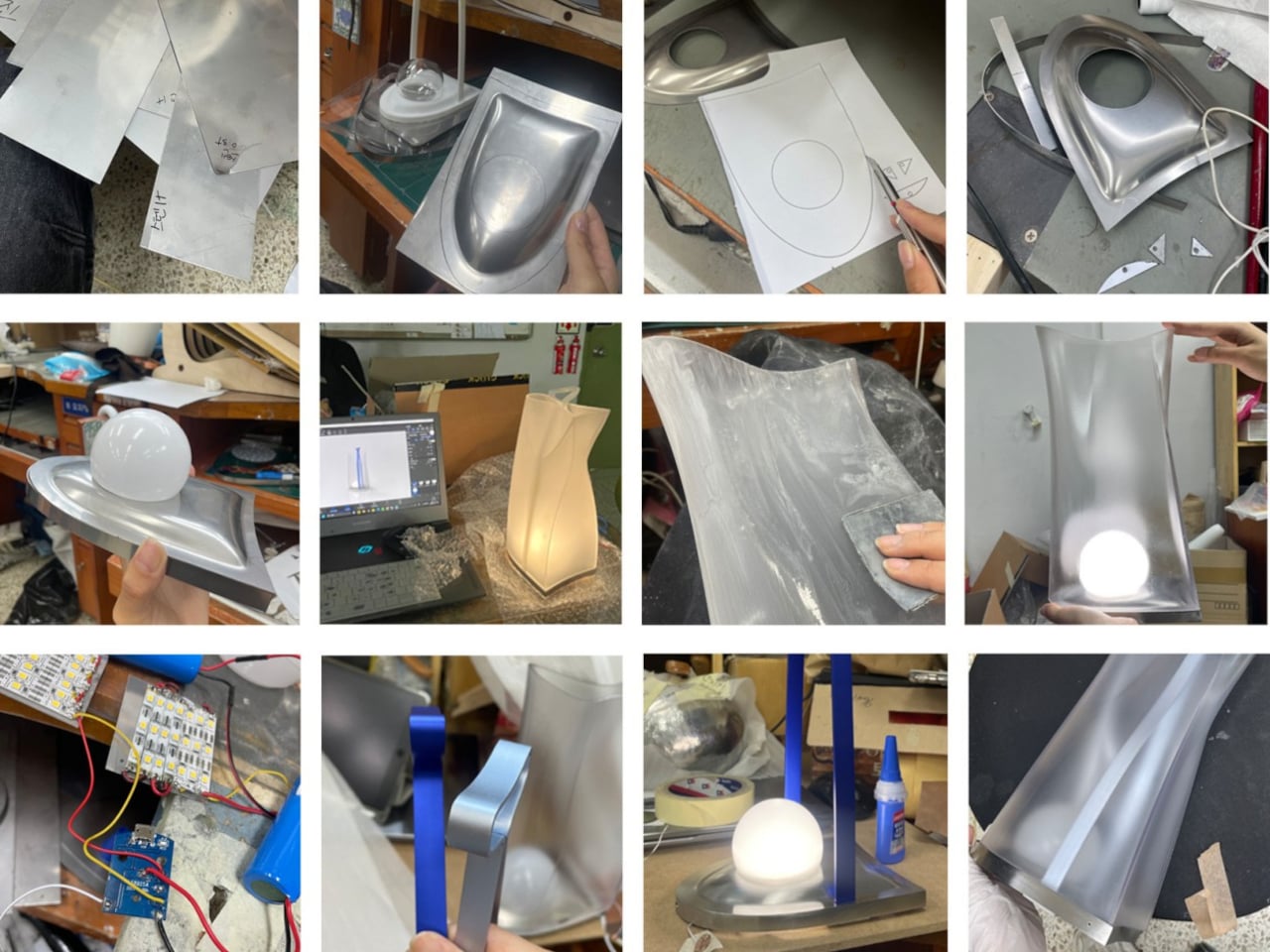
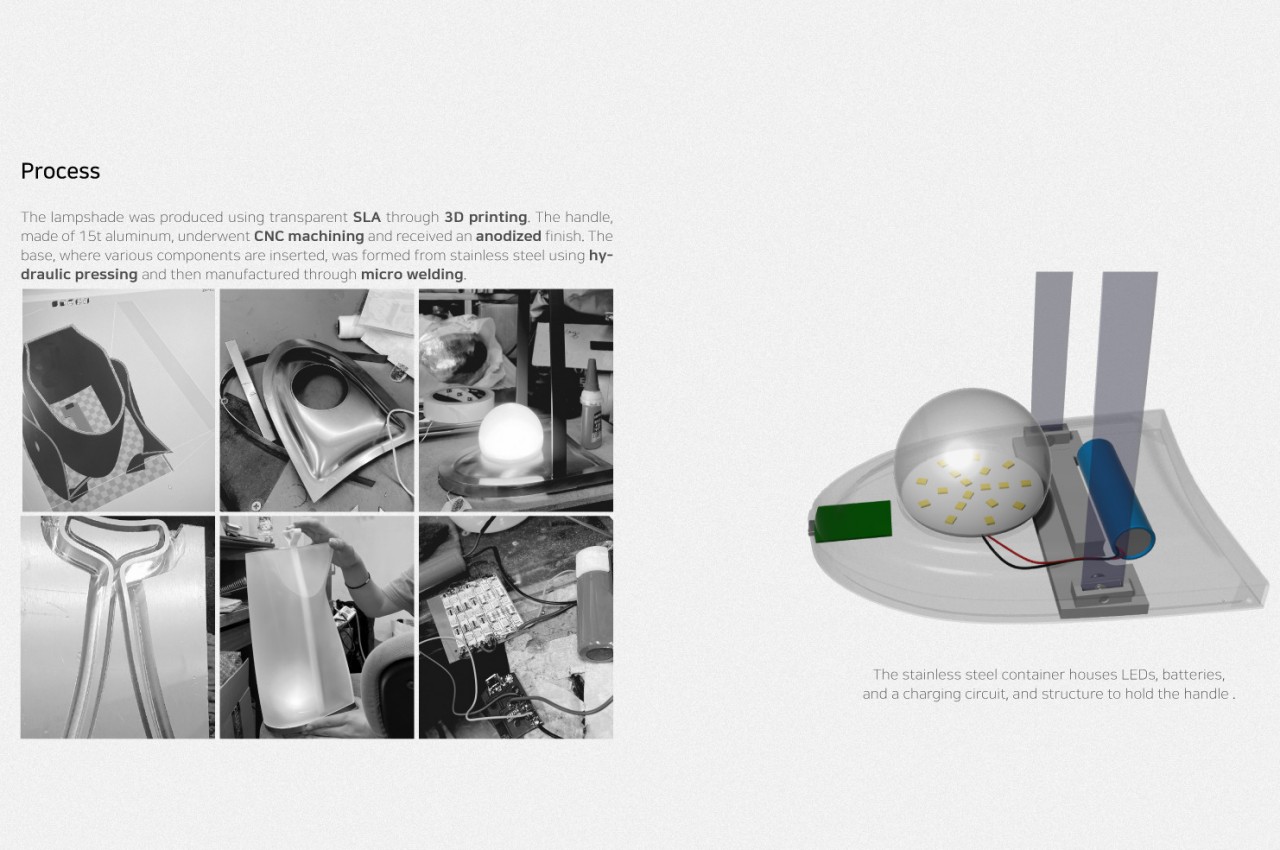
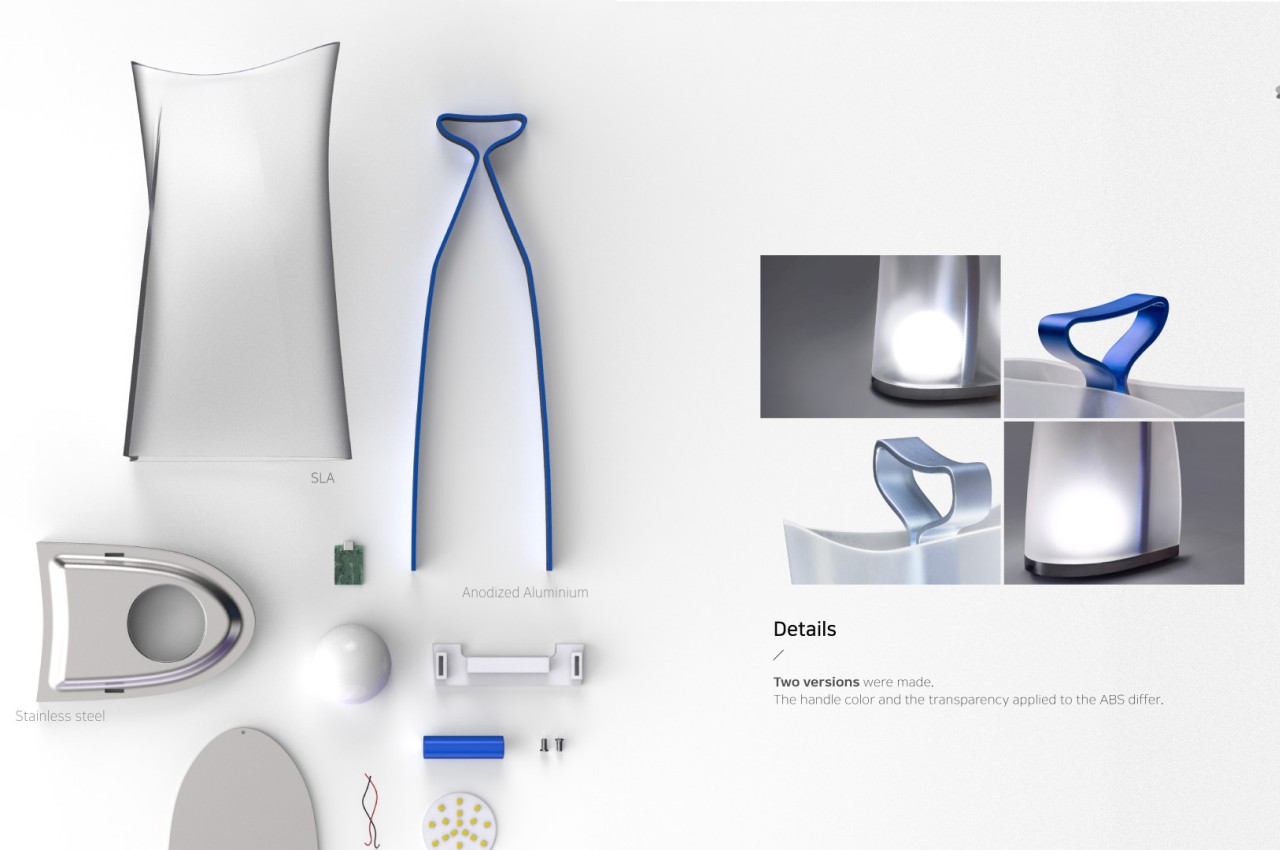
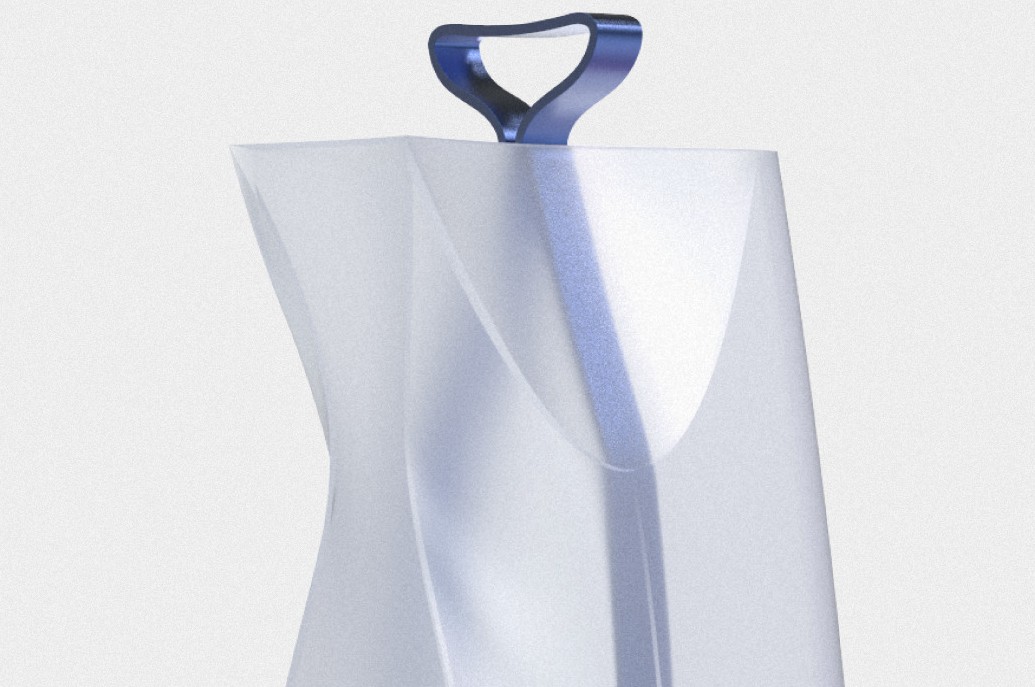
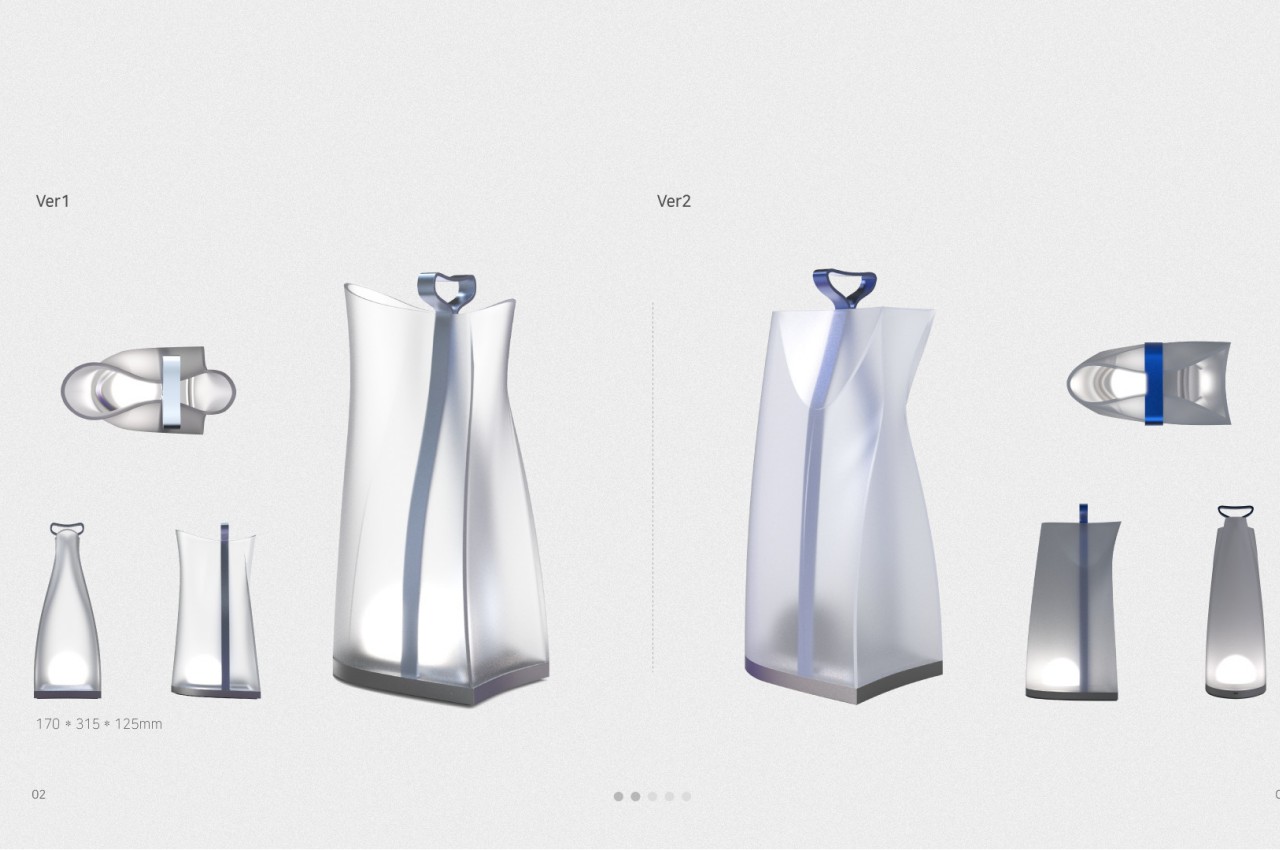
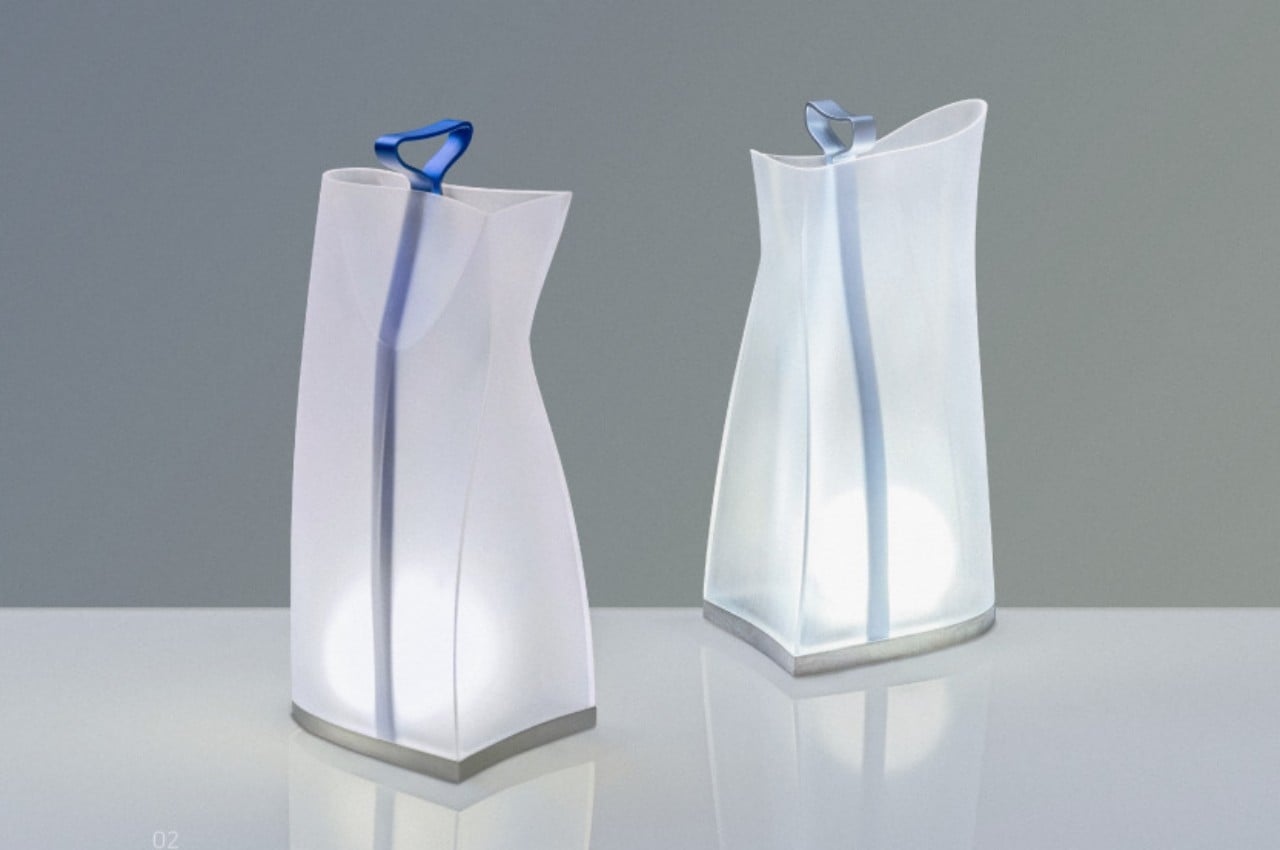
This portable lamp design concept brings that past aesthetic to the present but with a few modern twists. The lamp, named after that same Chorong lantern, tries to capture the unique visual of the fabric-covered lighting but uses 3D-printed transparent PLA to achieve the same effect. Rather than going for a straightforward box, the shape of the container twists and bends, almost like how the cloth would have behaved in the past.

The light source itself is a white sphere with a dozen or so LEDs inside providing illumination. The lamp’s steel base not only serves as a stable foundation but also as a compartment to hide the electronics, including a rechargeable battery. This modern Chorong also deviates from the traditional design by using a handle that uses anodized aluminum and stands only on two sides of the “lantern,” namely, the front and the back. This gives the lamp an unusual appearance and experience of carrying a bag instead of a lamp.

Chorong wouldn’t be the first to try to recreate a traditional lantern design with modern materials, but it is one that isn’t too concerned about staying faithful to the original. It tries to capture the spirit of the design, one that not only illuminates but also inspires with its organic beauty, and reinterprets it in a way that shows off modern materials and techniques. That said, this design concept is more for show and might be impractical to actually use outdoors unless you’re just bringing it out to the backyard to enjoy a calm night under the stars.

The post Bag-like portable lamp concept takes a page from traditional Korean lanterns first appeared on Yanko Design.
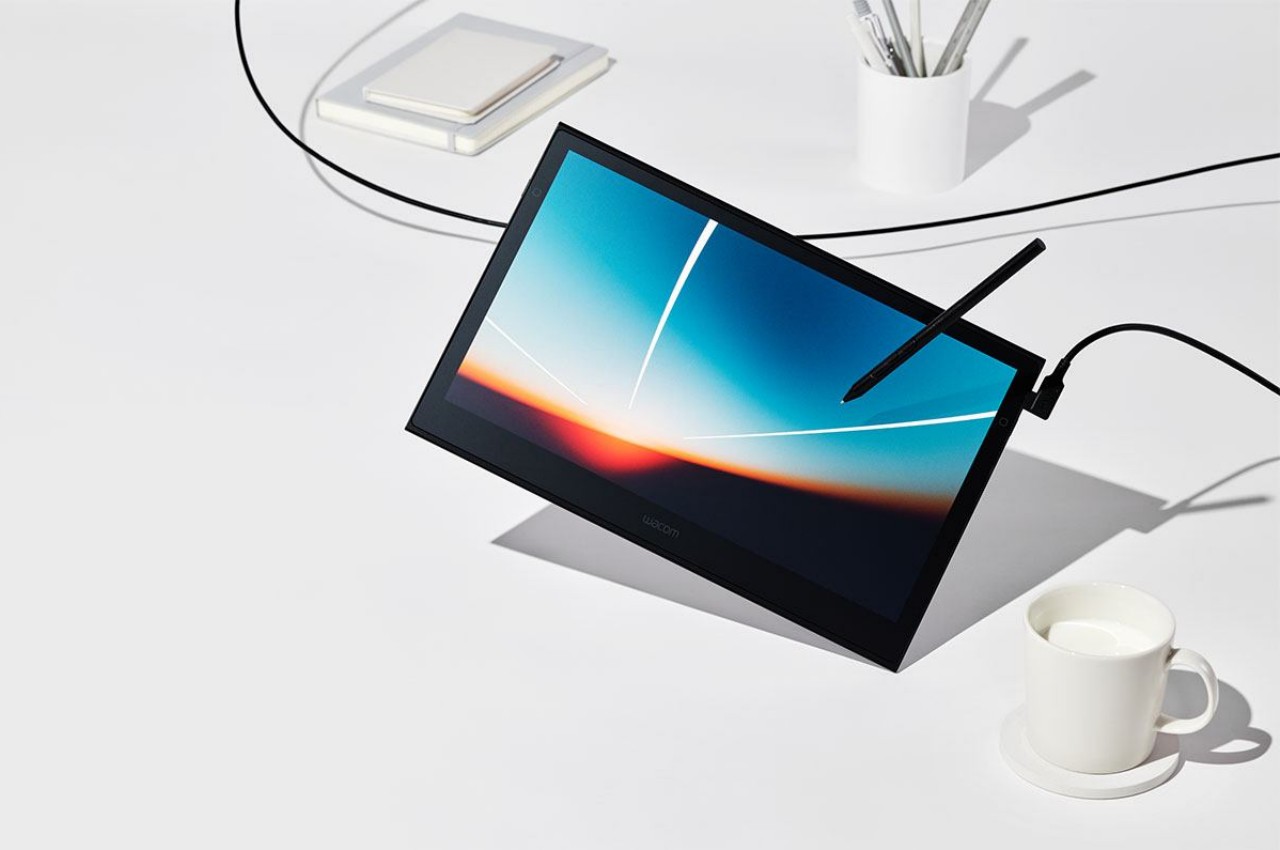
Wacom Movink pen display ventures into the world of portable OLED monitors

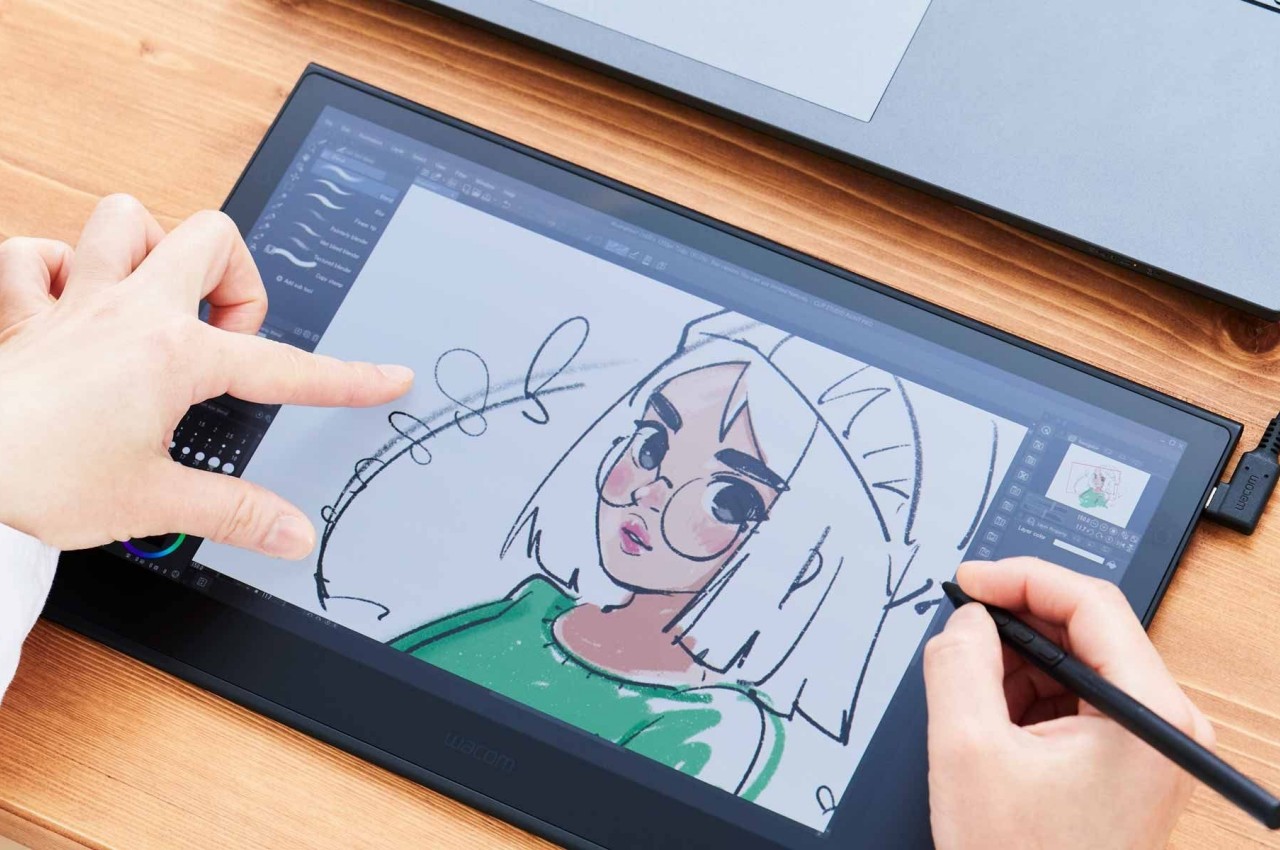
Inspiration can strike when you least expect it, but there are often places and events that can help get the creative juices flowing. The chatter of a lightly crowded cafe, the pause after attending a convention, or even simply moving from your desk to the couch can sometimes make you want to reach out for a sketchbook or even a digital canvas. The latter is fine if you have a tablet like an iPad, but if you prefer doing your designs on a computer, you’re a bit out of luck. Designers and artists these days need a certain degree of freedom and mobility, and Wacom is attempting to fill that need with a new product that isn’t just a screen you can draw on but also a beautiful computer monitor you can take anywhere you go.

Designer: Wacom

Wacom is like the Apple of the digital creative world, making products that let artists, designers, and engineers bring their ideas to life. Its Cintiq brand, in particular, has been the household name for years when it came to “pen displays” or screens you can draw on with a stylus. These have traditionally been as large as computer monitors, though there are now smaller options within the 13 to 16-inch range. While you can definitely shove the smallest Wacom Cintiq or One 12 inside a bag, their designs clearly shout that they’re really meant to be drawing tools more than anything else.

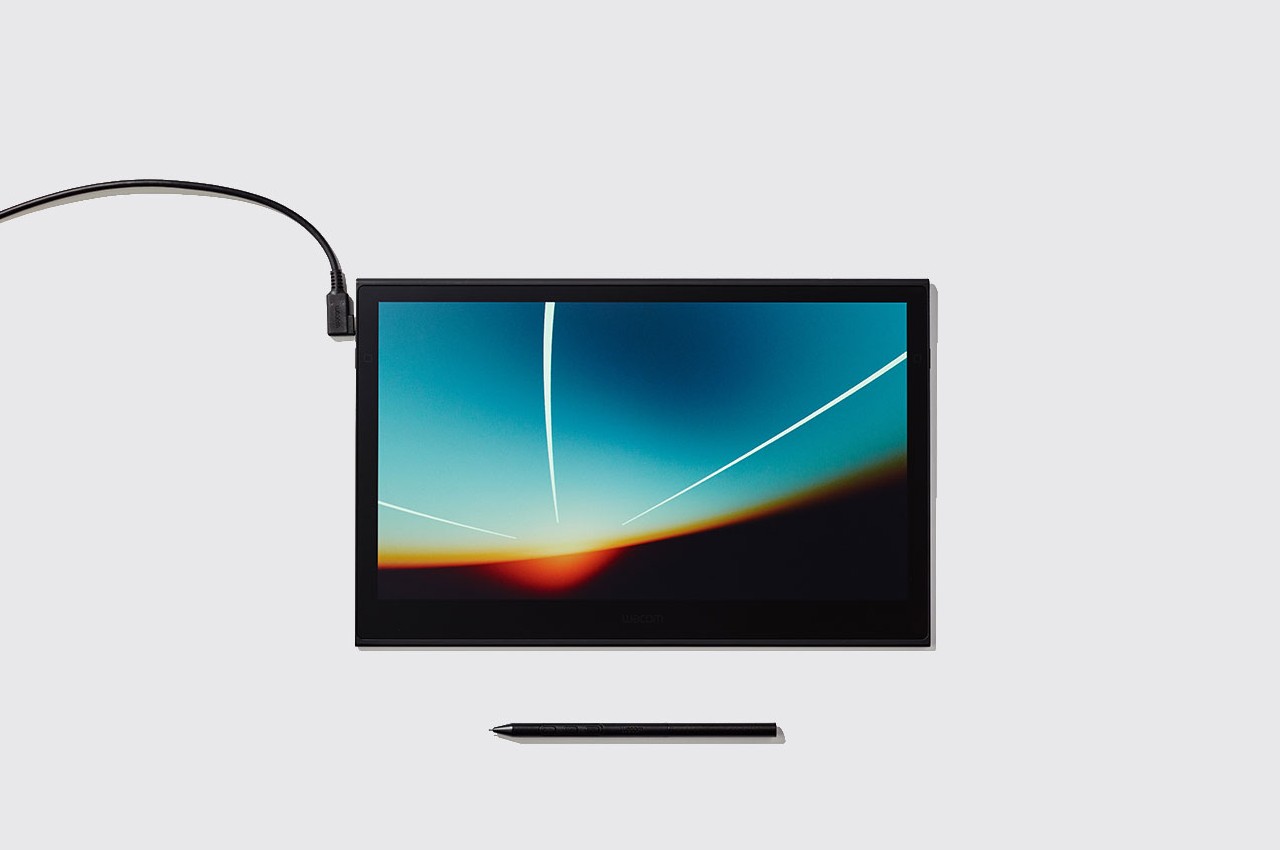
Wacom Movink’s biggest change might be technical, but it’s a technology that is allowing the brand to move in a slightly different direction from the rest of its pen displays. In a nutshell, it is Wacom’s first-ever OLED pen display, immediately setting itself apart from the LCDs of the rest of its portfolio. This gives it the advantage of being able to display richer and deeper blacks as well as a wider range of colors, which will help designs pop out better and be more color-accurate.

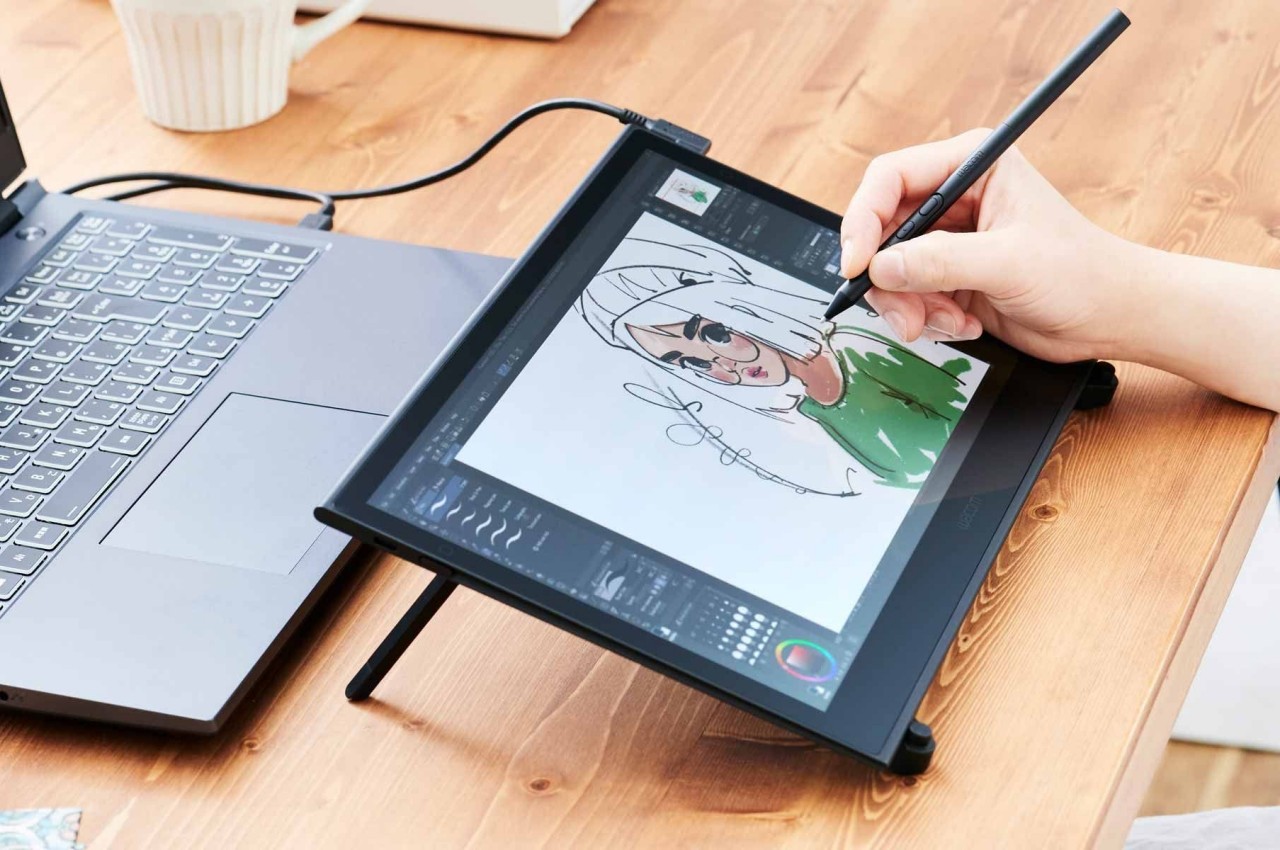
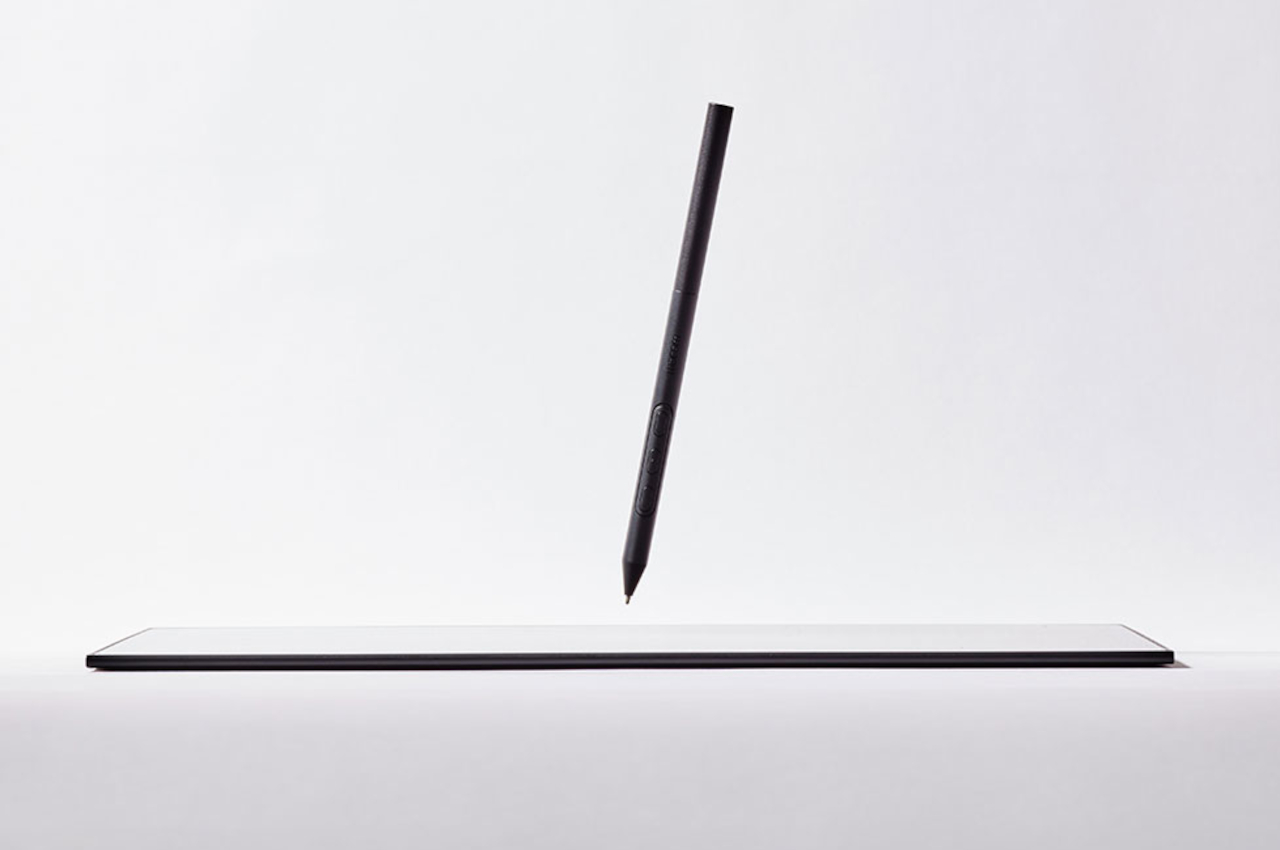
This OLED technology, however, also brings the advantage of making the Movink the thinnest and lightest of Wacom’s pen displays. It also has a sleeker design that looks more in line with portable monitors in the market today. Given that it does perform exactly like a portable OLED touch display, that’s not an inaccurate assessment. It still has thick bezels, but not as wide and egregious as on the Cintiq line. There’s also no rubber “bumper” around the edges, resulting in a simpler and more minimalist appearance.

Aside from the display upgrade, the Wacom Movink is functionally on par with the company’s other products. Where it really shines, however, is the newer and more modern design that makes it not only more portable but also more presentable. It’s not only a design tool made for designers but also one that designers will be proud to pull out of their bag and show off in public, empowering them to work on the go, whenever and wherever their muse calls.

The post Wacom Movink pen display ventures into the world of portable OLED monitors first appeared on Yanko Design.
The World’s First Portable Espresso Maker with its own Water Heater lets you Brew Coffee literally anywhere

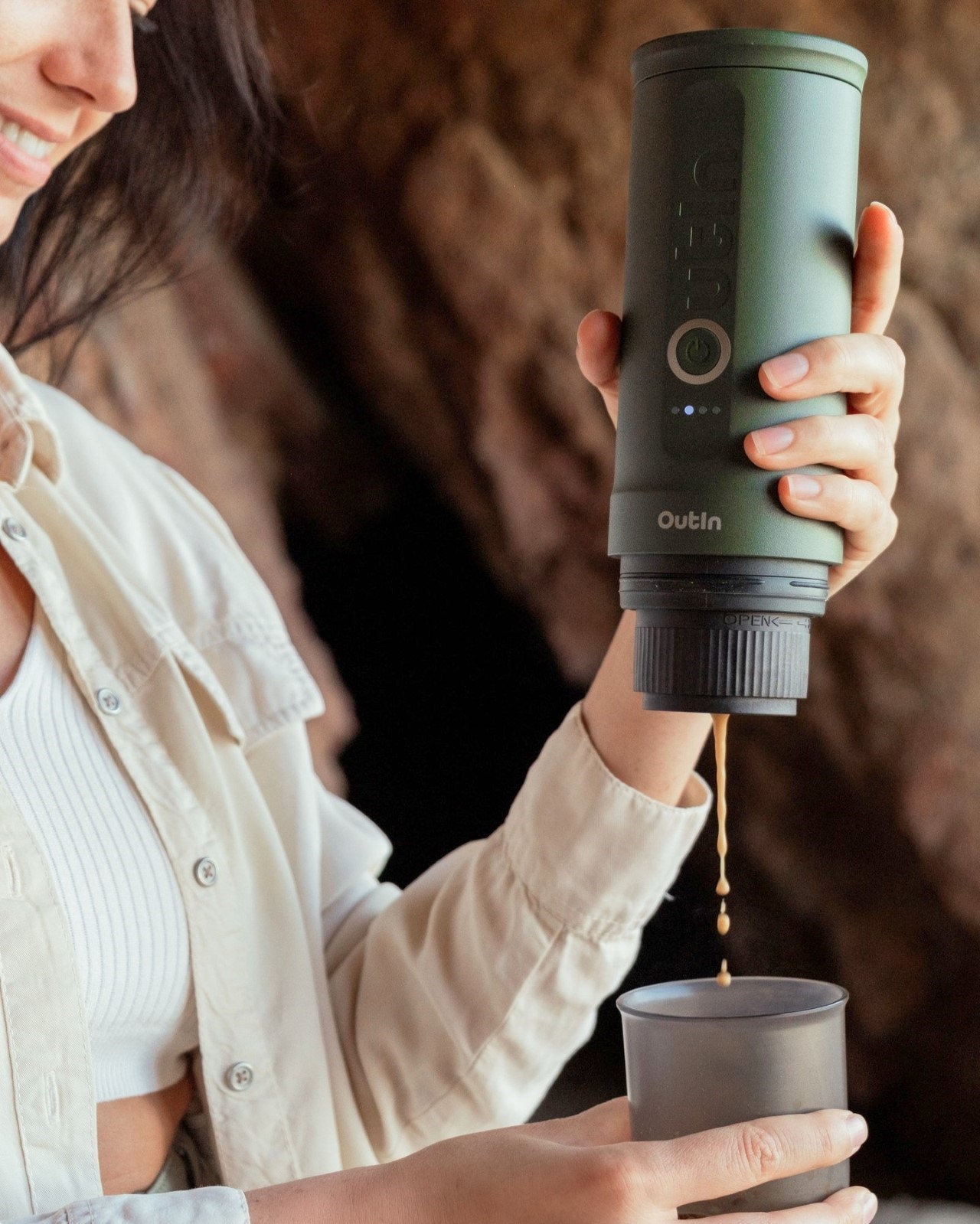
Dubbed the OutIn Nano, this little flask-shaped beauty is your key to a golden cup of coffee literally anywhere. Use it indoors, outdoors, or even in the sky – the OutIn Nano Portable Espresso Maker lets you pull a shot of espresso anywhere, letting you relish your coffee whenever you want. Even equipped with its own water heater, the Nano will warm up your water as it brews the coffee, which means you really don’t need anything apart from an empty cup and a caffeine craving.

Designer: OutIn

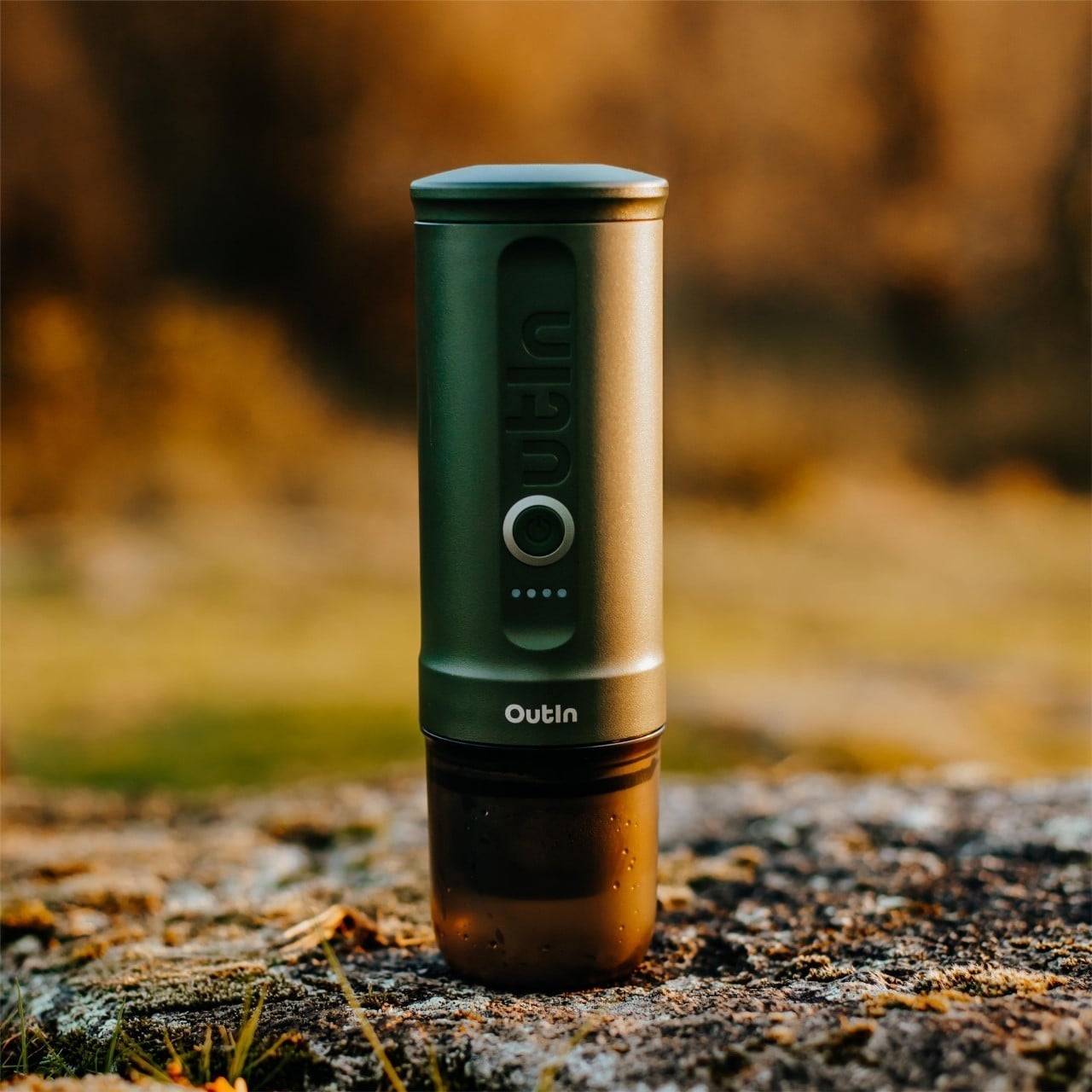
The OutIn Nano is perhaps the only portable espresso maker that will heat your water for you. Sure, other portable espresso makers boast a compact design, but every single one of them needs you to add your own hot water. That really isn’t a concern for the OutIn Nano, which has its own heating coil that ensures you get a perfect espresso shot even if all you have is tap water or mineral water around. The vertical flask-shaped design lets you add water to the top, and either a Nespresso or Keurig pod at the bottom, or a small puck filled with your own coffee grounds. A single-button interface gets your coffee brewing, and a built-in pump extracts your espresso right into the OutIn Nano’s cap, which serves as a nifty cup.

A 7500mAh battery powers the OutIn Nano, heating up water in just 200 seconds. Alternatively, you could just add hot water the way you would with any other portable espresso maker and that should speed up the process. The battery life also significantly differs between cold and hot water, with the OutIn Nano brewing 5 cups of coffee if you add cold water and rely on the built-in water heater feature, or a stunning 200 cups of coffee on a full battery if you use pre-heated water.

The resulting coffee is deliciously authentic, with a rich crema created by heating/brewing at 92°C/198°F and passing the water through the coffee grounds at an impressive 20 bars of pressure. The entire cycle takes just 4 minutes from start to finish (if you use the water heater), giving you your espresso. The OutIn Nano holds as much as 80ml of water, which is more than enough for a double-shot, allowing you to either drink your coffee neat or turn it into an Americano or a latte by adding water or milk.

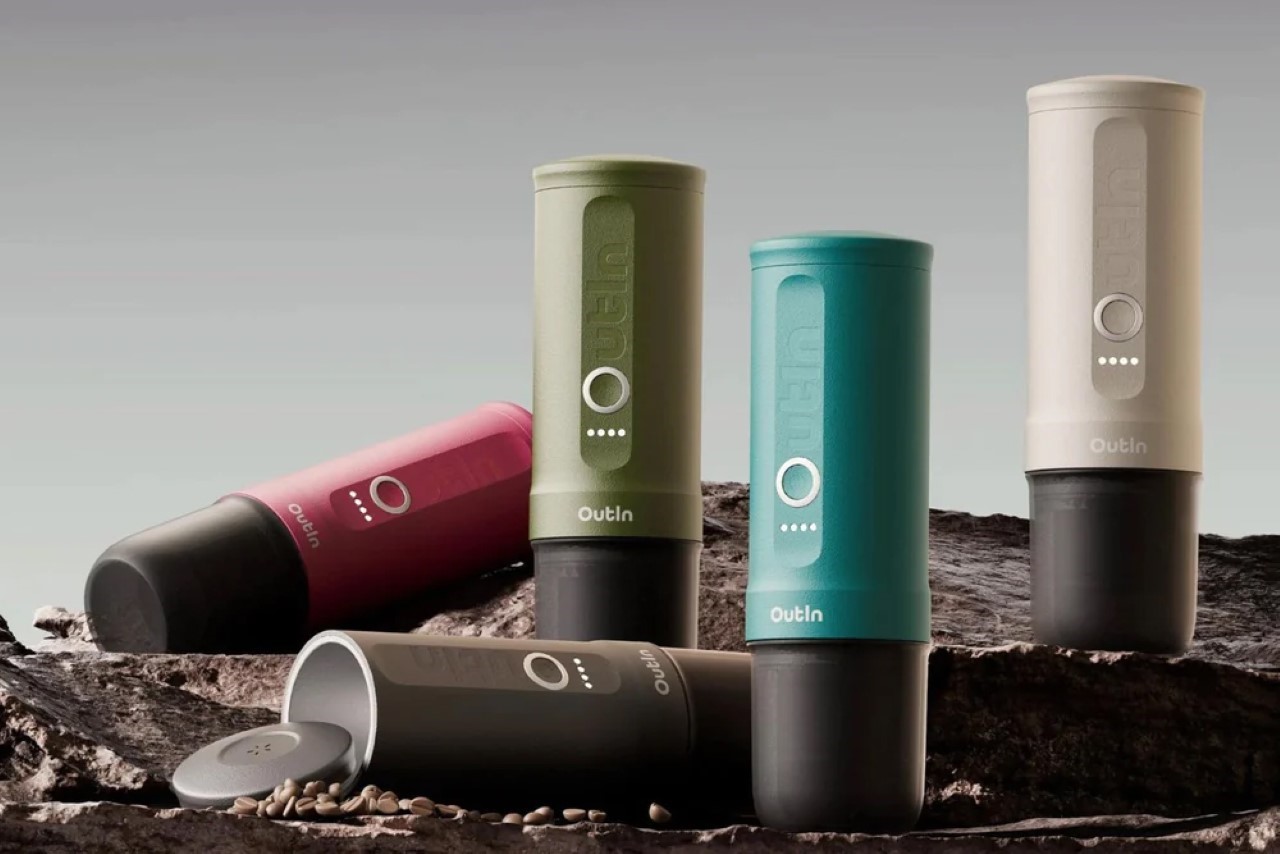
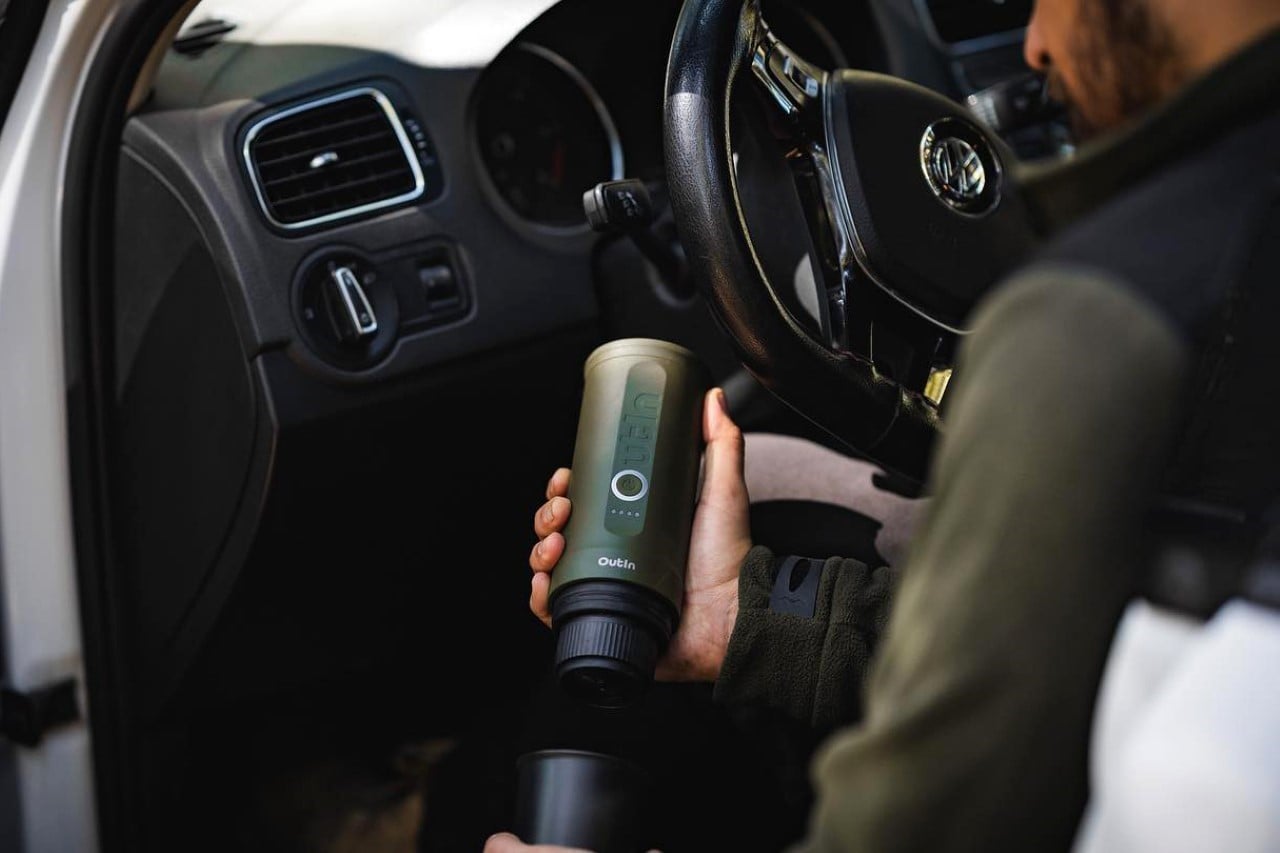
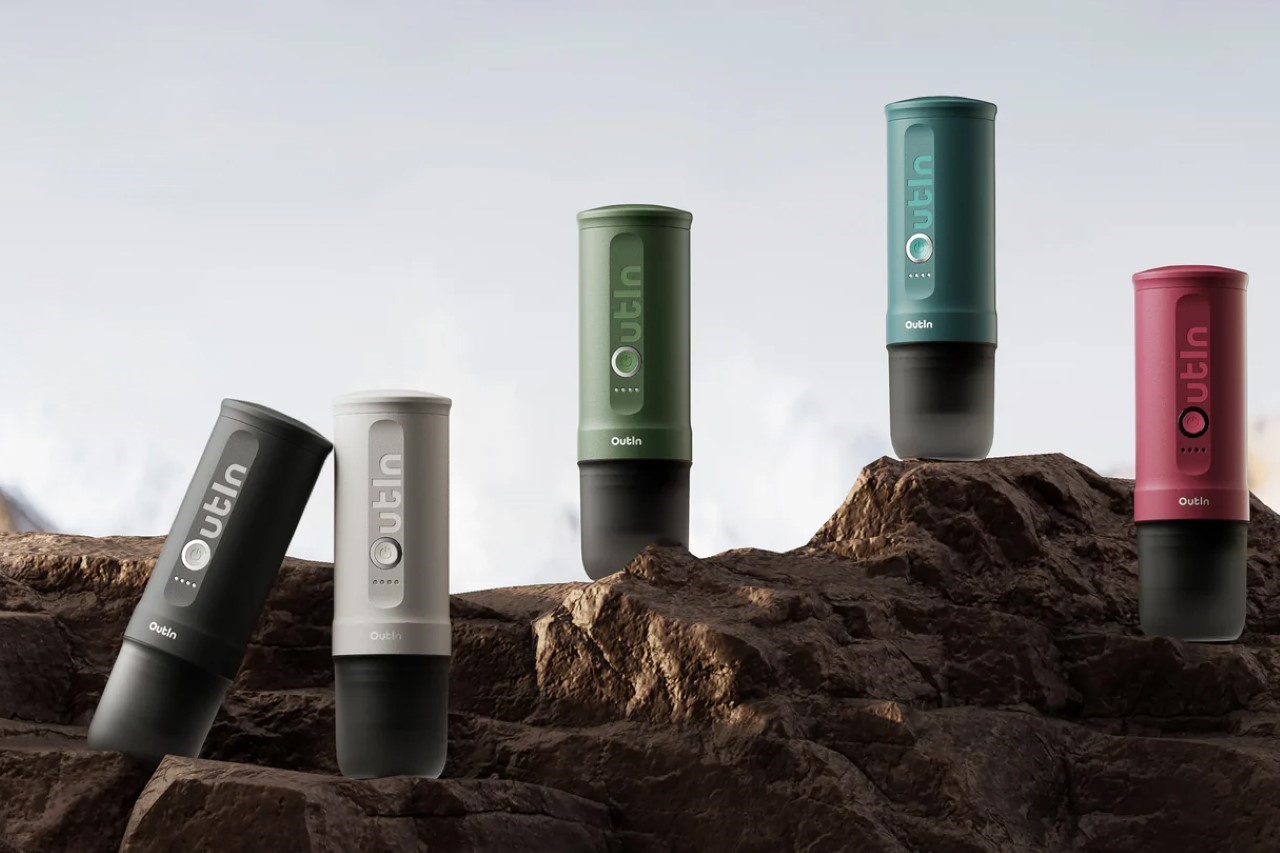
Weighing just 700 grams, the OutIn Nano was practically built for the outdoors. It comes in 5 colors, charges via USB (even working with your car charger), and ships in a soft-shell case that includes the entire coffee-making kit. Heck, the Nano even won both the Red Dot and iF Design Award last year for its impressively compact design.

The post The World’s First Portable Espresso Maker with its own Water Heater lets you Brew Coffee literally anywhere first appeared on Yanko Design.
This Portable Lamp With Its Innovative Rechargeable Bulb Was Designed For A Danish TV Show

I love a well-designed and functional lighting design with some aesthetic value. But besides these three holy grails, it also helps if the light is portable, and can be carried around with you wherever you go. Besides that, a well-designed lighting fixture should not only have the ability to illuminate any living space but also add that extra oomph factor! I mean, of course, we need them to see in the dark, but as highly functional as they should be, a lighting fixture also needs to be aesthetically pleasing, adding an attractive and visually soothing element to any space it is placed in. And an excellent lighting design that we feel ticks all the checkboxes is the Grasp Portable Lamp by Thomas Albertsen for Frandsen.

Designer: Thomas Albertsen for Frandsen

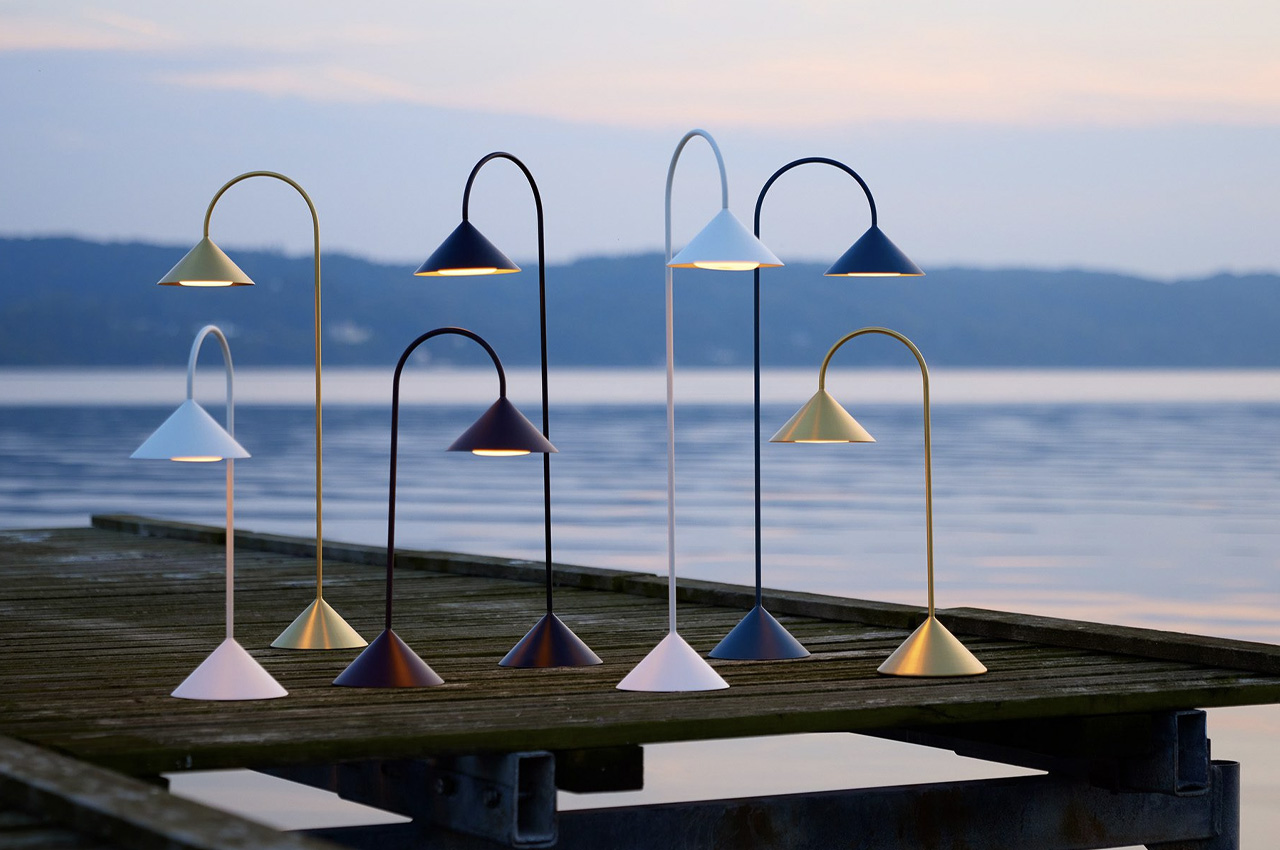
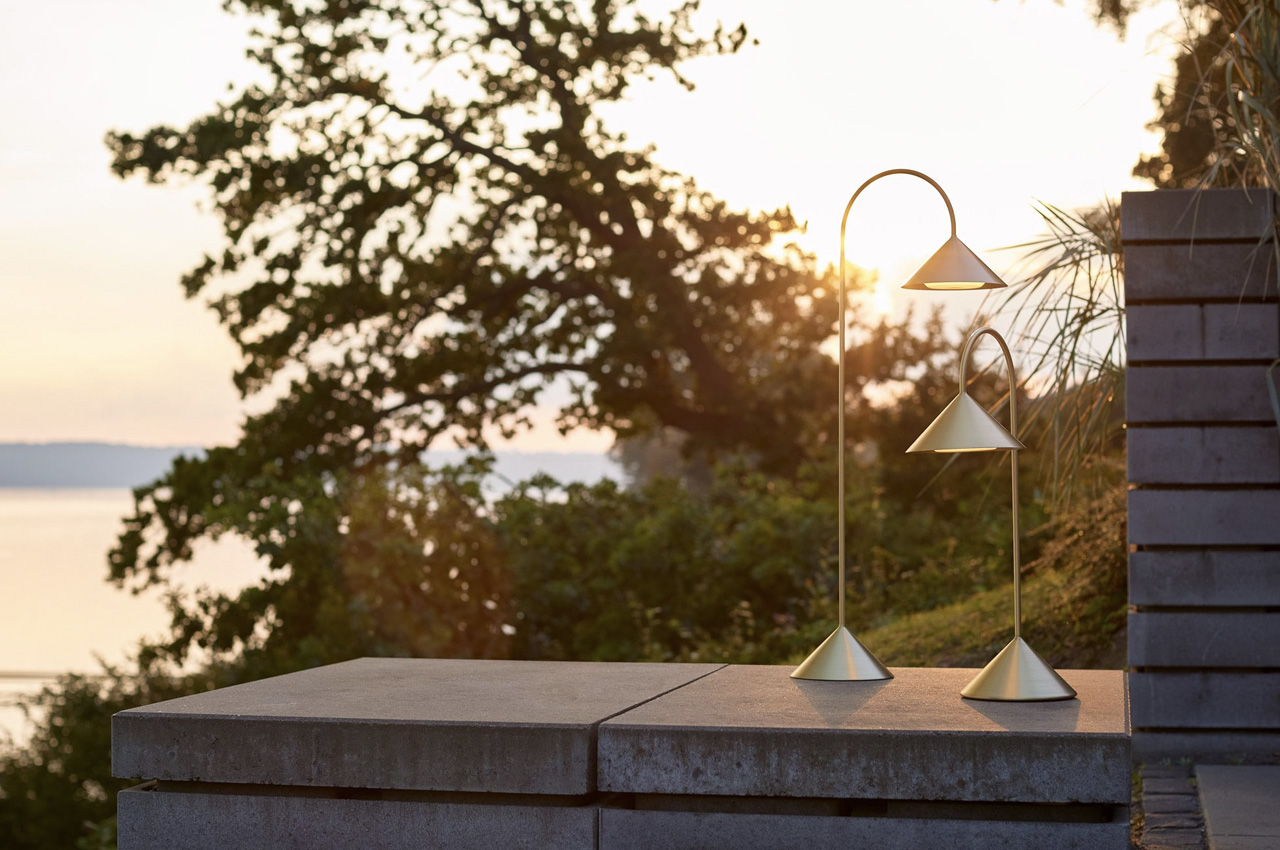
Designed for the TV show Denmark’s Next Classic, the Grasp portable lamp by Danish brand Frandsen features an innovative and unique rechargeable bulb. After it debuted on the reality TV competition, where it was one of the best lighting designs, Frandsen picked up the lighting piece.

Frandsen was impressed by the ‘exceptional potential’ of the design, and hence decided to pick it up. The lamp features a refined metal form that comprises two cones – one for the base, and one for the lampshade. The two cones are connected via a thin and curving road that also makes up the body and the handle of the lamp. The portable lamp has a clean and minimalist visual appeal, while also serving as a functional and highly practical design with a water resistance rating, which makes it a great fit for both the indoors and the outdoors. It also features a base that sits well on both smooth and not-so-smooth surfaces.

“I wanted to make a portable lamp capable of illuminating a table where people gather, enveloping the surroundings in a warm, intimate ambiance, casting a magical aura in the otherwise dark spaces,” said Albertsen.

The lamp’s bulb which is called the Frandsen One functions as a source of light and power unit for the lighting design. So you don’t need to recharge the whole lamp, you can simply remove the bulb, and replace it with a fully charged spare bulb.

The post This Portable Lamp With Its Innovative Rechargeable Bulb Was Designed For A Danish TV Show first appeared on Yanko Design.
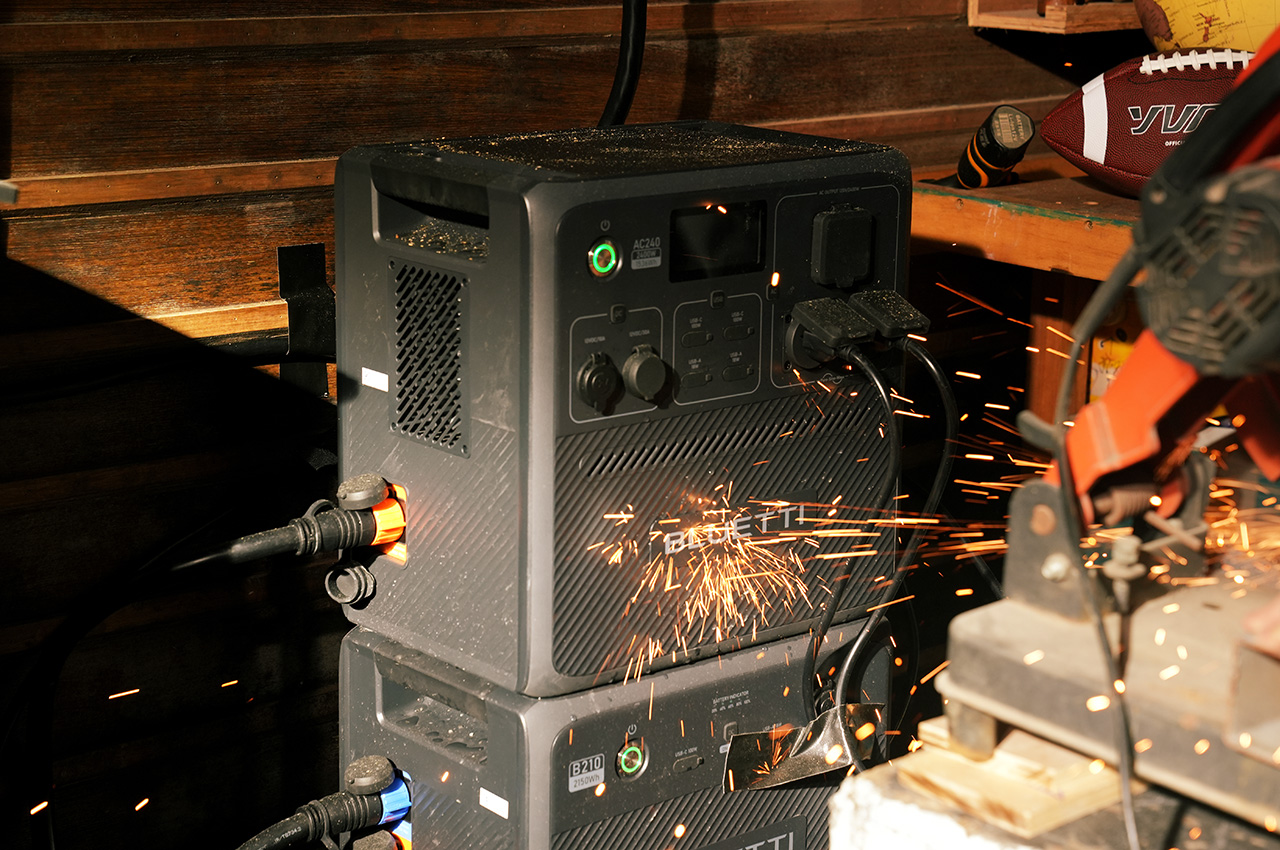
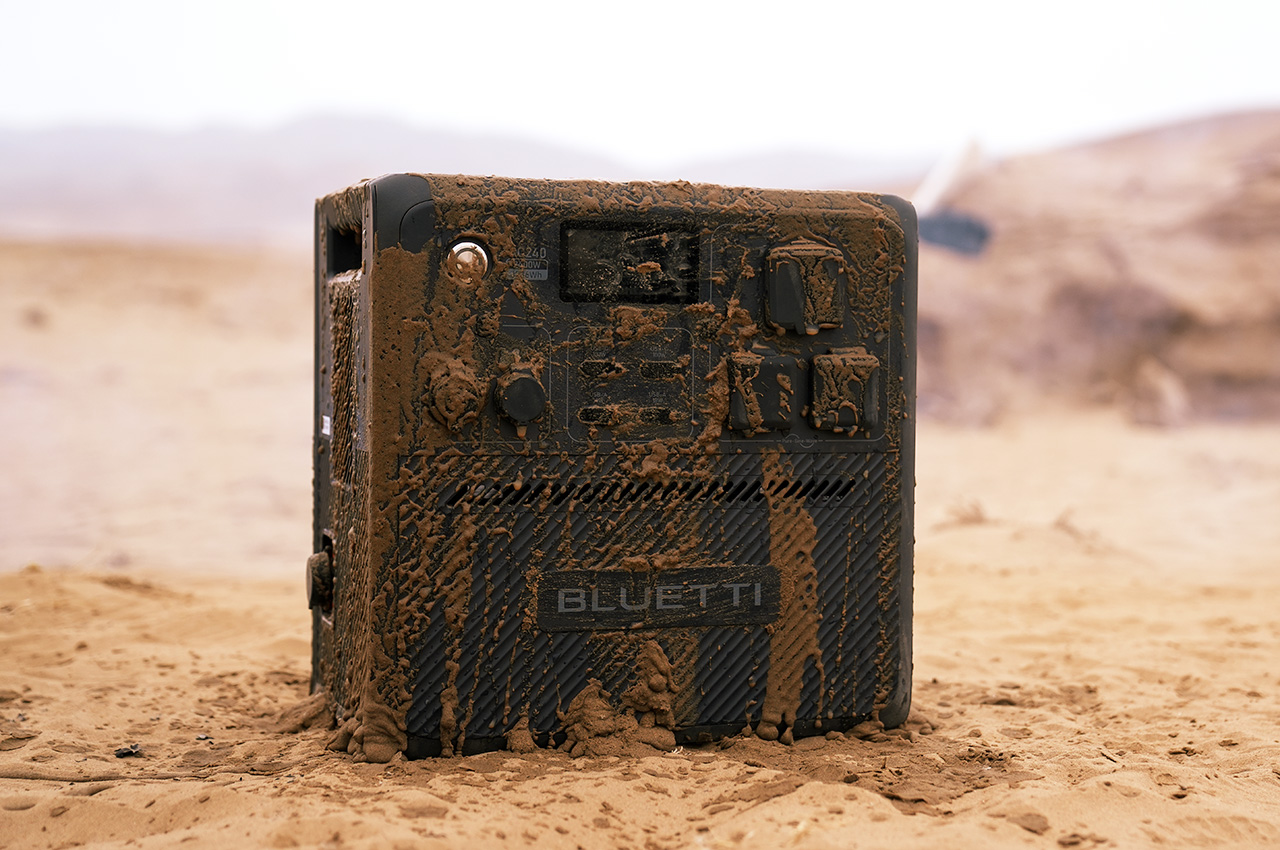
Bluetti AC240 All-Weather Power Station delivers reliable power, rain or shine

More people are discovering the joys of the great outdoors, but they are also learning some of the challenges that come with living off the grid, especially when it comes to the unpredictability of weather. And then there are some outdoor adventures that really expose you to the elements, whether it be on land or especially at sea. During these moments, you need more than just a portable power source that can deliver the necessities and conveniences of modern life. You also need a reliable power source that can weather any storm, almost literally. That’s the kind of power that the new Bluetti AC240 Weatherproof Portable Power Station delivers, keeping up with life’s adventures even when Mother Nature has other ideas.

Designer: Bluetti

Click Here to Buy Now: $1299 $1899 (31% off, use coupon code”yanko240″ to get an additional $100 off). Hurry, deal ends in 48-hours!

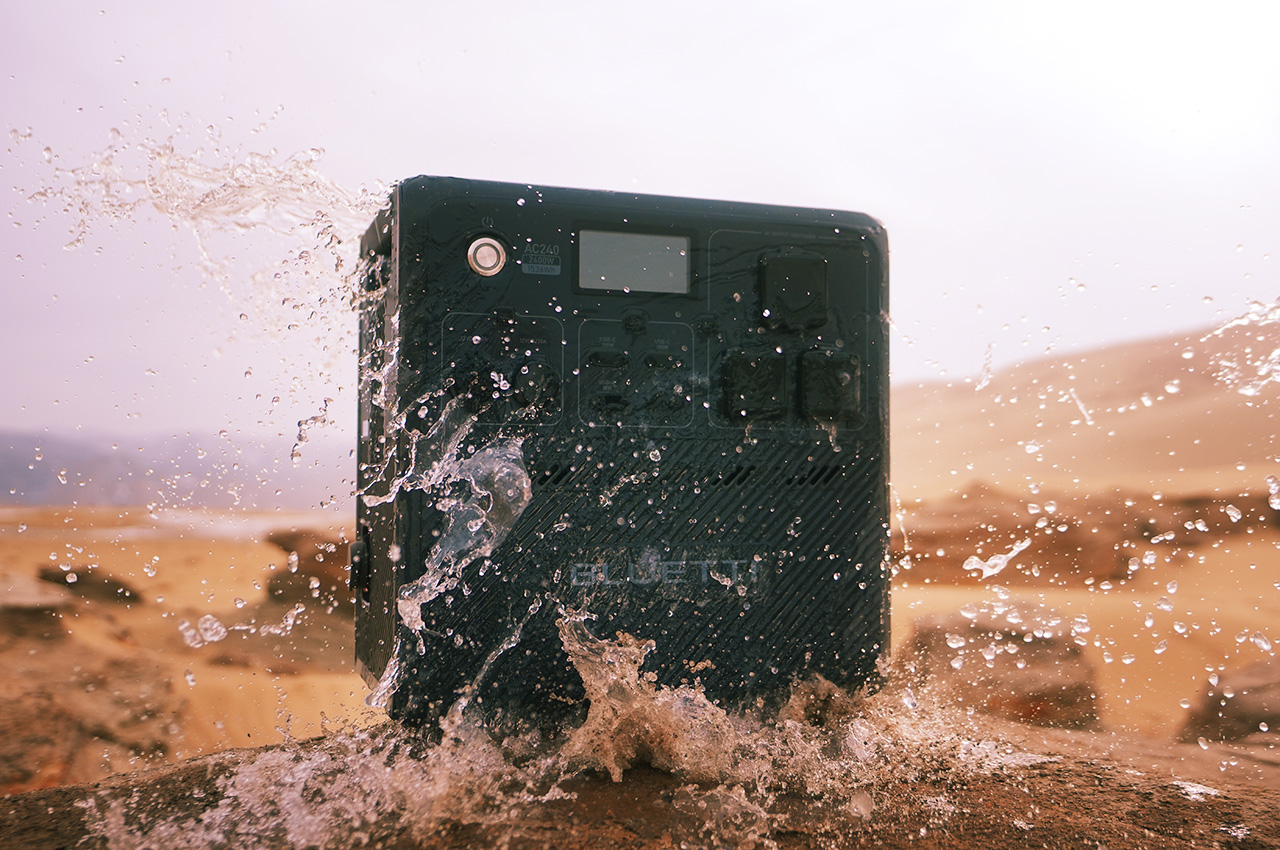
Even with all the science and technology at our disposal, changes in weather can throw a wrench in anyone’s plans, especially when those plans happen to involve staying outdoors. Traditional power stations, while extremely useful, might not be a good fit for this situation considering the safety risks involved. That’s where the Bluetti AC240 and its IP65 dust and waterproof rating come in, offering a clean, quiet, safe, versatile, and rugged power source that can withstand the harsh conditions you might find yourself in.

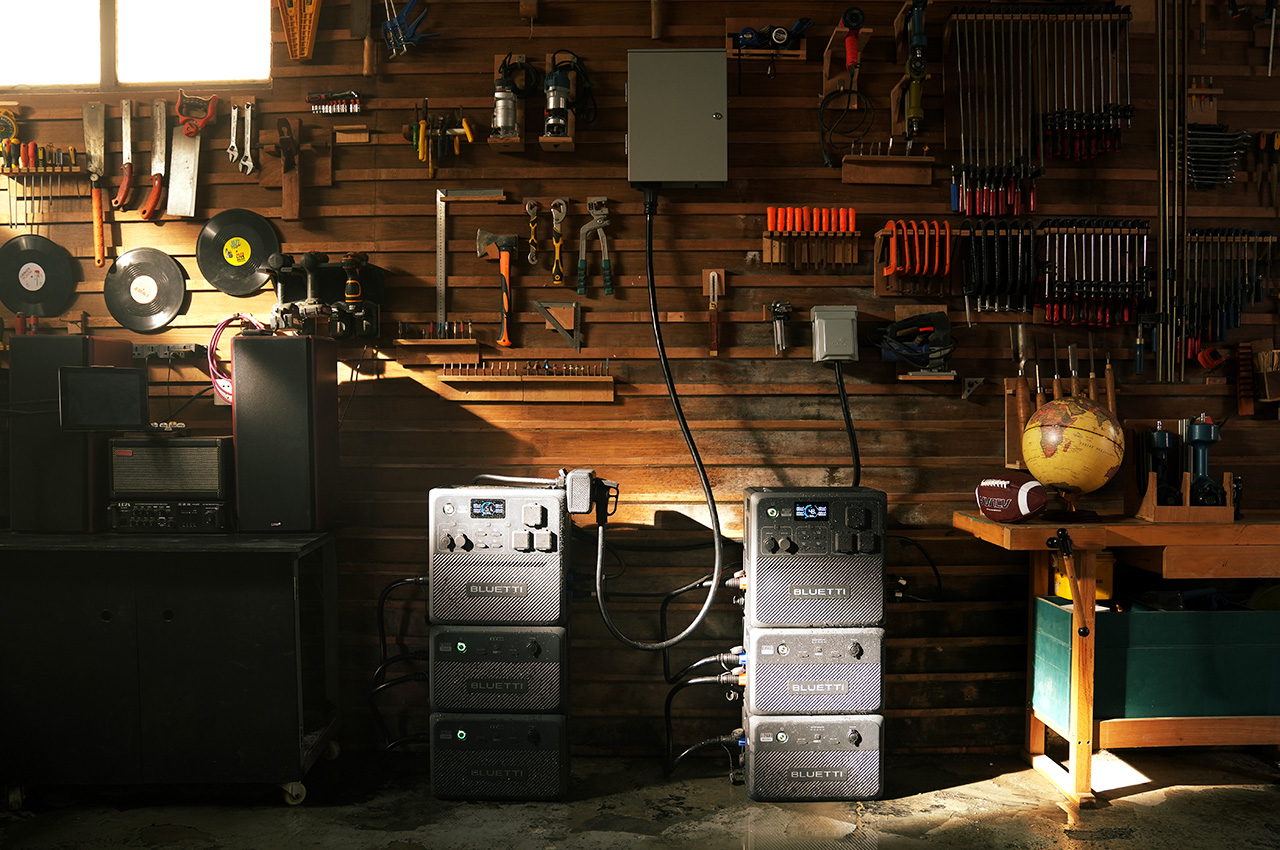
With the AC240’s modular design, it practically is! Stack up B210 expansion batteries and watch your power options multiply.

The Bluetti AC240 is rated IP65, which means it’s certified to withstand the intrusion of dust as well as low-pressure water jets from any angle, but that’s only the tip of the iceberg. The weather-hardened solar generator boasts a variety of patented technologies and safeguards that protect it from the elements, including independent air ducts, sealed electronic compartments, a special drainage system, vacuum-coated fans, and, since they’re always exposed to the outside world, double-layer protected ports. In the event that water does manage to get in, built-in exhaust fans and the heat dissipation system will make sure the water gets out or evaporates quickly before it does any damage.

Whether you’re basking in the sun’s energy with solar panels, plugging into a wall outlet, staying juiced on the move with a car charger, or even tapping into a lead-acid battery or shore power, the AC240 ensures you’re always powered up and good to go.

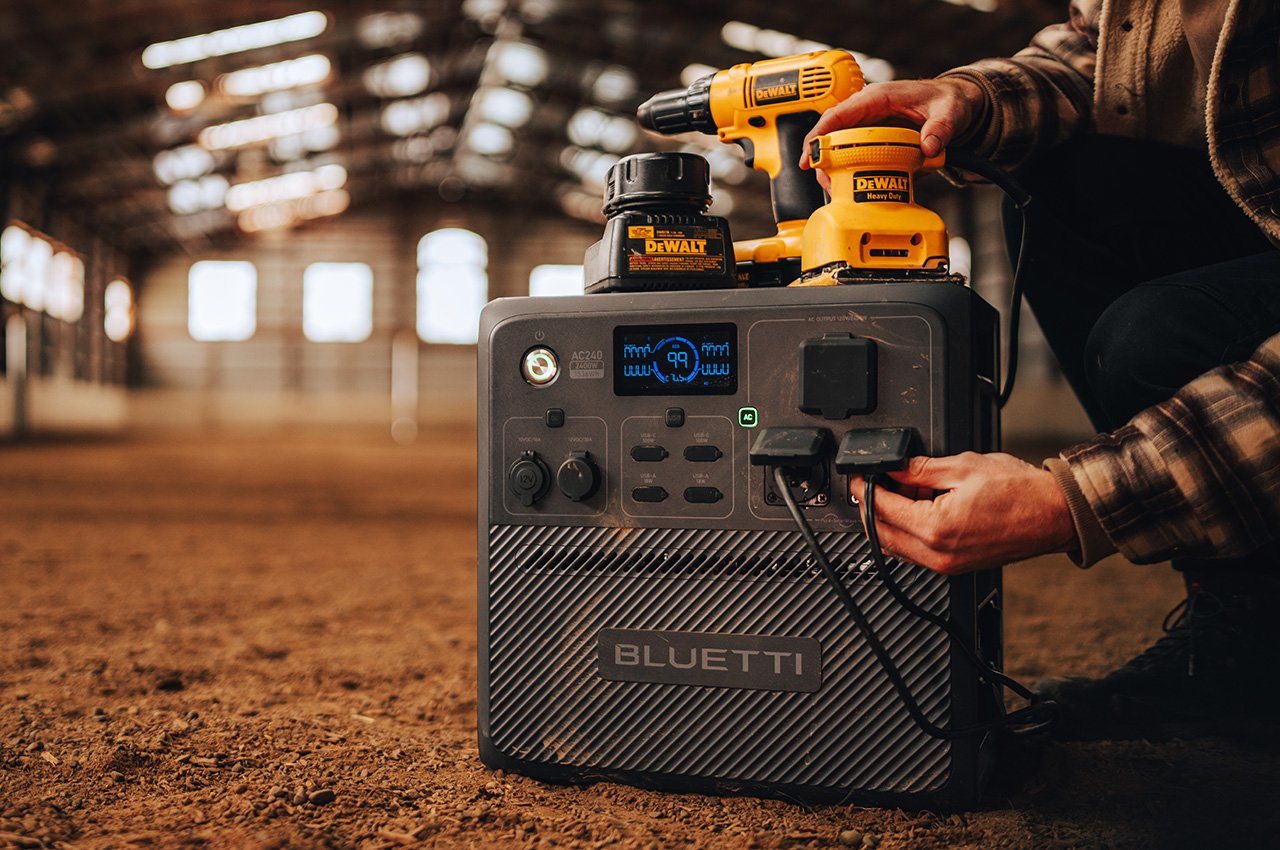
Of course, the Bluetti AC240 is more than just a large weatherproof box. It’s a portable power station first and foremost, and it does an incredible job at that as well. With an output of 2,400W and a 1,536Wh LiFePO battery, the AC240 can easily power anything from a phone charger to a 20 cubic feet fridge for at least one day. A 3,600W powerlifting mode can even power that hot plat to make sure you get warm meals even when it’s pouring outside your RV. The plethora of charging ports, which include 2 standard AC outlets, 1 NEMA TT-30 port, a car outlet, 2 USB-A ports, two USB-C ports, and a 12V/30A RV port, make sure every electronic machine is supported, even an RV or a boat.

Whether you’re navigating the high seas or driving into the unknown wilderness, the AC240 reliable enough to keep your adventures smooth from start to finish.

If that’s already impressive, then you’ll probably be blown away by what the Bluetti AC240 can do when paired with the B210 expansion battery, which itself is also IP65 weatherproof. Each B210 adds 2,150Wh of power and you can have as many as four packs connected to the AC240 for a whopping 10,135Wh total capacity. And if that weren’t enough, you can link two AC240 using Bluetti’s unique parallel technology with the Parallel Box P480, delivering 4,800W output (without expansion batteries) without doubling the voltage. With this much power and flexibility, including simultaneous connection to the power grid while powering your devices and a responsive 15ms UPS function, the Bluetti AC240 can even provide enough power to your house to weather out a storm.

When it comes to charging the power station itself, the AC240 offers a variety of options, from super-fast 1.1-hour AC charging at 2400W max input (when paired with a B210 expansion battery) to completely green solar charging at 1200W intake in just two hours. Weighing only 72 lbs (33 kg) and almost as big as a microwave, the Bluetti AC240 offers portable, reliable, and durable power that you can take with you anywhere you go, confident that it can handle anything thrown its way, whether by you or by Mother Nature herself.

Click Here to Buy Now: $1299 $1899 (31% off, use coupon code”yanko240″ to get an additional $100 off). Hurry, deal ends in 48-hours!

The post Bluetti AC240 All-Weather Power Station delivers reliable power, rain or shine first appeared on Yanko Design.
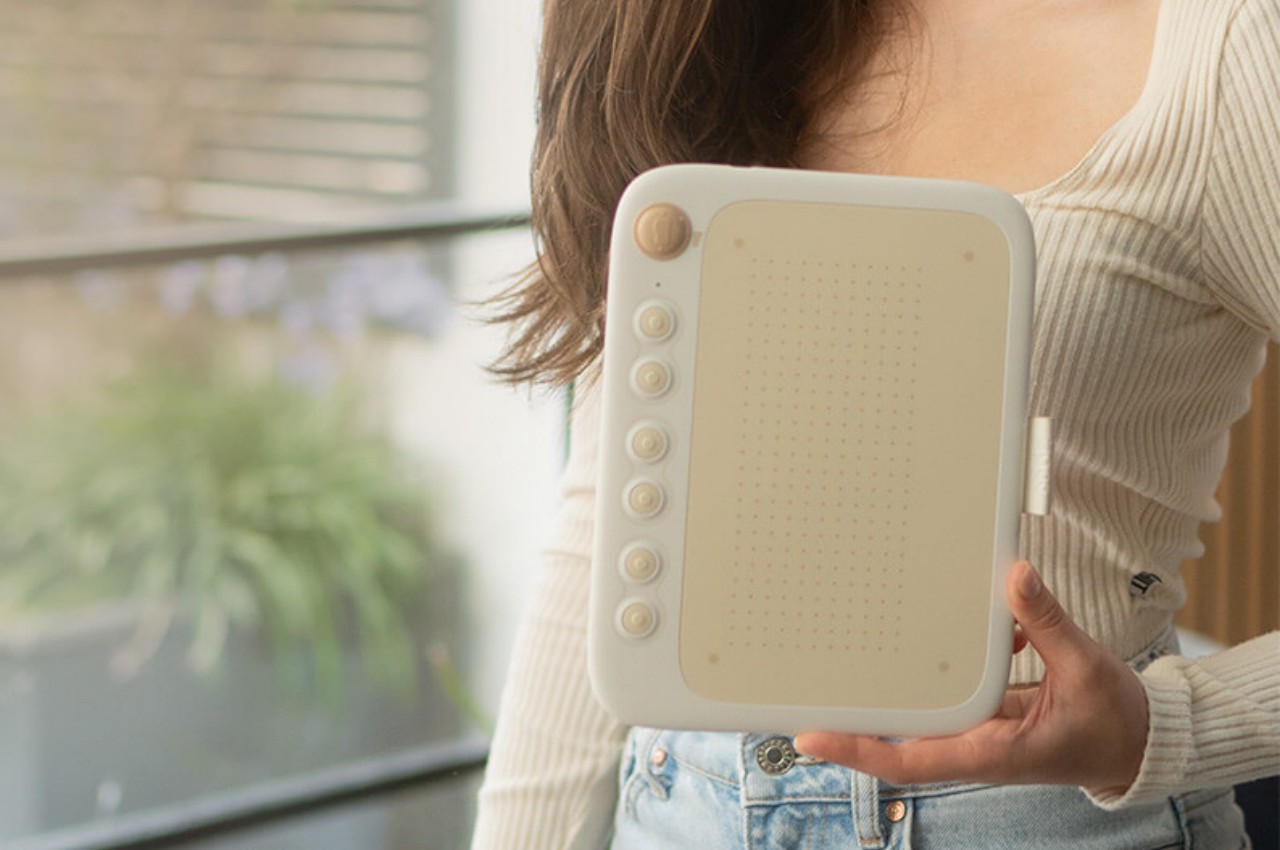
Portable Smart Induction Cooktop concept lets you cook healthy meals anywhere

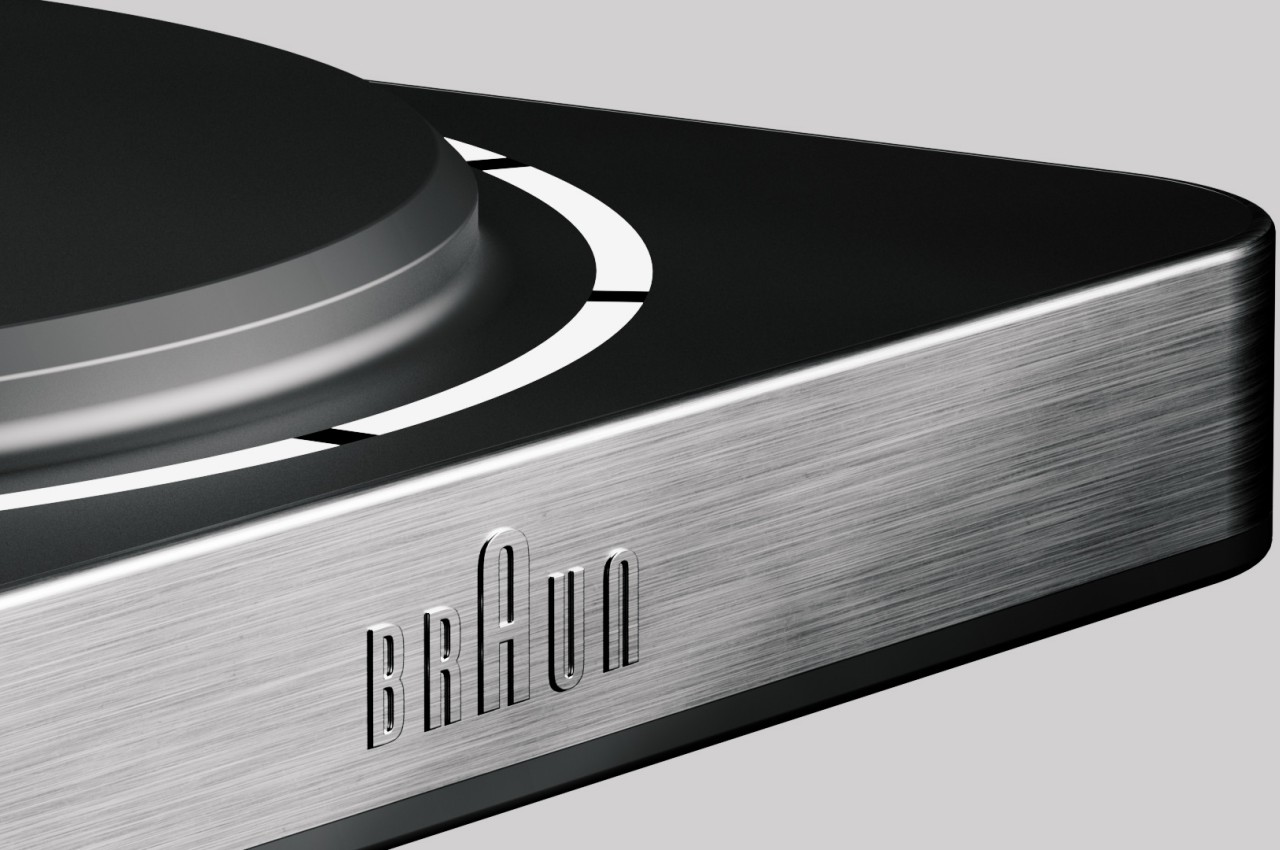
There are now several ways to get fresh and healthy meals delivered to you, but the best option is still to cook them yourself. You get to decide on the ingredients and the process, plus you can probably even save money in the long run. That said, cooking isn’t always easy or convenient, especially when you’re not at home or don’t even have access to a kitchen. Portable cooking equipment is slowly becoming an option, but many still fall short of providing convenience other than having a hot surface to cook on. This induction cooktop concept tries to address many of those shortcomings with features that help you cook smartly and safely while also borrowing the clean and minimalist aesthetic that the brand Braun is best known for.

Designer: Jenil Shah

While it’s true that all you need to cook most food is a hot surface for pans and pots, that is really just the most basic cooking experience and definitely not the most convenient. There are other factors you have to consider while cooking, not least of which is the smoke that cooking produces. Keeping tabs on the food you’re cooking or even the ingredients you will be using is also part of the process, and the SY10 portable smart induction cooktop wants to make those parts as painless as possible.

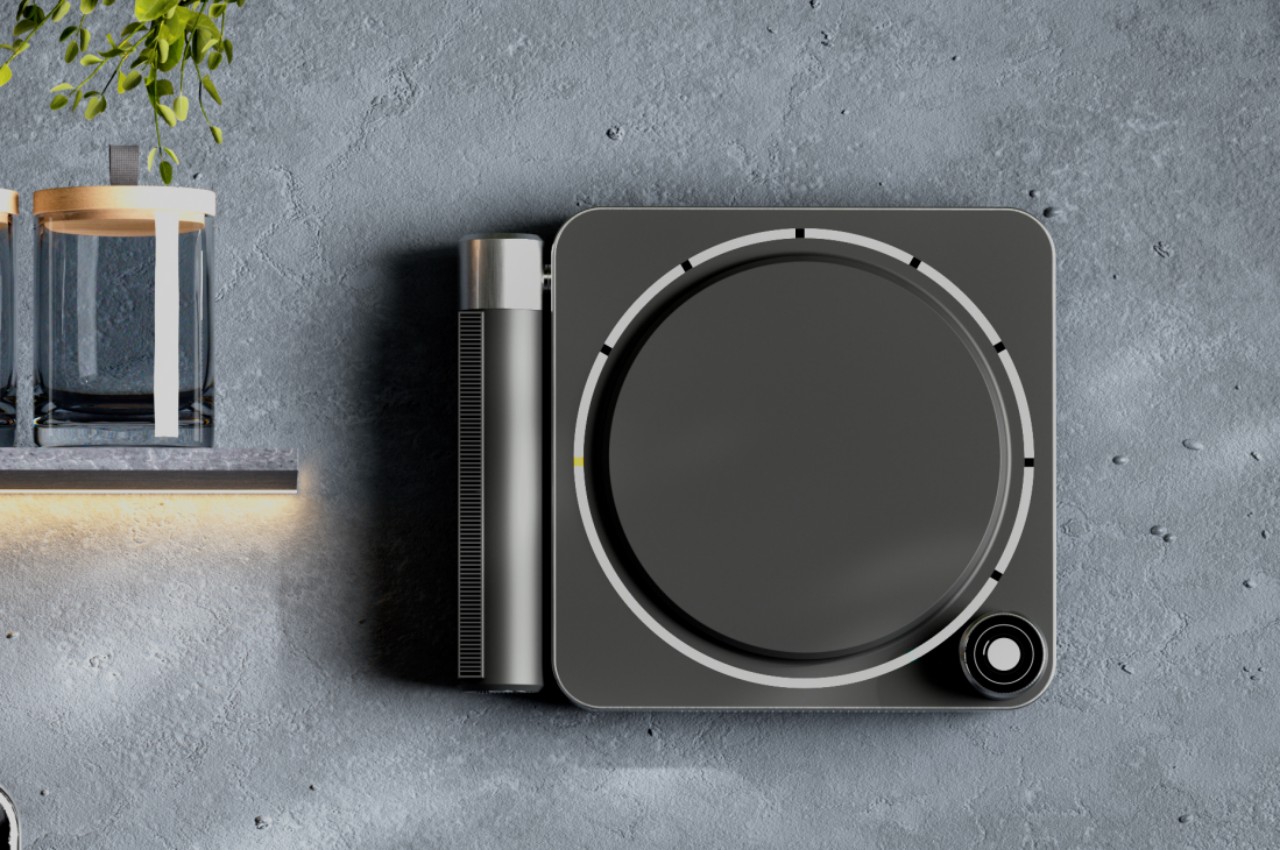
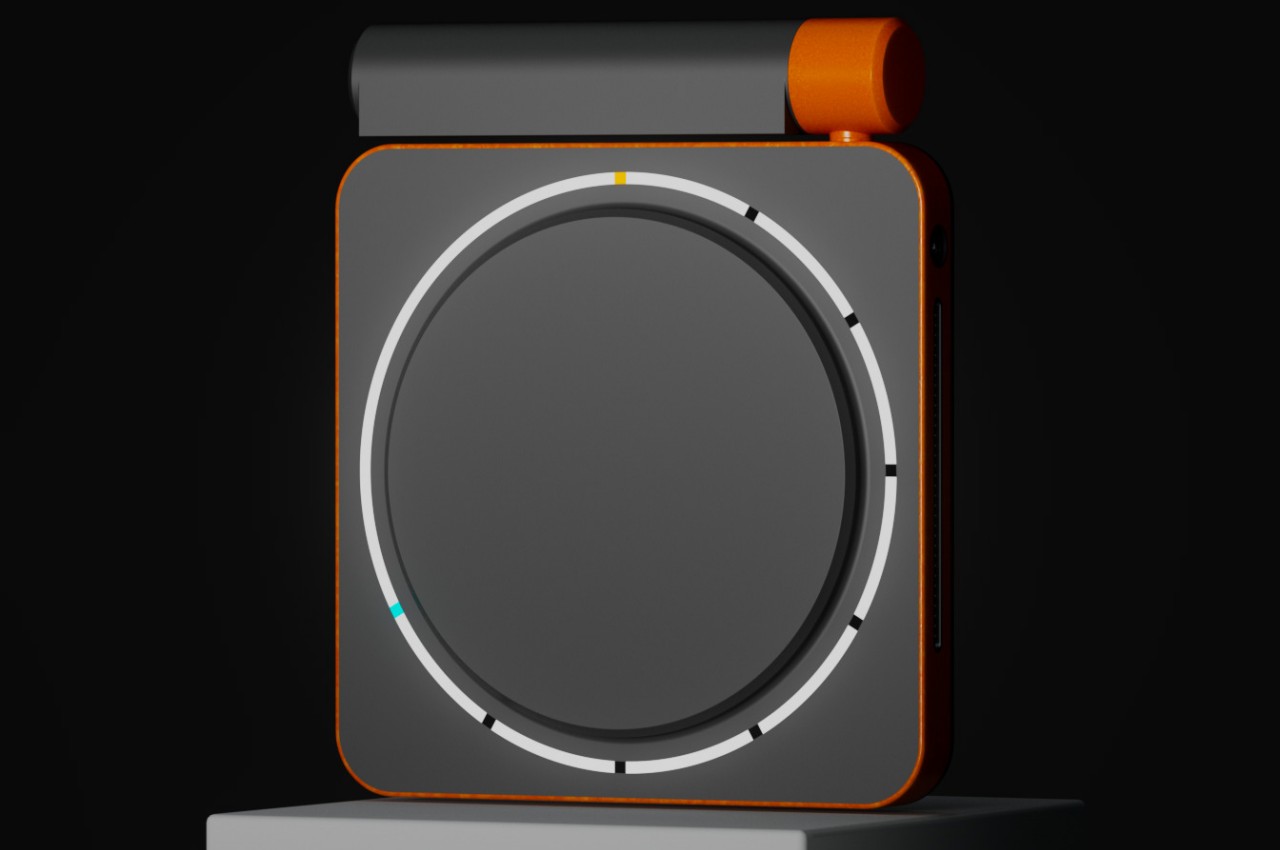
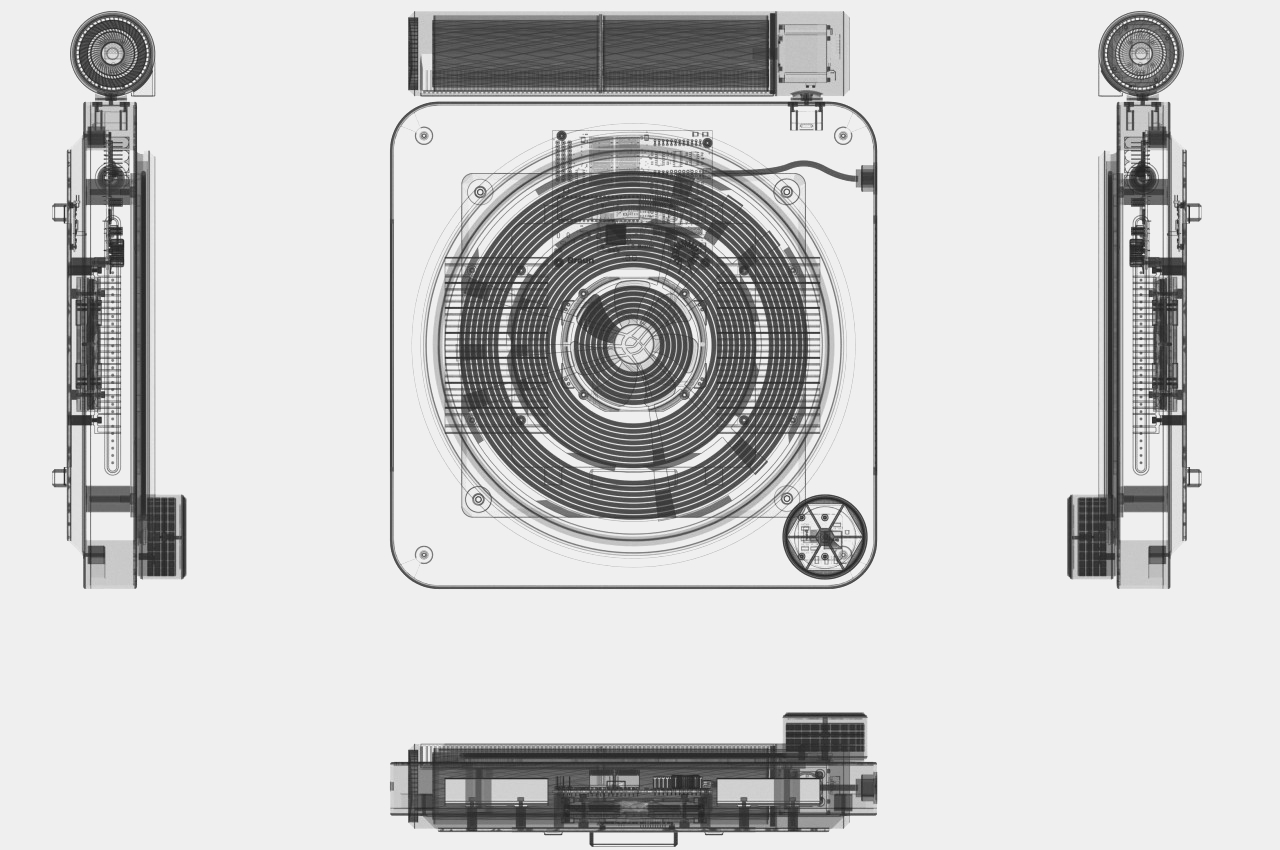
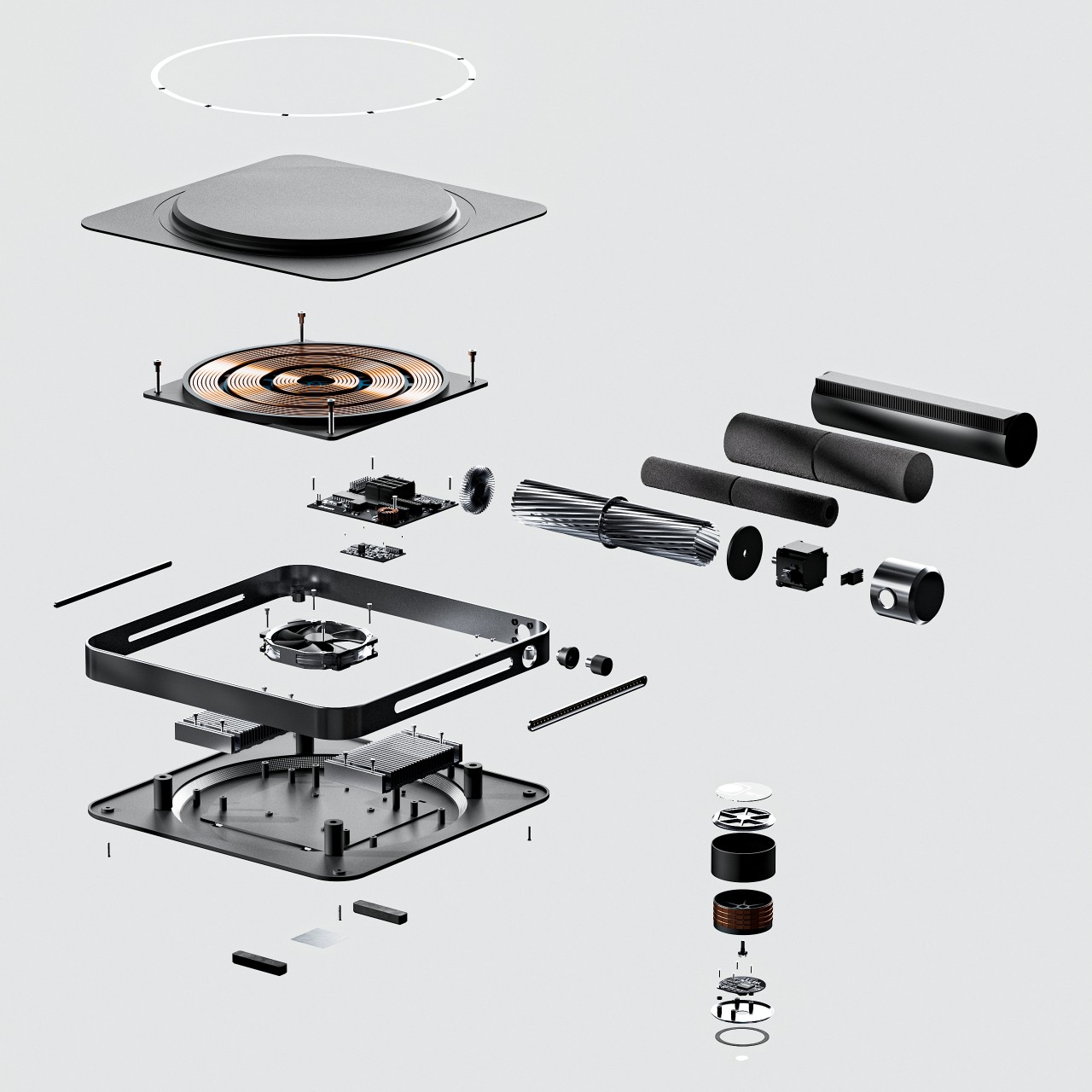
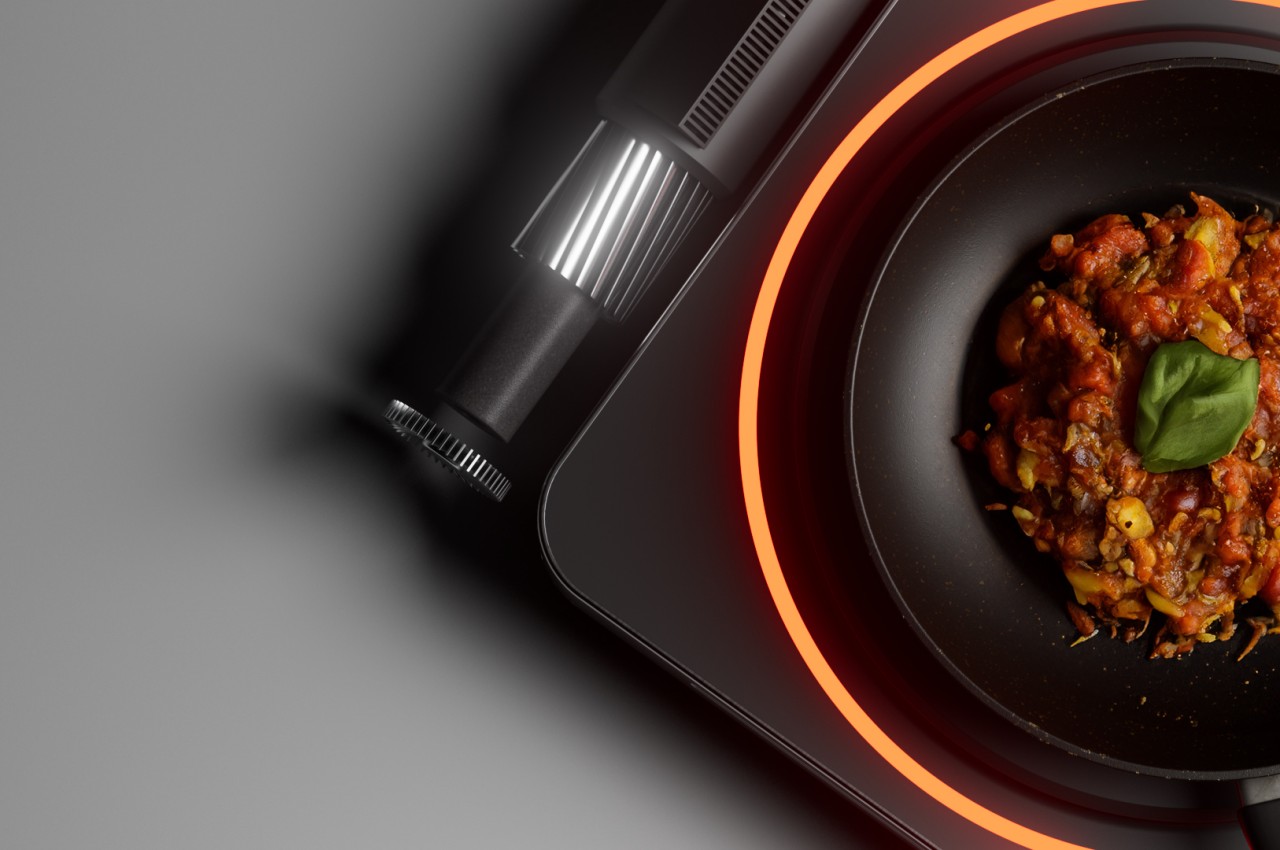
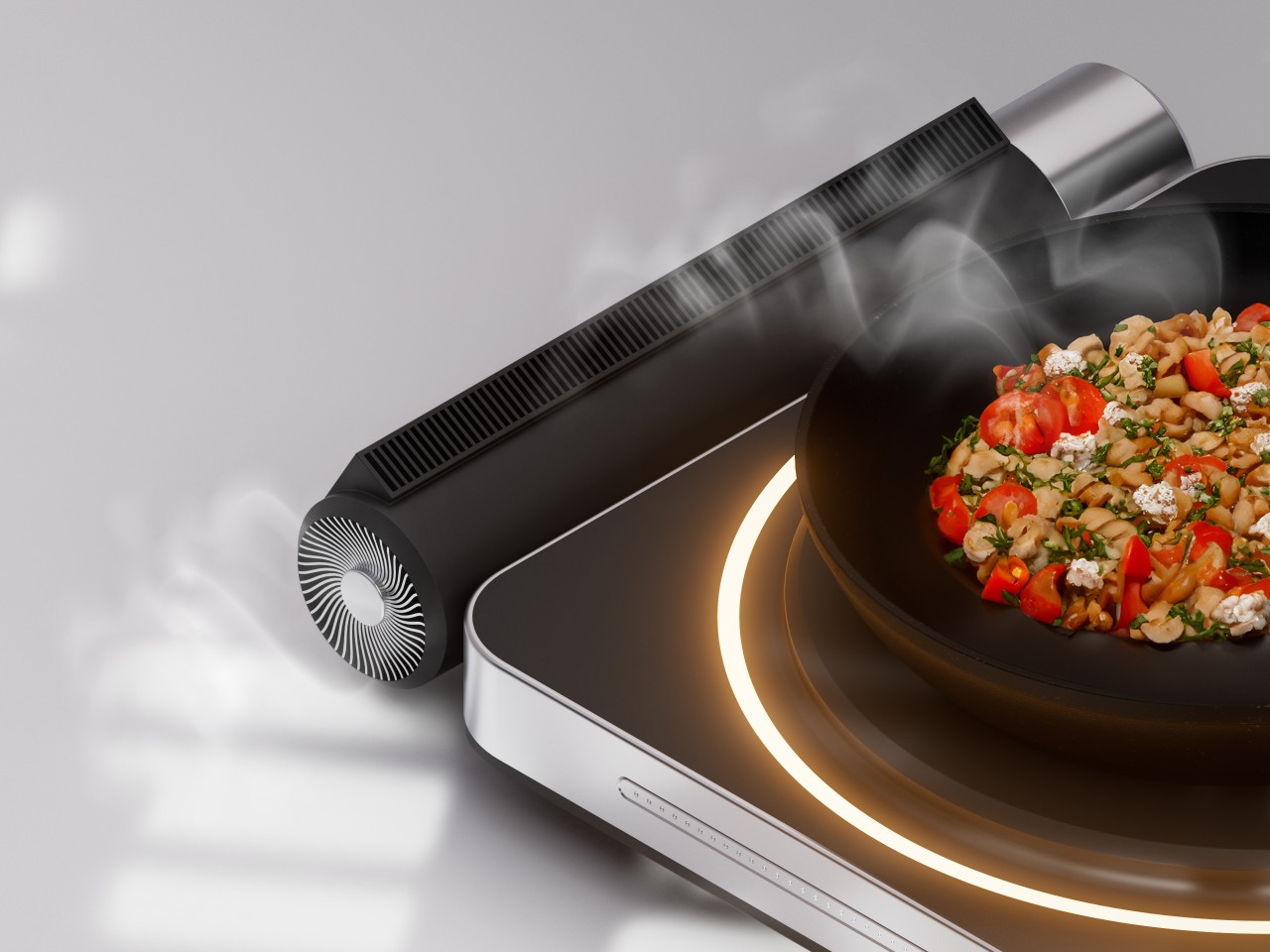
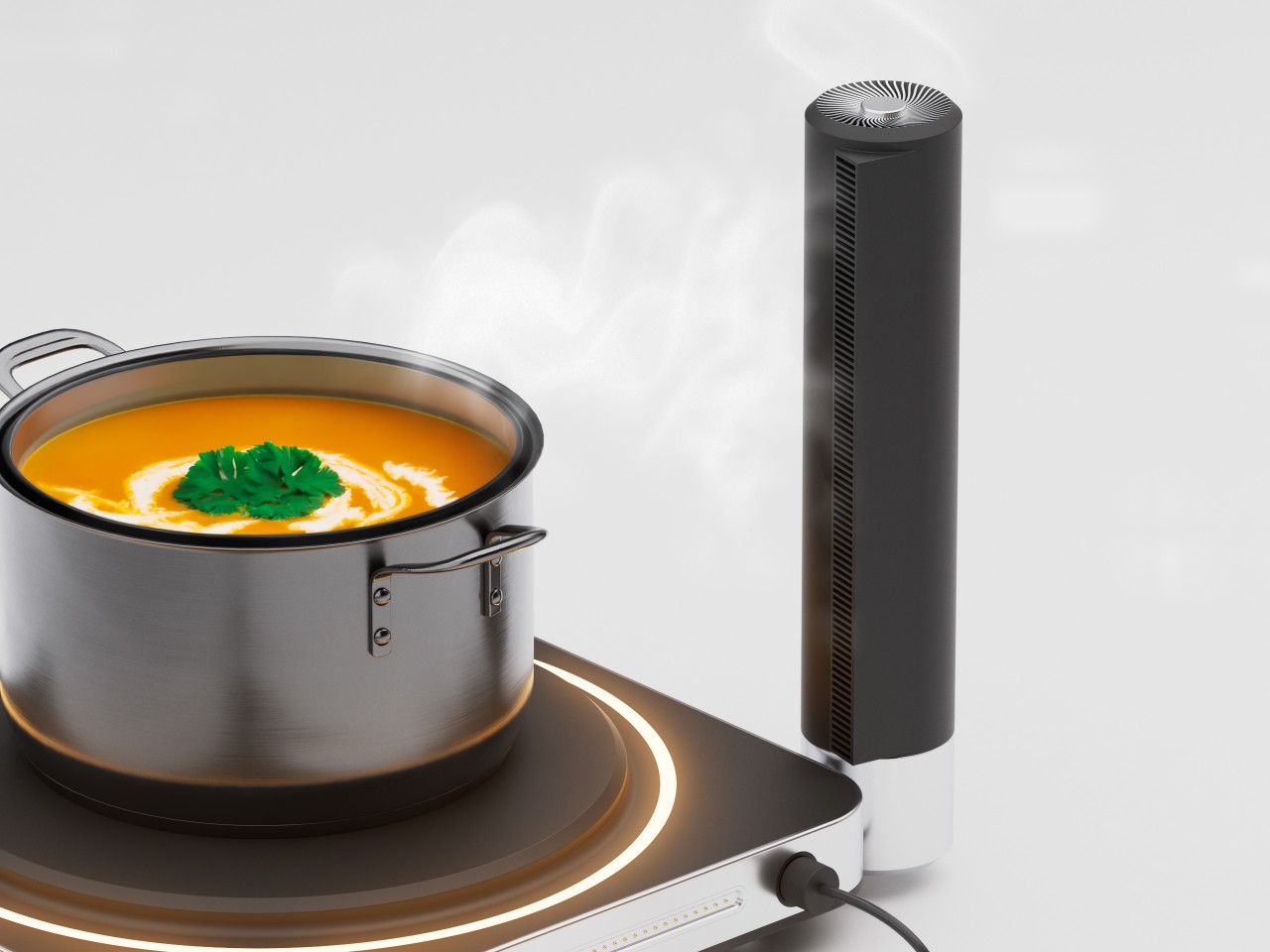
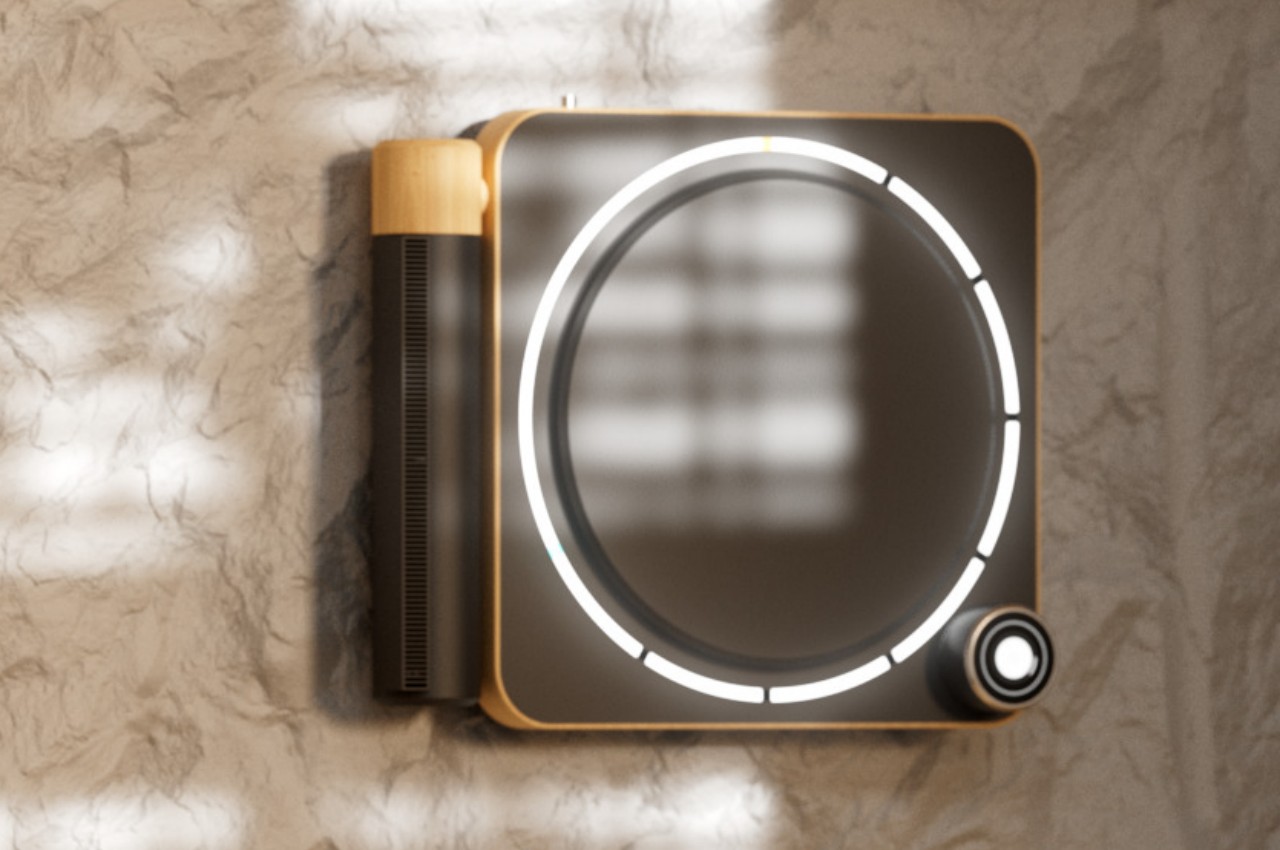
Somewhat ironically, the induction surface itself is the least exciting part of this design considering how the technology has more or less been perfected at this point. Instead, parts like the built-in Smart Air Filter offer a more interesting, especially since it’s almost invisible as part of the design. When you’re not in your kitchen, having access to a range hood with fans is almost impossible, and even at home those usually only suck up the smoke and nothing more. The SY10’s, however, uses carbon filters to remove not just harmful smoke but also odors, keeping indoor air clean without making too much noise. The filter lies horizontally right next to the cooktop, but if you have a taller pot or cookware, you can actually rotate the filter to make it stand, ensuring that no smoke escapes its fans.
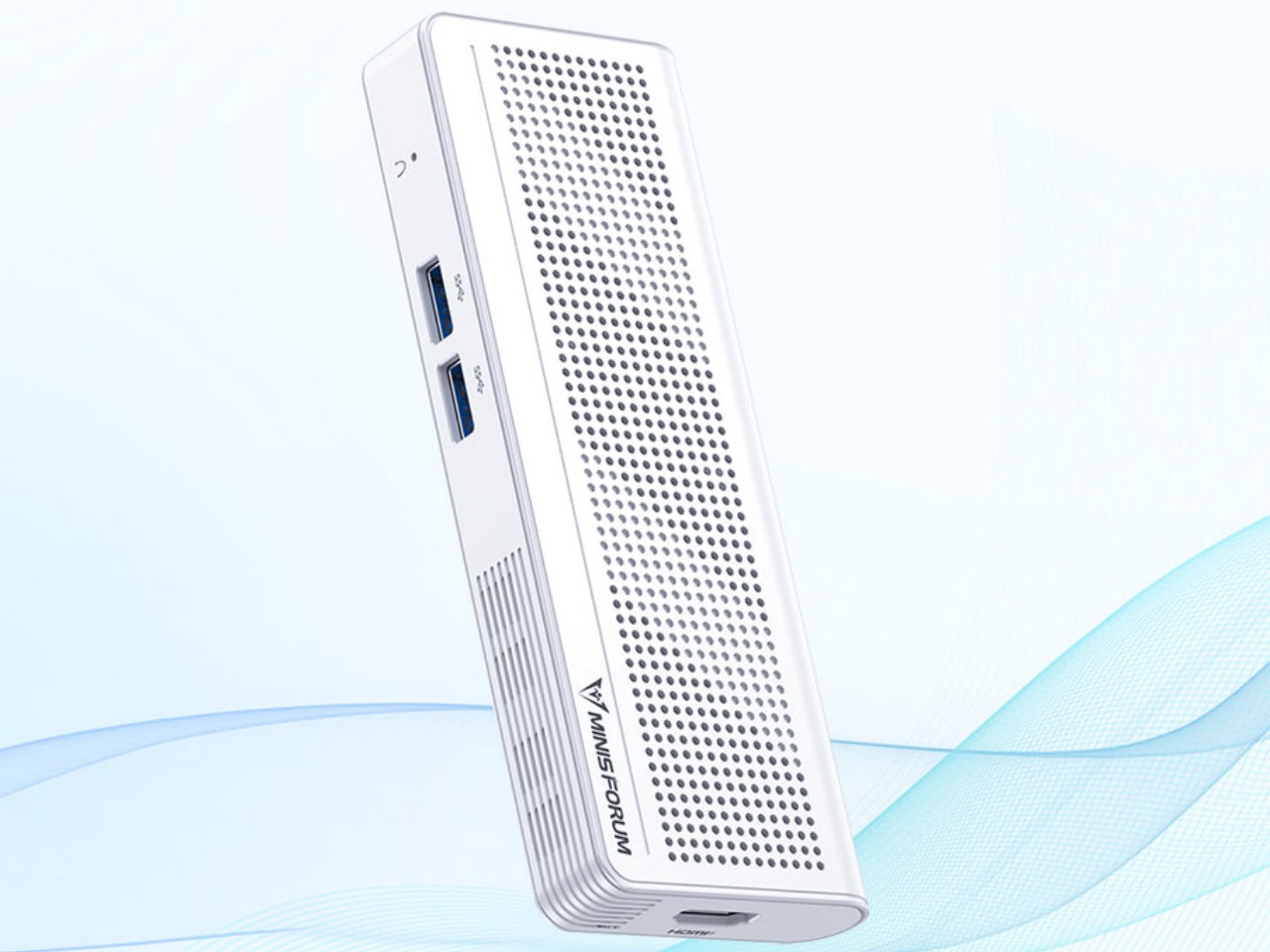
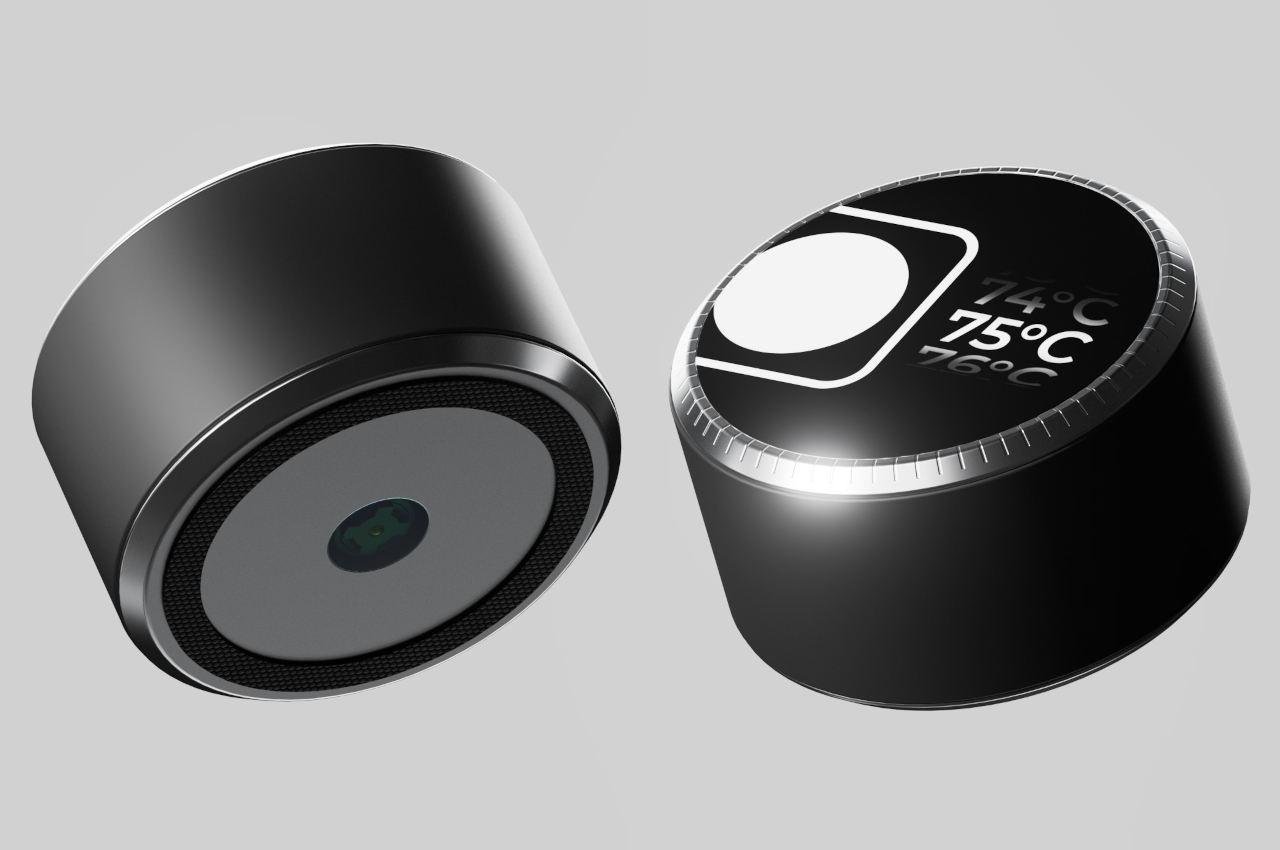
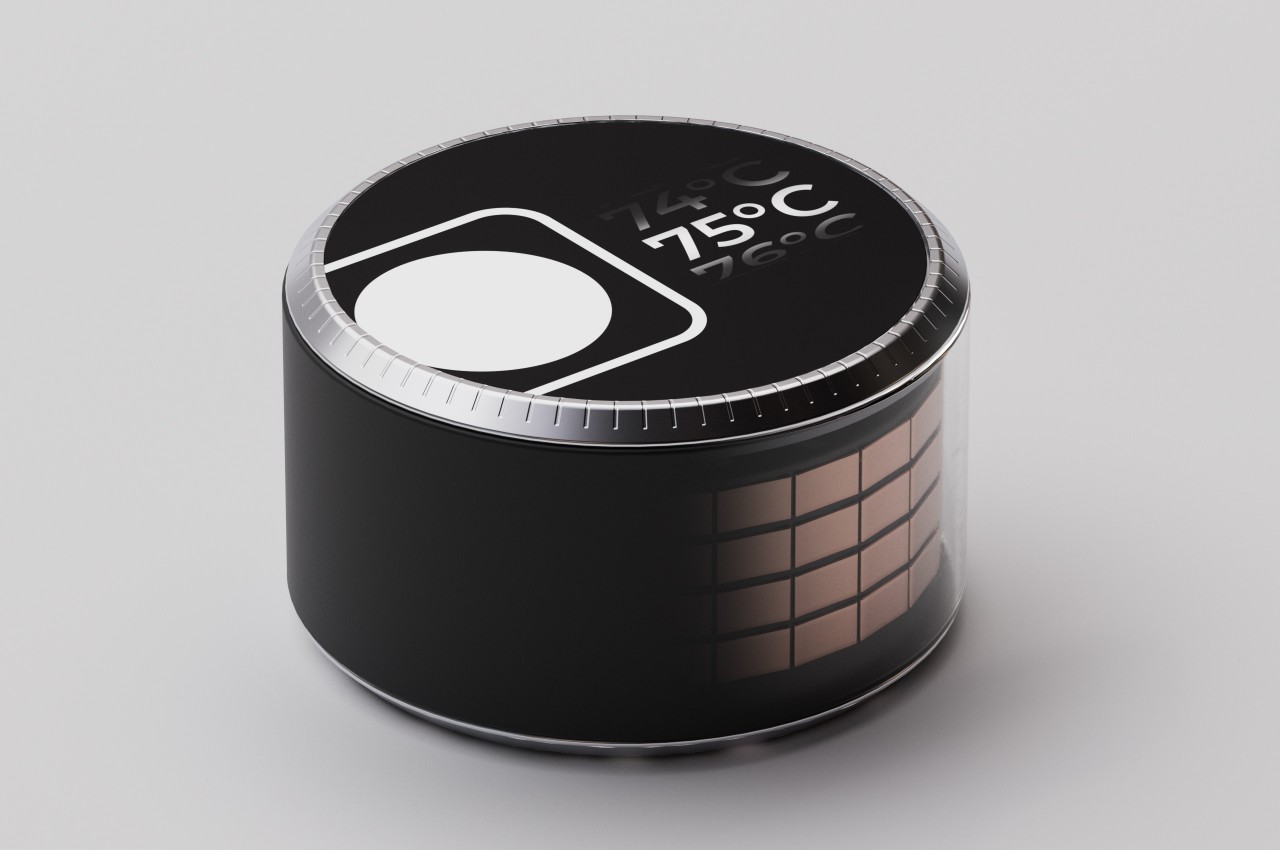
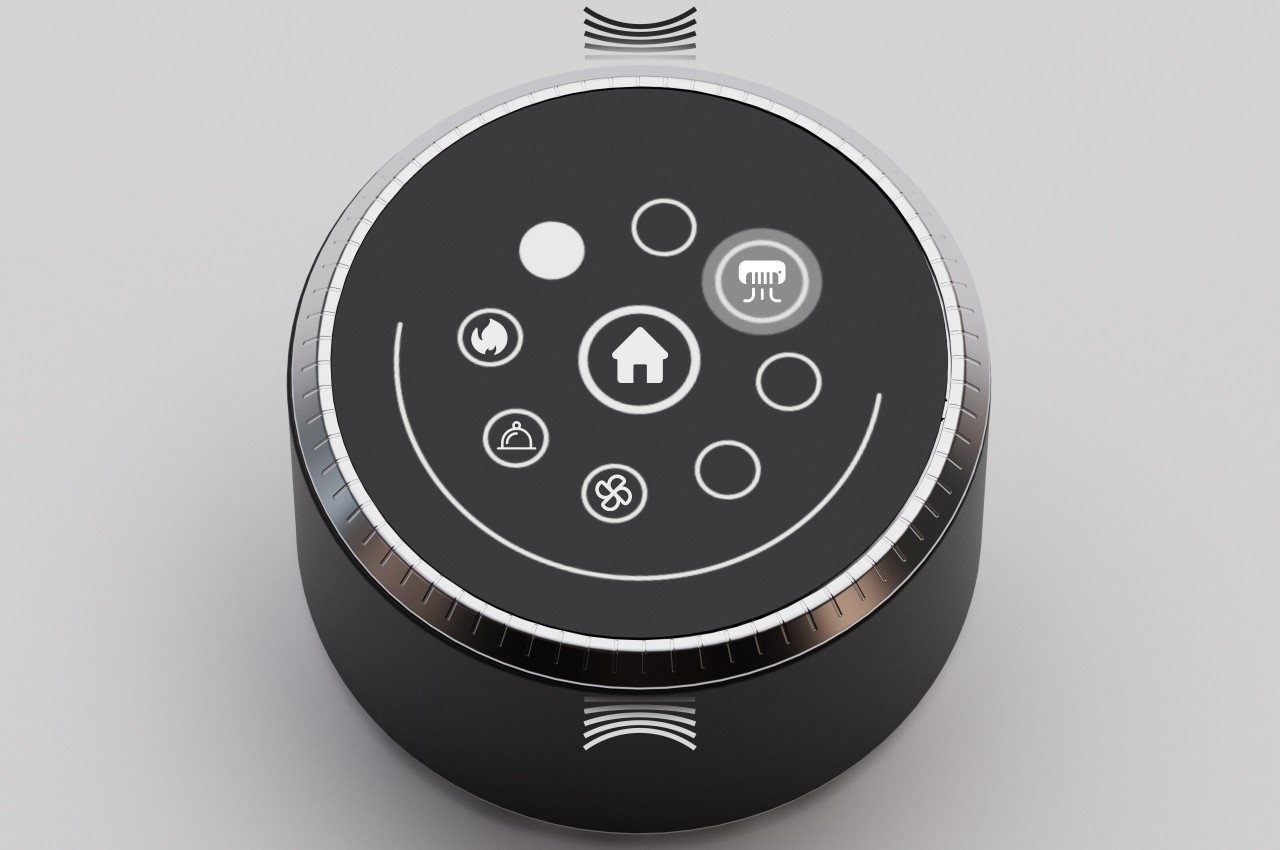
Most induction stovetops use touch-based interfaces to really capture that futuristic aesthetic, but it also makes them more confusing to handle and definitely less satisfying. The SY10’s Infinity Dial adds some good old-fashioned haptic feedback when you turn its ring, while a large circular display delivers instant information about the menus and functions you’re using. Amusingly, the dial requires you to squeeze its body to confirm an action rather than tapping that display, further emphasizing the physical dimension. Its more interesting feature, however, is a built-in camera and computer vision capabilities which allow it to look at a particular food or ingredient and determine whether it’s still good to use or if it’s going bad. And yes, that means you can actually detach the dial to use this function.

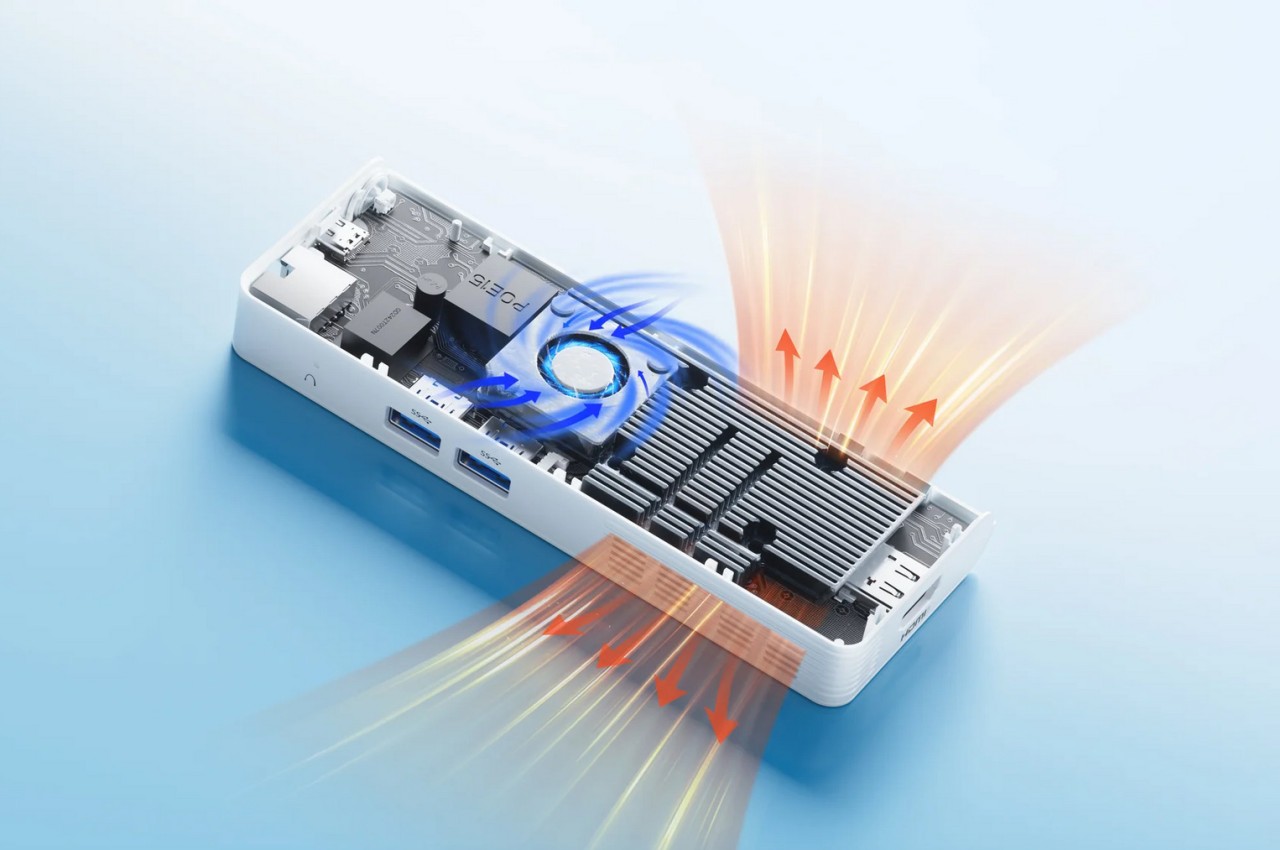
The SY10 design also includes a motherboard and other electronics to power its smart features, though its compact design might raise questions about the heat management that could affect those more sensitive parts. It does, however, need to be that compact in order to implement its portability, which would allow you to set up a small kitchen anywhere, whether indoors or outdoor, or even connect two such cooktops together. Those are important implementation details that need to be ironed out, but the concept remains an interesting one that could help take out some of the worries when cooking your meals away from home or even at home.

The post Portable Smart Induction Cooktop concept lets you cook healthy meals anywhere first appeared on Yanko Design.