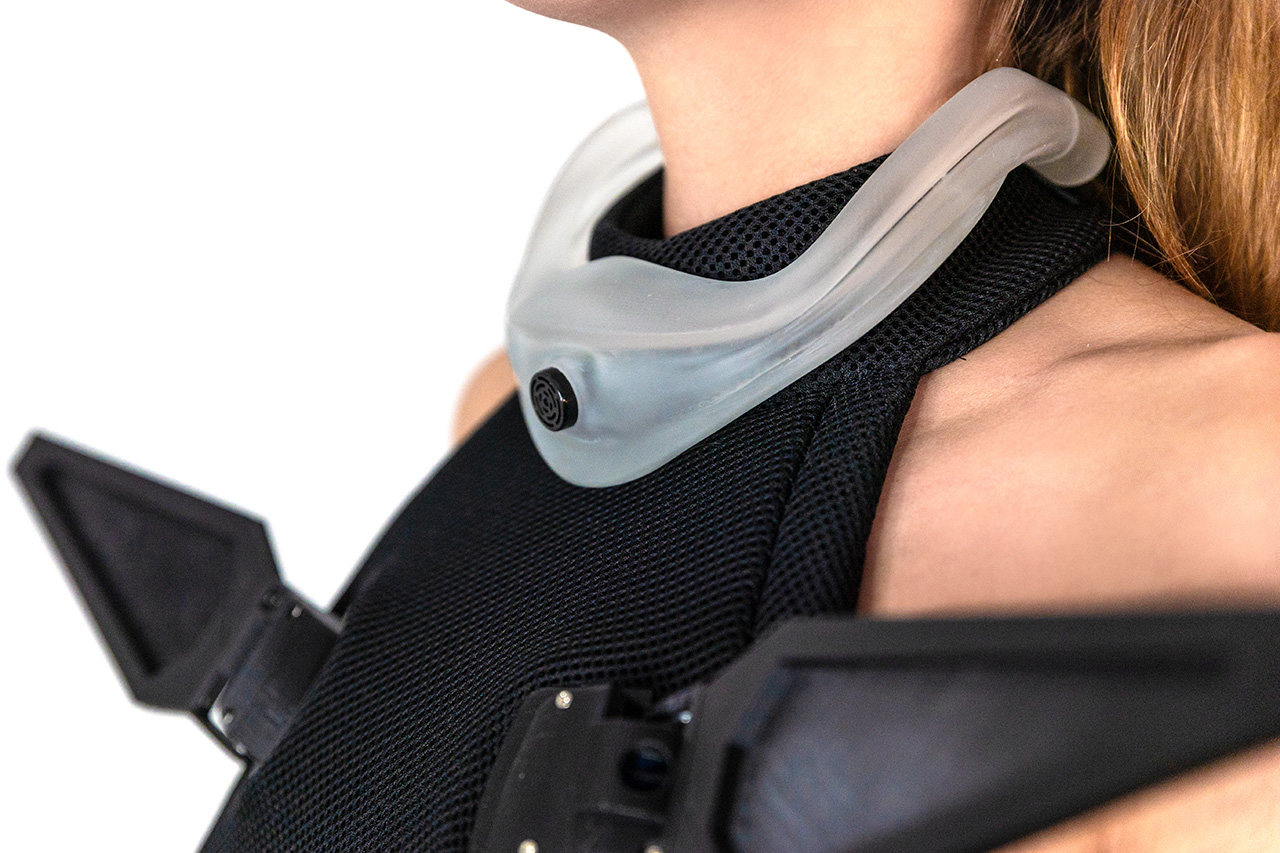
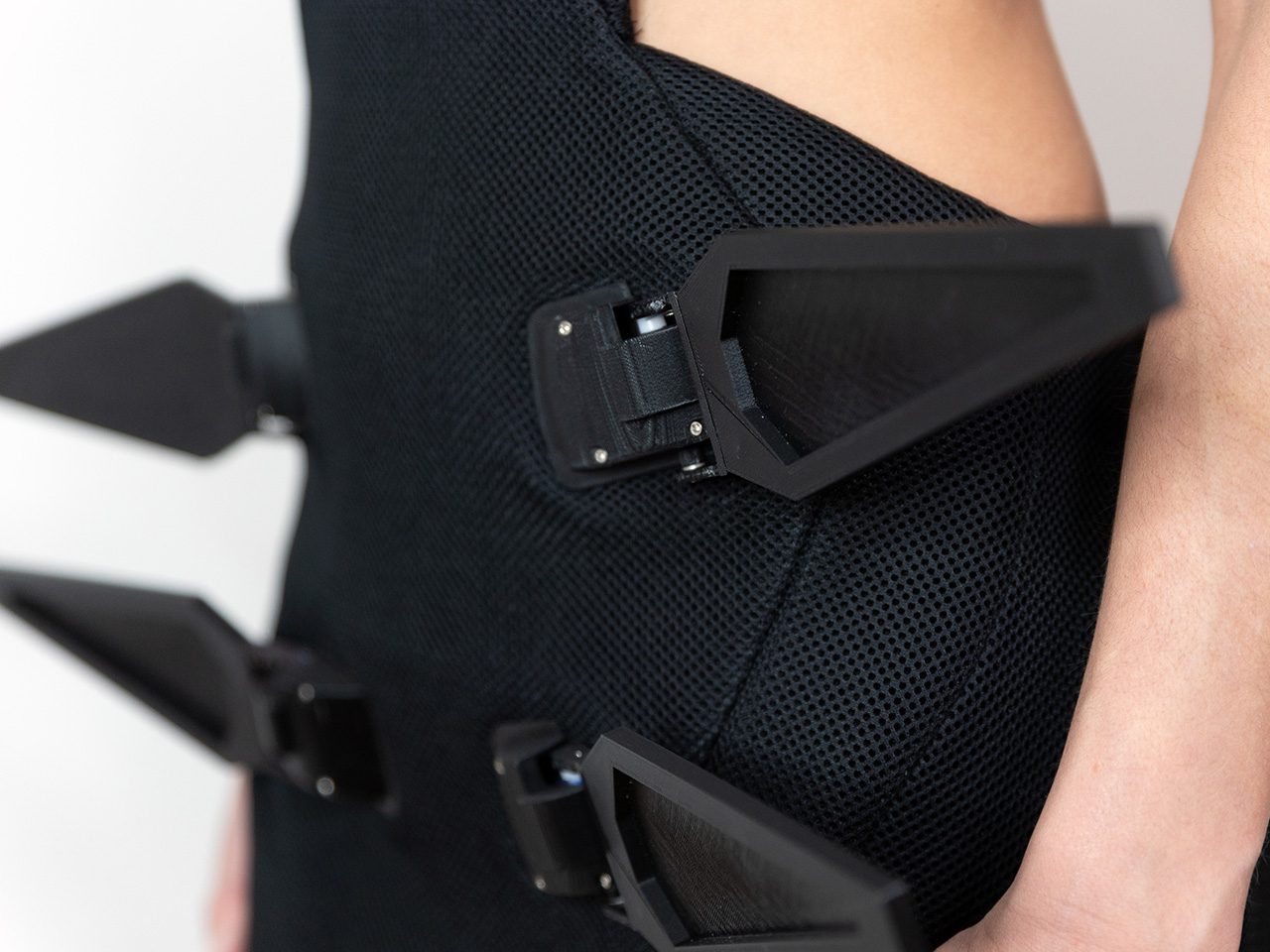
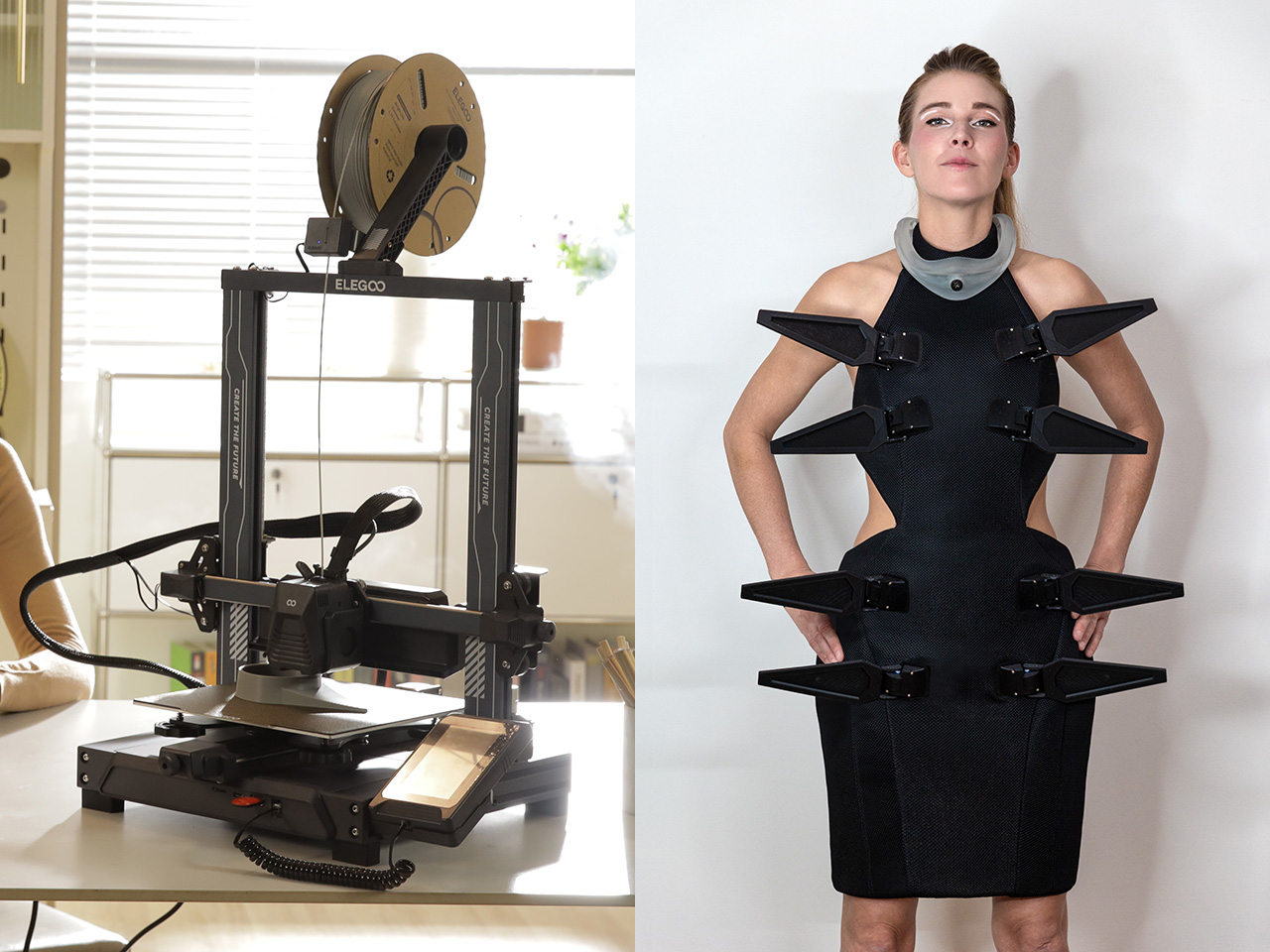
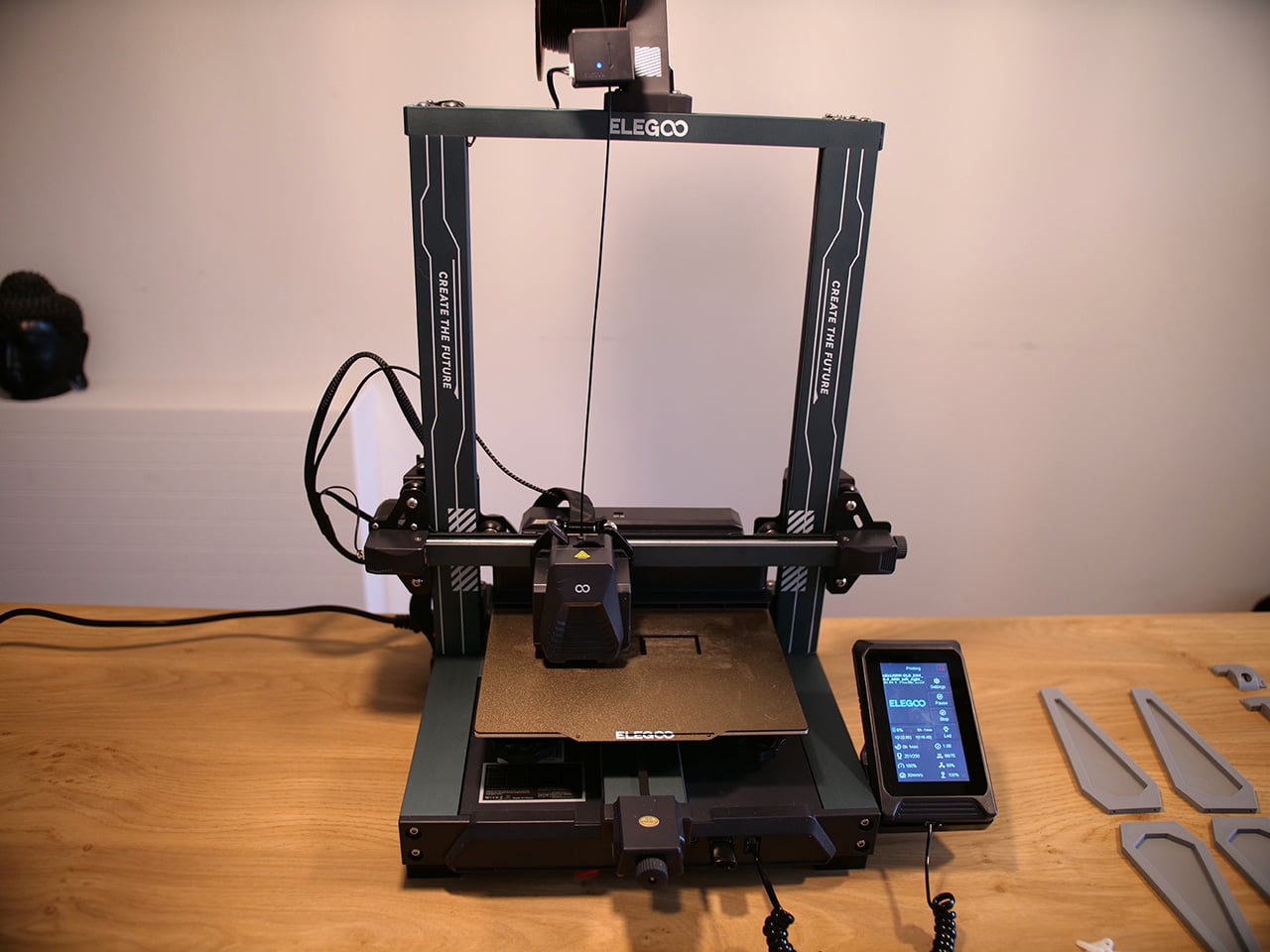
Given how much of it is exposed for everyone to see, skin conditions can easily become a source of embarrassment or even depression for anyone. This is especially true for diseases that require prolonged treatment where afflicted people have to endure not only physical but also mental and emotional suffering during that period. Those with chronic conditions such as psoriasis might feel forced to cover up those blemishes, which might not be good for treatment. Those treatment options often revolve around the technical aspects of the medicine or the physiological condition of the patient, disregarding psychological effects. This wearable medical patch, in contrast, offers a solution that isn’t just innovative but, more importantly, human-centric as well.
Psoriasis patients often feel more than just the discomfort or pain brought about by their long-lasting condition. They also feel some level of hopelessness and anxiety from living with the disease. Treatments for psoriasis do exist, ranging from ointments to injections, but patients still have to endure the sight of their disfigured skin while that treatment is still ongoing. Worse, they can’t cover up those affected patches of skin, at least not without unfavorable consequences in the long run.
The 3M Psoriasis Prescription Patch design tries to alleviate patients’ suffering by hitting two birds with one stone. For one it’s a medical-grade skin wearable that easily lets people apply the patches in affected places, and although the prototype is shown to have a transparent or translucent surface, it’s not hard to imagine 3M applying its technologies and patents to make the patch seemingly blend with the skin or cover up those areas with more aesthetic designs.
More importantly, the patches can actually administer medicine to the skin, making it trivial to apply the right amount of dosage needed for treatment. In other words, these are patches you will actually have to wear to get better, which will hopefully help increase the patient’s confidence while undergoing treatment. The patches also employ a perforated honeycomb design that makes it easier to tear off sections to match the specific shape of the area that needs to be covered. Perhaps it can even be used to create interesting patterns that call attention to the patch in a more favorable way.
On the surface, it doesn’t seem like a medical patch is something ground-breaking, but it’s an innovation that puts a paradigm shift in dermatological treatment. Rather than just the application of medicine, it focuses on the effects the processes have on the mental and emotional well-being of the patients. And with a disease that everyone will be able to see, it’s even more important to take a human-centered design approach that will not only heal people’s skins but also their spirits.
Lamps are designed to bring light to a space, but that doesn’t mean they need to be dazzling or blinding. In fact, some lamps emit more subdued and diffused illumination to create a specific atmosphere and enhance the ambiance of an area. Some lighting fixtures even go beyond just the light they shine, putting just as much emphasis on the form they come in or, in some cases, the effects they have on the environment around them. This collection of light sculptures, for example, are more pieces of art than just lamps, but the way it casts shadows inside and around it delivers more impact that, in turn, further enhances the effect that the warm light produces.
It’s almost too easy to take for granted the effect that shadows have on our surroundings. Given their dark nature, they’re often regarded as “bad” or even “ugly” elements, especially when they do obscure other more important objects in a composition. That said, shadows actually create a more impactful composition, especially when they contrast with light and create interesting forms thanks to the shapes that stand between the light source and the surface the shadows are projected on.
Fuca
Fuca
Suma
Suma
The Tala Asa collection of light sculptures embraces this kind of shadow play, putting equal importance on both light and darkness to generate a more striking overall visual. Just like in art, negative space provides not only breathing room but a canvas for these contrasting elements to draw on, casting shadows inside holes while also shining light through them. The earthen aesthetic of sculptures provides additional contrast to the unearthly glow of the light shining from inside.
Coco
Coco
Anta
Anta
Each of the five sculptures has a story to tell through their different forms. Fuca’s simple frame pays homage to the beauty of square elements you might find around you, while the arching Suma is inspired by the geological wonder that is the Ring of Fire. Two squares on top of each other make Coco represent balance and equilibrium, while the interplay of Anta’s three stripes embodies both unity and individuality. Lastly, Sunda’s more complicated pairing is meant to convey the intricate structures and complex relationships of tectonic plates, cutting a powerful and imposing figure in any space it stands on.
Sunda
Sunda
Regardless of their design or inspiration, all five sculptures draw from the earth in more ways than one. They’re available in natural tone finishes, including bone, sienna, terra, olive, and lava, but they’re also made from reclaimed stone and minerals bound with resin and coated with natural plaster paint. And just like how the sun and the earth create an interesting play of light and shadow, the Tala Asa light sculptures bring that interesting dynamic to a smaller degree in your home, office, or any space that needs just a little bit of natural inspiration to bring it to life.
Thanks to the Apple Vision Pro, mixed reality is back in the news along with the hardware that will enable people to experience them. We have yet to hit the Holy Grail of headset design that will allow people to wear these devices on their heads for long periods, but brands like Apple and Meta definitely have that goal in their sights. MR headsets are getting lighter and slimmer, but that will always come at the cost of sacrificing some functionality that has to be offloaded to some other product you will have to buy and use separately. This concept design, however, goes in the other direction and tries to actually include everything you need for a more believable mixed reality experience, including the oft-neglected audio for your ears.
Designer: Dohyuk Joo
It’s harder to fool the eyes, which is why most of the focus in developing these mixed reality headsets is on the optics. But we don’t experience the real world with just our eyes, and a more immersive virtual world will also need to do more than just feed us visual data. Just like in the real world, audio is either taken for granted or at least takes second place only, but this headset design tries to balance the scales, even if it means going back to the days of bulky headsets.
WavVision, whose name tries to embody the combination of sound and sight, attempts to be an all-in-one mixed reality solution for our eyes and our ears. In a nutshell, the headset includes over-ear headphones to deliver audio, particularly spatial audio, that would complete the immersion of existing in a virtual space. This wouldn’t be the first headset to attempt that combination, but it is definitely one of the few that make it painfully obvious. The Meta Quest 3, for example, does have built-in speakers but uses an open-ear design that simply directs the audio waves toward your ear.
In addition to having over-ear cups built into the design, the very form and construction of WavVision go against the dominant trend in this niche market. The frame is made from thick steel plates bent to loosely follow the shape of the head. It’s a material that suggests quite a bit of weight and sharpness, which is the opposite of what headsets today are aiming for. It gives the design a distinct industrial aesthetic, which is intentional but also questionable.
One of the reasons why headsets don’t include dedicated headphones is because the audio experience could probably be delivered by more dedicated hardware that’s specially designed for performance as well as comfort. Building that part into the headset only weighs the product down, both literally as well as in terms of costs. Conversely, an integrated design ensures a unified appearance and, at least theoretically, a more complete experience. Admittedly, few of the mixed reality brands today seem to be paying that much attention to the audio aspect, but if Apple will be playing this game for long, it will undoubtedly dip its toes in that area sooner or later.
Many people try to deny experiencing physical disabilities for fear of making them look weak. This is especially true when it comes to hearing problems that people feel they can simply ignore or wave off easily. Those who do admit to having some hearing disabilities, however, are hesitant to get hearing aids that are expensive, fragile, uncomfortable, and too conspicuous, as if announcing their handicap to everyone around them. That doesn’t have to be the case, especially with today’s advancements in technology, and fortunately, some people are indeed stepping up to design a less obnoxious and more reliable hearing aid, such as this concept that tries to check all the boxes that would encourage more people to wear them and enjoy the world as it was meant to be heard.
Despite how electronic components can now be so minuscule, most hearing aids still come in a large, two-piece design that, more often than not, clamps to the back of your ear. Such hearing aids are not only uncomfortable to wear, they also tend to put a very visible stigma on wearers, making them feel self-conscious and even ashamed to wear one. This leads to many owners abandoning these devices altogether, willing to sacrifice their happiness for the sake of their image.
Rezonance is a concept design that tries to think of a better solution that isn’t just more discreet but also more affordable and accessible in the long run. Instead of the typical clamping design, Rezonance employs bone conduction technology to be almost invisible. It’s a technology that is already used today on some wireless headphones, so it’s already a proven solution. By using bone conduction, there doesn’t need to be any visible part going into the person’s ear and Rezonance can stay hidden from view behind the wearer’s ear.
Instead of using clamping force to stay in place, the concept suggests an adhesive pad that’s similar to sports tape, ensuring that the material is not only waterproof but also reusable. Additionally, the components used to make the actual hearing aid are claimed to be quite cheap and easily available, which means that the final product itself doesn’t have to cost people an arm in exchange for their ear.
The design doesn’t specify whether Rezonance works only as a single piece or if you will need two for the full audio experience. Even then, it would still be a lot less cumbersome compared to the traditional hearing aid design. Of course, such a design will need to be verified first, especially by professionals, because a design that’s elegant yet ineffective will just end up disappointing and turning away people all the same.

The Mac mini and its more powerful cousin, the Mac Studio, offer an Apple computing experience that prioritizes flexibility and your desk space over functionality you might not even need. Its compact form allows you to place it anywhere you want while also offering the freedom to connect any kind of monitor, keyboard, or peripheral you need to get done. At the same time, however, the mini PC form factor doesn’t have enough space to keep all these external devices always connected, and you will often find yourself repeatedly attaching and detaching bits and pieces as you work. Over time, these dongles, cards, and whatnot start to pile up and make a mess on your desk, which is where this handmade wooden organizer and riser comes in, offering a uniquely elegant solution to keep those tiny objects out of sight and out of mind.
Designer: Kostiantyn Andriiuk
Although Apple designed the Mac Mini and Mac Studio to stand on their own, there are some desk setups and designs that require elevating these minimalist boxes a bit higher. In fact, their small bodies make it easy to place them on top of anything, but that doesn’t mean they’ll look good on it unless that “thing” was specifically made for the mini Macs. This handcrafted riser is made to match the dimensions of the Mac mini and elevates the metal box not just in height but also in style.
Made from Cherry and Alder veneers, the wooden stand exudes a warmth that contrasts with the cold silver exterior of the Mac mini while also perfectly complementing it at the same time. Both pieces carry an air of elegance, despite their different materials and creation processes. While the Mac mini is mass-produced in a factory, each piece of this wooden riser was measured and crafted manually.
The most interesting part of the riser, however, is the drawer inside that’s hidden behind a tambour door. Unlike a simple organizer that exposes its container for everyone to see, you have to slide the row of vertical slats out of the way first before you can pull out the drawer. The mechanism offers functionality that doesn’t take away anything from the design’s aesthetics, a philosophy that is perfectly in line with Apple’s own approach to designing products.
The design for this unique and distinctive tambour organizer stand is fortunately available for everyone to follow, but the painstaking process will probably scare all but the most seasoned makers. That said, it could be a source of inspiration for other accessory makers to make their own spin on the idea, especially the brands that pay a lot of meticulous attention to details, materials, and finishes that would perfectly match an Apple product.
Computer mice have been around for decades, and despite their form making no objective sense, they remain the most basic and most common pointing device that we now use intuitively. The core design of the mouse hasn’t changed significantly since its inception, which unfortunately means they’re still one of the biggest causes of repetitive strain injury or RSI for many people. Ergonomic mice are starting to gain traction, particularly the vertically oriented designs that promise a more natural and comfortable grip for your hand. This device concept builds on that same premise, but the execution is a bit puzzling considering how it looks less like a mouse and more like a miniature clothes iron.
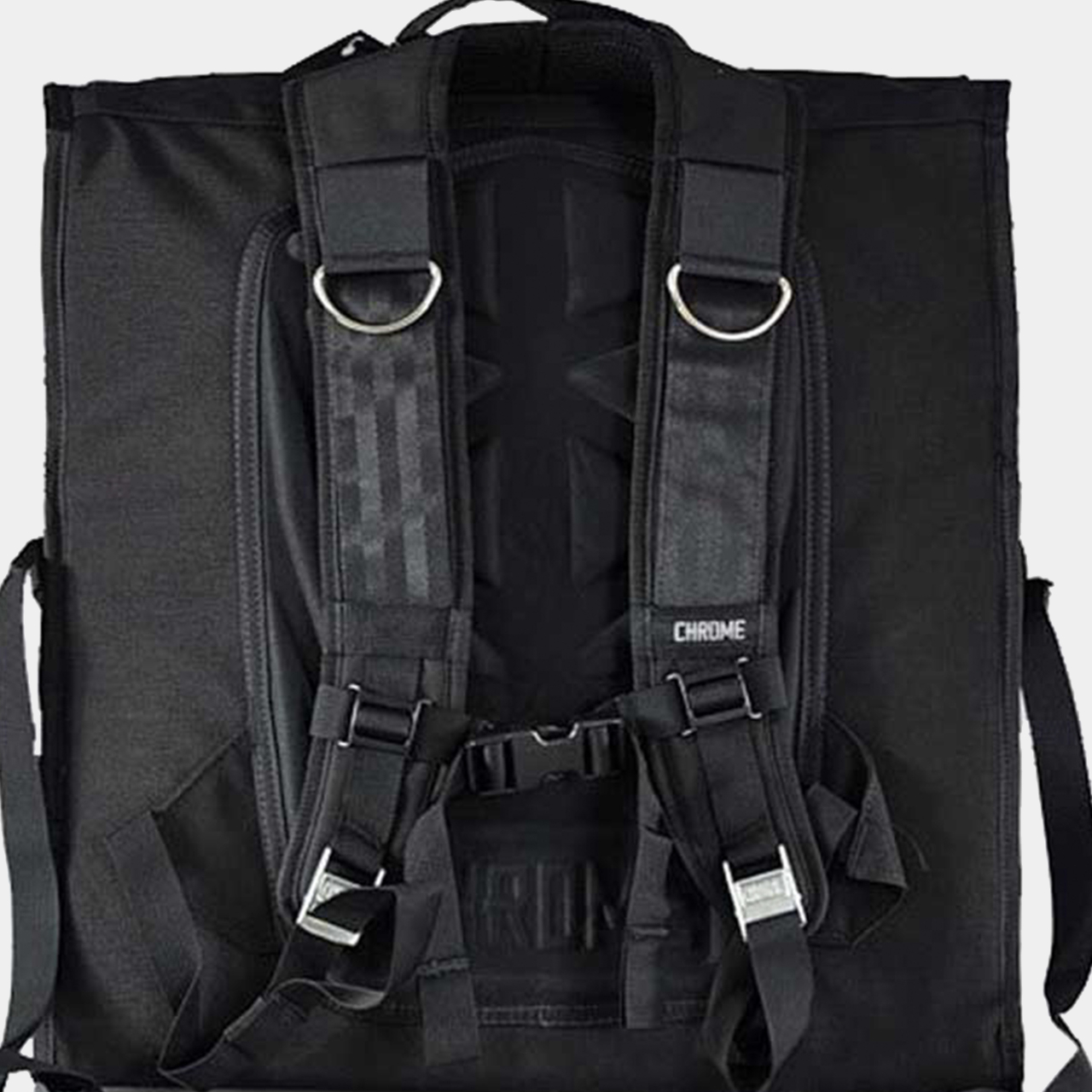
The rationale behind vertical mice is that the normal orientation of human hands has the palms facing inward rather than downward. With a regular mouse, users are forced to keep their hands at an unnatural angle, whether or not they’re moving the mouse at that moment. Of course, a vertical mouse would still need to provide the basic functions of a conventional mouse, which includes left and right buttons as well as a scroll wheel.

At first glance, the Ergo ergonomic mouse concept is just like any other vertical mouse now available for purchase, but examining its form and silhouette generates a slightly different image. The top plane’s wide surface tapers sharply toward the front, while the wide middle section looks rectangular when viewed from above. If not for the actual bottom of the mouse, which merges two vertical sides like the keel of a ship, the Ergo looks almost like a clothes iron, albeit one without a handle to grip.
Aside from the peculiar shape, the mouse design also raises a few other questions. The buttons on the outer or right side are clearly marked, but they don’t look like buttons you can physically click at first glance. The position of the mouse wheel on the opposite side is even more puzzling, as it will require a lot of swinging movement from the thumb that could actually put more strain on its joint. The rather wide rear might also make it harder to grasp the mouse, potentially resulting in more discomfort in the long run.
Projectors are becoming a popular alternative to extra large screens like TVs, mostly at home but sometimes even outdoors. Product design trends have started to move away from bulky boxes to more compact forms, but most of them are still restricted by a few design considerations. Even projectors that are supposedly designed for portability often come with clunky and sometimes unattractive stands, or worse, require setting up on tripods just to get the perfect angle. This concept design tries to solve that problem in a rather creative way, offering a highly compact and portable projector that can be propped up and angled conveniently, all without using a tripod or even a stand.
Thanks to progress in technology and manufacturing, it’s now possible to cram much of the electronics that powered large, hulking projectors into something the size of a small box or even a cylinder. But despite the smaller designs, or probably because of their more cramped designs, these portable projectors often rely on an external mechanism like a tripod or stand to prop them up at the desired angle. Not only does this ruin the aesthetics of the otherwise beautiful product, it also makes it cumbersome to bring the projector along wherever you go.
The Slim.VU concept tries to offer the ultimate on-the-go entertainment experience by encapsulating all the needed parts and design in a single, compact, and portable package. A projector with a built-in battery is not exactly new, but one that comes with 4G connectivity is still unheard of. That enables the projector to function not only without an external power source but even without a Wi-Fi connection, allowing it to access streaming sources without having to use up your phone’s cellular data.
The more interesting aspect of the projector’s design, however, is the built-in stand that looks nothing like a stand. The removable “cap” of this tumbler-like projector functions as this stand, holding the projector in its place magnetically. The curved shape of this stand lets you rotate the cylindrical projector and angle it properly. This way, you don’t need any other accessory to enjoy a video anytime you want, anywhere you go.
The Slim.VU projector concept contains everything you need, freeing you from concerns about power, connectivity, and stability. Of course, actually implementing such a projector is a different matter entirely, and it might need to make a few compromises in exchange for its compact form. Audio and video quality might actually take a hit just to cram this much technology inside a canister shape, making the portable projector less ideal for outdoor use, or even indoor when there’s too much ambient light.
When people talk about augmented or mixed reality, they most likely imagine strapping bulky visors to their heads and blocking their eyes. Although that is definitely the primary way to experience an immersive fusion of the physical and the digital, mixed reality actually goes beyond living in virtual worlds or seeing apps floating in front of you. You could, for example, point your smartphone somewhere in the real world and see a glimpse of digital information through that small window. Limited as that experience might sound, it can actually open up a whole new world to discover, especially if it allows children to learn more about the world they live in, giving them access to flora and fauna that they would have never encountered in the wild.
Designer: Junwoo Lim
To a child’s eyes, the world is both magical and mysterious, and that’s just for the things they can actually see. Our planet has a lot more treasures and oddities than they could possibly imagine, but most of them are out of reach due to urban development and safety considerations. At most, kids can learn about them through books, videos, and other flat media that, while informative, lack the proper context that young minds need to truly appreciate the scale of these earthbound creatures.
Mono is a mixed reality device concept that unlocks that world and allows kids to not only learn but also enjoy discovering these nuggets of knowledge in a way that doesn’t take them away from their current environment. Using mixed reality technologies, the gadget overlays virtual creatures like insects and animals on top of real-world objects, making them look like they’re actually there on the roof or in your hand. This allows kids to see them in their proper scale, observe their natural movement, or even see them interact with each other, all while still having access to additional text information layered on top of this view.
The device comes in a design that looks like a toy magnifying glass, an object that has long been associated with exploration and discovery. Instead of a transparent lens, it has a camera on one side and a screen on the other. Theoretically, the user can put the screen close to their eye the same way they would use a real magnifying glass, though that raises questions about the safety of that method. The controls for the device are simple enough for a child to understand, including a single button for power and a slider for zooming in and out to understand the scale of the creature being observed.
The Mono concept design tries to fill in an educational need for kids to learn more about the world in a safe and engaging environment, but without weighing down their heads with headsets. It demonstrates how mixed reality can be more than just an entertainment medium or a productivity tool for adults, but something that kids can also benefit from. A magnifying glass design definitely carries that exploration vibe, though it’s questionable whether it’s an appropriate one given how kids are likely to put the screen right in front of their eyes.
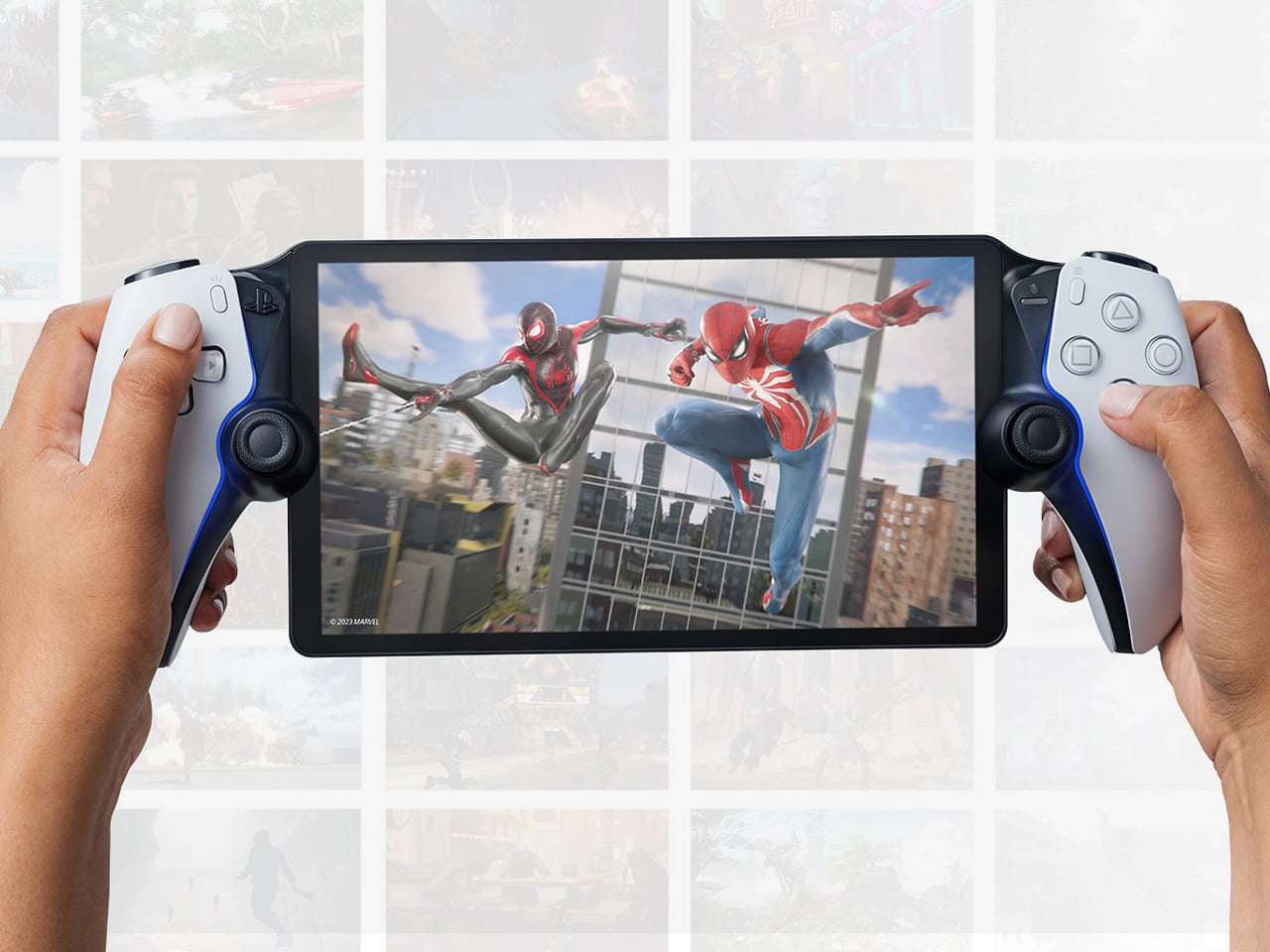
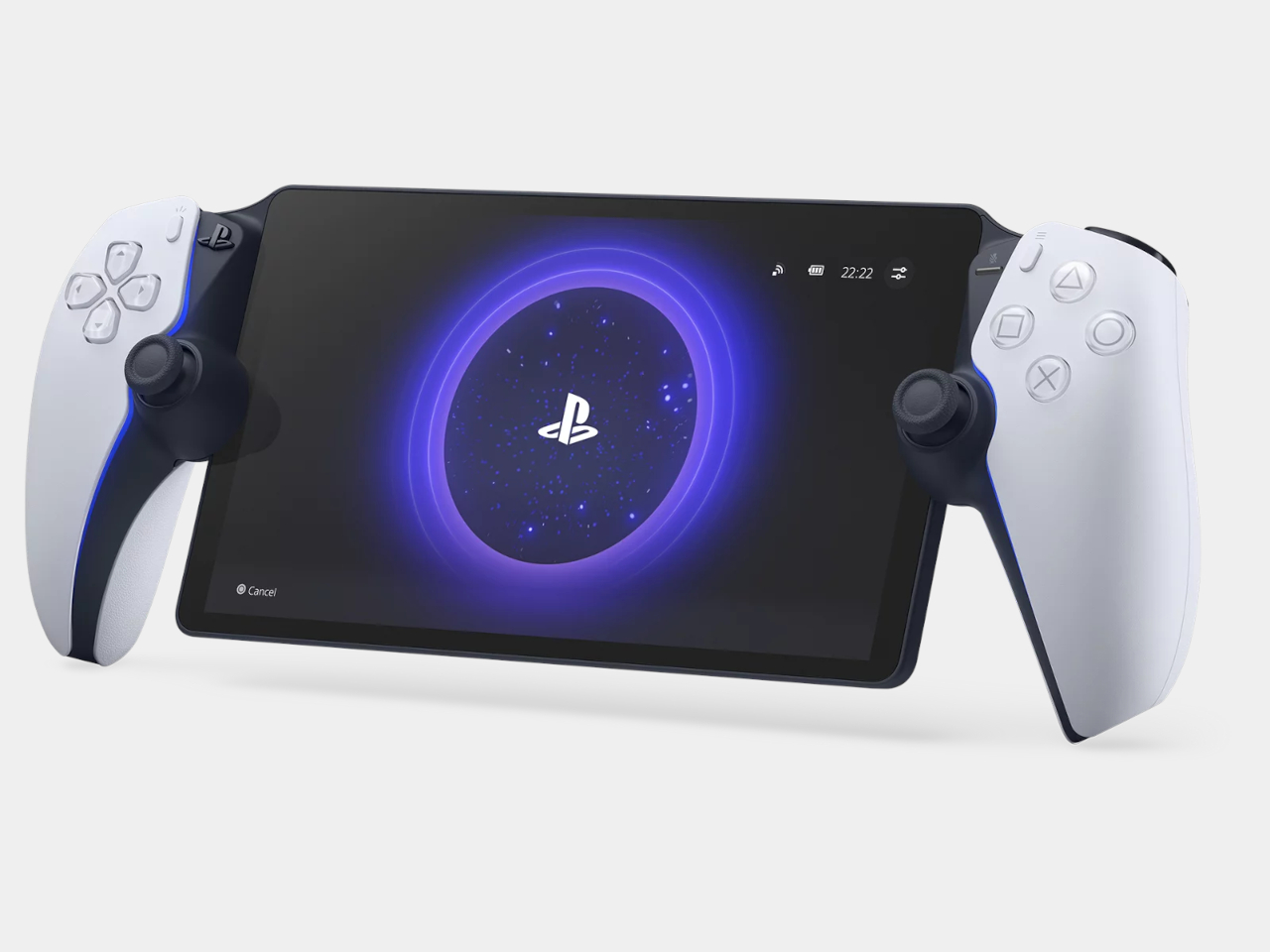
If you’ve been keeping tabs on the tech industry in the past year or so, you’re bound to come across a new and probably alien breed of computers making rounds over the Internet. Whether or not you’re a gamer, it’s almost impossible not to at least see a glimpse of the likes of the hulking Steam Deck or the shapeshifting Lenovo Legion GO. These portable computers that are larger than smartphones but significantly smaller than laptops are popping up in places you least expect, and sometimes in designs you never imagined. They might sound like a passing fad, especially given how few there are from the major PC manufacturers, but these handheld gaming PCs actually play a crucial role in promoting a healthy and exciting future for an ailing PC market.
It might come as a surprise to some, but Valve’s Steam Deck is, technically speaking, not the first handheld gaming computer to launch in modern times. Even before Nintendo launched its monumental Switch console, a small manufacturer from China was already testing the waters of this very niche market. Game Pocket Devices or GPD started out with Android gaming handhelds but it took a big gamble with its first Windows product, the GPD WIN, in 2015. The clamshell design and mediocre specs of the literally pocketable computer made it feel more like a toy than an actual gaming device, but it laid the groundwork for that brand’s future foray into this nascent space.
And then the Nintendo Switch was born, rekindling the dreams of many gamers to be able to play anywhere they want and, more importantly, in any mode they desire. Unlike the Nintendo DS or the PlayStation Vita, the Switch supported multiple ways of playing thanks to its detachable Joy-Cons and docked mode, virtually combining handheld and home consoles in a single device. That said, the appeal only worked if you had Nintendo-exclusive titles you actually wanted to play, and so the desire to bring that same design and experience to other gaming platforms, particularly PCs, was born.
Although smaller manufacturers like GPD, AYANEO, and ONE Netbook, just to name a few, quickly jumped on the Nintendo Switch fever, it wouldn’t be until Valve joined the fray that people would start to take the idea of a handheld gaming PC more seriously. For gamers, especially PC gamers, the promise of being able to sit down (or stay standing up) anywhere and launch their favorite title was almost too good to be true. Truth be told, the Steam Deck’s success and popularity was almost like a miracle. The hardware was almost too mediocre, the design was large and chunky, and the Linux-based Steam OS was unfamiliar to the majority of Windows PC gamers. And yet two years later, the Steam Deck is still a household name that has many fans clamoring for a 2nd-gen upgrade.
Now we have a handful of handheld gaming PCs from different brands and different designs, with more coming in the months ahead. Their compact forms and relatively lightweight designs definitely endear them to gamers, but these users aren’t the only ones who benefit from this budding device category. In fact, the entire PC industry could stand to benefit from this wave, presuming other key players join the game long enough to make it matter.
Pushing the Boundaries
The most immediate impact that these handheld computers had on the rest of the PC industry was an increased focus on mobile processors, that is, the processors used for laptops. Of course, gaming laptops have existed for years now, but these portable yet bulky computers have always had the advantage of better and equally large cooling systems. Gaming handhelds, however, don’t have that luxury, so both silicon manufacturers and hardware designers have had to come up with ways to optimize performance while keeping thermals low. And what’s good for handhelds is naturally good for laptops that need to be slim and petite. The result: extra thin gaming laptops that almost don’t look like they’re gaming laptops.
A bit indirectly, it is also pushing competitors to further outdo each other. The Steam Deck uses a custom AMD processor which placed the chipmaker on the map, making it the preferred brand for all these gaming handhelds. It is only with the announcement of the MSI Claw A1M that Intel’s name even popped up, daring to enter a field where it has generally lagged behind without the help of graphics chips from AMD or NVIDIA. Early reviews don’t seem to favor Intel’s first attempt, but the pressure will help rouse the giant to pick up the slack and push its Arc graphics to the limits.
Whatever the brand or even the hardware, handheld gaming PCs are really challenging the status quo when it comes to balancing performance, power consumption, and heat generation. The compact form factor imposes many limitations while also focusing on the essentials. Any innovation born from this space will also help drive the development of larger computers like laptops and tablets, paving the way for slim, light, and efficient computers in the future.
Design Exploration
Handheld PCs also redefine the image of what a computer looks like. Most people can only imagine desktop towers, laptops, or even tablets, taking for granted that the term “computer” actually refers to a very wide range of devices and designs. In this particular case, it is introducing the idea of a computer that you can hold in your hand and use even without sitting down, pretty much like the pocketable computers we call “smartphones.”
But even within the handheld gaming PC market, we’re also seeing a variety of designs being explored as companies try to search for the perfect answer if one does exist. The design sported by the Steam Deck and ASUS ROG Ally is, of course, the most known, but the Switch-inspired Lenovo Legion GO and OneXPlayer X1 are also pushing the envelope of that form factor. And then there’s AYANEO’s numerous designs that are seemingly throwing everything at the wall to see which one sticks. It’s definitely an exciting time for designers to envision different ways to deliver a compact and portable computer, and hopefully, that train won’t be stopping anytime soon.
Of course, handheld gaming PCs are being made with gamers in mind, but they aren’t the only ones that can benefit from this form factor, at least not in the long run. Just like with gaming laptops, they have enough power to support almost any other computing need, from office work to system administration to even content creation. There is even a subclass of these handheld computers that are specifically designed to quickly connect to servers and other computers via ports that may seem archaic by today’s consumer standards.
Yes, you will probably need to connect some peripherals if you need to get some serious work done, but there are already people doing that anyway with their tablets and even their phones. These handheld PCs offer almost the same flexibility as laptops but with the added advantage of being able to use them in cramped spaces, including while standing up (if the design includes a more or less convenient keyboard). There’s definitely a lot of room and opportunity for innovation in this space to address more use cases beyond gaming, and handheld gaming PCs could very well be the start of a new design revolution in the PC industry.
Missed Opportunities
All that potential will be for naught if this handheld gaming PC trend fizzles out quickly. Although they’re still making a big splash, it’s not yet a stable market, much less a profitable one. PC manufacturers are also extremely cautious about jumping into the fray. It took two years after the Steam Deck before the first major PC brand jumped on board, and even then we’re still missing the likes of the Acer Predator, Dell Alienware, and Razer. Admittedly, it’s a risky business proposition and not as easy as, say, producing a smartphone, but without the presence of these big brands, the young market will die out sooner rather than later. That would definitely be a tragedy given how these handheld PCs have the potential to reinvigorate a PC market that has long been regarded to be dwindling, especially as desktops become almost as niche as these portable gaming computers.
Wireless earbuds, particularly the so-called True Wireless Stereo or TWS earbuds, have now become a common sight, in no small part thanks to Apple retiring the headphone jack and pushing the AirPods as a solution. These accessories come in different shapes and sizes, but the one common design they share is that the buds are enclosed in a container that acts as their charger as well. As any user of these tiny buds has experienced by now, both the buds and their are often exposed to dirt and grime that could become a health issue over time. Cleaning the earbuds themselves might be trivial, but when that dirt gets deep inside the case, the task becomes significantly more difficult. This concept tries to solve that problem by practically overhauling the charging case design, and it takes inspiration from the weirdest source to implement the strangest cleaning method.
Designer: Seungjae Lee
For TWS earbuds that store the buds’ stems vertically like with the Apple AirPods, the charging cases have a small and deep tunnel where dirt and bacteria can get in and fester. It’s not impossible to clean but it does take some effort, requiring you to really stop and use some tools to wipe the dirt deep inside. If only you could blow the dust and dirt away quickly when you need to, just like with many other objects you might have with you.
The Double Barrel Bluetooth Earbuds concept offers that convenience by turning the charging case into two hollow tubes with openings on both ends. The inspiration for this design was, apparently, a double-barrel shotgun, which is probably the last thing you’d expect to associate with non-violent wireless earbuds. As a visual embellishment, inserting and removing the earbuds would light up LEDs inside the barrel, as if you were shooting bullets.
For this to work, however, the buds themselves have to be straight, which would have been awkward to wear inside our ears. The concept proposes to make the tips foldable so they would take the form of typical earbuds that you can comfortably wear in your ears. And because of the double-ended opening, you can actually put in or remove the buds in either direction.
While the concept design is definitely interesting, it is based on the rather shaky premise that cleaning the earbuds case by blowing into them is actually a smart idea. Our breaths aren’t exactly clean and, more importantly, they also carry with them small saliva particles that could damage the charging contacts inside. And by keeping both ends open, the case would actually invite even more dirt and particles inside, making regular cleaning even more of a chore.