Gaming laptop concept shatters conventions with clean, geometric aesthetics

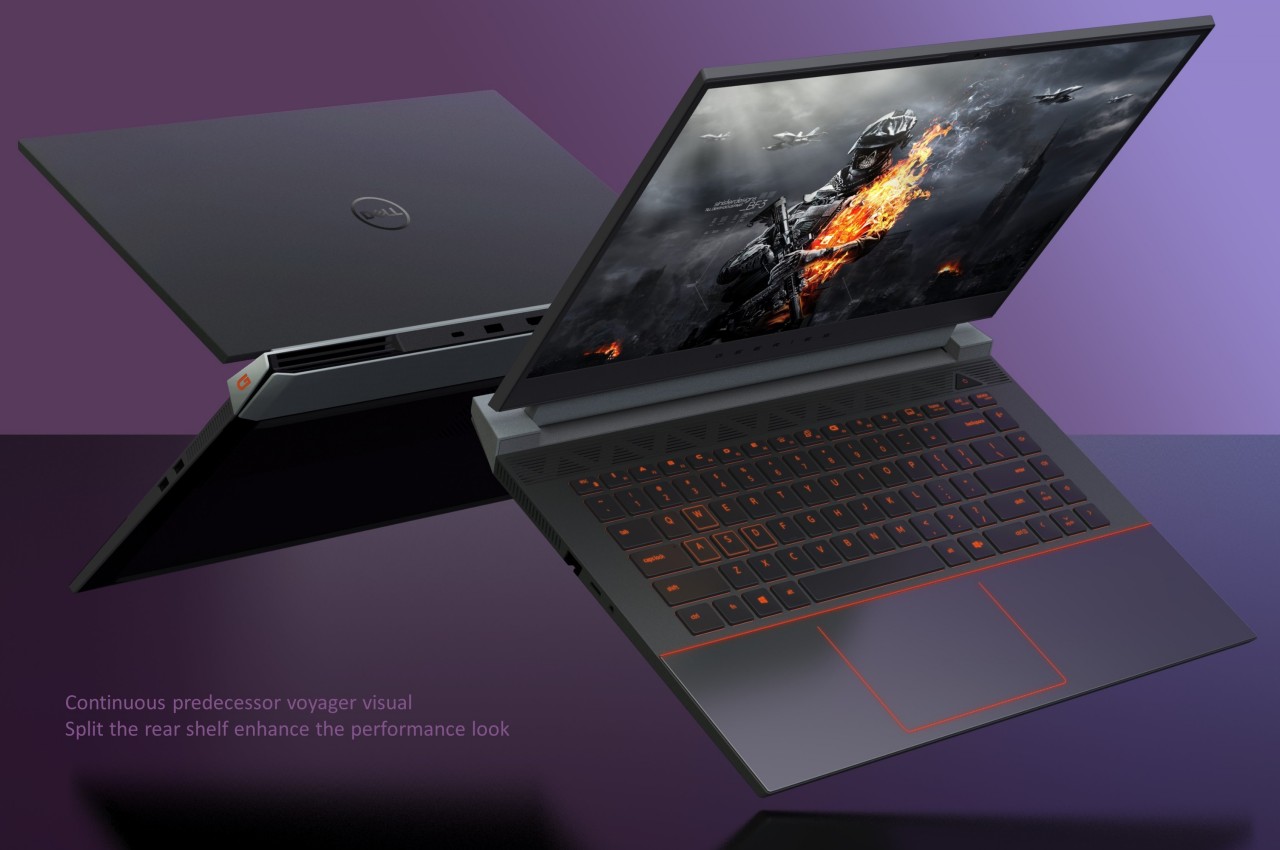
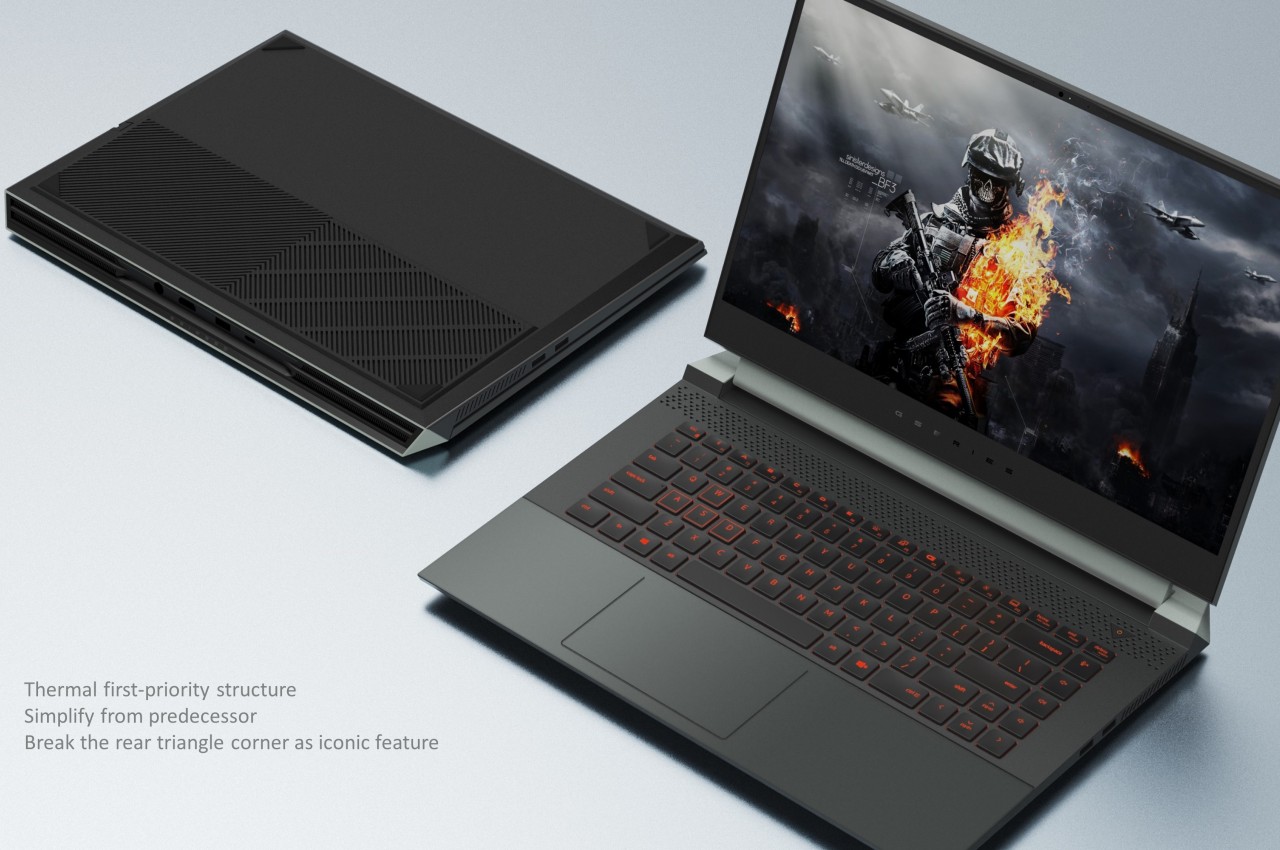
Gaming laptops have been around for years almost decades, and most of them share a similar design pattern that takes its cues from gaming desktops. There is almost a stereotype that gamers prefer bulky chassis with predominantly black finishes and bold, sometimes blinding RGB lighting, but as the number of gamers grows each year, so do the tastes in aesthetics. Some PC gamers today would prefer that their laptop look sleek and elegant like a MacBook, maybe even as thin as one, too. Others, however, would like a design language that bridges these two worlds harmoniously, and that is the concept that this Dell-inspired laptop series tries to show, creating an aesthetic that is still uniquely gamer-centric without being overbearing or gaudy.

Designer: Wei-Yi Li

Part of the reason why gaming laptops look like they’re miniature tanks is because of the technical considerations in cramming as much powerful hardware in such a small space. That said, the mainstream design language for these portable gaming computers has also stuck closer to desktops in their love for black or dark bodies with RGB highlights, but even that has been changing lately. Dell’s own Alienware gaming brand, for example, introduced a new “Legend” design language that introduced curves and lighter finishes in both desktops and laptops alike.

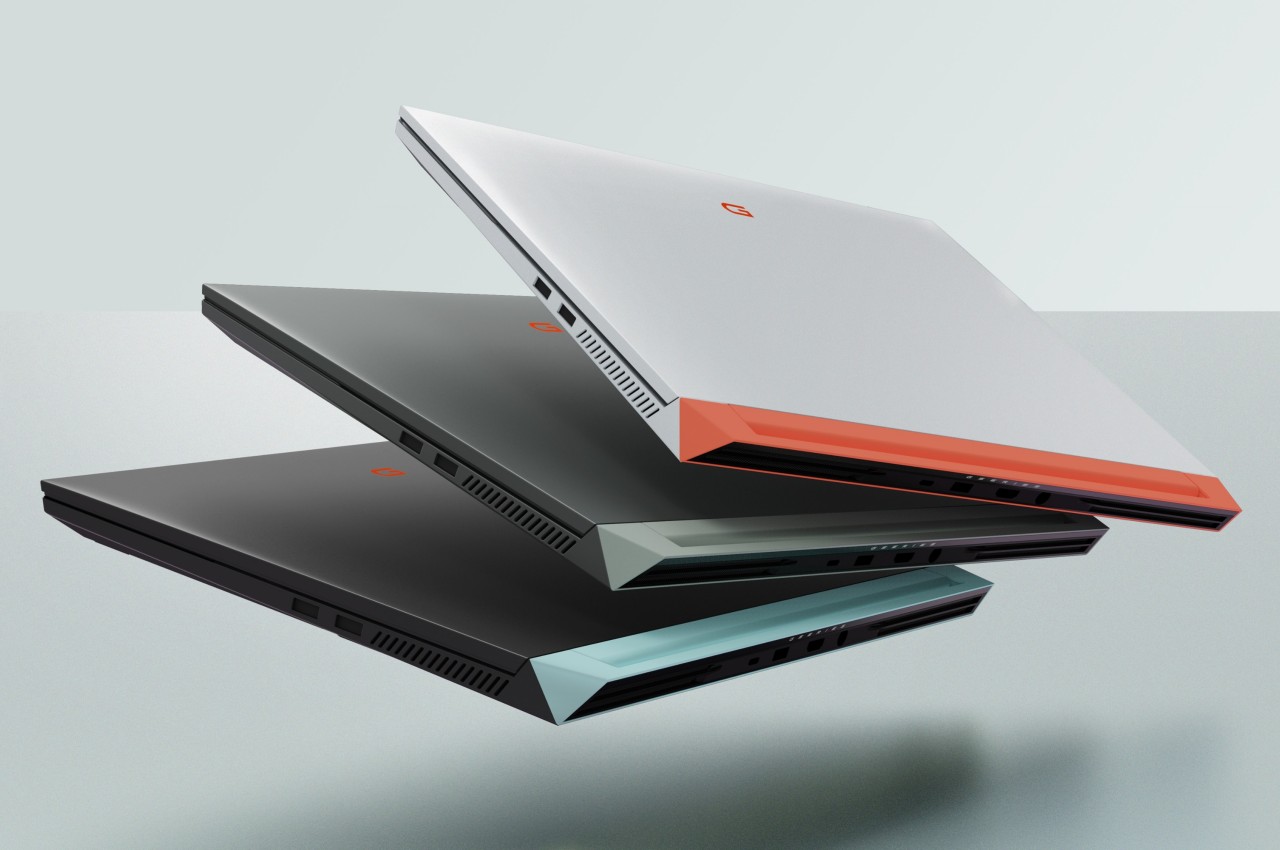
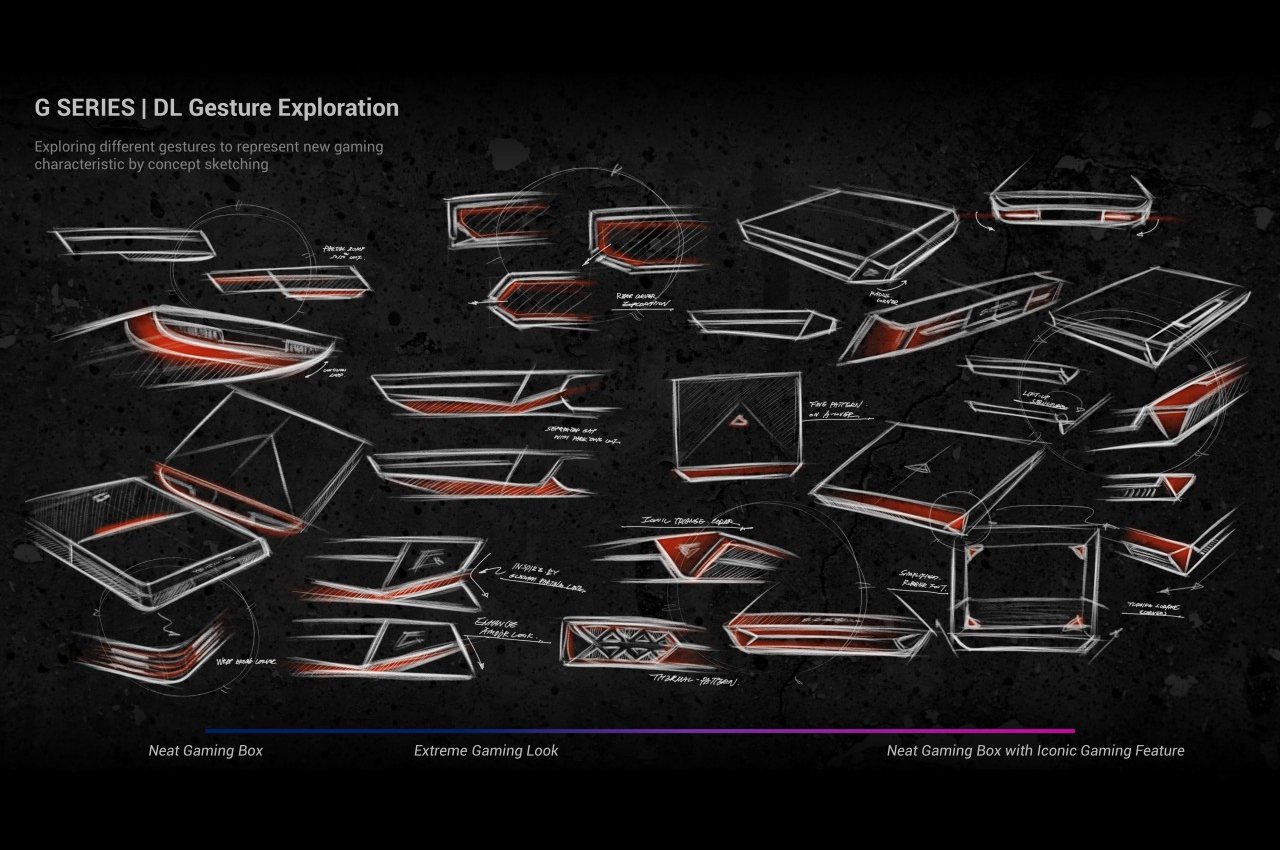
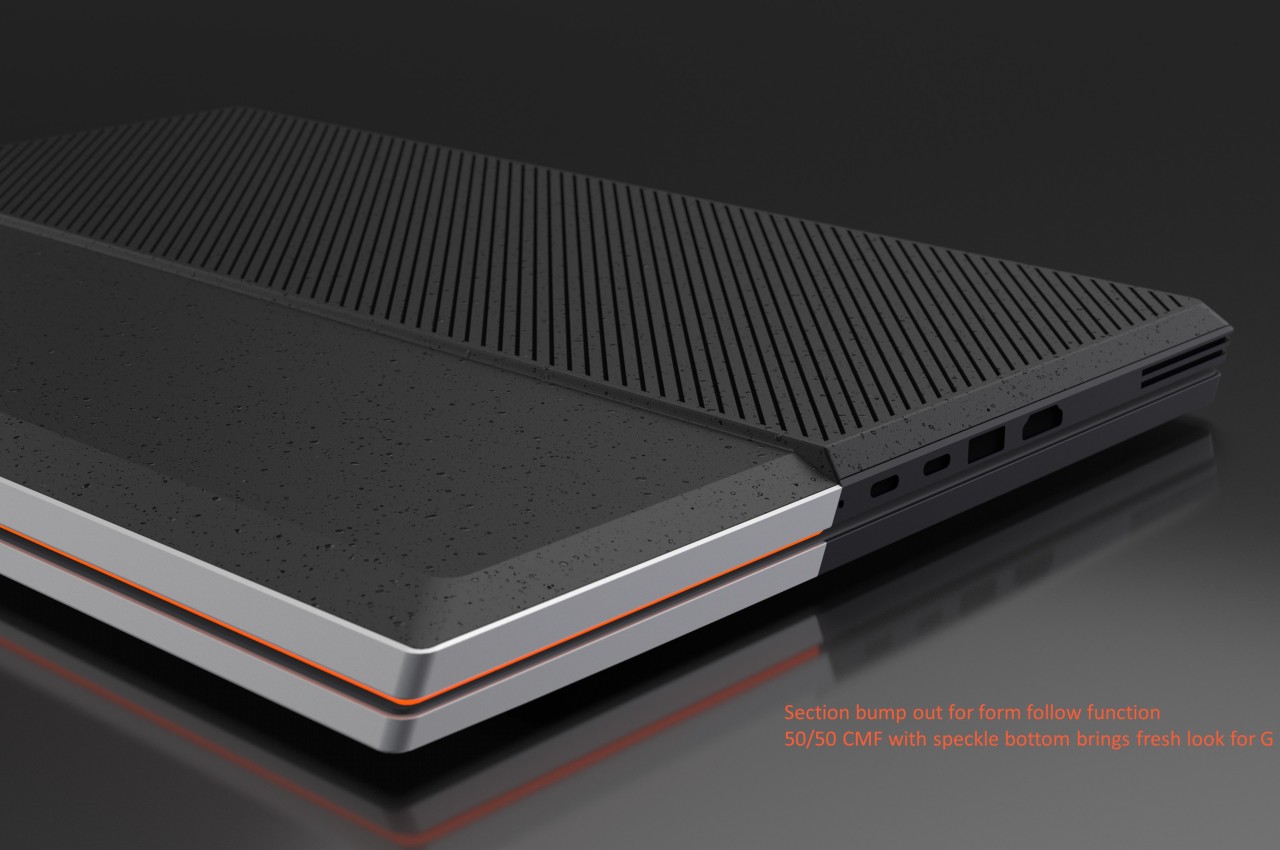
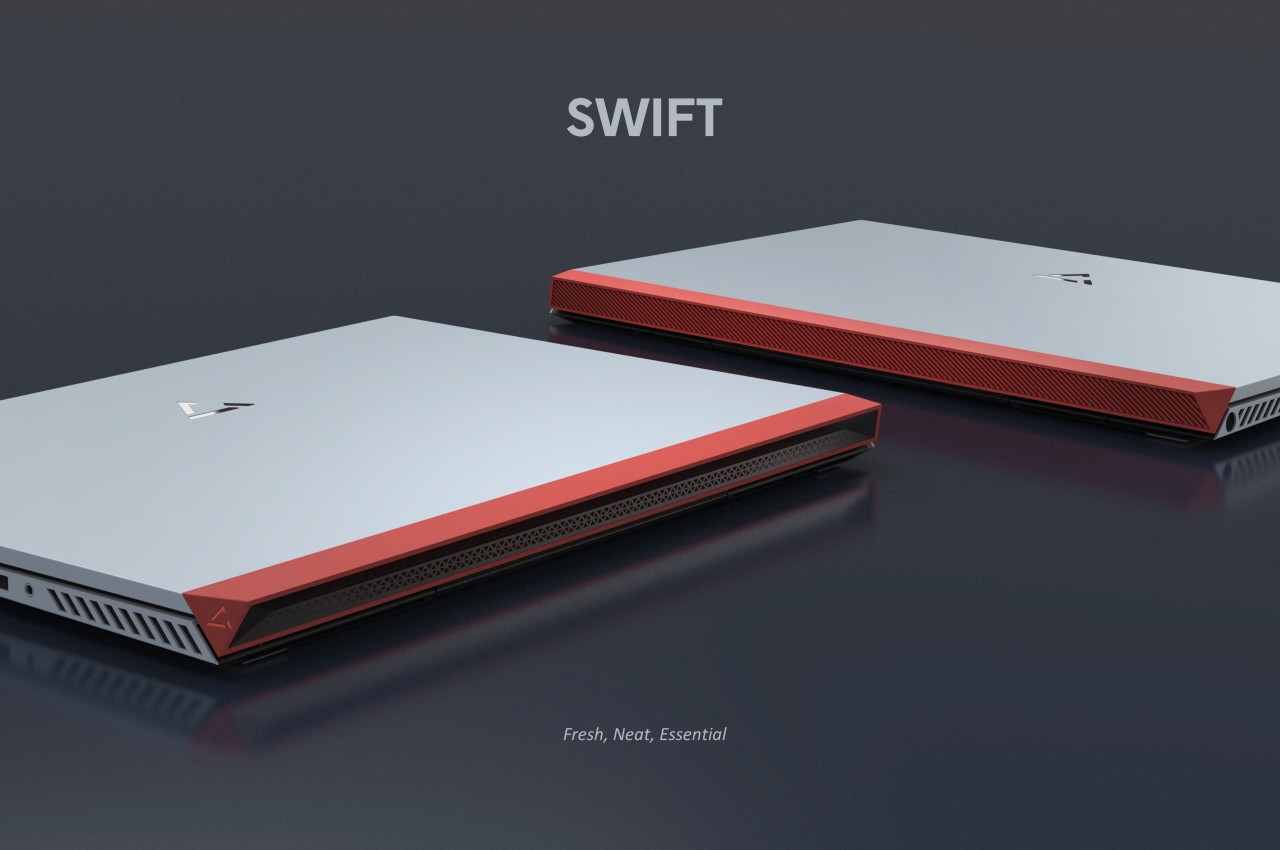
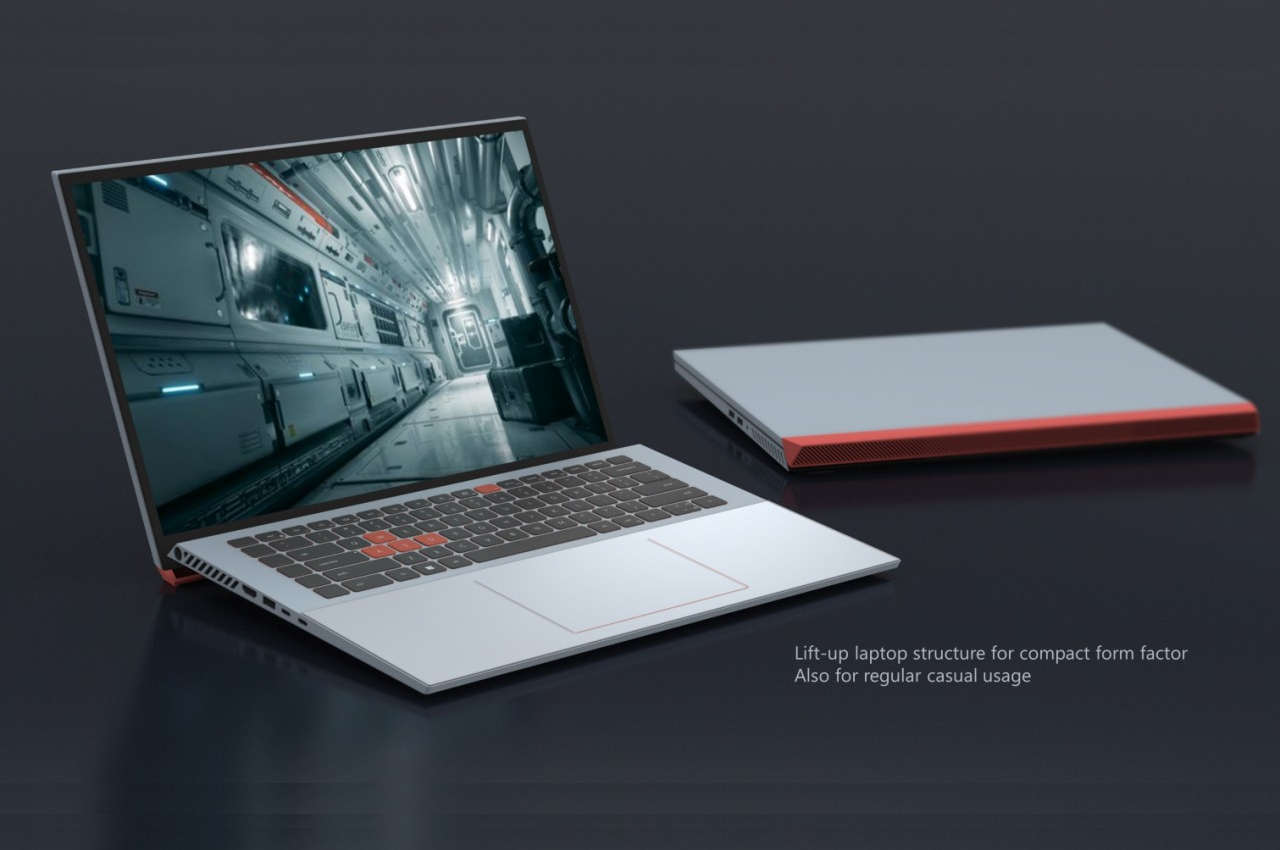
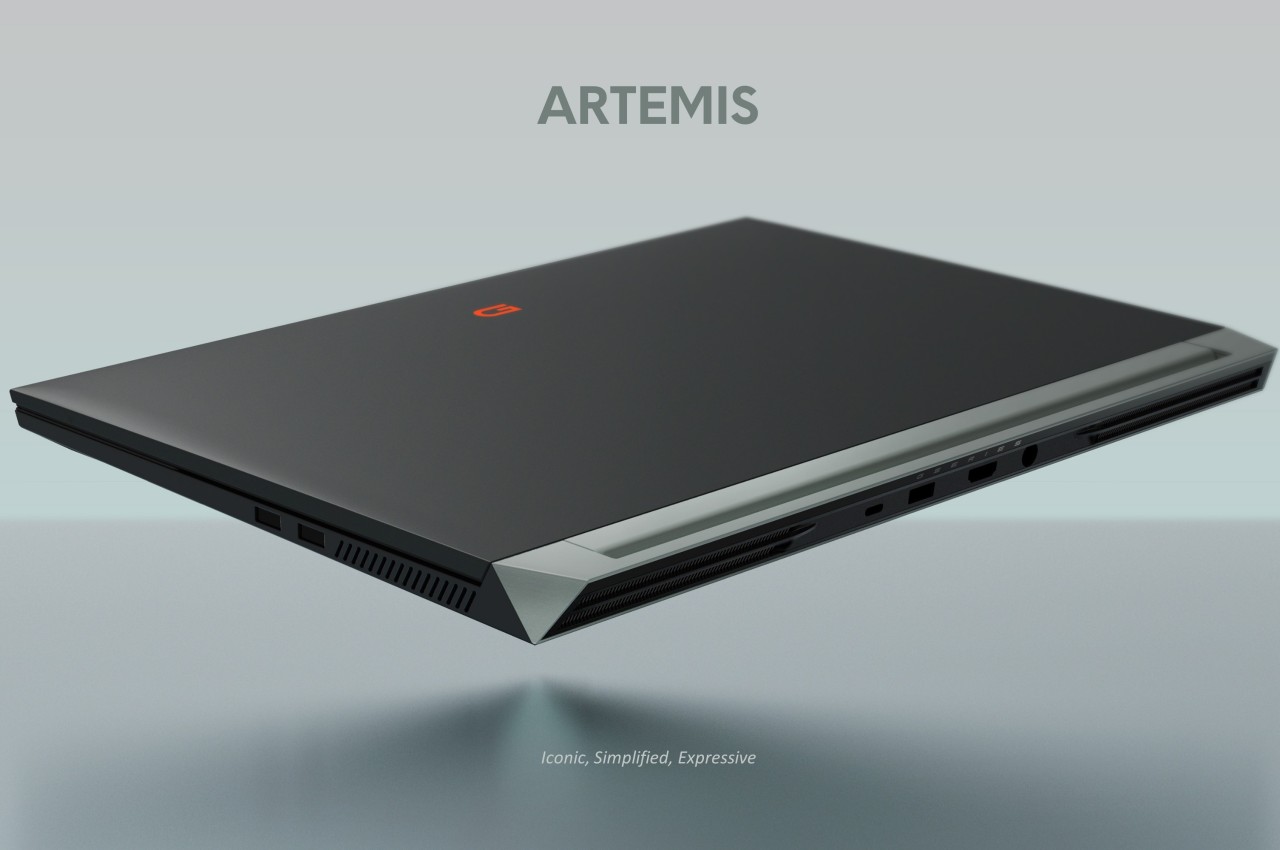
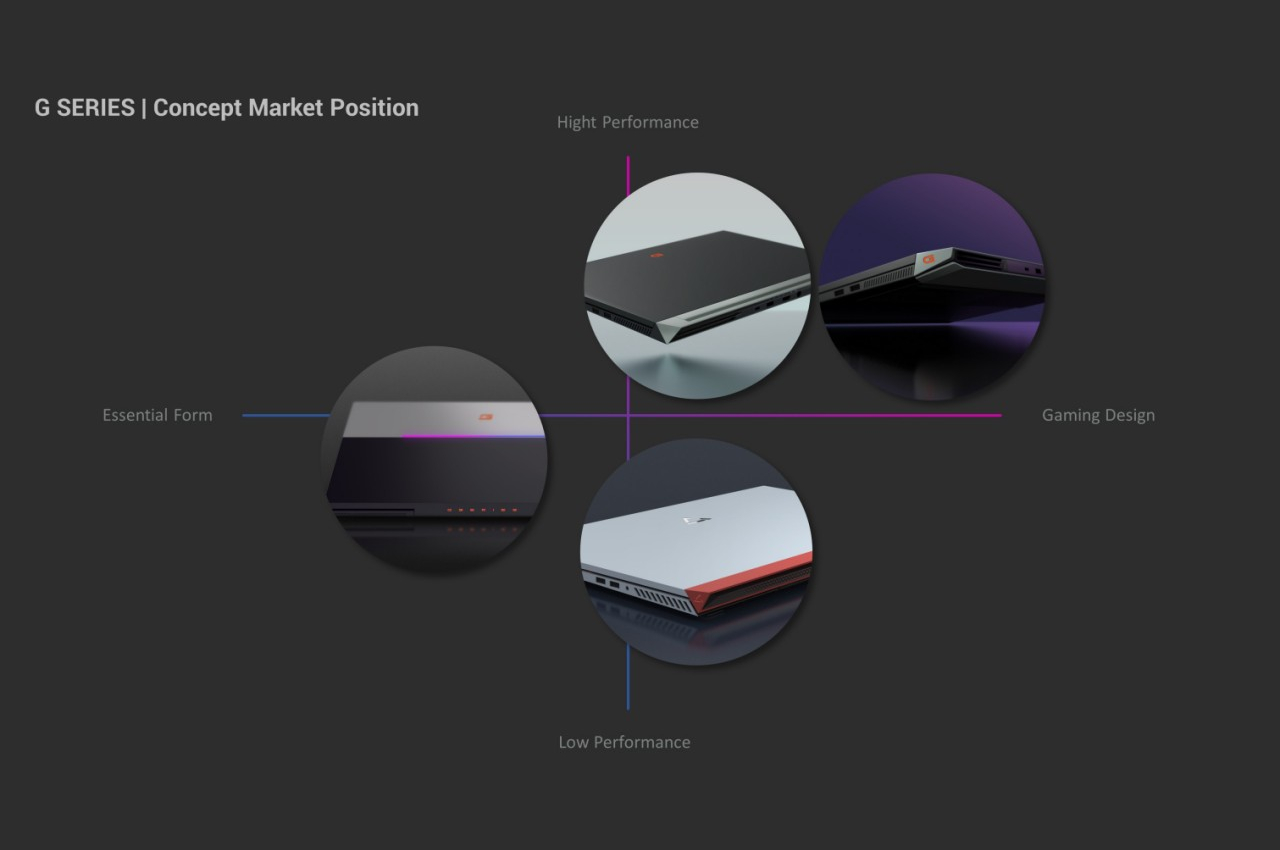
This Dell G-Series laptop concept takes that in a slightly different direction, one that tries to bring the best of both worlds together. On the one hand, the design language isn’t limited to just black or dark hues and, in fact, sometimes combines contrasting colors to great effect. On the other hand, the shapes still remain muscular and angular like traditional gaming laptop designs, adopting more geometric patterns that add visual interest to the laptop’s profile.

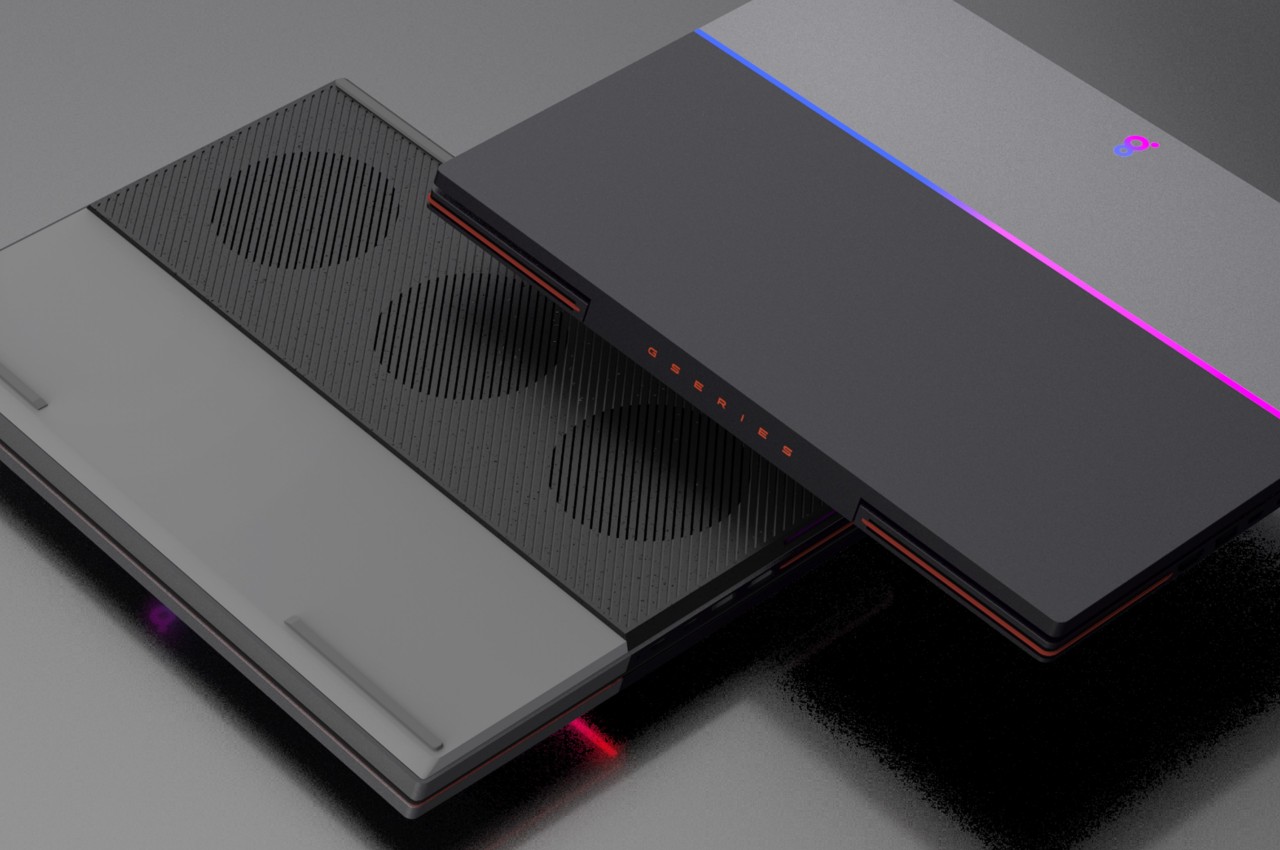
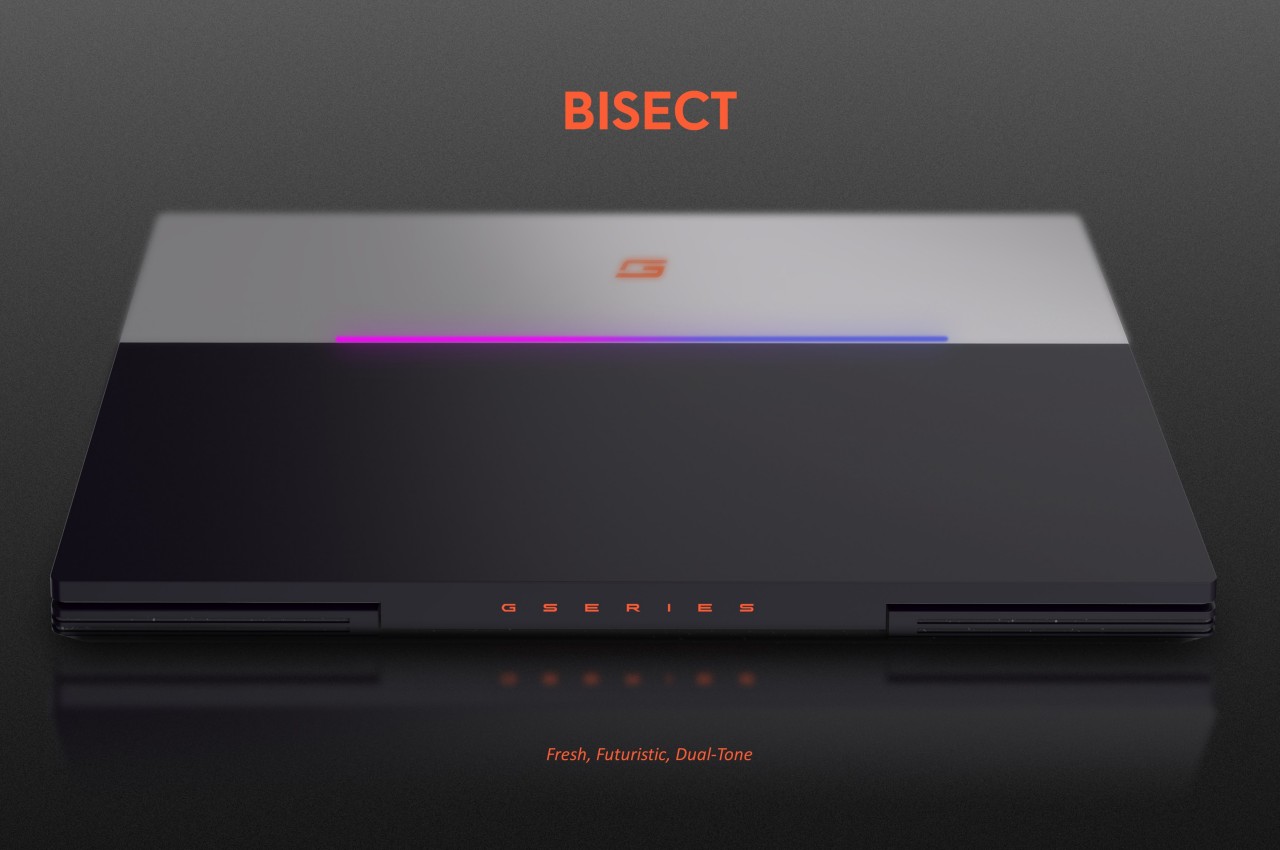
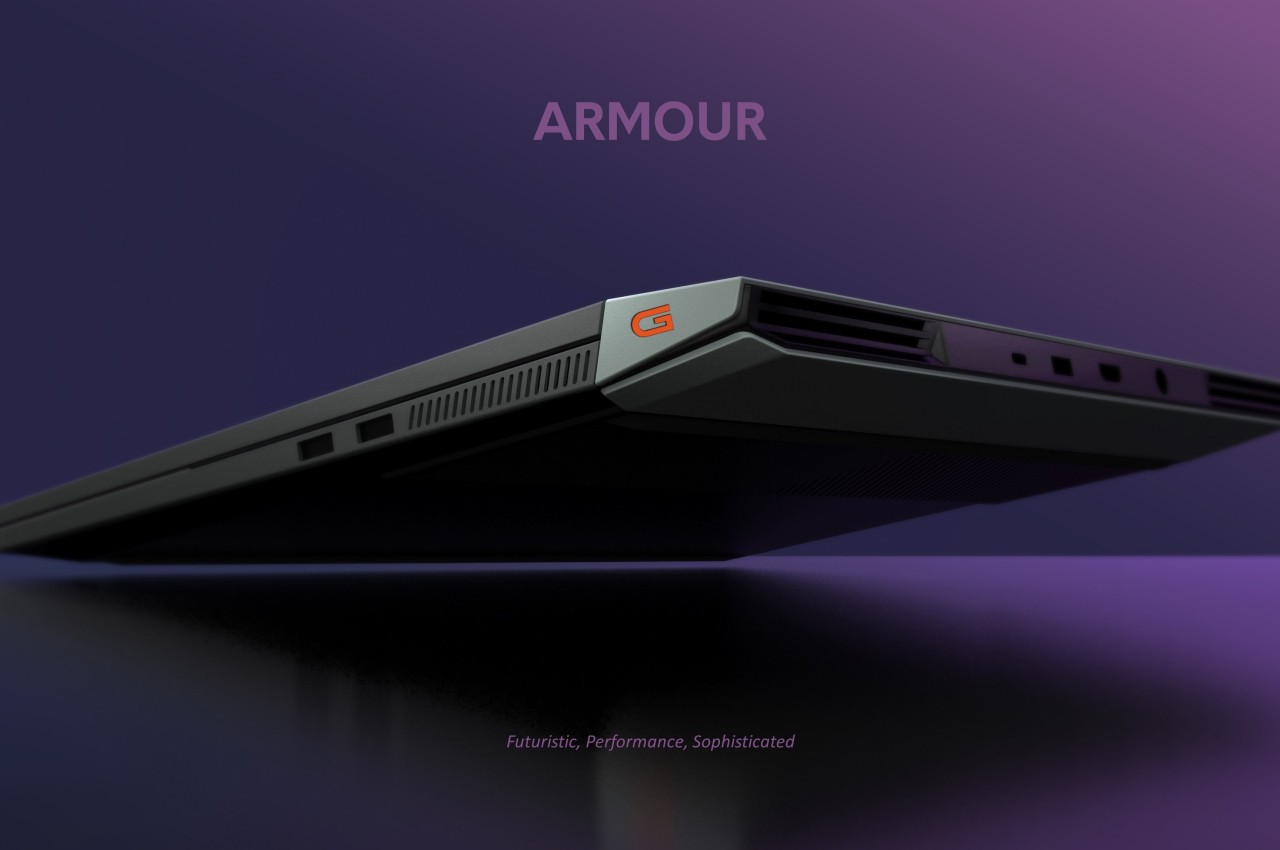
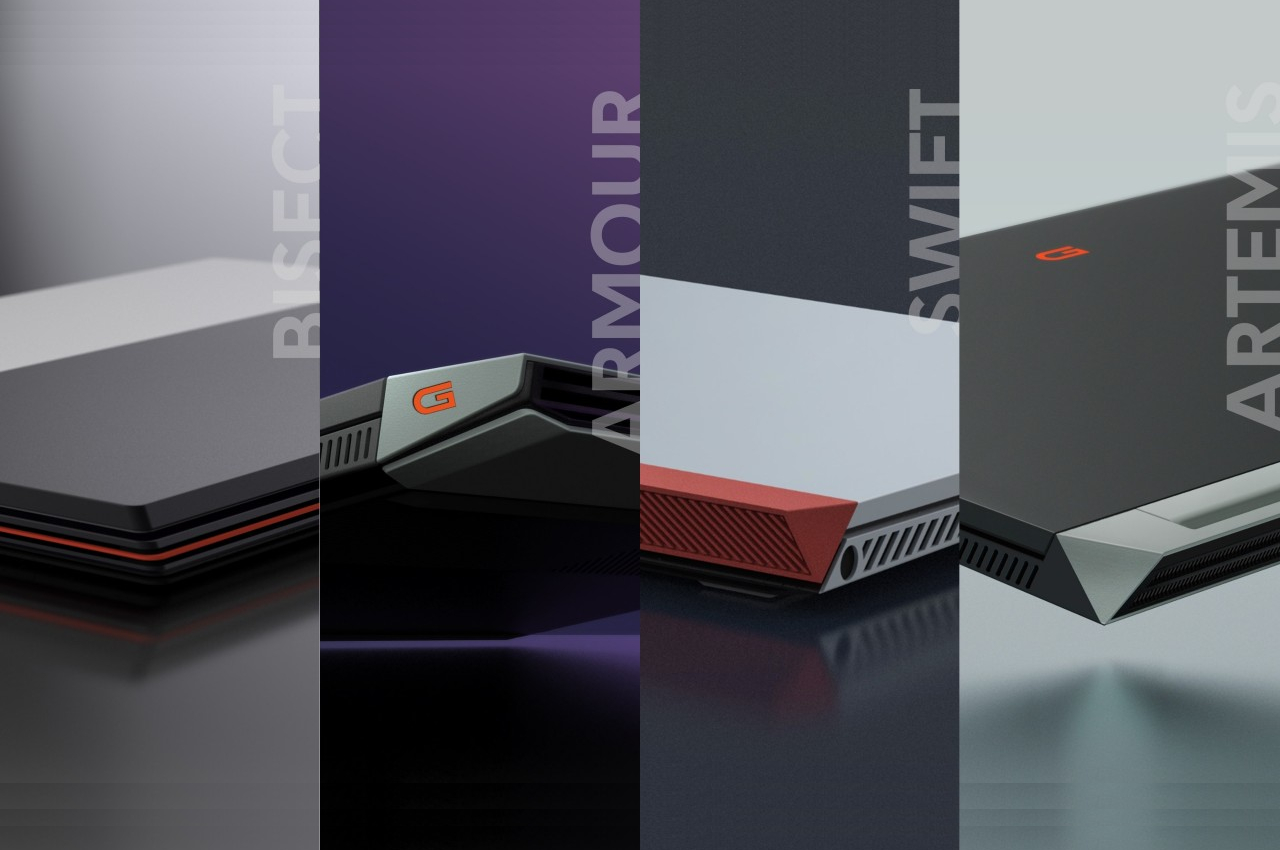
The Bisect design, for example, has a lid split between black and silver panels with an LED strip bridging the two halves. The edges, while flat and straight, have a noticeable incline that adds a bit of edginess to the design. Armor, on the other hand, is a bit more traditional, but the tapered rear shelf is visually separated from the rest of the body by a different color and material. Swift, as the name implies, tries to embody the spirit of agility with a light-colored body and a red hinge that acts as a built-in riser for the laptop. Its clean lines and minimalist design also make it well-suited for casual uses in addition to gaming. Finally, Artemis emphasizes thermal performance and its iconic design element is a triangular rear that houses the laptop’s hinge.

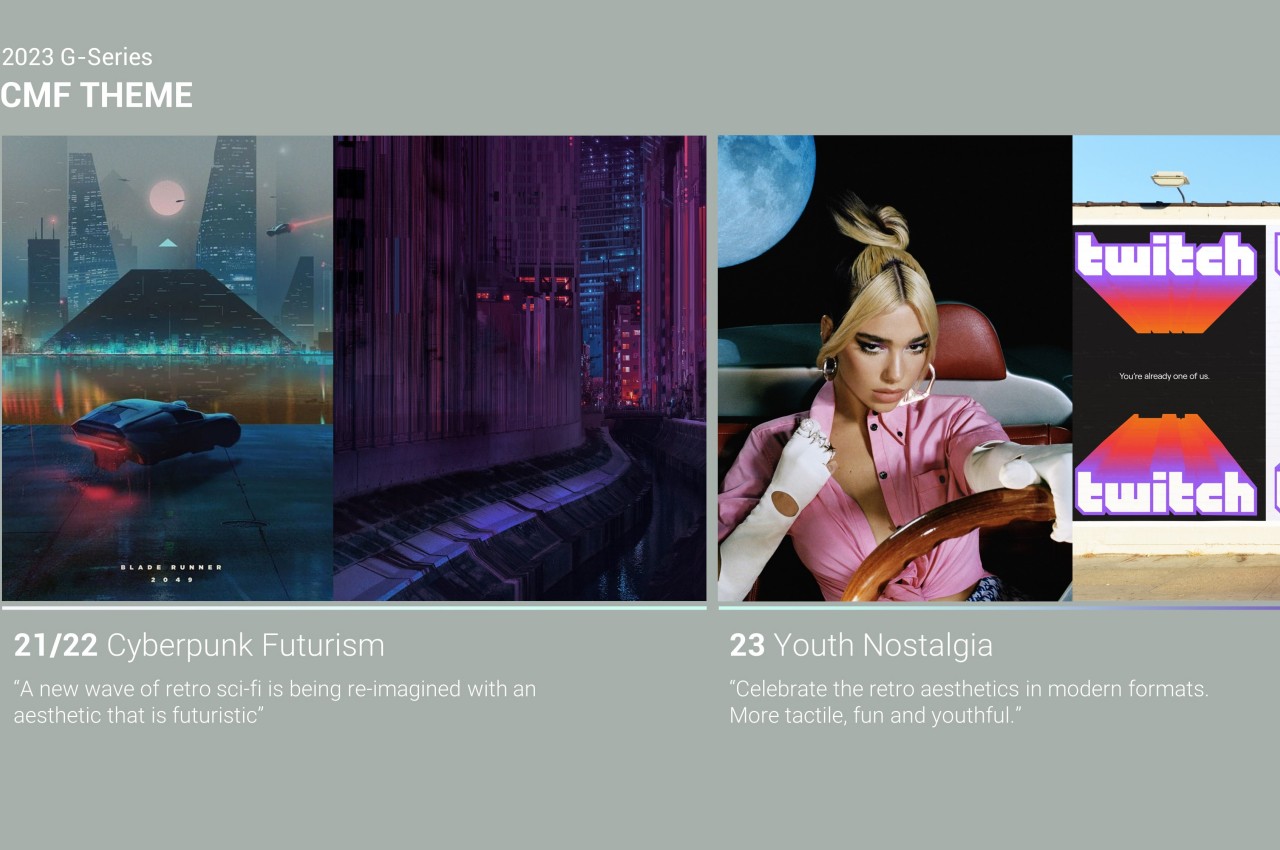
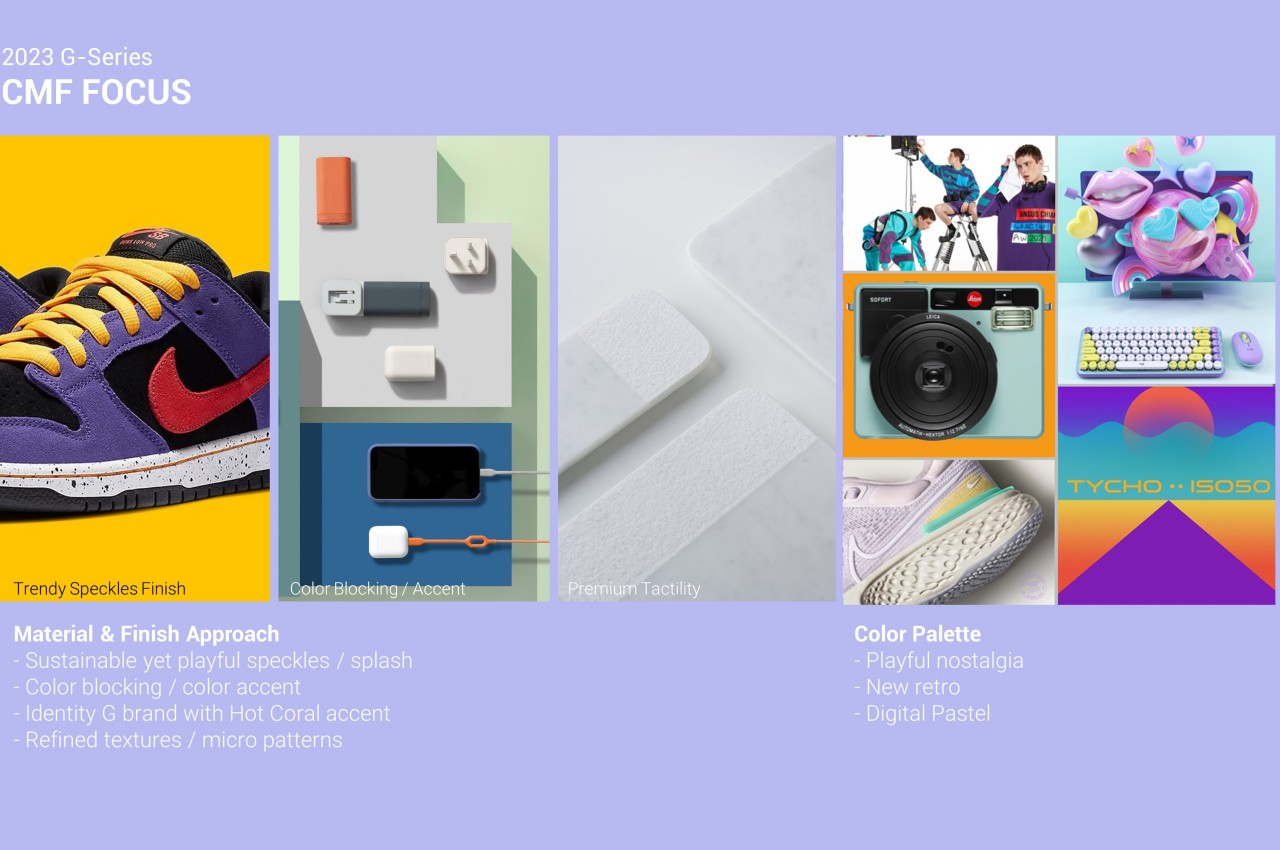
These concepts build on the shift in design language that Dell introduced in its gaming laptops in 2023, refining the aesthetics to make every design variation represent a particular segment of the gaming market. Of course, such sleek and elegant designs will only be possible if the technologies inside have reached a point where it’s possible to minimize the space they occupy. Thankfully, we are getting there, so designs like these could be just around the corner.

The post Gaming laptop concept shatters conventions with clean, geometric aesthetics first appeared on Yanko Design.

Unlock Seamless Connectivity with a Tiny Device That Redefines Device Integration

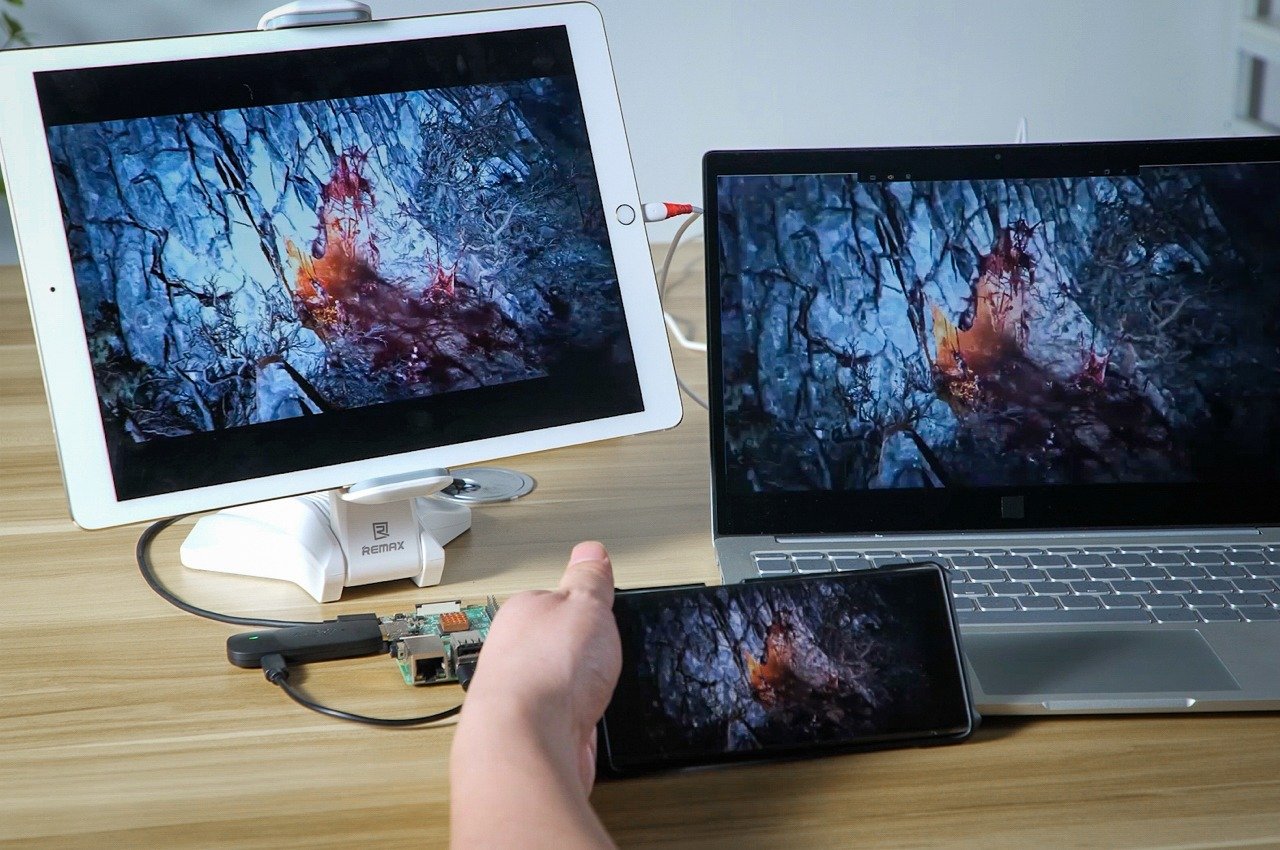
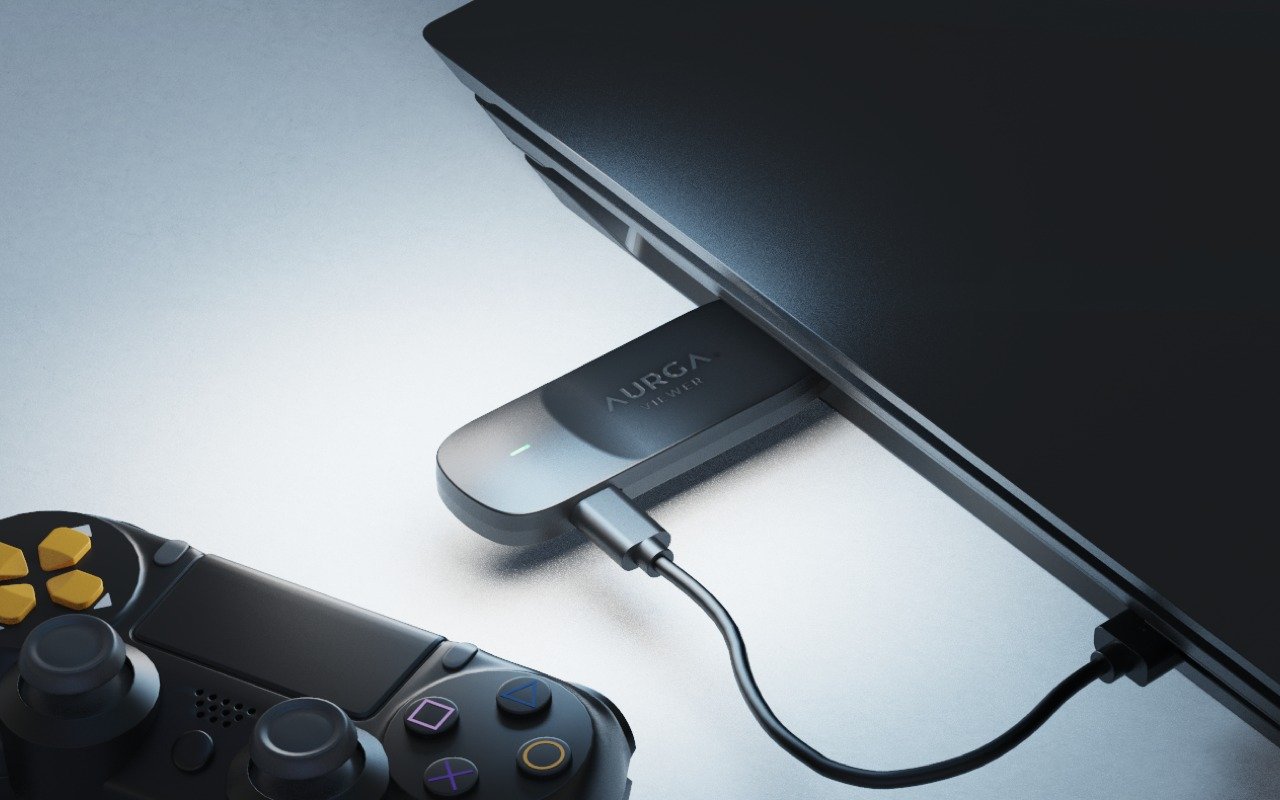
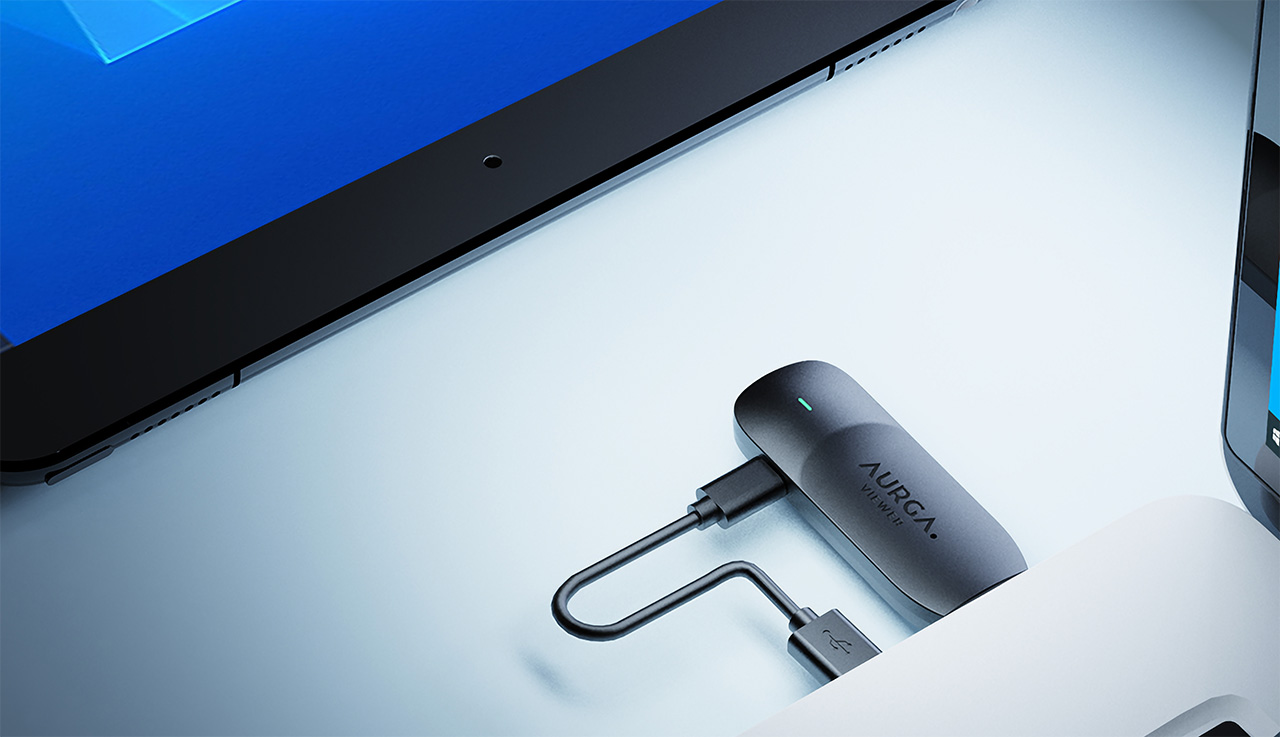
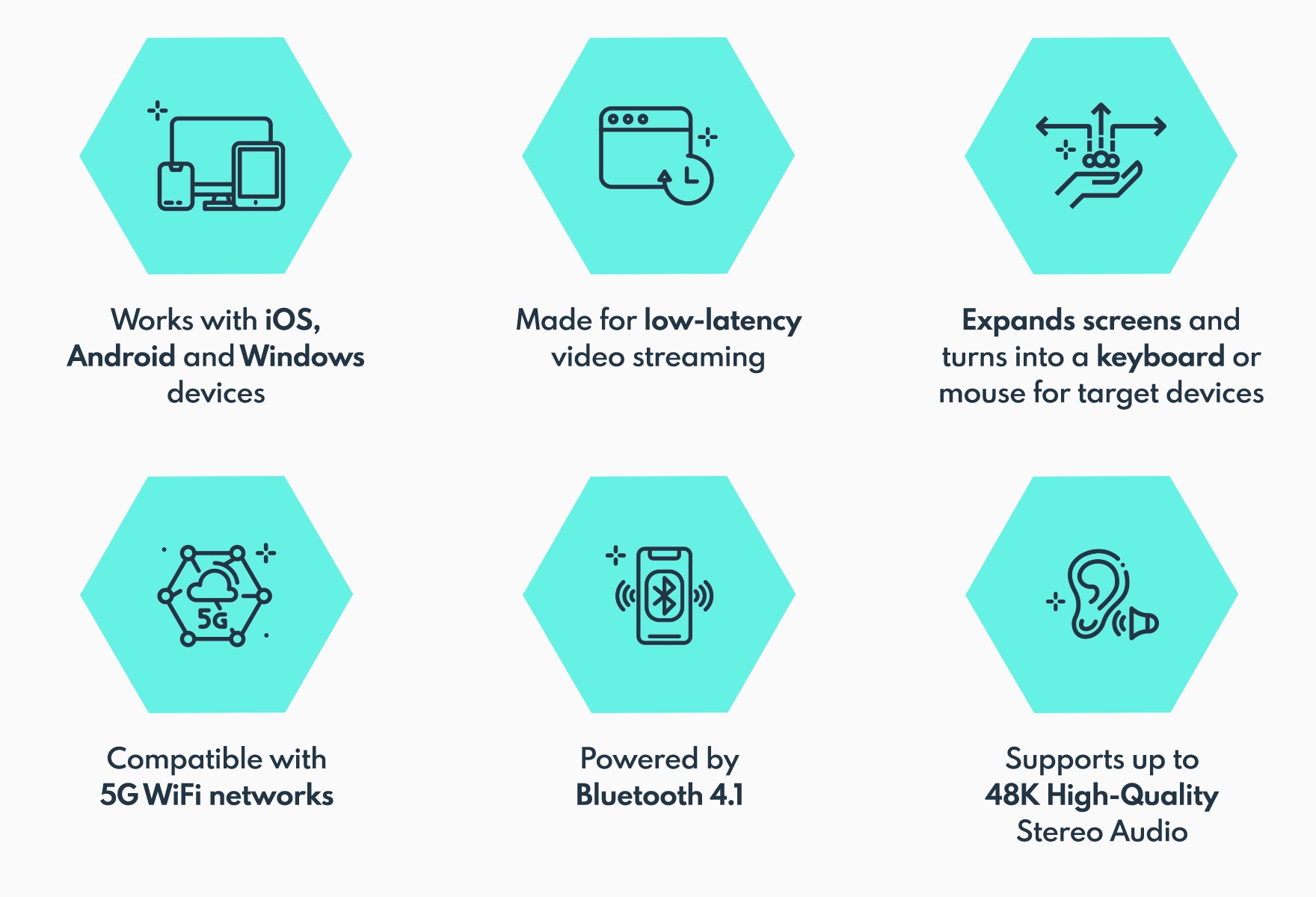
The AURGA Viewer transforms connectivity by serving as a versatile, lightweight wireless HDMI dongle that seamlessly integrates a wide range of devices across various platforms. It combines the functionalities of a wireless video streamer, mouse, keyboard, touchscreen, and digitizer pen, extending the usability of devices far beyond their standard capabilities. This dongle supports high-definition video streaming at 1920x1080p 60Hz alongside 48K audio, ensuring a high-quality viewing and interaction experience.

Designer: AURGA Design

Click Here to Buy Now: $72 $99 (Use coupon code “YANKO” to get an additional $7 off). Hurry, deal ends in 48 hours!

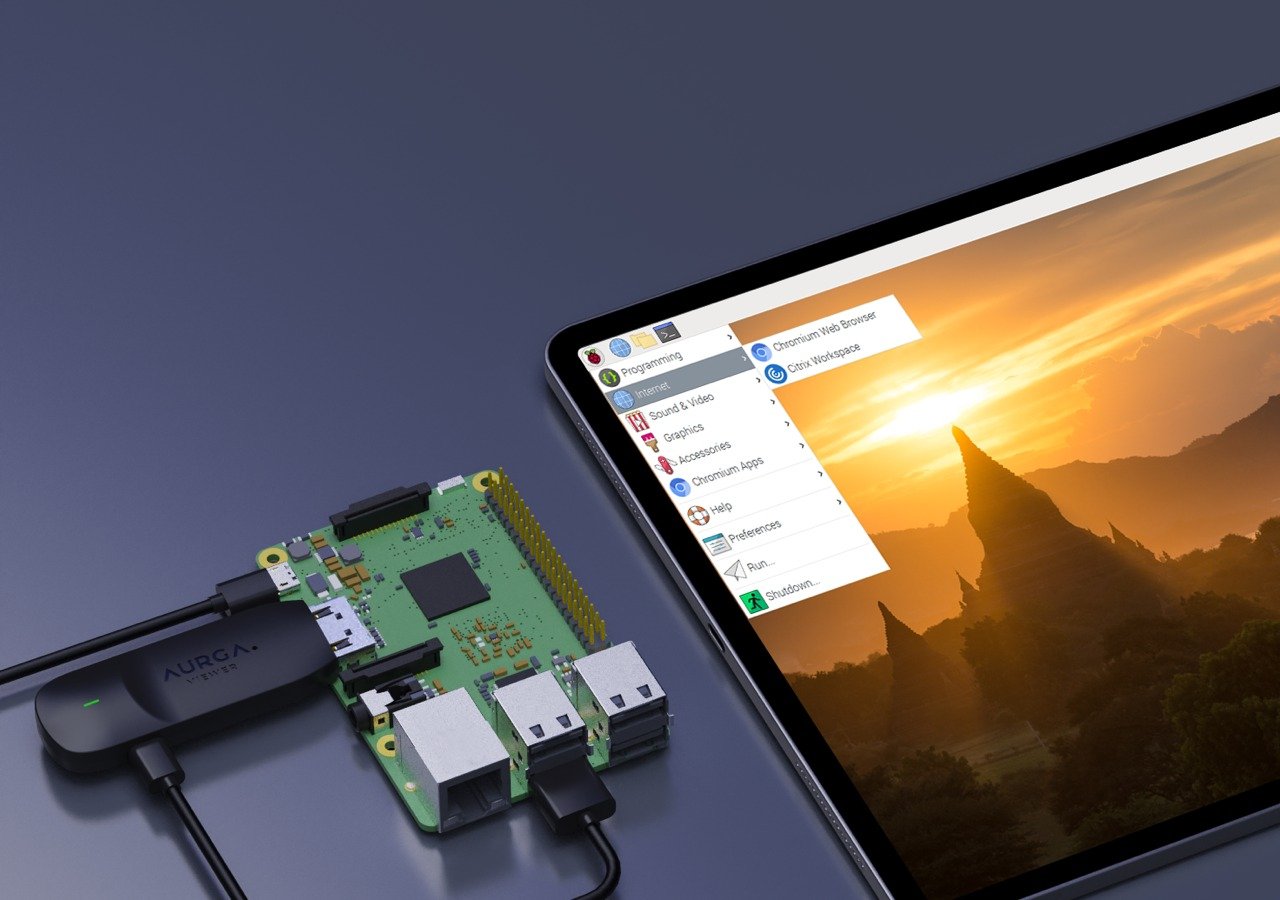
Ideal for diverse applications, the AURGA Viewer can be used with computers, laptops, single-board computers like Raspberry Pi, and gaming consoles such as the PS3, PS4, PS5, Xbox Series, and Nintendo Switch. It also connects seamlessly with mini PCs, cameras, DSLRs, and TV boxes, enhancing its versatility. The device itself is incredibly portable, measuring only 79.4mm by 26mm by 11mm and weighing just 14.5 grams, making it easy to carry and use anywhere.

For Designers – Turn your tablet into a pen display for Windows 10.

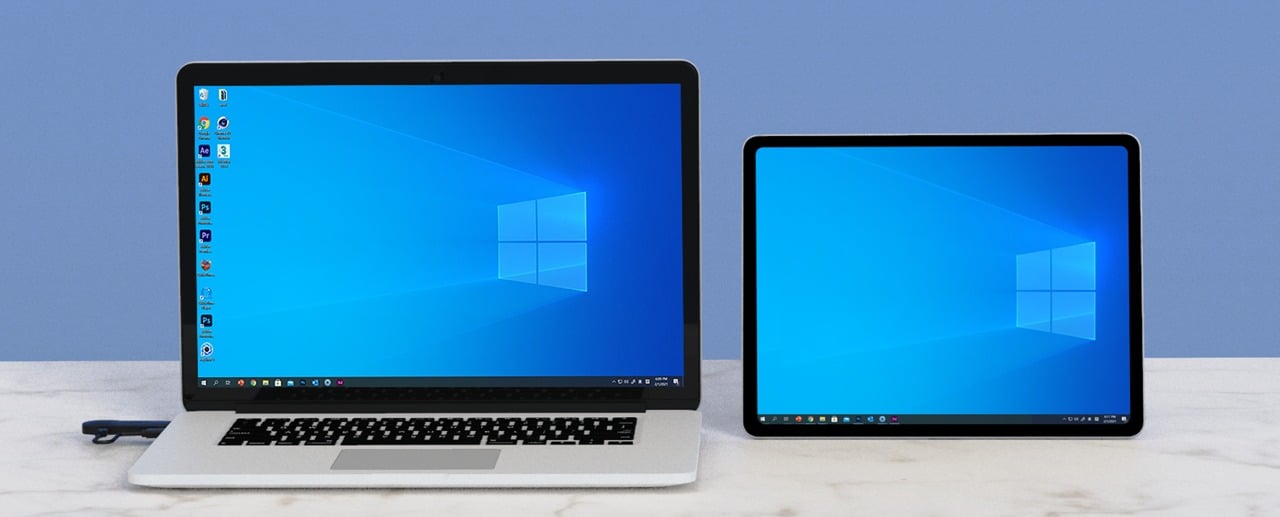
For Professionals – More screen space by seamlessly extending your desktop.

For PC enthusiasts and technicians, the AURGA Viewer offers a particularly valuable solution. Typically, setting up a computer to access BIOS settings or conduct tests requires a complete setup with a monitor, keyboard, and mouse. The AURGA Viewer simplifies this process dramatically by allowing for platform-agnostic remote control with just an HDMI and USB connection—eliminating the need for a monitor or even an operating system installed on the PC. This can be a game-changer for testing PCs, bare motherboards, or any “headless” device, providing both display and control access directly from a mobile device or tablet via the AURGA app.

Amplify your Mini PC – Connect your iPad for greater computing power.

For Photographers & Videographers – A larger monitor screen to make sure your videos are perfect everytime.

A compelling use case also exists for Nintendo Switch users. The Switch operates in different performance modes—handheld and docked. In handheld mode, the display is limited to 720p, reducing visual quality to conserve battery life. However, when connected via the AURGA Viewer, the Switch can output its display to devices like PCs or tablets, allowing users to enjoy the enhanced visual quality of docked mode on a larger, more vibrant screen. This feature is useful when the TV isn’t available or when traveling, ensuring gamers still enjoy high-quality gameplay.

For Developers – Seamless coding experience with extra screen real estate.

For Gamers – Turn your mobile device into a portable gaming console.

Acting as an extension for PCs, the AURGA Viewer serves multiple purposes beyond entertainment, such as allowing a tablet or a second laptop to function as an additional screen. This element is particularly valuable for professionals looking to increase their productivity by expanding their available screen real estate. Additionally, it also allows for interactive control over the primary device using the secondary one, which includes using touch inputs or connecting peripheral devices.. This capability adds significant flexibility and efficiency to any workflow, enabling users to manage tasks and execute commands directly from their secondary screens. Whether for complex professional tasks, creative projects, or general multi-tasking, the AURGA Viewer integrates smoothly into a variety of digital environments, streamlining operations and extending the functionality of connected devices.

The device operates by connecting to devices through HDMI for video output and USB for power and peripheral connectivity. It does not require any software to be installed on the host device, making it a plug-and-play solution that’s easy to set up. The video and control signals are transmitted over a local Wi-Fi network, accessible through the AURGA app available for Windows, macOS, iOS, Android, and even Android TV with some additional setup.

The AURGA Viewer is a versatile tool that broadens the functionality of electronic setups from gaming consoles to professional workstations. As a compact device, it offers robust solutions for enhancing connectivity and streamlining the use of various devices, making it an essential addition for anyone looking to optimize their digital interactions.

Click Here to Buy Now: $72 $99 (Use coupon code “YANKO” to get an additional $7 off). Hurry, deal ends in 48 hours!

The post Unlock Seamless Connectivity with a Tiny Device That Redefines Device Integration first appeared on Yanko Design.

Phone-powered smart speaker concept reads your mood to play the right music for work

Not everyone likes listening to music, but even those will perhaps begrudgingly agree that certain kinds of music can have different effects on one’s mood or mental state. Next to entertainment or the sheer joy of listening to favorite tunes, the most common use of music is to set the right mood, whether it’s to relax, to get pumped, or to be more productive. That said, musical tastes can be quite subjective, and even the kind of harmonies that you like could be affected by your mood at any given time. It can be quite taxing to change playlists or tracks every time, so rather than relying on your fingers and your own mind, why not let your phone do the work for you? This desk speaker concept does exactly that, analyzing your mood and picking the right music to help you finish your work, studies, or any other task you need to get done.

Designer: Junyoung Lee

People who love playing music while they work most likely have a library of tunes selected to help massage their grey matter, especially during slow hours. Unfortunately, the effectiveness of music can be thwarted by moods, emotions, and physical conditions. Sometimes we’re just stuck in a slump and manually picking out a more appropriate playlist only adds to the stress and traps you in a vicious mental cycle.

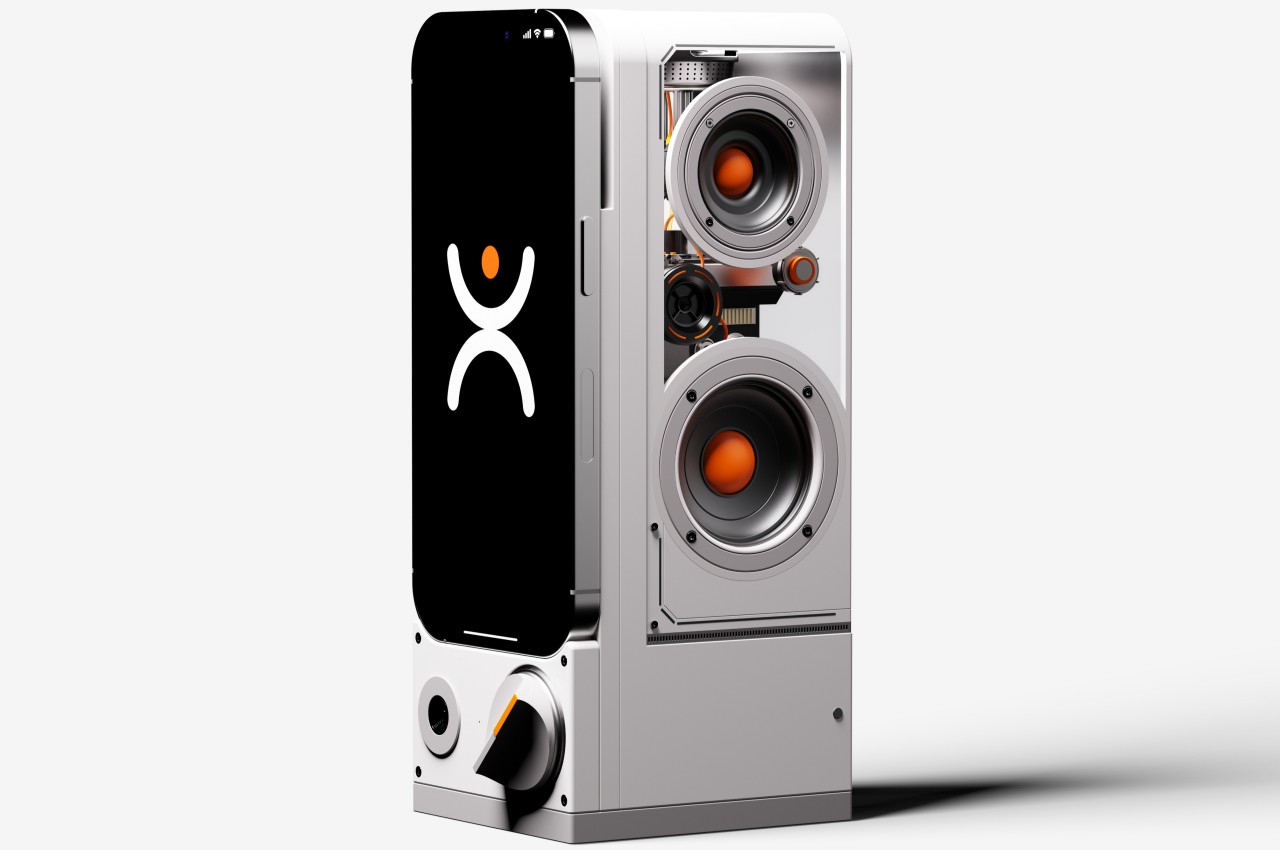
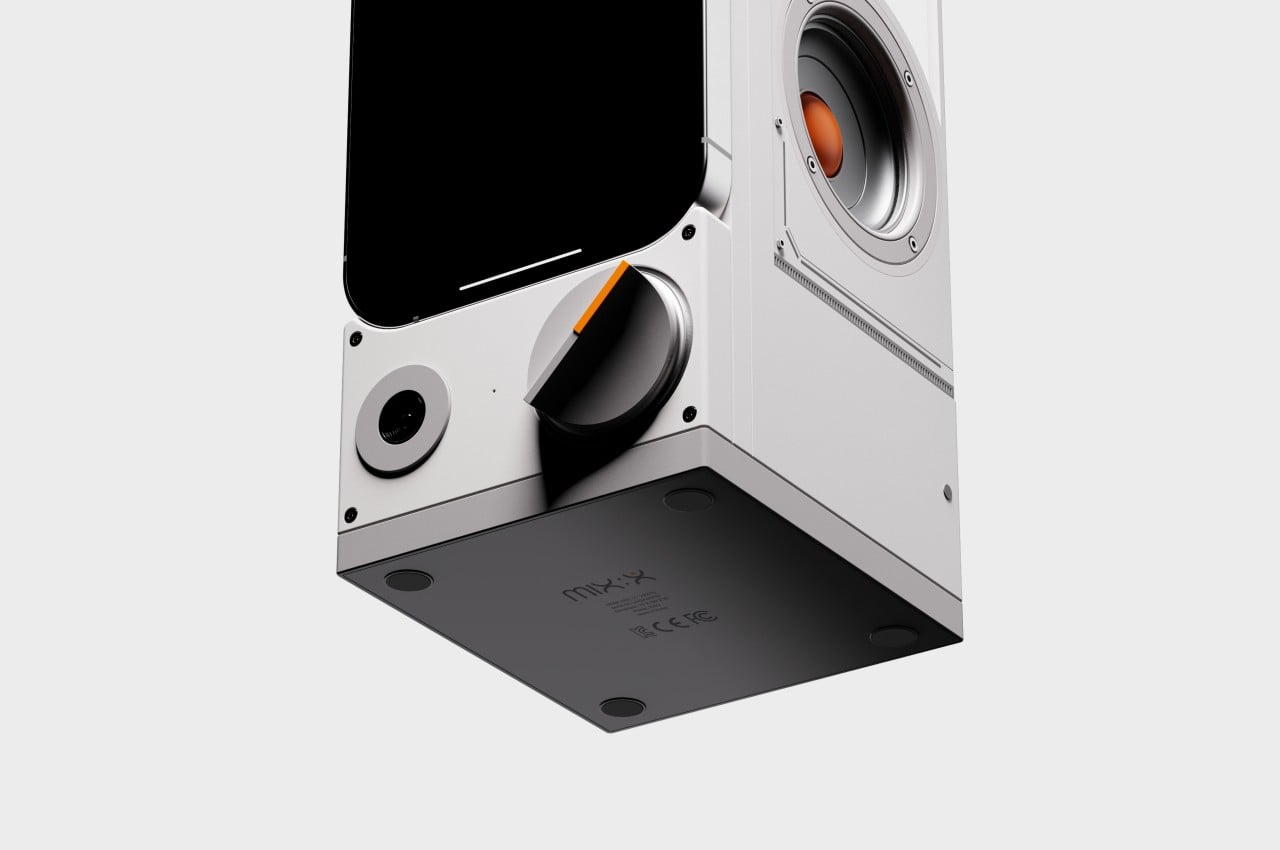
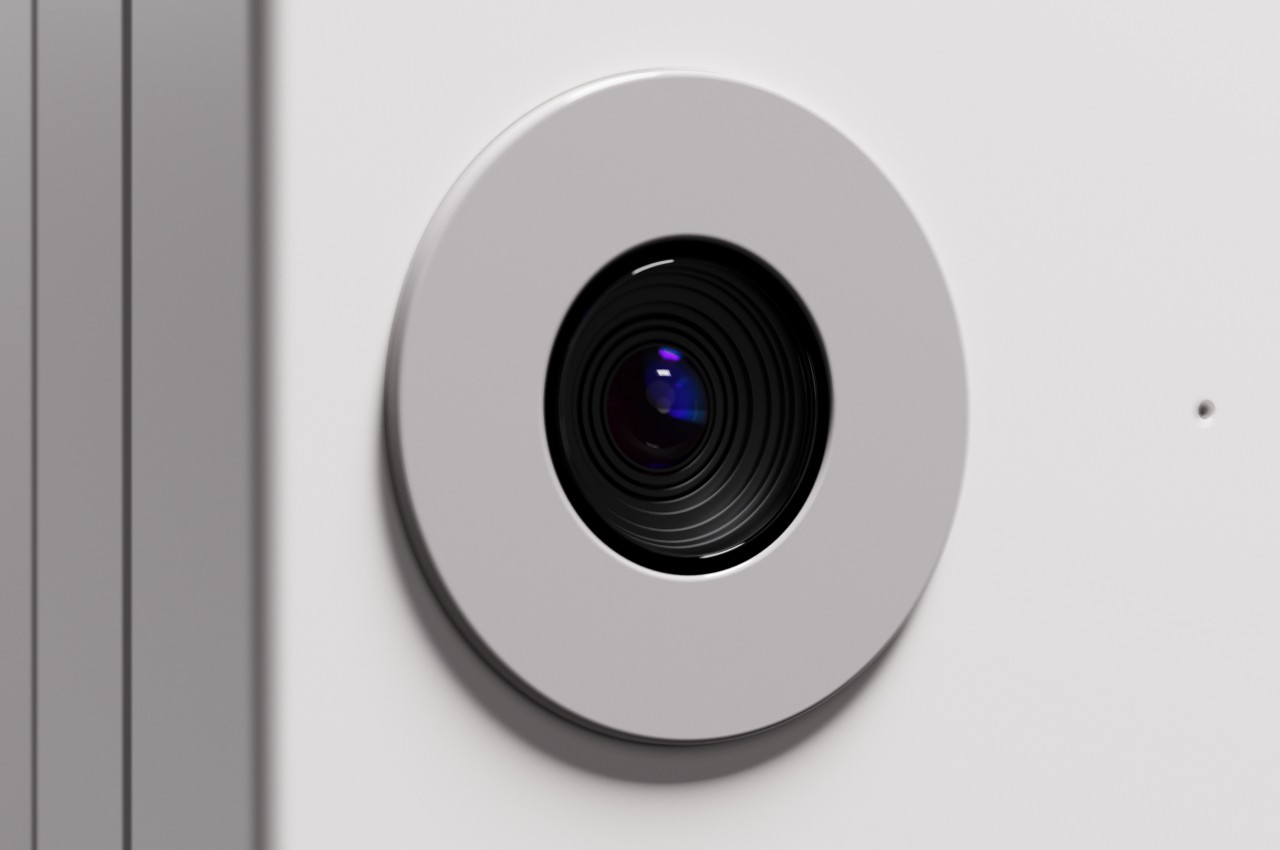
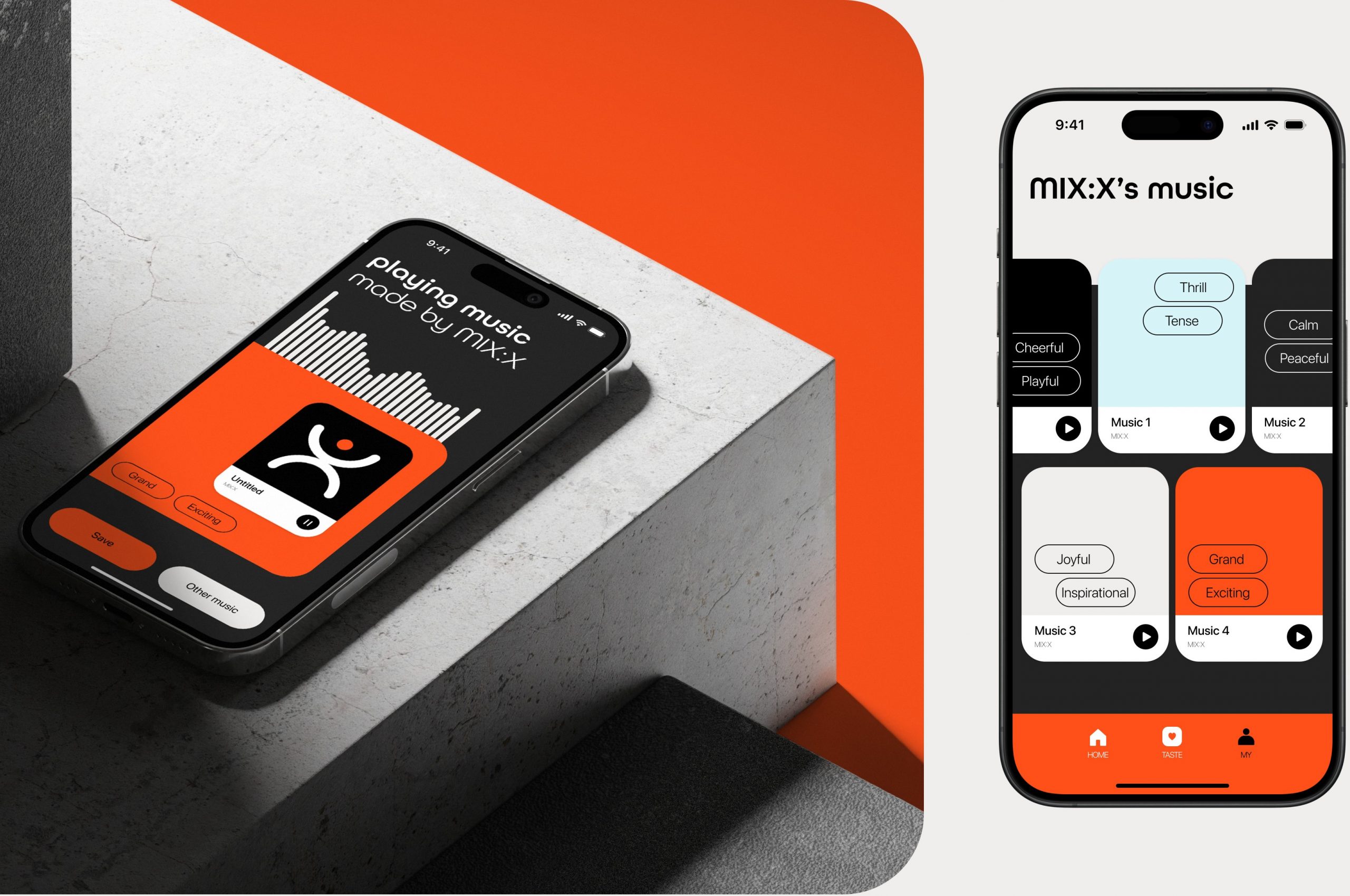
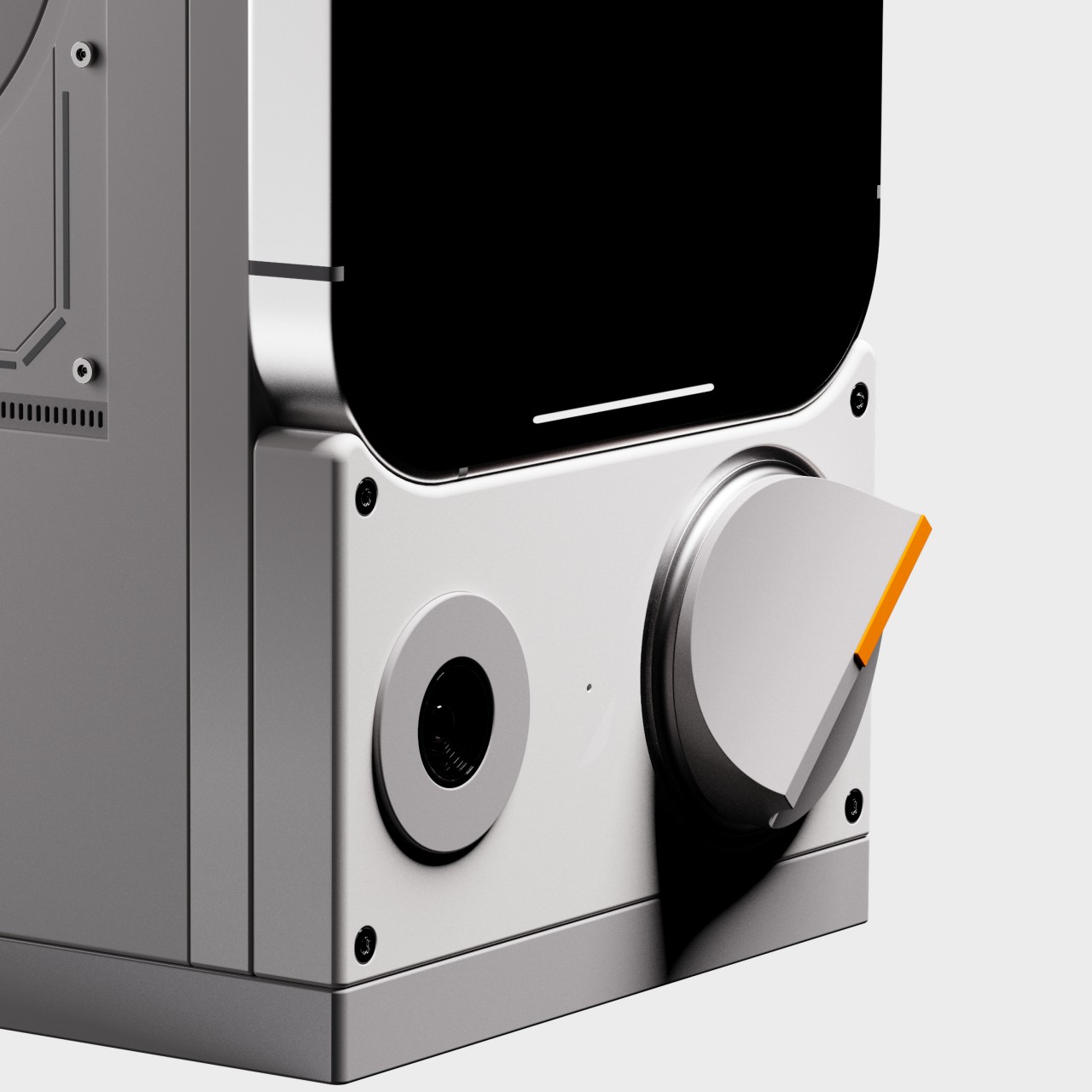
MIX:X is a smart speaker system that uses the power of your smartphone and machine learning to automate that process so you won’t have to lift a finger when your brain or heart is just too tired to care. You simply dock the phone in front of the tall, boxy speaker to start the process. The large camera at the bottom keeps a constant watch on the person’s face in front of it, particularly their facial expressions, and using computer vision, machine learning, and algorithms, it tries to identify the mood that the person is in. Depending on what mood that is, it will switch to a different playlist that will help get you into a more productive working state.

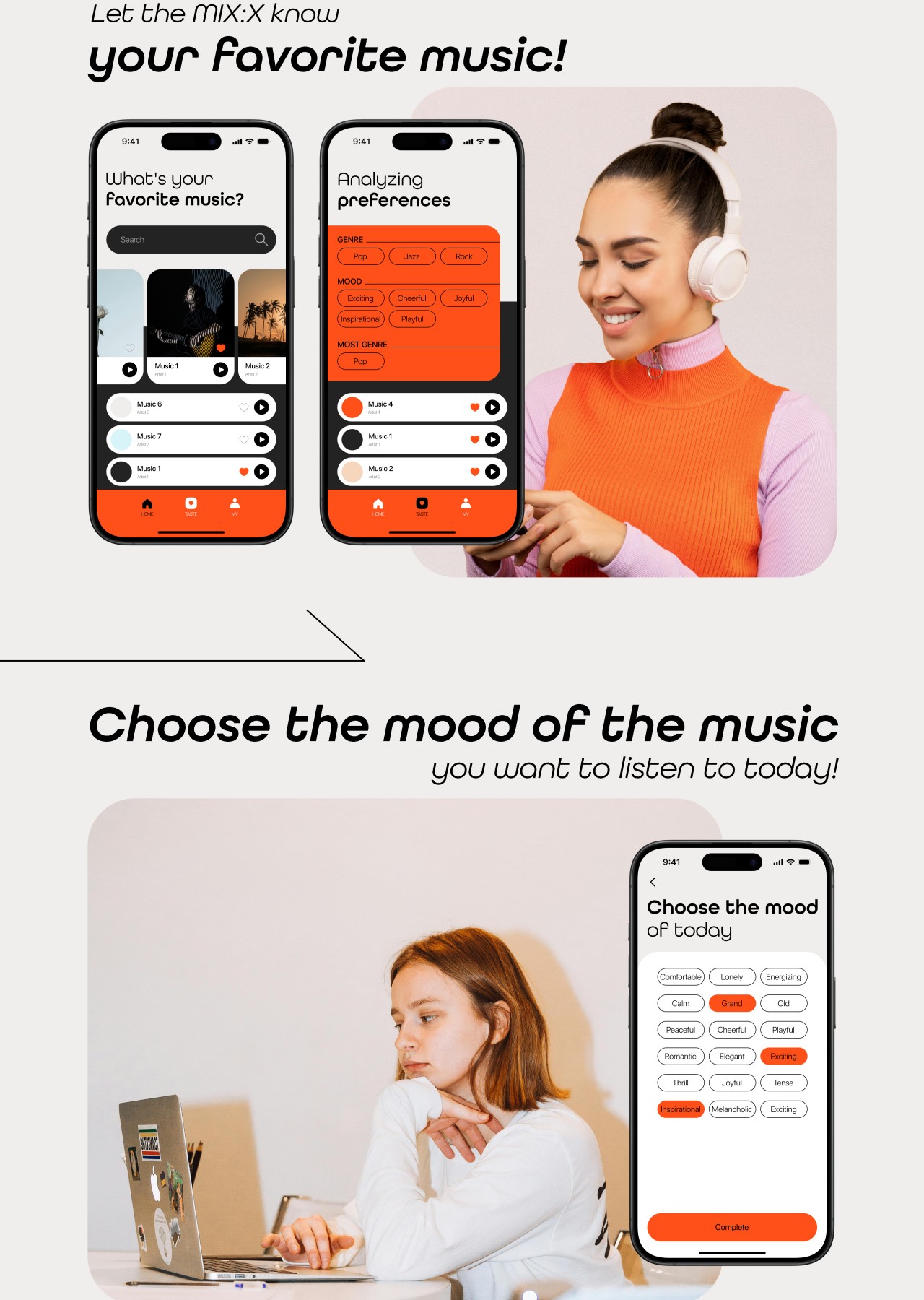
Part of the MIX:X speaker’s solution is actually not the device itself but the app that comes with it. Here you select the songs that you like and associate them with certain moods. The app’s AI analyzes the music selection and uses that as a pool to choose from when your mood shifts one way or another. It doesn’t simply get music out of thin air (or the Internet), giving you some amount of control to limit the choices to your preferences.

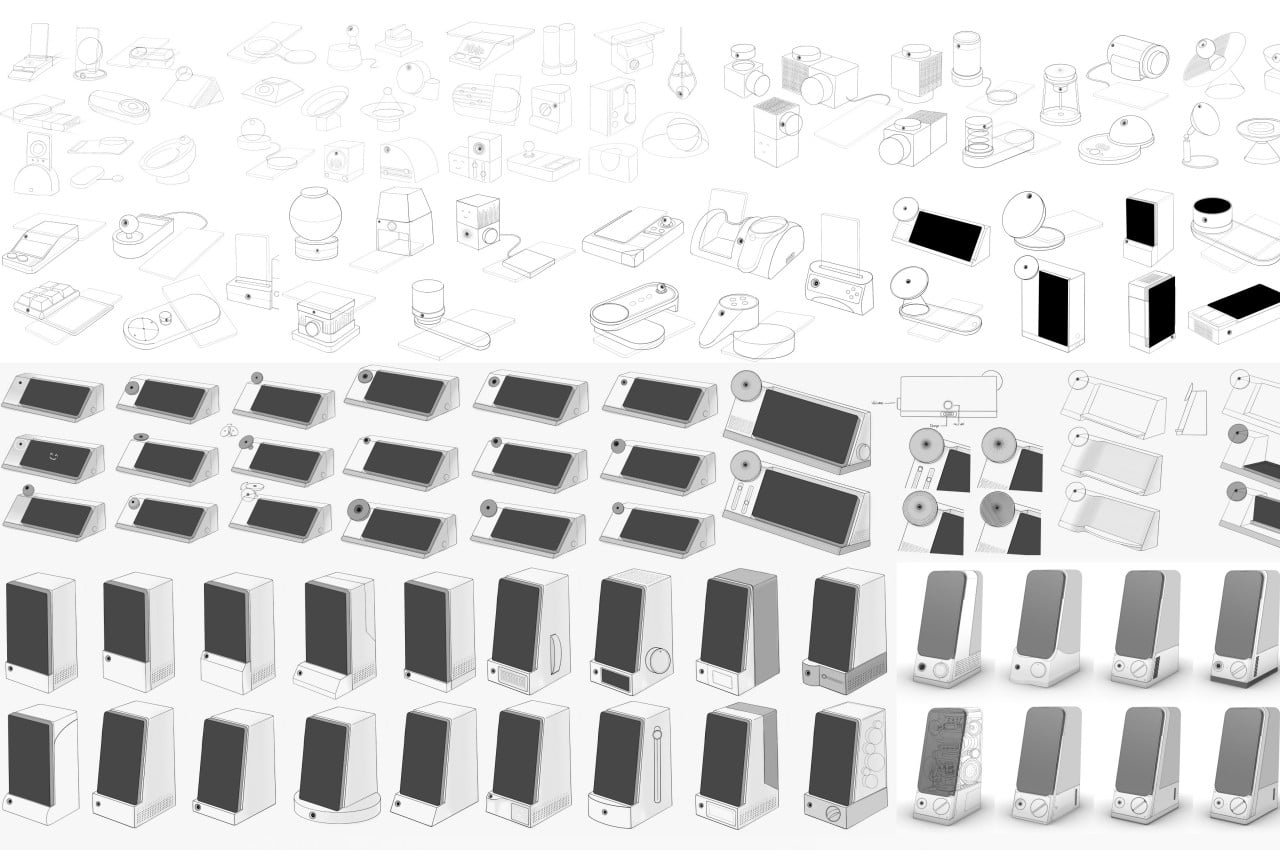
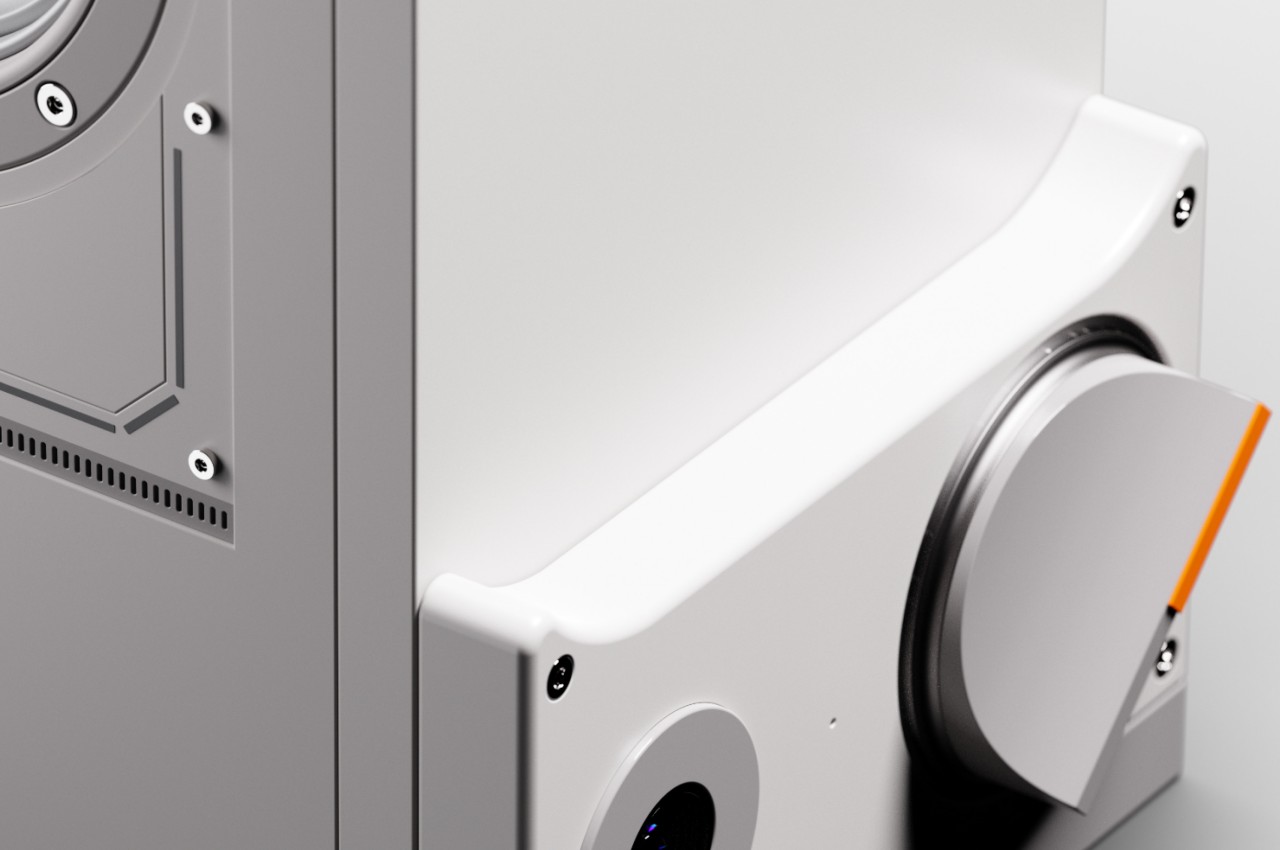
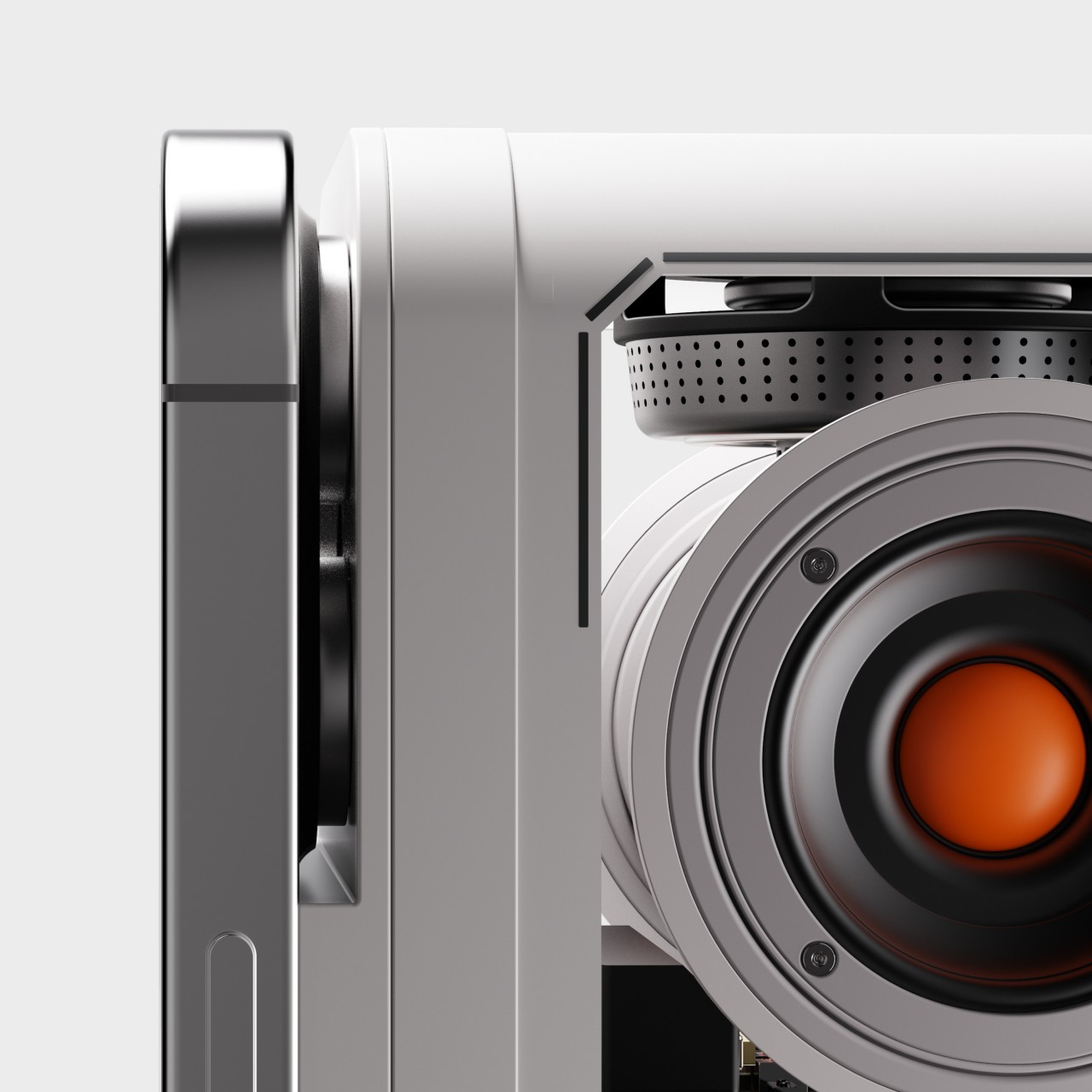
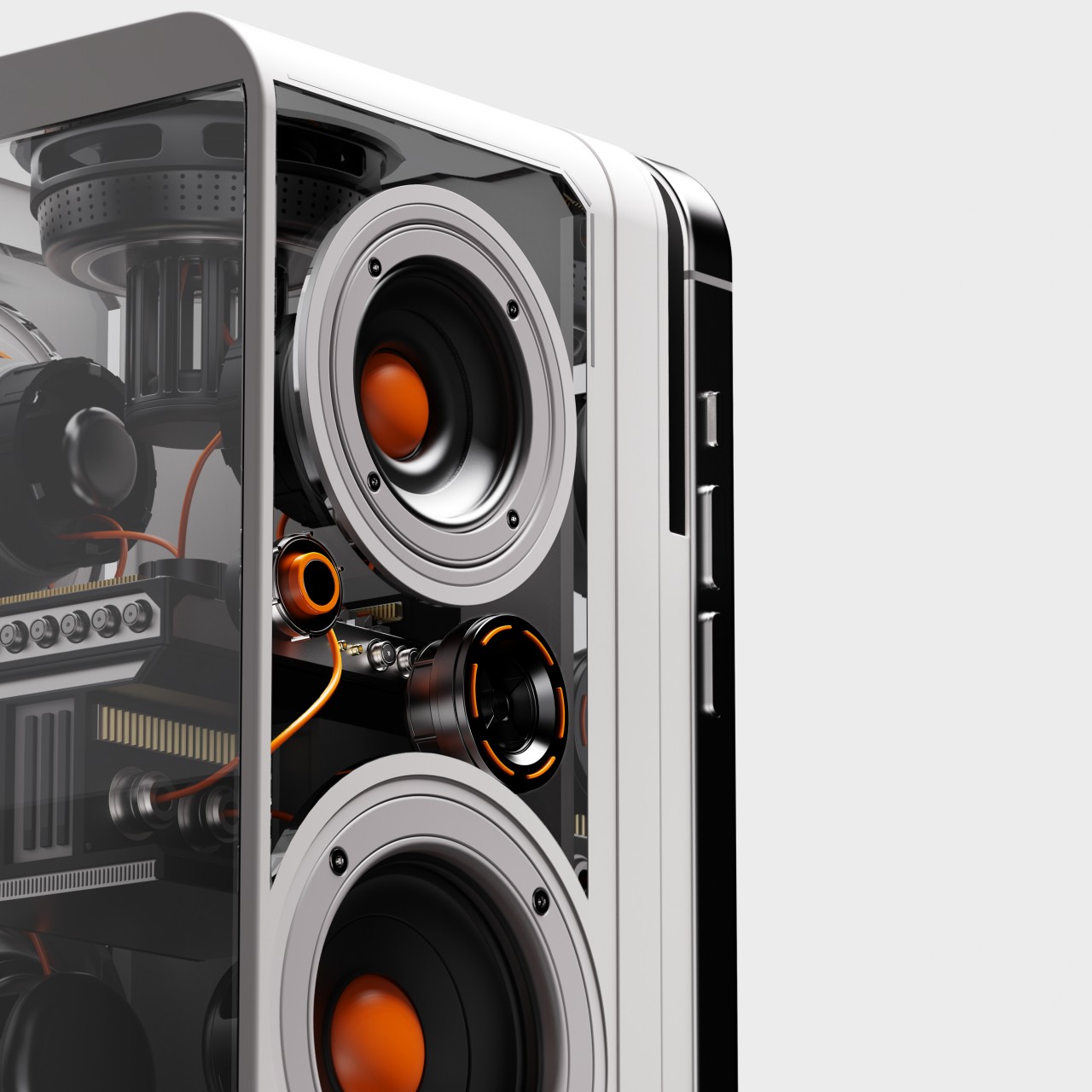
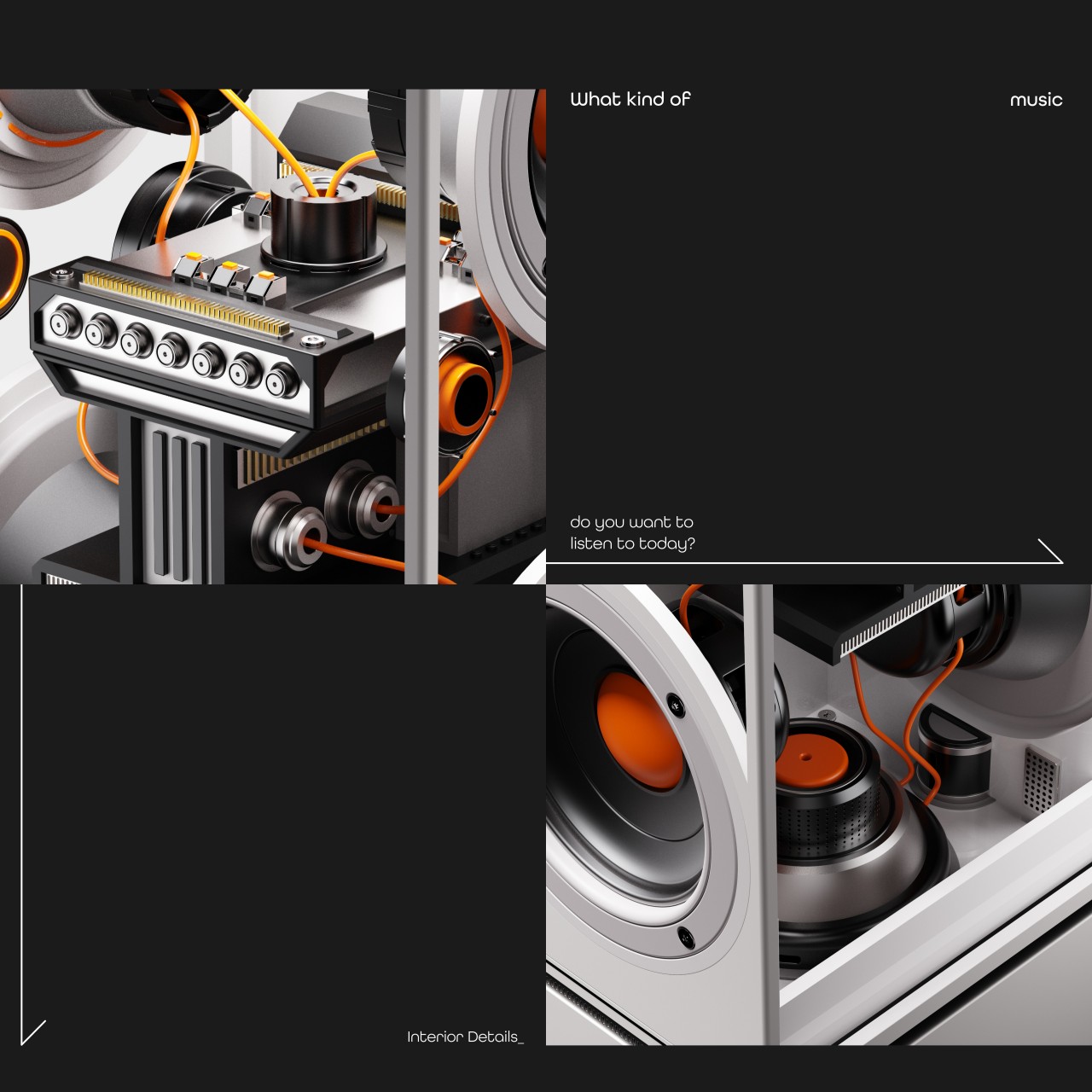
In that sense, the MIX:X speaker is simply a box with speakers facing sideways and a camera, though it definitely has an interesting aesthetic. It has transparent panels for its sides and back, putting the sophisticated electronics inside on display. The rest of the device’s design is pretty minimal, with a single dial for the volume. If there’s one glaring flaw in its design, it’s the fact that it seems to support only a specific model or size of a specific phone, namely an iPhone, which severely limits how much this concept can be used outside of that single device.

The post Phone-powered smart speaker concept reads your mood to play the right music for work first appeared on Yanko Design.

Odd drinking cup was designed to work in zero-gravity space without a straw

Hollywood has romanticized the idea of living in space or on other planets, but our current technologies have yet to catch up to the future painted by science fiction. Never mind the risks of blasting off into space, living on a space station can be extremely challenging, especially in the absence of gravity. Zero-G, as it is often called, can be fun once in a while and in short bursts, but having to constantly live in that environment turns activities we consider normal and mundane into an exercise in patience. The simple act of drinking, for example, requires sipping from a straw all the time, not exactly the most comfortable method for enjoying precious Earth liquids in space. That’s the problem that this space cup solves, but it accomplishes this impressive feat by taking on a shape that is almost literally out of this world.

Designer: Donald Pettit, Mark Weislogel

It’s only logical that liquids wouldn’t stay still inside a cup without the power of gravity, which is why drinks in space are taken from pouches with straws attached to them. It’s a simple and practical solution that makes drinking feel more like a mechanical act of survival than something that is enjoyed and treasured like those on Earth. NASA researcher Mark Weislogel and NASA astronaut Donald Pettit worked together, the former on Earth, the other on the International Space Station, to come up with a design that brings back the comforting experience of drinking normally from a cup.

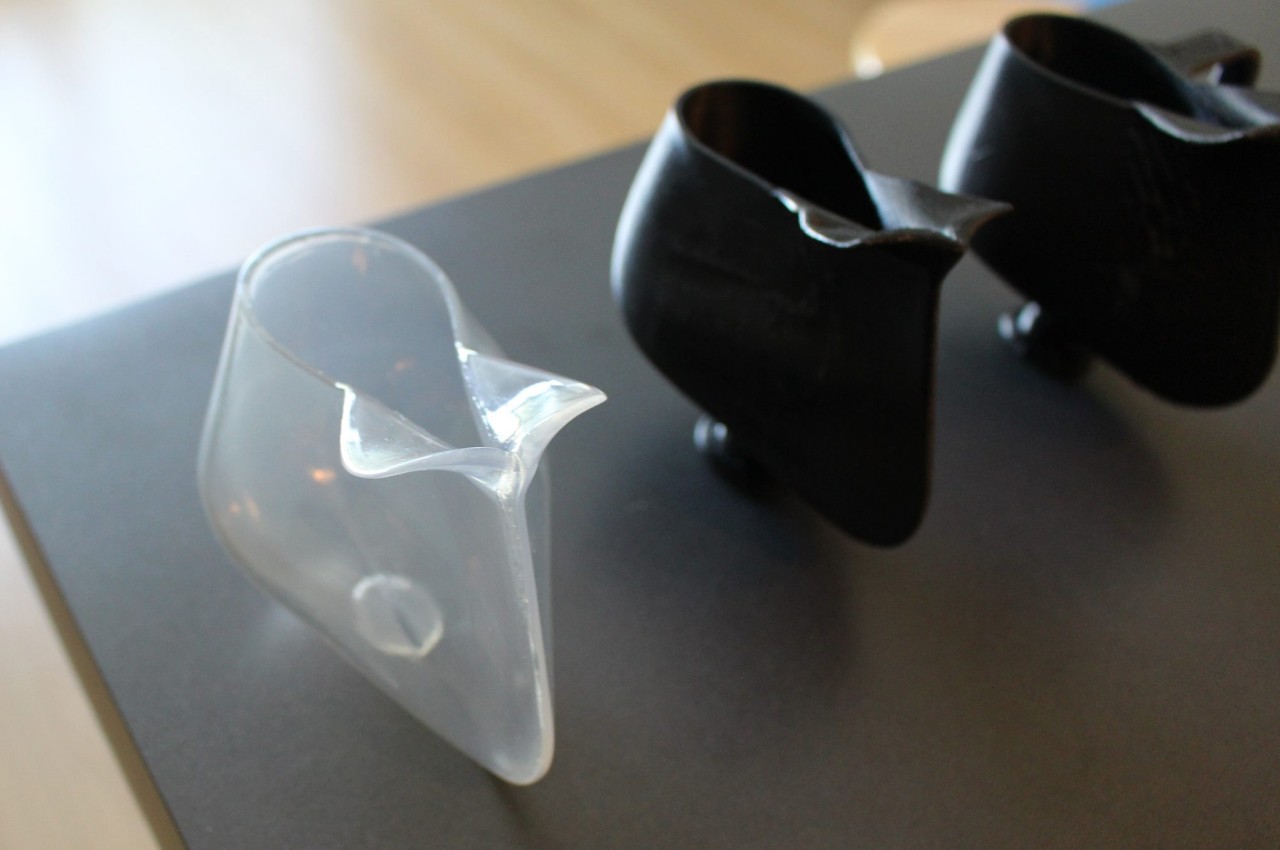
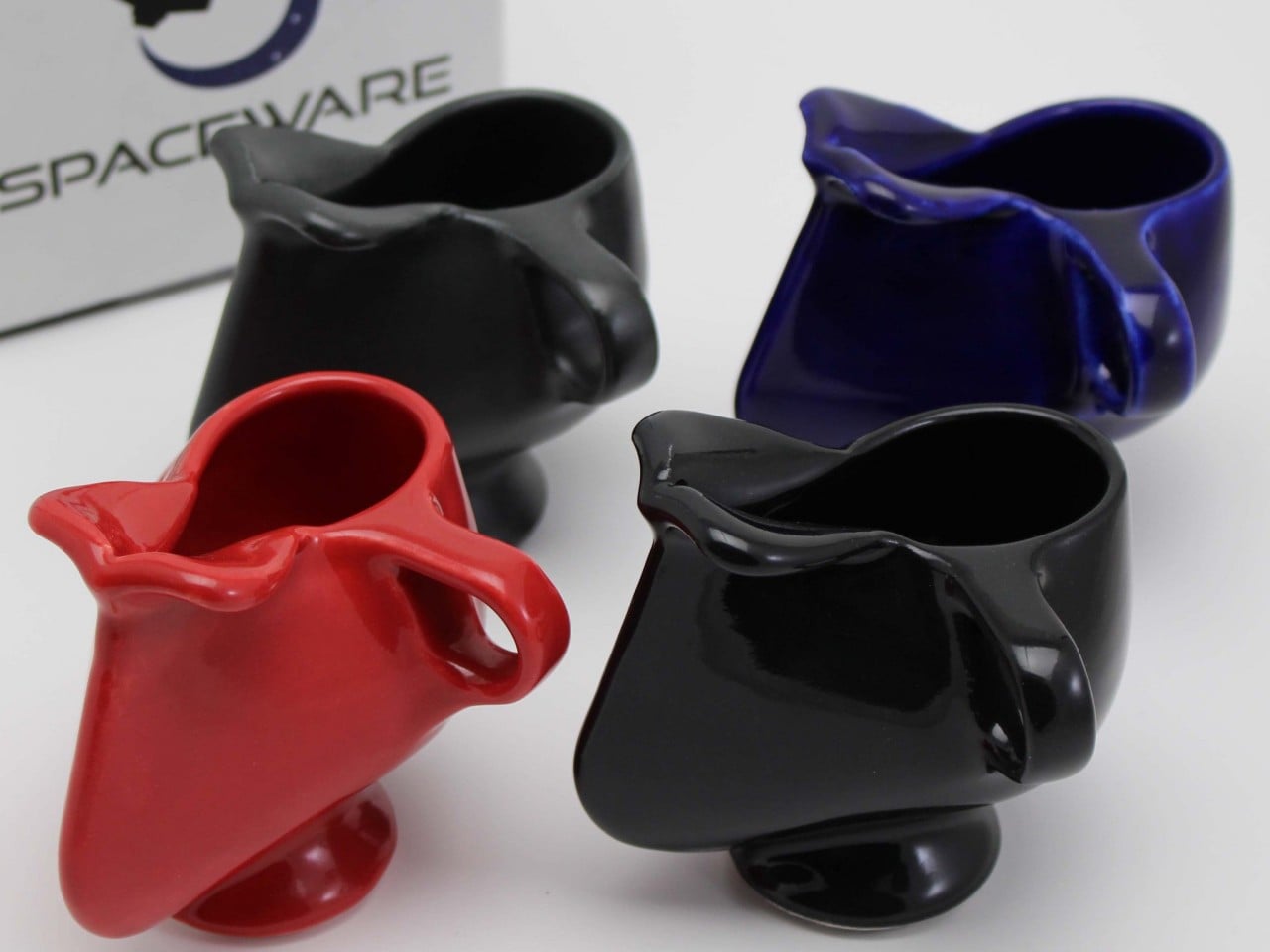
The secret behind this “zero gravity coffee cup” is twofold. One is the special design where the cup has sharp crevices where two edges meet. The other is the way liquid behaves when placed in such a receptacle in zero gravity. The liquid is naturally drawn to those narrow spaces following the principle of capillary channel flow and, as if by magic, actually sticks to those edges without spilling out.

Owning the title of being the first cup that was actually designed in space, this zero-gravity drinkware’s first form was actually just a sheet of Mylar taped together at the edges to form a teardrop-shaped container. Of course, such a design hardly counts as a comfortable cup to drink from, so a more refined 3D printed food-grade plastic cup was made on Earth. Another model, this time made from ceramic, was later developed and became the first patented product invented outside of our planet.

The space cup’s unusual shape has raised a few eyebrows, and while it’s now available for sale on Earth from some sources, it doesn’t have the same magical capabilities demonstrated in zero-gravity space. Its alien design, however, does show how outside-the-box thinking will be necessary to have more “normal” experiences in space, and we have to expect that the first generation of what we consider to be ordinary products will take on sometimes unusual forms just so they can function in the same way.

The post Odd drinking cup was designed to work in zero-gravity space without a straw first appeared on Yanko Design.

Toaster Typewriter puts a humorous and literal spin on how words can burn you

We live in an “instant” civilization where we can get what we want almost instantly. Words appear on the screen as fast as our fingers can fly, cup noodles can be done and ready for consumption in less than five minutes, and bread jumps out of the toaster just a few seconds after simply pressing down on a switch. Can you imagine, then, the frustration of having to slowly type out each letter, or manually turning a loaf of bread every minute to make sure it’s properly toasted without burning to a crisp? Of course, no one will want to go back to those not-so-good old days, at least no one in their right mind. That said, such an unimaginable situation could also be an opportunity for a ridiculous invention, which is what this seemingly antiquated typewriter does, making you slowly type each and every letter to adequately toast a bread loaf.

Designer: Ritika Kedia

The idea of typing on an old-school typewriter to toast bread is beyond absurd. The two have almost nothing in common, except perhaps the starting letter of each word. It’s definitely an exercise in patience and futility, one that could make you lose your appetite even before you get a single word out. But like what happens in real life, some ridiculous and frustrating situations can become comic relief if done right, which is exactly what the Toaster Typewriter represents.

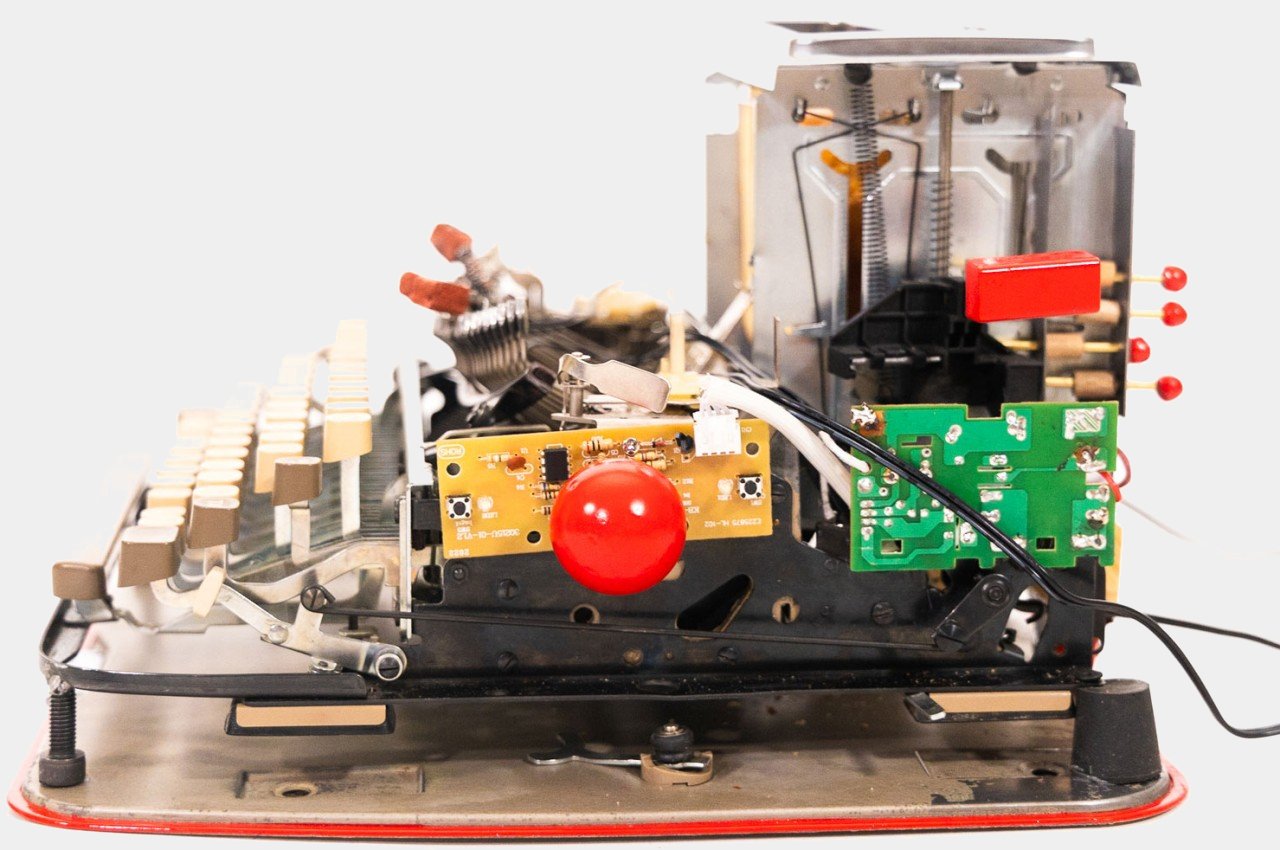
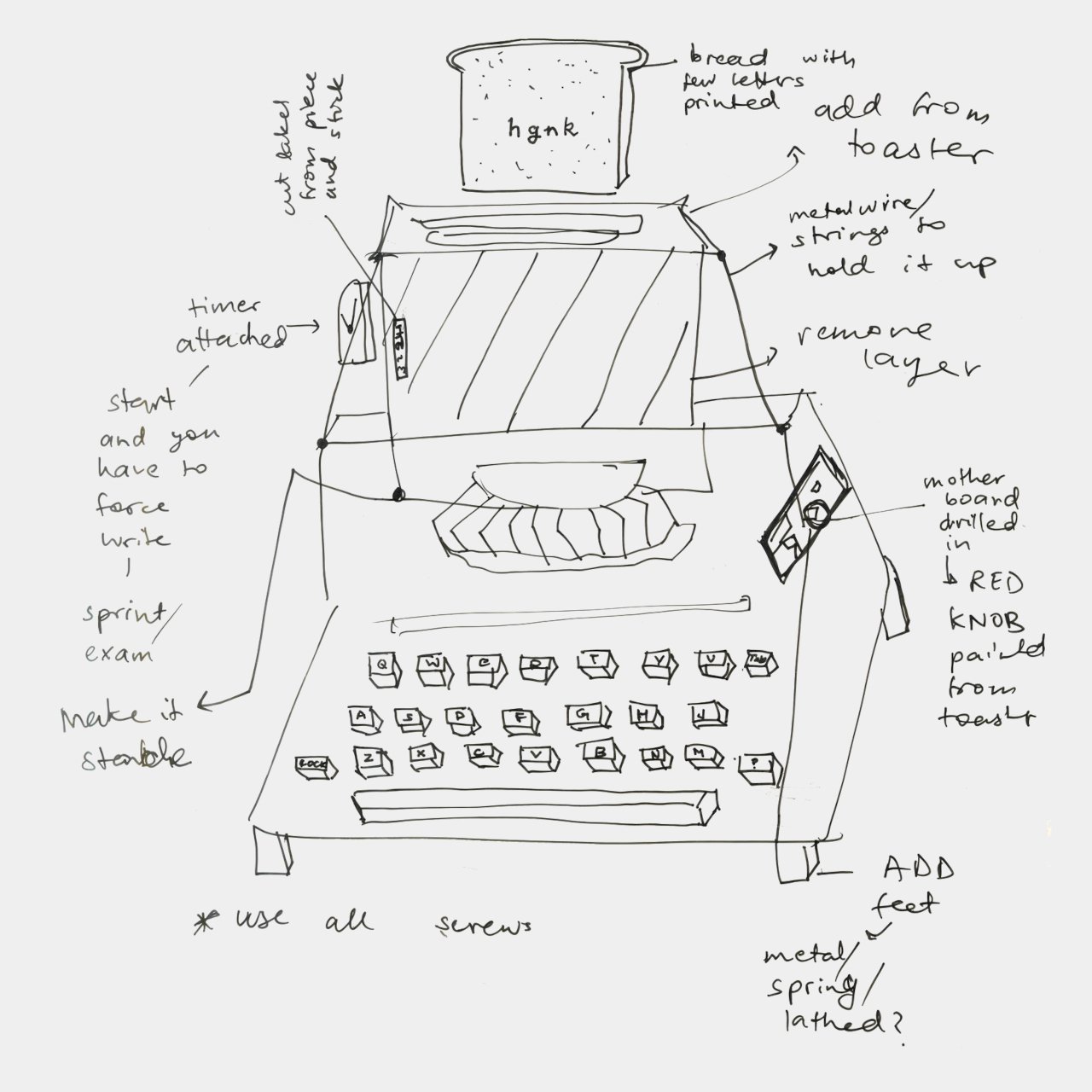
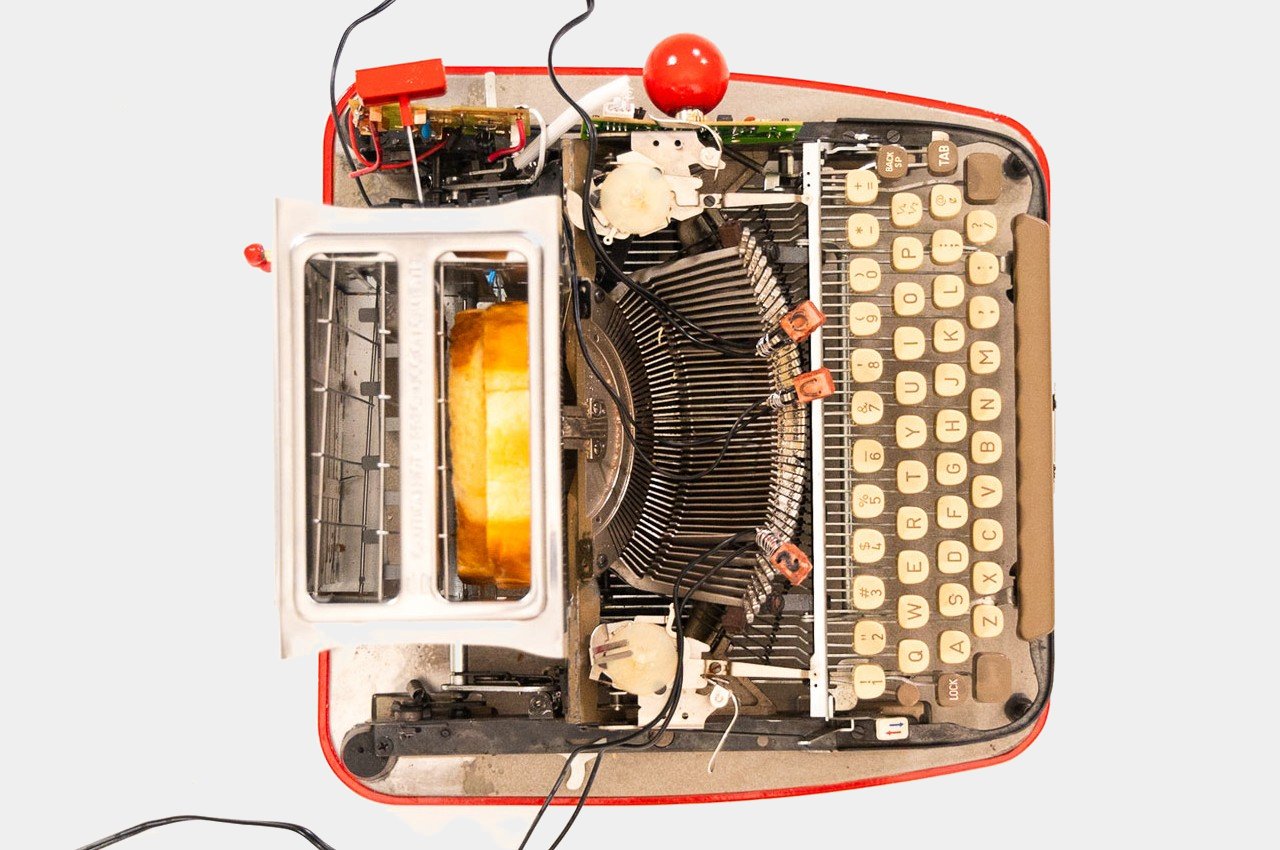
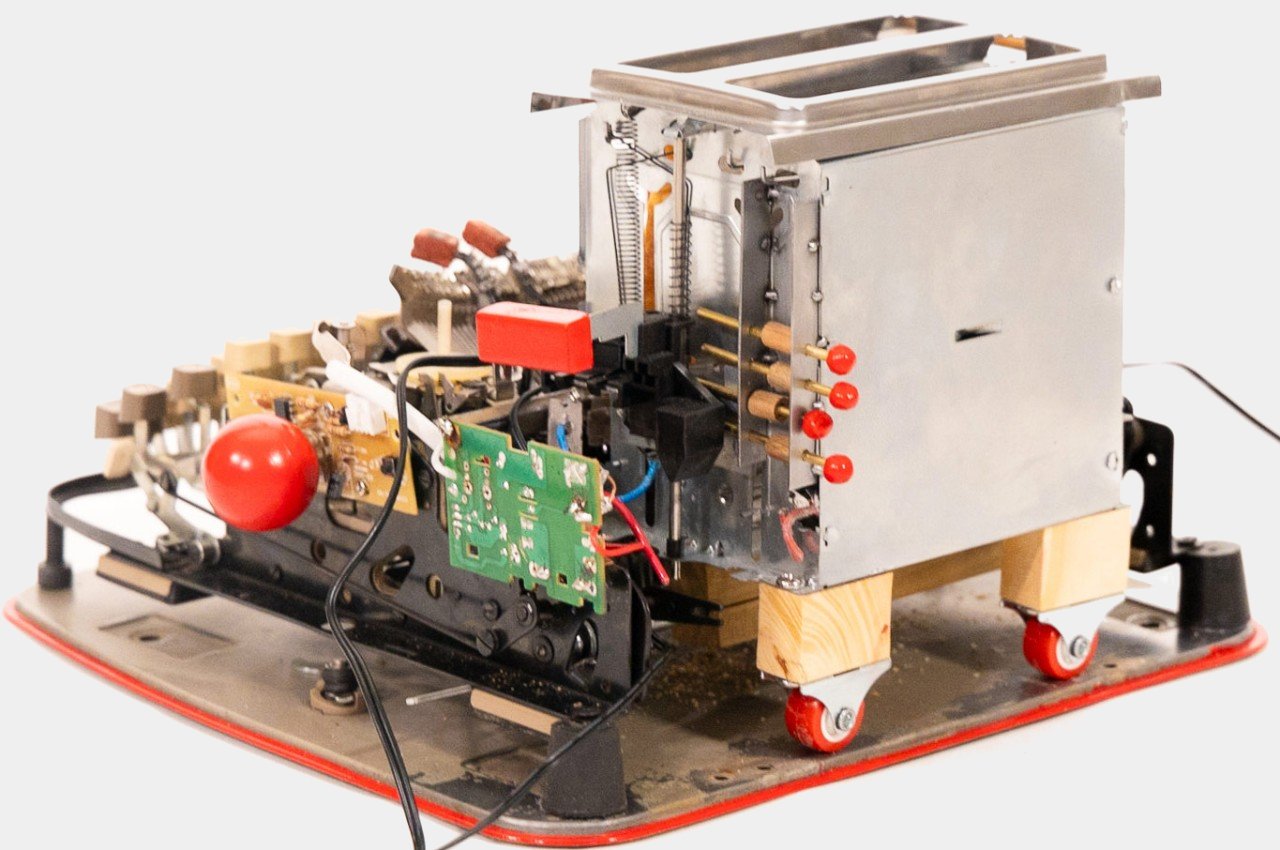
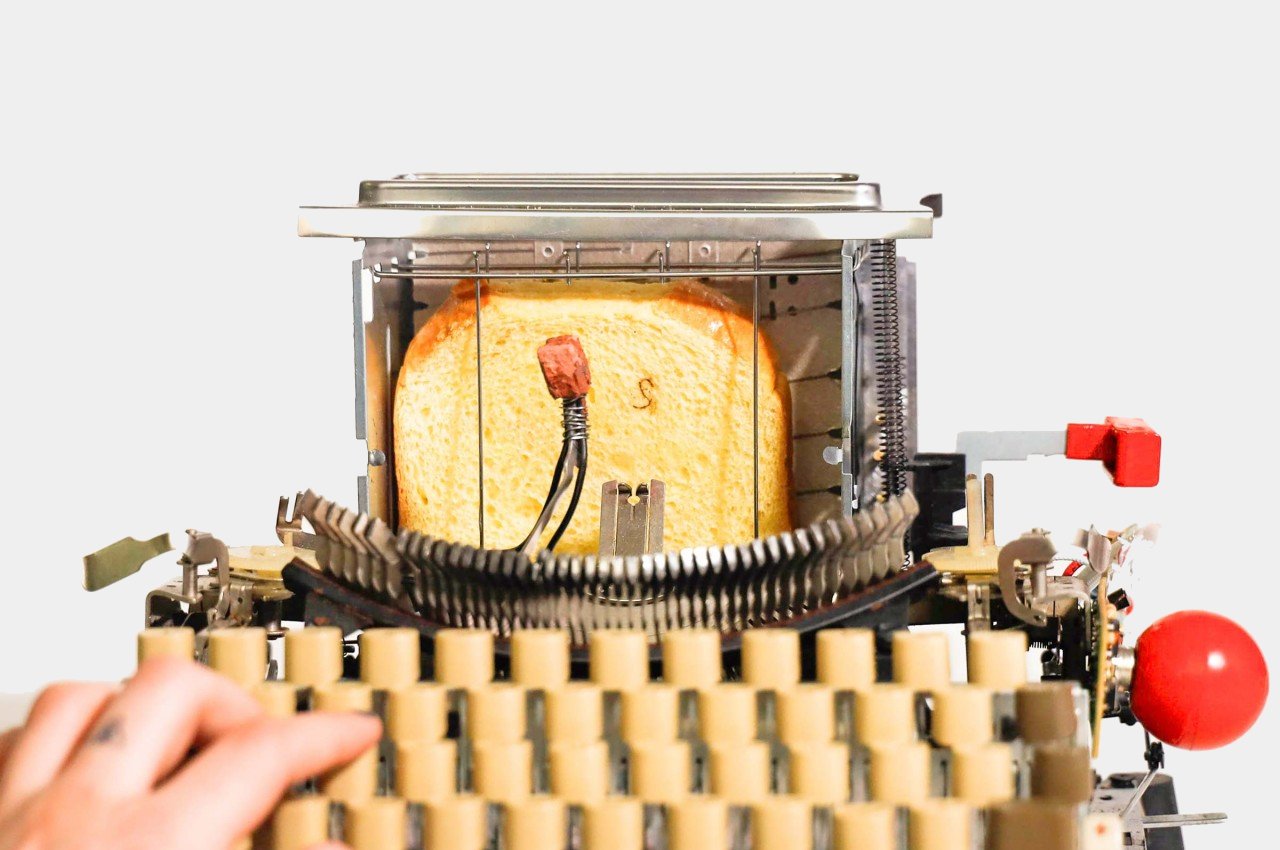
The design is practically a Frankenstein of two very mechanical products, a classical typewriter and a bread toaster with much of its outer shell stripped off. Certain letters on the typebar are covered with food-grade clay and have wires coiled around them. The cobbled machine uses multiple transformers to not only power the toaster but also generate heat for the keys, resulting in a composition that looks more like a prop from a sci-fi flick from the 50s or 60s.

The idea is to simply slide in a loaf of bread like you would on a regular toaster, and then slide the toaster box across the typewriter as if it were a piece of paper. Once the letters are sufficiently hot, you press hard on a key and then wait for that letter to be burned onto the bread’s surface. Rinse and repeat until you finally have your desired toast, unless you lose your sanity first.

As you can probably tell, the Toaster Typewriter technically works but it’s impractical and pretty much useless. That’s exactly the point of the design, however, as a paradigm shift toward more entertaining, even comical, designs. The design space has become too serious for its own good. While product designs definitely need to address certain needs and requirements, there is also room for some more entertaining and humorous designs that bring delight in one way or another. Of course, such designs shouldn’t frustrate people the way this Toaster Typewriter does, but good designs need to be able to include more human elements, including human expressions of joy and laughter.

The post Toaster Typewriter puts a humorous and literal spin on how words can burn you first appeared on Yanko Design.

Handheld gaming console concept offers lifestyle features that go beyond gaming

Thanks to devices like the Steam Deck, ASUS ROG Ally, and Lenovo Legion GO, handheld PCs are becoming more common and more acceptable in the public’s eyes. That horizontal orientation, while more gaming-oriented, isn’t the only possible design, nor is it even the best option. There are other styles, particularly the laptop-like clamshell design, that offer a user experience that is slightly different but also a bit more flexible in its features. Of course, just because it looks like a mini laptop doesn’t mean it has to behave like one, and this particular handheld console concept stretches that design a bit further to transform a gaming device into a lifestyle product.

Designer: Viet Doan Duc

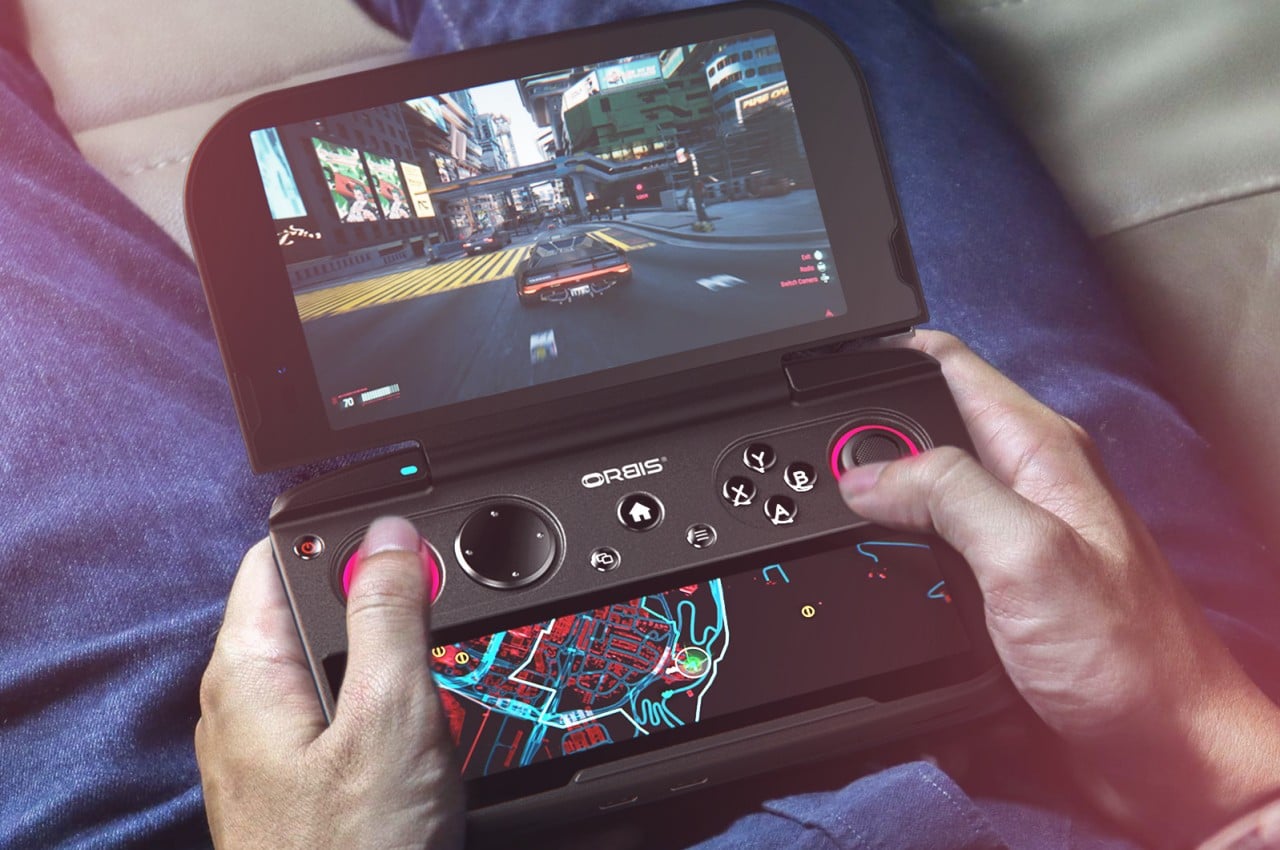
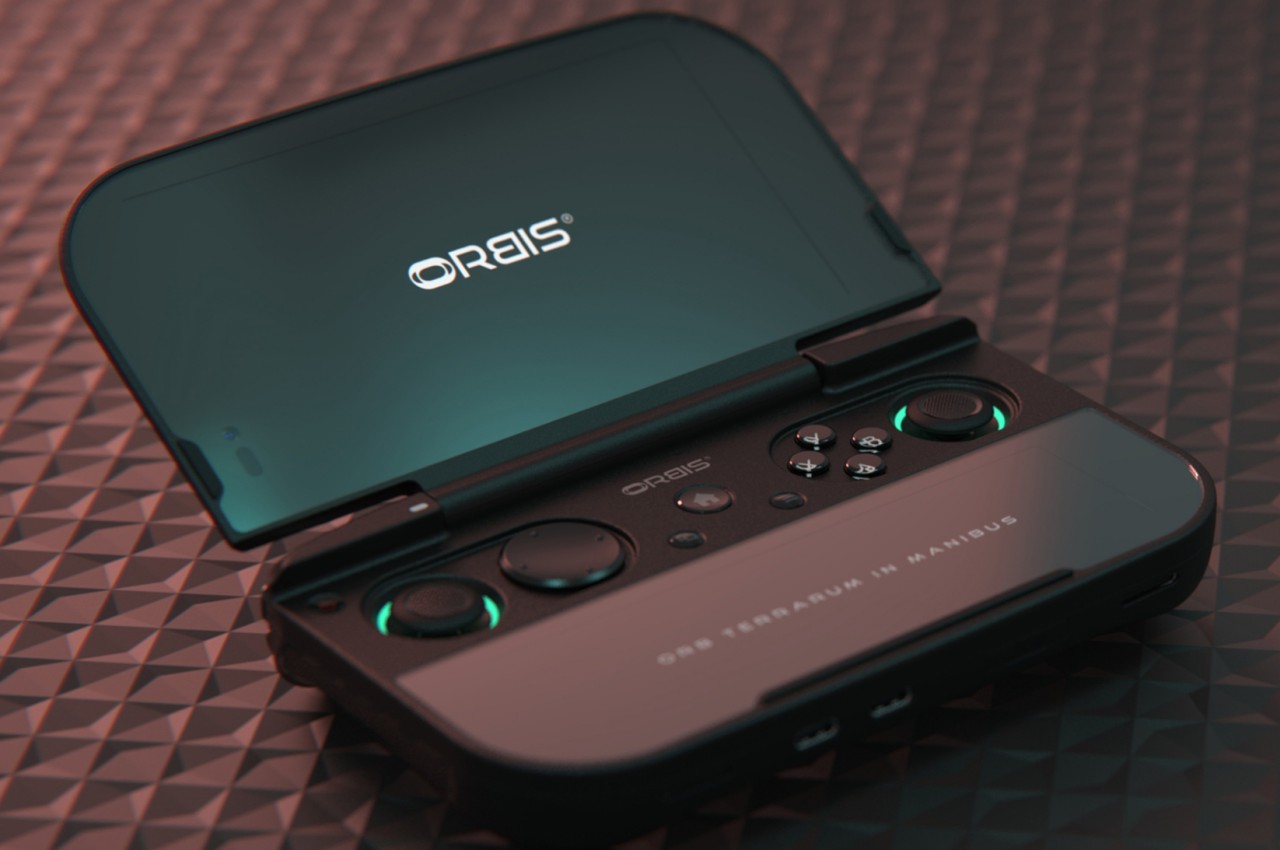
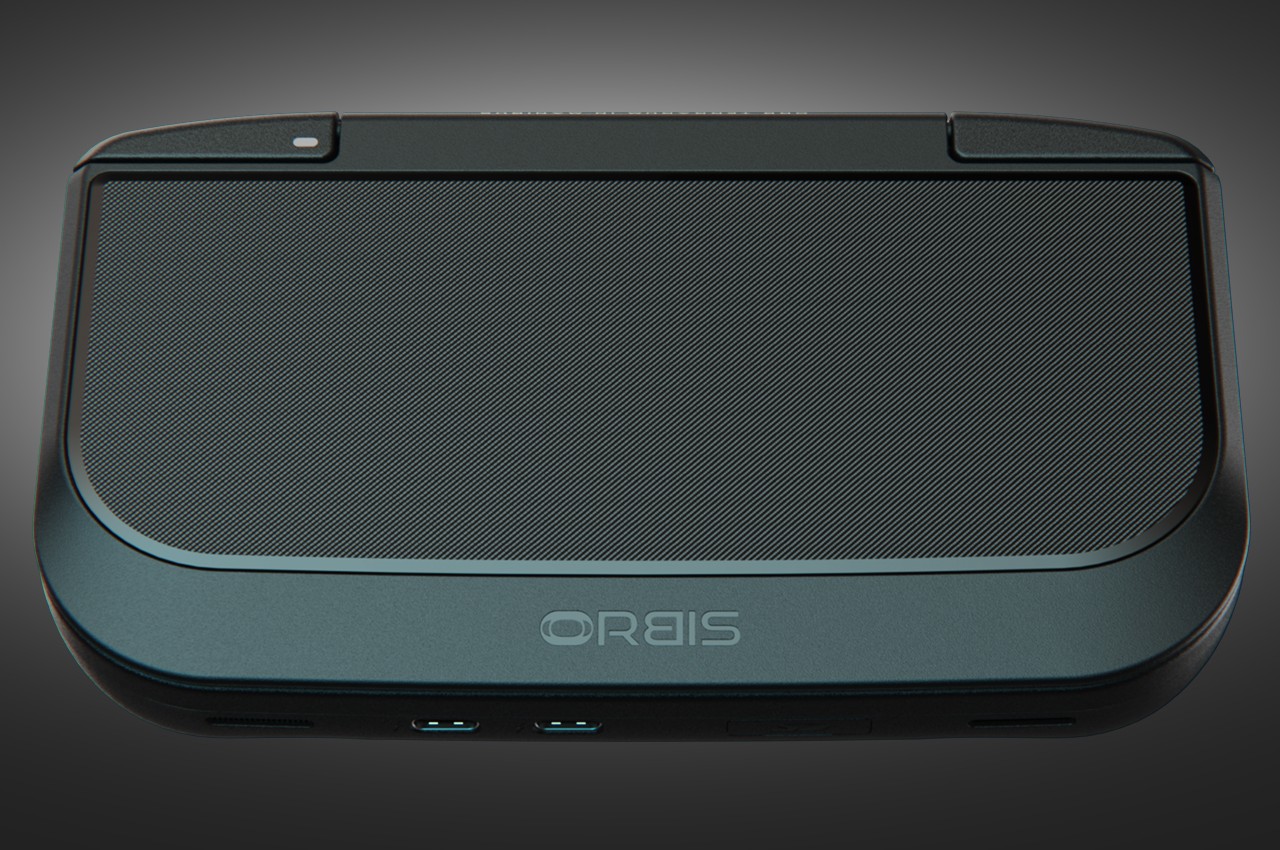
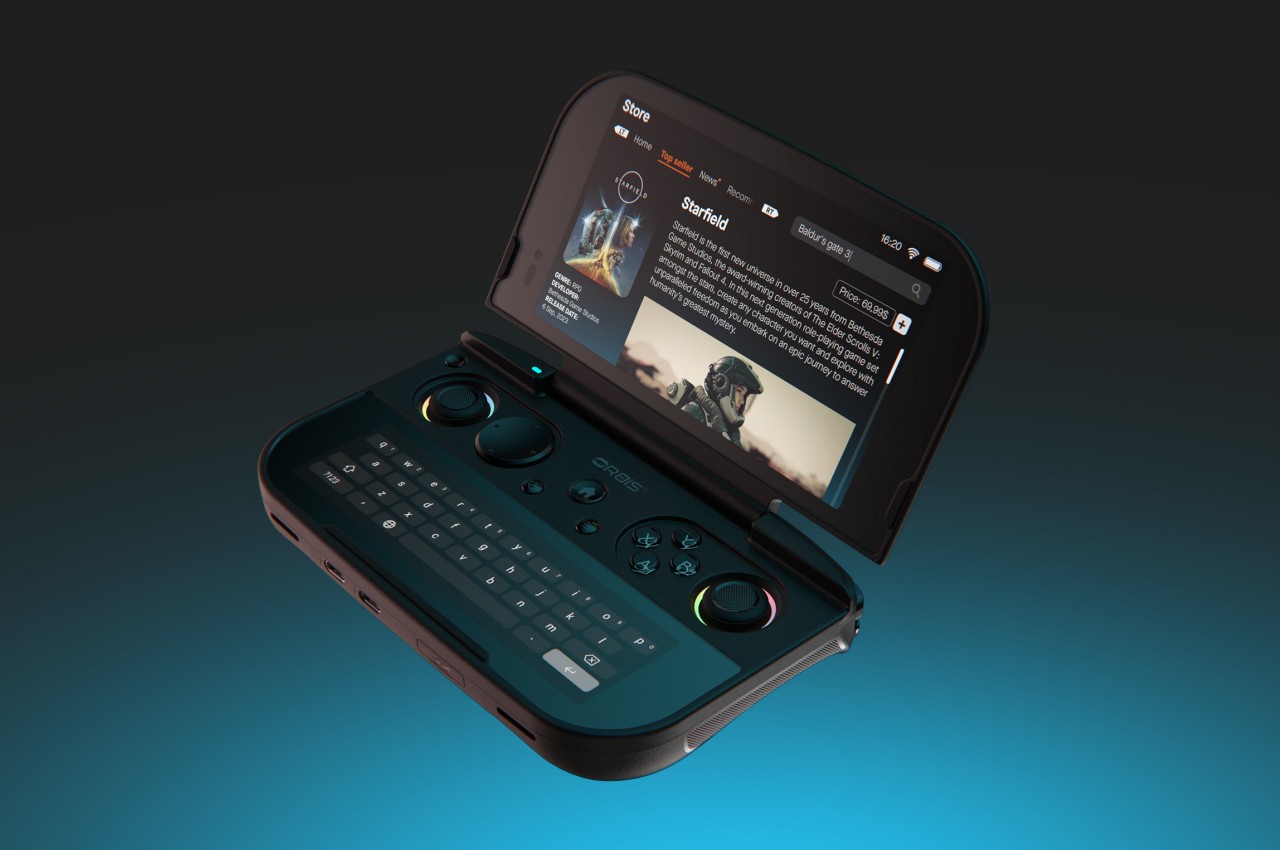
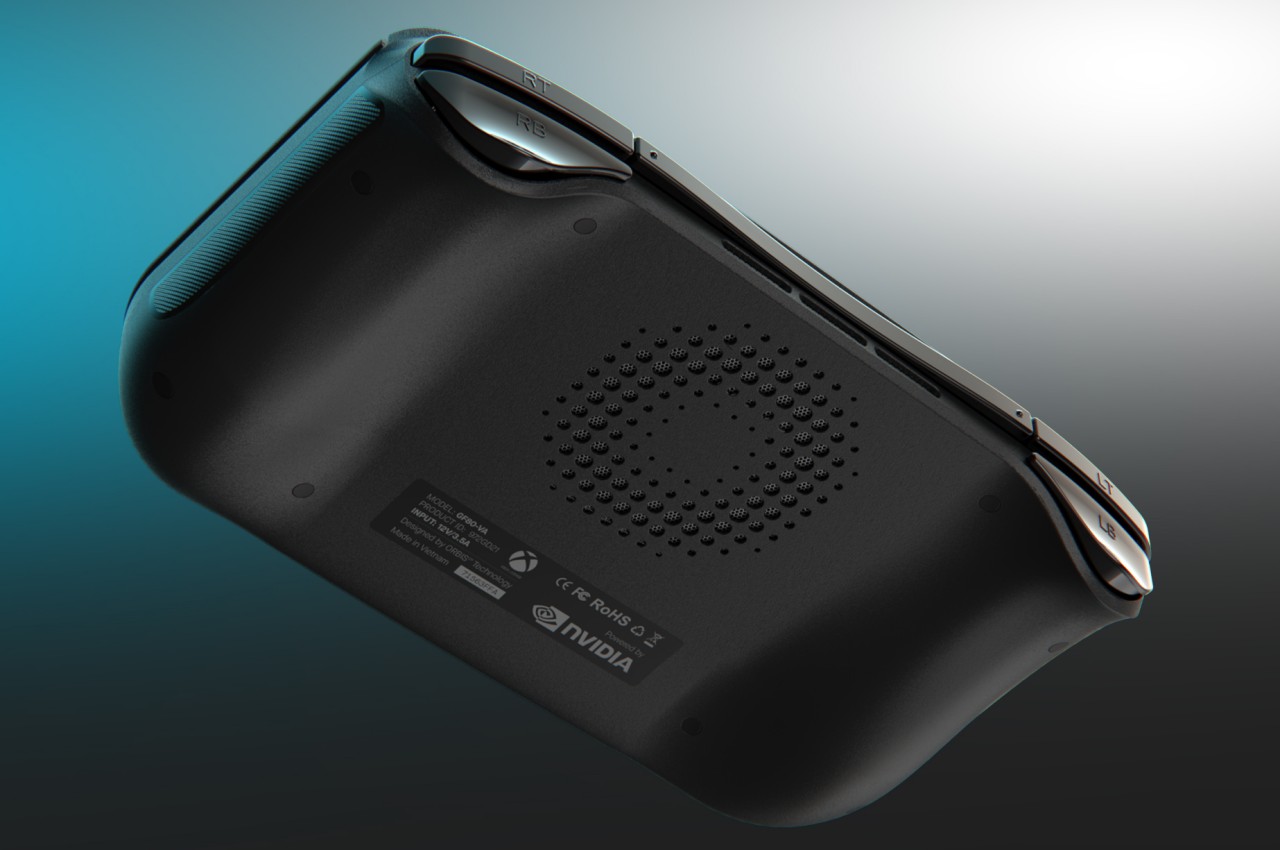
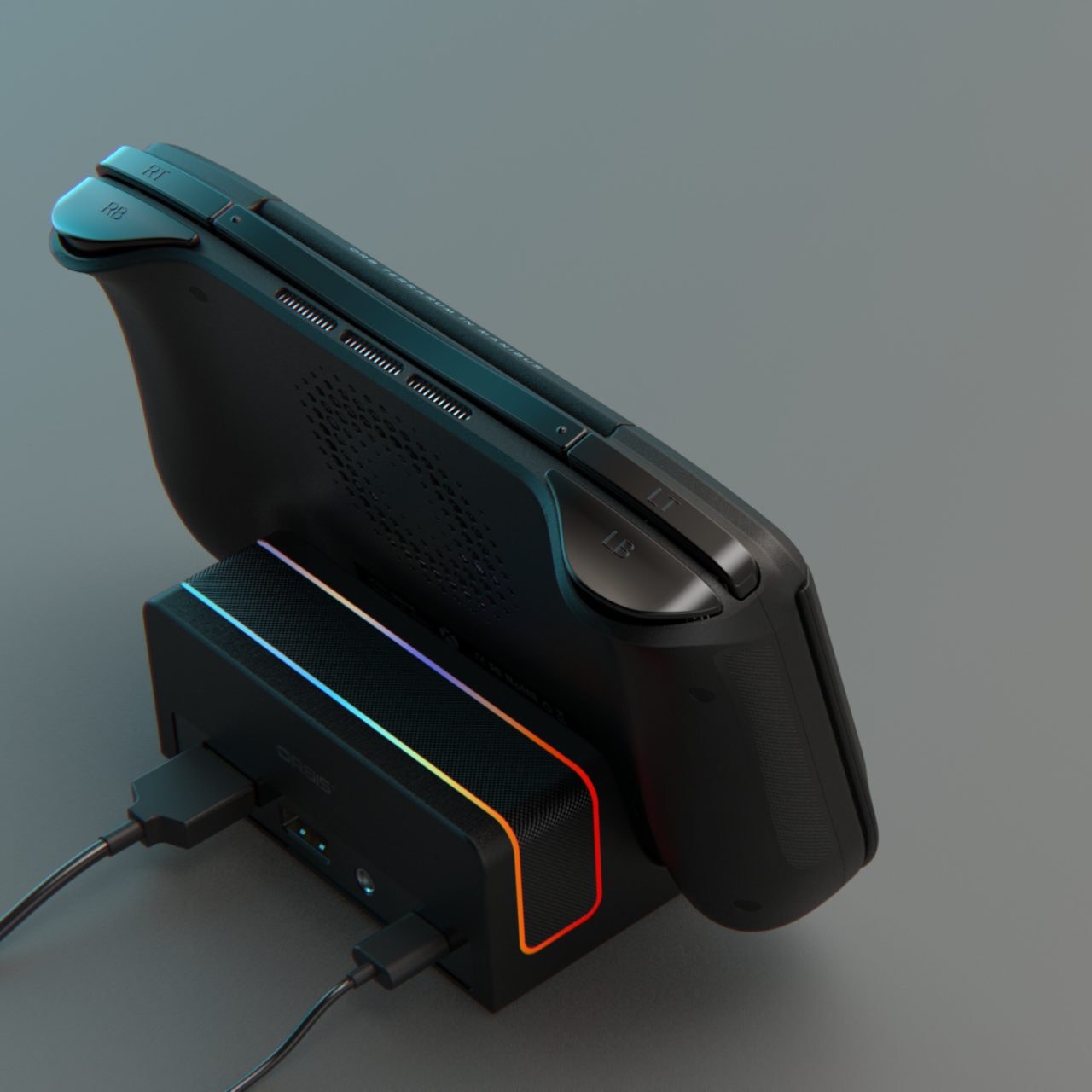
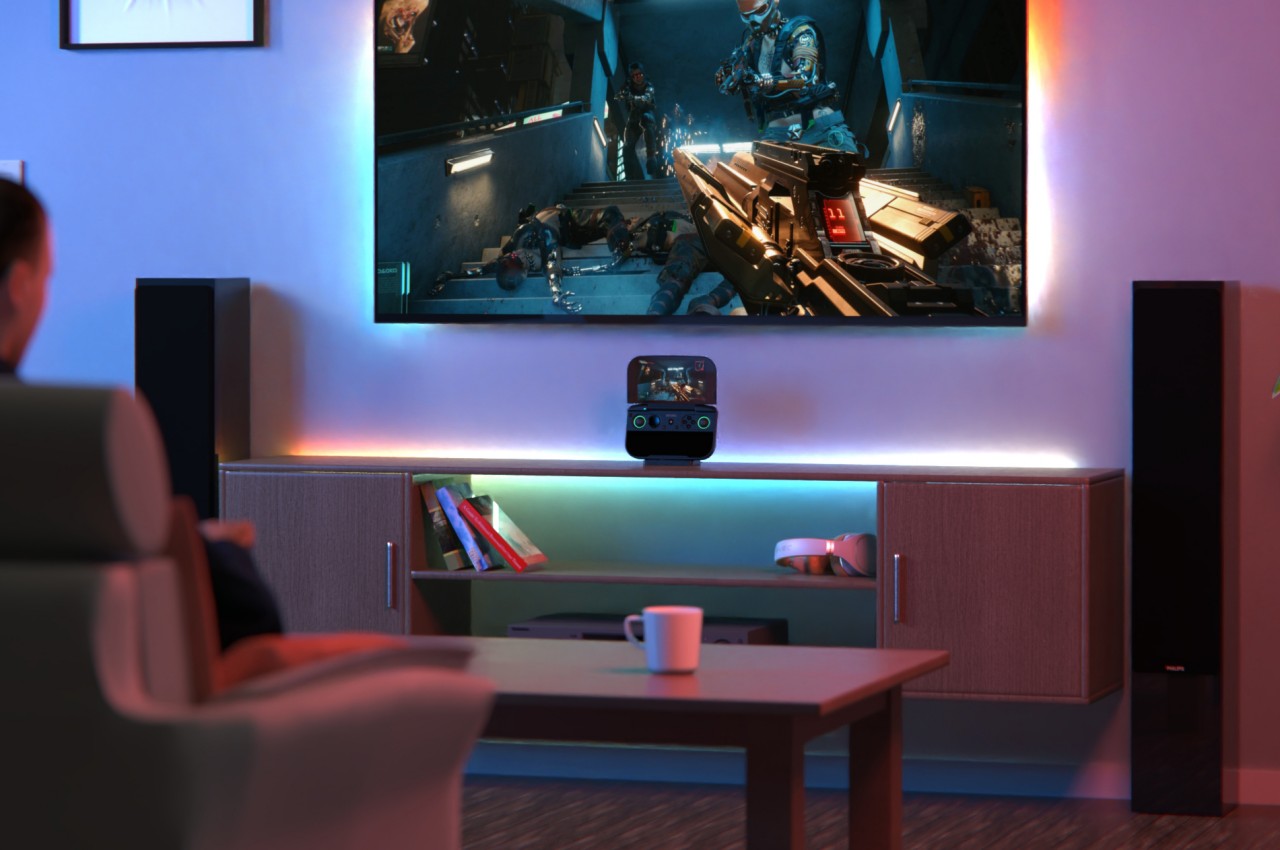
ORBIS, the name for this design concept, wouldn’t be the market’s first clamshell gaming handheld. Chinese brand GPD has been making such devices for years, and recently rival AYANEO even put out two designs for such a portable gaming machine, including one that tries to recreate the experience of the Nintendo DS. What ORBIS does differently, however, is how it gives as much attention on features that let users personalize the device’s appearance as on the specs that drive the use of the gaming computer.

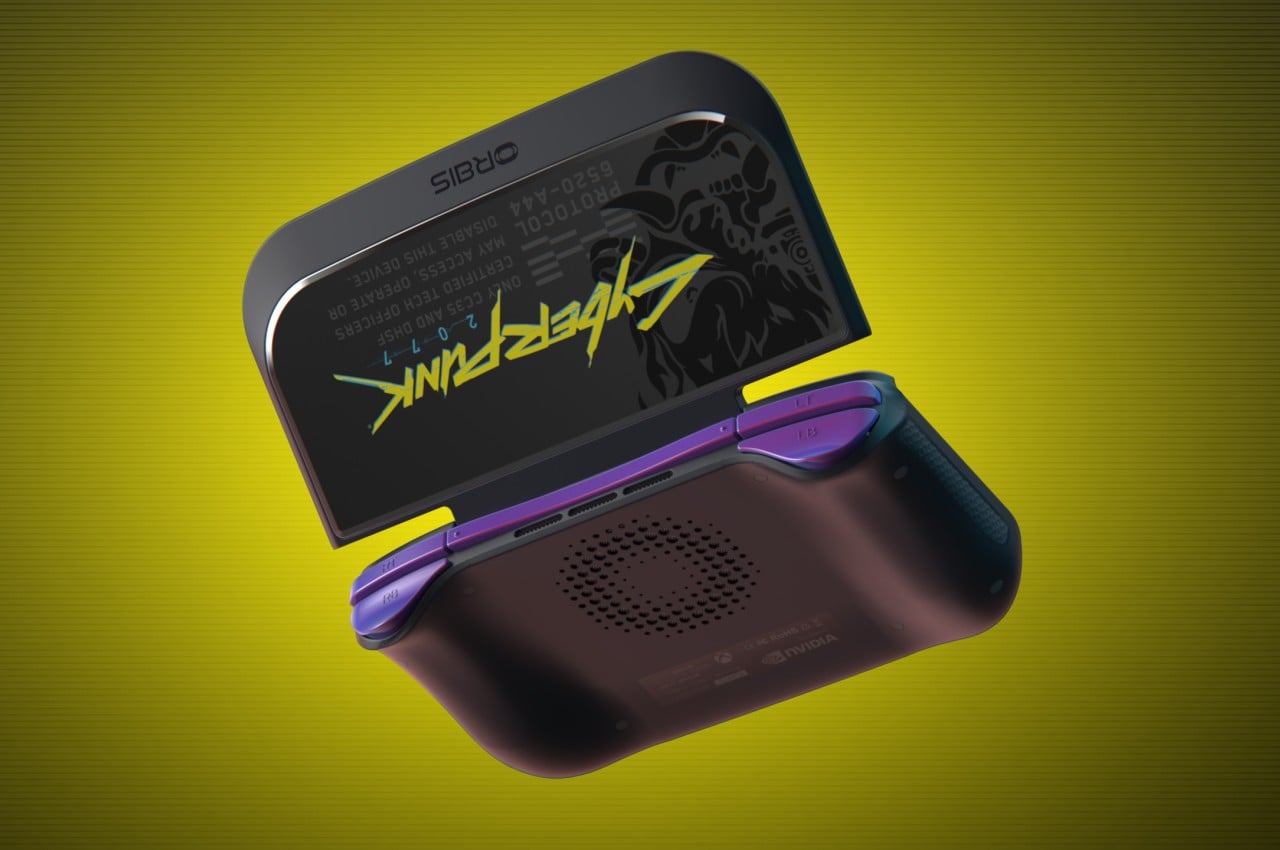
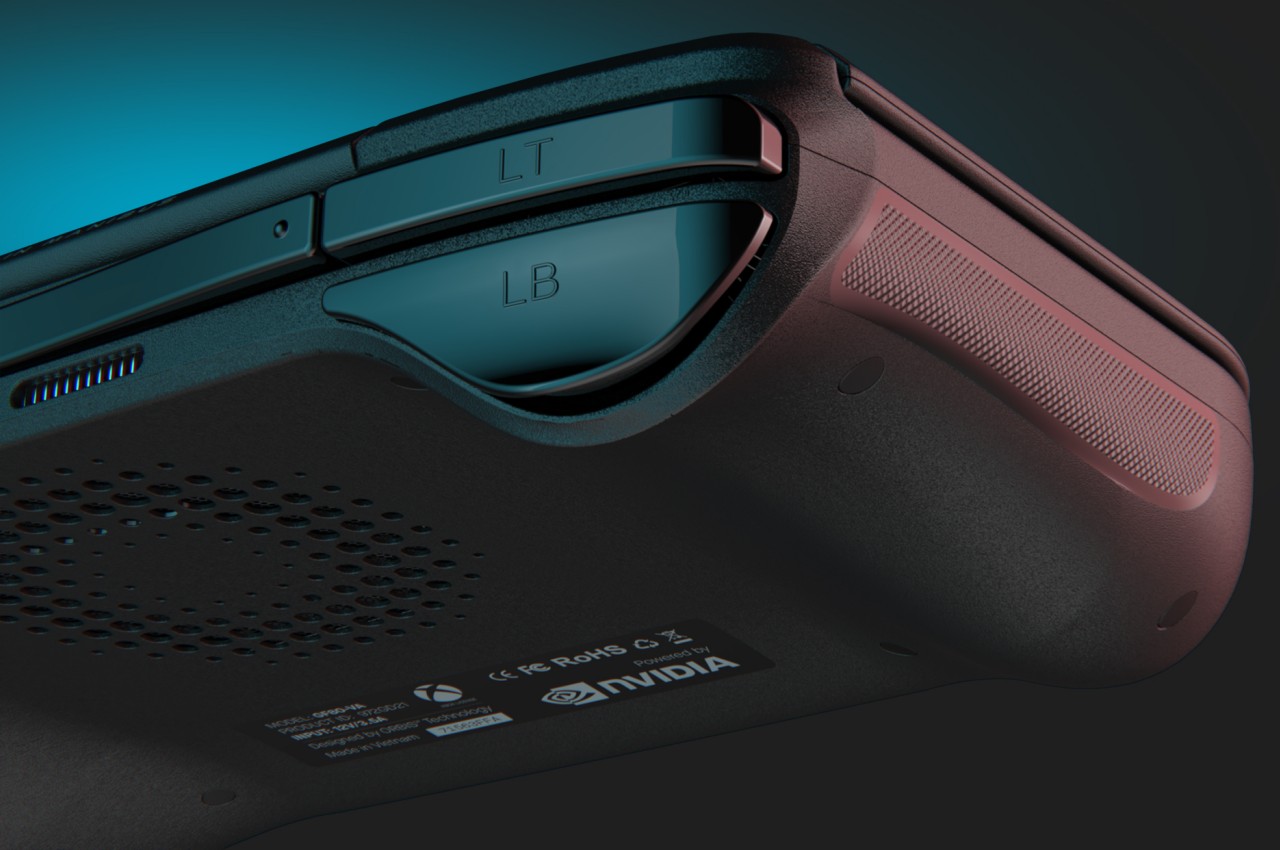
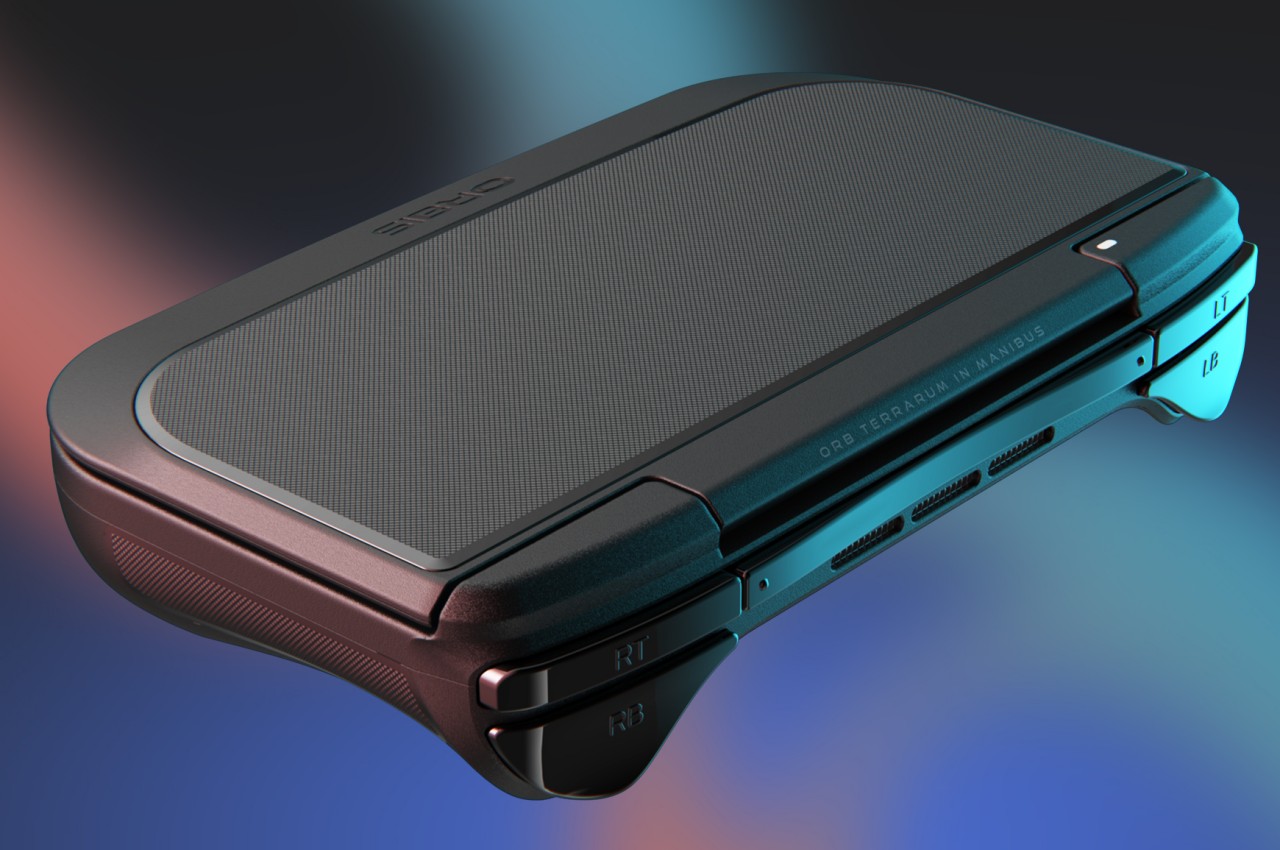
One simple yet significant example is how the removable ABS cover on the lid lets you customize the appearance of the device while also opening the doors to branded accessories. While you can also just slap on stickers like you would on a laptop, this system is more flexible, allowing users to swap out covers depending on their mood or style, just like how you could easily switch cases on smartphones. There is also RGB lighting encircling the analog sticks, delivering not only a gamer aesthetic but also increased visibility in the dark.

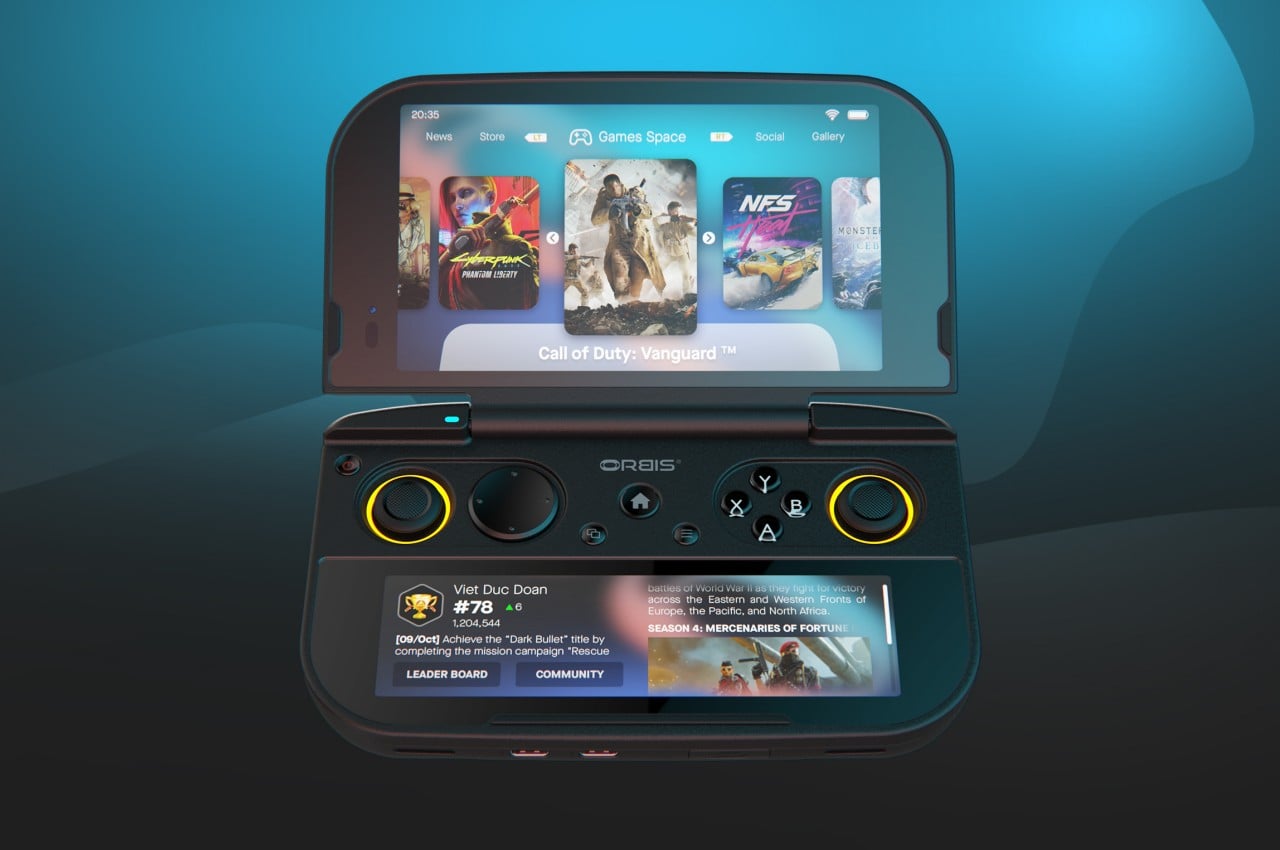
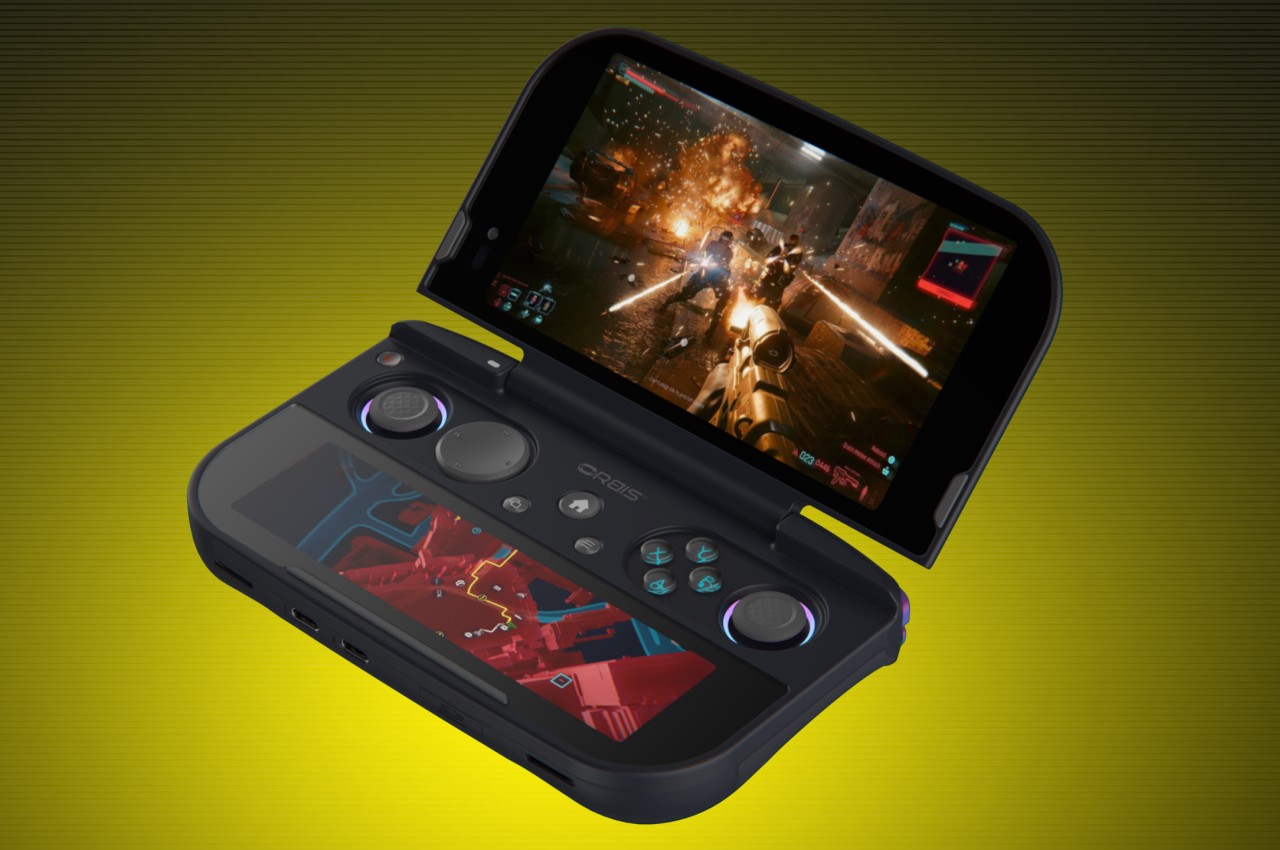
The ORBIS handheld takes a bit of inspiration from the Nintendo DS with its second screen right below the gamepad controls, but it also goes beyond what Nintendo’s popular handheld could accomplish. Because it is a gaming PC more than a closed console system, that touch screen can be used for different purposes, including a virtual keyboard. The typing experience will be awkward and difficult, yes, but it’s significantly better than what’s offered on the likes of the Steam Deck and ROG Ally.

Admittedly, some parts of the ORBIS concept are a bit too idealistic, like the use of an ARM-based CPU (versus Intel or AMD) together with a high-end NVIDIA RTX graphics processor. Having two 5,200mAh batteries inside such a small and compact device is also unrealistic, without even considering things like thermal management and charging speeds. Of course, as a concept, it’s not wrong to sometimes shoot for the sky, and thankfully, some of the ideas here can actually be easily implemented, especially the parts that can significantly improve the user experience by simply allowing owners to customize their device to their hearts’ content.

The post Handheld gaming console concept offers lifestyle features that go beyond gaming first appeared on Yanko Design.

This sleek lunar wall clock adds some adventure to the ultimate space lover’s home

How many times do we look at a clock each day, whether it’s on a wall or on our wrists? Chances are, you don’t let an hour pass without looking at a watch or clock to check the time, even if it’s an ironic waste of time to do so again and again. Given that frequency, it’s essential for clock designs to not only be functional but also visually appealing, evoking a sense of calm and awe to offset the usual stress one carries when fretting over the time. Even better, clocks might even become sources of inspiration, providing not nagging reminders but gentle hints at how to live our lives to the fullest, not shackled by the tyranny of time. That’s the subtle message that this beautiful minimalist lunar-themed clock tries to convey, reminding the observer of man’s aspirations to break free of Earth’s gravity and reach for the moon and beyond.

Designer: Sora no Kakera

Click Here to Buy Now: $275 $325 (15% off at checkout & Free Shipping). Hurry, Earth Day sales end in 48 hours!

The moon has always been a thing of beauty and mystery, its pockmarked face bearing witness to the history of our celestial neighborhood as it gracefully illuminates the night sky. It is also the nearest heavenly object we can reach, and unsurprisingly, the object of many space travel achievements and fantasies. It seems only fitting that it would be the inspiration for a clock that invites you to make a trip to the moon, even if only in your head, at each moment you check the time.

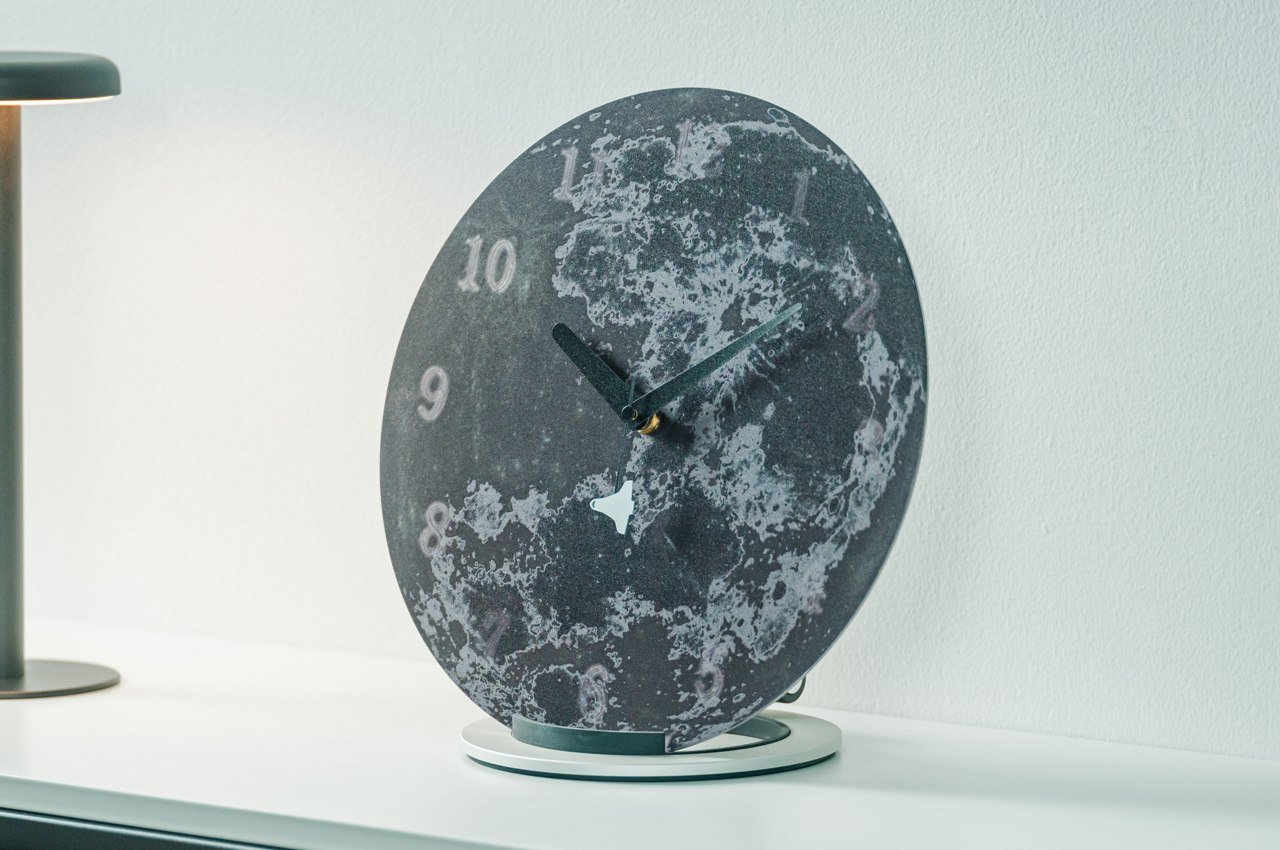
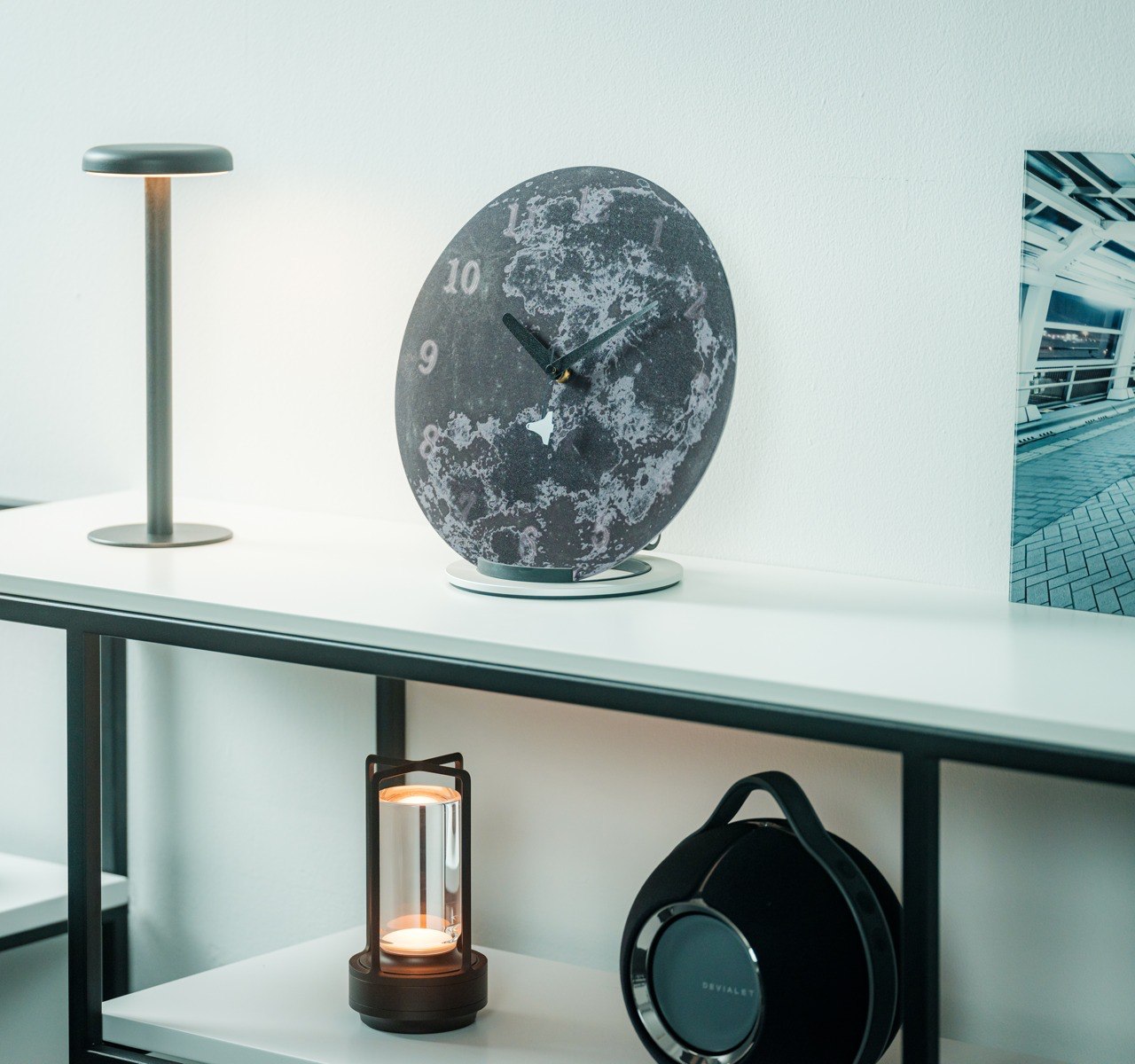
Made from stainless steel finished with a mirror-like polish, this Moon Trip Clock displays the seemingly magical visage of the moon, half bathed in light and the other in darkness. Although the image of the moon is accurate, it isn’t aiming for a scientific illustration that clearly lays out the topography of the moon. Instead, it is trying to bring the otherworldly charm of the moon to your wall and your living space.

The numbers that line the edges of the metal disc look as if they’re floating rather than etched or glued to the surface. At some point, they even seem to disappear, only to reappear again at another location, mimicking the eternal waning and waxing of the moon. This visual effect is possible thanks to a special polishing technique, adding an air of mystery to the already enchanting lunar design.

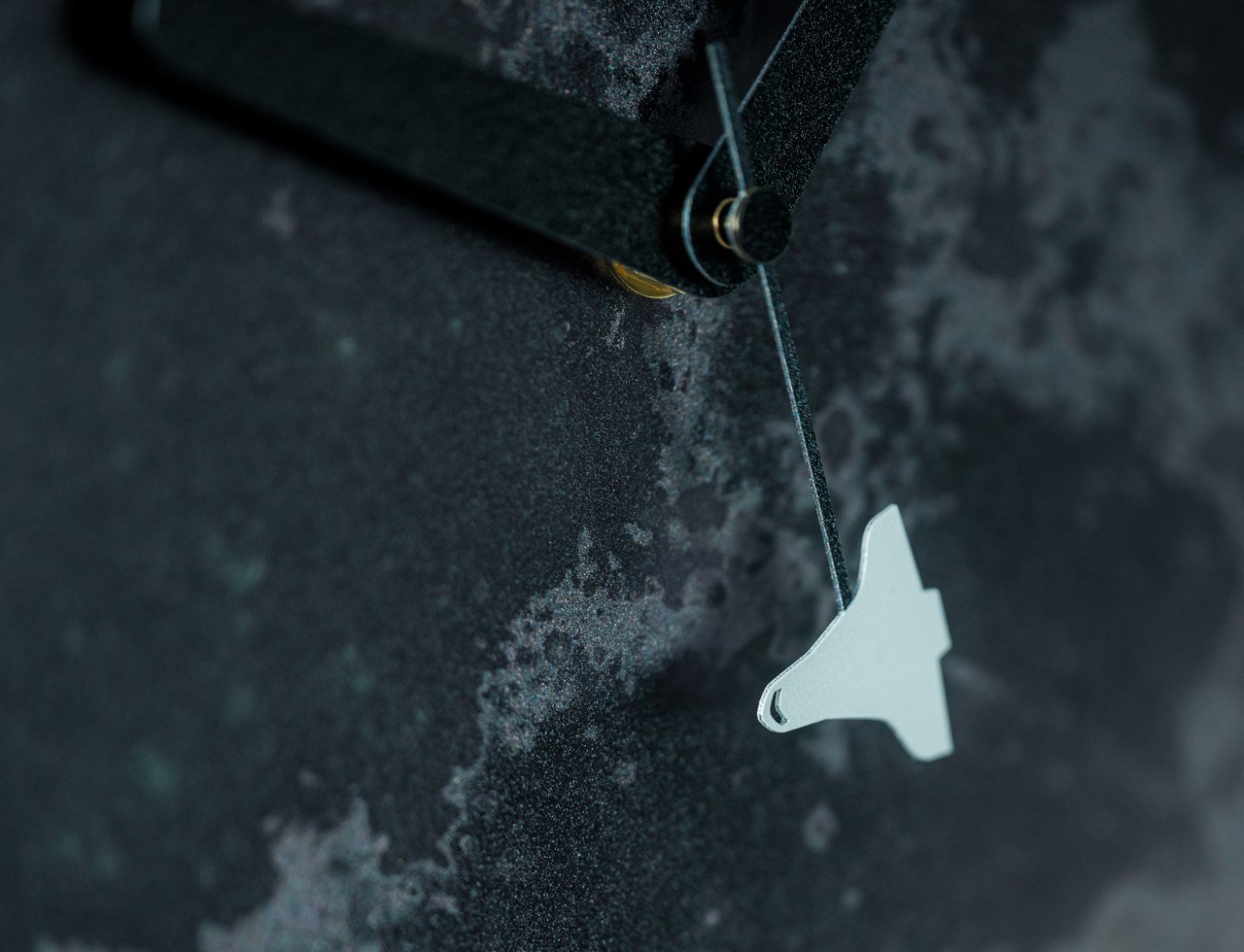
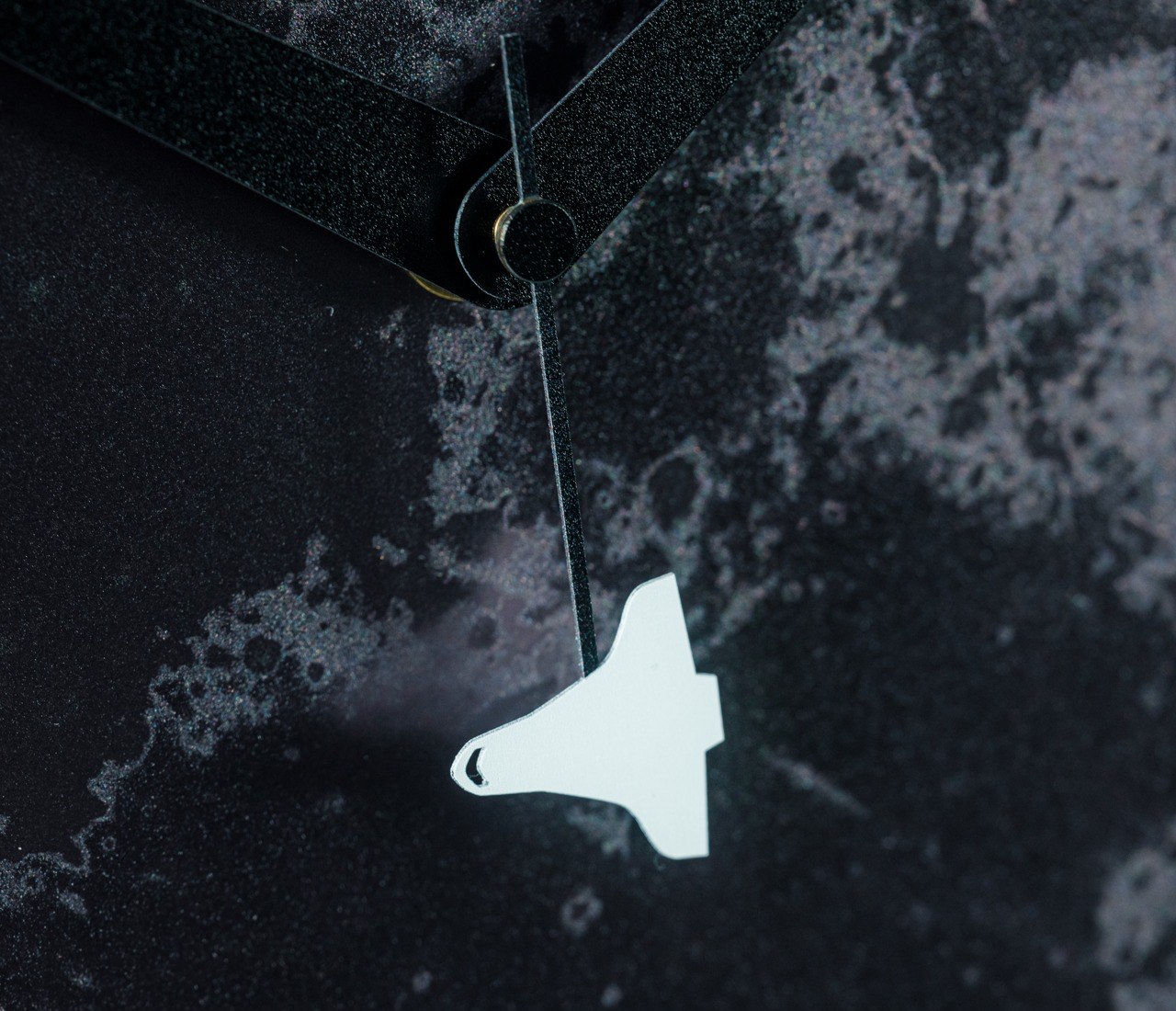
And when you start to really look at the time, you will be greeted by a charming yet meaningful detail that tickles the mind into a more thoughtful state. While the hour and minute hands are simple yet elegant bars, the seconds hand has the shape of a rocket ship at its tip. You’re tempted to watch this spacecraft make its way around the clock at each tick, perhaps making you reminisce of old childhood dreams of conquering the moon and beyond like an adventurous explorer. That may just be a fantasy, but this lovely Lunar Voyage Clock reminds you not to let opportunities pass and to live your life to the fullest, shooting for the stars and making your dreams come true.

Click Here to Buy Now: $275 $325 (15% off at checkout & Free Shipping). Hurry, Earth Day sales end in 48 hours!

The post This sleek lunar wall clock adds some adventure to the ultimate space lover’s home first appeared on Yanko Design.

This sleek lunar wall clock adds some adventure to the ultimate space lover’s home

How many times do we look at a clock each day, whether it’s on a wall or on our wrists? Chances are, you don’t let an hour pass without looking at a watch or clock to check the time, even if it’s an ironic waste of time to do so again and again. Given that frequency, it’s essential for clock designs to not only be functional but also visually appealing, evoking a sense of calm and awe to offset the usual stress one carries when fretting over the time. Even better, clocks might even become sources of inspiration, providing not nagging reminders but gentle hints at how to live our lives to the fullest, not shackled by the tyranny of time. That’s the subtle message that this beautiful minimalist lunar-themed clock tries to convey, reminding the observer of man’s aspirations to break free of Earth’s gravity and reach for the moon and beyond.

Designer: Sora no Kakera

Click Here to Buy Now: $275 $325 (15% off at checkout & Free Shipping). Hurry, Earth Day sales end in 48 hours!

The moon has always been a thing of beauty and mystery, its pockmarked face bearing witness to the history of our celestial neighborhood as it gracefully illuminates the night sky. It is also the nearest heavenly object we can reach, and unsurprisingly, the object of many space travel achievements and fantasies. It seems only fitting that it would be the inspiration for a clock that invites you to make a trip to the moon, even if only in your head, at each moment you check the time.

Made from stainless steel finished with a mirror-like polish, this Moon Trip Clock displays the seemingly magical visage of the moon, half bathed in light and the other in darkness. Although the image of the moon is accurate, it isn’t aiming for a scientific illustration that clearly lays out the topography of the moon. Instead, it is trying to bring the otherworldly charm of the moon to your wall and your living space.

The numbers that line the edges of the metal disc look as if they’re floating rather than etched or glued to the surface. At some point, they even seem to disappear, only to reappear again at another location, mimicking the eternal waning and waxing of the moon. This visual effect is possible thanks to a special polishing technique, adding an air of mystery to the already enchanting lunar design.

And when you start to really look at the time, you will be greeted by a charming yet meaningful detail that tickles the mind into a more thoughtful state. While the hour and minute hands are simple yet elegant bars, the seconds hand has the shape of a rocket ship at its tip. You’re tempted to watch this spacecraft make its way around the clock at each tick, perhaps making you reminisce of old childhood dreams of conquering the moon and beyond like an adventurous explorer. That may just be a fantasy, but this lovely Lunar Voyage Clock reminds you not to let opportunities pass and to live your life to the fullest, shooting for the stars and making your dreams come true.

Click Here to Buy Now: $275 $325 (15% off at checkout & Free Shipping). Hurry, Earth Day sales end in 48 hours!

The post This sleek lunar wall clock adds some adventure to the ultimate space lover’s home first appeared on Yanko Design.

3D vases pop up from this book to add some minimal geometric designs to your home decor

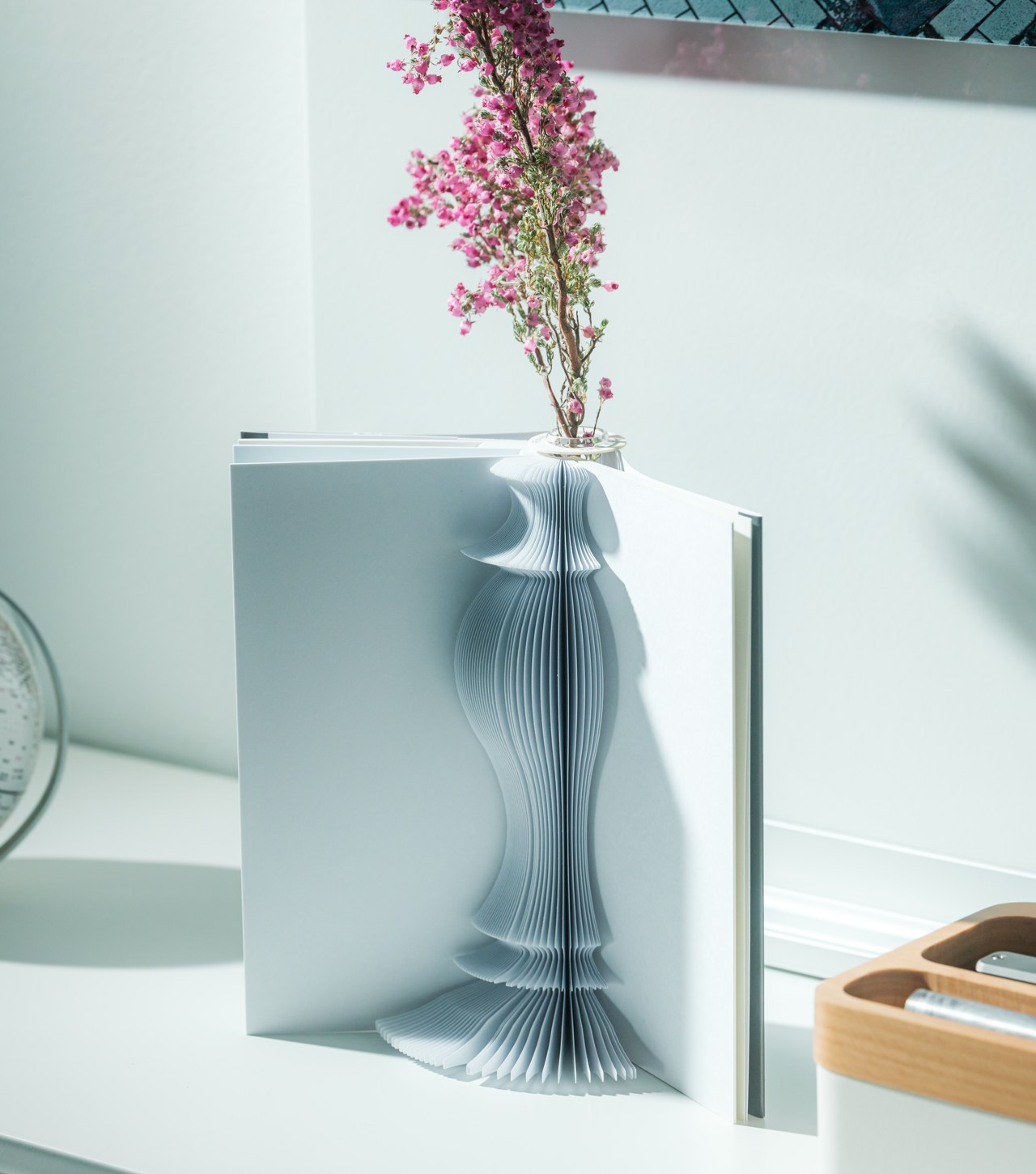
Flowers are things of beauty, whether it’s a single stem or a dozen heads. They have a naturally enchanting appearance that almost makes them feel like they come from a different world, one that’s filled with color, magic, and dreams. Those are the things that fairy tales are made of, so it’s not surprising that flowers often play an important role in these literally fantastic stories, even if just to create that mystical atmosphere. It may just be fiction, but you can bring a bit of that magic to your home with this elegant book that transforms into an enchanting pop-up vase that makes it look like your flowers are magically growing from the book, creating an atmosphere of awe and wonder at every turn of the page.

Designer: Hideaki Miyauchi

Click Here to Buy Now: $39

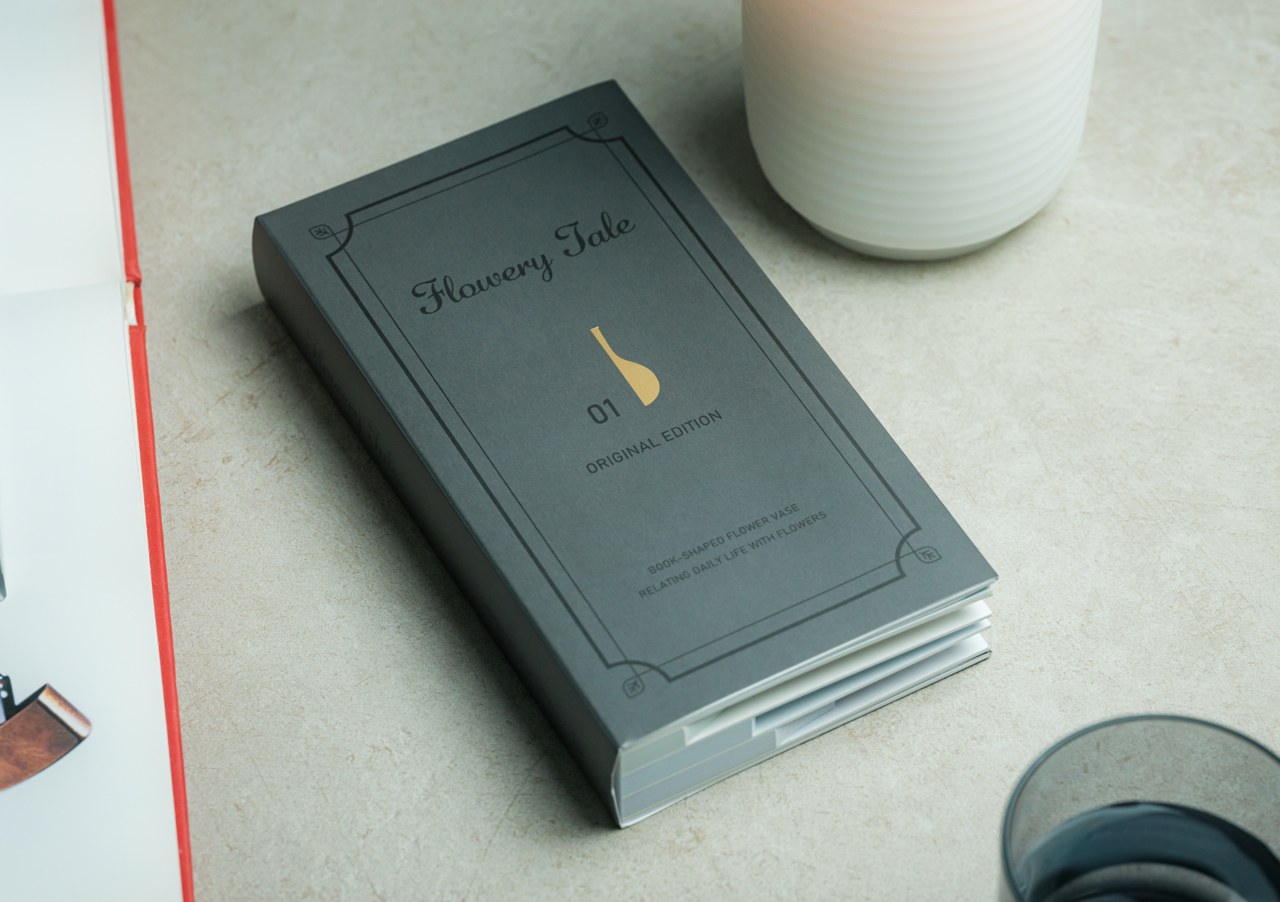
A vase is traditionally made of glass, ceramic, clay, or even plastic, basically any rigid material that creates a stable vessel for flowers to stand in. These are also naturally water-resistant since the plants will need water to survive longer. The last thing you’d expect is for a vase to be made out of paper, let alone one that pops out from a book like one of those kids’ fairy tale books, but that’s exactly the enchanting story that this Flowery Tale vase wants to tell.

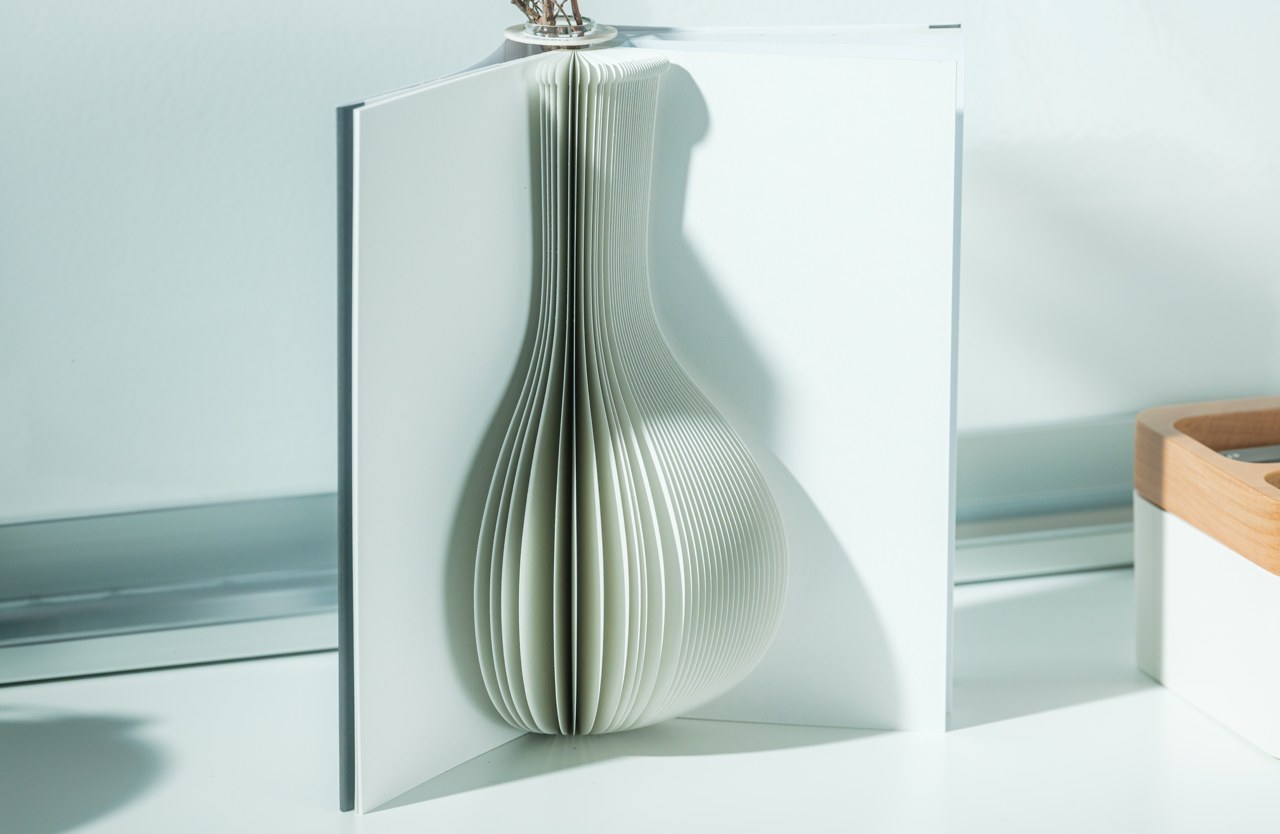
When you turn over the cover, you’re immediately greeted by a 3D silhouette of a vase cut out from the pages of the book. Turn the page and you’ll behold yet another vase design, equally graceful and beautiful as the first. A third design awaits you on another page, giving you the power to choose how you’d like the day’s floral arrangement to be. Even better, you can turn the book upside and it will still work as a proper vase, which means you have six possible variations to choose from.

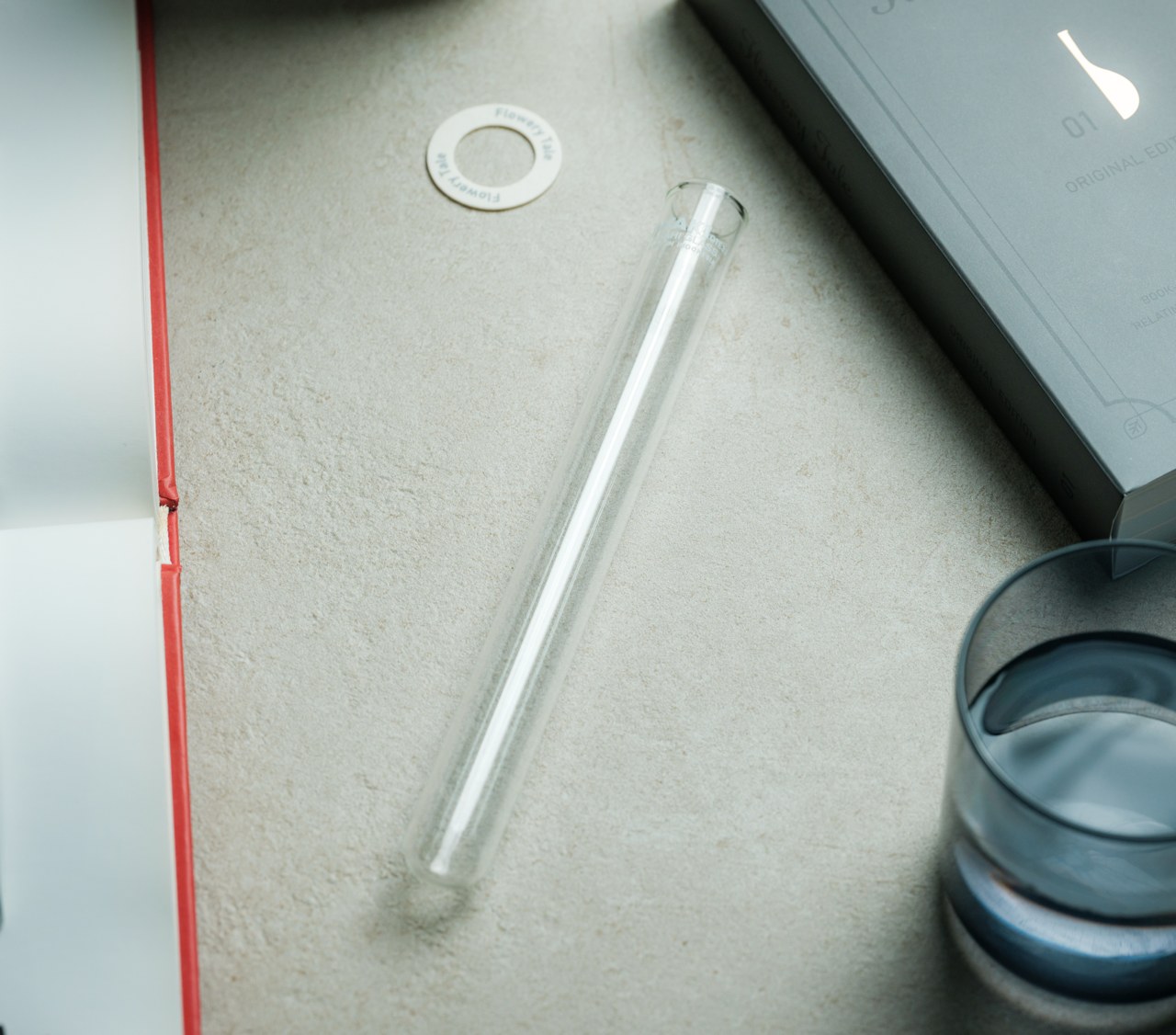
The magic behind it is actually the glass tube that you insert into the spine of the book to hold the flower and the bit of water to keep the plant alive for a few more days. The tube can be inserted right side up or upside down and it will work just fine. All vase designs, however, have a narrow silhouette on the “top” and a larger shape at the “bottom,” so you can choose which side to use depending on the volume of the flowers you intend to place.

The pages of the book are made from 100% natural pulp paper, but you don’t have to fret about accidentally splashing it with water thanks to the “OK Rain Guard” water-resistant coating applied to the material. Whether you want to highlight a single flower or impress with a bouquet, this creative Pop-up Book Vase will set the perfect stage for your design and the epic story that is your life.

Click Here to Buy Now: $39

The post 3D vases pop up from this book to add some minimal geometric designs to your home decor first appeared on Yanko Design.

Samsung Galaxy Z Fold 6: News, Rumors, Price, and Dates

Foldable phones aren’t going anywhere, at least not yet. They might not be generating much hype nowadays, but they still stir up a flurry whenever a new model launches. There’s definitely plenty of room for improvement not just in specs but also in design, and we indeed see some brands playing around with those elements a bit. Although there are now more foldable phones available, Samsung is still the undisputed leader even if by virtue of its industry clout only. Of course, its dominance is being challenged by competitors whose designs are addressing many of the flaws and limitations of the Galaxy Z Fold, which is why all eyes are on how Samsung will respond in kind this year. We might be just three months away from the launch of the Galaxy Z Fold 6, so we’ve gathered in one place all the details we know so far to paint a more complete picture of what to expect from one of the pioneers of this still niche market.

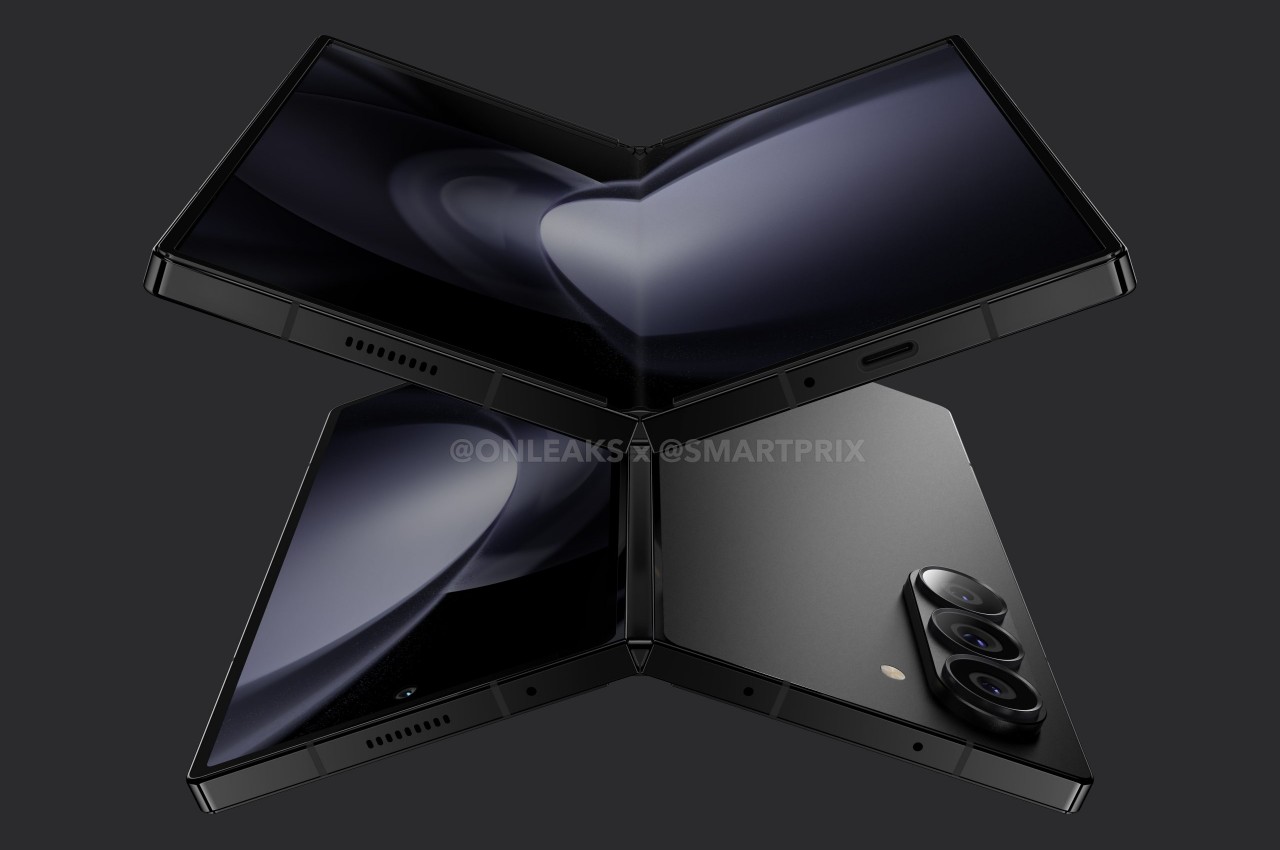
Designer: Samsung (renders courtesy of Smartprix and Steve Hemmerstoffer/@OnLeaks)
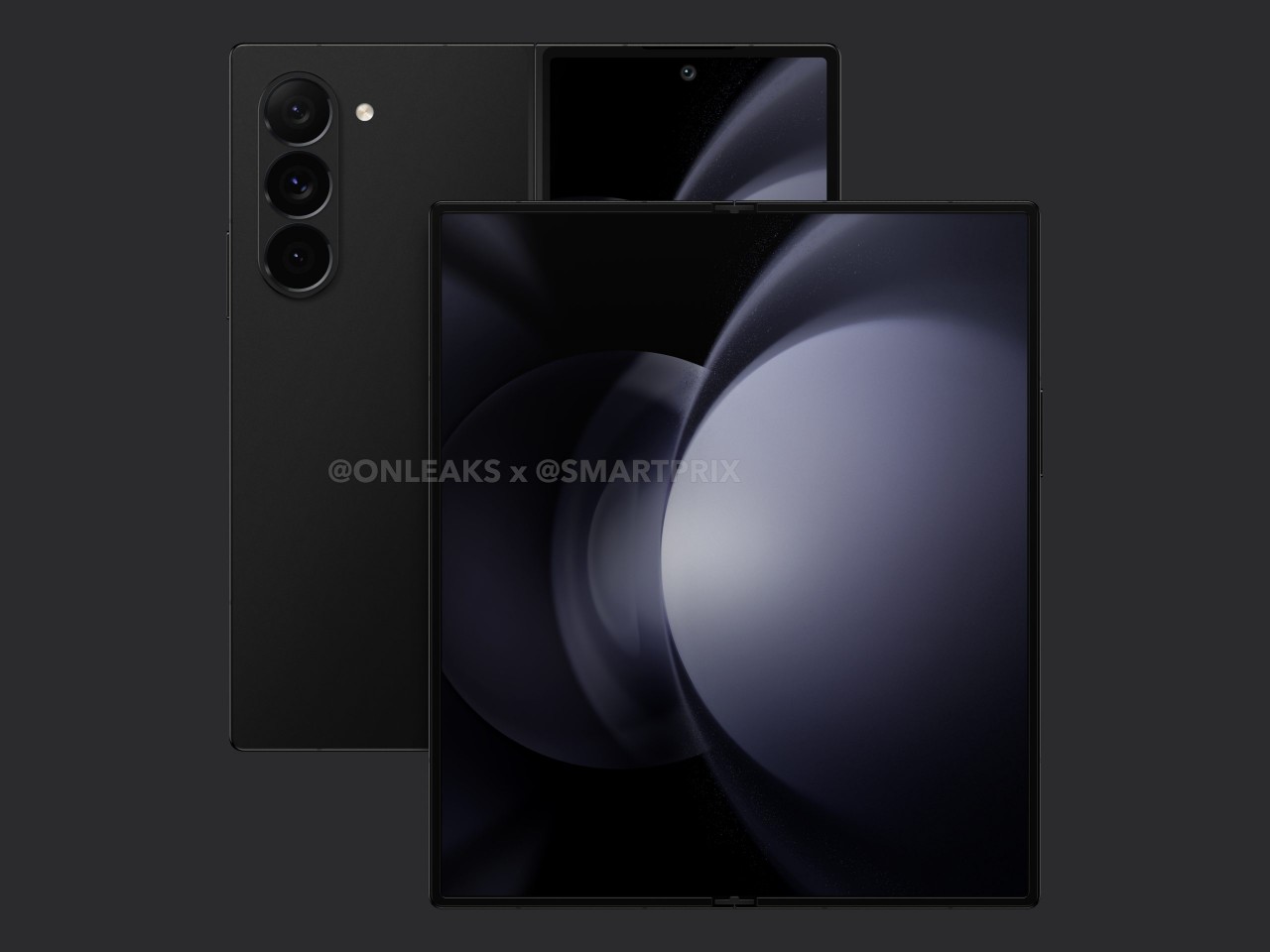
Galaxy Z Fold 6: Design

The way a foldable phone works sounds almost so easy, but the reality is that it’s a hellish design to implement given the delicate balancing act that designers and engineers have to make. How do you design a smartphone that can be as big as a small tablet yet still be comfortable to use as a regular phone? To be perfectly blunt, Samsung failed to hit the mark with its first generation of foldables, but it seems to be inching closer to a better solution with each iteration.
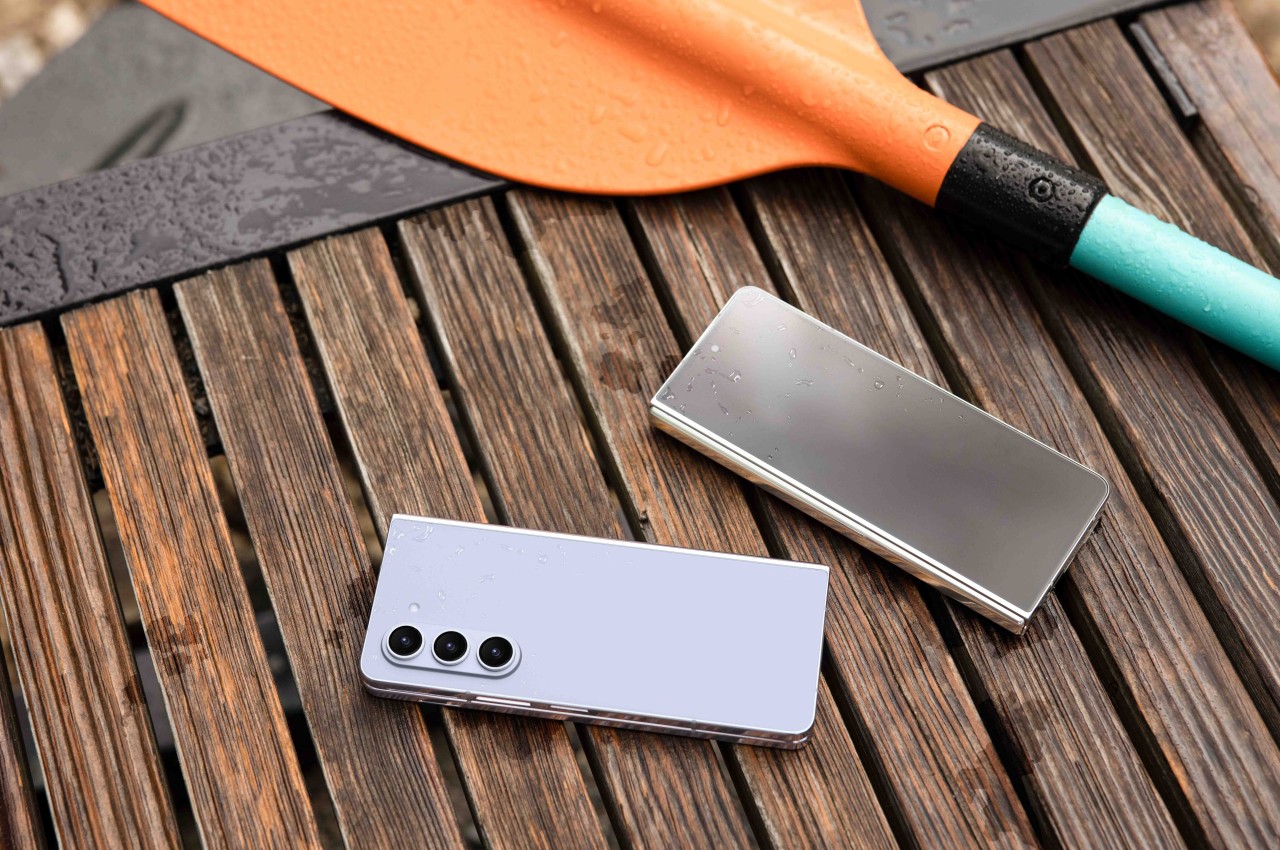
Samsung Galaxy Z Fold 5
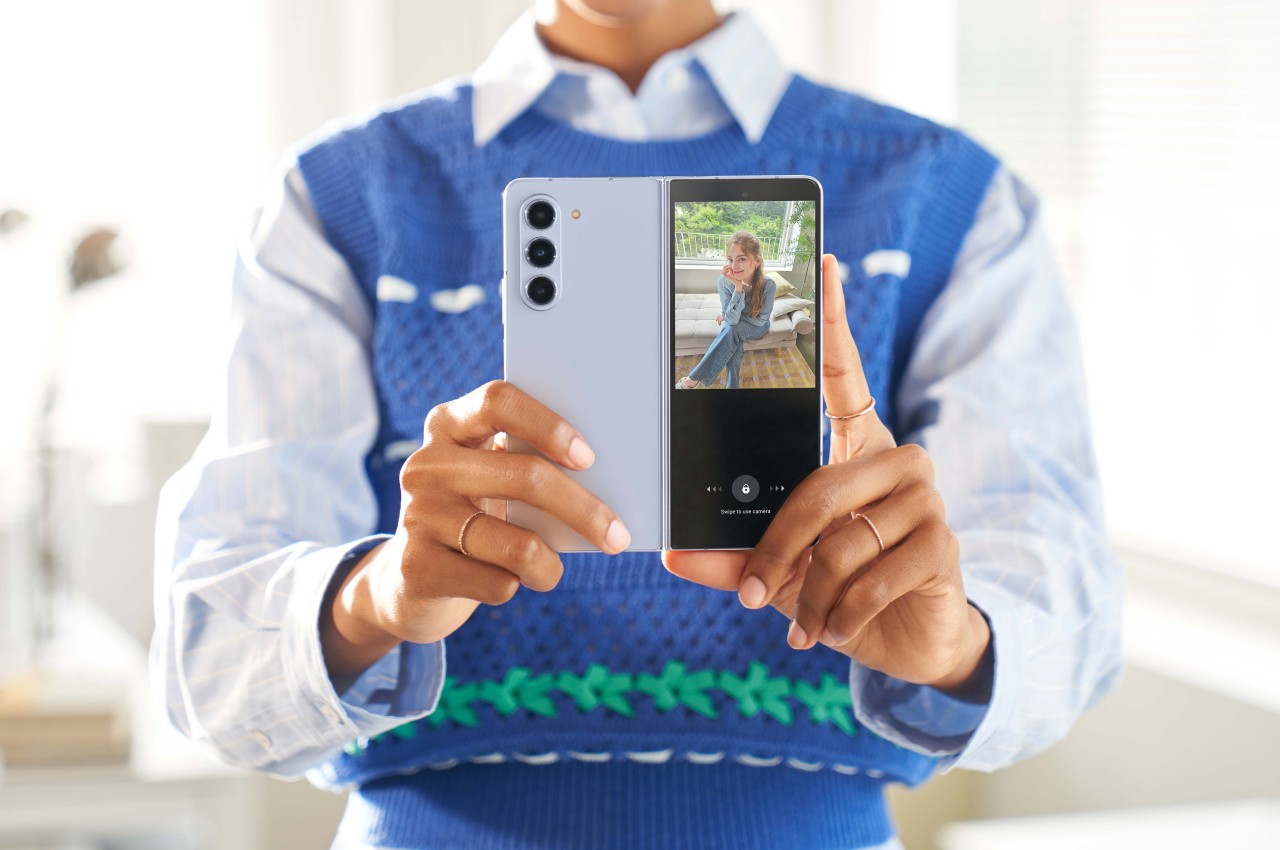
Samsung Galaxy Z Fold 5

Designer: Samsung

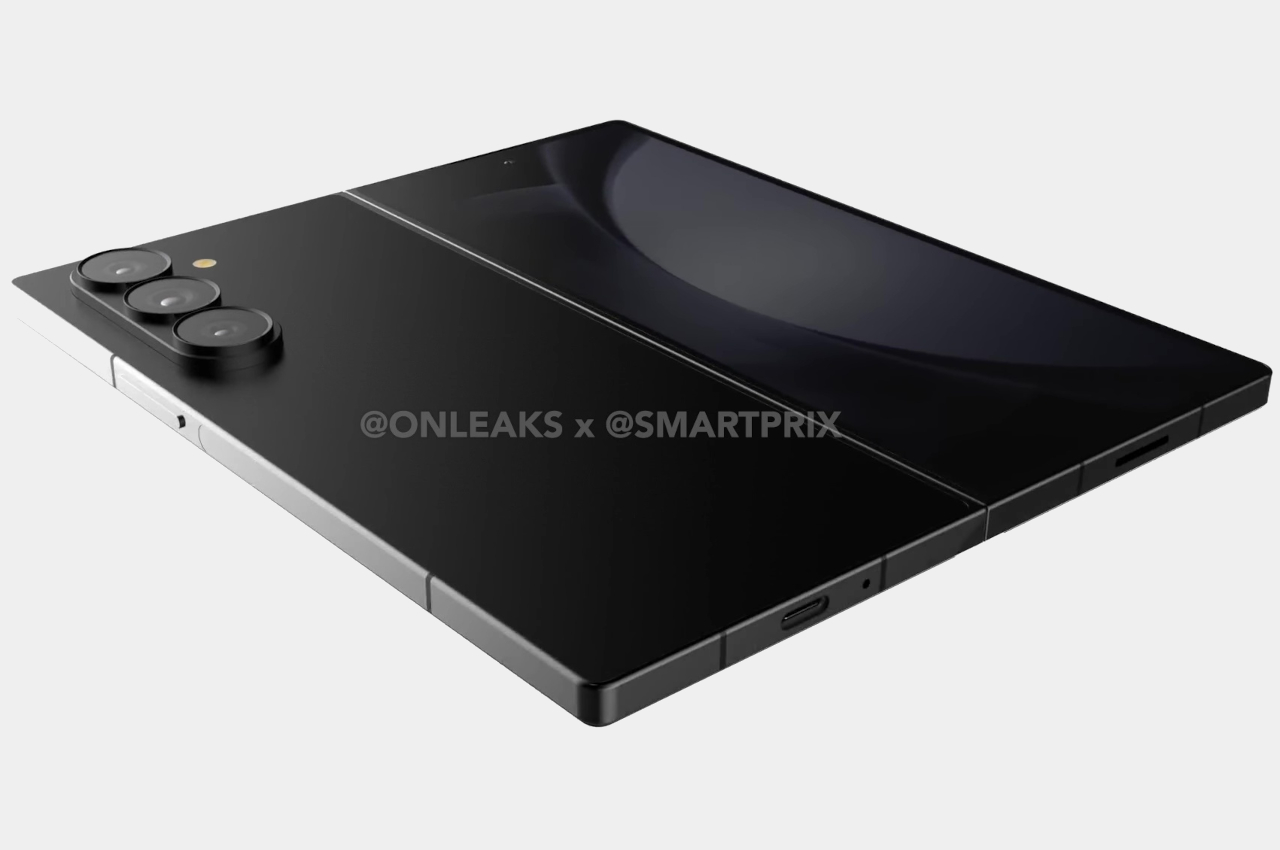
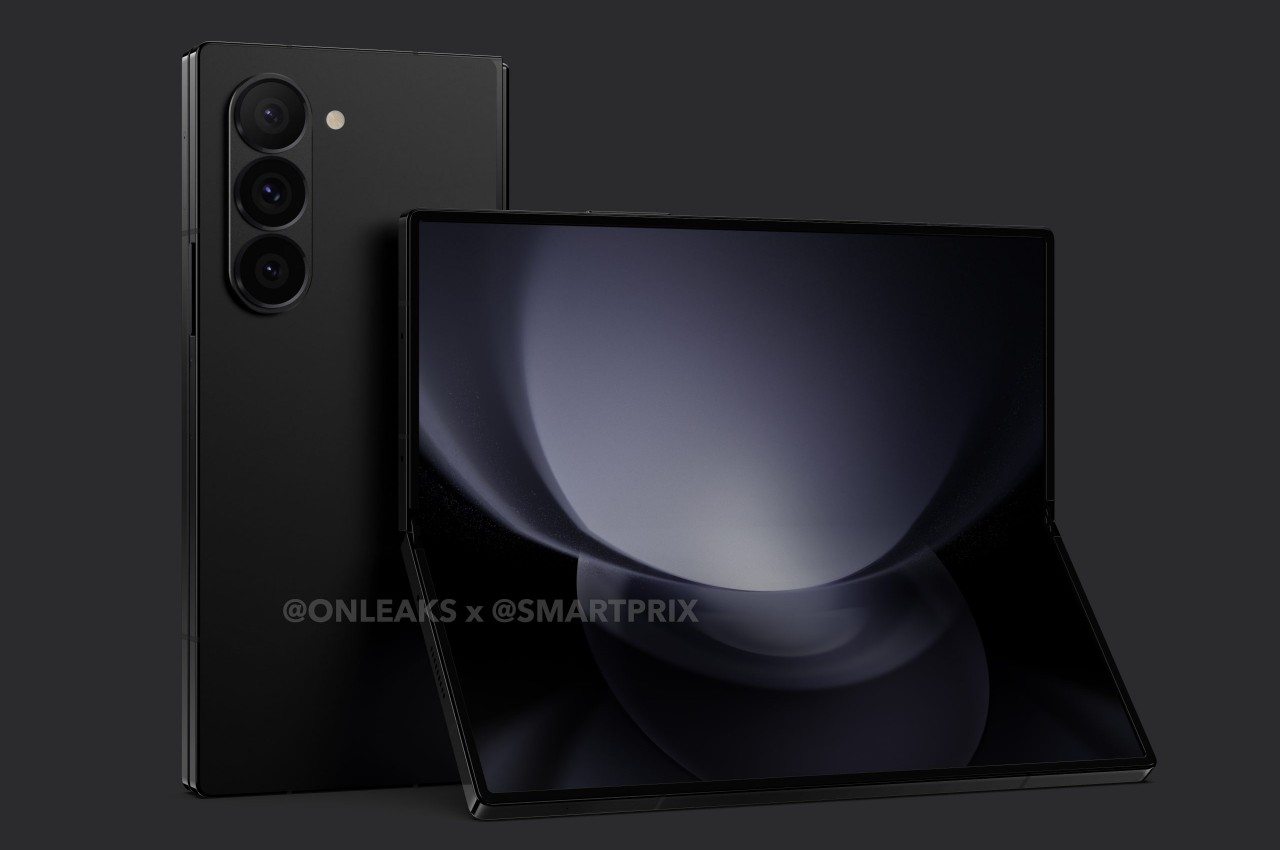
According to the accumulated leaks and rumors, the Galaxy Z Fold 6 will be making some rather small but significant changes to the formula. There are some disagreements on exact figures, but the consensus is that Samsung’s 2024 large foldable will have a wider external Cover Screen, a thinner and lighter frame, flatter edges, and sharper corners. These minuscule changes all add up to make the Galaxy Z Fold 6 resemble its Galaxy S cousin more.

The wider outer display will have a big impact on usability, even if the screen size itself doesn’t change. The new aspect ratio would make the phone less awkward to use as a regular phone when folded, one of the biggest and still present criticisms of Samsung’s foldable design. This does mean that the unfolded shape will be more square this time, resembling the form that other foldable phones have taken. That said, based on some of the leaked measurements, it will still not be as wide as the Google Pixel Fold or OnePlus Open which are considered to have the better design on this aspect.
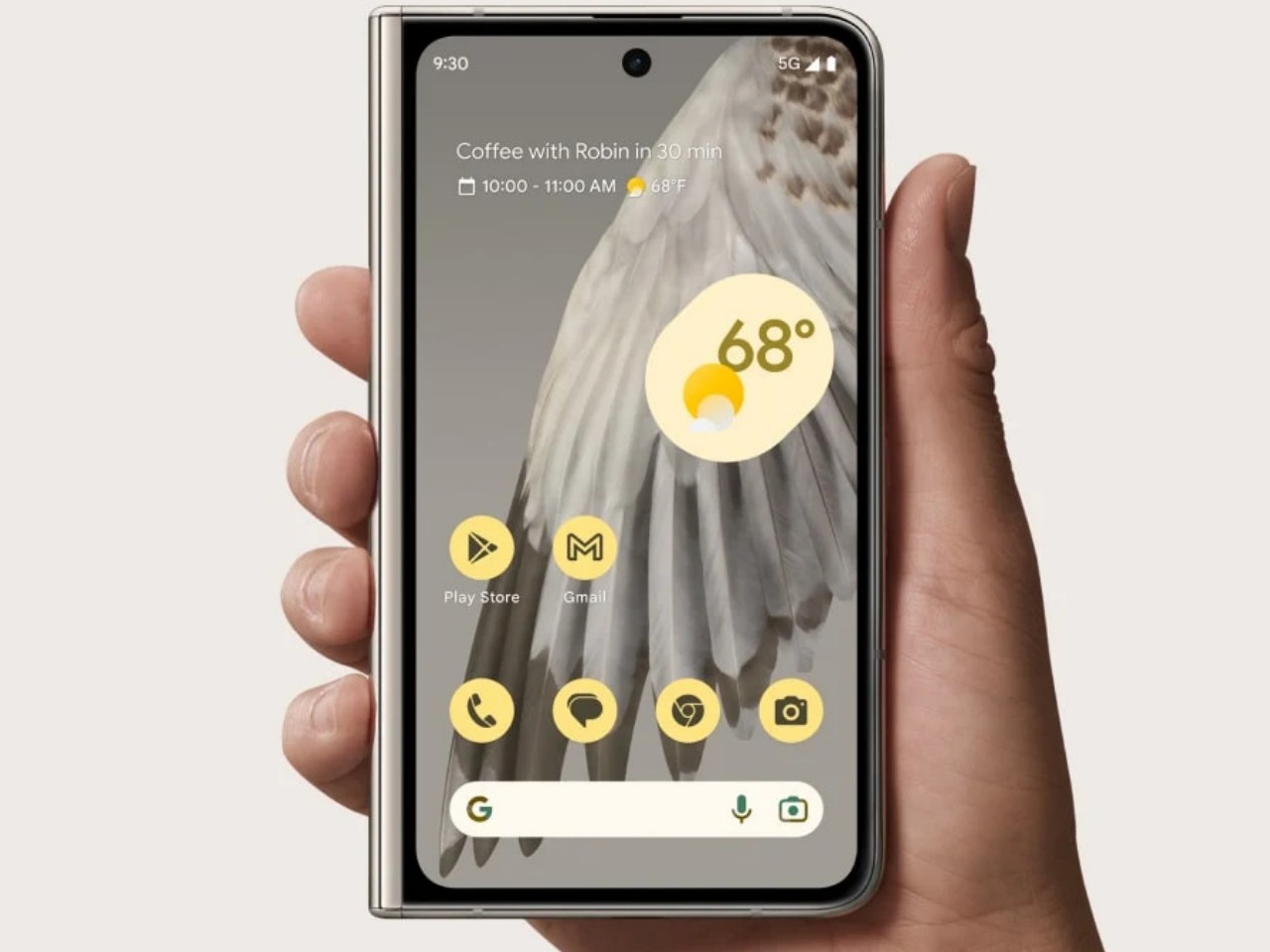
Google Pixel Fold
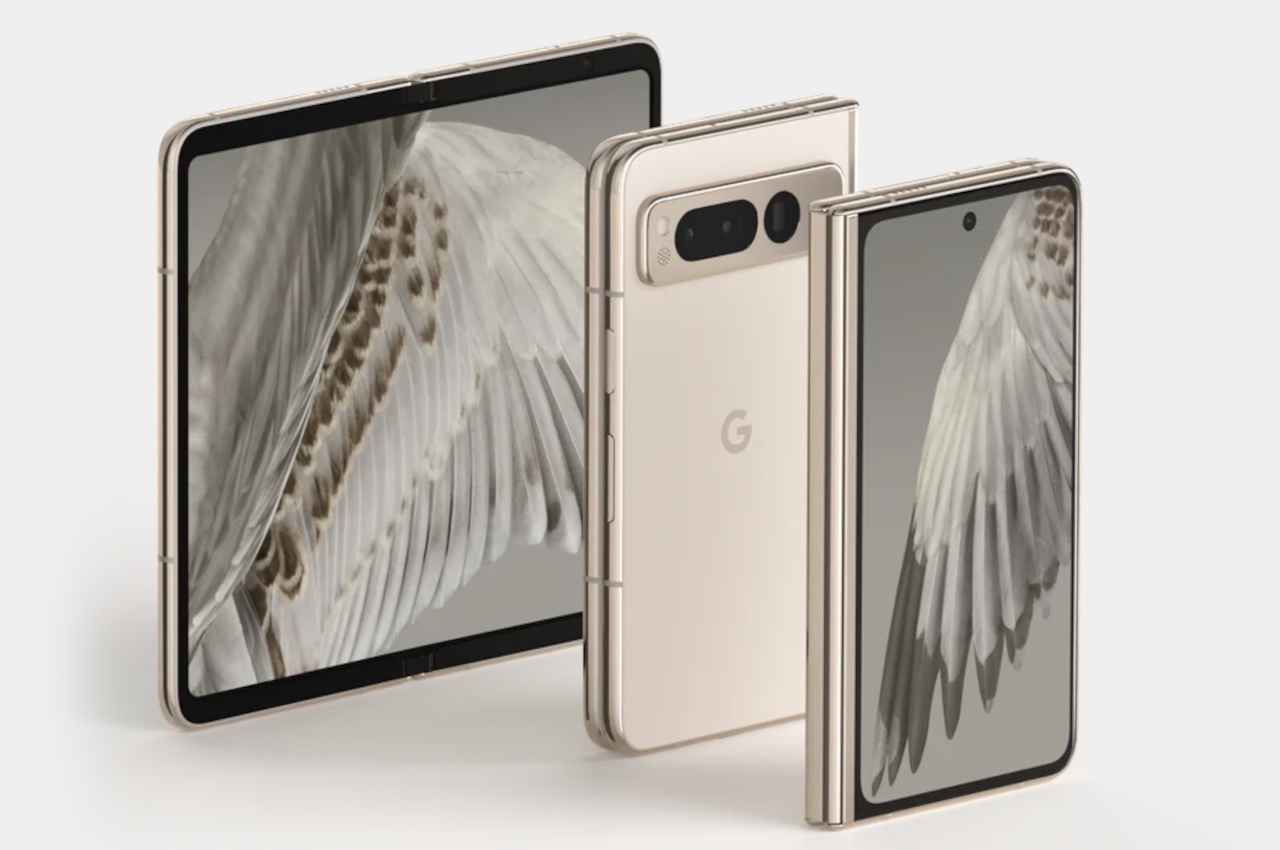
Google Pixel Fold
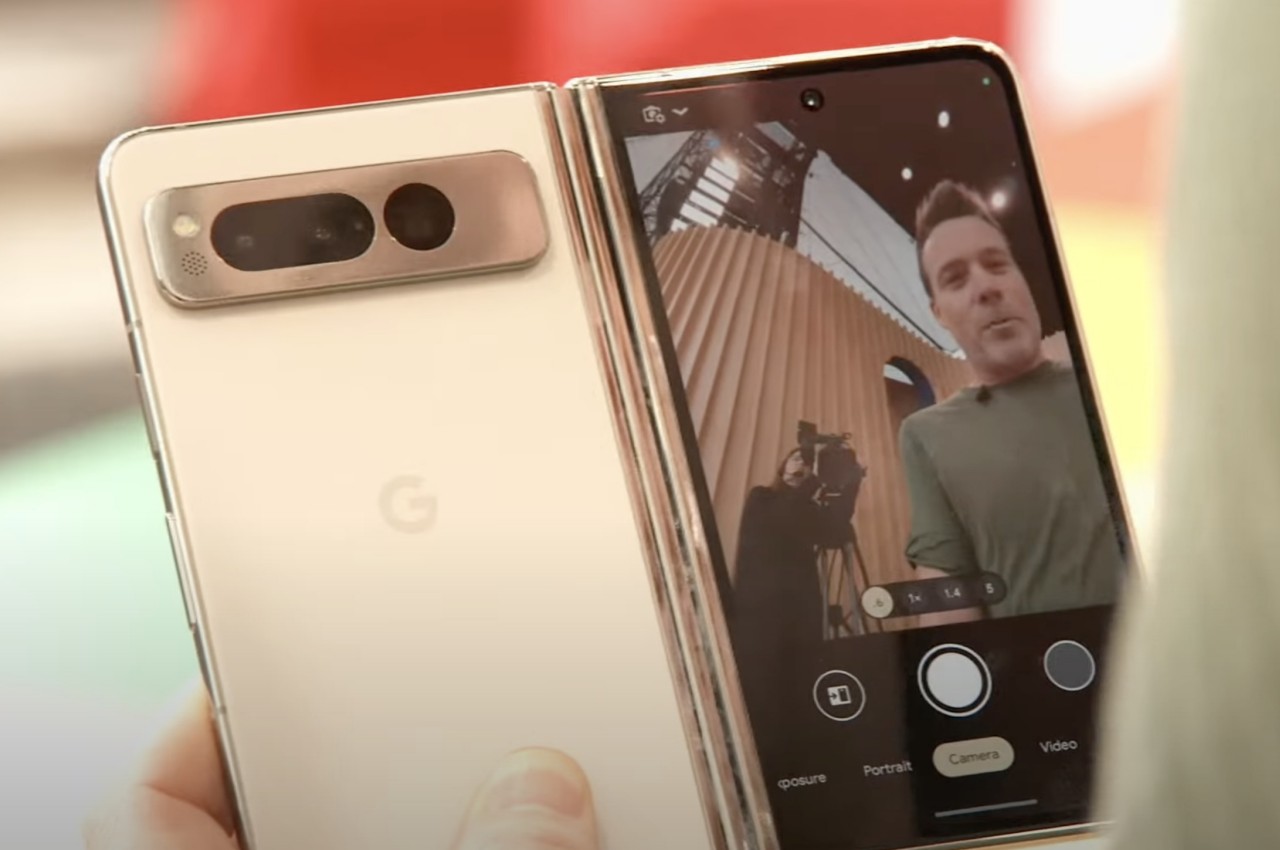
Google Pixel Fold

Designer: Google

The Galaxy Z Fold 6 is also expected to be thinner (5.6mm folded, 12.1mm unfolded) and lighter (239g) than any of its predecessors. This improvement is, again, based on the design of the Galaxy Z Fold before it (6.1mm folded, 13.4mm unfolded, 253g weight), but not against other brands. The recently launched Honor Magic V2 probably holds the title of thinnest and lightest foldable, but its limited availability makes that pointless for some markets. One side effect of a thinner body, however, is that there will still be no room for an integrated S Pen, something Samsung loyals have been wishing for since the Galaxy Z Fold 3.
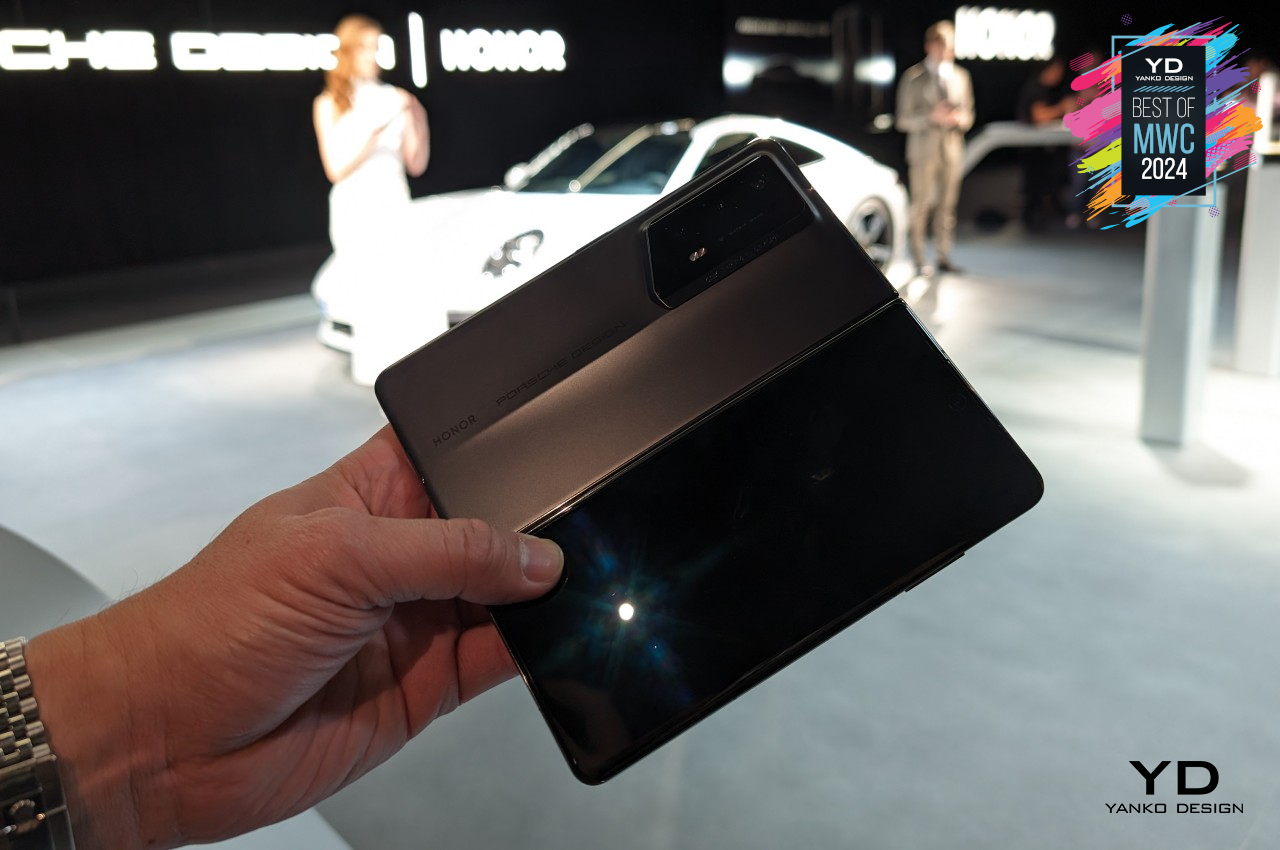
Honor Magic V2 RSR Porsche Design
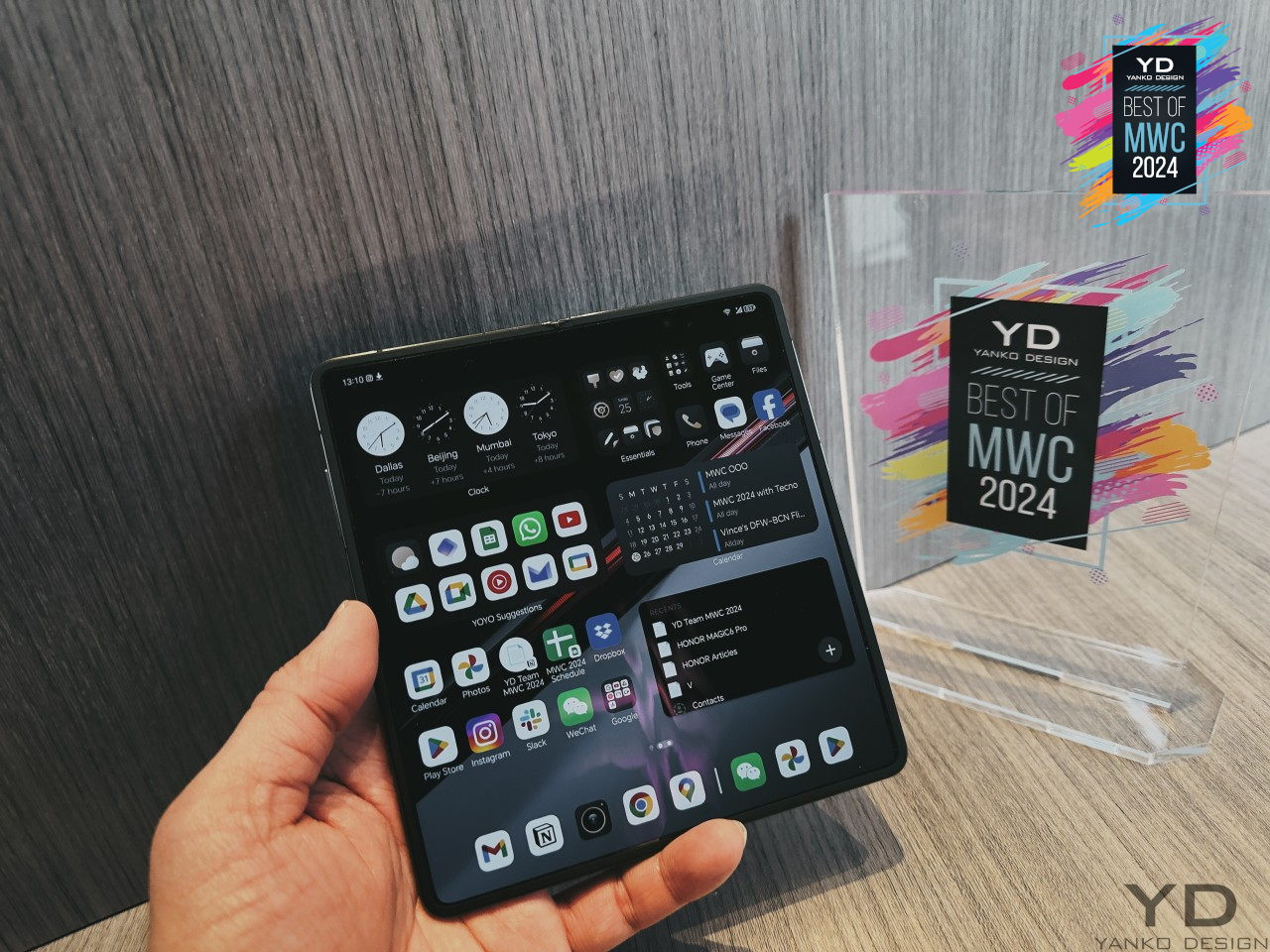
Honor Magic V2 RSR Porsche Design
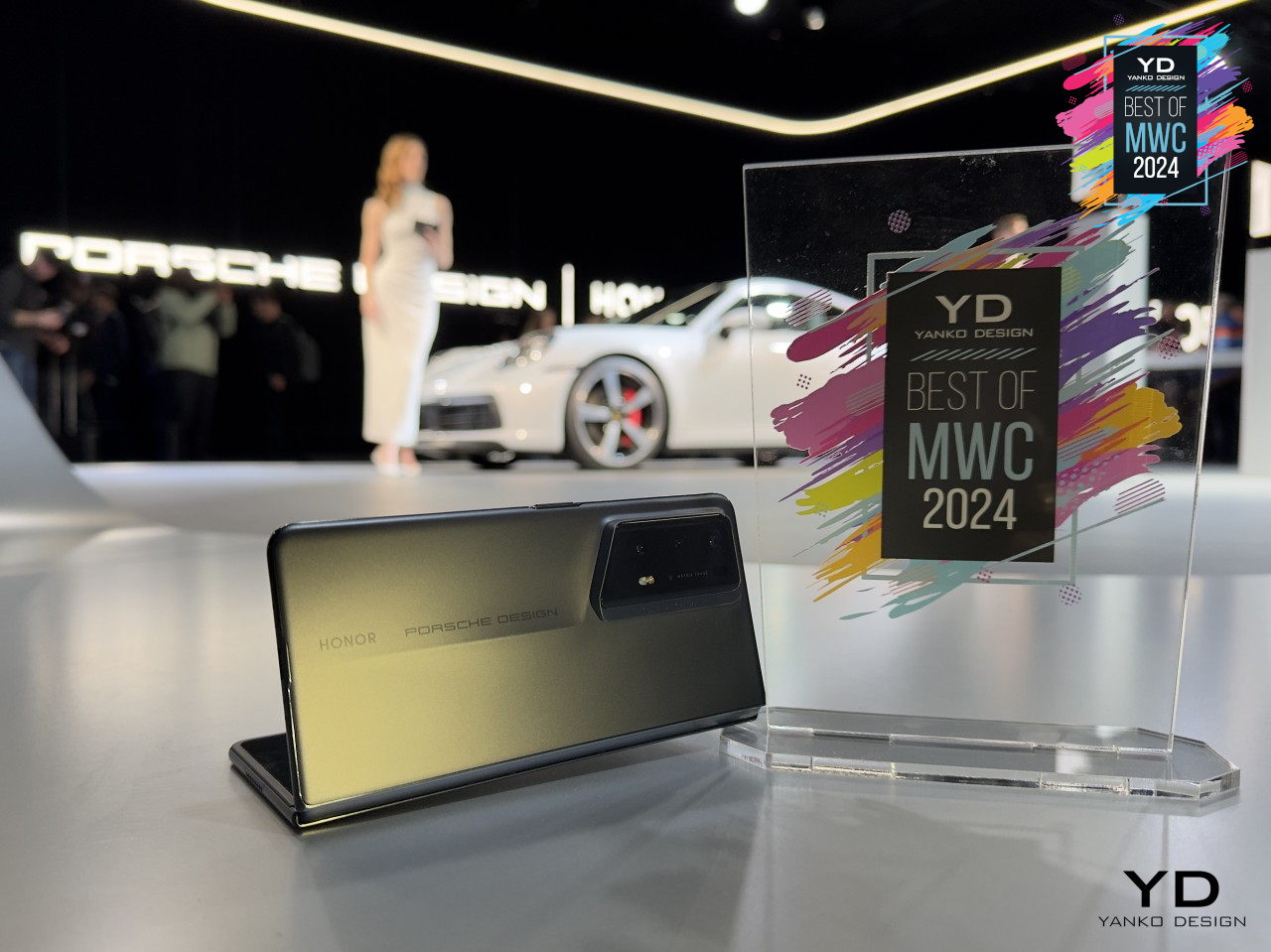
Honor Magic V2 RSR Porsche Design

Designer: Honor

There are rumors of an “ultra” model for the Galaxy Z Fold 6 where Samsung will pull out most of the stops. If true, this could be a titanium-clad model, in line with the Galaxy S24 Ultra and the general trend in the industry. Of course, this would also raise prices higher, especially if the so-called Galaxy Z Fold 6 Ultra will include other upgrades as well.
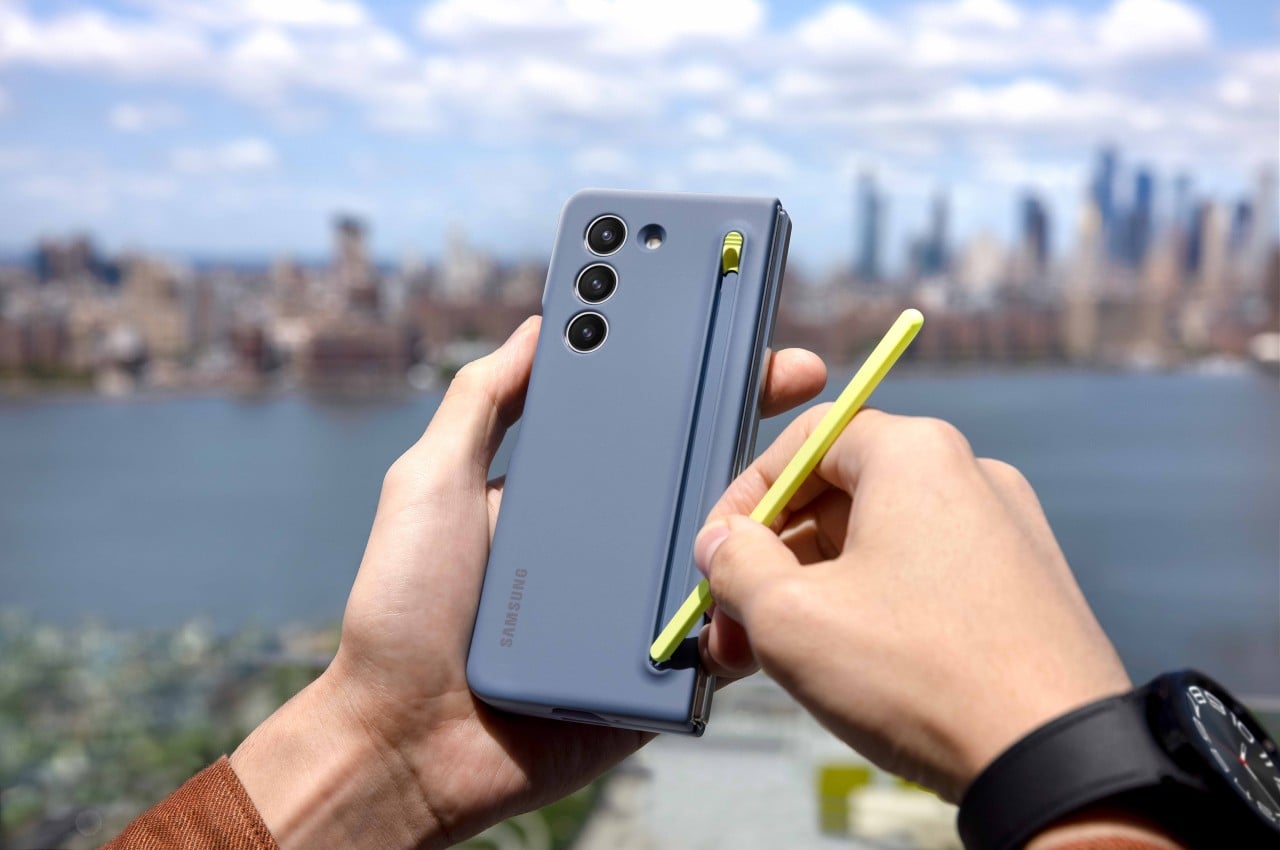
Samsung Galaxy Z Fold 5

Galaxy Z Fold 6: Specs and Software

Samsung always gives its flagship products the best specs available in the market, and the Galaxy Z Fold 6 won’t be any different. The question, however, is whether Samsung’s idea of “best” matches the expectations of buyers. This year, we’ll be looking at another iterative upgrade, and some consumers might not be that amused.

The latest Qualcomm Snapdragon 8 Gen 3 is a no-brainer for a 2024 flagship, and we haven’t heard any whispers of a special version custom-made for Samsung or the foldable. What might not see a big jump, however, is the memory that comes with the phone. RAM will be capped at 12GB yet again, with storage coming in 256GB and 512GB capacities. It’s probably high time that we get a 16GB RAM, 1TB storage Galaxy Z Fold, but that might not be on the table unless those “Ultra” model rumors pan out.
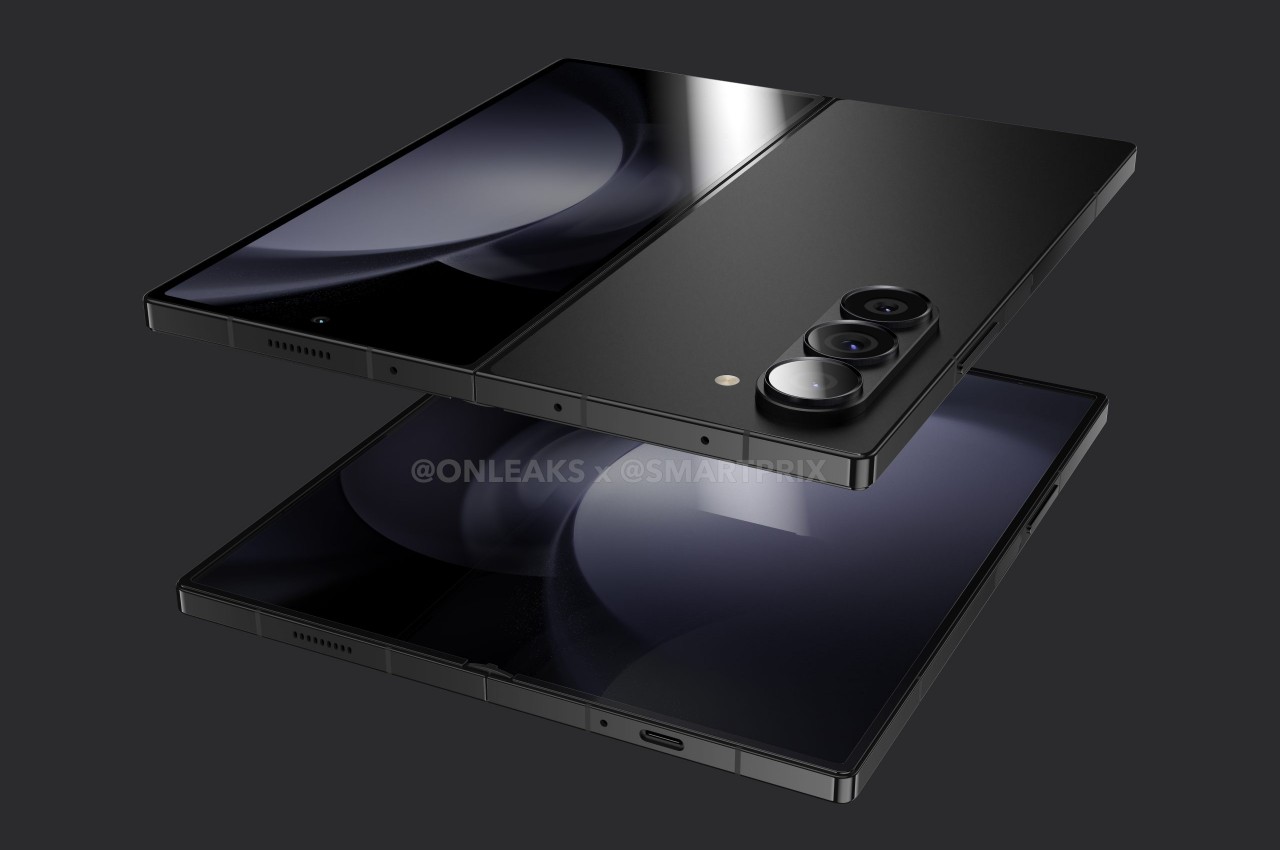
The battery is yet another aspect that is unlikely to see any changes. Although a 4,600mAh battery was earlier rumored, a thinner and lighter design would probably make more sense if Samsung sticks to the same 4,400mAh pack. Unfortunately, charging technologies aren’t expected to change either and new owners will be stuck with the same 25W wired and 15W wireless charging speeds.

Given the expected timing of the launch, the Galaxy Z Fold 6 will be launching with the latest One UI 6.1 version that will still be based on the current Android 14 release. It will mostly be the same user experience on the Galaxy S24, just with some foldable-specific features mixed in. Do expect that Samsung will heavily advertise AI features as well, especially those that it wasn’t able to focus on earlier this year.

Galaxy Z Fold 6: Cameras

While the incremental upgrades to specs can be forgiven, the biggest Achilles’ heel of this year’s Samsung foldable will be its cameras. Contrary to expectations and wishes, the Galaxy Z Fold 6 is now believed to use the exact same set of cameras that came with the Galaxy Z Fold 5 last year. That means a 50MP main camera, a 10MP 3x zoom telephoto, and a 12MP ultra-wide. The under-display camera under the foldable screen is expected to see performance improvements but still have the same 4MP sensor.

While it’s true that you can squeeze out impressive images from such sensors using software and algorithms, you can only go so far with relatively weaker hardware. The bigger question is why Samsung is unable to use better cameras when almost all its competitors can. Thickness is definitely not an issue and it’s not like Samsung’s foldables are less expensive than other foldables, so one can only wonder about the company’s reasons.
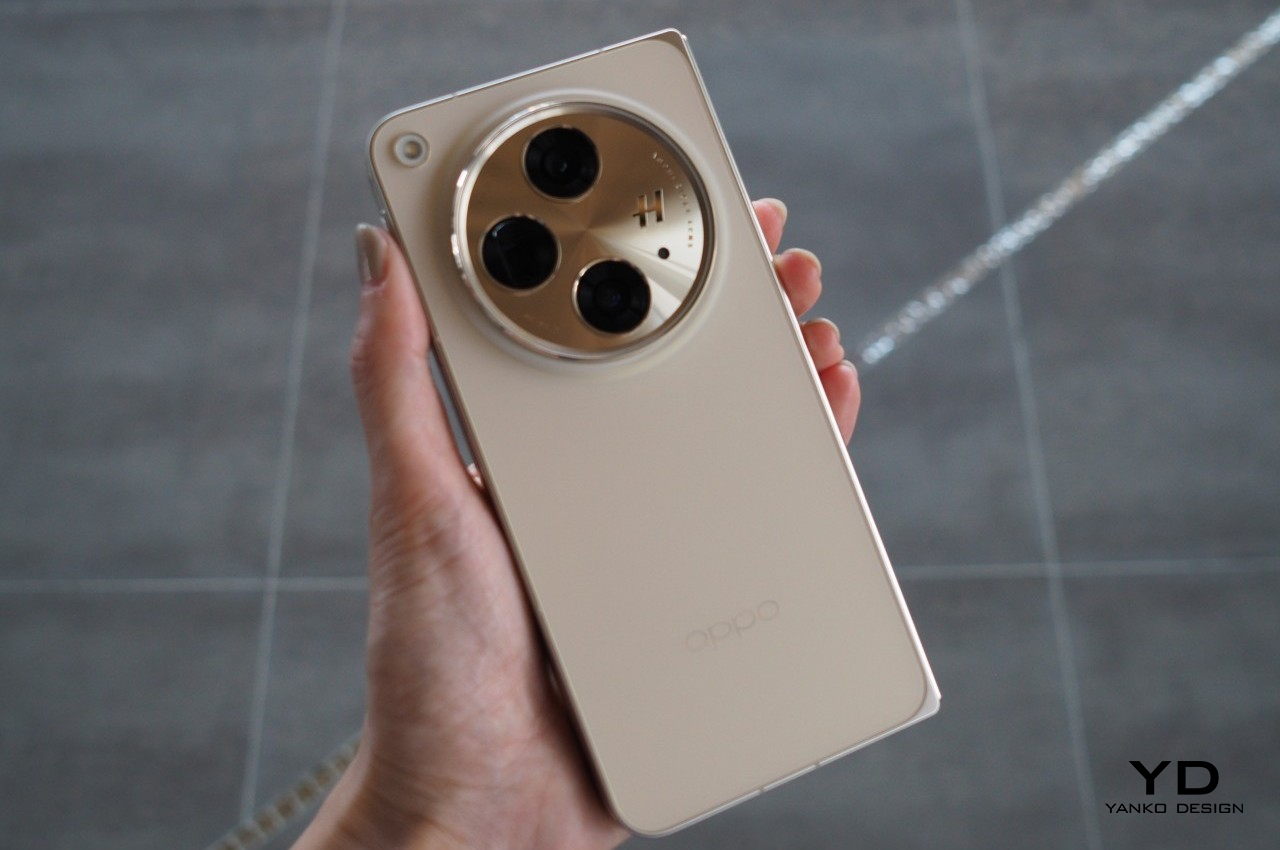
OPPO Find N3
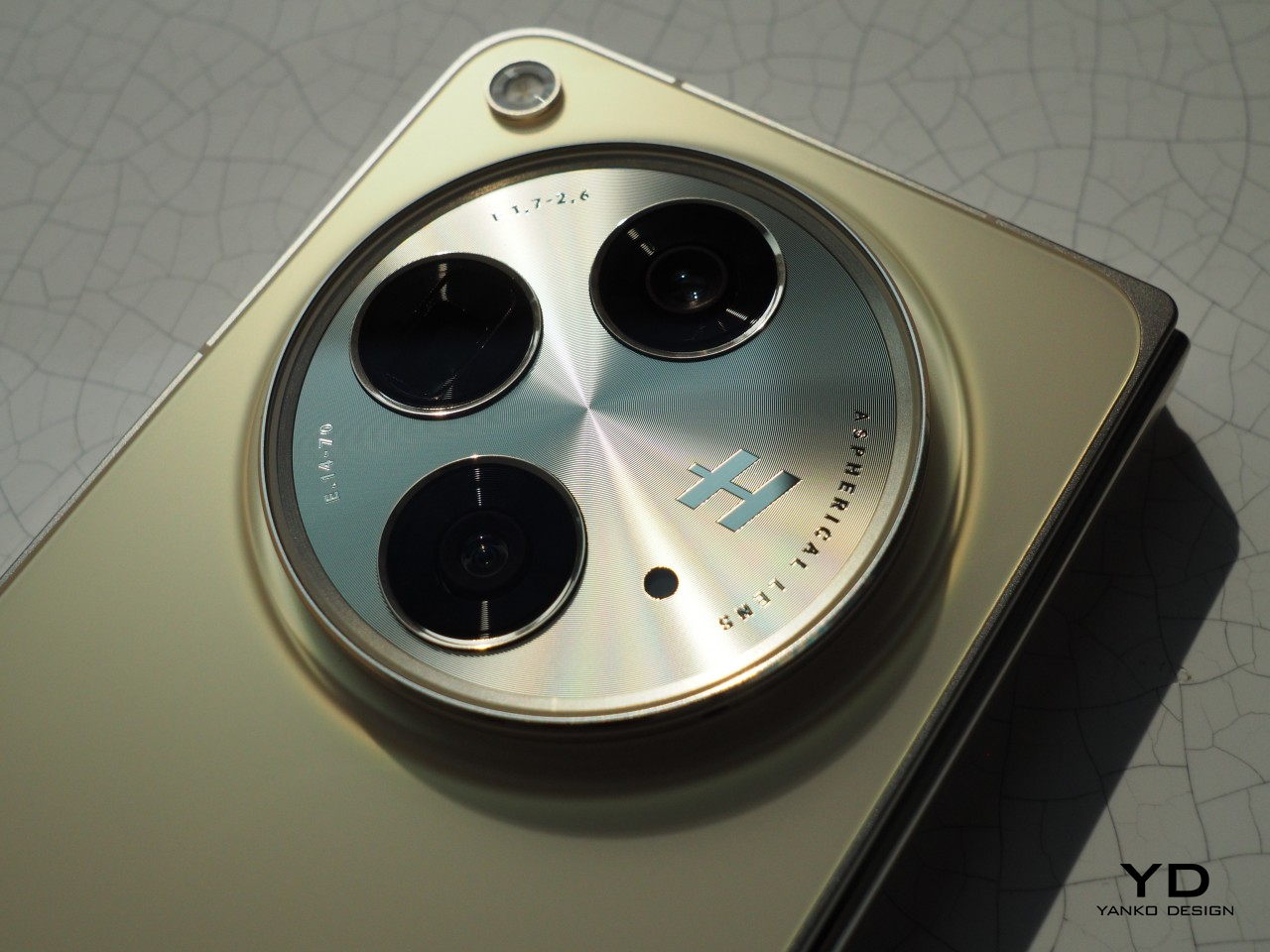
OPPO Find N3
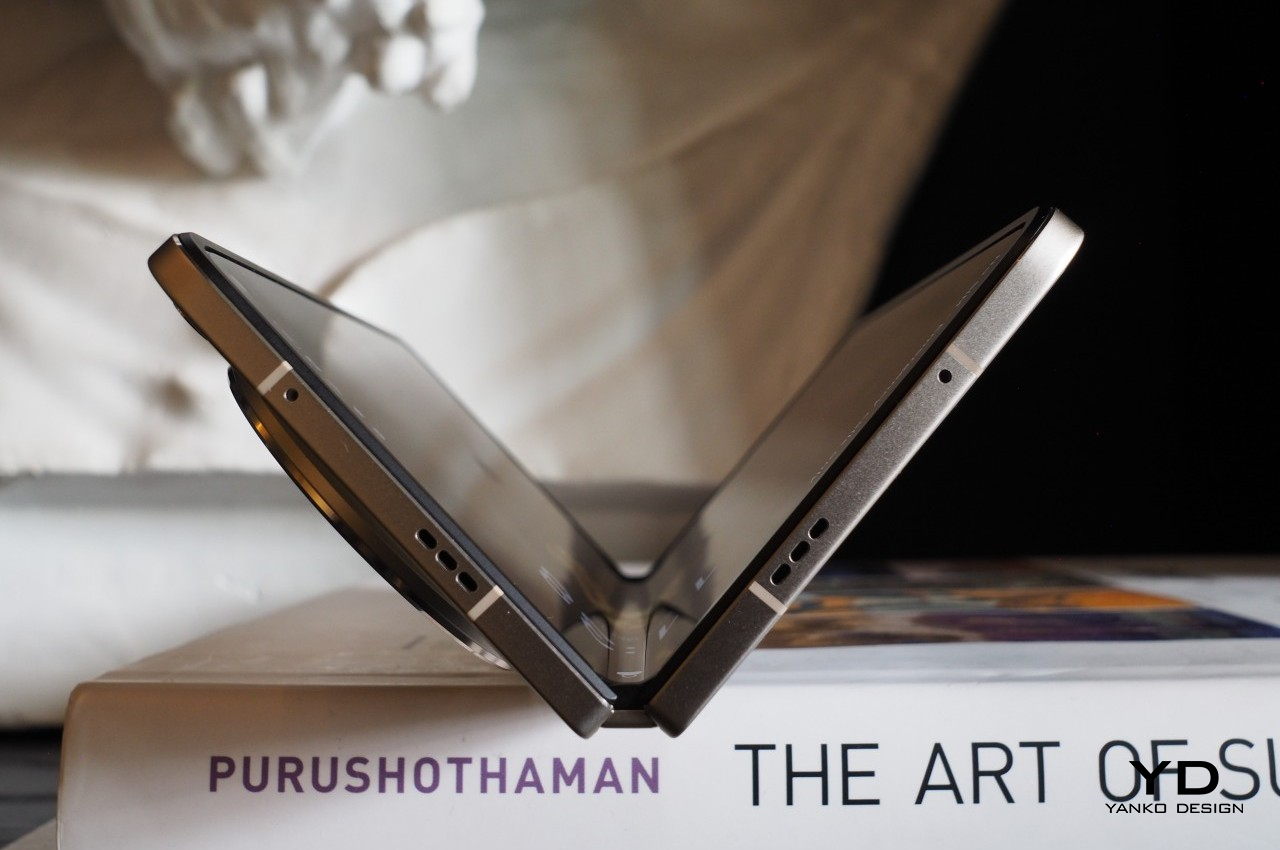
OPPO Find N3

Designer: OPPO

That said, it could be setting the stage for the rumored Galaxy Z Fold 6 Ultra that’s said to resemble the Galaxy S24 Ultra in some ways. In addition to a titanium frame, this Ultra foldable might borrow the 200MP camera of Samsung’s early 2024 flagship. That, however, might mean changing the foldable phone’s dimensions, particularly its thickness, so there’s a very slim chance that will be the case.

Galaxy Z Fold 6: Price and Launch Date

Samsung seems to be holding its second Galaxy Unboxed event earlier each year, especially now that it has retired the Galaxy Note line. The Galaxy Z Fold 5 was announced in late July last year, with the actual shipments starting around August. This year might follow the same pattern with the announcement happening around the second week of July. This earlier date might also be due to Samsung trying to avoid clashing with the 2024 Summer Olympics, where it could be a major sponsor and advertise the Galaxy Z Fold 6 heavily during the event.

We’re not expecting any price changes this year at least, especially since there aren’t any big changes happening. The past few foldable flagships launched at $1,800, and that could still be the same starting price for a 12GB RAM, 256GB storage configuration. That said, if there is an Ultra model, the pricing scheme could shift a bit and be a bit more complicated. The base Galaxy Z Fold 6 could start at $1,700 instead, while the Ultra model with its titanium design and higher specs might hit $2,000.
Galaxy Z Fold 6: Final Thoughts

It looks like Samsung fans will be facing another iterative cycle this year as far as the Galaxy Z Fold 6 is concerned. While there will be marked improvements in terms of performance and design, some of the pain points current owners have remained unaddressed. Hopefully, the wider Cover Screen aspect ratio will indeed improve the phone’s overall usability, the change might be a bit too subtle to matter. Photography is where the Galaxy Z Fold 6 will hurt the most, and Samsung has to prove that it can pull out a rabbit from its hat using these aging camera sensors.

Although Samsung leads the smartphone industry because of its wide reach and prestige, it is risking that advantage by sitting on its laurels for too long in the foldable market. Although some of its competitors aren’t available in major markets where Samsung plays, they do drive home the flaws in Samsung’s design. If these brands can achieve something that a giant like Samsung can’t, then people will start losing confidence in the brand’s products, creating a self-fulfilling prophecy of weaker sales for the Galaxy Z Fold line.
The post Samsung Galaxy Z Fold 6: News, Rumors, Price, and Dates first appeared on Yanko Design.