This Solar Bench Just Turned Every City Street Into a Charging Hub

Picture this: you’re exhausted from walking through the city, desperately need to charge your phone, and suddenly spot the perfect bench bathed in soft light. You sit down, plug in, and realize this isn’t just any piece of street furniture. It’s actually harvesting energy from the sun and transforming the urban landscape around you. Welcome to Perovia, a design project that’s making us rethink what public spaces can be.

Created by TAIWA, a contemporary design laboratory that lives at the crossroads of technology, sustainability, and spatial aesthetics, Perovia is essentially an urban bench on steroids. But calling it just a bench feels like calling a smartphone just a phone. It’s so much more than that.

Designer: TAIWA

The name itself is a clever nod to perovskite, a revolutionary solar material that’s been causing quite a stir in renewable energy circles. Unlike traditional bulky solar panels, perovskite cells are flexible, efficient, and can be integrated into all sorts of surfaces. TAIWA took this cutting-edge tech and asked a simple question: what if our city furniture could work as hard as we do?

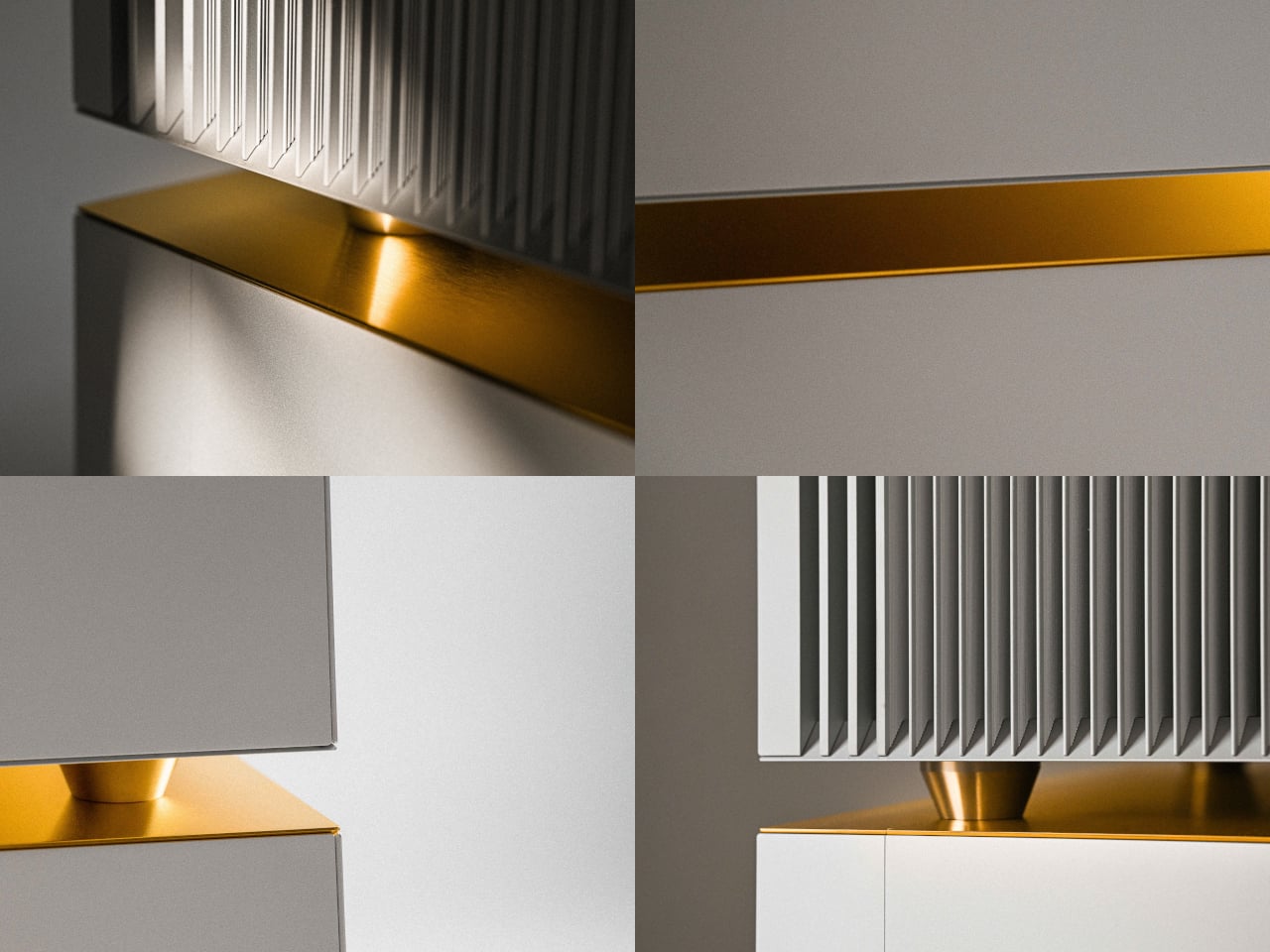
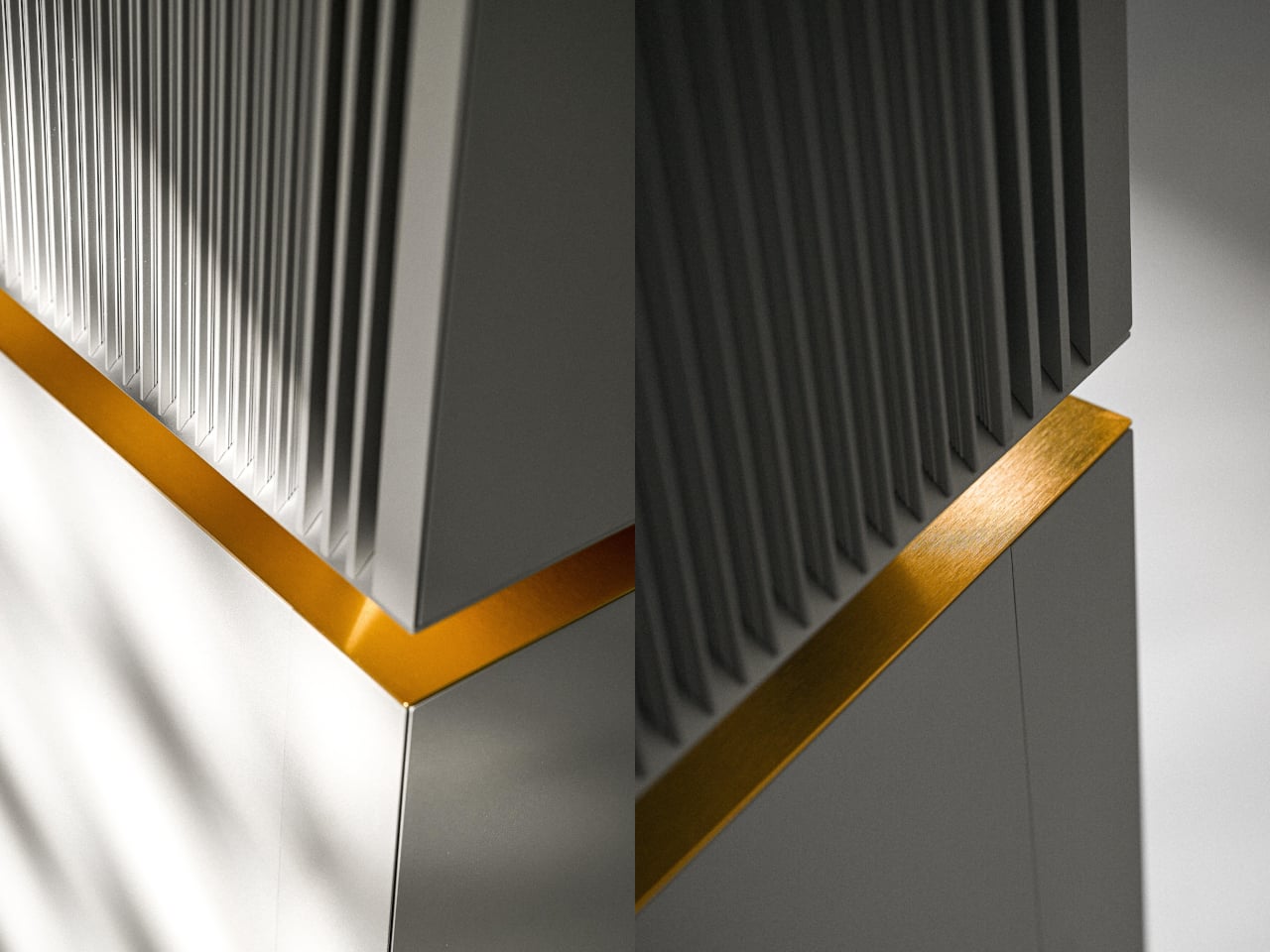
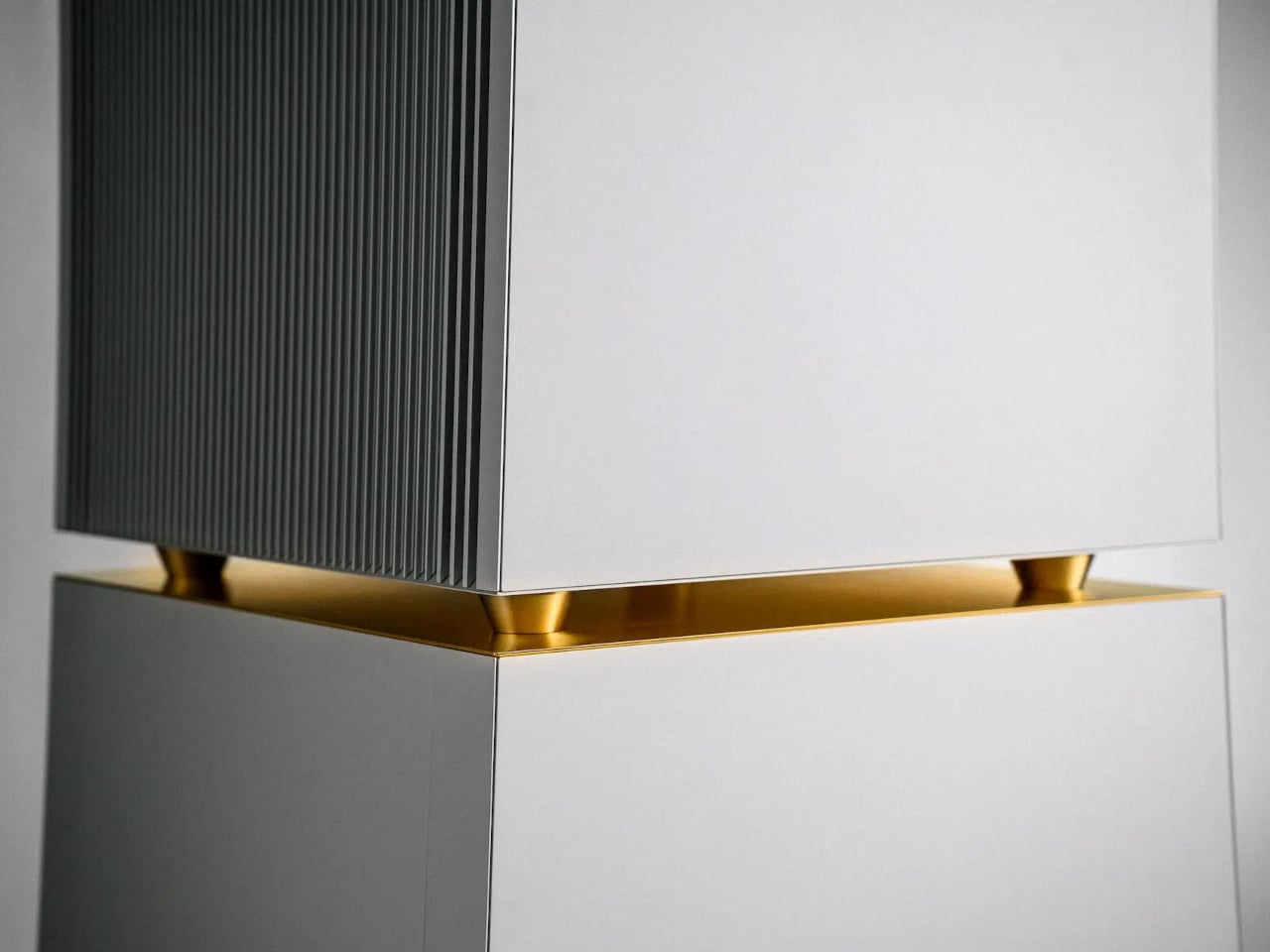
The result is something that looks like it rolled out of a sci-fi movie set. Perovia functions as what the designers call “a node of light in the urban circuit.” During the day, it quietly soaks up solar energy through its integrated perovskite cells. As evening falls, it transforms into a glowing beacon, providing ambient lighting that makes public spaces feel safer and more inviting. But it doesn’t stop there. The bench also features USB charging ports, because let’s be honest, in 2025, a dead phone battery is basically a modern emergency.

What makes this design particularly brilliant is how it addresses multiple urban challenges simultaneously. Cities everywhere are wrestling with sustainability goals, trying to reduce their carbon footprints while making public spaces more livable. Street lighting gobbles up enormous amounts of electricity, and providing public charging stations requires complex infrastructure. Perovia tackles both issues in one sleek package.

But beyond the recognition and the tech specs, what’s really exciting about Perovia is its philosophy. TAIWA describes being inspired by “the silent rhythm of cities,” and you can feel that in the design. Cities have their own pulse, their own flow of energy and movement. Most street furniture just sits there passively, but Perovia actively participates in that urban metabolism. It takes energy when the sun is high, gives light when darkness falls, and serves people whenever they need it.

This kind of thinking represents a fundamental shift in how we approach urban design. For too long, sustainability features have been add-ons, afterthoughts bolted onto existing infrastructure. Perovia shows what happens when you bake sustainability into the core concept from the beginning. The result doesn’t just work better, it looks better too. The bench manages to be both futuristic and inviting, high-tech without feeling cold or intimidating.

Of course, the real test will be seeing these benches roll out in actual cities, weathering real conditions and serving real communities. Will the technology hold up? Can it scale affordably? These are questions that only time will answer. But as a proof of concept and a vision of what’s possible, Perovia absolutely delivers.

We live in a world where climate change dominates headlines and cities struggle to reinvent themselves for a sustainable future. So we need designs that don’t make us choose between functionality and environmental responsibility. Perovia suggests we can have both, wrapped up in a package that actually makes our cities more beautiful and livable. That’s the kind of design innovation worth getting excited about.

The post This Solar Bench Just Turned Every City Street Into a Charging Hub first appeared on Yanko Design.

3D Printed case for Halcyon Elora split mechanical keyboard has magnetic wrist pad attachments

KeyChron brought the world’s first split keyboard that retained the vibe of a regular keyboard to spice up the rather boring accessory, which has seen ergonomic design changes, addition of custom keys, and not much of a design DNA evolution. The idea of a PC split keyboard stems from the notion that it alleviates long-term strain and gives the user more freedom to set up a productive desk layout. The Halycon Elora split keyboard (based on the popular Kria keyboard) has an added row of keys for easier access to numbers and symbols, which all goes well for fast typing. But does this split keyboard take the title for being ergonomically comfortable? Surely not.

That’s the reason why a DIYer decided to create an open-source 3D printable split mechanical keyboard case for the Halycon Elora. With this tweak, the everyday accessory feels more comfortable to work with, especially for long sessions. To take things a step further, the custom design makes sure you have a case to put the keyboard in, literally fitting like a glove.

Designer: Fatih Arslan

The barebone Elora keyboard does look a bit incomplete and could hamper the look of your desk setup. Nor does it provide any support for your wrist, which prompted Fatih to draw inspiration from the Kinesis Wrist Pads to create the perfect split keyboard case for the accessory. After careful planning, he made a prototype that added a 5-degree tilt to the keyboard for better reach, especially for people with small hands. There are customizable top and bottom plates, integrated magnetic wrist pads, and rubber stops for stability and control.

Depending on the user, the case can be attached with a wrist pad or the faceplates, thanks to the optional support for attaching an encoder, touchpad, or display to the Elora keyboard. The new accessory for the split keyboard comes with dual USB-C ports for the left part, and one for the right. Magnetic holes at the bottom base fit the compatible Kinesis leather wrist pads, and the DIYer also created versions that have magnetically snapping top plates for people who prefer a different typing position. There are holes at just the right place to route the cables, which the eager users will appreciate.

Most of all, the custom-designed case makes the mechanical split keyboard sturdier and gives it a more finished look that it lacked earlier.  The accessory comes with 12 top plate designs in total that the maker has put up for download, so that users can 3D print and use right away. Of course, there is the freedom to modify the designs to fit individual needs as well.

The post 3D Printed case for Halcyon Elora split mechanical keyboard has magnetic wrist pad attachments first appeared on Yanko Design.
This $100 Alarm Clock Finally Wakes You Up Without the Rage

There are people who set their alarms every 15 minutes to make sure that they actually wake up but oftentimes they still hit the snooze button several times. I am one of those people. When I still lived with other people, it became a joke that the whole house wakes up from my alarms except me. And even now, this abrupt disruption to my beauty sleep doesn’t really help me adjust to a morning routine. What if there was a device, aside from a clock and my mobile phone, that can help me wake up better and healthier?

That’s the idea behind the Sunrise 1 device by Dreamegg. Not only does it look so much better than regular alarm clocks, but it is actually a 4-in-1 multifunctional device that serves as your sunrise alarm, sound machine, bedside light, and dimmable clock. The most important feature of this is that it is able to simulate a natural sunrise glow so that your circadian rhythm is not so abruptly interrupted and you wake up naturally and gently. We are not meant to be jarred out of our sleep and so this device is a wonderful option to get a more restful morning routine.

Designer: Dreamegg

The Sunrise 1 is able to simulate the sunrise so you can gradually wake up over 15, 30, 45, or 60 minutes. The light emitted from the device goes from 0% to 100% brightness before your scheduled alarm goes off. And even when you’re supposed to wake up, you can choose other sounds rather than the annoying sounds that break through our slumber. There are 29 soothing sounds to choose from: 8 nature sounds, 5 baby sounds, 2 meditation sounds, 2 brown noise, 2 white noise, 3 pink noise, and 7 fan sounds. You can also choose from 15, 30, 45, or 60 minute timer options. The sounds can also be used to help you sleep at night, to relax in the middle of the day, or to drown out unwanted noise.

The device can also serve as your dimmable night light as you get 9 color options that range from warm amber tones to cooler shades. You can independently control it if you don’t want to use it as a sound machine at the same time. It also serves as an actual clock with an easy-to-read clock face and adjustable brightness as well. Setting it up is pretty easy as you don’t need to connect it to your phone or another gadget. You are also able to customize both your morning wake-up routine and your night sleep routine just the way you want it.

Design-wise, it’s also an aesthetic bedside piece that beats your typical plastic gadgets. It is crafted with cotton-linen fabric which is pretty soft and gentle on the skin, in keeping with its gentle wake-up call. The sleek, rounded design can fit in with the usual bedroom decor. Because it is only 2.87 inches thick and 5.91 inches in diameter, which is around the size of an adult palm, you can actually bring it with you when you travel so you can still wake up and sleep the way you want to even outside of your house.

The way that the Sunrise 1 is designed and the features that come with it will make you feel like you’re on vacation every day and not always in a hurry to start work, school, or your chores. Our usual jarring wake up routines may be a reason why we start off our day grumpy or already tired. Having a device like this may slowly turn you into a morning person if you aren’t already. I mean, sure, you may still wake up reluctantly, but at least not angrily.

The post This $100 Alarm Clock Finally Wakes You Up Without the Rage first appeared on Yanko Design.
DIYer recreates a fully functional version of the iconic Xbox “Big X” prototype

Before releasing the official Xbox console, Microsoft was skeptical whether prospective gamers would be able to keep their software image distinguishable from the new hardware venture. To ensure the inaugural gaming console would be perceived as a standalone product, the company created a prototype that looked radically different from a desktop product. At the 2000 Game Developers Conference, Bill Gates and Seamus Blackley showcased the X-shaped version to build the brand image.

Made from solid aluminum, the prototype weighed 40 pounds and cost nearly $18,000 to manufacture at the time. It was not a functional gaming console and was only created to build the brand perception. The first-ever Xbox came a year after that, and the rest is history. Fast forward to the present day, as one DIYer wants to see if the X-shaped console would be an actual feasible product. The answer is yes, as this functional Xbox prototype-inspired console proves it.

Designer: Tito Perez

Meet Tito Perez of the YouTube channel Macho Nacho Productions, who set out to make the functioning variant of the console prototype. The starting point for him was the reference images of the model taken from the rare one on display in New York. The next step involved building a 3D model of the prototype from the visual reference of every curve, screw hole, and other little details. Thereafter, the finalized file was sent to the PCBWay factory to craft the aluminum model, which cost him around six thousand dollars.

The thing was not as shiny as the original one, so Tito took on the task of polishing it himself to recreate the mirror look. Then he had to figure out a way to fit the hardware components inside the “X” form. The modder chose the original time-correct components and also added new components like HDMI, USB-C power supply, and a large-capacity SSD to the mix. To make this possible, he crafted 3D printed mounts and integrated rails to make use of every inch of space. One hardware component that posed a challenge for him emerged as the power supply unit, which was too big for the rig. For this, he took help from a modder friend who designed a custom USB-C power supply that supplied the needed power while being smaller in form factor.

As a last modification, Tito decided to replace the center jewel with his own modernized version that looks much better than the original, to be honest. It is even more functional since the Xbox logo comes to life, or one can program it to show any custom video file as well. The one-of-a-kind console shell has all the ports and jacks on the rear arranged in a hypnotic layout. Gaming works as intended when connected to the console, and carrying it around is no hassle with the custom-built foam case that houses the Xbox console and the accompanying controllers. Tito wants to showcase his creation in conventions and gaming events, which is downright inviting, and I’m sure the gaming community will love this every bit.


The post DIYer recreates a fully functional version of the iconic Xbox “Big X” prototype first appeared on Yanko Design.
Orbit Kinetic Turntable: See Your Music Move with Flipping Wooden Tiles

Remember when music was something you could actually see? Not just album art or a Spotify playlist, but something physical that moved and breathed with the beat? Designer Lillian Brown is bringing that tangible connection back with Orbit, a kinetic turntable that literally flips the script on how we experience sound.

What started as Brown’s senior thesis at the Savannah College of Art and Design has evolved into something genuinely captivating. Orbit isn’t just a turntable; it’s a performance piece that translates every beat, every note, every rhythm into visible motion through a mesmerizing display of flipping wooden tiles.

Designer: Lillian Brown

The concept is beautifully simple yet surprisingly complex in execution. Picture a classic vinyl turntable, then imagine surrounding the record with 39 handcrafted wooden tiles arranged in concentric circles. As your favorite album spins, these tiles respond to the music’s frequency and amplitude, flipping and rotating to create constantly shifting patterns of light and shadow. It’s like watching your music dance.

What makes Orbit particularly special is how it bridges the gap between vintage nostalgia and contemporary design innovation. In an era where most of us stream music through invisible algorithms and wireless speakers, there’s something deeply satisfying about watching music become a physical, visual experience. Brown has essentially created a hybrid object that transforms passive listening into an active sensory moment, where you’re not just hearing the music but witnessing it unfold in real time.

The wooden tiles themselves are a thoughtful material choice. Each one is carefully crafted and balanced, allowing them to respond with precision to the audio signals they receive. As the music plays, different frequencies trigger different tiles, creating organic patterns that shift with every song. A bass-heavy track might trigger the outer rings more intensely, while high notes could activate the inner tiles. The result is an ever-changing visual symphony that’s unique to each recording.

There’s also something wonderfully analog about the whole concept. While the mechanism that translates sound into motion likely involves some modern electronics, the physical expression is entirely mechanical. No screens, no digital displays, just wood, motion, and light playing together in space. It’s the kind of design that makes you slow down and actually pay attention to your music again.

Brown’s work taps into a growing desire for meaningful interaction with the objects in our lives. As more of our experiences become digital and ephemeral, pieces like Orbit remind us of the joy that comes from tangible, physical engagement with art and technology. It’s not just furniture and not quite sculpture; it exists in that fascinating in-between space where functional objects become art. The timing feels right for something like this. Vinyl has already made a remarkable comeback, with younger generations discovering the ritual of carefully selecting a record, placing it on the turntable, and actually sitting with an album from start to finish. Orbit takes that ritual one step further, adding a visual dimension that makes the experience even more immersive and meditative.

Imagine hosting friends and dropping the needle on a new album as everyone gathers around to watch the tiles respond and shift with the music. Or picture yourself unwinding after a long day, watching the hypnotic patterns emerge from your favorite tracks. It transforms listening from background noise into a focused, contemplative practice. What Brown has created with Orbit goes beyond clever design or technical innovation. It’s a reminder that some of the best ideas come from asking simple questions: What if we could see music? What if listening became watching? What if technology enhanced rather than replaced the analog experiences we value? In answering these questions, she’s created something that feels both nostalgic and refreshingly new, proving that great design doesn’t have to choose between the past and the future. It can honor both.

The post Orbit Kinetic Turntable: See Your Music Move with Flipping Wooden Tiles first appeared on Yanko Design.

10 Essential Compact Travel Gadgets & Tools That Won’t Weigh You Down

Modern travel demands a delicate balance between staying connected and packing light. The days of stuffing suitcases with bulky electronics are over. Today’s best travel gadgets prioritize intelligent design, multi-functionality, and genuine portability without sacrificing performance. These ten compact essentials prove that smart engineering can deliver full-featured experiences in surprisingly small packages.

Each item on this list earned its spot through rigorous real-world testing and design excellence. These aren’t just miniaturized versions of desk-bound gear – they’re purpose-built solutions for the mobile lifestyle. From enhanced optics that slip into your pocket to charging solutions that adapt to any global outlet, these gadgets redefine what travel-ready technology can accomplish.

1. Nikon 4x10D CF Pocket Binoculars

Nikon’s pocket binoculars represent industrial design at its most elegant. These aren’t chunky field glasses but sleek optical instruments that disappear into your everyday carry. The refreshed colorways add style without compromising the core philosophy: enhanced vision should integrate seamlessly into your life rather than announce itself through bulk.

The tactile experience feels fundamentally different from smartphone zoom. There’s something immediate about optical magnification that digital enhancement can’t replicate. These binoculars solve traditional field glass problems through pure miniaturization, creating a single-purpose tool that actually gets carried because it doesn’t burden your load.

What we like

  • Genuinely pocketable size without optical compromise.
  • Premium build quality with sophisticated design aesthetic.

What we dislike

  • Limited 4x magnification compared to larger binoculars.
  • Higher price point than basic compact alternatives.

2. ASUS RT-BE58U WiFi 7 Travel Router

The RT-BE58U transforms portable networking from afterthought to centerpiece. This Red Dot Award winner packs WiFi 7 speeds into a chassis that’s equally at home in a gaming setup or travel backpack. Collapsible antennas and sustainable materials prove that cutting-edge wireless technology doesn’t require traditional router bulk.

Multi-Link Operation and 4K-QAM deliver serious performance metrics – up to 3600 Mbps across dual bands with backward compatibility for legacy devices. The real innovation lies in seamless lifestyle integration. This router pivots from home office powerhouse to hotel room connectivity solution without missing a beat.

What we like

  • WiFi 7 speeds with comprehensive backward compatibility.
  • The collapsible design is perfect for both home and travel use.

What we dislike

  • Premium pricing for what some consider basic networking needs.
  • A complex feature set might overwhelm casual users.

3. Mophie 3-in-1 Travel Charging Station Global Edition

Mophie’s foldable charging station solves the Apple ecosystem’s biggest travel challenge: powering iPhone, Apple Watch, and AirPods simultaneously without cable chaos. The Global Edition adds international plug compatibility, making this a genuine worldwide solution rather than another US-centric accessory.

Foldable design transforms from compact travel companion to full desktop charging station. Wireless convenience means fewer cables and adapters cluttering your travel kit. The engineering prioritizes both space efficiency and charging reliability, delivering consistent power delivery across all three device types.

What we like

  • Simultaneous wireless charging for three Apple devices.
  • Truly foldable design that packs remarkably flat.

What we dislike

  • Limited to Apple ecosystem compatibility only.
  • Requires compatible wireless charging cases for older devices.

4. Goudveer F1 Portable Coffee Grinder

Fresh coffee shouldn’t be a luxury reserved for home kitchens. The F1 combines industrial-grade conical burrs with thermos-sized portability, ensuring quality grounds whether you’re camping or staying in a minimalist Airbnb. Hot-swappable motor and hand-crank options adapt to any power situation.

One hundred grind settings provide professional-level control in a package that fits standard travel bags. The fold-out collection tray eliminates the need for separate containers. This represents thoughtful engineering applied to a genuine travel problem: maintaining coffee quality without carrying barista-sized equipment.

What we like

  • Industrial-grade burrs deliver consistent professional results.
  • Dual electric/manual operation adapts to any situation.

What we dislike

  • Higher maintenance requirements than simple travel alternatives.
  • Premium price point may deter casual coffee drinkers.

5. RetroWave 7-in-1 Radio

This retro-styled radio proves that emergency preparedness doesn’t require military-grade aesthetics. Seven functions – radio, Bluetooth speaker, MP3 player, flashlight, power bank, clock, and SOS alarm – pack into a design that wouldn’t look out of place on a modern desk.

Hand-crank and solar charging ensure functionality when traditional power sources fail. The tactile tuning dial provides satisfying analog control while Bluetooth connectivity bridges old and new. This represents intelligent multi-functionality where every feature serves a genuine purpose rather than checking marketing boxes.

Click Here to Buy Now: $89.00

What we like

  • Seven essential functions in one beautifully designed package.
  • Multiple charging methods ensure power in any situation.

What we dislike

  • Retro aesthetic might not appeal to minimalist design preferences.
  • Feature complexity could overwhelm users seeking simple radio functionality.

6. Tspin Fidget Spinner Multi-Tool

Tspin transforms nervous fidgeting into practical functionality. This titanium multi-tool includes a bottle opener, SIM card tools, a smartphone stand, a cable organizer, and a precision screwdriver while maintaining classic spinner mechanics. The carabiner clip provides secure attachment without typical camping gear bulk.

Travel anxiety meets practical problem-solving through thoughtful engineering. That missing bottle opener or SIM card ejector tool gets integrated into something you’ll naturally carry. The smartphone stand function proves particularly valuable for solo travelers wanting to appear in their own photos.

What we like

  • Multiple essential tools disguised as a stress-relief toy.
  • Premium titanium construction ensures long-term durability.

What we dislike

  • The fidget spinner trend feels dated to some users.
  • Small tool sizes may not suit all hand sizes comfortably.

7. AirPods Neck Strap

These woven straps solve AirPods’ biggest design flaw: they’re expensive devices that easily disappear. The patented magnetic lock keeps both earbuds secure while allowing quick removal for listening. Three color options match different style preferences without screaming “tech accessory.”

Transforming wireless earbuds back into a necklace format feels counterintuitive until you experience the peace of mind. No more patting pockets or checking bags for escaped AirPods. The woven construction feels premium rather than cheap aftermarket, making this functional fashion rather than pure utility.

Click Here to Buy Now: $39.00

What we like

  • Eliminates AirPods loss anxiety.
  • Premium woven materials feel genuinely fashionable.

What we dislike

  • Returns to the tethered earbud concept that AirPods originally escaped.
  • Additional accessory to remember and maintain.

8. Nothing Power (1) Battery Bank

Nothing’s transparent design philosophy transforms boring power banks into captivating tech art. The glyph interface communicates charging status, battery levels, and smartphone notifications through sophisticated light patterns. Internal circuitry becomes a visual element rather than a hidden component.

Twenty thousand mAh capacity provides multiple phone charges, while 65W fast charging reaches fifty percent power in under twenty minutes. The glyph system proves particularly valuable for solo travelers who can monitor charging progress and receive notifications without constantly checking devices.

What we like

  • The glyph interface provides information without screen dependency.
  • Transparent design creates visual interest beyond pure functionality.

What we dislike

  • Premium pricing for what’s essentially standard power bank capacity.
  • Complex light patterns require a learning curve for interpretation.

9. For Me Buds AI Sleep Monitoring Earbuds

Sleep optimization becomes crucial when constantly changing time zones and sleeping environments. These earbuds combine noise cancellation with AI-powered binaural beats tailored to individual sleep stages. Heart rate and movement sensors provide comprehensive sleep analysis without wrist-worn devices.

Real-time sound adjustment throughout sleep cycles represents a genuine AI application rather than a marketing buzzword. The earbuds deliver personalized audio directly into your ears for more effective sleep enhancement than external speakers. Pattern analysis helps adapt to new schedules and unfamiliar environments.

What we like

  • AI-powered sleep optimization with real-time audio adjustment.
  • Comprehensive sleep tracking without additional wearable devices.

What we dislike

  • Sleeping with earbuds may feel uncomfortable for some users.
  • Complex AI features might overwhelm users seeking simple noise cancellation.

10. TA-205

This adapter acknowledges modern reality: travelers carry more devices than ever, and they all need power simultaneously. Supporting over 200 countries with seven charging ports eliminates device priority decisions. Dual AC sockets handle both universal and US-specific plugs.

Three USB-A ports manage accessories while dual USB-C ports handle primary devices. The 35.5W fast-charge capability means phones power quickly rather than keeping travelers tethered to walls. Compact engineering doesn’t compromise power delivery across the full range of modern electronics.

What we like

  • Seven simultaneous charging ports eliminate device priority decisions.
  • 200+ countries are compatible with intelligent plug adaptation.

What we dislike

  • Multiple ports might exceed some hotel outlet power limits.
  • Compact size makes individual port access occasionally cramped.

Smart Engineering Meets Modern Travel

These ten gadgets represent the evolution of travel technology from bulky necessities to elegant essentials. Each item earned its place through genuine utility rather than feature bloat. Smart travelers recognize that the best gear enhances experiences without announcing its presence through weight or bulk.

The common thread connecting these products is thoughtful engineering applied to real travel challenges. Whether it’s maintaining coffee quality, staying connected globally, or optimizing sleep across time zones, each solution prioritizes genuine portability without compromising core functionality. This represents the future of travel gear: invisible when not needed, indispensable when required.

The post 10 Essential Compact Travel Gadgets & Tools That Won’t Weigh You Down first appeared on Yanko Design.

This AI Music Sketchbook Captures Ideas Before They Disappear

You know that feeling when a melody pops into your head while you’re walking down the street, but by the time you pull out your phone to record it, the magic’s already gone? Or when you’re hit with a musical idea but don’t have the technical skills to translate it into something real? That frustrating gap between inspiration and creation is exactly what designer Woojin Jang is trying to bridge with their concept project, Everglow.

Think of it as a sketchbook, but for sound. Just like artists carry notebooks to capture visual ideas before they fade, Everglow is designed to help musicians and creators capture sonic inspiration in real time. The concept combines a physical hardware interface with generative AI technology, creating something that feels both wonderfully tactile and futuristic at the same time.

Designer: Woojin Jang

What makes this particularly interesting is how it rethinks the relationship between humans and music-making tools. Traditional instruments require years of practice, and digital audio workstations can feel overwhelming with their endless menus and options. Everglow sits somewhere in between (hence the design name “InBetween”), offering immediate access to sound creation without the steep learning curve.

The hardware interface is key here. Instead of clicking around on a screen or fumbling with software, you’d interact with physical controls that respond to your touch and gestures. This tactile element matters more than you might think. There’s something about physically manipulating sound that connects you to the creative process in a way that mousing around never quite achieves. It’s the difference between typing a description of a drawing and actually sketching it with your hands.

But the real innovation happens when you pair that physical expressiveness with AI-generated sound. The generative system doesn’t just play preset sounds or samples. Instead, it responds to your input by creating and shaping audio in real time, almost like having a collaborative partner who instantly understands where you’re trying to go musically. You guide it with your gestures and adjustments, and it fills in the gaps, suggesting possibilities you might not have considered. This approach democratizes music creation in a fascinating way. You don’t need to know music theory or have mastered an instrument to explore sonic ideas. The concept suggests a world where musical literacy isn’t a prerequisite for musical expression, where the barrier between “I hear something in my head” and “here’s what it sounds like” becomes paper-thin.

Of course, as a concept, Everglow exists in that exciting space where possibility meets imagination. We’re not looking at a finished product you can buy tomorrow, but rather a vision of what music-making tools could become. That’s what makes design concepts so valuable. They push our thinking forward, challenge assumptions about how things should work, and inspire both creators and technologists to pursue new directions.

The timing feels right, too. We’re living in an era where AI is rapidly transforming creative tools, from image generation to writing assistance. Music has been part of this evolution, but often in ways that feel disconnected from the physical, intuitive experience of making sound. Everglow suggests a different path, one where AI enhances rather than replaces the human touch, where technology becomes invisible enough that you can focus on the creative flow rather than the technical obstacles.

Whether or not Everglow itself becomes a reality, the questions it raises are worth sitting with. How do we design tools that capture the fleeting nature of inspiration? What’s the right balance between human control and AI assistance in creative work? And how can we make music creation feel as natural and immediate as doodling in a notebook? For anyone who’s ever had a musical idea slip away before they could catch it, concepts like this offer a glimpse of a more intuitive future. One where the tools get out of the way, and the space between imagination and creation becomes just a little bit smaller.

The post This AI Music Sketchbook Captures Ideas Before They Disappear first appeared on Yanko Design.

Technics SL-1200 Final Edition: Only 2,410 Gold Units Worldwide

Some legends never really die. They just get better with age, more refined, and sometimes, a little bit of gold. That’s exactly what Technics is doing with their latest drop: the SL-1200GME Master Edition, a turntable that’s equal parts tribute and technological tour de force. If you’ve ever spent time in a recording studio, DJ booth, or just scrolling through vinyl Instagram, you know the SL-1200 isn’t just a turntable. It’s an icon. And now, Technics is giving it one last proper send-off before closing the chapter on the G series.

Let’s talk about what makes this Master Edition worth all the attention. At its heart is Technics’ ΔΣ-Drive motor control system, a tech upgrade pulled straight from their pricier models like the SL-1200GR2 and SL-1300G. This isn’t just marketing speak. The Delta Sigma Drive actively works to reduce motor vibrations and improve rotational accuracy, which is basically turntable language for “your records will sound cleaner, smoother, and more precise than ever.” When you’re dealing with vinyl, even the tiniest wobble or inconsistency can throw off the entire listening experience. This system keeps things dead steady.

Designer: Technics

Then there’s the power supply situation. Technics equipped these Master Editions with a Multi-Stage Silent power supply, the same one used in their reference-grade SL-1000R turntable that costs a cool $27,000. It combines low-noise switching with active noise canceling to keep electrical interference from creeping into your audio. For audiophiles who can hear the difference between a good power cable and a great one, this is the kind of detail that matters.

The build quality is exactly what you’d expect from a brand that’s been perfecting this design for decades. We’re talking about a four-layer chassis construction featuring aluminum die-cast, BMC (Bulk Moulding Compound), heavyweight rubber, and a 10mm brushed aluminum top plate. That platter? Three layers of aluminum die-cast, vibration-dampening rubber, and a 2mm brass top plate. The whole thing weighs nearly 8 pounds with the rubber mat included, and each platter is individually balanced on dedicated machines to eliminate any unevenness. This is the kind of engineering that separates a good turntable from one that’ll last you a lifetime.

Visually, the Master Edition stands out in all the right ways. Technics added gold-painted accents throughout the design: the tonearm, headshell logo, top panel logo, a numbered badge that proudly states “Master Edition,” and even the dust cover logo sheet. It’s subtle enough to feel classy but distinct enough that anyone who knows turntables will immediately recognize this isn’t your standard model. The SL-1200GME comes in silver, staying true to the original SL-1200 aesthetic, while the SL-1210GME offers a black finish for those who prefer something sleeker.

Here’s the catch: these aren’t going to be around forever. Technics is limiting production to just 2,410 units worldwide. That breaks down to 1,200 units of the silver SL-1200GME and 1,210 of the black SL-1210GME. Each one comes with a numbered badge, so you’ll know exactly which piece of history you’re getting. The price tag reflects the exclusivity too. UK pricing is set at £5,000 (around $6,638), with North American pricing to be announced closer to the launch. These will start shipping in January 2026 in Europe and February 2026 in North America through authorized Technics retailers.

For anyone who’s been following vinyl’s resurgence over the past decade, this feels like a full-circle moment. The SL-1200 helped define DJ culture, shaped the sound of hip-hop, and became a staple in homes where music wasn’t just background noise but a way of life. Now, Technics is closing out the G series with a version that honors that legacy while pushing the technical limits of what a direct-drive turntable can do. Whether you’re a collector, a serious listener, or someone who just appreciates beautifully designed tech, the Master Edition is the kind of piece that reminds you why analog still matters in a digital world.

The post Technics SL-1200 Final Edition: Only 2,410 Gold Units Worldwide first appeared on Yanko Design.

Projector and mini-fridge in one concept will solve problems of snackish couch potatoes

If you ask people how they spend their rest days or leisure time, most will probably say go to a mall and shop, meet up with friends, or travel. But there are also homebuddies like me who would say an ideal rest day is consuming media, whether it’s a book, a TV show, a movie, and snacking while doing it. There are products and concepts that will appeal to couch potatoes who love that kind of alone time.

Designer: Changhwi Kim

fits is one such concept that will, well, fit, that kind of lifestyle. Basically it’s a media projector and a refrigerator in one compact device. You will be able to watch whatever your heart desires and if you get snacky (which of course, you will eventually become), then you just have to reach over and get whatever it is you stored in the mini fridge.

The device also has an adjustable height function so whatever position you want to take, you can calibrate it to the perfect position. The product renders show that it looks just like a typical mini fridge but with a projector on top. In theory, you can also connect it to an app that will give you content recommendations and even suggest snacks that will go with it.

While most of the time I will consume media on my phone or tablet while lying in bed, it will of course be more convenient if I had a mini fridge nearby as I’m watching. So this will probably be marketable for people like me.

The post Projector and mini-fridge in one concept will solve problems of snackish couch potatoes first appeared on Yanko Design.

Best Black Friday Deal for Home Theater? JMGO 4K Projectors at Up to 32% Off

I’ll come out clean – I don’t own a TV. I live in a rented house, I have a beautiful bare wall that I don’t want to ruin with a TV mount drilled in (which I’ll have to cover in my security deposit once I leave), so instead of a TV, I bought a projector… and it was the best investment I made. My budget projector outputs 1080p, but the screen measures nearly a hundred inches, making it more than 5x larger than a television I would have bought with the same amount of money. The point is, don’t buy a TV this Black Friday. Buy a projector.

Projectors are compact, have the same smart features as smart TVs, and cast images multiple times larger and more immersive than your average 37″ or 42″ television. Plus, with the right deal, a projector can cost well within your TV budget, giving you a mini cinema experience at home. You don’t need to go searching on the internet for the ‘right deal’ though, because JMGO’s running a pretty sweet Black Friday sale on their two most popular projector lines. Whether you want a fancy 4K projector or something compact enough to carry in your laptop bag, these projectors fit well within every requirement and budget – thanks to discounts of up to 32%!
Designer: JMGO

JMGO N1S Ultimate 4K

The flagship in JMGO’s N1S series, this one made its debut at IFA 2024 in Berlin. Designed as a gimbal-mounted projector, the N1S Ultimate 4K can be positioned anywhere and it will automatically keystone and focus-adjust your image (even intelligently avoiding objects like shelves or wall-hangings), letting you watch movies on your wall or even your ceiling. The projector outputs 4K with a max size of 180-inches at a whopping 3500 ANSI Lumens, which means you can watch movies even in moderately lit rooms without always needing to switch the lights or draw the curtains.

The N1S Ultimate 4K’s stellar clarity comes thanks to JMGO’s MALC™ (Multi-Layer Adaptive Laser Control) 2.0 Triple Laser Optics – which helps it maintain clarity and sharpness even in high brightness (something traditional laser projectors fail at). It even packs a 20W subwoofer and 45Hz ultra-bass for booming audio. On the software front, Google TV gives you access to all your favorite streaming apps, along with Wi-fi 6 and Bluetooth 5.1 support, two HDMI 2.1 jacks for streaming sticks or game consoles, and two USB-A 2.0 jacks for connecting hard-disks or pen-drives.

Our Verdict

The MALC™ 2.0 Triple Laser Optics is the star of the show here. I previewed the projector during the day in a well-lit booth at IFA and the visuals were still surprisingly crisp and high-contrast. 4K output with intelligent auto-focus and keystone really makes using the projector a breeze. Imagine having a TV anywhere in your house – even the ceiling! Being JMGO’s flagship, this one has a $2799 price tag, but a 29% discount brings it down to just $1999.

Click Here to Buy Now: $1999 $2799 ($800 off). Hurry, deal ends on 30th Nov, 2025.

JMGO N1S Ultra 4K

Following the N1S gimbal-centric design, the N1S Ultra 4K is a step below its sibling the N1S Ultimate, but still has stunning specs that keep it at flagship standards. The projector outputs 4K with even support for BluRay 3D (you’ll JMGO’s active-shutter 3D glasses) but skips out on the MALC™ 2.0 Triple Laser Optics system that debuted in JMGO’s other N1S projectors. Still, you’ve got a VERY respectable 3000 ANSI Lumen output which means bright visuals no matter what time of the day.

The gimbal-mounted projector can be faced anywhere, with automatic focus, keystone correction, and intelligent object avoidance. I can’t stress enough how impressive this is. Face the projector anywhere and it turns practically any surface into a clear 4K television! The N1S Ultra 4K also comes with Google TV and all your favorite streaming apps, along with Wi-fi 6, Bluetooth 5.1, two HDMI 2.1 ports, and 2 USB-A 2.0 ports for max connectivity. There’s a 3.5mm port for external speakers too, although the N1S Ultra packs dual 20W speakers with Dolby Digital Plus for immersive sound.

Our Verdict

With a 32% discount that brings its $2499 price down to $1699, the N1S Ultra 4K might be the only 4K projector that packs 3D support at a sub-2000 price tag. The gimbal and auto-image-correction features are absolute *chef’s kiss*, which means you spend less time fiddling with a remote and more time watching your favorite movies – or even playing your favorite games, thanks to the HDMI port that lets you hook your PS5 or Nintendo Switch and play on a massive 100″ screen!

Click Here to Buy Now: $1699 $2499 ($800 off). Hurry, deal ends on 30th Nov, 2025.

JMGO N1S Pro 4K

The N1S Pro 4K launched alongside the Ultimate this year, boasting the same MALC™ (Multi-Layer Adaptive Laser Control) 2.0 Triple Laser Optics that gives it stunning quality even at the highest brightness. The N1S Pro has the same gimbal-centric design as all its siblings in the series, which creates a sense of visual cohesion while looking gorgeously premium. At 2400 ANSI Lumens of brightness, the N1S Pro 4K is the perfect balance between great output and great cost.

The N1S Pro shares all the features with its higher-priced sibling, the Ultimate 4K. This includes 4K support, smart image correction (focus, keystone, etc.), the 20W dual speaker system with 45Hz bass, built-in Google TV with all your streaming apps, and all the connectivity features and ports from Wi-Fi 6 and Bluetooth 5.1 to the HDMI 2.1 ports and USB-A 2.0 ports.

Our Verdict

With a $1999 price tag brought down to $1299 ($700 discount), the N1S Pro 4K easily gets our editor’s pick for best output at best value. A gimbal-mounted 4K Smart Projector with dual speakers and smart features at an almost sub-1500 price tag is frankly a no-brainer. Instead of throwing money at 50-60″ QLED TVs that cost a lot and can’t be moved around, why not spend the same amount on a 4K projector that casts nearly a 100″ display on any surface – and can be carried around with you from room to room, or even a friend’s place?

Click Here to Buy Now: $1299 $1999 ($700 off). Hurry, deal ends on 30th Nov, 2025.

JMGO N1S

The JMGO N1S is the most affordable in the series, with 1080p output, 900 ANSI Lumens of max brightness, and running a triple-laser optic setup that’s just a grade below the company’s cutting-edge MALC™ 2.0 system. For its affordable price tag, you get the same gimbal design, Google TV on the inside with support for over 10,000 streaming apps like Netflix, Hulu, YouTube, Disney+, and others, with a maximum projection size of 180 inches and the same automatic focus and keystone correction that happens without needing to lift a finger.

Like its other counterparts, the N1S has support for 3D playback when coupled with JMGO’s active-shutter glasses (available separately). The portable format, coupled with the gimbal, makes the N1S a perfect projector for someone who wants to dip their toe in this category without breaking the bank. 10W speakers for this price point are perfect too, and an abundance of connectivity options lets you explore multiple setups just like you would with a TV.

Our Verdict

At 1080p of output, you may miss 4K in theory, but you won’t miss it in practicality. I own a 1080p projector and with streaming, it’s near impossible to tell the difference between streaming 4K on the internet and streaming 1080p unless you know what you’re watching out for. The JMGO N1S is priced at $999, making it the most affordable in JMGO’s gimbal-style N1S series. That much for a 180-inch-wide projection that also supports 3D feels too good to be true!

Click Here to Buy Now: $899 $999 ($100 off). Hurry, deal ends on 30th Nov, 2025.

JMGO PicoFlix

Want to push your budget even lower, JMGO’s PicoFlix might be their most affordable projector on Black Friday discount. It isn’t a part of the N1S series, which means no gimbal – but the PicoFlix more than makes up for that by being a 1080p FHD projector that’s the size of a Pringles can. The PicoFlix has its own built-in battery, which means you can move from room to room with your ‘television’ or even slip it into a tote bag and carry it to a friend’s place.

The PicoFlix may not have a 2-axis gimbal like the N1S series, but it does have a 127° rotational axis that lets you face it either forwards, at an angle, or directly upwards for watching movies on the ceiling. You’ve got support for up to a 120″ projection at FHD, and even BluRay 3D, with intelligent image correction features via the JMGO app. However, the PicoFlix caps out at 450 ANSI Lumens, which means you’ll need to draw the curtains to watch a movie. A 10,000mAh battery gives you up to 4.5 hours of movie time when used in Eco Mode, and here’s the kicker – the tiny projector still packs 10W dual speakers with Dolby Audio.

Our Verdict

The PicoFlix’s 25% discount brings its $599 price down to $449, making it cheaper than even a mid-tier smartphone. For its specs, that’s a solid recommend, although the 450 ANSI Lumens may be on the lower end for some purists. At that price, 1080p and 3D BluRay support is pretty phenomenal too, and having a projector portable enough to carry around in your palm does feel like quite the flex if you like the idea of watching movies, shows, and sports on the large screen.

Click Here to Buy Now: $449 $599 ($150 off). Hurry, deal ends on 30th Nov, 2025.

The post Best Black Friday Deal for Home Theater? JMGO 4K Projectors at Up to 32% Off first appeared on Yanko Design.