The Evolution of Smartphones: What Are GenAI Phones?

Generative AI, or GenAI, has been making waves in the software industry for several years, proving its potential to revolutionize various sectors with its ability to generate new content and provide insightful analyses based on existing data. However, it is only recently that this technology has started to transition from software applications to consumer hardware, specifically within the mobile phone market. This transition marks the beginning of a new era in consumer electronics, where smartphones are not only smart in name but are endowed with the capability to perform complex AI tasks that were once reserved for powerful servers.

The term “GenAI smartphone,” or “GenAI phones” for short, began to gain traction in the last six months, emerging prominently in reports from leading market research firms. These devices are distinguished from standard smartphones’ ability to harness large-scale, pre-trained generative AI models to create and modify content directly on the device. This capability isn’t just a marginal upgrade to existing features. Still, it represents a fundamental shift in how mobile technology interacts with users, offering distinctive personalization and functionality directly from one’s hand.

As these GenAI smartphones prepare to enter the market, they promise to redefine user interactions with mobile devices. With the potential to handle tasks ranging from real-time language translation and complex content creation to intuitive personal assistants that understand and predict user needs, GenAI phones aim to set a new standard in mobile computing. This evolution from a communication tool to an intelligent companion stresses a pivotal shift in the mobile industry, driving consumer excitement and industry innovation. As we stand on the brink of this technological leap, it is crucial to understand what precisely a GenAI smartphone is, how it differs from traditional smartphones, and what it promises for the future of mobile technology.

What is a GenAI Phone?

A GenAI phone represents a new category of smartphones that embed generative artificial intelligence (AI) at the core of their functionality, offering previously unimaginable capabilities in a handheld device. These devices integrate large-scale, pre-trained AI models to provide unprecedented personalization and functionality directly from one’s hand.

At the heart of a GenAI phone are AI-driven applications capable of generating original content. Whether it’s composing personalized emails, designing unique artwork, or creating music from simple user prompts, these applications dynamically produce outputs tailored to user interactions. Unlike traditional apps that operate within their confines, AI tools in a GenAI phone are embedded system-wide, enhancing the user experience across all functionalities. This integration ensures that AI capabilities improve everything from the camera and messaging apps to system settings, adapting to the user’s behavior to predict and automate actions like app selection or environmental adjustments.

GenAI phones are equipped with specialized CPUs explicitly designed for intensive AI tasks to power these sophisticated features. These processors perform billions of operations per second, enabling the device to run complex AI models directly on the device. This capability of processing data locally speeds up operations by eliminating the latency associated with cloud computing. It significantly enhances user privacy and security, as sensitive data does not need to be transmitted over the Internet.

GenAI phones must remain elegantly designed and user-friendly despite the advanced technology embedded within them. Consumers expect their devices to combine functionality with aesthetic appeal, mirroring the sleekness and minimalism of products like the iPad Pro M4. The challenge for manufacturers is integrating these powerful AI capabilities into slim, attractive, and intuitive devices, ensuring that technological advancements enhance rather than complicate the user experience.

What Isn’t a GenAI Phone and Current Market Scenario

Understanding what isn’t a GenAI phone is crucial in distinguishing it from the myriad of smartphones equipped with basic AI functionalities. Although many modern smartphones boast AI capabilities, having AI features doesn’t automatically make a device a GenAI phone. This distinction is required to set realistic expectations about the device’s capabilities and understand smartphone technology’s evolution. A GenAI phone fundamentally differs from standard smartphones because it integrates advanced AI functionalities directly into the device’s core systems and processes data locally rather than relying heavily on cloud computing. This integration means that GenAI phones are equipped with specialized hardware to handle complex AI tasks independently, thereby enhancing privacy and functionality by keeping the processing on the device itself.
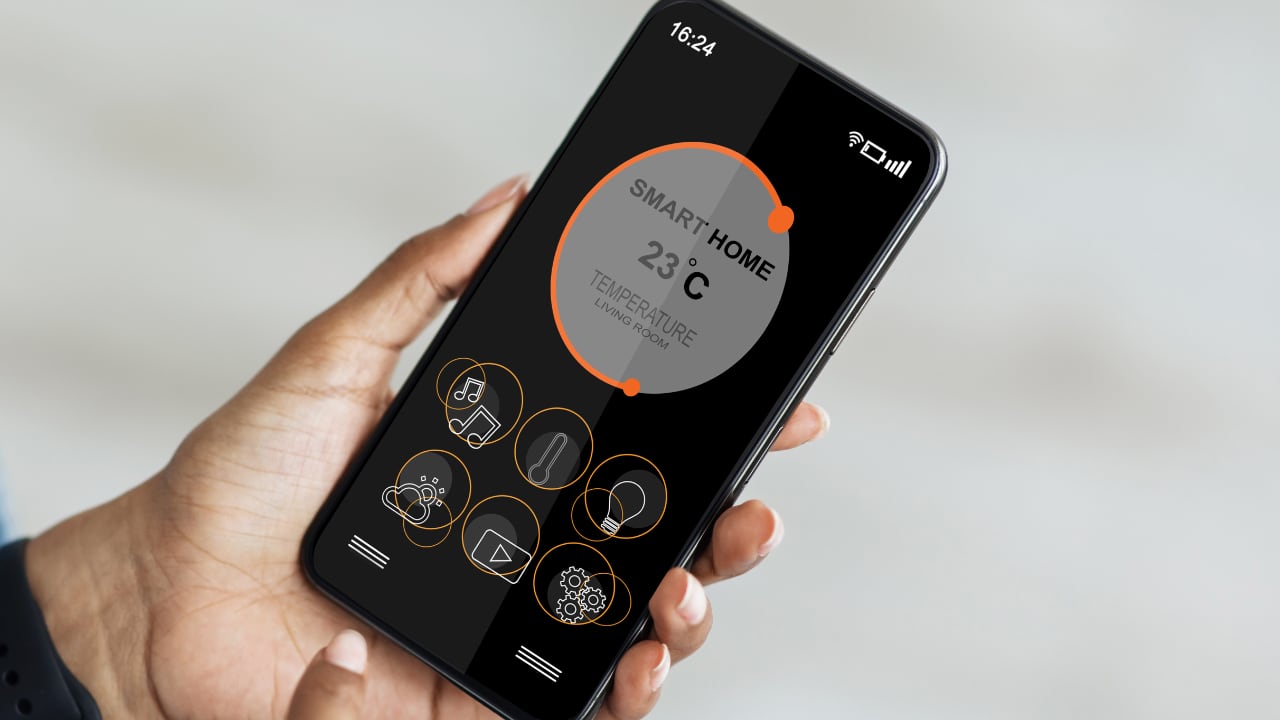
In contrast, many smartphones on the market today, often mistaken for GenAI devices, do not meet these criteria. For example, while devices like the iPhone 15 Pro Max offer AI-driven features like facial recognition, predictive text, and enhanced photography tools, these features, although advanced, do not necessarily qualify the device as a GenAI phone. This is because a true GenAI phone not only uses AI for specific tasks but integrates AI deeply across all system operations, processing complex AI tasks entirely on the device. In other words, even though iPhones process a significant amount of data on-device to ensure user privacy, the breadth and independence of AI integration in terms of generative capabilities might not be as extensive as in dedicated GenAI devices. Similarly, many Android devices boast impressive AI-powered photo editing and voice assistant features; however, these tasks are often processed with the aid of cloud servers, making them less autonomous and, therefore, not true GenAI phones. These smartphones might utilize AI for specific applications like optimizing battery life, managing screen brightness based on ambient conditions, or even offering user behavior-driven app suggestions. Yet, because they lack the hardware to independently process complex AI tasks directly on the device, they fall short of the GenAI classification. The reliance on cloud processing raises concerns about data privacy and limits the device’s functionality when offline or in areas with poor connectivity.
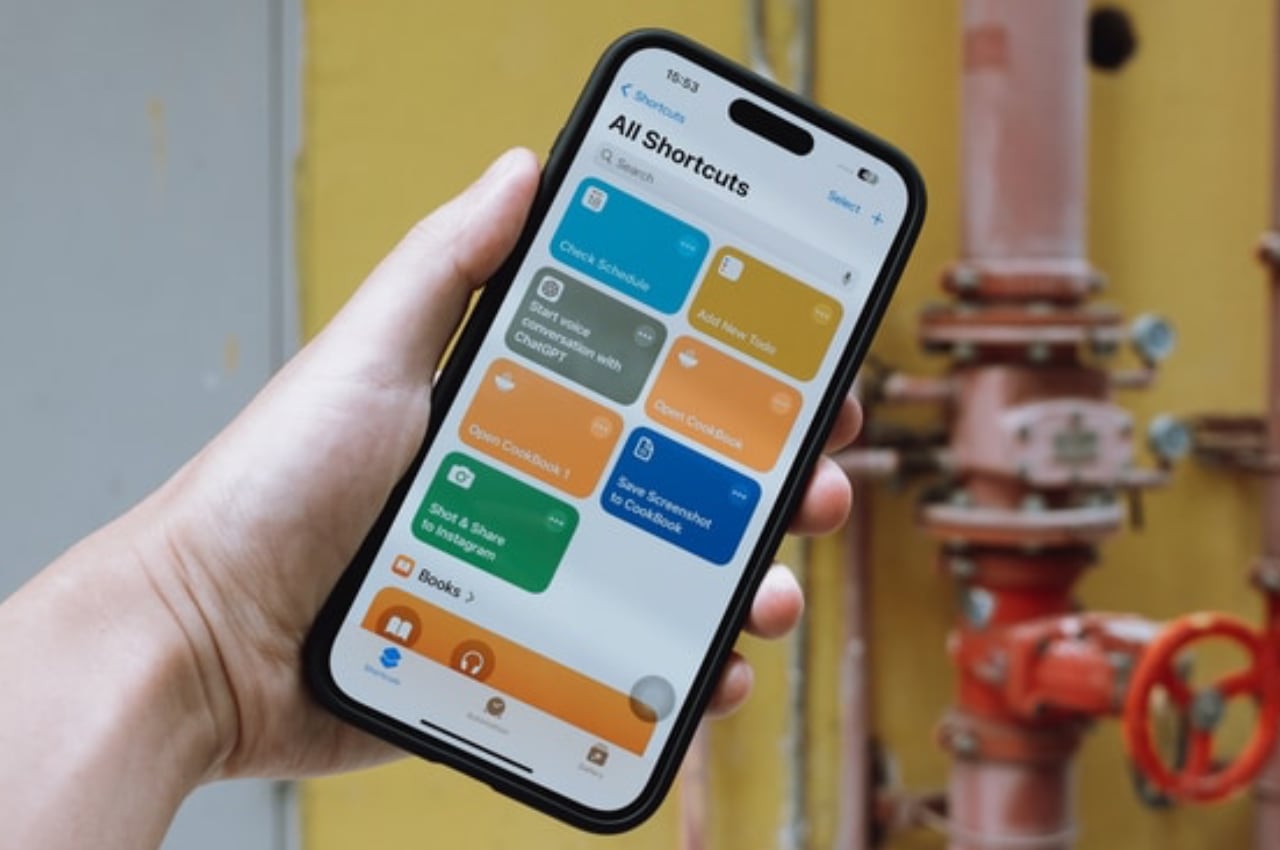
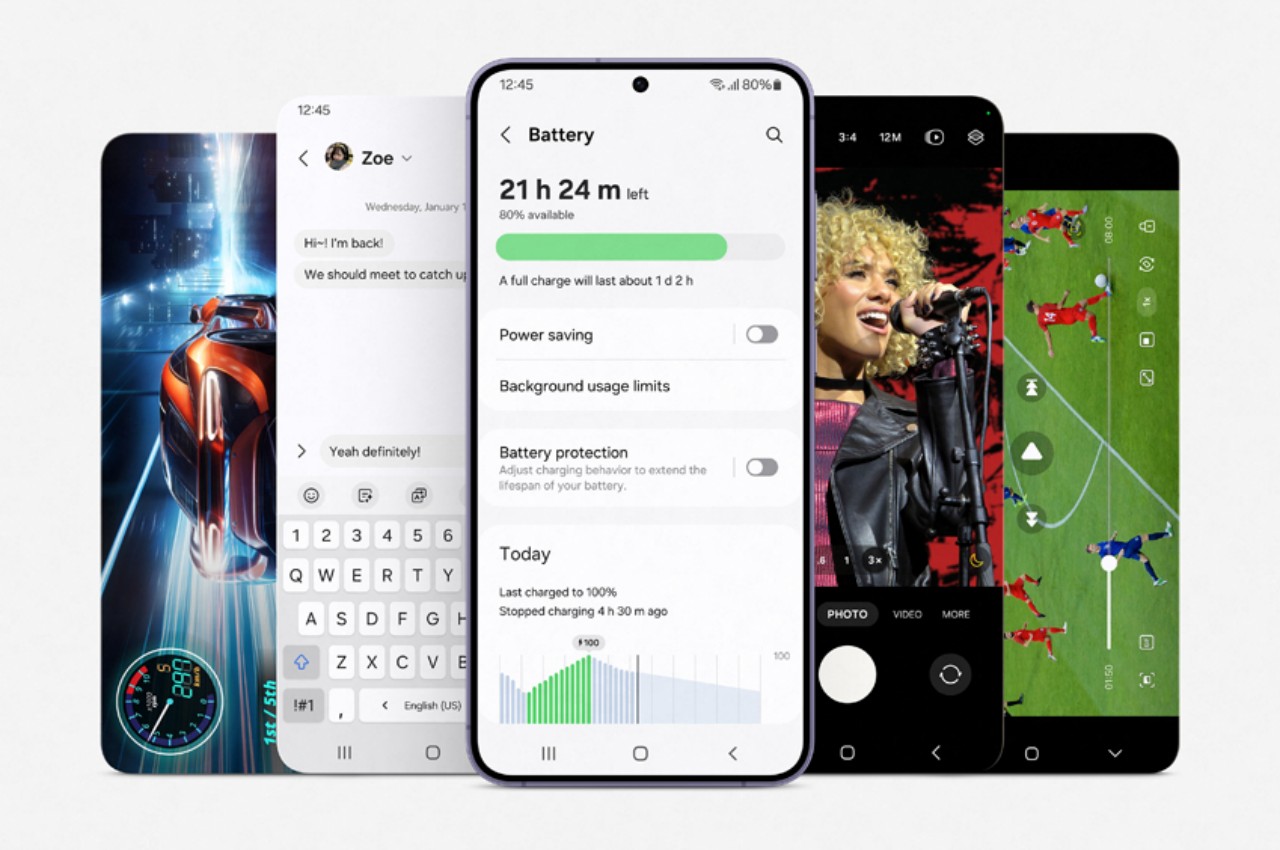
Thus, while many current smartphones are marketed with the allure of AI, only a select few truly qualify as GenAI phones by virtue of their ability to perform sophisticated AI operations natively and independently. Among the notable examples that set the benchmark in this emerging category are the Samsung Galaxy S24 series and the Google Pixel 8 Pro. These devices display the integration of AI at a foundational level, equipped with the necessary hardware to process complex AI tasks directly on the phone. This enables a range of innovative applications, from enhanced image processing to real-time language translation without cloud dependency.

For instance, the Samsung Galaxy S24 series demonstrates its generative AI capabilities through features that enable sophisticated on-device content creation and personalization, enhancing user interaction in ways that were previously only achievable with server-based computing. Similarly, the Google Pixel 8 Pro leverages its specialized hardware to deliver advanced AI functionalities like next-generation assistant features and more nuanced user engagement through AI, all processed locally on the device. This focus on native processing is a crucial aspect that boosts performance and efficiency and significantly enhances data privacy, a growing concern among consumers. By minimizing data transmission to external servers, these GenAI phones offer a more secure environment for users to enjoy the benefits of AI without compromising their personal information.
Transitioning into the Apple ecosystem, recent developments indicate a significant shift that could redefine the landscape of GenAI phones. Rumors of Apple’s potential partnership with OpenAI and the integration of an advanced Siri capable of leveraging OpenAI’s technologies suggest a significant upgrade in Apple’s AI capabilities. Such a collaboration could bring about a new iteration of Siri that is far more advanced than its current form, potentially incorporating the ability to understand and generate human-like text, engage in more dynamic conversations, and offer personalized suggestions with a higher degree of relevance and context.
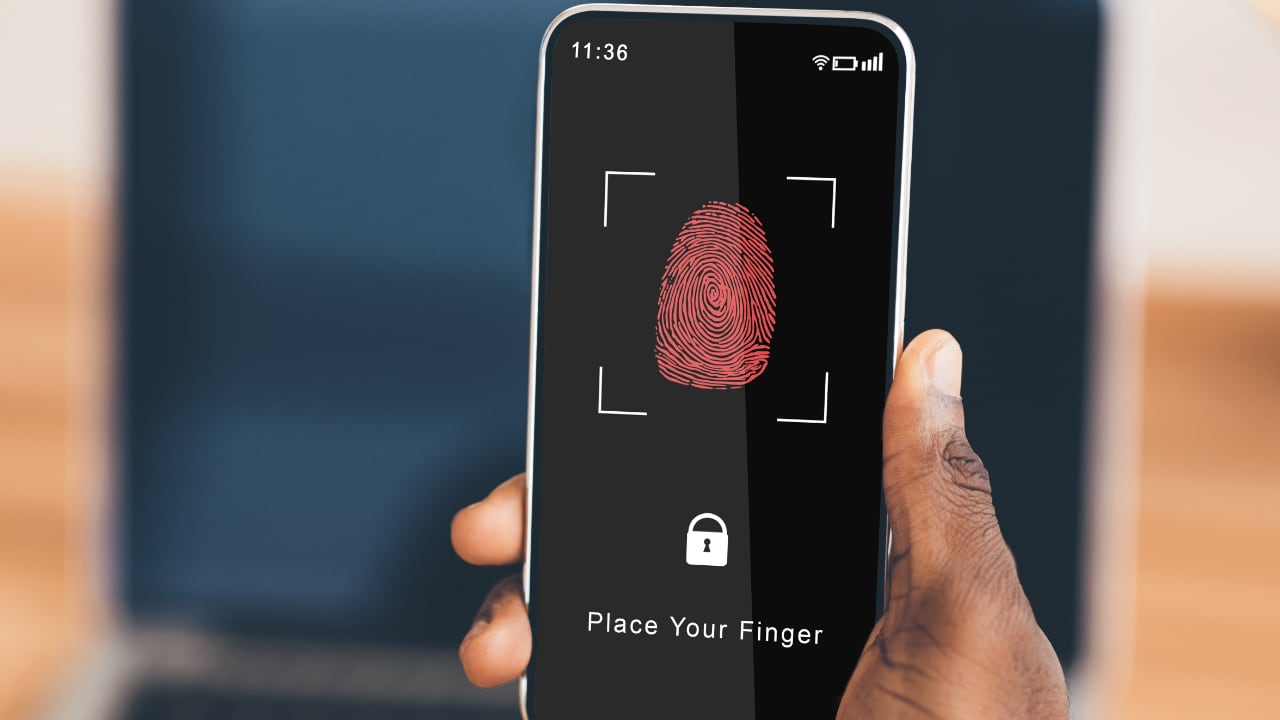
If these speculations hold, this move could be a game-changer for the Apple ecosystem, integrating more deeply with iOS, macOS, visionOS and iPadOS. It could enhance the Apple suite of products with a level of AI sophistication previously unseen in its devices. For Apple, known for its tightly integrated ecosystem and emphasis on user privacy, the challenge will be to balance these advanced capabilities with the need to maintain data security, especially considering the potential use of cloud-based processing to support more complex AI tasks.
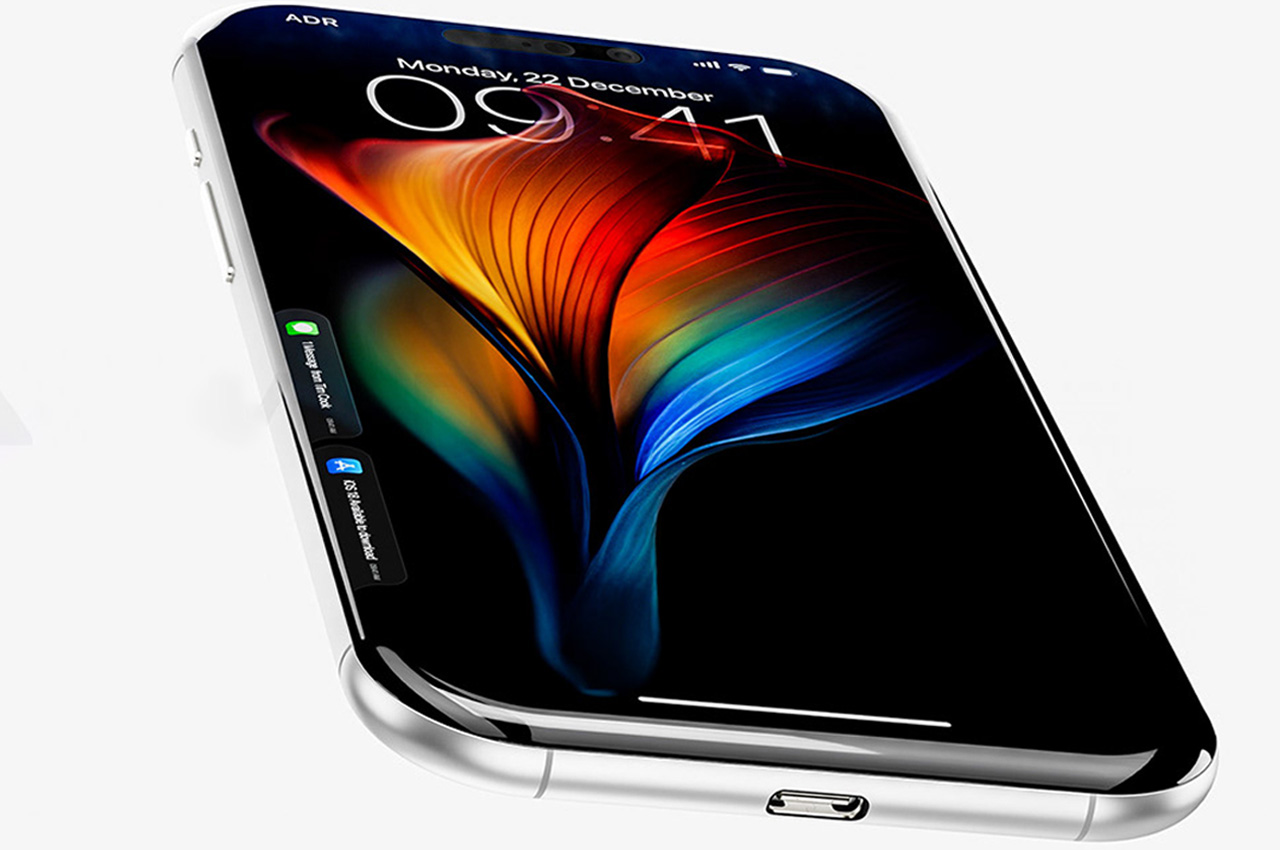
Apple iPhone Concept

This anticipated development could position Apple to catch up with and potentially surpass its competitors in the race to refine and expand the capabilities of GenAI phones. Integrating such advanced AI could transform how users interact with their devices, making Apple’s ecosystem even more intuitive and integrated and potentially setting a new standard for what smartphones can achieve in personal technology.

The Future of GenAI Phones, Market Impact, and Consumer Adoption

The future of GenAI phones is anticipated to transform our daily interactions with mobile devices radically. Integrating generative AI features into mainstream smartphones is becoming more prevalent as technology advances. Companies like Apple, NVIDIA, Qualcomm, Microsoft, Samsung, and Google are at the forefront of this evolution, actively developing ways to incorporate GenAI capabilities into future models and through updates to existing devices. This push towards more intelligent smartphones will likely enhance how we communicate, create, and interact with our devices daily.

Apple M4 and Snapdragon X Elite

The impact of these developments on the market cannot be understated. After years of incremental upgrades that have seen diminishing consumer excitement, GenAI phones promise to inject new life into the somewhat stagnant smartphone market. According to insights from Counterpoint Research, incorporating GenAI technologies is expected to boost smartphone sales significantly. Their data projects a notable increase in market share and adoption rates for GenAI smartphones over the next few years, with these advanced devices set to account for a substantial portion of total smartphone shipments by 2027.
This shift is expected to reshape consumer expectations and drive demand for smartphones that are smarter, more intuitive, and capable of independently performing complex tasks. As GenAI phones become more common, they are anticipated to influence a broad spectrum of consumer electronics, setting new standards for functionality and interactivity. Integrating AI into everyday technology promises to make our digital experiences more personalized and efficient, fundamentally changing our relationship with technology.

In essence, the rise of GenAI phones indicates a new era in personal technology, where our devices understand and anticipate our needs better than ever. For everyday users, this means smartphones that can offer real-time translations, sophisticated content creation, and proactive personal assistance—all processed locally on the device for faster, more secure interactions. As these technologies mature, they are expected to become integral to our digital lives, making advanced AI a luxury and a standard component of future smartphones.

The post The Evolution of Smartphones: What Are GenAI Phones? first appeared on Yanko Design.

Amazon’s Fire TV Stick 4K Max is better as a retro gaming device than a streamer

Here’s an open secret: Every cheap streaming stick kind of sucks. Yes, it’s great that people can access so many shows and movies with devices that cost less than $50. It’s great that the best of them no longer force you to suffer through constant lag and performance hiccups, too. But over time, the Faustian bargain we make with these things becomes increasingly obvious. We save cash upfront, then we repay our debt through a shoddy user experience.

I’ve been thinking about this since buying Amazon’s Fire TV Stick 4K Max a couple of months ago. It’s a good example of that handshake: It’s been on sale for $40 for most of the past few months, and at that price, its hardware is a tremendous bargain. It’s fast, it works with the major HDR formats and Dolby Atmos and it supports all the requisite apps.

But Amazon’s Fire OS is shamelessly bloated. Big honking ads dominate the UI, most of which put Amazon services like Freevee or MGM+ or Prime Video — still the Blockbuster bargain bin of streaming services — front and center. Some ads straight up promote products you can shop on Amazon. Friend, you have not seen the dystopian future until the top third of your 55-inch TV suggests you buy a KitchenAid espresso machine. Once I’m actually streaming something, the Fire TV Stick 4K Max is great. But I have to resist all the ads it peddles to me, to mentally block parts of the device I bought with my own money, to get the most out of it.

So why did I still buy one? Mainly because I’m not using it the way Amazon intends. Instead, I’m using it to emulate old video games, which is forever the easiest path to my heart. It’s possible to run retro games on just about anything today, of course — a PC, an iPhone, a million different handhelds, a fridge and more. You can do this kind of thing with other Android streamers such as the Google Chromecast or Amazon’s cheaper Fire TV Stick 4K as well. The Delta emulator was newly allowed on iOS, and you can also get at it with an Apple TV too, albeit over AirPlay instead of a native connection. I settled on the 4K Max simply because it seems to have more of a performance safety net than most other low-cost streamers. And it’s much cheaper than a higher-end box like the Apple TV or NVIDIA Shield.

Regardless, having a dedicated device for TVs is convenient in a way those non-streaming sticks aren’t. I’m not lugging a giant gaming PC from my desk to my living room, and I’m not paying extra for a mini PC when I can spend so much less on a dongle that emulates well enough. Official consoles like the Nintendo Switch and PlayStation 5 have plenty of retro games in their libraries, but far from everything. And while I’m a collector who has spent way too much on consoles and games from decades past, the process of getting that original hardware to run decently on a modern TV is famously laborious. Sometimes I just want to play a half-hour of NHL ‘94, Ken Griffey Jr. Presents Major League Baseball or Chrono Trigger without having to pull out the SNES (or Genesis), upscaler and heap of cables from my closet. (Related: I’d also like a bigger apartment, but c’est la vie in NYC.) Emulating on the Fire TV Stick isn’t as faithful as the real thing in terms of image quality, but it’s certainly playable and generally less of a hassle to just turn on and use.

After you get it set up, that is. Turning a Fire TV Stick into a retro game center isn’t especially complicated but requires a little prep. There are plenty of tutorials out there that’ll walk you through the full process, but here’s how I got it to work. First, I needed a few accessories: a Bluetooth controller, some sort of USB thumb drive (any older USB 2.0 model will do) and an OTG adapter with a microUSB connector that can power the Fire TV while connecting that external storage. I’ve been using this old SNES-style 8BitDo controller, just to get a more period-appropriate feel, though a PS4 or PS5 gamepad would also work. The USB drive holds the ROM and BIOS files for the games and systems I want to emulate. This is where I remind you that Engadget does not condone piracy, and while emulators are perfectly legal, sharing ROMs on the internet is not, so tread lightly. But backing up files of old games I’ve already bought, for personal use only, is at least fuzzier.

After formatting my thumb drive and loading it up with my games, it was simply matter of downloading the popular frontend RetroArch from Amazon’s app store, downloading the “cores” for each console I wanted to emulate within RetroArch, pointing the app toward the right folders on the USB drive and configuring my gamepad’s controls. I’ve done this on dozens of devices over the past couple years as I’ve sunk deeper into the retro-gaming rabbit hole, so the whole process took me well under an hour. Demystifying RetroArch would take me another 1,000 words, so I’ll direct you to this superb video tutorial from Retro Game Corps. It’s long, but this stuff always requires a little pain upfront, and I think it’s worth it. Turning a device like this into something completely different feels like I’m getting away with something. It’s exciting, even if it means I end up sounding like this guy.

As for what’s actually playable on this thing, I’ve found the 4K Max to work best emulating consoles up to the original PlayStation. Games from the PS1, NES, SNES, Game Boy, GBA, Genesis and old arcade machines have been consistently smooth. It’s technically possible to run stuff from the N64, Dreamcast, PSP or Nintendo DS, but those are more hit-or-miss, so I wouldn’t bank on them unless you’re the kind of sadist who enjoys futzing with resolution scaling and cycling between emulators. Still, this leaves me with hundreds of games to enjoy. Some are essential (Donkey Kong), some have been lost to time (U.N. Squadron), some make me want to self-defenestrate (Ecco the Dolphin) and none are live-service dross designed to disrespect my time.

I understand that this is a weird, niche pursuit. Emulators are daunting at first, and many old games feel like relics for a reason. Yet, in a small way, turning this ad-riddled, data-sucking streamer into a mini retro console has felt like reclaiming ownership of the gadget I paid for. The ads are still there, and my home screen will continue to badger me to watch Anne Hathaway’s latest rom-com on Prime Video. (My wife and I caved; it was fine.) But with a little trickery, I’ve bent it to show more of what I want to see — and gained an easier way to engage in some nostalgic fun in the process.

This article originally appeared on Engadget at https://www.engadget.com/amazons-fire-tv-stick-4k-max-is-better-as-a-retro-gaming-device-than-a-streamer-160022685.html?src=rss

Nest light installation at Tunisian port is inspired by a child’s sketch

I live in a city where our idea of shared spaces are mostly malls. The fact that we don’t have any outdoor public places is a combination of bad city planning, the often too hot or too rainy weather, and maybe not seeing the need for places like these. So I envy cities where there are all kinds of parks, public squares, seafront quarters, and other spaces where people can just hang out without having to buy anything. And when there are even more interesting art installations there, I get even more envious.

Designers: Velvet, UN-LIKE, Stina Onemar

The Noblessner port in Talliinn, Estonia has existed even before World War I but now that it’s not a submarine shipyard anymore, it has become a public seafront quarter. A major attraction in this space is an illuminated bird’s nest made from metal, disused industrial objects and light art . What’s even more interesting here is that it was inspired by the sketch of 5-year-old Stina Onemar who thought about seeing something like this on top of the former lighting mast.

The eggs in the nest are made from polyethene and are actually weather resistant because of the rotational molding technology. The branches are made from materials from construction sites, including leftover roof edge trim to make the steel frame. These metallic materials also serve as reflectors for the lighting installation. The paint will also sport the eventual wear and tear until it blends with the light pole where it’s on top of, matching the natural ageing process since it’s located outside.

This is an interesting piece of art that combines reused materials with a natural design. The team from Velvet said that their design also shows how actual stork nests actually become “intertwined with human-made objects”. It’s also nice how they still involved the 5-year-old kid who inspired all of this in the production process. The nest light installation is visible from the road and also from the ships at sea.

The post Nest light installation at Tunisian port is inspired by a child’s sketch first appeared on Yanko Design.

Cute tiny desktop PC is a gaming-inspired case for the Raspberry Pi 5

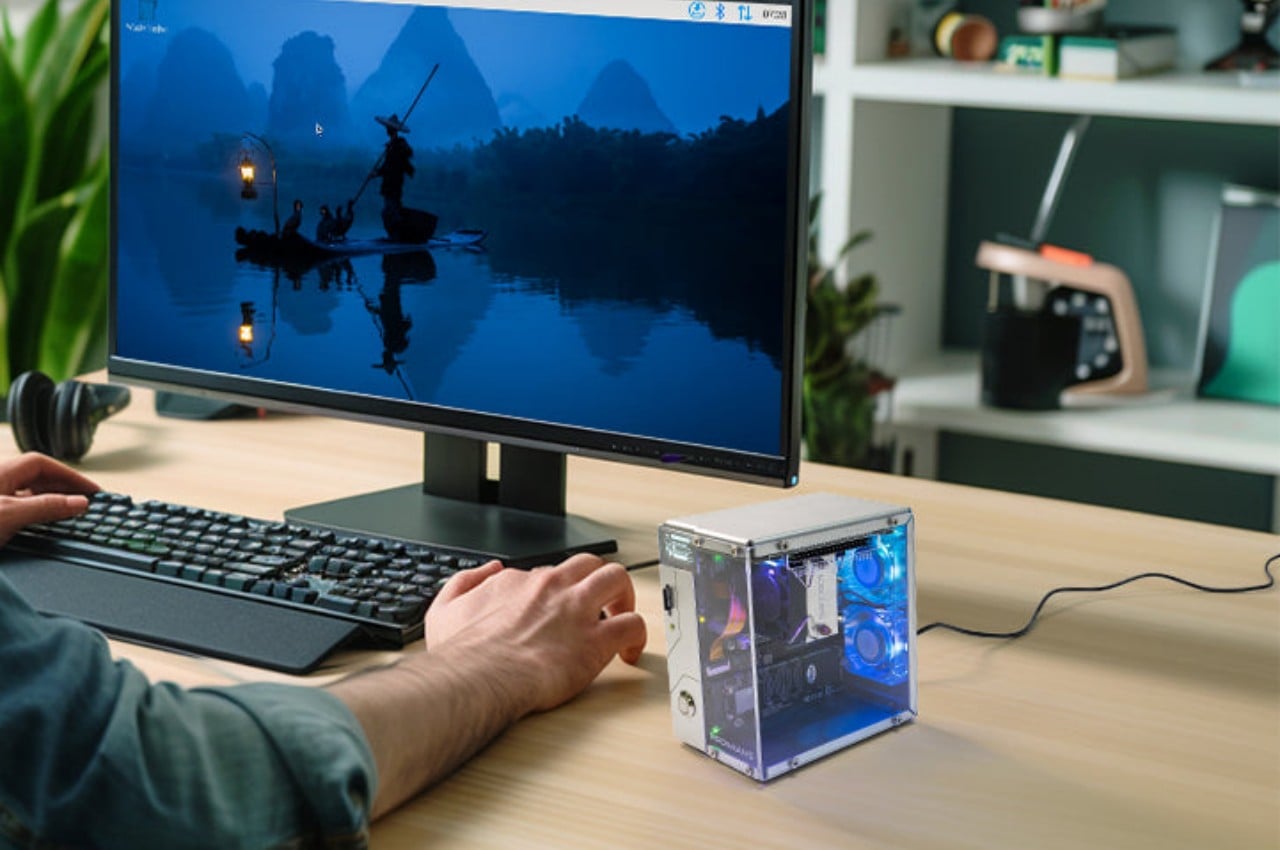
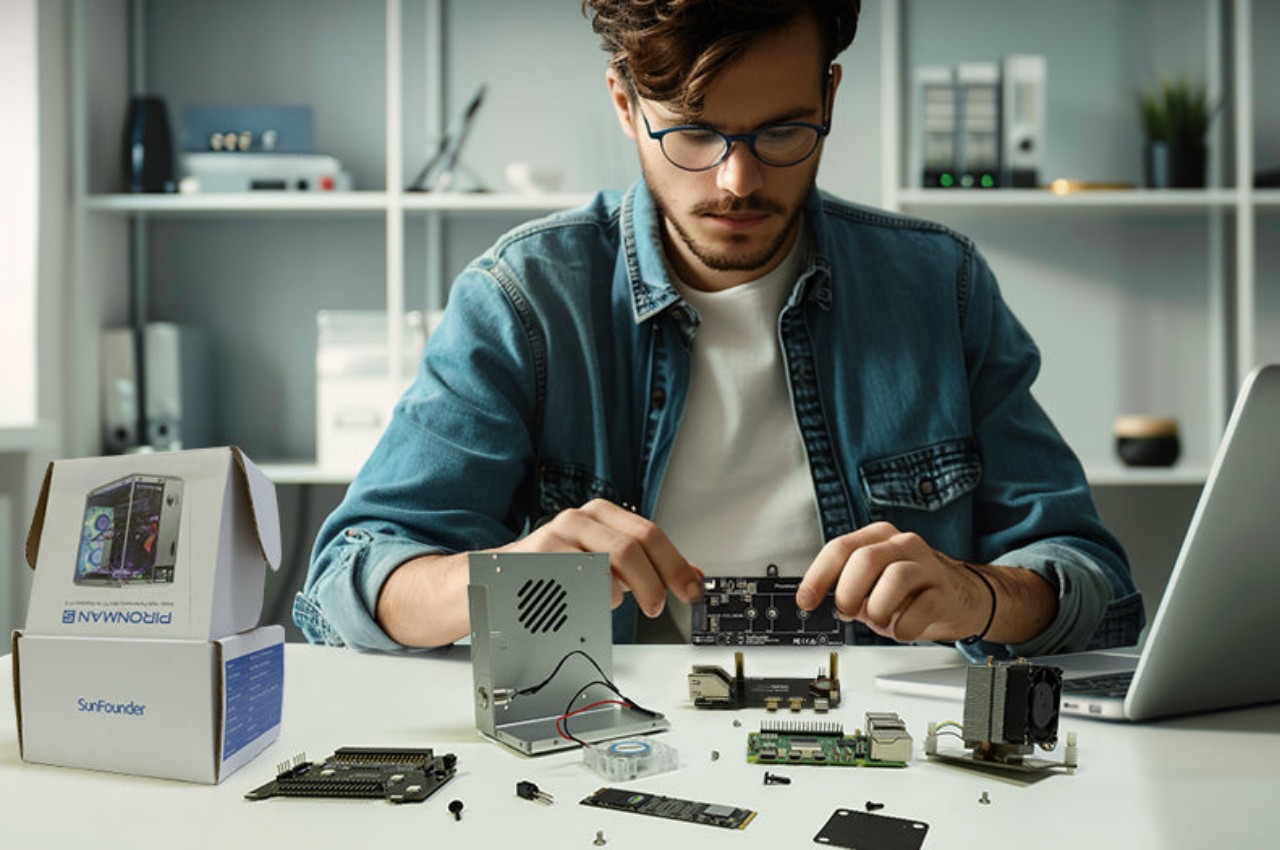
The Raspberry Pi, lovingly called RPi by fans, did for electronics what 3D printing did for design. It allowed almost anyone to come up with interesting, innovative, and sometimes just amusing projects that need a very small and cheap computer to function. The size of a credit card and less than $100 (going as low as $35 even!), the Raspberry Pi is a barebones and naked single-board computer (SBC) that you can insert almost anywhere and add to any design. That said, there are some use cases for the RPi that require a proper enclosure and those are a dime a dozen these days. This one case, in particular, goes over the top and puts the small pocket-sized computer inside a box that, for all intents and purposes, looks like a miniaturized gaming desktop, complete with multiple fans and RGB lighting.

Designer: Sunfounder

Truth be told, this Raspberry Pi 5 case really goes overboard considering the limitations of the computer in terms of performance. You’ll only ever be able to play very light computer games on it, so associating it with a gaming desktop seems out of character, but it definitely gives it some style. Then again, we did see an even more exaggerated liquid cooling system for the Raspberry Pi that makes this case actually look reasonable.

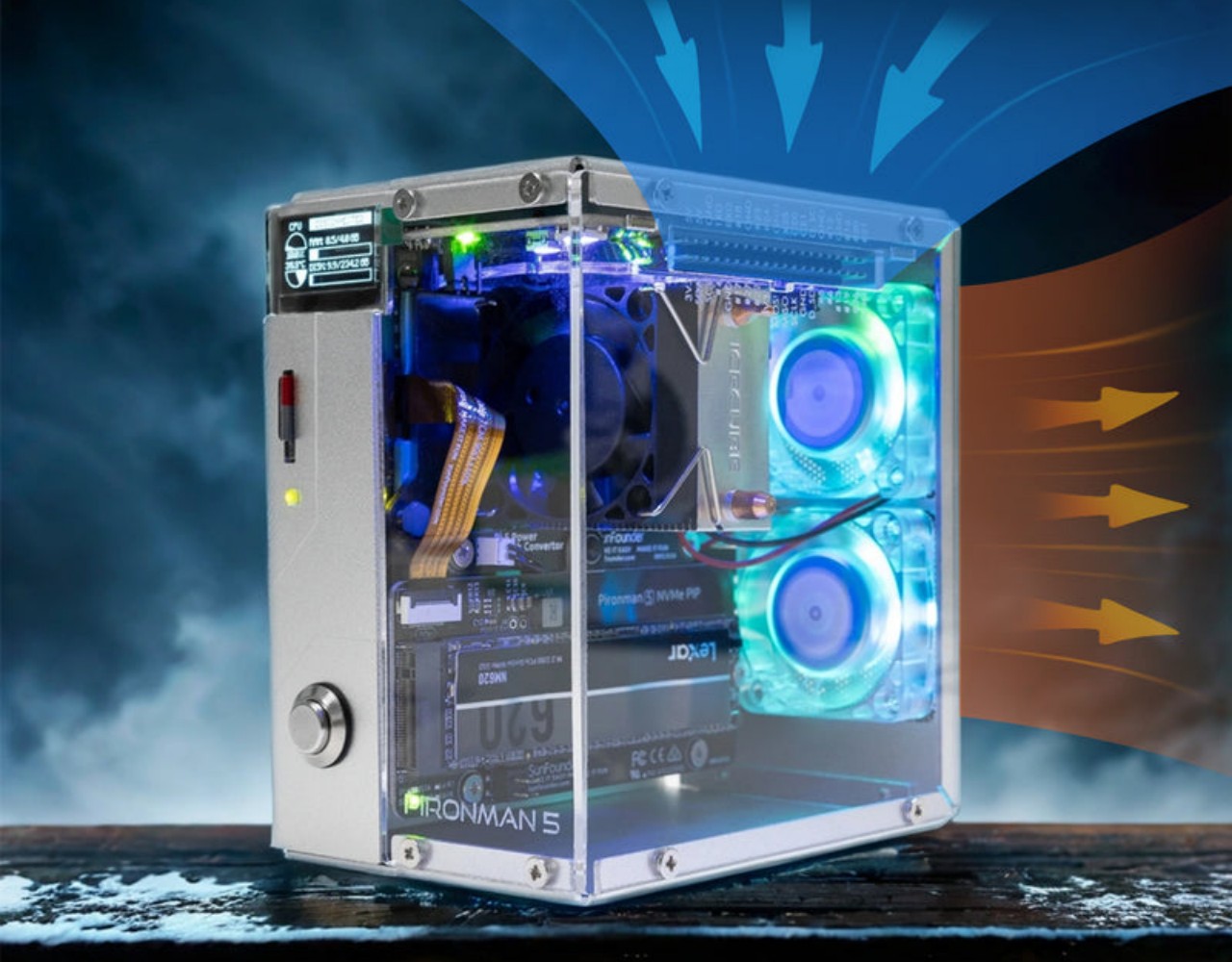
The Pironman 5, as the case is called, is also unlike the majority of Raspberry Pi cases in that it’s actually made of aluminum instead of plastic, just like a typical desktop tower. And like many gaming PCs these days, one side and a part of its back it made of transparent acrylic that lets you take a peek into the computer’s innards, not that there’s that much to see anyway. The RPi, after all, is just a single board that has everything soldered into it, but the case does have a few interesting bits that will make it worth looking into.

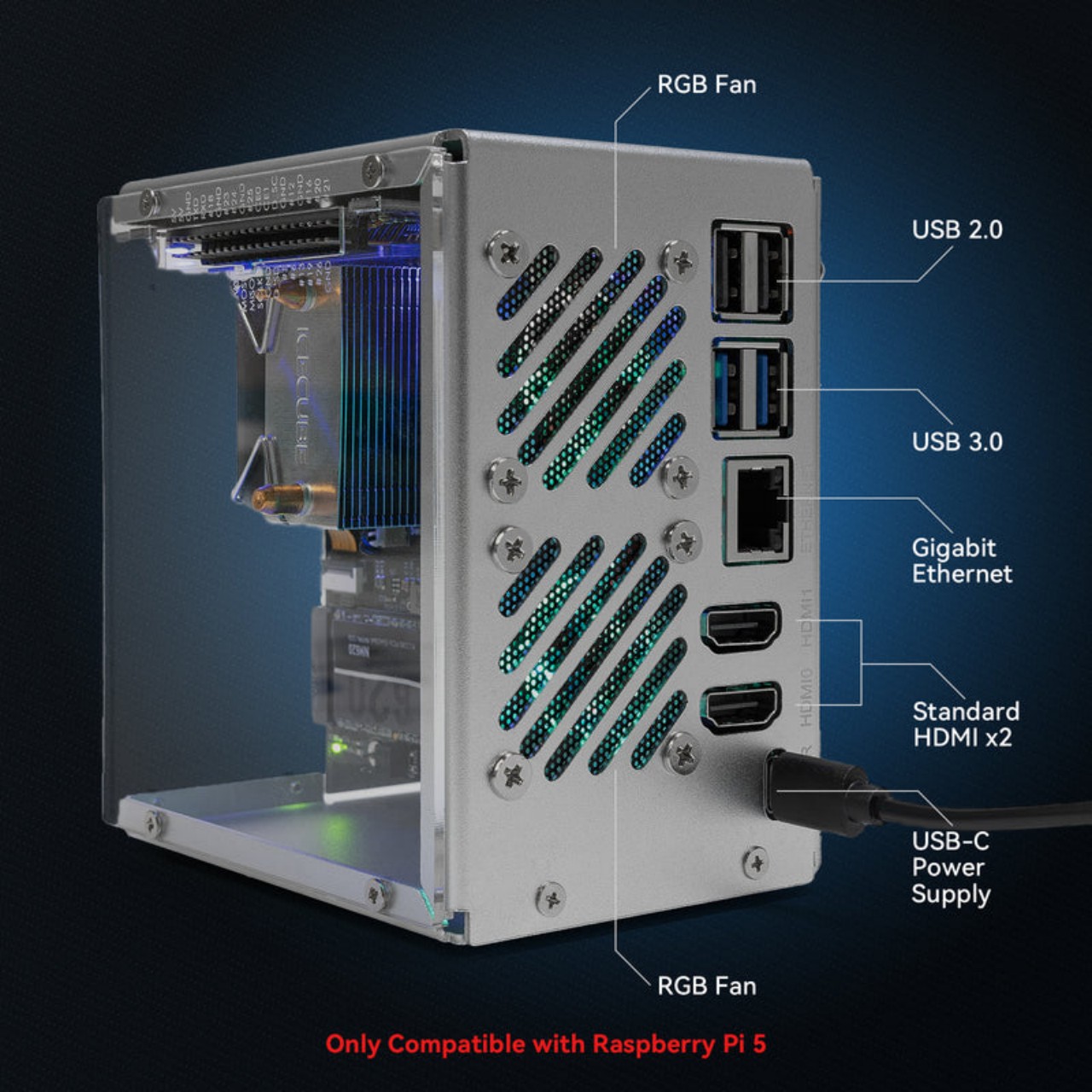
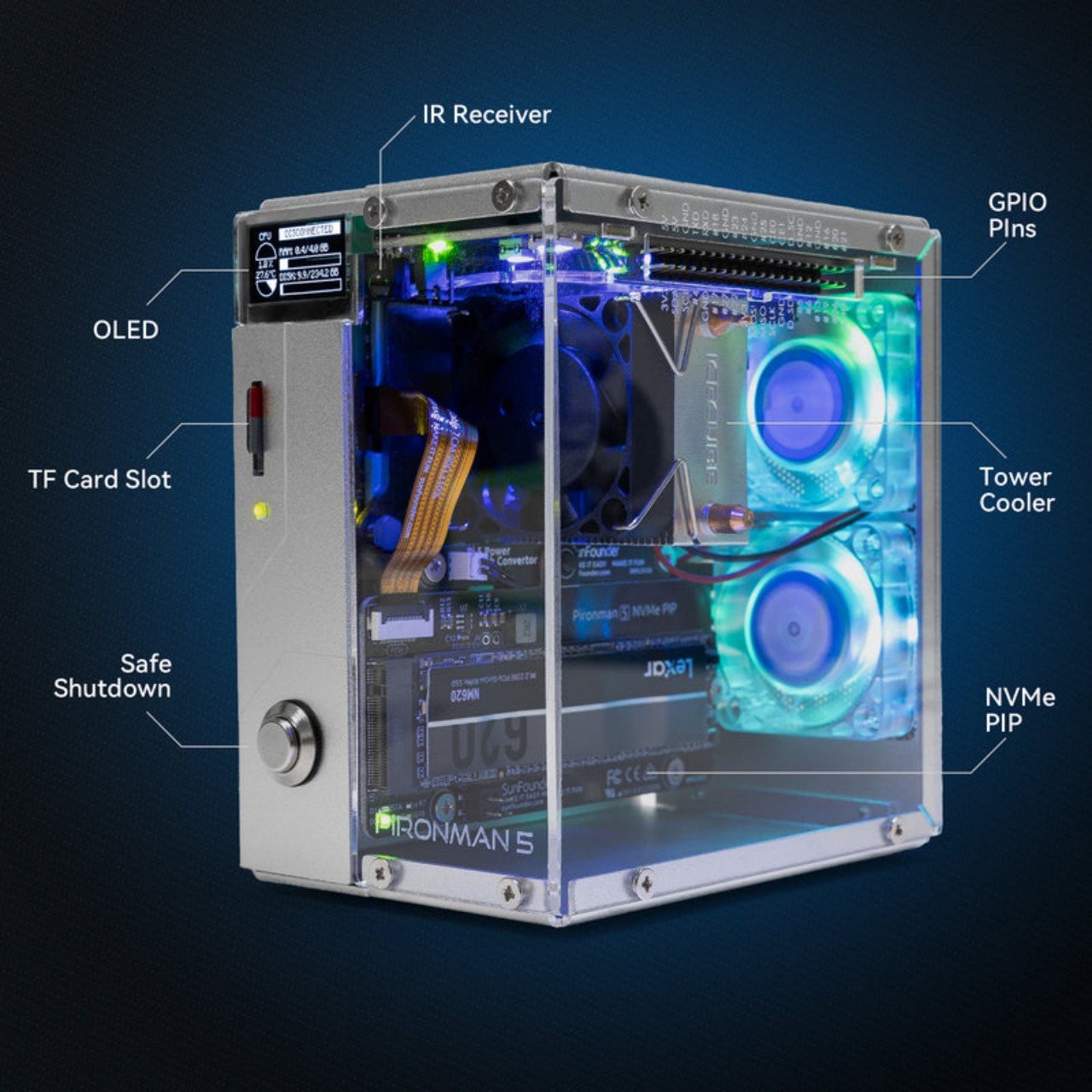
There are three fans, which is again overkill, and two of them have RGB lighting. Equally interesting is how the case exposes all the RPi’s ports on the case’s back, just like what you’d expect from a desktop computer, despite the board having those ports on different sides. There’s even a way to access the GPIO pins without opening up the case, making expansion and modification super easy. You can add an NVMe SSD or control the computer with an IR remote control, all of which are not available in the base Raspberry Pi.

The Pironman 5 is cute and eccentric, and few will probably be using the case aside from a few niche situations. It makes the single-board computer look more interesting and more usable as a desktop computer, but you pay the price in terms of space, power consumption, and the literal $80 cost. Then again, that’s the beauty of the culture that the RPi started, allowing anyone and everyone to come up with interesting designs, even if they turn out to be impractical in the end.

The post Cute tiny desktop PC is a gaming-inspired case for the Raspberry Pi 5 first appeared on Yanko Design.

HMD complements its smartphone with phone-shaped sunglasses, backpack and belt for phone

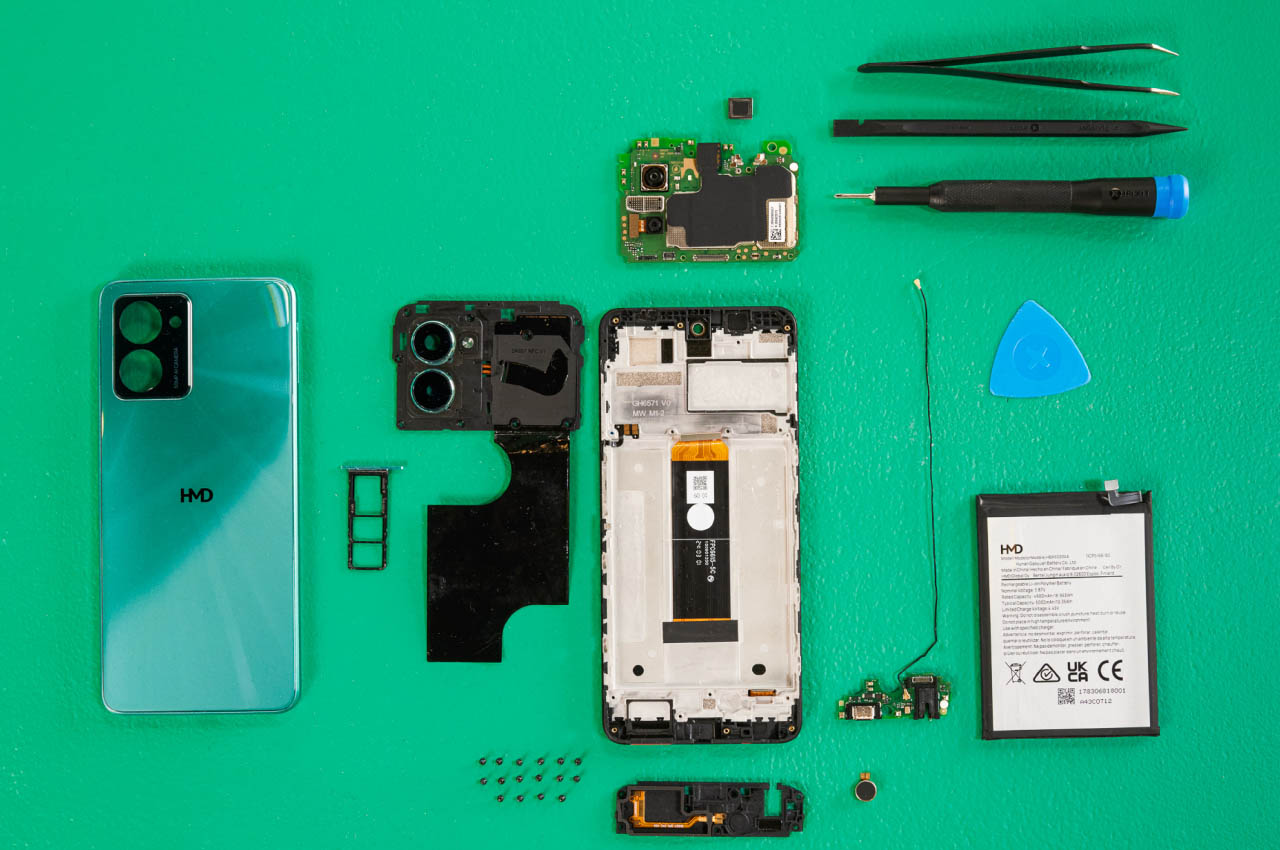
Brands have very peculiar ways of promoting their products, for instance, years back Burger King ran a promotion asking people to unfriend 10 Facebook friends for a free Woopper. Now, HMD is taking a different but weird route with the head-turning accessories to celebrate the sales kick-off of its first smartphone, the HMD Pulse Pro.

Introducing the HMD’s Phonecore range, which is a destined conversation starter no matter the gathering you are heading into. This range of smartphone-inspired accessories includes a pair of Pulse Pro-inspired sunglasses that look like an impressive pair of smart glasses, a smartphone backpack, and a belt that’s made to hold your phone like a policeman’s walkie-talkie in the belt.

Designer: HMD

The striking smart glasses and other accessories in glacier green color are made by HMD in partnership with fashion designer Sinead Gorey. Made during the London Fashion Week, the eyewear is a little like a functional pair of smart glasses we have seen over the years; it’s a statement-making device with elongated rectangular black lenses and an oversized frame that mimics the screen of the new phone.

Besides the glasses, the Phonecore range in itself is intended to accentuate the HMD Pulse Pro unlike anything gimmicky seen before. The range of accessories has the industry talking about its oversized design and bold outlook, which ‘won’t make you smart but would definitely make the HMD smartphone, smarter.’

Along with the oversized glasses, as mentioned above, the Phonecore range includes a mobile backpack. This is a 3D-printed backpack which is big enough to only carry a smartphone. It is complemented by a toolkit-style belt with a pouch, designed again to carry nothing but your phone. Interestingly, none of these accessories are usable in real-life scenarios, it’s only to satiate your style quotient.

HMD Pulse Pro is a discussion-worthy debut smartphone under their own brand. It comes with interesting new features, which are unique to the sub $200 range, like affordable spare parts for at-home reparability, over three years of updates, and fast storage. But the aspect that kills it really is its 50-megapixel front camera with gesture-activated selfie features. The phone bleeds tech and its supporting accessories catapult that richness to new style heights. The complementing Phonecore collection will be available in limited quantities for style seekers.

The post HMD complements its smartphone with phone-shaped sunglasses, backpack and belt for phone first appeared on Yanko Design.

Apple’s 16-inch MacBook Pro M3 Max is $250 off

The top-of-the-line MacBooks are undoubtedly expensive, so we're happy anytime there's a sale. Right now, Apple's 2023 MacBook Pro laptop with an M3 Max chip is touting a 7 percent price cut, dropping to $3,249 from $3,499. Yes, the device's 1TB of storage and 36GB of unified memory still require a large investment, but we'll gladly take the $250 in savings. This deal is running on Amazon and B&H, but if you want to bump things up to 48GB of unified memory, that model is down to $3,699 from $3,999 on Amazon — an 8 percent discount.

Apple's MacBook Pro with an M3 Max chip is great for anyone who needs a really powerful laptop, such as creatives, software engineers or developers. It offers a 16.2-inch Liquid Retina XDR display and more than 1,000 nits of brightness for HDR content or up to 600 nits of brightness for SDR content. The MacBook Pro comes with one port for MagSafe charging, one for HDMI and three Thunderbolt 4 ones. Plus, it has an SDXC card slot and a headphone jack. Sound-wise, it has a three-mic array and a six-speaker system with Spatial Audio.

If a MacBook Pro isn't your thing, the new 15.3-inch MacBook Air with M3 chip is also on sale. The model is down to $1,199 from $1,299 — an 8 percent discount — and comes with 8GB of RAM and 256GB of memory. Apple recently released the 2024 MacBook Air 13-inch and 15-inch models with M3 chips. While they're not going to measure up completely to the Pro (the MacBook Air never does), it performed really well in our Cinebench R23 single-core and multi-core CPU tests, compared to its predecessor. 

Follow @EngadgetDeals on Twitter and subscribe to the Engadget Deals newsletter for the latest tech deals and buying advice.

This article originally appeared on Engadget at https://www.engadget.com/apples-16-inch-macbook-pro-m3-max-is-250-off-130039352.html?src=rss

It’s a golden age of puzzle games, even for people who suck at puzzle games

I’m a big fan of the British comedy game show Taskmaster. Each season, five comedians compete against each other to complete ridiculous objectives. The competitors are often rewarded for lateral thinking, as long as they stick within each task's rules.

Every time I watch a player hilariously mess up, I often think “well, I could do better than that.” But sit me down in front of a puzzle game that demands adept use of logic or pushes me to think outside of the box, and l often get frustrated and give up quickly (unless I find a decent guide to help me out). That’s quite irritating, especially since we’re in a golden age of puzzle games.

After a busy day of work, I’m far more inclined to play something relatively mindless, like Overwatch 2 or Fortnite. I tend to bristle at anything that slows me down, such as turn-based games. But the more I push myself to stick with puzzle games, the more I appreciate them. There are three recently released options that I've been bouncing between recently in Lorelei and the Laser Eyes, Animal Well and Paper Trail.

I had enormous expectations for Lorelei. The last offering from developer Simogo, Sayonara Wild Hearts, is easily in my top three games of all time. Lorelei is completely different and it's not like anything I’ve experienced before.

It opens with a woman named Lorelei standing next to her car. The vehicle won't start, but fortunately there's a hotel close by. As it turns out, that's where Lorelei is supposed to be to help an artist complete his magnum opus. This is a place where time is nebulous. It's 1963, but there are computers where you save your progress and a Game Boy-style system to use. The hotel is the only real constant, and even that is built out of puzzles.

The visuals are astonishing, even on the Nintendo Switch. Shocks of Giallo-esque reds and pinks frequently punch through the monochromatic environments. The design language is unusual yet meticulously crafted to guide you from one puzzle to the next until Lorelei's photographic memory is overflowing with conundrums to conquer.

There are all kinds of riddles to solve here, and they all feel intertwined. At first, you’ll have a few simple math problems to figure out. From there, you’ll be dealing with everything from mazes to pattern matching and spatial awareness puzzles. You’ll need a decent grasp of Roman numerals and the ability to pull together disparate scraps of information. Unfortunately for my scatterbrained self, plenty of logical thinking is required.

I’m nowhere close to finishing Lorelei. Even so, I already appreciate the way that Simogo slotted the intricately layered puzzles together. My only quibble in the early going is the over-reliance on padlocks and three-digit codes that secure document tubes.

My brain is not well tuned for logic-heavy puzzles, so I need to be in the right mindset before sitting down with Lorelei for an hour or two. I want to savor this one at my own pace over the coming weeks and months. I'll forego guides and try to figure out another of Simogo’s strange, intoxicating worlds by myself.

While Lorelei gives the player an in-game manual in the opening moments, Animal Well offers barely any guidance at all. You (as a squishy little meatball thing) emerge from a flower into a cave with a large, ghostly squirrel on one side. It's not clear which direction to move in, what the objective is, what your character is or why you're there. All you can do is explore and try to figure it all out.

This has been described as a Metroidvania, a format that sees players backtracking to unlock a new area once they acquire a certain skill or upgrade. It’s taking most folks between four and six hours to finish the main game. But Animal Well is really more of a puzzle platformer. If you know what to do and how to do it, it’s possible to beat the game in a few minutes.

That’s part of Animal Well’s charm and beauty. Solo developer Billy Basso has weaved an intricate web of secrets, many of which are hidden in the shadows of its gorgeous pixel art (the game feels great too, thanks to smart use of haptic feedback on the PS5's DualSense controller). Without spoiling anything, I appreciate that the puzzles, many of which are traversal-based, are often open-ended. There are ways to progress even if you don't use an intended item or route.

I don't find the puzzles here nearly as taxing as those in Lorelei. The answers are all there, you just have to poke around and try things to see what happens.

The same could be said for Paper Trail from Newfangled Games. The painterly art style caught my eye when this started showing up at game showcases a couple of years back. The core mechanic is fascinating too.

The aim is to guide protagonist Paige through a swathe of mazy environments toward her goal of attending school and becoming an astrophysicist. But there are many obstacles in her way. Fortunately, Paige (and the player) can bend reality. This means folding over the edges of the world, which has two planes — just like a piece of paper — to open up new paths.

Newfangled finds clever ways of building on the central idea and the difficulty curve is fair but challenging. Paper Trail has a nice hint system that shows what folds to make, but not how to move Paige or any objects around.

Although the controls can be finicky, even while playing it on mobile (where it's available for Netflix subscribers), it's perhaps the puzzle game I've found the easiest to engage with lately. I enjoy contorting the world around Paige and lining up some patterns to unlock a path. It's the kind of game that makes me feel smart and satisfied whenever I figure out a solution.

I wager that the more I play these games and ones like them, the better I’ll get. We’ve had some downright great puzzle-centric titles over the last few years. Unpacking, Tunic and Cocoon immediately spring to mind. So does Teardown and its wildly fun destructive heists. Planet of Lana, Venba, Viewfinder, Humanity and Jusant were all among my favorite 2023 games in general.

I wish I'd been able to get into The Case of the Golden Idol, but I at least appreciate what it was going for. I might also finally get around to checking out Chants of Sennaar now that it's on Game Pass.

The puzzle games keep coming, as a Zelda-style adventure called Isles of Sea and Sky just popped up and grabbed my attention. And then there’s Indika, which sounds both deeply strange and remarkably mature.

In any case, as in all great puzzle games, there's a bigger picture. All of these are merely practice for the ultimate test, because a VR version of Taskmaster is coming in June. I'll soon get to find out whether I'm better at lateral thinking than comedians after all.

This article originally appeared on Engadget at https://www.engadget.com/its-a-golden-age-of-puzzle-games-even-for-people-who-suck-at-puzzle-games-130024186.html?src=rss

How to Use the iPhones Reminders App Like A Pro

iPhone Reminders App

The iPhone’s Reminders app is a powerful and versatile tool that can help you stay organized, manage your tasks, and ensure you never forget an important responsibility. With its intuitive interface and wide range of features, the Reminders app is an essential tool for anyone looking to streamline their daily life and boost their productivity. […]

The post How to Use the iPhones Reminders App Like A Pro appeared first on Geeky Gadgets.

Making bread by hand is hard, are breadmakers better?

There’s no finer pleasure than starting the day with a slice of hot, fresh bread dripping in salted butter. Poets have waxed on about the joys of transforming so few ingredients into such a beautiful foodstuff for millennia. But unless life has been very good to you, it’s probably not often you wake up to freshly-made bread wafting from your kitchen. Are breadmakers the answer to this, the most first-world of first-world problems? And are they able to match or outdo the stuff I can make by hand?

It was only when we bought our home that I decided that making bread was a skill I had to learn lest I not feel like a Proper Adult. I scoured YouTube for a tutorial and stumbled across this clip by star baker Richard Bertinet. I’ve written before about how comforting and relaxing this video is, and it’s a balm for the soul when you’re having a rough day. Bertinet made this look so easy that anyone could achieve similarly beautiful results. Alas, I could not.

Mercifully, this was in the heyday of Twitter when celebrities were all around and happy to talk to fans. So, I asked Bertinet himself and got the necessary advice to remedy my woes — I wasn’t kneading the dough confidently, or for as long enough as I needed to make it work. After that, I was churning out some pretty gorgeous bread on a regular basis and my kids love eating my fougasse.

The recipe itself is so simple: 500 grams of strong bread flour, 10 grams of salt, 10 grams of yeast and 350 grams of water. That’s not an error: You stick a measuring jug on a weighing scale and weigh the water for a more accurate measurement. Once mixed, you have to get the dough onto the table and work it. The mix is sticky. Don’t add flour. Trust the process.

That means moving the dough, stretching it and folding air into it quickly and aggressively, really working it rather than just kneading it. If you let your hands hold on for too long, your fingers will sink into the mix and then it’s game over trying to get them out. Resist the urge to add more flour to reduce the wetness and instead just focus on keeping it moving until it finally forms. When it does, you’ll be staring at the most beautiful dough you will ever see.

Once you’ve left it to rise and subsequently knocked it down, you’ll be able to throw it into the oven. Toss in some water to add some steam and you’ll get a beautifully crusty, tasty loaf

There are benefits to breadmakers, including the fact you can have fresh bread made at home and that you can set when the process begins. Toss your ingredients in before you go to bed, set a delay and you’ll wake up with the smell of bread wafting through your home. I’ve been setting my tests to finish at 7am, so by the time we’ve all been dragged by our noses downstairs, it’s ready to go.

Unfortunately, in my experience that’s where the upsides to breadmakers stop and the downsides begin. You will never get the same quality of bread from a machine that you will get mixing the dough by hand.

The machines have small paddles that wheel around at the base of the mixing bowl. That action can’t mix hard enough to stretch the protein in the flour that promotes the formation of gluten. And it can’t add the same volume of air into the mix to help create a good rise and a fluffy texture inside. Normal bread recipes don’t work as well since you’ll need to add extras into the mix to improve the flavor (more on this later) and malleability, like milk, sugar and vegetable oil.

That little paddle will then lodge itself in the base of your loaf while it bakes, so you’ll need to fish it out every morning. The void in the middle of your bread that’s left behind is big enough to ensure that you won’t be able to slice too much of the loaf for toast or sandwiches.

The second big downside, and the one that’s more heartbreaking, is the smell that wafts upstairs each morning isn’t that great. Even on the lightest setting the bread comes out overdone compared to the real thing. No matter what recipe I tried, the smells are overwhelmingly yeasty and sour, which makes me less enthused about the morning feast. What emerges has the physical and mechanical properties of bread but very little actual flavor. Slather it in cold, salted butter all you want but, fundamentally, it just doesn’t hit as good as the most mediocre of store-bought breads.

That’s just my opinion, of course, and some folks have justifiable reasons for opting for “mid” bread over no homemade bread at all. But if you must buy a machine to do your breadmaking for you, here are two of the better options on the market.

Image of a Gastroback Bread Maker pro on a tabletop.
Photo by Daniel Cooper / Engadget

Much as I’m down on breadmakers, there are reasons why I’m quite fond of the Gastroback Automatic Bread Maker Pro. I’m a sucker for an easy user interface and a viewing window, the latter of which will let you keep an eye on how your mix is coming along. Admittedly, no bread maker has an “easy” UI, but this one is tolerable, with each function set with its own dedicated button. The only annoyance is cycling through the program button, and since there are 19 options, you’d better make sure you’re doing it right.

After that, you just have to set the three color options (light, medium or dark) and the weight of the dough you’re creating (500g, 750g or 1,000g). It’ll tell you how long it’ll take for your loaf to be baked, and you can add on a delay for however long you need. As for options, the Gastroback will make various breads, mix doughs together for you and will even defrost meals in its pan. I wasn’t brave enough to try the stir fry settings, mind you, where you’re promised to mix and bake dry ingredients like peanuts and soybeans.

But the bread it produces is what I’ll describe as “generic breadmaker bread,” which is to say it’s warm and it’s there. No matter what recipes I tried, the results were never that great.

Image of a Tefal bread maker on a tabletop.
Photo by Daniel Cooper / Engadget

T-Fal looked to set its bread maker apart from its competitors by giving it the ability to do plenty more jobs in your home. You’ll get all the standard stuff like making breads, cakes and mixing doughs for bread, pizza and pasta. But, in the style of all shopping channel adverts, you’ll also be able to use this to make porridge, cook cereals and prepare homemade jelly. Oh, and if you’ve got pasteurized cow’s milk you can use a bundled accessory to churn yogurt and soft cheese.

The user interface is pretty much the same as the Gastroback, albeit with some chunkier, better looking buttons. But where it falls down is in the lack of a viewing window, which means you’ll only be able to see how your loaf has developed by lifting the lid. Which, I should add, you can’t do while the bread is baking, so you’ll never know if a problem is developing until it’s done. And the bread it produces is just lackluster, to the point where my kids — who signed up as willing testers at the start of this process — quickly lost interest. Fundamentally, I’m not sure the Tefal is compelling enough to warrant you buying it unless you’re really tolerant of weak bread.

This article originally appeared on Engadget at https://www.engadget.com/making-bread-by-hand-is-hard-are-breadmakers-better-120003160.html?src=rss