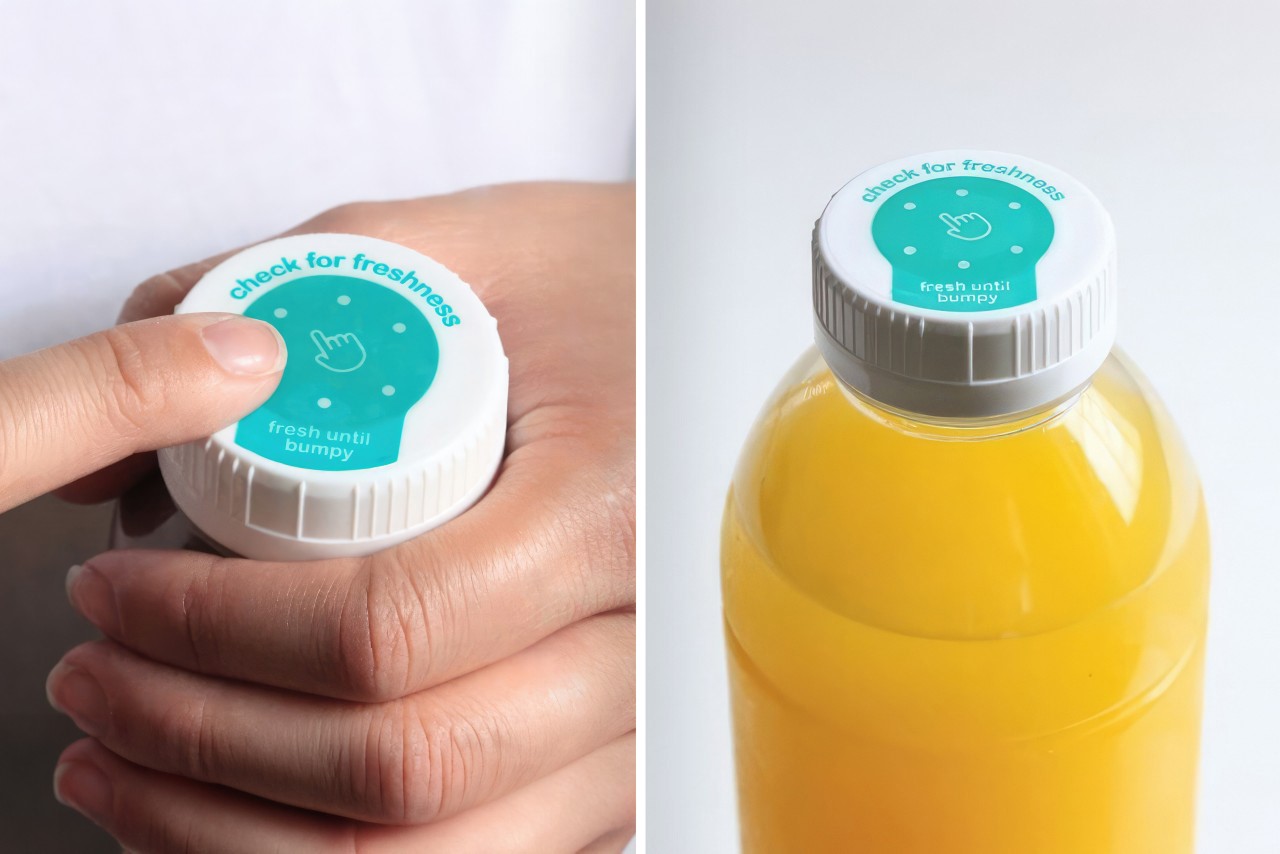
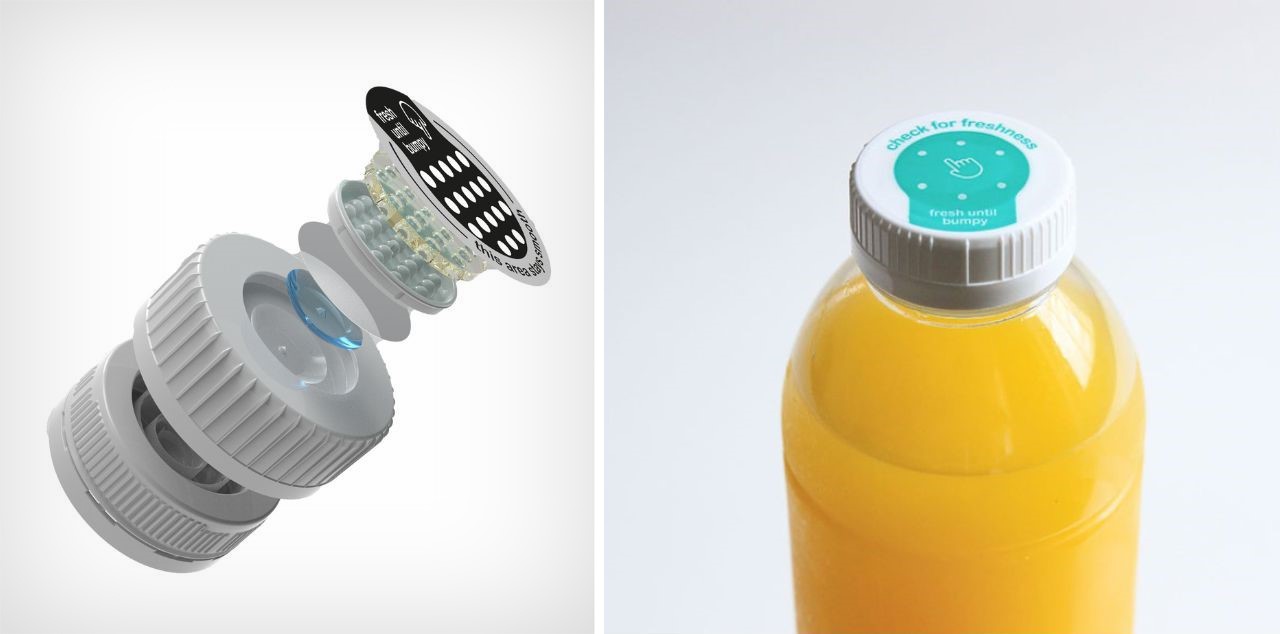
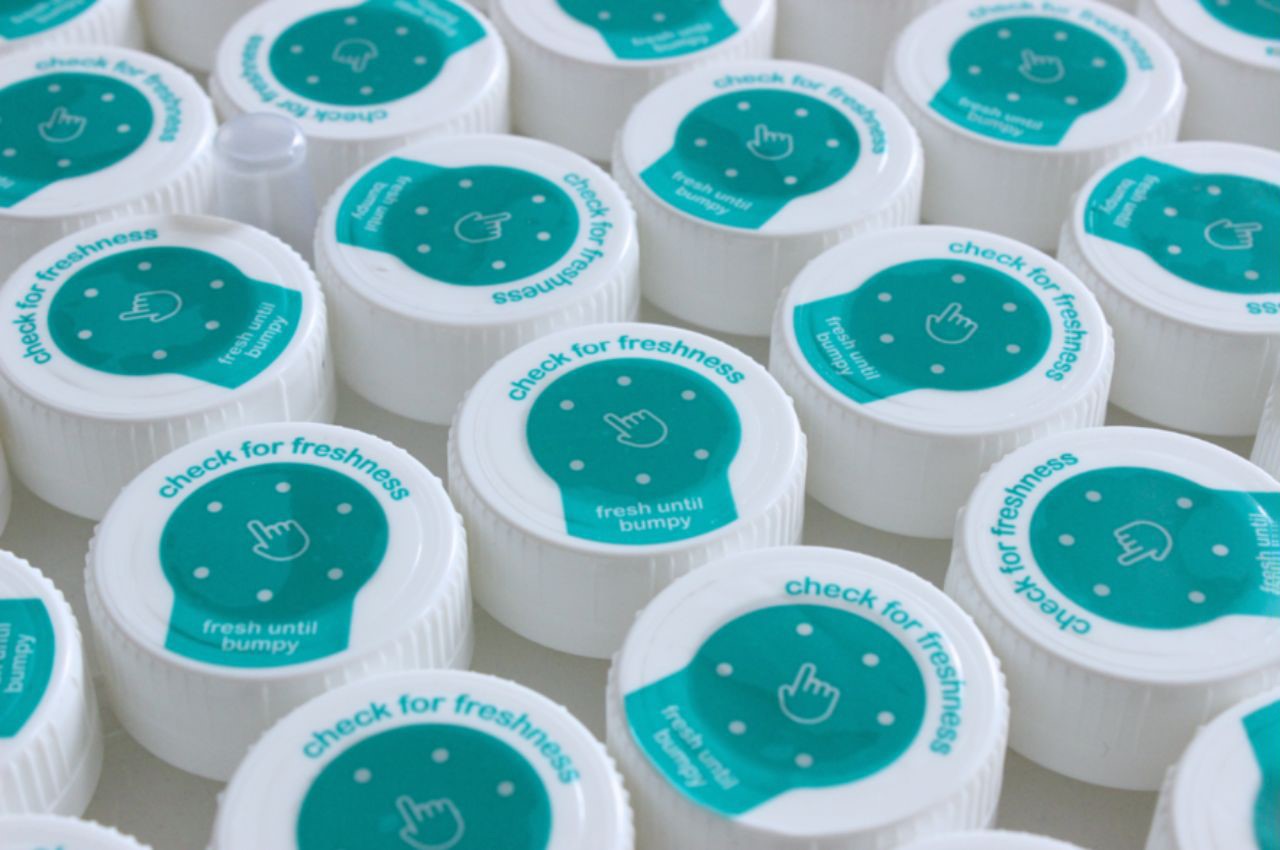
In the world of packaging innovation, United Caps and Mimica have teamed up to introduce a groundbreaking solution for ensuring food safety – the Mimica Bump Cap. These specially designed bottle caps provide a tactile indication of the freshness of the contents, offering a reliable method for distinguishing whether a product has spoiled.
Originally conceived with the visually impaired in mind, the Mimica Bump Cap has evolved into a versatile tool that benefits a broader audience. For individuals who cannot rely on visual cues such as best-by dates, these caps offer a tactile alternative to determine the freshness of the product. Moreover, in the wake of the COVID-19 pandemic, where loss of smell became a prevalent symptom, these caps become invaluable to those who can no longer smell and determine the freshness of products.
These caps contain a patented gel technology that activates upon the first opening of the beverage. This innovative gel doesn’t come into direct contact with the beverage contents, maintaining a hygienic barrier. Instead, it utilizes a combination of time and temperature to accurately gauge the freshness of the product. The simplicity of the technology ensures that consumers can easily interpret the status of their beverage.
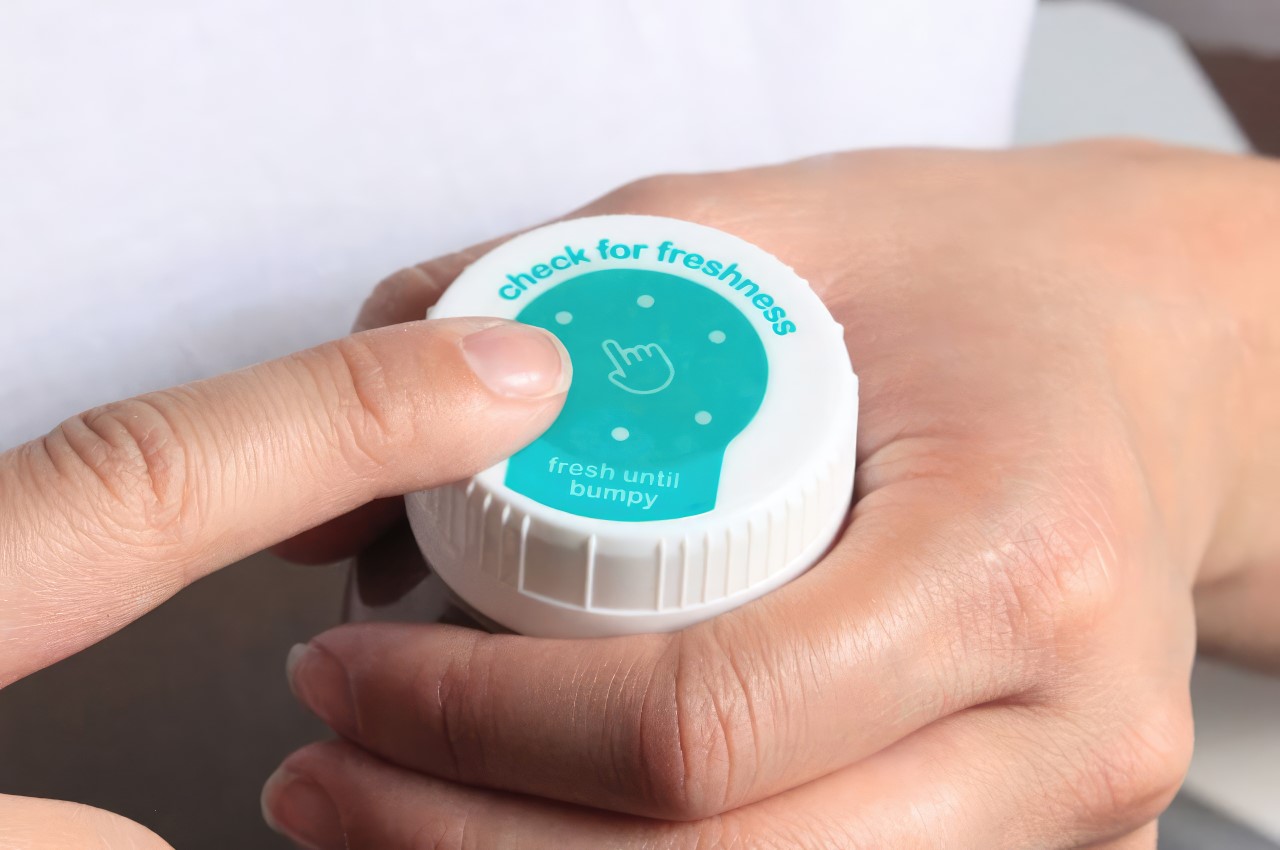
Reading the Mimica Bump Cap is a straightforward process. A smooth swipe across the surface of the cap indicates that the beverage is still fresh and safe for consumption. However, a bumpy texture suggests that the contents have started to spoil, prompting users to be cautious. This intuitive design makes it accessible to a wide range of consumers, regardless of their visual or olfactory abilities.
The versatility of this cap extends to its compatibility with a variety of perishable products, including milk and juices. As these caps rely on the fundamental principles of time and temperature, they can be effectively employed across a spectrum of goods, ensuring that consumers can trust the freshness of their purchases and store them aptly for waste reduction.
By incorporating the Mimica Bump Cap into their packaging, companies can elevate consumer confidence in the quality and safety of their products. The transparency offered by these caps empowers consumers to make informed decisions about their purchases, reducing the likelihood of consuming spoiled or expired goods.
Ultimately, the Mimica Bump cap helps boost sustainability too, allowing people to rely on real metrics instead of an arbitrary expiry date. This helps people ensure they’re eating fresh food, and finishing their perishables before they expire. Approximately 17% of global food production ends up getting wasted, but the Mimica Bump Cap can help reduce that.
Have you ever had one of those dreams, or rather, nightmares, when your clothes suddenly fall off your body like it was decomposing or something? That will probably not happen in real life, at least not instantly. But for those who are pursuing sustainable fashion, this is actually a good dream and not a nightmare. We’re seeing clothing brands experiment with biodegradable clothing and Champion is one such brand to do so.
Designer: Champion
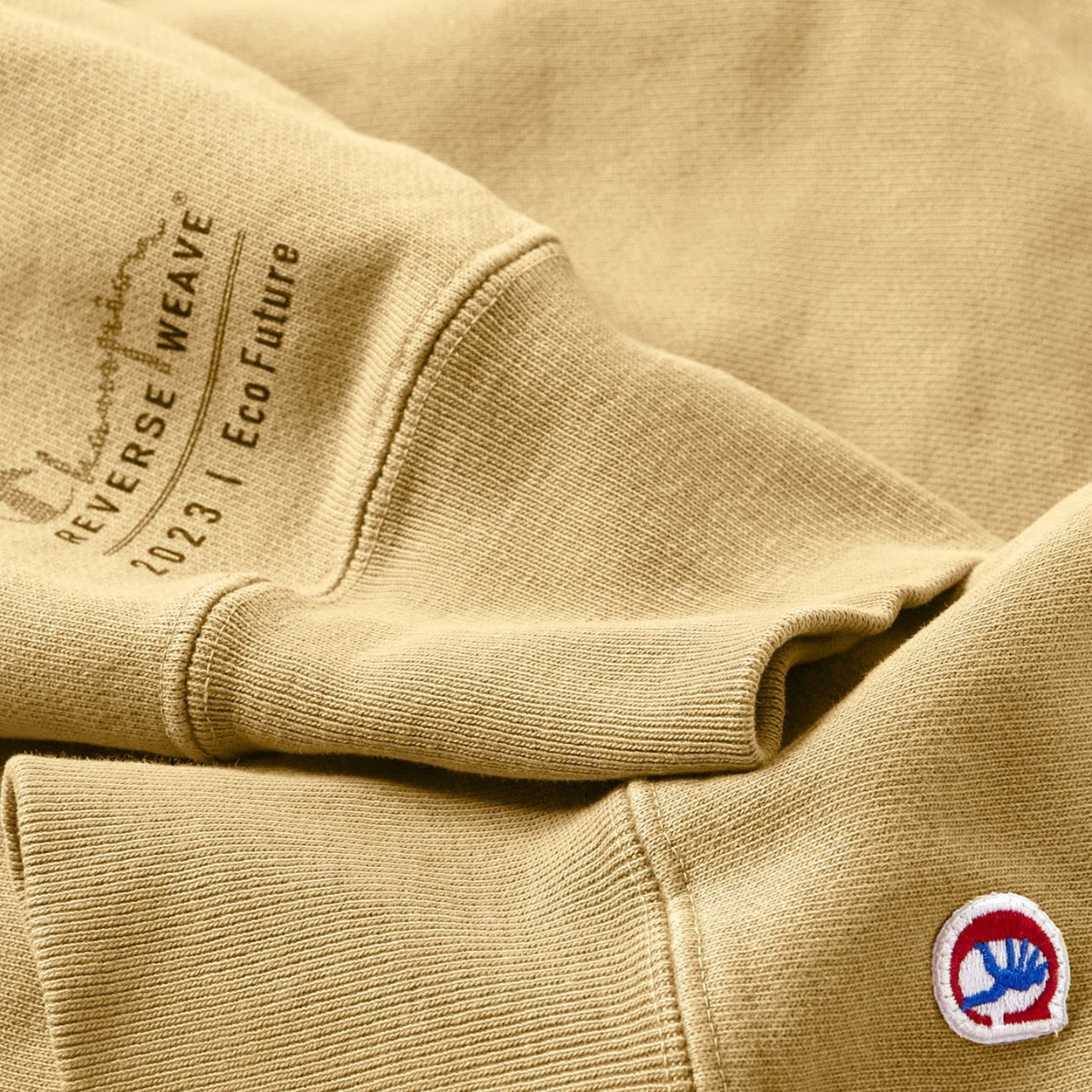
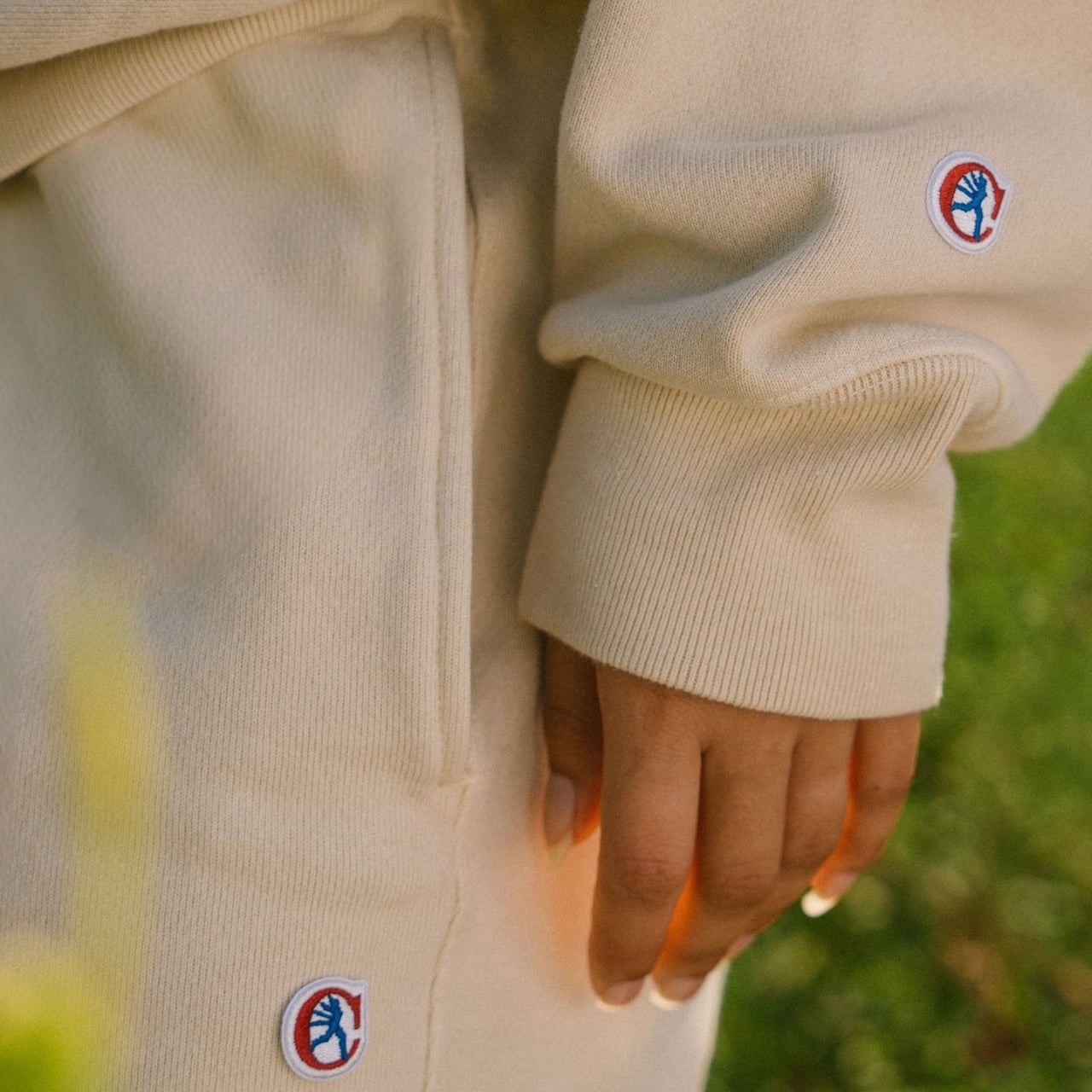
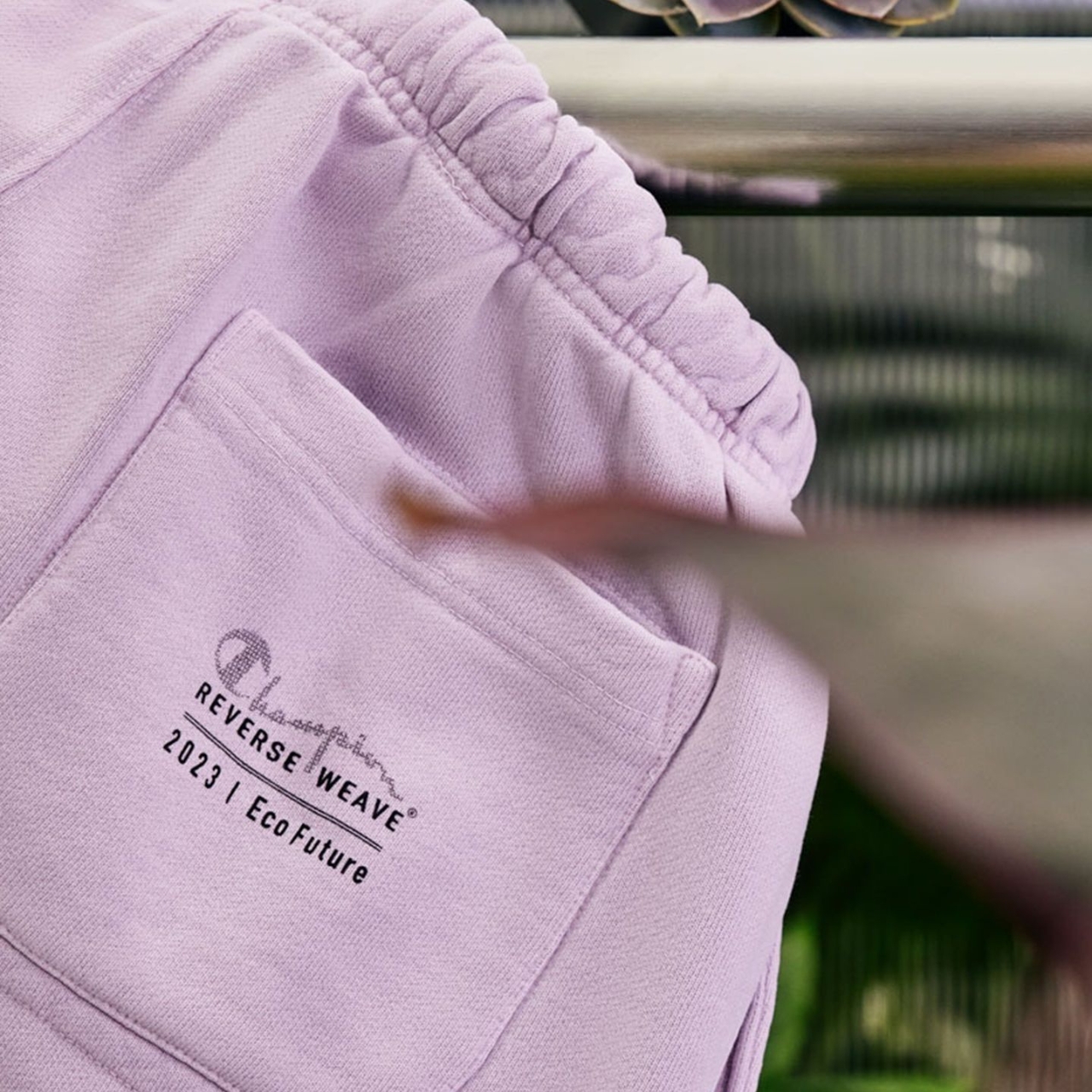
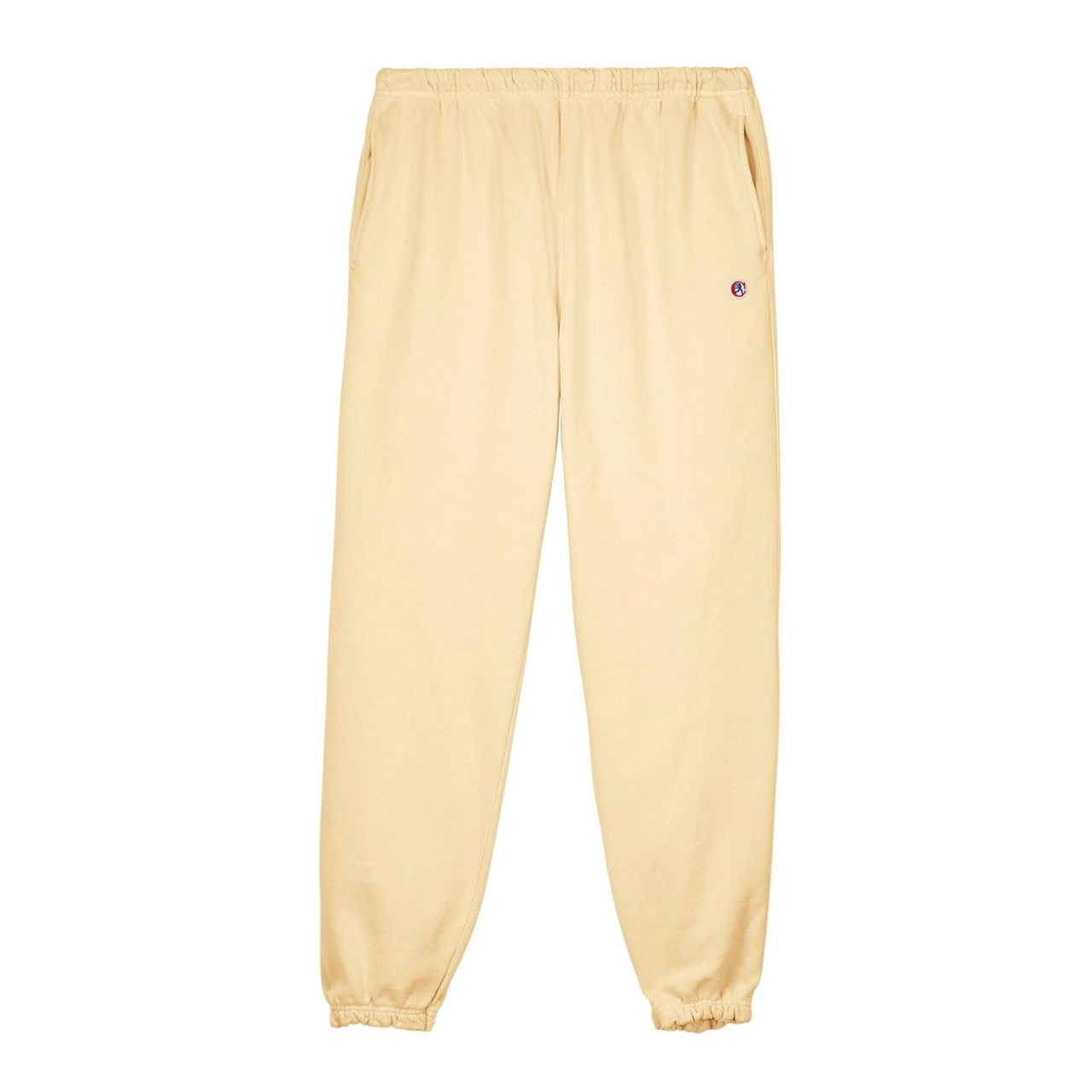
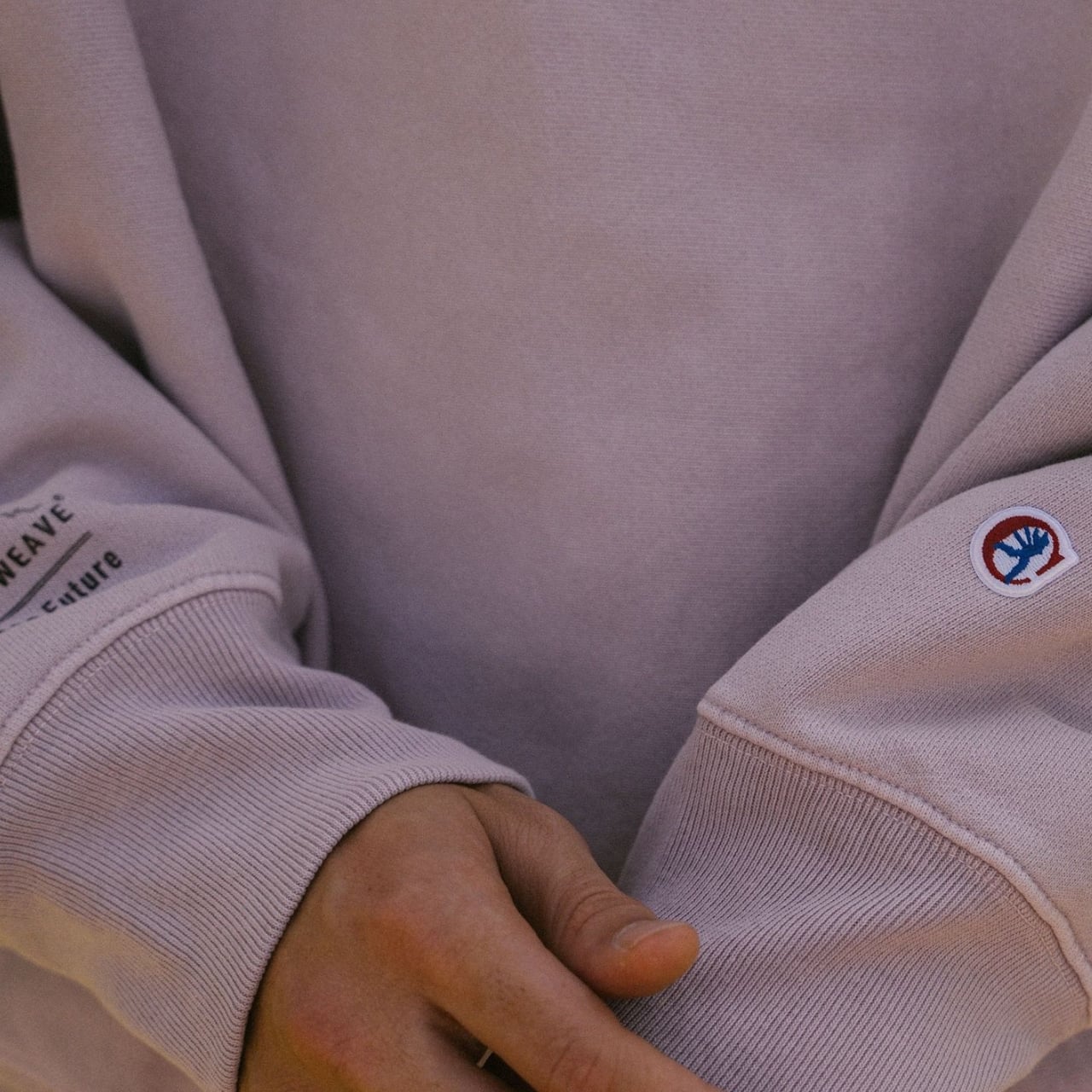
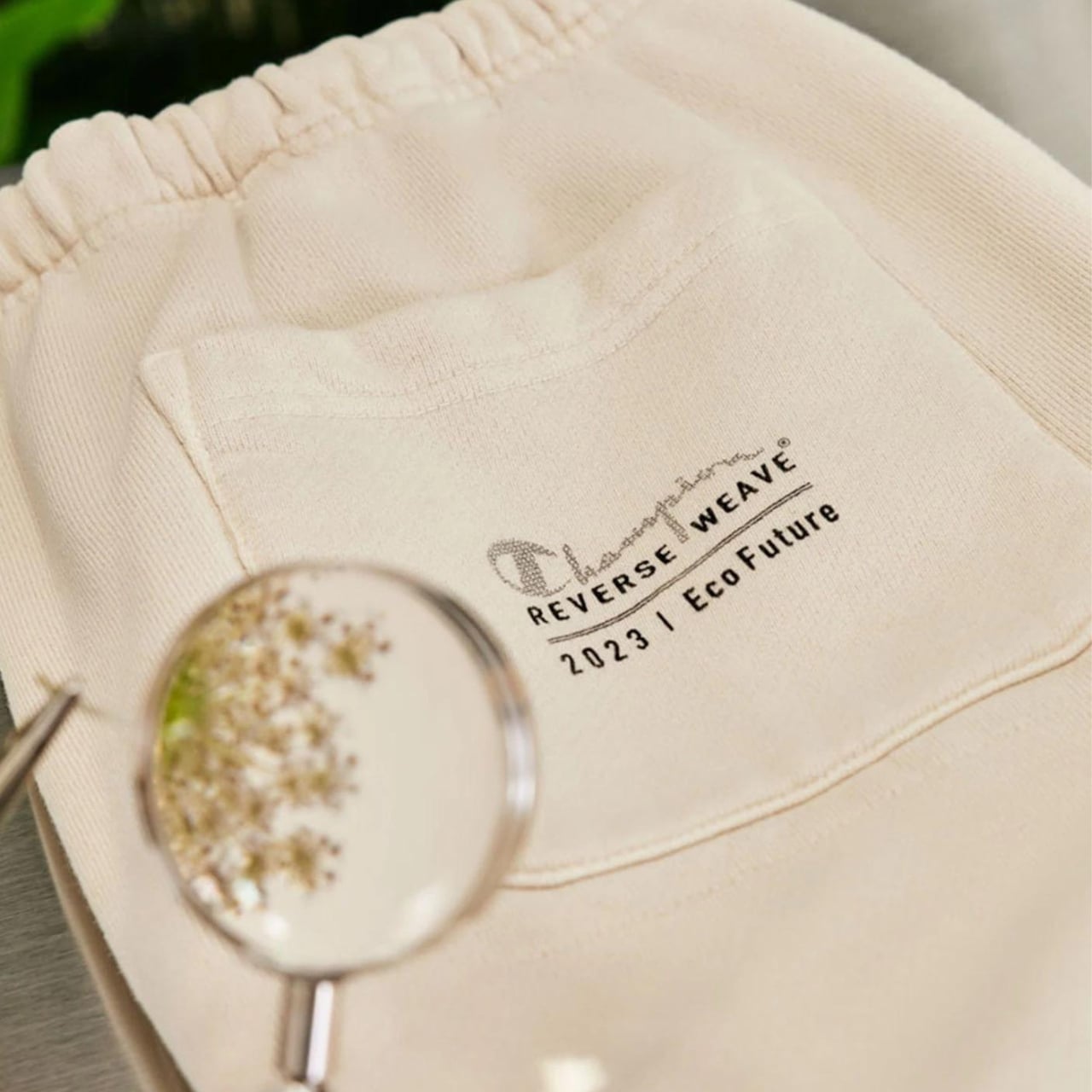
The Reverse Weave Eco Future Collection is a line of biodegradable sweatshirt and joggers made from sustainable materials. You can wear it repeatedly until it naturally breaks down and decomposes over time. They use the CiCLO technology which helps bring about this natural decomposition process over time and help reduce the impact of plastic textile fibers and lessen microfiber pollution which is one of the major effects of the clothing industry on our carbon footprint.
The technology uses an additive that is combined with polyester and nylon during the fiber-making process. The process called melt extrusion turns them into liquid when heated and then they are turned into long threads. Other elements of the sweatshirts and joggers also use eco-friendly materials like the tags and labels ause pure cotton while the hangtags are printed with soybean ink. Even the colors used are from dyes extracted from pomegranate rinds, annatto, Terminalia Chebula fruit crusts, and kerria lacca insects.
In terms of the design, the sweatshirts and joggers in the Reverse Weave Eco Future Collection are just your usual. They do look comfortable since they’re oversized and unisex, so that’s another plus. The joggers have hip pockets and a drawcord waist for added comfort. But of course the main reason why you’d want any of these pieces is that they are biodegradable and friendly to Mother Earth. They’re available in different sizes and colors so there’s a variety to choose from.
When you spend a lot of time in your backyard or outdoors, having lights that contribute to the ambience and illuminate the place is a must. If you’re eco-friendly of course, you would prefer solar lights although not all that are available in the market have that of a good design. Lately we’ve been seeing lights with better aesthetics, have multiple purposes, and use sustainable energy instead of your usual electricity.
Designer: Mpowerd
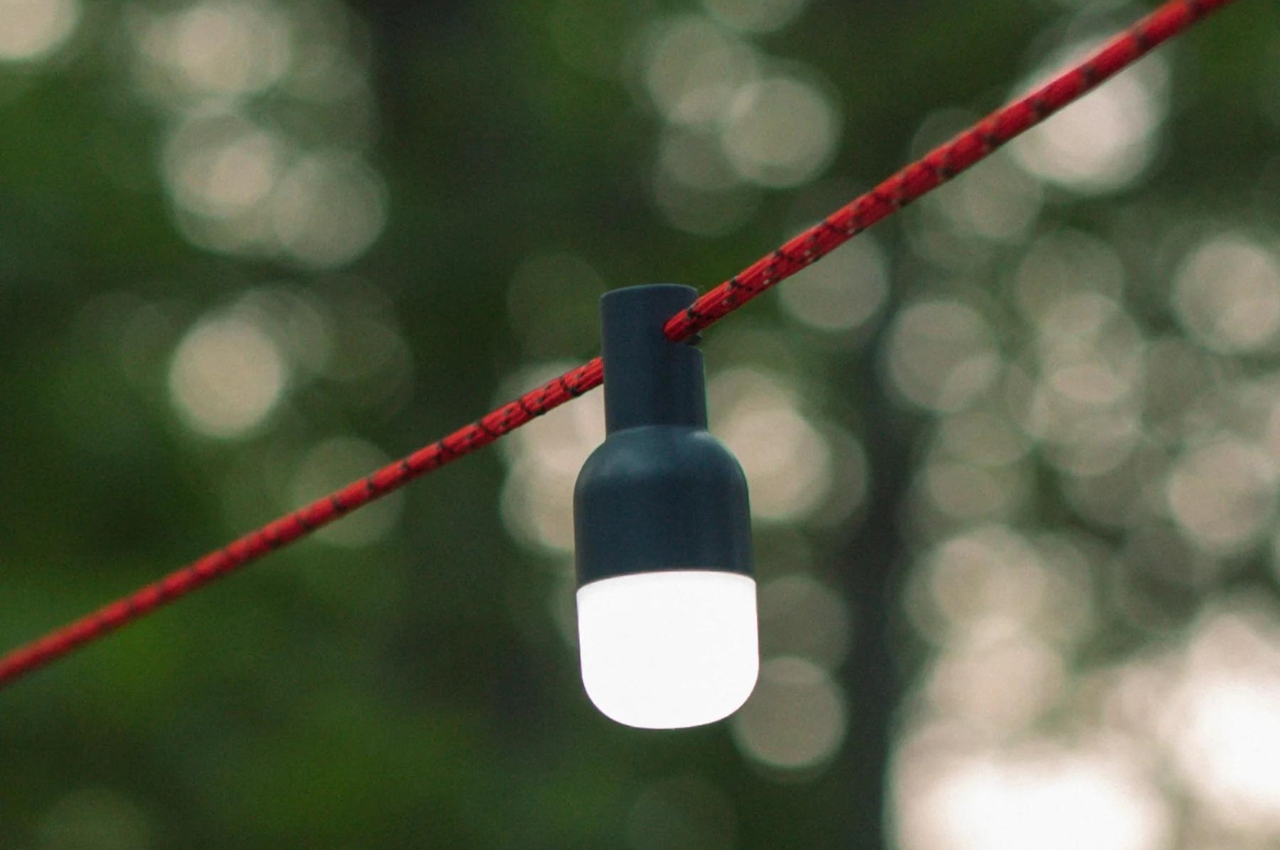
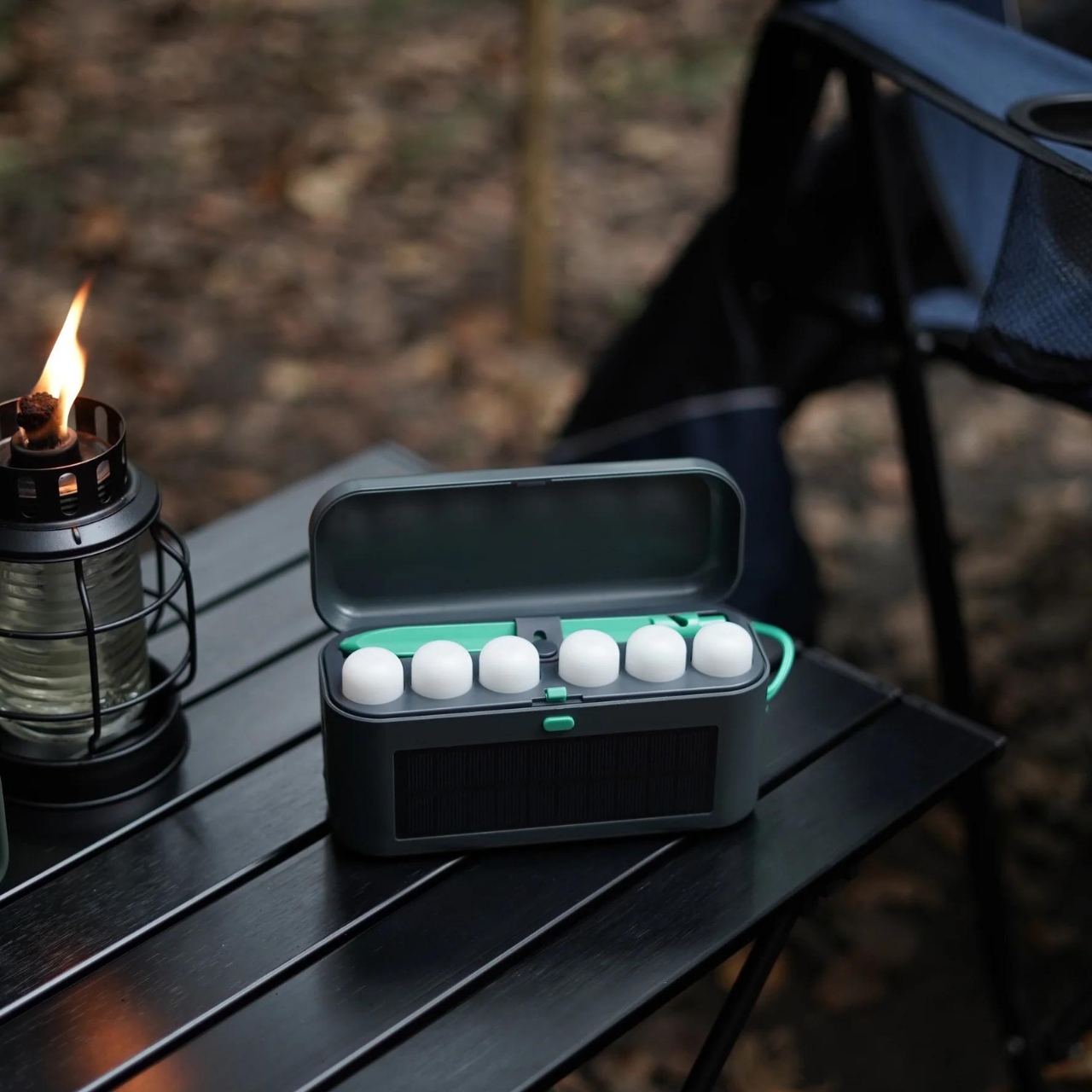
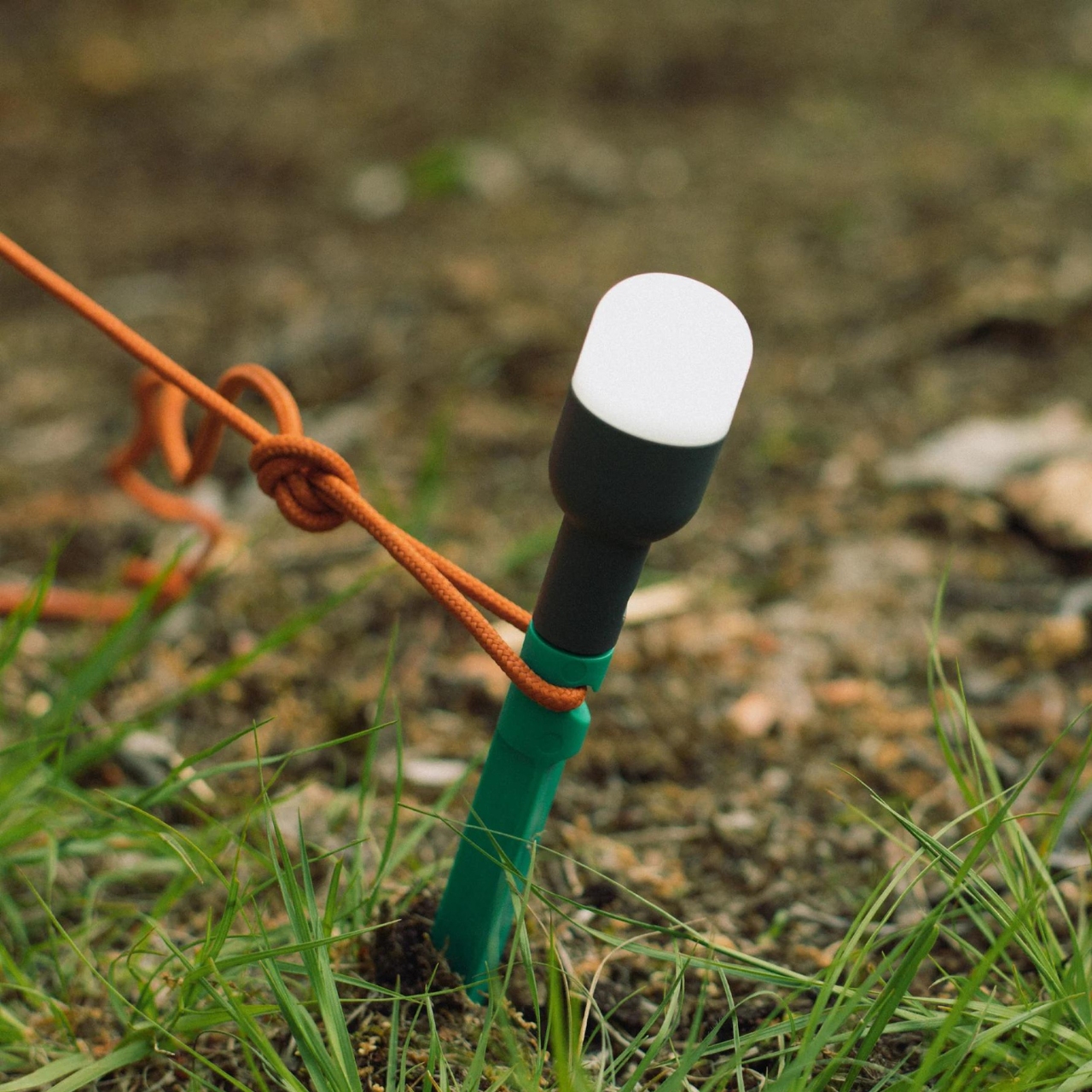
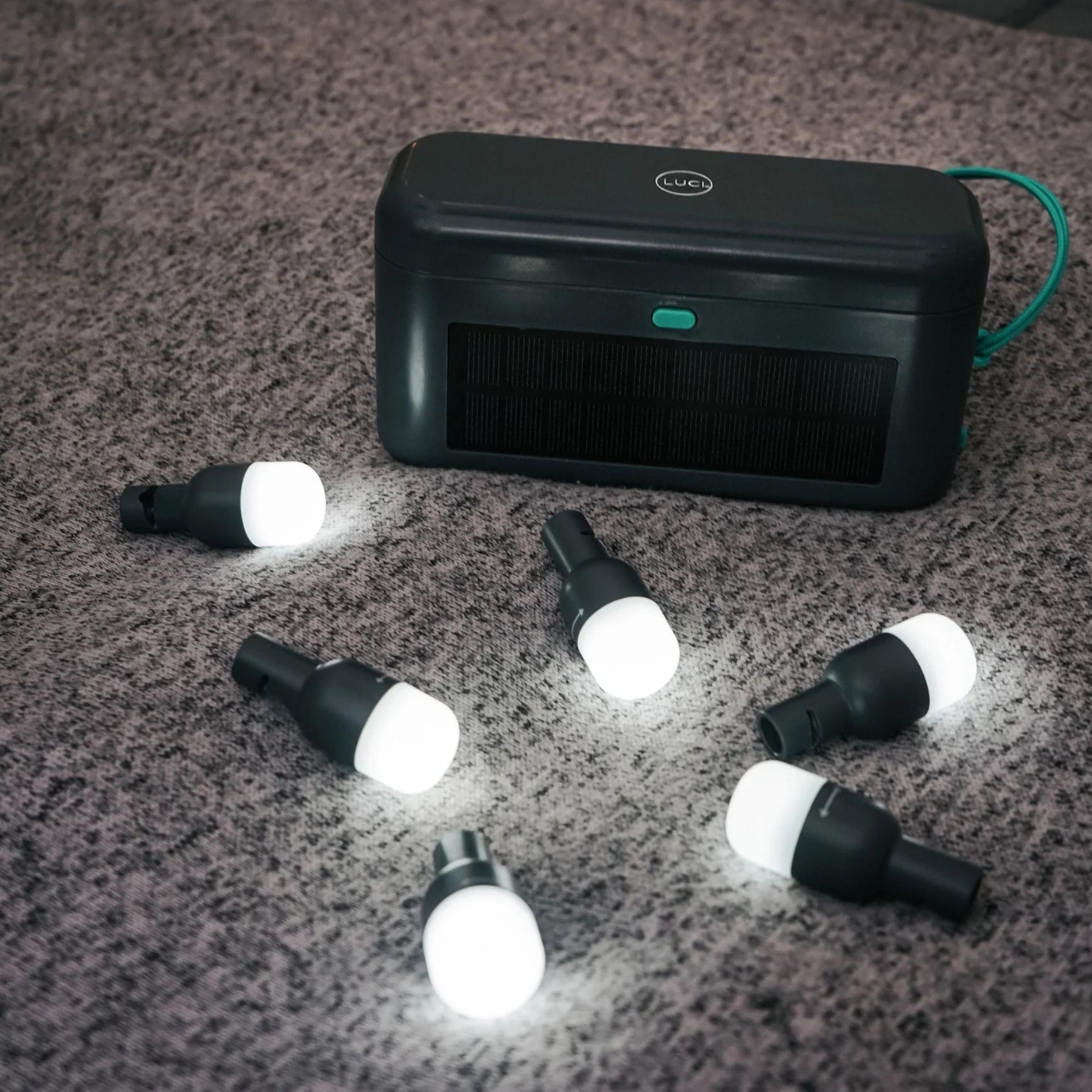
The Luci Solar Site Lights is one such product that meets all of that criteria. You can use them as “stringless string lights” or you can also stake them on the ground or put them up wherever you would need aesthetic lighting. They are able to illuminate up to 1,000 square feet and can last up to 20 hours on a single charge. The light nodes are IPX4 which means that they can survive splashes of water but cannot be submerged in it.
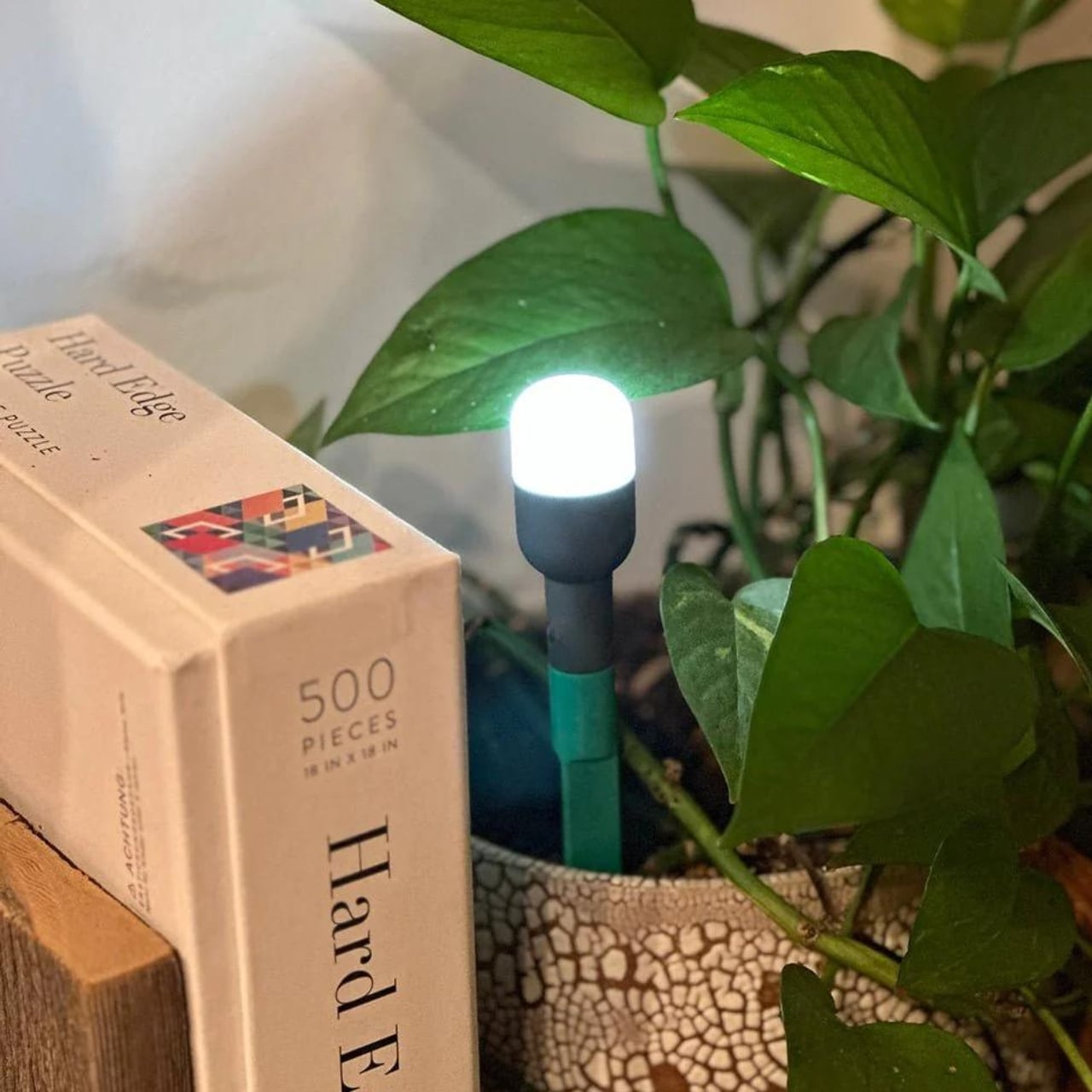
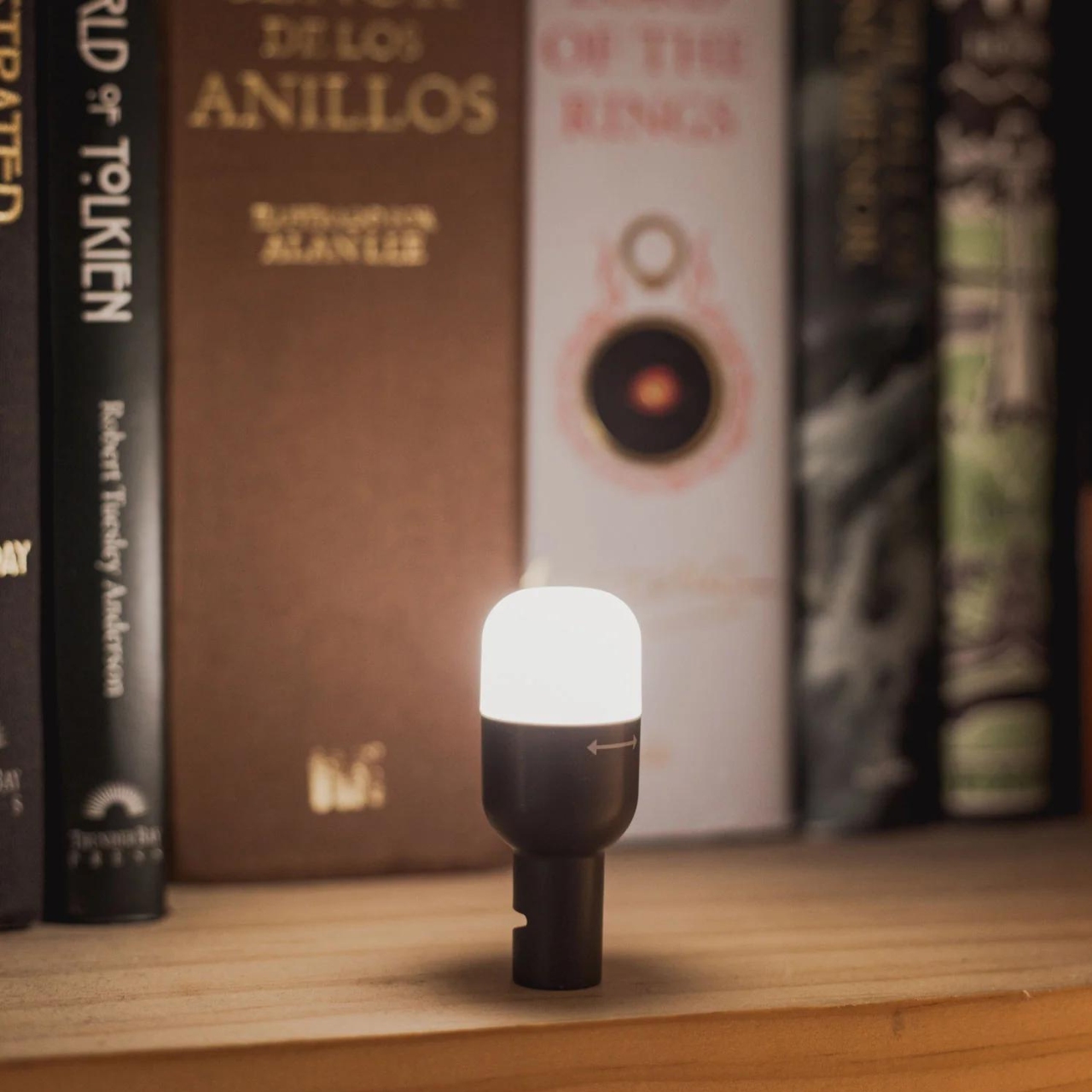
There are three light modes that you can choose from: low, medium, and high and they have dual-directional on/off swivel. They can light up gardens, picnic areas, and other outdoor settings. You can also use it indoors if you want by putting a glass or transparent cup to diffuse it. Each set comes with 6 hangable and weatherproof lights, 6 ABS stakes with notch, and a rechargeable 2,600 mAh battery with recharge case that has a built-in solar panel but can also be charged through USB-C charging.
These lights are portable enough that you can bring it whenever and wherever you want to have a party under the night sky. You can even put them on your pets or on yourself if you need to walk around with lights instead of carrying a flashlight. And since they are solar powered (but with the option to still charge if you didn’t get enough sunlight), you get to lessen your carbon footprint.
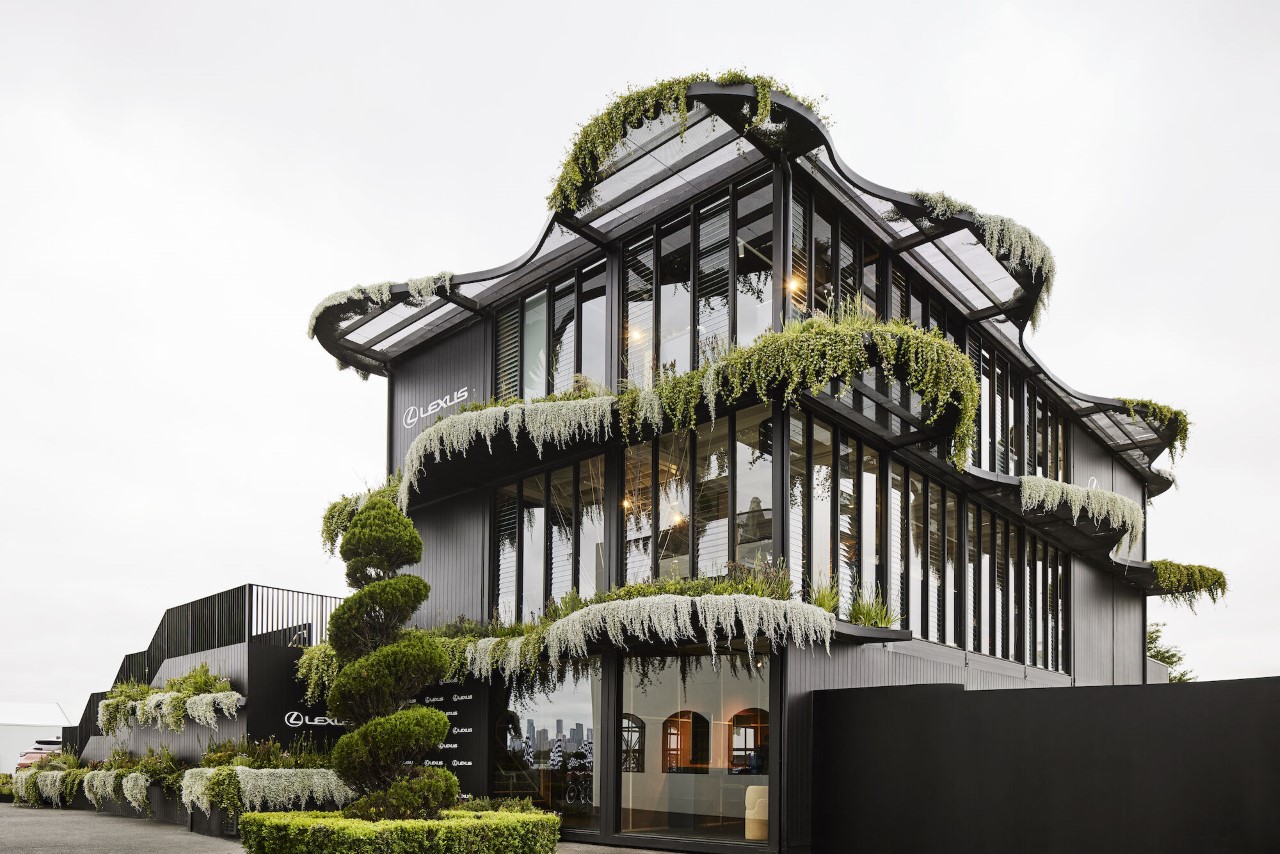
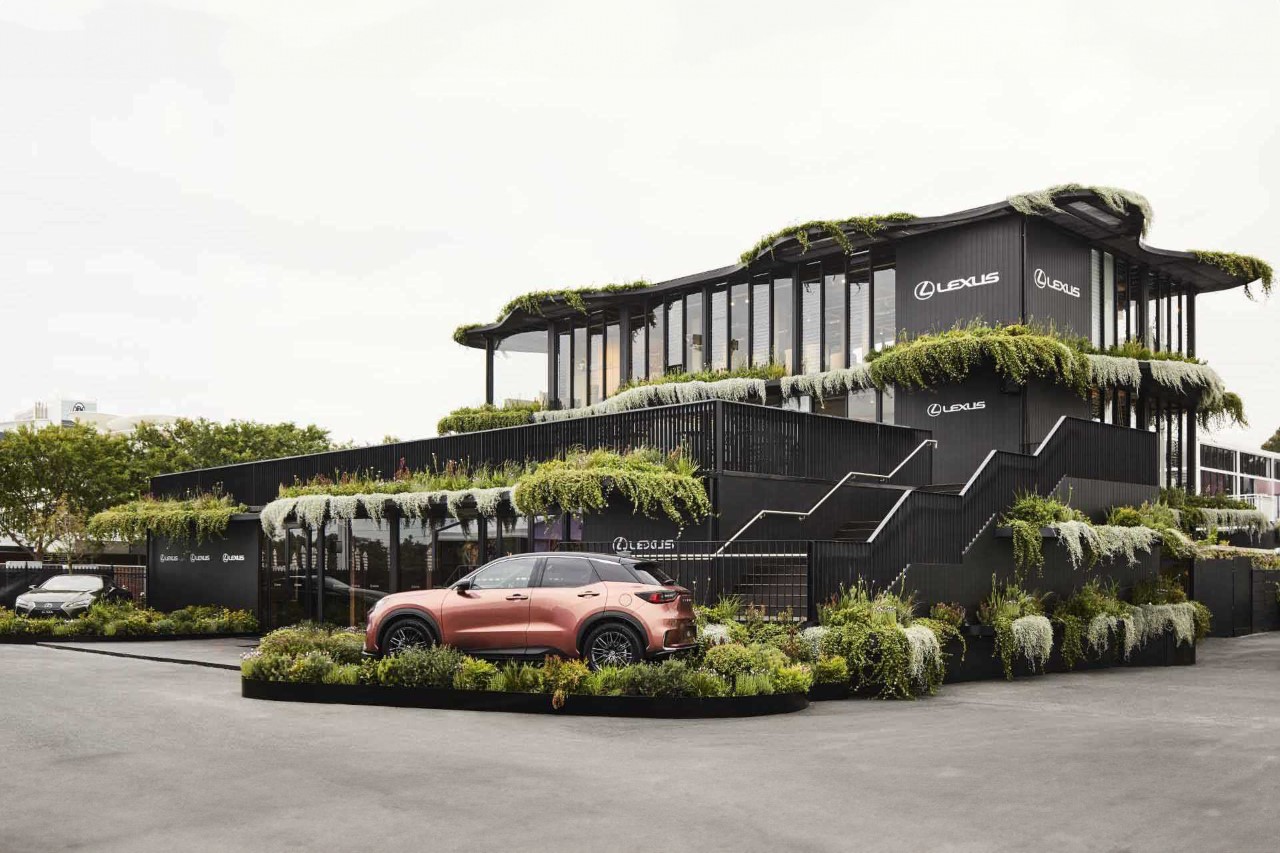
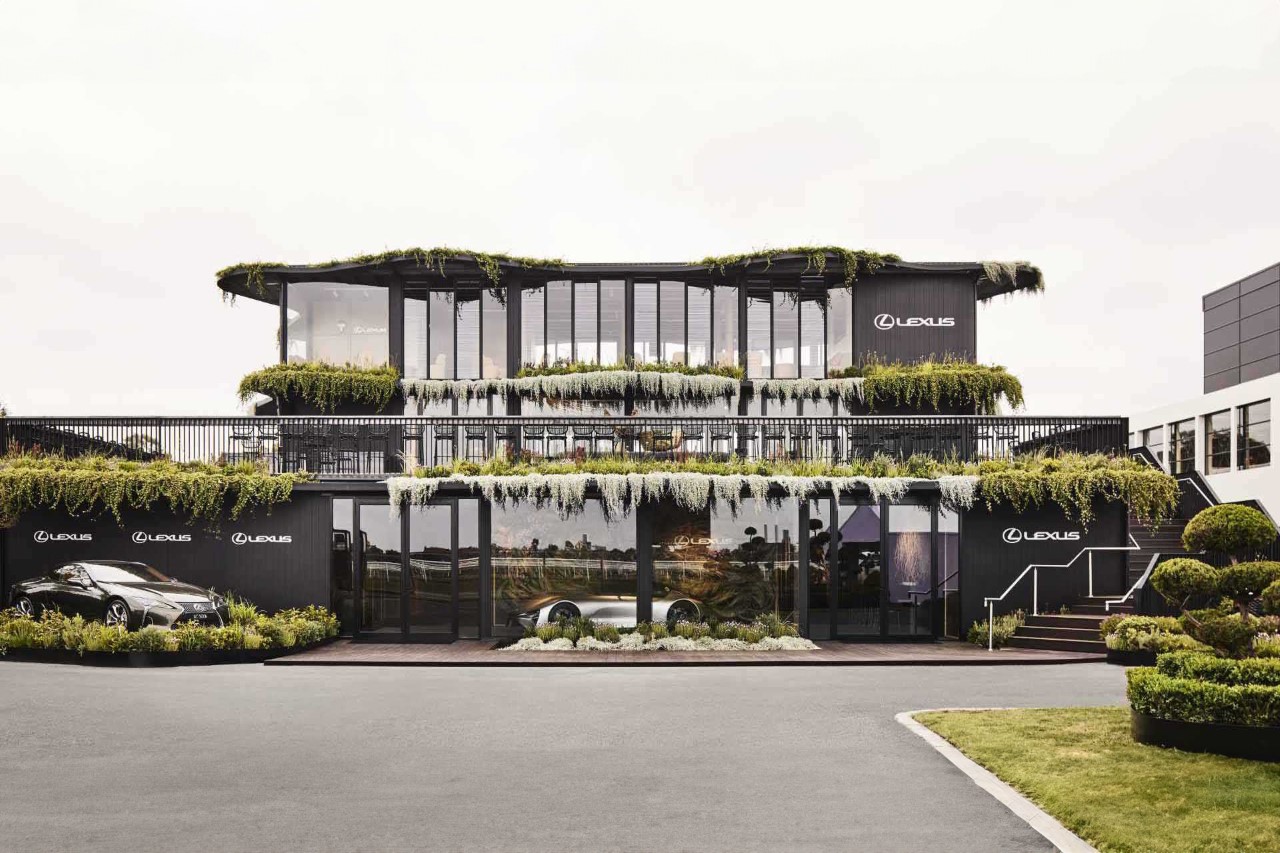
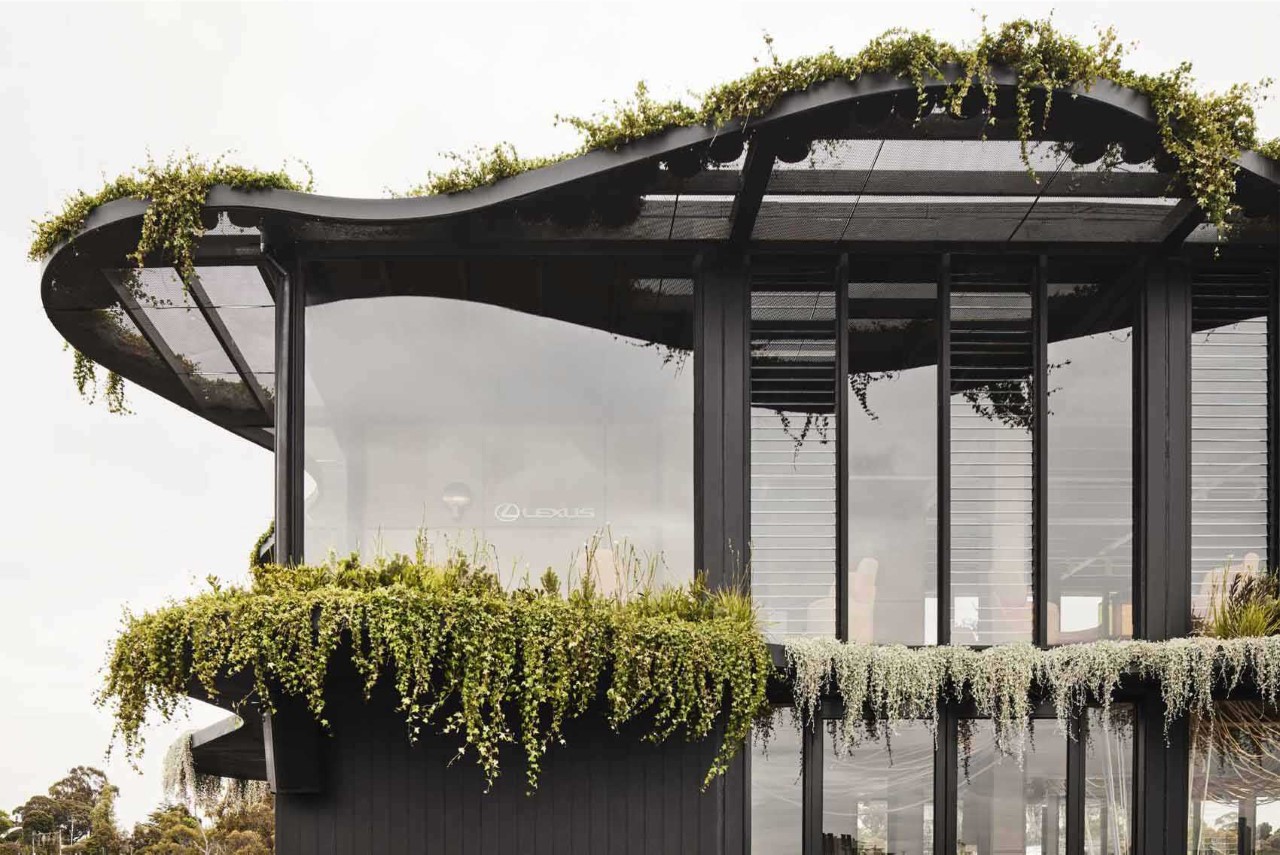
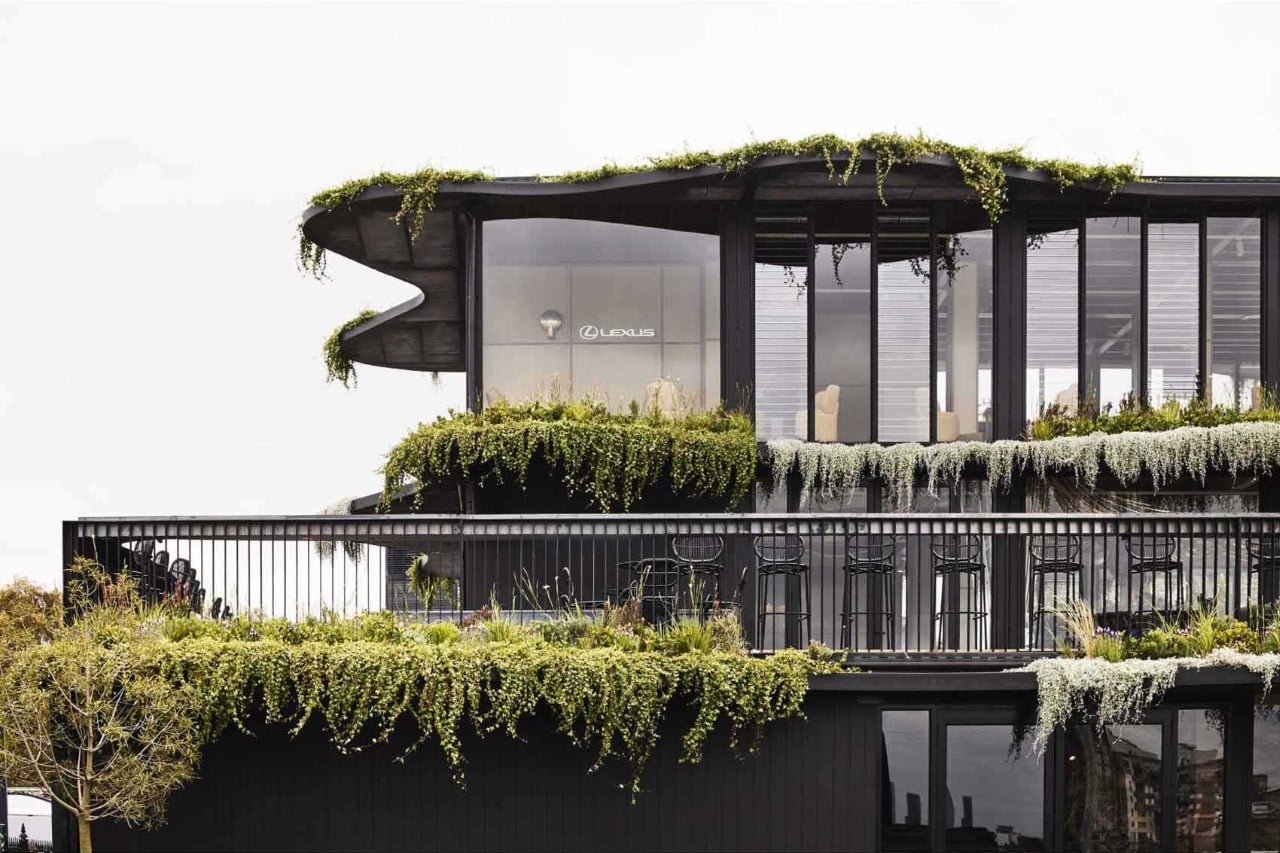
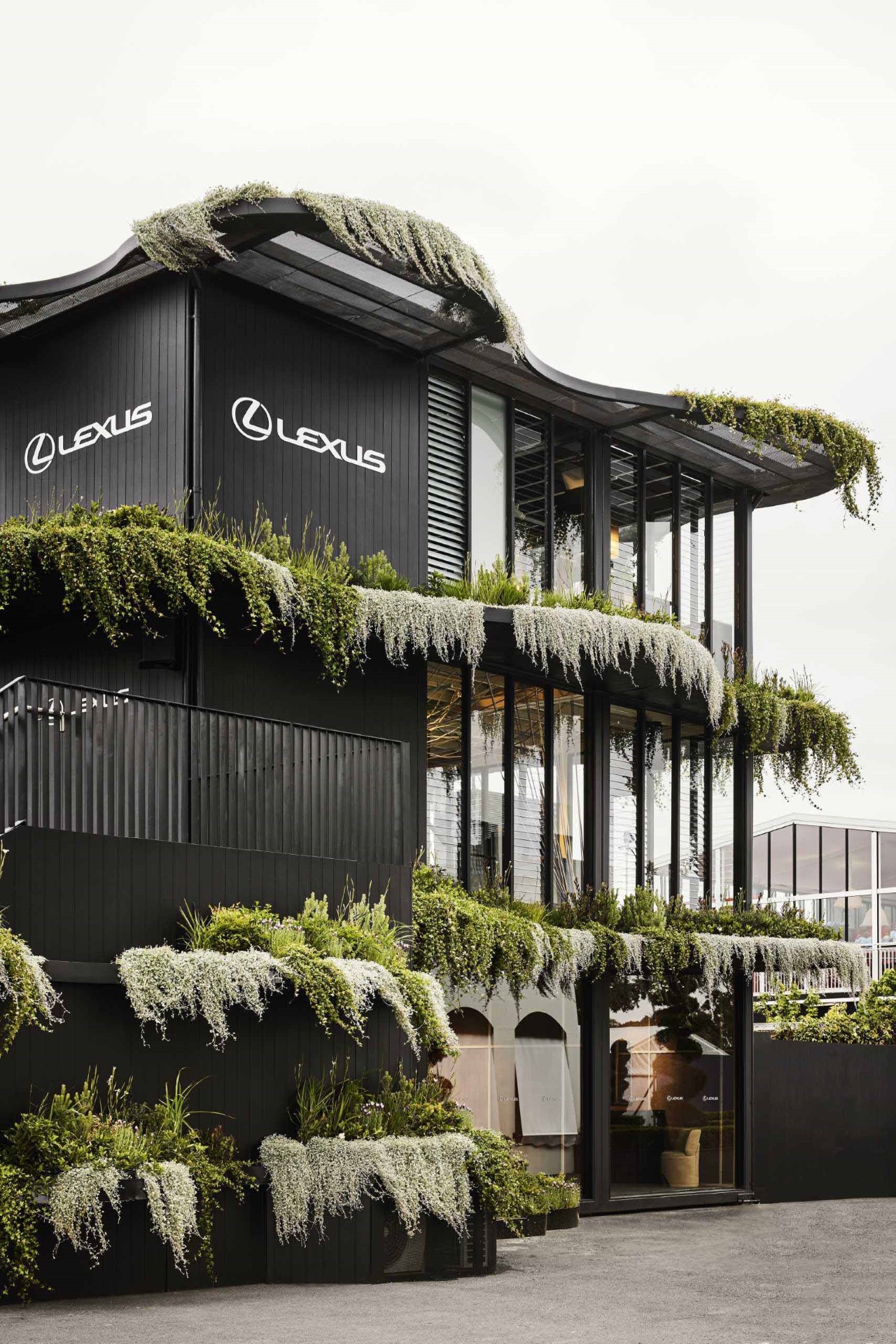
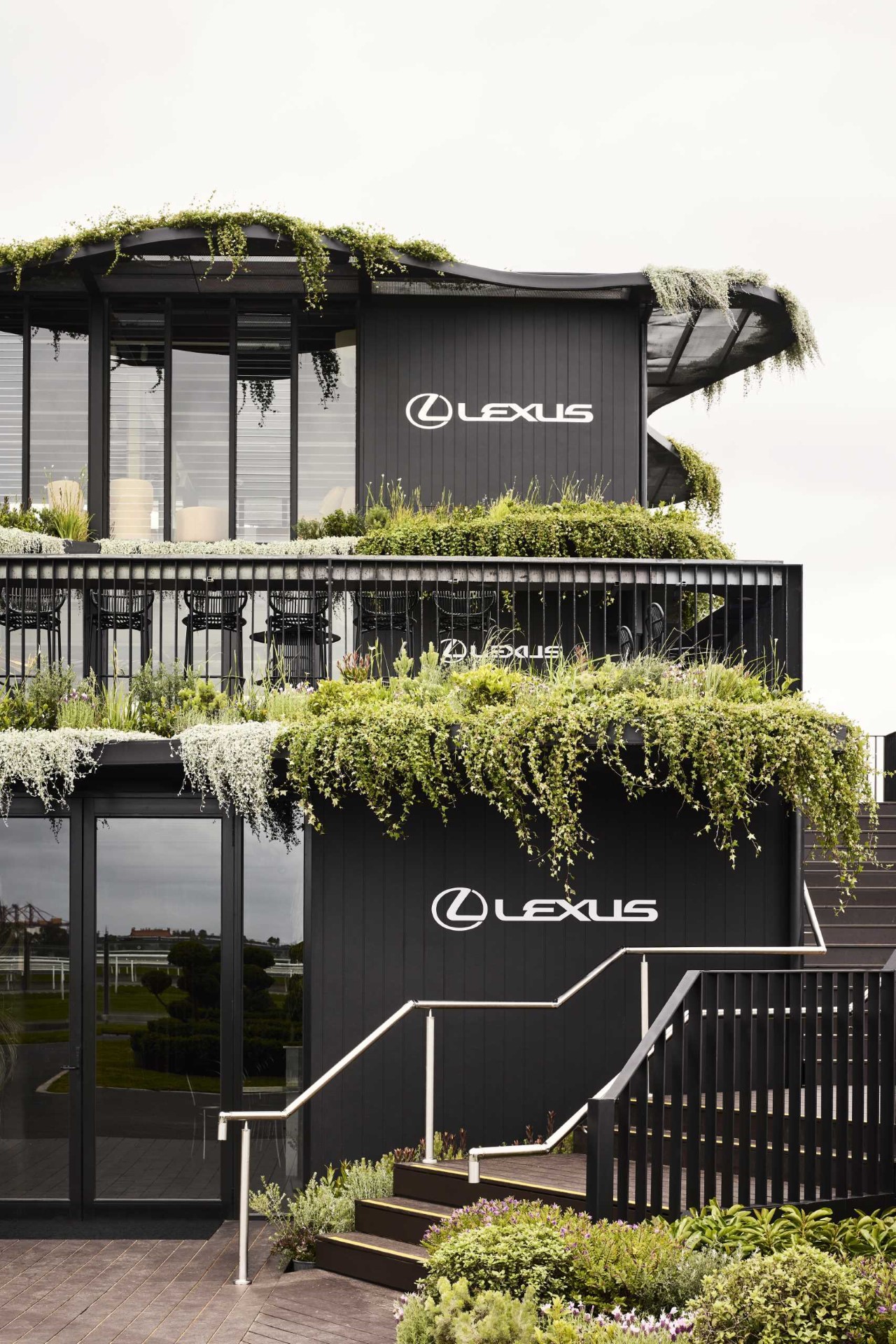
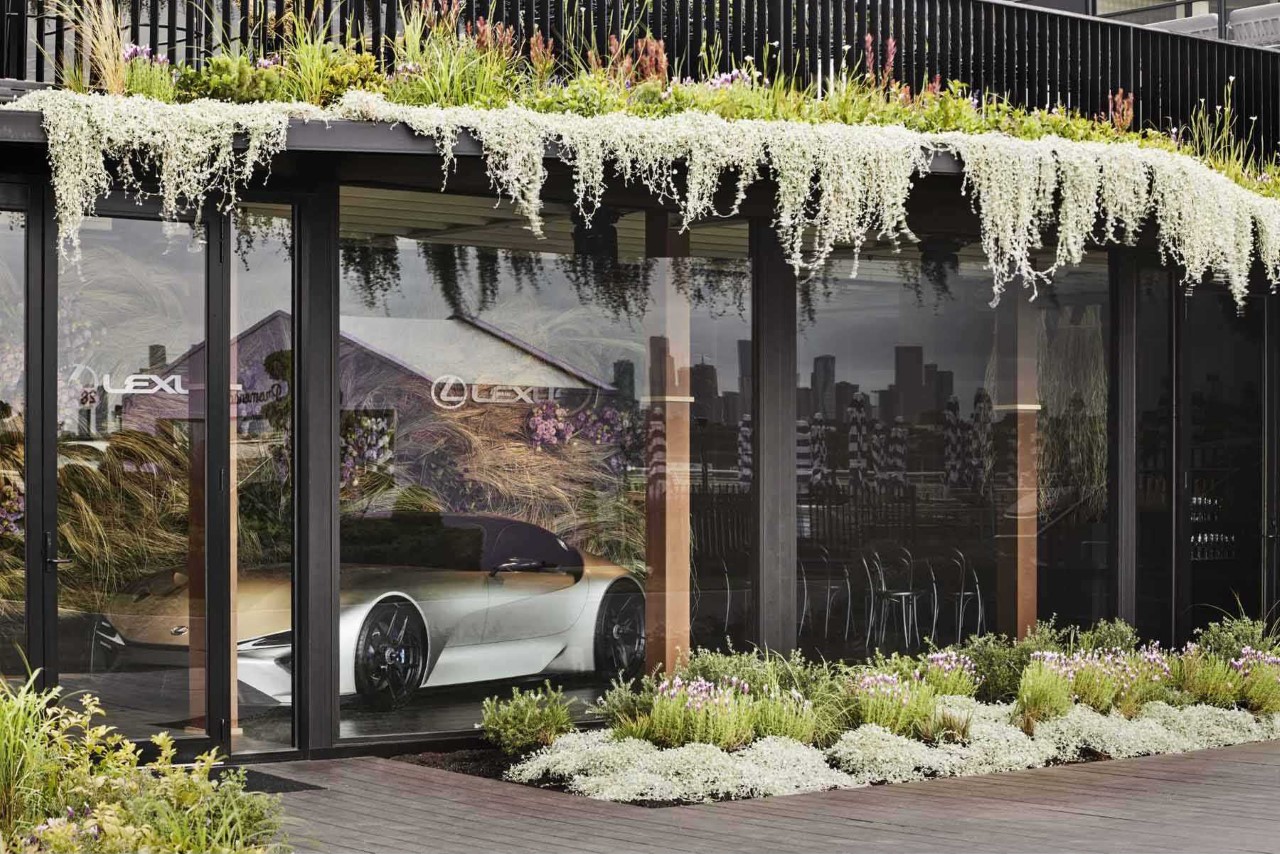
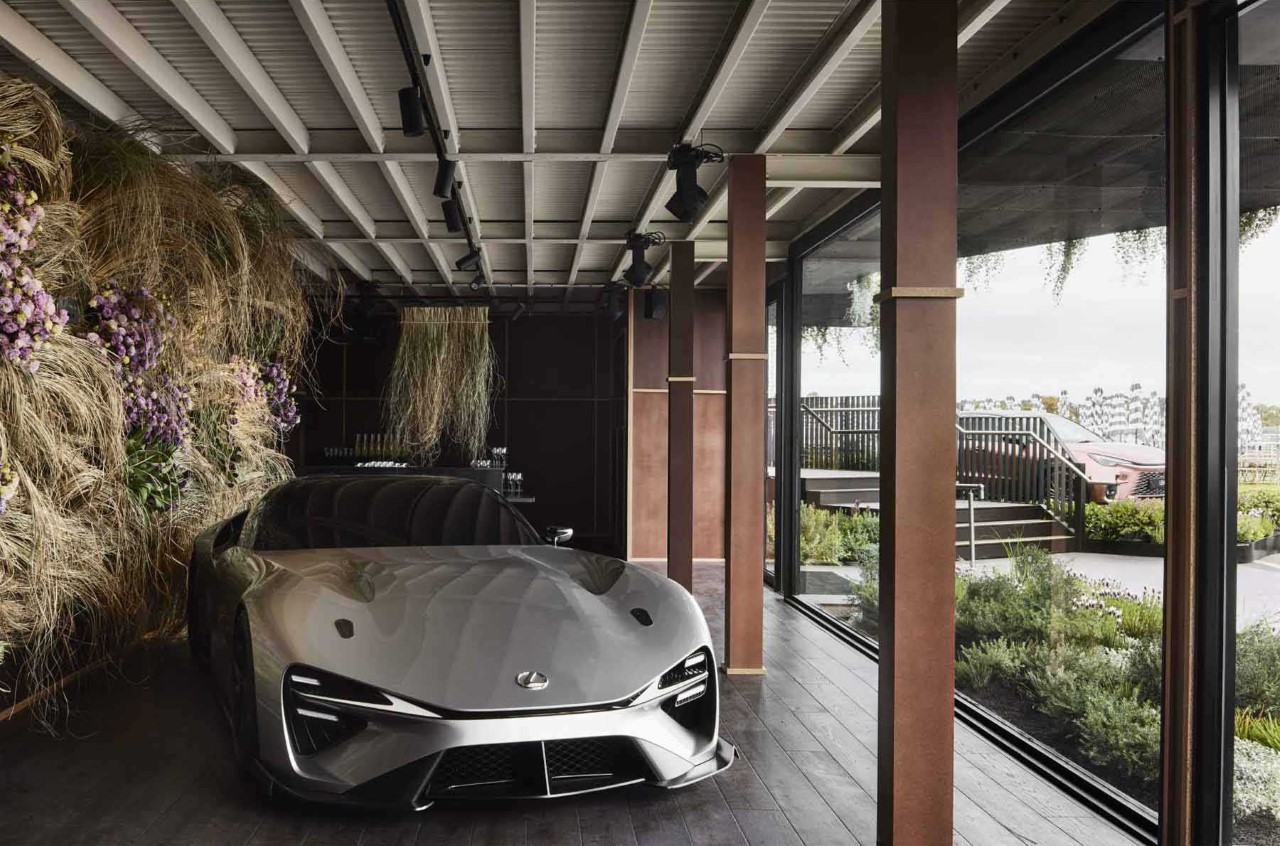
Unveiled at the Melbourne Cup Carnival at the Flemington Racecourse in Australia, this new Lexus showroom/pavilion takes ‘Green Design’ to new heights! Designed by Koichi Takada Architects, the three-floor modular structure is quite literally a living entity, adorned with over 1,000 native Australian plants and flowers on its façade, creating a breathtaking visual dialogue with the Australian landscape. Dubbed “LANDMARK by Lexus”, the pavilion is the result of an ongoing partnership with Victoria Racing Club, with this year’s theme being ‘Close to the Source’. The beauty of the pavilion lies in its modular, repurposable design that will alter from year to year as the themes change. While the building highlights Australian flora this year, its sustainably-built structure can entirely be disassembled and rearranged for next year’s theme, allowing the building to pretty much metamorphose each year with minimal impact.
Koichi Takada, the visionary behind this project, views his architecture as a “living billboard,” a medium to demonstrate the potential of integrating nature into our built environments. His approach is a reminder of the joy and importance of reconnecting with nature, especially in urban settings. In his words, the pavilion is an opportunity to showcase what can be achieved when we blend architecture with the natural world, emphasizing the emotional and psychological benefits of this union.
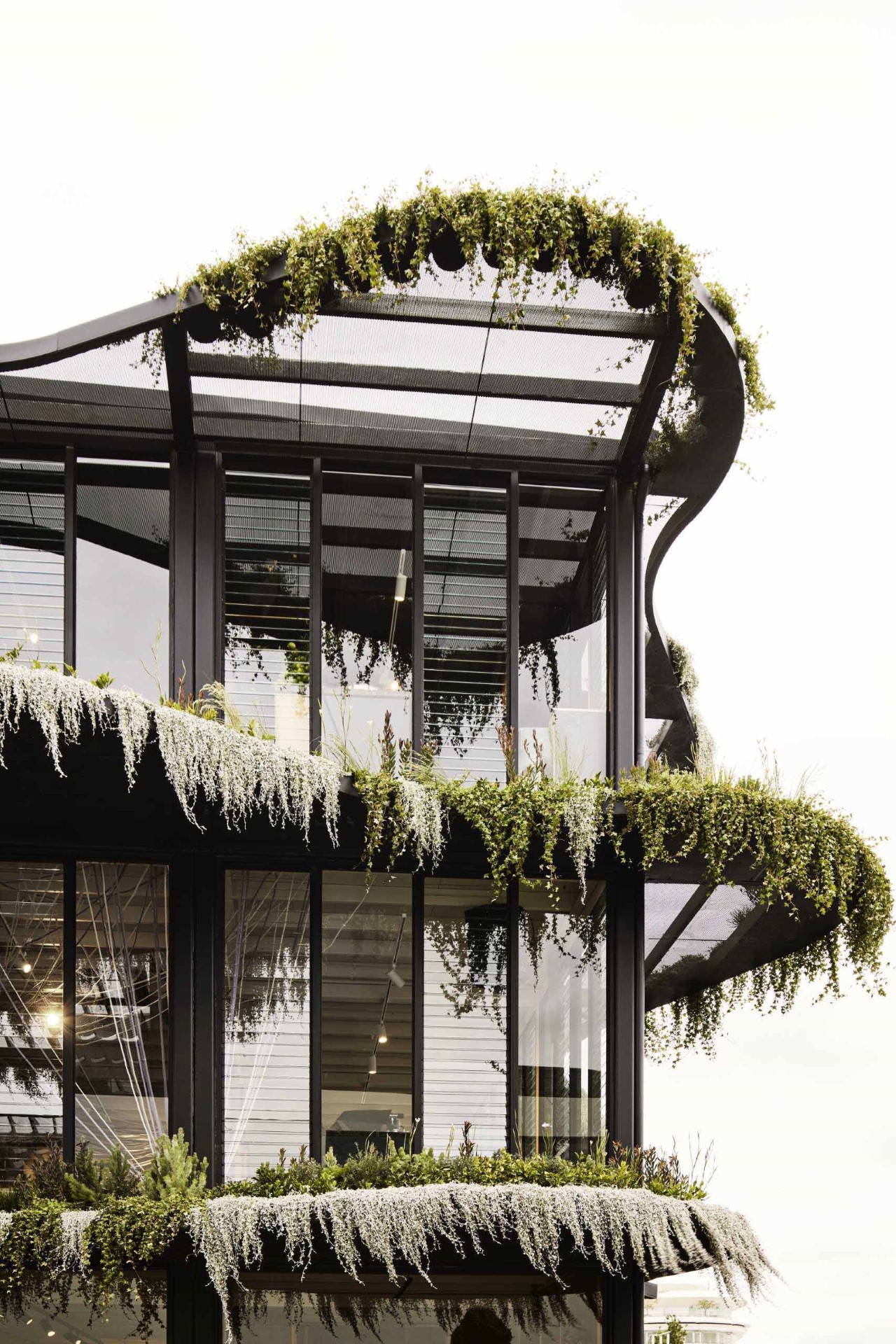
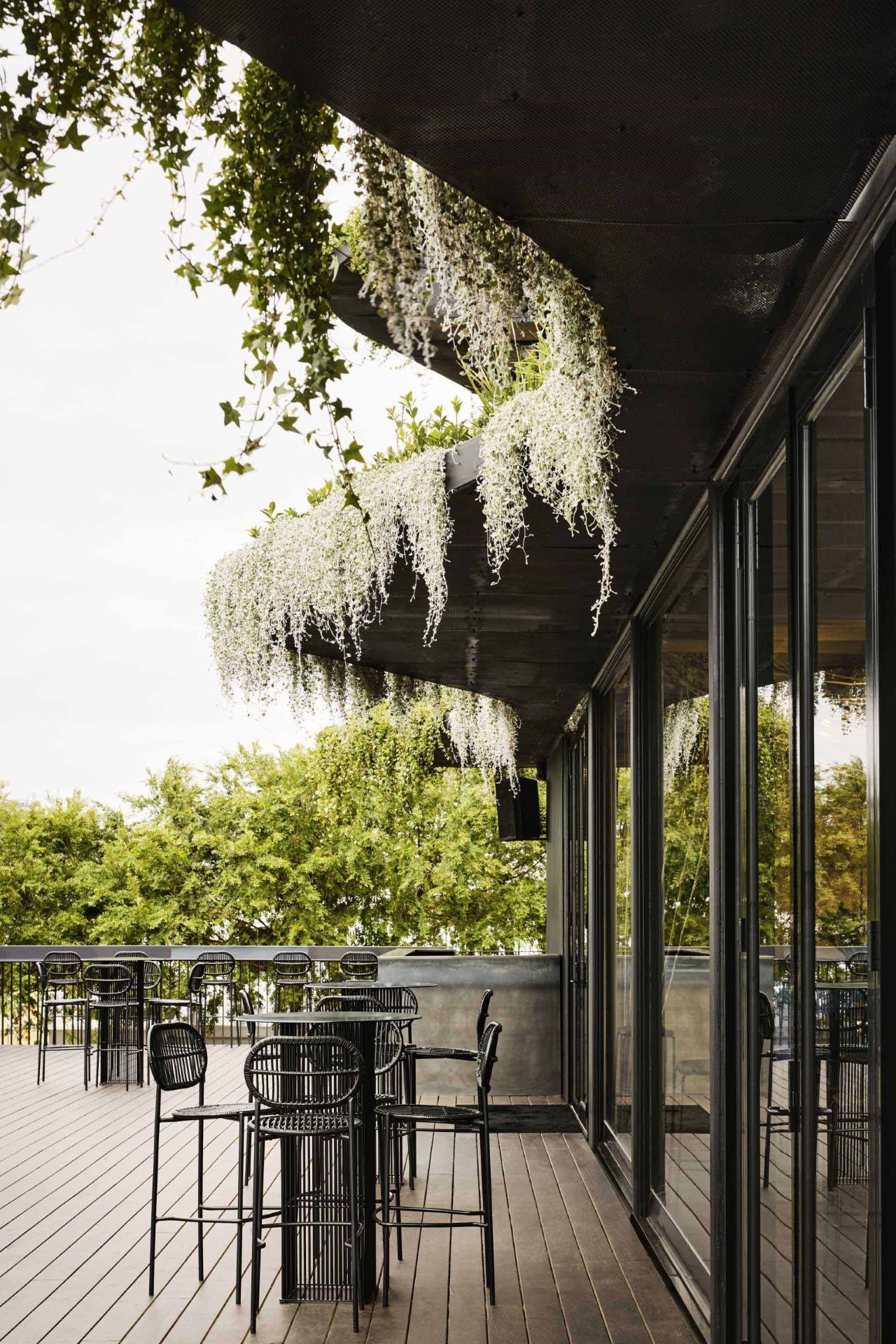
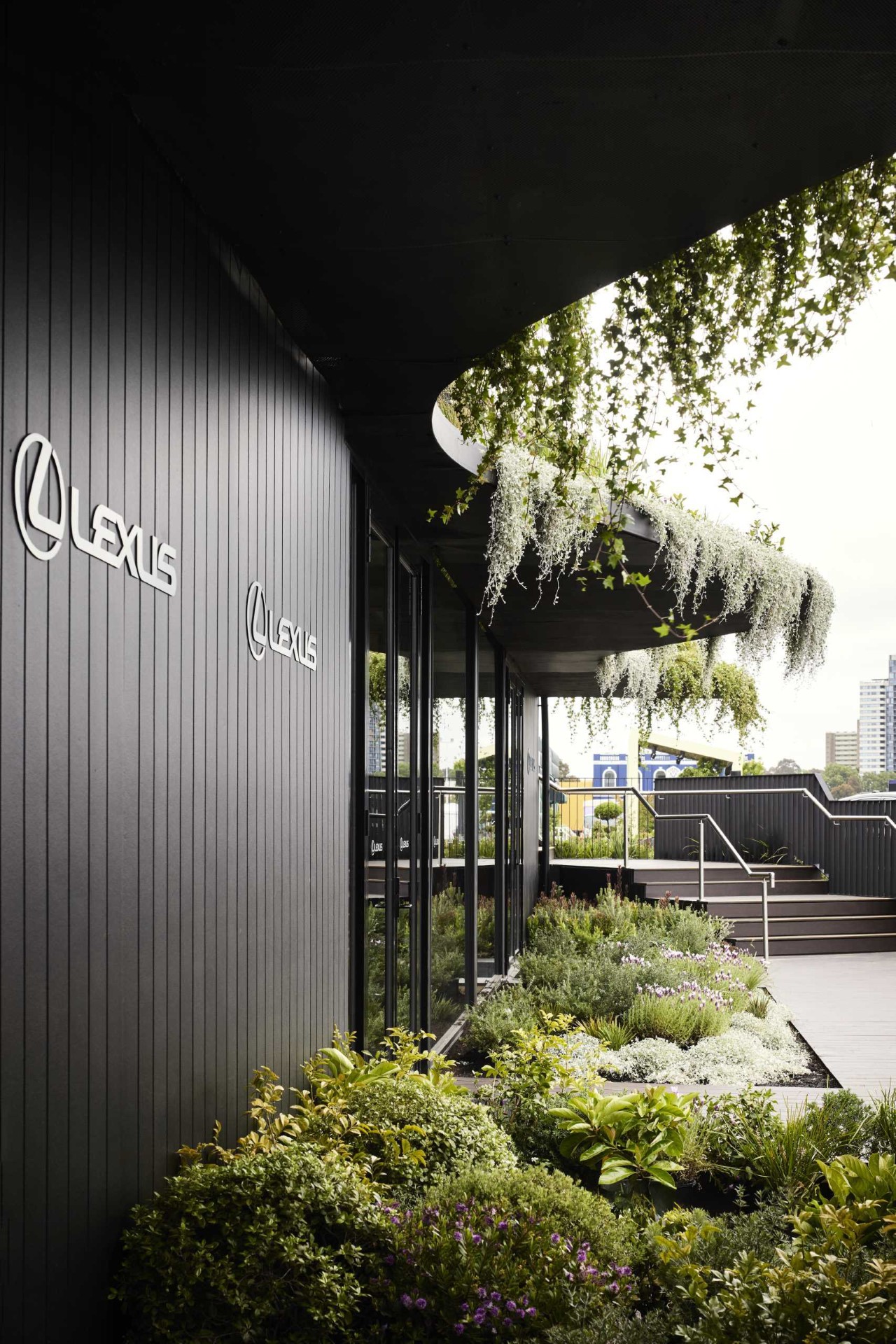
Guests are encouraged to engage with the plantings that adorn its façade, which include edible native flora like native pepper, saltbush, and lemon myrtle. This interactive element is designed to stimulate the senses, inviting guests to touch, smell, and taste the vegetation, a feature that brilliantly encapsulates the essence of Australian bush tucker.
The design of the pavilion is a marvel of modern engineering, with a focus on sustainability and adaptability. Its modular nature allows for easy assembly, disassembly, and reuse, catering to a future where environmental consciousness is paramount. The integration of prefabricated awnings, which interlock with the modular framework, introduces natural curves that beautifully contrast with the gridded, man-made structure. These curves not only add an aesthetic softness but also play a crucial role in supporting the lush greenery that envelops the building.
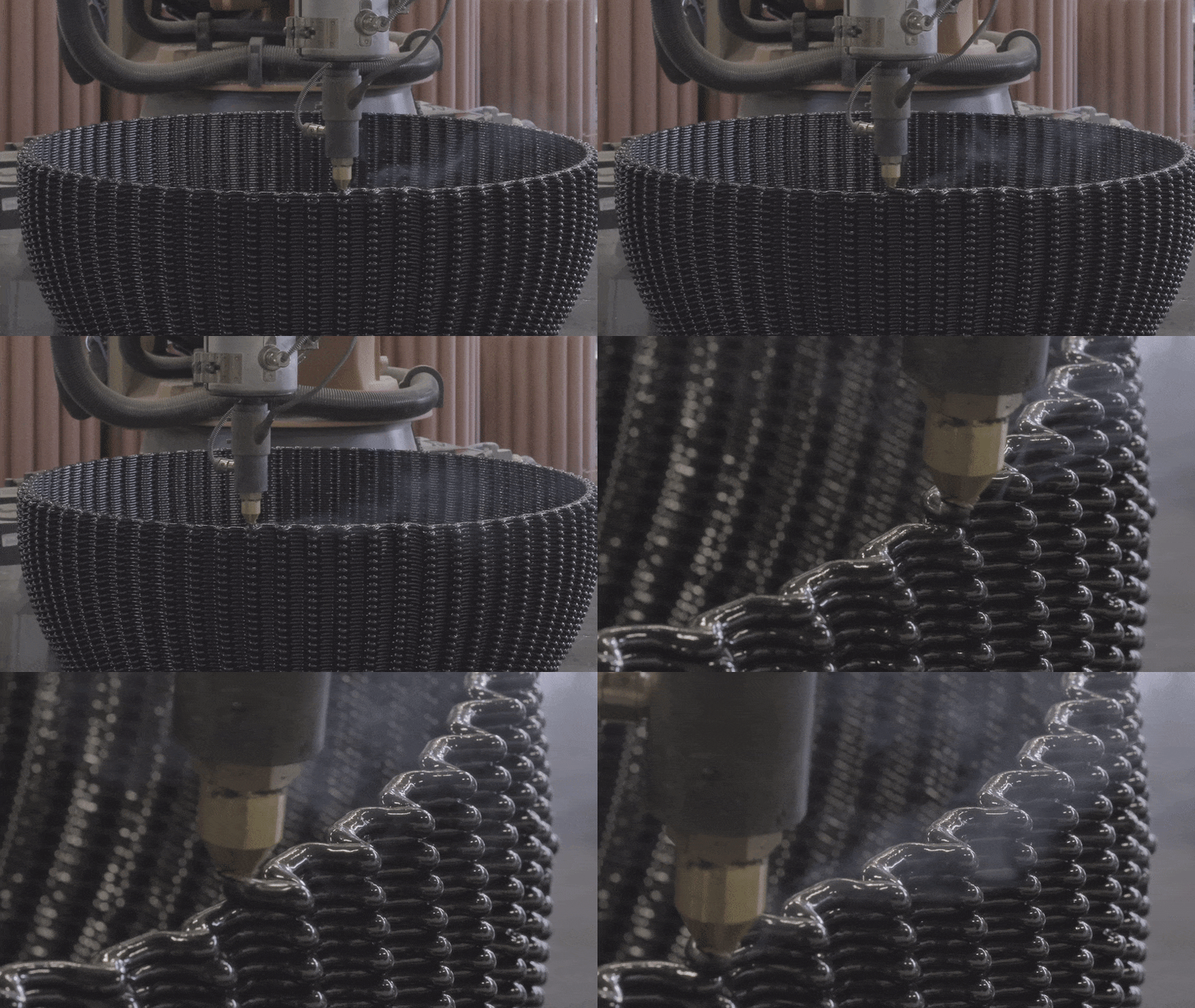
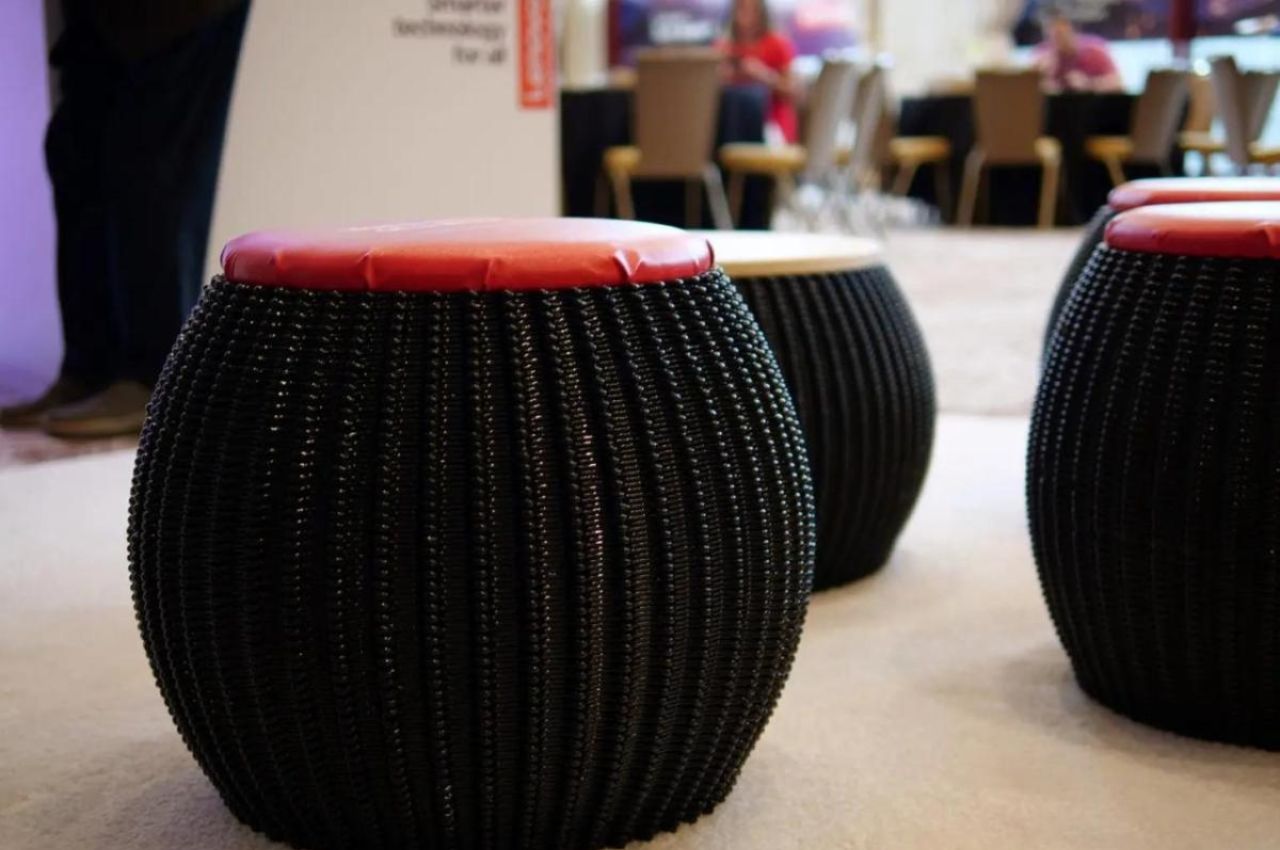
In an era where environmental sustainability is at the forefront of technological innovation, Lenovo, a global technology powerhouse, has taken a bold step towards repurposing electronic waste (e-waste) plastics through a groundbreaking collaboration with Aectual, a leader in industrial 3D printing. The result? 3D-printed furniture, that not only captivates with its design but also carries a powerful message about the possibilities of circularity and responsible consumption.
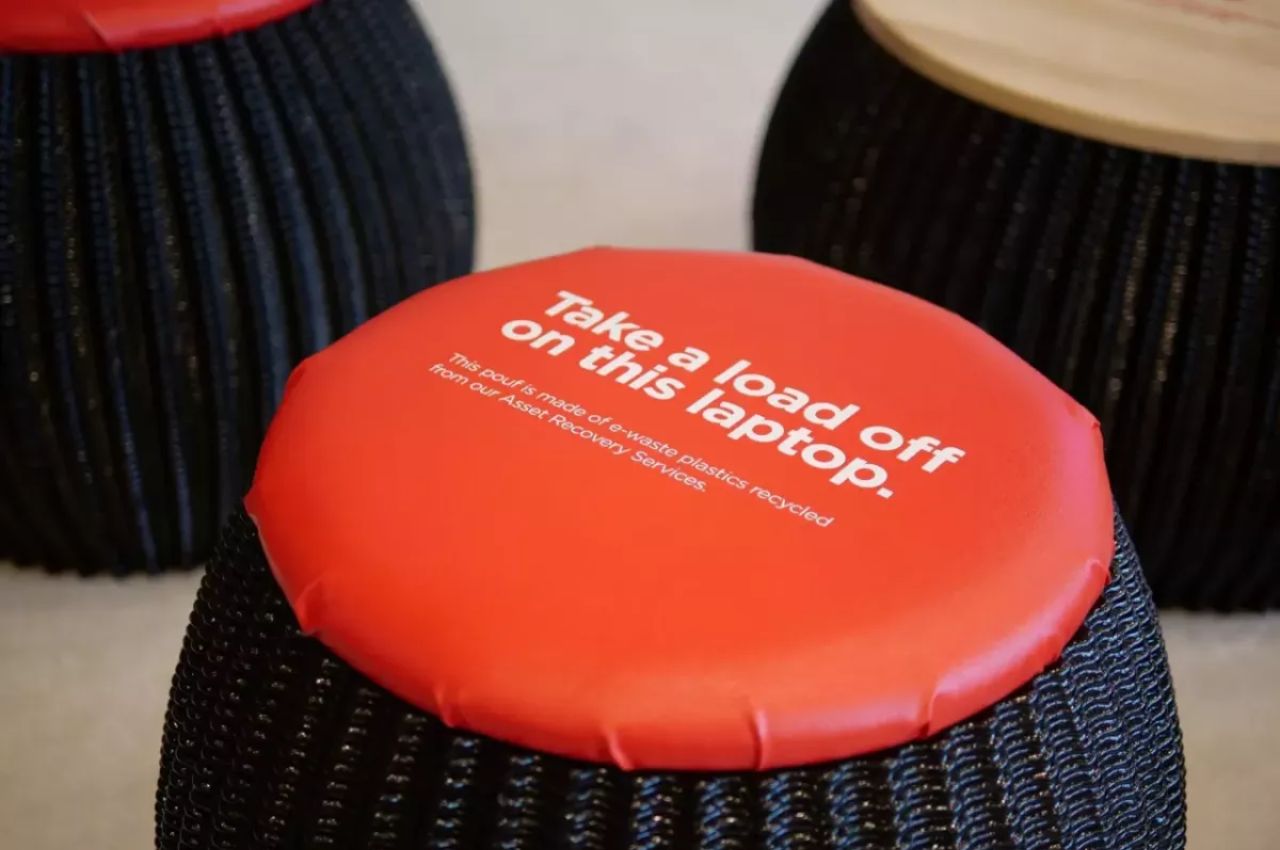
Lenovo’s annual Tech World event, a hub for discussions on the frontiers of AI, became the stage for a unique fusion of technology and sustainability. Attendees found themselves seated on low, padded stools adorned with red tops reminiscent of Lenovo’s iconic TrackPoint. Little did they know that beneath the comfortable exterior lay a story of transformation – the poufs were crafted from recycled e-waste plastics derived from a mix of devices.
The collaboration between Lenovo and Aectual extends beyond the mere recycling of e-waste plastics. Aectual, a Netherlands-based leader in 3D printing for architecture and interior design, joined forces with Lenovo to bring the concepts of asset recovery and circularity to life. This partnership showcases a commitment to innovation that goes beyond conventional boundaries.
Claudia Contreras, Executive Director of Global Sustainability Services at Lenovo, expressed her excitement about discovering new ways to deliver on Lenovo’s commitment to sustainability. The partnership with Aectual exemplifies an inventive and ambitious approach to repurposing e-waste plastics into 3D-printed event furniture.
Lenovo’s collaboration with Aectual is not just about creating aesthetically pleasing furniture; it is a testament to the company’s dedication to meaningful innovation. Hedwig Heinsman, co-founder, and Creative Director at Aectual emphasized the shared commitment to sustainability, with a focus on giving recovered materials a new life and creating surprising, environmentally friendly products.
Aectual’s 3D printing process prioritizes circularity by allowing the recovery of products after use. The material can be shredded and reused in new 3D-printed products up to seven times. This commitment to circular design aligns seamlessly with Lenovo’s broader sustainability goals.
The poufs at Lenovo Tech World are just a small example of the recycling possibilities enabled by solutions like Lenovo’s Asset Recovery Services (ARS). This end-to-end solution minimizes e-waste through secure device lifecycle management. Since 2005, Lenovo has processed nearly 800 million pounds of Lenovo-owned and customer-returned computer equipment, showcasing a comprehensive approach to responsible e-waste management.
Lenovo and Aectual’s collaboration serves as a beacon for sustainable practices within the tech industry. As the world grapples with the environmental impact of electronic waste, this partnership demonstrates that innovation and environmental responsibility can go hand in hand. With Lenovo’s commitment to reaching net-zero greenhouse gas emissions by 2050, this collaboration is a tangible example of the company’s dedication to a greener future.
The 3D-printed furniture showcased at Lenovo Tech World is more than just a comfortable seat; it is a symbol of transformation and innovation. By breathing new life into e-waste plastics, Lenovo and Aectual are paving the way for a future where technology and sustainability coexist harmoniously. As the world continues to seek solutions to the challenges posed by electronic waste, this collaboration sets a precedent for responsible and forward-thinking practices in the tech industry.
Solar power is something that is pretty important if we need to reduce our carbon footprint and our electricity consumption. But it’s still not something that’s easily accessible for everyone or something that’s portable and easy to use or access. A recent invention from Jackery, a portable power and green outdoor energy company, might be the thing we need to revolutionize how the ordinary consumer can access and use solar energy.
Designer: Jackery
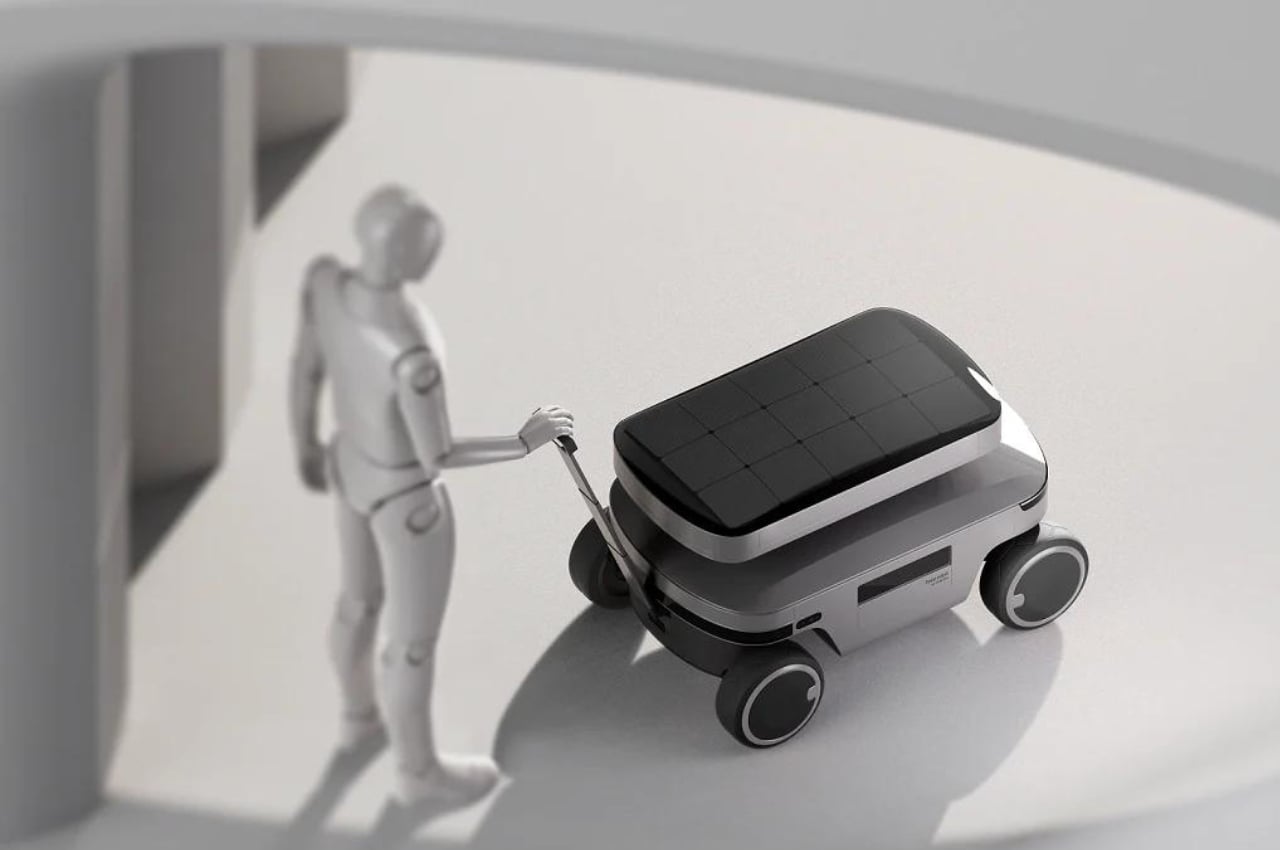
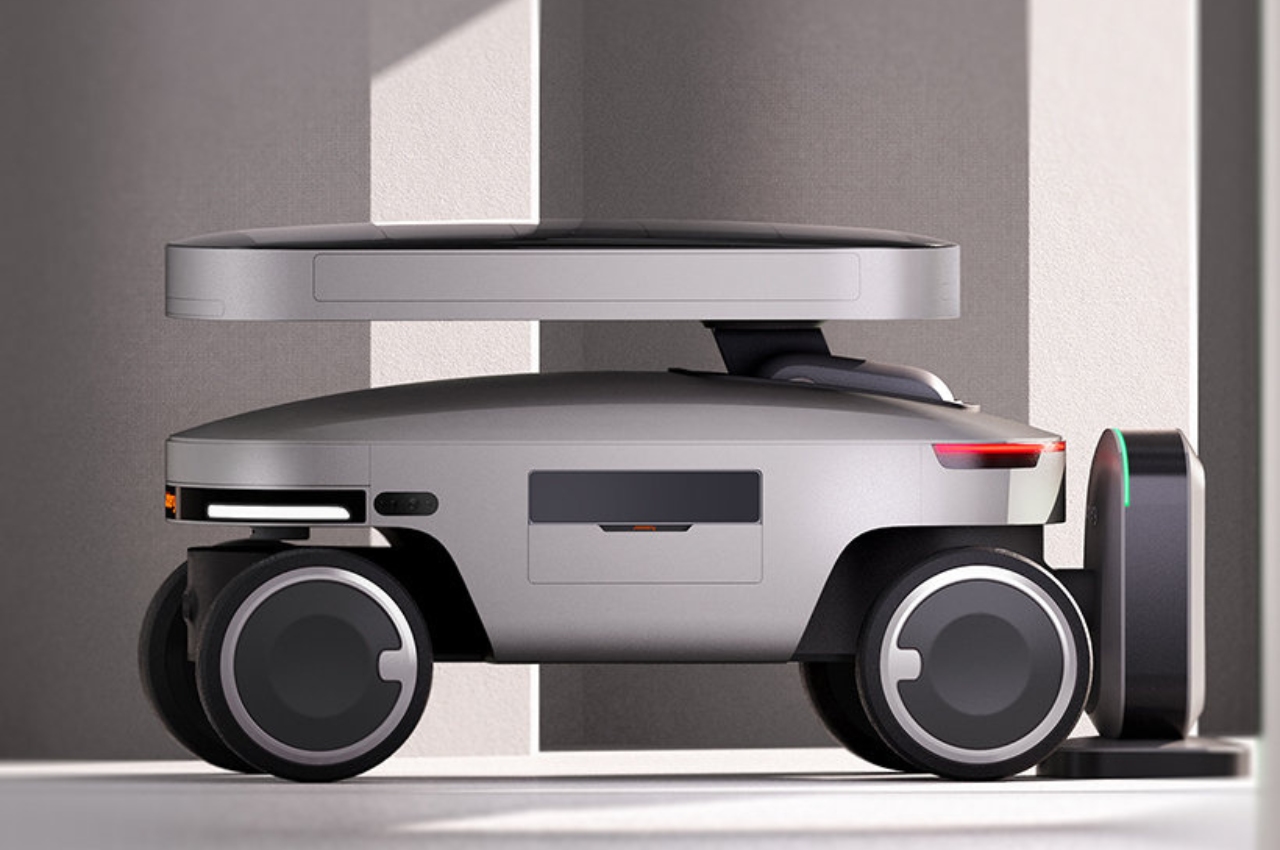
The Solar Mars Bot was named one of the Best Inventions of 2023 by Time Magazine, specifically in the Green Energy category. It is a robot type machine that is a photovoltaic energy storage device equipped with various sensors to enable it to gather as much solar power as it can store. It has laser radar and camera modules to help it get around. It’s smart enough to roll around and find spots where it can align its panels with sunlight and even avoid obstacles.
The energy that it is able to gather is stored in a lithium iron phosphate battery and then you will be able to power your devices through any of its connectors including ordinary earthed sockets, USB-C and USB-A ports. You can take this solar robot with you when camping or on any outdoor activity or when you’re just lounging in your backyard or swimming pool and you need to charge your devices.
For now it seems to still be in the conceptual stage and Jackery may be creating a prototype for testing. But if ever it reaches the consumer market it will make solar energy common for those who are conscious about their electricity consumption. Hopefully we see some progress with this “best invention” soon as we all want to be able to regulate our carbon consumption over the next few years.
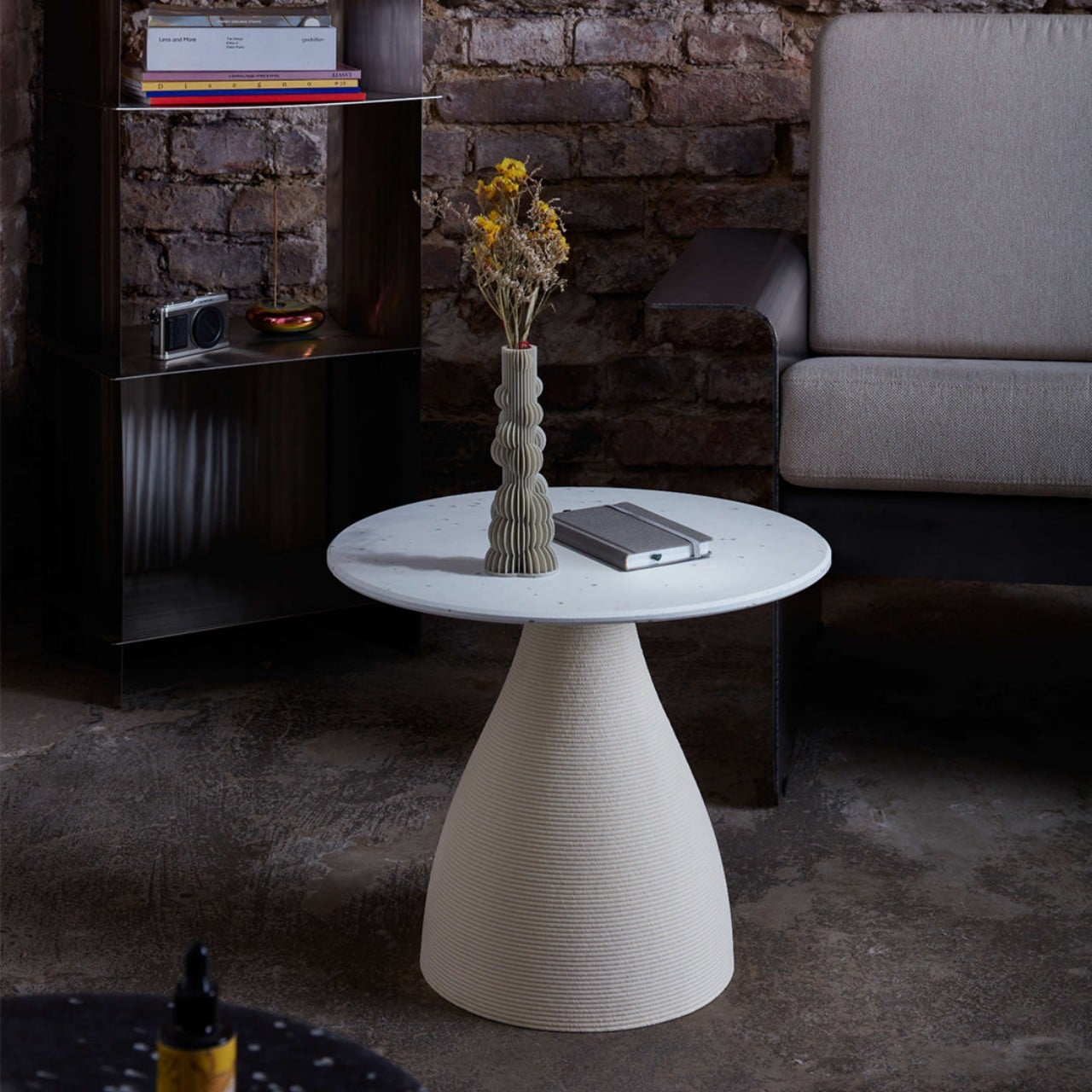
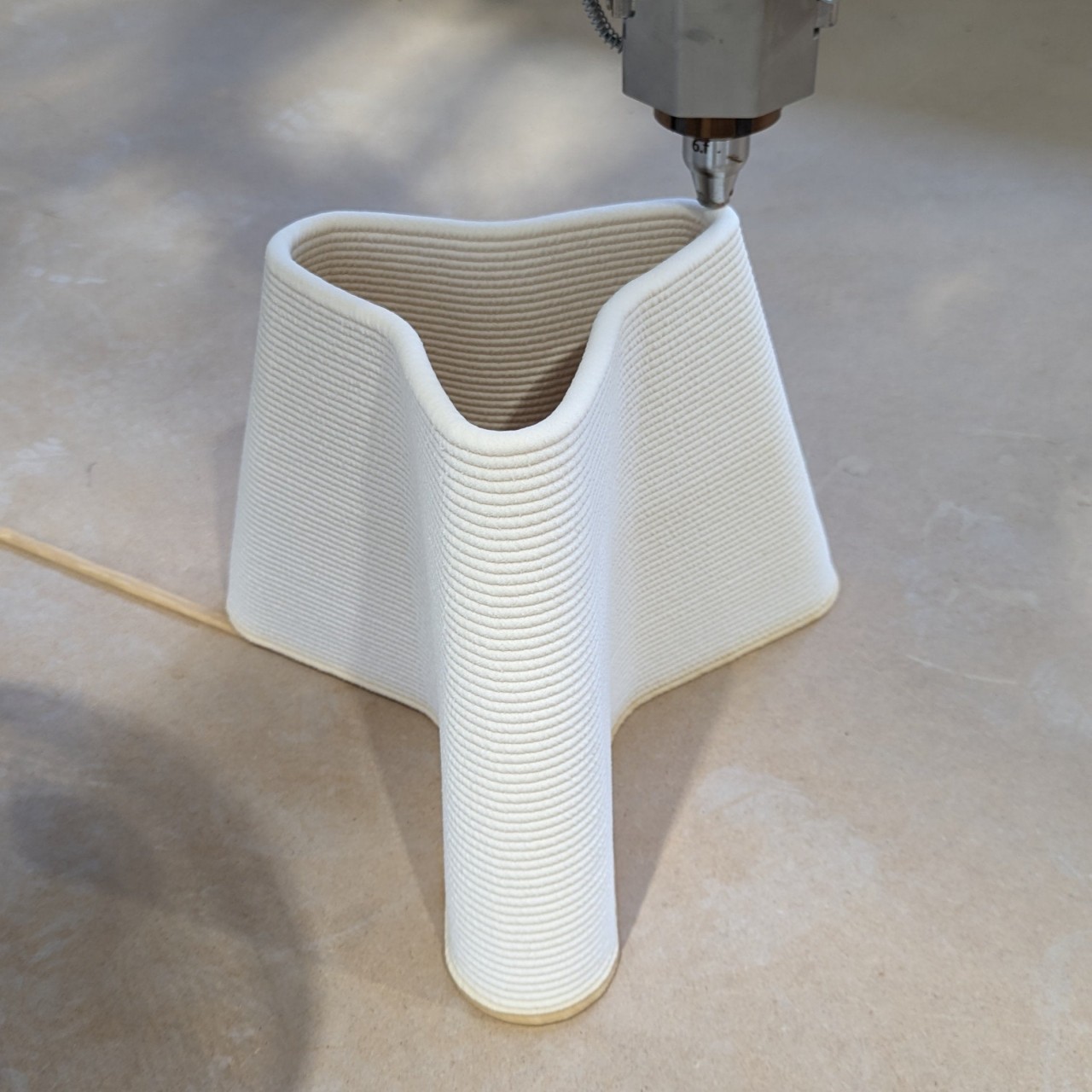
3D printing has come a long way, but unless you’re using industrial printers in large factories, you’re probably limited to creating small designs or just parts of a whole. That, unfortunately, means that creators and makers aren’t able to fully express their ideas and designs, at least not those that involve pieces that can’t fit inside a commercial 3D printer. That said, you don’t have to give up your creative freedom to use an expensive production line if you can put 3D printing robots to smart use, like this sustainable plastic coffee table that is able to form organic geometric forms just by making the robot arm loop round and round.
When people think of 3D printers, they most likely think of those boxy contraptions sitting on tables, with nozzles that quickly run back and forth while oozing out hot plastic material in order to build up a three-dimensional object almost like from thin air. While this is the most common and most convenient kind of 3D printing, it has severe limitations in the size or shape of the object being made, basically anything that can fit the area and height of the printer.
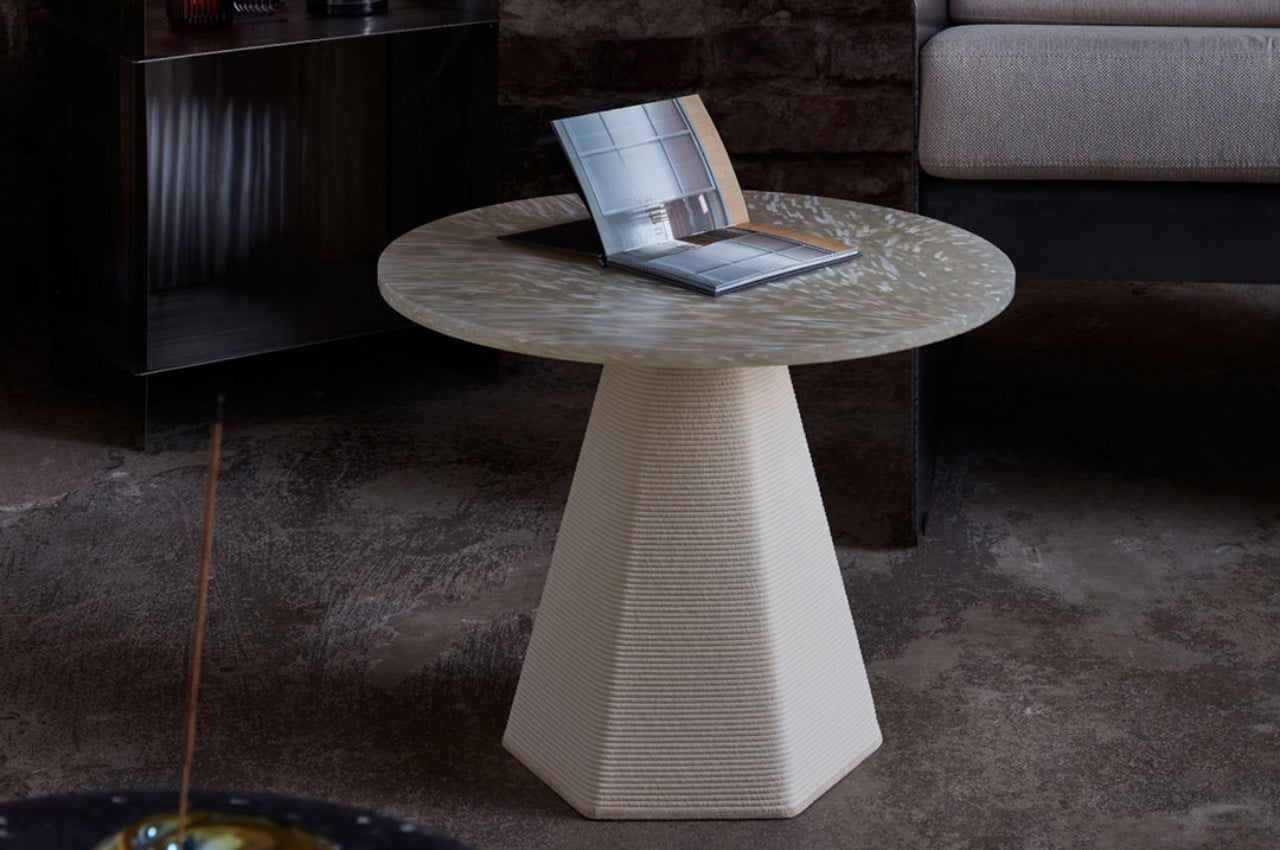
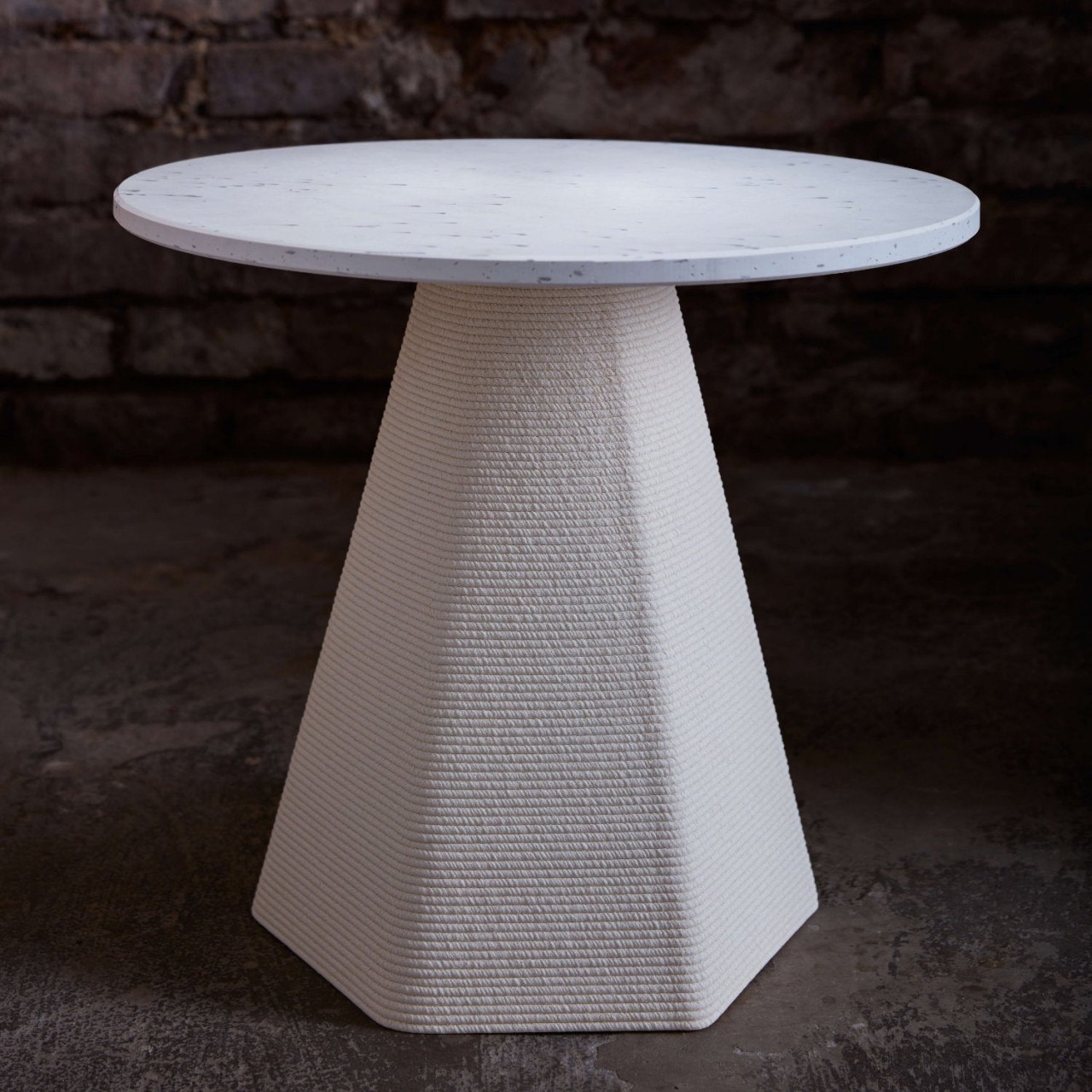
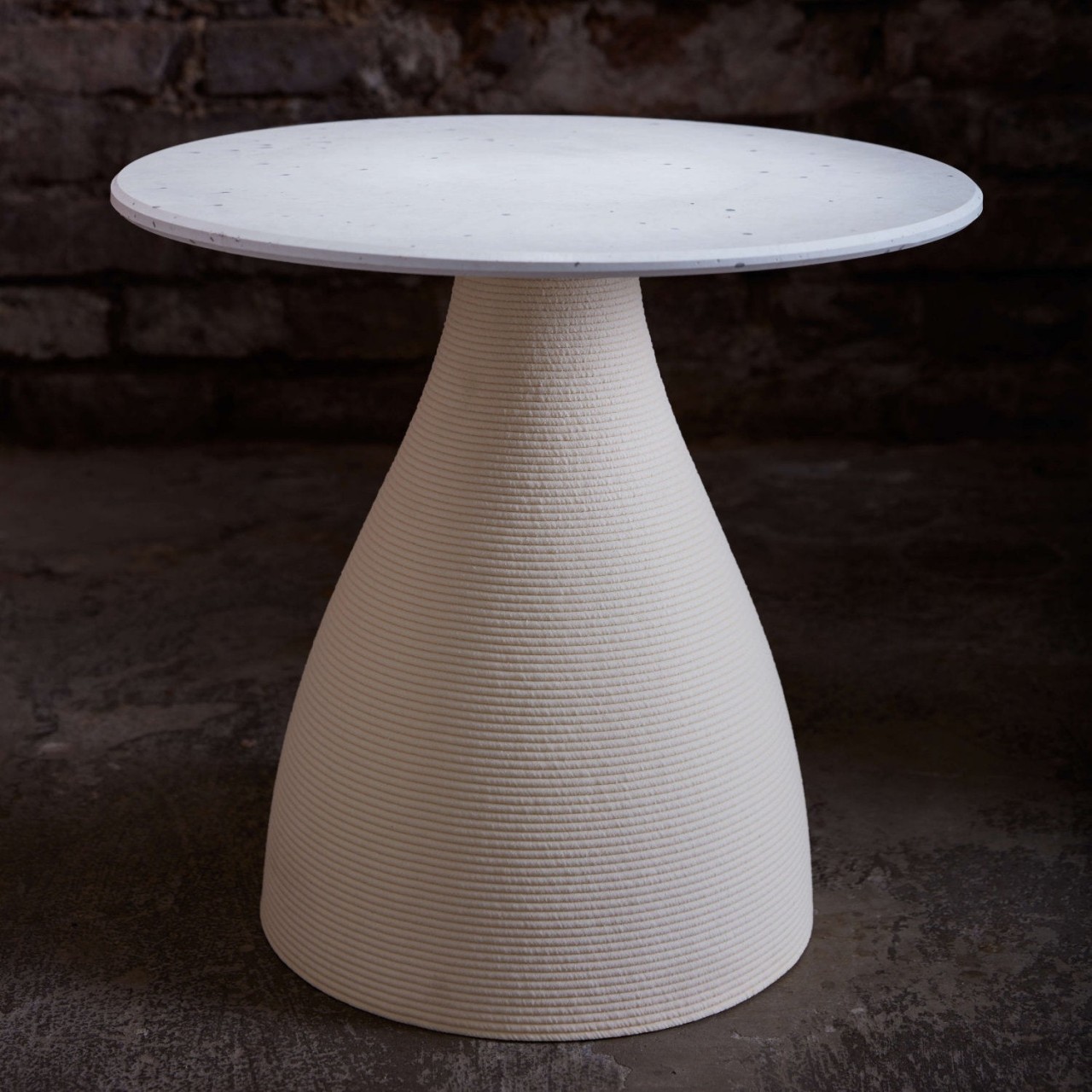
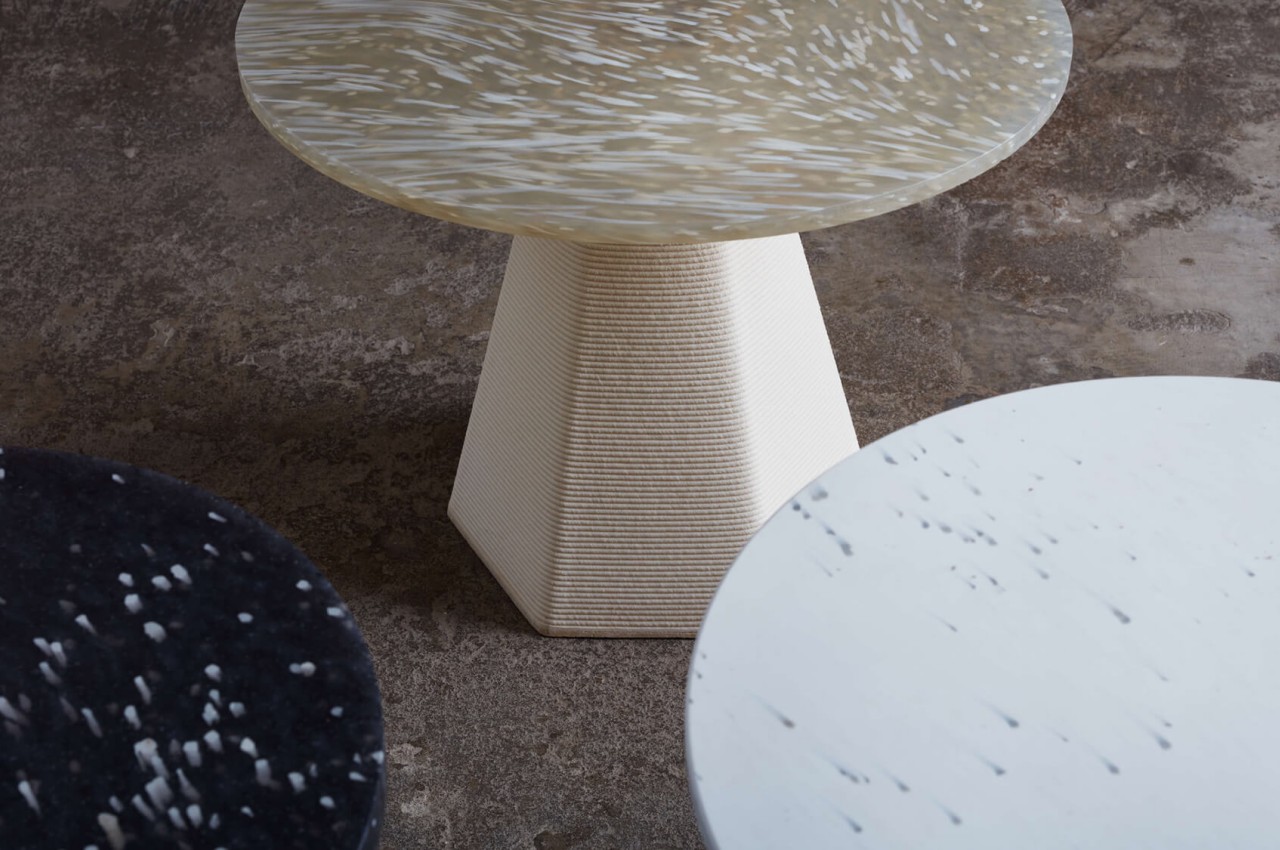
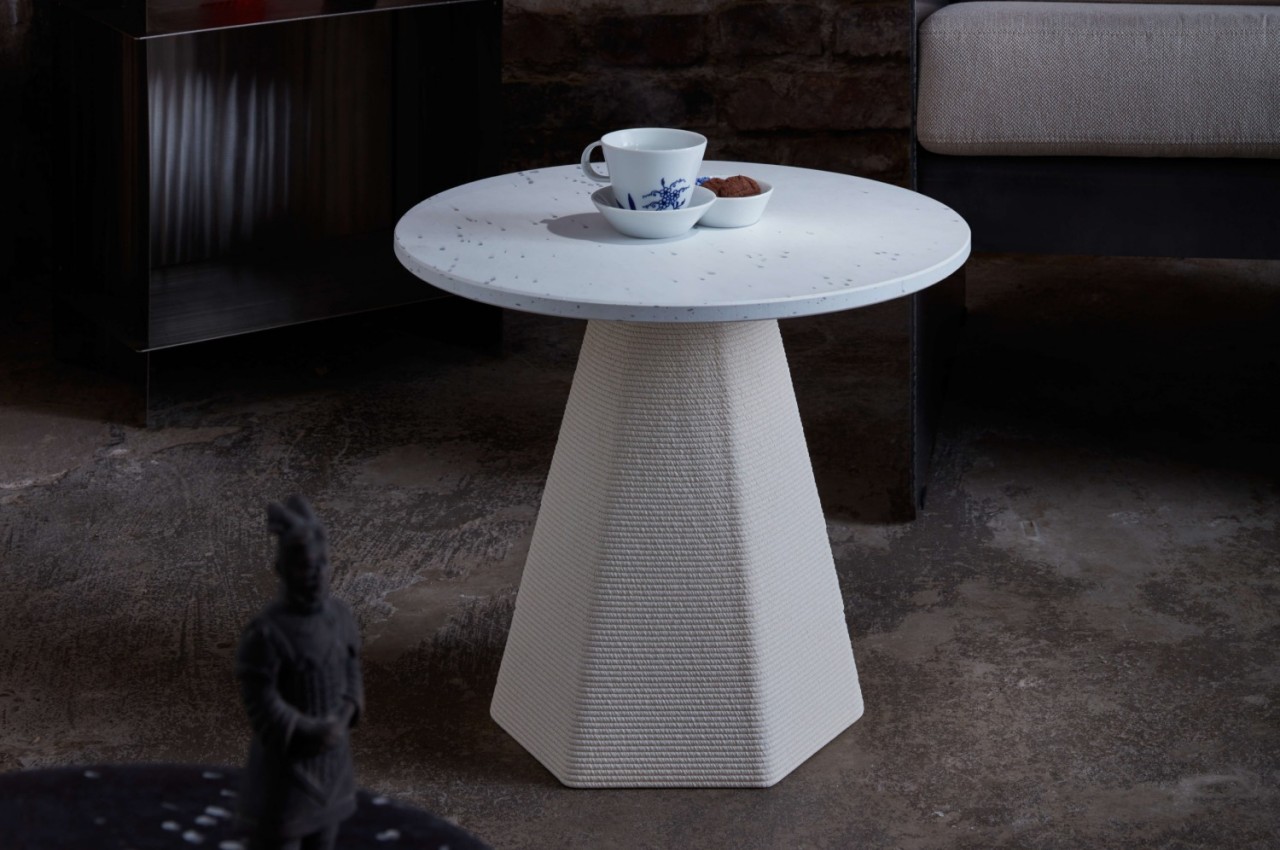
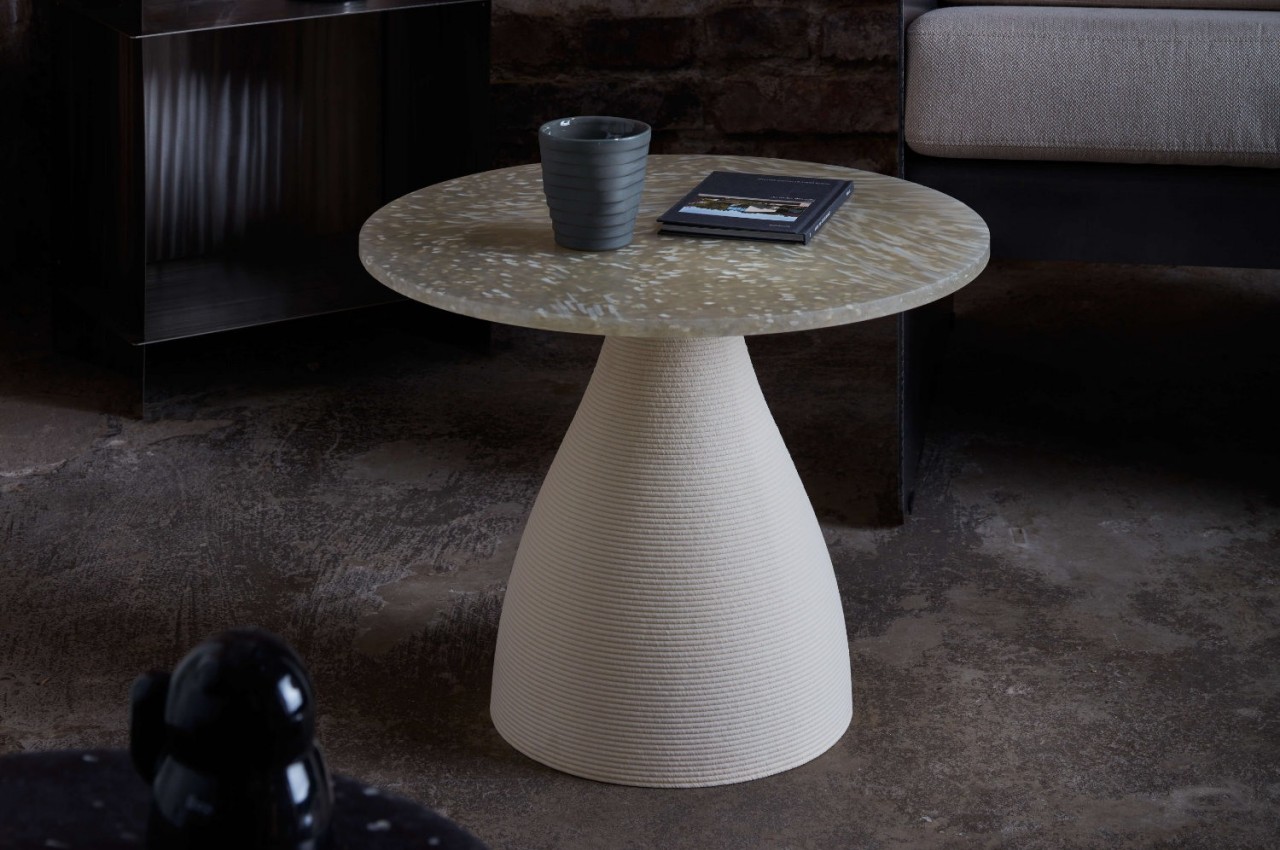
LOOPS is a collection of coffee tables conceived to push the envelope of 3D printing and create objects that are larger than normal without requiring additional hardware. An industrial 3D printing robot pretty much goes round and round to create the base shape, building layer after layer of composite material until the desired form is achieved. This is the process used for creating the base of these tables, allowing the designer to apply different geometric shapes with organic forms that look like they’re literally growing before your very eyes.
The coffee tables are more than just experiments in 3D printing, they are also testaments to beautiful sustainable design. Tabletops are made from 100% recycled plastic that is crushed, melted, and then moulded from used plastic. The 3D printed bases, on the other hand, are made from composite material containing cellulose from responsible forestry. When the tables reach the end of their use, both the base and the top can be recycled or reused to extend their life in a different way.
The LOOPS coffee table collection offers a unique and novel design that pushes the boundaries of 3D printing to produce beautiful shapes and textures that almost resemble traditional ceramic creations. The variety of recycled plastics used gives each tabletop a unique appearance, both in color as well as in texture. The minimalist yet elegant designs make the coffee tables the perfect artistic centerpieces for any space, offering a thought-provoking design that opens your mind to the possibilities of sustainable 3D printing.
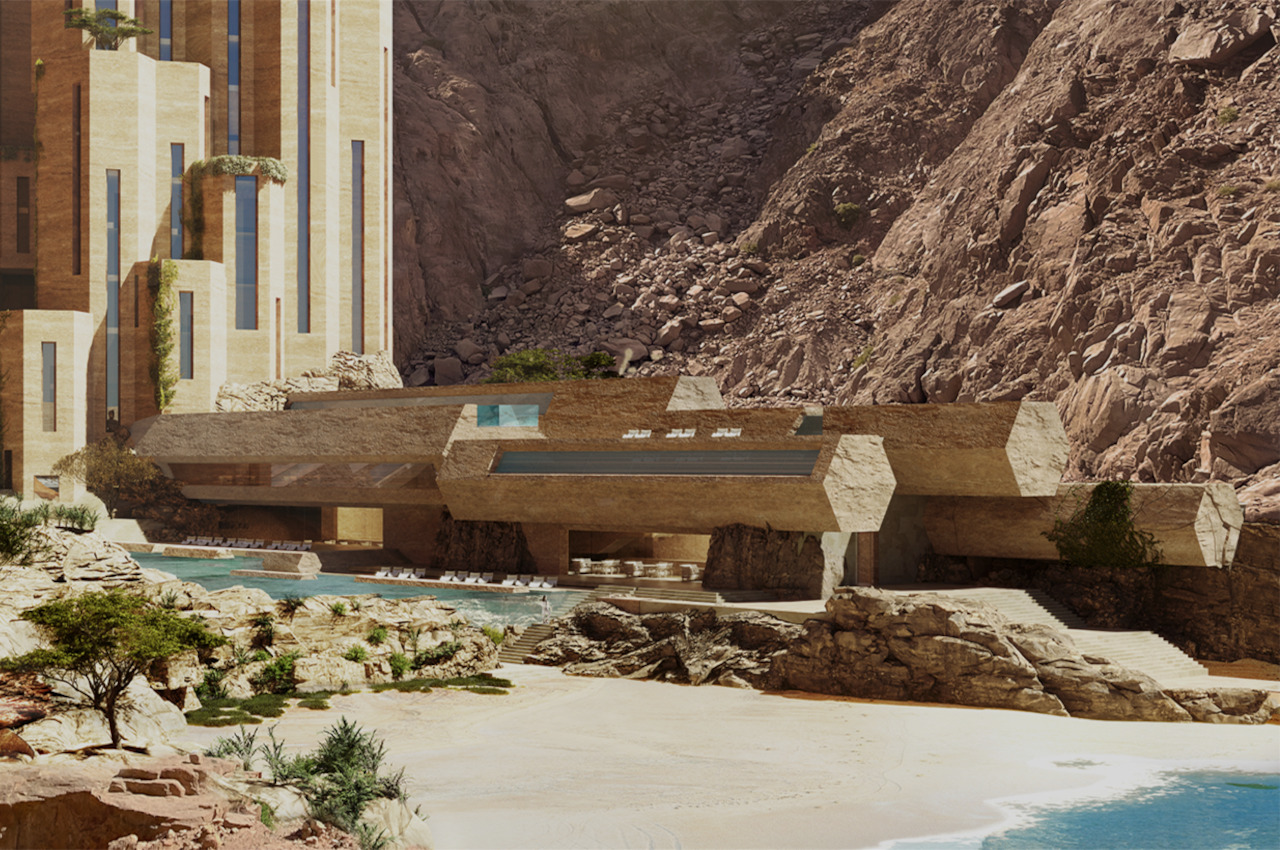
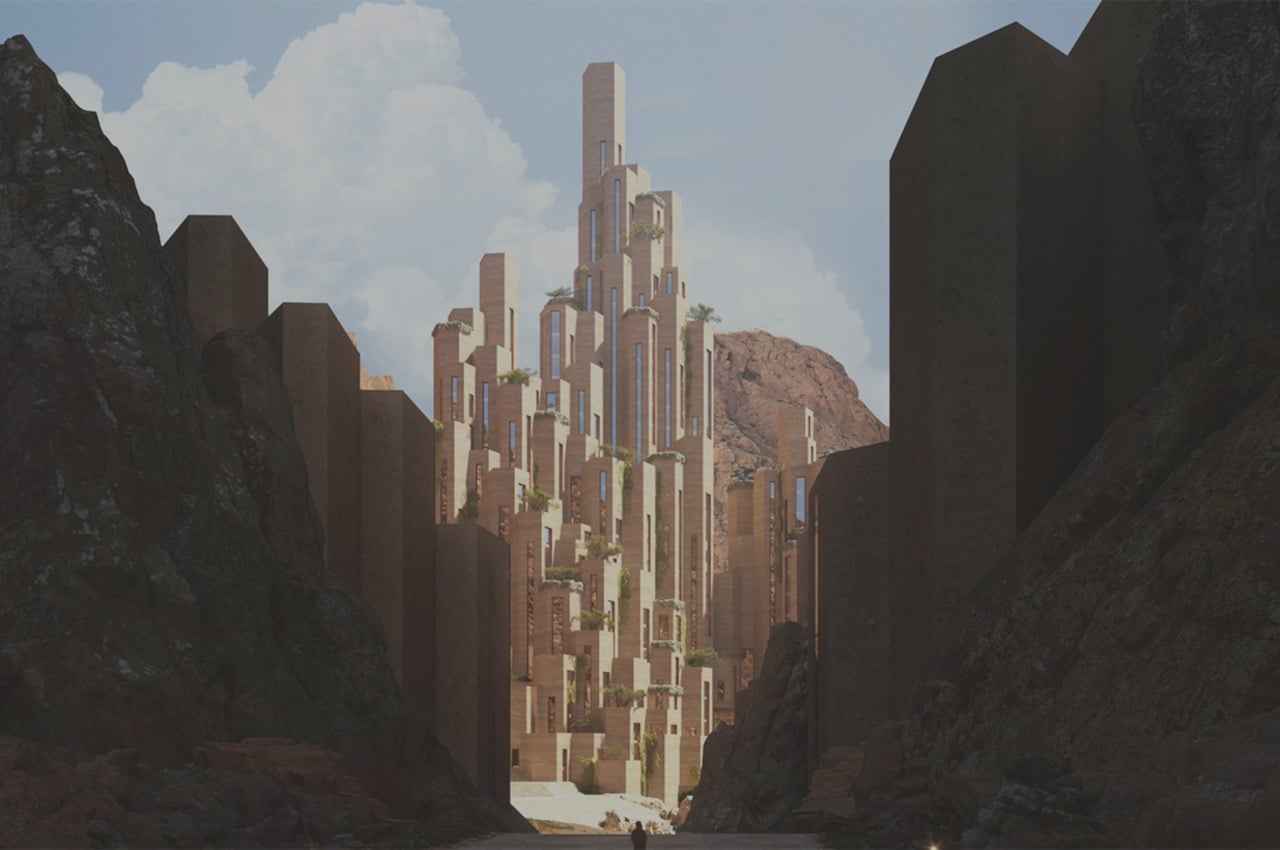
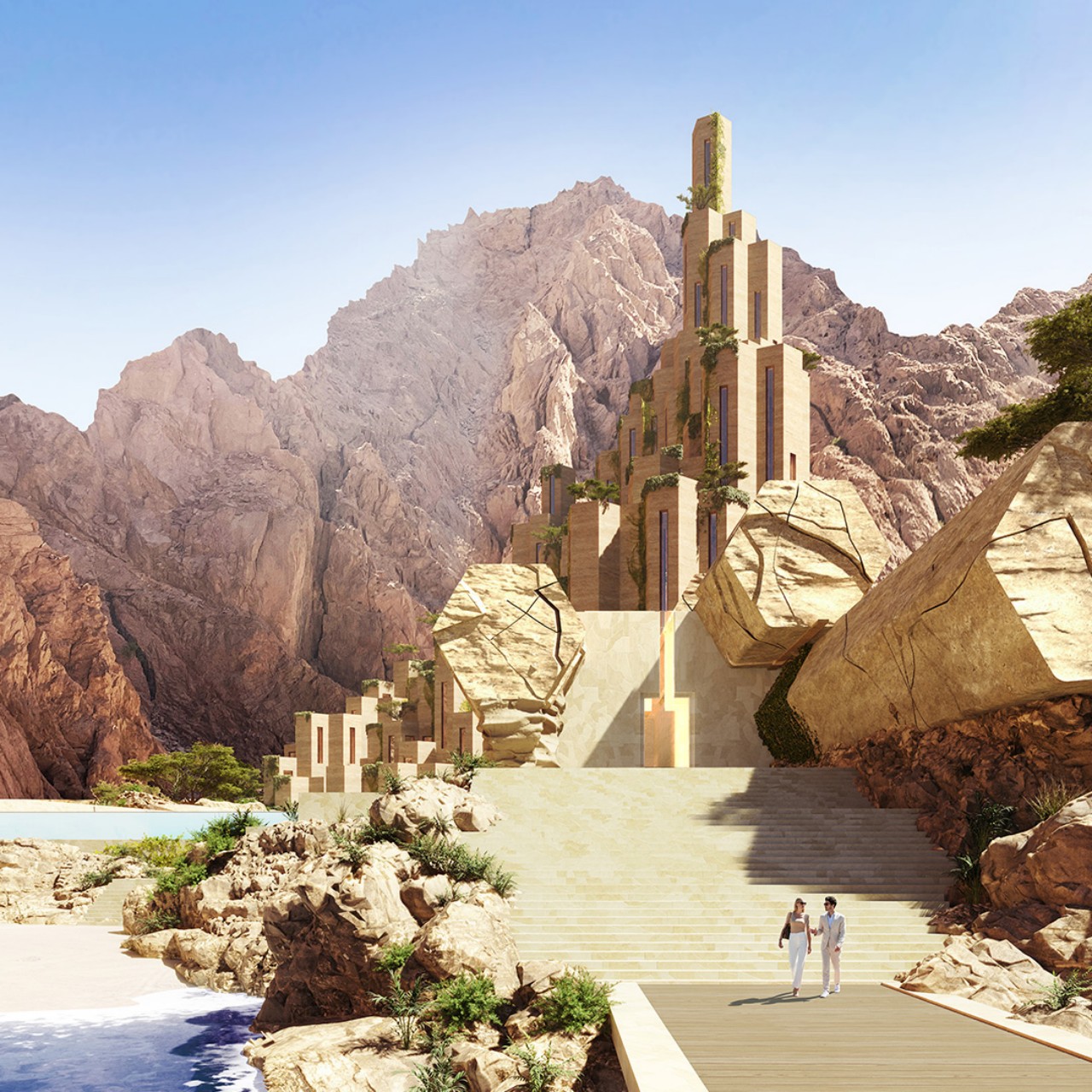
When people speak of hotels, they probably think of towering buildings in the middle of cities or near beaches and tourist hot spots. Few will probably imagine one built on desert landscapes, surrounded by imposing mountains on one end and a sea on the other. They probably wouldn’t even be able to imagine how the hotel would be composed of towering spires that seem to be made from the very same rock as the mountains. That combination of elements, however, is exactly what NEOM’s latest ambitious project is proposing, creating a picturesque tourism escape that resembles fantasy or sci-fi fortresses built from mountains, which is actually also the blueprint for this hotel and residence dream.
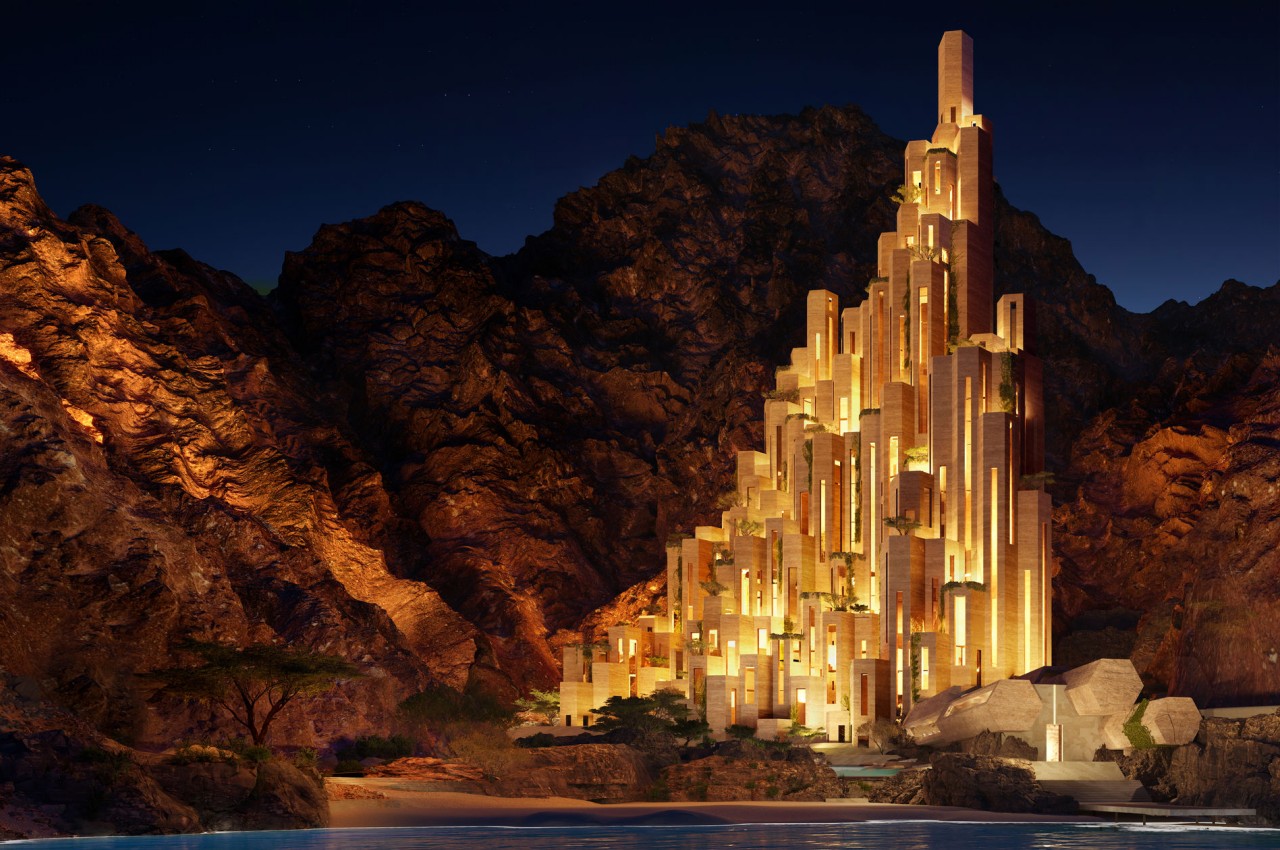
Imagine riding a boat across a sea and gazing at an imposing mountain range across the horizon. As you near the coast, you notice what seem to be stone pillars rising from the ground, their shadows during the day and lights at night casting an almost otherworldly atmosphere around them. This majestic view is actually your destination, and that’s the kind of adventure that the Siranna is meant to offer, a break from the hustle and bustle of everyday life and a journey into an ultra-luxurious and dreamy location where sea, mountains, and wadi intersect.
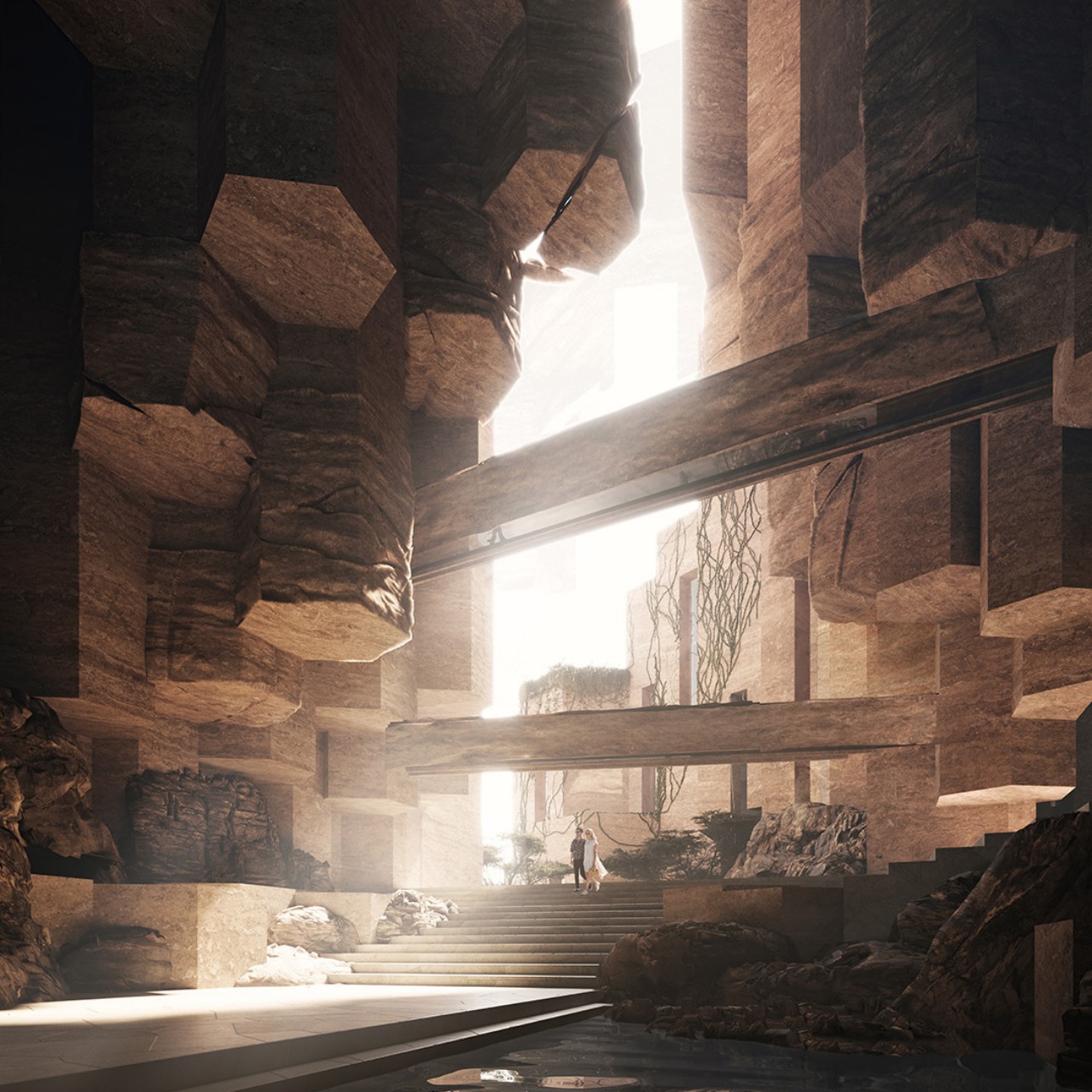
To be built on the Gulf of Aqaba coastline in Saudi Arabia, the Siranna is a complex that will be home to a 65-key hotel and 35 exclusive residences that promise top-of-the-line resort amenities, from beach clubs to spas to wellness facilities. Despite the seemingly dry environment, the experience will also include outdoor adventures, whether on foot or on horseback, to explore the awe-inspiring landscapes that surround this man-made structure. Even the way you get to Siranna will be a breathtaking journey that starts with a boat ride to a secluded bay and then a trek through the mountain’s natural rock formations before finally reaching the property.
The design of the architecture is quite unique and distinctive, with hexagonal pillars that make up both the vertical buildings as well as horizontal spaces. The towers have a single window that runs through the height of the pillar, resulting in a rather striking vertical pattern of lights at night. If you’ve ever seen fictional cities or castles built on the side of mountains, this rather unusual space definitely fits the bill.
Just as unusual as its design is the actual construction of Siranna, intended to support sustainable living and conservation at the same time. The hotel is almost literally carved into the mountainside, allowing it to seamlessly blend with its surroundings while also minimizing intervention in nature and preserving the surrounding landscape. In an age where skyscrapers are eating up the land and blocking the skies for the sake of human convenience, the NEOM Siranna represents an escape not only from the mundane but also from the devastation we inflict on the planet.
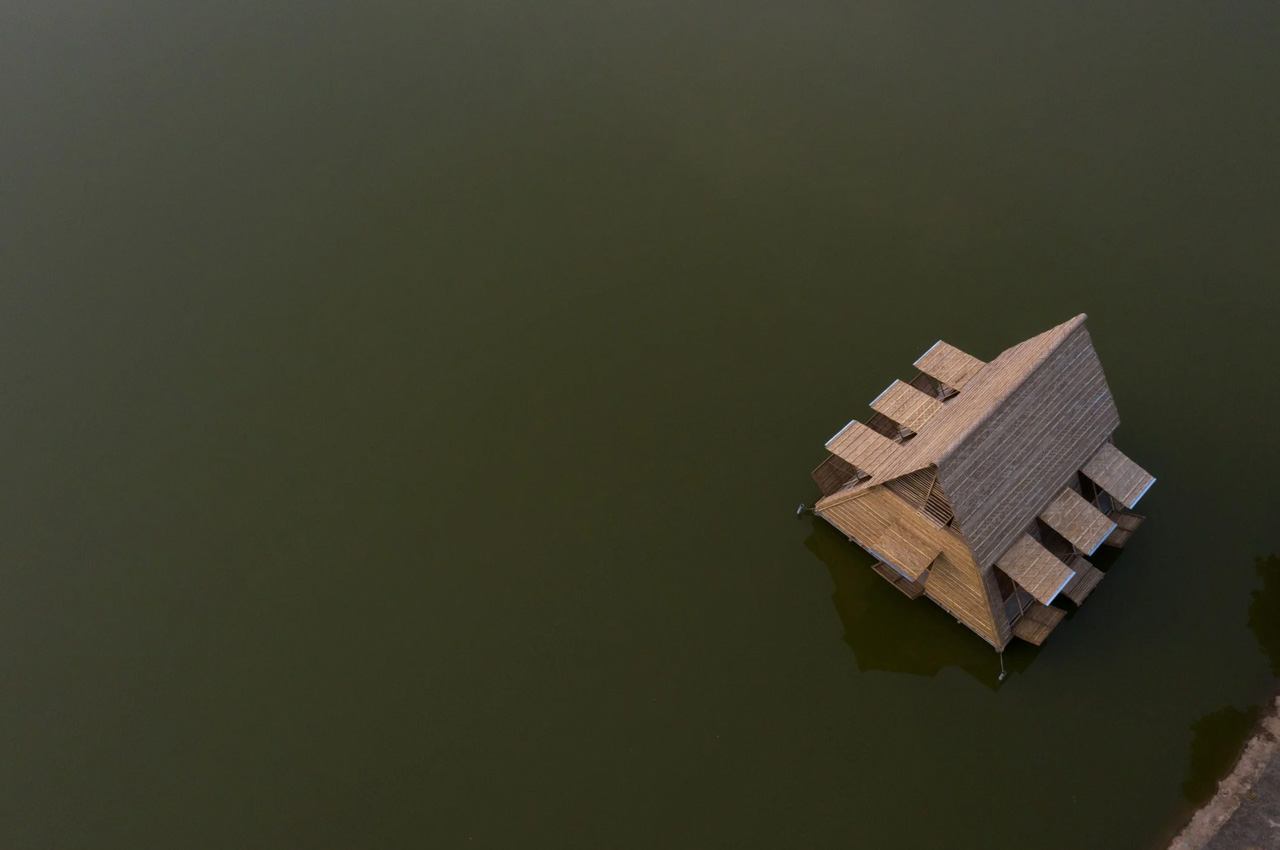
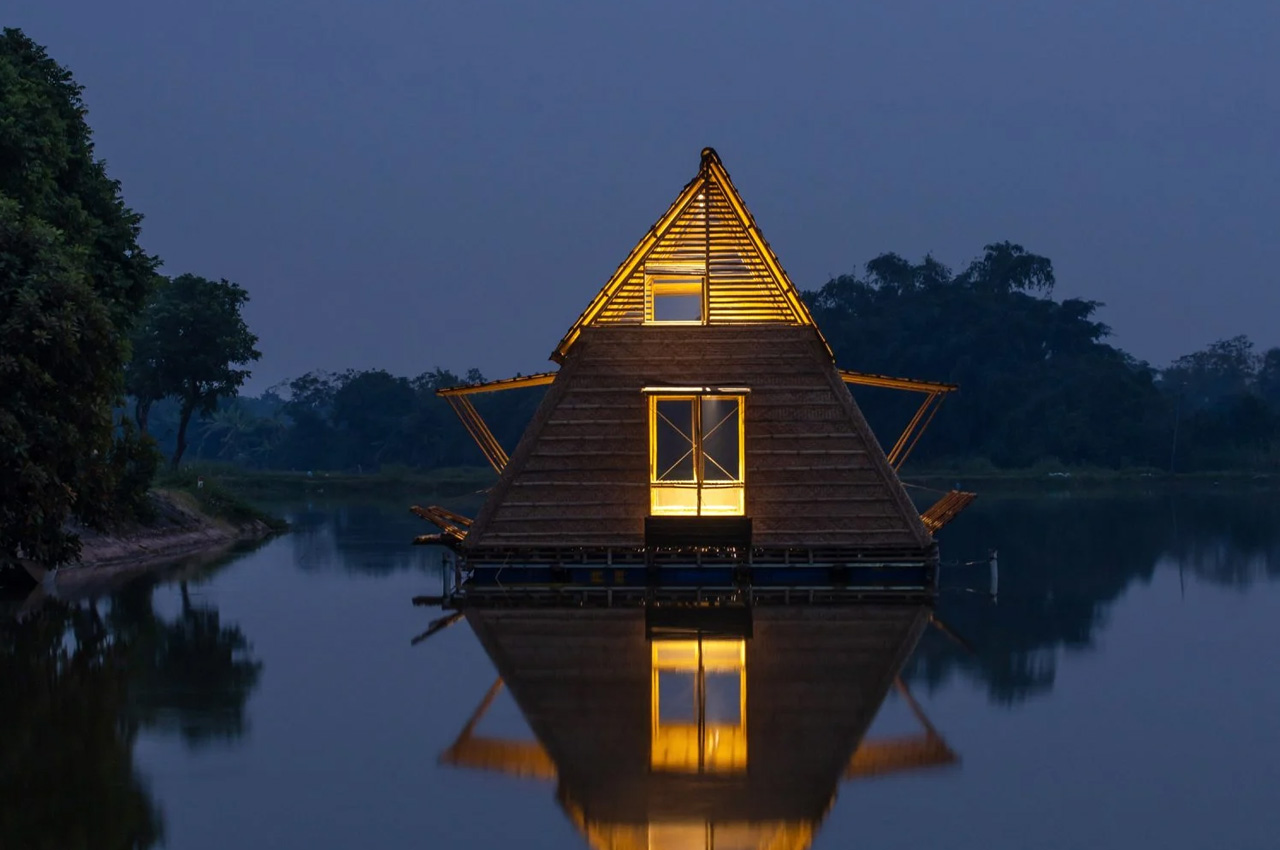
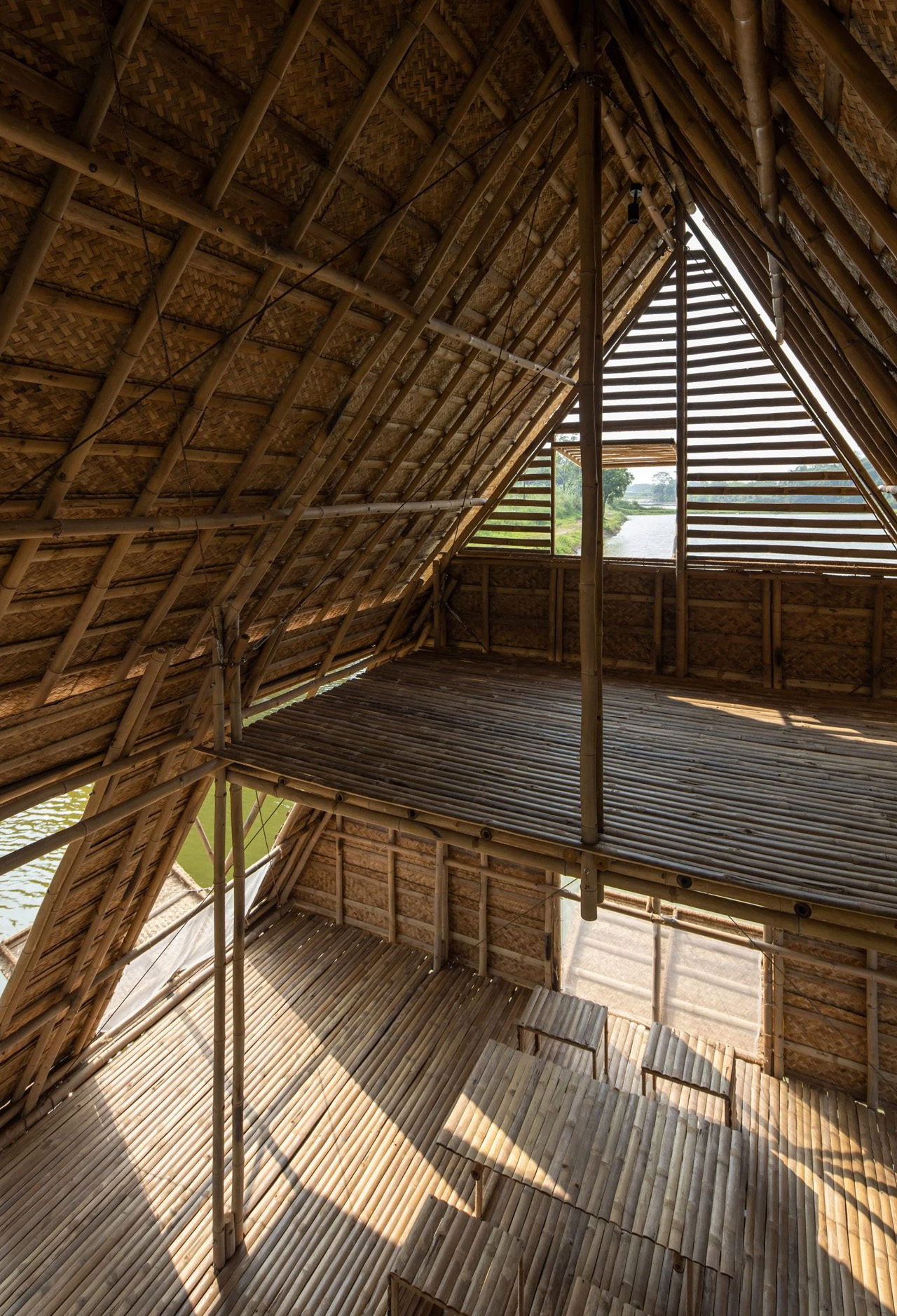
Called the Floating Bamboo House, this architectural prototype by Vietnamese studio H&P Architects is exactly what it sounds like! The floating home is built from bamboo and is designed to withstand rising sea levels. It has been created with the intention to provide locals who are living in and around the Mekong Delta in Vietnam with a suitable model for climate-resilient housing.
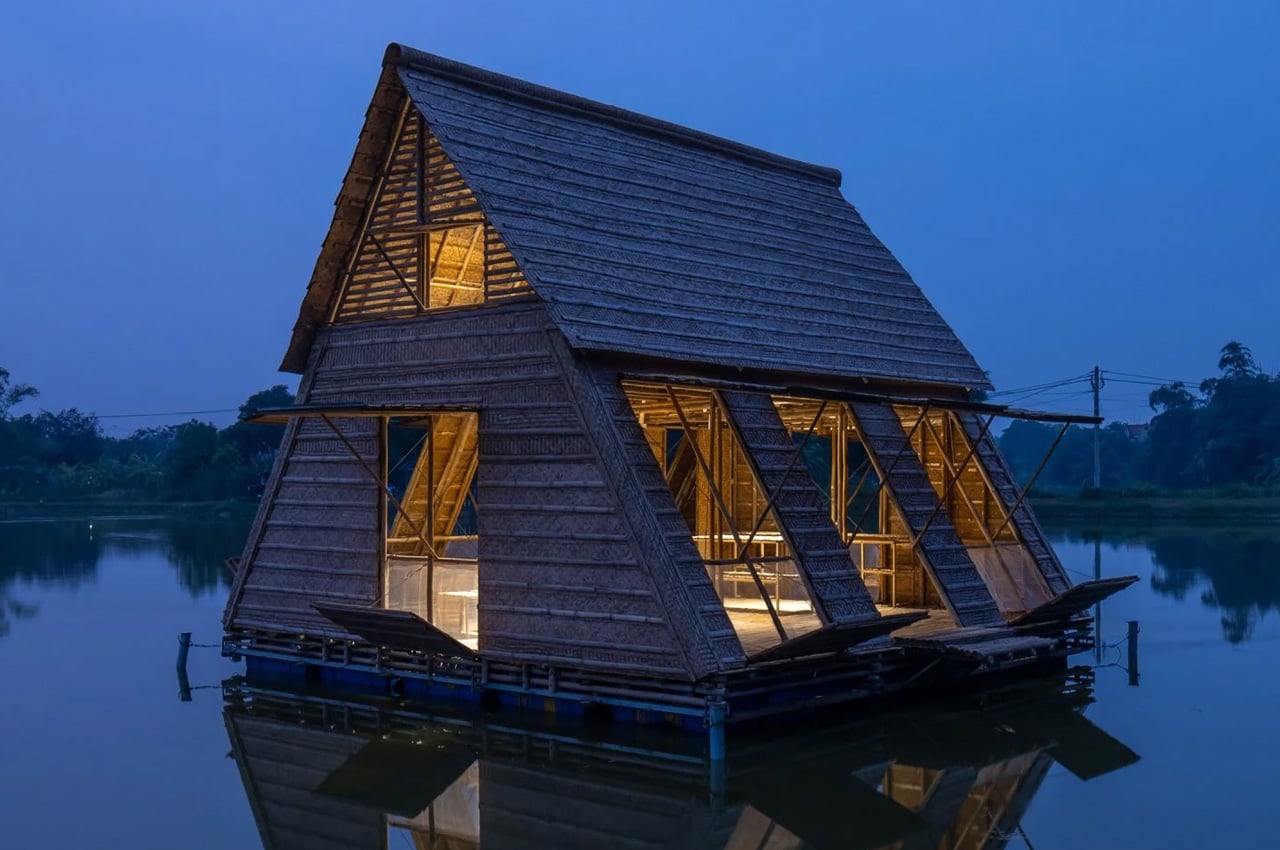
“Vietnam is one of the hardest-hit countries in the world by climate change,” said H&P Architects founder Đoàn Thanh Hà. “Floating Bamboo House is believed to provide a useful alternative for millions of poor households to create a stable and safe accommodation themselves, and adapt to the worst scenario of responding to climate change,” he continued. The Floating Bamboo House is designed to be a three-compartment home equipped with a square ground floor plan that occupies six by six meters. The home also has a first-floor story in its roof eaves.
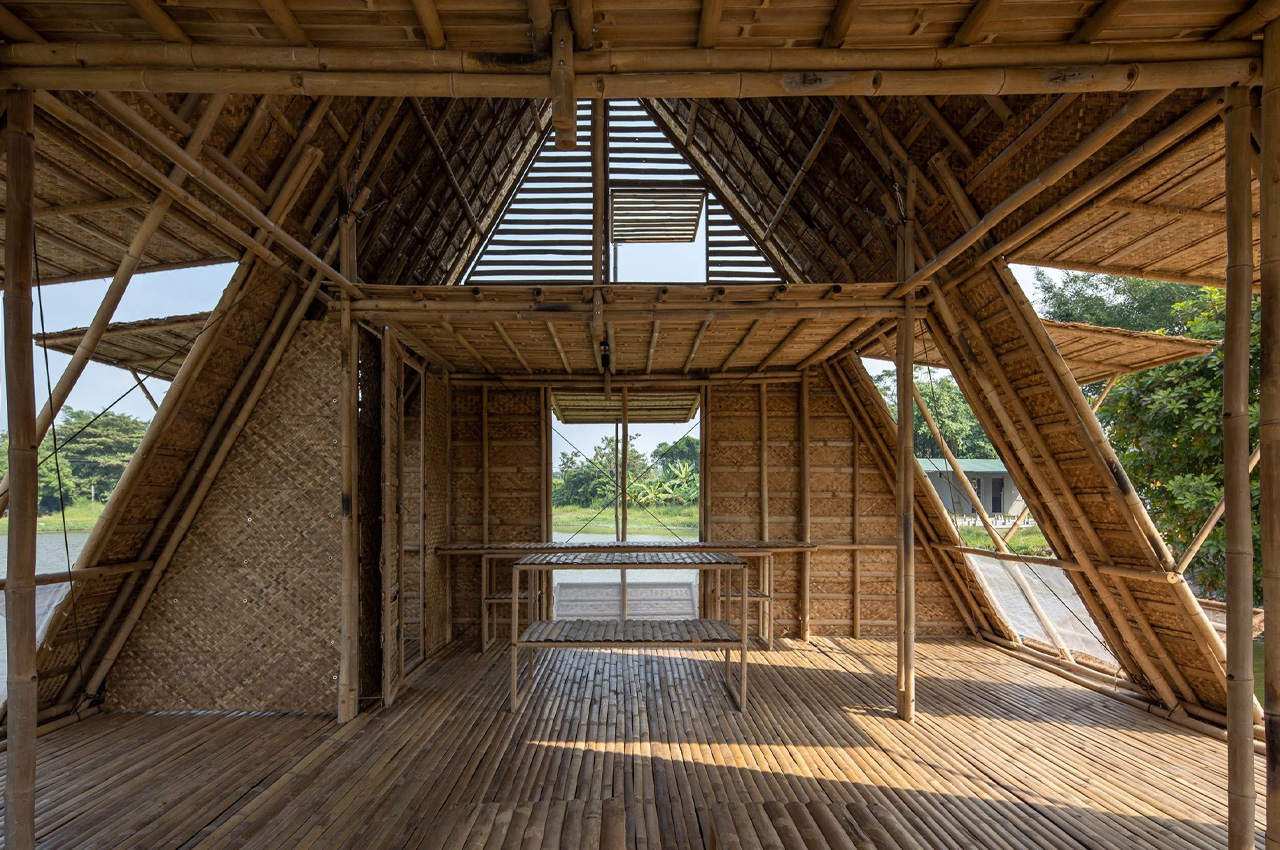
The exterior of the Floating Bamboo House is inspired by the vernacular Rông House, which is a traditional and rural Vietnamese building typology amped with a tall and steep thatched roof. The house is built using locally sourced solid-cored bamboo pieces, which have a diameter of three to five centimeters and three or six meters long. The external facade is covered with lightweight bamboo screens, woven bamboo sheets, leaves, and corrugated iron. Plastic drums have been fixated to the underside of the house to allow it to float. A septic tank, water tank, and filter tank have also been attached here.
“Floating Bamboo Houses [could be] connected with each other by floating playing grounds, vegetable-growing rafts [and] fish-raising areas,” the studio said. The home was designed for adaptation. It features a door system that can be opened and closed, to offer shelter and protection from adverse and extreme weather situations. Also, the floor panels on the upper storey can be removed, allowing the structure to be used as a library, classroom, or communal meeting space. H&P Architects believe that in the future multiple floating homes can be built, and formed together to create floating villages.
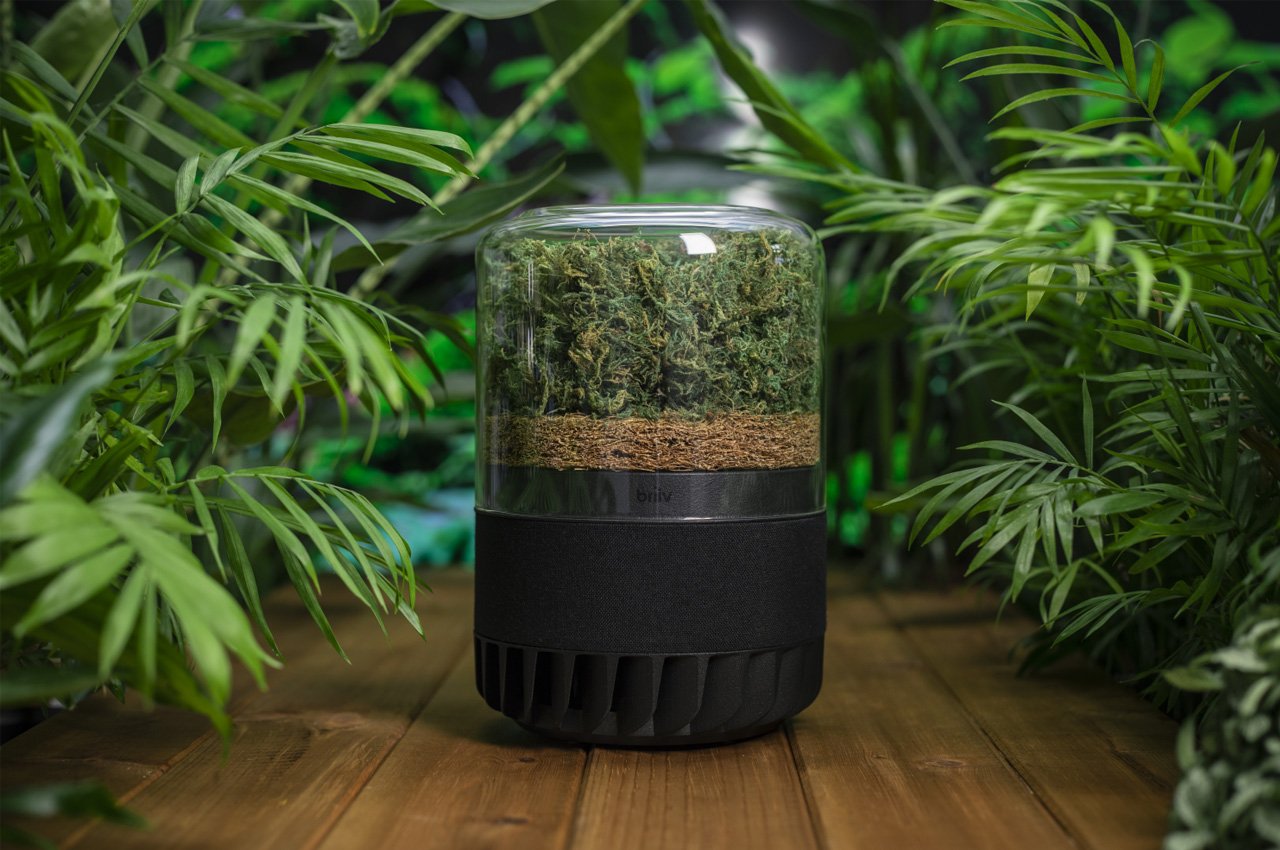
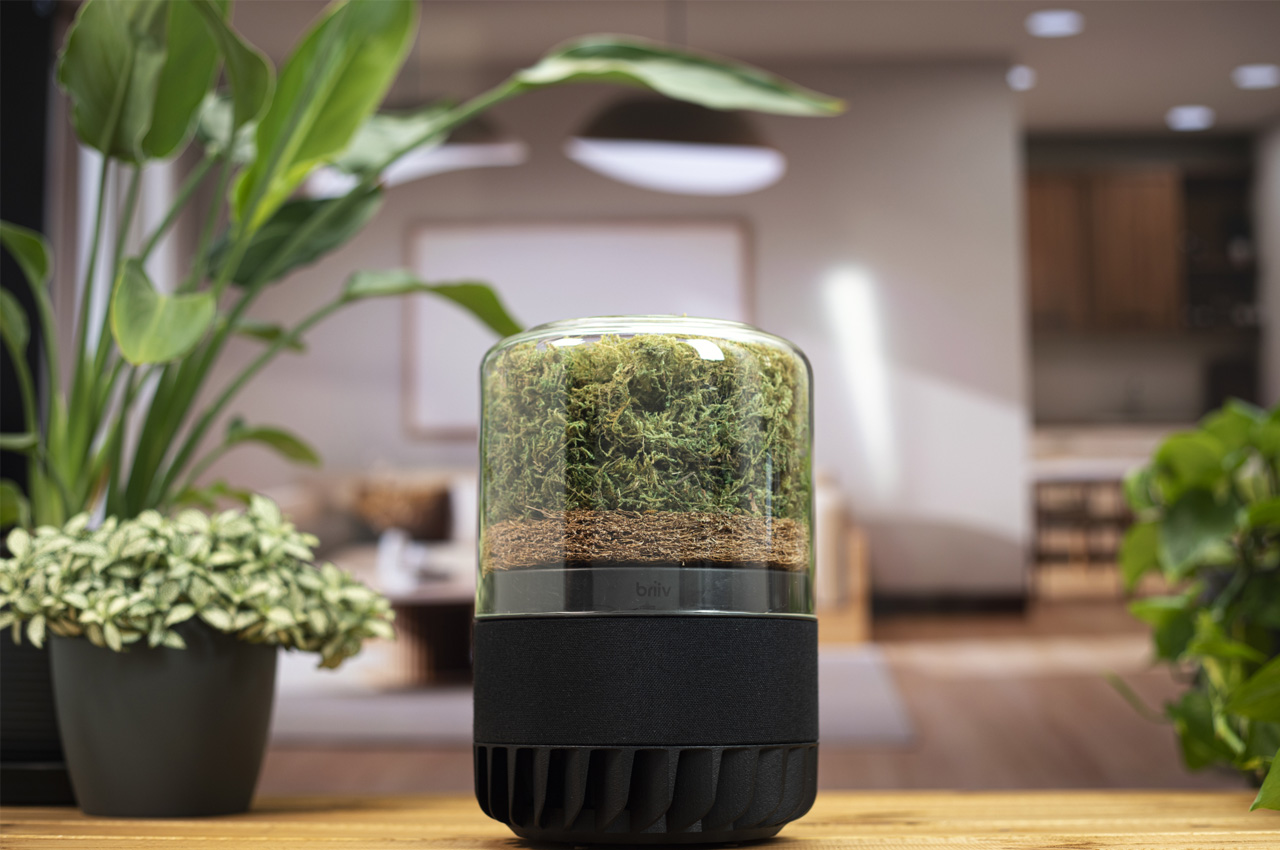
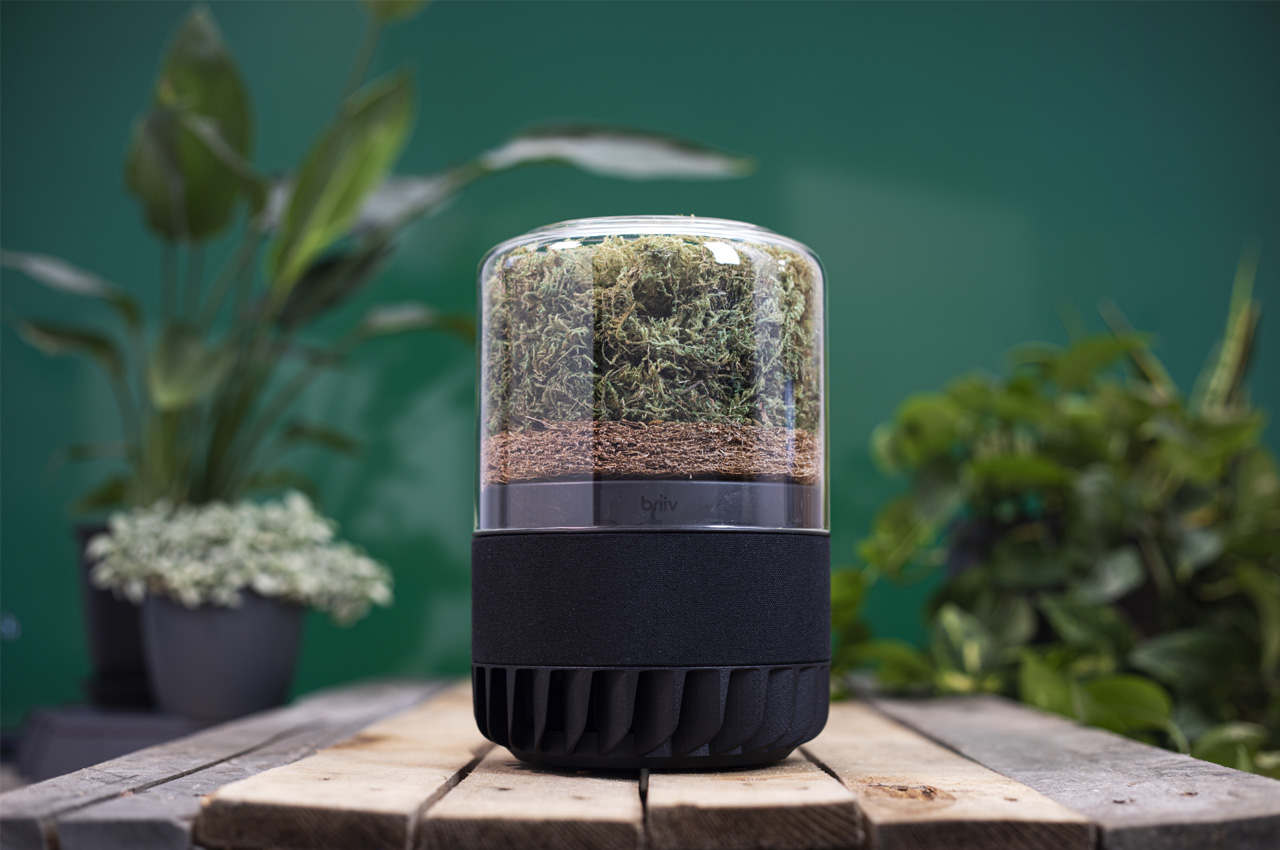
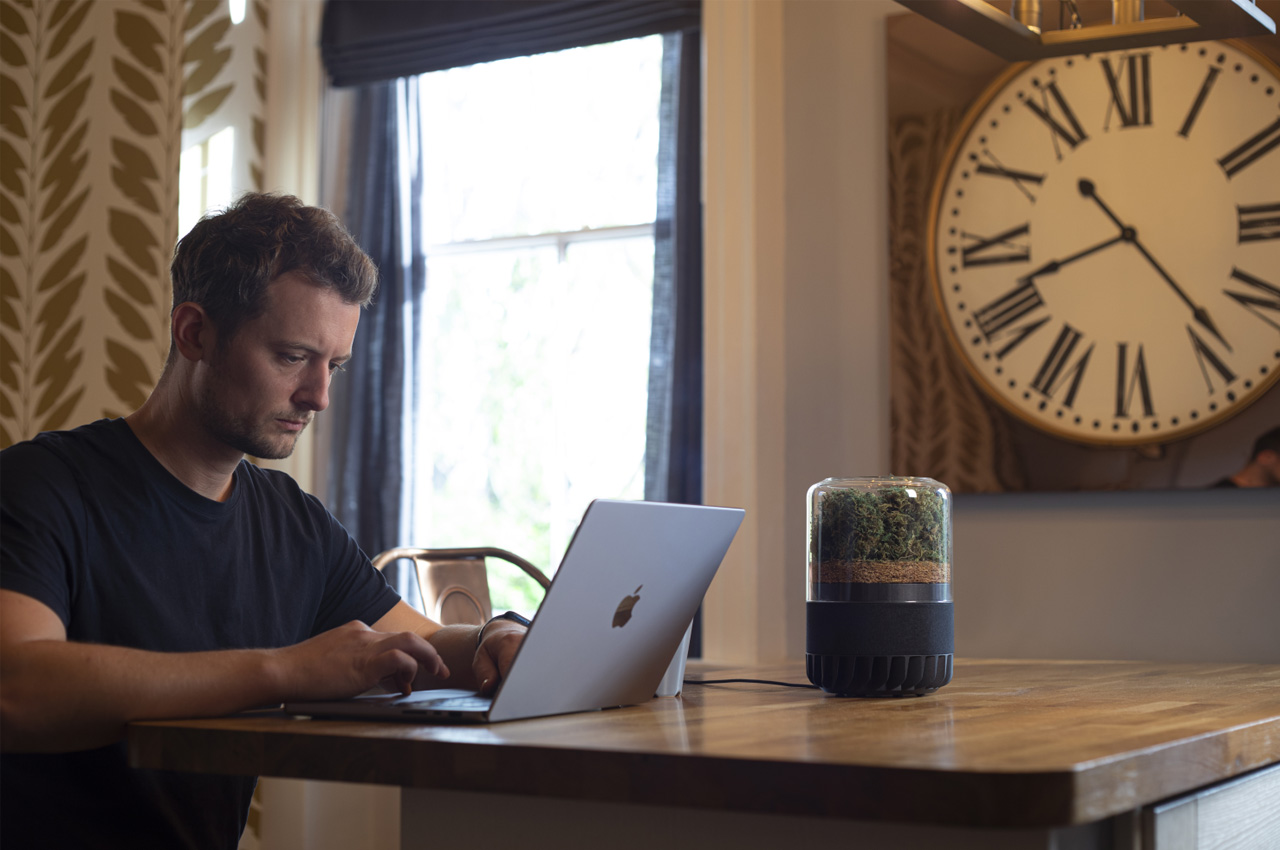
When Briiv debuted in 2020, little did they know the importance of air quality would skyrocket in the three years to come. The pandemic aside, we’ve seen a consistent deterioration in the air quality of our cities in the past three years with really no improvement. For the people who think being indoors is safer, research shows the absolute opposite. While traditionally ‘pollution’ comes from the outdoors, it gets trapped in stale indoor air which can be bad for your health. This is compounded by the fact that cooking food, burning candles, and even having pets around can affect air quality significantly. To counter this, people choose to either rely on air purifiers or on house plants… but the Briiv Pro combines them both into an eco-friendly purifier that simultaneously uses nature and technology to cleanse indoor air. Now more powerful than before, the Briiv Pro relies on what it calls a ‘mini forest’ to purify a 16 sq.m. room (172 sq.ft.) in just 21 minutes. That’s roughly 6900% more effective than house plants, which is remarkable for a purifier that size. It also has the added benefit of looking like a gorgeous tabletop terrarium, unlike those ugly appliances that get passed off as air purifiers these days.
Live healthier, sleep better and breathe as nature intended with AI-powered Briiv Pro
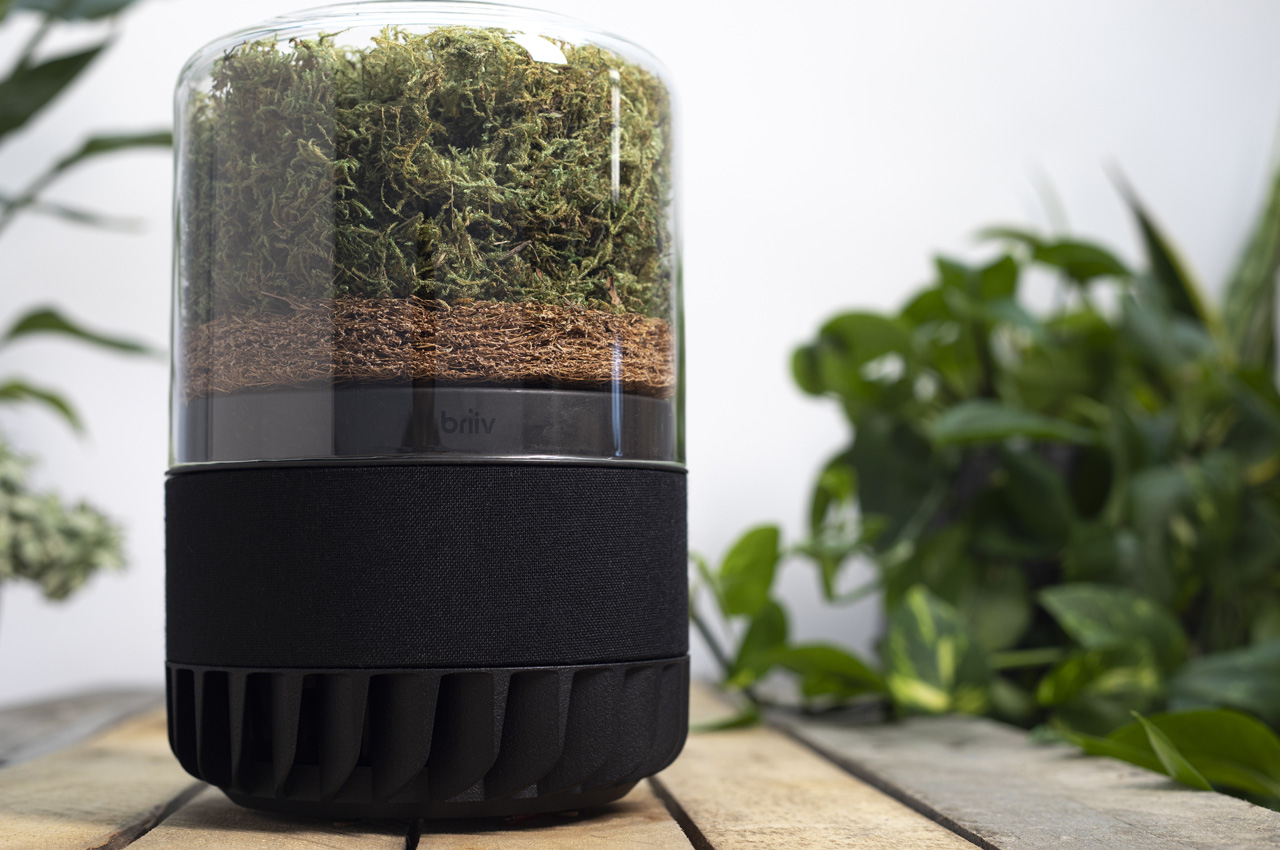
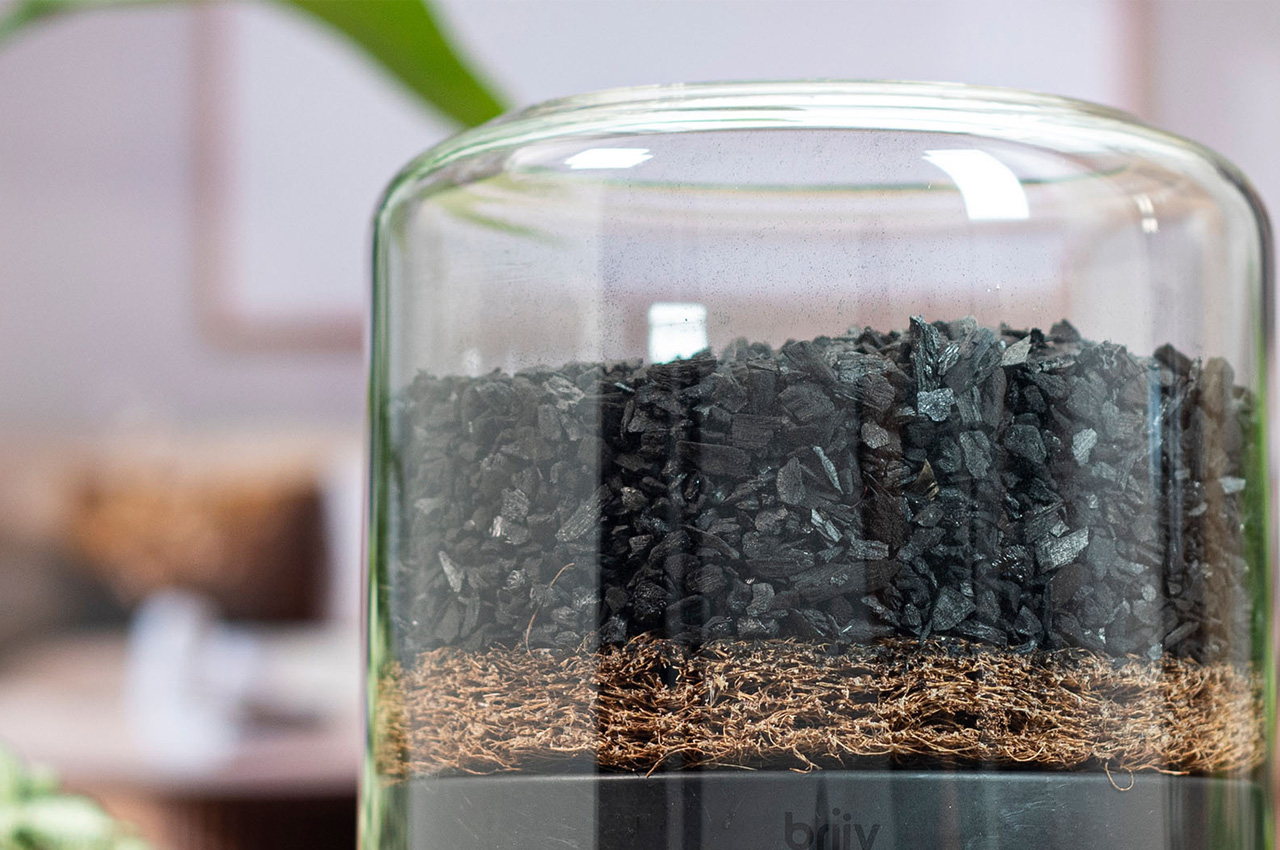
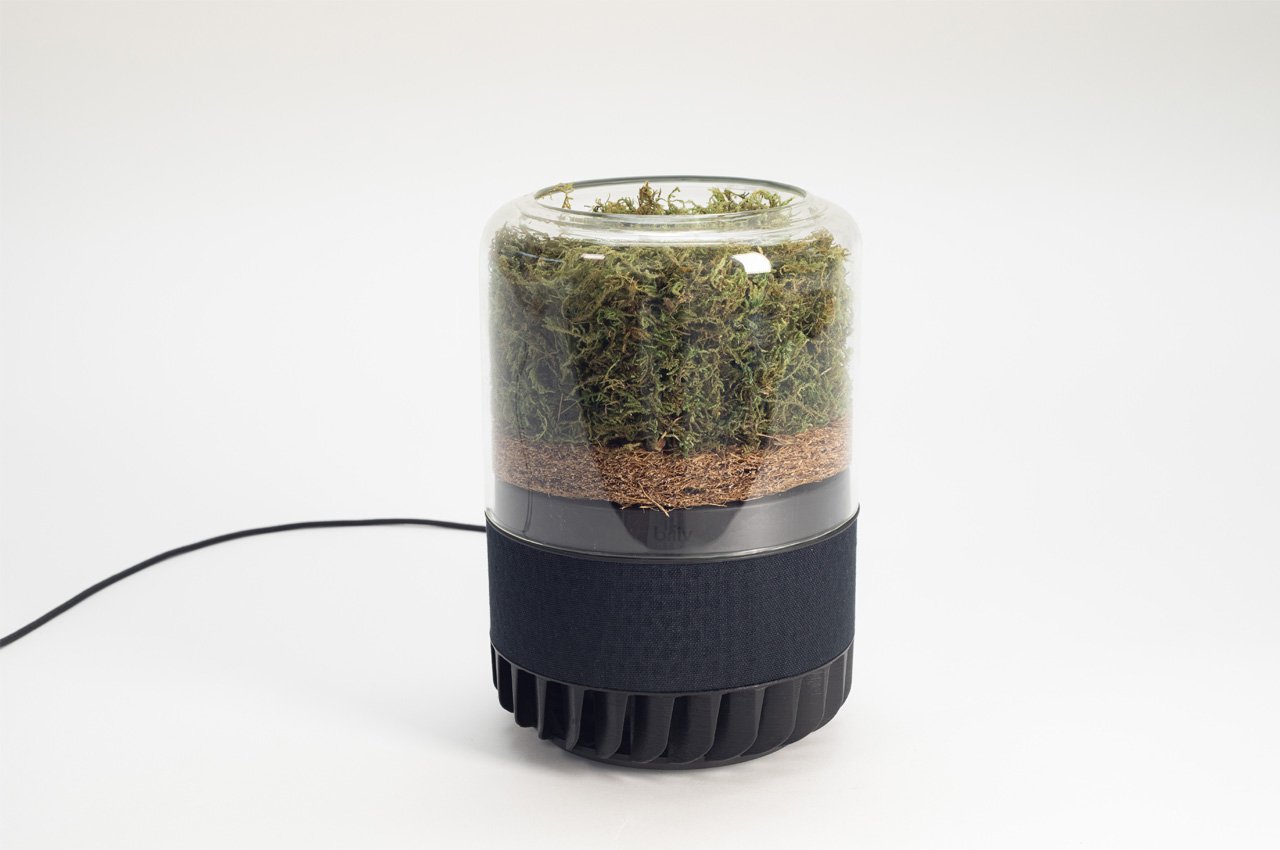
The visual highlight of the Briiv Pro is also its secret sauce. The terrarium-inspired tabletop purifier sports a glass container on its top that reveals its micro-forest filtration system underneath. Unlike most purifiers that use disposable HEPA filters to catch particulate matter, the Briiv Pro relies on a layered trifecta of moss, coconut fiber, and a silk nanofiber matrix with activated carbon. This trio tackles pollutants ranging from pet dander and pollen to dirt, dust, smoke, and volatile organic compounds (VOCs) caused during cooking, etc. In essence, it works exactly how a forest does to purify the atmosphere. Leaves help absorb harmful gases and carbon, while also catching dust. The soil, on the other hand, purifies toxins – a natural process that the Briiv Pro borrows from and miniaturizes into a device no larger than an Apple Homepod.
Briiv Pro is 6900% more effective than house plants at cleaning your air
The way the Briiv Pro works is similar to its predecessor, albeit with a few upgrades. Air makes its way through the top of the purifier, passing through the moss and coco fiber where pollen, pet fur, and dust/smoke get trapped and VOCs and odors get neutralized. The air then goes through a medical-grade 98% plastic-free silk nanofiber filter that catches the remaining particles, filtering up to PM2.5 or fine particulate matter. Purified air makes its way out of the bottom of the Briiv Pro, where it gets spread in a 360° radius. The Briiv Pro works at a whisper-soft noise level, purifying 68 cubic feet of air per minute, which means an hour’s worth of use should cleanse an entire bedroom of bad air.
Replace the Moss with Activated Carbon to Remove Bad Smells
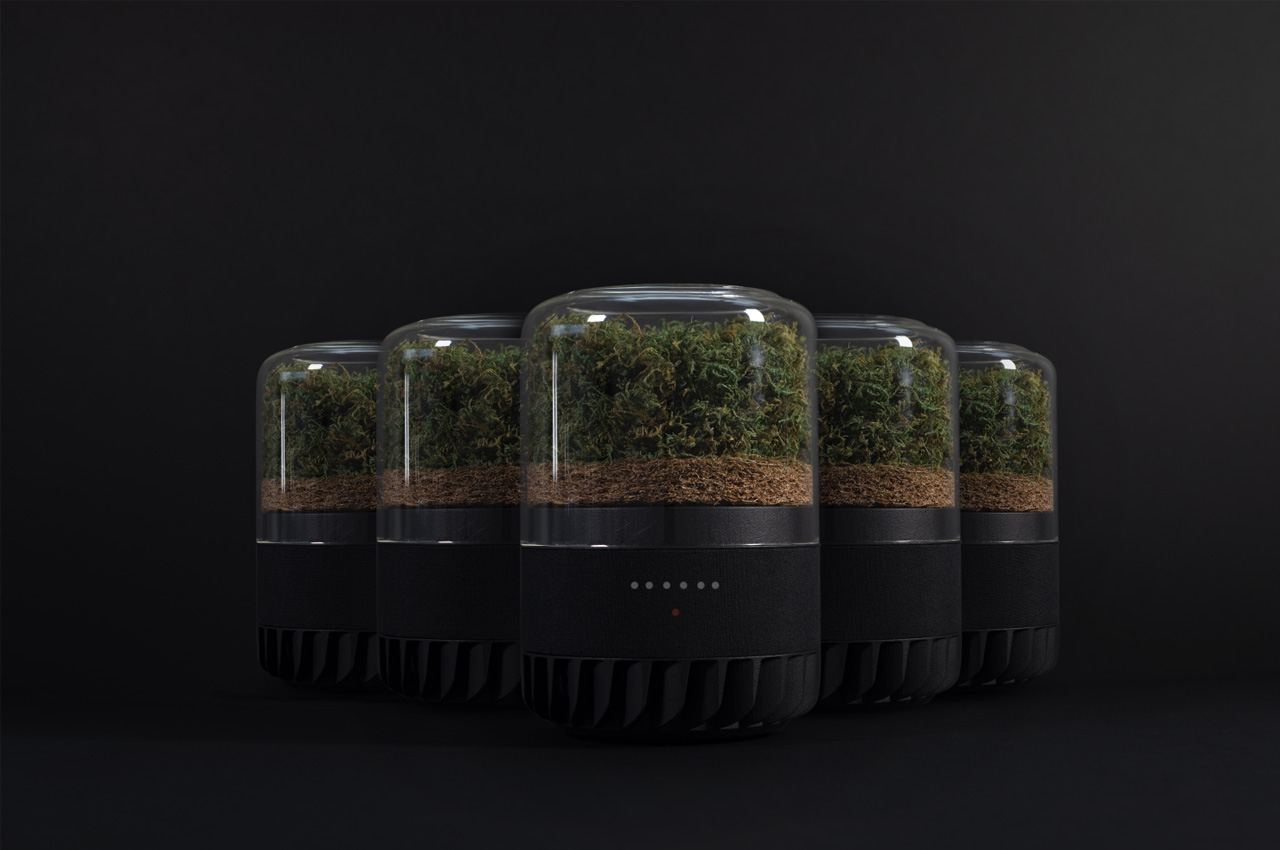
The Briiv Pro, however, has two pretty noticeable upgrades from its 2020 version. For starters, it comes with AI-based sensors that allow the purifier to activate the second it detects a drop in air quality. Dubbed the Canary Mode, this feature gives the Briiv Pro air-monitoring features that let it run autonomously so you don’t need to worry about switching your purifier on after checking the air quality on your smart home dashboard. Moreover, a Zen Mode lets multiple Briiv Pro units communicate with each other, so when one switches on, it alerts other purifiers around it to switch on too, ensuring you have clean air in every corner of your house. The second upgrade comes in the form of a tiny chamber where you can add a few drops of an essential oil of your choice; allowing your advanced nature-inspired air purifier to also double as a fragrance diffuser.
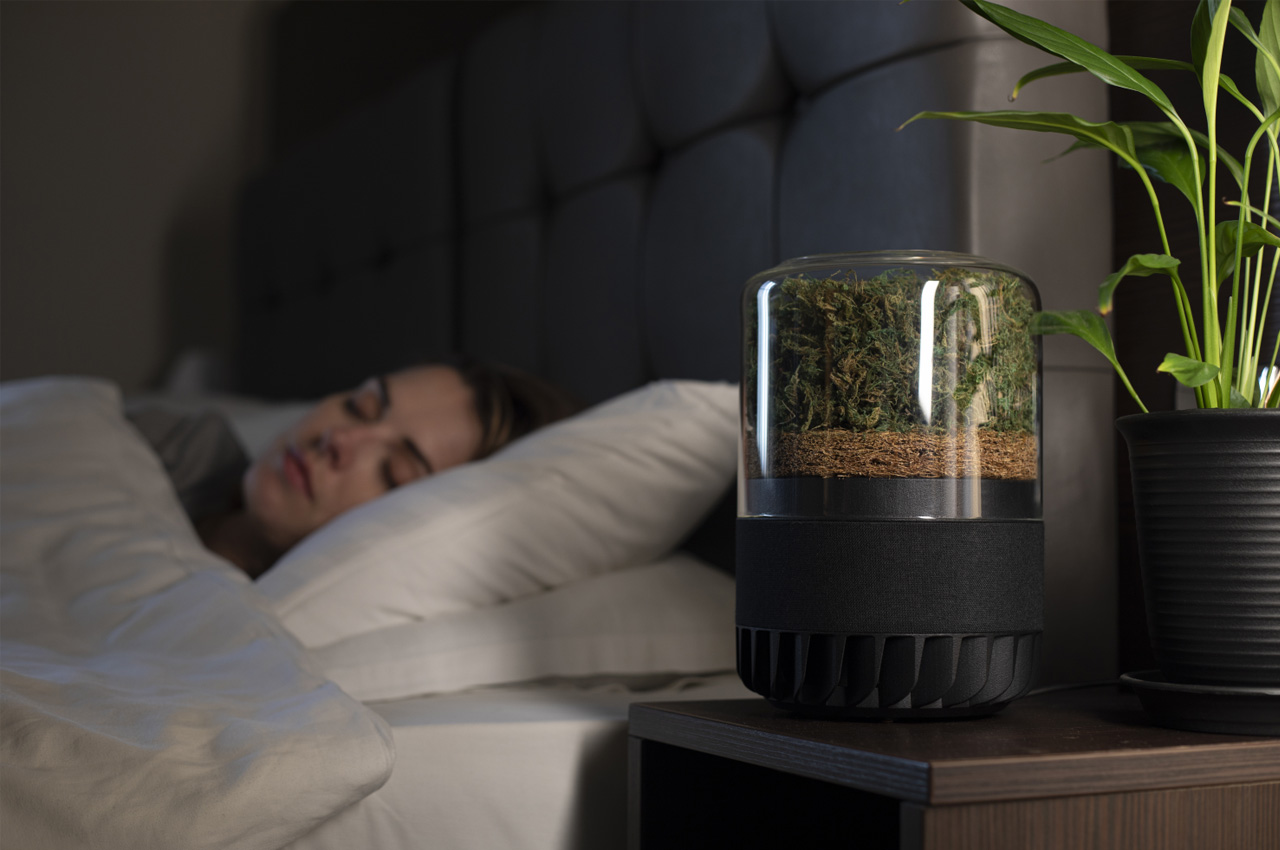
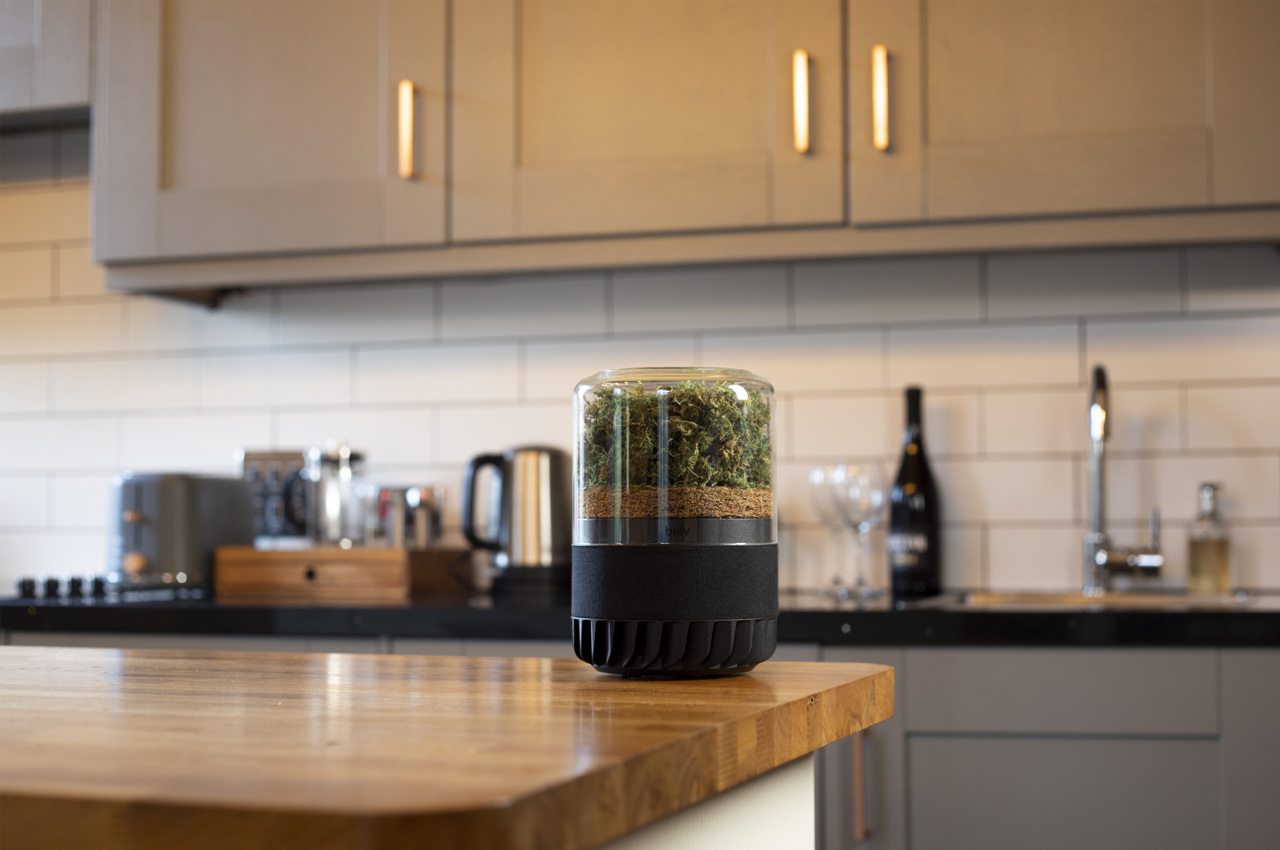
A different approach to design. Briiv blends beautifully into your interior
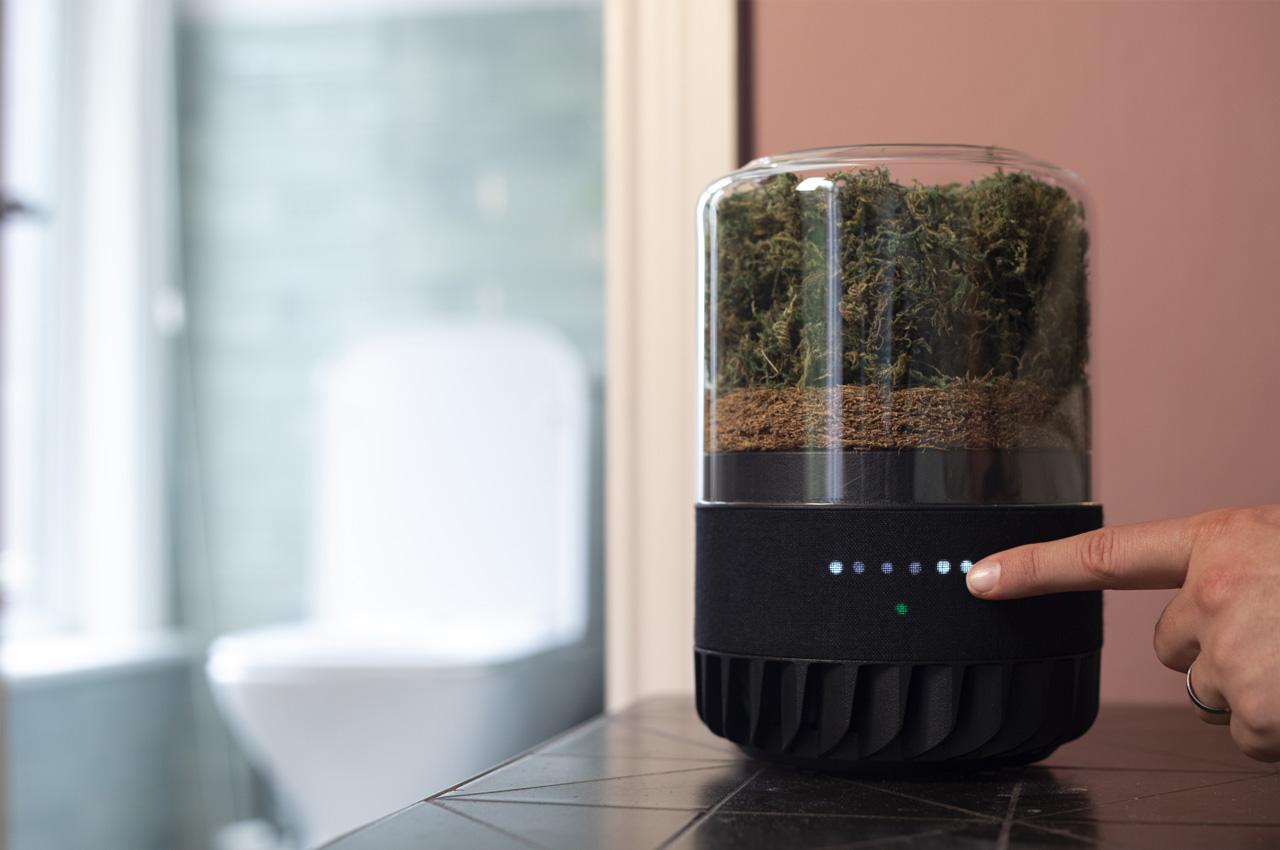
If you want to manually operate your Briiv Pro (rather than relying on AI-powered sensors), it’s as simple as tapping on its side and intuitively reading the LEDs to know what level your purifier is operating at. Alternatively, the Briiv Pro also comes with a free smartphone app that lets you activate your purifier and select its fan speed, and there’s even Alexa integration that lets your purifier connect to your broader smart home network.
Build a network of Briiv Pro air purifiers that work in unison to automatically improve air quality.
When Sean Sykes and James Whitfield set out to design the Briiv, their vision was to condense the effects of a forest into as small a footprint as possible, while testing the theory of building a ‘sustainable’ eco-friendly air purifier. 3 years after the Briiv launched as a crowdfunding campaign (gathering over $1 million USD) in funding, the Briiv Pro pushes that theory to its limits. The Pro variant is just as sustainable as its regular counterpart, with the fact that its filters are entirely compostable/recyclable. The moss filter (which sits right on top) can be washed and reused indefinitely, and Briiv also offers the option of choosing between different moss types to harness different natural properties. Conversely, you can use your own dry moss in the Briiv Pro, allowing you to customize your terrarium/purifier. The silk nanofiber filter that sits within the Briiv Pro is the only filter that really needs replacing (every 3-ish months), and the fact that it’s 98% plastic-free puts it miles ahead of most standard HEPA filters that are manufactured almost entirely out of polymer fibers, making them difficult to recycle.
With built-in sensors you can use the Briiv app to track your air quality in real-time
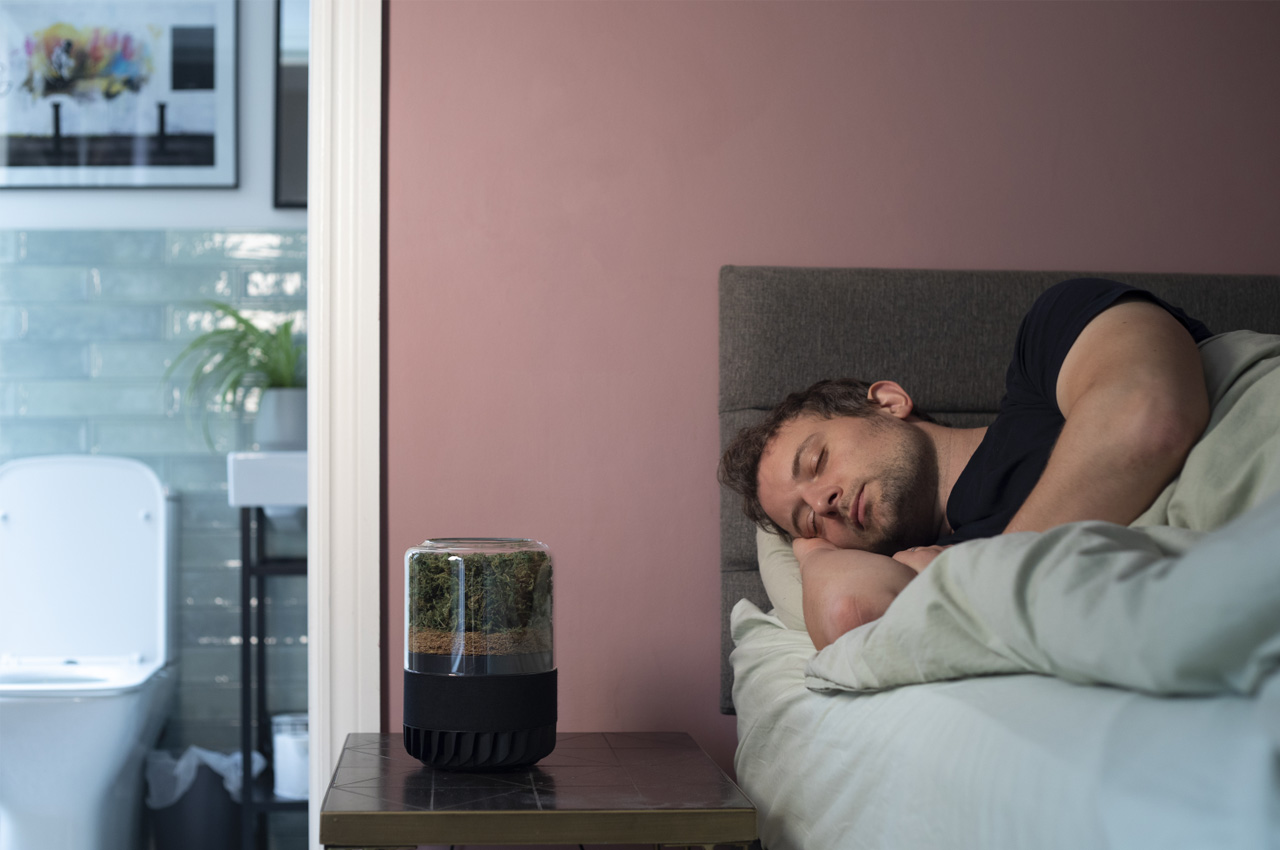
In the end, the payoff is easy to see. Not only does the Briiv Pro look like a gorgeous terrarium that you’d be proud to keep by your bedside or on your coffee table, it’s designed to be eco-friendly, and as its makers say, 6900% more effective than having house plants. The Briiv Pro comes with multiple design awards under its belt, while also boasting of the smart features you’d expect from leading air purifiers on the market, and a low hourly power consumption of 0.005kWh. Each Briiv Pro is made in the UK and starts at a discounted £349 (roughly $440), which may seem pricey until you realize the roughly hundreds of dollars you save per year on filter replacements. Plus, do I need to remind you of how incredibly gorgeous the Briiv Pro looks in comparison?!