AI-powered rooms in malls and offices can give you a checkup without a doctor present

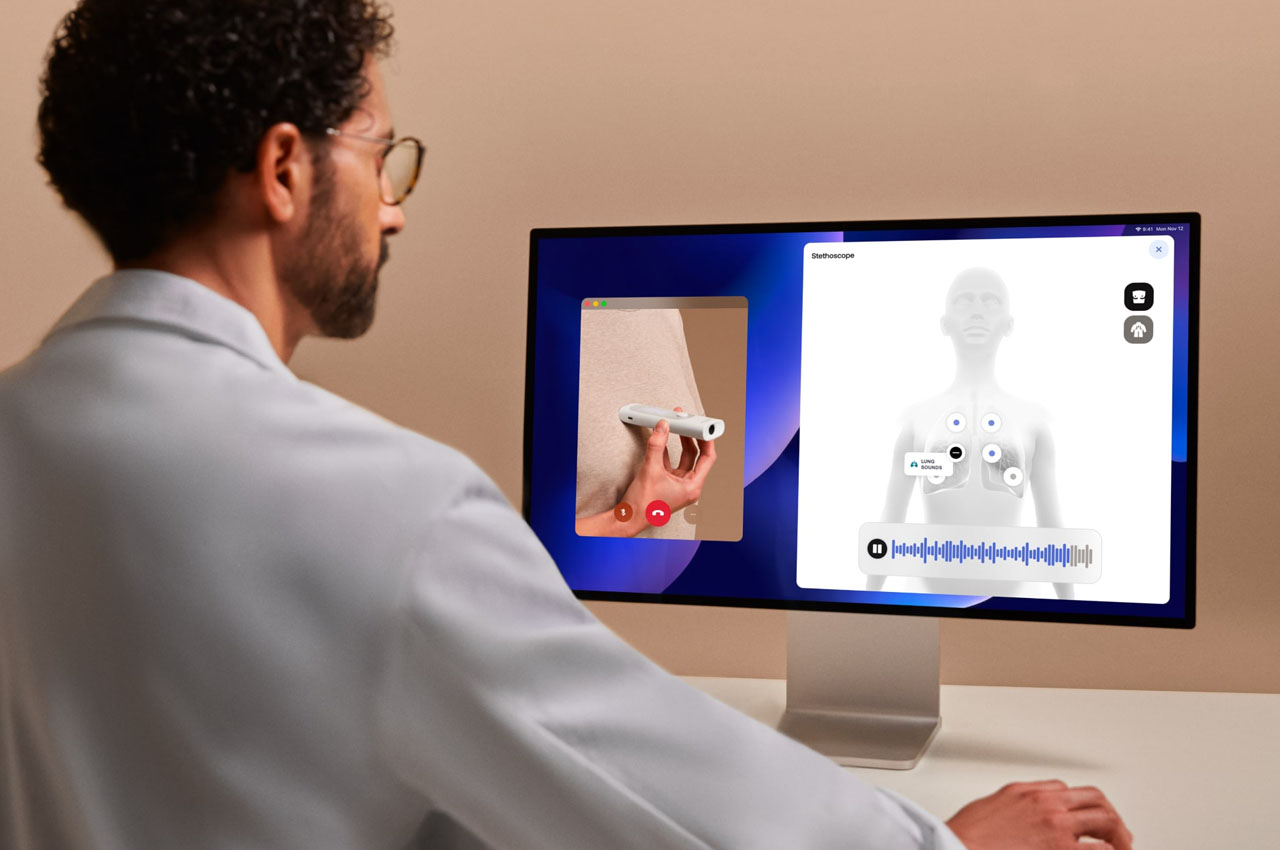
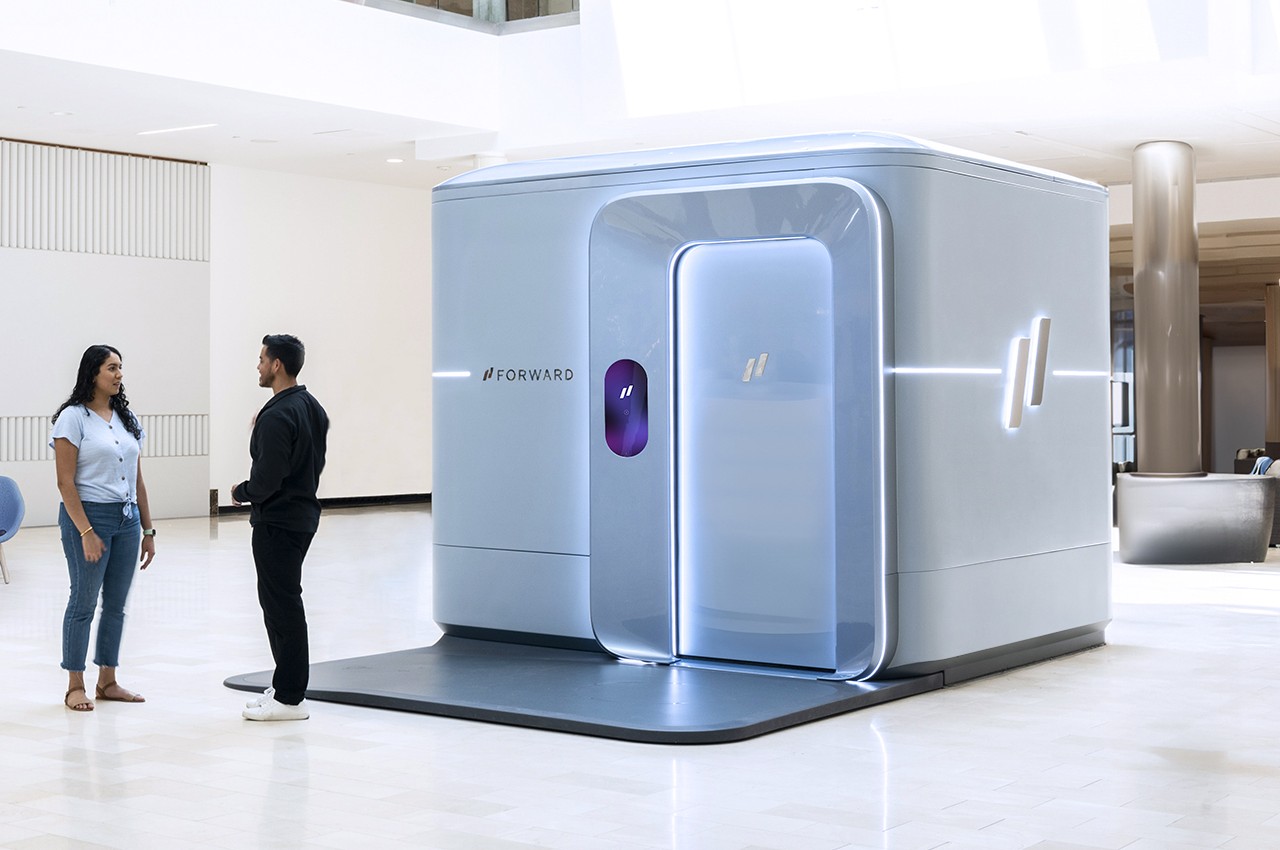
Some of the hesitation in seeing a doctor regularly for checkups comes from embarrassment and fear, often because of people who are physically present during the consultation. The recent pandemic has made virtual consultations popular, but you still have to visit a clinic or hospital to actually perform tests like blood work or biometric scans. With today’s technologies, however, that shouldn’t even be necessary, at least for the most basic tests and diagnostics. Putting that theory into practice, this forward-looking cubical room combines advanced tools and everyone’s favorite special sauce, AI, to offer a “self-serve” clinic that can be set up almost anywhere so that people can have easier and less stressful access to healthcare.

Designer: Forward

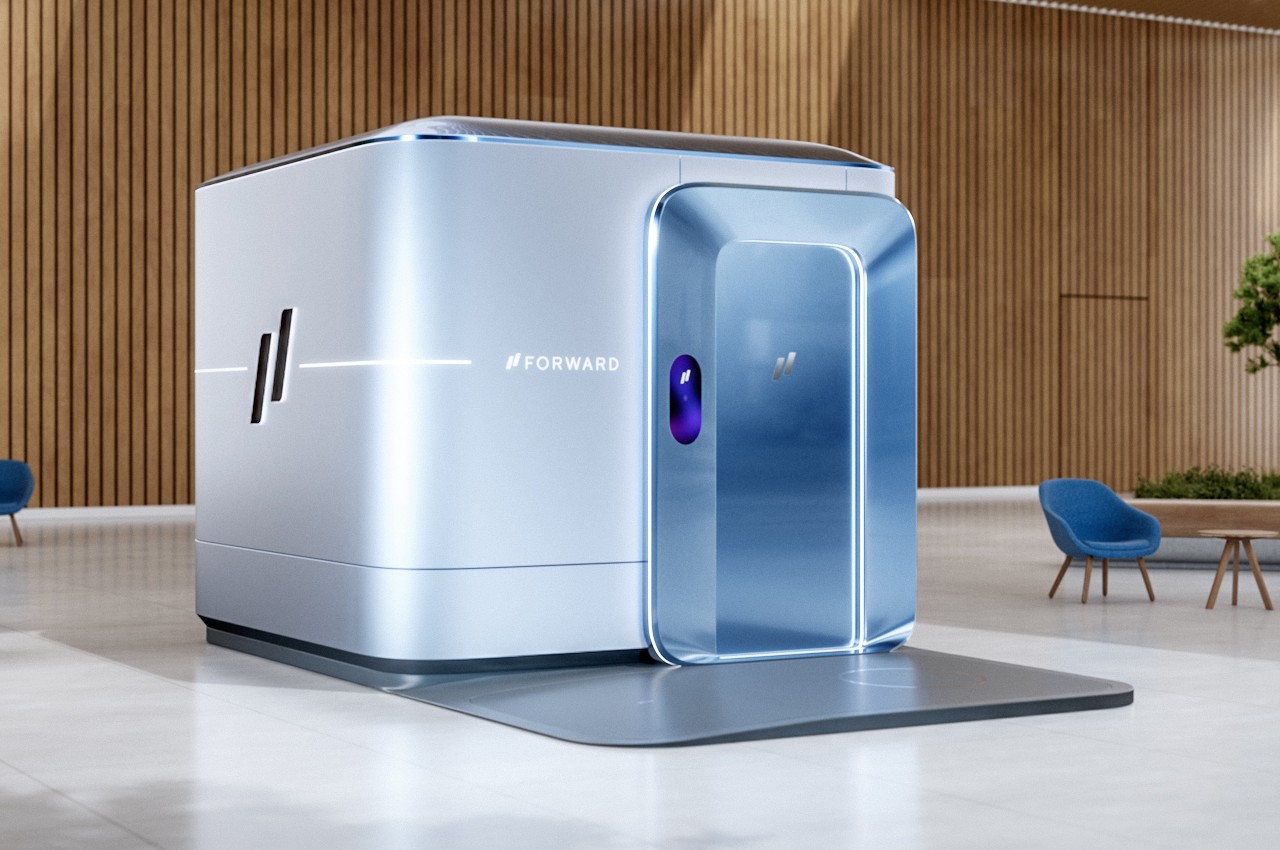
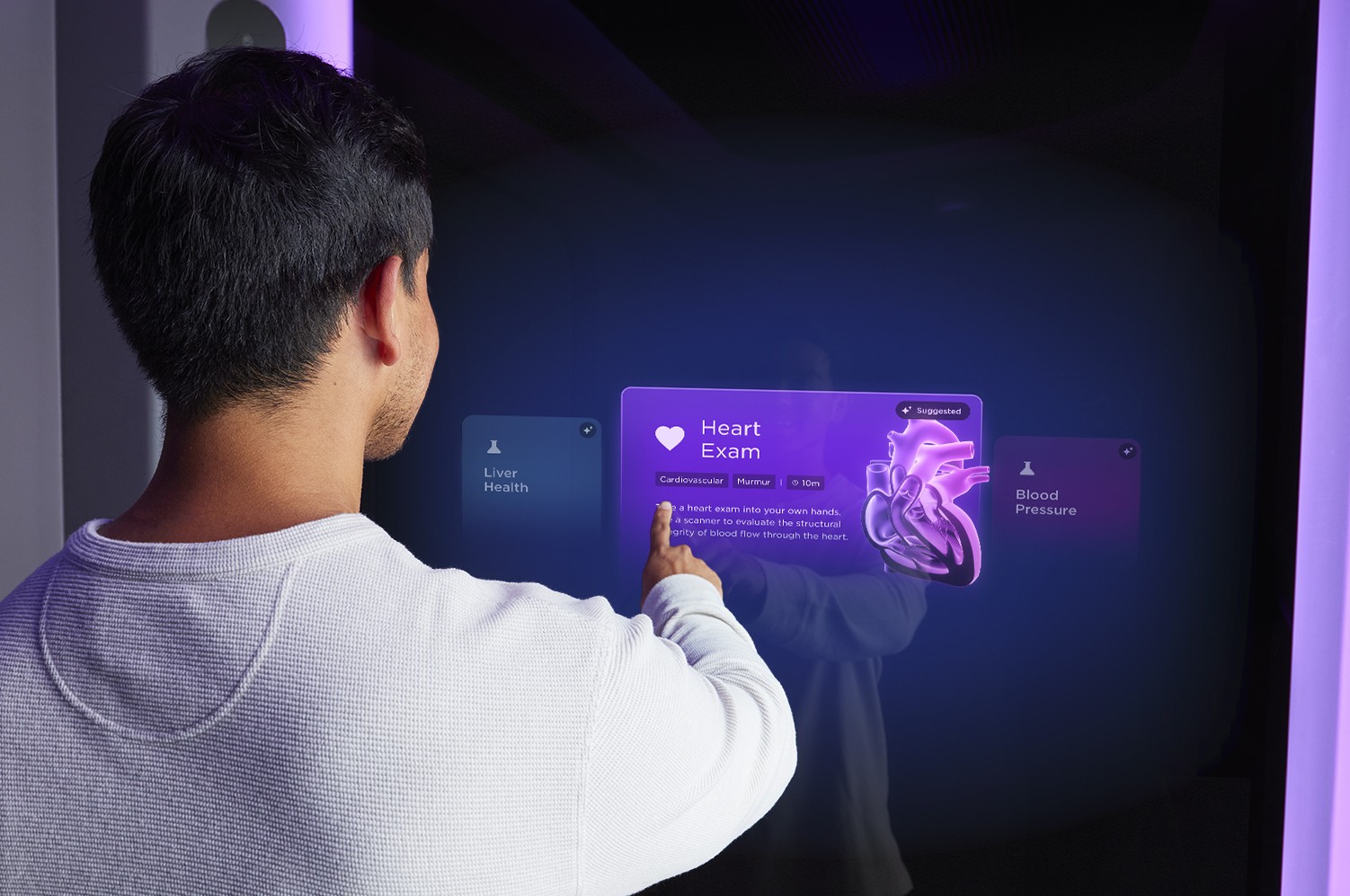
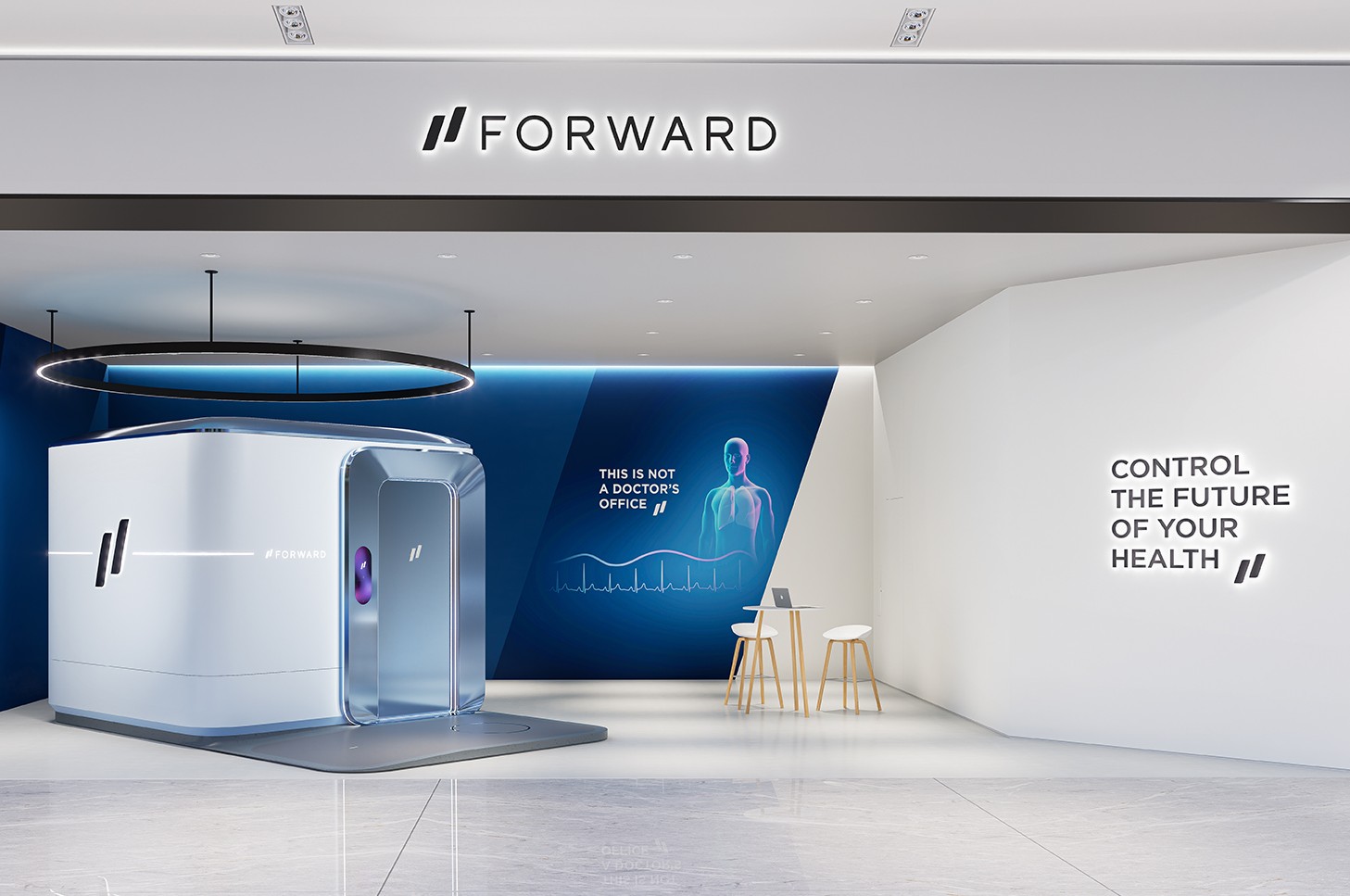
We’re all advised to get regular checkups, especially when we start to feel something’s amiss. Unfortunately, access to healthcare services isn’t always easy or convenient. Clinics might be far away or doctors might have very long waiting times. Wouldn’t it be nice if you could just walk into a room, use a few gadgets and gizmos, receive a quick diagnosis of your health, and maybe even get a legit prescription, all without even having to even physically meet with the physician? That’s the kind of quick and stress-free experience that the Forward CarePod is promising as the world’s first “AI Doctor’s Office.”

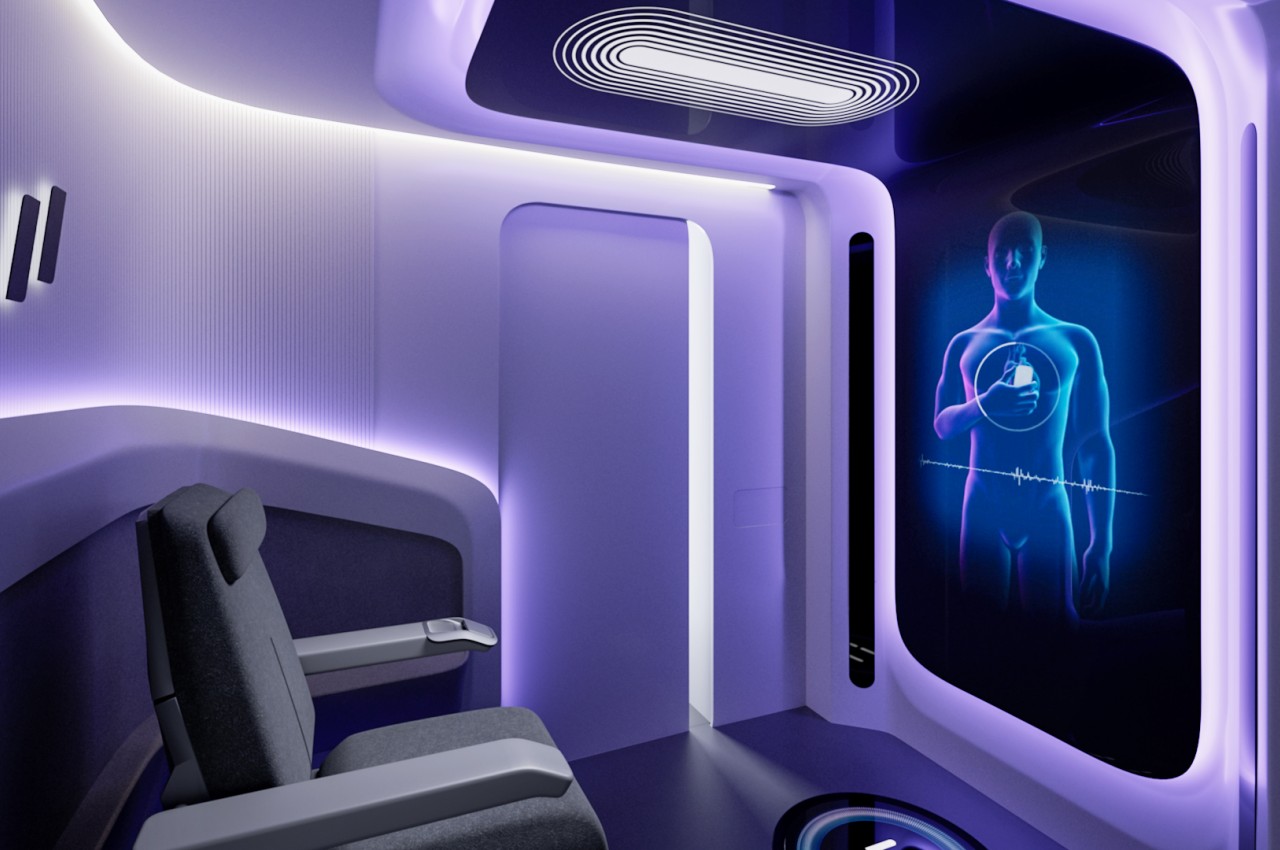
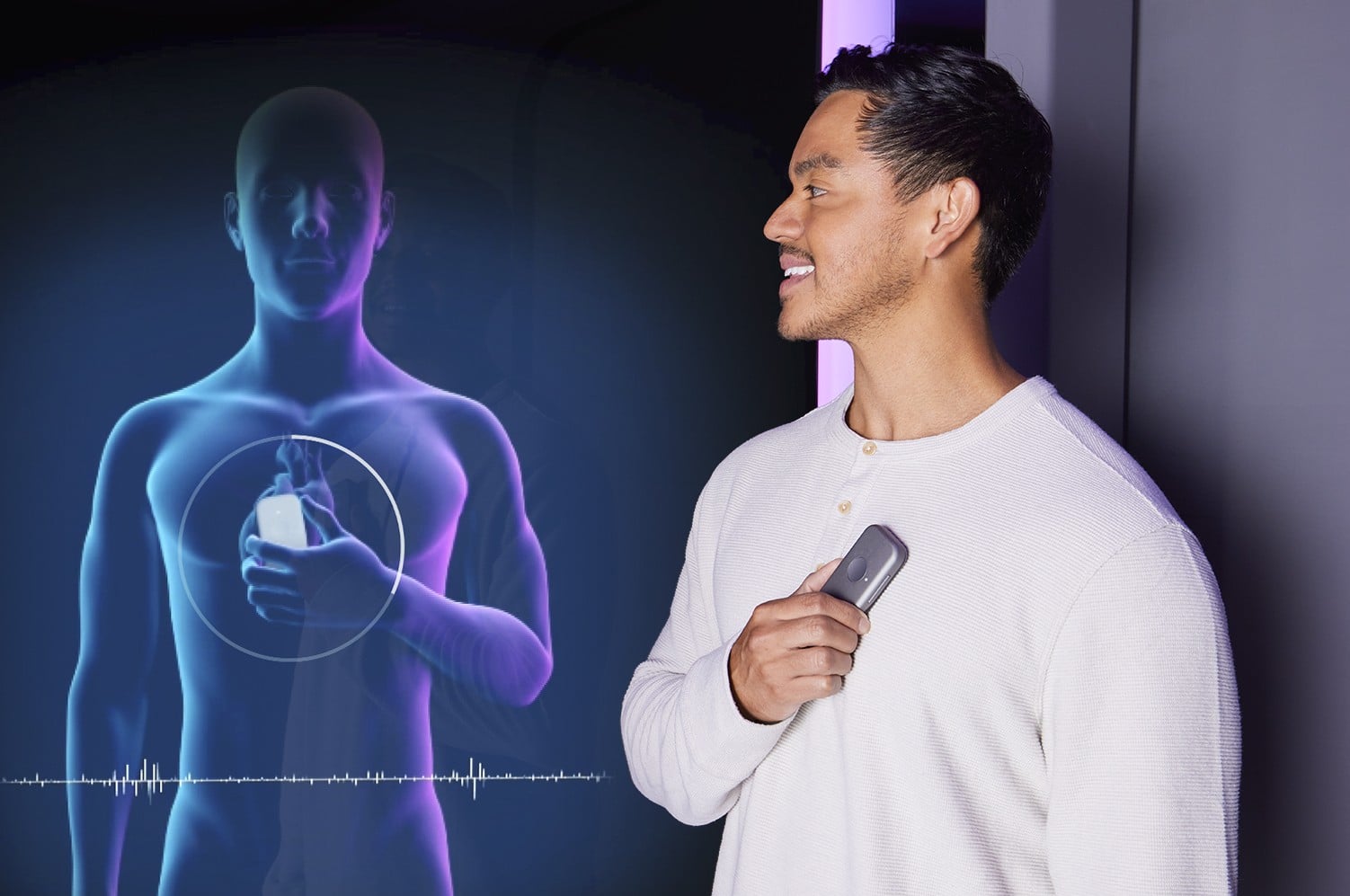
CarePod puts you in the driver’s seat of your health, almost literally considering the comfy chair inside the single-person room. You walk inside, answer a few tests to determine the kind of clinical test that needs to be done, and you use the provided tools to perform those tests, like drawing blood, swabbing your throat, taking your blood pressure, and the like. These are frontline clinical diagnostics that most nurses and doctors perform but can now also be done by yourself with the right tools, which means there will be no doctors or nurses inside CarePods. At least not human ones.

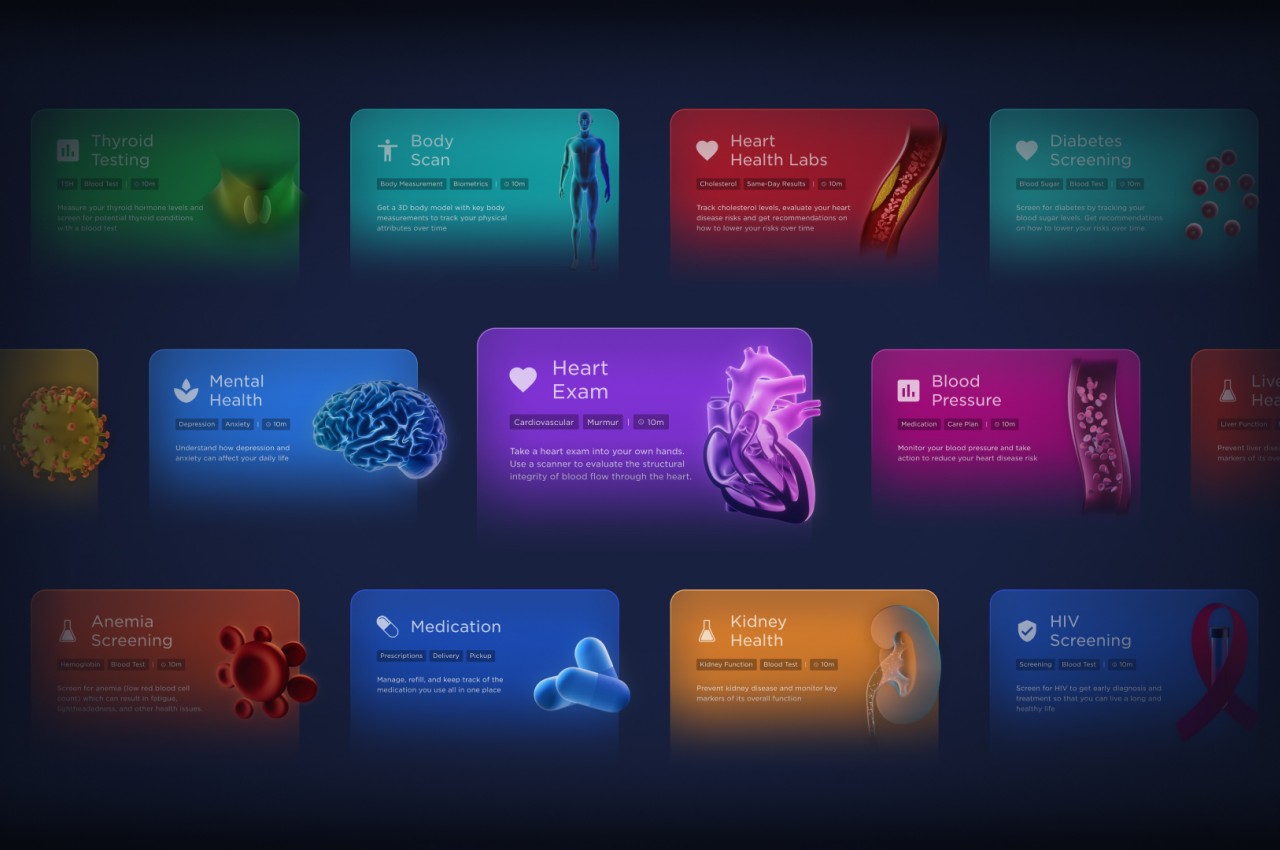
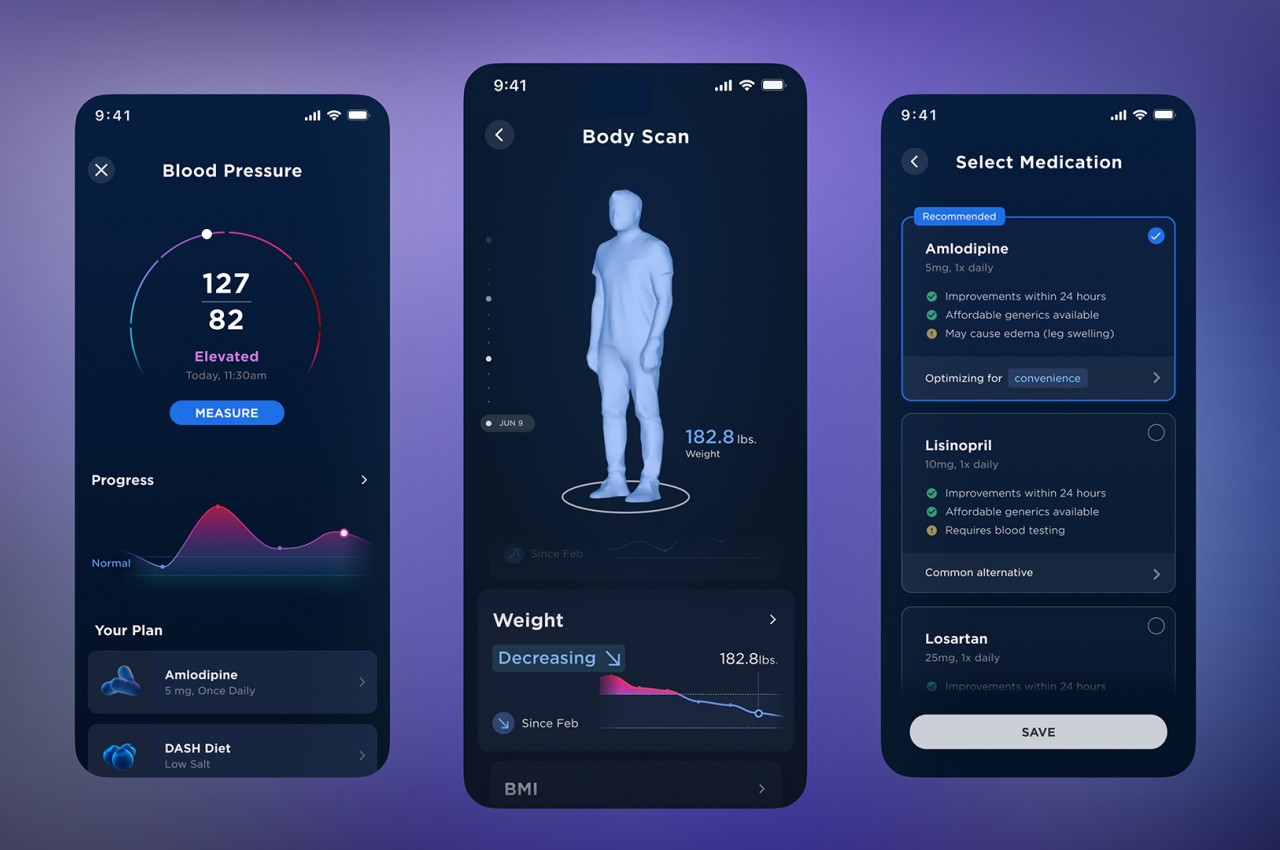
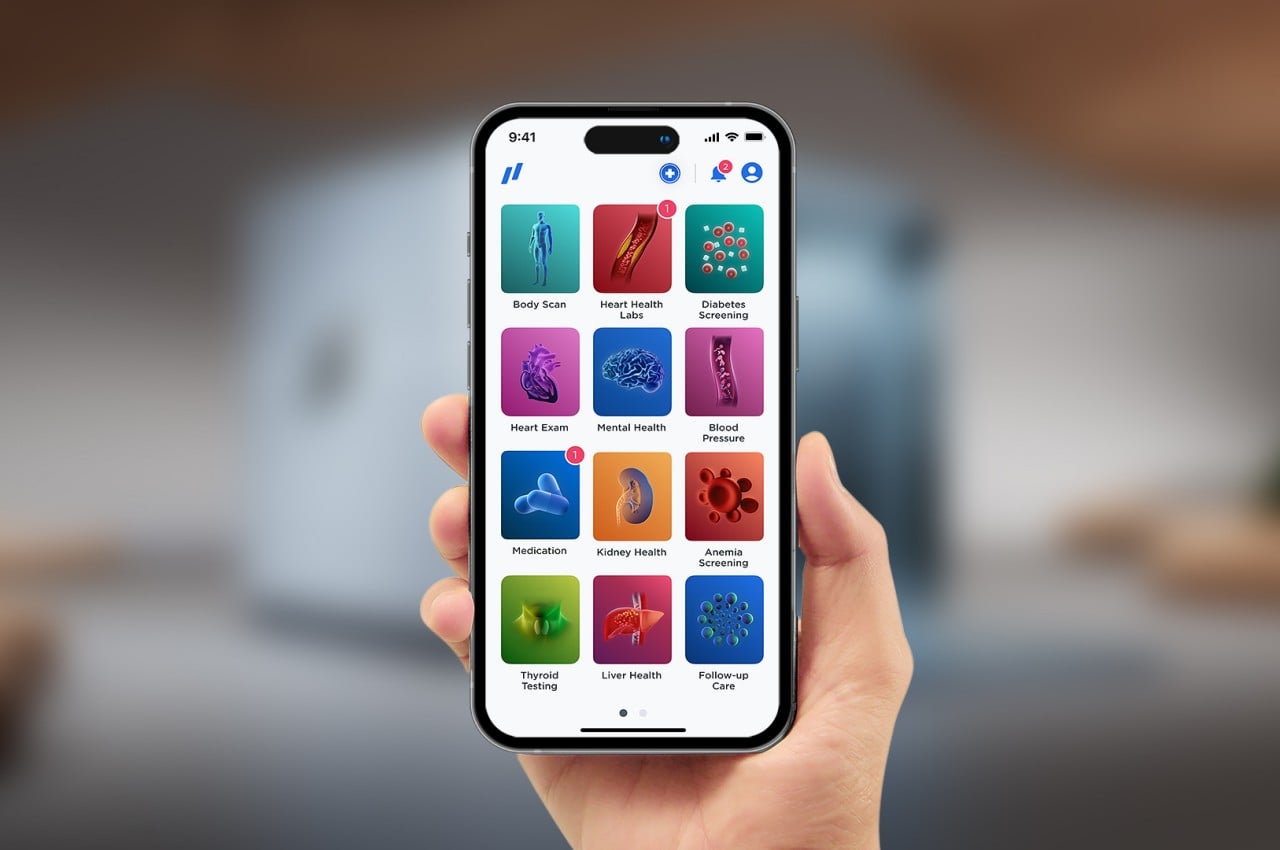
Of course, it isn’t enough to just get your diagnostic results. You’ll need a professional to interpret those results for you, which is also the job of physicians. With the CarePod system, however, that diagnosis is made by a proprietary AI that has learned from clinical expertise and the latest medical research. In addition to providing a diagnosis, that AI also formulates care plans called “Health Apps” that will guide the patient with programs and advice to address various diseases and disorders, including diabetes, hypertension, and even depression. CarePod doesn’t eliminate human doctors from the equation completely, as they are still needed for writing prescriptions or more in-depth consultations.

Impressive as all these technologies may sound, the most important aspect of CarePod is probably the fact that it can be installed almost anywhere. It is already being deployed in malls, gyms, and offices, places where clinical services are often unavailable, but it’s not hard to imagine these rooms being installed in every street corner in the future. This would give people access to healthcare that would otherwise be out of reach, which increases their chances of living healthier and longer lives.

The post AI-powered rooms in malls and offices can give you a checkup without a doctor present first appeared on Yanko Design.
How Robots Are Expanding Their Fields of Work By Attaining Emotional Designs

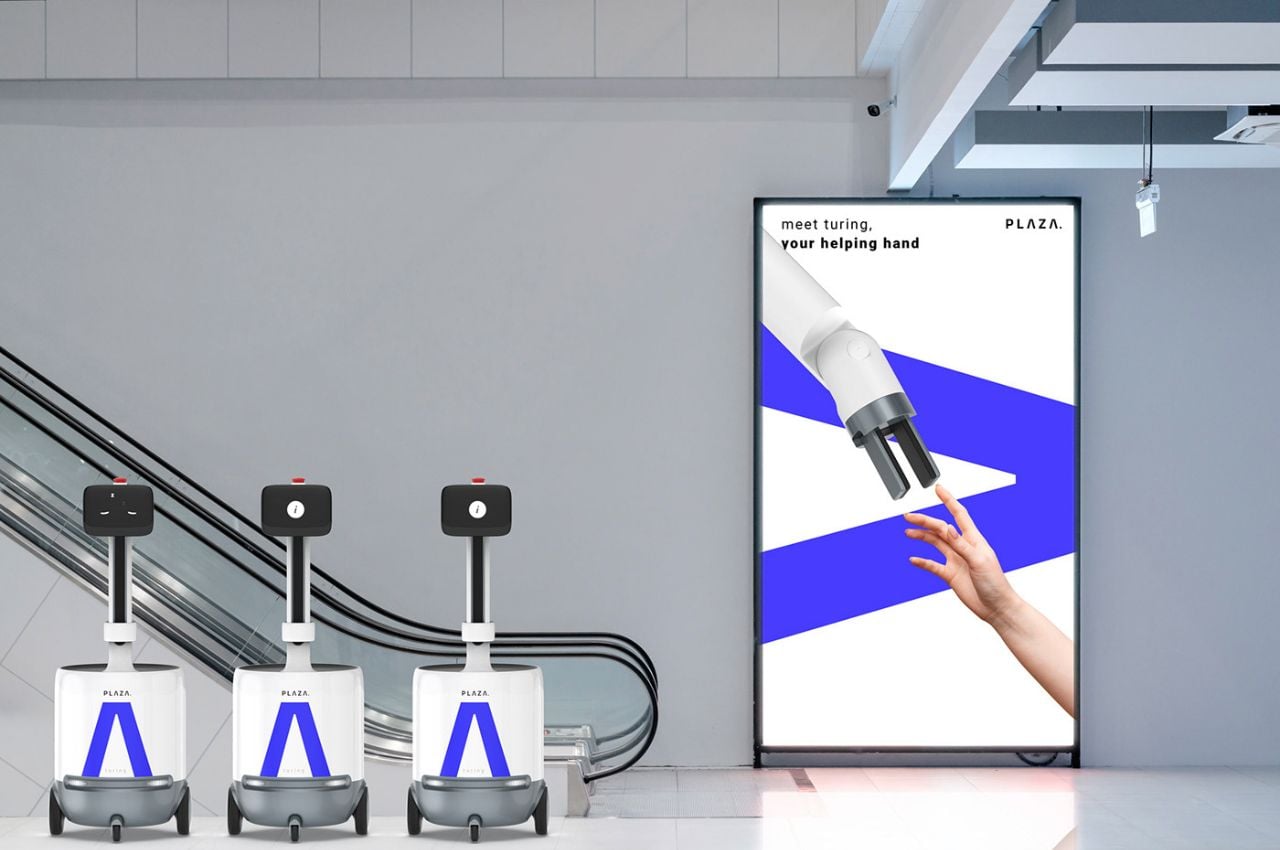
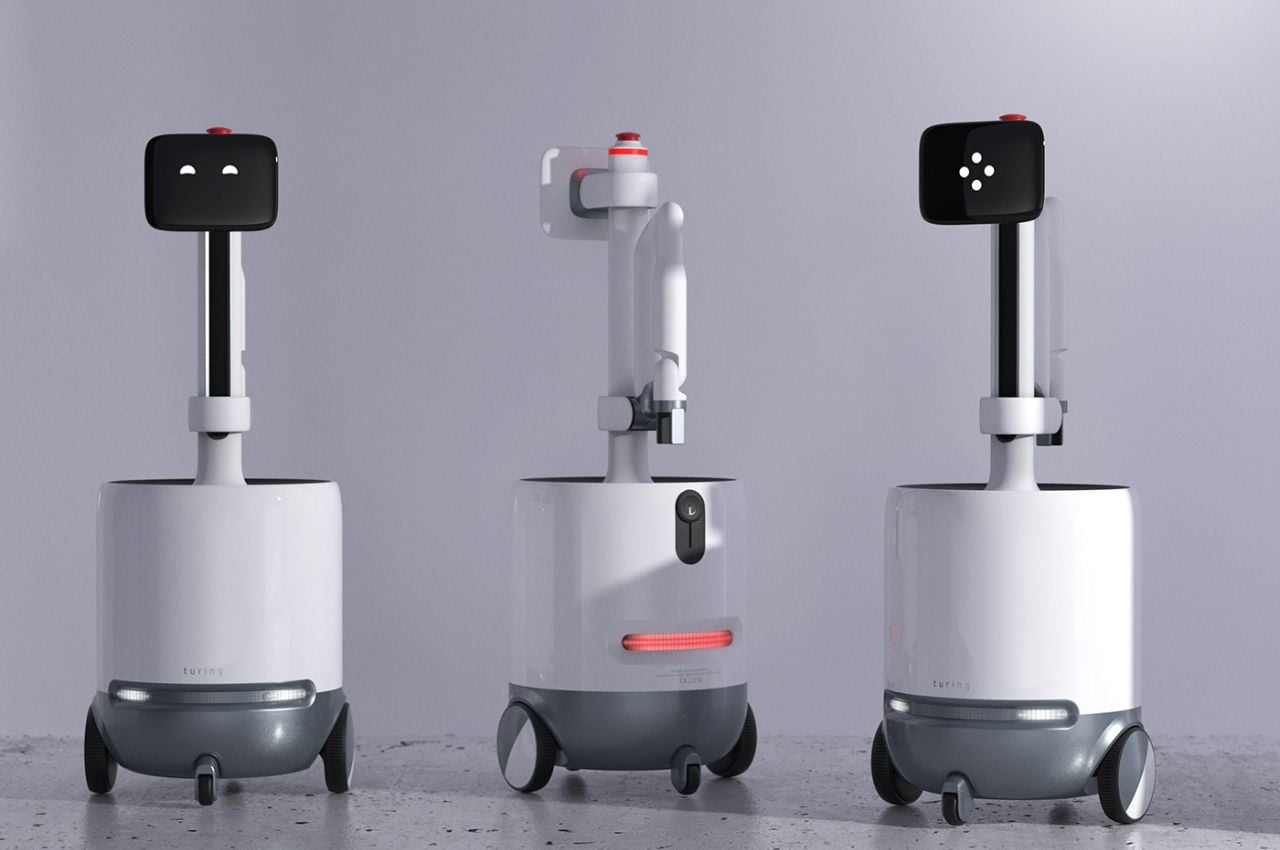
Robots have long captured our imaginations, from the helpful household robots of science fiction to the industrial machines that streamline manufacturing processes. However, the integration of robots into our daily lives has often been hampered by the challenges they face when navigating complex human environments. These limitations have confined their utility to controlled spaces in industries such as logistics and manufacturing. But now, a groundbreaking design concept known as “Turing” is poised to change the game, bringing a fresh perspective on robotic technology.
Designer: Cambridge Consultants (Tom ShirleyAnya Pivčuka)

1

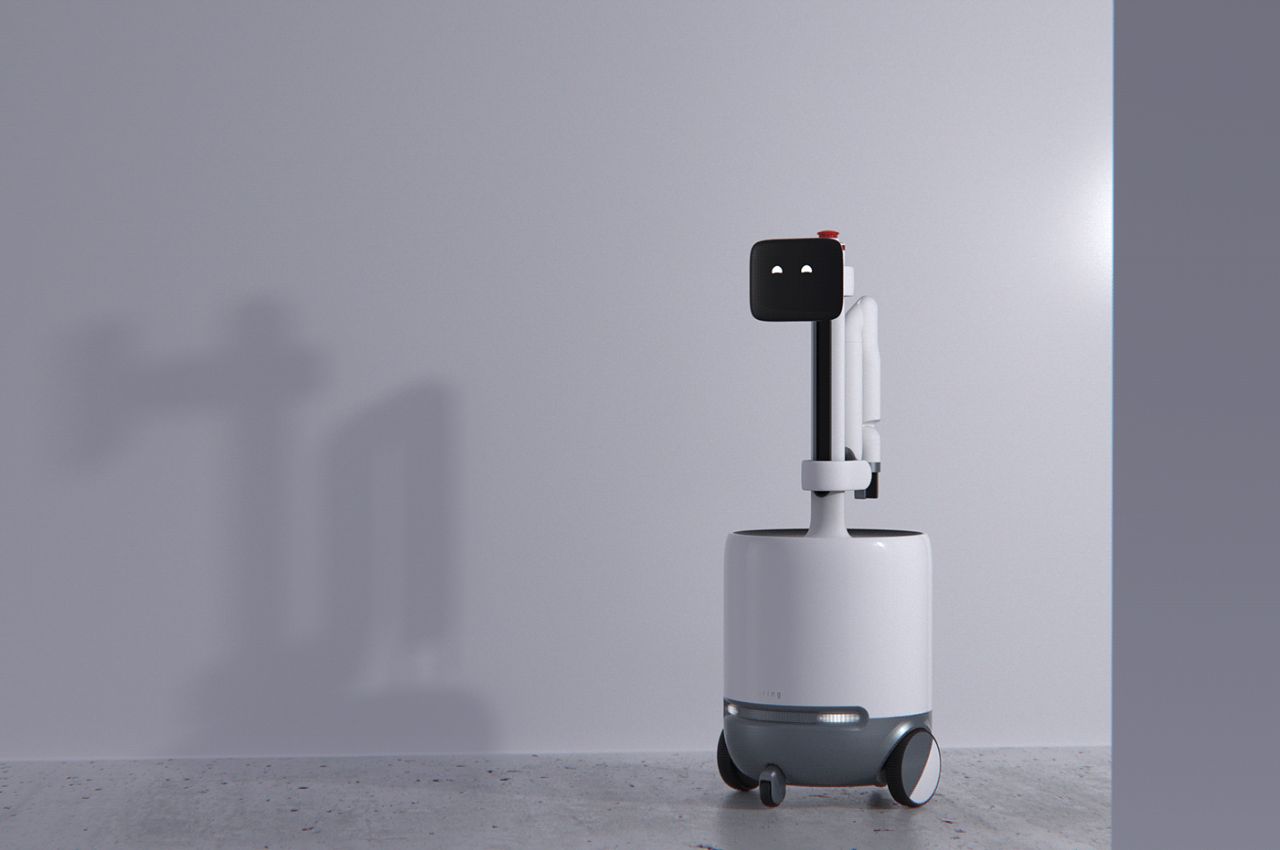
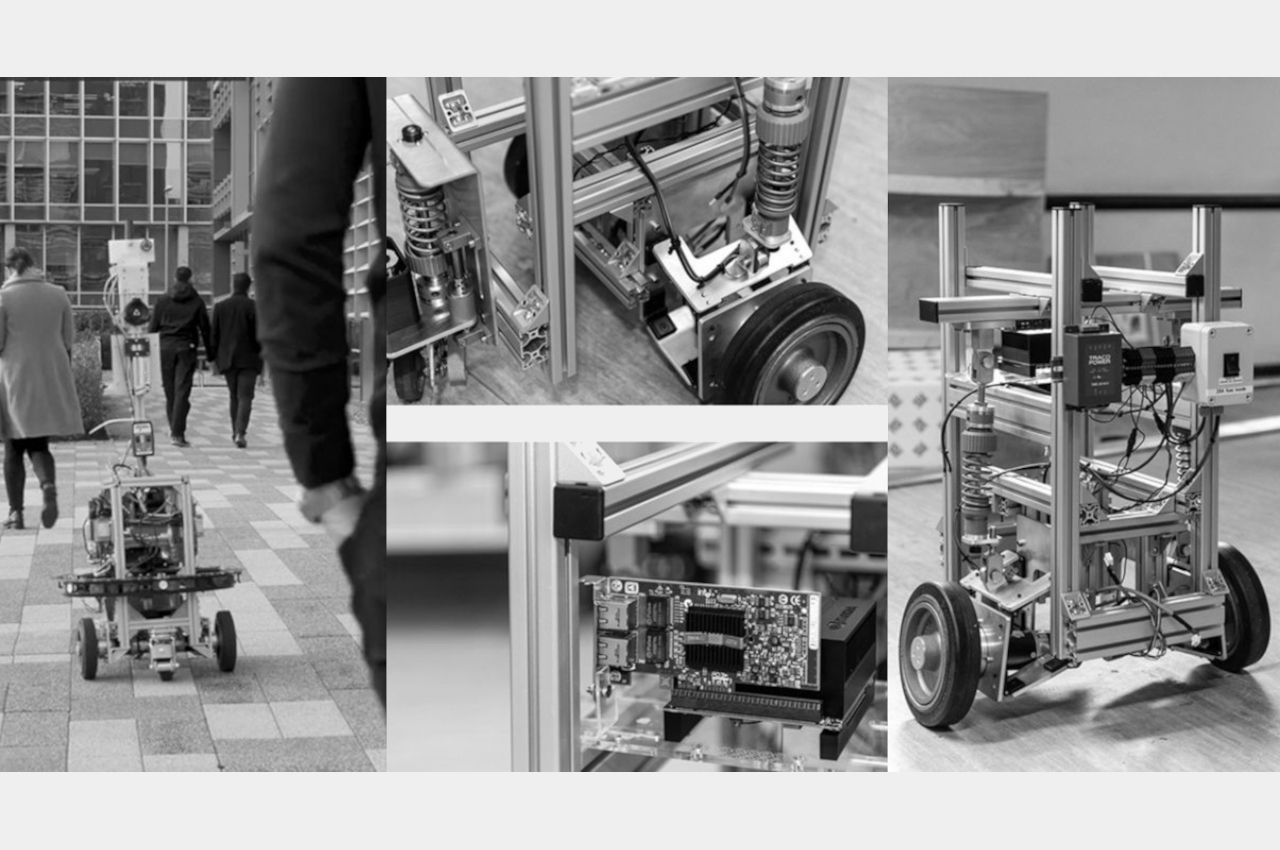
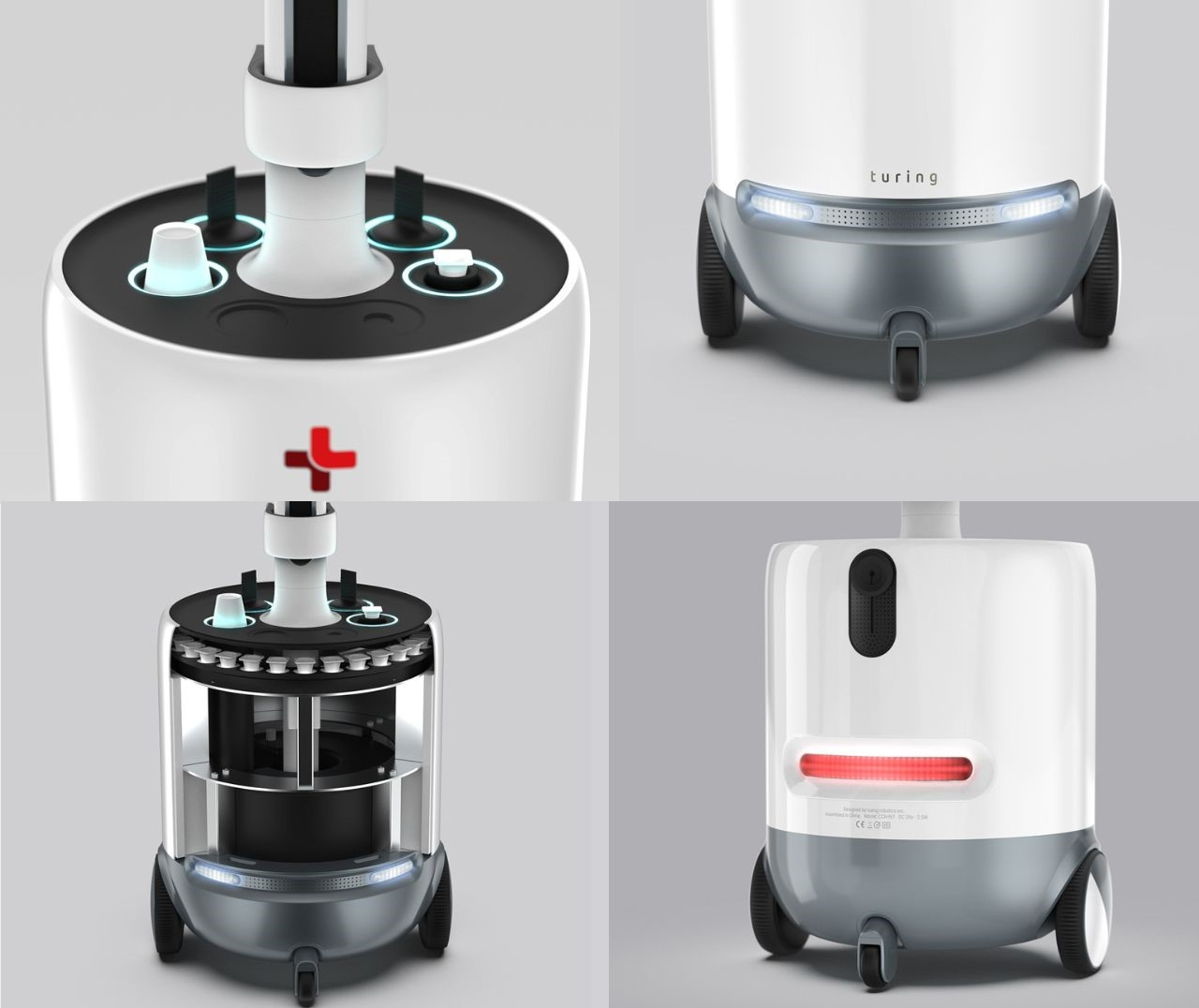
Turing is not just another robot; it’s a robotic platform with an emotional design at its core. It was developed by a team of multi-disciplinary experts, including designers, engineers, and researchers, to address a significant challenge in robotics: enabling robots to work in complex human environments while fostering collaboration between humans and machines. Turing’s approach seeks to unlock the untapped potential of human-robot interaction, one of the last remaining barriers to a future where robots become our everyday companions.

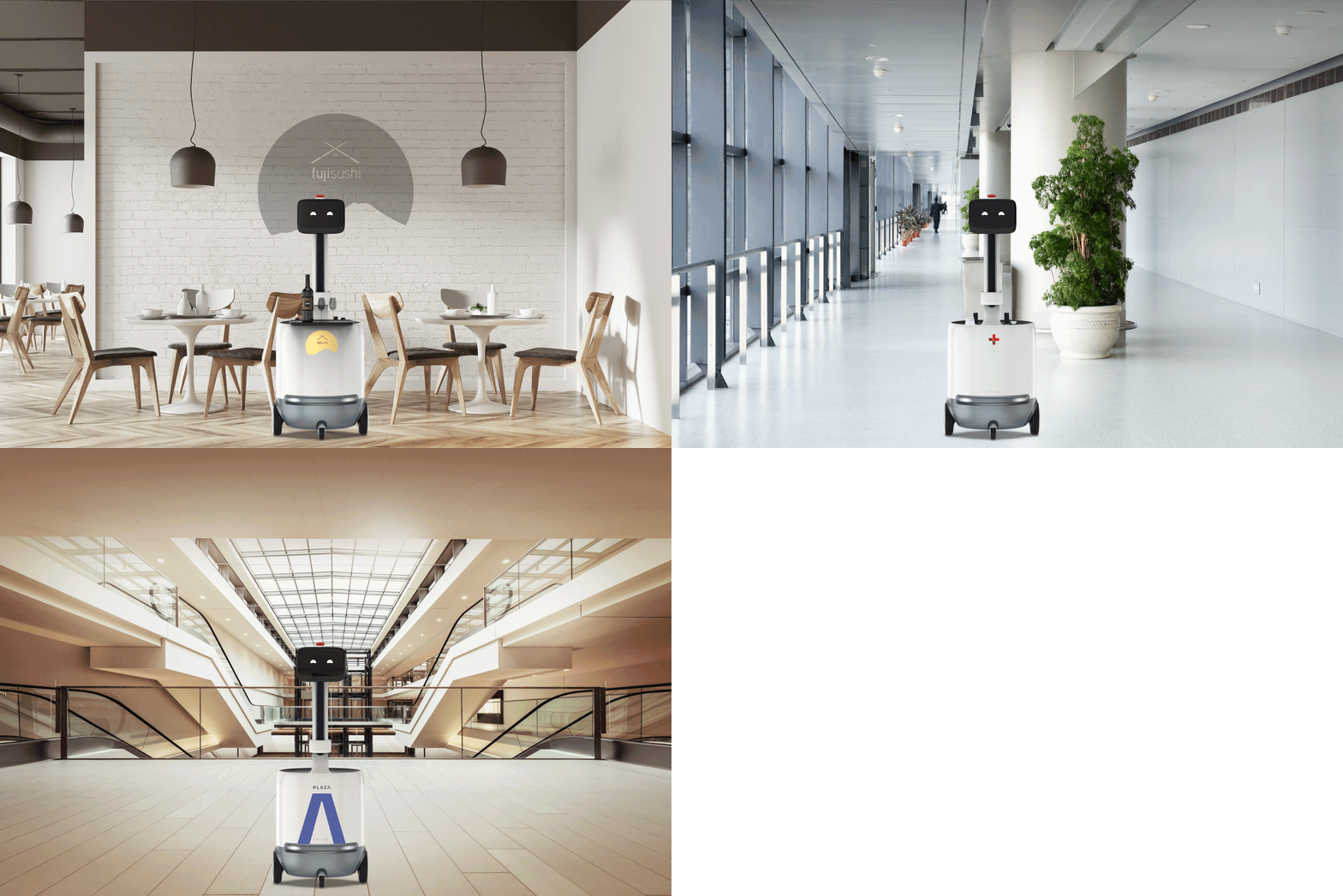
In the early stages of UX testing, the team behind Turing discovered that mimicking human emotion was a highly effective means of communicating the robot’s movements and intentions. They employed journey mapping to craft a coherent set of thoughts and emotions for the robot, resulting in a personality and behavior that users could relate to and engage with. By drawing inspiration from well-known characters in animation and film, they could identify the most appropriate personality for a given environment. This adaptability allows Turing to modify its behavior based on the specific context, ensuring it doesn’t seem out of place in various settings.

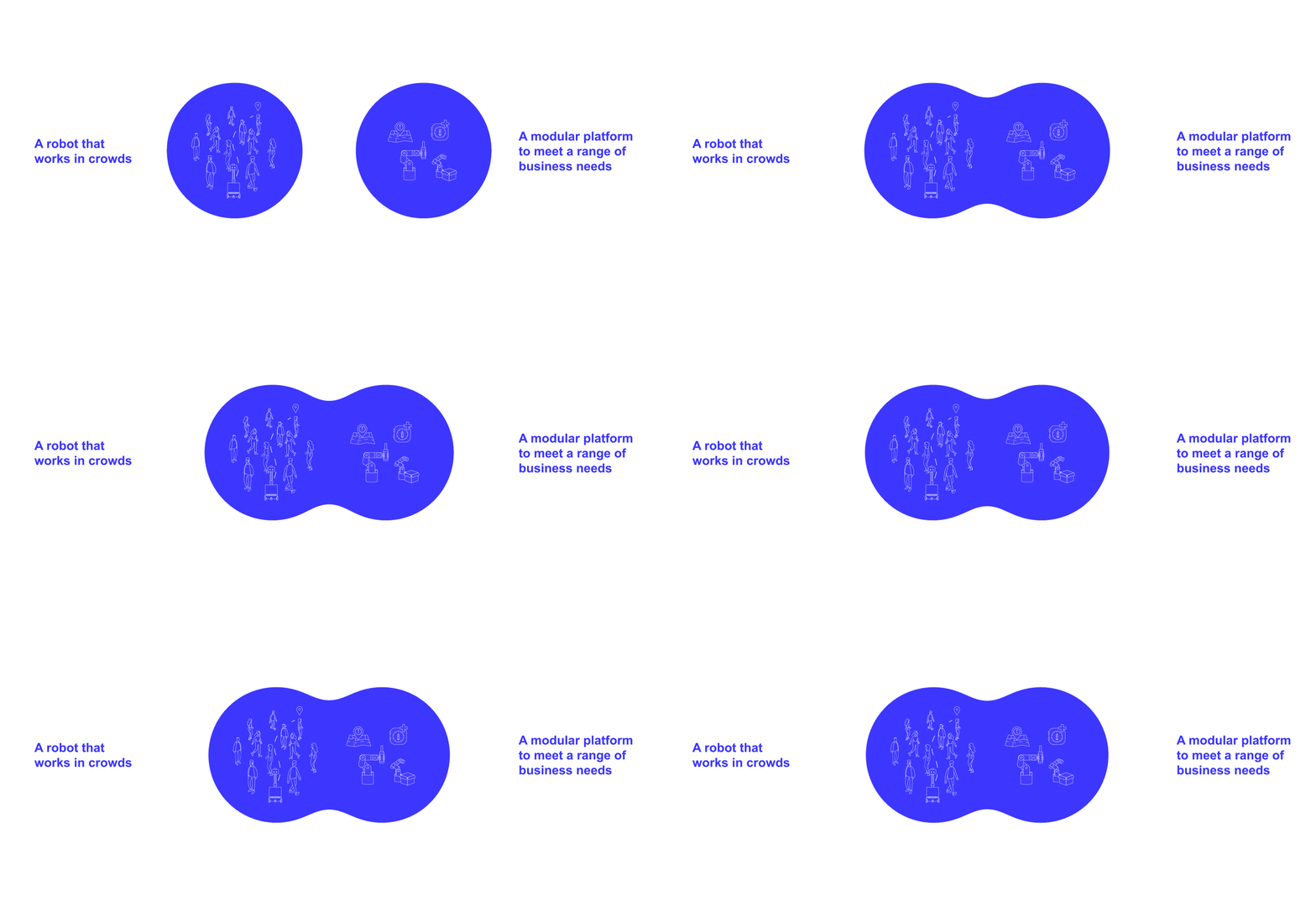
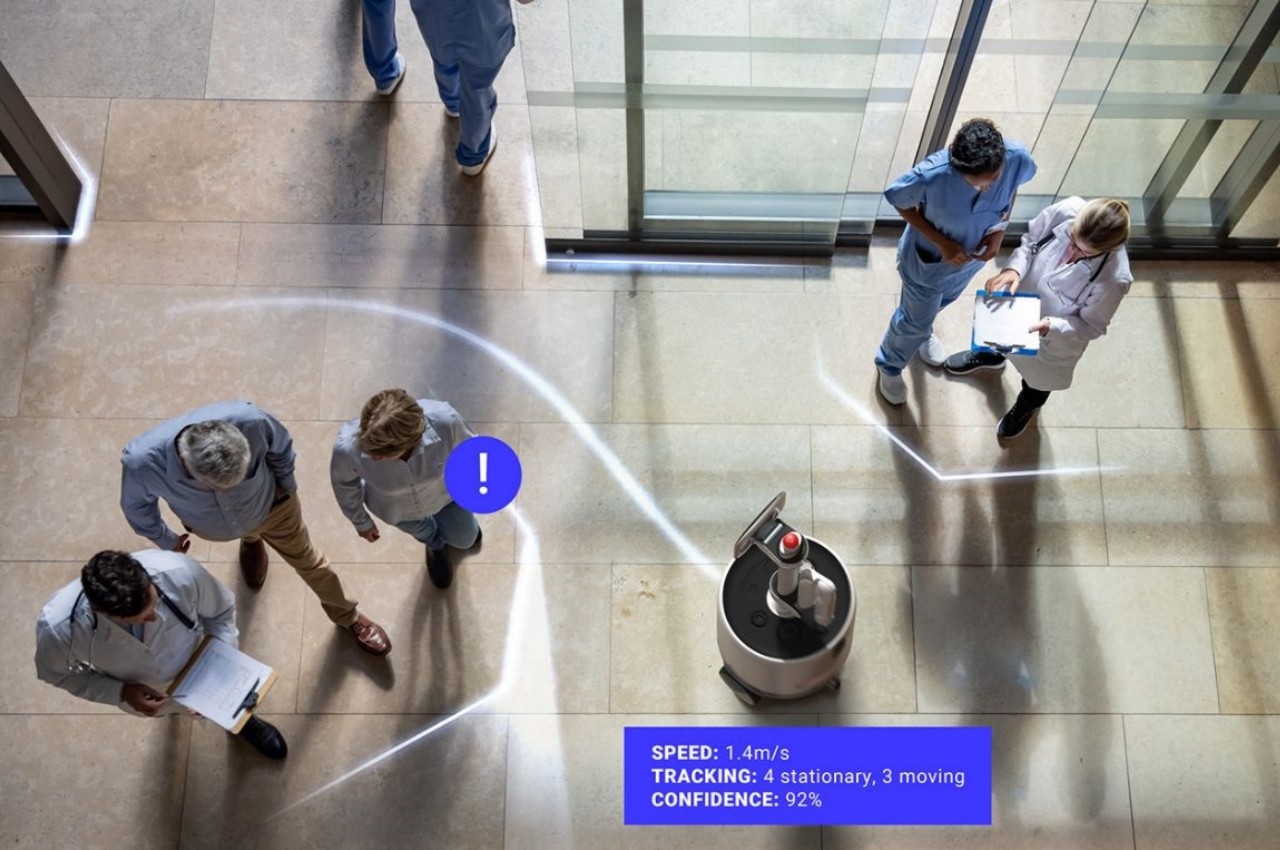
Turing is designed to work in collaboration with people, capable of navigating through crowded environments using body language, gestures, and emotional cues to communicate with our subconscious. This non-verbal, intuitive communication is significantly faster than traditional speech, enabling the sub-second reaction times necessary to avoid collisions in crowded areas. Moreover, Turing’s modular nature allows it to be adapted to a wide range of industries and customized to address diverse business needs.

1

The versatility of Turing makes it a game-changer in various industries:

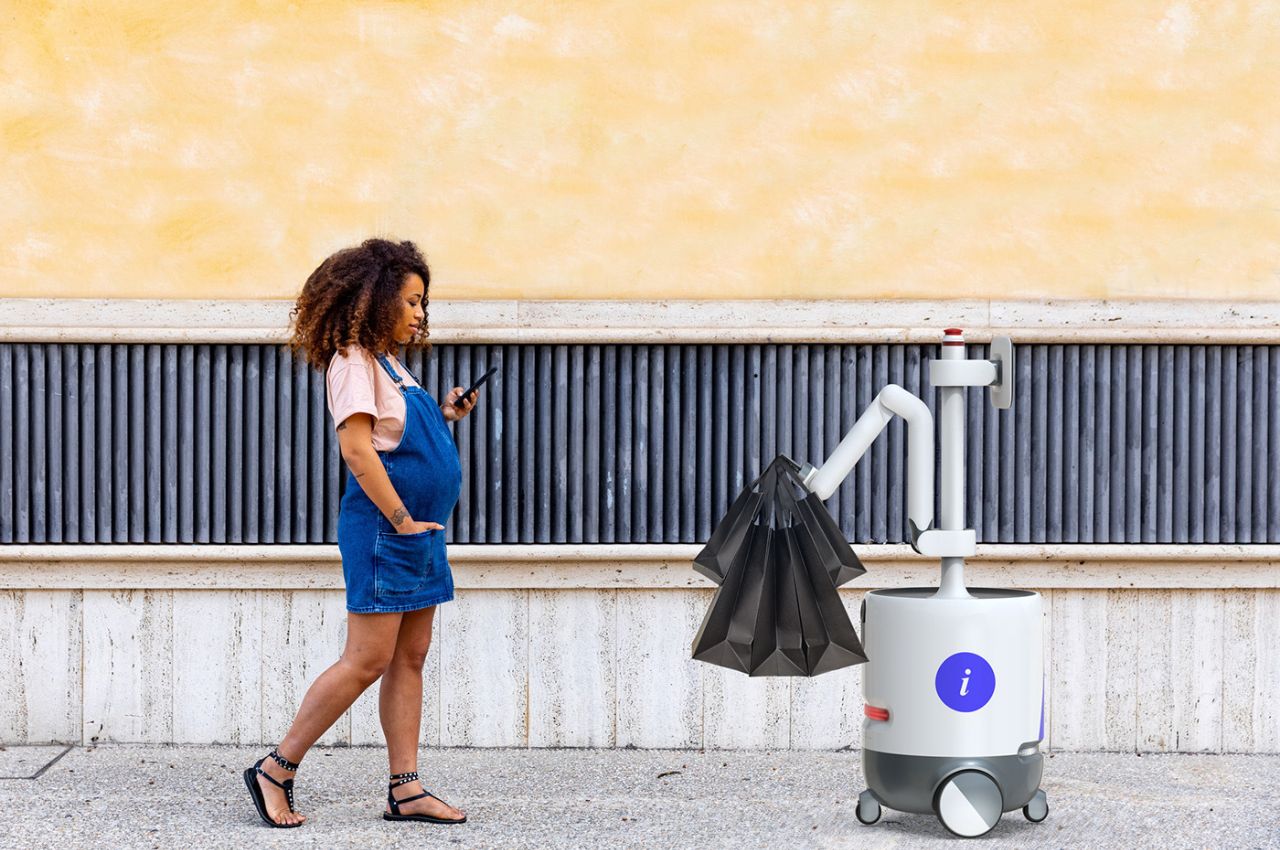
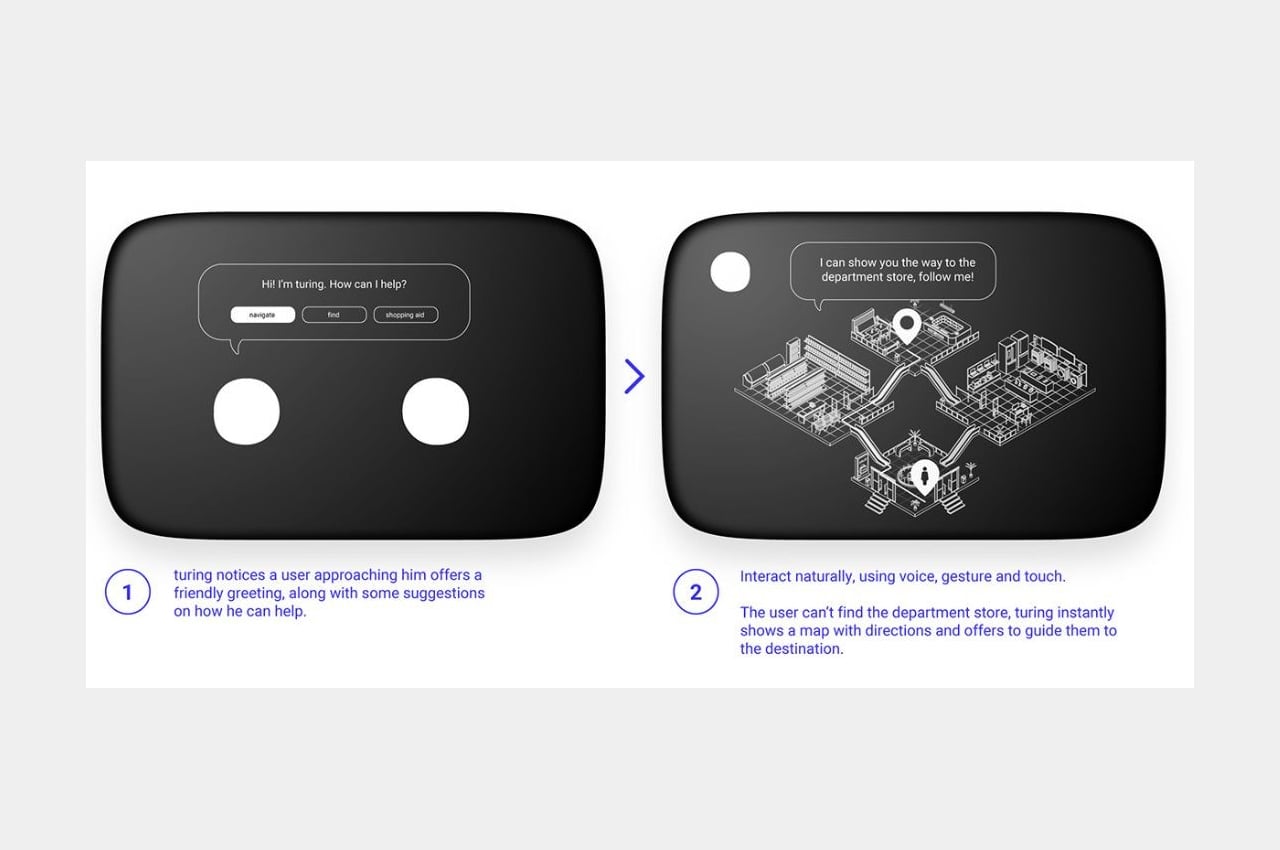
1. Retail: In retail, Turing can assist shoppers with tasks ranging from providing general information to guiding them through the store and even carrying their shopping bags. The emotional and charming personality it displays creates a memorable shopping experience that can be tailored to each venue’s ambiance.

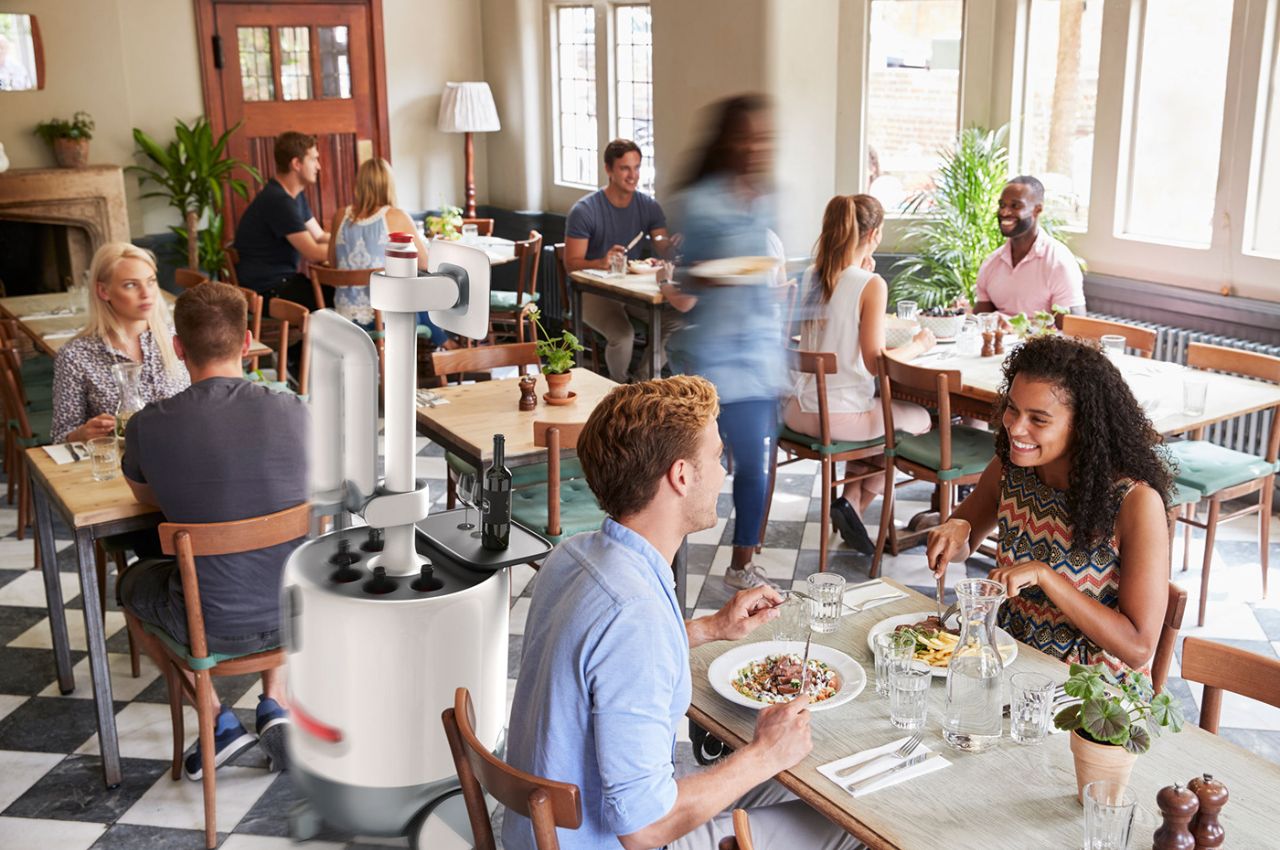
2. Service Industry: Turing comes to the rescue of businesses in the service industry, such as bars and restaurants, which often struggle to recruit enough staff. It can efficiently take orders and deliver food and drinks to customers, enhancing their overall experience. Its adaptability ensures it can seamlessly blend into different restaurant environments, from casual to fine dining.

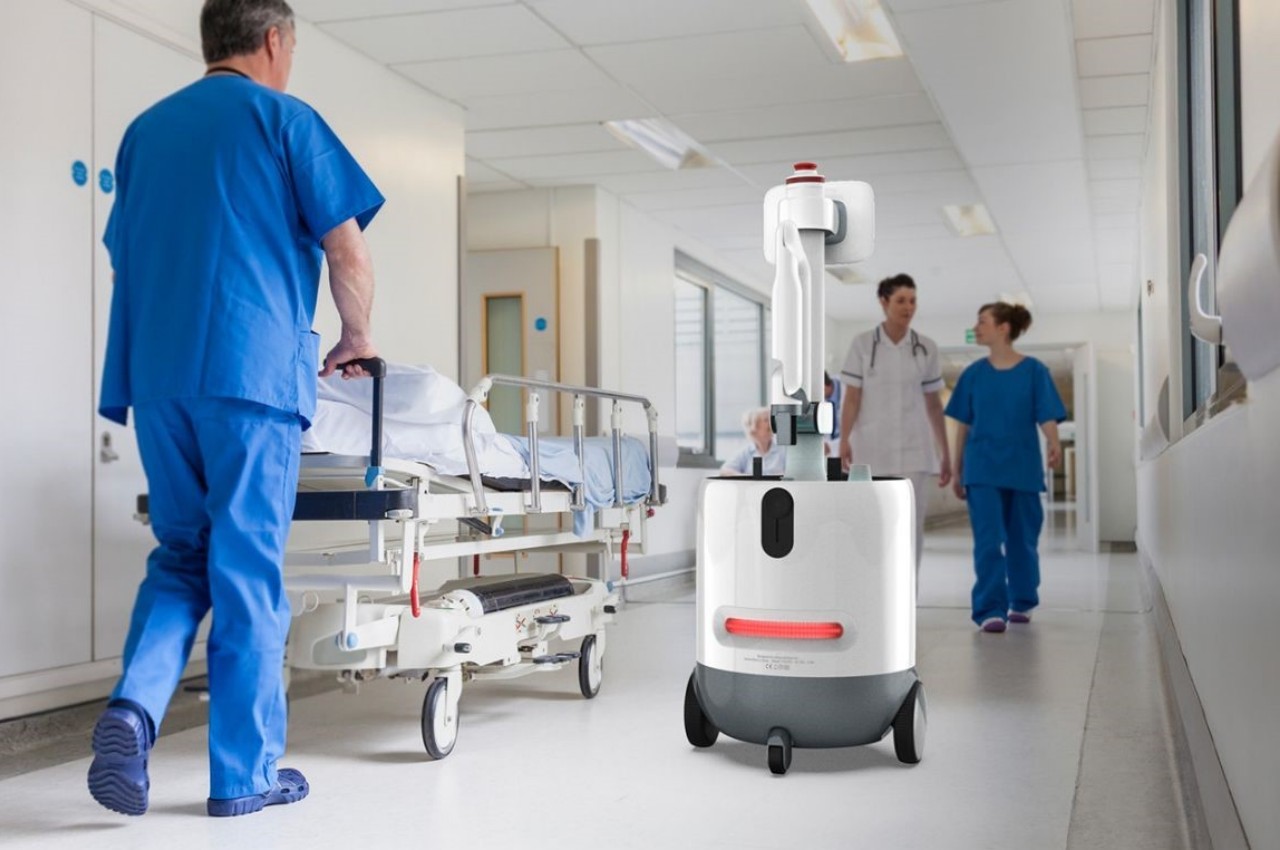
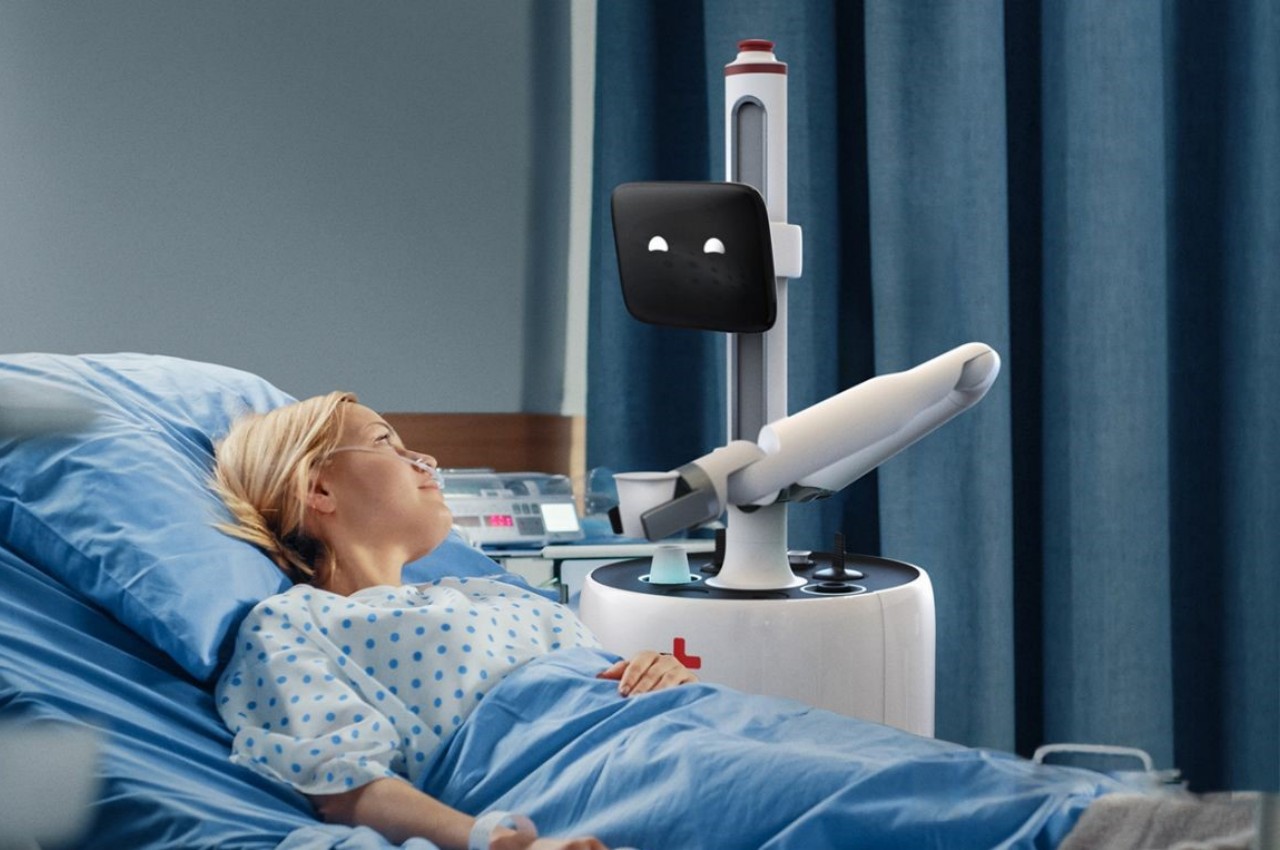
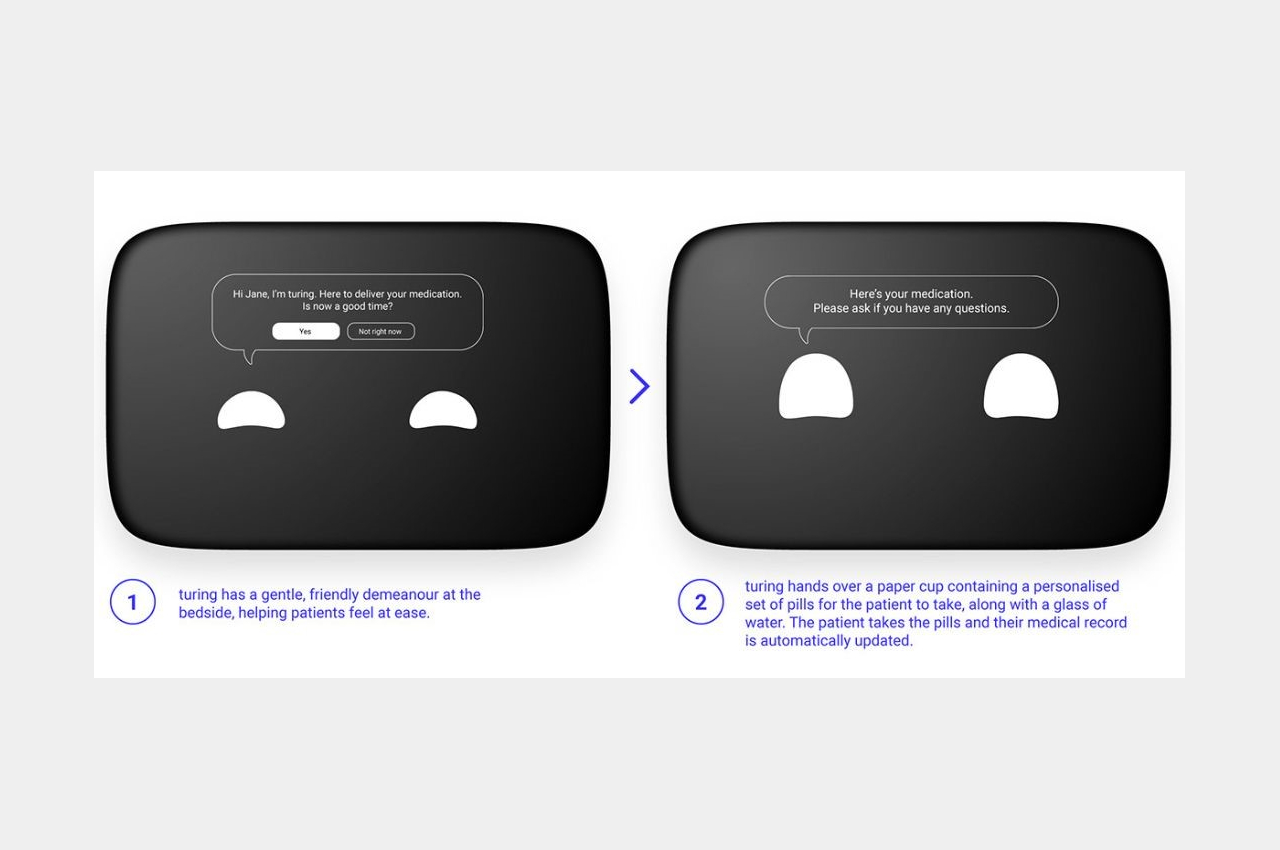
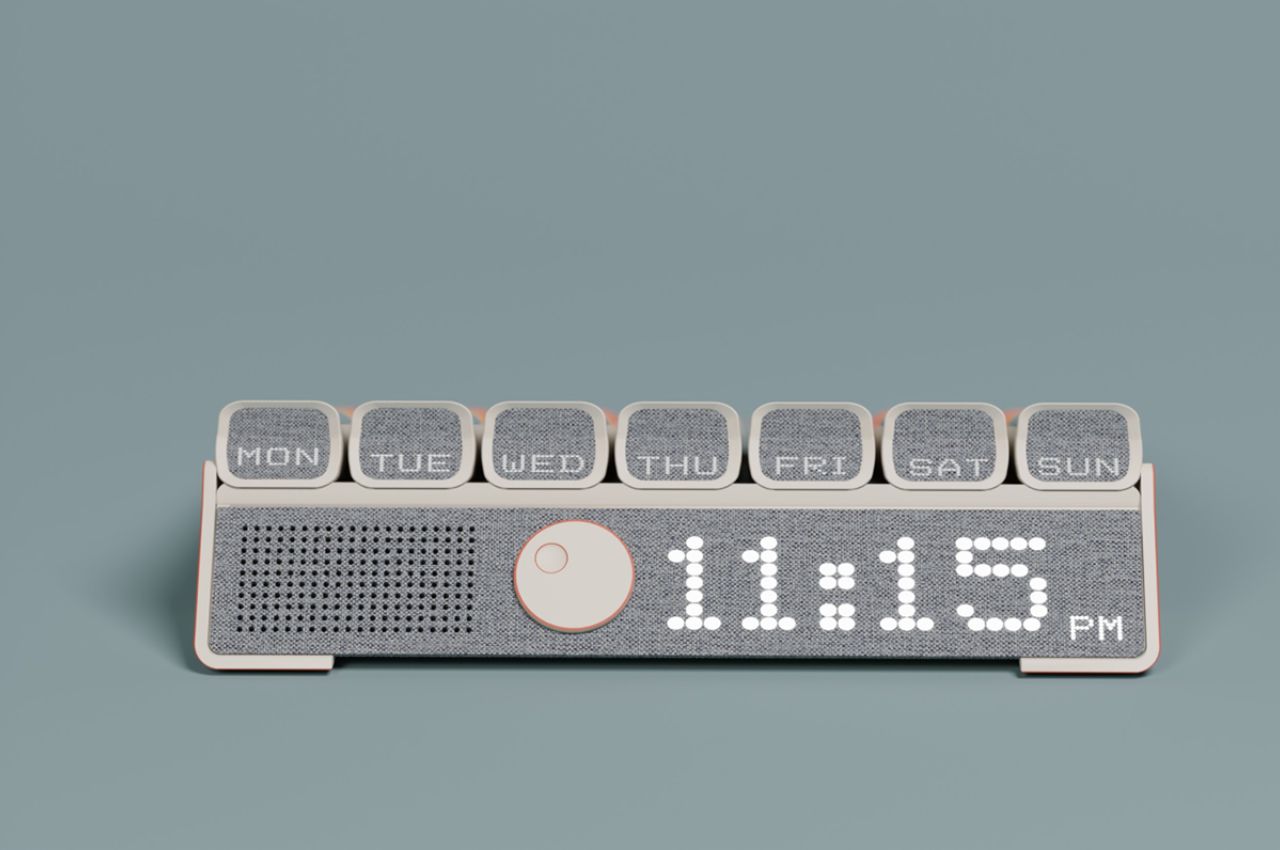
3. Medical Environments: Turing plays a crucial role in medical settings by reducing the burden on healthcare professionals. It can perform repetitive, time-consuming tasks, such as dispensing medication in low-risk hospital wards. This not only frees up staff to focus on patient care but also helps maintain consistent medication schedules. However, the acceptance of robots like Turing in healthcare settings may take time, as people need to build trust in the accuracy of the tasks performed.

Turing is a groundbreaking development in the world of robotics. By embracing emotional design and a highly adaptable, modular nature, it is pushing the boundaries of human-robot interaction and addressing the limitations that have confined robots to specific industries. With Turing, the future of robotics looks promising, as it promises to bring robots out of controlled environments and into our everyday lives, as social, collaborative, and empathetic companions.

The post How Robots Are Expanding Their Fields of Work By Attaining Emotional Designs first appeared on Yanko Design.