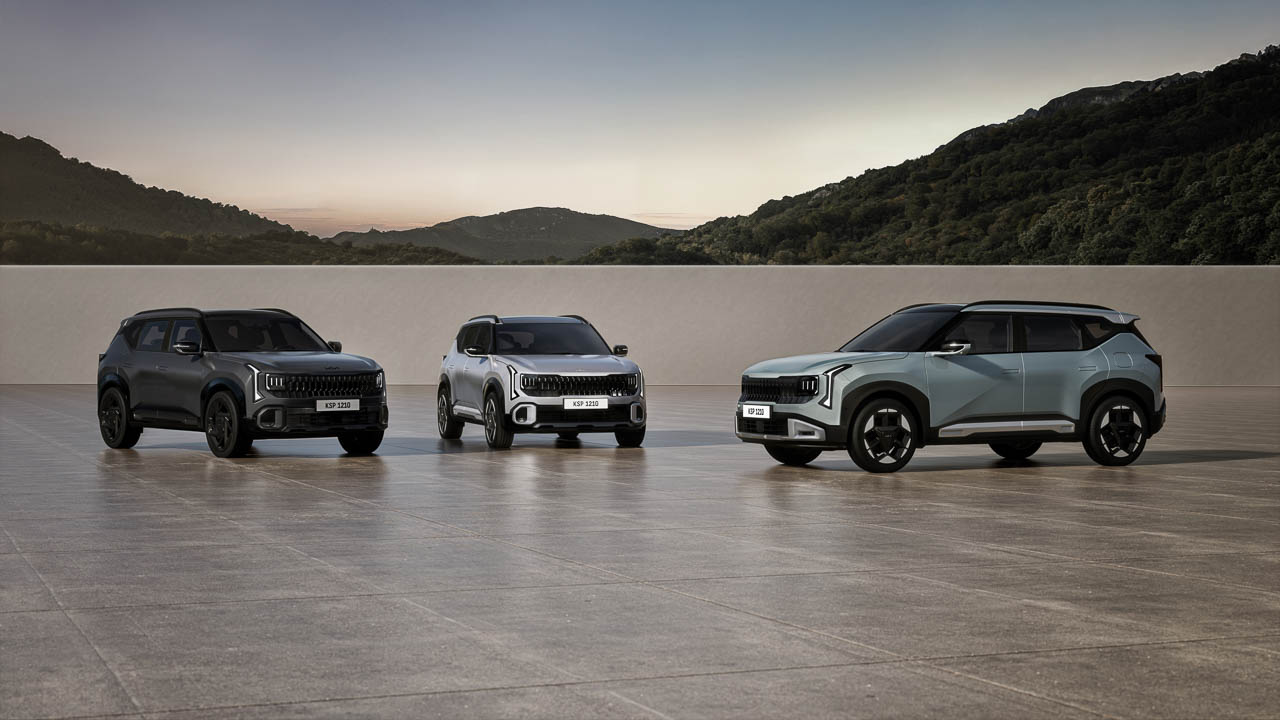
Five years of anonymity ends here. The original Seltos did exactly what Kia asked of it: occupy a parking space in the subcompact crossover segment, return decent fuel economy numbers, and avoid offending anyone with strong aesthetic opinions. Mission accomplished. The problem was that avoiding offense also meant avoiding interest. While Kia’s design teams were busy making the K5 look like it wanted to fight you and turning the Sportage into something your neighbor would actually comment on, the Seltos sat in driveways across America looking like a placeholder for a vehicle that might arrive someday with actual visual presence.
Designer: Kia
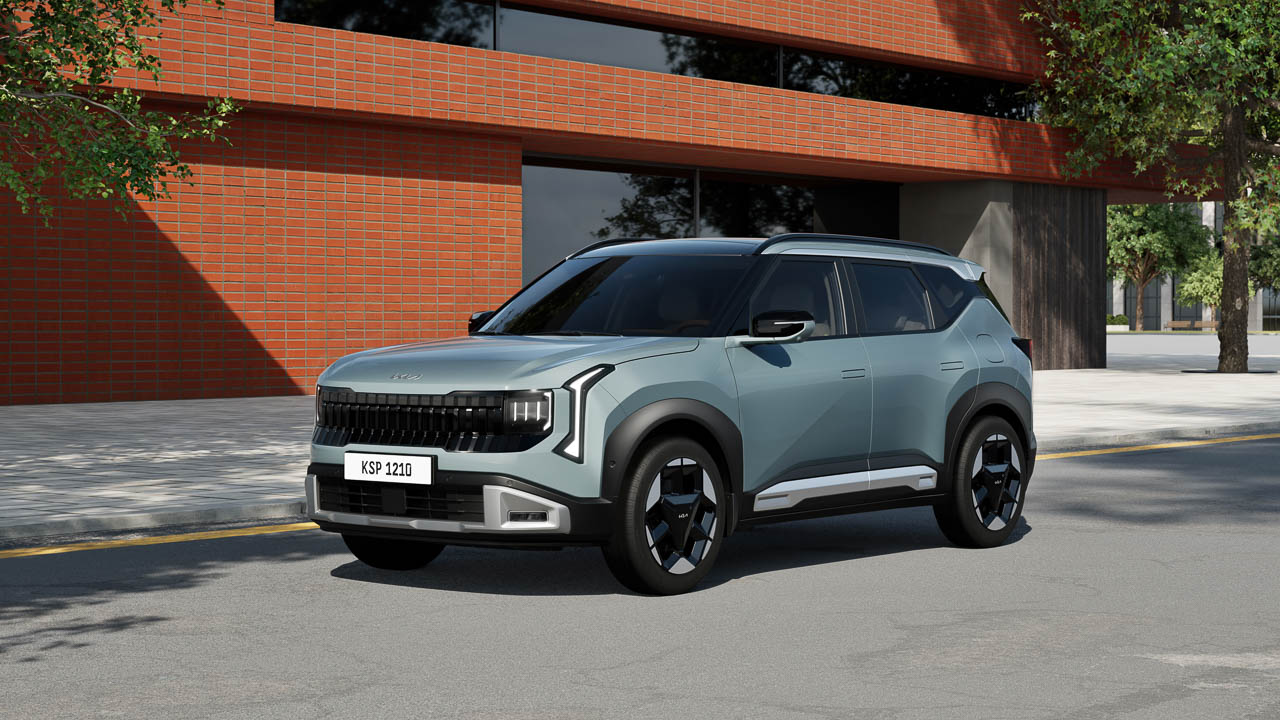
The 2027 model is that vehicle. Kia has scrapped the safe approach entirely, replacing sheet metal that blended into rental car fleets with styling divisive enough to generate actual conversations. The interior no longer resembles a budget proposition from 2018. A hybrid powertrain finally joins the lineup, arriving roughly half a decade after competitors proved buyers would pay extra for efficiency in this segment. Whether the transformation justifies waiting for the 2027 model or signals that Kia finally understood what the Seltos needed all along depends on your tolerance for “better late than never” product development.
Platform Math That Actually Matters
Kia moved the Seltos onto the K3 platform. Platform migrations rarely excite anyone outside engineering departments, but this one delivers changes you’ll register without reading a spec sheet. Extensive use of ultra-high-strength and hot-stamped steel enhances body rigidity throughout the structure. Doors shut with a dampened authority the previous Seltos couldn’t manage. Road imperfections that used to send vibrations through the steering column now get absorbed somewhere between the pavement and your palms.
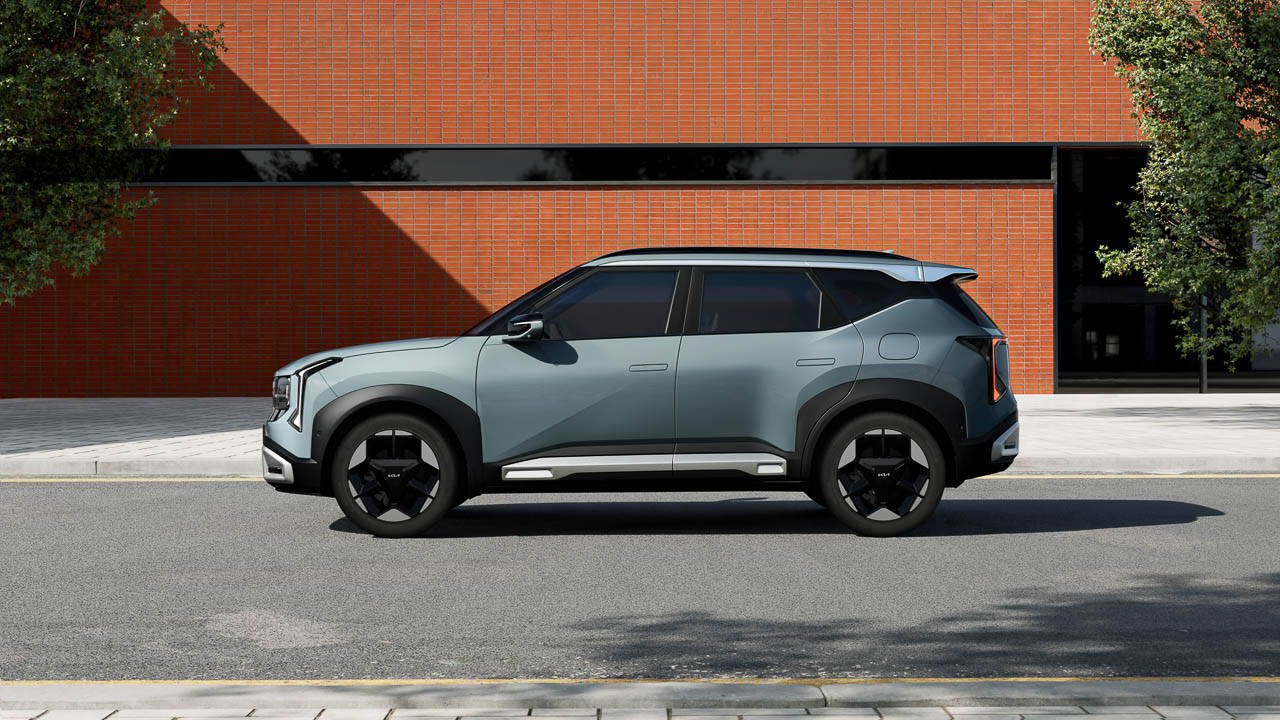
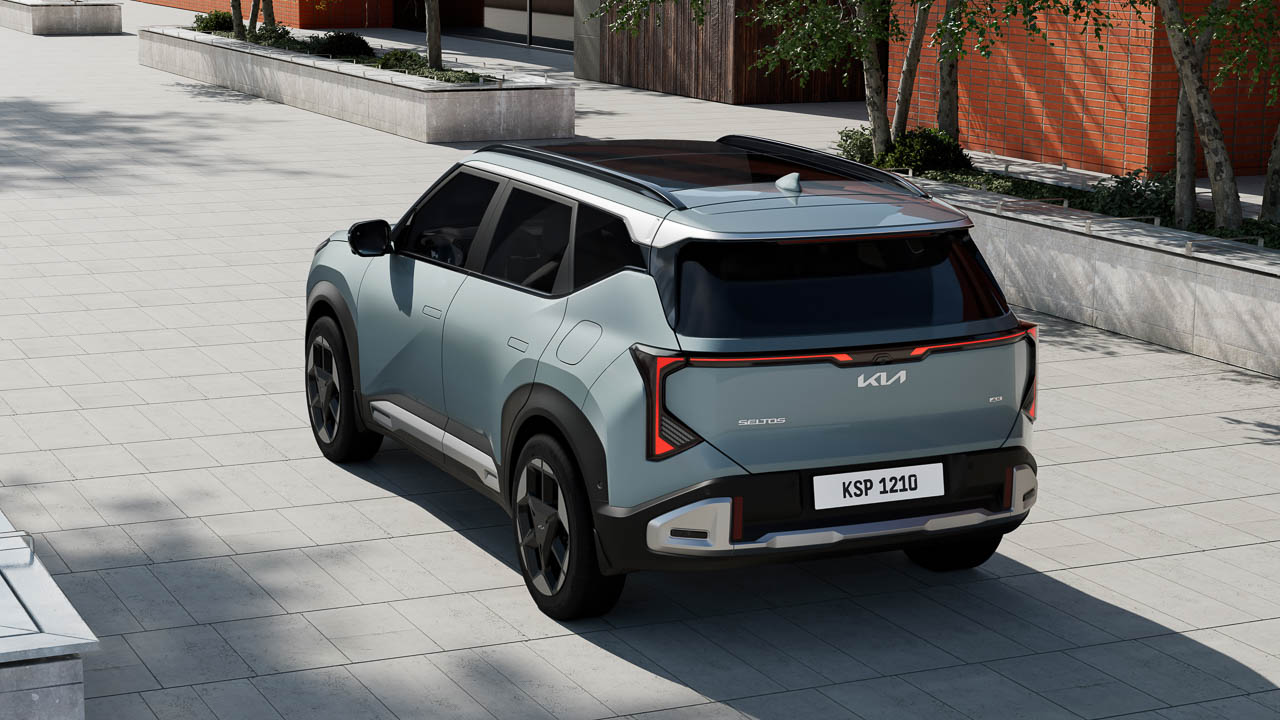
Dimensional changes favor passengers over parking. The new Seltos measures 4,430 mm long, 1,830 mm wide, and 1,600 mm tall, riding on a 2,690 mm wheelbase that redistributes interior volume where it counts. Rear seat legroom increases noticeably. The proportions trade some of the previous model’s upright greenhouse for a profile that looks like it belongs on the road rather than waiting nervously at a stop sign. The stance improvement alone suggests Kia’s designers finally got permission to make the Seltos look intentional.
Proportions that once read as generic now communicate purpose. Lower roofline changes how the vehicle photographs and how it feels from behind the wheel. You sit in something rather than on top of something.
Powertrains arrive with options across the efficiency and performance spectrum. The base 2.0-liter petrol engine makes 149 PS and 179 Nm, optimized for fuel efficiency and smooth everyday driving. The turbocharged 1.6-liter T-GDI comes in two flavors: a standard output version producing 180 PS and 265 Nm with a seven-speed dual-clutch or six-speed manual, and a high-output variant delivering 193 PS and 265 Nm through an eight-speed automatic. All-wheel drive swaps the base torsion beam rear suspension for a multi-link setup and adds Terrain Mode with settings for Snow, Mud, and Sand.
Hybrid Arrives Fashionably Late
Kia will add a hybrid sometime in 2026, trailing the gas models by several months. Specific output figures haven’t been disclosed yet, though the hybrid will bring higher efficiency and expanded everyday usability to the lineup.
The efficiency headline matters less than the features bundled with hybridization. Vehicle-to-Load capability transforms the battery pack into a portable power source. Tailgaters can run a TV. Contractors can charge tools. Campers can keep phones alive without hunting for outlets. That practical utility separates the Seltos Hybrid from efficiency-only competitors.
Kia’s Smart Regenerative Braking System 3.0 automatically adjusts regenerative braking based on traffic flow and navigation data to optimize energy recovery. For buyers who’ve watched the hybrid crossover segment mature while the Seltos offered only gasoline options, the wait has been frustrating. At least the delay allowed Kia to include features that early hybrid adopters had to do without.
Styling That Picks Fights
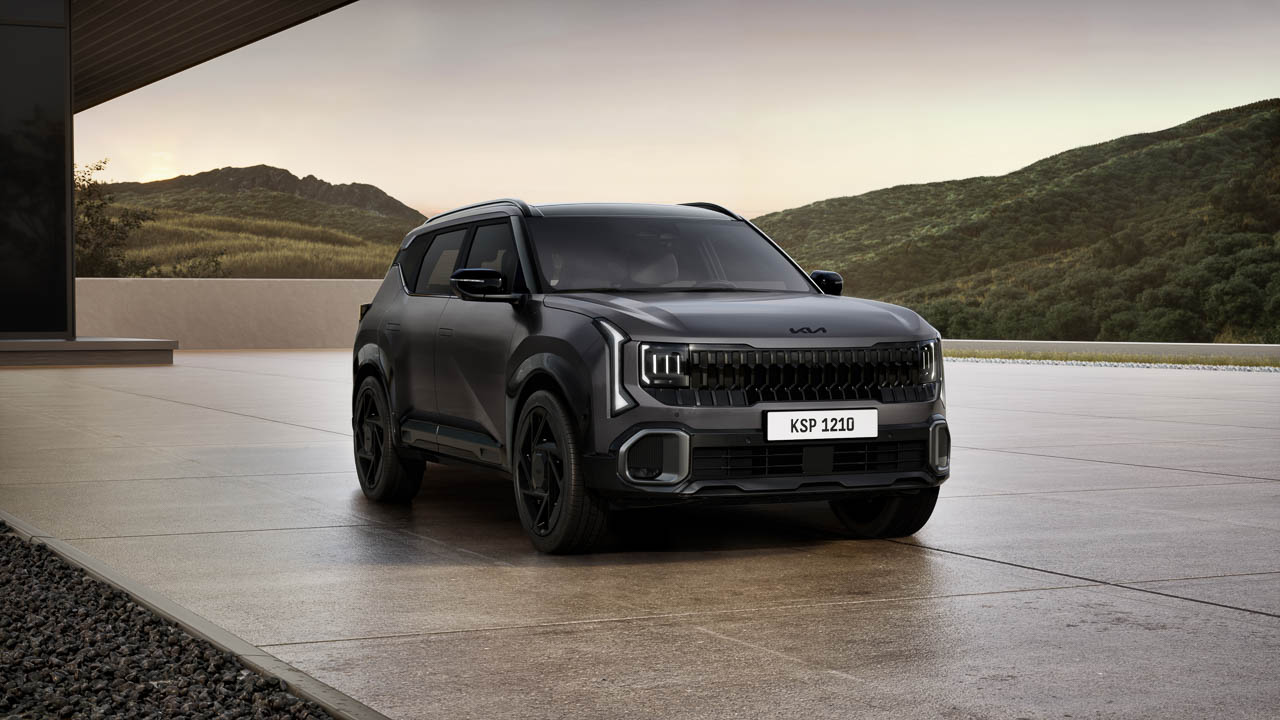
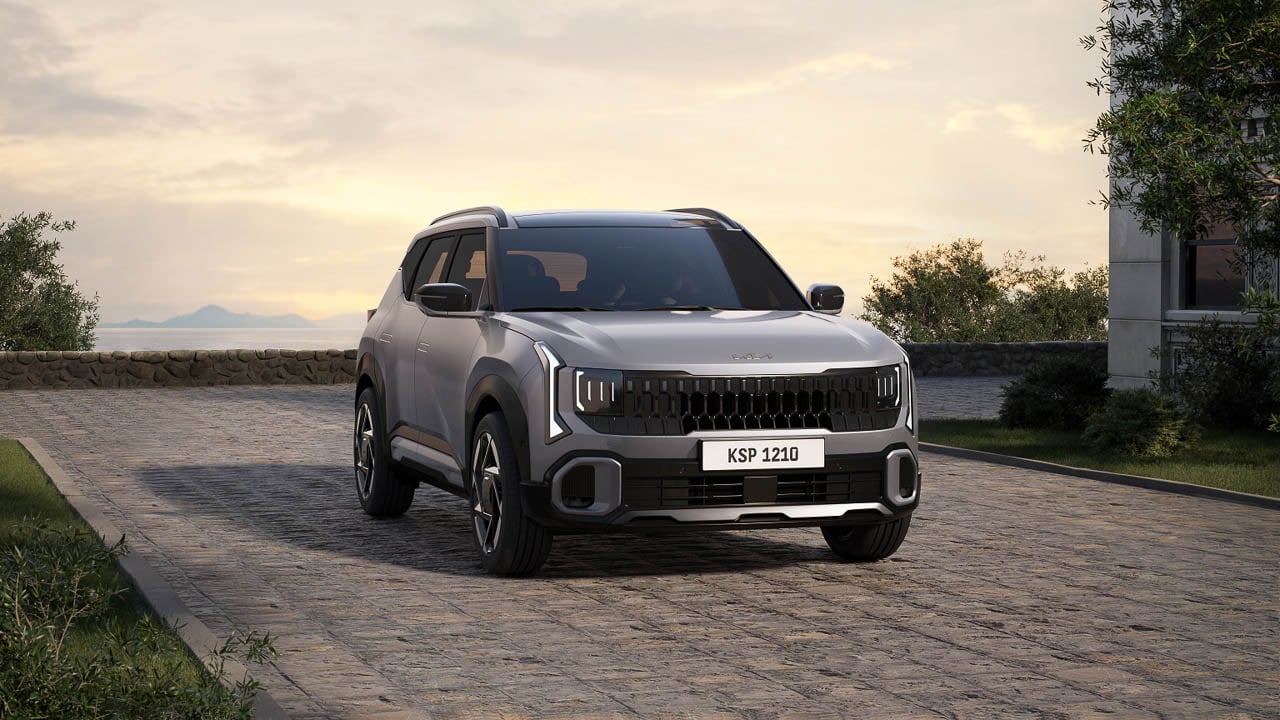
The front fascia abandons any pretense of subtlety. Kia’s star map lighting signature dominates the grille, paired with a dynamic welcome light sequence that animates on approach. Trim-dependent light signatures differentiate models. Flush door handles enhance aerodynamics and add visual sophistication.
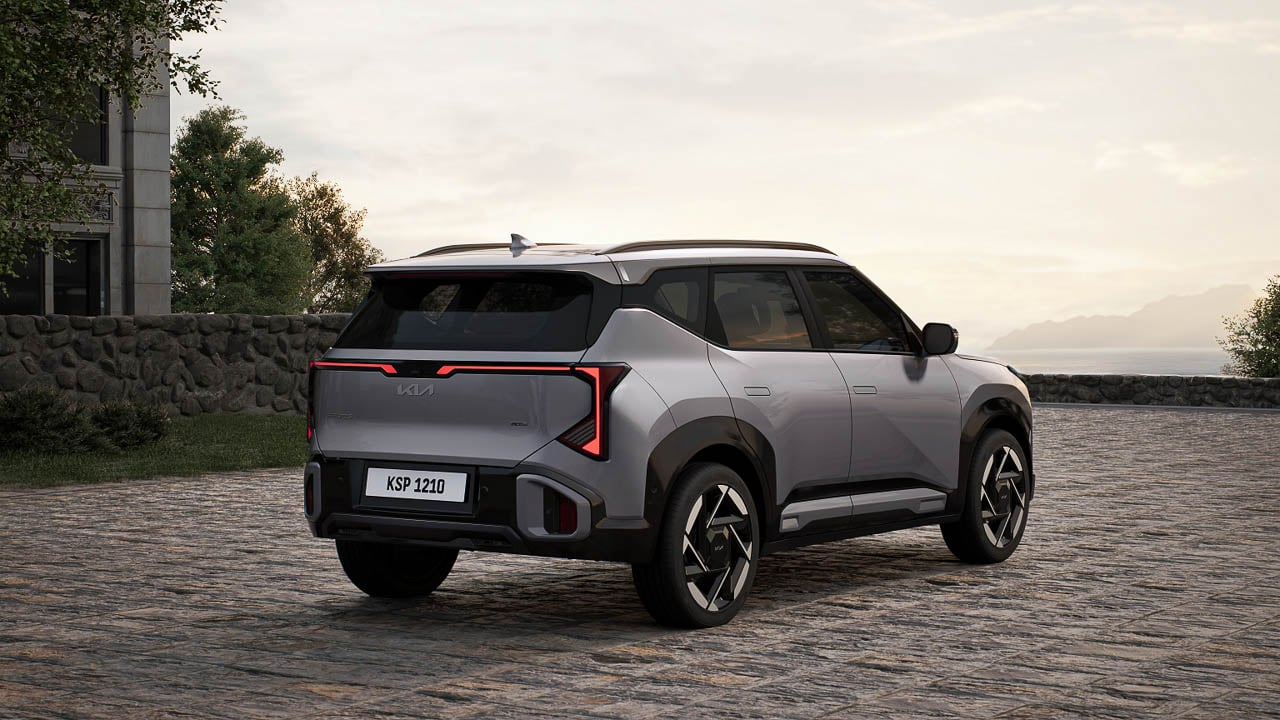
Diagonal character lines run along the profile, while a floating roofline and strong shoulder contours create a dynamic silhouette that conveys forward motion even when stationary. Contrasting cladding and satin silver accents emphasize durability and refinement. The effect demands attention in ways the previous Seltos actively avoided.
Profile proportions stay recognizable but tighten considerably. Wheel arch cladding gains sculptural depth without the aggressive plastic additions that make some crossovers look like they’re wearing protective gear.
Three standout colors debut with the new model: Iceberg Green, Gravity Gray, and a bold matte Magma Red that photographs well enough to suggest Kia invested real effort in the paint development. The overall effect is polarizing by design.
Buyers who found the previous Seltos too bland may love this. Buyers who preferred blending in may find the new face exhausting. Kia appears comfortable with that trade-off, betting that memorable beats forgettable even when memorable divides opinion.
Interior Debt Repaid
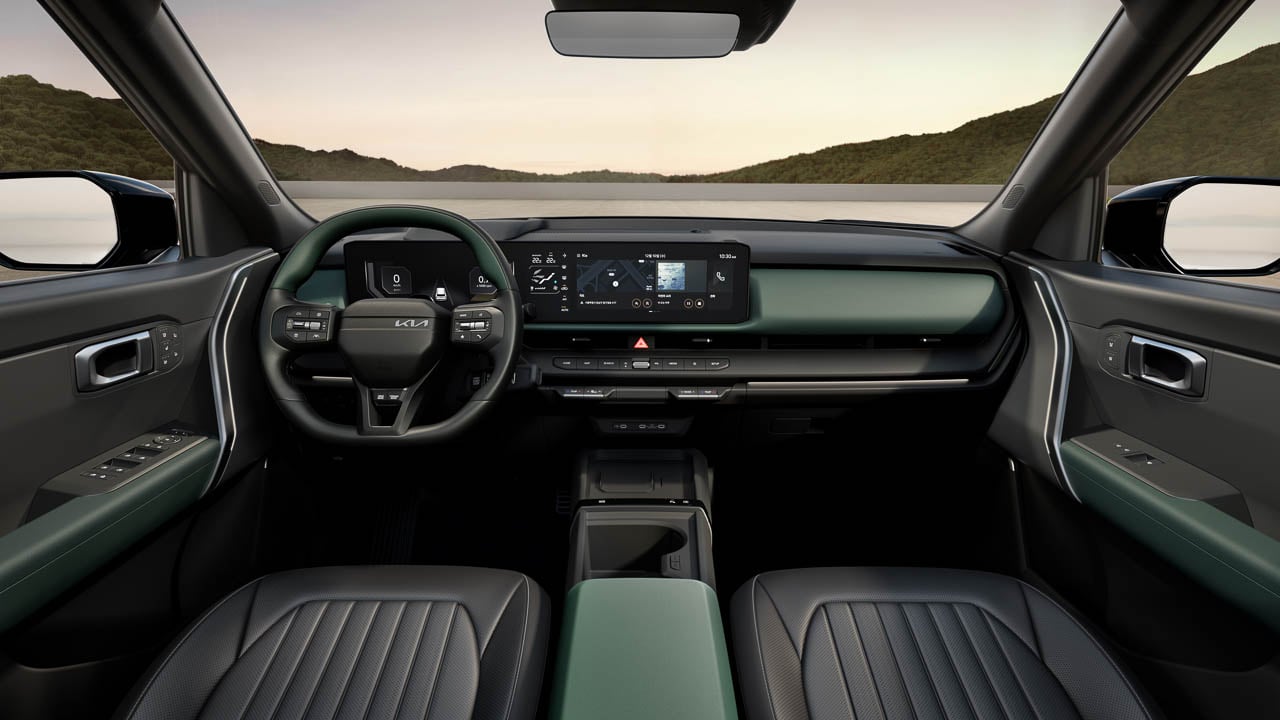
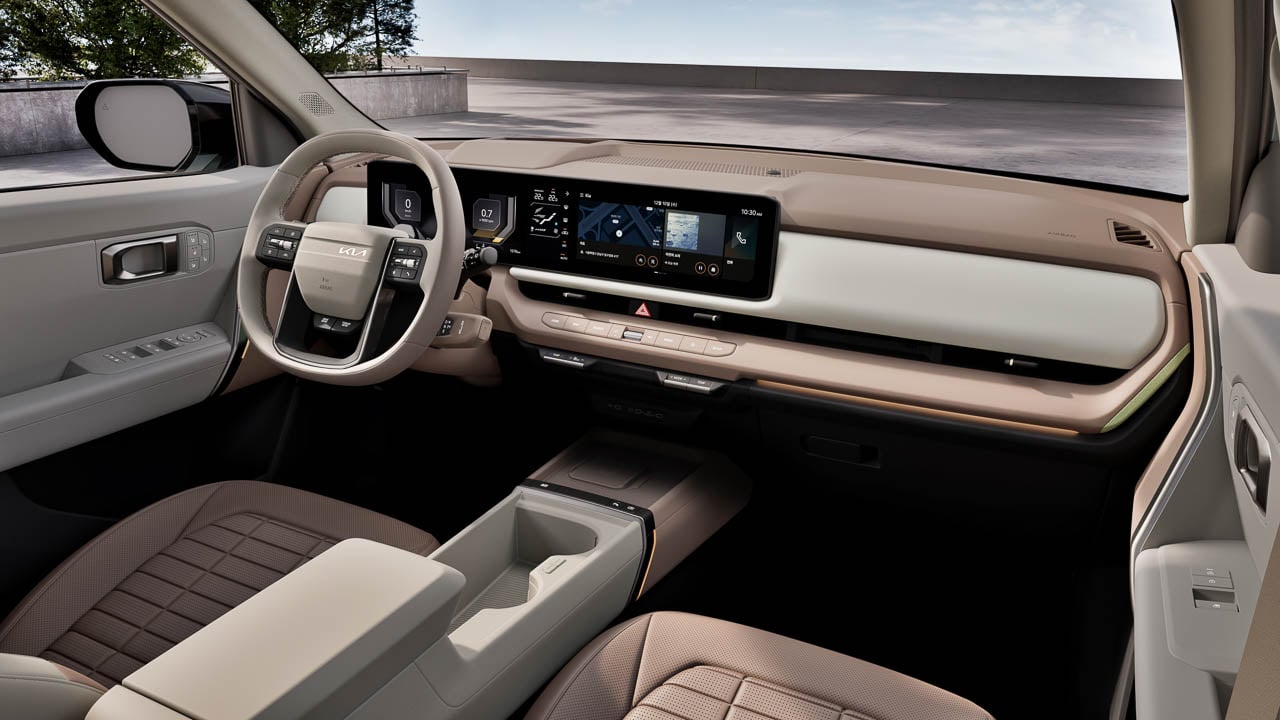
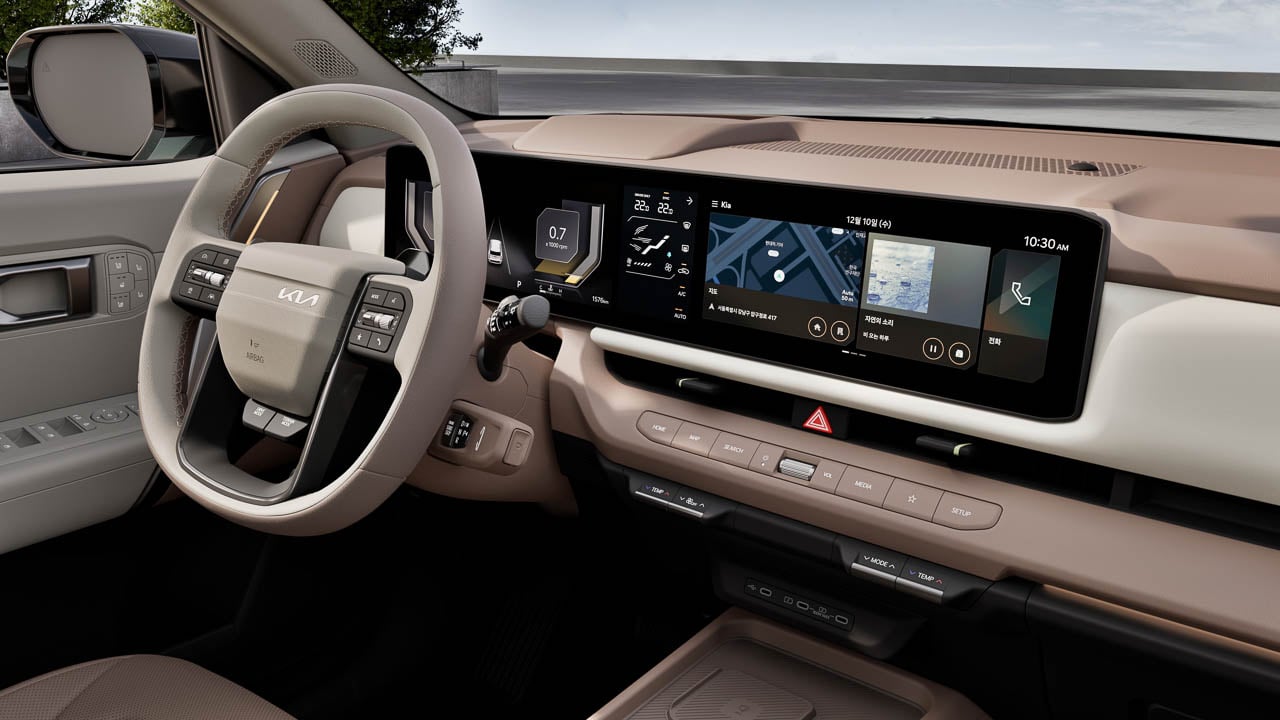
Cabin improvements run deeper than the dual 12.3-inch screens dominating the dashboard, though those screens certainly establish the generational leap immediately. A dedicated climate control panel sits between the displays with physical buttons and knobs for temperature, fan speed, and the functions drivers adjust without looking.
Customizable 64-color mood lighting enhances the cabin ambience, providing visual depth without the purple-and-pink nightclub aesthetic that afflicts competitors trying too hard. The effect is modern without being desperate.
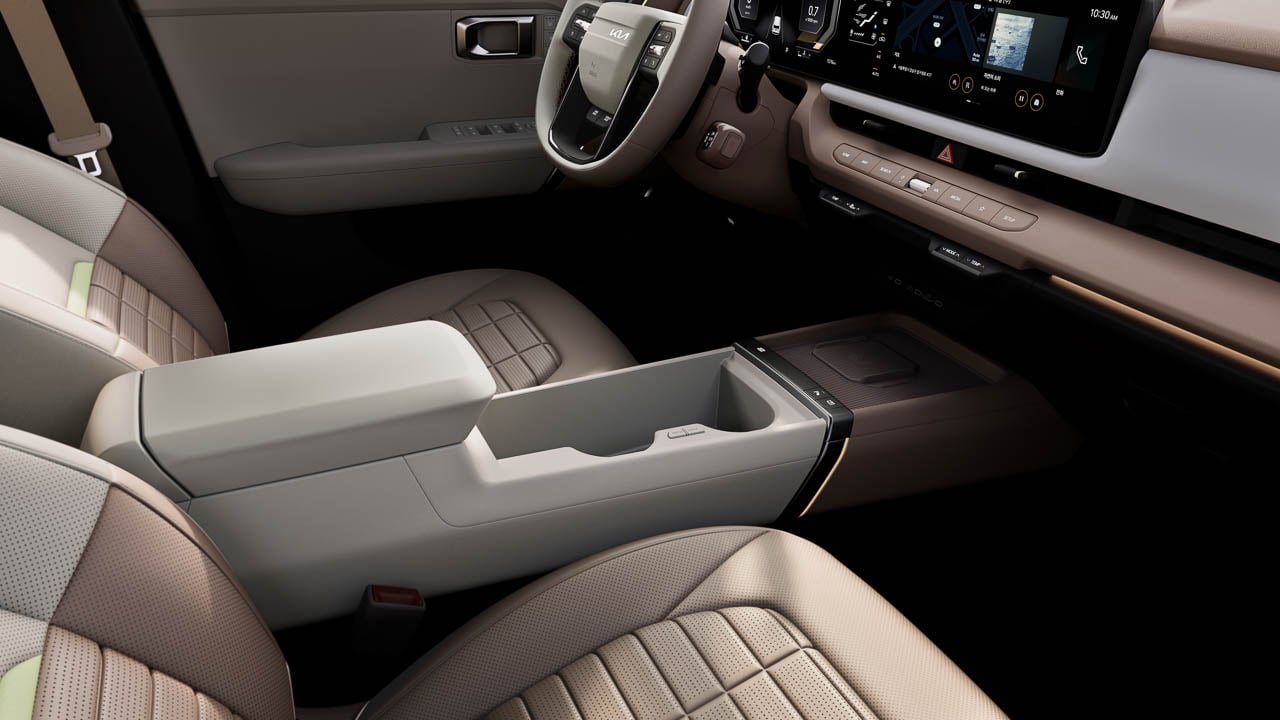
The gear shifter migrates to a column-type Shift-by-Wire system, freeing up the center console for storage bins deep enough to swallow a phone without drama and cupholders sized for actual beverages. This layout contributes to a more open cabin environment.
A low, horizontal dashboard enhances forward visibility and creates a sense of openness, while optimized packaging ensures generous headroom and legroom for all passengers. Second-row seats adjust by a total of 24 degrees, tilting 12 degrees forward and 12 degrees backward. Cargo volume reaches a class-leading 536 liters, with a foldable dual-level cargo board adding organizational flexibility. Passengers who suffered through the previous Seltos’s cramped quarters will notice the improvement immediately.
Premium materials convey both modernity and comfort throughout the interior. The previous Seltos interior felt perpetually compromised. This one suggests Kia finally treated the cabin as a priority rather than a cost-reduction opportunity. That shift in philosophy matters more than any individual feature upgrade.
Feature Density Matches Larger Siblings
Technology concentration reaches levels that would have seemed absurd for a subcompact crossover when the Seltos launched in 2019. Wide panoramic sunroof for an open atmosphere. A 12-inch windshield head-up display projects key driving information directly in the driver’s line of sight. USB ports delivering 100 watts rather than the trickle charging that used to pass for adequate.
Audio options from both Harman Kardon and Bose deliver immersive, high-fidelity sound optimized for the cabin’s acoustic architecture. The Kia Connect Store enables digital personalization and entertainment options, including collaborations with Disney and NBA. Feature-on-Demand brings YouTube, Netflix, and display theme options. The Kia AI assistant, powered by ChatGPT, enables natural conversational interaction. Over-the-air updates keep systems current without dealer visits. Digital Key 2 enables secure smartphone-based vehicle access and sharing.
The driver assistance package bundles Highway Driving Assist 2, Lane Following Assist 2, Forward Collision-Avoidance Assist 2, Safe Exit Warning, Surround View Monitor, Parking Collision-Avoidance Assist-Reverse, and Parking Distance Warning covering front, side, and reverse approaches. The previous Seltos consistently trailed its platform siblings in feature availability, as though Kia assumed subcompact buyers wouldn’t notice or care about the disparity. This generation closes that gap aggressively.
Timeline and Buyer Calculus
Global production begins December 2025 starting with India. South Korea, North America, Europe, and China follow throughout 2026. U.S. specifications and pricing should emerge within months. Hybrid details will arrive later.
The marketing campaign positions Seltos drivers as “protagonists” in their own narratives, which is exactly the aspirational corporate language that invites dismissal. Ignore it. The vehicle transformation underneath that messaging is substantive. The 2027 Seltos finally looks like it belongs in Kia’s current design portfolio rather than lingering as evidence of what the brand used to settle for.
Practical considerations: buyers who need a small crossover immediately can find excellent options from Toyota, Honda, and Mazda. Buyers specifically interested in hybrid efficiency should wait for the Seltos Hybrid or consider alternatives already on the market. Buyers who want something distinctive enough to locate in a parking lot without pressing the key fob, and who can tolerate the wait, might find the 2027 Seltos worth the patience.
After five years of forgettable competence, the Seltos finally demands attention. That’s either exactly what this segment needed or more personality than subcompact crossover buyers actually want. Sales figures will arbitrate.
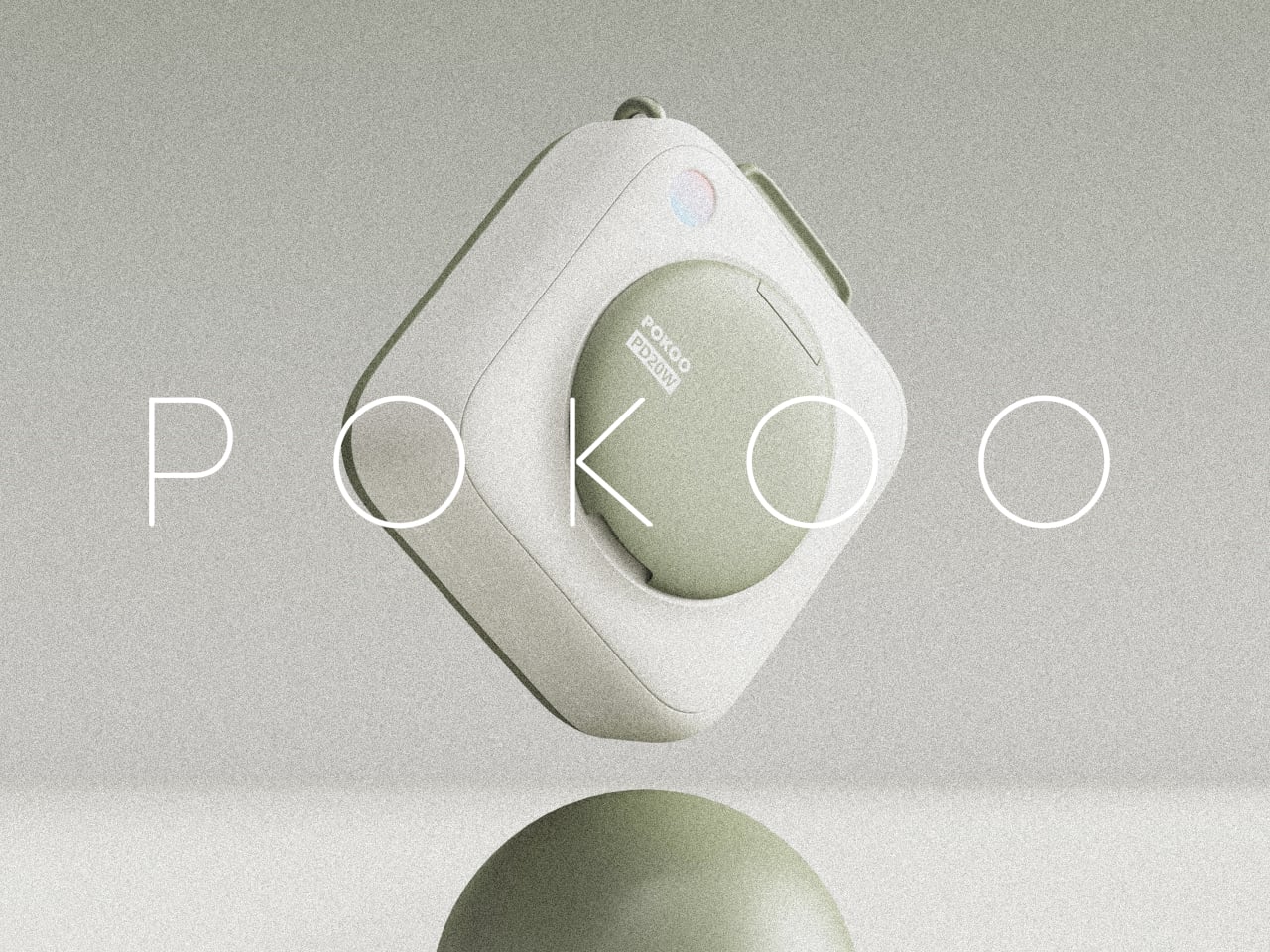
Most power banks and MagSafe battery packs look like small, hard bricks stuck to the back of a carefully chosen phone. There is a gap between the attention people give to phone colors, cases, and desk setups, and the generic plastic blocks they use to charge. Pokoo is a concept that treats a battery pack like a lifestyle object instead of emergency gear, borrowing its design language from instant cameras and cosmetics rather than chargers.
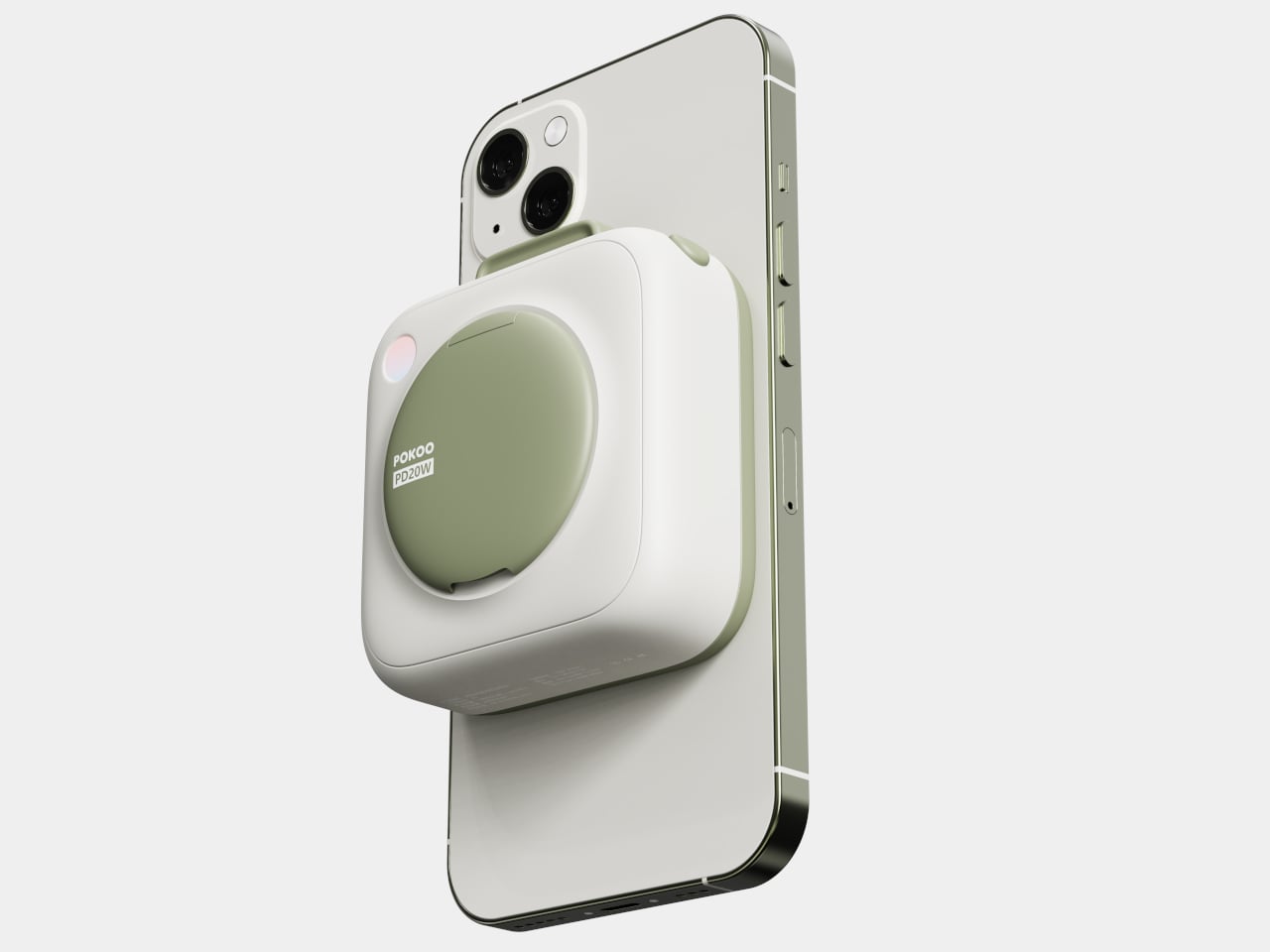
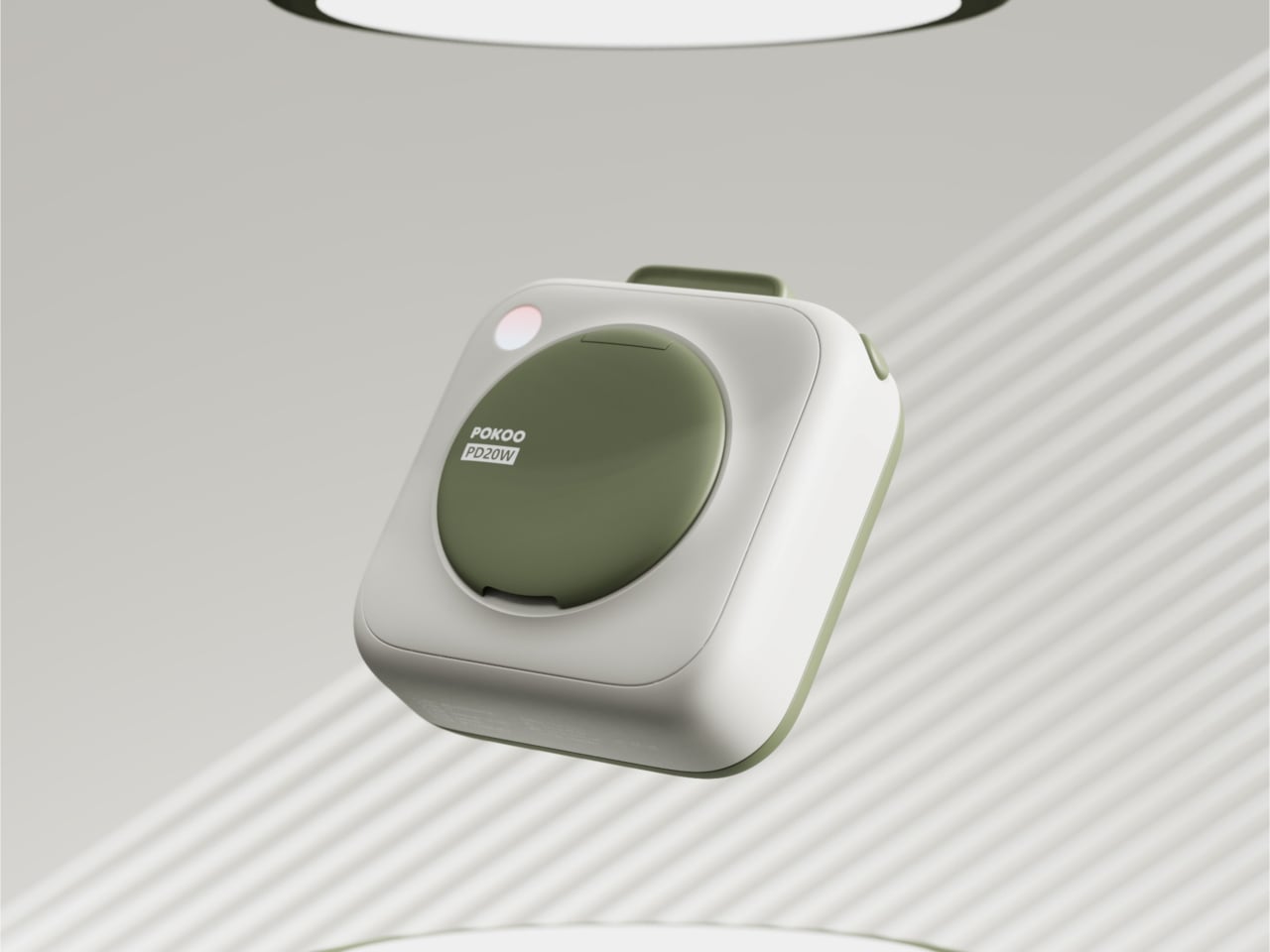
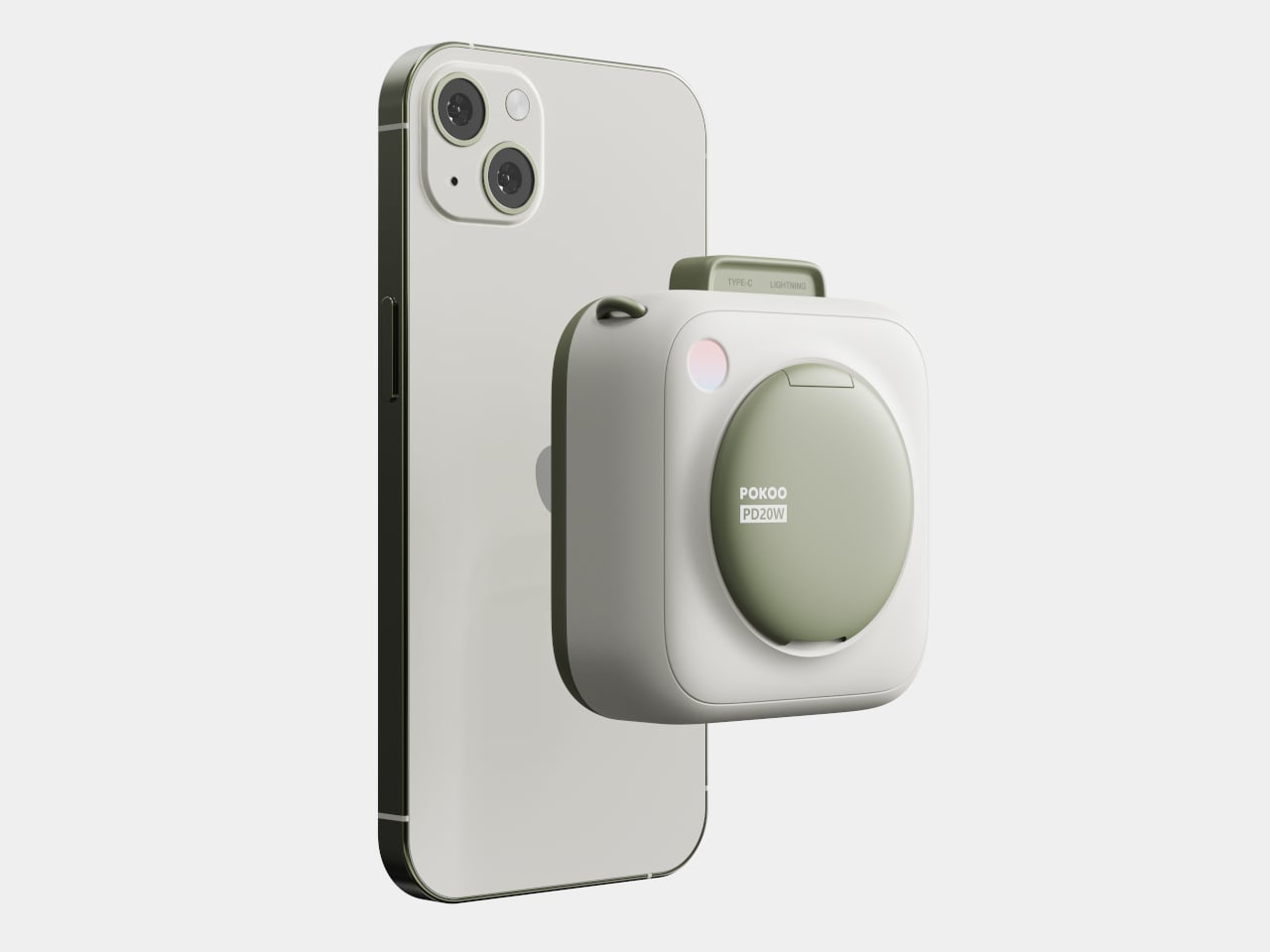
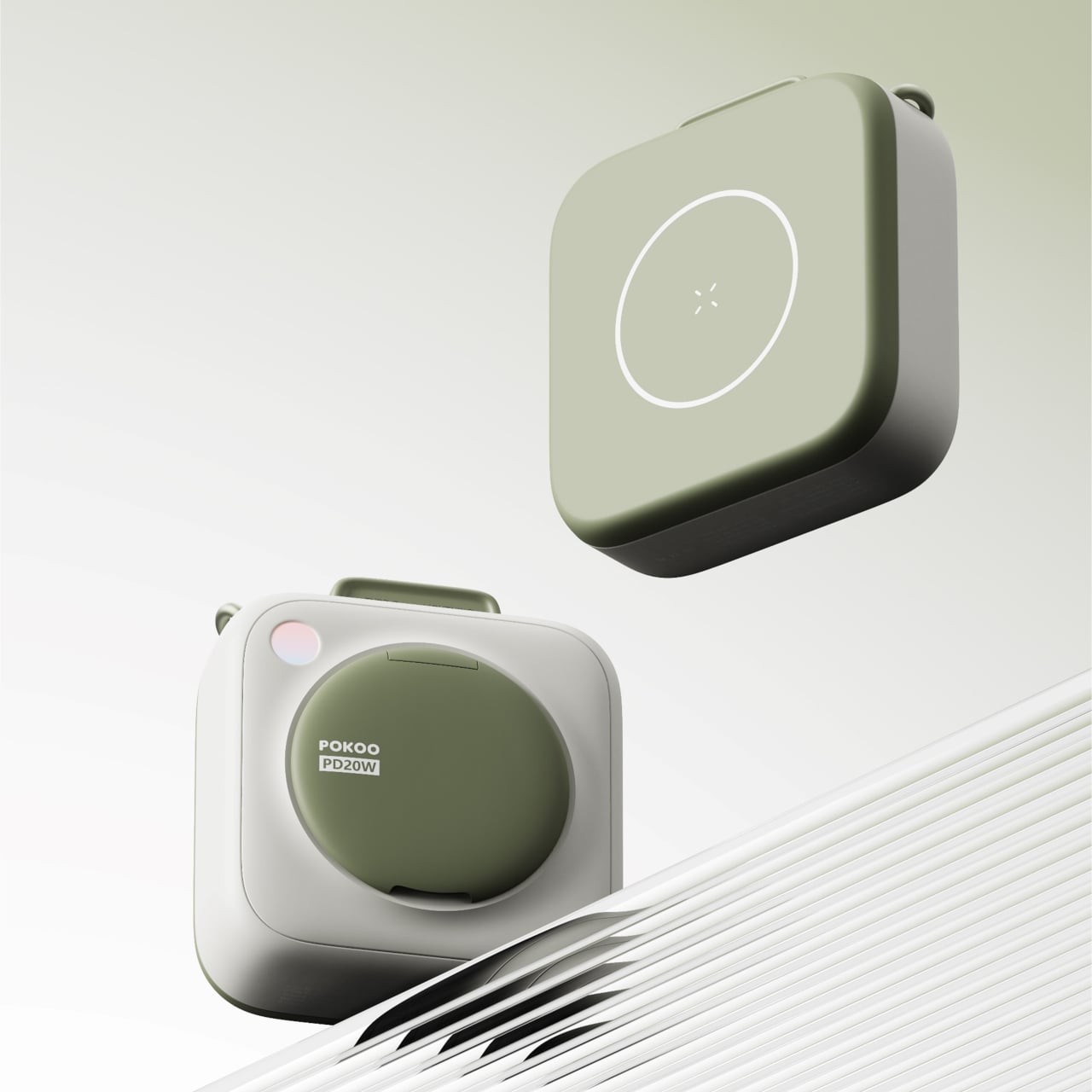
Pokoo is a MagSafe-style battery pack built around a rounded square body with a large circular disc at its center. The disc carries the branding and serves as the visual anchor, while a small indicator light in one corner handles status. The form is deliberately soft, with rounded edges and corners that make it feel more like a compact or a tiny camera than a tech accessory, especially in the warm white and sage-green palette.
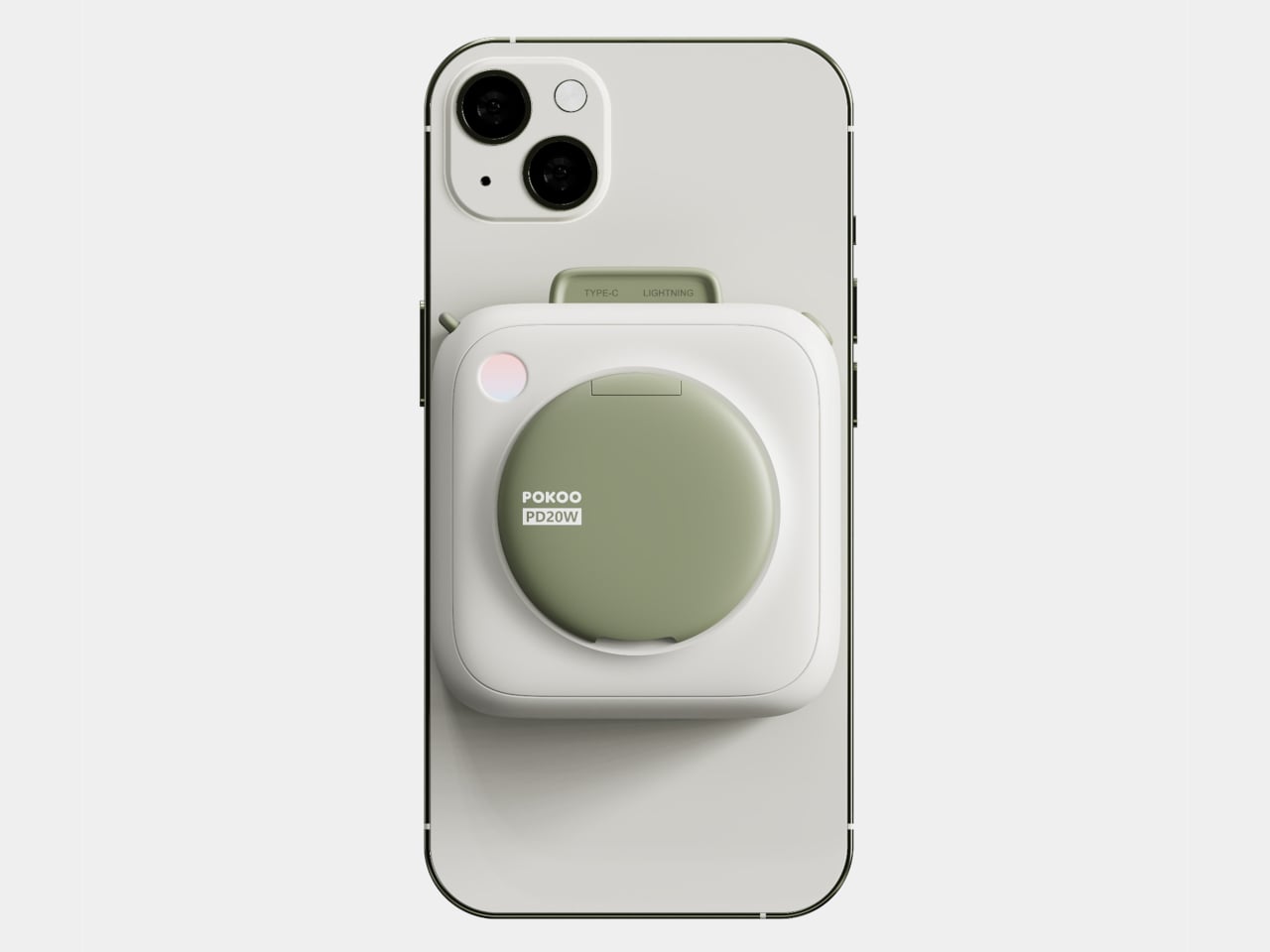
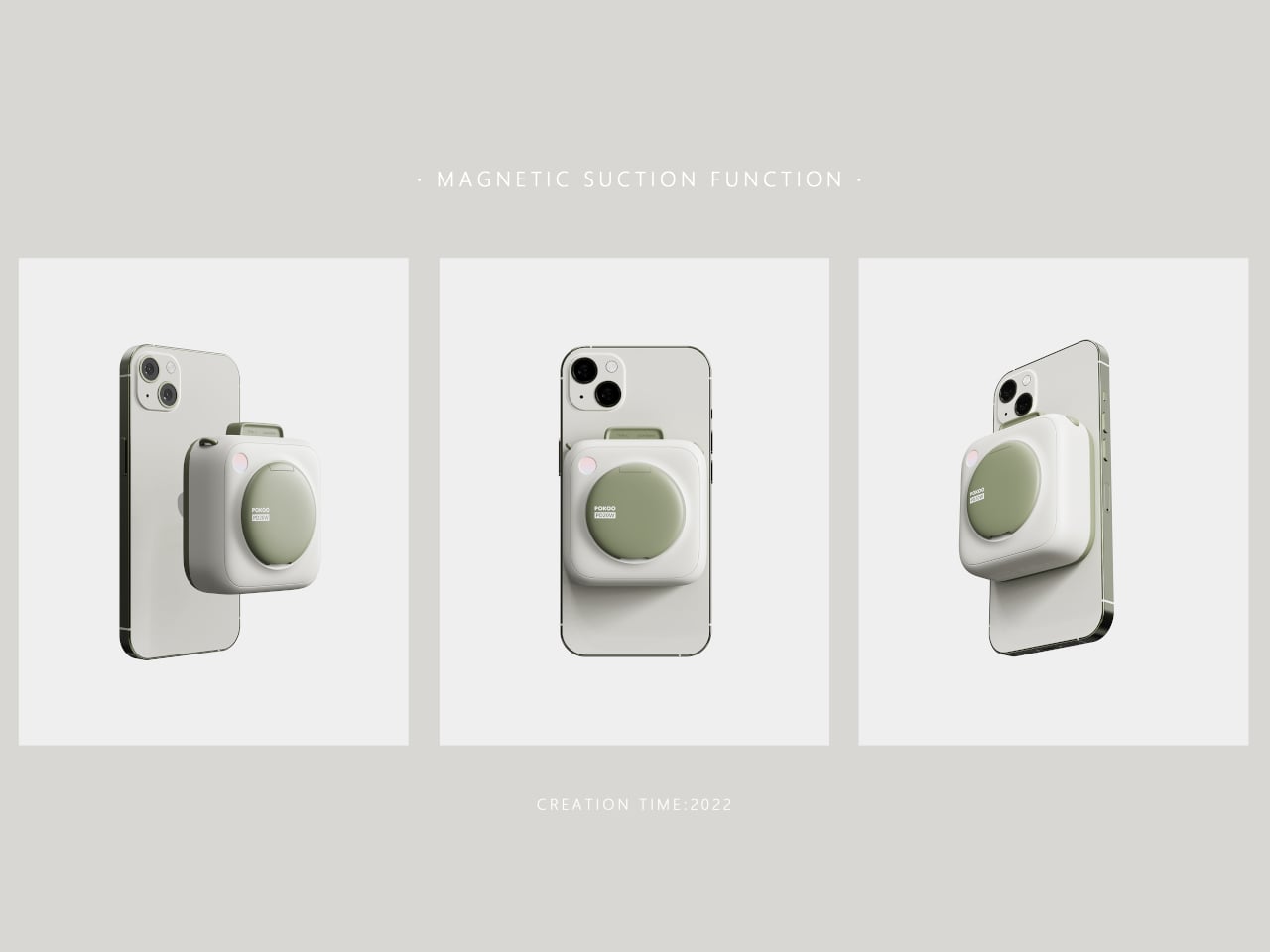
The battery snaps magnetically to the back of an iPhone, sitting below the camera bump and charging wirelessly. The circular disc and rounded form make the phone and pack feel like they were designed together, visually softening the stack instead of making it look like you strapped a tool to an otherwise clean object. The pastel colors reinforce that impression, turning the combo into something that feels intentional enough to leave on your phone all day.
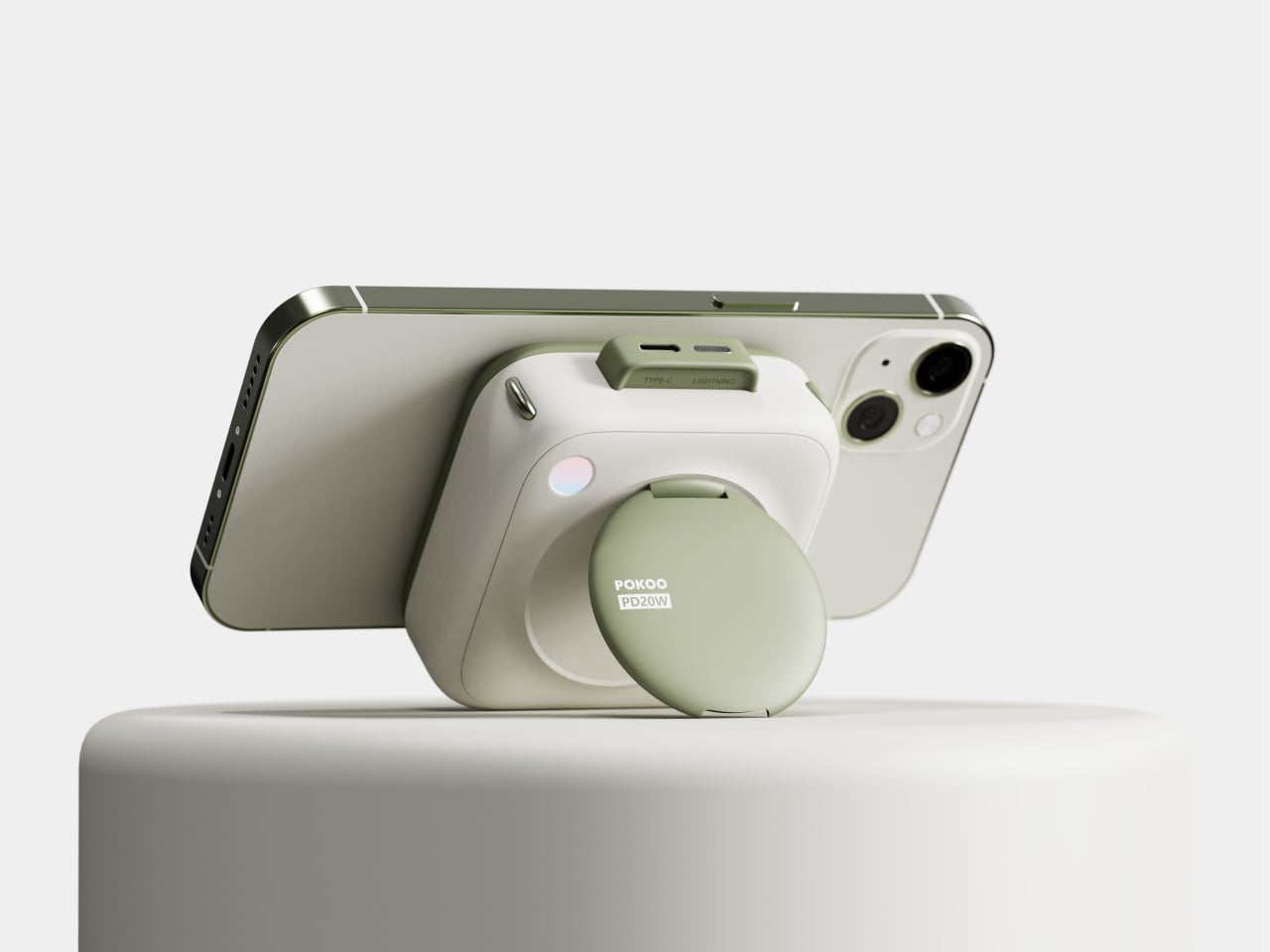
The circular disc is not just decoration, it flips out to become a kickstand. When you want to watch something, the hinge lets the disc rotate outward, propping the phone in landscape while the battery stays attached and charging continues. That turns Pokoo into a two-in-one object, a power source and a stand, which makes more sense than carrying both separately or balancing your phone against a water bottle.
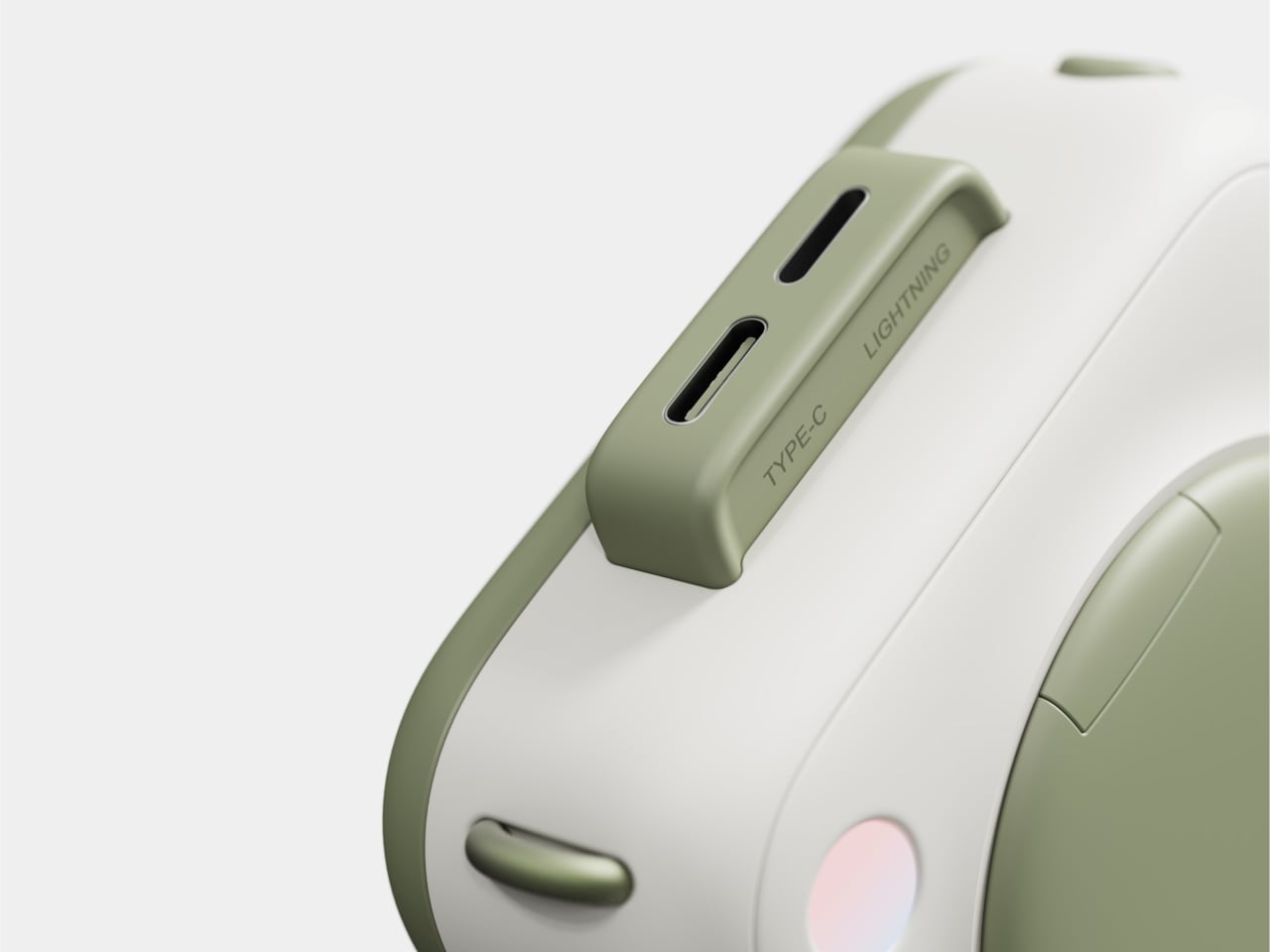
The top edge includes both USB-C and Lightning ports under a small protective ridge. That dual-port approach acknowledges that most people charge more than one kind of device, and it means Pokoo can handle wired top-ups for accessories or charge itself when wireless is slower. The flexibility makes it more adaptable than single-port packs that force you into one ecosystem or the other.
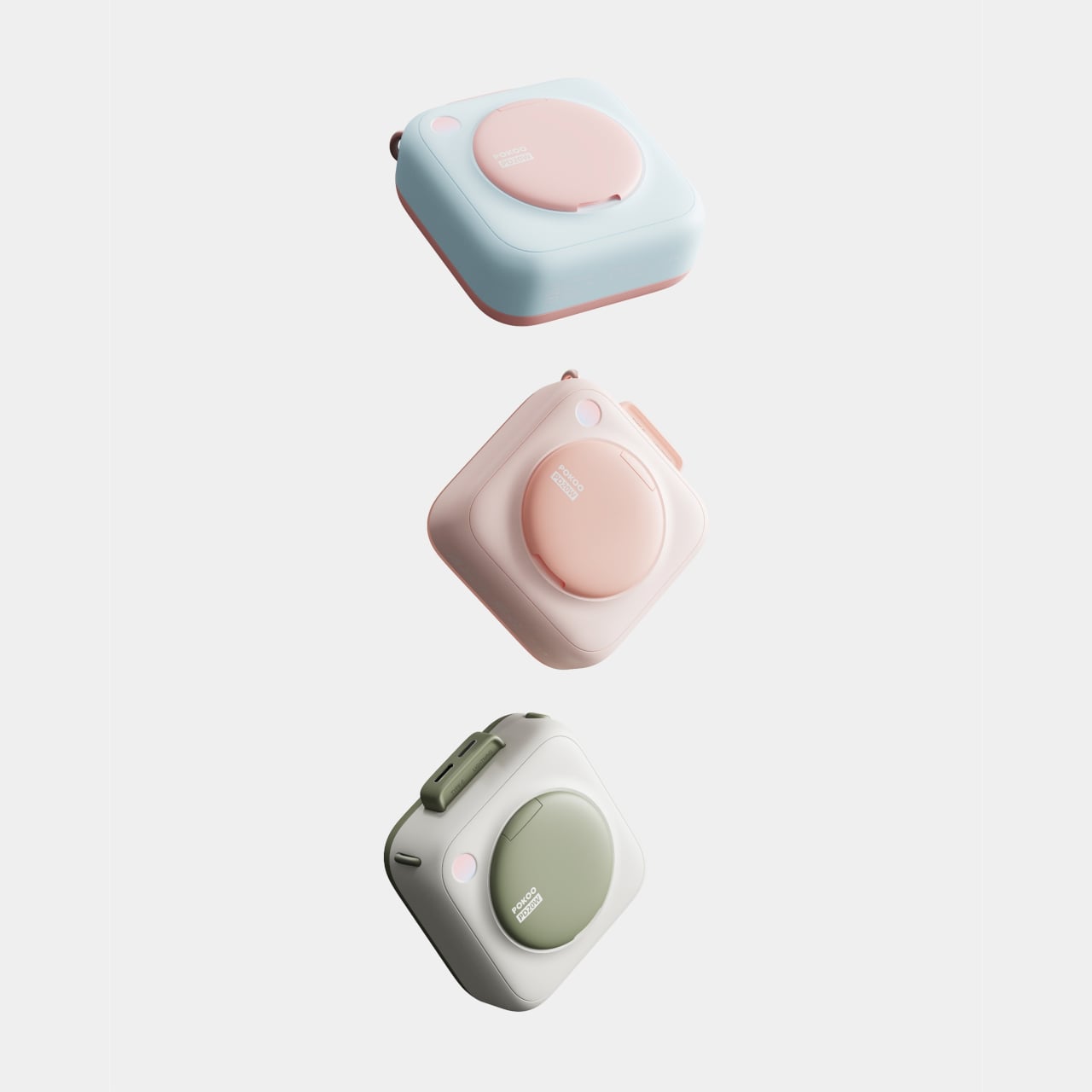
Pokoo comes in at least three colorways, the original white and green, a soft pink version, and a light blue with pink accents. Those colors push it firmly into lifestyle territory, looking equally at home next to a makeup bag or a laptop. The design language treats the battery as a companion object with personality, not a necessary evil you clip on when your phone is dying.
Pokoo does not reinvent what a battery pack does, it reframes how it looks and how you use it. The flip-out stand, dual ports, and cosmetic-inspired shell turn a mundane accessory into something that feels thoughtful. For people who care about the objects that live on their phones and desks, Pokoo suggests that charging does not require sacrificing aesthetics, and that a power bank can be soft, playful, and multi-functional without losing the utility that actually matters.
Most tape measures are purely functional, bright plastic bricks you toss in a drawer, borrow, and never remember. The act of measuring is usually rushed and slightly annoying, even though it is fundamental to making and building. Enso is a concept that asks what happens if you treat measuring as a small ritual instead of a chore, designing the gesture itself rather than just wrapping the same mechanism in prettier housing.
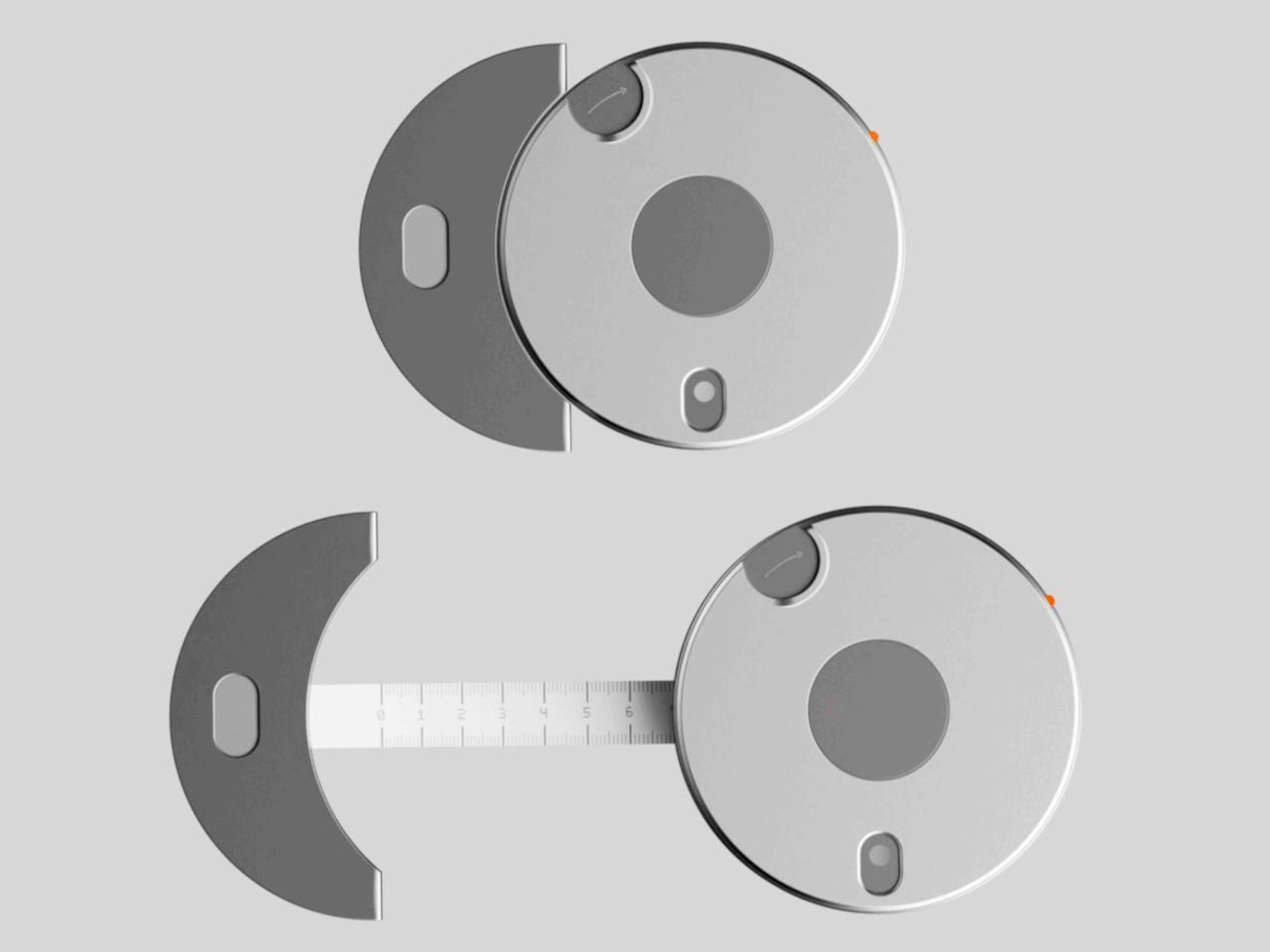
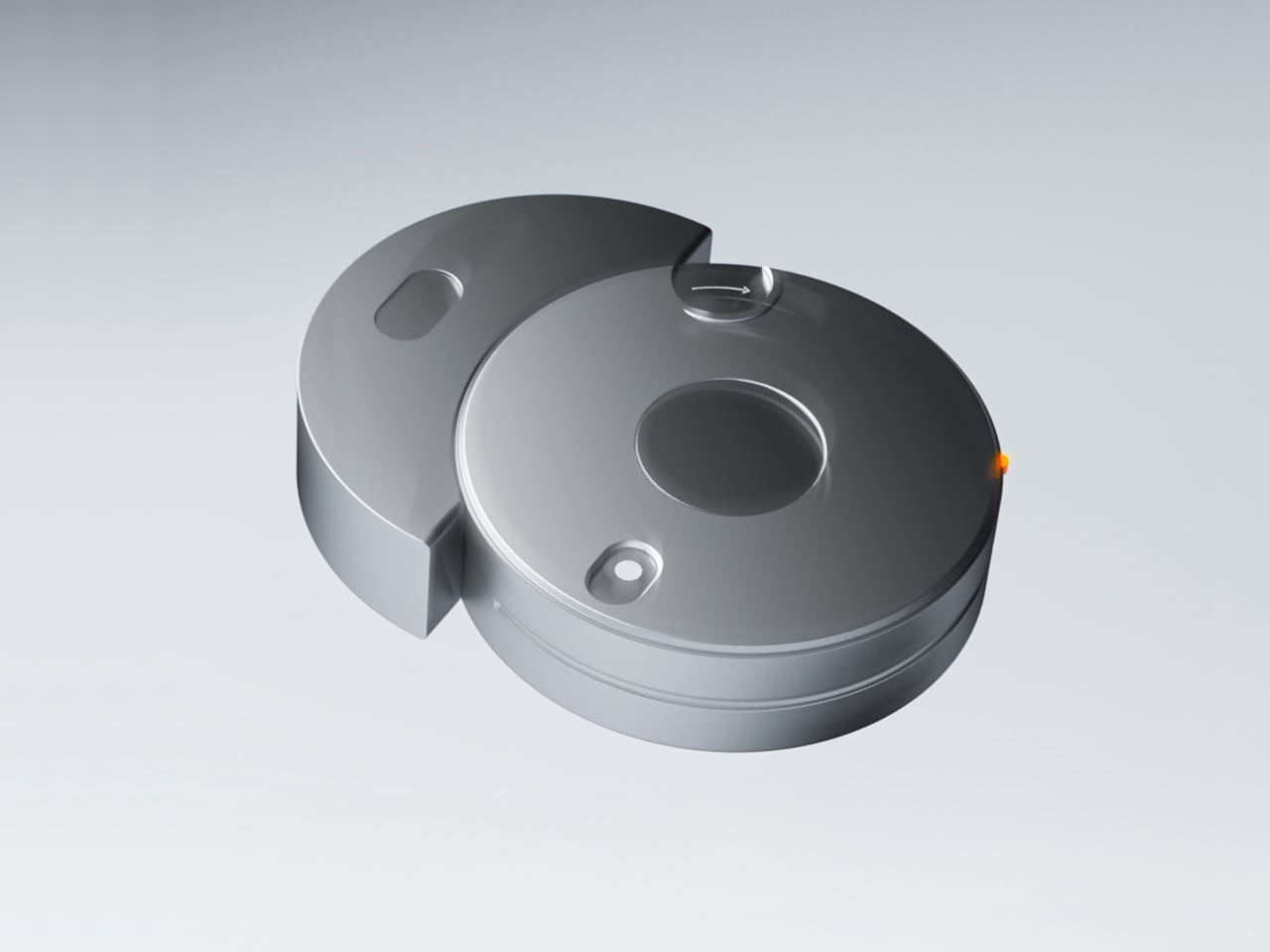
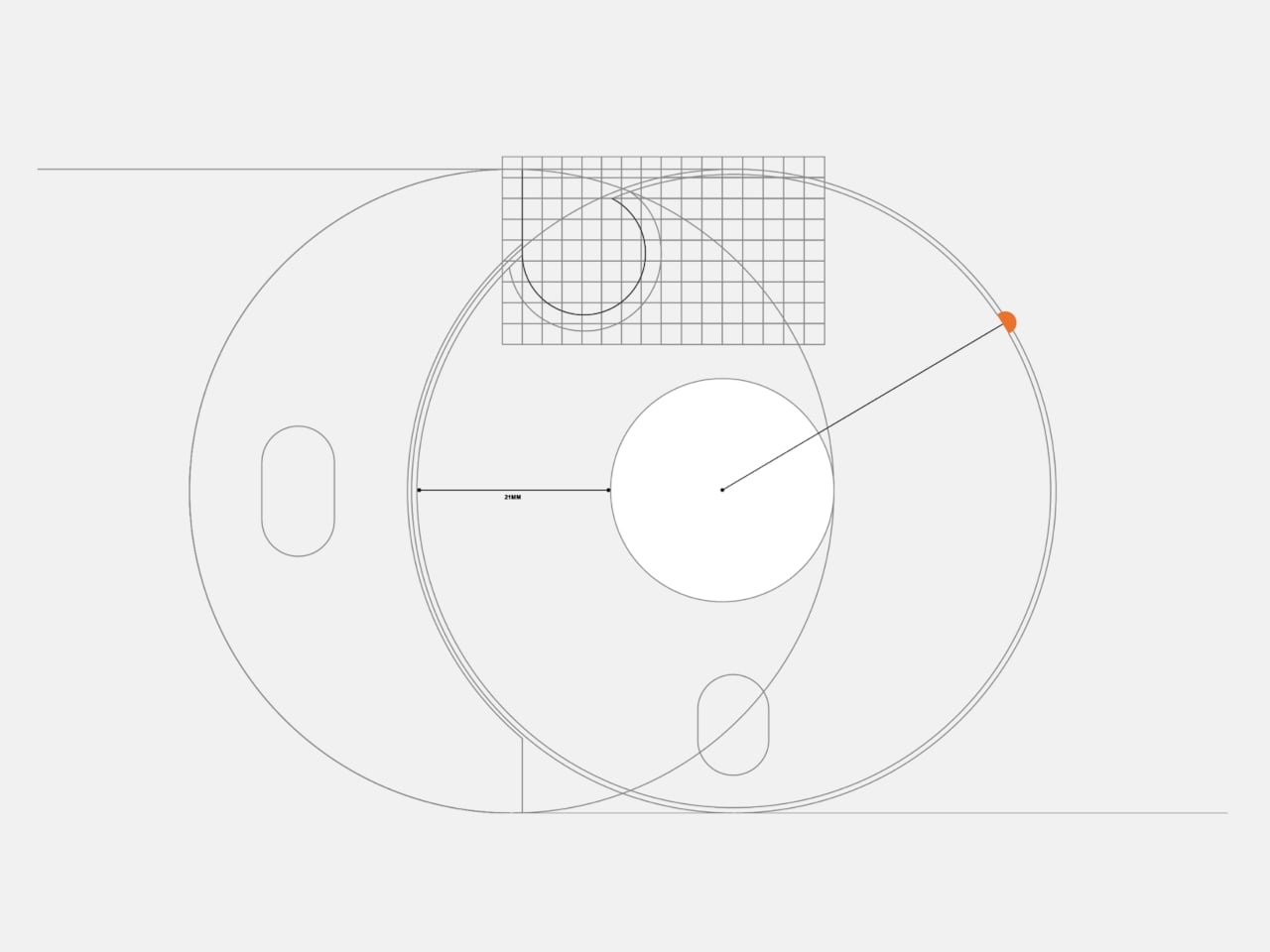
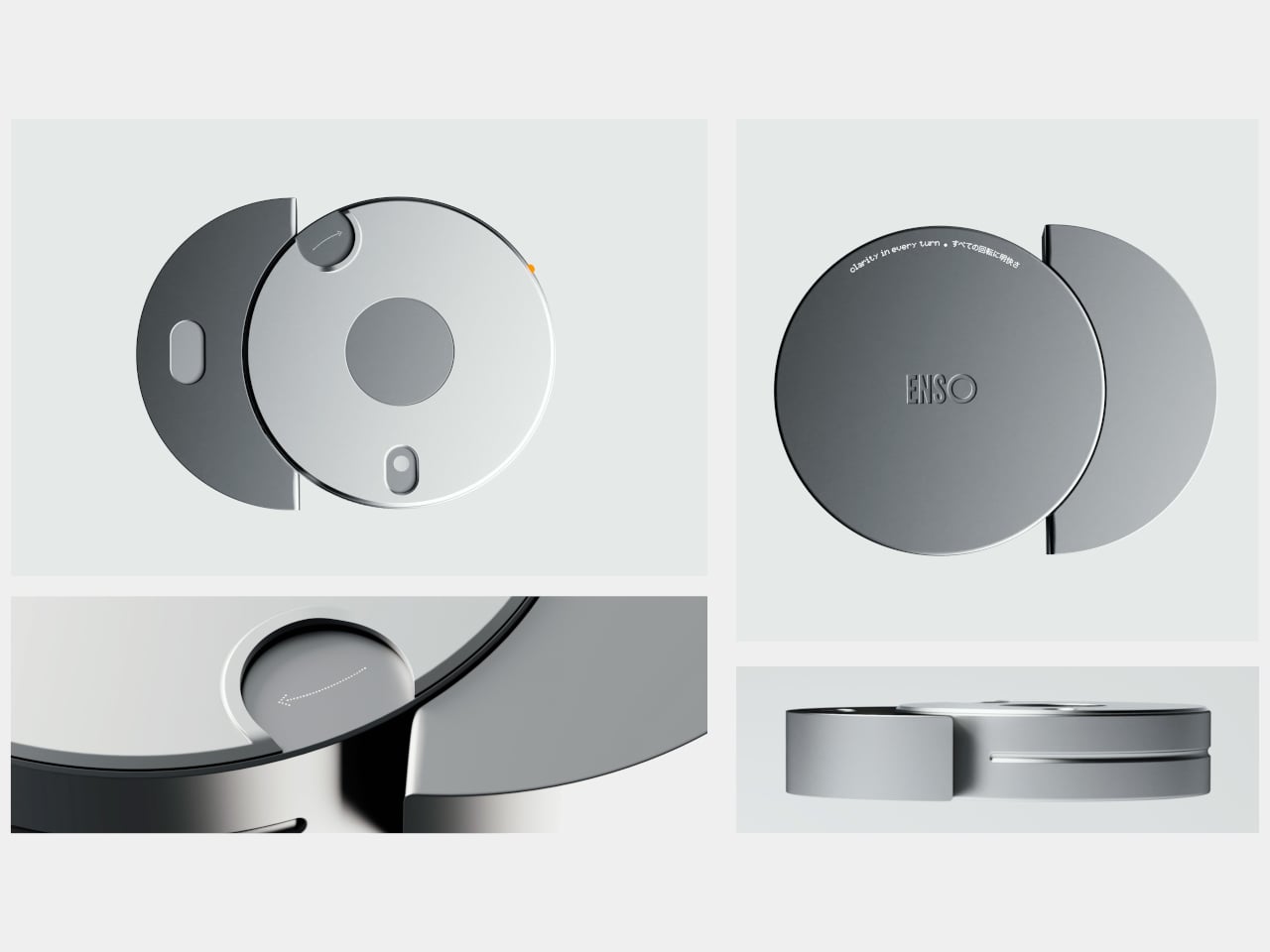
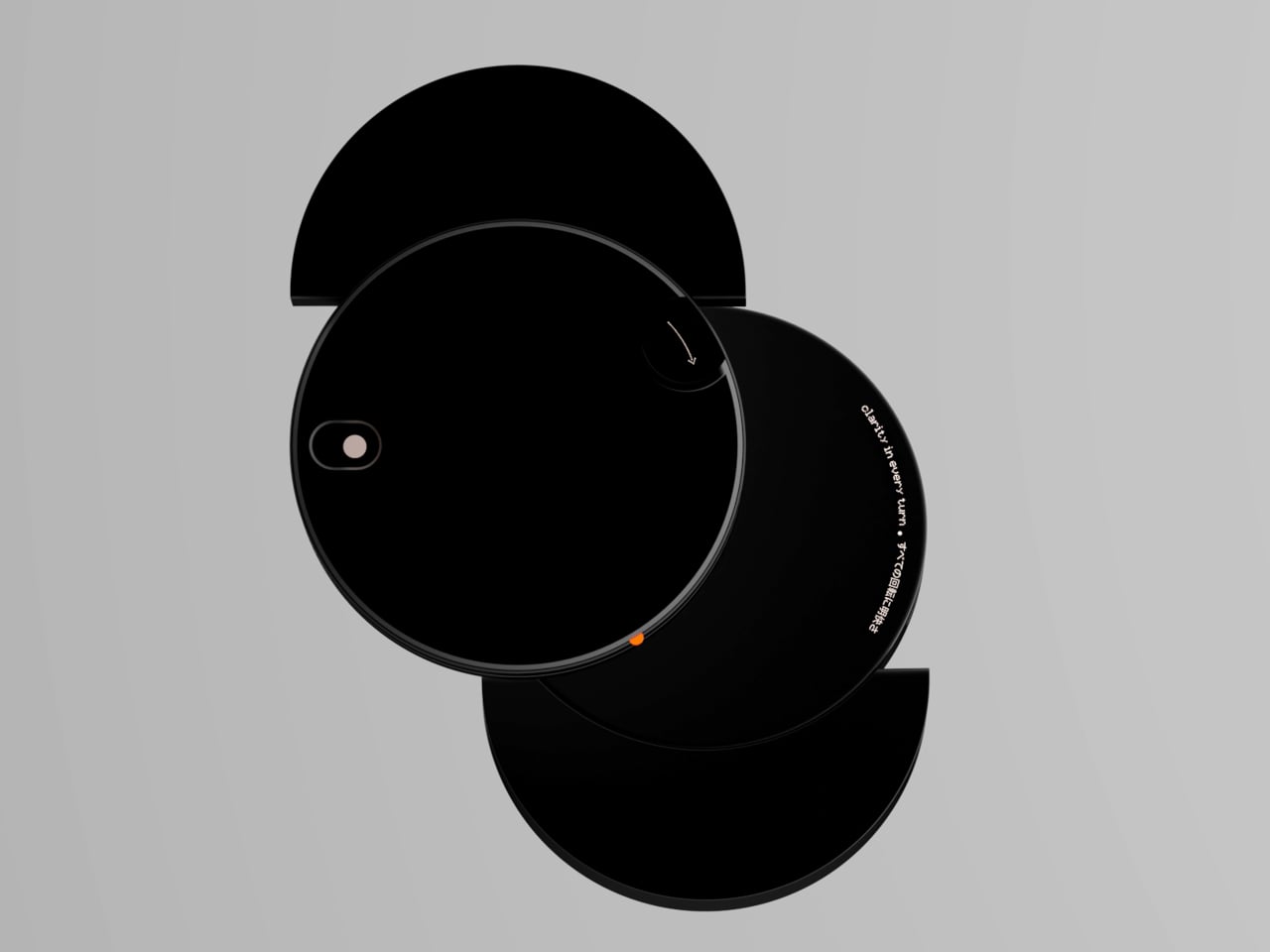
Enso is a tape measure concept that redefines measurement as a ritual, where precision meets care, and not the kind you hide in the drawer. The goal is not to add a screen or smart features, but to redesign the gesture itself, using overlapping circular forms and carefully tuned mechanics to make pulling a length feel calm and deliberate. The name references the Zen circle, a symbol of simplicity and mindful repetition.
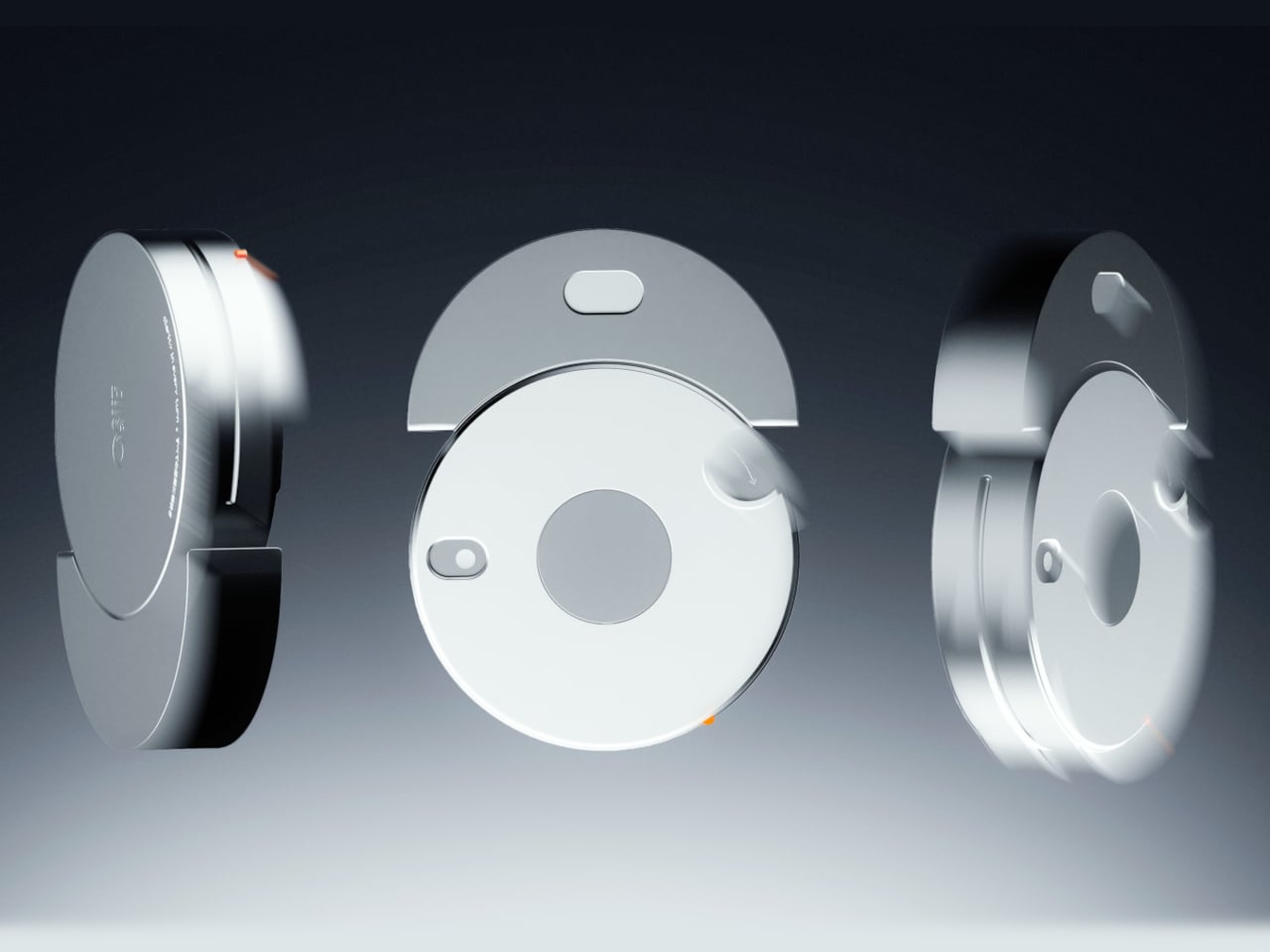
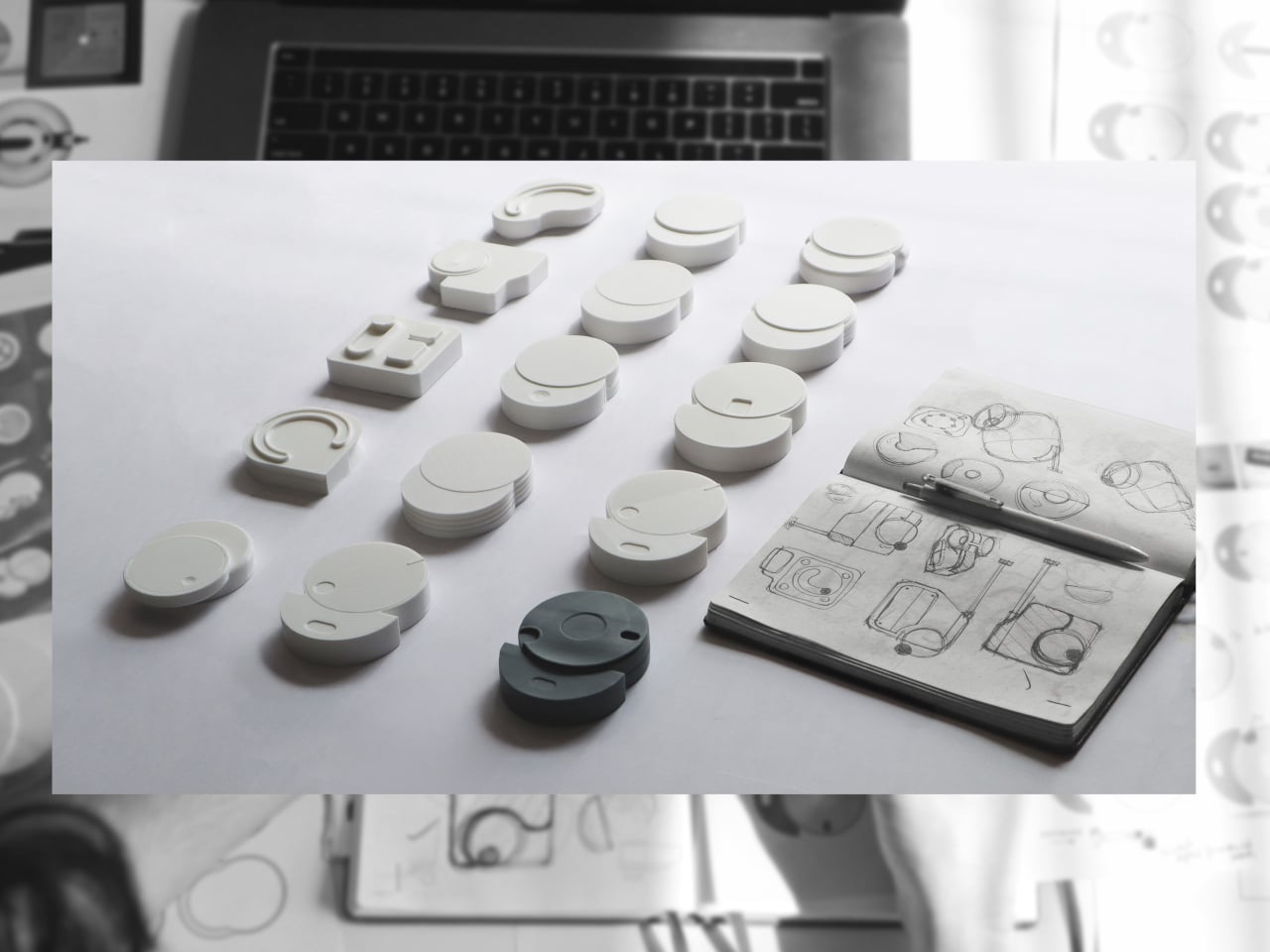
The project starts from interaction, not form, studying familiar motions like clicking a pen, twisting a capsule, and, most importantly, dialing a rotary phone. The idea is that the goal is not to redesign the tape, but to redesign the gesture, thinking about emotion, memory, and muscle habits instead of just housing dimensions. That shift lets the form emerge from how your hand wants to move.
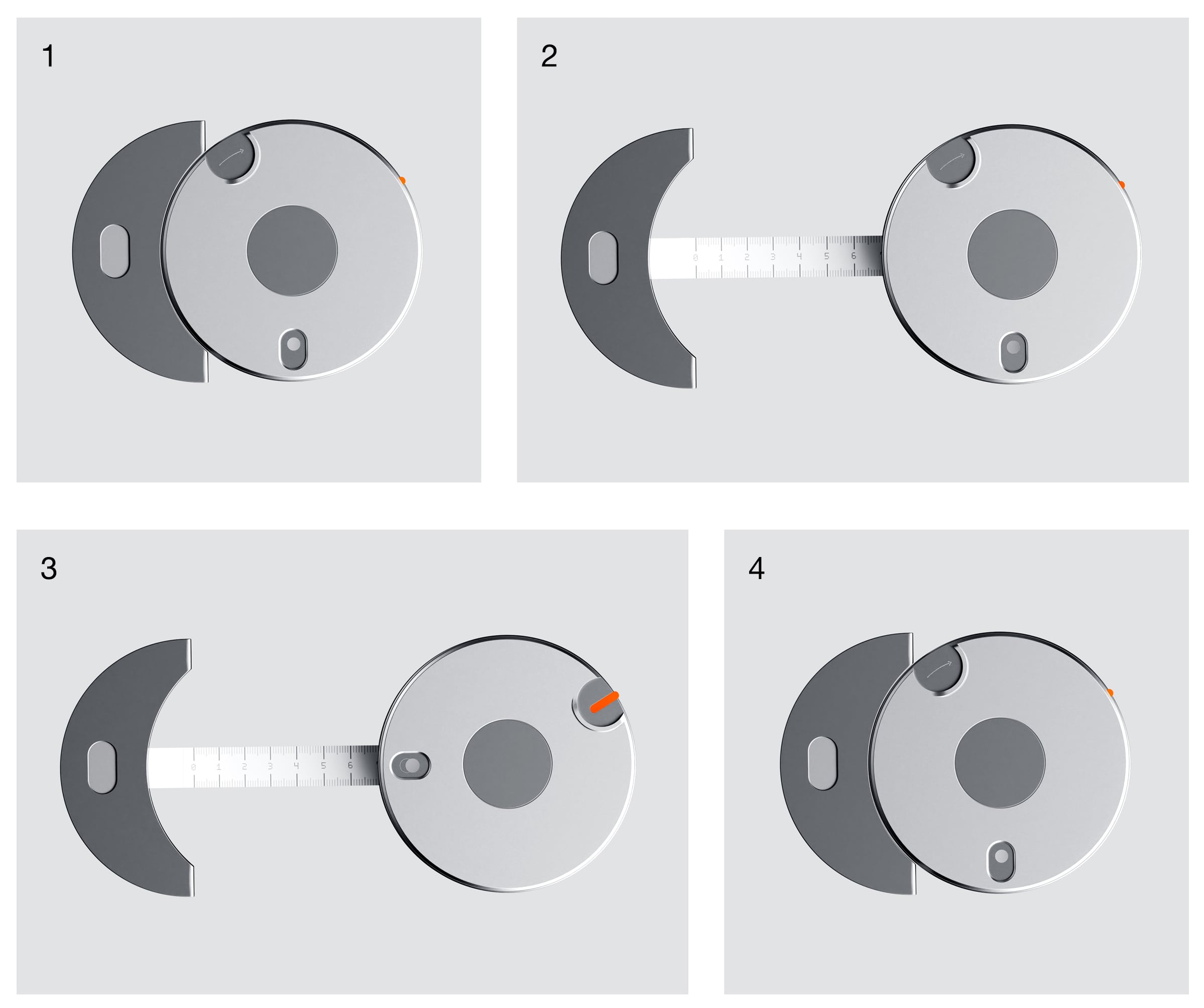
The rotary phone acts as the trigger point, the satisfying resistance and weight of dialing, and the silent intelligence behind each click. That experience translates into Enso’s overlapping circular geometry, inspired by eclipses and the tension between concealment and revelation. The tape becomes something you reveal by rotating and sliding discs, not yanking a metal strip out of a box, which changes the pace and feel of the whole interaction.
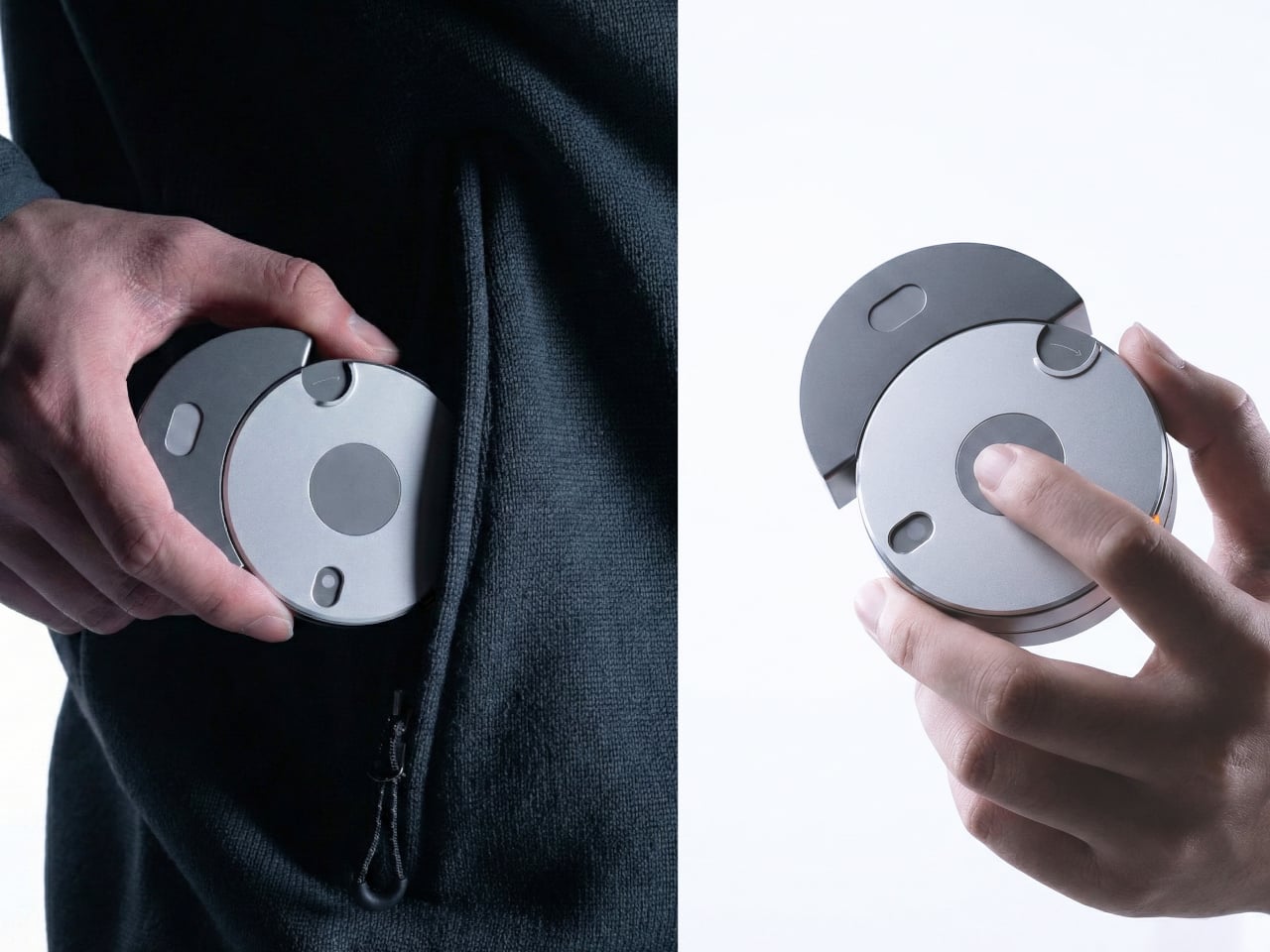
Enso’s compact, overlapping-disc body feels more like a small object you would keep on your desk than a tool you would hide. The emphasis on clarity with human touch, a tactile poetry between hands and material, means the circular layout invites your hand to explore edges and seams. Measuring becomes a repeatable, almost meditative motion, where the ritual of pulling tape and finding a length feels as considered as the number you record.
The concept introduces gradients along the tape, giving measurement a new dimension. The scale is no longer flat, but alive in color and depth. A gradient can make relative length easier to read at a glance, and adding visual depth to the scale reinforces the sense that you are not just reading numbers, you are reading a field of distance that changes as you move along it.
Enso treats a basic tool as an opportunity to design a ritual, not just a product. For designers, makers, and anyone who measures often, a tape that feels good to use and looks good to keep out could quietly change how they approach small tasks. It is a reminder that even the most ordinary tools can carry emotion, memory, and a bit of poetry if someone takes the time to rethink the gesture instead of settling for the same bright plastic box that has lived in drawers for decades.
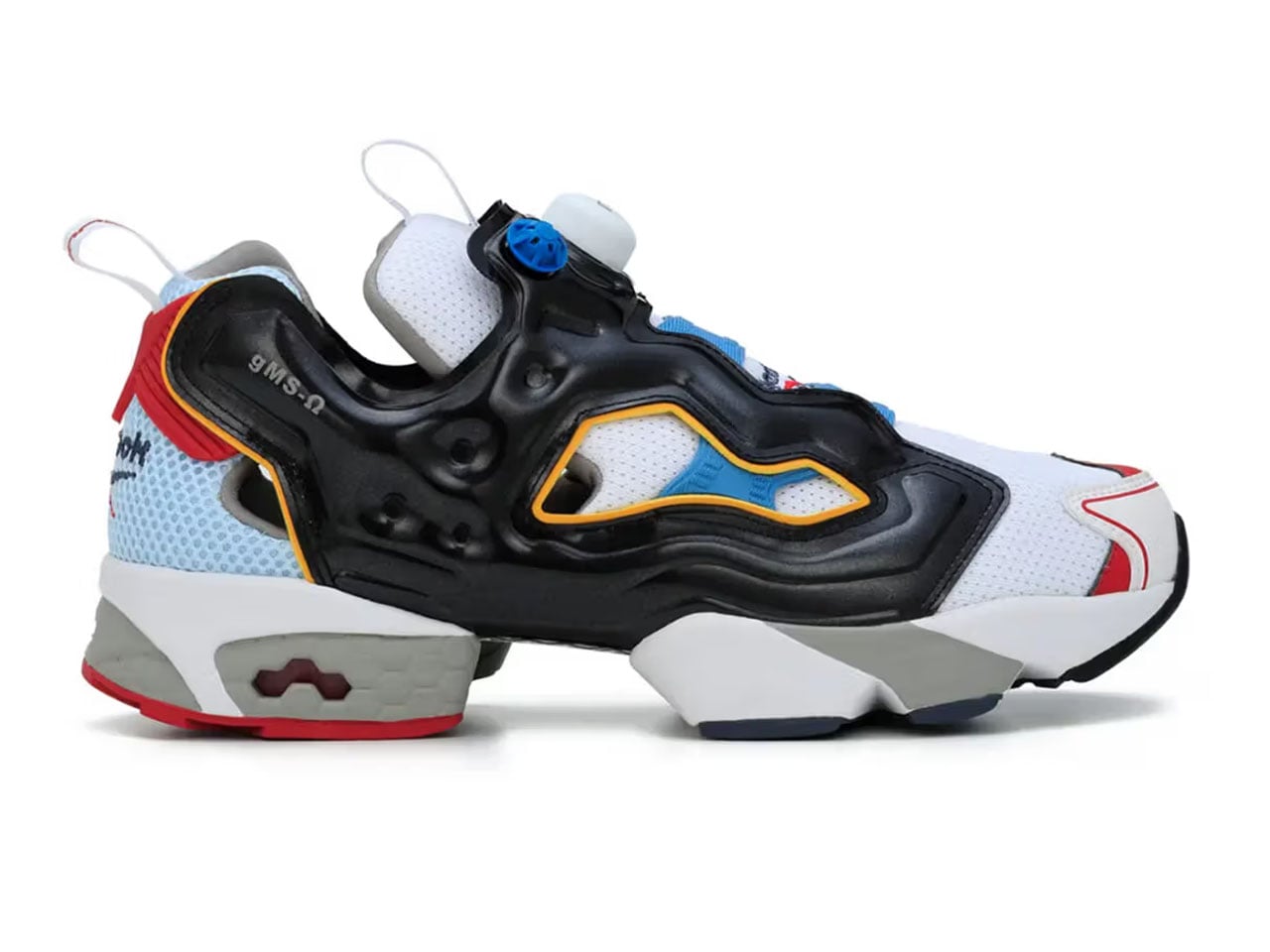
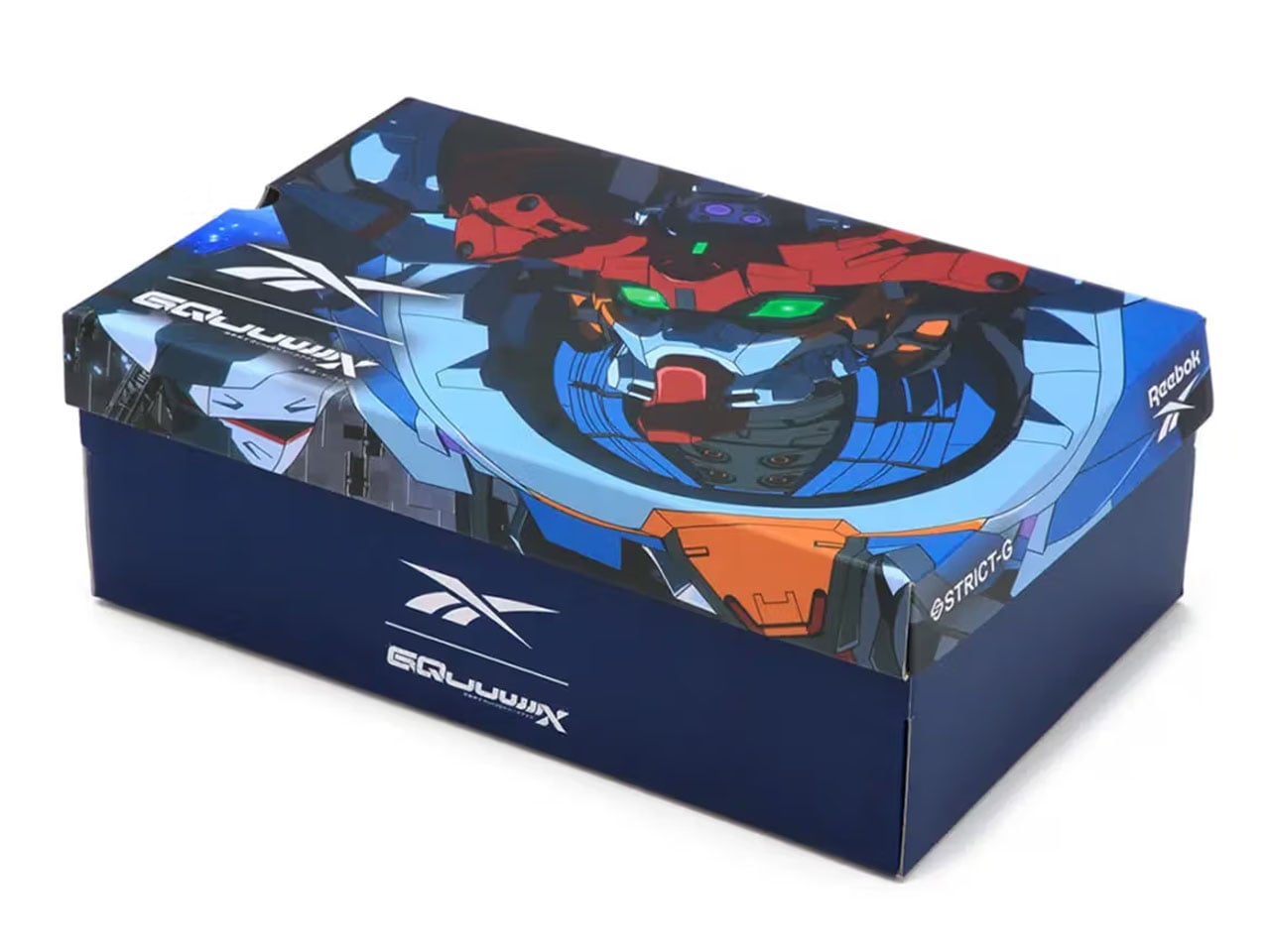
Hong Kong-based phone case and accessory manufacturer CASETiFY recently launched Gundam-themed accessories. The partnership between the accessory maker and Mobile Suit Gundam reaped success during Black Friday. The festivities are far from over, and so is the consumers’ demand for anime-inspired creations. Just so that sneakerheads don’t feel left out in this time of the year, Premium Bandai’s fashion brand STRICT-G has introduced two pairs of Gundam-themed sneakers, and – if it weren’t for the franchise – I’m wondering who would need them?
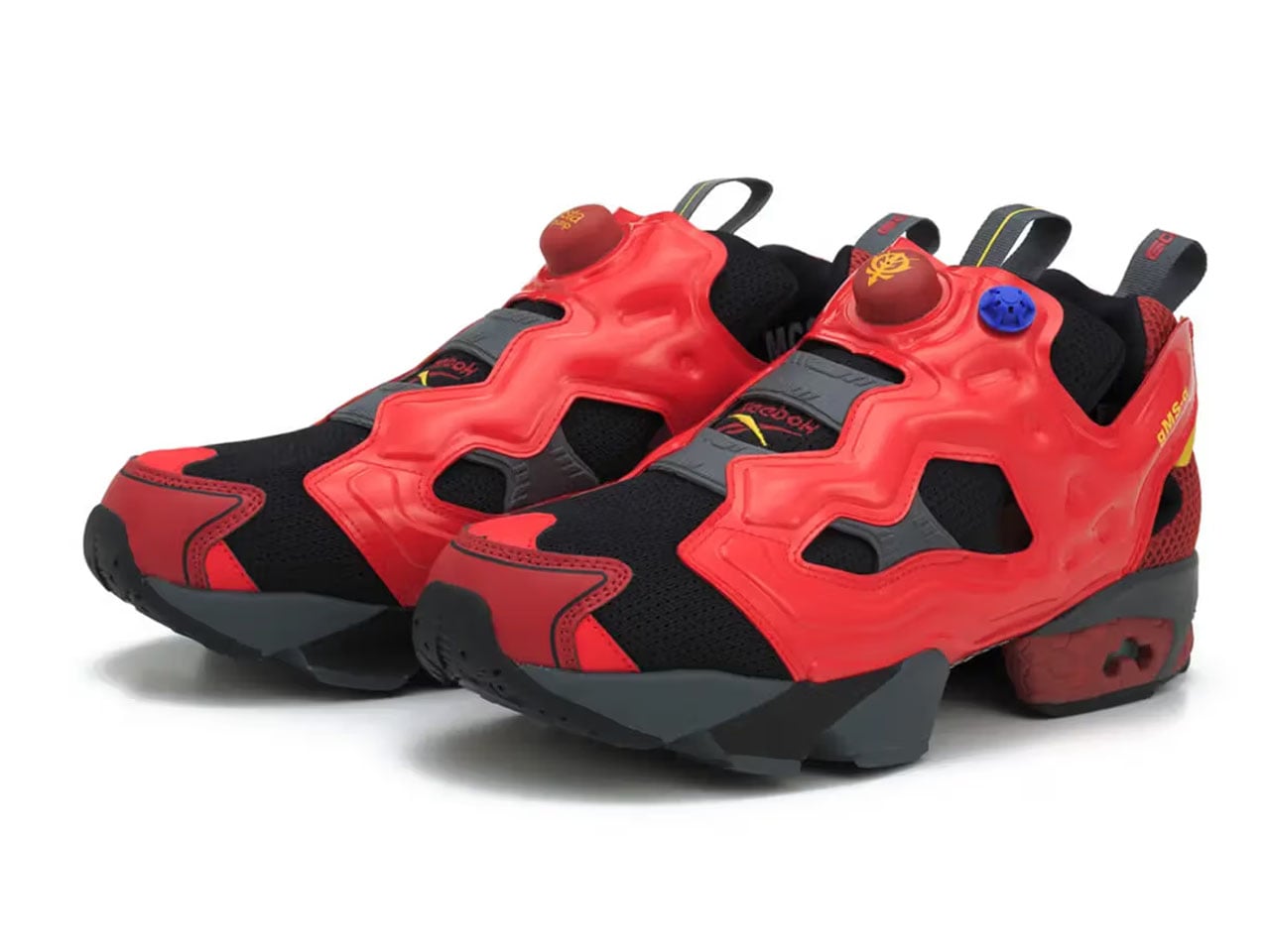
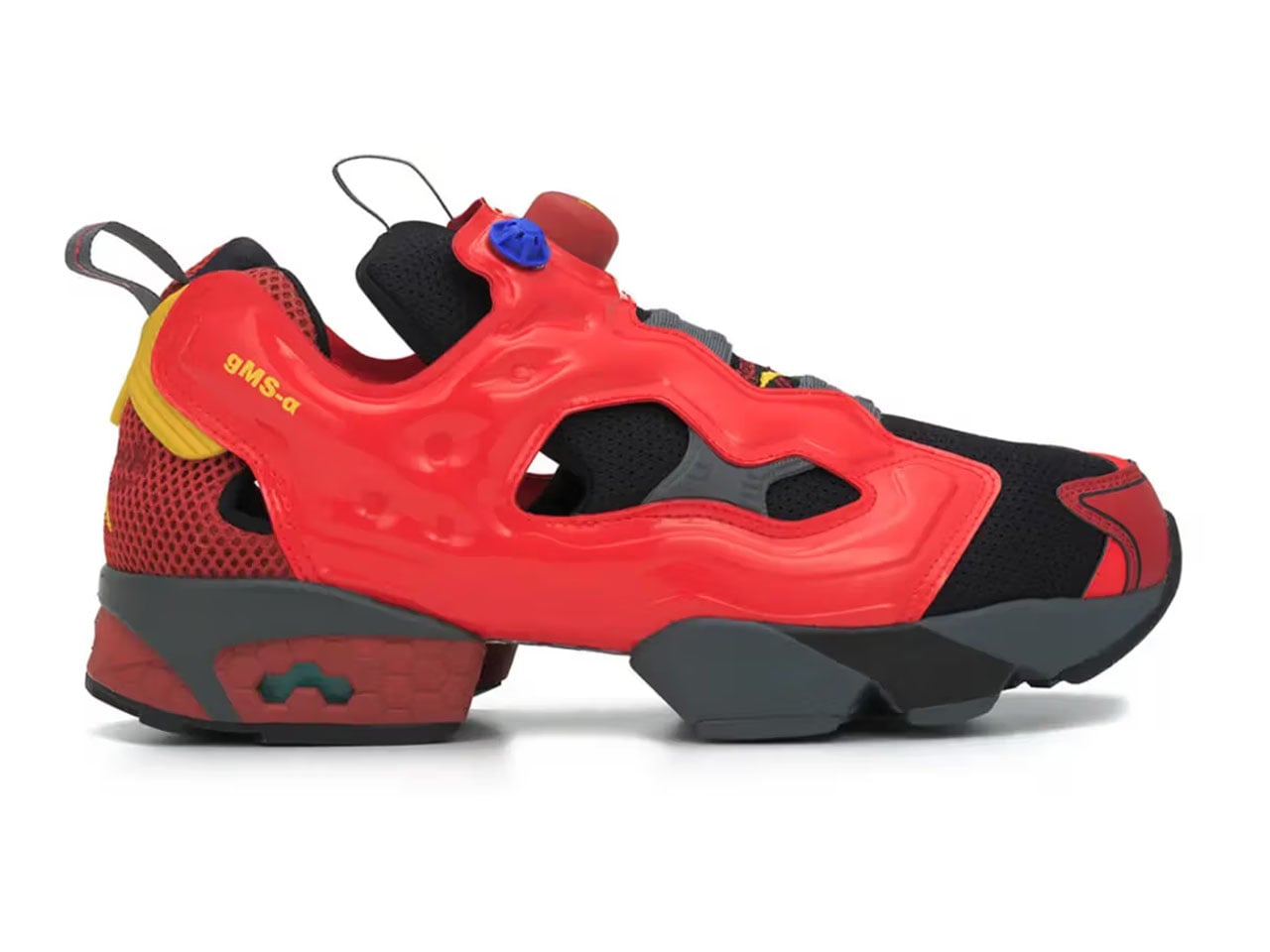
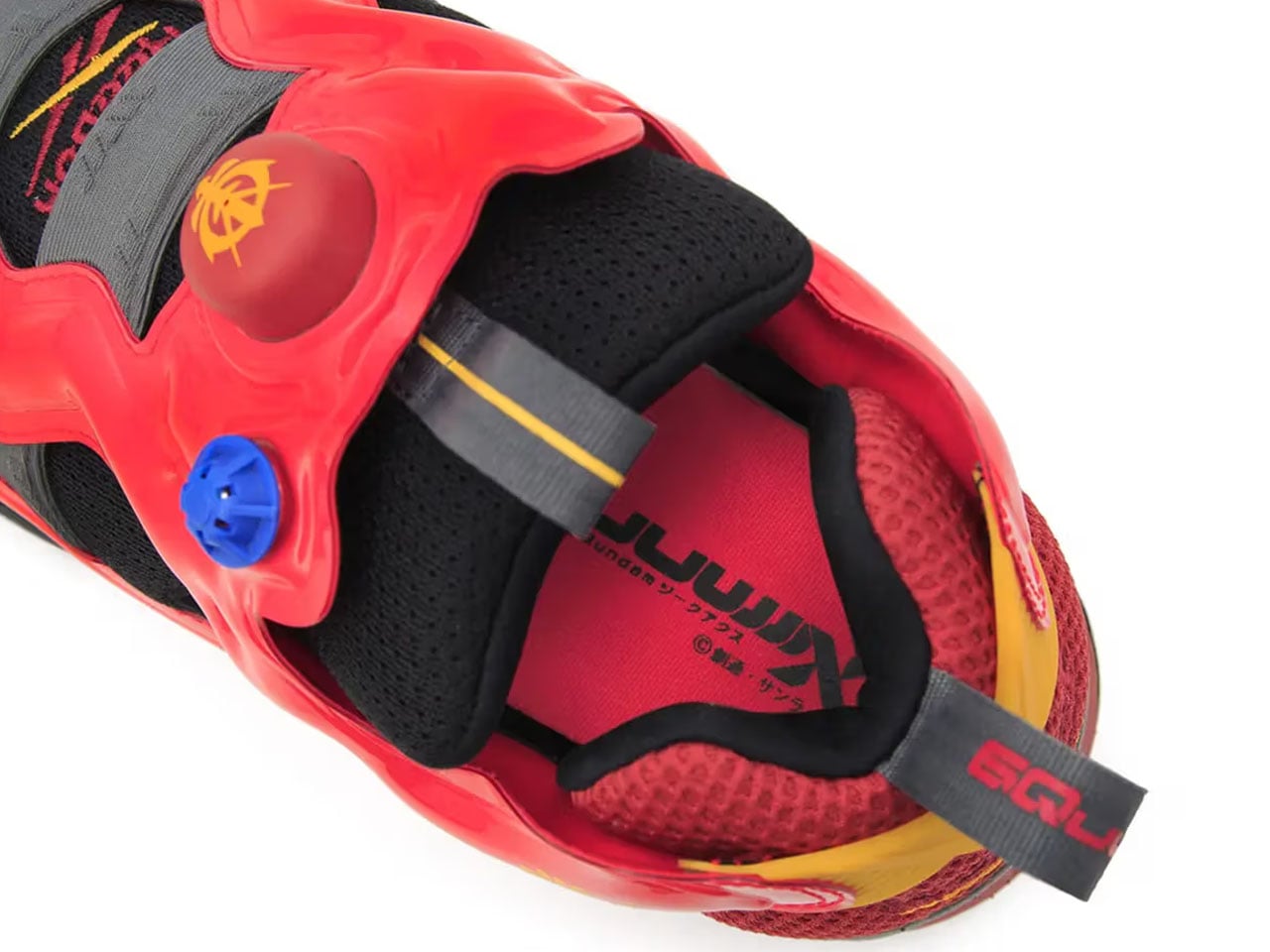
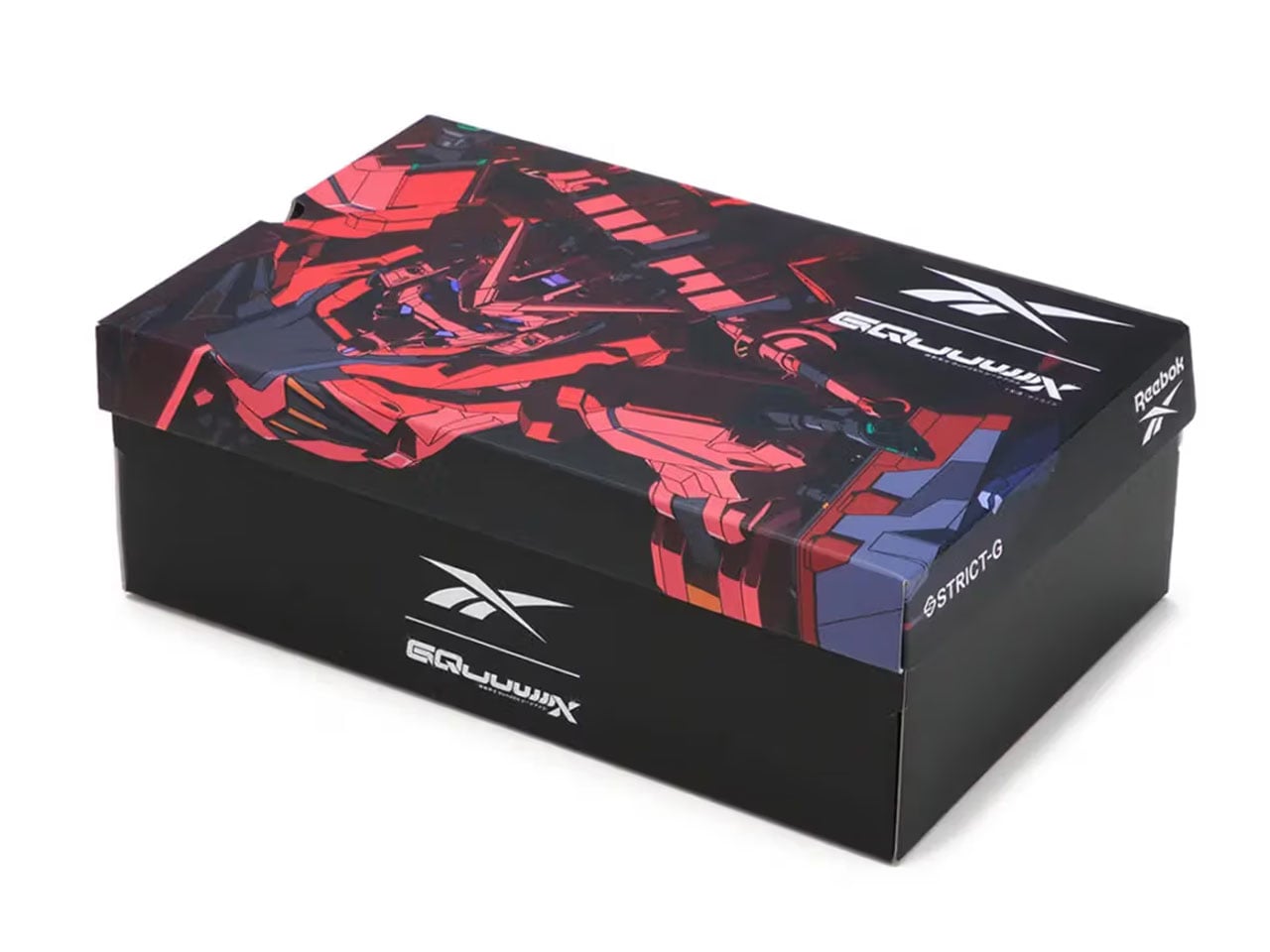
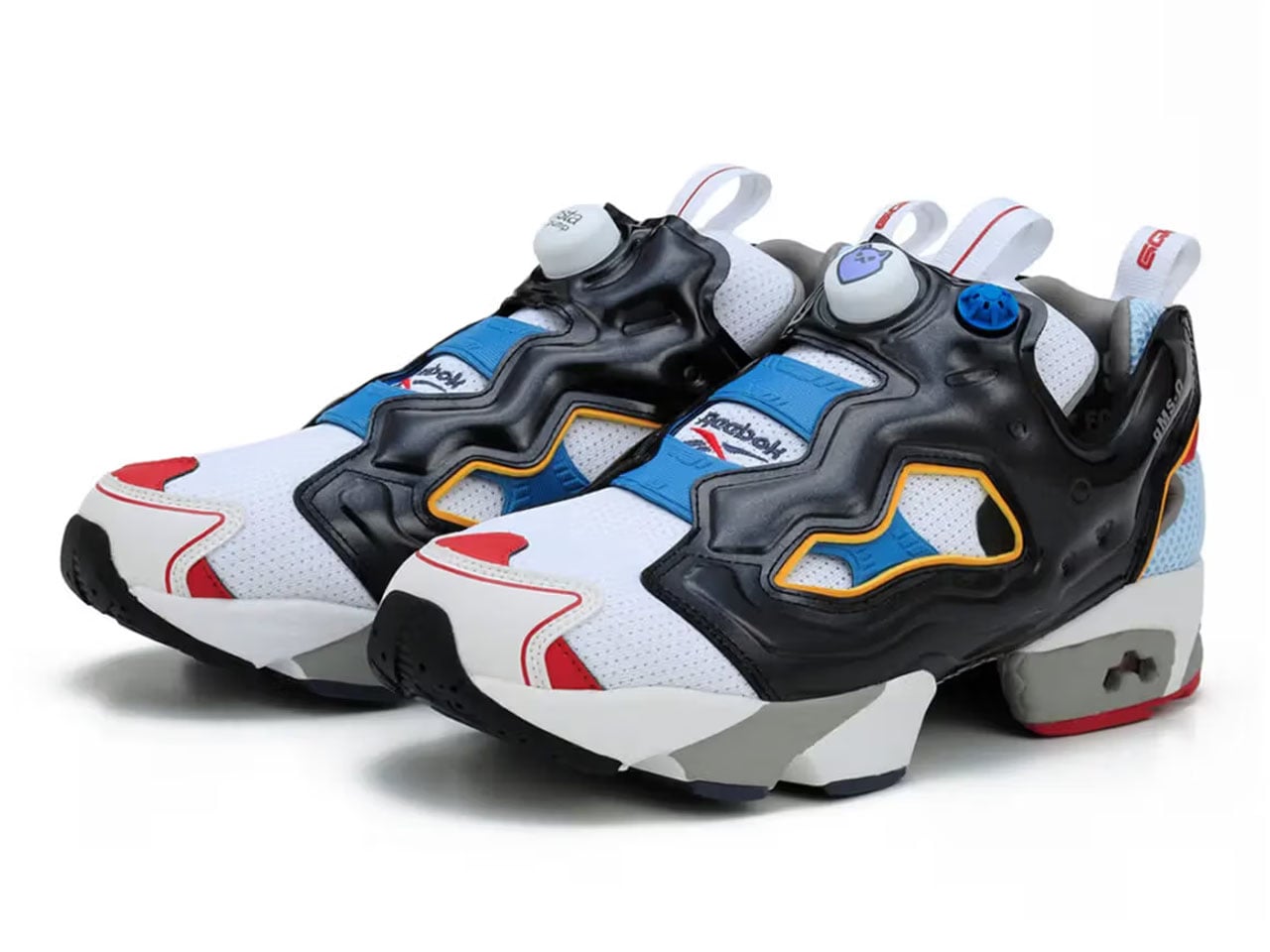
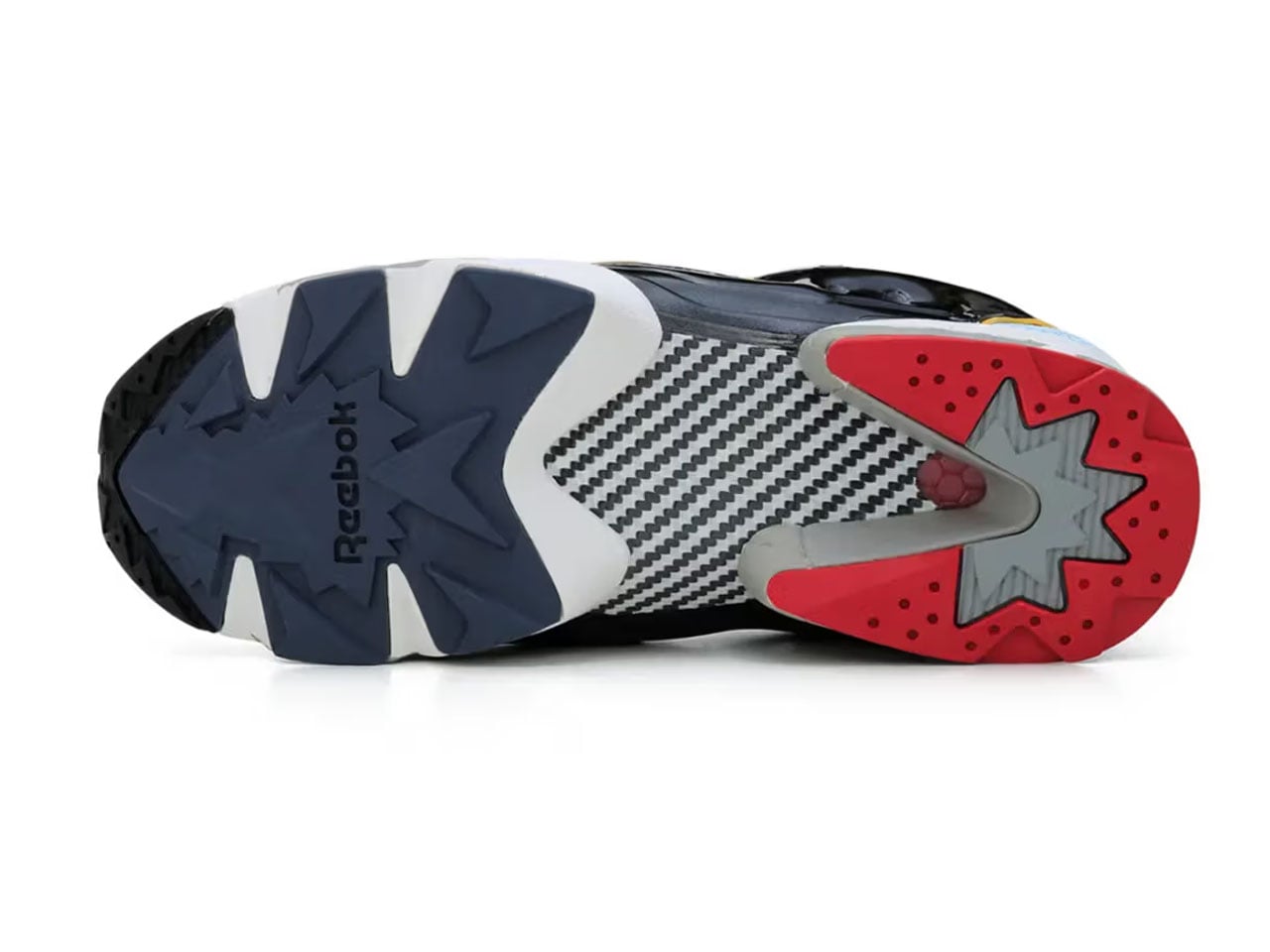
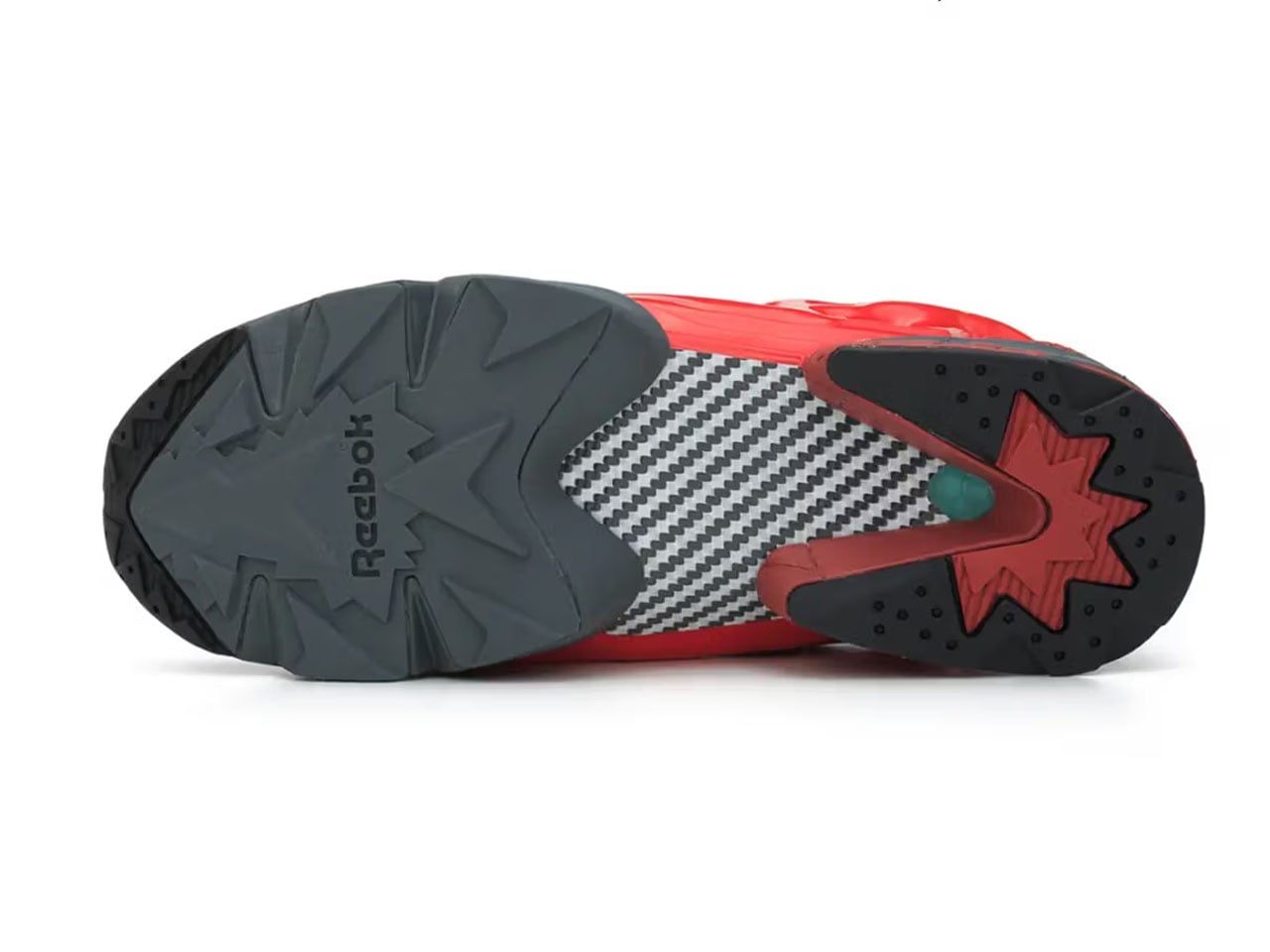
My thoughts aside. STRICT-G has partnered with Reebok for the Mobile Suit Gundam GQuuuuuuX’ x Reebok Instapump Fury 94, which comes in two models, the “GQuuuuuuX” and the “RED GUNDAM.” There is no prize for guessing that these exclusive Instapump Fury 94 silhouettes are inspired by the Mobile Suit Gundam GQuuuuuuX, the latest series from the franchise.
STRUCT-G has long been influenced and overly committed to introducing the Gundam universe to new-age fashion. Even in that breath, the Reebok collaboration really appears distinct. The level of depth and detailing on these sneakers is really beyond and above anything attempted in the footwear department in collaboration with the Japanese anime franchise before. These silhouettes don’t just wear a thematic resemblance; of course, that shouldn’t be difficult for anyone to pull off. Instead, they reimagine mobile suit aesthetics and translate them into footwear you can actually wear.
Talking of which, it’s pertinent to note that the Mobile Suit Gundam GQuuuuuuX’ x Reebok Instapump Fury 94 pairs will be available for preorder starting ¥27,500 JPY (approx. $180 USD) from December 12. The preorders, aimed at collectors and those who value their hands on exclusive merchandise before others, will be available through the STRICT-G Online Store within Premium Bandai only. For the others, the general release of the Gundam-inspired shoes is slated for March 2026, when the sneaker will also be available in physical stores and Reebok’s online shop.
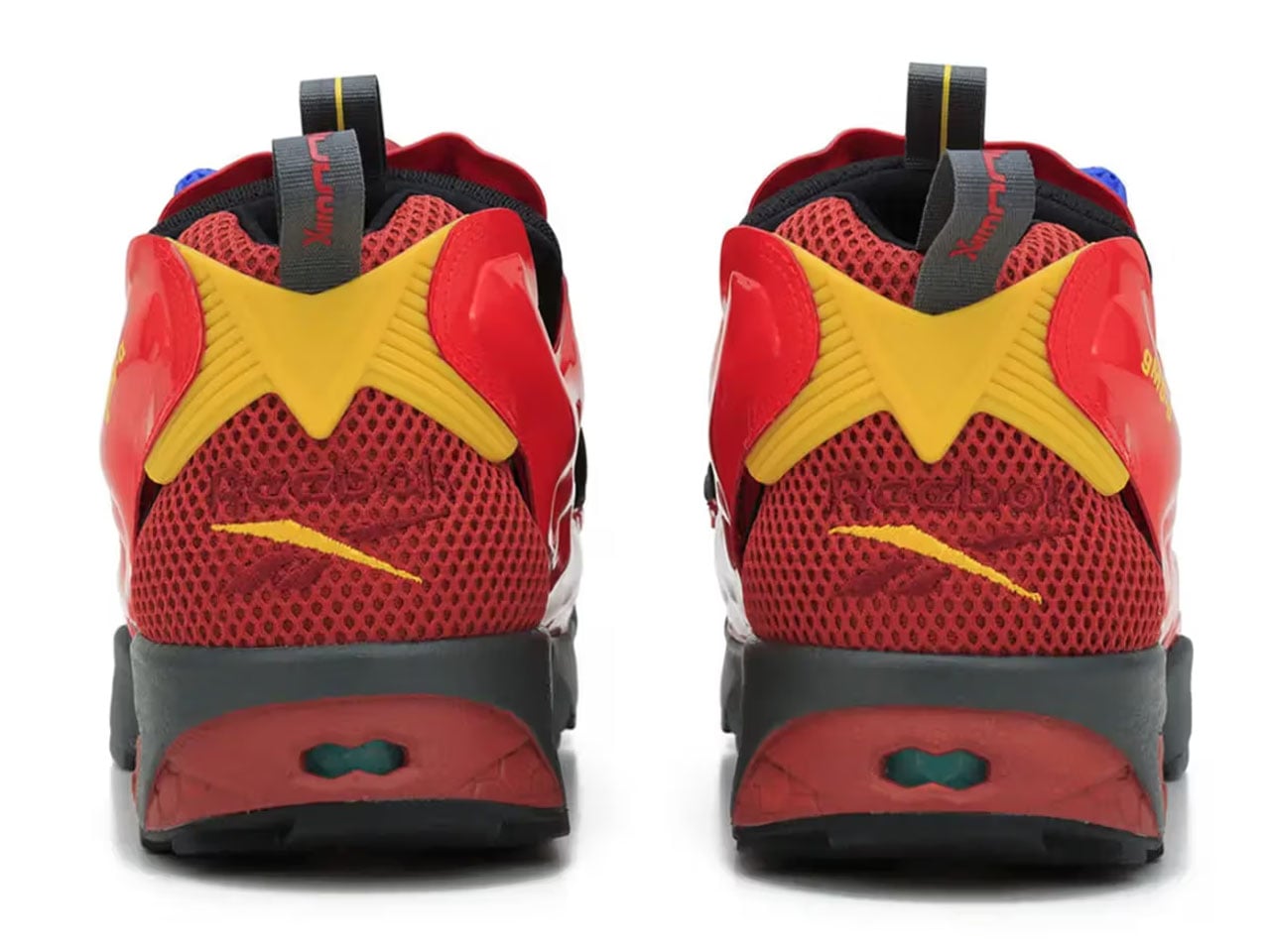
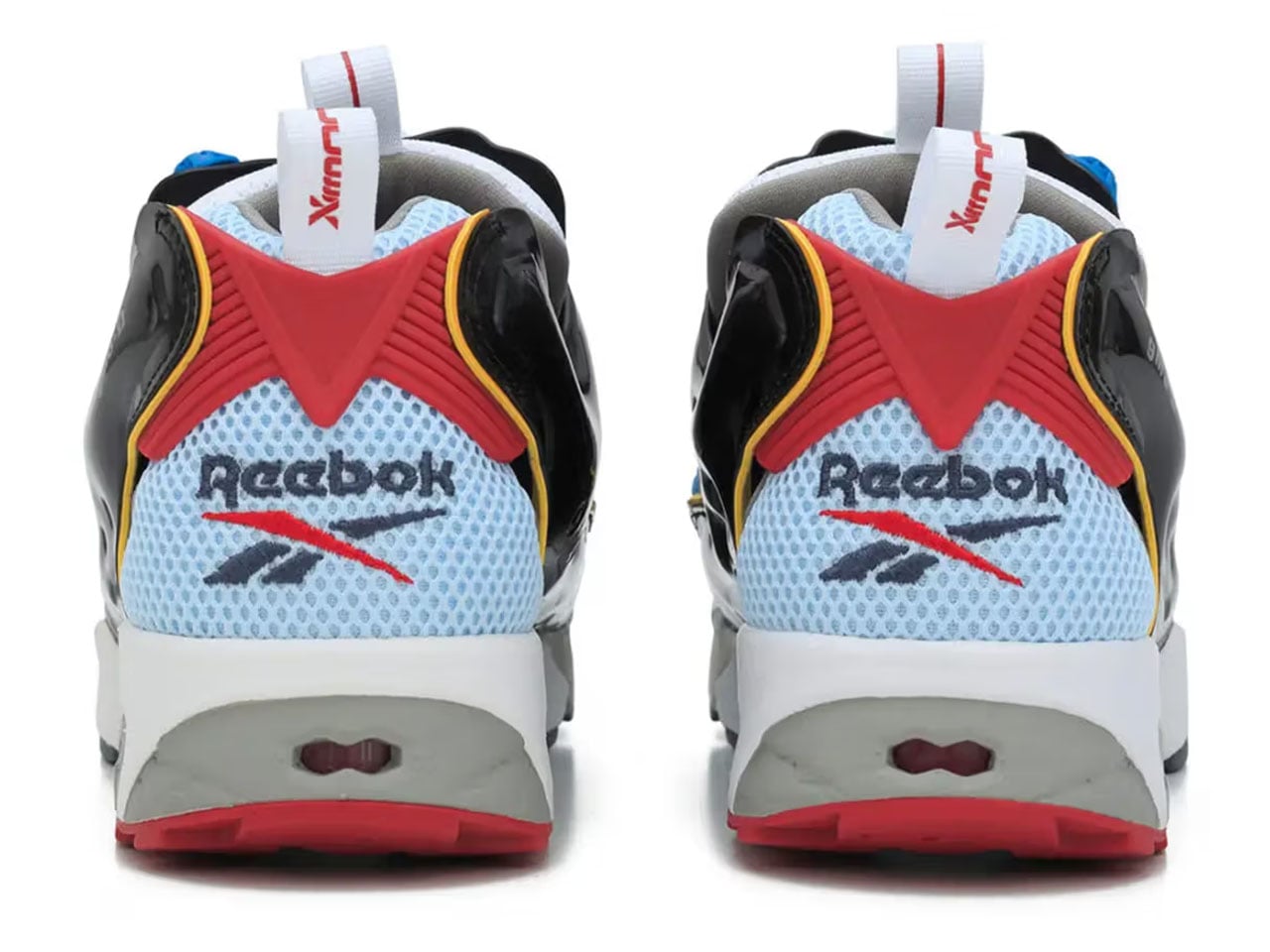
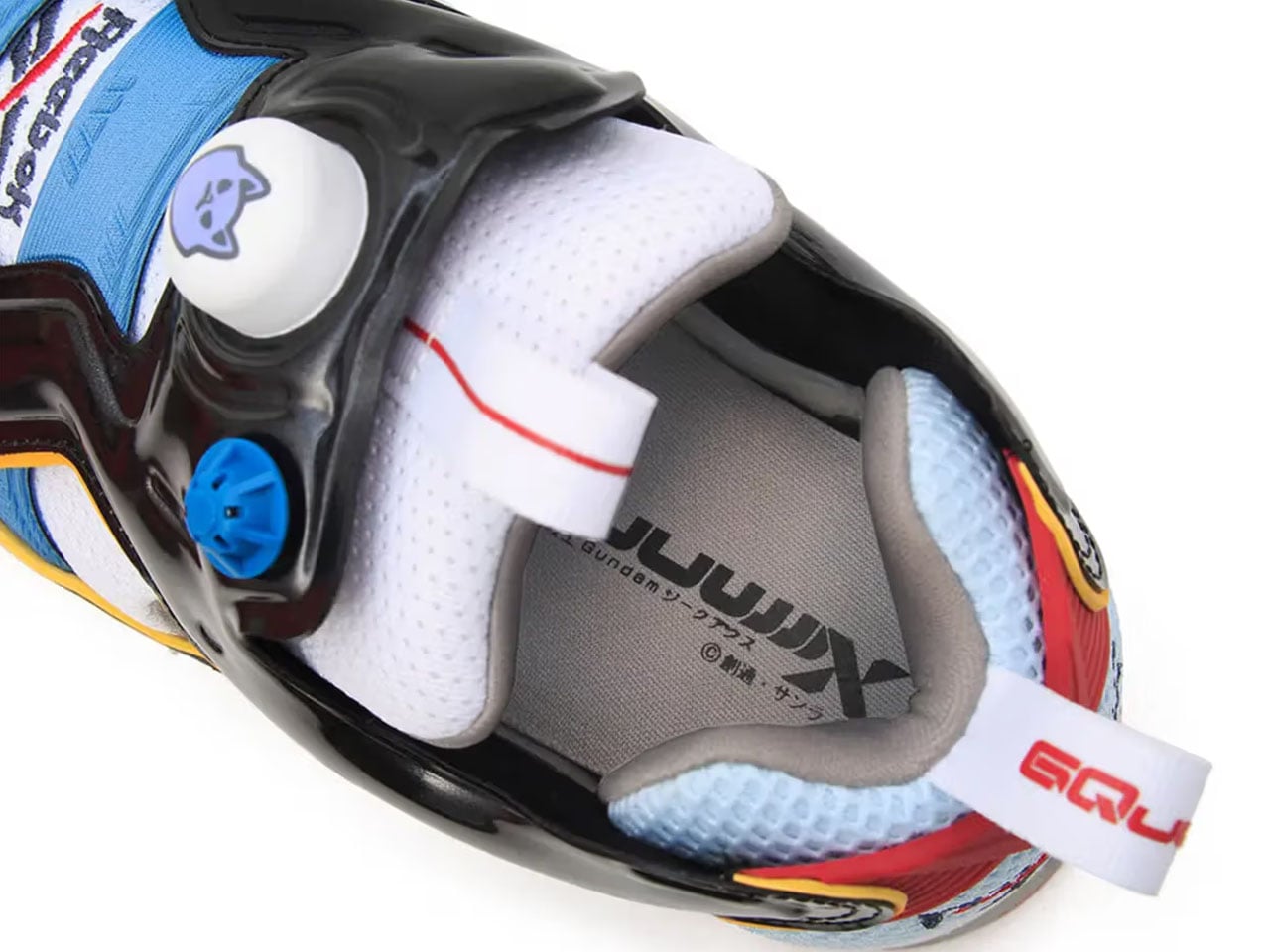
The two sneaker styles centered around the Mobile Suit Gundam GQuuuuuuX theme are impressive. The anime’s signature white, blue, and red color scheme is apparent in the GQuuuuuuX pair, which features a Pomeranian logo as a playful nod to the character within the series. The second pair is inspired by the RED GUNDAM mobile suit. Here, the segmented design of the Instapump Fury 94 is finished in red and black aesthetics.
To keep the story tied to the franchise, both silhouettes feature a mobile suit’s identifying number printed near the heel, making these footwear memorabilia and a fashion statement for fans. Of course, the thematic approach creates an aesthetic impact, but the Reebok Instapump Fury 94 in itself has a long history of innovation, which should add to the number of takers for this collaborative effort!
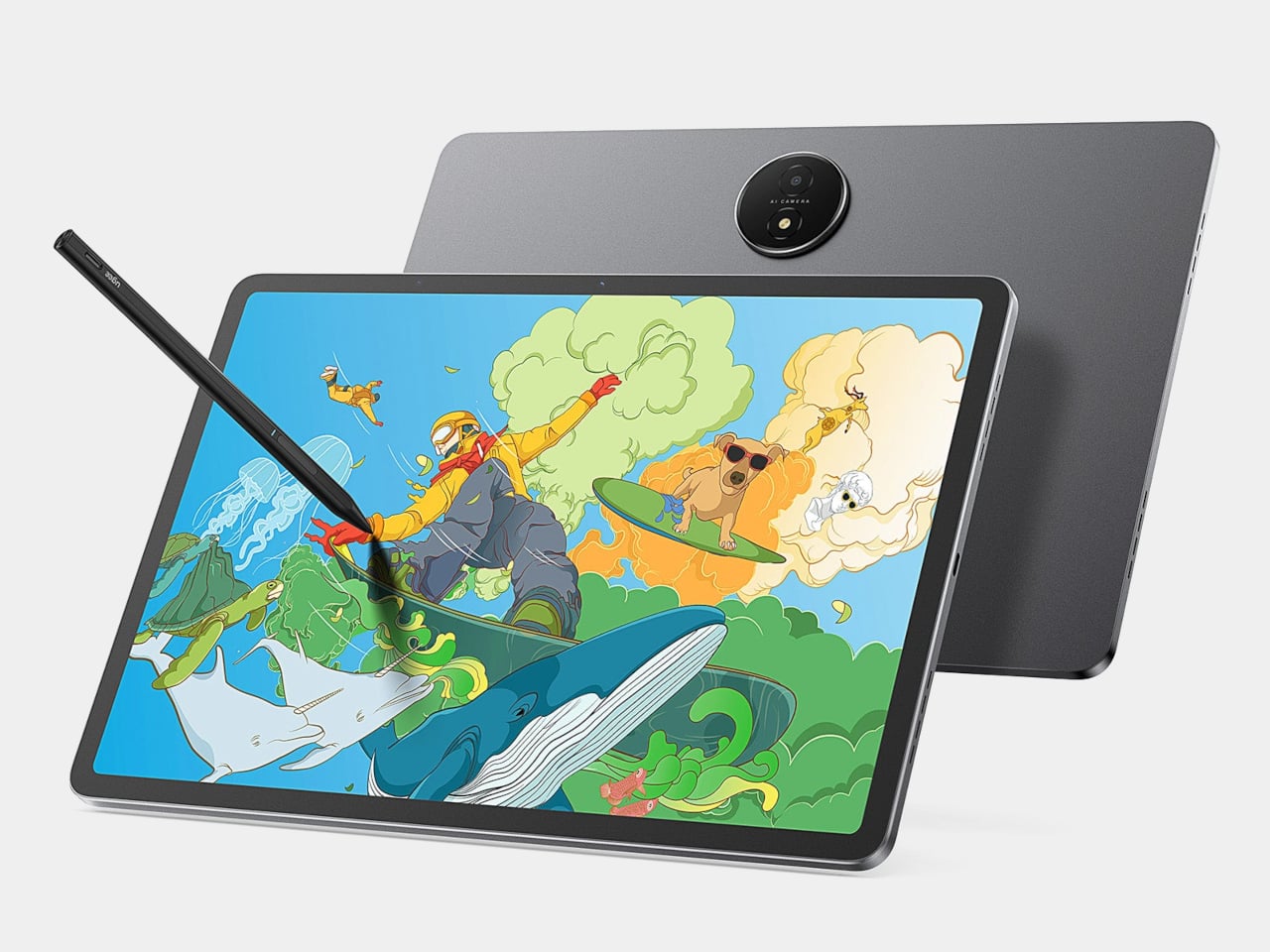
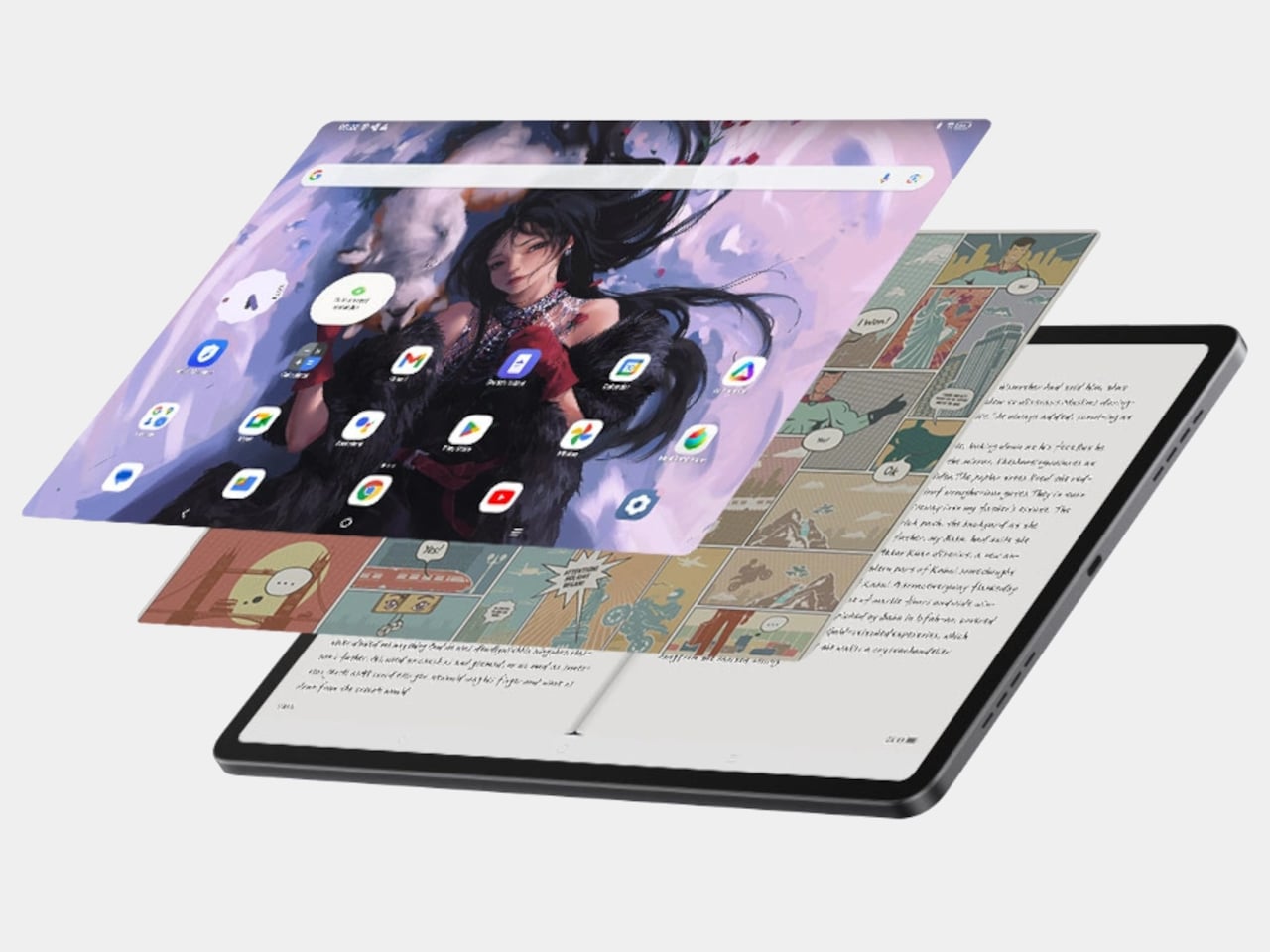
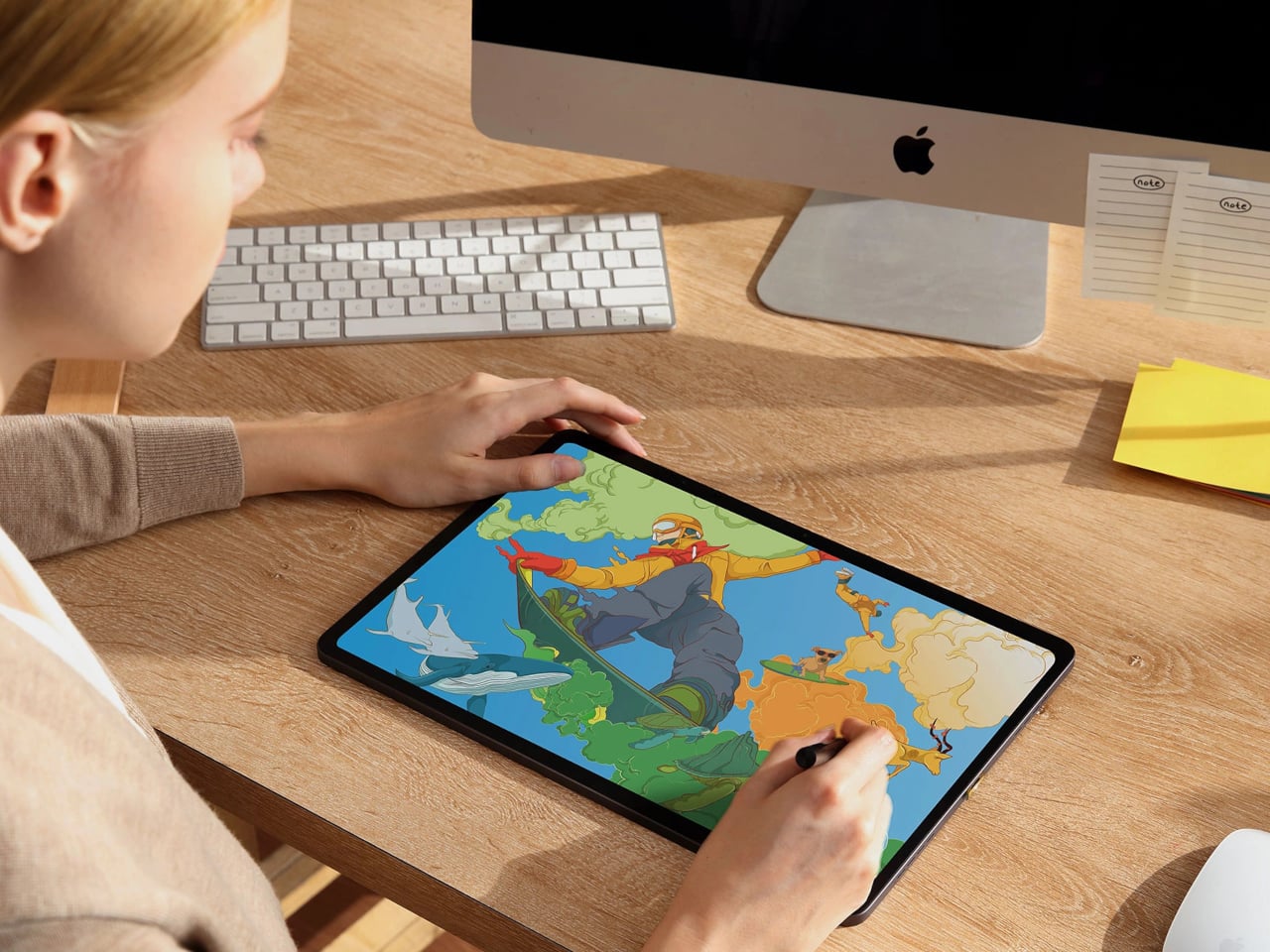
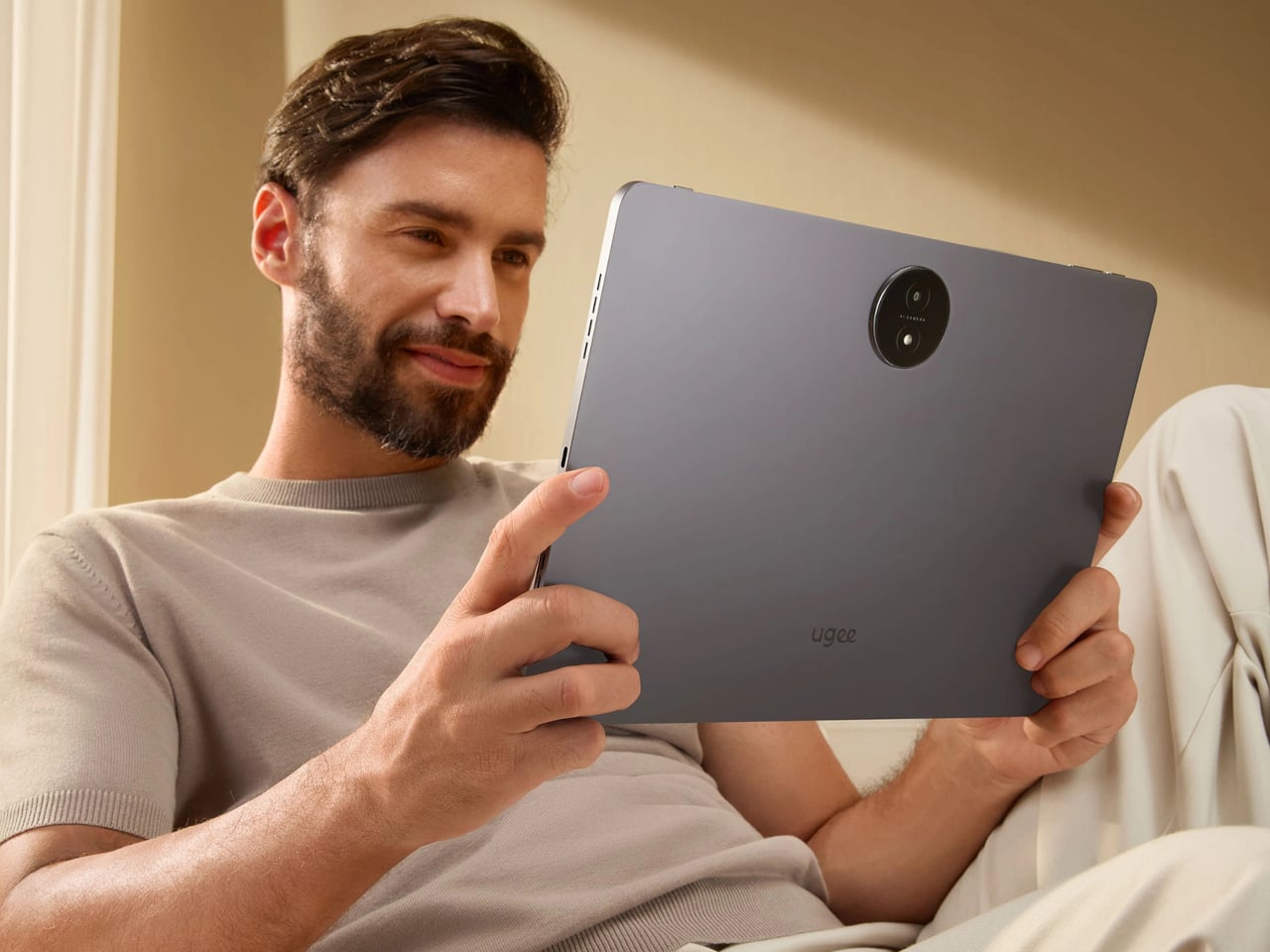
The usual creative setup involves too many screens. A pen display for sketching, an iPad or laptop for apps and browsing, maybe a Kindle for long-form reading without wrecking your eyes. Switching between them breaks flow, and most devices still treat drawing, reading, and general use as separate jobs that require separate hardware. The ugee Trio Pad UT3 tries to collapse those roles into one 14.25-inch slab with three distinct screen personalities.
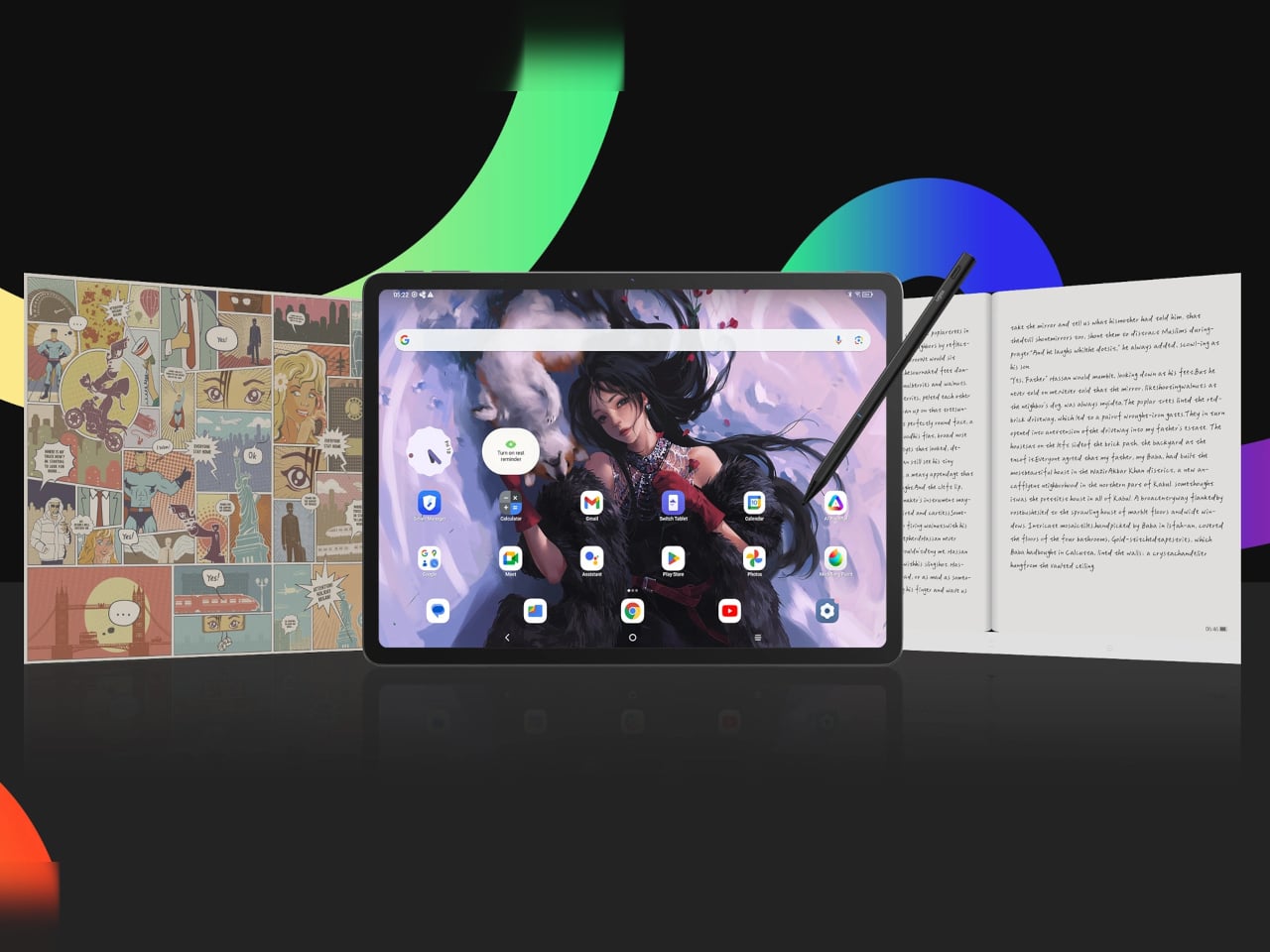
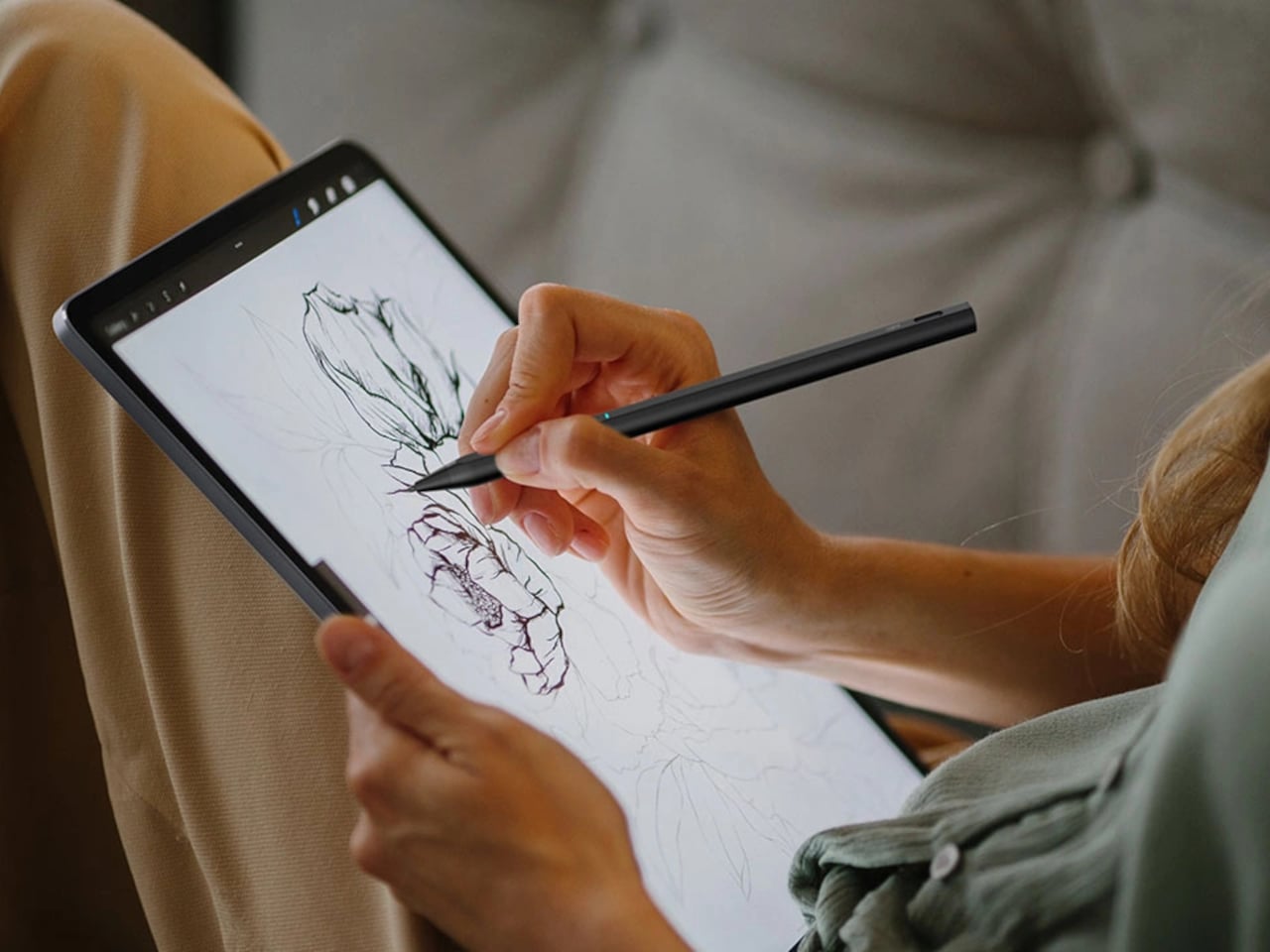
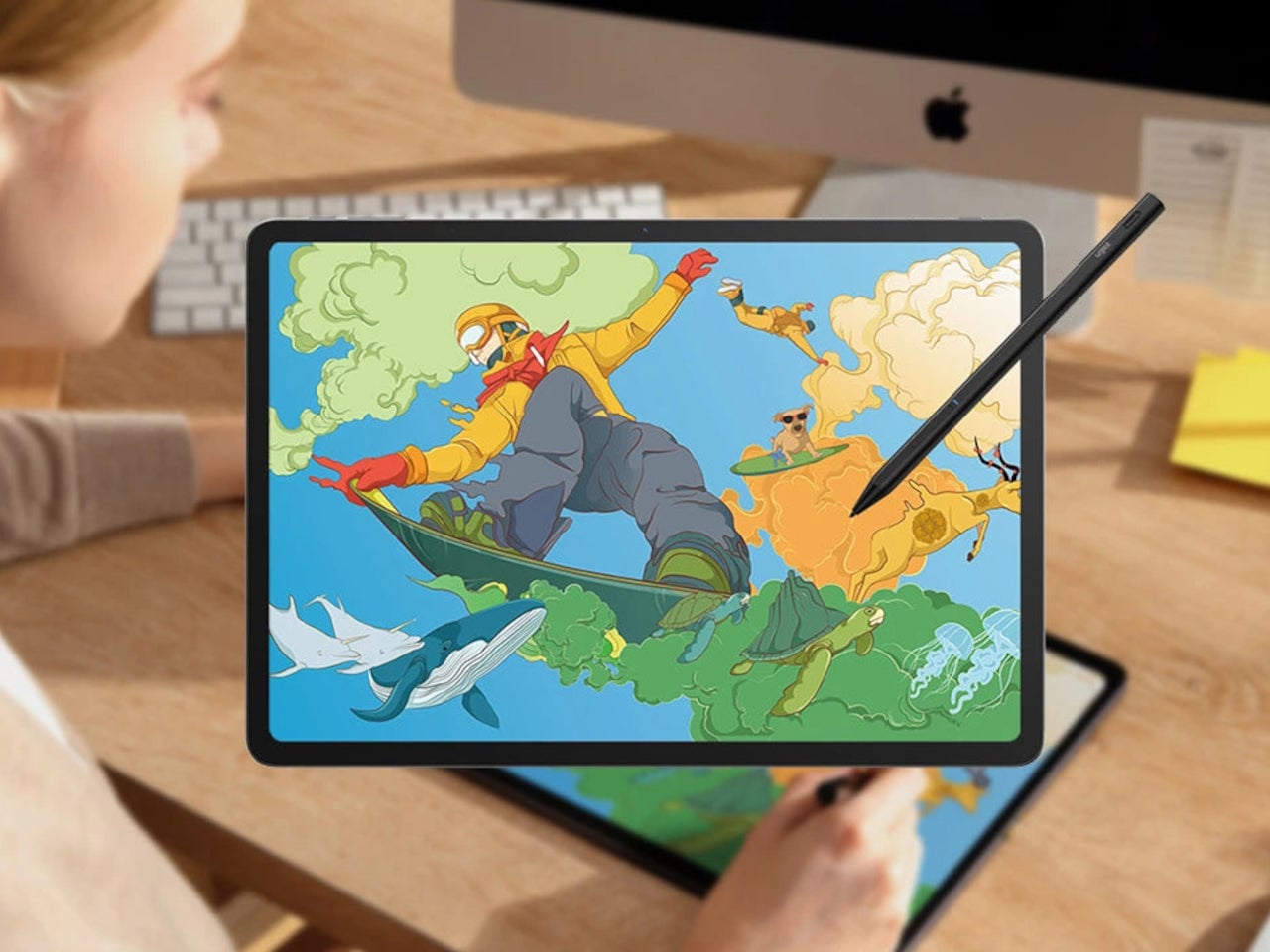
The UT3 is an Android drawing pad with a 2K resolution, 3:2 aspect ratio display that behaves like a full-color tablet, a paper-like sketch surface, or an Ink Mode reader. It includes a U-Pencil stylus with 4,096-level pressure sensitivity, runs Android 14, and ships with a MediaTek Helio G99 processor and 8 GB of RAM. The interesting part is the dedicated U-Key that flips screen modes in hardware.
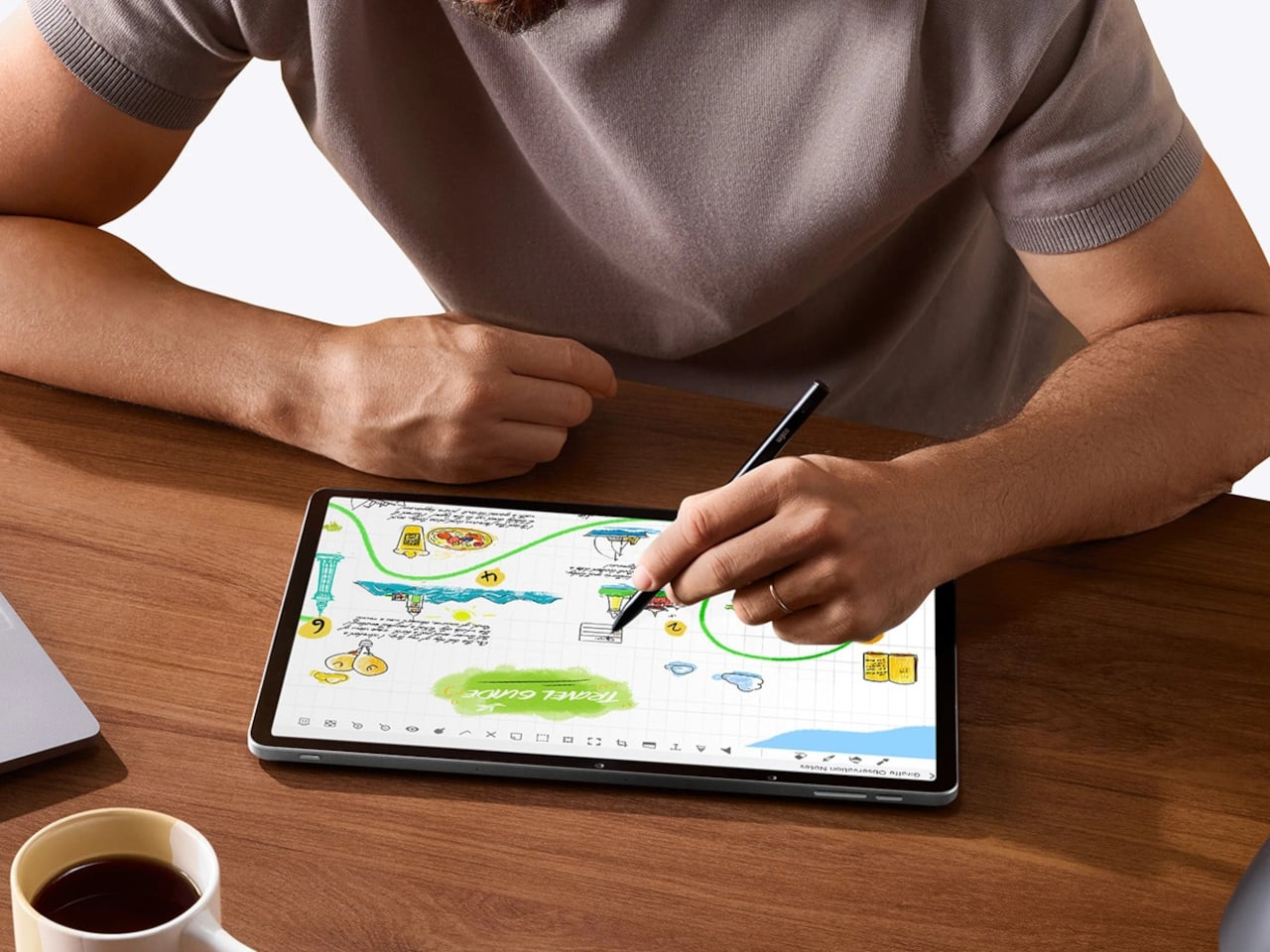
The U-Key is a small button on the top edge that cycles the screen through Regular, Paper, and Ink modes seamlessly. That matters when you are sketching, need to read a brief, then jump back into color work. The key turns the UT3 into a sketchbook, reader, or tablet on demand, changing how it sits in a workflow instead of forcing you to pick one identity and stick with it all day.
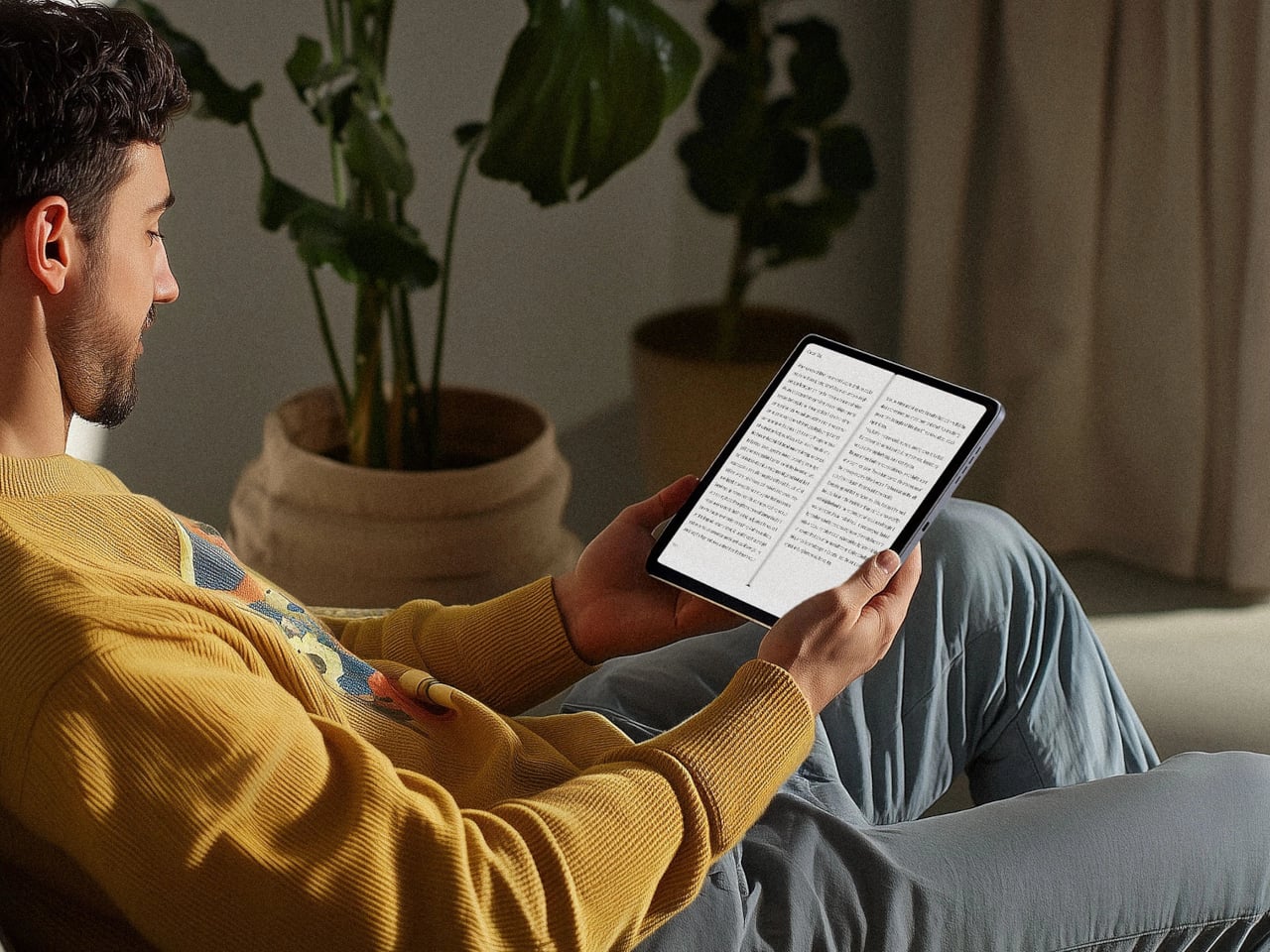
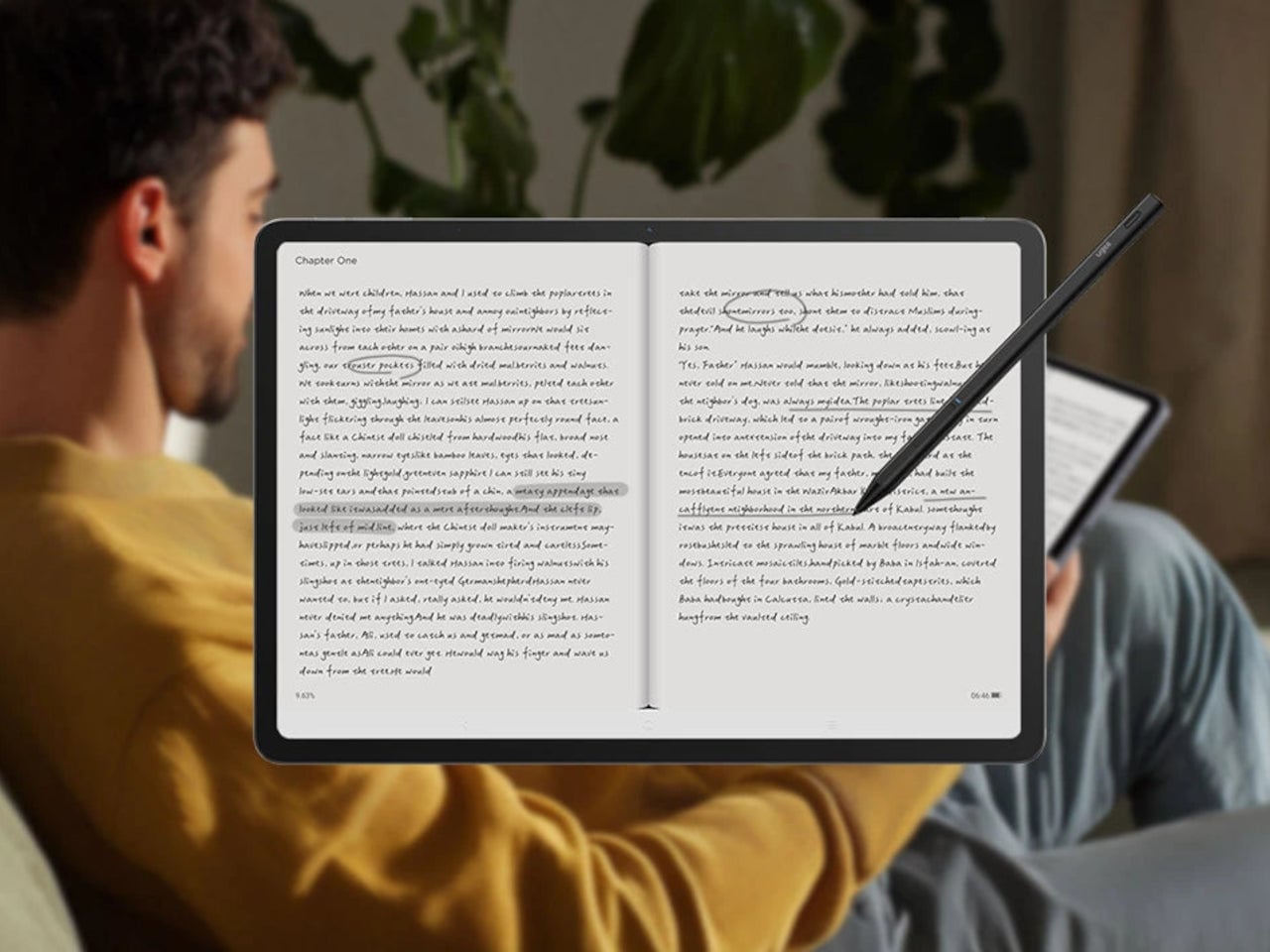
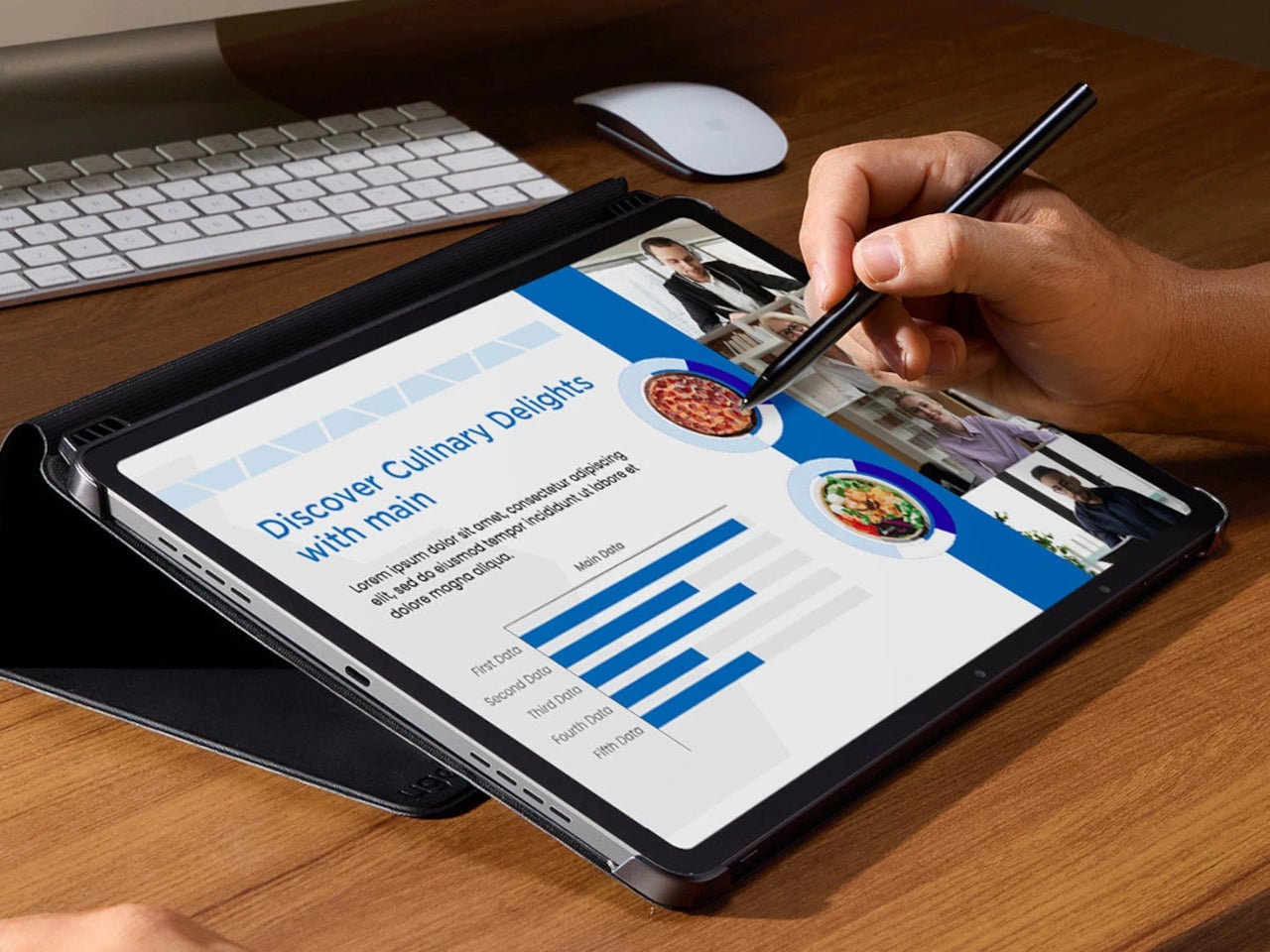
Ink Mode is the pseudo-E-Ink personality, a high-contrast, black-and-white profile that strips away color and visual noise. It makes the UT3 useful for reading scripts, briefs, or tutorials, and for parking reference text beside your workstation. It is still an IPS panel, not true E-Ink, but the monochrome look, combined with TÜV Rheinland eye-comfort tuning, makes it feel closer to a dedicated reader than a glowing app screen.
Paper Mode pairs a muted color profile with the fully laminated panel and NanoMatte coating to create a paper-like drawing surface. The NanoMatte reduces glare and adds a slight tooth that helps line work feel more controlled and less slippery. The laminated stack brings your stylus tip closer to the pixel underneath, reducing parallax, and the 13 g U-Pencil with 20 ms response time handles inking, shading, and quick gesture sketches without lag.
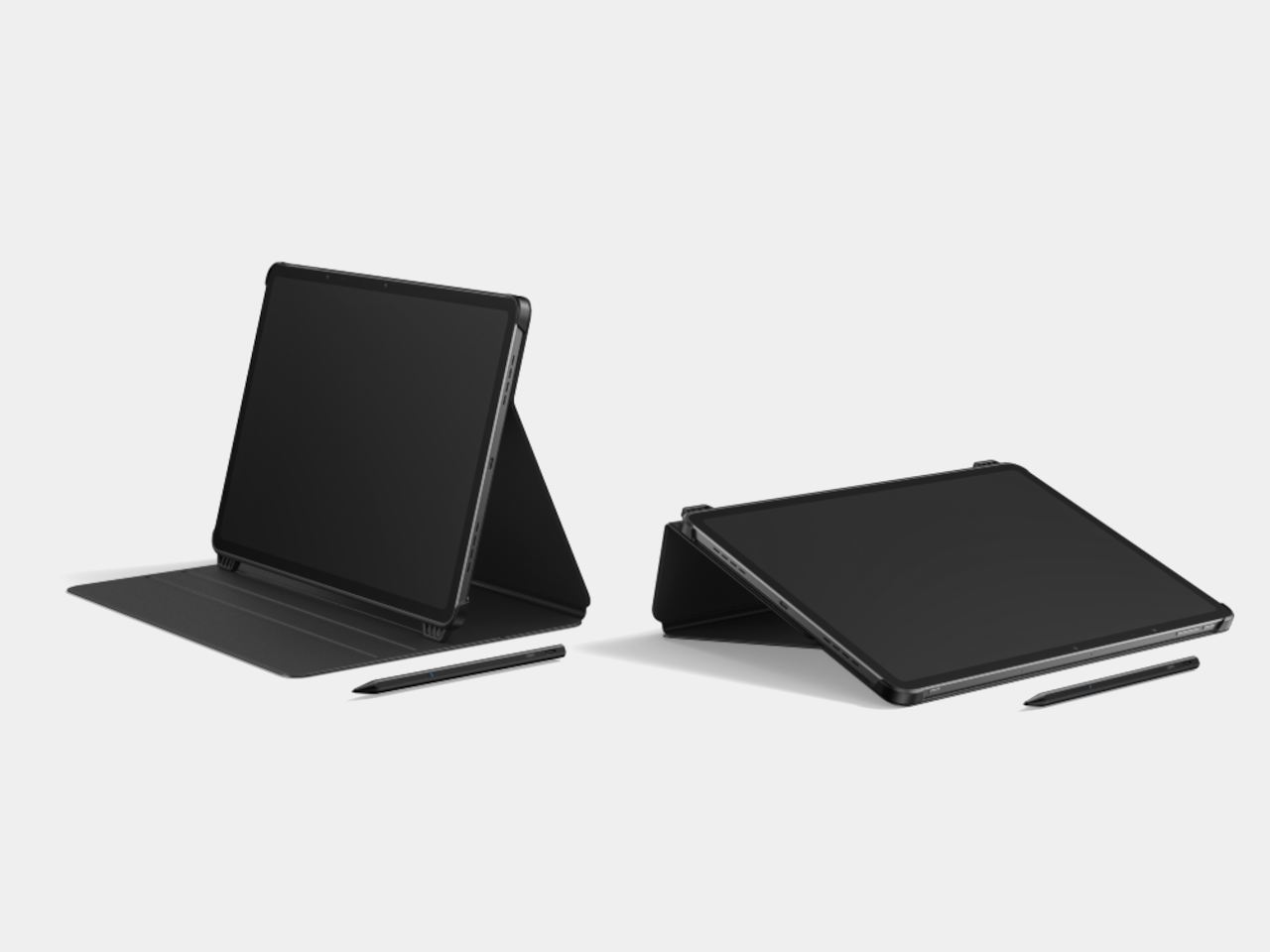
The Android tablet side means you can run full drawing apps, reference tools, and streaming services directly on the device. The 10,000 mAh battery with 27 W fast charging supports around 13 hours of writing or drawing, and the 256 GB of storage plus microSD expansion handles large file libraries. You can sketch, watch, and read without tethering to a PC, then use the U-Key to keep the screen aligned with the task.
A day in the studio could start with the UT3 in Ink Mode for morning reading, flip into Paper Mode for sketching, then jump into full-color Regular mode for painting and video. The hardware mode switch makes that feel natural, turning one slab into three different tools. For artists and designers tired of juggling devices or forced to choose between a drawing tablet and a reading screen, that kind of shape-shifting display might be the most practical feature on the list.
Backcountry adventures demand gear that refuses to quit when conditions turn challenging. The right lighting solution transforms a tense moment into a manageable one, whether you’re searching for a misplaced carabiner at midnight or navigating an unexpected detour off-trail. In 2025, portable lighting has evolved beyond simple illumination, offering adaptive brightness, extended battery life, and multipurpose designs that earn their weight in any pack.
The flashlights and lighting systems featured here represent a new generation of outdoor equipment built for real-world backcountry use. From ultra-compact EDC models that clip to your gear to versatile campsite lanterns that adapt to any scenario, these designs prioritize functionality without sacrificing portability. Each brings something distinct to the table, addressing specific challenges outdoor enthusiasts face when venturing beyond cell service and reliable power sources.
1. Lumitwin DL700
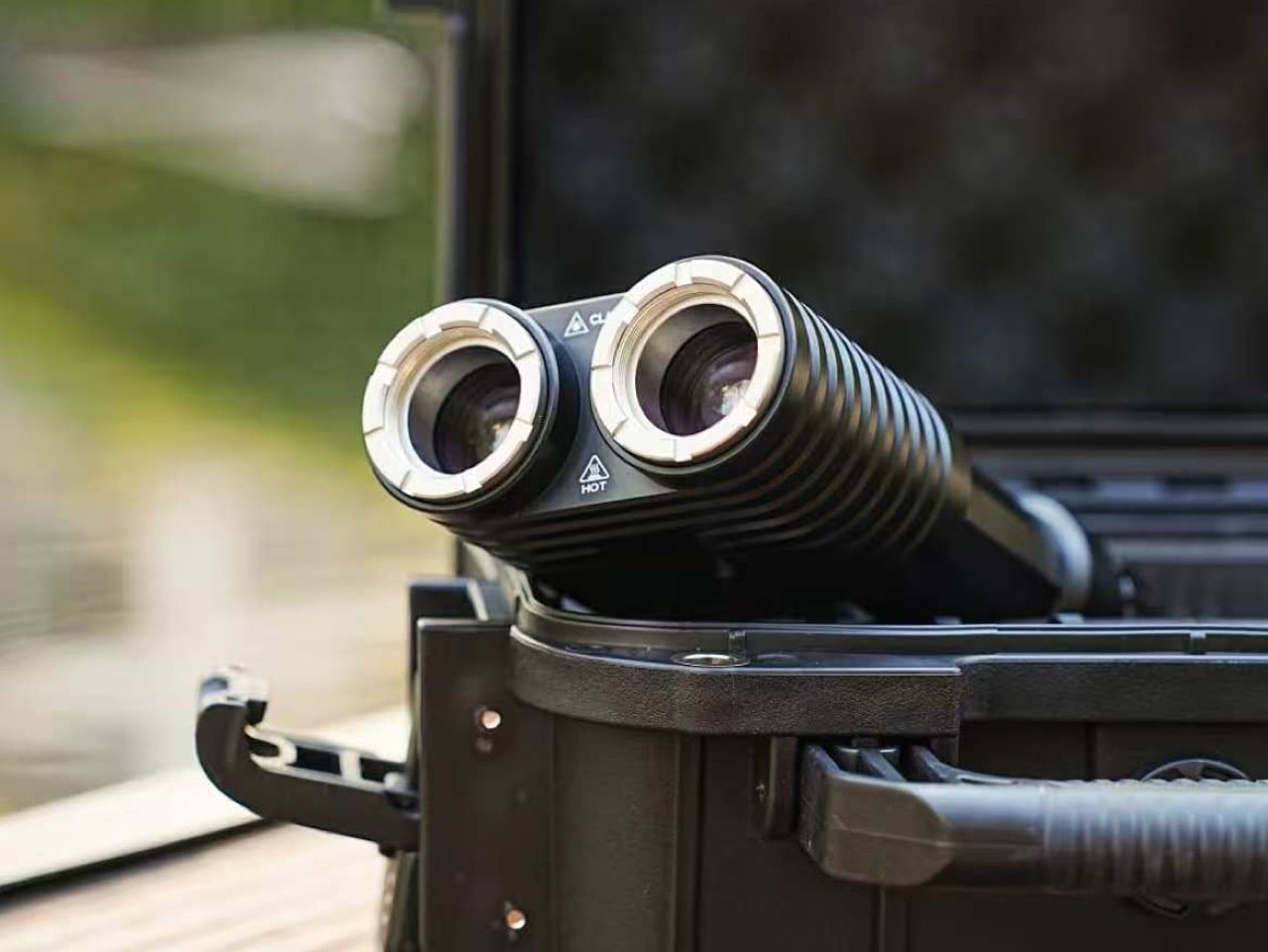
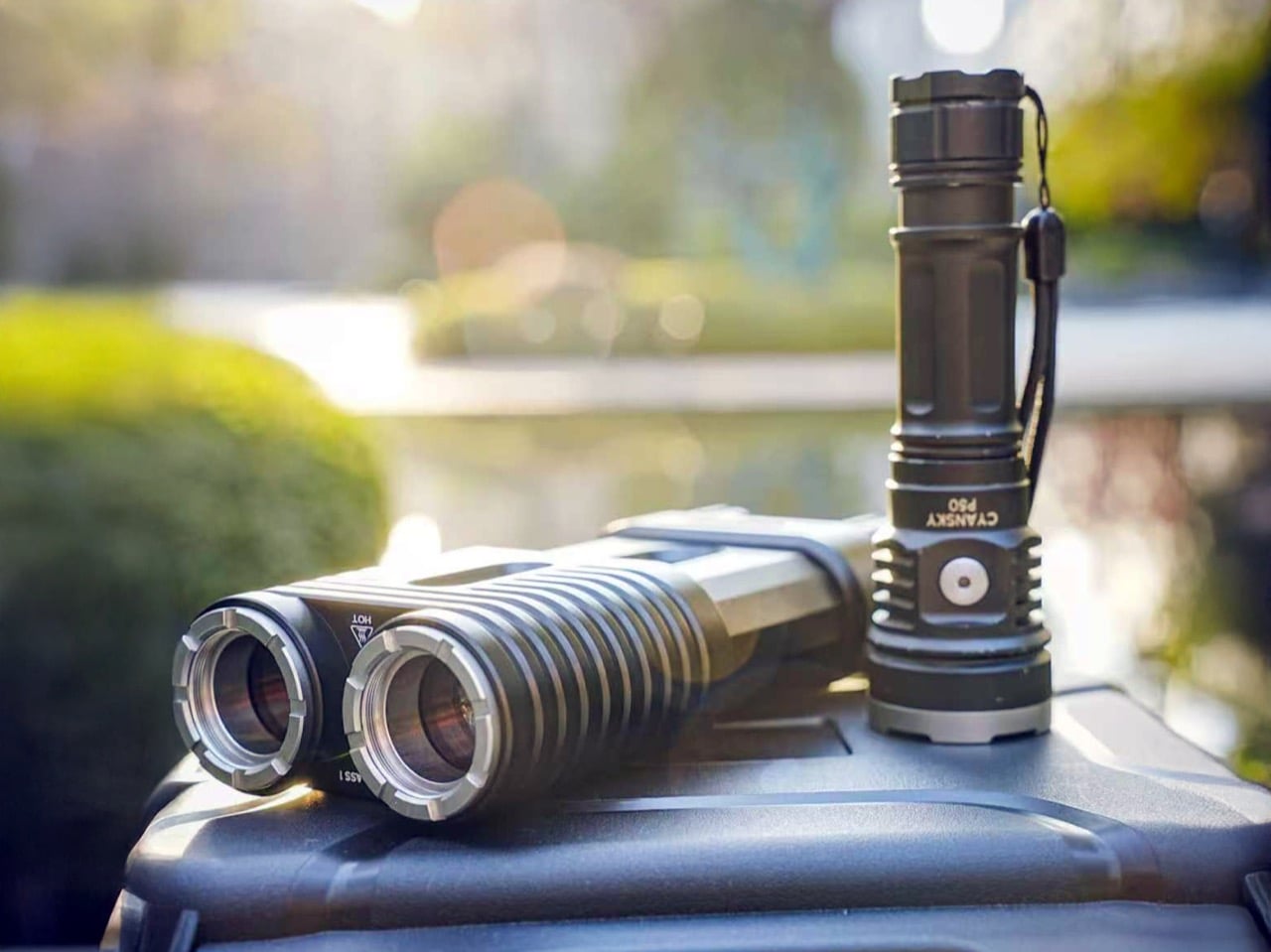
The Lumitwin DL700 redefines what’s possible in a portable flashlight with its staggering 2-kilometer beam distance and dual independently-controlled barrels. This isn’t an incremental improvement over standard LED technology. The flashlight employs laser-excited phosphor modules instead of traditional LEDs, delivering a focused throw that reaches 1.24 miles into the darkness. The dual-barrel design means you can operate each light independently, switching between them based on your immediate needs while preserving battery life on the unused barrel for extended expeditions.
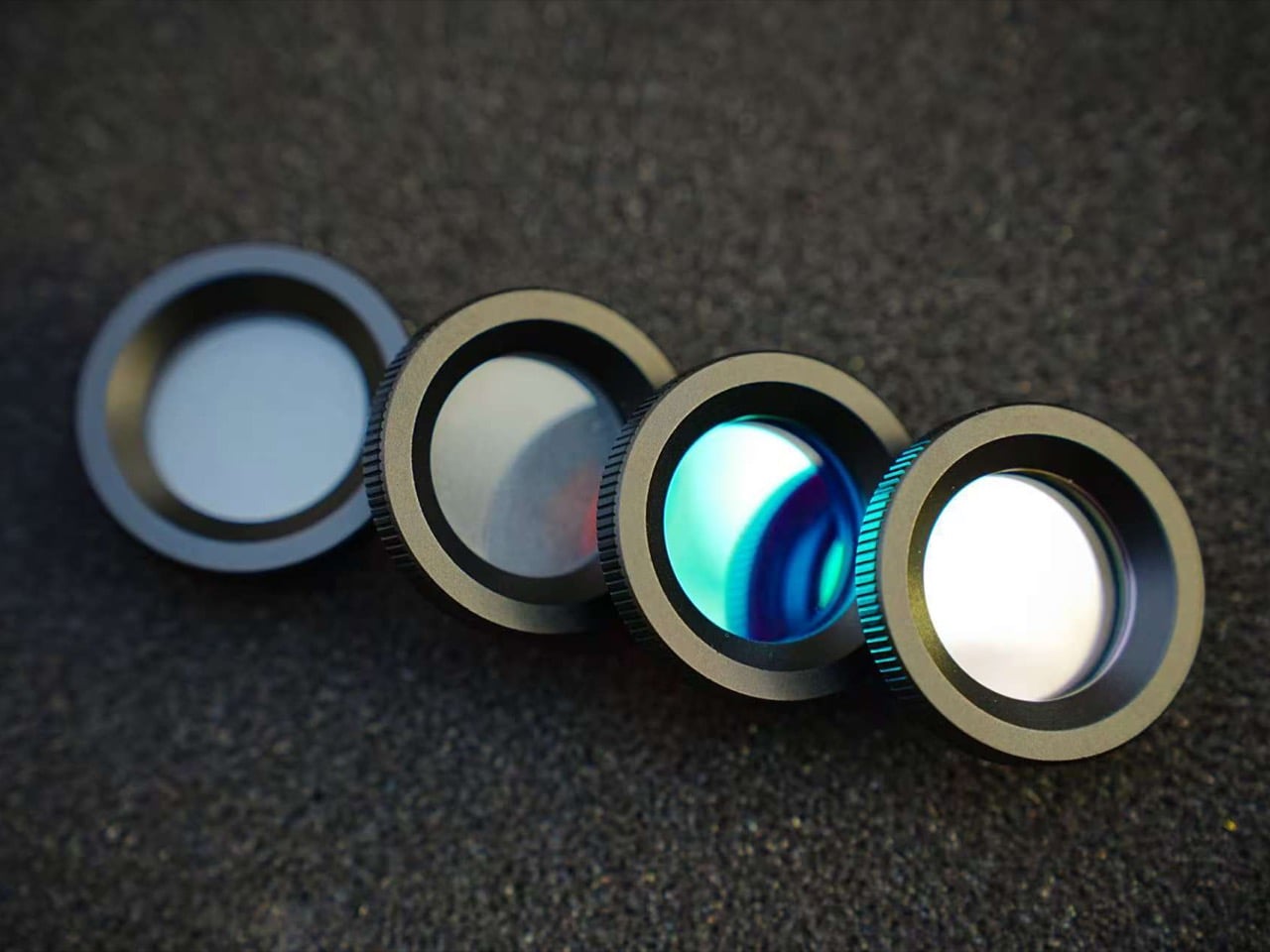
Built from aerospace-grade aluminum machined from a single block, the DL700 weighs 1,032 grams and handles abuse that would destroy lesser lights. The IP68 waterproof rating means complete submersion poses no threat, while the 1-meter drop rating accounts for fumbles in challenging terrain. Interchangeable color filters in red, green, and flood configurations adapt the light for hunting scenarios, search-and-rescue operations, or tactical applications. The carabiner clip integration makes it accessible without digging through your pack when darkness catches you mid-trail.
What we like
The 2-kilometer beam distance outperforms virtually every portable flashlight available for backcountry use
Dual independent barrels provide backup redundancy and operational flexibility
Swappable color filters eliminate the need to carry multiple specialized lights
Machined aluminum construction survives harsh conditions without compromising structural integrity
What we dislike
The 1,032-gram weight exceeds ultralight backpacking preferences for those counting every ounce
Premium laser-excited phosphor technology comes with a correspondingly premium price point
2. BlackoutBeam Tactical Flashlight
BlackoutBeam delivers 2,300 lumens of raw illumination with a 300-meter throw distance, making it one of the brightest handheld options for backcountry emergencies. The 0.2-second response time eliminates any lag between activation and full brightness, critical when you need immediate visibility or must signal for help. The industrial aluminum body construction balances durability with weight considerations, maintaining IP68 water and dust resistance that protects internal components from backcountry elements. Five distinct modes, including three brightness levels, strobe, and pinpoint, provide tactical flexibility for different scenarios.
The dual power system separates BlackoutBeam from single-battery competitors. The built-in 3,100mAh lithium-ion battery recharges via USB, but when you’re days from any outlet, the ability to swap in two emergency CR123A batteries ensures you’re never without light. The strobe mode works for emergency signaling or disorienting wildlife encounters, while the pinpoint mode conserves battery when you only need to check map details. The flashlight’s sleek design avoids the overtly tactical aesthetic that feels out of place on recreational backcountry trips.
The 2,300-lumen output provides exceptional brightness for search, rescue, and emergencies
Dual power options with USB rechargeable and backup CR123A batteries eliminate dead-battery anxiety
The 0.2-second response time delivers instant illumination without delay
Five different modes adapt to varied backcountry lighting requirements
What we dislike
Maximum brightness drains battery quickly, requiring careful power management on extended trips
The high lumen output may be excessive for routine camp tasks
3. TriBeam Camplight
The award-winning TriBeam Camplight brings three distinct lighting modes into one compact 135-gram package that measures just 12.8cm tall. The 3-in-1 design switches between camping, ambient, and flashlight modes with a single intuitive button, adapting from a gentle 5-lumen glow for reading in your tent to a powerful 180-lumen beam for trail navigation. The adjustable brightness range provides precise control over battery consumption, with the lowest settings delivering up to 50 hours of continuous use on a single charge. This versatility makes it equally suitable for intimate cabin evenings and technical night hiking.
The magnetic lampshade attachment transforms the beam quality instantly, softening harsh direct light into a diffused glow that creates a comfortable campsite ambiance. When navigation demands focused illumination, simply remove the magnetic shade, and the flashlight mode cuts through darkness effectively. The hidden handle tucks away seamlessly when not needed but deploys for hanging from tent loops, tree branches, or pack straps. IPX6 water resistance handles rain and splashes without concern, while the 3,100mAh lithium battery supports extended backcountry trips. USB-C charging ensures compatibility with modern power banks and solar chargers.
Three distinct lighting modes in one compact device eliminate the need for multiple lights
The 50-hour maximum runtime on low settings supports multi-day trips without recharging
Magnetic lampshade attachment and a hidden handle provide mounting versatility
At 135 grams and 12.8cm, it qualifies as truly packable gear
What we dislike
The 180-lumen maximum brightness falls short of high-output flashlights for long-distance visibility
Magnetic attachments can collect metal debris in dusty backcountry conditions
4. Olight Baton 4 with Premium Charging Case
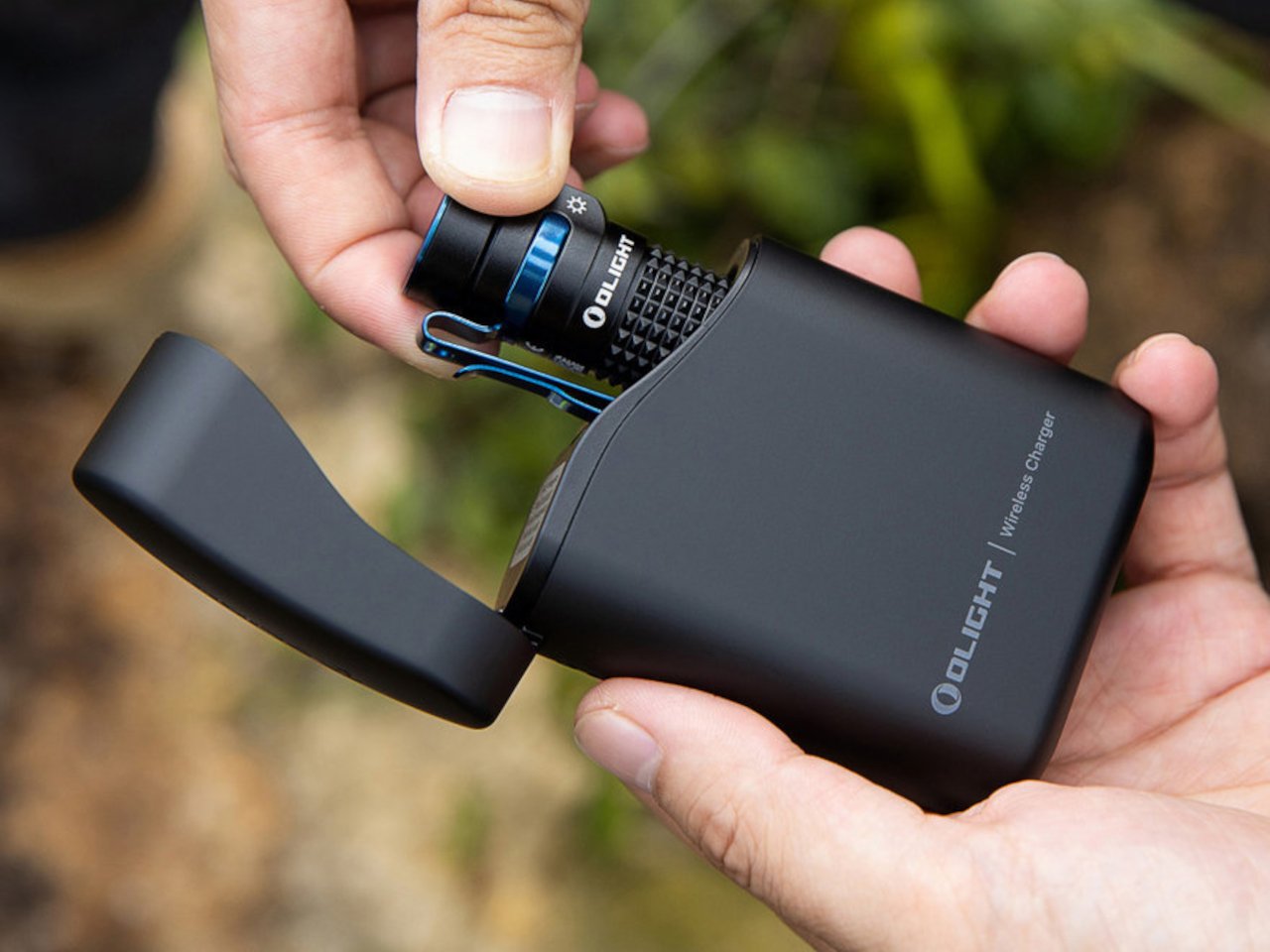
The Olight Baton 4 Premium Edition centers around its innovative 5,000mAh flip-top charging case that transforms how you interact with EDC flashlights. The case stores and charges the flashlight, but the standout feature allows you to flip open the cover, press the side button, and activate the 1,300-lumen light while it remains secured inside. This design eliminates fumbling in the darkness and speeds response time during emergencies. The charging case fits easily in jacket pockets or pack hip belts, keeping the flashlight accessible and charged simultaneously throughout your backcountry journey.
The Baton 4 flashlight itself delivers 1,300 lumens with a 170-meter throw distance in a compact cylindrical form factor. Small LED indicators display brightness level and remaining battery charge, removing guesswork about available runtime. The flashlight’s compact dimensions make it unobtrusive as an everyday carry item that transitions seamlessly into backcountry use. The charging case works with compatible Olight flashlights beyond just the Baton 4, adding value if you already own other models in their lineup. One-handed case operation means you can keep your other hand on trekking poles or maintain your grip on technical terrain.
What we like
The 5,000mAh charging case keeps the flashlight powered for extended trips without electrical access
Flip-top design with in-case activation speeds deployment in critical moments
LED indicators provide clear battery status information
The compact case design makes it practical for everyday pocket carry
What we dislike
The 1,300-lumen output and 170-meter throw are moderate compared to higher-powered options
The system requires carrying the case for the charging benefit to remain relevant
5. CasaBeam Everyday Flashlight
CasaBeam bridges emergency preparedness and intentional design with its 1,000-lumen beam and dual-mode functionality that converts from a handheld flashlight to an upright lantern. The minimalist form factor looks appropriate displayed on a bookshelf rather than hidden in a drawer, encouraging you to keep it accessible where you’ll actually use it. The 200-meter beam distance handles outdoor paths and large rooms with equal capability, while the twist-to-zoom front toggles between focused spotlight and wide floodlight distribution. This adaptability suits varied backcountry scenarios from distant trail scanning to close-range camp setup.
Standing the flashlight upright activates lantern mode, providing hands-free illumination for cooking, gear organization, or evening reading without rigging hanging systems. Five modes, including three brightness levels and two SOS settings, offer precise control over both light output and battery consumption. The 2,600mAh lithium-ion battery delivers up to 24 hours on low settings, rechargeable via USB-C for compatibility with solar panels and portable power banks. The charging port hides beneath the zoom head, protecting it from dust and moisture while maintaining the clean design aesthetic. A built-in yellow loop provides hanging options from tent peaks or tree branches when elevation improves light distribution.
The dual flashlight-lantern functionality eliminates carrying separate devices for different lighting needs
Twist-to-zoom adjustability adapts beam focus for specific tasks
The 24-hour maximum runtime supports multi-day use between charges
Award-winning design makes it attractive enough to keep easily accessible
What we dislike
The 1,000-lumen output is adequate but not exceptional for long-distance visibility
Lantern mode requires flat ground or stable surfaces to stand upright effectively
6. Portable Fire Pit Stand
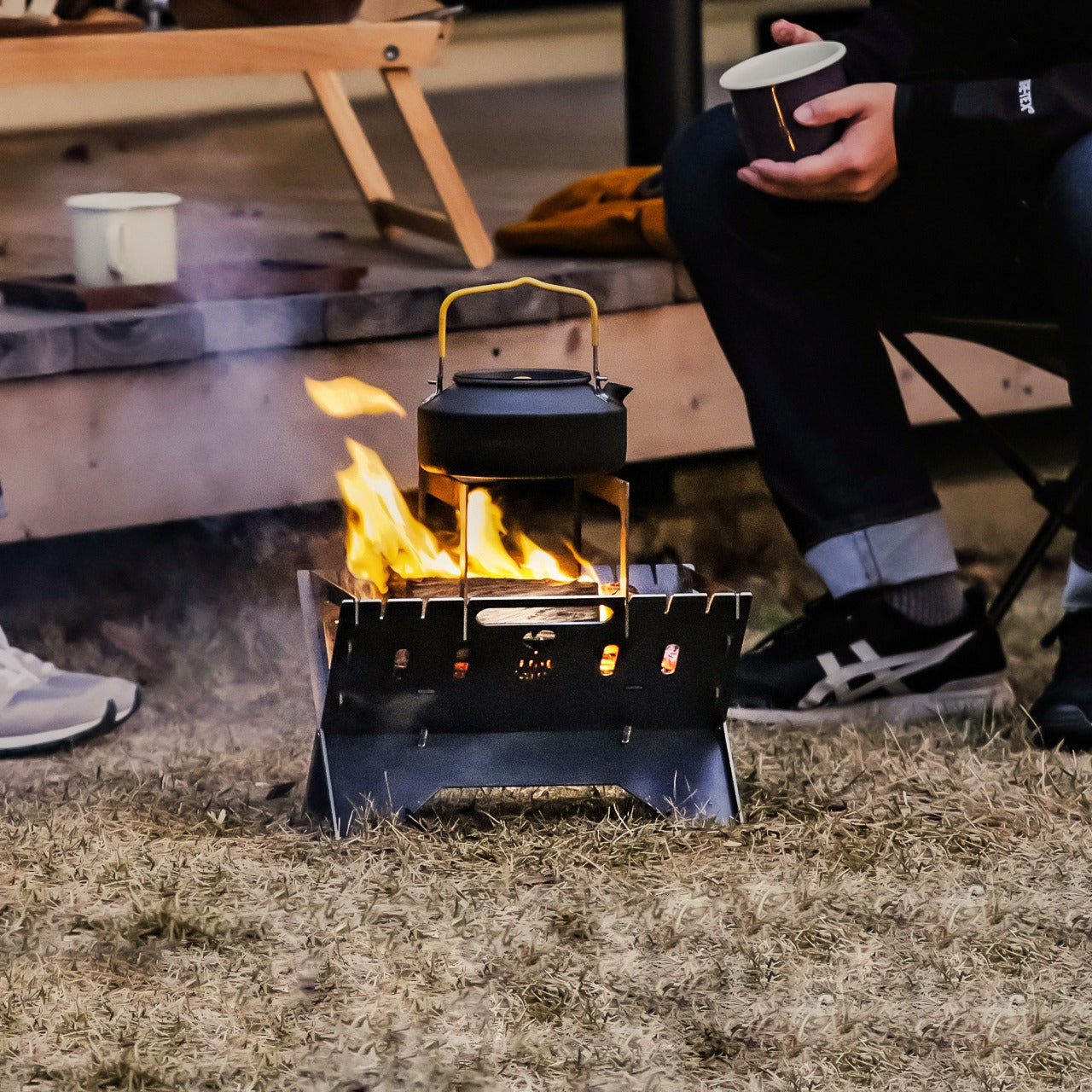
While not a traditional flashlight, the SANYO Portable Fire Pit Stand provides essential backcountry lighting through controlled fire, offering warmth and illumination simultaneously. The puzzle-like metal assembly breaks down into flat components that pack efficiently, eliminating the bulk associated with rigid fire pit designs. Special sheet metal technology prevents warping and distortion from repeated heating cycles, maintaining structural integrity across seasons of use. The distinctive industrial aesthetic comes from functional cutouts and holes that serve the dual purpose of visual interest and optimized airflow for efficient combustion.
Removable trivets expand cooking versatility beyond simple flame-based heating, supporting grilling, frying, and various preparation methods that turn the fire pit into a complete outdoor kitchen. The elevated design protects ground vegetation and reduces fire scar impact in backcountry campsites where Leave No Trace principles matter. The black steel plate construction offers durability against weather exposure and rough handling during transport. The stand’s open design allows you to monitor fuel levels and adjust burning materials easily, controlling flame size and heat output based on your lighting and warmth requirements throughout the evening.
The disassembled flat pack design stores efficiently in backpacks or vehicle storage
Removable trivets support diverse cooking methods beyond basic fire
Warp-resistant steel maintains structural integrity through repeated heating cycles
Elevated design minimizes environmental impact on backcountry campsites
What we dislike
Fire-based lighting requires fuel gathering and appropriate weather conditions to function effectively
Metal components add weight compared to traditional lightweight camp stoves or LED alternatives
7. Wuben G5 EDC Flashlight
The Wuben G5 achieves remarkable portability with its lighter-sized form factor that slips into pockets without adding noticeable bulk or weight. The built-in adjustable clip and strong magnetic base provide multiple mounting options when your hands need freedom for technical tasks. You can attach it magnetically to vehicle frames, tent stakes, or cookware, positioning the light exactly where needed without constructing elaborate hanging systems. The included lanyard adds another tethering option, preventing drops during tricky maneuvers and keeping the flashlight accessible on your person.
The compact design required trade-offs compared to Wuben’s larger X2 Pro series, eliminating the sidelight feature and electronic battery display to achieve the reduced dimensions. Despite the smaller size, the G5 delivers sufficient illumination for navigation, camp tasks, and emergencies where having any light matters more than maximum brightness. The flexible clip-on mechanism adjusts to various attachment points and materials, adapting to whatever gear you need to mount it on. For minimalist backpackers and ultralight enthusiasts, the G5’s tiny footprint makes it an effortless addition that doesn’t force compromises with other essential gear.
What we like
The pocket-sized dimensions and light weight make it genuinely unobtrusive for everyday carry
Adjustable clip and magnetic base provide versatile hands-free mounting options
The lanyard attachment prevents loss during challenging activities
Compact design doesn’t demand dedicated pack space
What we dislike
Reduced size means lower lumen output compared to full-sized flashlight options
Eliminating the sidelight and electronic battery display removes useful features present in larger models
8. Tomori Lantern Kit
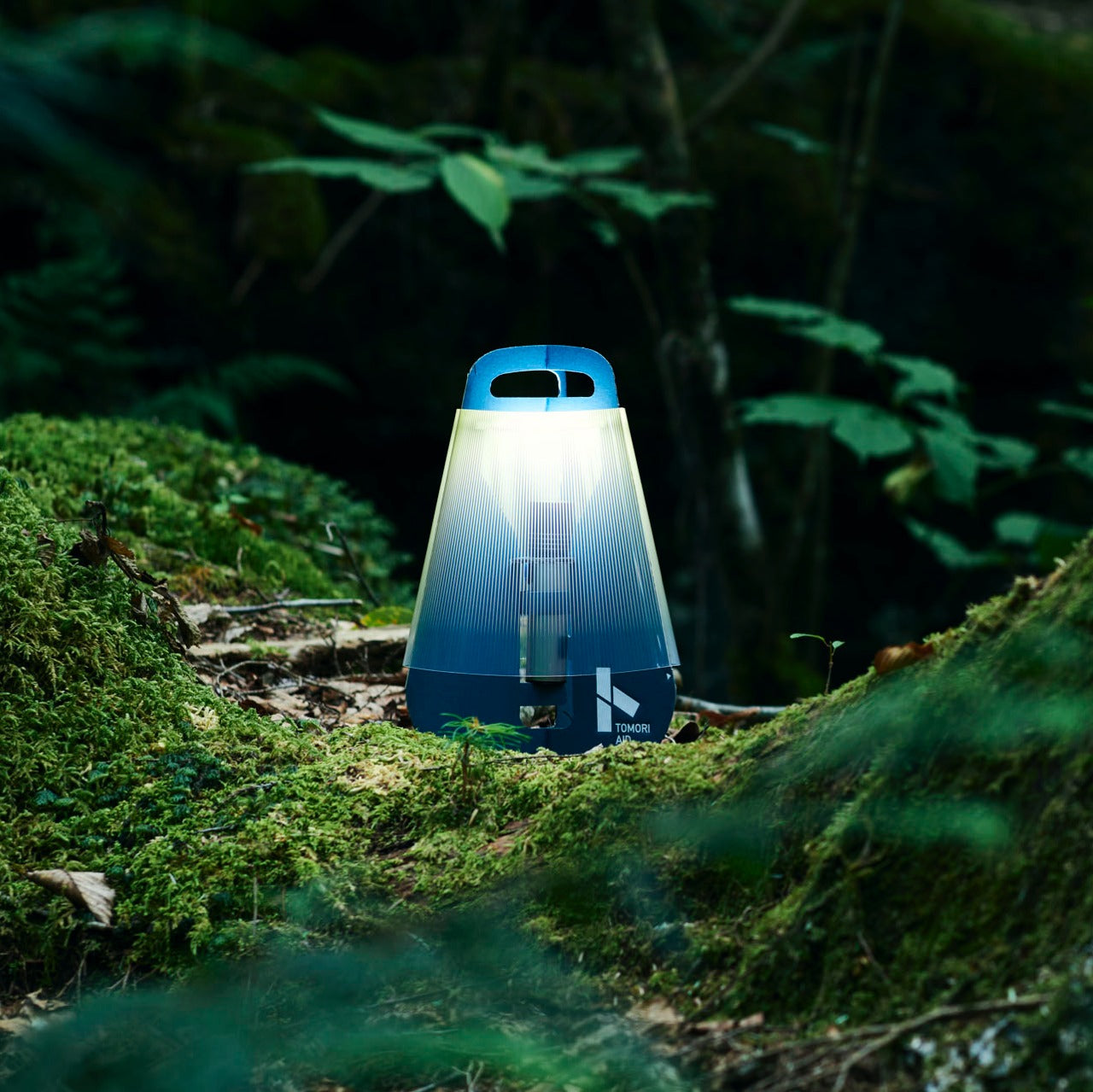
The Tomori Lantern Kit solves the storage challenge that keeps many people from maintaining emergency lighting in vehicles, offices, and multiple locations. Collapsing to A4 paper size, the kit fits into drawers, glove compartments, and backpack side pockets where bulky lanterns cannot. The sturdy cardboard base works with any standard LED flashlight that fits its clamps, eliminating dependence on proprietary bulbs or specific lamp models. This universal compatibility means you can use flashlights you already own rather than investing in dedicated lantern systems.
The polypropylene plastic cover diffuses harsh direct beams into softer, more pleasant ambient light that creates a comfortable atmosphere in tents, emergency shelters, or indoor spaces during power outages. Setup and collapse require no tools, power sources, or charging cables—you simply clamp your flashlight into the base and position the diffuser cover. The lightweight construction adds minimal weight, while the collapsed profile means you can stash multiple kits in different locations without space concerns. The included flashlight ensures the kit works immediately out of the package, though the real value comes from the ability to use it with various lights you may already carry.
A4-sized collapsed dimensions make it practical to store in multiple locations
Universal flashlight compatibility works with lights you already own
Cable-free operation requires no charging or electrical access
Lightweight cardboard and plastic construction add negligible weight to emergency kits
What we dislike
Cardboard construction is less durable than hard-shell lanterns for repeated rough handling
Diffused light output depends entirely on the brightness of the flashlight you insert
9. Airflow 8-Panel Fire Pit
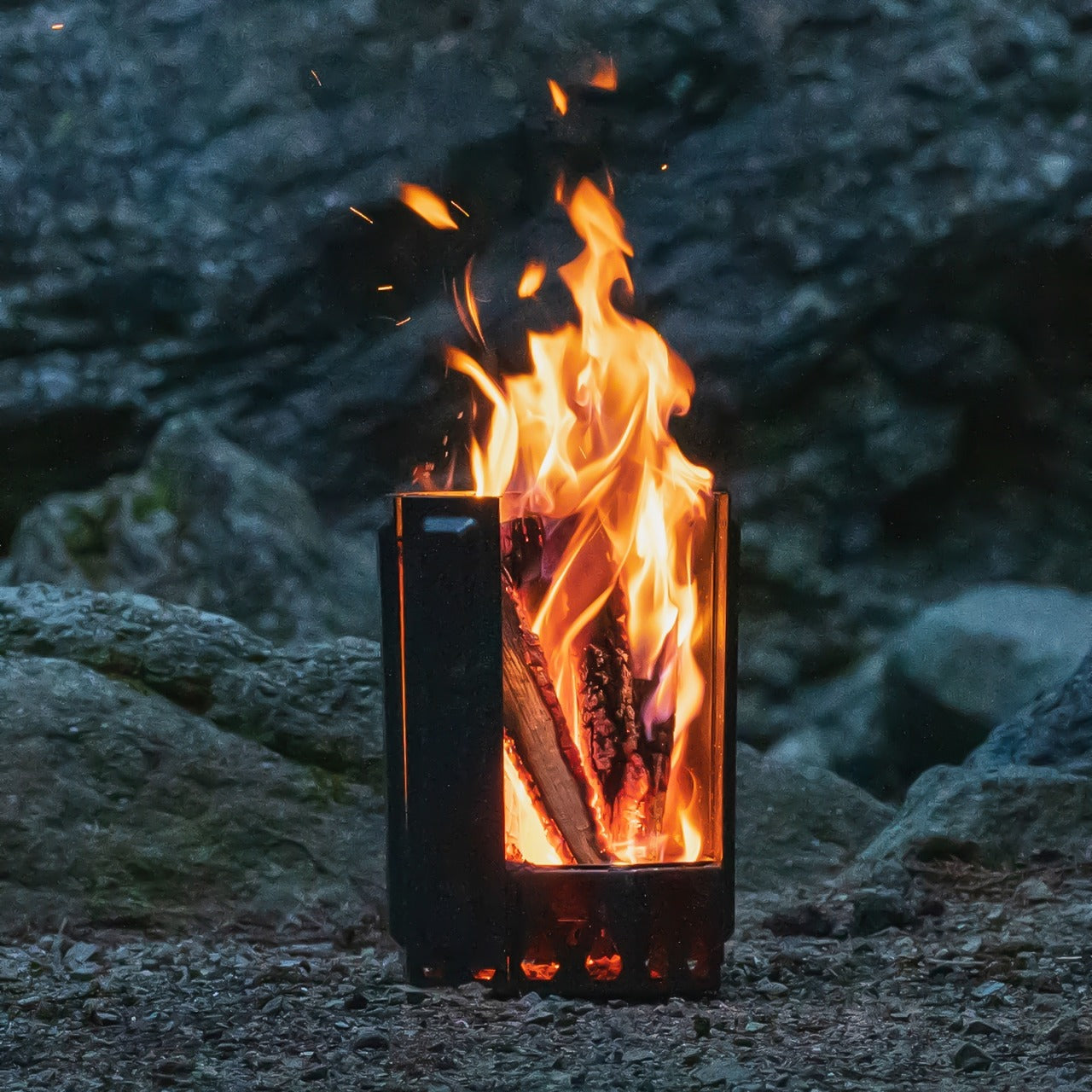
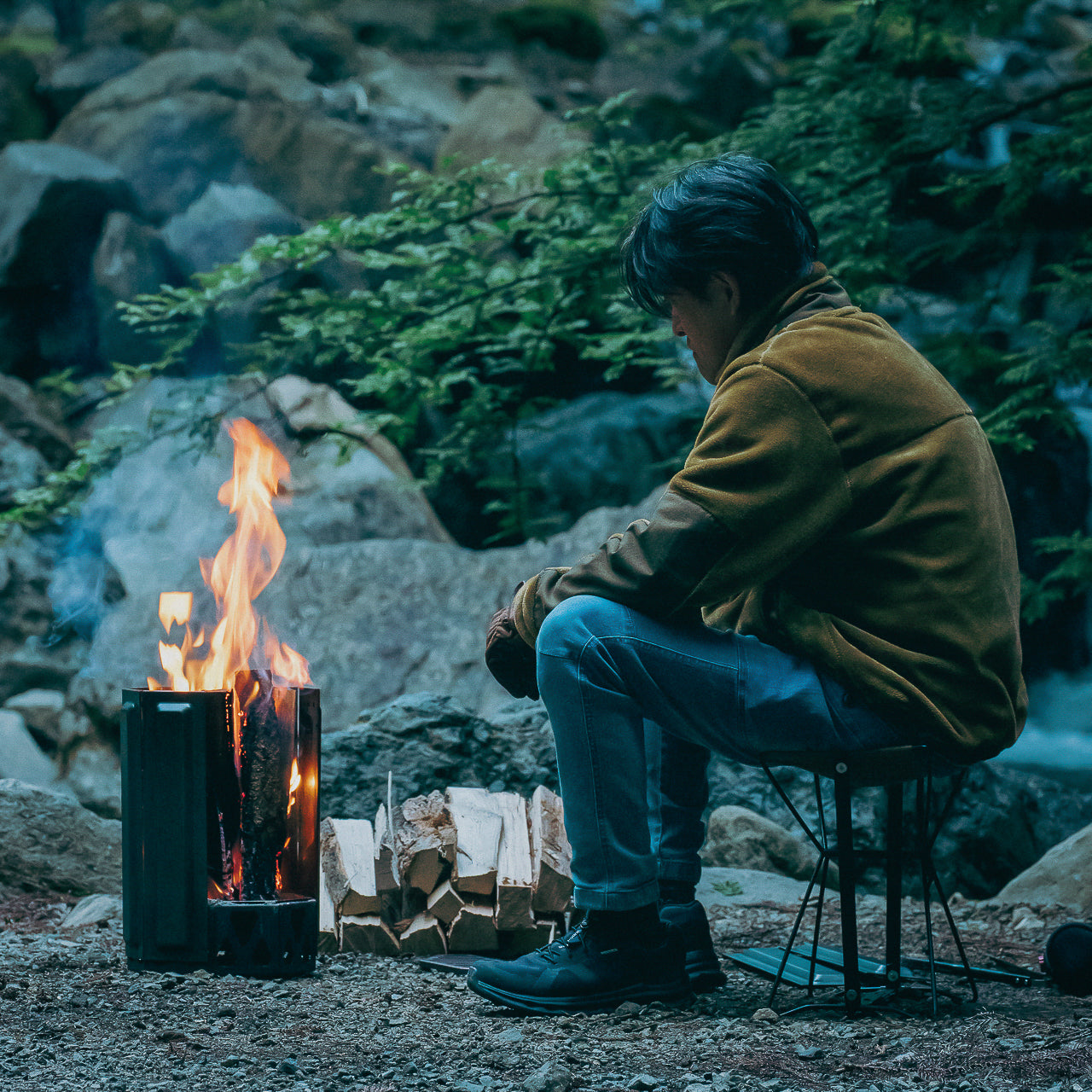
The Airflow Fire Pit brings sophisticated combustion engineering to backcountry campfires through its removable eight-panel design. The unique panel system creates an eight-sided cylinder optimized for secondary combustion, dramatically reducing smoke output while increasing heat efficiency. Strategic holes at panel bottoms channel fresh air directly to the fire base for primary combustion. As this air heats, it rises through the double-walled panel cavity and expels from the top holes, igniting gases and particulates that would normally become smoke. The result is cleaner burning that improves both air quality and nighttime visibility around your campsite.
The adjustable panel system provides unprecedented fire control. Installing all eight panels maximizes secondary combustion for high-intensity heat, ideal for cooking or cold-weather warmth. Removing panels reduces combustion intensity, creating more traditional open fire aesthetics when you prioritize ambiance over maximum heat output. This flexibility adapts to different backcountry scenarios and personal preferences throughout the evening. SANYO Works drew on extensive metal processing expertise to engineer panels that withstand repeated heating without degradation. The optimized airflow design also simplifies cleanup since more complete combustion leaves less residue and unburned material. For backcountry campers who value fire as both light source and social centerpiece, the engineering refinement elevates the entire experience.
The secondary combustion system dramatically reduces smoke for cleaner burning
Adjustable eight-panel design provides control over fire intensity and heat output
Complete combustion improves efficiency and simplifies ash cleanup
Durable engineering maintains performance across seasons of use
What we dislike
Panel-based design adds weight and bulk compared to minimalist fire solutions
Secondary combustion requires proper assembly and fuel management to achieve optimal results
10. HOTO Flashlight Duo
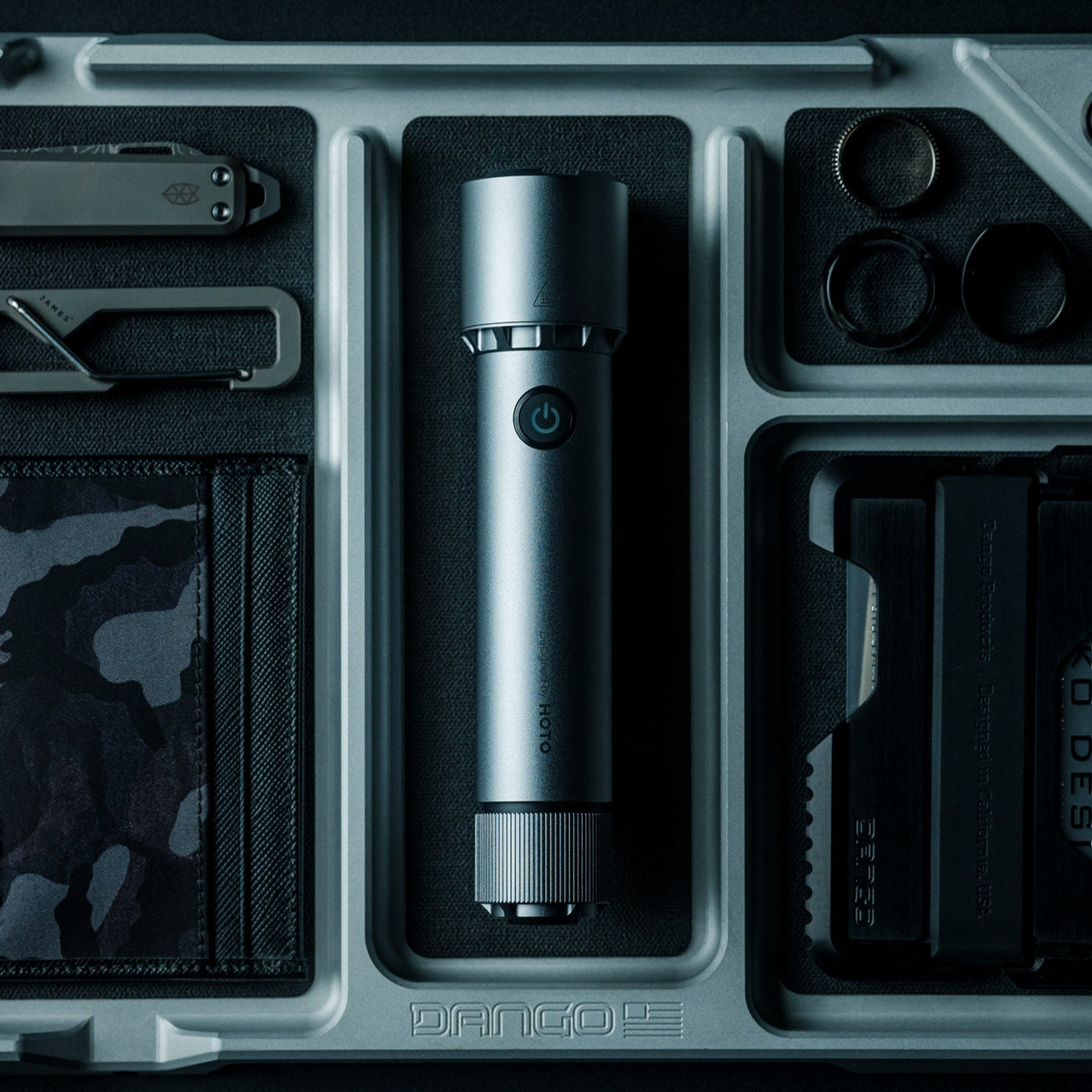
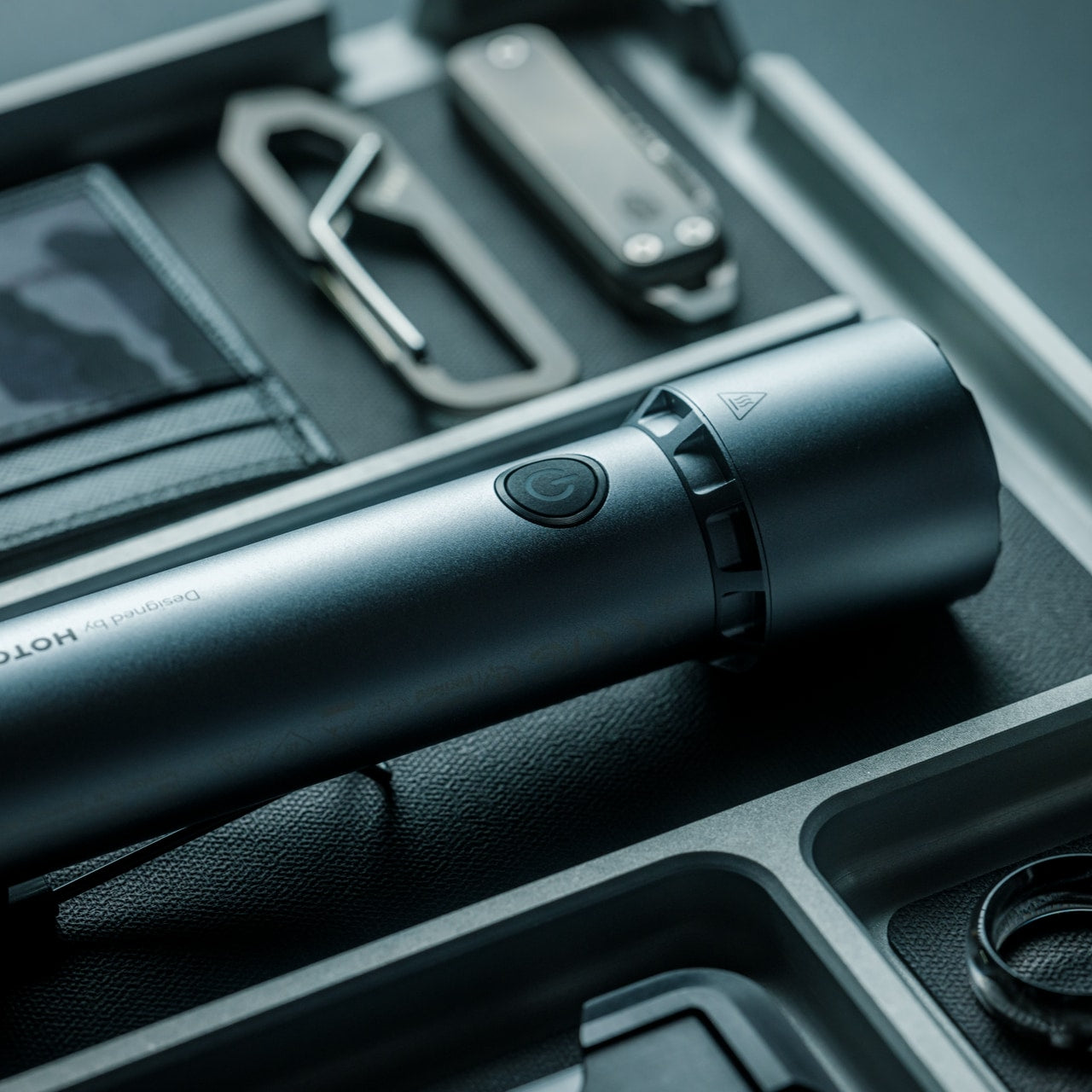
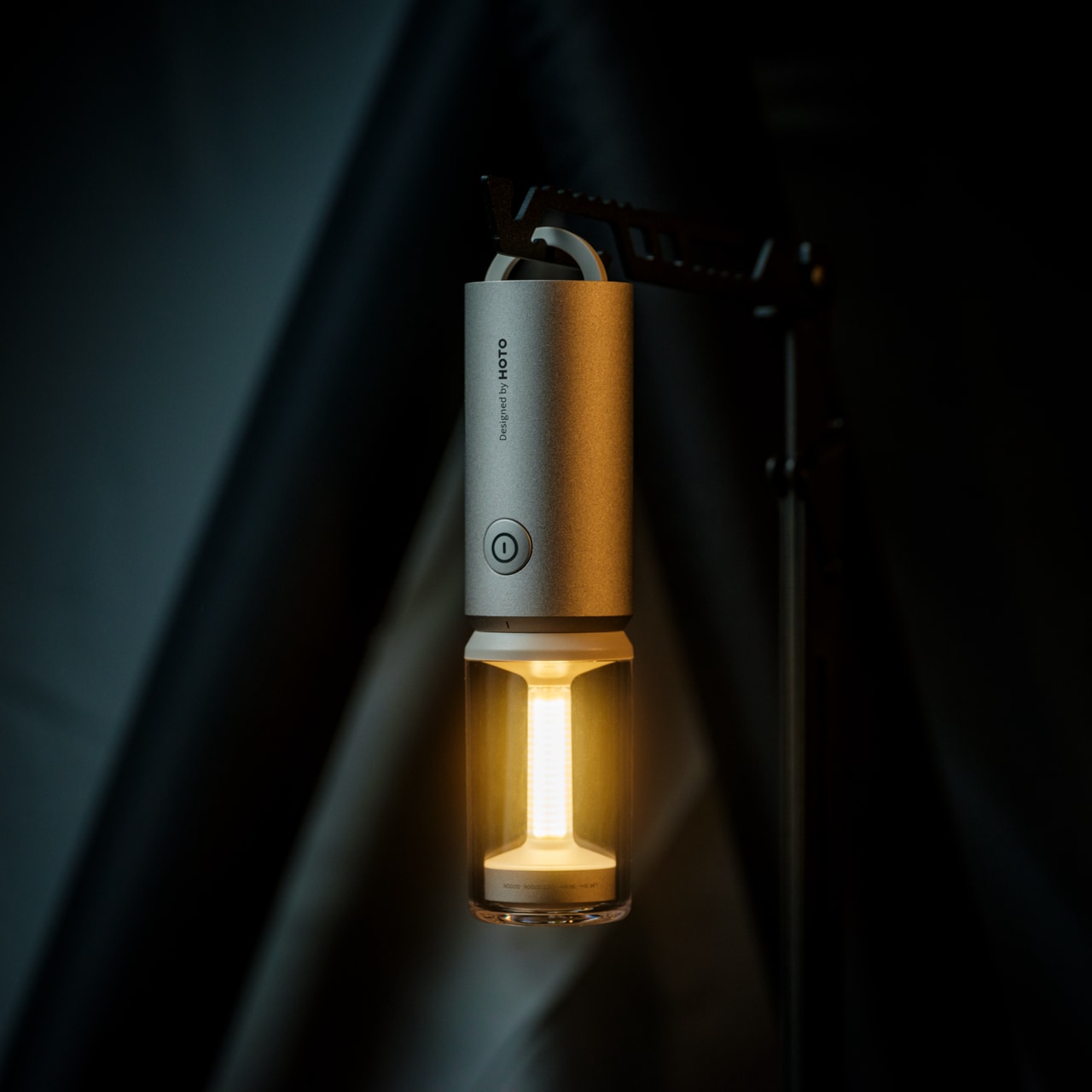
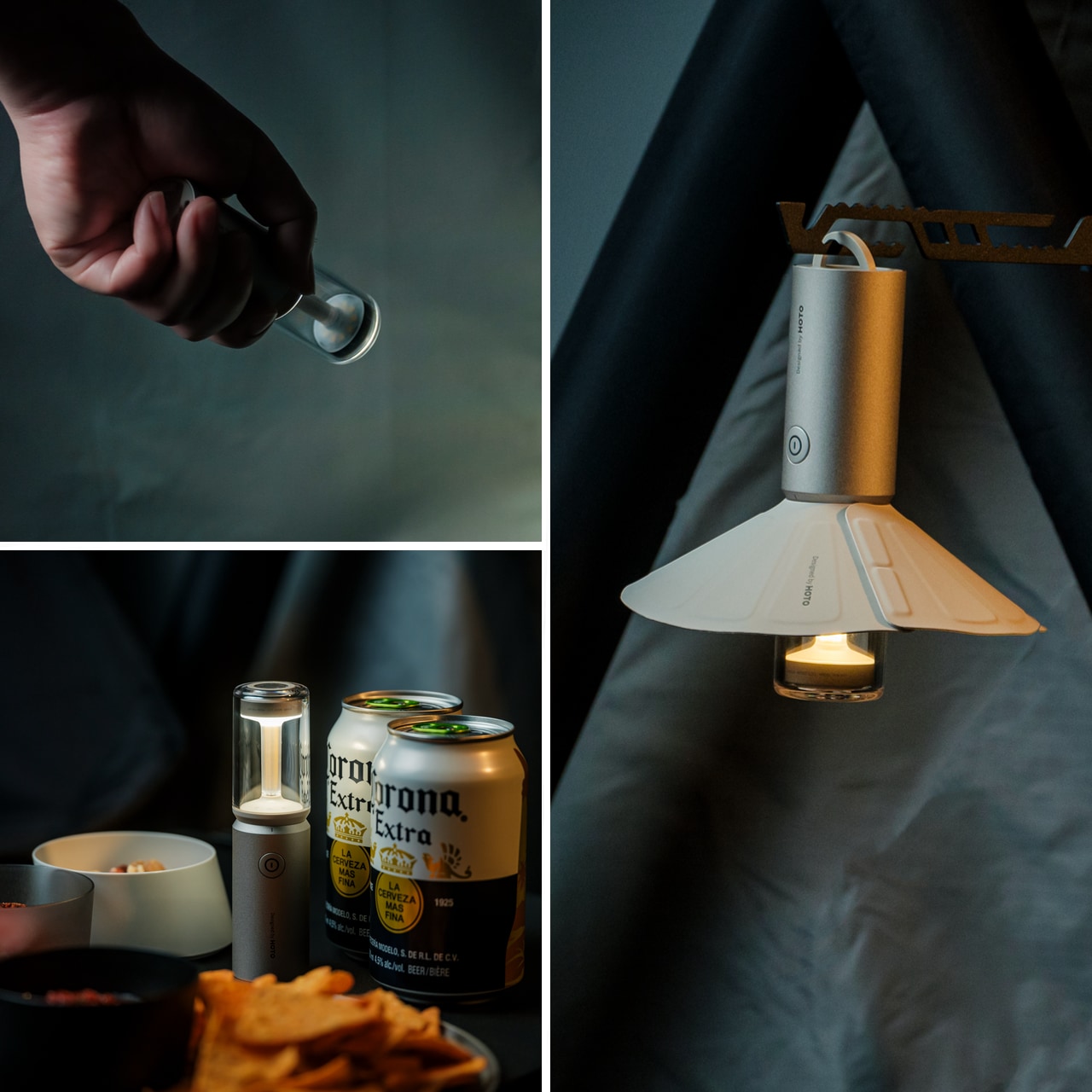
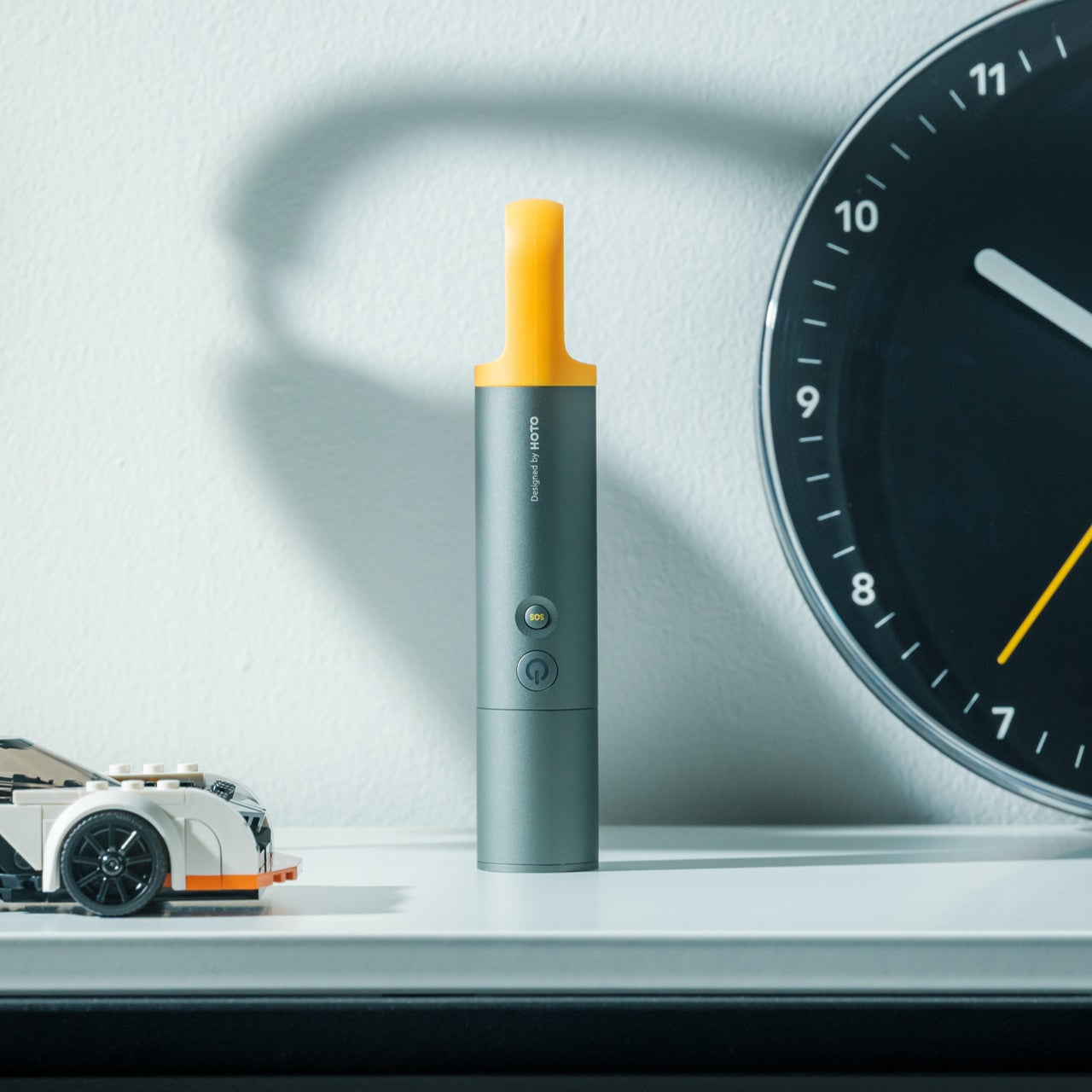
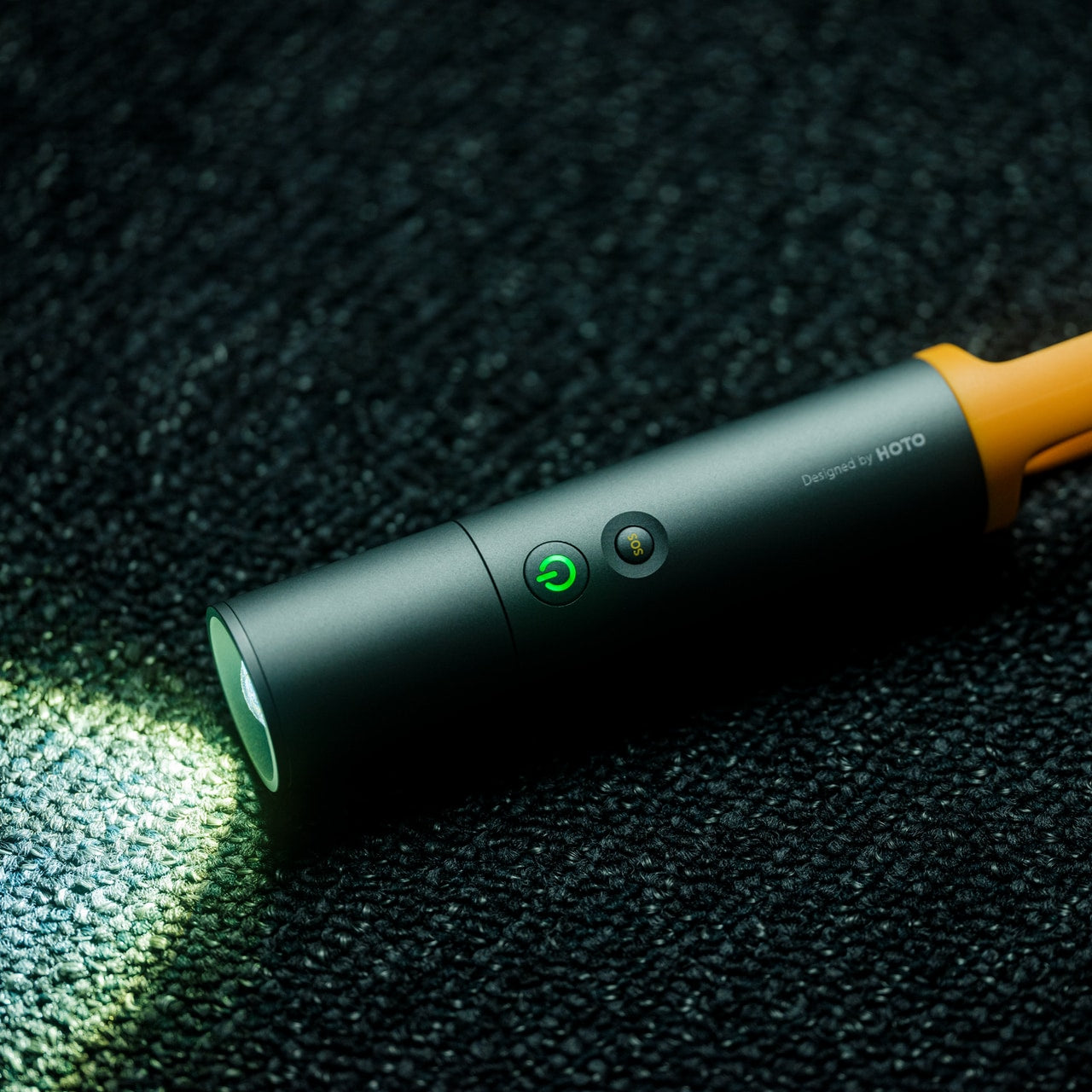
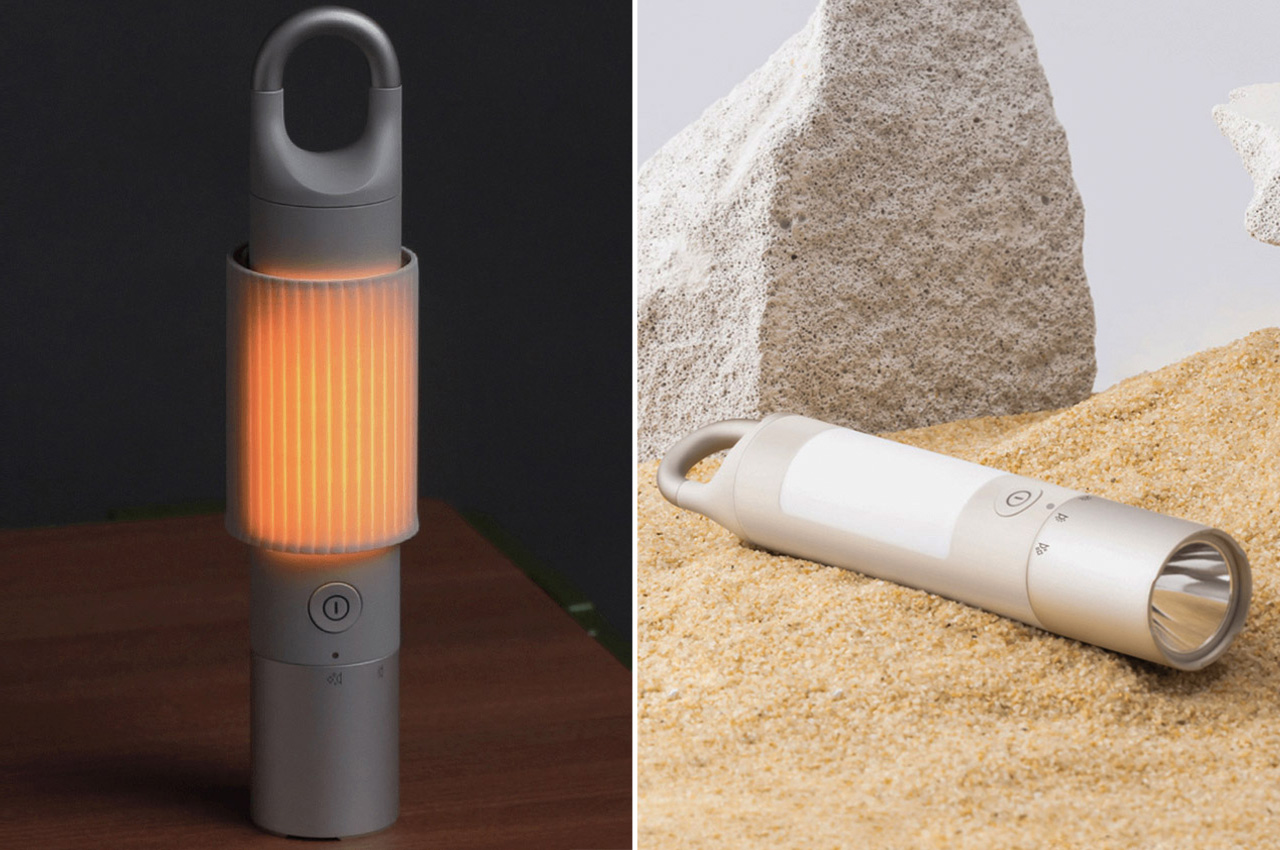
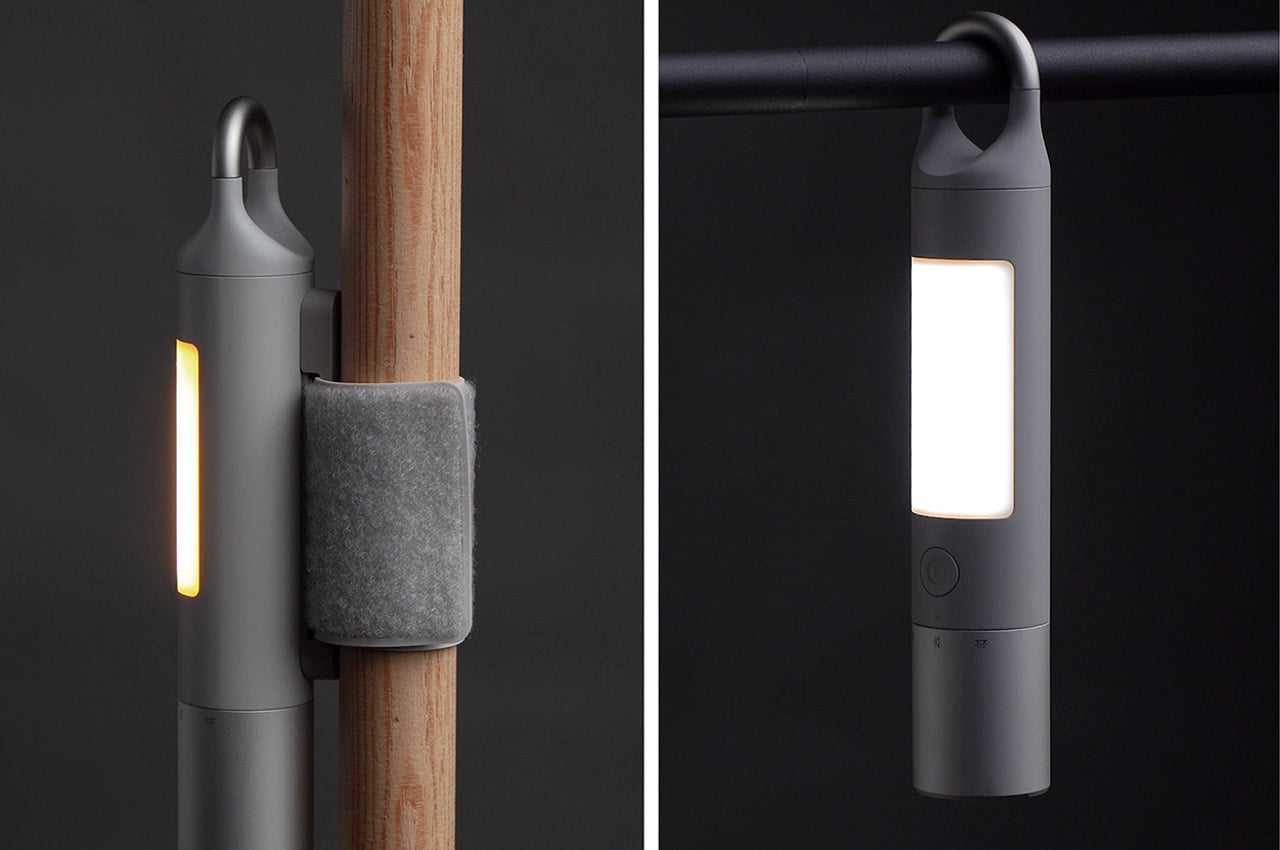
The HOTO Flashlight Duo addresses the varied lighting needs that emerge during camping through multiple modes and attachment options. A retractable magnetic hook, strap, and magnetic base ensure you can position the light appropriately for any situation without improvising precarious setups. The hands-free capability lets you focus on intricate camp tasks like tent repairs, meal preparation, or gear organization without holding a flashlight in your mouth or propping it awkwardly against unstable surfaces. Magnetic attachment to vehicles, cookware, or metal tent stakes provides secure positioning that stays put even in windy conditions.
The secondary sidelight covered in milky white plastic enables distinct lighting modes beyond the primary beam. Twisting the Mode Switching Head toggles between Mood Light, Functional Light, and Flashlight Mode, providing 13 different light combinations that adapt to specific camping needs. The simple interface using just a knob and button keeps the operation intuitive even when you’re exhausted after a long day on the trail. Mood lighting creates a comfortable evening ambiance for relaxing at camp, functional light supports task work requiring close-range visibility, and traditional flashlight mode handles navigation and distance viewing. The thoughtful design integration makes the Duo genuinely versatile rather than awkwardly multi-functional.
What we like
Retractable magnetic hook, strap, and magnetic base provide extensive mounting flexibility
Thirteen different light combinations through three primary modes adapt to varied camping scenarios
Simple knob and button interface remains intuitive during fatigue or stress
Secondary sidelight adds genuinely useful functionality beyond standard flashlights
What we dislike
Multiple features and modes increase complexity compared to single-purpose flashlights
The versatile design may add weight and size beyond minimalist requirements
Choosing Light for the Long Haul
Backcountry lighting in 2025 reflects a maturation of outdoor gear design where form and function converge without compromise. The flashlights and lighting solutions featured here demonstrate that portability no longer requires sacrificing power, versatility, or durability. Whether you prioritize ultralight minimalism, maximum brightness, or adaptive functionality, current offerings provide legitimate solutions rather than forcing uncomfortable trade-offs between competing priorities that matter in challenging environments.
The best lighting choice depends on your specific backcountry activities, trip duration, and personal preferences around weight versus capability. Extended expeditions far from resupply benefit from long-runtime options and dual power systems. Fast-and-light adventures reward compact EDC designs that disappear into pockets. Group camping scenarios make versatile lanterns valuable for shared spaces. Evaluating your typical backcountry patterns helps identify which features matter most when darkness falls, and reliable illumination becomes non-negotiable.
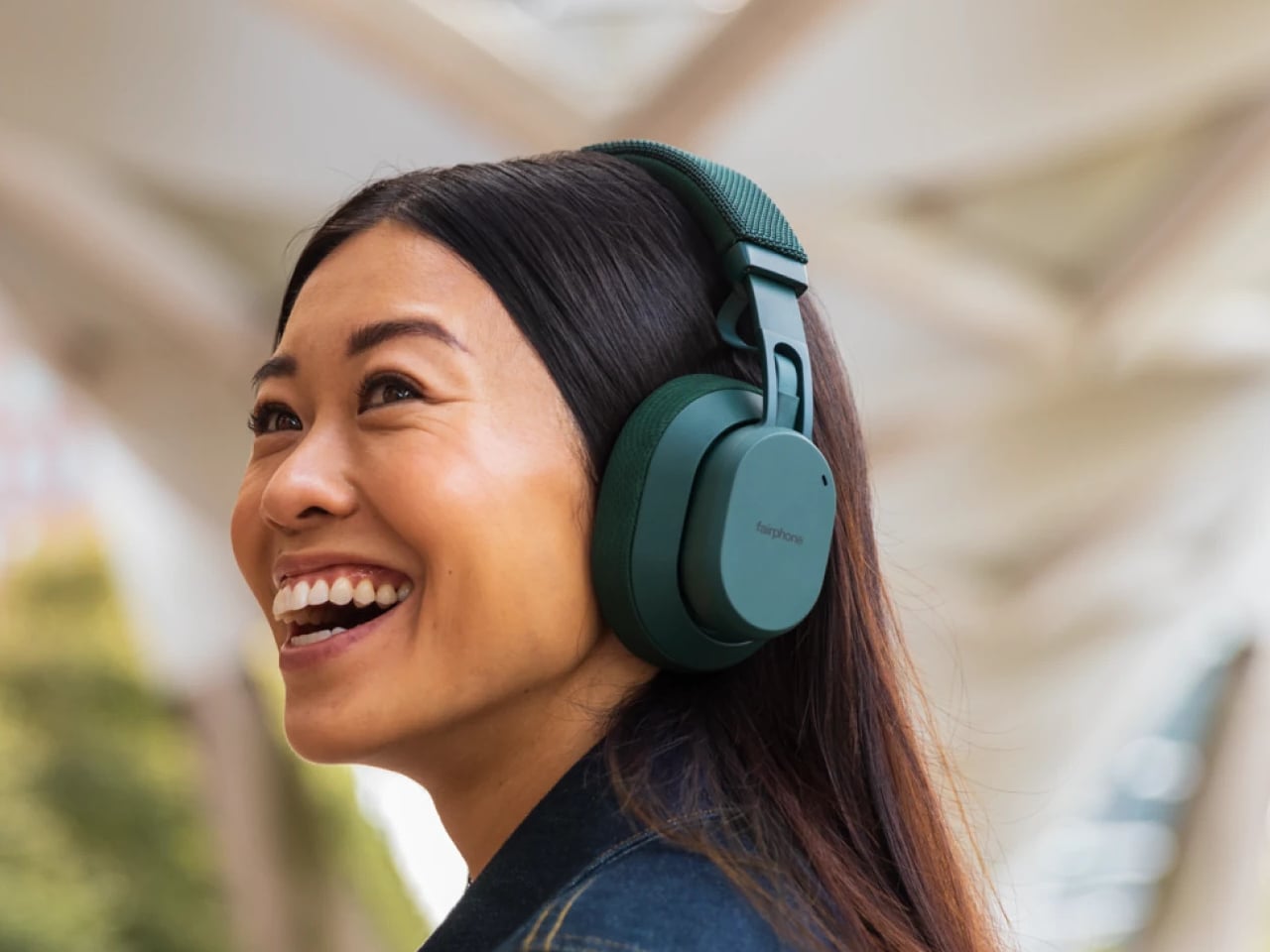
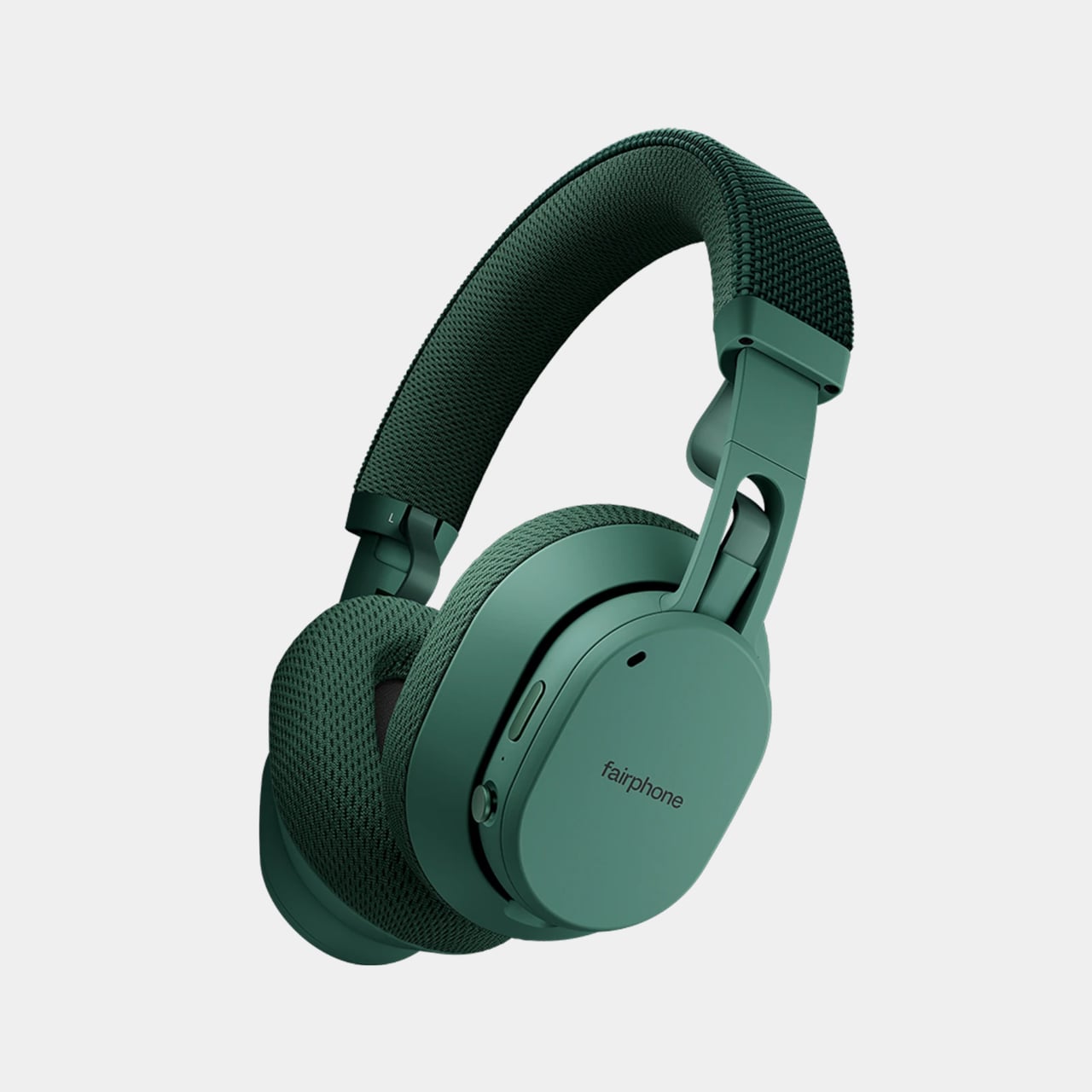
Most wireless headphones quietly become disposable. Batteries fade, cushions peel, and people replace the whole thing every few years instead of fixing what broke. Fairphone’s first Fairbuds XL were an outlier, modular and self-repairable with screws instead of glue. Gen 2 is the next step, not a clean break but a refinement that tries to make keeping and upgrading a pair of headphones feel as normal as replacing them.
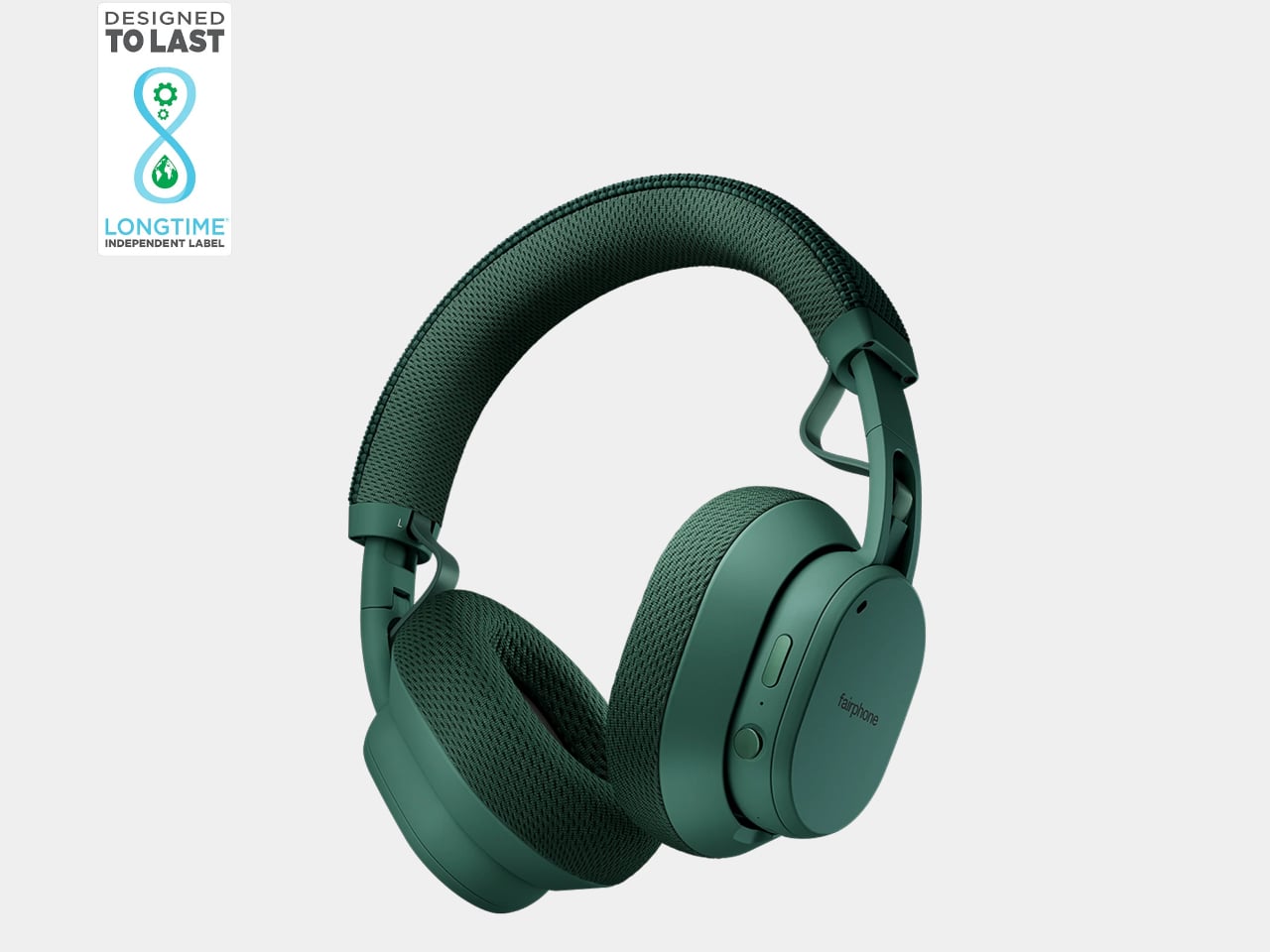
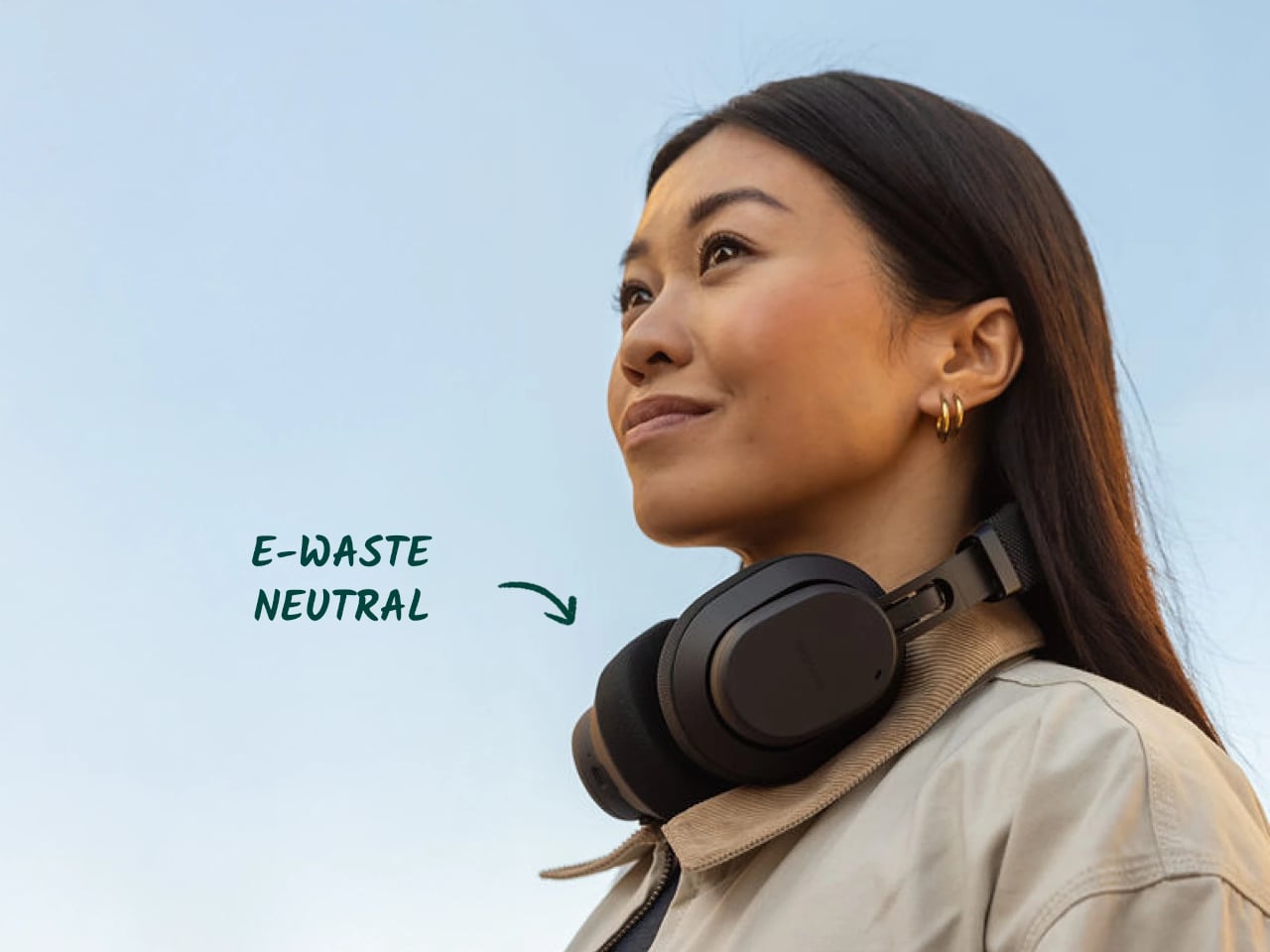
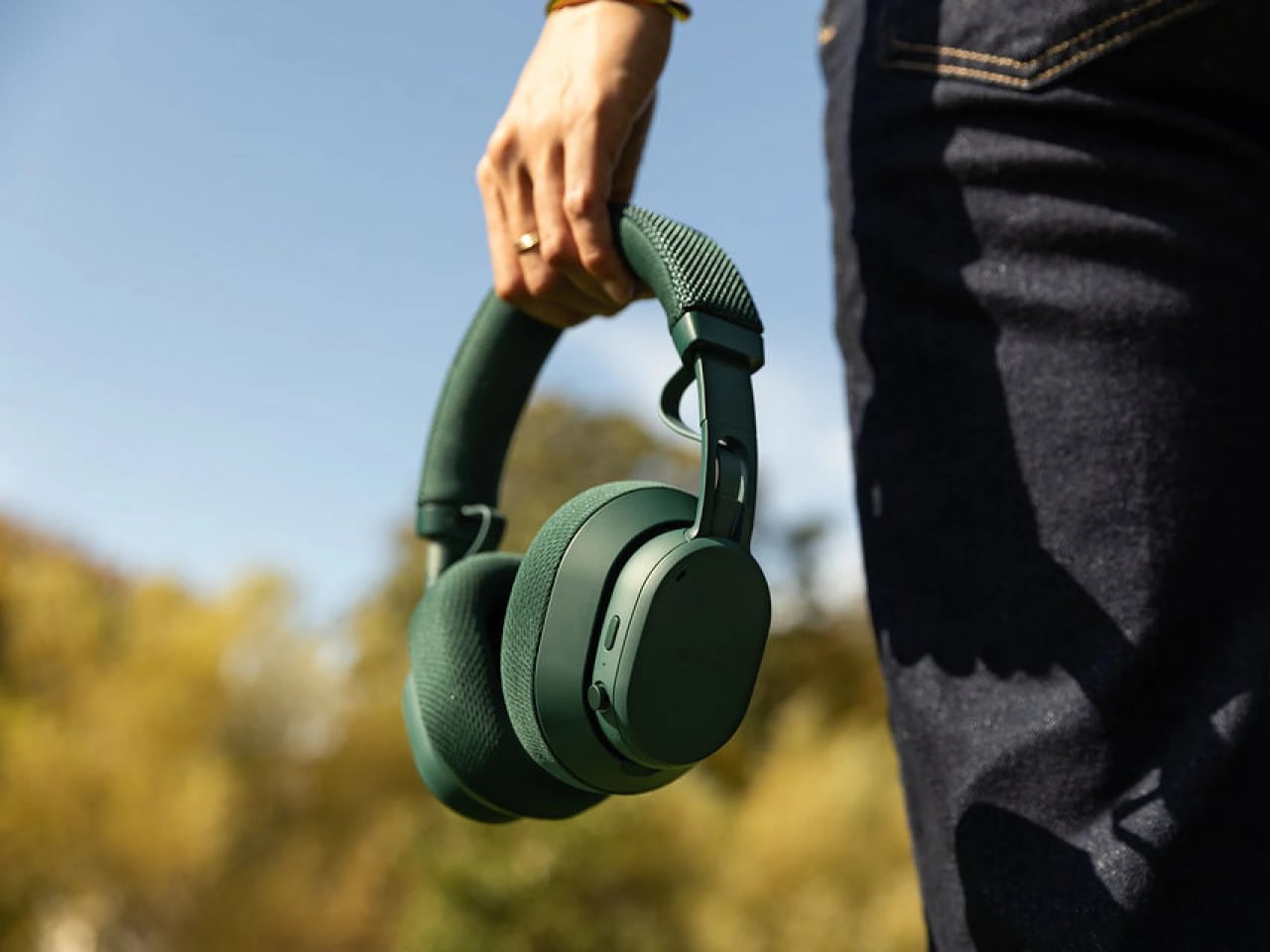
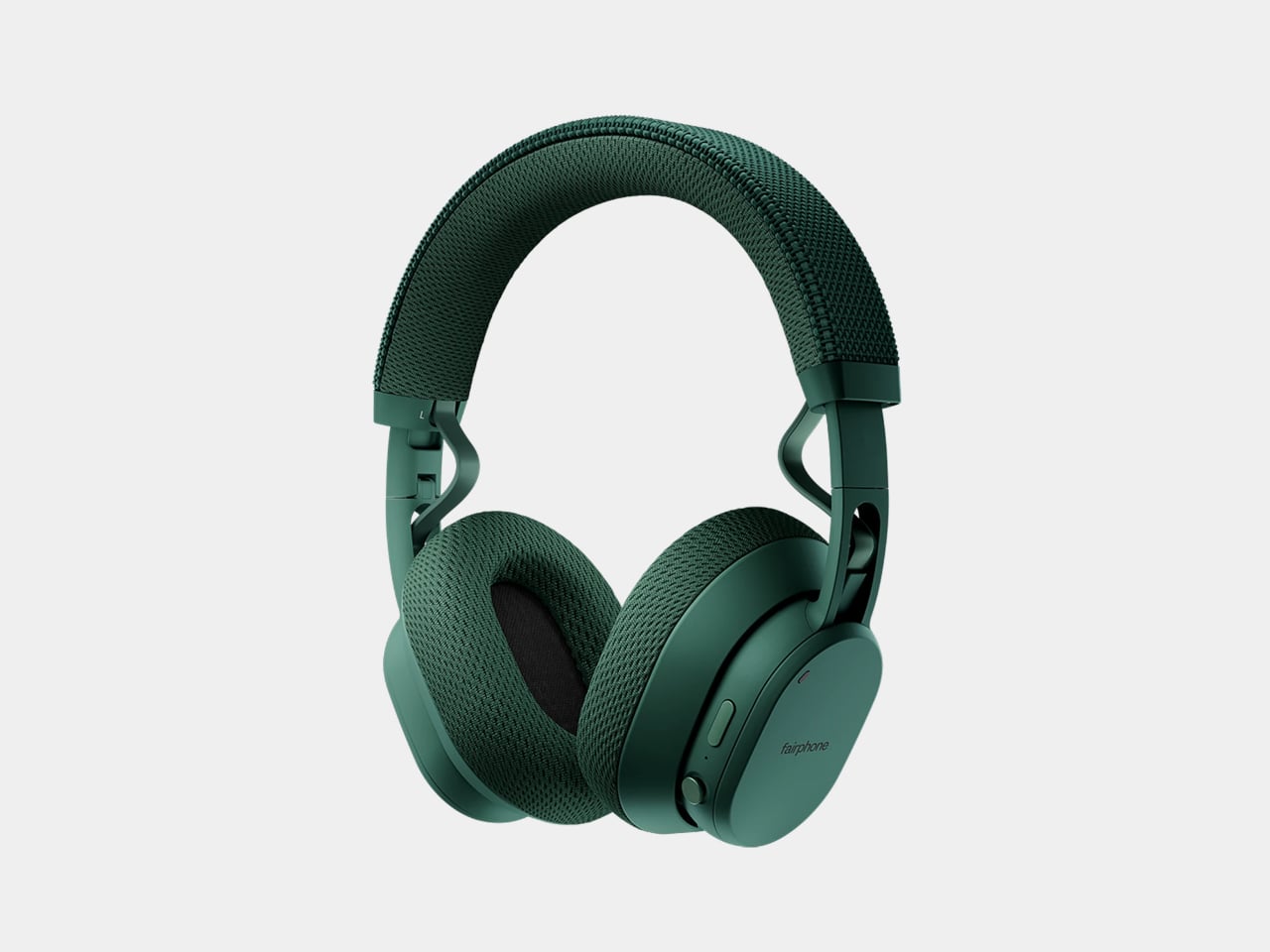
Fairbuds XL Gen 2 are over-ear headphones that keep the same modular skeleton but add new 40-mm dynamic drivers, refined tuning, and updated materials. Fairphone claims 30 hours of listening, active noise cancelling with ambient mode, Bluetooth or USB-C wired listening, and two colorways, Forest Green and Horizon Black, which deepen the original palette into something a bit more mature and less obviously plastic.
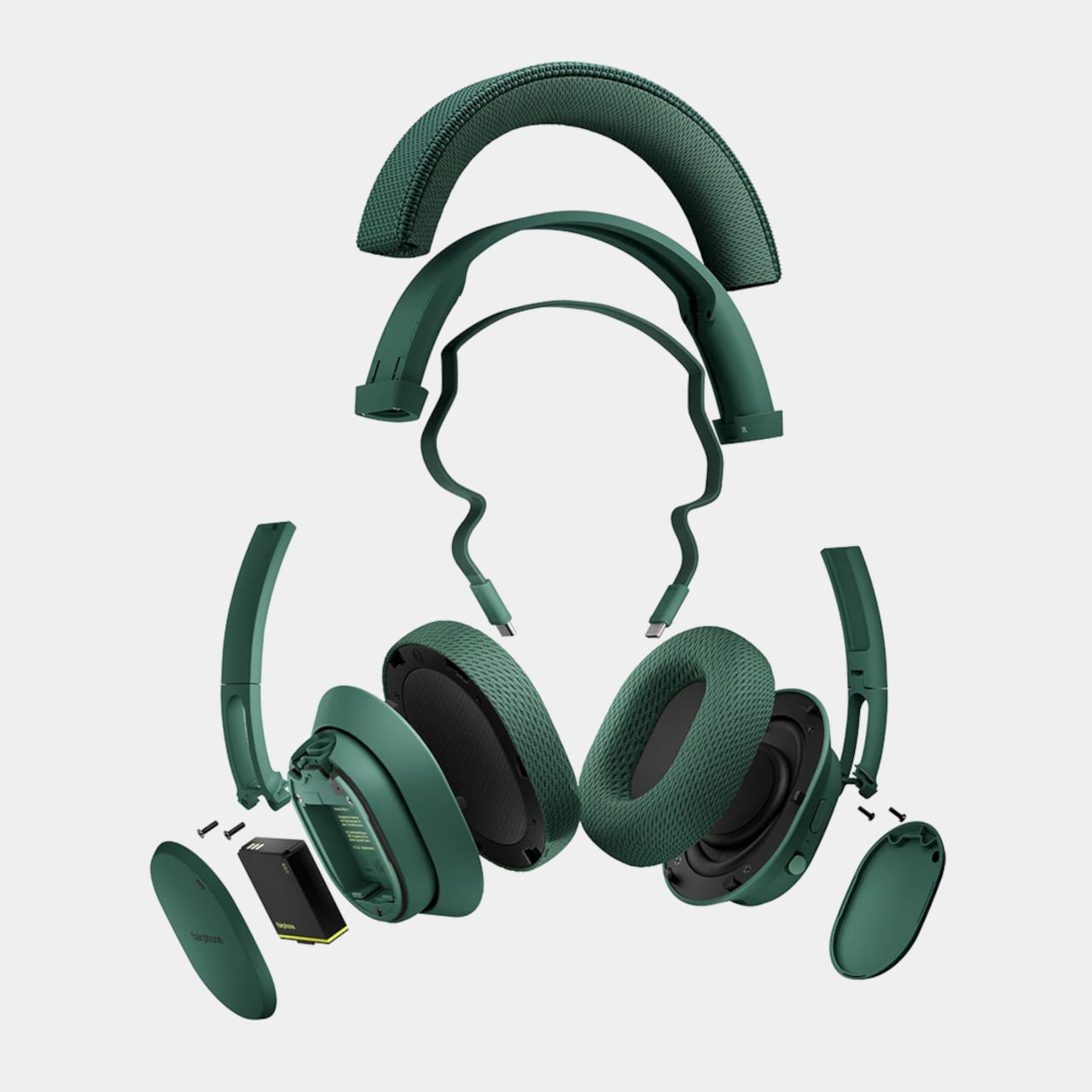
The drivers are the most interesting change. Gen 2 ships with new 40-mm dynamic drivers and updated tuning for a more natural, detailed sound, but those drivers are also sold separately as modules. Owners of the 2023 Fairbuds XL can open their existing headphones with a screwdriver and slot in the new drivers, keeping everything else while upgrading the sound. That turns the Gen 2 launch into both a new product and a parts catalog.
The comfort story centers on materials. The headband now uses a breathable net fabric, and the ear cushions switch to a soft birdseye mesh, which improves comfort during long sessions. The IP54 rating handles dust and splash resistance, and the new material identity balances durability with a sleeker look. The switch from PU leather to mesh is practical for warm environments and long wear, without sacrificing the ability to take everything apart when it wears.
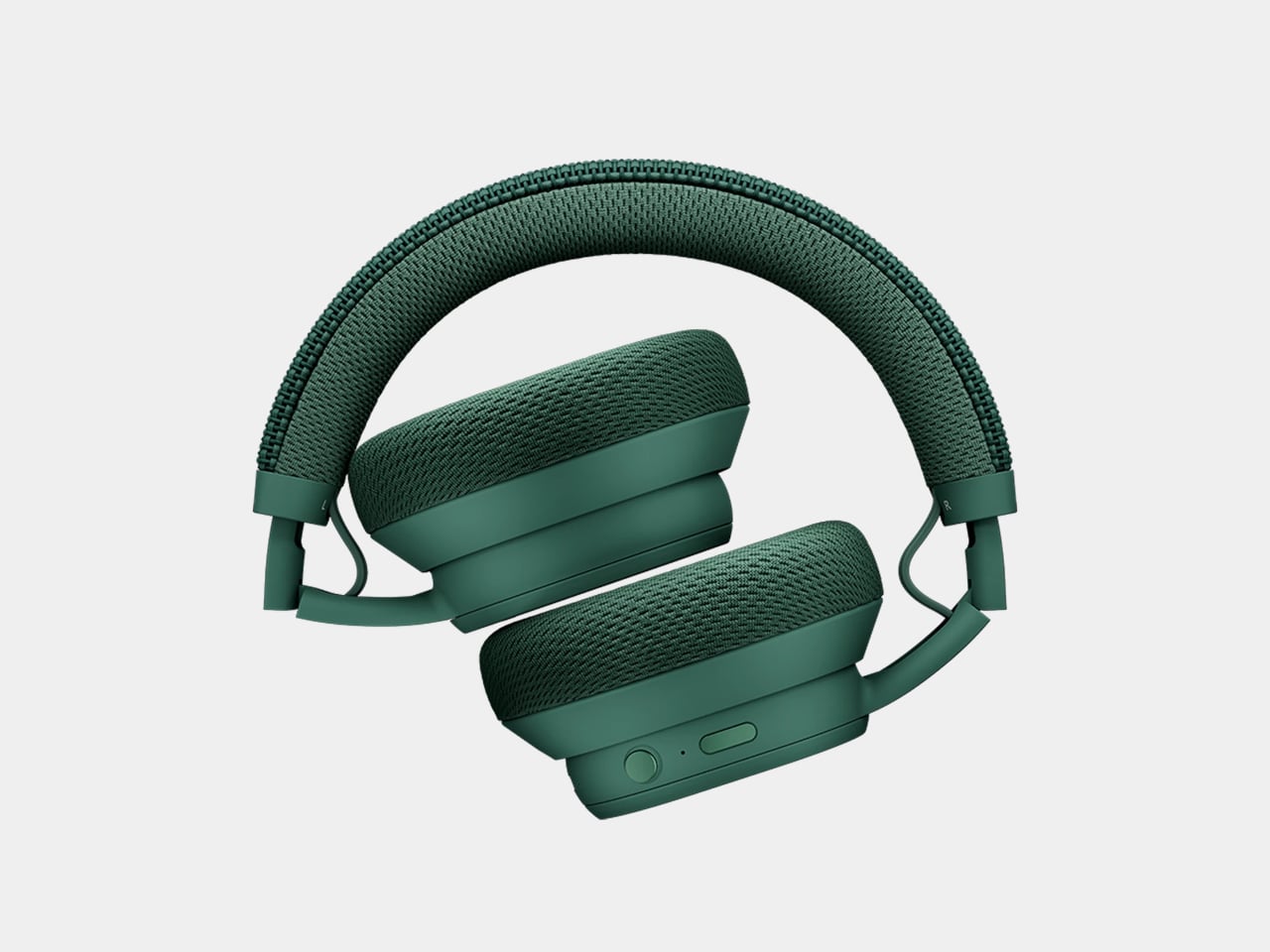
The modular design remains unchanged, with nine replaceable parts, including the battery, cushions, drivers, headband, and covers, all held together with screws and no glue. The battery is easily removable, the three-year warranty extends the standard two years, and the LONGTIME label certifies products designed for longevity and repairability. The goal is to keep components in use instead of sending whole headphones to the landfill when one piece fails.
Advanced noise cancelling with a switchable ambient mode, an upgraded Fairbuds app with new presets and customizable EQ, and Bluetooth with dual-point connectivity let you move between phone and laptop. You can also plug in over USB-C for battery-free listening. Gen 2 adds auto power-off after 30 minutes of inactivity with ANC off, saving battery and extending runtime per charge, which is a small but thoughtful improvement.
Most Gen 2 products pretend Gen 1 never happened. Fairbuds XL Gen 2 ships drivers that fit both, which means the launch doubles as a parts drop for anyone who bought the original two years ago. That feels unusual enough to notice, especially at €249 for a full headset or roughly €100 to just swap the drivers. Whether or not that changes anyone’s mind about buying repairable gear, it at least shows that upgrading can be designed in from the start instead of being treated as impossible or inconvenient.
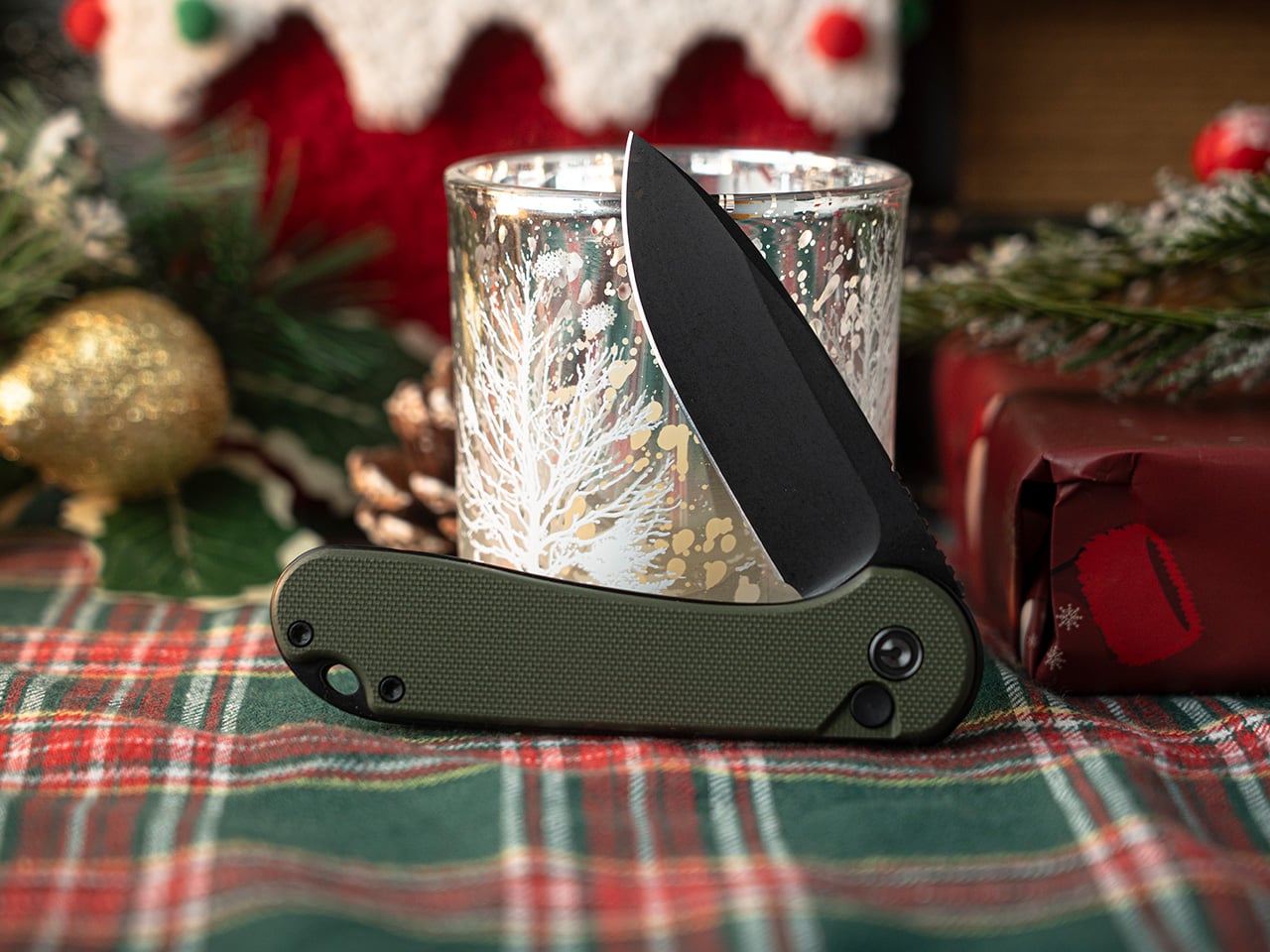
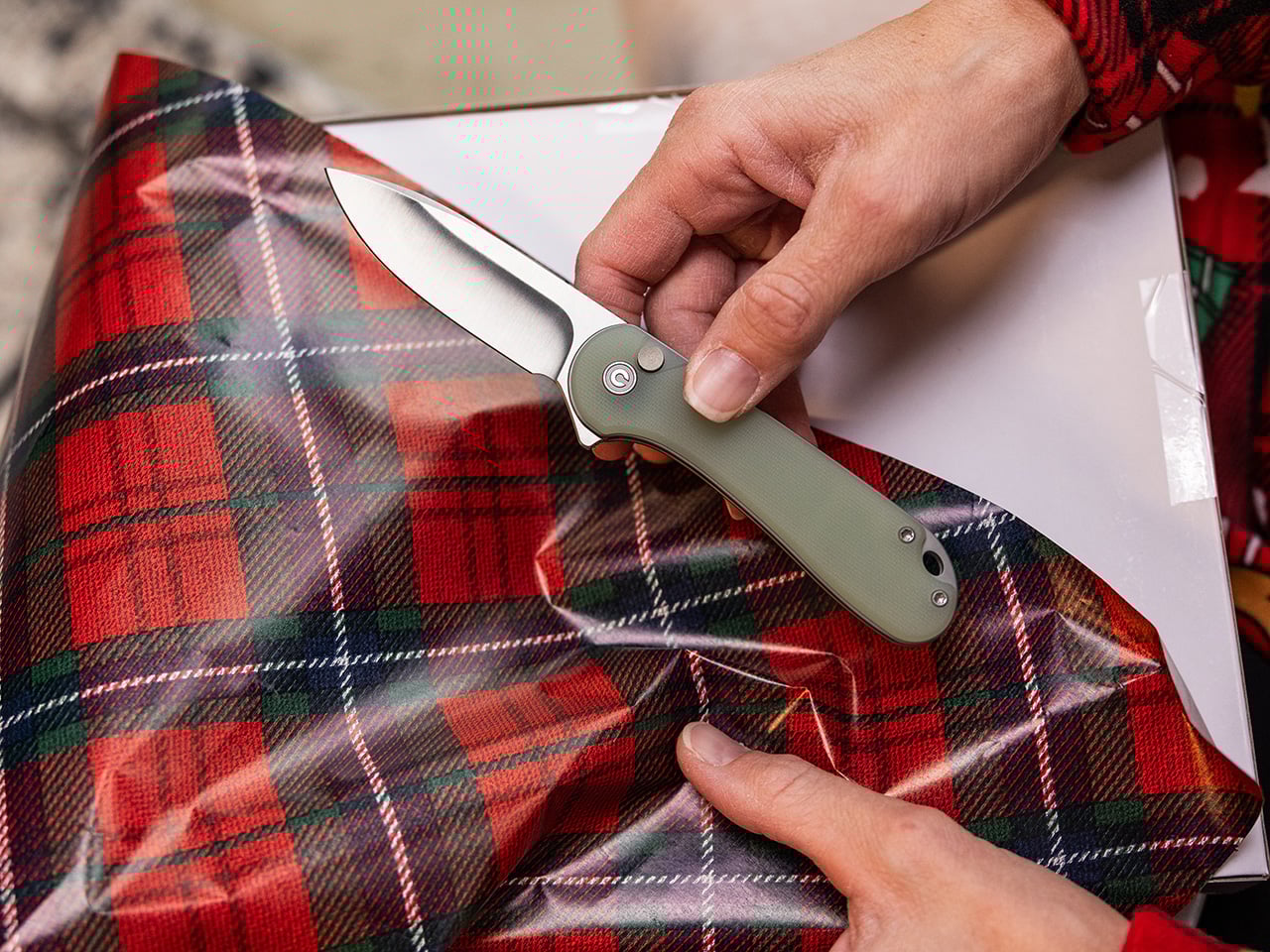
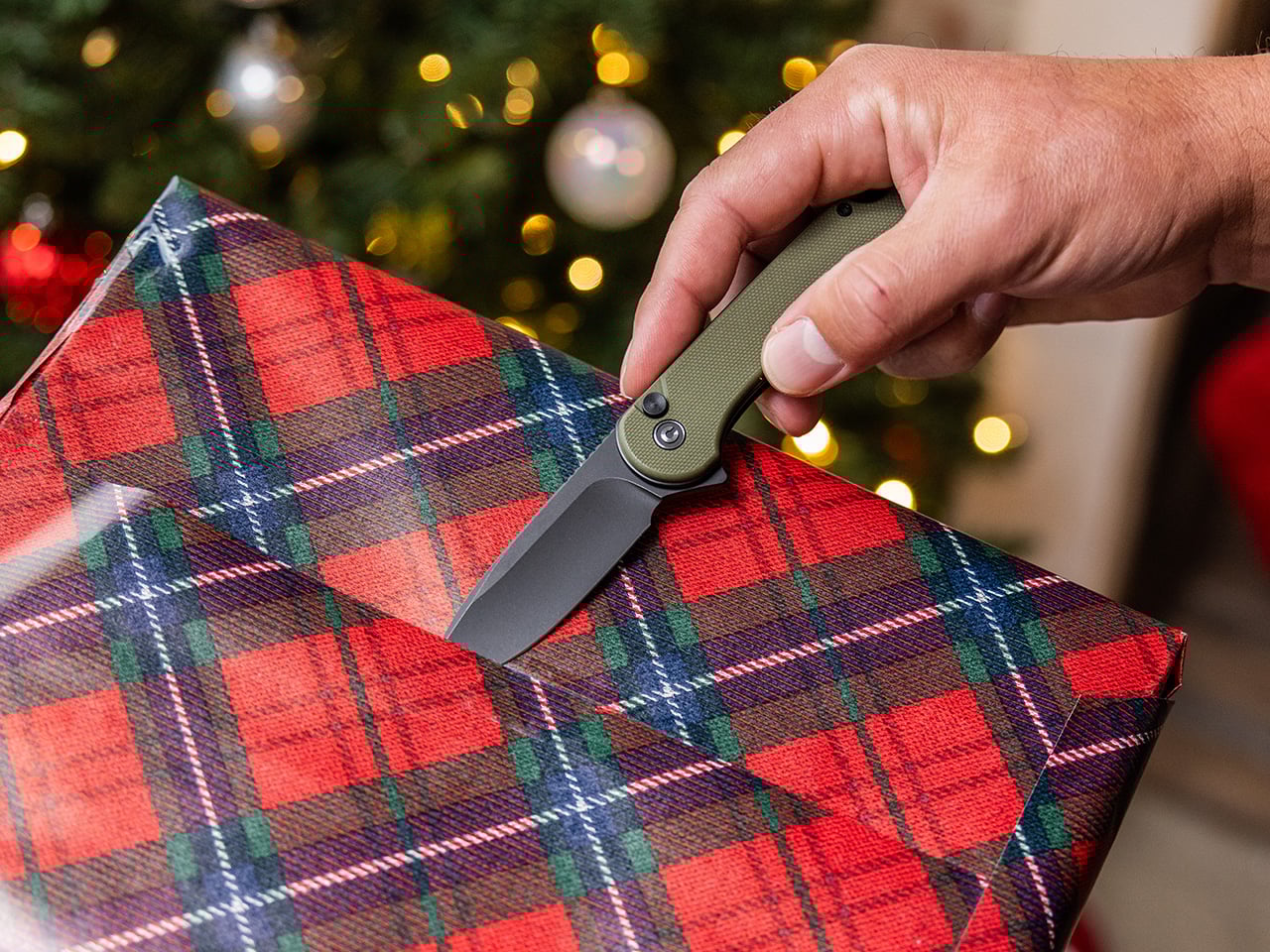
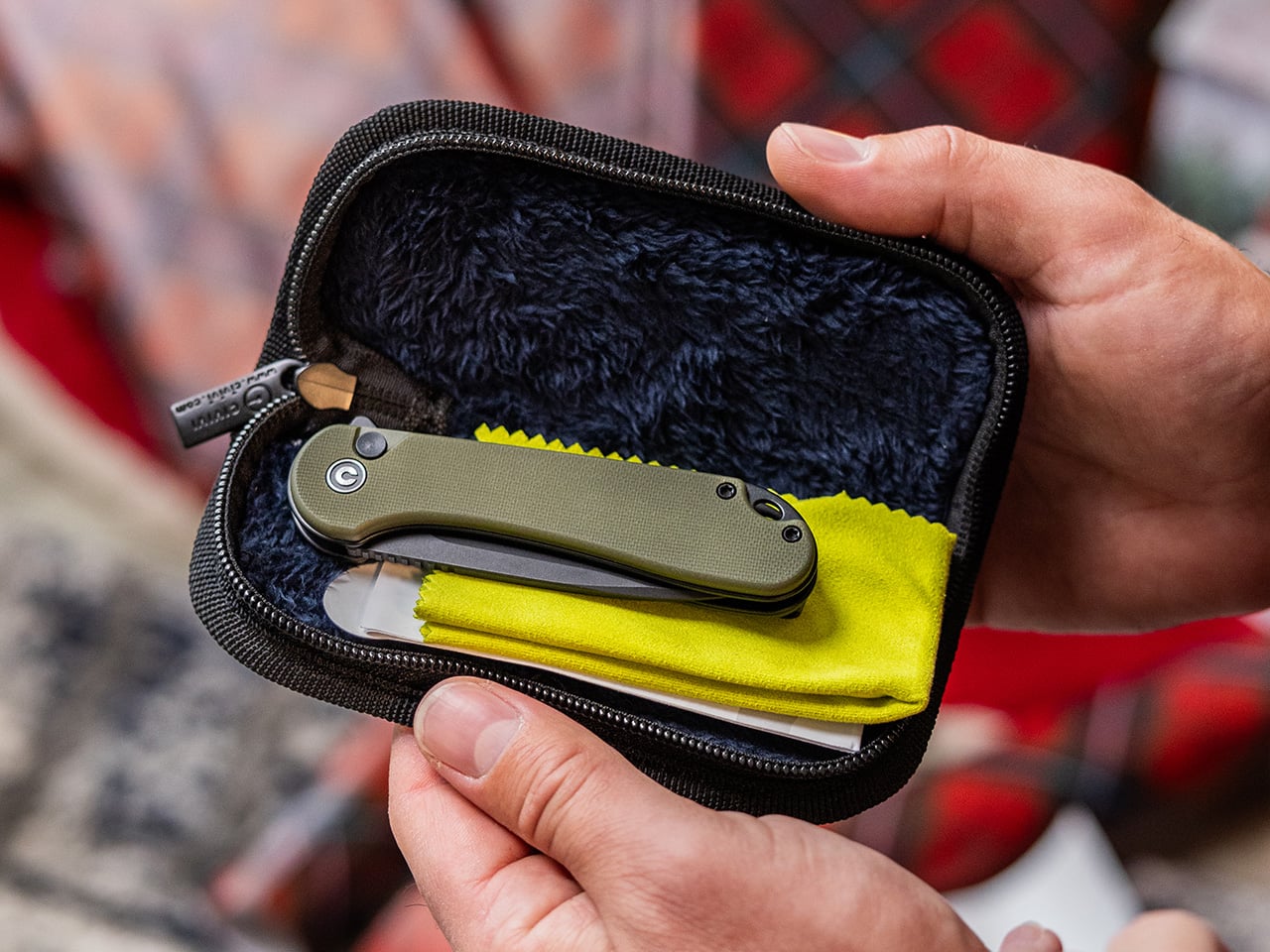
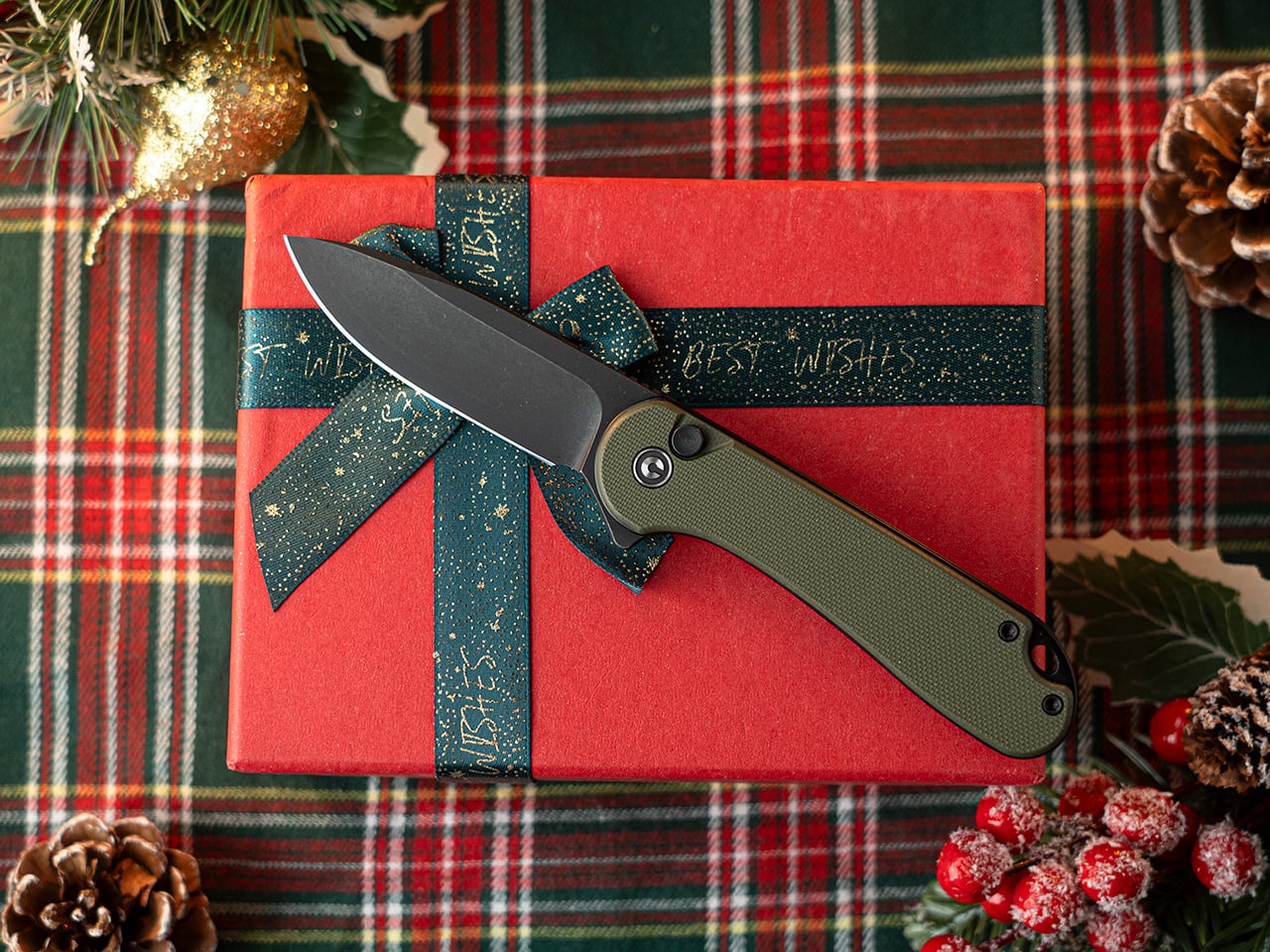
Holidays mean wrapping presents, slicing tape, and trimming ribbons, and your fingers pay the price. The CIVIVI Button Lock Elementum II makes these tasks effortless with a sharp, pocket‑friendly blade that opens with one hand. It is the kind of tool that disappears in your pocket until the moment you actually need something sharper than a house key.
This flipper knife is built for those small frictions. It is a compact everyday carry folder with a blade just under three inches, a button lock mechanism that feels intuitive, and G10 handles that stay friendly rather than aggressive. The design stays approachable, with rounded lines and a drop point blade that does not announce itself across a room or make anyone uncomfortable at the office or a family gathering.
Designer: CIVIVI
Click Here to Buy Now: $57.38$76.50 (25% off). Hurry, get a free Christmas Stocking with order over $29! Deal ends in 48-hours.
What gives the knife its practical edge is Nitro V blade steel. It is a nitrogen-enriched stainless that balances toughness, corrosion resistance, and edge retention without becoming fussy to maintain. You can slice an apple, cut wet cardboard, or trim paracord without worrying about rust. It makes for a great gift that will be used daily, not forgotten in a drawer.
Here’s a quick look at what you’ll be getting with the CIVIVI Button Lock Elementum II:
Overall Length: 7.06 inches
Knife Weight: 3.12 oz
Blade length: 2.96 inches
Blade steel: Nitro-V
Blade shape: Drop Point
Blade Grind: Hollow
Blade Hardness: 58-60 HRC
Pocket Clip: Tip-Up, Right Carry
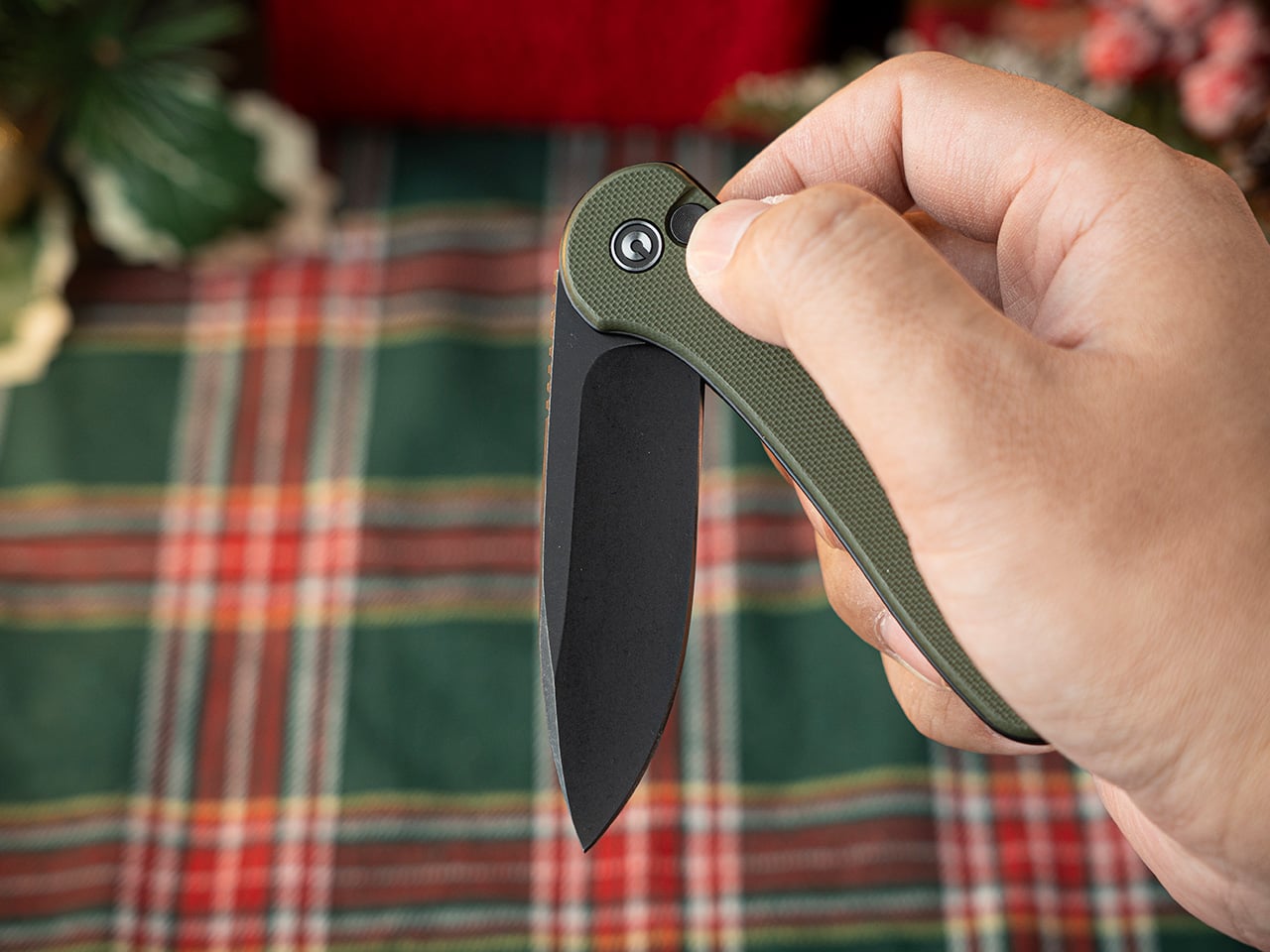
The proportions feel right for daily carry. The blade measures 2.96 inches, the overall length sits around seven inches open, and the handle thickness is slim enough to ride comfortably in a pocket without printing through fabric. G10 scales on variants like the OD green model offer textured grip, while stainless liners add structure. A deep carry pocket clip keeps it low profile, so it disappears until needed at a desk or outdoors.
The button lock is the centerpiece. Paired with a pivot running on caged ceramic ball bearings, the action feels smooth and fidget-friendly. A press of the button releases the blade, letting it swing closed with a light shake of the wrist, making one-handed use genuinely easy. The spring under the button resists accidental opening, staying secure in the pocket while still satisfying to deploy when wrapping presents or cutting rope.
Everyday moments and holiday tasks blur together naturally with a knife like this. Slicing packing tape on deliveries, trimming threads on a sweater, cutting twine for wreaths, or sharpening a pencil all benefit from a sharp, accessible blade and hollow grind that handles both fine slicing and light utility. The drop point shape stays versatile, and the black stonewashed finish on some variants hides scratches, so it does not look worn after a few weeks.
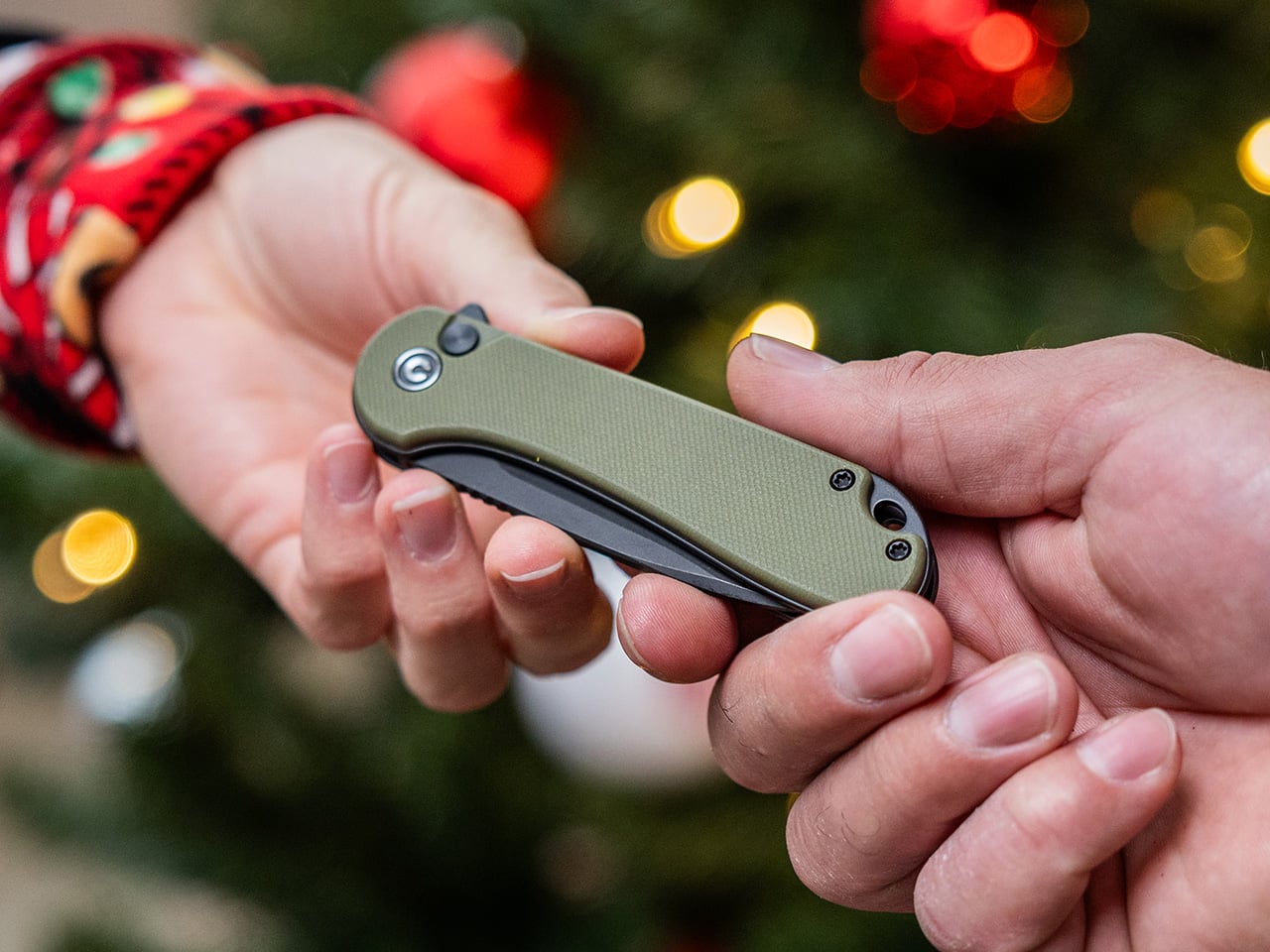
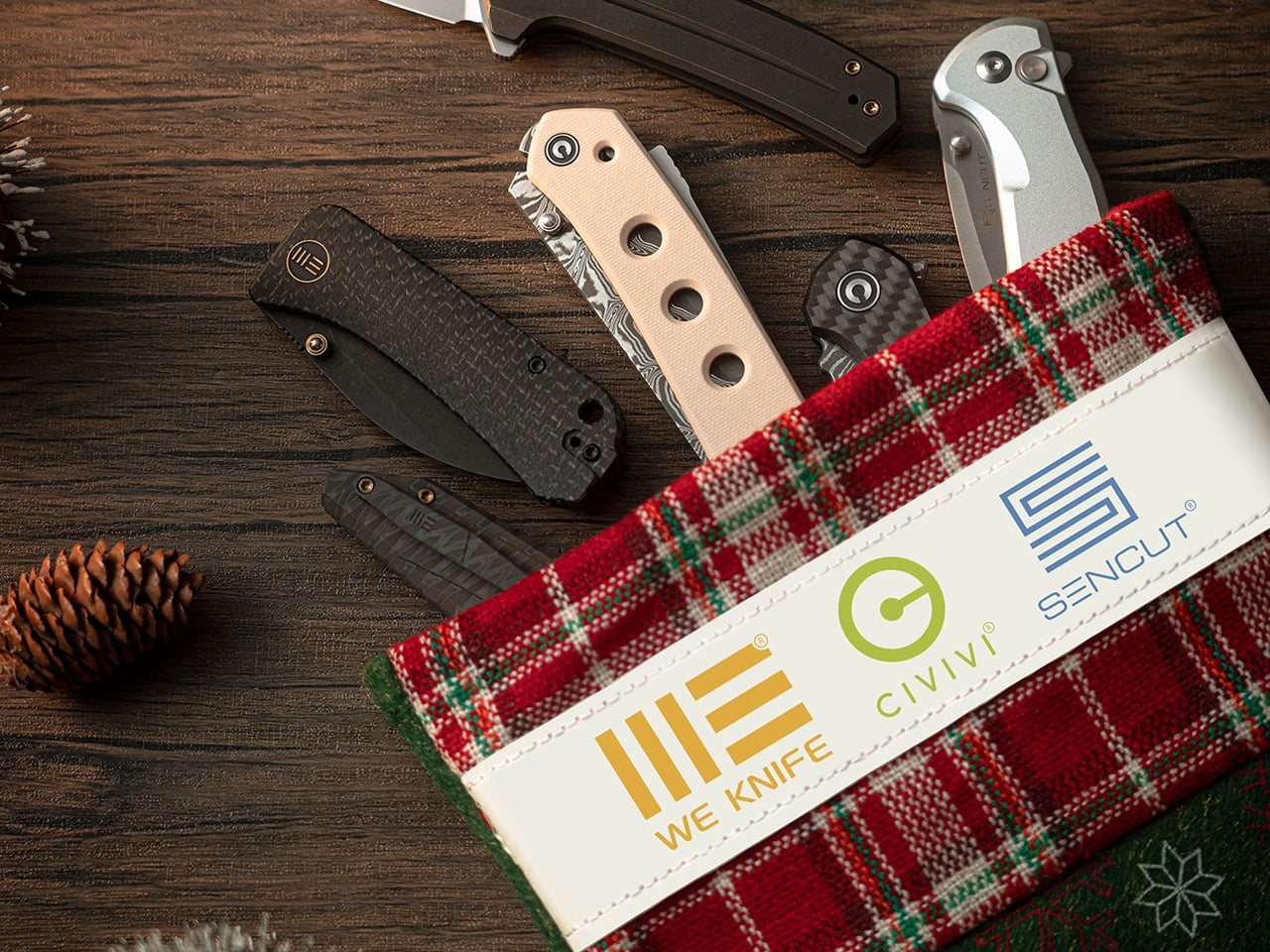
What makes the CIVIVI Button Lock Elementum II work as a gift is how approachable it feels. The design stays simple and functional, with controls that make sense even to someone whose only knife has been a keychain multitool. CIVIVI offers a range of handle materials and colors, from G10 to carbon fiber and Damascus variants, so matching it to a personality is straightforward. This season feels like the right moment for something that earns its pocket space daily rather than sitting unused by February.
Well-designed tools change how you move through small moments, especially during busy times when everything from gift wrapping to cooking feels slightly more frantic. The CIVIVI Button Lock Elementum II feels like the result of quiet decisions about steel, mechanics, and ergonomics, all aimed at making a knife people actually enjoy carrying. That mix of practicality and satisfaction is what turns it from another folding blade into something that becomes part of the routine, in your pocket or someone else’s.
Click Here to Buy Now: $57.38$76.50 (25% off). Hurry, get a free Christmas Stocking with order over $29! Deal ends in 48-hours.
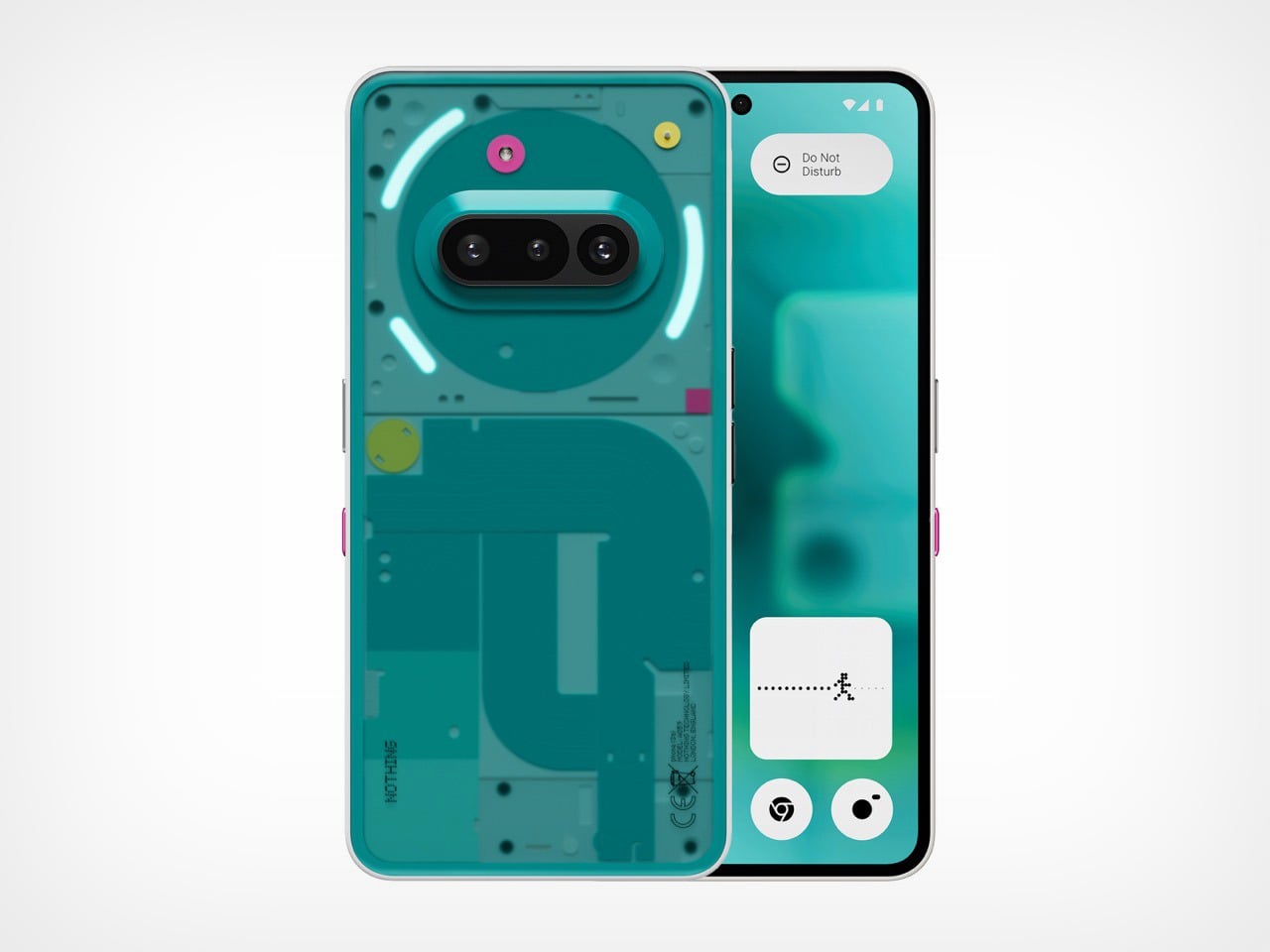
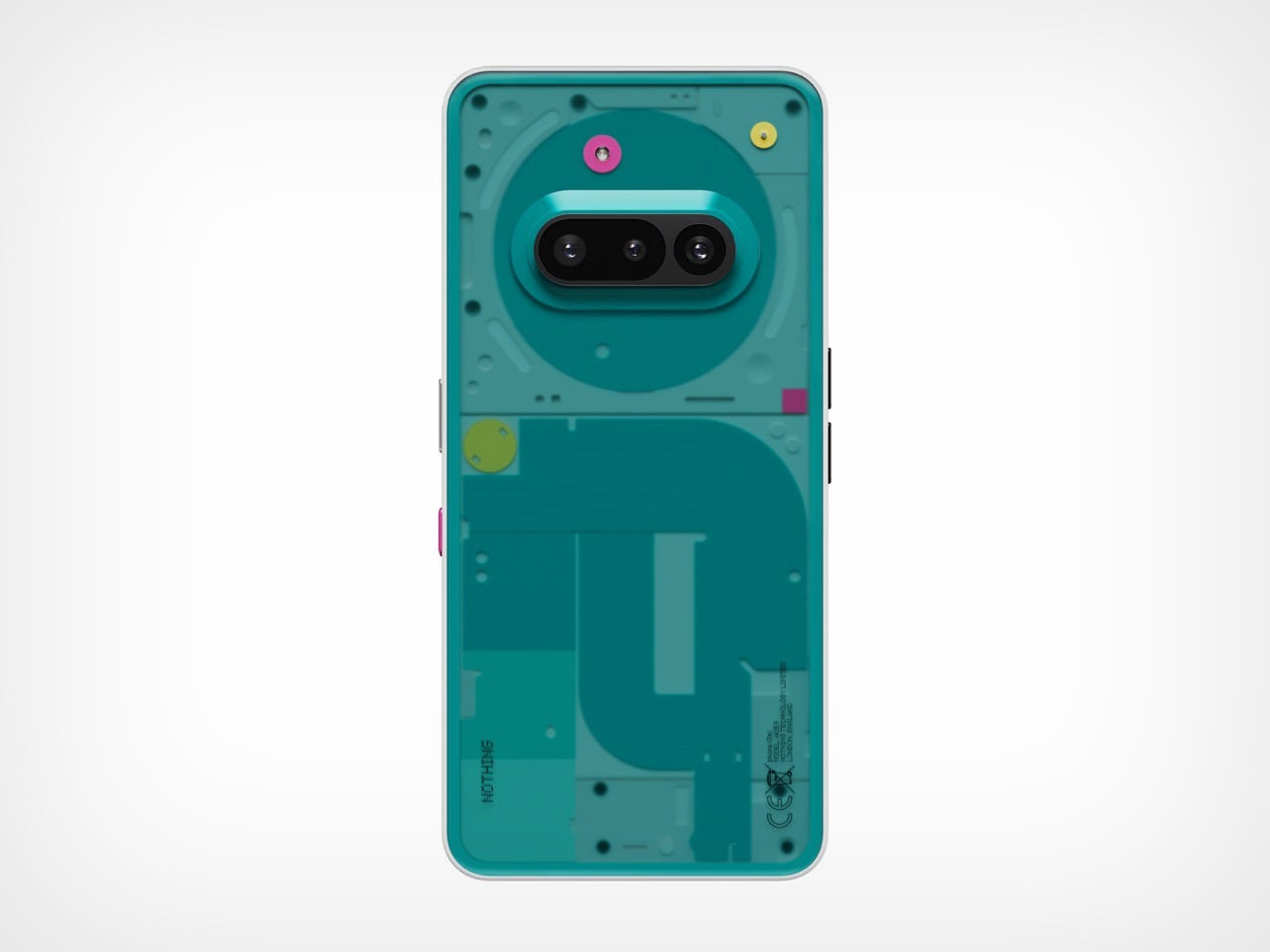
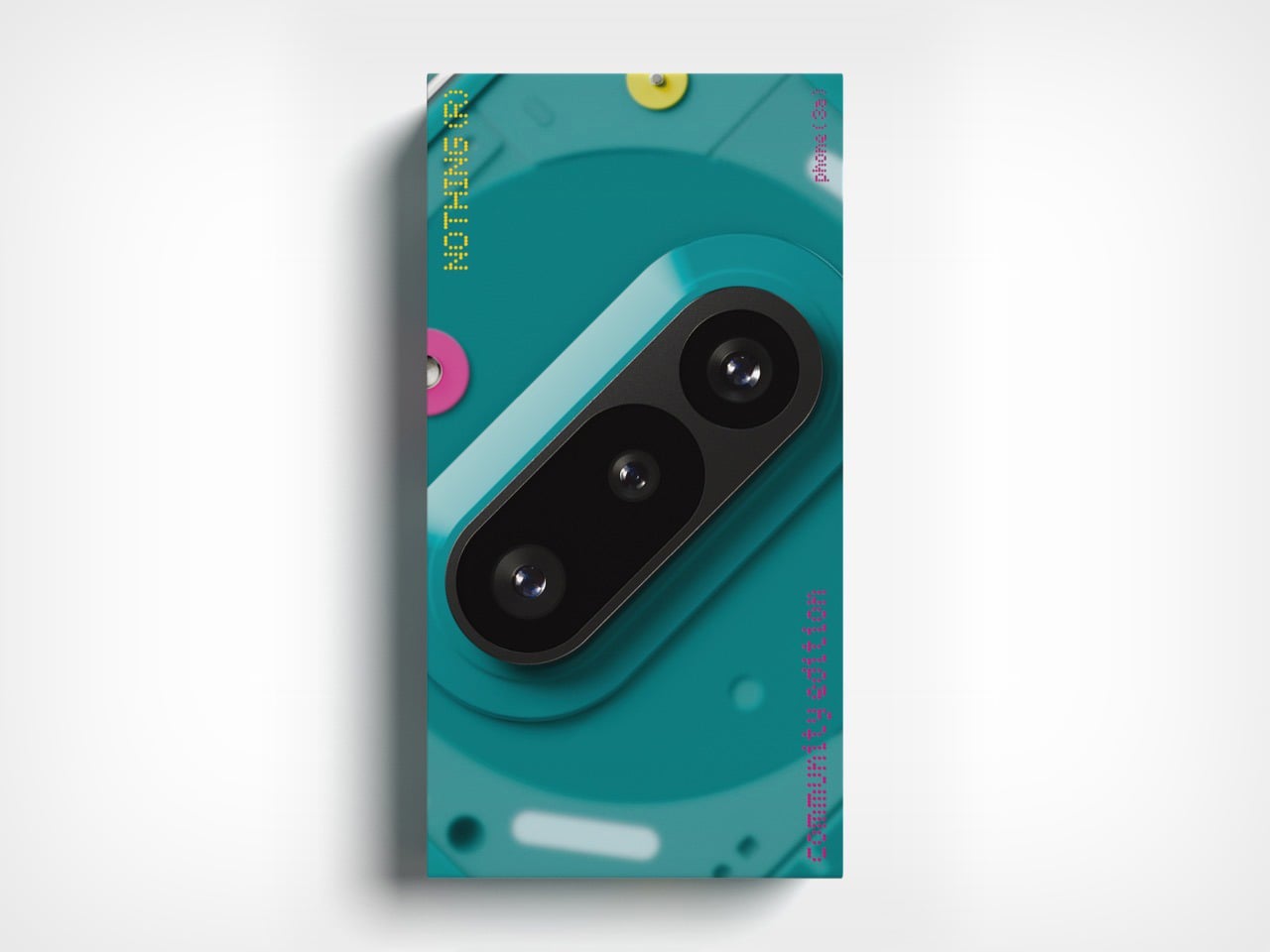
Nothing just pulled the curtain back on the Phone 3a Community Edition, a limited 1,000-unit drop built around a vibrant teal design inspired by late-90s gaming hardware. This special release is the result of a nine-month collaboration between Nothing’s internal teams and four winners from its community design project. The phone itself is a visual statement, swapping the brand’s typical monochrome palette for a look that feels more playful and expressive. It’s a collector’s piece for those who appreciate when a company lets its community take the wheel, resulting in a product that feels both nostalgic and distinctly modern.
Underneath the colorful new shell, the device carries internals identical to the standard Phone 3a. It is powered by a Snapdragon 7s Gen 3 chipset and features a 6.77-inch 120Hz AMOLED display with 2,160Hz PWM dimming for smooth visuals. The camera system includes a 50MP main sensor with OIS, a 50MP 2x telephoto lens, and an 8MP ultrawide. A 5,000mAh battery with 50W wired charging handles power. The single 12GB/256GB configuration is priced at £379, matching the top-tier regular model and reinforcing that this is a design-focused release, not a spec upgrade.
Designer: Emre Kayganacl
The aesthetic is where the Community Edition truly sets itself apart. The translucent teal back, designed by winner Emre Kayganacl, reveals internal components arranged as clean geometric layers. This gives the rear a deliberate, compositional quality rather than a raw, tech-exposed look. The horizontal camera module sits perfectly centered, with Nothing’s signature glyph light arcs wrapping around it to signal notifications. Small, scattered circles of yellow and magenta add playful contrast, giving the phone a character reminiscent of a limited-edition handheld console without feeling like a simple throwback.
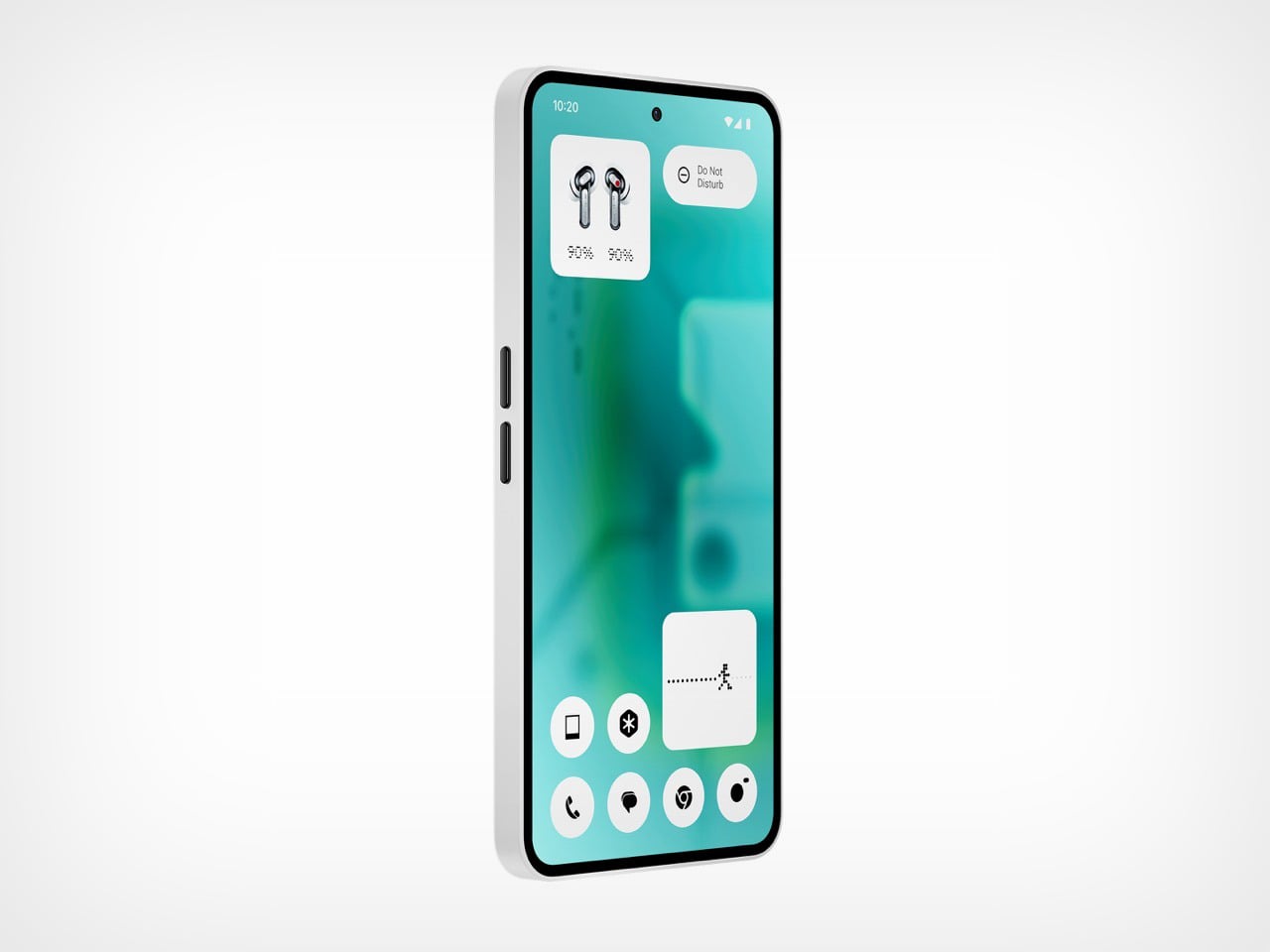
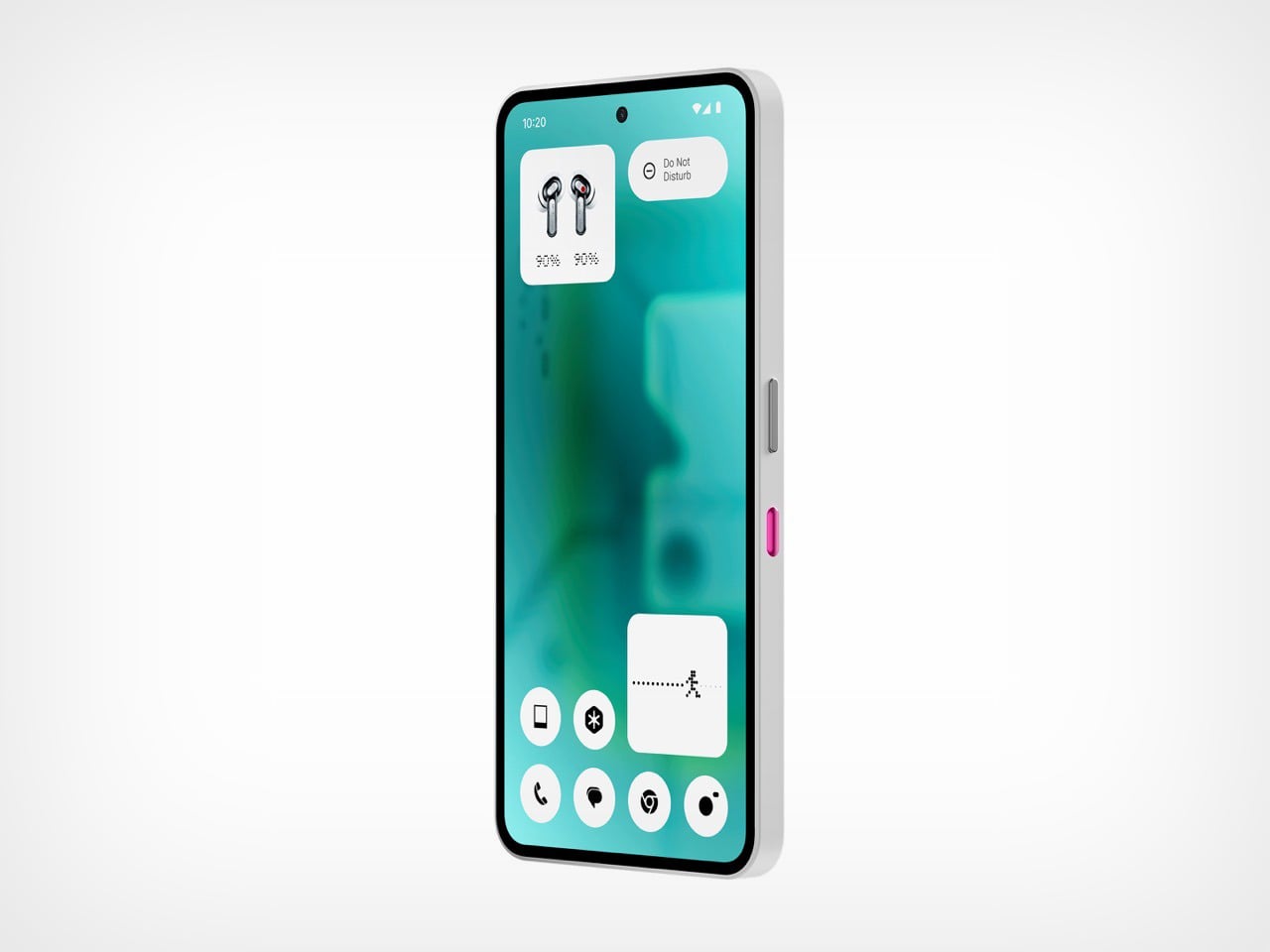
This cohesive design language extends to the front of the phone. The software experience includes an exclusive teal-gradient wallpaper and a custom lock-screen clock designed by community winner Jad Zock. The rounded, monochrome icons of Nothing OS float above the colorful background, tying the user interface directly to the physical hardware. This thoughtful integration ensures the device feels like a single, unified object. It’s a complete visual package that considers how the phone looks both when the screen is on and off, creating a more holistic product experience.
The project began with over 700 submissions from Nothing’s community, with winners selected for hardware design, accessories, software visuals, and marketing. This co-creation process is central to the phone’s story, representing a deeper collaboration than the company’s first community project. For those hoping to get one, registration is open until December 11, with a limited sales window opening on December 12 through Nothing’s website. It’s a rare opportunity to own a device that is as much a design experiment as it is a daily driver.
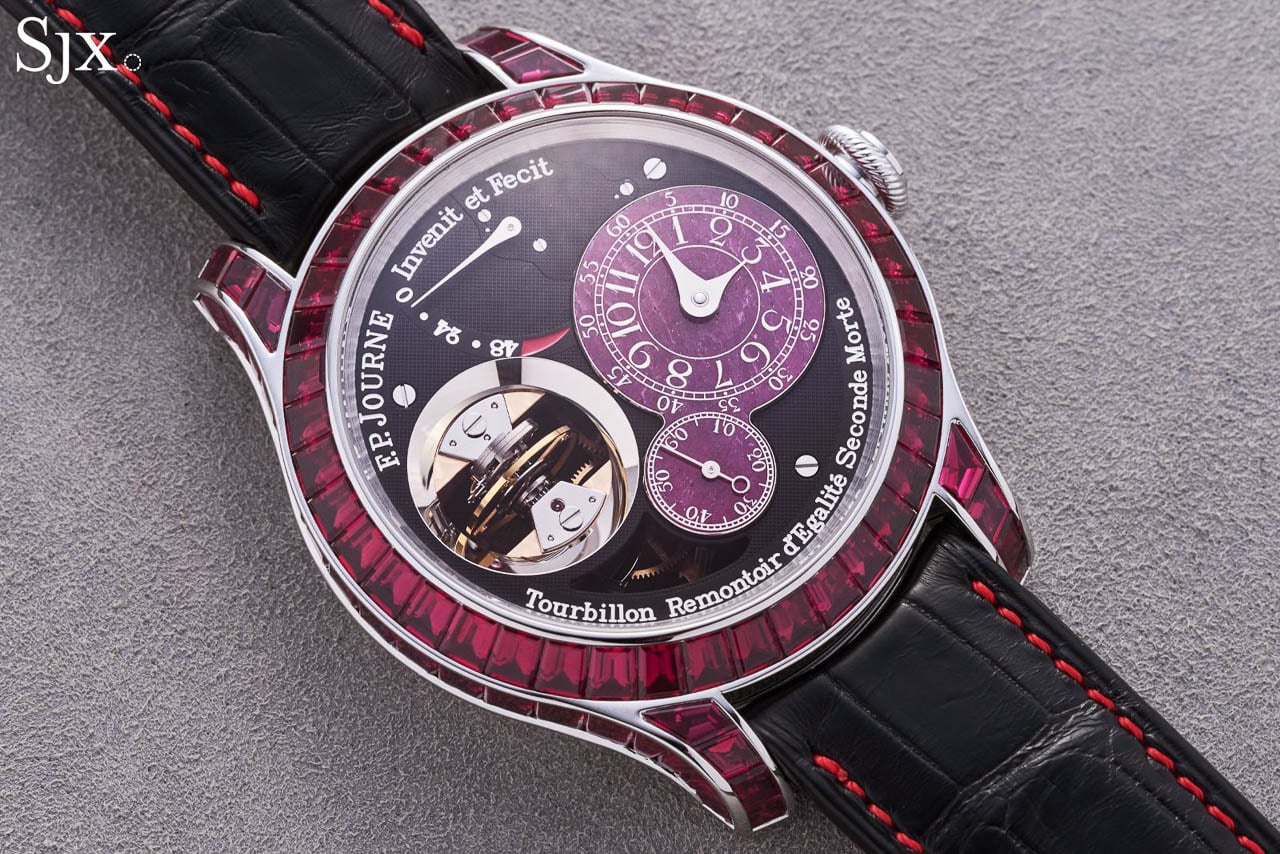
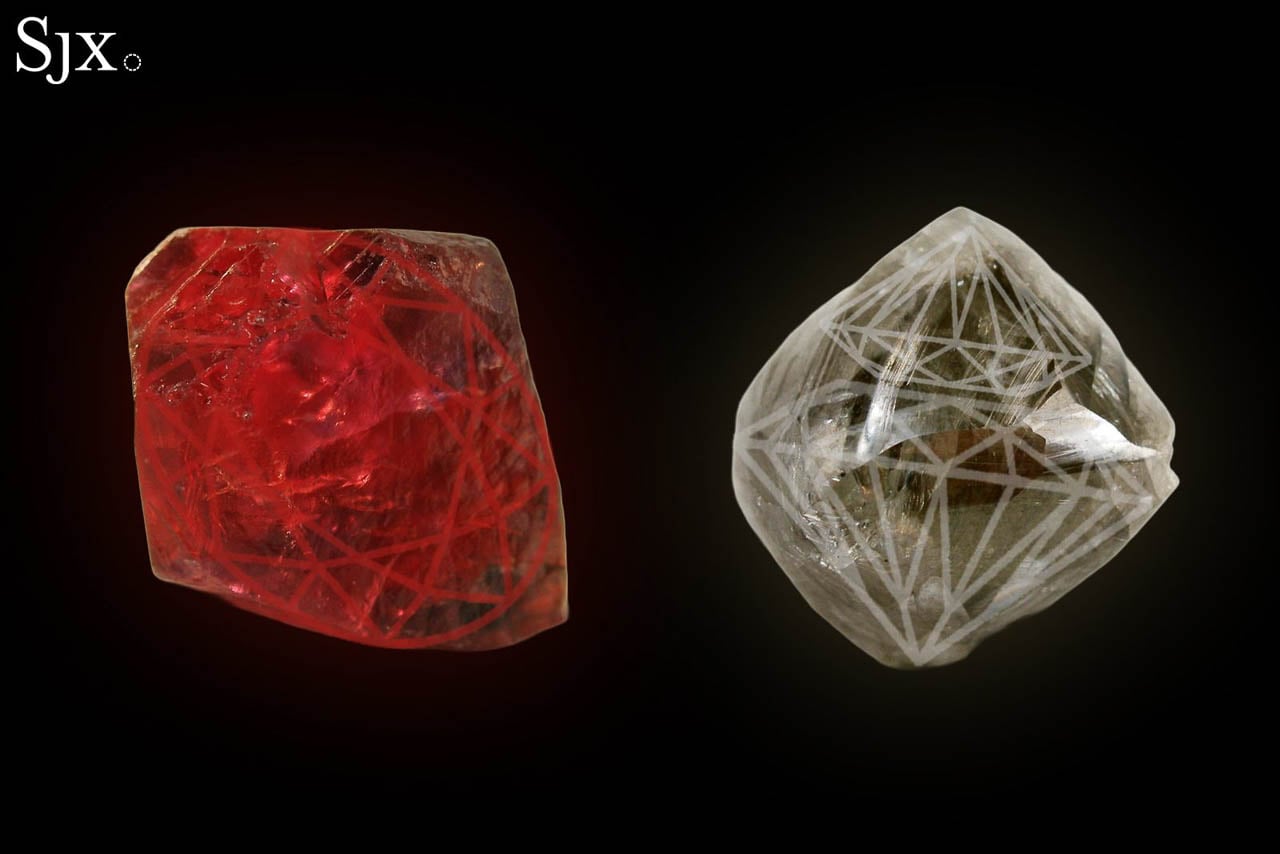
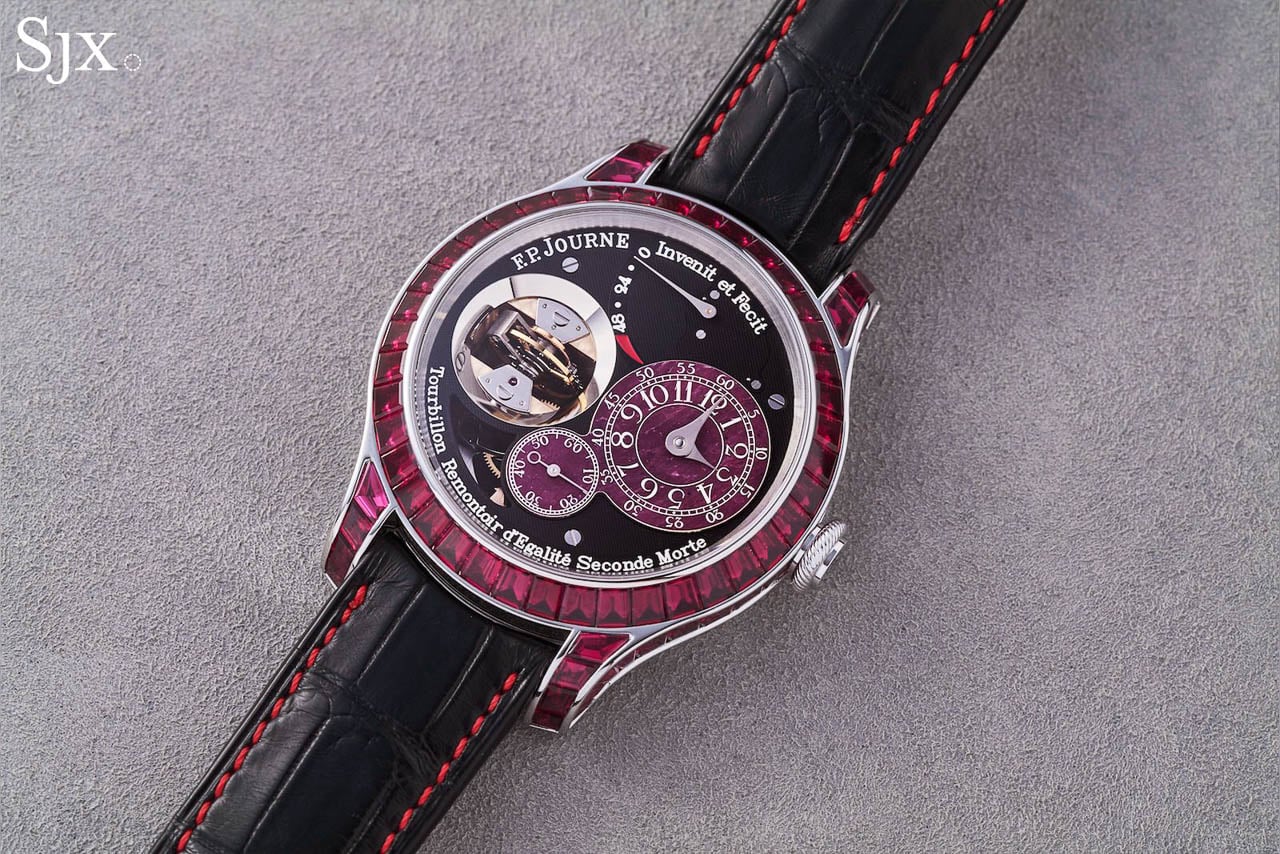
Most gem-set watches treat stones as decoration. F.P. Journe’s Tourbillon Souverain Vertical Joaillerie Rubis treats them as the entire point. This unique piece took eight years to build because finding 93 rubies that match perfectly in color, then cutting 61 carats of material away to achieve that uniformity, requires a timeline most manufacturers would never approve. The result is 25 carats of baguette rubies wrapped around a platinum case that was engineered specifically to hold them.
Designer: F.P. Journe
Jeweled complicated watches have drawn serious collectors since Geneva’s golden era of the late twentieth century. Brands including Patek Philippe and Piaget established the category, and demand has only intensified over the past decade as colored stones moved from novelty to centerpiece. But what F.P. Journe delivered here operates on a different scale entirely. This is closer to a wearable ruby sculpture than a watch that happens to feature gems.
The arithmetic tells you everything. Eighty-six carats of rough ruby entered the workshop. Twenty-five carats survived. The remaining 61 carats were ground away in pursuit of identical size, clarity, and saturation across every stone. That ratio of loss would kill most projects before they started. F.P. Journe spent nearly a decade sourcing and recutting until the math worked.
The Case as Canvas
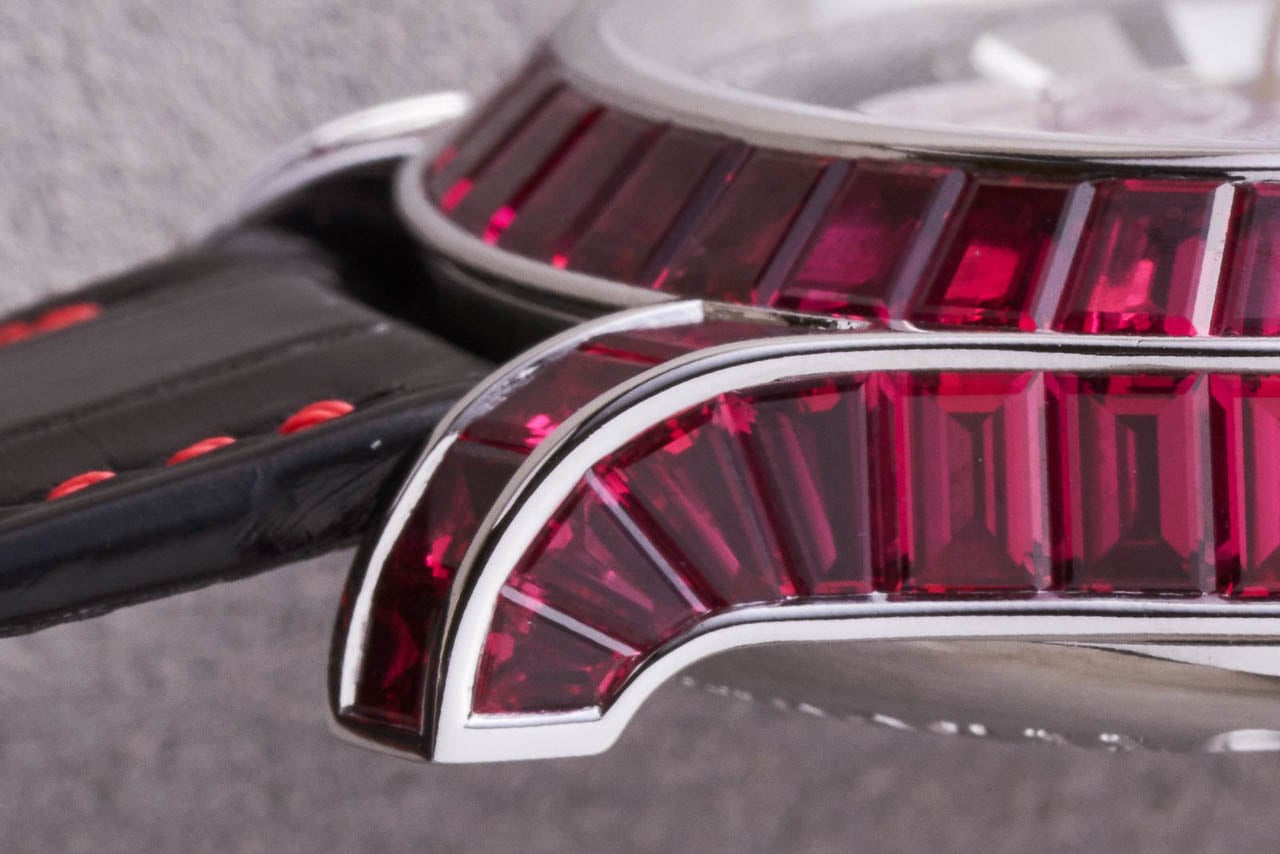
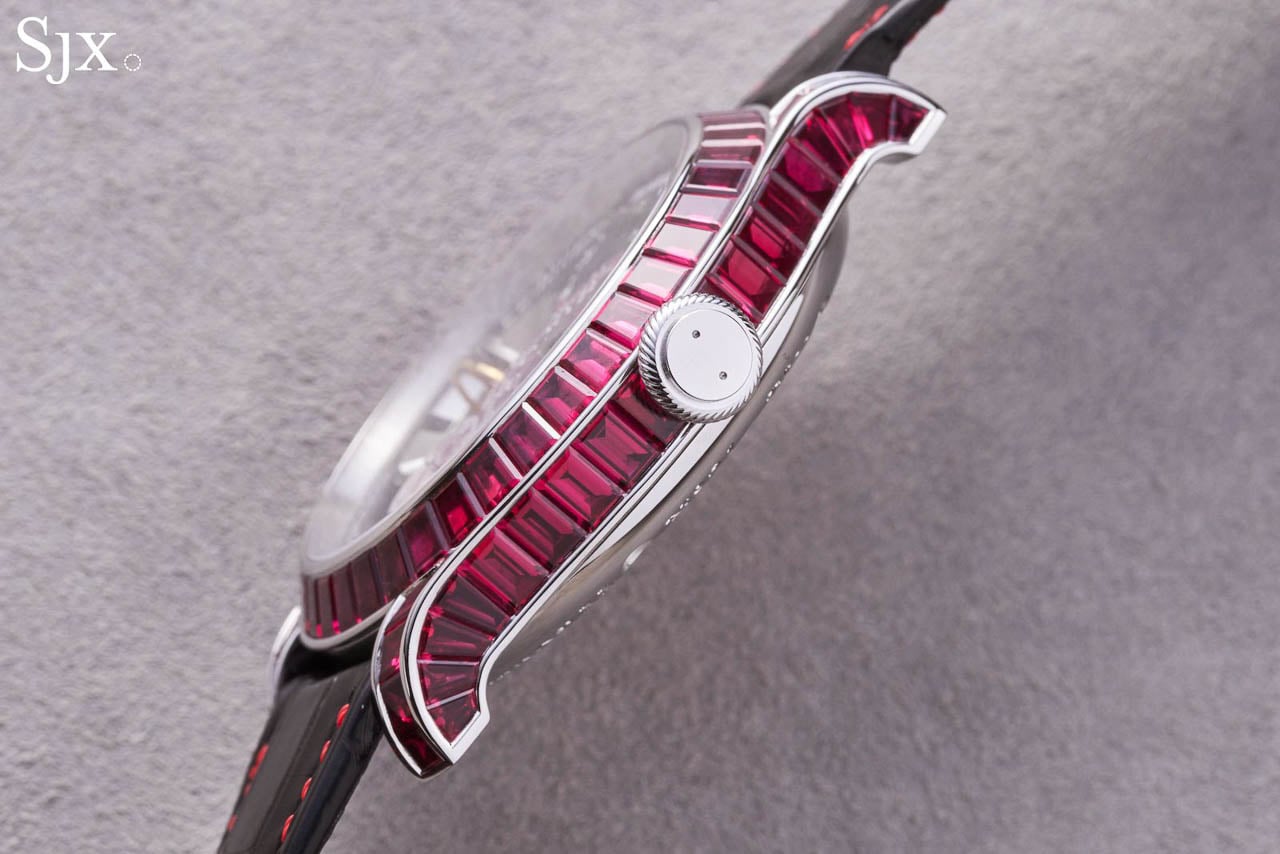
Every exterior metal surface carries rubies. Forty baguette-cut stones sit channel-set in the bezel, forming an unbroken red circuit around the dial. The lug hoods hold another 16 baguettes arranged in a fanned configuration that draws the eye outward and exaggerates the watch’s footprint on the wrist. The case band wraps the mid-section with 37 stones, the largest in the entire build.
Image source: watchesbysjx.com
F.P. Journe describes those 37 case-band rubies as the largest baguette-cut stones ever set in a watch. The claim matters because ruby’s natural crystal structure favors oval or cushion cuts. Producing elongated baguettes from material that resists that shape required sourcing oval-cut rubies of appropriate dimensions, then recutting them to fit the Tourbillon Vertical geometry. The case itself grew 2mm wider than the standard model specifically to receive stones of this size without leaving visible gaps between settings.
Image source: watchesbysjx.com
What you notice immediately is the seamlessness. No color variation breaks the surface. No pink tone drifts into orange. The 93 stones read as a single continuous shell rather than a patchwork of individual gems. Achieving that uniformity across bezel, lugs, and band demanded precise color matching at a level most jewelers would consider impractical.
That precision explains the eight-year development cycle. One stone that skews slightly warm or slightly cool would fracture the visual coherence of the entire case. Patience was not optional here.
Why Average Stone Weight Matters
Numbers put this in perspective. Each ruby on this watch averages 0.269 carats. Typical melee diamonds used in gem-set watches weigh under 0.02 carats and cost almost nothing because they trade as bulk commodities.
Image source: watchesbysjx.com
Patek Philippe’s fully set Grandmaster Chime carries 30.16 carats of baguette diamonds distributed across 392 stones, averaging 0.077 carats each. F.P. Journe’s diamond version of this same case averages 0.242 carats per stone. The ruby variant exceeds even that figure because ruby carries roughly 1.14 times the density of diamond: identical physical dimensions yield higher carat weight.
Image source: watchesbysjx.com
A Dial Built From Stone
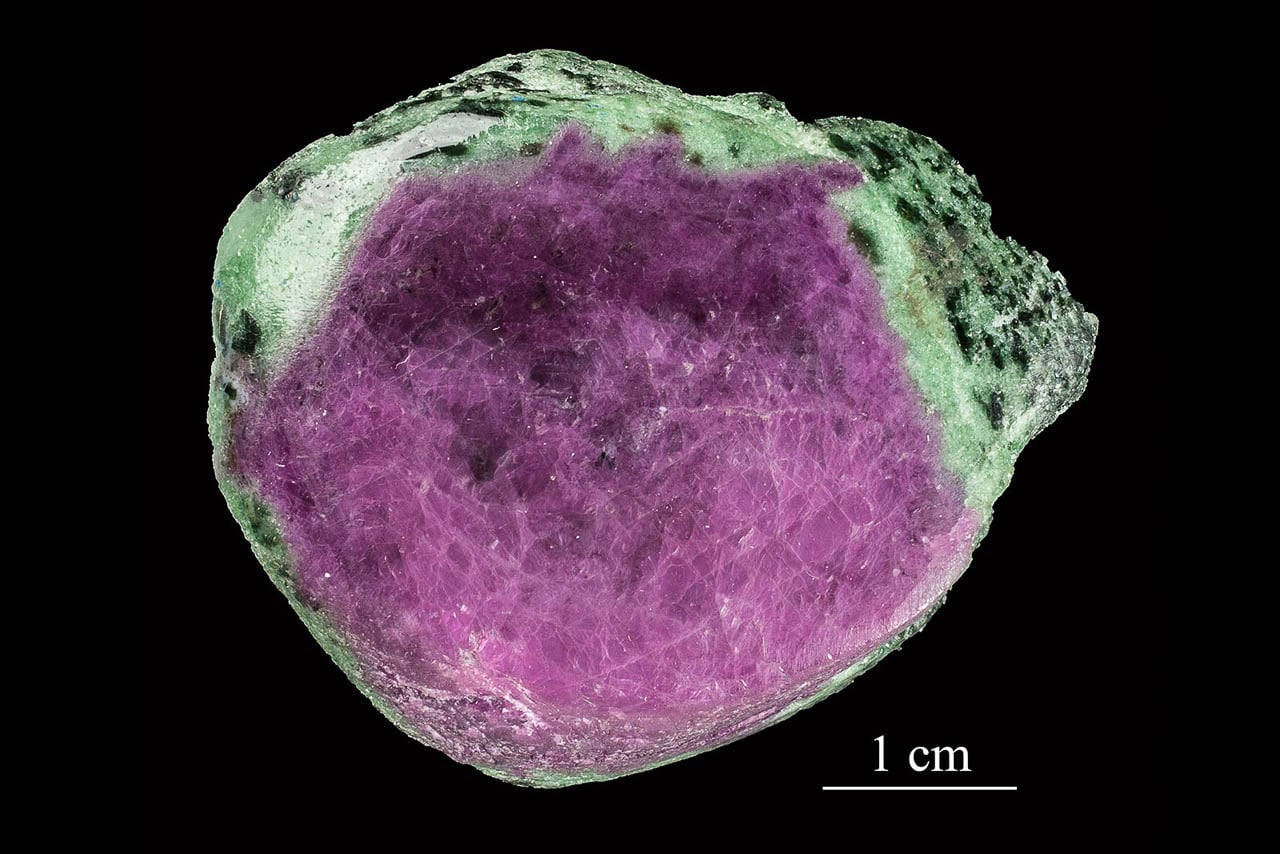
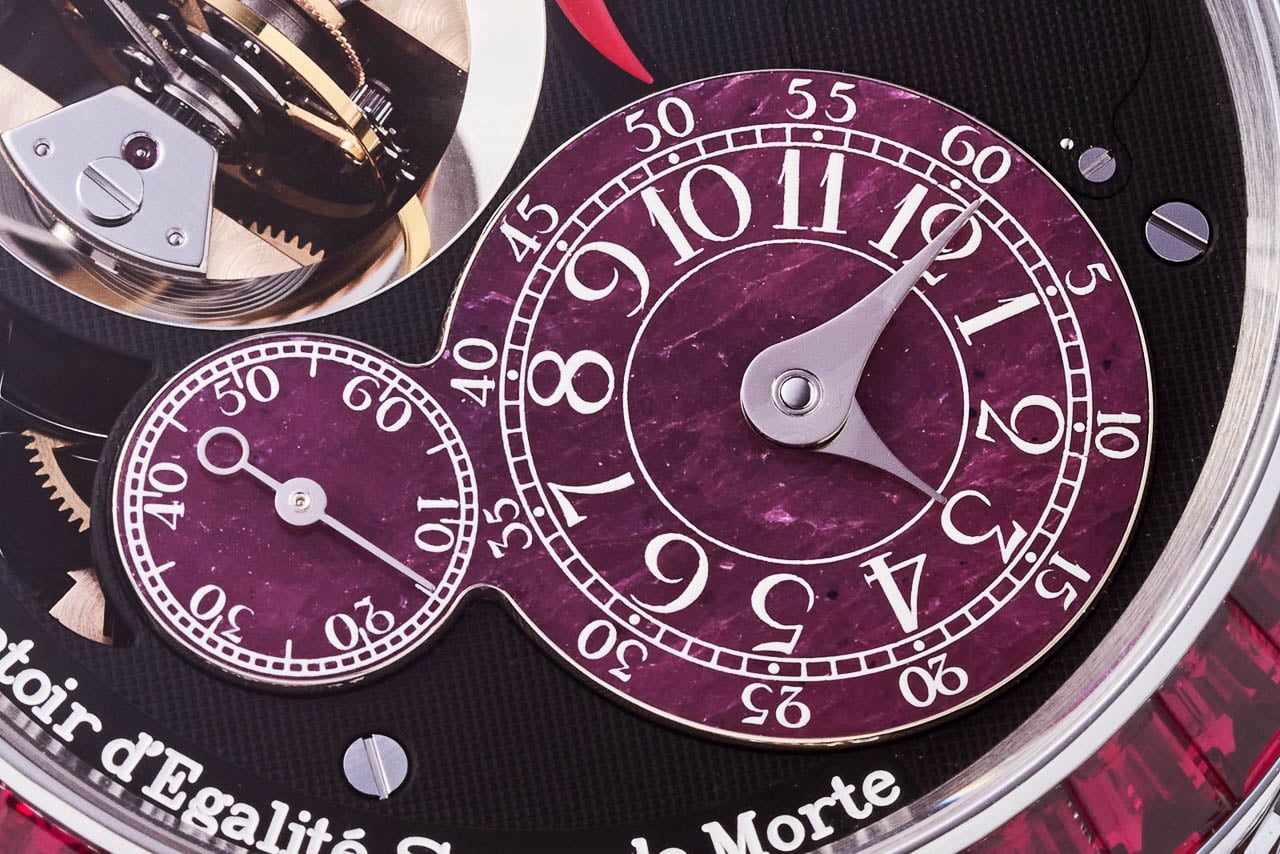
The dial shifts the ruby theme into different territory. Instead of faceted gems, F.P. Journe selected cœur de rubis, a mineral combining red corundum growths with green zoisite matrix. The surface reads as ruby embedded in raw rock, textured and organic rather than polished to clarity.
Visually, the contrast works. The mottled dial recedes behind the geometric precision of the baguette case setting rather than competing with it. Thematically, the choice keeps everything on the watch connected to ruby in some form.
Image source: watchesbysjx.com
Machining corundum presents real difficulty. The material sits at 9 on the Mohs scale, just below diamond, and its brittleness makes drilling apertures for hands and the tourbillon window a high-risk operation. Scrap rates on dials like this run steep, adding another dimension of rarity to an already singular object.
F.P. Journe used ruby heart dials on the final 20-piece run of the Tourbillon Nouveau, so this represents continuation rather than experiment.
The Movement Behind the Gems
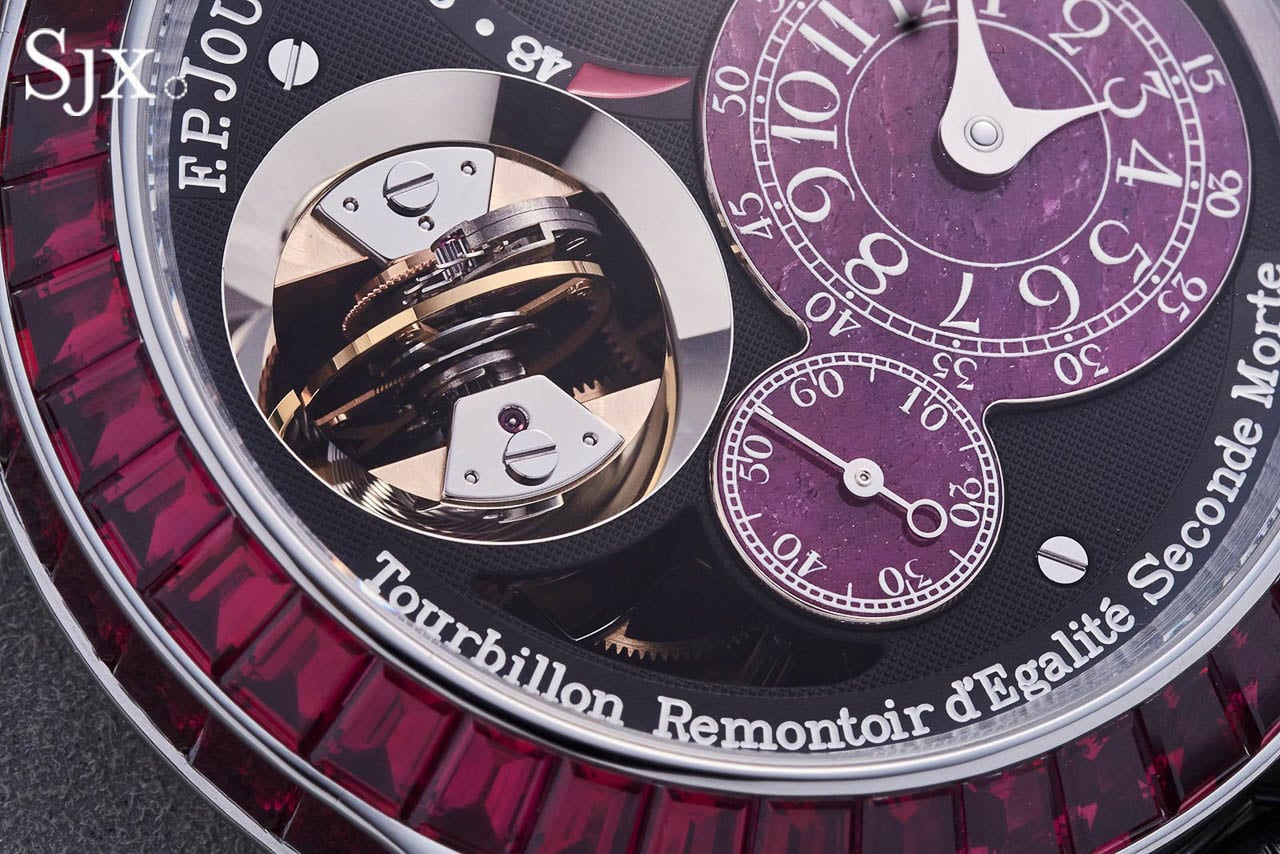
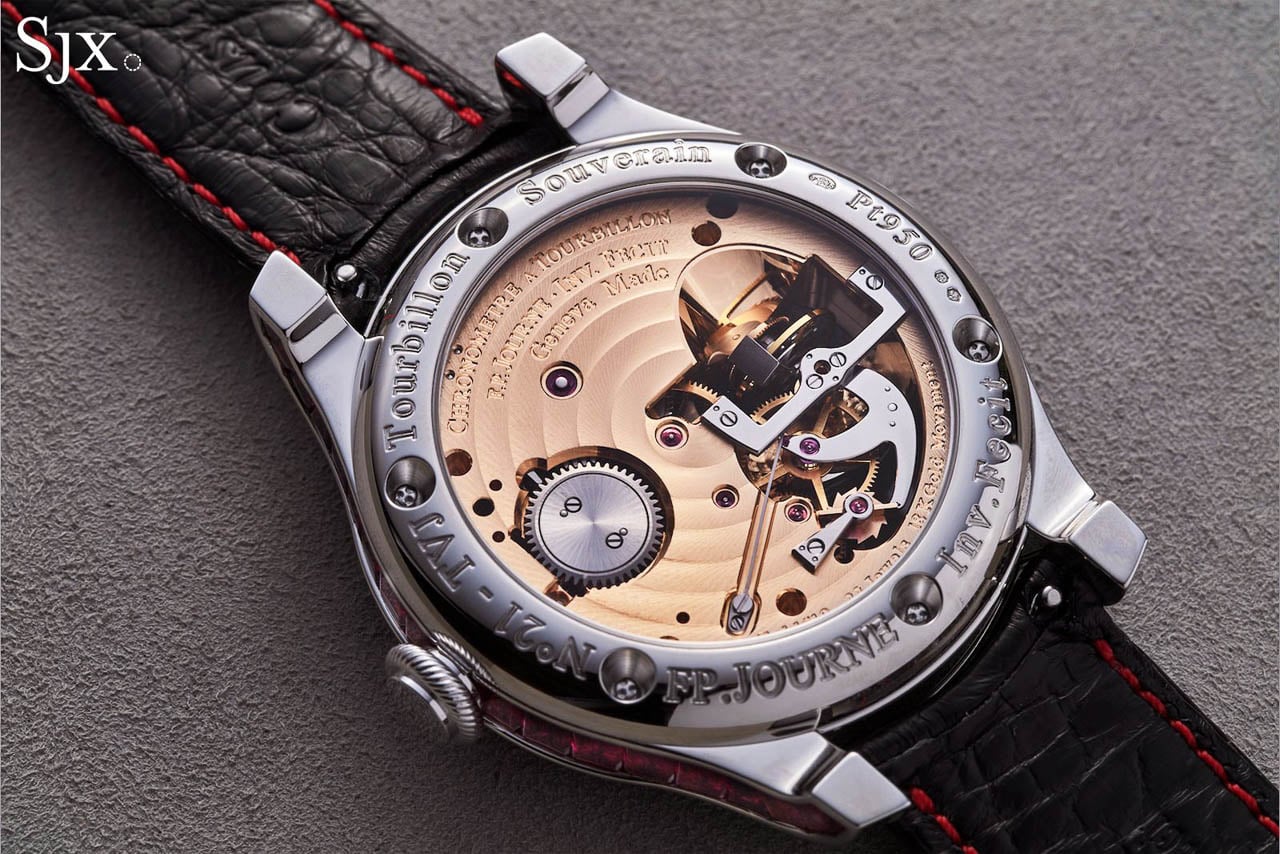
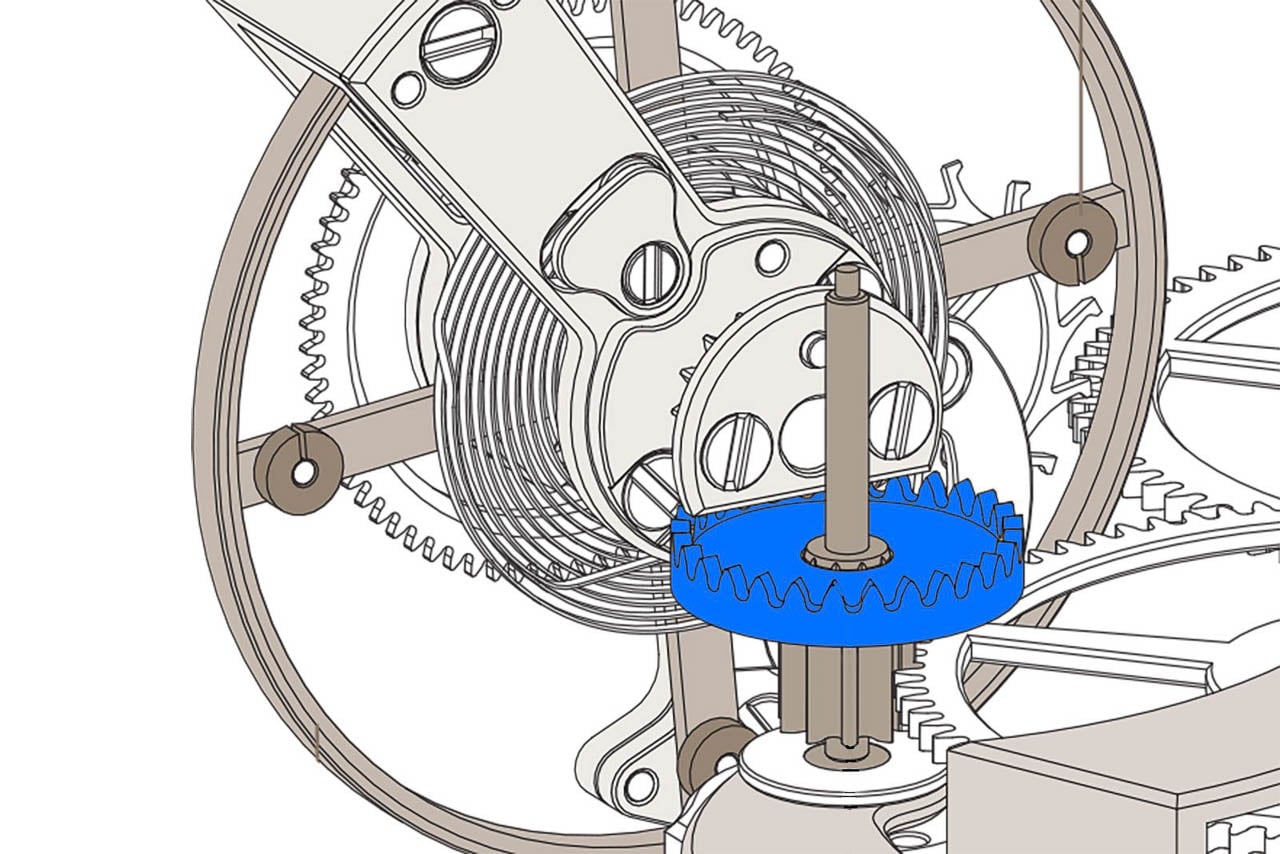
Caliber 1519 sits beneath the ruby exterior. This hand-wound movement carries one of F.P. Journe’s signature complications: a constant-force device built around a titanium blade-spring remontoir that François-Paul Journe designed in 1983 at the request of collector Eugene Gschwind.
Image source: watchesbysjx.com
The constant-force mechanism produces what the brand calls natural jumping seconds. The seconds hand advances in discrete one-second increments without requiring a separate dead-beat module. You see the hand step crisply rather than sweep, which provides immediate visual confirmation that the remontoir is functioning and makes accuracy checks against a reference signal straightforward.
Image source: watchesbysjx.com
The tourbillon departs from convention by rotating 90 degrees from the standard orientation, linked through a crown gear. This vertical positioning keeps the balance wheel perpendicular to most watch movements, theoretically reducing rate variation between dial-up, dial-down, and crown positions. Whether that translates to measurable real-world accuracy gains depends on wearing habits, but the engineering ambition registers clearly. Total power reserve runs 80 hours, with a guaranteed 42-hour chronometric window during which the constant-force system operates at full effectiveness.
Image source: watchesbysjx.com
Positioning the Piece
The crocodile strap intentionally recedes, letting the case dominate. The platinum folding clasp does not: it carries 18 additional baguette-cut rubies, extending the red-on-platinum language to every visible metal surface including the underside of the wrist.
Water resistance registers at 30 meters, a specification that signals jewelry-object status rather than any expectation of practical use. This watch exists for controlled environments, not daily wear.
F.P. Journe has not published pricing, listing availability only through boutiques with figures disclosed upon application. Given the material costs, the eight-year timeline, and the unique-piece designation, the number will occupy territory where inquiring about it implies you probably cannot reach it. More relevant than the price is what this watch demonstrates: how far an independent maker will push when schedules, budgets, and conventional production logic become secondary to a singular creative vision.
F.P. Journe Tourbillon Souverain Vertical Joaillerie Rubis
Case: 44mm × 13.76mm, platinum
Crystal: Sapphire
Water Resistance: 30m
Movement: Cal. 1519, manual wind
Functions: Hours, minutes, natural jumping seconds, power reserve, constant force device, tourbillon
Frequency: 21,600 vph (3 Hz)
Power Reserve: 80 hours total, 42 hours chronometric
Strap: Crocodile with ruby-set folding clasp (18 baguette-cut rubies)
Availability: Unique piece, F.P. Journe boutiques only




 label certifies products designed for longevity and repairability. The goal is to keep components in use instead of sending whole headphones to the landfill when one piece fails.