While athletes around the globe are preparing to compete at the Paris Olympics this year, there is one company that is pushing “Air” to make a difference in the competitor’s stride. We are talking about Nike which is going futuristic with the new Blueprint Pack, its upcoming set of sneakers that will thrive on the boundless properties of its Air cushioning for the athlete’s foot.
When it comes to long-distance runners’ preference for shoes, Nike is the name to reckon with. This is not only because of the brand name and robust marketing but also because the Swoosh brand has, over the years, perfected the comfort for enhancing the runner’s performance. With the new list of 13 products that will be released in time for the Summer Olympics in Paris, Nike is also targeting a new range of sports, including track, basketball, football, and even lifestyle footwear.
Besides, Nike is also showcasing A.I.R (Adaptive Intelligence Responsive) concept footwear in Paris, planned in collaboration with champions of their repute including Eliud Kipchoge, Kylian Mbappé, and Sha’carri Richardson and more. These never-seen and idealized designs are a glimpse of the future of sports shoes meant to revolutionize how athletes train and compete. The interesting aspect of these prototypes, beyond their futuristic design, is that they will include sensors to analyze data that would allow the athletes to optimize their performance while providing support and comfort.
In the ambitious move to rework the Air midsole, which is already versatile and comforting, Nike is working more precisely with athletes’ requirements to bring it to every category of footwear possible. The dynamic Nike Air unit is the focus of the company’s designs for the summer, which is a nod to the brand cofounder Bill Bowerman and his obsession to make the best shoes for athletic performance.
Based on the designs envisioned by Bowerman, Nike is using cutting-edge technologies to imagine those sketches to create the Blueprint Pack that closes the gap between sports science, design, and manufacturing. To that accord, the Nike Blueprint Pack will, when it is released on July 3, feature the best of Air innovations in multiple ranges of shoes including the Pegasus Premium, which was the first running footwear with a visible Air Zoom unit.
Besides, the inventive designs have been envisioned for the Nike Victory 2, Nike Maxfly 2 for the runners; the G.T. Hustle 3 for the basketball fans, and the 2024 Nike Mercurial football boot. These shoes, with the new Air cushioning approach, will make their presence felt at the Olympics, while Nike informs, alongside the Blueprint Pack, it could release an energy-driving colorway pack before the games. However, there is no word from Nike on when or if the A.I.R prototypes will be released to the public.
Jesmonite, a flexible substance crafted from a fusion of gypsum sourced from sedimentary rock and water-based acrylic resin, is gaining popularity among artists, eco-conscious enterprises, and DIY enthusiasts. This material emerged in the UK in 1984 and is credited to Peter Hawkins. Jesmonite is known for its durability, flame resistance, and impact resistance, is ideal for crafting objects of all sizes, readily accepting colored pigments and metal powders when mixed. Additionally, it is a preferred option over alternatives like fiberglass, plaster, polyester, or resin because of its safety, eco-friendliness, and user-friendliness.
Jesmonite, derived from the natural mineral Gypsum is ground into a fine powder and is then blended with a water-based resin. Resembling stone when fully cured, Jesmonite has a rapid setting time of as little as 30 minutes. However, it gradually cures over 24 hours.
What are the benefits of using Jesmonite?
The top benefits of using jesmonite include:
• Versatile Material:
Jesmonite, a versatile material, can replicate any texture and can be pigmented to achieve any color. It is adaptable to various shapes and sizes, effortlessly mimicking the appearance and surface finish of numerous materials such as wood, stone, metal, and even leather.
• Flexible:
Jesmonite can be molded into various shapes and can be used to create both simple and complex designs.
Female sculptor working in pottery studio workshop sculpting human head.
Although Jesmonite can give the appearance of stone, concrete, or metal it is light in weight which makes it user-friendly and easy to handle. Due to its lightweight nature, Jesmonite is favored in other fields where casting and molding are prevalent, particularly in architectural stone and plasterwork applications that demand reduced weight.
• Highly Durable:
Jesmonite is renowned for its durability, withstanding cracking, chipping, and damage while remaining waterproof when sealed. It also resists staining, making it suitable for both indoor and outdoor use, effortlessly handling everyday wear and tear.
• Multiple Finishing Options:
Jesmonite offers versatile finishing options, easily customizable from smooth and matte to rough and textured, making it ideal for crafting unique decor pieces. Unlike concrete and plaster, Jesmonite requires minimal effort to achieve desired finishes without the need for specialized tools or techniques.
• Eco-Friendly:
It is non-toxic, does not emit harmful VOCs, and can be combined with other recyclable materials, further helping to reduce environmental impact.
What are the applications of Jesmonite?
Jesmonite can be used for multiple purposes across various fields and is primarily employed in sculpting and crafting three-dimensional artworks, it also doubles as a suitable painting substrate when paired with other materials. Additionally, Jesmonite functions adeptly as a surface material in construction, offering an appealing alternative to resin-based options like polyester and fiberglass, and is utilized for casting and laminating tasks.
Note: Despite being low-hazard, with no need for harmful solvents during mixing and emitting no toxic fumes, caution is urged during mixing, requiring protective gear like rubber gloves, eye protection, and a dust mask in a well-ventilated area, while cleanup is easily done with water.
The Contemporary Jesmonite Side Table – Acacia, designed by Malgorzata Bany, draws inspiration from daily cleansing rituals and natural decay. The ACACIA collection embodies an intuitive construction method, carving the material to create foam molds, ensuring each piece is unique as each mold is used only once. Additionally, the textured body of the acacia vessel recalls Japanese Tsukubai, ceremonial washbasins symbolizing purification for visitors at holy places.
Crafted by Swedish designer Hilda Hellström, this artistic table is composed of a blend of plaster and jesmonite, and serves various functions as a centerpiece, game, or dining table. Showcasing remarkable artistic vision and practicality, it stands as a true testament to elegance and sophistication.
Flora combines a cork pinboard with hanging jesmonite planters, offering a stylish WFH wall accessory. As hybrid and remote work is becoming a popular norm, innovative designs for home office accessories have emerged, including multifunctional solutions integrating storage and organization features. Sydney-based Préssec Design created Flora during the lockdown, initially experimenting with concrete casting before transitioning to jesmonite for seamless integration with the corkboard. Customizable with colorful thumbtacks, Flora maintains crisp edges through meticulous prototyping, using silicone molds for jesmonite casting.
Manny Woodard’s sculptures, such as “The Flying Man,” embody contemporary figurative jesmonite sculpture. Woodard’s works prioritize the nuanced dynamics between individuals rather than superficially attractive subject matter, often portraying ordinary people regardless of conventional beauty standards, occasionally depicting individuals who are overweight.
This lamp is meticulously crafted in Wales from jesmonite/terrazzo material and is perfect for adorning bedside tables or coffee tables next to any sofa. The lamp features a captivating blend of black, white, and copper fragments, exuding modern elegance. Complete with a 1.5m black fabric cable and switch, it offers both style and functionality to illuminate any space with sophistication.
Designer: Egg Designs
The Totem lamp collection draws inspiration from Brutalist forms and incorporates hand-applied details for an individual artisanal flair. Crafted with a terracotta base finished in textured black Jesmonite plaster, each lamp is paired with a shaped raffia shade and polished brass stem, ensuring versatility to complement various interior styles.
5. Stone Carving
Samar, created by British stone carver Zoë Wilson, pays homage to friendship through its intricately precise multidirectional ridges, forming a captivating geometric pattern. Crafted from Jesmonite with a Portland finish, Samar derives its title from the Arabic word meaning ‘to sit together in conversation at sunset.’ The stone craftsmanship embodies a strikingly modern yet timeless aesthetic, effortlessly blending into various environments.
In Zoë Wilson’s stone carving “Breath,” crafted from Jesmonite with a Portland finish, delicate overlapping circles form a hypnotic pattern, symbolizing the tranquillity she finds in the creative process.
Sarah Christensen utilizes Jesmonite, a popular eco-friendly alternative to resin-based products, along with spent coffee grounds to craft everyday homeware. These materials are combined to create solid objects resembling terrazzo, with each product consisting of 40% coffee grounds and 60% Jesmonite. Christensen’s focus on plant pots, candle holders, and soap dishes encourages indoor gardening and mindfulness while repurposing coffee waste. Additionally, she aims to integrate her homeware into the circular economy by utilizing broken pieces for other purposes, showcasing how coffee can continue to benefit the world beyond its primary function of energizing individuals.
Jesmonite lends itself well to molding into diverse shapes, making it an excellent option for crafting various decor pieces such as trays, cups, jars, and other homeware items. These decorative jesmonite trays blend artistry with functionality. Jesmonite products, composed of a reactive mineral base and water-based acrylic resin, are non-solvent and free of VOCs, making them eco-friendly and versatile for various uses at home.
The ‘Wall Jesmonite Relief’ by Theodora Alfredsdottir is a captivating geometric artwork that seamlessly blends artistry, geometric shapes, and functionality, perfect for interior decor. Crafted from versatile jesmonite with a discreet keyhole for easy wall mounting, it looks stunning in various color options.
In conclusion, Jesmonite is highly versatile, durable, and lightweight, finding extensive use across construction, architecture, and art industries. Its ability to replicate natural materials, along with its strength and durability, makes it an ideal choice for diverse projects and design applications.
These small tips will take your renders from average to awesome.
If you’re on this website reading this article, there’s a fair chance that you’re an Industrial Designer who 3D models and renders for a living, and if that’s true there’s an even fairer chance that you’ve heard of KeyShot. Touted by 88% of designers as the best software for realistic renders, KeyShot is known for two things, being intuitive and easy to use, and being great at creating good renders with low effort. However, just like how a great camera doesn’t make you a great photographer, a great software doesn’t automatically make your renders incredible. If you’ve used KeyShot for work, personal projects, or the occasional design competition, here are a few lesser-known tips that should completely revolutionize your rendering game. Use these tricks to upgrade your skill set, bookmark the article for later, and give KeyShot 2024 a download so you can put your new rendering skills to the test!
That might sound like a paradox, but look around you – nothing is perfect. Your phone has fingerprint marks on it, your table’s got a few scratches, the glass you’re drinking water from isn’t 100% geometrically perfect – its surface has marginal imperfections that cause light to reflect/refract in unique ways. If you want to look real, you have to embrace reality… and in reality, nothing’s perfect. Sure, your product render against a white background can be as perfect as possible, but if you’re looking for a photorealistic scenario render, obsess over the imperfections. Add dust and fingerprints to flat glossy surfaces, use bump maps pretty much anywhere you can, create scratches as a layer/label in your material, remove 100% sharp edges (everything is marginally rounded off), and most importantly, push objects out of alignment in your scene. No real-world scenario has stuff aligned perfectly. These settings alone should take you halfway to photorealism, because humans perceive imperfections as a part of reality.
2. Bokehs are everywhere
Render by Mads Hindhede Svanegaard
Your eyes are telescopic. They can’t focus on everything at the same time – you look at one thing and everything else blurs out. The blur is the key here, and it’s why portrait-mode photos on smartphones look great too. Seldom do you see photos of ANYTHING where every single item is in focus, and similarly, your renders need to ‘focus’ on that too. Go to the Camera tab on the top right and scroll down to the part that says Depth of Field. Activate it, adjust your focus distance, use the target button to click on the object you want to focus on, and set your F-stop to an appropriate number to ensure everything else is properly blurred. It’s easy to overdo the blurring, so once you find the right F-stop, raise it a little higher to err on the side of caution (don’t over-blur stuff, it’ll look fake). Remember, blurring takes a significant chunk of your rendering time, so if you DO use this tip, double or triple your rendering time per image. The results will come out fantastic.
3. Adjust your Image Settings
Render by Andrei Garbu
If you’ve ever used a camera, chances are you didn’t just point at a photo and hit the shutter button. You probably adjusted the exposure, aperture, ISO, and maybe played around with the white balance too. Think of the camera in KeyShot as a camera in real life – all it really does is capture the angle and focus… but there are still settings you need to tweak. Here, the Image Settings are your friend. Click on the Image tab on the top right corner and switch from Basic to Photographic. Now you can play with the exposure, contrast, white balance, highlights, shadows, midtones, and other parameters. You can even increase or decrease your image’s saturation to get you that perfect balance of colors, darkness, and light. Select ‘Linear’ in the Response Curve setting, enable the Curve editing feature below, and tinker away! It’s the secret sauce your renders need!
4. Beginners render, legends ‘Denoise’
Render by Sam Gwilt
Sometimes your renders just look grainy because you didn’t give them enough time to render out perfectly. Makes sense, you’re probably on a strict deadline and you don’t have 10-20 minutes to spare per render. Luckily, KeyShot’s Denoise feature in the Image Settings works like magic. They just blur out the grains in your renders, letting you ‘cheat’ your way through a quick render. Enable Denoise and watch as all the grains disappear miraculously. Set your Denoise level to around 0.6 for a balanced effect – setting it too high will give you weirdly blurry/smudgy renders, and setting it too low will give you grainy images. The Denoise feature works VERY well when you’re using the Depth of Field setting too, allowing you to easily cut down your rendering time without cutting down on quality.
5. Caustics are a headache, but they’re worth it
Render by Tommy Cheong
If there’s any transparent object in your render, chances are that it won’t just absorb or block light, it’ll bend light too. If you’ve ever looked at a reflection of a glass of water on a table, or those bright lines at the bottom of a swimming pool, those are caustics. They’re caused by light being manipulated by transparent/translucent objects. Caustics in KeyShot remain disabled by default, but that’s only because they’re kind of an absolute headache. They require a truckload of CPU/GPU power, take a LOT of time to perfect, and even more time to render. But if you nail your caustics, you’re guaranteed to get a few ‘wow’s from people who see your renders. The Caustics setting can be found in the Lighting tab in the top right corner. Enable it and also enable Global Illumination. Increase your ray bounces as well as your global illumination bounces, and if you’re using glass or plastic as a material, go to the material settings and increase the sample size. The problem here is that there will be a difference between what KeyShot shows you in the preview window, and what it actually renders, so the only way to really tell if you’ve done a good job is by rendering images, reviewing them, and then tweaking the settings. Rendering caustics also takes a LOT of time, and here Denoise won’t help you. You just need to trust the process and let KeyShot do its job simulating the bouncing of light to create those caustic refractions. Like I told you, it’s a bit of a headache, but the rewards pay off well.
6. If you’re thinking fabrics, think RealCloth
Render by Hossein Alfideh Fard
Perhaps one of KeyShot’s most underrated materials, RealCloth adds unbelievably photorealistic cloth effects to any fabric in your scene. Whether it’s a tablecloth, the upholstery of a sofa, or even the strap of a camera, RealCloth’s one job is to mimic the woven effect of any kind of cloth. It adds depth, weave-patterns, and even lets you bake in imperfections like flyaway fibers and threads. If you’re simulating photorealism, chances are one of the objects in your scene has a fabric texture (it could be something as small as a cloth tag on a product). If it does, tap into the power of RealCloth to get that absolutely perfect cloth effect. Don’t rely on fabric bump maps online, trust me they won’t give you the precise control or sheer jaw-dropping dynamism that RealCloth will.
7. Shadows are just as important as lights
Render by Will Gibbons
When you’re setting your scene, don’t focus all your energy on getting the right highlights. Focus also on getting great shadows. This means ditching the HDRI lighting settings and actually adding physical lights to your scene. Photorealism requires work, and those drag-and-drop environments won’t help you achieve it. Sure, you can use the environments to create realistic reflections, like a sky reflecting off a windshield of a car… but there’s NO way that environment will create the dramatic shadows you need. For those, you’ll require area lights, point lights, and/or spotlights. You’ll have to add these lights to your project by assigning them as materials to random spheres and planes within your scene. Unlike the HDRI environments, these lights will create actual shadows that are crisp at some edges, blurry at others, and more importantly, shadows that overlap, warp, and interact with each other. Take your smartphone flash and hold it against your hand. Move the flash closer and see the shadow grow bigger, move it farther and see the shadow get smaller – the shadow’s shape and behavior are determined by physical lights in your scene, not by the environment lights. So add physical lights to your scene and keep those shadows in mind because while the eyes don’t ever focus on shadows, they do register them. A render without accurate shadows will just look… off.
There are multiple schools of thought when it comes to pocket knives – you’ve got one school that says pocket knives (or any EDC) should be highly rugged, durable, and scary-looking so as to fend off enemies. Another says that pocket knives should serve as multitools that have a myriad of functions to help you overcome any situation. The third school of thought, and the one that I subscribe to personally, is that a pocket knife should be useful when you need it, and invisible when you don’t. The SerpBlade falls squarely into the third school of thought while teasing the first two ever so slightly. At 37 grams or 1.3 ounces, the SerpBlade is lighter than an empty AirPods case (that’s for you metric-hating folks!), but it packs a scalpel blade at one end, and a tungsten steel glass breaker at the other end. It’s also made of titanium and carbon fiber, two of the most durable and resilient materials known to mankind. Whether it’s opening boxes or defending yourself from life-threatening situations, the SerpBlade comes in very handy, and when you’re done, its lightweight compact design disappears into your pocket like thin air.
The beauty of the SerpBlade lies in its sheer simplicity. Come and think about it, all of the pocket knife’s features can be broken down into four distinct parts – its blade, its glass-breaker, its materials, and the overall design.

The SerpBlade strangely enough doesn’t come with a blade built-in. Instead, it relies on any standard scalpel-style surgical blade that snaps right into the knife’s blade holder. Made from surgical steel, these blades are ridiculously sharp (ask any doctor or surgeon), and can handle everything from cardboard and paper to even cutting through wood. Readily available pretty much everywhere, the surgical scalpel blades come in a variety of profiles, so you can choose a shape that suits your needs best. A drop-point or clip-point is usually the crowd favorite, but a nice tanto-style blade really gives the SerpBlade a wicked demeanor. The fact that the SerpBlade ditches a built-in blade for a removable one gives you two significant advantages – for starters, you don’t need to worry about ever having to sharpen your blade again. If a blade grows dull or even breaks, simply ditch it for a new one. It’s simple, fast, and frankly, sustainable because you aren’t throwing out an entire knife just because the blade is damaged or dull. The second major advantage is that the SerpBlade, as a result, is TSA-friendly, as now you can simply ditch the blade and carry the EDC with you while traveling anywhere.
Flip the knife over and you’ve got a tungsten-steel glass-breaker on the reverse end. A great addition to the SerpBlade (I don’t know why more EDC knives don’t have glass breakers in them), this little feature comes in extremely handy when you need to make a quick getaway. The glass-breaking tip can easily shatter through hard laminated glass panels like the ones found in cars, giving you the ability to easily escape in the case of an emergency. The sharp surgical blade CAN cut through seatbelts too, although a serrated knife or a seatbelt cutter would be much more suited to the specific task at hand.
The materials play a crucial role in the SerpBlade’s appeal, given that they allow the knife to be durable, maneuverable, and so easy-breezy to use that you’ll find yourself reaching for the SerpBlade over other EDC knives. The pocket knife comes with a titanium armature that’s sandwiched between a two-piece carbon fiber handle. Sure, this makes the knife lightweight, it also makes the knife incredibly durable (you’re sure to use it for a lifetime if not more), but the combination of titanium and carbon fiber allows the SerpBlade to also be fire-resistant, waterproof, and corrosion-proof. Titanium doesn’t rust or oxidize the way steel does, and both titanium and carbon fiber can resist high temperatures while also being relatively inert to chemicals. In short, your lightweight knife is also 10-20x more durable than an all-steel knife or a steel knife with wooden handles.
On the design front, the SerpBlade is as slim and slender as they come. At 81mm in length (just over 3 inches), the SerpBlade is the perfect blend between compact and ergonomic. A deep pocket clip allows you to securely carry your SerpBlade in your pocket, and a lanyard hole (that’s now been added to the final design) lets you attach your SerpBlade to a carabiner or paracord too. It was built to be your trusty sidekick for trekking, camping, hunting, gardening, wilderness survival, emergency use, and even something as benign as opening boxes and envelopes or papercraft.
The knife features a single-handed flip-to-open mechanism that deploys in under a second, letting you go from 0 to 100 in the blink of an eye. A roller bearing mechanism makes the flip-out buttery smooth, while a liner lock holds the blade in place while you’re using the knife, ensuring it doesn’t shut on you mid-job. The titanium arm that holds the surgical scalpel blade lets you change blades in a jiffy too. All you need to do is slide out the old blade and add a new one and you’re good to go. Change blades whenever an old one goes dull or breaks, or even if you’re in the mood for something different!
The SerpBlade comes in a single color, although each carbon fiber handle has a unique flake pattern that differs from knife to knife. The EDC starts at a discounted $59, which includes the pocket knife itself, along with ten No.23 surgical blades included. The Serpblade ships globally for free starting July 2024.
I assume that there’s a significant overlap between the watchlover demographic and the golf-playing demographic. Both of them are indicators of high-society, and people who love golf or watches don’t hesitate to flaunt their interests. Designed for specifically that intent, the Byrne Gyro Dial Golf timepiece combines the love for time and turf into one gorgeous mechanical design. The watch comes with a grassy dial, featuring a 3D watch face that tells the time while also highlighting its mechanical prowess. The dial boasts an open-worked rotor at the center, with four mechanical number cubes on the top, bottom, left, and right. As the day passes, the cubes rotate to ‘refresh’ the watch face, alternating between Roman and conventional numbers, and even replacing them with golf balls or golf clubs. Every day, the watch changes its face, giving you something new to look forward to each day, and something to brag about when you’re showing your timepiece off to your friends on the green…

Byrne’s Gyro collection is known for its dynamic displays. Unlike conventional watches with static dials, the Gyro Dial features four rotating cubes that change faces every 24 hours, revealing new designs. The Golf edition takes this a step further by incorporating miniature golf-themed engravings on these cubes.
Imagine glancing at your wrist and seeing classic Roman numerals one day, then playful golf clubs (driver, iron, sand wedge, putter) the next. The watch even features miniature, intricately detailed golf balls with realistic dimples. For traditionalists, sporty Arabic numerals are also included in the rotation.
This unique display isn’t just about aesthetics. The rotating cubes are a feat of engineering. To accommodate the additional weight of the miniature sculptures, Byrne has refined their automatic Calibre 5555 movement. This Swiss-made marvel ensures smooth and precise daily rotations.
The Byrne Gyro Dial Golf is housed in a sleek, 41.7mm grade 5 titanium case with a green-tinted main plate that subtly references the golf course. The sapphire caseback offers a glimpse into the intricate workings of the movement, showcasing its open-worked rotor with elegant finishes.
A comfortable green rubber strap completes the sporty look. Limited to just 24 pieces, the Gyro Dial Golf has a starting price of CHF 25,000 (approx $27,500 USD).
Sure, your phone and laptop have VPNs… but does your smart speaker? Your home camera? Smart doorbell? Baby monitor? It’s easy to think of yourself as protected when your primary device operates on a VPN, but the truth is that our houses are filled with IoT devices that remain vulnerable to brute force because of one weak point of entry – a basic router. The Rio Router aims to change that with a built-in VPN, device allowlisting protocols, guest network features, and the ability to set parental controls from the router itself. Whether it’s a government trying to snoop on you, someone trying to hack you, companies trying to sell your data, or your internet service provider secretly gathering info about you, the Rio Router cuts it all off right at the source. It encrypts information in a way that anonymizes your entire smart home, so you can browse the internet freely, and your smart home gadgets can access the internet without being vulnerable to data theft.
Most routers are designed to help you access the internet, but that access can sometimes be a double-edged sword, creating a path for bad-faith actors to access your IoT devices and even the data within them. A simple WiFi password can only do so much, right? That’s why the Rio Router uses a protocol that requires you to personally allowlist any device connecting to your network. Every IoT device gets approved by you, and if there’s any device you don’t approve of trying to connect to your network, it doesn’t get access to your network or to the devices on it. Think of it as a security guard that only allows you into a building if you have the right ID, and turns you away if you don’t.
Even for approved devices accessing the internet through the Rio Router, all data gets encrypted through the router’s built-in VPN. This offers two distinct benefits – for starters, it lets you access the internet and streaming services without any government or geolocation restrictions (yes, that means being able to use TikTok even if it gets banned), but it also encrypts all personal information so that your internet service provider doesn’t get unfettered access to your life… or even corporations like Apple, Google, Microsoft, and Amazon that feed off of information from smart home devices.
Obviously, that level of access does come with its downsides – you want your family to stay safe from potentially dangerous websites. The router allows you to set parental controls for specific devices, preventing your child’s laptop or tablet from being able to access harmful sites, and an integrated DNS and web filtering system provides all-around protection, preventing all devices from accessing malicious sites that could scam/phish you or corrupt your device with ransomware.
Following the security guard analogy from earlier, think of your internet connection as a building with multiple wings/departments. Different employees can only access the wings or departments they are authorized to, and a low-level employee can’t necessarily go snooping in the CEO’s office or through the confidential file room. Similarly, the Rio Router creates dedicated rooms for each category of devices. Your smart kitchen gadgets can’t access or communicate with your bedroom’s smart devices even if they’re on the same network. This technology, known as SecureRoom, helps create dedicated chambers for different internet devices, so every gadget on the same network doesn’t necessarily have access to all the data on the network. The SecureRoom is a brilliant way of ensuring that your gadgets don’t have access to information they don’t have clearance for. Your living room smart speaker doesn’t necessarily know what’s happening in the kitchen, and the baby monitor in the bedroom isn’t vulnerable to being snooped on by your thermostat.
The SecureRoom system also allows you to create guest networks for when you have people visiting you at home. No more sharing passwords for the main WiFi network – guests get to access the internet through a SecureRoom guest network. Their data stays safe and so does yours – you can approve devices to the SecureRoom to ensure that nobody else is accessing the internet, and once your guests leave your house, they’re removed permanently from the network and can only access the internet once you grant them approval.
The Rio Router runs WiFi 6 for fast and reliable connections from every corner of your house and even comes with an iOS/Android app that lets you control the router, set protocols, create SecureRooms, and grant/deny approvals to external devices. It gives you the liberating taste of what true internet freedom feels like, allowing you to rely on IoT devices without the fear of them spying on you, as well as preventing anyone from hacking into your network or even accessing data they’re not privy to. It also helps that you can now browse international titles on your streaming service so even if The Office leaves Netflix in the USA, it’s still available in some other country!
It’s 2024, and if your internet service provider is giving you a free router with your connection, you’d best not trust it with all your data. After all, if it’s free, you’re the product. The Rio Router starts at $299 and comes with a free app, and VPN service free for 12 months. You can use the Rio to set up as many as 4 different SSIDs (WiFi access points), 8 Rio mesh extenders, and up to 16 SecureRooms at a time.
Switching out bulky chairs in my home for compact convenient little stools has become my newfound love. Stools deserve to be given way more credit than they get, cause they pack a punch in their small form. Stools are often overlooked, maybe because they occupy minimum space, and aren’t overbearing. But these traits are what make stools so great in my opinion! I mean, they’re compact, and a great space-saving furniture option for our modern homes. They are also super portable. Bar stools are also pretty great, not just for sitting on the bar, but they can be placed in different sections of your home, where they can function as convenient seating solutions while also adding some spunk to your space. And a great bar stool you may want to look at is the Foundation bar stool by Bestcase.
Designed by the American brand Bestcase, the Foundation bar stool is a beautiful celebration of the rawness of aluminum, and the simple manufacturing techniques used to build it. It was designed by Bestcase co-founder Charles Constantine and was unveiled in 2022 as a part of a collection that was crafted from aluminum sheet material. The minimal and sturdy stool features scaled-up sheets that are bent via a technique that is traditionally utilized to add some structure and solidity to thinner materials. This displays the structural as well as decorative qualities of aluminum, and how it can be durable and strong, while also retaining some aesthetic value.
The Foundation bar stools are equipped with mechanical connections, and a raw satin waxed aluminum finish or a powder-coated color. Bestcases describes the Foundation bar stool as “an exercise in simplicity”, and it quite beautifully celebrates the exceptional material properties of aluminum. The Foundation stool is customizable in depth, width, and height, and its sturdy structure allows seat backs and upholstery to be added to the frame.
The Foundation bar stool showcases a simple construction system, and the rawness and strength of aluminum. It has no additional frills or tassles, and only relies on the structural integrity and choice of the material to elevate the design and allow it to truly shine through.
Unless China celebrates April Fool’s Day 18 days after the rest of the world, these images circulating on Polestar’s Weibo account hint that the company may be getting into the smartphone game.
Of all the EV companies to tease a smartphone, we probably expected Tesla to be the first. The internet was constantly filled with rumors teasing a Teslaphone (we even covered one of them), but turns out Polestar may have beaten them to the punch. The phone was spotted on the Google Play Console in February and was actually certified for sale in China last year, so this might not be a prank. The Polestar Phone is real, and this is what it looks like.
Designer: Polestar
The Polestar Phone sports an all-white and silver colorway, with clean lines, tight curves, and immaculate surfaces, just like its cars. Coincidentally enough, the clean design can’t entirely be attributed to Polestar – the phone is, in fact, a rebranded version of the Meizu 21 Pro, running a different OS and with Polestar’s branding on the back as well as the sides.
If we need to go off of the Meizu 21 Pro specs, the phone will run on a Snapdragon 8 Gen 3 chipset, and sport a 50 MP main camera, along with a 13 MP ultra-wide-angle shooter, and a telephoto camera with 3x optical zoom and periscope lens. The front will sport an edge-to-edge 2k+ screen with a 21:9 ratio and super-thin 2.2mm bezels.
The phone will apparently run a version of Android called the PoleStarOS – this is where the automotive company expects its expertise to shine through. While nobody will specifically buy a Polestar phone, the OS will offer a compelling reason for Polestar EV owners to make the switch. The phone’s OS will boast tight integration with the Polestar EV ecosystem, demonstrating how the two tech devices can integrate into each other to create a well-rounded user experience for car owners.
Barring a few images and a teaser video, not much is known about the Polestar Phone. However, the device is being primed for an April 24th launch. Who knows, if this works out we might get a Tesla X Smartphone sometime soon?!
Imagine brewing your morning espresso in a machine that looks like it’s straight out of a mission control center. Made from sleek, space-grade aluminum and carbon fiber, the LanderShot Lunar Espresso Machine boasts a futuristic aesthetic that’s guaranteed to turn heads. But it’s not just about looks. Every detail, from the robust dials and gauges to the stainless steel plumbing, is meticulously designed for durability and precision.
The LanderShot Lunar Espresso Module’s design is a breathtaking fusion of functionality and futuristic aesthetics. Machined from CNC-machined type III hard-coated 6061 aluminum and carbon fiber, it stands out with its robust and sleek chassis, ensuring durability while echoing the advanced engineering of spacecraft. Its premium components, including stainless steel plumbing and a reliable pump system, promise longevity and consistent performance, making every espresso shot a perfection of science in your cup.
Control is a central theme of the LanderShot experience. This machine offers an engaging, hands-on approach to coffee brewing, reminiscent of piloting a lunar mission. From the tactile feel of its dials and switches to the precision of its analog gauges, users can manipulate every aspect of their espresso—pressure, temperature, and brewing duration. This control doesn’t just alter the taste; it transforms the brewing process into a deeply personal ritual, reflecting the individual’s preferences and the intricate dance of espresso extraction.
The technical specifications of the LanderShot are as impressive as its design. It features a PID-controlled temperature system that guarantees the optimal heat for brewing, a critical factor in achieving the perfect espresso. The machine can heat water from 20°C to 100°C in just three minutes, with a pressure reserve of about 10 bar during extraction, and includes a heat exchanger dial that allows for fine-tuning the brewing temperature. At its core, an Arduino Nano Every board oversees the machine’s precise control and monitoring, highlighting the blend of traditional coffee-making and modern technological innovation.

Not only is the LanderShot Lunar Espresso Module visually out-of-this-world, it also serves as an elegant addition to any interior. Its unique appearance and state-of-the-art features make it not just a tool for making espresso but a conversation piece that sparks interest and admiration among coffee enthusiasts and tech aficionados alike. The $2,395 price point may be a deterrent for most, but then again, if having a great coffee palate, an appreciation for space travel, and tonnes of ancestral wealth are traits that describe you perfectly, this espresso machine might just be the right pick for you.
At Milan Design Week 2024, Samsung Electronics unveiled its “Newfound Equilibrium” exhibition. This impressive showcase is all about Samsung’s forward-thinking design philosophy, which they call “Samsung Design Identity 5.0: Essential∙Innovative∙Harmonious.” It focuses on drawing inspiration from people and shaping the future. Samsung has over 1,500 designers spread across seven global studios, all working to keep their design language fresh and relevant for their customers.
Designer: Samsung
INNOVATIVE, the second exhibition space of Samsung Design’s Newfound Equilibrium
The exhibition is in the Leonardo da Vinci National Museum of Science and Technology in Milan, specifically in Le Cavallerizze. This place is a mix of 16th-century architecture and modern design, showing off Samsung’s knack for blending old and new.
Leonardo da Vinci National Museum of Science and Technology in Milan, Italy, where Samsung Design’s Newfound Equilibrium exhibition is being held.
First up in the exhibition is the “Essential” area. This is all about getting back to basics and focusing on what really matters. It’s shown in the sleek design of the Galaxy S24 series and some really practical home appliances like the all-in-one washer and dryer. There are also some awesome minimalist installations with translucent cubes and playful lighting that really get the point across.
ESSENTIAL, the first exhibition space of Samsung Design’s Newfound Equilibrium
Next, we move to the “Innovative” section. Here, Samsung shows off its drive to make everyday life better with functional advancements. There are interactive displays that change based on how close you are to them, just like Samsung’s smart TVs and vacuum cleaners that adapt to your needs. This part really shouts about Samsung’s ambition to push tech boundaries.
A display shown at INNOVATIVE, the second exhibition space of Samsung Design’s Newfound Equilibrium, displays forms that shift from solid to ethereal textures as guests move closer or farther away.
INNOVATIVE, the second exhibition space of Samsung Design’s Newfound Equilibrium
Then there’s the “Harmonious” section. This is all about how tech can blend into daily life, like the SmartThings ecosystem and the Music Frame that enhance your home without taking over. There are interactive LED displays that mimic natural events, inviting visitors to imagine a world where tech fits in naturally with human and environmental needs.
HARMONIOUS, the third exhibition space of Samsung Design’s Newfound Equilibrium
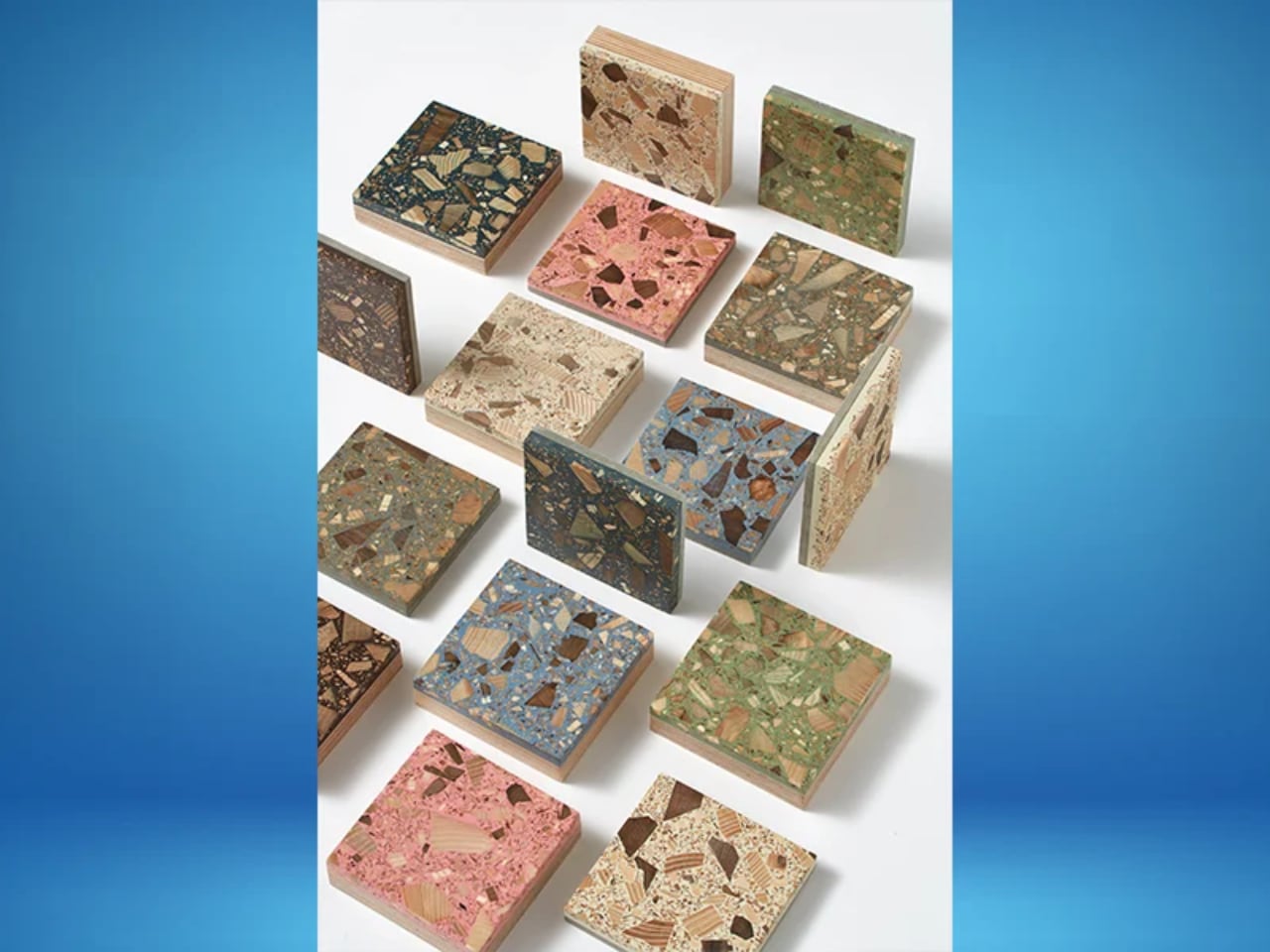
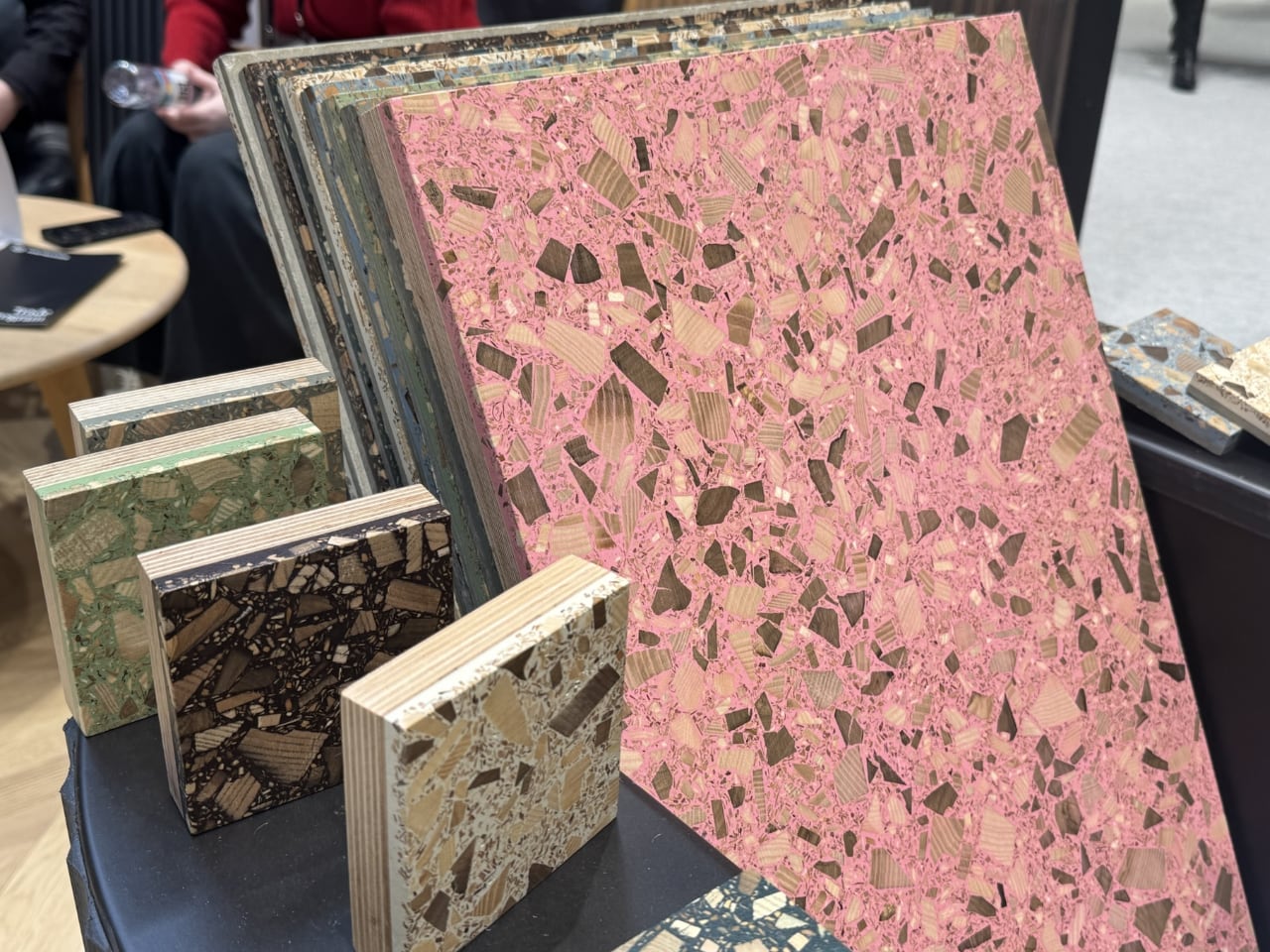
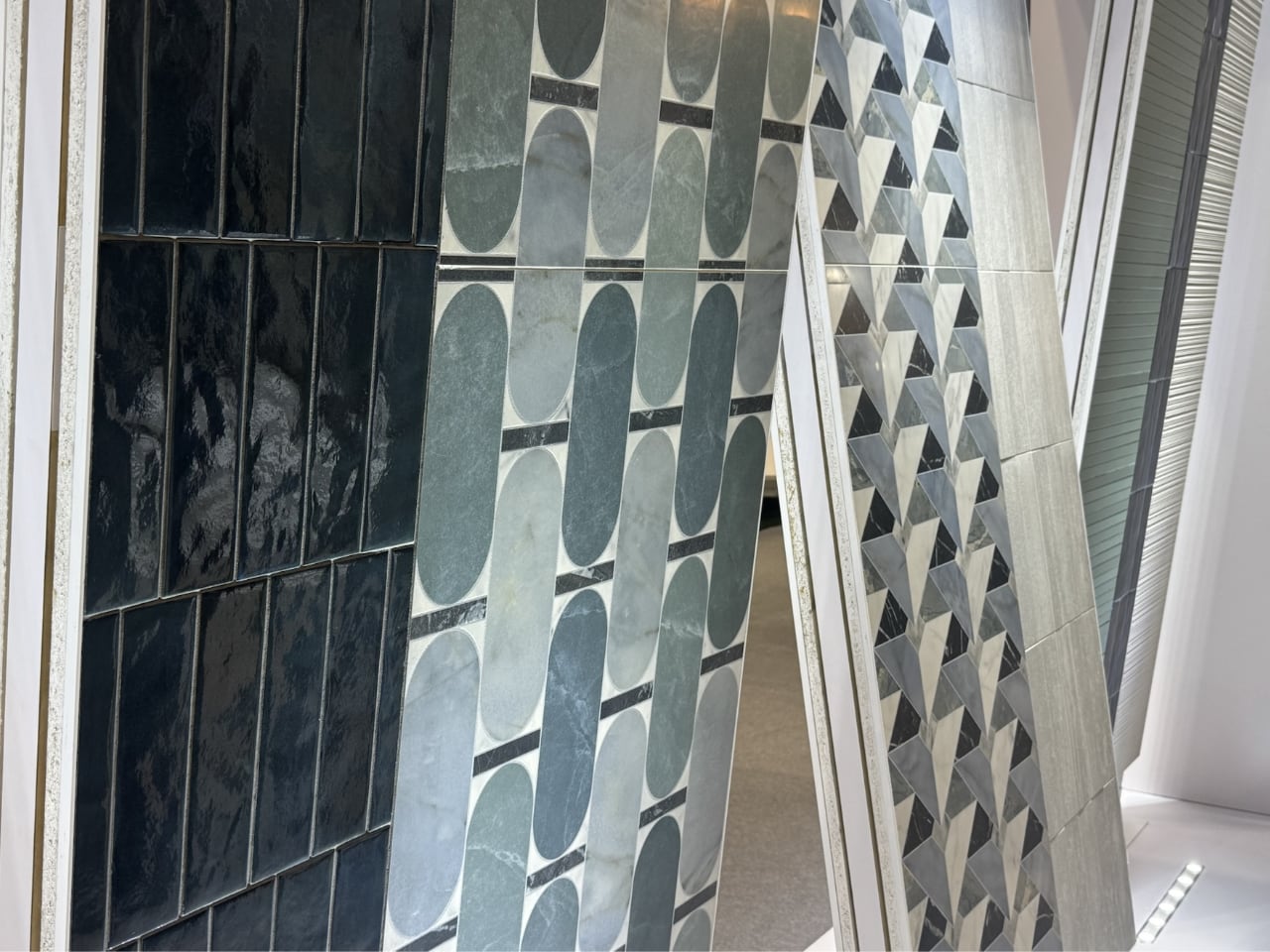
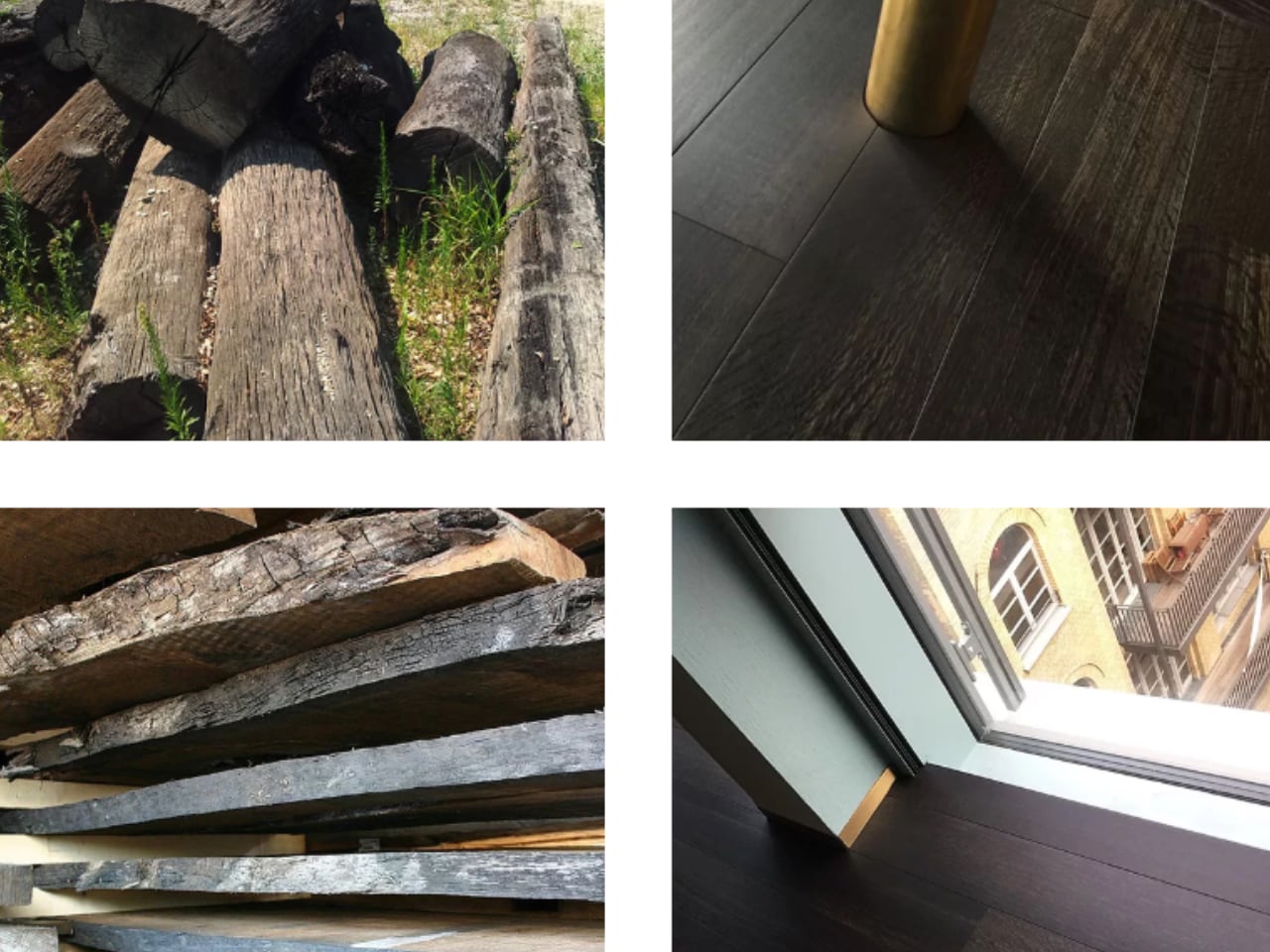
The exhibition wraps up with the “Infinite Dream” and “New Dawning” spaces, which celebrate the blend of modern tech with traditional craftsmanship, through collabs with artisans like MUTINA and ALPI.
INFINITE DREAM, the fourth exhibition space of Samsung Design’s Newfound Equilibrium
In a nutshell, the ‘Newfound Equilibrium’ exhibition at Milan Design Week 2024 shows off Samsung’s big ideas about the future of tech and design. It’s about tech and design, living together, and making life better for people all over the world. Samsung’s ongoing commitment to thoughtful and progressive design is clear, and it’s really exciting to see what they’re doing to make tech a force for good in our lives.


Bespoke creations that blend modern technology with traditional craftsmanship are showcased at NEW DRAWING, the concluding exhibition space of Samsung Design’s Newfound Equilibrium.