Memobottle Launches Stunning EDC-worthy Titanium, Copper, and Satin Steel Bottles for its 10th Anniversary

The pioneer of the ‘flat-pack’ bottle designed to be carried in laptop bags, handbags, and pockets is celebrating a decade of its iconic presence with new limited-edition metallic memobottles, in addition to their Original Tritan plastic and stainless steel ranges. The 10th-anniversary collection features the iconic memobottles made from titanium, copper, and satin steel. As always, the space-saving bottles are sized keeping international paper sizes and notebook proportions in mind, across A5, A6, A7, and Slim form factors.

Designers: Jesse Leeworthy and James Butler

Click Here to Buy Now: $47 $55 ($8 off, delivered before Christmas 2024). Hurry, only few left! Raised over $91,000.

Dubbed the Elements collection, this edition turns bottles rightfully into EDC. Staying hydrated is usually a chore, but these memobottles make being hydrated feel exceptionally cool. The Titanium Ultralight, Copper PVD, and Satin Steel memobottles have a gorgeous microtextured finish reminiscent of high-end tech gear. Leading the collection is the Titanium Ultralight Memobottle, a standout thanks to its use of aerospace and medical-grade TA1 titanium. Known for its exceptional strength and lightweight properties, titanium makes this 600ml Slim bottle both durable and highly portable. The ultralight design allows for easy carrying without adding unnecessary bulk, ideal for those who are constantly on the move. Its slender, flat profile ensures it can slip into bags without taking up much space, making it the perfect choice for minimalists and travelers alike.

Crafted from 304 stainless steel and sand-blasted down to a smooth satin finish.

With a striking warm-toned rosy glow from its PVD Copper exterior, this bottle is bound to make a statement everywhere you go.

Crafted from TA1 – aerospace and medical grade – pure Titanium. At only 0.42 lb, 189g, it’s 48% lighter than its stainless steel counterpart, without compromising on durability.

The Copper PVD memobottle offers a warmer, more luxurious take on everyday hydration. Made from stainless steel with a Copper PVD coating, this A6 model holds 500ml and stands out with its rich, metallic finish. Copper has a natural antibacterial quality, adding a functional edge to the bottle’s already impressive aesthetic. It’s a great option for those who appreciate both style and utility in their daily accessories. The flat design, characteristic of all Memobottles, ensures this one fits neatly into slim bags or alongside laptops, making it a practical yet eye-catching companion for work, commuting, or leisure.

If you want to explore memobottle’s various sizes, the Satin Steel version comes in all four sizes (unlike the Titanium and Copper models that are limited to just a single size). From the compact A7 (250ml) to the larger A5 (1050ml), these bottles are made from 304-grade stainless steel, ensuring they’re as durable as they are stylish. The metallic finish gives them a modern minimalist edge, putting them miles ahead of plastic bottles but also outshining most boring cylindrical thermos designs. Whether you’re carrying the ultra-compact A7 for quick hydration or the larger A5 for all-day use, the Satin Steel bottles and their iconic flat profiles are designed to optimize space in bags while maintaining a strong visual appeal.

Beyond aesthetics, Memobottle even hopes to share a message of sustainability with its broader audience. Aside from just being the most gorgeous set of multi-use bottles that allow you to ditch dependence on use-and-throw bottles of mineral water, the company has also donated over 34 million days of safe water access to communities in need through their partnership with Water.org. As far as the Elements series goes, the use of recyclable materials like stainless steel and titanium reflects the company’s commitment to offering long-lasting alternatives to single-use plastic bottles that can last for years with maintenance. Each bottle is built to endure heavy use over the years, and you can even grab cleaning tablets with your memobottle that you can pop into the bottle when you want an extra deep clean. When the bottles do reach the end of their lifespan, they are fully recyclable too. You can grab your own memobottle Elements-edition, with the Satin Steel and Copper PVD variants shipping before Christmas, and the Titanium Ultralight shipping next year. To make sure your bottles reach you with a minimal carbon footprint, Memobottle has even optimized its shipping routes, using sea freight wherever possible.

Click Here to Buy Now: $47 $55 ($8 off, delivered before Christmas 2024). Hurry, only few left! Raised over $91,000.

The post Memobottle Launches Stunning EDC-worthy Titanium, Copper, and Satin Steel Bottles for its 10th Anniversary first appeared on Yanko Design.
Meta’s futuristic Orion AR Glasses have Holographic Displays and Neural Control. Apple should take notes

At the Meta Connect 2024 keynote, not only did Mark Zuckerberg debut actual Augmented Reality with holographic displays and neural control, it did so in a device that’s smaller, lighter, and one could argue, more socially acceptable (aka stylish) than Apple’s Vision Pro. Dubbed the Orion, it’s simply a developer prototype for now, but Meta hopes to refine the design, improve the displays, and actually sell it at an affordable price to consumers.

Designer: Meta

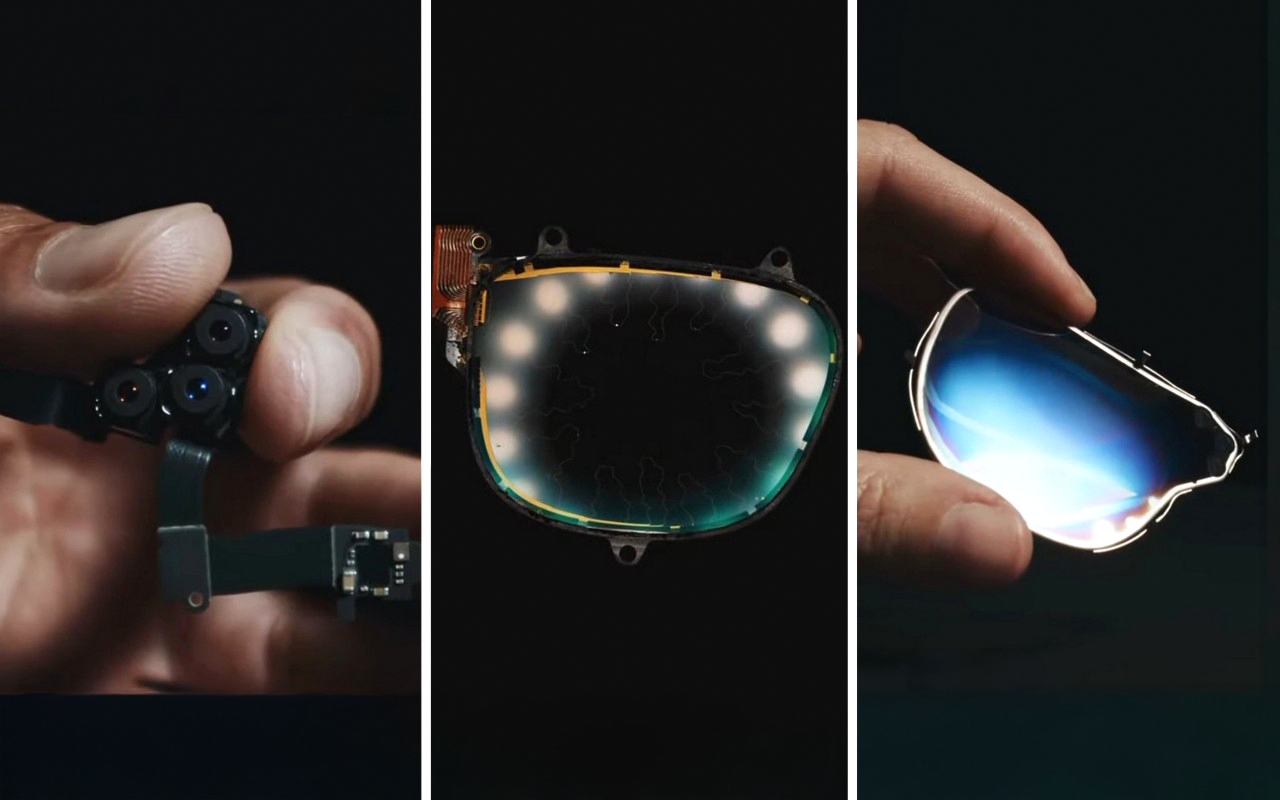
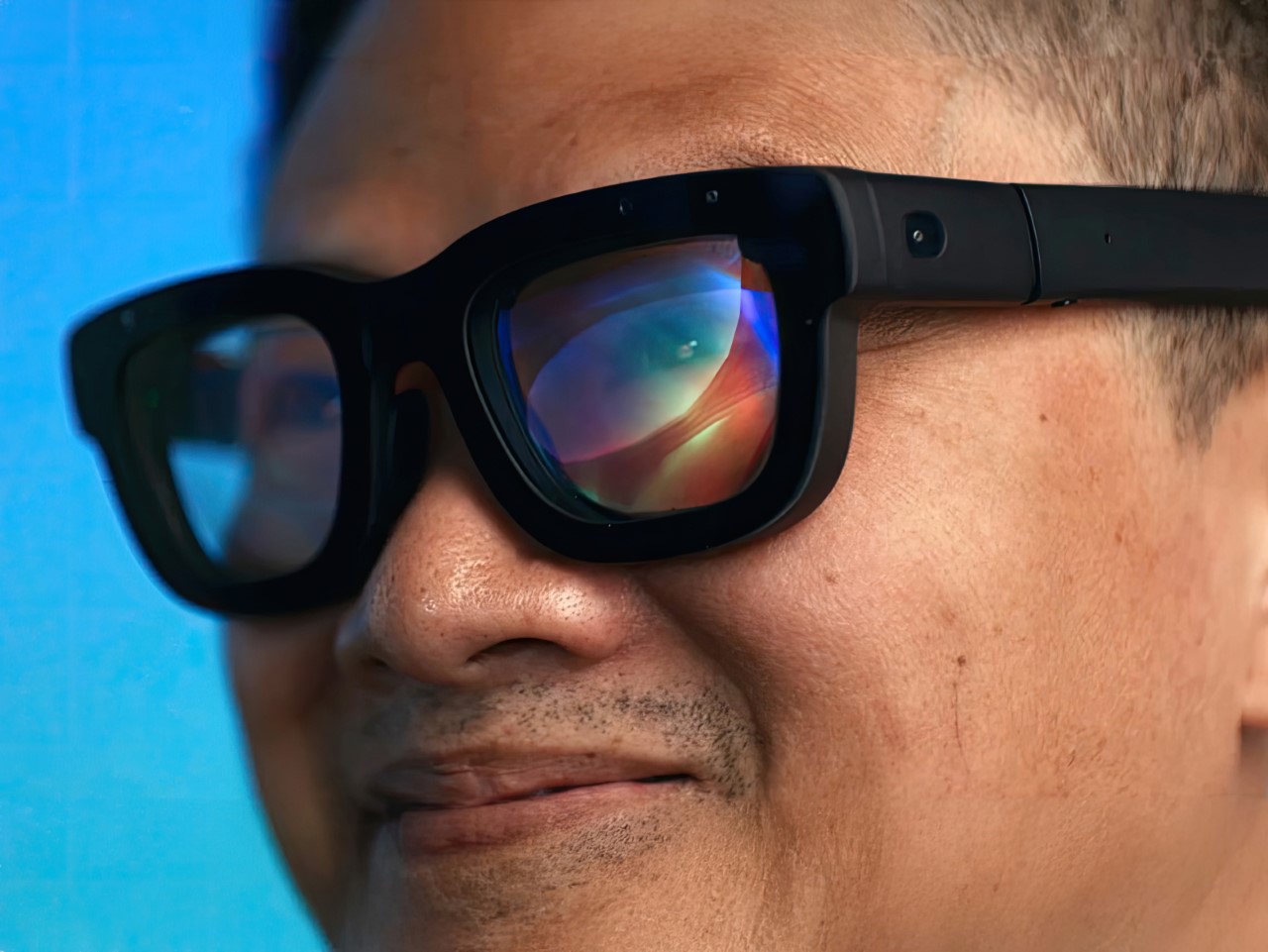
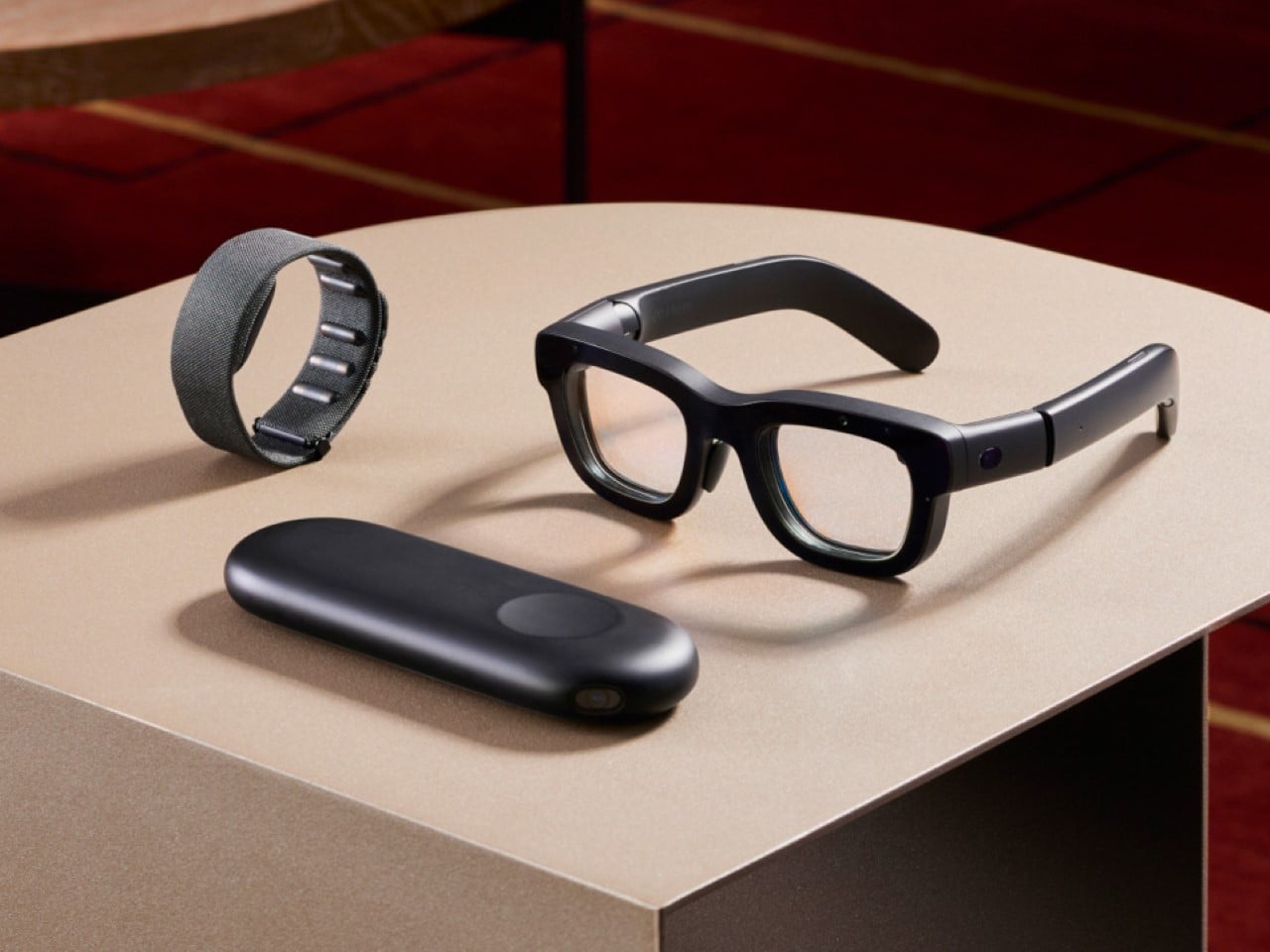
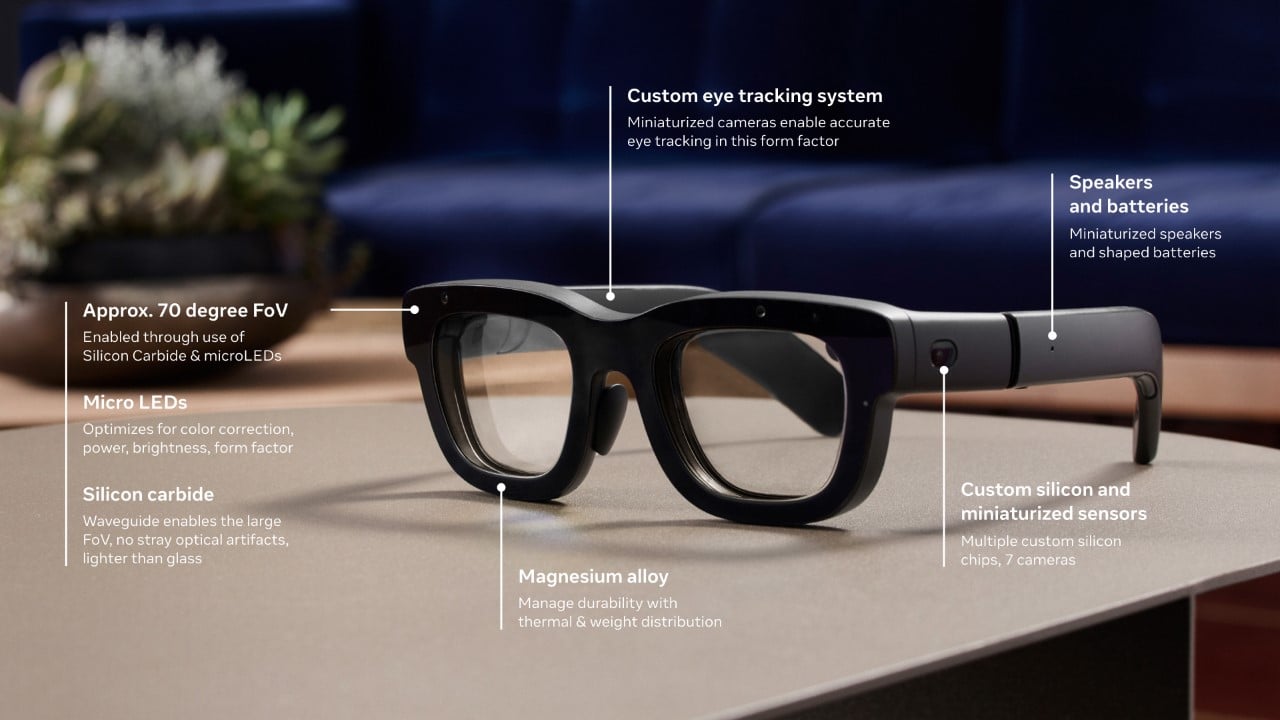
Orion is not a bulky headset—it’s a sleek, spectacle-like device that weighs under 100 grams, making it comfortable for extended use. This is an impressive feat considering the amount of technology packed into such a small form factor. While Meta Quest Pro and Apple’s Vision Pro are capable of mixed reality, Orion’s fully transparent, holographic display takes things to a different level. Instead of the passthrough experiences that blend digital elements on top of a live camera feed, Orion projects 3D objects directly into the real world using innovative waveguide technology. The frames are made from magnesium, a super-light metal known for its strength and ability to dissipate heat (something even NASA’s relied on for its space hardware).

The core of this magic is a set of tiny projectors embedded within the arms of the glasses. These projectors beam light into lenses that have nanoscale 3D structures, creating stunningly sharp holographic displays. Zuckerberg emphasized that you could go about your day—whether you’re working in a coffee shop or flying on a plane—while interacting with immersive AR elements like a cinema-sized virtual screen or multiple work monitors.

But it’s not just about visuals. The glasses also facilitate natural social interaction: you can maintain eye contact with others through the transparent lenses, and digital elements seamlessly overlay onto the real world. Need to send a message? Instead of fumbling for your phone, a hologram will appear before your eyes, letting you reply with a quick, subtle gesture. This fluid integration of the digital and physical worlds could set Orion apart from its competitors.

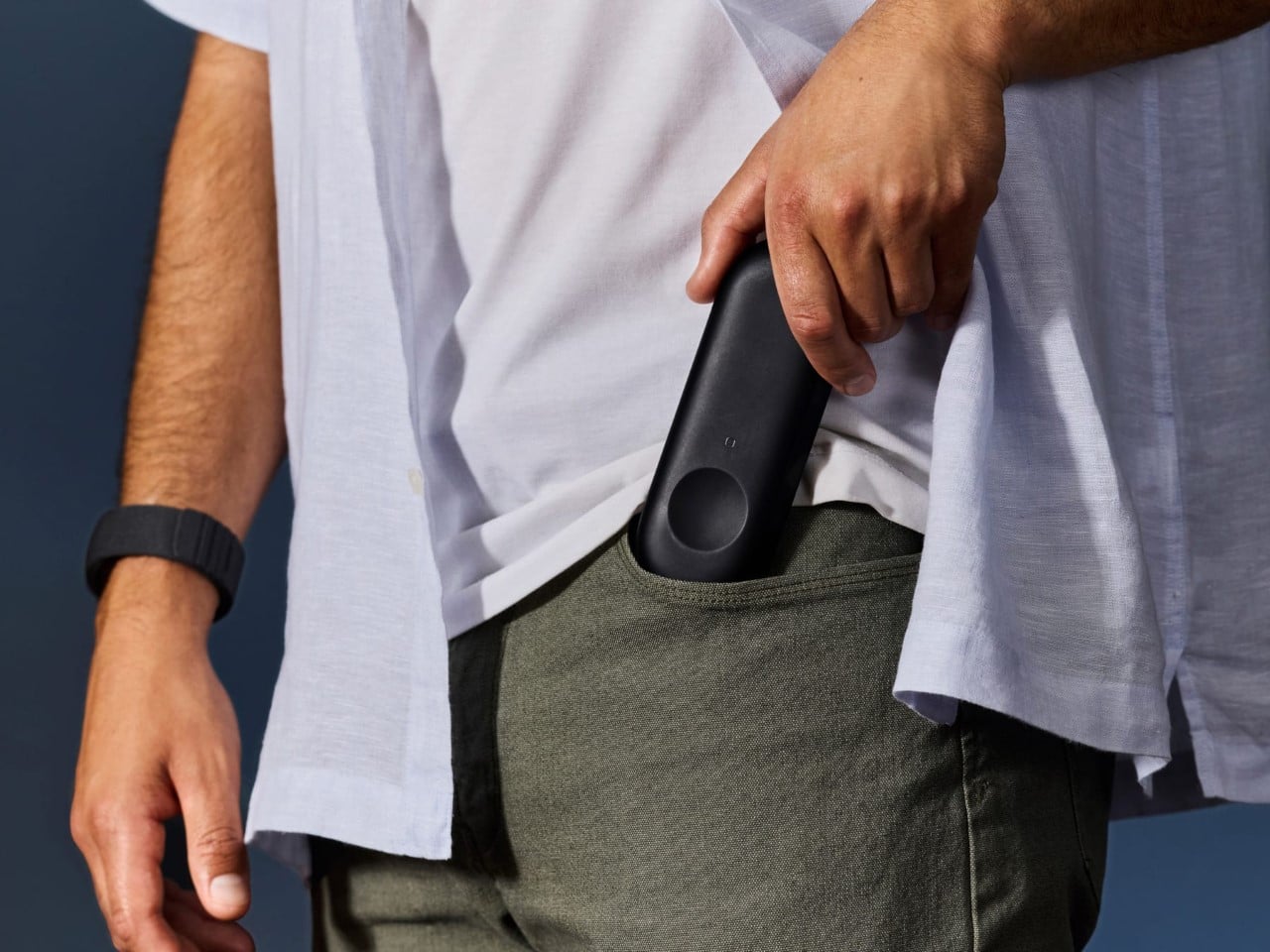
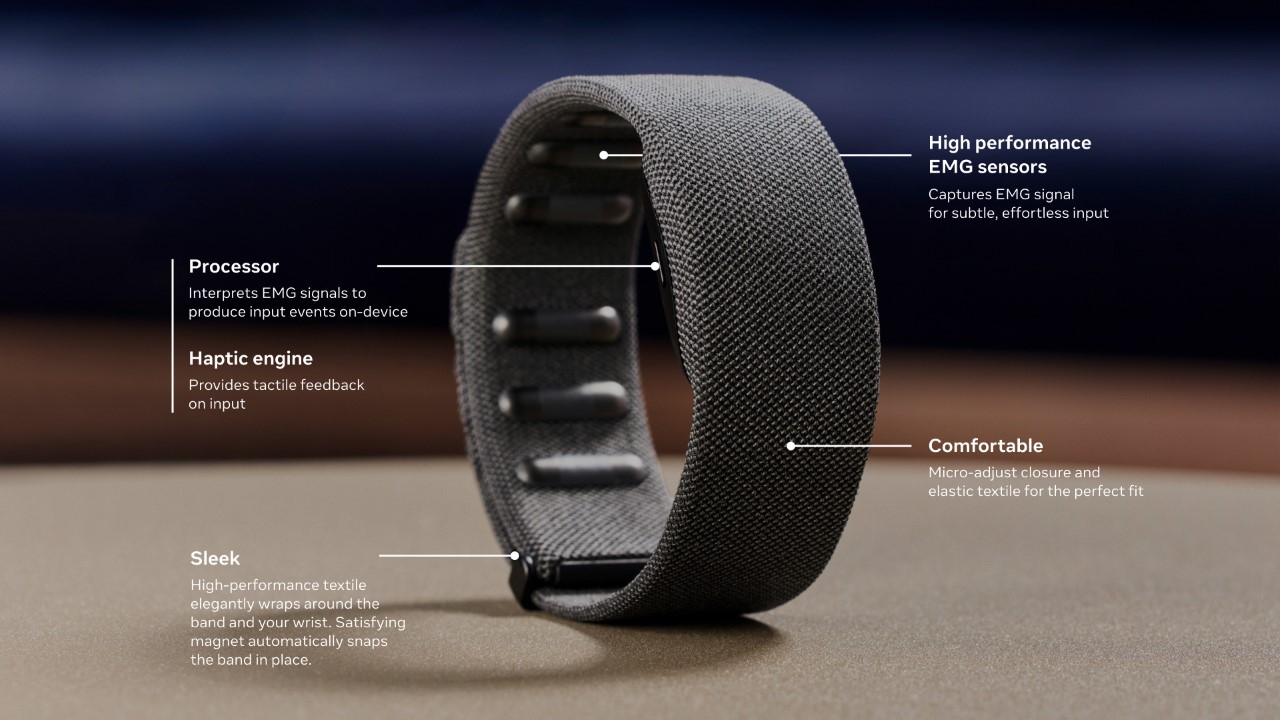
When it comes to control, the Orion glasses offer several interaction modes—voice, hand, and eye tracking—but the star of the show is the neural wristband. In contrast to the Vision Pro, which relies on hand gestures, eye-tracking, and voice commands, Orion takes the next step by reading neural signals from your wrist to control the device. This neural interface allows for discreet control. Imagine being in a meeting or walking down the street—gesturing in mid-air or speaking aloud commands isn’t always convenient. The wristband can pick up subtle electrical signals from your brain and translate them into actions, like tapping your fingers to summon a holographic card game or message a friend. This introduces a new level of human-computer interaction, far more intimate and nuanced than what’s currently available on the market.

While Apple’s Vision Pro and Meta’s previous Quest Pro have been praised for their intuitive interaction systems, Orion’s neural control represents a massive leap forward. It reduces the friction of interacting with digital elements by cutting down on the physical and vocal gestures required, creating a more seamless experience.

One of the key differentiators for Orion is its display technology. Unlike the Vision Pro or Meta Quest Pro, which rely on cameras to pass a live feed of the outside world onto a screen, Orion offers true augmented reality. The glasses project digital holograms directly into your field of view, blending with your surroundings. This isn’t just a camera feed of your environment with digital elements superimposed—it’s real-world AR with transparent lenses that you can see through as you would normal glasses. The holograms are bright enough to stand out even in varied lighting conditions and sharp enough to allow users to perceive fine details in their digital overlays.

Zuckerberg illustrated this with examples: receiving a message as a floating hologram or “teleporting” a distant friend’s avatar into your living room. The display architecture is entirely new, made possible by custom silicon chips and sensors integrated into the glasses, offering a level of immersion that’s more subtle yet more profound than the pass-through systems we’ve seen so far. In a private demo, he even played a metaverse version of Pong with key industry experts like Nvidia CEO Jensen Huang, and investors like Gary Vaynerchuck and Daymond John of Shark Tank.

For all its innovation, Orion is still in the development phase. Zuckerberg was candid that Orion is not yet ready for consumers. Instead, it will serve as a development kit for Meta’s internal teams and a select group of external partners. This will help refine both the hardware and software, as well as grow the ecosystem of apps and experiences that will make Orion valuable when it eventually hits the consumer market. There’s also the matter of affordability—Zuckerberg mentioned the team is working to improve manufacturing processes to bring the cost down. As it stands, this isn’t a device you’ll see in stores next week, but it’s a crucial step in realizing Meta’s vision for the future of AR.

The potential for Orion is vast. Zuckerberg envisions it as the next major computing platform, capable of reshaping how we work, play, and interact with others. By leveraging the power of true augmented reality with a groundbreaking neural interface, Orion positions itself as more than just a wearable gadget—it’s an entirely new way of interfacing with the digital and physical worlds. For now, it’s an exciting glimpse into what the future might hold. The Orion glasses may not be in your hands today, but their arrival could redefine the entire AR landscape in the years to come.

The post Meta’s futuristic Orion AR Glasses have Holographic Displays and Neural Control. Apple should take notes first appeared on Yanko Design.

Titanium Milanese Loop Review: Precision Engineering Meets Luxury in Apple’s Ultimate Watch Band

PROS:


  • Durable: Made from aerospace-grade titanium, the Milanese Loop is corrosion-resistant and built to handle tough environments.

  • Lightweight: The band remains lightweight despite being metal, reducing discomfort during extended wear.

  • Comfortable: The flexible mesh contours to the wrist, offering breathability and reducing irritation.

  • Custom Fit: Micro-adjustability down to 1mm ensures a perfect, snug fit for different wrist sizes and activities.

  • Sustainable: Constructed from 95% recycled titanium, aligning with Apple’s focus on environmentally responsible materials.

CONS:


  • Price: At $200, it's pricier compared to other Apple Watch bands.

  • Hair Pulling: The mesh design may cause slight pulling for users with wrist hair.

  • Indention Marks: A tighter fit can leave skin indentations after prolonged wear.

RATINGS:

AESTHETICS
ERGONOMICS
PERFORMANCE
SUSTAINABILITY / REPAIRABILITY
VALUE FOR MONEY

EDITOR'S QUOTE:

The Titanium Milanese Loop brings next-level engineering, rivaling Rolex's precision, durability, and seamless blend of luxury and functionality.
award-icon

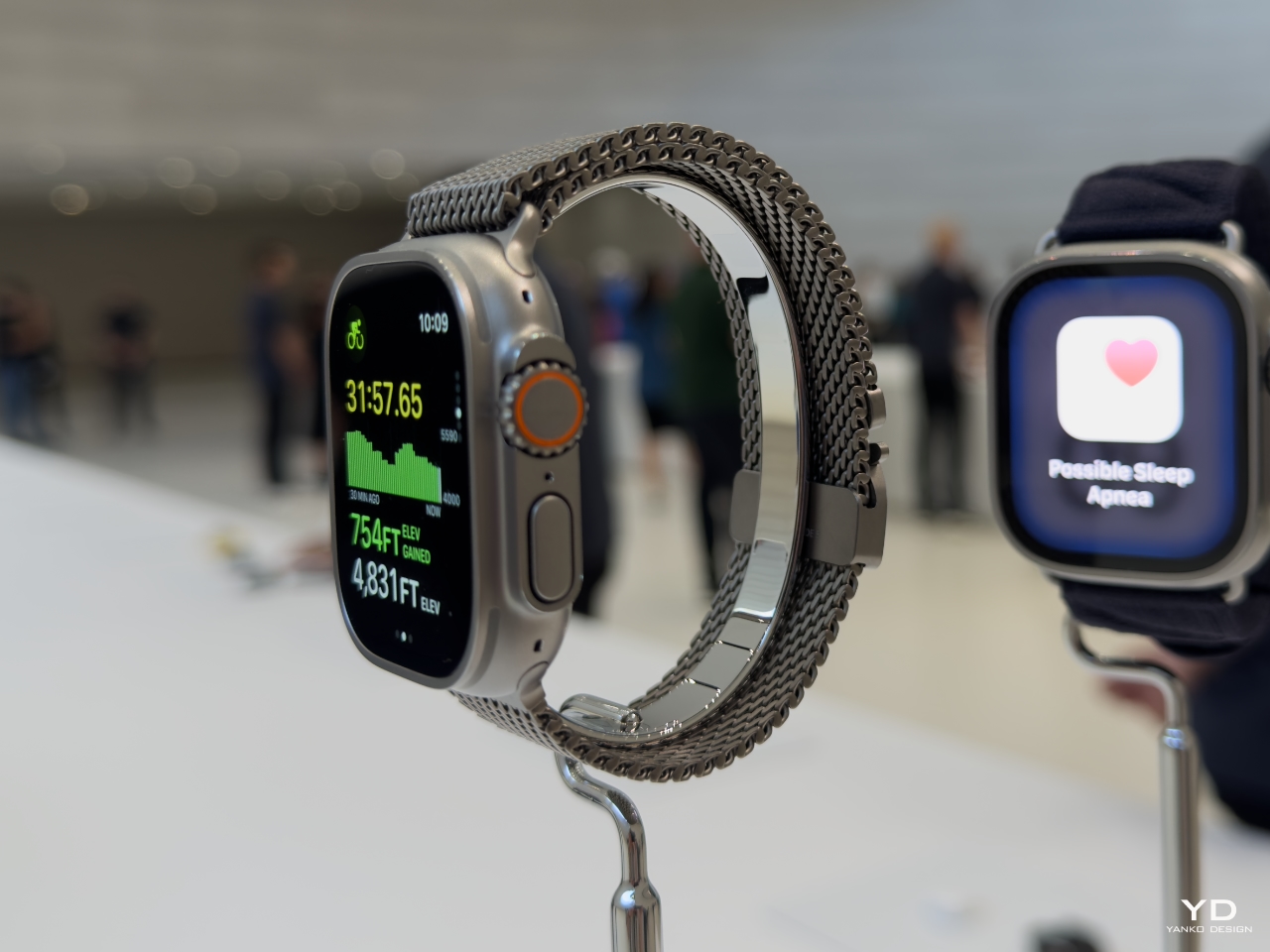
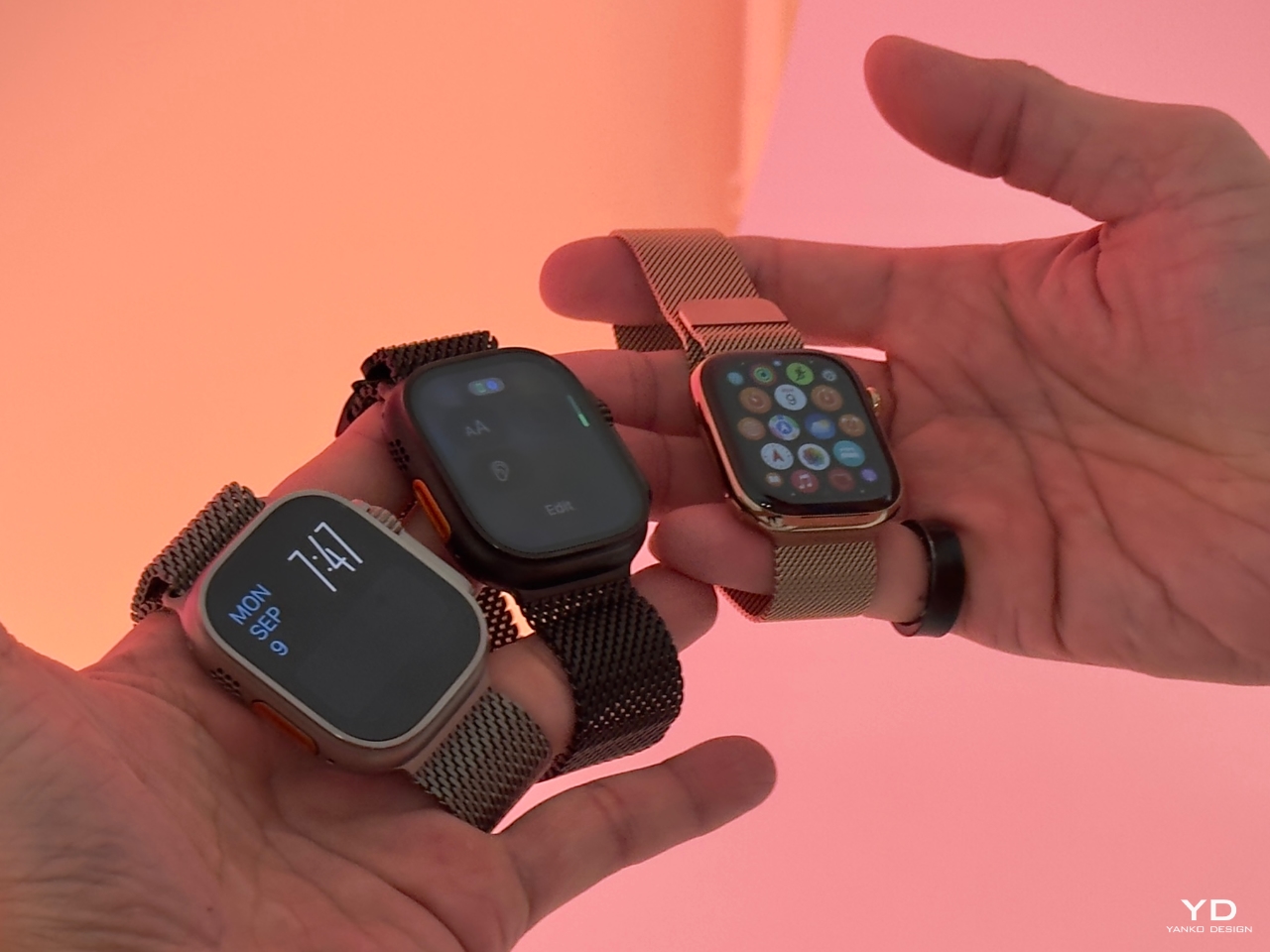
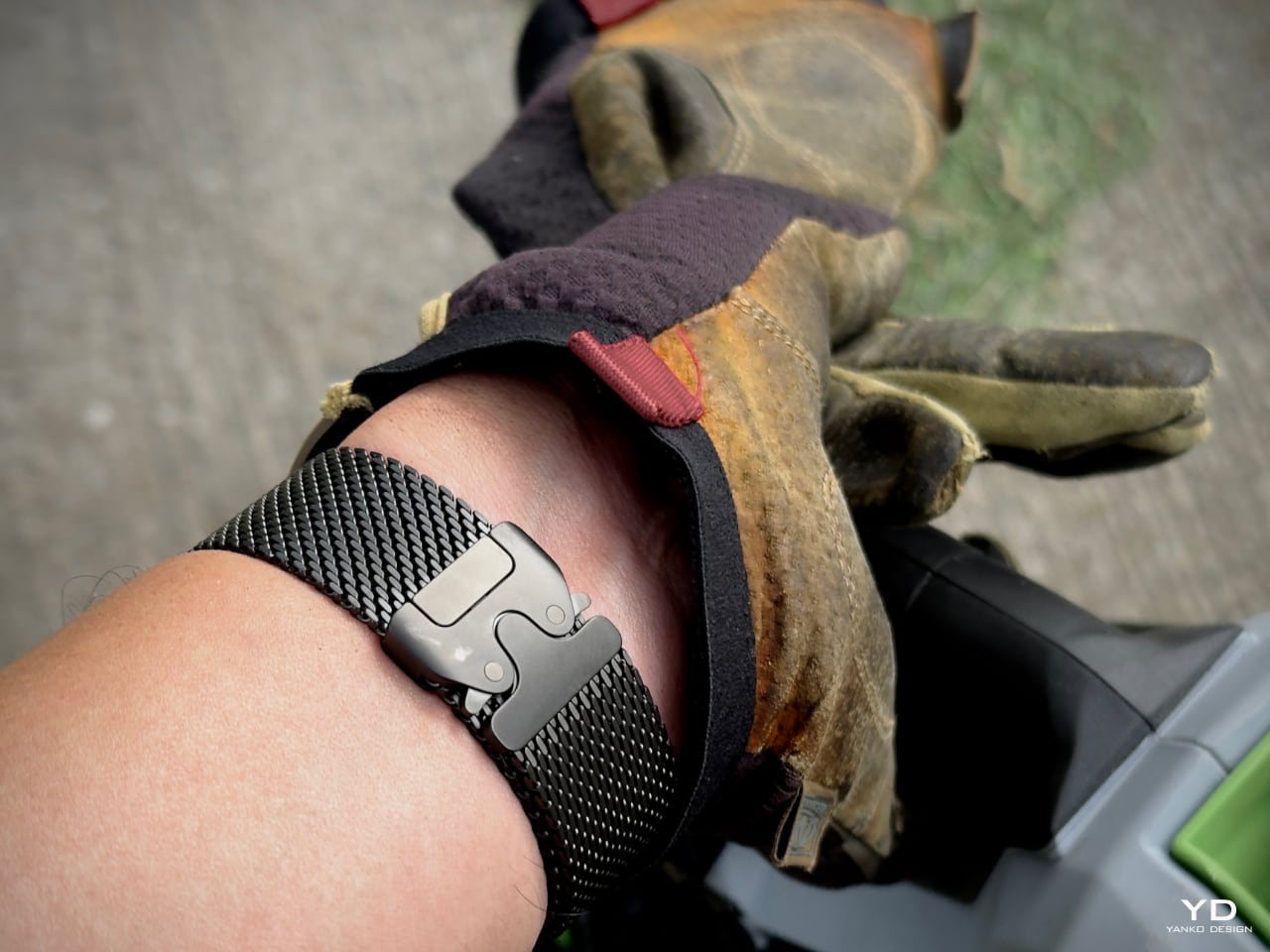
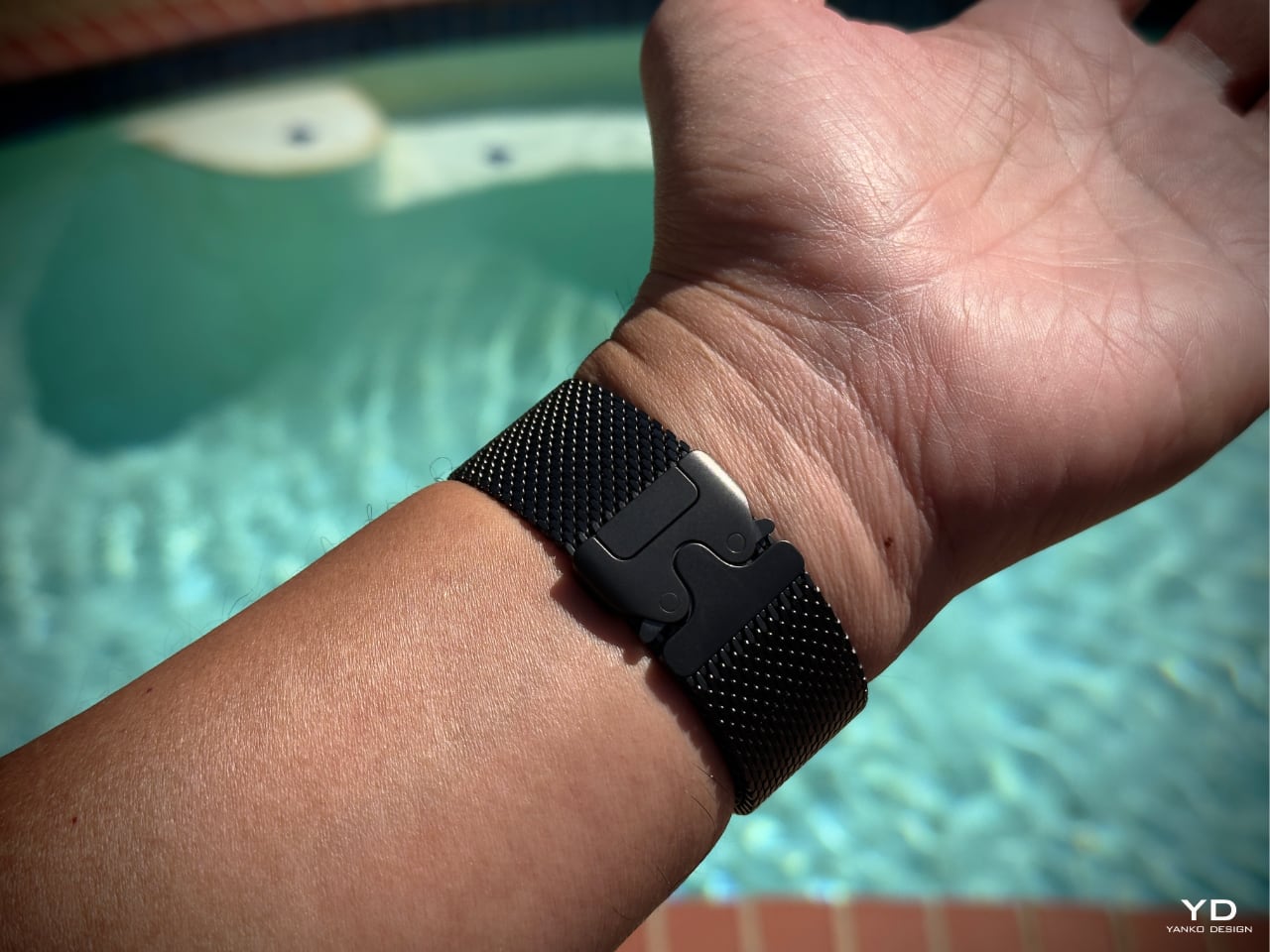
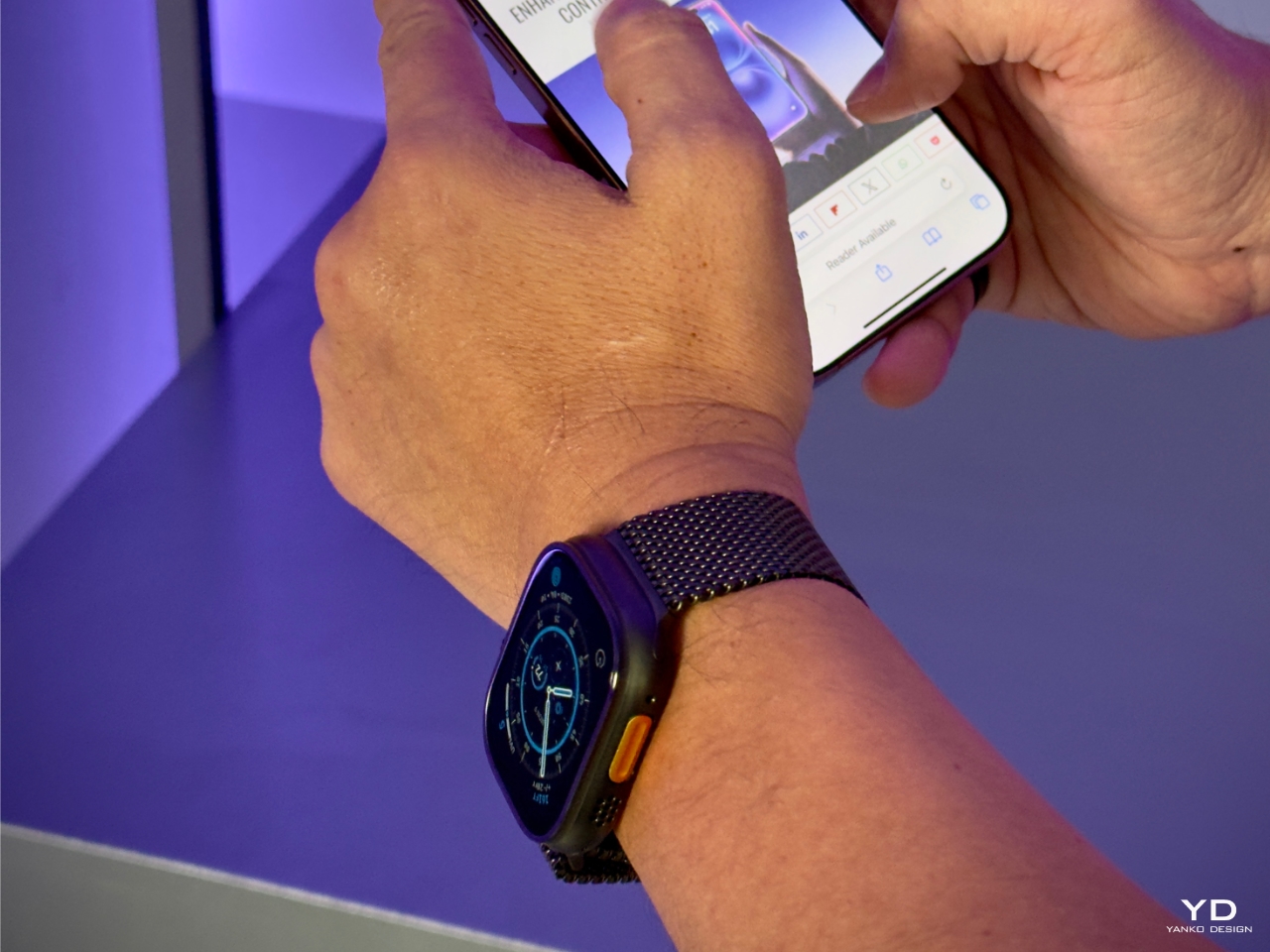
When I first saw the Milanese Loop for the Apple Watch Ultra 2 at the Apple Glowtime event, it immediately grabbed my attention as an impressive leap forward in band design. Inspired by stainless steel mesh historically used by divers, this new Titanium Milanese Loop is made from woven, corrosion-resistant titanium wire. It’s flattened and polished to a stunning satin texture that balances ruggedness and elegance. The parachute-style buckle features dual side-release buttons that close with an audible click, giving a sense of security whether exploring the ocean depths or heading out for a night on the town.

Designer: Apple

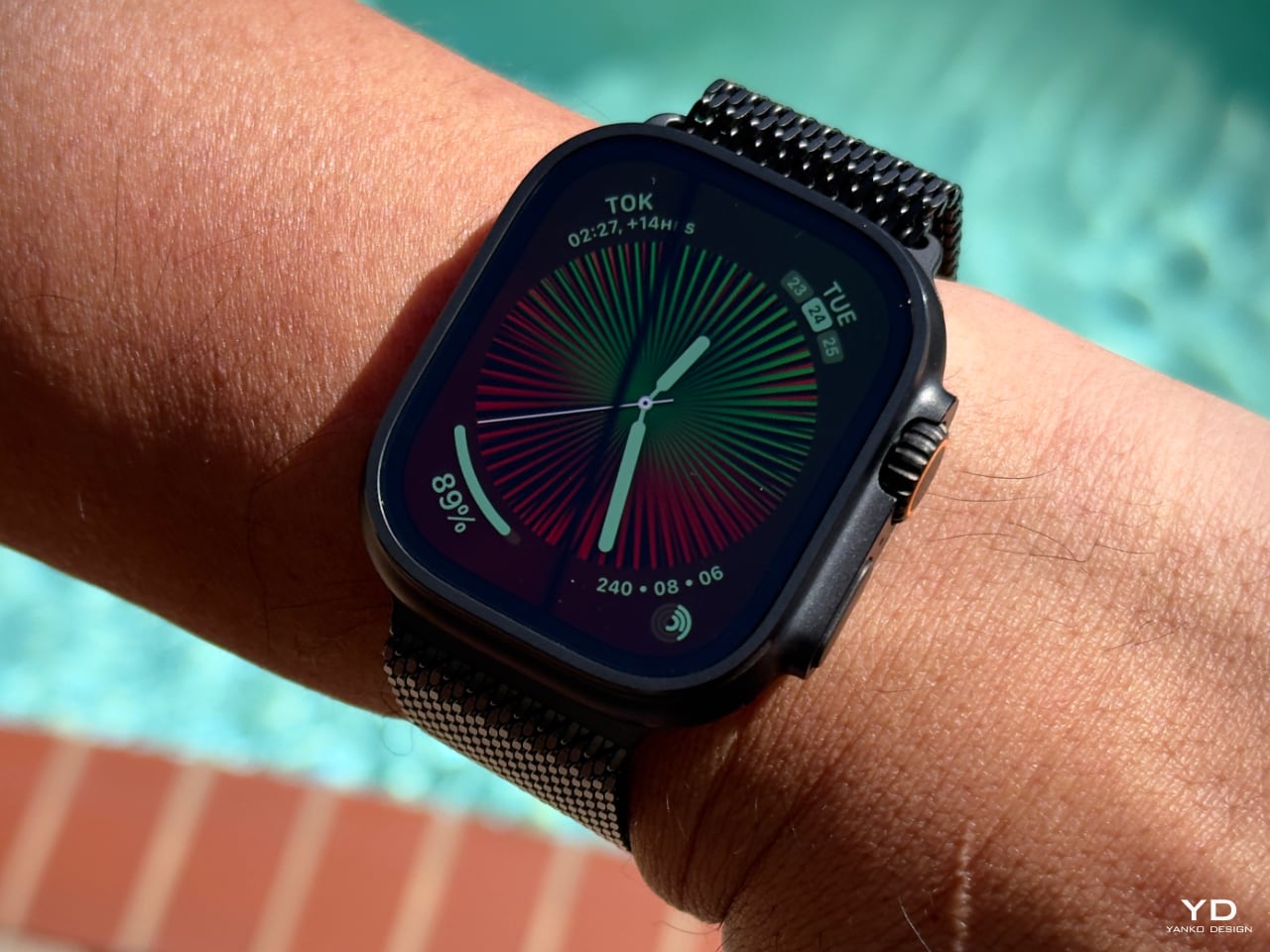
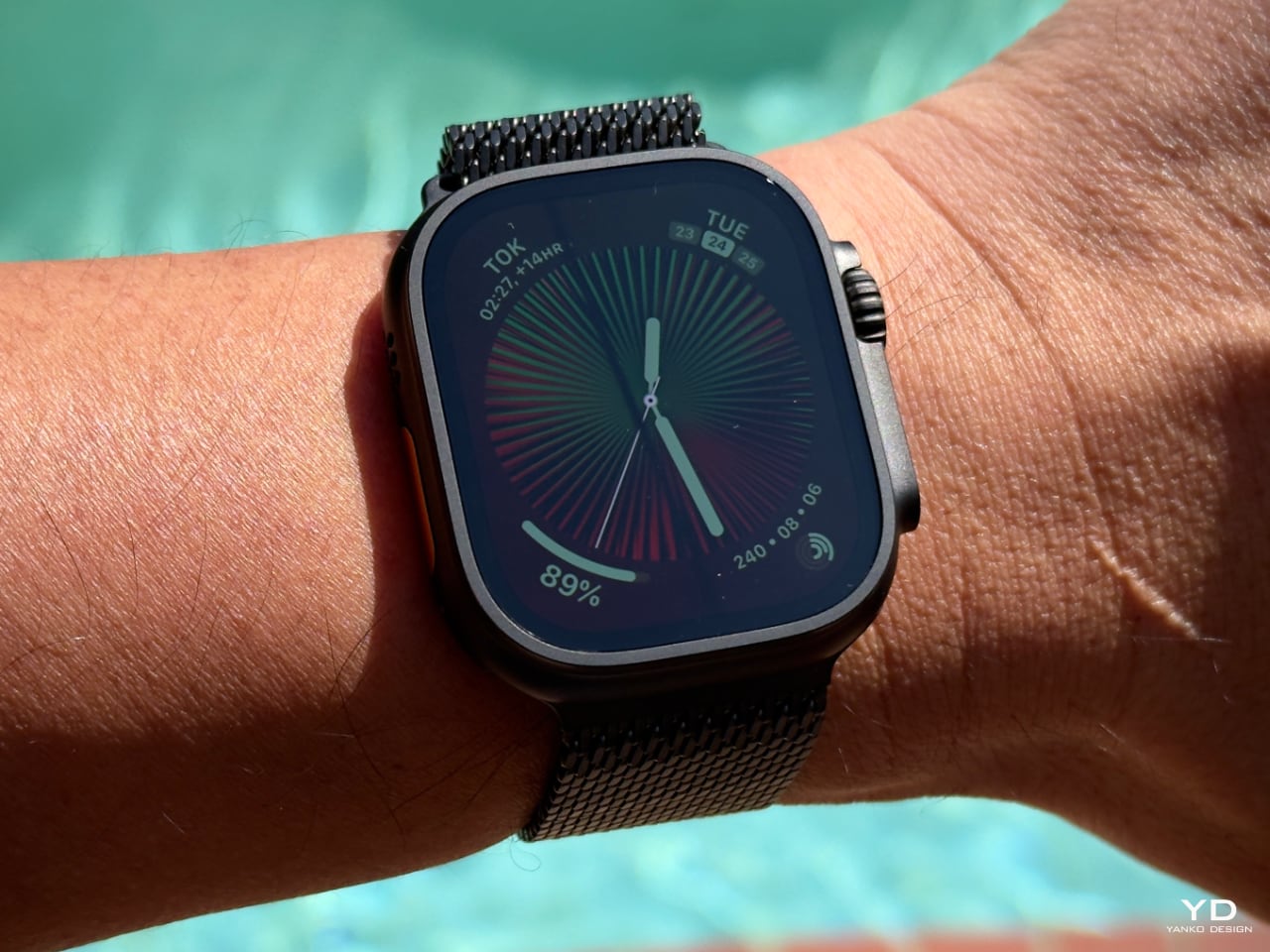
This band perfectly complements the Apple Watch Ultra 2’s rugged design, offering lightweight durability while looking refined. Whether heading into a meeting, swimming in the pool, hiking, or deep diving, I know the Titanium Milanese Loop can handle it without sacrificing style or functionality.

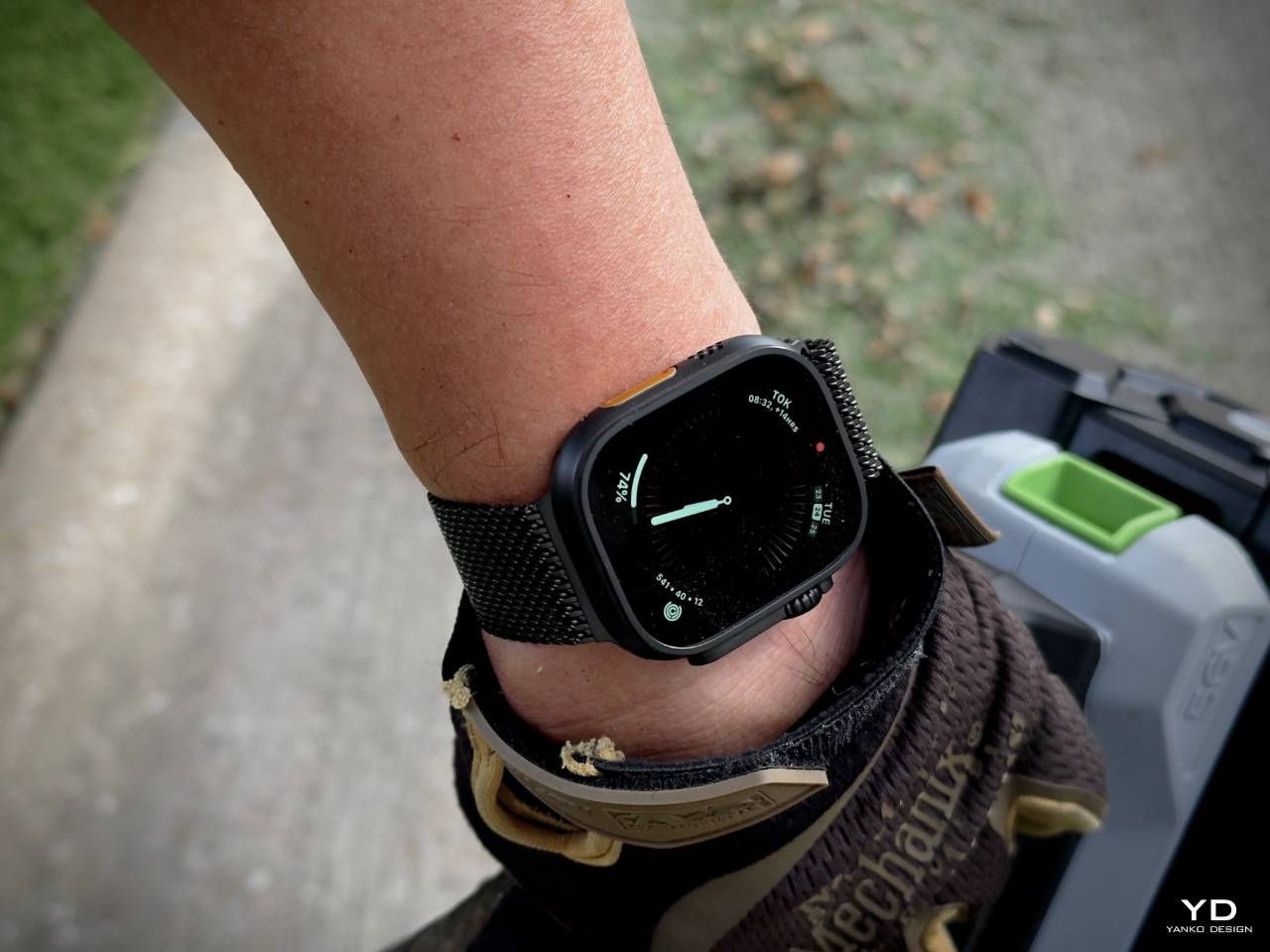
Now available in a striking new black titanium finish, the Apple Watch Ultra 2 proves why it’s the go-to choice for serious athletes and adventurers. Featuring the brightest display ever on an Apple device, the Ultra 2’s LTPO2 OLED Always-on Retina display delivers up to 3000 nits of brightness, making it highly visible even in the harshest sunlight. In comparison, the Apple Watch Series 10 offers a display brightness of up to 2000 nits and a wide-angle OLED that increases brightness by up to 40% when viewed at an angle. The Ultra 2 delivers battery life, lasting up to 36 hours during regular use and 72 hours in low power mode, compared to 18 hours of standard usage on the Series 10. Combined with the new Titanium Milanese Loop, the Apple Watch Ultra 2 represents a seamless marriage of aesthetics and performance, capable of handling the most demanding terrains while looking sophisticated enough for any occasion.

Design, Custom Fit, and Next-Level Engineering Marvel

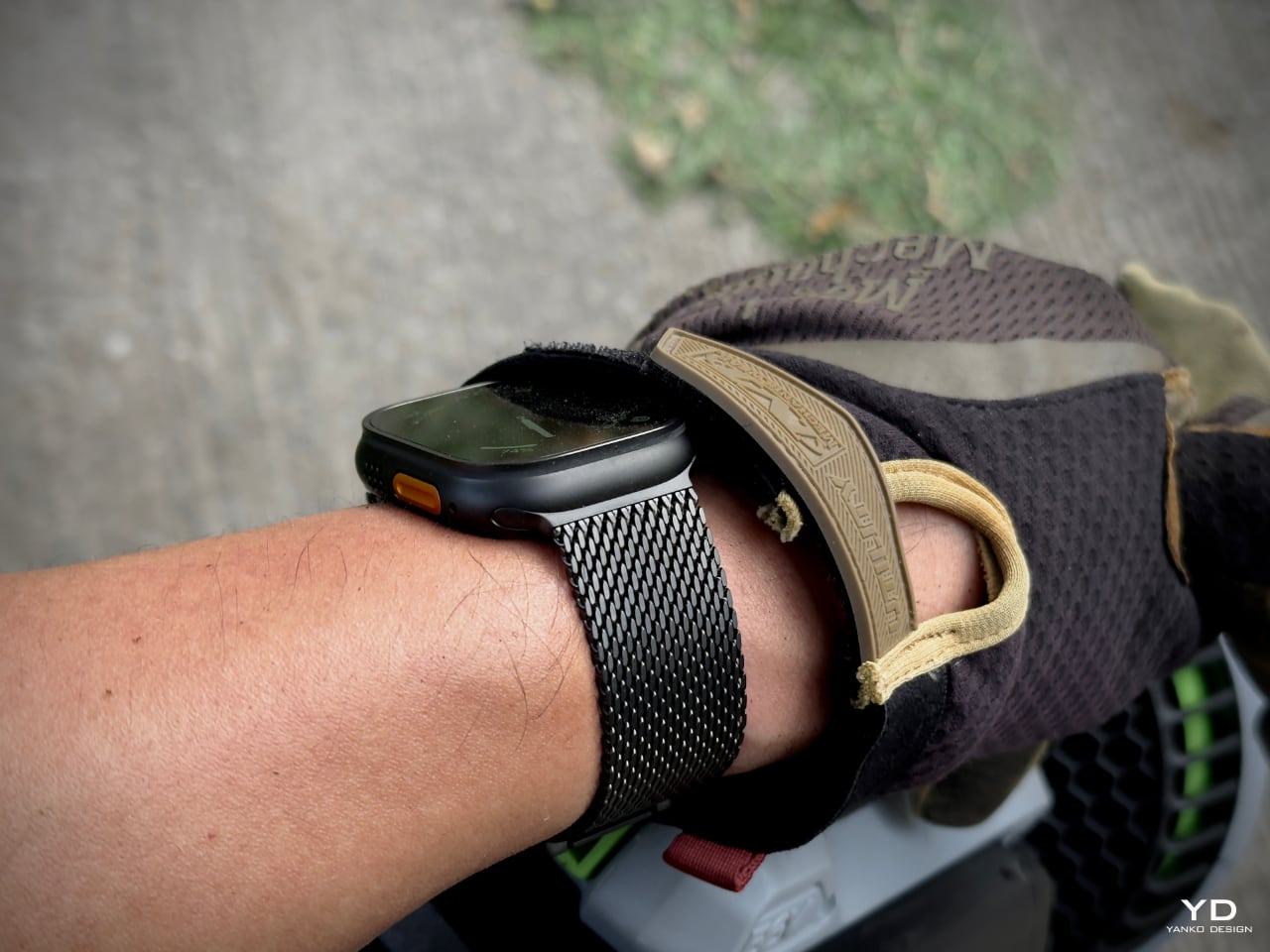
The Milanese Loop design has a long history rooted in traditional chainmail used by divers, but Apple has reimagined it with a modern touch. The Titanium Milanese Loop, crafted specifically for the Ultra, caught my eye from the moment I saw it at the Apple Glowtime event. Made from aerospace-grade titanium, the band is lightweight and corrosion-resistant, offering strength and comfort—a perfect match for the Ultra 2’s rugged yet refined style.

What impressed me most was Apple’s commitment to craftsmanship, as the band is created through a meticulous process of weaving, flattening, laser-welding, grinding, and finely polishing the titanium wire to form a precise, interlinking mesh that balances both strength and flexibility. This design drapes comfortably on the wrist while maintaining durability. I immediately appreciated the dual-button, parachute-style buckle, which made adjusting my wrist’s natural fluctuations throughout the day incredibly easy. Whether due to temperature changes or the ebb and flow of daily activity, I could quickly loosen or tighten the fit without needing to remove the watch. This level of adjustment, down to 1mm, truly made the band feel custom-made for my wrist.

Apple’s decision to use titanium wasn’t only about strength and practicality for everyday use. The dual-release buckle offers peace of mind, providing a secure fit during various activities without any concern about it coming undone. Whether in natural or black titanium, the band perfectly complements the Ultra 2’s new black titanium finish. Achieved through a custom blasting process and enhanced with a diamond-like carbon (DLC) coating, this finish provides excellent scratch resistance, ensuring the watch and band look as good after months of wear as they did the first day I tried them.

The Titanium Milanese Loop combines aesthetics, ruggedness, and sustainability. Made from 95% recycled titanium, this band aligns with Apple’s focus on environmentally responsible materials. In my experience, it’s a stylish, practical, and durable accessory. This blend of qualities makes it a great long-term choice for anyone seeking a band that complements the Ultra 2’s versatility and style.

Fit and Comfort: Tailored for Performance

The Milanese Loop for the Apple Watch Ultra 2 is breathable and flexible, making it a great fit for all-day wear. Depending on your personal preferences, there are a couple of things to consider. While some users with wrist hair might experience slight pulling due to the mesh design, I haven’t had this issue myself.

As someone who prefers a snug fit, I tend to wear my watch a bit tighter to prevent it from moving around, a habit formed from years of wearing traditional mechanical watches. If you wear the Ultra 2 tightly, as I do, you’ll notice a slight indentation after a long day, but there’s no discomfort associated with it. It’s more about leaving a mark than feeling any pain. This tight fit keeps the watch in place, making it feel more secure during physical activities, whether hiking, diving, or running errands.

This band’s ability to adjust down to the millimeter makes it incredibly versatile for any wrist size. It’s great to know Apple offers an extra-long tail version for those needing additional length—whether to wear over a wetsuit or simply because of larger wrists.

For me, the combination of the Titanium Milanese Loop and the Apple Watch Ultra 2 is all about striking the right balance between durability, comfort, and design. It’s the kind of band that seamlessly fits into my daily life, whether I’m out hiking, working in the yard, or tackling outdoor adventures. This band doesn’t just look good; it’s made to endure, and it pairs perfectly with the rugged nature of the Ultra 2. The thoughtful engineering and comfort of the Milanese Loop make it feel like it’s built to last, keeping up with the adventurous spirit that the Ultra 2 embodies.

Band Size and Fit

I went with the medium size for the Titanium Milanese Loop, which fits perfectly. The buckle centers squarely on the back of my wrist, which, for someone like me with a bit of OCD, brings a sense of balance that I appreciate. Wearing a watch every day is an intimate experience, and I pay close attention to how it sits—whether it’s a mechanical watch with a deployment buckle or a tang, every detail matters. The centered buckle feels right and adds to the comfort of wearing the Ultra 2 all day.

Apple Watch Ultra 2 on Titanium Milanese Loop

At the Apple event, I had the chance to try on the small size, but I could barely get the watch past my knuckle. Unless you have particularly thin wrists or plan on wearing this over a wetsuit, I’d recommend opting for the medium. It strikes the right balance for everyday wear, and it offers enough room for quick adjustments when needed.

Here are the official band size details:

  • Small: Fits wrists 130–160mm.
  • Medium: Fits wrists 155–185mm.
  • Large: Fits wrists 180–210mm.

With those ranges, the medium size should comfortably accommodate most wrist sizes. However, for anyone needing extra length—especially for wearing over bulkier gear like a wetsuit—the large size is the way to go. In my experience, getting the right fit goes a long way in maximizing the band’s comfort and aesthetics.

Value: A Long-Term Investment

Priced at $200 on its own or $100 more when bundled with the Apple Watch Ultra 2, the Titanium Milanese Loop might seem like a luxury option for an Apple Watch band. However, compared to titanium bracelets from brands like Rolex and Omega, which typically cost in the range of thousands of dollars, the value becomes clear. Apple has crafted a premium product that brings the high-end feel of titanium—usually reserved for much more expensive timepieces—into the world of wearable tech at a fraction of the price.

For someone like me who regularly upgrades their Apple Watch, the band’s value goes beyond the Ultra 2 itself. Apple’s consistent design language across its product line ensures this band will likely remain relevant with future watch models. Investing in this Titanium Milanese Loop means you’re getting a durable and stylish band that will serve you through multiple upgrades.

Another critical factor is the dual-lock system, which offers unbeatable security. Whether I’m out hiking, diving, or just going about my daily routine, I know the band is securely fastened, giving me peace of mind no matter what. Its durability, ease of use, and ability to adapt across future models make this band a smart investment for anyone who values functionality and design in their Apple Watch accessories.

Final Thoughts

The Titanium Milanese Loop for the Apple Watch Ultra 2 has quickly become one of my favorite bands. It offers that perfect mix of durability, premium design, and all-day comfort, whether in the field or just going through my daily routine. I’ve been wearing it for everything from outdoor activities to long workdays, and it never fails to deliver on comfort and style. I’ll continue to revisit this band in future articles as I spend more time with it. If you have any questions or thoughts about the band, feel free to drop me a note—I’d love to hear your feedback!

The post Titanium Milanese Loop Review: Precision Engineering Meets Luxury in Apple’s Ultimate Watch Band first appeared on Yanko Design.

Ride-on suitcase for kids doubles as an in-flight bed or leg rest

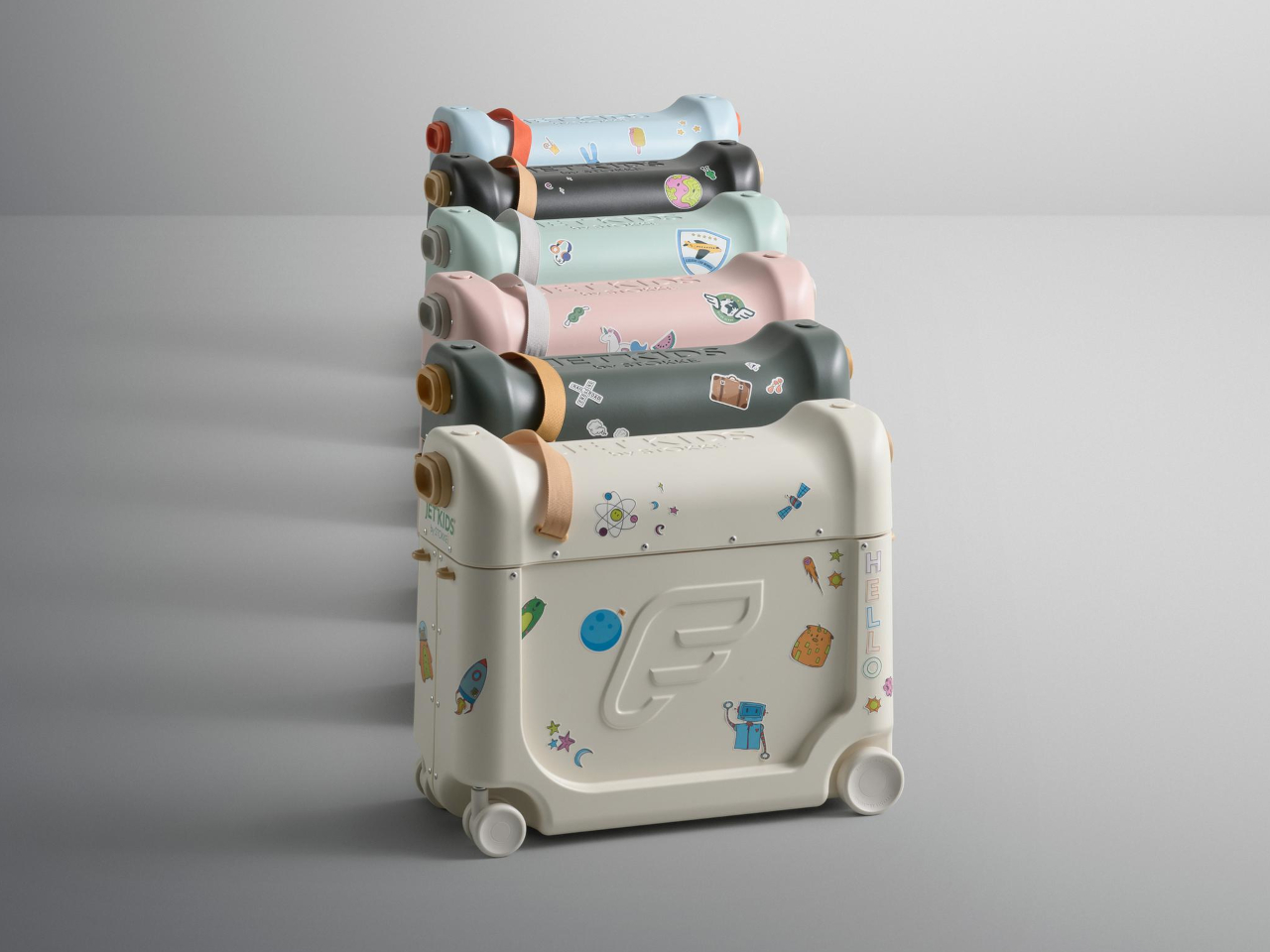
Rideable motorized suitcases are odd products, even more so when adults are the ones riding on them. They look more like fun toys for kids, but strangely enough, such products are in low supply or even non-existent. Of course, the dangers of sitting a kid on a moving vehicle, cute as it may be, can be frightening, but that doesn’t mean the basic design of a ride-on suitcase doesn’t have merits, especially if it doesn’t have motors in the first place. This unusual suitcase for toddlers takes that idea and gives it a little twist, giving it some other utility even when already boarded on the plane or train.

Designer: Frost Produkt

There are plenty of suitcases with colors and decorations catering to kids, but strangely enough, the majority of them aren’t exactly designed for kids. They function more like miniature suitcases for adults with zippers that are difficult to use and compartments that are difficult to access without having to first lay the suitcase down. That might just be a hassle for grownups, but it’s nothing short of a chore for kids, not unlike being told to clean up their closet.

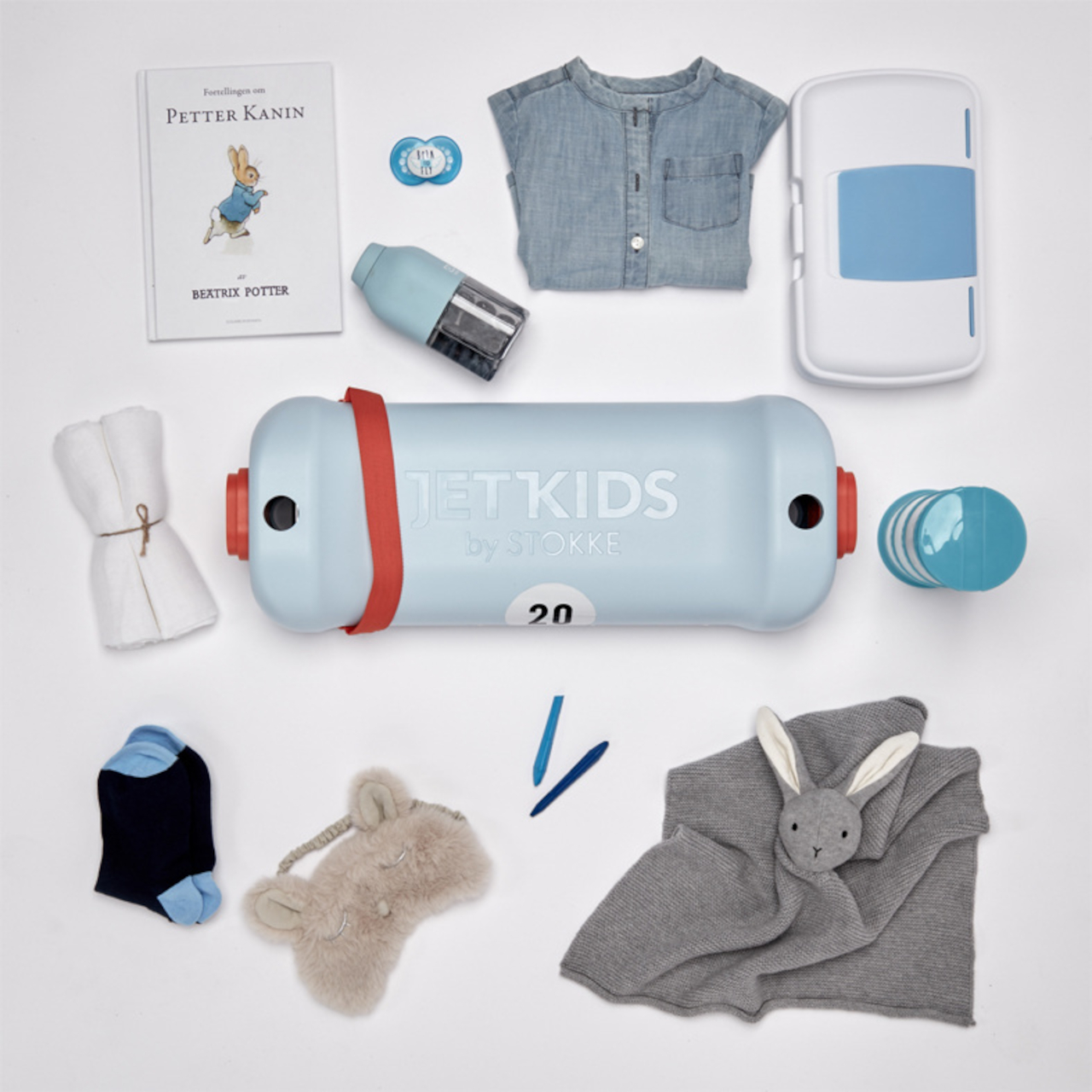
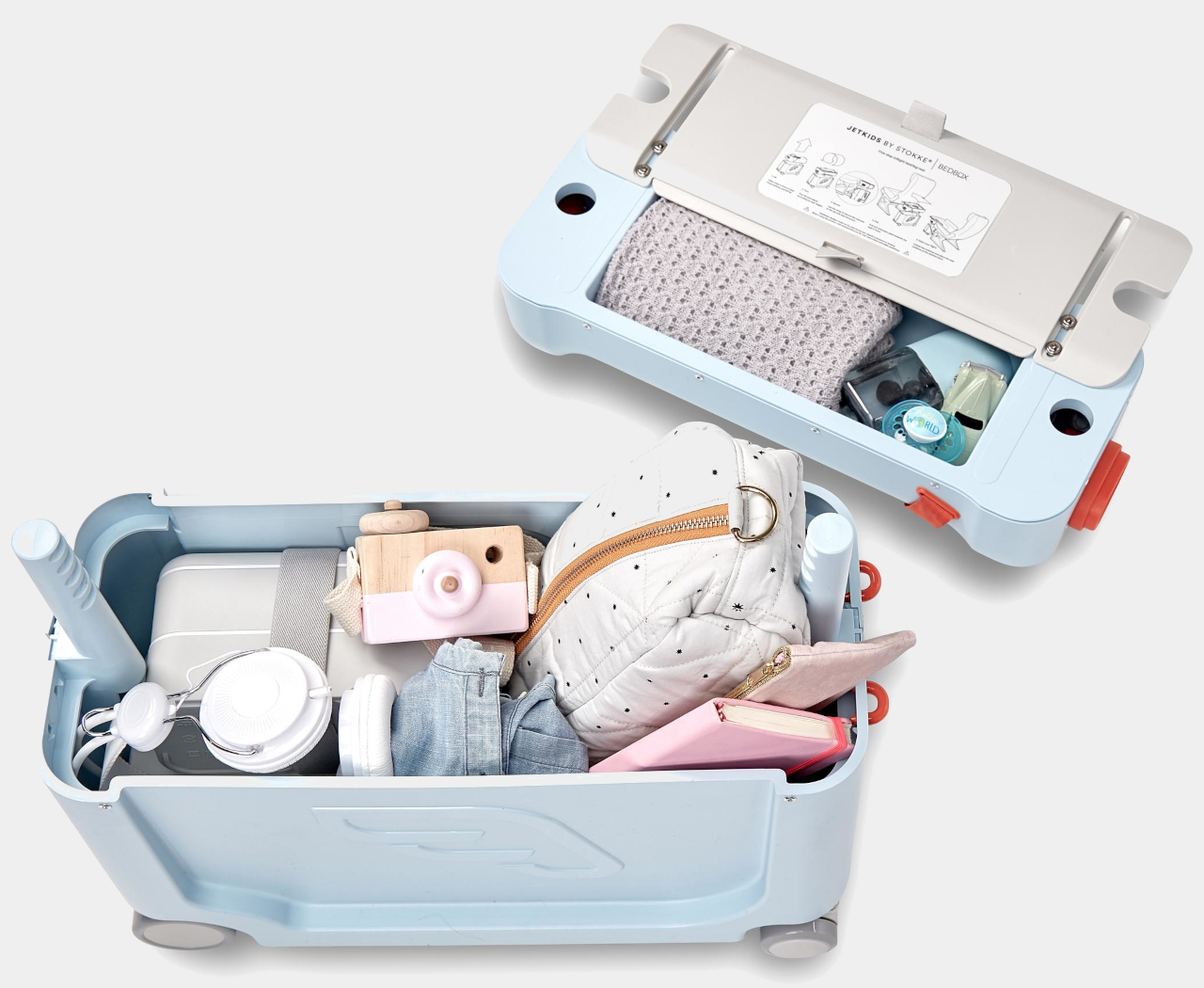
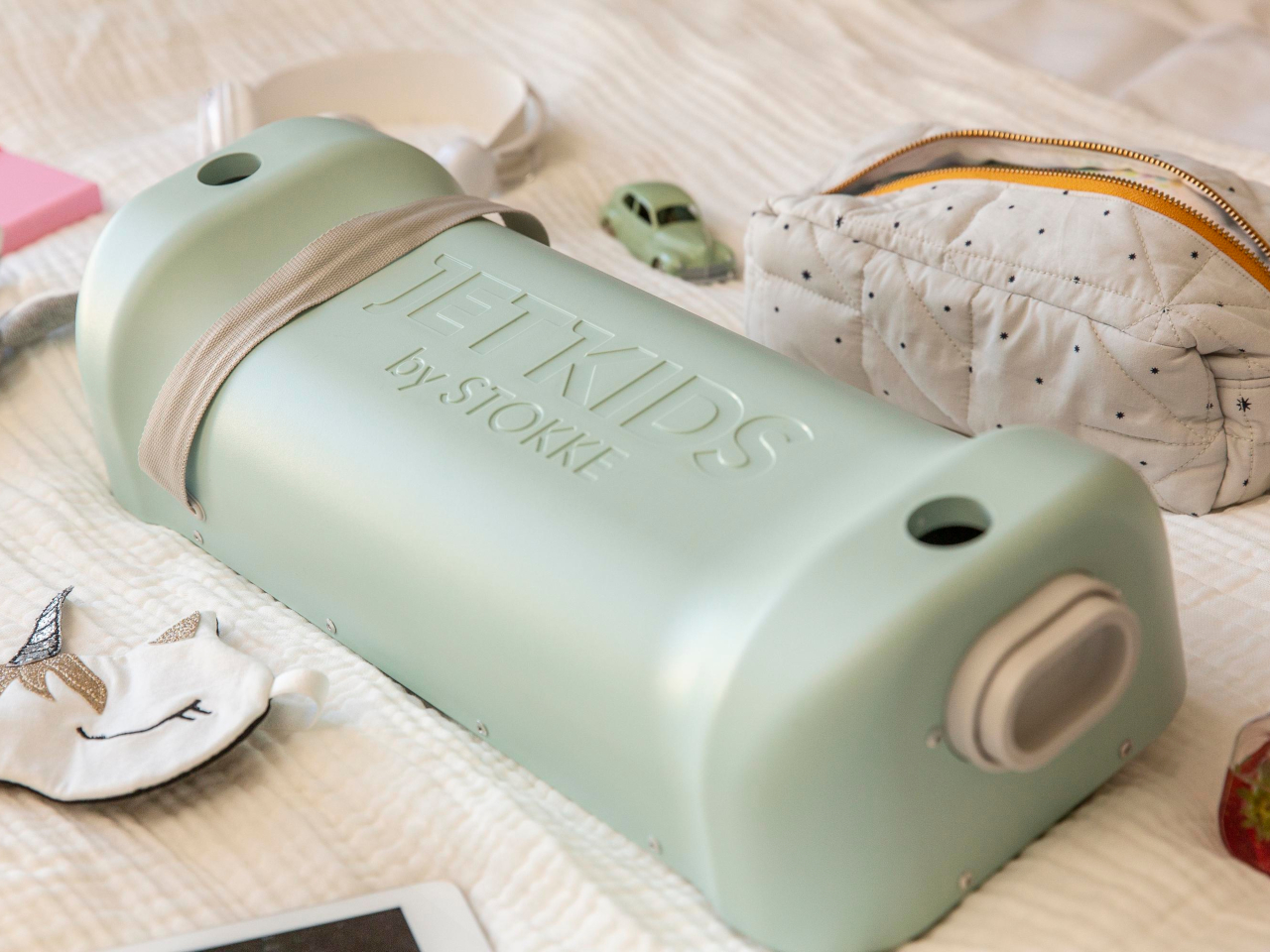
Jetkids is a ride-on suitcase truly designed with a young child in mind, and not just because of how fun it seems to sit on top of it. Instead of a zipper that opens from the front, this suitcase has a top cover that can be easily lifted to reveal the contents inside. The cover itself is actually a container as well, suitable for smaller items or things that the child or parent needs to access immediately.

That’s because this cover can be flipped over and placed on top of the suitcase, acting not only as a sort of desk but also as a leg rest or bed. The idea is to place the suitcase in front of the child’s seat on the plane, extending the area they can sit or even lie down on. And when the child is on the ground and about, the suitcase also offers a place for them to sit down and, if needed, be pulled by their family or guardian.

This unusual yet useful design does limit Jetkids, which was also marketed under the name Stokke Bedbox, to a certain age range that allows them to sit safely on the suitcase. It’s still an interesting design that really puts the ease of use and comfort of the child in mind rather than simply shrinking a product made for older people.

The post Ride-on suitcase for kids doubles as an in-flight bed or leg rest first appeared on Yanko Design.

Loog x Duolingo portable piano teaches you the language of music, the fun way

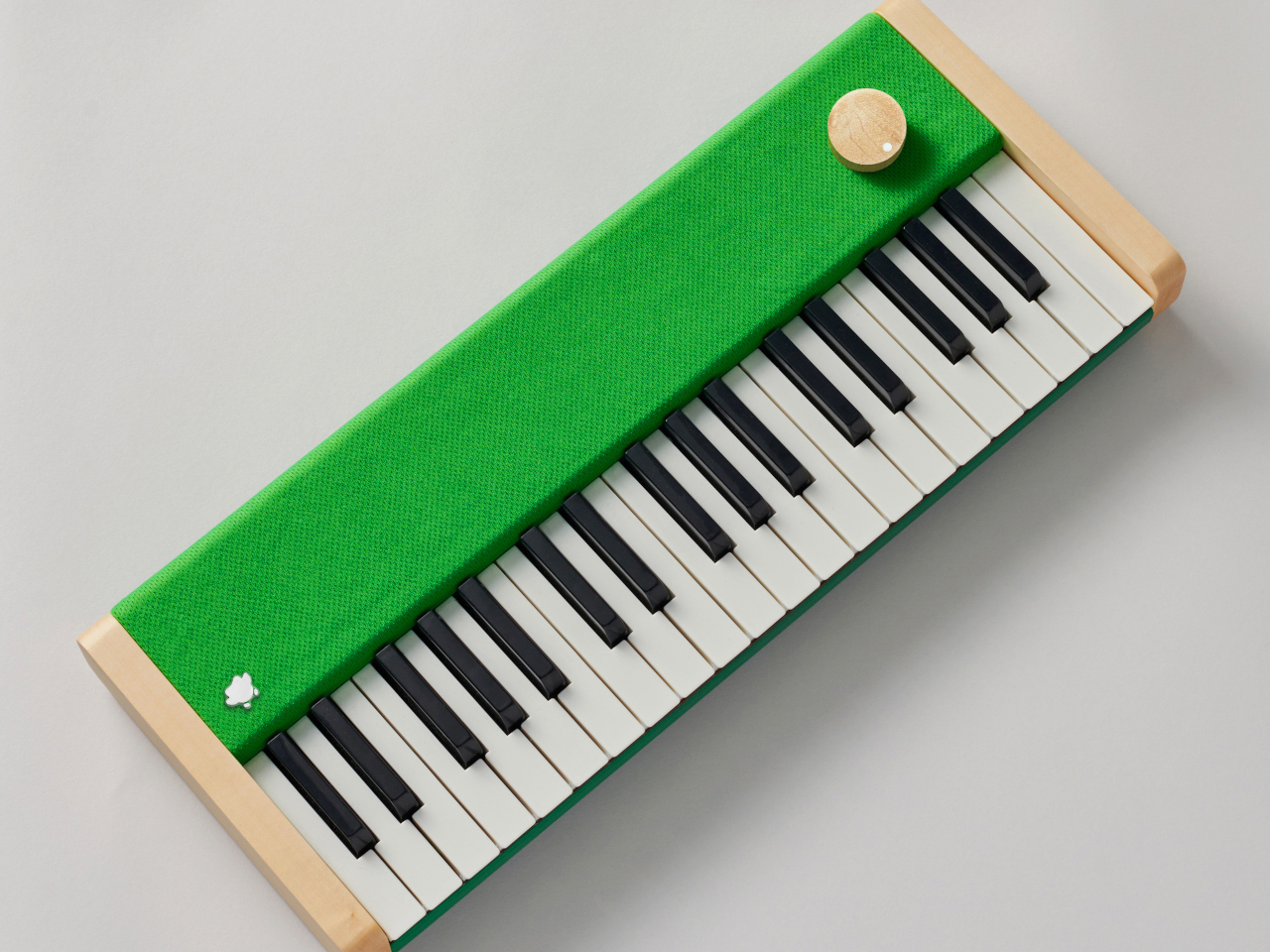
Learning a new language is never easy, whether it’s human language, programming language, or harmonic language. It takes time, effort, and more importantly, drive to go through the process, but it doesn’t have to a be painful and dreadful experience all the time. Of the many strategies that make learning languages both fun and effective, Duolingo is perhaps the best-known service. What few people realize, however, is that the green owl has been teaching music for over a year now, applying the same principles it uses in teaching Spanish or Mandarin to do-re-mi’s. Unlike smartphones and spoken languages, however, music has to be played to really be learned, which is why Duolingo has come out with a small digital piano so that you can do that anywhere you are.

Designer: Loog x Duolingo

A piano isn’t the only instrument you can use to learn music, but it’s one of the most convenient and can be designed into an electric and portable form that doesn’t require minding strings that could break. You don’t even need a full-sized piano to get started, but you do need one that’s small enough to be carried around yet has a decent size and a decent sound as well. Rather than relying on a smartphone piano app that doesn’t give the same tactile experience, Duolingo teamed up with Loog, a popular brand of musical instruments for kids and beginners, to make one.

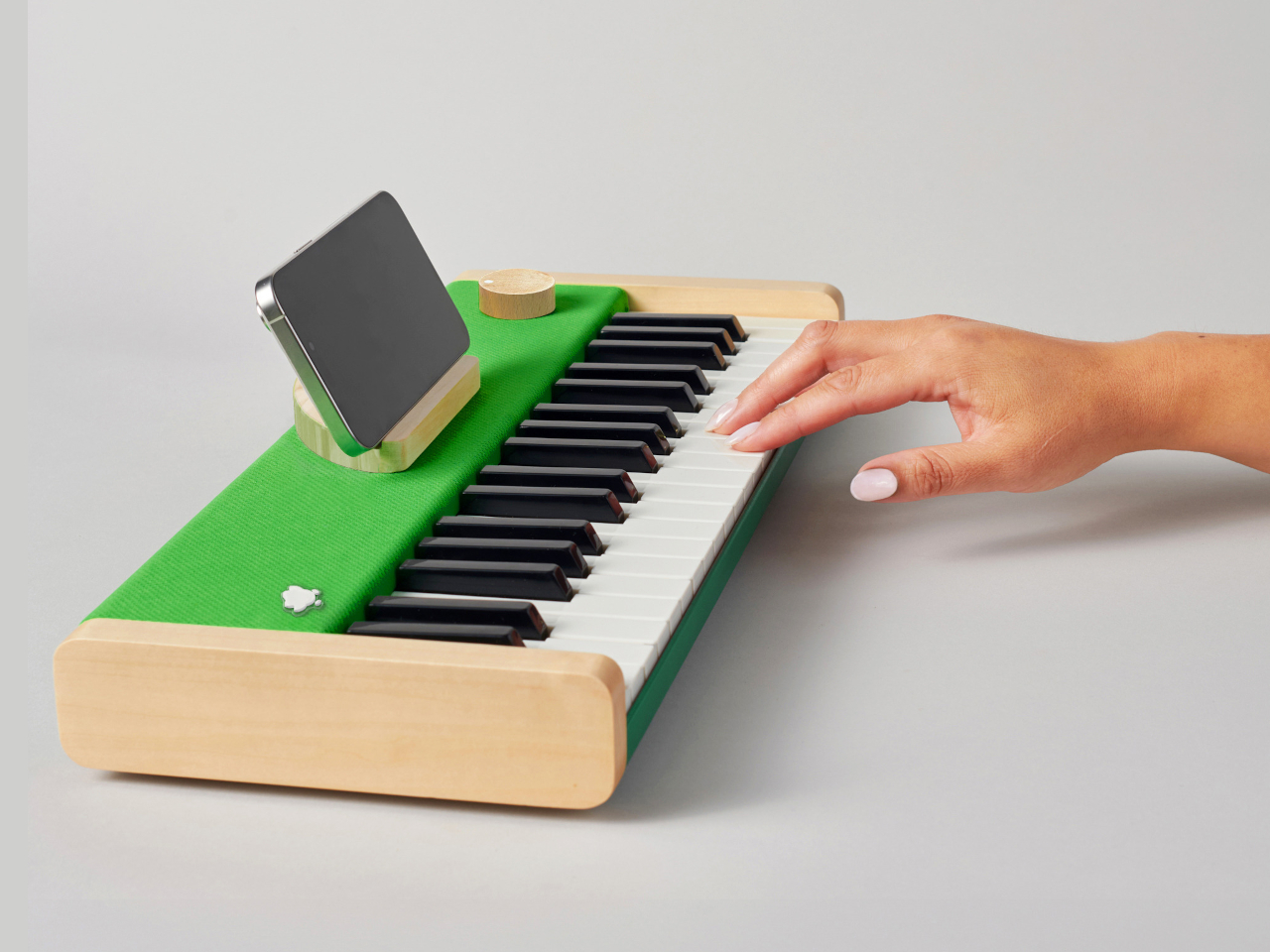
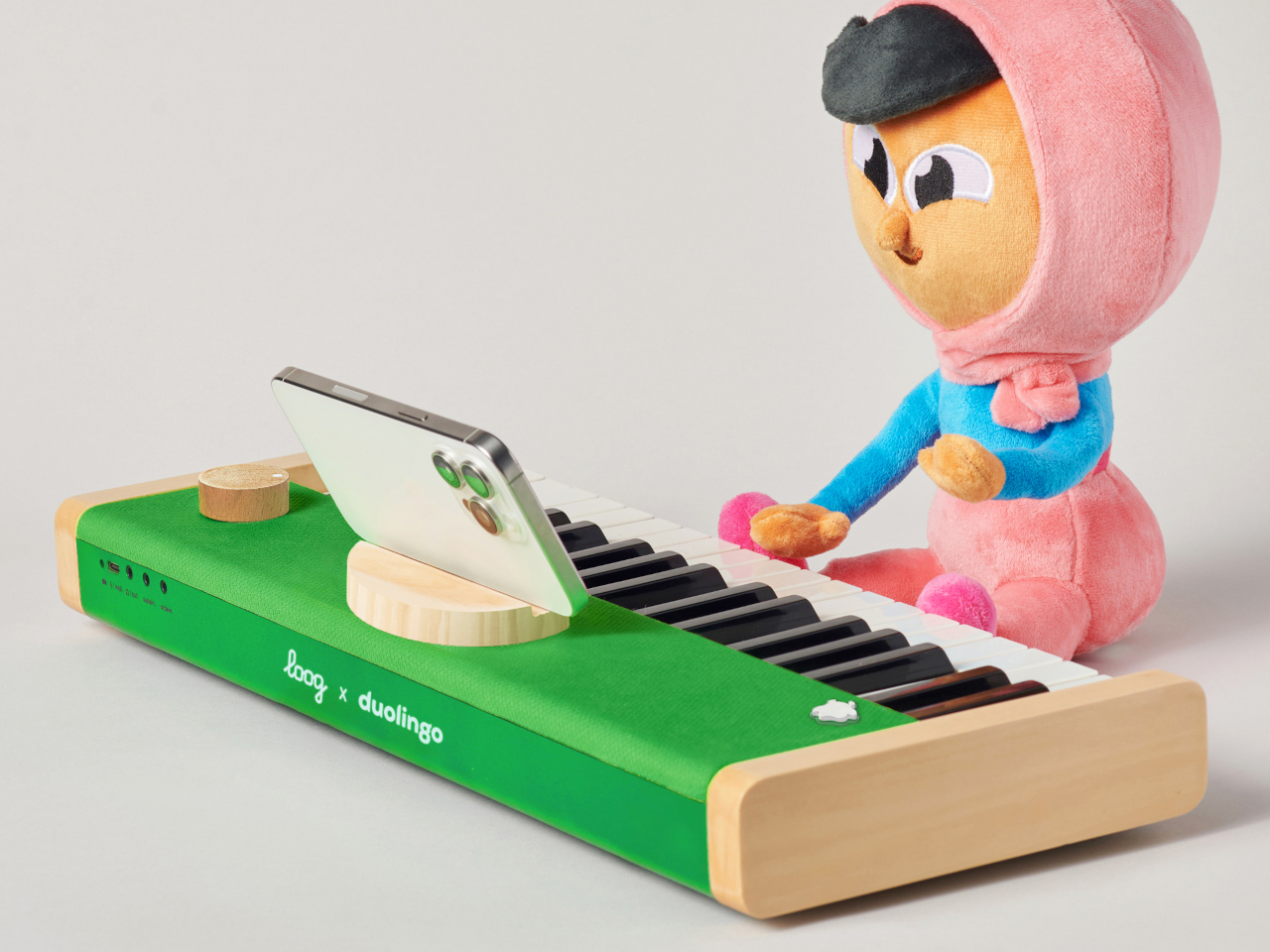
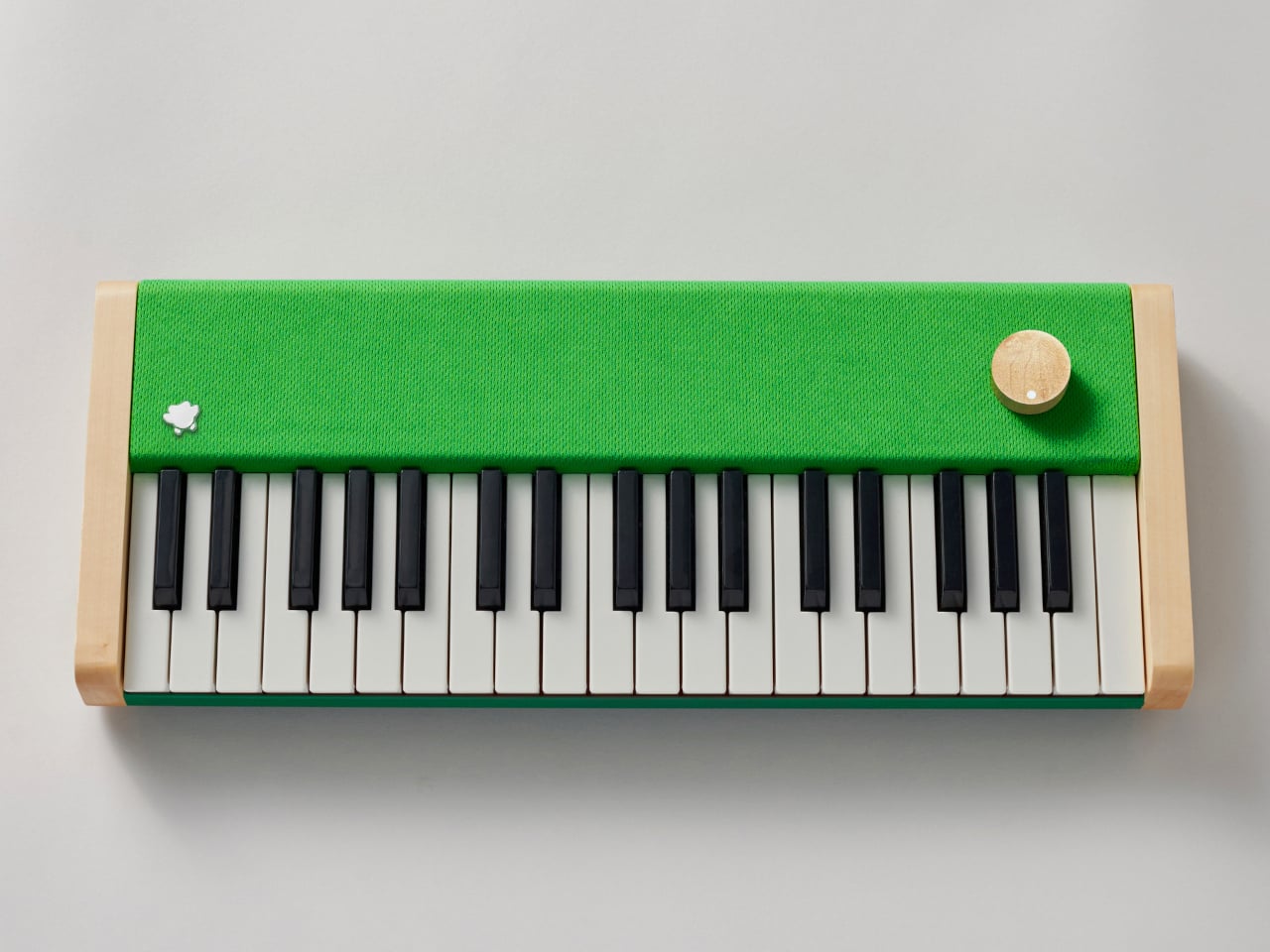
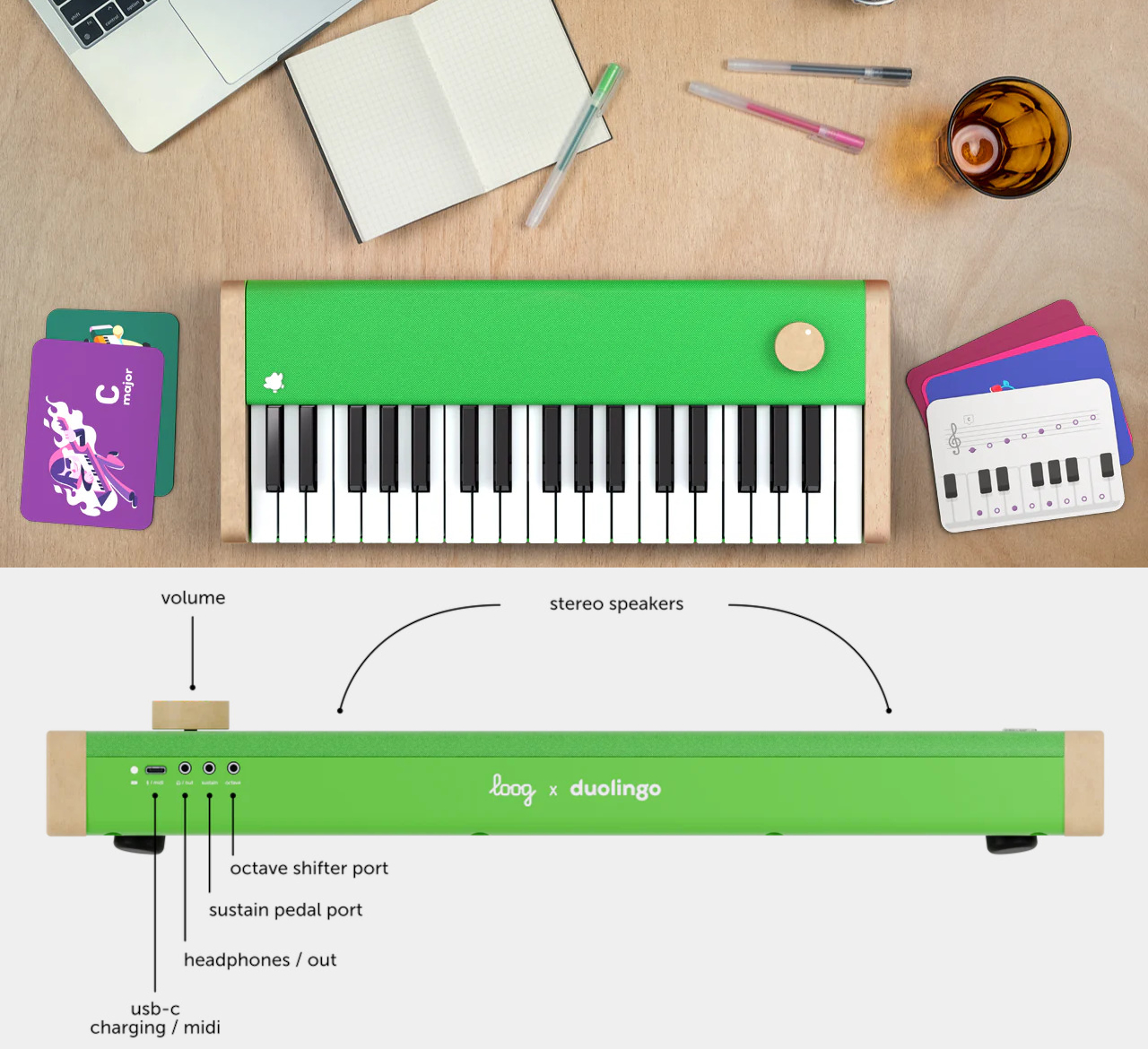
That’s what the Loog x Duolingo Piano brings to the table, figuratively and literally. It’s basically a special version of the Loog piano themed with Duolingo’s iconic green hue. It’s still the same piano made with solid wood panels that enhance the acoustics, making it sound almost like a real classical piano. It also has the same velocity-sensitive keys that implement proper dynamics, meaning that you can hit the keys harder to make the note sound louder, just like a real piano.

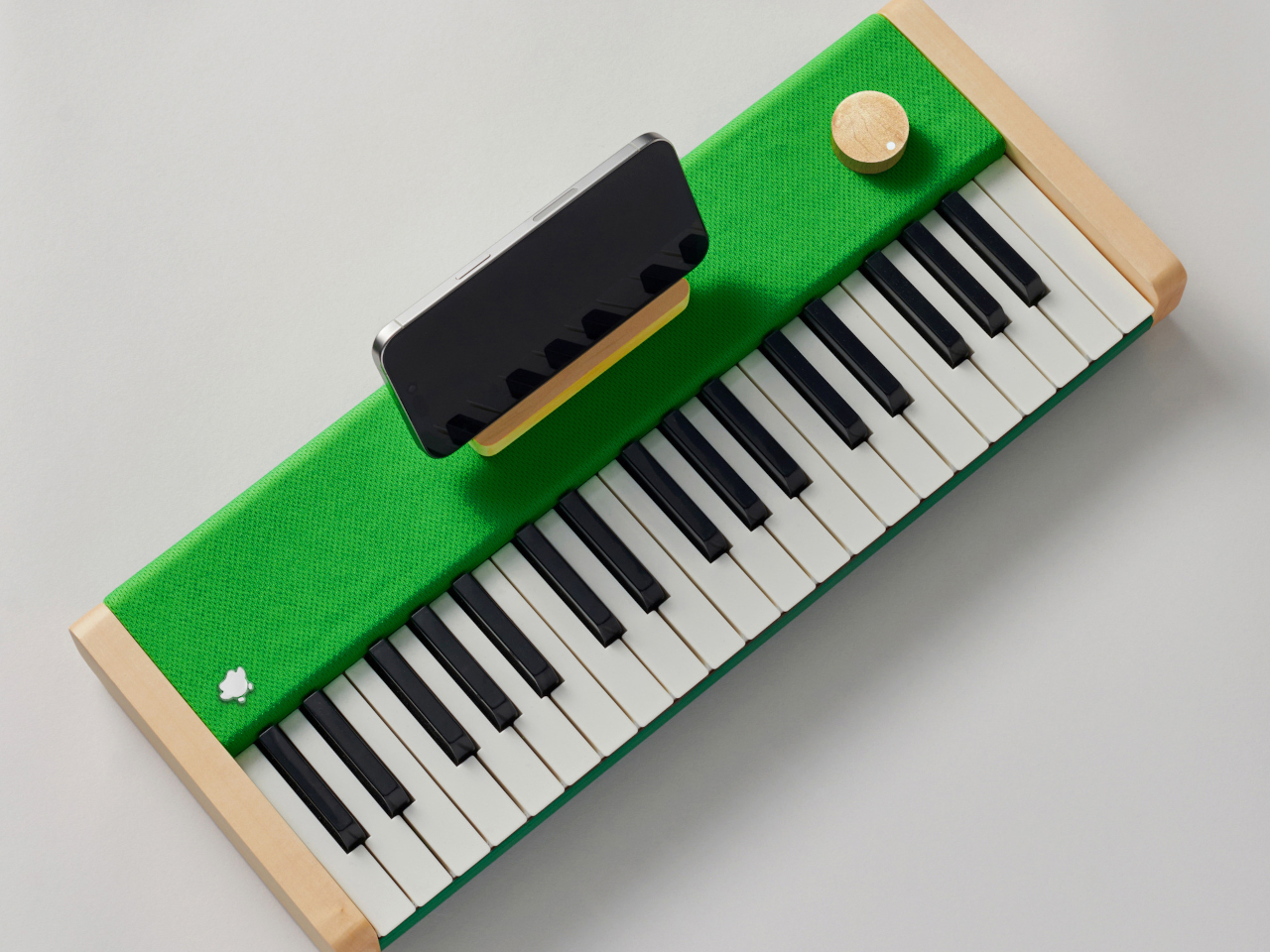
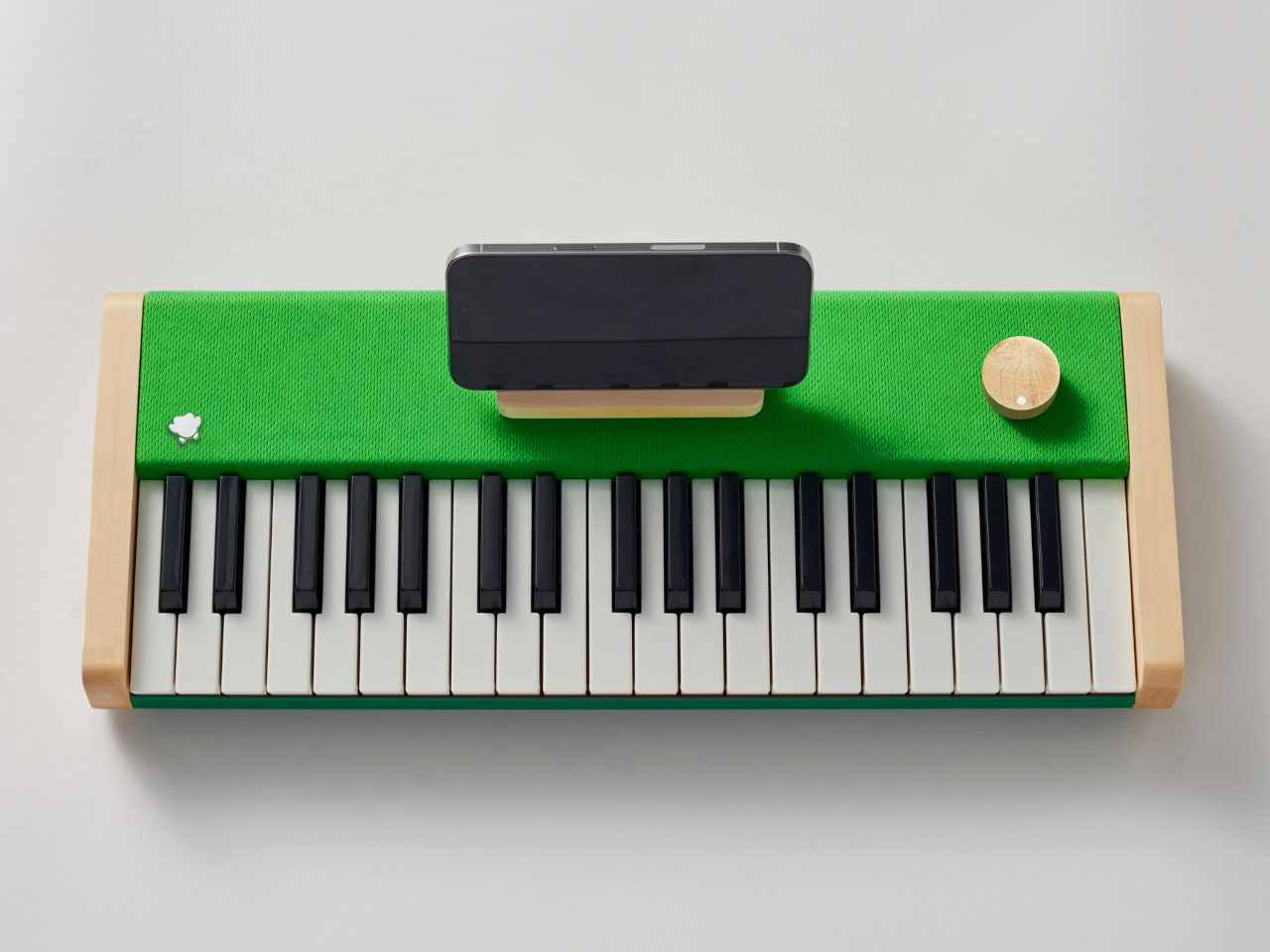
It’s not just a Duolingo-branded Loog piano, though, as this particular kit is designed with the easy-to-use and fun learning service in mind. There’s a wooden phone stand that matches the aesthetics of the piano, perfect for holding up the phone while you learn and play. And for a more offline learning experience, the package includes Piano Flashcards as well.

The Loog x Duolingo Piano is more than just a simple digital piano. It can be used as a MIDI controller when connected to an instrument via its USB-C port, and there are also ports not just for headphones but also for pedals and octave shifters. It might look like a kid’s toy, but this piano definitely has the guts to stand proudly as a proper musical instrument so that its use doesn’t stop after you’ve already mastered everything Duolingo has to teach.

The post Loog x Duolingo portable piano teaches you the language of music, the fun way first appeared on Yanko Design.
7-in-1 Titanium EDC Multitool combines both Tactical Gear and a Toolshed into the Ultimate Portable Form

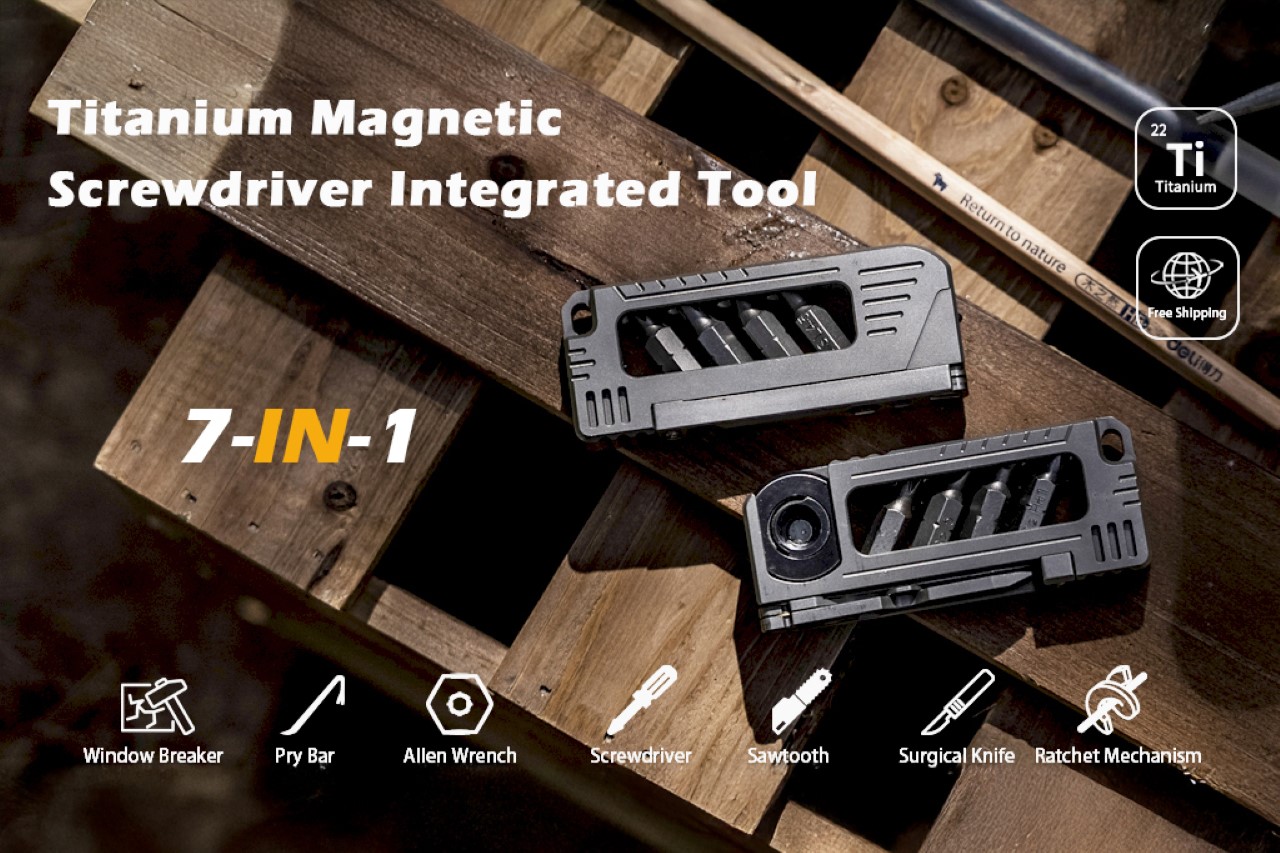
Imagine a toolbox that fits in your palm. Not a metaphor, but an actual toolbox of sorts. The Titanium Multifunctional Magnetic Screwdriver or the TI-MMS for short, is a marvel of compact multitool design that packs a surprising punch. Small enough to disappear in your pocket but packed with enough features to handle a range of everyday situations, it’s like a Swiss Army knife that’s been reimagined for the modern tinkerer. Crafted from Grade 5 titanium, this EDC is light, corrosion-proof, and tough enough to survive whatever you can throw at it—whether that’s a quick fix at home, an emergency situation, or a tactical escape.

Designer: Comandi

Click Here to Buy Now: $69 $99 (30% off). Hurry, only 174/200 left!

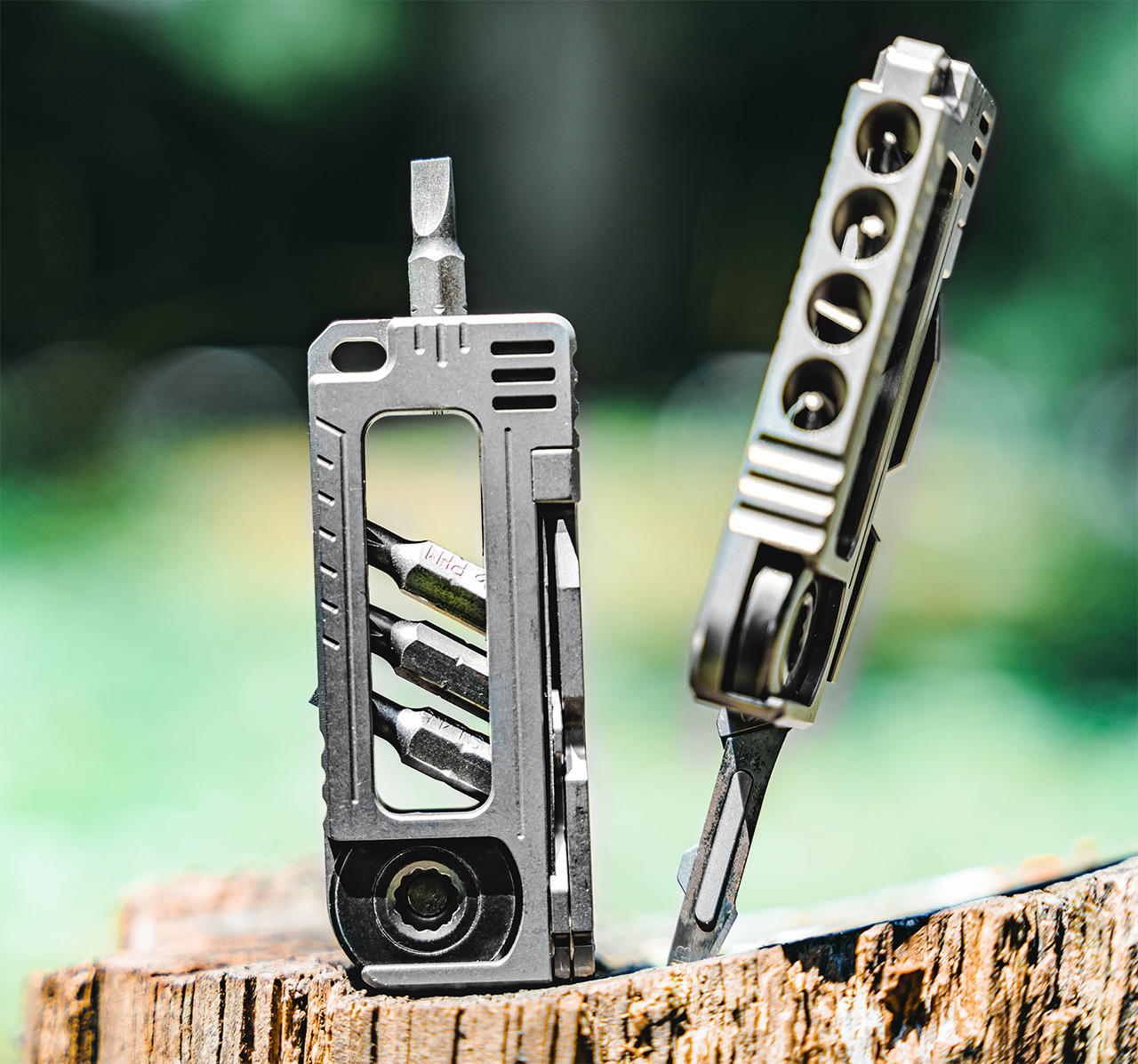
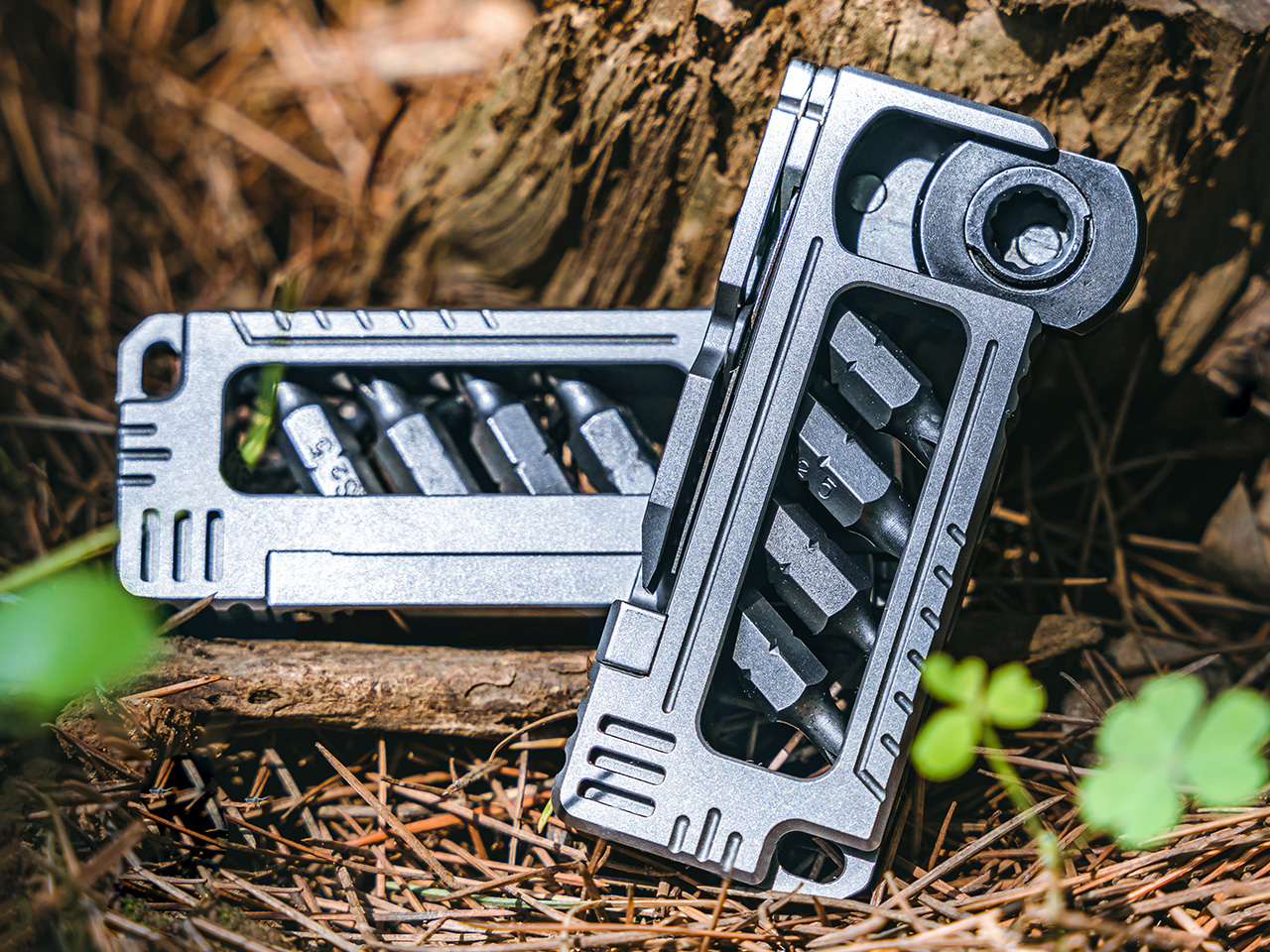
About the size of a car keyfob, the TI-MMS packs as many as 7 different tools within its palm-sized design, starting with a multi-bit screwdriver. Inside its compact frame, you’ll find a set of 4 hex bits neatly stored with magnets. No more digging through a drawer or toolbox for the right bit—when you need a driver, the TI-MMS lets you mount those bits on top for a standard screwdriver experience. However, if you want to upgrade your drive, mount the bits on the side, within the TI-MMS’ ratchet mechanism that lets you apply some serious torque without feeling like you’re wrestling a stubborn screw. This side-mount option offers a more comfortable grip, especially for those longer jobs where your wrist usually starts protesting.

Beyond its screwdriver duties, the TI-MMS also handles everyday tasks like a breeze. Tucked into its sleek body is a multi-functional pry bar, perfect for prying open stuck lids or pulling out nails. Cutouts in the multitool’s side serve as a hex wrench, with slots that fit 4mm and 6mm nuts, making it handy for tightening bolts when a full toolbox isn’t an option. And for those moments when you need to slice through something—be it tape, a package, or whatever else life throws at you—there’s a foldable scalpel blade that takes replaceable 11# surgical blades. The best part? It’s TSA-compliant. Just pop the blade out before flying, and the tool remains travel-friendly.

While the scalpel blade is designed to also serve as a self-defense tool, the TI-MMS’ integrated window-breaker is perfect for tactical and emergency exits – a feature you hope you never need but are glad to have just in case. A ceramic bead is perched at the top of the tool, ready to smash through glass in an emergency. You never know when you might need to make a quick escape, and this little feature makes sure you’re covered, whether you’re dealing with an actual emergency or just one of those days when you accidentally lock yourself in (or even outside) the car.

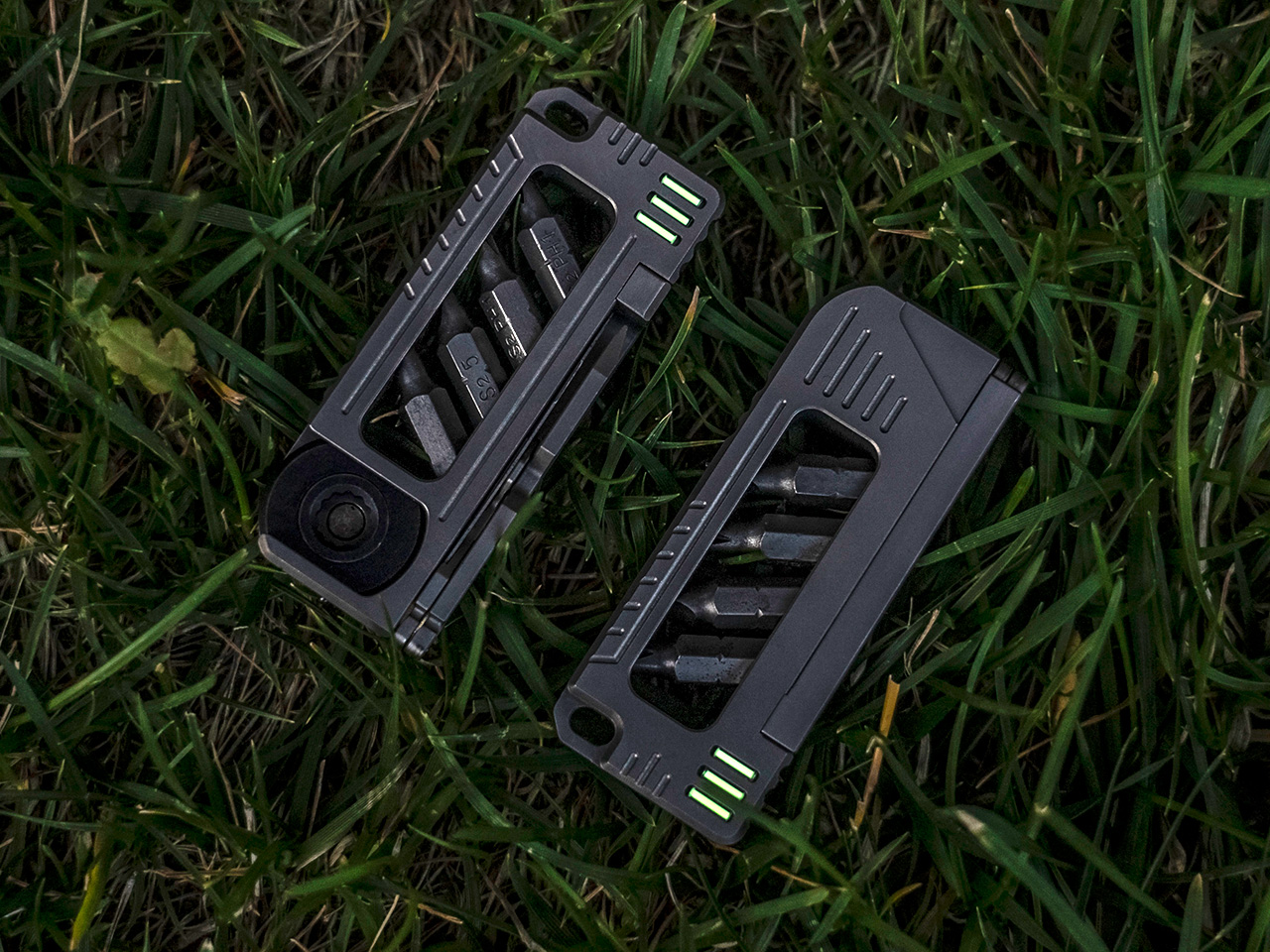
In true multifunctional spirit, the TI-MMS also throws in a blunt saw edge (conveniently placed on the pry bar) for more stubborn cutting like thick branches. And for the night owls or outdoor adventurers, there’s an option to install tritium vials in six pre-cut slots, giving the tool a glow-in-the-dark effect that makes it easy to find in your bag or tent, even when the lights are long gone.

Grade-5 titanium was an inspired choice for this tool. Known for its durability and resistance to corrosion, the TI-MMS is built to last while staying remarkably light. At just 80 grams, it’s easy to carry around in your pocket or attached to a keychain, without feeling like it’s weighing you down. Details like brass gaskets and a well-designed integrated lock for your blades just add a chef’s kiss to the overall build. Although the folks at Comandi don’t explicitly say so, the multitool should last you decades without showing any signs of giving up. That’s where the replaceable scalpel blade comes in handy too, allowing you to switch old blades out for new ones so you spend less time sharpening your multitool’s blade and more time actually using it.

And while the TI-MMS covers almost everything you could need in a tool, there is one thing I personally miss: a bottle opener! After a long day of fixing, prying, and cutting, wouldn’t it be nice to crack open a cold one? The TI-MMS ships globally, starting at a discounted price of $69. This includes the compact 7-in-1 multitool itself, along with a detachable scalpel blade, and free worldwide shipping.

Click Here to Buy Now: $69 $99 (30% off). Hurry, only 174/200 left!

The post 7-in-1 Titanium EDC Multitool combines both Tactical Gear and a Toolshed into the Ultimate Portable Form first appeared on Yanko Design.
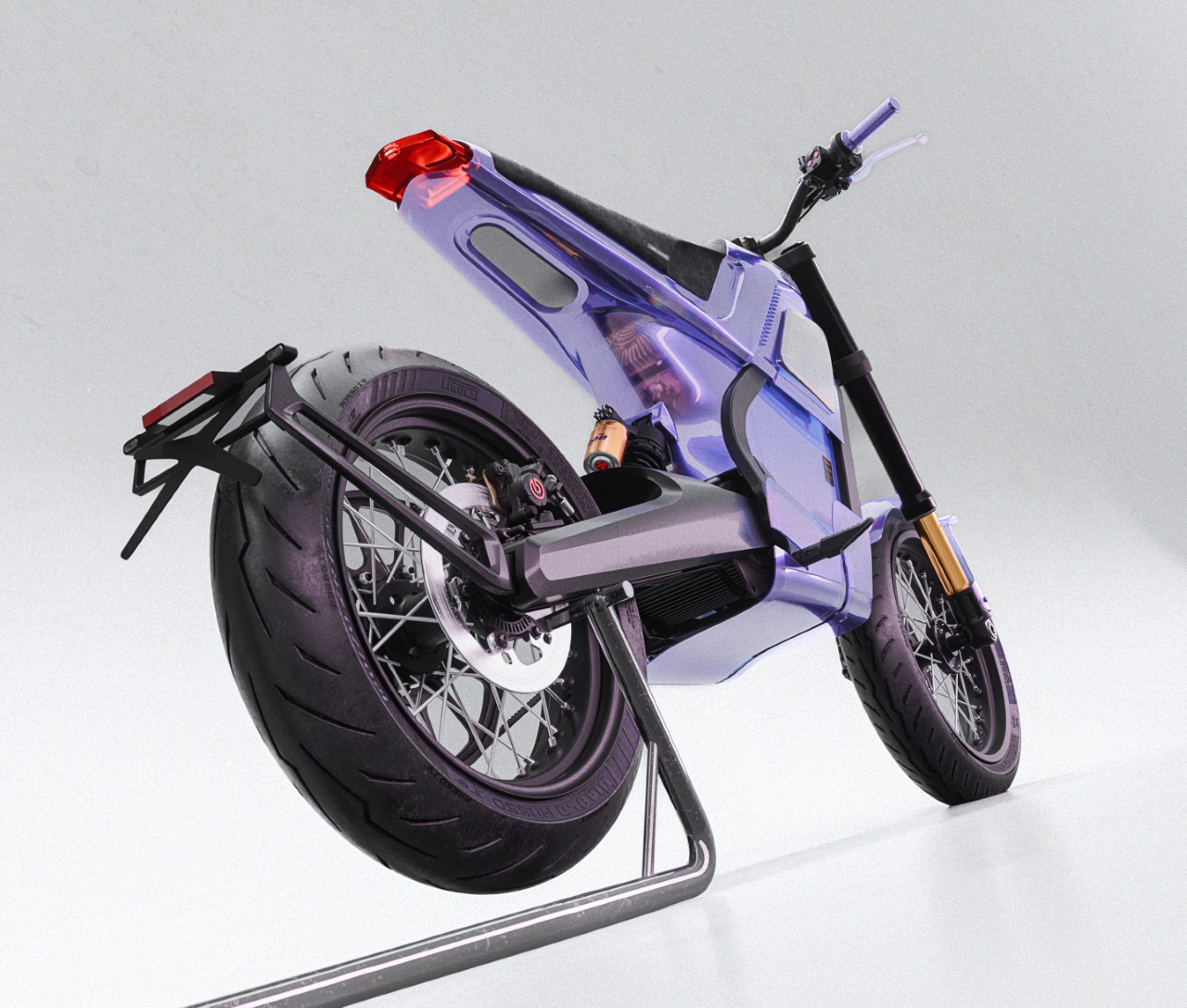
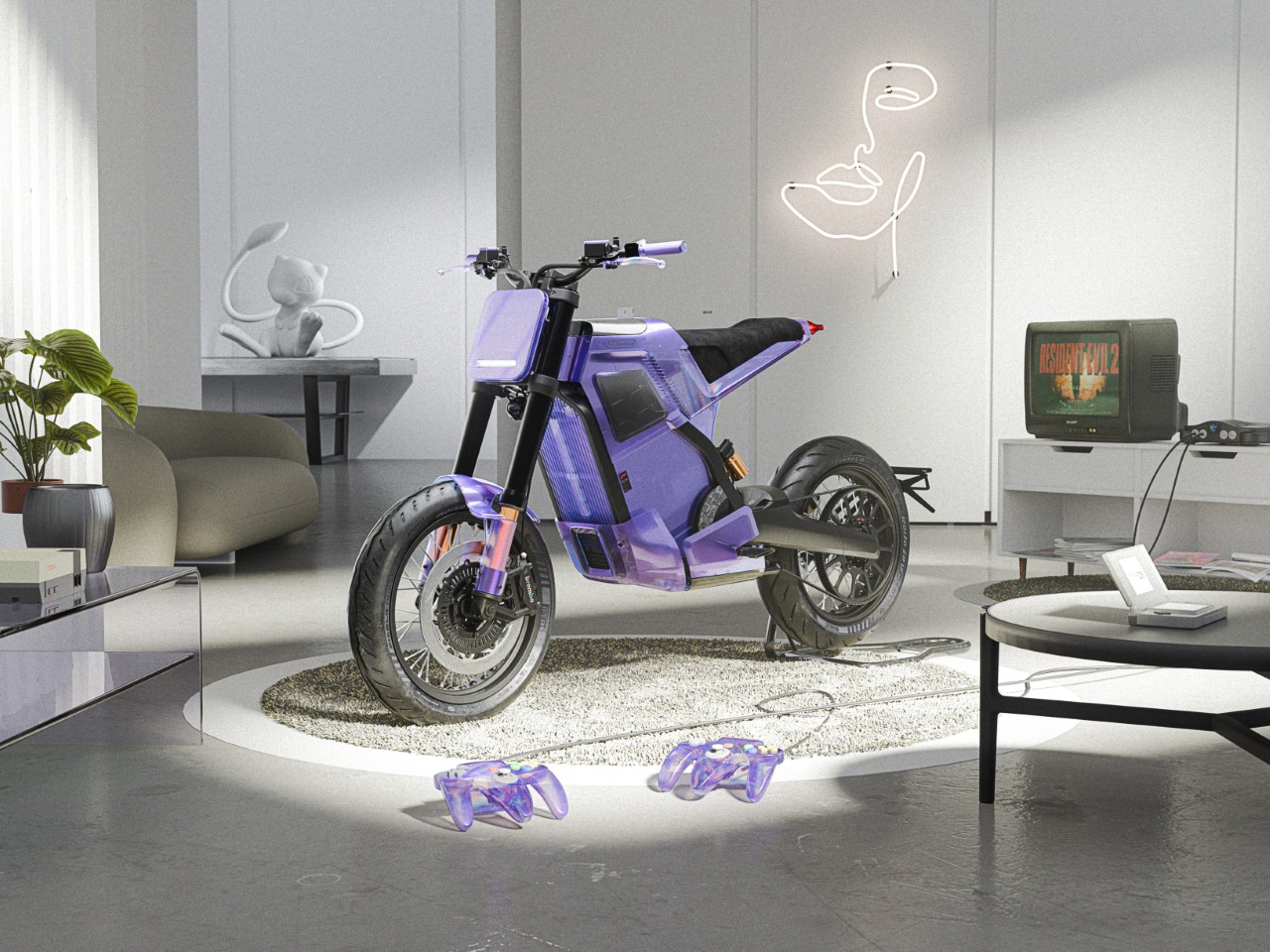
DAB Motors unveils Transparent E-bike inspired by Retro Gaming Consoles like the Nintendo 64

Back in the ’90s, transparency became a cool trend in tech, particularly with gaming consoles. Anyone remember the clear plastic of the Nintendo 64 controllers or the transparent Game Boy Color and Advance? Those see-through designs let you peek into the gadget’s inner workings, blending functionality with a futuristic aesthetic, and paving the way for Apple’s gorgeous iMacs and MacBooks, followed by Nothing’s transparent tech that has revisited the retro trend in its own unique way. Fast forward to today, and the French electric motorcycle maker DAB Motors (a Peugeot sub-brand) has captured that retro spirit in its stunning DAB 1α Transparent Edition. This motorcycle, though a far cry from gaming consoles, channels that same nostalgic vibe with modern elegance. It feels like it could have come straight out of an arcade racing game—if those games had ever been this sleek.

Designer: DAB Motors

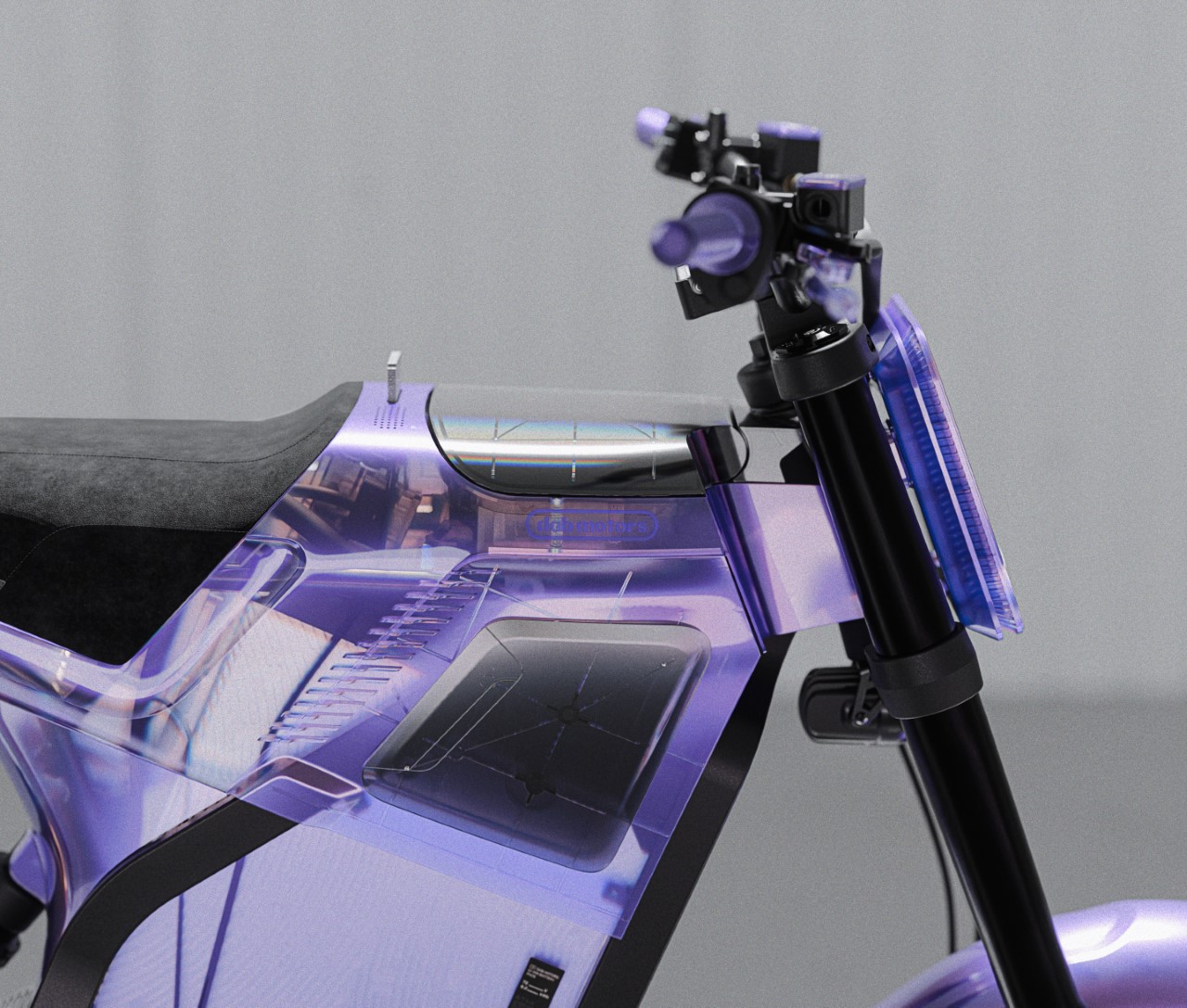
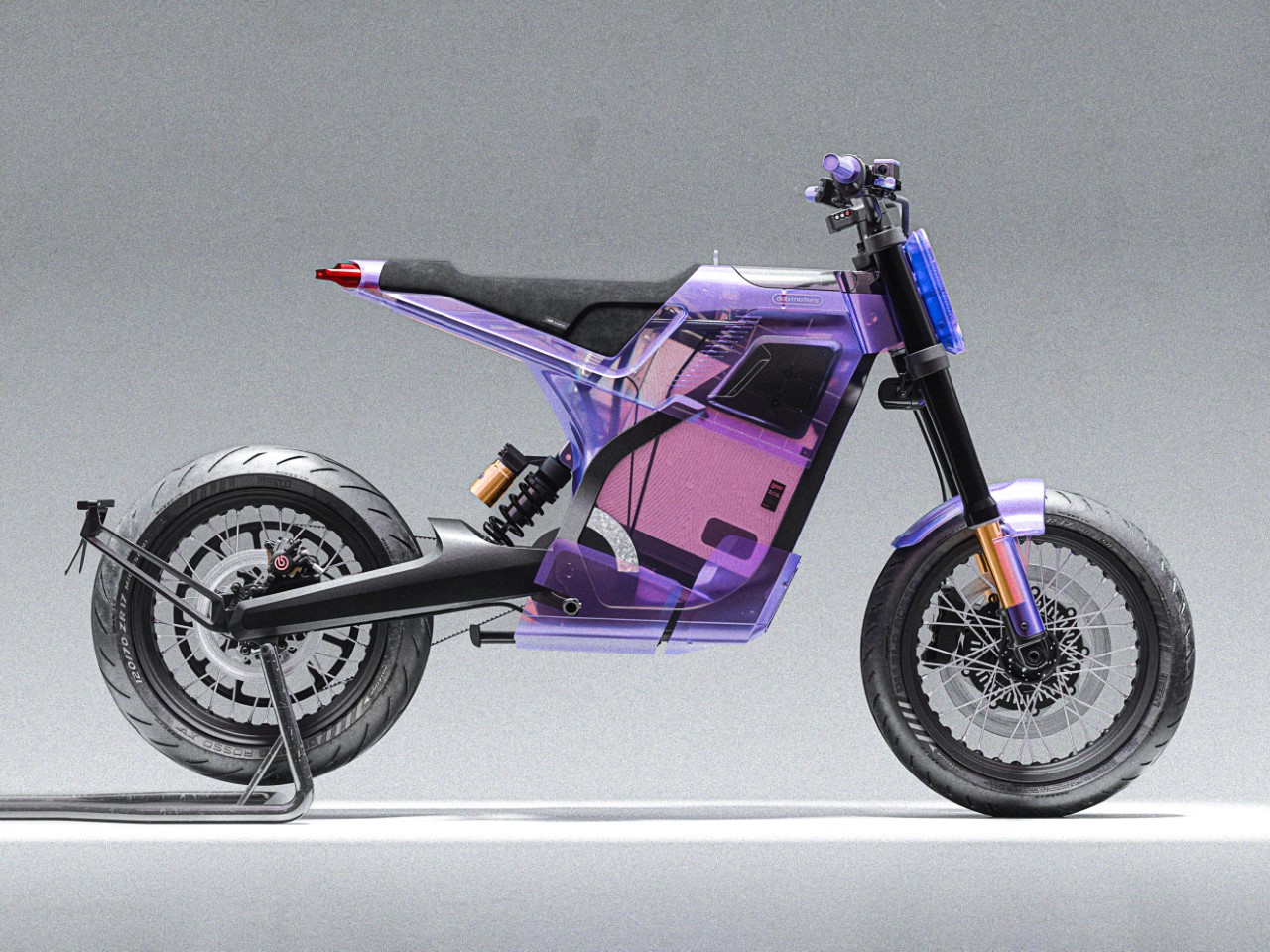
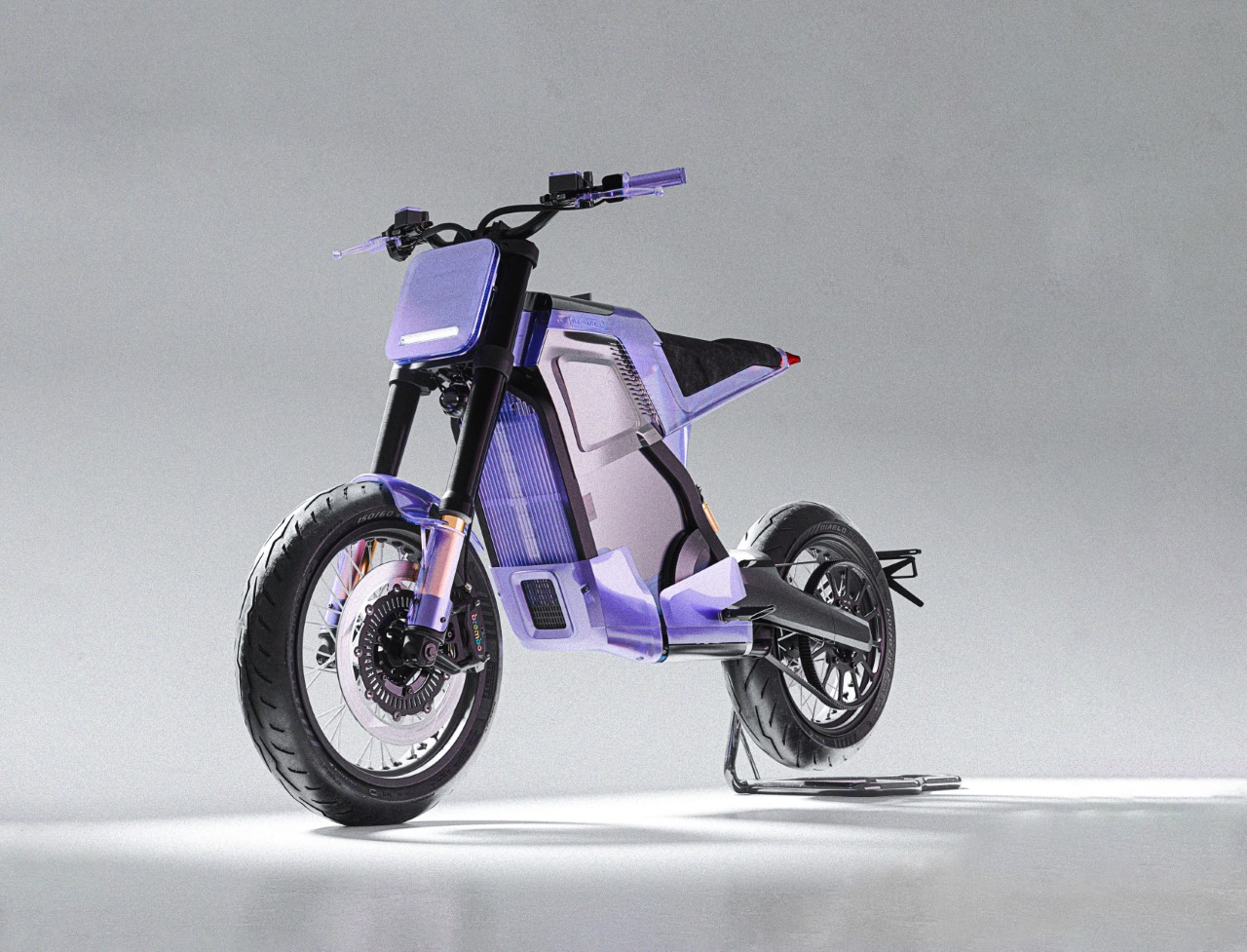
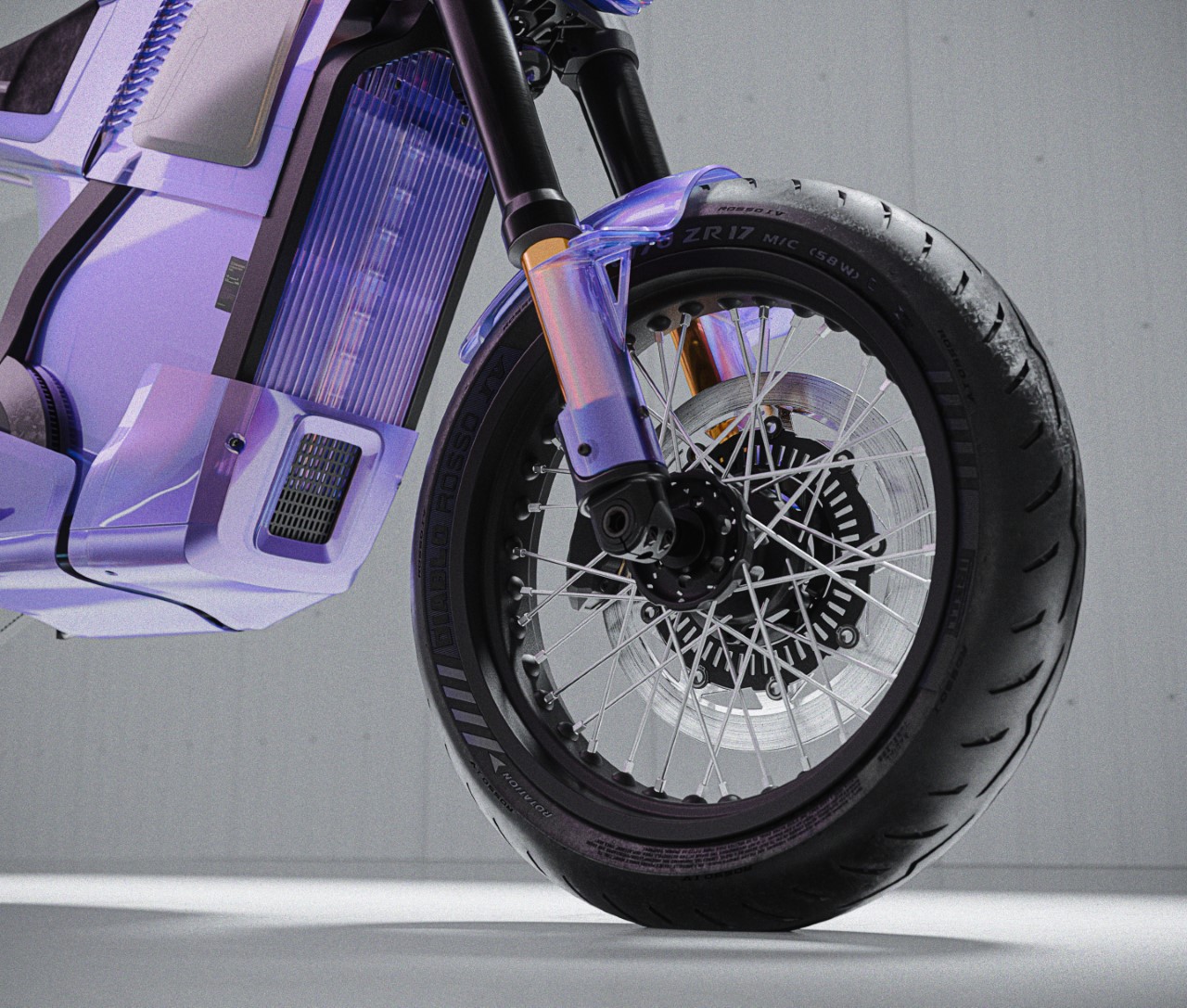
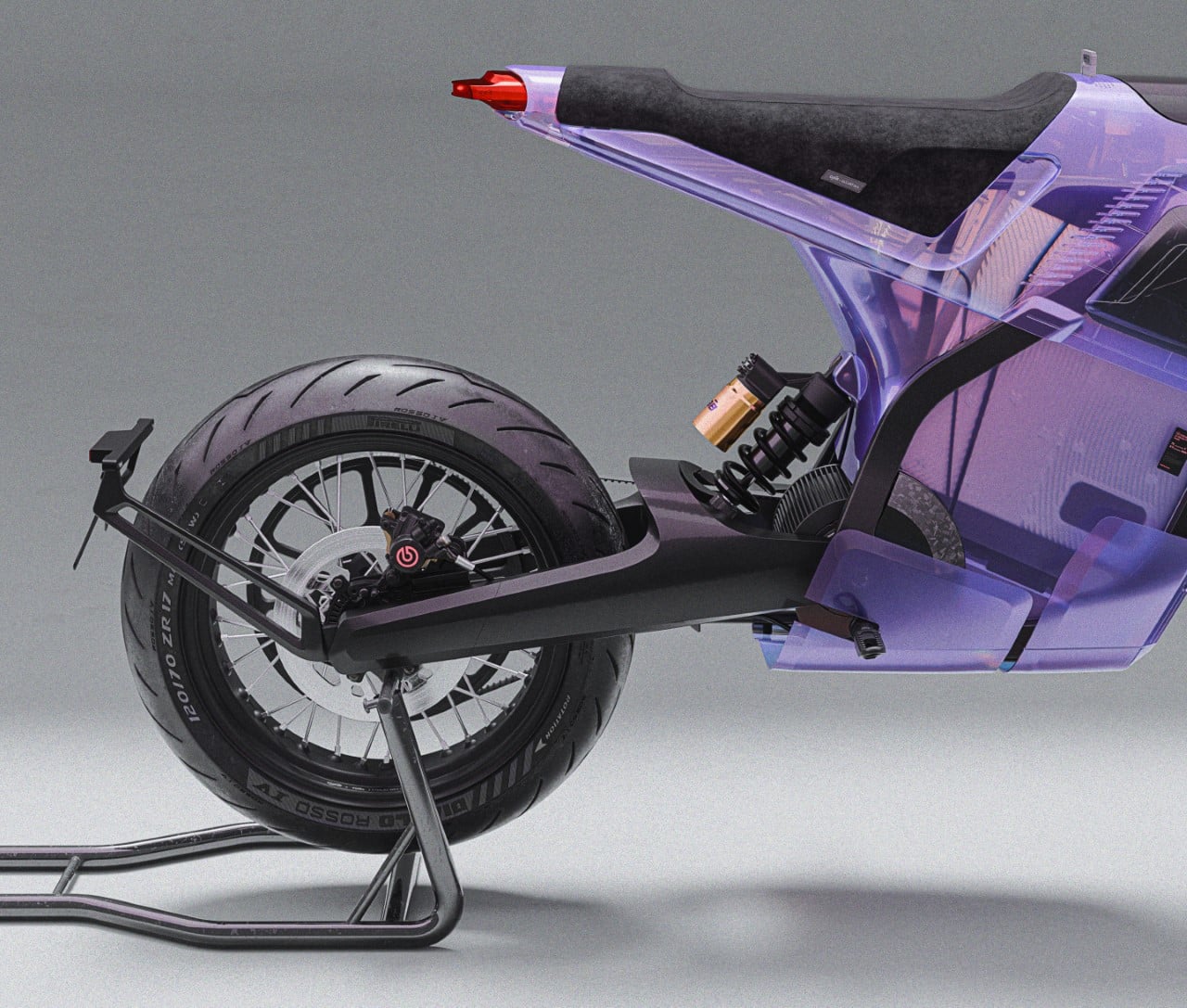
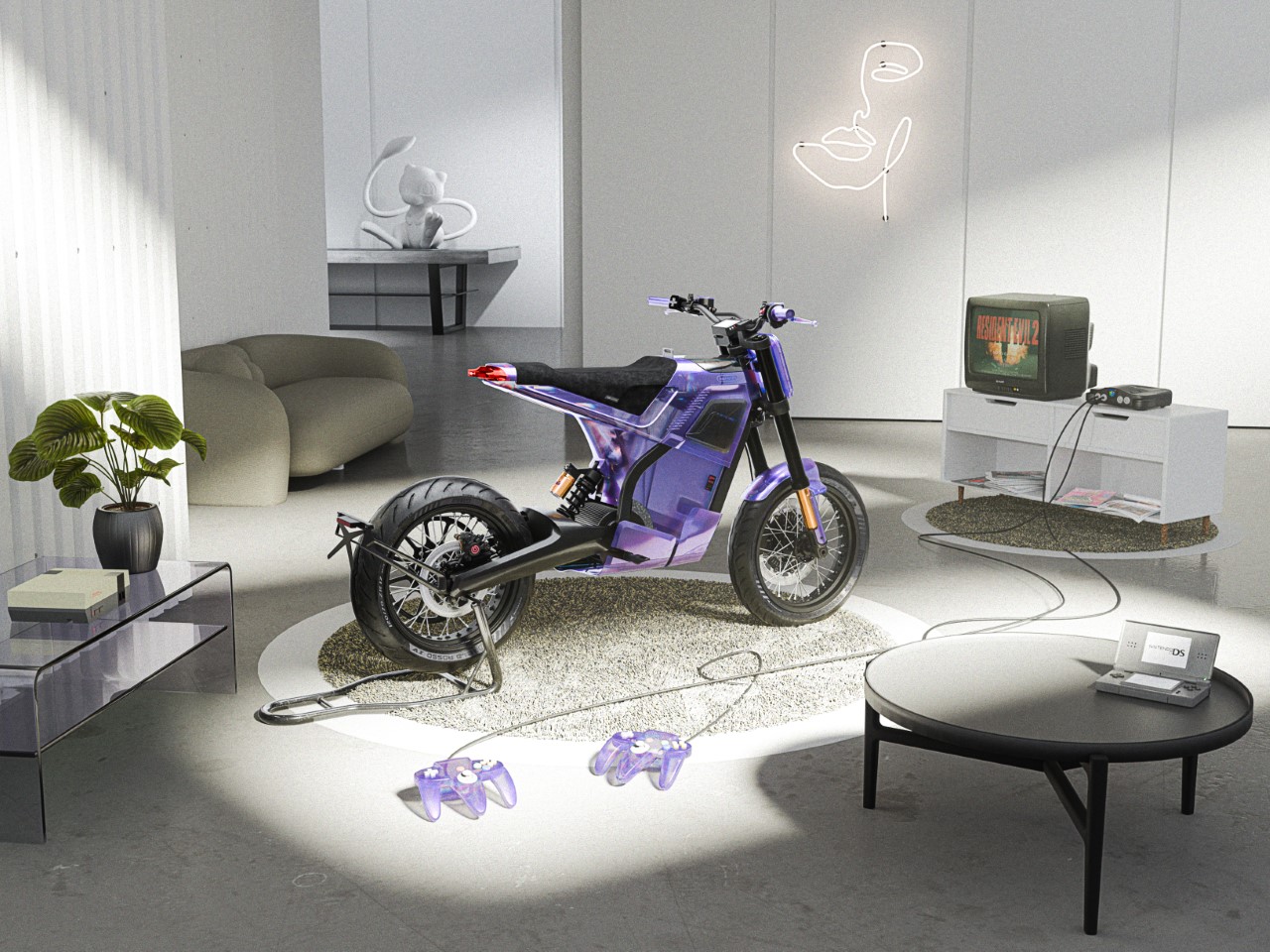
DAB Motors’ 1α Transparent Edition is all about turning heads, and its translucent bodywork is the ultimate conversation starter. The bike’s frame and design are partially see-through, offering a glimpse at its high-tech components—reminiscent of those old gaming consoles where you could see the wires, circuits, and chips. This visual transparency gives the bike a light, almost futuristic vibe that pairs beautifully with the carbon fiber parts made from repurposed Airbus materials. Yes, you read that right—Airbus.

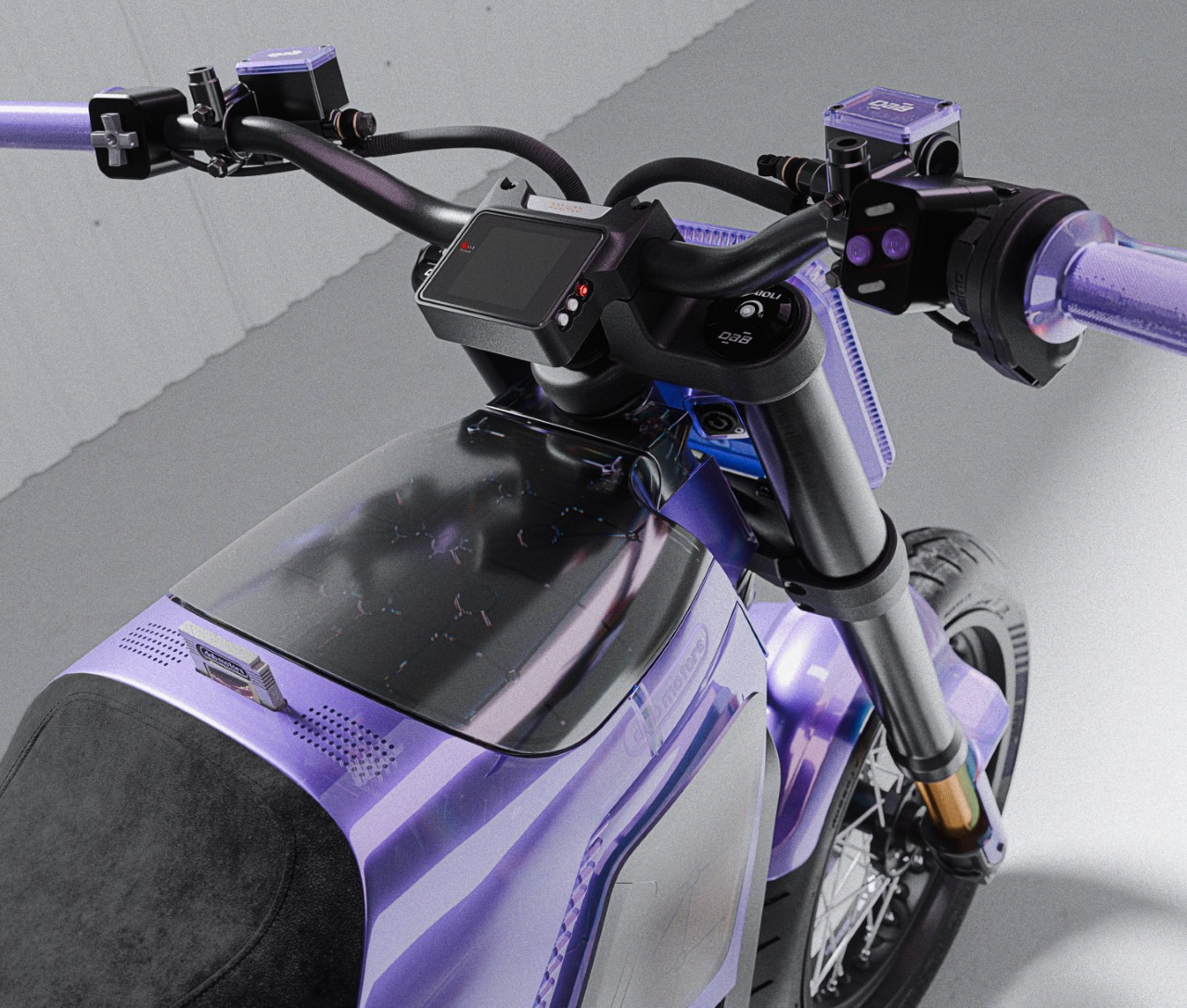
Beyond the cool see-through aspects, the 1α stays grounded with modern touches, like an Alcantara saddle for comfort and a sharp monobloc LED tail light that’s both translucent and futuristic. The front-end design isn’t shy either, featuring a 2.8-inch integrated LCD dashboard and a lenticular headlight that’ll look right at home whether you’re cruising through city streets or zooming down a highway.

Under the clear, see-through hood, a 25.5 kW brushless DC motor powers this electric motorcycle, allowing it to reach a top speed of 130 km/h (81 mph). With a torque output of 395 Nm at the wheel, this machine has more pull than many electric cars. The 150 km range is powered by a 72V Li-Ion battery that’s designed to be both repairable and recyclable.

DAB didn’t skimp on convenience either. The bike comes with an onboard charger that works with both home sockets and Type 2 charging stations, offering a full charge in just 3 hours. That’s right—no lengthy overnight charging sessions here. In terms of customization, the DAB 1α offers four ride modes: Eco, Standard, Sport, and a fun Nitrous Boost mode for when you really want to feel the power surge. It even has a reverse mode to help with tight parking situations, which can come in handy, especially for urban riders.

The steel double cradle frame ensures that the bike remains both sturdy and lightweight, tipping the scales at just 125 kg. For suspension, DAB teamed up with Paioli to equip the bike with a 46mm adjustable USD fork at the front and a spring preload adjustable rear—both offering a smooth, responsive ride. And let’s not forget those Brembo radial brakes with dual ABS for stopping power that inspires confidence whether you’re riding in the rain or dry conditions. The wheels on this transparent beauty are custom-made by DAB x FABA, paired with Pirelli Diablo Rosso 4 tires that are designed for performance and grip. Whether you’re navigating tight city streets or open highways, the wheels (17-inch front and rear) ensure excellent control and stability.

For all this innovation and style, the DAB 1α Transparent Edition starts at €14,900 ($16,651 USD) – and only 400 units will be made. If you’re already daydreaming about pulling up to your local café on this retro-inspired machine, you might want to act fast. Financing options are available, but once these limited editions are gone, they’re gone. And with worldwide delivery, it doesn’t matter where you are—you can still channel your inner gamer while cruising through the streets on this eye-catching piece of machinery.

The post DAB Motors unveils Transparent E-bike inspired by Retro Gaming Consoles like the Nintendo 64 first appeared on Yanko Design.

Modular camera concept keeps you focused on the magic of the moment

Smartphones have become very powerful and convenient tools for recording precious memories and sharing them with loved ones, but they can also be sources of stress, distractions, and dissatisfaction. The Instagram generation has many people snapping up photos or short video clips and then losing themselves in a sea of notifications and social media posts just as they try to quickly share those moments. It is quite ironic that these devices that connect us with others also disconnect us from the world around us and, more importantly, from ourselves because of those incessant distractions. A dedicated digital camera, even one with Wi-Fi, is a solution but an inconvenient one at that because of its bulk and complicated features. A better answer might be the evolution of the point-and-shoot camera, but one with a flexible design that can scale to people’s ever-changing needs and situations.

Designers: Mason Fetter, Alejandra Giron, Grant Huntsman, Cooper Phelps, Summer Glenn

Point-and-shoot digital cameras were the first to be obsoleted by the rise of smartphones, unable to keep up with the growing number of connectivity features and fun filters that these mobile devices offered. At the same time, however, it is exactly those lack of features that now gives the design its appeal, as people using Polaroid-style instant cameras have discovered. Their simplicity allowed people to simply have fun and enjoy the moment, without having to worry about instantly applying filters or even immediately uploading photos and videos.

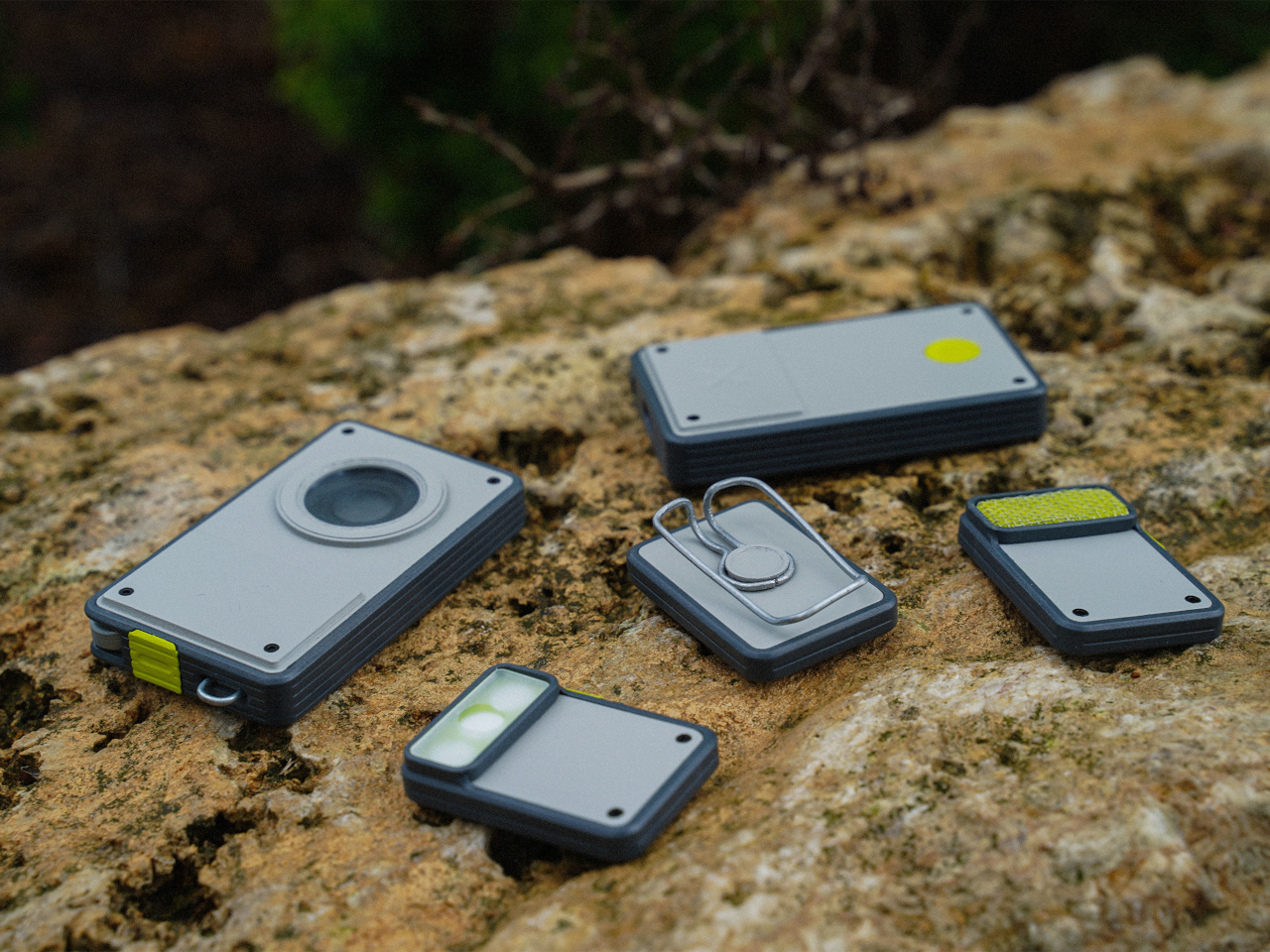
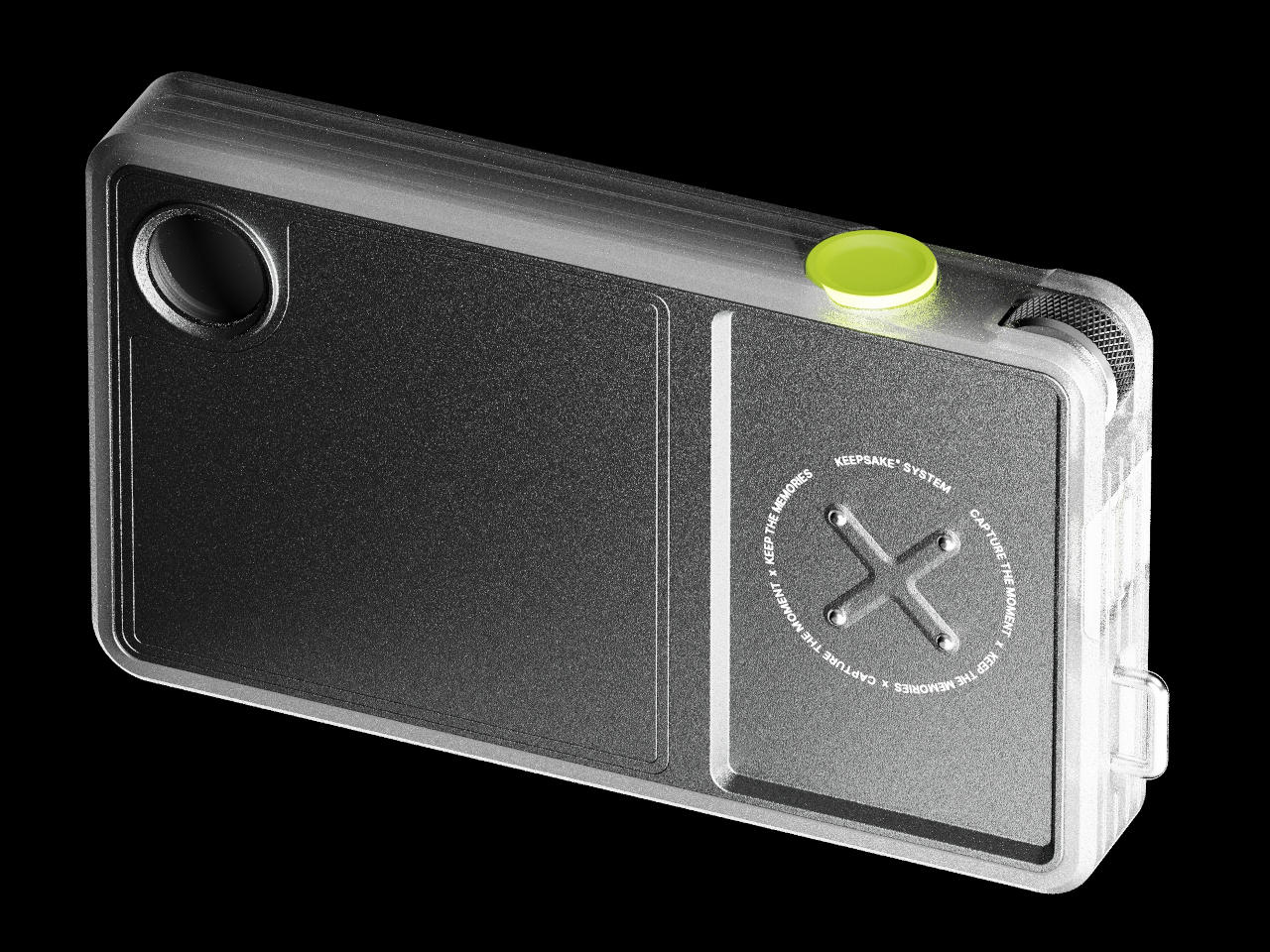
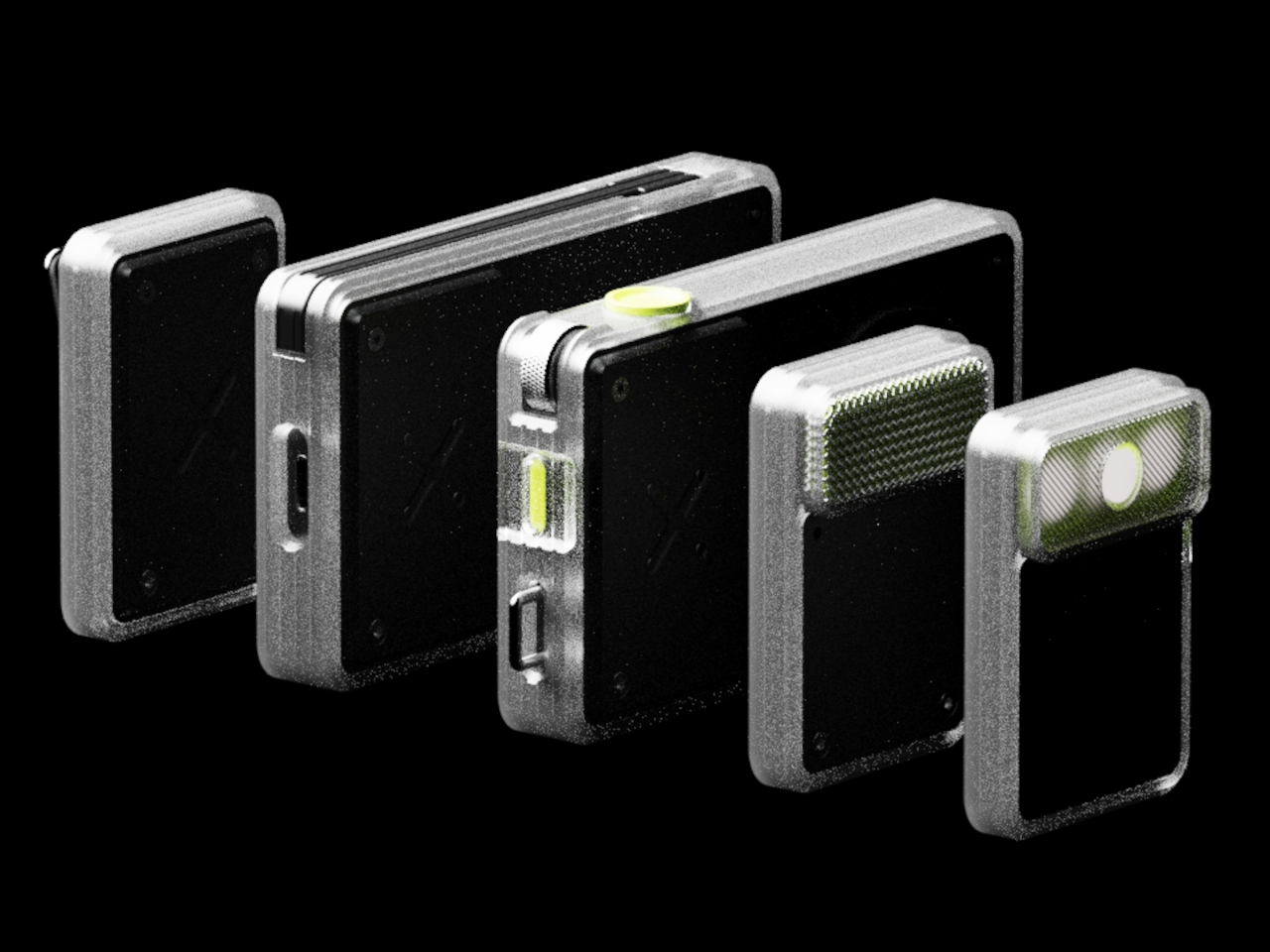
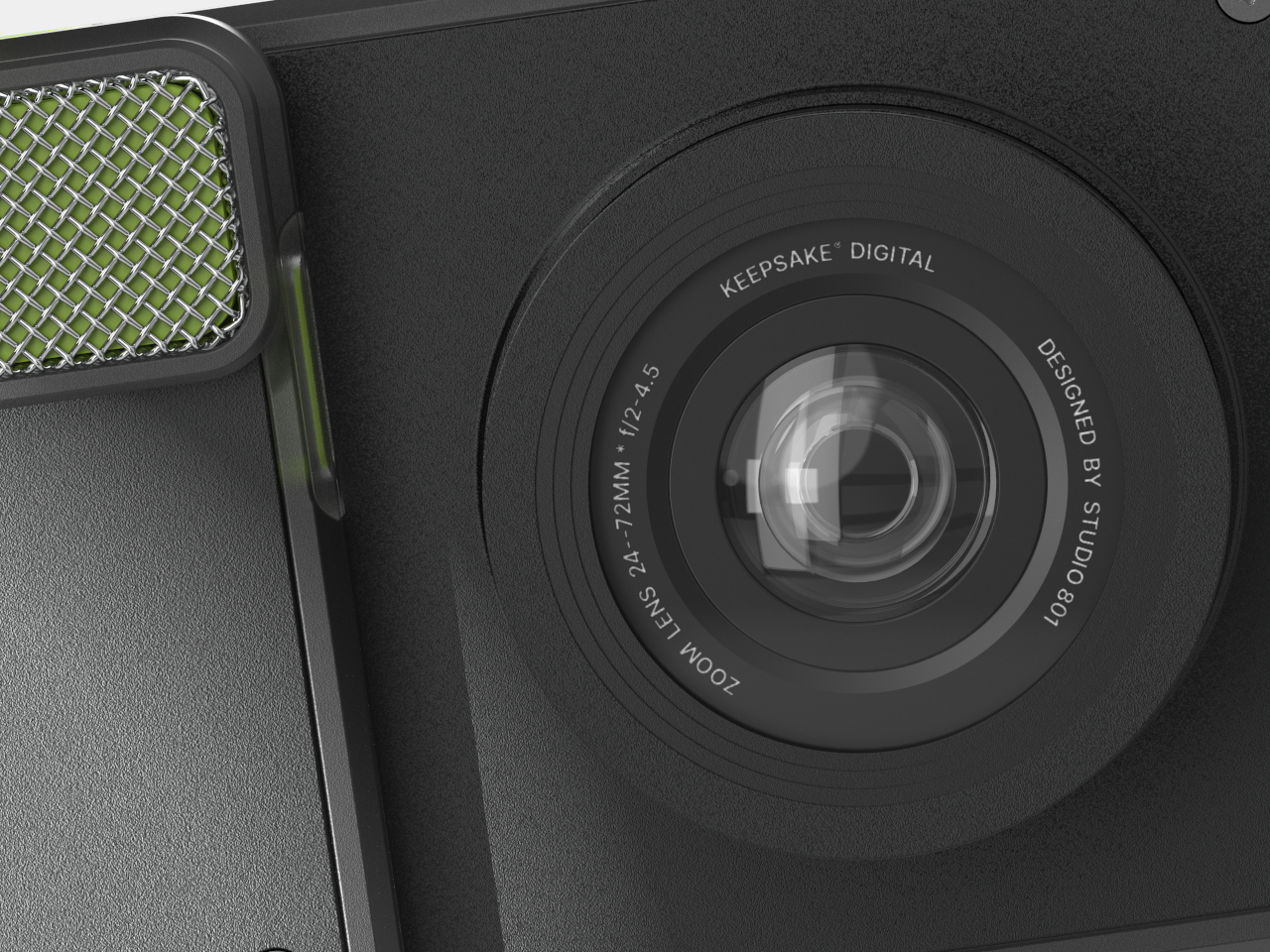
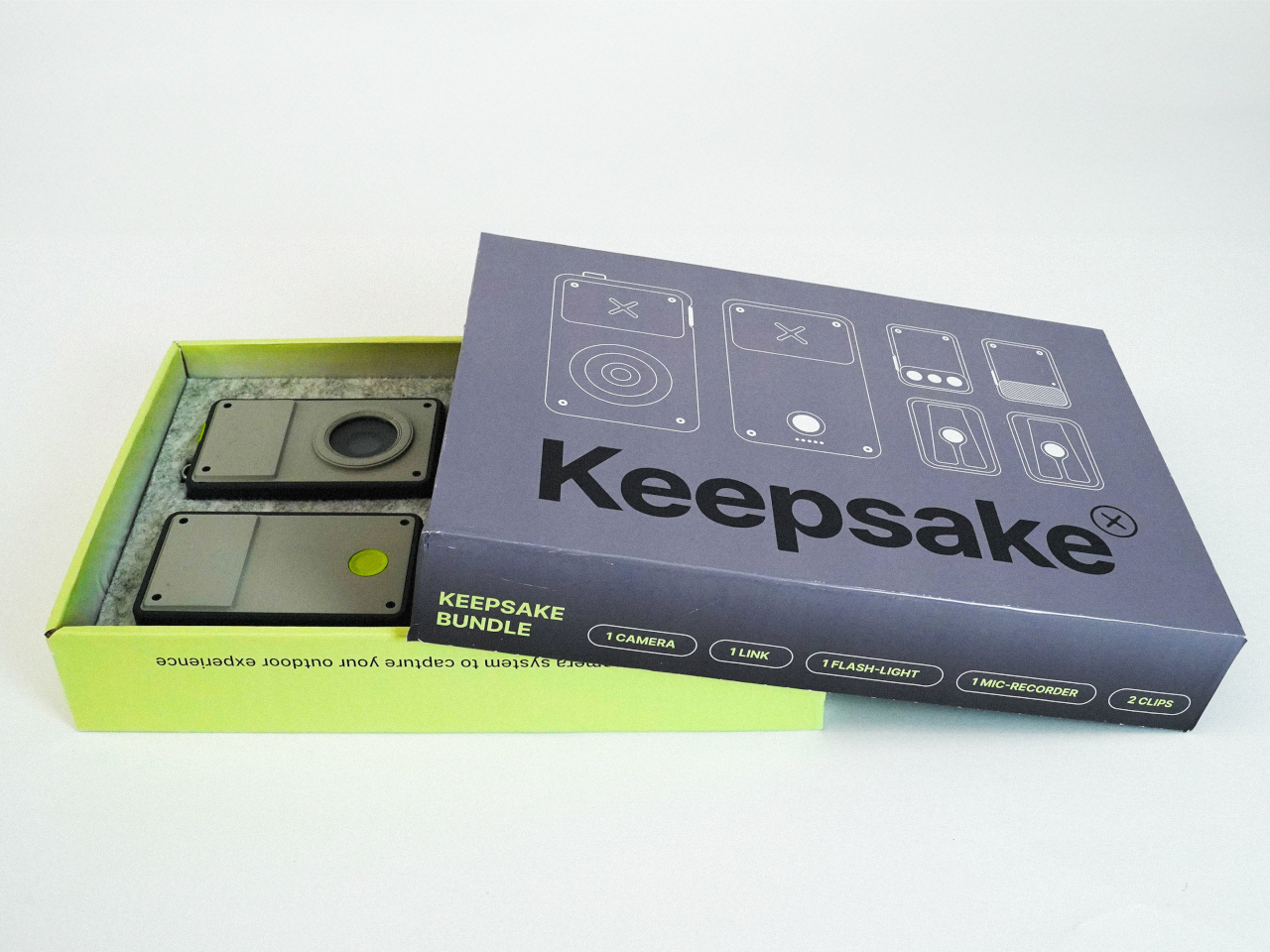
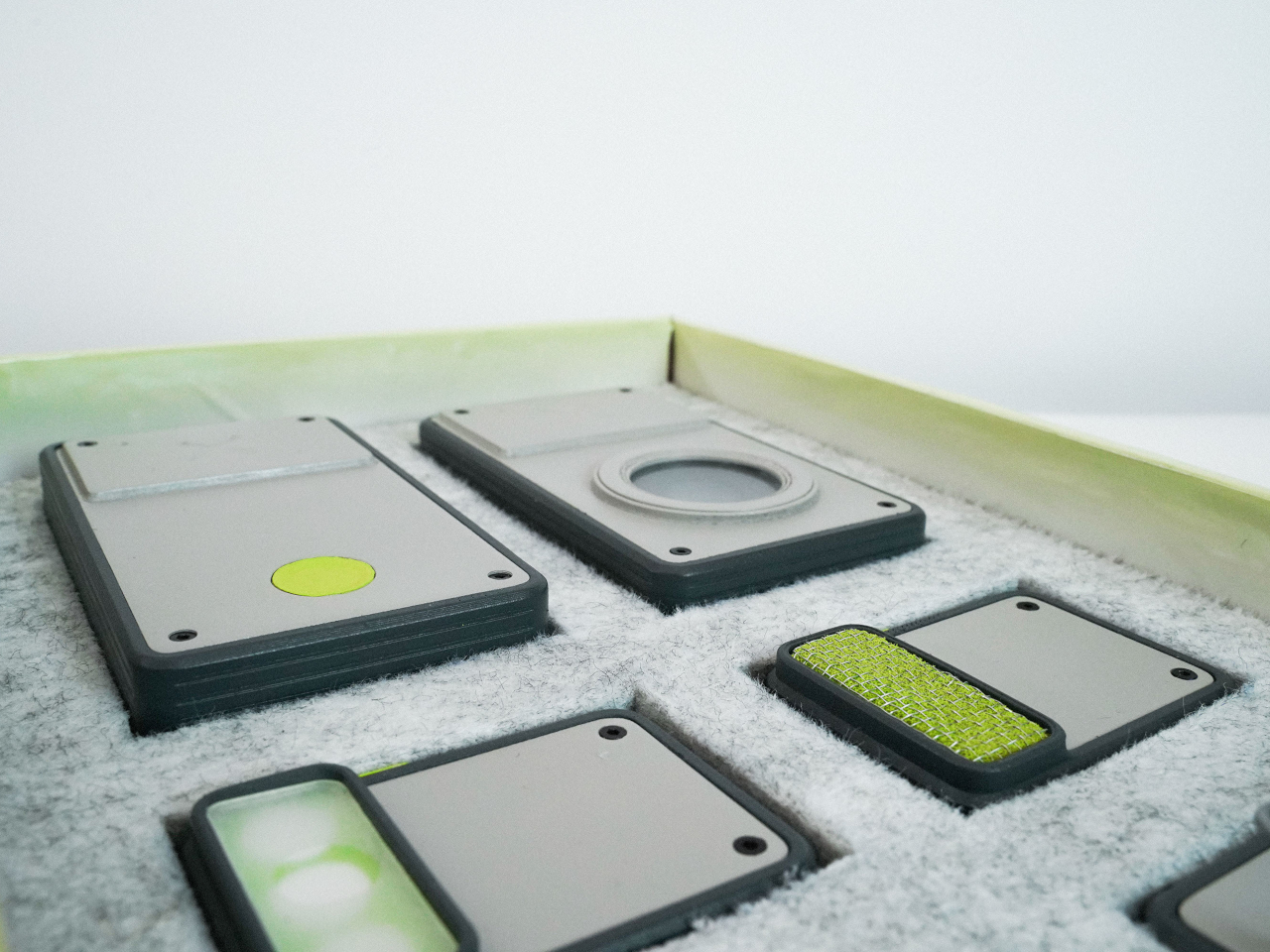
Keepsake is a concept design that embraces that simplicity but with an added twist. Unlike those very basic cameras, it can actually expand to add features needed by users. Best of all, it can also go back to that basic functionality once those extra tasks are done. In other words, it has a modular system that keeps it agile and flexible in ways that even a smartphone might have problems keeping up with.

1

1

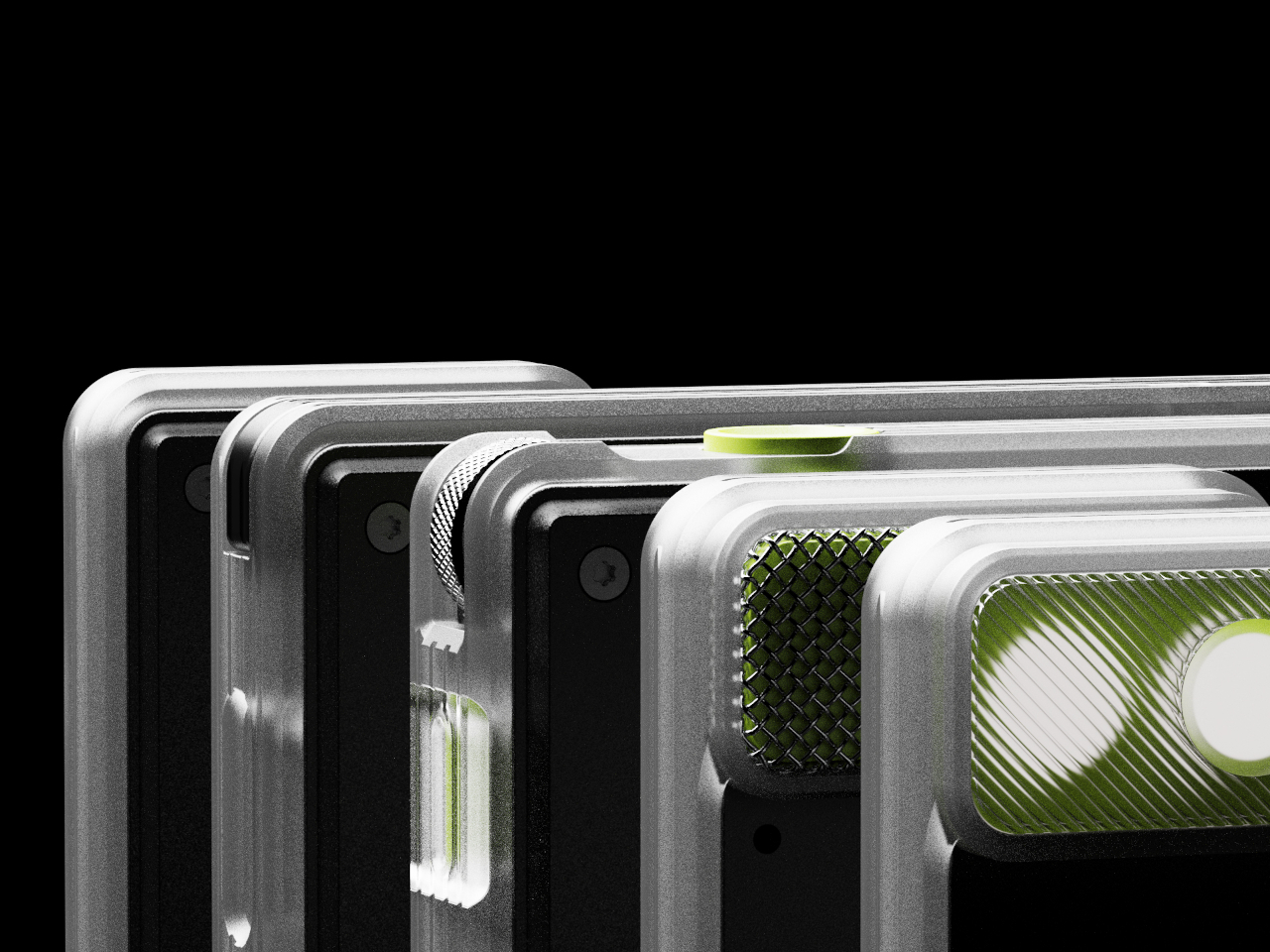
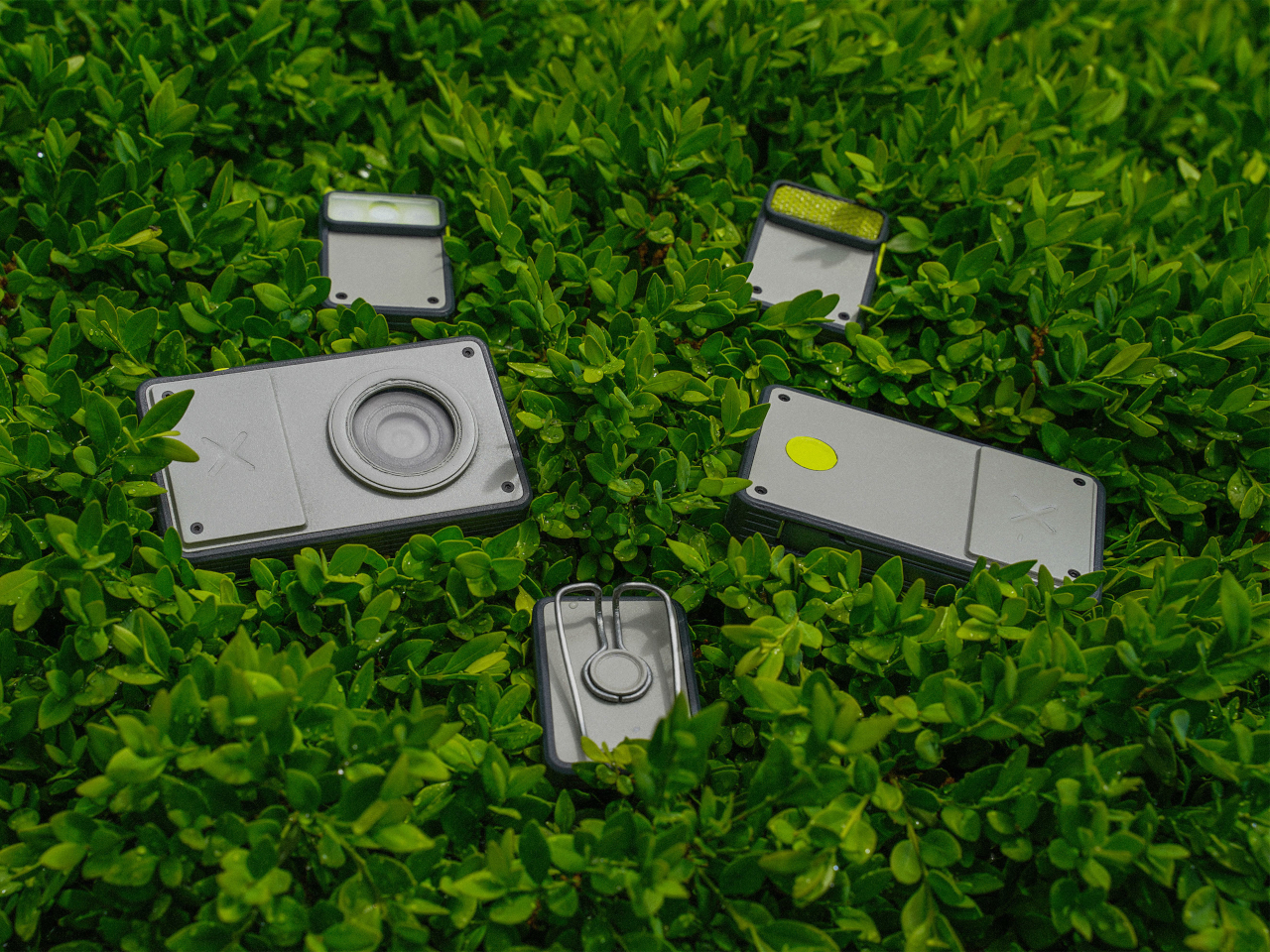
At the heart of the Keepsake design is the screenless digital camera itself and four basic modules which include a mic recording and flash that stick to the front of the camera, as well as a MagSafe clip and a wide charging hub that connects to the back. With this kit, shutterbugs have most of what they need to have an enjoyable disconnected experience that simply focuses on the world around them. At the same time, it keeps the doors open to even more possibilities with future add-ons.

Of course, Keepsake also connects and syncs with a mobile app so you can still share your photos when you want to. It gives users the freedom and control to put their phones away and just immerse themselves in the moment but still gives them the power to enjoy the conveniences of the Internet afterward. And with the modular design, they can take only what they need with them and hold a compact device, unlike a powerful yet bulky and heavy camera.

The post Modular camera concept keeps you focused on the magic of the moment first appeared on Yanko Design.
Senior-Savvy: Top 10 Tips for Designing Products for Senior Citizens

With one in eight individuals globally aged over 60, it’s important to design products that specifically cater to our elderly population. As most senior citizens are healthy, active, and financially stable, they are expected to represent around 20% of the global population by 2050. Explore these guidelines for developing inclusive products, considering diverse user needs, especially those of the elderly.

Image courtesy of: oneinchpunchphotos

1. Simple Design

Simplicity in design is crucial, especially for senior-centric products. Complexity and confusing features should be avoided at all costs. Interfaces should be kept simple to minimize confusion, with easily readable and clear fonts enhancing the overall user experience. Moreover, it’s imperative to provide clear instructions to ensure they can easily comprehend how to use the product correctly.

Designer: Piaggio Fast Forward

Gita, a robot, acts as a loyal companion and practical aid, especially for seniors. It eases the burden of carrying heavy items, making grocery trips and errands more manageable. Its ability to provide a seating option offers rest during walks, promoting outdoor mobility and encouraging seniors to stay active. With its user-friendly design and approachable appearance, Gita fosters a sense of independence and companionship for the elderly, supporting their well-being and enhancing their quality of life.

2. Health Monitoring

Advancements in technology offer the essential security and assistance required for senior citizens living independently. As many seniors deal with chronic health conditions that necessitate regular monitoring, product design has advanced. Through wearable devices and smartphone technology, vital parameters can now be tracked, facilitating health management and providing respite to caregivers, thereby ensuring peace of mind.

Designer: Studio Fantasio

These three smart devices cater to seniors’ needs, offering medication reminders, comfortable reading, and easy communication. Familia aims to restore dignity and confidence to the elderly with its minimalist design and user-friendly interface. The smart clock dispenses medication with a playful cuckoo bird reminder, the lamp doubles as an illuminated magnifying glass, and the digital mirror serves as a communication tool and family photo frame. While designed for seniors, these objects promote inclusivity and reduce stigma around aging challenges by appealing to users of all ages.

Designer: Mati Papalini and Marko Filipic

Nobi, an AI-powered ceiling light, enhances elderly lives by monitoring safety, detecting, predicting, and preventing incidents like falls or respiratory issues. Its user-friendly design seamlessly blends into interiors, encouraging the adoption of high-tech care technology. Nobi serves as a vigilant companion, continuously monitoring the environment to identify potential hazards and alert designated caregivers when needed. It can detect respiratory issues, and coughs, and even predict falls before they happen, ensuring timely assistance and intervention. With Nobi, seniors feel safe and supported, leading dignified lives with continuous assistance.

3. Ergonomic Design

Designing products with ergonomic features is crucial to reduce strain, particularly for seniors. For instance, opt for ergonomic seating, like high-backed chairs with lumbar support, ensuring firm and comfortable cushioning to maintain healthy posture. Prioritize ease of use and comfort, as seniors may have reduced strength while avoiding low seating and armrest-less chairs.

Designers: Hanyoung Lee, Haejun Park, Seongmin Ha, Jun Hong, Soyeon Park, Hyunsub Shin

This luxurious chaise lounge cleverly conceals a motorized wheelchair, offering comfort and elegance to those with mobility issues. Resilience, with its sleek design and smart materials like Resilient gray and Classy chrome, symbolizes independence and confidence for the elderly. It’s part of a larger mobility system, including the self-driving “Brio” vehicle, seamlessly integrating style and functionality for indoor and outdoor use.

4. Extended Battery Life

Image courtesy of: YuriArcursPeopleimages

When designing devices that require charging, it’s crucial to prioritize either long battery life or easy recharging to minimize the frequency of charging or battery replacement for seniors. This proves beneficial for seniors experiencing mobility challenges and memory impairment.

5. Added Safety Features

Inclusive product design often incorporates added safety measures, such as non-slip surfaces, automatic shut-off mechanisms, and appropriate emergency buttons, to enhance overall product value. These small yet critical features serve multifunctional roles, particularly benefiting seniors.

6. Durable Materials

When catering to the needs of senior citizens, selecting durable materials that withstand breakage from falls or accidents is crucial. Given that seniors may use products more frequently or with greater force due to age-related changes, opting for durable materials ensures the product will withstand prolonged use and maintain its integrity over time.

Designer: Sarah Hossli

The T’ROI chair, developed in collaboration with a retirement home in Basel, Switzerland, addresses the challenge of sitting and standing for the elderly. Featuring extended arms, it provides support for individuals to sit and rise without assistance, promoting independence and dignity. Sturdy materials ensure safety, while its comfort enhances the overall experience for users.

7. Enhance Comfort of Usage

Image courtesy of: prostooleh

When designing products, prioritize comfort by considering aspects like cushioning, grip, and weight distribution. Ensure ease of use with a manageable weight, ergonomic grip, and slip-resistant design, promoting inclusivity. Proper cushioning enhances the comfort level and overall user experience.

8. Integration of Assistive Technology

When designing specifically for seniors, integrating assistive technologies such as voice control or magnification features enhances usability, making products more accessible to this demographic. Additionally, using large or oversized buttons with high contrast aids in easy visibility and operation, especially because seniors may experience declining vision.

Designer: Hyeon Park, Haeun Jung, Hyuntae Kim, Sookyoung Ahn

This cutting-edge self-driving wheelchair, equipped with a detachable walker, empowers users to navigate comfortably as they age, addressing the challenges of mobility that come with aging. Cobi seamlessly combines the features of walkers, canes, and electric wheelchairs into one sleek solution, promising greater independence and mobility for seniors while challenging societal perceptions of aging. Its autonomous operation, with instant braking capability, ensures convenient transportation without external assistance. Using laser projection technology, Cobi effortlessly navigates obstacles, while its cushioned seat, low backrest, and retractable footrest provide comfort during transit. Upon reaching their destination, users can detach the mobility device from the walker, enabling exploration of inaccessible areas. The height-adjustable walker, featuring a rubber grip and built-in flashlight, aids navigation in dark environments, while Cobi autonomously returns to its charging station when not in use, ready for the next journey.

Designer: Iran University of Science and Technology

This cork planter with assistive functions serves as both a lantern and a health tracker for the elderly. Known as Fanoos, it embodies an intuitive design with a detachable lantern and emergency button for medical needs. Fanoos tracks health status, adjusts lighting preferences, and offers portability for nighttime use, enhancing safety and comfort for users.

9. Inclusive Design

Products should address a wide range of abilities, including those of individuals with disabilities. Inclusive design guarantees accessibility for seniors with varying capabilities, accommodating those with disabilities or impairments.

Designer: Feng Chang

A walker designed for seniors incorporates a built-in box for their furry companions, addressing social isolation. This concept combines mobility and companionship, featuring a spacious pet carrier atop the walker. With versatile handle movement, a secure brake button, and rechargeable LED lights for safety, this design enhances outdoor walks for seniors and individuals with limited mobility.

10. User Feedback

Image courtesy of: Iakobchuk

Collecting feedback from senior citizens or the specific end users of the product throughout the design process is highly recommended. This ensures that areas for improvement are identified and that the final product adequately meets their specific needs and is comfortable to use.

These factors can guide designers in creating products that are functional, practical, and customized to meet the specific needs and preferences of senior citizens.

The post Senior-Savvy: Top 10 Tips for Designing Products for Senior Citizens first appeared on Yanko Design.

Nothing launches sports-friendly Ear (open) earphones with built-in ChatGPT for just $149

No, it isn’t Phone (3), but to be honest, haven’t we had enough phone launches already?!

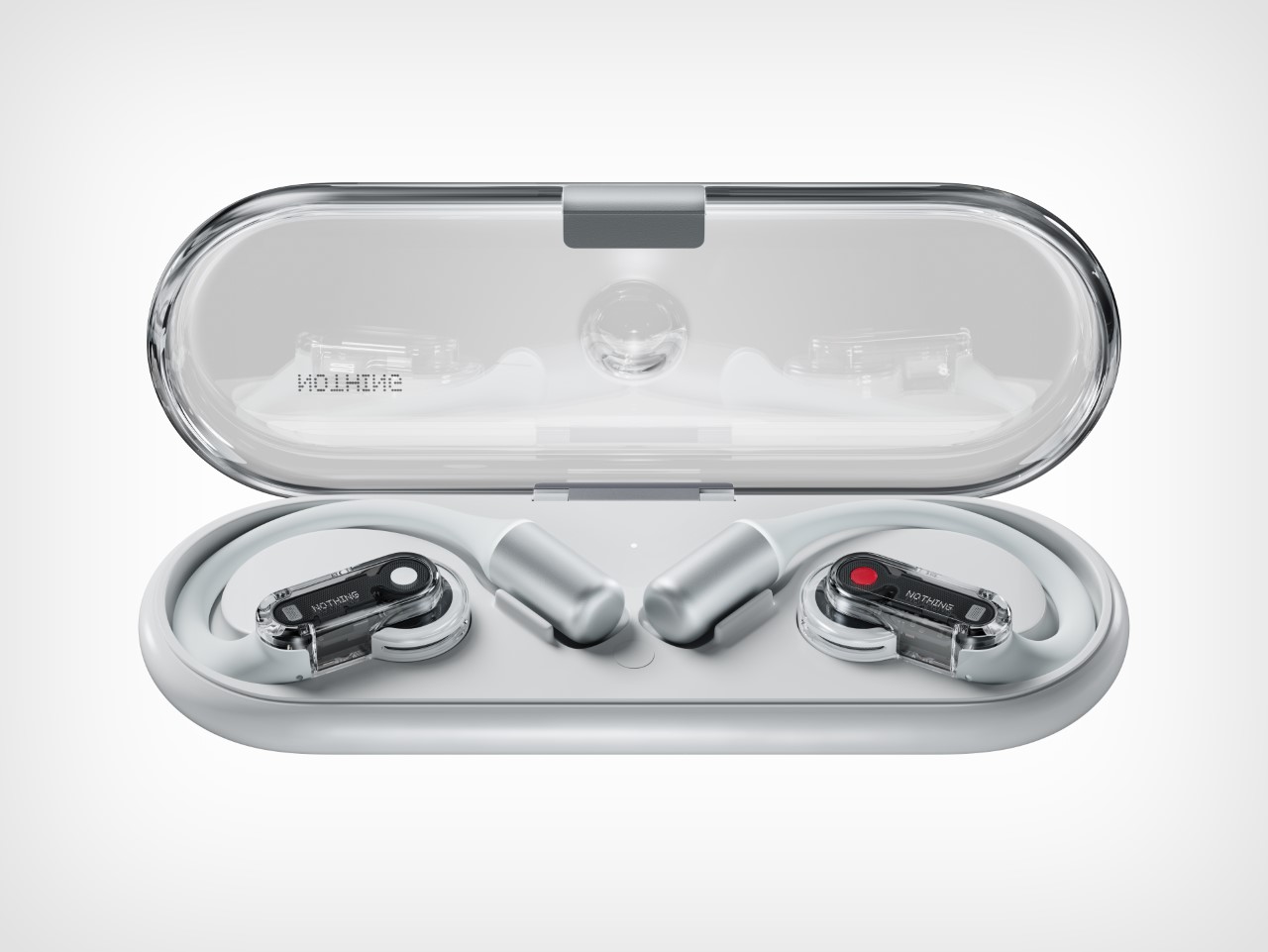
Say hello to the Nothing Ear (open), the latest ‘hearable’ from London-based tech-brand Nothing. Designed in vein with their existing Nothing Ear series, the Ear (open), as its name suggests, is an open-ear wearable and the first of its kind from the company. The newly launched device introduces a distinctive open-ear design that prioritizes comfort, situational awareness, and superior sound quality. This marks the company’s fourth mainline set of earbuds, not counting special editions (like the Nothing Ear (stick)) and their CMF budget line. Known for pushing the boundaries of audio tech with a bold design, Nothing seems intent on revolutionizing the way we experience audio on the move.

Designer: Nothing

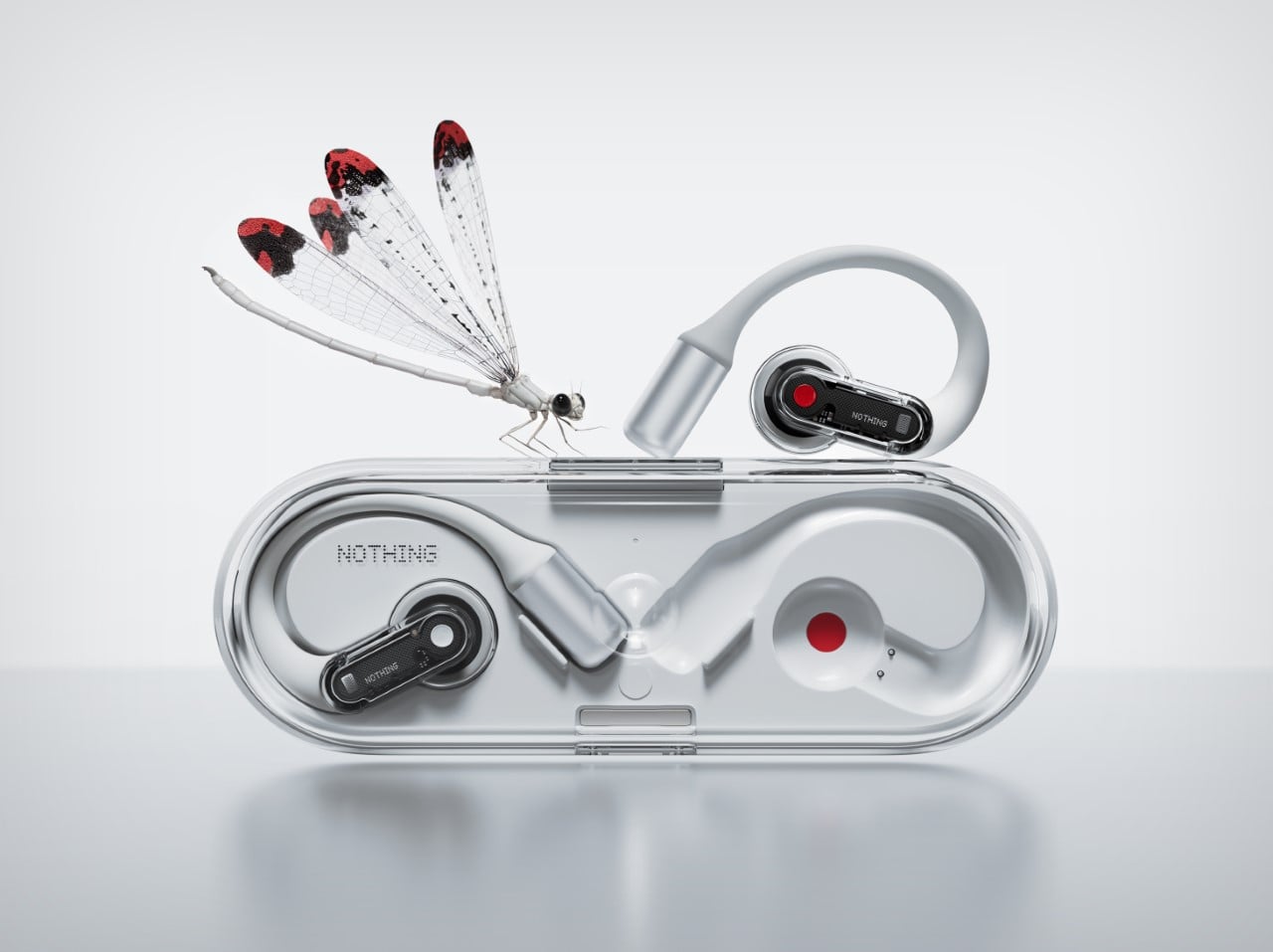
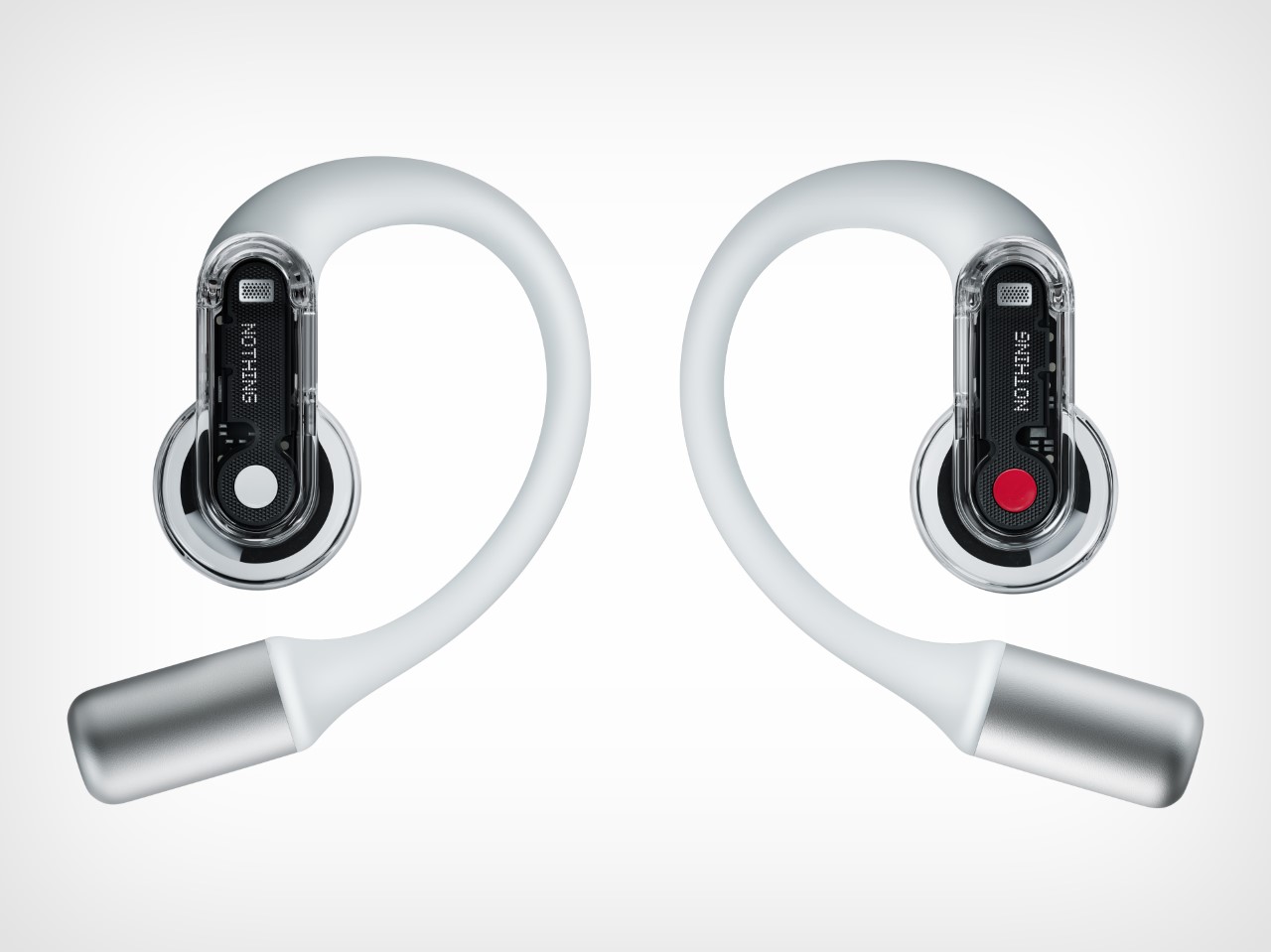
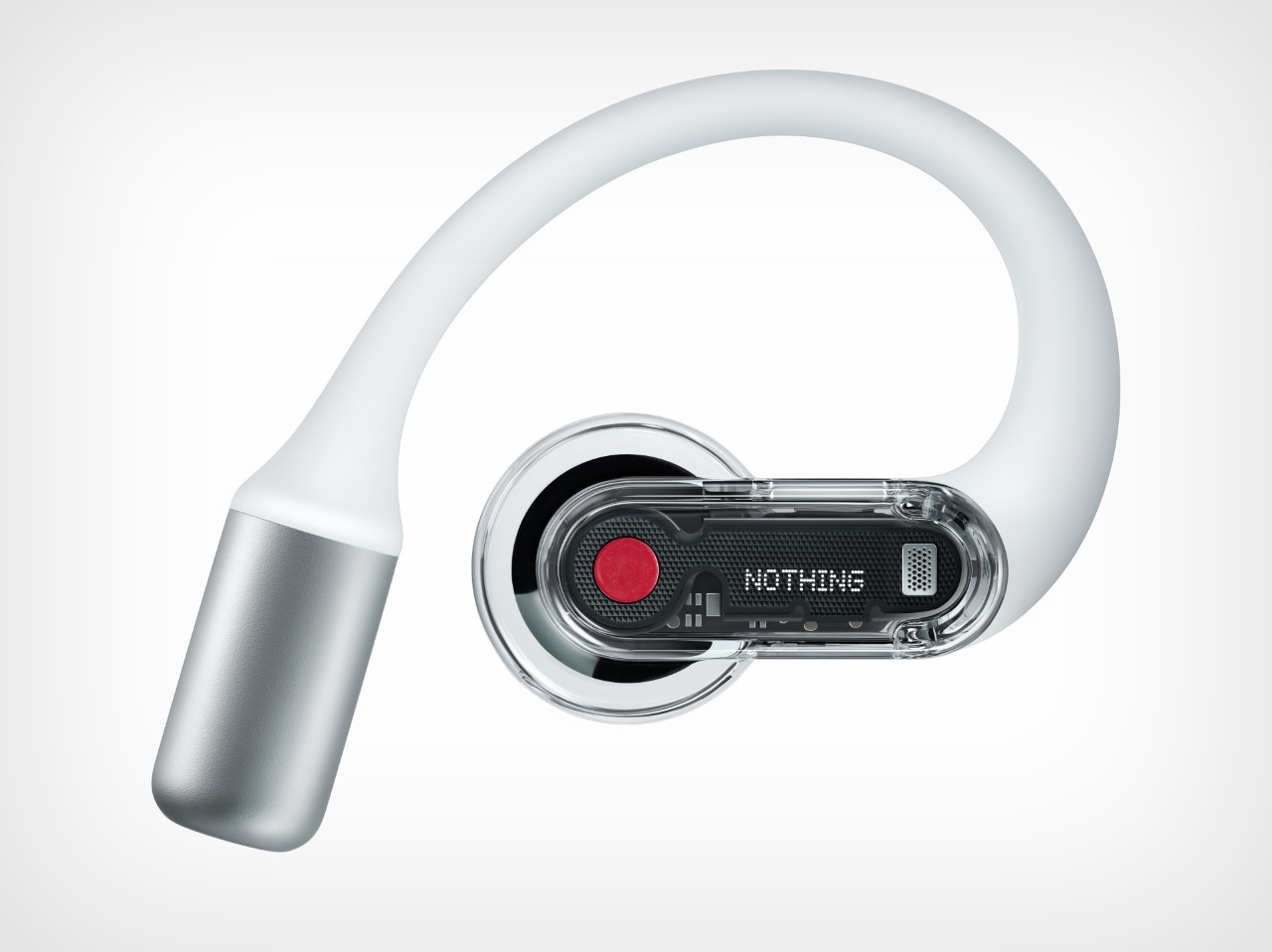
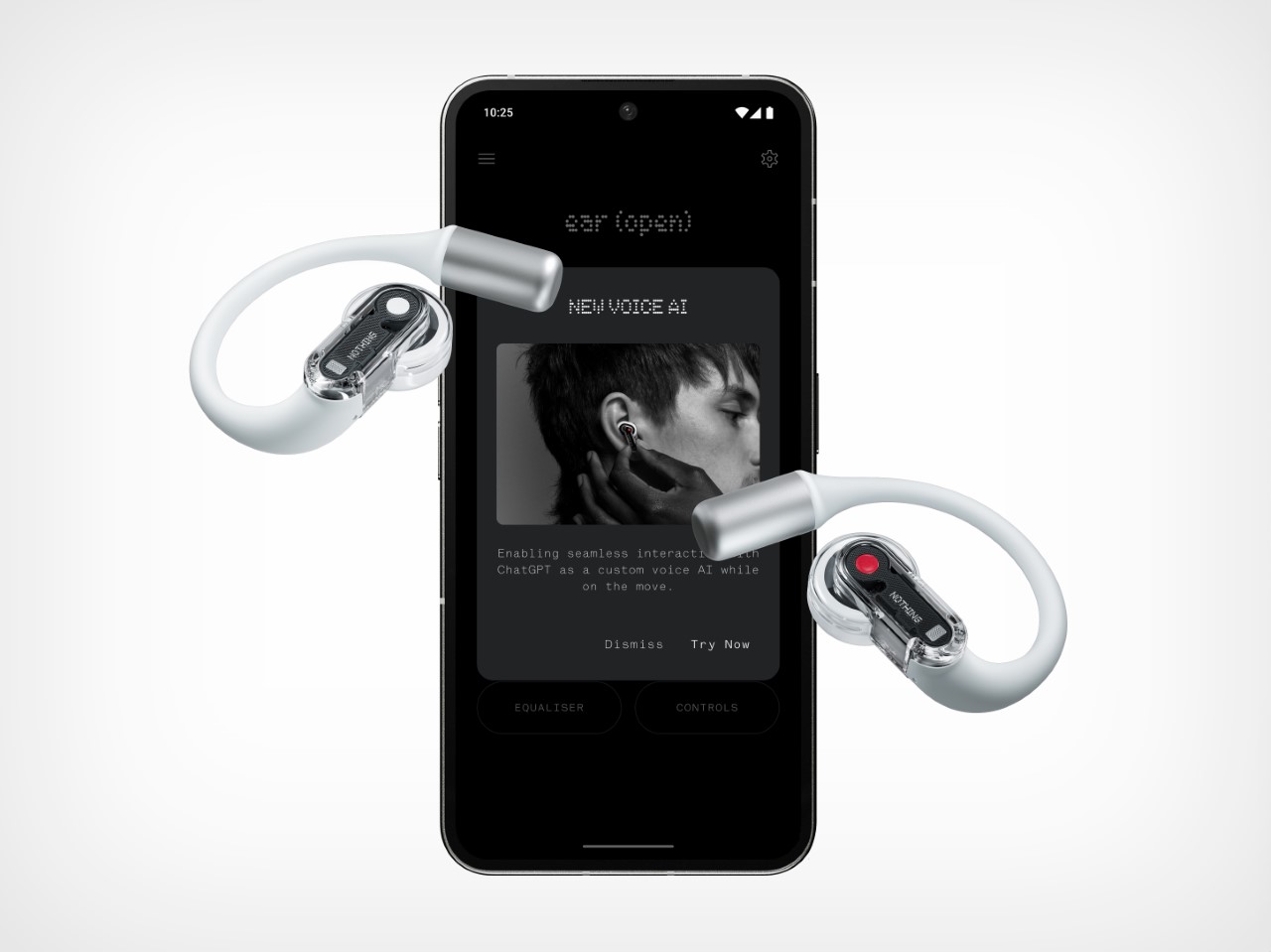
One glance at the Nothing Ear (open), and you immediately notice the company’s signature minimalist aesthetic. Transparency is the name of the game here. Rather than having earpieces with silicone tips that create an airtight seal to lock in sound and minimize audio leakage, these open-ear wearables rest against your ear canal, firing audio directly in without compromising your ability to hear the world around you. Sort of like how holding your phone up to your ear lets you hear calls but also lets environmental sounds to make it to your ear so you’re aware of your surroundings. “A lot of people were skeptical internally, but I was really bullish on this form factor because you see people wearing regular earbuds these days, and sometimes they only wear earbuds with one bud in the ear and the other one out… because they want to what’s, you know, happening all around them”, says Nothing founder Carl Pei. “But this form factor opens up, so that you can hear all your surroundings without having to do that.”

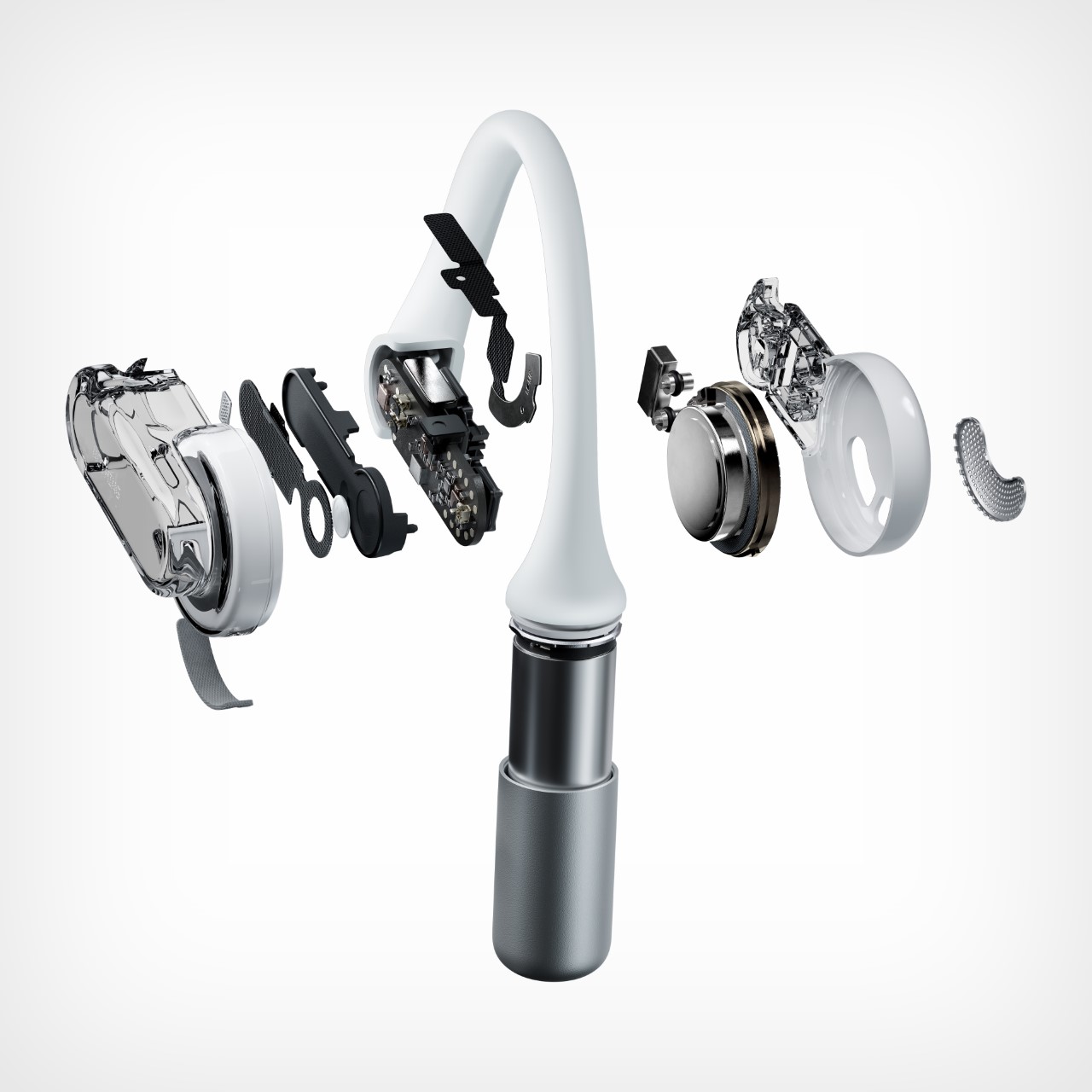
Staying true to their design philosophy, the Ear (open) showcases a slim, see-through form factor that emphasizes the craftsmanship behind its sleek exterior. Weighing just 8.1 grams per earbud, these are designed to be lightweight and portable, and with the case measuring a mere 19 mm in thickness, you can easily slip them into your pocket. The buds also come equipped with a smart case that mirrors the same transparency-focused design the company has come to be known for, along with a dimple in the center of the lid for fidgeting purposes. Obviously, the case acts as a charging dock for the earphones when not in use.

The Ear (open) shines with its Open Sound Technology, a software feature that aims to let users enjoy immersive sound while staying connected to their environment. Whether you’re on a busy city street or in a park, these earbuds let ambient sounds like traffic or birdsong through, without drowning out your music or calls. This makes them ideal for those who want to stay aware of their surroundings—whether for safety reasons or just to feel more present.

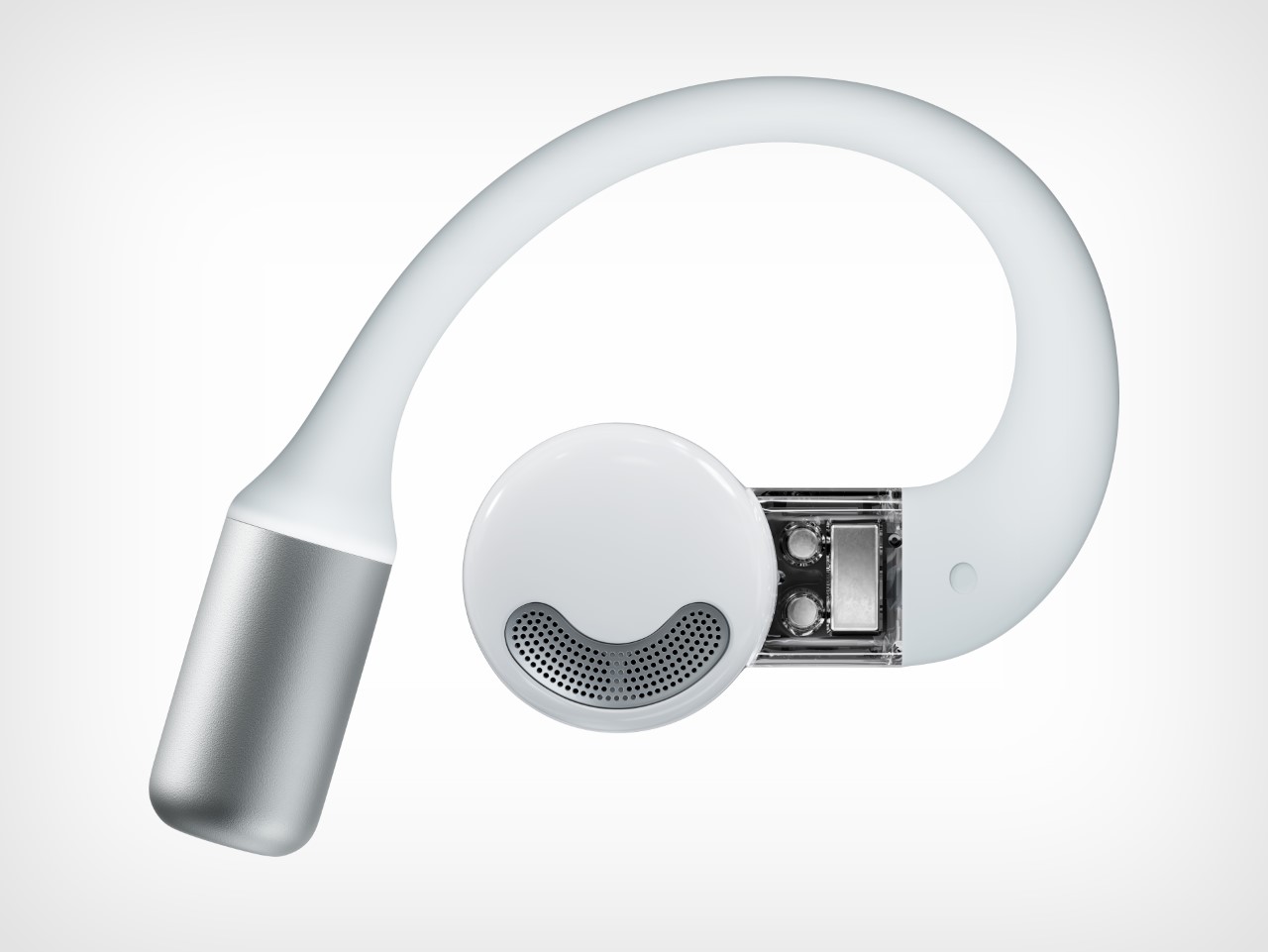
Supplementing the open-ear design is the Sound Seal System and directional speakers. These features work together to minimize sound leakage, ensuring that you get a rich, personal listening experience without disturbing those around you. This system’s privacy-oriented design addresses one of the common pain points with open-ear earbuds, giving you the best of both worlds—situational awareness and high-quality sound.

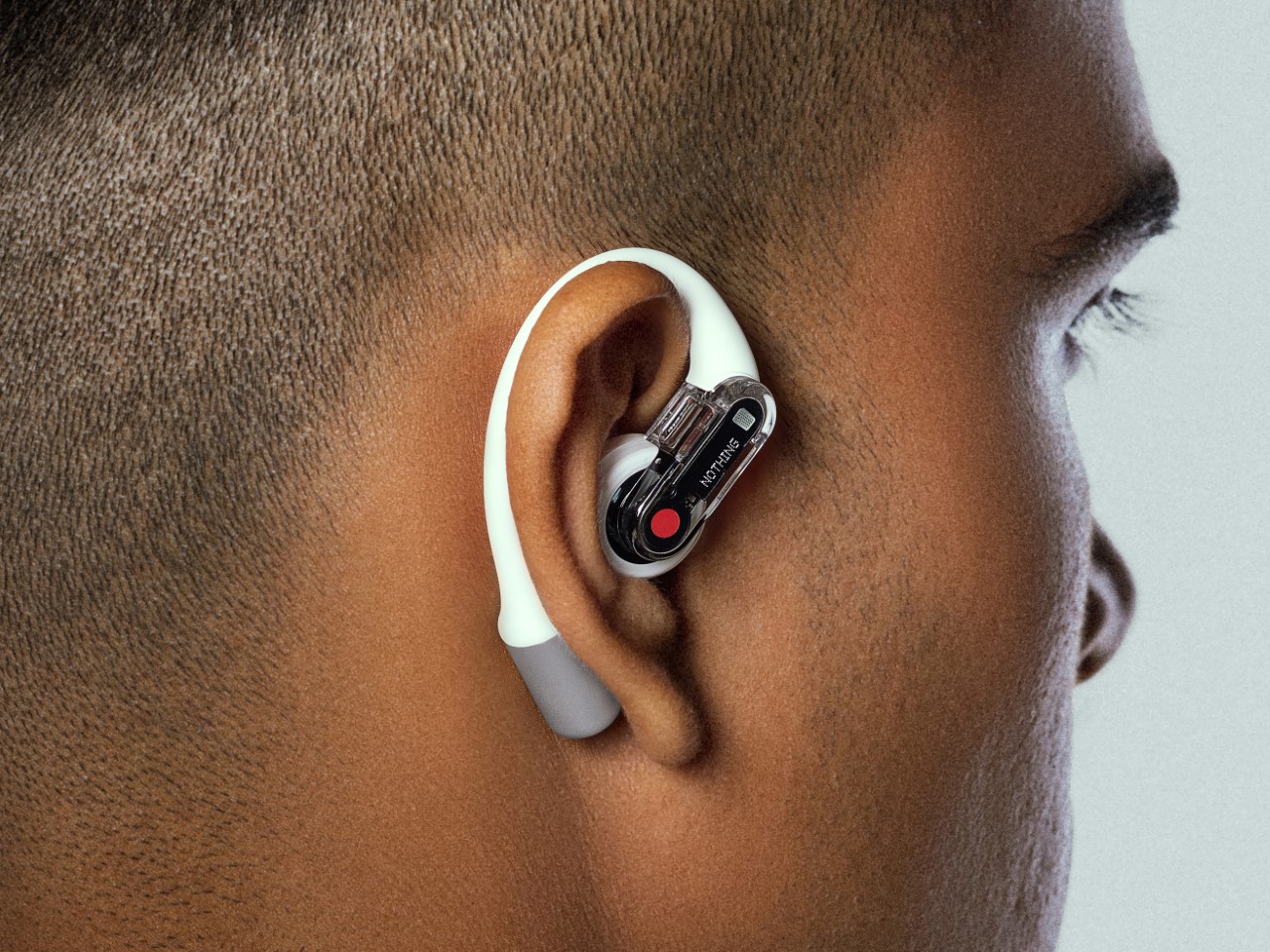
The earbuds feature a three-point balance system that, alongside flexible silicone ear hooks, ensures the earbuds sit securely in your ears. Designed with the intent of being worn while running, exercising, cycling, or just walking through the city, the Ear (open) promises a secure fit that won’t fall out during your activities. Combined with their feather-light weight, these earbuds are designed to make you forget you’re even wearing them.

On the performance front, the Ear (open) delivers with its custom patent-pending diaphragm, titanium coating, and ultra-light driver setup. These earbuds are built to handle both the deep lows and the crisp highs, offering a balanced soundstage that’s sort of rare for open-ear designs (although we intend to verify this when we get our review unit!) The bass is further enhanced by an automatic Bass Enhance algorithm, giving the low frequencies an extra punch without distorting the sound quality… something we’ll definitely confirm once we try these bad-boys on.

You’ll get 8 hours of continuous playback on a single charge, with the total extending to 30 hours when factoring in the charging case. And if you’re pressed for time, a quick 10-minute charge provides an additional 2 hours of playback. For those who take a lot of calls on the go, the Clear Voice Technology uses AI-enhanced processing to deliver crystal-clear call quality, even in noisy environments. Trained on over 28 million noise scenarios, this tech ensures that your voice comes through loud and clear, regardless of your surroundings. Additionally, Dual Connection allows seamless switching between devices, and a Low Lag Mode is designed specifically for gaming, ensuring minimal audio delay during gameplay.

Earlier in the year, Nothing announced it was bringing ChatGPT to all its earphones, and the Ear (open) gets this feature too, allowing you to tap into GPT instead of your phone’s assistant for a more intuitive, intelligent conversation. Need to check the weather before heading out or quickly look up an answer to that random question nagging at you? Just ask—no need to fumble for your phone. The ChatGPT feature is accessible directly from your earbuds via the Nothing X app, making real-time information just a voice command away. Whether it’s getting directions, solving a debate, or grabbing quick updates on the go, ChatGPT turns your earbuds into more than just audio devices. That’s more than you can say for a pair of AirPods that are still yet to get Apple Intelligence.

The Nothing Ear (open) will be available for pre-order starting September 24th, with the official launch on October 1st. Priced at $149 USD (£129/€149), these earbuds are positioned to offer great value for those who want cutting-edge technology and user-friendly design without breaking the bank. If you’re the kind who needs music while exercising or training, these open-ear wearables might just be perfect to give a try. Especially at that affordable price point.

The post Nothing launches sports-friendly Ear (open) earphones with built-in ChatGPT for just $149 first appeared on Yanko Design.