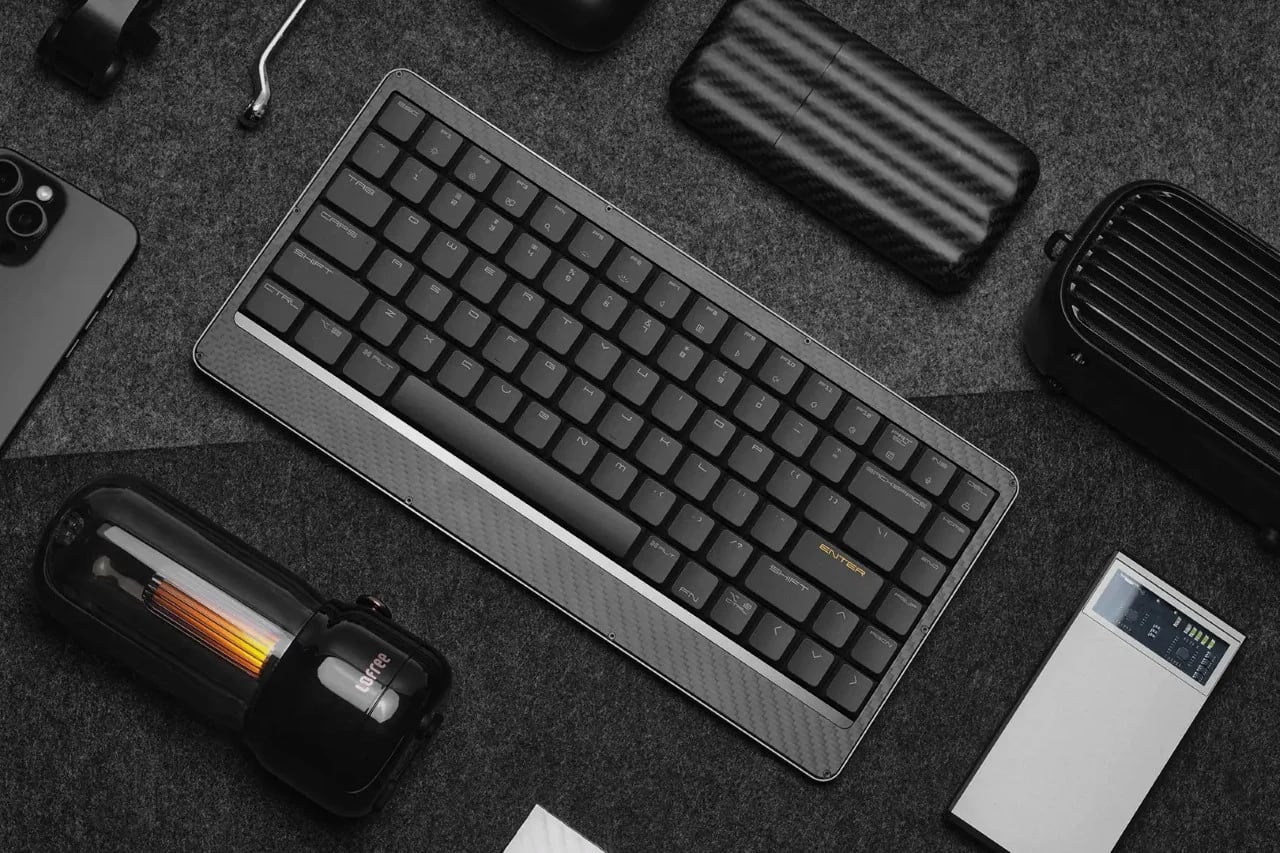
Some people consider computer keyboards to just be tools you have to bear with, but those who live and die by typing on a computer know just how important the design of a keyboard is. That’s why a lot of writers, developers, and even gamers prefer mechanical keyboards not just because of their sharp sounds but, more importantly, because of their tactile typing experience. Unfortunately, mechanical keyboards seem to have become synonymous with thick, heavy, and clunky keyboards because of the equally hefty mechanisms employed to deliver that experience. That doesn’t have to be the case, however, and this ultra-low-profile mechanical keyboard proves how you can have the best of both worlds with some outside-the-box thinking and creative design.
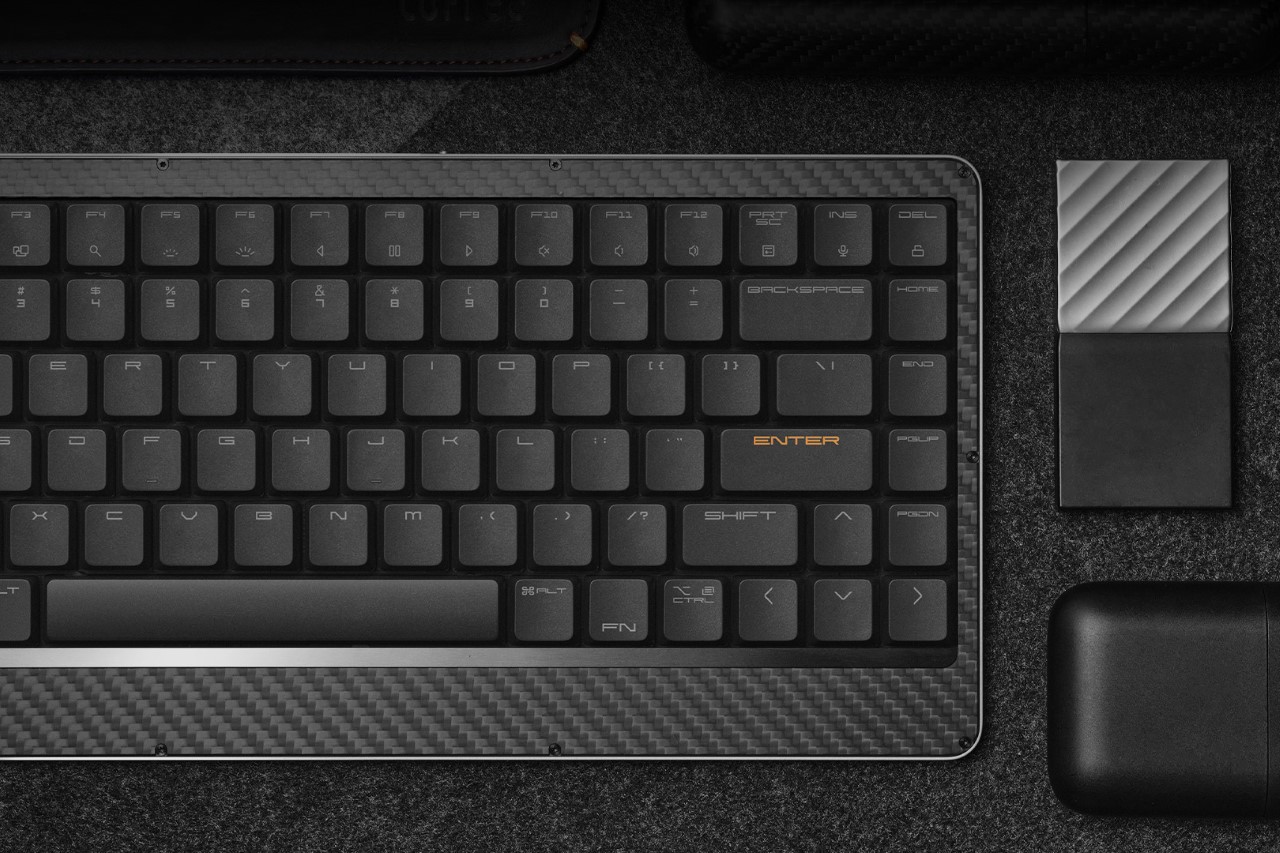
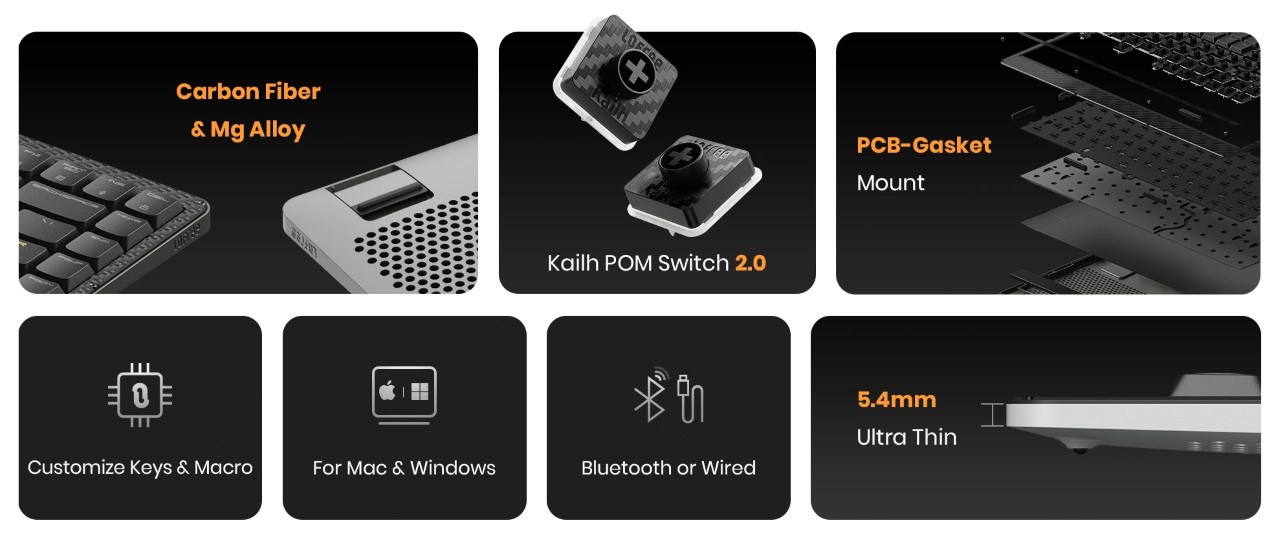
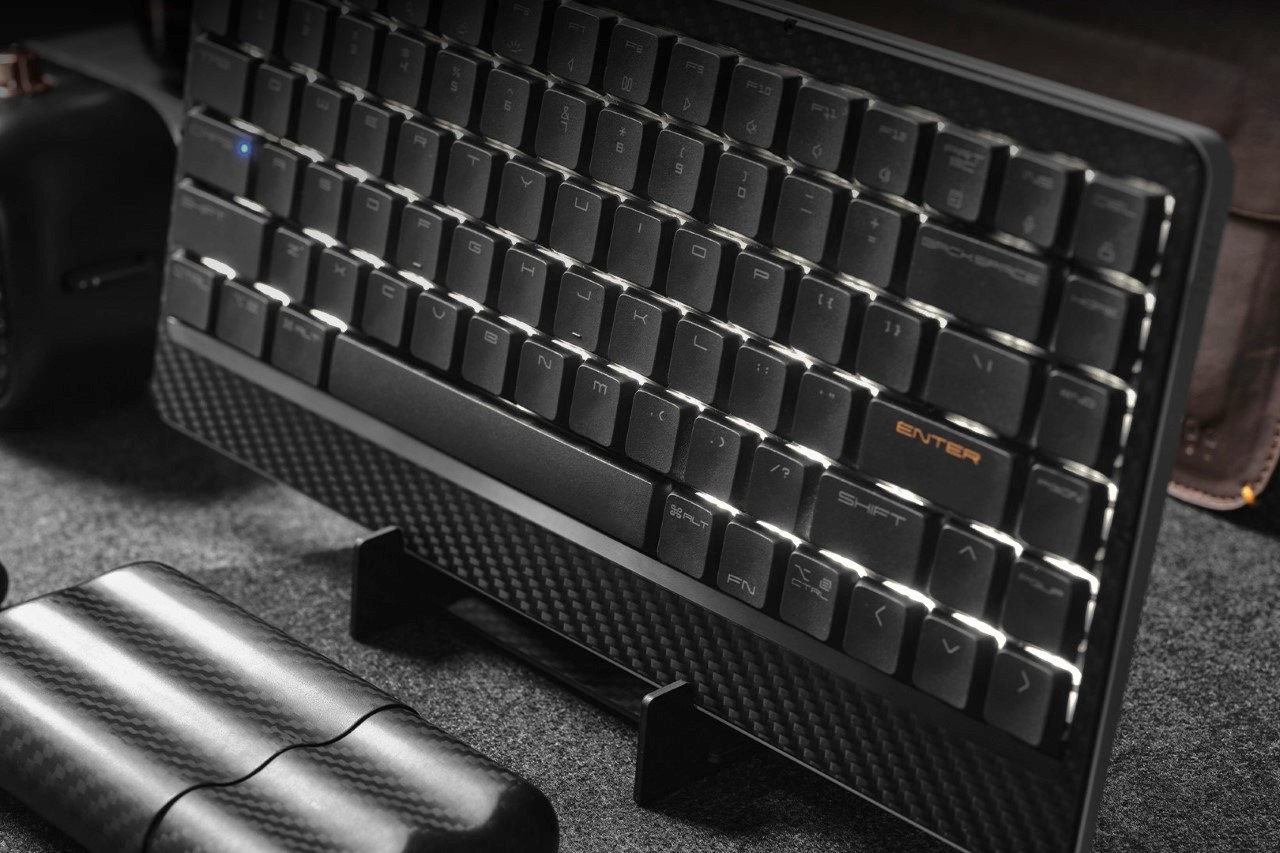
You can make a keyboard as thin as it can be, but you’re bound to make a lot of compromises to get there, from the quality of the build to the durability of the product to the satisfaction of every keystroke. Difficult, however, doesn’t mean impossible, and Lofree EDGE dares to take on the challenge of finding solutions to the problems that have been taken for granted. At only 485g light and 5.4mm thick at its thinnest point, you might even wonder if it’s a mechanical keyboard at all.
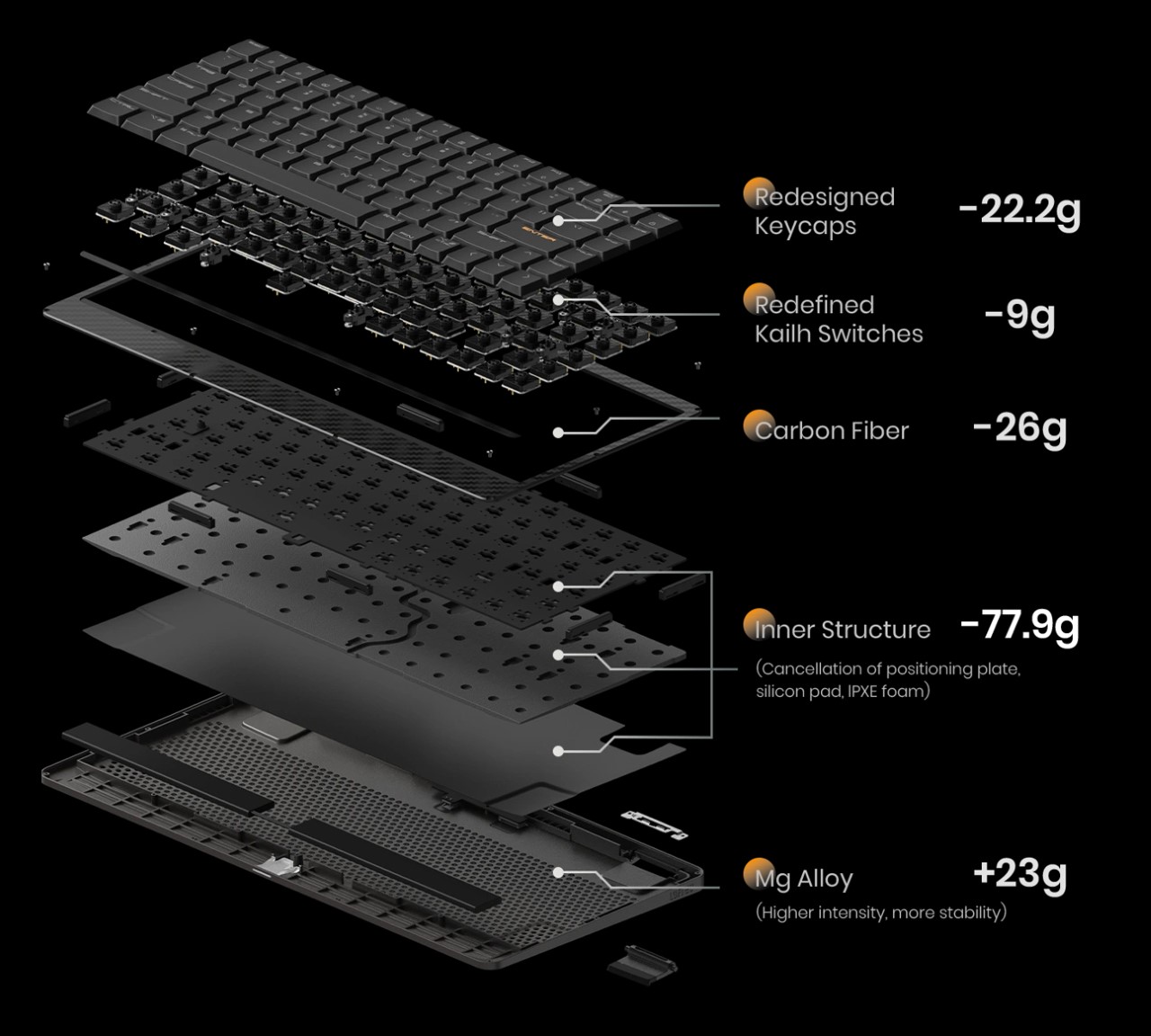
The secret is Lofree’s meticulous attention not just to materials but to the production process as well. It wasn’t enough to simply use just any carbon fiber to make the upper plate both durable and lightweight, Lofree EDGE employs a 3K Till Weave that takes that to the next level while also adding a luxurious aesthetic that your palms can actually feel. The light and heat-resistant magnesium alloy base isn’t just crafted using ordinary die casting but uses semi-solid casting instead to eliminate air pockets and increase the material’s toughness. And to do its part in helping to save the planet,
Lofree reuses the carbon fiber block cut out from the upper plate and turns it into a flat-packed stand for the keyboard. Assembling the stand becomes a playful and engaging experience, like putting together a puzzle, and delivers a handsome mount to place your keyboard on at the end of the day to keep your desk clear and clutter-free.
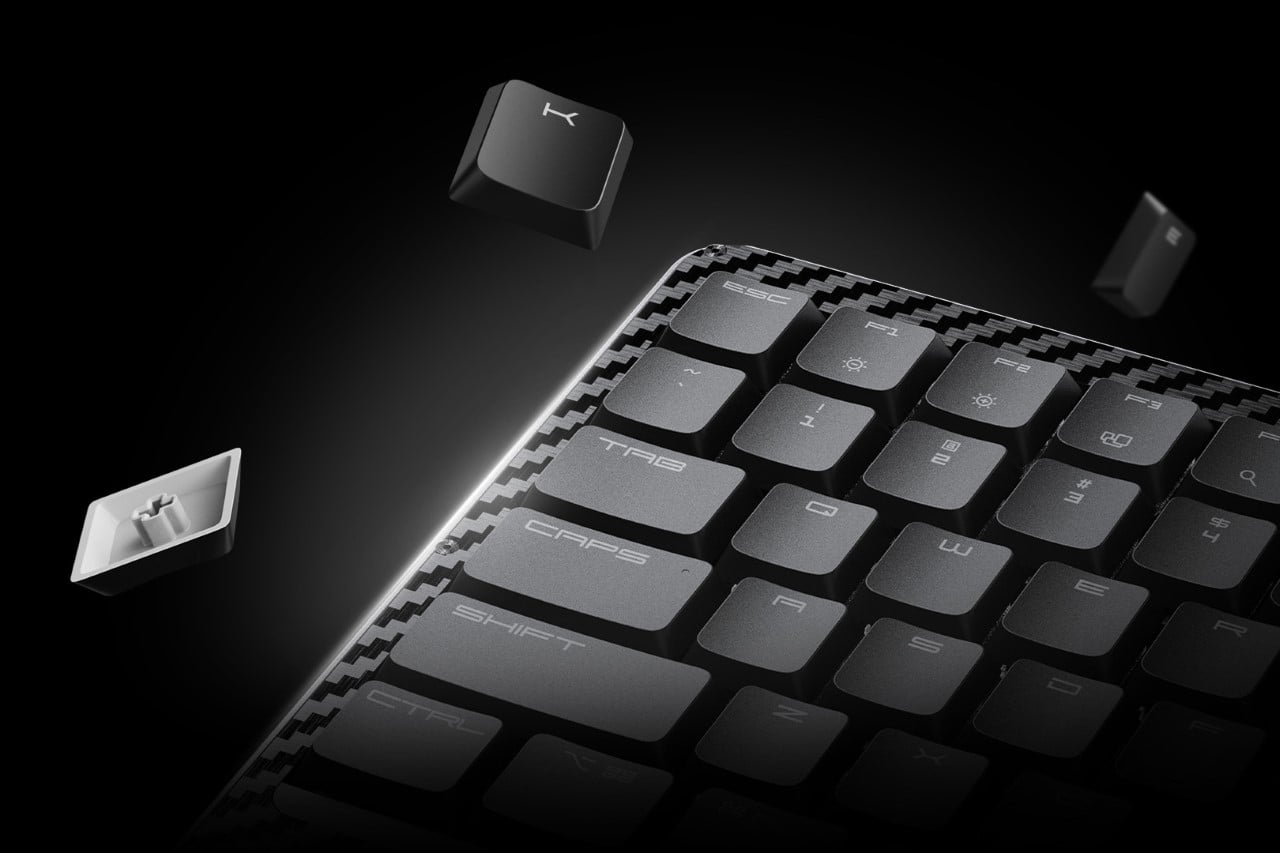
The Lofree EDGE is clearly just as or even more durable than mechanical keyboards twice its weight and thickness, but what about the actual typing experience? Refusing to make compromises, it uses specially designed Kaih POM 2.0 switches that deliver a travel distance of 2.4mm, a remarkable figure when you consider how thin the keyboard is. An innovative PCB-Gasket mount structure integrates these two critical parts of the keyboard into a unified piece, further reducing the thickness associated with mechanical keyboards. It combines solder-mounted switches and strategically positioned gaskets directly into the PCB, doing away with conventional positioning plates and hot-swappable switches that add thickness and heft to the keyboard. To further reduce its weight, Lofree EDGE replaces heavy silicone with lightweight foam for the internal filling. What you get from all of this is a comfortable and satisfying keyboard that doesn’t strain your fingers and joints, making the typing experience not only enjoyable but also potentially addictive.
The Lofree EDGE’s innovations don’t stop at the product design either. With the powerful Lofree Configurator software, Windows and, soon, Mac users will be able to customize their experience to fit their particular needs, from remapping keys to creating powerful macros. The keyboard supports both wired and wireless connectivity, giving you maximum flexibility in where and how you want to use the keyboard. Thin, light, and handsome, the Lofree EDGE redefines what a mechanical keyboard can be, delivering a comfortable and enjoyable typing experience that won’t weigh you or your wallet down. So if you want to enjoy the authentic feeling of a mechanical keyboard with the bulk and the heft, then there’s no better time than now to give your fingers the blissful typing experience they deserve and grab the Lofree EDGE now while it’s at a sweet, heavily discounted price.
Given how building relationships and meeting partners is all about swiping right or left in today’s day and age, actually making connections the old-school way can be a bit challenging… daunting even. But fear not, because DateNest is here to change the game! Imagine cozying up in a nest-like space, away from the hustle and bustle of noisy bars and awkward coffee dates. Sounds promising, right? Well, that’s exactly what DateNest offers—a fresh take on dating that’s all about comfort, authenticity, and adventure.
Designed by an Indian transportation designer who believes that transportation is more than just getting from A to B—it’s an opportunity to create unforgettable experiences. With DateNest, he’s combined practical engineering with creative design to give us a dating experience like no other.
So, what makes DateNest so special? It’s an interesting conceptual collaboration between Airbnb and Bumble, two big names in the world of travel and dating apps. With DateNest, you get to ditch the cliché date spots and explore unique settings instead. You can share a meal in someone’s cozy home, embark on a city adventure, or escape to a charming Airbnb for a romantic getaway. It all depends on what excites you because you get to choose your adventure and the choice can sometimes potentially even be a deal breaker when going on a date.
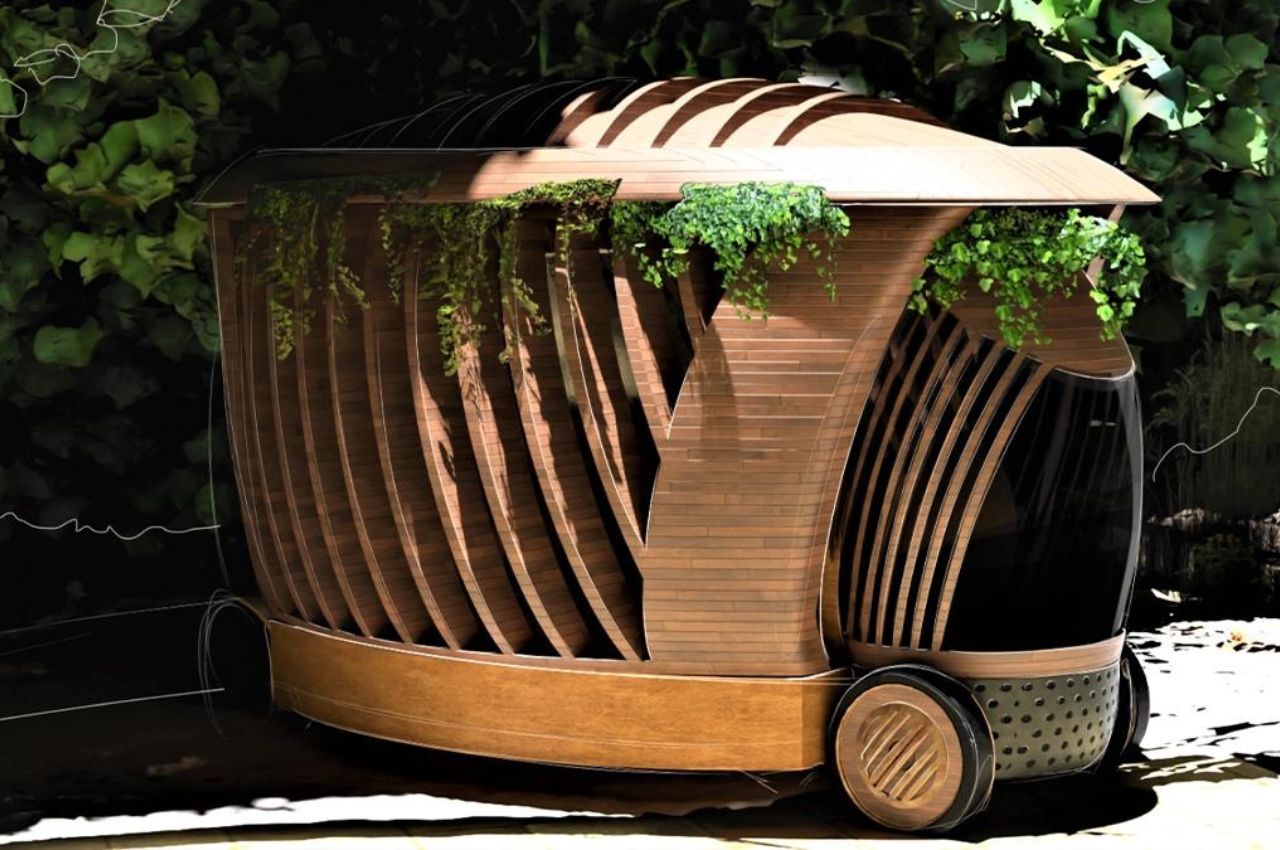
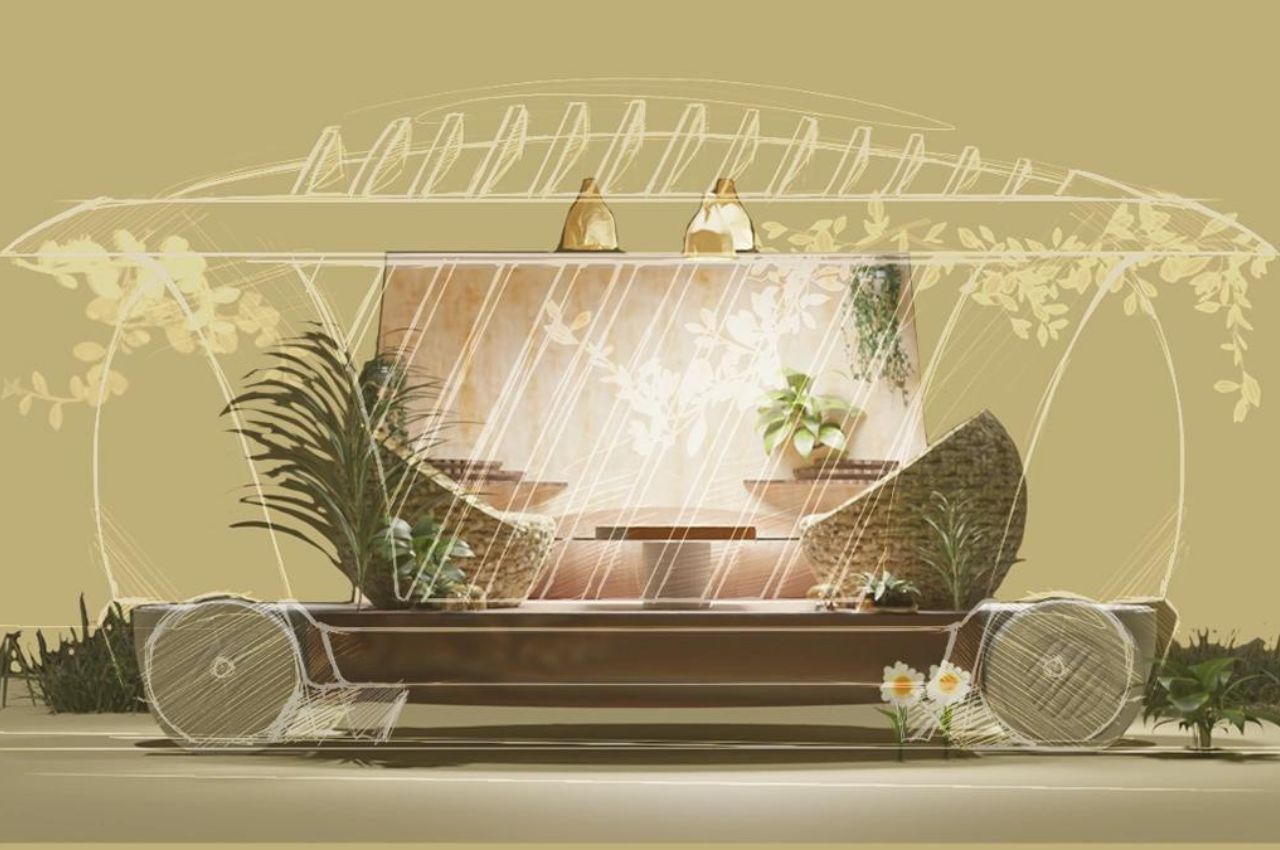
But DateNest isn’t just about the places you go—it’s about the vibe too. Imagine soft lighting, warm colors, and fragrances that make you feel like you’re wrapped in a blanket of coziness. Inspired by nature, the design embraces the concept of “Warmcore,” enveloping participants in a cocoon of comfort and allure DateNest aims to create a romantic atmosphere that’ll make your heart flutter.
The Mobile Pods and Dating Suites are the stars of the show! These are like your own little love cocoon, designed for intimate conversations and shared moments. The Mobile Pods, which look like fancy dining chairs, get attached to your designated private suite, where you’ll find everything set up for a magical date night. Think soft lights, comfy seats, and a vibe that screams romance. The suite reminds me of Cinderella’s caravan, I mean what could be more mystical for the romance to sparkle, right?
Every parent understands the importance of instilling good habits in their children from a young age. Whether it’s tidying up after themselves or learning to organize their belongings, these habits lay the foundation for a disciplined and organized life. However, getting kids to adopt these habits can sometimes be a challenge, especially when it comes to something as mundane as hanging clothes. That’s where Banannang steps in.
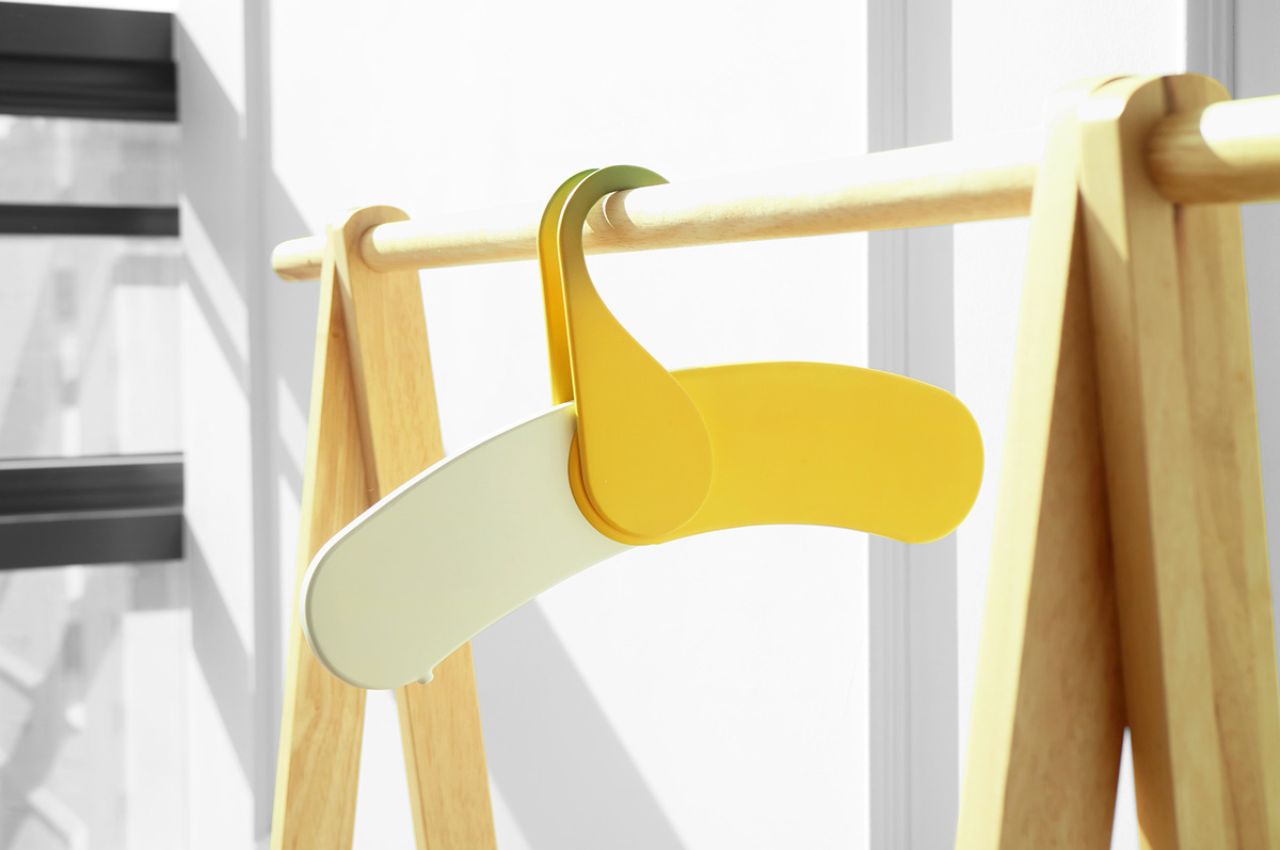
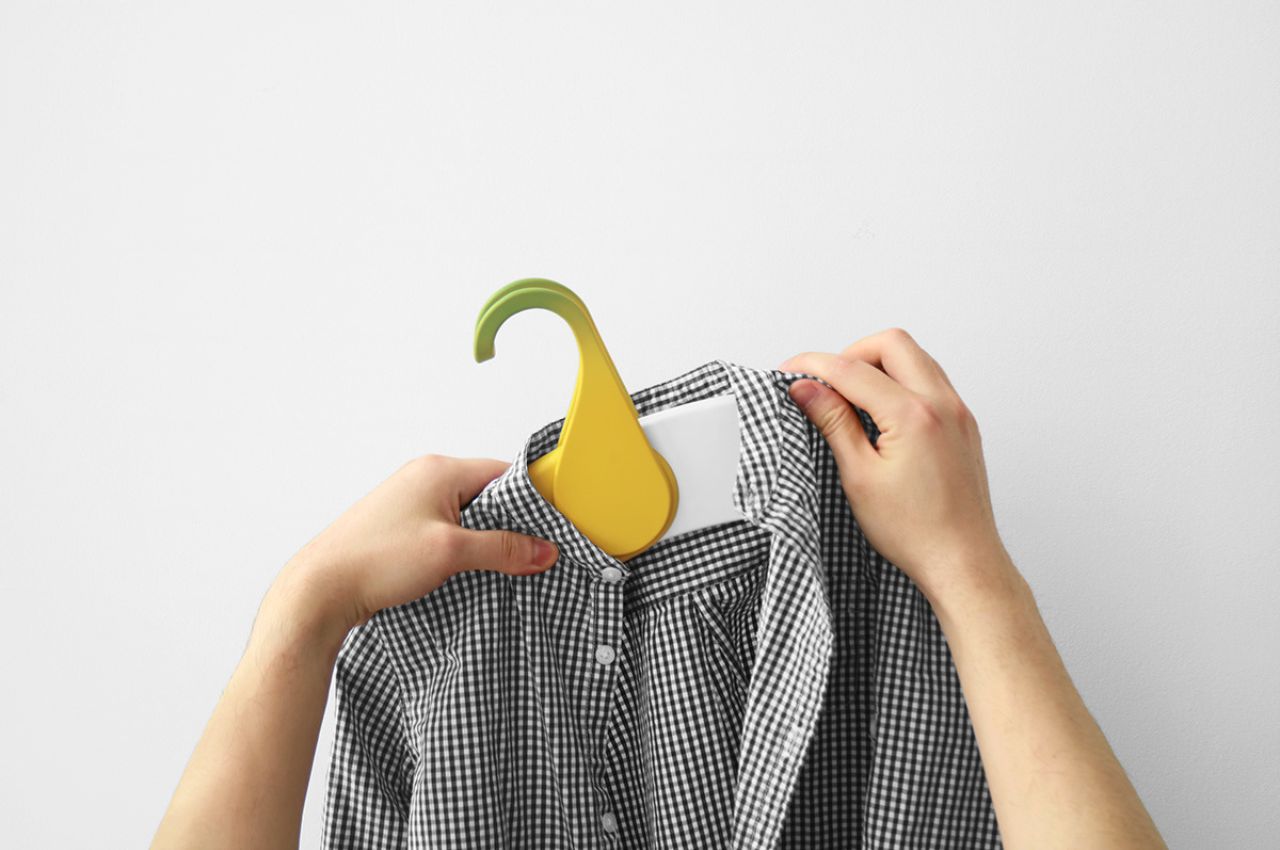
Banannang is not just any ordinary hanger; it’s a cleverly designed tool that makes the process of hanging clothes fun and engaging for young children. Developed by a team passionate about fostering good habits in children, Banannang aims to revolutionize the way kids interact with their clothing and their environment.
One of the most common grievances of parents is the sight of clothes strewn across the floor or piled up on chairs – the infamous “chair of used clothes” in many households. These are clothes that aren’t necessarily dirty enough to be thrown in the laundry but still need to be tidied up. Banannang addresses this issue by turning clothes-hanging into a playful activity that children enjoy.
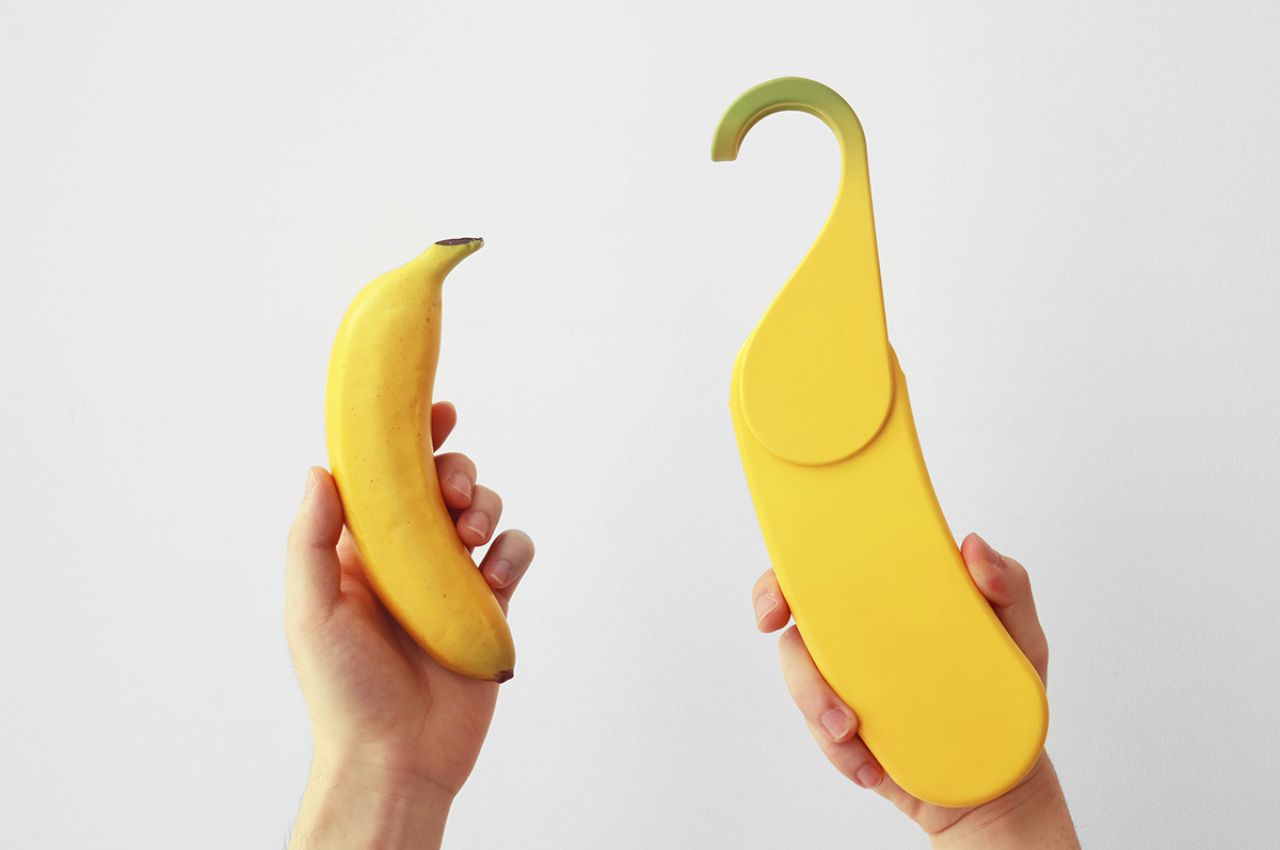
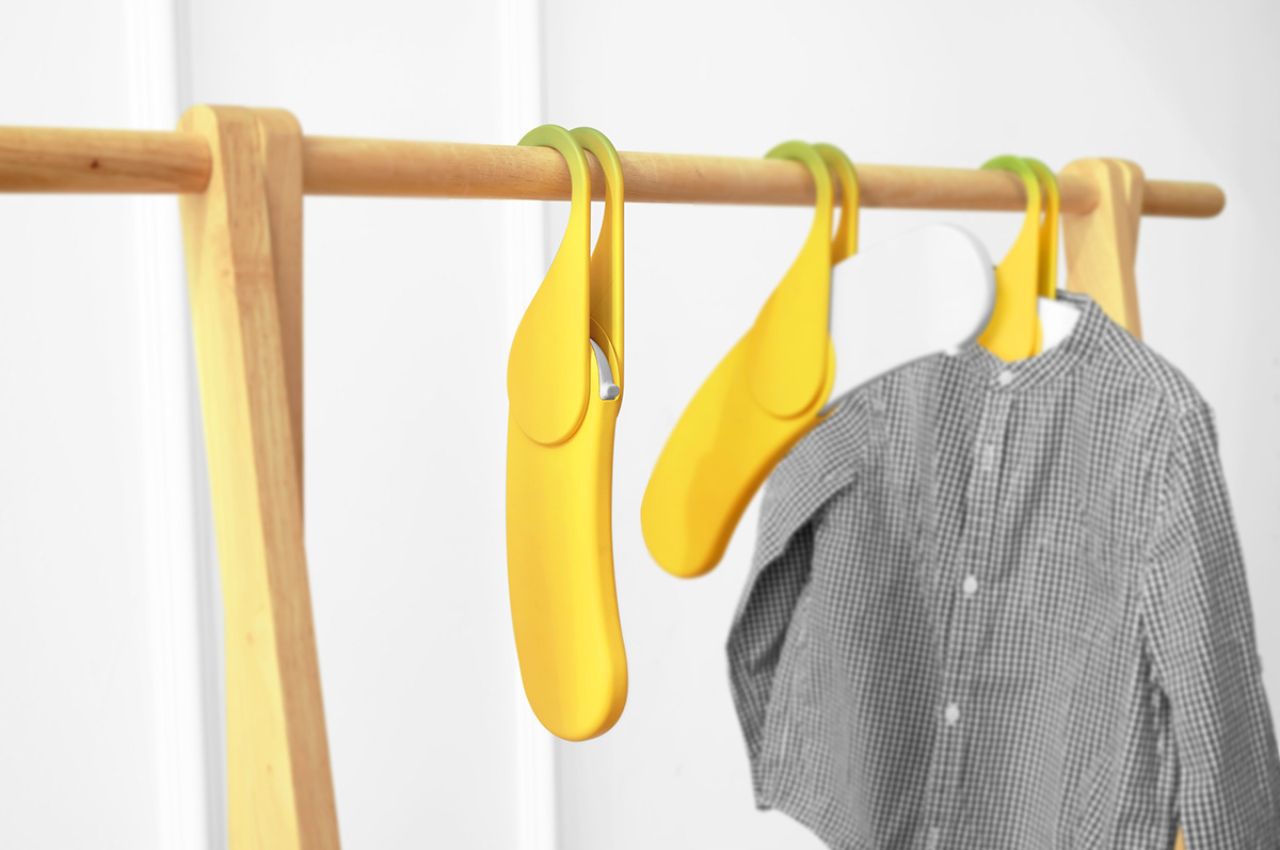
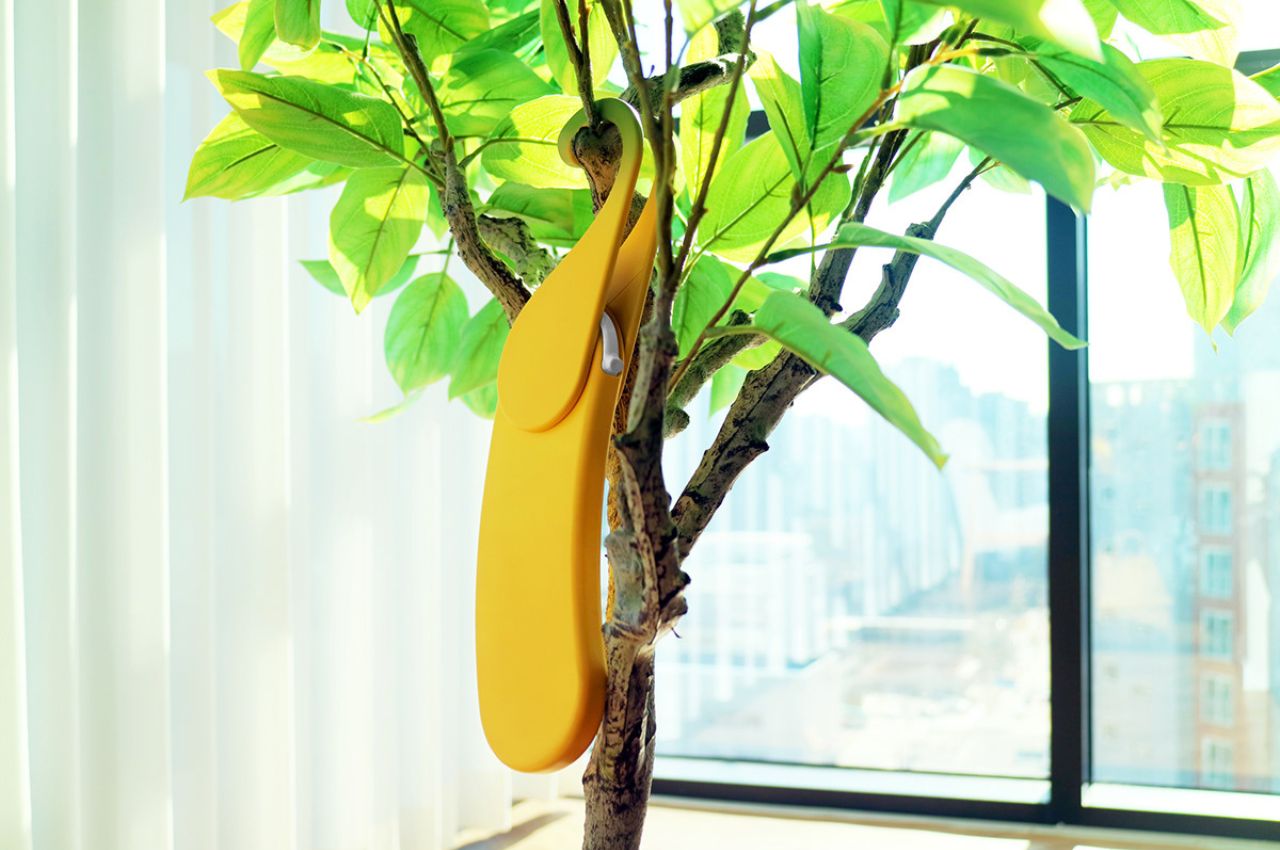
At first glance, Banannang resembles a banana, with its round, soft curved shape and bright color. This design isn’t just for aesthetics; it’s specifically tailored to fit the size, usability, and convenience of children’s hands. The hanger’s playful banana shape instantly captures the attention of young minds, inviting them to explore and engage with it.
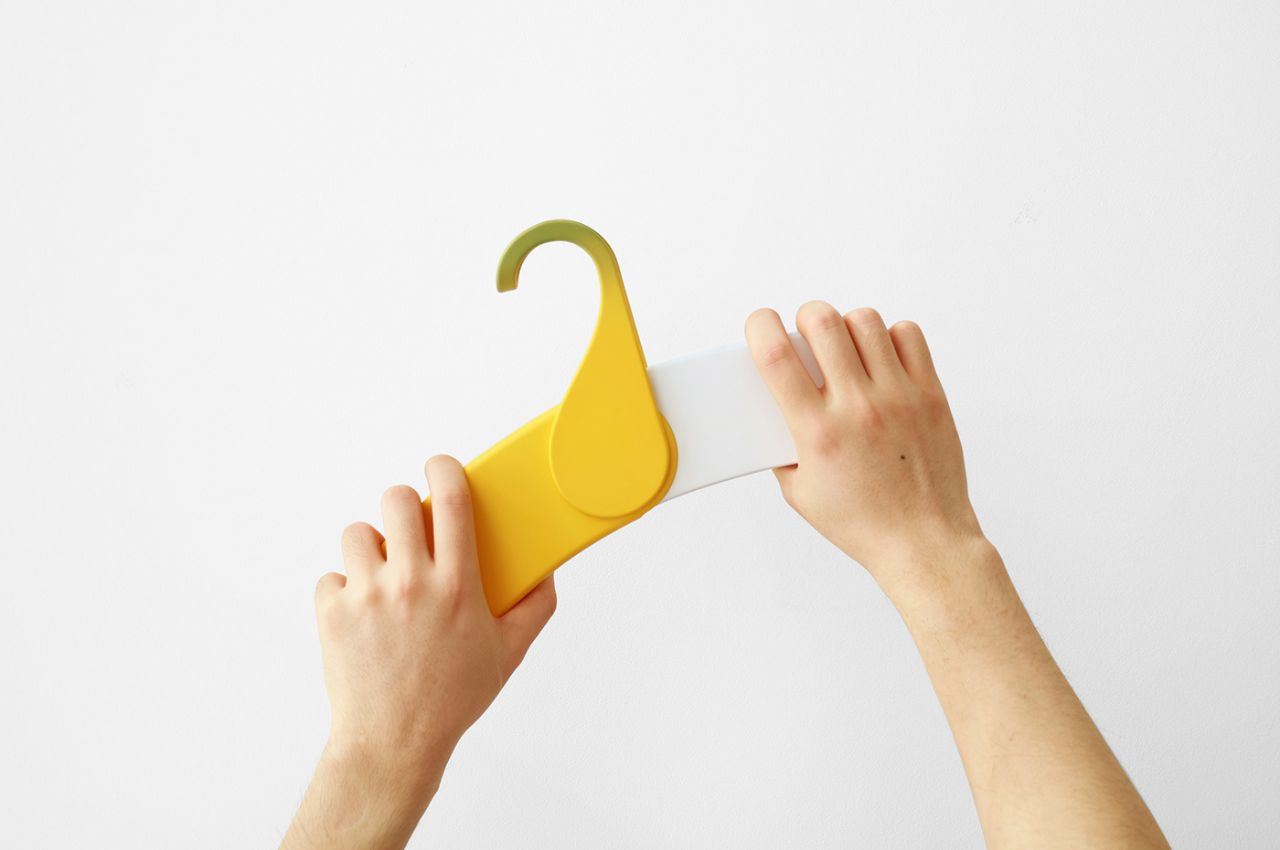
But Banannang is more than just a cute hanger – it’s a tool for learning and development. For children who are unfamiliar with hanging clothes or who simply haven’t formed the habit yet, Banannang provides a fun and natural way to learn. Modeled after the behavior of monkeys peeling bananas, Banannang teaches children how to use hangers through imitation and practice.
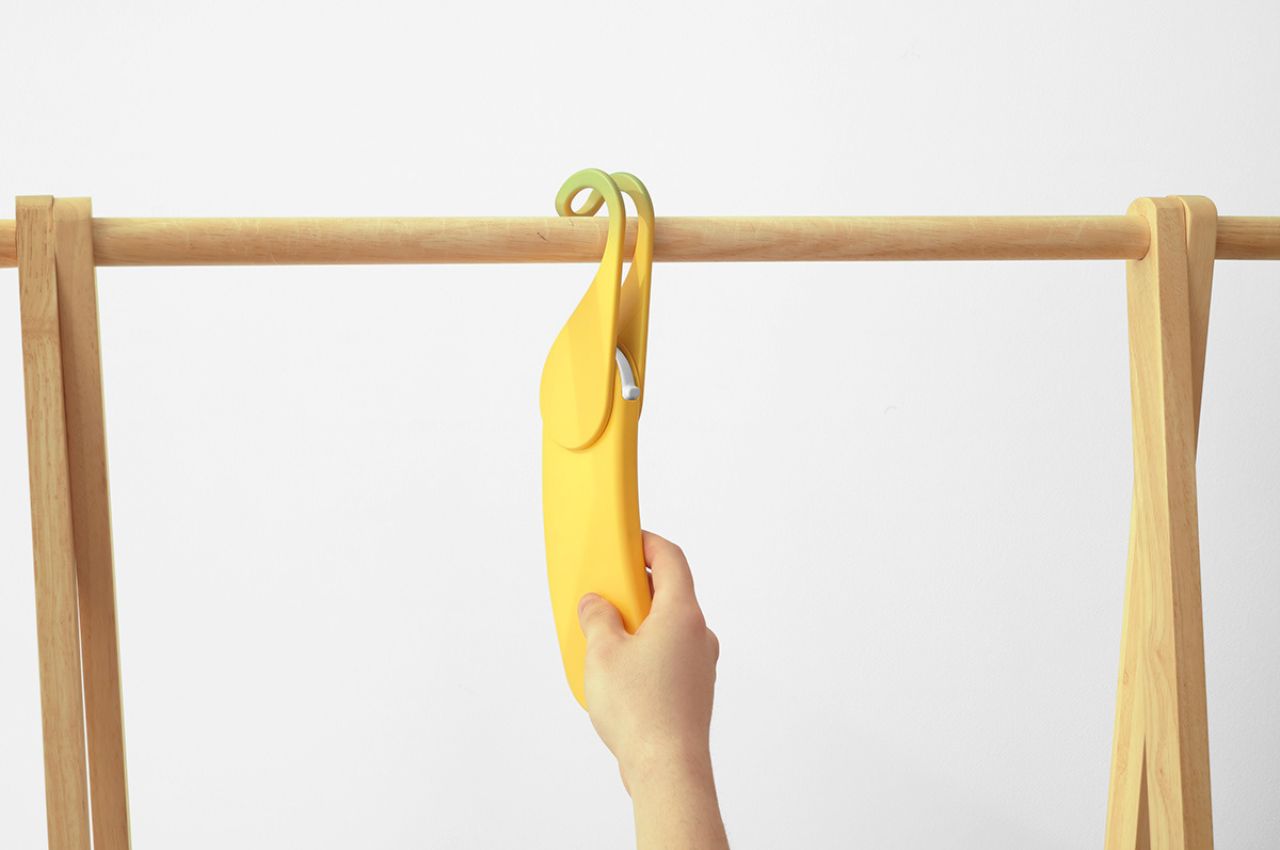
The process is simple and intuitive, making it easy for children to grasp. Step by step, they learn to bring out the banana-shaped hanger, hold it, hang their clothes on it, and organize them neatly. By associating the act of hanging clothes with something as familiar and enjoyable as peeling a banana, Banannang makes the learning process both educational and enjoyable.
Moreover, Banannang’s branding reinforces its mission of promoting free and diverse personalities in children. The pattern of freely laid bananas on the hanger represents the idea of children expressing themselves without being confined by rigid molds. It sends a message that forming good habits doesn’t have to be boring or restrictive; it can be a fun and liberating experience.
By combining innovative design with educational principles, Banannang empowers children to take ownership of their belongings and develop essential life skills from a young age. So, the next time you’re struggling to get your child to hang up their clothes, why not give Banannang a try? After all, who can resist the allure of a banana-shaped hanger?
Let’s face it. Water is good, but single-use plastic isn’t. The folks at LARQ want to bridge that gap by making hydration easy for you and the planet. After working on a “self-cleaning” pitcher and bottle in the past, the company is back with the LARQ Bottle PureVis 2, or what just happens to be the most cutting-edge bottle we’ve seen. LARQ calls it the “ultimate hydration companion — which by all accounts appears to be true, with UV purification, filtration, hydration reminders, and app connectivity all rolled up in a neat well-designed package. The larger of the two sizes of bottles holds 1 liter of water, and periodically sanitizes using a UV light built into the bottle’s cap. Dubbed the “PureVis technology”, this system eliminates up to 99.9999% of bio-contaminants. Then, proprietary Nano Zero filters remove chlorine and PFOA/PFOS from your drinking water with each sip, ensuring your water is pure and tastes great. Each bottle is also accompanied by a hydration tracking system via the LARQ app which sets reminders to help you achieve your hydration goals. It’s a complex system that’s all designed with a singular goal — to help you drink more water without any of those single-use plastics making their way into our landfills and our Earth.
The LARQ Bottle PureVis 2 is an elegant upgrade to the company’s Bottle PureVis from 2017. The bottle keeps its flagship technology, PureVis to clean drinking water by killing bacteria and microorganisms like E.coli and Salmonella in seconds. In this second iteration, LARQ has added several nifty upgrades that we’ve all been waiting for. For the first time ever, LARQ Bottle PureVis 2 now has purification and filtration in one.
The two stages include a UV-purification stage that carries over from the PureVis Pitcher, a fan favorite for the home. The UV light kicks in automatically every two hours, or can be activated simply by pressing the button on top of the bottle’s lid, giving your water (as well as the bottle itself) a round of disinfection to obliterate 99.9999% of bio-contaminants. Sure, that’s a whole lot of 9s, but any math or science buff can tell you that it’s impossible to achieve 100% certainty. While the PureVis system works periodically, the bottle’s sipper comes outfitted with LARQ’s Nano Zero filters which remove harmful contaminants like Chlorine, Perfluorooctanoic acid (PFOA) and perfluorooctane sulfonic acid (PFOS), chemicals that are often found in drinking water that are known to be bad for you. The Nano Zero filters trap these contaminants, ensuring your drinking water is pure beyond EPA standards for consumption.
Track: Set your goals to improve hydration. Remind: Customize reminders to elevate your hydration game. Insights: Turn insights into action and stay on top of your goals.
Clean water, however, as LARQ founder Justin Wang will tell you, isn’t the biggest problem when it comes to drinking adequate amounts of water — it’s that people simply forget to drink water. You can lead a horse to the river, as they say… but it takes that extra push to motivate you to drink enough water. That’s why LARQ is building a companion app that will integrate seamlessly with Bottle PureVis 2, which includes hydration tracking and reminders which connect to sensors in the Bottle PureVis 2 cap to light up when it’s time to take another sip. The app tracks your hydration, measures it against your goals, sends push notifications, and even ties in with your fitness app for an overall health analysis. If that somehow seems like technological overkill to you, the bottle even has a reminder LED ring around the lid that will tell you when it’s time to drink more water – a simpler way to get you hydrated more often.
Download the LARQ App: Track, monitor, and manage your LARQ Bottle PureVis 2
The entire purification system and hydration tracking tech fits perfectly into the LARQ Bottle PureVis 2’s elegant design. A double-wall insulated outer shell ensures your water stays at the temperature you want, a removable handle makes it easy to carry your bottle around with you, and the bottle’s lid encourages both sipping and swigging, catering to both kinds of drinking styles. A USB-C port on the lid helps charge your LARQ Bottle PureVis 2 with ease, one charge lasts 2-3 weeks of use. The bottle will come in 4 colors and two sizes – 680ml (23 oz) and 1 liter (34 oz), both of which are perfect for taking on the go. Pre-order now for up to $40 off the retail price.
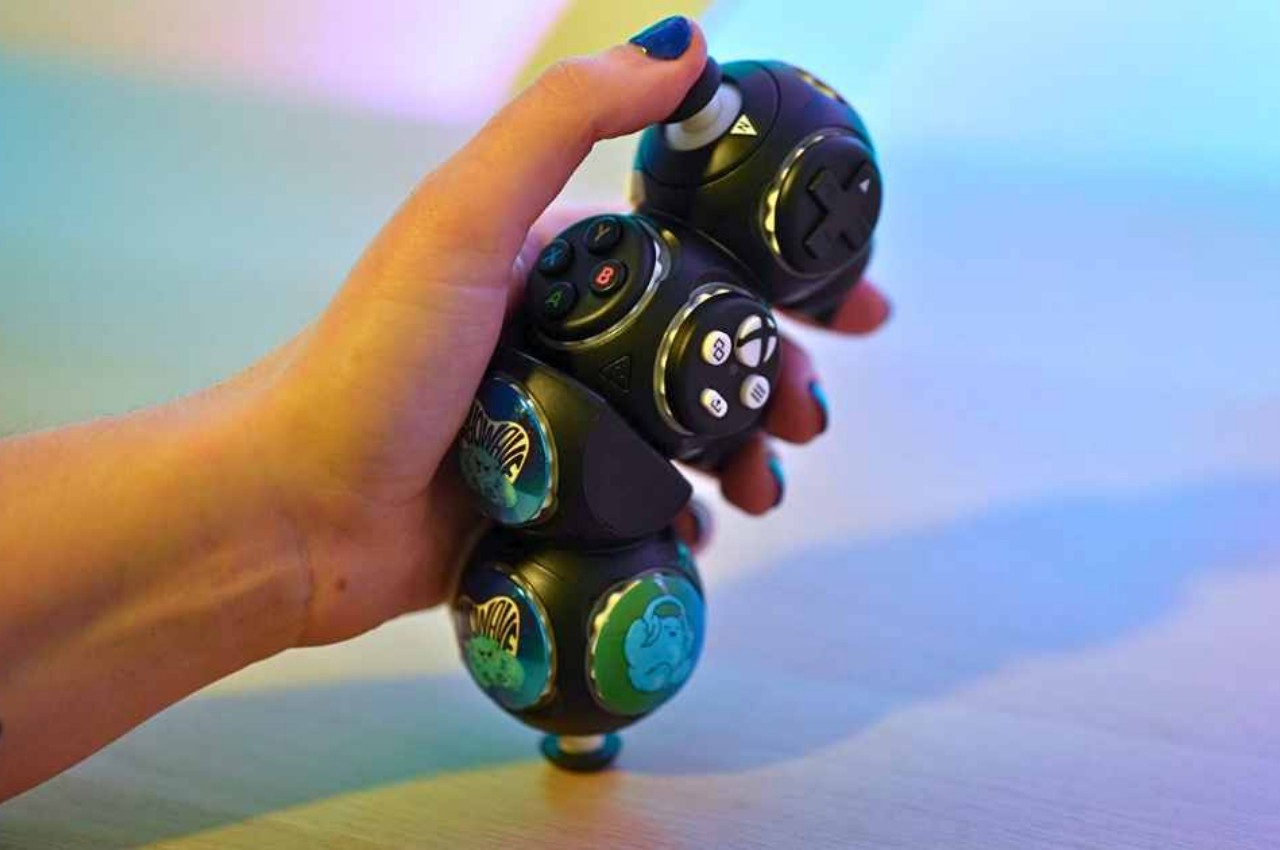
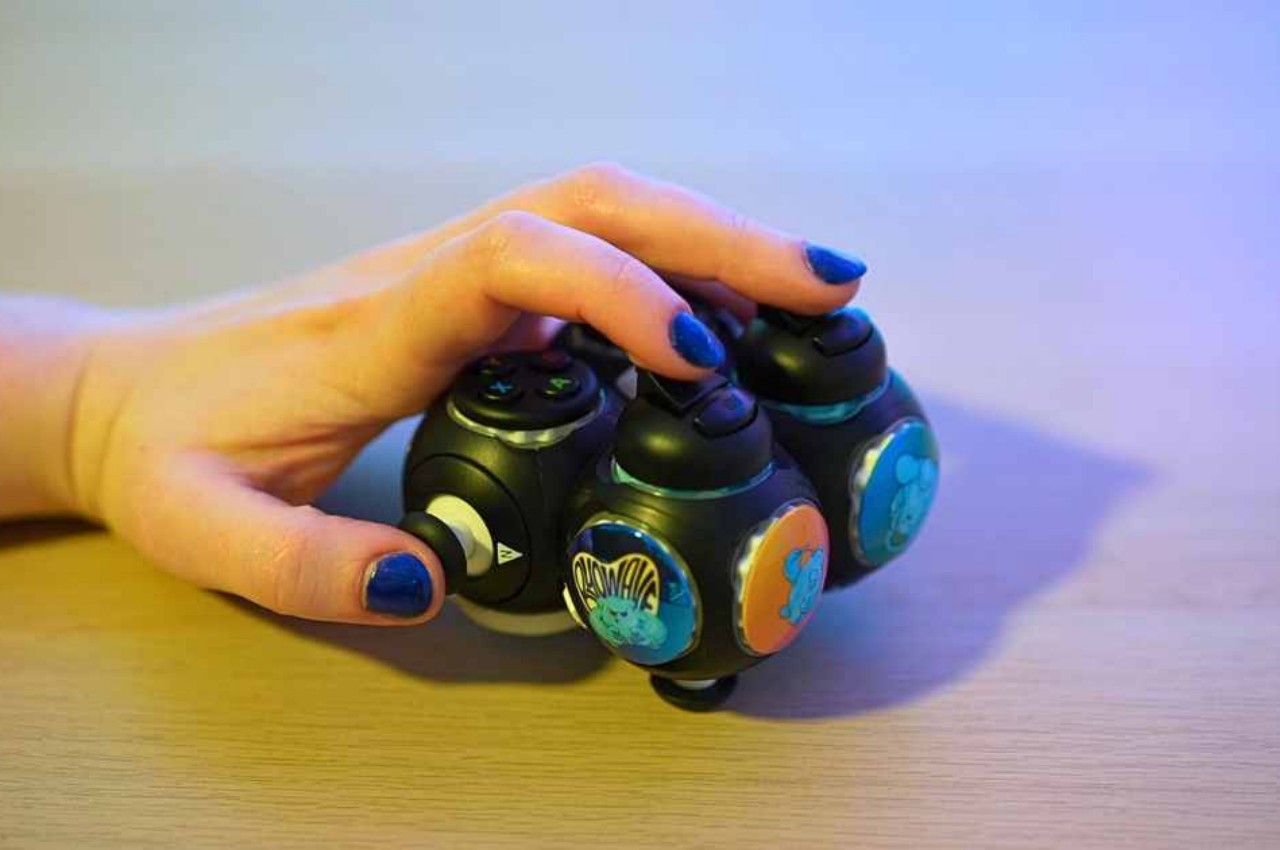
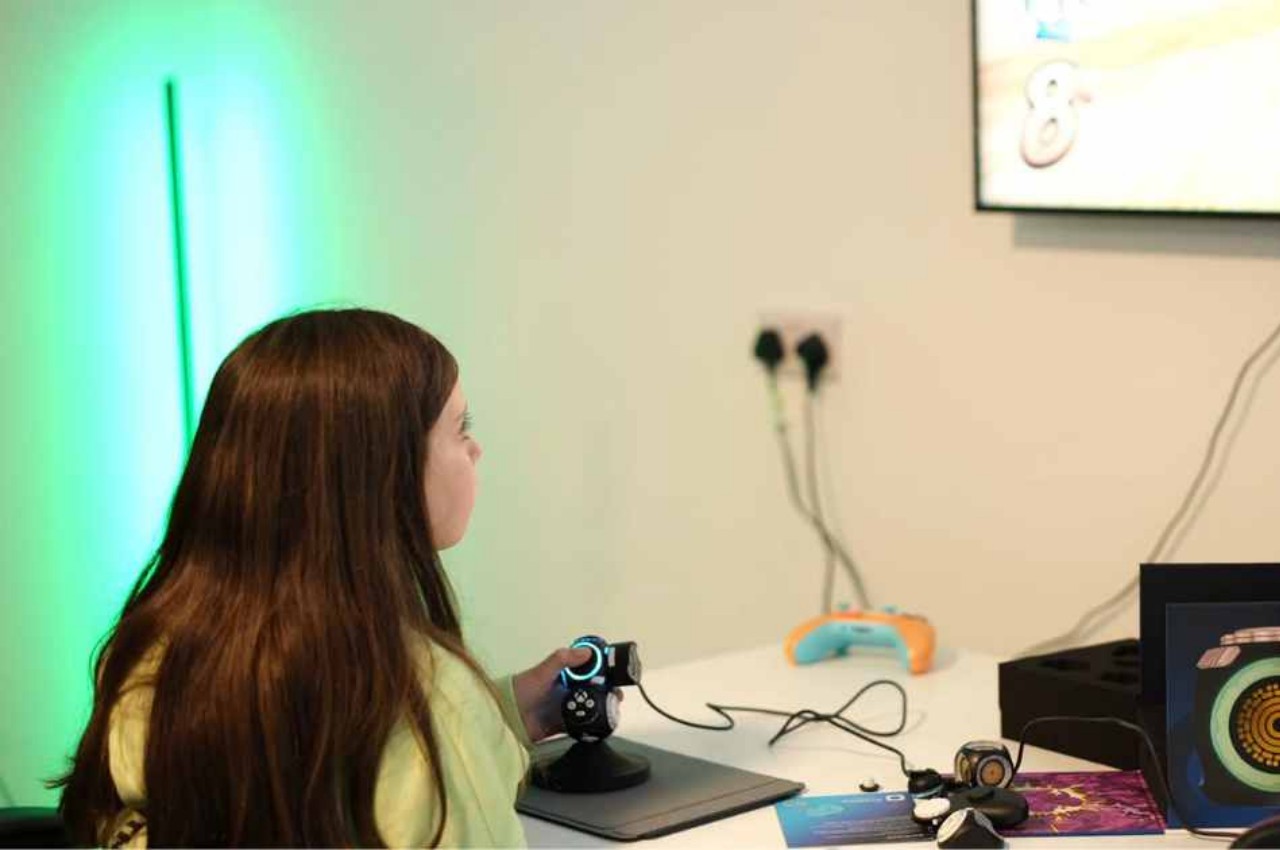
It’s about time that gaming companies and studios realize that there are people who would love to play their games and use their consoles but are hindered because of one physical disability or another. Accessibility has only recently been an advertised feature of games and gaming hardware, and it might take a while before it actually becomes a standard in the industry. Thankfully, major companies are leading the accessibility charge, giving birth to accessibility devices that may look weird but give all gamers, even those perfectly capable ones, incredible powers to enjoy games the way they want them. Take for example this newly announced Xbox-certified accessibility controller that almost looks like a small alien swarm thanks to its modular design.
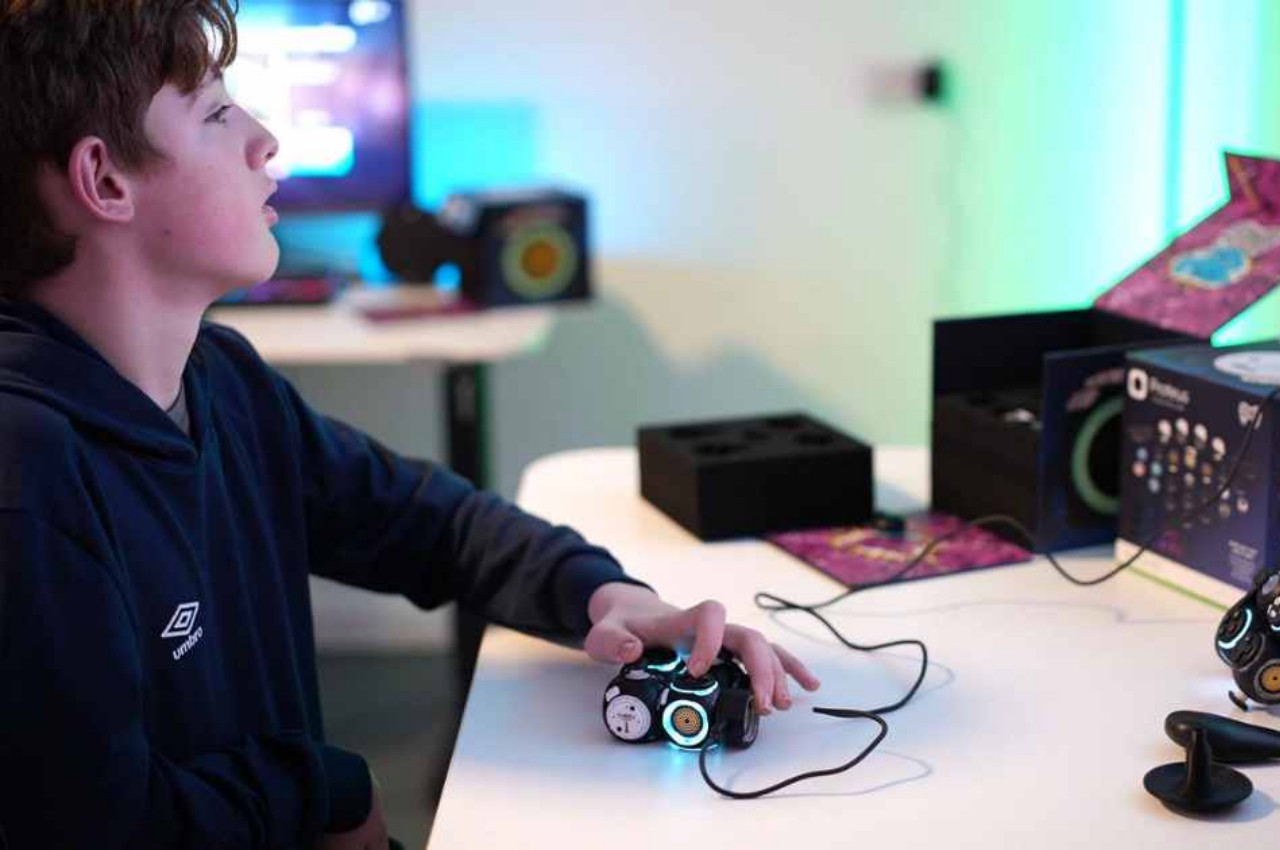
For gamers with physical disabilities that relate to their hands or fine motor control, the typical game controller or keyboard, despite their ergonomic designs, is sometimes impossible to use. Thankfully, there has been an increased interest in developing more accessible control devices, spearheaded by the Xbox Adaptive Controller in 2018 and followed by the Sony Access Controller, previously dubbed “Project Leonardo,” last year. Of course, there are more than just two ways to design for accessibility, and ByoWave’s Proteus Controller is just the latest to turn heads with its unconventional mechanism and innovative idea.
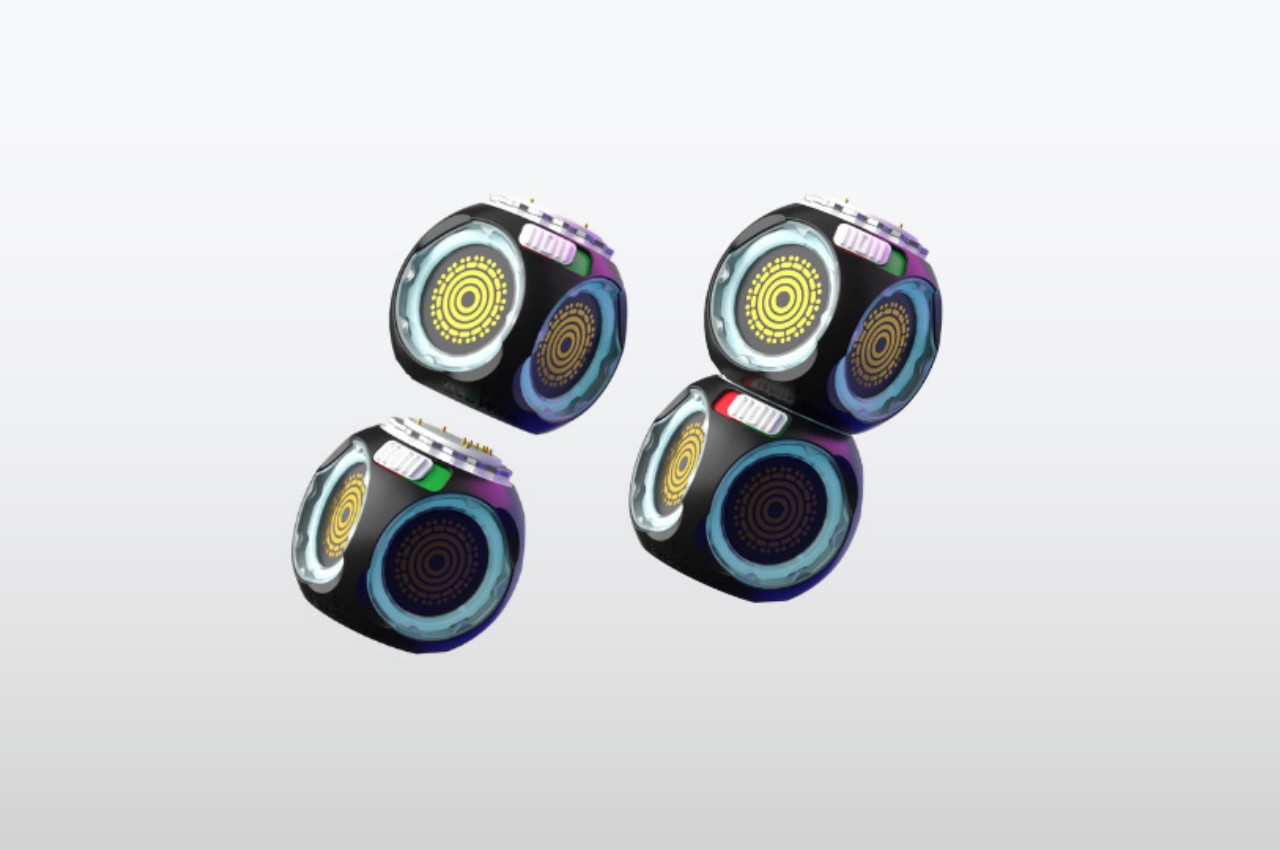
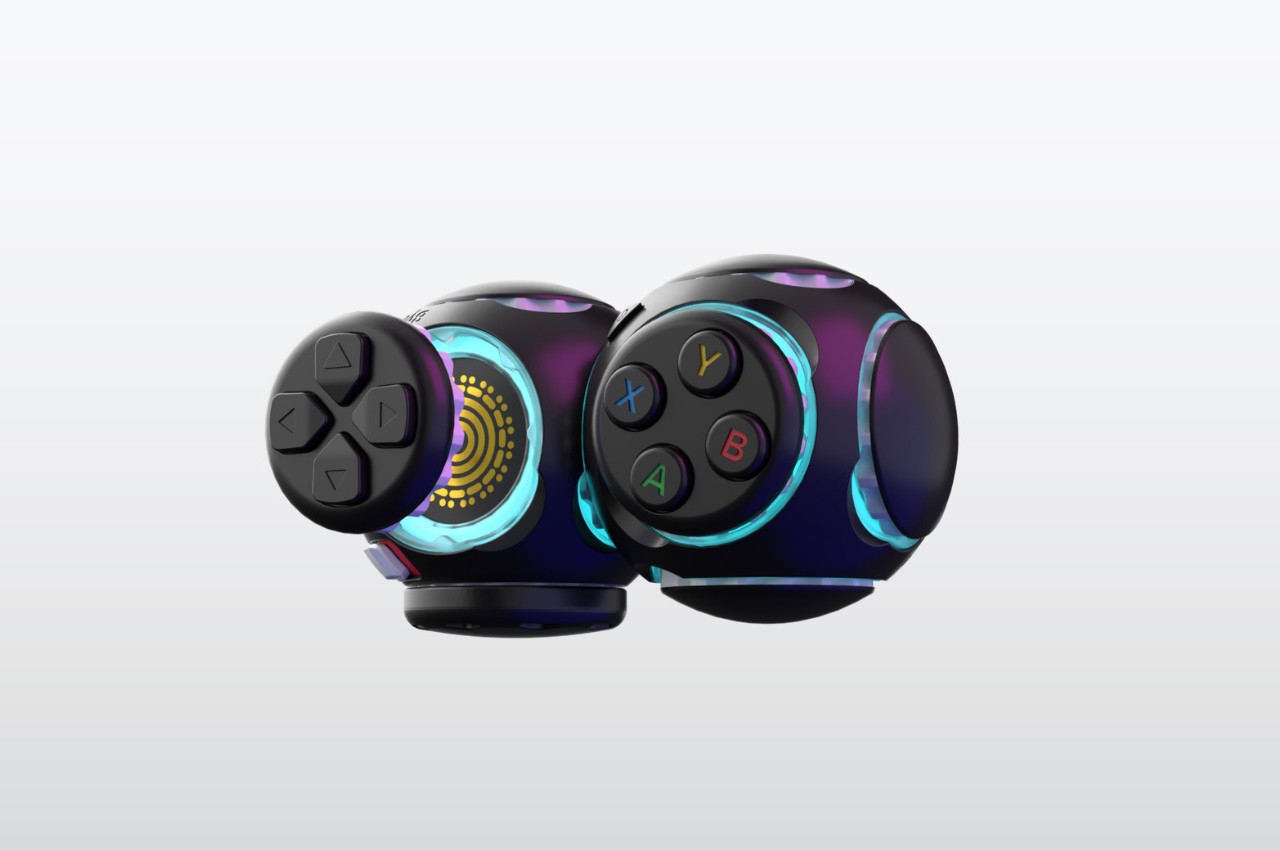
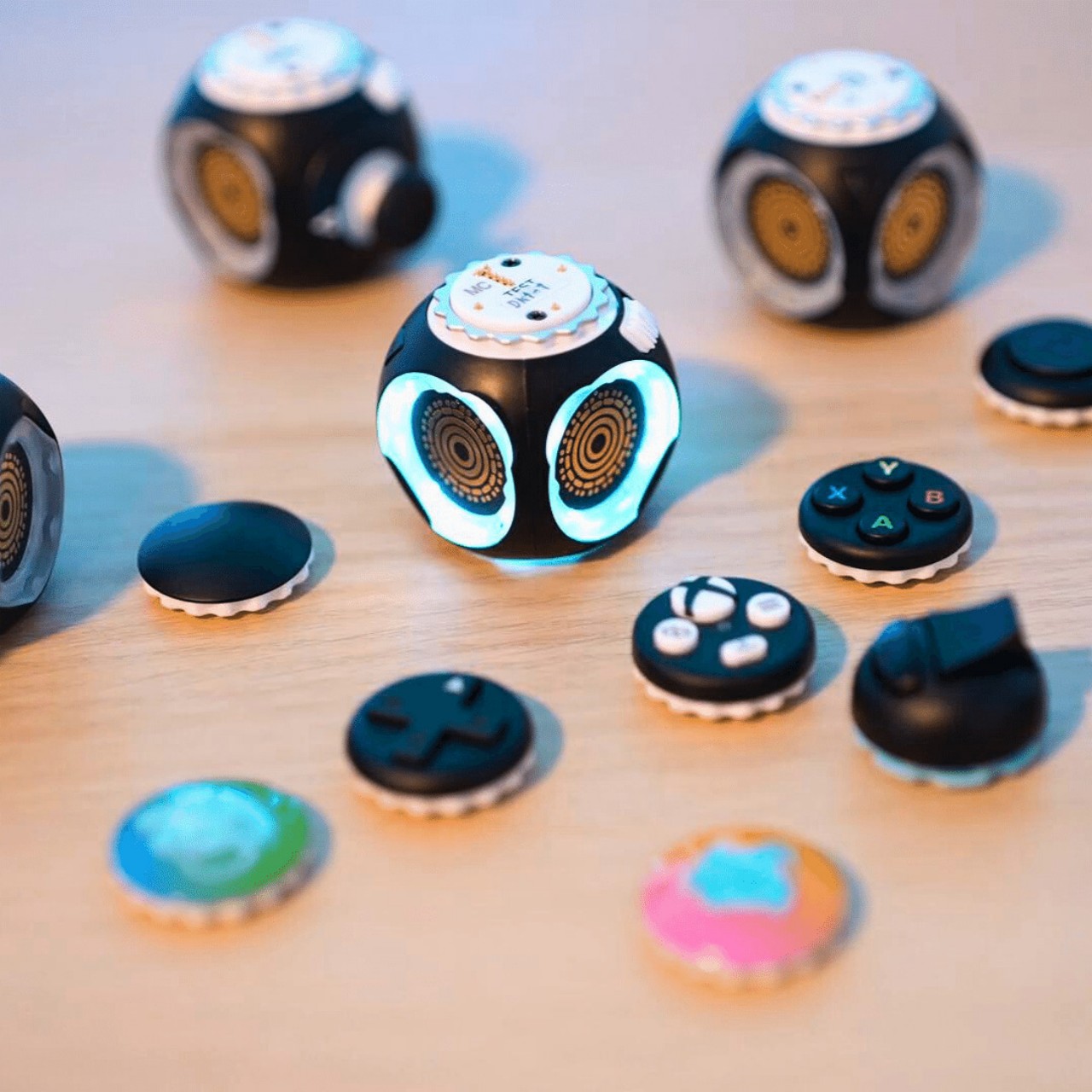
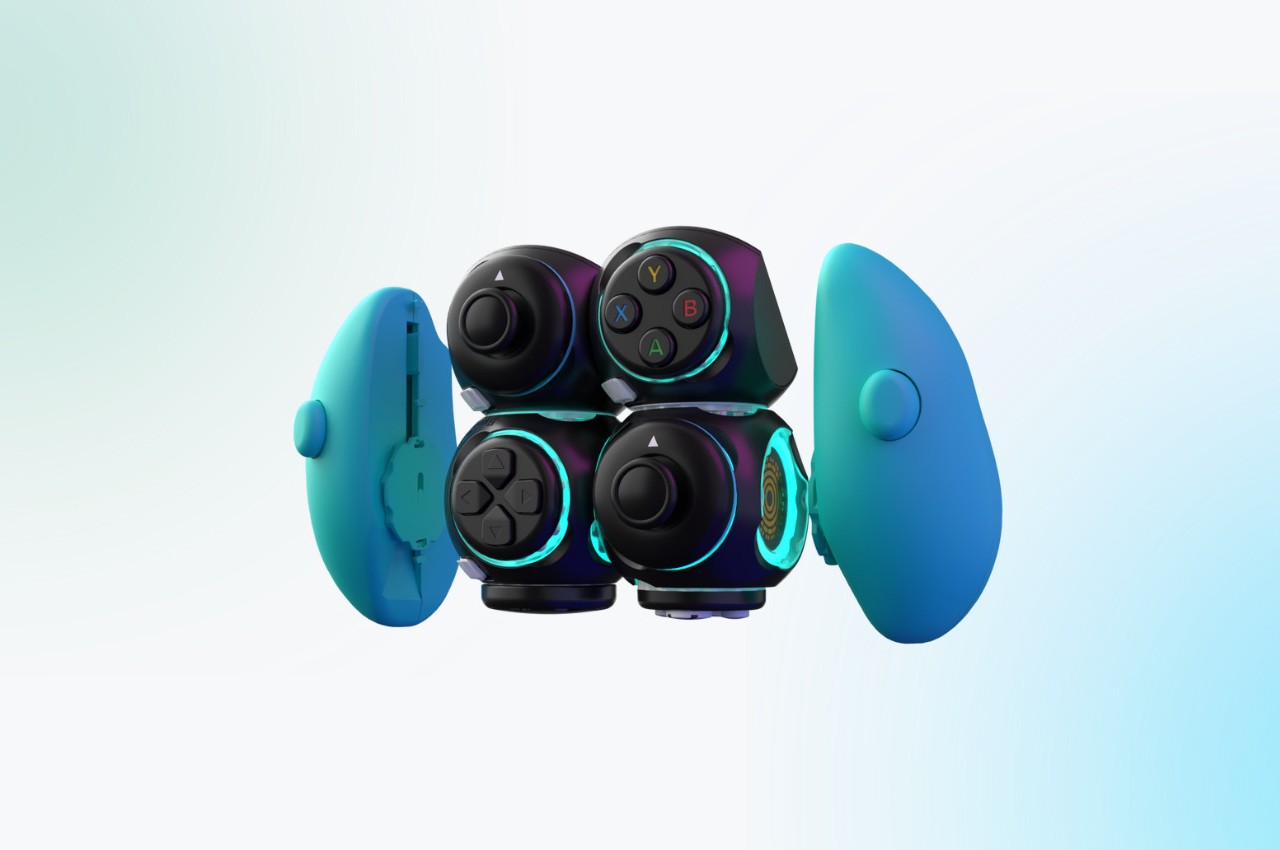
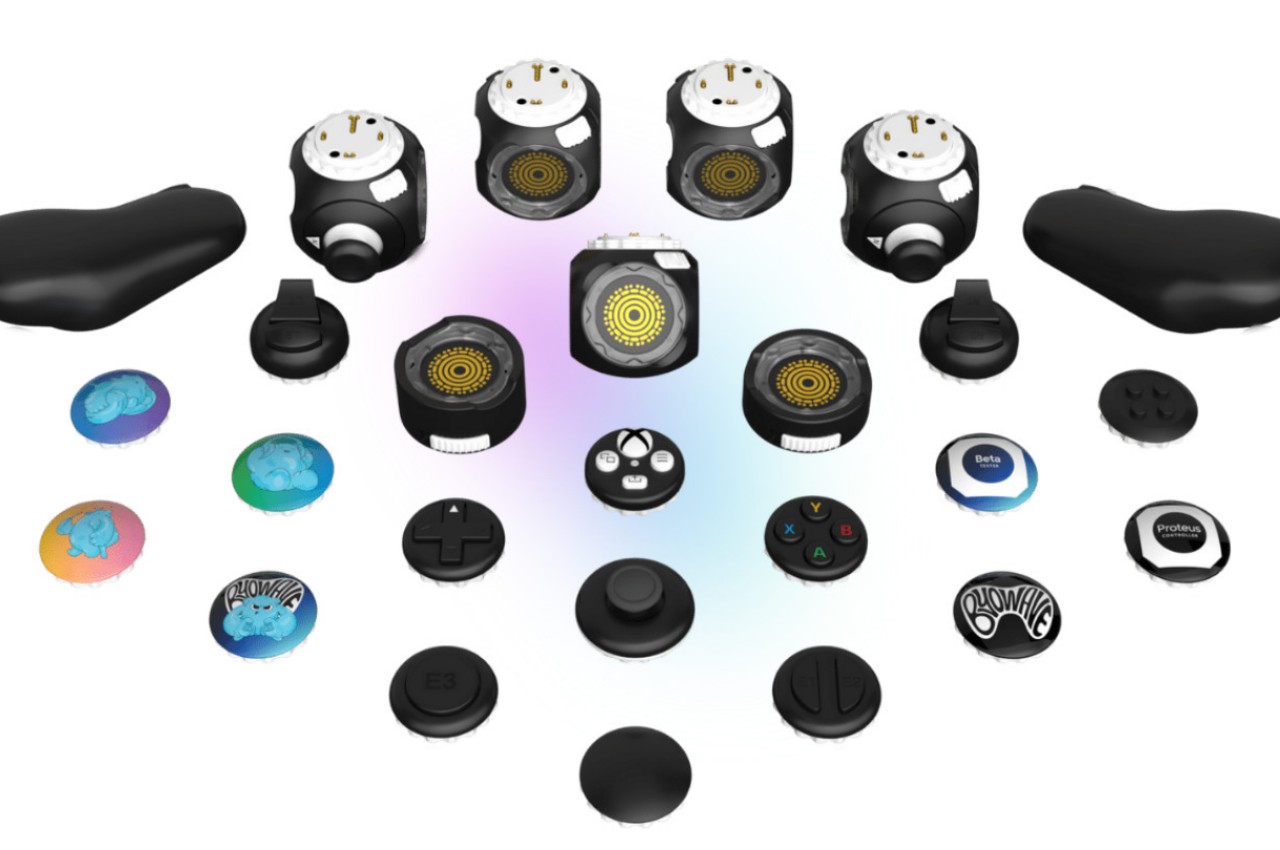
In a nutshell, the Proteus Controller is made up of small, rounded cubes with some faces that can be changed to be a button, a D-Pad, a joystick, and more. These cubes can then connect to each other to form different shapes that cater to the needs of the gamer. It can, for example, be a single, curving stack that you can hold like a joystick, a 2×2 grid that you can mash like arcade buttons on a table, or even a conventional gamepad layout with the right accessories and connectors. It can support over a hundred such configurations and LED lighting combinations, letting the user decide how they want to play depending on their circumstances.
Of course, the controller is primarily designed to address the needs of gamers with disabilities, but it’s not hard to see how this will be popular with almost any gamer, especially those on the Xbox platform. The sheer number of options and combinations is mind-blowing, and some might even just make new controller designs just for the fun of it. It’s a clear example of how accessible design actually benefits everyone, and gamers will probably be excited for the arrival of the Proteus accessibility controller in the fall, especially given its starting price of $299.
In the ever-evolving landscape of product design, from ideation to realization, 3D printing technology is revolutionizing contemporary design practices. 3D printing technology employs computer-aided design (CAD) and fabricates objects layer by layer. Commonly used in manufacturing, automotive industries, and industrial product design for creating tools, parts, and prototypes, this process, also known as additive manufacturing, layers materials like plastics, composites, or bio-materials to produce objects of varying shapes, sizes, rigidity, and color.
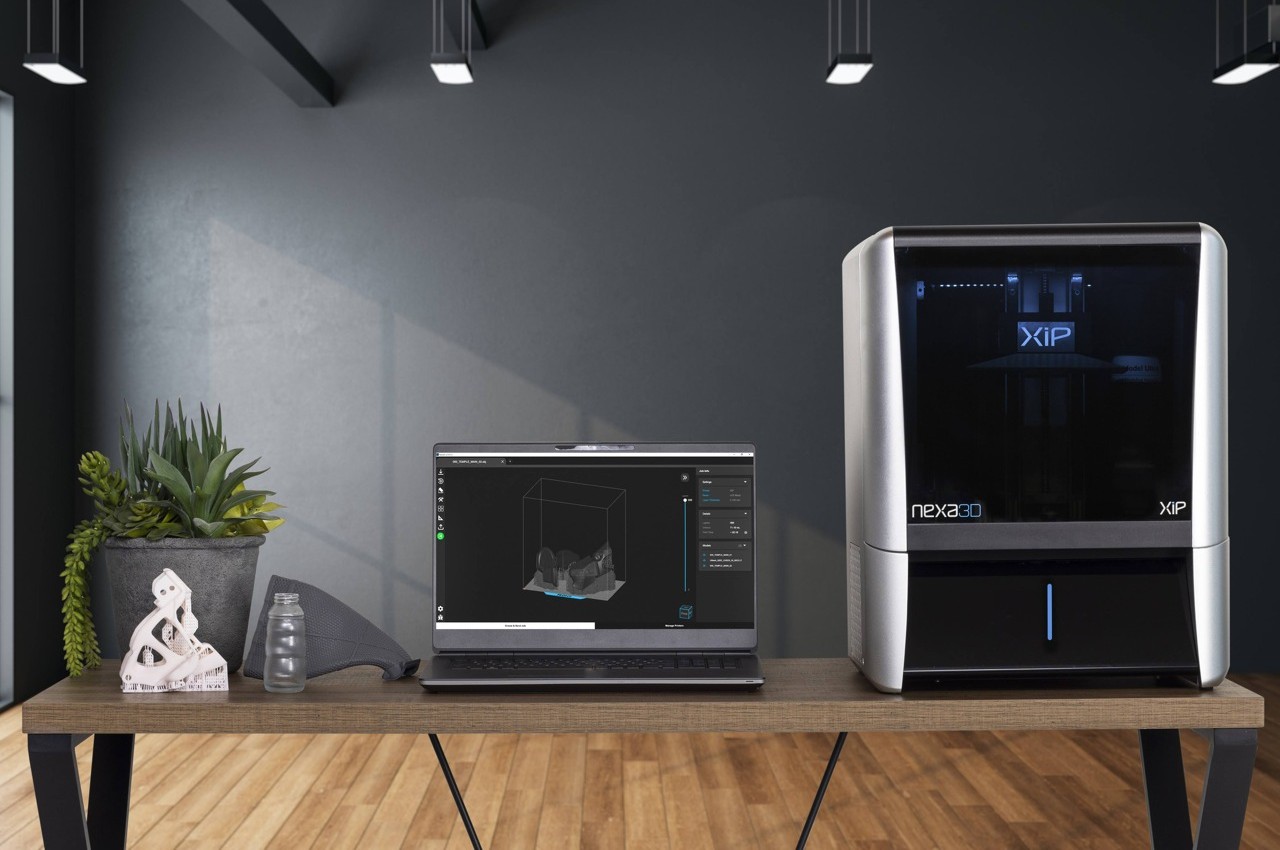
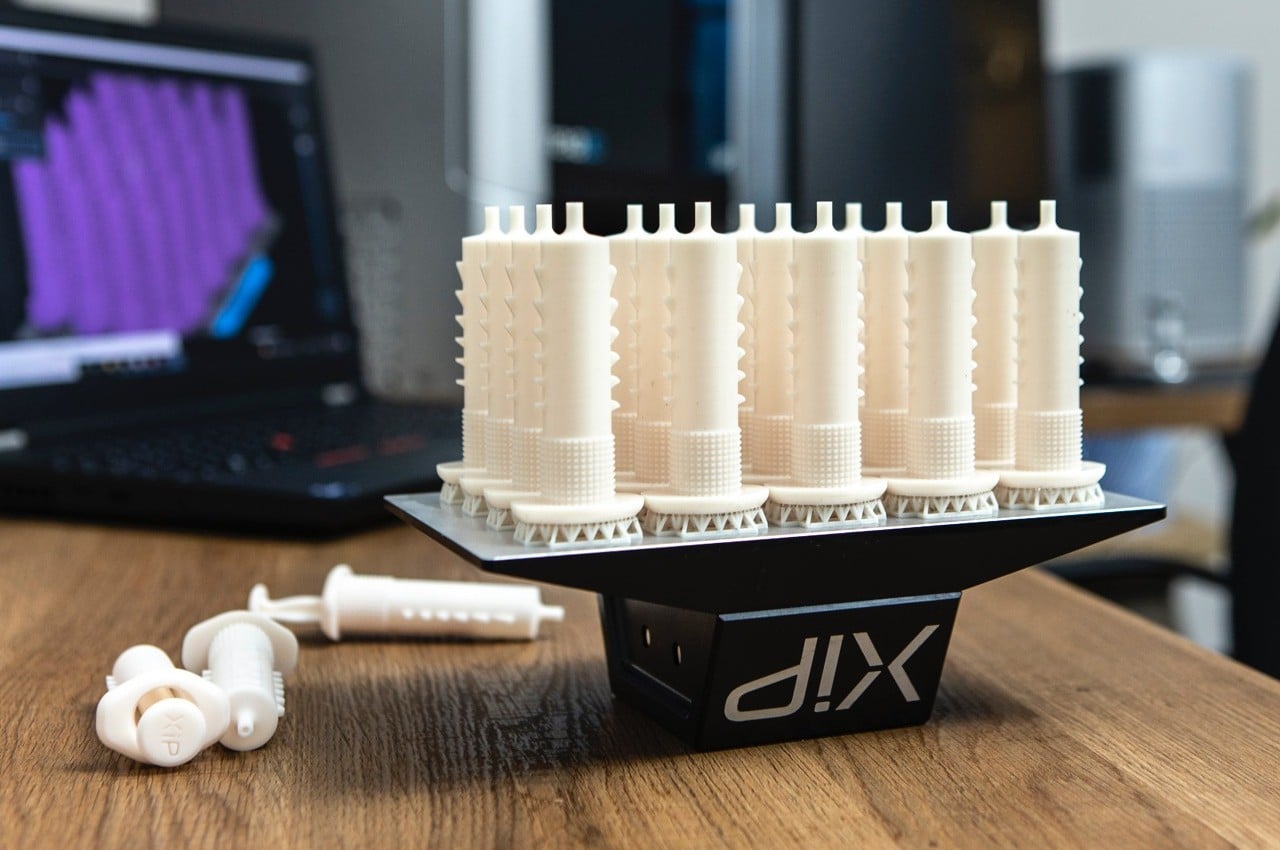
The commonly selected 3D printing technologies include Fused Deposition Modeling (FDM), Stereolithography (SLA), Selective Laser Sintering (SLS), PolyJet, and Direct Metal Laser Sintering (DMLS). XiP is an advanced resin 3D printer by Nexa3D, offering professional-grade printing at speeds 6 times faster than SLA printers and over 10 times faster than filament 3D printers. With a 4.8L build volume and a 9.3″ 4K Monochrome LCD, it delivers crisp details. Its compact desktop design houses industrial LSPc technology, ensuring stability with a billet aluminum enclosure and precision ball screw Z-axis platform. The printer supports a wide range of resins, including proprietary formulations for diverse applications, all dispensed through smart recyclable cartridges.
What are the benefits of 3D Printing?
• Reduces Costs:
3D printing offers significant cost advantages over traditional manufacturing methods due to its automation, resulting in reduced labor expenses. Moreover, its minimal waste production leads to lower material costs.
• Produces Complex Designs
3D printing exceeds the design constraints of traditional manufacturing, enabling the creation of intricate designs, including square or circular punctures or abstract designs with fewer restrictions.
• Promotes Internal Manufacturing
3D printers enable rapid prototyping, eliminating the need for outsourcing. This accelerates the design and production of new products, enhancing overall efficiency.
• Rapid Prototyping
3D printing enables the production of designs that were previously impossible with conventional manufacturing methods. By transforming digital files into physical parts within hours, this technology allows companies to adopt an on-demand manufacturing model for parts. 3D printing offers a comprehensive solution, facilitating prototyping, and short-run production, thereby transforming every aspect of businesses.
• Minimizes Waste
Traditional manufacturing generates substantial material waste due to inefficiencies while additive manufacturing minimizes waste by precisely utilizing materials, only using what’s necessary for each product or part. This is a great way to reduce material costs and improve environmental sustainability for companies.
• Manufactures Diverse Products
Industries across the board are leveraging 3D printing for a diverse range of products. From consumer goods like eyewear and furniture to industrial tools and automotive parts, technology is reshaping manufacturing. It’s also vital in healthcare for prosthetics and orthotics alongside architectural models. Additionally, the film industry benefits from 3D printing for creating intricate props.
Top 10 Examples of 3D Printing in Product Design
Here are Top Ten examples of how 3D printing is used in product design across various product types:
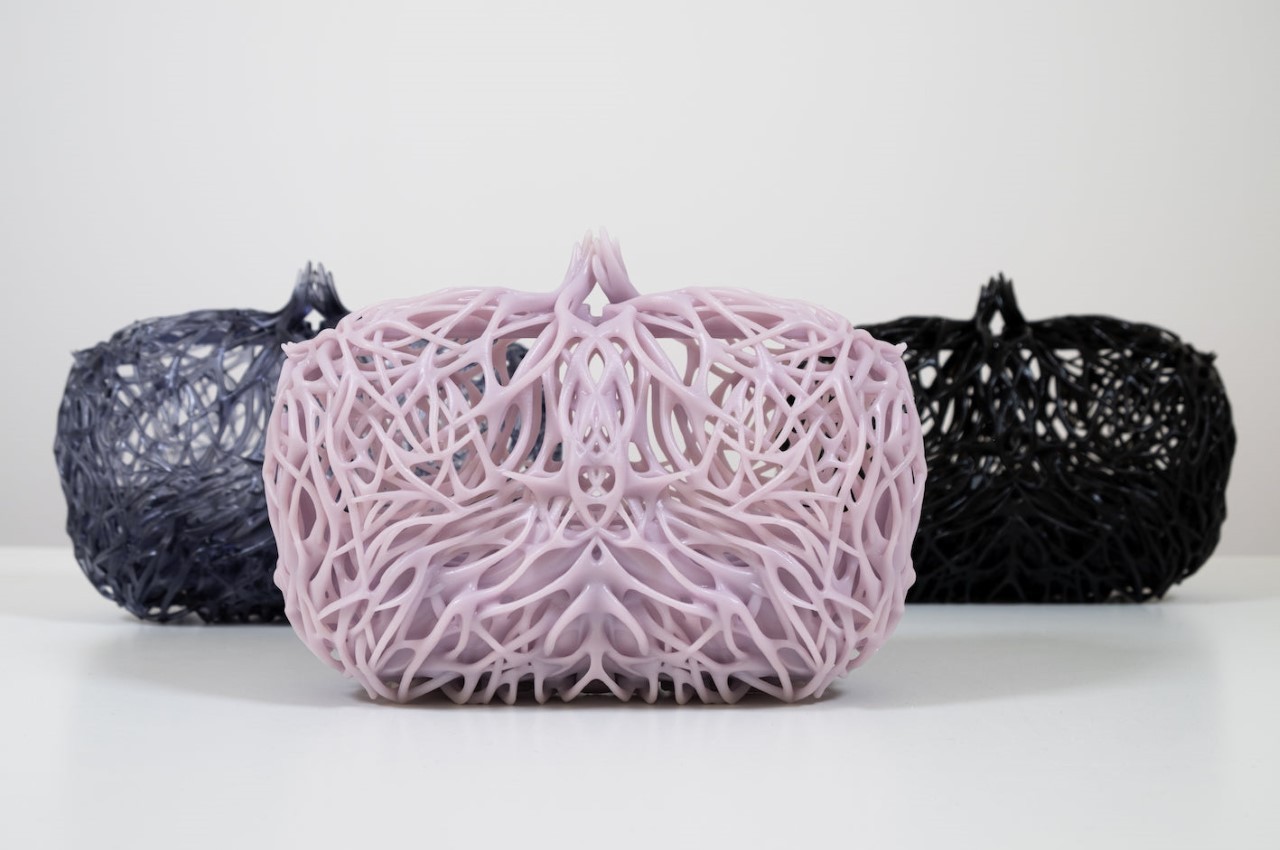
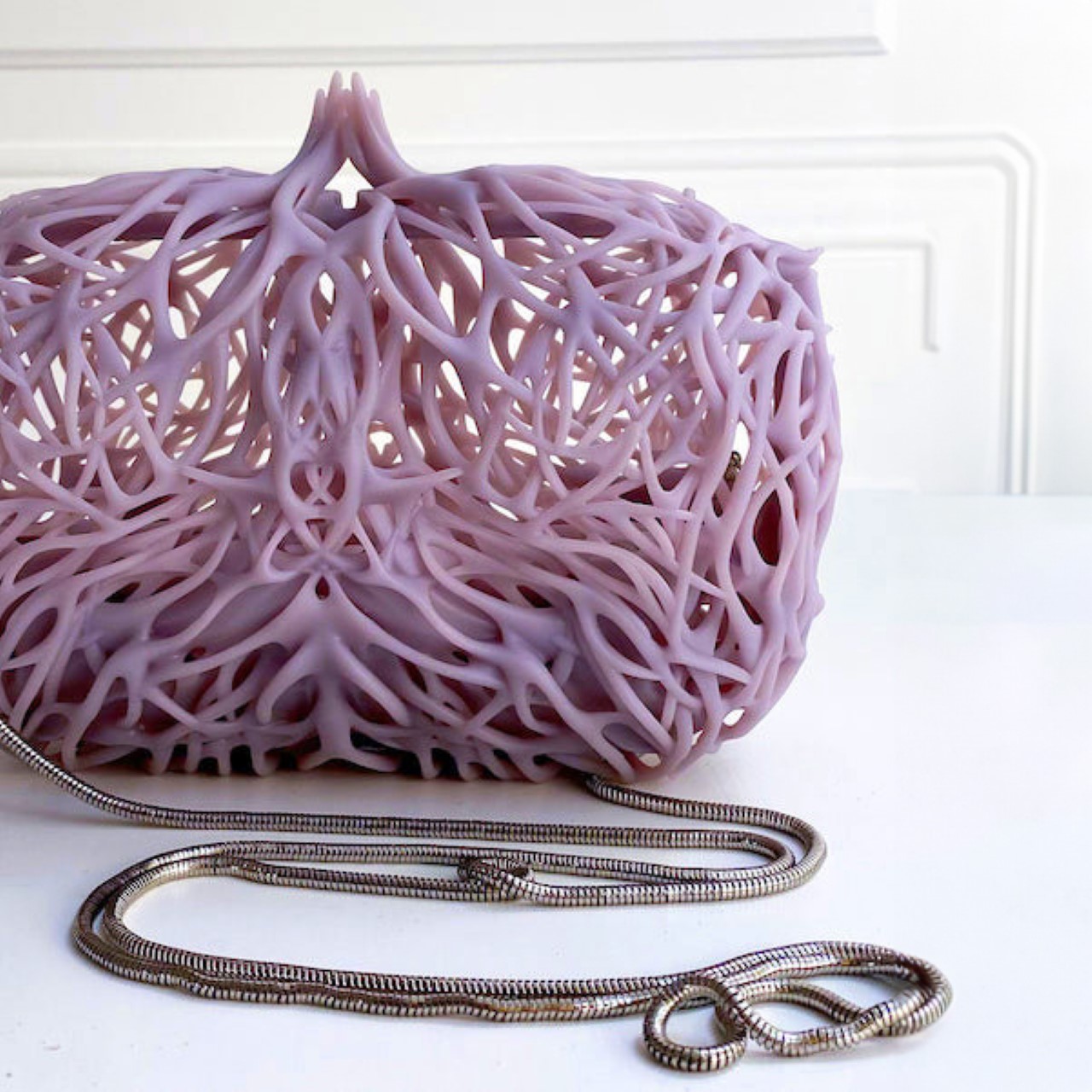
Acclaimed Australian designer Julia Koerner merges nature and computer algorithms with 3D printing and innovative resin-based techniques to create her award-winning handbag collection, resulting in visually lightweight yet rigid designs with a distinctive skeletal aesthetic. Inspired by the organic shapes of dried kelp found along the Pacific coastline, Koerner’s KELP MINI handbag seamlessly blends artistry with functionality. Each meticulously crafted handbag is created with sustainable plant-based materials and solar-powered manufacturing, offering clever design elements like hinged bases and snap closures, making them ideal for storing essentials with style and efficiency.
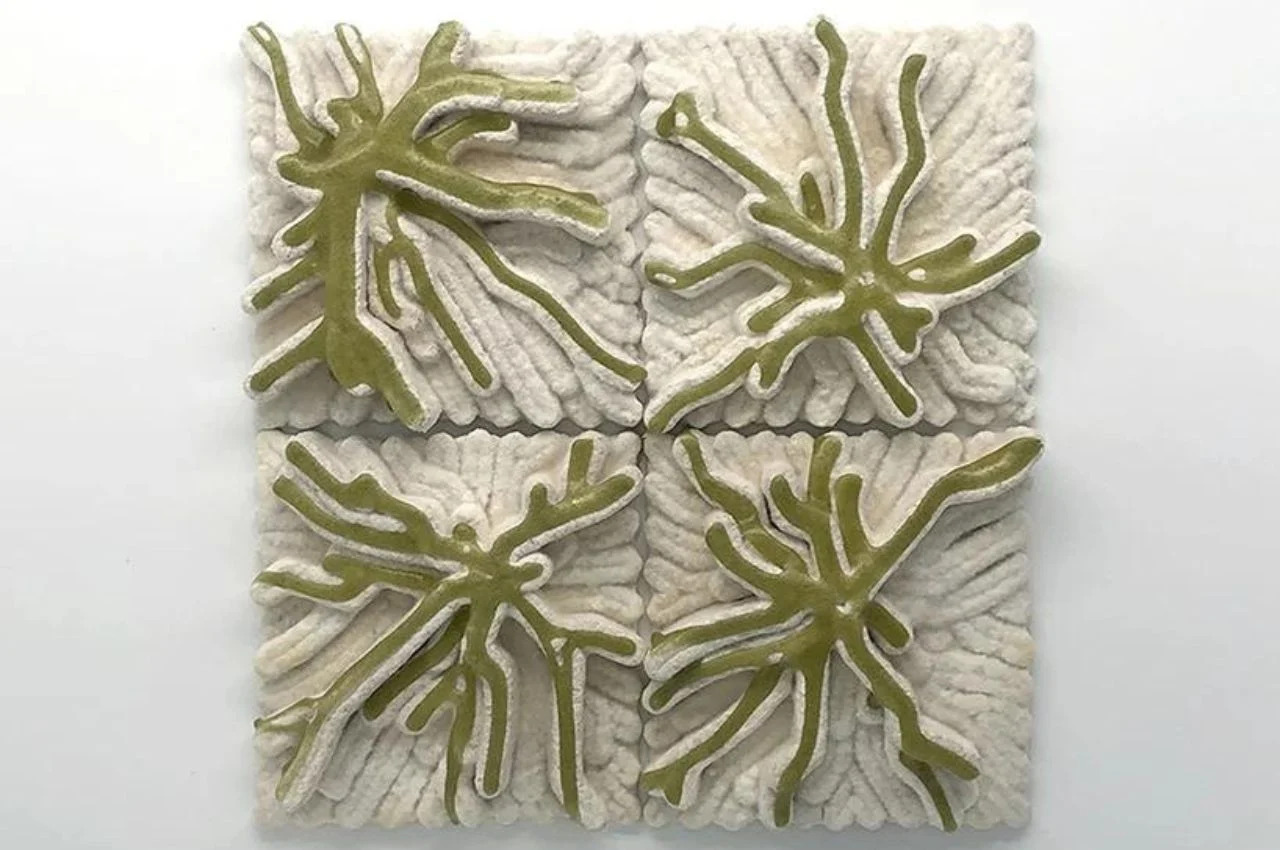
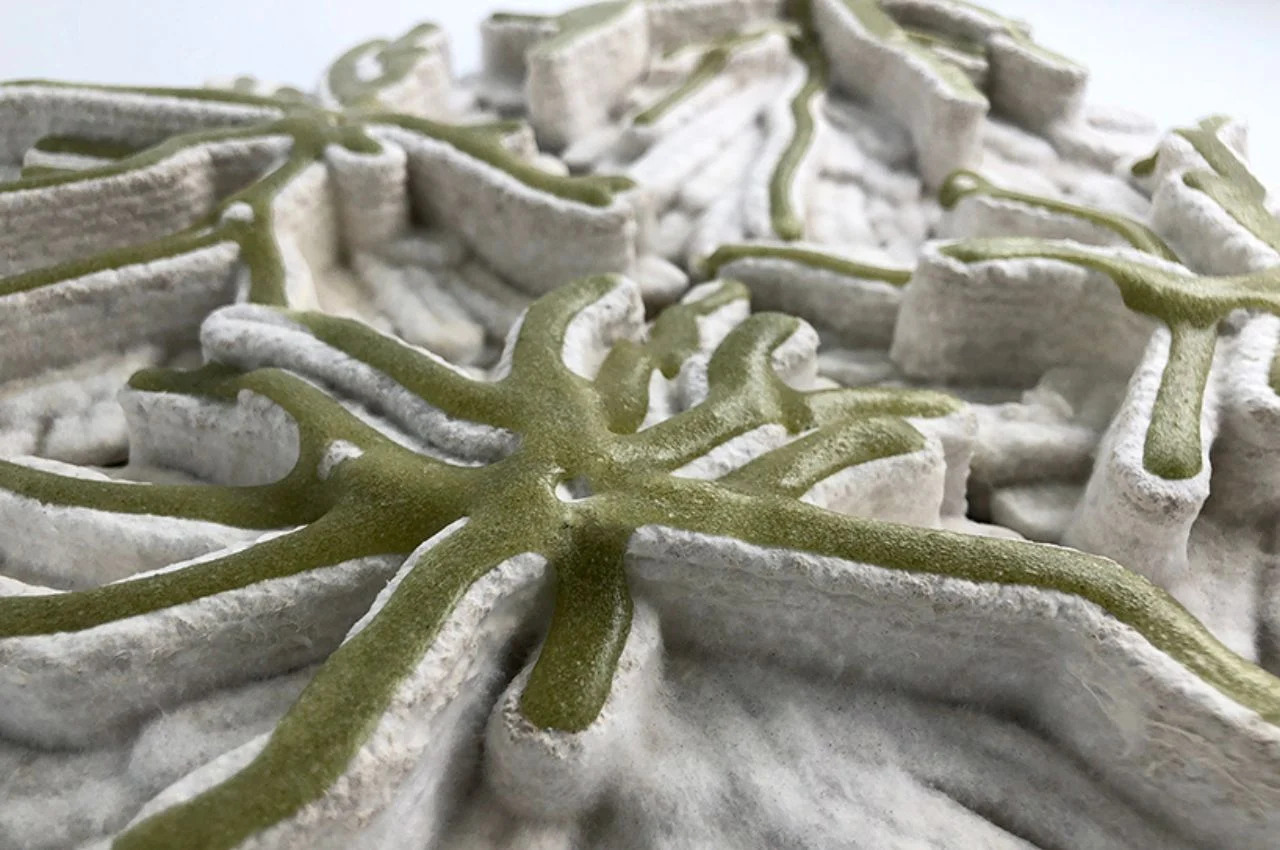
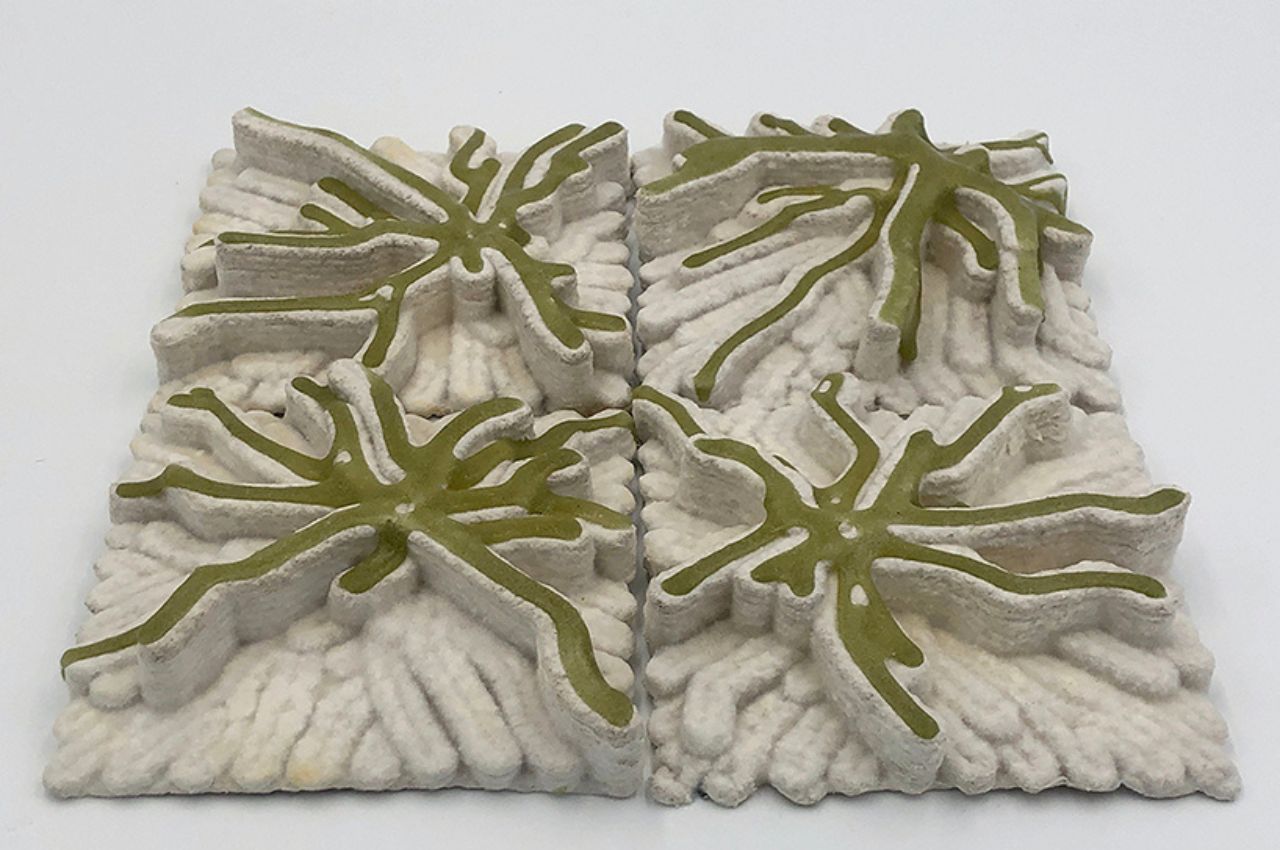
MYCO-ALGA presents a groundbreaking interior tiling solution that transforms bathroom aesthetics. These 3D-printed tiles are crafted from repurposed natural waste and living organisms, featuring captivating designs inspired by organic forms. Sustainable at every stage, MYCO-ALGA tiles undergo a precise process encompassing digital design, 3D printing, organism cultivation, and bio-pigment enrichment. As a result, the outcome is eye-catching tiles with unique, non-repeating patterns resembling crawling organisms, that offer both lightweight durability and visual allure that effortlessly merge style with sustainability.
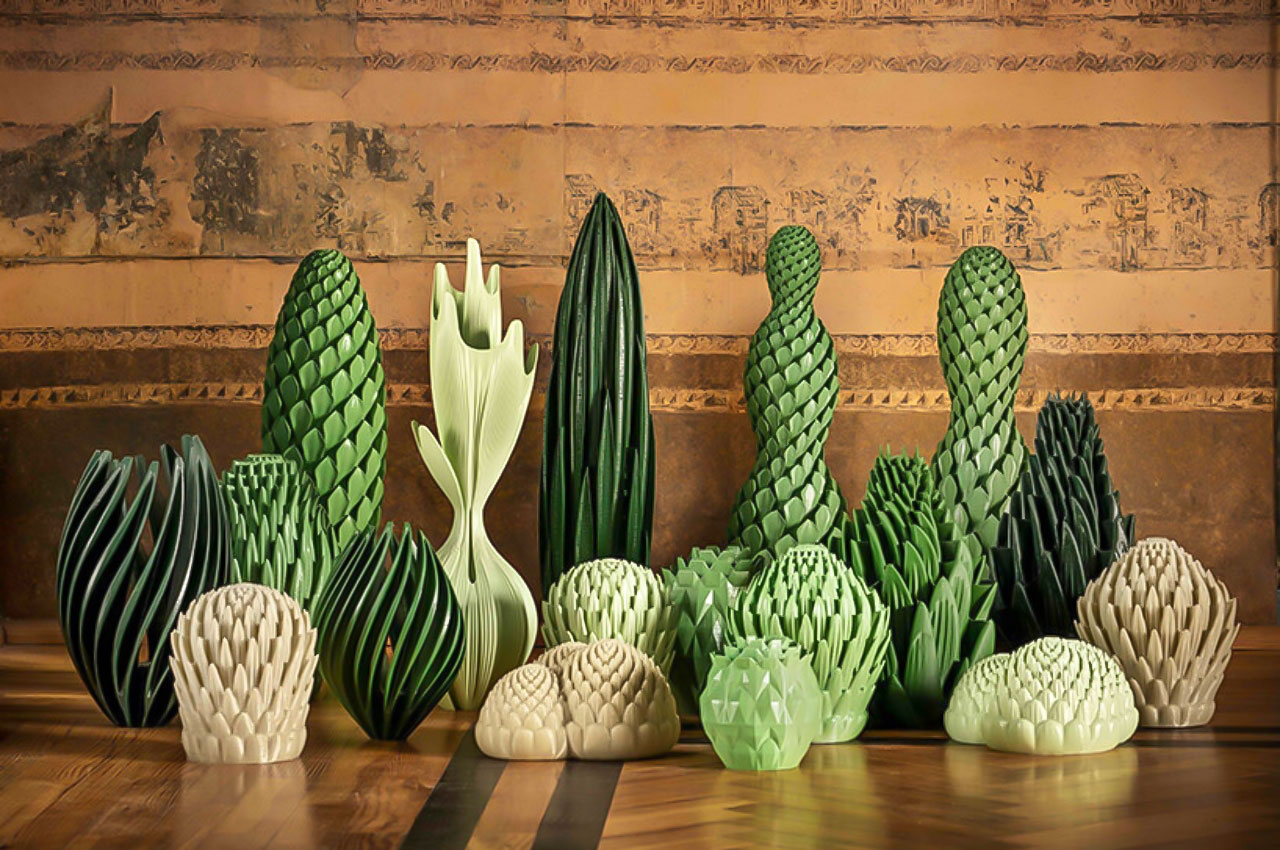
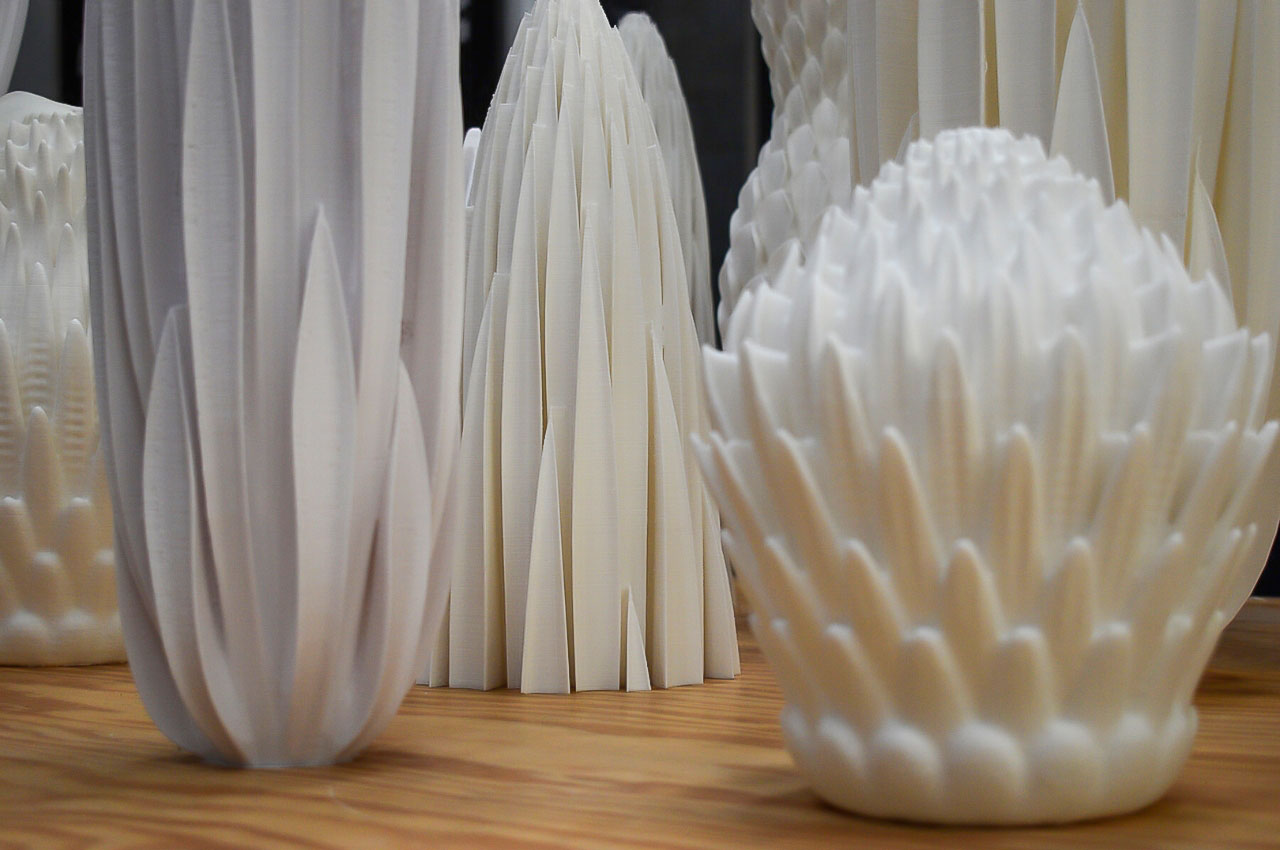
Barcelona-based company introduces Pure Plants, 3D-printed sculptures doubling as air purifiers. Utilizing Pure.Tech technology efficiently absorbs and neutralizes indoor pollutants like carbon dioxide and nitrogen oxide. Mimicking plant structures with geometric patterns, these sculptures enhance decor while promoting healthier indoor air quality. Crafted from sustainable Pure.Tech biomaterial and PLA bioplastic derived from corn dextrose integrate aesthetics with eco-consciousness.
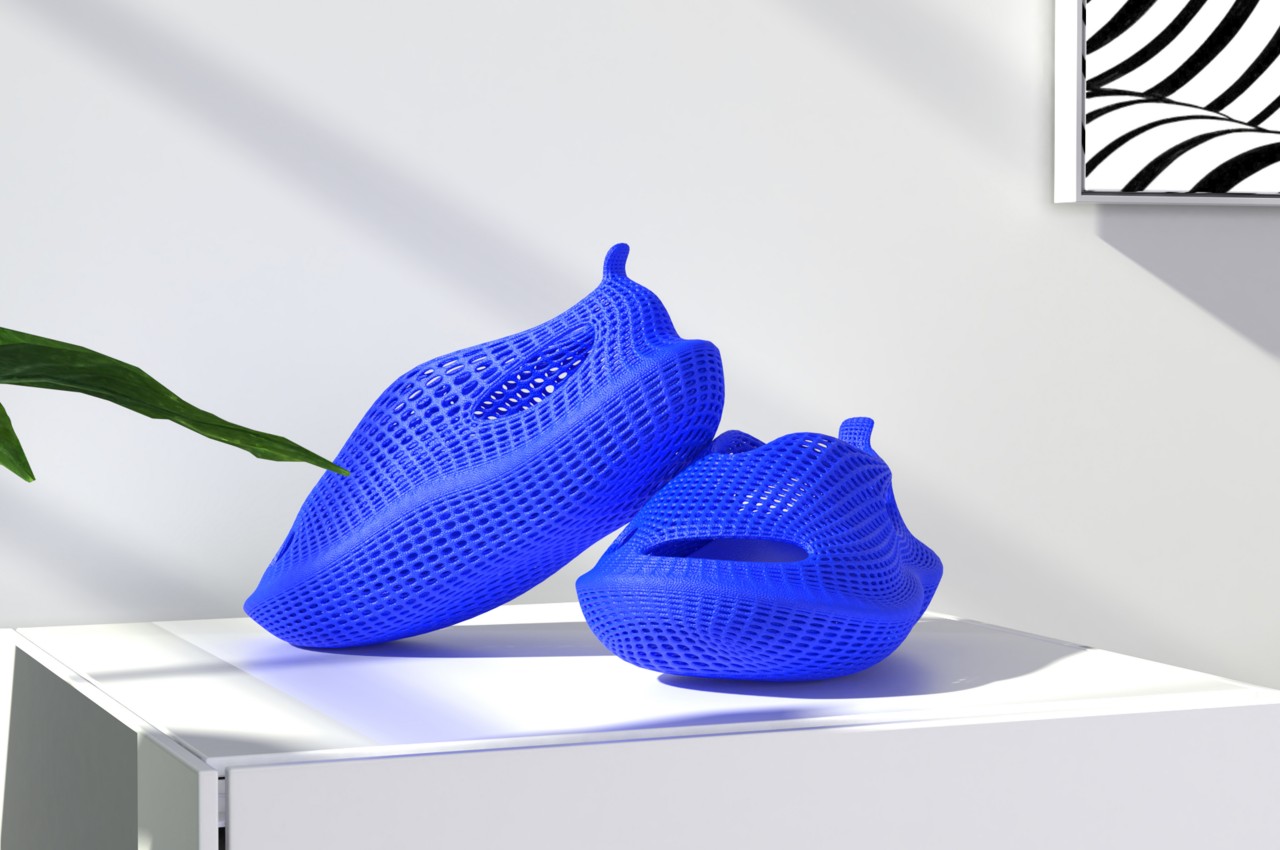
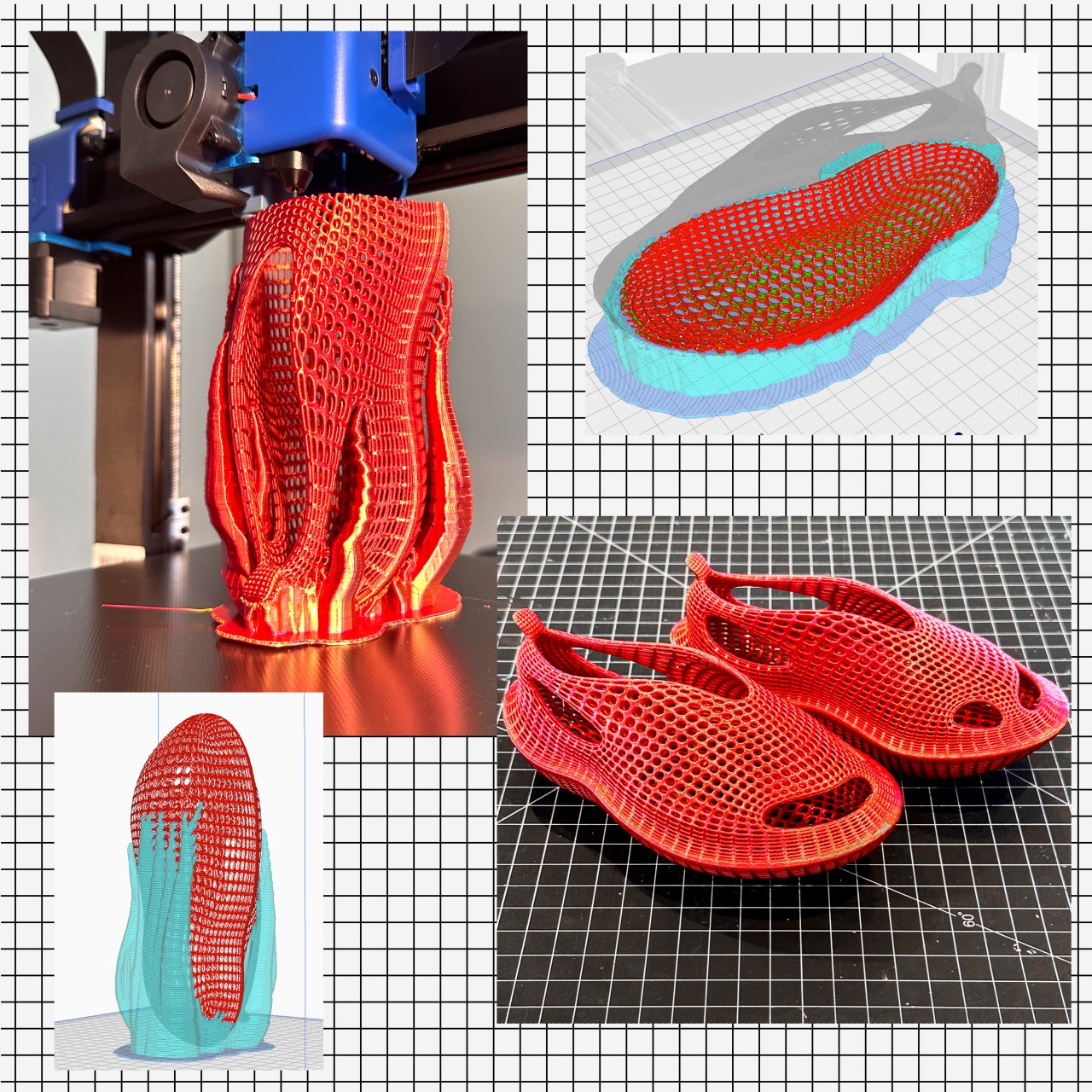
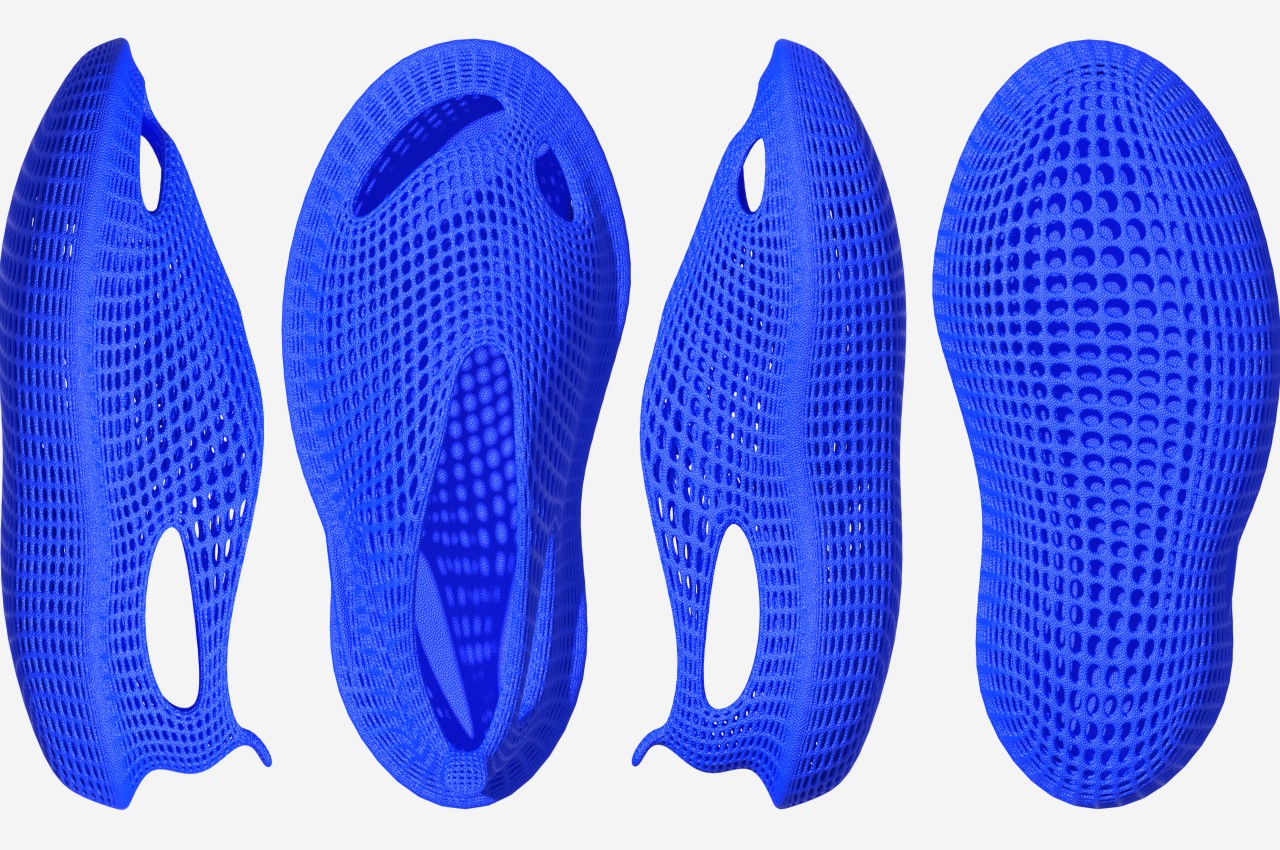
EXPLR 02 is a futuristic 3D-printed shoe blending wireframe-inspired aesthetics with organic elements. Crafted with advanced techniques, it epitomizes modern manufacturing’s versatility. While challenging footwear norms, questions linger about real-world durability. Yet, EXPLR 02 signifies a leap in innovative, personalized shoe designs, shaping the evolution of 3D-printed footwear.
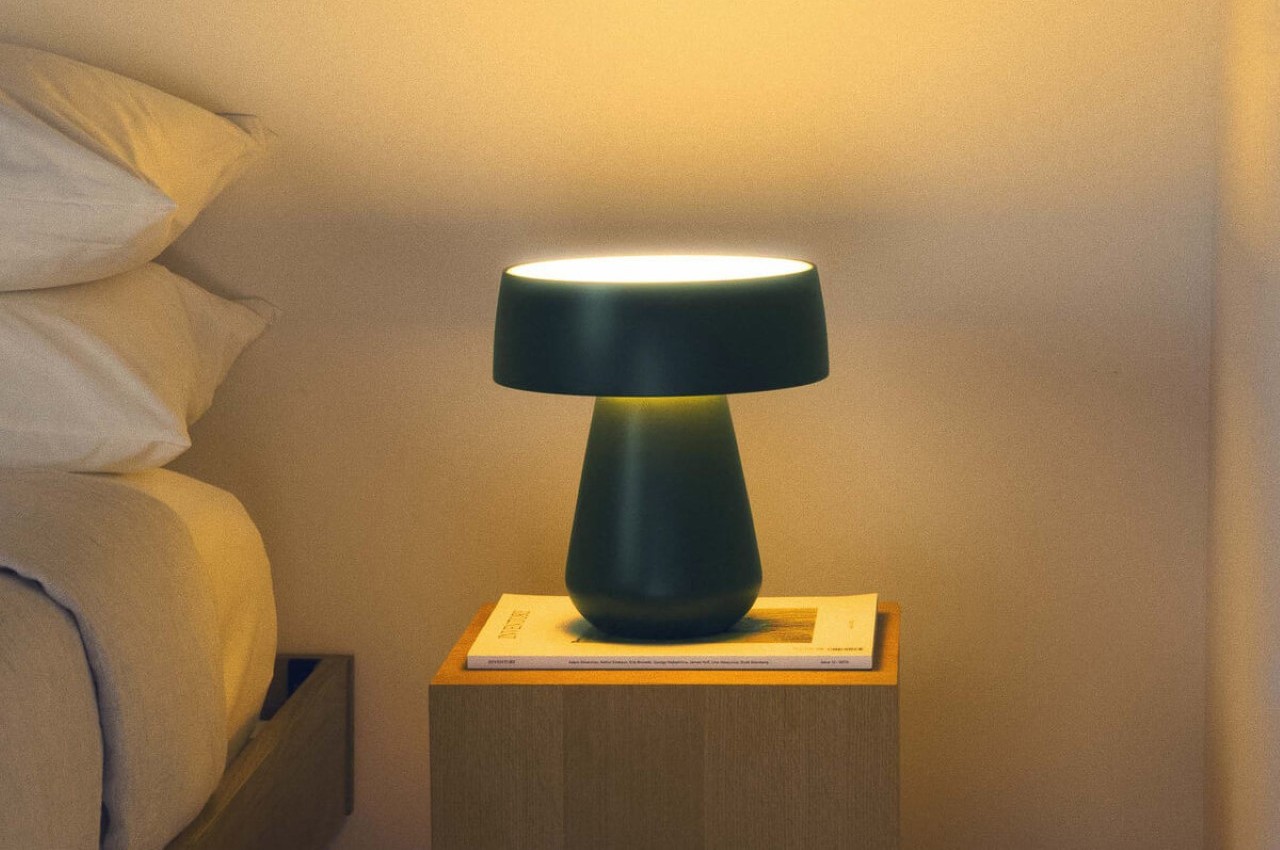
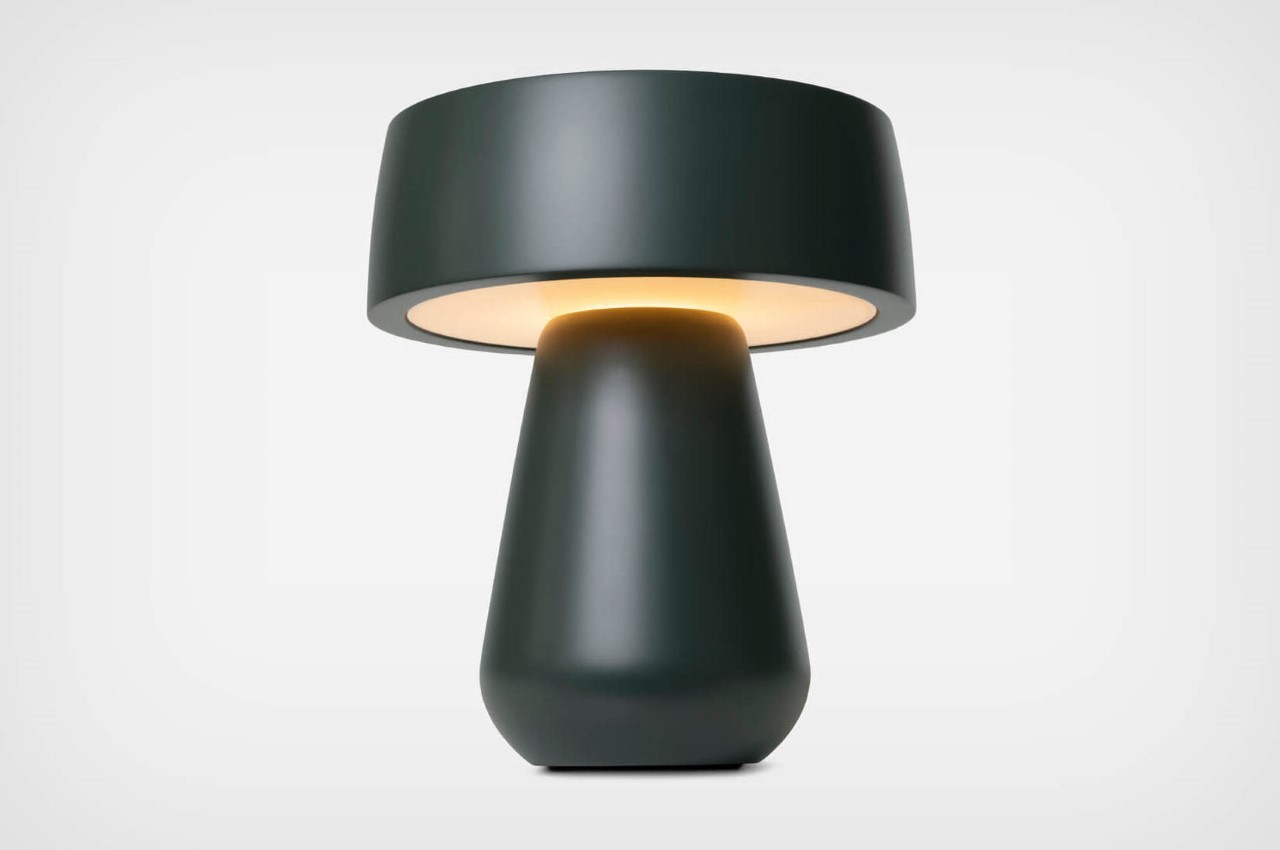
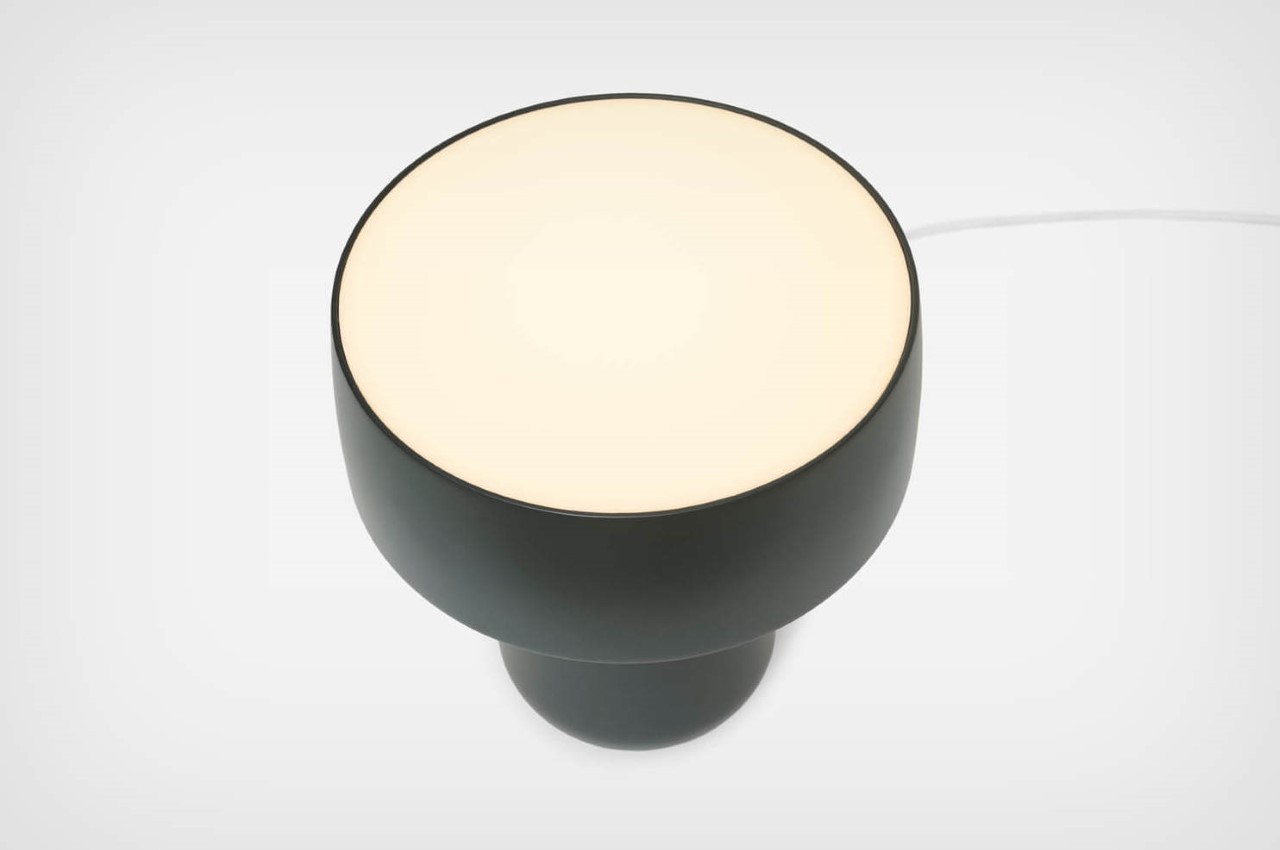
The 3D-printed Hula table lamp, envisioned by Felix Pöttinger, ingeniously merges direct and indirect lighting to efficiently illuminate spaces, tackling urban living challenges by minimizing glare. Its ring-shaped shade, reminiscent of a hula hoop, is available in Snow, Forest, and Blossom Pink, adding a distinct flair to any setting.
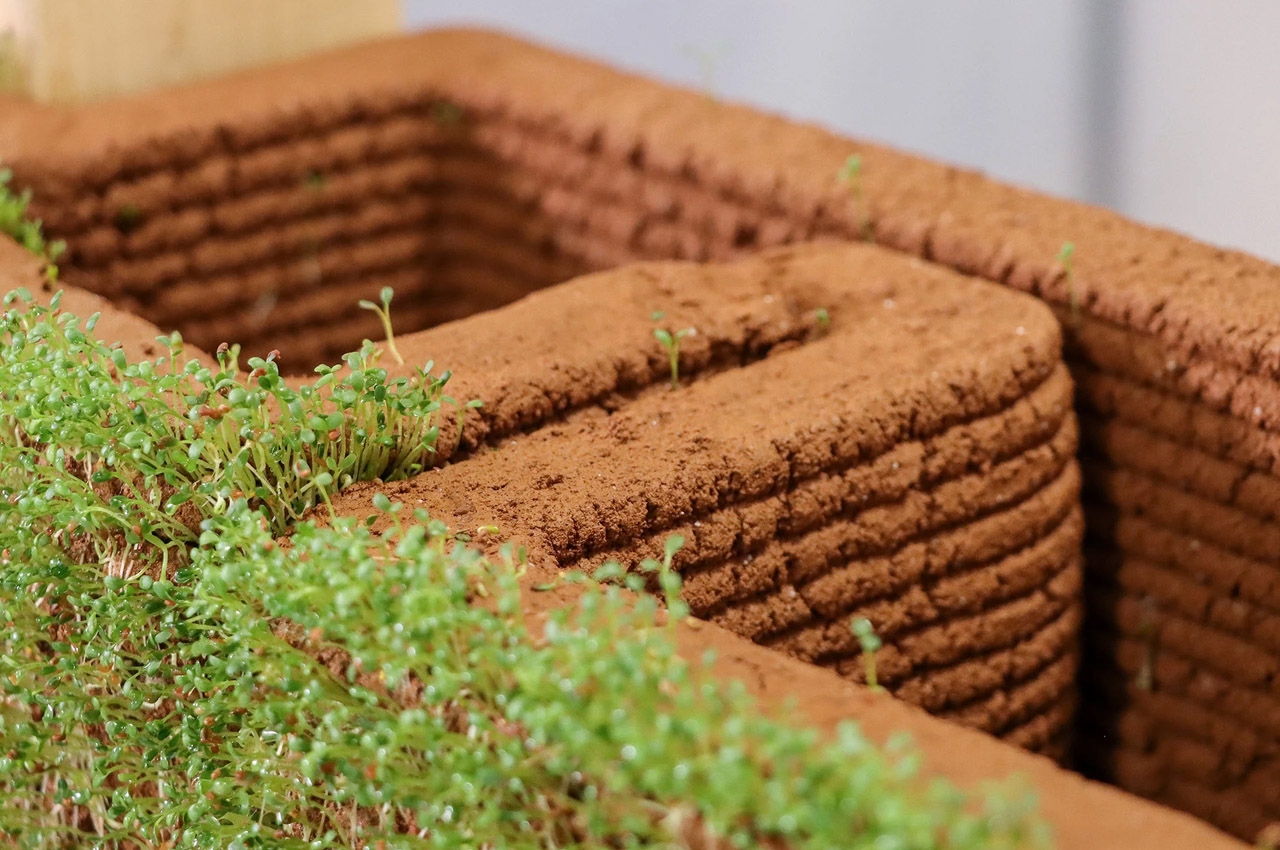
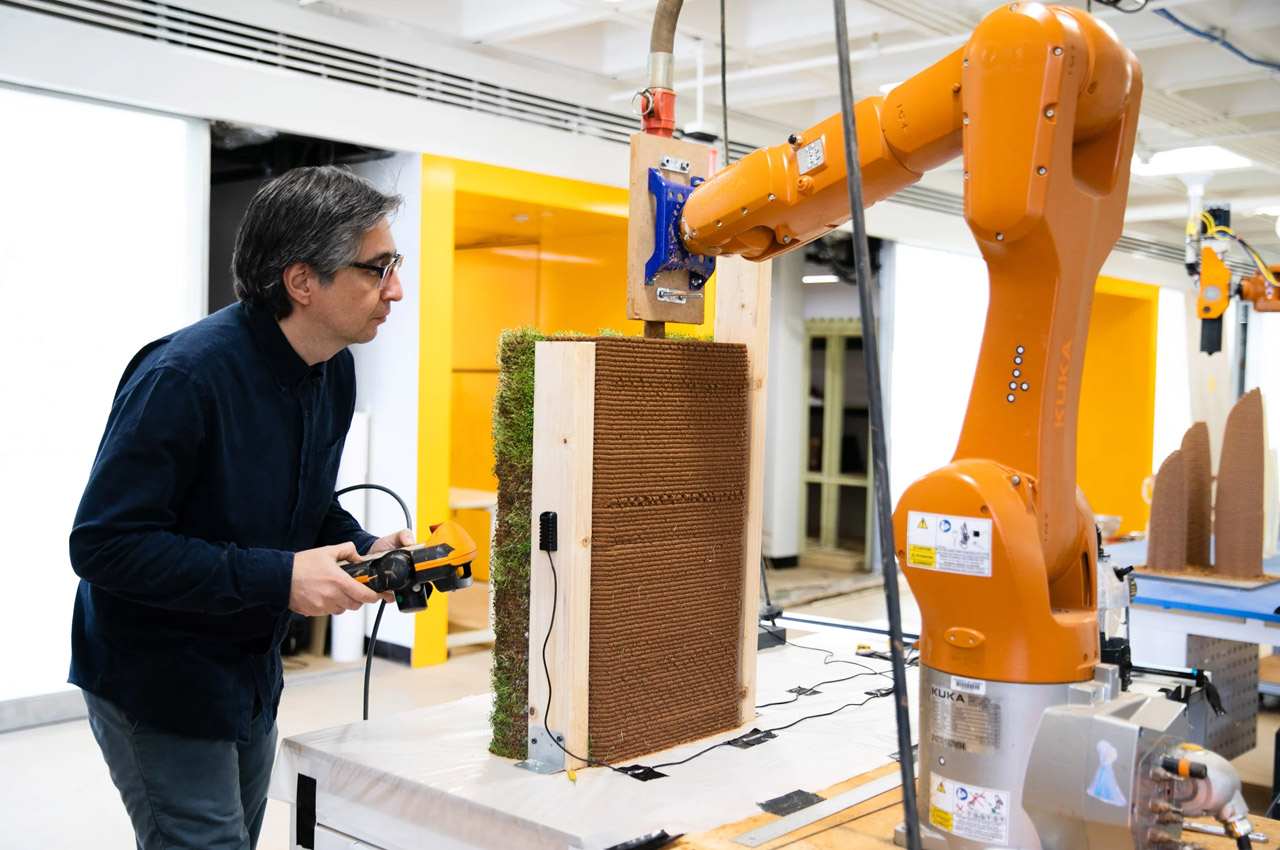
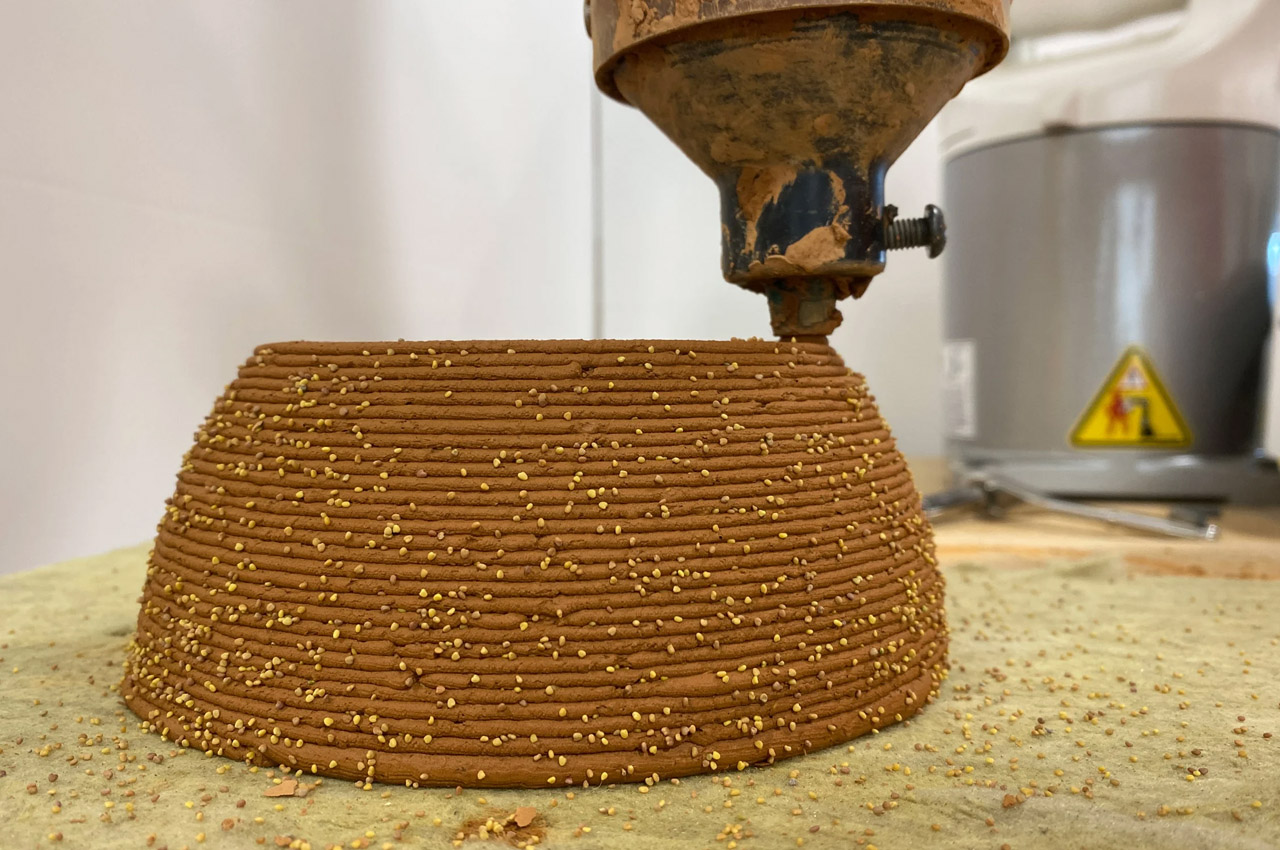
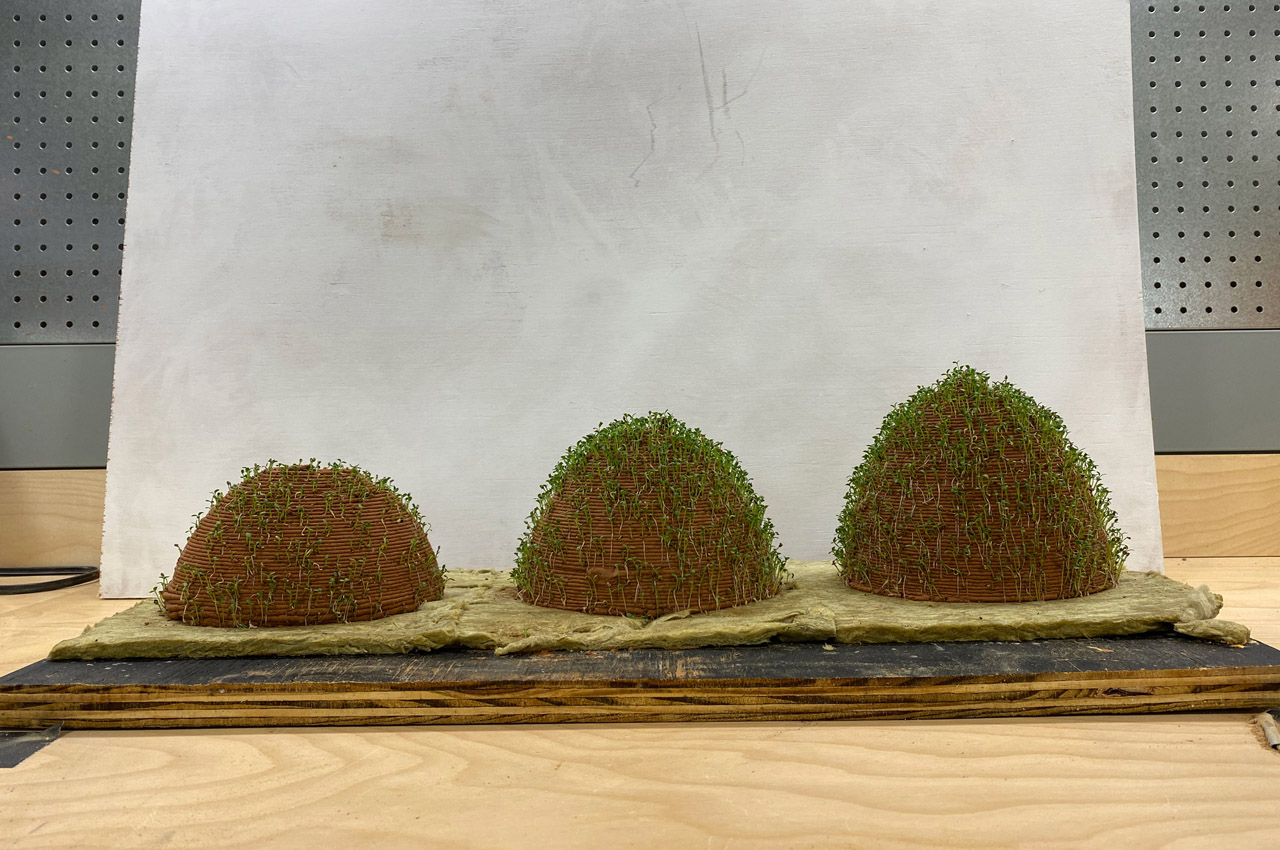
The University of Virginia research team has developed an innovative 3D printing method using soil infused with seeds to create plant-covered structures like walls and roofs. The team’s eco-friendly approach integrates greenery into architecture, providing natural insulation, flood prevention, and green spaces. By minimizing materials and utilizing locally sourced resources, their process reduces emissions and waste. With plans to expand their prototypes and improve their soil ink formula, the team aims to contribute to carbon-neutral construction.
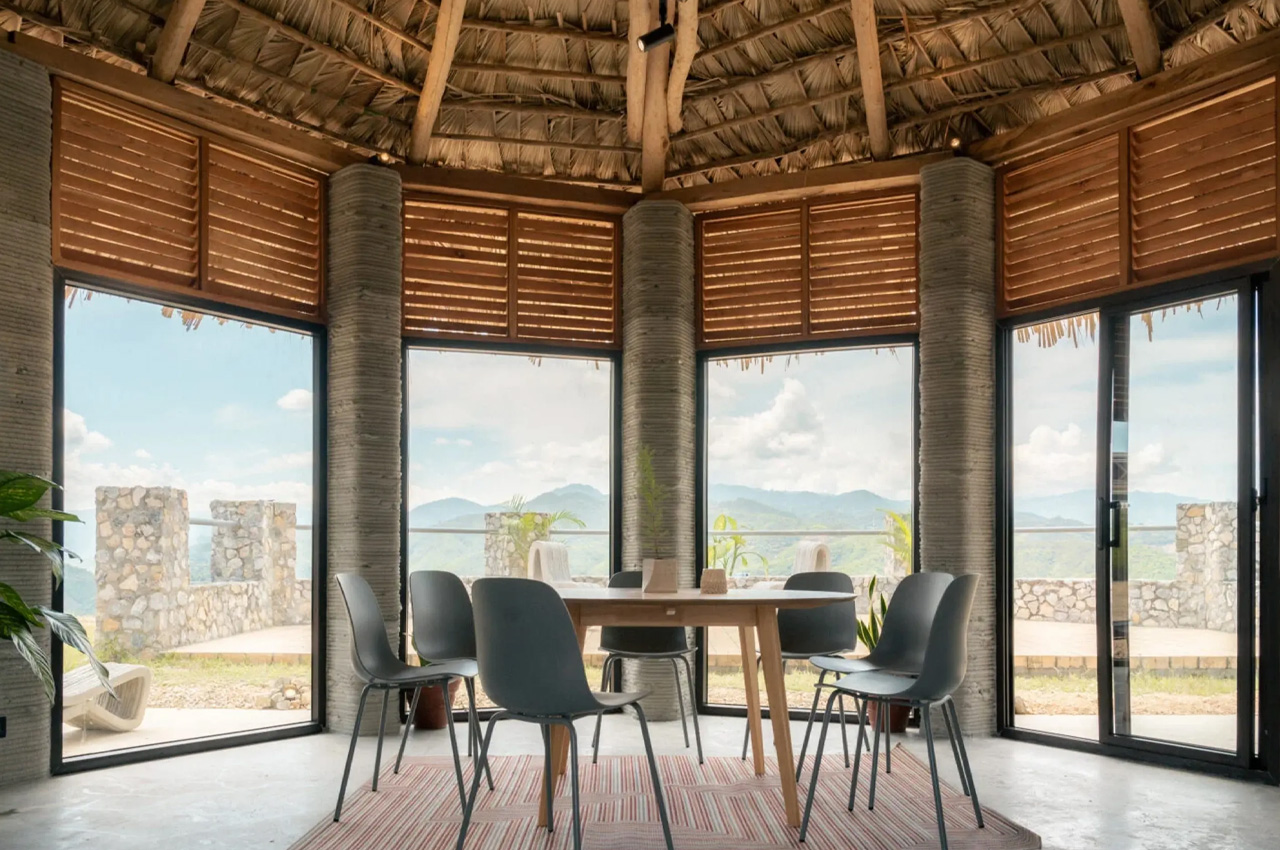
Architecture is no exception in the age of ubiquitous 3D printing, with many firms favoring this method for building structures. Cement company Progreso recently collaborated with COBOD to construct Guatemala’s first 3D-printed building to withstand seismic activity. This compact home, completed in just over 24 hours, merges modern construction techniques with traditional craftsmanship, featuring organic-shaped walls and a traditional palm leaf roof. With a footprint of 527 square feet, the structure operates as a fully functional living space capable of withstanding extreme seismic events.
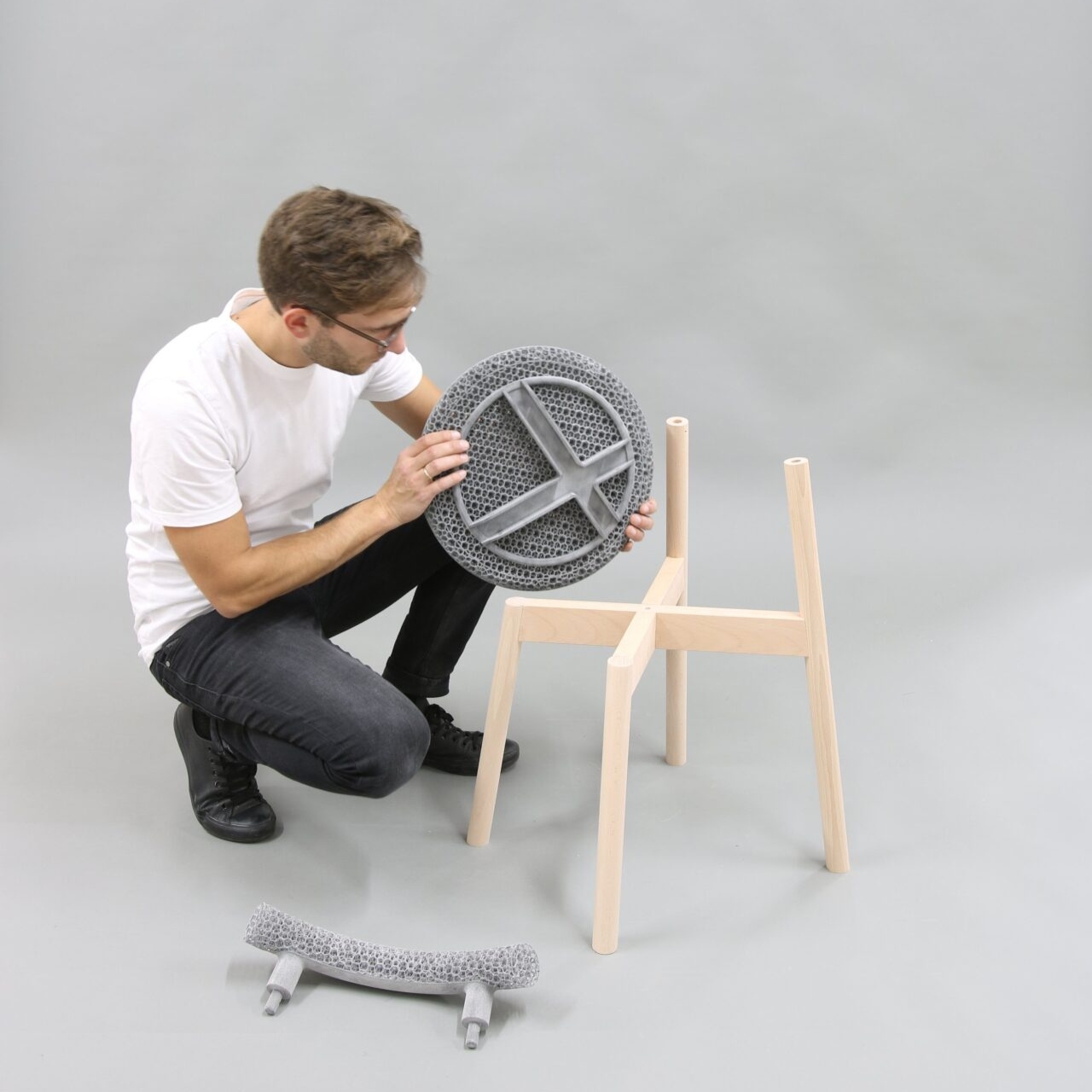
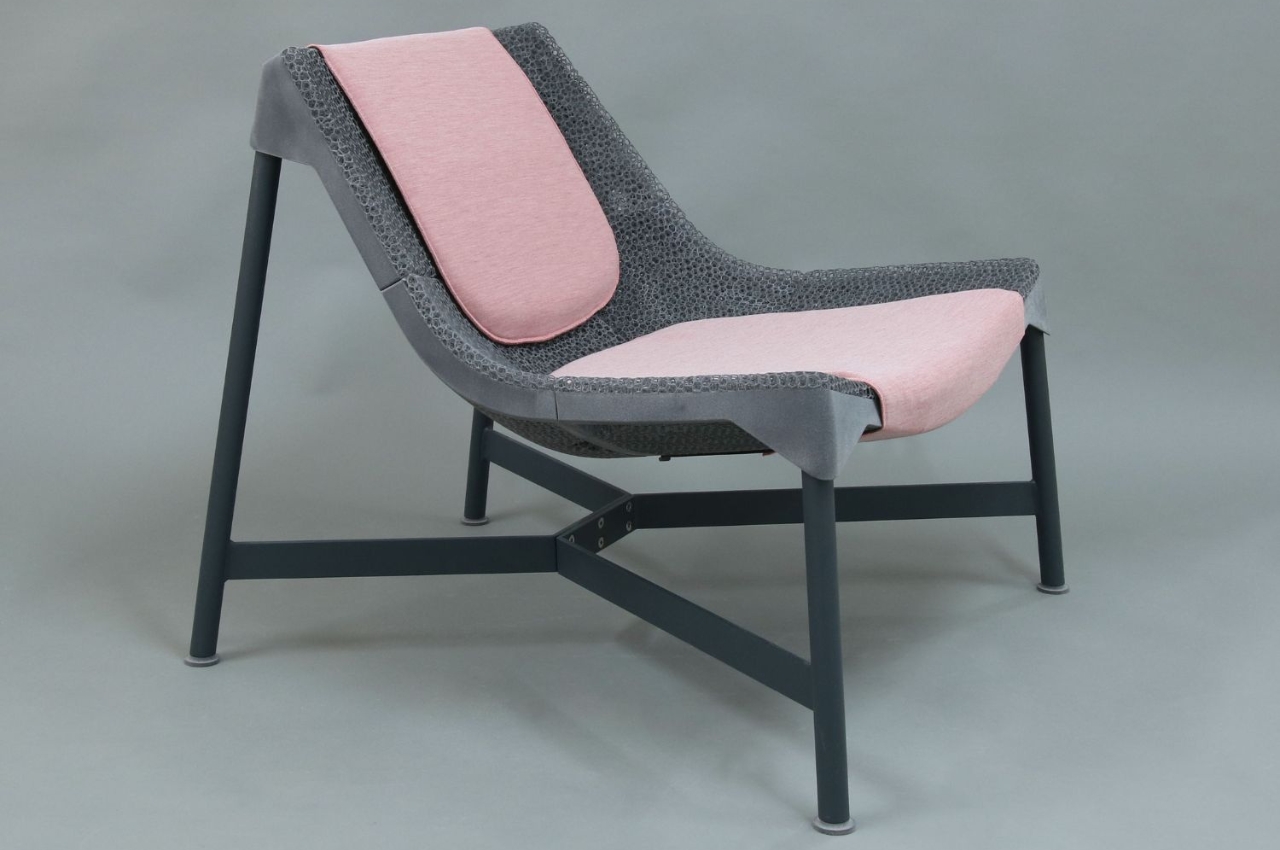
Oeschler’s new manufacturing technique, demonstrated in Johannes Steinbauer’s Office for Design’s 3D-printed seats, eliminates traditional materials while maintaining comfort and functionality. 3D printing is reshaping furniture design and manufacturing, introducing innovation in sustainability and functionality. With a simple yet versatile design, these chairs offer easy assembly and recyclability, signaling a promising future for 3D-printed furniture in the industry.
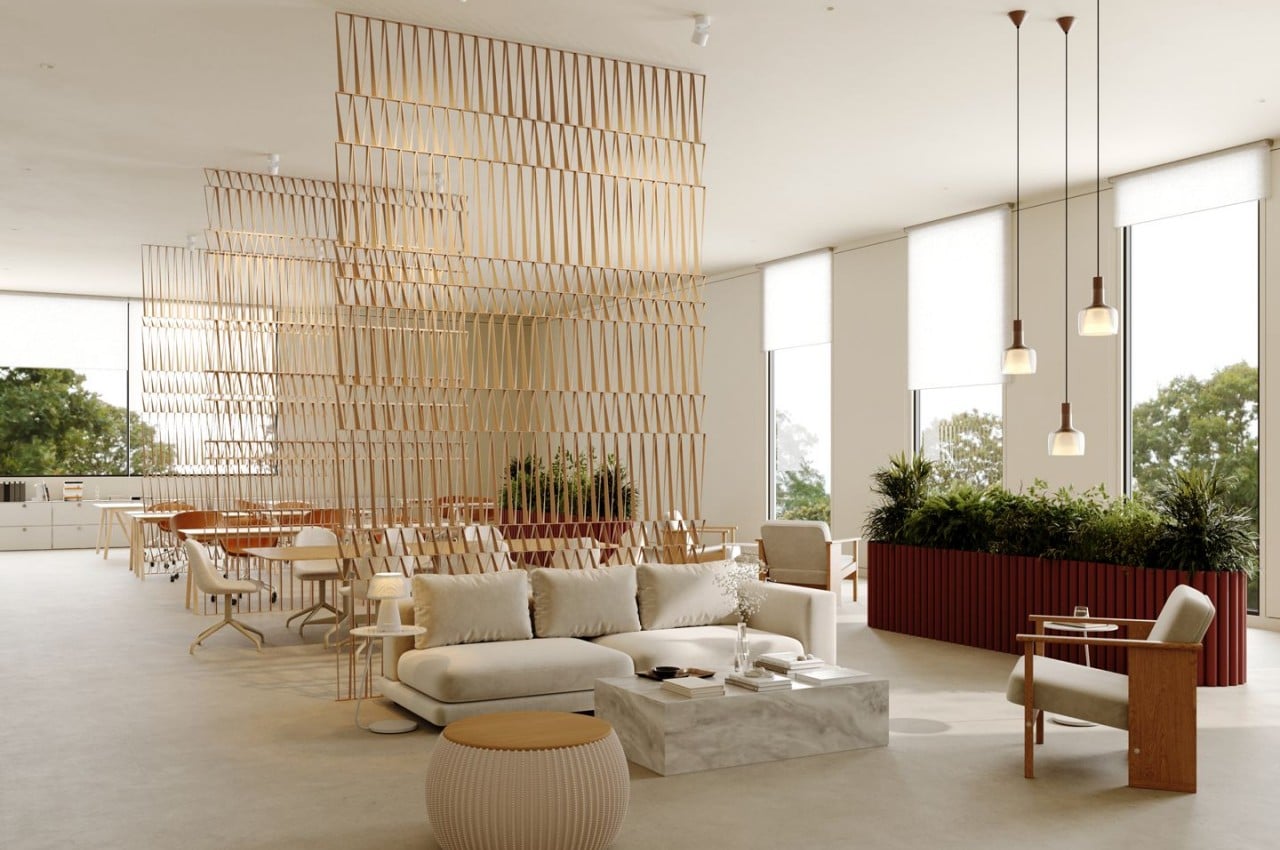
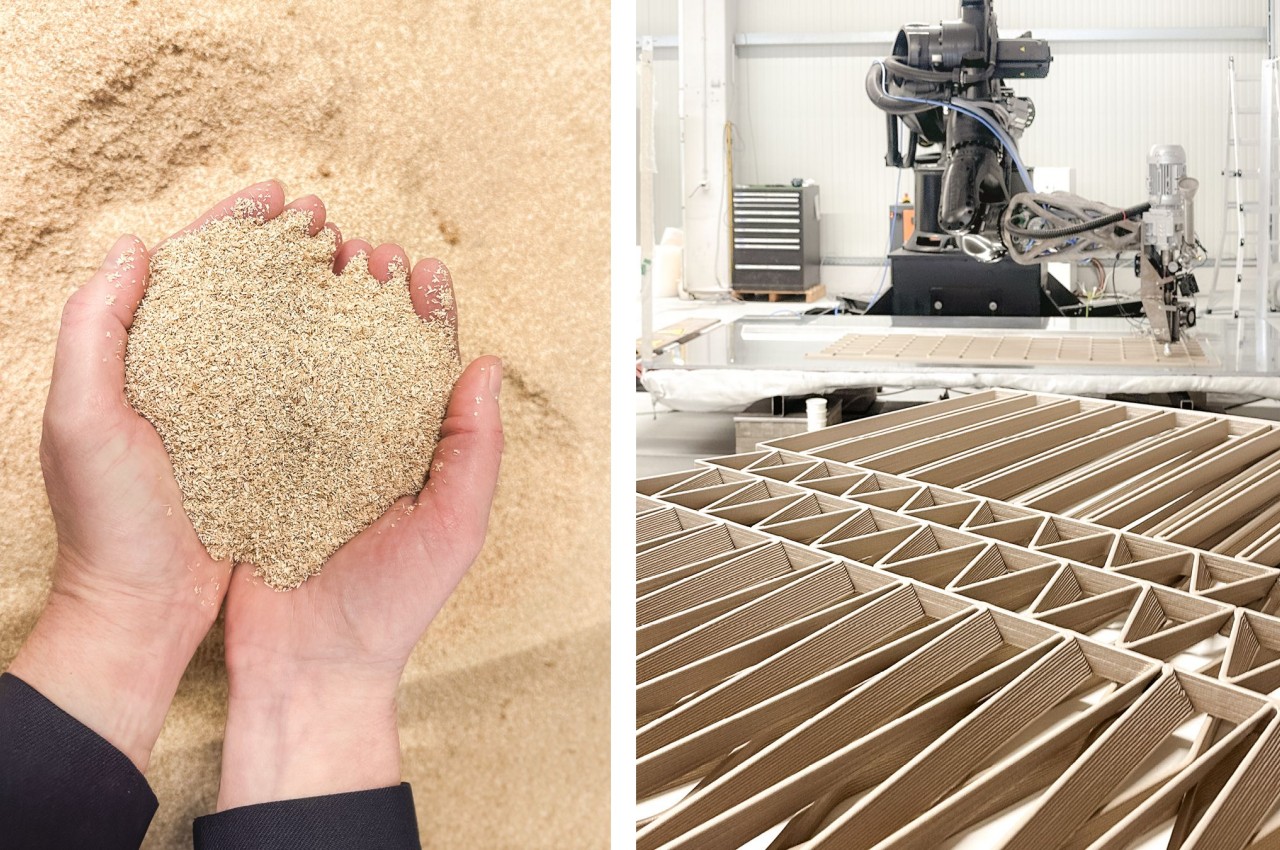
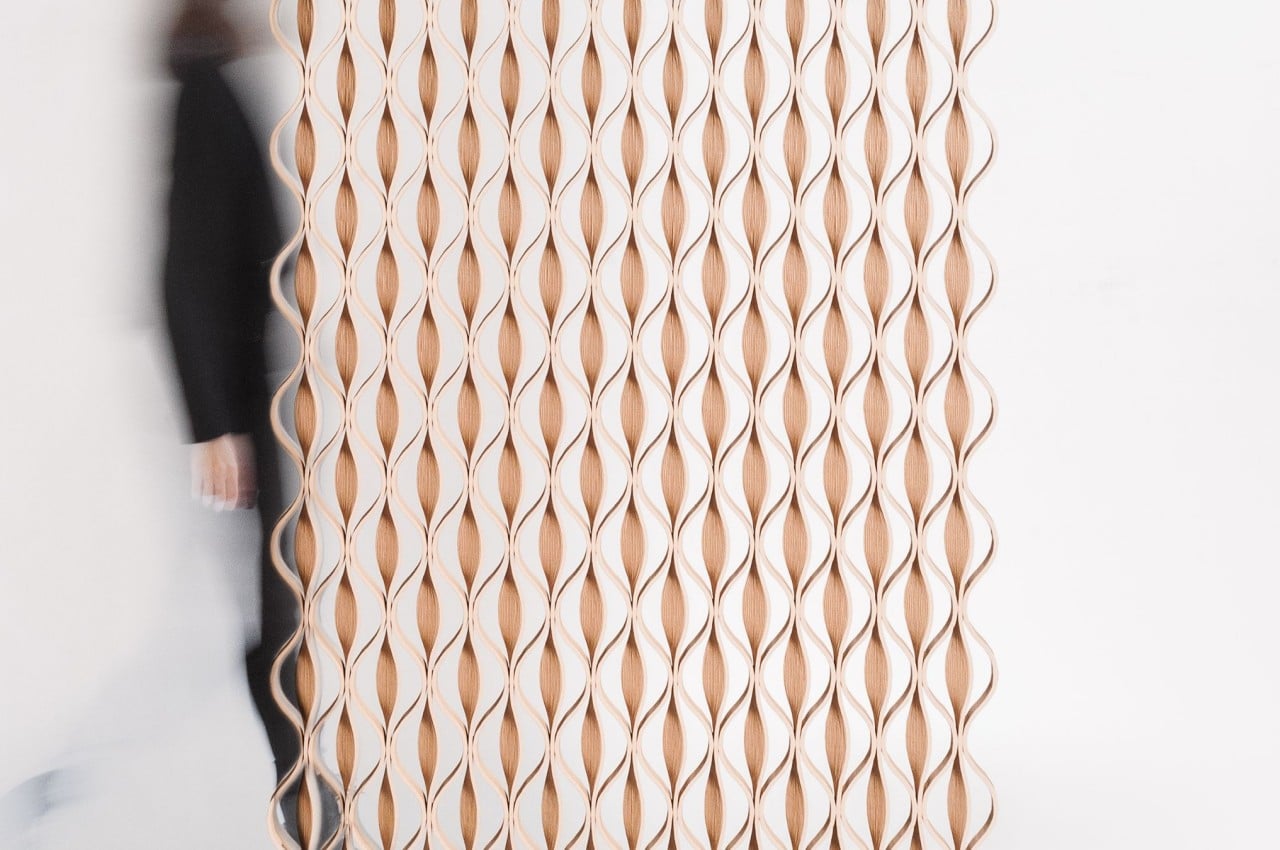
Wood is a preferred choice for its eco-friendliness, yet shaping and recycling pose challenges. Enter 3D-printed wooden partition screens and window coverings, offering a breakthrough solution. While 3D printing democratizes design, it also increases material waste, prompting a search for sustainable options. Crafted from wood waste and fortified with natural elements, this innovative material resembles wood in appearance, texture, and scent. Moreover, its circular lifecycle allows for recycling into new forms, minimizing waste. Despite potential production cost concerns, its promise for intricate designs and sustainability makes it attractive for environmentally conscious designers.
10. Homeware
Crafted by Vienna-based designer Nicolas Gold, renowned for his expertise in “Tiny Furniture,” this collection employs 3D printing. The range comprises vases, bowls, planters, and lighting, all crafted from lightweight, recyclable bioplastic sourced from corn. This blend of architectural precision and modern technology results in sophisticated homeware where design, architecture, and 3D printing harmonize seamlessly. The Tiny Architecture collection showcases intricate patterns such as the asymmetrical Bloz and fabric-like Fald, crafted from partially recycled materials to enhance their individuality.
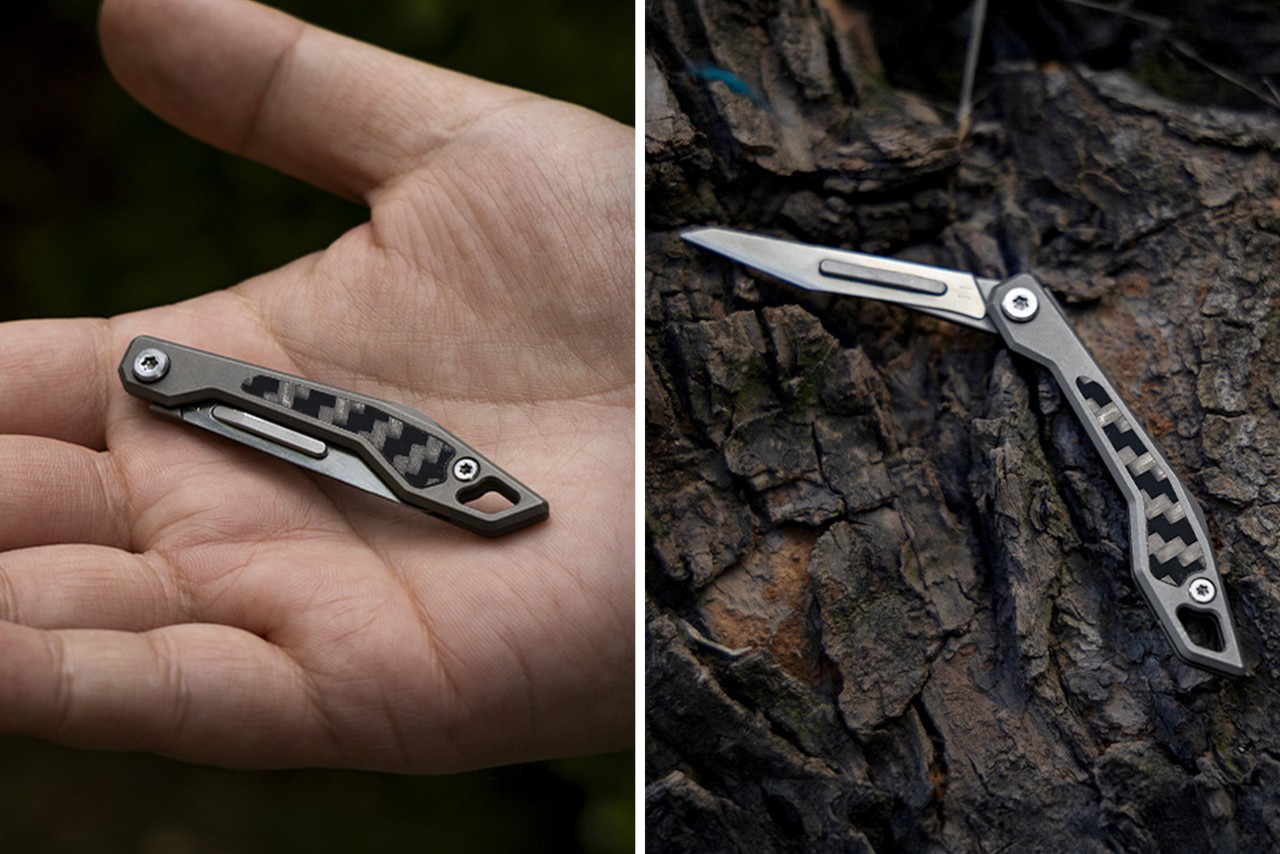
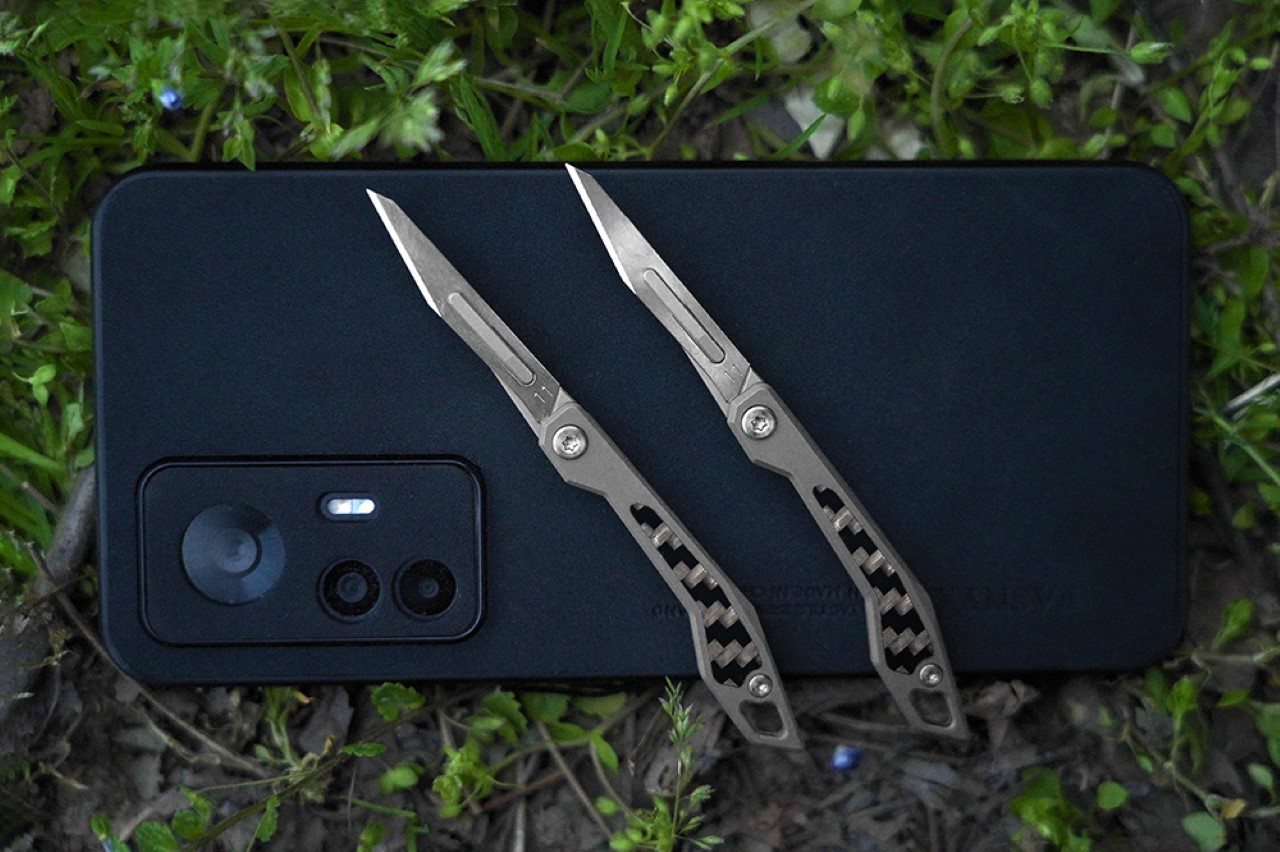
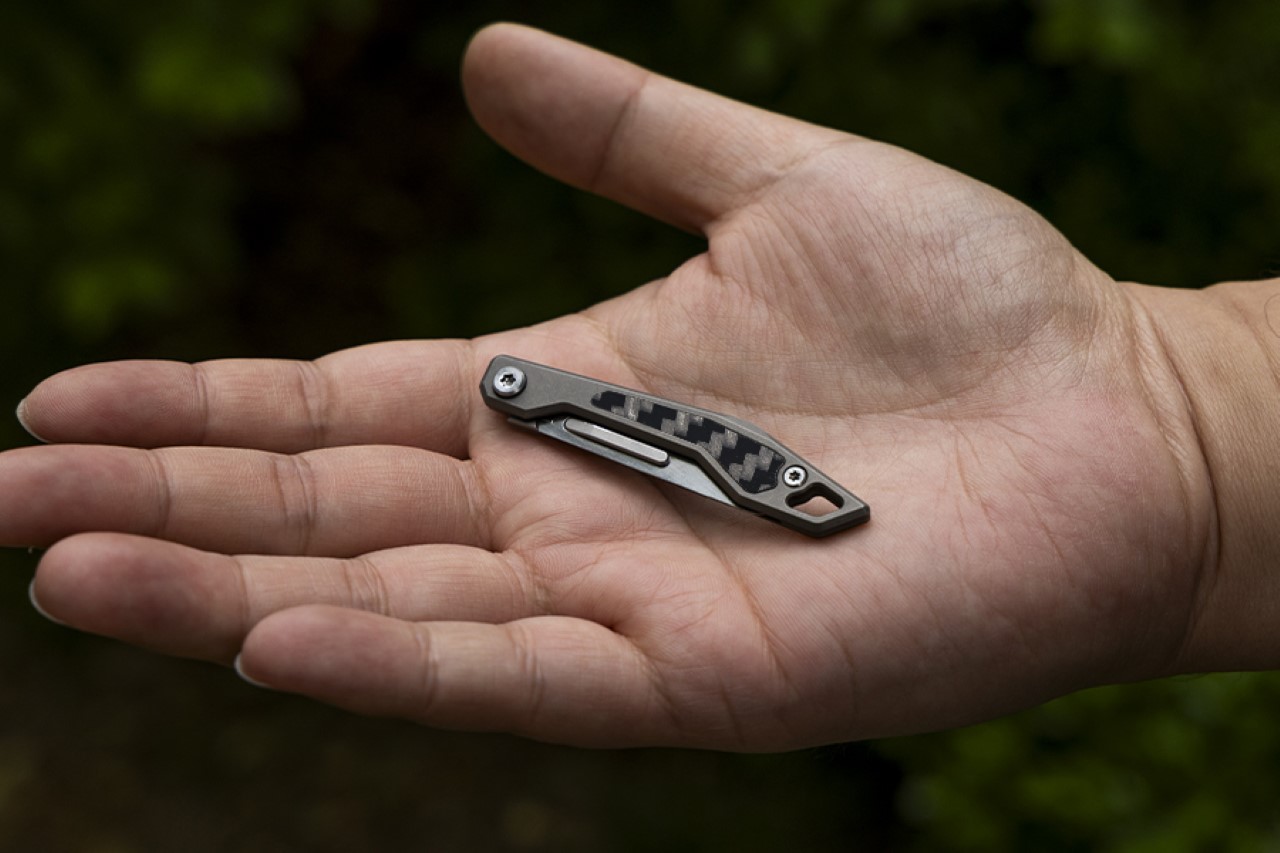
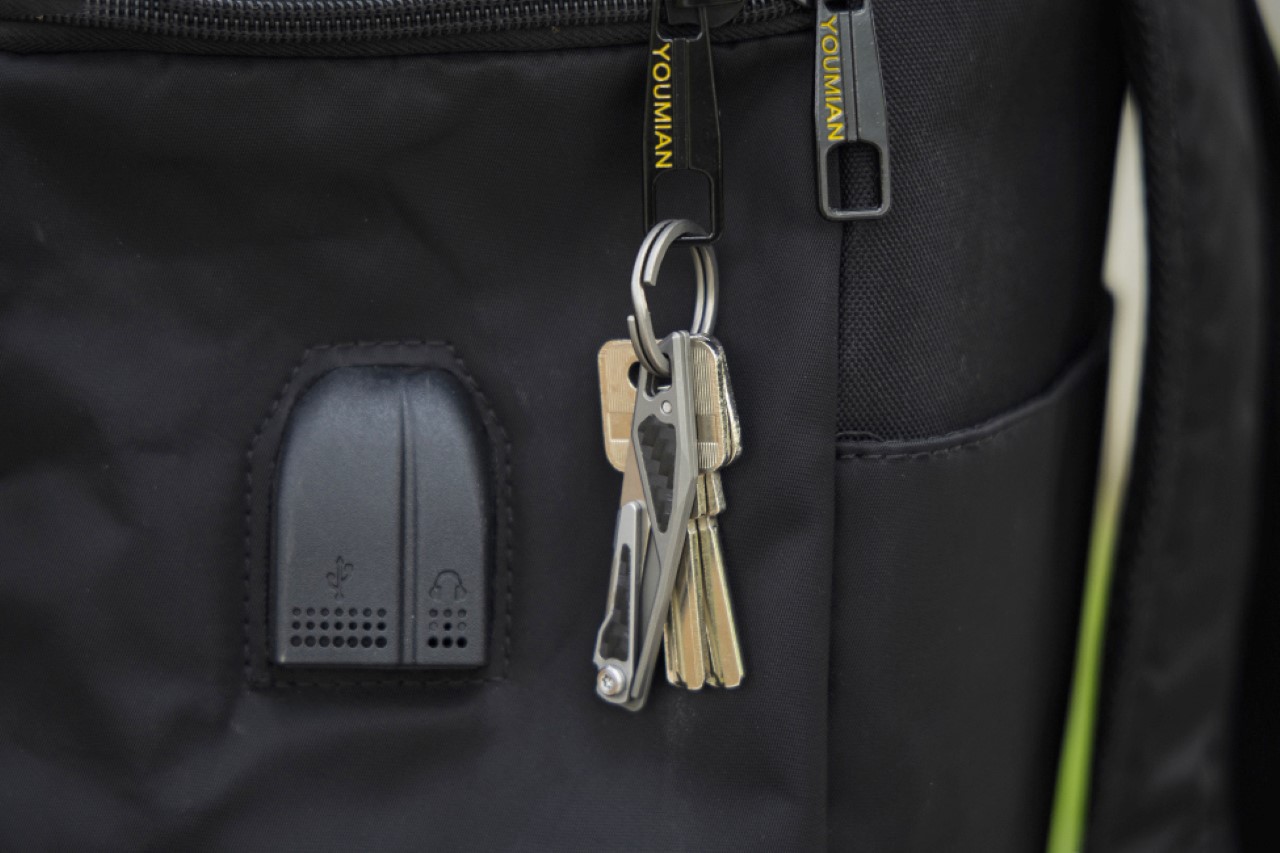
It doesn’t get smaller than this, lighter than this, or more viciously sharp than this. Measuring a mere 57mm (2.5 inches) when shut and weighing just 5.6 grams (0.19 ounces), the WaspArmor Micro Folding Scalpel floats like a butterfly and stings like a bee… or a wasp, as its name would suggest. Its titanium and carbon fiber body gives it a classy-yet-durable build, and the replaceable scalpel blade means never having to sharpen your knife ever again. Quite impressive for a blade tiny enough to attach to your keychain.
Smaller than even your index finger when closed, the WaspArmor is like the chihuahua of pocket knives, tiny yet so audacious and aggressive you’re bound to take it seriously. The knife comes with a few clever tricks up its sleeve, but it all starts with the titanium and carbon fiber construction. Both materials are known for their incredible strength-to-weight ratio, which made them the perfect selection for the WaspArmor knife. The Titanium body gives the knife its durability, resilience, and ability to withstand corrosion, etc. Three carbon fiber inserts on the sides of the handle give the WaspArmor a unique aesthetic while providing a mildly textured grip that makes holding and maneuvering the scalpel easy.
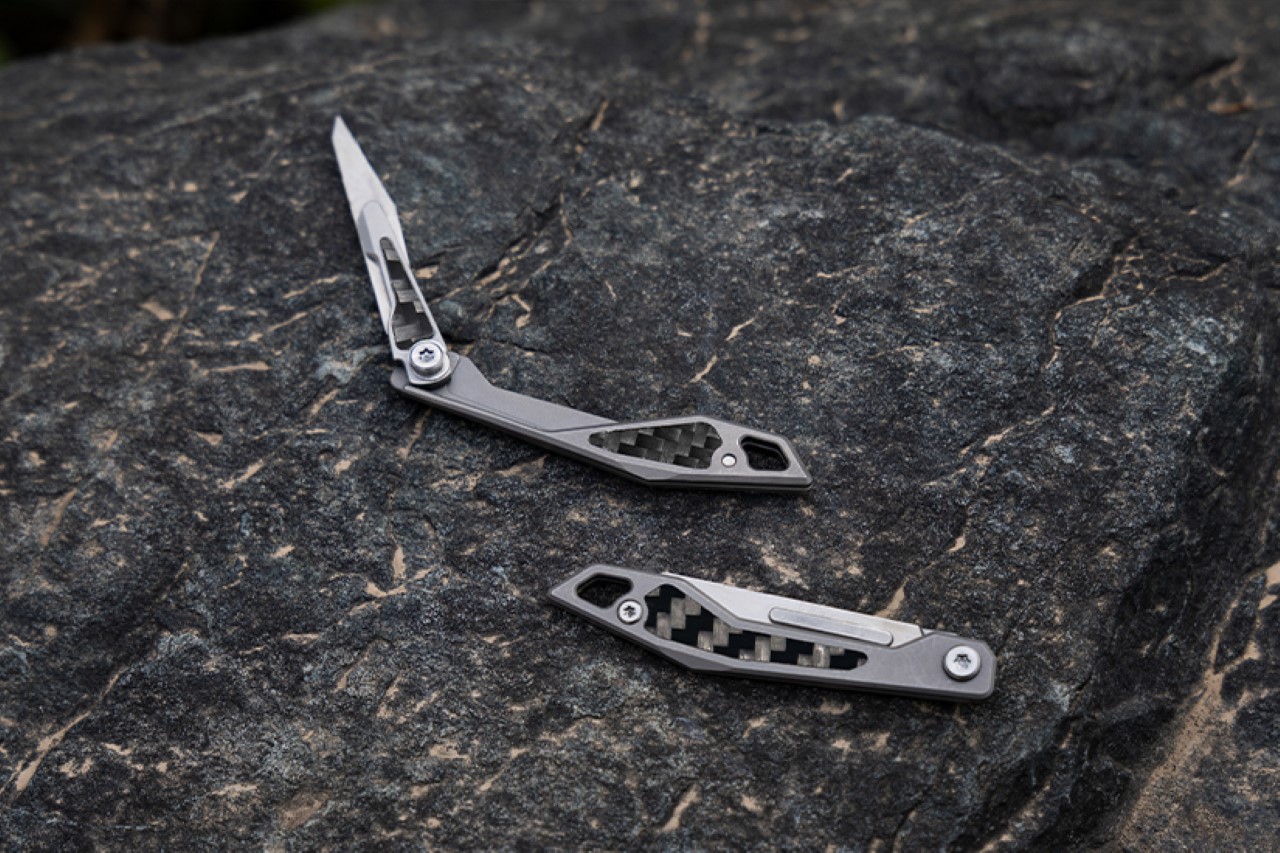
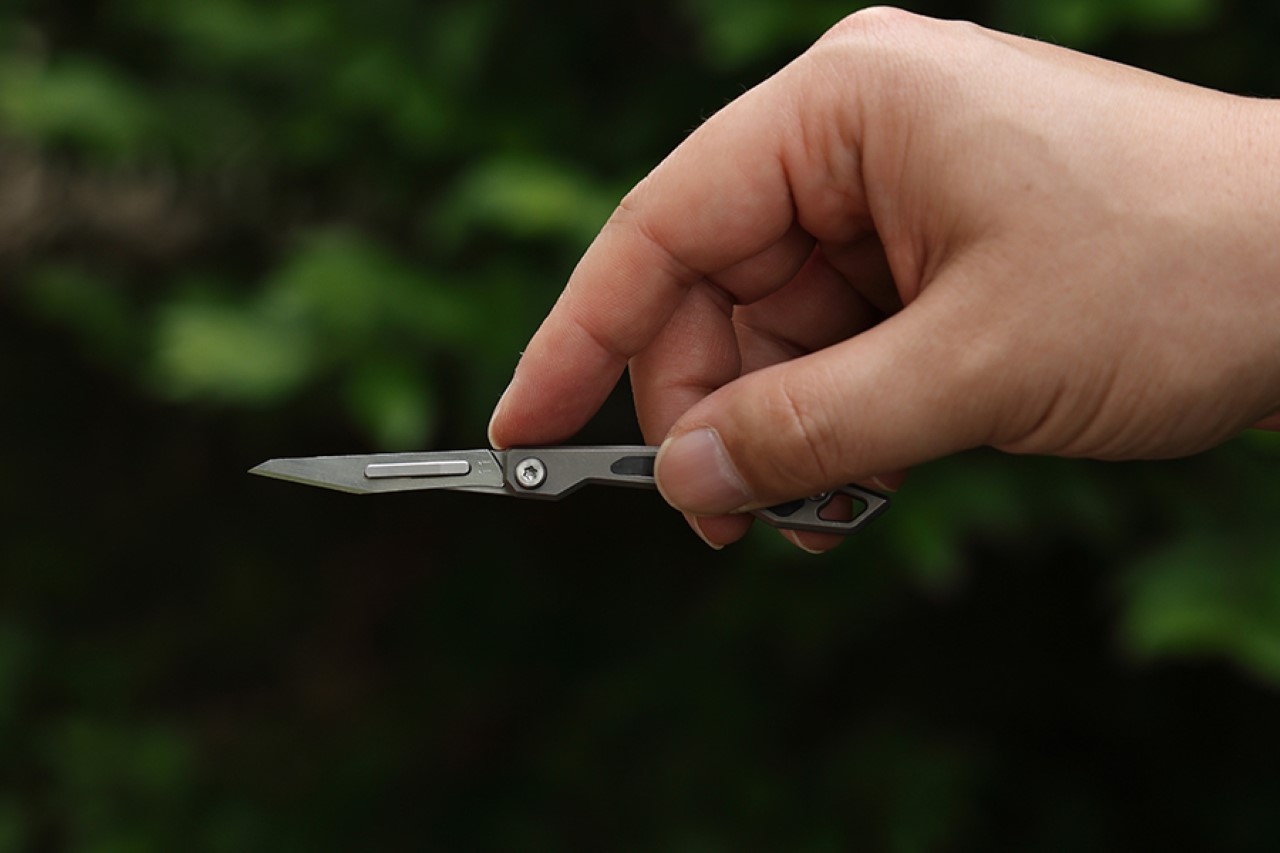
A simple fold-out arm reveals the WaspArmor’s small but seriously sharp blade. While most pocket knives come with their own built-in blades, the WaspArmor relies on standard Scalpel blades that clip right into the knife’s design. The reason for this is three-fold – for starters, scalpel blades are deadly sharp. They glide right through pretty much anything, making them perfect for opening boxes, piercing packets, whittling wood, or even slicing tough paracord. The pointed tip and sharp edge make the scalpel blade a formidable piece of hardware, and these blades are readily available, which means you can simply buy a pack of them (they even come in different designs) for replacing whenever.
The second reason is that instead of sharpening/maintaining your WaspArmor, you can simply ditch an old blade for a new one, saving energy and time, while keeping your knife fresh and usable for decades. The third reason is that a knife with a removable blade is invariably TSA-safe. In case you happen to have the WaspArmor on you while entering an airport, you can simply ditch the blade and carry the rest of the knife with you. Removing and replacing the blade on your WaspArmor is easy but not too easy that the blade comes apart on its own. The blade can only be removed when the knife is open at a 120° angle, ensuring it never comes undone by accident.
The WaspArmor’s compact design still has enough room for clever detailing. A hidden back-lock lets the blade snap into its open position, so the blade doesn’t accidentally shut while in use. The handle’s small design is still ergonomic to hold and use, which is quite a functional win for anyone who’s serious about buying and using this knife on a daily basis. The compact handle still has enough space for a cutout that you can slide a lanyard/carabiner through or even your keychain ring. The knife is small and light enough to sit among your keys, being accessible in a split second, whenever you need a cutting instrument.
That small, accessible size is what makes the WaspArmor so incredible. You could use it to open Amazon parcels, sharpen pencils, cut tiny twigs/branches outdoors, scrape a flint to start a fire, slice through a paracord, cut a seatbelt to get out of a messy situation, or even defend yourself with a tough, sharp blade that will never disappoint.
Each WaspArmor features a CNC-machined Titanium handle, with those Carbon Fiber inserts that give the overall knife its distinct character. Even though it’s a tiny piece of EDC, it’s designed to be reliably safe, with the blade holding its position, and the swinging arm locking in both open and closed modes, so your knife doesn’t accidentally disassemble or worse… hurt anyone. The WaspArmor Micro Folding Scalpel starts at a discounted $39, which includes the WaspArmor itself, along with 10 replaceable scalpel blades (you can buy more at any medical or stationery store), a titanium keyring, and free global shipping.
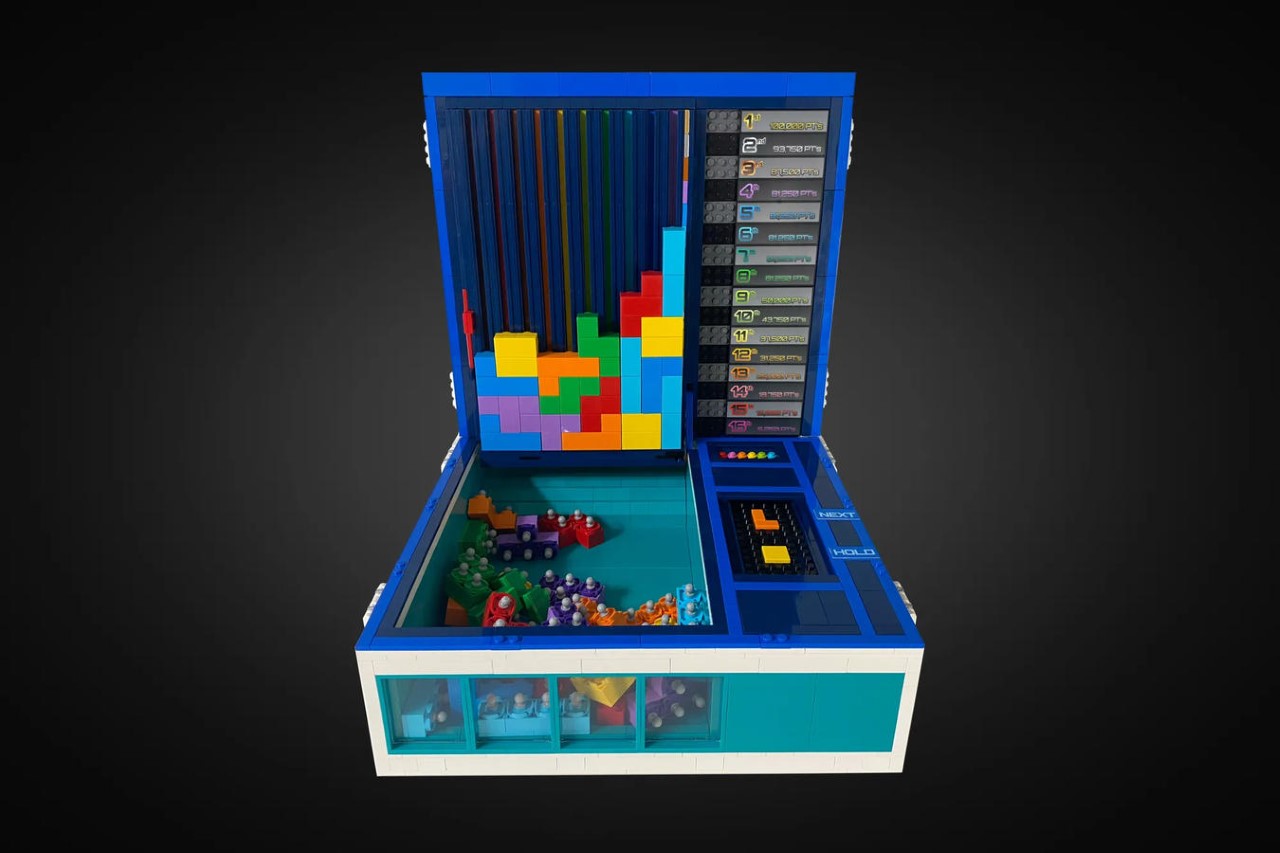
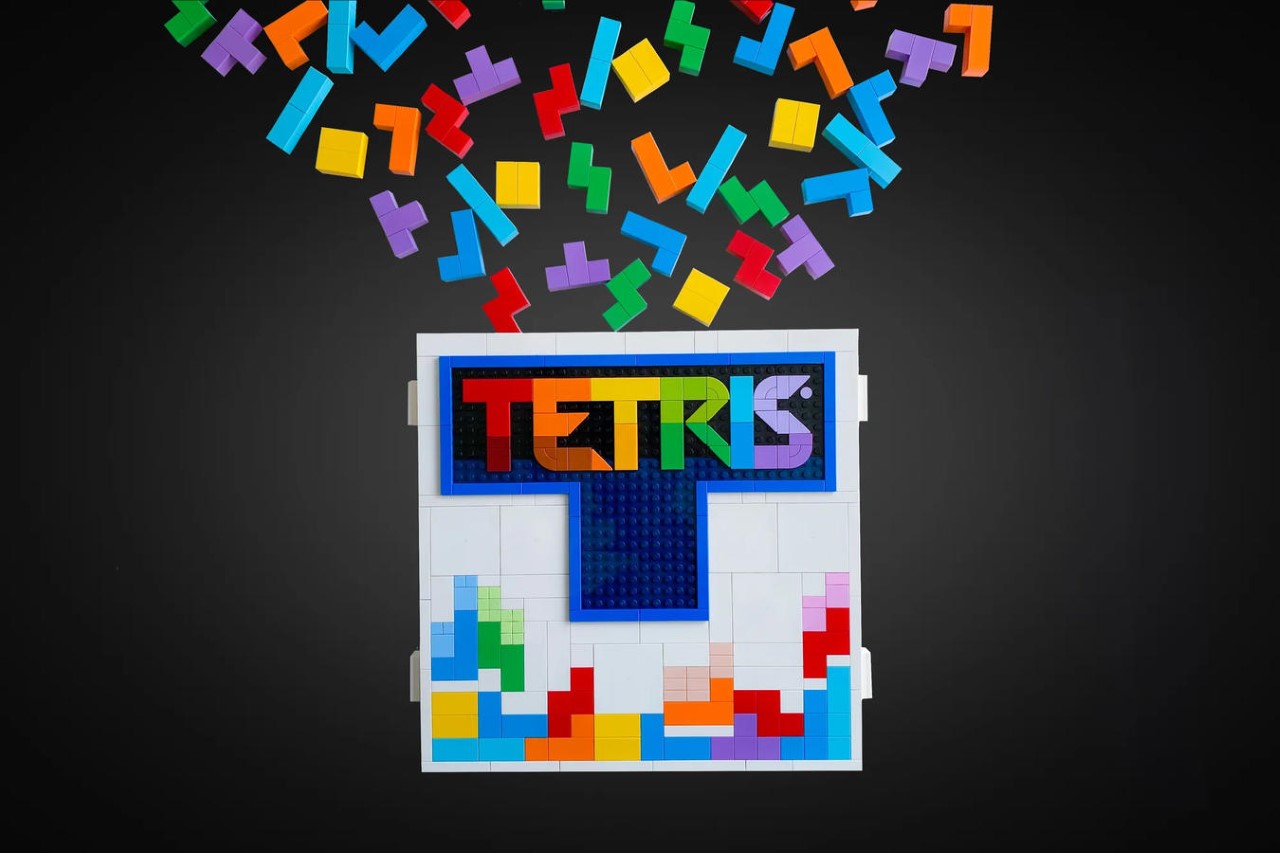
Not only does this LEGO set let you slide bricks into place, it comes with a randomized brick generator, and even a scoreboard to capture your score!
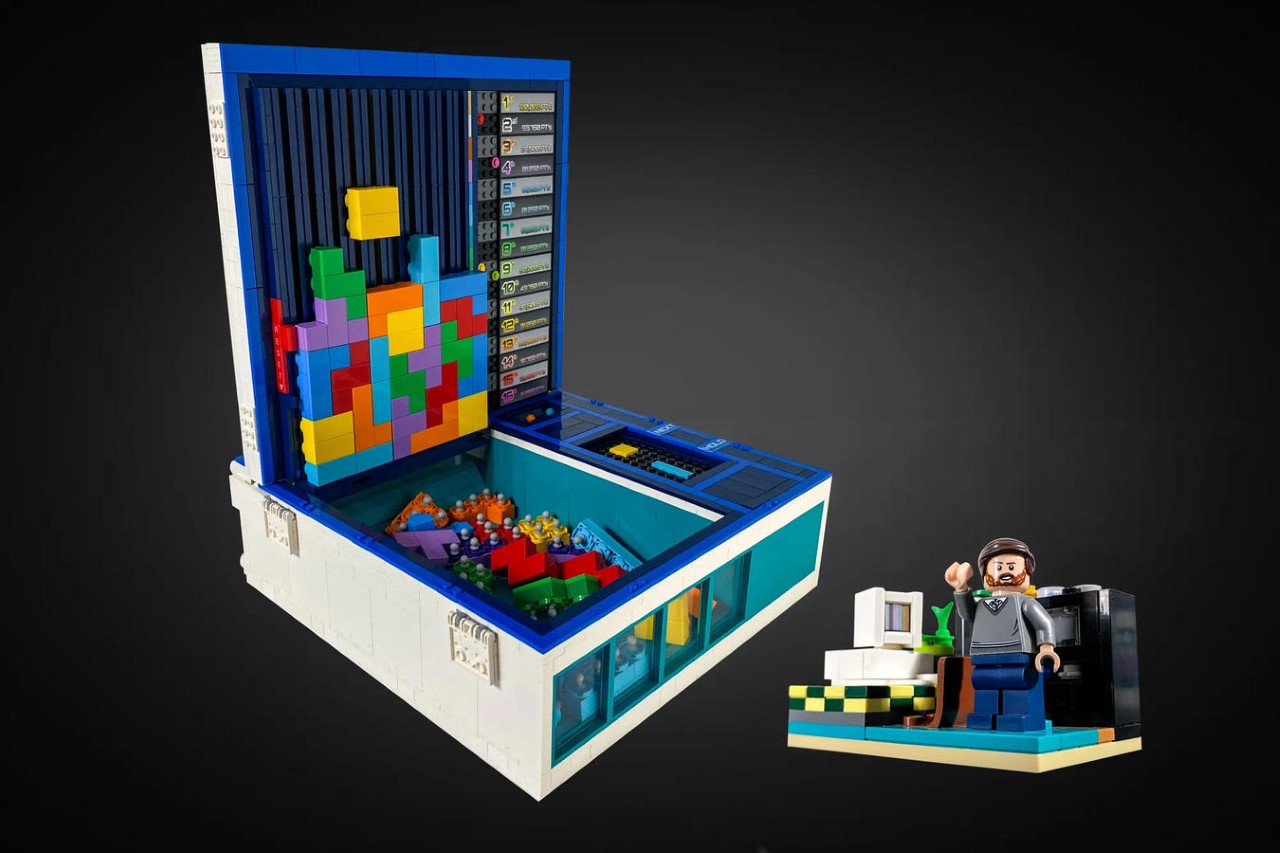
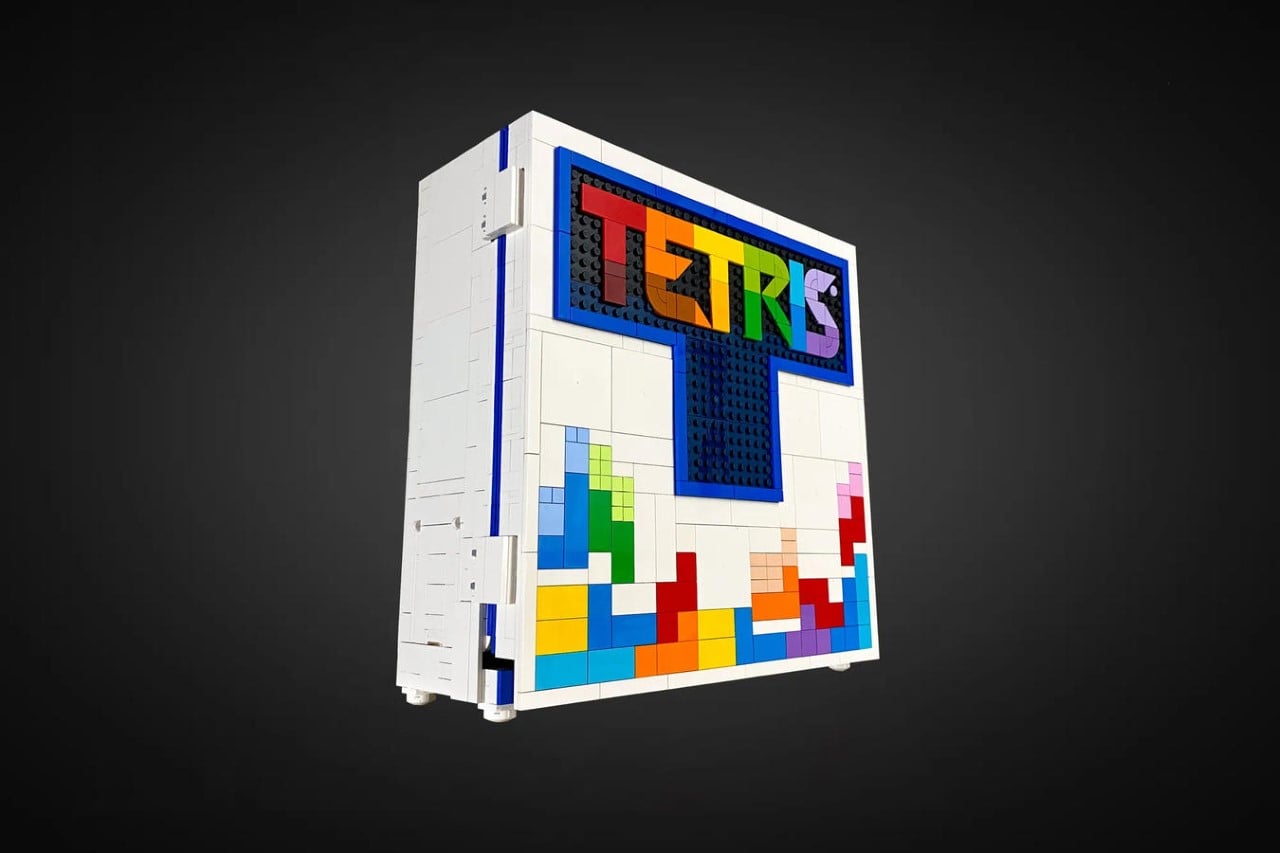
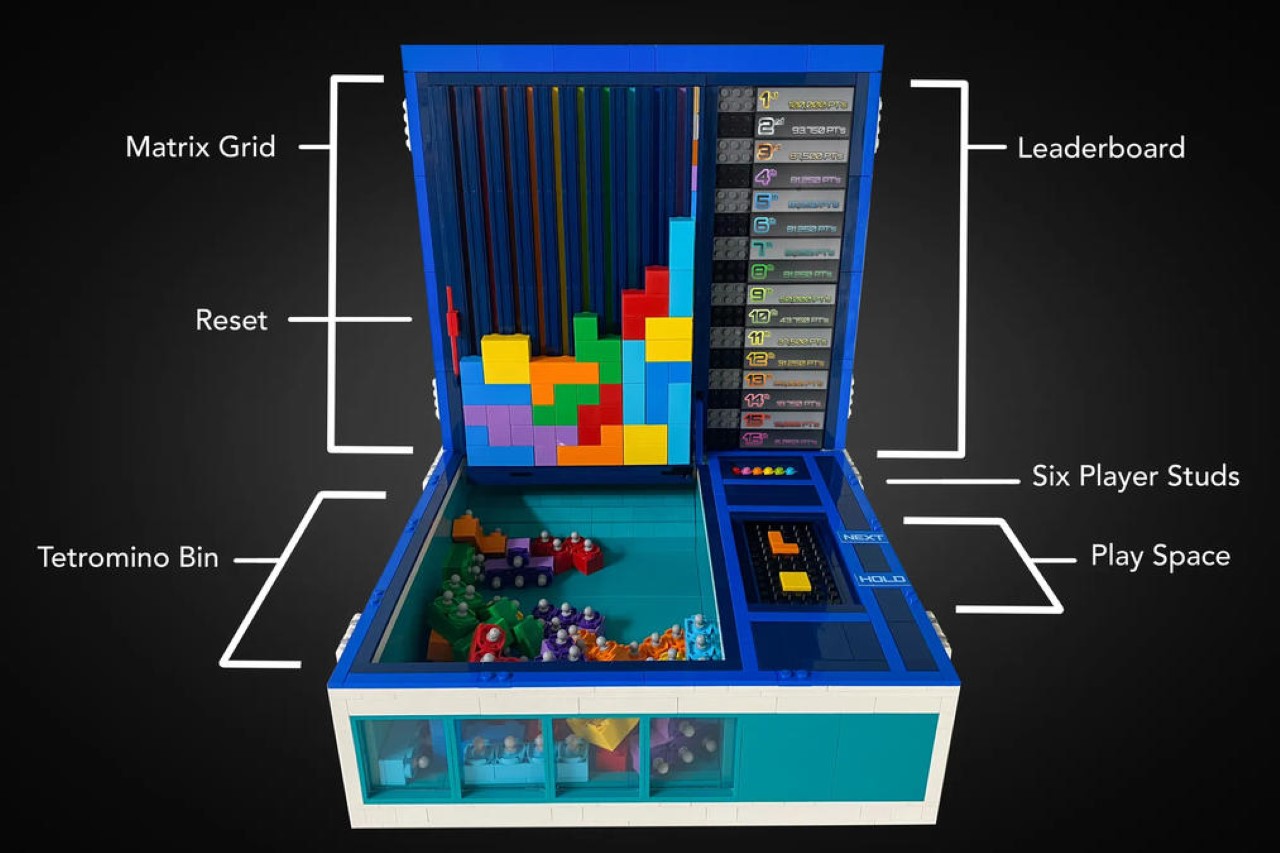
A perfect tribute to one of the world’s most influential digital games (with perhaps the most riveting backstory of any game ever), this LEGO Ideas set comes from the mind of LEGO Builder ‘victorvey300’ who wanted to pay a hat-tip to Tetris on its 40th anniversary which first made its appearance in Russian game circles back in the early 80s, finally finding its way to Nintendo’s first Game Boy in 1985. The LEGO set comes in the form of a box with a lid that doubles as the game’s screen. Bricks sit in a container below, controls can be found on the bottom right, and the top right acts as a leaderboard. When all’s done, the box closes shut, ensuring that bricks don’t get lost.
Designer: victorvey300
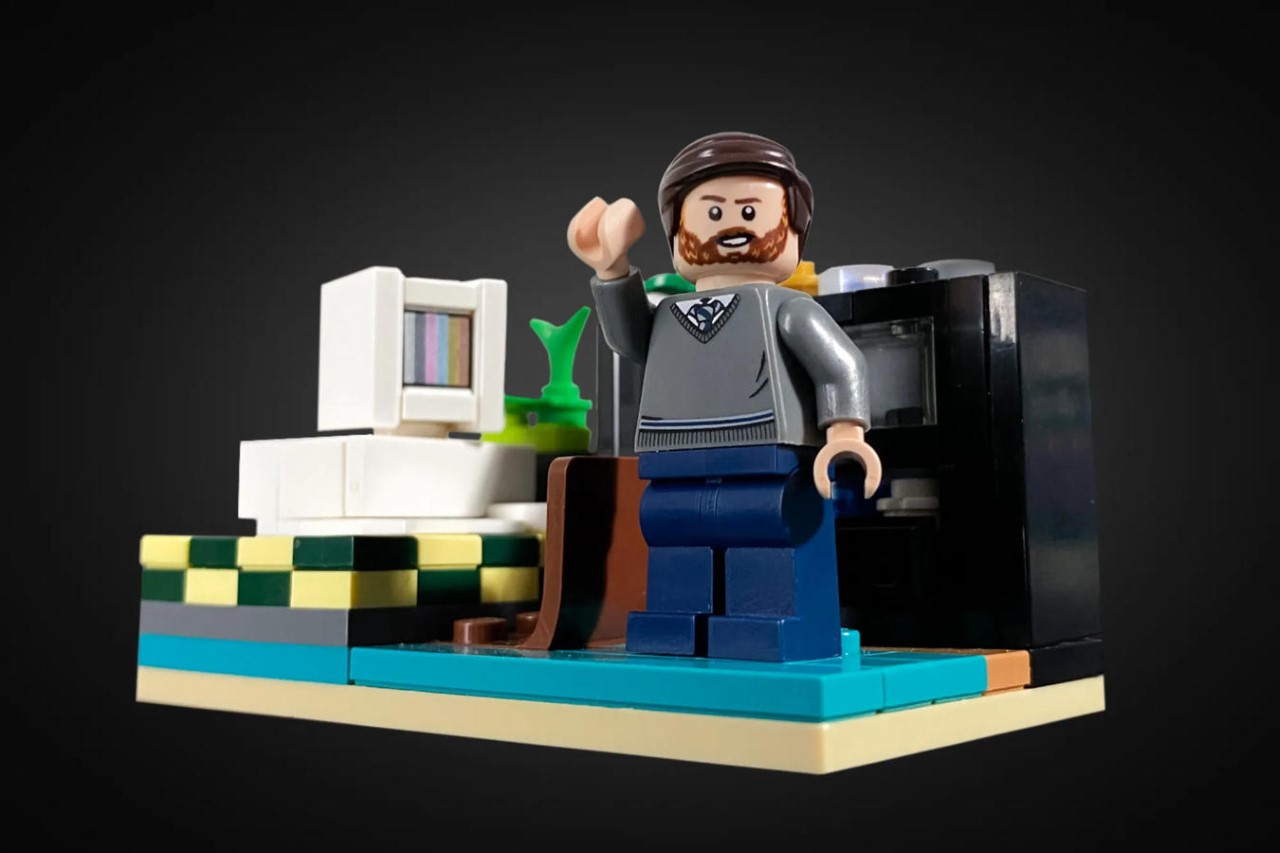
Not to spoil the AppleTV+ movie for you, but the Tetris game has one of the most nail-biting backstories of all time. Developed by Alexey Pajitnov, a resident of the Soviet Republic in the 80s, Tetris was circulated heavily within the USSR on bootlegged floppy disks and finally made its way to an American sales representative for a gaming company. What ensued was literally Cold War espionage at its best. Henk Rogers, the American rep who discovered Tetris tried to buy the rights to the game on behalf of Nintendo, which was working on the first Game Boy handheld console. Tetris was to be a part of this revolutionary portable gaming device, but the Soviets weren’t ready to sell Tetris to any outsider without putting up a fight (all hardware and software sales outside the Union were controlled/authorized by a government agency). In the end, Pajitnov managed to escape Russia and also ended up selling the rights to Tetris, which featured on the first Game Boy, becoming the global sensation it is today. As a tribute to this story and to Alexey himself, the LEGO Ideas kit also comes with a minifigure of Pajitnov standing beside an old-school computer!
The beauty of this LEGO build lies in just how much attention to detail it has. The vault-shaped kit has Tetris graphics on the outside (with branding), and the inside is simply filled with features and details that allow as many as 6 players to actually play a full game of Tetris, complete with brick generators that tell you what the next brick should be.
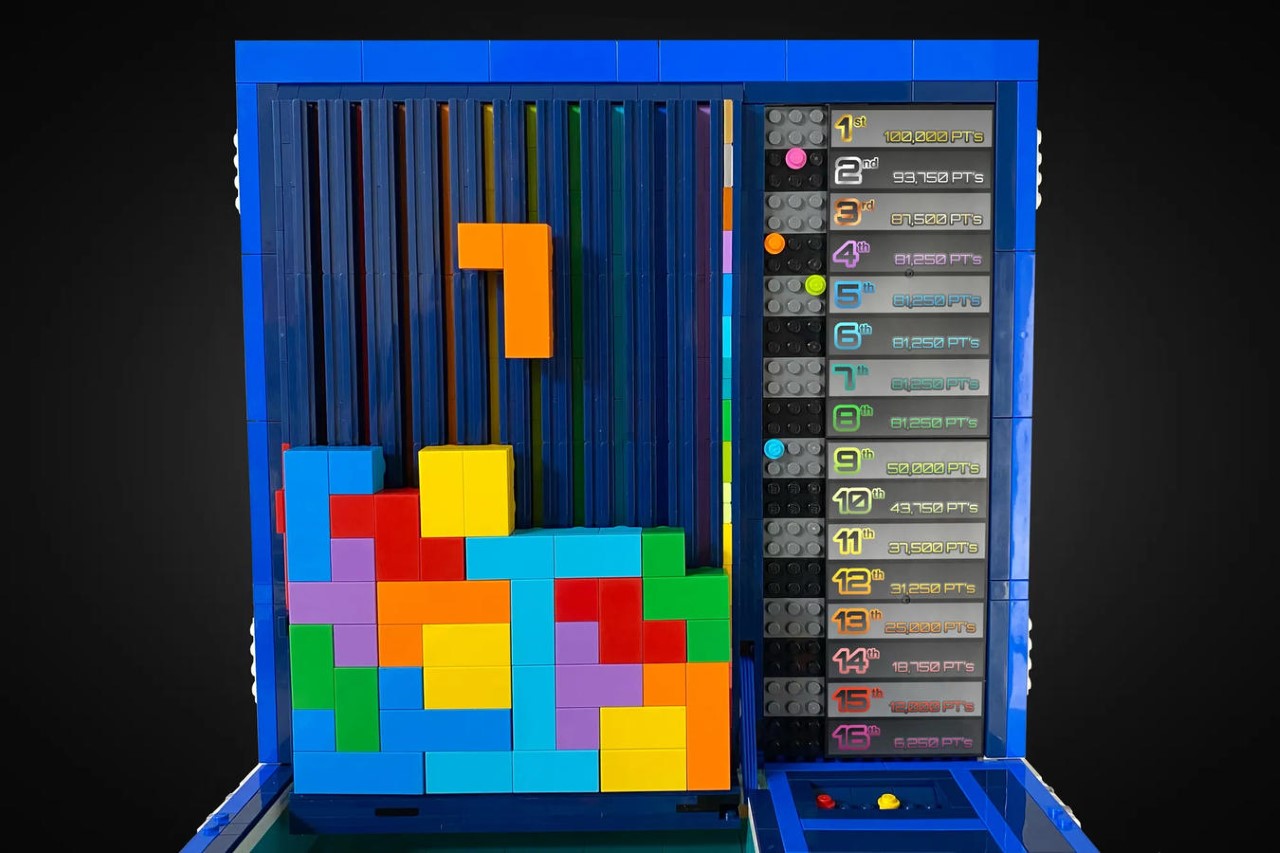
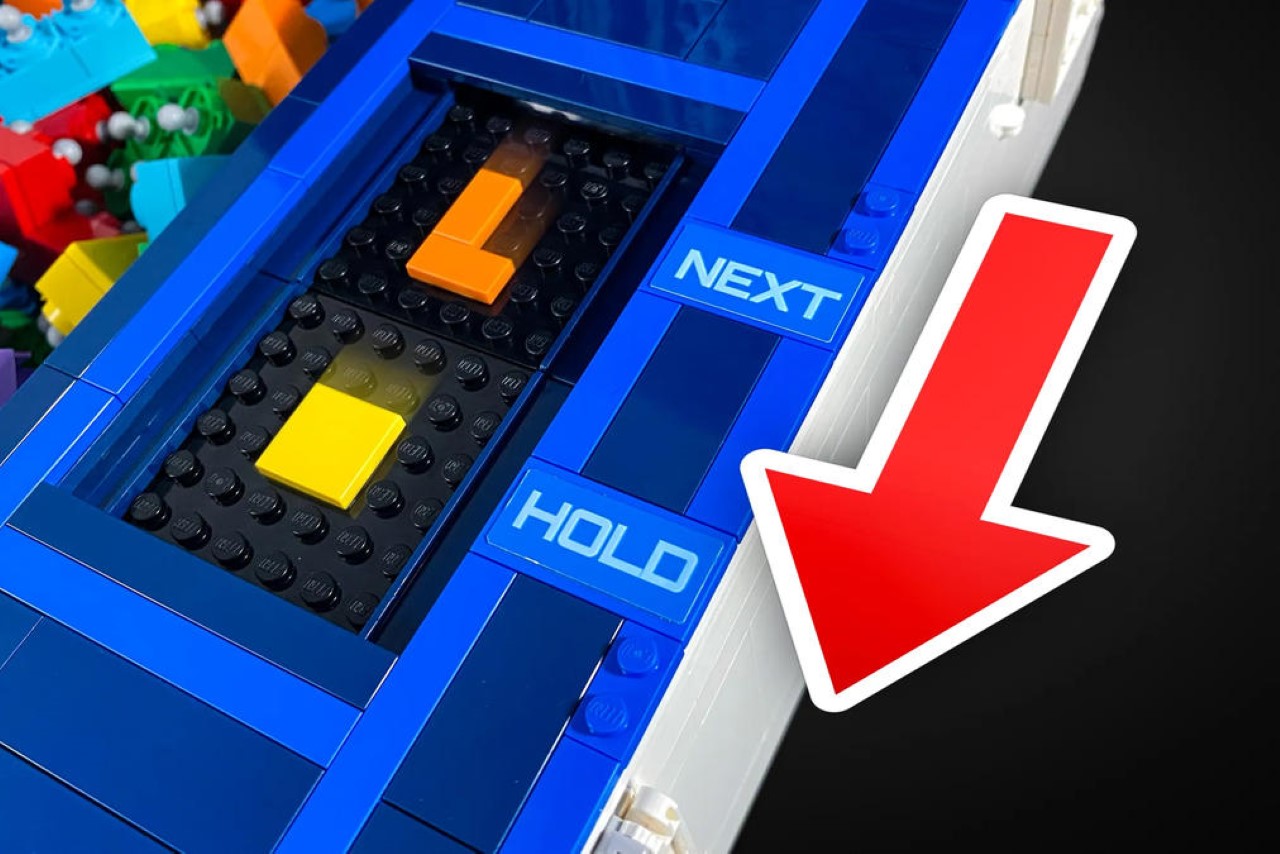
Playing the game is delightfully simple. Bricks sit in a bin at the bottom, the playable area or the matrix grid is right in front with vertical channels to slide bricks down, and a treadmill-shaped panel on the bottom right lets you scroll to see what your next brick should be. Scroll with your right hand, find the corresponding brick with your left and drop it down the channel of your choice. It slides down instantly, landing in place just the way it would in a game. The only real difference is that you need to choose each brick’s orientation and position before you drop it into the channel. Pieces don’t rotate or move once they’ve been slid in.
A game of digital Tetris can go on for HOURS because every time you complete a row, it disappears, helping clear out a part of the screen for more gameplay. That feature doesn’t exist in this LEGO version, which makes for a fairly shorter game… but calculating scores is much easier, allowing you to correspond the uppermost complete row to the line on the scoreboard right beside it. You can, however, reset the entire game in a flash by hitting the red Reset button on the left side of the matrix grid and have all the bricks drop down into the bin below. The alternative would be to manually lift each brick out of the lid, which sounds a little too problematic…
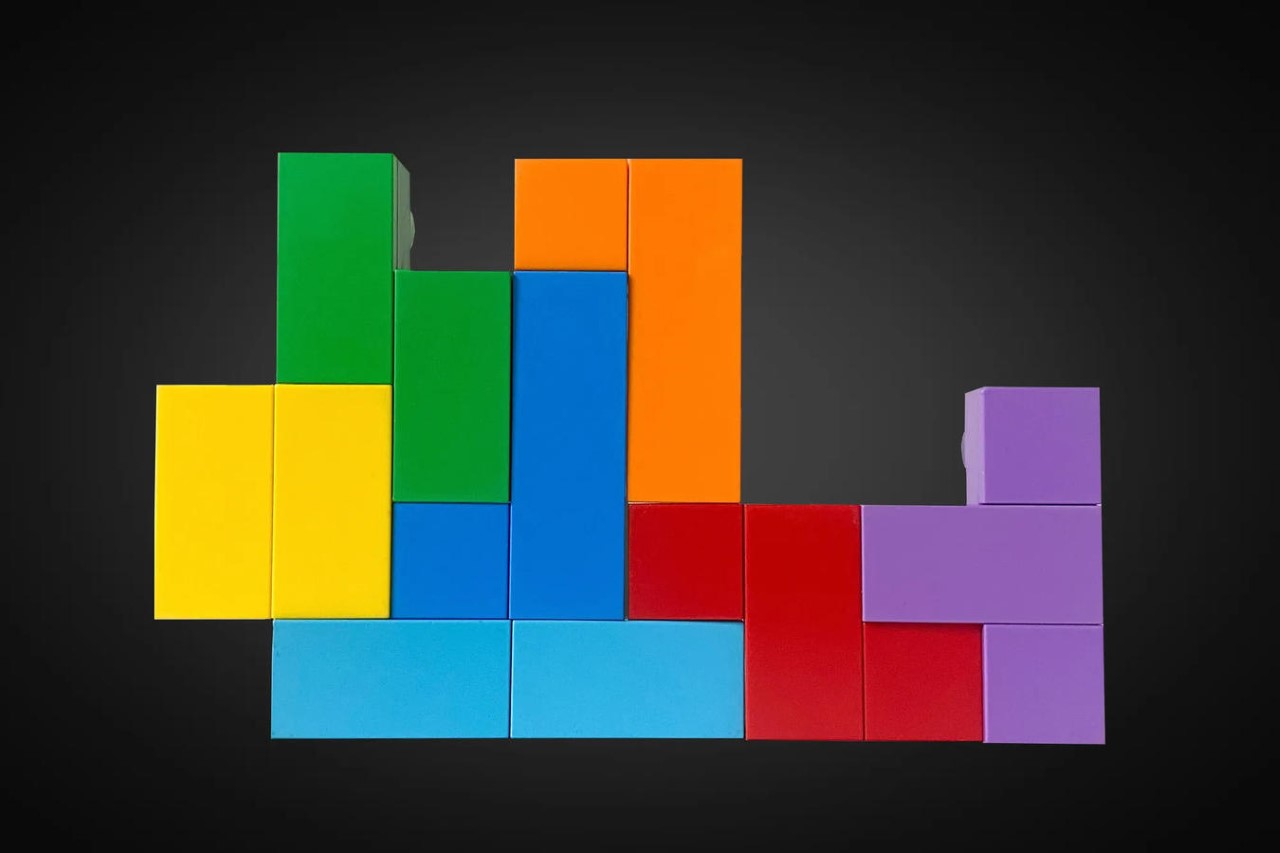
The Tetris bricks are referred to as tetrominoes, and come in 7 shapes that correspond with letters of the alphabet (I, O, T, J, L, S, and Z). The bricks are color-coded to make things easier to understand (after all, we recognize colors MUCH faster than we do shapes) for all people, and the game allows as many as 6 players, with colorful studs that you can press into the scoreboard to mark your highest scores.
This LEGO kit comes from the mind of independent builder victorvey300, who put his passion for LEGO and his love for Tetris together to create this incredibly comprehensive MOC (my own creation). Victor’s submission is a part of LEGO’s Ideas forum, a community-driven site where passionate LEGO creators build their own structures and users vote for their favorite ones. With over 5000 votes, this LEGO Tetris set is cruising comfortably to hit the 10,000 vote mark, which is then followed by LEGO’s own internal team reviewing the submission before turning it into a retail set. If you want, you can vote for the LEGO Ideas Tetris set too simply by visiting the LEGO Ideas website here.
Aiming to transform the heating and cooling industry with sleek, smart designs, Quilt was founded by former Google employees. The company raised $9 million in a seed round in May 2023, led by Lowercarbon Capital and Gradient Ventures, positioning itself to scale operations and bring innovative products to market. Inspired by design principles from Apple, Tesla, and Nest, Quilt targets consumers seeking both aesthetics and functionality in their home HVAC systems.
Designer: Quilt
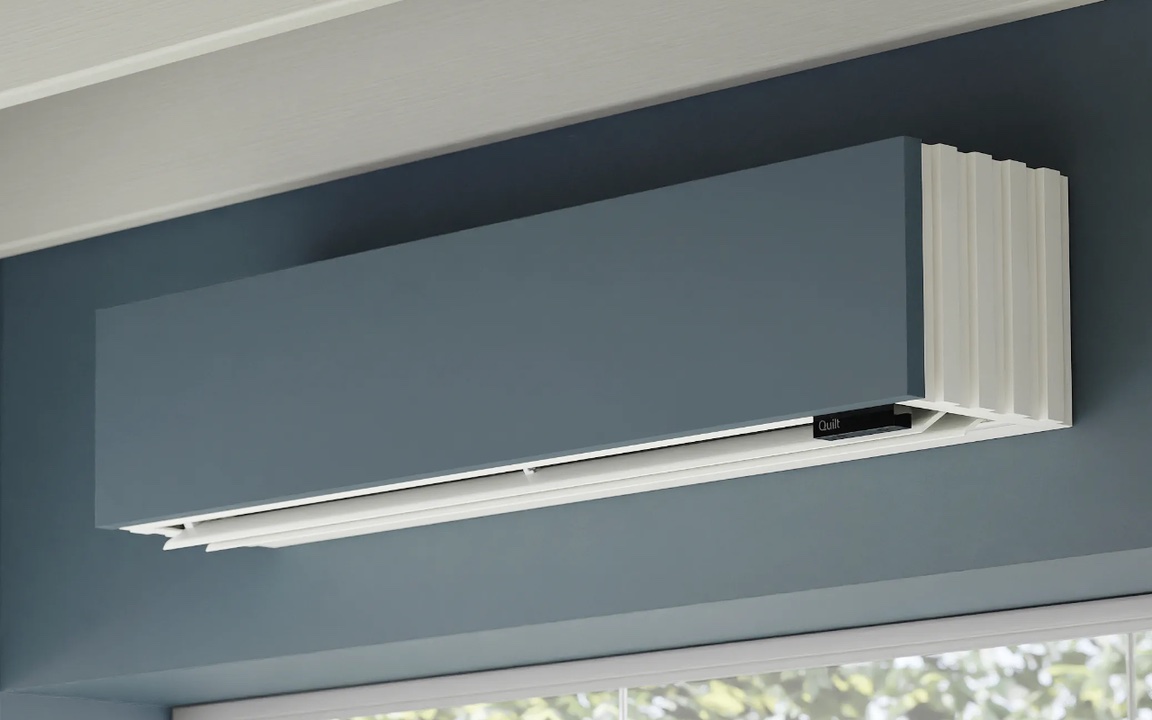
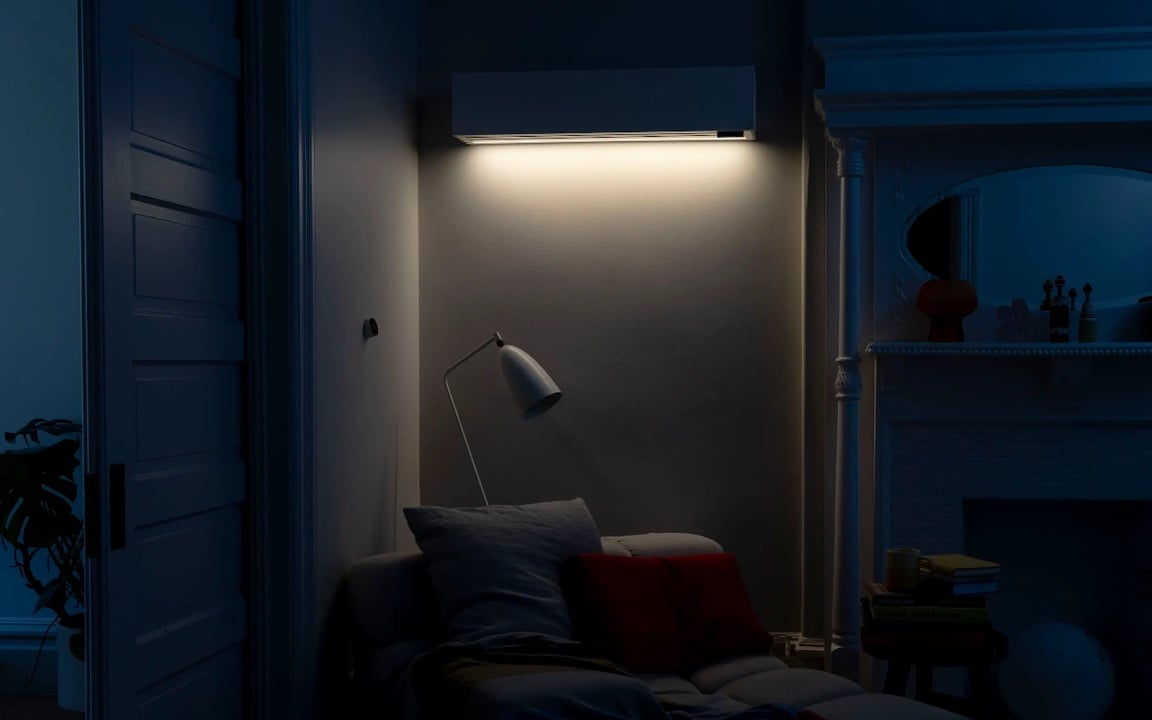
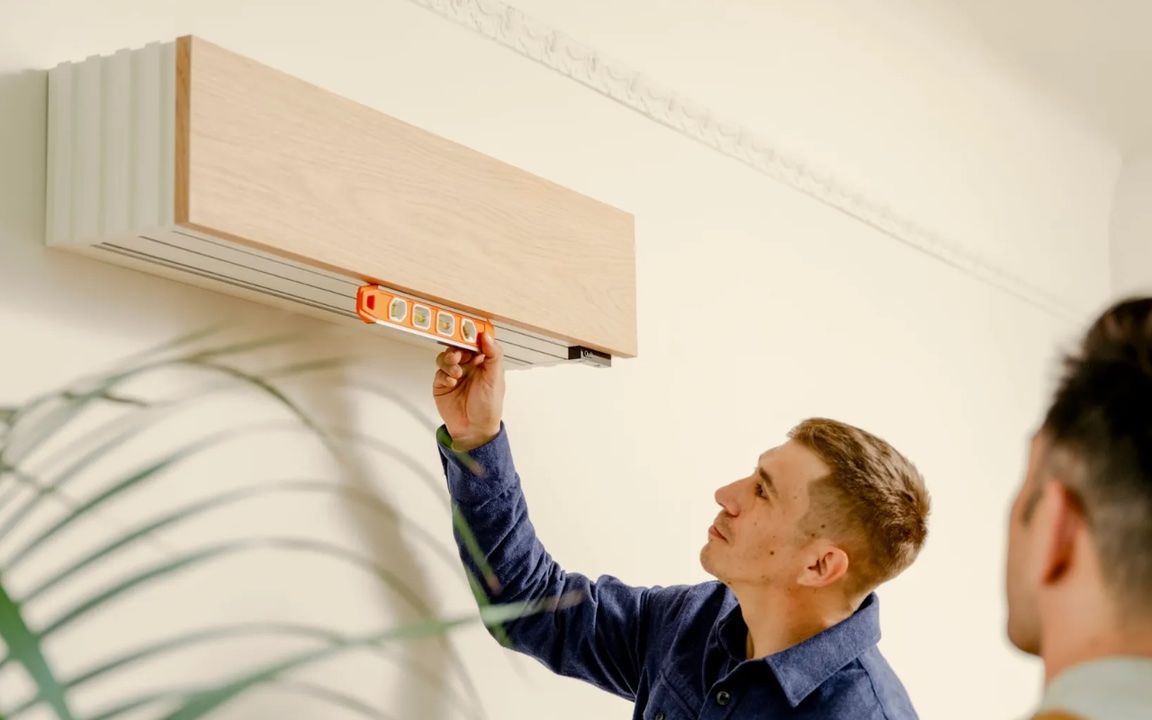
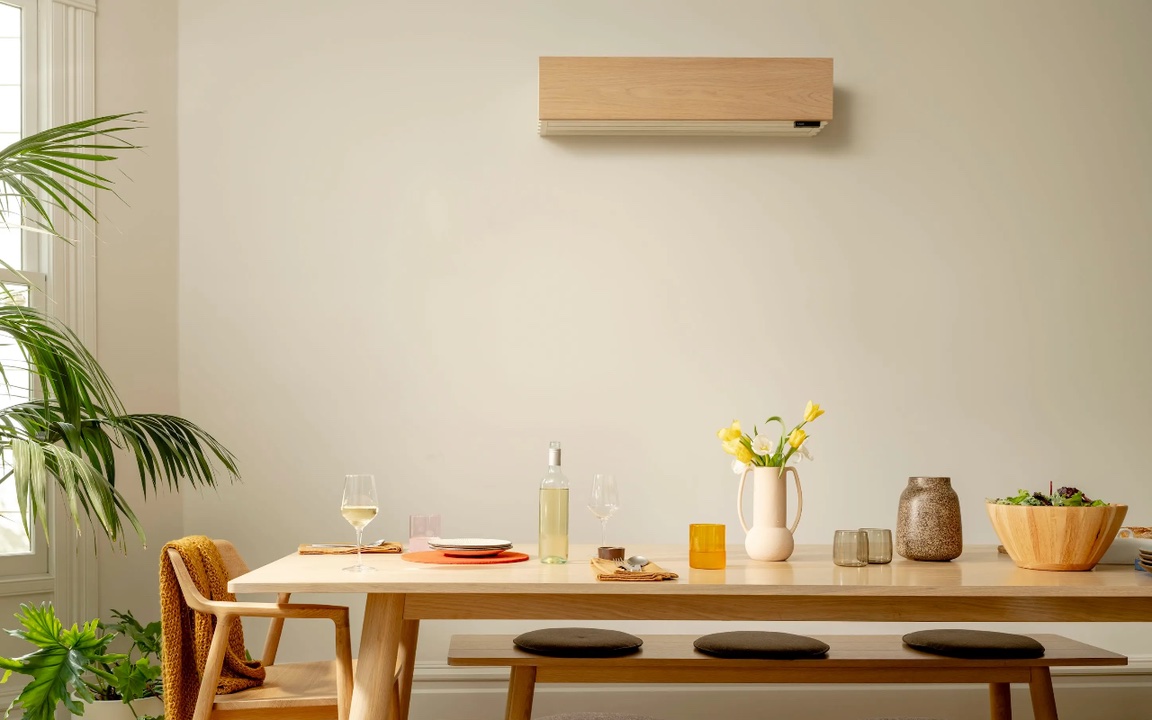
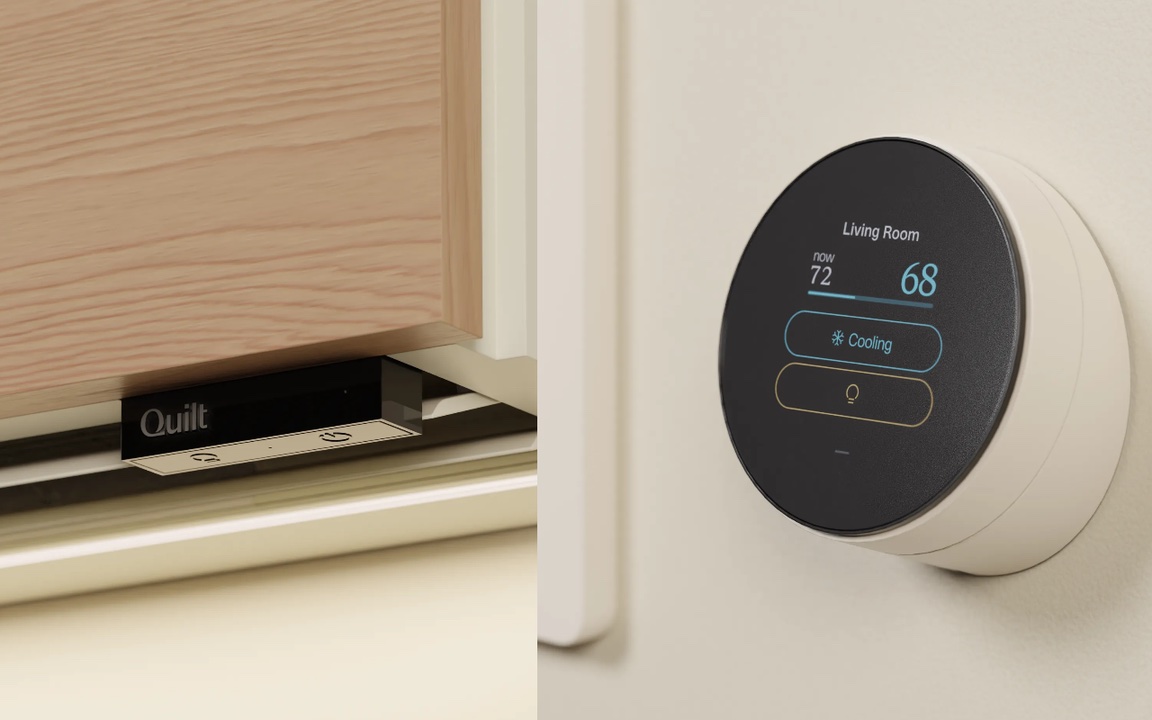
The indoor units are compact in size and feature customizable front panels. Unlike the bulky designs found in traditional mini-splits, Quilt offers options such as oak wood veneer or surfaces that can be painted or wallpapered to match any interior decor. This flexibility allows the units to either blend seamlessly with or enhance home aesthetics. Moreover, the inclusion of color-customizable accent lighting adds a personal touch, serving as a nightlight or mood light.
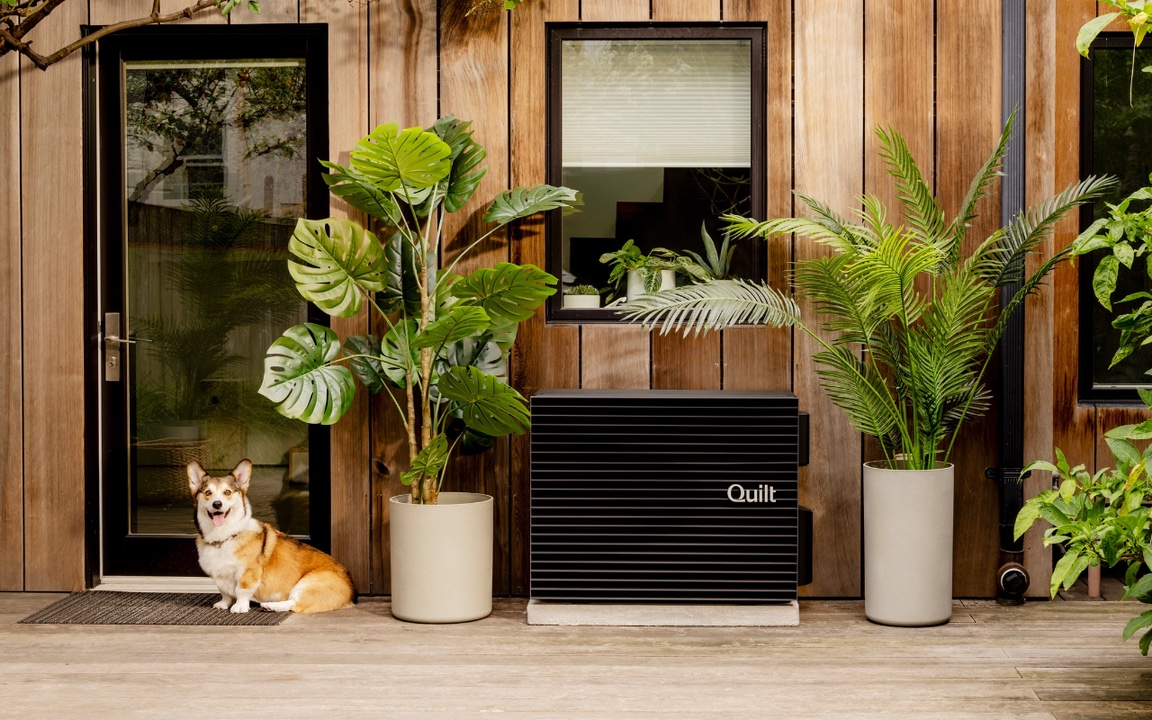
The exterior unit, often a significant drawback for potential buyers due to its unattractive appearance, has been reimagined with a sleek, unobtrusive design. Quilt’s outdoor unit is compact and aesthetically pleasing, ensuring it doesn’t detract from a home’s exterior.
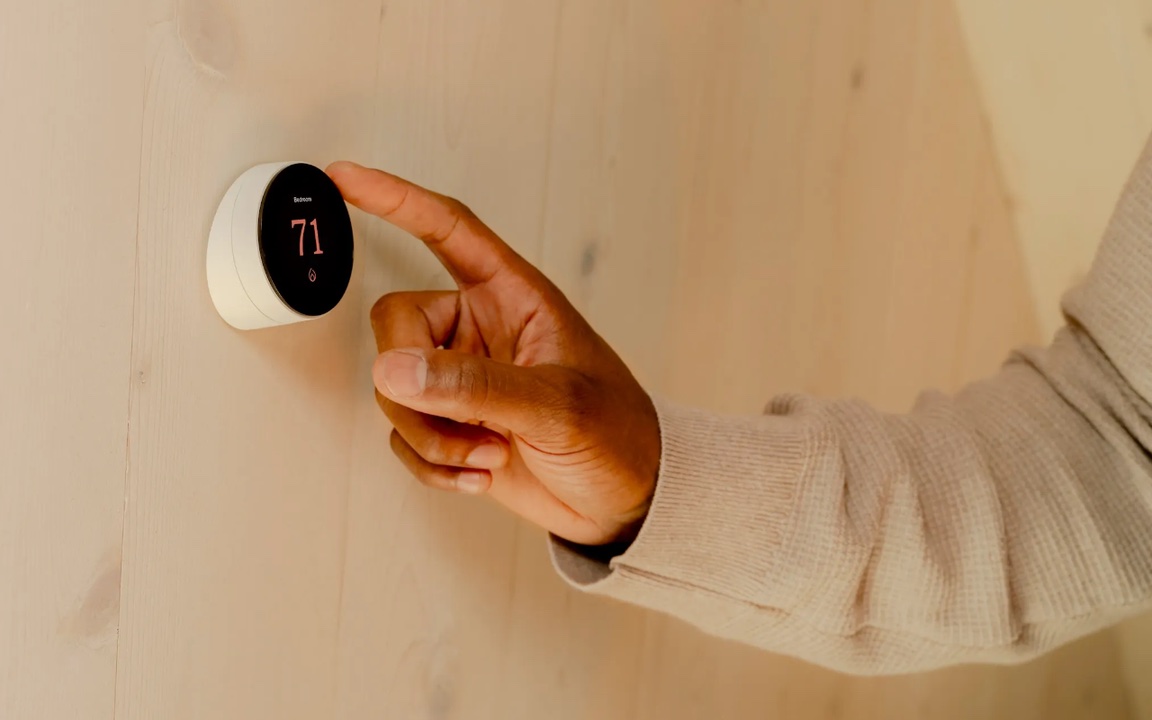
These heat pumps are packed with smart features designed to optimize comfort and efficiency. The Dial, a central control device, combines a touchscreen with a rotary control, providing an intuitive user interface. Compatible with Thread and Matter smart home communication protocols, the Dial ensures seamless integration with other smart devices. The Sense module, featuring a millimeter-wave occupancy sensor, accurately detects room occupancy, optimizing energy use and maintaining comfort levels.
The system’s zoning capability allows for precise temperature control in individual rooms, maximizing energy efficiency. With the ability to maintain 90% of its heating capacity down to -13 degrees F and utilizing R-32 refrigerant, which has a lower global warming potential than R-410a, Quilt’s heat pumps are both powerful and environmentally friendly.
The design and functionality make it ideal for various use cases, especially in regions with older buildings where central air installation is impractical. For instance, in Europe and Asia, where many buildings lack central air conditioning, Quilt’s ductless mini-splits offer an efficient, aesthetically pleasing solution. In the U.S., homeowners with rooms that are difficult to heat or cool, such as an upstairs office above a garage, can benefit from Quilt’s smart and attractive units. The customizable design and efficient performance make Quilt an appealing option for those who have avoided traditional mini-splits due to their unattractive exterior units.
Quilt’s customizable front panel blend in with your decor unlike other white mini-split.
Quilt distinguishes itself from competitors like Mitsubishi, Daikin, and Carrier with its focus on design and smart features. While traditional units may offer similar functionality, Quilt’s emphasis on aesthetics and user experience sets it apart. The customizable front panels and sleek exterior unit provide a significant visual upgrade, appealing to consumers who value both form and function. Additionally, Quilt’s smart technology, including the intuitive Dial and advanced occupancy sensing, enhances the user experience, making it a more attractive option for tech-savvy homeowners.
The ability to integrate seamlessly into smart home ecosystems and a commitment to sustainability with the use of R-32 refrigerant further bolster its competitive edge. With the global heat pump market expected to grow significantly, Quilt is well-positioned to capture a share of this expanding market by offering a product that combines beauty, intelligence, and efficiency.
Innovative design and smart features redefine the residential HVAC market by addressing both aesthetic and functional concerns. With a strong foundation and backing from notable investors, Quilt is poised to lead the next wave of HVAC innovation, providing consumers with a product that is as beautiful as it is efficient.
Amidst global concerns of exceeding the Earth’s capacity, upcycling has gained prominence as a solution, driven by conscious consumption and the circular economy’s principles. Upcycling helps reduce the amount of waste that would have made it to the landfills and repurposes items that would have been discarded, giving them a second life without degradation. It facilitates two out of the three Rs of recycling: REDUCE and REUSE.
Contrary to common belief, upcycling differs from recycling in that it repurposes materials without sacrificing their original quality. While recycling breaks down materials like plastic, paper, glass, and metal to produce new items, typically of inferior quality, upcycling maintains the integrity of the original materials, providing limitless opportunities to breathe new life into old items.
Upcycling
Upcycling involves gathering products or waste to repurpose or reuse, enhancing their value without breaking them down, thus maintaining their original characteristics, strength, and durability. This approach avoids any degradation of the material or product. Materials such as rubber and denim lend themselves well to upcycling, showcasing their versatility and potential. For instance, turning old jeans into patches for a blanket maintains the integrity of the denim, showcasing upcycling’s creative potential.
Recycling
Recycling involves gathering products or waste for breakdown and transformation into new items, requiring a specific process that can alter the original characteristics of the material or product. Each recycling cycle diminishes the material’s strength, and only certain materials are suitable for recycling; for instance, rubber presents challenges in the recycling process.
What are the different categories of upcycled products?
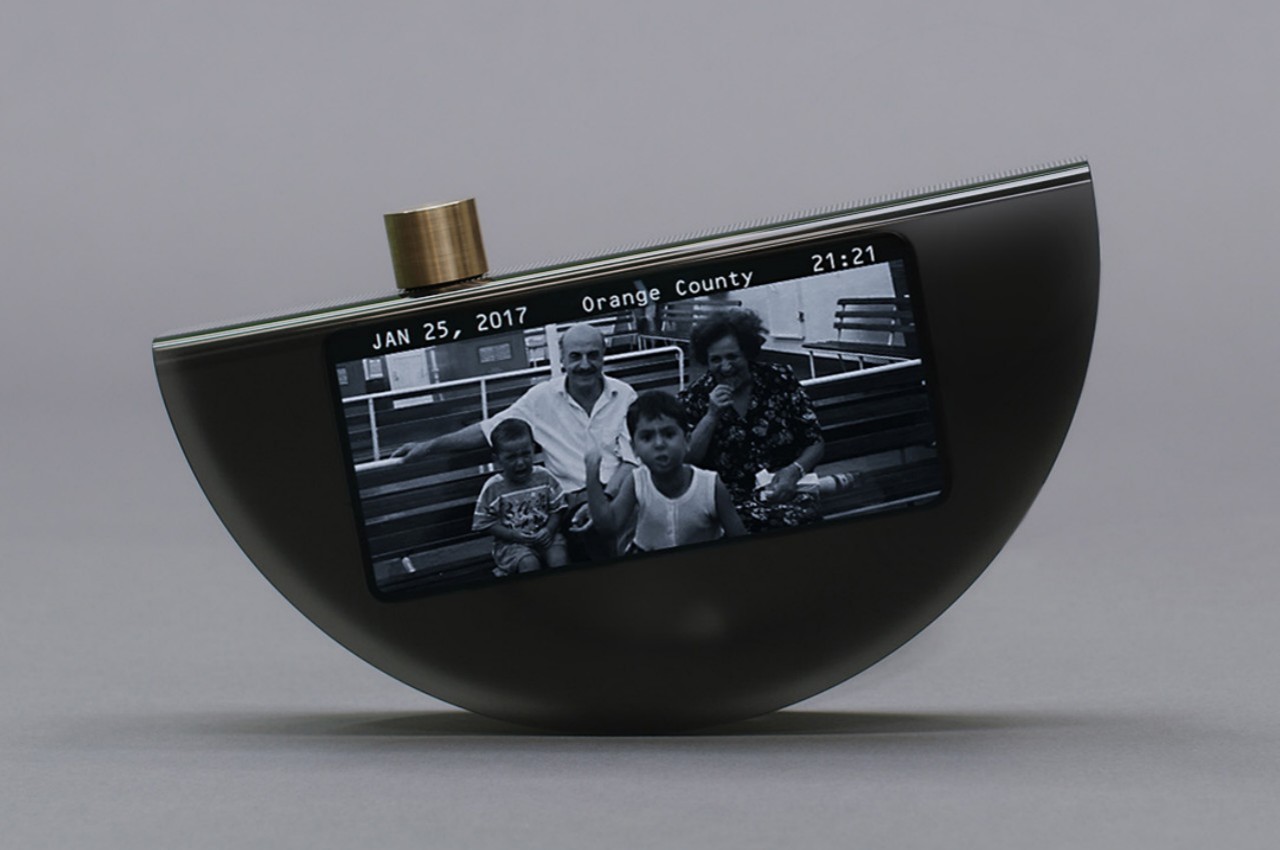
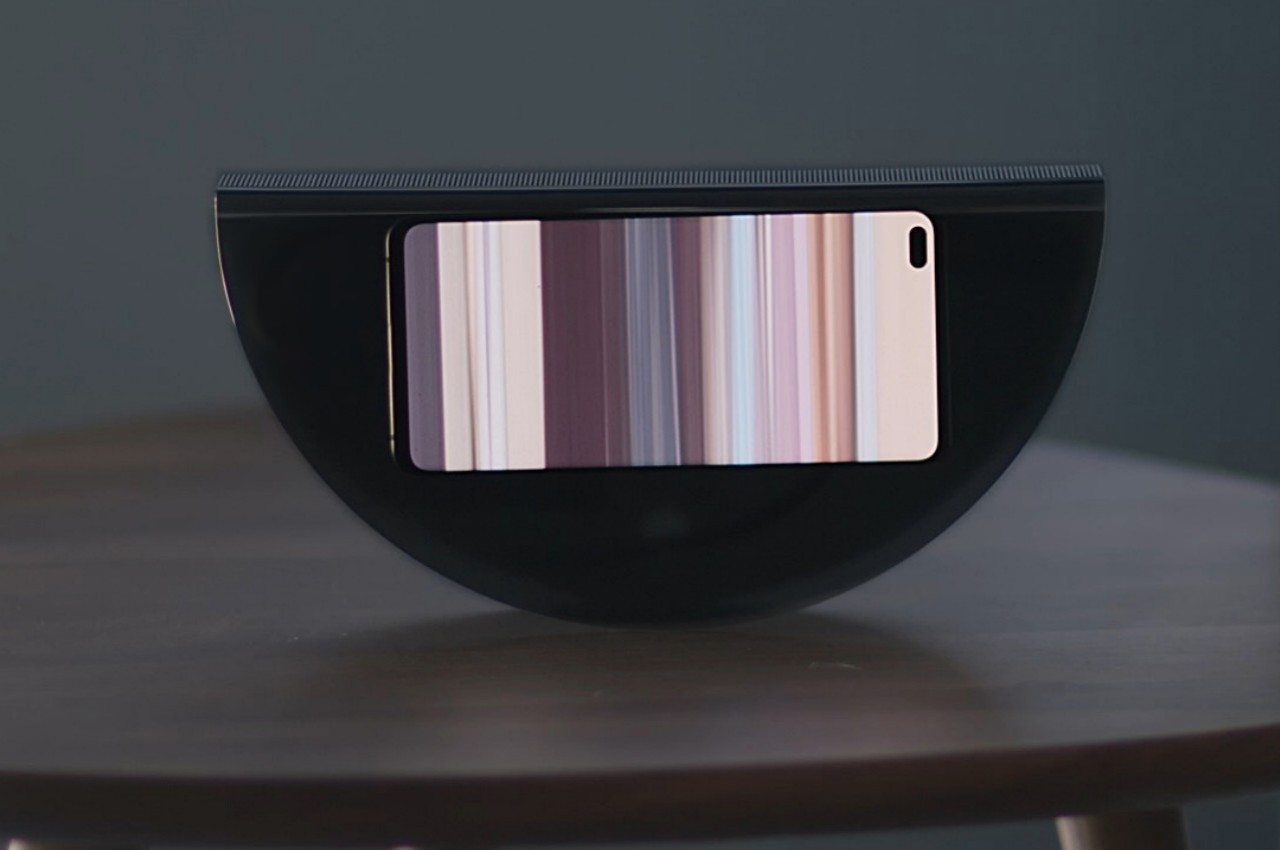
Mobile devices like smartphones and tablets are now ubiquitous, yet their disposal poses environmental risks due to improper handling. Project Afterlife offers a solution by upcycling old smartphones instead of recycling them. This concept transforms devices into kinetic art objects, enhancing ambiance while conserving energy and resources. The product, resembling a taco-shaped crescent made from recycled plastic, provides an interactive platform for repurposed smartphones. With Project Afterlife, simply tilt the device to switch between different modes, like the “Endless Clock” and the “Timeline” photo stream, without touching the screen. This shows how upcycling helps the environment and makes everyday objects more valuable.
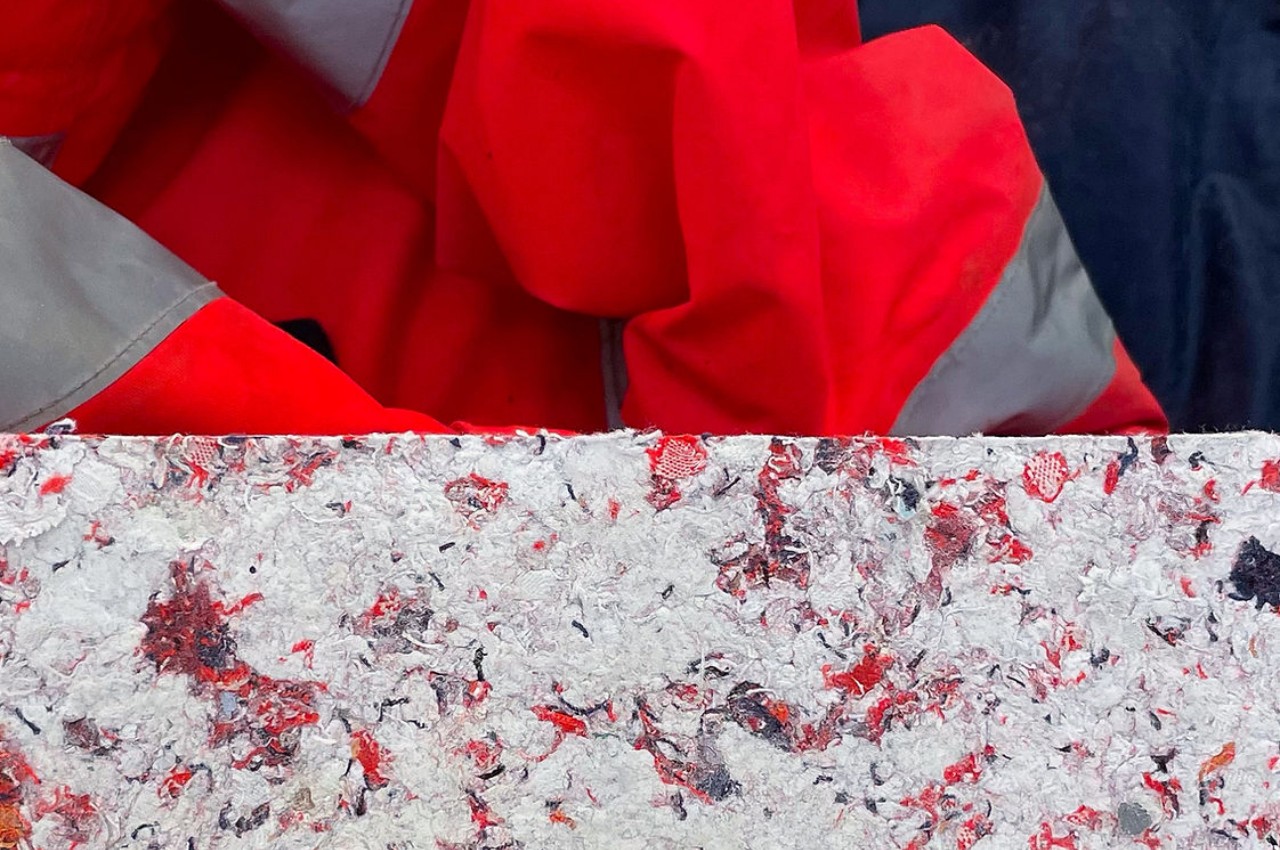
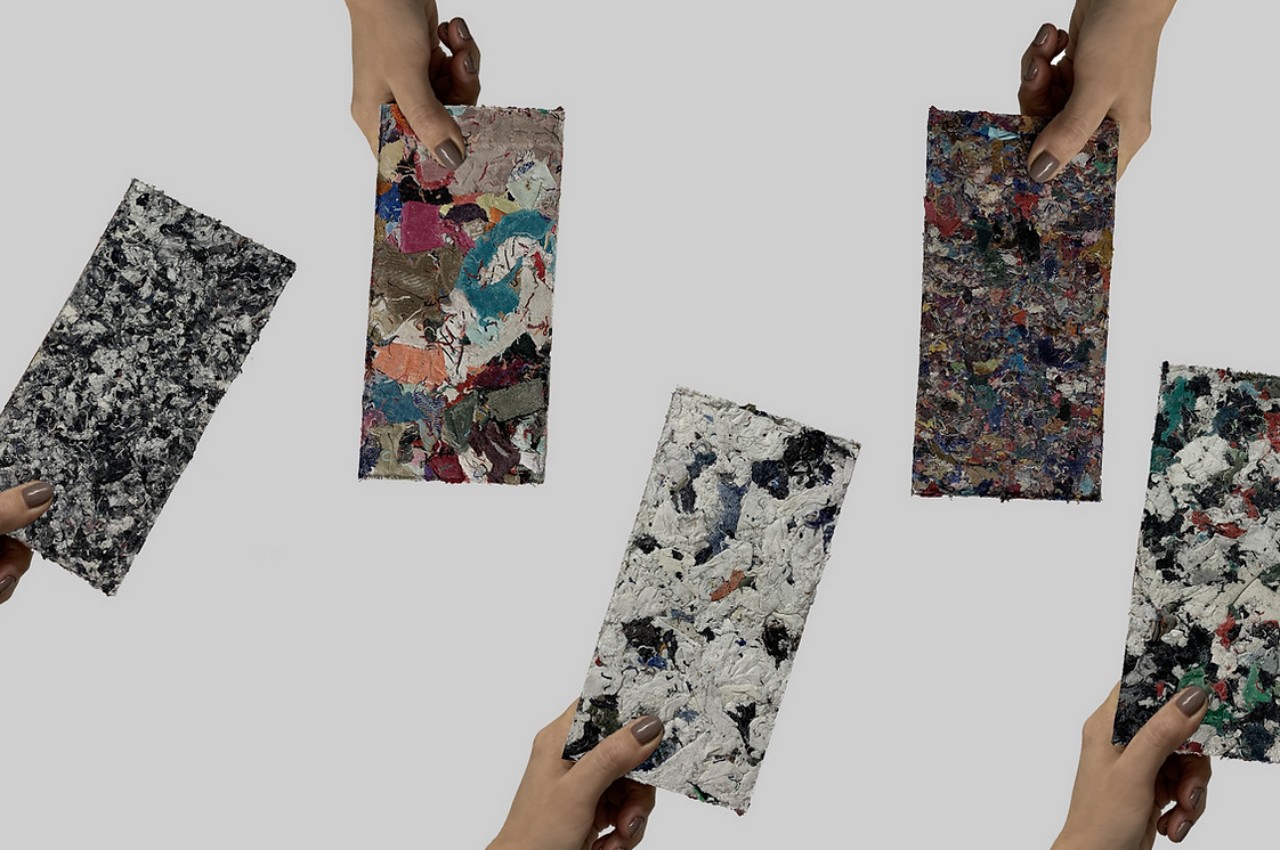
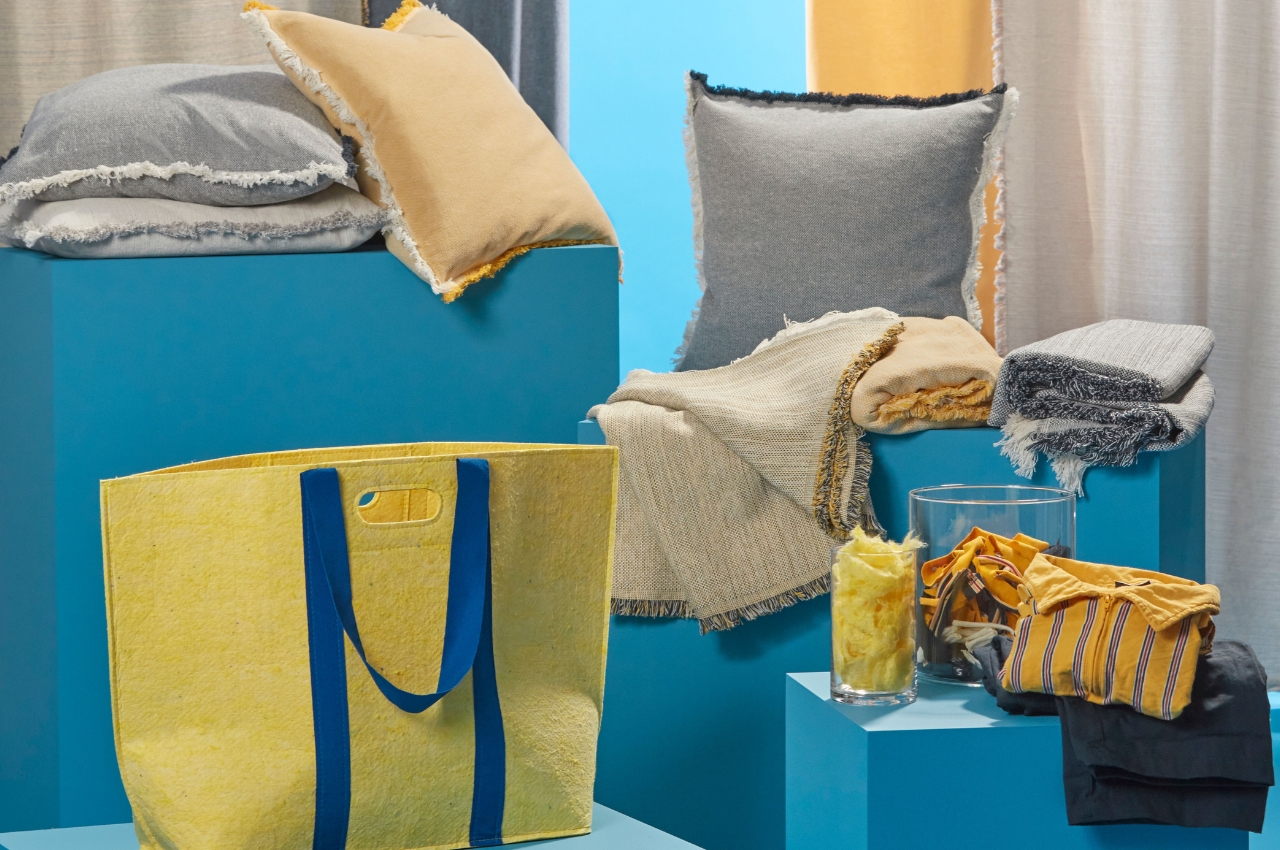
In recent years, there has been a surge in supporting brands that prioritize sustainability, including upcycling and recycling materials. Ikea is joining this trend with their new collection, VÄXELBRUK, made from recycled coworker uniforms. This innovative line features 16 textile-based items, blending old uniforms with recycled materials like polyester from PET bottles. By repurposing these materials, Ikea reduces waste and offers stylish, eco-friendly products. The collection showcases how sustainability and style can go hand in hand.
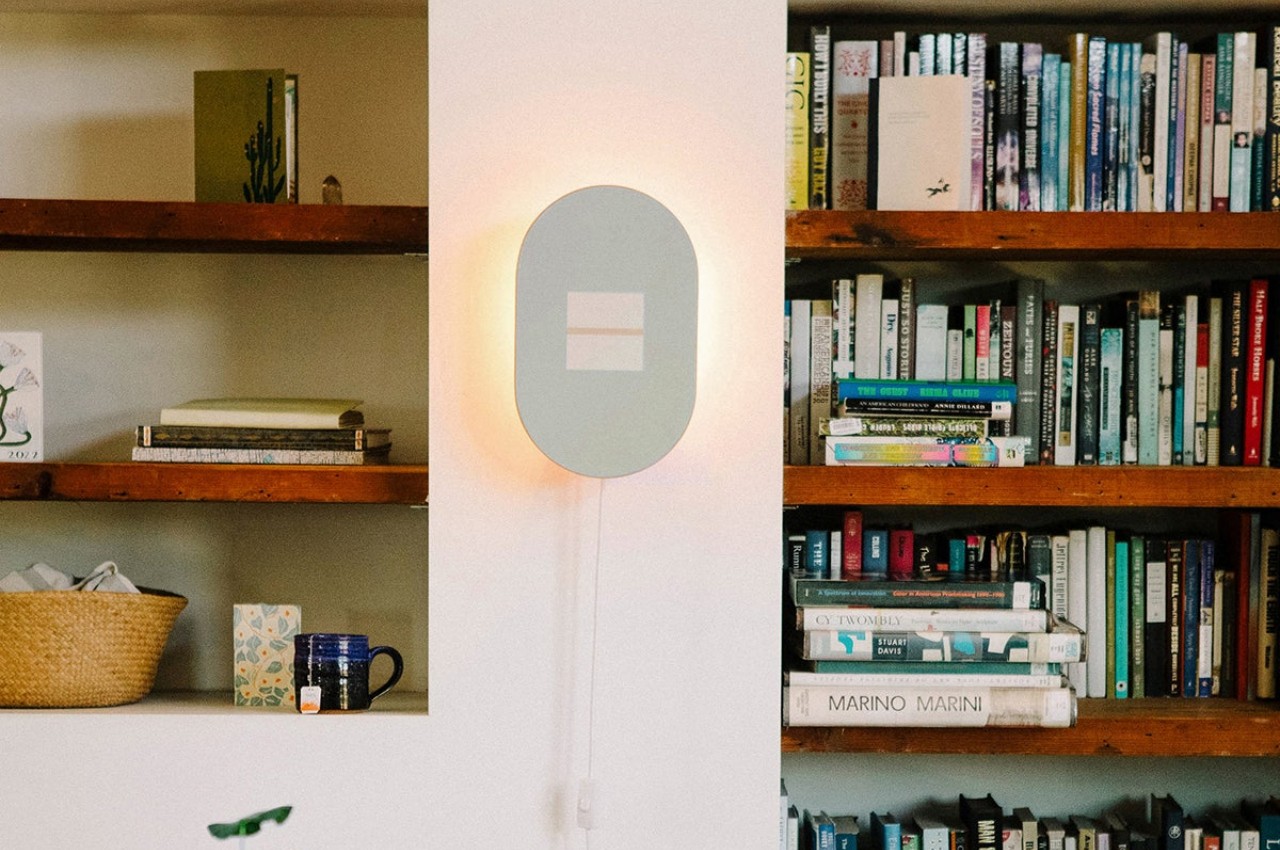
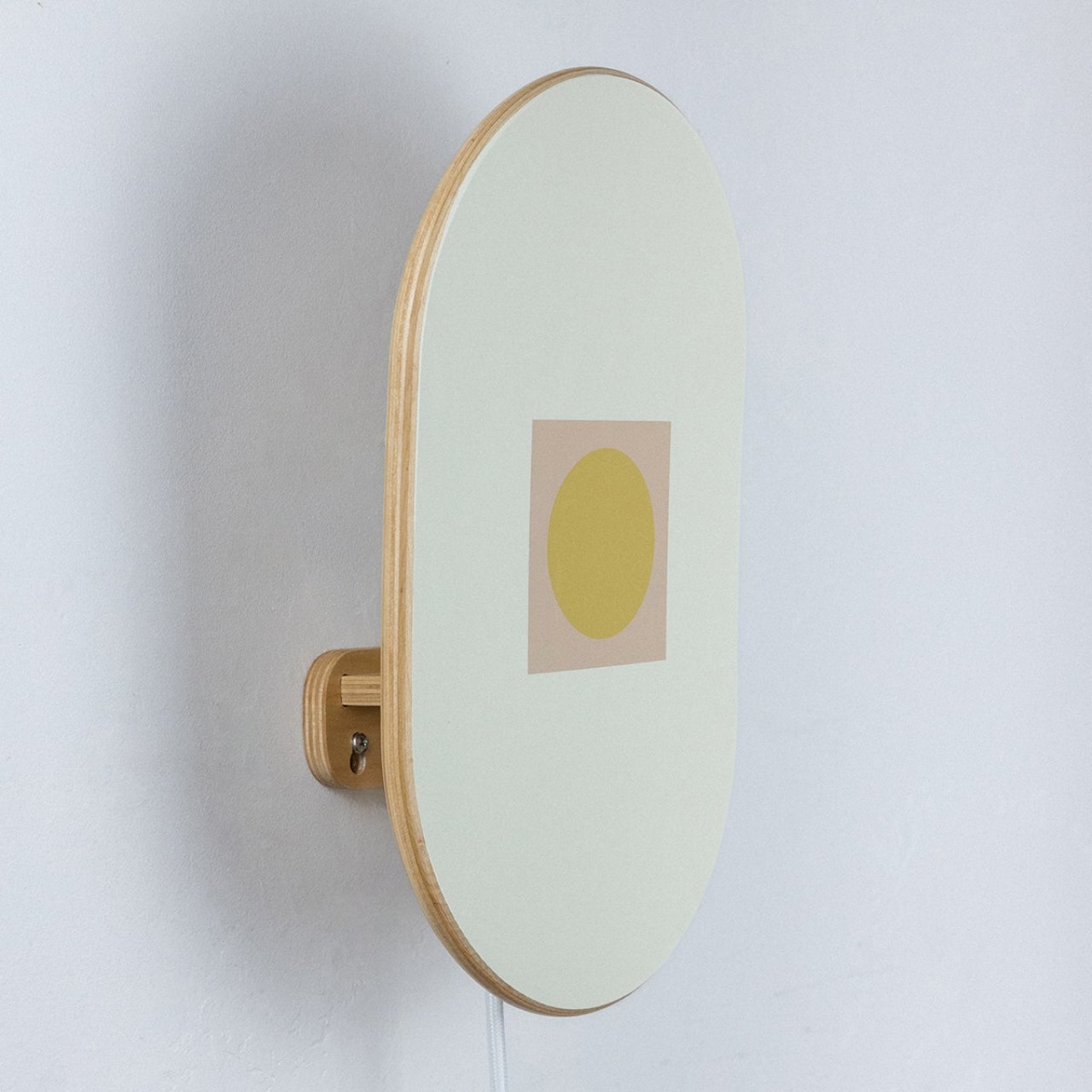
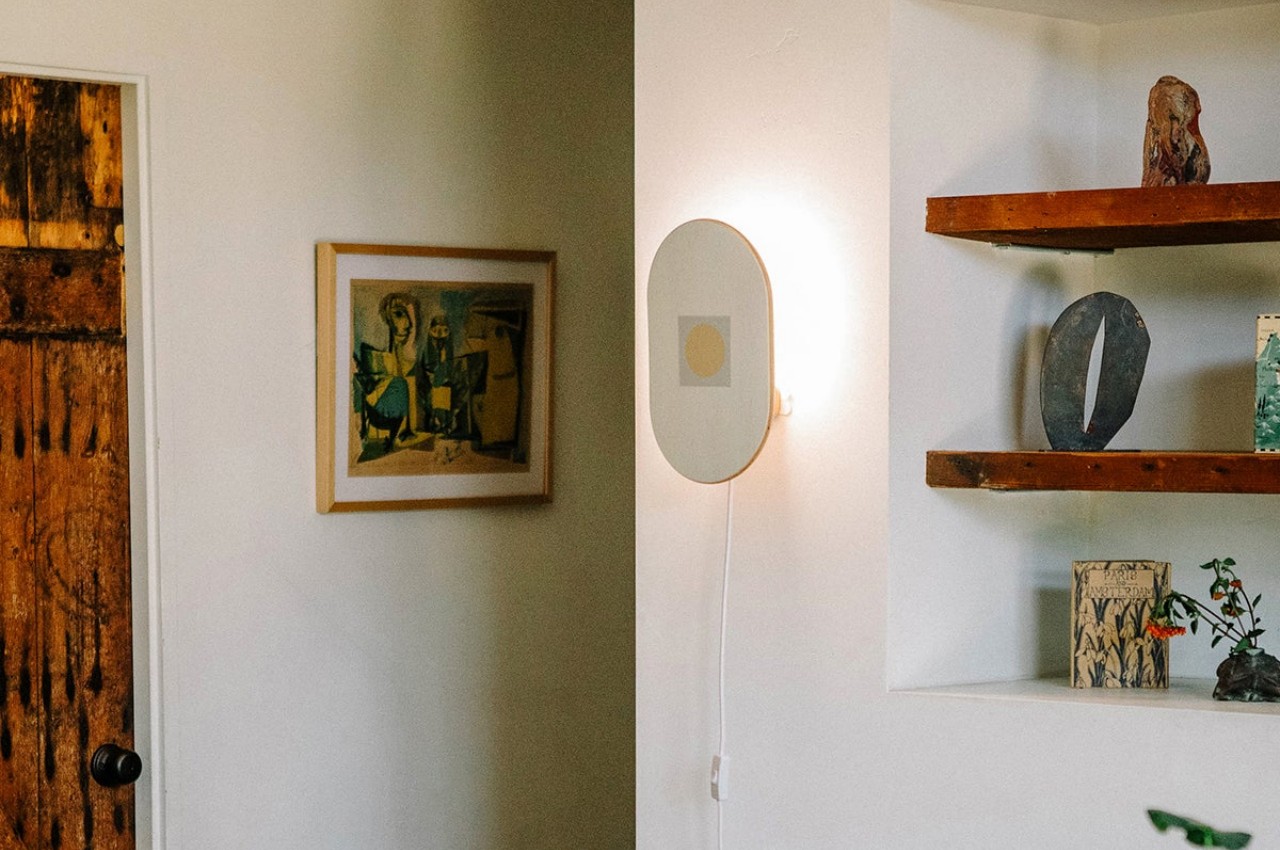
Recycling reduces landfill waste but can be energy-intensive and alter original designs. Upcycling offers a more efficient option, yet not all materials suit it. For example, discarded skateboard decks are transformed into stylish wall lamps named Heru, Cuna, and Mara. Reshaped into shorter ovals, paired with lighting hardware, and adorned with original artwork, these lamps emit a warm glow, serving as both illumination and minimalist decor, defying their original purpose.
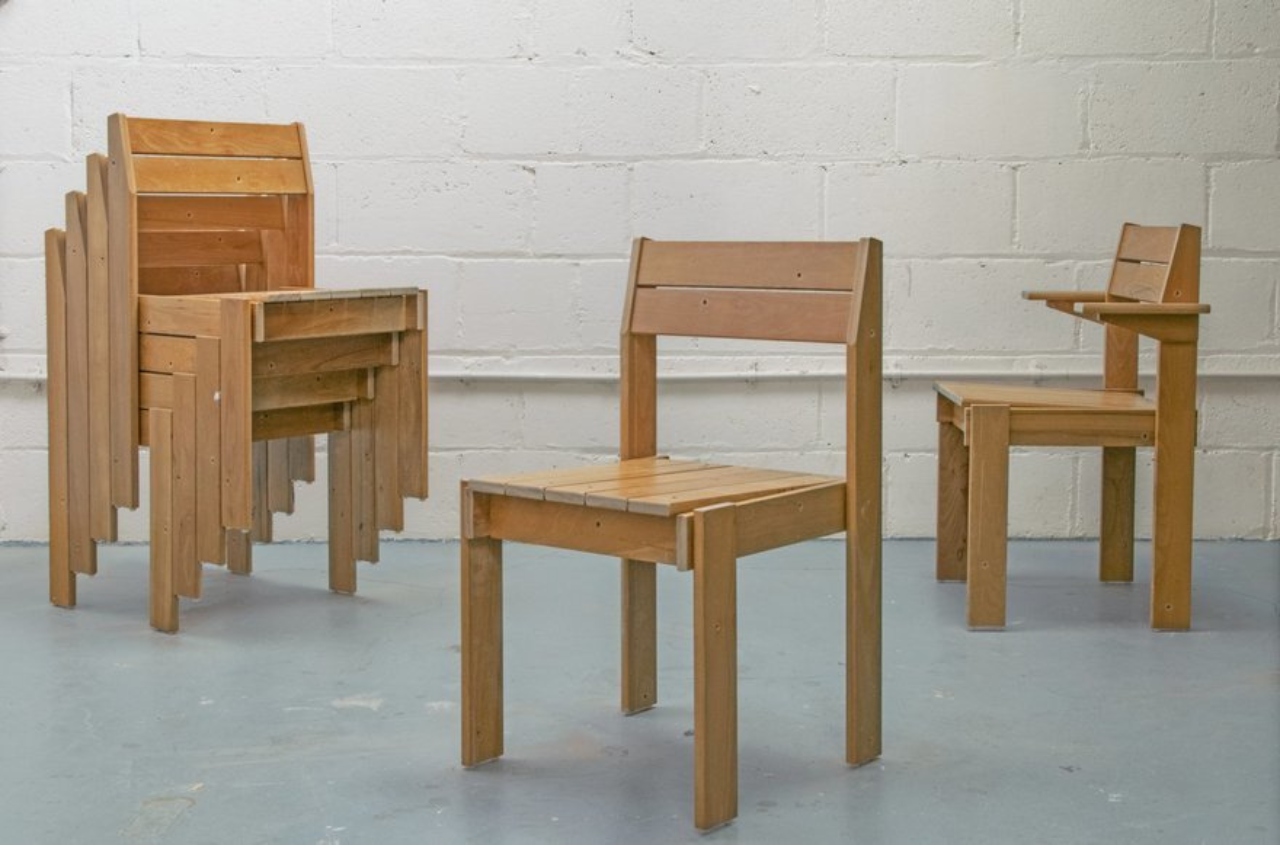
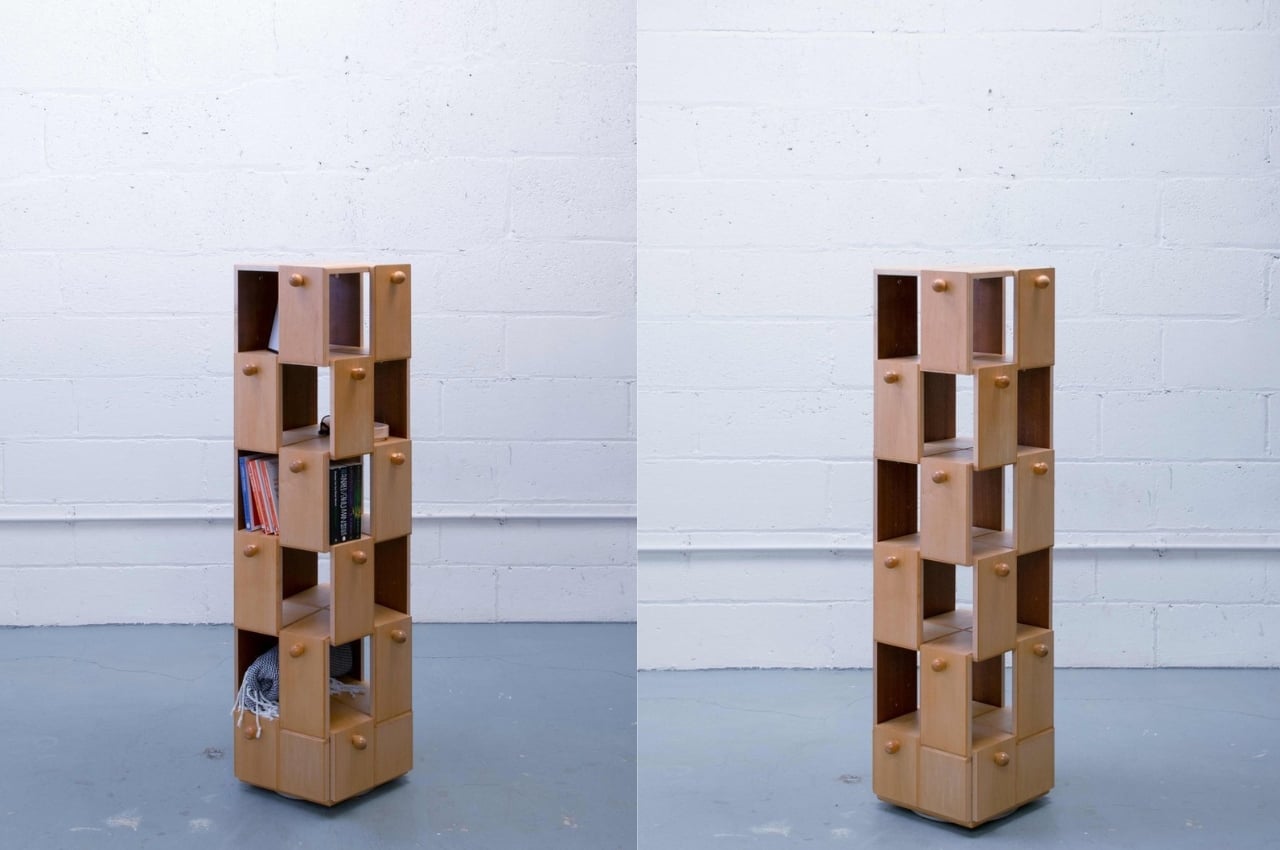
During renovations, some opt to discard furniture instead of considering recycling. However, awareness of consumption and disposal is growing, leading to projects that repurpose items. Oxford Brookes University planned to landfill furniture during dorm renovations, but a student proposed the Upscaling Upcycling project. Disassembling existing furniture, Kurzmann created new designs, such as stackable stools and chairs from old bedframes and drawers. These pieces are well-designed and practical, showcasing the potential of upcycling to save resources and create useful furnishings.
5. PET Bottles
Polyethylene terephthalate (PET) plastic, known for its durability and lightweight nature, is commonly utilized in manufacturing containers for the food and beverage, pharmaceutical, and personal care sectors.
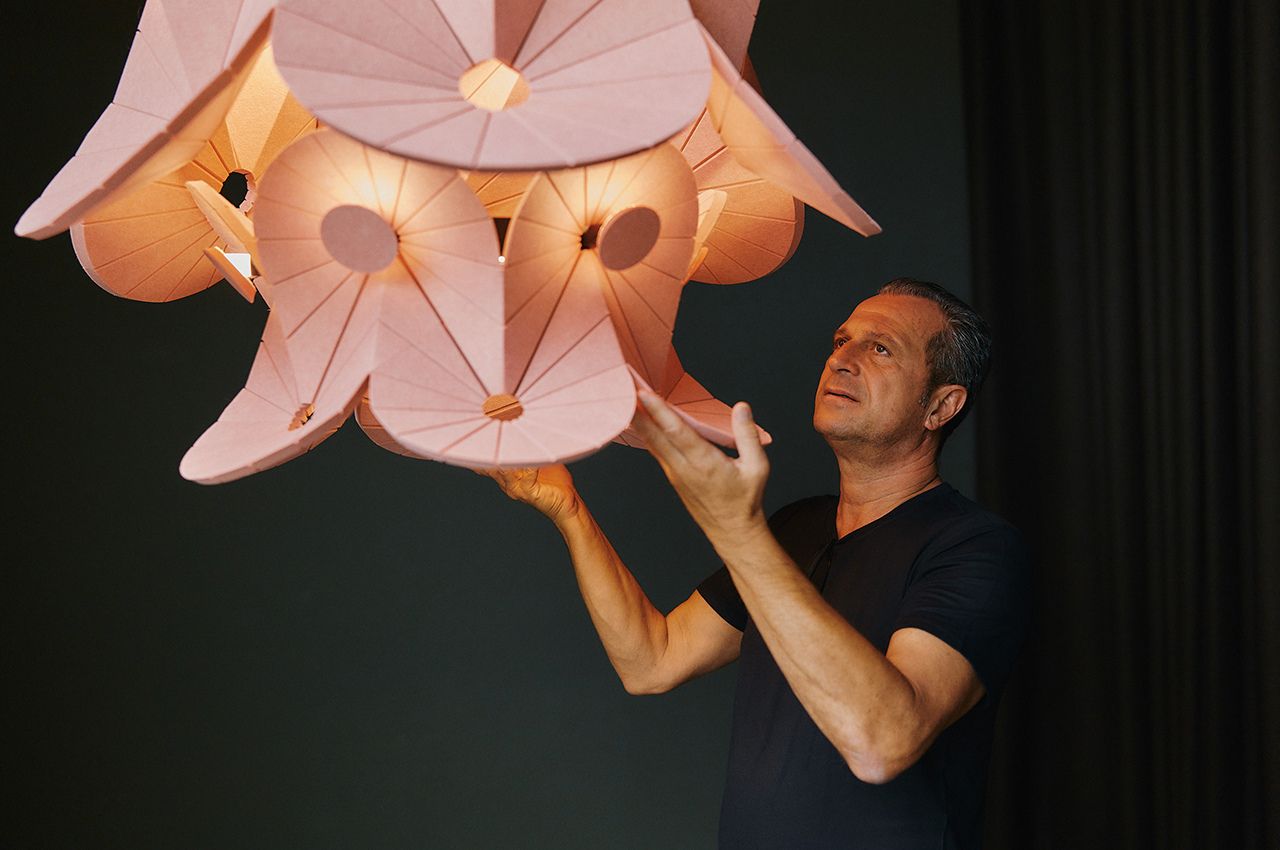
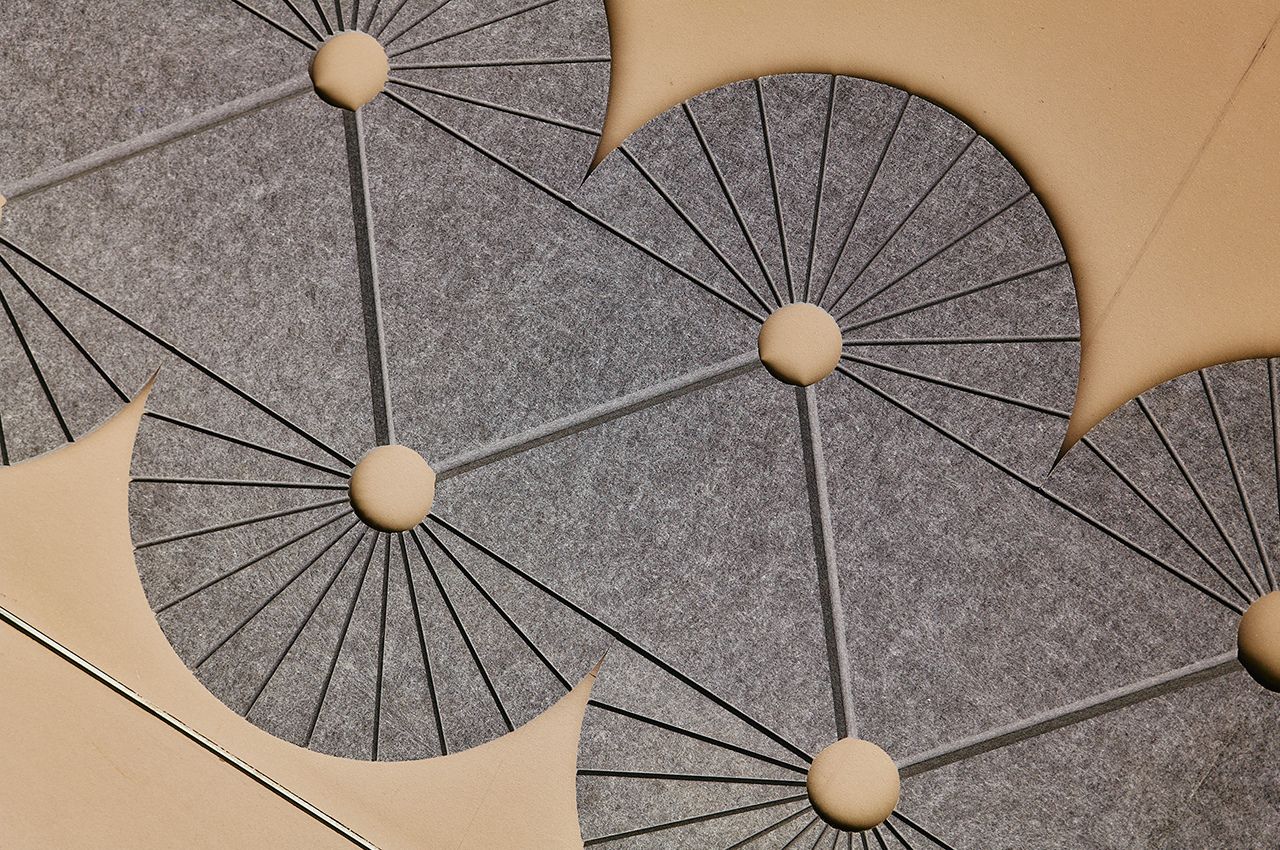
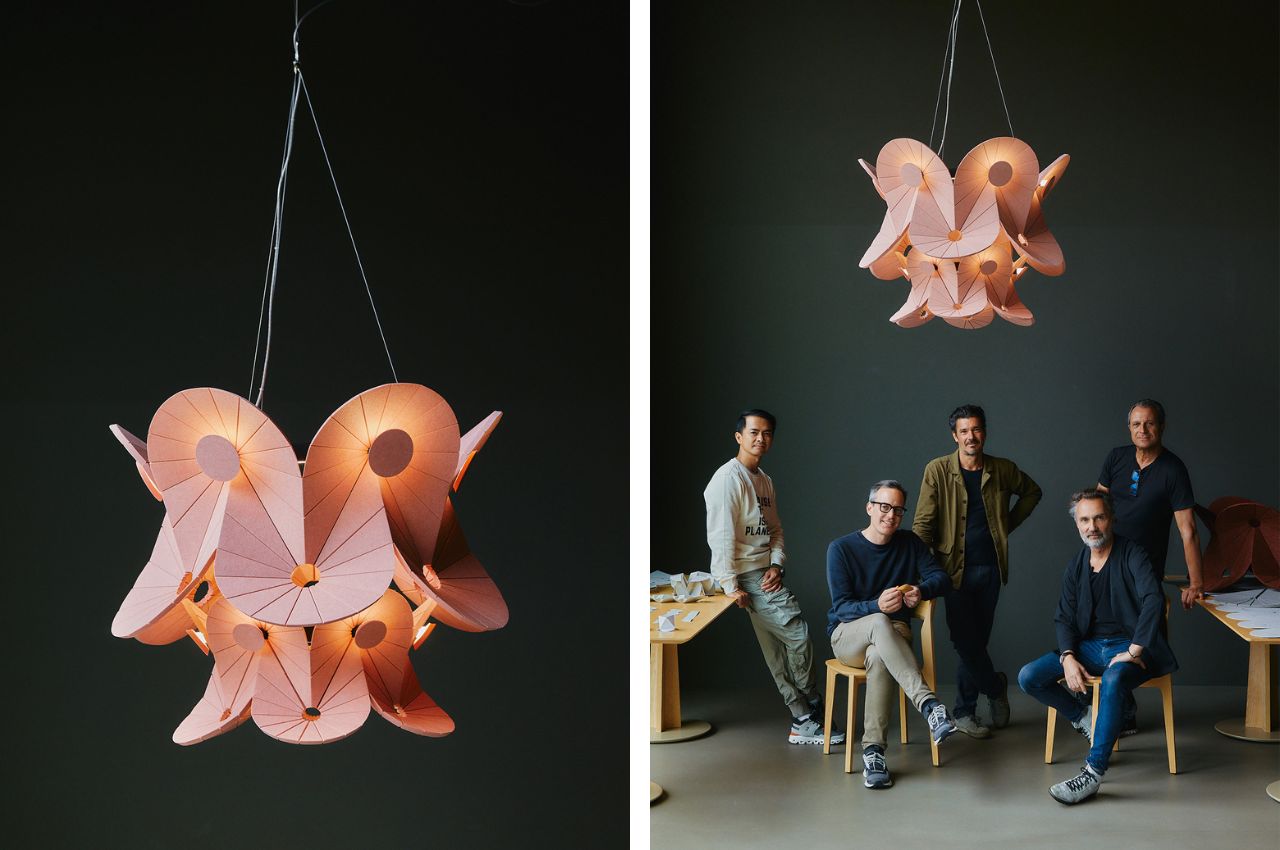
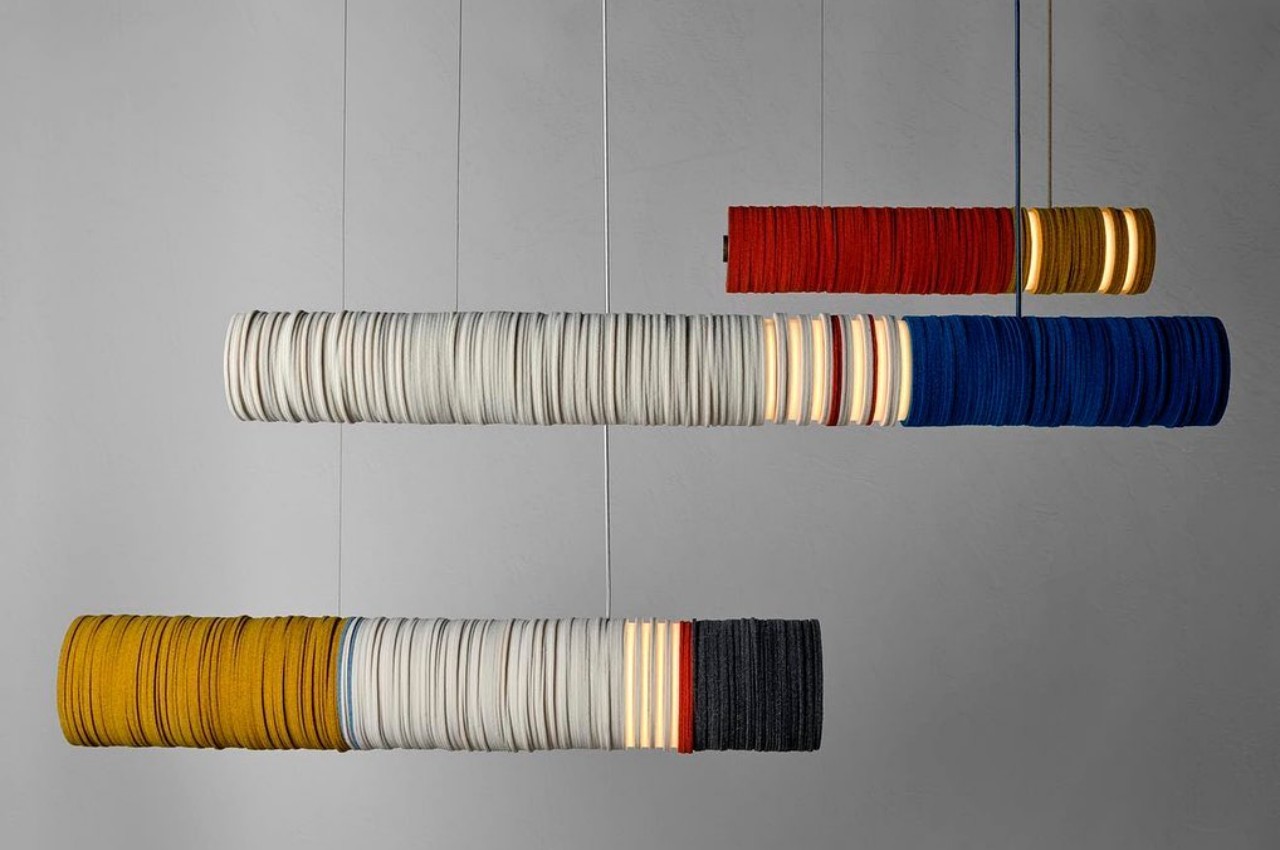
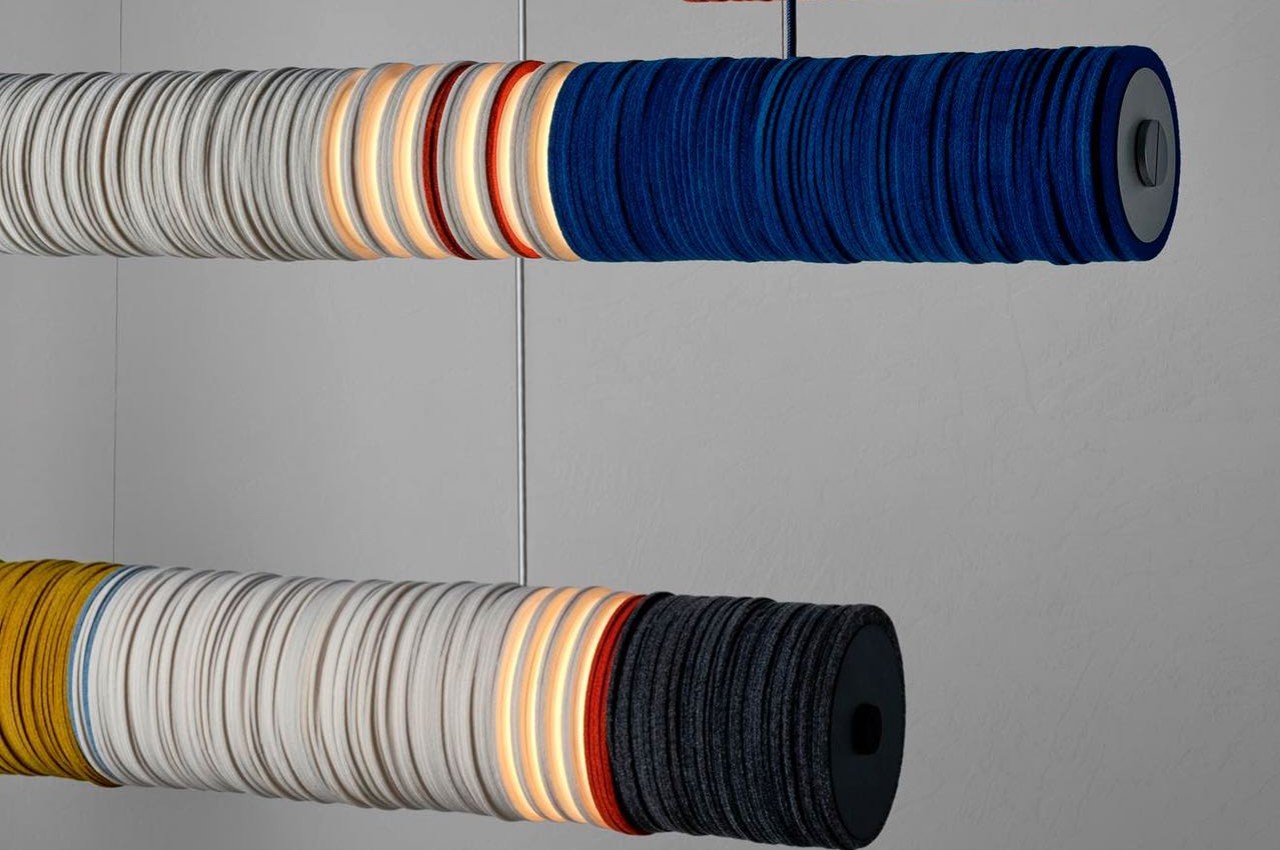
At the core of Oloïd’s innovative design is Archisonic Felt, a high-performance sustainable acoustic absorber made from upcycled PET bottles. Crafted from Archisonic Felt, Oloïd, a sustainable acoustic luminaire resulting from the collaboration between Impact Acoustic and atelier oï, exemplifies the fusion of functionality and artistic expression in modern design. This versatile material offers exceptional sound absorption while redefining the interaction between light and sound. Its Cradle-to-Cradle certification and LEED accreditation underscore its eco-friendly credentials. With 32 captivating colors curated from the Archisonic Felt range, Oloïd empowers users to personalize their spaces, seamlessly integrating organic shapes that transform two-dimensional panels into captivating three-dimensional entities. This luminaire not only sets a new standard for sound-absorbing luminaires but also stands as a testament to the potential of sustainable design in reshaping illuminated spaces.
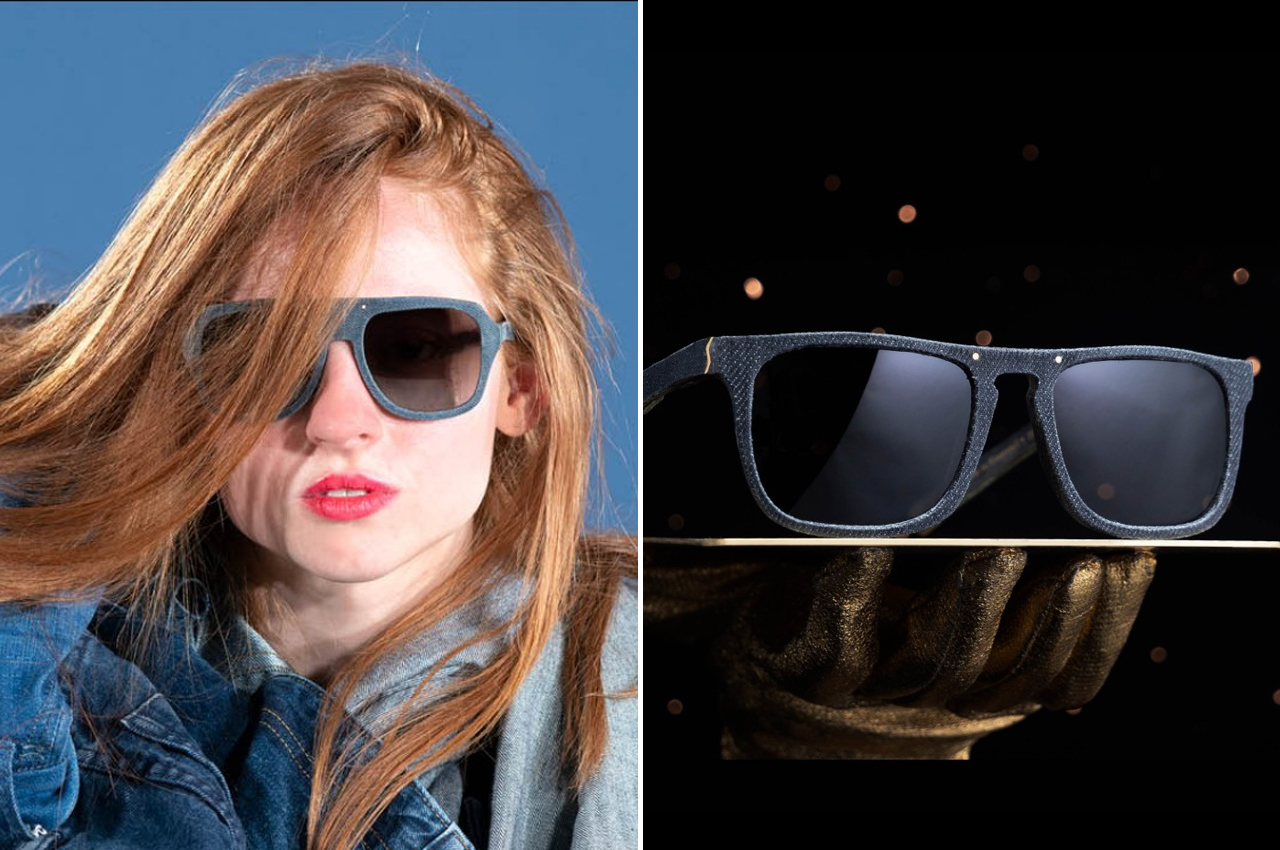
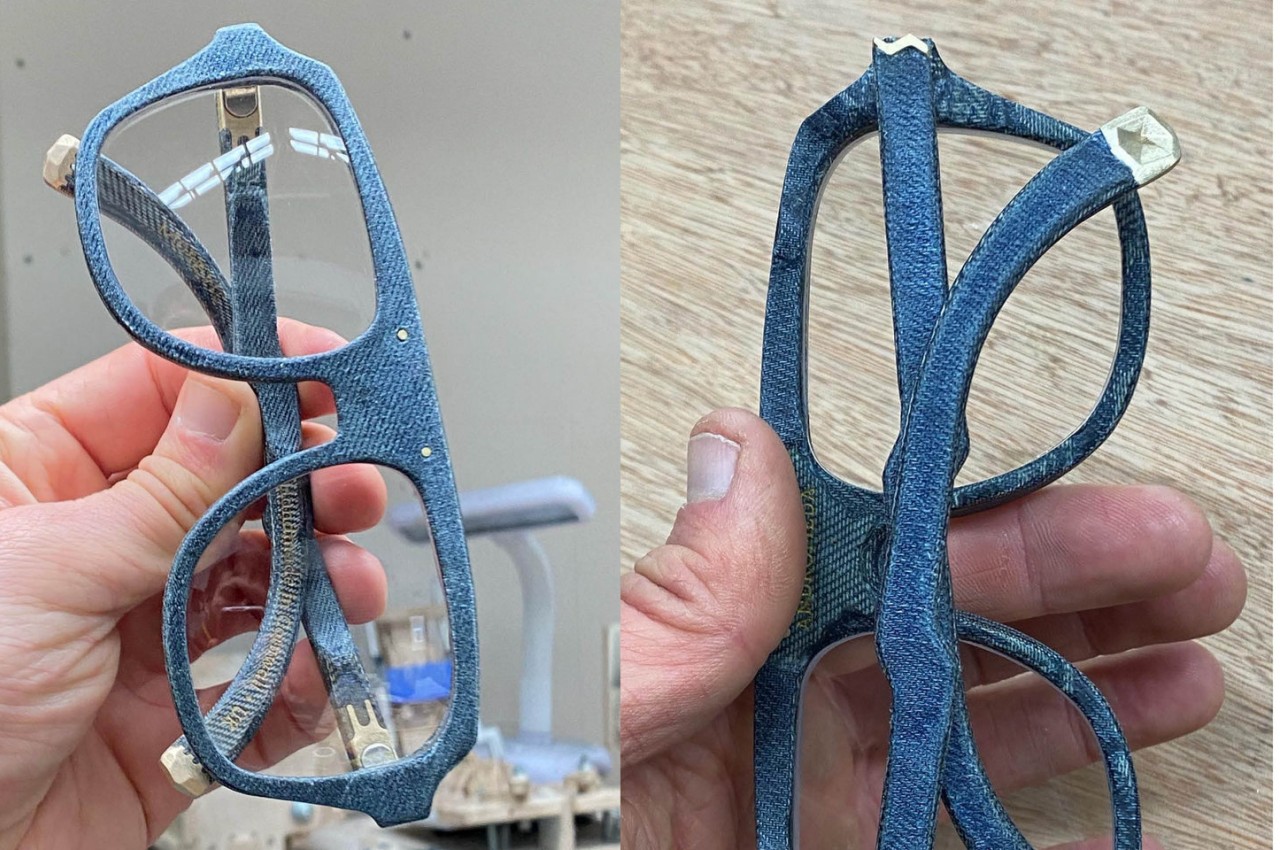
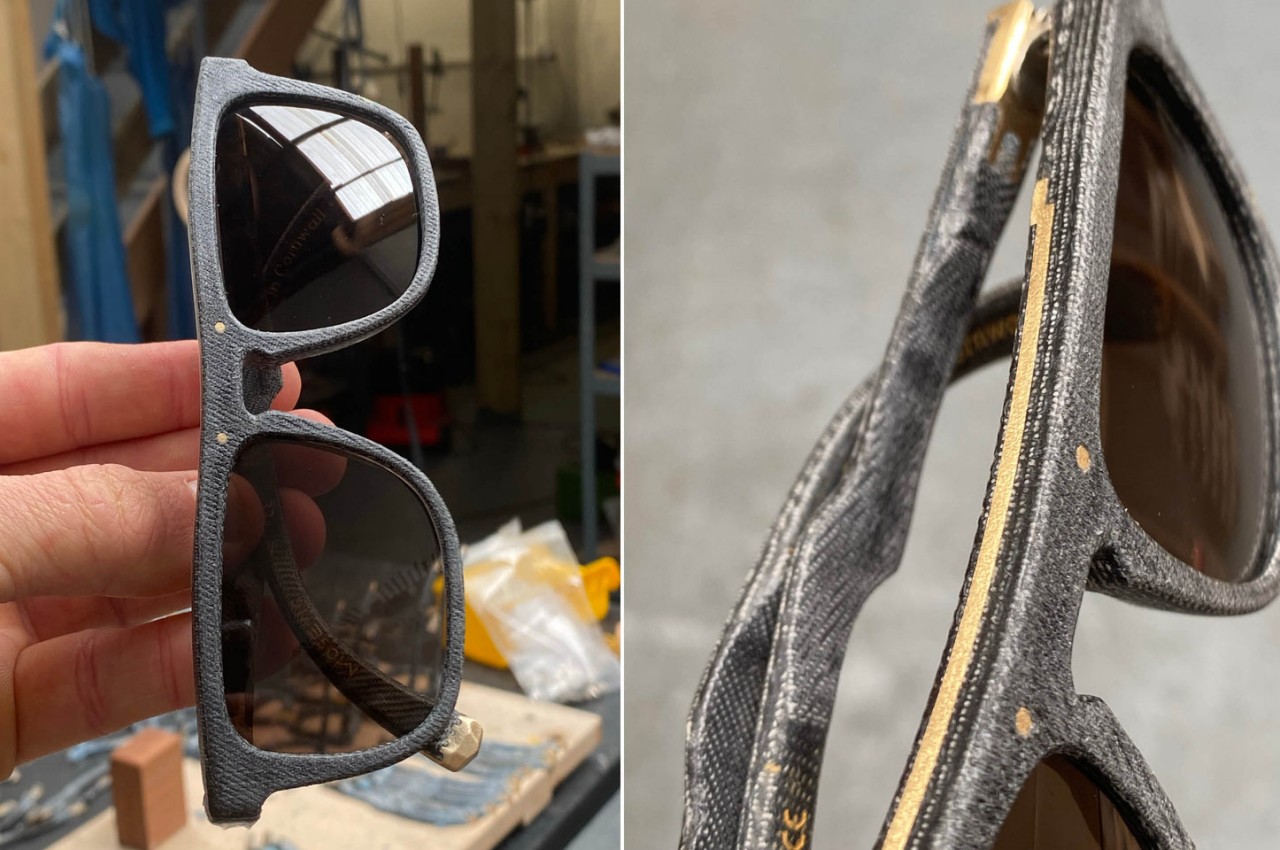
Researchers highlight that producing a single pair of jeans requires a staggering 7,600 liters of water, prompting global concern among ecologists about denim’s environmental impact. Textile production, notably denim, contributes significantly to water consumption, energy usage, and landfill overflow due to non-biodegradable fibers like synthetics. While recycling remains an underutilized option, upcycling emerges as a promising solution, exemplified by startups transforming old jeans into stylish sunglasses. Mosevic pioneers denim waste reduction by infusing waste denim with bio-resin to craft durable “Solid Denim” sunglasses, adorned with a natural wax finish for longevity. Despite sustainability challenges, initiatives aim to upscale production and inspire similar textile waste solutions.
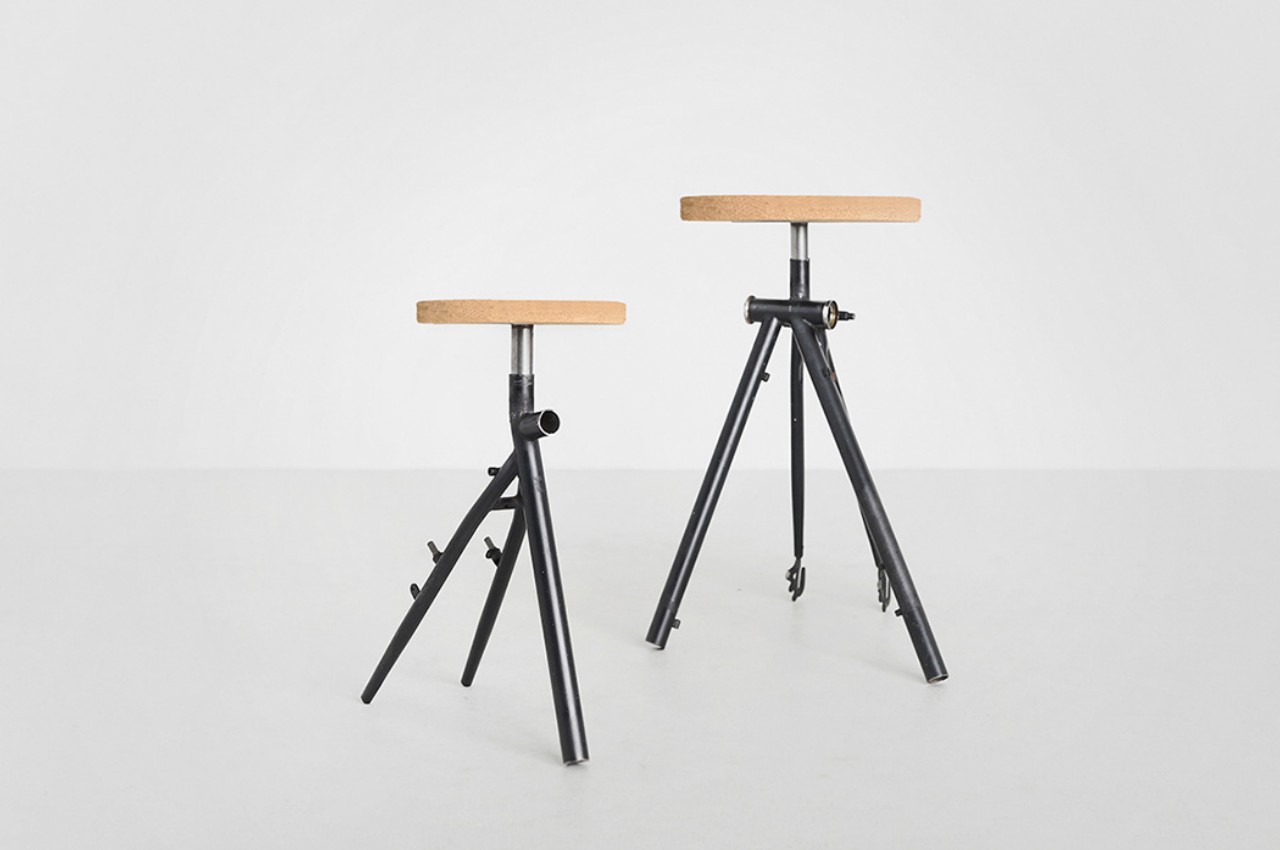
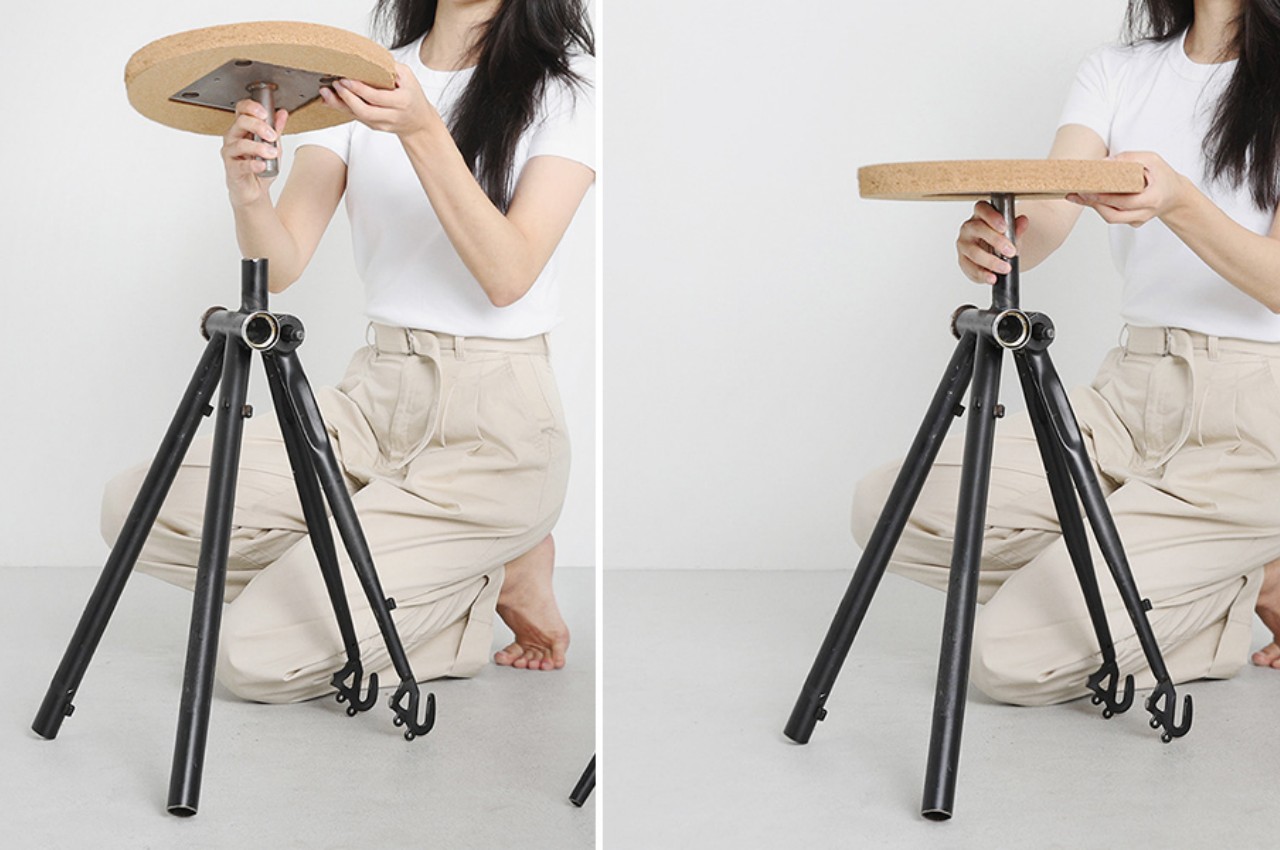
The 2 Stools from 1 Bicycle project repurposes old bike frames to create unique and functional stools. Each stool features a distinctive design with slanted legs reminiscent of the original bike frames, giving them a striking appearance. One stool has three legs, while the other has four, adding to their individuality. The seat is crafted from recyclable cork, in line with the project’s sustainability mission. These stools not only offer practicality and convenience but also allow people to give sentimental objects like old bikes a new lease on life. With their unconventional aesthetics and eco-friendly materials, these stools are both functional and visually appealing additions to any space.
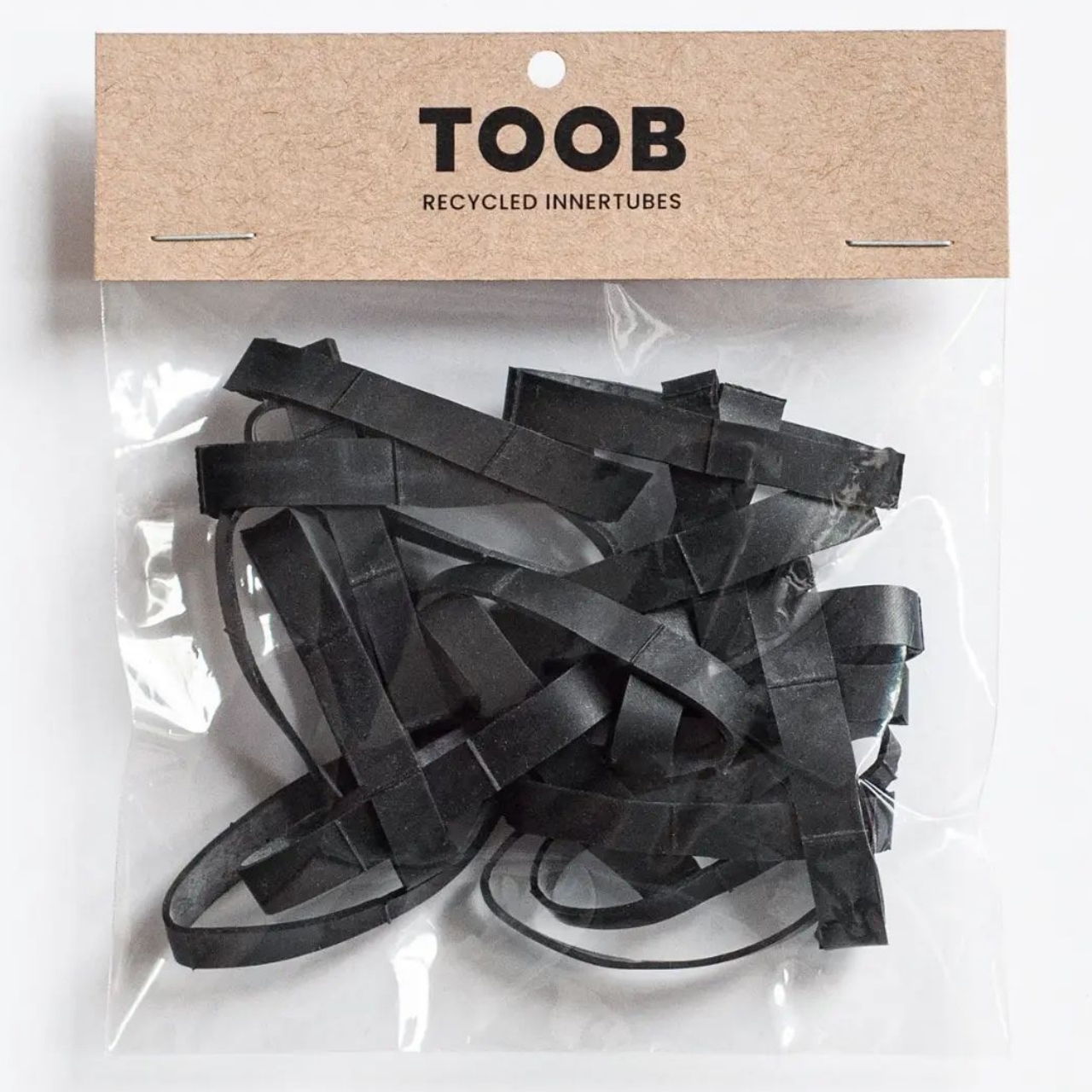
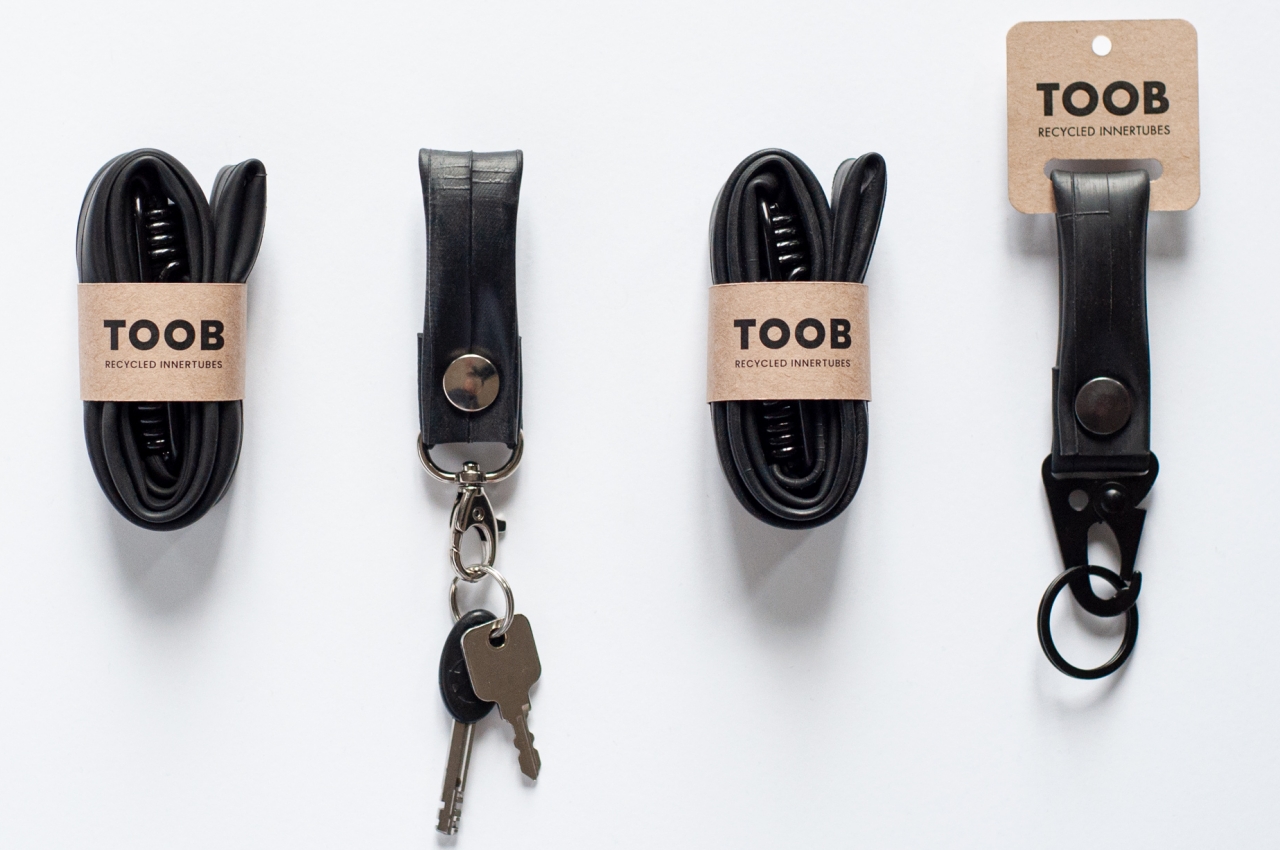
The growing popularity of bicycles in recent years has brought attention to long-standing environmental concerns associated with their components, particularly inner tubes. Despite being more eco-friendly than cars or motorcycles, bicycles still contribute to pollution due to discarded parts like rubber tires and inner tubes. The TOOB accessories line addresses this issue by repurposing useless inner tubes into practical and stylish products. Handpicked from local shops in Tel Aviv, these inner tubes undergo thorough cleaning and inspection before being transformed into items like TOOB Keychains and TOOB Straps. This upcycling initiative not only extends the lifespan of inner tubes but also supports the local bicycle economy. While inner tubes eventually wear out, TOOB’s efforts help postpone their disposal in landfills, offering a temporary solution until more sustainable alternatives are developed.
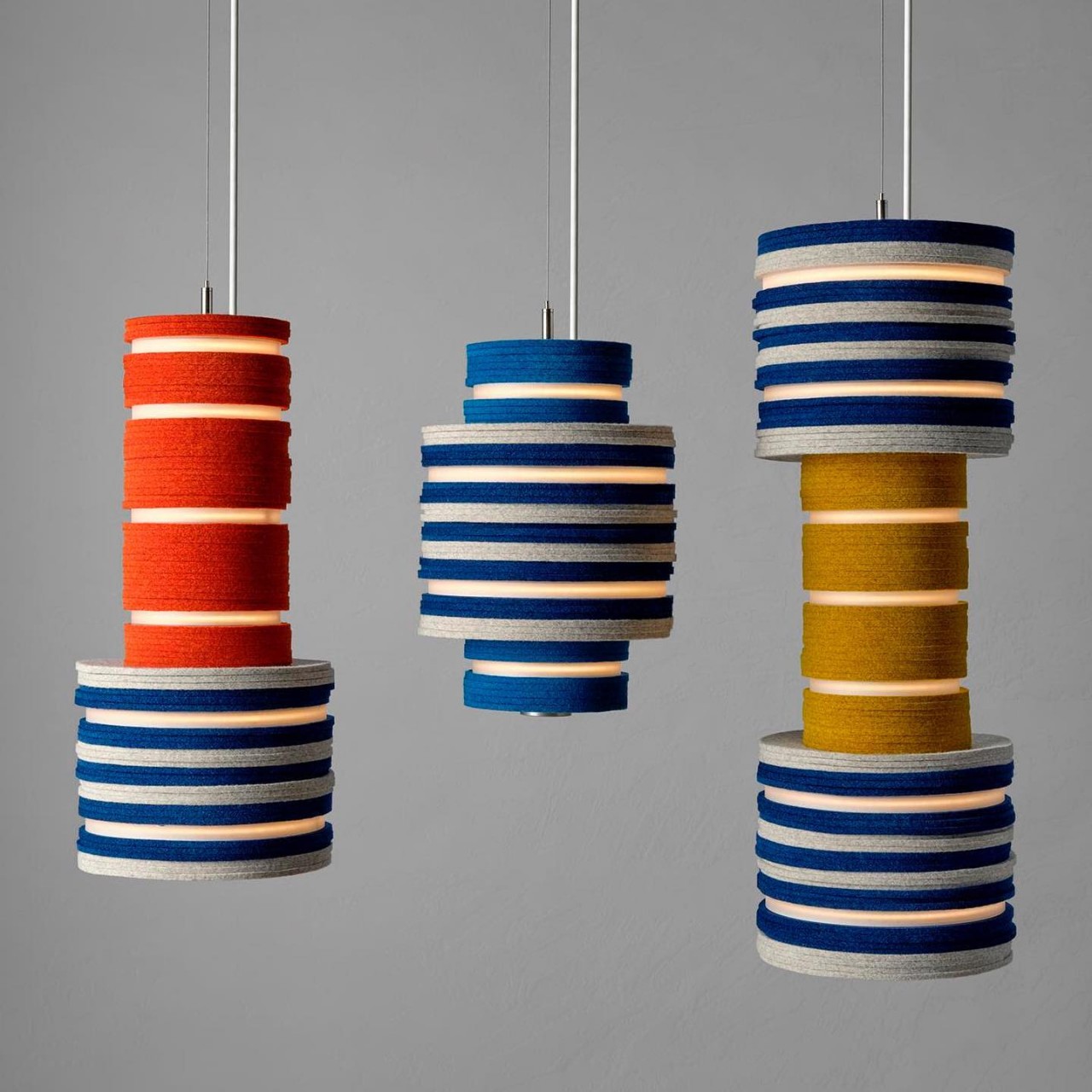
In manufacturing, there’s often excess material left unused, contributing to environmental concerns. To address this, manufacturers and designers are increasingly focusing on reducing waste and repurposing leftovers. Recycling and upcycling these materials into furniture and lighting fixtures, like Stackabl’s pendant lamps, offer sustainable solutions. Stackabl’s DIY tool allows users to customize their lamps by adjusting parameters such as length and disc diameter, resulting in unique, eco-friendly designs. Incorporating upcycled materials and energy-efficient LEDs, Stackabl emphasizes sustainability while offering personalized lighting solutions.












 to clean drinking water by killing bacteria and microorganisms like E.coli and Salmonella in seconds. In this second iteration, LARQ has added several nifty upgrades that we’ve all been waiting for. For the first time ever, LARQ Bottle PureVis 2 now has purification and filtration in one.