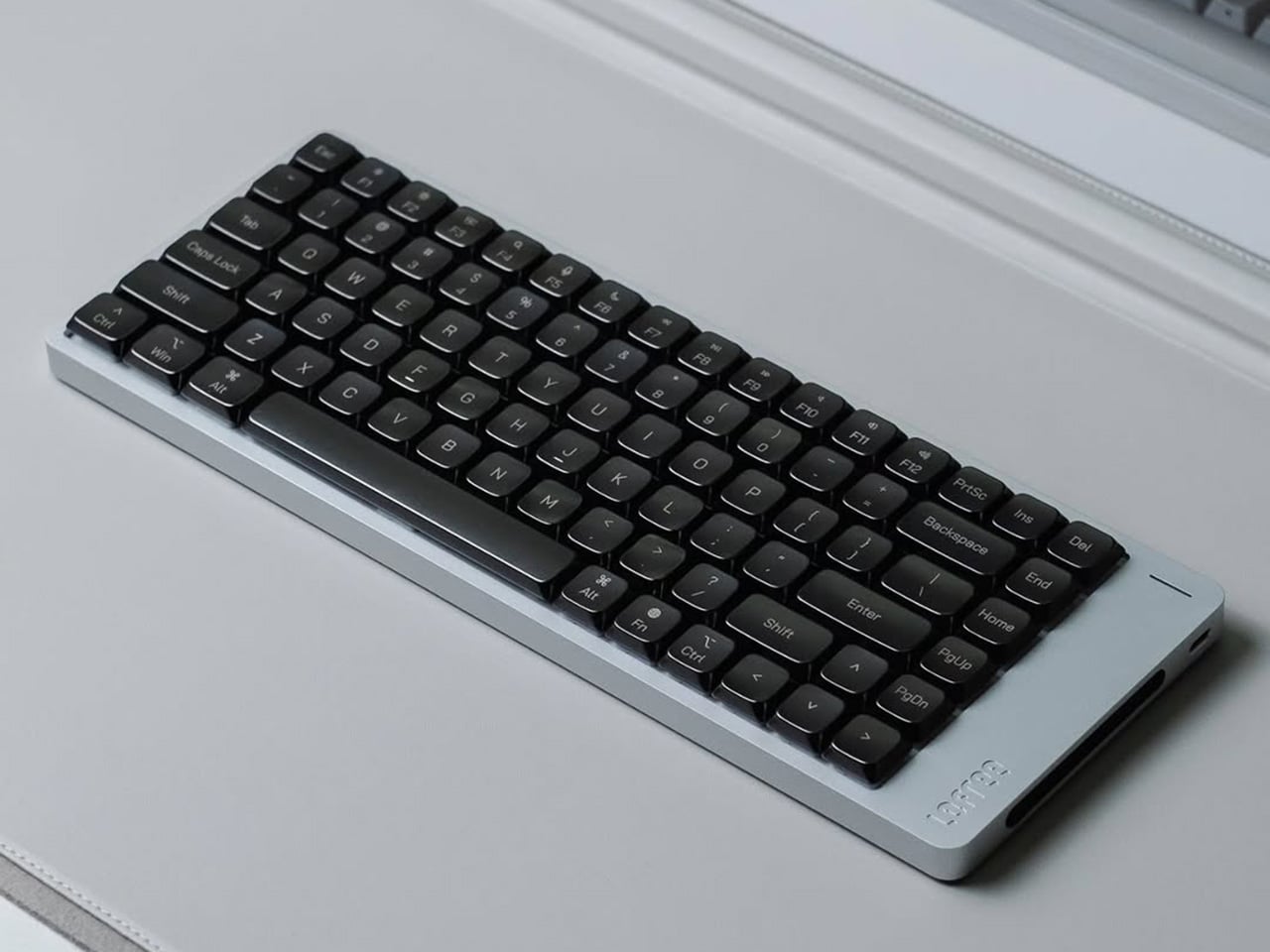
Low-profile mechanical keyboards have always had a bit of an identity problem. They look the part: slim, clean, desk-friendly. Set one beside a MacBook and it fits right in, at least until you start typing and the plastic keycaps remind you that the aesthetic only goes so far. It is not that PBT is bad. It is just that plastic has a ceiling, and once you have typed on a well-built board, you start to feel where that ceiling is. The sound is a little hollow. The surface wears down. For a form factor that sells itself on refinement, the keycaps have always been the weakest part of the pitch.
That gap is exactly what Awekeys Air is designed to fill. These are low-profile metal keycaps built from recycled cupronickel, a copper-nickel alloy most people know from coins rather than keyboards. Beyond the material upgrade, there is an immediate visual payoff. A set of Satin Copper or Satin Gold caps on a slim board transforms what was previously just a functional object into something that actually improves the desk around it, the kind of detail that catches the eye mid-conversation and holds it.
At 5 mm tall, the Awekeys Air is half the height of a standard keycap, which typically sits at around 11 mm. That gap matters more than it sounds. A slim keyboard paired with standard-height keycaps loses its whole visual argument, and any ergonomic board designed for low-profile switches defeats its own purpose if you pile taller caps on top. The Air keeps that geometry honest while upgrading what that geometry is made of.
As someone who writes for a living and codes on the side, I see the keyboard as less a tool and more a constant physical companion, and the I find that the Awekeys Air shifts that relationship in a way that is difficult to ignore. The cupronickel surface stays cool under extended sessions, the low profile keeps wrist angle natural, and the grip from the hand-brushed Special Edition means fingers land where they are meant to, without any of the slight drift that smooth plastic encourages over a long afternoon.
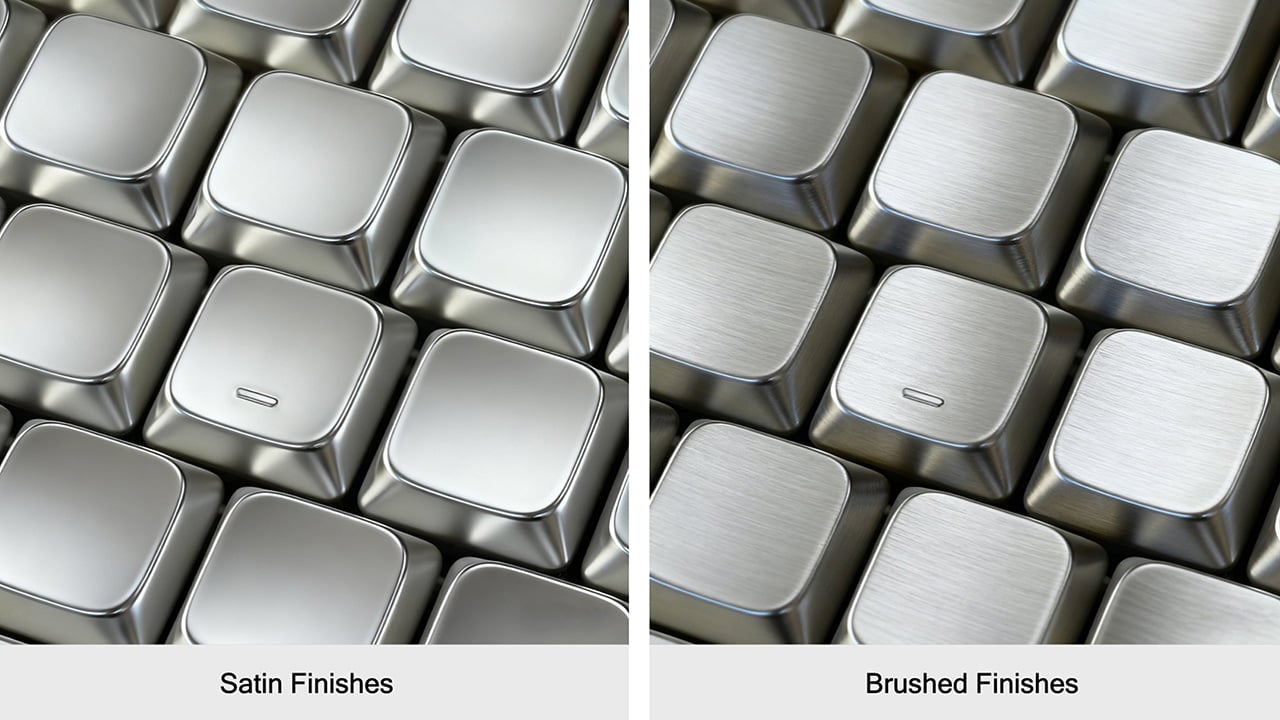
Finish is where the Awekeys Air earns a lot of its character. Seven keycap colorways cover the satin-style options: Satin Gold, Satin Silver, Satin Copper, Titanium Black, Obsidian Black in matte, Ivory White in matte, and Sakura Pink. Each of them reads differently on metal than on plastic. Satin Copper picks up warm ambient light in a way no dye-sublimated PBT can replicate. Titanium Black has that flat, composed surface that makes a keyboard look more like a precision instrument than a peripheral. Small distinctions, but they add up when the whole point is a desk setup that looks as considered as it feels.
The Special Edition hand-brushed finish takes things a step further, available in Gold, Silver, Copper, and Ti Black. Each keycap is brushed individually, which creates a directional texture that shifts under light and adds a grip that the satin versions do not have. It is the kind of finishing detail that is easy to overlook in a product photo and immediately obvious the moment you sit down to type.
Holding it all together is a second-generation nano-coating that Awekeys claims delivers twice the scratch resistance of its first version. For keycaps that will see thousands of actuations daily, surface protection matters more on metal than on plastic, where wear is expected and mostly forgiven. The coating is what keeps the finish consistent across the whole set over time, and on a metal that is this unforgiving of surface variation, that consistency is doing real work.
The recycled angle is worth taking seriously, too. Awekeys notes that processing recycled cupronickel requires roughly 15% of the energy needed for raw metal extraction. giving the material story a logic beyond a simple badge. The acoustic character completes the picture: denser, more planted, with a sound that leans satisfying rather than sharp. The slim keyboard has been waiting a long time for a keycap set built to match it, and the Awekeys Air makes a strong case that the wait is over.
Game controllers have not changed much in shape since the mid-1990s. They’re still two-handed symmetrical slabs built around adult grip dimensions, loaded with enough buttons to pilot a small aircraft. For a 10-year-old just getting into gaming, picking one up for the first time is a bit like being handed a TV remote and told to perform surgery, no sweat.
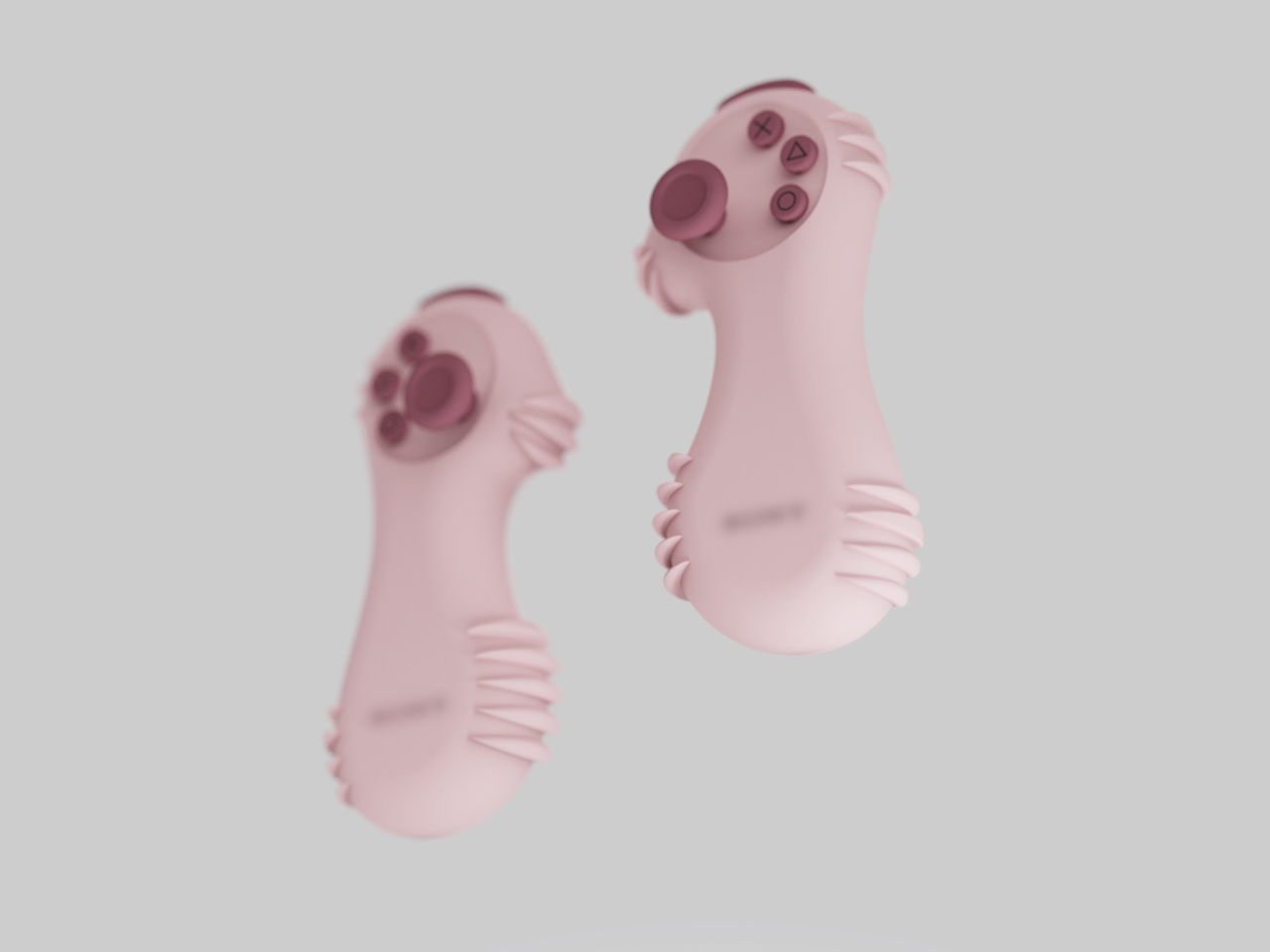
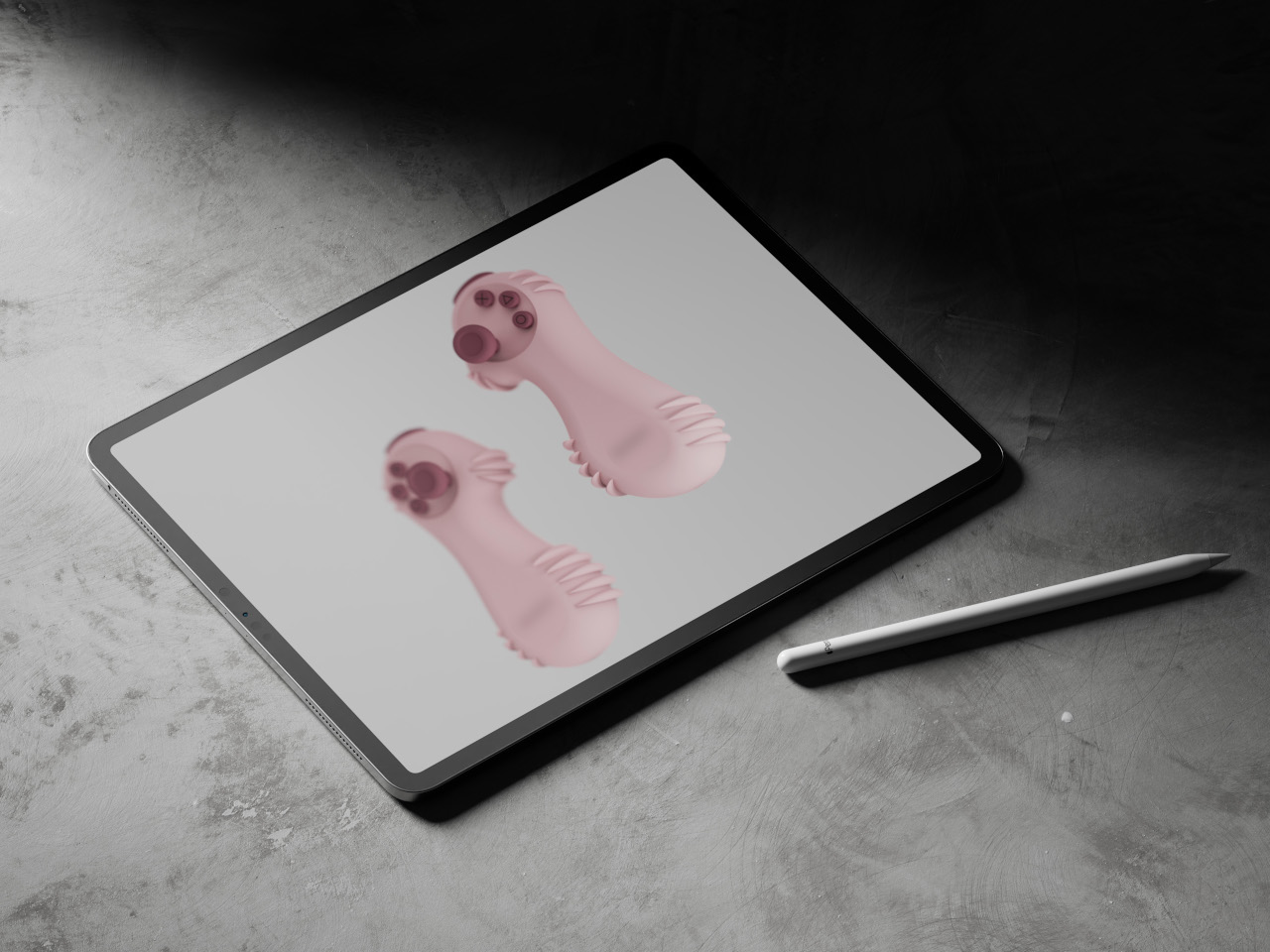
The concept is called LEVION, and it proposes a split controller: two separate units, one per hand, each sized for a pre-teen’s palm. It was designed as a rethink of the thumb stick from scratch, and the result looks like nothing in the current gaming peripheral market, which is mostly the point. And its inspiration comes from the most unlikely source you can imagine.
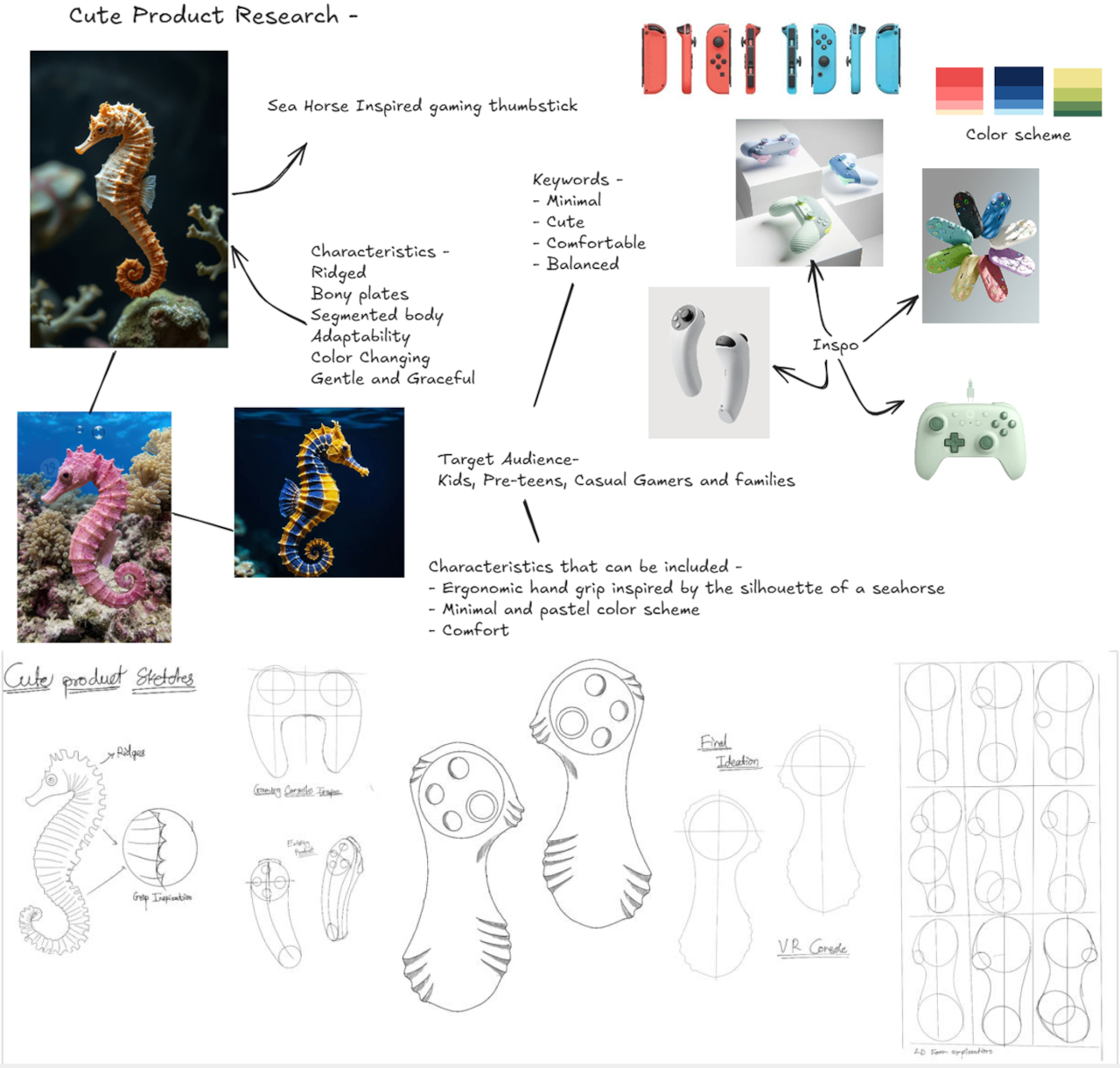
The form comes from a seahorse, specifically its upright posture, curved spine, and ridged body. Those horizontal ridges, translated into a soft frill around the base of each unit, are the structural logic of the grip. A seahorse’s bony plates give it stability without bulk, and LEVION’s ridges do the same thing for a small hand holding a rounded object across an hour of gameplay. It’s biomimicry that connects cause to effect rather than borrowing a shape for decoration.
Each unit carries a joystick, three face buttons, and a shoulder button, arranged on a circular head that sits atop a curved hourglass body. The silhouette is wider at the head and base, pinched at the waist, giving the thumb a natural landing zone and keeping the unit from rotating mid-game. The sketch process started with a seahorse drawing annotated “grip inspiration” before moving through VR console proportions to arrive at this form, so the shape isn’t just decorative shorthand.
The colorways lean into the pre-teen audience: pink, mint green, sky blue, and lavender, all in a soft matte finish that reads more like a toy than a peripheral. That positioning is deliberate. Standard controllers signal seriousness and capability. LEVION signals approachability, which matters when the target user is still sorting out that the left stick moves the character and the right one moves the camera.
The honest question is one of input coverage. A standard PlayStation controller has two joysticks, a D-pad, four face buttons, four shoulder buttons, and several system controls. LEVION offers a joystick, three face buttons, and one shoulder button per hand. For casual and younger audiences, that might be exactly right. For anything more demanding, the math gets uncomfortable, and the concept doesn’t address how that gap closes when the pre-teen turns 13.
That’s worth taking seriously, but it doesn’t diminish what LEVION gets right in the space it occupies. The design’s own research board lists the Nintendo Switch Joy-Cons as a reference point, and the parallel is fair: the Joy-Con also split a standard controller into two smaller units and found an audience that didn’t know it needed that format. LEVION asks the same question one step earlier in the age range, in a form that a kid might actually want to reach for.
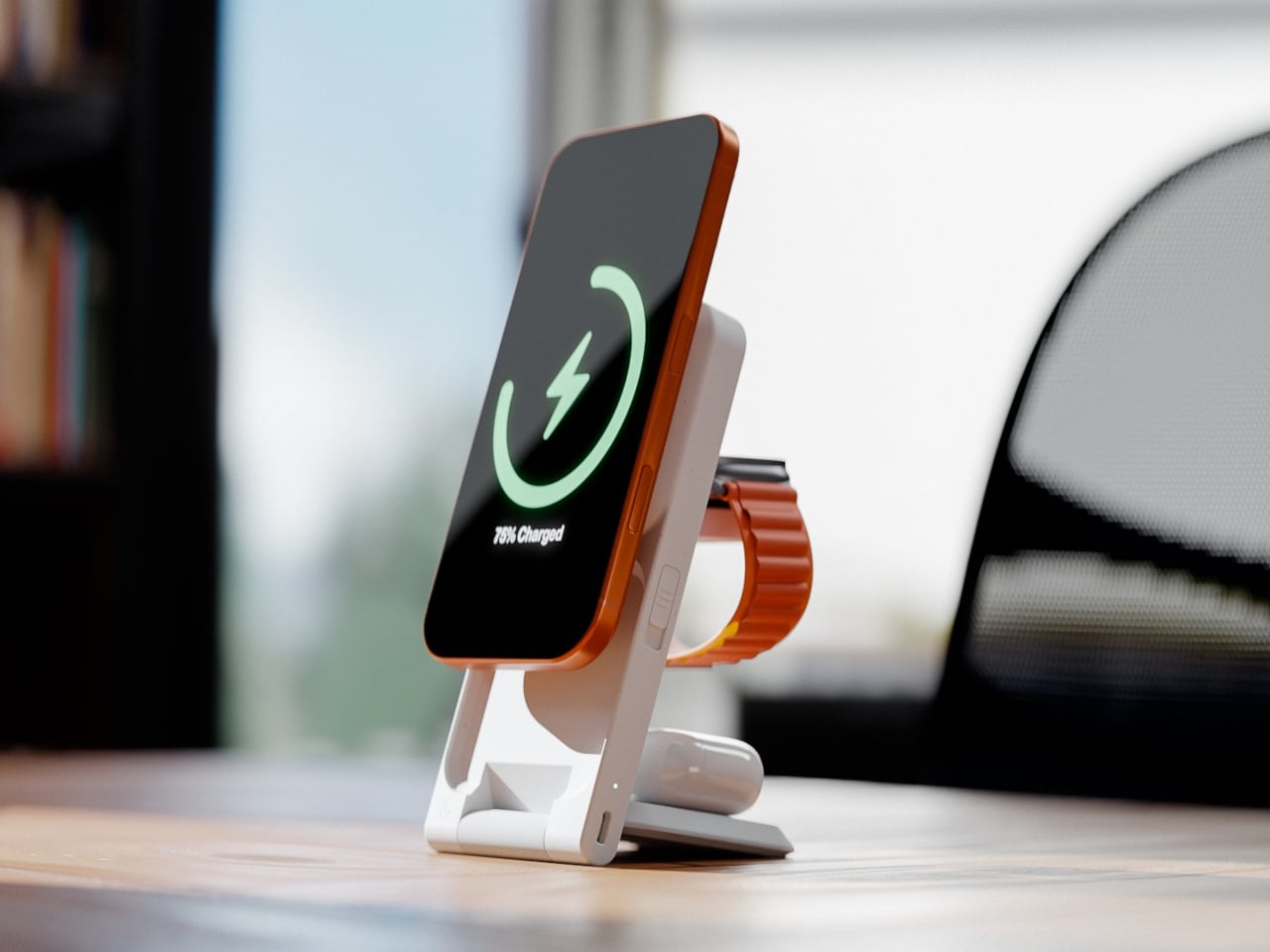
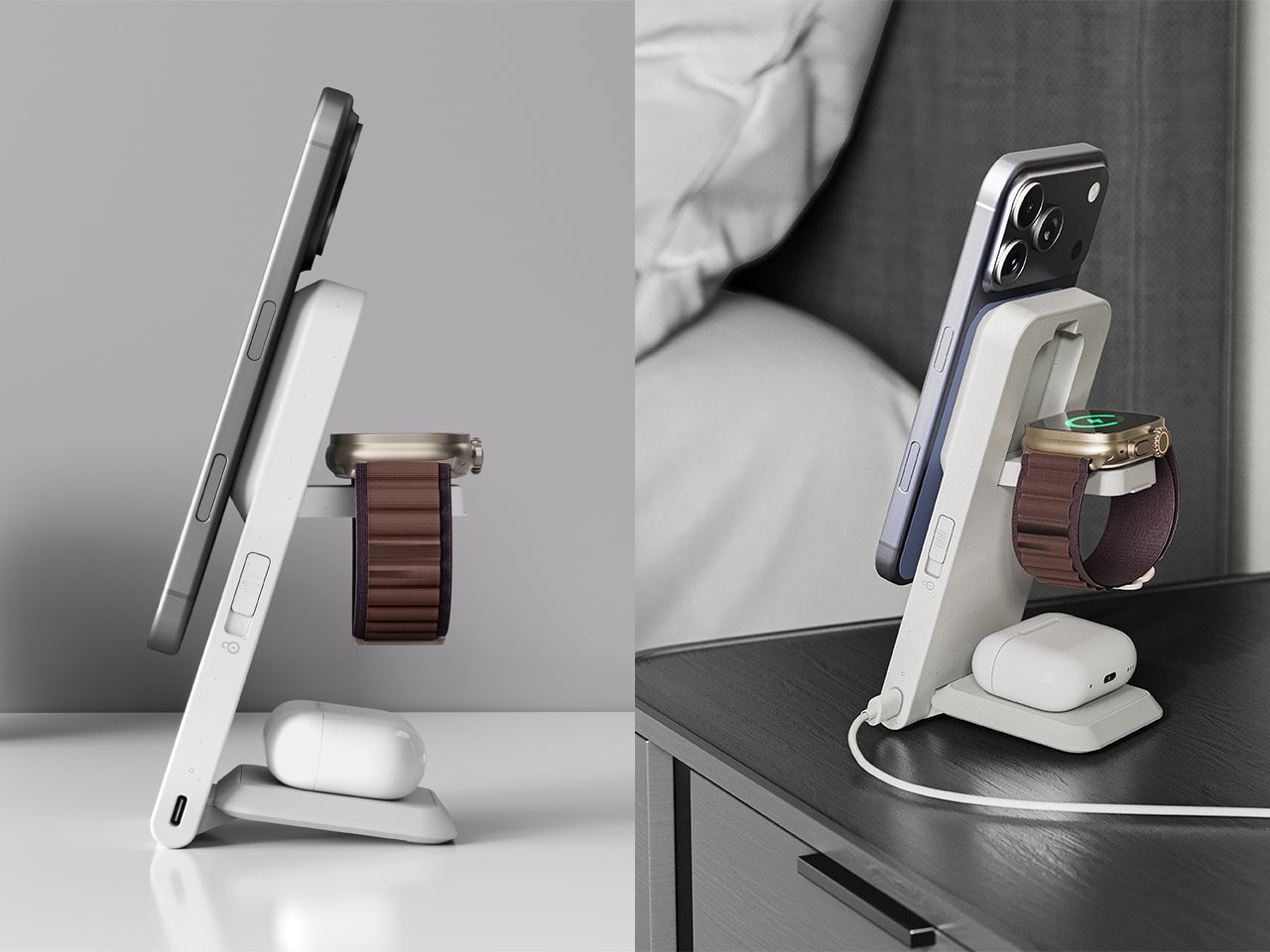
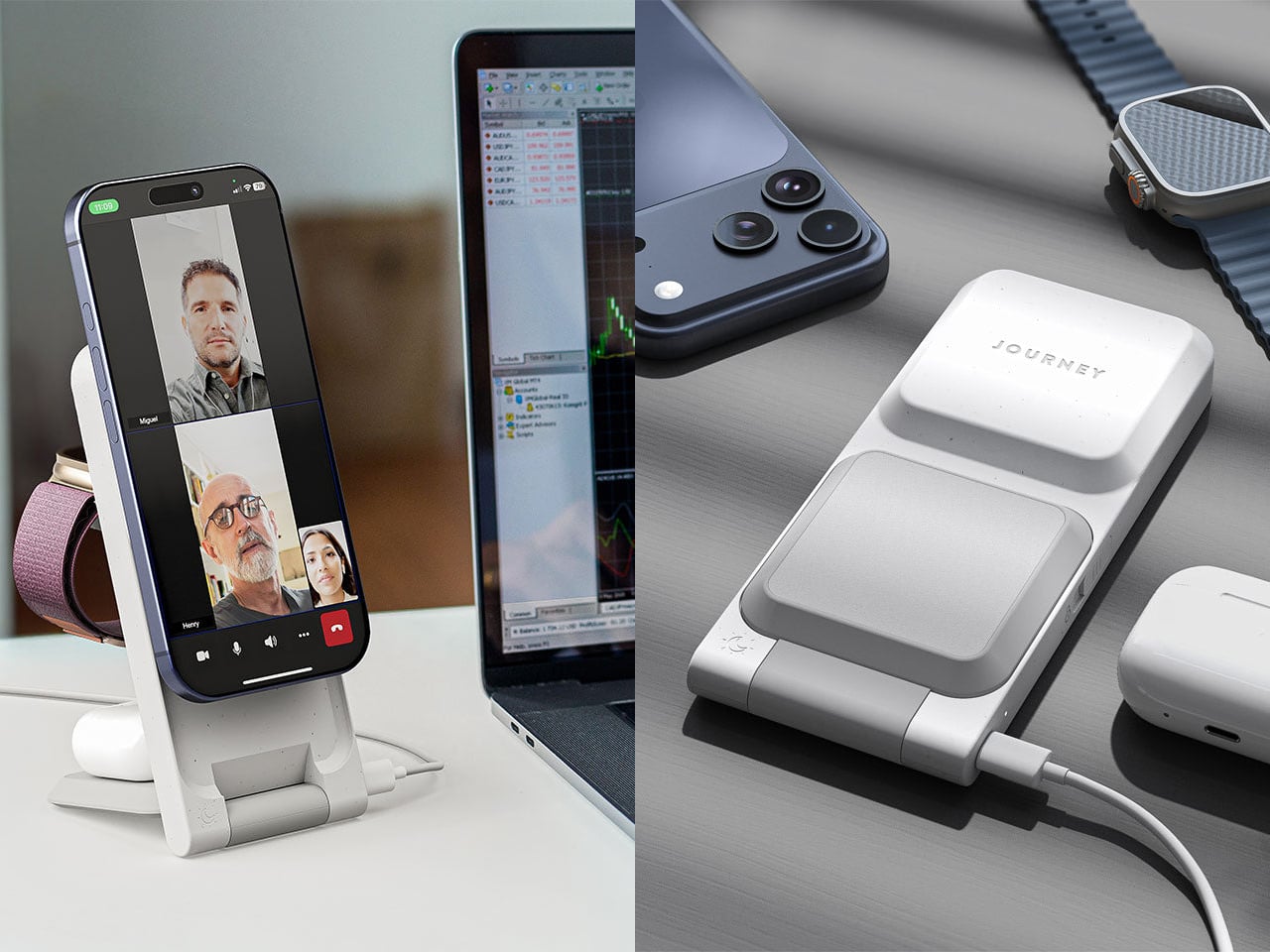
Most people who own an iPhone, an Apple Watch, and AirPods have quietly accepted the nightstand situation: three cables, two adapters, and a general sense that none of this should be as complicated as it is. The chargers come off the desk in different orders every morning, find their way into bags, and somehow never make it back to the same spot twice. Journey’s ARIA 3-in-1 Wireless Charging Station is built as a direct answer to that arithmetic problem.
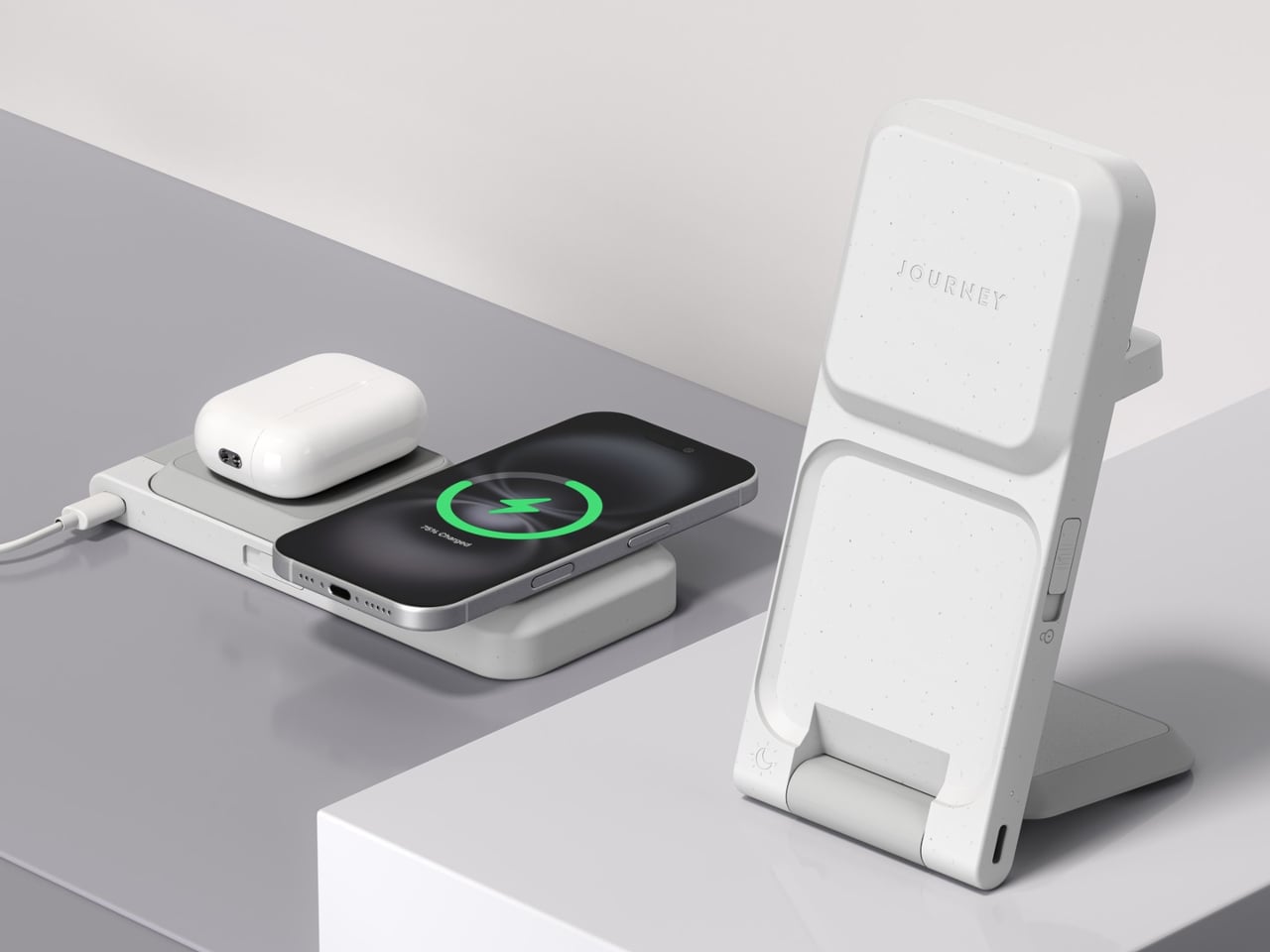
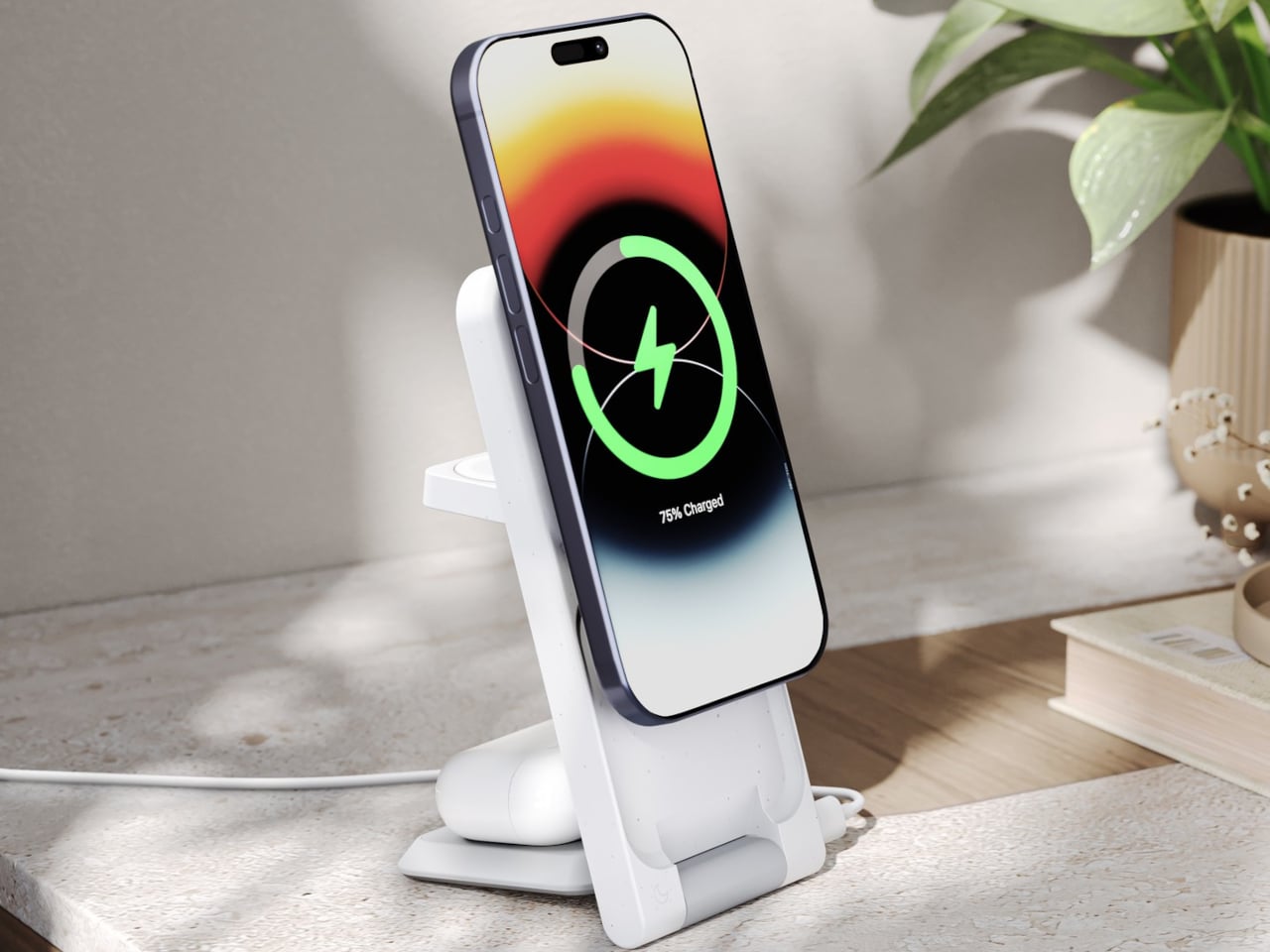
The ARIA is Qi2-certified and Made for Apple, which places it in a fairly short list of chargers cleared to deliver the full 15W to an iPhone 12 or newer. That Qi2 certification also means magnetic alignment is built into the standard, so the phone locks into position rather than needing to be nudged around until the charging indicator finally appears. It is a small difference that makes the whole routine feel more deliberate.
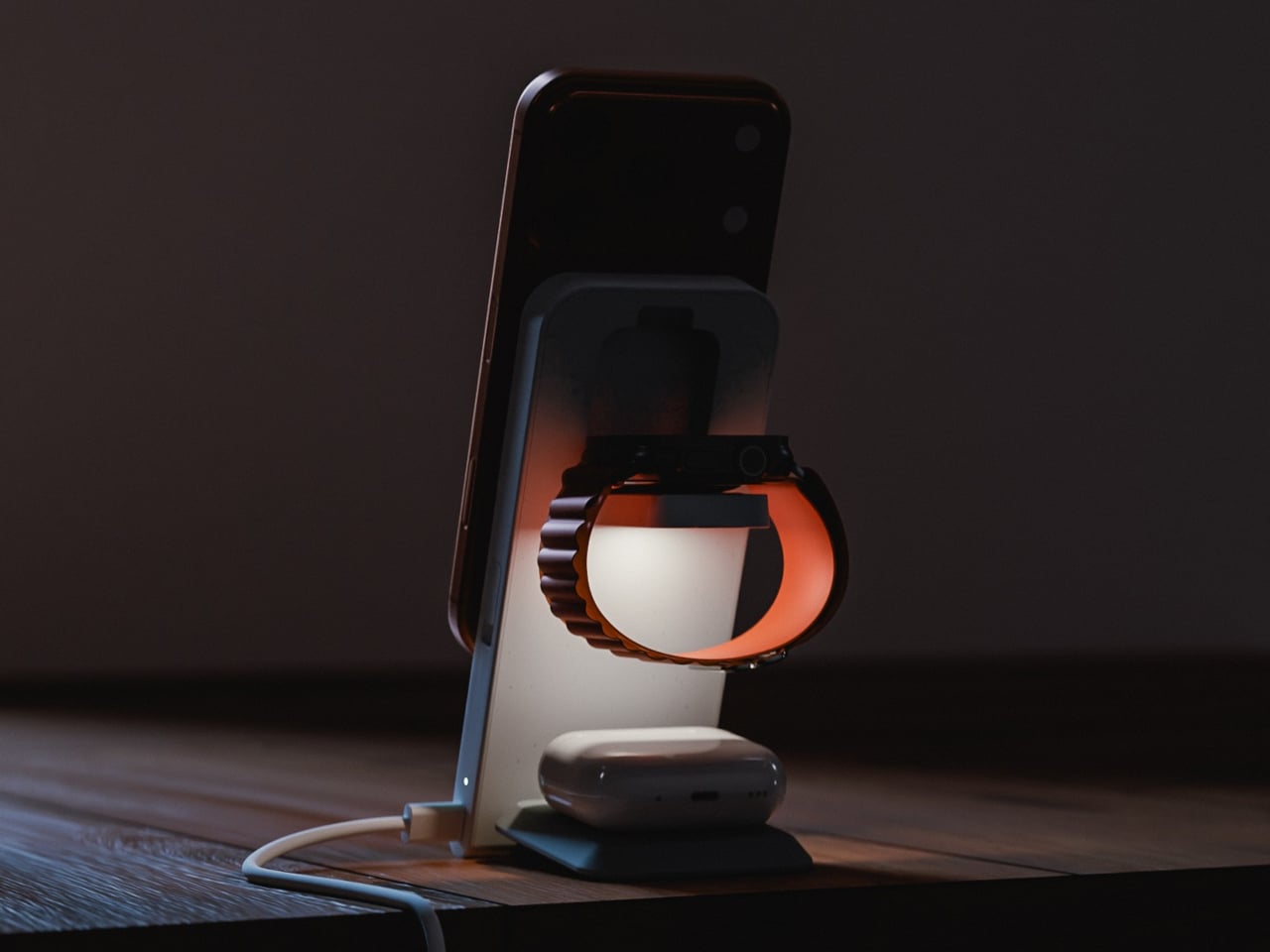
Apple Watch gets fast charging as well, and AirPods charge at up to 5W, all three running simultaneously from a single USB-C cable. That consolidates the whole power situation down to one cord running to one spot on the desk. One honest caveat: a 30W adapter is recommended for full performance but does not ship in the box, something worth factoring into the price tag before deciding how good the value proposition really is.
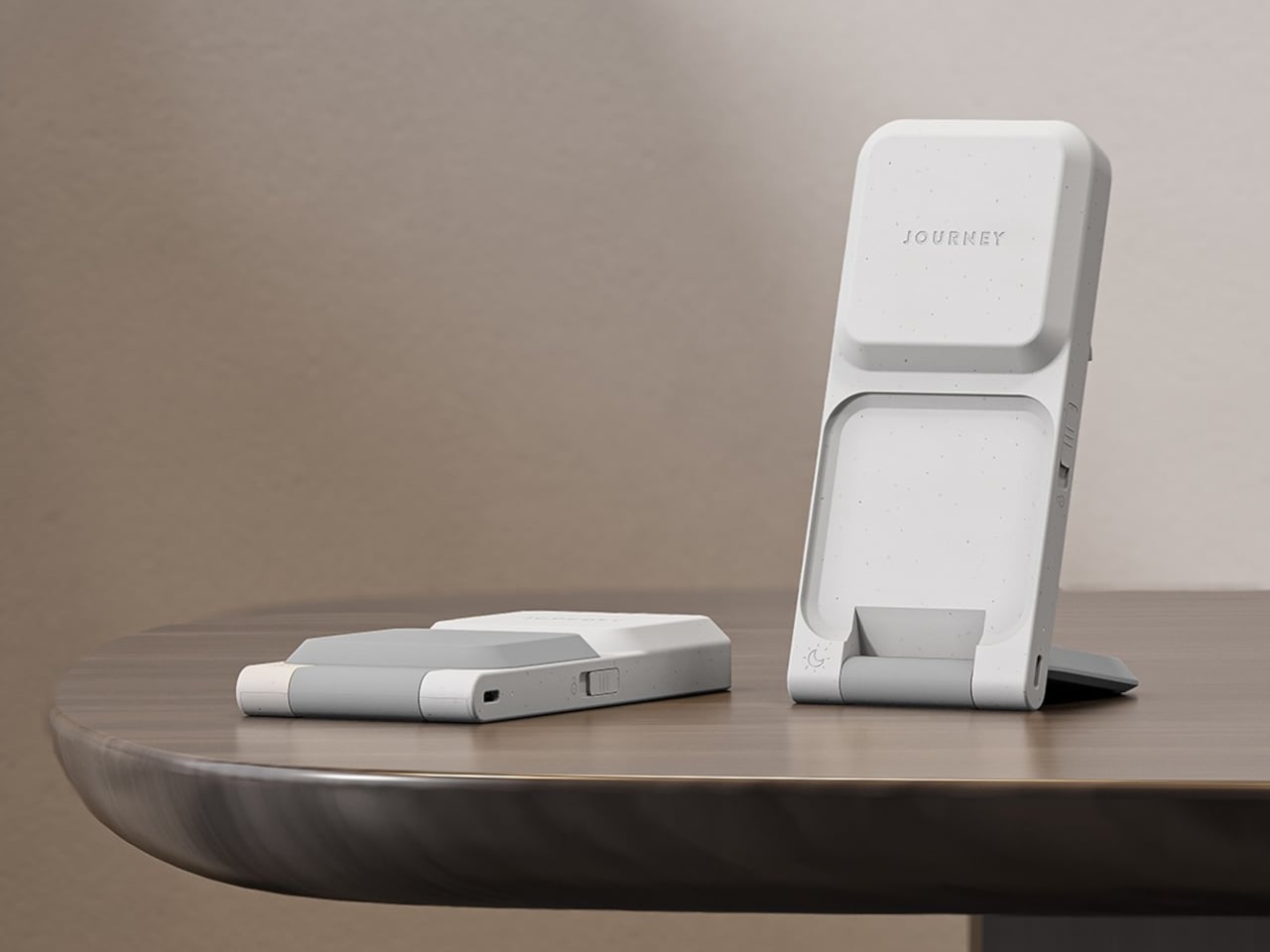
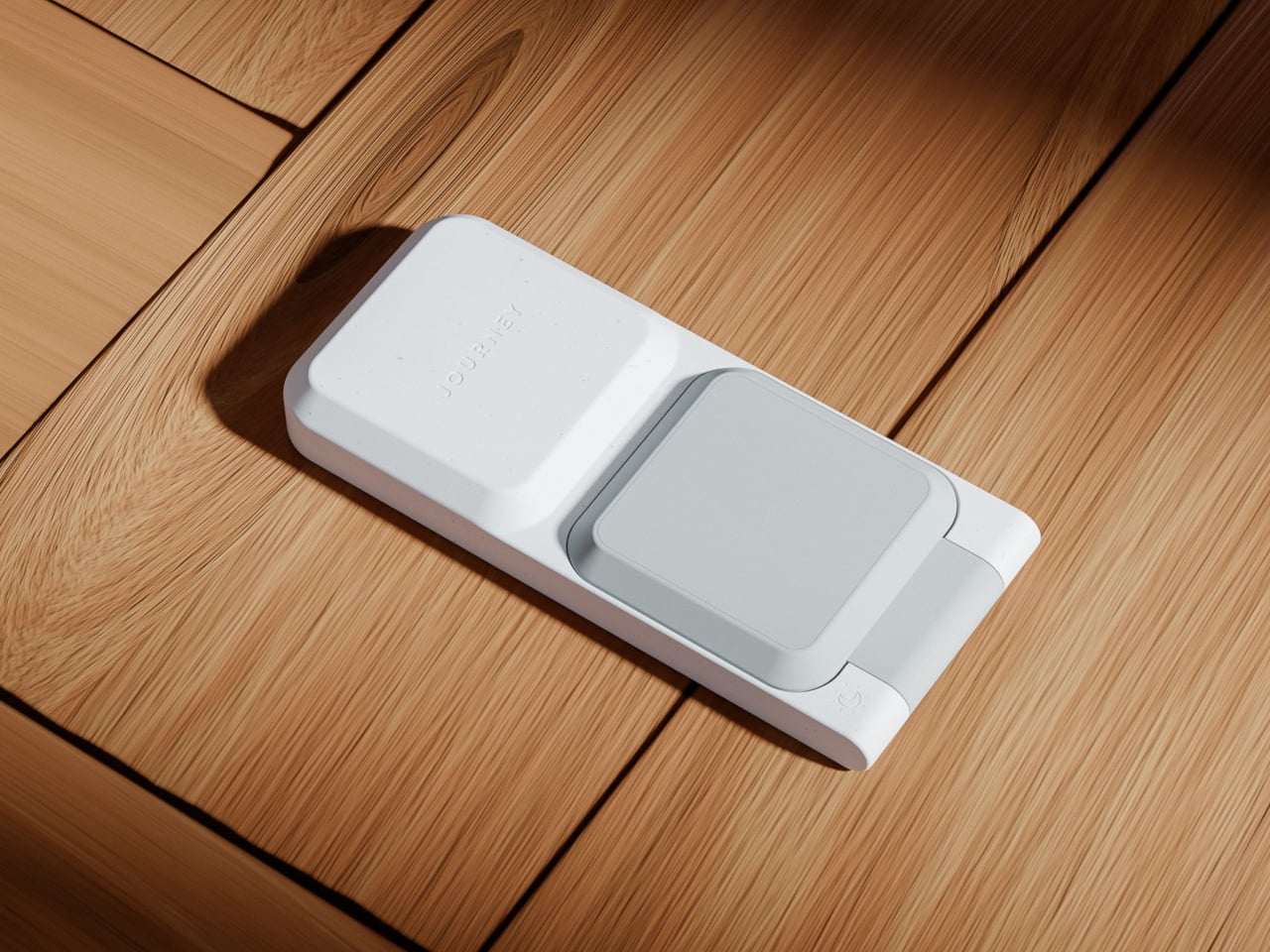
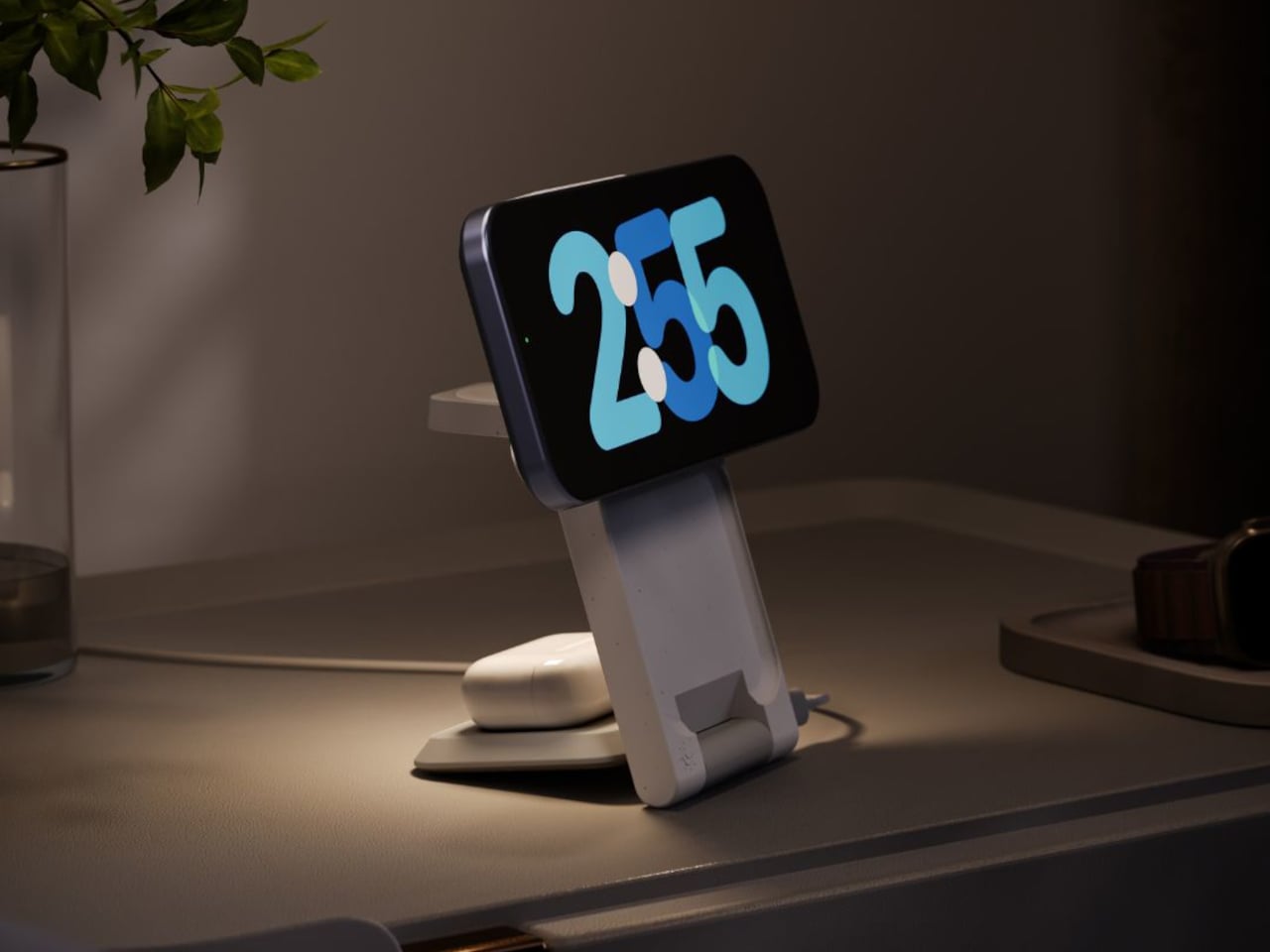
What separates the ARIA from a flat charging pad is a folding mechanism that gives it a second mode entirely. Lay it flat, and it works as a compact 2-in-1 pad, 16 cm long and under 2 cm thick, low-profile enough to disappear into most desk setups without demanding attention. Pop open the phone section, and it props the device up at just over 70 degrees, in either portrait or landscape. The transition takes about two seconds.
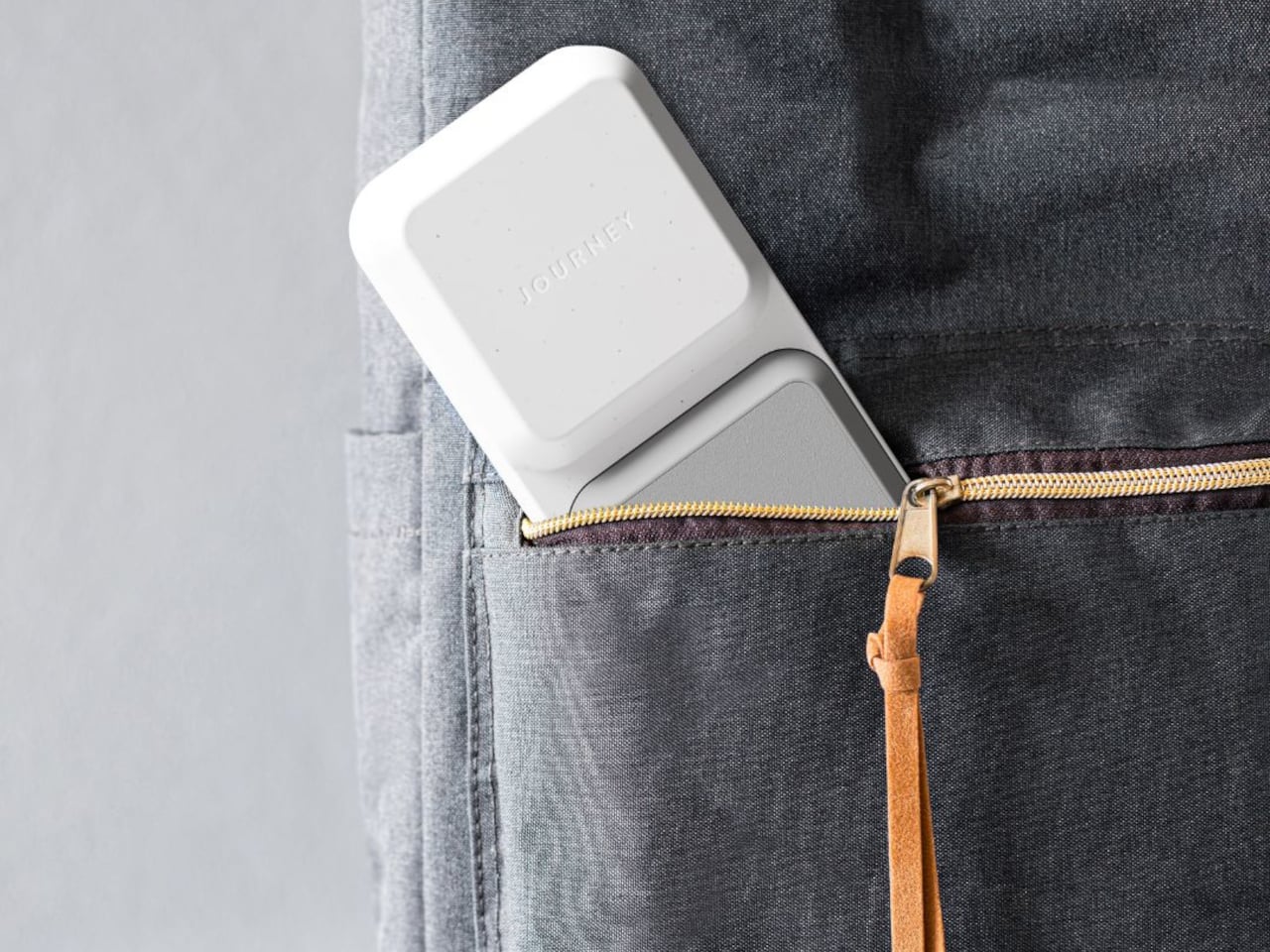
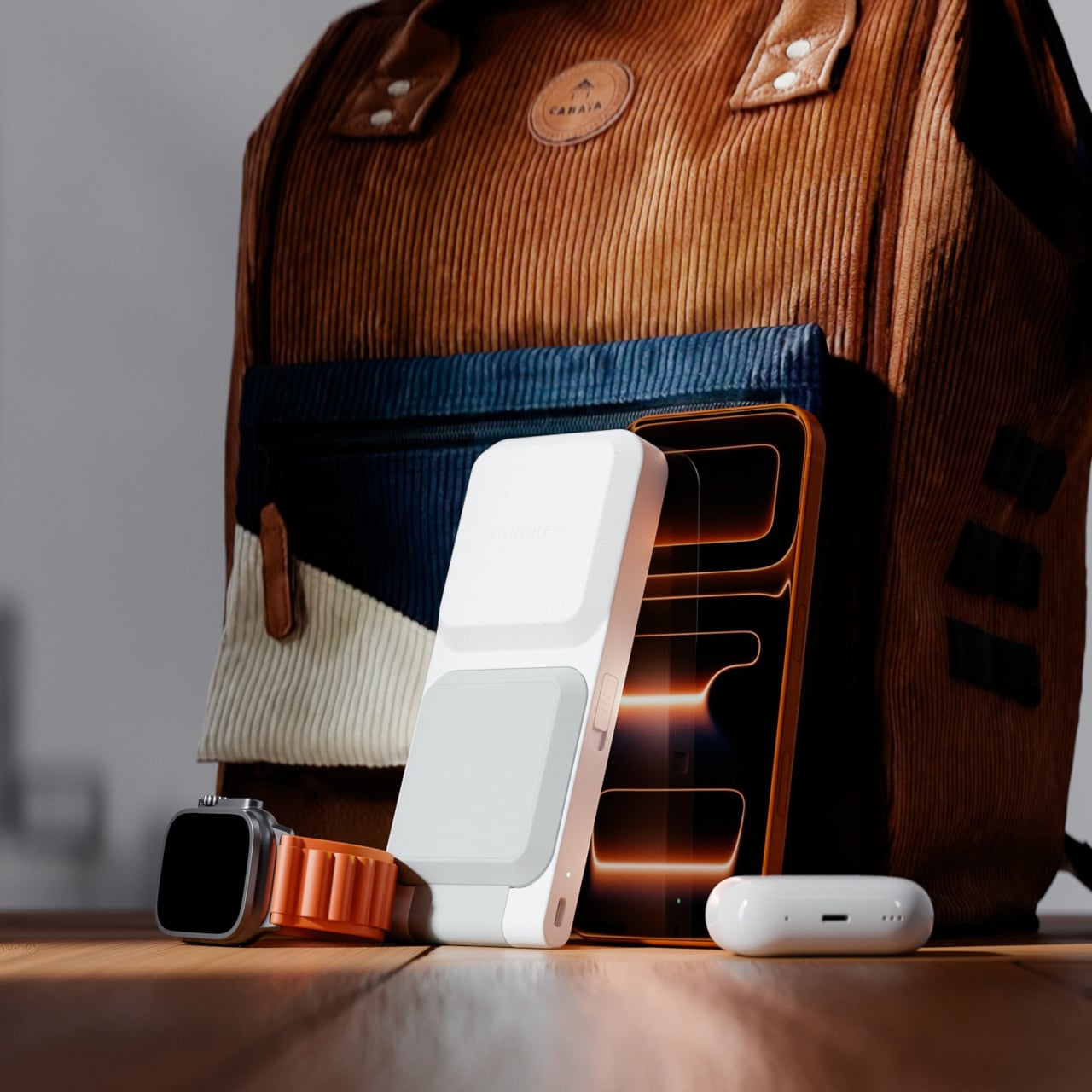
That dual-mode flexibility becomes more interesting when packing a bag. At 230g and folded down to 19mm, the ARIA fits into a Dopp kit without the usual negotiation over whether the gadget justifies the real estate. A magnetic alignment ring is included in the box for non-MagSafe phone cases, extending compatibility without requiring a case swap or any real effort.
Qi-enabled Android phones also work in flat mode, though at the reduced speeds their hardware supports rather than the full Qi2 ceiling. The ARIA handles international voltages from 100 to 240V as well, which means it travels without issue as long as you bring your own wall adapter and plug converter for the destination. For a device that sells itself on travel readiness, the missing adapter in the box still stings a little.
There is also a touch-controlled ambient light built into the base. A single tap produces a soft glow that works well at a bedside without flooding a dark room, and it beats reaching for a phone screen at 2 a.m. just to orient yourself. Small features like this tend to matter more in practice than they look on a spec sheet.
Camping gear has always operated on a quiet contradiction: the more you need comfort, the more weight you carry, and the more weight you carry, the less comfortable you become. Spring 2026 has a different answer. A wave of products has arrived that treats outdoor living not as an exercise in deprivation management but as a design problem worth solving properly — with biological modeling, modular cooking systems, and a shelter that erects itself in the time it takes to open a cold drink. These seven gadgets sit at that intersection.
The products on this list share a philosophy more than a category. Each one attacks a specific friction point in the camping experience — bad sleep, messy cooking, cold nights, assembly anxiety — with engineering that owes nothing to the gear conventions that preceded it. Whether you are weekend-tripping in the forest or plotting a longer off-grid stretch, this is what thoughtful outdoor design looks like in 2026.
1. Camp Napper
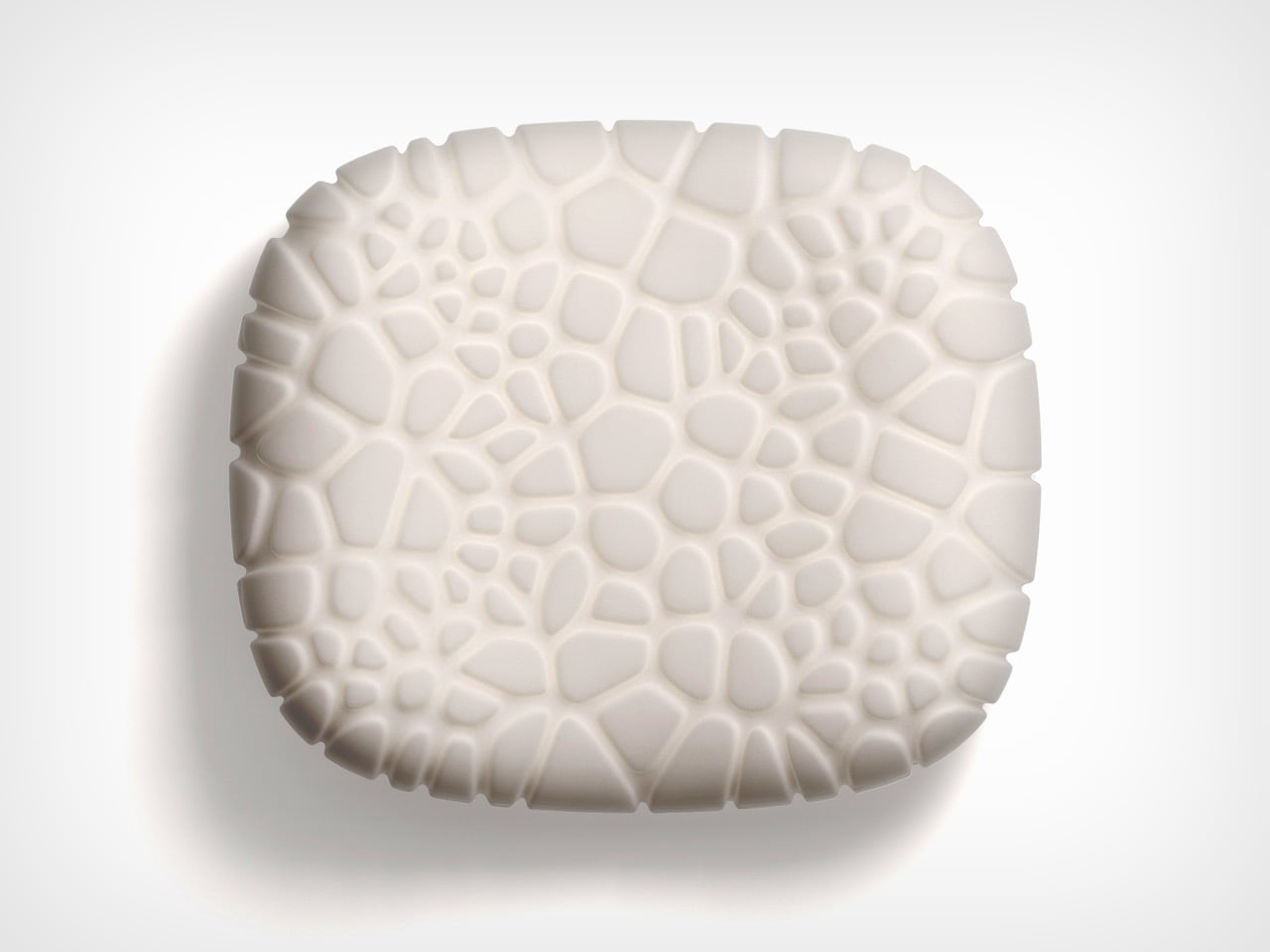
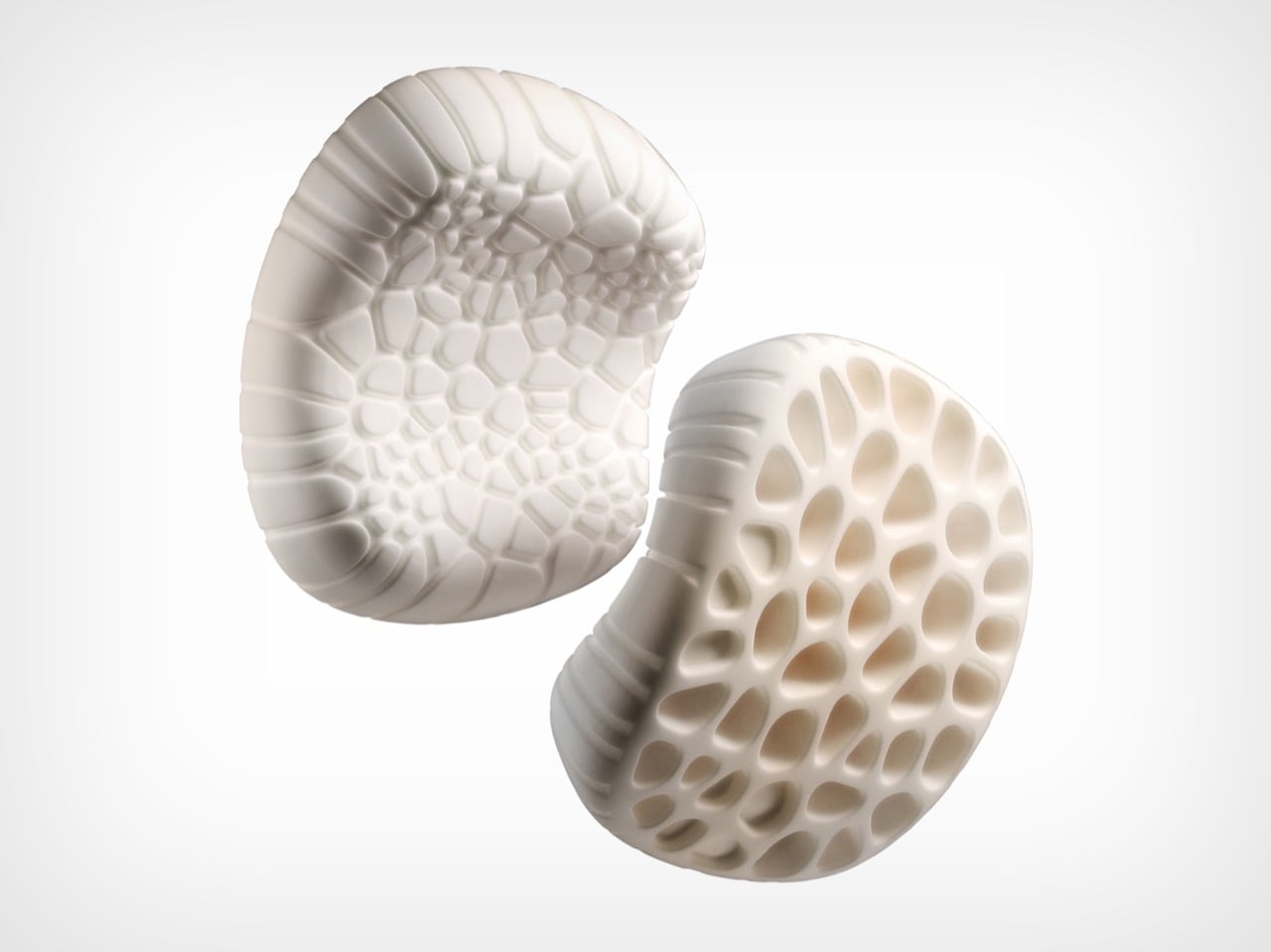
Most camping pillows solve exactly one problem: they pack small. Designer Chen Xu took a different starting point, drawing the Camp Napper‘s form from two biological sources: the surface texture of fungal spores shaped the contact face, and the hollow vascular geometry of plant stems informed the core. Voronoi polygon modelling mapped how pressure from a sleeping head spreads, then engineered protrusions and recesses to respond to that specific data.
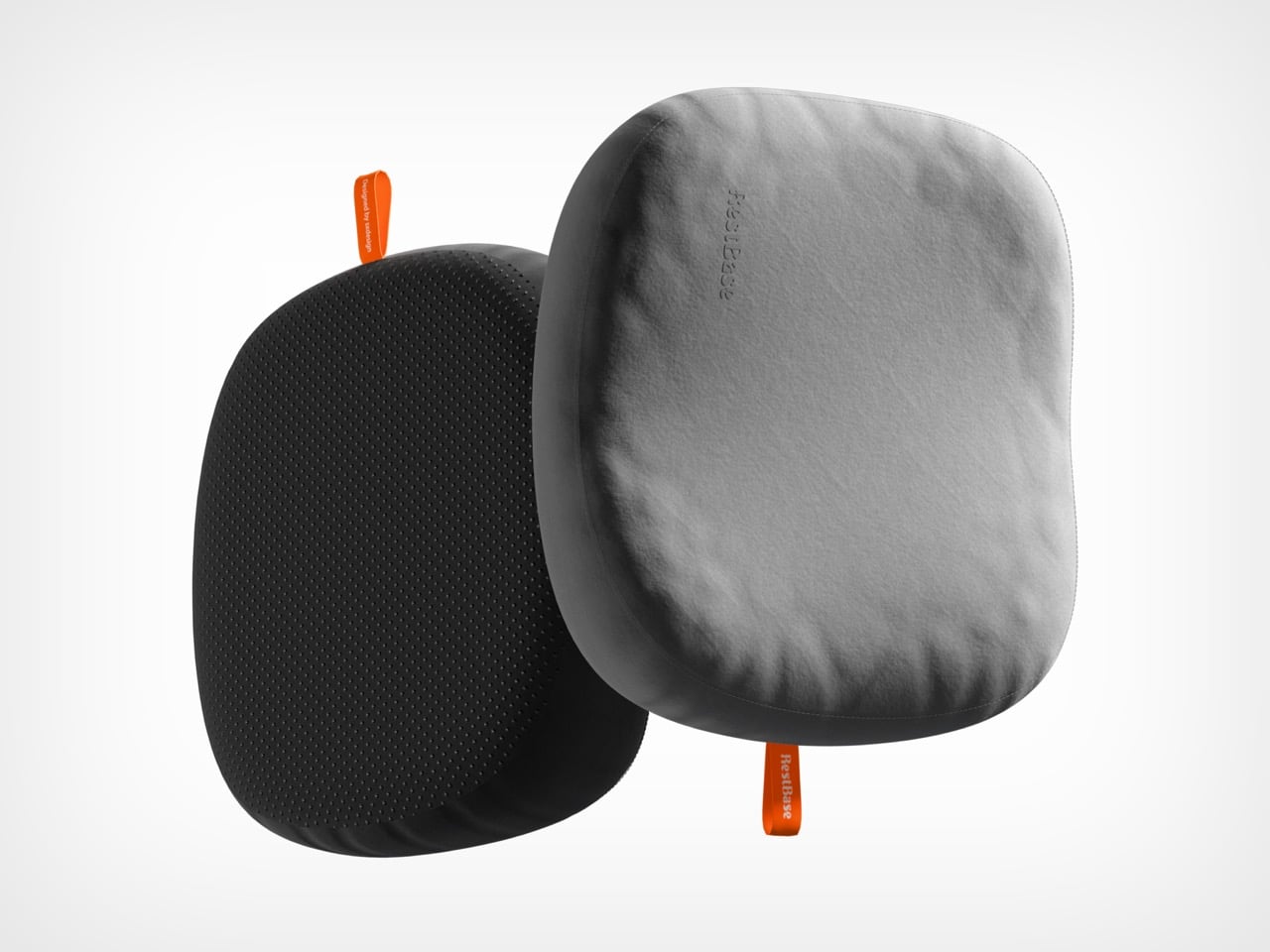
The front face has raised cellular structures that increase skin contact area and channel airflow simultaneously. Four tactile zones on the back face offer orientation-dependent customization. The hollow stem-derived core keeps total weight around 400 grams and packs to roughly the volume of a water cup. Memory foam holds the bionic geometry through repeated use, and anti-slip rubber particles on the base keep it stable across sleeping pads and hard floors. Note: the surface patterning is not for the trypophobic.
What we like
Voronoi-mapped surface addresses pressure distribution and airflow through the same structural solution, not two separate ones
Four tactile zones on the back face give orientation-dependent comfort options uncommon in this category
What we dislike
The cellular surface patterning will be a hard stop for anyone with trypophobia
No published compression specification for cold-weather performance, where memory foam typically stiffens
2. The Cube
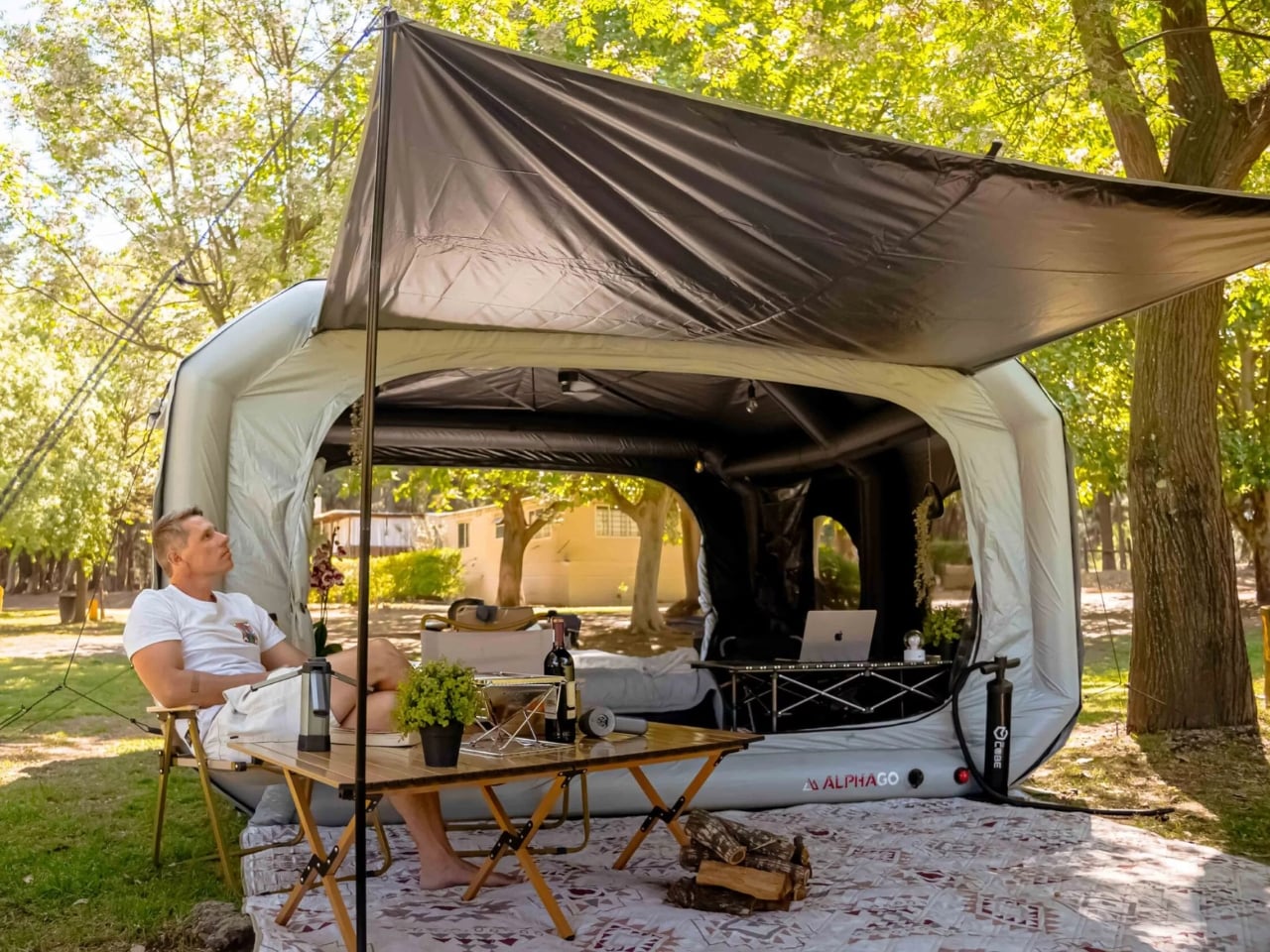
Tent assembly has not changed meaningfully in decades: poles, sleeves, and a diagram drawn by someone who has never camped. South African brand Alphago chose to treat that process as an engineering failure. The Cube is an inflatable tent with an air tube frame system that inflates via a wireless electric pump. One button press. Four minutes. No poles, no instructions, no arguments about which end faces the wind.
Speed is not the whole story. The Cube is built around comfort, with a stretched silhouette that allows standing height across most of the interior. The WeatherTec system uses welded floors and inverted seams, and both entrances have three independently operable layers: privacy screening, mosquito netting, and weather panels. Some configurations include integrated tables and storage drawers, extending the product into something closer to portable infrastructure than a simple shelter.
What we like
Four-minute wireless inflation eliminates the primary friction point of traditional tent setup
The three-layer entrance system handles every weather condition without reconfiguring the tent
What we dislike
Air tube frames are vulnerable to puncture in ways pole frames are not; field repair requires preparation
Inflatable architecture is larger and heavier than a comparable pole tent at the same floor area
3. All-in-One Grill
Outdoor cooking tends to bifurcate: bring a single-function grill and eat the same three things, or haul a kitchen’s worth of equipment and spend more time on logistics than on the fire. This modular tabletop grill takes a third position. Interchangeable cooking modules cover barbecuing, frying, grilling, steaming, smoking, and stew cooking from a single portable base, with a dedicated upright module for warming bottles — mulled wine included.
The compact footprint sits on any camp table without dominating it, and the modular construction that makes it versatile also simplifies cleaning. When one system handles multiple cooking methods, the question of what to cook becomes a matter of appetite rather than equipment logistics.
Six distinct cooking methods from one portable base, without multiple devices or fuel sources
A dedicated bottle-warming module is a specific, practical detail most outdoor cooking systems overlook
What we dislike
Modular systems accumulate small parts that are easy to misplace; no information on replacement part availability
Tabletop-only design limits cooking capacity for larger groups
4. TMB: The Modular Bottle
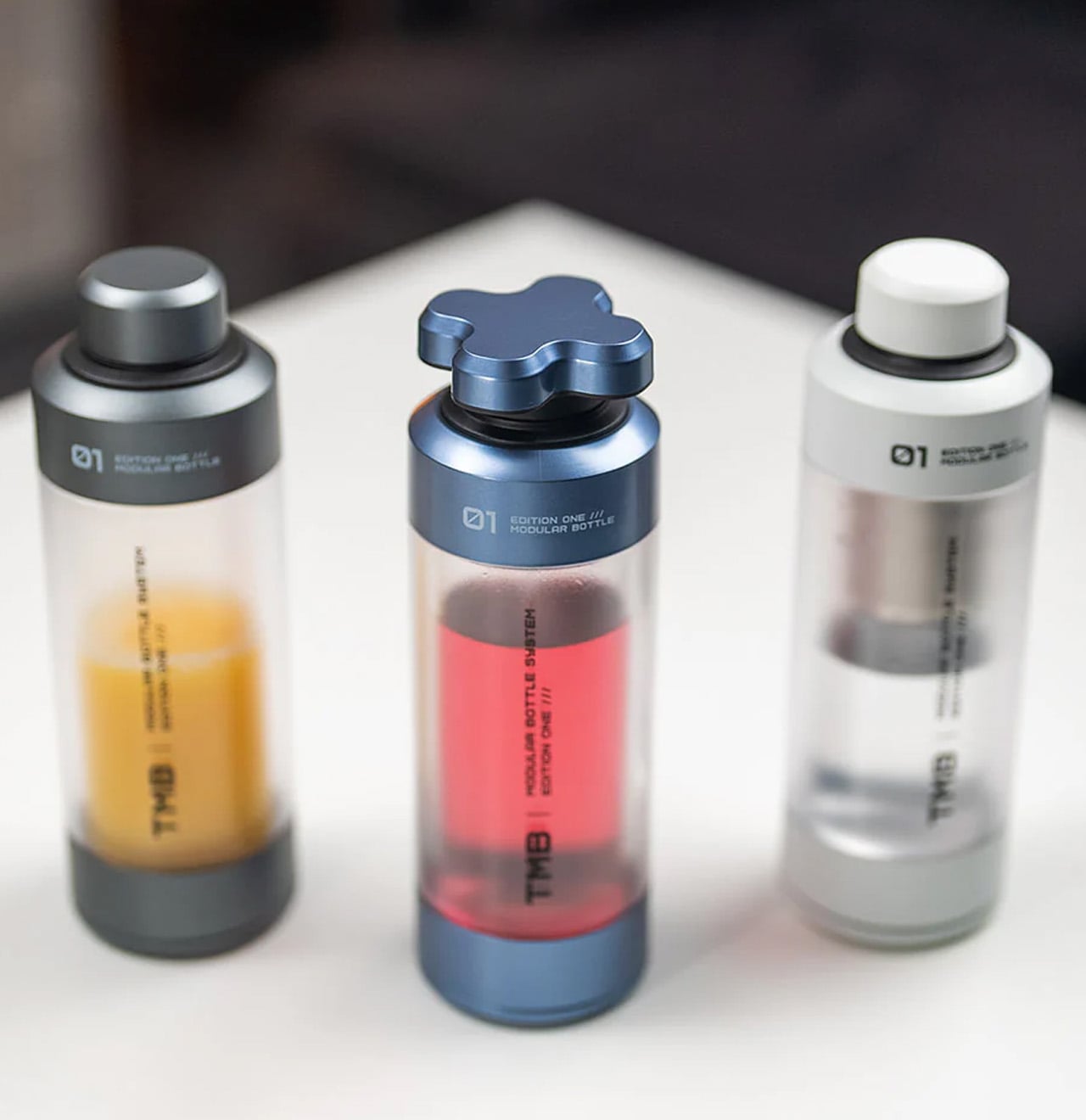
Hydration gear has a design problem few products acknowledge: one bottle cannot simultaneously optimize for commuting, exercise, and trail hiking. The TMB Modular Bottle builds adaptation into the object itself. The borosilicate glass interior preserves drink flavor without absorbing taste or odor — a material property that distinguishes it from the steel and plastic alternatives dominating this category. A translucent mid-section gives a constant view of remaining liquid, removing minor but real friction from the outdoor day.
The modular design allows configuration changes based on activity. For camping specifically, the glass interior means whatever you fill it with tastes like itself rather than the container. Easy disassembly for cleaning prevents the stale odor buildup that makes most reusable bottles unpleasant after weeks of real use.
What we like
Borosilicate glass preserves drink flavor without imparting taste or odor, a material advantage over steel or plastic
The translucent mid-section gives a real-time view of the remaining liquid that opaque bottles hide
What we dislike
Glass interiors, even borosilicate, carry more breakage risk than steel alternatives in rough outdoor handling
Modular assembly adds cleaning complexity compared to a single-body bottle
5. Portable Fire Pit Stand
There is an honesty to a fire pit that most portable cooking solutions sidestep. This bonfire stand brings it back without the permanence of a built pit or the flimsiness of a folding ring. The steel plate construction uses sheet metal technology to resist the warping and distortion that heat cycling causes in cheaper materials, and the punched holes and cutouts give it an industrial character while improving airflow around the burn.
Assembly works like a puzzle — metal pieces interlock without tools. Removable trivets open the cooking configuration to grilling, frying, and more. The warp-resistant black steel plate holds its geometry through repeated heating and cooling cycles, a failure mode that undermines most portable fire hardware after a single season.
Warp-resistant steel construction maintains geometry through repeated heat cycling, where most portable fire hardware eventually distorts
Tool-free interlocking assembly means no accessories that can be forgotten at home
What we dislike
Open fire structure requires a flat, stable, fire-safe surface — more site-dependent than enclosed stove alternatives
Black steel requires dry storage and some maintenance to prevent surface rust
6. Hot Pocket
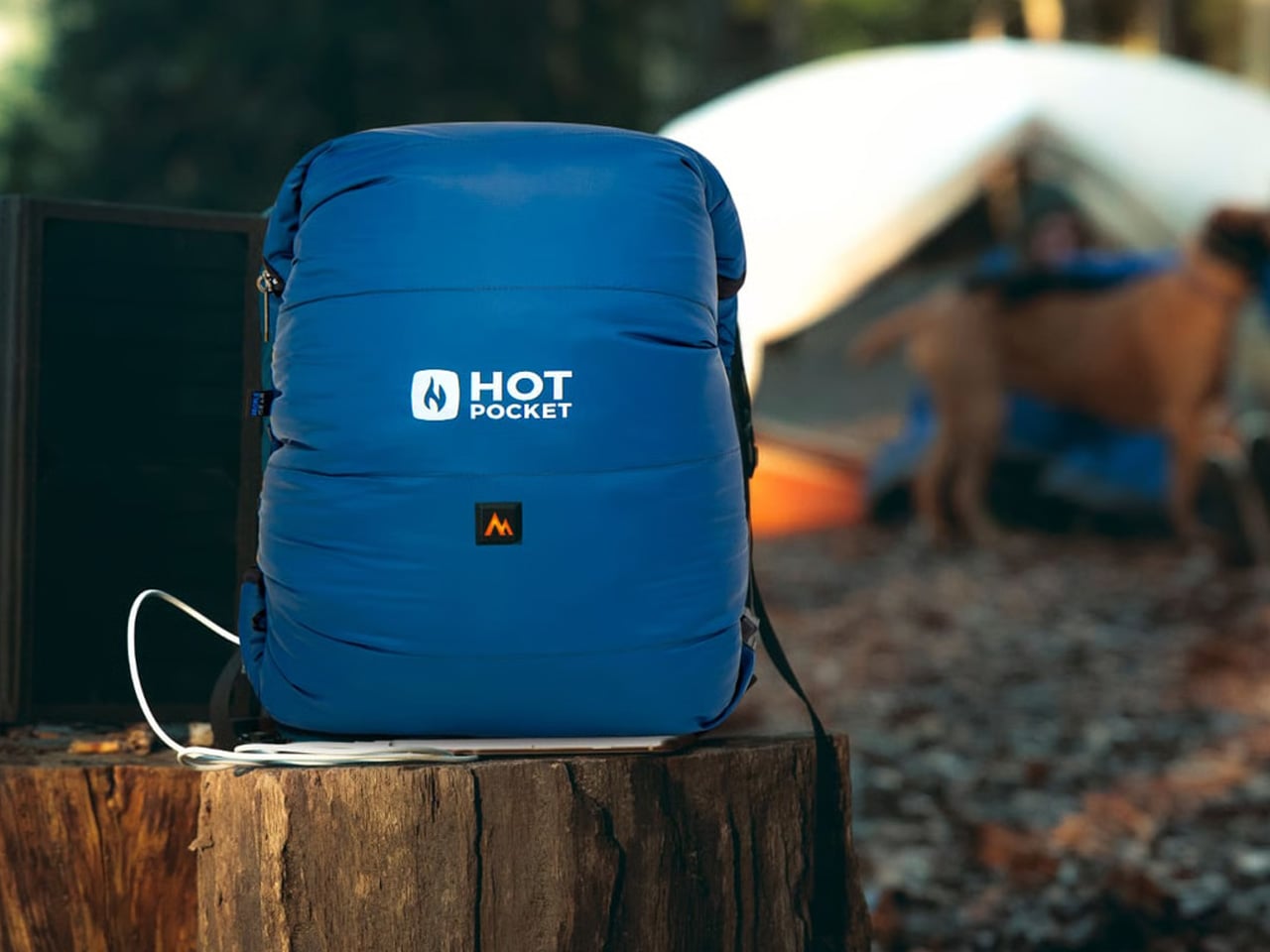
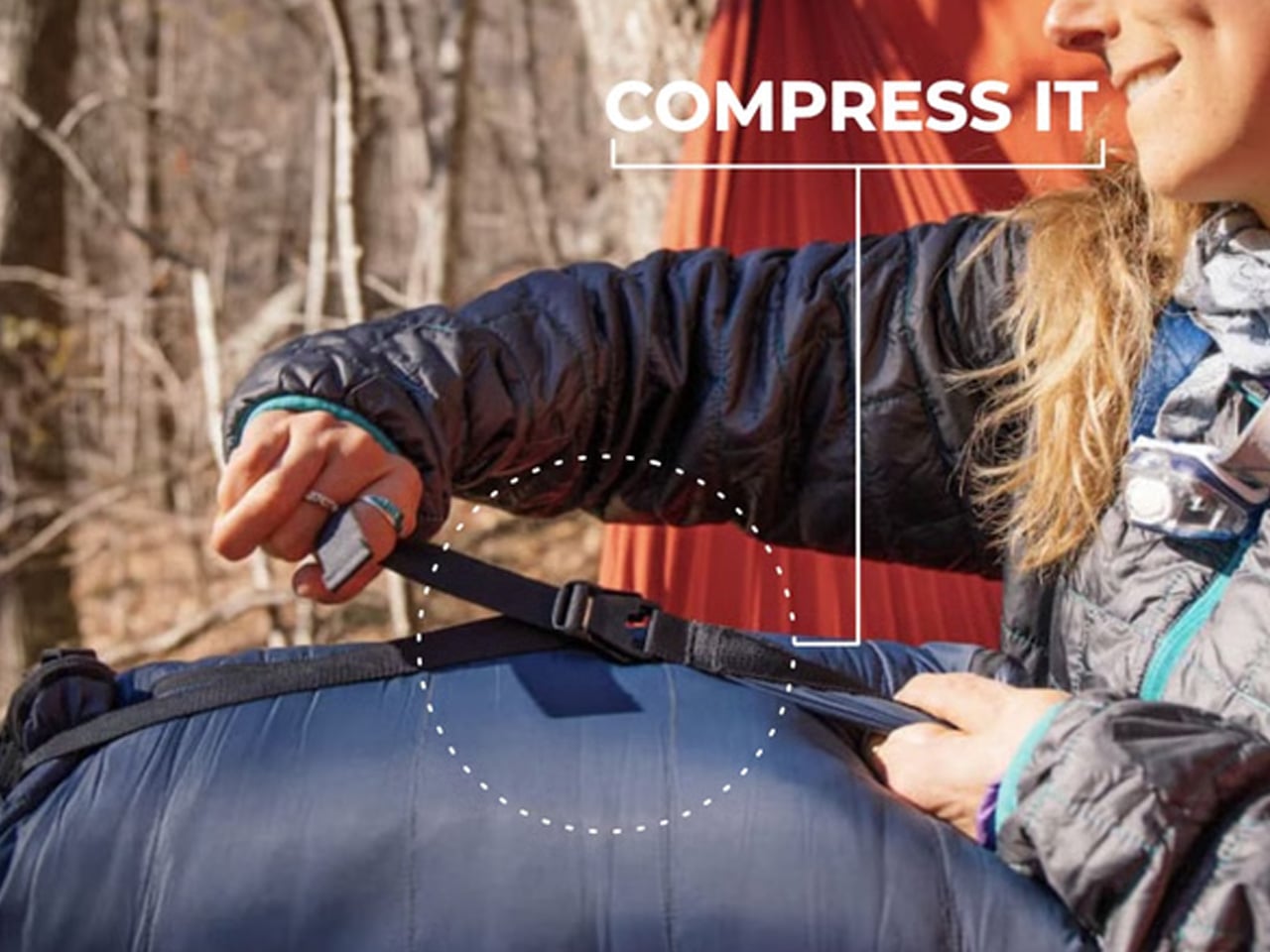
Cold sleeping bag syndrome follows a predictable pattern: zip in, spend the first twenty minutes waiting for body heat to build, arrive at warmth already half-asleep and irritated. The Hot Pocket, created by the Sierra Madre team, breaks that cycle before it starts. It stores and compresses your sleeping bag or quilt during the day, then pre-heats the insulation before you get in — so the first moment of contact is already warm.
The system is wireless and portable, designed for use beyond the campsite: ski slopes, sports sidelines, anywhere pre-warmed insulation matters. The on-demand heating replaces disposable chemical heat packs, which degrade after a single use. Compression and heating are integrated into one object, handling a task the sleeping bag needed done anyway — storage and transport — while adding warmth as a built-in function.
What we like
Pre-heating eliminates the body-heat warm-up window that makes the first stretch in a cold sleeping bag genuinely unpleasant
Integrated compression and heating replace disposable chemical packs with a reusable, on-demand solution
What we dislike
Wireless operation adds battery management to the camping checklist; no published battery life data
Pre-heating duration and heat retention are unspecified, making it difficult to plan around the product’s actual warming window
7. DraftPro Top Can Opener
The DraftPro is not solving a survival problem. It is solving an experience problem. Designed by Japanese designer Shu Kanno, the tool removes the entire top of a can to create a wide-mouth opening that changes how the contents smell, taste, and behave. For beer, full-top removal mimics drinking from a glass, releasing aroma rather than directing it through a small aperture. The smooth-edged finish removes the safety concern that other full-removal openers have historically carried.
The camping application extends beyond drinking. With the top off, you can add ice directly to the can or build a cocktail inside it without a separate vessel. The opener handles domestic and international can sizes, which matters when available canned goods do not match a home market. For a campsite where the evening drink matters as much as the fire, this is the detail that earns its place.
Full top removal creates a draft-style drinking experience with full aroma release — a functional difference from standard can opening
The can-as-vessel approach allows ice-adding and cocktail preparation without additional cups or shakers
What we dislike
Single-function specialization means it earns a spot only if canned beverages are a consistent part of the camping plan
No published durability specification for the cutting mechanism over time
Spring’s best case for smarter camping
What connects these seven products is not a shared price point or aesthetic — it is a shared refusal to accept that outdoor gear has to be difficult, uncomfortable, or boring. The Camp Napper applies biological modeling to a pillow. The Cube eliminates the most frustrating fifteen minutes of any camping trip. The DraftPro turns a can into a proper drinking vessel. Each object is the result of someone looking at a friction point in outdoor life and deciding it deserved a real answer.
Spring camping is the ideal moment to bring these to a campsite. The temperatures invite longer stays, the light cooperates, and the desire to actually be comfortable rather than just surviving outdoors is at its highest. These products meet that desire with design intelligence rather than compromised portability or bulky engineering. Pack accordingly.
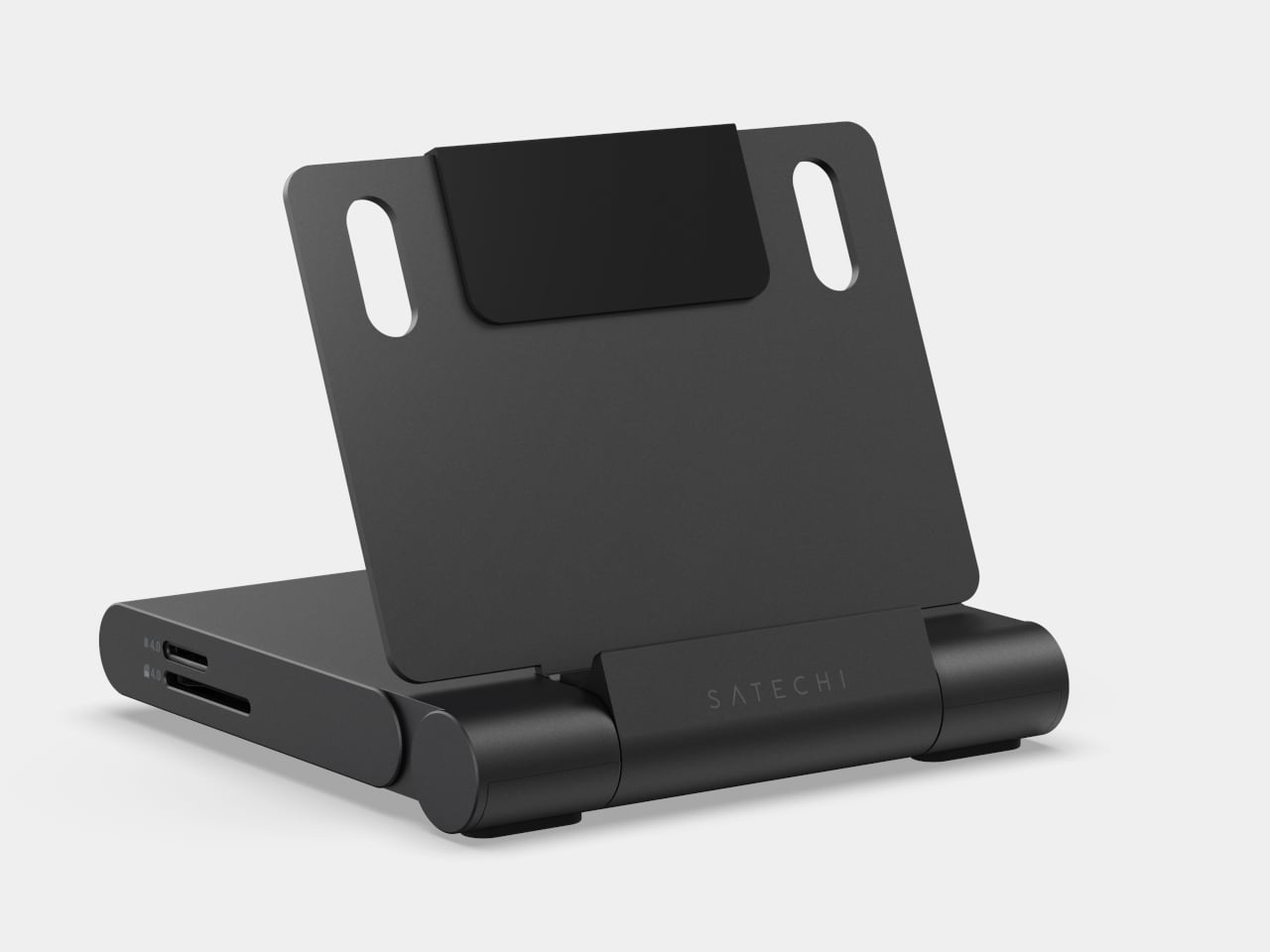
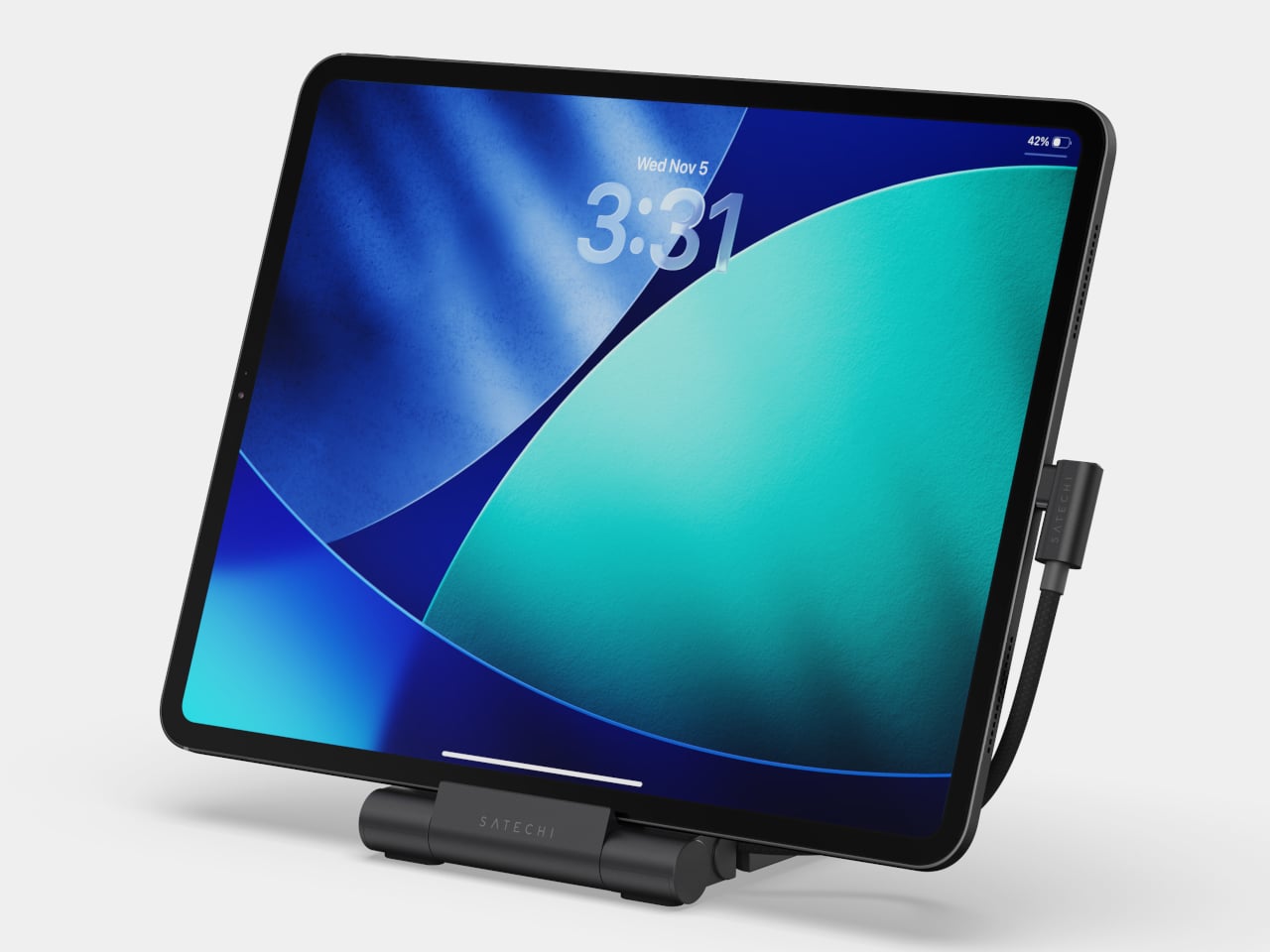
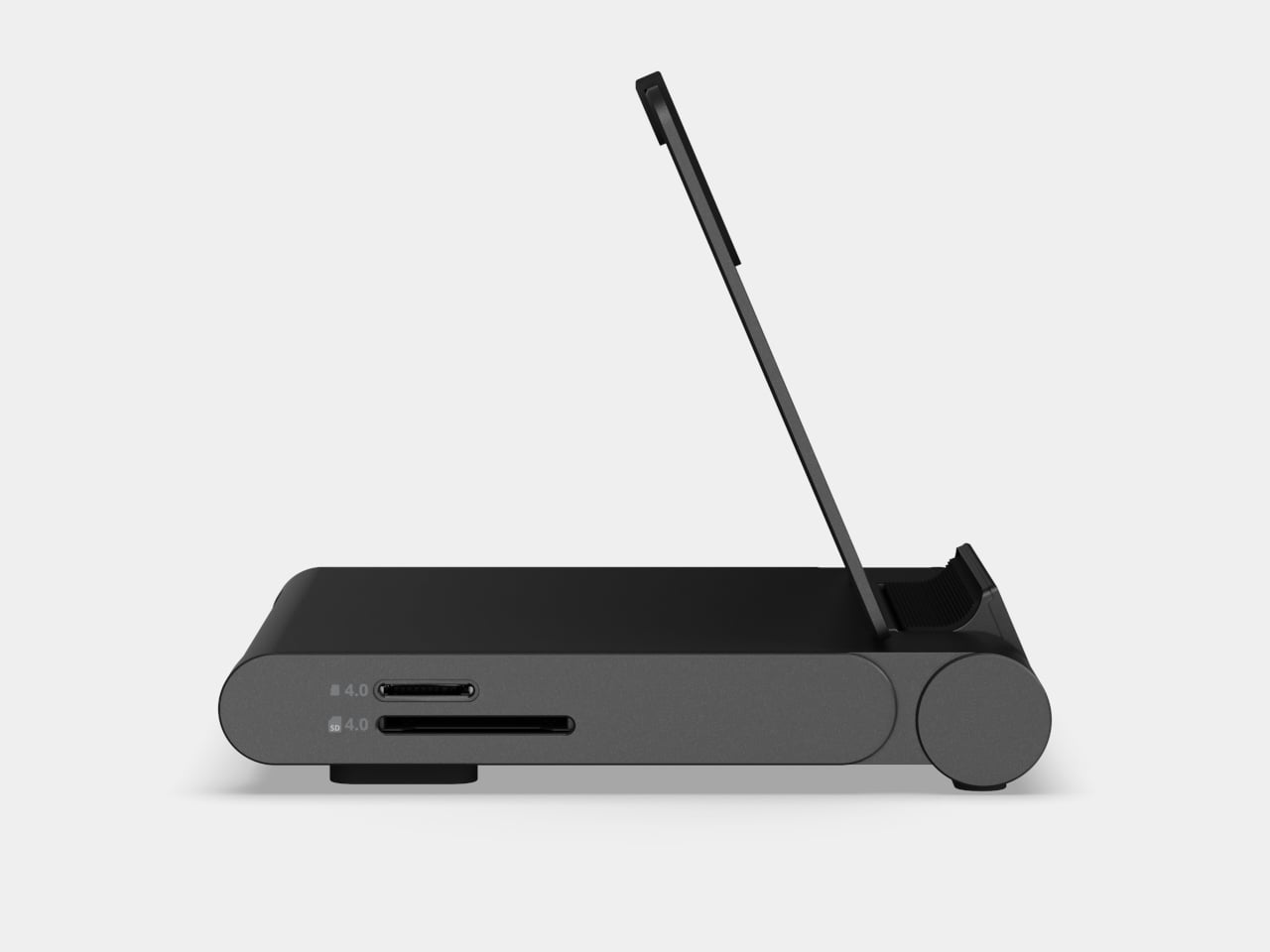
Packing a bag for a day of working away from a desk has become its own logistics puzzle. There is the hub for ports, the stand to prop the screen at a usable angle, the card reader for importing photos, and the charging cable to keep everything alive mid-session. Satechi’s OntheGo Foldable Stand Hub takes a direct swing at this by combining all of that into a single unit that folds flat to under 20mm and weighs just 187.5g.
The premise is simple. Unfold the stand, plug the attached 17 cm USB-C cable into a tablet or laptop, and the whole suite of ports is live: HDMI 2.0 output at up to 4K@60Hz, two 10 Gbps data ports (one USB-C, one USB-A), UHS-II SD and microSD slots at up to 312 MB/s, a 3.5mm audio jack, and 100W USB-C Power Delivery passthrough. That last feature delivers up to 85W to the host device, enough to sustain a MacBook Air or iPad Pro under a heavy session without draining the battery.
For photographers working on location, the card slots alone justify the bag space. Slide in a UHS-II SD card fresh from a camera, and the 312 MB/s ceiling means a full card of RAW files clears quickly. Connect a monitor through the HDMI port, and a hotel desk becomes something closer to a proper edit station, with the screen raised to a natural viewing height and footage already importing in the background.
Compatibility covers the expected range: iPad Pro, iPad Air, iPad mini (2021 and later), and recent iPhones. Worth noting: the iPad mini (2021) tops out at 5 Gbps on the data ports due to its own USB spec, not the hub’s. Outside of Apple’s garden, it also supports select Microsoft Surface Pro models and USB-C Android devices, especially ones that support Samsung DeX.
That last point is an important one. A compatible Samsung phone connected to an external monitor through this hub activates DeX mode, turning the phone into a desktop-style interface without needing a laptop at all. That said, you’ll need to hook up an external monitor to actually activate DeX mode.
At $79.99, the OntheGo Foldable Stand Hub sits in a space where stands and hubs are almost always sold separately, each typically running $30 to $60 on their own. What a spec sheet cannot answer is how the folding hinge holds up after months of daily packing and repacking, and whether the fixed 17cm cable length plays nicely with every desk configuration or occasionally creates its own awkward workarounds.
Modern laptops aren’t short on power, but they’re increasingly short on ports. One USB-C port ends up doing everything: charging, video out, storage, and peripherals, while a small pile of adapters accumulates next to the keyboard. The setup works, but it doesn’t look like the clean, minimal desk you were going for, and it means carrying more pieces than you’d like when you’re working somewhere that isn’t home.
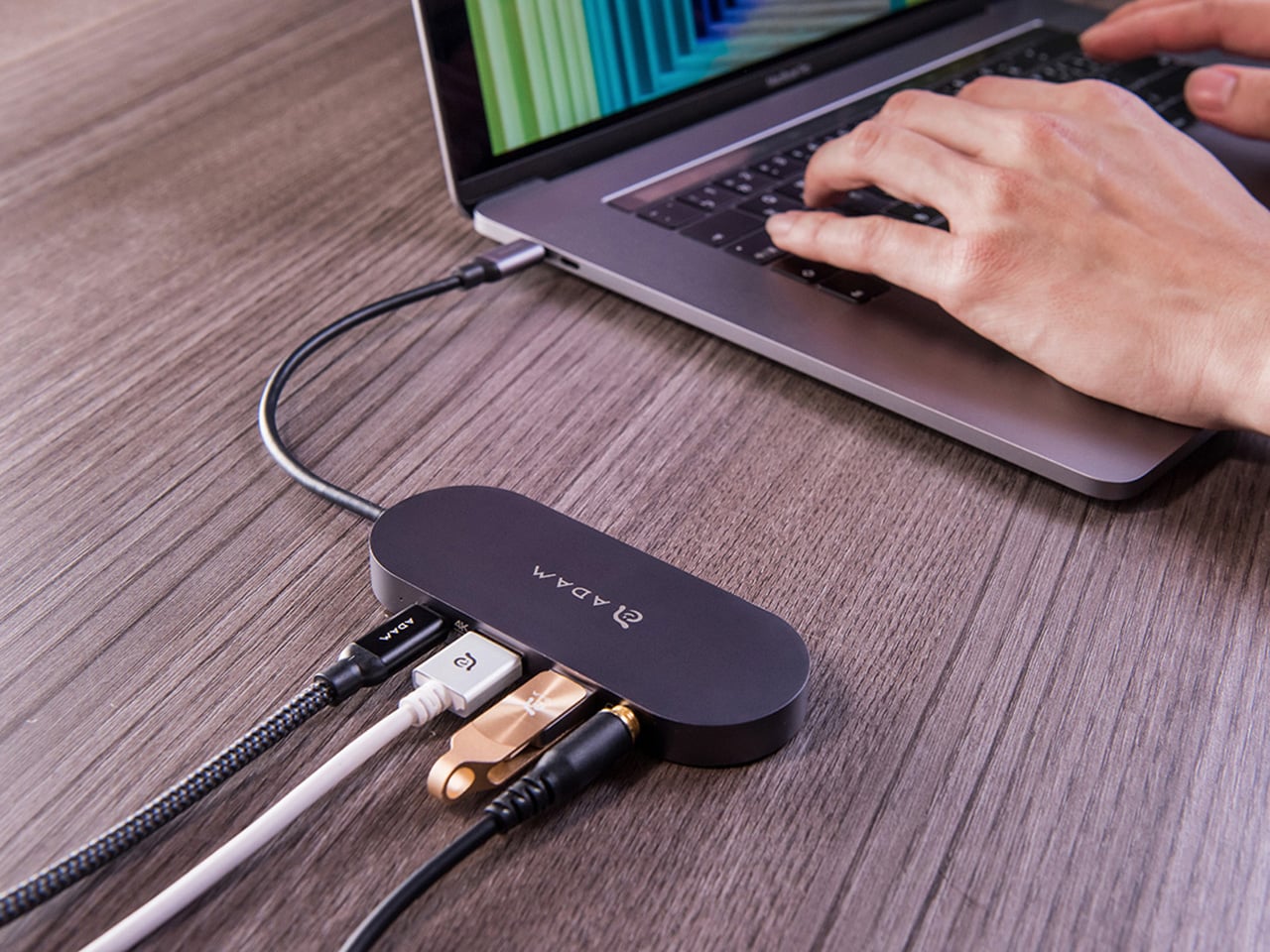
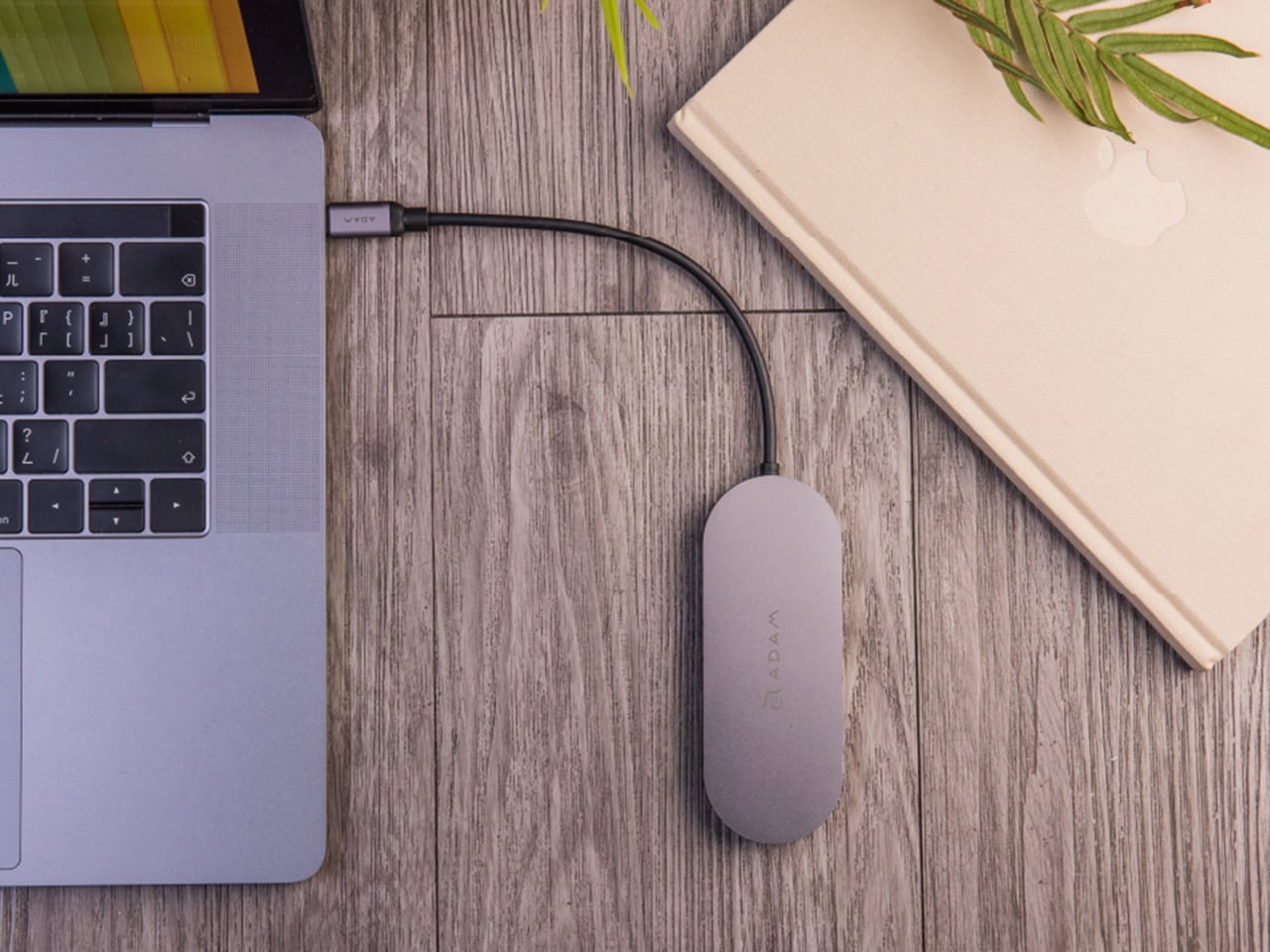
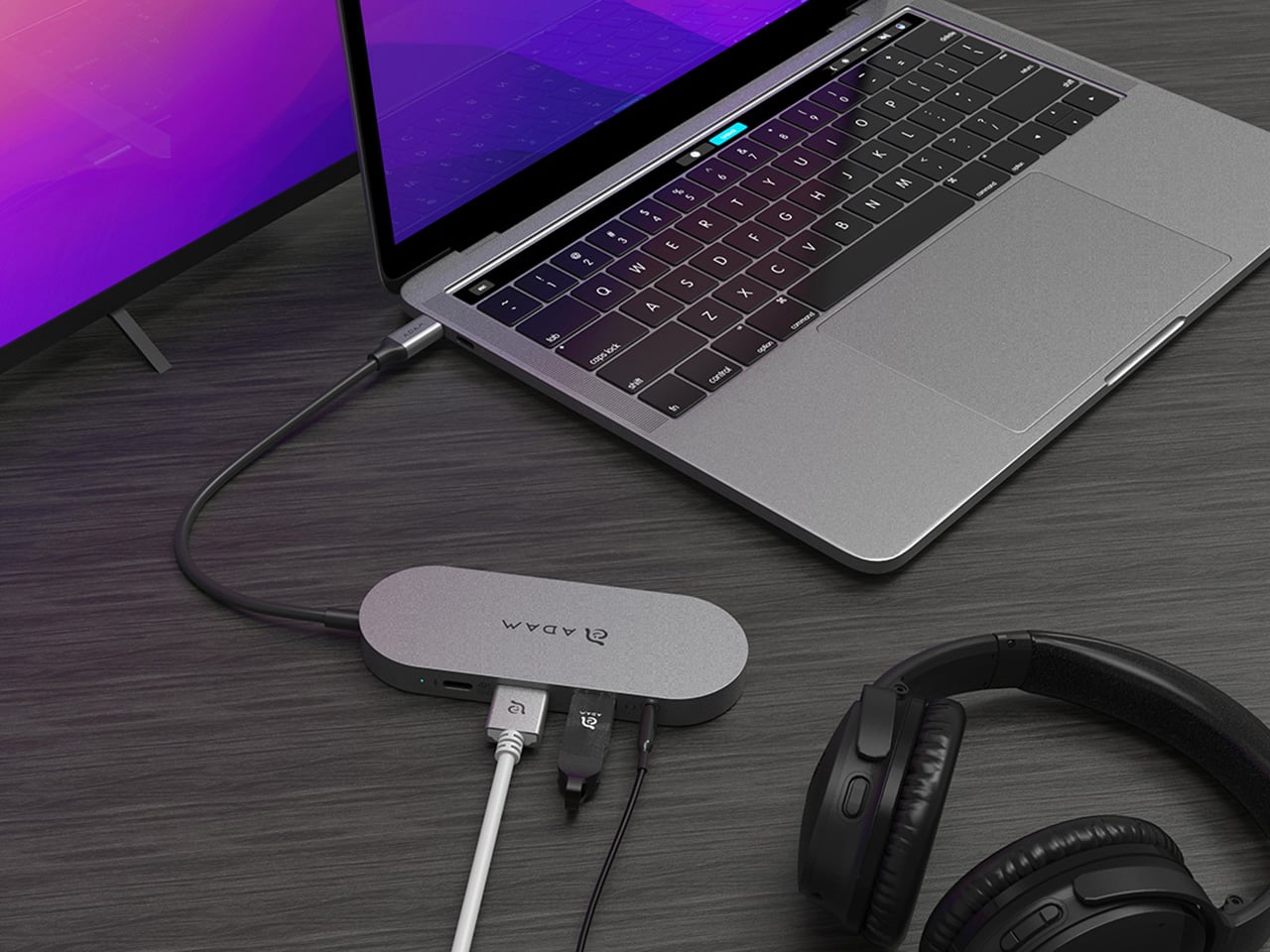
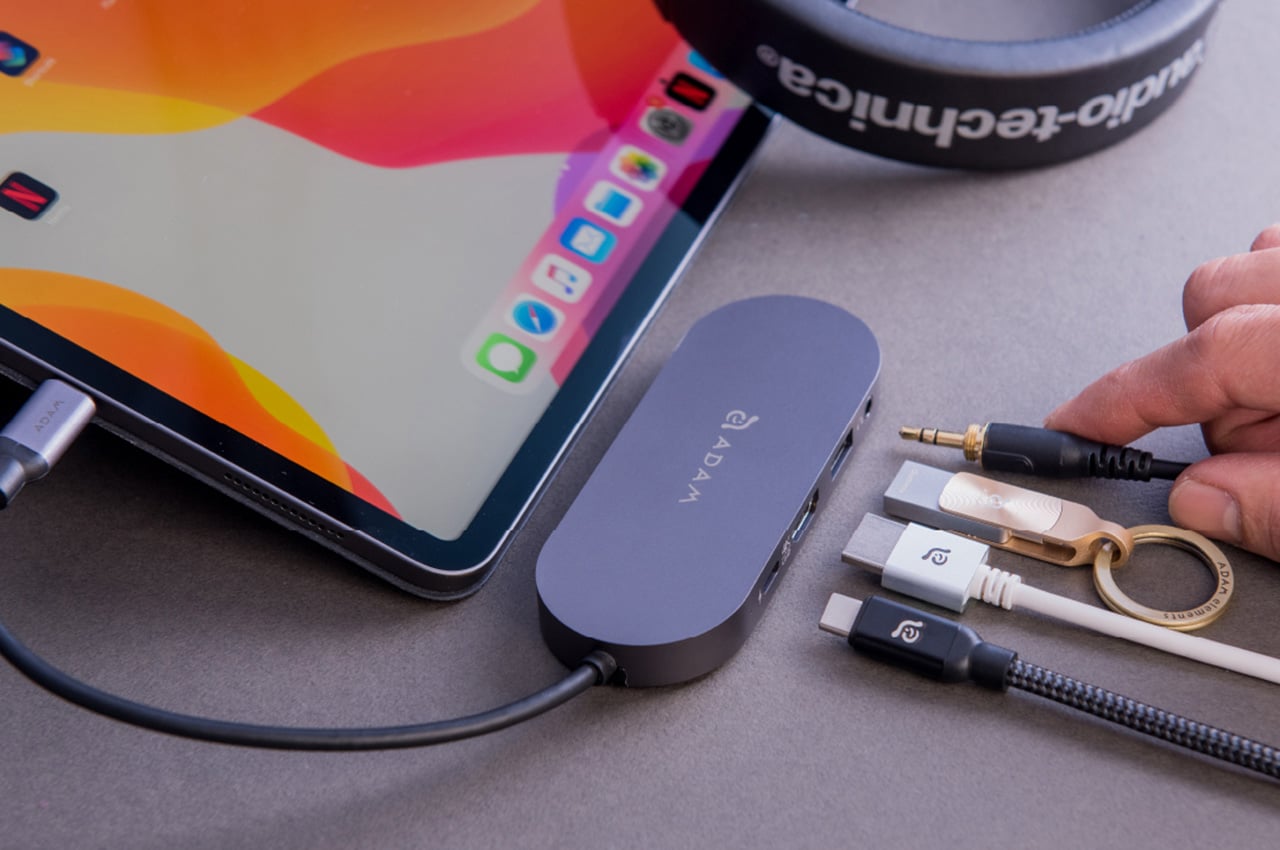
ADAM elements’ Hub S is a USB-C hub with built-in SSD storage, designed around the idea that a hub and an external drive don’t need to be two separate objects. Instead of plugging in one thing for ports and another for files, you plug in one slim aluminum accessory that handles both. It isn’t trying to replace a full docking station, but it’s the right-sized tool for someone who needs the essentials covered without the clutter.
The built-in SSD is available in 240 GB, 480 GB, and 960 GB capacities, so there’s a size for whether you’re keeping a working project library or just enough space for recent shoots and backups. Having storage physically attached to your hub means it’s always there when you need to dump footage, move large project files, or keep a client’s assets close during a session, without remembering to pack a separate drive.
Transfer speeds are rated at up to 520 MB/s read and 456 MB/s write, which makes moving large files feel routine rather than something you schedule around. That kind of speed isn’t just a spec, though. It’s the difference between waiting through a transfer and forgetting it’s happening. For photographers and video editors working on the road, that matters more than it sounds on a product page.
For Mac users, the ADAM elements Hub S is also Apple Time Machine compatible. That means it can act as a rolling backup target every time you plug in, turning a habit that’s easy to forget into something that happens automatically. Backup isn’t exciting, but having it built into the same accessory you’re already using for everything else makes it feel less like a separate job.
The USB-C port on the hub supports PD 3.0 pass-through charging up to 60W, so your laptop doesn’t lose its charge while the hub is handling storage, display, and peripherals. That’s a meaningful consideration when you’re transferring large files and streaming to an external display at the same time, both of which can pull enough power to make a laptop feel like it’s running a sprint.
The HDMI port outputs up to 4K at 30Hz and supports HDCP 2.2, which is the protocol required for streaming 4K HDR content from services like Netflix. A lot of hubs advertise “4K output” but fail on DRM handshakes, so the HDCP 2.2 compliance isn’t a minor footnote. Whether you’re mirroring for a presentation or extending to a monitor for a proper editing session, the connection holds up where it matters.
Rounding out the port selection is a USB-A 3.1 port rated at up to 5 Gbps for peripherals or flash drives, and a 3.5mm headphone jack that supports 48kHz/16-bit audio. Neither is glamorous, but together they cover the inputs that would otherwise require yet another adapter. The aluminum alloy body is designed to sit flush on a desk surface, and the whole thing weighs about 2.5oz, roughly the weight of a single C battery.
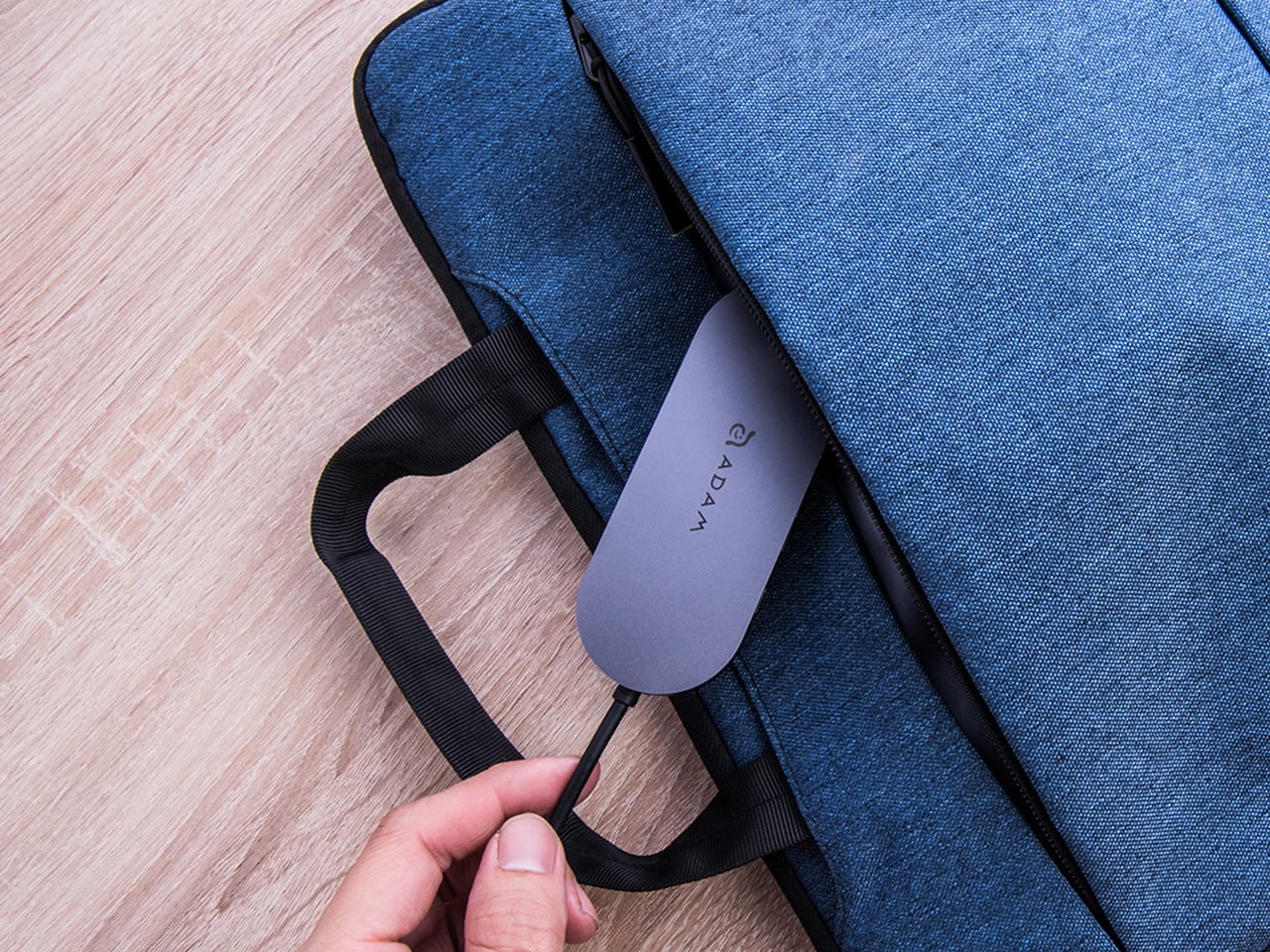
The ADAM elements Hub S works best as the kind of accessory you stop thinking about. You plug it in, your files are there, your display is connected, your laptop is charging, and your headphones are plugged in. That’s it. For people who’d rather carry one considered piece of hardware than a small collection of adapters and drives, consolidating all of that into a single slim object that fits in a jacket pocket feels like the more sensible way to work.
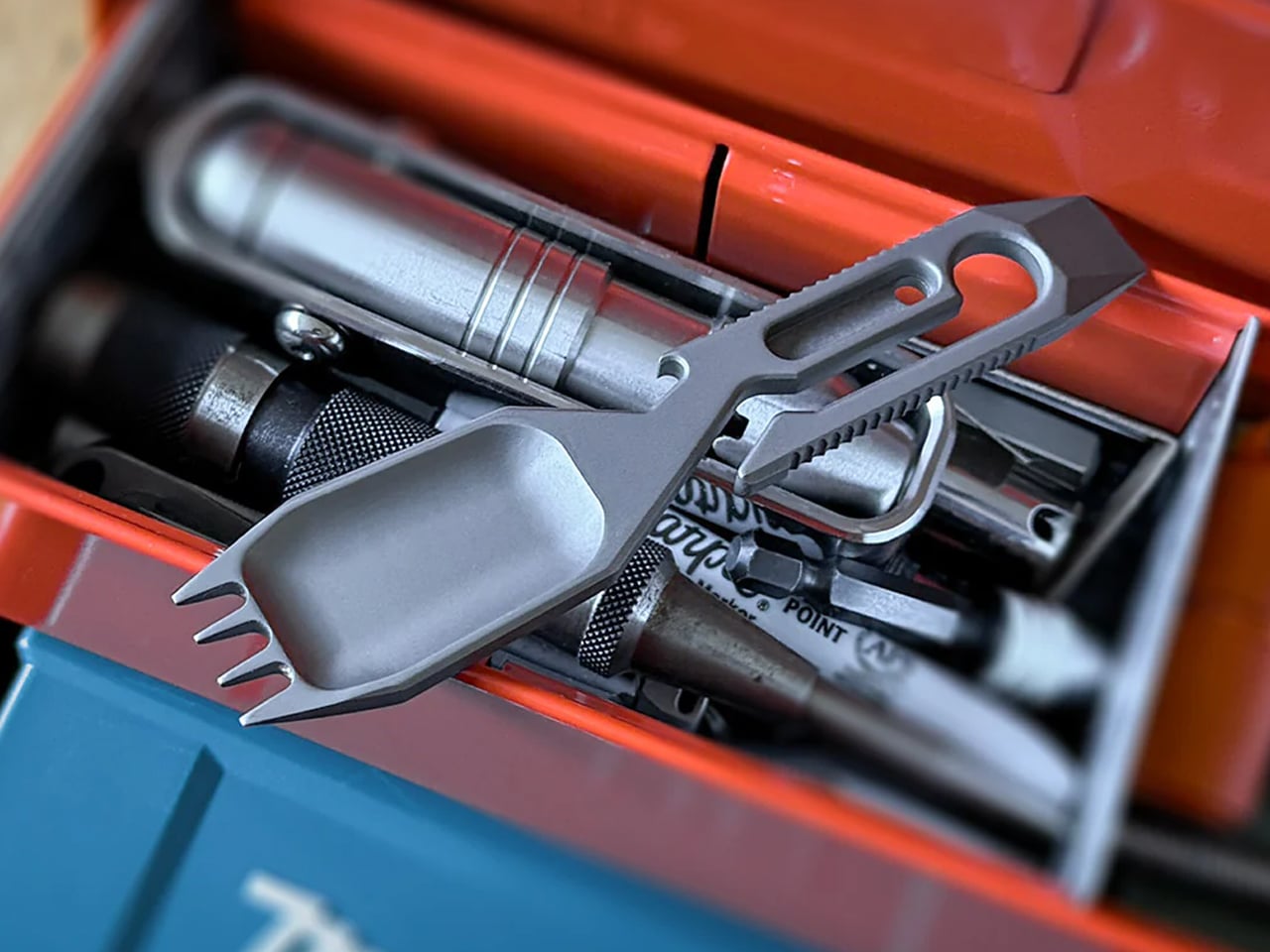
Daily utility meets design in EDC multitools. And here at Yanko Design, we have this knack for recognizing the best tools for you, which would provide advanced features and excellent value when you need them. In the market flooded with multitools that are designed to fold and twist, Prometheus Design Werx has surprised the demanding with the stunning idea of the SPD Ti-Spork Chop – a multitool in its own unibody design.
While multitools that fold and feature pull-out accessories from the body are a common sight, it is unusual for a multitool to arrive in a one-piece design with construction that’s durable enough to withstand whatever you can throw at it. Looking at the Ti-Spork Chop, you can instantly count it out as a viable pocket tool, but spare a thought and read further before you arrive at a conclusion.
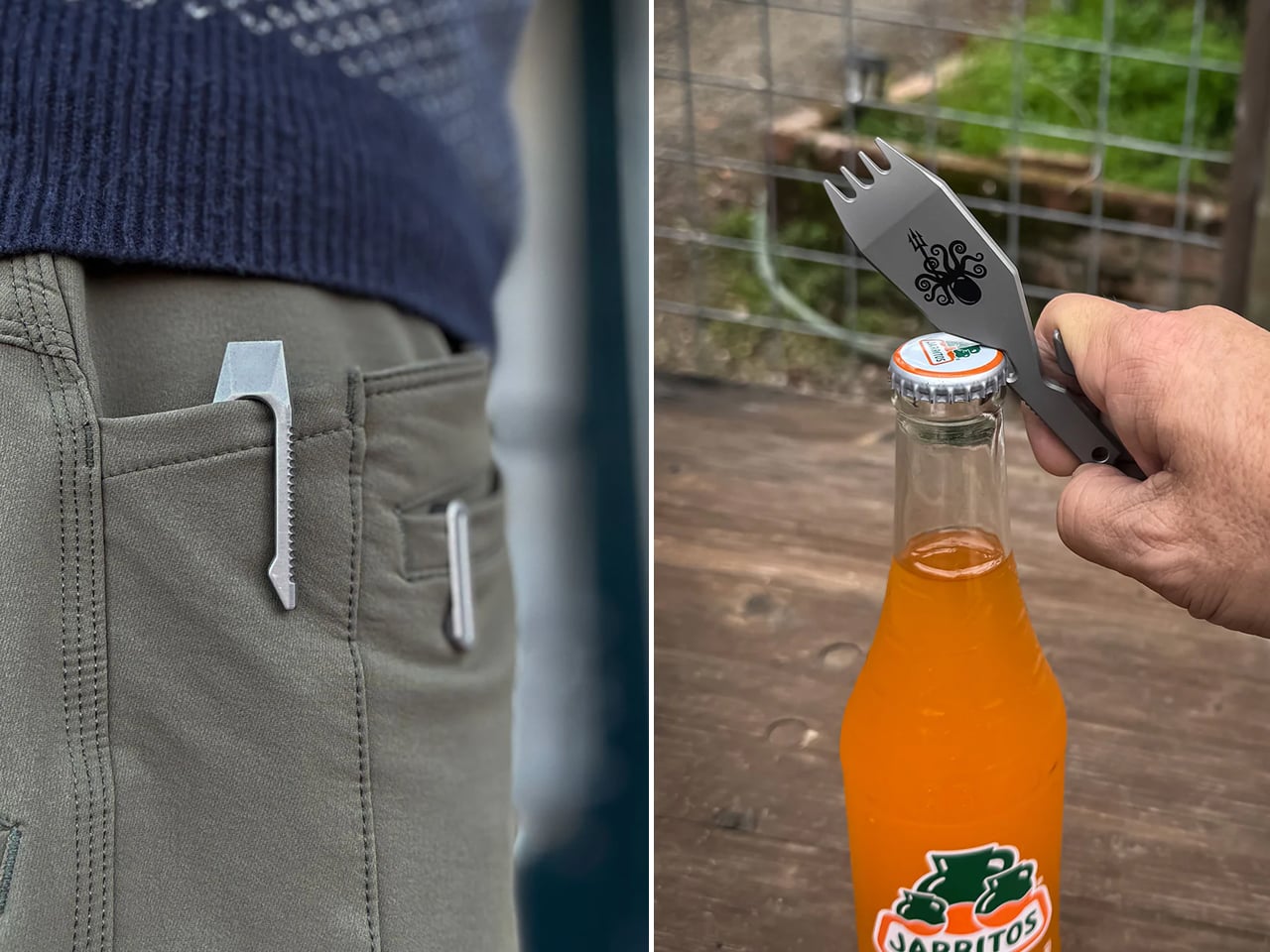
The look of the Ti-Spork Chop is self-explanatory of what the design entails. But the first thing that can disturb many is how to fit that EDC into the pocket. To ensure that it is possible and effortless, the one-piece multitool features a pocket clip to hold it in place inside the pocket. And when you’re unsure of having it in the pocket, the tool’s lanyard hole makes carrying it worry-free. The look may not obviously suggest, but this tool has six built-in functions.
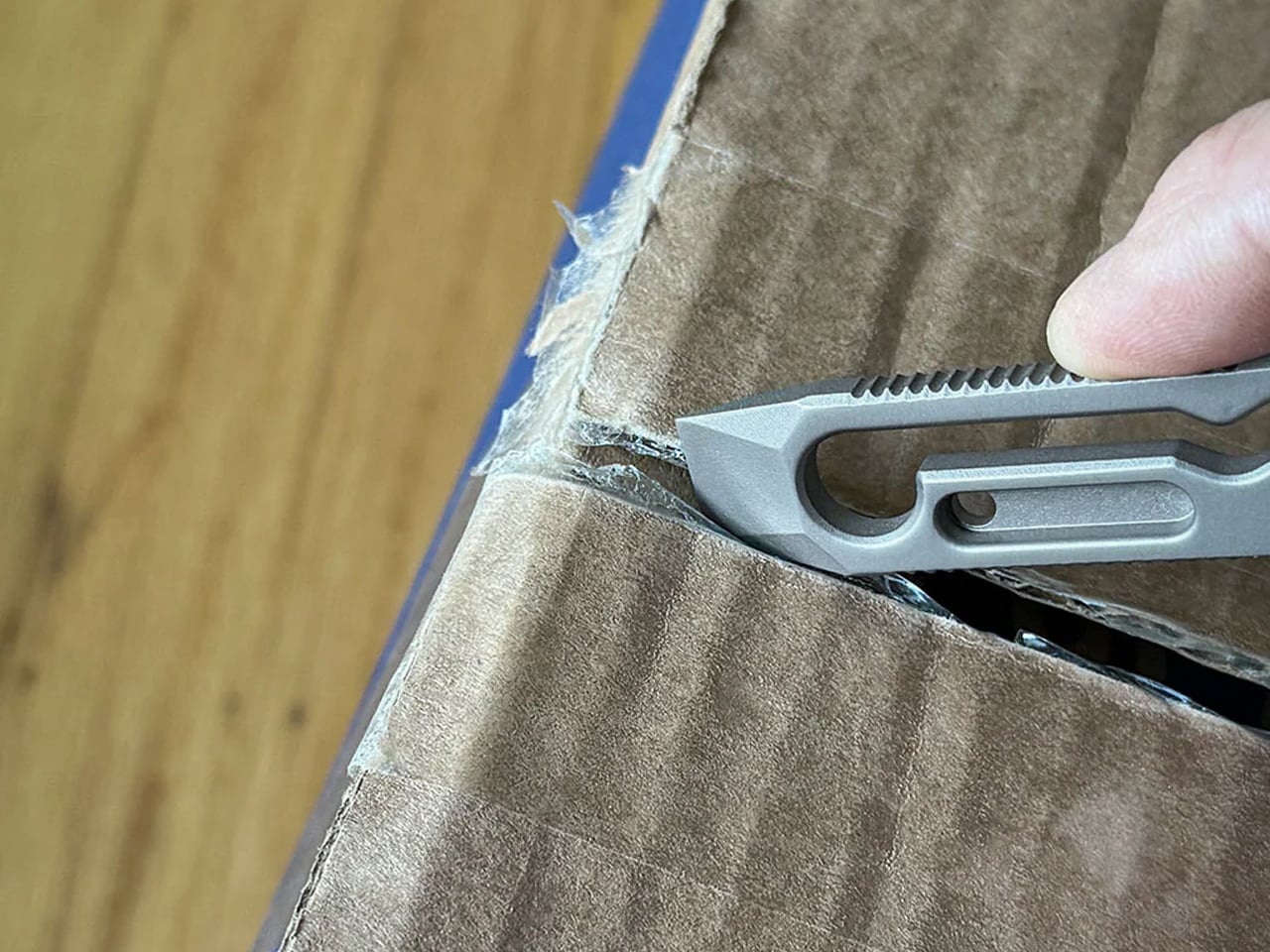
It obviously starts with the combination of a spoon and fork in the front, which clearly wins it the word ‘Spork’ (combination of spoon and fork) in its name. Besides, making it a valuable EDC for casual campers and serious adventurers are features like the bottle opener, box/can opener, and a prybar. Of course, the pocket clip on one side and the lanyard in the middle are other notable options that make the tool even more handy.
Describing various scenarios in which the multitool can be used, the company notes, “Whether you’re shoveling canned peaches, stirring your precious hot cup of instant coffee with powdered creamer in some remote, dangerous corner of the world, or opening a bottle of Jarritos, our Ti-Spork Chop has got you covered.” It’s “A titanium spork to rule them all…” the company website reads.
All these tools are packed on a Ti-Spork Chop that’s milled from a single piece of 6AL-4V grade-5 titanium. The construction makes it highly durable and exceptionally resistant to corrosion. The design, as opposed to that of other folding multitools, ensures that it is easy to clean. Weighing roughly 30g and measuring about 4.72 inches long, the lightweight but incredibly robust Prometheus Design Werx multitool is available on the company website for only $79.
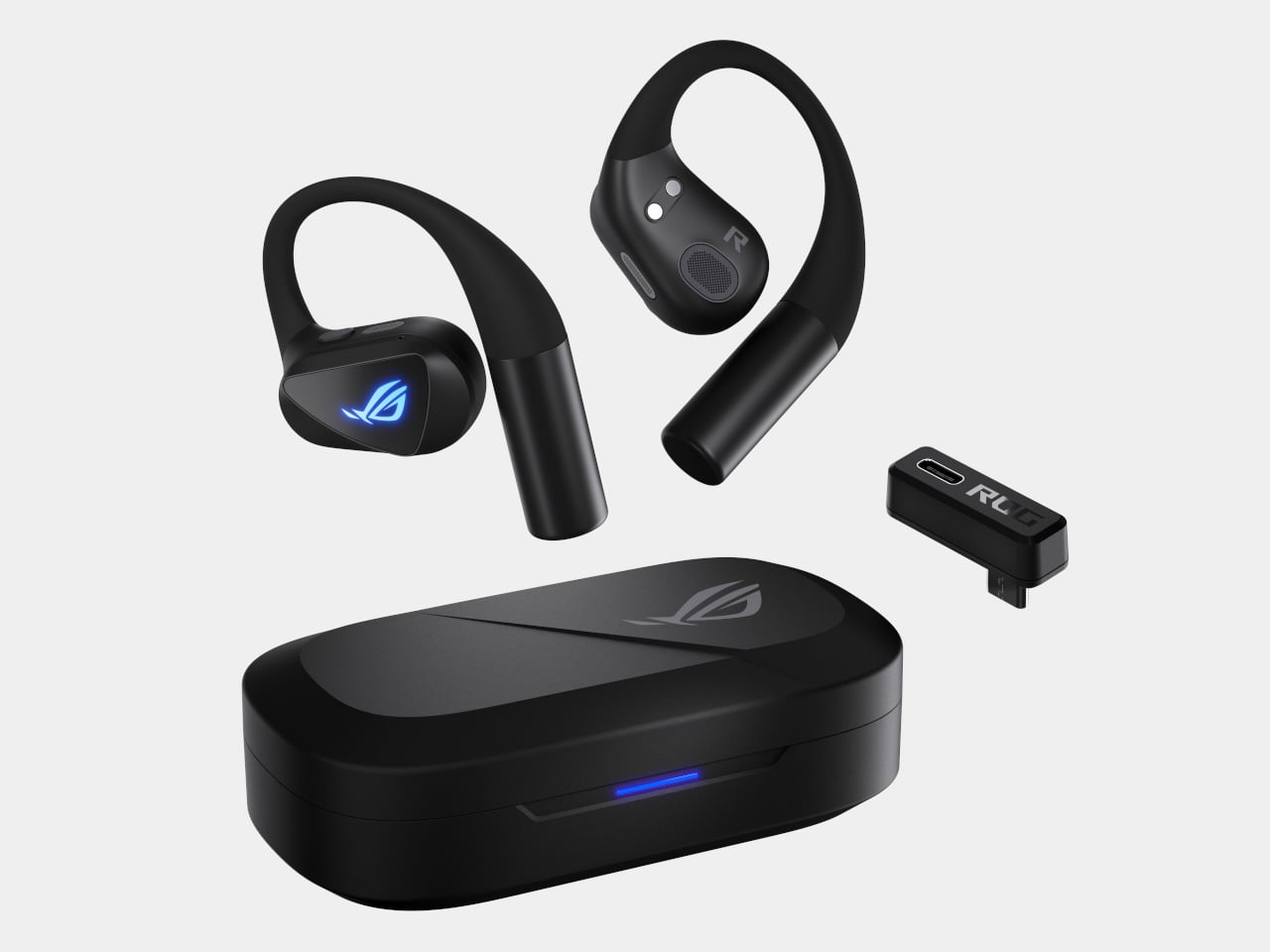
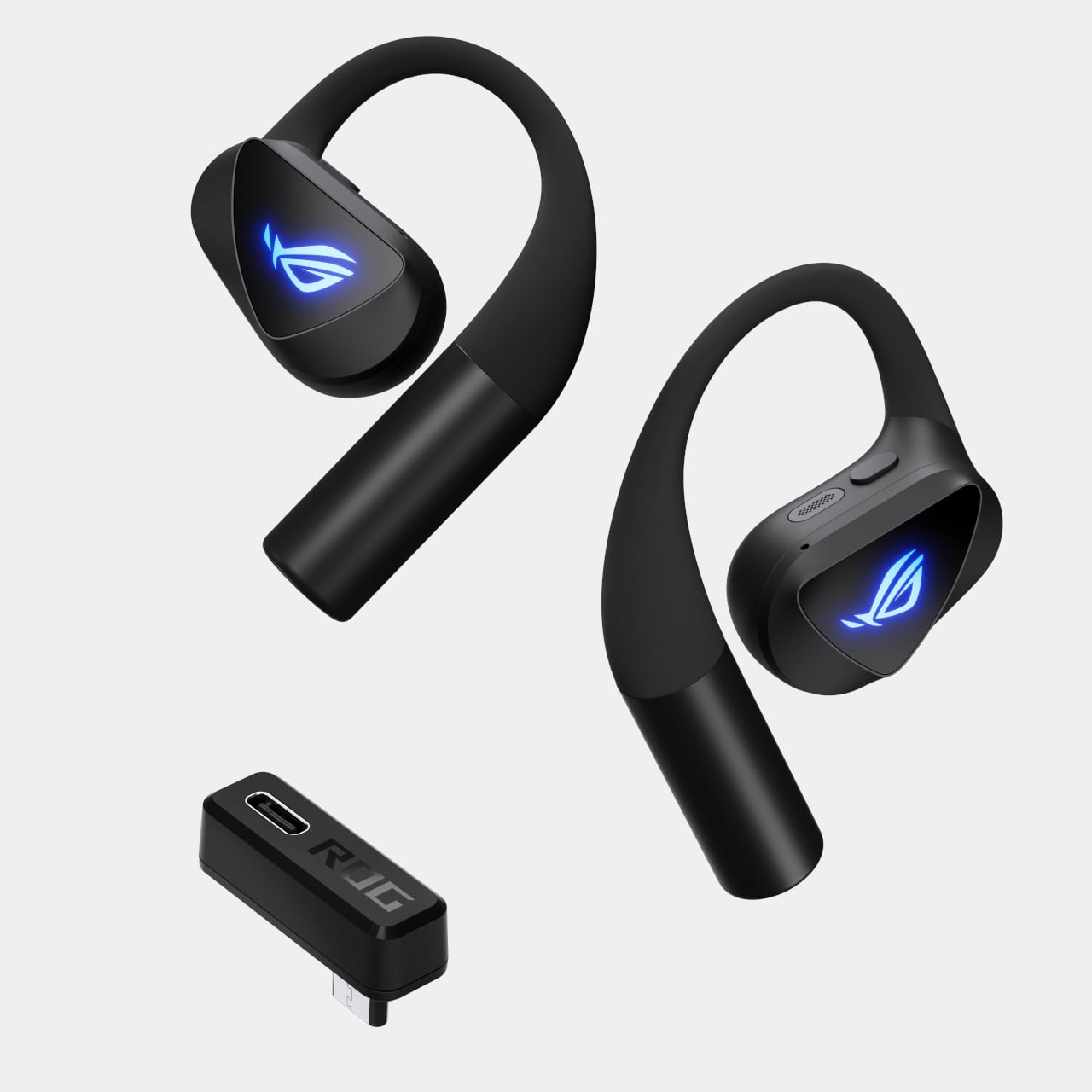
Gaming earbuds have long operated on an unspoken assumption: that total audio immersion requires cutting yourself off from the world around you. Sealed tips, passive isolation, the whole sensory cocoon. The ROG Cetra Open Wireless throws that logic out entirely, producing a pair of gaming earbuds that wants you to hear both the firefight and the person calling your name from the other room.
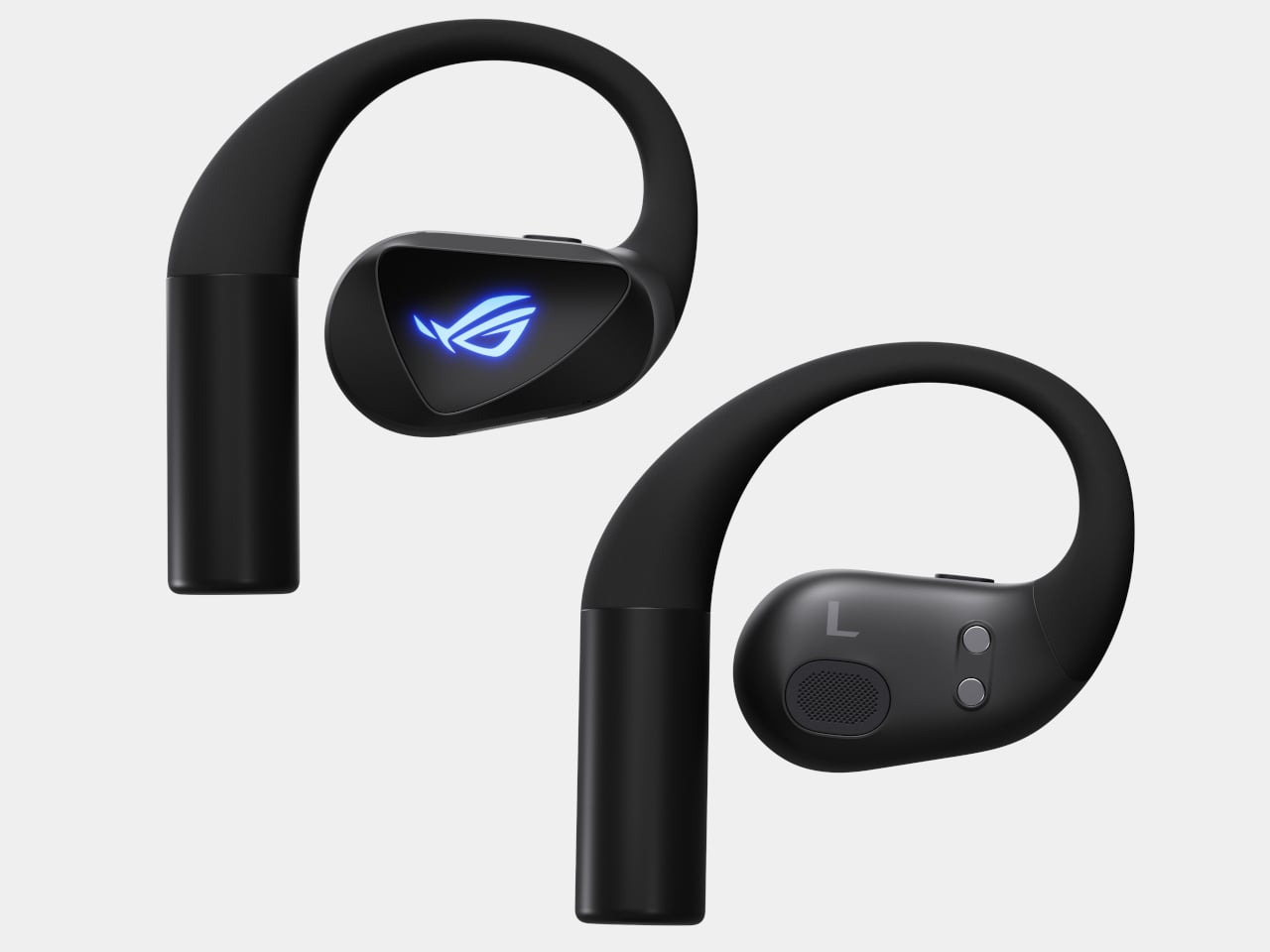
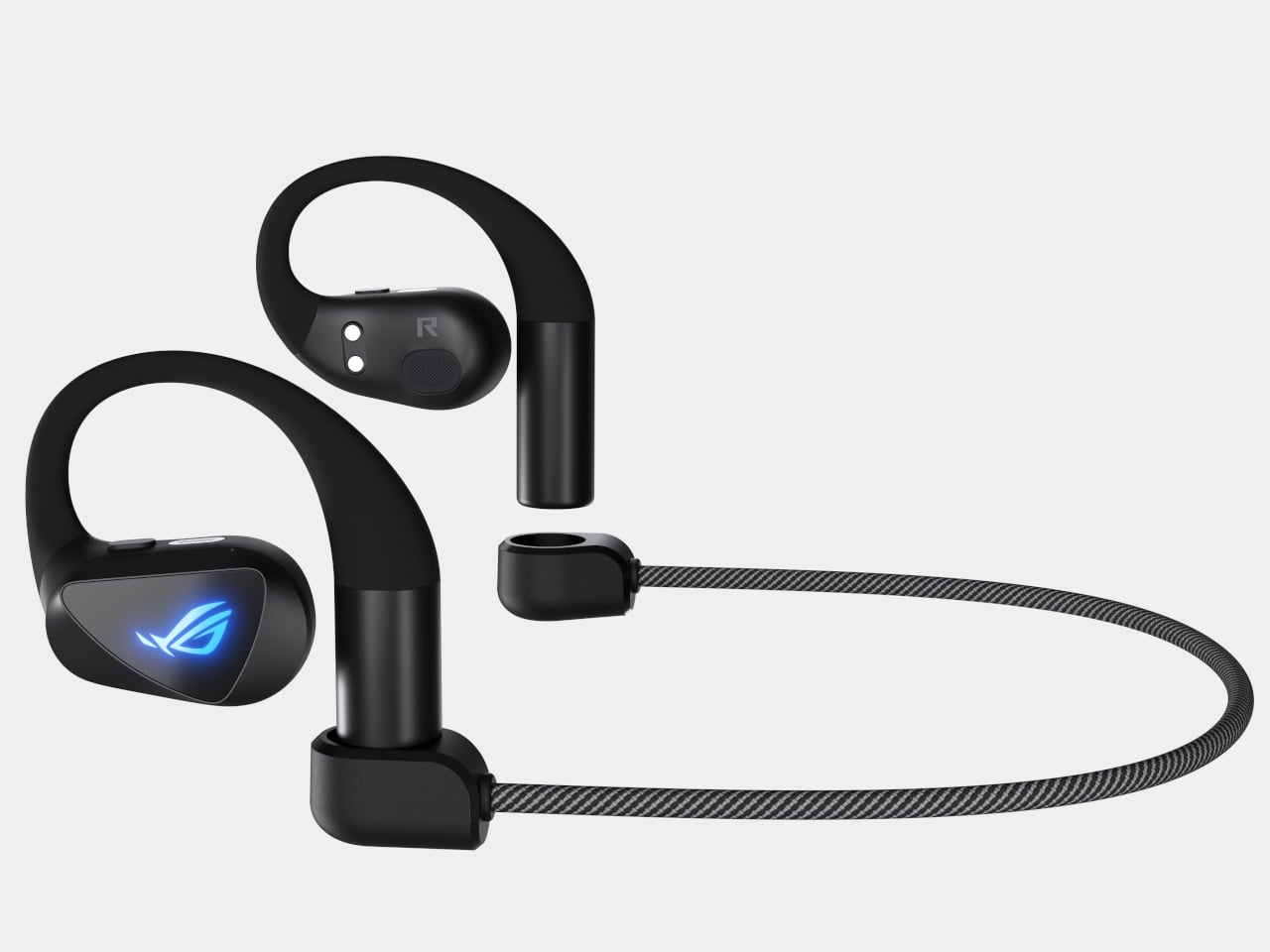
The open-ear design rests outside the ear canal rather than sealing into it, sitting against the outer ear with liquid silicone hooks that wrap around the back. It is the same air conduction approach used in sports earbuds, where hearing your environment is a feature rather than a flaw. The difference here is that ROG has tuned the hardware around gaming, not just fitness, which changes both the driver choice and the connectivity options.
Each earbud is built around a 14.2mm diamond-like carbon-coated diaphragm driver. DLC coatings are favored in higher-end audio hardware because the material’s rigidity resists deformation at high frequencies, resulting in cleaner transient response and lower distortion. Open-ear designs lose low-end naturally from air leakage, so ROG included Phantom Bass, a perceptual processing mode that restores the sense of low-frequency weight without sealing the canal.
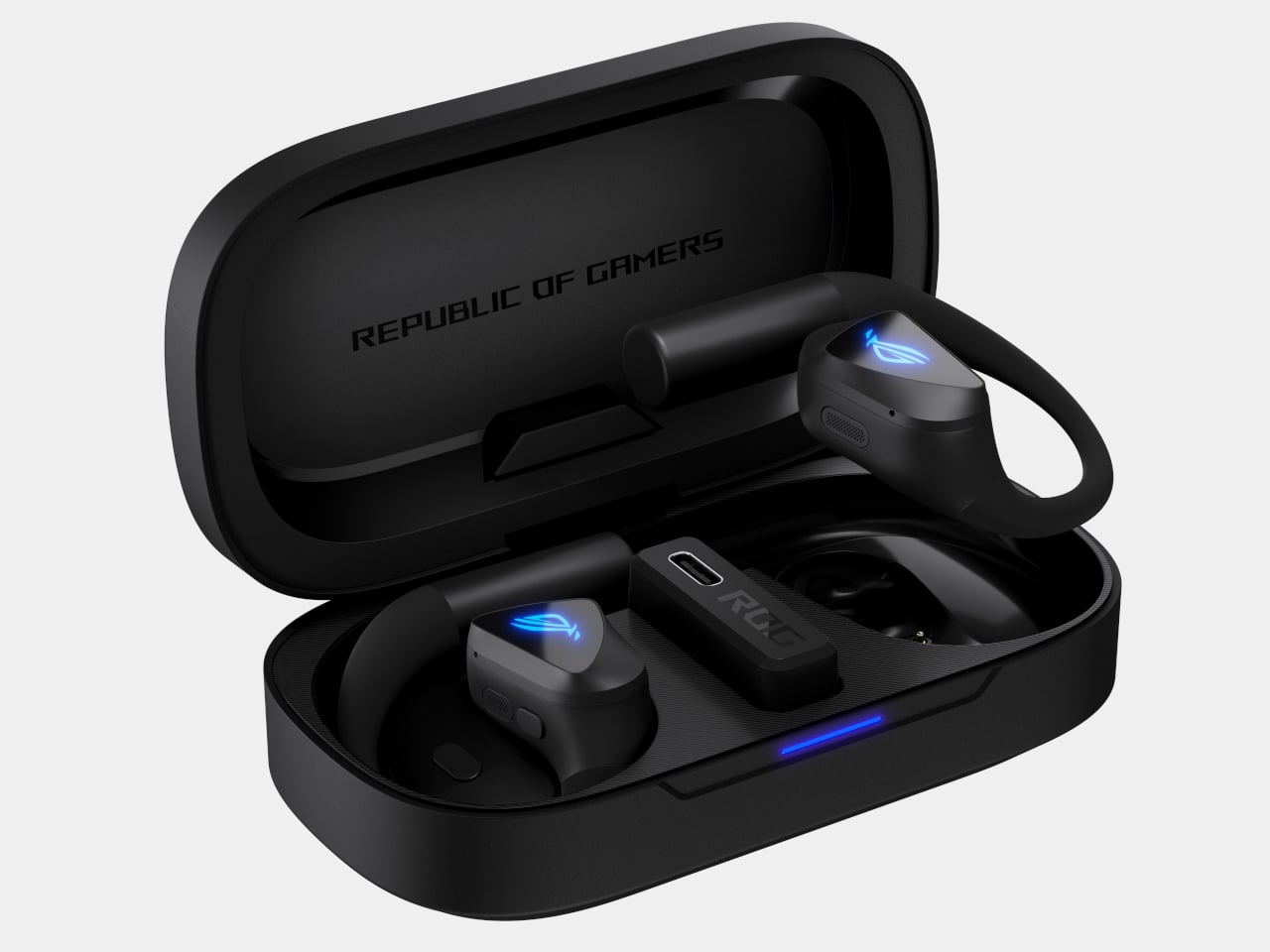
The connectivity is where the gaming identity becomes explicit. Bluetooth 6 handles general pairing, but the included USB-C 2.4GHz dongle, running ROG’s SpeedNova technology, delivers latency 6 times lower than Bluetooth mode. That difference is meaningful in competitive play where audio sync affects reaction timing. The dongle also supports one-way passthrough charging, keeping a phone powered while the low-latency connection stays active.
Communication gets its own dedicated hardware: four MEMS microphones arranged for beamforming pickup, with AI noise cancellation suppressing ambient sound in real time. ROG’s testing, conducted by PAL Acoustic Technology, a Microsoft-certified third-party lab, puts the MOS-LQO voice quality score at 4.1, clearing the Microsoft Teams certification threshold of 3.9. For earbuds worn during commutes or at the gym, that score carries practical weight.
Battery life is rated at 16 hours per charge in Bluetooth mode, with the charging case adding 48 hours more, bringing the combined total to 64 hours. A 15-minute charge delivers 3 hours of playback. Physical buttons handle on-device control rather than touch surfaces, which stay reliable in sweaty or wet conditions. EQ profiles, button mappings, and lighting are all adjustable through Gear Link, a browser-based tool that needs no software installation.
The ROG Cetra Open Wireless is priced at $229.99 and available through the ASUS eStore, Amazon, Micro Center, and Newegg. For gaming earbuds that pull off the unusual trick of staying useful to a competitive mobile gamer and to someone who simply cannot afford to be sonically sealed off from their surroundings, it makes a harder argument against itself than the open-ear format usually does.
The humble flashlight is older than you probably think. The first handheld electric torch was patented in 1899, and for the better part of 127 years, the core concept barely changed: battery, bulb, switch, done. LED technology gave it a serious brightness upgrade. Rechargeable cells made it more practical. But the fundamental experience of using a flashlight, including that moment of blind faith when you click it on and hope the battery cooperated, stayed remarkably unchanged. Until now, apparently.
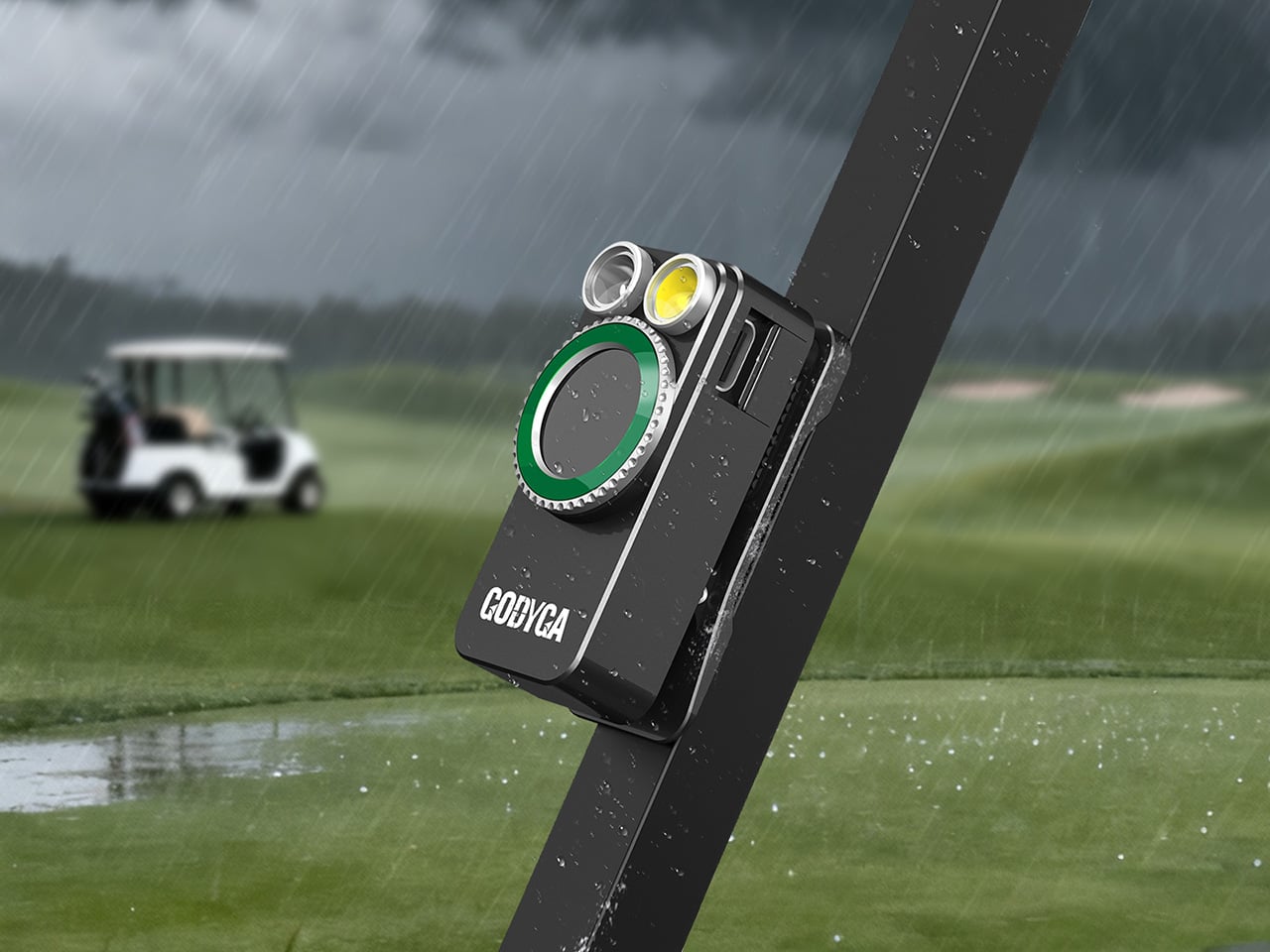
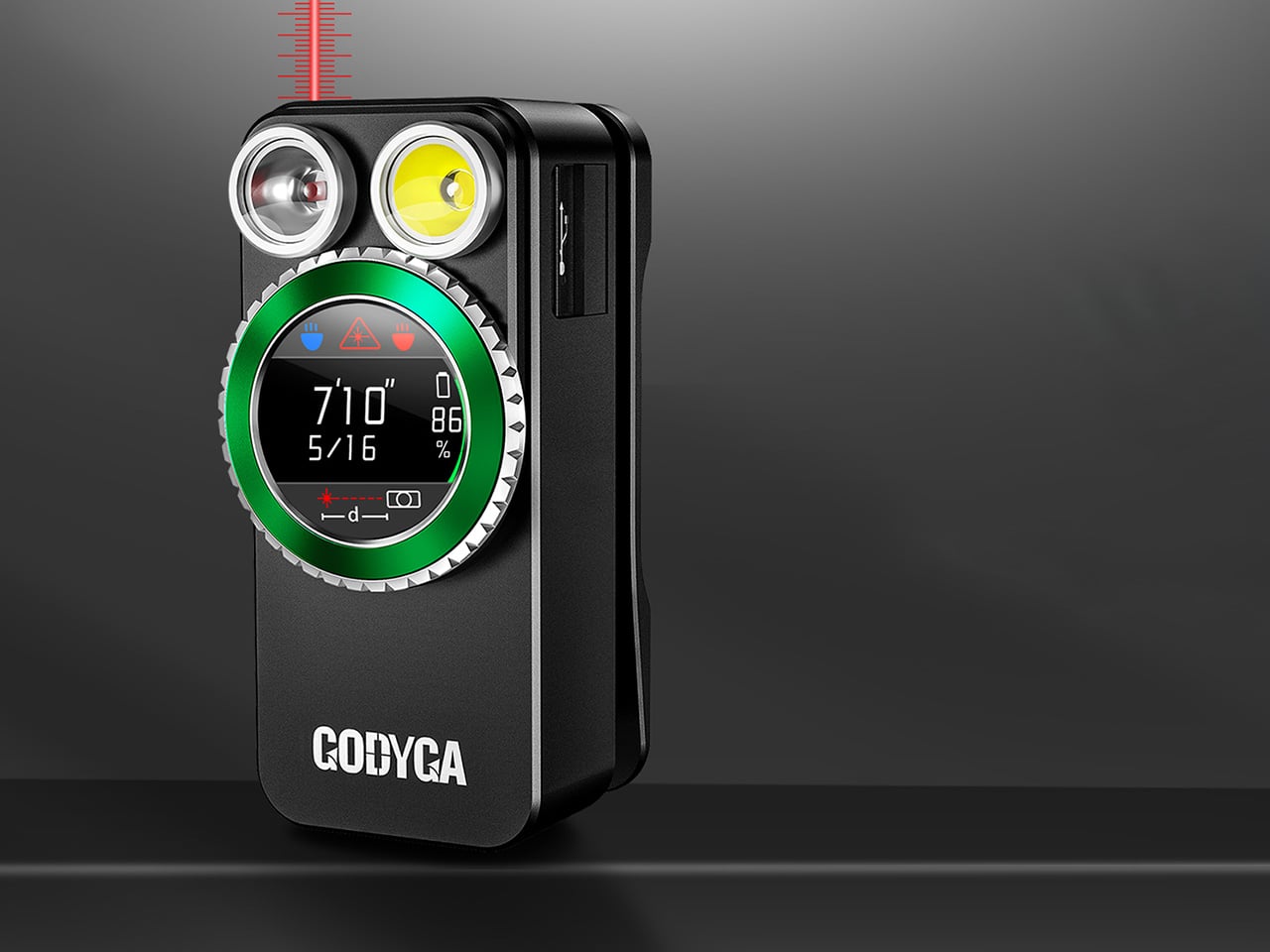
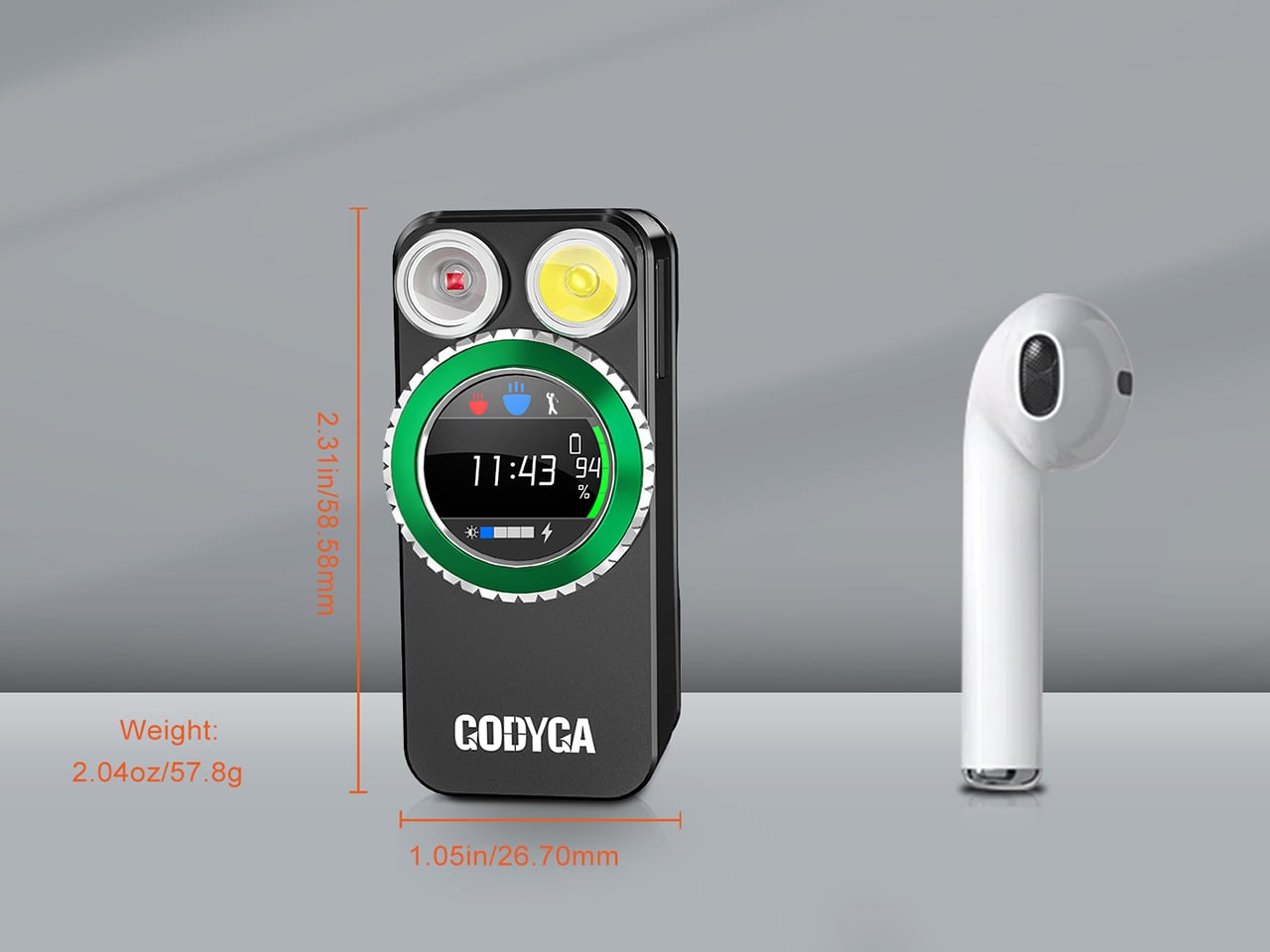
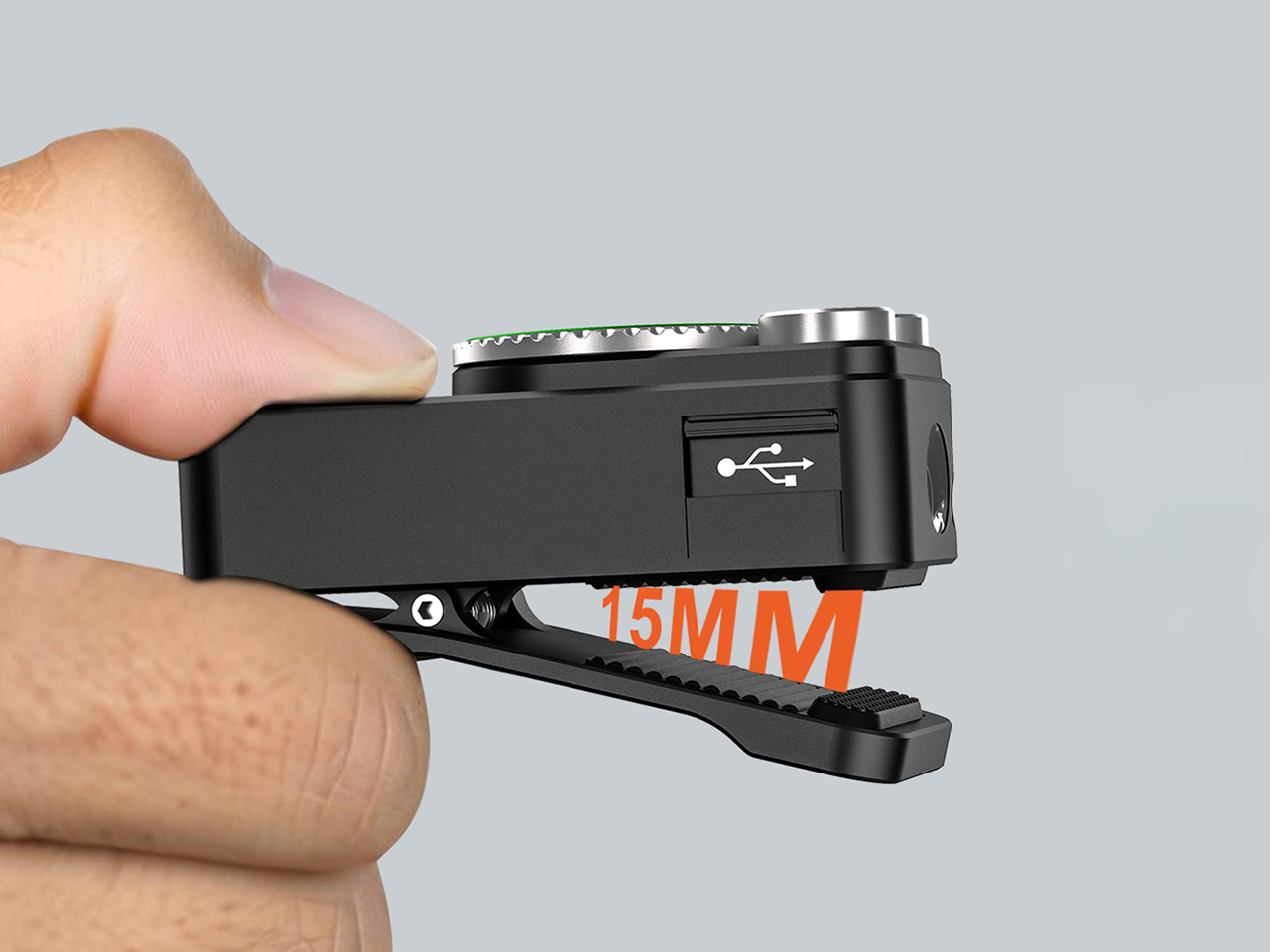
GODYGA (pronounced Go-dee-ga) has taken the flashlight’s first real swing at becoming a smart device with the TorchEye X1, a clip-on EDC light that combines a full-color smart display, precise battery management, and a laser distance measurement tool in a package that fits on a jacket lapel. It looks like something a concept designer dreamed up after spending too long staring at luxury dive watches. It also genuinely works.
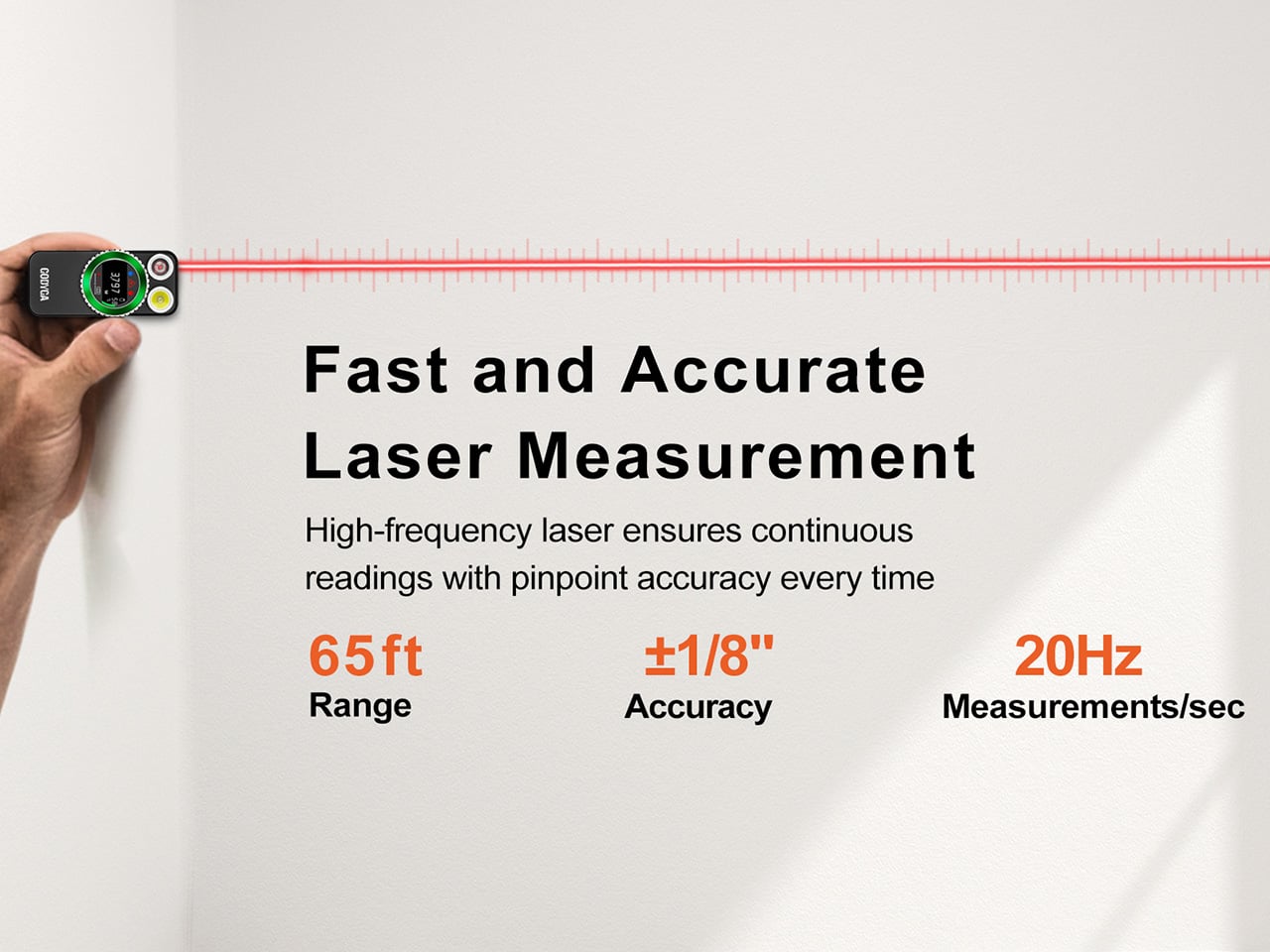
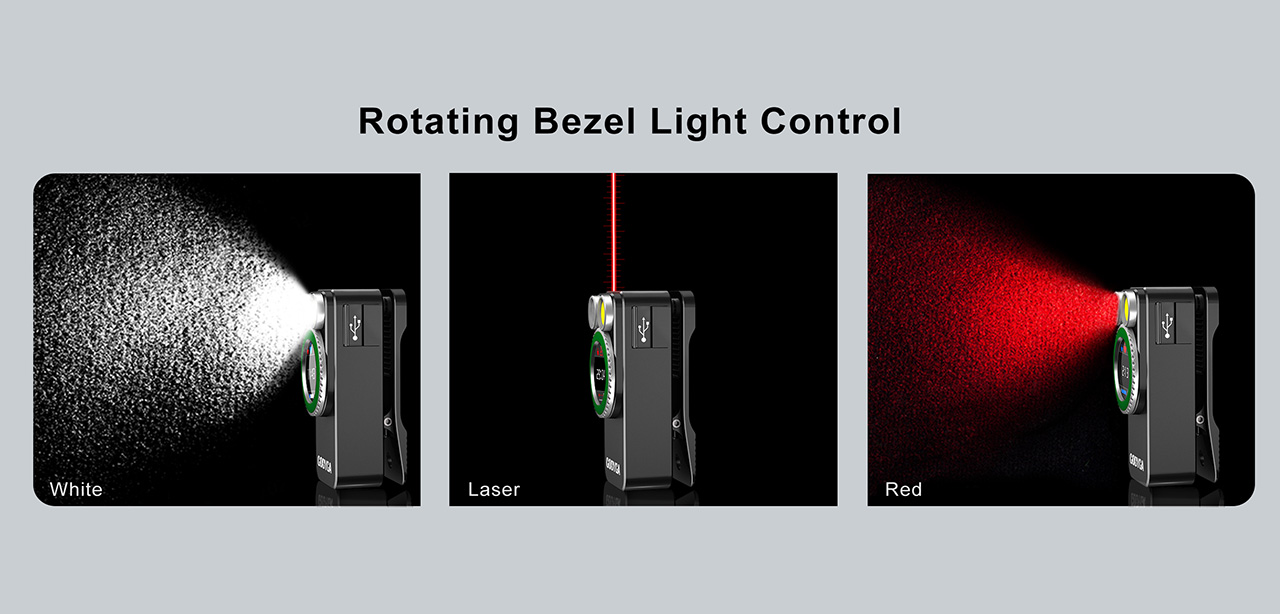
The laser distance measurement is where the TorchEye X1 separates itself from your average EDC flashlight. It fires a red beam that measures distances up to 20 meters with ±1/8 inch accuracy at 20 readings per second. That’s 20 measurements in a single second. For context, a standard tape measure requires two hands, an extra person ideally, and at least one moment of mild frustration. The TorchEye? You point, you press, and the number appears on the display before you’ve had time to question your life choices. Whether you’re figuring out if that new sectional sofa will actually fit in your living room, hanging a gallery wall without eyeballing it for the fifth time, or sizing up a workspace, this is the kind of tool that quietly earns its place in your pocket. It works best indoors on lighter surfaces, a white wall reads brilliantly, while darker or highly textured surfaces outdoors will give it a harder time, so keep expectations calibrated accordingly. There’s also a front and rear reference point mode, useful depending on whether you want to measure from the tip of the device or the back.
TorchEye X1 laser version
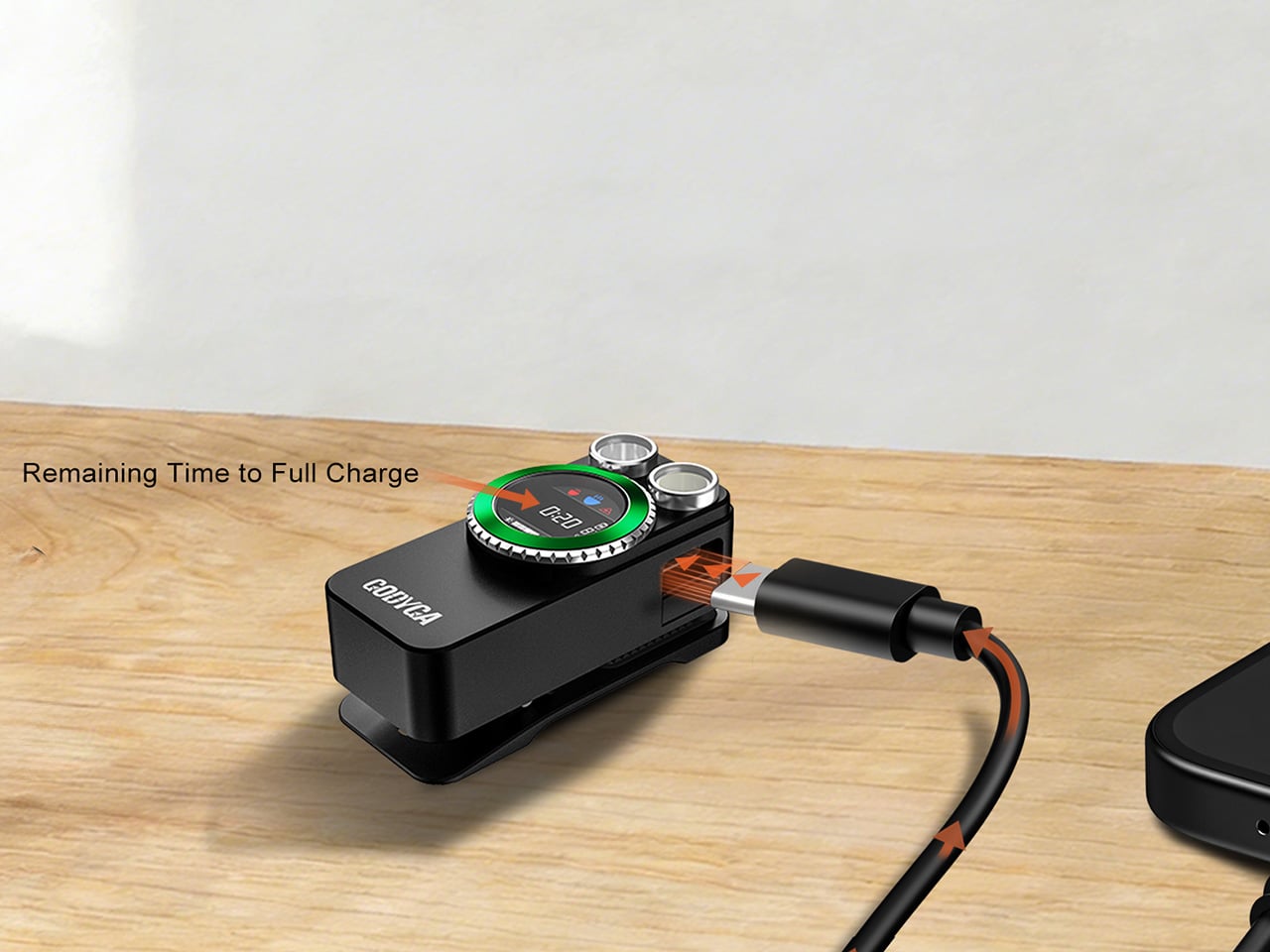
Flashlights have never told you anything. You click one on, it works or it doesn’t, and the only feedback is the slow dimming that tells you the battery gave up three days ago. The TorchEye’s full circular smart screen changes that entirely, displaying exact battery percentage, real-time runtime estimates per brightness mode, and a charging countdown when it’s plugged in. The screen wraps around the front face of the body and it’s genuinely striking to look at, drawing obvious visual inspiration from the dial of a luxury watch. That rotating green bezel isn’t decorative either. It clicks through brightness modes with satisfying haptic feedback, the kind of tactile interaction that makes cheap flashlight buttons feel embarrassing by comparison.
Charging is via USB-C, and you can run it straight from your phone using the included USB-C to USB-C cable. The more interesting detail is what happens when you plug it in. Most high-lumen flashlights require anywhere from 10 to 20 minutes of charging before they’ll unlock turbo mode. The TorchEye hits its full 500 lumens the instant power is connected, zero delay, which is actually meaningful in an emergency rather than just a spec sheet flex. The battery system also lets you run the light while it charges, so a dead battery doesn’t strand you in the dark while you wait.
TorchEye X0 Non-laser version
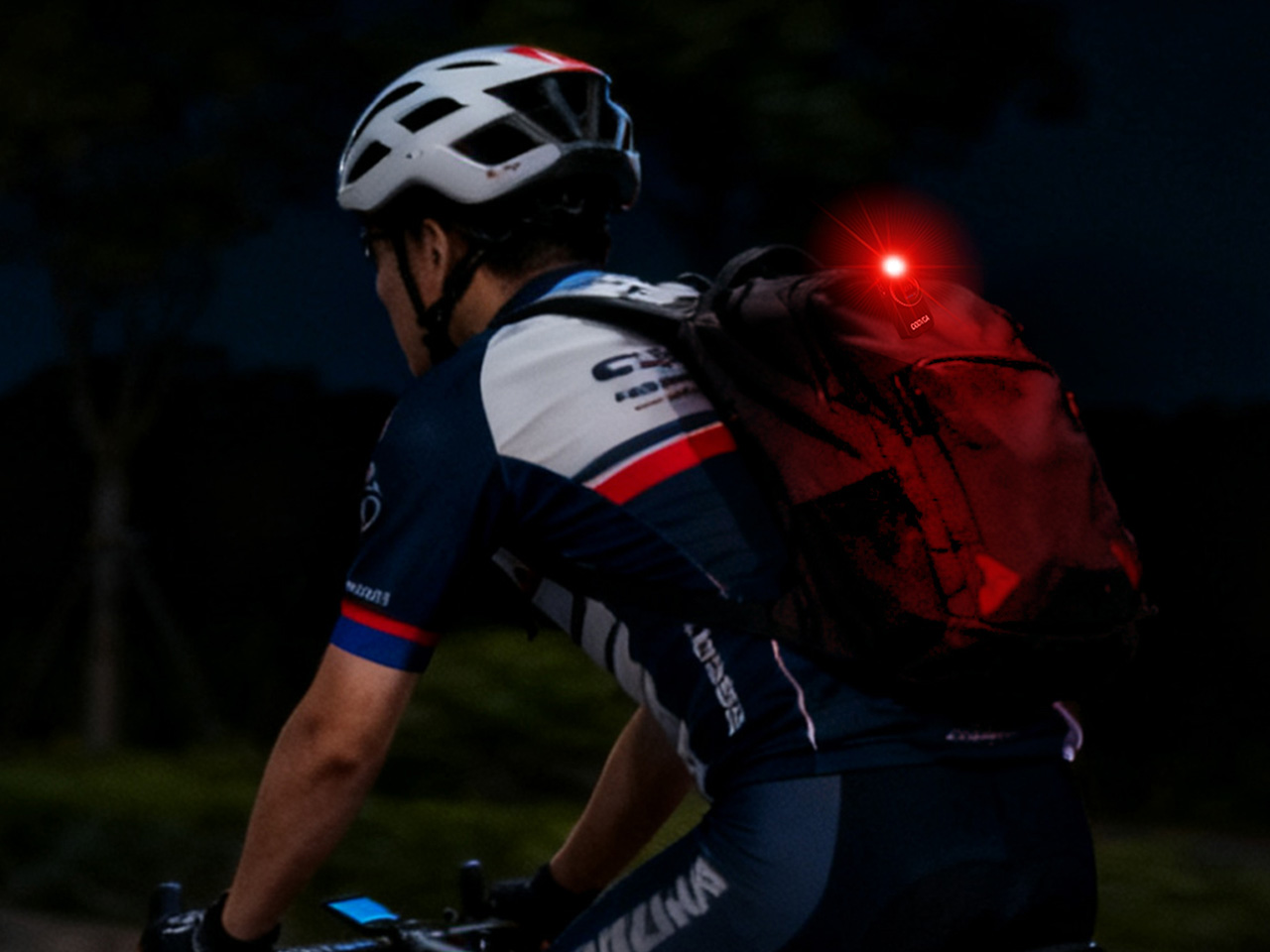
The design philosophy borrows heavily from luxury watchmaking. The rotating green bezel gives satisfying haptic click feedback as you cycle through light modes, making the whole interaction feel considered and premium rather than plasticky. The front-facing button placement is intentional too. Because the TorchEye is designed primarily to be clipped onto a jacket, backpack strap, or cap brim for hands-free use, putting the controls on the front face means they’re always reachable with a single thumb, no awkward side-button fishing required. It’s one of those small ergonomic decisions that only becomes obvious once you’ve used a light that got it wrong.
Seven brightness modes on the white LED, running from Moonlight all the way up to 500 lumens with a 120-meter throw, cover essentially every situation you’d reach for a pocket light. The red LED adds a low-impact visibility option for night walks, map reading, or any context where torching someone’s retinas with 500 lumens would be socially unacceptable. The built-in 18-hole golf stroke counter lives quietly inside the interface, accessible with a short press to count strokes and a long press to advance holes, with bezel rotation letting you review the front or back nine. If golf means nothing to you, it switches off and disappears entirely.
For carrying options, GODYGA gives you three: the clip for clothing and bags, a magnetic base for sticking it to any metal surface, and a lanyard loop for wrist or bag attachment. And tucked inside the interface, almost as a delightful easter egg, is a built-in 18-hole golf stroke counter. Short press counts strokes, long press advances holes, bezel rotation lets you review front and back nine. Golfers will love it. Everyone else can turn it off and forget it exists.
The TorchEye X1, the version with laser distance measurement, is priced at $39.99 on Amazon. If the distance tool isn’t something you’ll reach for regularly, the TorchEye X0 carries all the same smart screen and lighting features for $30.59. Both are worth every dollar for what they pack in. GODYGA has built something that makes the humble pocket flashlight feel genuinely exciting again, which brings us full circle to that 1899 patent, and the very long time it took for someone to finally do this.
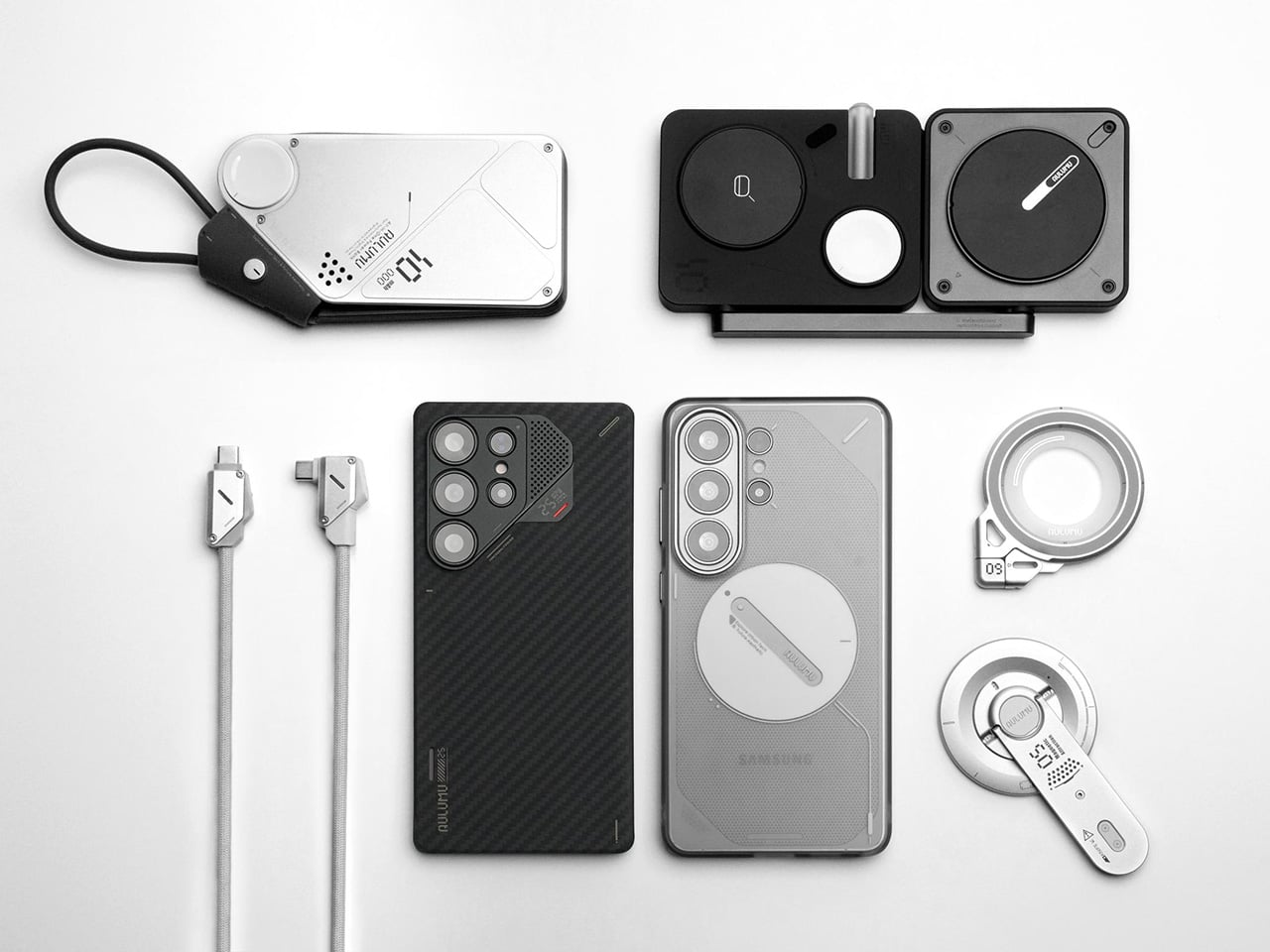
Most people buy a phone case the same way they buy a phone. They want it to feel like them. Some people want basic, slim protection that keeps the phone looking as close to naked as possible. Others want rugged, military-grade armor that could survive a construction site. Some hunt for modular systems with swappable wallets and stands. Others obsess over grip texture, or thermal performance, or MagSafe ecosystem compatibility. The criteria are wildly personal, and the options are endless. It sounds like a trivial consumer category until you realize the global phone case market is worth tens of billions of dollars. People are buying identity as much as they are buying protection. Aulumu, the Shenzhen-based accessory brand with a growing cult following, seems to have understood this from day one.
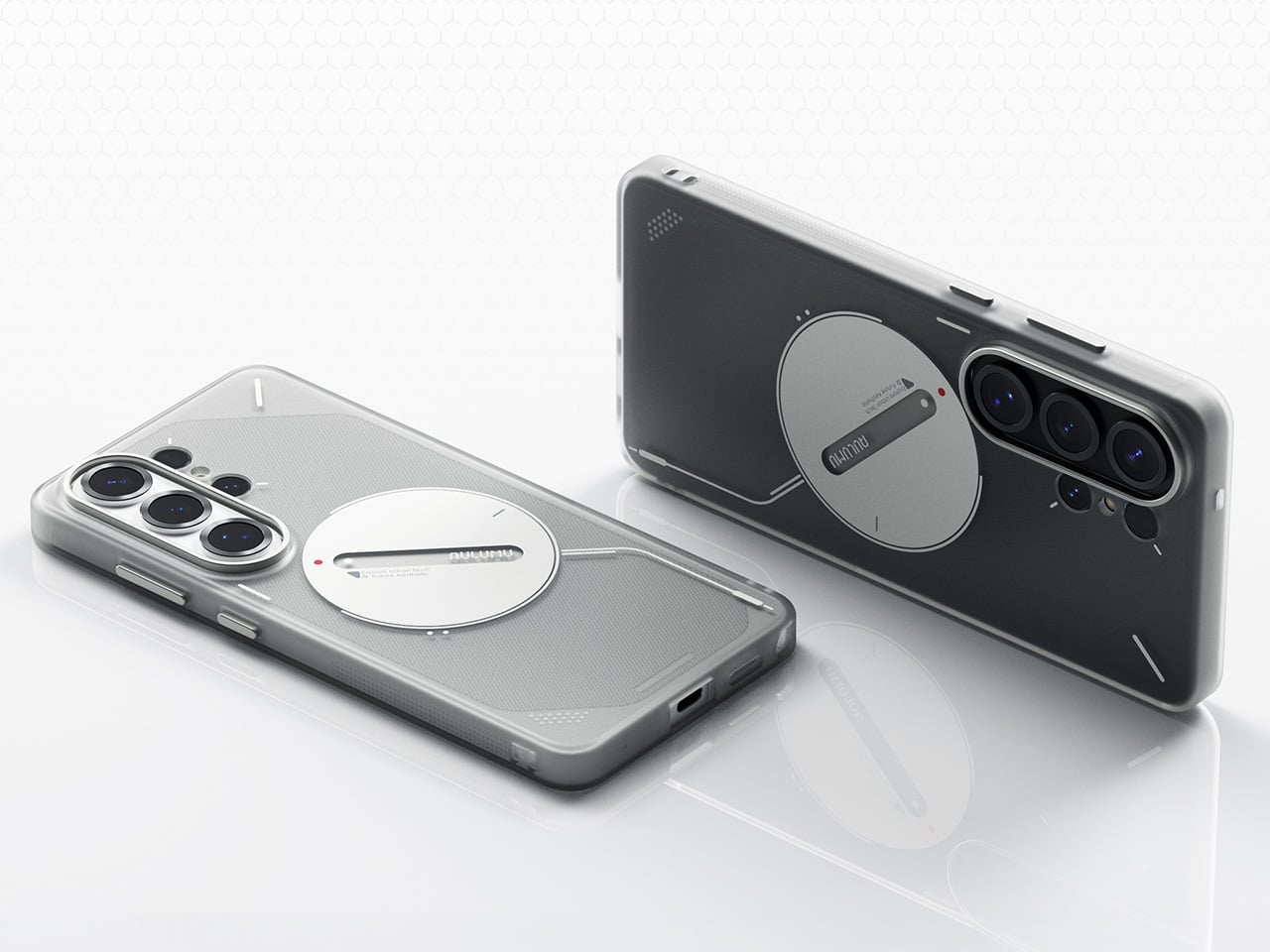
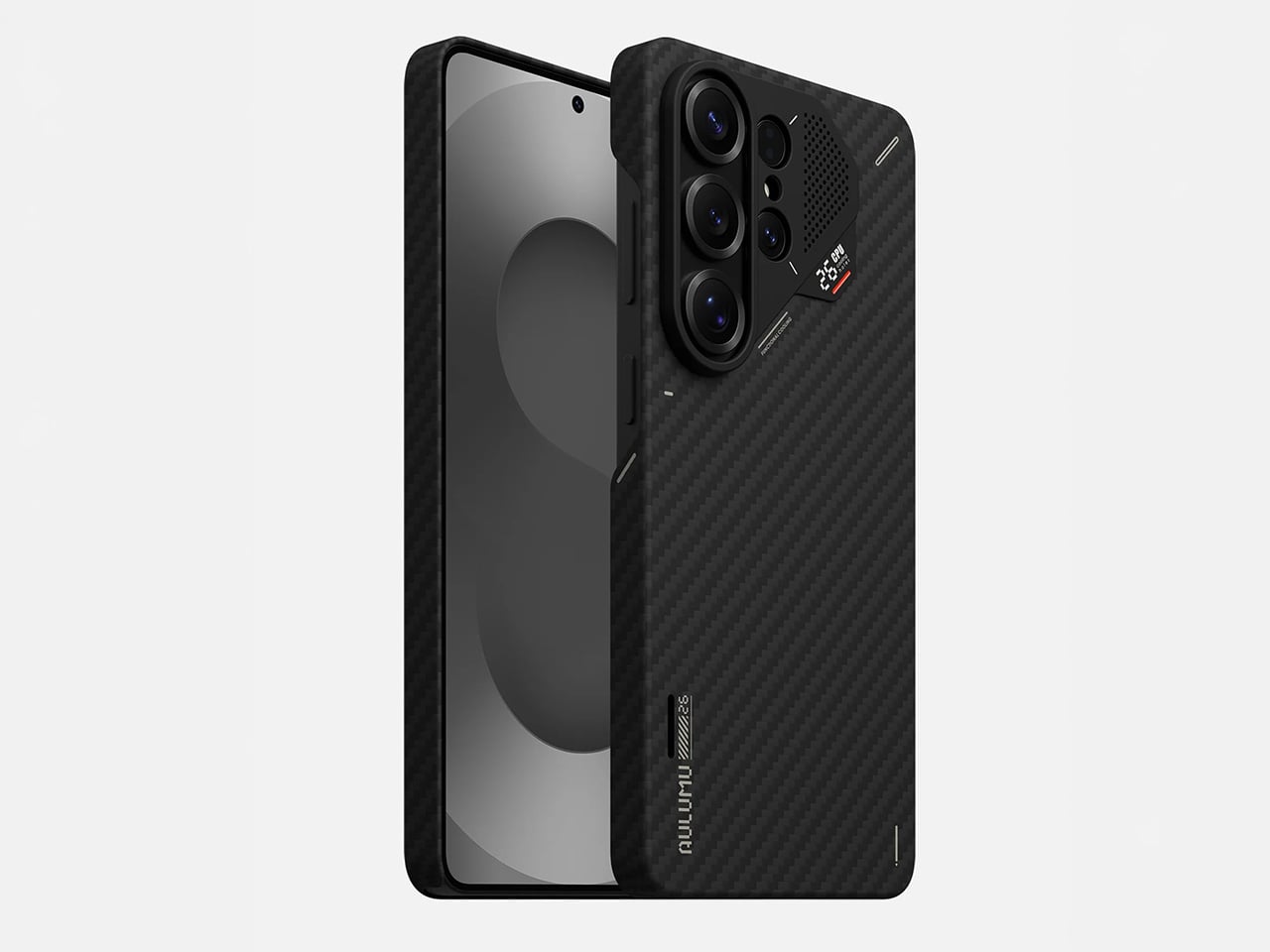
Which is exactly why the brand showed up to the Samsung Galaxy S26 Ultra’s launch with two cases that could hardly be more different from each other. The S26U Frosted Glow Case is a frosted TPU build with a photosensitive UFO disc on the back that charges under light and glows electric green in the dark, doubling as a MagSafe alignment guide. The S26U Ultra-Slim Aramid Fiber Case wraps the same phone in aerospace-grade 1500D woven fiber and hides a CoolHyper thermal management system inside, complete with a color-changing temperature indicator. One is for the person who wants their phone to have a personality. The other is for the person who treats their S26 Ultra like a workstation. Aulumu built both because the S26 Ultra owner is never just one type of person.
Designer: Aulumu
S26U Frosted Glow Case: A Glowing Case That Wants Your Attention (And Earns It)
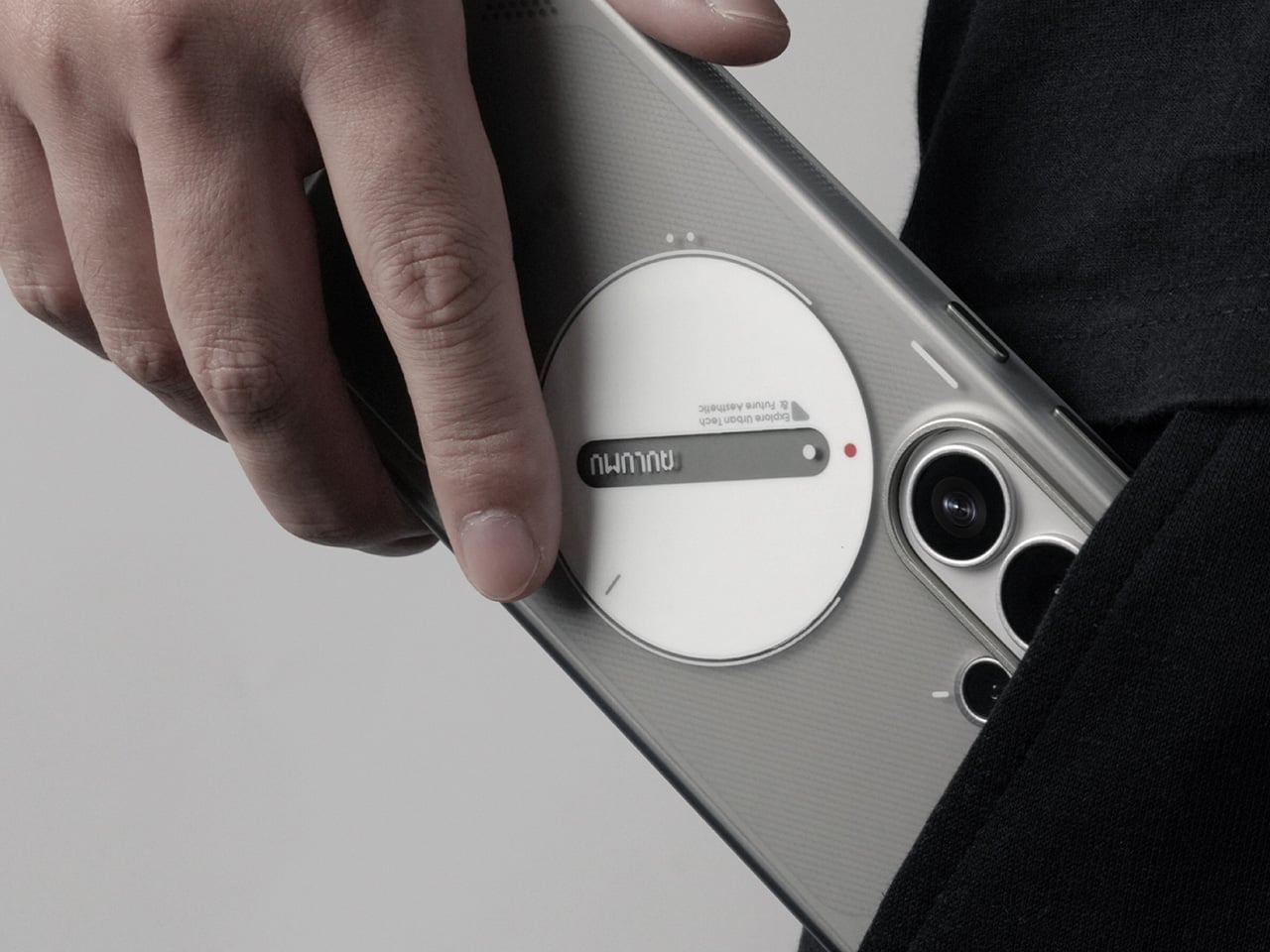
The visual centerpiece of this case is the big glowing circle on the back. Aulumu calls it a “Glow UFO Design,” and it’s made from a photosensitive material that soaks up light during the day and gives off a bright green glow when the lights go out. It’s a neat trick that makes your phone easy to find on a nightstand and gives it a ton of personality. The graphic is printed using a two-layer IMD process, meaning it’s embedded inside the TPU plastic itself so you don’t have to worry about it fading or scratching off. The main body has a frosted, translucent finish, so you can still see a hint of the Galaxy S26 Ultra’s actual color, but with a diffused, softer look.
They also got the small details right, especially the parts you actually touch. Instead of turning the phone’s satisfyingly clicky buttons into mushy plastic bumps, Aulumu used separate aluminum alloy buttons that preserve that original tactile feel. That same metal is used to create a tough, raised lip around the entire camera module, giving you a solid barrier of protection that feels much more reassuring than a simple sliver of raised plastic.
That glowing ring isn’t just for looks, either; it’s the case’s built-in MagSafe magnet array. It’s a really clever way to integrate a functional feature into the core aesthetic, so you don’t have that generic white circle plastered on the back. All your MagSafe accessories, from chargers to wallets, snap right into place, guided by the UFO design. This thing is clearly built for someone who wants their phone to be a bit of a statement piece. It’s expressive and fun, but it doesn’t skimp on the practical stuff like good buttons and legitimate camera protection.
Why We Recommend It
You know a case design is working when the flashiest feature turns out to be the most functional one. The glowing UFO disc is a passive MagSafe alignment guide that charges under ambient light and radiates green in the dark, and it genuinely earns its place on the back of the phone. The 2-layer IMD construction keeps the embossed pattern from fading, the aluminum alloy buttons feel identical to the S26 Ultra’s own hardware, and the anti-slip dot texturing gives you real confidence holding a phone this large one-handed. All of that lands at $35.98. For someone who bought the S26 Ultra because they wanted their tech to have a personality, this case is the natural next step.
S26U Ultra-Slim Aramid Fiber Case: A High-Performance Cover Built for the Power User
This case is wrapped in 1500D aramid fiber, which is the same family of high-strength synthetic material used in body armor and aerospace components. It’s incredibly thin and light, but it offers serious scratch resistance and rigidity that you just can’t get from plastic or silicone. The case barely adds any bulk to the Galaxy S26 Ultra, preserving its original form factor while giving it a stealthy, woven finish. The texture itself is smooth with just a hint of the interwoven pattern, providing a confident feel in the hand that isn’t exactly grippy, but certainly not slippery. It’s a piece of precision hardware for someone who appreciates advanced materials and wants protection that feels more engineered than simply molded.
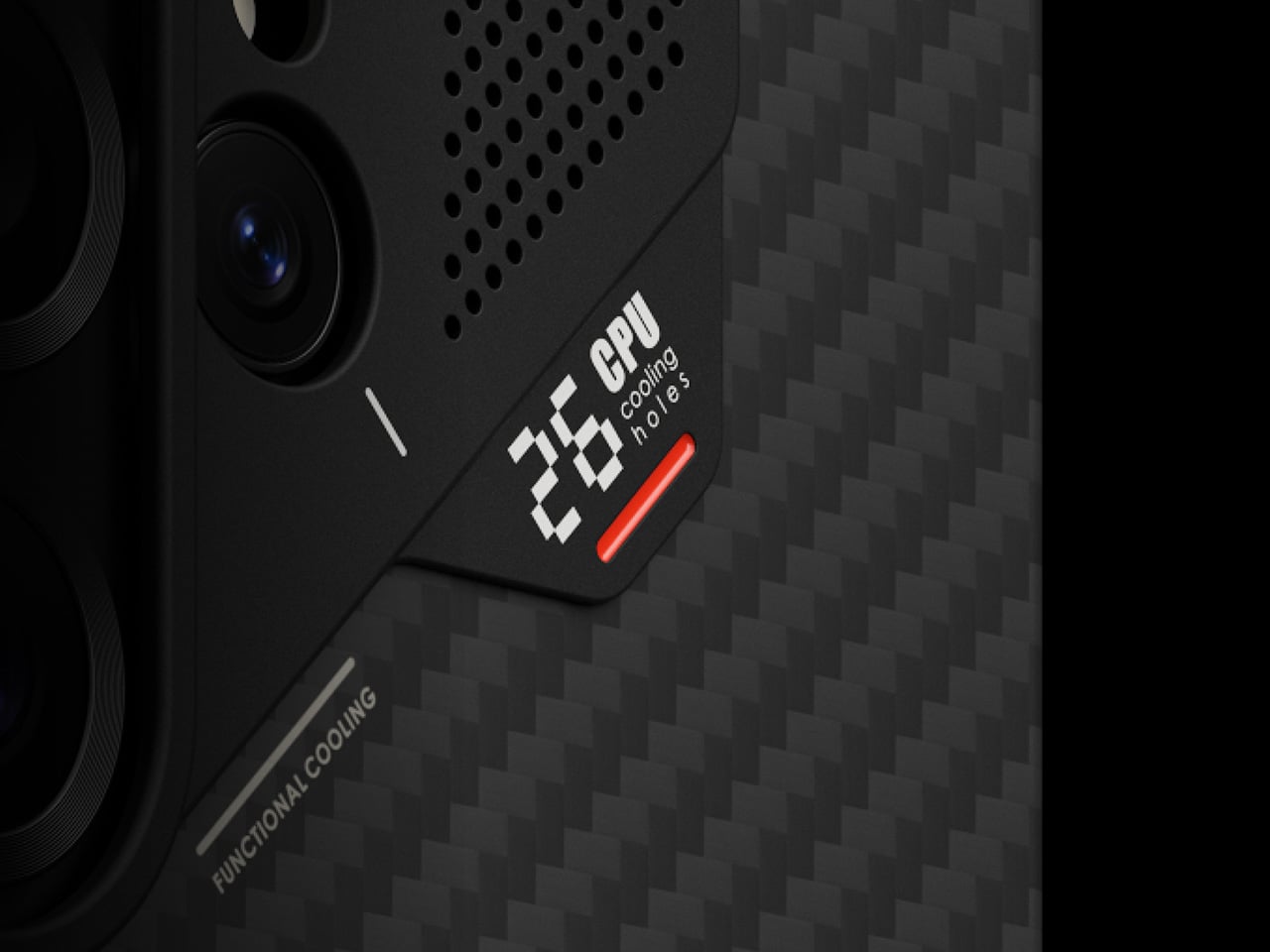
What really separates this case from other aramid fiber options is the little tech-badge built into the back. Aulumu calls it the CoolHyper system, and it’s designed to help manage the S26 Ultra’s thermal output during heavy use. The system uses what the company calls “superconducting cooling” to pull heat away from the phone’s core. More practically, that little badge near the camera has a color-changing indicator that reacts to the phone’s temperature. It gives you a quick, visual cue when the device is heating up, making it a functional dashboard for power users who are gaming, editing video, or pushing the processor hard. It’s a genuinely nerdy feature that serves a real purpose.
Even with its focus on slimness and thermal tech, the case doesn’t neglect basic protection. The camera system is shielded by a raised aluminum alloy frame, providing a rigid barrier against drops and impacts right where the phone is most vulnerable. This metal accent adds to the case’s premium, industrial feel while serving a critical defensive role. The whole package is designed for the person who views their S26 Ultra as a high-performance tool. It offers a sophisticated, understated aesthetic backed by aerospace-grade materials and a clever, functional cooling monitor, delivering on the promise of being slim, strong, and genuinely smart.
Why We Recommend It
The S26 Ultra is a device people buy for peak performance, and most cases punish you for doing exactly that by trapping heat against an already warm chassis. The CoolHyper system changes that equation, with a silicone pad and aluminum alloy plate combination that Aulumu claims keeps temperatures up to 1-2°C cooler during heavy workloads. Add 1500D aramid fiber construction at 0.6mm on the frame and 1.2mm on the back, and you have a case that makes the phone feel barely dressed while actually making it thermally smarter than going naked. The color-changing temperature indicator is the kind of detail a power user appreciates immediately. At $69.98, this is the case for someone who treats their S26 Ultra like a tool and wants every component around it pulling its weight.