The moments when you need a tool but only have a wallet happen more often than they should. A loose bolt on a bike, a box that refuses to open cleanly, a bottle cap mocking you at a picnic. Most multi-tools either live in drawers at home or look like mini weapons, which is not always the vibe you want in a pocket, especially when all you need is something to tighten a screw or slice through packing tape.
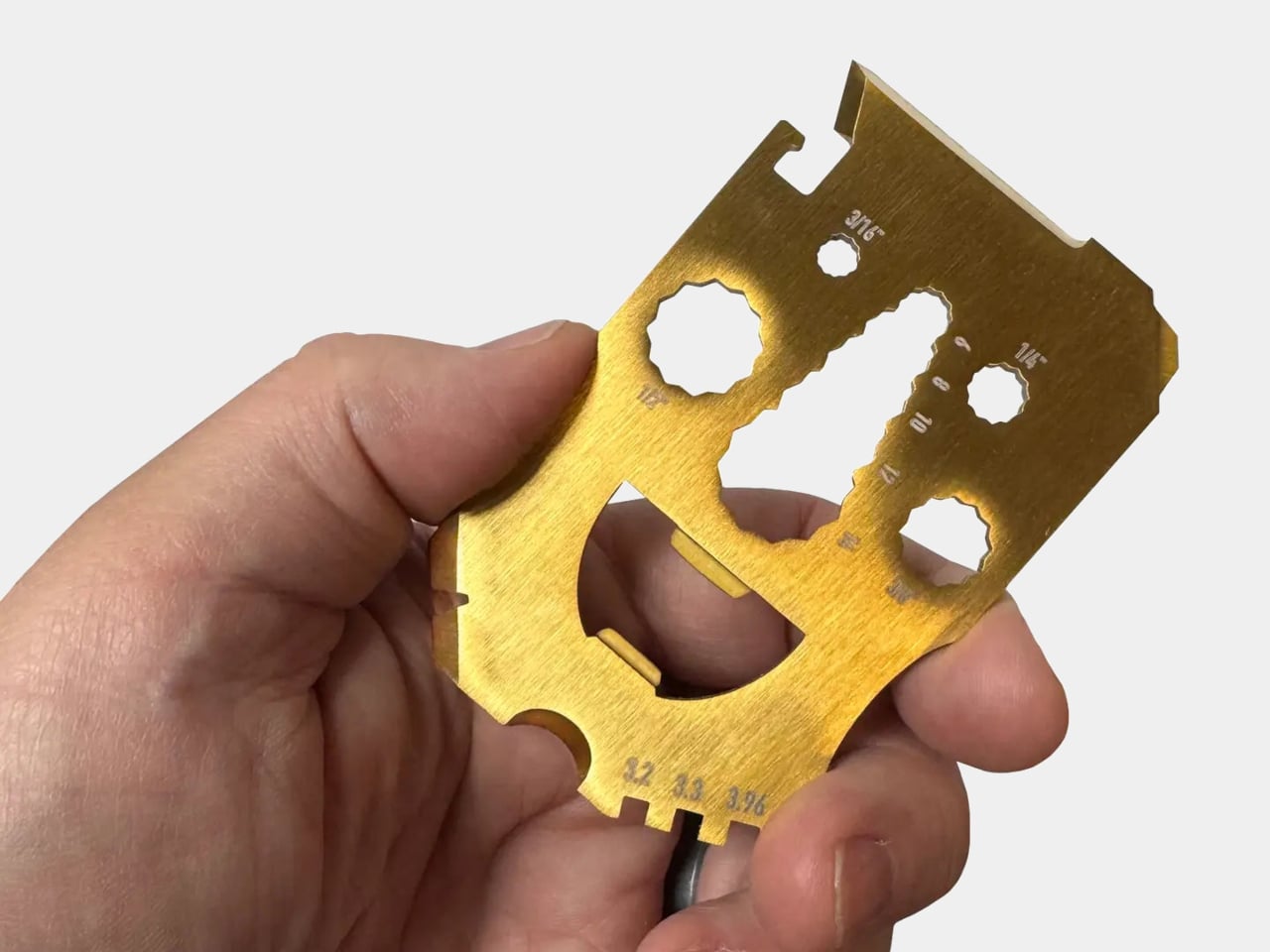
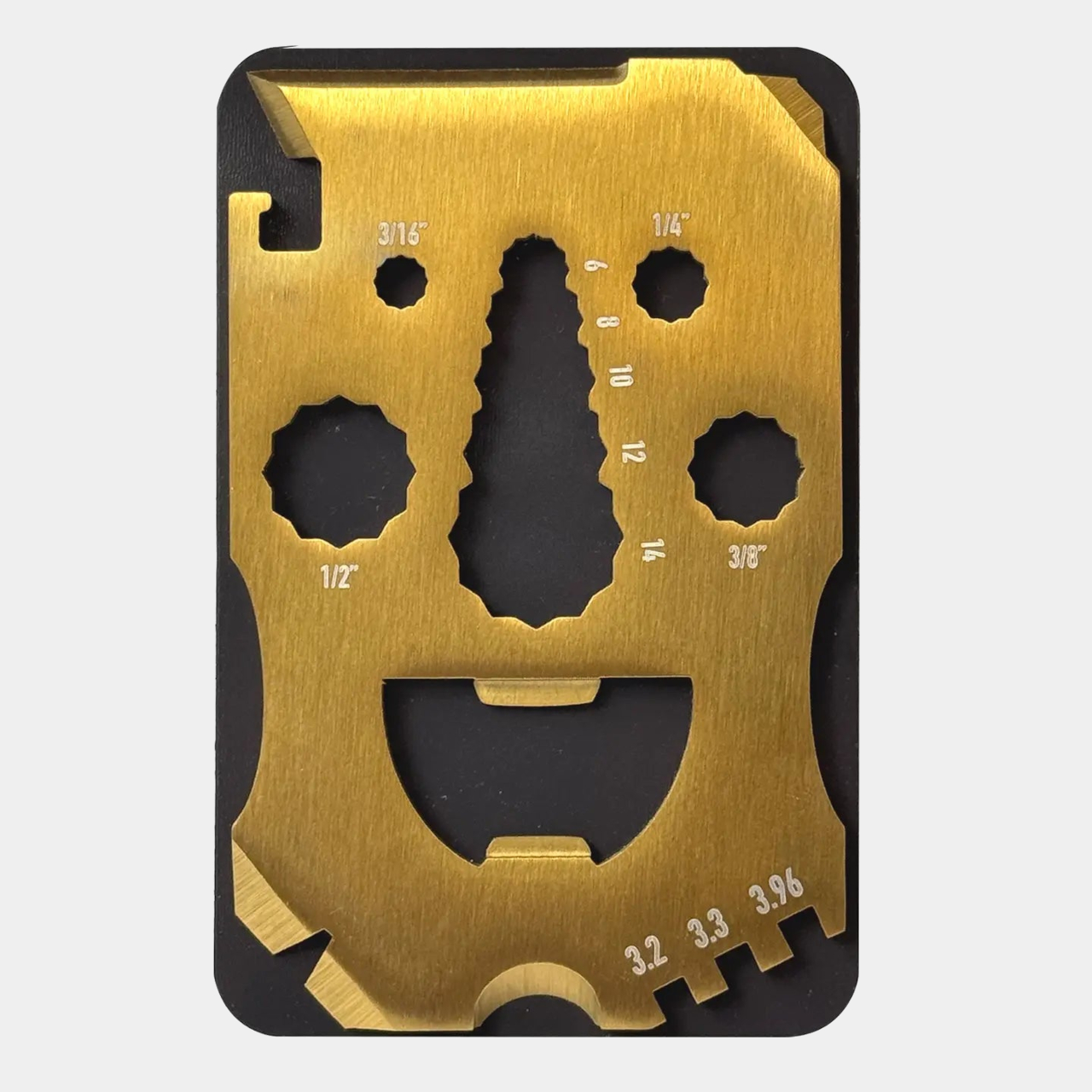
Lucky Jack’s Happy Guy card is a flat, credit-card-sized multi-tool that lives in your wallet until something needs fixing, opening, or prying. It is part of the Adventure Card series, USA-designed for everyday adventure, and the cutouts form a smiling face that makes the whole thing feel more like a friendly sidekick than a piece of tactical gear. The grin is not just decorative since it is where all the tools hide.
The face is not just for show. The eyes and nose double as nine different hex wrenches in both metric and imperial sizes, ready for furniture bolts or gear adjustments. Along the edges, you get a box cutter and line cutter for tape and cord, a flat screwdriver tip, a pry edge, a nail puller for small jobs, plus a can opener and a bottle-friendly mouth for when the work is done and the drinks come out.
The toothed section along one edge earns its keep for cyclists. It is sized for common spoke nipples, so if a wheel goes slightly out of true mid-ride, you can nudge it back without carrying a full tool roll. It is not a replacement for a proper workshop truing stand, but it is a lot better than limping home on a wobbly rim or calling someone to pick you up because three spokes are loose.
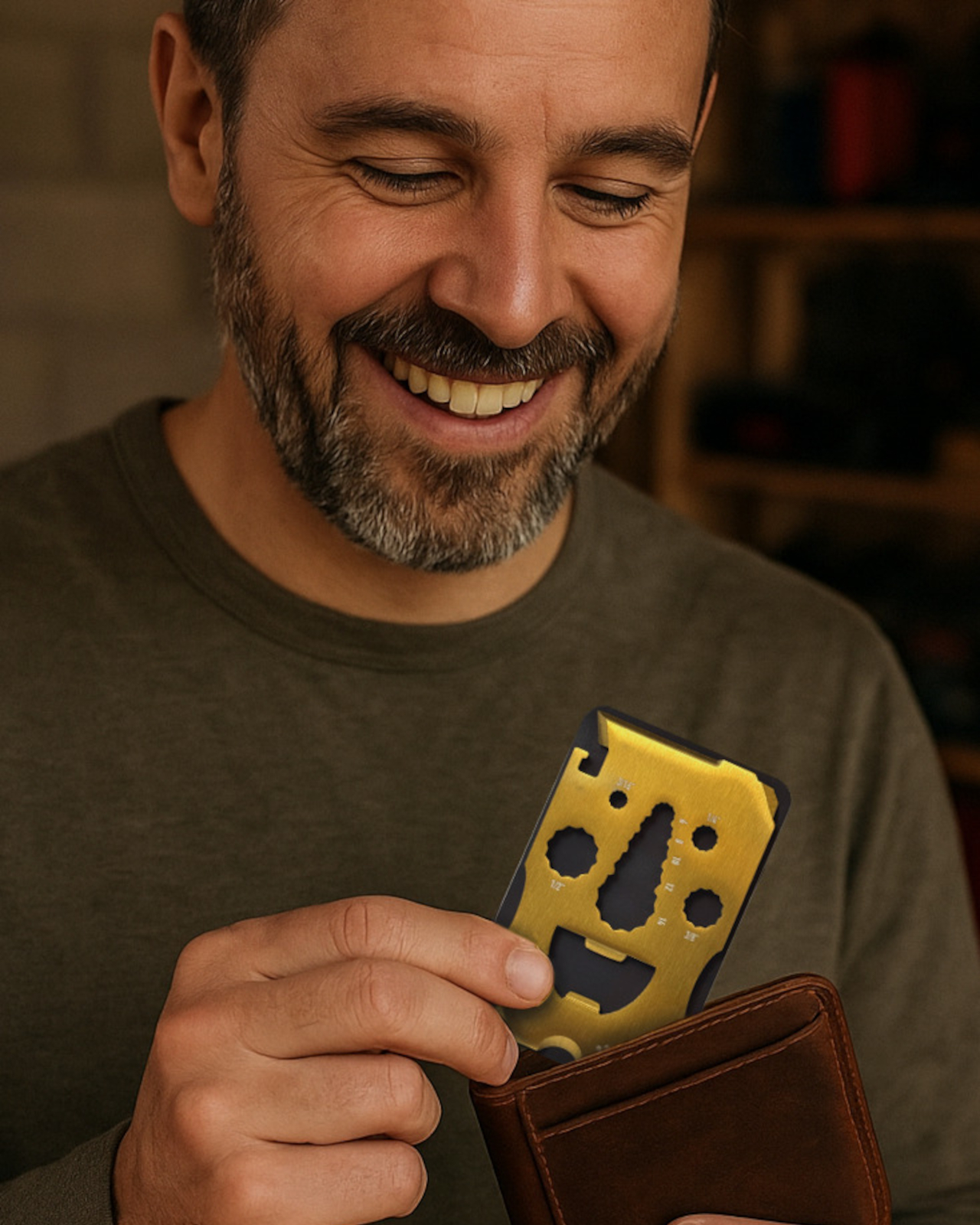
Happy Guy is thin enough to slip into a standard wallet slot, but also ships with a magnetic backing so you can park it on a toolbox lid, fridge, or van wall. That means it can live wherever you are most likely to need a quick fix, from a workshop corner to a camp kitchen, without rattling around loose or disappearing under a pile of gear you forgot existed.
A flat card is never going to be as comfortable as a full-size wrench or screwdriver for heavy torque, and the exposed cutting edges mean you should store it with the backing or in a sleeve. It is a light-duty, emergency-friendly tool rather than something you rebuild an engine with, but that is exactly why it can afford to be this small and this cheerful without pretending to do jobs it was never designed for.
Happy Guy sneaks real utility into a piece of metal that looks like it is just there for laughs. By turning hex wrenches, cutters, and openers into a smiling face, it lowers the barrier to carrying a tool every day. It is hard to be grumpy about a loose screw or stubborn bottle cap when the thing you pull out to fix it is literally grinning back at you from your wallet.
The digital nomad lifestyle thrives on contradiction. You need professional-grade tools that disappear into a carry-on. Power without bulk. Connection without cables. The freedom to work from a Bali café or a Berlin co-working space demands gear that adapts as quickly as your location changes. The right equipment doesn’t just make remote work possible—it makes it effortless, turning any corner of the world into your office.
This year’s standout gadgets understand that nomadic work isn’t about compromising between portability and performance. These seven designs solve real problems that emerge when your desk is wherever you set down your laptop. They’re built for the constant motion between airports and coffee shops, for the moments when a stable internet connection matters more than a stable address, for professionals who measure workspace in grams and millimeters.
1. HubKey Gen2: Your Entire Setup in a Cube
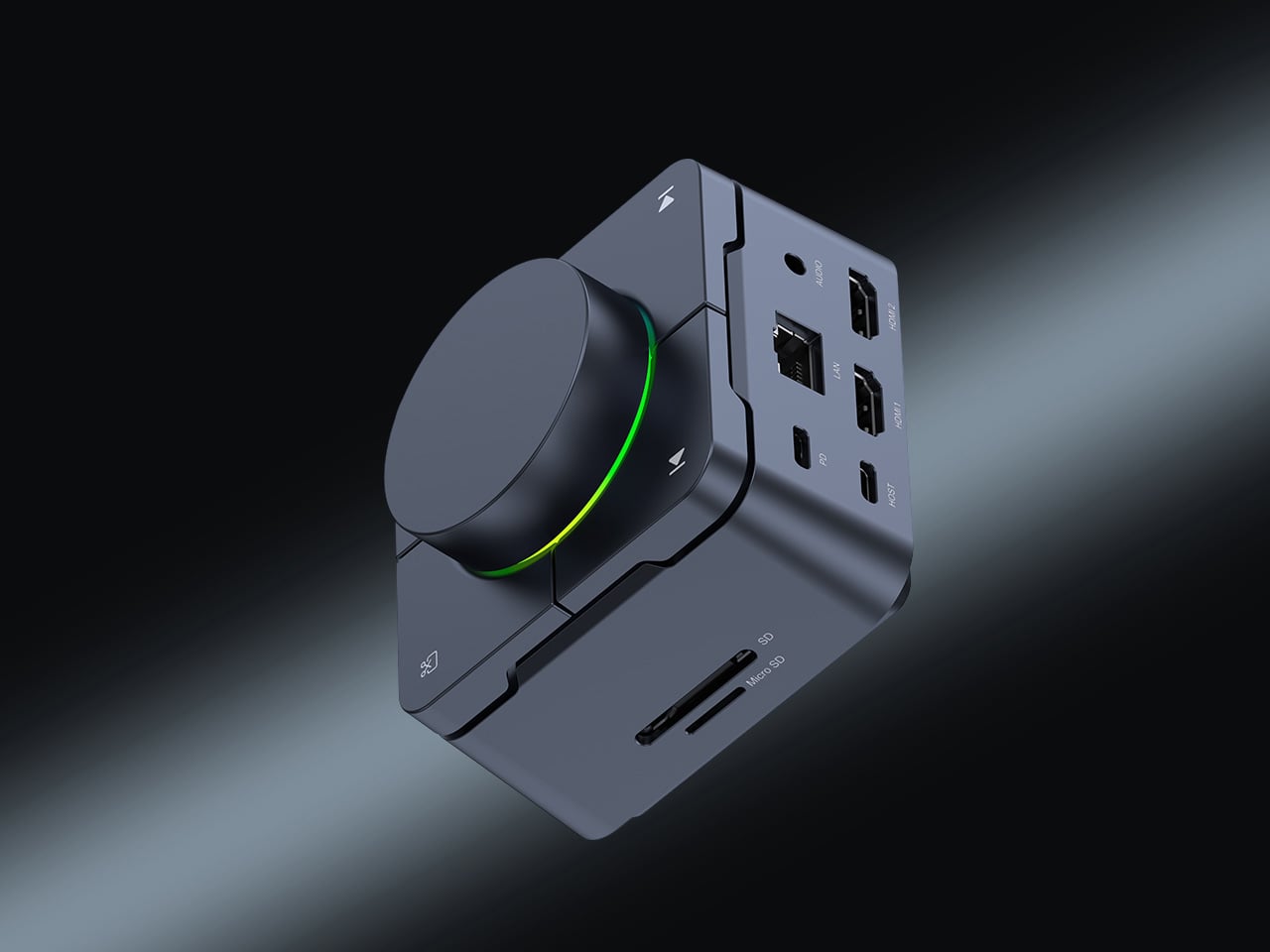
The chaos of the modern nomadic workspace often comes down to ports. Your sleek ultrabook offers maybe two USB-C connections, yet you’re constantly reaching for monitors, ethernet reliability, external drives, and power. What begins as minimalist hardware design becomes a tangle of dongles and adapters stuffed into every pocket of your tech pouch. HubKey Gen2 rethinks this entirely, consolidating 11 different connections into a palm-sized cube that sits exactly where you need it.
Beyond the connectivity sprawl, this device addresses another friction point: the small actions buried in menus and keyboard shortcuts that disrupt your workflow. Four programmable keys and a central control knob transform software commands into physical gestures. Mute your microphone, adjust volume, toggle camera privacy, or switch between tasks with tactile certainty. For someone working across time zones and video calls, having media controls at your fingertips rather than three clicks deep makes the difference between smooth professionalism and fumbling mid-presentation.
What We Like
The 11-in-1 hub eliminates the need for multiple adapters, significantly streamlining your packing list.
Dual 4K display support means you can plug into external monitors at co-working spaces or client offices without compromise.
Physical shortcut keys and a control knob bring immediate access to privacy toggles and media controls.
The compact cube design fits easily in a backpack’s tech compartment without adding bulk.
What We Dislike
The stationary cube format works best on stable desks, which isn’t always guaranteed in nomadic setups.
At a premium price point, it’s an investment that may not suit budget-conscious travelers.
2. OrigamiSwift Folding Mouse: Full-Size Precision in Your Pocket
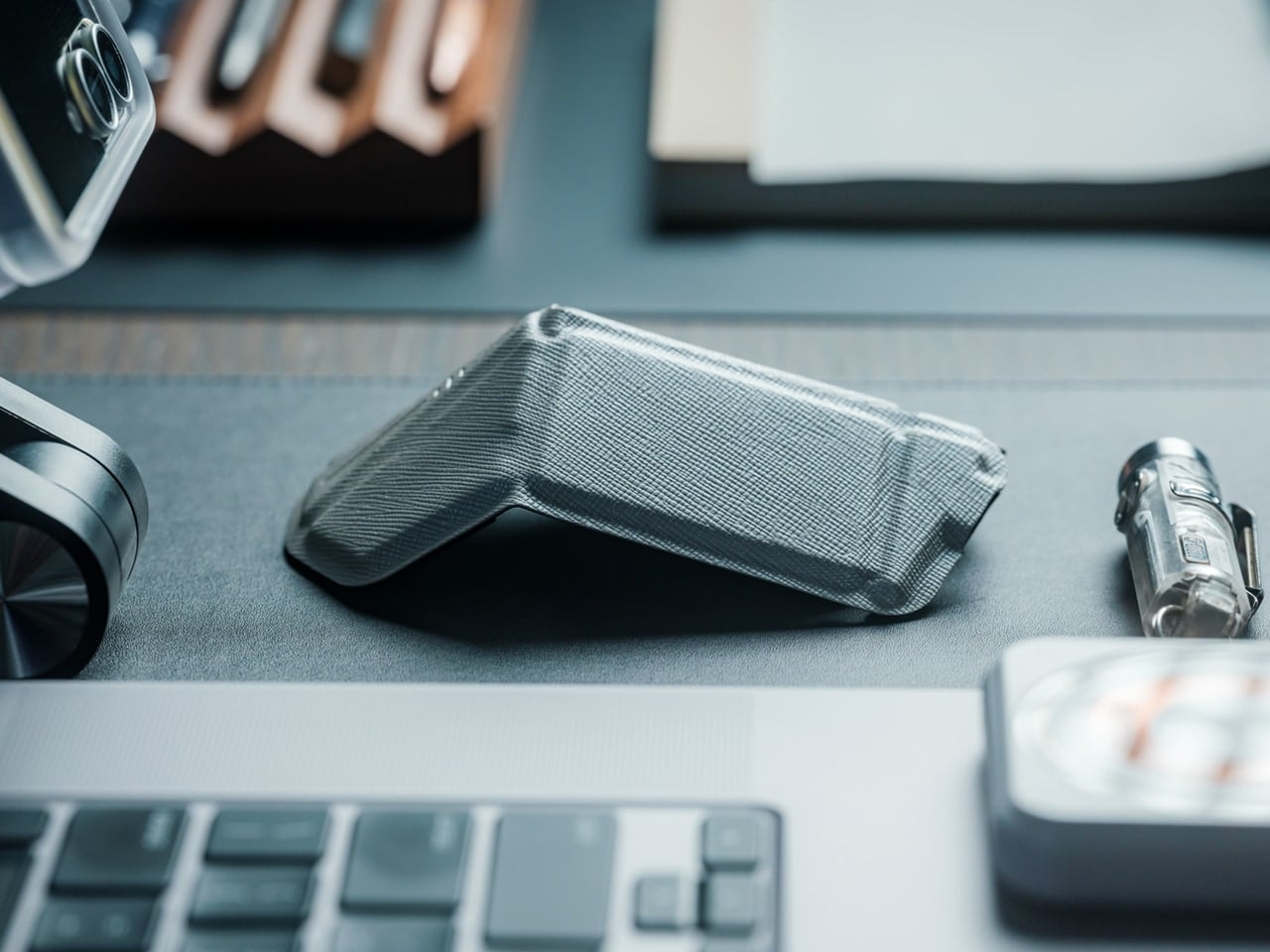
Laptop trackpads work fine until they don’t. After hours of detailed work—editing photos, building spreadsheets, designing mockups—your fingers cramp and precision suffers. Full-sized mice offer the ergonomic relief you need but consume precious backpack real estate. OrigamiSwift solves this spatial puzzle with origami-inspired engineering that lets a complete mouse fold completely flat, transforming from 40 grams of barely-there weight into a proper productivity tool the moment you need it.
The transformation happens in under half a second. One flip and the mouse springs into an ergonomic form that fits naturally in your palm, ready for extended work sessions, whether you’re at a standing desk in Bangkok or a wobbly café table in Lisbon. When you pack up, it collapses just as quickly into a profile thin enough to slide into a notebook pocket. The Bluetooth connection means one less cable to manage, and the full-size functionality means you’re not sacrificing comfort for convenience.
The foldable design delivers genuine full-size mouse comfort without occupying significant bag space.
Weighing only 40 grams, it’s essentially weightless in your daily carry.
The instant transformation in under 0.5 seconds means you can deploy it as quickly as you open your laptop.
Ergonomic shaping provides the comfort needed for extended work sessions across multiple time zones
What We Dislike
Bluetooth connectivity requires occasional charging, adding one more device to your power management routine.
The folding mechanism, while durable, introduces moving parts that could potentially wear over time.
3. StillFrame Headphones: Creating Focus Anywhere
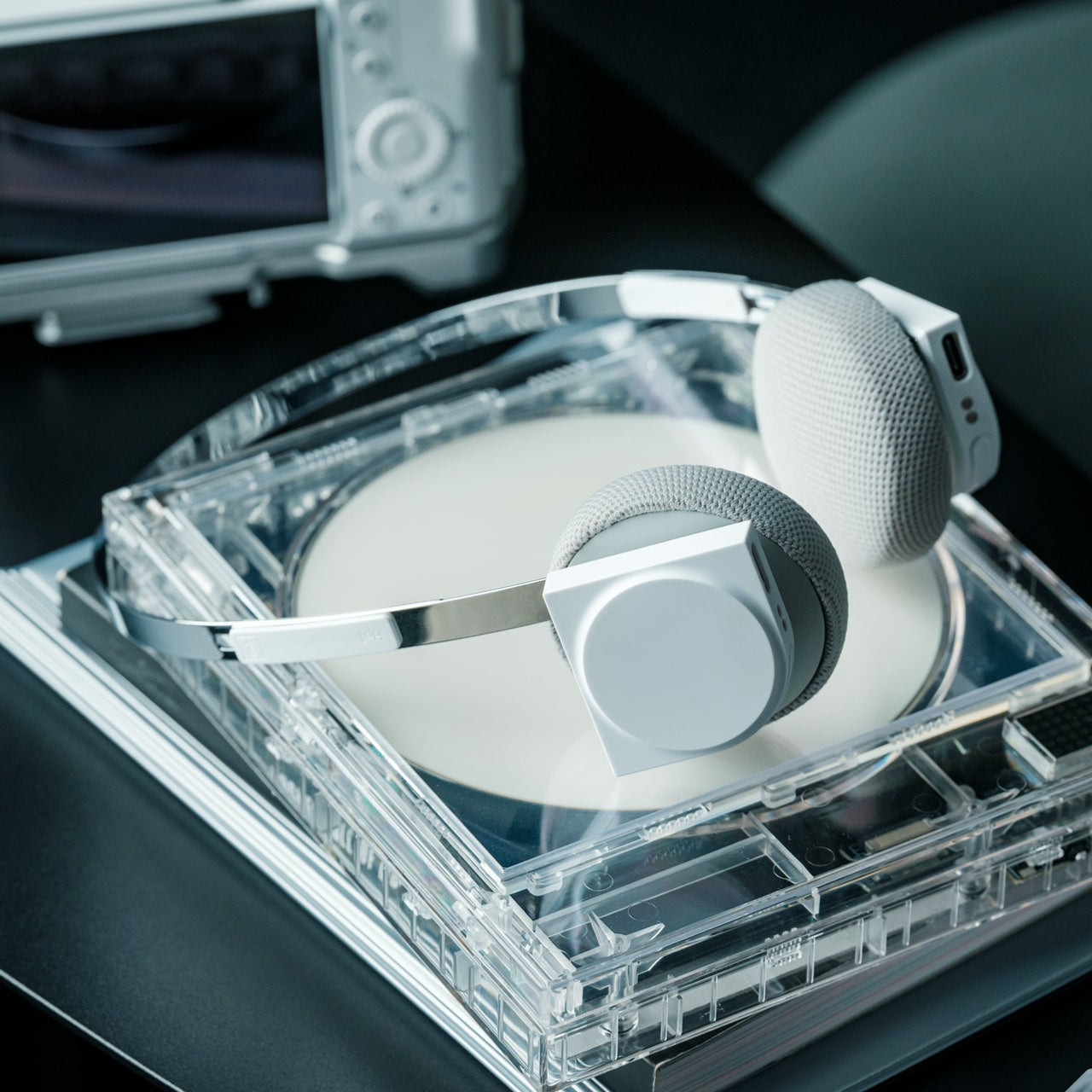
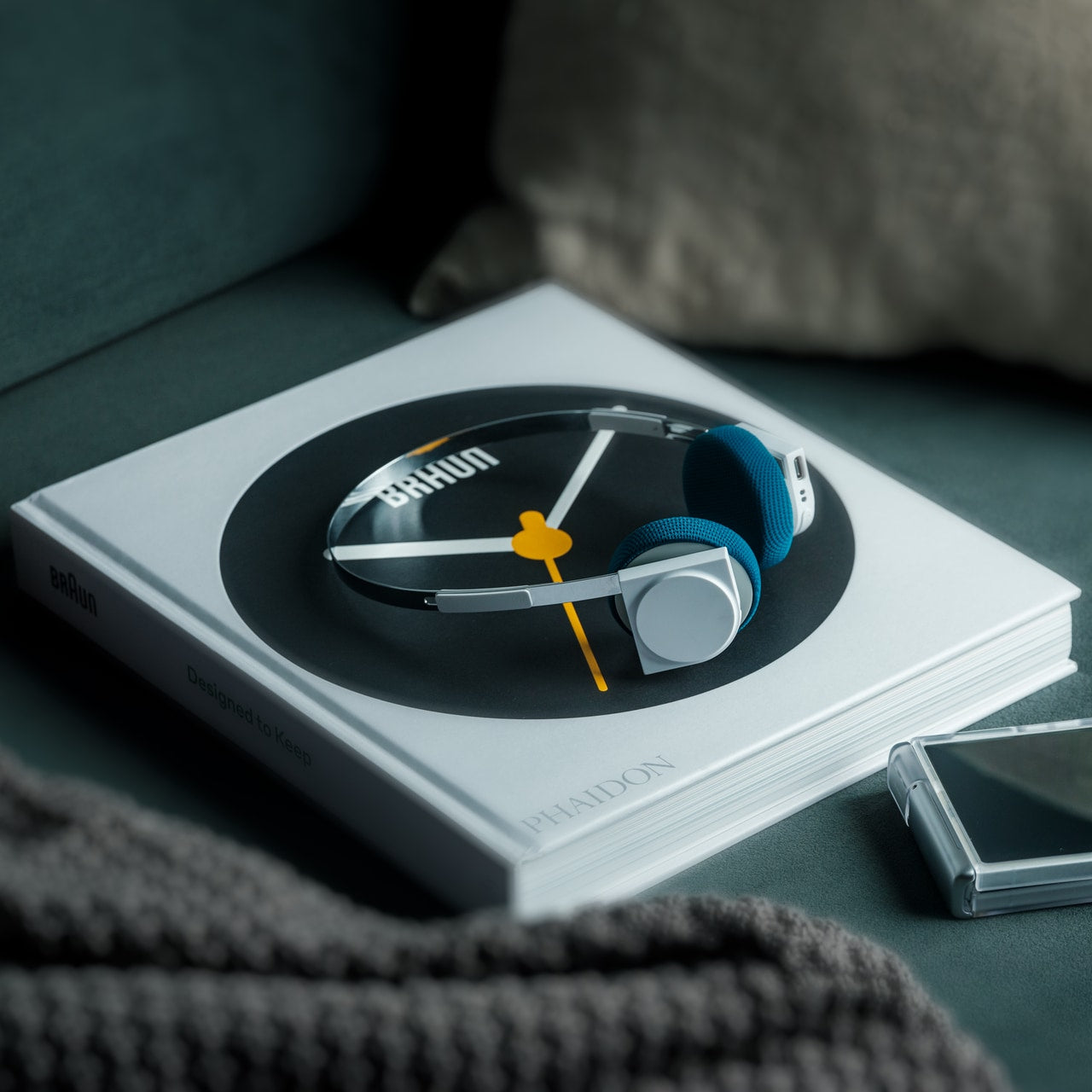
Airports, cafés, co-working spaces—the nomadic office is rarely quiet. Concentration becomes a portable skill, and headphones evolve from accessory to essential tool. StillFrame approaches audio with a design philosophy borrowed from the deliberate era of physical media, when albums were objects you held, and listening was an intentional act. The result sits comfortably between in-ears and over-ears, at just 103 grams, with 40mm drivers that open up soundscapes rather than just pumping audio into your ears.
The real utility emerges in the switching. Active noise cancellation erases the chaos when you need to disappear into deep work. Transparency mode keeps you connected to your surroundings when you’re waiting for a gate announcement or want to stay aware in an unfamiliar city. Twenty-four hours of battery life means you can travel from New York to New Delhi without reaching for a charging cable, maintaining your focus through layovers and long-haul flights.
The 24-hour battery life eliminates anxiety about running out of power during long travel days.
Weighing just 103 grams, these headphones stay comfortable through marathon work sessions.
Both noise-cancelling and transparency modes adapt to shifting environments from silent libraries to bustling streets.
The 40mm drivers create an open soundstage that makes both music and podcasts more immersive.
What We Dislike
The on-ear design may not provide the same noise isolation as full over-ear models in extremely loud environments.
The retro-inspired aesthetic, while distinctive, may not appeal to those preferring more modern styling.
4. Memento Business Card Log: Analog Memory in a Digital World
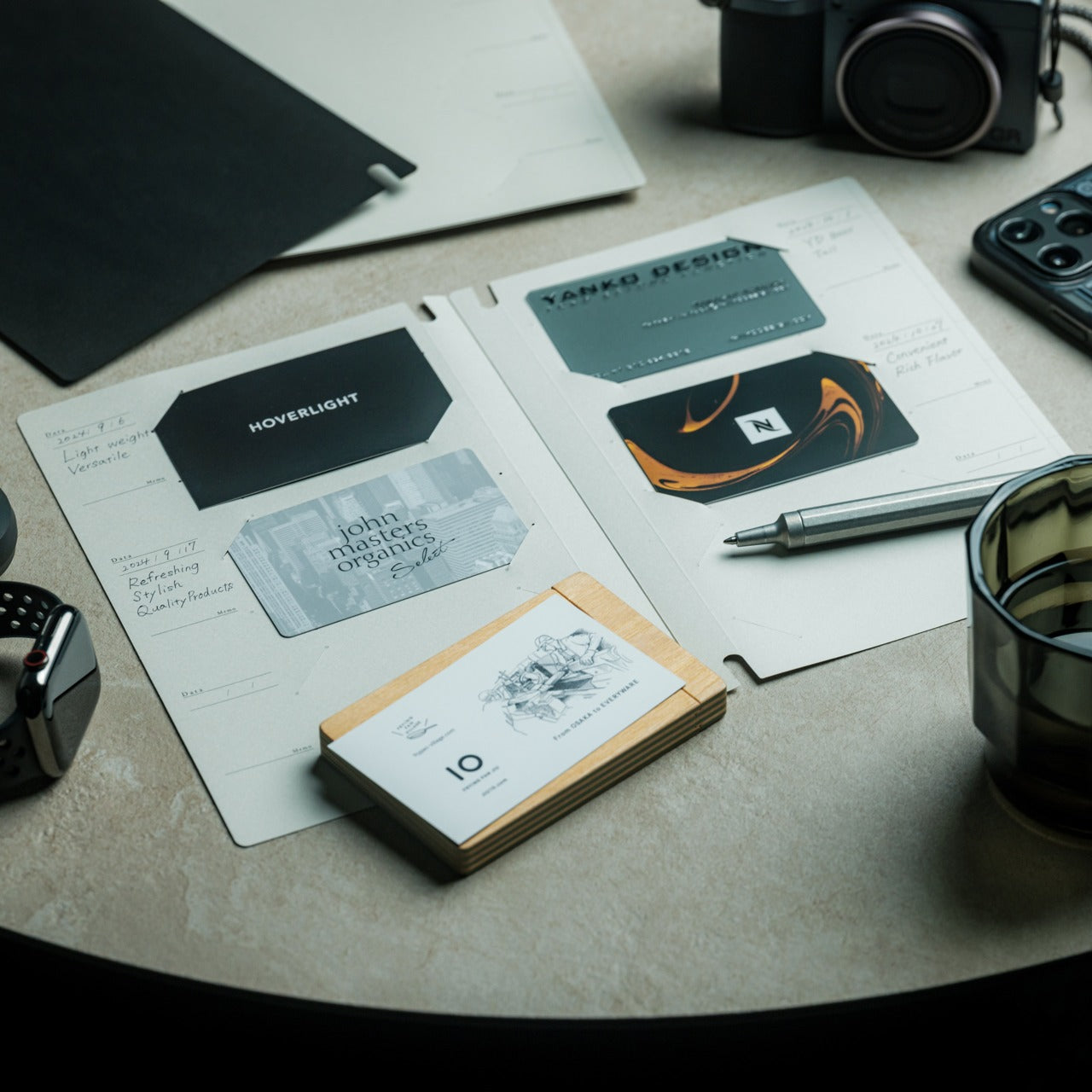
Digital contacts sync across devices, but they don’t capture the texture of a conversation. The nomadic lifestyle means constantly meeting collaborators, clients, and fellow travelers—connections that could turn into partnerships if you remember not just names but contexts. The Memento Business Card Log stores up to 120 business cards using a binding system that lets you reorganize and reference them easily, but more importantly, it provides space for the handwritten details that transform a card into a memory.
Japanese brand Re+g built this organizer around the idea that writing things down changes how you remember them. After a chance meeting at a conference in Singapore or a productive coffee chat in Copenhagen, you can note what you discussed, ideas that emerged, or even just the person’s working style. These annotations become retrieval cues that software contact lists can’t replicate. When you reconnect weeks or months later, those handwritten notes help you pick up the conversation with genuine context rather than generic pleasantries.
The capacity for 120 business cards means you can collect connections throughout extended trips without needing to transfer them.
Handwritten note space beside each card captures conversational context that digital contacts miss.
The unique binding system allows easy reorganization as your network and priorities evolve.
Minimal, tactile paper design from Re+g elevates organization into something you’ll actually enjoy using.
What We Dislike
The analog format means cards aren’t automatically backed up if the log is lost or damaged.
Physical storage takes up more space than purely digital contact management.
5. Inseparable Notebook Pen: Never Hunt for a Pen Again
The friction of creativity often isn’t the idea—it’s the split second when you can’t find something to write with. Inspiration arrives during a walking tour, mid-conversation, or while half-asleep on a red-eye flight. By the time you’ve rummaged through your bag for a pen, the thought has scattered. The Inseparable Notebook Pen uses a magnetic clip that attaches securely to your notebook, ensuring your writing tool lives exactly where you reach for it.
The design focuses on seamless integration. A built-in silencer makes attaching and detaching the pen a quiet, satisfying gesture rather than a clumsy snap. The minimalist form fits any notebook style without visual clash, and the smooth ink flow handles everything from quick notes to detailed sketches. For digital nomads who alternate between typing and handwriting—brainstorming on paper before building in software—this pen becomes an extension of your process rather than something you have to think about.
The magnetic clip ensures the pen is always exactly where your notebook is, eliminating lost-pen frustration.
The built-in silencer creates a refined, quiet attachment experience.
Minimalist design complements any notebook without stylistic compromise.
Smooth ink flow handles varied writing needs from rapid note-taking to careful sketching.
What We Dislike
The pen is designed specifically for notebooks with compatible magnetic areas, limiting versatility.
As a single pen solution, you’ll need backup options if the ink runs out mid-journey.
6. MagBoard Clipboard: Flexibility Without Binding
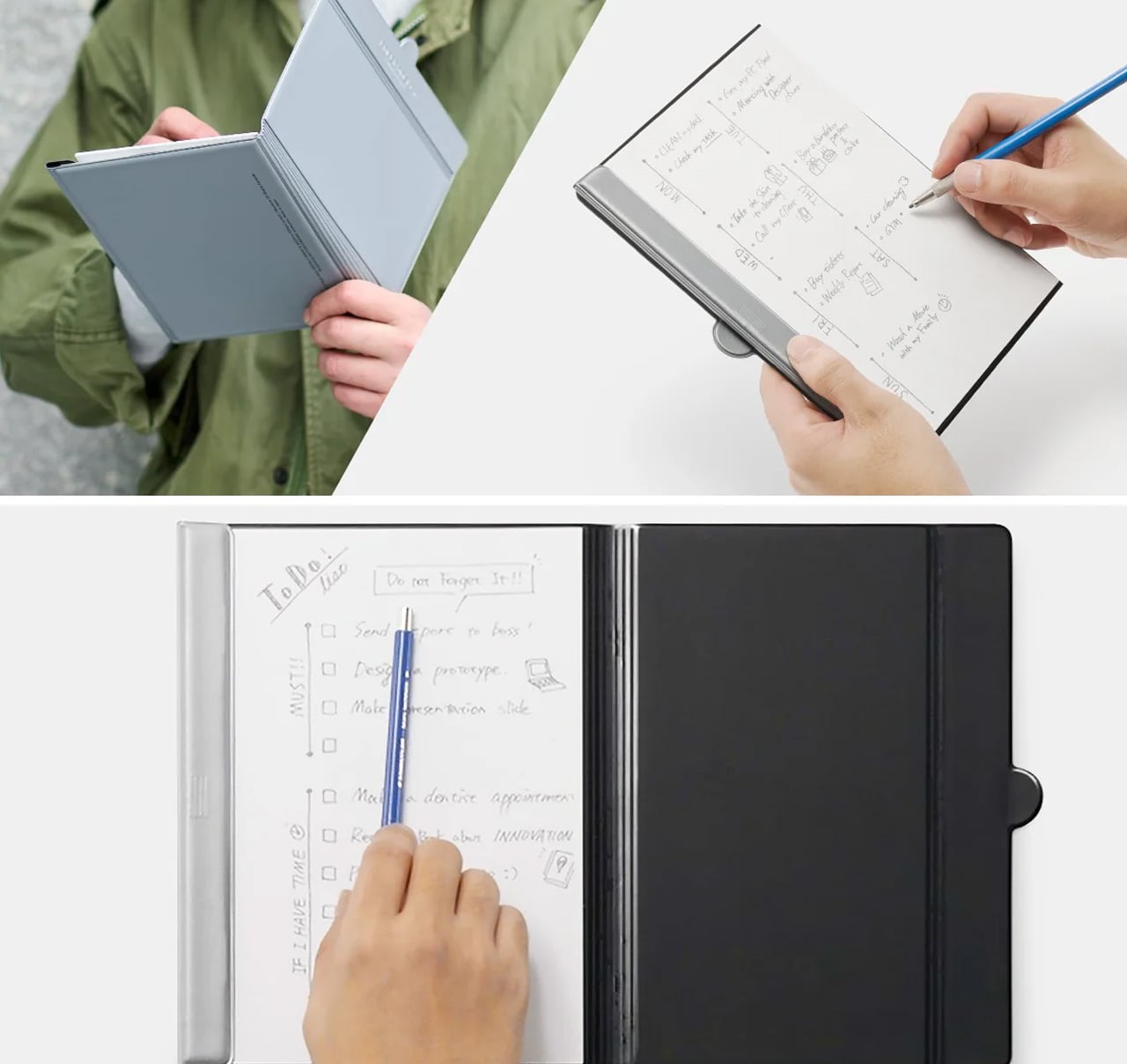
Traditional notebooks lock you into linear page order and permanent binding. That structure helps for continuous journals but frustrates project-based thinking where ideas need to be rearranged, removed, or reordered. MagBoard uses a magnet and lever mechanism to secure up to 30 loose sheets, letting you compose, decompose, and reorganize pages however your thinking demands. The hardcover backing means you can write standing, leaning against a wall, or anywhere without a stable surface.
For nomads juggling multiple projects, this flexibility becomes essential. Keep client notes separate until a meeting, then compile them in order. Sketch design concepts on individual sheets and arrange them spatially before committing to a sequence. Remove finished work without the orphaned pages that haunt traditional notebooks. The water-resistant cover handles the unpredictability of working outdoors or in transit, and the simple cleaning means coffee spills don’t become permanent damage.
The magnetic lever system holds up to 30 sheets securely while allowing instant reorganization.
Hardcover design enables writing anywhere, even standing or without a desk surface.
Water-resistant and easy-to-clean materials protect your work in unpredictable environments.
Complete flexibility to add, remove, or rearrange pages matches project-based workflows.
What We Dislike
Loose sheets can be lost more easily than bound pages if not carefully managed.
The hardcover adds some weight compared to lighter, flexible notebooks.
7. Rolling World Clock: Time Zones at a Glance
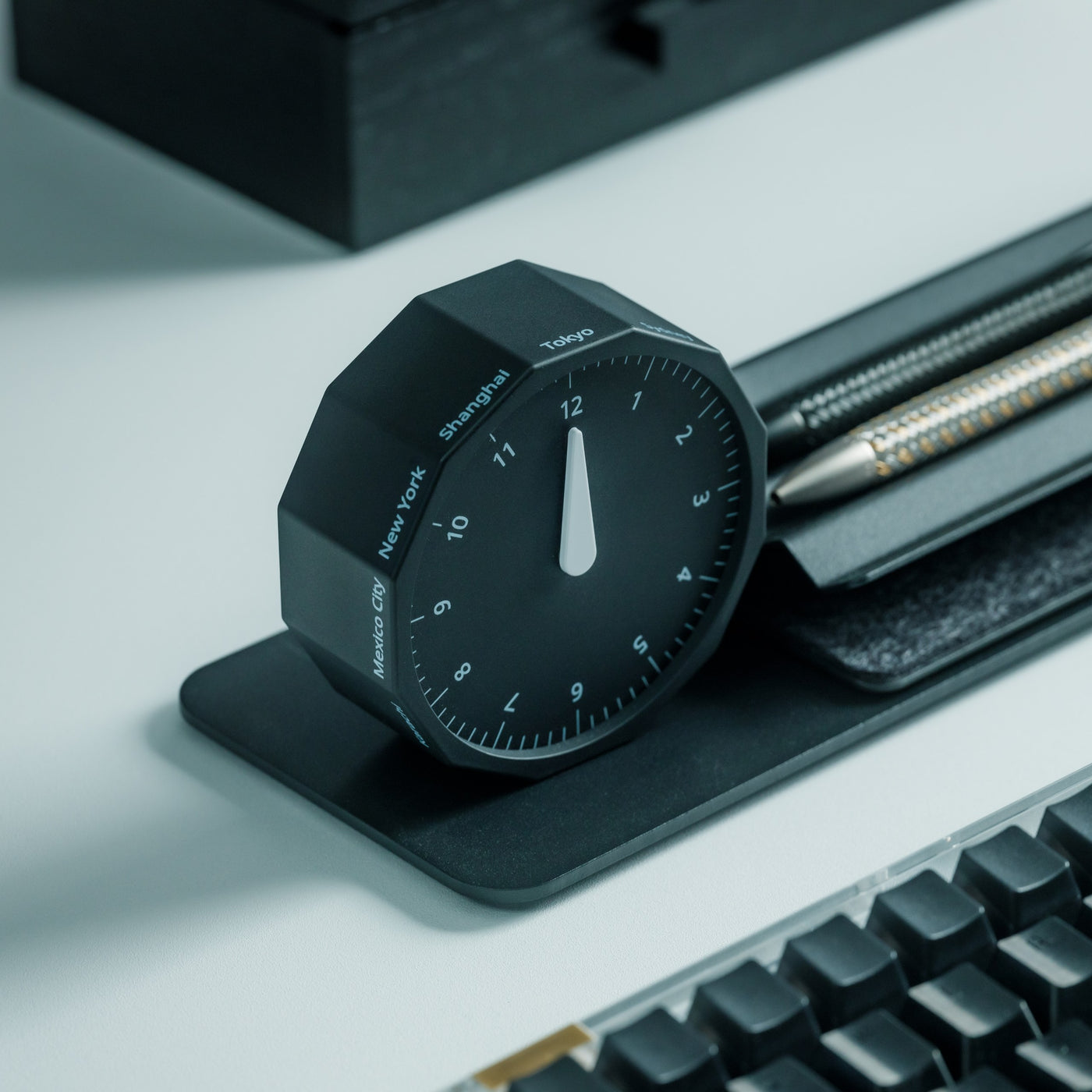
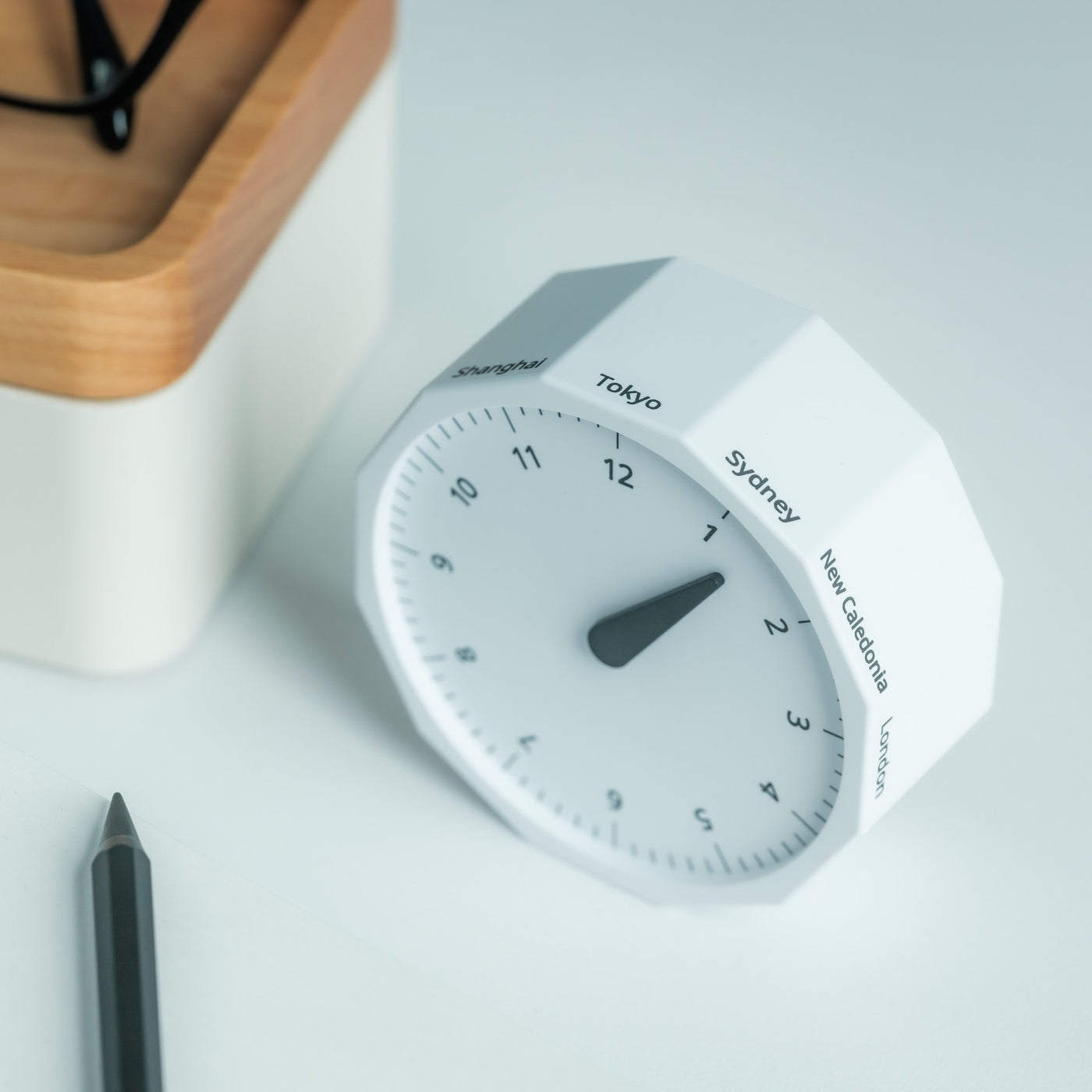
Working across continents means constantly calculating time zones. Is it too late to call your client in Tokyo? When does your team meeting in New York start relative to your current location in Cape Town? Digital clocks and apps provide answers, but they require pulling out your phone and breaking focus. The Rolling World Clock offers a tactile, immediate solution: a 12-sided desktop piece that displays the current time in major cities simply by rolling it to the desired timezone.
Each of the twelve sides represents a location—London, Paris, Moscow, Los Angeles, Karachi, Mexico City, New York, Shanghai, Tokyo, Sydney, Cape Town, and New Caledonia. A single hand shows the hour for whichever city faces up. The minimalist design eliminates digital distractions while adding a physical, almost playful element to time awareness. When you’re working from temporary desks and rented apartments, this small object becomes both functional tool and a reminder of the global nature of your work.
The twelve-sided design covers major global time zones in one compact object.
Physical rolling creates a tactile, screen-free way to check international times.
Minimalist aesthetics work as both functional tool and desk decoration.
Available in black and white options to match different workspace styles.
What We Dislike
Limited to twelve preset cities, which may not include all the locations you coordinate with.
The single-hand design requires some interpretation compared to digital displays showing exact minutes.
Building Your Mobile Office
The nomadic workspace is personal, built piece by piece until it reflects exactly how you work rather than where. These seven gadgets share a common understanding: that portability and capability aren’t opposites. They fit into the rhythms of constant movement, solving the small frictions that accumulate when your office exists in a backpack. Connection without cables. Writing without searching. Time awareness without screens.
The best gear for digital nomads doesn’t announce itself. It disappears into your process, working so seamlessly you forget it’s there until you need it. Whether you’re coordinating across twelve time zones, capturing ideas before they evaporate, or creating focus in chaotic airports, these designs adapt to your location rather than constraining it. Your backpack becomes not just luggage but the architecture of your professional life, carefully curated for the work that matters wherever it happens.
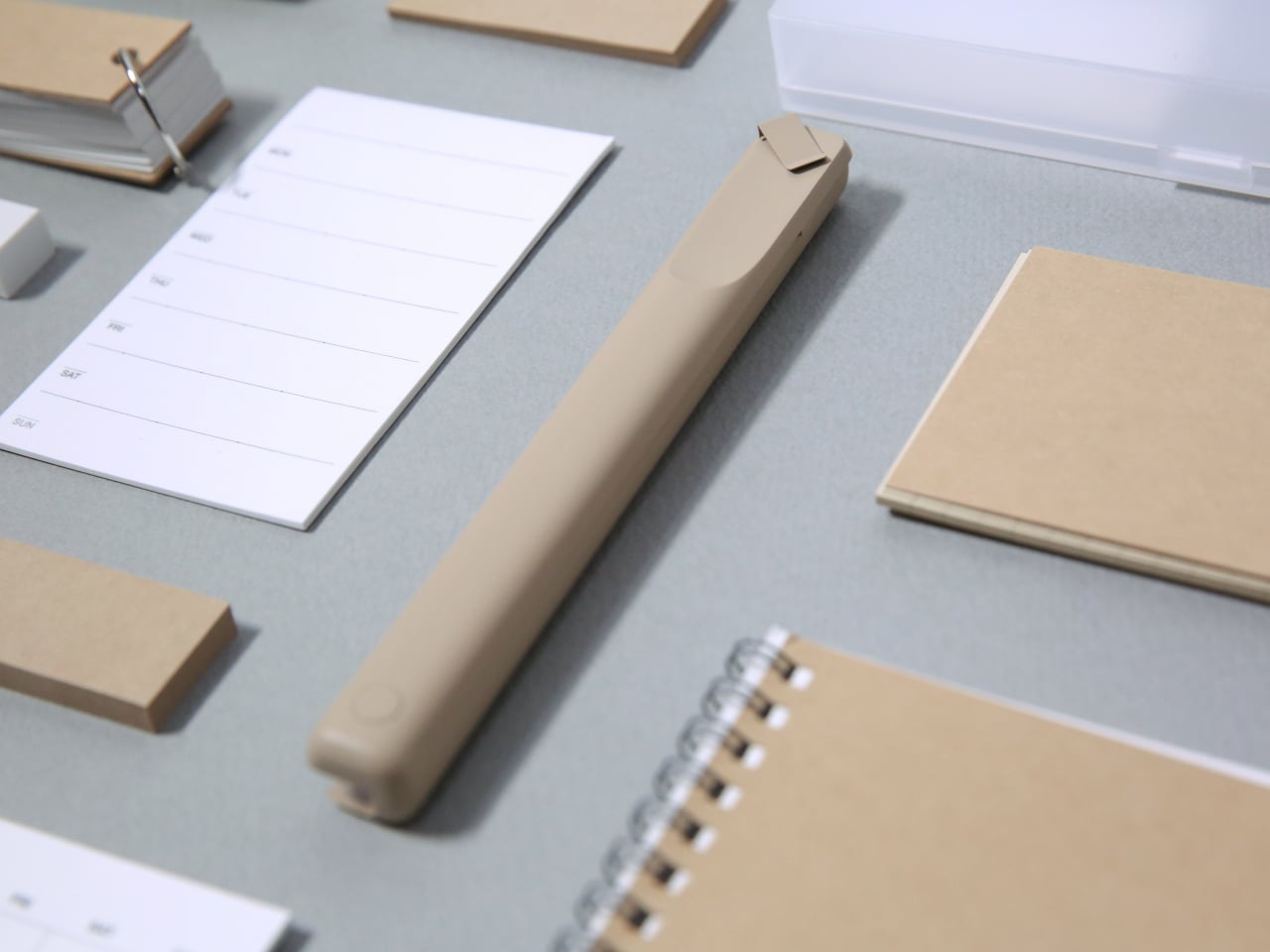
Most desk pen cups end up as graveyard storage for half-dead markers, random pencils, and that one pen you actually like, buried somewhere in the mix. The usual cylinder treats every tool the same, even though your hand instinctively knows which pen feels right for signing documents or writing notes that matter. A little hierarchy on the desk might do more to calm the visual noise than another storage bin that just shuffles the clutter around.
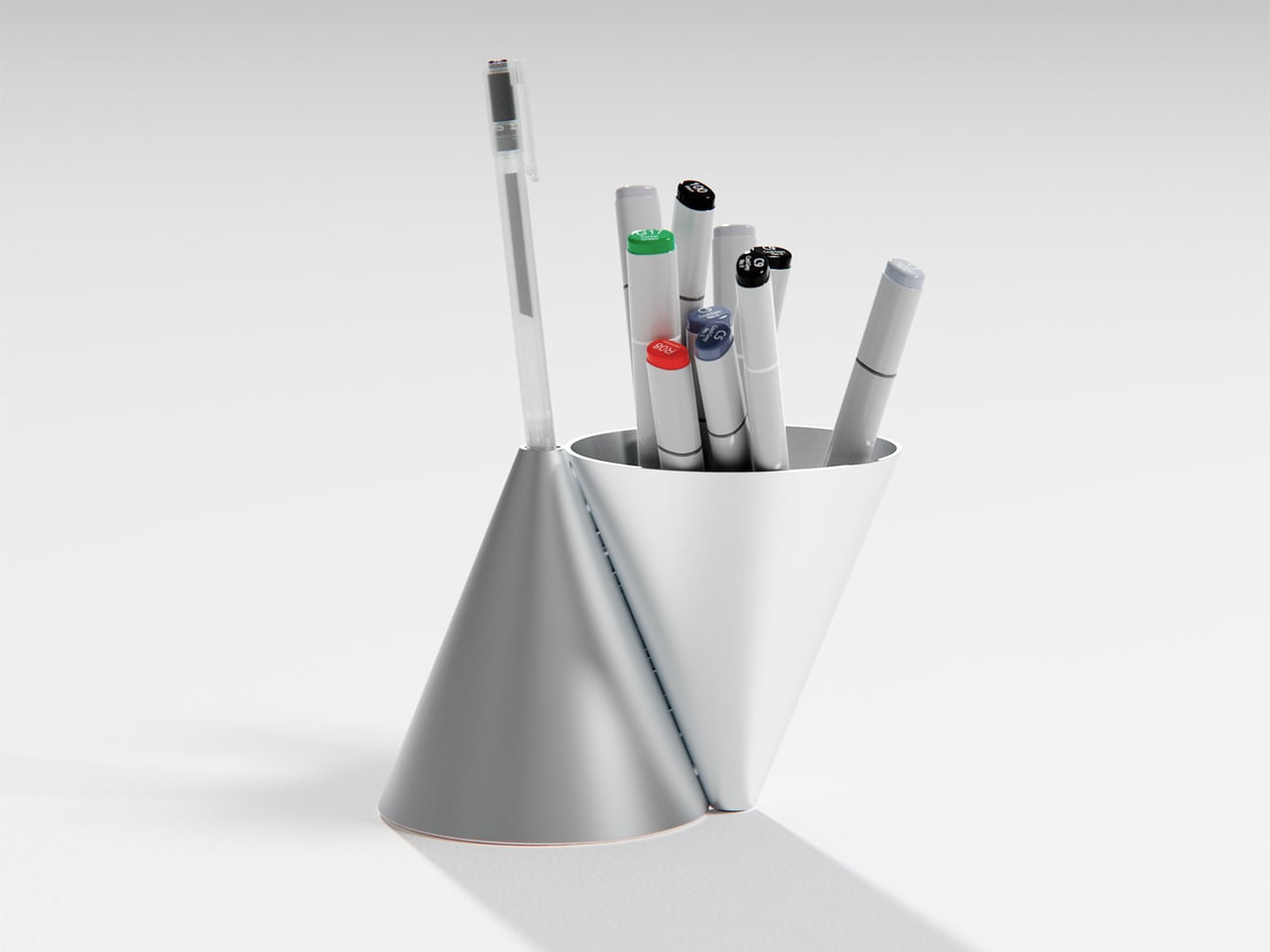
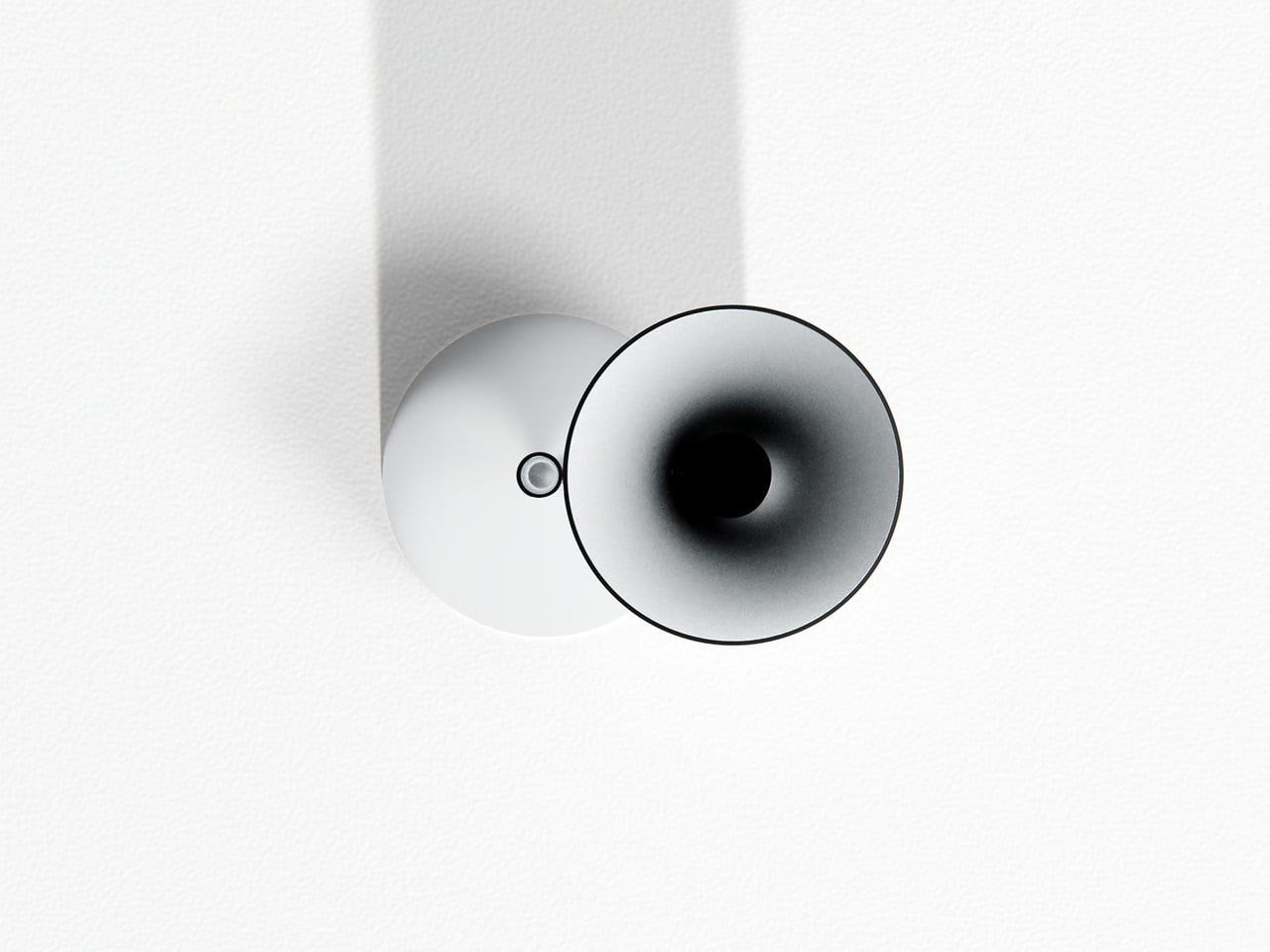
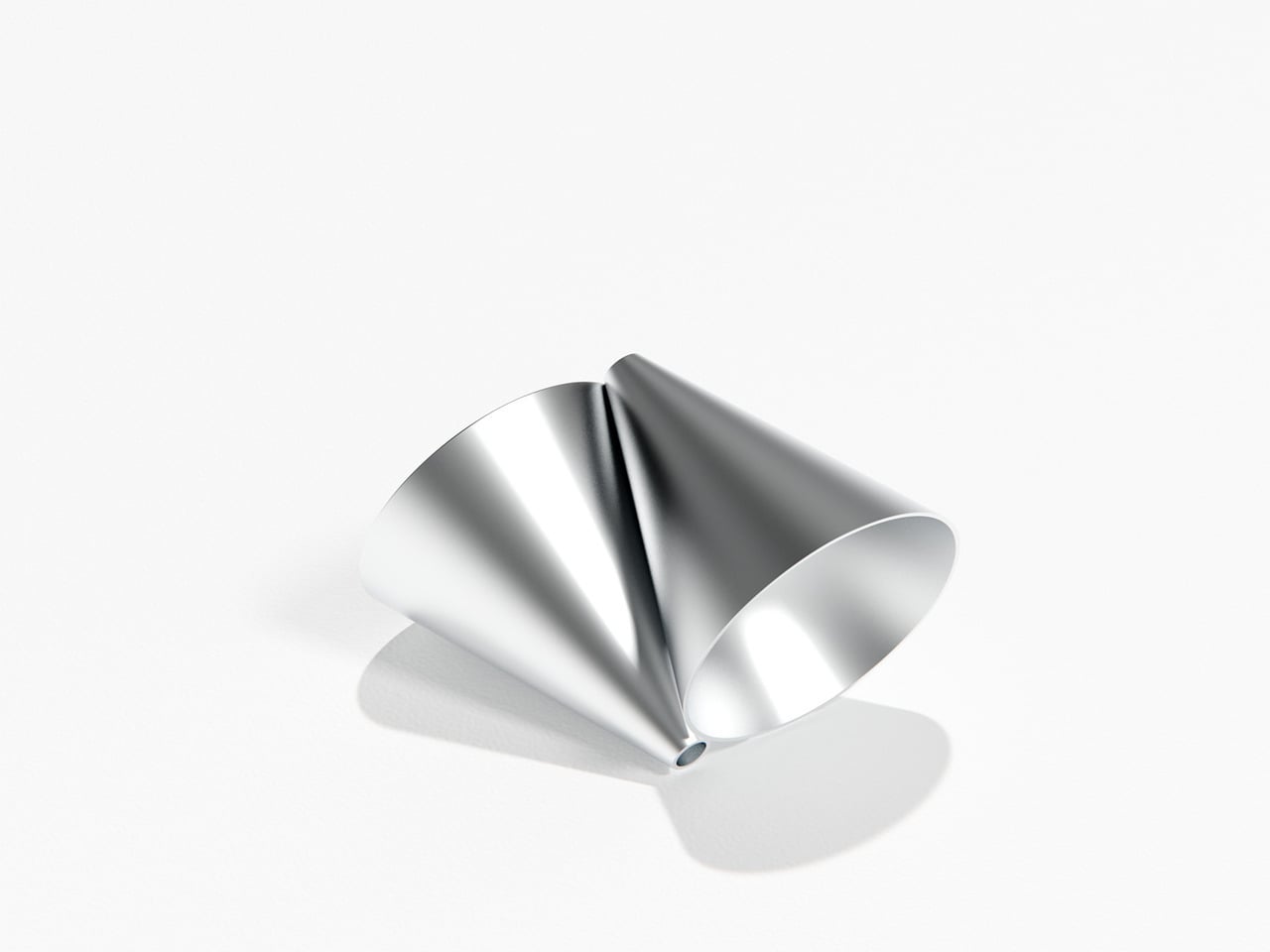
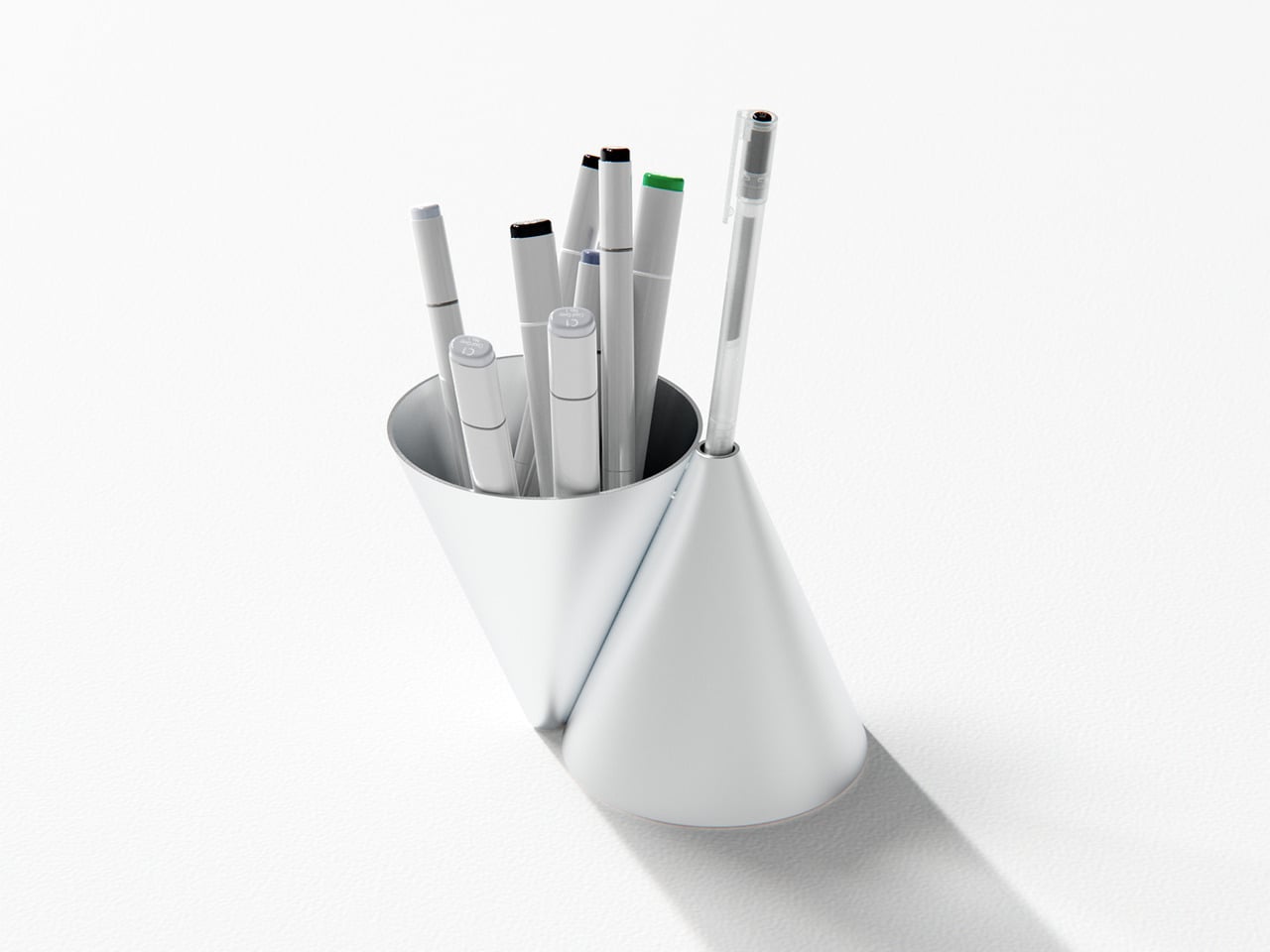
Konus is an aluminum pen holder that takes Bauhaus principles seriously rather than using them as decoration. Designed by Liam de la Bedoyere, it is built from two inverted cones, one hollowed out to hold everyday tools, the other reduced to a single aperture for a chosen pen. It is a personal project, which gives it permission to be a bit more pure and uncompromising than mass-market organizers that try to please everyone and end up feeling generic.
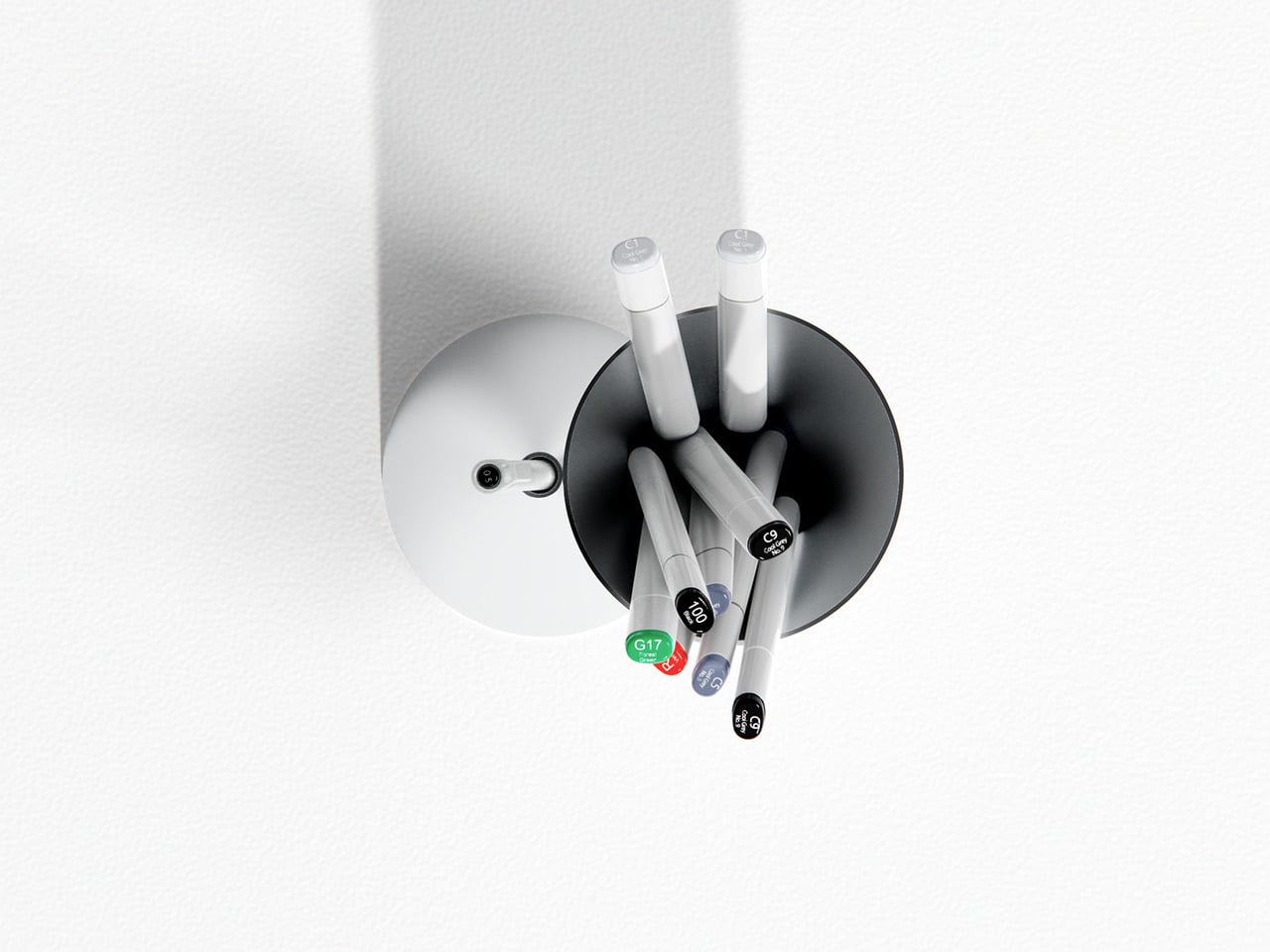
The larger cone becomes the communal container, swallowing the usual mix of pens and markers without complaint. The smaller cone acts like a tiny plinth for one special pen, the good ballpoint or fountain pen that always ends up lost under papers when you need it. This simple split creates a visual and functional hierarchy, your hand learning that the main cone is for grabbing anything, while the smaller one is where the favored pen lives, ready when you need it.
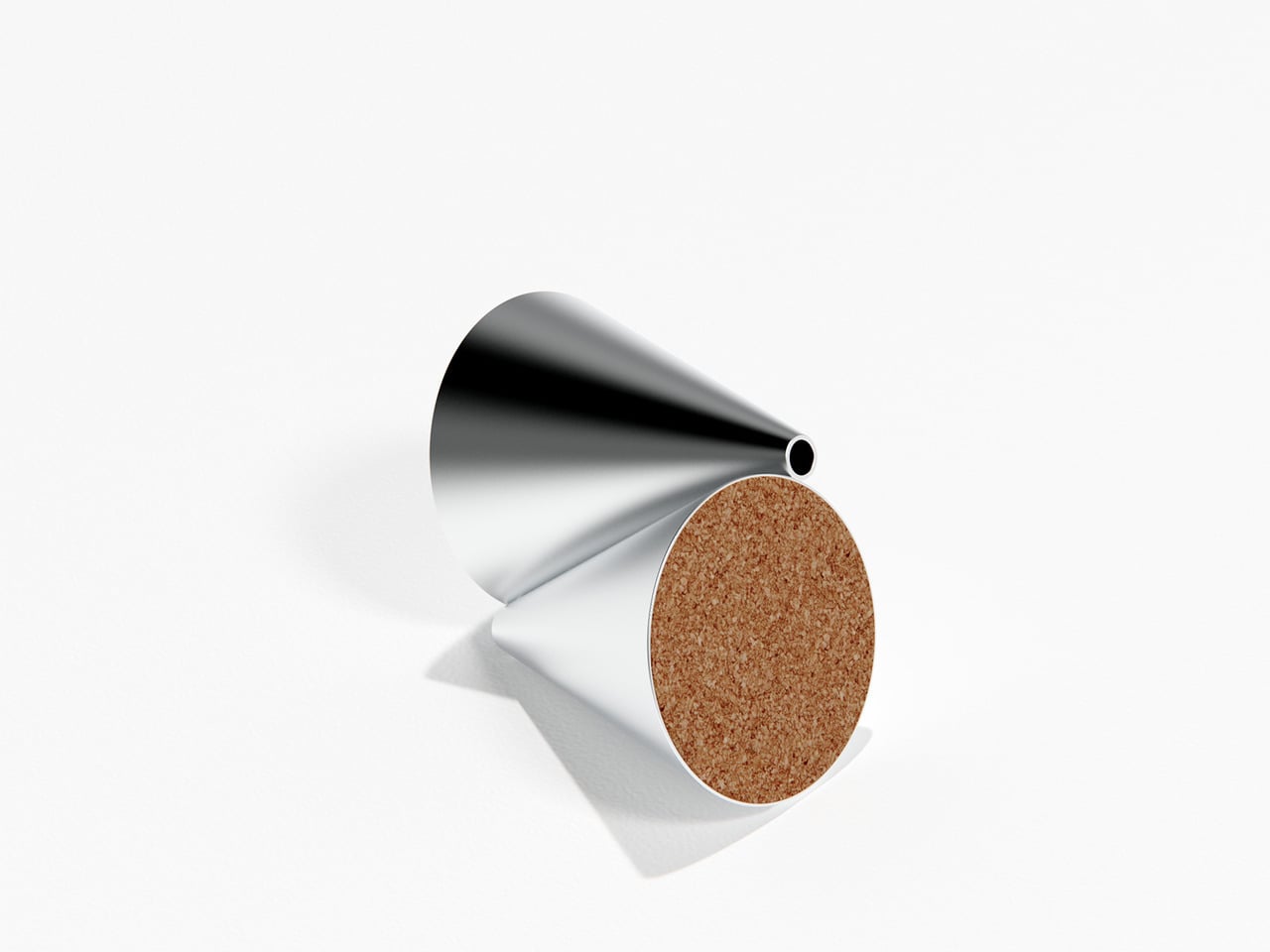
Konus is machined from aluminum with a satin finish that catches light softly rather than shouting for attention. The cork base keeps it from sliding on smooth desks and adds a bit of warmth against hard surfaces. Together, the cool metal and warm cork make it feel more like a small piece of desk architecture than a plastic cup, something you notice without it becoming a distraction or requiring constant attention.
A typical day with Konus on the desk means the main cone slowly fills with whatever pen you grabbed last, while the single aperture keeps your favorite anchored in one place. There is a small pleasure in always knowing where that pen is, and the object quietly nudges you to put it back in its slot instead of letting it disappear under papers or into a drawer where it will live for weeks before you find it again.
The cones embody that Bauhaus idea of form leading function without relying on labels or moving parts. Dropping tools into the big opening is effortless, but placing a pen into the small aperture feels deliberate, almost like docking a tiny instrument. Over time, that difference turns into a quiet ritual that organizes both the desk and your habits, making you slightly more intentional about which tools stay within reach and which ones can live in a drawer.
You know the type. The guy who claims he’s “just organizing” but has basically set up a second living room among the power tools and oil stains. The one who needs three reminders before he’ll come in for dinner. If your garage dweller needs a reason to rejoin civilization, these design-forward gifts might just do the trick. Each one brings something special enough to compete with his beloved workshop, clever enough to earn a spot inside the house, and interesting enough to keep him there.
These aren’t your typical gadgets or gear. They’re conversation pieces, functional art, and genuinely useful tools that happen to look incredible on a shelf, desk, or coffee table. From nostalgic tech reimagined for modern life to precision instruments that make everyday rituals feel special, each design offers him something his garage can’t: style that actually fits with the rest of the house. Time to reclaim your space.
1. LEGO Editions 43019 Soccer Ball
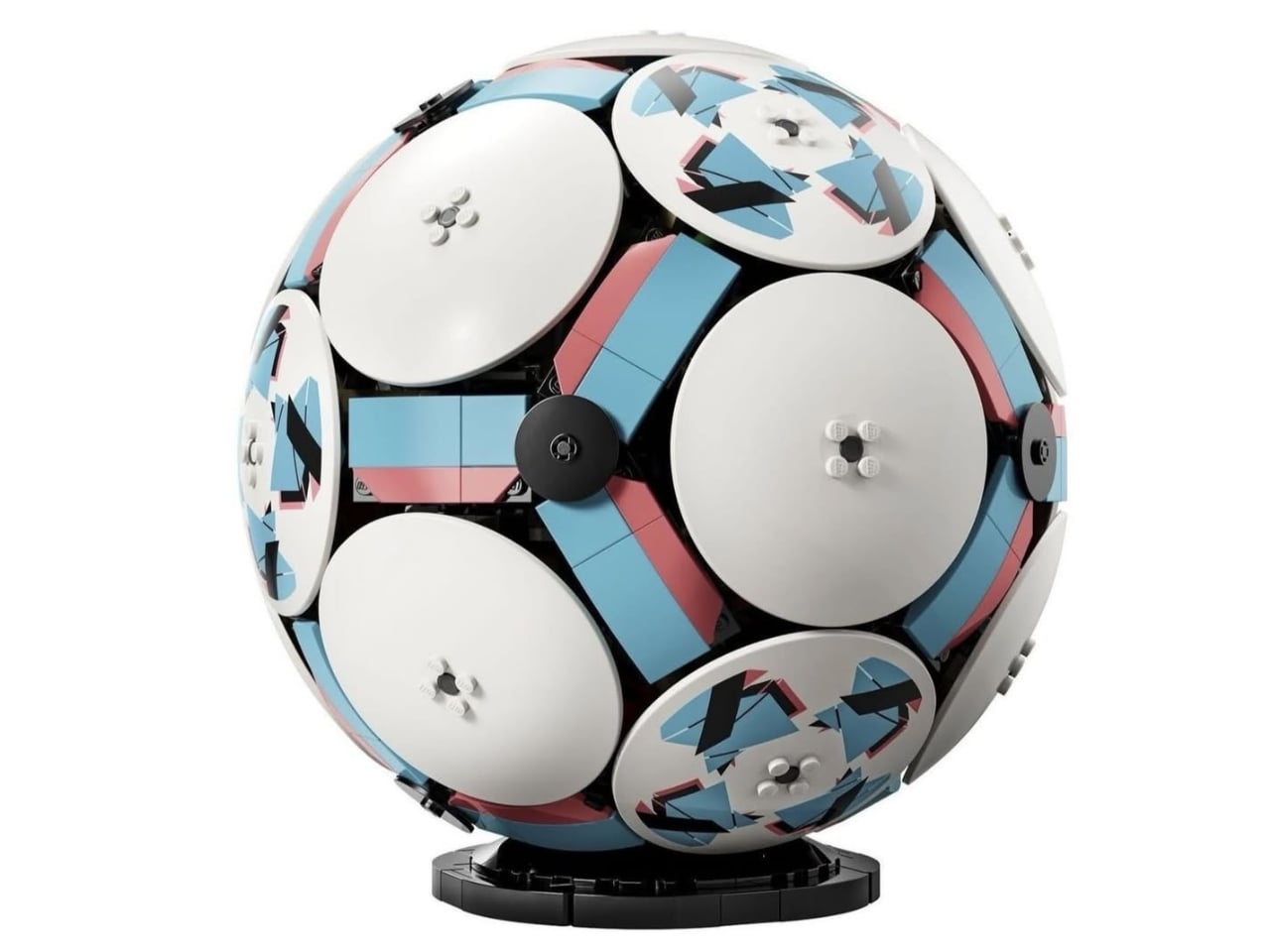
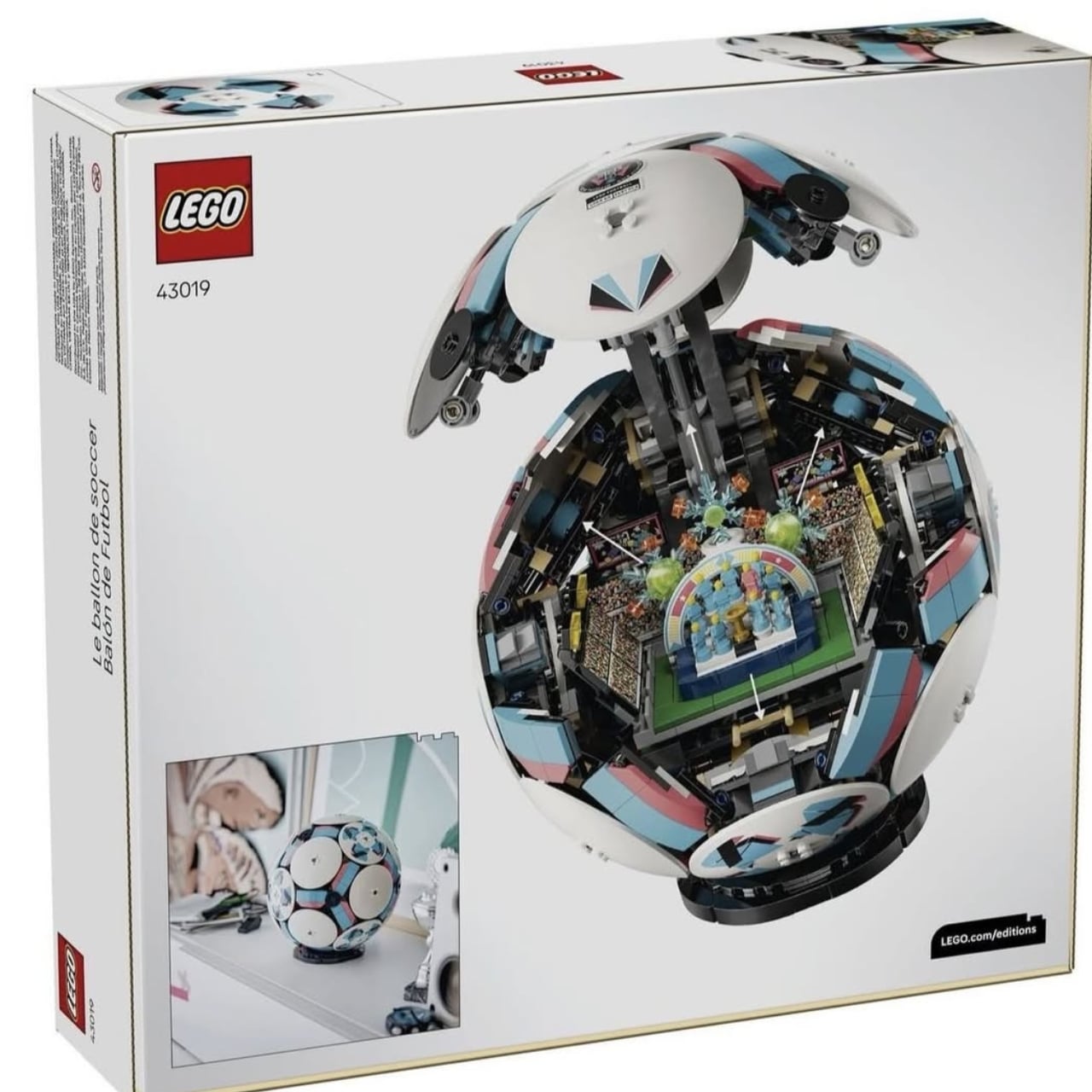
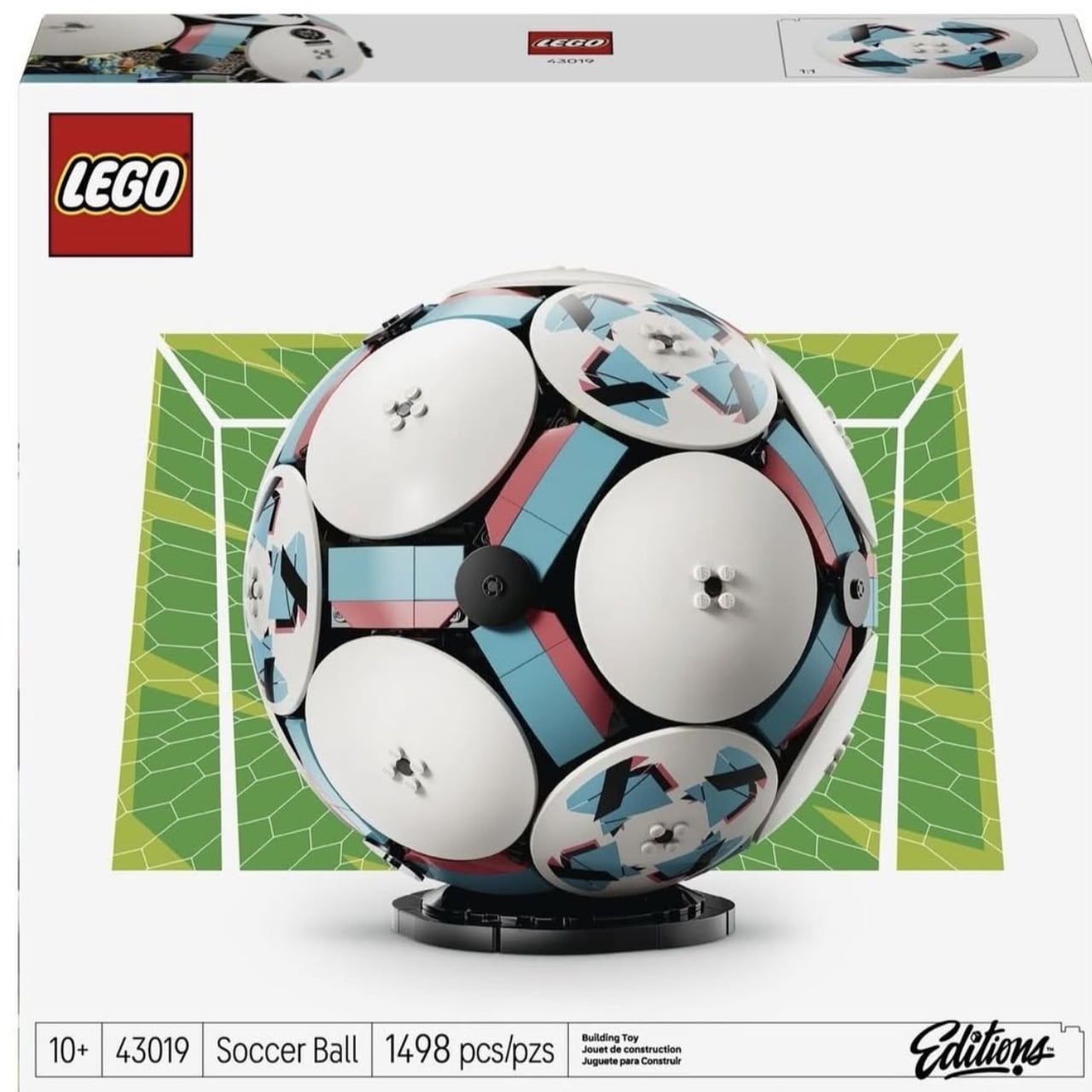
The genius of this 1,498-piece LEGO set lies in its complete transformation. At first glance, it’s a striking soccer ball replica, measuring 15 inches in length and 10.3 inches in width. But crack it open, and you’ll find an entire miniature stadium tucked inside, complete with stands packed with tiny fans, detailed pitch markings, and players frozen mid-match. It’s the kind of build that rewards patience and delivers genuine surprise, making it perfect for anyone who appreciates engineering that goes beyond the obvious.
What makes this particularly brilliant as a garage-to-living-room gateway gift is its dual display nature. He can showcase it as a closed ball one week, then reveal the intricate stadium interior the next. The craftsmanship required to create both a recognizable exterior and a fully realized interior world demonstrates LEGO’s commitment to builders who want more than simple assembly. It’s complex enough to provide hours of focused building time, yet compact enough to earn permanent display rights on a bookshelf or mantle where everyone can admire it.
What We Like
Two completely different display options in one set give it serious shelf versatility.
The hidden stadium interior creates genuine surprise and rewards careful building.
What We Dislike
At 1,498 pieces, it’s a time commitment that might keep him in the garage even longer initially.
Not a replica of the official 2026 match ball, which might disappoint purists.
2. OrigamiSwift Folding Mouse
This isn’t just another travel mouse. OrigamiSwift takes inspiration from Japanese paper folding to create a Bluetooth device that transforms from pocket-flat to full-sized in under half a second. The engineering behind that instant activation is remarkable, using a simple flip mechanism that feels satisfying every single time. For someone who’s accustomed to using awkward laptop trackpads or bulky peripherals, the seamless transition from storage to a working tool feels almost magical.
The ergonomic design proves you don’t need to sacrifice comfort for portability. It fits naturally in hand during extended work sessions, whether he’s finally setting up that home office or just answering emails from the couch instead of his garage workbench. The precision tracking works on virtually any surface, turning kitchen counters, coffee tables, or actual desks into productive workspaces. It’s the kind of tool that removes excuses for staying isolated in the garage when he could just as easily work from anywhere in the house.
Folds completely flat for genuinely effortless portability without compromising full-size comfort.
Instant 0.5-second activation makes it ready exactly when you need it.
What We Dislike
Bluetooth connectivity requires charged batteries, unlike traditional wired mice.
The folding mechanism, while durable, represents a potential point of failure over time.
3. Portable CD Cover Player
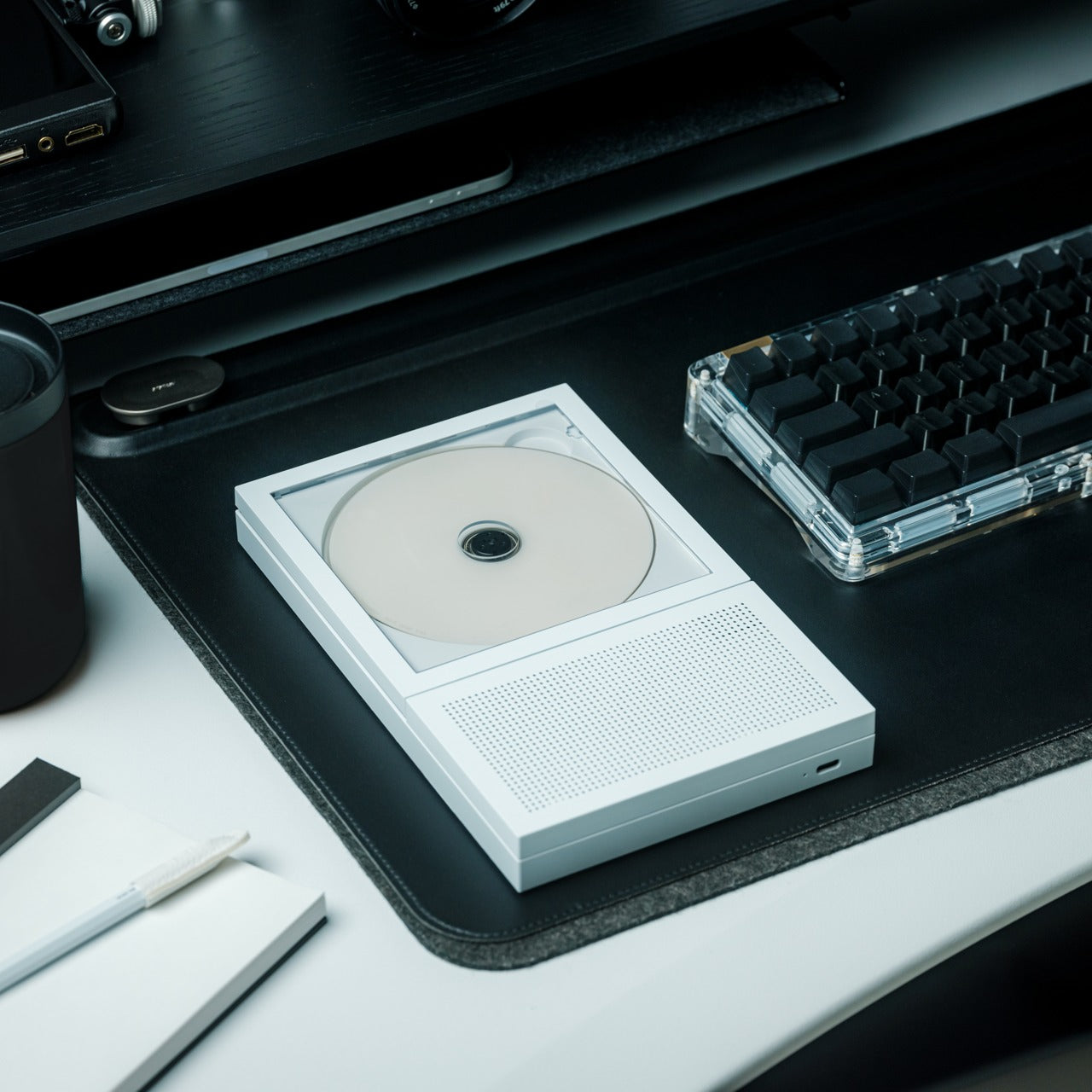
There’s something beautifully rebellious about physical media in our streaming age, and this portable player leans into that nostalgia while adding visual flair. The built-in pocket displays the CD’s jacket art prominently, turning album covers into rotating art exhibitions. Combined with the integrated speaker and rechargeable battery, it becomes a standalone audiovisual experience that works anywhere in your home. The minimalist design manages to feel both retro and contemporary, fitting seamlessly into modern interiors without looking like a museum piece.
The wall-mountable option transforms it from a portable device into a permanent installation, giving him a legitimate reason to bring his music collection out of garage storage and into shared living spaces. The built-in speaker delivers surprisingly warm sound for its size, perfect for background listening during dinner prep or lazy Sunday mornings. It’s a conversation starter that celebrates physical music ownership while making it accessible and visible. Streaming services can’t compete with the tangible ritual of selecting an album, displaying its artwork, and experiencing it as a complete artistic statement.
Displays album artwork prominently, turning music into a visual and audio experience.
Wall-mountable design gives it a permanent living space.
What We Dislike
Limited to audio CDs, excluding the vast world of streaming and digital files.
Built-in speaker, while convenient, won’t match dedicated audio systems for serious listening.
4. MagBoard Clipboard
This reimagines the humble clipboard through a lens of pure functionality. The magnetic lever mechanism secures up to 30 sheets without punching holes, printing lines, or imposing any structure on how you work. Rearrange pages freely, remove what you don’t need, and add sheets as inspiration strikes. The hardcover backing provides a stable writing surface even while standing, making it genuinely useful for sketching ideas, taking notes during calls, or jotting down thoughts anywhere in the house.
The water-resistant, easy-to-clean surface means it can handle real life, not just carefully controlled environments. For someone used to scribbling notes on whatever’s handy in the garage, this offers the same freedom with significantly more sophistication. It’s minimal enough to leave on a coffee table without looking like office clutter, functional enough to actually use daily. The flexibility to use loose paper means no commitment to a particular notebook style or layout, just pure, frictionless capture of whatever needs remembering.
Magnetic binding allows complete freedom to rearrange, add, or remove pages.
Hardcover design enables note-taking while standing or moving around.
What We Dislike
Lacks the permanence of bound notebooks, making long-term organization trickier.
A maximum 30-sheet capacity might feel limiting for extensive projects.
5. Auger PrecisionFlex Razor
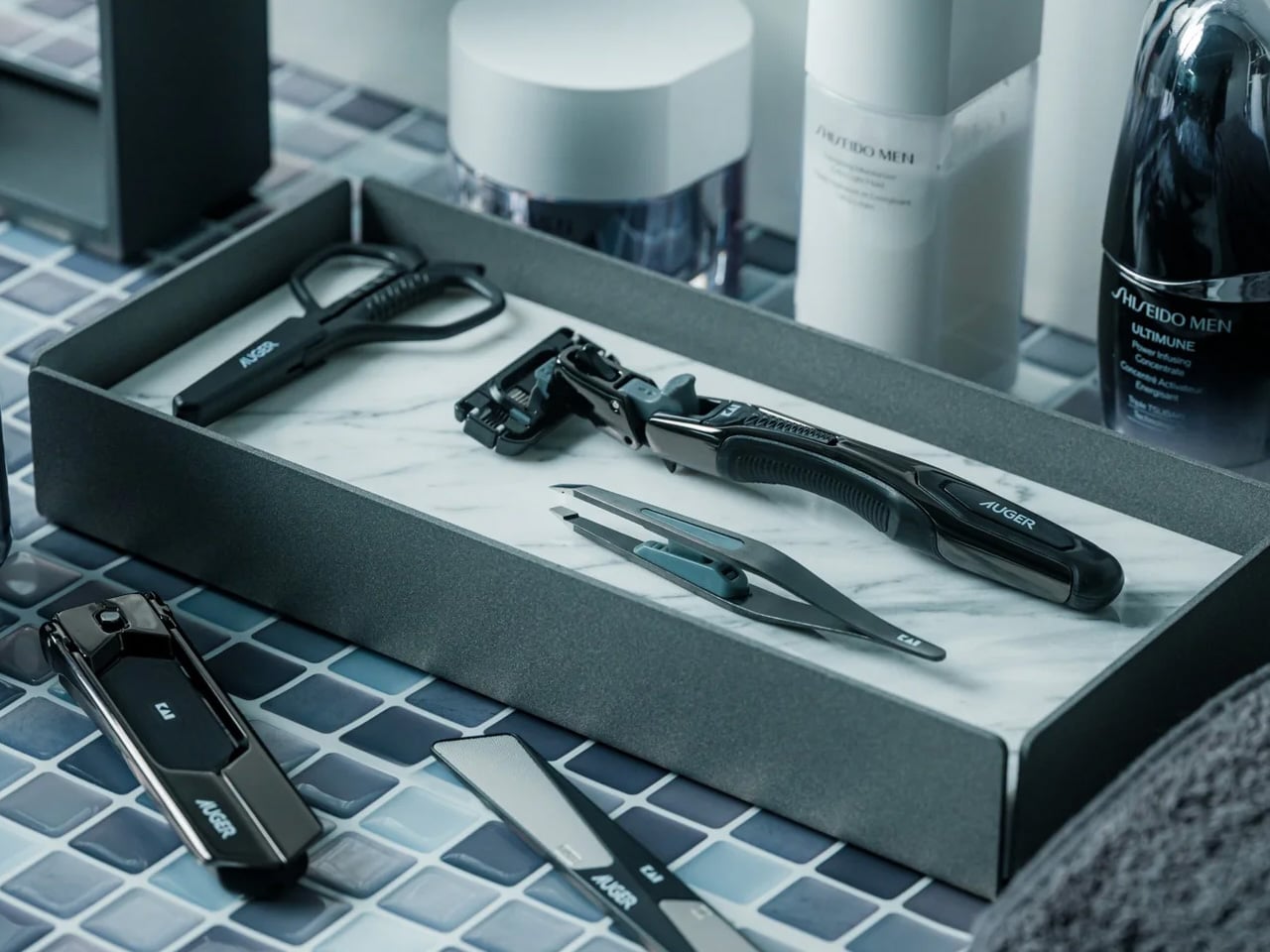
Kai Corporation brings over a century of Japanese blade-making expertise to this precision instrument. The 5-blade system with 3D pivoting head adapts to facial contours with the widest range of motion in the industry, gliding effortlessly from jawline to neckline. But the real innovation is the world-first 30-degree adjustable head angle, activated by a simple lever pull. This allows seamless transitions between shaving angles, perfect for sculpting crisp beard lines or executing smooth reverse shaves without breaking flow.
Grooming becomes a ritual rather than a chore with tools this well-engineered. The independent suspension mechanism ensures consistent blade contact without requiring pressure, reducing irritation and delivering genuinely close shaves. For someone who might typically rush through morning routines to get back to projects, this transforms the bathroom into a space worth spending time in. The minimalist sophistication of the design looks right at home on a bathroom counter, elevating the entire space. True precision doesn’t announce itself loudly; it’s felt in every controlled, effortless stroke.
Industry-leading pivot range adapts to every facial contour for consistent contact.
30-degree adjustable head angle offers unprecedented flexibility for detail work.
What We Dislike
Replacement blade cartridges represent ongoing costs compared to safety razors.
Premium engineering comes with premium pricing that might feel excessive for basic grooming.
6. Titanium Artisan Spirits Cup
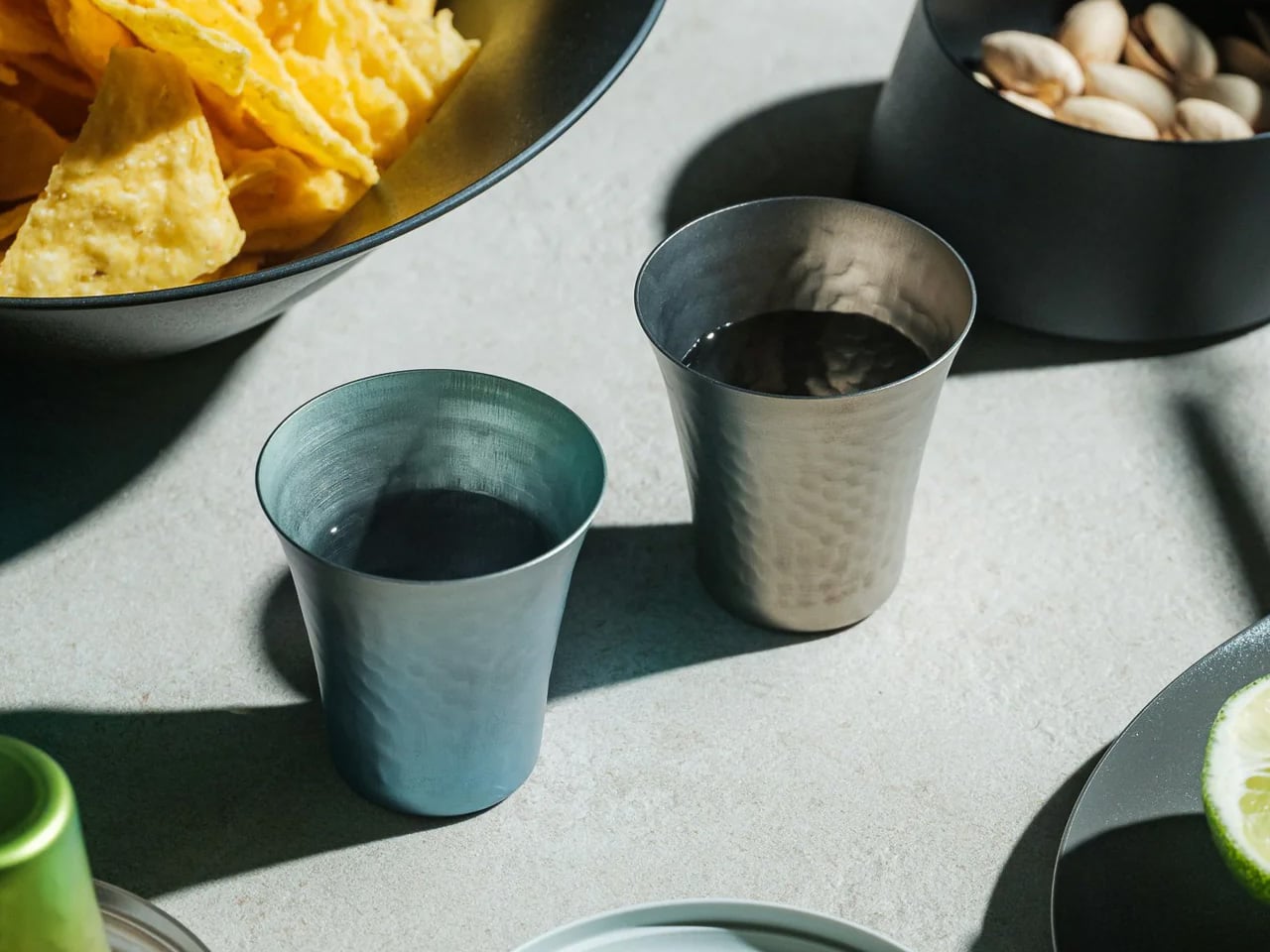
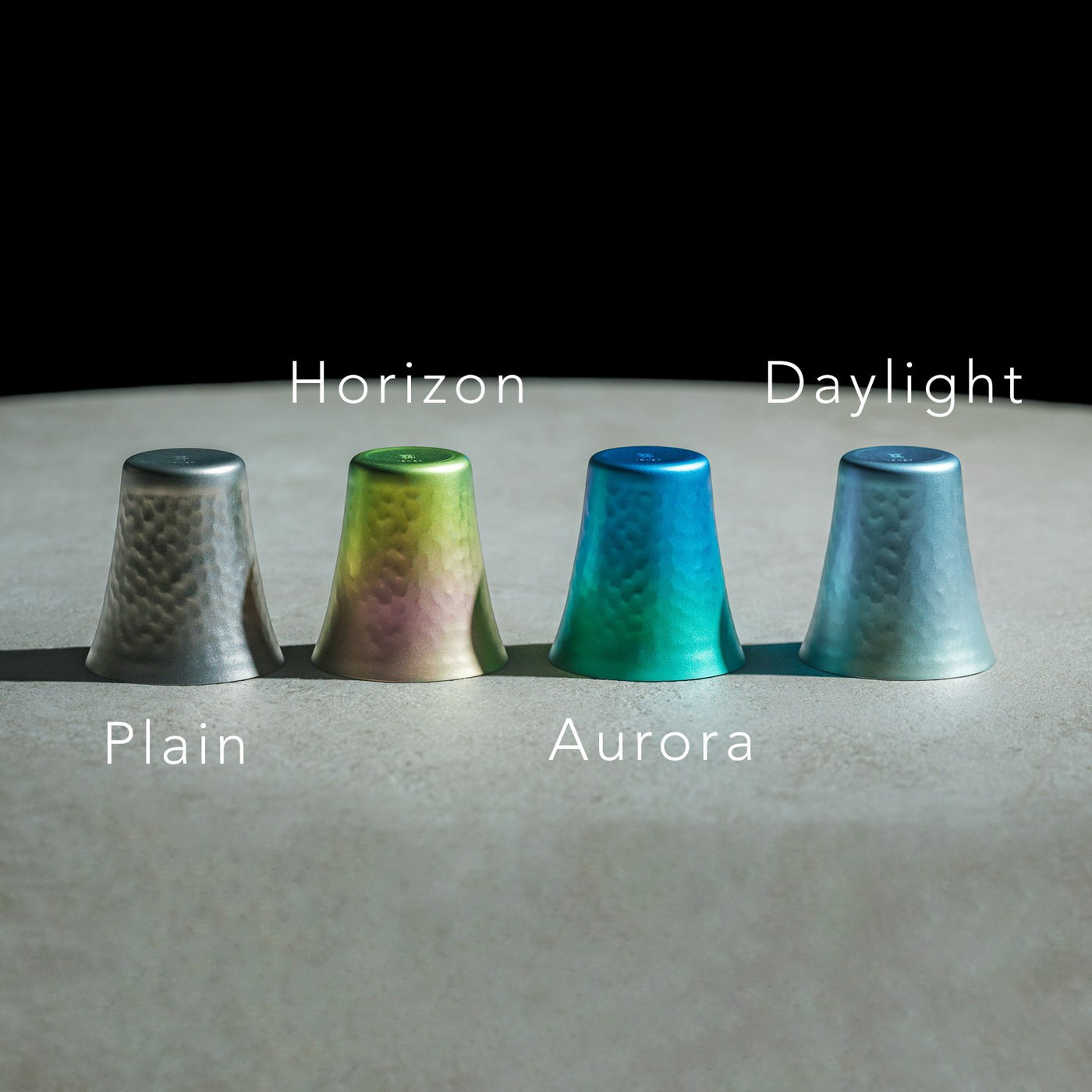
At just 22 grams, this titanium vessel feels almost impossibly light in hand, yet its presence is anything but insubstantial. The hammered texture serves dual purposes: creating a non-slip surface and enhancing the aromatic profiles of sake, tequila, or whiskey. Each sip becomes a multisensory experience as the texture catches light and the finely engineered thin lip ensures smooth contact that doesn’t interfere with flavor. The vibrant anodized finish means each cup carries unique coloring, adding personalized character to any collection.
This is the kind of object that elevates everyday moments into something worth savoring. Instead of cracking a beer in the garage, imagine him actually joining you for evening drinks in the living room, using a vessel that turns casual sipping into a ceremony. The compact 2.05-inch diameter and 2.17-inch height fit perfectly in the hand and look striking against both modern and rustic settings. Premium titanium construction ensures this becomes an heirloom piece, something that endures through countless toasts and celebrations. It’s a gift that suggests his time and rituals deserve beautiful tools.
Remarkably lightweight at 22 grams while maintaining a substantial premium feel.
Hammered texture enhances aromatics and provides a secure grip.
What We Dislike
Small capacity suits spirits but won’t work for larger pours.
Anodized finish uniqueness means you can’t perfectly match a set.
7. Levitating Pen 3.0
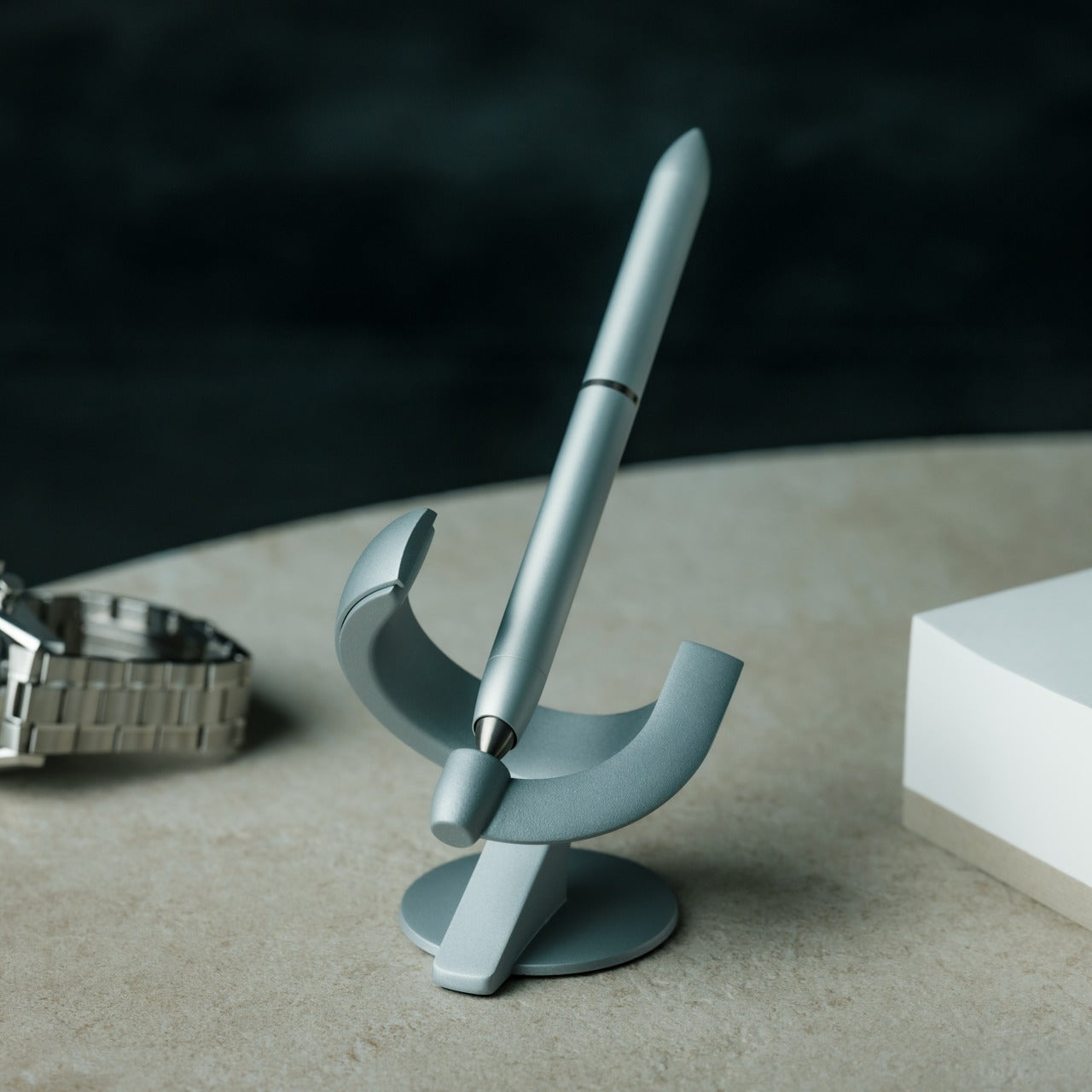
This isn’t just a writing instrument; it’s a physical manifestation of defying expectations. The pen balances at a 60-degree angle on a pinpoint, held in place by a charged magnetic field, gently bobbing and spinning for up to 30 seconds. The spacecraft-like silhouette cuts a futuristic profile on any desk, while the seamless casing made from aircraft-grade materials houses a precise ballpoint tip. The revised, taller pedestal showcases an even more dramatic floating experience than previous versions.
For someone who spends hours tinkering in the garage, this speaks directly to the satisfaction of engineering done beautifully. It’s designed to inspire wonder, encourage daydreaming, and reinforce belief in achieving seemingly impossible goals. Having this on a desk in the home office or living room creates a constant visual reminder that ideas can become reality. The spinning movement naturally draws the eye and invites conversation, making it far more than a functional object. It’s a desk sculpture that happens to write, a conversation piece that celebrates the creative process itself.
Genuinely mesmerizing levitation and spinning action create constant visual interest.
Aircraft-grade materials ensure serious quality in a whimsical package.
What We Dislike
Requires proximity to a magnetic base, limiting portability as an actual writing tool.
Novelty factor might wear off faster than practical desk accessories.
8. Side A Cassette Speaker
This Bluetooth 5.3 speaker nails the balance between nostalgic form and modern function. Styled as an authentic mixtape complete with a transparent shell and a side A label, it packs a surprisingly warm sound tuned to evoke soft, cozy analog tones. The included clear case doubles as a display stand, transforming it from a pocket-sized speaker into a legitimate desk companion or shelf accent. MicroSD card support means offline playback without Wi-Fi, just load tracks and press play like the cassette days.
The sub-$50 price point makes this an easy gift that punches well above its weight in character and functionality. It’s perfect for someone who appreciates objects with personality, things that tell stories and spark memories. Instead of him listening to music alone in the garage on whatever speaker he’s had for years, this becomes a reason to share music in communal spaces. The compact form means it travels easily between rooms, bathroom to kitchen to living room. It’s tech that doesn’t take itself too seriously while still delivering genuine quality.
Faithful cassette styling with a transparent shell creates instant nostalgia and conversation.
MicroSD support enables offline playback independent of streaming services.
What We Dislike
Compact size limits bass response compared to larger speakers.
Novelty design might not appeal to those preferring minimalist modern aesthetics.
9. BlackoutBeam Tactical Flashlight
With 2300 lumens of output and a 300-meter throw, this flashlight delivers professional-grade illumination in an everyday-ready package. The 0.2-second instant-on response eliminates lag when light is needed immediately, whether during power outages, nighttime navigation, or emergencies. IP68-rated waterproof aluminum construction withstands rain, impact, and even submersion without compromising performance. This is serious durability engineered into a sleek, industrial design that never looks out of place.
For someone comfortable working in the garage, having legitimate tools is non-negotiable. This flashlight earns its place in the home emergency kit while looking good enough to leave accessible rather than buried in storage. The blinding brightness cuts through darkness with clinical precision, making it invaluable for everything from checking breakers to late-night dog walks. Quality flashlights represent the intersection of preparedness and practicality, the kind of tool you hope not to need but feel better having. It’s compact enough for daily carry yet powerful enough for genuine tactical applications.
Maximum brightness can be unnecessarily excessive for routine indoor use.
10. StillFrame Headphones
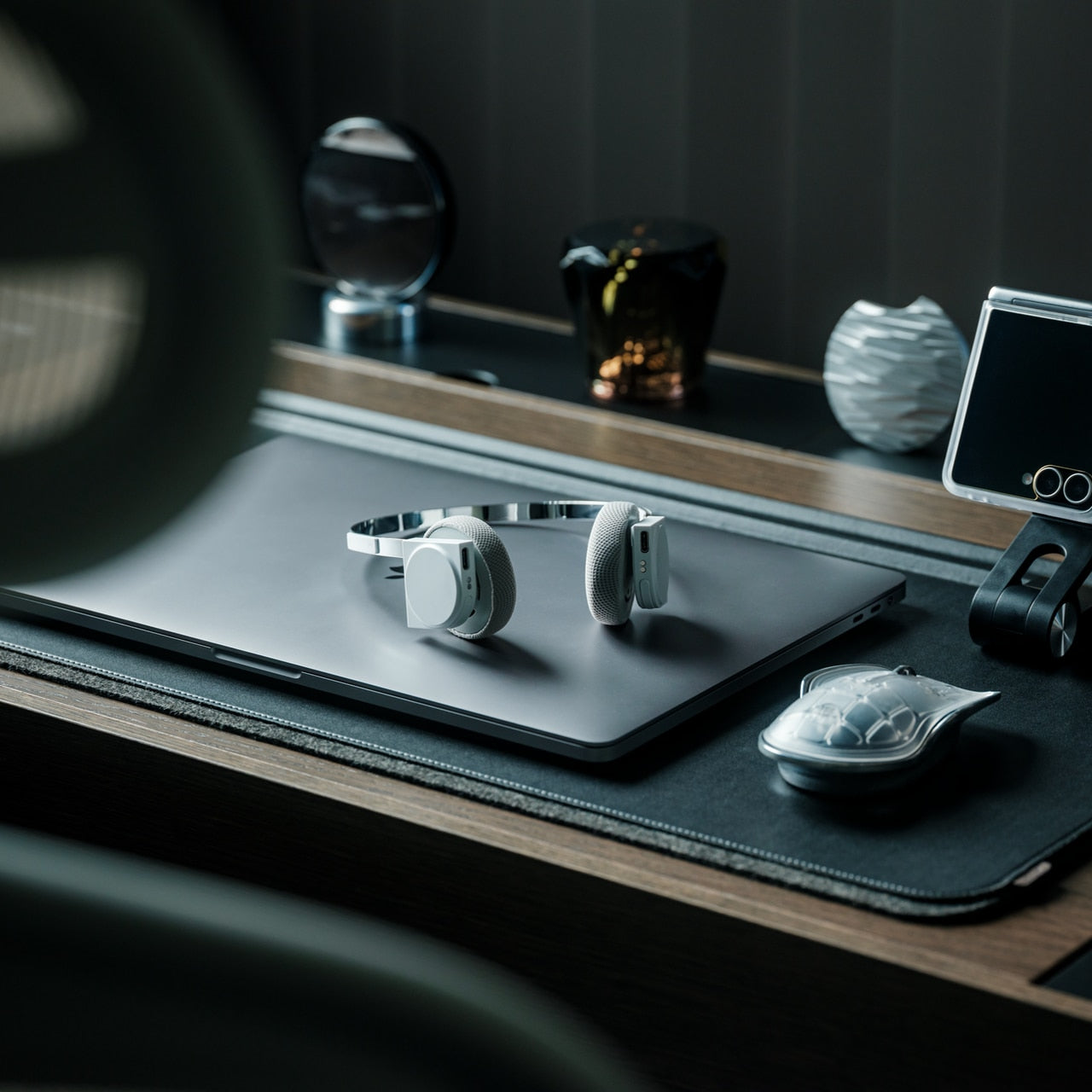
These wireless headphones exist in the space between in-ears and over-ears, offering open comfort that makes extended listening feel effortless rather than fatiguing. The 40mm drivers create a wide, open soundstage that brings melodic textures into sharper focus and turns quiet tracks into full landscapes. Design echoes the quiet geometry of ’80s and ’90s CDs, a deliberate homage to when music had physical weight, and albums earned their shelf space. Featherlight construction belies the full-bodied sound quality.
Active noise cancelling provides isolation when focus demands it, while transparency mode keeps him connected to surroundings when awareness matters. This adaptability means transitioning seamlessly from solitude to engagement without removing the headphones. For someone who might use audio as a reason to stay isolated in the garage, these actually encourage moving through the house while maintaining that personal sound bubble. The considered design looks sophisticated enough to wear anywhere, turning headphones from purely functional gear into something approaching personal style. Music becomes a physical ritual again, measured and meant to be felt.
Open design offers comfort between in-ear and over-ear extremes for extended wear.
40mm drivers with a wide soundstage deliver impressive clarity and spatial detail.
What We Dislike
Open design may leak sound, potentially disturbing others in quiet environments.
Premium positioning commands higher pricing than basic wireless headphones.
Mission Accomplished: Reclaiming Your Space
These ten gifts share a common thread beyond simply being well-designed objects. Each one transforms routine activities into moments worth savoring, elevating everyday rituals from mundane necessity to genuine pleasure. They’re beautiful enough to display proudly in shared living spaces, functional enough to use daily, and interesting enough to provide legitimate alternatives to endless garage tinkering. When tools and objects are this thoughtfully crafted, they naturally earn places in the home rather than exile to workshop storage.
The best part about gifts like these is that they don’t demand that he abandon his interests or change his nature. They simply provide compelling reasons to bring those interests into the house, to share spaces and time while still engaging with the things he loves. Whether it’s building LEGO on the coffee table, enjoying a drink with proper glassware, or listening to music on headphones that don’t look like gaming gear, each item builds a bridge between garage sanctuary and shared home life. Sometimes, all it takes is the right object to shift where someone wants to spend their time.
Watching your phone battery slide toward single digits on a late commute is a familiar kind of dread. The usual answer is a chunky 10,000mAh brick plus a cable, great for weekend trips, but it lives in your bag rather than on your phone. You pull it out, plug it in, and wait, tethered to an accessory that feels more like emergency gear than something you want to carry daily.
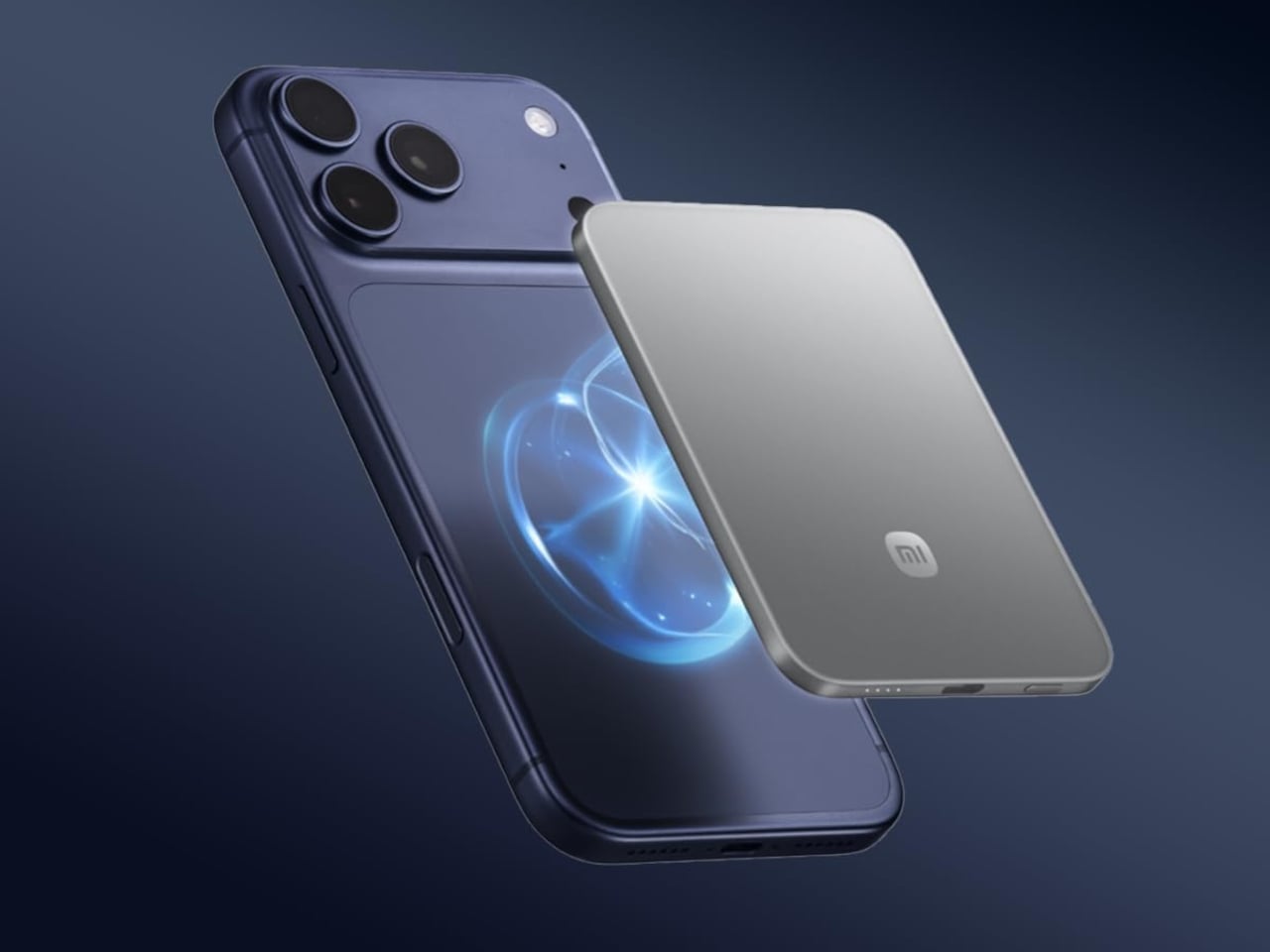
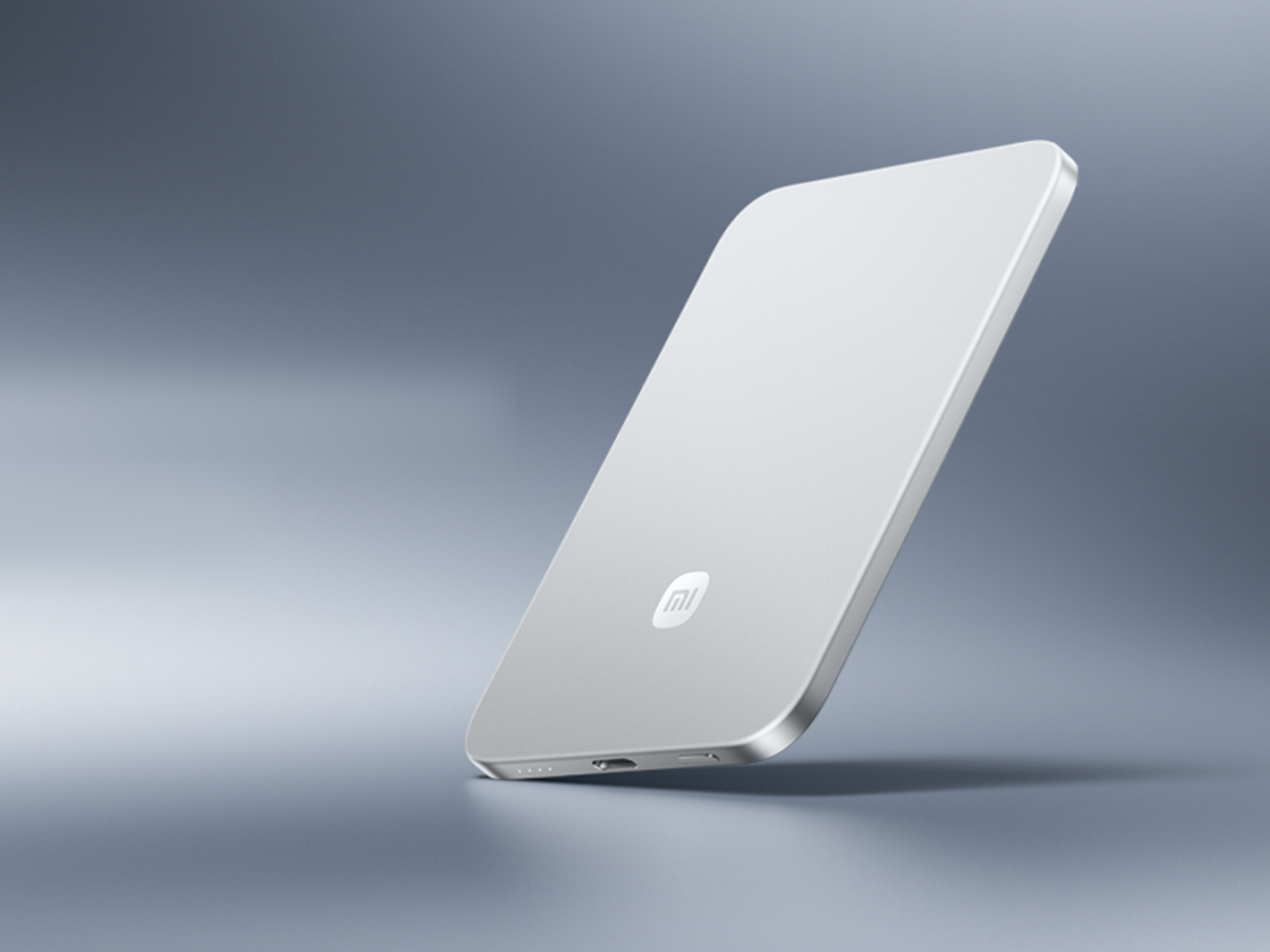
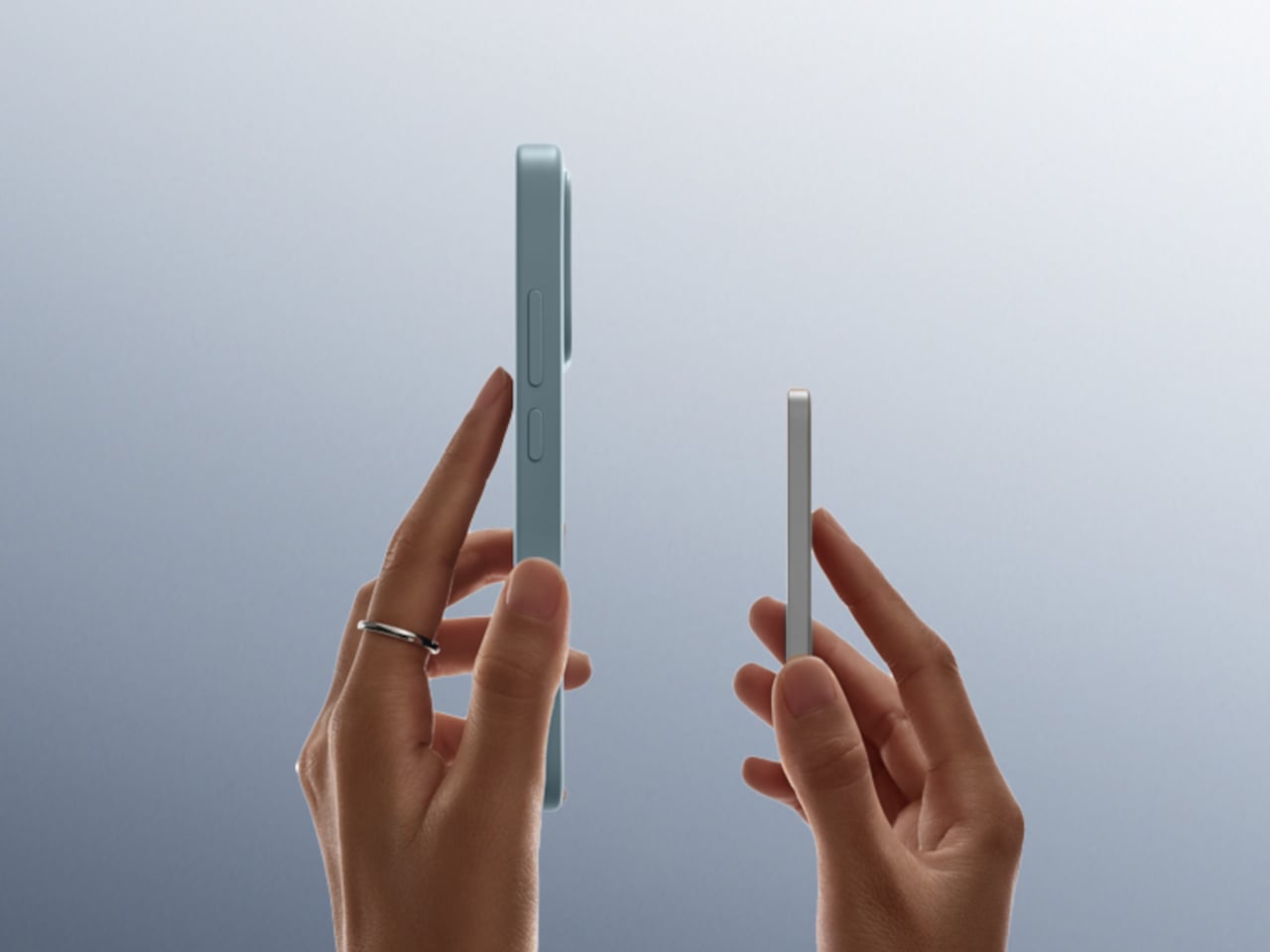
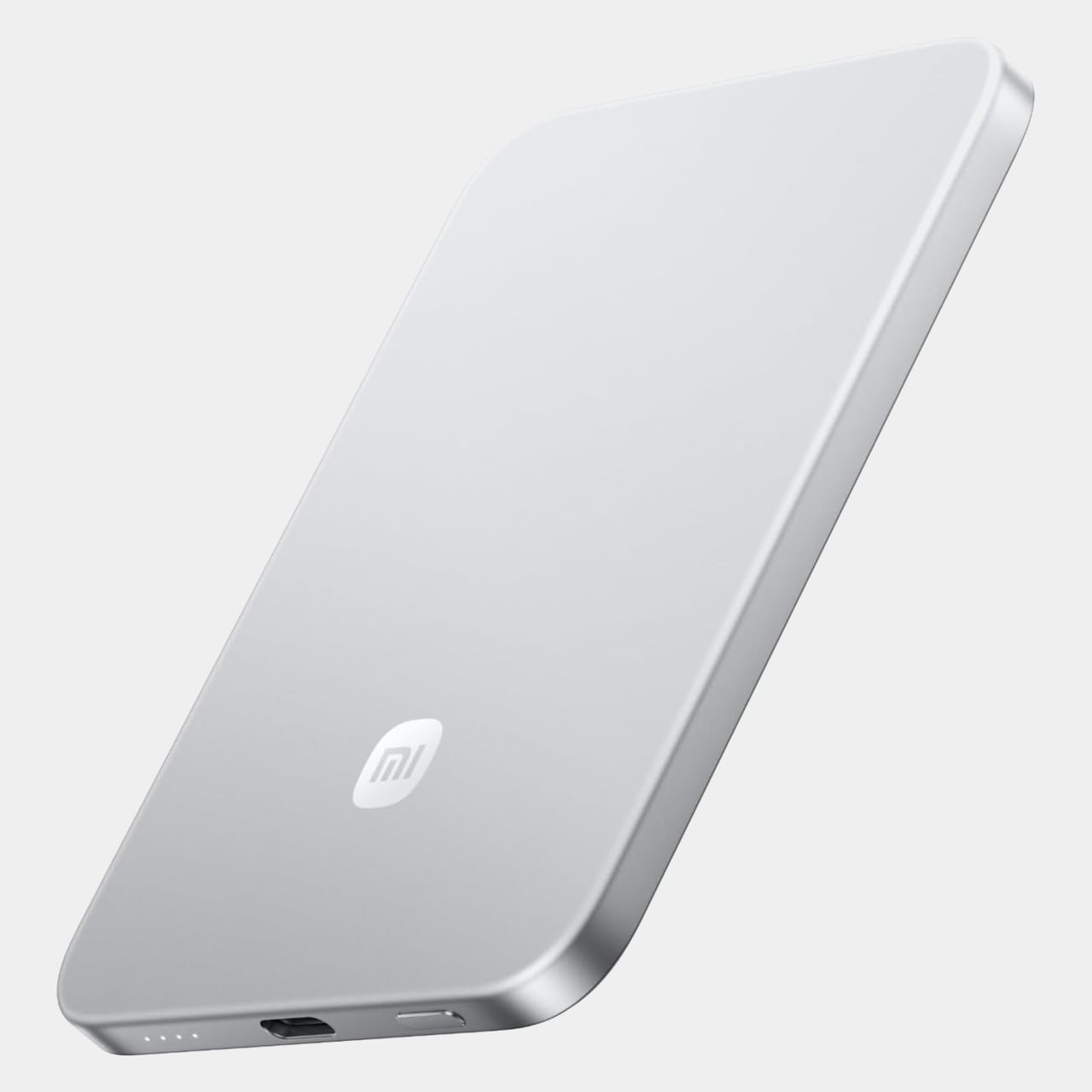
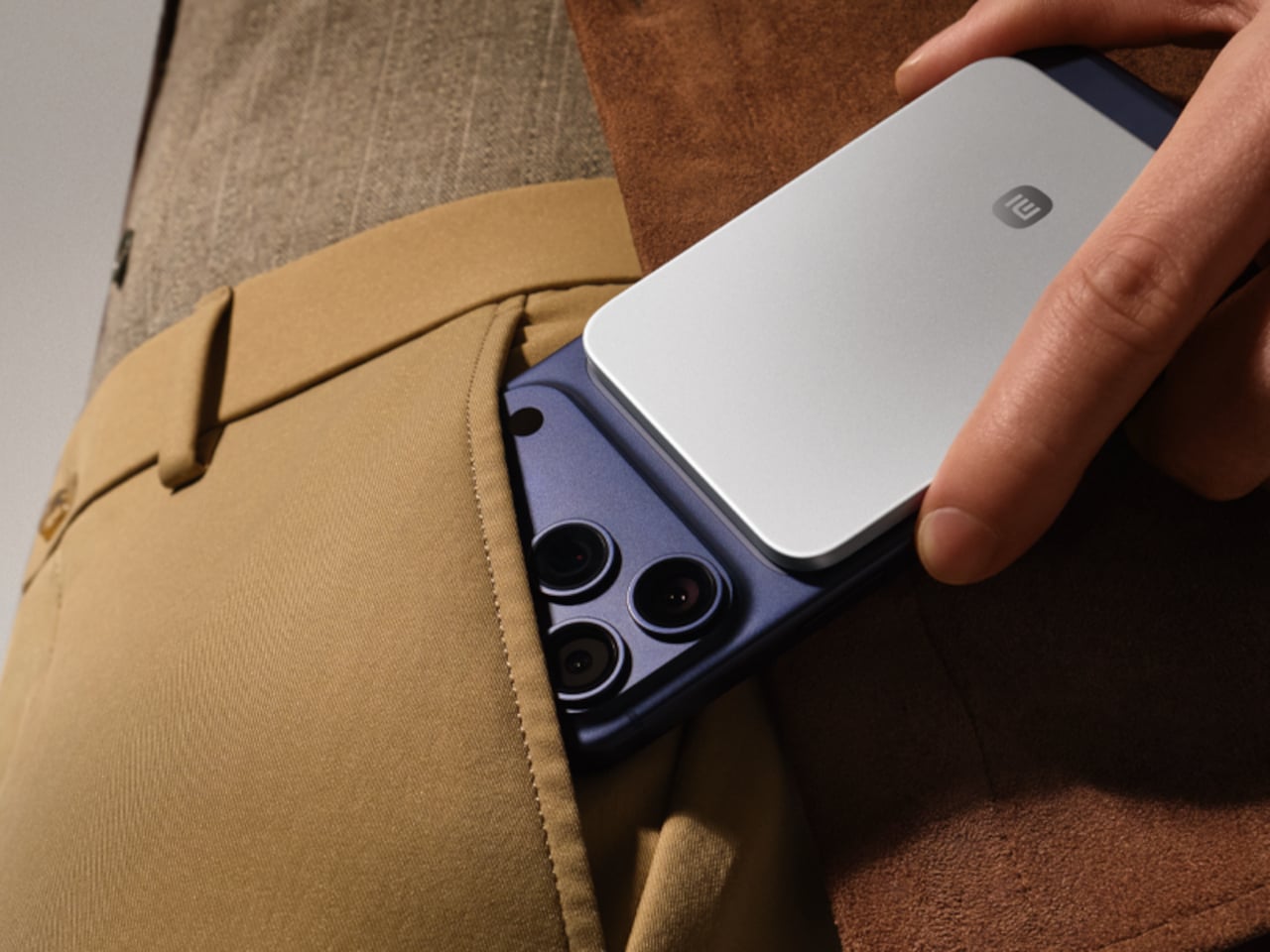
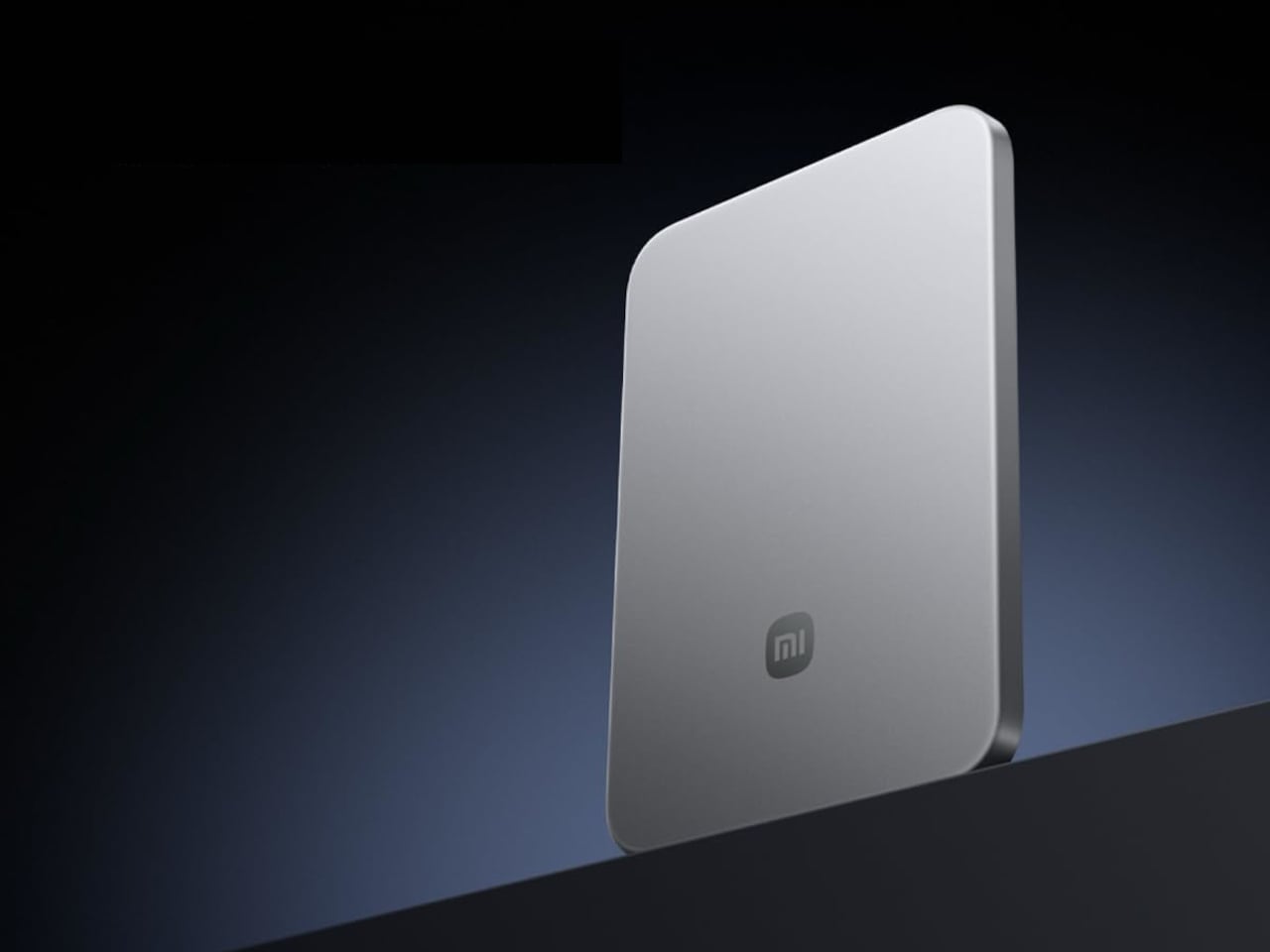
Xiaomi’s UltraThin Magnetic Power Bank offers a different trade. It measures just 6 mm thick and weighs 98g, closer to a slim phone case than a battery pack. The 5,000mAh cell snaps onto the back magnetically and supports 15W wireless charging on Xiaomi 17 series devices, 7.5W on iPhones, and up to 22.5W over USB-C when you need a faster wired boost.
Designer: Xiaomi
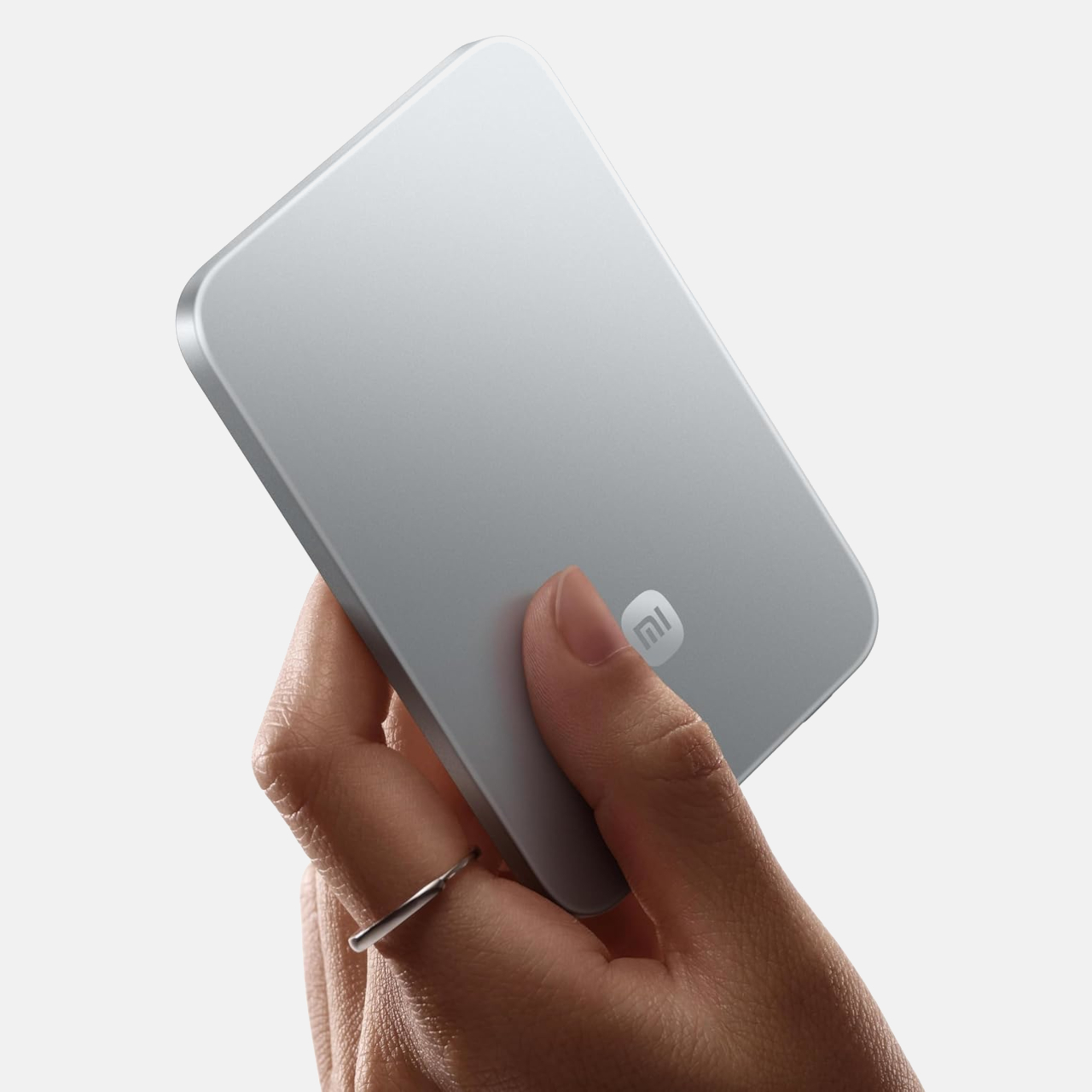
That 6mm profile matters once you start carrying it. Most magnetic packs are comfortable for a few hours, but eventually feel like strapping a deck of cards to your phone. This one reads closer to a thin case, so the phone still slides into a pocket without turning into a sandwich. The aluminum alloy shell and fiberglass phone side keep it rigid and cool, with four LEDs and a button handling the basics.
The appeal becomes clear when you spend a day with it snapped on. You can top up during a train ride or while answering emails at a café, wireless charging happening in the background without cables snagging on jackets. The 5,000mAh capacity is not a weekend solution, but it rescues a modern flagship from the red and carries it through the evening without hunting for an outlet.
Charging behavior splits along ecosystem lines. Xiaomi’s own phones get the full 15W wireless speed, while iPhones are capped at 7.5W, which lines up with how Apple treats non-MagSafe Qi chargers. You can also plug a second device into the USB-C port for up to 22.5W, turning the pack into a tiny hub when you are carrying earbuds or a second phone that needs a quick wired charge.
Xiaomi built in a graphite sheet and dual NTC temperature sensors to manage heat, along with ten layers of protection covering overvoltage, overcurrent, and foreign-object detection. This is the quiet engineering that lets you forget the pack is there, rather than something you babysit, especially when it is charging wirelessly against glass and metal in a pocket or on a crowded train where airflow is minimal.
The UltraThin Magnetic Power Bank leans hard into comfort and daily carry, accepting a modest 5,000mAh capacity to hit that 6 mm profile. People who live in cities often bounce between power sources all day, and mostly need a safety net rather than a suitcase battery. This battery pack that feels like part of the phone instead of an accessory might be the more useful kind of upgrade, even if it means plugging in overnight.
Most utility knives live in junk drawers until you need to open a box. You dig out something with a flimsy plastic slider, a rattling blade, and a body that feels like it costs exactly one dollar. They are treated as disposable, even though you use them constantly for packages, tape, and workshop tasks. There is room for a small knife that feels as considered as the rest of your desk or carry.
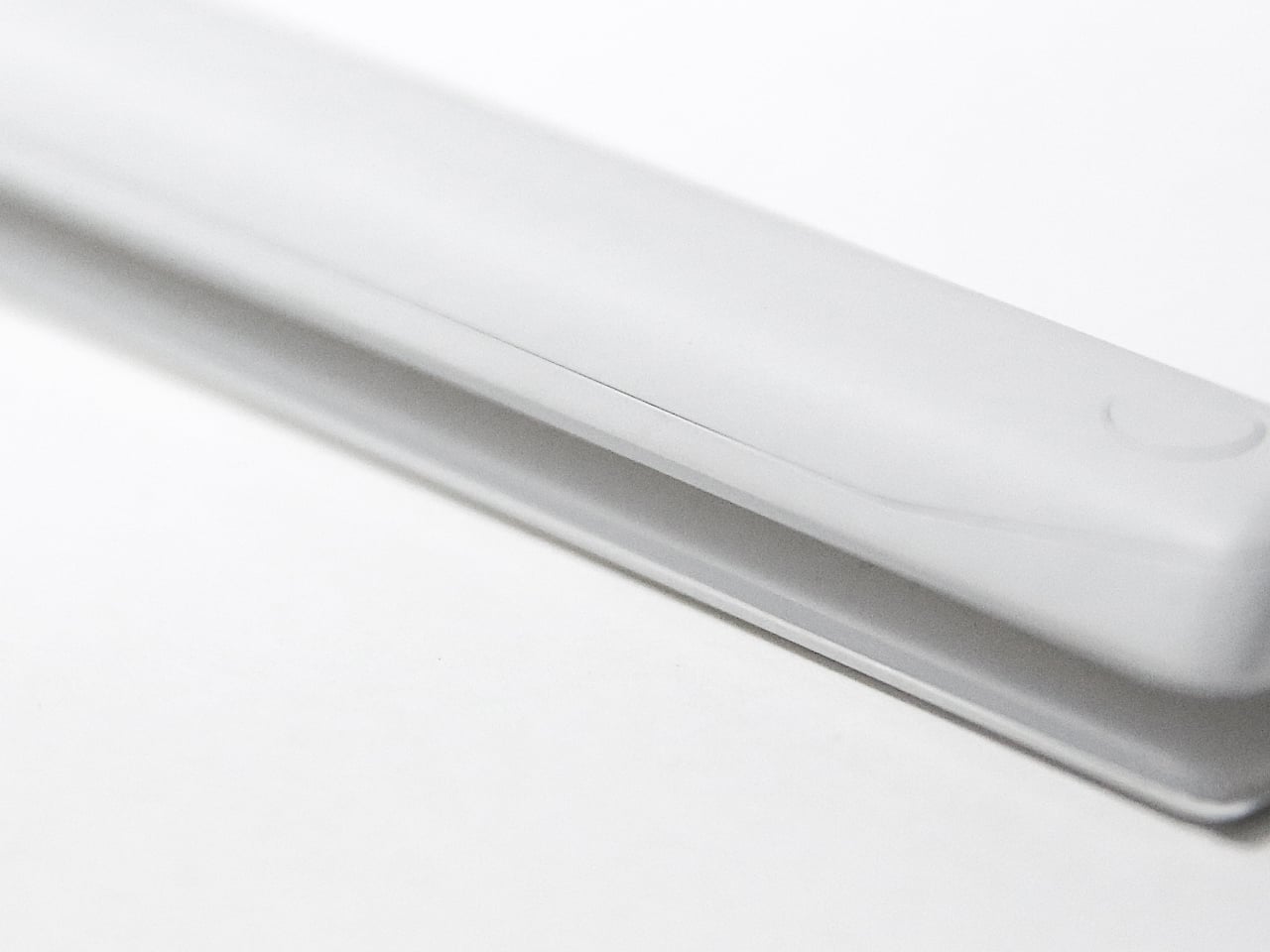
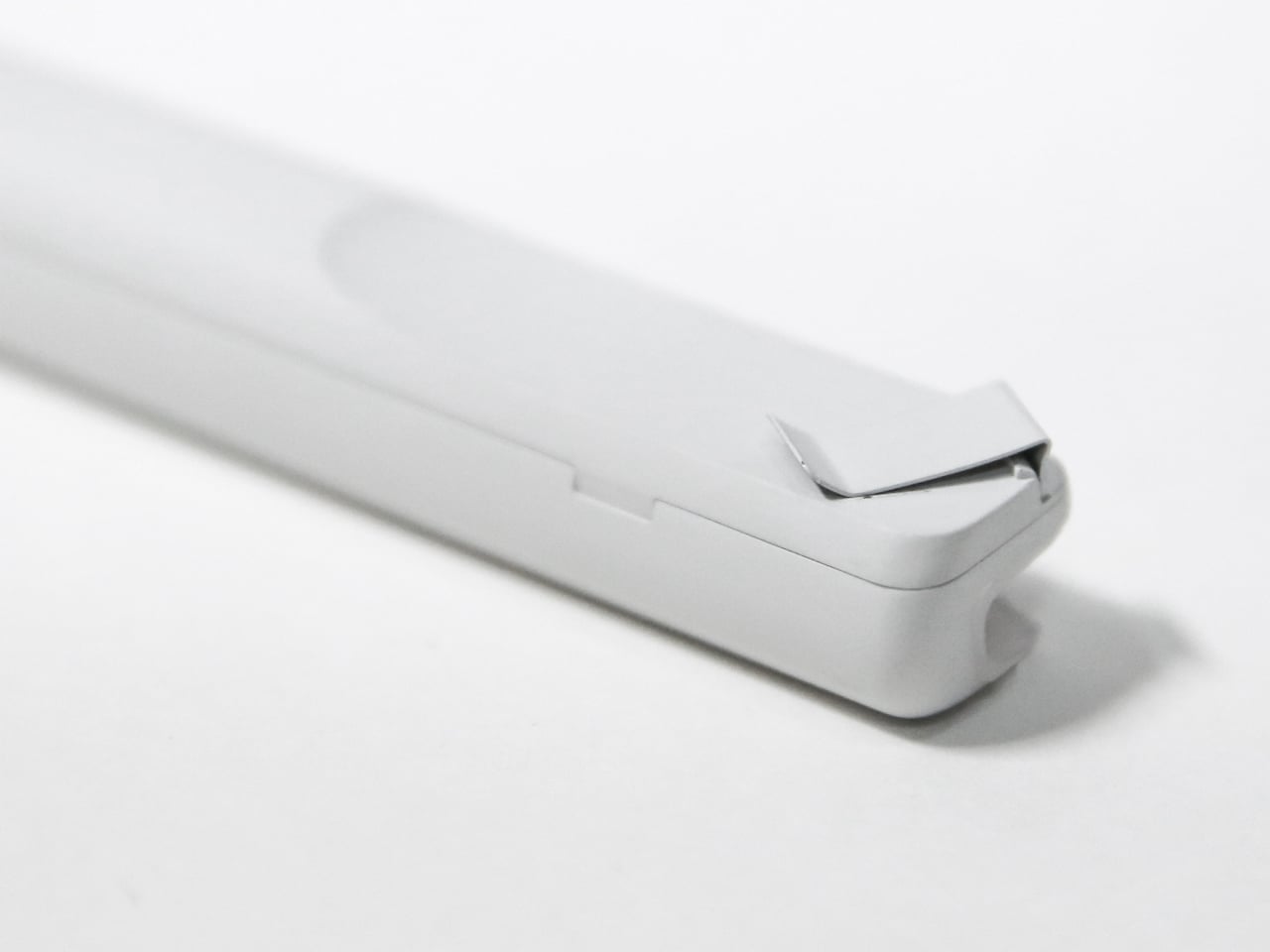
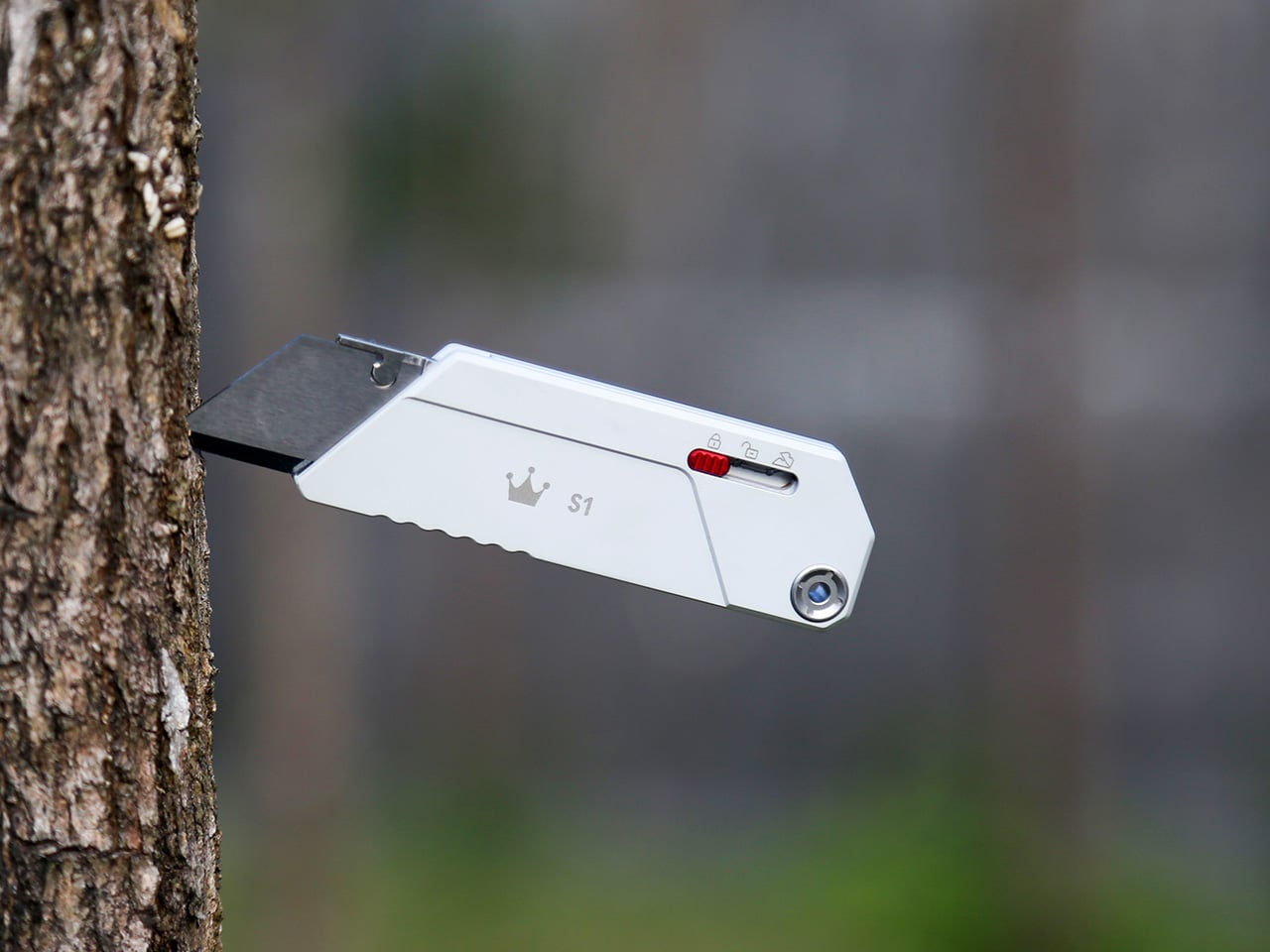
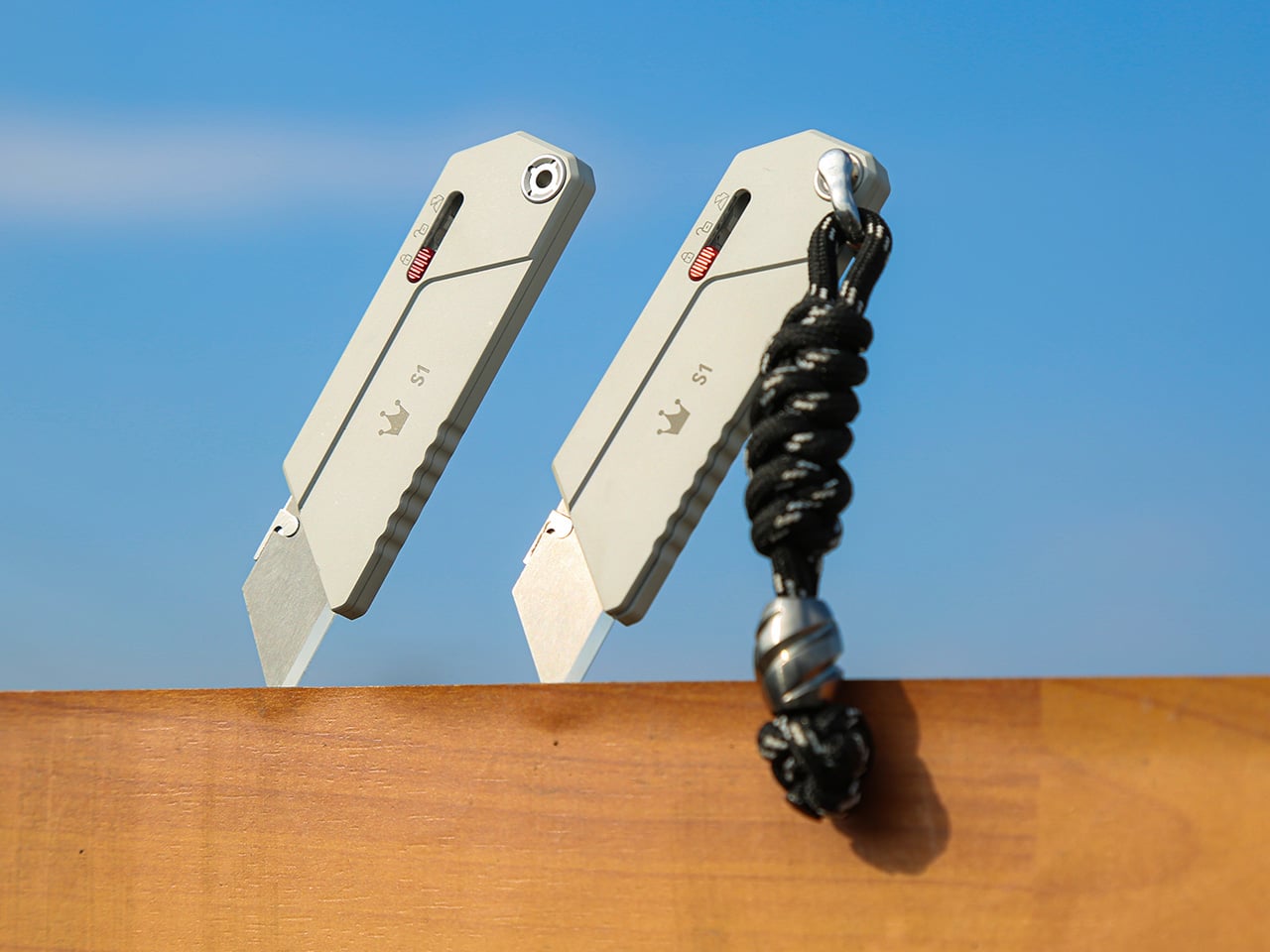
BQ S1 is a compact gravity-slide utility knife built around a simple intention: a tool that looks clean, feels natural, and works flawlessly. The flat, CNC-machined metal body hides a gravity-assisted blade mechanism inside, with no aggressive tactical styling or gimmicks. It is designed to make everyday cutting feel deliberate rather than disposable, turning deployment into a motion that is actually satisfying instead of frustrating.
The S1 uses a gravity-assisted slide mechanism instead of a traditional linear slider. A sideways thumb swipe makes the internal plates pivot, and the blade glides out under its own weight, then locks securely in place. The motion and sound are tuned to feel instinctive and precise, creating a satisfying click and slide rather than a sticky, two-handed struggle with a plastic track that catches every time.
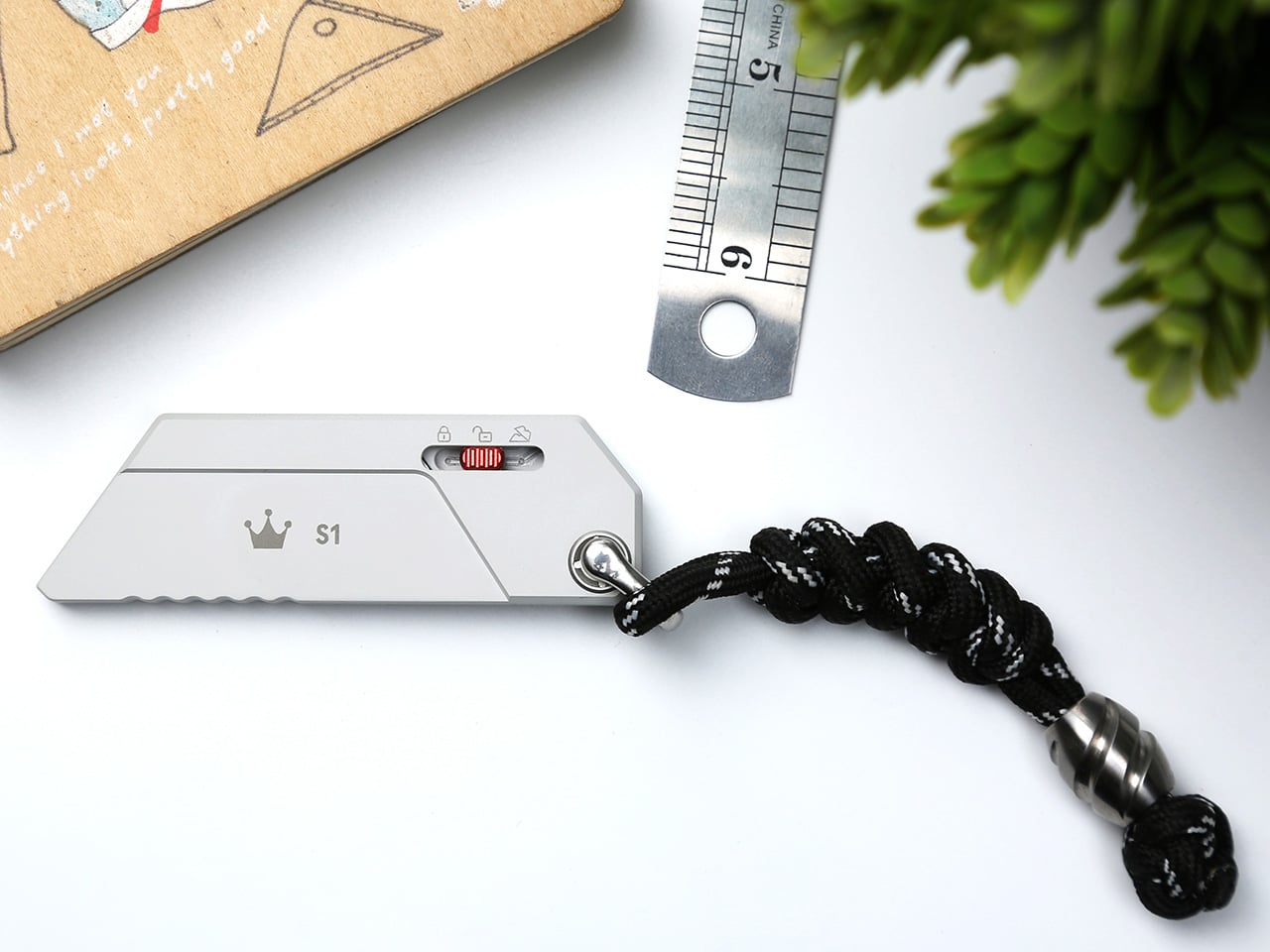
The body is machined from aluminum or titanium with tight tolerances, giving you sharp exterior lines, smooth chamfered edges, crisp blade guides, and defined side texture for grip. The layout is lefty-friendly, with every angle and surface shaped to enhance control, comfort, safety, and precision. It feels equally natural in either hand when cutting cardboard, trimming tape, or opening packages at your desk or in a workshop.
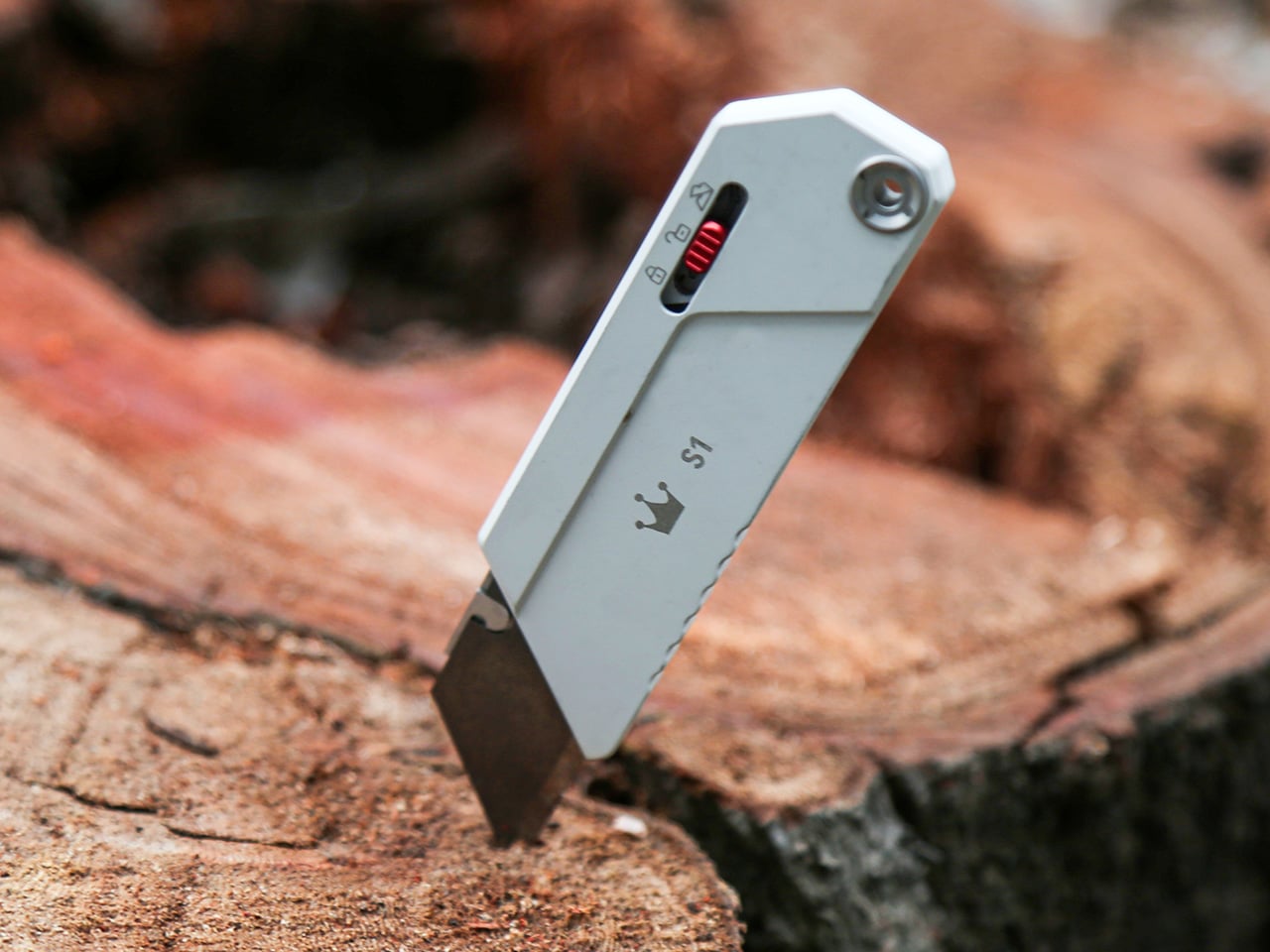
A bright red safety lock sits at the top, offering tactile feedback when engaged and making it obvious when the blade is secured. The compact 80mm length, lightweight build, and reinforced lanyard hole make it easy to carry on a keychain, in a pocket, or clipped to a bag. It is small enough to disappear when not in use, solid enough that you do not worry about it falling apart.
The S1 uses standard utility blades you can find almost anywhere, steel, tungsten-coated, or ceramic, with no proprietary refills. Blade changes are handled by a simple slide button sequence: slide to release, swap the blade, slide back, done. That choice keeps running costs low and makes it easy to keep a sharp edge without hunting for special cartridges or depending on a single supplier.
Opening deliveries, cutting packing tape, trimming cardboard for prototypes, these are small routine tasks that most people handle with whatever dull knife is within reach. The BQ S1 is designed to turn those moments into clean, precise actions where the blade extends smoothly, locks with confidence, and cuts without tearing or snagging. It is not trying to be a survival knife or a fidget toy, just a well-made cutter.
For people who care about the details of the tools they touch every day, a utility knife that feels cool to use instead of something you hide in a drawer starts to make sense. The gravity-slide motion, the CNC-machined body, the red safety lock, and the universal blade compatibility all add up to a tool that quietly earns its place in your pocket or on your keychain, not because it does anything wildly different, but because it does everyday things better.
Most utility knives live in junk drawers until you need to open a box. You dig out something with a flimsy plastic slider, a rattling blade, and a body that feels like it costs exactly one dollar. They are treated as disposable, even though you use them constantly for packages, tape, and workshop tasks. There is room for a small knife that feels as considered as the rest of your desk or carry.
BQ S1 is a compact gravity-slide utility knife built around a simple intention: a tool that looks clean, feels natural, and works flawlessly. The flat, CNC-machined metal body hides a gravity-assisted blade mechanism inside, with no aggressive tactical styling or gimmicks. It is designed to make everyday cutting feel deliberate rather than disposable, turning deployment into a motion that is actually satisfying instead of frustrating.
The S1 uses a gravity-assisted slide mechanism instead of a traditional linear slider. A sideways thumb swipe makes the internal plates pivot, and the blade glides out under its own weight, then locks securely in place. The motion and sound are tuned to feel instinctive and precise, creating a satisfying click and slide rather than a sticky, two-handed struggle with a plastic track that catches every time.
The body is machined from aluminum or titanium with tight tolerances, giving you sharp exterior lines, smooth chamfered edges, crisp blade guides, and defined side texture for grip. The layout is lefty-friendly, with every angle and surface shaped to enhance control, comfort, safety, and precision. It feels equally natural in either hand when cutting cardboard, trimming tape, or opening packages at your desk or in a workshop.
A bright red safety lock sits at the top, offering tactile feedback when engaged and making it obvious when the blade is secured. The compact 80mm length, lightweight build, and reinforced lanyard hole make it easy to carry on a keychain, in a pocket, or clipped to a bag. It is small enough to disappear when not in use, solid enough that you do not worry about it falling apart.
The S1 uses standard utility blades you can find almost anywhere, steel, tungsten-coated, or ceramic, with no proprietary refills. Blade changes are handled by a simple slide button sequence: slide to release, swap the blade, slide back, done. That choice keeps running costs low and makes it easy to keep a sharp edge without hunting for special cartridges or depending on a single supplier.
Opening deliveries, cutting packing tape, trimming cardboard for prototypes, these are small routine tasks that most people handle with whatever dull knife is within reach. The BQ S1 is designed to turn those moments into clean, precise actions where the blade extends smoothly, locks with confidence, and cuts without tearing or snagging. It is not trying to be a survival knife or a fidget toy, just a well-made cutter.
For people who care about the details of the tools they touch every day, a utility knife that feels cool to use instead of something you hide in a drawer starts to make sense. The gravity-slide motion, the CNC-machined body, the red safety lock, and the universal blade compatibility all add up to a tool that quietly earns its place in your pocket or on your keychain, not because it does anything wildly different, but because it does everyday things better.
Full smartphones often feel like overkill, but the Apple Watch on your wrist is still awkward for anything beyond quick glances. There’s also the complication of wanting to wear a mechanical or analog watch without giving up notifications, Apple Pay, and quick replies. Stacking both on one arm feels ridiculous, and choosing between connectivity and wearing the watch you actually like is the kind of small annoyance that lingers.
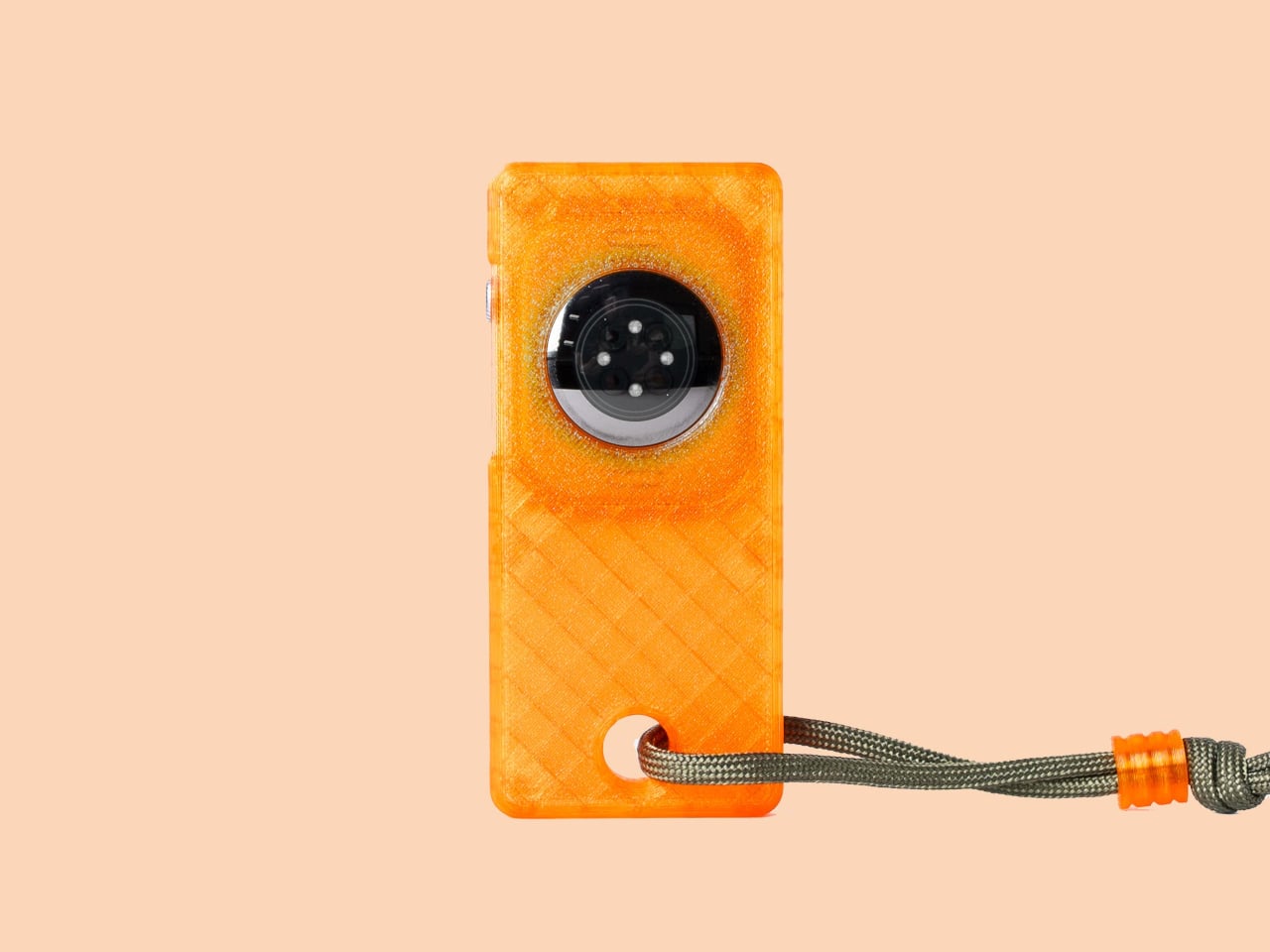
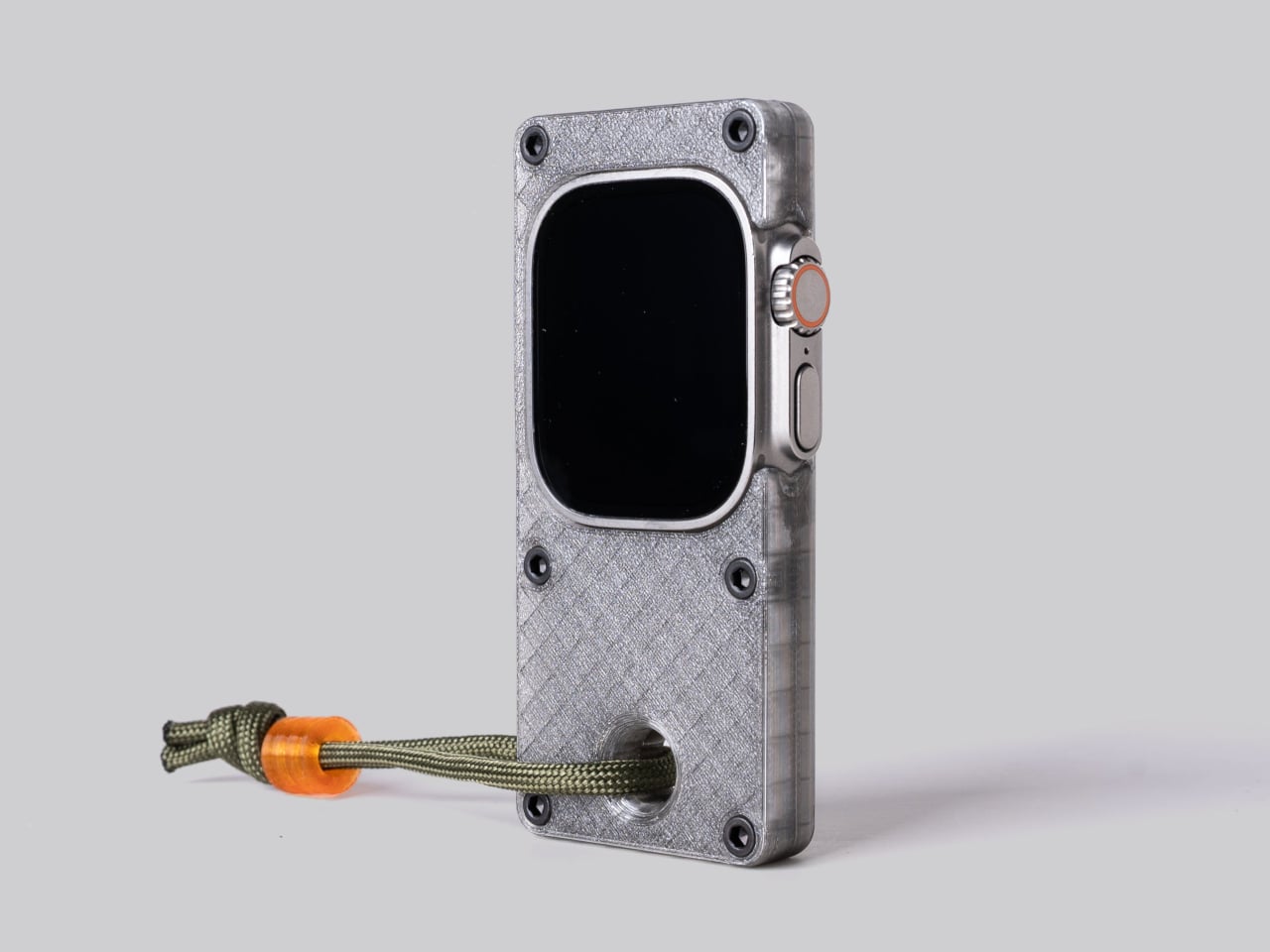
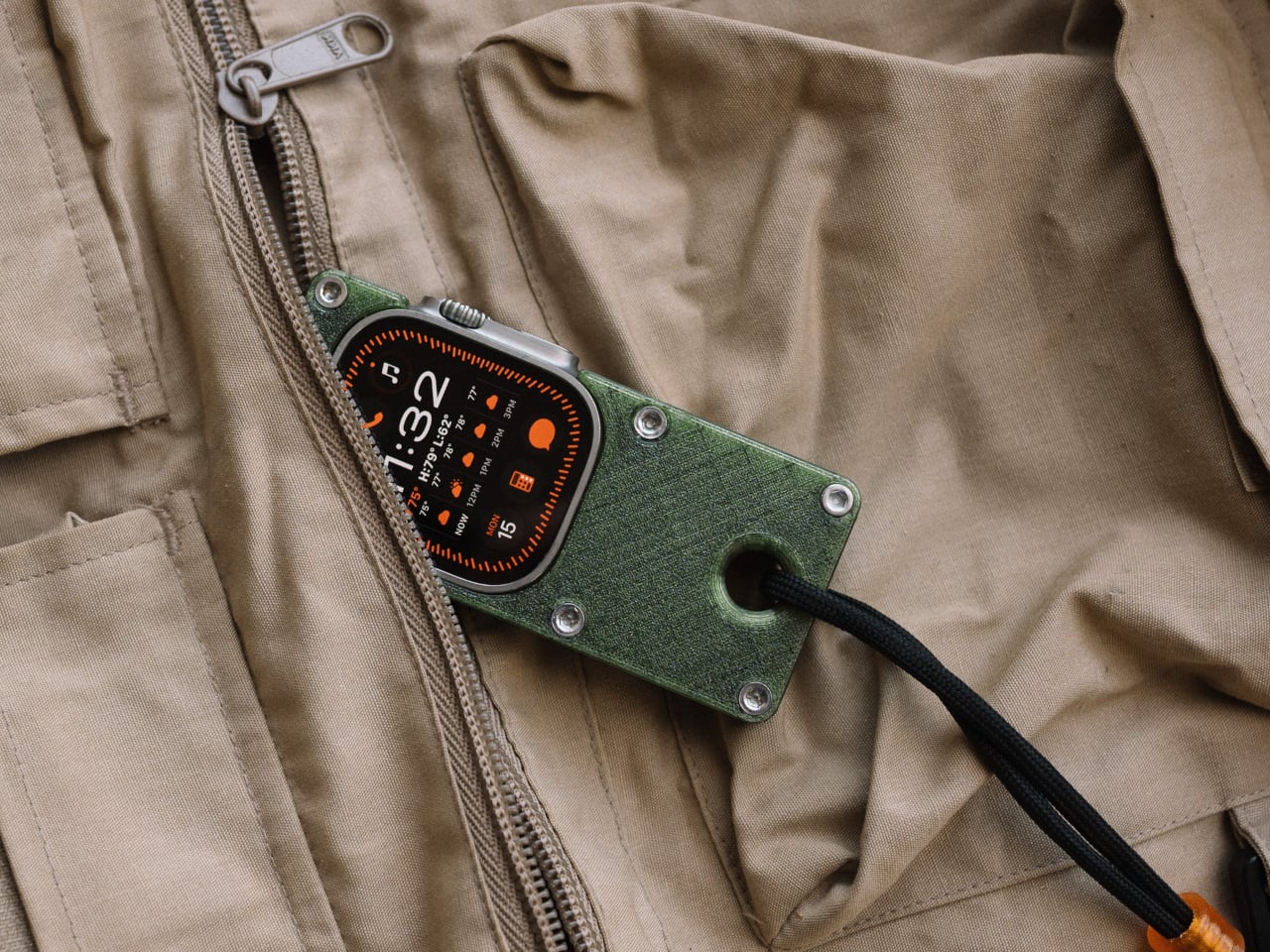
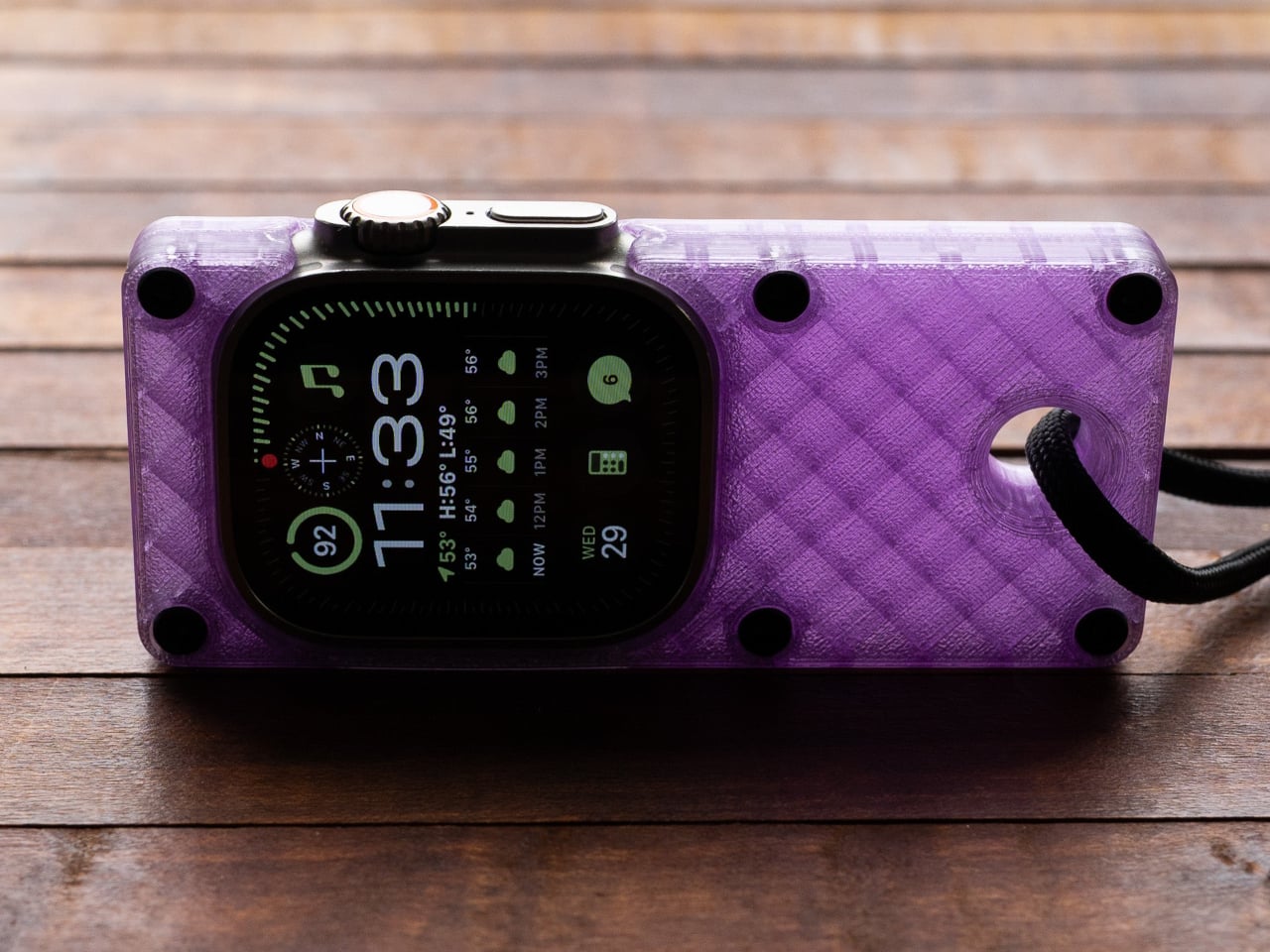
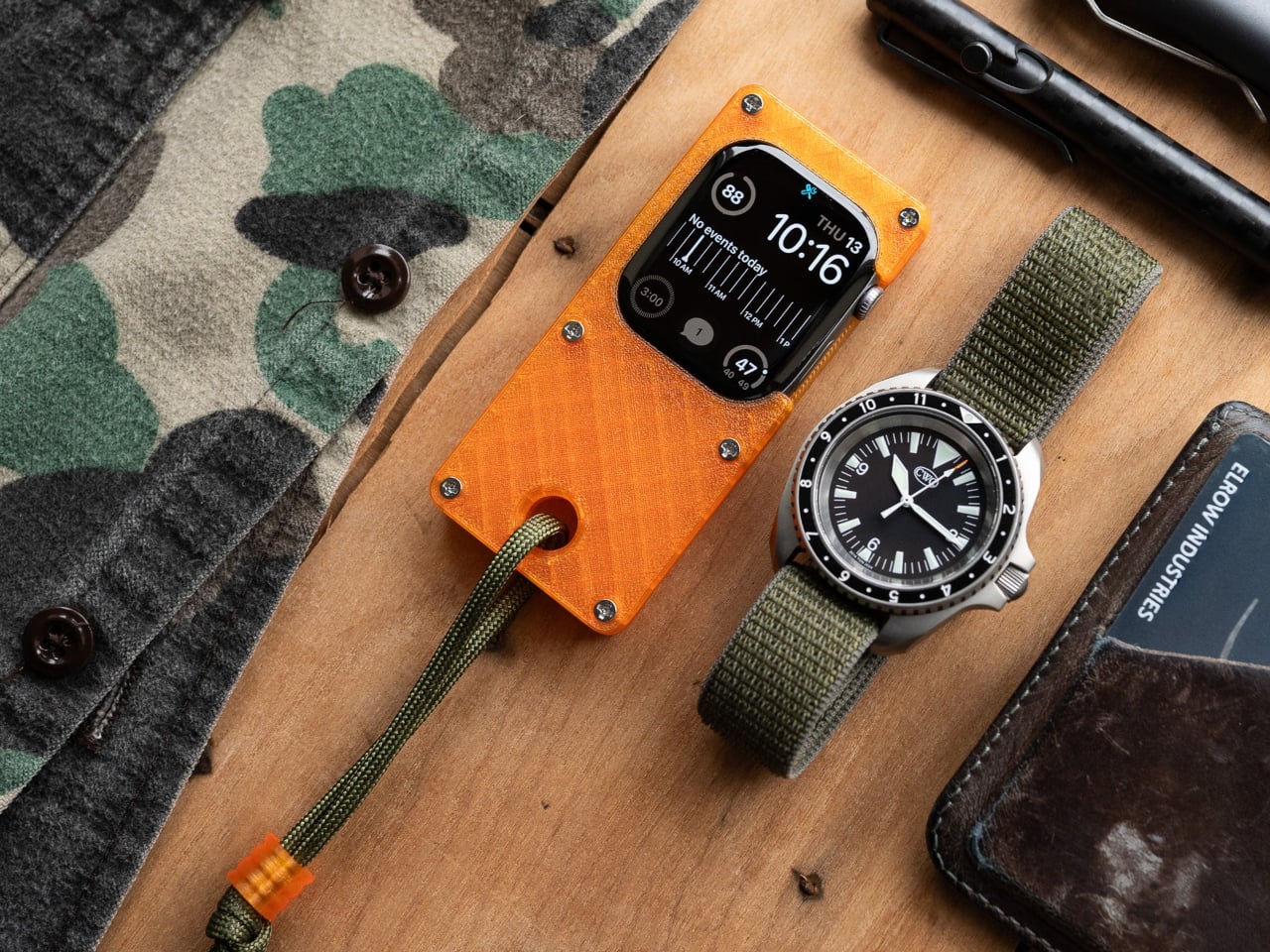
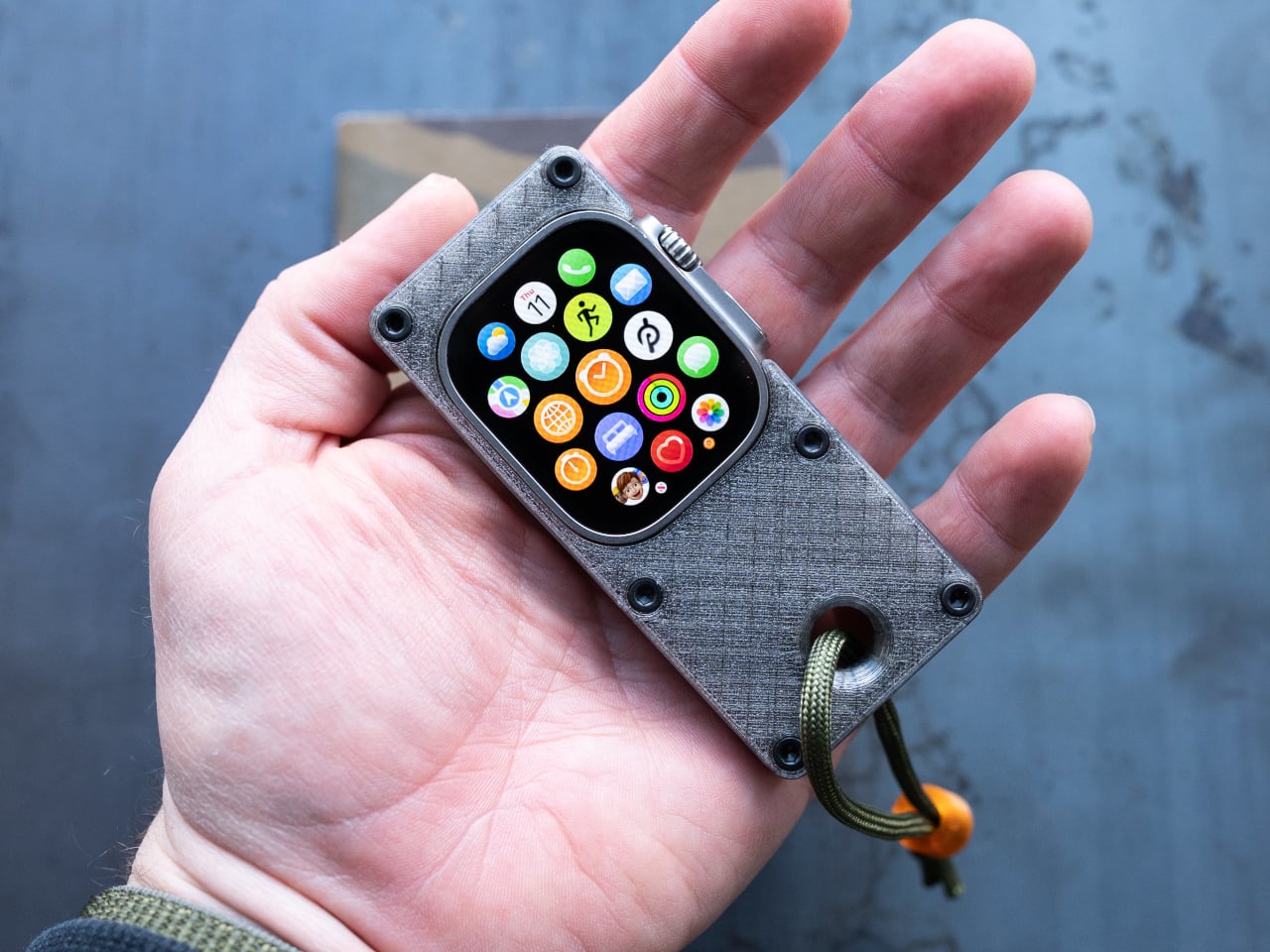
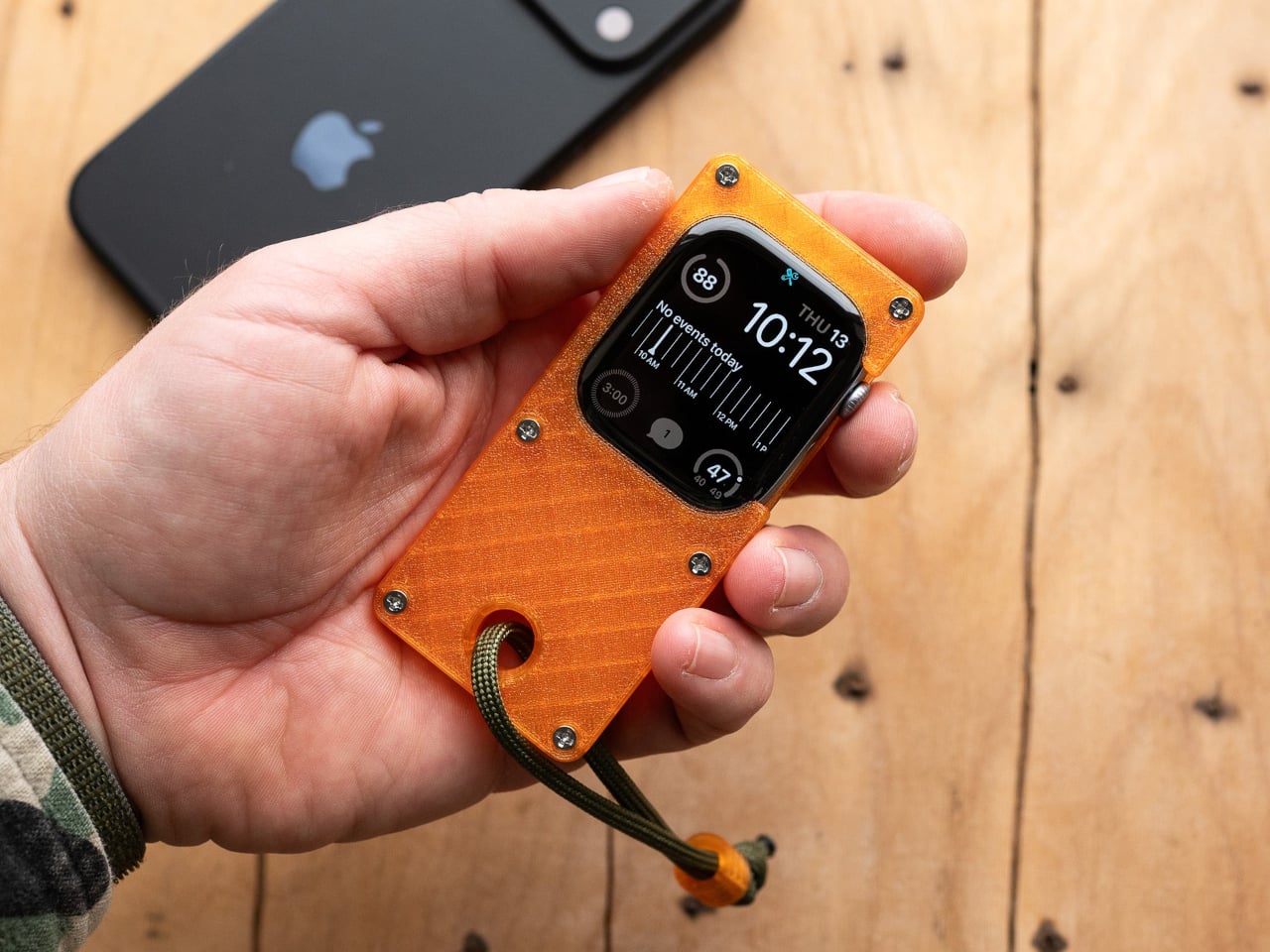
elrow’s miniphone Standard and miniphone Ultra are 3D-printed cases that turn an Apple Watch into a narrow, palm-sized device with a lanyard. The Standard fits the 46mm Series 10 and 11, while the Ultra fits the Apple Watch Ultra 1, 2, and 3. Both are about 95mm tall, with textured translucent bodies, visible screws, and an open back so you can charge without disassembling the case.
Leaving your iPhone in a bag and carrying the miniphone instead means you still get calls, messages, and Apple Pay, but you are not staring at a six-inch screen every time a notification pings. Holding the watch in a slightly larger body makes tapping icons feel more like using an old iPod than pecking at your wrist, and clipping it to a pocket means it stays out of sight until you need it.
The translucent PLA+ on the Standard and PETG on the Ultra, textured surfaces, and stainless or black-coated steel hardware give the cases a rugged, workshop vibe. The integrated lanyard hole and included paracord with an orange bead make it easy to carry without pockets. It feels more like a small tool than a fashion case, which suits the “tool watch” idea of keeping your mechanical watch on.
Moving the watch off your wrist means that continuous heart rate, ECG, blood oxygen, and sleep tracking are basically gone. You are also told to turn off wrist detection for better battery and notifications, which changes how Apple Pay, auto-lock, and some security features behave. Activity rings and step counts become unreliable when the watch lives in a pocket or on a lanyard, and fall detection may not work as intended.
WatchOS assumes a wrist, from raise-to-wake gestures to how workouts and reminders work. In a miniphone case, some of that feels off or becomes less useful. You are treating the Apple Watch as a tiny connected widget for notifications and quick controls, not as a health tracker logging your life, which is fine if that is what you wanted in the first place.
The miniphone cases make the most sense if you already use the Apple Watch as a lightweight communicator and remote, not as a medical device. If you love wearing a mechanical watch while still having a pocketable slice of watchOS nearby, or you want less phone without going fully offline, a 3D-printed case that trades sensors for simplicity is a strangely logical, if niche, step.
Japan has always understood what the rest of the world is only now discovering: small spaces don’t mean small lives. As tiny homes continue gaining momentum globally, Japanese designers are leading the charge with accessories that do more with less. These aren’t just space-savers. They’re thoughtfully engineered pieces that transform limitations into possibilities, proving minimalism can be both functional and beautiful.
The tiny home movement demands intelligent design. Every object must earn its place, which means multifunctionality isn’t a bonus—it’s essential. Japanese creators have mastered this philosophy through decades of living in compact urban dwellings, and now their innovations are reshaping our understanding of home essentials. From collapsible kitchen tools to multi-purpose devices, these seven accessories embody the spirit of doing more while owning less.
1. RetroWave 7-in-1 Radio
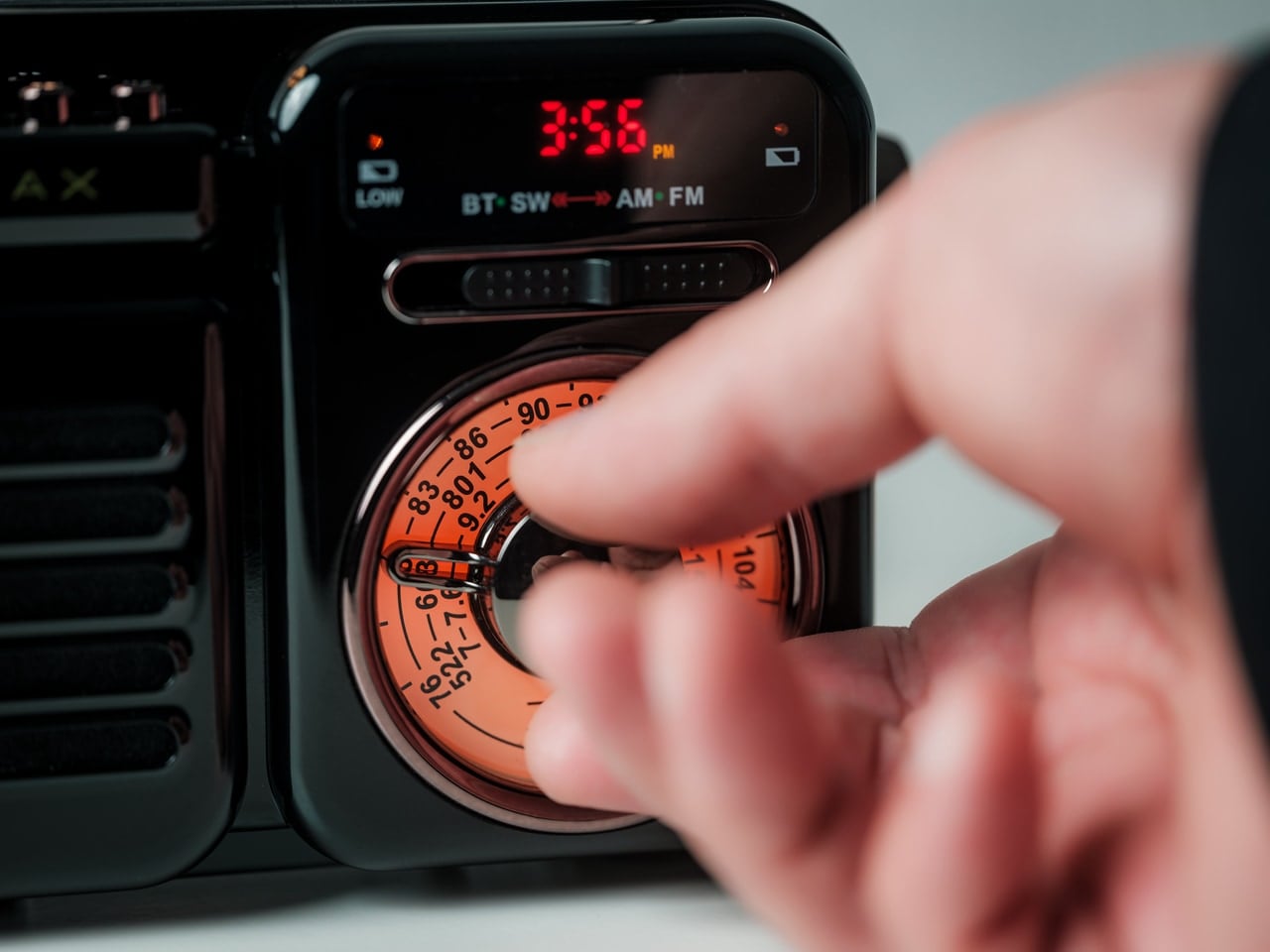
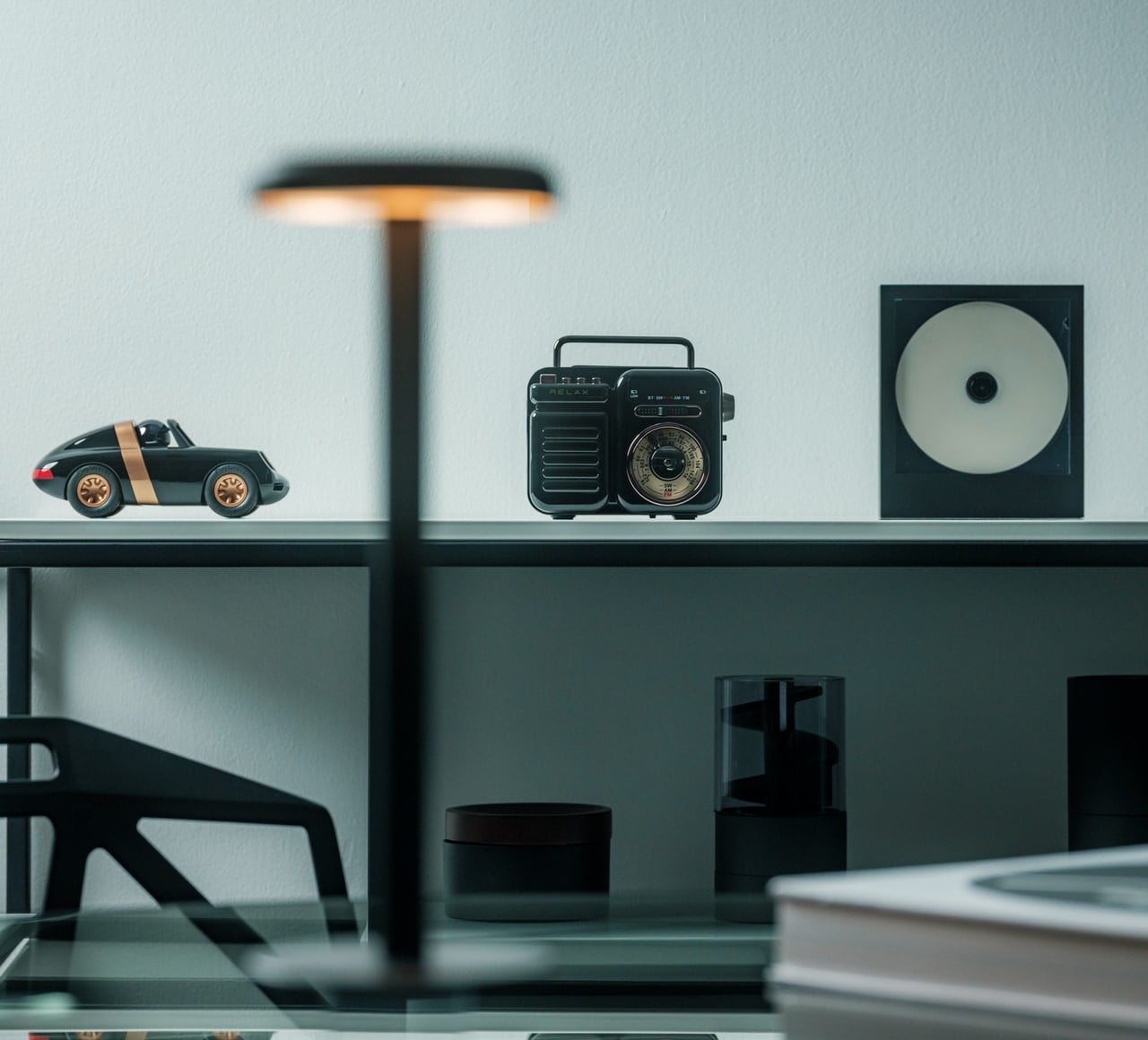
The RetroWave proves that nostalgia and practicality can coexist beautifully. This compact radio channels vintage Japanese aesthetics through its tactile tuning dial and clean lines, but beneath that retro exterior lies serious modern functionality. It streams Bluetooth audio, plays MP3 files from USB or microSD cards, tunes into FM/AM/SW broadcasts, and moonlights as a flashlight, power bank, SOS alarm, and clock. For tiny home dwellers who need every item to pull double duty, this seven-function device eliminates the need for separate gadgets cluttering precious counter space.
Emergency preparedness becomes effortless when your entertainment system doubles as survival equipment. The hand-crank charging and solar panel mean you’re never stranded without power, whether you’re off-grid by choice or circumstance. The design language speaks to Japanese minimalism while respecting analog traditions, creating something that feels equally at home on a shelf or in a bug-out bag. This isn’t about choosing between form and function—the RetroWave delivers both in a footprint smaller than most standalone speakers.
The hand-crank and solar charging eliminate battery anxiety completely
Seven genuine functions mean seven other devices you don’t need to own
Bluetooth streaming bridges analog aesthetics with contemporary listening habits
The compact size fits anywhere without announcing its emergency capabilities
What We Dislike
The retro dial might slow down precise station tuning for some users
Solar charging works best with direct sunlight, limiting indoor recharging speed
2. 8-in-1 EDC Scissors
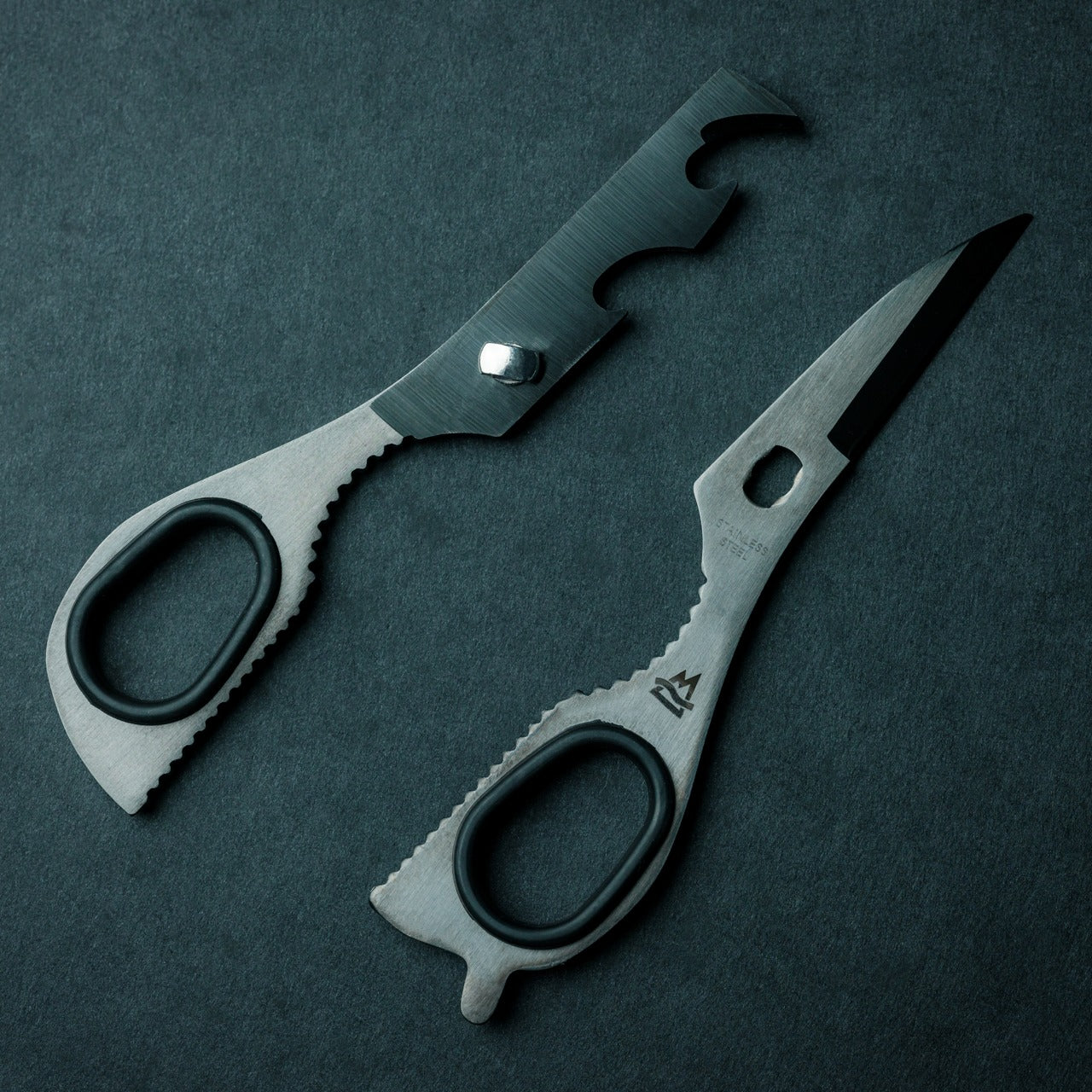
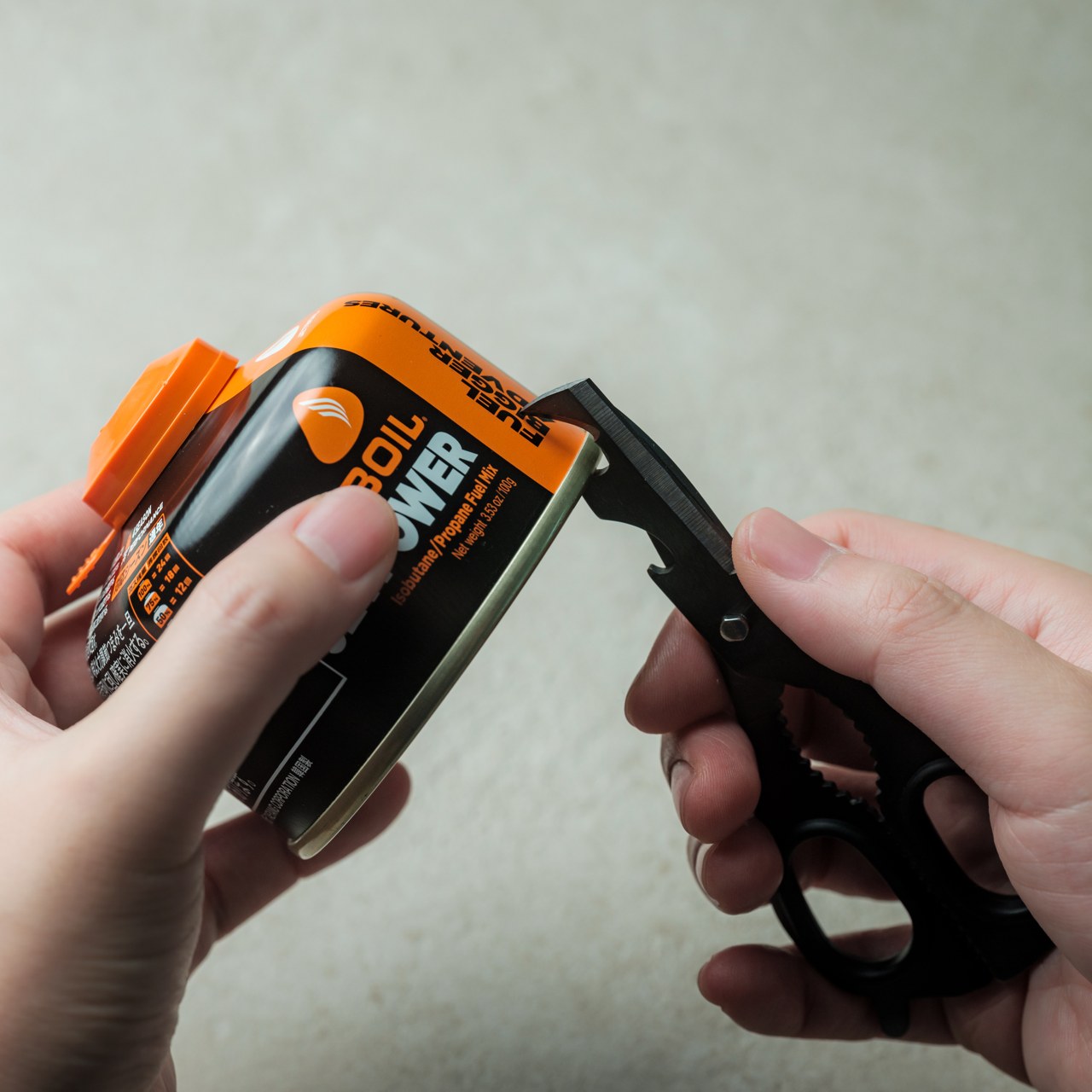
Who decided that multitools need to be bulky? These palm-sized scissors challenge that assumption with a sleek design that conceals eight different functions. The oxidation film finish creates a handsome matte black aesthetic while adding rust resistance, making these as durable as they are compact. Scissors, knife, lid opener, can opener, cap opener, bottle opener, shell splitter, and degasser live within a 5.1-inch frame that disappears into drawers, pockets, or tiny kitchen organizers. For homes measured in square feet rather than square meters, this consolidation matters.
The genius lies not in cramming tools together but in thoughtful integration. Each function works without compromise, maintaining the precision you’d expect from dedicated implements. Japanese design philosophy shines through the restraint—there’s no unnecessary bulk, no gratuitous features. The black coating transforms utilitarian metal into something you’ll want visible on your counter rather than hidden away. When your kitchen barely fits a cutting board, having a toolbox that fits in your palm becomes genuinely liberating.
Eight tools occupy the space that one normally would
The oxidation coating adds durability while looking sophisticated
Palm-sized dimensions make storage effortless in any tiny space
The design proves multitools can be elegant, not just practical
What We Dislike
A smaller size may require more grip strength for tougher jobs
The integrated design means you can’t use two functions simultaneously
3. Iron Frying Plate
JIU eliminates the awkward dance between stovetop and table by making the pan your plate. This mill scale steel frying surface comes with a detachable wooden handle that releases with one hand, transforming cookware into servingware instantly. The 1.6mm-thick construction distributes heat beautifully while remaining light enough for comfortable handling. Rust-resistant and uncoated, it arrives ready to use straight from the box. For tiny homes where kitchen storage is measured in inches, losing the need for separate serving dishes creates genuine breathing room.
The philosophy goes deeper than saving space. Eating directly from what cooked your food connects you to the meal in ways china plates never could. The rustic appeal of seared proteins still sizzling on steel brings restaurant energy into the smallest kitchens. Japanese craftsmanship shows in the details—the stick-resistant surface that needs no chemical coatings, the balanced weight distribution, the seamless transition from flame to table. This isn’t about making do with less. It’s about recognizing that sometimes one exceptional piece beats two mediocre ones.
The detachable handle transforms the cooking vessel into a serving dish instantly
Mill scale steel develops character and improves with use over time
No chemical coatings mean healthier cooking and easier maintenance
Eliminating separate plates cuts storage needs and dishwashing time
What We Dislike
Metal retains heat longer, requiring careful handling after cooking
The uncoated surface needs proper seasoning and care to maintain performance
4. Pop-Up Book Vase Edition 4
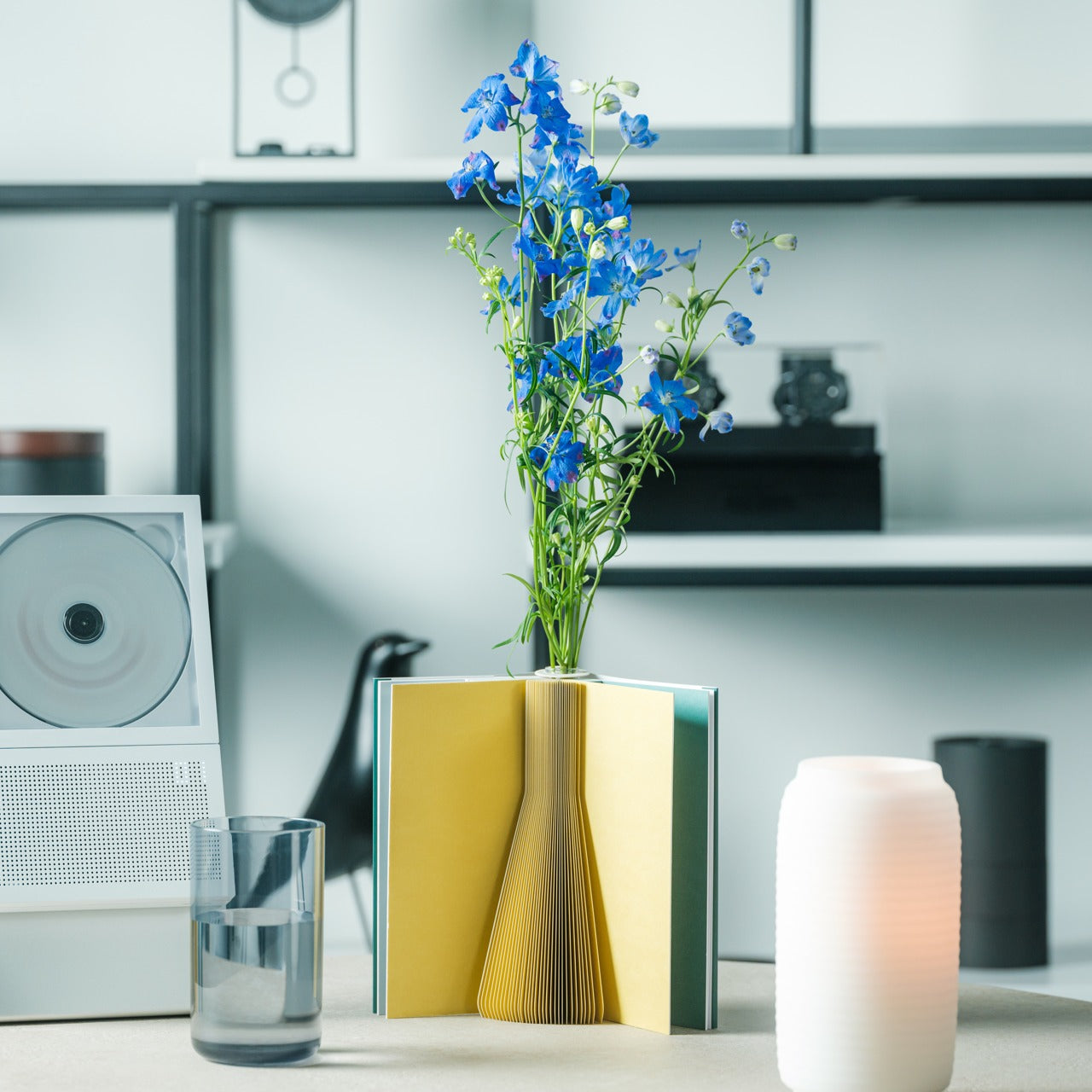
Flowers deserve drama, and this pop-up book vase delivers it in the most space-efficient package imaginable. Crack the cover to reveal three-dimensional vase cutouts that transform flat pages into sculptural vessels. Edition 4 introduces gray, yellow, and green designs with varied shapes that offer fresh perspectives—literally, since flipping the book upside down completely changes your arrangement’s presentation. Made from natural pulp with water-resistant coating, these aren’t decorative props but functional vases. When not in use, they collapse to book thickness and slide onto shelves beside actual reading material.
The concept challenges what vases must be. Traditional ceramic versions demand dedicated storage even when empty, sitting idle between floral moments. This innovation shrinks that footprint to nearly nothing while expanding creative possibilities. Each page offers a different aesthetic, meaning one item provides three distinct looks. The whimsy feels intentionally Japanese—playful yet purposeful, artistic yet practical. For tiny homes where every object must justify its existence, a vase that disappears when not needed while offering multiple design options, becomes genuinely valuable.
Three vase designs in one item triple your decorating options
Book-flat storage means it virtually disappears between uses
The water-resistant coating makes it genuinely functional, not just decorative
Upside-down orientation adds creative flexibility to arrangements
What We Dislike
Paper construction requires gentler handling than ceramic alternatives
The pop-up mechanism may weaken with extremely frequent opening and closing
5. Obsidian Black Mini Grip Tongs
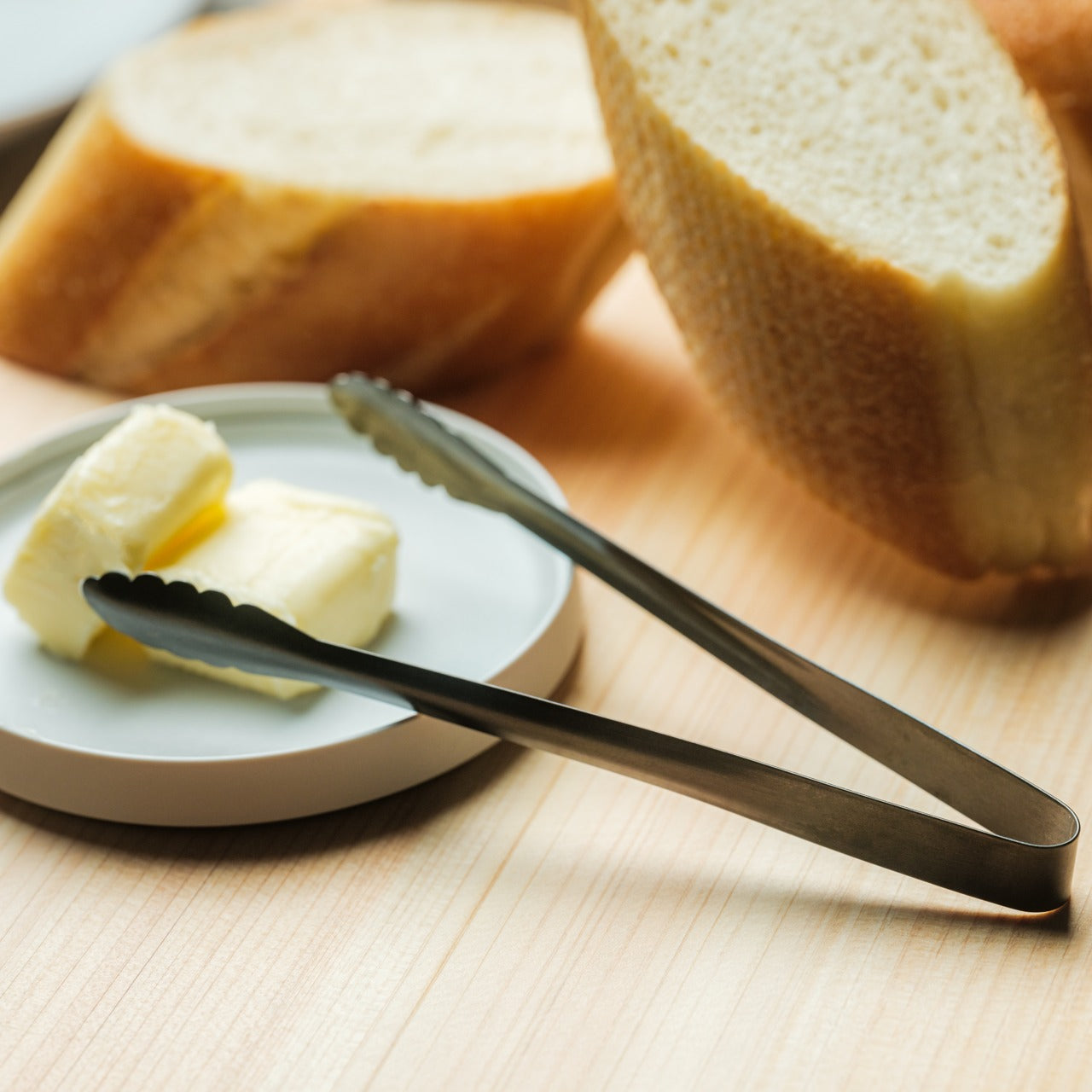
Precision matters when space is tight, and these mini tongs deliver restaurant-level control in a fraction of the size. Available in 4.9-inch and 7-inch lengths, they’re crafted from SUS821L1 stainless steel—twice as strong as standard SUS304, allowing thinner, lighter construction without sacrificing durability. The obsidian black finish elevates them beyond mere utensils into objects worth displaying. Whether plating delicate appetizers, flipping shrimp, or arranging Instagram-worthy presentations, these tongs put professional deftness into compact packages that suit tiny kitchens where every drawer inch counts.
The size proves liberating rather than limiting. Standard tongs feel cumbersome when you’re maneuvering in tight spaces or handling small portions, but these scaled-down versions match the reality of cooking for one or two in condensed quarters. The corrosion-resistant steel ensures longevity that justifies the investment, embodying the Japanese principle of buying quality once rather than cheap replacements repeatedly. Their sculptural appearance means they can hang on exposed rails without looking utilitarian—important when tiny homes often blur kitchen and living spaces into single rooms.
The compact size offers precision impossible with full-length tongs
Superior steel strength allows elegant thinness without compromising durability
The black finish looks intentional on open storage and exposed racks
Lightweight construction reduces hand fatigue during detailed plating work
What We Dislike
Shorter length means less distance from heat sources during cooking
The specialized size might not suit those who prefer standard dimensions
6. Heritage Craft Unboxing Knife
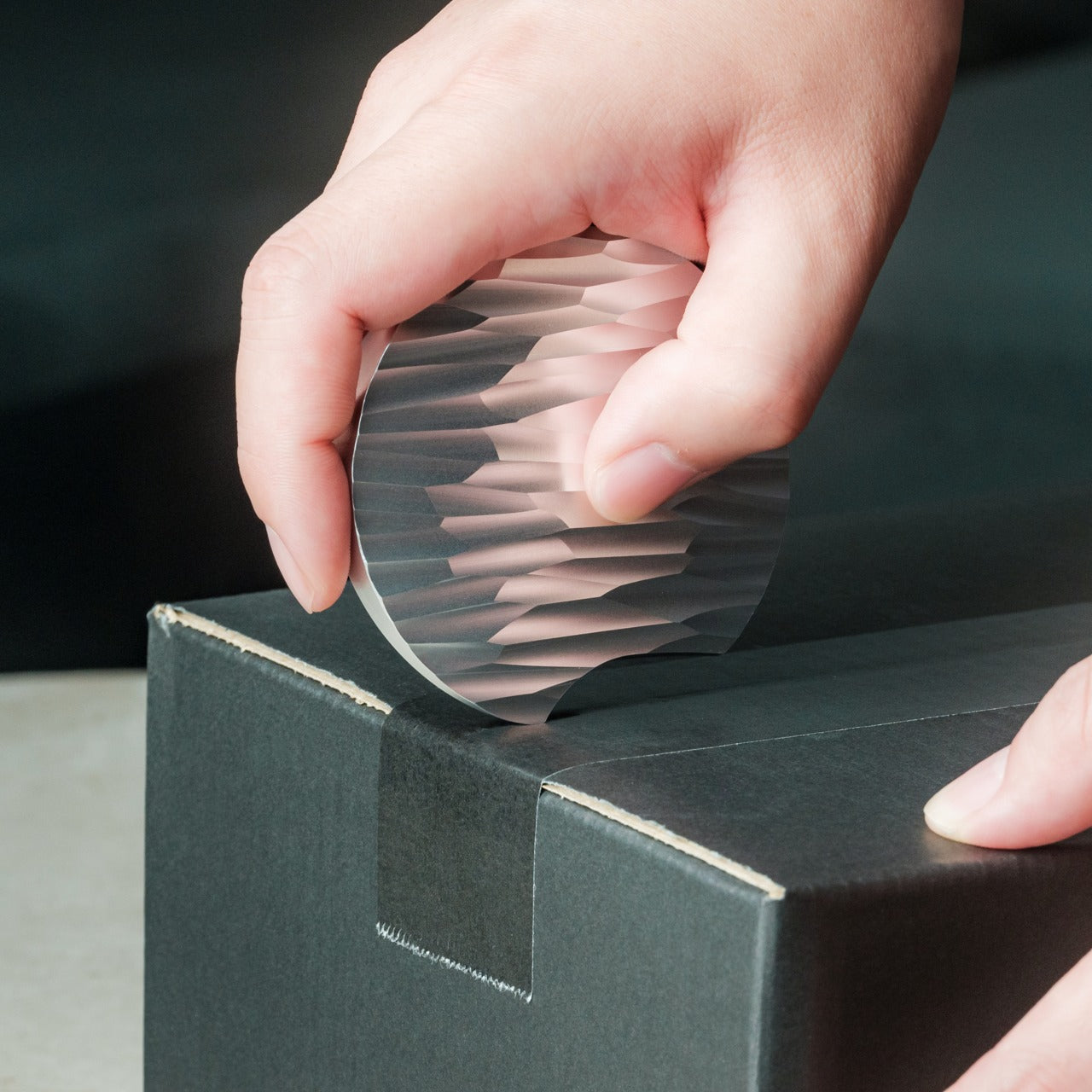
Opening packages becomes an aesthetic experience with this circular cutter carved from solid aluminum. Inspired by Paleolithic hand axes, the design reimagines ancient tools through modern machining that leaves wave-like patterns across the surface. These aren’t just decorative—they provide a secure, non-slip grip. The tapered form and striking appearance transform a mundane task tool into a desk object worth displaying prominently. For tiny homes where every visible item contributes to the overall aesthetic, this cutter earns its spot through beauty and mystery rather than hiding shamefully in drawers.
The symbolism runs deeper than surface appeal. Using metal instead of stone represents human evolution in physical form—a daily reminder that tools can be thoughtful rather than thoughtless. The raw, handcrafted quality contrasts beautifully with mass-produced plastic alternatives while taking up minimal space. Japanese design philosophy shines through the balance of form and function, creating something that inspires even during routine tasks. When you’re opening the constant stream of packages that tiny home living often requires, why not do it with something that brings joy rather than just utility?
The sculptural form justifies prominent display rather than drawer storage
Ancient inspiration creates conversation-worthy design with genuine depth
Wave patterns provide functional grip while enhancing visual appeal
Aluminum construction balances durability with comfortable weight
What We Dislike
The artistic form might feel less intuitive than traditional box cutter shapes initially
The premium design comes at a higher price than basic alternatives
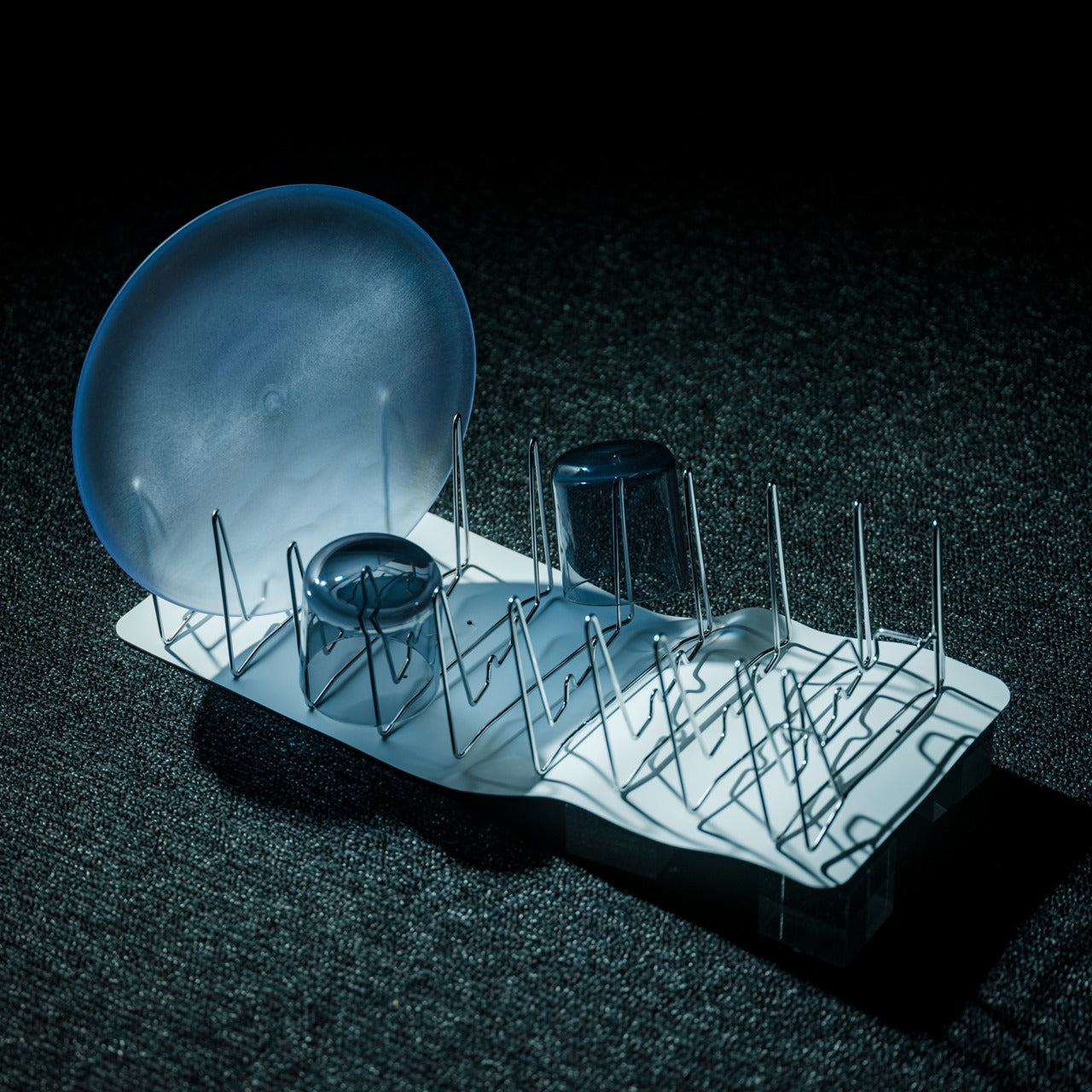
7. Slim Fold Dish Rack
This collapsible dish rack shrinks from 14 inches to 1.2 inches in one second flat. The patent-pending spring mechanism makes deployment and collapse equally effortless, transforming substantial drying capacity into pocket-sized storage. Its minimalist construction provides ample ventilation and accommodates plates, utensils, and cookware of various sizes without bulk. Dishwasher-friendly and easy to clean, it works equally well in permanent tiny homes or mobile camping setups. When counter space measures in precious square inches, reclaiming 14 inches of depth the moment dishes dry becomes genuinely transformative.
The innovation addresses a persistent tiny home frustration: bulky essentials that can’t be eliminated but consume disproportionate space. Traditional dish racks squat permanently on counters, monopolizing real estate even when empty. This design respects that dishes need drying without demanding permanent territorial claims. The spring system proves Japanese engineering at its finest—sophisticated mechanism, simple operation, reliable performance. The ability to pocket the rack when collapsed opens possibilities for RV living, boat galleys, and other extreme space constraints where every item must justify not just its function but its physical footprint.
One-second deployment and collapse eliminates fussy setup procedures
The collapsed 1.2-inch profile fits virtually anywhere, including large pockets
Generous 14-inch expanded size accommodates a full meal’s worth of dishes
Dishwasher compatibility makes maintenance effortless and thorough
What We Dislike
The spring mechanism requires occasional inspection to maintain smooth operation
Lighter construction may shift under heavier cookware without stabilization
Making Space for What Matters
These seven accessories represent more than clever design. They embody a philosophy that tiny living advocates have embraced: abundance comes from quality, not quantity. Each piece eliminates multiple lesser items while adding functionality and beauty. The Japanese influence is evident not in exotic aesthetics, but in thoughtful problem-solving that respects both space and user experience. These aren’t compromises forced by limited square footage but genuinely superior solutions.
The tiny home movement continues growing because it promises freedom from excess, not deprivation. Smart accessories like these make that promise tangible. They prove small spaces can accommodate full lives when every object pulls its weight. Whether you’re downsizing deliberately or maximizing what you have, these compact essentials demonstrate that intelligent design creates spaciousness regardless of actual dimensions. The trend isn’t really about tiny homes at all. It’s about intentional living, and these seven pieces show exactly what that looks like.
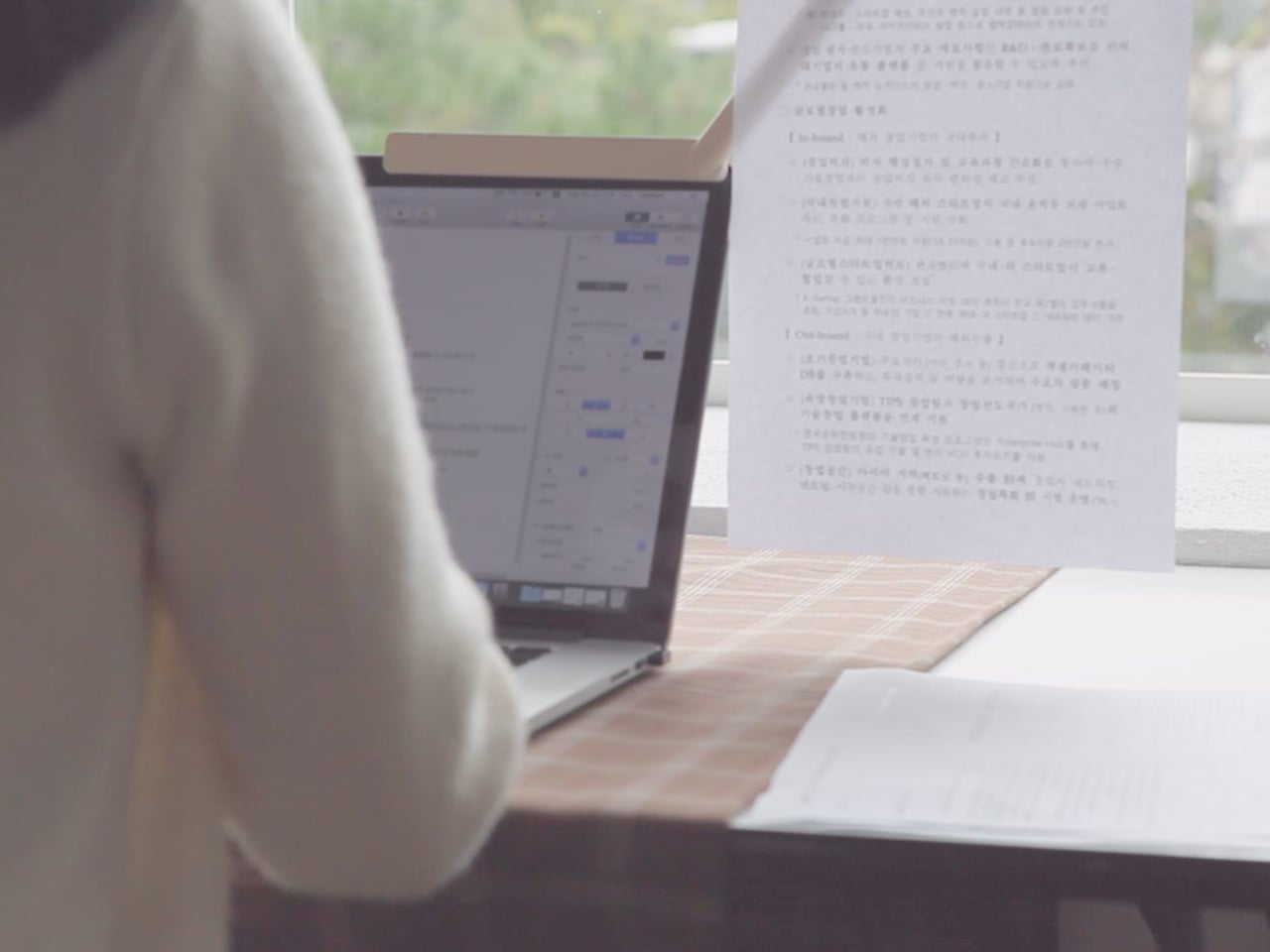
Most laptop workflows still involve paper, even in 2026. Printed briefs, handwritten notes, and reference sheets end up flat on the desk, which means you spend half your day bobbing your head between the screen and the table. That constant neck crane breaks focus and feels ridiculous when you are just trying to check a few lines of code or compare a contract clause, but there is nowhere else for the paper to go.
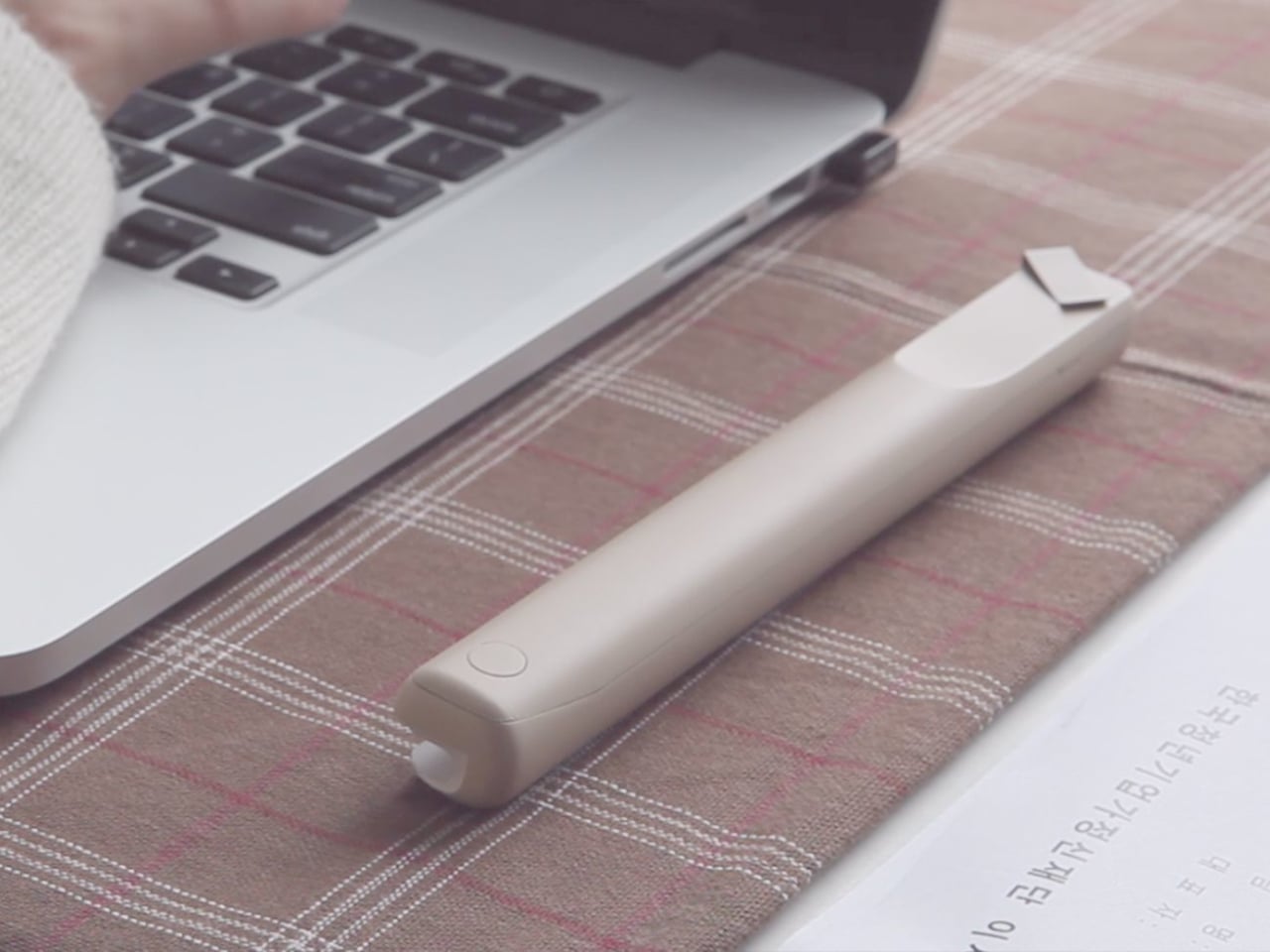
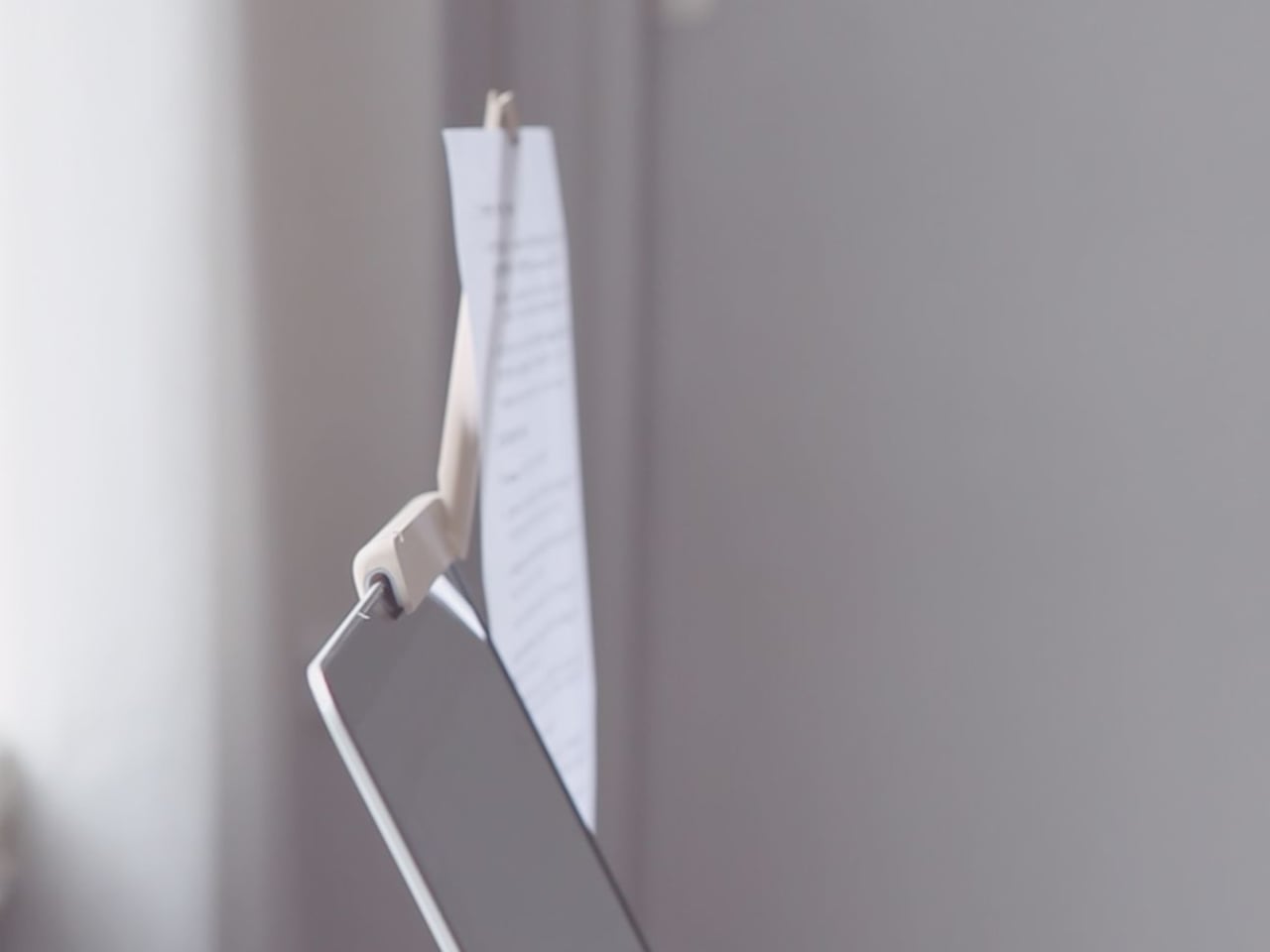
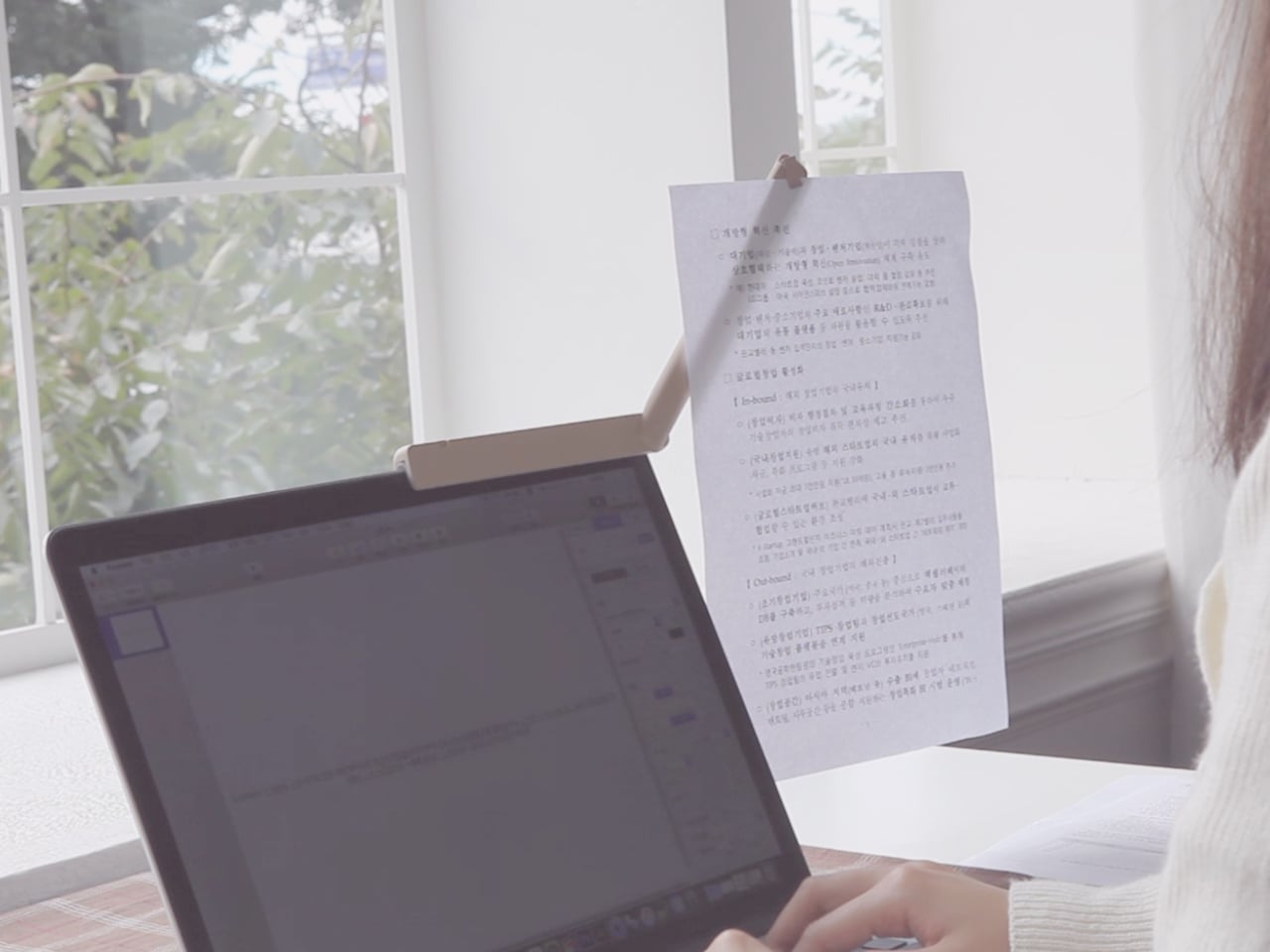
Branch is a slim paper holder designed specifically for laptops. It clips onto the edge of your screen and swings out like a branch growing from a trunk, lifting notes, photos, or documents into the same visual plane as your display. The designers wanted something that not only holds documents for easy viewing but also feels more considered and minimal than the generic office-supply stands that usually sit on desks, taking up space.
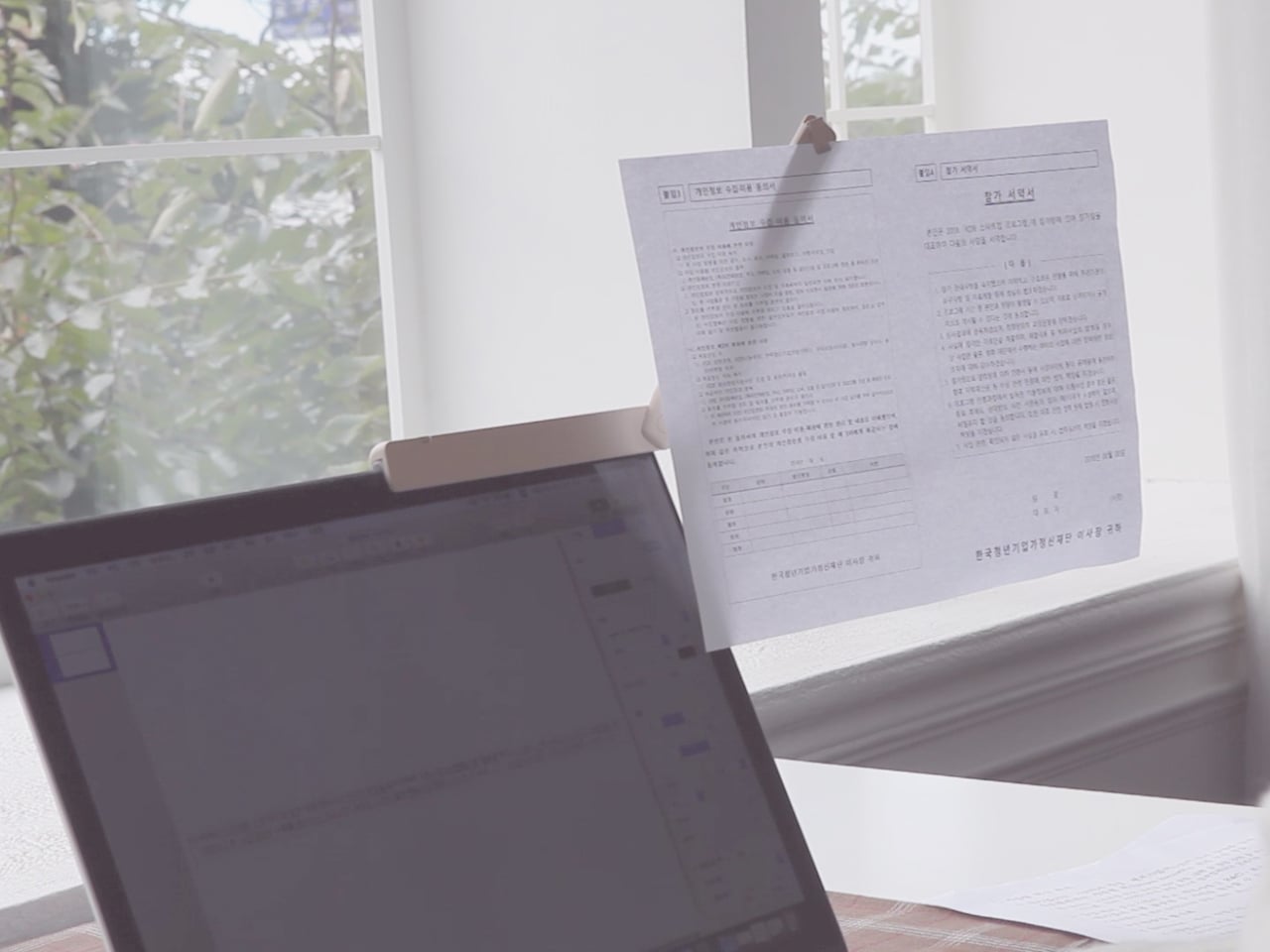
Sitting down with a laptop and a printed document, you mount Branch to the screen, rotate it until it sits roughly horizontal with the display, and slide your sheets into the clip at the end. It can hold up to ten A4 pages, so multi-page contracts, code printouts, or study notes stay visible and aligned with your main workspace. The arm rotates both horizontally and vertically, bringing paper into your line of sight instead of leaving it flat below.
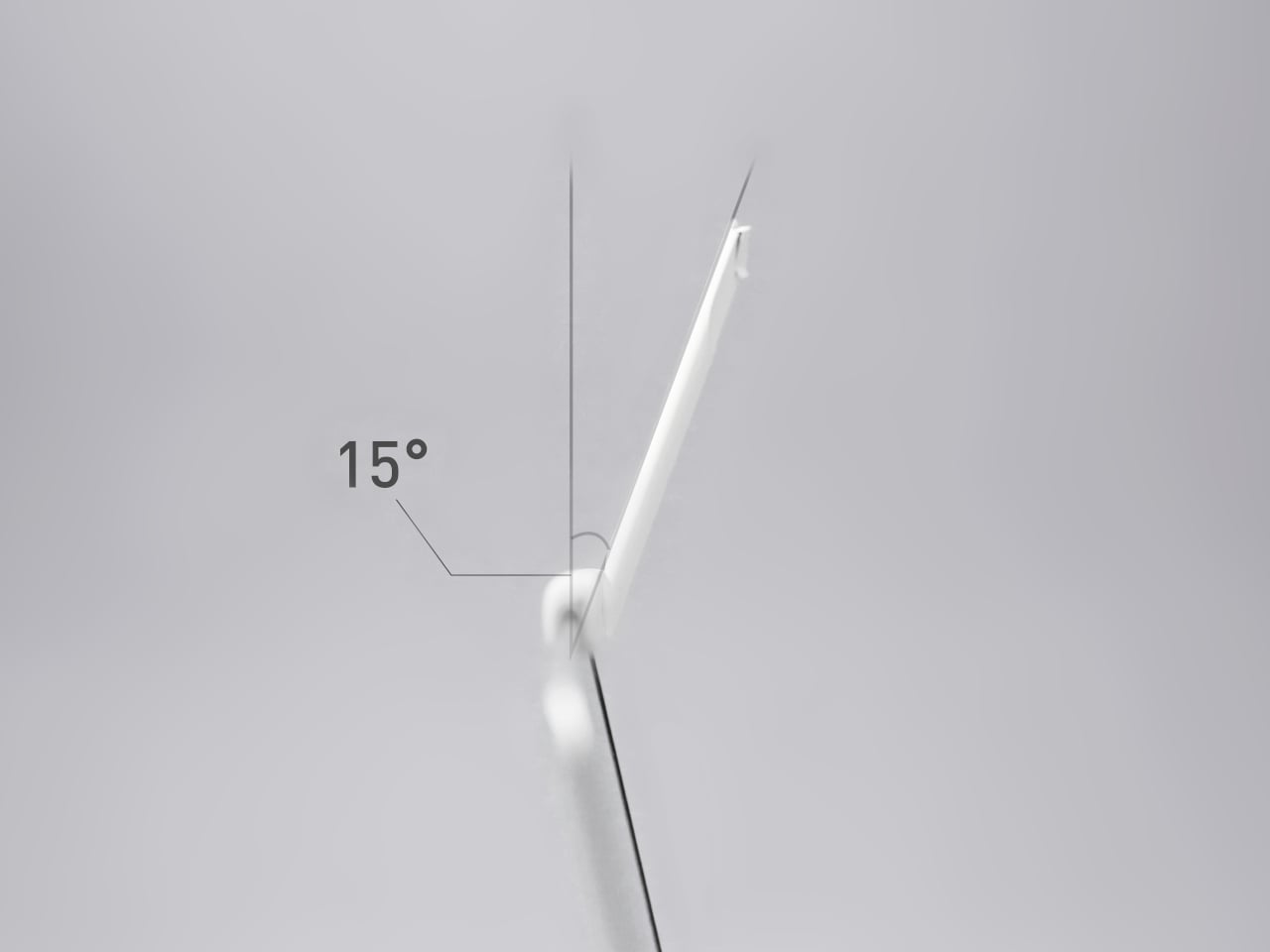
By raising paper this way, Branch reduces the amount of head and eye travel needed to reference it. The arm is angled at about 15 degrees so that notes do not slide off, and the clip lets you display pages in portrait or landscape, useful for everything from long text columns to wide spreadsheets. It is a small adjustment, but one that can make long laptop sessions feel less like a neck workout.
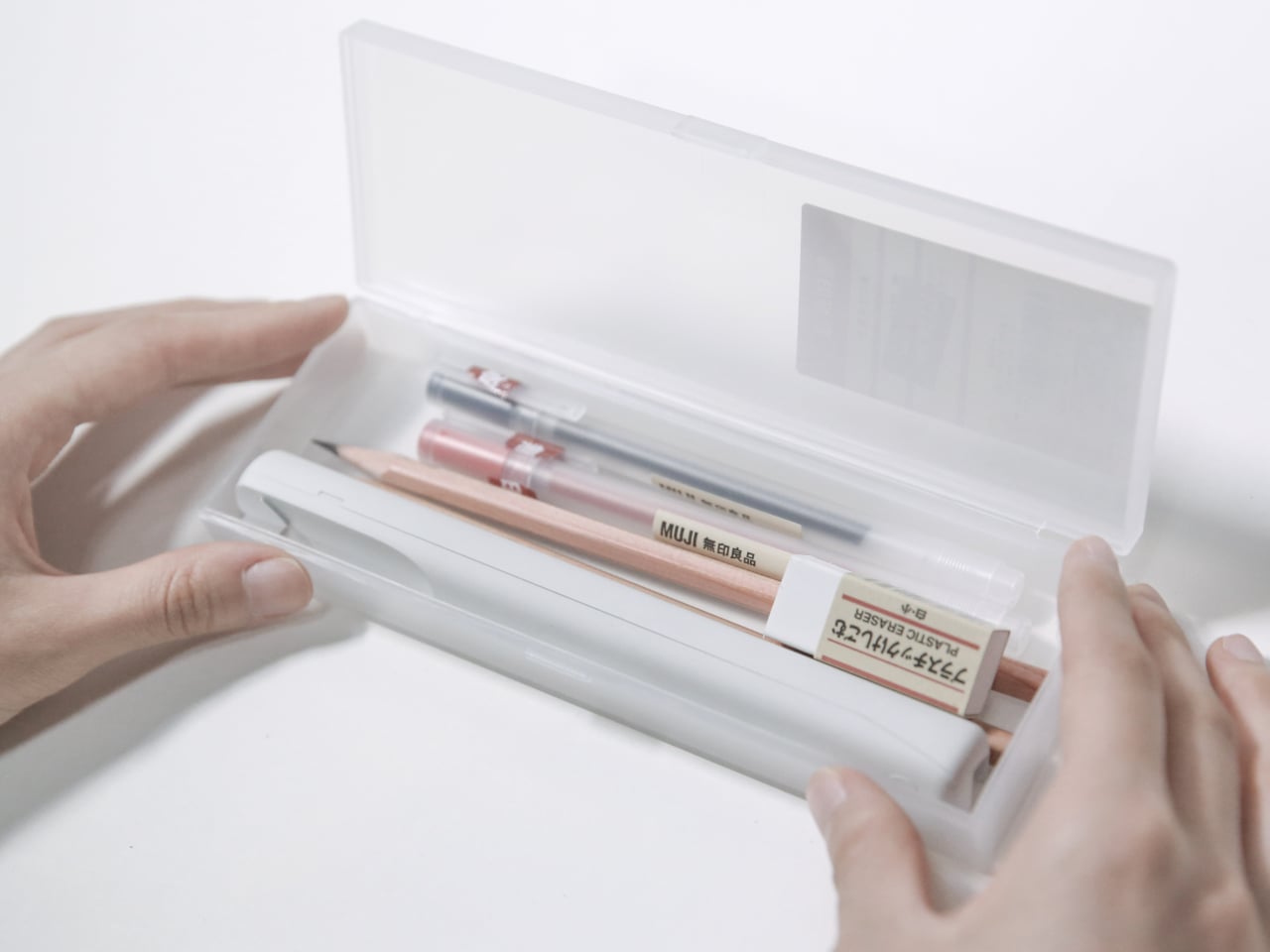
Branch is only 17cm long and weighs 130g, light enough to live in the same bag or sleeve as your laptop without feeling like extra gear. It fits screens between 3mm and 6mm thick and is recommended for 13-inch to 15.6-inch laptops, which quietly covers most modern notebooks. The ABS structure is shaped to protect the mounting surface, so it grips without chewing through bezels or leaving marks.
The name is not just a visual metaphor. Tree branches do more than connect trunks and leaves. They gather light and store nutrients so the tree can grow. The designers chose “Branch” because they see this little arm as playing a similar role, quietly supporting work by making analog and digital tools feel more connected. It is not a productivity app trying to replace paper but a physical bridge between notes and pixels.
Branch does not try to scan your printouts or digitize your sketches. It simply gives your notes a better seat next to your laptop, reducing strain and clutter in the process. Many people still think better with a pen in hand and a reference sheet by their side, so a minimal paper holder that clips on, swings out, and disappears into the workflow feels like the right kind of quiet upgrade.









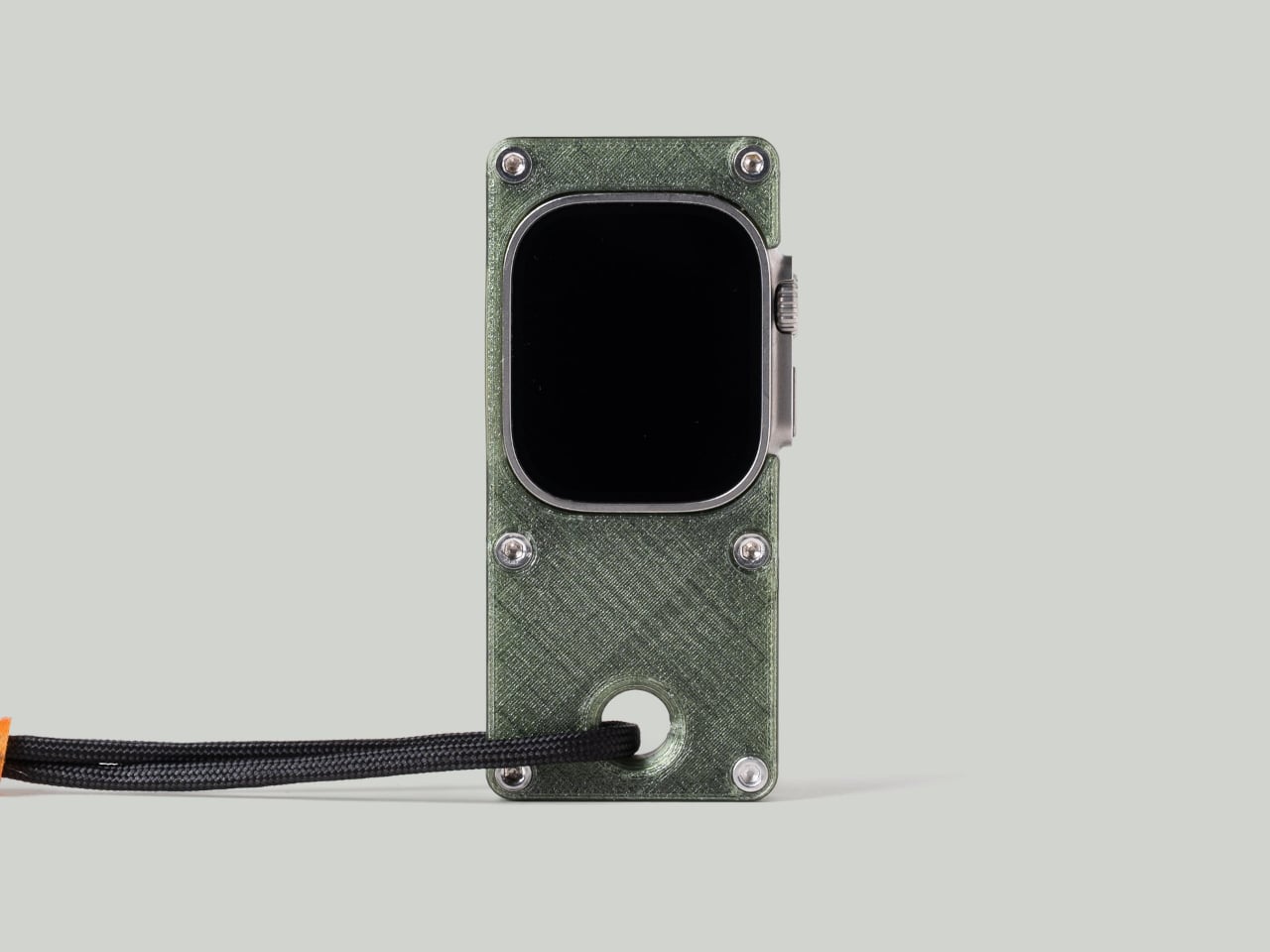
 watch” idea of keeping your mechanical watch on.