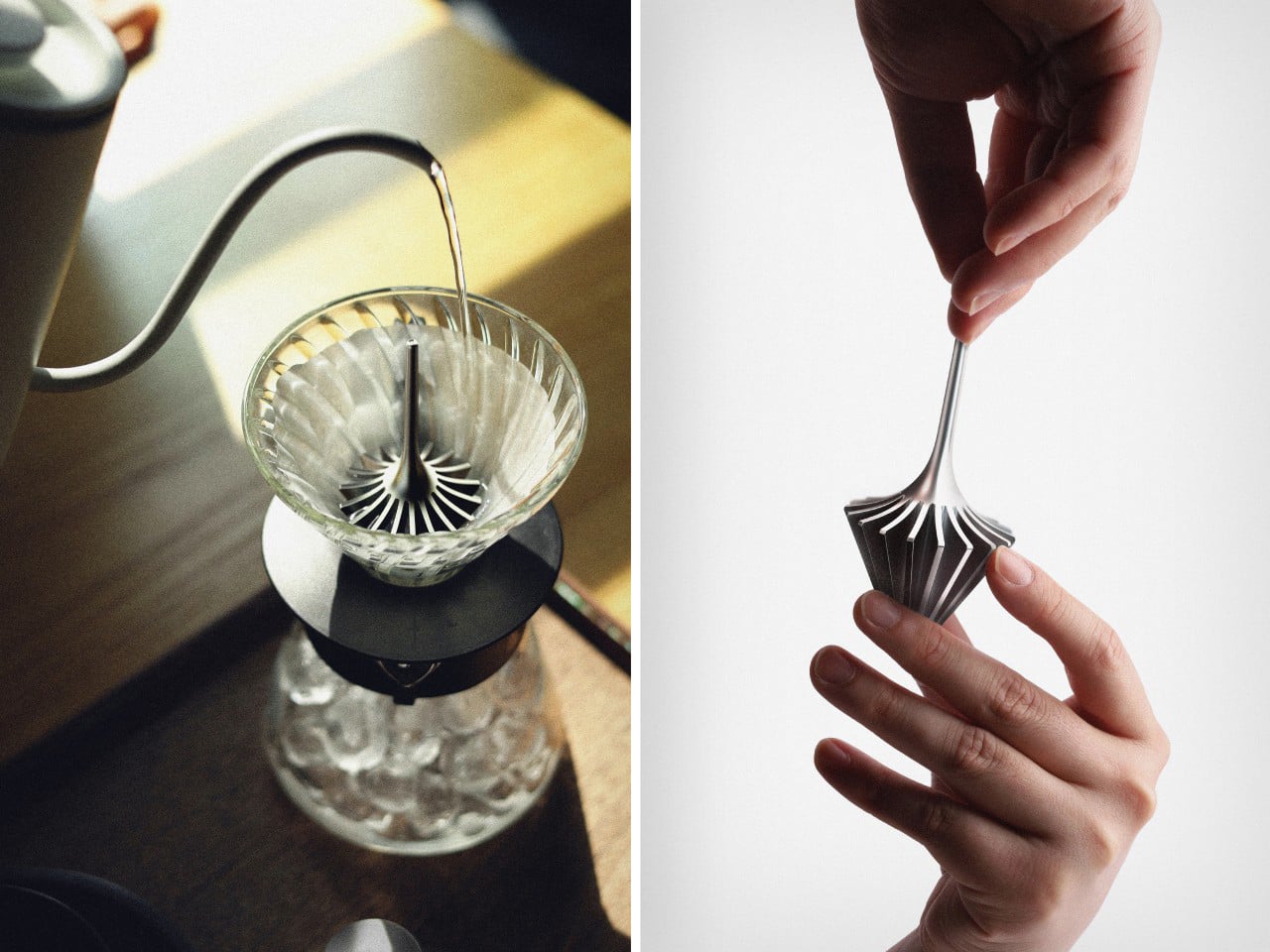
Somewhere between your gooseneck kettle and your burr grinder sits a problem nobody in the coffee gear industry bothered to productize until now. It is not glamorous, it does not involve motors or digital displays, and it will not show up in a roundup of the year’s best brewing hardware from the usual outlets. SAQ design, working out of Seoul, built the Filter Presso anyway, because the problem is real and the existing solution, which is essentially hoping your filter stays put, is not actually a solution. This is a precision metal tool designed to seal your V60 paper filter against the dripper walls before you add a single gram of coffee.
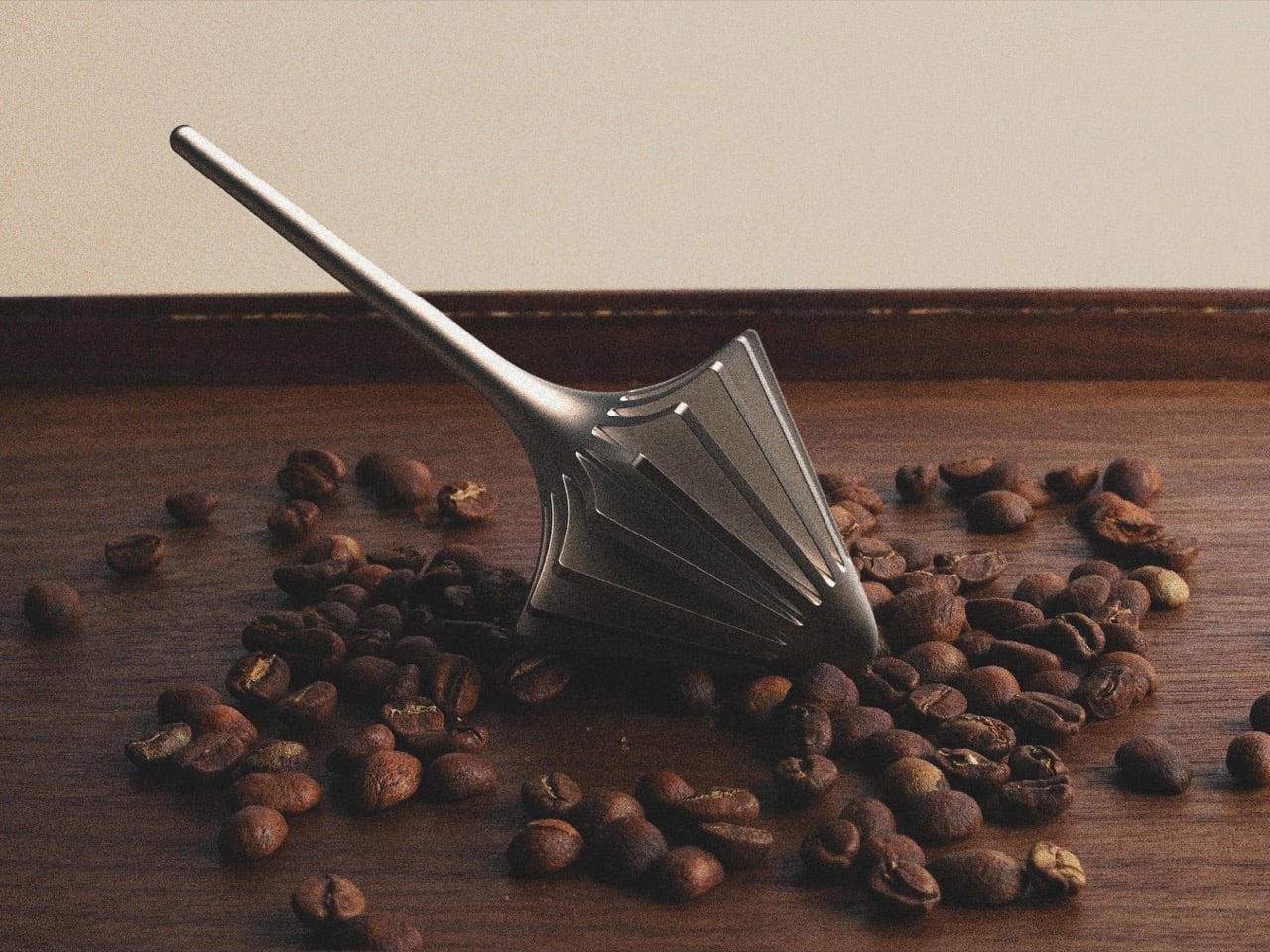
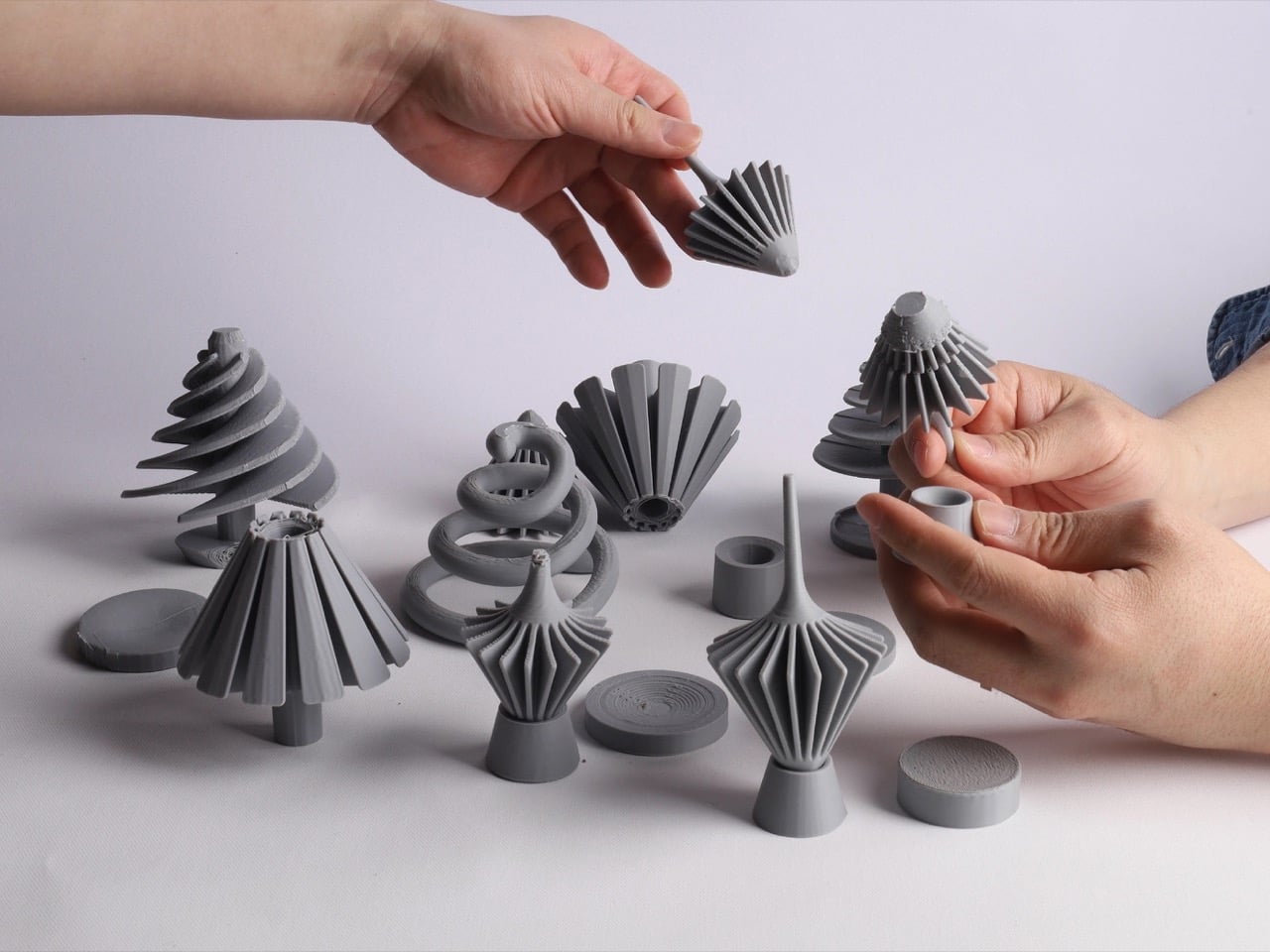
The Presso itself is a fanlike arrangement of metal fins on a tapered handle, angled at exactly 60 degrees to match the V60’s cone geometry. You lower it into an empty rinsed filter, the fins press the paper flush against the dripper walls, and then you add your grounds on top. When a filter loses contact with those walls mid-brew, water bypasses the coffee bed through the gap, extraction goes uneven, and the cup suffers in ways that are genuinely difficult to diagnose through the usual variables. The Presso closes that bypass before the brew begins, and the gaps between the fins keep water moving freely once it does.
Designer: SAQ Design
The specificity of this tool is the whole point. SAQ built it exclusively for the Hario V60, the most widely used dripper in specialty coffee, and that single-platform focus shows in the geometry. A 60-degree fin angle is not a design flourish, it is the V60’s cone angle, and matching it exactly is what makes the seal work. A more generalist tool trying to serve every dripper on the market would have compromised on that precision, and the compromised version would have been considerably less useful. SAQ made a deliberate call to go narrow, and the engineering is tighter for it.
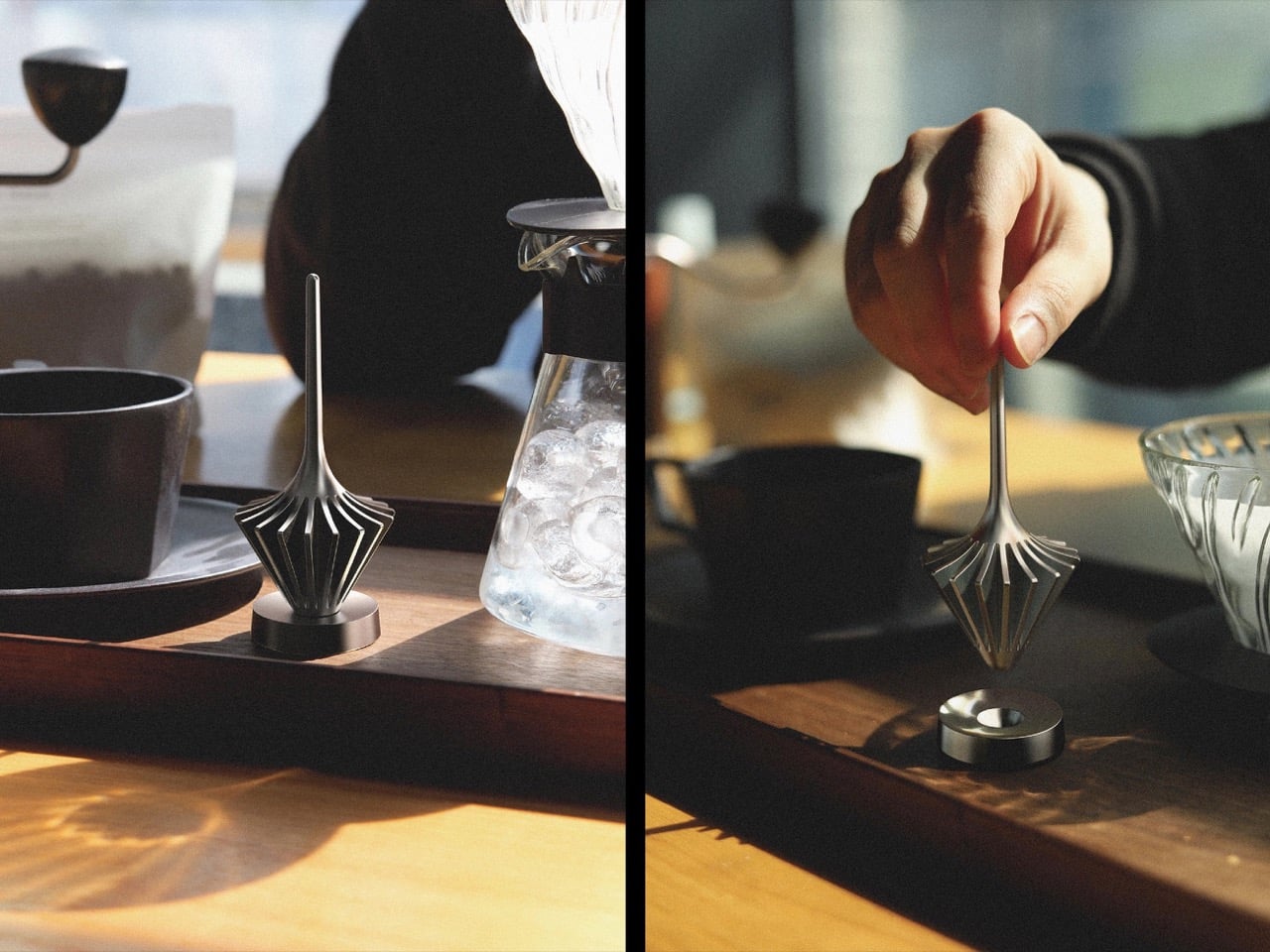
What makes the Presso worth taking seriously as a piece of product design, beyond the functional logic, is the material execution. The fin structure reads as a precision-machined metal object in a way that most coffee accessories do not. Most of what gets sold into this space is either plastic or ceramic, which is fine for the dripper itself but feels like a missed opportunity when you are talking about a tool meant to be handled deliberately as part of a ritual brew process. The Presso has the weight and finish of something you pick up with intention, which fits the V60 context well. Pour-over already attracts brewers who enjoy the process as much as the result, and this slots into that dynamic naturally.
The practical question, as always with a tool this specific, is whether the problem it solves is one you actually experience. If you brew light roasts at finer grind settings, where bed resistance is higher and filter lift-off is more likely, the Presso addresses a real and recurring variable. If you are pulling a medium roast through a coarser grind with a gentle controlled pour, the gap between your current results and what the Presso might deliver is probably narrower. Either way, the underlying engineering is sound.
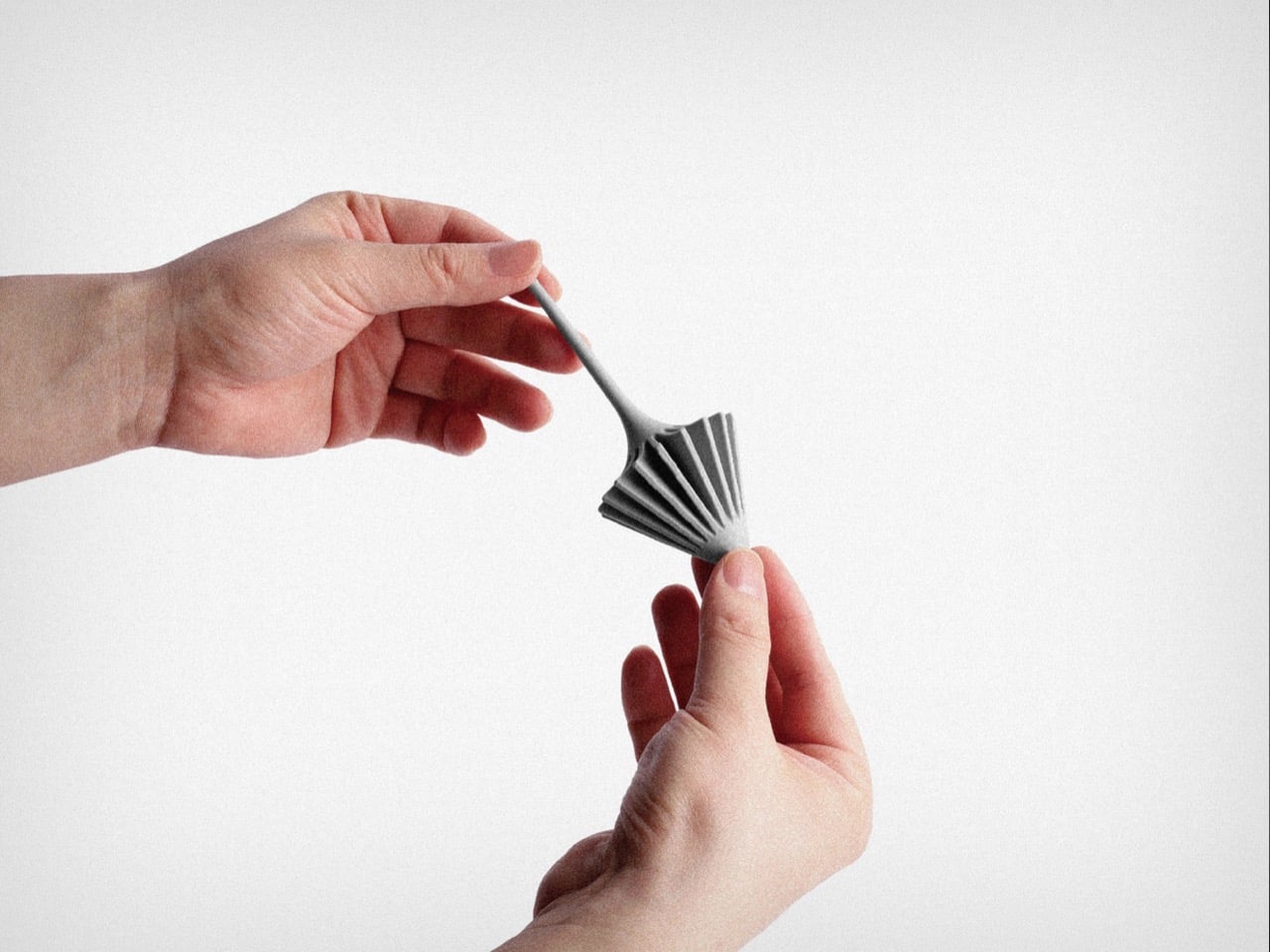
The design went through a serious spread of 3D-printed iterations before landing here, spirals, coiled forms, disc geometries, progressively refined rib configurations, all tested before SAQ arrived at the final fin arrangement. The finished object looks inevitable in the way that well-resolved designs always do, which is usually the clearest sign that the process behind it was anything but.
Seven years ago, Energizer walked into MWC 2019 with a phone that weighed as much as a small paperback novel and measured 18mm thick, all in service of an 18,000mAh battery. The P18K Pop became a symbol of the era’s battery ceiling: raw capacity was possible, but only at the cost of a device that felt like a punishment to carry. The engineering logic was blunt and honest. Lithium-ion cells have a fixed energy density, so the only way to scale up capacity was to scale up size. Energizer took that math to its logical extreme, produced a certified brick, and quietly cancelled the phone before it ever hit shelves. The tradeoff felt fundamental, almost physical, like a law of nature. Then silicon-carbon chemistry started rewriting the rulebook.
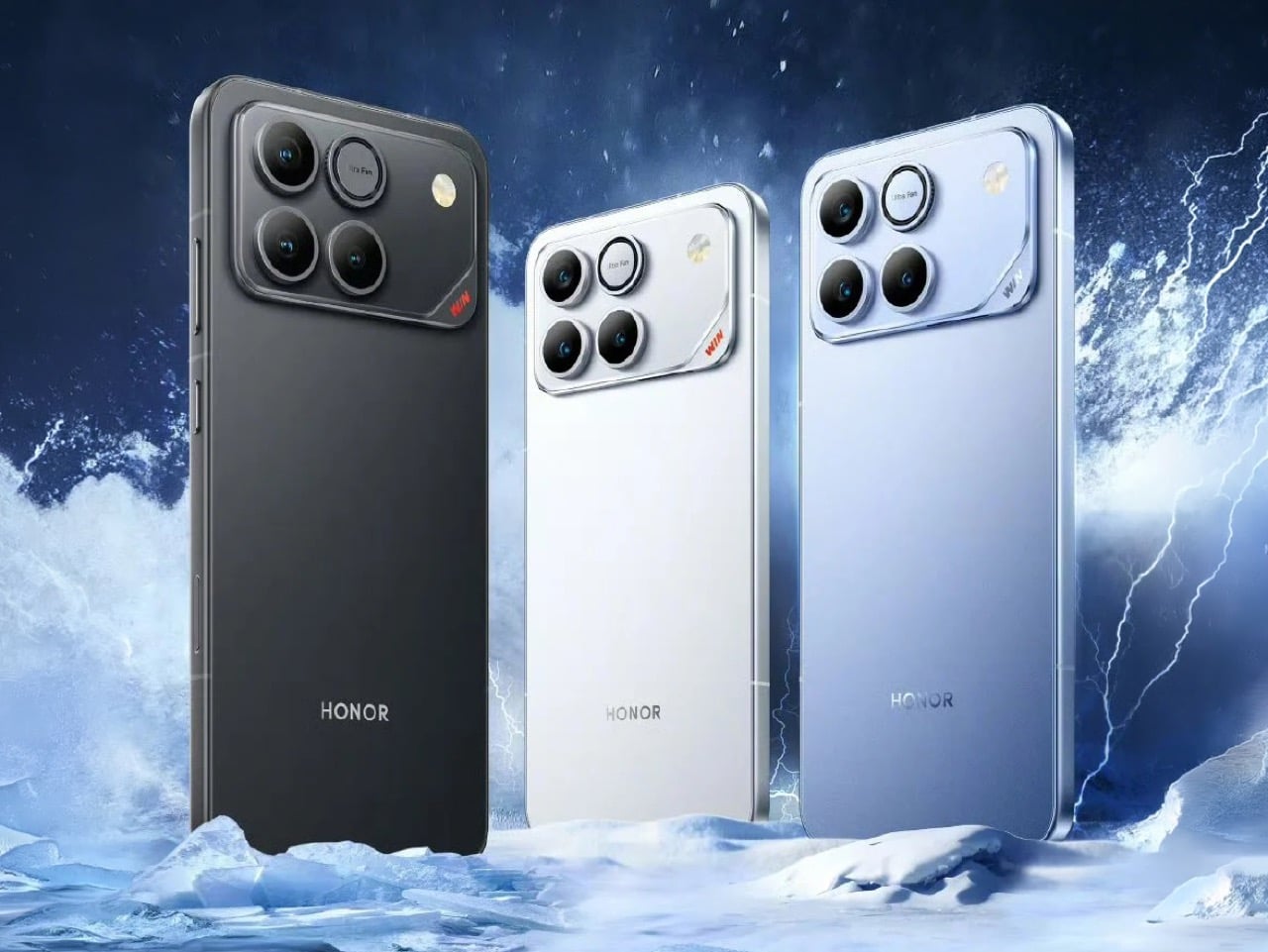
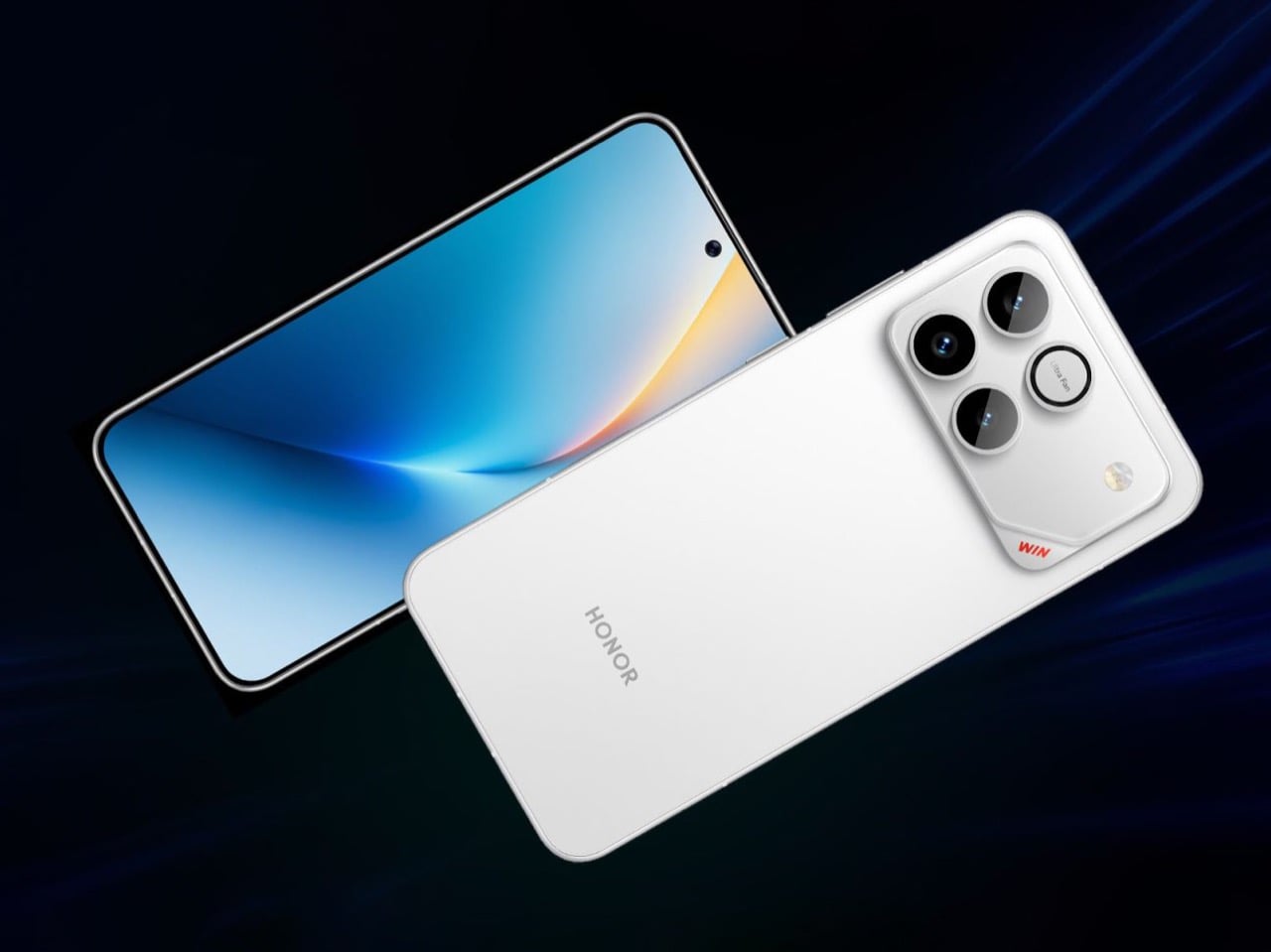
At MWC 2026, we went hands-on with Honor’s Magic V6 foldable and found ourselves staring at battery layers measuring 0.15mm thick, a silicon content of 32%, and a cell that delivered 6,660mAh inside one of the slimmest foldable phones on the market. That same materials platform is reportedly now scaling toward something significantly larger. A new leak on Weibo suggests Honor is testing a phone with a 12,000mAh battery, a figure that would set a new high-water mark for mainstream smartphones, as part of a pipeline that will reportedly expand the company’s 10,000mAh-plus lineup to seven devices total. The Energizer P18K Pop needed 18mm of thickness to reach 18,000mAh. Honor is apparently aiming for 12,000mAh in a phone you would actually want to carry.
Designer: HONOR
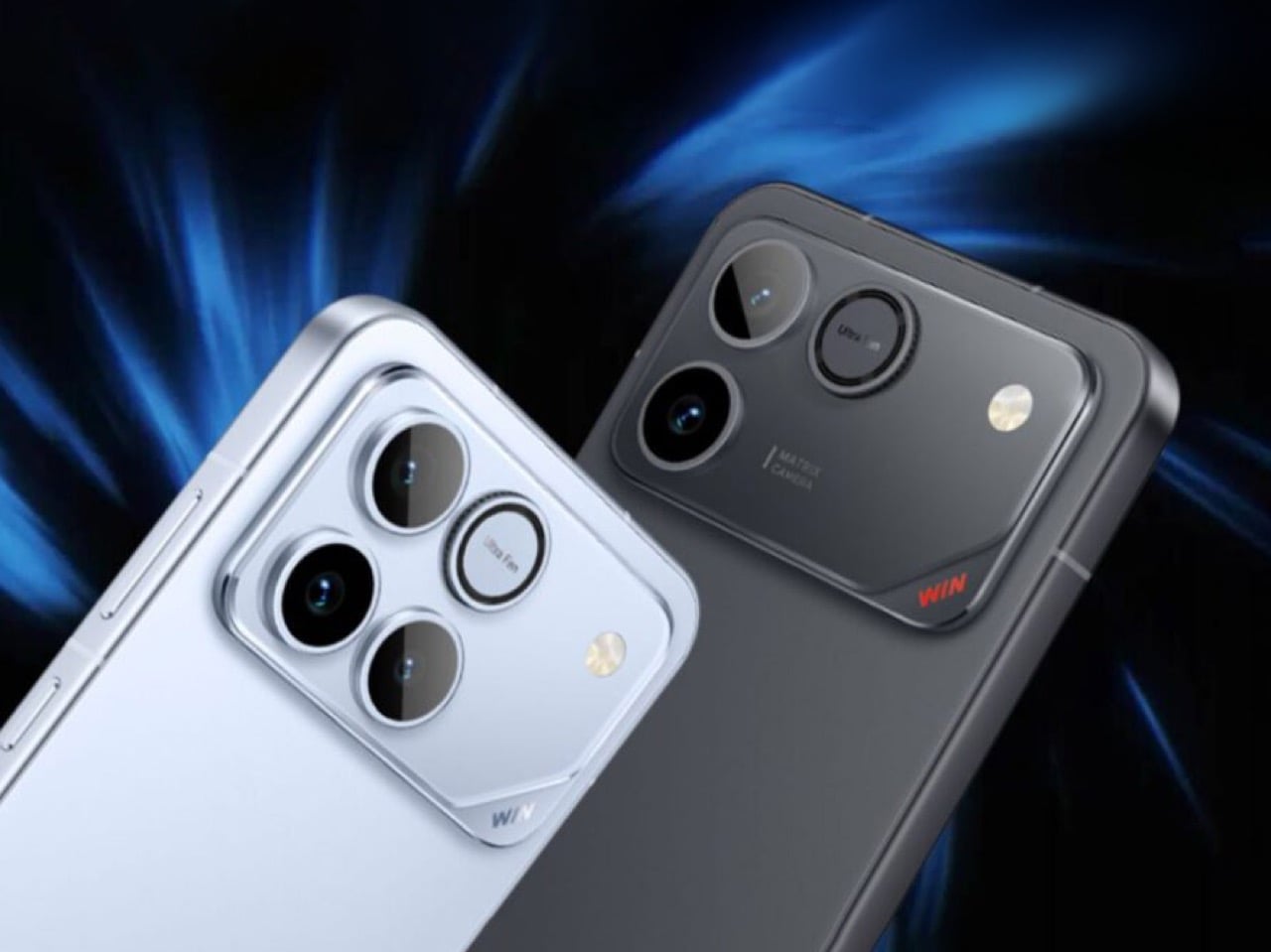
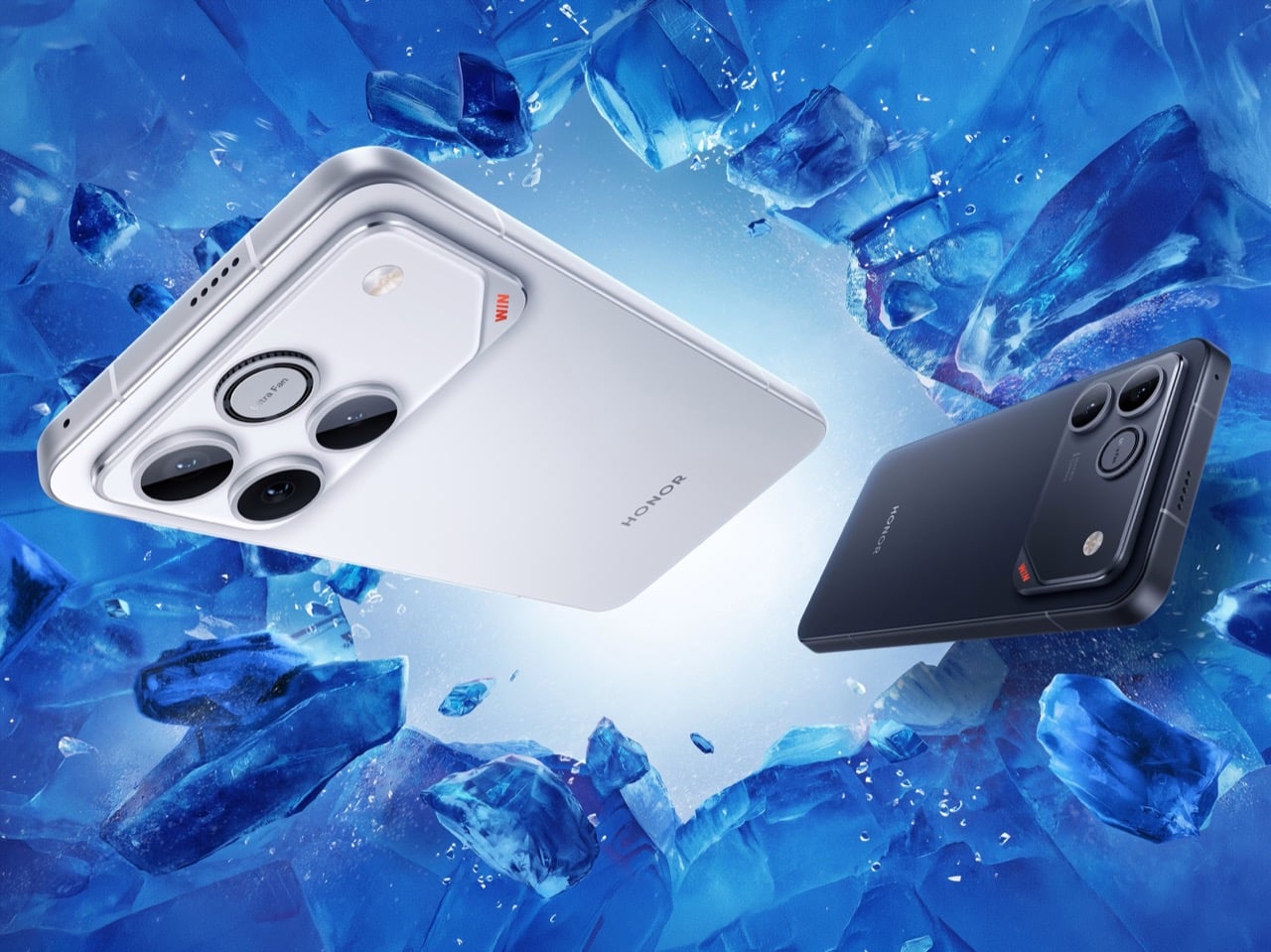
Three of the four existing 10,000mAh-class smartphones on the market already belong to Honor, with the only outsider being Vivo’s Y600 Pro at 10,200mAh. The leak doesn’t confirm product names, but rumors point toward the Honor X80, Honor Power 3, and a new WIN 2 series as likely homes for these big-battery ambitions. Oppo, Xiaomi, and Huawei are all reportedly working on their own large-capacity devices, but the approach is measured, one model each, released cautiously to test market appetite. Honor’s strategy reads differently. Seven phones in a single category is a portfolio play, a deliberate push to own the mental real estate around battery life the way Hasselblad owns it around mobile photography.
The 12,000mAh figure carries one genuinely hard engineering question: fast charging. A 10,000mAh cell already strains conventional thermal management at 65W or above, and 120W on a cell that size has historically meant a phone that doubles as a hand warmer. The dual-cell design reportedly being tested on a separate 10,000mAh model in this same pipeline is Honor’s likely answer to that problem, splitting the load across two cells to manage heat and charging efficiency simultaneously. Whether that architecture migrates to the 12,000mAh device as well remains unconfirmed, but the fact that Honor is testing both configurations in parallel suggests the company has thought carefully about the thermal math rather than just chasing the headline number. The Energizer P18K Pop chased the number. Honor appears to be chasing the phone.
The campsite is not a compromise. For a certain kind of person, the space between the trees gets the same deliberate attention as a living room — gear chosen for how it looks before dawn and how it performs after midnight. Memorial Day weekend is the season’s first real test of that instinct. These eight products are for the man who sets up camp with the same consideration he’d give a well-arranged shelf.
None of these are impulse buys. They’re the objects that earn a permanent spot in the pack — things you reach for every trip, not things that get forgotten in the garage. The sequence here runs from what you carry in your pocket, a titanium cylinder that glows for a quarter century without a battery, to what you use to cut the final rope of the night. A full campsite, deliberately assembled.
1. NoxTi
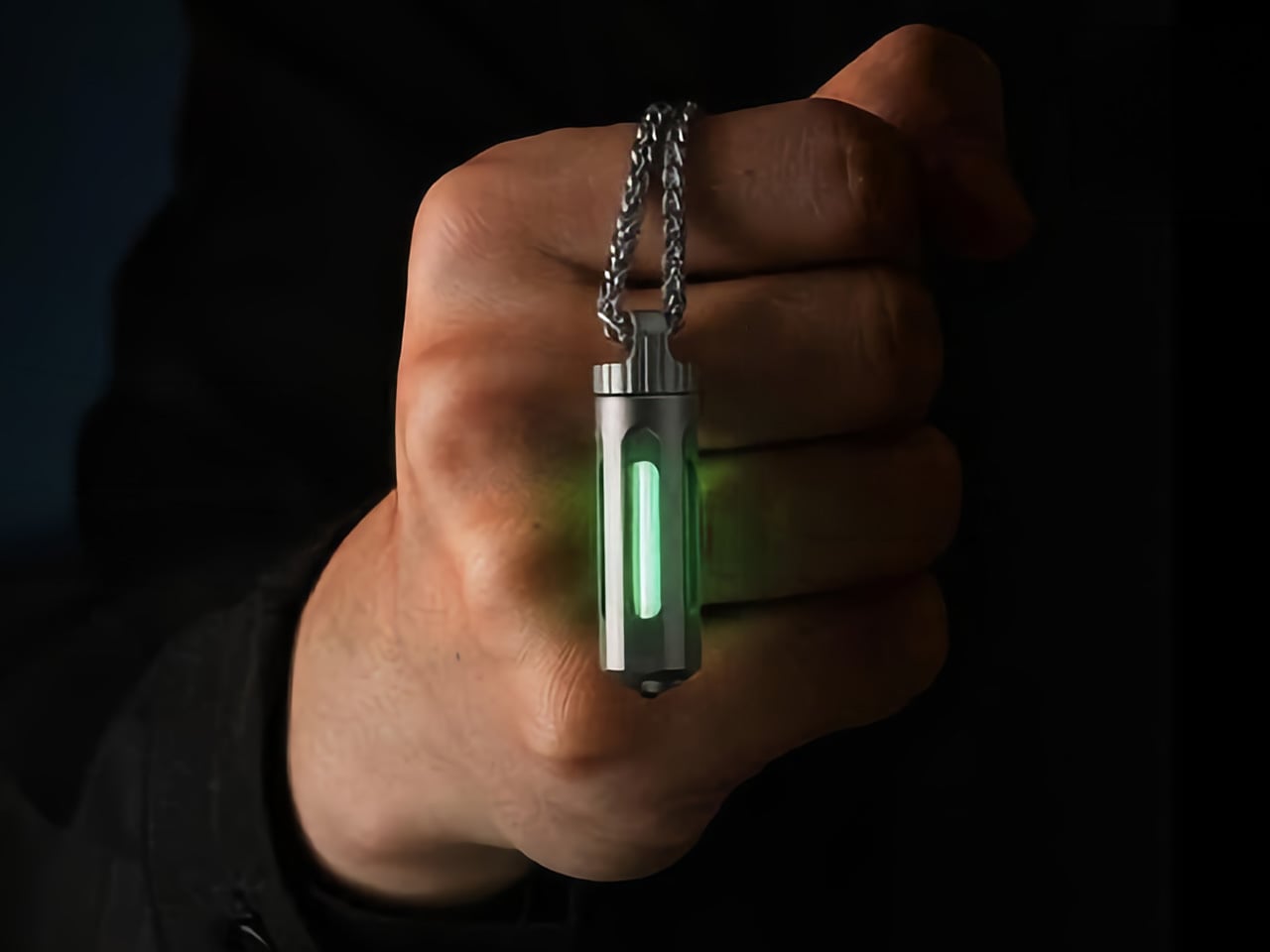
The NoxTi is a 45mm titanium cylinder that glows in the dark for 25 years without a battery, a charge, or any maintenance beyond replacing the tritium vial when it eventually dims two decades from now. The physics are not LED and not phosphorescent. Tritium is a radioactive isotope whose decay generates light continuously — the same principle behind military watch lume and nuclear exit signs. Xedge has machined this process into something that lives on your keychain.
The body is Grade 5 titanium — Ti-6Al-4V, the aerospace alloy — CNC-machined to tight tolerances with two silicone O-rings securing a quartz-protected vial that transmits 92% of available light. A ceramic-tipped glass breaker sits at one end. At 10.7 grams, it registers on the keychain the way a quality key does: present but not intrusive. Six color options run from Ice Blue to Sunset Orange. At camp, it tells you exactly where your keys are without reaching for your phone. That is the entire point.
What We Like:
Twenty-five years of continuous glow with zero batteries is a design achievement no other consumer lighting product can match
CNC-machined Grade 5 titanium with a field-replaceable vial system makes this effectively a permanent carry object
Six colorway options mean it reads as a design choice, not a utility clip
What We Dislike:
The glow is intentionally faint — it’s an orientation tool, not a navigation light, and expecting it to illuminate a path is a misreading of what it is
2. RetroWave 7-in-1 Radio
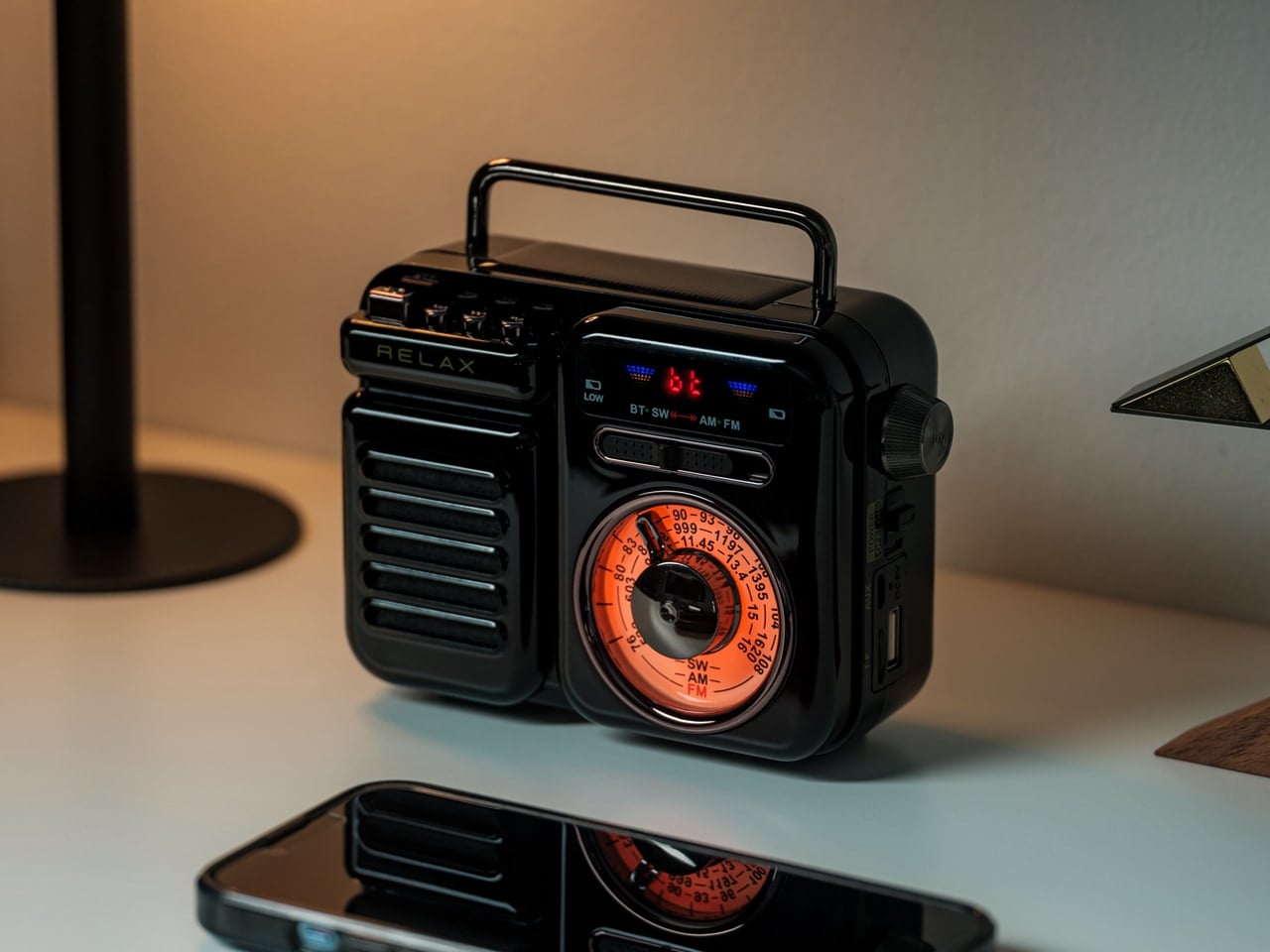
The RetroWave is seven things in one body: AM/FM/NOAA weather radio, Bluetooth speaker, USB charger, flashlight, reading lamp, SOS beacon, and clock. What makes it relevant for this list isn’t the feature count — it’s the form. The body is warm, compact, and tactile in a way that most multi-function gadgets simply aren’t. It looks like something discovered in a well-curated mountain cabin rather than panic-bought before a storm. That quality of looking chosen rather than grabbed is the distinction that matters here.
The hand-crank and solar charging panel mean the RetroWave can generate its own power, shifting it from a convenience item to a genuine piece of off-grid infrastructure. Up to 20 hours of radio playback on a full charge gives you a real entertainment window across the whole weekend. At $89, it sits at exactly the right price for a camp staple — the kind of thing that earns a permanent place in the bag because removing it would feel like forgetting something essential.
Hand-crank and solar charging make this fully self-sufficient — no cables, no wall outlet, no dependency on a power bank that itself needs charging
The warm retro form makes it the one piece of gear on the table that reads as a design decision rather than a utility purchase
NOAA weather radio is genuinely useful emergency infrastructure, not a gimmick
What We Dislike:
The Bluetooth speaker is functional, but won’t satisfy audiophiles
3. Haven Spectre
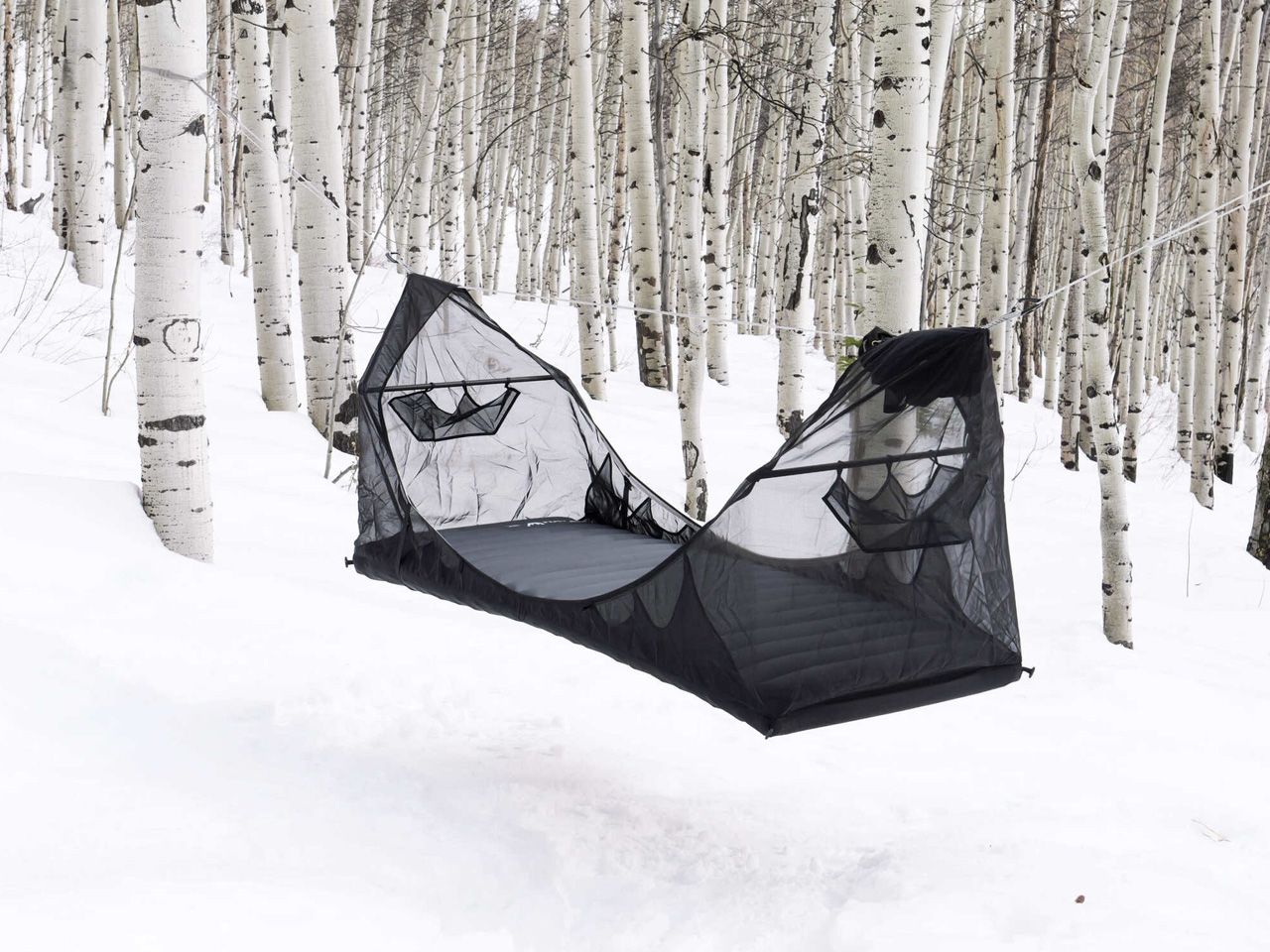
The Haven Spectre solves the problem every hammock sleeper knows: the banana curve. Traditional hammocks fold your body into a shape your lumbar tolerates for an hour and resents for the rest of the trip. The Spectre uses carbon fiber spreader bars and Monolite mesh panels to hold you flat — the same sleep position as a proper bed, suspended between two trees. At 4 pounds 4 ounces for the full kit, it’s lighter than most sleeping bags at a fraction of the pack footprint.
The Spectre includes a Silpoly rainfly, interior mesh pockets, an internal ridgeline for hanging gear, and an external sling for footwear. The mesh walls give you a full 360-degree view of wherever you’ve camped, which is either the point or not — the Spectre doesn’t decide that for you. Haven prices this from $485 with a 285-pound weight capacity and a packed size of 16 by 7 by 5 inches. For the man who considers where he sleeps as carefully as where he sits, this is the right answer to the right question.
What We Like:
Carbon fiber spreader bars deliver a genuinely flat sleep position that no conventional hammock can replicate — this is the difference between sleeping in a hammock and sleeping on one
The full kit, coming in under 4.5 pounds, is a meaningful spec for anyone packing in on foot
360-degree mesh walls make wherever you camp feel worth waking up inside
What We Dislike:
From $485, this is the most expensive item on the list and reflects a very specific solution to a very specific problem — it’s not the entry point for casual hammock camping
Setup requires two trees at appropriate spacing, which means the terrain selects you as much as you select it
4. All-in-One Grill
The All-in-One Grill is made in Japan from stainless steel, and it carries that origin in its proportions. This is not a portable grill that apologizes for being portable — the construction is taut, the lines are clean, and the 11.8-inch base feels proportioned rather than compromised. It functions as a grill, a pot, and a smoker through a modular lid system, which means the same object that handles your morning eggs can be doing low-and-slow work by mid-afternoon. That’s a significant range for one piece of equipment.
At $449, this is the investment piece of the list, and it earns that position through longevity rather than novelty. Stainless steel built to Japanese manufacturing standards doesn’t warp, doesn’t corrode, and doesn’t develop the hot spots that ruin cheaper grills after a single season. The thick plate grill net and included pot lid for steaming and smoking mean you’re not returning for accessories down the line. Compact enough for a car boot, deliberate enough for a kitchen shelf once camping season ends.
Three distinct cooking modes — grilling, pot cooking, and smoking — from a single compact body is the kind of functional intelligence that makes you question why other portable grills are built the way they are
Japanese stainless steel construction is built for decades of use, not seasons
The proportions are clean enough that this sits on a kitchen counter without embarrassment when camping season ends
What We Dislike:
The compact dimensions are ideal for two; feeding a larger group requires patience between rounds and a considered approach to sequencing what cooks when
5. Olight Baton 4
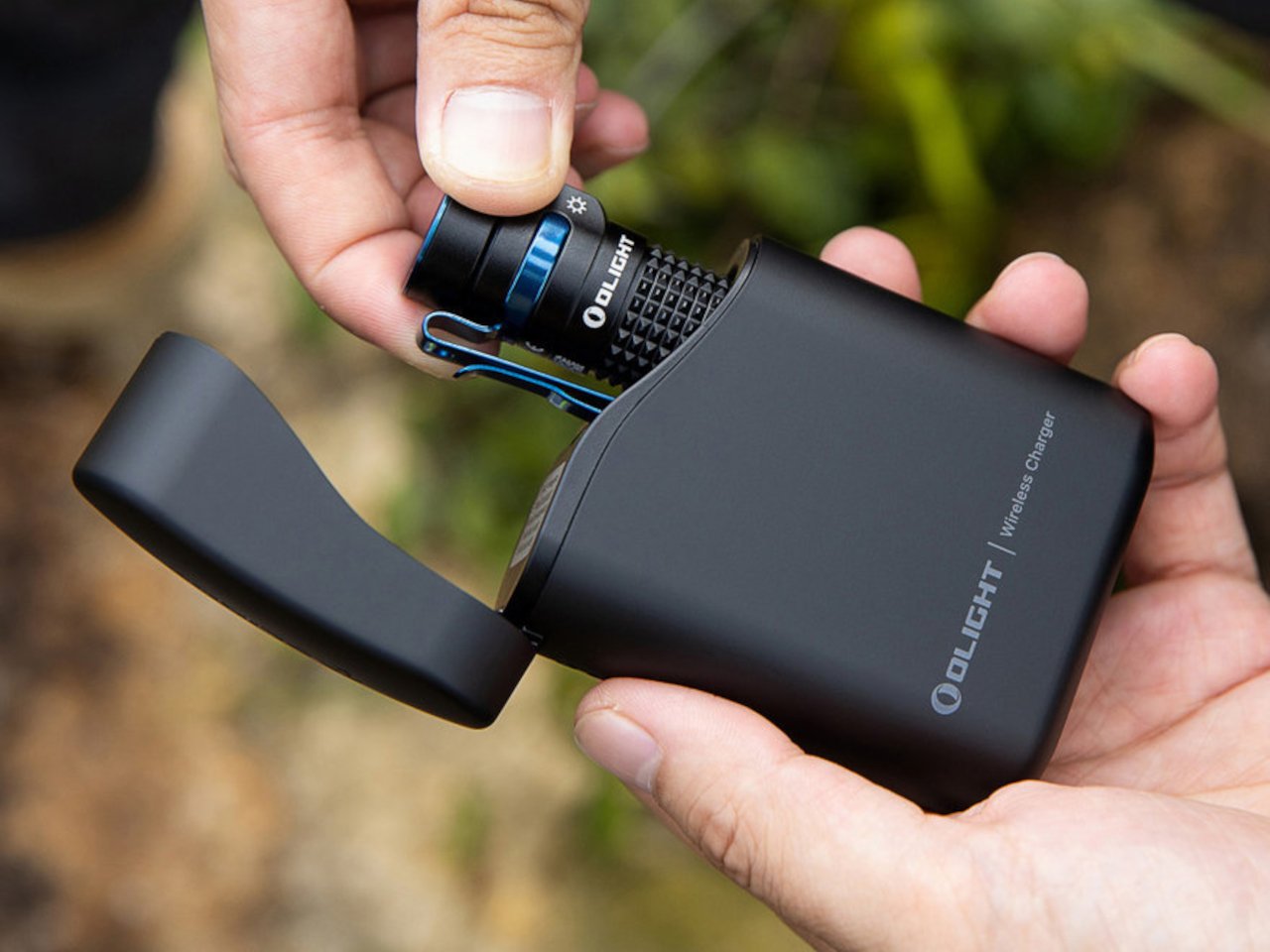
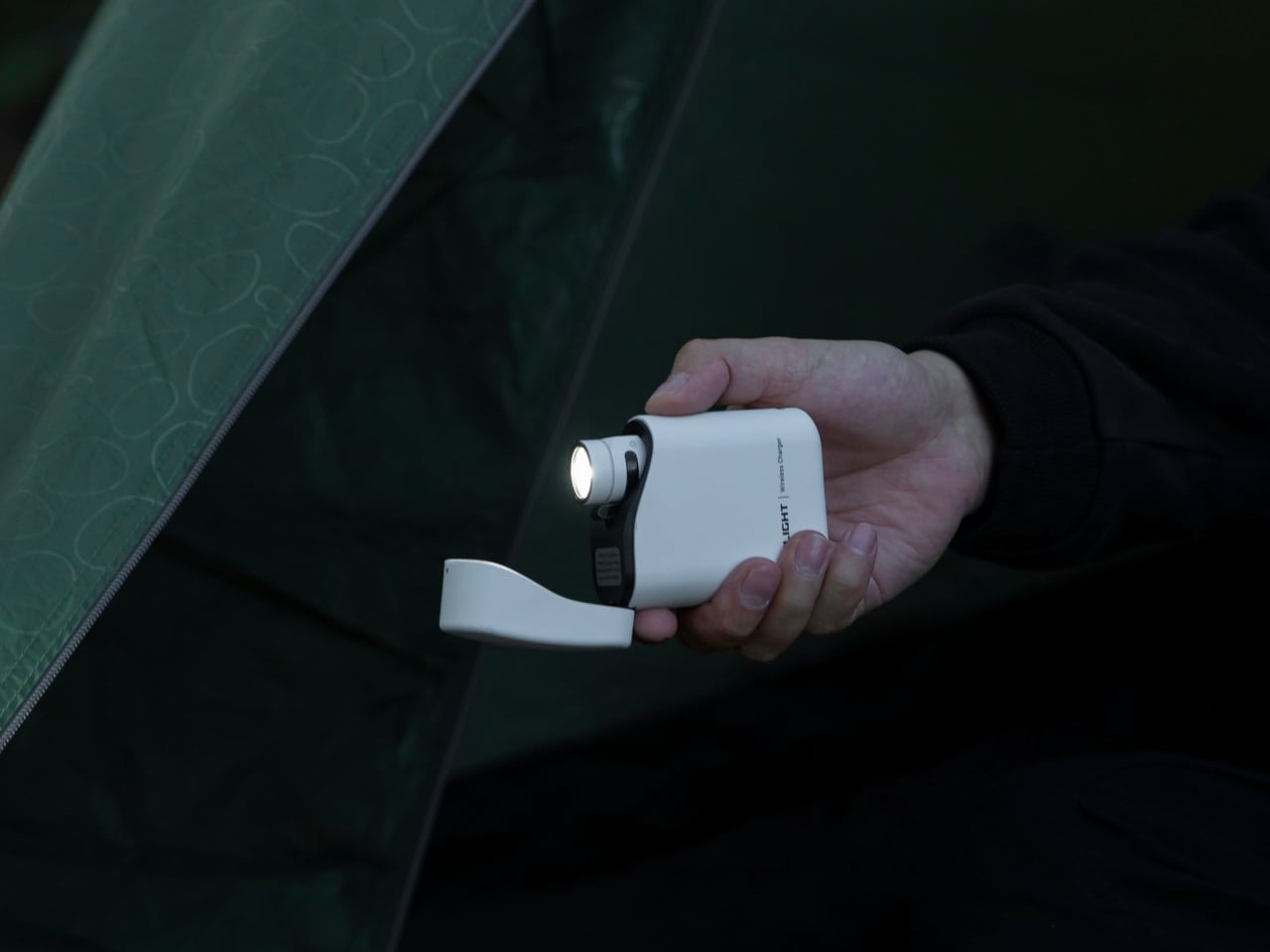
The campsite flashlight is the object most people under-invest in, and the one they most regret the moment the sun drops. The Olight Baton 4 is the correction to that habit. At 1,300 lumens from a body not much larger than a lighter, it puts out more light than most people realize is possible at this price. The magnetic charging case doubles as a 5,000mAh power bank, meaning the Baton arrives at the campsite charged and stays that way across the full weekend without drama.
What earns the Baton 4 its place here over cheaper alternatives is Olight’s attention to the carry experience. The clip sits deep in the pocket, the button has a deliberate texture that works with gloves, and the machined body feels significantly more expensive than $54.99. Five brightness modes cover everything from reading in a tent to lighting a path fifty meters out in total darkness. It disappears into your pocket until the moment it becomes the most important thing at your site.
What We Like:
1,300 lumens from a body small enough to forget about until needed is a remarkable engineering result at this price
The charging case solving two problems — storage and backup power — with one purchase is exactly the kind of design thinking that creates long-term loyalty
Five brightness modes mean the Baton handles reading light and trail light from the same pocket object
What We Dislike:
The charging case adds bulk that doesn’t sit comfortably alongside the light in a single pocket — you carry them separately or leave the case in the bag
USB-C charging is reserved for the newer Pro model; the base Baton 4 uses a proprietary magnetic connector
6. Stanley Perfect Pour Over Brew Set
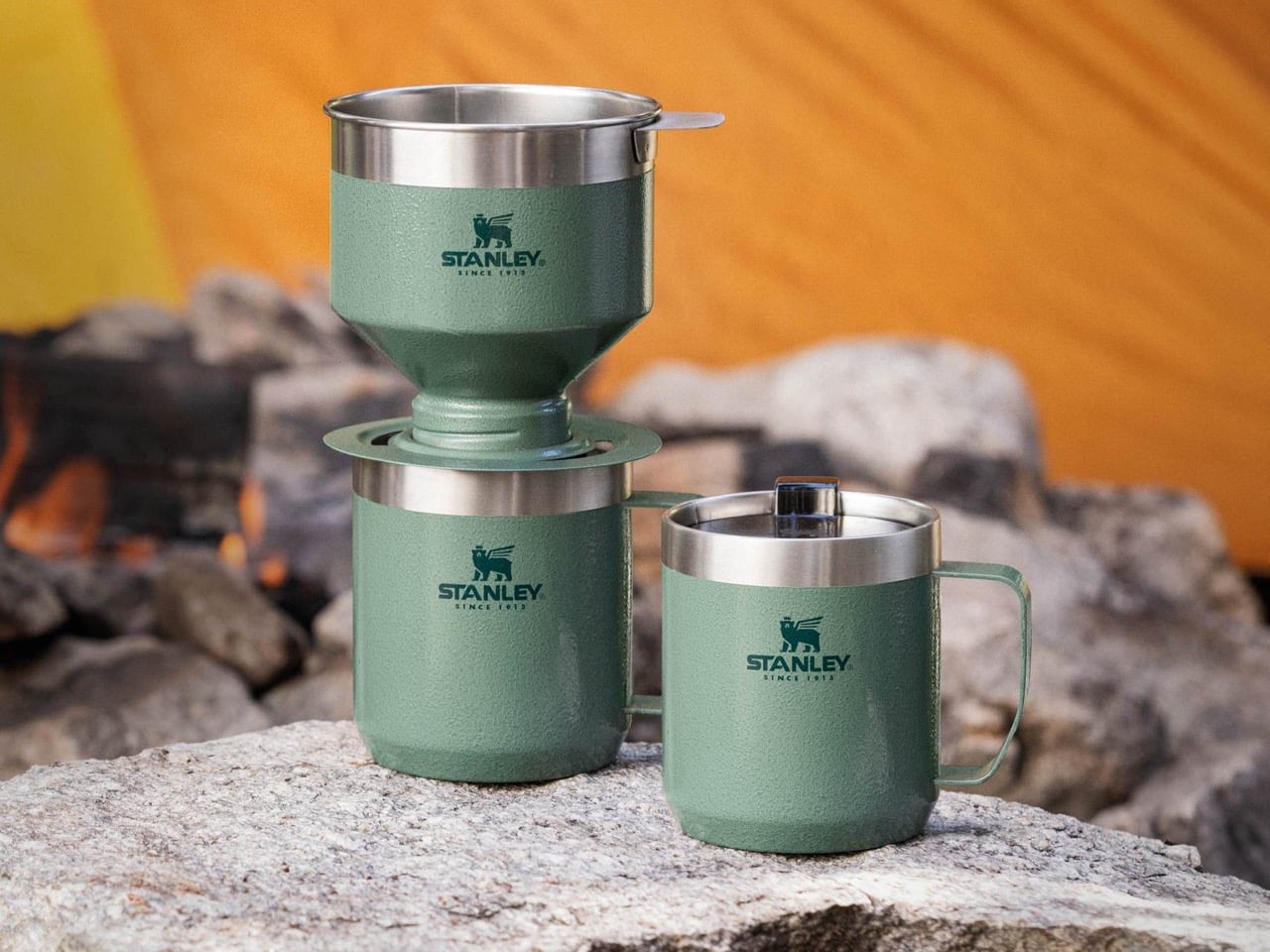
The Pour Over Brew Set strips the morning ritual down to its essentials: a stainless steel cone filter, a cup base that doubles as your vessel, and nothing disposable. No paper filters, no waste, no fragile glass sitting at risk on a folding table. You grind your beans, pour your water, and the coffee lands in a Stanley cup ready for the day. The whole thing stacks into itself, making it one of the most compact brewing systems available for outdoor use.
What separates this from the sea of portable coffee gadgets is Stanley’s refusal to compromise the cup. The base isn’t an afterthought — it’s the same vacuum-insulated construction as the tumblers the brand built its reputation on. Your coffee stays genuinely hot for hours, which matters less at a kitchen counter and considerably more at a campsite at 6 am with the temperature still in the low thirties. At $79.99, it’s one of the most honest objects on this list: built to last, built to be used every single morning.
What We Like:
The metal cone filter eliminates disposables — no paper filters, no emergency store runs mid-trip
The vacuum-insulated base keeps coffee hot well past the pour, which at altitude and in cold morning air is less a luxury than a necessity
The whole system stacks into itself with nothing left over — it’s one of the tidiest pack-and-go brewing solutions available
What We Dislike:
This is a single-cup system — group camping requires multiple sequential pours, and the output speed depends heavily on grind size, which takes some practice to dial in correctly
It’s a ritual for one, not a breakfast solution for four
7. CIVIVI Button Lock Elementum II
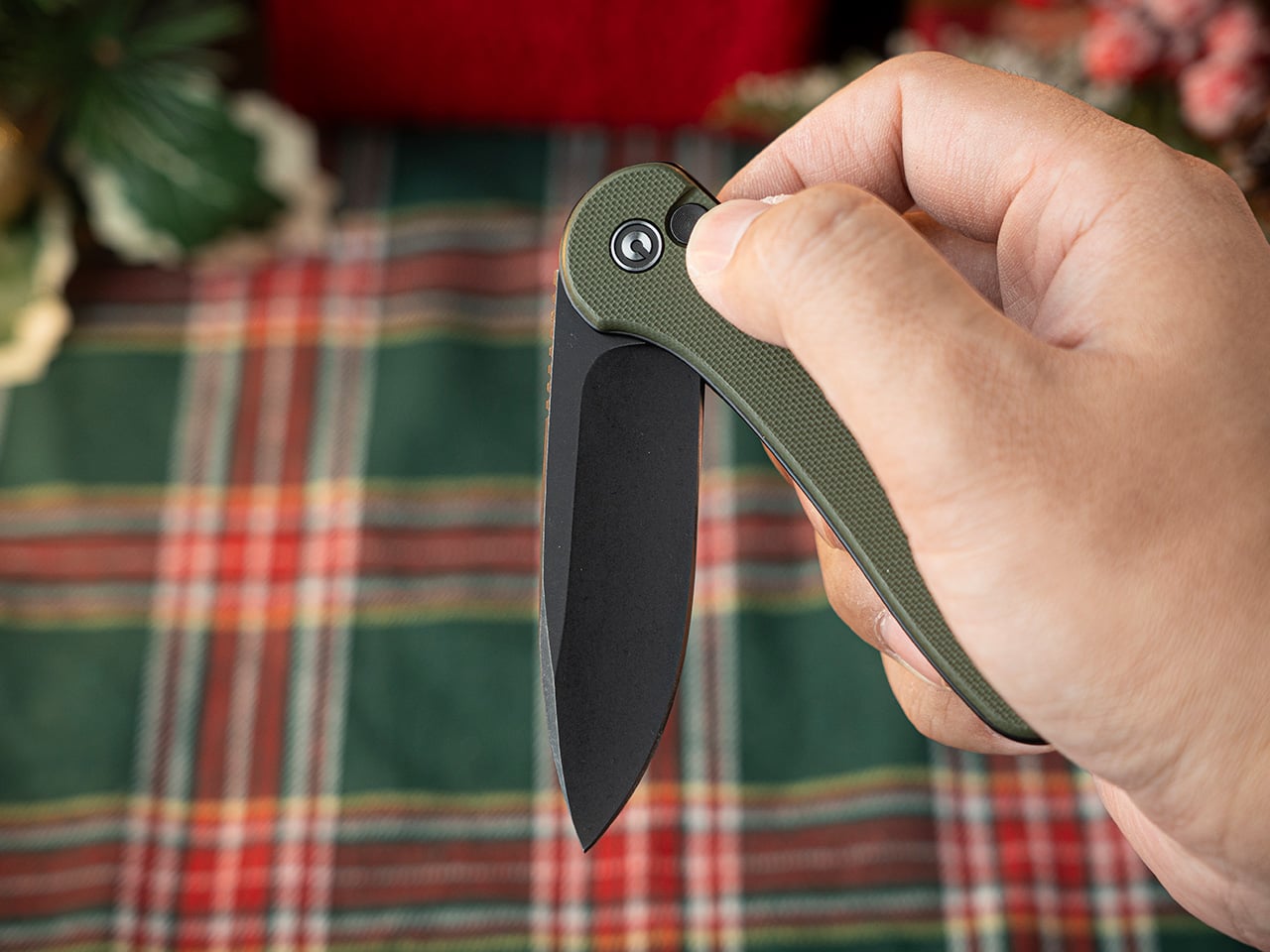
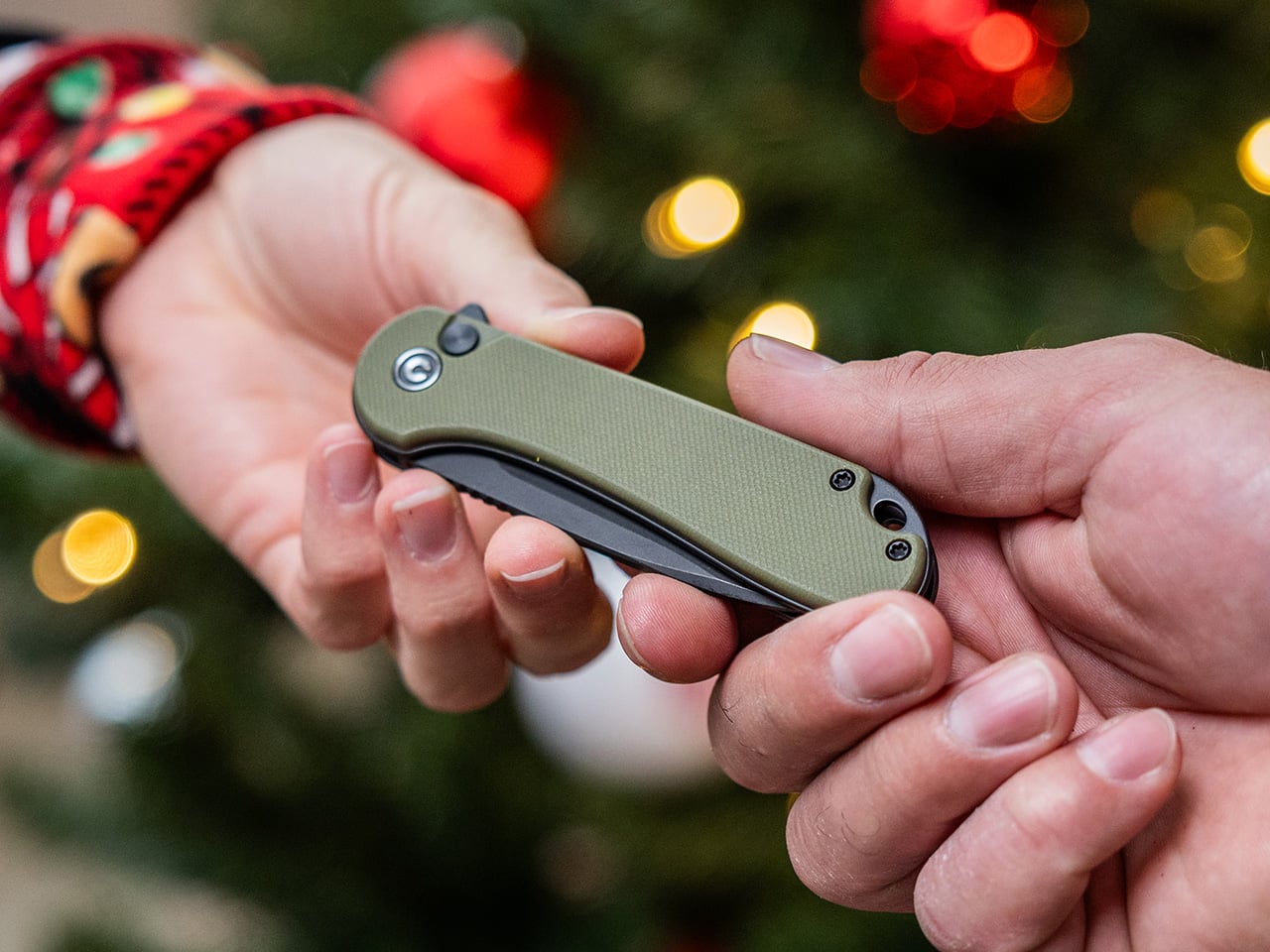
A camp knife earns its place not through drama but through frequency: the rope that needs cutting, the package that won’t open, the branch that wants trimming. The Elementum II handles all of that without demanding attention. At 3.12 ounces with a 3-inch Nitro-V steel blade, it carries like it isn’t there until the moment you need it. The button lock opens single-handed — a detail that sounds minor until you’re holding something else with the other hand.
CIVIVI’s design language is where this knife punches well above its price point. The G10 handle scales sit flush against titanium-anodized liners, and the overall profile is lean enough to disappear in a front pocket without printing. Nitro-V holds an edge longer than the VG-10 steel found in knives twice the cost.
What We Like:
The button lock deploys cleanly one-handed every time, and the deep-carry clip keeps the knife invisible in a pocket without shifting during a full day of activity
Nitro-V edge retention is genuinely better than anything in this price bracket has any right to deliver
The slim profile and anodized liner finish make this look like a $150 knife in hand
What We Dislike:
At 3 inches, the blade sits at the shorter end for heavier camp tasks — batoning or breaking down larger cuts of food will show its limits quickly
G10 color options are conservative for a knife that otherwise looks this considered
8. Marshall Kilburn III
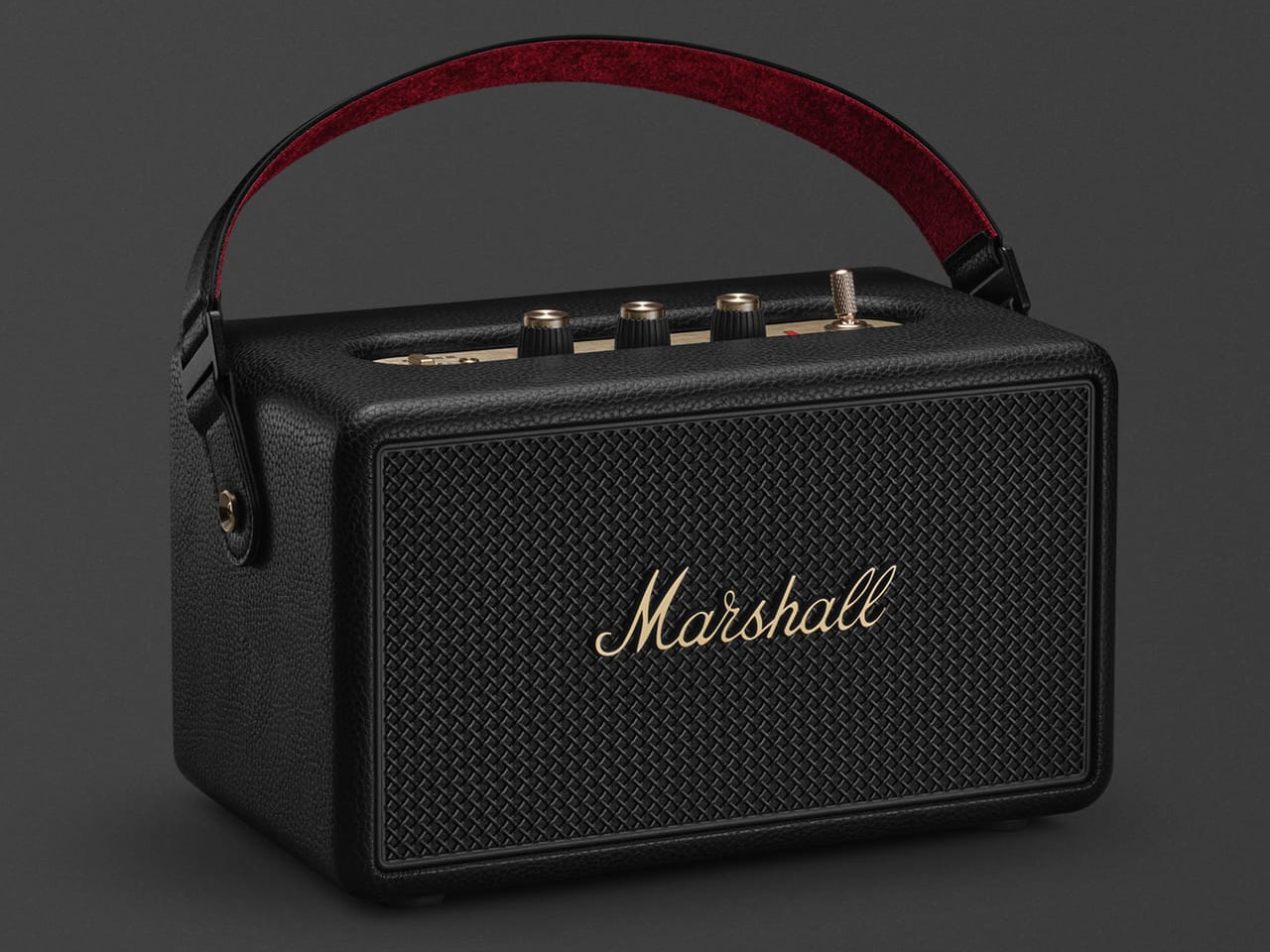
The Kilburn III is what happens when a speaker brand takes outdoor audio seriously without abandoning the aesthetic identity that made it recognizable. The guitar amp proportions, the gold script logo, the herringbone strap — these aren’t cosmetic decisions bolted onto a utility product. They’re what make the Kilburn the speaker people leave sitting on the picnic table rather than packing back into a bag. At 40 hours of battery life, you don’t need to manage it across a long weekend. It simply plays.
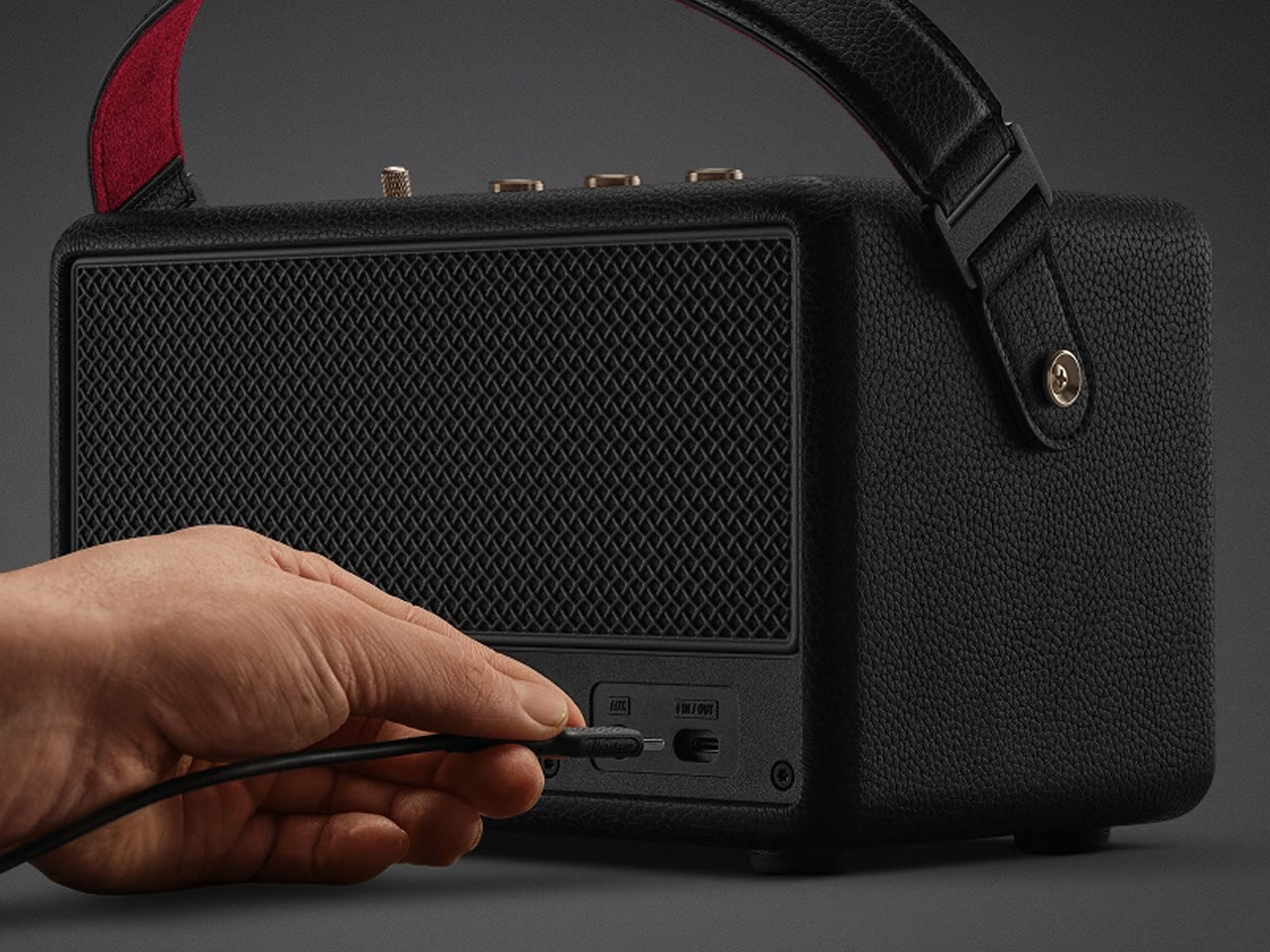
Where the RetroWave Radio earns its place through versatility, seven functions, self-sufficient power, and emergency utility, the Kilburn earns its place through one thing done exceptionally well. If music is the reason you’re packing a speaker at all, this is the one that justifies the weight. The Kilburn III adds reverse charging to its feature set, meaning it can top up your phone or flashlight from its own battery, a practical outdoor function that speakers at this price point rarely bother to include. The sound is tuned for open space rather than indoor rooms: the wider the environment, the more the Kilburn opens up and fills it.
What We Like:
Forty hours of battery across a weekend means you set it down Friday afternoon and don’t think about charging it until Monday
Reverse charging turns the speaker into backup power for other gear — a thoughtful outdoor feature that makes the price easier to justify
The design holds up on a picnic table the way it does on a shelf — it looks like it belongs wherever you put it
What We Dislike:
At 2.6 kilograms, the Kilburn III is a car-camping speaker — backpackers need not apply
The $379.99 price demands a committed relationship with good outdoor audio; this is not the speaker you buy casually
Pack Well, Camp Better
The best campsite doesn’t happen by accident. It’s the result of eight or ten or twenty decisions made before you leave the driveway — what you bring, how it’s designed, and whether the sum of those choices creates something that feels assembled with genuine intention. Every product on this list earns its place through that logic: not because it has the most features or the most impressive spec sheet, but because it’s worth carrying, worth using, and worth looking at.
Memorial Day weekend is three days. That’s enough time for coffee at dawn, a full day over the grill, an evening of music around a fire, and a night spent flat in a hammock looking at whatever sky you drove to find. These objects exist to make those three days feel less like roughing it and more like the kind of life you’d choose if you designed one deliberately. Pack well.
Battery anxiety has become a familiar part of modern daily life. Smartphones, wireless earbuds, tablets, and handheld gaming devices all run down faster than most people expect, and the window between a full charge in the morning and a dead battery by mid-afternoon keeps shrinking. Portable chargers exist precisely to solve that, but most of them are still too thick and heavy to carry comfortably every day.
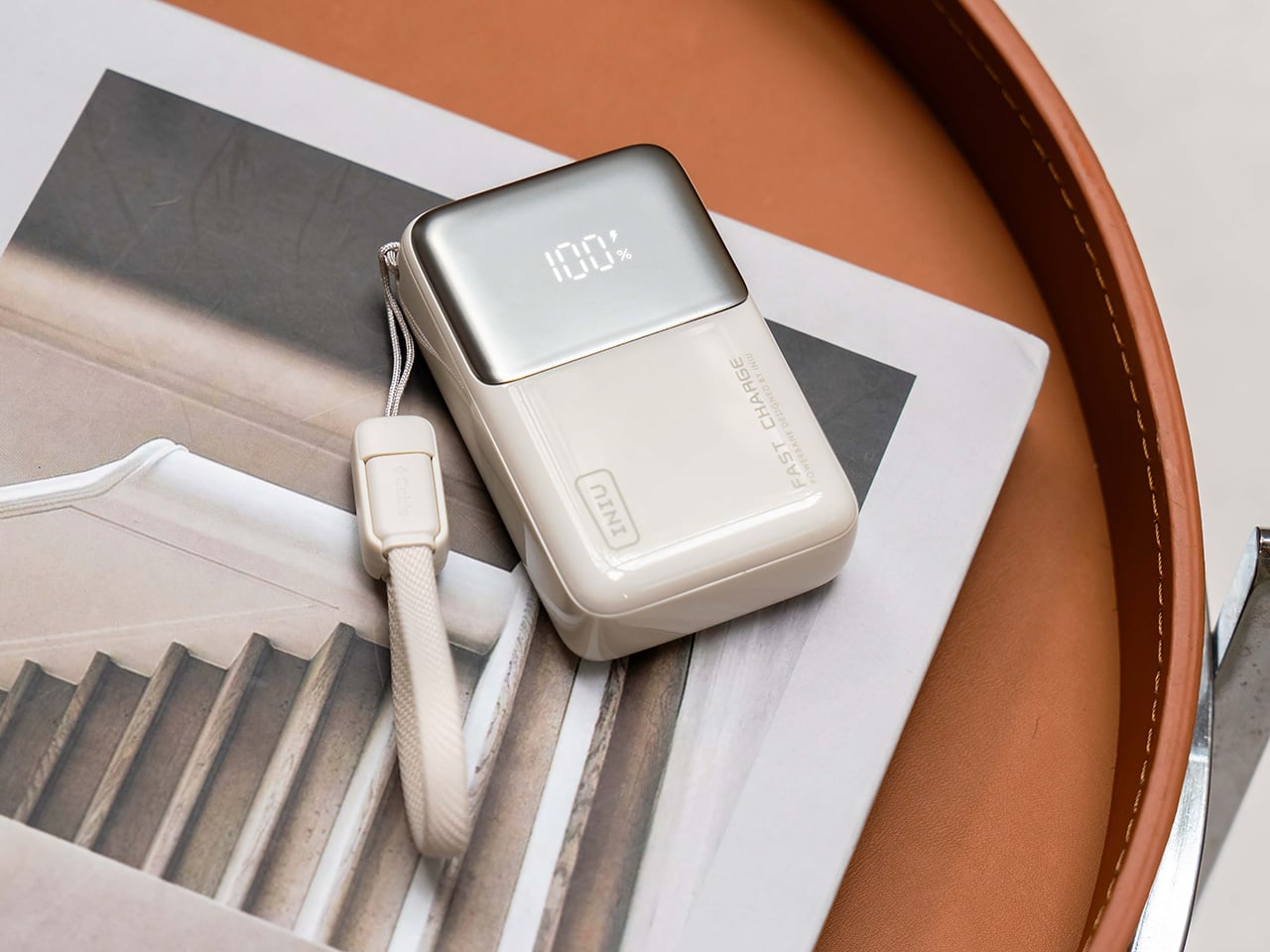
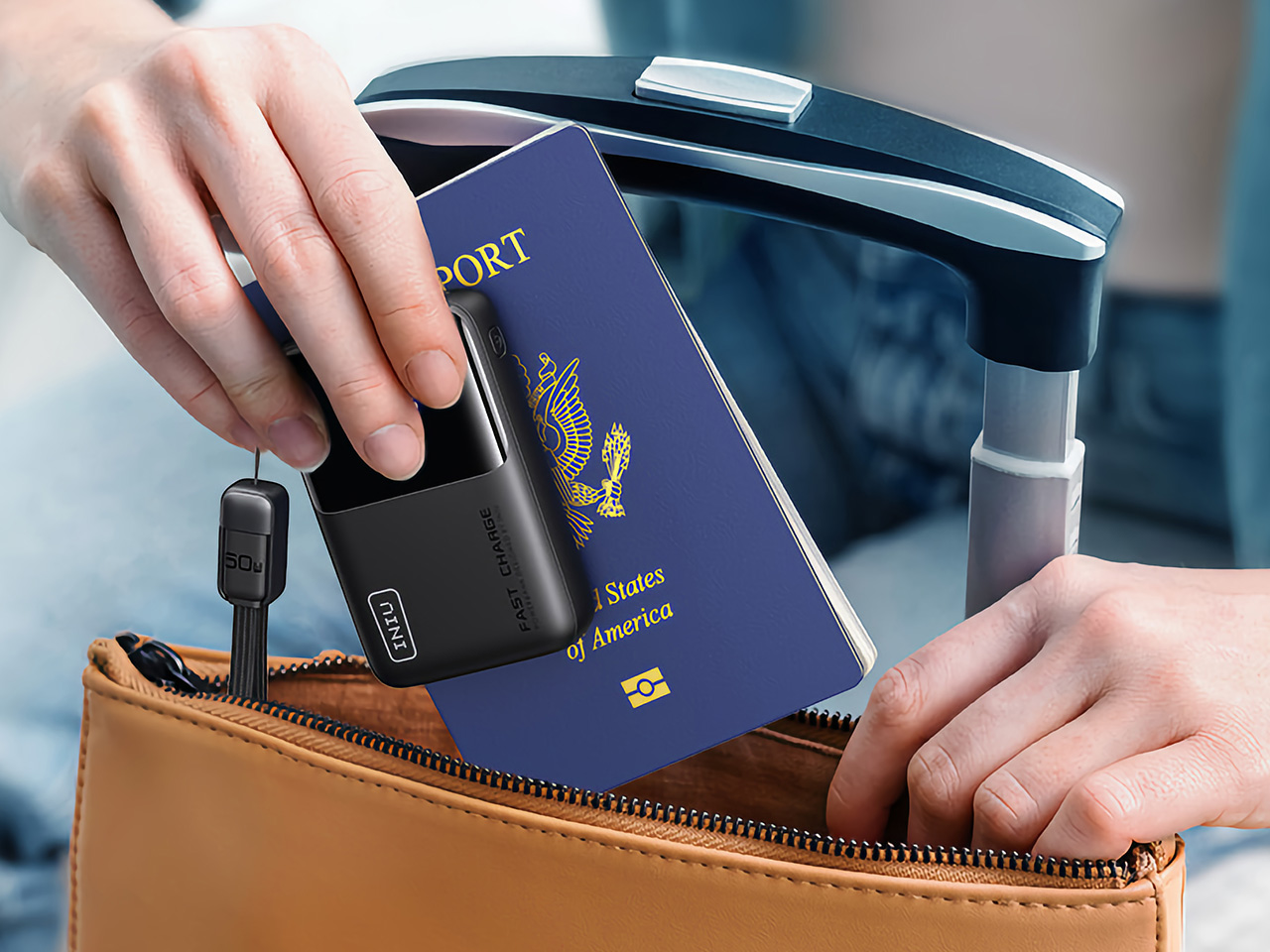
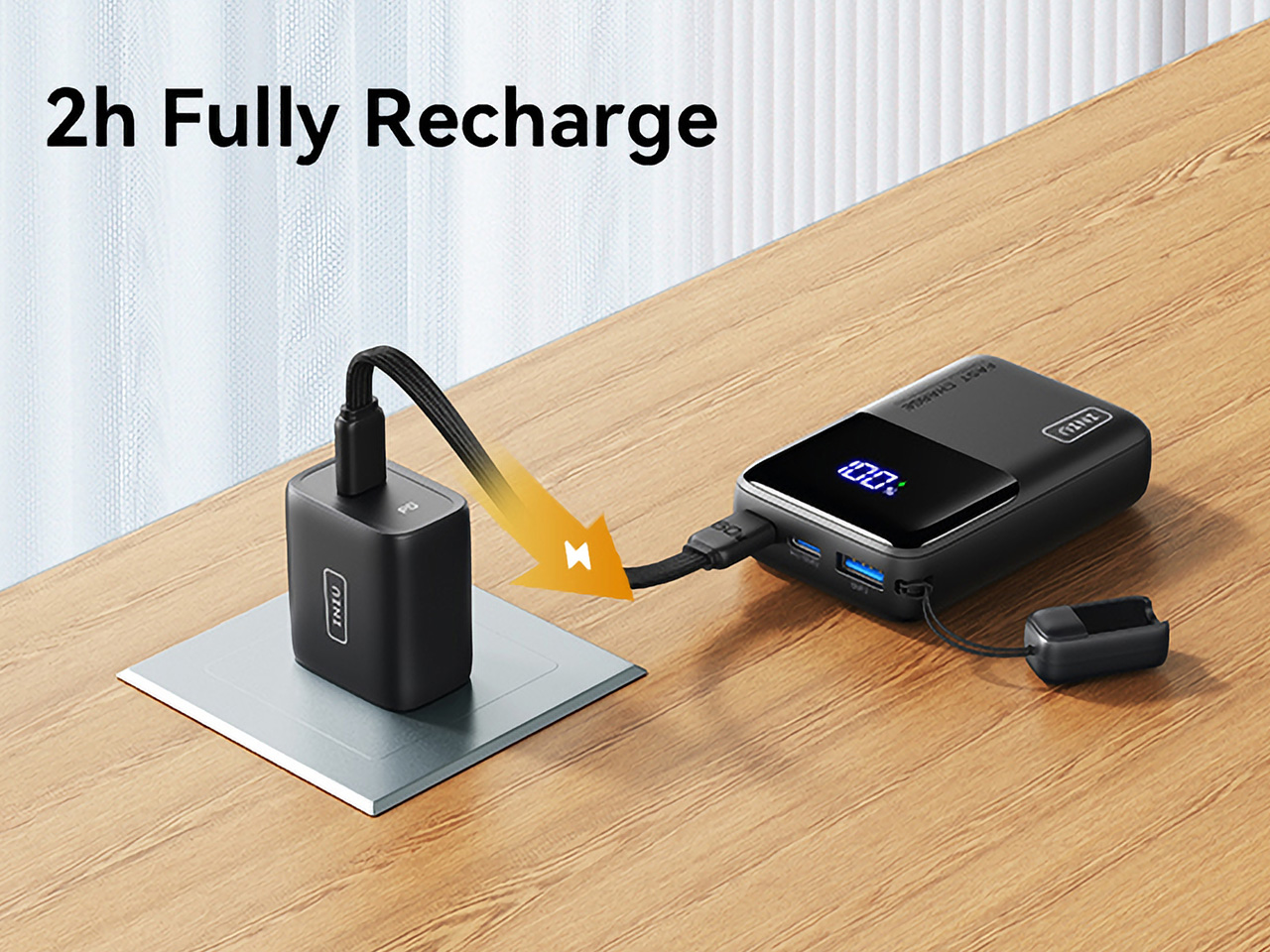
The INIU Pocket Rocket P50 tries to change that calculation. It’s a compact 10,000mAh power bank with 45W fast charging, packed into an ultra-light 160g body that’s small enough to fit in a pocket. With advanced thermal management for stable charging on the go and a built-in USB-C cable for ease of use, INIU built it around a fairly straightforward premise: the best backup charger is the one you’ll actually have with you when you need it most.
Think about the kind of day that starts early and doesn’t slow down. You’re out the door before your phone is fully charged, the bag’s already heavier than you’d like, and by mid-morning, the battery indicator has already started to creep downward. Having the INIU P50 Pocket Rocket in your pocket means you don’t have to plan around outlets or change your route just to find somewhere to charge.
Travel is another situation where the INIU P50 earns its keep. Long airport layovers, train rides, and road trips have a way of draining devices faster than expected, and spending time hunting for a free outlet while juggling luggage isn’t how anyone wants to spend their time. With its compact and lightweight 160g body, this 10,000 mAh portable charger fits easily into a carry-on or daypack without taking up the kind of space better reserved for actual travel essentials.
Of course, a small form factor only tells part of the story. The 45W fast charging is what keeps the INIU P50 Pocket Rocket from feeling like just a novelty. That’s fast enough to charge an iPhone 17 to 70% in 25 minutes. Rather than slowly inching a phone battery up over an hour, it pushes out enough power to make a noticeable difference in a short window, which is exactly what most people need when they’re moving between tasks with little time to spare.
Whether it’s a quick top-up during a lunch break, a longer charge during a flight, or just keeping a pair of earbuds alive through a long afternoon of calls, the speed makes those short windows count for more. It shifts the INIU P50 from something you carry just in case to something that actively keeps your devices running through whatever the day ends up looking like.
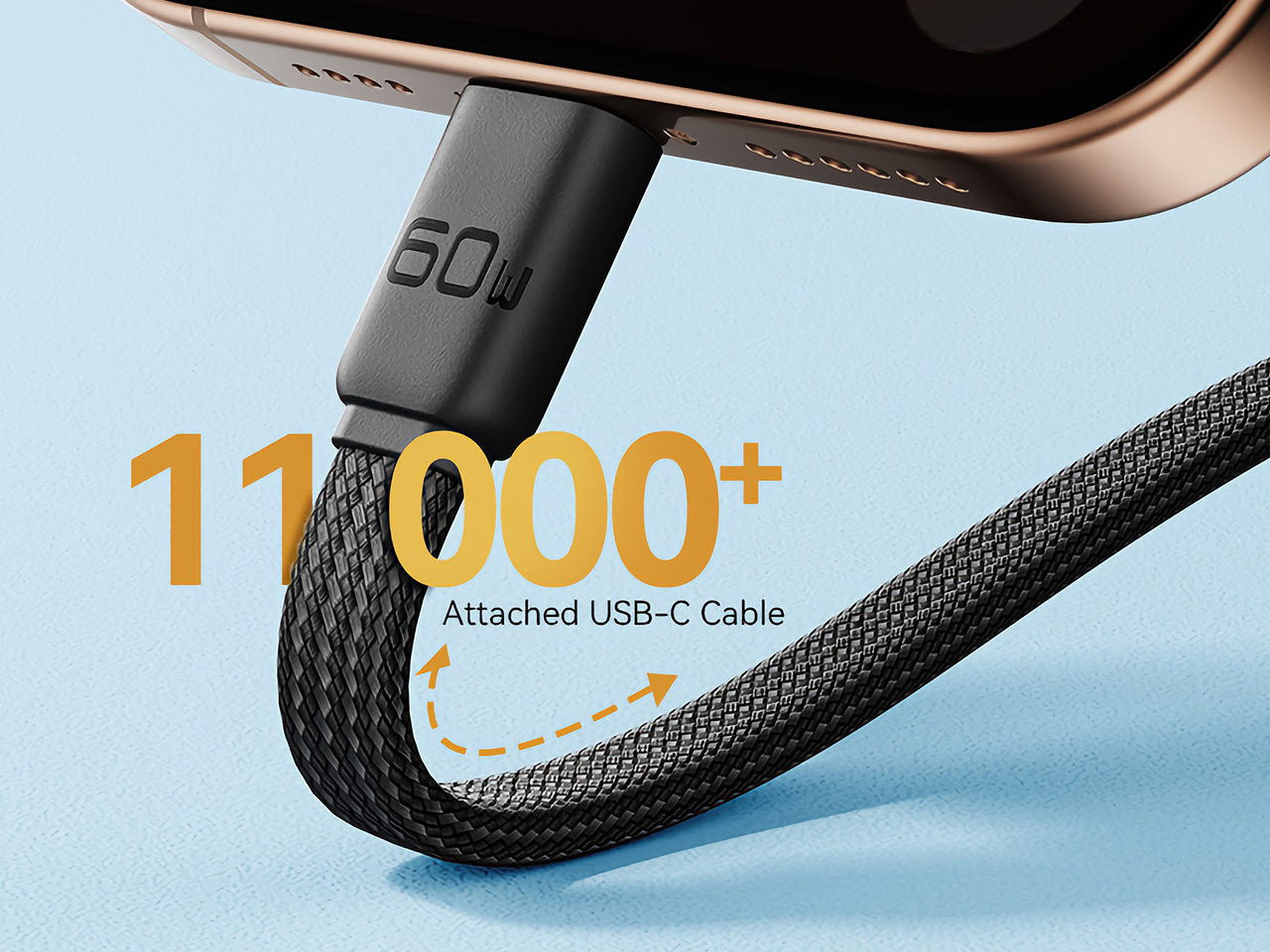
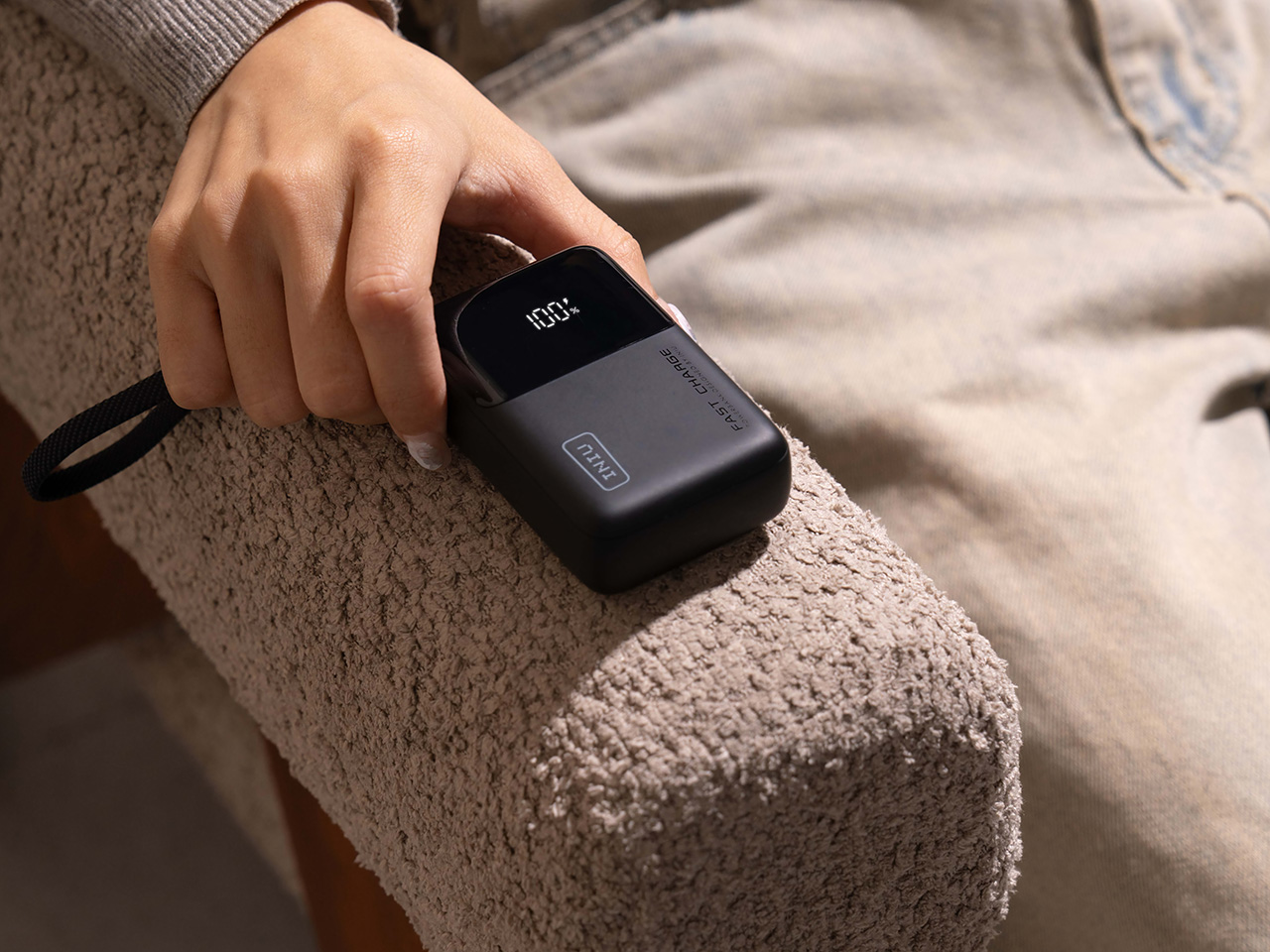
Not every feature on the INIU P50 is about speed or capacity. There’s a USB-C GoCord lanyard cable that’s integrated into the unit but detaches when needed, so there’s always one ready without having to dig through a bag for a spare. A real-time smart display shows exactly how much charge is left, and an optional engraving for names or icons makes the whole thing feel genuinely personal. Advanced thermal management also offers peace of mind, knowing you’re getting not only the most stable but also the safest charging experience possible.
Then there’s the question of how it looks, which isn’t as superficial a concern as it might seem. Most power banks are anonymous black or grey bricks, designed with no apparent interest in how they appear outside of a drawer. The INIU P50 Pocket Rocket comes in a range of colors that let it feel like a considered personal accessory rather than a piece of emergency hardware you apologize for pulling out.
Portable chargers have been around long enough that the category can start to feel routine, but the INIU P50 Pocket Rocket is a good reminder that there’s still room to do it better. Getting 10,000mAh of capacity and 45W of output into something genuinely pocketable, with enough design character to make it feel intentional rather than incidental, takes more thought than most people might expect.
Living in a compact home does not mean giving up on greenery. The “plant parent” mindset has evolved beyond simple pots on a sill, growing into a refined blend of nature and design. Indoor gardens today are thoughtful, space-conscious, and visually striking so that even the smallest home can feel vibrant and alive.
With clever use of vertical surfaces, layered placement, and smart technology, limited square footage becomes an opportunity rather than a constraint. Here is how a tiny studio, apartment, or room can transform into a calming, air-purifying refuge where plants soften edges, add movement, and create the illusion of a more expansive, breathing space.
1. Geometric Shape Terrariums
Geometric shape terrariums bring an architectural, design-forward approach to indoor gardening. Ideal for minimalist spaces, these sharp-edged glass vessels act as tiny greenhouses for succulents and air plants. Their clean lines and transparent surfaces create a sense of precision, turning greenery into a curated visual statement.
The multifaceted glass catches and reflects light, adding depth, brightness, and a subtle play of shadows. Within these structured forms, you can craft a miniature ecosystem that feels closer to a sculptural object than a conventional garden, perfectly suited to compact homes seeking elegance without visual clutter.
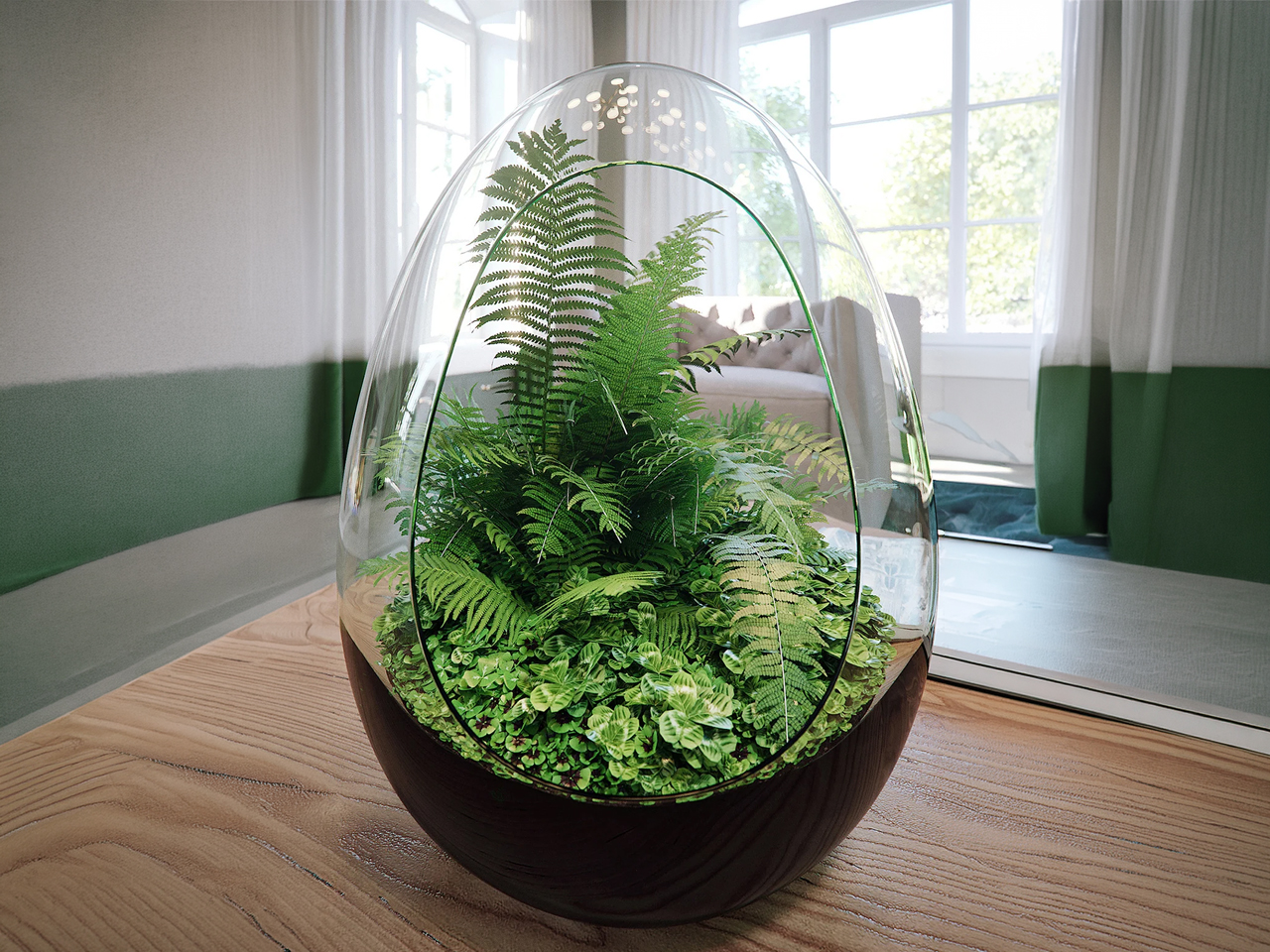
A glass terrarium transforms nature into a sculptural object, bringing balance and tranquillity into your interior. Compact yet visually striking, it recreates a miniature landscape within transparent walls, allowing layers of soil, stone, and greenery to form a harmonious composition. Its egg-like silhouette feels organic and fluid, making it especially fitting during Easter, when symbolic forms take centre stage. Yet beyond the seasonal reference, the clarity of glass keeps the design light and refined. Whether placed on a console, desk, or coffee table, it becomes a subtle focal point that quietly elevates the space.
Housing succulents, ferns, or preserved moss, it introduces calming greenery while requiring minimal maintenance. Personal touches such as stones or soft string lights can shift its mood, keeping this elegant glass enclosure relevant and serene throughout the year.
2. Automated Hydroponics Gardens
Automated hydroponics gardens redefine indoor growing by blending technology with convenience. These soil-free systems use LED grow lights, controlled nutrient delivery, and built-in water circulation to cultivate herbs and leafy greens year-round. Designed for efficiency, they eliminate many traditional challenges, making plant care precise, predictable, and remarkably clean.
For busy urban lifestyles, they offer a true “set it and forget it” experience. Compact, sleek, and kitchen-friendly, these units sit neatly on a countertop while delivering a steady supply of fresh, homegrown produce.
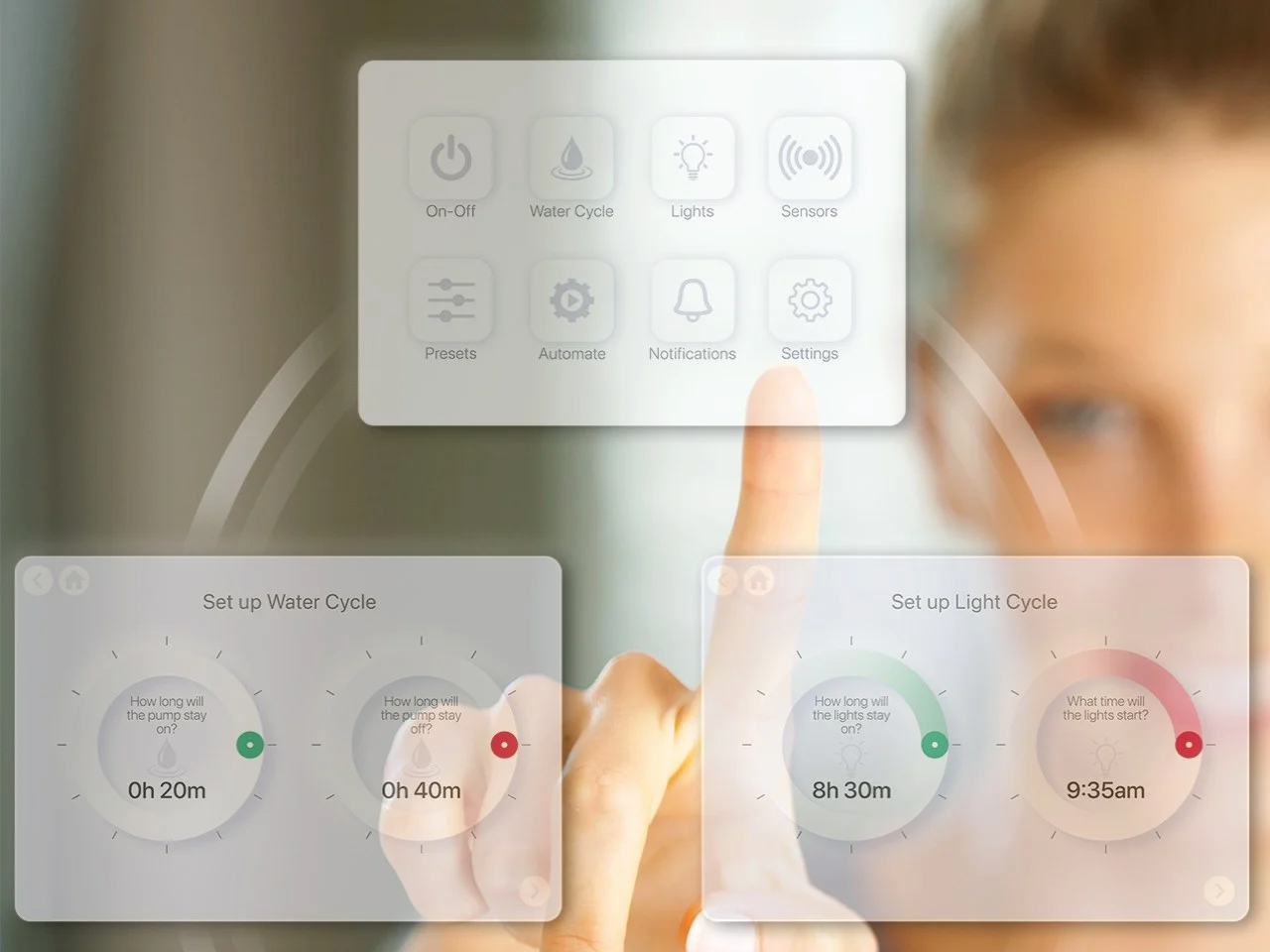
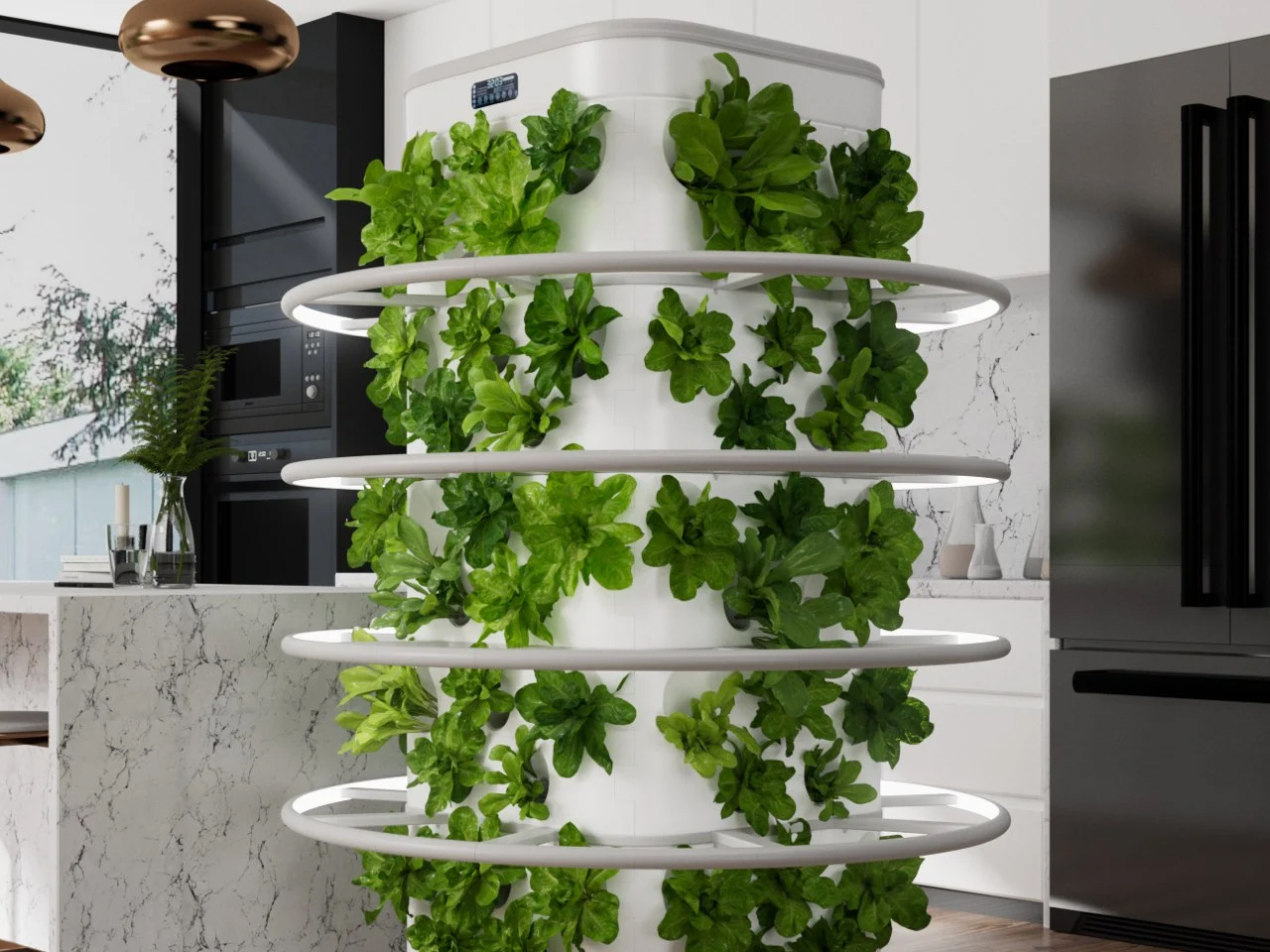
Created by Tilden Cooper (Assoc. AIA), Nutraponics redefines the concept of an indoor garden by seamlessly merging natural growth with intelligent technology. It creates a carefully regulated, year-round growing environment within your home, removing the uncertainty of changing seasons, inconsistent produce quality, and the limitations of outdoor cultivation.
This smart indoor garden operates on an automated hydroponic system, replacing soil with a nutrient-rich water solution that encourages efficient plant growth. It’s integrated Grow Ring emits a balanced light spectrum to support every stage of development, while a precision-controlled pump delivers nutrients directly to the roots. Built-in sensors continuously monitor temperature, pH levels, water balance, and nutrient quality, alerting you only when intervention is required. You simply plant the seeds, personalise the settings, and enjoy a consistent harvest of fresh, healthy produce with minimal effort.
3. Hanging Vase Displays
Hanging vase displays offer a graceful solution when floor space is limited. By shifting greenery toward the ceiling, you unlock an often-overlooked design zone while keeping surfaces clear. Transparent glass or metallic finishes enhance the airy effect, allowing trailing plants to appear as though they are floating within the room.
Ideal for cascading varieties like pothos or philodendrons, this vertical styling draws the eye upward and subtly amplifies perceived height. The greenery forms a soft, living curtain that adds movement and texture without interrupting circulation. The result feels light, elegant, and perfectly suited to compact interiors seeking visual lift.
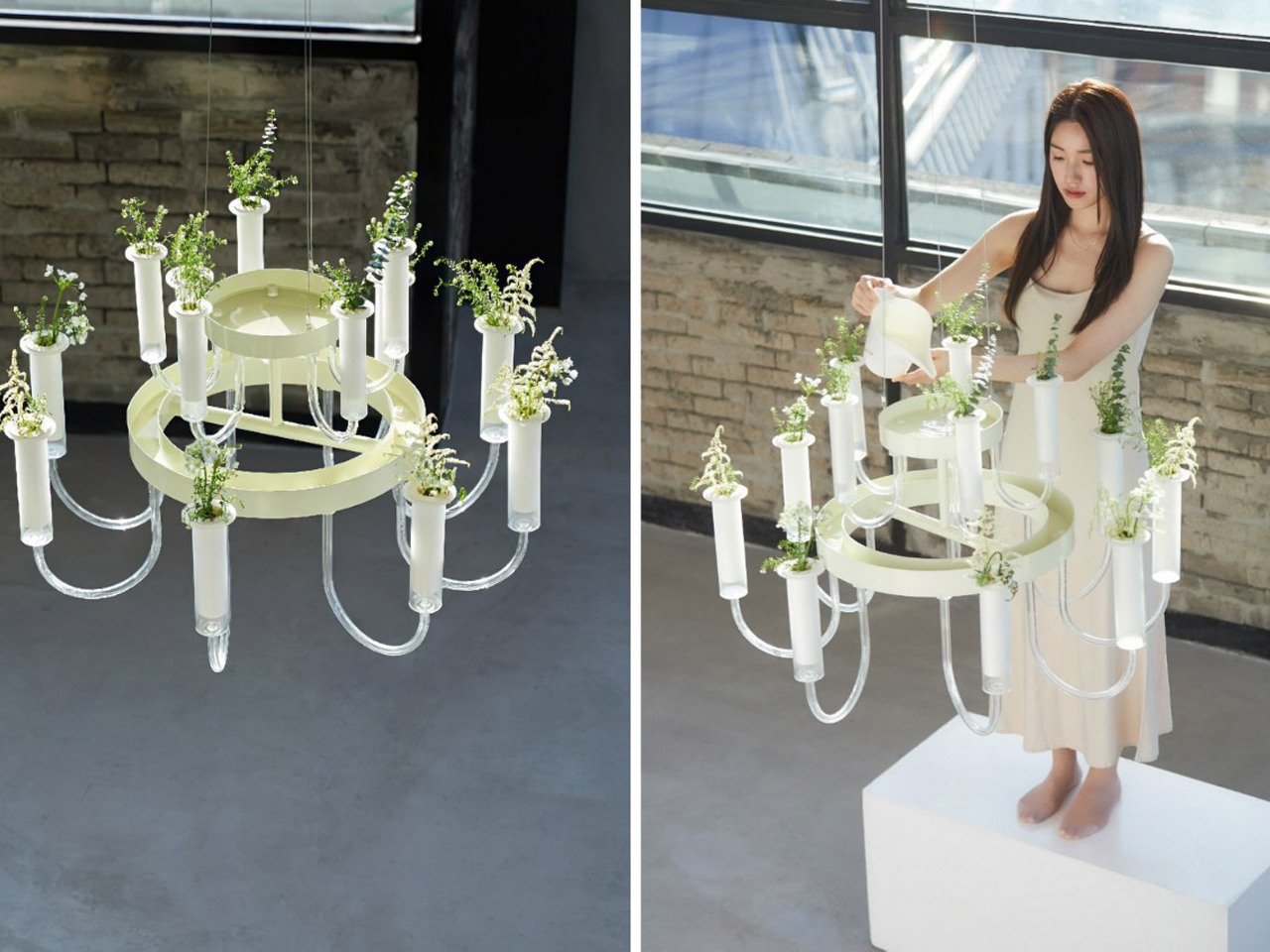
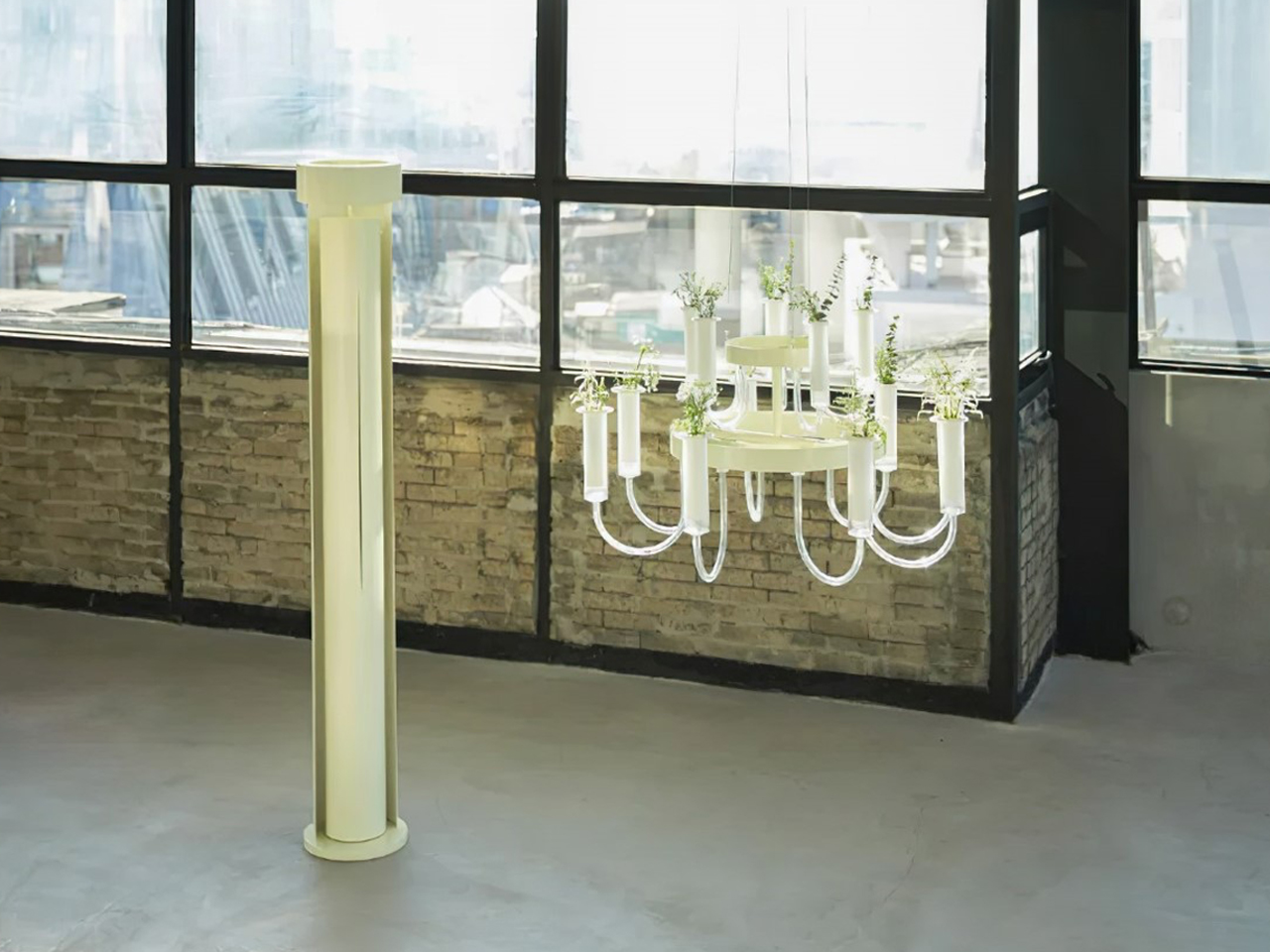
Lighting may illuminate a room, but greenery transforms it. The Poetic Beauty Vase is designed precisely for that purpose, which is to introduce living plants into an interior with sculptural elegance. Created by Yeonsu Ra, this ceiling-hung indoor garden reimagines the traditional chandelier as a suspended arrangement of thirteen delicate vases. Arranged across two tiers, the installation combines botanical freshness with visual drama, allowing foliage to cascade gently from above. Whether your space leans minimalist, Nordic, bohemian, or mid-century, the presence of suspended greenery instantly softens hard lines and brings emotional warmth to the room.
Beyond its striking form, the product integrates a thoughtful self-watering mechanism. Two central trays distribute water to all thirteen vases through a discreet pipe system. Each planter sits in a buoyant container that rises or lowers according to the water level, offering a clear visual cue for refilling. As the water is absorbed, the planters gradually descend, signalling when nourishment is needed turning maintenance into a simple, almost meditative ritual.
4. Horticulture Gardening Tables
Horticulture gardening tables embody the brilliance of multi-functional design. Perfect for compact homes, these innovative pieces integrate a planting bed into the heart of a coffee or dining table, often shielded beneath a glass surface. The result is furniture that seamlessly merges practicality with living greenery.
By transforming plants into the literal centerpiece, the table creates a constant connection with nature. You can dine, read, or work while surrounded by a thriving micro-garden just inches away. It’s a refined, space-saving solution that elevates both décor and daily experience, adding freshness, texture, and a quiet sense of vitality to the room.
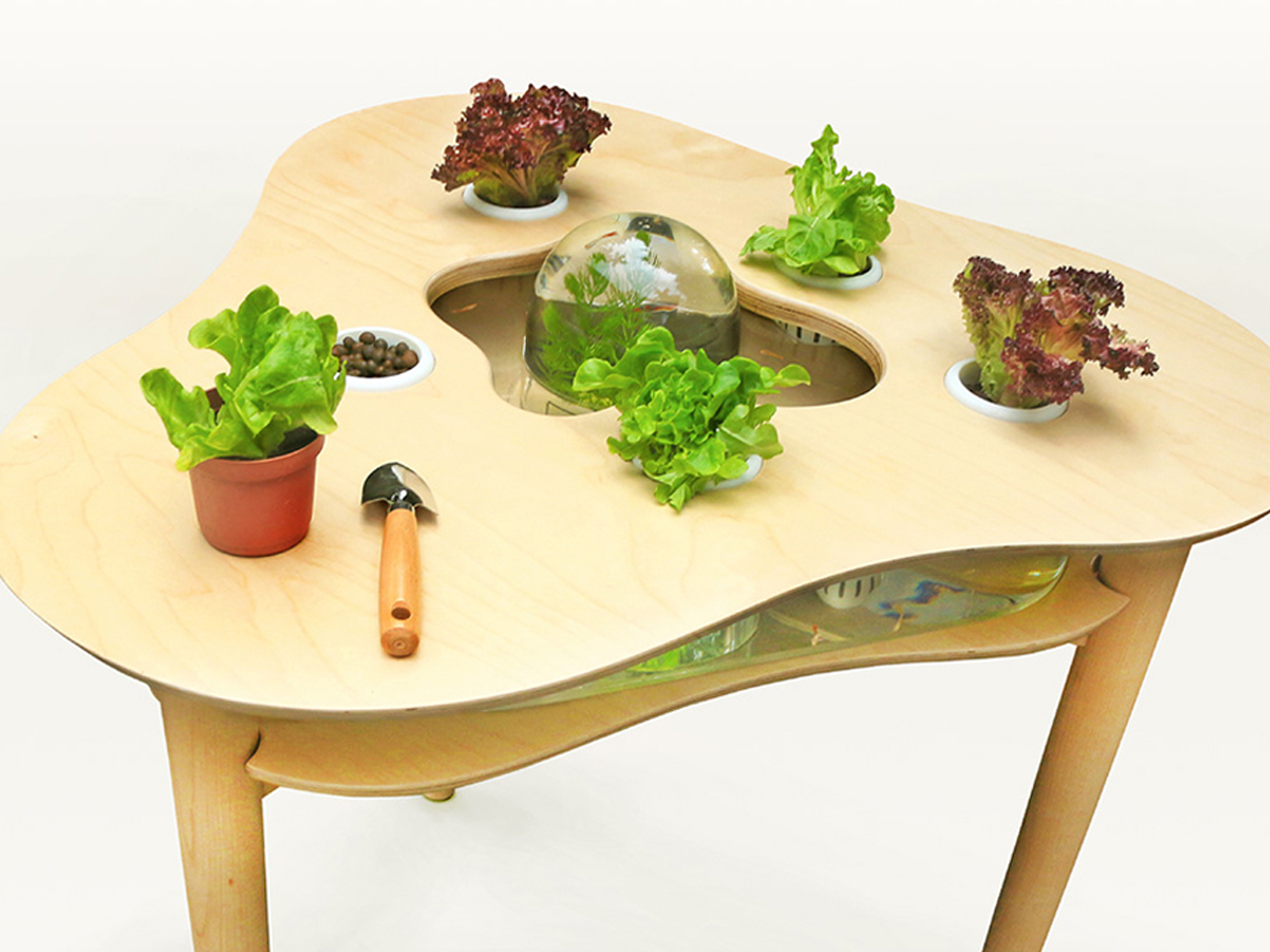
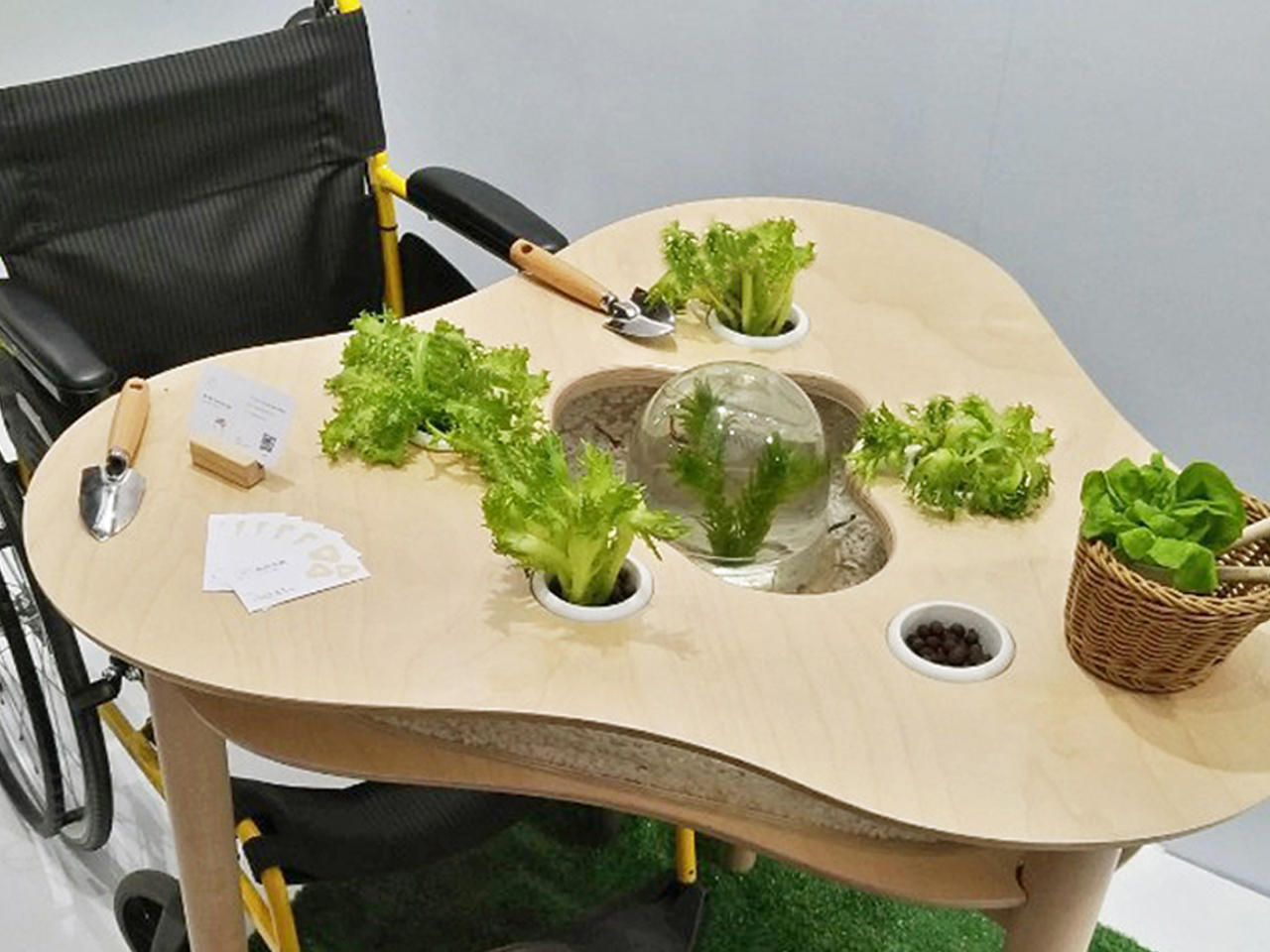
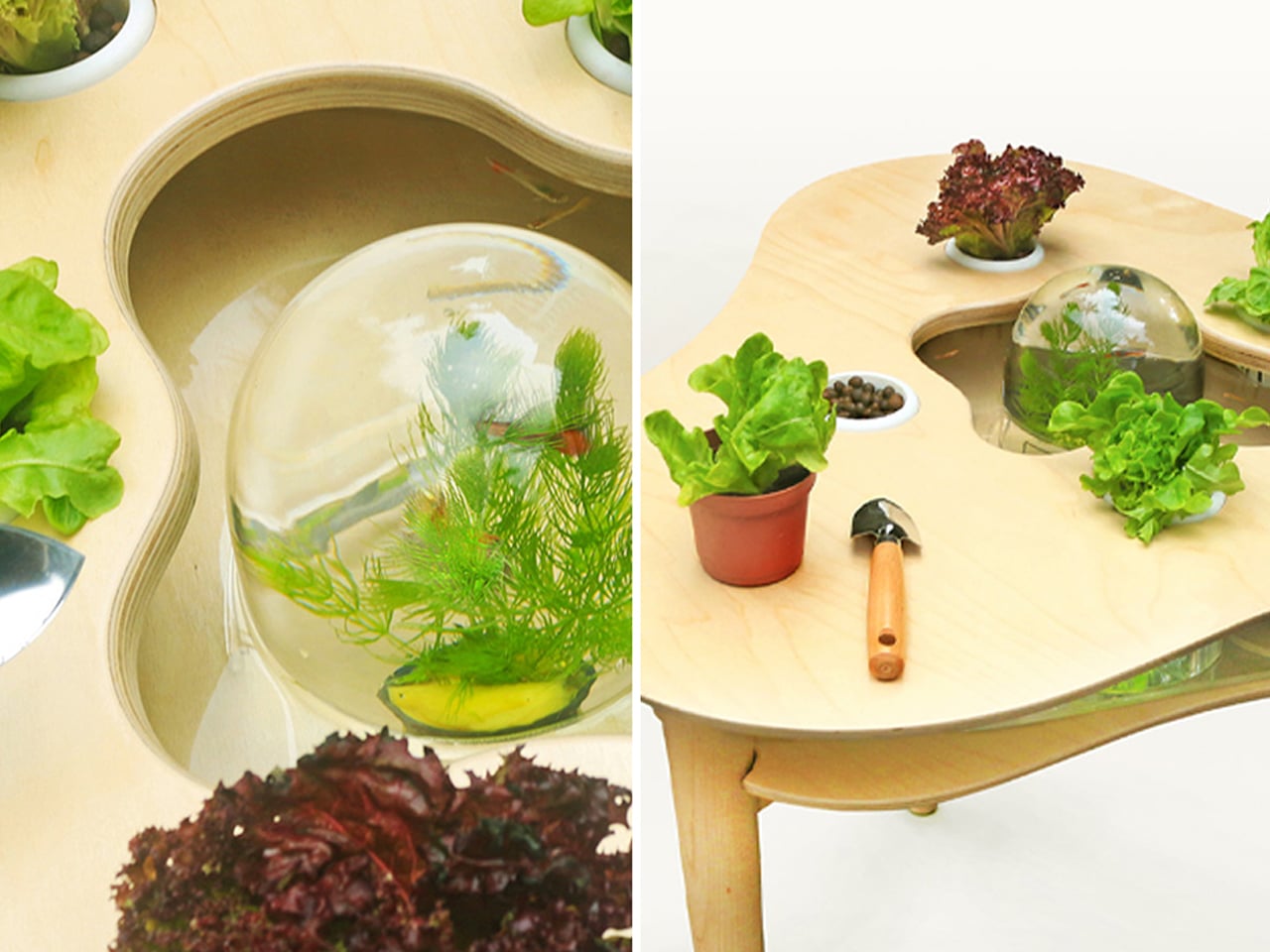
Horticultural therapy has long been recognised for its ability to improve mood, stimulate memory, and encourage social interaction, particularly within healthcare and residential environments. Designed by Yu-Chin Gao, Lively Greens reinterprets this practice through an intelligent product that supports elderly users, including those experiencing dementia. The piece functions as a dedicated horticultural therapy table, thoughtfully developed to reduce the cognitive demands often associated with plant care while still delivering its emotional and psychological benefits.
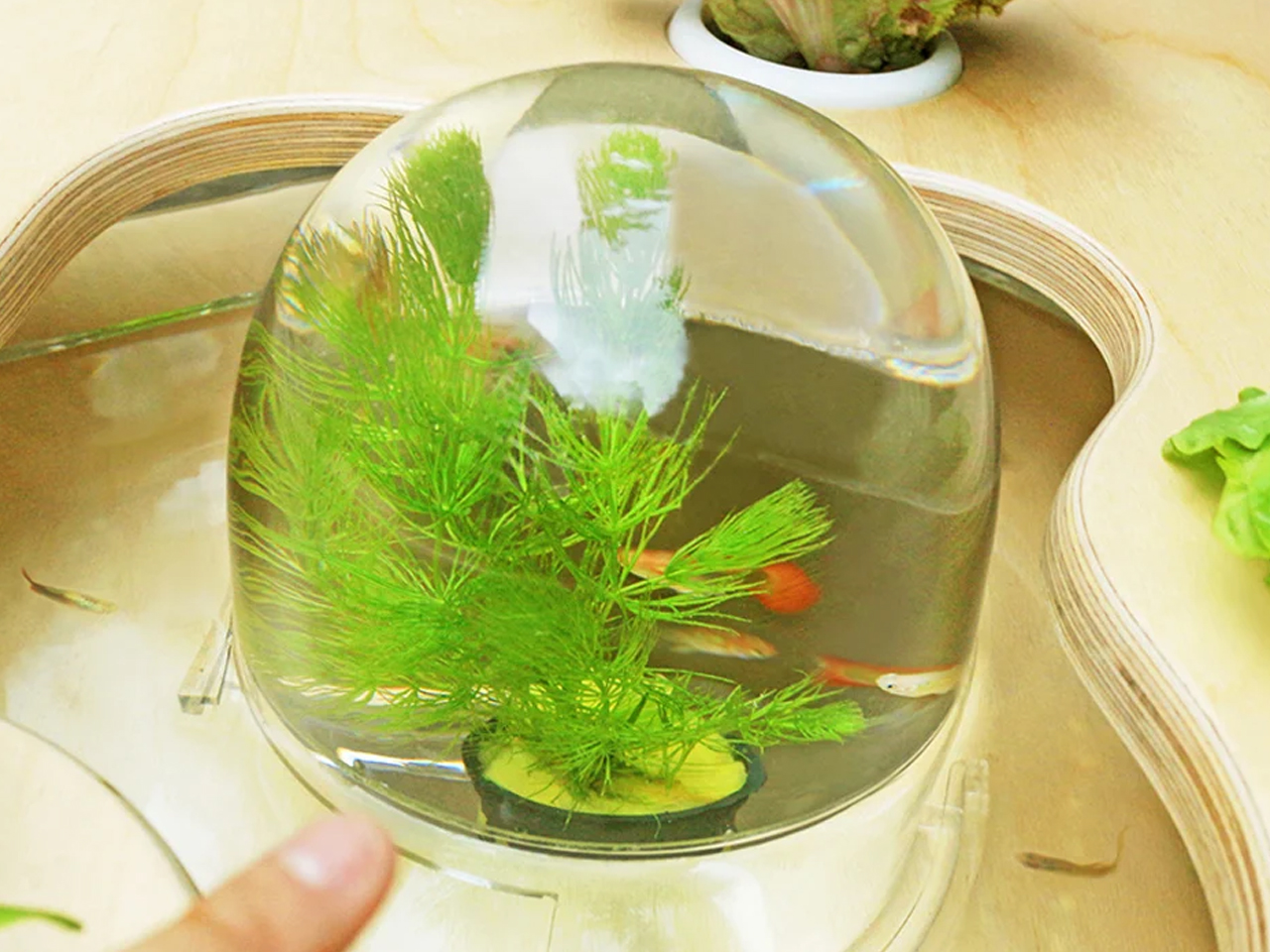
At its core, Lively Greens operates through an aquaponic system that merges aquaculture with hydroponics. The design integrates a fish tank beneath five planting pots, allowing nutrient-rich water produced by the fish to circulate upward and nourish the plants. As the aquatic ecosystem naturally generates fertiliser, the greenery above flourishes with minimal intervention. Users are only required to plant the seeds initially, after which the self-sustaining cycle maintains growth. By removing the need for regular watering and complex upkeep, the product enables therapeutic engagement without overwhelming its users.
5. Hanging Wire Shelving & Modular Systems
Hanging wire shelving and modular systems offer a flexible, industrial-inspired solution for cultivating greenery in compact spaces. Their open, lightweight framework maximizes vertical real estate while maintaining an airy visual feel. Ideal for plant lovers who enjoy evolving displays, these structures provide both function and a bold design statement.
Adjustable shelves adapt easily as plants grow, allowing your arrangement to shift without replacing furniture. The modular nature makes expansion effortless and begins with a single unit and gradually builds a layered living wall. The result is a scalable vertical garden that feels dynamic, organized, and perfectly suited to small-footprint living.
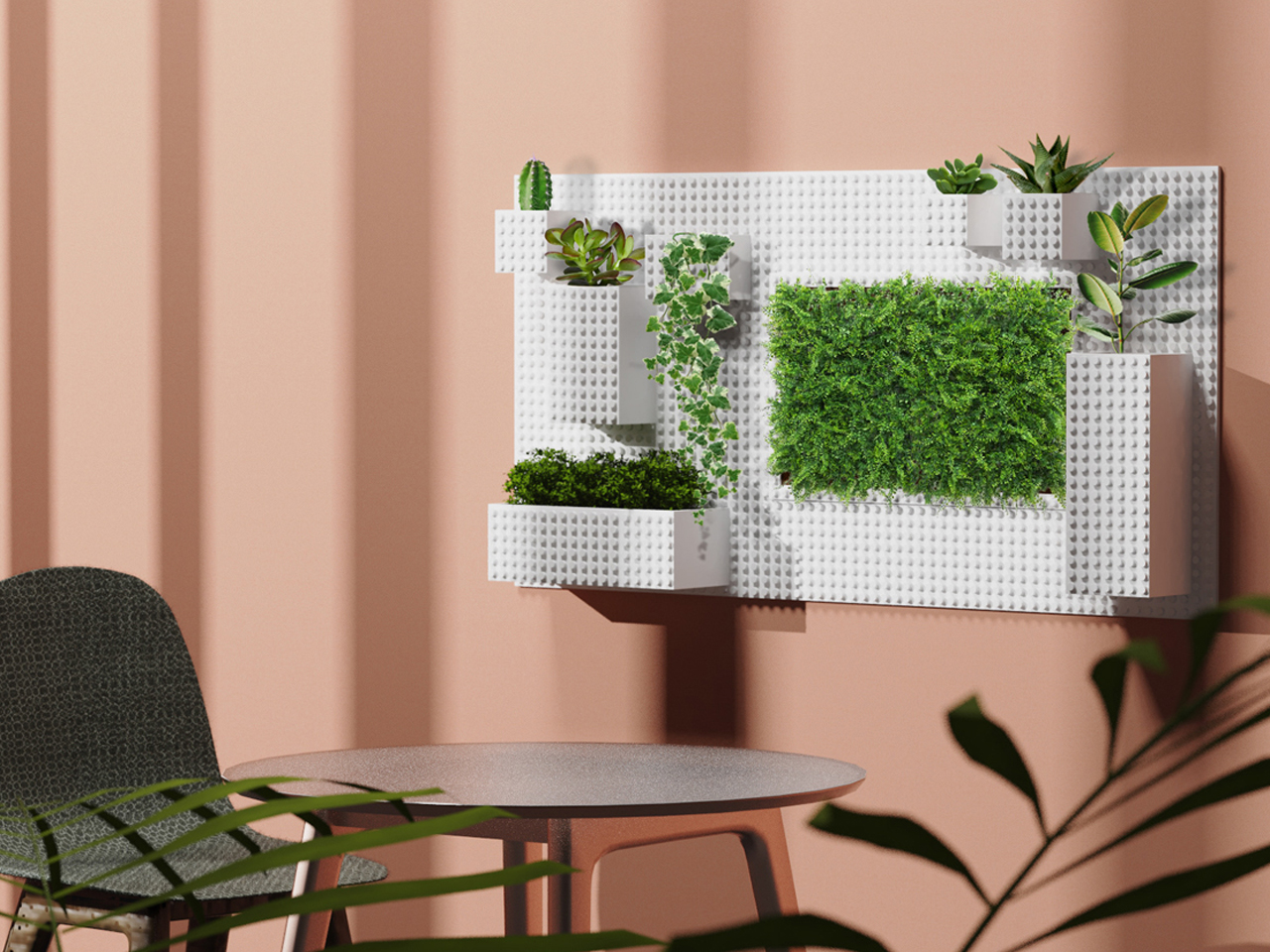
Planterior is an innovative indoor garden system inspired by LEGO’s iconic building-block logic, designed to bring adaptable greenery into your workspace. Created by Dasol Jeong, the system features a wall-mounted base platform similar in proportion to a traditional bulletin board. Onto this structured frame, modular planters can be attached and rearranged, allowing you to transform a blank wall into a living, evolving garden. Conceived during the rise of work-from-home culture, Planterior responds to the growing desire to make home offices feel warmer, more personal, and connected to nature.
The product adopts LEGO’s stacking principle, enabling each planter to click securely onto the base and be repositioned with ease. This modular construction encourages flexibility, letting you experiment with layouts and configurations depending on your space and aesthetic preferences. By merging playful assembly with functional design, Planterior turns gardening into an interactive experience while seamlessly integrating greenery into compact, contemporary interiors.
Compact living no longer limits your connection to greenery. With thoughtful design choices from vertical displays to tech-enabled gardens, nature integrates seamlessly into everyday spaces. The key lies in working smarter with space, allowing even the smallest home to feel fresh, balanced, and beautifully alive.
On Christmas Eve 1968, astronaut Bill Anders looked out of Apollo 8’s window and saw something no human had ever seen before: Earth, whole and luminous, rising above the lunar horizon. He grabbed a camera and took what became arguably the most reproduced environmental photograph in history. That single image reframed humanity’s relationship with our planet, a pale blue marble suspended in the absolute black of space. Fifty-eight years later, the Artemis II crew did something almost identical, pointing their cameras backward as Orion swung behind the Moon and capturing Earth in the act of setting below the lunar limb.
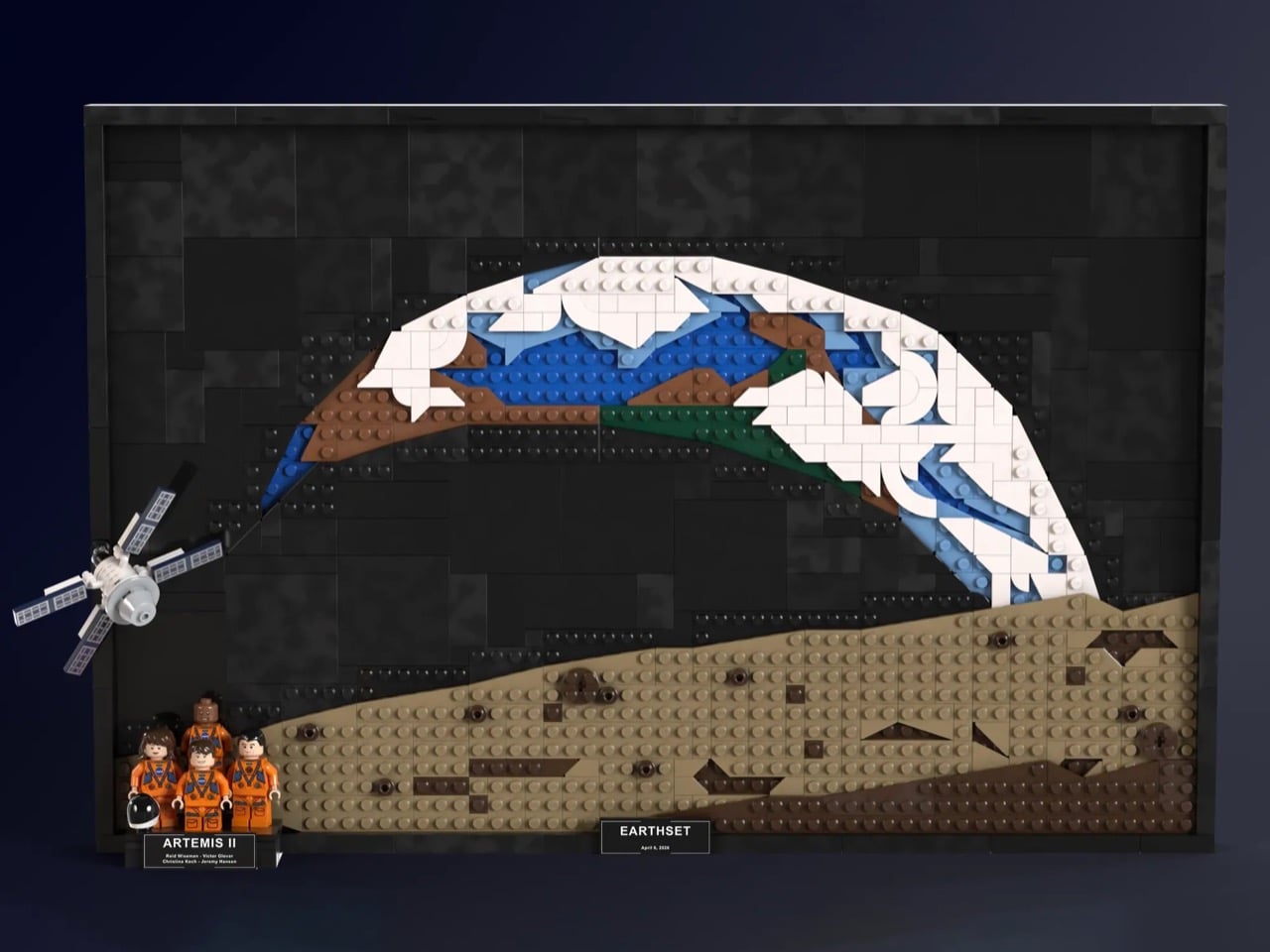
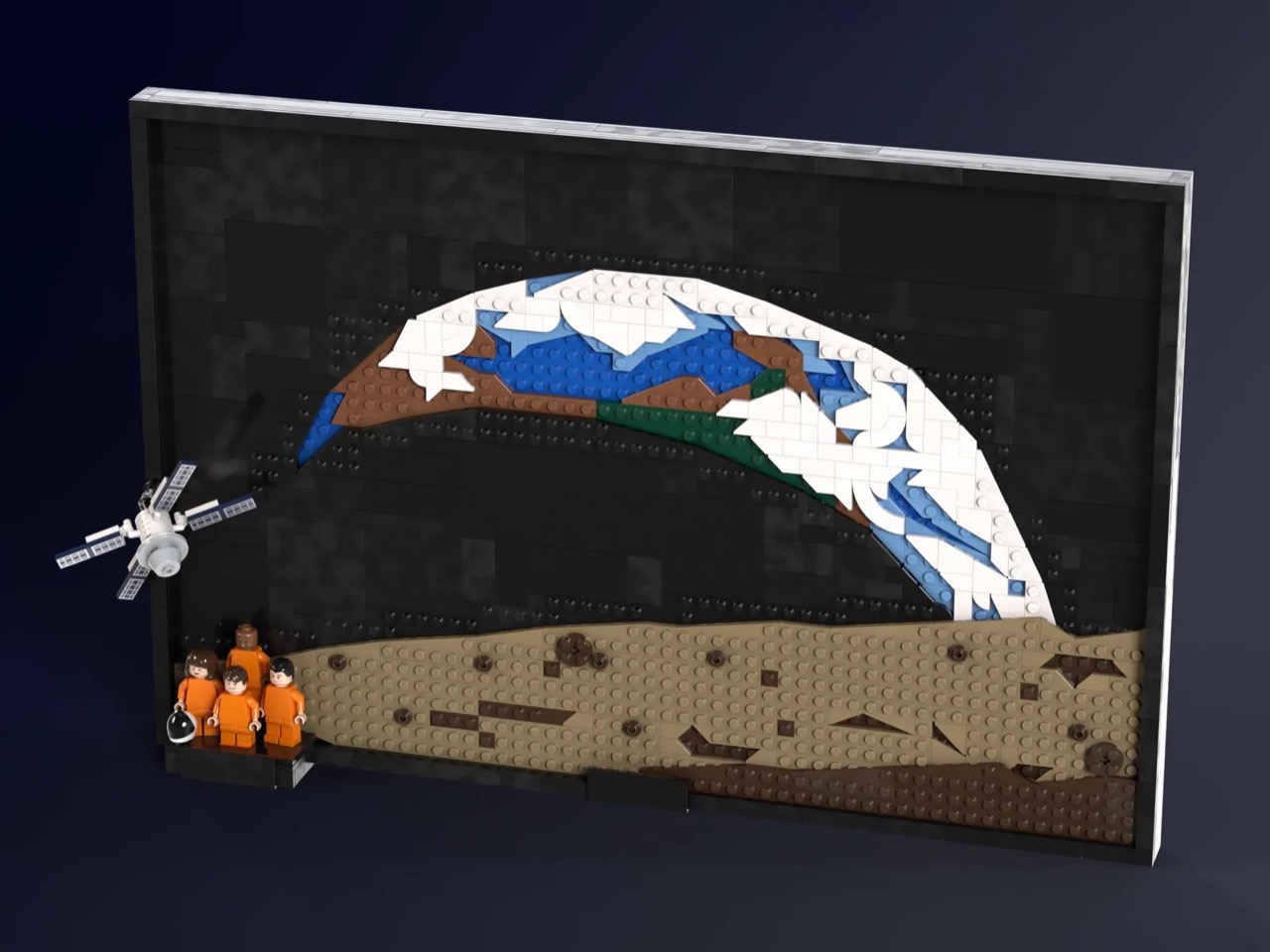
That photograph, taken April 6, 2026, existed for barely nine days before LEGO builder BuildingDreams submitted an Ideas project to immortalize it in brick form. The Earthset mosaic is a 48 by 32 centimeter wall-art panel that translates the soft curves of Earth’s atmosphere, the brown and blue patchwork of continents and ocean, and the pale grey sweep of lunar regolith into a grid of plastic studs with a faithfulness that genuinely stops you mid-scroll.
Designer: BuildingDreams
The build sits in the tradition of LEGO’s own Art series, that line of large-format mosaic panels designed to function as legitimate wall decor rather than shelf clutter. BuildingDreams has clearly studied the format carefully. The panel frame is clean and silver-edged, the depth a slim 2.8 centimeters, and the overall composition respects the original photograph’s balance: vast black space occupying the upper field, the Earth arc sweeping across the middle, and the lunar surface anchoring the bottom in tan and brown. What makes it work as a mosaic is the restraint. The builder resists the temptation to over-detail the Earth itself, letting the contrast between white cloud cover, deep ocean blue, and brown landmass do the compositional heavy lifting.
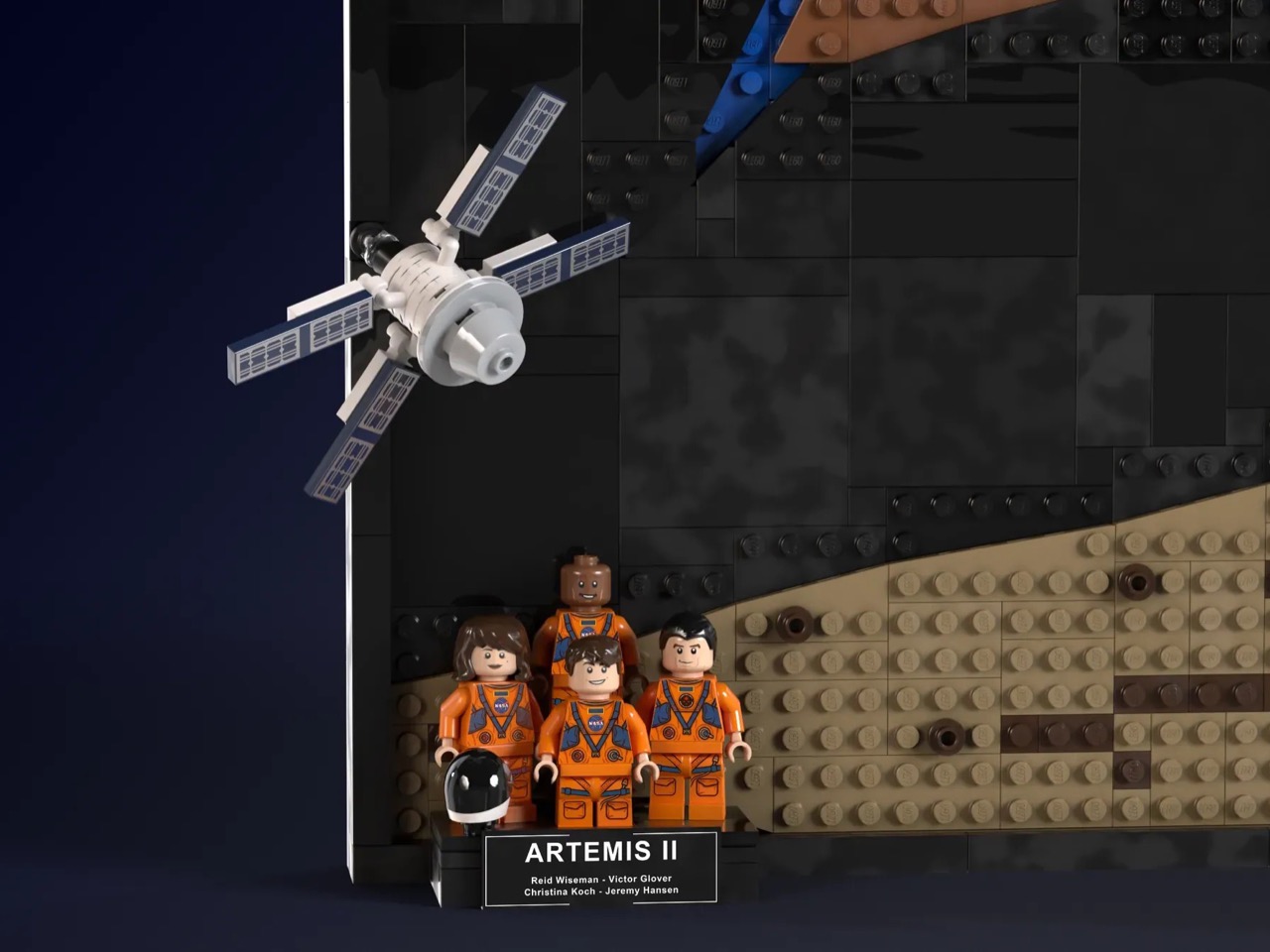
The detail that elevates this above a flat mosaic exercise is the Orion spacecraft, rendered in three dimensions and mounted to the left edge of the panel, solar panels spread wide, jutting out into the room. It breaks the picture plane in exactly the right way, a reminder that this photograph had a photographer, that four humans were inside that capsule watching Earth disappear below the Moon. Beneath the spacecraft, four minifigures stand on a small stepped platform labeled ARTEMIS II, representing Commander Reid Wiseman, Pilot Victor Glover, and Mission Specialists Christina Koch and Jeremy Hansen. The orange Orion Crew Survival System suits are printed with NASA and CSA mission patches. The minifig work is precise enough that you can tell which figure represents Hansen by the Canadian Space Agency insignia on his chest.
BuildingDreams has noted that Earthset is designed as a companion to their previous Earthrise project, the two panels intended to hang side by side as a kind of 58-year conversation between Apollo 8 and Artemis II. That framing is genuinely compelling, and for anyone who has the wall space, the pair would be remarkable.
LEGO Ideas is the community platform where fan-designed builds gather votes toward a 10,000-supporter threshold, at which point LEGO’s internal team formally reviews the submission for potential production as a retail set. Earthset is currently sitting at just over 530 supporters with nearly 586 days left on the clock. If you want to see this one make it to store shelves, head to the LEGO Ideas page and cast your vote.
Every year, without fail, Google’s flagship Pixel arrives in the public consciousness twice. Once through leaks, and once through an official keynote that a significant portion of the audience has already mentally attended. The Pixel 6 visor design was circulating months early. The Pixel 9’s departure from that visor was thoroughly documented before Google said a word. The Pixel 10 landed in spec sheets and renders well ahead of August 2025. The Pixel 11 is maintaining that proud tradition, with MysticLeaks dropping what the Telegram channel itself called a “nuke” of information on May 4th, roughly three months before Google’s expected announcement window. Either Google’s operational security is genuinely, historically bad, or someone in Mountain View has decided that pre-launch visibility is worth more than surprise.
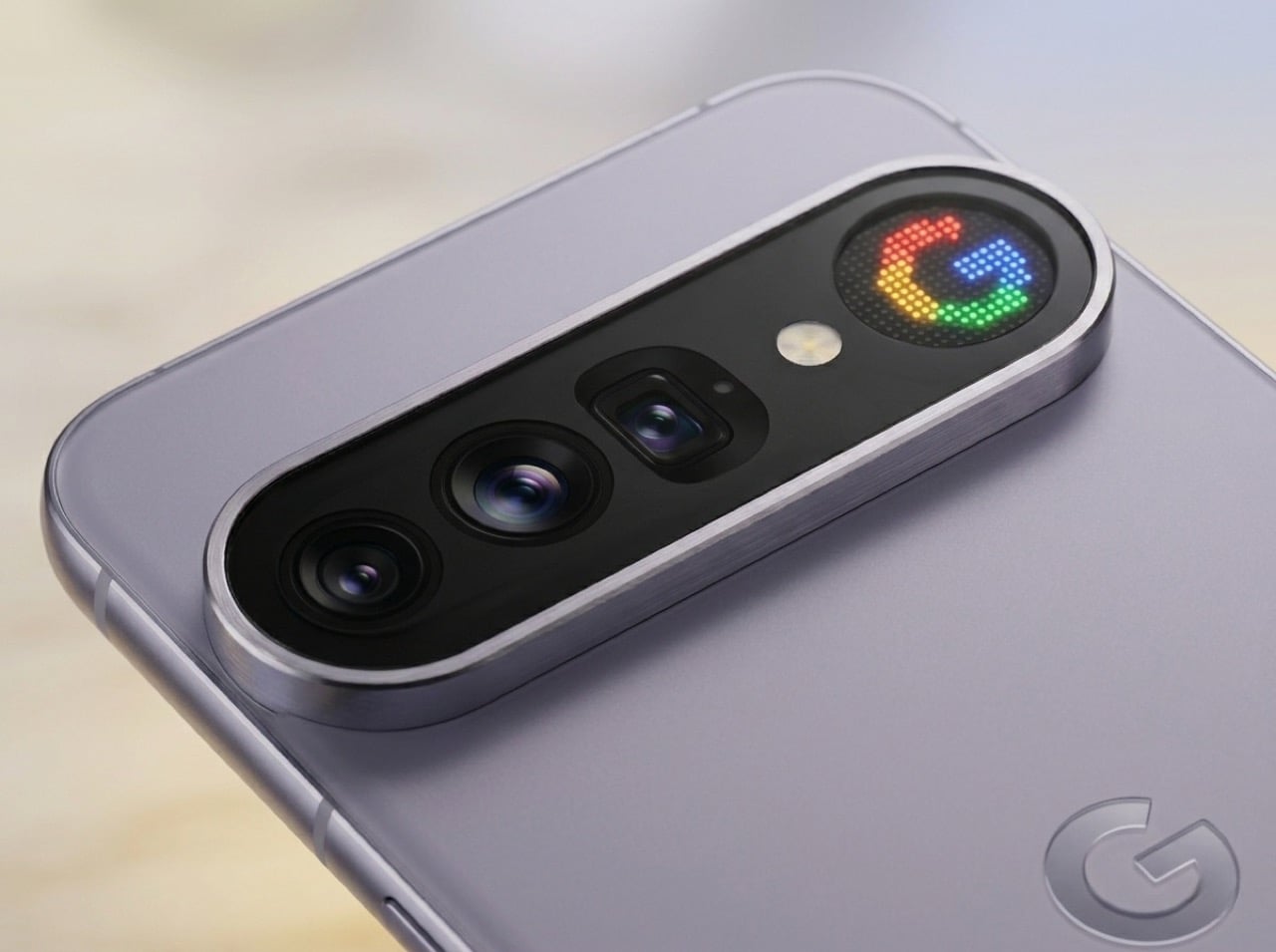
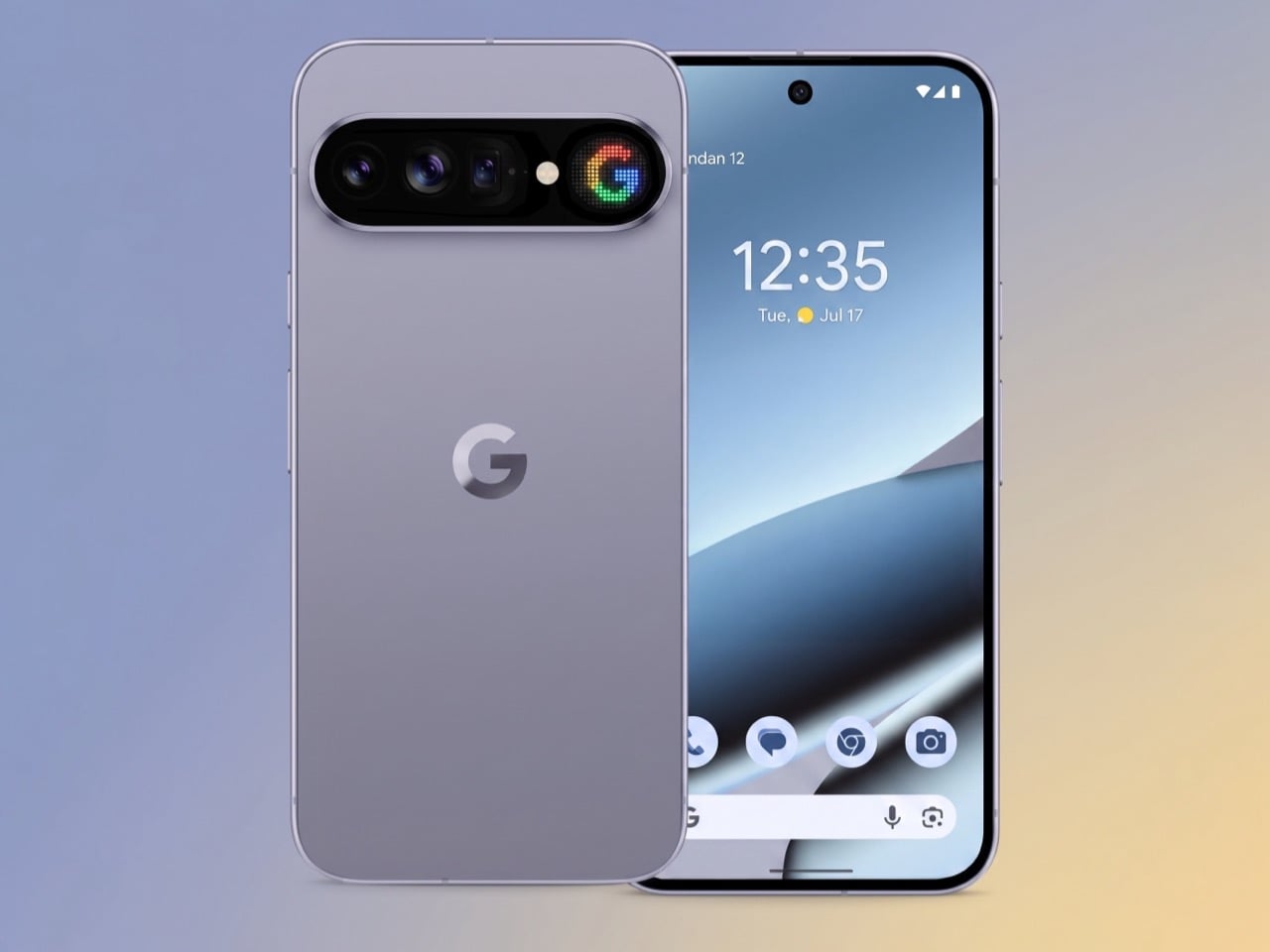
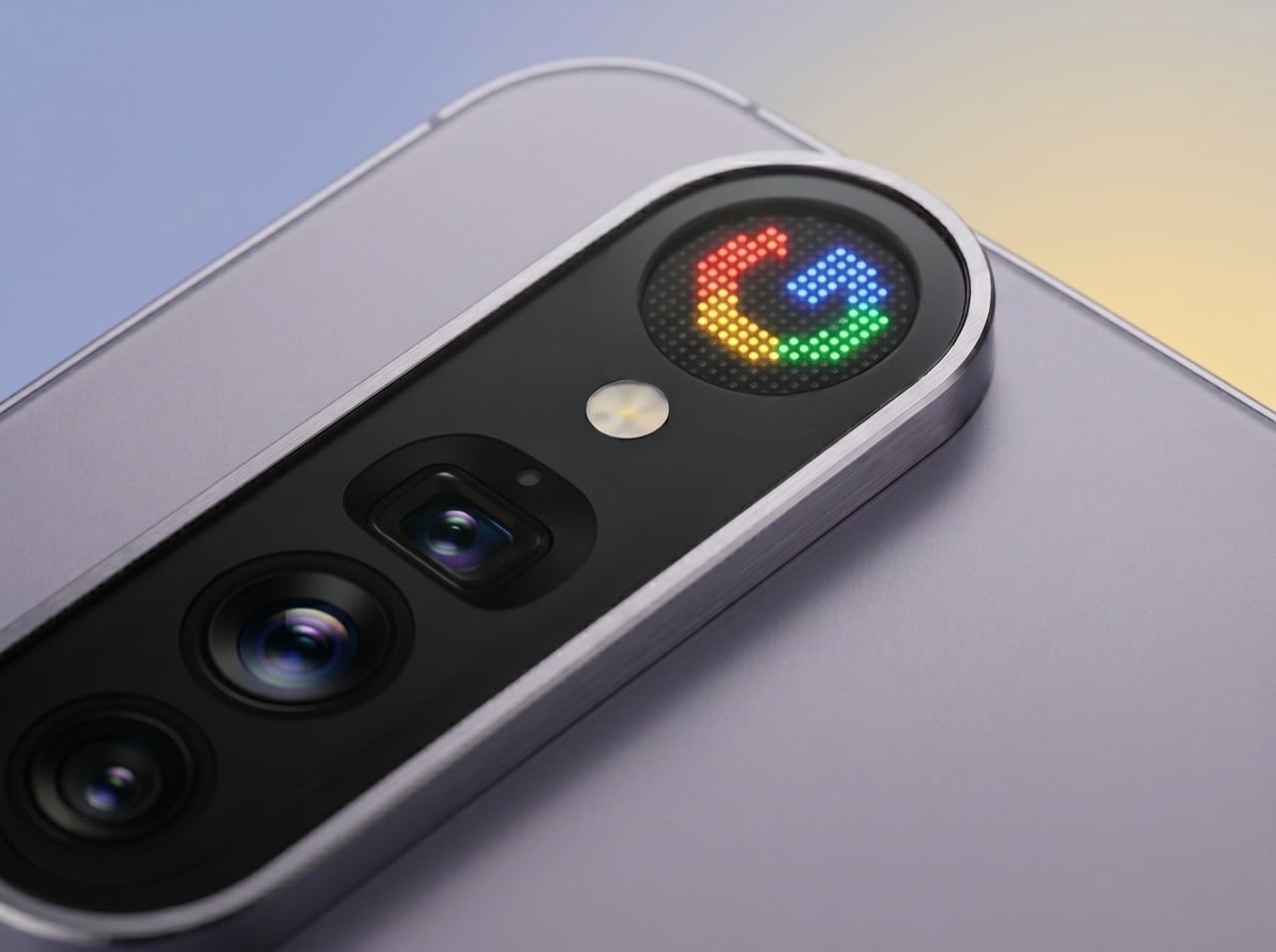
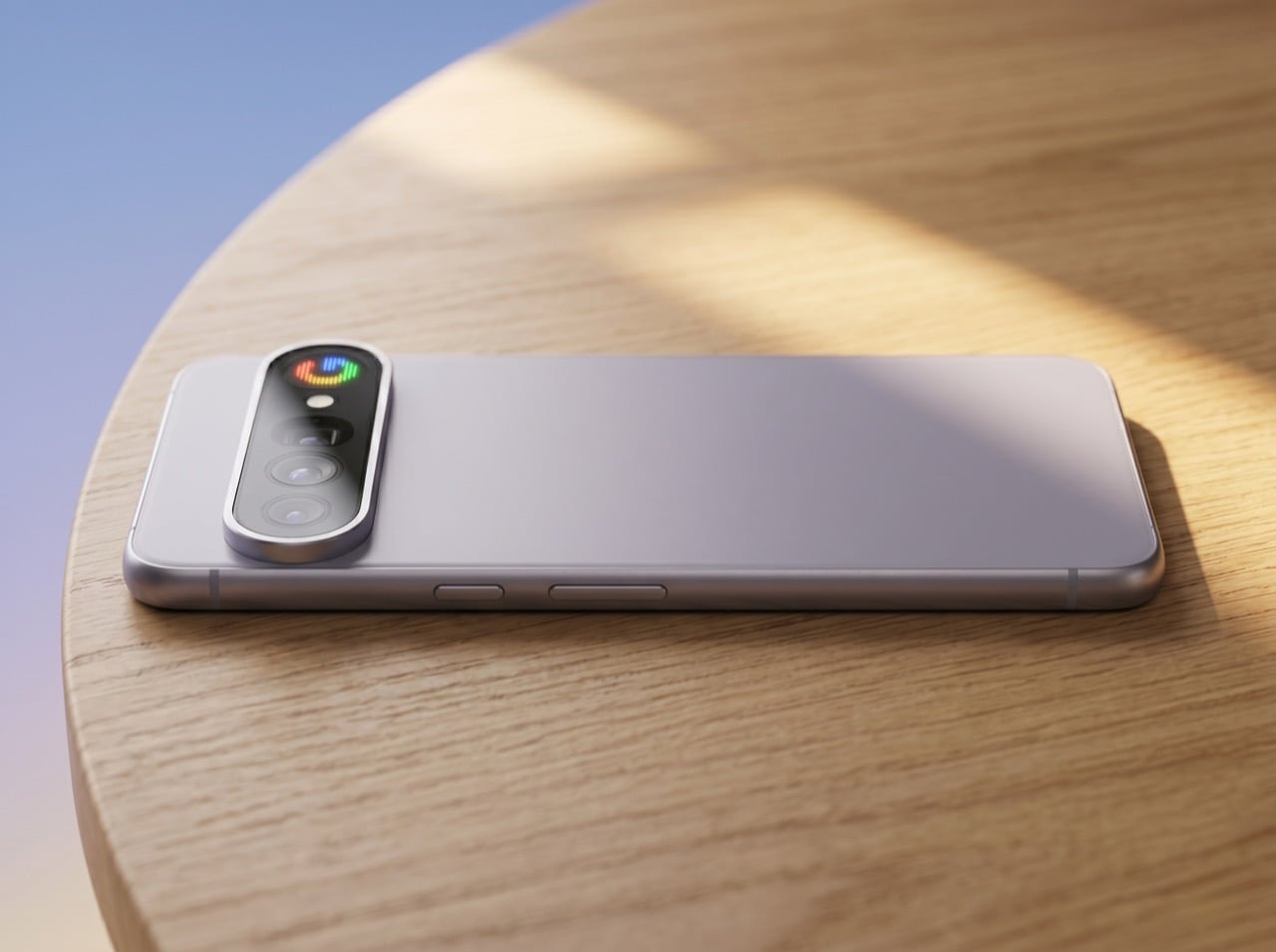
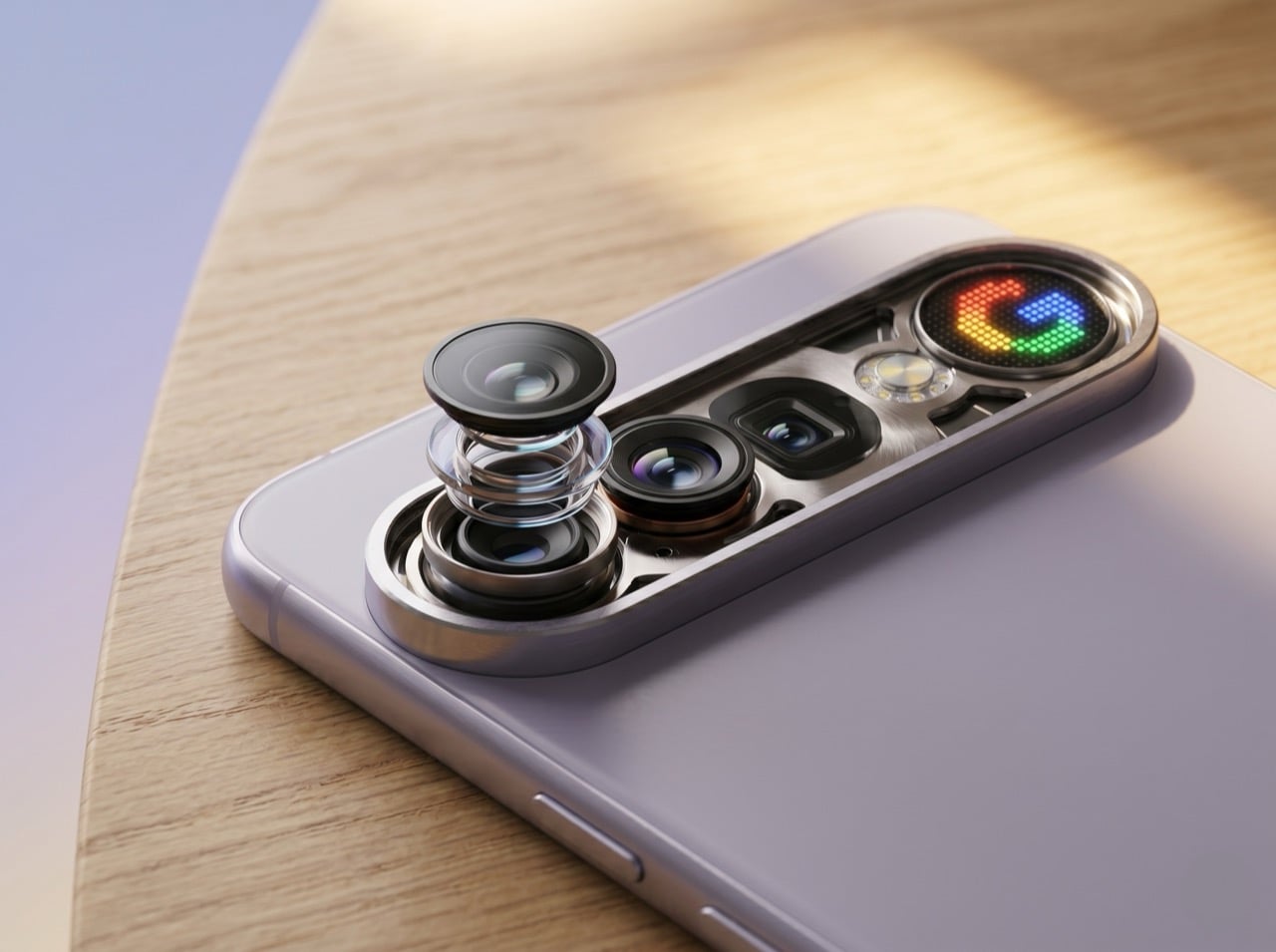
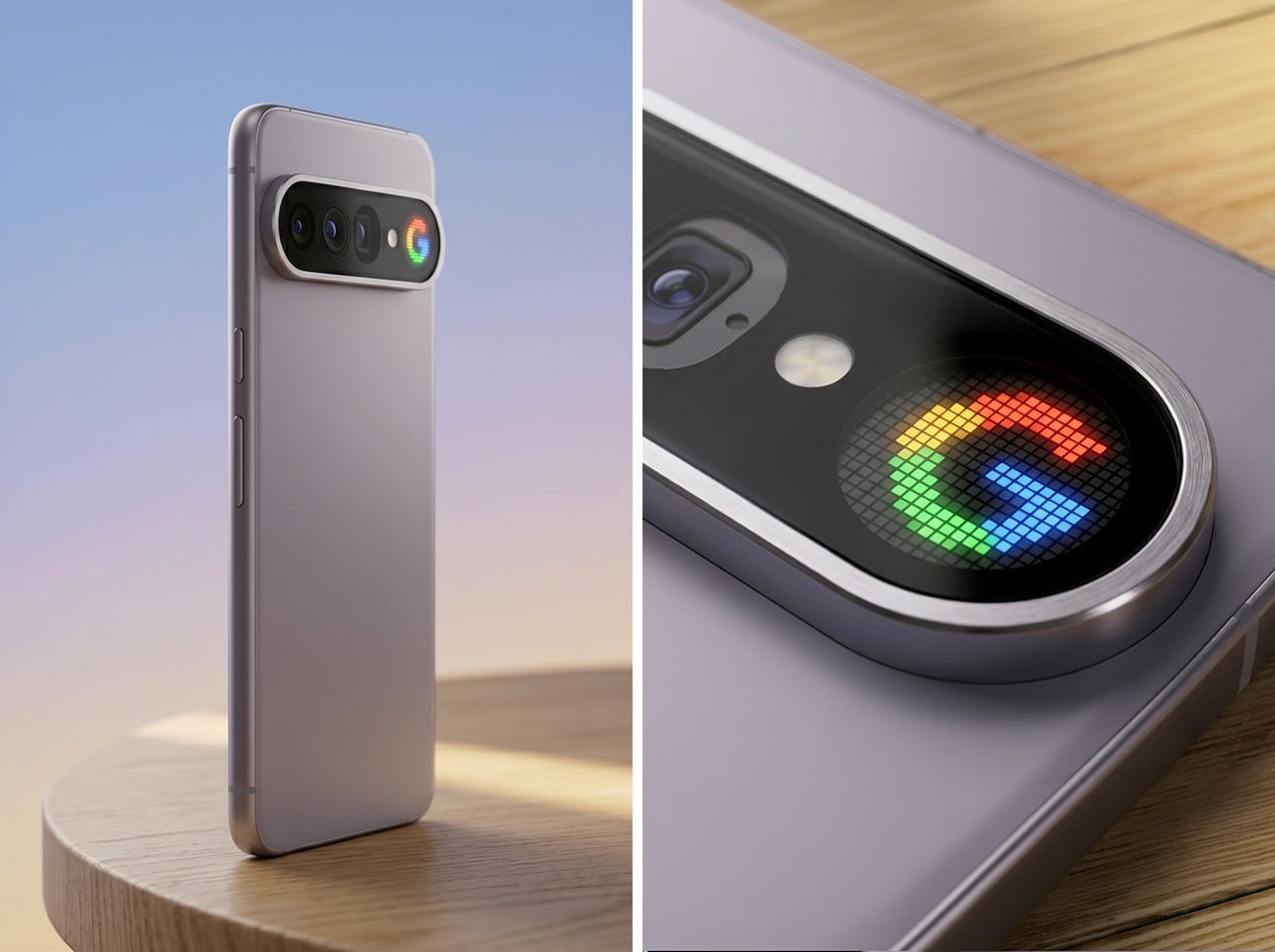
What makes the Pixel 11 leak particularly interesting is that the most compelling detail has nothing to do with raw specs. Tensor G6, fabbed on TSMC’s 2nm N2 node with a 7-core ARM configuration and a MediaTek M90 modem finally replacing the Exynos hardware, is a meaningful generational step. A 50MP main sensor reaching the base model is overdue and welcome. A 5,000mAh battery in the Pro XL closes a gap that Pixel critics have cited for years. But the feature generating the most discussion is Pixel Glow, an RGB LED array occupying the camera bar space where the IR thermometer used to live, and its relationship to what Nothing has spent four years building is worth unpacking properly.
Image Credits: Sarang Sheth
The IR thermometer that debuted on the Pixel 9 Pro was one of those features that made complete sense in a press deck and considerably less sense in a pocket. Google positioned it as a health and home utility tool, useful for checking a fever or testing whether your coffee had cooled enough to drink. Most owners used it a handful of times before forgetting it existed, and the Pixel 10 Pro kept it anyway out of what felt like hardware inertia rather than genuine user demand. Pixel Glow is what fills that space on the Pixel 11 Pro, and based on current renders, it displays the Google “G” in the brand’s four-color palette rendered through an RGB LED array sitting flush inside the camera bar’s pill-shaped housing.
Looking at the Pixel Glow, you can’t help but compare it to Nothing’s Glyph Matrix from last year. Carl Pei’s team spent four years evolving their Glyph interface from simple notification strips on the Phone 1 into the Phone 3’s Glyph Matrix, a 489-LED monochrome micro-display with a dedicated hardware button, its own widget ecosystem, and enough programmability that Nothing shipped a public SDK alongside the phone. Seeing a similar feature on Google’s phones does beg a direct comparison because it feels inspired (a lot like how Qi2’s magnetic system feels inspired by Apple’s MagSafe). The only discerning difference right now seems to be the fact that the renders show an RGB pixel array, which means colorful widgets as opposed to Nothing’s white Glyphs.
The rest of the Pixel 11’s spec picture rounds out a phone that is upgrading in all the right places simultaneously. Tensor G6’s move to TSMC’s 2nm process brings better thermals and clock speeds hitting 4.11GHz on the lead ARM C1-Ultra core, and swapping the MediaTek M90 modem in for the long-criticized Exynos hardware is a change that efficiency-conscious Pixel users have wanted since Tensor’s inception. The standard Pixel 11 carries a 6.3-inch OLED at 2,200 nits, while the Pro XL steps up to a 6.8-inch panel at 2,450 nits with 240Hz PWM dimming and that 5,000mAh cell. Bear-themed internal codenames, Cubs for the base model, Grizzly for the Pro, Kodiak for the Pro XL, and Yogi for the Pro Fold, suggest Google’s engineers at least have a sense of humor about the annual leak tradition they seem constitutionally unable to stop.
August will fill in the software story, the pricing, and whatever Google has planned for Pixel Glow beyond what a leaked render can show. Given how completely the rest of the phone has already been mapped, that might end up being the only genuine surprise left on the table. Aside from, obviously, a few AI features that Google is surely working on.
The best travel packing lists have always been exercises in subtraction. What earns its weight. What survives a summer of trains, guesthouses, and long airport mornings? The objects that endure are the ones designed with enough intention that they feel better used than new. This year, that edit has gotten easier. A handful of products have arrived that understand travel not as a logistics problem but as a mode of living worth designing for.
There is a particular pleasure in a bag that weighs nothing and contains everything you need. The nine objects below represent that standard. They range from a pressure brewer disguised as a travel mug to a titanium pen that barely exists. What they share is the belief that good design removes friction from the day rather than adding features to it. Pack all nine, and you will still have room for a change of clothes.
1. Side A Cassette Speaker
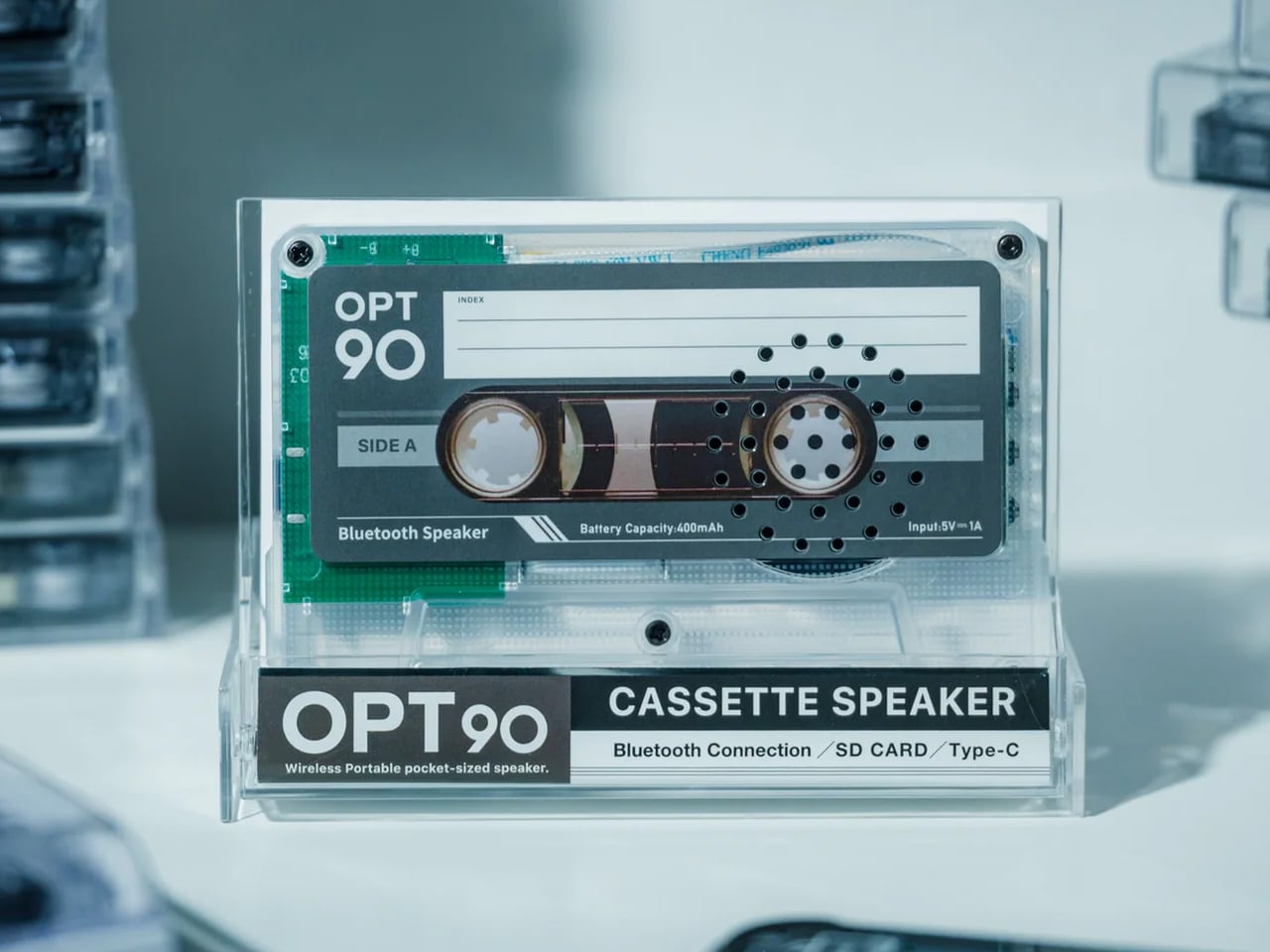
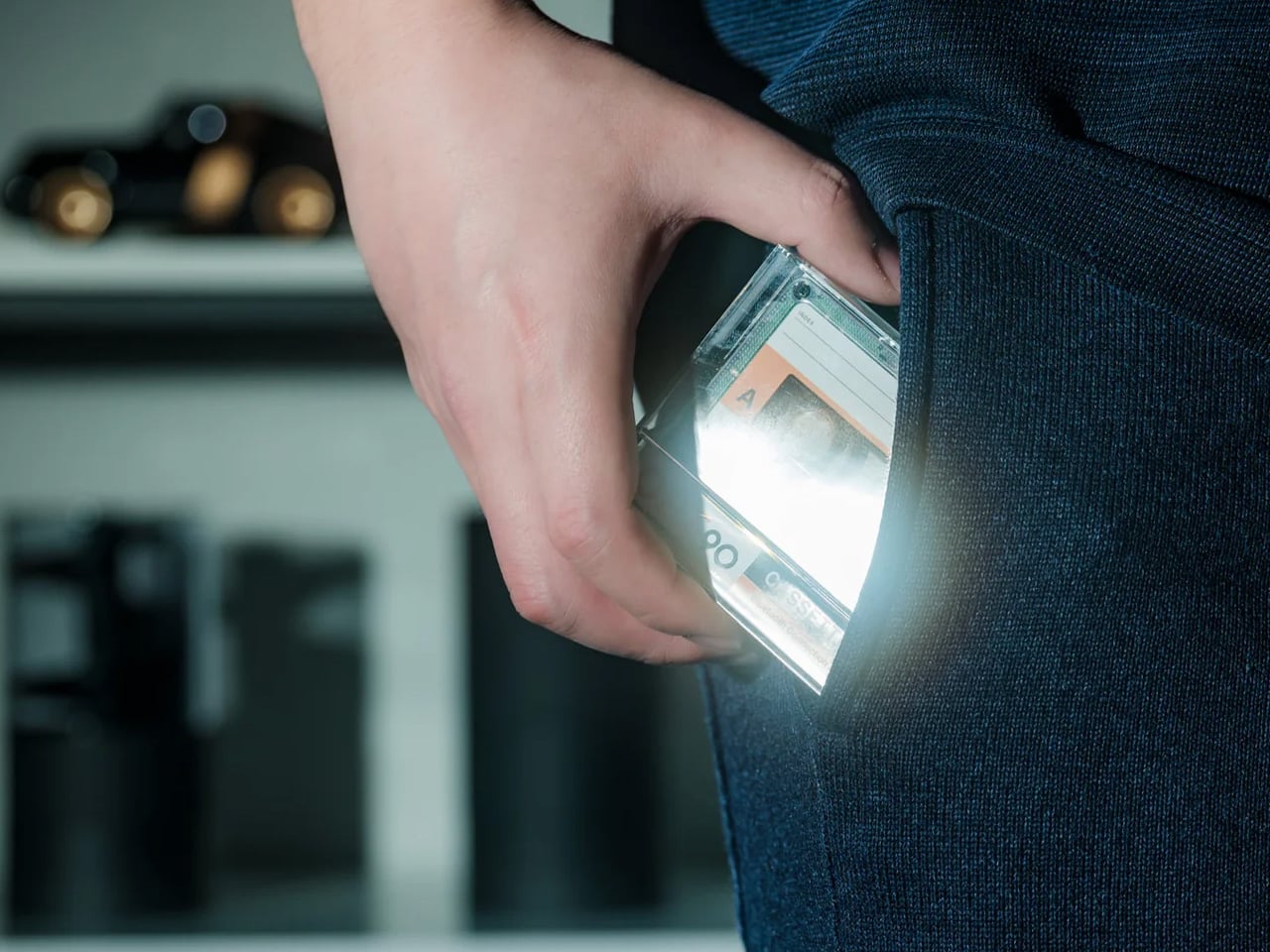
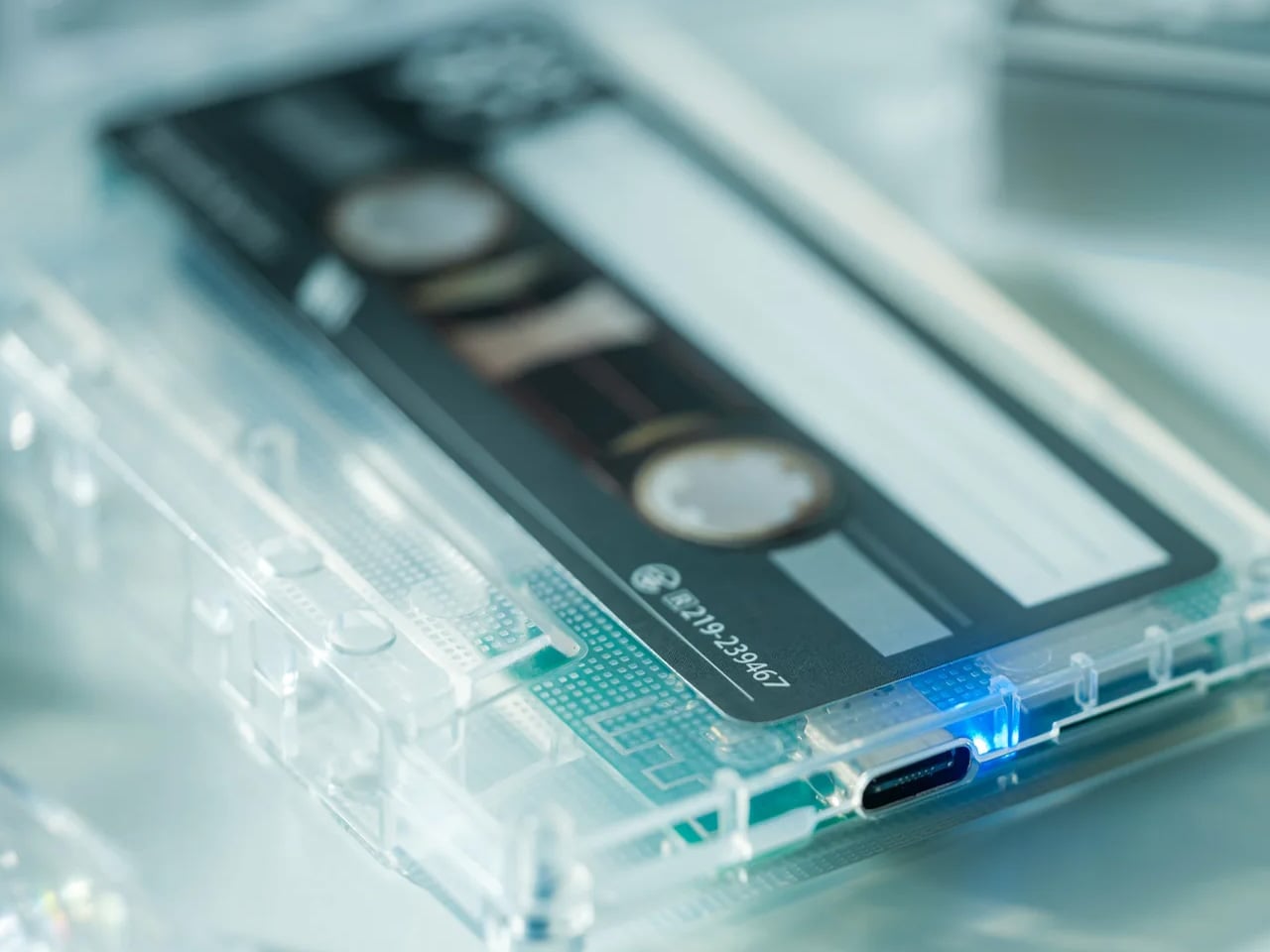
The Side A is a cassette tape that plays music, which makes it one of the quietest pieces of industrial design to land on a travel shelf in years. The form is exact: the dimensions of a 1970s compact cassette, the weight of an afterthought, and a sound quality that has no business coming from something this small. It fits in the coin pocket of your jeans, clips to a bag strap, and starts a conversation with everyone who notices it in a hostel common room or on a beach towel.
For travel, the emotional dimension matters as much as the functional one. The Side A is the object you pull out at a guesthouse in Lisbon or a rented apartment in Kyoto and place on a windowsill while you unpack. It signals something about the kind of traveler you are before you say a word. It runs wirelessly via Bluetooth and charges via USB-C, so the retro aesthetic is purely visual. The ritual of pressing play on something shaped like a tape deck turns any room temporarily yours.
The cassette form factor fits in places no other speaker can, including pockets, passport holders, and the side mesh of a water bottle sleeve.
Wireless Bluetooth and USB-C charging mean the vintage look carries none of the vintage inconvenience.
What We Dislike
Sound projection is directional and intimate rather than room-filling, which large outdoor spaces tend to expose.
The compact size means battery life is capped shorter than bulkier travel speakers in the same price range.
2. MokaMax
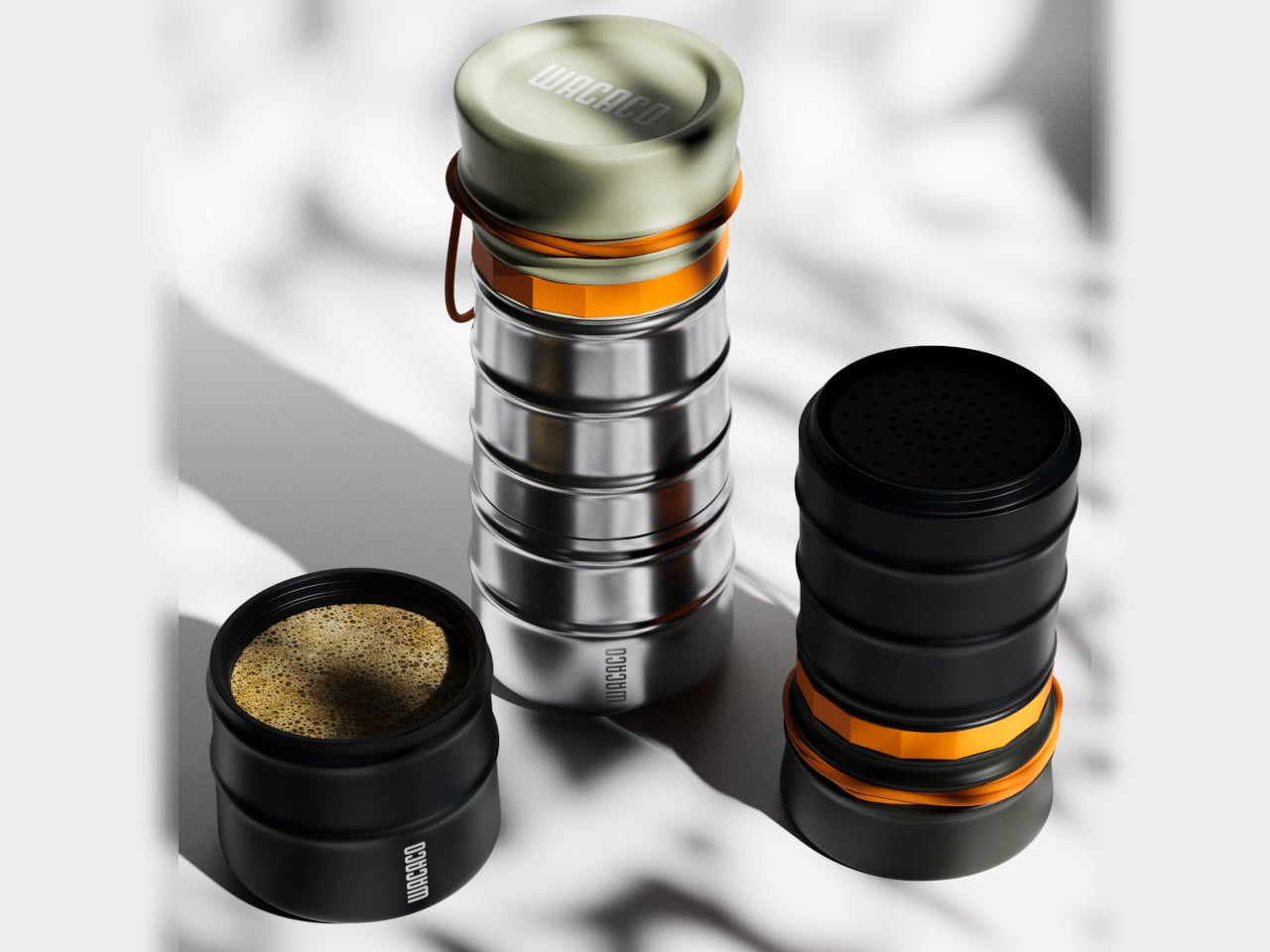
The hotel room coffee situation has not improved. The MokaMax accepts this and brings its own solution: a ridged stainless steel travel mug that contains a full pressure brewer inside its body. You fill the chamber, add grounds, apply pressure through the integrated mechanism, and have something approximating an espresso in under three minutes using nothing but boiling water from the kettle on the credenza. It is a singular piece of design that treats a genuine travel problem with the seriousness it deserves.
The ridged stainless exterior gives it a profile that belongs on the shelf of a Scandinavian kitchenware shop rather than in a carry-on bag. It travels as a sealed container with no separate parts to lose across time zones. The lid doubles as a cup. The whole thing weighs 400 grams fully loaded and fits in the front pocket of most travel backpacks. For coffee people who have tried every in-room alternative and arrived at the same disappointing conclusion every morning, this ends the conversation.
What We Like
The integrated brewer and mug in a single sealed body means no separate components, no loose parts, and no compromises across a summer of movement.
The ridged stainless exterior is visually distinctive enough to qualify as an object worth owning well beyond its function.
What We Dislike
Cleaning the pressure chamber on the road requires access to a proper sink and a few spare minutes that airport transit rarely provides.
The 400g weight, while justified, is noticeable in a carry-on where every gram has already been negotiated.
3. AirTag Carabiner
The AirTag Carabiner treats Apple’s tracking disc the way a good frame treats a painting: it makes the object inside worth looking at. Machined aluminum, a clean gate mechanism, and a profile that clips to bag straps, belt loops, and zipper pulls without reading as gear. Most AirTag cases are either cases or carabiners. This one is genuinely both, and the design is considered enough that you clip it on and forget it exists entirely until the moment you need it.
For travel, the peace of mind is architectural. You clip one to your checked bag and one to your day pack, and the anxiety of watching a baggage carousel empty while your luggage doesn’t arrive shifts from dread to information. The form is compact enough that it adds nothing to the weight profile of a bag. The aluminum patinas naturally over months of use into something that looks earned rather than bought. It is the category of object whose value you only understand the first time it does its job.
The machined aluminum gate and clean profile make it one of the few AirTag carriers that genuinely improve the look of whatever bag it attaches to.
The combination of carabiner utility and tracking function eliminates the need for a separate clip and a separate case simultaneously.
What We Dislike
The AirTag itself is sold separately, which means the full experience requires an additional purchase; most listings bury this in fine print.
Aluminum gates can feel stiff in cold weather, and the opening requires two hands during the first weeks of regular use.
4. Comes
Siwoo Kim’s Comes is a small AI companion device designed specifically for solo travel, and the premise is more considered than it sounds. It sits in your palm, connects to your phone, and acts as a conversational layer between you and unfamiliar places: translating menus, suggesting detours, and responding to the low-stakes questions that feel embarrassing to search for in public. The design is rounded and quiet, built to stay in a pocket rather than demand a wrist, a screen, or a face to look at.
What makes Comes worth including in any honest travel list is what it refuses to do. It is not a phone. It has no screen. It does not try to replace anything except the particular loneliness of standing in a new city without anyone to ask. For solo travelers who find the performance of looking confident in unfamiliar places genuinely tiring, Comes offers a private layer of support without the social cost of visibly consulting a device. It turns navigation into conversation, which is a different kind of travel entirely.
What We Like
The screenless, pocket-sized form means it assists without demanding attention, which is the rarest quality in any device designed for travel.
The AI layer is built specifically for travel contexts, making it meaningfully more useful than a repurposed general-purpose assistant.
What We Dislike
Connectivity depends entirely on your phone’s data plan, which in rural or international contexts can make the experience inconsistent.
The concept is stronger than the current feature set, and early adopters will encounter limits that future firmware will eventually address.
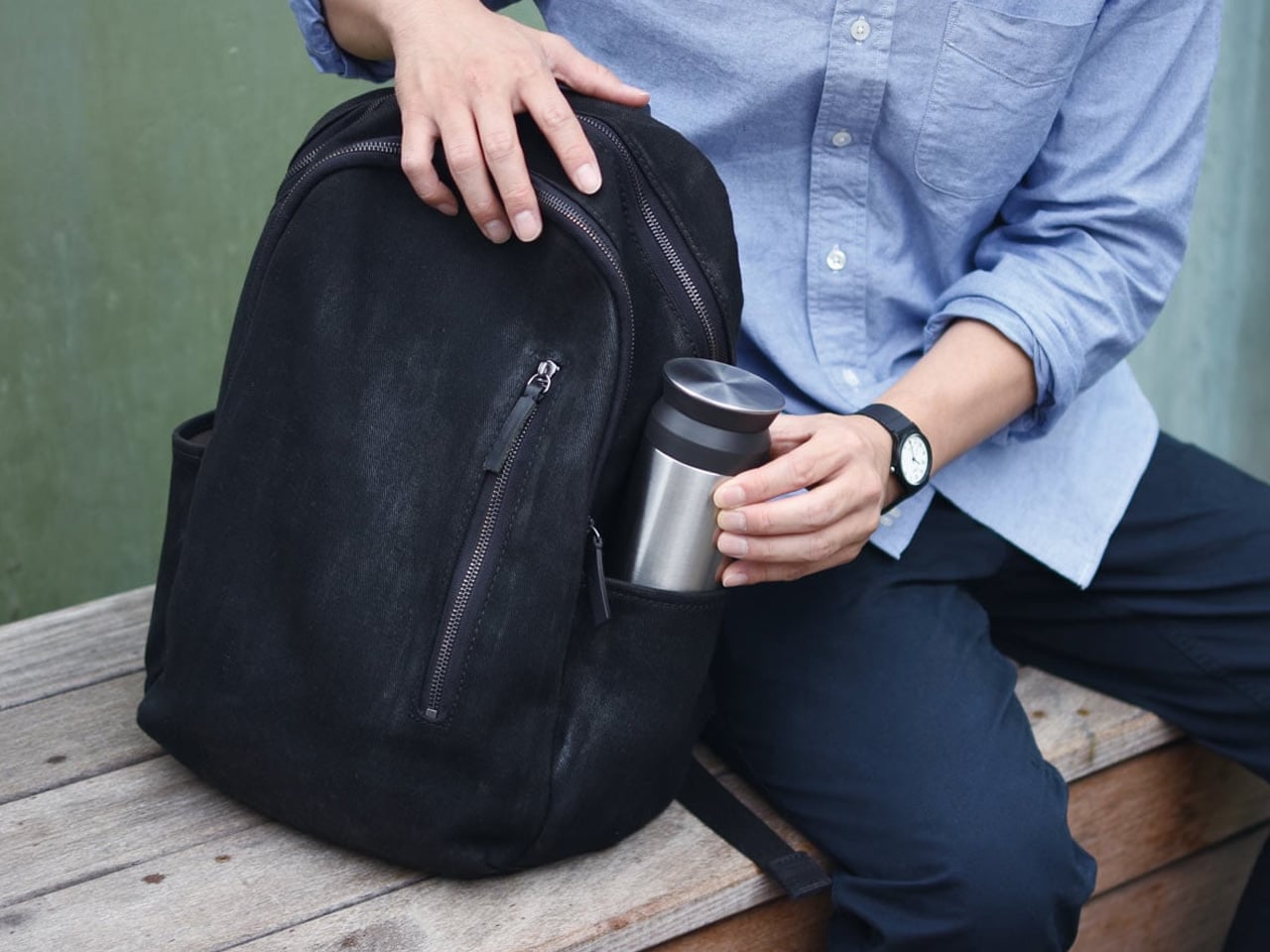
5. Kinto Travel Tumbler
KINTO has been making drinkware in Japan since 1972, and the Travel Tumbler is the product that explains why the brand has a following among people who pay attention to objects. Matte stainless steel, a one-handed screw lid with a silicone seal, and an opening wide enough to drink from without tipping your head back. There is no rubber gasket on the exterior. No logo beyond a debossed stamp. No color options are engineered to attract attention. It disappears into your morning routine and becomes difficult to travel without.
The 500ml capacity is the most considered part of the design. It is enough for a double espresso topped with hot water, or a full cup of whatever the guesthouse kitchen offers, without being the oversized vessel that forces you to drink fast or carry heavy. It keeps liquids at a temperature for six hours in either direction. For a summer of early trains and long afternoons in cities you are still learning, the Kinto becomes the object you reach for more often than any other in your bag.
What We Like
The matte stainless exterior and restrained detailing place it closer to Japanese tableware than outdoor gear, which is a genuine category distinction.
The 500ml capacity hits the precise middle ground between espresso-sized and inconveniently large for everyday carry.
What We Dislike
The screw lid takes slightly longer to open than a flip-top, which becomes apparent when you are holding a tray and a boarding pass simultaneously.
The matte finish marks with fingerprints in warmer climates and requires more frequent wiping than a polished surface would.
6. Casabeam Everyday Flashlight
The Casabeam occupies the specific design territory between a tool and an object worth keeping on a desk. The body is machined to a clean cylindrical profile with a pocket clip that doubles as a satisfying fidget mechanism, and the beam output is serious enough for actual use without the tactical overdesign that plagues most EDC lights. It charges via USB-C and remembers its last mode, which sounds minor until you have spent thirty seconds cycling through strobe mode in a dark guesthouse corridor at 2 am.
Travel reveals how often you need a light that is not your phone. Cobblestone streets with broken lamp posts. Power cuts in cheaper accommodation. Reading in a top bunk without waking the rest of the room. The Casabeam handles all of it from a body that fits alongside a pen without adding bulk. The light quality is warm enough to be comfortable and bright enough to be useful. It earns more appreciation the longer you carry it, because it keeps solving problems you had quietly given up on solving.
USB-C charging and mode memory remove the two most common sources of friction in EDC flashlight ownership entirely.
The machined cylindrical body is refined enough to sit alongside design objects rather than tools without any visual apology.
What We Dislike
The warm beam color, while pleasant for ambient use, is less useful for reading text at a distance than a cooler 5000K alternative.
The pocket clip was clearly designed for trouser pockets rather than shirt pockets, and the thinner fabric requires deliberate re-positioning.
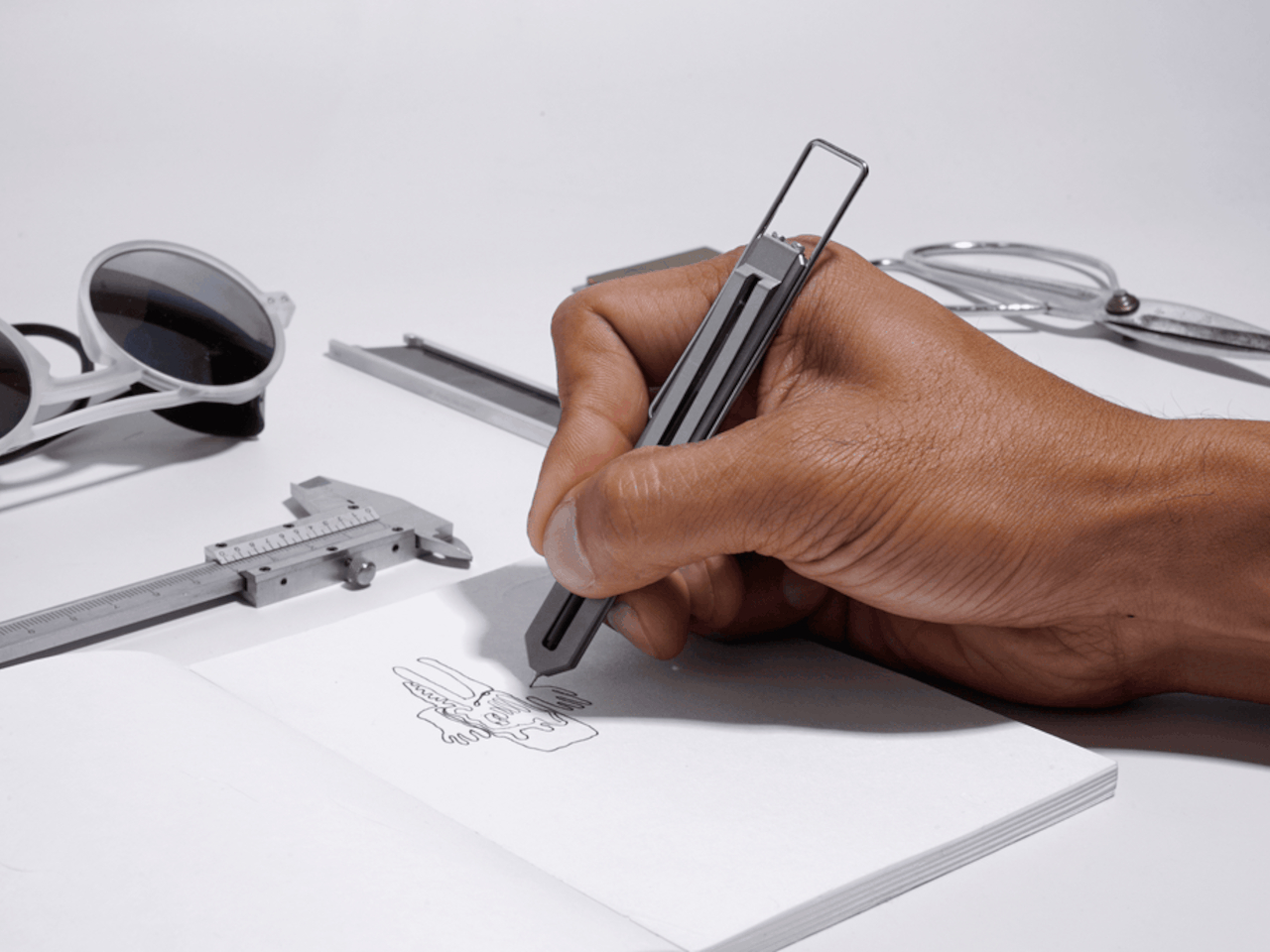
7. CW&T Pen Type-C Ultra — gnuhr Edition
CW&T is a small New York studio that produces objects in limited runs for people who pay close attention to manufacturing. The Pen Type-C Ultra gnuhr Edition is Grade 5 titanium, hollowed and precision-milled to a skeletal profile that removes every gram that does not need to exist. It weighs almost nothing. It looks like it belongs next to aerospace hardware in a design archive. It takes a standard ballpoint refill and writes exactly as a pen should, with no drama and no compromise in either direction.
Traveling with this pen converts the act of writing into something you notice. Filling in a form at a hotel desk, signing a restaurant receipt, sketching a street corner in a notebook: these are the moments when an object of this quality distinguishes itself from everything else in your pocket. It does not perform its material. It simply is the material, in a form tight enough to disappear on a keychain or in the spine of a notebook. For a summer of movement, something is clarifying about carrying a pen that will outlast every passport you own.
What We Like
Grade 5 titanium construction and skeletal precision milling place this in a different category from every other writing instrument at any price point.
Standard ballpoint refill compatibility means the most beautifully made pen you own is also the easiest to maintain anywhere in the world.
What We Dislike
The skeletal body offers minimal grip surface, which becomes fatiguing during longer writing sessions on bumpy transport.
CW&T produces in limited runs, so availability can disappear without notice, and restock timelines are rarely predictable.
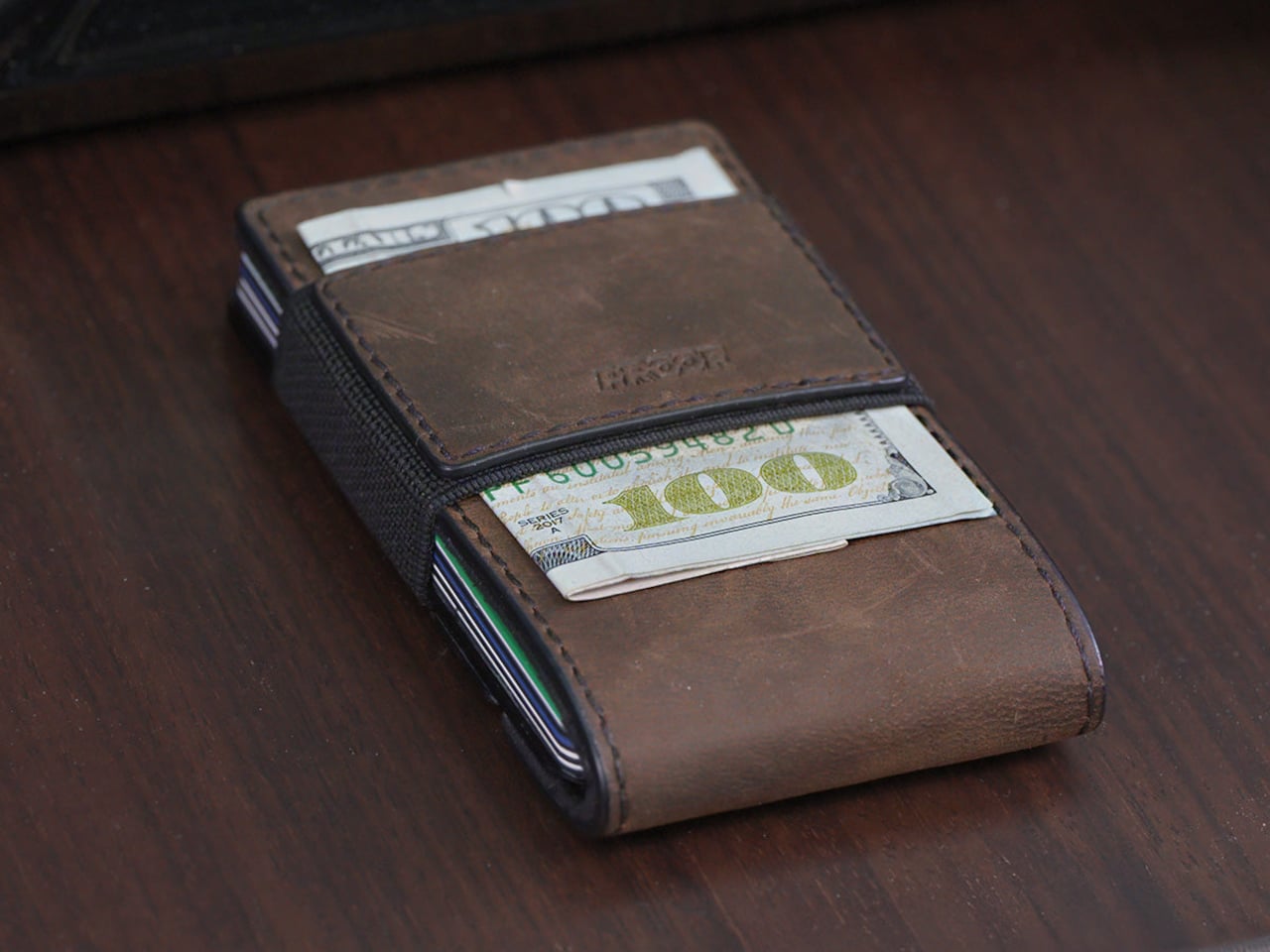
8. PROOF Wallet
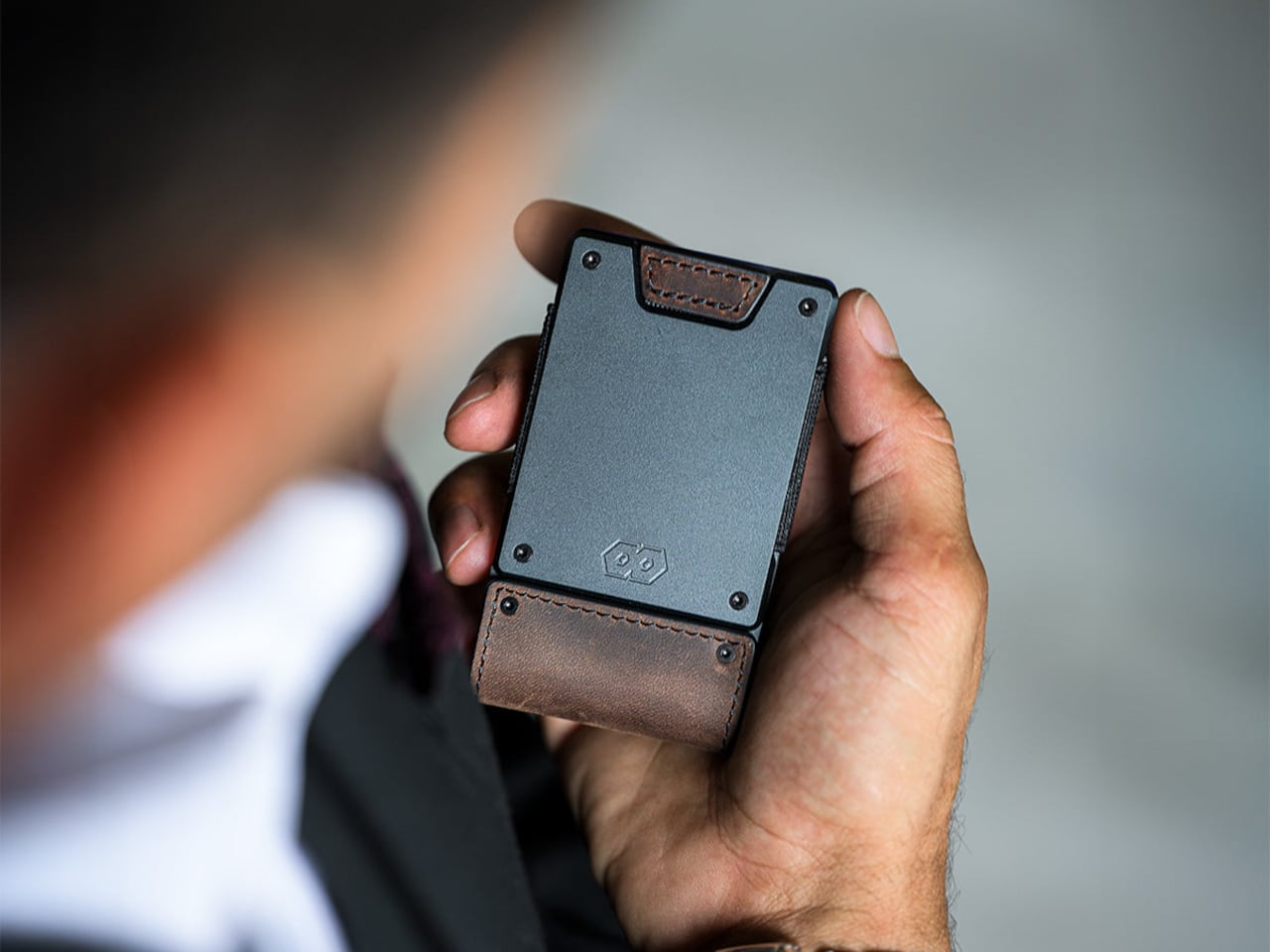
The PROOF Founder pairs an aerospace-grade aluminum plate with top-grain leather and a wide elastic strap in a form that reads as professional rather than tactical. Most minimalist wallets solve their problem by holding less. This one solves it by holding more without growing. The Founder handles anywhere from one to twenty-five cards, with the elastic strap compressing the stack and the leather wrap keeping it contained. It sits flat in a jacket pocket and does not announce itself, which, for travel, where your wallet becomes a daily tool rather than a background object, is the entire point.
The aluminum plate is the structural element that separates this from fabric-only alternatives: it prevents the flex and collapse that plagues elastic wallets after months of use and creates a satisfying resistance when fanning through cards. The leather wrap patinas over a summer into something that looks considered rather than worn. There is no branding on the exterior beyond the material itself. For the kind of traveler who finds the Ridge wallet slightly too aggressive in a formal setting, the Founder is the obvious alternative that nobody else at the table will recognize.
What We Like
Aerospace aluminum structure paired with top-grain leather produces a material combination that improves with use rather than degrading with it.
The one-to-twenty-five card capacity range makes it genuinely flexible across the context shifts that define summer travel without structural compromise.
What We Dislike
The elastic strap shows its age before the leather or aluminum does, and replacement options require contacting the brand directly.
The profile, while slim, is wider than card-only holders, which feels unnecessary on short day trips when you carry two cards and nothing else.
9. Traveler’s Notebook
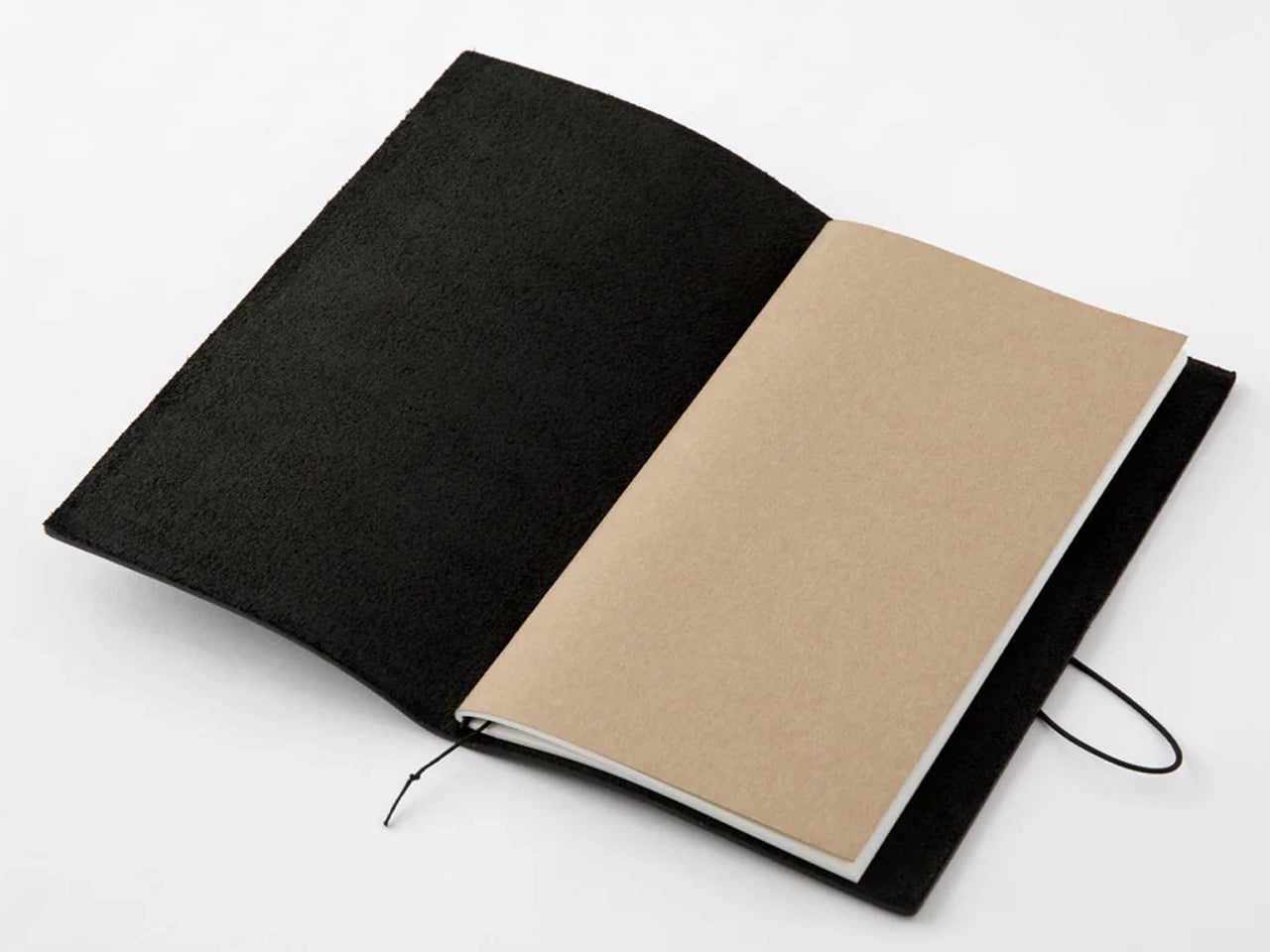
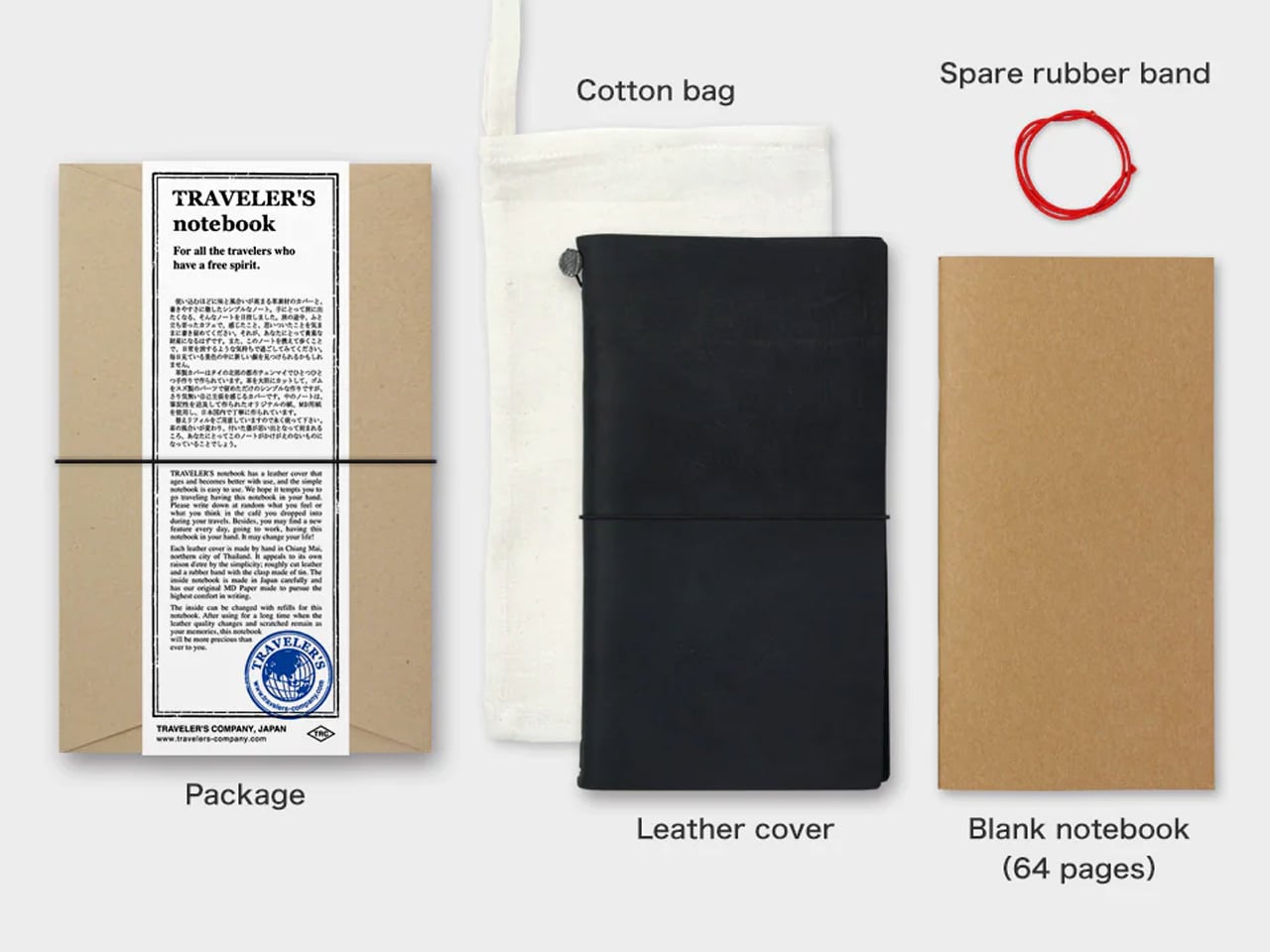
The Traveler’s Notebook has been in continuous production since 2006 and has changed almost nothing about itself, which is as strong an endorsement as any product can receive. The black edition is oiled buffalo leather stretched over a brass clip and elastic cord, aging into something that looks genuinely lived-in after a single trip. The passport size fits a shirt pocket. The paper is cream-colored, fountain-pen-friendly MD stock that resists bleed-through with quiet success. The inside becomes whatever you need it to be: journal, sketchpad, receipt keeper, boarding pass sleeve.
In a list built partly around technology and connectivity, the Traveler’s Notebook earns its place by doing nothing digital. It is the object that captures the parts of a trip that photographs miss: the light on a piazza at seven in the morning, the menu item you want to remember, the address someone wrote down for you on a napkin now tucked into the inner fold. Travel writing done by hand in a book that costs less than a meal has a particular relationship to memory that no app has yet replaced. This is the pocket-sized argument for why.
What We Like
Oiled buffalo leather and brass clip construction will outlast every phone, charger, and piece of luggage in the bag by a significant margin.
The refillable insert system means the notebook’s physical character accumulates across years while the interior renews for each new destination.
What We Dislike
The elastic cord binding requires an initial period of loosening before the inserts sit flat, which new users consistently find frustrating in the first week.
The narrow passport format can feel constrained for wider handwriting styles, particularly for left-handed writers working on moving transport.
Pack Less. Pay Attention.
Nine objects across nine categories, and the through-line is identical across all of them. Each one was made by someone who asked a specific question about how a thing should work rather than how it should be marketed. That specificity is what makes a bag lighter, a morning better, and a new city feel less like a problem to manage and more like the reason you left home in the first place.
The best travel gear does not make travel easier in the way a better suitcase wheel makes transport easier. It makes travel richer in the way a good book makes a long flight disappear. These nine objects will not tell you where to go. They will make you pay closer attention once you get there, which is the only travel advice worth taking.
Everyone knows the problems a single travel pack brings. If you get one that will work for an epic around-the-world adventure, it’s too big for the 3-to-5 day trips you take most of the time. If you get a smaller bag, you’re stuck with not enough space if you pick up things along the way. And, the one bag has only one mode of carry, and has to double as both a carry-everything pack on the plane (where it may not meet carry-on requirements if it’s too big) and at your destination, where you’d really like to be able to explore with a lighter weight daypack. Modular bag systems try to address these problems; however, most modular bags optimize for the combined state and treat separation as an afterthought. You could get a brilliant 65-liter travel beast that zips apart into a couple of mediocre bags you would never choose to carry on their own.
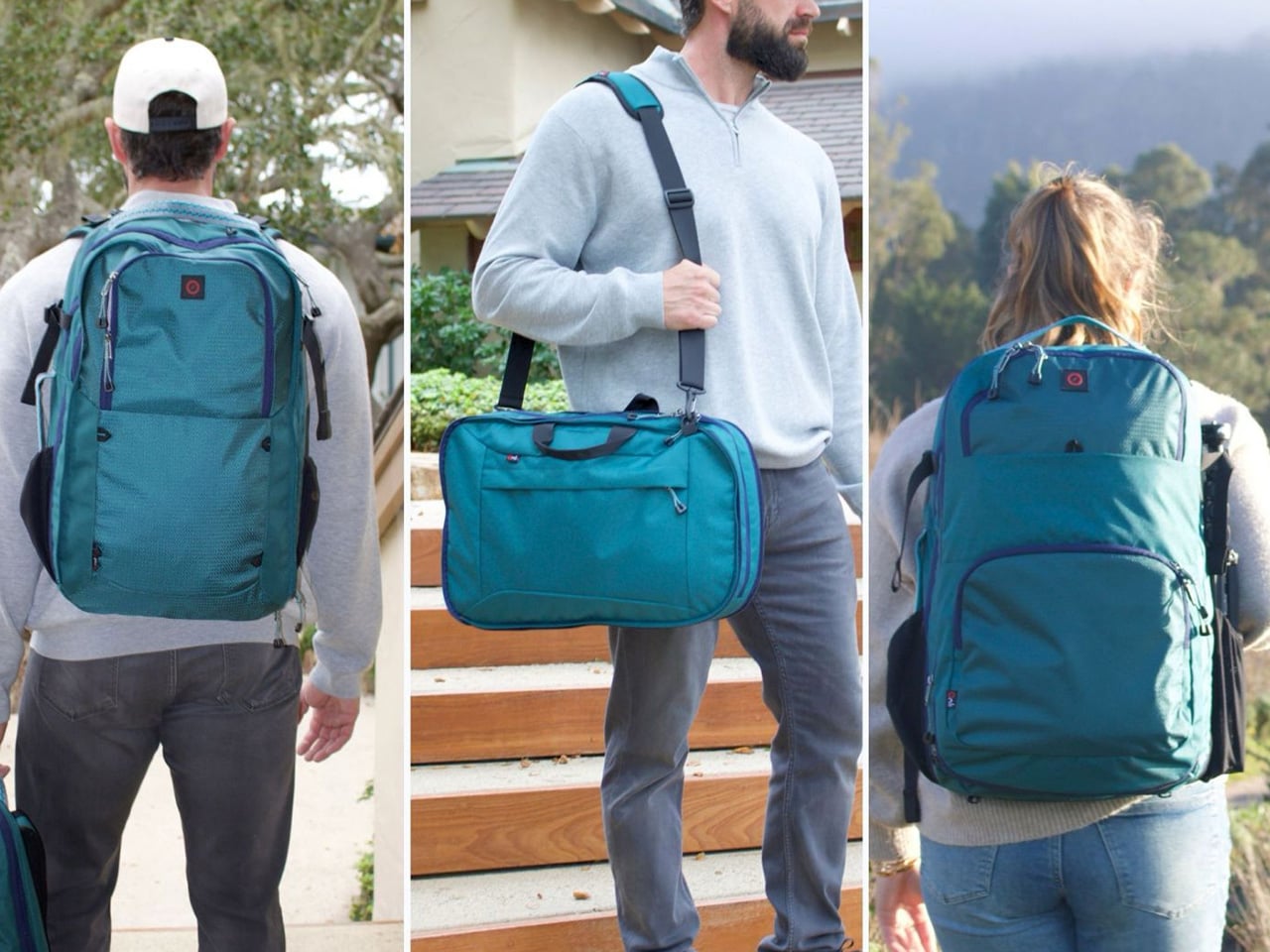
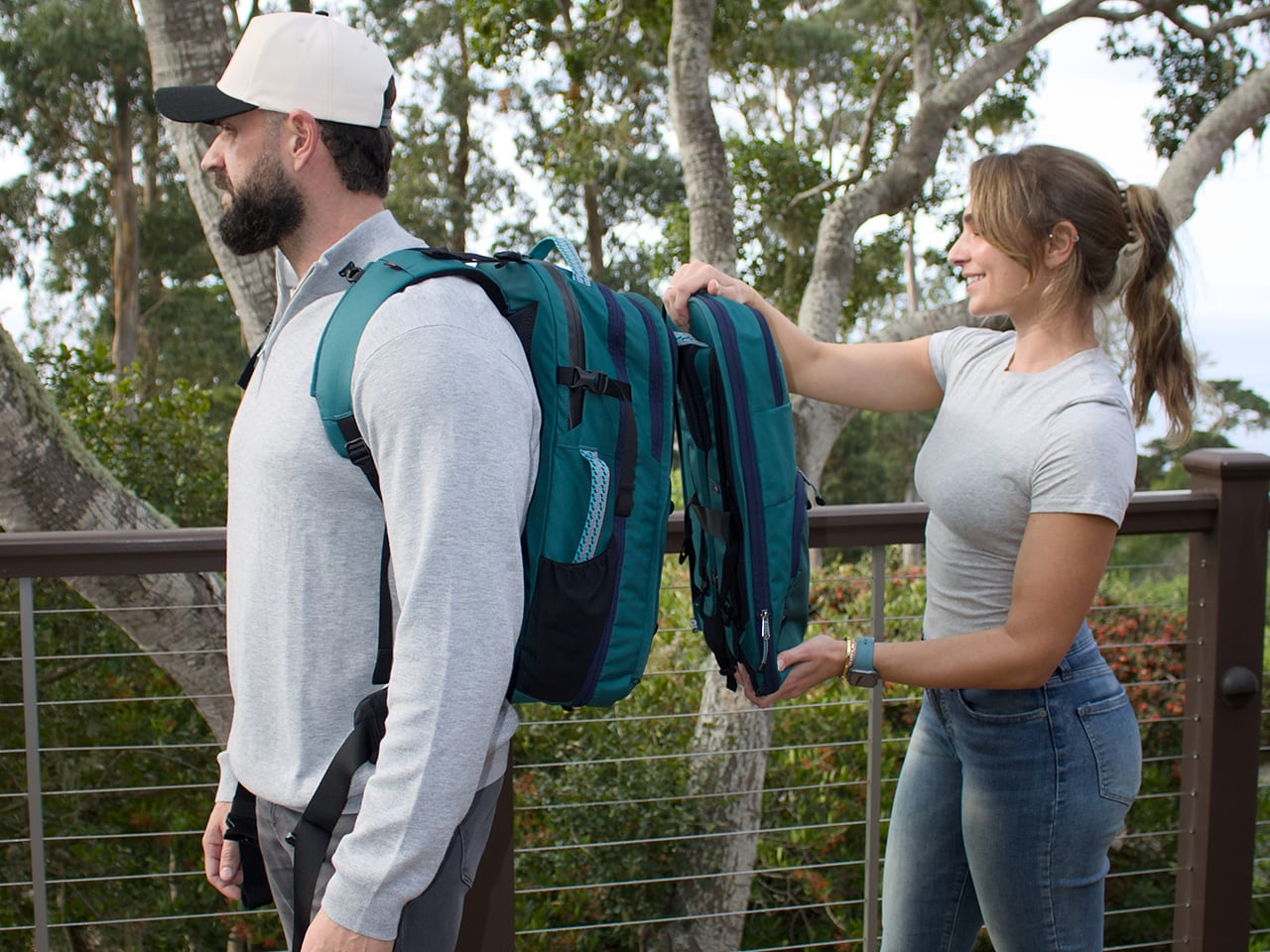
Enter Onli Travel’s Modevo Modular Travel Pack: a unique three-bag system, composed of the Core Pack travel backpack at the rear, the Link (an expandable shoulder bag/brief) in the middle, and the expandable Go Daypack on the front. Modevo takes the opposite approach, designing each of it’s three components as a fully functional standalone bag first, then engineering the connection points to make the combined configurations work without compromising the individual pieces. The Core Pack needs to work as a real 28-liter travel backpack with proper suspension. The Link needs to function as a usable briefcase or messenger bag. The Go Daypack needs to stand on its own for day trips or quick errands. Only after those requirements get satisfied in an appealing way does the design consider how they zip together.
This philosophy shows up in details like the Core Pack’s suspension system, which includes load lifters, a padded and vented back panel, and a removable hip belt that actually transfers weight to your hips rather than acting as decorative webbing. The Link has retractable handles and a shoulder strap with quick-release buckles, making it genuinely useful as a standalone carry for laptops and documents, or when you need extra space. The Go Daypack expands from 12 to 27 liters and includes a luggage pass-through strap, giving it real utility beyond just being the third piece of a modular system. When you zip all three together, you get a 58 to 73-liter travel system that works great as a unitary backpack, but the crucial bit is that you can separate them mid-trip and actually want to use the individual components.
At 28 liters, the Core Pack sits in that sweet spot where you can carry a week’s worth of clothes plus a laptop without the bag feeling oversized for daily use. The clamshell opening makes packing straightforward, and the dedicated laptop pocket fits screens up to 17 inches. Onli included compression straps on the sides that do double duty securing tall items such as tripods or walking sticks in the side pockets, along with a hidden pocket on the back panel for passports or valuables. The suspension system uses contoured shoulder straps with enough padding to handle weight comfortably, and the removable hip belt actually does something useful when you load the pack heavy, and has vertical adjustment to fit your torso. Side stretch pockets accommodate water bottles or umbrellas without eating into the main compartment space. The vented back panel helps with airflow, which matters when you are wearing the pack for extended periods or in warm climates. Discreet cord loops allow you to add on extra items if needed.
The 18-liter Link zips onto the front of the Core Pack when you need extra space or organization, but it works independently as a briefcase, shoulder bag, or crossbody carry. Retractable handles let you grab it like a briefcase when you are heading into a meeting, and the adjustable shoulder strap with quick-release buckles converts it into a messenger bag for commuting. Inside, there is an internal laptop sleeve that runs the length of the bag to handle over size laptops, a quick-stash front pocket for things you need to grab frequently, and enough room for documents, chargers, and the other miscellaneous items that usually end up loose in the bottom of a backpack. The design is clean enough that you could carry it into a professional setting without looking like you are lugging around camping gear. When attached to the Core Pack, it acts as a front organizer panel with easy access to essentials without needing to open the main compartment.
The Go Daypack adds 12 to 27 liters depending on whether you expand it, and it zips onto the front of the Core Pack or the Link (yes, you can configure it both ways depending on the needs of your trip!) to create the full travel configuration. On its own, it functions as a compact daypack with top-loading laptop access, dual front organizer pockets, and a grab handle for quick carry. The expandable design means you can keep it compressed for light days and open it up when you need to haul groceries or souvenirs back from a market. A pass-through strap on the back lets you slide it onto rolling luggage handles, which is genuinely useful when you are navigating airports and want to consolidate your carry. The expansion zipper runs around the perimeter, adding 15 liters of capacity when you need it without making the bag look bloated when compressed.
Put all three together and you get a system that adapts to your journey, and gives you the flexible capacity and carrying options that make travel fun. . The combined configuration reaches 58 liters unexpanded or 73 liters when you open up the Go Daypack’s expansion zipper, giving you enough capacity for extended trips without needing to check a bag. The attachment system uses YKK zippers running around the perimeter of each bag, creating a mechanical connection that distributes load across the entire interface instead of relying on clips or straps that create stress points. When you want to separate the bags mid-trip, you just unzip the connections and each piece comes away ready to use independently.
Onli Travel has been refining this concept since 2018 across multiple product iterations. This is their fourth campaign, and the design language suggests they have learned from previous versions. The bags use water-resistant fabric with Bluesign and OEKO-TEX certifications, which means the materials meet environmental and safety standards for manufacturing. YKK zippers and hardware throughout indicate attention to durability, and the construction quality reflects years of user feedback from earlier models. The system also works as a two-bag setup if you skip the Link and pair the Core Pack directly with the Go Daypack (a feature only Onli Travel offers). This “Duo configuration” pairs the Core Pack with the Go Daypack, gives you 40 to 55 liters of capacity and covers most travel scenarios without the additional briefcase component. This makes sense if your trips tend to be shorter or more casual or if you already have a dedicated work bag you prefer.
For people who want overflow capacity without committing to the full three-bag system, Onli also offers the Penta 5-in-1 packable duffel separately. It functions as a duffel, backpack, shoulder bag, belt bag, or crossbody, and it packs down small enough to stuff into the Core Pack until you need the extra space. The Penta works particularly well for those unexpected situations where you buy more than you planned or need a separate bag for dirty laundry or beach gear. It adds 27 liters of capacity when deployed but weighs almost nothing and takes up minimal space when packed.
The Modevo Trio is available now for $224 through the pre-order window, with the Duo configuration running $174, if you skip the Link. Adding the Penta duffel to the Duo brings the total to $249, while the full Trio plus Penta bundle sits at $299. Colors come in black or teal, with selection happening after the campaign closes. Delivery is scheduled for June 2026, with domestic and international shipping available.
FPV flying is phenomenally fun and almost completely non-transferable. You’re seeing through the aircraft’s perspective, feeling every input through the video lag, reading the environment in ways that only make sense when you’re in the feed. But to everyone around you, you’ve just put on a box that makes you unavailable for the next however-long. They can’t see what you’re seeing unless you’ve brought extra gear specifically for that purpose. Flying becomes this weirdly solitary activity even when you’re surrounded by people, which is partly why FPV remains niche despite being objectively amazing.
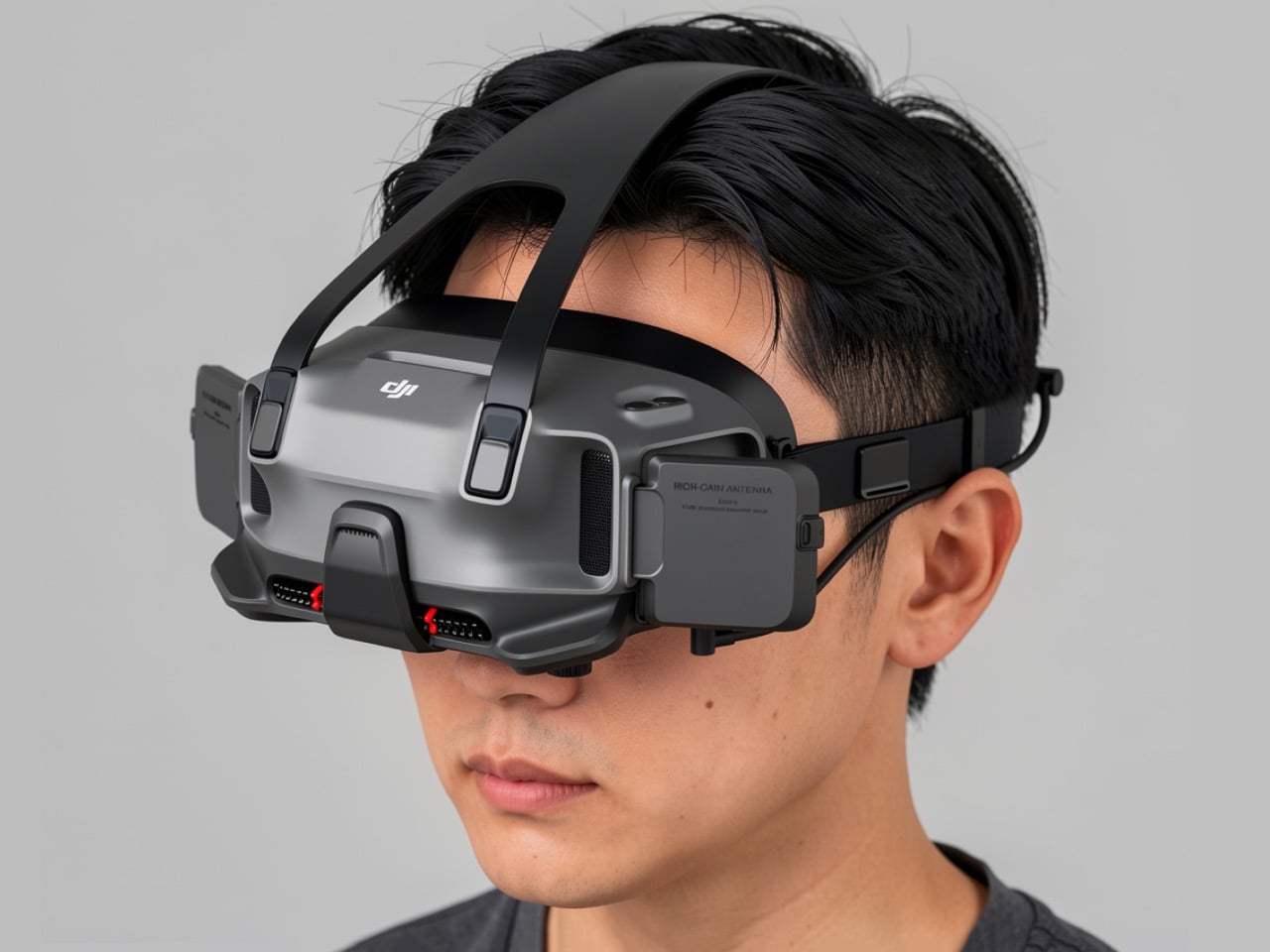
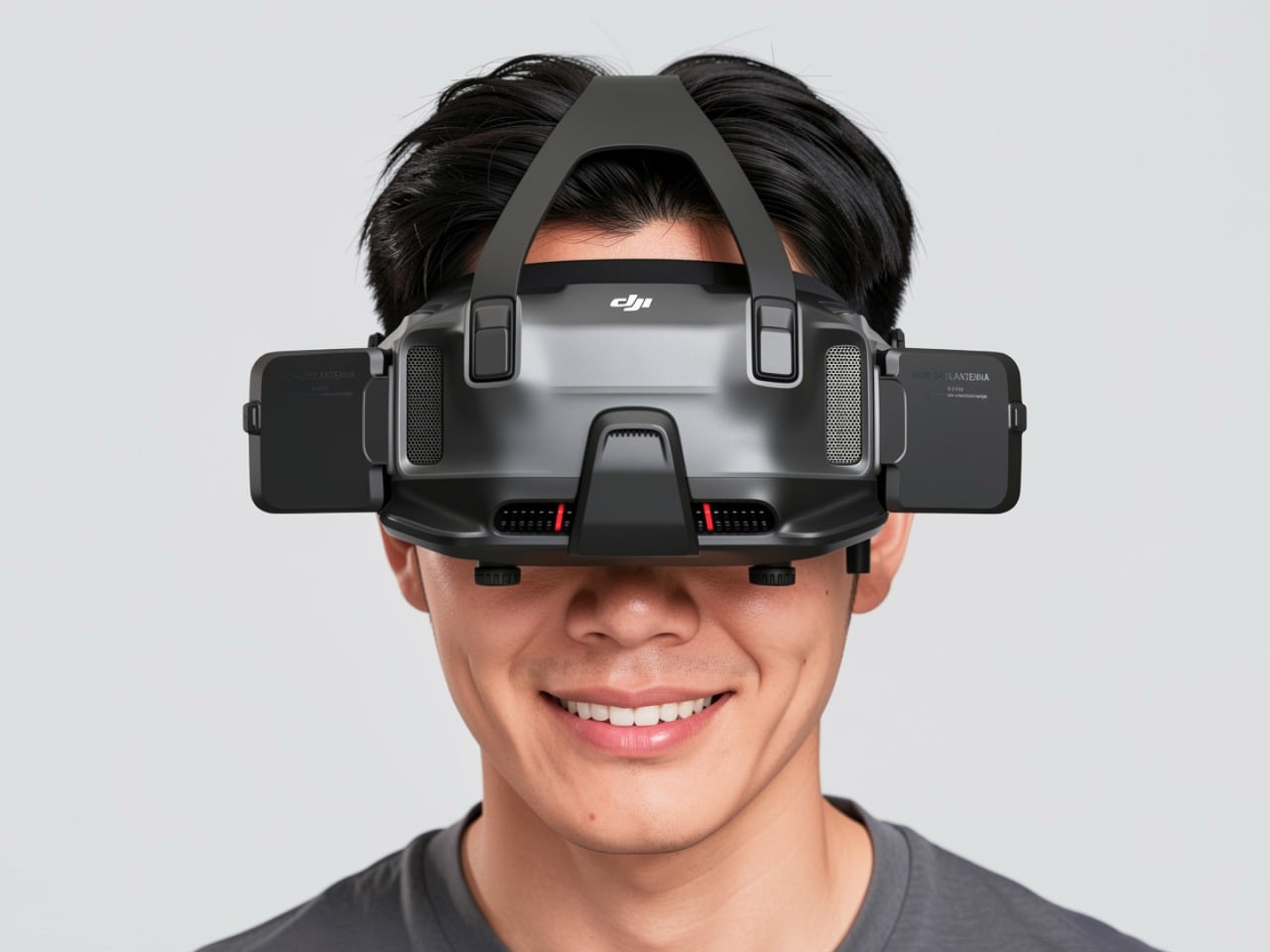
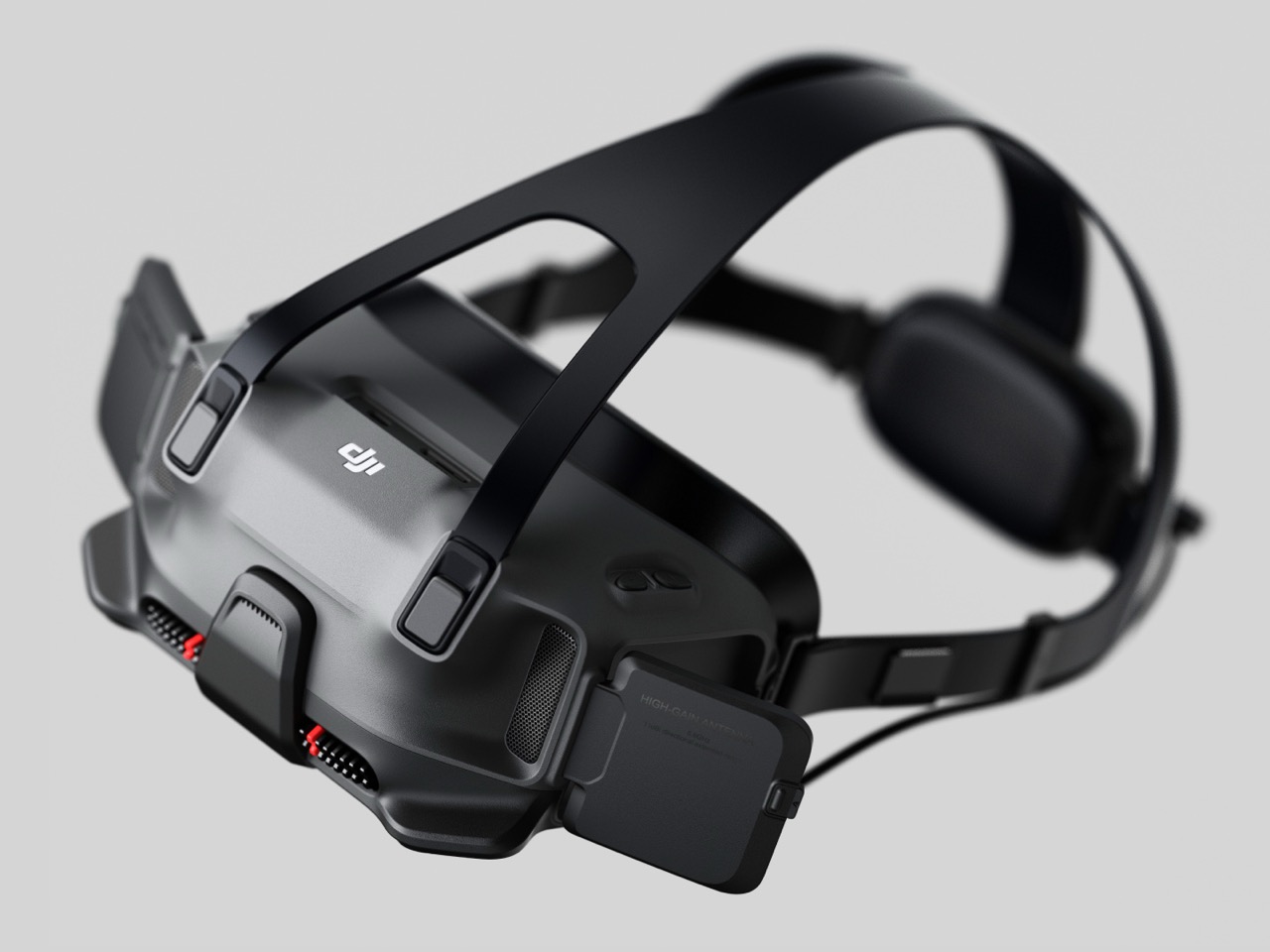
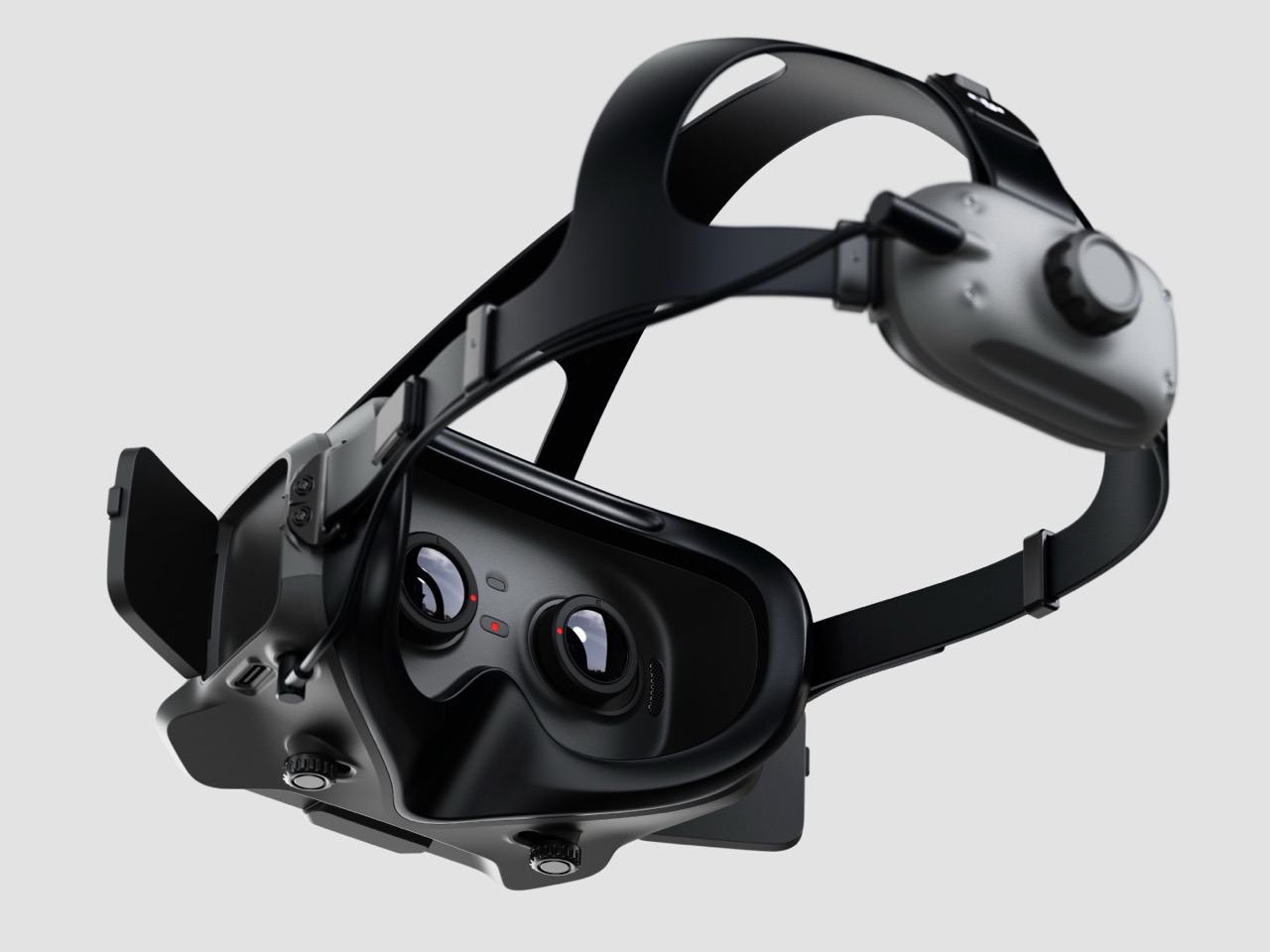
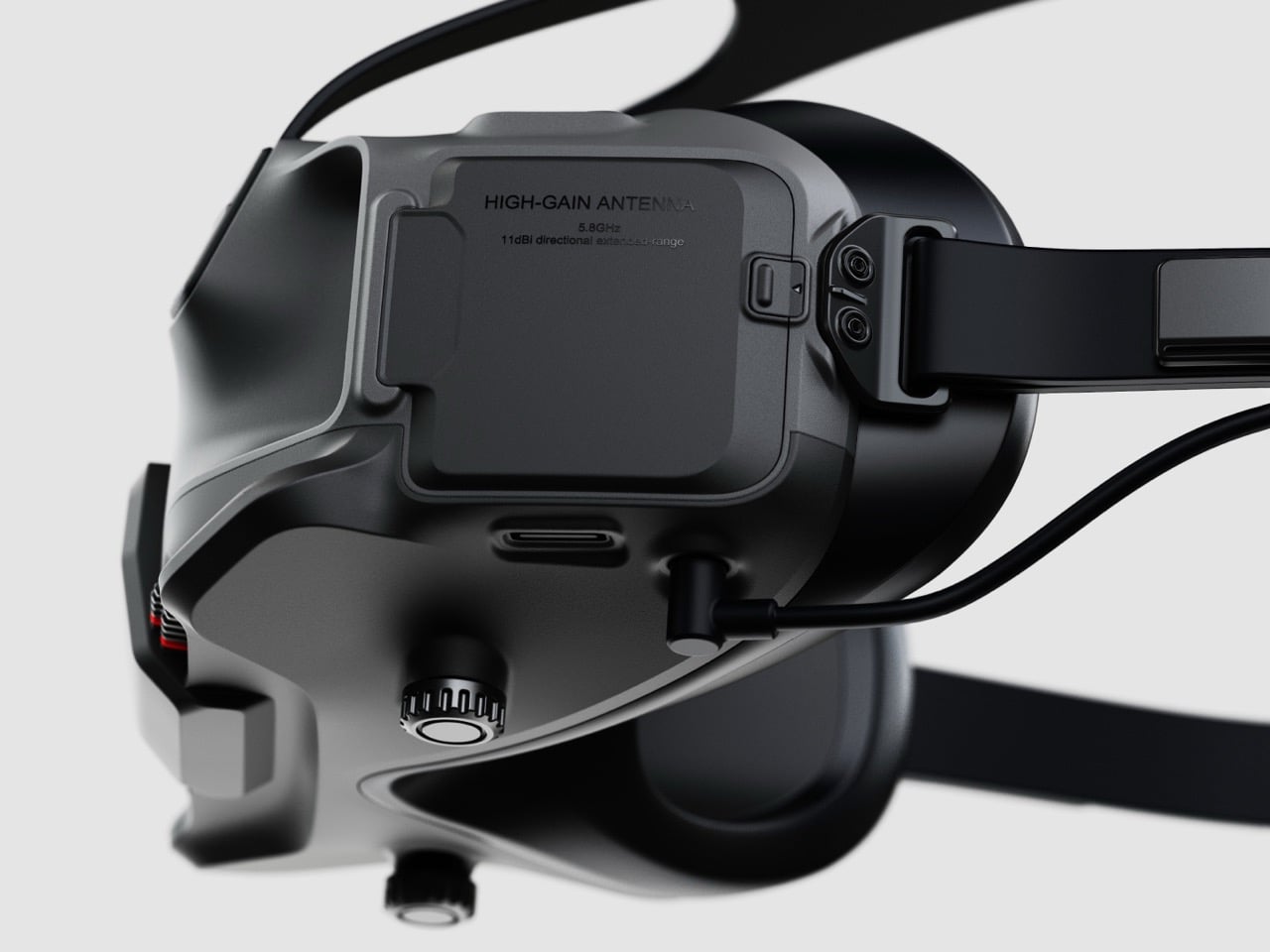
This concept headset tackles radio frequency challenges first and foremost. Those fold-out panels house high-gain antennas that deploy for better signal reception and fold flush for transport, following DJI’s industrial design language closely enough to suggest these could be internal explorations for future Goggles iterations. But one variant shown in the forest shots takes things further: outward-facing displays embedded in those same antenna panels, broadcasting the pilot’s FPV feed to anyone standing nearby. It’s the kind of feature that transforms the headset wearer from someone who’s checked out into the center of a shared experience, addressing one of FPV’s biggest adoption barriers while solving legitimate antenna placement problems.
Radio frequency propagation operates on physics that industrial designers can’t negotiate with. The 5.8GHz band used for FPV video transmission behaves predictably but unforgivingly. Obstacles attenuate signal. Distance degrades quality. Antenna polarization and orientation determine whether you get clean video or digital snow. DJI’s early FPV Goggles buried antennas inside the housing for clean aesthetics and struggled with reception compared to competitors running external stick antennas that looked awkward but performed better. The Goggles V2 improved things. The Goggles 2 and Integra finally achieved competitive range by respecting rather than fighting antenna requirements, but they still used conventional mounting approaches that pilots have relied on for years.
Baozi Brother’s concept makes antenna placement the core organizing principle rather than a constraint to work around. Those wing-like panels extending from either side create physical separation between antenna elements, which matters tremendously for diversity reception. When one antenna’s signal weakens due to aircraft orientation or obstacles, the receiver switches to whichever antenna currently has the stronger feed. Spacing them wide apart on opposite sides of the headset maximizes the likelihood that at least one maintains clean line of sight to the aircraft, even during aggressive maneuvers or when flying behind structures.
The mechanical deployment system uses what appears to be a friction hinge with detents, letting pilots snap the panels into position without tools or fumbling with locks. When folded, the headset’s profile stays compact enough for standard gear bags. When deployed, the panels extend at roughly 45 degrees, positioning antennas away from the head and creating better unobstructed reception angles than current goggles achieve. DJI’s design vocabulary runs throughout: gunmetal gray housing, matte black elastomer padding, sculpted ventilation channels. A BOA-style micro-adjustment dial handles head strap tension at the rear. Port placement on the right side shows USB-C, likely HDMI, and what might be an audio jack.
Now about those screens. The variant shown in the forest environment embeds displays on the outward-facing surfaces of the antenna panels. When deployed, they broadcast the pilot’s FPV feed to spectators, instructors, or anyone nearby. Your instructor watches your training flight without needing separate gear. Your friends see why you’re excited about that gap you just threaded. Content creators capture genuine reactions without additional equipment. Whether PUXIANG moves this beyond rendering remains unclear, but as far as rethinking FPV headset architecture around actual RF performance while making the experience more accessible, this gets closer than most attempts at reinventing goggles.