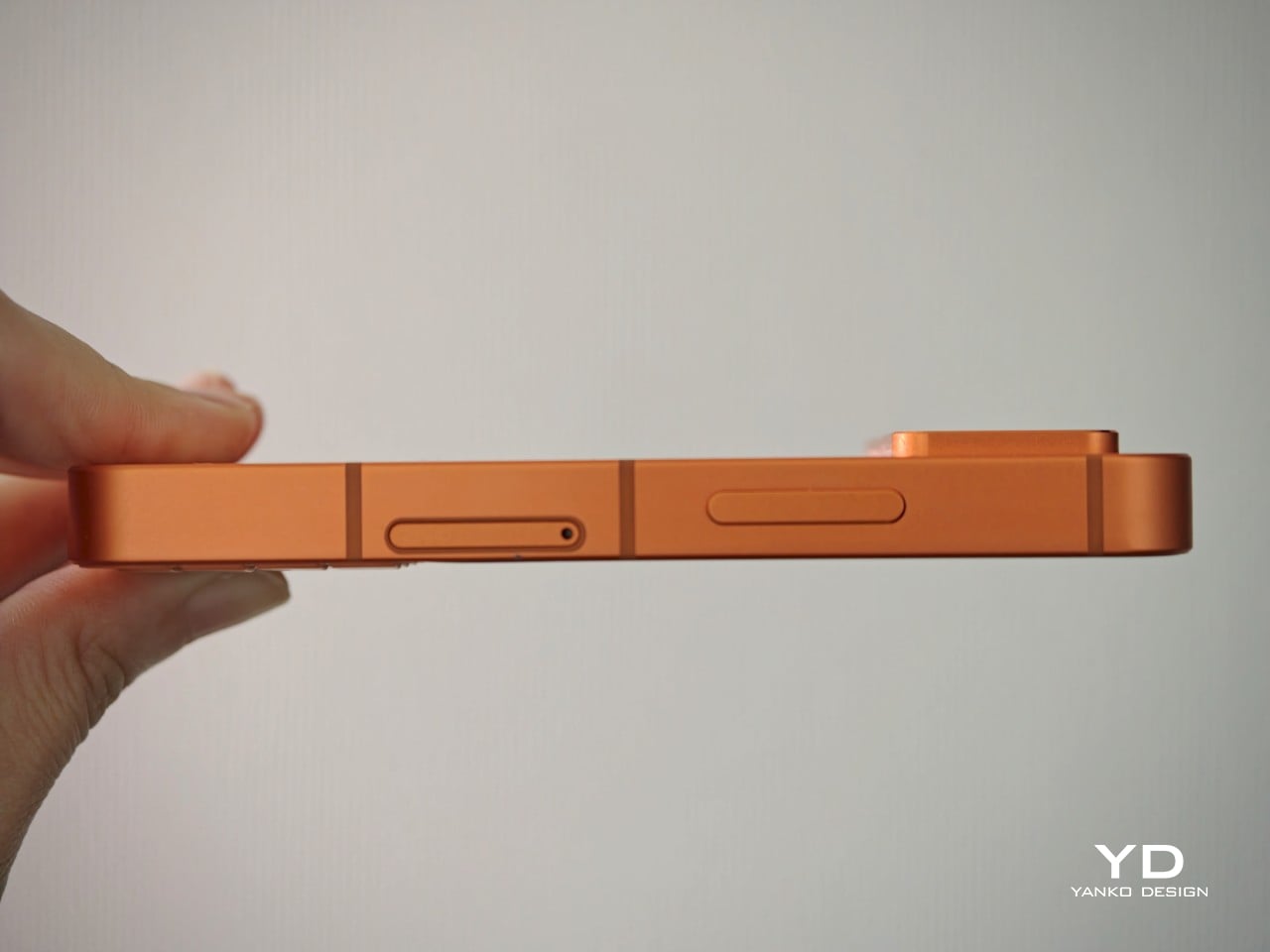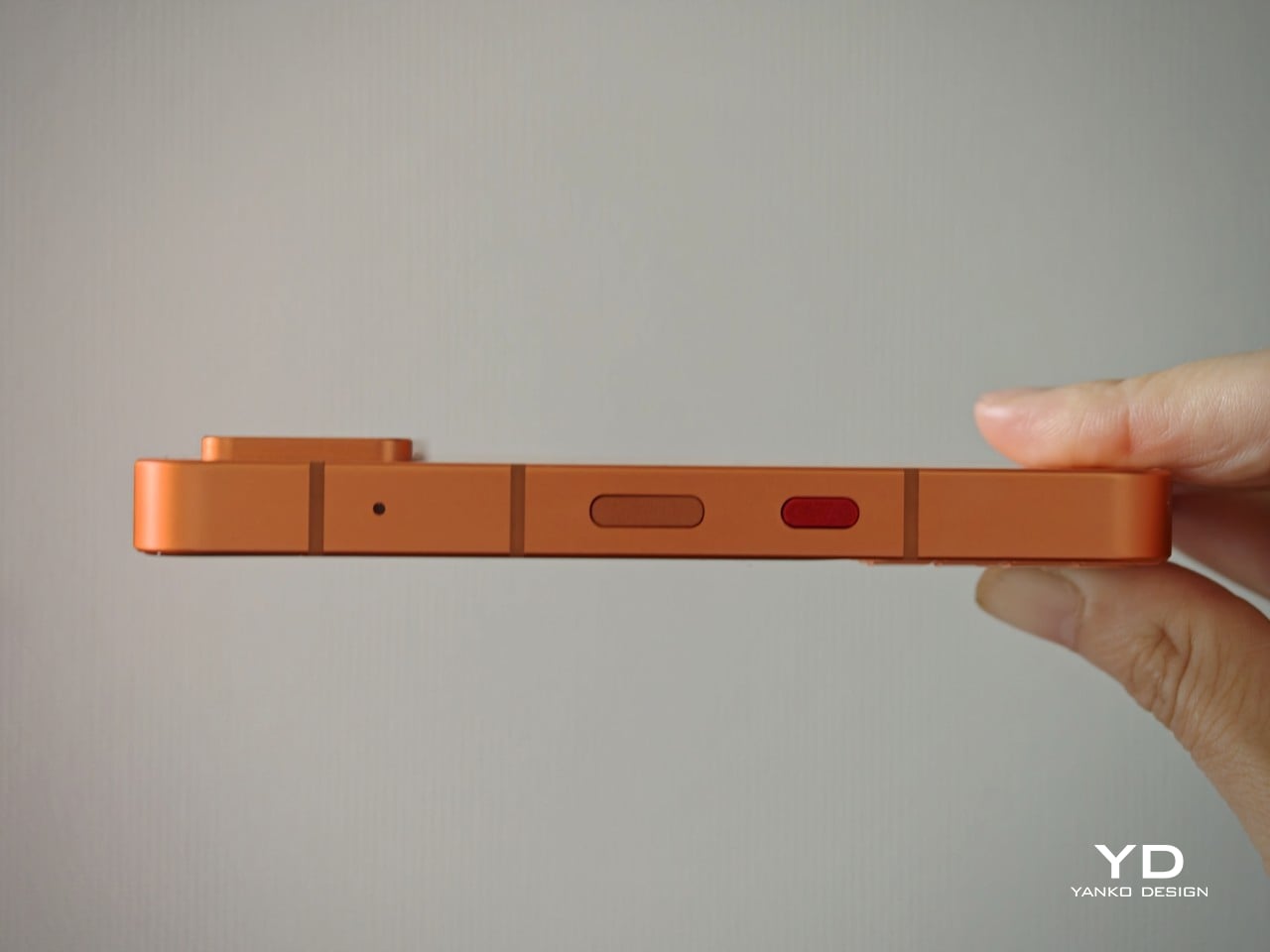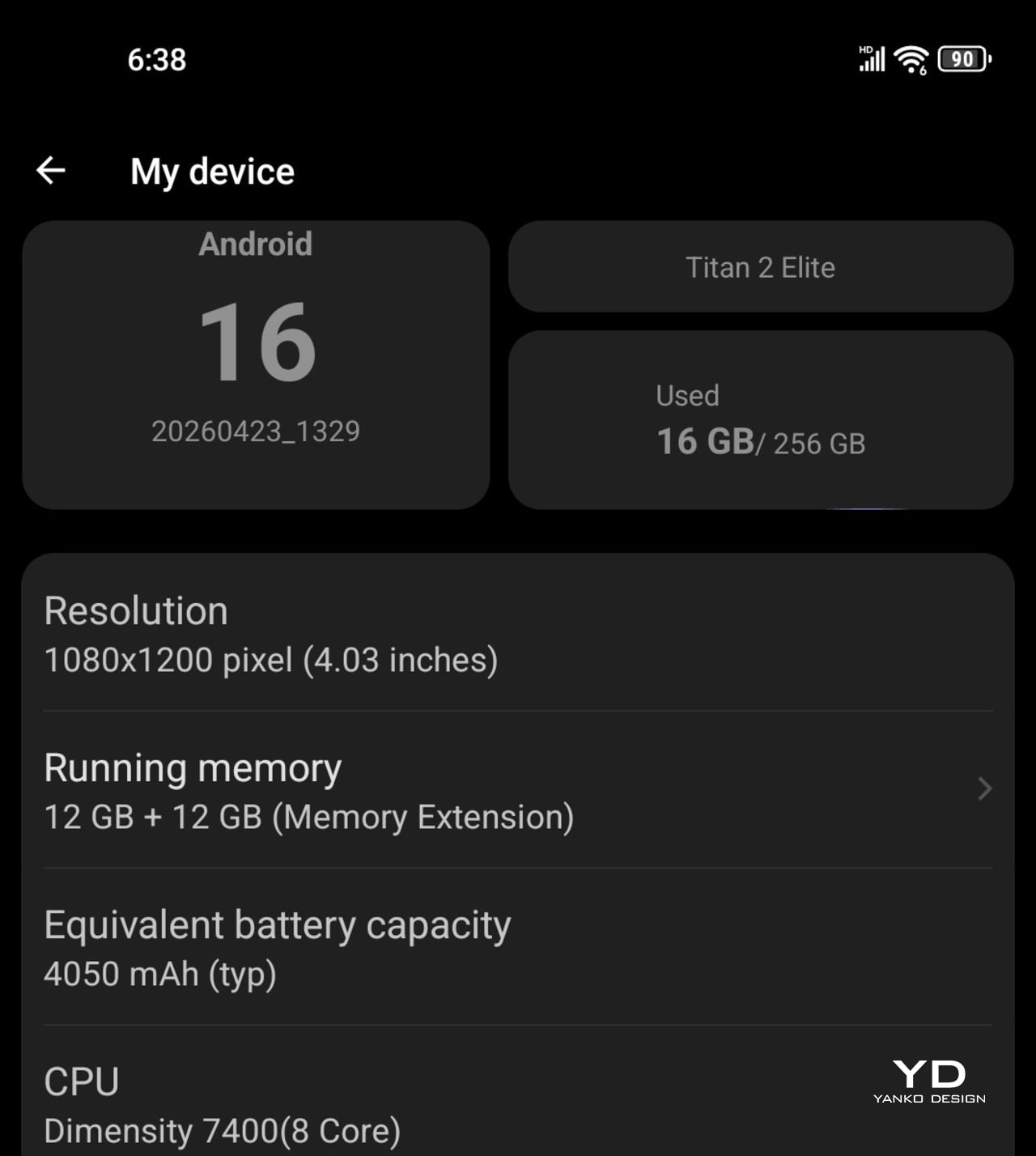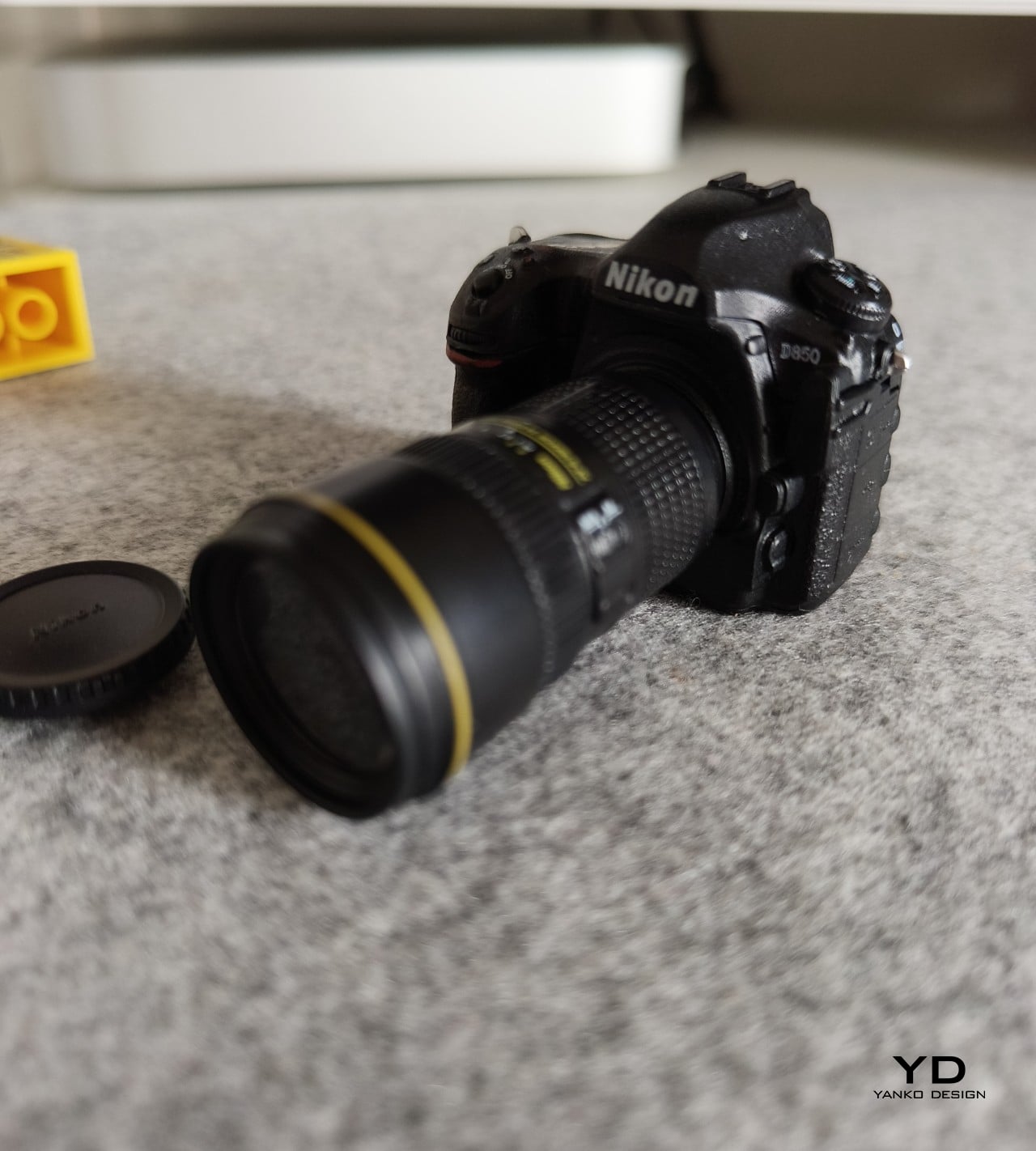
MCON Slim Hands-on at CES 2026: The Ultra‑Thin MagSafe Controller That Turns Your iPhone Into a Gaming Console

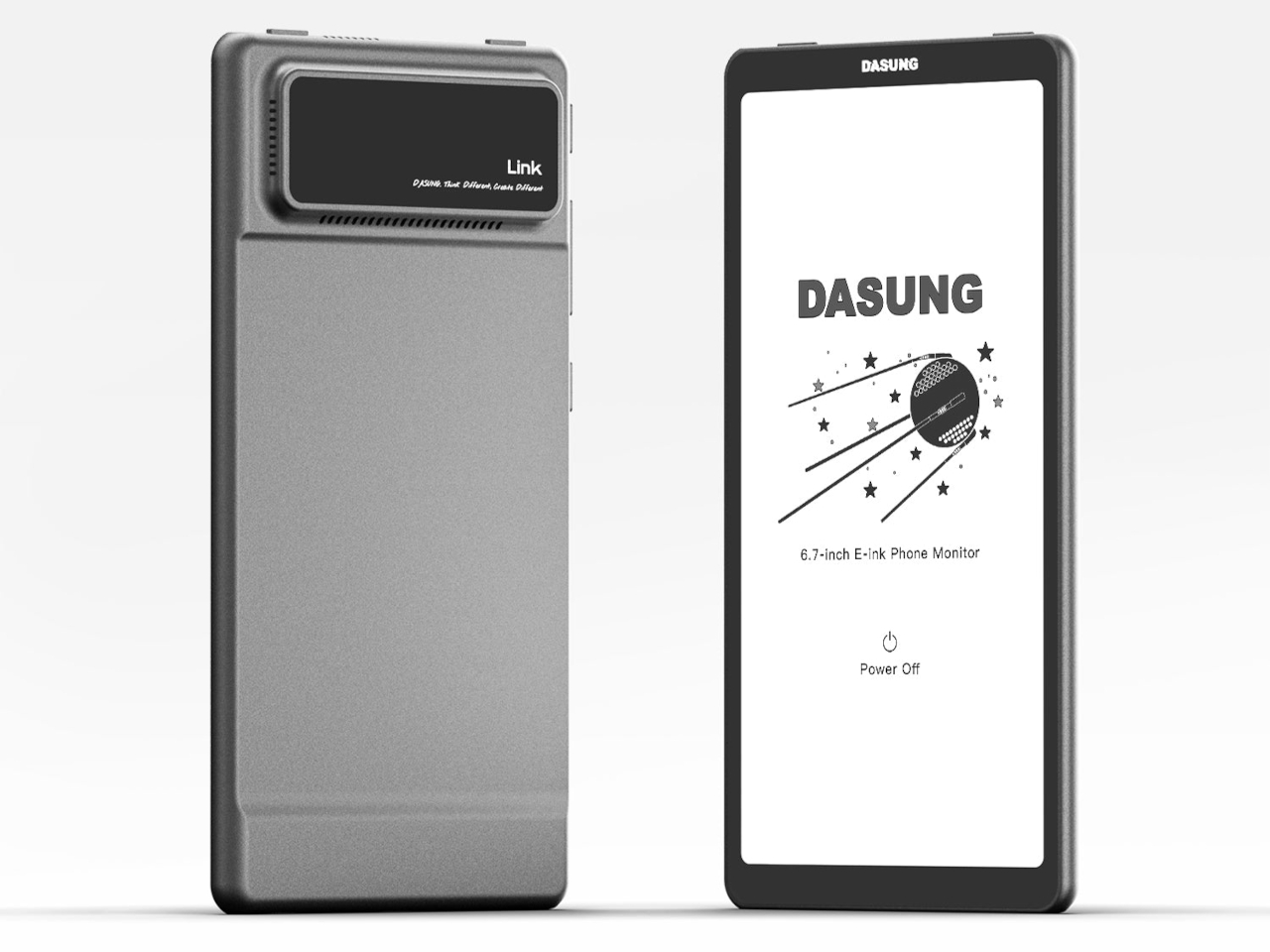
Last year, Ohsnap debuted the MCON controller on Kickstarter and nearly broke the website. Over 16,000 people pledged almost $2 million to make the product a reality, and not only did the company ship every single MCON out to every backer, they casually came back to CES this year with not one, but TWO more versions of the device. The more impressive of the two is the MCON Slim, a controller that’s nearly as thin as your standard smartphone, packing in an entire gaming controller (along with trigger buttons) into that ridiculously small form factor.

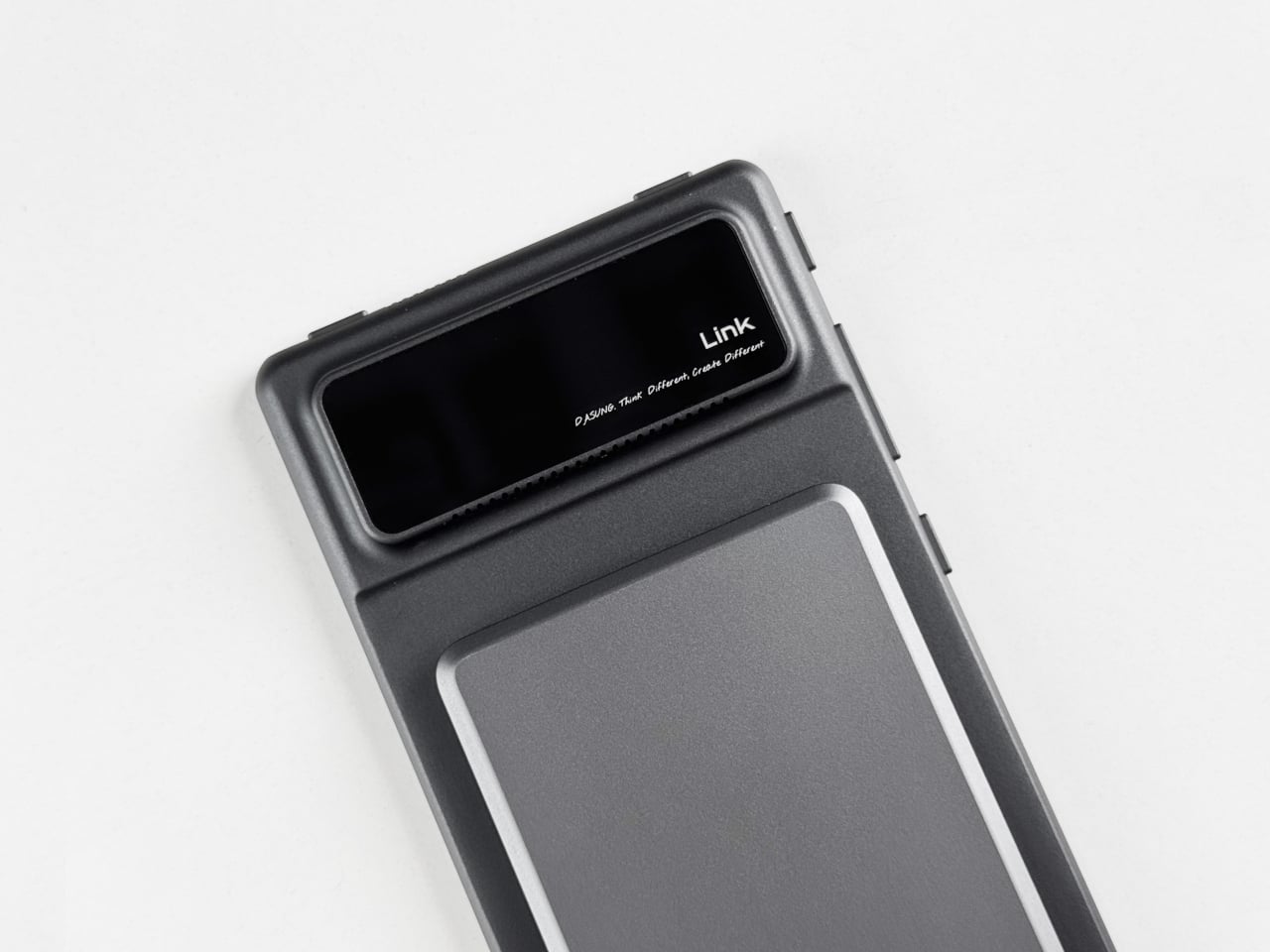
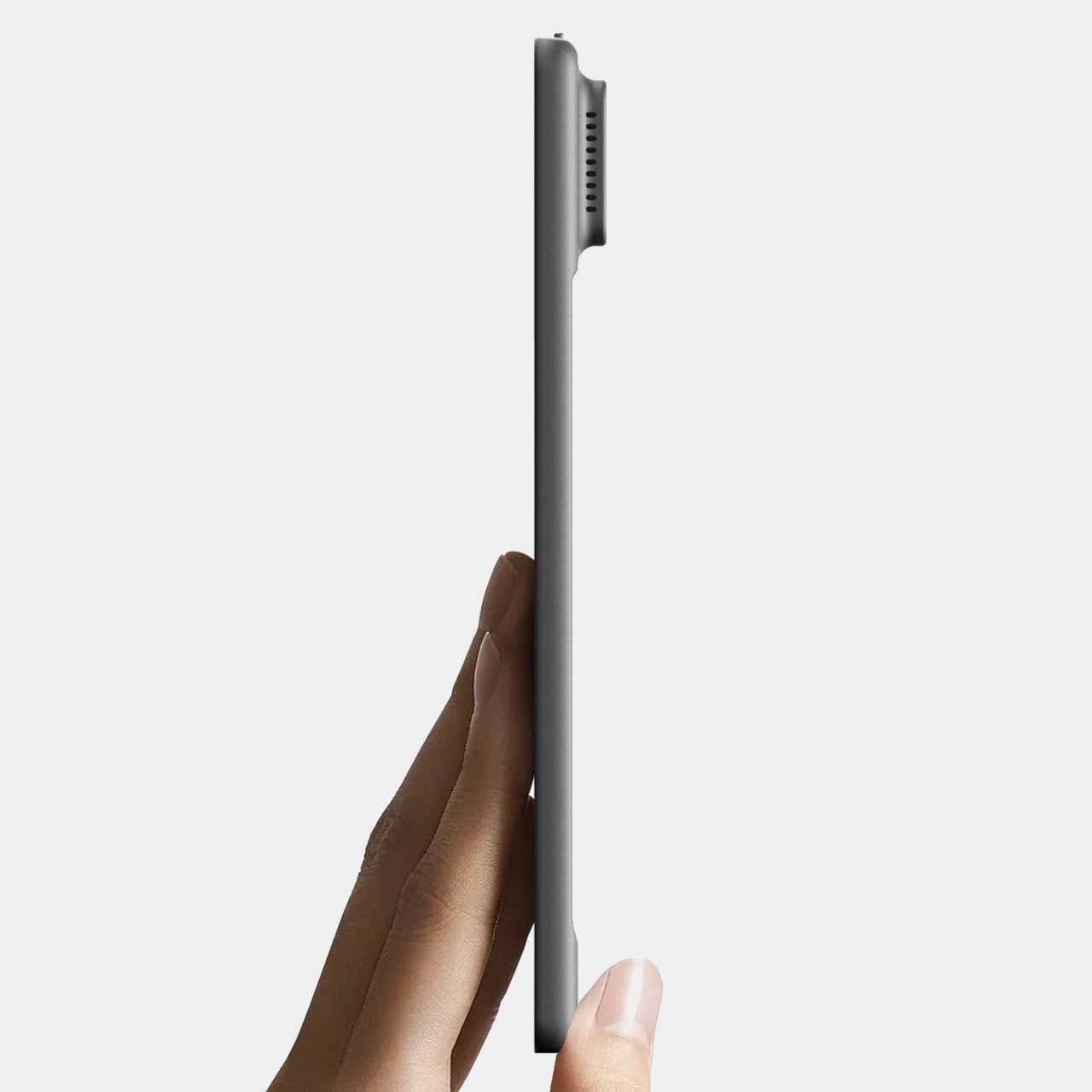
Designed by 21 year-old Josh King, the MCON Slim is clearly his magnum opus. The youngster (incubated by Dale Backus’ Ohsnap) mentioned how the smartphone was such a powerful device, but all we ever use it for is doomscrolling and emails. The MCON was supposed to prove to the world that the smartphone can be an incredible handheld gaming device, comparable to the Razer Switchblade or even dare I say the Nintendo Switch. Now, the MCON Slim cements that idea even further. Imagine a device, the thickness of a MagSafe power bank), capable of turning your iPhone into the next best gaming console.

Designer: Josh King (Ohsnap)

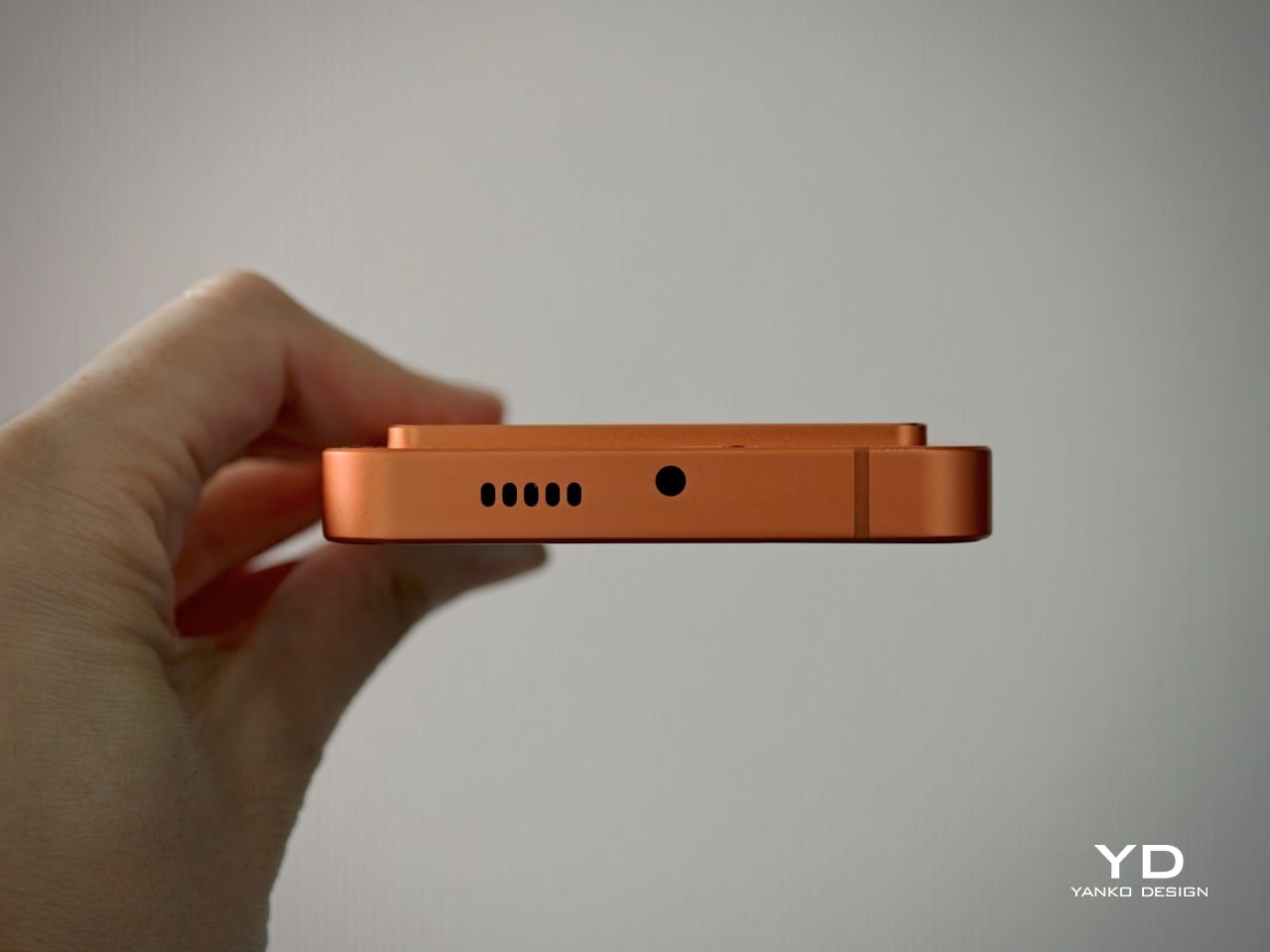
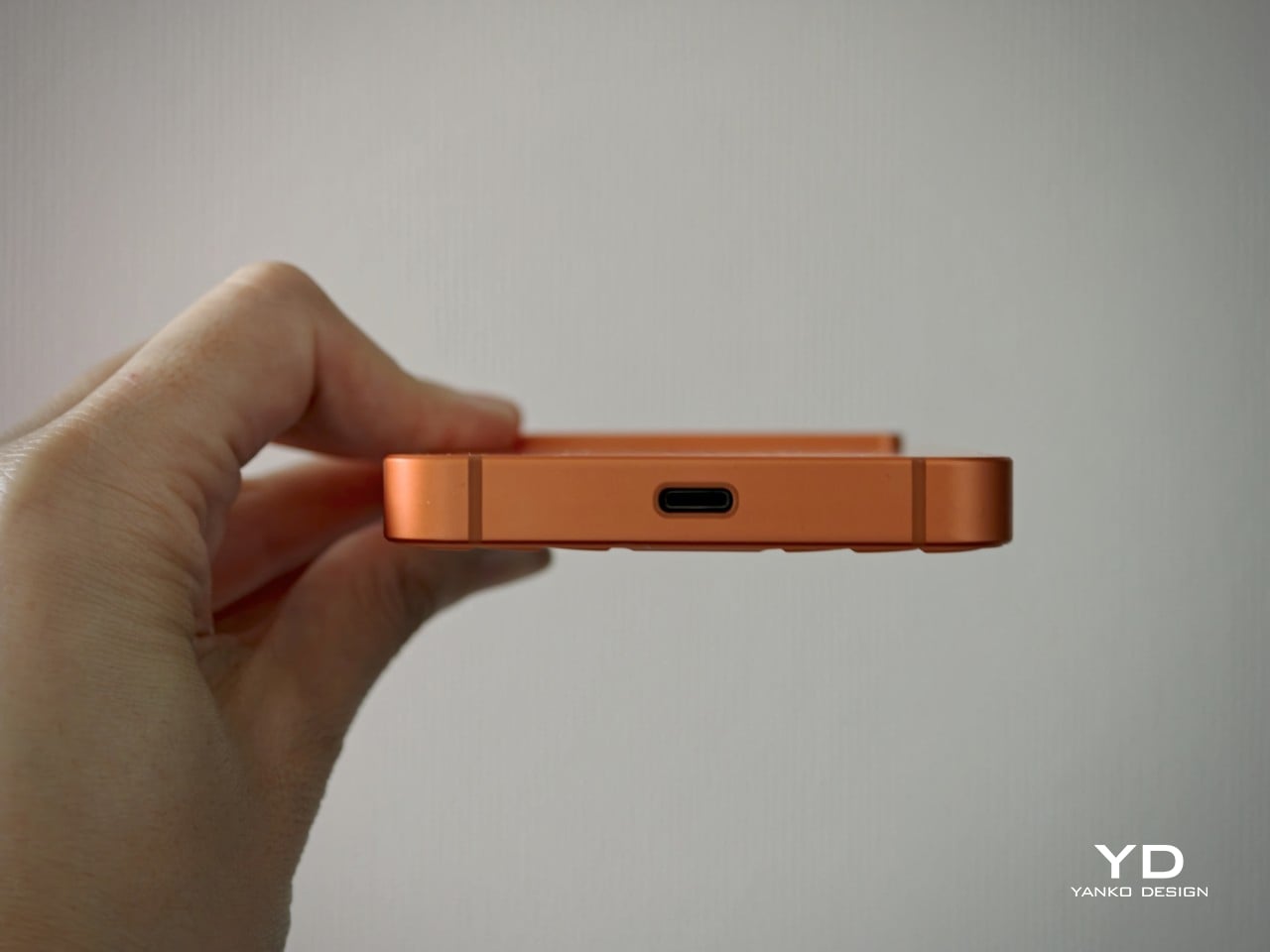
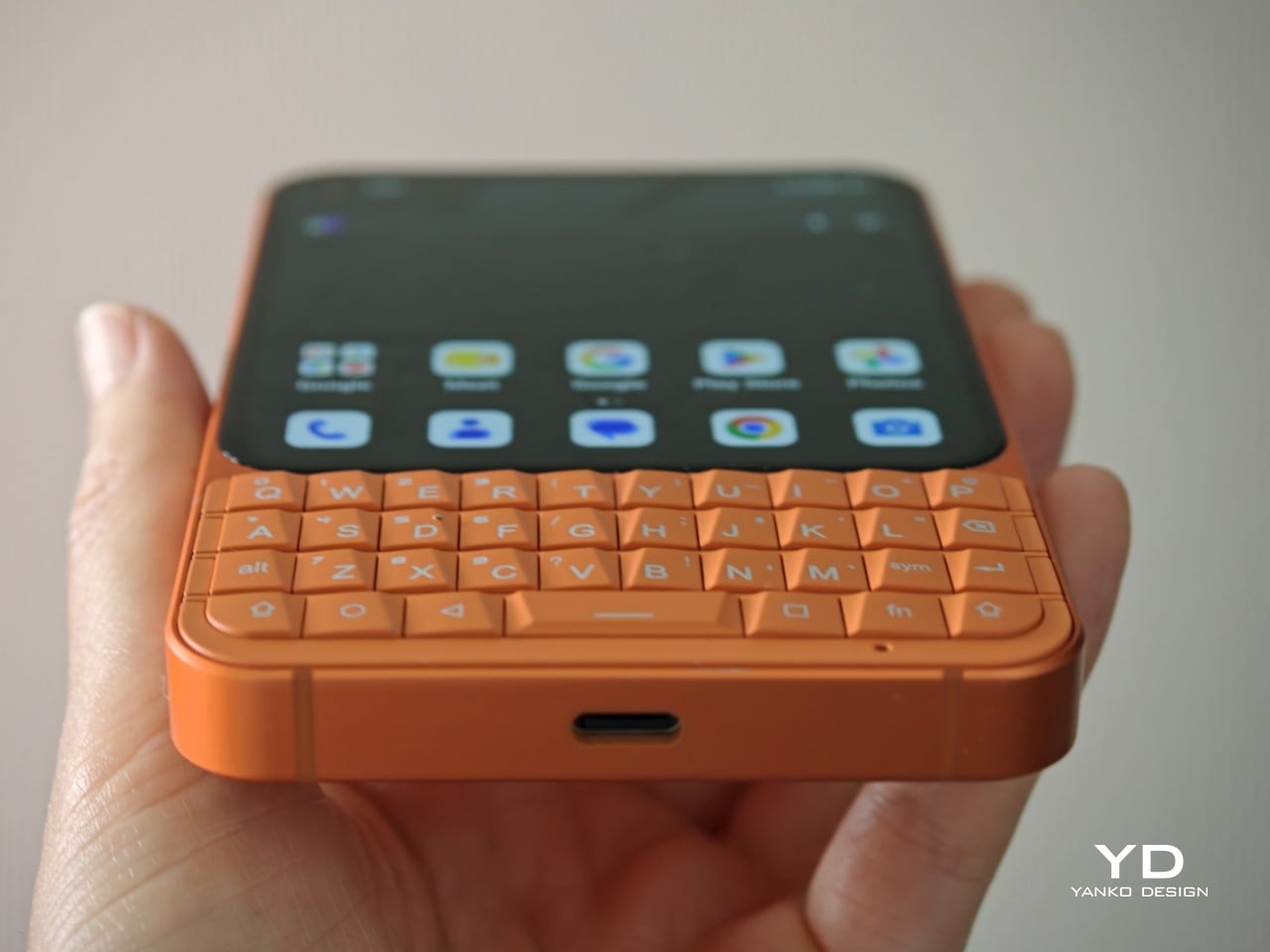
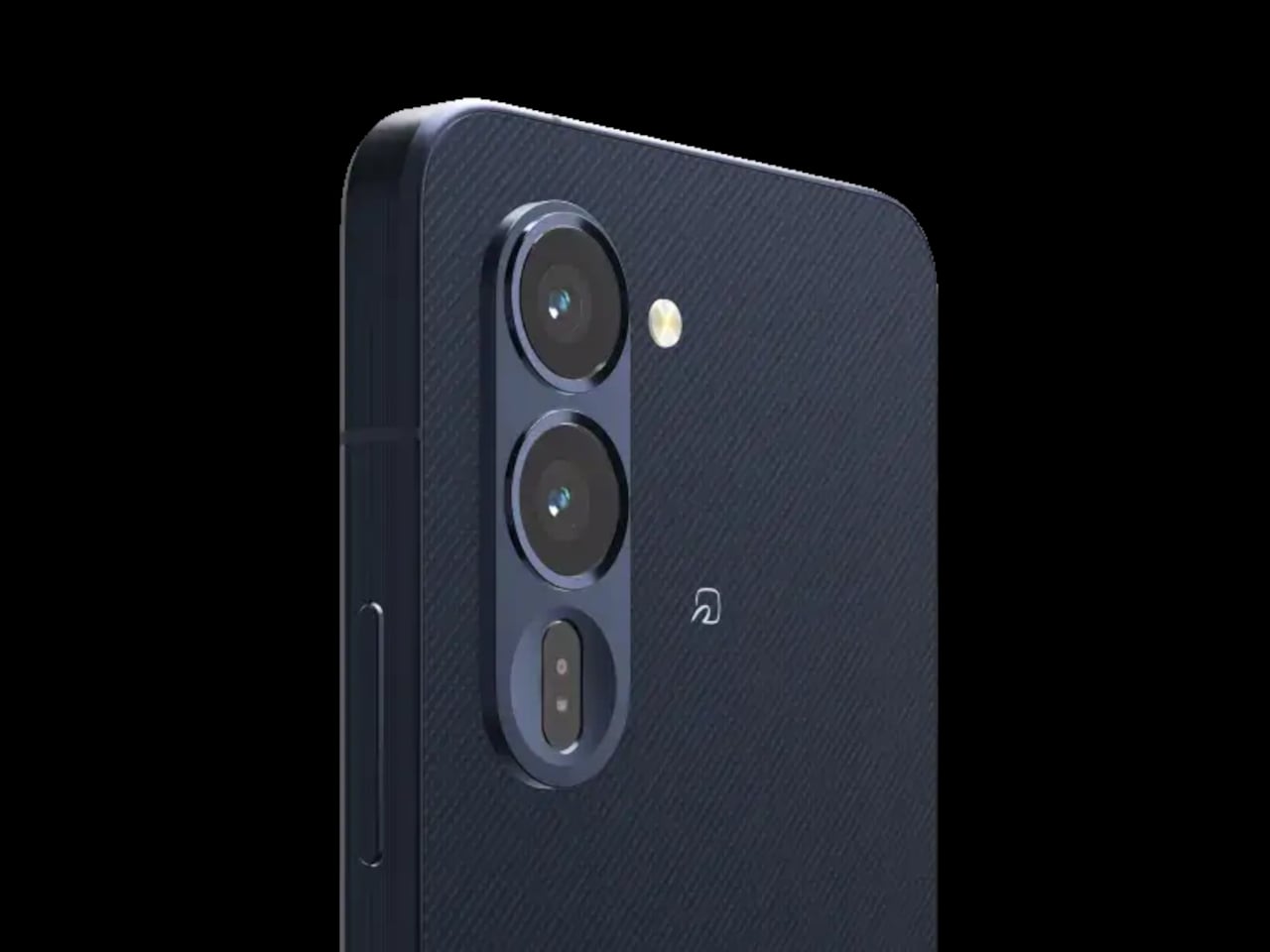
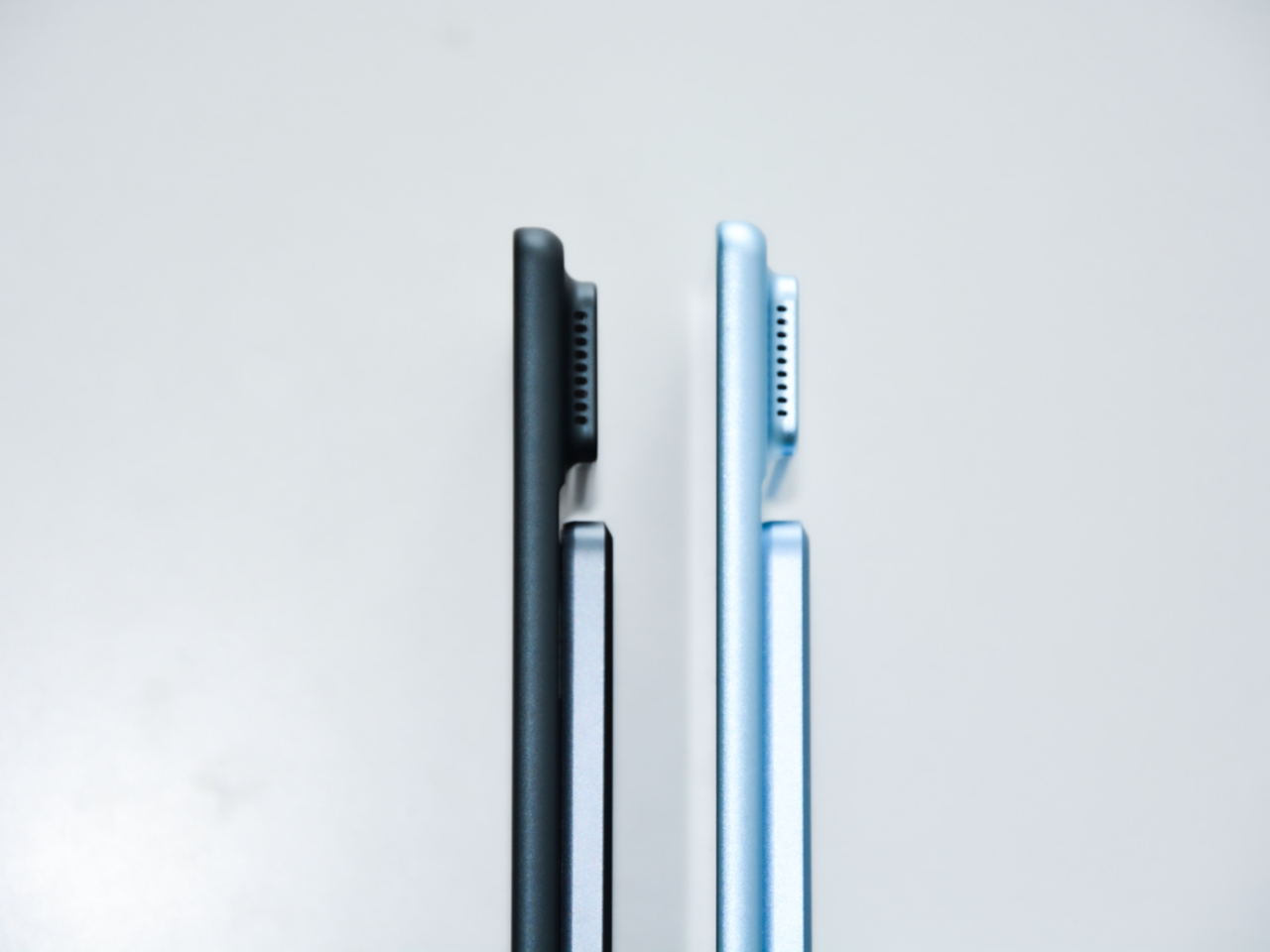
If you’ve seen the MCON before, think of the Slim as the iPhone Air of gaming controllers. It’s ridiculously sleek, snapping to the back of your phone and literally absorbing your iPhone’s camera bump into it. When shut, it’s still slim enough to slide right into your pocket without you feeling a thing. However, when you’re craving some serious gaming, slide the controller out and you’ve got a makeshift handheld console in mere seconds, with an actual D-Pad, action buttons, two touch-sensitive joypads, and even trigger buttons on the back.

Before you get your hopes up, the MCON Slim is still in its ‘proof of concept’ stage, and won’t launch anytime soon. Josh mentions they’ll probably roll the Slim out in time for the iPhone 18… which works just fine given that I plan on upgrading my iPhone just around that time! The design, however, is beyond impressive. The sliding interaction is flawless, even though the Ohsnap team miniaturized practically everything. The trigger buttons have actual movement, with nearly 3mm of travel. And the best part, the MCON Slim plays nice with the iPhone’s camera module (unlike past versions). A gorgeous fidget-spinner-shaped cutout lets you use the iPhone’s camera even with the Slim controller attached to the back of your phone. Heck, even the flashlight is accessible, which means your gaming console, ahem, smartphone has zero compromises.

And the best part is that the controller slides right out of the dock, turning your phone into a Nintendo Switch of sorts. The connection is all via Bluetooth, which means you can place your phone on a table a few feet away from you while you game with the detached controller in your hands. The slimness results in just two sacrifices – firstly, those pop-out grips from the original MCON don’t make it to this device. And to be honest, I don’t miss them at all. Secondly, the joypads go from physically moving controls to touch-sensitive ones… something that most casual gamers should be fine with. For the pedantic ones, the original MCON (and the upcoming MCON Lite) offers a perfect alternative.

The sad part here is that there’s absolutely no tech spec to talk about. The MCON Slim is entirely a work in progress right now, which means design details, battery life, pricing, everything is subject to change. However, Josh did mention that the MCON Slim should arrive around the same time as the iPhone 18, or in other words – we’ll probably get the MCON Slim before we get GTA VI.

The post MCON Slim Hands-on at CES 2026: The Ultra‑Thin MagSafe Controller That Turns Your iPhone Into a Gaming Console first appeared on Yanko Design.
Realme 16 Pro+ Review: Naoto FUkusawa Helped Make a Battery Beast Beautiful

PROS:


  • Sleek design by Naoto Fukusawa

  • Strong portrait camera performance for the price range

  • Huge 7,000mAh battery with 80W wired charging

CONS:


  • Snapdragon 7 Gen 4 is carried over from the previous generation

  • No wireless charging

RATINGS:

AESTHETICS
ERGONOMICS
PERFORMANCE
SUSTAINABILITY / REPAIRABILITY
VALUE FOR MONEY

EDITOR'S QUOTE:

By combining Naoto Fukasawa’s Urban Wild design with a 7000 mAh battery and a sharp 200 MP portrait camera, realme 16 Pro+ proves that refinement and stamina can matter more than chasing raw benchmark numbers.

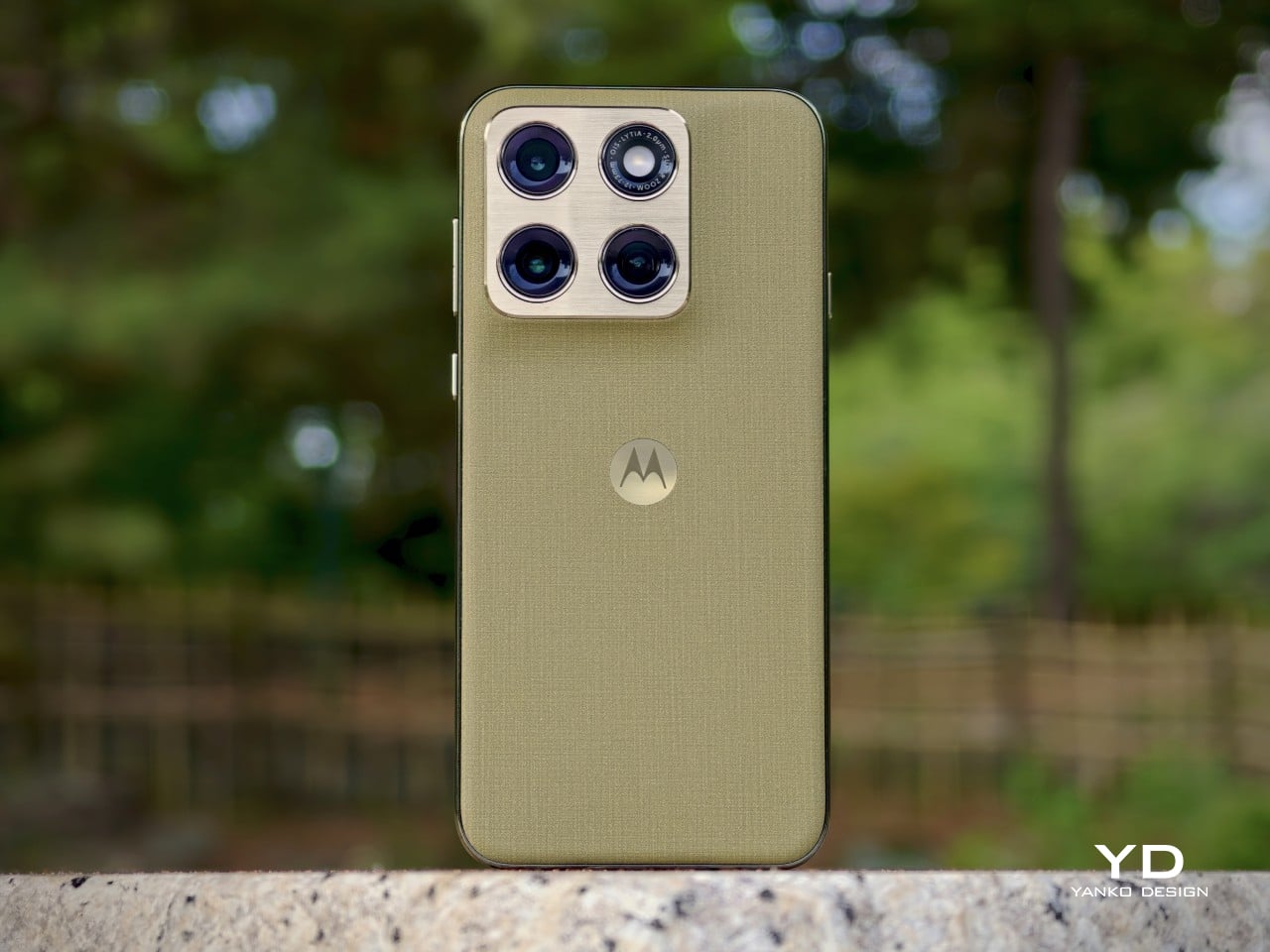
The realme 16 Pro+ seems to be a modest upgrade in the company’s Number Series. While it is not packed with major improvements in every area, it tries to win you over as a well-rounded package built around design, battery life, and cameras. On paper, it still reads like a wish list: a 200 megapixel main camera with 3.5x telephoto, a 6.8 inch 144 Hz AMOLED display, a 7000 mAh battery with 80 W charging, IP68 and IP69 protection, and a Naoto Fukasawa-designed back made from bio-based silicone.  

It also arrives with a few important caveats. The Snapdragon 7 Gen 4 chipset is carried over from the realme 15 Pro rather than being a big step up, and the rumoured pricing pushes the 16 Pro+ toward affordable flagship territory rather than a classic, value mid-ranger. That raises a clear question. Does the mix of master level design, big battery stamina, and creator-focused camera hardware do enough to justify the price, or are you better off with a more conventional spec monster? We took a closer look.

Designer: Naoto Fukasawa x realme

Aesthetics

For the realme 16 Pro+, realme partnered again with world-renowned product designer Naoto Fukasawa. The brand has previously collaborated with Fukasawa on the realme X Master Edition, X2 Master Edition, GT Master Edition, and GT2 Pro Master Edition, and this new phone continues that lineage. The design fuses natural elements with contemporary style in what realme calls the Urban Wild Design, aiming to bring a calmer, more tactile character to a very modern device.

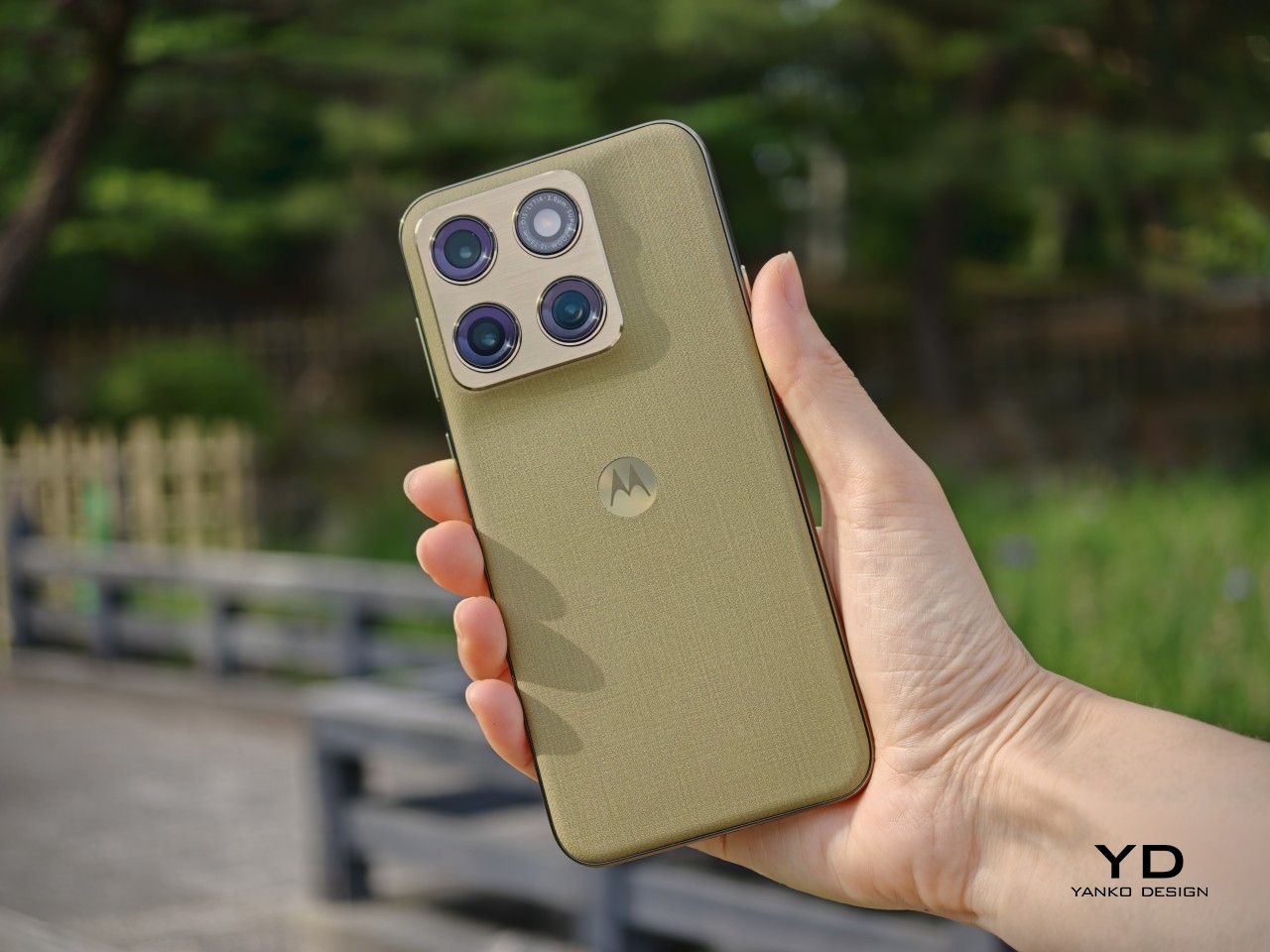
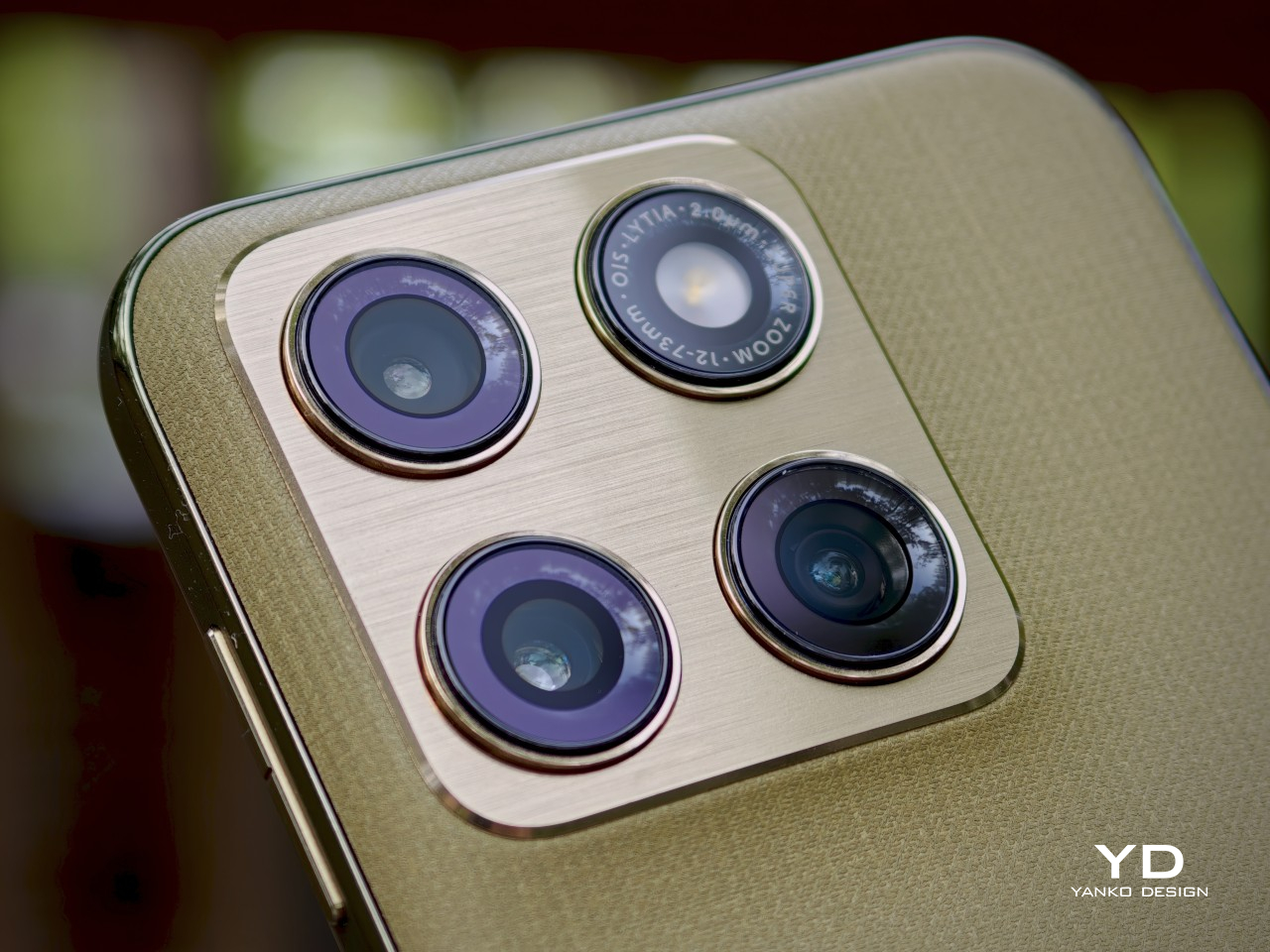
The Urban Wild Design is articulated through a deliberate contrast of the mirror-polished camera deco set against a natural texture back panel. The back is built around what realme calls a Metal Mirror Camera Deco, a mirror finish metal plate that frames the lenses like a piece of jewellery on top of a matte, softly grained surface. The back panel uses a bio-based organic silicone derived from plant-based straw, processed with an eco-friendly method that the brand positions as an industry-first eco material. The result is a surface that feels soft, finely textured, and grippy, with a visual warmth and calmness you do not usually get from glass or glossy plastic.  

The 16 Pro+ comes in two colors in most markets. Master Gold is described as the soft golden glow of ripened wheat, with a gentle shimmer that catches the light without looking flashy. Master Black is inspired by the smooth, muted sheen of river pebbles, giving a more understated and refined look. Each variant features a color-matched mirror-polished camera bump and side frame, so the camera island, mid frame, and back panel read as one coherent piece rather than separate parts.

Ergonomics

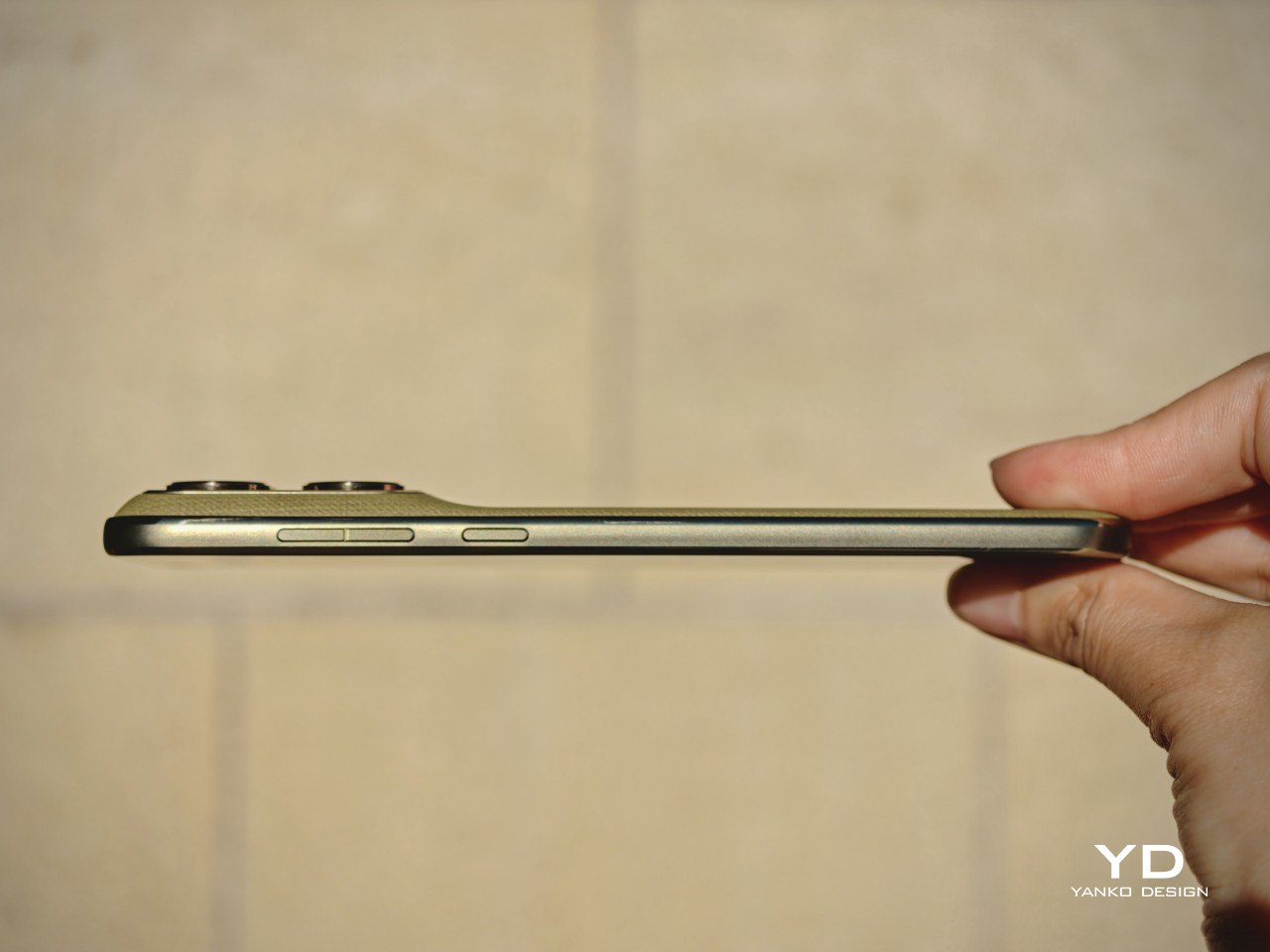
On paper, the realme 16 Pro+ is not a small phone, yet it feels more considered than the raw numbers suggest. The phone is 8.49 mm thick and weighs 203 g, which puts it firmly in the large phone camp without feeling unwieldy. The square camera bump does not protrude too much, and its sloped edges merge into the back panel to create a smooth transition. The back panel resists fingerprints and smudges quite well, though the glossy camera bump is a different story and picks up marks easily.  

Thanks to the balanced weight and the gentle flow from the slightly curved display to the slightly curved side frame to the slightly curved back panel, the phone is very comfortable to hold in the hand. The volume rocker and power button are positioned where they are easy to reach, so basic controls fall naturally under your fingers. The fingerprint scanner, on the other hand, sits close to the bottom edge of the screen, which makes the move from unlocking the phone to actually using it feel a bit less smooth than it could be.

Performance

Since there was no Pro+ version of the realme 15, there is no direct predecessor of the realme 16 Pro+, but many specs are unchanged from the realme 15 Pro, including the chipset. The 16 Pro+ is powered by Snapdragon 7 Gen 4, Qualcomm’s upper mid-range chipset. While it does not deliver brute flagship power, it is more than strong enough for long gaming or browsing sessions without noticeable throttling. In daily use, the chipset has no trouble keeping up with realme UI 7.0, based on Android 16. Swiping through the 144 Hz interface feels fluid, apps open quickly, and multitasking between social media, messaging, and browsing remains consistently smooth.

The realme 16 Pro+ features a 6.8-inch AMOLED display with a 1280 by 2800 resolution and up to 144 Hz refresh rate. According to the spec sheet, it supports a 240 Hz touch sampling rate, 1.07 billion colors, 100 percent DCI P3 coverage, a 5,000,000 to 1 contrast ratio, and a peak brightness of 6500 nits. It is a sharp, bright, and vibrant panel that looks flagship-grade and comfortable in day-to-day use.

Realme brings a 200 megapixel camera to its Number Series for the first time. The triple camera setup consists of a 200 MP main camera, a 50 MP 3.5x telephoto camera, and an 8 MP ultra wide camera, with a 50 MP front-facing camera handling selfies. In the camera app, you can choose between Vibrant and Natural color modes for the rear cameras, depending on whether you prefer punchier social media-ready shots or a more restrained look.

The 23 mm equivalent 200 MP main camera uses Samsung’s HP5 sensor with an f/1.8 aperture lens and both optical and electronic image stabilisation. It can capture very detailed shots with a wide dynamic range in good lighting conditions, and stabilisation helps keep images sharp when light levels drop. In the standard Photo mode, you also get an AI composition feature that analyses your framing and suggests small adjustments for a stronger composition, nudging you to tilt, reframe, or shift your subject for a more balanced shot. This tool is not available in Portrait mode, but it is genuinely helpful for quick point-and-shoot photography.

The 80 mm equivalent 50 MP 3.5x telephoto camera uses Samsung’s JN5 sensor behind an f/2.8 aperture lens, again with OIS and EIS. Portrait mode lets you shoot at 1x, 1.5x, 2x, 3.5x, and 4x, and results across these focal lengths are consistently strong, with pleasing separation and natural-looking depth. realme also packs in a wide range of dedicated Portrait filters, so you can switch between more cinematic, vintage, or punchy looks without leaving the mode.

The 15 mm equivalent 8 MP ultra wide rounds out the rear trio. It does the job for landscapes, interiors, and group shots, but image quality is more functional than exciting, with less detail and dynamic range than the main and telephoto cameras. On the front, there is a 50 MP OmniVision OV50D selfie camera with an f/2.4 aperture lens. This is unusually ambitious for the class. It can capture crisp selfies with plenty of detail.

As for video, the main and front-facing cameras both support 4K recording at up to 60 FPS. The telephoto and ultrawide cameras are limited to 1080p at 30 FPS, which feels a bit disappointing on the telephoto side, especially given how capable it is for stills. It would have been nice to see at least 4K 30 fps from the zoom camera to fully match the rest of the system.

realme 16 Pro+ is built around a huge 7000 mAh battery, and you feel that capacity in day-to-day use. With this much headroom, it comfortably handles a full day of heavy messaging, social media, camera use, and streaming, and lighter users can easily stretch into a second day without reaching for the charger. When you finally do need to charge, the 80 W wired charging support keeps downtime short.

Sustainability

realme 16 Pro+ makes a stronger effort on sustainability than many mid-range phones. The most visible element is the back panel material. Instead of conventional petroleum-based plastic or glass, realme uses a bio-based organic silicone derived from plant-based straw, processed through an eco-friendly method. It is designed to be safer for the skin, gentler on the environment, and more resistant to aging, dirt, and wear, which should help the phone look fresh for longer and reduce the urge to replace it early.

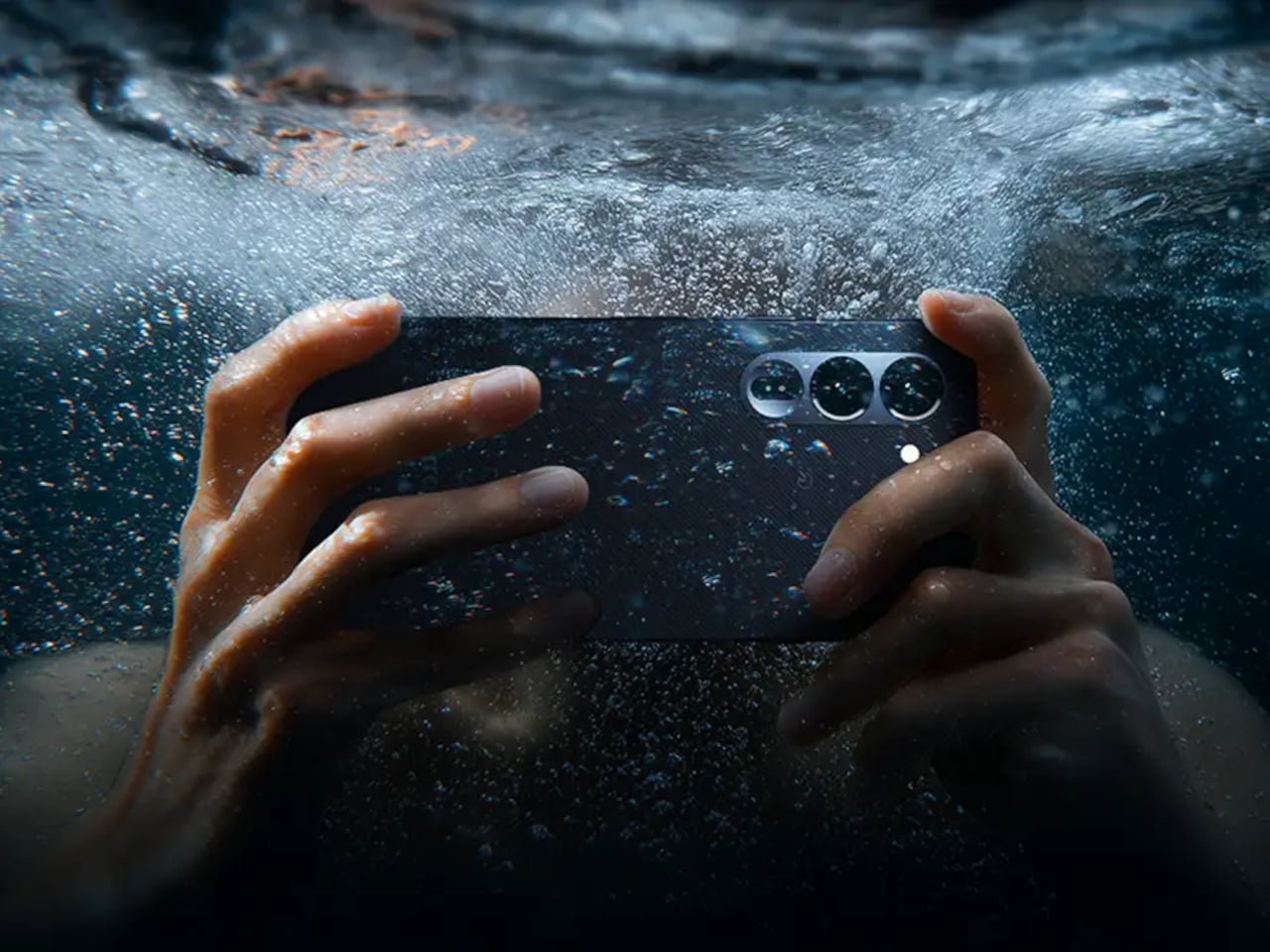
Durability also plays into sustainability. The phone carries both IP68 and IP69 ratings, meaning it is tested for dust tightness, immersion in water, and high-pressure water jets. In practical terms, that level of protection makes the 16 Pro+ far more likely to survive everyday accidents, from rain and spills to brief drops into water. A device that shrugs off this kind of abuse is less likely to be written off early, which again extends its usable life.

On the software side, realme commits to three years of Android OS updates and four years of Android security patches. That is not at the very top of the industry, but it is long enough that you can realistically keep the phone for a full contract cycle and beyond without falling behind on major features or basic security. Combined with the durable hardware and more sustainable back panel material, it makes the 16 Pro+ feel like a phone designed to be used hard and kept in service rather than quickly replaced.

Value

At the time of writing, realme has not confirmed official pricing, but multiple leaks suggest the realme 16 Pro+ will start at INR 39,999 (around $445) for the 8 GB and 128 GB variant. The 8 GB and 256 GB model is rumoured to land at INR 41,999 (around $470), while the 12 GB and 256 GB version could reach INR 44,999 (around $500).

If these figures hold, the 16 Pro+ will sit at the upper end of the mid-range bracket, nudging into affordable flagship territory. In that context, the phone’s value depends on what you care about most. For users who prioritise a premium design, camera versatility, a truly huge 7000 mAh battery, a bright 144 Hz AMOLED display, and sustainability, the package looks competitive.

Verdict

realme 16 Pro+ is not a revolution for the Number Series, but it is a carefully tuned evolution that leans into design, cameras, and battery life instead of chasing raw specs in every direction. The Naoto Fukasawa Urban Wild Design, bio-based silicone back, and Metal Mirror Camera Deco give it a distinctive look and feel, while the solid ergonomics and IP68 plus IP69 ratings make it more robust than many mid-range rivals. Snapdragon 7 Gen 4 is familiar rather than exciting, yet in practice, it keeps realme UI 7.0 and the 144 Hz AMOLED display running smoothly, and the 7000 mAh battery with 80 W charging turns it into a genuine all-day workhorse.

As for the camera, the realme 16 Pro+ consistently turns out pleasing portraits across its various focal lengths, with good subject separation and flattering rendering. The front-facing camera also performs well. Where things get complicated is value, because the rumoured pricing nudges the 16 Pro+ into premium mid-range territory rather than classic budget-friendly mid-range. If you prioritise a phone that looks and feels special, lasts comfortably through heavy days, and gives you reliable portrait and selfie performance, realme 16 Pro+ makes a strong case for itself even as a modest generational upgrade.

The post Realme 16 Pro+ Review: Naoto FUkusawa Helped Make a Battery Beast Beautiful first appeared on Yanko Design.
First Look at HONOR’s Robot Phone at CES 2026: How is this real?!

Tucked away in a suite at the Encore Hotel lay perhaps the most interesting phone of all. No, not Samsung’s trifold, not even TCL’s NXTPaper phone, not some absurd rolling phone concept, nothing from Motorola. Away from the chaos of CES, in this room, on one table, lay a prototype of HONOR’s Robot Phone. Unlike the video we saw months back, this time, the phone was literally inches from us, showing exactly how HONOR managed to cram an entire 3-axis gimbal and a camera into a smartphone’s bump.

There were a few mandatory guidelines, though. Nobody could touch the phone, and this phone was just a prototype – a taste of the actual device that HONOR plans on revealing at Mobile World Congress. Even though the device wasn’t operational, or even switched on, just seeing a physical prototype was enough to get a VERY clear picture of what HONOR managed to build. Needless to say, it felt unbelievable just yesterday… but today, it was absolutely real. For what it’s worth, HONOR really did manage to engineer a camera and gimbal small enough to tuck itself away into a smartphone’s camera bump.

Designer: HONOR

It’s worth noting. The device isn’t a static model. The camera actually rotates, and goes right back into the phone’s bump. The mechanics work, but for now, they were just manual given that the phone was just a prototype. Physically, HONOR’s prototype is a working proof of concept, which is way more reassuring than a video which most people will assume is a bit of CGI. Knowing that fitting a gimbal into a phone is a pretty important milestone because now that HONOR’s proved at least the first step, it’s interesting to see how other tech companies will respond (if DJI makes a smartphone I will absolutely lose my mind).

The gimbal results in a fairly chunky camera bump, but the tradeoff is really small if you think about what you’re getting. A camera that can point anywhere, track subjects, respond to gestures, and work without a tripod or a gimbal. It’s autonomous in every aspect, which means for the first time in history, you don’t control the smartphone’s camera. It controls itself. And it can literally follow you around the room, turning probably anywhere up to 360° to do so. HONOR’s team mentioned that this would change content creation almost overnight, especially in its home market of China, which sees a massive number of livestreamers using fancy smartphone rigs to film video in realtime. Here, all you need is a phone and a surface to place it on.

The details are otherwise incredibly scarce. There’s no availability timeline, no pricing structure, not even anything on the camera’s quality or the phone’s battery life. For now, this proof-of-concept does two things, ushers in HONOR’s ‘Alpha’ era, with the company making great leaps in their new AI division (the phone has an Alpha logo on the back to mark this new era too)… and secondly, proves that electronic/optical image stabilization is probably dead when your phone literally packs a goshdarn 3-axis gimbal that can point anywhere and move on its own.

The post First Look at HONOR’s Robot Phone at CES 2026: How is this real?! first appeared on Yanko Design.
Punkt. MC03 Is a Smartphone You Buy With Money, Not Your Data

Most phones make a familiar bargain: free services and slick apps in exchange for constant tracking, profiling, and data being treated as currency. The line about how if you do not pay for the product, you are the product, has gone from cliché to lived reality. Punkt. has been quietly pushing back against that logic for years, starting with minimalist feature phones and now moving into full touchscreen territory with the same philosophy intact.

The Punkt. MC03 is a premium secure smartphone designed in Switzerland and built in Germany, running AphyOS instead of mainstream Android skins. It is subscription-based by design; you pay for the OS and services, so you are not paying with your data. The pitch is simple: a modern, fully capable phone where privacy is the default, not a buried settings menu you hope you configured correctly.

Designer: Punkt.

AphyOS splits the phone into two spaces. Vault is the calm, minimalist home screen with Punkt. curated, privacy-friendly apps and Proton services, a hardened enclave for mail, calendar, messaging, and files. Wild Web is a swipe away, where you can install any app you want, but each one lives in its own privacy bubble, with clear controls over what data flows where and who gets to see it.

The interface is deliberately color-free and stripped back. Icons are simple, backgrounds are monochrome, and the whole thing is designed to reduce visual noise and cognitive load. The idea is to make the phone feel less like a slot machine and more like a tool, nudging you toward intentional use instead of endless scrolling, without taking away the apps you actually rely on for work or getting around.

Privacy tools include Digital Nomad, the built-in VPN that protects connectivity on the move, and Ledger, which lets you dial app-specific permissions from full access to full restriction, even showing the carbon impact of background activity. The MC03 can be de-Googled, reducing reliance on Google Mobile Services, and Proton Mail, Drive, VPN, and Pass live in Vault, reflecting a Swiss Tech ethos where you pay to retain your data.

The hardware is quietly competent, a 6.67-inch FHD+ OLED at 120 Hz, a 64 MP main camera with ultra-wide and macro companions, dual stereo speakers, and a removable 5,200 mAh battery with 30 W wired and 15 W wireless charging. It is IP68 rated and manufactured at Gigaset’s German facility, leaning into durability, repairability, and a European supply chain as part of the trust equation, not just marketing.

The MC03 is talking to people who are tired of feeling like their handset is a tracking device with a screen attached, but who do not want to retreat to a feature phone. It suggests a different path, a smartphone that still does all the smartphone things, but asks you to pay for the privilege of keeping your data yours, and makes that trade-off feel intentional instead of hidden. For anyone looking for an alternative to the usual iOS or Android bargain, Punkt. keeps building that alternative, one monochrome screen and one Swiss principle at a time.

The post Punkt. MC03 Is a Smartphone You Buy With Money, Not Your Data first appeared on Yanko Design.
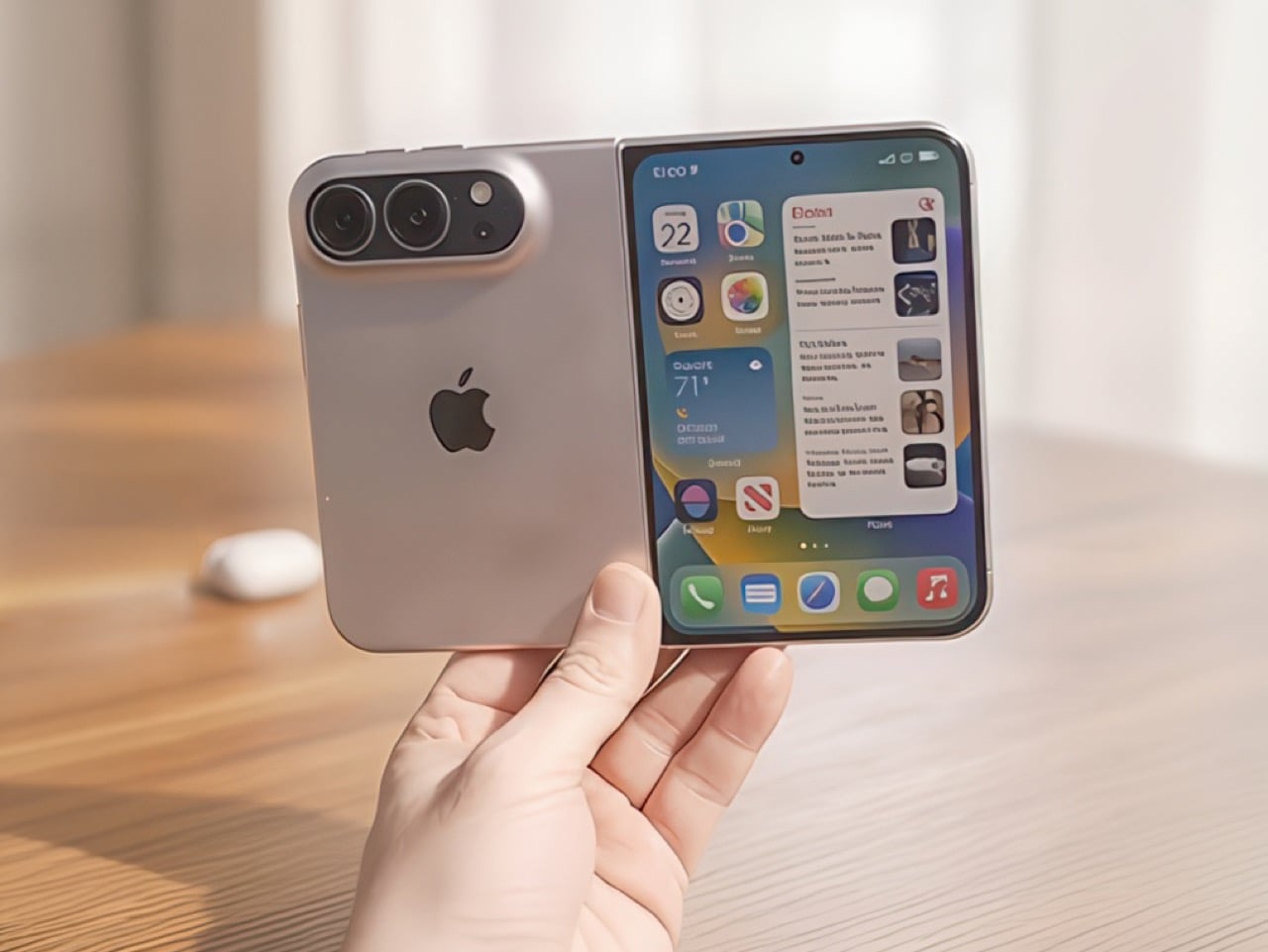
The Upcoming iPhone Fold feels like a response to Peer Pressure, not Innovation

Image Credits: Techtics

I could be wrong, and I hope to be… but the iPhone Fold seems to be gathering interest but not for the right reasons. Everyone loves innovation – not everyone adopts it. We saw how the Vision Pro absolutely caused a tsunami online before subsiding into the tiny ripple it now is. For what it’s worth, the iPhone Fold feels like déjà vu. Impressive tech that Apple took years to perfect, launched to much fanfare, but without a true reason or ecosystem to actually boost user adoption. The Vision Pro is cool, but even after 3 years, nobody really NEEDS it.

We all knew the iPhone Air was going to just be a stepping stone towards something greater – but the iPhone Air’s sales prove one thing – nobody needed a slim phone, so nobody ended up buying one. Samsung’s been making foldables for the better part of a decade, and I still don’t see people overwhelmingly choosing them over regular candybar phones, so my question is simple. What exactly can Apple do to make their iPhone Fold measurably better? And more importantly, does “Measurably Better” actually translate to sales? Or is this a response to peer pressure without really innovating in a direction that users want?

Joining a Party After the Music Has Faded

The context for Apple’s entry is a market that has already chosen a winner, and it is the conventional smartphone. For all the engineering hours poured into hinges and flexible glass by Samsung, Google, and others, the foldable category remains a rounding error in the grand scheme of things. Global foldable shipments are expected to hover around 20 million units in 2025, with Samsung commanding nearly two-thirds of that volume. This sounds impressive until you place it next to the more than one billion smartphones shipped annually. Foldables are a niche, a high-priced experiment that has had years to capture the public’s imagination and has largely failed to do so. Apple is not just late to this party; it is showing up after the keg is tapped and most of the guests have gone home.

This sets up a strange dynamic. Apple’s usual playbook involves letting a market mature, identifying its core flaws, and then releasing a product so polished and user-focused that it redefines the category. With the iPhone Fold, the company appears to be entering a segment that is not just mature but also stagnant, with little evidence of pent-up consumer demand. The consensus timeline points to a 2026 launch, positioning the device as a hyper-premium “Ultra” or “Fold” model within the iPhone 18 lineup. This framing alone suggests a halo product, something to be admired from afar, rather than the next revolutionary device for the masses. It feels less like a strategic strike and more like an obligation.

Image Credits: Techtics

An Obsession with Perfecting the Crease

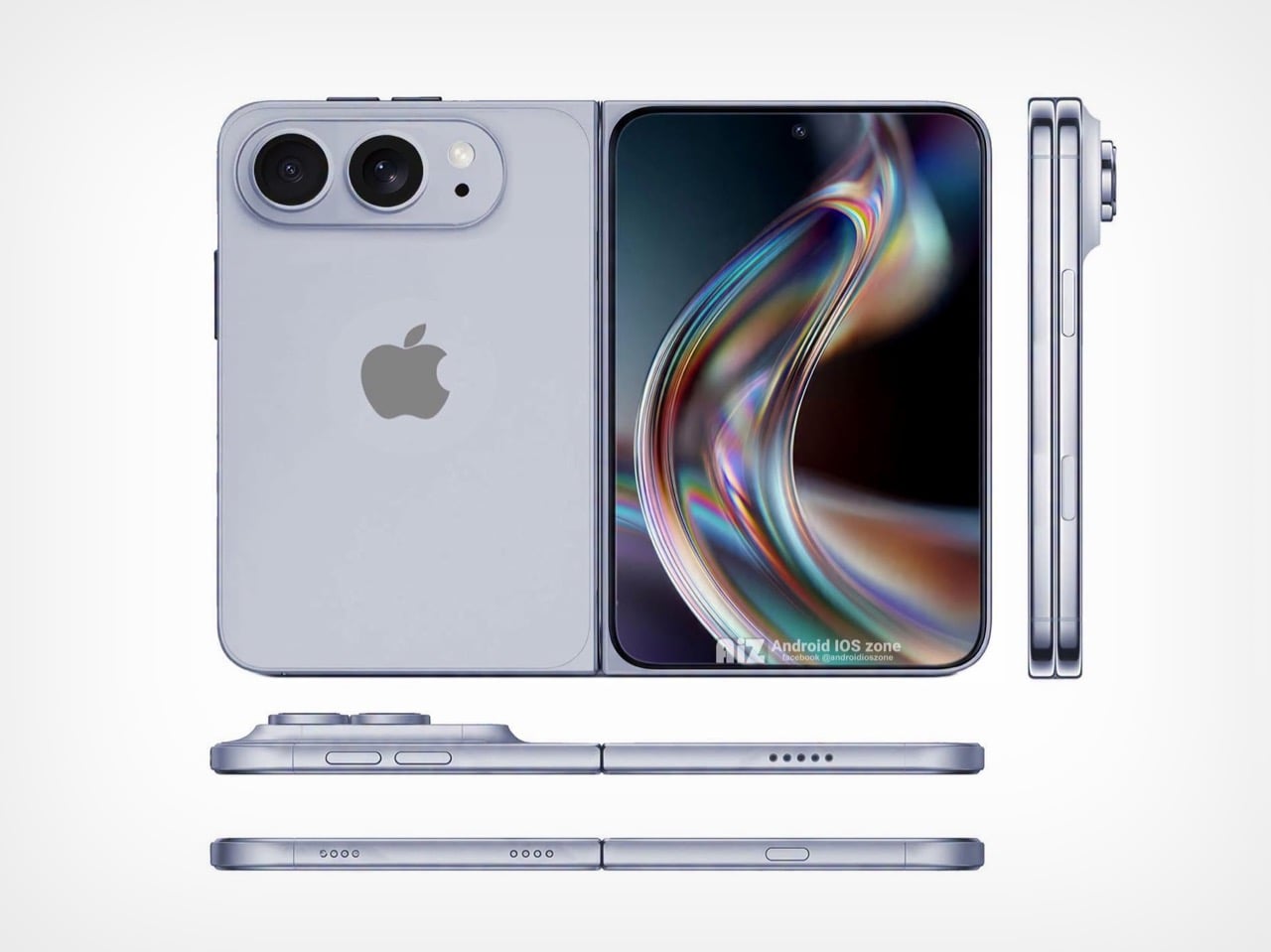
The rumored hardware details paint a picture of a device engineered to within an inch of its life. Reports converge on a book-style foldable with a 7.7 to 7.8-inch inner display and a smaller 5.5-inch screen on the outside. The central obsession seems to be the crease, that subtle valley that plagues every other foldable. Apple is reportedly holding out for a near-invisible fold, leaning on a next-generation ultra-thin glass solution from Samsung Display and a complex internal hinge with metal plates to manage stress. The device is also expected to be incredibly thin, perhaps just 4.5 millimeters when open and around 9.6 millimeters when closed, which would make it one of the most slender mobile devices ever made.

These are impressive technical feats, to be sure. A phone that unfolds into a small tablet without a distracting crease is a laudable goal. But it also speaks to a focus on solving problems that only engineers and tech reviewers seem to lose sleep over. To achieve this thinness, compromises are already surfacing, such as the rumored omission of Face ID in favor of a Touch ID sensor on the power button. This is the kind of trade-off that indicates Apple is prioritizing the physical object itself, its thinness and aesthetic perfection, over the established user experience. It is a device built to win spec-sheet comparisons and design awards, while its practical value for the average user remains an open question.

Image Credits: Techtics

A Playbook Written by a Rival

Perhaps the most telling detail in this whole saga is Apple’s reported reliance on its chief rival. Analyst Ming-Chi Kuo and others have indicated that Apple will adopt Samsung Display’s “crease-free display solution” instead of a fully homegrown technology stack. This is a significant departure for a company that prides itself on vertical integration and owning the core technologies that define its products. From custom silicon to camera sensors, Apple’s advantage has always been its ability to design the whole widget. By turning to Samsung for the most critical and defining component of its first foldable, Apple is tacitly admitting that it is playing catch-up in a game whose rules were written by someone else.

This move fundamentally supports the “peer pressure” thesis. It suggests that the urgency to have a foldable in the lineup has overridden the traditional, patient Apple R&D cycle. The company is effectively outsourcing the hardest part of the problem to the very competitor that has defined the category for years. While Apple has been filing patents related to flexible displays since 2014, the decision to launch with a rival’s core technology feels reactionary. It is a move made to fill a perceived gap in its portfolio, ensuring that Samsung does not get to claim the “most futuristic” phone on the market without a fight.

Image Credits: Techtics

The Ghost of the Vision Pro

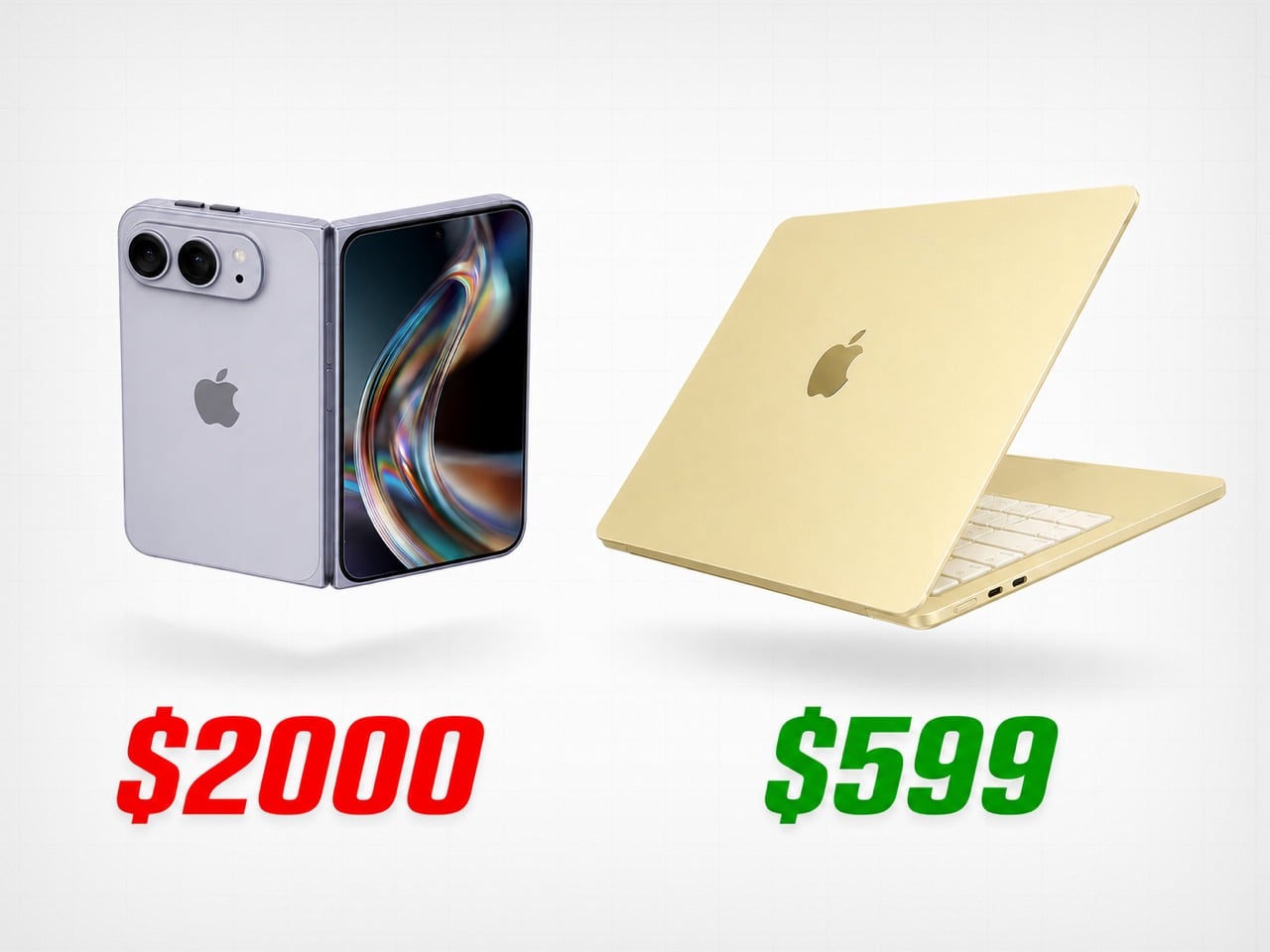
This entire narrative feels eerily familiar. Just a few years ago, Apple launched the Vision Pro, a product of breathtaking technical achievement that answered a question few people were asking. It was, and is, a marvel of engineering that commands a price tag to match, and its sustained adoption has been modest at best. The iPhone Fold appears to be tracking along the same trajectory: years of secretive development, a focus on solving incredibly difficult hardware challenges, and a final product that will likely be priced into the stratosphere. Leaks suggest a starting price between $1,800 and $2,300, placing it well above even the most expensive iPhone Pro Max.

This pricing strategy pre-selects its audience, limiting it to die-hard enthusiasts and those for whom price is no object. Just like the Vision Pro, the iPhone Fold risks becoming a solution in search of a problem. A crease-free display is a better display, but is it $2,000 better? A thinner phone is nice to hold, but does it fundamentally change what you can do with it? The Vision Pro proved that technical excellence alone does not create a market. Without a compelling, everyday use case that justifies its cost and complexity, the iPhone Fold could easily become another beautiful, expensive piece of technology that is more admired than it is used.

Image Credits: Techtics

A New Class of Halo Product

Ultimately, the iPhone Fold is shaping up to be less of a mainstream product and more of a statement piece. It is Apple’s answer to a question posed by its competitors, a way to plant its flag at the absolute peak of the smartphone market. The goal may not be to sell tens of millions of units in the first year, though some bullish forecasts suggest shipments could reach 13-15 million. It is about defending the brand’s reputation for innovation and ensuring that the title of “most advanced smartphone” does not belong exclusively to an Android device. It is a halo product in the truest sense, designed to make the rest of the iPhone lineup look good by comparison.

The real innovation users crave might be more mundane: longer battery life, more durable screens, and more accessible pricing. The iPhone Fold, with its focus on mechanical novelty and aesthetic perfection, does not seem to address these core desires. Instead, it doubles down on the very trends that have made high-end phones feel increasingly out of reach for many. It is a beautiful, exquisitely engineered response to industry pressure, a device that perfects the foldable form factor. Whether it perfects it for a world that actually wants it remains to be seen.

The post The Upcoming iPhone Fold feels like a response to Peer Pressure, not Innovation first appeared on Yanko Design.
Best Tech Gadgets of 2025: 10 Innovations You Need to See

Technology moves fast, but 2025 feels like a distinct era. This year brought gadgets that challenged convention rather than followed it. From keyboards that fold into phone cases to power banks that communicate through light, these innovations prove that great design starts with questioning what we’ve accepted as normal. The products ahead represent a shift in thinking about portability, interaction, and what our devices should actually do for us.

What makes these ten gadgets stand out isn’t just their novelty. Each one addresses a real frustration with current tech, offering solutions that feel both refreshingly simple and genuinely innovative. Whether you’re tired of touchscreen typing, craving better smartwatch docks, or looking for portable computing power, these designs rethink familiar categories from the ground up. They remind us that the future of technology lies in thoughtful problem-solving, rather than merely adding more features.

1. Plumage: The Keyboard-Case Hybrid That Actually Makes Sense

Typing on touchscreens has never felt right, and bolt-on keyboard solutions create phones that resemble small tablets. The Concept Plumage solves both problems by integrating a physical keyboard directly into a phone case without extending the device’s footprint. Originally designed by Jet Weng in 2013, this concept flips open like peeling a banana to reveal a Blackberry-style layout with a screen on top and tactile keys below. The phone stays compact when closed, transforms for serious typing when open.

What makes this design brilliant is its acknowledgment that screens don’t need to cover every inch of our phones. The half-screen approach feels counterintuitive until you realize most typing happens in apps where the keyboard covers half the display anyway. Flip it open for confident typing during emails or messaging, navigate with the touch-sensitive upper screen, then flip it shut for pocket-friendly portability. This concept deserves resurrection because it prioritizes how people actually use their phones over chasing edge-to-edge displays.

What we like

  • The keyboard integrates without adding bulk to the phone’s footprint
  • Physical keys enable fast, accurate typing without sacrificing screen real estate when closed

What we dislike

  • The half-screen design requires adjusting expectations about display size
  • The flip mechanism could introduce durability concerns with repeated daily use

2. MSI Gaming PC Watch: When Wearables Go Full Desktop

Smartwatches pretend to be tiny phones strapped to your wrist, but the MSI Gaming PC Watch takes a radically different approach. This concept treats your wrist as a platform for an actual computer, complete with visible fans, graphics components, cooling systems, and motherboard elements right through the watch face. The design features subtle analog watch hand annotations and four side pushers for navigation. The metal alloy case proudly displays the MSI logo at 3 o’clock, where a traditional crown would sit.

This wearable computer represents a philosophical departure from smartphone-on-your-wrist thinking. By embracing computer periphery ideology rather than mimicking phone interfaces, the Gaming PC Watch suggests an alternative path for wearable innovation. The transparent components aren’t just aesthetic flourishes; they telegraph the device’s identity as genuine computing hardware miniaturized for portability. Whether checking system performance, monitoring temperatures, or simply appreciating the engineering, this watch makes technology itself the main attraction rather than hiding it behind glossy screens.

What we like

  • The transparent design showcases actual computing components with visual appeal
  • It reimagines the smartwatch’s purpose beyond smartphone replication

What we dislike

  • The gaming aesthetic may not suit professional or formal settings
  • Visible internal components could raise questions about durability and water resistance

3. Nothing Power 1: The Battery Bank That Speaks Through Light

Power banks typically hide their technology behind opaque shells, but the Nothing Power 1 concept revives the glyph interface that made the Nothing Phone famous. This 20,000 mAh battery bank features transparent layers with bold light paths that transform illumination into precise information. Every light on the back panel serves a purpose, indicating battery levels, charging status, and even smartphone notifications when connected. The design language echoes the circuit pathways and physical logic of Nothing’s original phone, maintaining the brand’s commitment to meaningful transparency.

Fast charging at 65W means reaching 50% capacity in under 20 minutes, while the substantial battery capacity delivers at least three phone charges before needing a refill. The glyph interface goes beyond simple battery indication by connecting with your smartphone to display alerts and charging progress through purposeful light patterns. This approach makes waiting for your phone to charge more informative and visually engaging. The design proves that power banks don’t need to be boring rectangular slabs; they can communicate status elegantly while celebrating the technology inside.

What we like

  • The glyph interface turns light into precise, purposeful information
  • The 20,000 mAh capacity with 65W fast charging delivers both power and speed

What we dislike

  • The transparent design may show dirt and fingerprints more readily
  • The unique aesthetic might not appeal to users who prefer minimal, discreet accessories

4. Oakley Aether: The AR Glasses Google Should Have Built

Google once led the smart headset space before abandoning it for one-off experiments, but the Oakley Aether concept imagines an alternate timeline where Google remained committed. Modeled after ski goggles, these performance-driven glasses enclose your eyes in a protective bubble with 100% visibility enhanced by Android AR and Gemini AI integration. The design suggests what happens when you combine Oakley’s athletic expertise with Google’s software prowess, creating headsets that reimagine movement, insight, and precision through immersive technology.

The goggle format provides advantages traditional glasses can’t match: full environmental protection, expanded display real estate, and room for cameras, LiDAR, and other sensors essential for convincing AR. Pop them on and view the world through a heads-up display showing contextual information, notifications, and activity recordings for later analysis. Gemini AI integration enables natural conversation with your headset, creating interactions reminiscent of talking to JARVIS in Iron Man. This concept proves that AR glasses don’t need to look like traditional eyewear; embracing the goggle format opens new possibilities for capability and comfort.

What we like

  • The goggle format allows superior sensor integration and displays real estate
  • Gemini AI enables natural voice interaction for hands-free control

What we dislike

  • The ski goggle aesthetic may feel too sporty for everyday urban use
  • The enclosed design could cause comfort issues during extended wear

5. TWS ChatGPT Earbuds: AI That Sees What You See

Most wireless earbuds focus exclusively on audio, but this concept adds cameras to each stem, positioned near your natural sight line. Paired with ChatGPT, those lenses become a constant visual feed for an AI assistant living in your ears. The system can read menus, interpret signs, describe scenes, and guide you through unfamiliar cities without requiring you to hold up your phone. The form factor stays familiar while the capabilities feel genuinely new, making AI feel less like a demo and more like a daily habit.

The industrial design resembles a sci-fi inhaler in the best possible way. Each lens sits at the stem’s end like a tiny action camera, surrounded by a ring that doubles as a visual accent. The colored shells and translucent tips keep the aesthetic playful enough to read as audio gear first, camera second. This positioning matters because cameras in your ears feel less invasive than cameras on your face. You maintain eye contact during conversations, avoid the social stigma of face-mounted recording devices, and gain AI vision capabilities that activate only when needed.

What we like

  • The ear-mounted cameras feel less socially awkward than face-mounted alternatives
  • ChatGPT integration provides practical AI assistance for navigation and information

What we dislike

  • Privacy concerns may arise from cameras pointed at people during conversations
  • Battery life could suffer from powering both audio and visual processing

6. Gboard Dial: When Keyboard Design Gets Delightfully Absurd

Google Japan’s annual keyboard concepts embrace playful absurdity, and the Gboard Dial Version spins this tradition in a new direction. Released on October 1st to honor the classic 101-key layout, this 14th entry features a wonderfully over-engineered dial mechanism where users insert fingers into positioned keyholes and rotate to select characters. The three-layer dial structure supposedly delivers three times faster input with parallel operation capability. The nostalgic grinding sound becomes a feature rather than a bug, promoting what the team calls a calmer thinking and input experience.

This satirical concept follows memorable predecessors like the Gboard Teacup, Stick, Hat, and Double-Sided keyboards. While obviously impractical for actual productivity, the Dial Version raises interesting questions about input methods and the assumptions we make about efficiency. The deliberate slowness forces more thoughtful composition, and the physical interaction provides tactile satisfaction missing from touchscreens and flat keyboards. Sometimes the best tech concepts aren’t meant for production; they’re meant to make us reconsider what we’ve accepted as optimal.

What we like

  • The playful design challenges assumptions about keyboard efficiency and input methods
  • The tactile interaction provides satisfying physical feedback

What we dislike

  • The intentionally slow input method makes it impractical for actual work
  • The three-layer dial mechanism would likely be fragile with regular use

7. NightWatch: The Apple Watch Dock That Does Everything Right

Charging docks for smartwatches typically amount to simple stands with integrated power, but the NightWatch transforms your Apple Watch into a proper bedside alarm clock through clever design. This solid lucite orb magnifies your watch screen, making the time clearly legible from several feet away. Strategic channels under the speaker units amplify sound naturally, similar to cupping your hands around your mouth, ensuring your alarm actually wakes you. The entire transparent sphere is touch-sensitive, allowing a simple tap to wake the watch display.

The brilliance lies in its simplicity. There are no hidden components, no electronic trickery, just thoughtful application of physics and material properties. The lucite magnification works optically, the sound amplification happens through shaped channels, and the touch sensitivity uses the material’s properties. Your Apple Watch docks inside, charges overnight, and becomes infinitely more useful as a bedside timepiece. The transparent design lets you appreciate the watch itself, while the orb form creates an appealing sculptural presence on your nightstand.

What we like

  • The optical magnification makes the time readable from across the room
  • Natural sound amplification ensures alarms are actually audible

What we dislike

  • The large orb form takes up significant nightstand space
  • The design works exclusively with the Apple Watch, limiting its audience

8. Pironman 5-MAX: Turning Raspberry Pi Into a Desktop Powerhouse

The naked Raspberry Pi 5 board looks humble, but the Pironman 5-MAX case transforms it into a legitimate desktop computer packed with serious capabilities. This miniature rig features dual NVMe SSD slots for lightning-fast storage, support for AI accelerators like the Hailo-8L for machine learning workloads, and clever design features that maximize the Pi’s potential. The compact desktop form factor punches well above its weight, proving that mini machines can handle tasks once reserved for full-sized computers.

What makes this case special is how it treats the Raspberry Pi with the seriousness of proper desktop hardware. The dual NVMe support brings storage speeds and capacity that enable media servers, project development, and even AI experimentation within this tiny chassis. Adding AI acceleration capabilities means your Pi 5 can tackle machine learning tasks, opening possibilities that seemed absurd for single-board computers just years ago. This case doesn’t just protect your Pi; it unlocks its full potential as a capable, expandable desktop machine.

What we like

  • Dual NVMe SSD slots deliver professional-grade storage speed and capacity
  • Support for AI accelerators enables machine learning on a compact platform

What we dislike

  • The added hardware increases the overall cost beyond the base Pi 5 investment
  • The compact form factor may limit cooling efficiency under sustained heavy loads

9. Vetra Orbit One: Minimalism Meets Tactile Smart Technology

The Vetra Orbit One concept smartwatch steps away from attention-grabbing screens toward satisfying physical interaction blended with forward-thinking features. Imagine a rotating bezel providing nuanced control, textured surfaces offering rich sensory feedback, and design elements evoking classic timepiece pleasure. This approach integrates the satisfying feel of traditional watchmaking into modern smart technology without simply replicating the past. The minimalist aesthetics reject overwhelming visual noise in favor of clean lines, subtle details, and essential information presentation.

This philosophy prioritizes clarity and elegance, ensuring the watch functions as a sophisticated accessory rather than a distracting wrist billboard. The tactile nostalgia isn’t about rejecting progress; it’s about preserving what made traditional watches satisfying to wear and use. The concept combines physical interaction satisfaction with smart capabilities, creating a device that feels good to touch and operate. When every smartwatch chases more screen space and brighter displays, the Orbit One suggests that sometimes less really is more.

What we like

  • The tactile interface provides satisfying physical interaction, missing from touchscreen-only devices
  • Minimalist aesthetics create an elegant, unobtrusive accessory

What we dislike

  • Limited screen space may restrict app functionality compared to larger smartwatches
  • The focus on physical controls could slow certain interactions requiring screen input

10. OrigamiSwift: The Folding Mouse That Fits Anywhere

Most portable mice compromise on either size or comfort, but OrigamiSwift solves this dilemma through an origami-inspired folding design. This Bluetooth mouse delivers full-sized comfort and precision when deployed, then folds completely flat to slip into any bag or pocket. The transformation happens in under 0.5 seconds with a simple flip, instantly activating the device for use. At just 40 grams with an ultra-thin profile, it’s barely noticeable until you need it, making it ideal for digital nomads, frequent travelers, and anyone who works from multiple locations.

The triangular origami structure provides surprising durability despite its folding nature, maintaining shape through repeated daily use. Soft-click buttons and smooth gliding work across various surfaces for responsive, discreet operation. The USB-C rechargeable battery lasts up to three months per charge, eliminating disposable battery waste. Designed by Horace Lam, OrigamiSwift reflects the harmony between artistry and practicality, where intricate folds echo timeless elegance while sleek lines embody modern minimalism. This mouse becomes more than a tool; it’s a statement about refined portable tech.

Click Here to Buy Now: $79.00

What we like

  • The folding design offers full-sized comfort that collapses to pocket-portable dimensions
  • Three-month battery life provides long-term reliability between charges

What we dislike

  • The folding mechanism introduces potential durability concerns with intensive daily use
  • The origami-inspired form may not suit users who prefer traditional mouse shapes

The Future Feels Different This Year

These ten innovations share a common thread beyond their 2025 release timing. Each one questions assumptions we’ve made about how technology should look, feel, and function. They prove that innovation doesn’t always mean adding more features or making screens larger. Sometimes the most exciting advances come from designers willing to completely rethink categories we thought were settled.

What excites me most about these gadgets is their willingness to be different. They embrace tactile feedback when everyone else chases touchscreens, add cameras to earbuds while others focus solely on audio, and turn power banks into communication devices through light. These products suggest that the next decade of technology will be defined less by raw specifications and more by thoughtful design that genuinely improves daily experience. That’s a future worth getting excited about.

The post Best Tech Gadgets of 2025: 10 Innovations You Need to See first appeared on Yanko Design.
MagSafe Power Bank with Built-in Ring Light and Kickstand is a Vlogger’s dream-come-true

You know those ‘Shot On iPhone’ images and videos you see? What they don’t tell you is that they didn’t just use an iPhone to shoot the content, they used an entire ecosystem of rigs, lights, lenses, dongles, microphones, stabilizers, and a bunch of other tech alongside the iPhone. ‘Shot On iPhone’ implies that all someone did was use their phone and nothing else, but the reality is more ‘Shot On iPhone using thousands of dollars worth of other gear’. While most content creators can’t afford that entire setup, one humble power bank hopes to make things easier.

The ‘Creator Beauty’ power bank may sound like a Chinese product name translated rather poorly, but this little device promises to uplift your iPhone’s video and photo capabilities significantly. Most MagSafe power banks snap on and begin charging – this one snaps on and turns your iPhone into a vlogging machine. Aside from giving your iPhone juice while it films, the Creator Beauty power bank packs a swivel-able light-source, and a kickstand that lets you prop your phone either vertically or horizontally, depending on what content you’re creating.

Designer: Max

The entire power bank has a Leica meets retro Polaroid aesthetic. You’ve got a two-tone beige/grey body with a red dot on the corner that you’d think was a Leica logo (but it just has Max written on it, i.e., the designer’s name). Meanwhile, the light itself sits on a swiveling joint, connected by an arm that has Polaroid’s original candy-colored rainbow printed on it. The visual beauty of the light is that, when closed, it sits at the center of the power bank, looking quite literally like a camera. Swivel it out, however, and it becomes an adjustable light source that’s softer-yet-stronger, perfect for filming content without relying on your phone’s flash.

What you see as a fairly novelty-ish light source is, in fact, a true content creator’s dream – because it’s dual-sided. On the outer side, it’s a disc-shaped light, capable of providing a broader wash of light while filming… but look on the other side and you’ve got a ring light, designed to make content creation a breeze without needing to invest in a separate ring light accessory. Buttons on the rim of the light let you toggle between front and rear lights, as well as brightness. The lights draw power from the power bank itself, making the entire arrangement super convenient – and the swiveling design gives you the ability to uniquely position the light source anywhere around the camera to get the right lighting angle or to avoid glare.

The kickstand is icing on the cake. Instead of being one of those flip-out kickstands, this one stays tucked inside the power bank itself, so it isn’t really visible until you need it. Pull it out like you would a drawer in a cabinet and position it at a 90° angle and the kickstand can be used either for docking your phone vertically or horizontally. Together, the three features give the Creator Beauty power bank quite the edge over other power banks. You practically don’t need an extra light or a tripod while recording – just snap the power bank on, swivel the light out, knock out the kickstand, and hit record!

The post MagSafe Power Bank with Built-in Ring Light and Kickstand is a Vlogger’s dream-come-true first appeared on Yanko Design.
Apple’s Foldable iPhone May Have Solved the Display Crease Problem That Has Plagued Every Competitor

Every foldable phone currently on the market carries the same visible compromise: a crease running down the center of the internal display. You notice it immediately when light catches the fold at certain angles. Samsung has iterated through six generations of the Galaxy Z Fold line, refining hinge mechanisms, adjusting UTG formulations (the ultrathin glass layers that cover foldable displays), and experimenting with display stack configurations. The crease persists. Google’s Pixel Fold carries it. Motorola’s razr carries it. The crease has become an accepted industry tax, a visual and tactile reminder that folding glass remains an unsolved materials engineering challenge.

What we know: Jon Prosser leaked renders on December 24, 2025 depicting a book style foldable iPhone alongside the iPhone 18 series, targeted for Fall 2026, with reported pricing between $2,000 and $2,500. What remains unverified: The central claim of zero visible crease, which cannot be confirmed until production hardware is tested.

Recent leaks from Prosser suggest Apple intends to eliminate this compromise entirely. The renders depict a book style foldable iPhone expected alongside the iPhone 18 series in Fall 2026. Zero visible crease on the internal display. If accurate, this represents not an incremental refinement but a fundamental breakthrough in foldable display architecture.

The Engineering Challenge Behind the Crease

Understanding why the crease exists requires examining the layer stack of a flexible OLED panel, and the answer lies in material behavior rather than design oversight. Traditional rigid OLEDs use glass substrates that provide structural stability and optical clarity, creating a surface that feels seamless under the finger and reflects light uniformly across its entire area. Foldable displays replace this glass with plastic substrates, typically polyimide (PI), which can flex repeatedly without fracturing but responds to mechanical stress in ways that accumulate over time, and the plastic remembers each fold. Each fold leaves a trace, invisible at first, then gradually visible as the substrate fatigues along the bend axis. Samsung’s UTG approach adds a thin glass layer for improved feel and scratch resistance, but that glass develops micro-fractures along the bend radius that compound the problem over time.

When a foldable display bends along its hinge axis, the material on the outer curve stretches while the material on the inner curve compresses. This differential stress accumulates at the fold line, creating permanent deformation in the plastic substrate. The encapsulation layers, touch sensor films, and polarizer sheets all respond differently to this stress, compounding the visible crease into something you can both see and feel. If you run your fingertip slowly across the center of any current foldable, that slight bump tells the story of mechanical compromise.

The bend radius matters enormously, because tighter radii create more stress concentration while wider radii reduce stress but increase device thickness when closed. Every foldable manufacturer has navigated this tradeoff differently, but none has eliminated the fundamental physics that creates the crease.

Apple’s Alleged Solution: Metal Dispersion and Liquid Metal Hinges

Prosser’s leak describes two key engineering innovations, and the approach is clever in its simplicity. The first involves a metal plate positioned beneath the display that disperses bending pressure across a wider area rather than concentrating it along a single axis.

The dispersion plate concept addresses the stress concentration problem directly, representing a fundamental rethinking of how force should travel through a folding display stack. Rather than allowing the display to experience maximum strain along a narrow fold line, the metal plate would distribute that mechanical load across a broader zone. This approach resembles structural engineering principles used in suspension bridges, where forces spread across multiple support points rather than concentrated at single anchors. The geometry of such a plate would need to be precisely calculated, balancing flexibility with rigidity, weight with durability. Whether Apple has developed a plate configuration that achieves this without adding prohibitive thickness or weight remains the critical engineering question.

The second innovation involves a liquid metal hinge mechanism, likely referencing Apple’s existing work with Liquidmetal, a zirconium-based amorphous alloy the company has explored in various applications since acquiring licensing rights in August 2010. Amorphous metal alloys can be molded into complex geometries with extremely tight tolerances, potentially enabling hinge designs that control the bend profile more precisely than machined components allow. The material’s natural lubricity and resistance to fatigue could improve long-term reliability, addressing the mechanical feel of traditional hinges with something that operates more fluidly.

Form Factor Analysis: What the Dimensions Reveal

The leaked dimensions reveal Apple’s engineering priorities with unusual clarity. The device measures 9mm thick when closed, splitting to approximately 4.5mm per half, making the unfolded thickness sit at just 4.5mm. The iPhone 15 Pro measures 8.25mm. Apple’s foldable, closed, would be only marginally thicker than current flagship iPhones while delivering a 7.8-inch internal display.

These dimensions suggest aggressive component miniaturization and careful thermal management. Apple reportedly uses its second generation modem developed internally (C2) and high-density battery cells enabled by a slimmer display driver. The shift from Face ID to Touch ID in the power button represents another space-saving decision, eliminating the TrueDepth camera array that occupies significant volume in current iPhone designs.

The Production Reality Gap

Renders exist in a frictionless conceptual space. Every surface appears seamless. Every material performs to theoretical maximum.

Production hardware operates under different constraints, and the question of whether Apple has genuinely solved the crease problem cannot be answered until someone folds and unfolds a production unit under varied lighting conditions, at different temperatures, after thousands of cycles. The crease typically worsens with age as wear accumulates. A render cannot show what happens at month six. Previous reports suggested Apple figured out how to minimize the crease; Prosser’s leak suggests it might be eliminated entirely. These statements describe meaningfully different engineering achievements: minimization implies a visible crease less pronounced than competitors, while elimination implies none at all.

Material Considerations and Manufacturing Scale

Assuming Apple has developed a crease-free folding mechanism, the question becomes whether it can be manufactured at iPhone scale. Apple ships iPhones at a scale that dwarfs the entire foldable category. Every component must be producible in quantities that dwarf what Samsung delivers for its foldable line, where foldable shipments represent a small fraction of overall smartphone volumes.

The dispersion plate, if it uses exotic geometries or materials, could present manufacturing bottlenecks that slow initial production to a trickle. Liquid metal components require specialized casting and forming processes that Apple has used only in limited applications: SIM tray ejector tools, Apple Watch Series 9 buttons. Scaling to display-size components at flagship volumes would require substantial production infrastructure investment. Display panel supply presents another constraint. Samsung Display currently dominates flexible OLED production, and Apple has worked with LG Display and BOE to diversify its supplier base, but building capacity for an entirely new flexible panel format would require years of development and billions in capital expenditure from panel makers. The supply chain alone could determine whether this device ships in millions or hundreds of thousands.

Pricing and Market Position

The expected price tells its own story. Prosser suggests pricing between $2,000 and $2,500, though he hedges on the exact figure.

This range positions the foldable iPhone above the Galaxy Z Fold 6, which starts at $1,899, while falling short of the most extreme luxury phone territory. For Apple, this represents uncharted pricing for a mainstream product line. The iPhone Air’s reported sales struggles, if accurate, suggest limits to what consumers will pay for form factor innovation alone. The foldable iPhone will test whether Apple’s brand premium extends to a new device category or whether the foldable market itself has a price ceiling that even Apple cannot exceed.

Color options limited to black and white reflect Apple’s tendency to constrain initial product launches, signaling a cautious market entry rather than a mass market push. Premium positioning with limited variants allows Apple to manage supply constraints while testing demand at the high end of the price spectrum.

The strategic bet is clear, and Apple appears confident enough buyers exist at this price point to justify years of R&D and tooling investment, even if the initial addressable market remains narrow.

The Broader Display Technology Implications

If Apple has genuinely solved the crease problem, the implications ripple far beyond smartphones, touching every device category that could benefit from flexible displays. Foldable tablets, laptops with folding displays, and rollable screen formats all face similar material constraints, and a breakthrough in stress distribution or substrate engineering would have applications across the entire flexible display industry. The solution, whatever form it takes, would likely be protected by extensive patent filings. This could create licensing opportunities or, more likely given Apple’s historical tendencies, a proprietary advantage that competitors cannot easily replicate.

Samsung has built its foldable ecosystem partly on component sales. An Apple breakthrough using internally developed technology would disrupt that supply chain dynamic. Other manufacturers would need to license Apple’s approach or develop their own solutions from scratch.

The timing of a Fall 2026 launch, if accurate, gives Apple nearly two years to refine manufacturing, build component inventory, and develop the software experiences that justify a foldable form factor. iOS adaptations for larger internal displays, multitasking paradigms, and app developer frameworks would all require substantial engineering investment beyond the hardware itself. The display breakthrough means nothing without software that makes the larger screen worth having.

What Remains Unknown

The crease claim stands as the most important detail and the least verifiable. Prosser has accurately predicted some Apple announcements and missed on others. His track record provides some credibility but not certainty. Until production hardware reaches independent reviewers, the fundamental promise of Apple’s foldable remains speculative.

The legal context adds intrigue, and the question of source reliability becomes harder to untangle when litigation enters the picture. Apple sued Prosser in July 2025 for leaking iOS 26 and Liquid Glass design details, and his response appears to be leaking even more. Whether this reflects confidence in his sources or defiance toward Apple’s legal pressure is difficult to assess from outside. For the foldable display industry, the claim itself matters regardless of accuracy: if Apple believes a crease-free folding display is achievable, the engineering resources the company can deploy dwarf what any competitor has invested. Even if the initial implementation falls short of the leaked renders’ promise, Apple’s entry would accelerate development across the entire foldable ecosystem. The question that defines this product will not be answered by renders or leaks. It will be answered by light catching, or not catching, a fold line at certain angles. By fingertips feeling, or not feeling, a ridge when swiping across the center of a 7.8-inch display. Fall 2026 will provide the answer.

Specifications

The leaked specifications paint a picture of aggressive engineering tradeoffs. Apple appears to have prioritized thinness and internal display size over external screen real estate, betting that users will spend most of their time with the device unfolded. The choice of Touch ID over Face ID represents a meaningful departure from Apple’s biometric strategy of the past decade, suggesting the engineering constraints of fitting a foldable mechanism left no room for the TrueDepth camera array.

Specification Details
External Display 5.5 inches
Internal Display 7.8 inches
Closed Thickness 9mm
Unfolded Thickness 4.5mm
Hinge Type Liquid metal mechanism with dispersion plate (reported)
Biometrics Touch ID (power button)
Modem Apple C2, reported as second generation internal modem
Colors Black, White
Expected Price $2,000 to $2,500
Expected Launch Fall 2026

These numbers remain unverified until production hardware surfaces. Prosser’s track record includes both accurate predictions and notable misses, so treating any single specification as confirmed would be premature. The fall 2026 timeline, if accurate, gives Apple roughly eighteen months from now to finalize these details.

The post Apple’s Foldable iPhone May Have Solved the Display Crease Problem That Has Plagued Every Competitor first appeared on Yanko Design.
This CMF Phone Mini Concept Is The Compact Android Fans Have Been Begging For

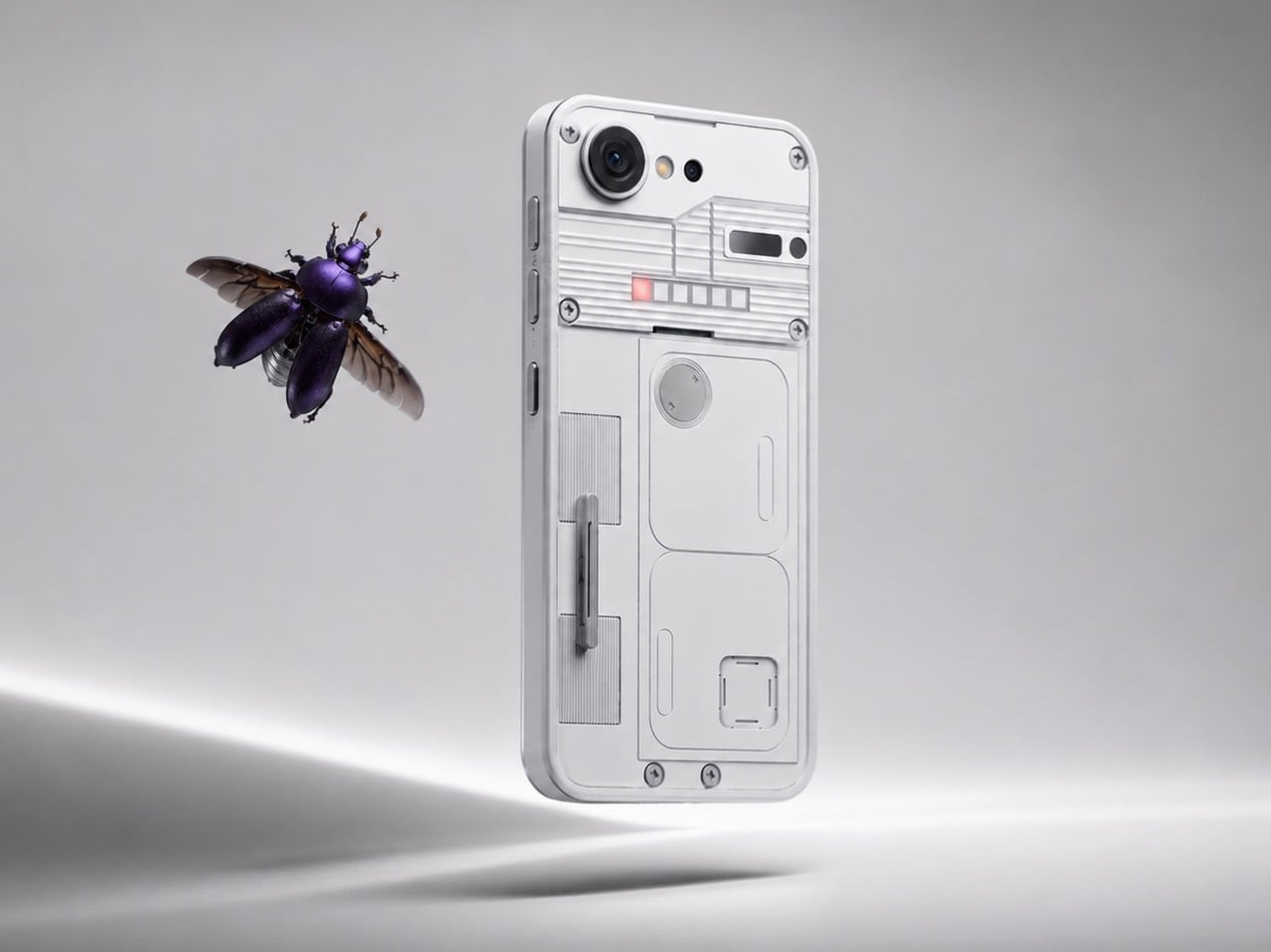
The market for compact smartphones didn’t disappear because people stopped wanting them; manufacturers simply decided the economics didn’t justify the engineering. The iPhone 13 mini was the last great holdout, and its discontinuation left a void that has been filled with nothing but silence. That makes this CMF Phone Mini concept, posted by designer Preet Ajmeri on the Nothing Community forum, feel less like a flight of fancy and more like a genuine market opportunity. It suggests a smarter middle path for small phones, one built around accessibility and modularity rather than specs-sheet maximalism. This isn’t just another shrunken flagship render; it’s a thoughtful take on what a small phone in 2025 ought to be.

What makes Ajmeri’s concept work is its complete lack of flagship pretension. The design has a satisfying, tool-like quality, with an aesthetic that leans closer to a Braun appliance than a miniaturized glass sandwich. The two-tone back panels, secured by exposed screws, are a direct nod to the modularity of the CMF Phone 1 and 2 Pro. That little circular element in the lower corner is a brilliant touch, practically begging for a lanyard or a clever magnetic accessory. The camera housing is integrated into a stepped corner plate, making it feel like a distinct, functional component rather than a generic camera island. It’s an honest object, designed to be held and used without demanding reverence.

Designer: Preet Ajmeri

The colorways Ajmeri mocked up are subtle, and a deviation from the flagship phones’ vibrant color schemes. The sage green has a distinct, almost military-grade feel, while the slate blue is more of a classic tech color. But that brown and cream version is the real standout; it feels like something Braun would have designed in 1975, a perfect piece of retro-futurism. The hard split between the two tones gives it a clear visual hierarchy, and the presumed matte texture looks like it would feel fantastic in the hand. That aside, the modularity is still retained, with the screw-in design, and the knob on the bottom for fixing accessories.

This thing would live or die in the sub-$300 space, and that’s exactly where it belongs. You wouldn’t expect a top-tier Snapdragon processor here; a power-efficient MediaTek Dimensity 7000-series chip would be more than enough to drive a 5.4-inch OLED display without destroying the battery. And battery life would be the biggest engineering challenge, as it always is with small devices. But the appeal isn’t raw performance. The appeal is ergonomics, a one-handed user experience, and a design that has more personality than anything five times its price. CMF has already proven it can deliver a thoughtful software experience on a budget, and that’s all a device like this would need.

So, will Nothing ever actually build it? Almost certainly not, and that’s the real shame. The big players are too risk-averse to cater to a niche they’ve already declared dead. But this concept proves the desire for a well-designed, affordable, and genuinely compact phone is very much alive. It’s a perfect fit for a brand like CMF, which has built its identity on challenging the assumption that budget-friendly has to mean boring. The first company to take a chance on a design with this much character and common sense won’t just sell a phone; they’ll create a cult classic.

The post This CMF Phone Mini Concept Is The Compact Android Fans Have Been Begging For first appeared on Yanko Design.
Galaxy Z Trifold Durability Test Reveals 3.9mm Trade-Offs

Seven years of Galaxy Z Fold and Flip experiments led to Samsung’s wildest form factor yet, a phone that folds twice into a 10‑inch tablet. Before anyone can trust a device like that, it has to survive more than a marketing reel. JerryRigEverything’s durability test became the unofficial reality check for the Galaxy Z Trifold, showing how far Samsung pushed the engineering and where those limits start to bite back.

Zack Nelson’s standard protocol is scratch, burn, dust, and bend, and the Galaxy Z Trifold greets you with a wall of warnings about not peeling films and folding in a specific order. If you close the wrong flap first, the phone vibrates and flashes red, a sign that the folding choreography is tightly constrained, even if it does not break immediately. The device is smart enough to know when you are stressing it incorrectly.

Designer: Samsung (via Zack Nelson/JerryRigEverything)

The outer cover screen behaves like other flagships, scratching at Mohs level 6 with deeper grooves at 7, while the inner flexible display still marks at level 2 with deeper damage at 3. The burn test shows the outer OLED lasting around 17 seconds under flame and the inner panel about 10, reinforcing that ultra‑thin glass and plastic stacks remain fragile, even in this latest generation, which is less a Samsung problem and more a physics problem.

The phone carries an IP48 rating, which sounds reassuring until fine dust is sprinkled into the hinge area and folding begins. The immediate grinding noises make it clear that particles can still get into the mechanism and between layers. The device survives the moment, but the test underlines that a tri‑fold with exposed hinge gaps is best kept away from beaches, workshops, or pockets full of grit.

The defining moment is the bend test. When force is applied in the opposite direction to the intended fold, the Galaxy Z Trifold’s frame buckles with an audible crack, making it the first Samsung phone to fail this particular test. The central spine is around 3.9 mm at its thinnest, significantly slimmer than many ultra‑thin phones, and the hinges themselves hold while the aluminium frame gives way, showing that Samsung prioritised compactness over reverse‑bend resistance.

The teardown reveals three separate batteries spread across the three segments, totalling about 5,600 mAh, so thin that even using pull tabs to remove them risks bending and puncturing. A 200 MP main camera, a 10 MP telephoto with OIS, and reliance on the aluminium frame for heat dissipation rather than a complex cooling system all point to thinness and packaging as top priorities, which makes sense when the goal is pocketability.

The Galaxy Z Trifold is an engineering statement that proves a pocketable tri‑fold tablet is possible, and JerryRigEverything’s test shows the trade‑offs of that ambition. Inner screens remain soft, dust remains a threat, and a 3.9 mm spine will not forgive a wrong bend. As a first draft of a radically new category, it achieves something impressive while accepting vulnerabilities that future iterations will likely address with slightly thicker frames and better sealing, once the core mechanics are proven and refinement can begin.
The post Galaxy Z Trifold Durability Test Reveals 3.9mm Trade-Offs first appeared on Yanko Design.