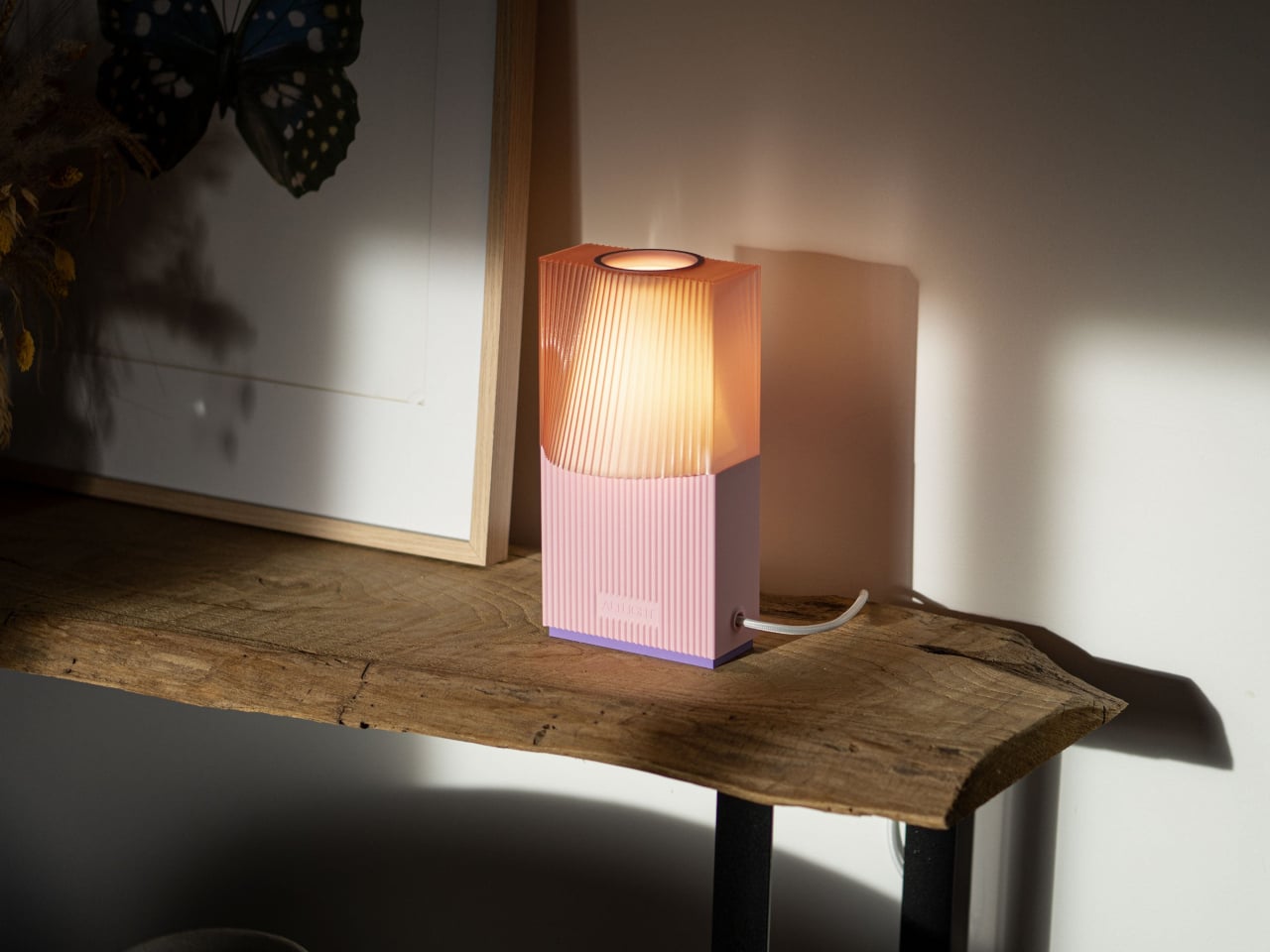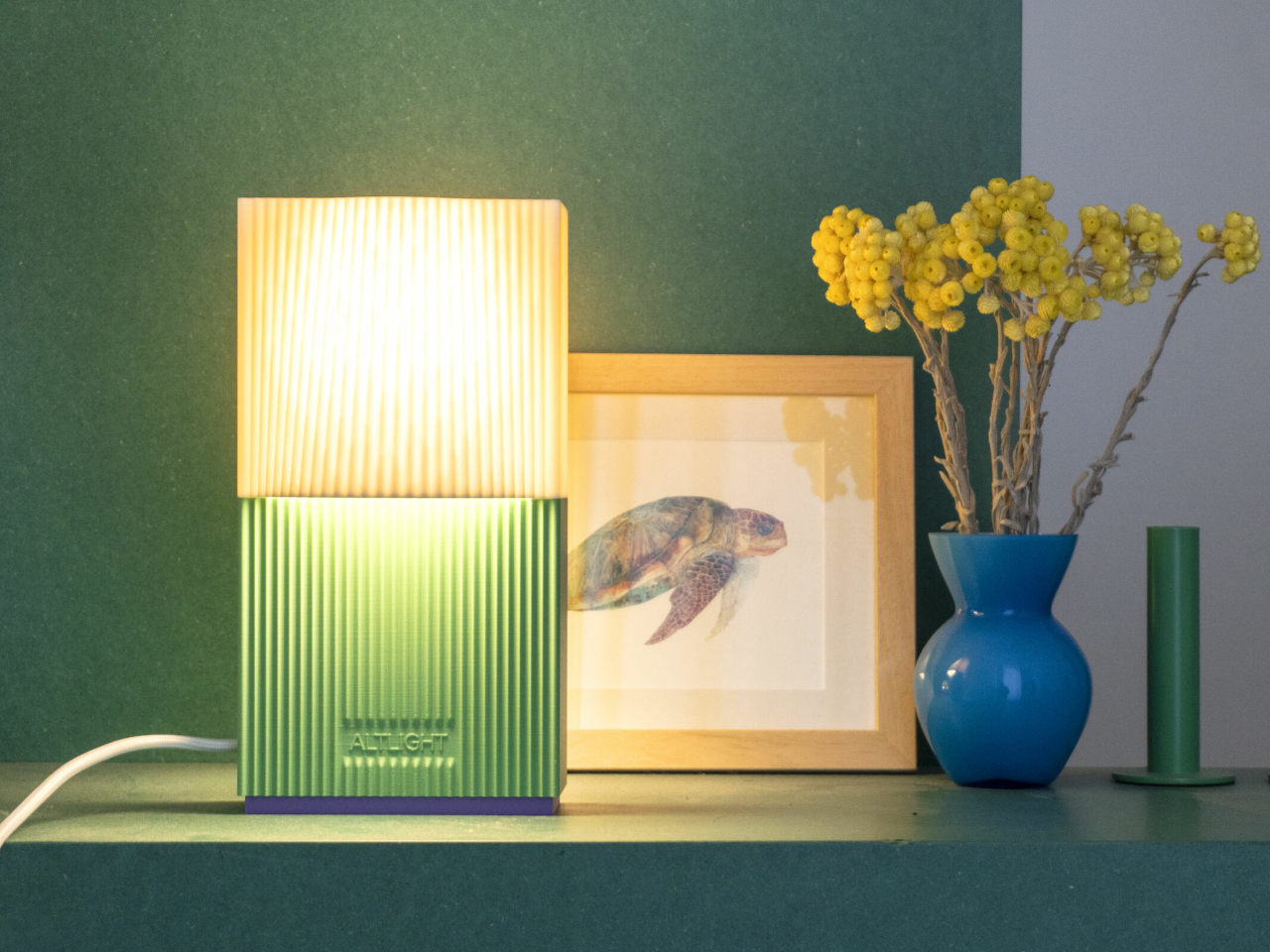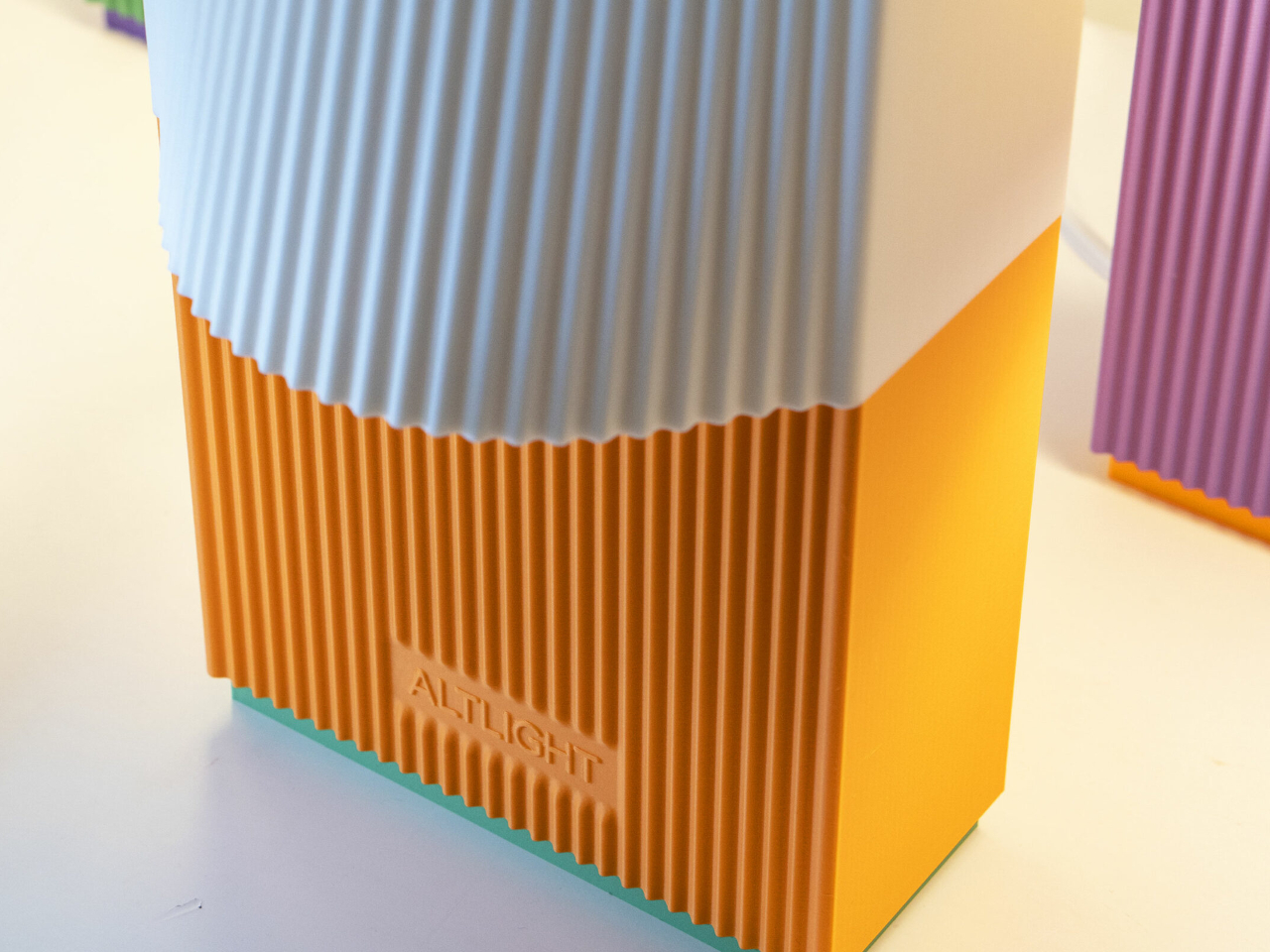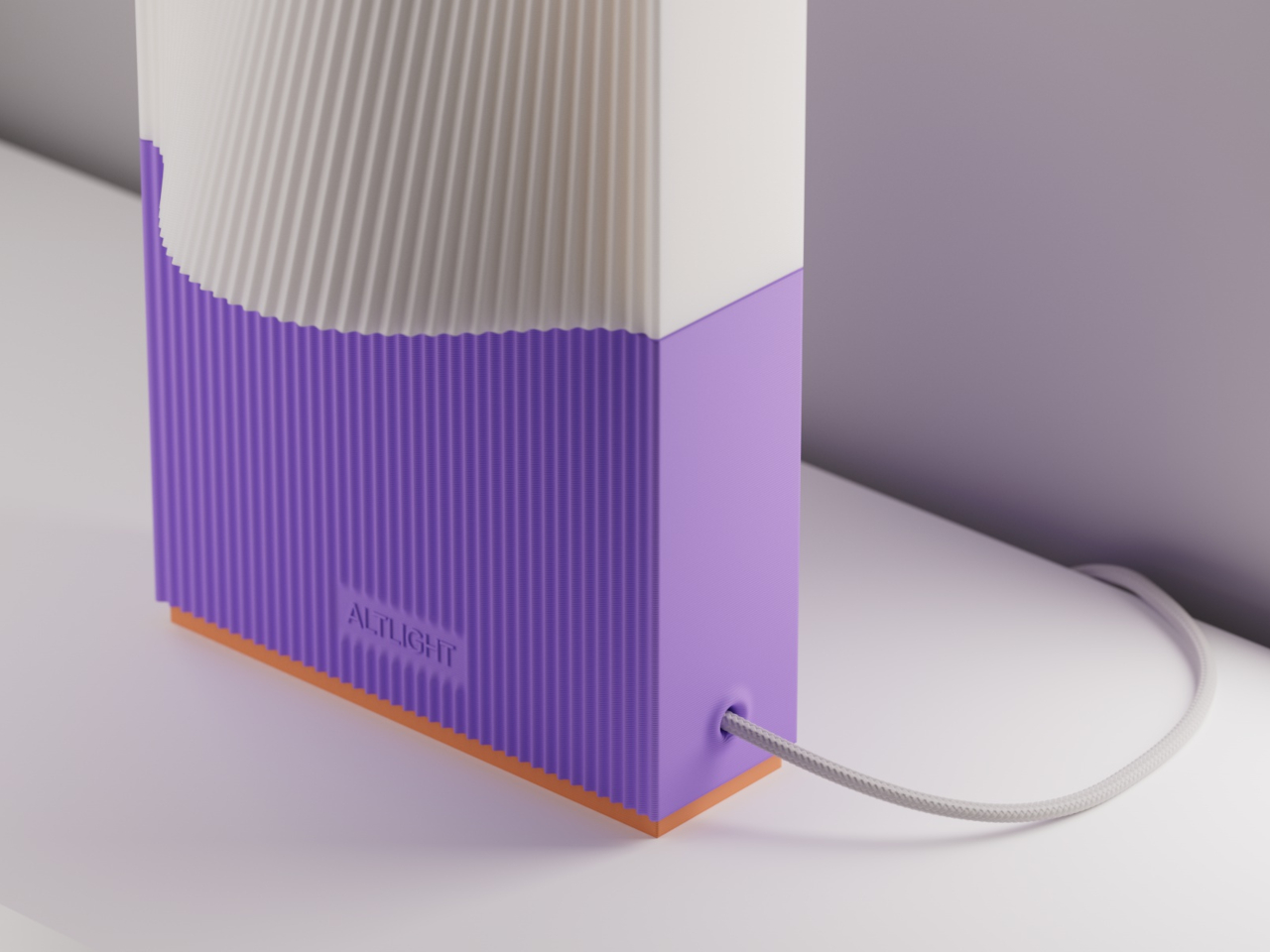
Retro camping lantern concept gives the gas lamp a modern, playful flair

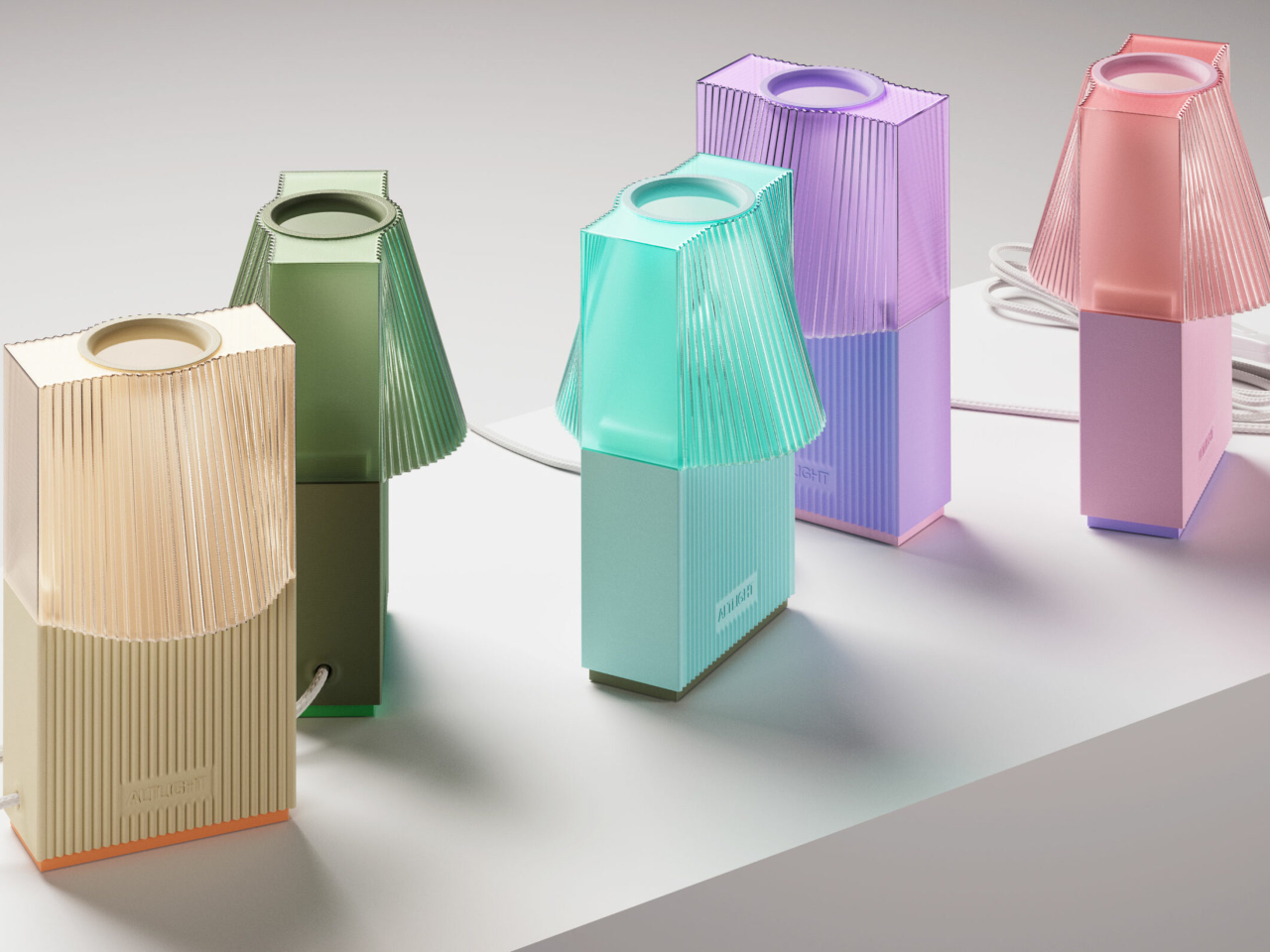
With the rising interest in camping and other outdoor activities, there is also a rising need for safer and more sustainable solutions to common problems like outdoor lighting, off-grid power, and reliable shelter. There is no shortage of portable power stations now available in the market, and you’ll often come across innovative tent designs that take into account modern needs and conveniences. But when it comes to lighting, most of the products still follow the same old design patterns. Rugged and durable, they definitely are, but they also tend to be lifeless and uninspiring, the complete opposite of what time outdoors is supposed to bring. This lamp concept design tries to make that experience a little bit more fun while still delivering much-needed light, and it takes inspiration from objects that have long been in use, some even hailing back centuries past.

Designer: Yu Dan (0-1 Design Studio)

There are few things that immediately illicit images of spending time outdoors than an old gas lantern. These clunky metal vessels have been used by our ancestors to make the night less daunting and make life more bearable when the light and warmth of the sun are long gone. Of course, this kind of lamp is not only outdated but also dangerous, but we, fortunately, have plenty of technologies available to simulate both the appearance as well as the emotions generated by this artifact of a bygone era.

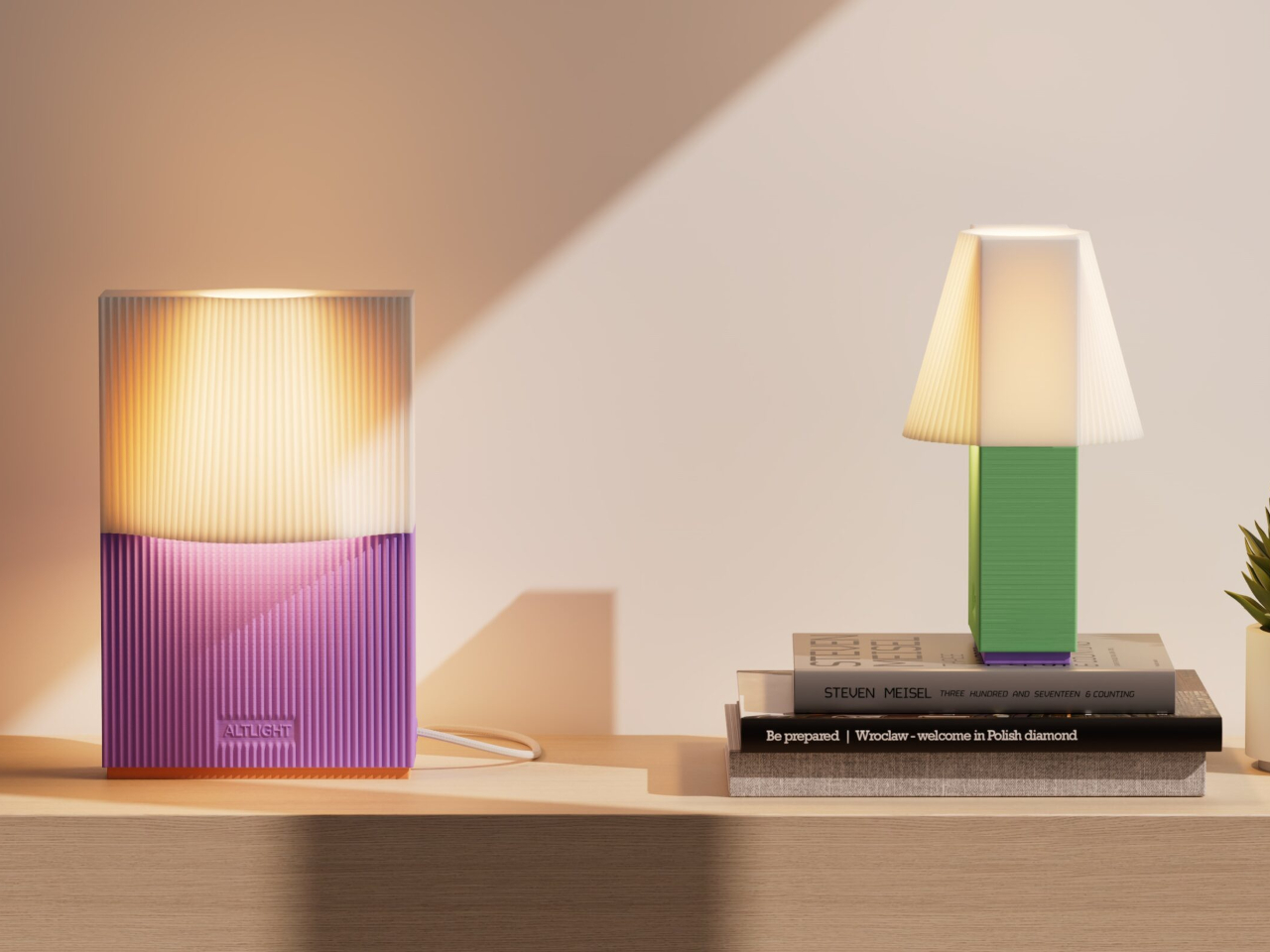
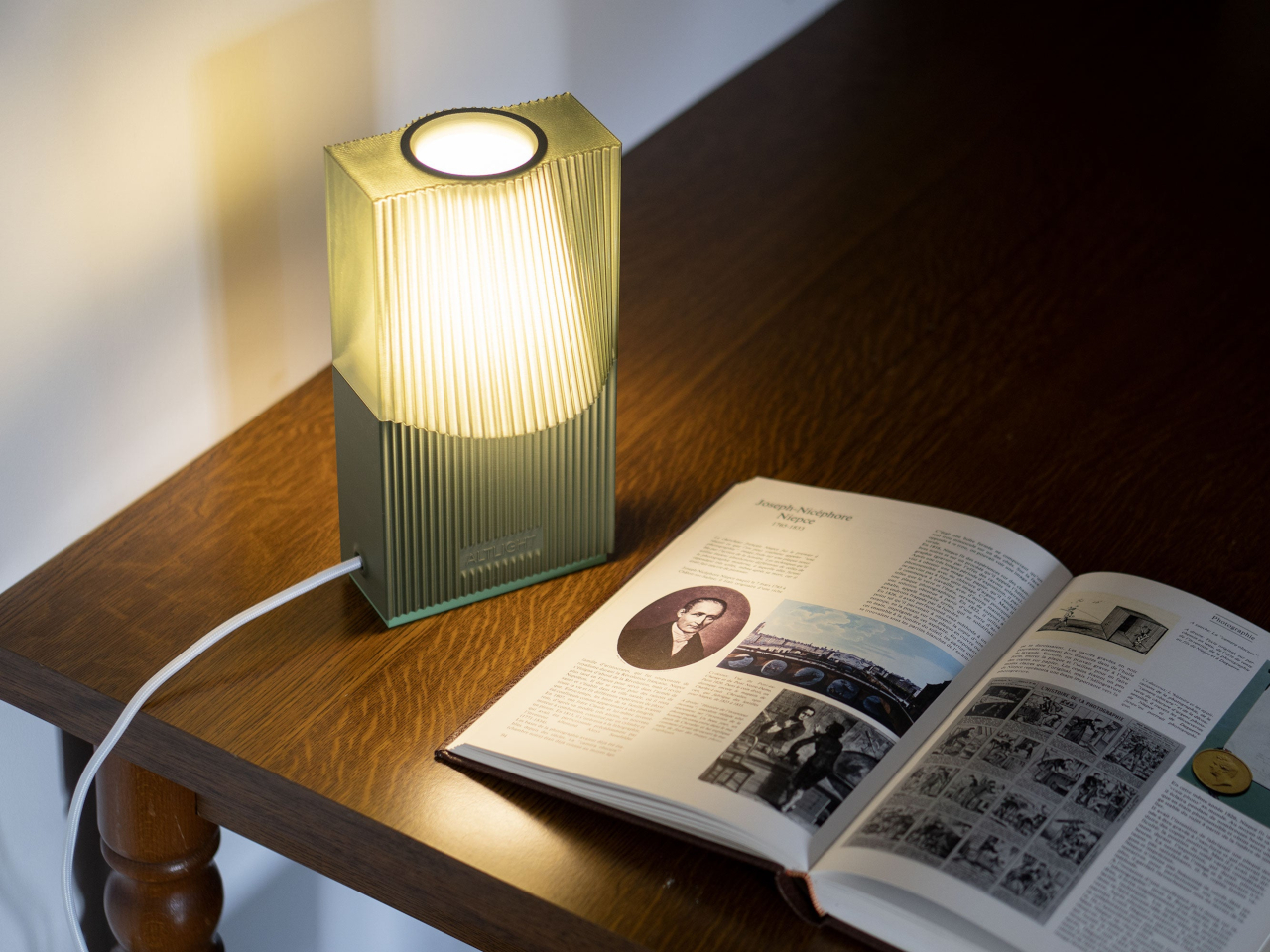
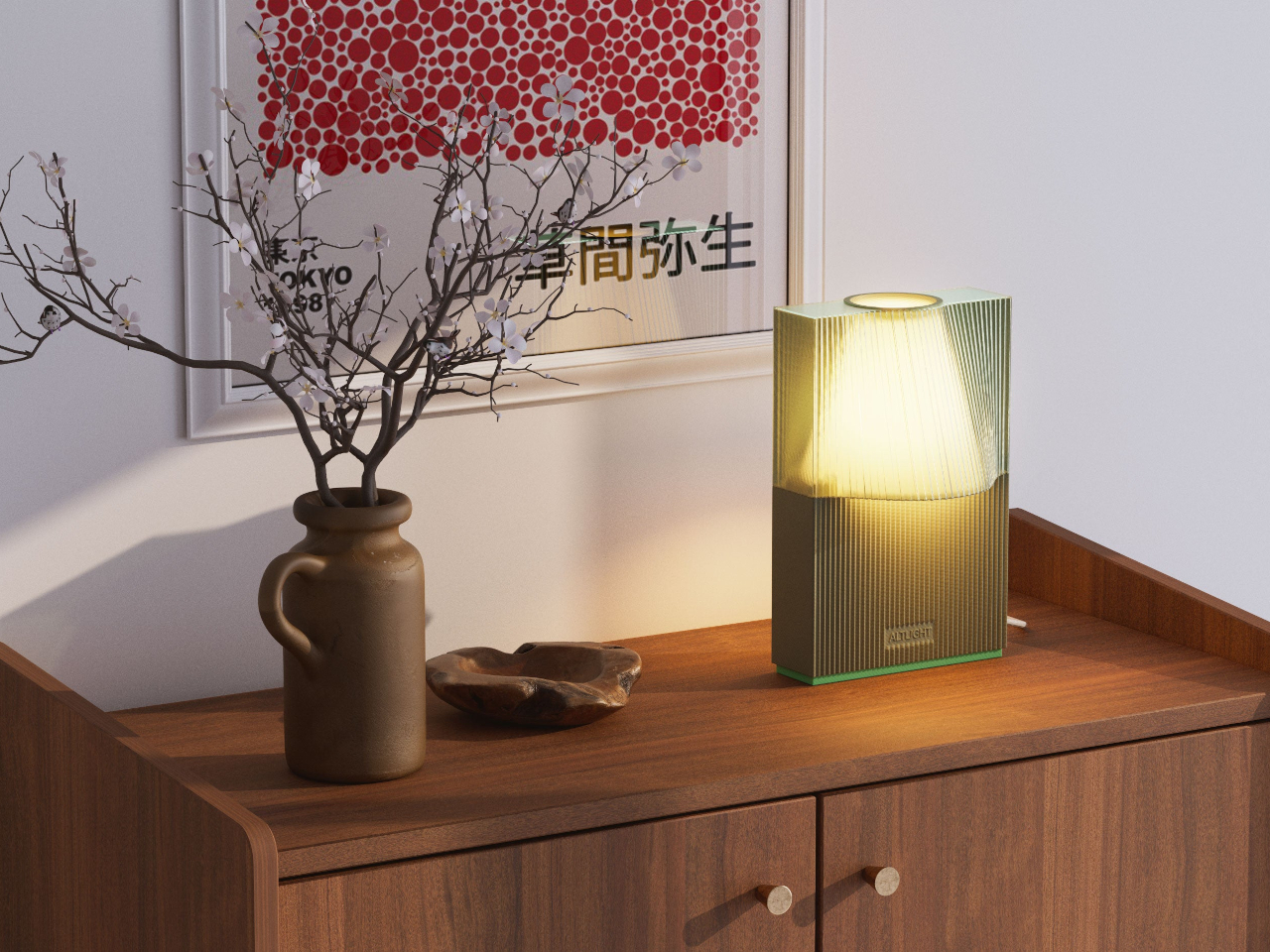
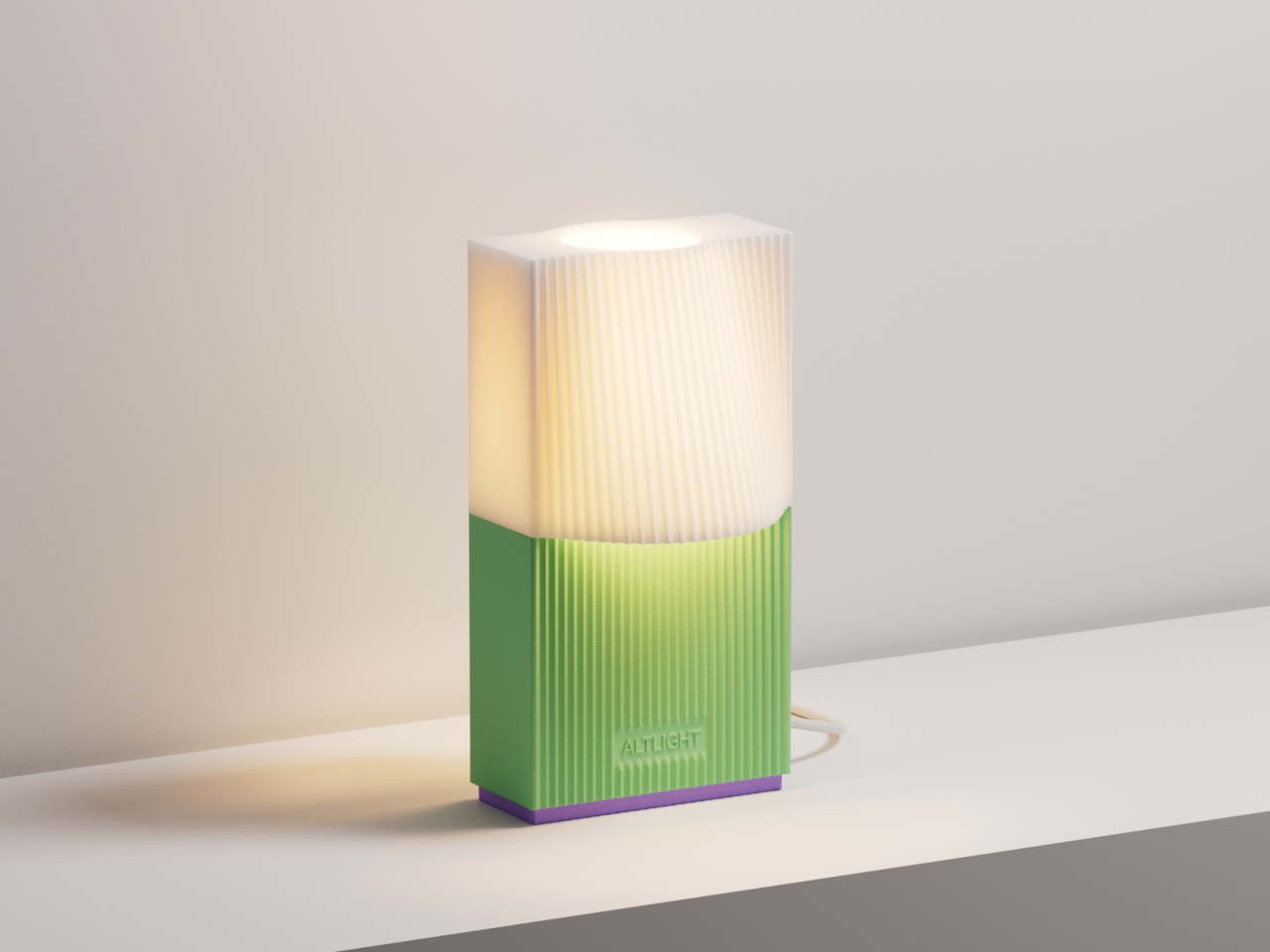
The camping lantern concept is a modern take on several antiquated lantern designs, both those using kerosene as well as those that employ candles. Instead of these fire hazards, however, it uses rechargeable lights, presumably LEDs, in a circular tube hidden at the bottom and top sections of the lamp. The “cover” of the lamp also takes inspiration from the wide-brimmed hats of ancient swordsmen from East Asian countries, which happens to also be similar to how the traditional gas lanterns look as well.

The effect of having candles is provided by a modular lighting design in the shape of low cylinders that can be stacked on top of each other to increase their brightness. The “candles” can also be used independently, in case you need a softer glow away from the lantern. Both light tubes and candles give off a warm, yellow light that sets the perfect mood at night while also providing enough light for reading. As a bonus, the lantern’s battery can also be used to charge other devices, though care should be taken not to drain it completely before the sun rises again.

Truth be told, the concept is a simple re-imagination of the iconic shape of a gas lamp, but it’s that simplicity that also makes its application and effect more diverse. The form immediately calls to mind the old frontier days portrayed in many TV shows and films, but its functionality is completely immersed in the demands of modern life. Best of all, it makes spending the night outdoors a little bit more interesting if not dramatic, silently keeping you company as you watch the fireflies dance in the darkness.

The post Retro camping lantern concept gives the gas lamp a modern, playful flair first appeared on Yanko Design.

Fossil will no longer make smartwatches, implies weak market for designer wearables

There was a time when smartwatches were seen as geeky trinkets that had no place on ordinary people’s wrists. It took the success of the Apple Watch and the collaboration of fashion brands to bring this piece of wearable technology to the masses. But while smartwatches have finally found their legs, that doesn’t necessarily mean that it has been a profitable business either. It seems that those brands that have made smartwatches literally fashionable are starting to reconsider their strategies, especially with only a few successful products that are unsurprisingly still dominated by consumer electronics companies. Fossil has apparently decided to just pull the plug and call it quits on the smartwatch market, preferring to focus its resources on the designer products that actually bring in the money.

Designer: Fossil (via The Verge)

When smartwatches first came to the market, it was smartphone manufacturers that took the lead. Compared to the selection we have today, it’s not surprising why most people shied away from having them on their wrists. They were large, clunky, and visually unappealing. And they required charging almost every night.

While the Apple Watch would always be an exception, it took negotiations with brands like Fossil, TAG Heuer, Mont Blanc, and Michael Kors, just to name a few, to really bring smartwatch designs to the same level as traditional timepieces, at least on the outside. To some extent, there was a successful push to turn these pieces of wearable technology into true fashion accessories and, given some of the prices, luxury items. Now smartwatches are more or less more common, but that doesn’t mean the market for the more fashionable smartwatches is actually growing. In fact, you could almost say that the top smartwatch vendors are Apple, Samsung, and Google on the higher end, and Xiaomi, Mobvoi, and smaller manufacturers on the opposite end.

Confirming rumors that were already going around the Internet, Fossil announced that it was exiting the smartwatch business. It was a “strategic decision” and would focus on the “core segments of our business that continue to provide strong growth,” namely traditional watches, jewelry, and leather goods. Reading between the lines, it means that its line of smartwatches isn’t providing that kind of growth and it doesn’t foresee that changing in the future.

This makes the Fossil Gen 6 that was launched in 2021 the last smartwatch the marque will ever make. Fossil does promise to continue supporting its existing smartwatches for the next few years, though it probably really means only one or two years moving forward. Fossil is the first brand to make this big announcement, but it probably won’t be the last as the designer smartwatch market continues to stagnate or even shrink, leaving smartphone manufacturers to take the helm once more.

The post Fossil will no longer make smartwatches, implies weak market for designer wearables first appeared on Yanko Design.
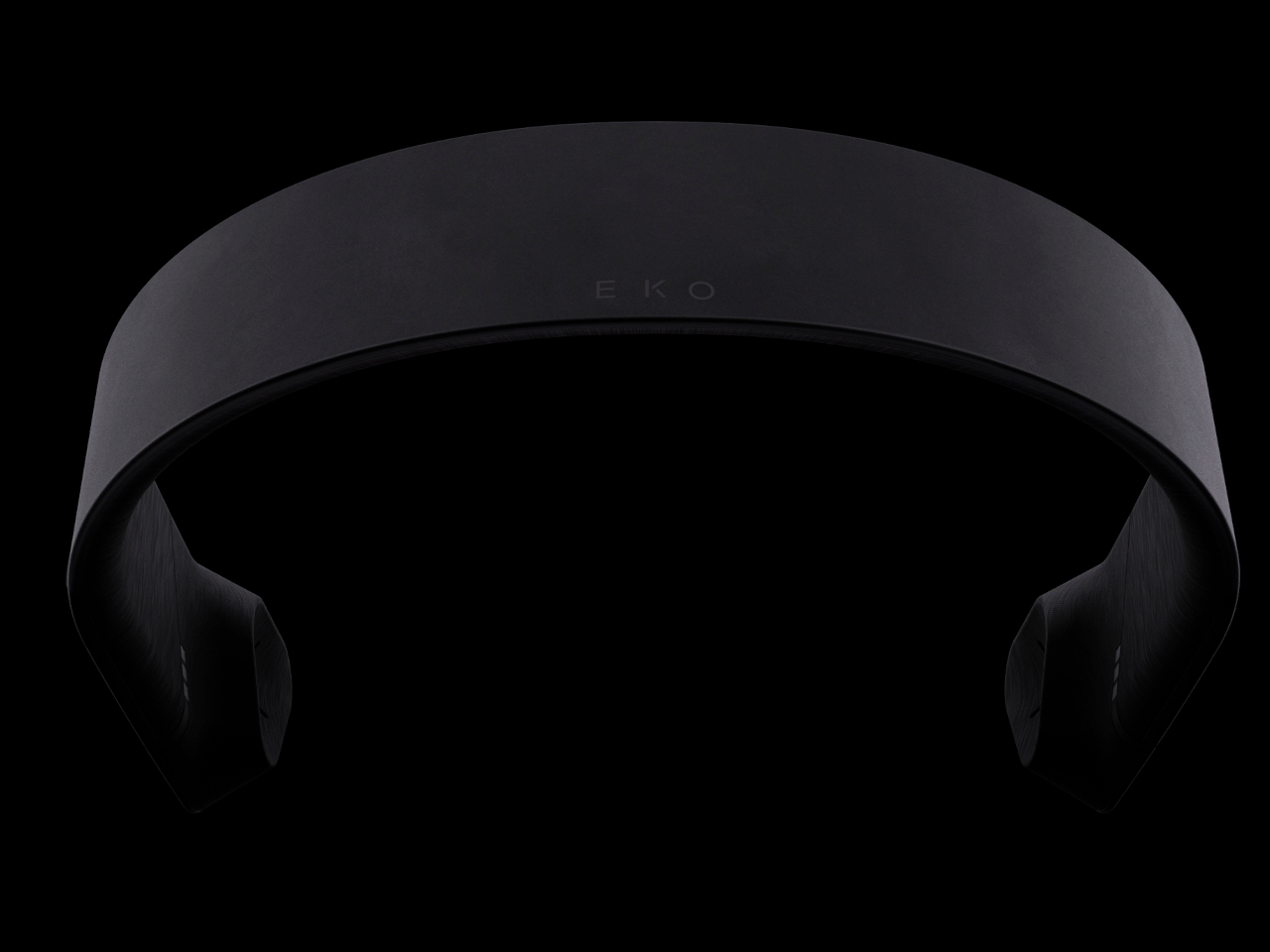
Huge transparent horn speakers deliver an odd yet beautiful way to enjoy music

We’re long past the days when speakers, especially those at home, would simply be literal black boxes that belted out sound in whatever direction they were pointed at. While those still exist, many of the audio equipment marketed for home use have taken on more interesting designs that marry aesthetics and function without sacrificing either. Bang & Olufsen might be one of the most popular brands in this growing market of art-inspired speakers, but it is hardly the only one with curious and eye-catching designs. This loudspeaker set, for example, is just as much a work of art as it is a piece of high-end audio equipment, promising to elevate the listening experience to a whole new level that involves not just the ears but also the eyes.

Designer: Timothy Hill

In an iconic form, the speaker has always been represented by one of its oldest designs, a conical structure that curves from one end to another, creating what is commonly known as a horn shape. The Jetstream loudspeaker takes that shape and transforms it into an art piece by using transparent acrylic for the horn and blowing it up to human-sized proportions. The result is a distinctive, one-of-a-kind speaker that makes the drive unit look like it’s floating in mid-air. Viewed from the side, the speaker also looks like the sonic boom traces left by a high-speed jet, which given the background of the designer, seems almost fitting.

The horn shape chosen for the Jetstream might look ornamental, but it is actually based on a solid foundation of physics. Just like with horn speakers of old, the shape helps to propagate sound waves more freely and evenly, and given its size, it also multiplies that effect to reach all corners of a room. The loudspeaker system promises clear and dynamic sound, regardless of what you’re listening to, whether it’s classical masterpieces or modern movie sound effects.

Although the horn loudspeaker is definitely the center of attraction, it isn’t the only member of the Ferguson Hill Jetstream loudspeaker system. There’s also the bass speaker which takes the form of a transparent sphere with a large drive unit, held up by three metal cone feet. This gives the speaker a certain retro-futuristic aesthetic that perfectly complements the gigantic horn loudspeaker.

Although it functions primarily as a sound system, the Jetstream is also a statement piece that transforms any space into a unique audiovisual experience. It’s the kind of fusion of art and technology that truly redefines what it means to be a home speaker these days, offering value that goes beyond blasting sound but also touches the emotions and mind by appealing to more than one of our five senses. That said, it’s also a design that, at least in this case, carries a rather hefty price tag, though that could soon change as more audio equipment manufacturers embrace a more design-conscious approach to making speakers.

The post Huge transparent horn speakers deliver an odd yet beautiful way to enjoy music first appeared on Yanko Design.

Visor mixed reality headset promises a more accessible Apple Vision Pro

Although it’s definitely the latecomer, Apple is unsurprisingly stirring up a storm with the launch of the Vision Pro. Mixed reality, or spatial computing as Apple named it, is en vogue once again, and many companies are making a lot of noise to demonstrate how they’ve been playing the game long before the Vision Pro was even announced. That boast comes with the implication that they can offer a better experience and a more accessible product, like this visor-like Visor headset that’s trying to be a better Vision Pro than the Vision Pro with a more open platform, a more stylish design, and most importantly, a more affordable price tag.

Designer: Immersed

Although the Apple Vision Pro is definitely more stylish than other mixed reality headsets, it’s still a headset that leaves nothing to the imagination about what you’re wearing or doing. Visor, on the other hand, looks more like its namesake, at least outwardly. Despite the spectacle-like design, it actually bears 4K micro OLED displays per eye, a lot more than what the Visor Pro boasts. And yet the headset itself manages to weigh only 200g, more than half what the Meta Quest 3 weighs. And yes, it has an external battery to help keep the weight down.

Beyond just the design of the device itself, the Visor offers a completely different experience from the likes of the Vision Pro or even the new Xreal Air 2 Ultra that was announced at CES 2024 earlier this month. It neither runs its own operating system nor does it just mirror the screen of a computer. Instead, it harnesses Immersed’s mixed reality software that it has been developing for years that practically gives you virtual monitors spread across your vision, resulting in a wider field of view compared to the common smart glasses implementation.

What this means in practice is that you can keep on using the software and operating system you’re already familiar with without any limitations. In fact, Immersed says it won’t even block attempts to make SteamVR work with its device, even though its focus is more towards productivity and professional use. Visor doesn’t even have an app marketplace, but it will release development tools for sideloading apps later on.

If Visor’s $399.99 price tag sounds too good to be true, that’s because it somewhat is. That cheap figure actually requires you to also buy a “Membership Plus” subscription that will cost $59.99 a month for 12 months or $39.99 for 24 months. The good news is that you won’t lose access to the basic features of the device if you decide not to renew after that period. Alternatively, you can buy the device alone for a full $999.99, without any of the extras, which is still a lot cheaper than the Apple Vision Pro. Whether it can deliver all these promises, however, is something we’ll have to see in due time, no pun intended.

The post Visor mixed reality headset promises a more accessible Apple Vision Pro first appeared on Yanko Design.

Rimowa Chess Attache offers a luxurious way to carry your luxurious game pieces

Chess is a game that spans centuries and while the basic mechanics haven’t changed much, it has taken various forms over the course of its very long history. Chess sets today come in a variety of styles, from cheap plastic to fragile class, from classic designs to abstract geometric shapes. Some sets, usually the expensive ones, are kept safely at home, while others go wherever their owners go, ready to challenge a fellow enthusiast at a moment’s notice. Rimowa, best known for making premium luggage and bags, is trying its hand at striking a middle ground with a high-quality aluminum chess set housed in a signature Rimowa case, ready to travel and make you the envy of all your chess colleagues.

Designer: Rimowa

Portable chess sets do exist, but the most common design you might see is a thick wooden board that folds in the middle to transform into a miniature suitcase for the wooden pieces. It’s practical and, to be fair, a bit sustainable, but also terribly uninspiring. Nothing lights a chess enthusiast’s fire better than a captivating and elegant chess set, one that embodies the long-lasting legacy of a game that had enchanted and beguiled even monarchs.

The new Rimowa Chess Attache is both a homage to the classic chess design but also a rejuvenation with a more modern aesthetic. Each chess piece is crafted from black and silver (for white) anodized aluminum, emblazoned with a laser-engraved Rimowa monogram. The board, though made of wood, is wrapped in leather materials and has magnets that keep the pieces steadily in place until you or your opponent is ready to make the next move. That board’s aluminum frame also bares Rimowa’s logo, signifying its place in the brand’s selection of premium products.

Of course, this wouldn’t be a Rimowa product if there is no travel container involved, and indeed, a major part of the Chess Attache’s appeal is exactly that attache case. The small suitcase’s rounded edges and ribbed faces carry the hallmarks of Rimowa’s iconic design language. Inside, the chess pieces like in compartments cut out from foam and a suede-like microfiber, securing them in place until the time comes for them to be taken out and played. A delicate protective leather layer then sits in between the pieces and the magnetic wooden board that’s secured to the attache with premium leather straps.

Of course, there’s also plenty of Rimowa branding to be found inside, from the black leather lining down to the monogram-engraved snaps of the leather straps. Every inch of the design screams luxury product, and it’s probably good that a metallic lock system is integrated directly into the case’s shell. Whether it’s the chess set itself or the case that carries them, this Rimowa Chess Attache elevates not just your game but also your traveling experience.

The post Rimowa Chess Attache offers a luxurious way to carry your luxurious game pieces first appeared on Yanko Design.
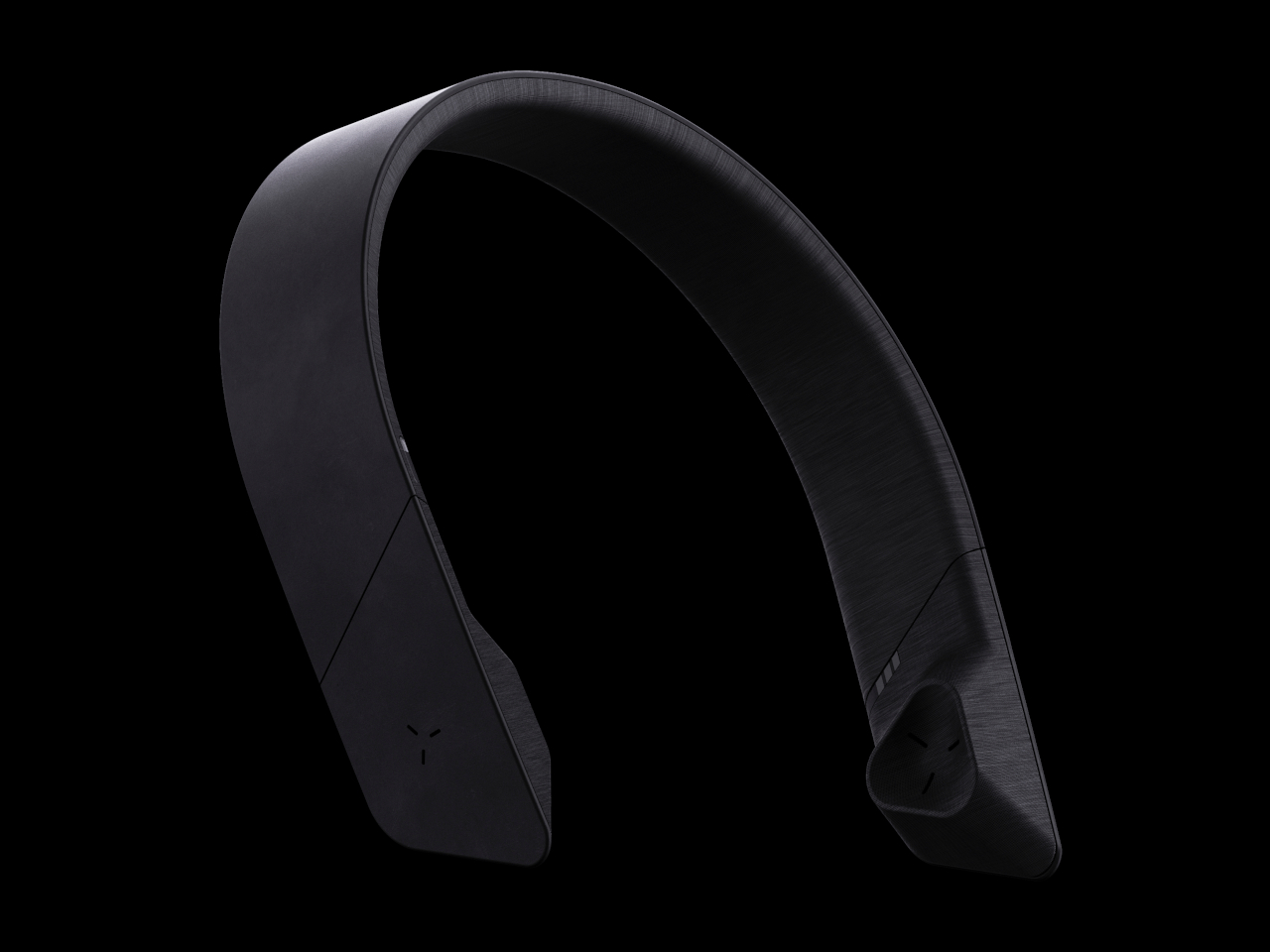
OnePlus 12 teardown reveals what it takes to keep this phone cool

Smartphones today are practically small yet powerful computers that you can hold in your hand and fit in your pocket. And just like any computer, the more powerful it is, the more heat it generates. In the past, smartphones could get by with simple cooling techniques that didn’t take much engineering or design to implement. Of course, those no longer work today, and sometimes even the common “vapor chamber” isn’t enough to keep the device from running hot. That’s why you’ll often hear brands boasting about some new advanced cooling technology, and a teardown of the new OnePlus 12 shows just how far some have to go to make sure your phone doesn’t turn into an incendiary device, whether you’re gaming, browsing the Web, or even simply charging it.

Designer: OnePlus (via JerryRigEverything)

It’s probably debatable whether the OnePlus 12 is the most powerful smartphone in the market to date, but it is one of the first to launch with the shiny new Qualcomm Snapdragon 8 Gen 3 processor. Benchmarks do speak in its favor, which suggests that despite its rather classy appearance, the OnePlus 12 is a gaming-worthy device. This also means it is in even more need of a more effective cooling solution compared to gaming smartphones with insane designs that include a tiny fan inside.

OnePlus does talk about a “Dual Cryo-velocity Vapor Chamber Cooling System,” which is just its fancy way of saying that its latest flagship has a ginormous cooling system. That size is mainly due to actually having two vapor chambers on top of each other, acting as redundant cooling systems that work doubly hard to keep not just the processor cool but the battery as well. Of course, you wouldn’t actually see the stacked vapor chambers even from the teardown, because they’ll just look like a large, flexible copper plate.

The size of this material, however, does show the almost ridiculous lengths designers and engineers have to go through to ensure the safety of such a powerful device. And it’s not just because of the powerful processor but also thanks to super-fast battery charging, which means even more heat being generated. The teardown also shows the trick that OnePlus (and other manufacturers) use to pull off this quick charging feat: split the battery into two and charge both small packs at the same time.

Although not the focus of the video, the teardown does suggest how relatively easy it is to open up the OnePlus 12. It was only when it came to separating the screen did things got really risky, but if you’re trying to replace the display, chances are it’s already dead in the first place. OnePlus is noted to have a solid parts replacement program, so much of that effort in prying open the OnePlus 12 won’t be in vain.

The post OnePlus 12 teardown reveals what it takes to keep this phone cool first appeared on Yanko Design.
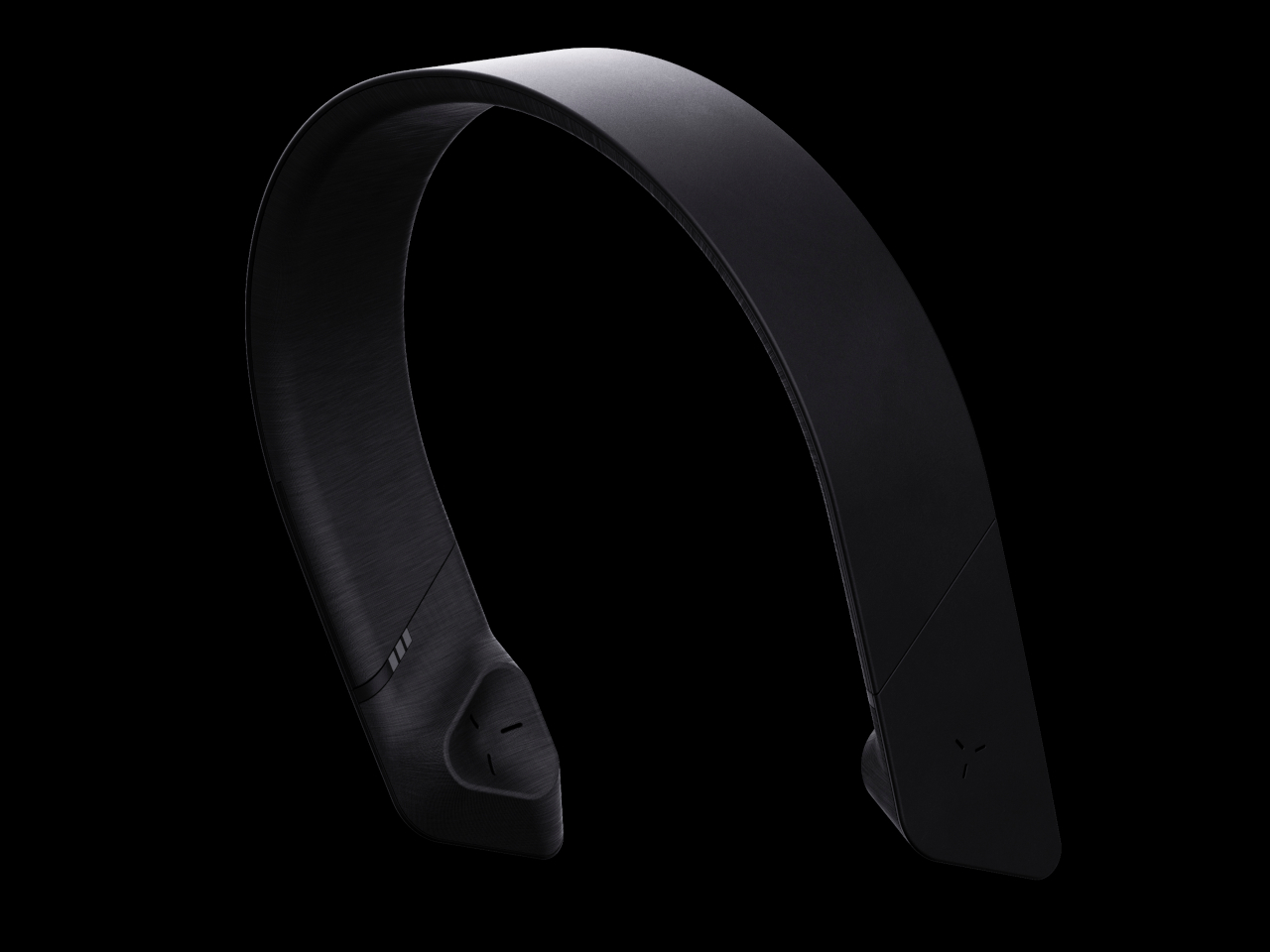
Pixel 8 Pro thermometer can now ready body temperatures, but is it worth it?

When Google launched the Pixel 8 Pro, it revealed a feature that seemed to be a solution looking for a problem. It had a temperature sensor, one of if not the first to debut on a smartphone, that was advertised as a way to, well, check the temperature of food or your baby’s water bottle. There were leaks claiming that it could also take your body’s temperature, but that never came to pass, at least until now. Google finally let the cat out of the bag that it was just waiting for FDA approval, so the Pixel 8 Pro is now capable of reading your body temp, though the exact process and usefulness of that feature still remains a big question mark.

Designer: Google

Why would you want to use your phone to read your own temperature anyway? That’s because many people have been quite obsessed with checking their body temperature ever since the recent pandemic, and short of awkwardly carrying a thermometer with you all the time, using a smartphone is the next best thing. But since the feature would be used to take the place of a medical device, it needed regulatory approval first, which Google finally got.

According to the tech giant, the secret to this feature is the infrared sensor that’s positioned right beside its cameras. Before this body temperature feature was finally released, all it was allowed to do was measure the temperature of non-living objects by holding the phone no farther than two inches from the target. Unsurprisingly, there’s only a limited number of applications for such a thermometer, so it was like a feature that buyers were paying for but couldn’t fully use. The narrative now changes with the addition of body temperature readings, but it might not be a clear win either.

It uses the infrared radiation, a.k.a. heat, that our body generates to make this reading, but Google claims it does one better than the typical forehead digital thermometers commonly used today. It measures the temporal artery, that is, the artery located on your temple, to get a more accurate reading. Of course, the data is further processed by an AI-powered algorithm before being displayed on the Pixel thermometer app. The process, however, isn’t as quick or as straightforward as those forehead thermometers. You need to first hold the Pixel 8 Pro two inches away from the center of your forehead, wait for the beep to signal the start of the scanning process, and then swipe the phone toward your temple, all in just four seconds. The scanning automatically stops after four seconds, so the accuracy of the reading also depends on how accurate your movements are.

Although Google is quite confident in the accuracy of this feature, it’s still a bit doubtful how much use it will get in real life. Admittedly, body temperature reading is far more useful than precariously placing your phone so close to a hot object, let alone one that’s giving off smoke or steam. Fortunately, the Feature Drop that delivered this feature on Pixel phones also has other goodies, like Circle to Search which was first announced on the Samsung Galaxy S24 series. Google is also launching a new Mint Green flavor of the Pixel 8 and Pixel 8 Pro, in case you’re still in the market for a new phone, especially one that you can also use as a thermometer.

The post Pixel 8 Pro thermometer can now ready body temperatures, but is it worth it? first appeared on Yanko Design.
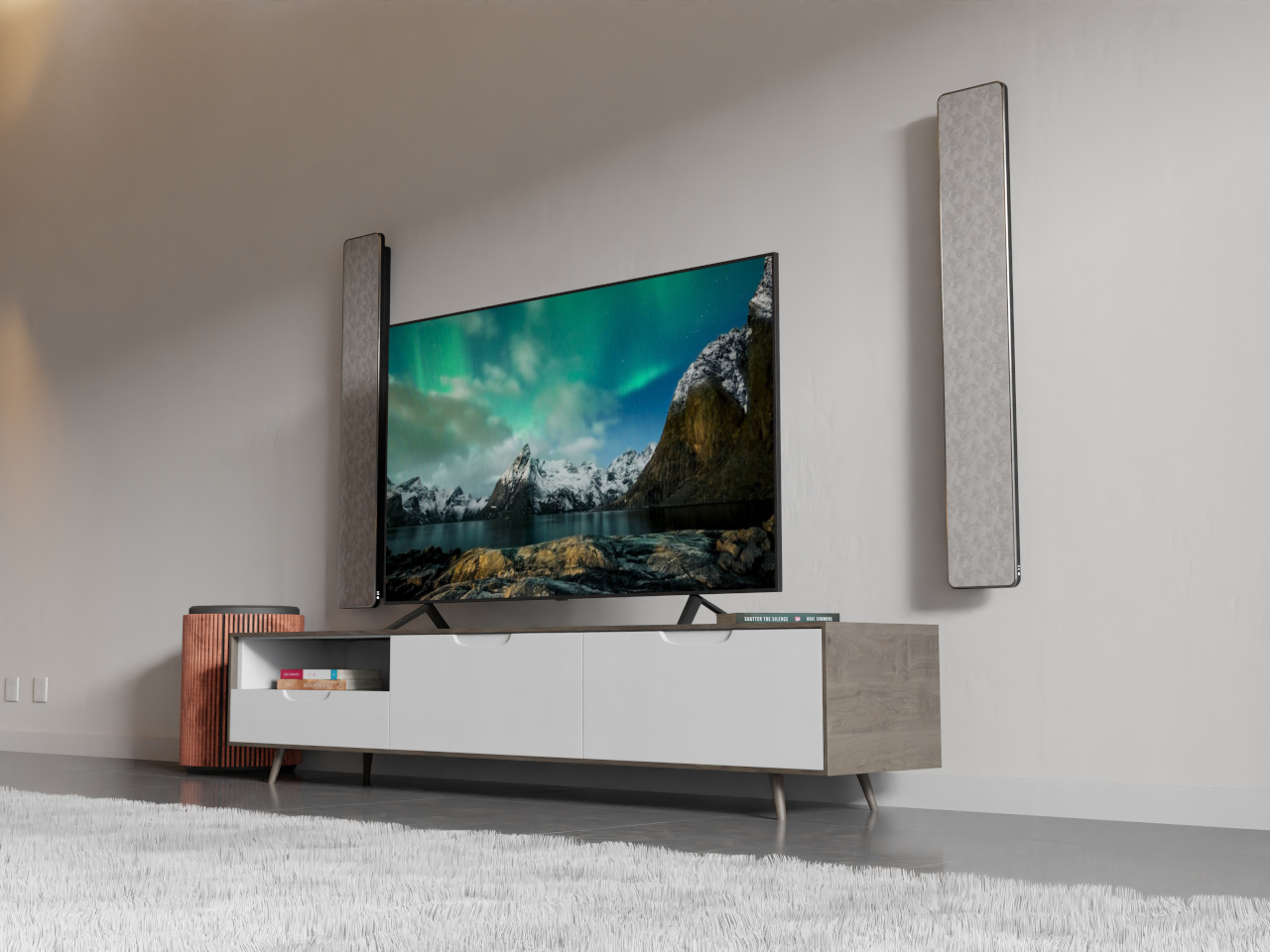
Samsung Galaxy Watch non-invasive glucose monitor will be a live-saving game-changer

While there seems to be a rising interest in smart rings as condensed fitness monitors, smartwatches are hardly done growing. Smart rings, at least in their current incarnation, promise a discreet way to keep track of your body’s state, but smartwatches have more room for more advanced sensors and features that you can never fit inside a ring. Some of those features might even make the difference between life and death, as proven time and again by Apple Watch anecdotes. Samsung, however, is setting its sights on a more ambitious goal that’s considered to be one of the Holy Grails of home healthcare. In the near future, its Galaxy Watch line could tell the wearer if their blood sugar is dangerously low or high, all without having to prick their skin and draw blood.

Designer: Samsung (via Bloomberg)

Next to heart-related disorders, diabetes is considered to be one of the most serious diseases plaguing people today. In fact, it’s also labeled as a “silent killer” because of how too late a diagnosis often comes. Monitoring one’s glucose or blood sugar levels, after all, is a literally painful procedure that most people would avoid, including diabetics themselves. There is a great and urgent demand for non-invasive glucose monitoring solutions, and Samsung is apparently already eyeing that achievement.

According to the company’s digital health chief, Hon Pak, Samsung is really pushing hard to make this innovation available in a future version of its Galaxy Watch wearables, like the Galaxy Watch 6 pictured in this piece. A non-invasive blood sugar monitor, together with continuous blood pressure monitoring, would definitely put Samsung at the head of the race. Of course, it’s easier said than done, and even the exec can only hope that the technology and the product will be available within the next five years.

It can’t take its sweet time either, because in addition to medical equipment manufacturers trying to cash in on this potentially lucrative future market, Samsung is also racing against Apple. The Cupertino-based company whose Apple Watch has become synonymous with life-saving wearables, has long been reported to be working on a solution as well. Such a smartwatch with a non-invasive glucose monitor will surely be a reality, but whoever gets there first will be able to claim a large share of the market.

Then again, diabetics and healthcare workers probably care less about who launches a design first, as long as a reliable product does indeed arrive. There are already a few non-invasive monitors that indirectly compute glucose levels from other biometrics, but their accuracy is often still in question. A smartwatch might not even be as accurate as those, but anything that will give wearers the faintest clue is still significantly better than not knowing at all until it’s far too late to make a difference.

The post Samsung Galaxy Watch non-invasive glucose monitor will be a live-saving game-changer first appeared on Yanko Design.
Microsoft Mesh lets you hold virtual meetings around virtual bonfires

The hype around the so-called Metaverse seems to have died down a bit. Even Facebook, which changed its name to Meta to emphasize its new mission, has been rather silent on that front, especially in light of AI being the hottest thing in tech these days. With the launch of the Apple Vision Pro, however, interest in mixed reality, as well as AR and VR, is once again on the rise. As such, now seems to be the best time for Microsoft to also make widely available its own virtual meeting platform, Microsoft Mesh, encouraging a new approach to hybrid work arrangements that will have attendees “sitting” around digital bonfires or posh virtual rooms, all for the sake of trying to make people feel more connected even when they’re all just sitting in their own homes.

Designer: Microsoft

In order to shake off the image of something only for games and entertainment, platform developers like Meta and Microsoft try to make mixed reality technologies something that’s actually useful for serious business as well. These usually involve providing virtual spaces for meetings, creating avatars that represent employees, and holding more interactive and livelier gatherings that would otherwise be a boring experience of watching people’s faces in a grid of boxes. In other words, they try to recreate the feelings and emotions of meeting in person when they physically can’t.

Microsoft Mesh is Redmond’s solution to this problem. Think of it like a VR Microsoft Teams and is, in fact, integrated into Microsoft’s collaboration platform. With just a few clicks, you can turn a flat, literally and figuratively, meeting into a 3D virtual experience, complete with bars, chairs, fires, and, of course, a screen inside a screen for showing presentations to your team. You’ll have to create your own personalized avatar, preferably something close to your real-world appearance, and you can decorate your spaces the way you want, including company logos, of course.

1

Microsoft is leaning heavily on its no-code tools to make Mesh more enticing, in addition to having it tied to Microsoft Teams in the first place. Designing the area is a simple process of dragging and dropping assets as you would in a 3D game editor, thanks to a collaboration with Unity 3D. But if that is already too complex, Microsoft Co-Pilot offers an easier method that utilizes AI to translate your prompts into captivating virtual interiors, or at least the semblance of one. Whether it’s just a simple stand-up meeting that needs everyone to be on their toes, a brainstorming session that requires a bit more creativity, or a presentation that needs to keep people attentive, a virtual meeting space is probably going to help spice things up a bit.

Mesh comes at an interesting time when businesses are actually pushing for their workers to return to the office completely. For many companies, however, hybrid has become an unavoidable and permanent reality, with both the benefits and drawbacks it carries, particularly when it comes to the indirect interaction between humans. Microsoft Mesh is being positioned as the next best thing to support those social connections even when actual physical cues are absent. It’s now being made available for Windows PCs, but those who want a more immersive and convincing experience can enjoy it using their Meta Quest headset. That said, you’ll need a Microsoft subscription as well, so it’s not exactly something that everyone can experience.

The post Microsoft Mesh lets you hold virtual meetings around virtual bonfires first appeared on Yanko Design.
Ceramic-inspired keyboard brings a splatter of Italian design to your desk

Computer keyboards are often regarded as purely utilitarian products. Aside from the RGB lighting that gaming-focused keyboards have, the majority of the designs tend to lean towards black or white color schemes, with a few colorful exceptions here and there. These input devices are rarely considered works of art, or even anything related to art. Of course, there is a very small number that doesn’t fit inside this box, putting as much attention to aesthetics as is paid to performance and ergonomics. This rather peculiar keyboard design, for example, splatters a variety of colors on the case, recreating an artistic style used by Italian artisans to create their rather unique and artistic ceramic.

Designer: Brazen Studio

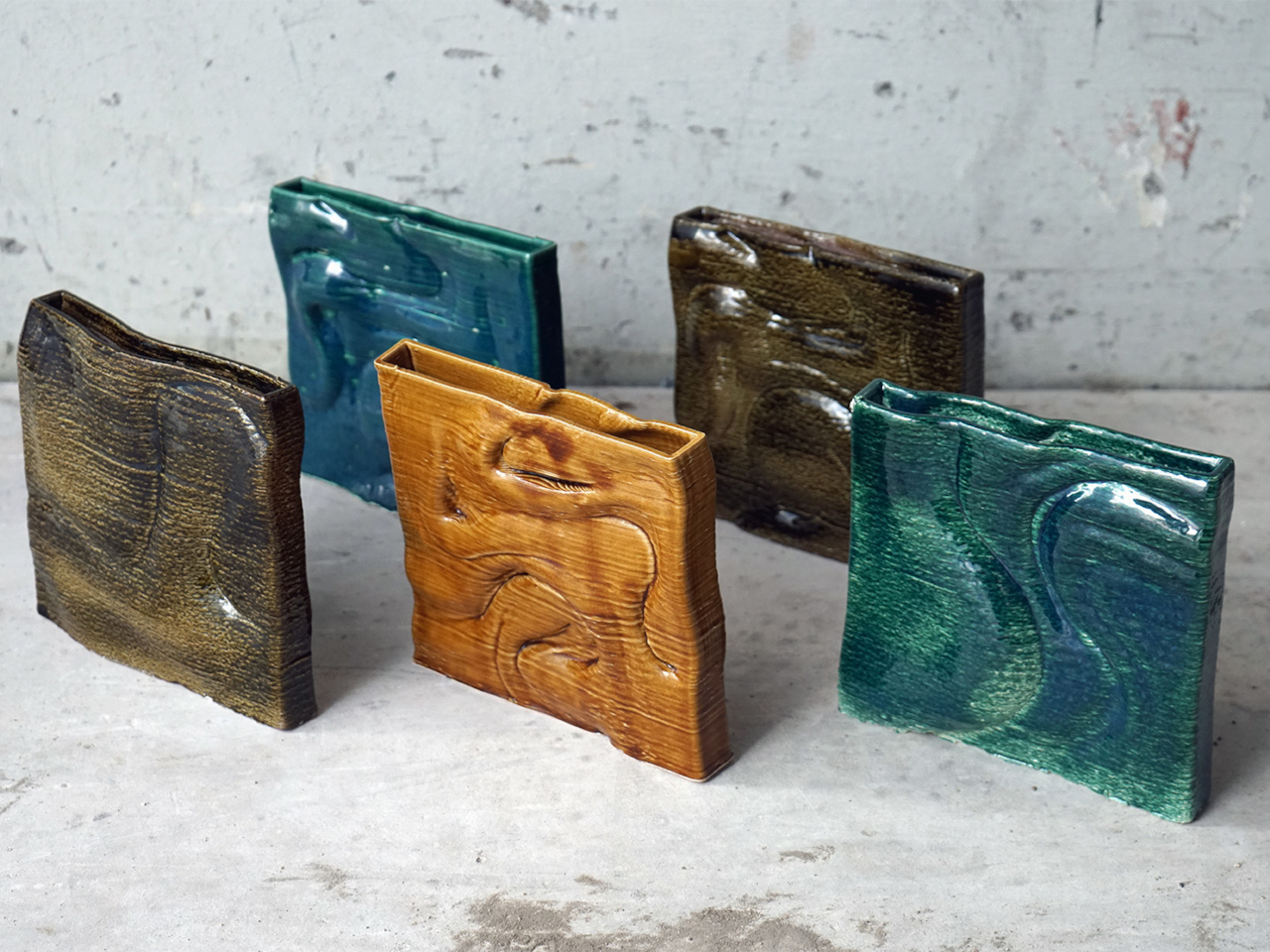
Some people might have preconceived notions of what ceramic products look like, either completely brown like clay jars or pure white with elaborate patterns painted on their glossy surfaces. Italy, however, has another and rather unique variation to that design, employing a technique called “schizatto,” which literally means splatter, to glaze and decorate their ceramics. The end result is, as the name suggests, a splattering of paint drops with random shapes and volume, giving the design a unique and whimsical character.

That’s the kind of unconventional appearance that the Mason60 keyboard cases deliver, adding not just visual interest but also an element of fun to your computer use. Each keyboard case is individually hand-crafted using this artistic technique, making every single one an exclusive limited edition product of sorts. And since no two splatters will ever be the same, each case carries its own personality, reflecting not just physics but the artist’s “brush” during the time of its creation as well.

The Mason60 Schizzato series doesn’t stop at just mimicking the appearance of those artisan ceramics. Made from gypsum resin composite, the cases give keyboards a heft that’s not unlike those very same ceramic products. The material is also polished to give it a glossy finish that one might even mistake for real marble. In other words, the Mason60 will really make your keyboard look and feel like an authentic Italian ceramic product, or at least something that definitely looks artistic from any angle.

It’s too easy to take for granted how a simple change to the keyboard’s appearance could affect your use of the computer. Yes, it won’t directly affect your typing experience, at least depending on the kind of keys and switches you will be pairing with these cases, but it will affect your mental state at the very least. If you spend a lot of time in front of the computer, having something beautiful and interesting always in your sight could definitely help perk up your mood and stimulate your brain. Plus, it never hurts to have something so novel and unique as a conversation starter and maybe even a source of envy among your friends.

The post Ceramic-inspired keyboard brings a splatter of Italian design to your desk first appeared on Yanko Design.