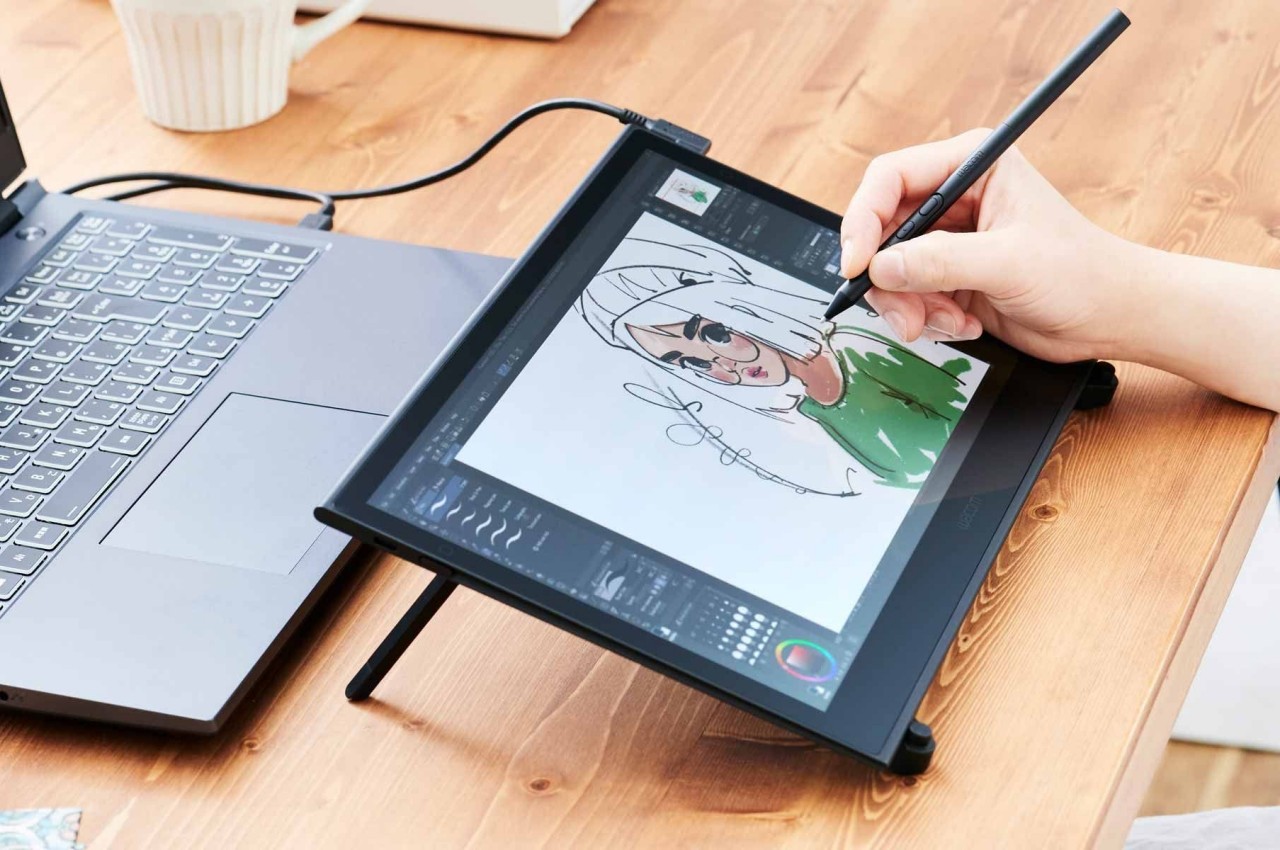
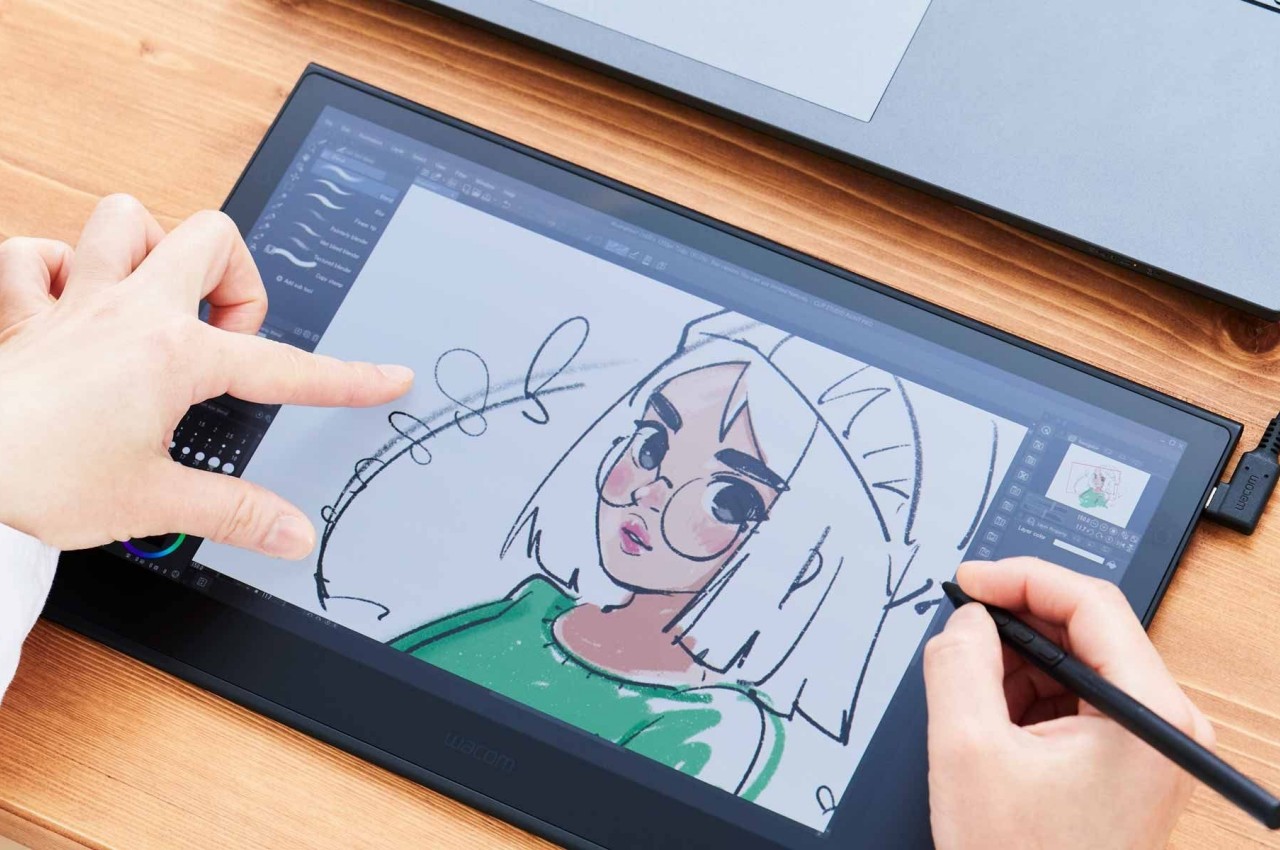
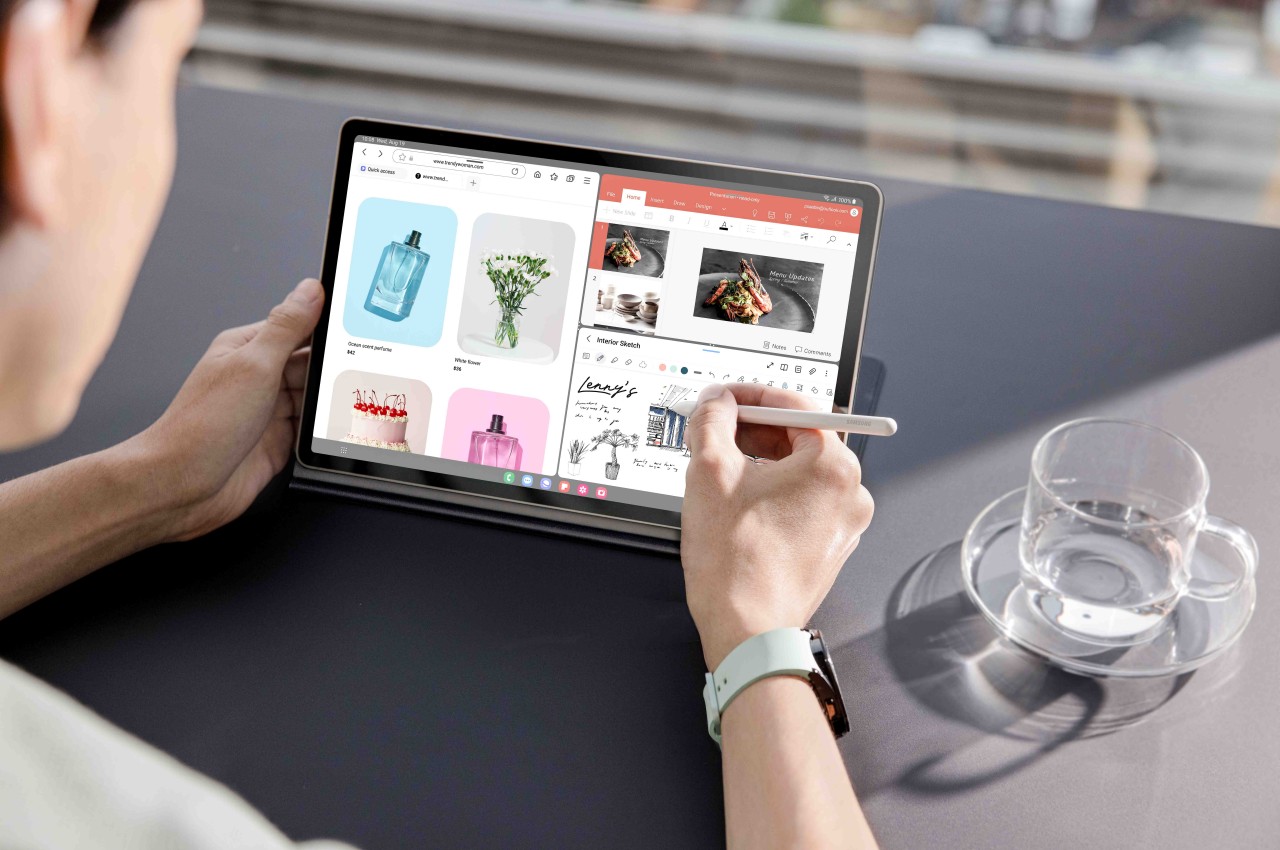
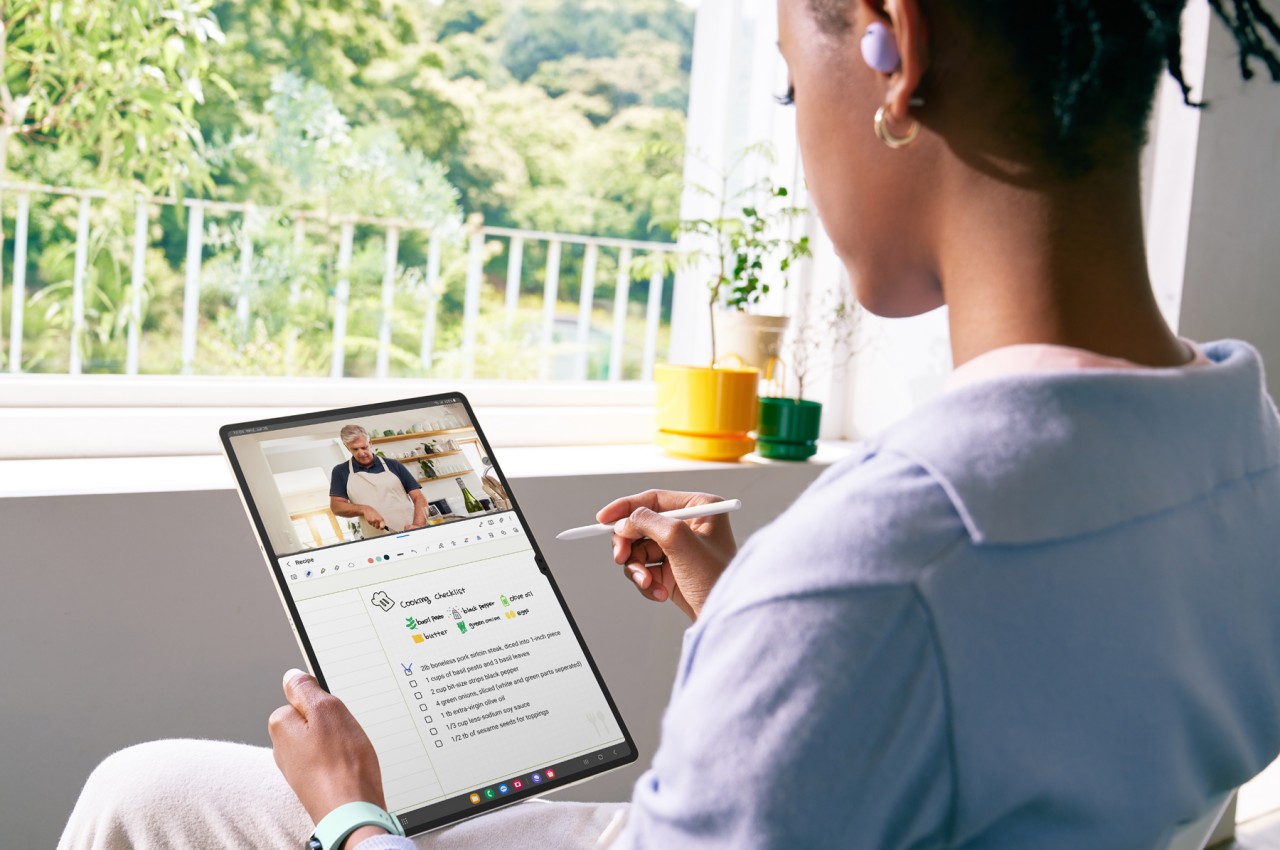
Inspiration can strike when you least expect it, but there are often places and events that can help get the creative juices flowing. The chatter of a lightly crowded cafe, the pause after attending a convention, or even simply moving from your desk to the couch can sometimes make you want to reach out for a sketchbook or even a digital canvas. The latter is fine if you have a tablet like an iPad, but if you prefer doing your designs on a computer, you’re a bit out of luck. Designers and artists these days need a certain degree of freedom and mobility, and Wacom is attempting to fill that need with a new product that isn’t just a screen you can draw on but also a beautiful computer monitor you can take anywhere you go.
Wacom is like the Apple of the digital creative world, making products that let artists, designers, and engineers bring their ideas to life. Its Cintiq brand, in particular, has been the household name for years when it came to “pen displays” or screens you can draw on with a stylus. These have traditionally been as large as computer monitors, though there are now smaller options within the 13 to 16-inch range. While you can definitely shove the smallest Wacom Cintiq or One 12 inside a bag, their designs clearly shout that they’re really meant to be drawing tools more than anything else.
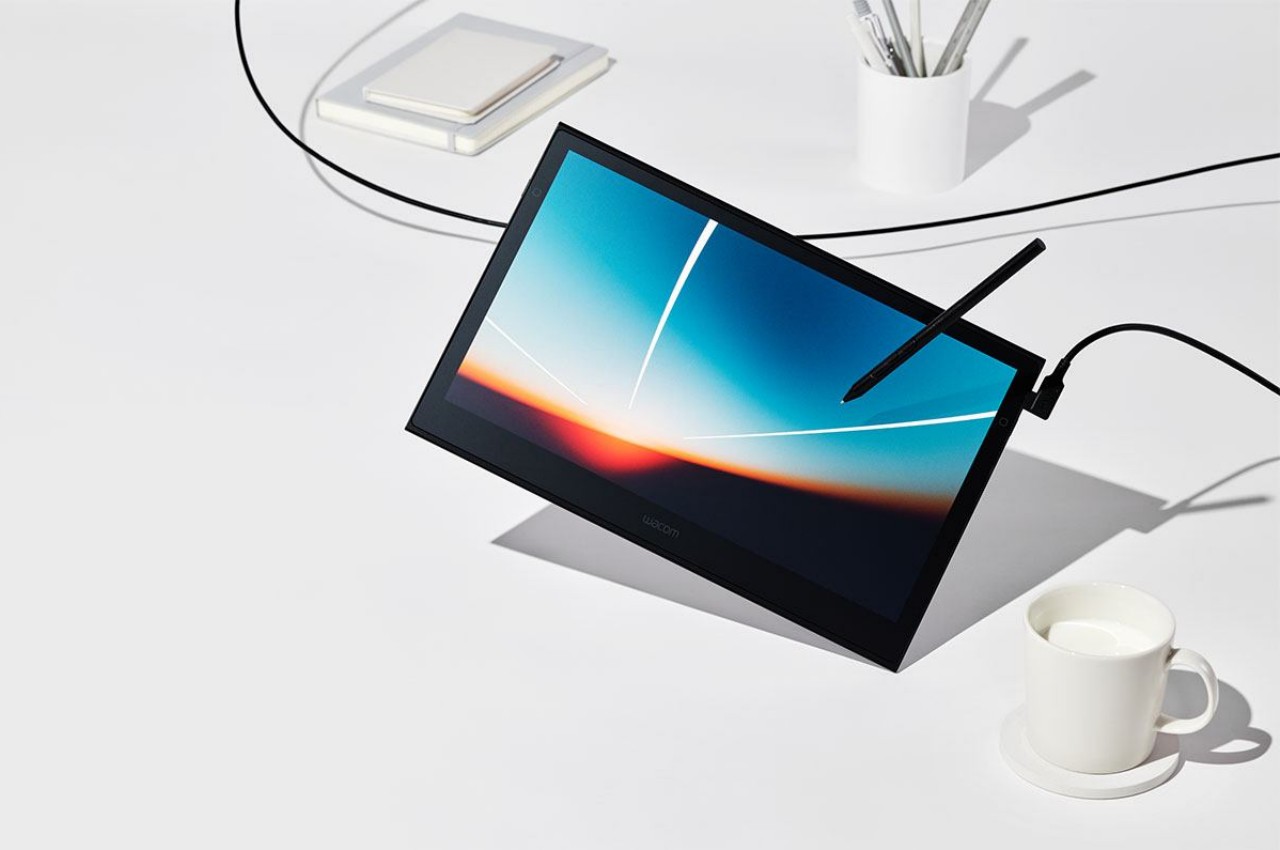
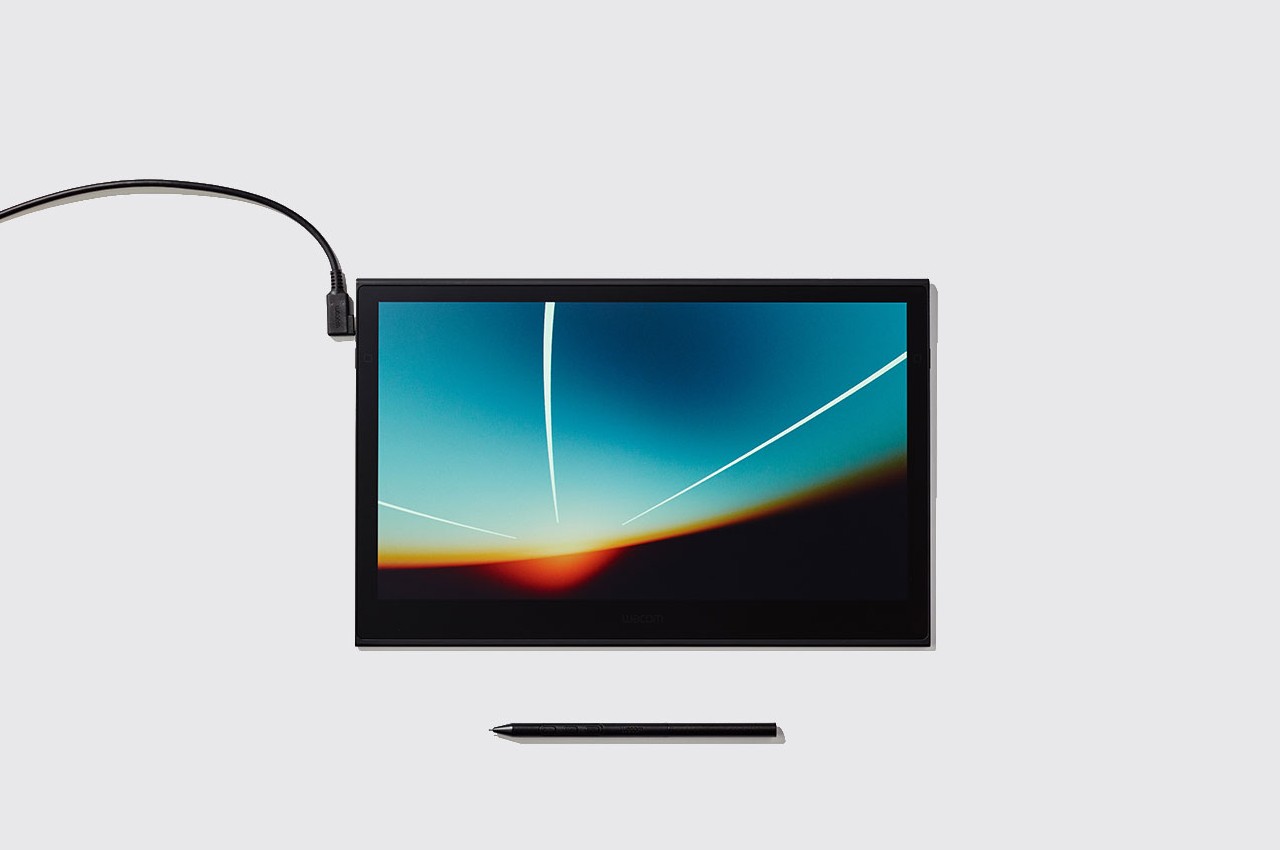
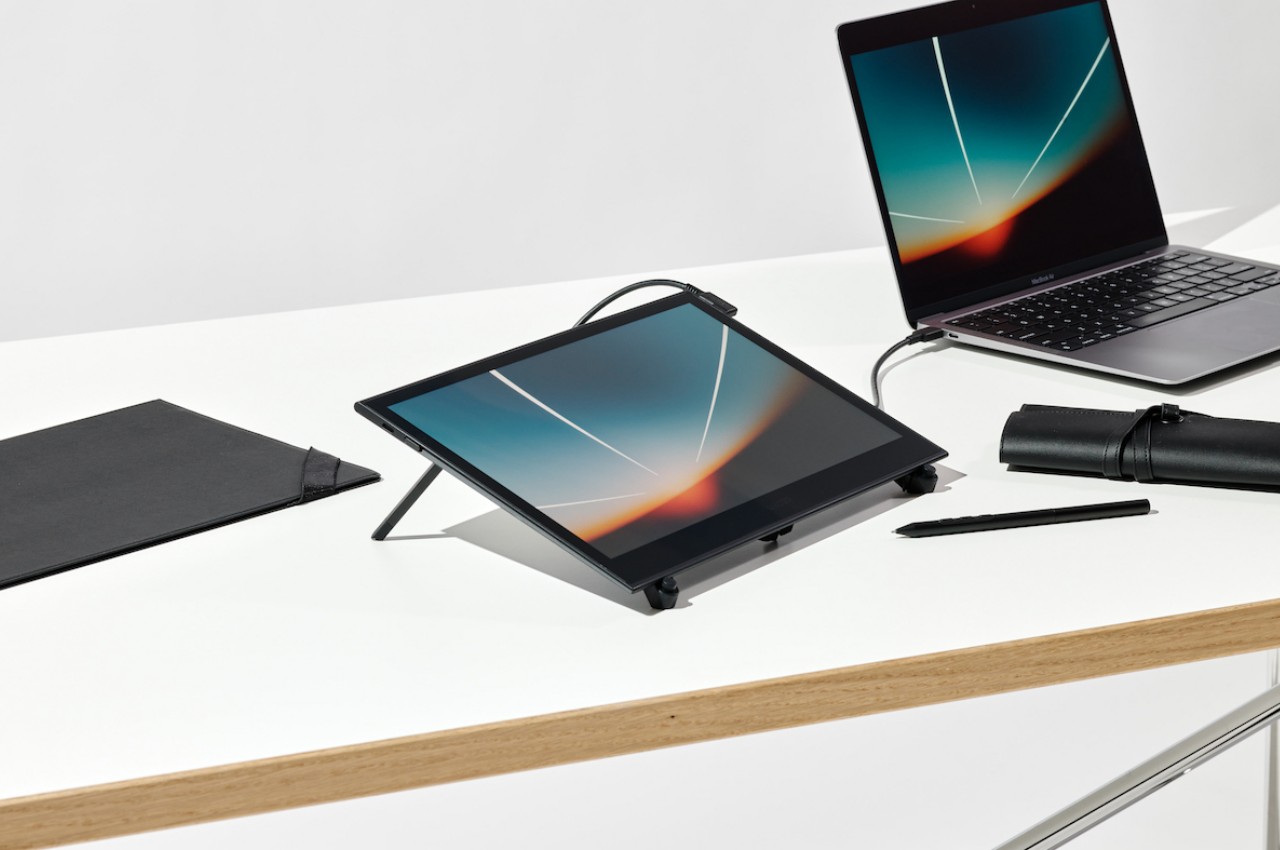
Wacom Movink’s biggest change might be technical, but it’s a technology that is allowing the brand to move in a slightly different direction from the rest of its pen displays. In a nutshell, it is Wacom’s first-ever OLED pen display, immediately setting itself apart from the LCDs of the rest of its portfolio. This gives it the advantage of being able to display richer and deeper blacks as well as a wider range of colors, which will help designs pop out better and be more color-accurate.
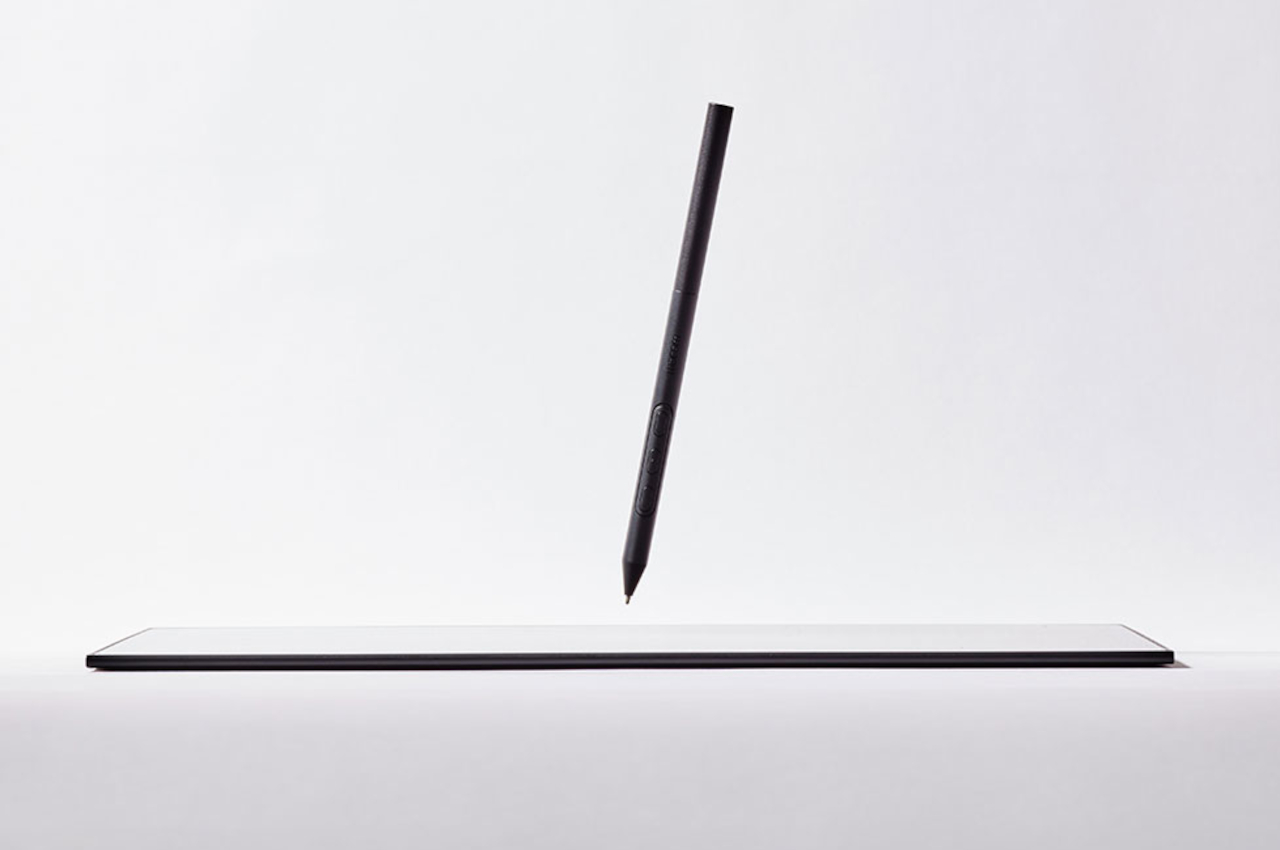
This OLED technology, however, also brings the advantage of making the Movink the thinnest and lightest of Wacom’s pen displays. It also has a sleeker design that looks more in line with portable monitors in the market today. Given that it does perform exactly like a portable OLED touch display, that’s not an inaccurate assessment. It still has thick bezels, but not as wide and egregious as on the Cintiq line. There’s also no rubber “bumper” around the edges, resulting in a simpler and more minimalist appearance.
Aside from the display upgrade, the Wacom Movink is functionally on par with the company’s other products. Where it really shines, however, is the newer and more modern design that makes it not only more portable but also more presentable. It’s not only a design tool made for designers but also one that designers will be proud to pull out of their bag and show off in public, empowering them to work on the go, whenever and wherever their muse calls.
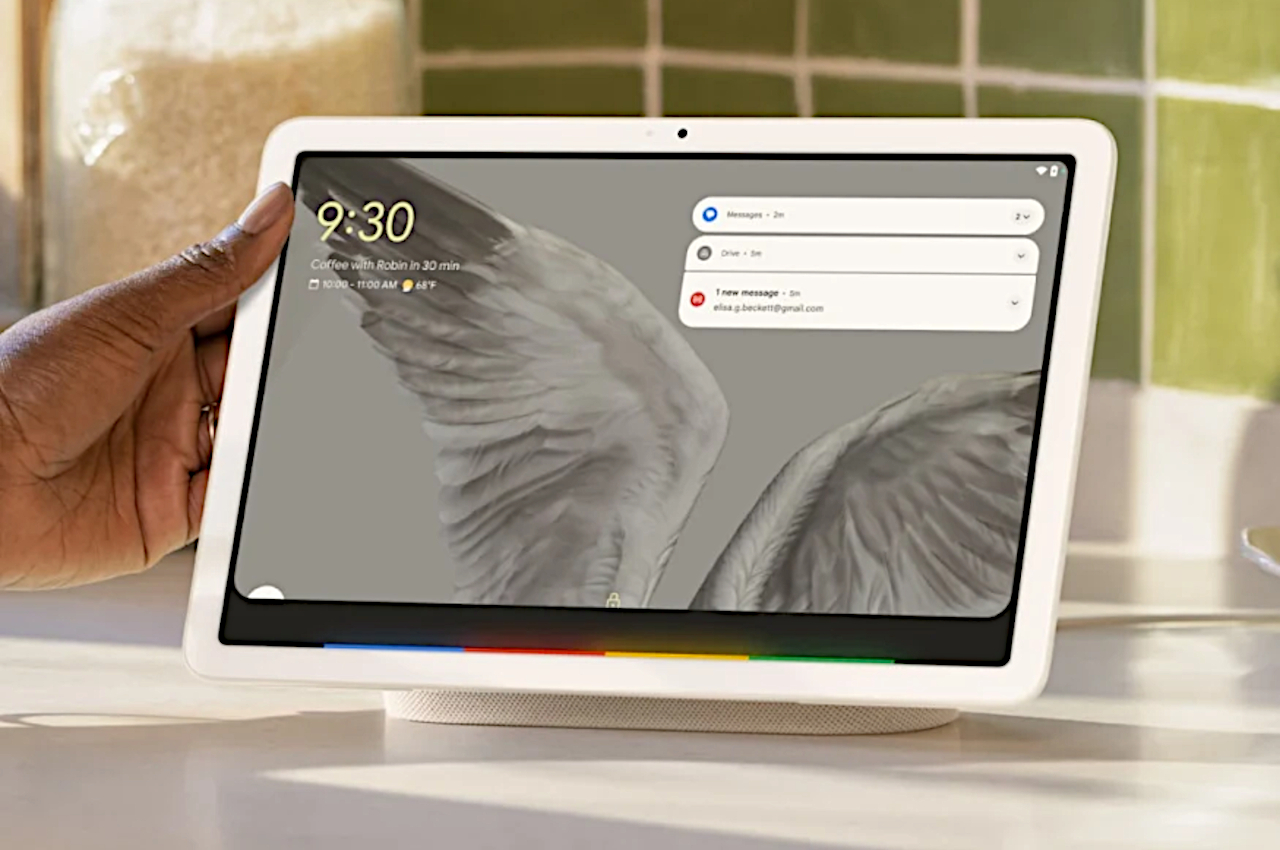
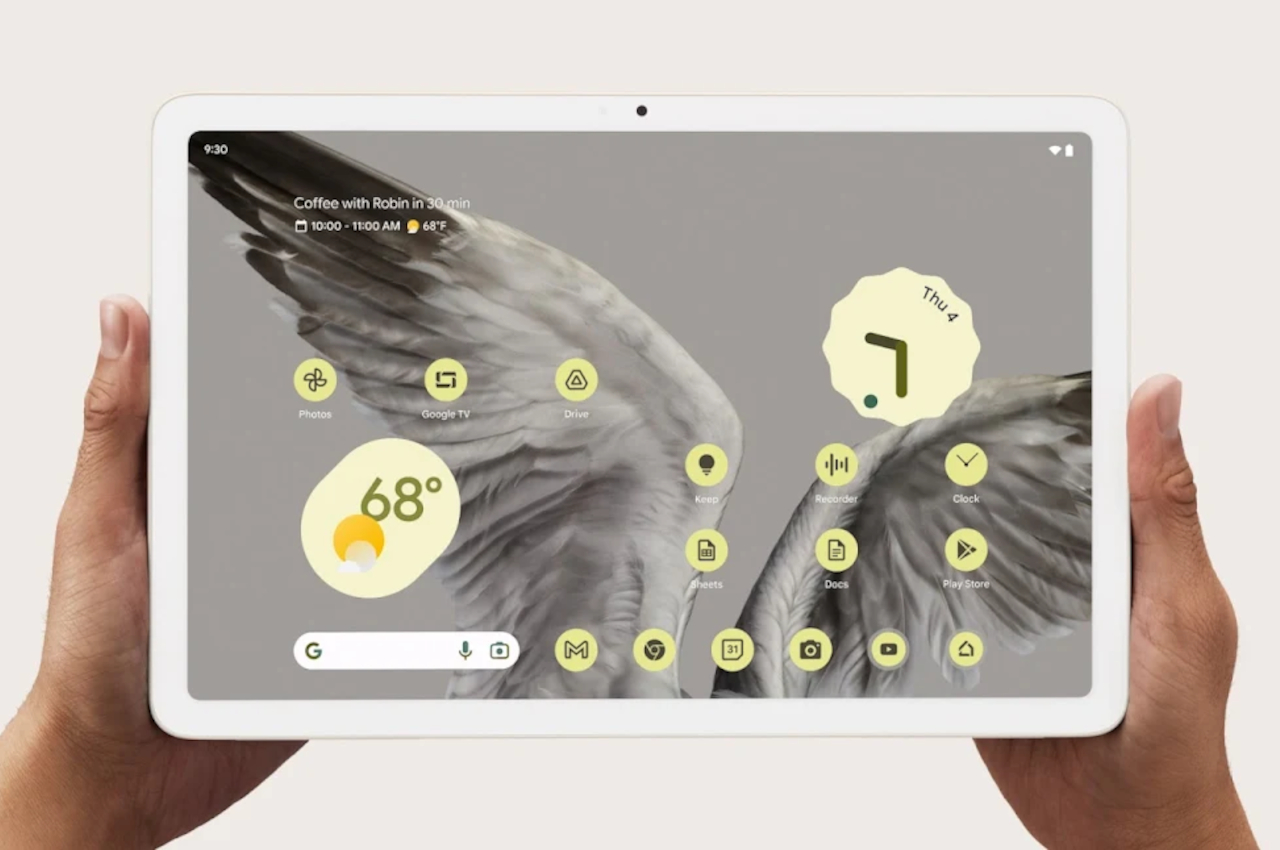
Google isn’t exactly known for its love of tablets. Android 3.0 Honeycomb was the first version to support large-screen devices, but it was mostly seen as a quick stopgap measure to curb the growing number of tablets modifying an experience that was meant for phones only (looking at you, Samsung and HTC). The release, however, was considered to be so rushed and so bad that Android 4.0 Ice Cream Sandwich was released half a year later. Google didn’t seem keen to make its own Android tablets either, be it the old Nexus brand or the short-lived Pixel C, but that’s not to say its own fans haven’t been clamoring for an official Google tablet for years. That finally happened nearly a year ago with the Pixel Tablet, which painted this large device as something different from an iPad or a Samsung Galaxy Tab. Rather than launch a new Pixel Tablet 2 this year, however, Google is apparently making the rather unorthodox move of relaunching the existing model, and it seems like it will be a mixed bag based on what we’re hearing so far.
Designer: Google
Google Pixel Tablet: Design
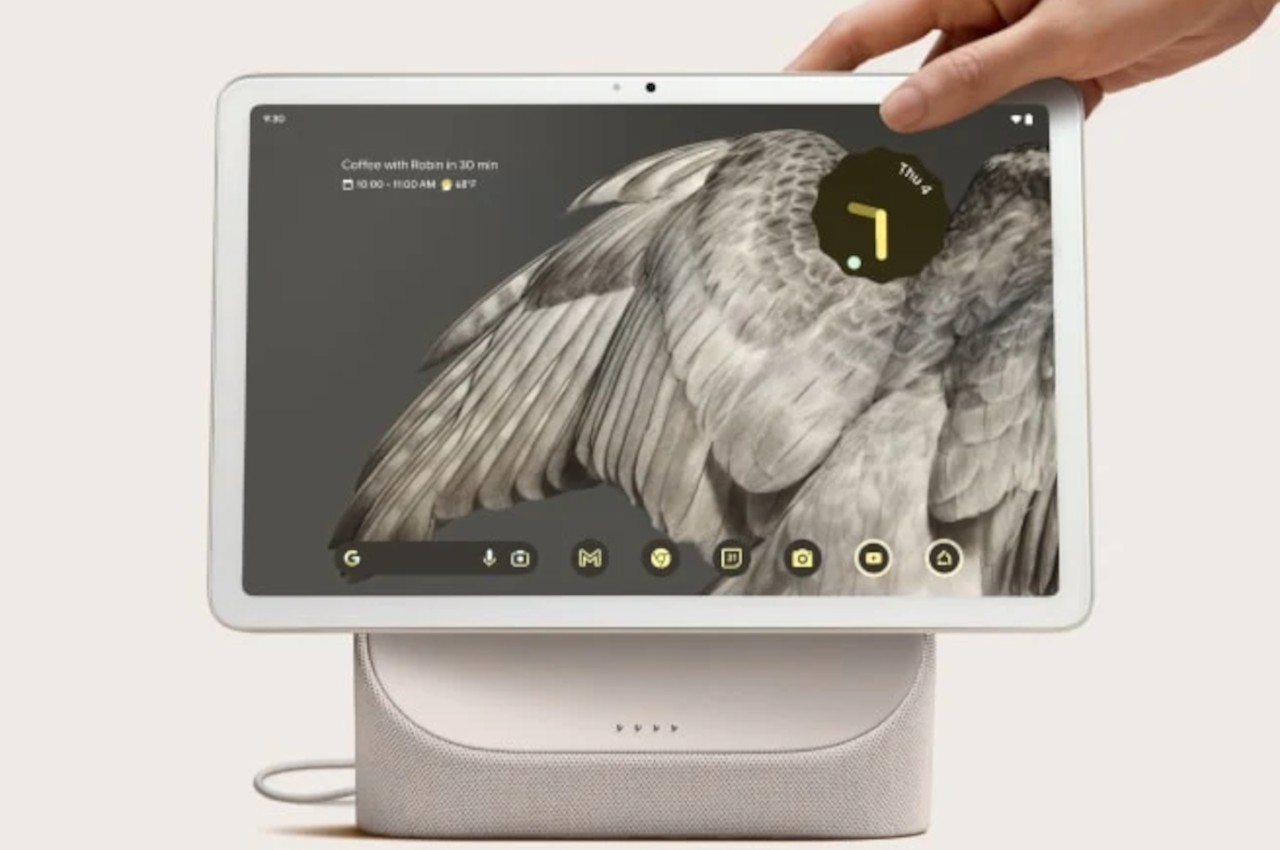
The most important thing about this “relaunch” is that there is no word on any major internal or external changes to the Google Pixel, and that’s not entirely a bad thing. There are some whispers about a new and darker color option, but that seems unlikely at this point. The Pixel Tablet’s design is largely driven by Google’s vision of what the tablet really is for, which all boils down to a device that’s meant more to stay at home than accompany you wherever you go.
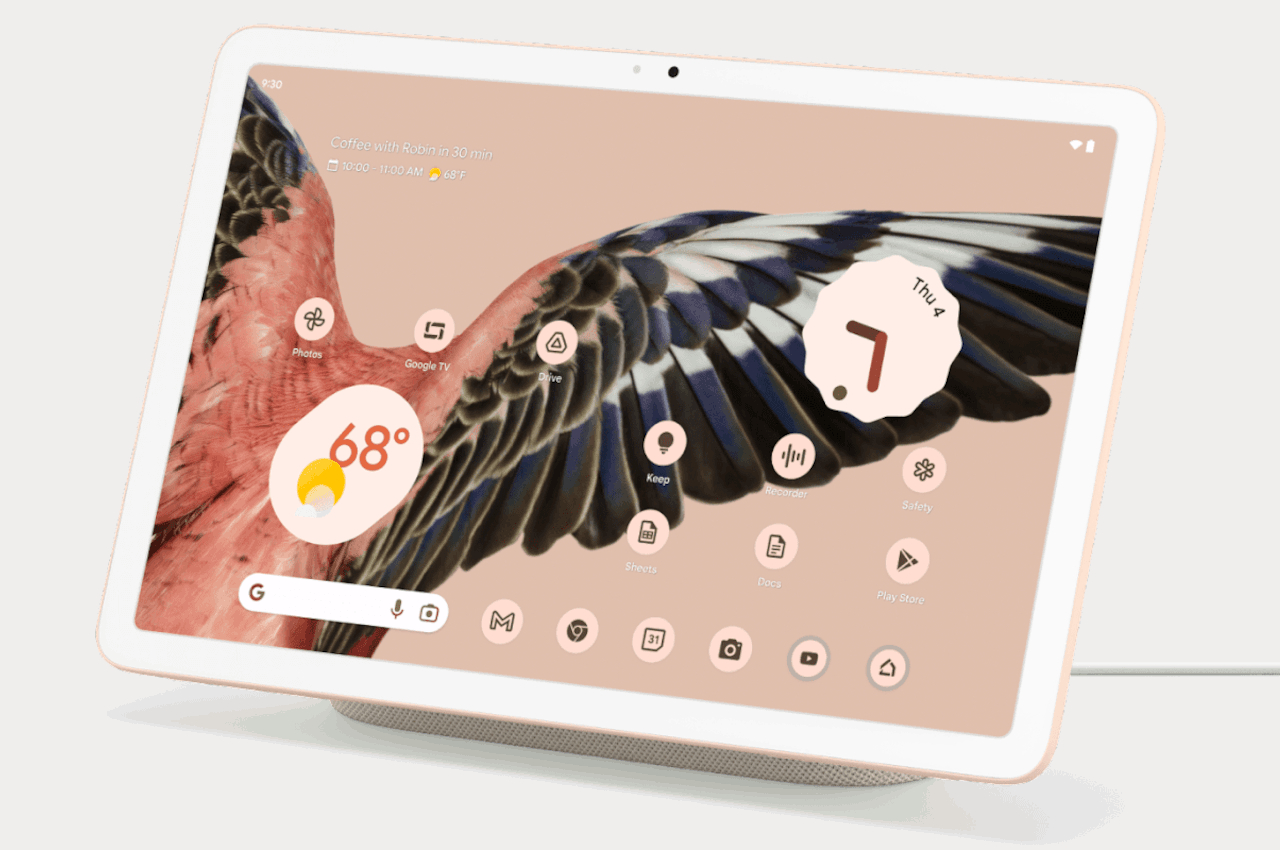
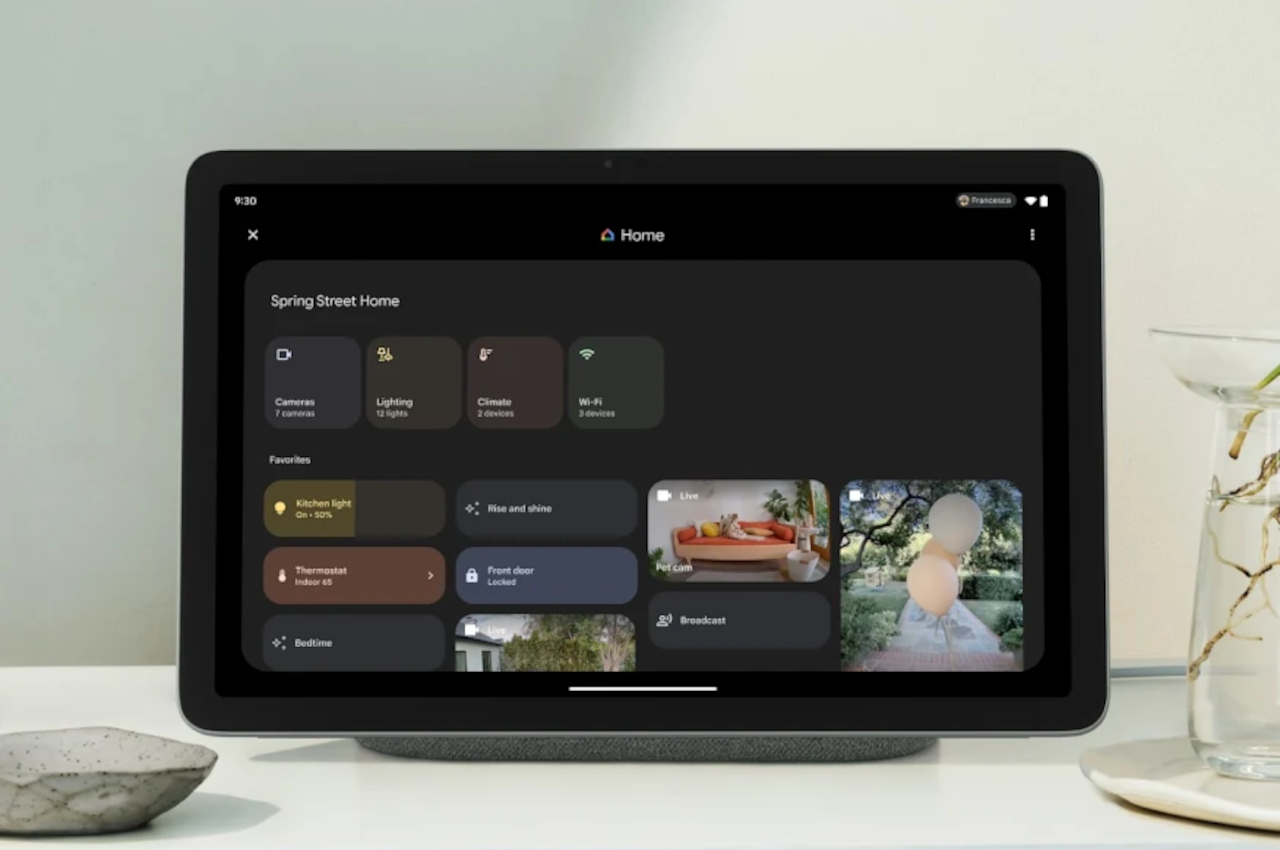
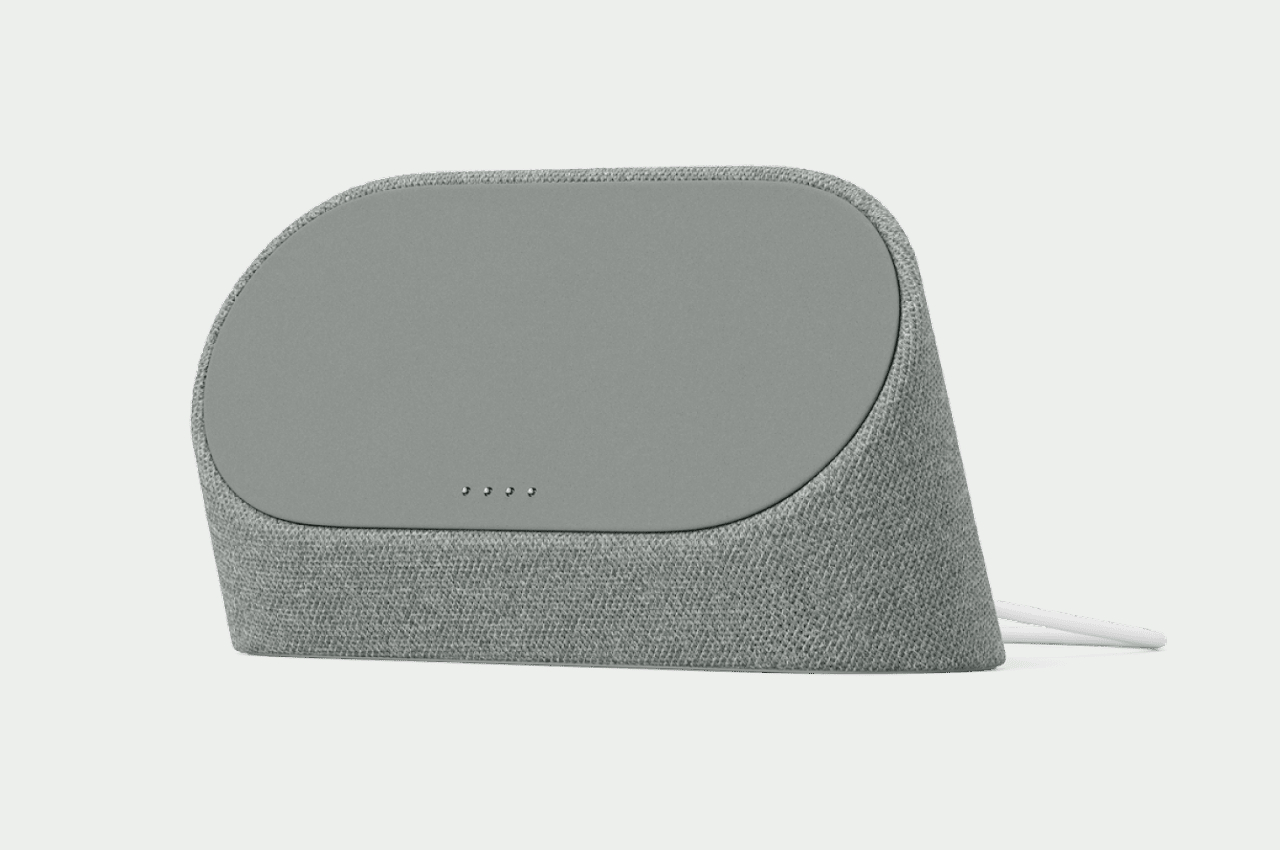
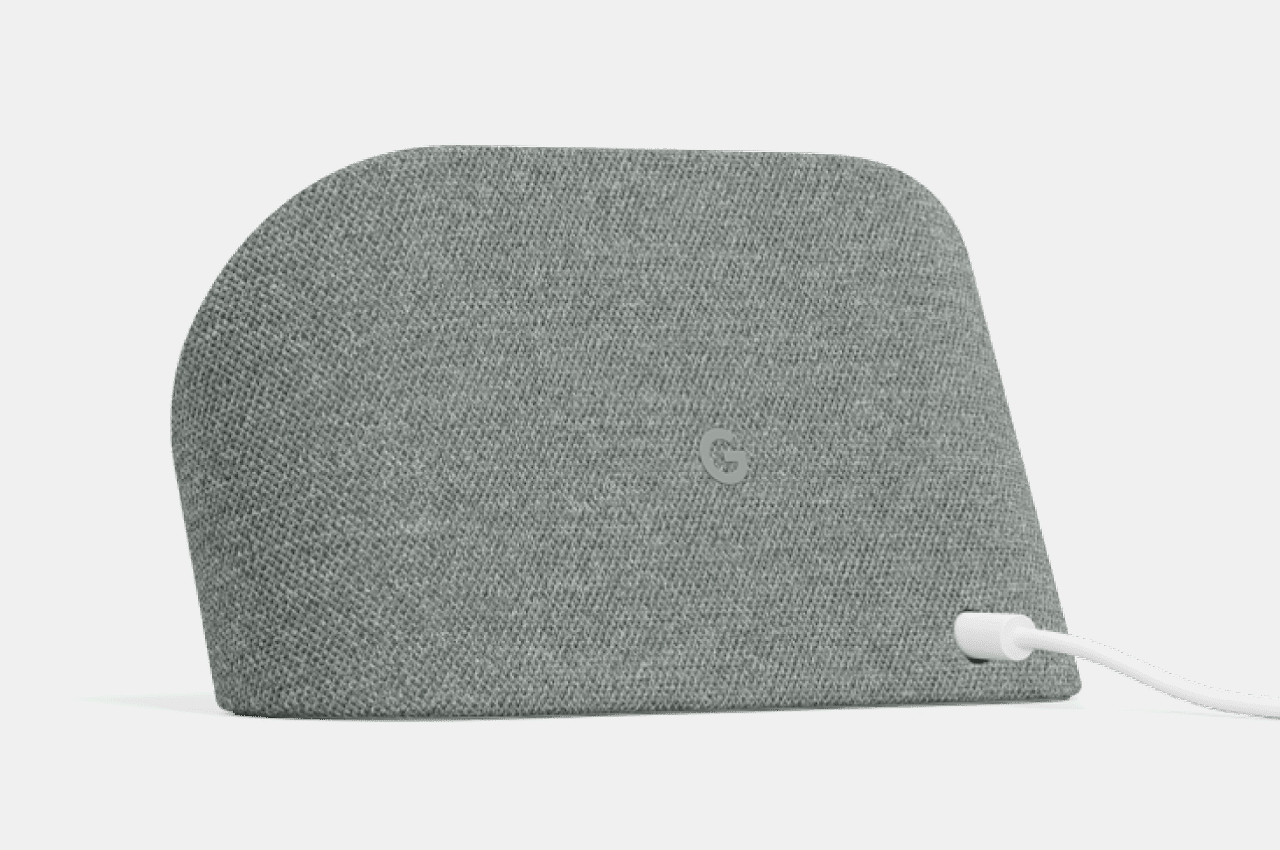
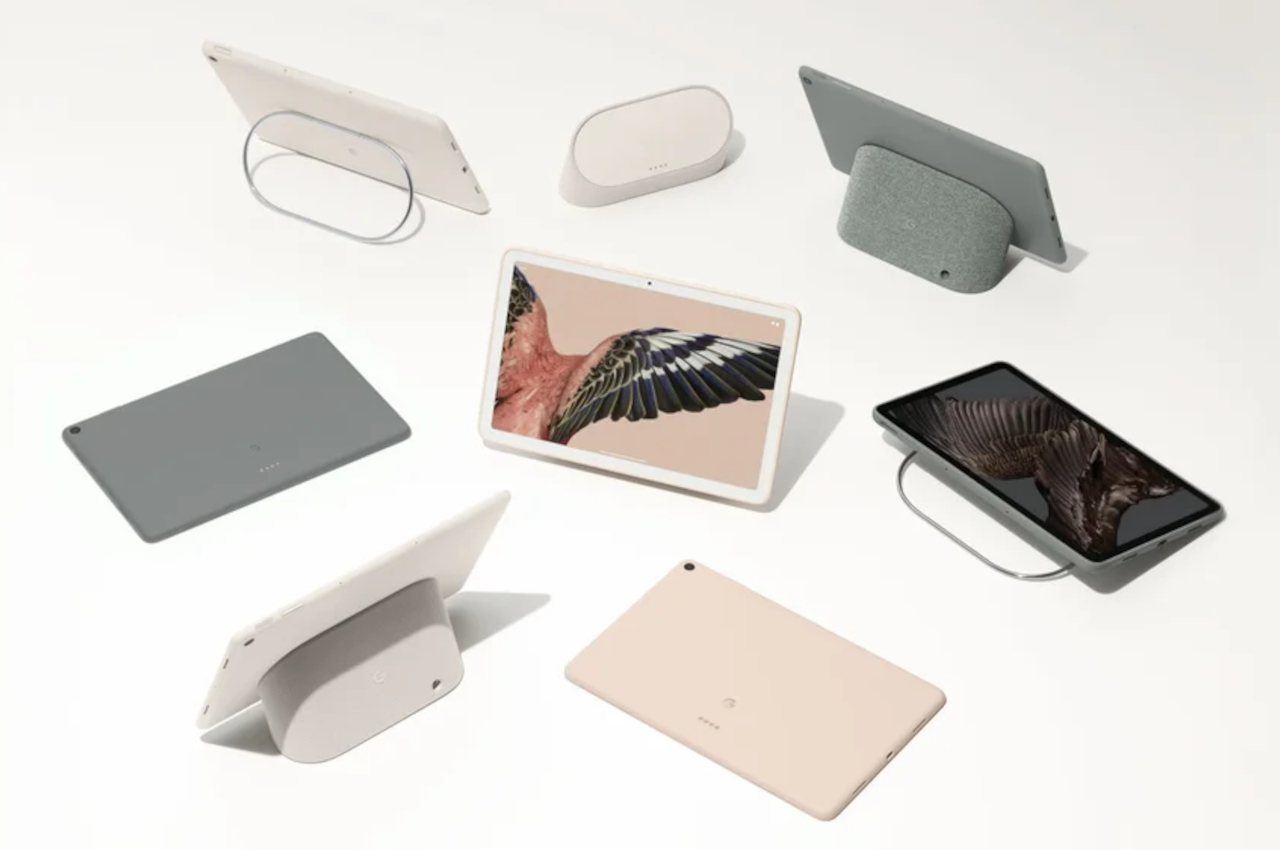
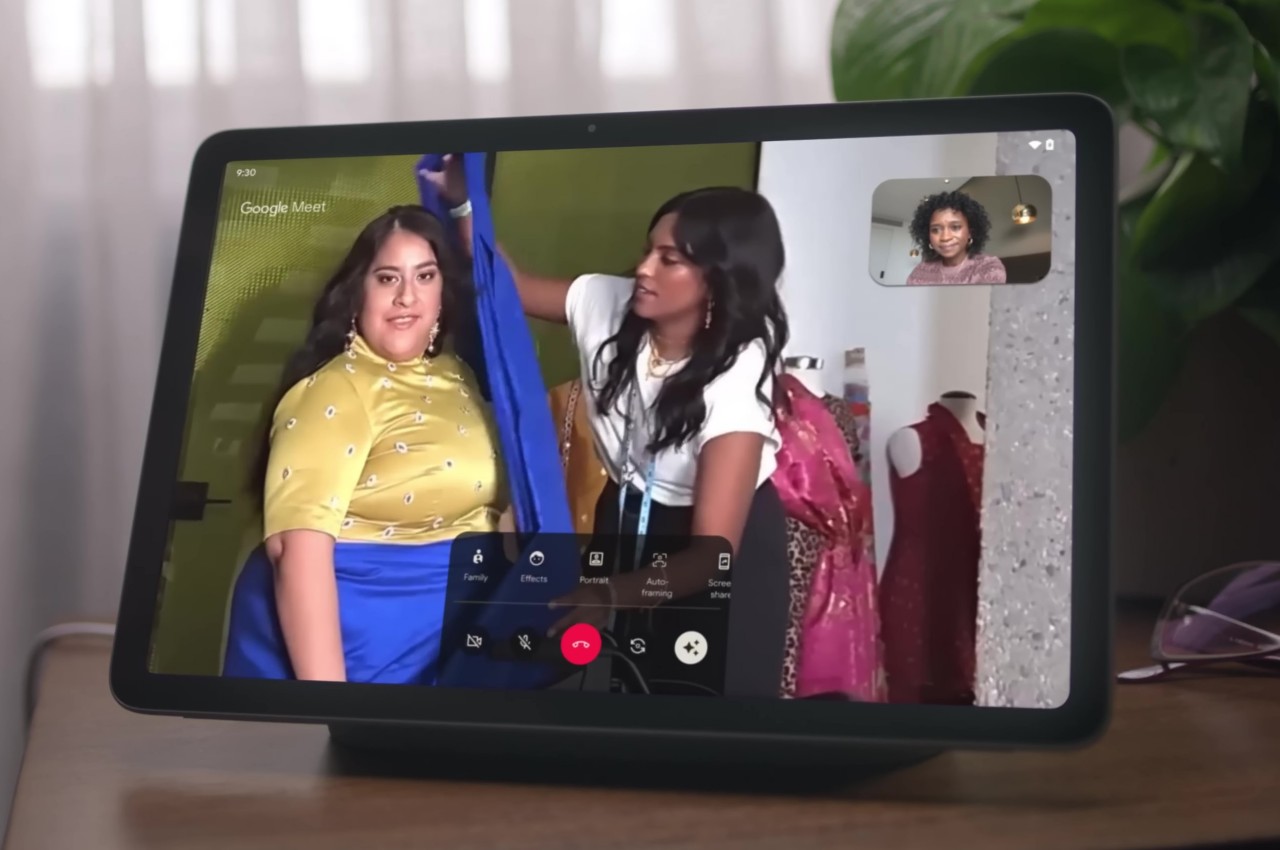
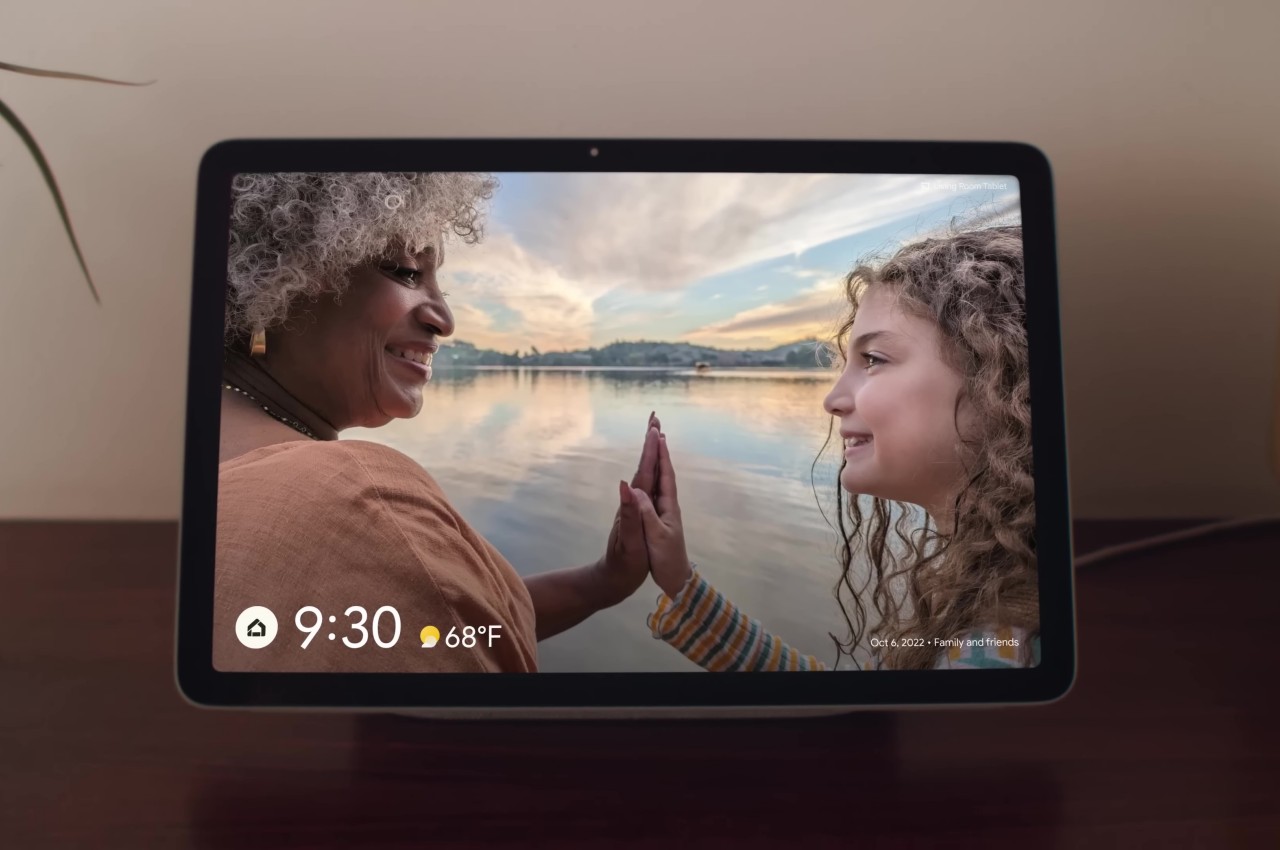
The Google Pixel Tablet’s aesthetics are simple, homey, and a bit traditional. Unlike the flat and sharp edges of the likes of the current Apple iPads, Google’s design has curved sides and a gentler demeanor. It’s not something you’ll flaunt outdoors but will be perfectly at home inside the house. That’s primarily because Google’s purpose for its tablet isn’t on-the-go productivity or entertainment but as pretty much a portable smart display for controlling your smart devices, making video calls, or playing music. The fact that you can only buy the Pixel Tablet with its charging speaker dock pretty much drives home that identity.
This will be the exact same Pixel Tablet that Google is said to be “relaunching” in just two weeks but with a slight twist. The accessories for the tablet are being changed, and this speaker charger will no longer be bundled with the Pixel Tablet by default. Although it’s only the accessory lineup that will change, it also subtly changes the message that the product will be sending. Strangely enough, the design will also remain the same, so it’s not a complete overhaul of its identity either.
Google Pixel Tablet: Specs and Software
We’re unlikely to see any internal changes either, which means we’ll be seeing the same 2022-era specs like a Tensor G2 processor and 8GB of RAM, for starters. Truth be told, the Pixel Tablet hardware was plenty fine for what it was made for and can even support a bit of gaming on the side. Whether that holds true in 2024 and beyond is a bit uncertain, however, especially with Google opening up the device to new use cases that may demand more from the hardware.
What is basically changing is that Google will no longer ship the Pixel Tablet with the Charging Speaker Dock, which has important ramifications as far as pricing goes. More importantly, however, it is rumored to introduce new accessories, namely an official Google stylus as well as a keyboard for the tablet, most likely a keyboard cover like those sold for the Galaxy Tab S9, for example. Unfortunately, there are no leaks on the design that these products will take, but given the design of the official Pixel Tablet Case, we’re expecting something that will match the tablet’s aesthetics as well.
Samsung Galaxy Tab S9+
Samsung Galaxy Tab S9 Ultra
Samsung Galaxy Tab S9 Ultra
Designer: Samsung
Of course, the Pixel Tablet has had support for a wide range of styluses implementing the USI 2.0 standard as well as the myriad Bluetooth keyboards in the market. But having Google’s official stamp pretty much sends the message that the Pixel Tablet is also good for creativity and productivity, whether it’s making art, scribbling notes, or typing documents. The keyboard case even makes a case (pun intended) for bringing it out of your home and setting up an ad hoc office in a cafe somewhere. The Pixel Tablet’s hardware could still be up to the task, but more resource-hungry apps could hit a wall easily with this configuration.
As for the software, the Pixel Tablet will still be running Android 14 by the time it launches, but we’re expecting to see more AI-related features drop through updates. Circle to Search, in particular, will be easier to do with a stylus, and Google’s NotebookLM AI-powered app will be more useful if you can quickly type with a keyboard. The Google Pixel Tablet will be growing up from being a homebody to a digital nomad, allowing you to enjoy and utilize Google’s services anywhere you go and on a larger screen.
Google Pixel Tablet: Price and Release Date
Google’s new pricing strategy will be a mixed bag. On the one hand, you will finally be able to buy a Pixel Tablet on its own without having the Charging Speaker Base forced on you. Presuming the standalone base still costs $129, then the solo Pixel Tablet could be made available for only $379, hopefully a bit lower. This makes the tablet more accessible, especially for people who have better-sounding speakers anyway.
On the other hand, all accessories will have to be purchased separately, and the price tags might be hard to swallow. According to the rumors, the Pixel stylus and keyboard could amount to around $100 each, setting you back $579 for the complete mobile office package. A total of $699 if you also want a home base at, well, home. Granted, the Apple Pencil is already $120, but that’s normal for an Apple product. One can only hope that these figures are ballpark estimates instead.
As for when all these will drop, signs point to a May 10 “relaunch” for the Pixel Tablet. That’s a pretty odd strategy given that Google I/O 2024 will be taking play on May 14. The only way this will make total sense is if there’s a new Pixel Tablet 2 or even Pixel Tablet Pro being announced there, but that will immediately make the Pixel Tablet relaunch dead on arrival unless the accessories are 100% compatible with the new Google tablet.
Google Pixel Tablet: Final Thoughts
Although it might not launch a new tablet, it’s actually encouraging to hear that Google is continuing to support its only tablet not just with software updates but new accessories as well. These are accessories it could have launched on day one, however, but that would have probably muddled the message it was trying to send. It tried to set the Pixel Tablet apart from the iPads and Galaxy Tabs of the market by focusing on its benefits at home. Now it’s sending a different message, one that says it’s finally safe to go out.
At the same time, however, it does make the Pixel Tablet feel old and stale, which is a bit worrying considering Google’s history with Android tablets. It won’t kill off its tablet line immediately, but not having an immediate successor makes one wonder if Google will simply milk the existing model dry and then call it quits. Then again, Google has also been notorious for killing off successful products after a few generations, so the Pixel Tablet’s fate will always be in the air anyway.
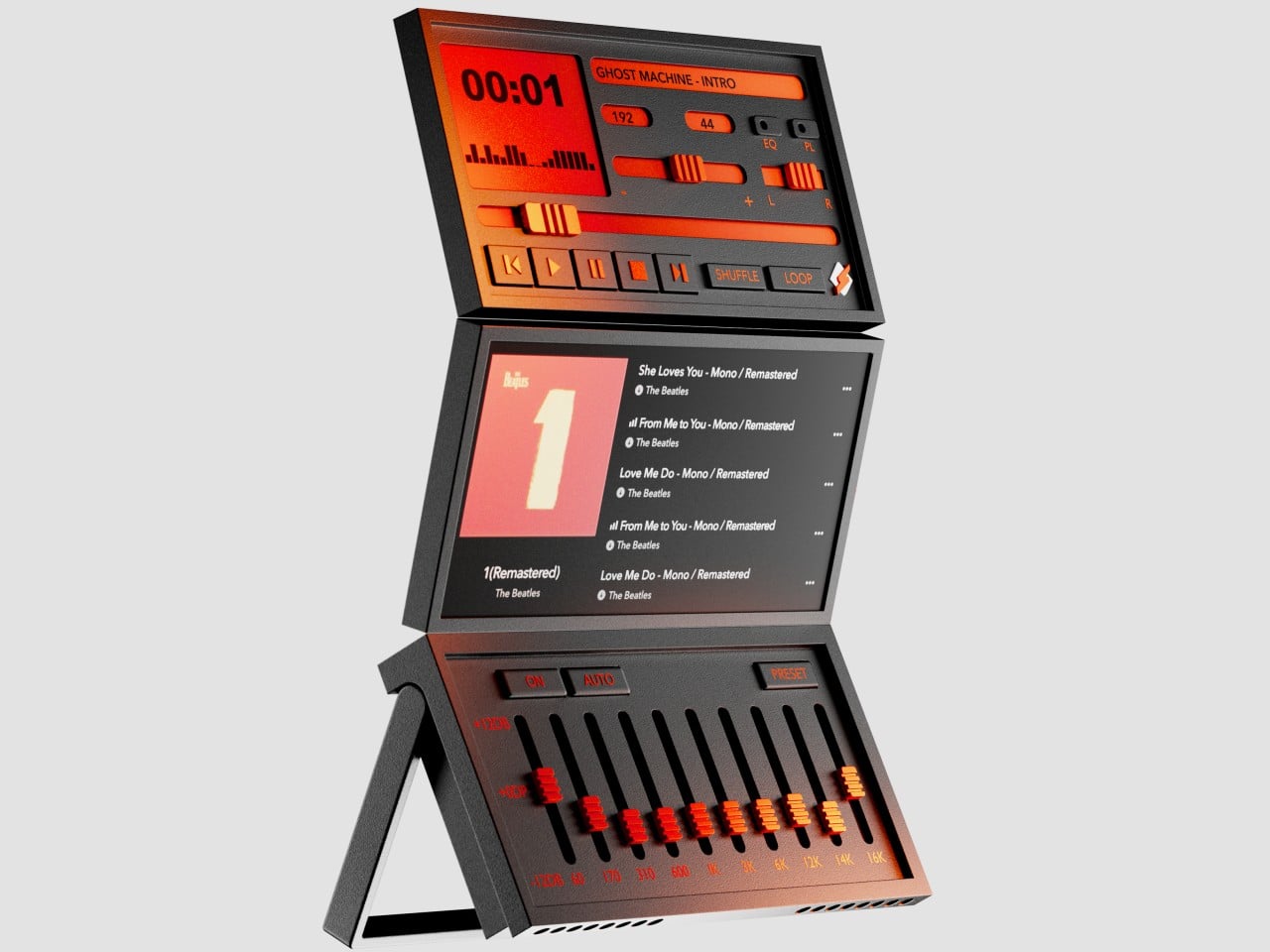
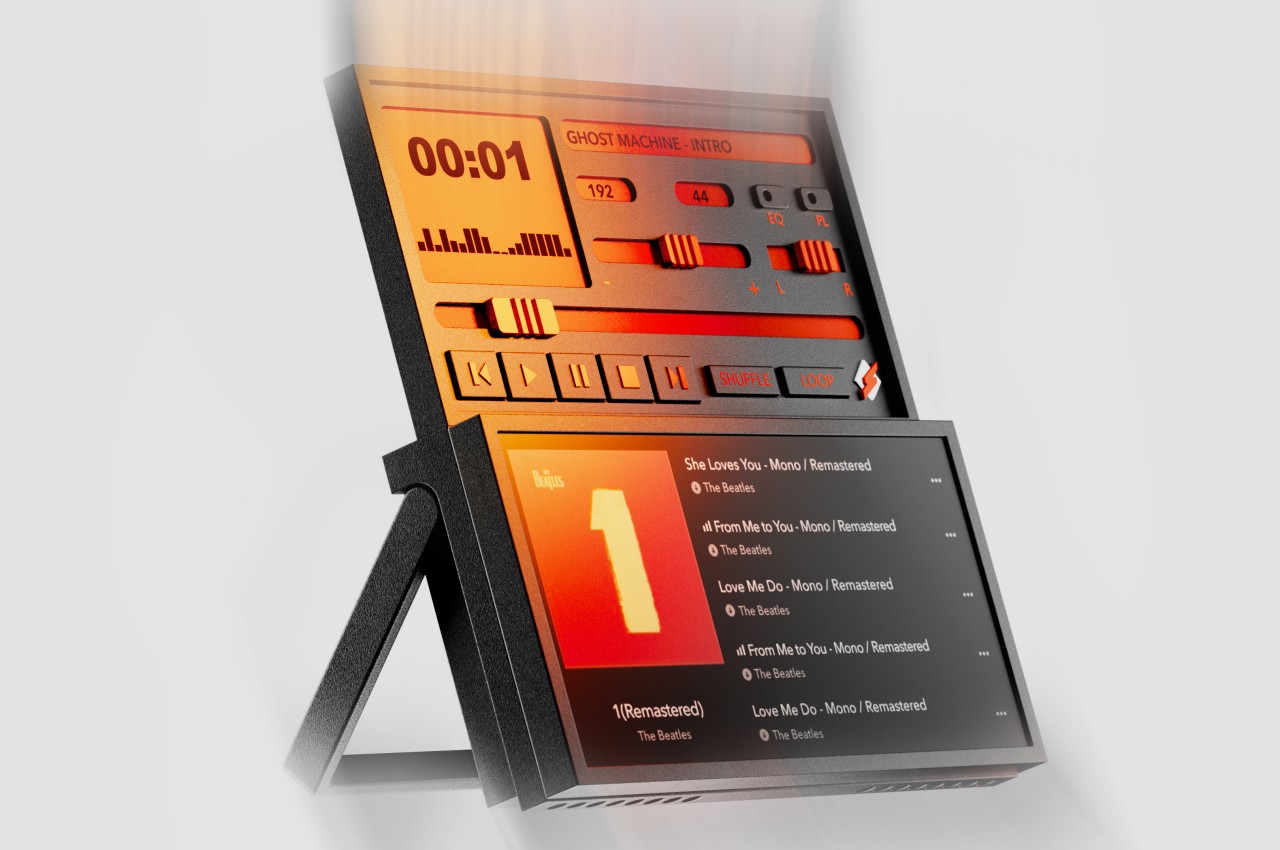
With almost everyone owning a smartphone these days, the need for dedicated media players has plummeted significantly. That’s not to say they’ve completely disappeared, especially those types that can be placed and displayed on desks or shelves. The retro design craze has breathed new life into old products like turntables, but these aren’t the only designs from bygone ages that deserve to be rediscovered. Some of these old-school designs come from the digital realm, where some software have achieved near immortality thanks to their distinctive user interfaces. Winamp is one of those iconic faces when it comes to music player applications, and this concept turns that into an actual device that, just like the digital original, can somewhat be configured to suit your needs and moods.
By modern standards, the original design of the Winamp media player app is clearly outdated, but it remained a darling until recently because of its flexibility. It supported using different skins to personalize the software’s appearance, which naturally led to hundreds of designs, some of which might even make you want to gouge out your eyes. At the very least, Winamp followed a LEGO-like design where you can move parts of the app around or even remove them completely, depending on your needs.
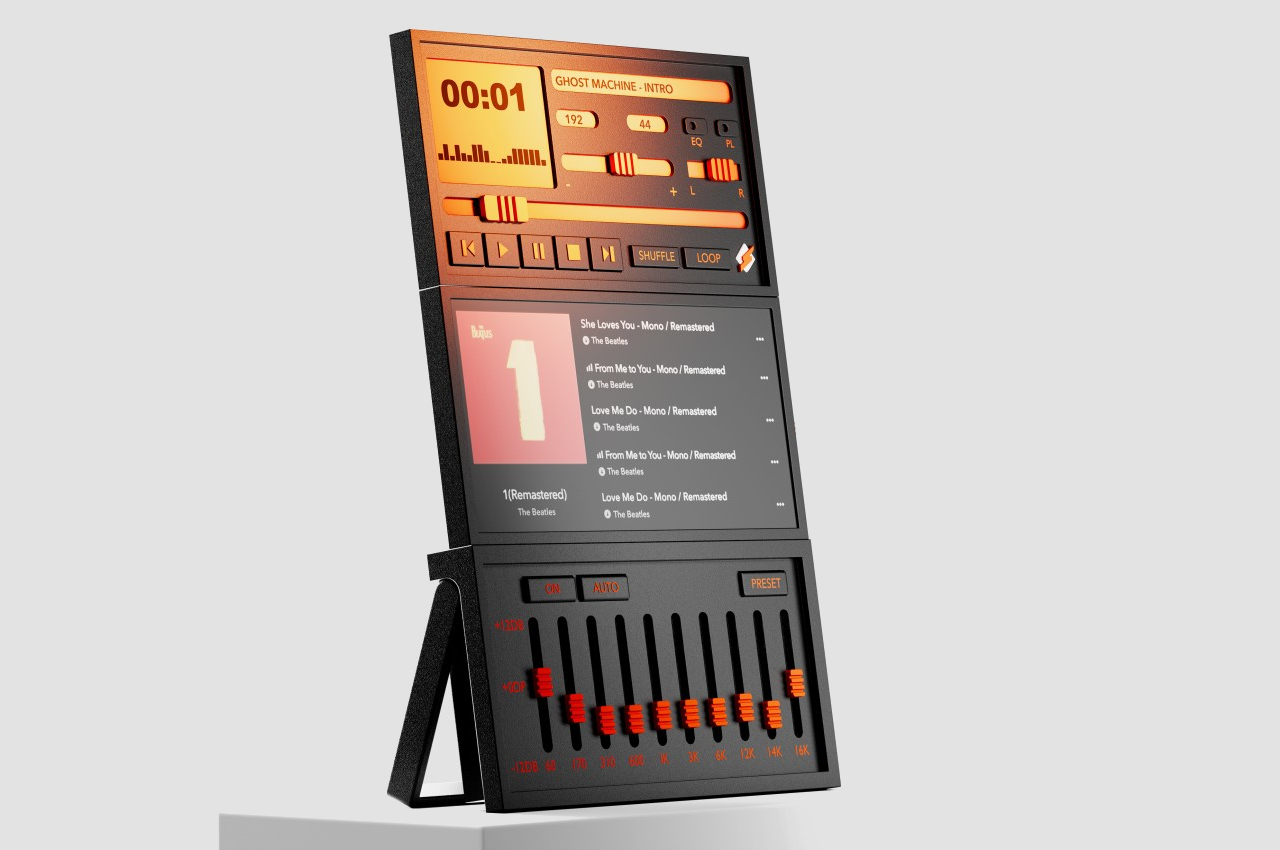
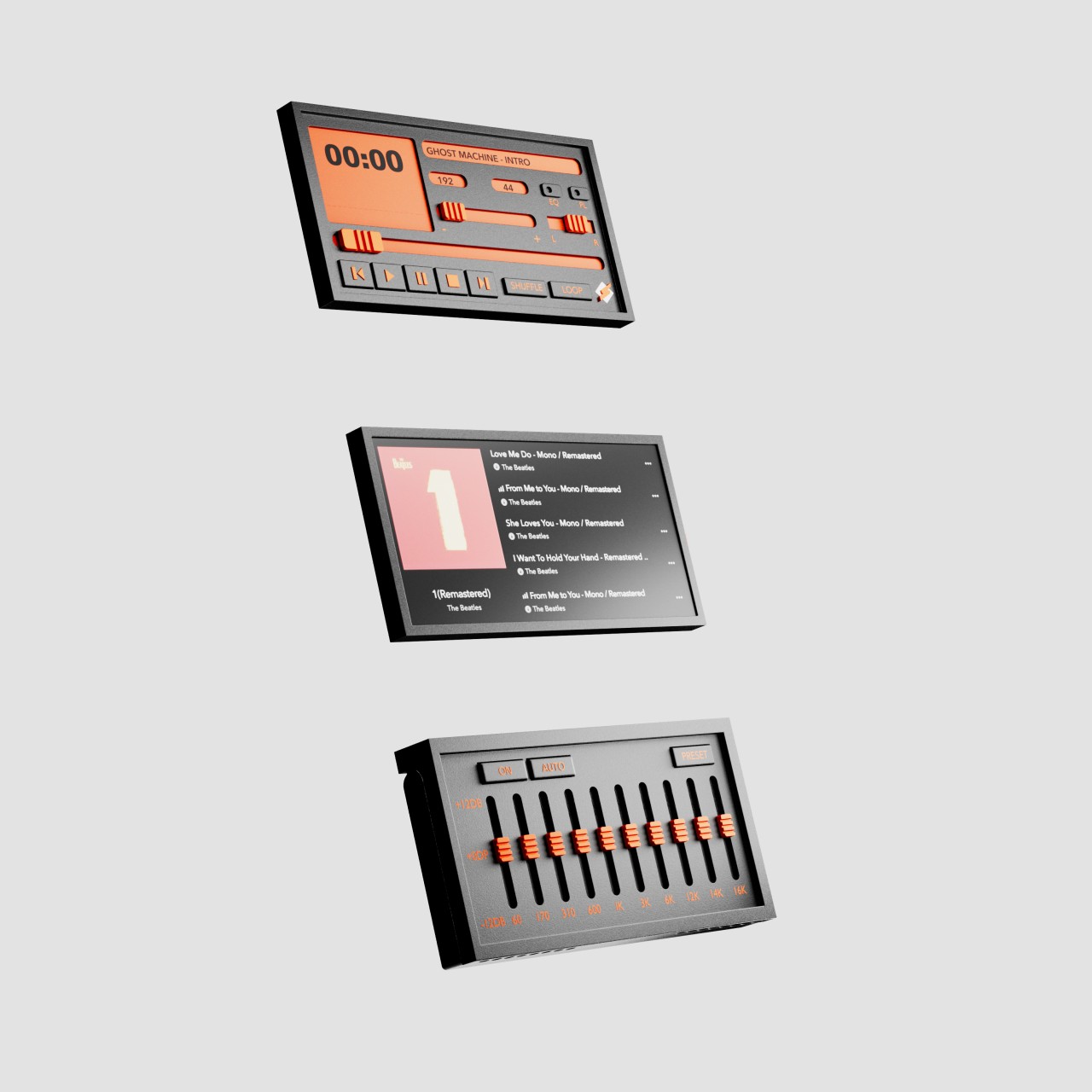
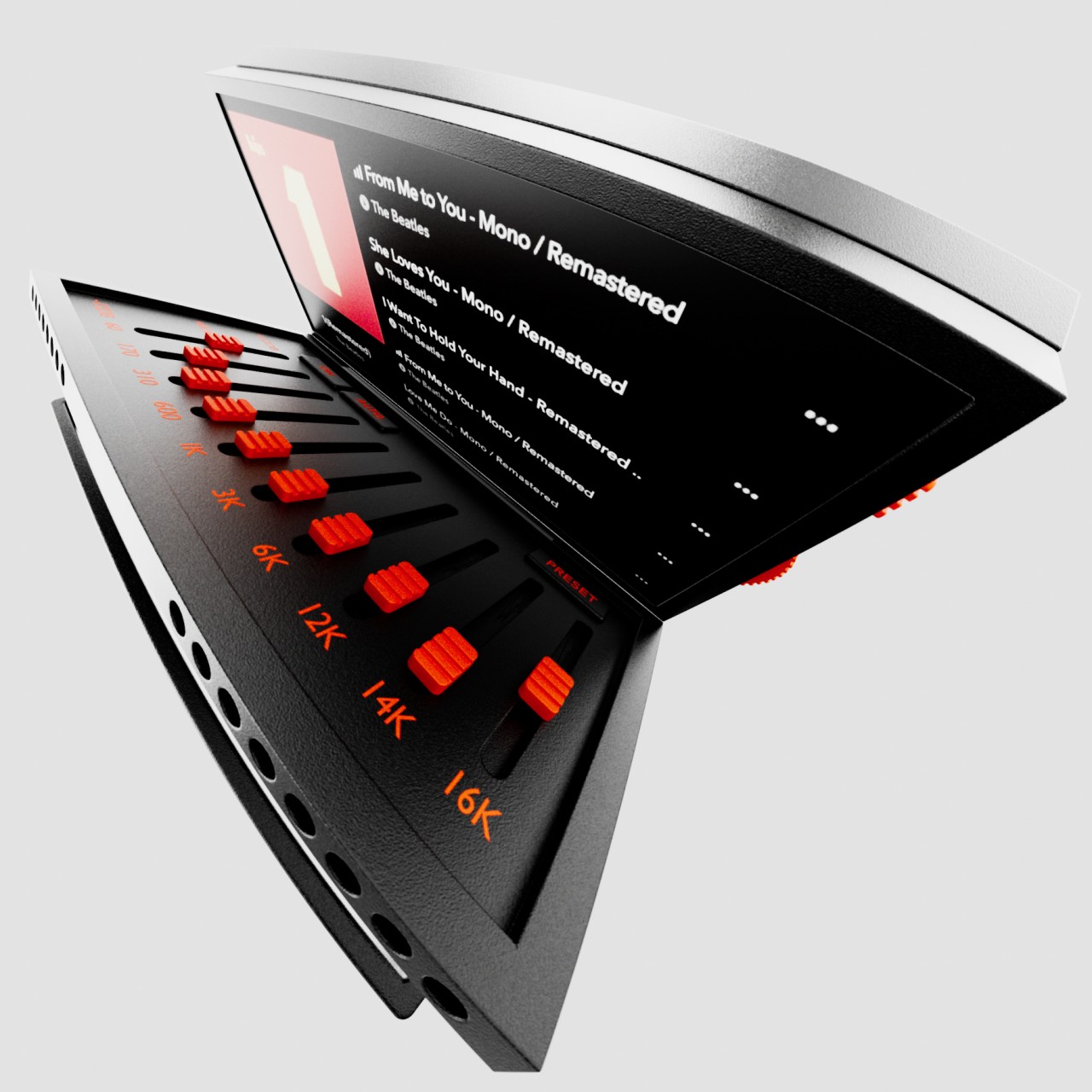
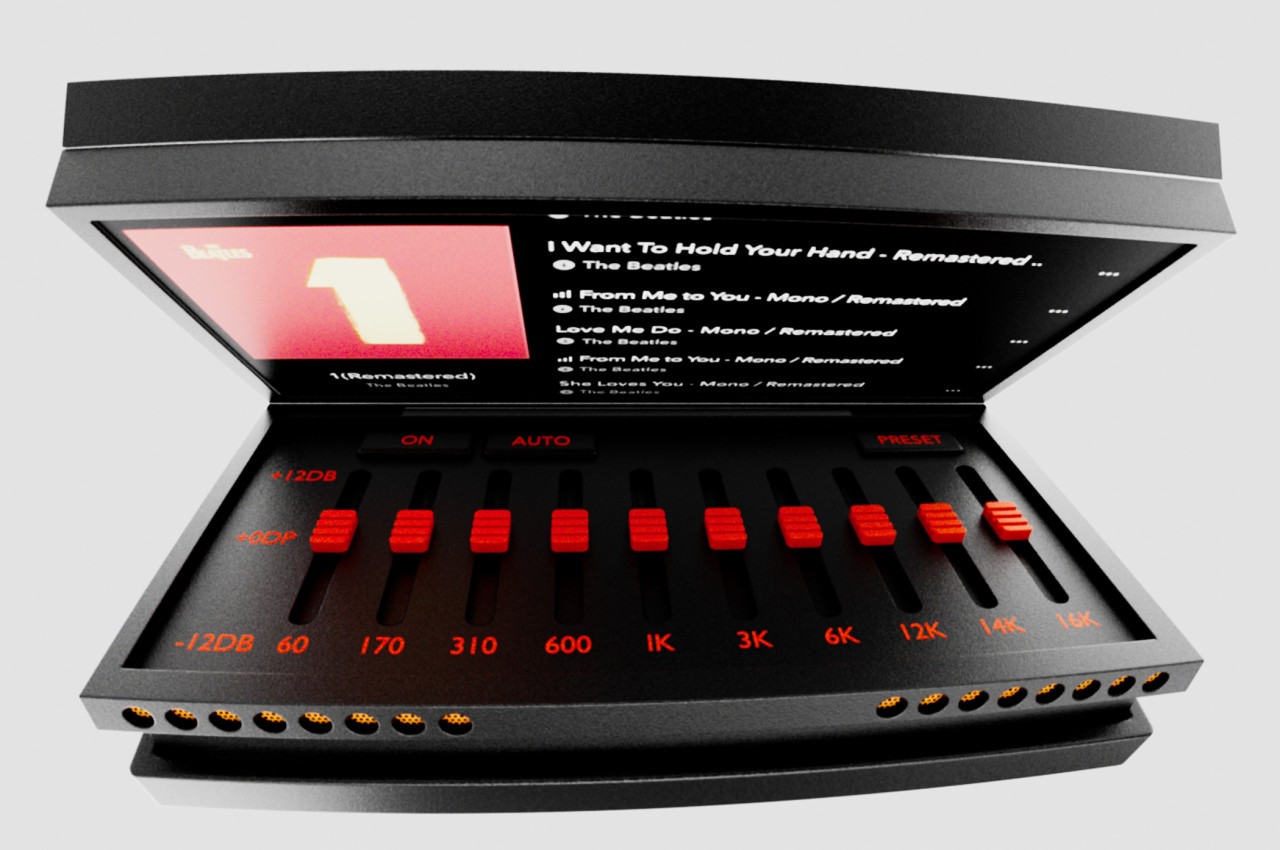
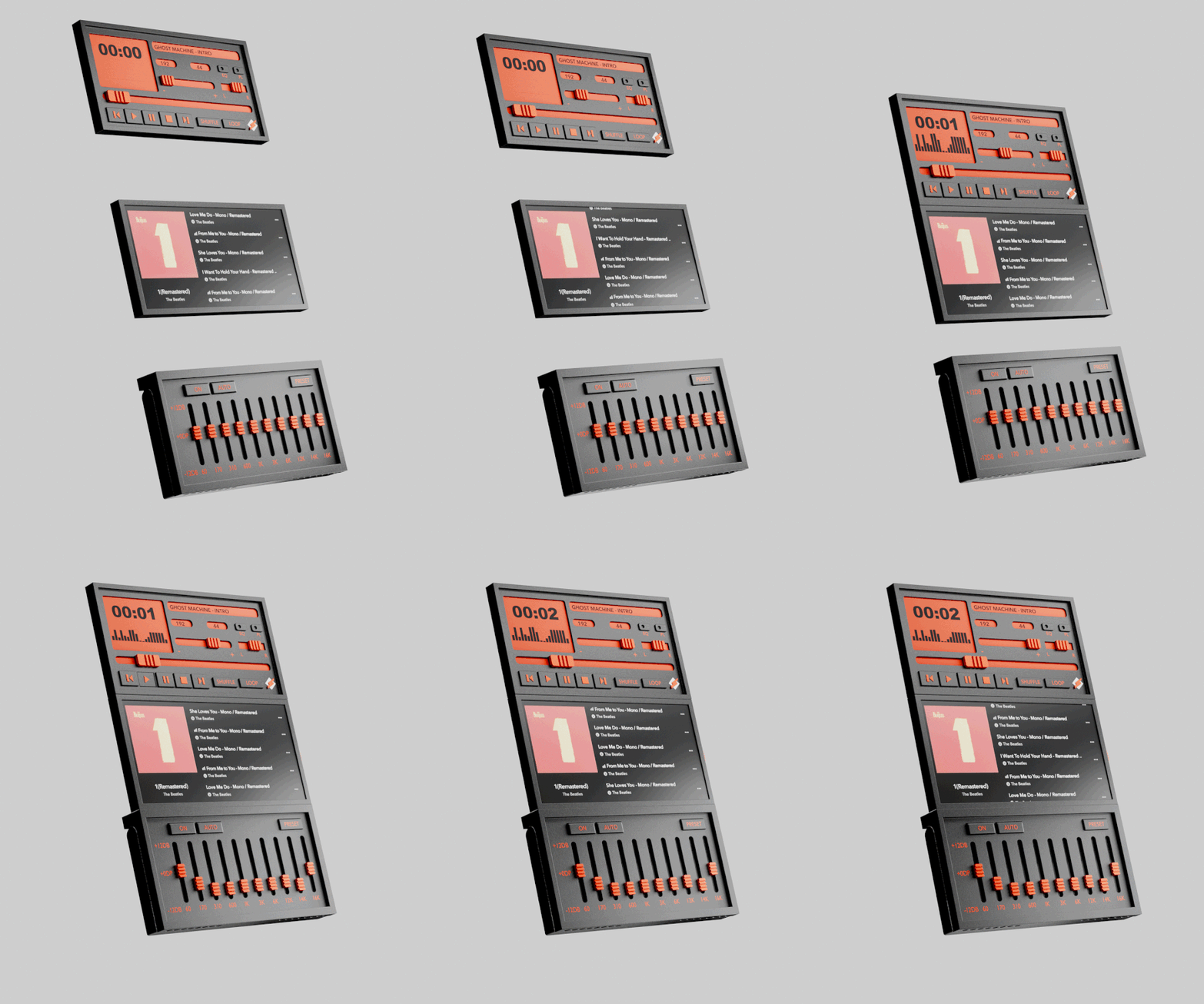
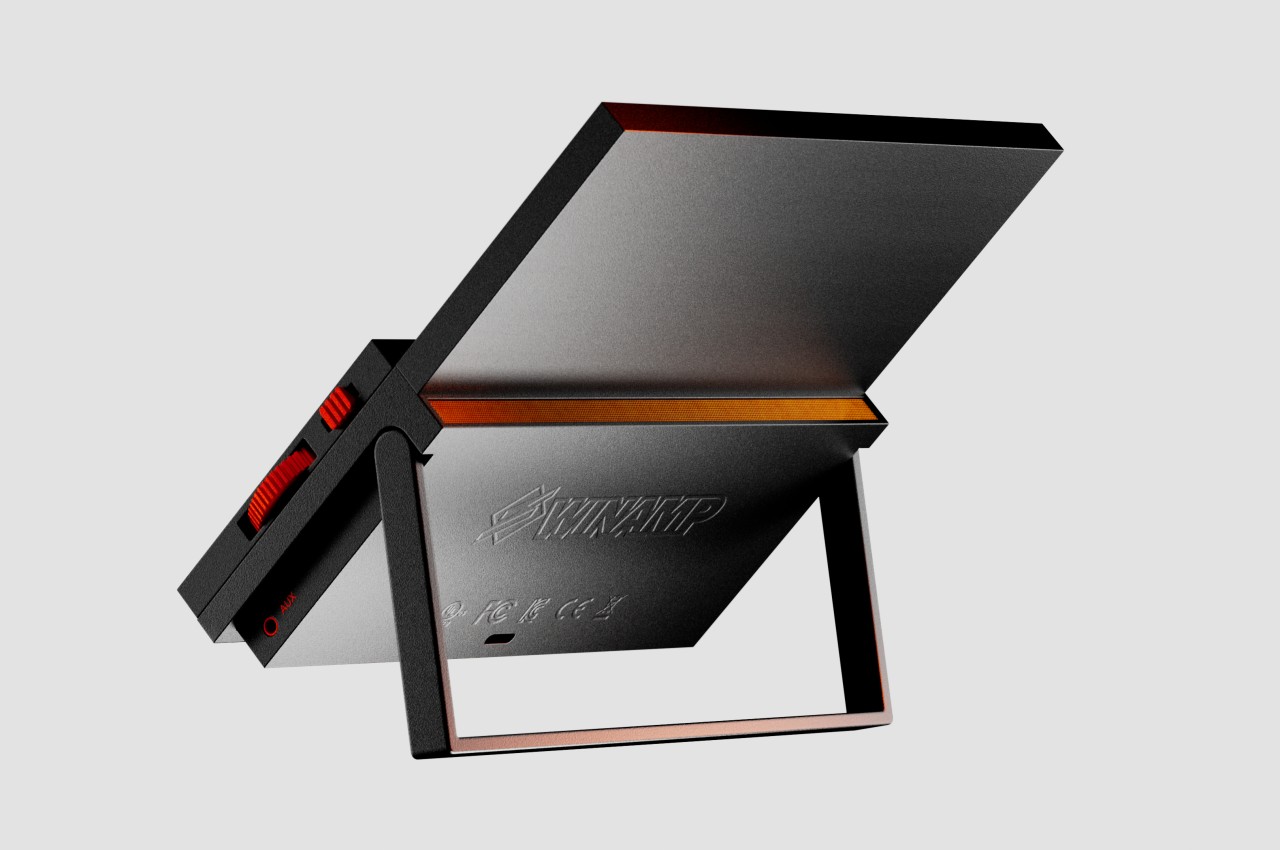
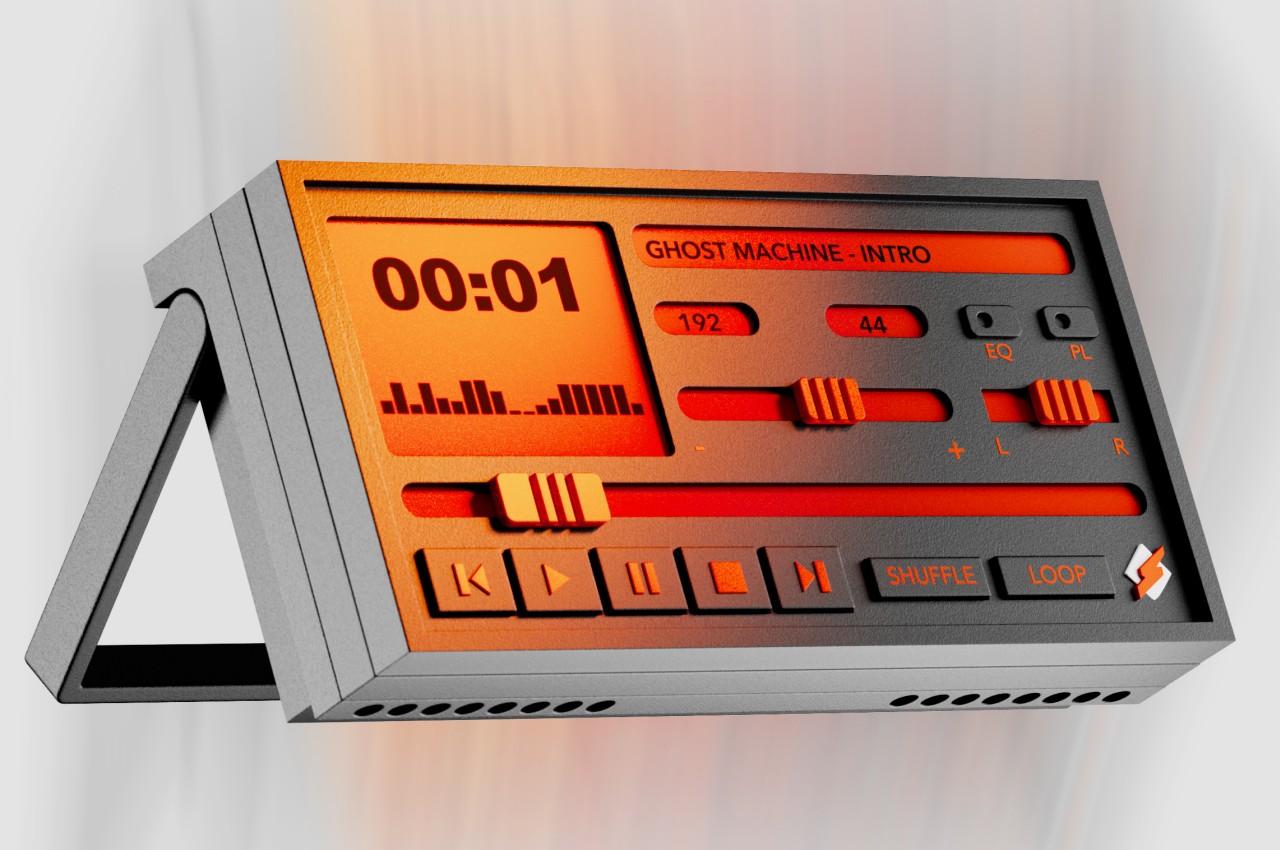
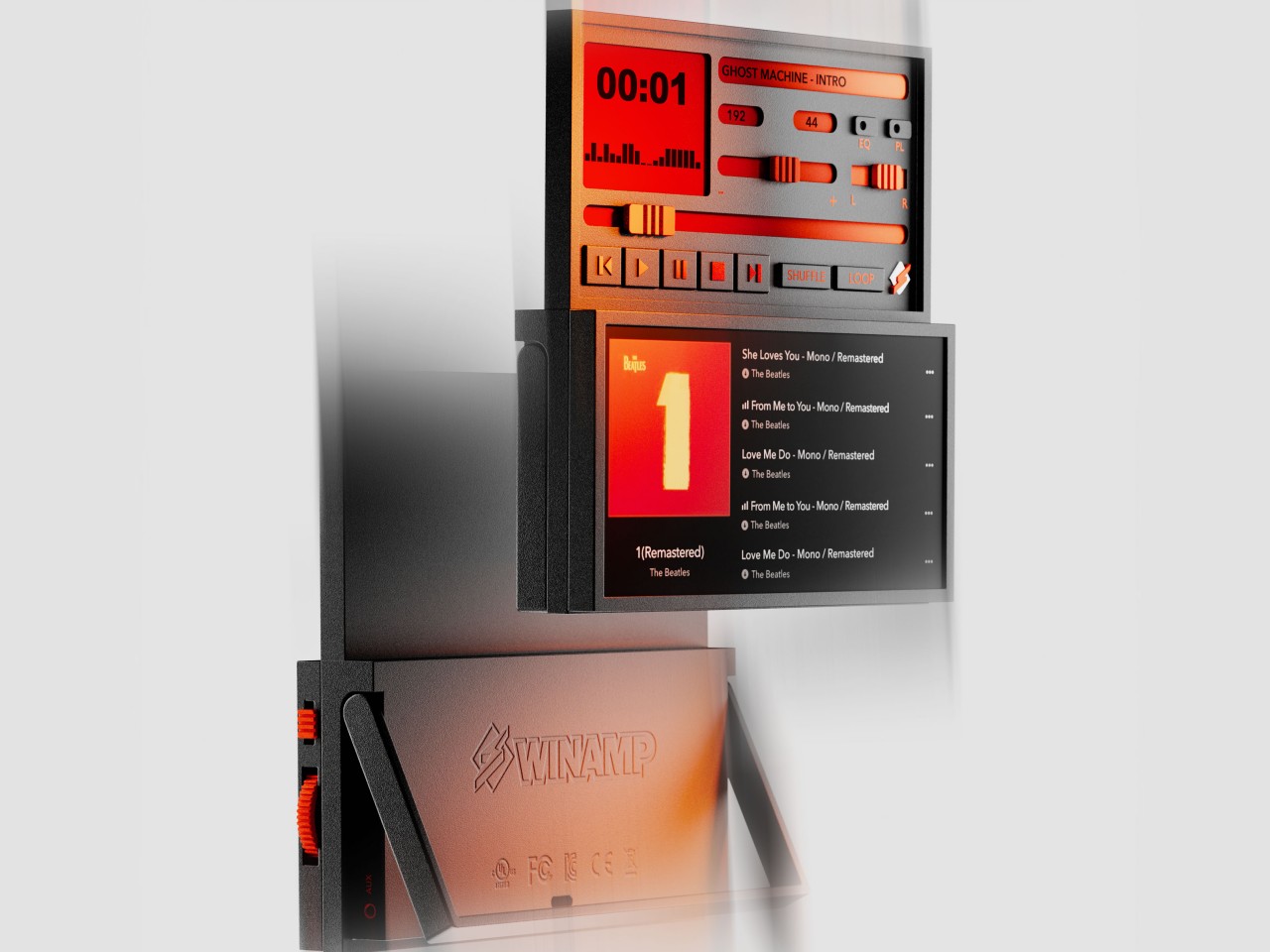
This concept design for a device of the same name follows the latter aspect of Winamp’s design, particularly the ability to move its three main panels around or even leave one out. Like the original Winamp, the media player device has a component for the actual media controls with a single-line display for the current music, one for the equalizer, and another for displaying album art and the playlist. All three can be stacked together for a tall device that is propped up on a desk using the built-in kickstand of the equalizer. Or you can switch them around leaving only two components visible, as long as the equalizer is there to act as the base.
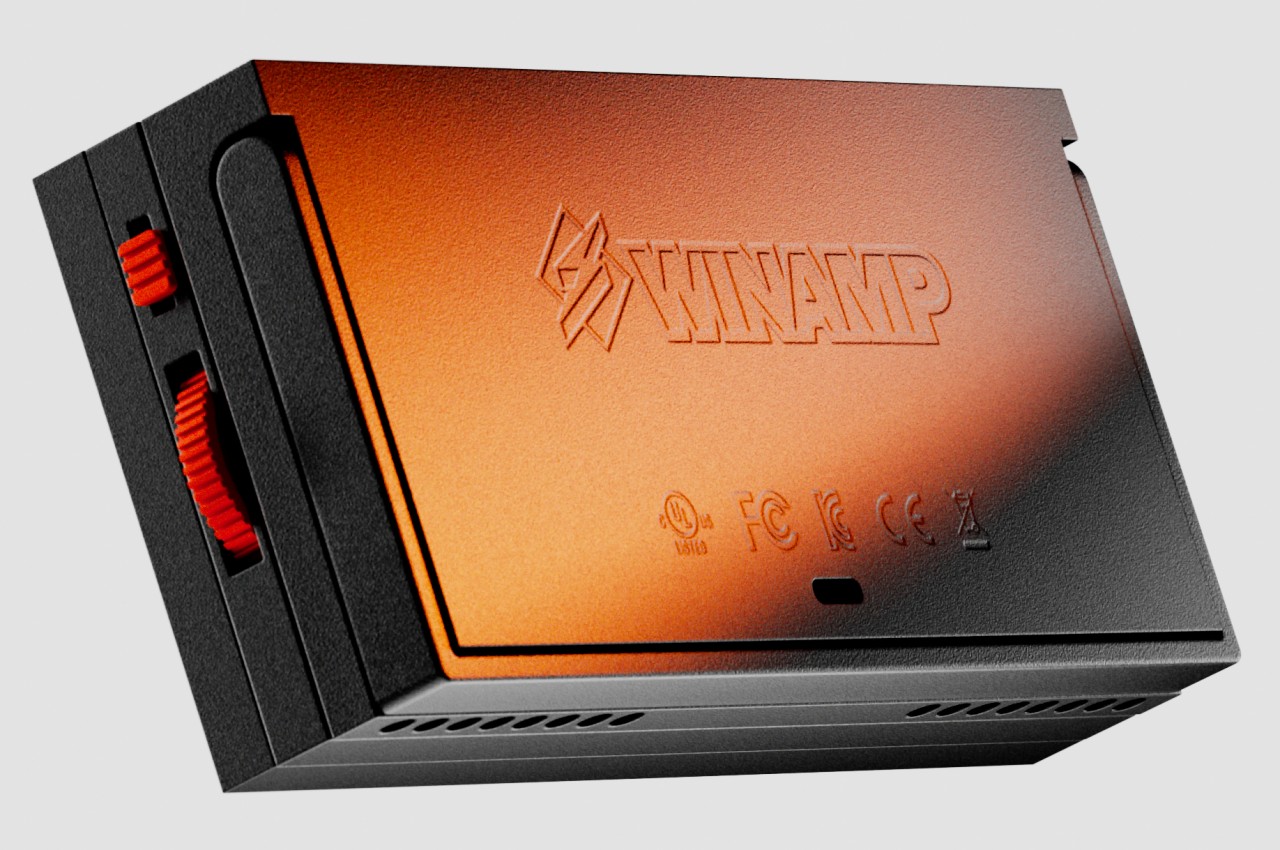
You can, for example, only have the media controls and the equalizer if you don’t mind not seeing the list of tracks and the album art. Or if you already have a fixed equalizer setting, you can put either the media player or the album display above it and then snap the other component in front of the equalizer to hide it. You can even show only the media player itself, with the other two hiding behind it. These components connect using strong magnets, so no rewiring is needed to make instant changes to the combination. And at the end of the day or if you want to take the device with you, you can simply collapse all the components in a sandwich and carry it around.
What’s interesting about this particular design is that it uses physical controls like sliders and buttons instead of simply employing a touch screen to offer the same interface. It’s like reverse skeuomorphism, where the digital user interface mimics the appearance and behavior of physical controls. Of course, this more physical design means you don’t get to use skins anymore, but it’s a small price to pay for such an intriguing device.
Just like a table, the most basic requirements for a chair are quite simple. It needs to be strong and stable enough to actually sit on, but comfort and convenience seem to be more open to interpretation than any other design element. Some brutalist designs look a little painful to sit on, meeting only the bare minimum of a chair, while others let your body literally sink inside its plushy cushions and make it difficult to pull yourself out quickly. And then there are designs like this concept that espouse simplicity and minimalism to convey a sense of beauty, but the end result, while visually successful, also raises concerns about its actual usefulness and comfort.
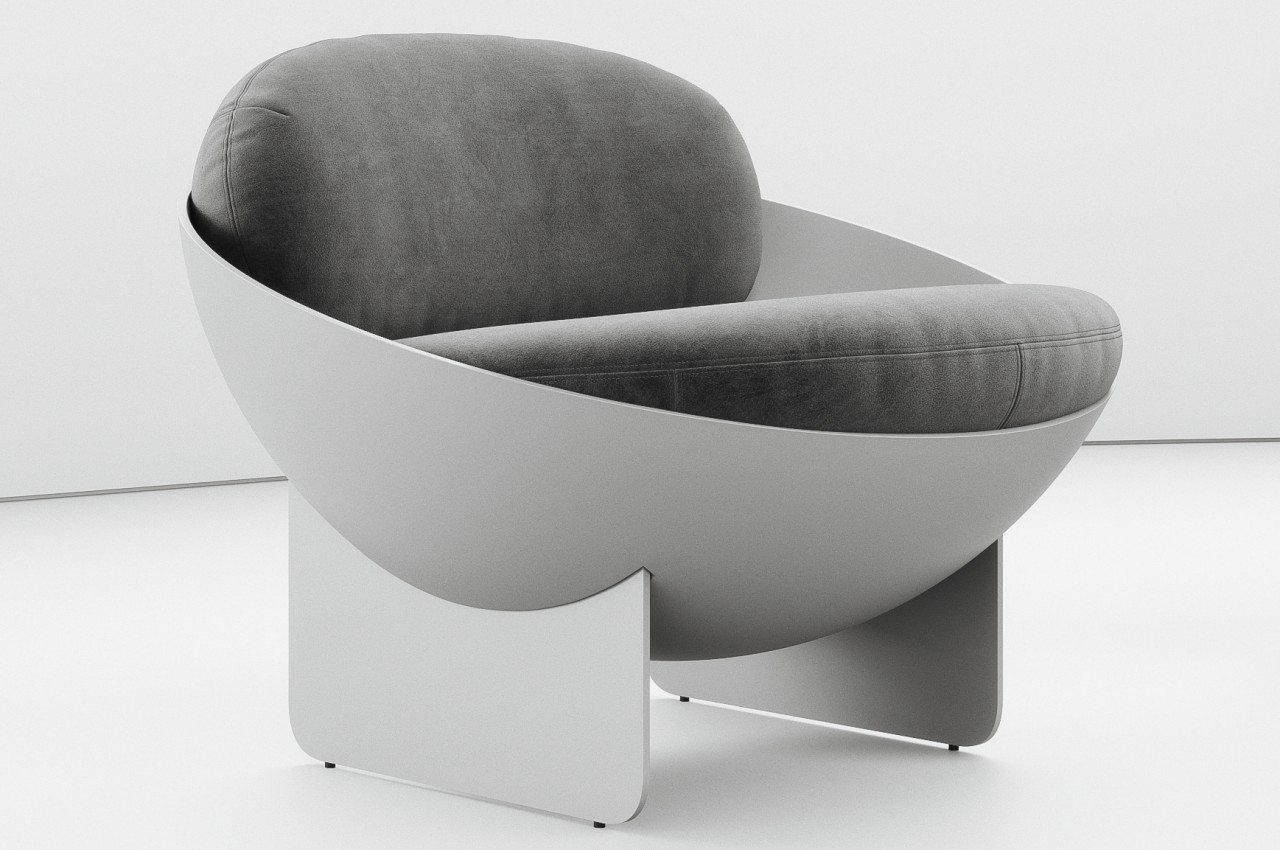
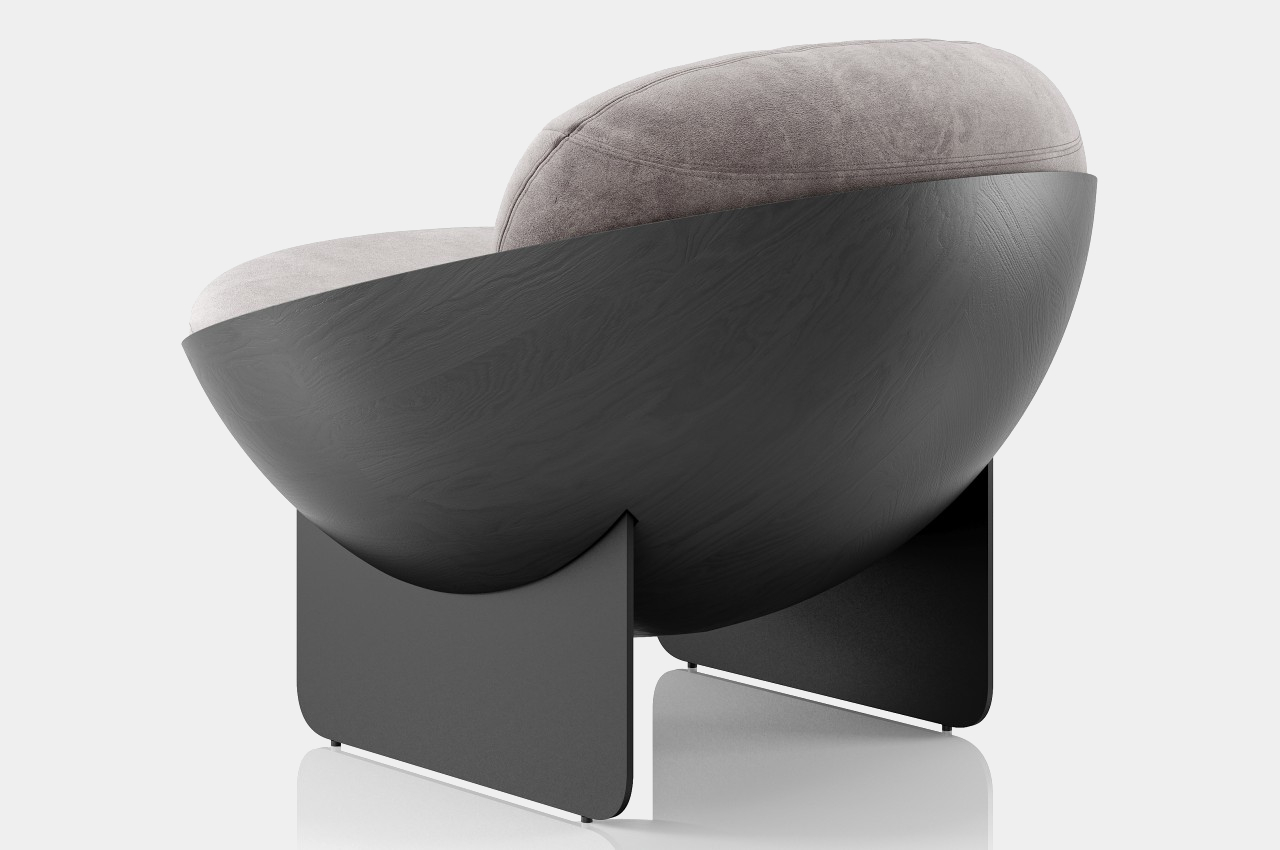
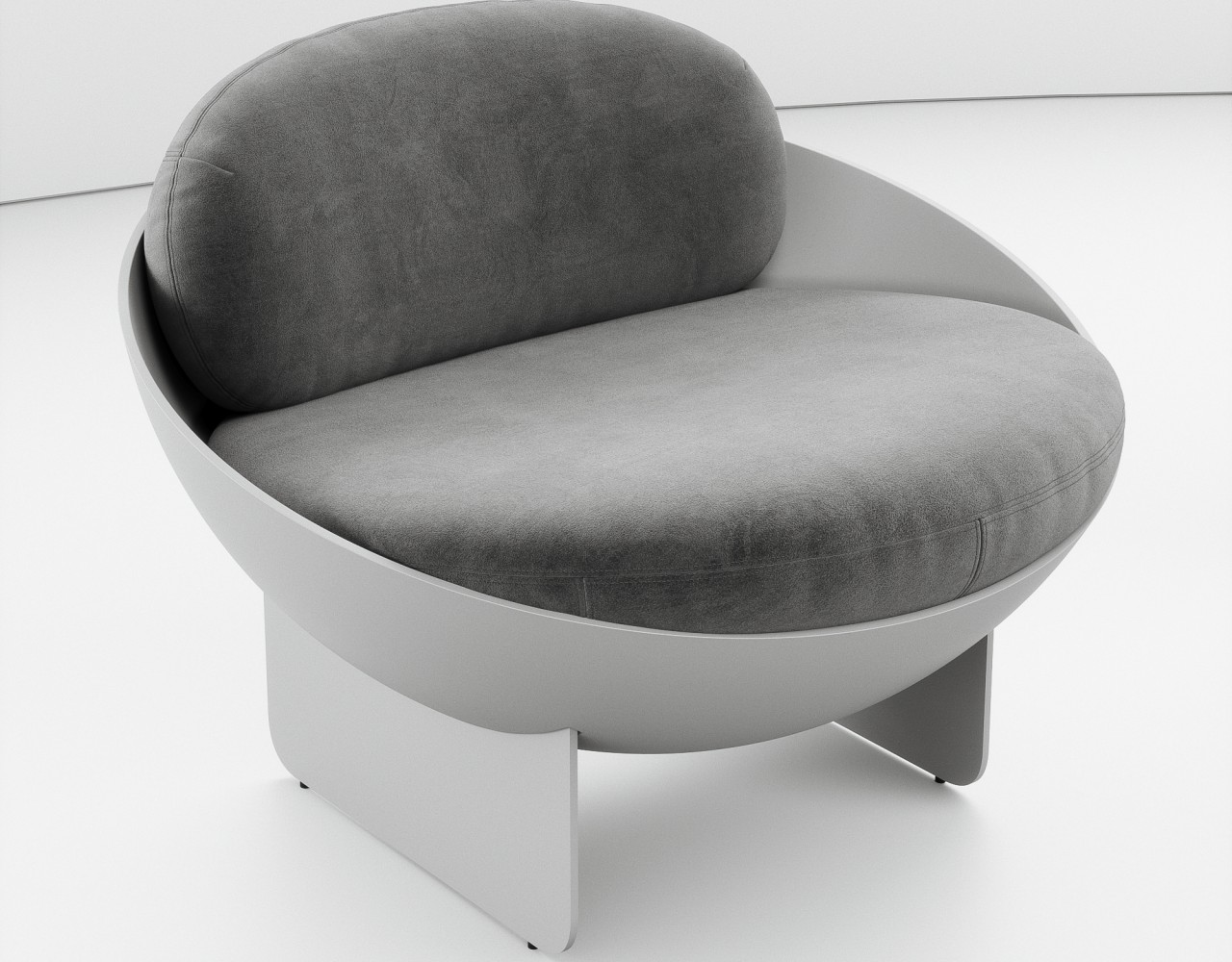
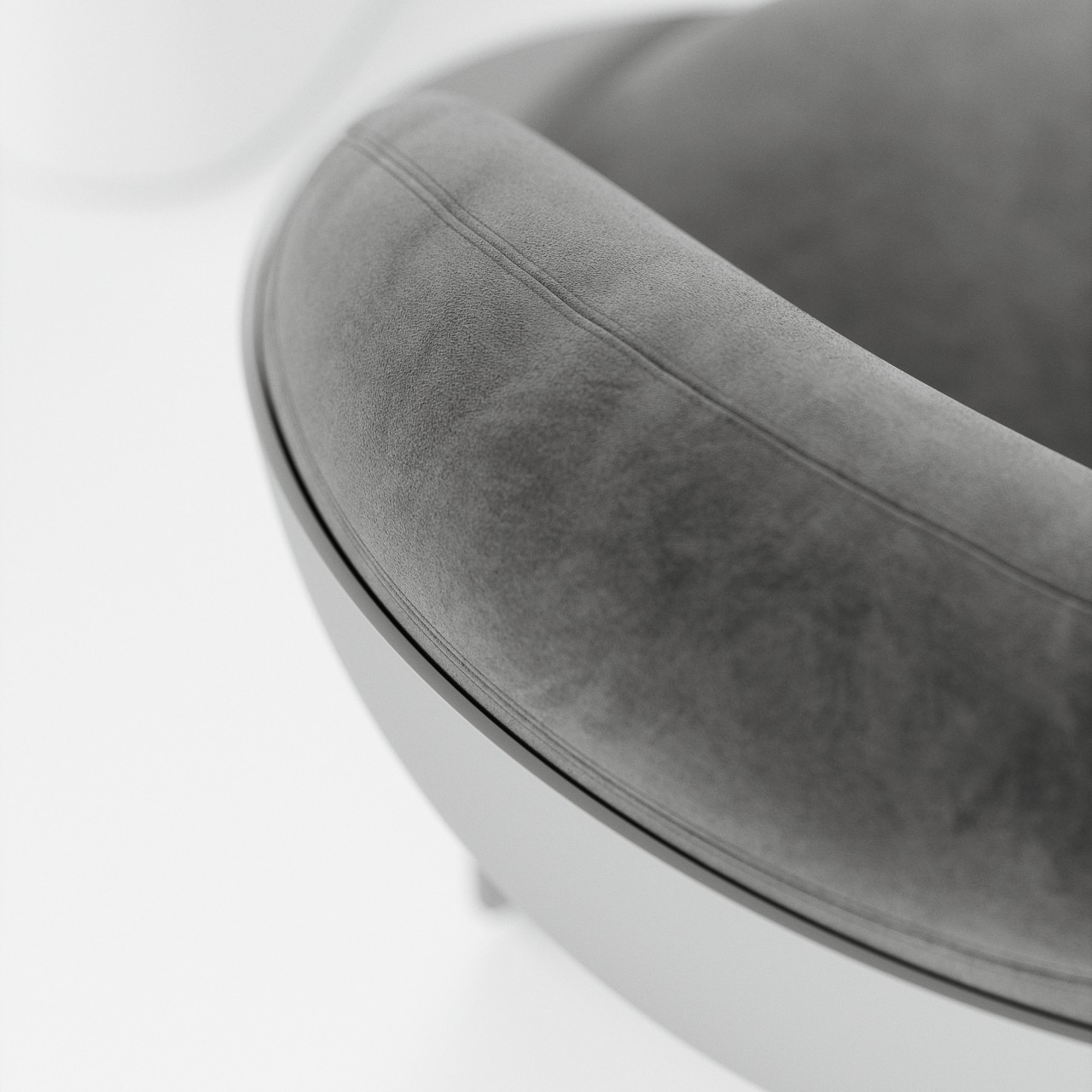
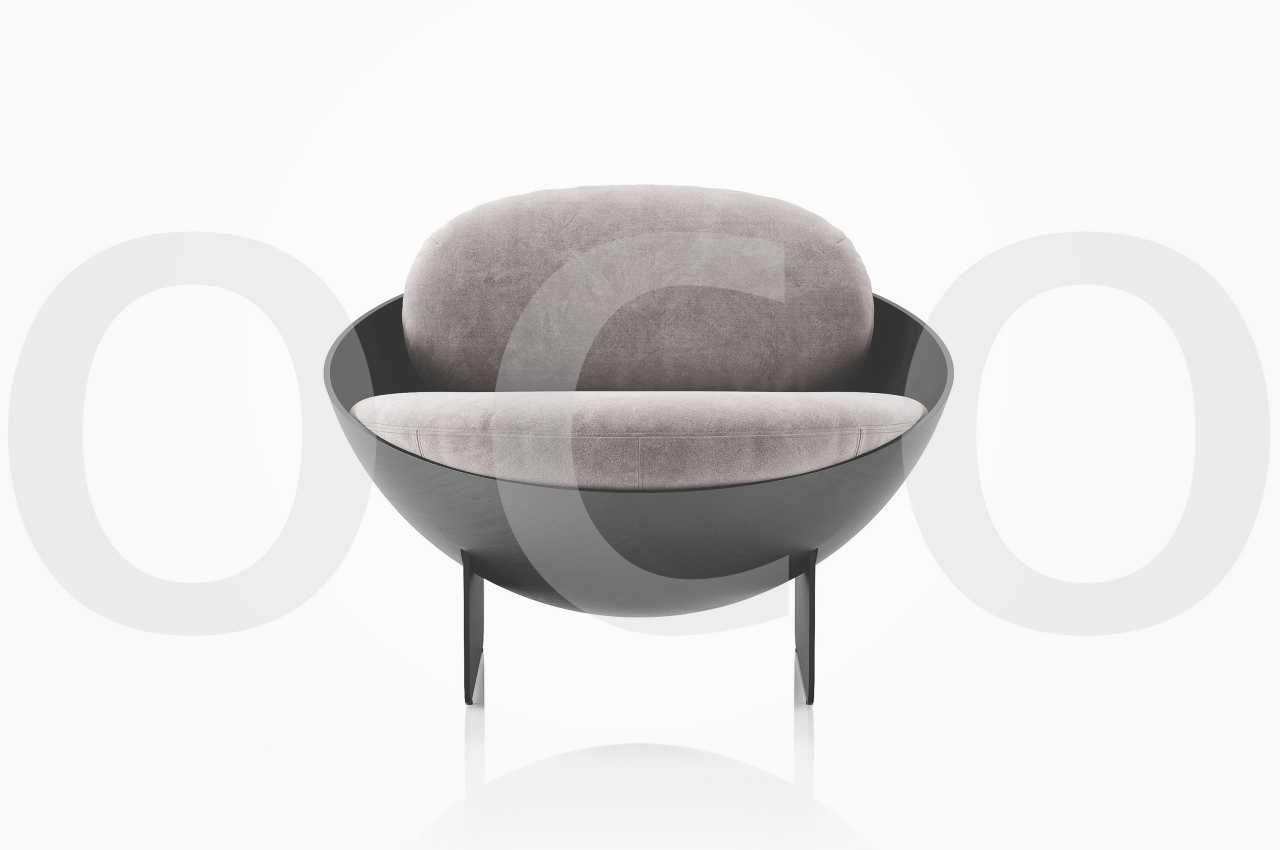
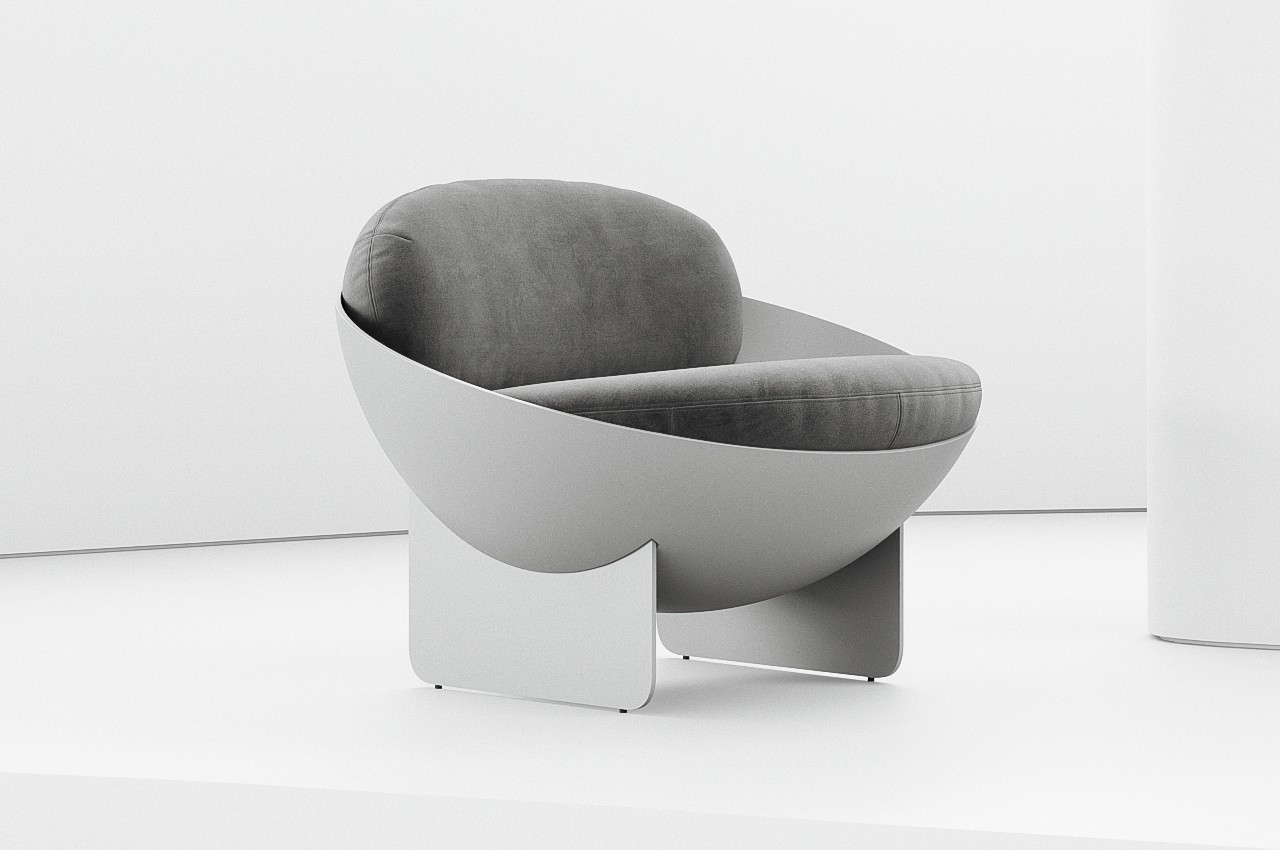
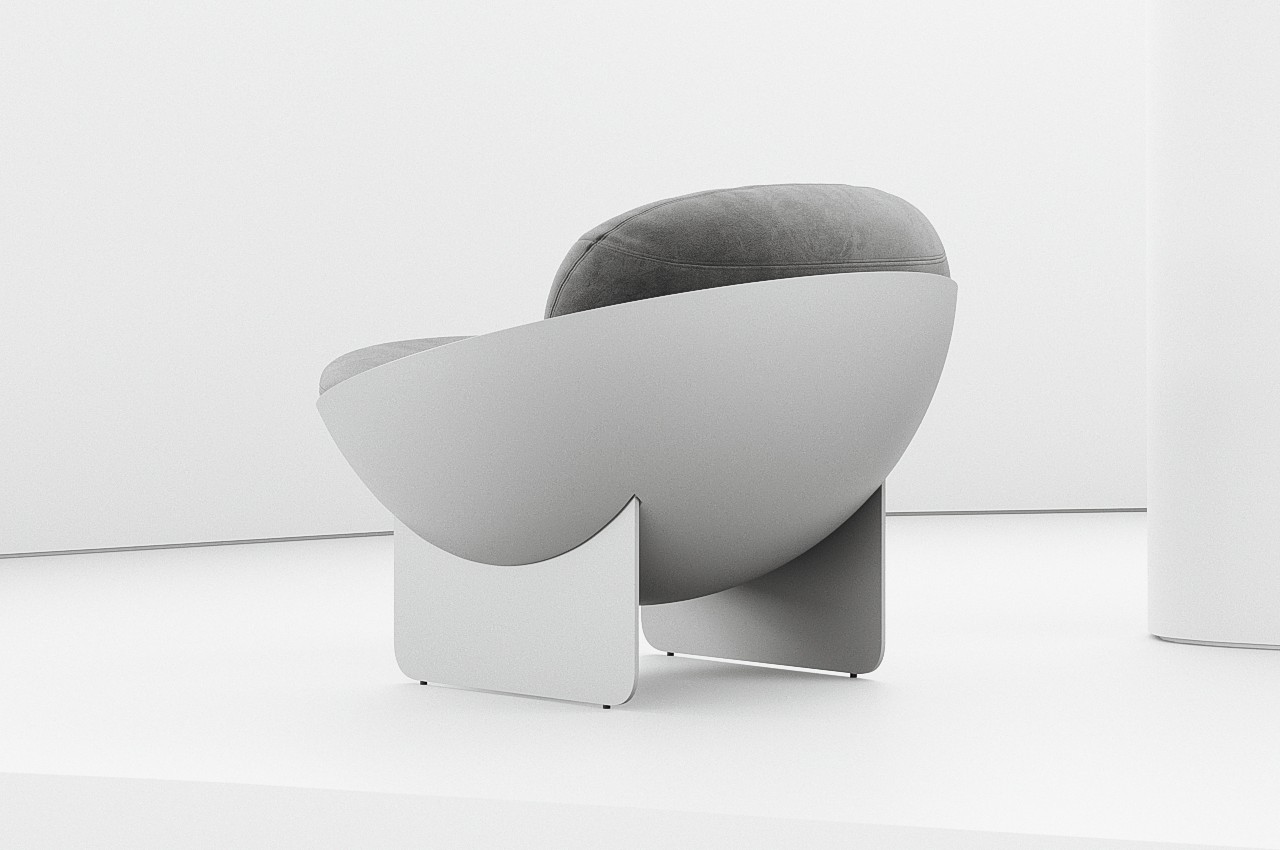
A chair isn’t a simple form that can be expressed in a single shape. After all, there are a few interconnecting planes needed to give it legs and an actual seat. A backrest is common but not obligatory, and armrests are even more optional. The Oco chair concept comes close to that simplicity of form while still providing a visually interesting piece, and it accomplishes that by employing a shape you wouldn’t always associate with a chair.
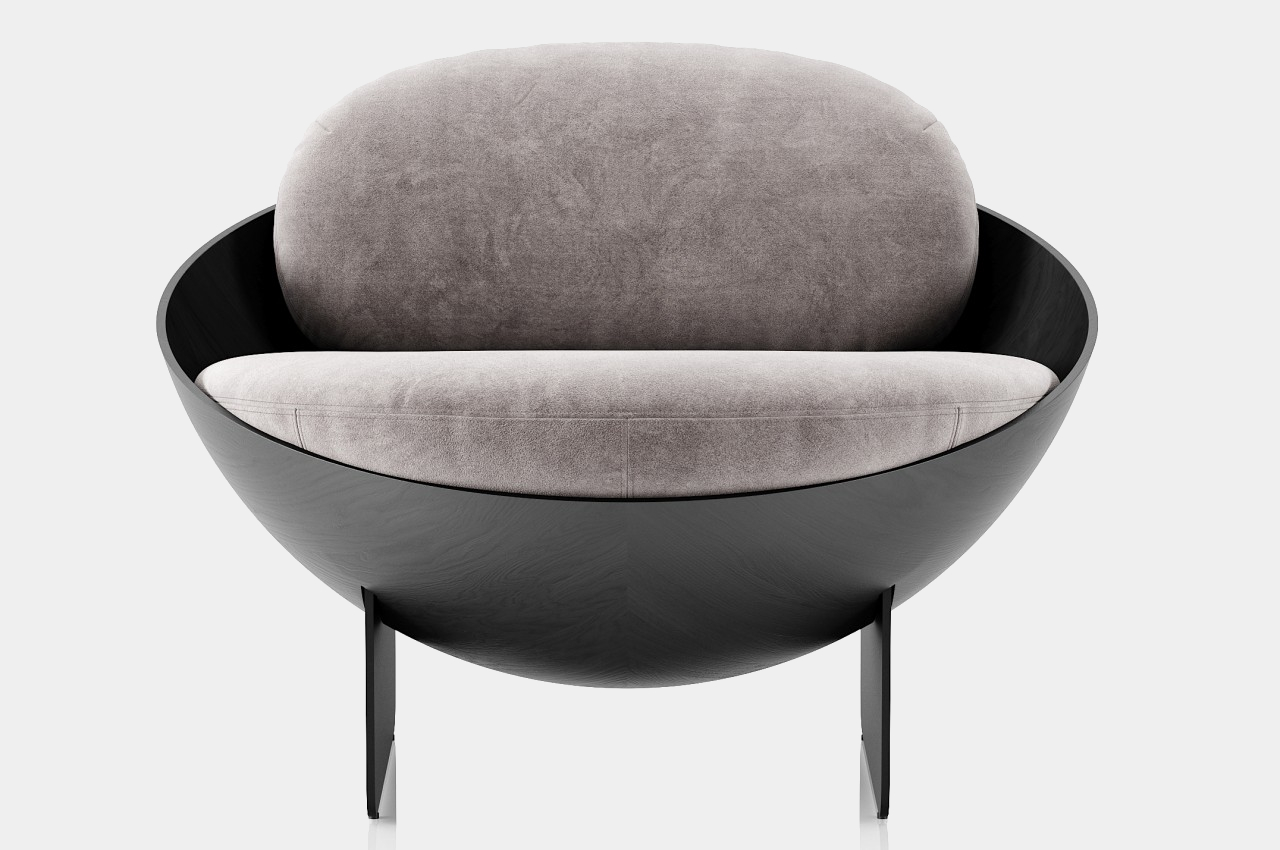
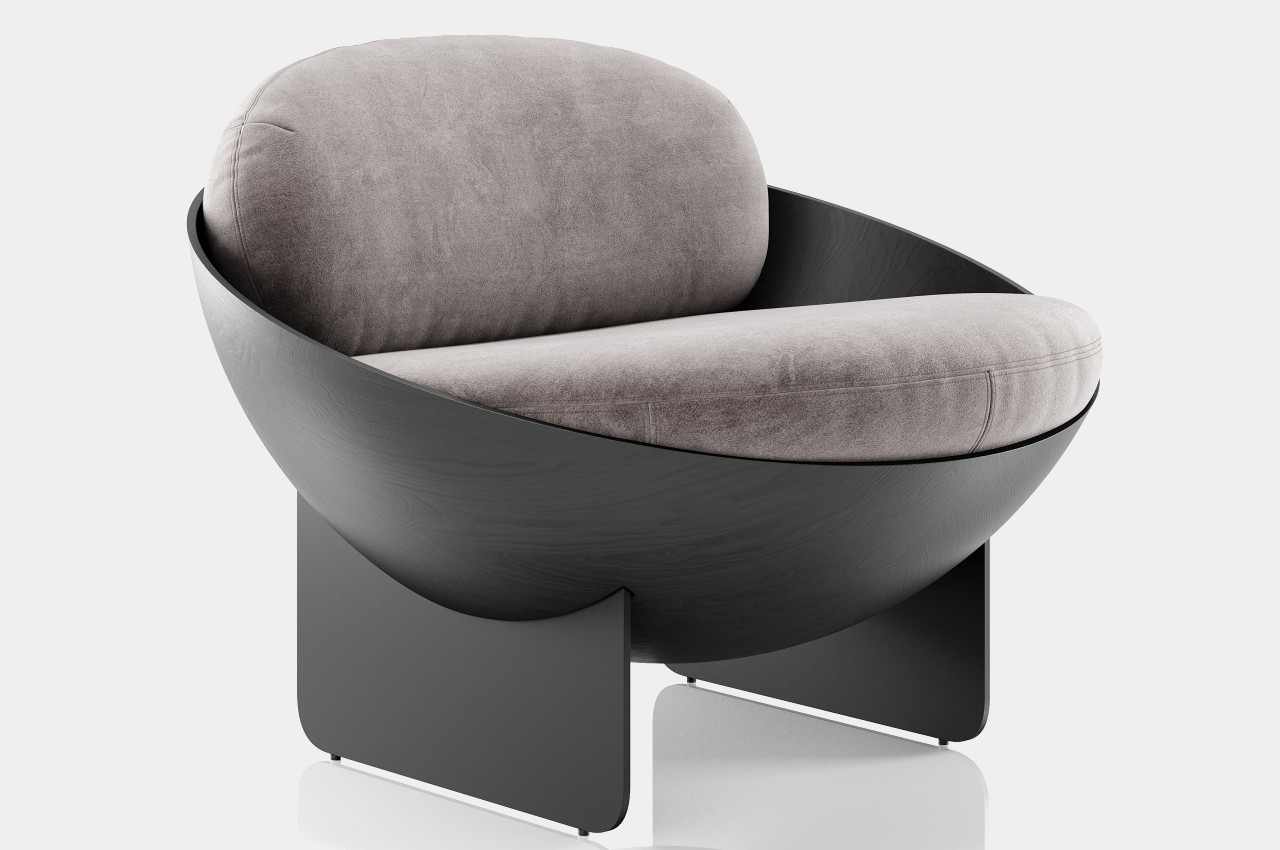
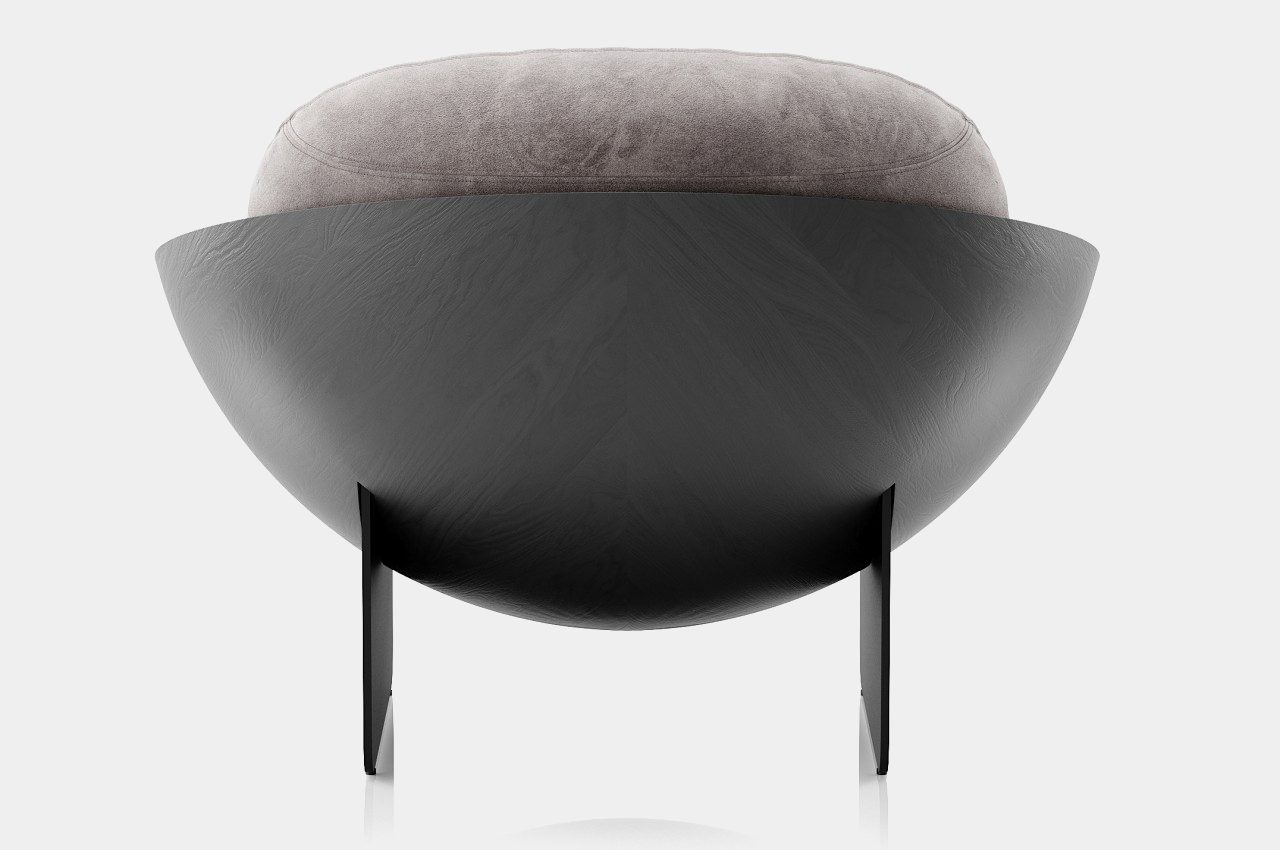
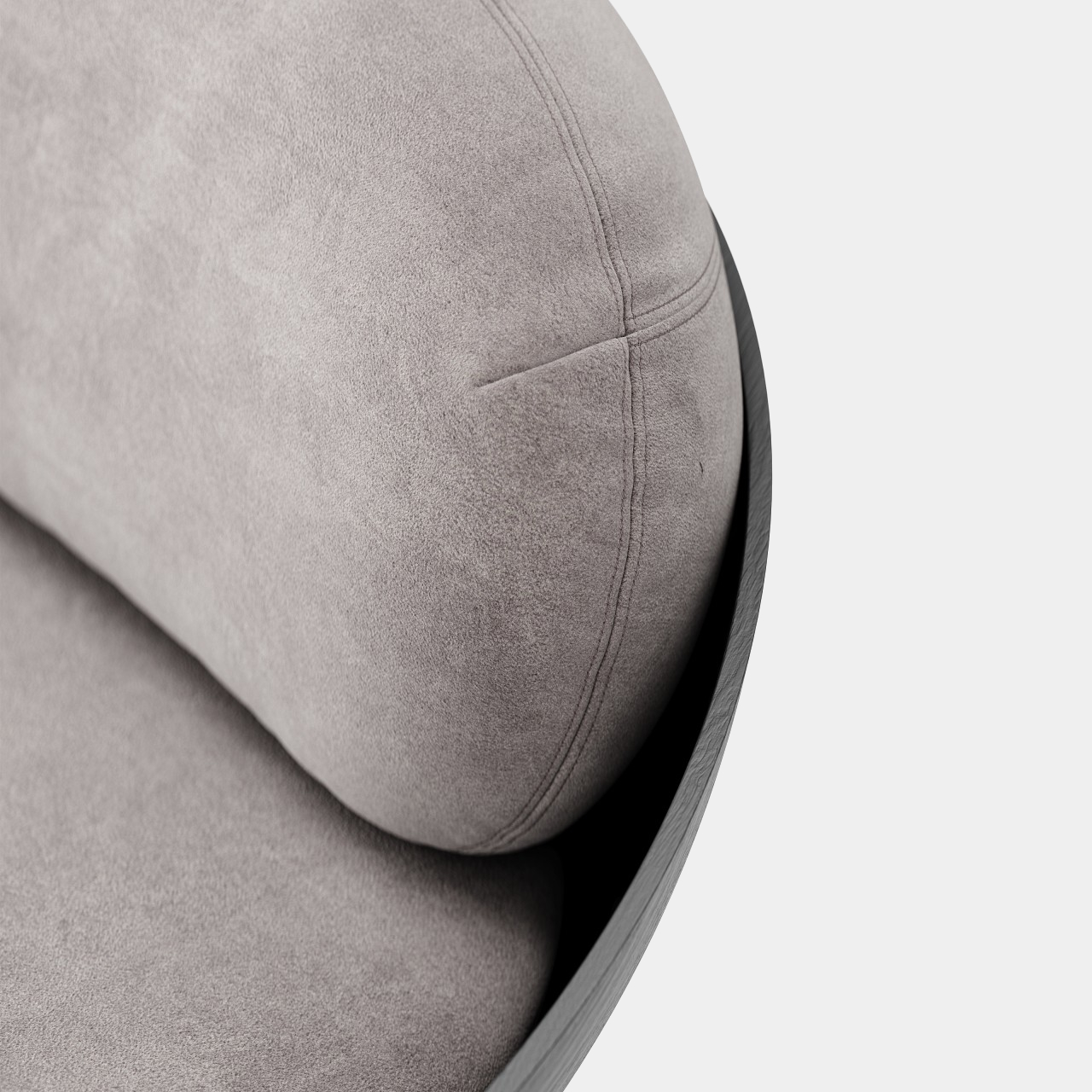
Bowl-shaped chairs are uncommon probably for a reason. A hollow half-sphere might not be the most comfortable thing to sit in unless you fill that space with cushions like what the Oco chair does. With extremely thin planes for legs, the bowl almost looks like it’s floating in mid-air. Made using carbon steel and fiberglass, the chair brings structural stability while also providing some subtle material details, like the wood-like grains of the spherical body.
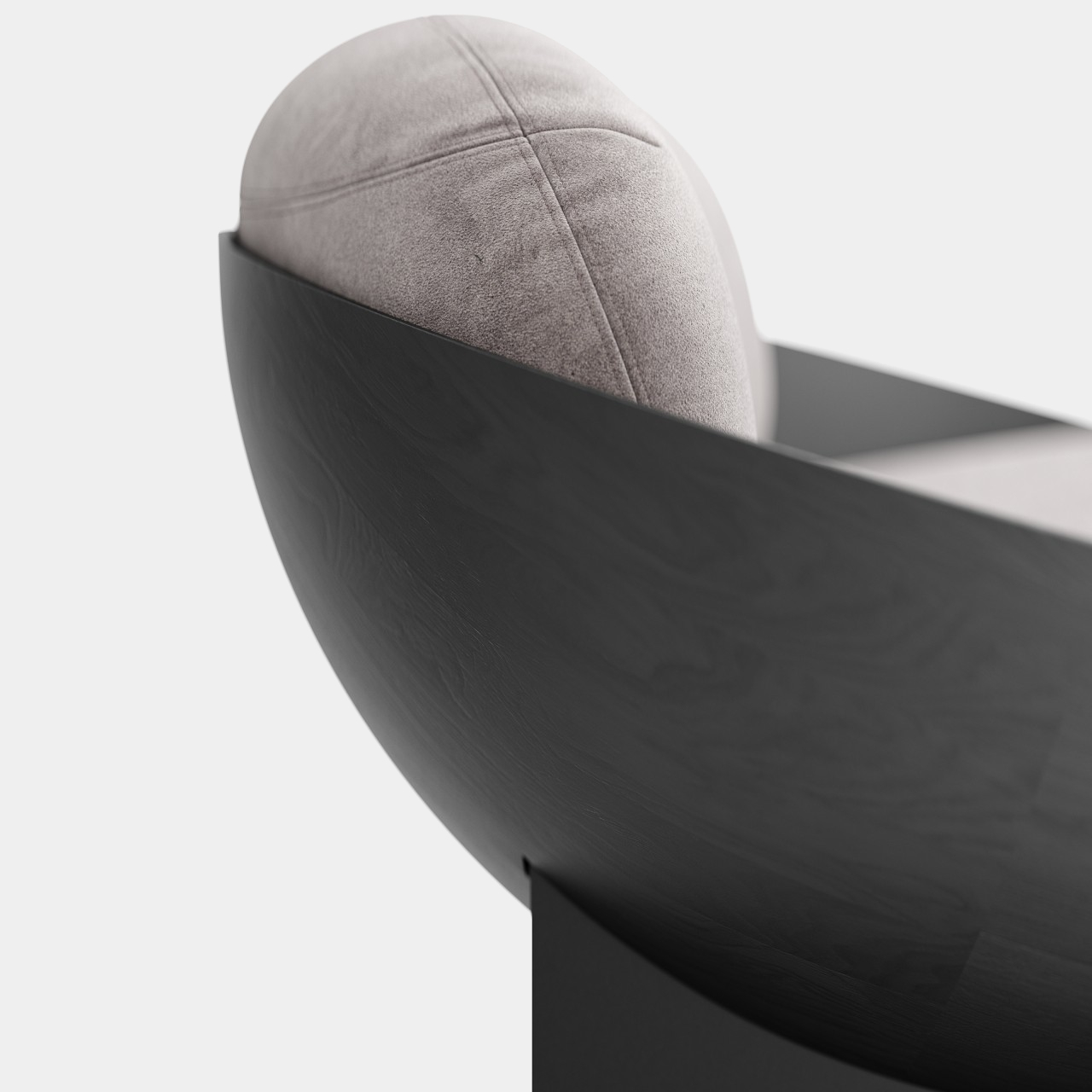
But while it is indeed a sight to behold, closer inspection might make you rethink the comfort it promises. The thick cushions do look plus, but they might not provide enough support for the person’s back. Or at the very least the back cushion doesn’t have enough height to support someone leaning back, forcing them to sit upright without proper support, straining their body over time.
The bowl’s edges are also left exposed, which could scratch, cut, or press on a person’s skin, especially on the back of the legs and forearms. A few slight modifications, like lining the edges with soft fabric or changing the angle of the bowl could help improve the ergonomics of the design without ruining the simple geometric beauty that this concept wishes to convey.
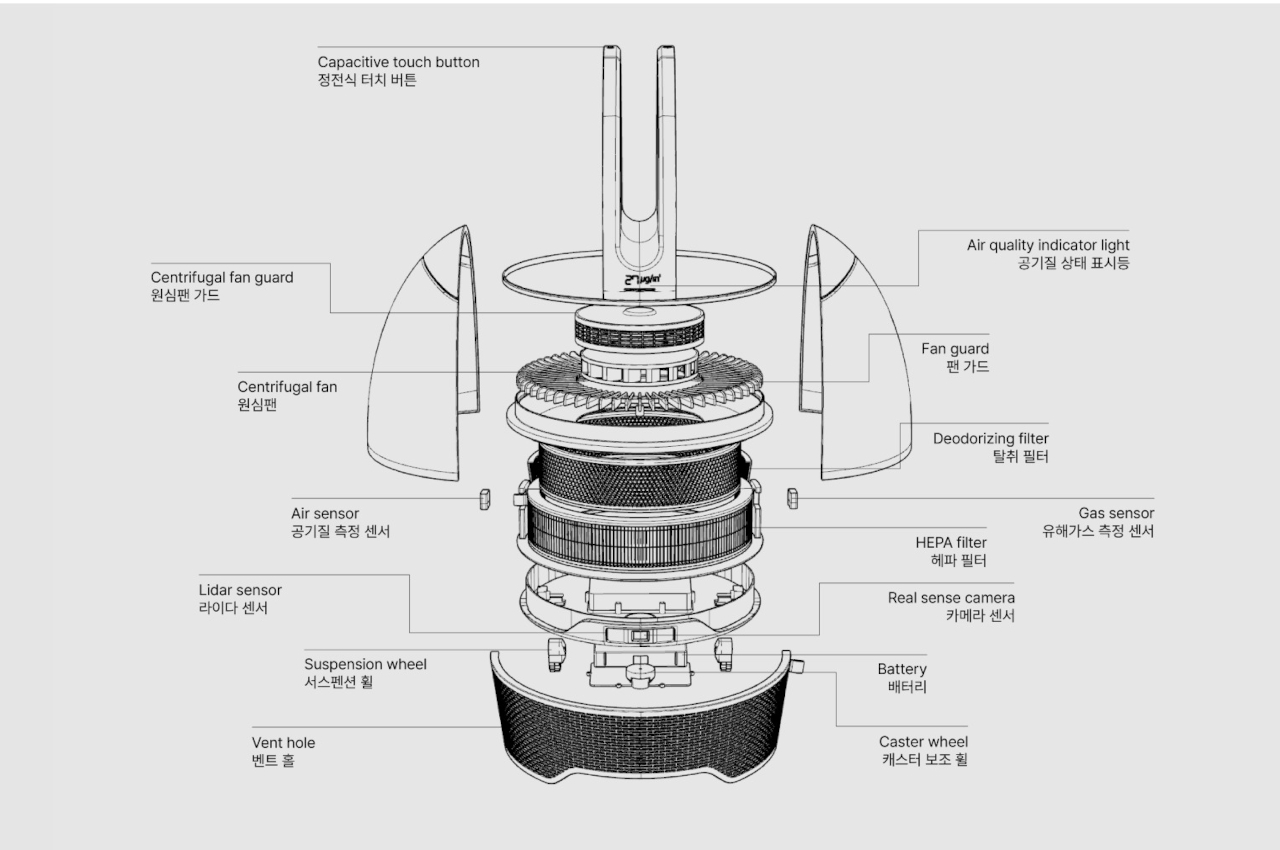
The air purifier market saw a huge uptick in the past years as homeowners became more aware and concerned about the quality of the air they breathe indoors. A single machine is enough to satisfy the needs of a room or a small apartment, but bigger domiciles would need more units to cover the wider space or numerous rooms. Of course, people won’t be in all those spaces or rooms at the same time, and managing multiple air purifiers could be a tiresome task, even if they’re all connected to your smartphone. What if the air purifier operated only where it’s needed, like in a place where the air quality is too low for comfort? That’s the idea behind this concept design for this elegant air purifier that can indeed go to those areas, using technologies already in use today.
Designer: Gwan-deok Seo
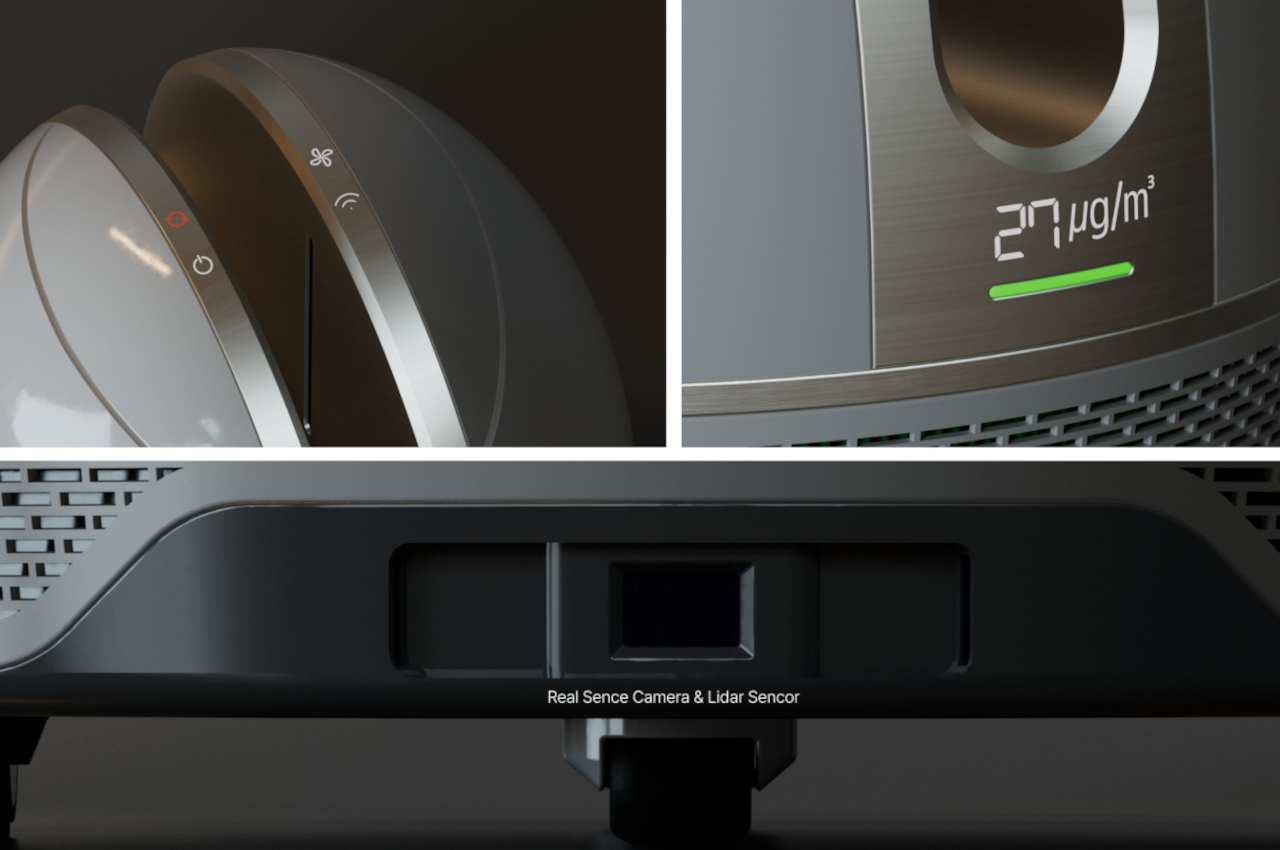
Air purifiers these days, at least the more sophisticated ones, can already detect air quality, but it’s more for automatically adjusting the level of purifying they do more than pinpointing where the poor air is. Robot vacuum cleaners, on the other hand, have become so advanced that they can effortlessly navigate around your home, mapping the floor layout on their own and avoiding all kinds of obstacles. There’s very little reason why these technologies can’t be combined, at least aside from the space they might take up on a single machine.
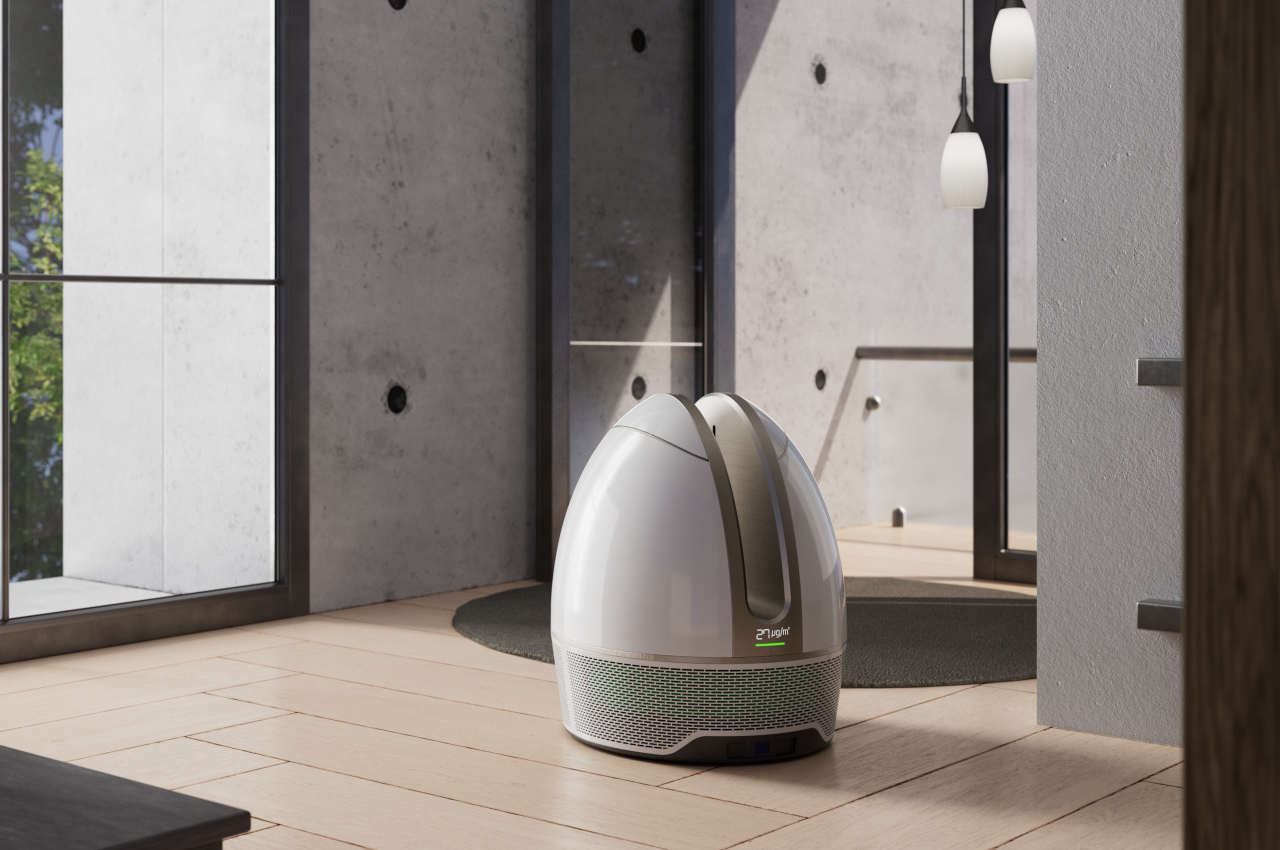
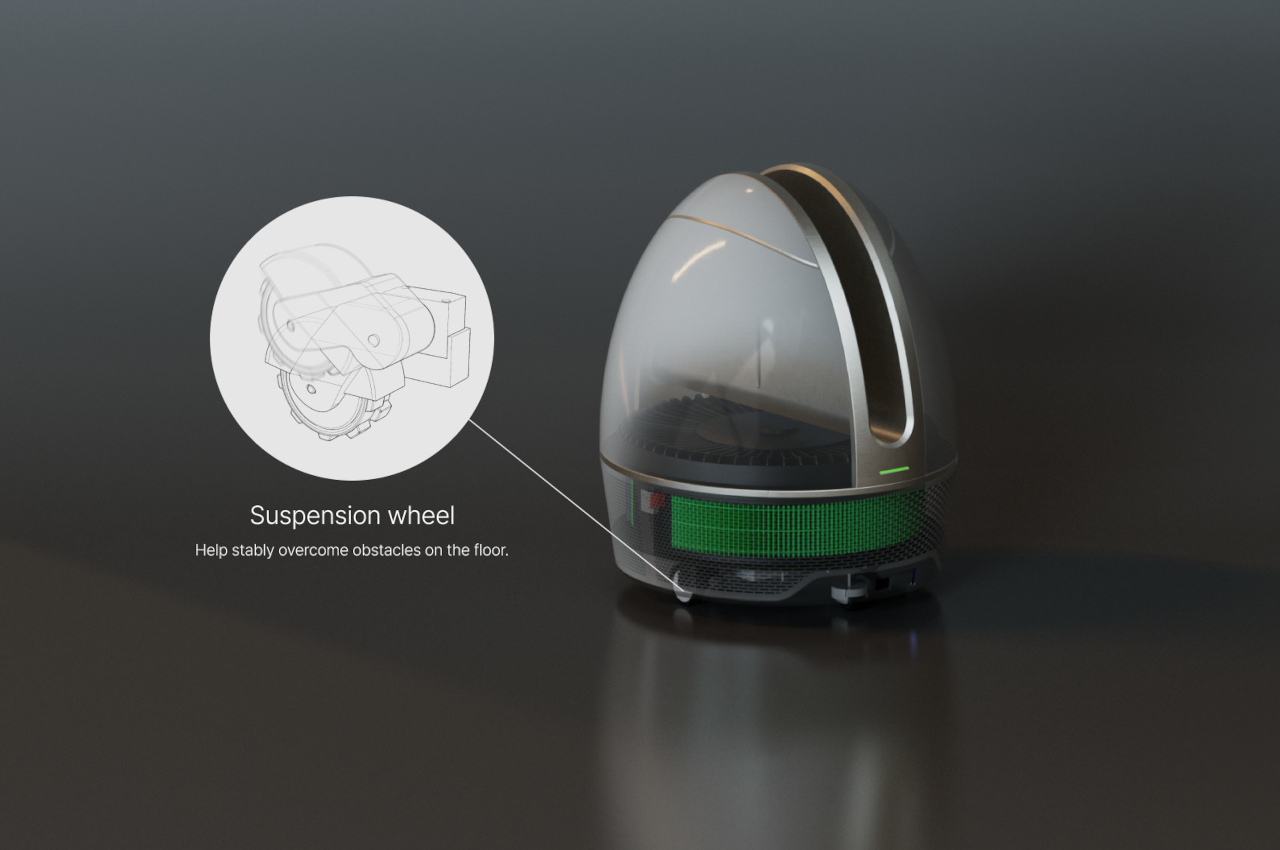
Puyager is a concept that does mix these two seemingly different worlds together in a harmonious manner and with a compact design. Of course, it can’t just be a low, disc-shaped machine like most robot vacuum cleaners on the market. It would be too cramped to include the necessary parts for sucking in, filtering, and blowing out air. At the same time, however, a box or cylindrical design similar to typical air purifiers would be too bulky, not to mention unappealing for something that will be moving around your house.
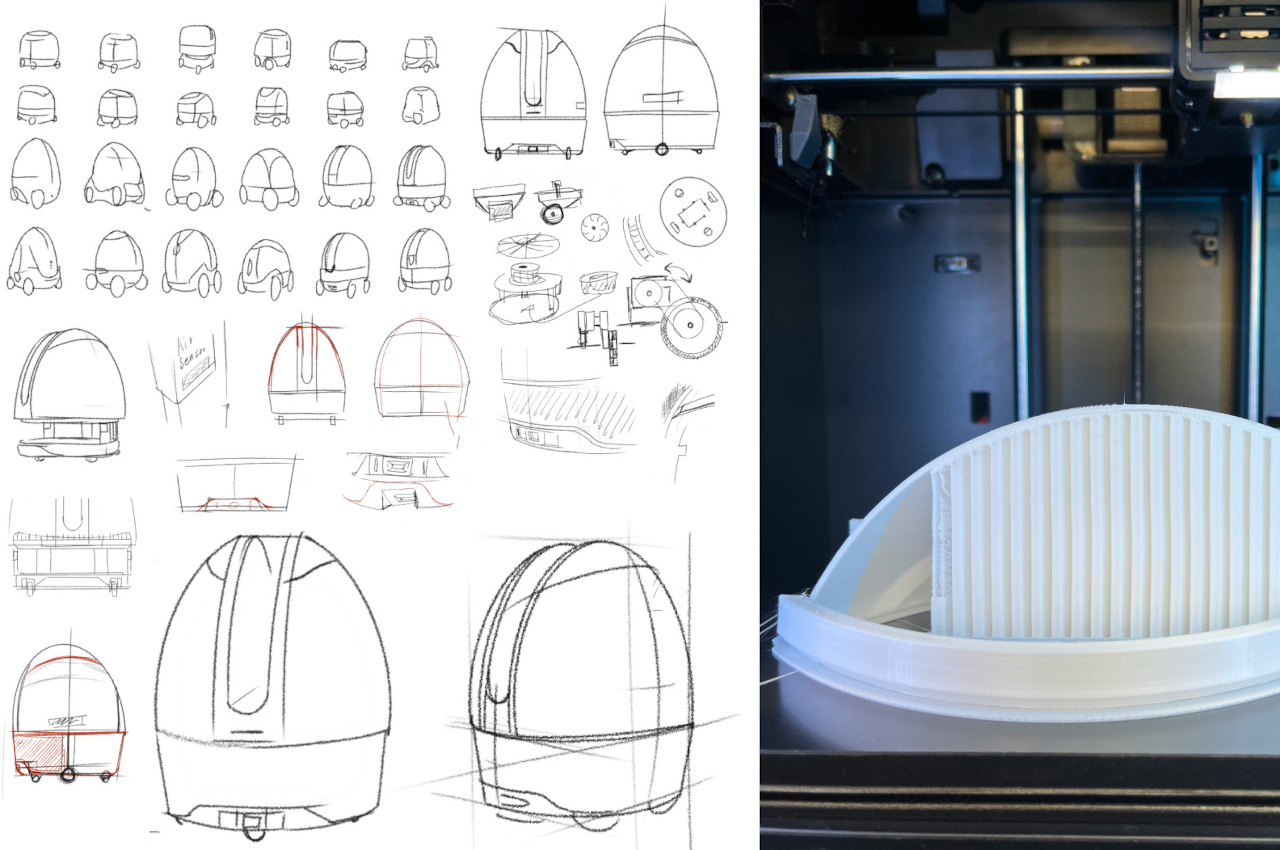
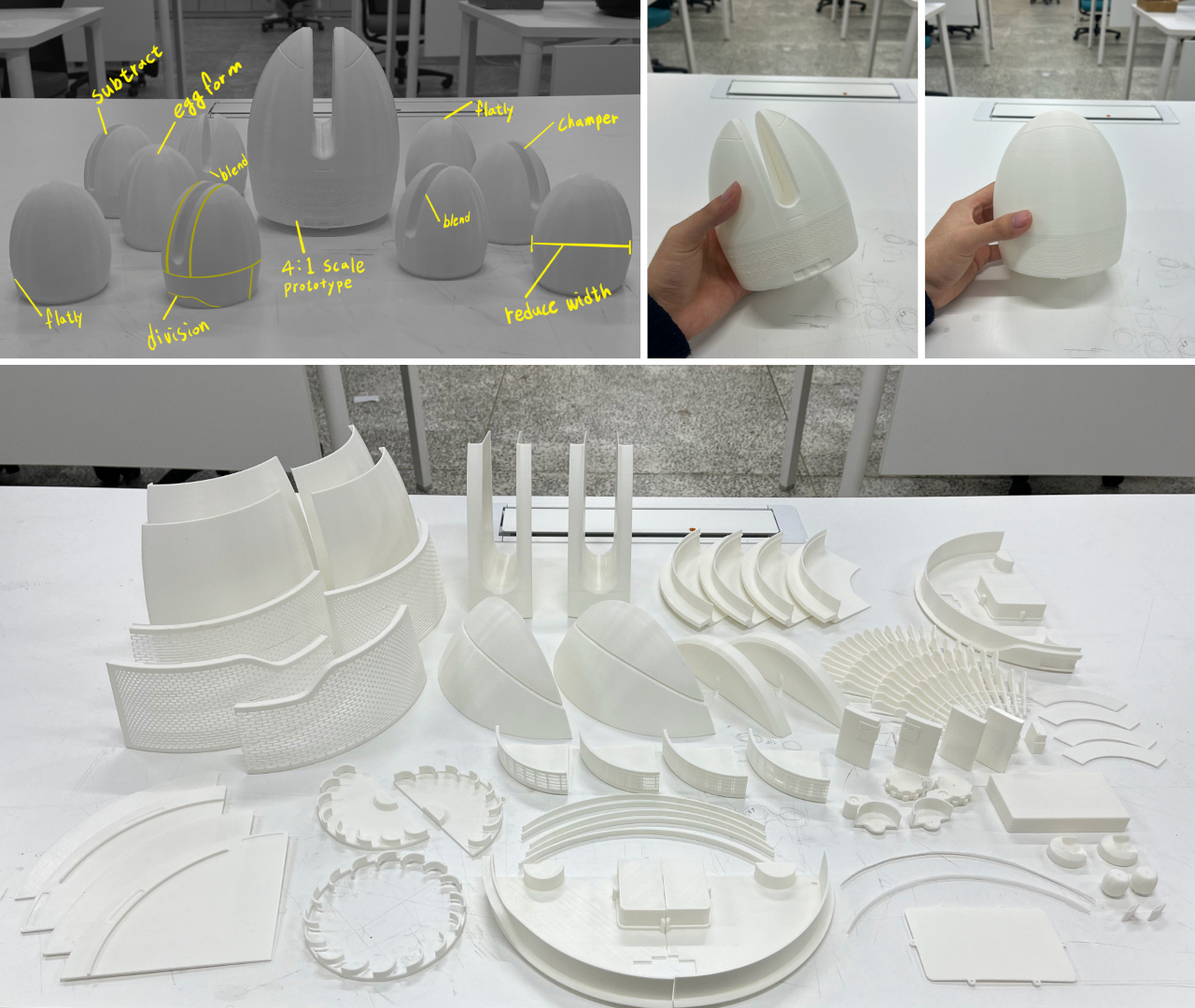
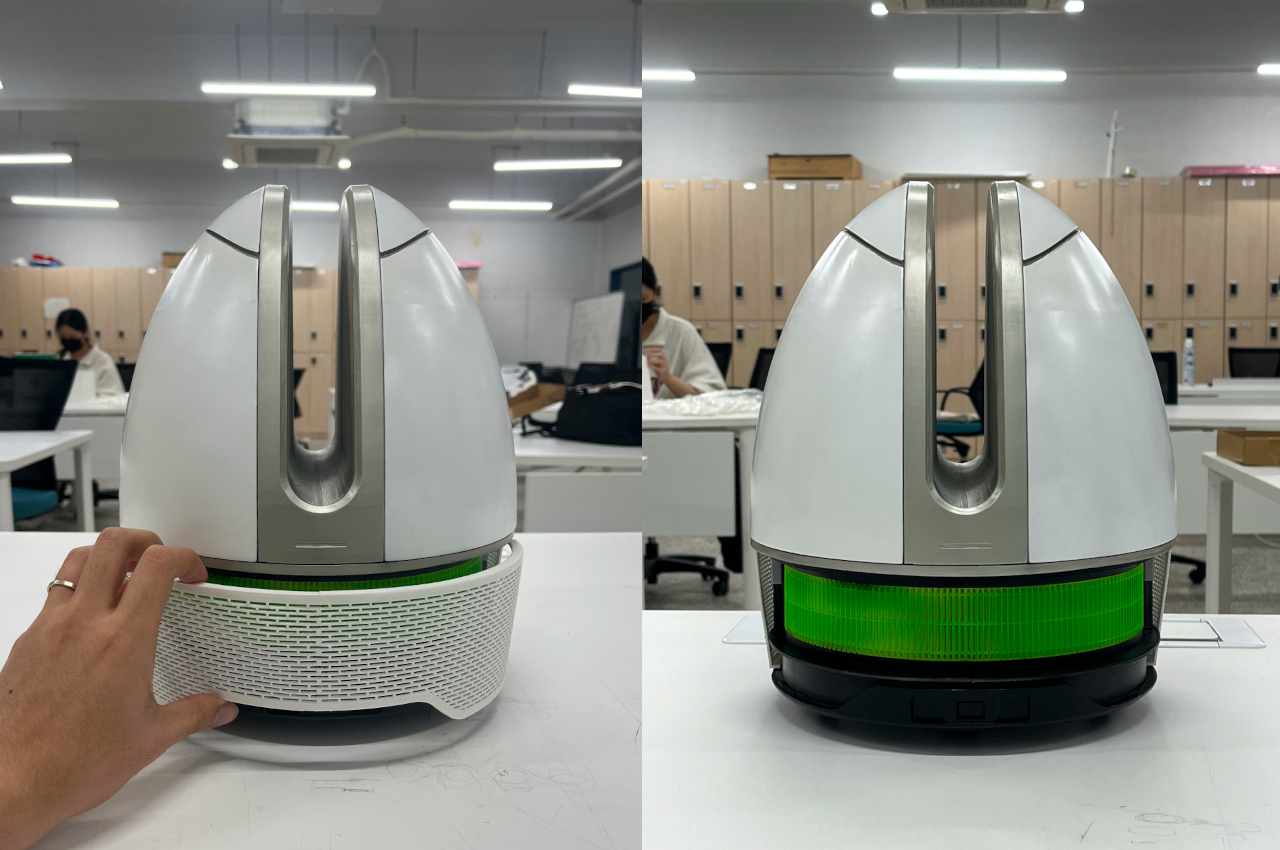
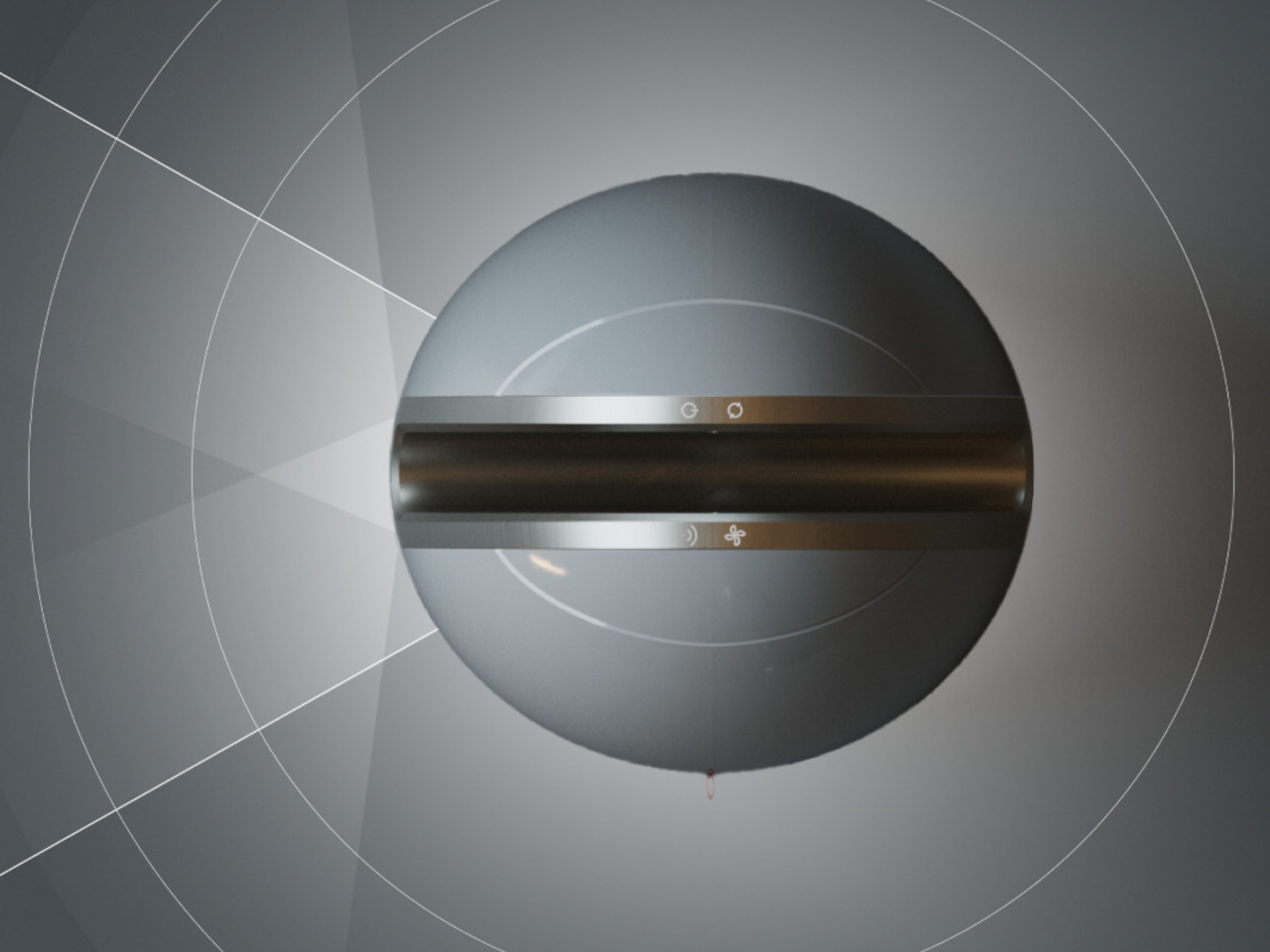
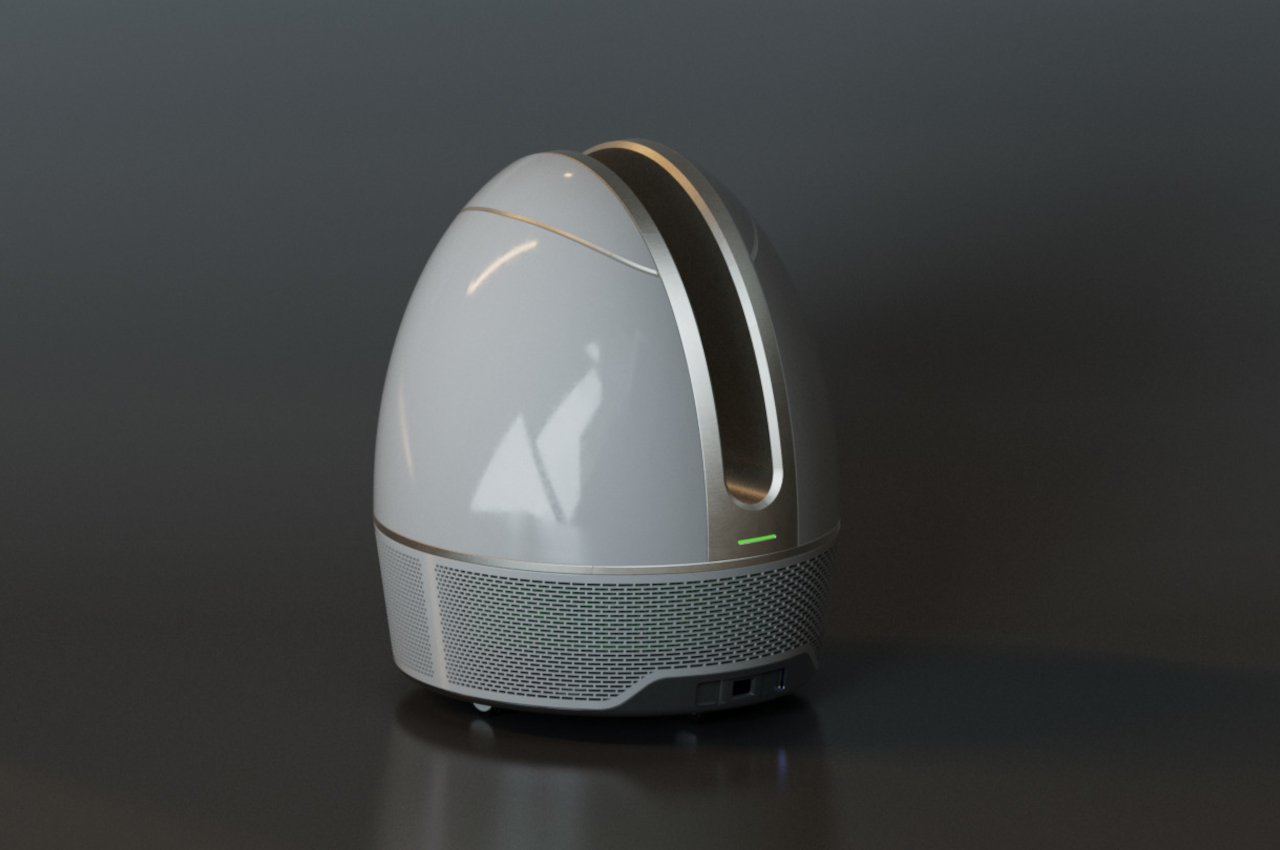
The shape chosen for this robot is an egg or at least the top half of one. This allows the bottom section to still be that round shape that makes robot vacuums efficient in moving around while leaving enough room for electronics and air circulation. Unlike a simple dome, however, Puyager has a gap between the left and right halves of this egg, providing an outlet for clean air to be released. The top edge of this gap houses the touch-sensitive controls that let owners minimally operate the machine without having to reach for their phone.
The end result is a product that looks stylish and elegant, a perfect fit for any home. Even while stationary, Puyager looks like a piece of decoration more than an appliance, adding a bit of visual value whether it’s busy purifying the air or just idling. Admittedly, its performance in actually detecting poor air quality and rolling over there to clean it is something that still needs to be tested, but the design is definitely a good starting point for a more modern and more human-centric solution to air quality at home.
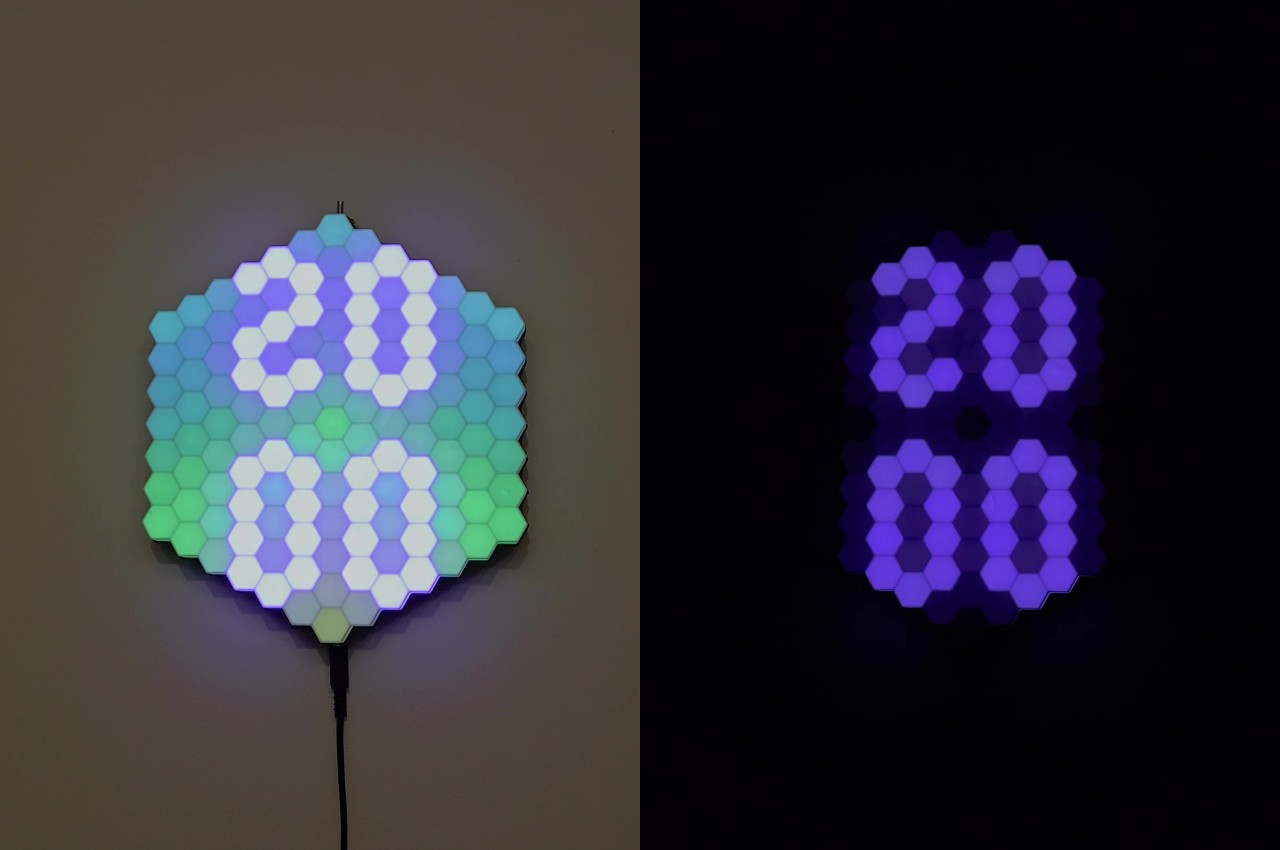
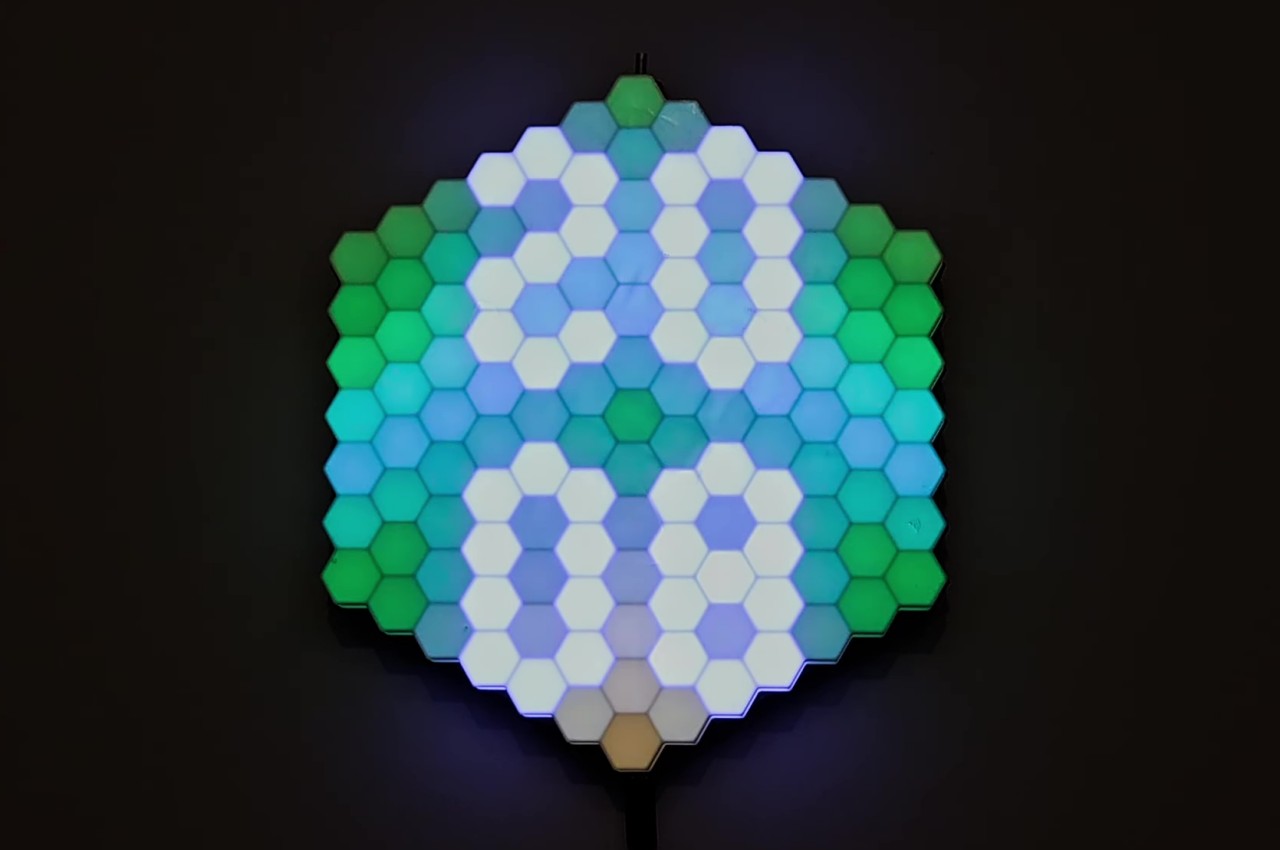
Clock designs come in all shapes, sizes, and levels of complexity. On one end, you have ultra-minimalist analog clocks that barely have discernible hands or numbers on their faces. On the opposite end, however, you have not only sophisticated mechanical clocks with all their gears and movements, you also have digital clocks with smart features that go beyond telling the time. Of course, it’s always a matter of balancing functionality and features, and some designs intentionally tip the scales toward one or the other depending on their target audience. This DIY wall clock, for example, caters to those who want a more vibrant and creative way to display the time, though it does require a bit of technical and electronics know-how to make.
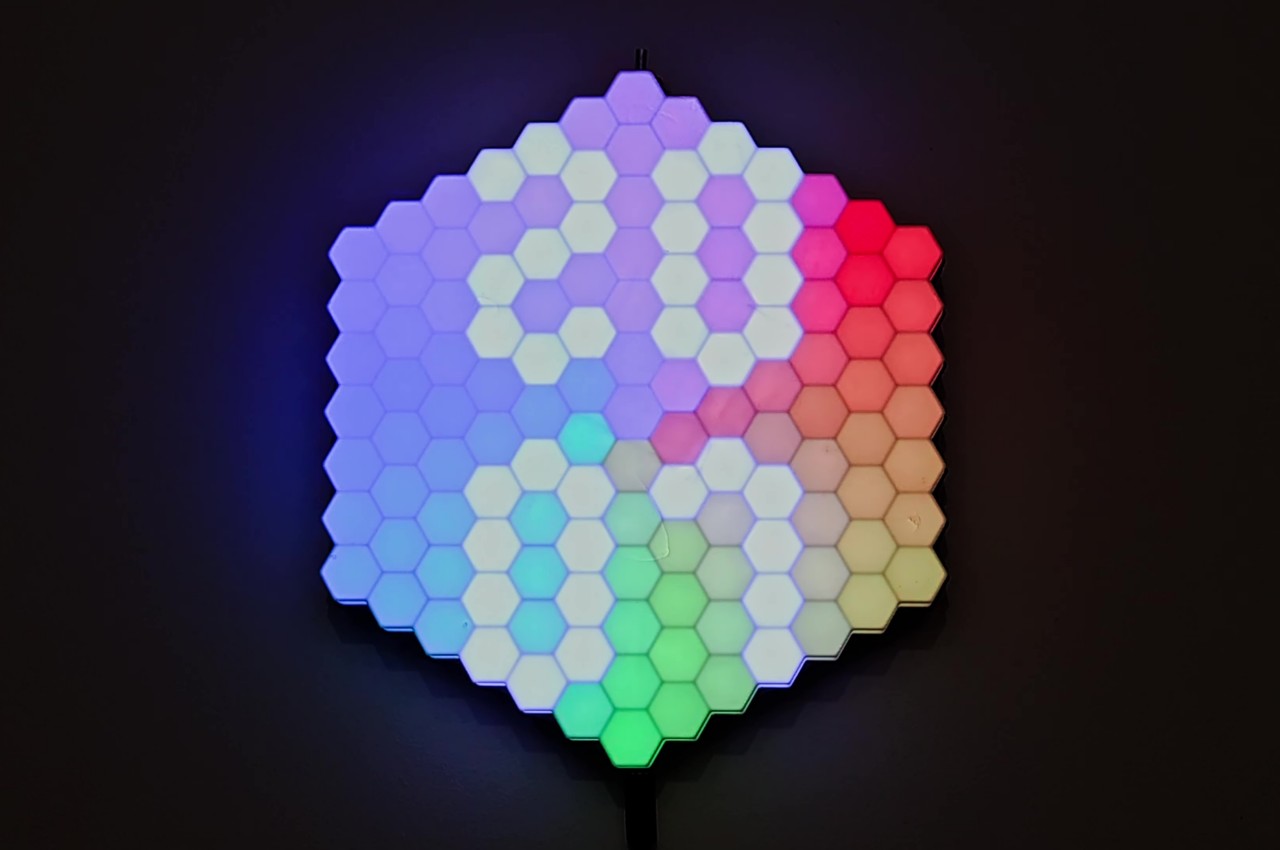
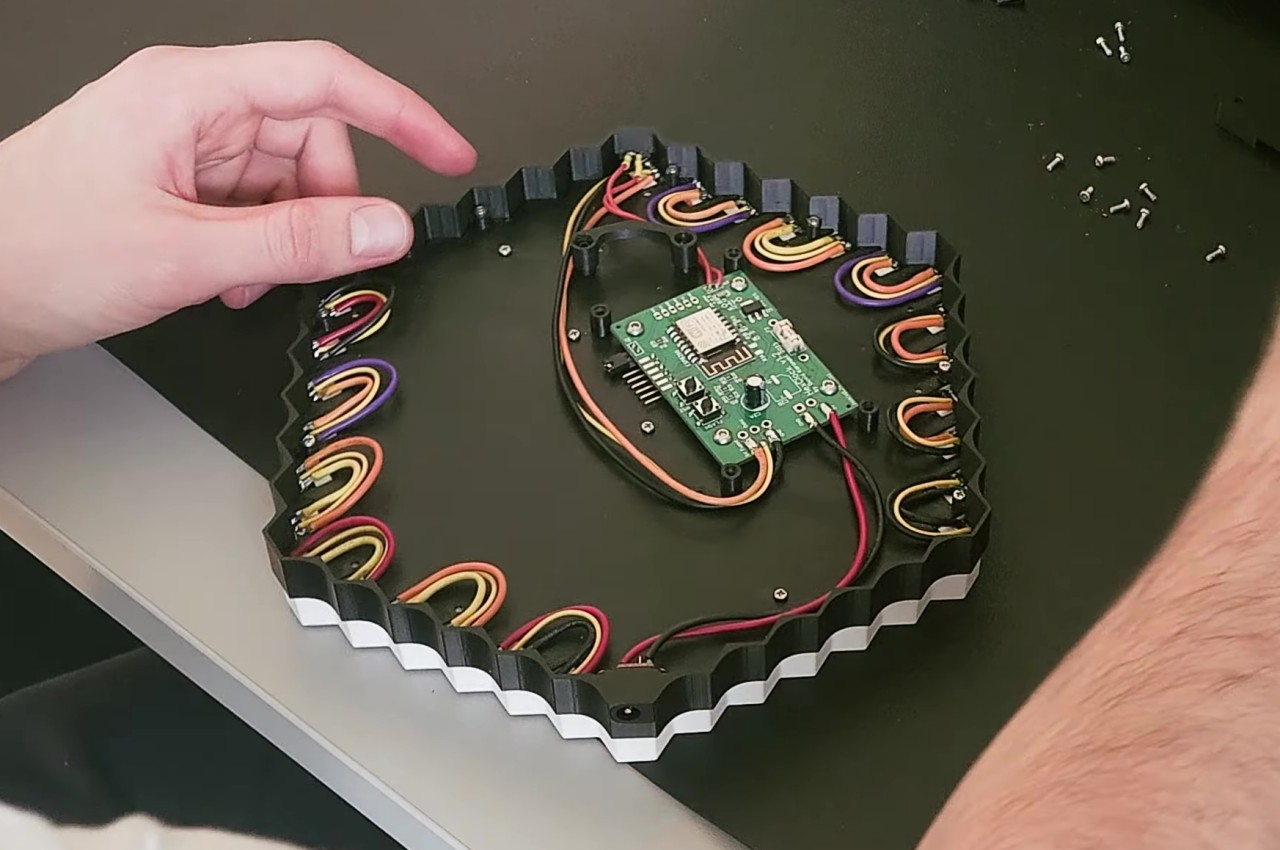
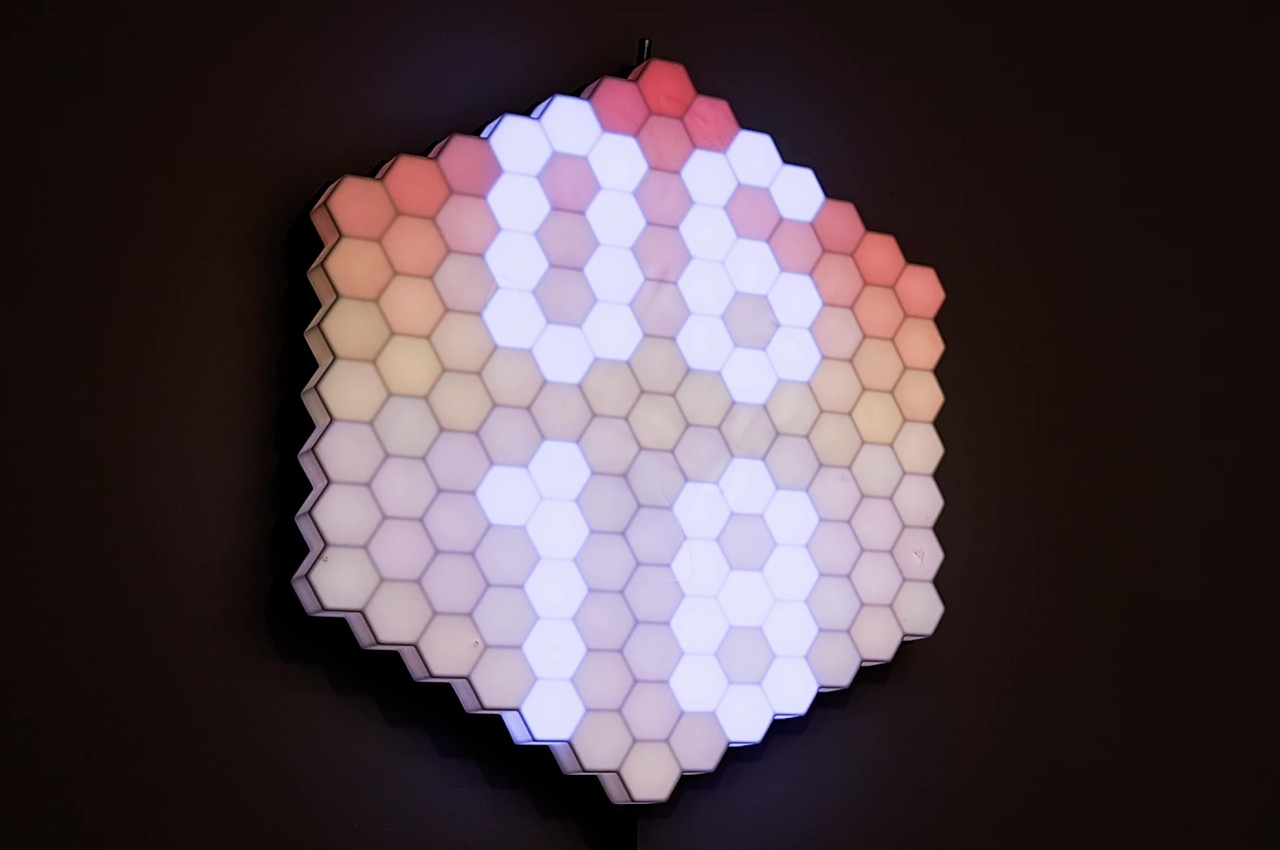
It’s really impressive how far DIY tools have come these days, from desktop 3D printers to small circuit boards that can run complicated programs to control nontrivial devices. And depending on the skills of the one making them, the end result could even look like a professionally made product that came from a factory rather than someone’s garage or home workshop. The Hexaclock, named for its unusual shape for a clock, is one such example, offering a wall clock and smart lamp that can rival the quality and features of well-known smart lighting brands.
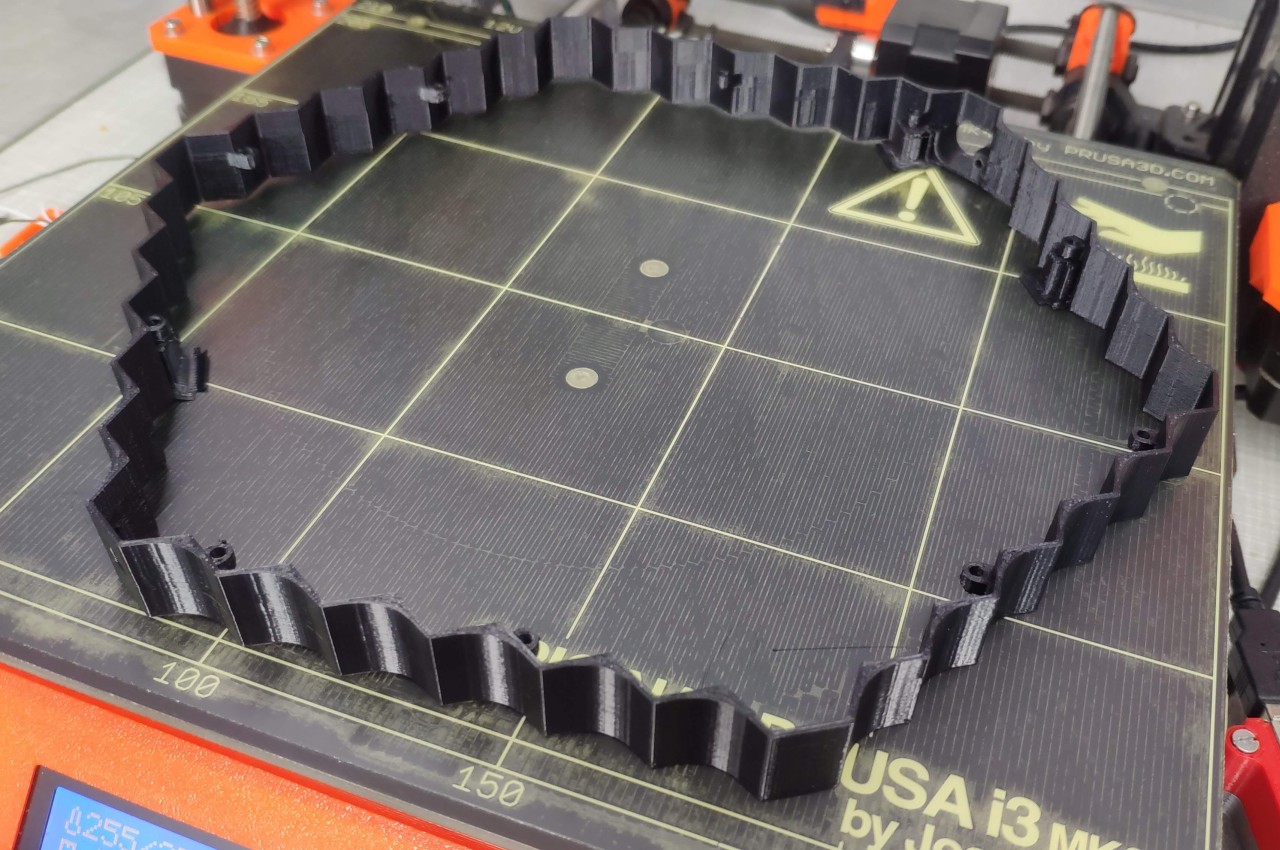
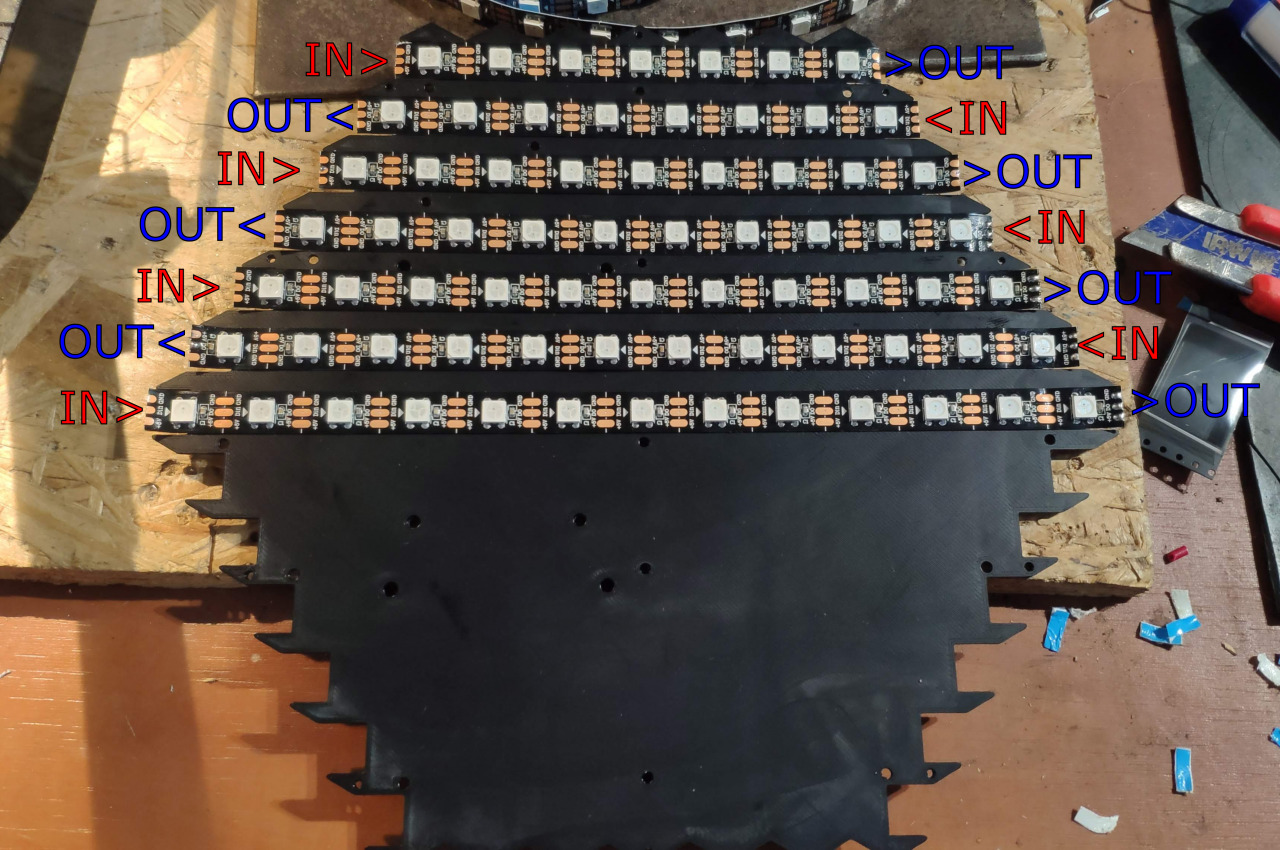
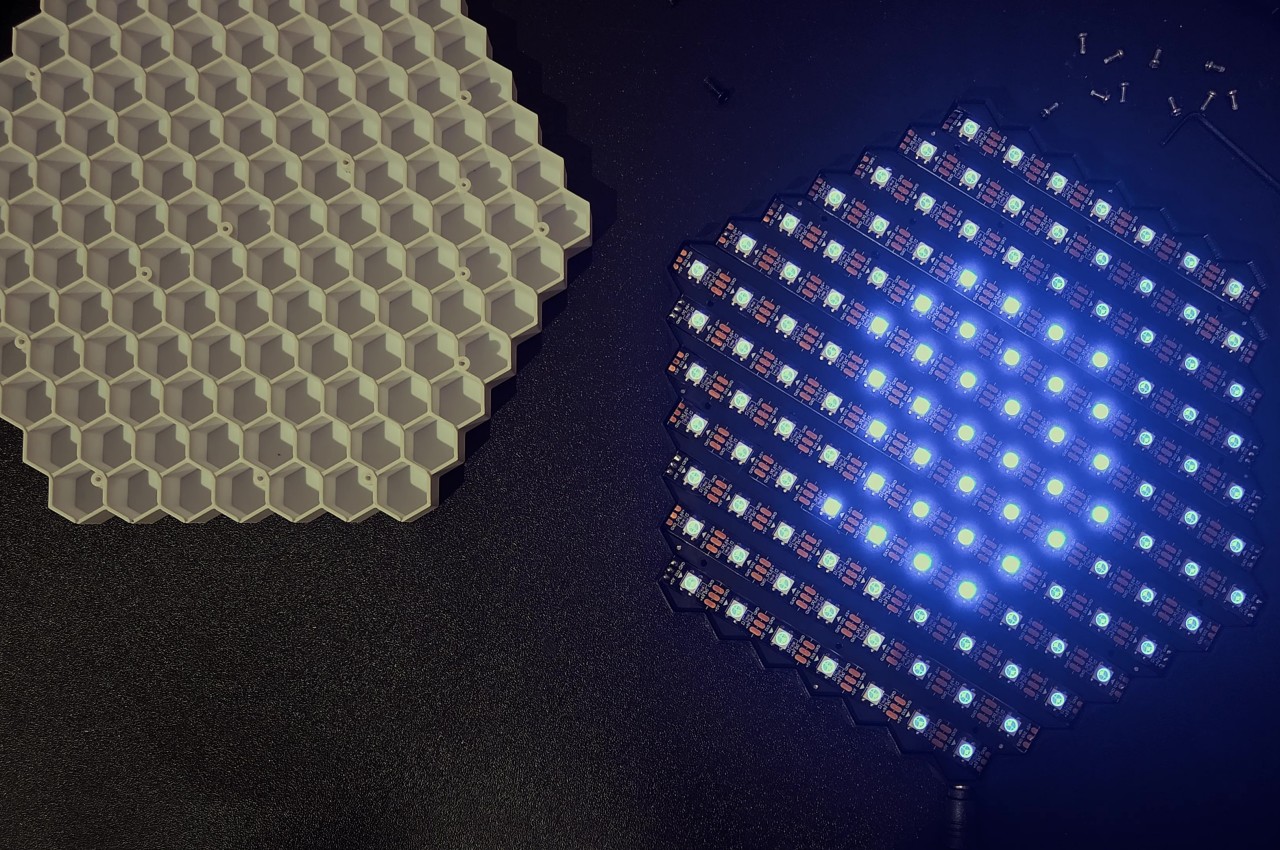
The catch is that you have to make one yourself, which may or may not result in a product of equal quality. You’ll need a 3D printer, unsurprisingly, but that is actually the easier part of the process. The more tedious phase requires precisely cutting an LED light strip into specific sizes so that the LEDs actually line up with the hexagon-shaped compartments of the lamp. Even more laborious is connecting these segments together again into a single unit, at least electronically, so that you can control the strip with a program as if it was never cut at all.
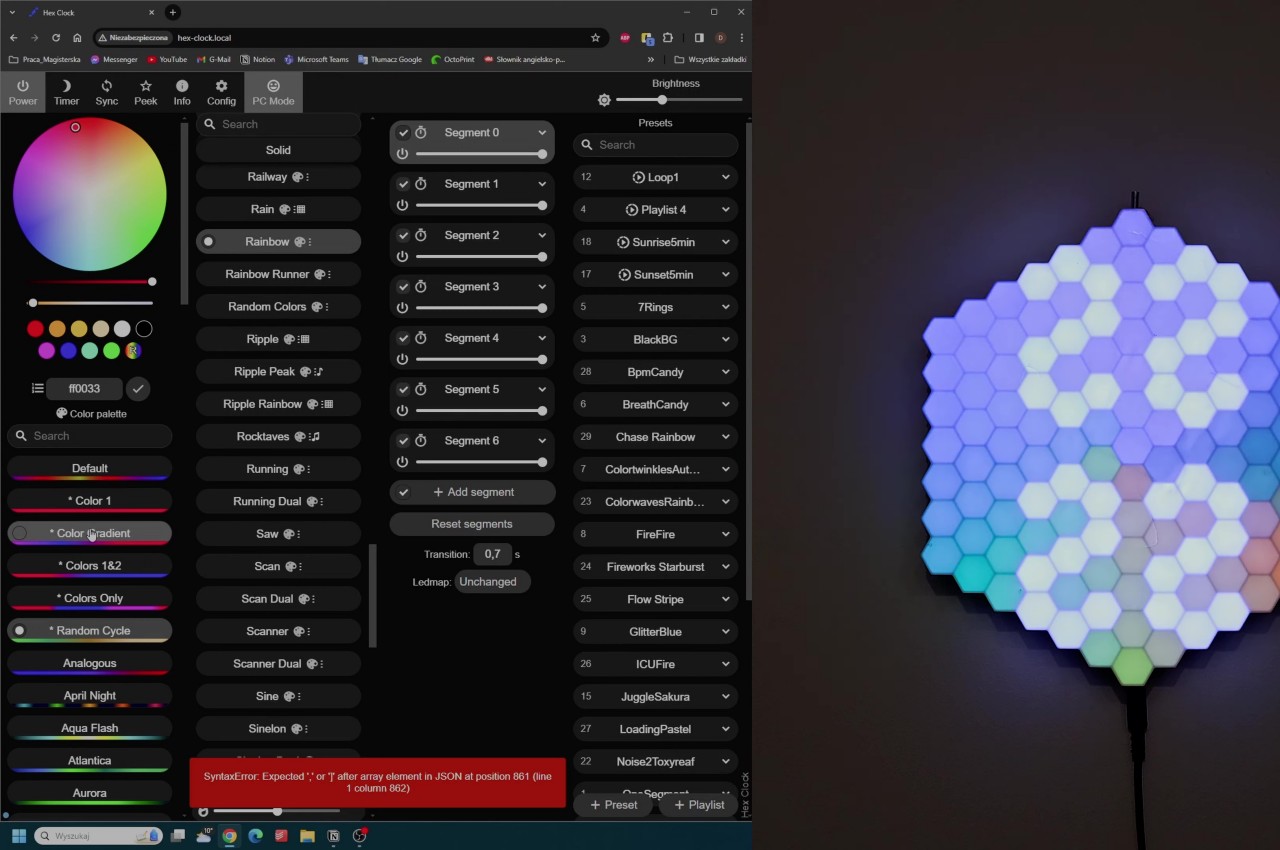
All of these details, from the schematics to the software, are made available for free so that anyone with the right tools and knowledge can make their own hive-shaped wall clock. In terms of functionality, the clock offers plenty of customization options, from animated color transitions to dancing patterns. What’s even more impressive is that it supports a light sensor that can dim all LEDs except the ones displaying the clock itself so that the bright lights won’t disturb your sleep at night.
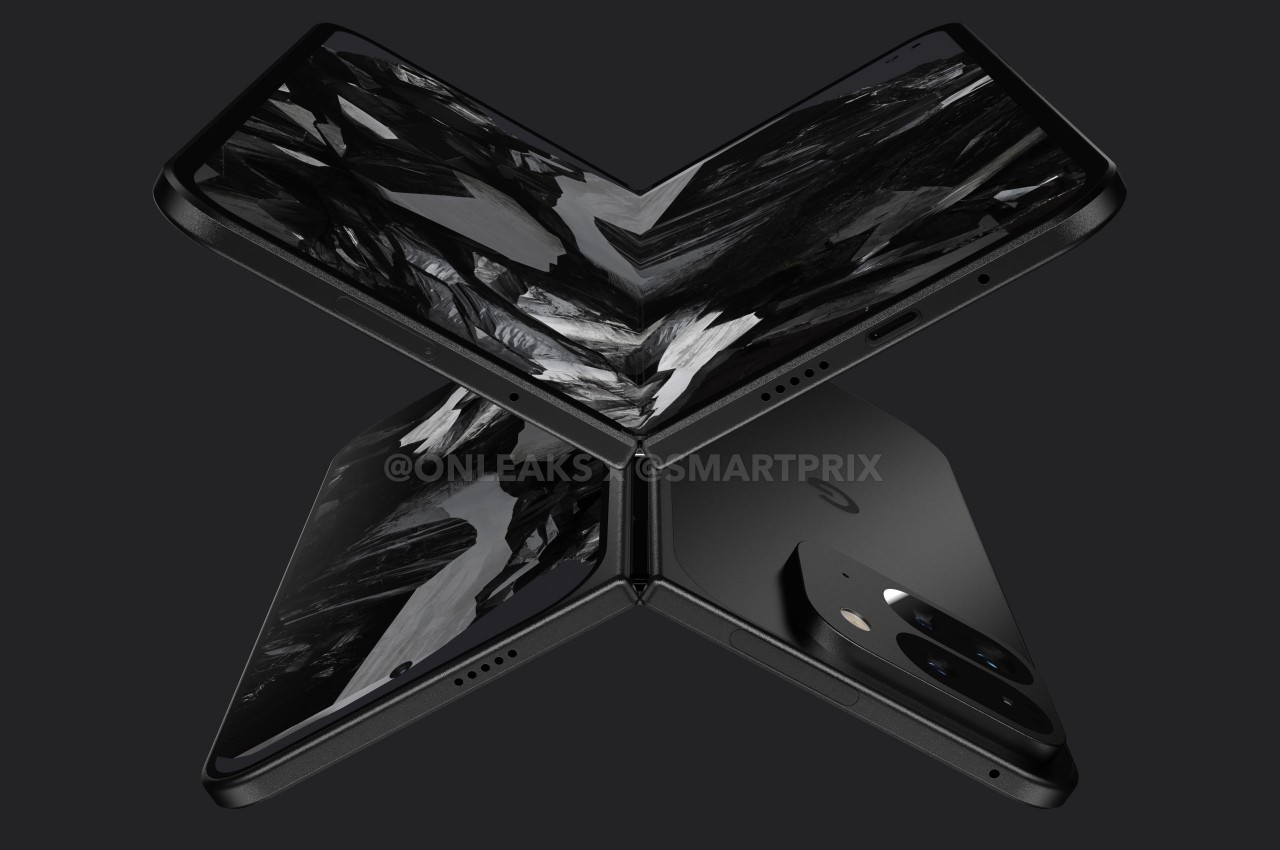
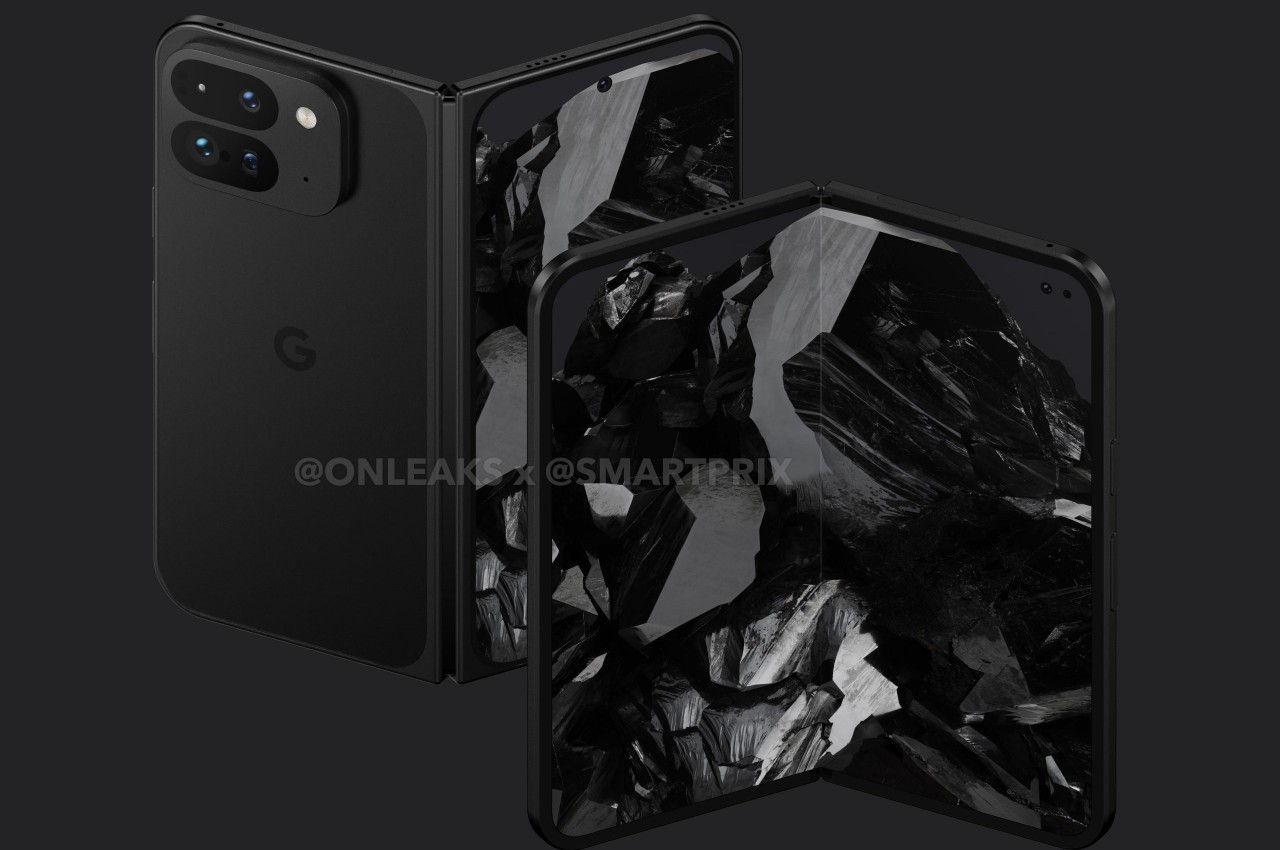
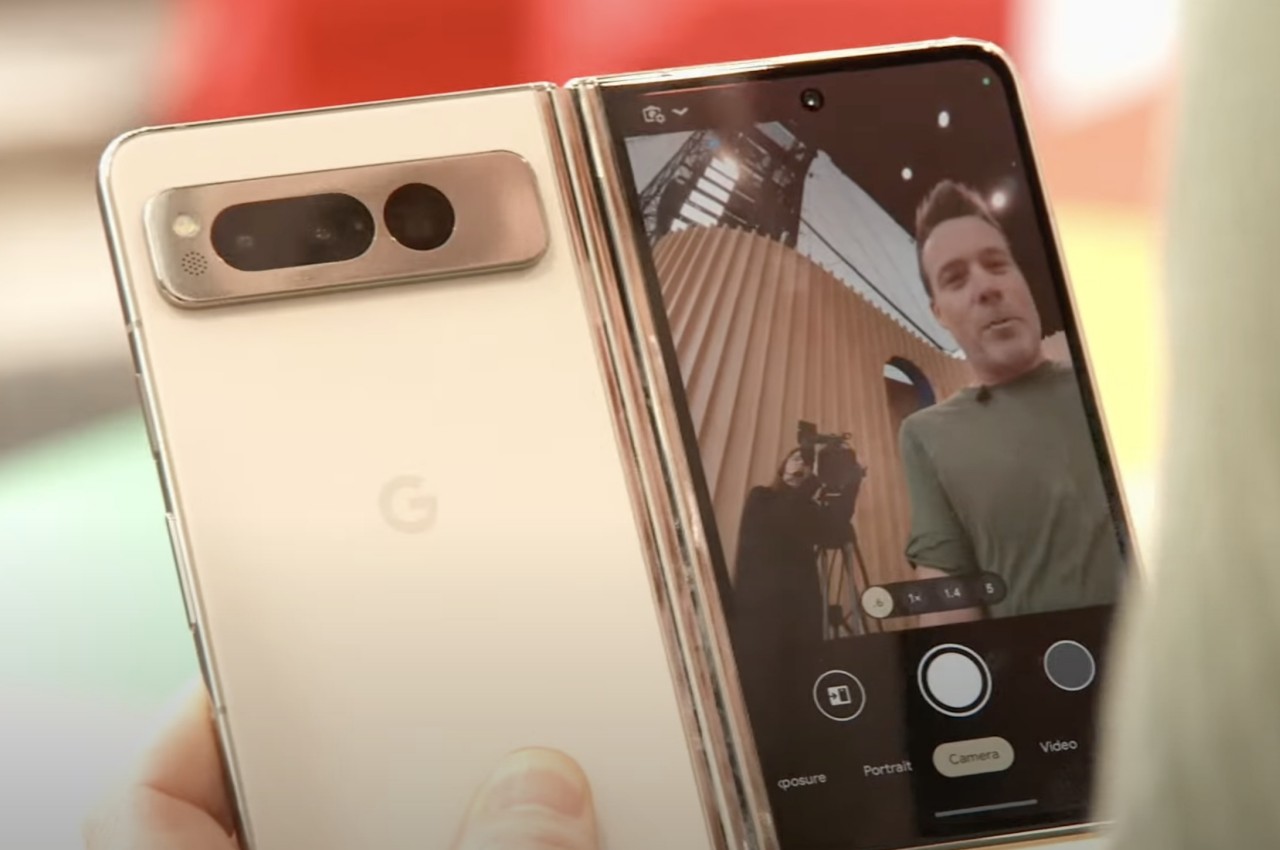
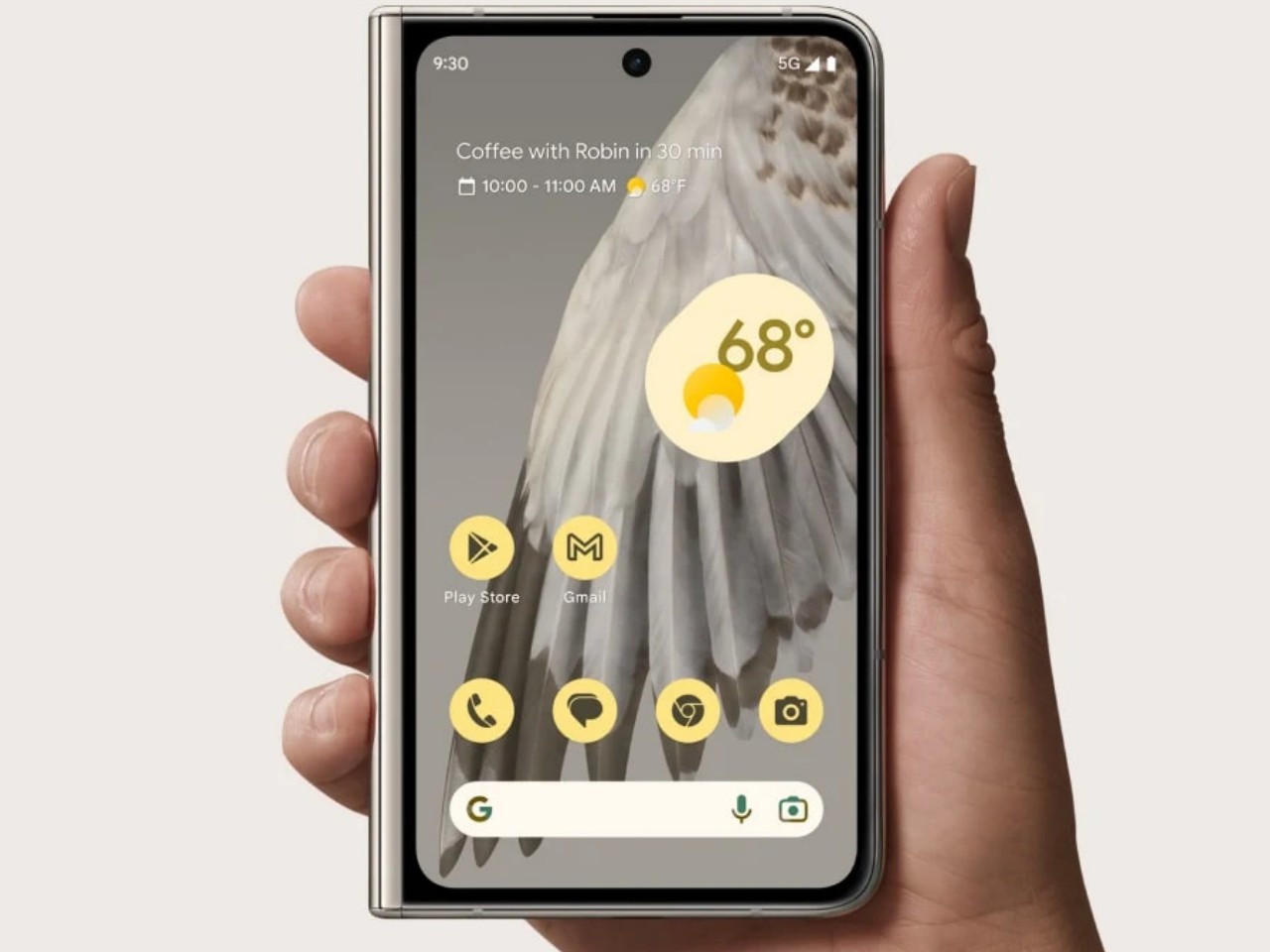
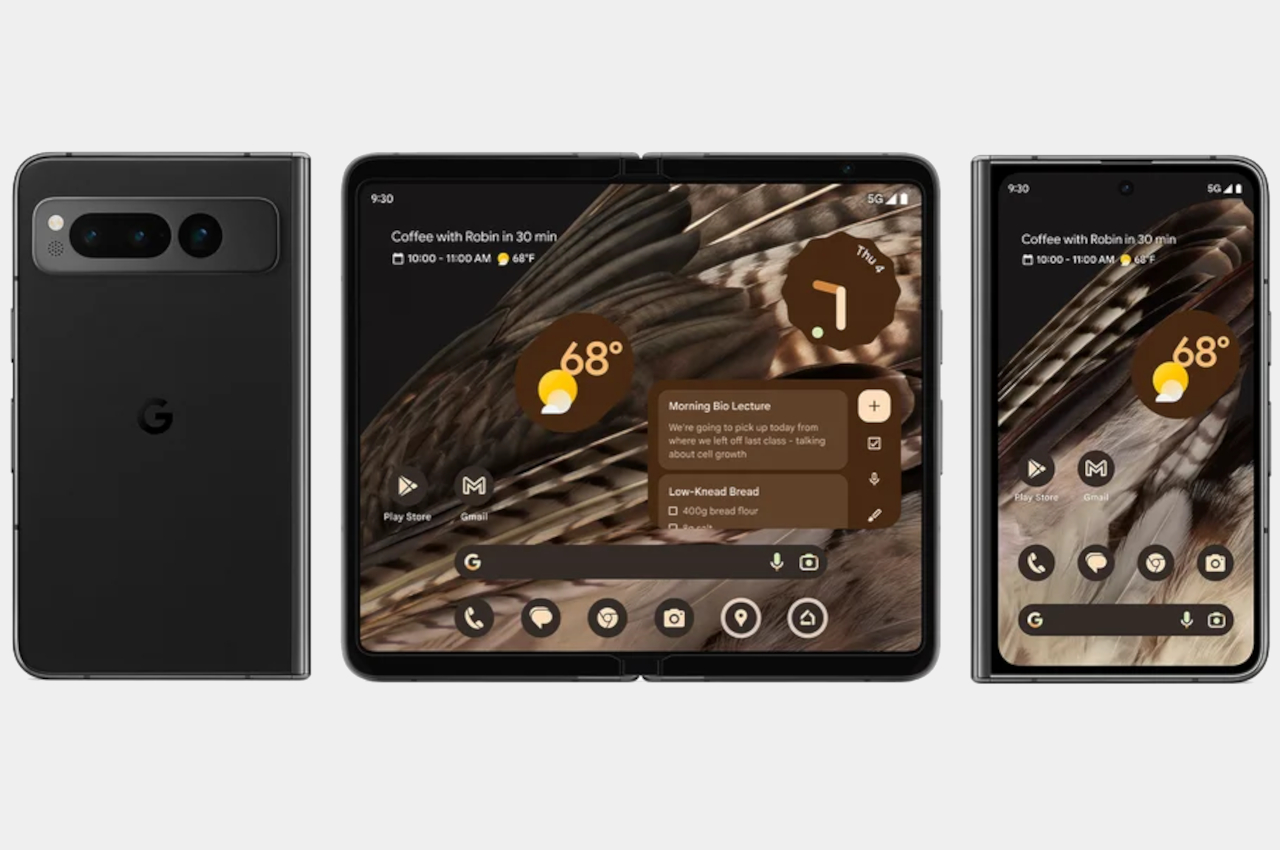
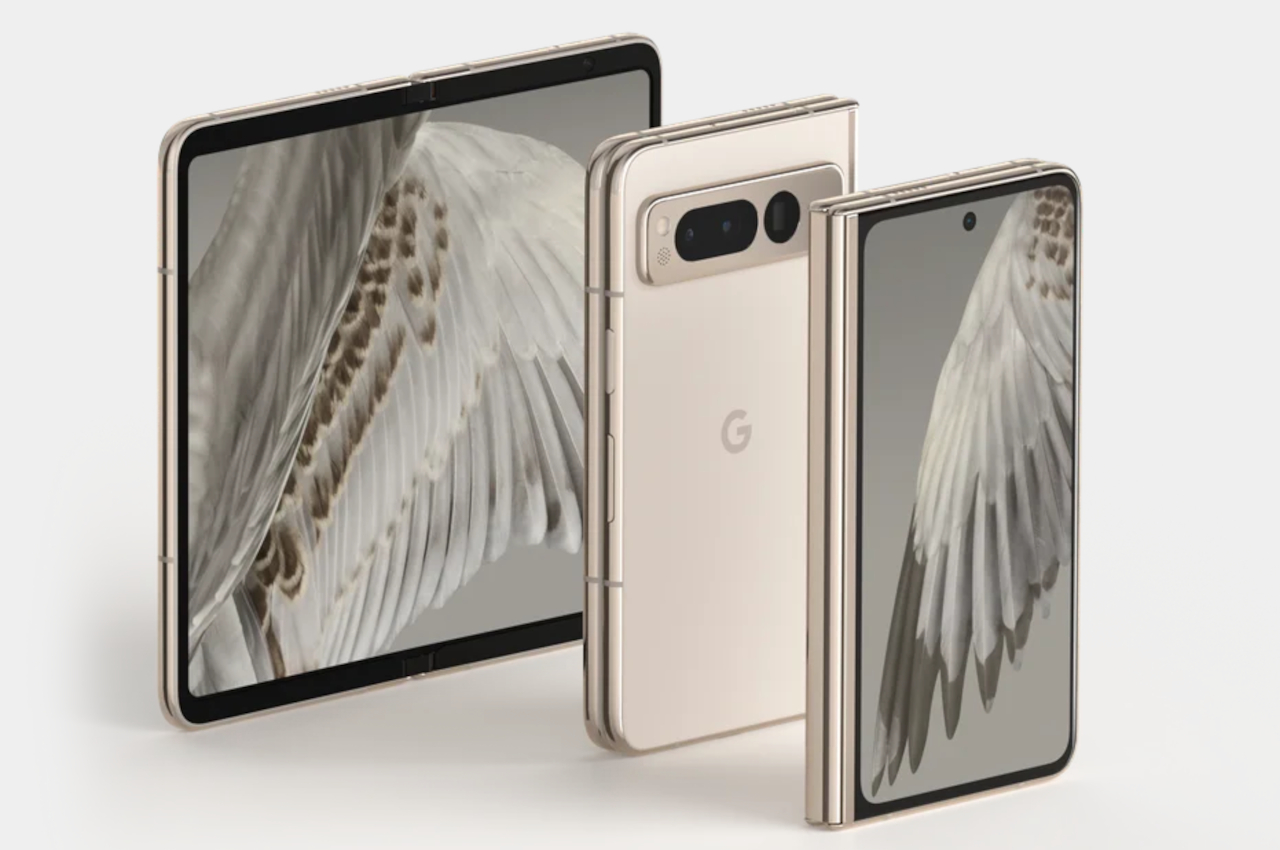
Despite developing an operating system that’s used on a variety of devices and computers, Google has practically snubbed anything other than a smartphone. It’s notorious for having a love-hate relationship with tablets, for example, so it was a bit of a surprise that Google would launch its own foldable device. Perhaps even more surprising is how it might actually release a second-gen foldable phone. Given its pedigree, the next Google foldable is definitely going to pique people’s curiosity, whether it will be called the Pixel Fold 2 or the Pixel 9 Pro Fold. Judging from what we’ve been hearing so far, this foldable phone will be undergoing several significant changes, though not all of them might appeal to Pixel fans and onlookers alike.
For three generations since the Pixel 6 in 2021, Google seemed to have settled on a signature design that, unusual as it may have been, gave its phones a unique personality. It seems, however, that Google has gotten tired of that look and will be moving to a different design for the Pixel 9 series. For better or for worse, that change is apparently happening to the foldable version of the Pixel as well, but not in the same way as leaks and renders would have it.
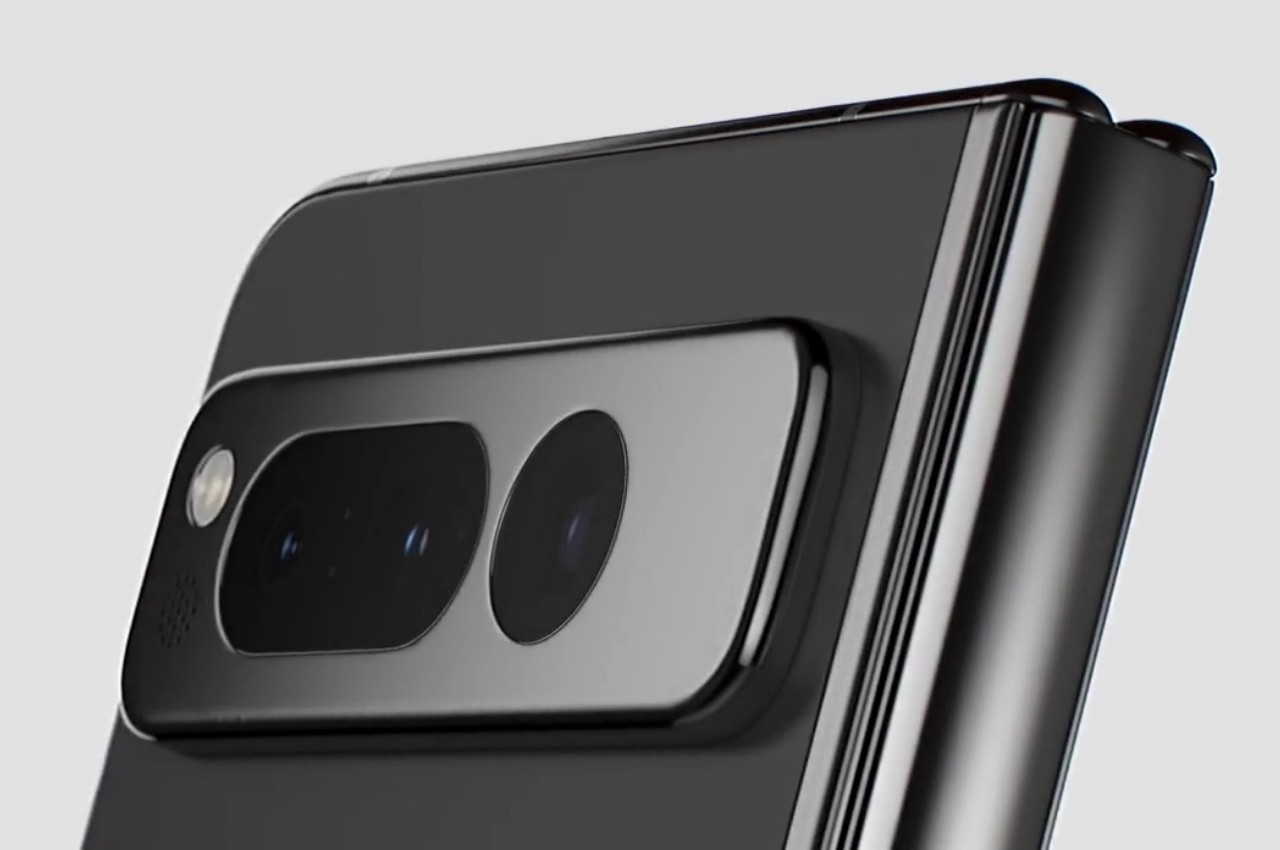
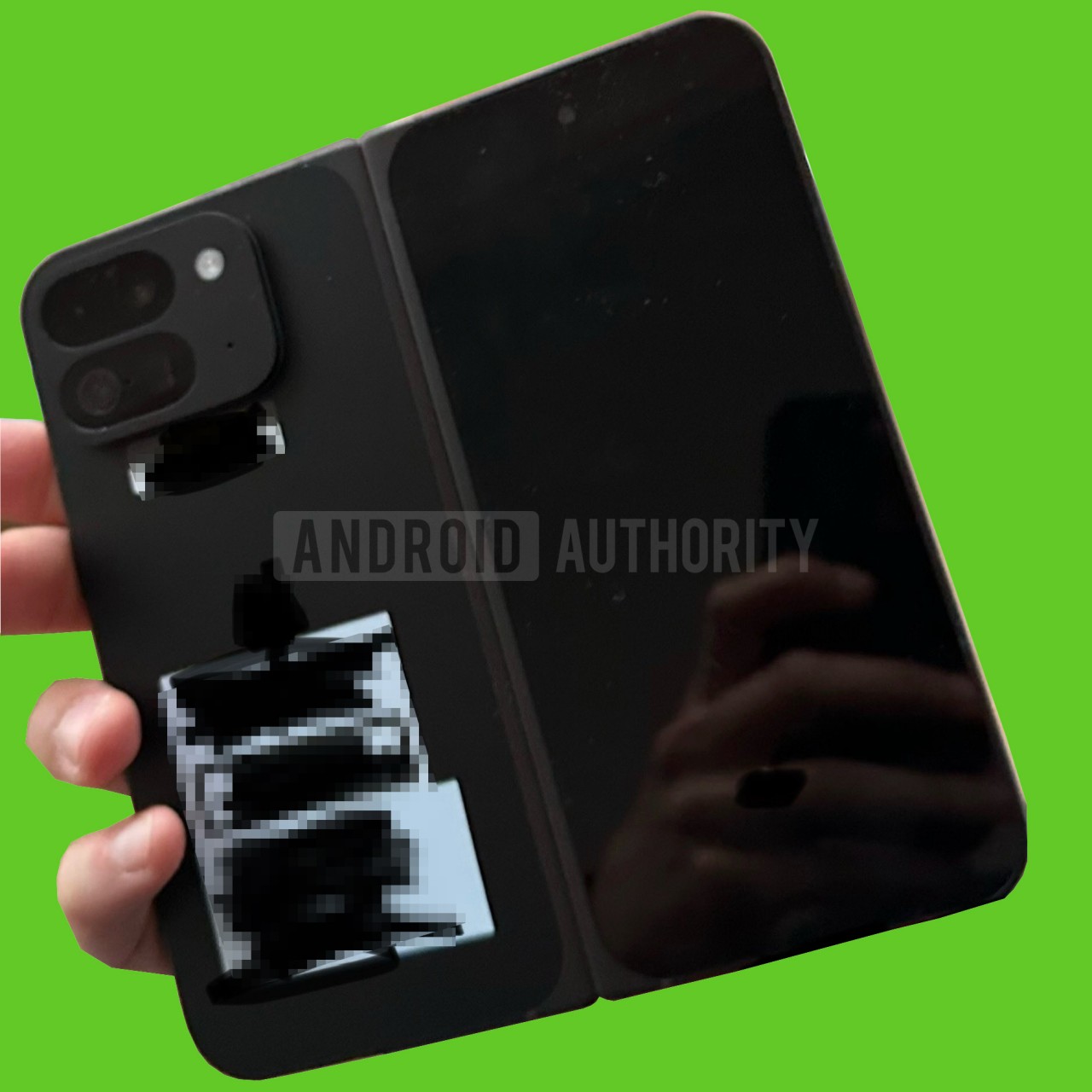
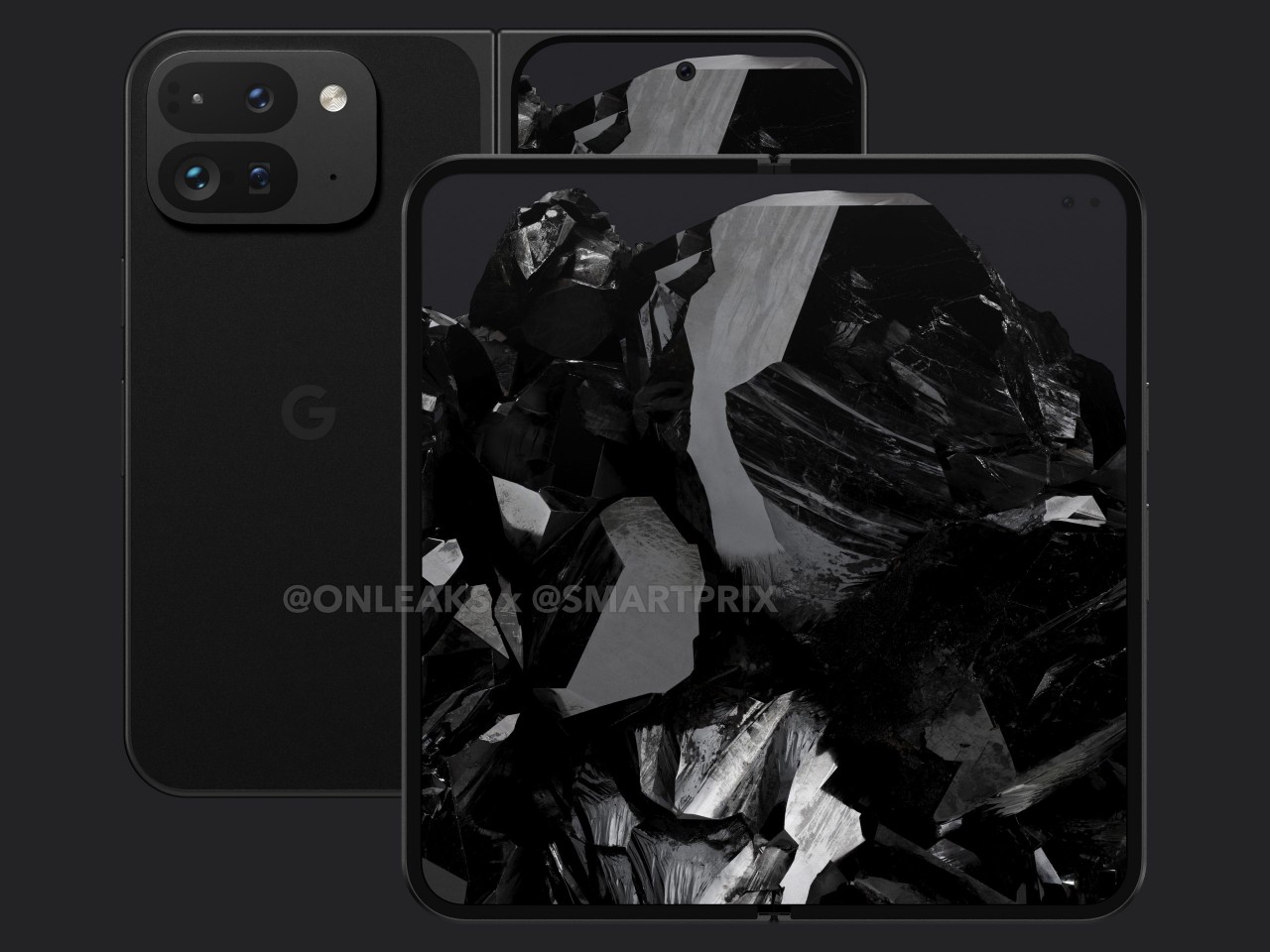
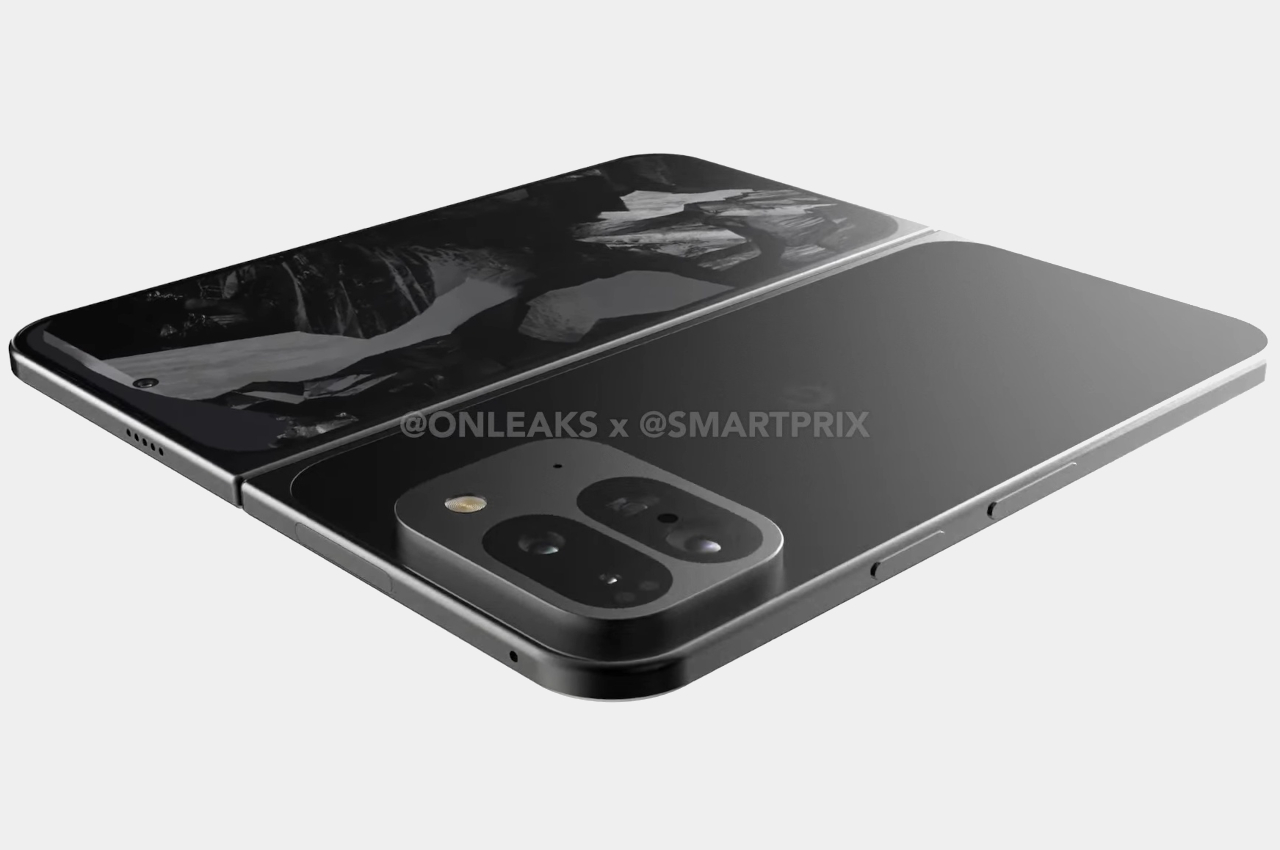
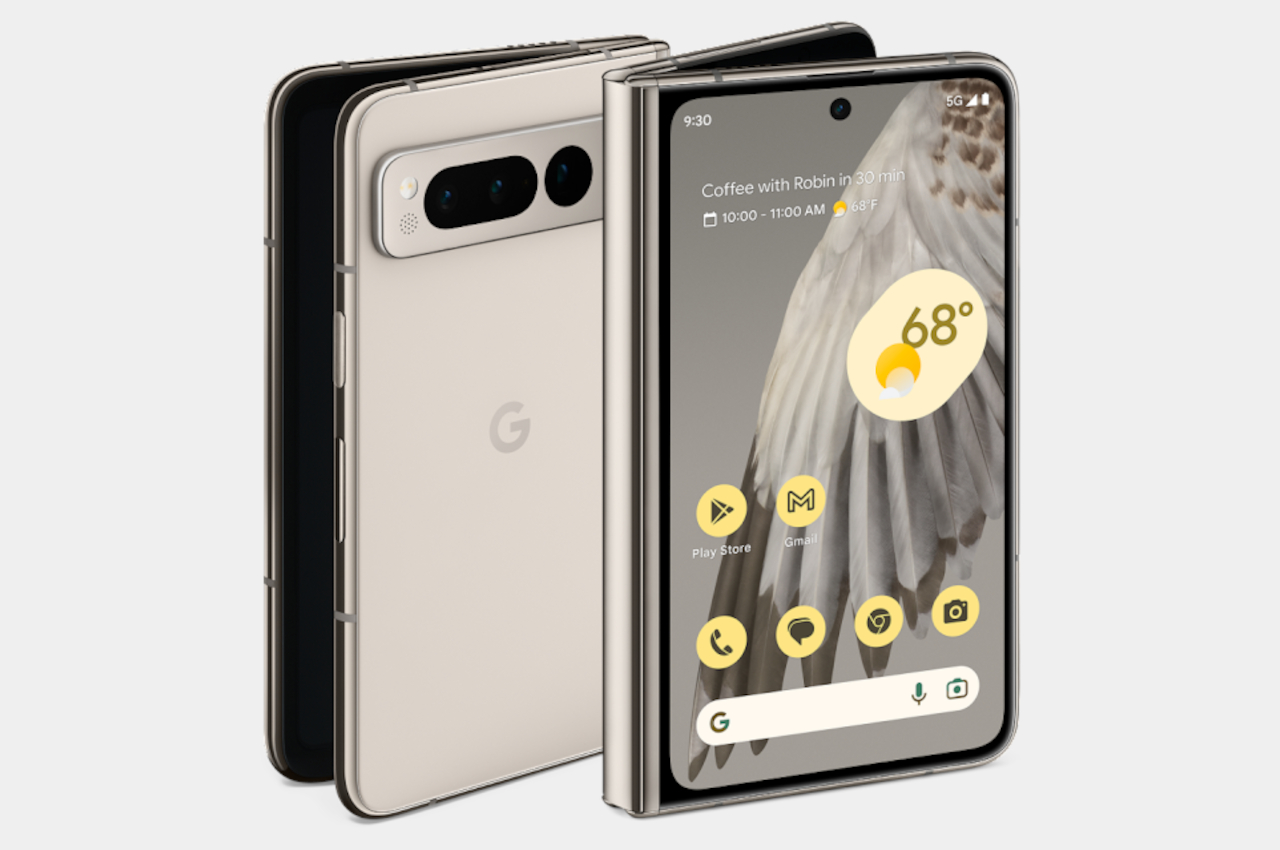
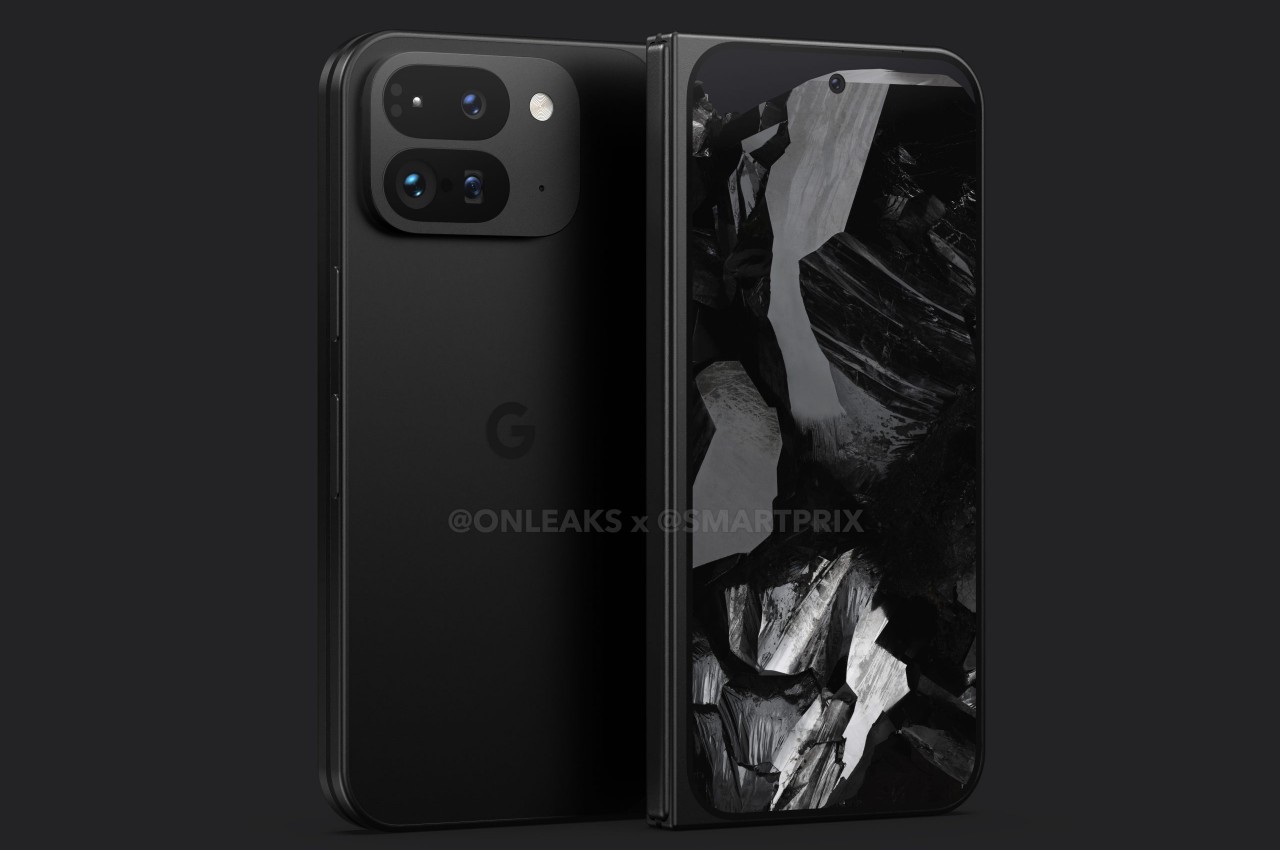
The camera bump, which was a horizontal bar across the width of the Pixel Fold’s “back,” has now been reduced to a more conventional rectangle. But unlike the ones you’d see on other smartphones, Google opted for an odd horizontal layout, with black pill-shaped markings that hold the actual camera lenses. It’s definitely an unusual design, but unlike the current “visor” shape, many might find it visually unappealing.
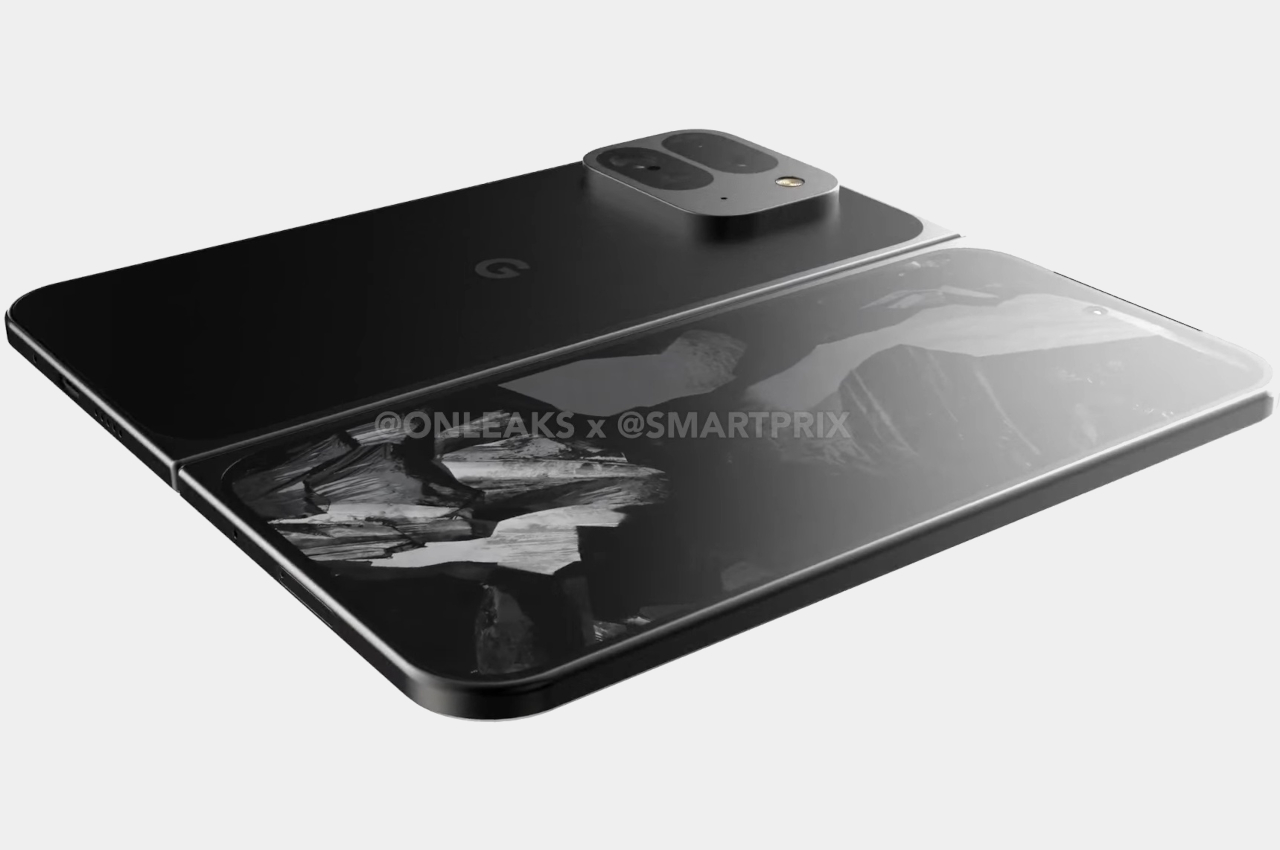
Fortunately, there will be even more important design changes in store for the Pixel Fold 2 (or Pixel 9 Pro Fold), though they might be a bit more subtle. According to rumors and at least one leaked prototype, the next Google foldable will have an outer screen that is taller than its predecessor, yielding an unfolded shape that is more square than the first Pixel Fold as well. Whereas the Pixel Fold had a rectangular shape that resembled a small notebook, the Pixel Fold 2 could be more like a minuscule iPad mini.
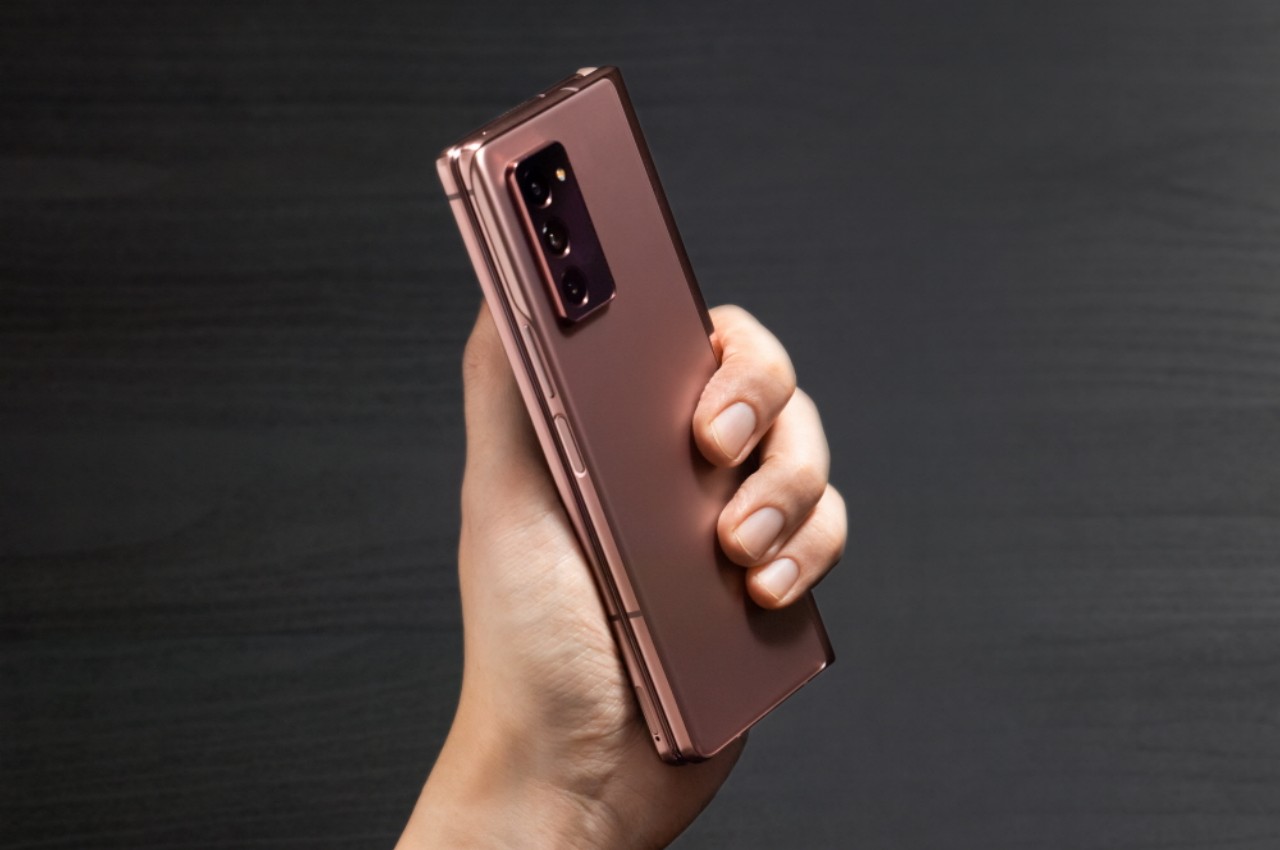
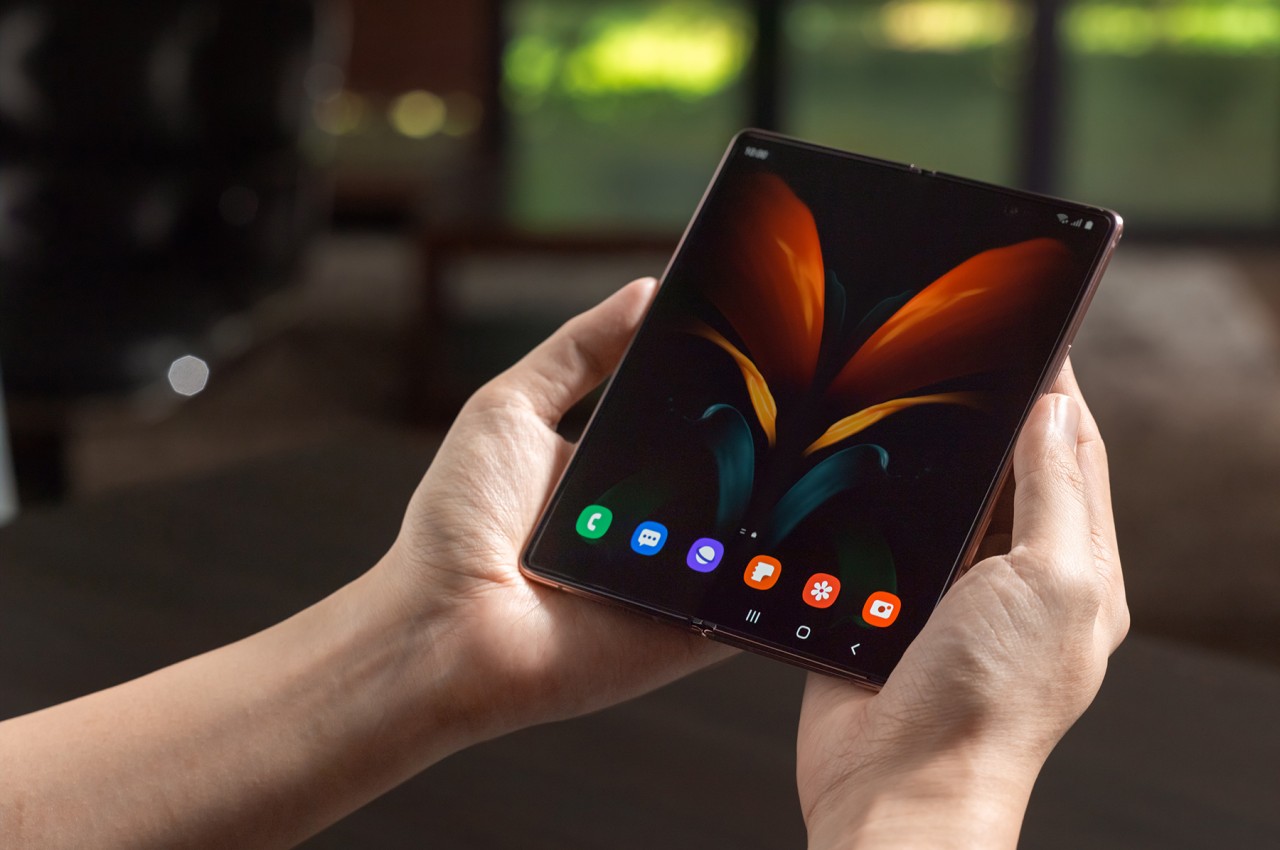
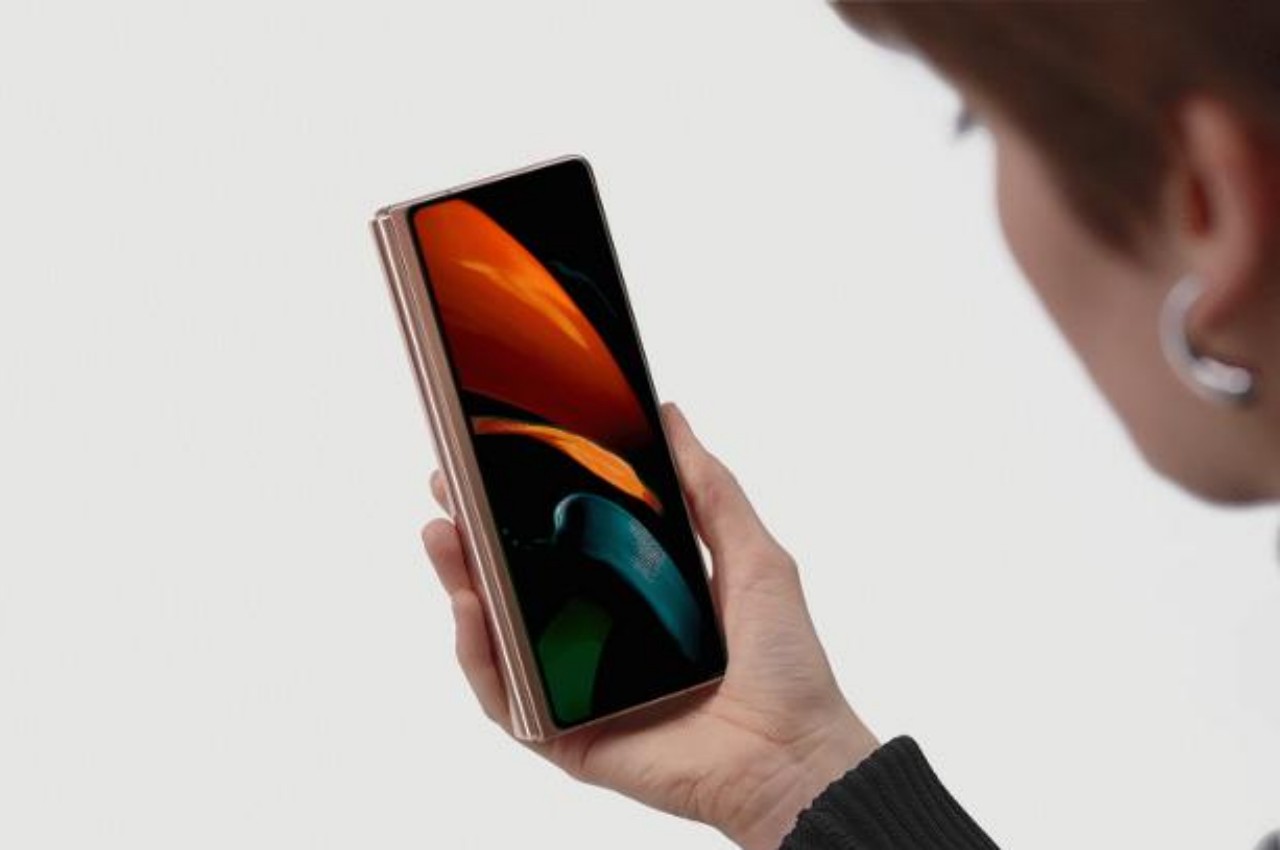
This change in screen aspect ratios isn’t just cosmetic and will have important usability implications. It won’t be as tall and narrow as the Samsung Galaxy Z Fold 5, which is notorious for being almost unusable as a regular phone, but it could make it a bit more awkward to use the Pixel Fold 2 in folded form, at least with a single hand. Those who loved the current wider design of the Pixel Fold might be disappointed, but those who missed using a 16:9 phone will welcome this change.
Samsung Galaxy Z Fold 2
Samsung Galaxy Z Fold 2
Samsung Galaxy Z Fold 2
Google Pixel Fold 2: Specs and Software
With the change in screen aspect ratios come changes in screen sizes as well, and everyone will probably love what’s rumored so far. The Pixel Fold 2/Pixel 9 Pro Fold is expected to have bigger screens on both sides, though there is some agreement on the exact sizes. Some claim that the external Cover Screen will be 6.4 inches and the main foldable screen will be 7.9 inches, while another source uses 6.29 inches and 8.02 inches for those same screens, respectively. Either way, it will still be a significant size boost compared to the current Pixel Fold’s 5.8-inch exterior and 7.6-inch interior displays.
As far as the hardware is concerned, Google might debut a new Tensor G4 on the Pixel Fold 2, a very big leap from the Tensor G2 on the OG Pixel Fold. Details on this new processor are still extremely slim at this point, but you can expect significant performance improvements, especially on Google’s favorite AI features. Uncharacteristically, Google might also be extra generous and give the Pixel Fold 2 as much as 16GB of RAM, something that even the Galaxy Z Fold 6 isn’t expected to have.
There seems to be some disagreement on which version of Android the Pixel Fold 2 will ship with, but that mostly depends on when the foldable device will actually launch. It could go with Android 14, which is the current version in circulation, or it could delay it to coincide with the release of Android 15. Pushing the Pixel 9 Pro Fold’s launch to the end of the year might sound unreasonable, but there might be one very good reason for doing so. Android 15 betas have revealed that Google implemented improvements to the behavior of apps on foldable phones, something that its Pixel Fold badly needed.
Google Pixel Fold 2: Cameras
It’s a bit surprising that there hasn’t been any news on the kind of cameras that the Pixel Fold 2 will bear. The new camera design on the back may look like Google was making room for an additional camera, but the lack of news in that department suggests otherwise. In short, the new Pixel Fold may still be using the exact same three sensors as the current model, with some additional lenses for focusing or maybe a thermal sensor for taking temperatures. It wouldn’t be unheard of for Google, since it prefers to rely on software solutions to improve image quality.
Another big camera design change will be the internal selfie camera which used to sit on the Pixel Fold’s ugly thick bezels. According to leaks and renders, the Pixel Fold 2 will do away with those atrocities, which means there’s a need to move the camera to a different place. The consensus is that it will take the form of an under-display camera similar to the Galaxy Z Fold, but it’s also possible Google will opt for a simpler solution that has a traditional punch-hole cutout for the camera.
Google Pixel Fold 2: Price and Release Date
Although the Pixel Fold 2, or Pixel 9 Pro Fold, will be advertised as an upgrade, it doesn’t seem like a huge generational leap if not for the difference in design and the new Tensor G4 processor. As such, it’s probably only reasonable to expect that the price tag won’t go higher than the $1,800 that the first Pixel Fold launched with. At the same time, it’s also not expected to go lower than that either.
As for its launch date, that could depend on whether Google wants to delay it to sync with Android 15’s release. If it’s fine with having it run Android 14 out of the box, it could follow the same schedule last year that saw the Pixel Fold hit shelves in June. Otherwise, we might be looking at an October date after Android 15 goes gold. Either way, we’ll definitely find out more next month when Google reveals the real deal at I/O 2024.
Google Pixel Fold 2: Final Thoughts
The first Pixel Fold was definitely a surprise for Google fans. It managed to carry some of the personality of the Pixel design language to a foldable phone, along with Google’s blessed flavor of the Android user experience. At the same time, however, it really failed to stand up to other options in the market, and its very thick bezels were a big turn-off for more design-conscious consumers.
Fortunately, the Pixel Fold 2 will be improving on those pain points, but it raises the question of whether it’s actually enough or if they’re the right changes to make. The screens will be larger and have thinner bezels, but Google is also moving away from an aspect ratio that was praised by some reviewers as one of its winning traits. The camera design will definitely be divisive, especially if it doesn’t bring significant improvements to the camera system anyway. While the Pixel Fold 2, or Pixel 9 Pro Fold, will catch the attention of Pixel fans and market watchers, it might not end up being the big hit that Google wants it to be, creating a self-fulfilling prophecy of low sales that will lead to the early demise of Google’s foldable phone line.
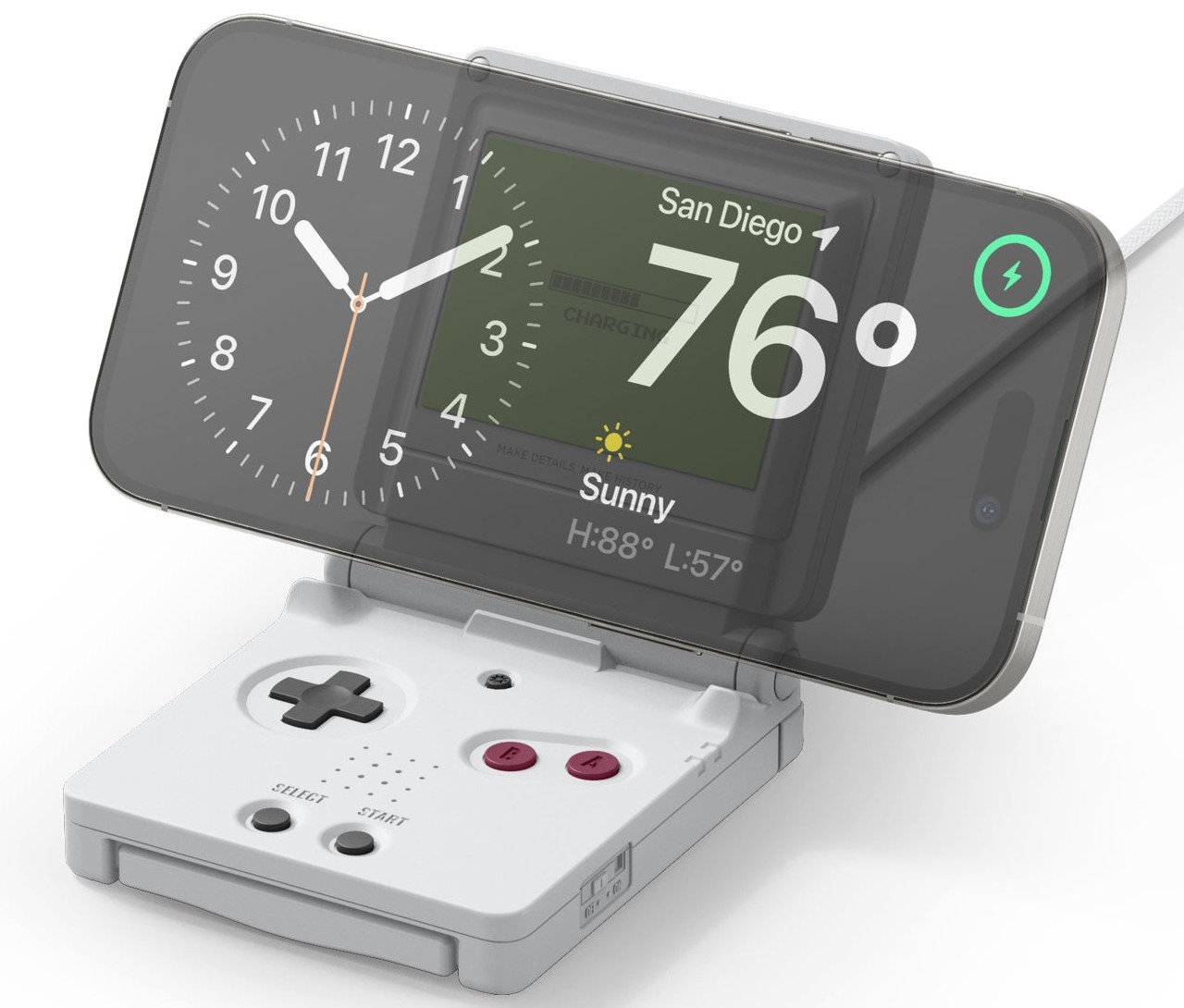
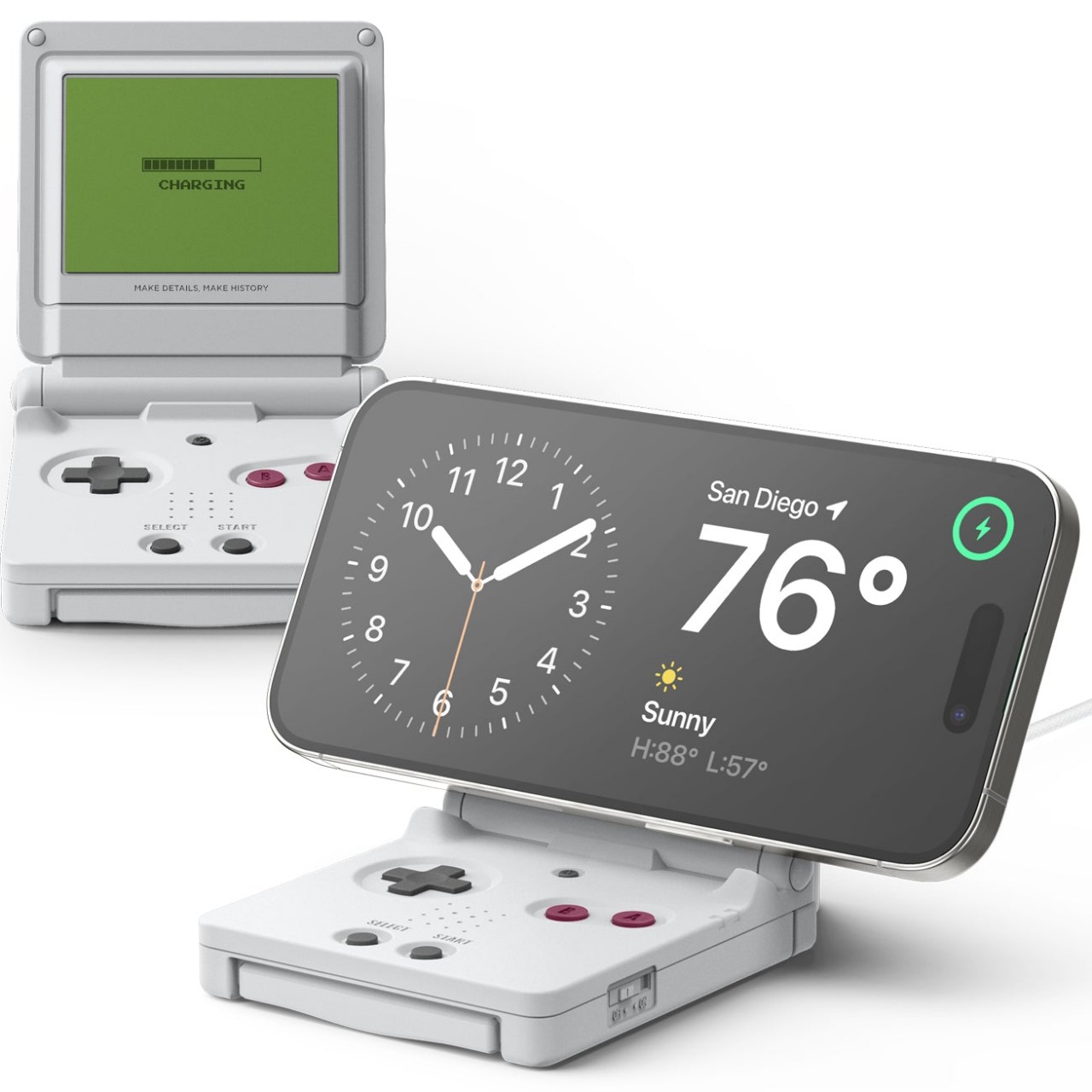
Nostalgia is a powerful emotion, as proven by the number of successful crowdfunded projects and launched products that try to capitalize on this ongoing retro trend, especially in the gaming industry. Vintage designs of the past are today’s quirky oddities, and there are many who are quick to jump on the bandwagon. While many of these retro designs try to also recreate the experience of holding a real gaming console or turntable with some modern features and conveniences, others are just content to copy the aesthetics of old-school products and leave it at that. This MagSafe iPhone charger might be in that latter category, and while it is charming in the way it brings back fun, playful memories, it could have probably gone further if it really wanted to.
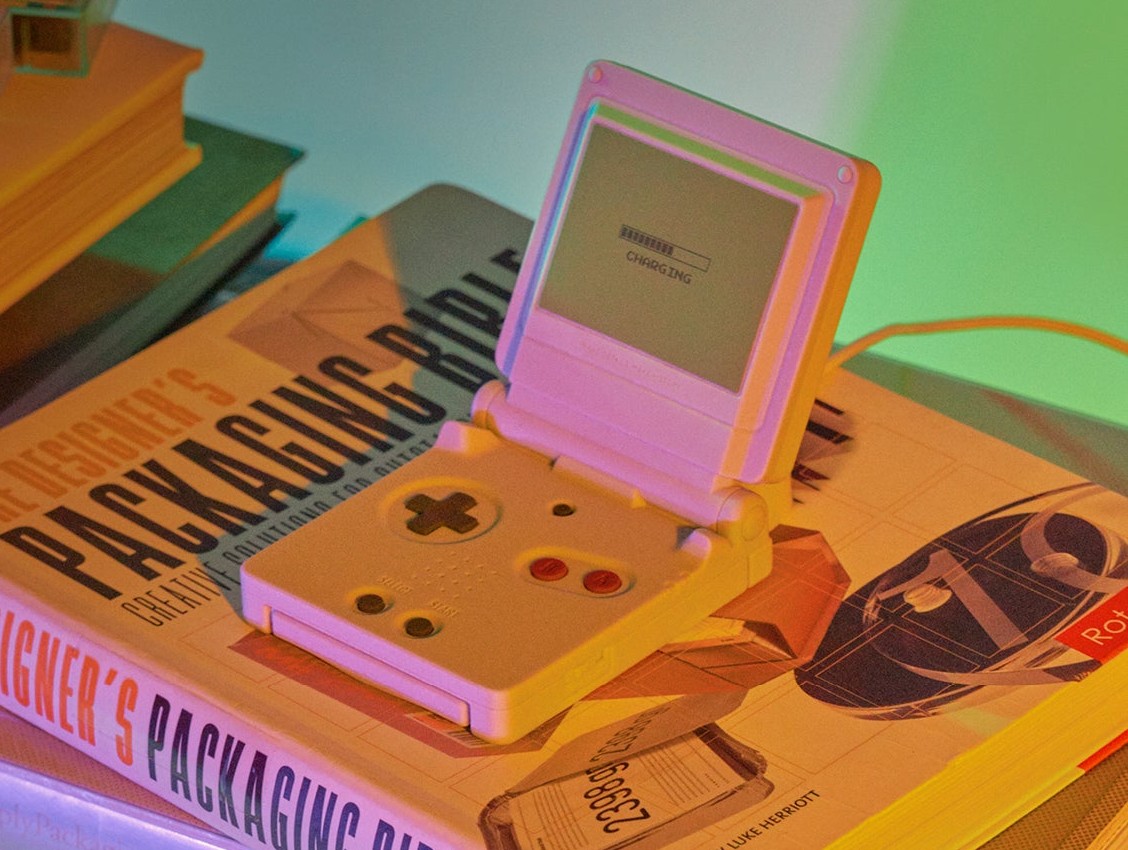
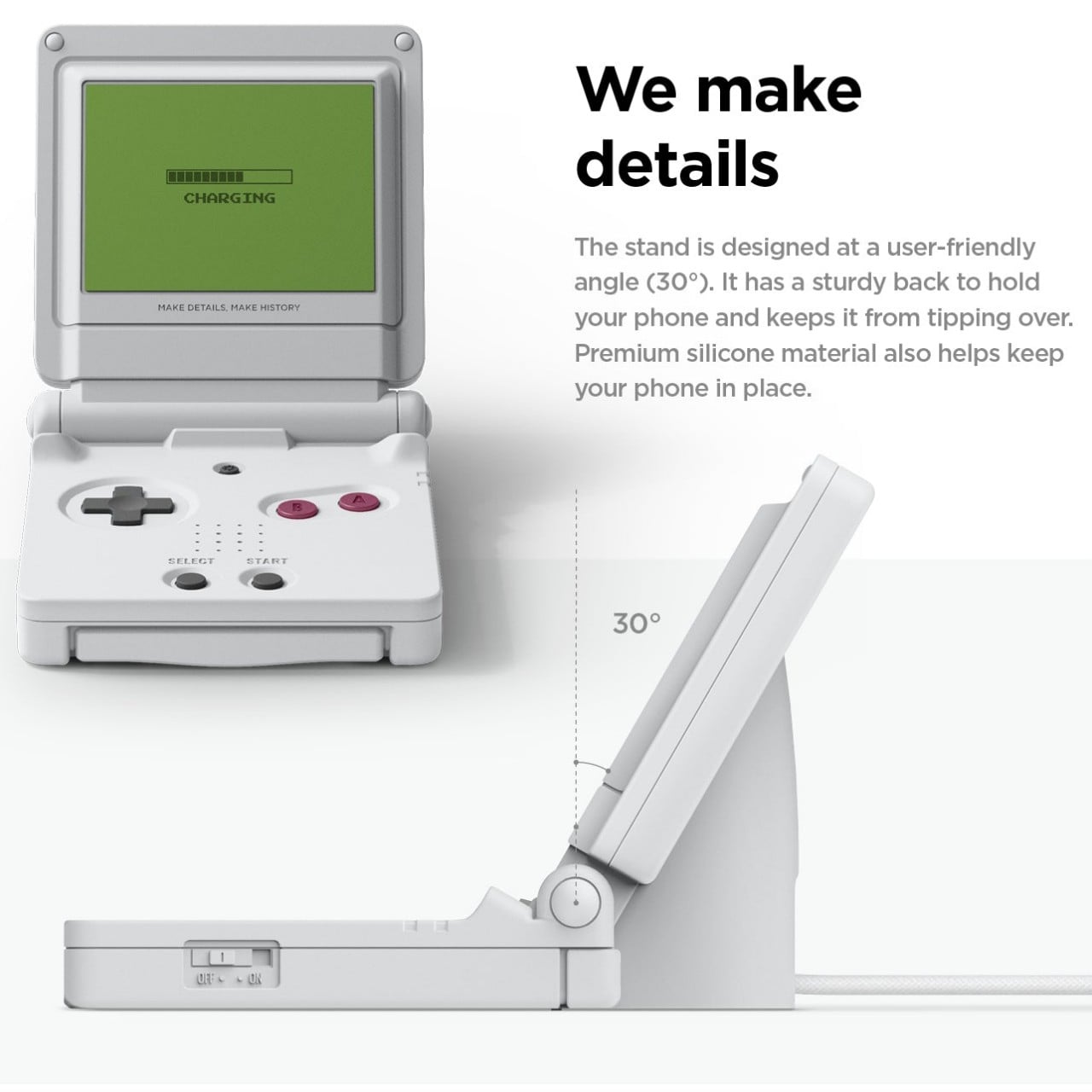
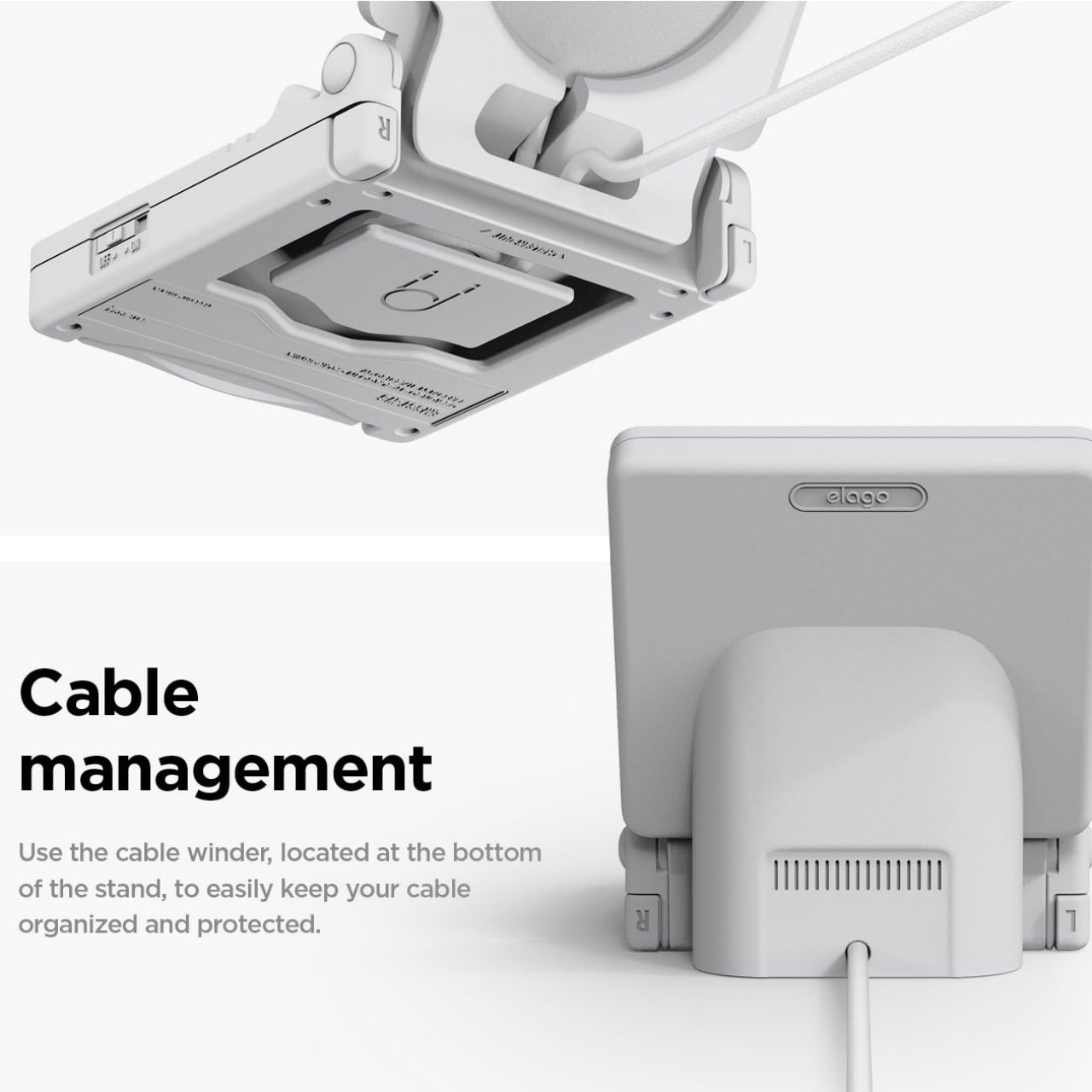
To be fair, the Elago WS M5 Charging Stand does exactly what it says it does, which is to offer a fun MagSafe charger in the design of the Nintendo Game Boy Advance SP. In that regard, it does its job well, providing a stable and useful stand for charging the phone. The fixed 30-degree angle, for example, is claimed to be perfect for watching videos or using iOS Standby Mode at night. It even has helpful support on its back to prevent the charger from tipping backward from the weight of the phone.
Elago never claimed that the stand was a functional gaming device, despite all visual indicators. It’s simply meant to inspire a trip down memory lane and nothing more. The buttons do nothing and you can’t fold the charger close like the original handheld it was based on. For a $25 MagSafe charging stand, that’s a bit disappointing. It sort of raises expectations and then dashes them quickly, making those good old days really feel more like a distant memory.
It’s also a missed opportunity for innovation and distinction. Sure, it won’t make much sense to turn it into a makeshift game controller, but having the buttons trigger some action on the phone or do anything at all is significantly better than making you feel like an idiot for expecting that a button press would actually result in something. A clamshell design would have also made this charging stand a bit more portable while relying on a kickstand mechanism to provide that same stability and support.
What this Game Boy-like MagSafe charger really accomplishes is to demonstrate the biggest benefit of this magnetic wireless charging technology. Sure, charging without cables is convenient, but its speed still leaves a lot to be desired. Instead, it’s the freedom to design a wider variety of accessories, from chargers to stands to docks, that MagSafe really shines, and this Elago WS M5, underwhelming as it might be, is just the tip of the iceberg of what’s possible.
Handsome minimalist design with a fabric-covered base
Built-in speaker in the RGB-lit base
Bright and colorful lights that can sync to music
Includes a magnetic remote control
CONS:
Speaker output quality is average
Matter support still unavailable
RATINGS:
AESTHETICS
ERGONOMICS
PERFORMANCE
SUSTAINABILITY / REPAIRABILITY
VALUE FOR MONEY
EDITOR'S QUOTE:
The Govee Floor Lamp Pro delivers a breathtaking audiovisual experience that syncs to the music while also standing proudly as a design object when the lights are off.
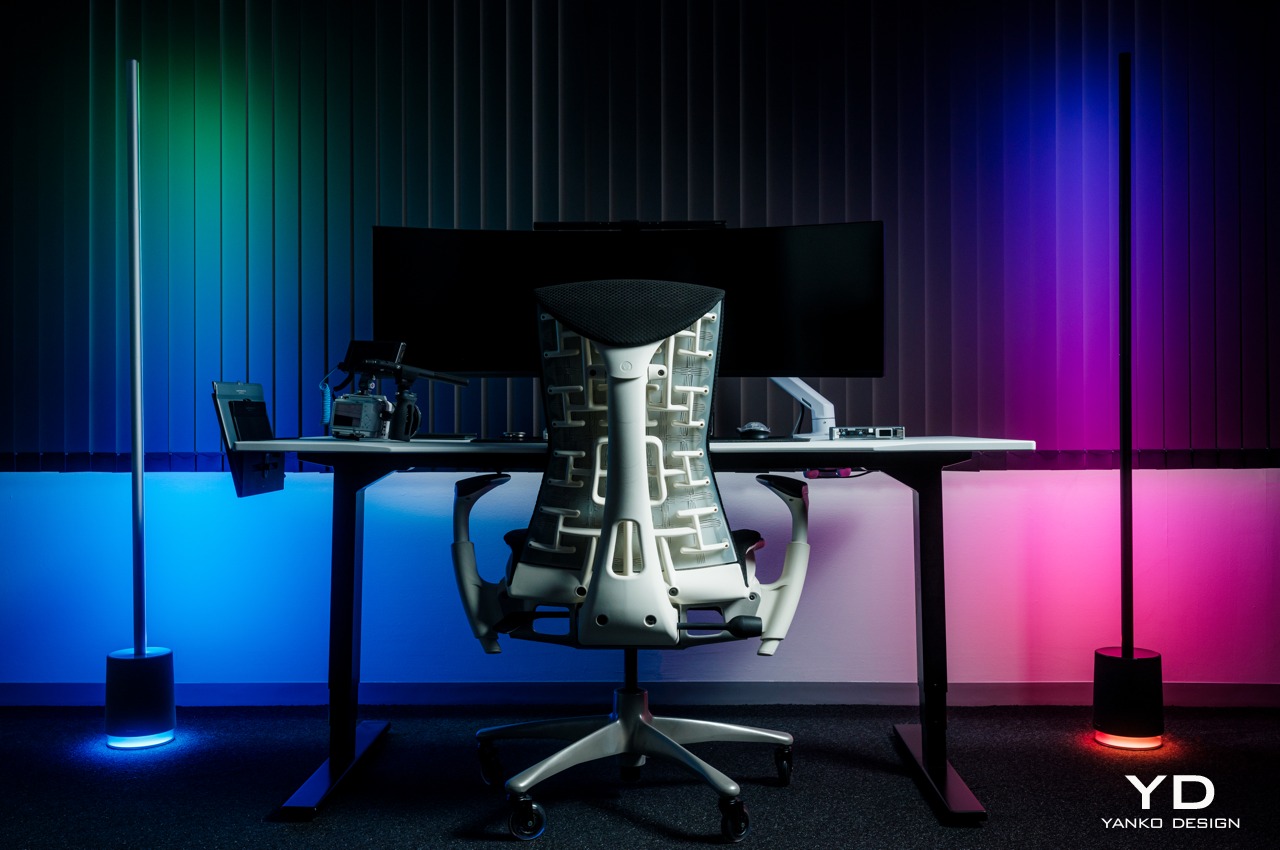
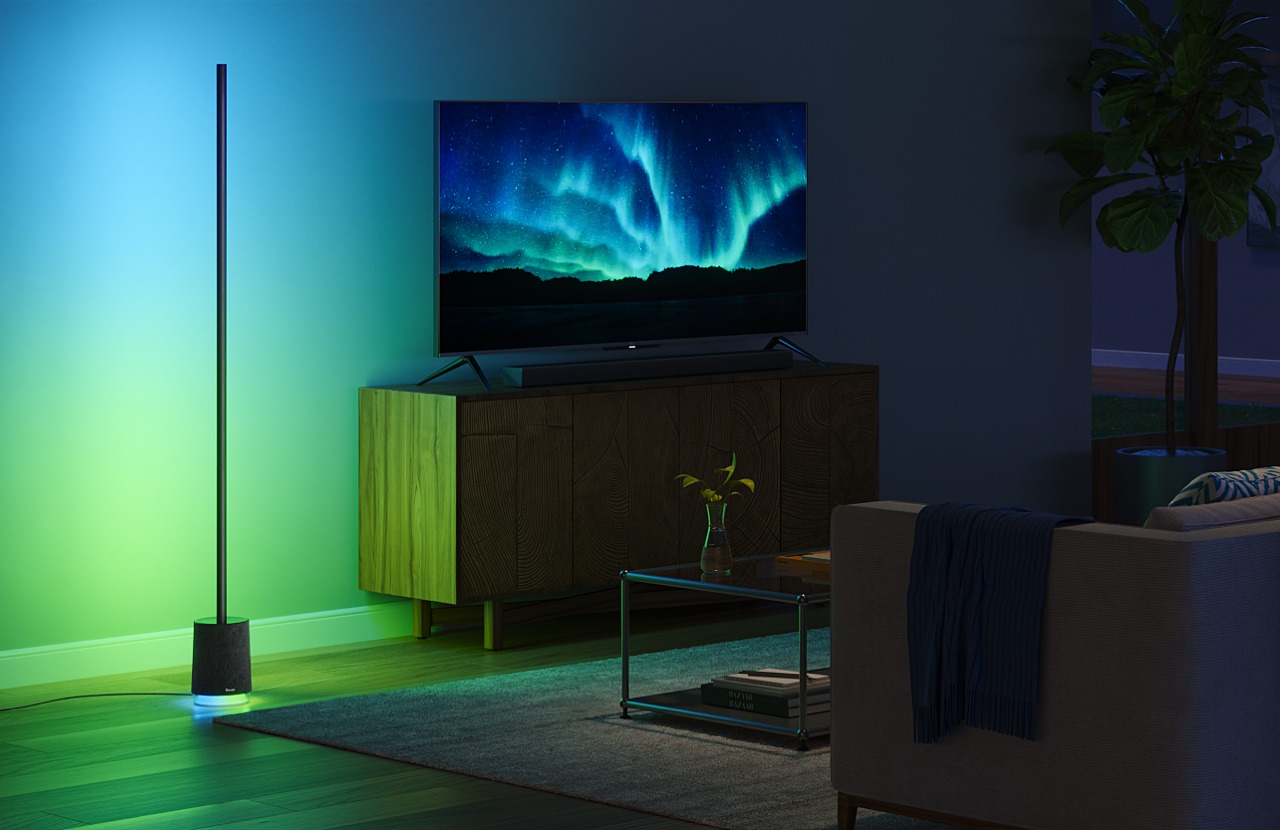
Most of us probably presume that lamps either hang from ceilings, stick to walls, or stand on tables. While elevated lighting is indeed necessary to provide illumination in the darkness, every inch of your room or house definitely deserves a bit of light, especially when it adds a splash of color as well. As far as ambient lighting products go, the tall, stick-like figures known as RGB floor lamps are probably the least known or appreciated. Govee might very well be changing that perception with its new Floor Lamp Pro which not only brings pro-level features deserving of its name but also looks quite sleek and elegant standing anywhere in the room, even when all its lights are turned off.
Govee has dozens of designs for different kinds of lighting solutions, but if there’s one trait they share it’s that they shine best when the lights are on, figuratively and literally. When they’re off, they tend to look unimpressive, at least for those that aren’t hidden behind TVs or stuck to wall corners. Floor lamps, however, are always visible and are, therefore, designed to be seen. Fortunately, the Govee Floor Lamp Pro is something that you’ll love seeing even if there’s no light show taking place.
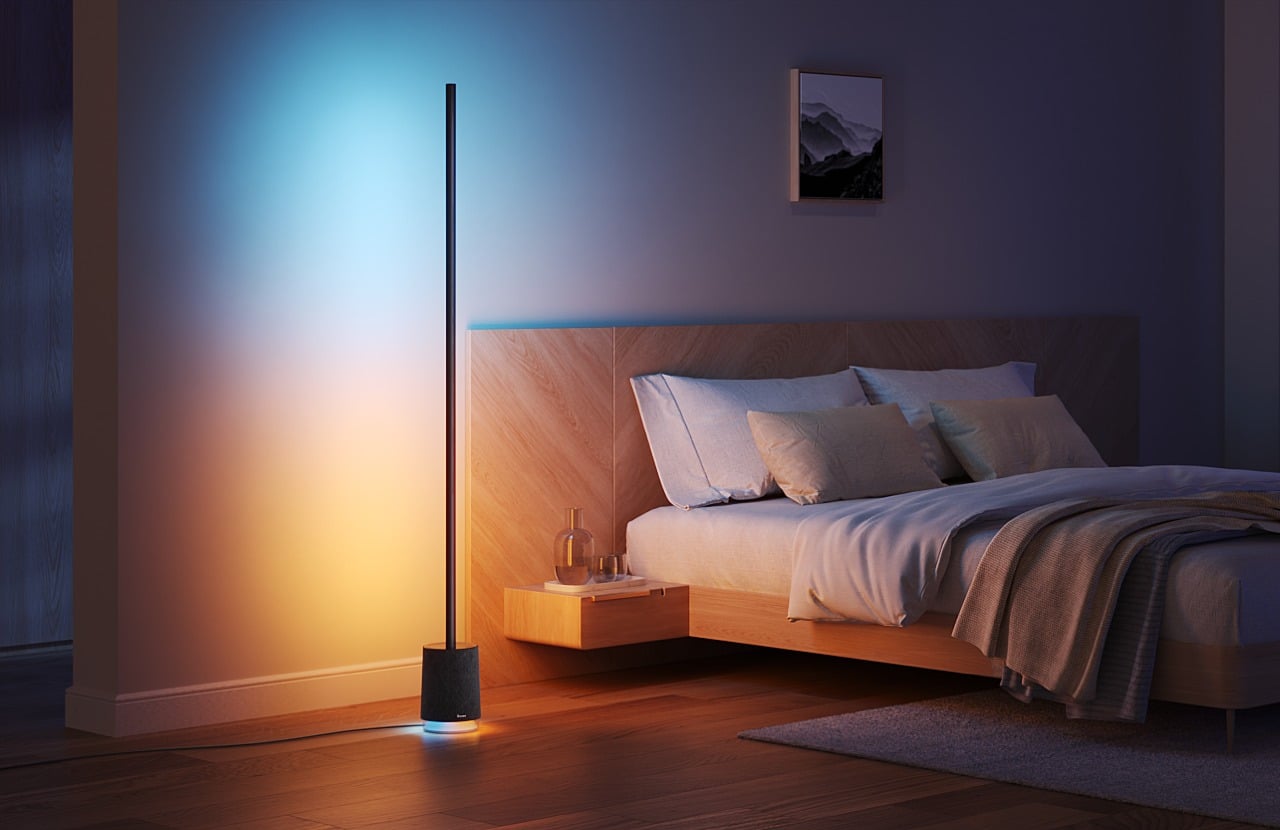
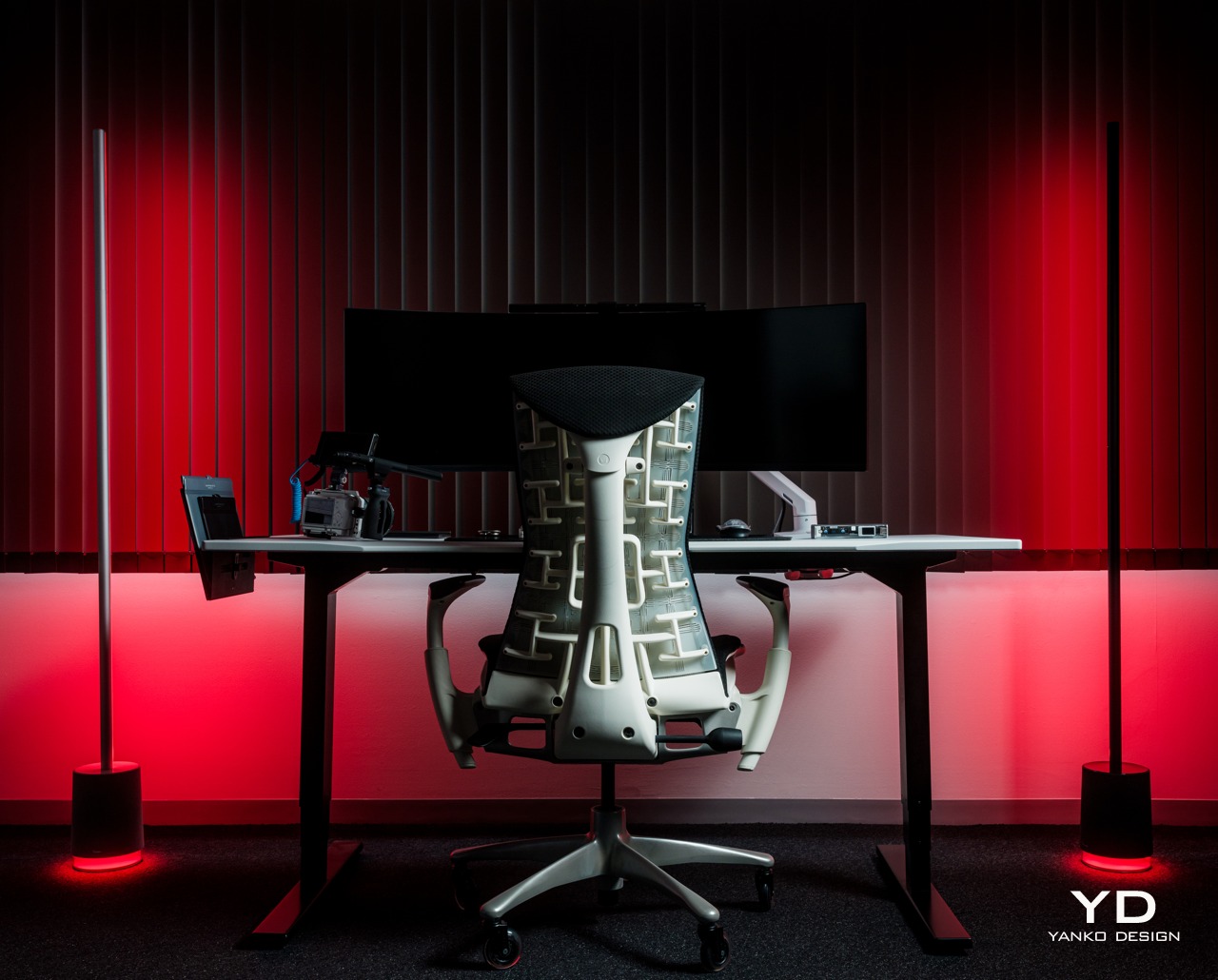
Available in black and gray color options, the Govee Floor Lamp Pro’s dark silhouette cuts a rather striking figure whether it’s standing in a corner or placed somewhere in the middle of the room. The floor lamp’s shape is pretty simple: a tall, thin rod standing on top of a cylindrical base. On closer inspection, you will realize that the rod is made of sturdy aluminum that slightly wraps around a white silicone LED light strip. You’ll hardly see this color contrast unless you intentionally turn the light strip into view, which is actually easy to do since you can rotate the rod 360 degrees.
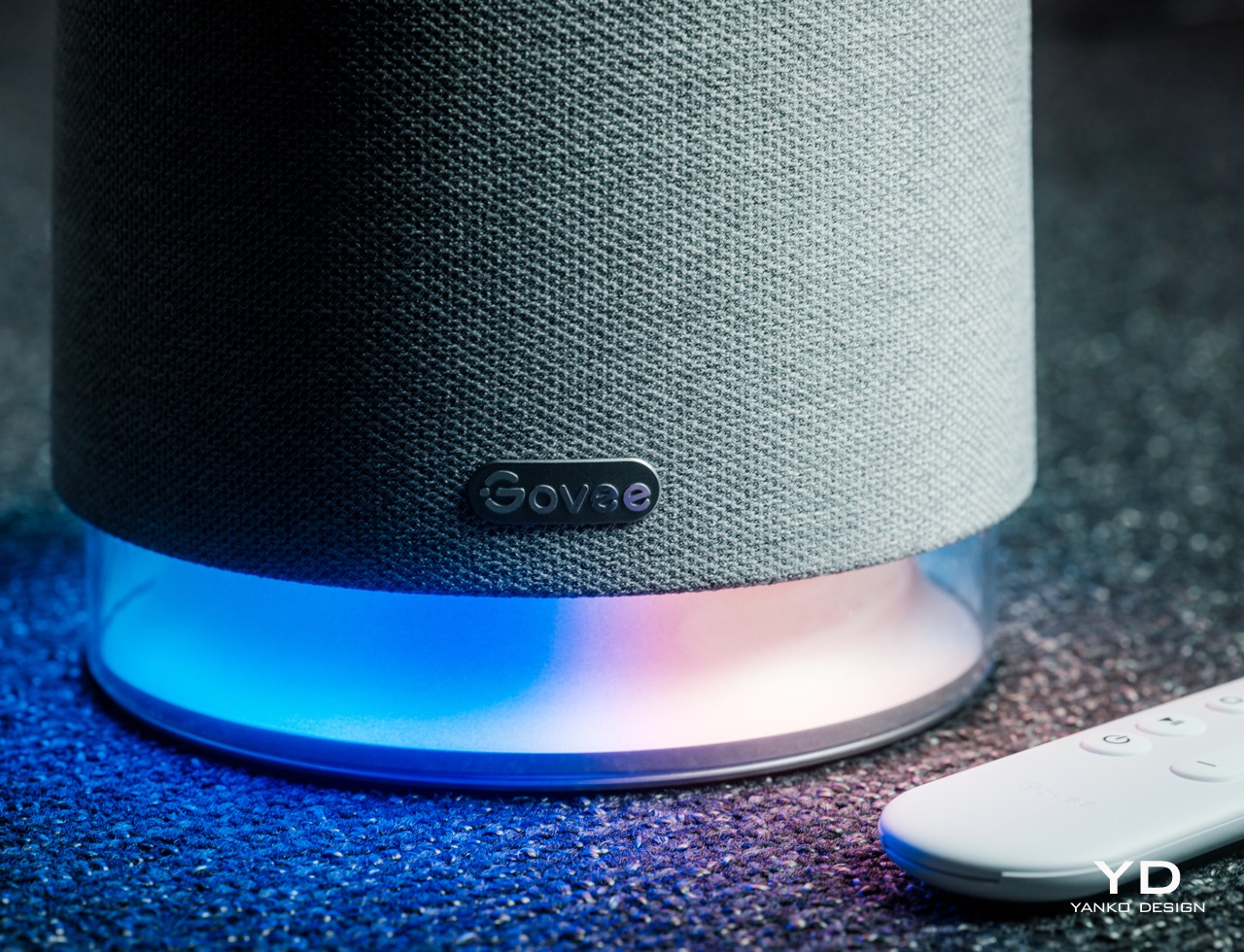
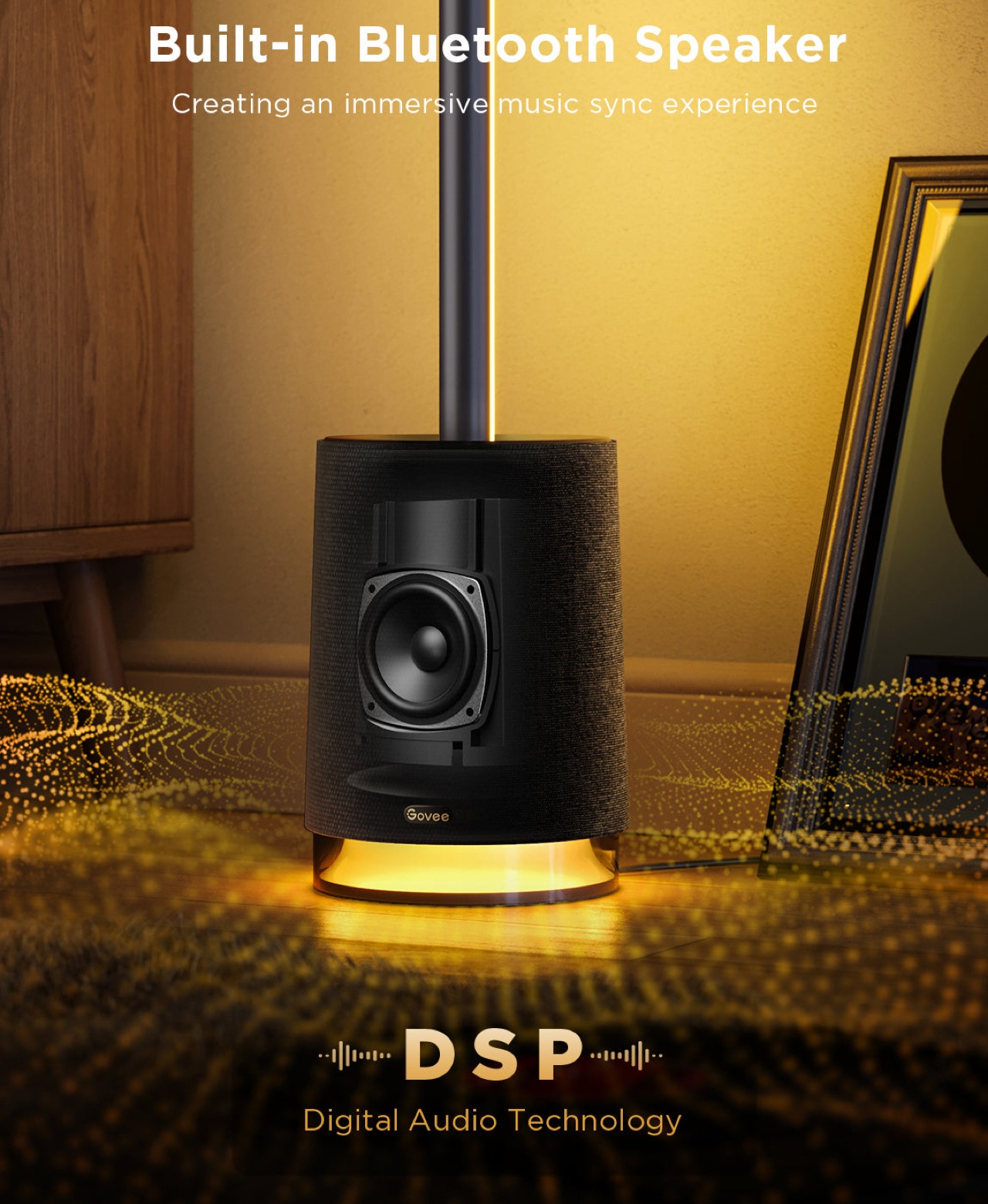
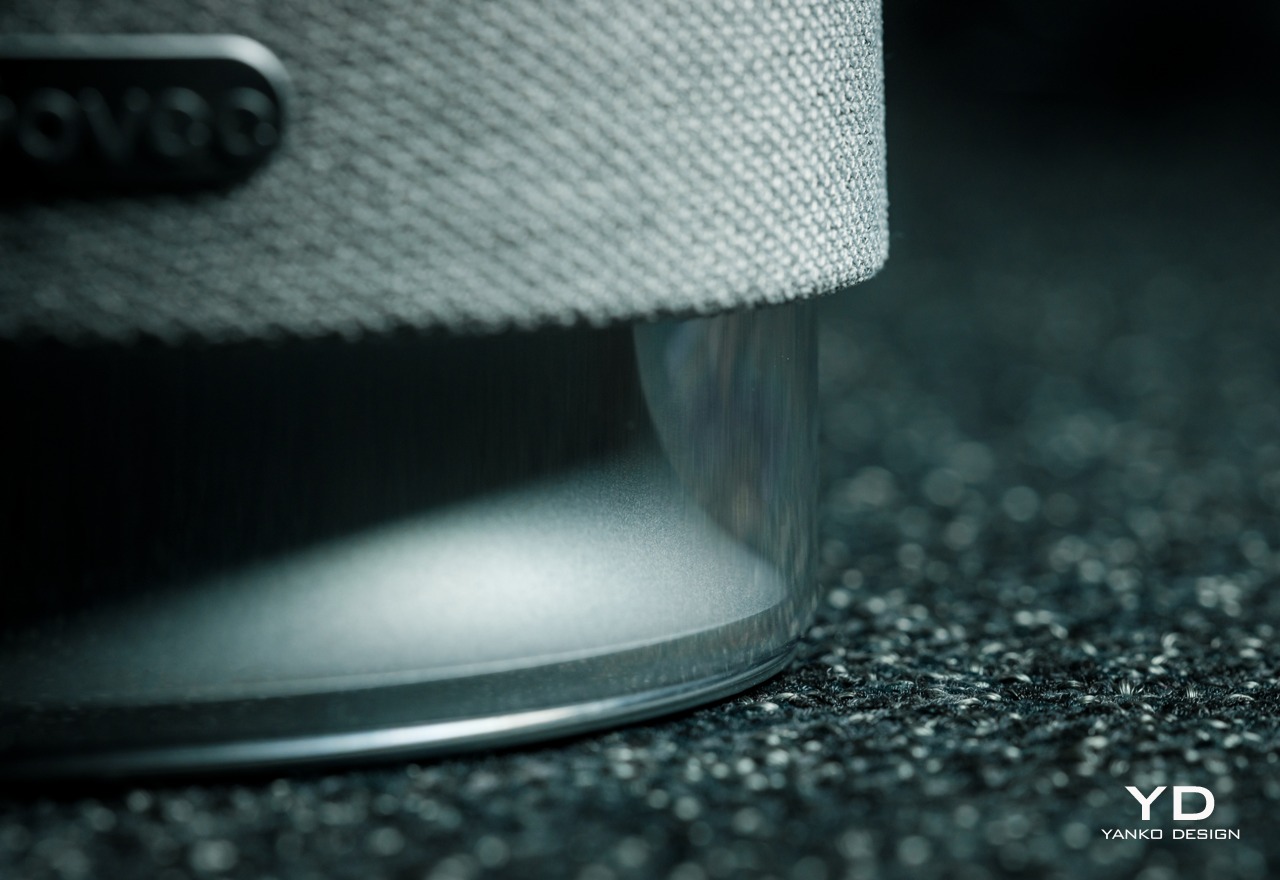
The can-shaped base is covered with a fabric-like material reminiscent of those found wrapped around smart speakers. That association isn’t by accident as the Floor Lamp Pro, unlike Govee’s other lights, actually comes with a built-in Bluetooth speaker. This makes the product an all-in-one light and sound system, one of the extremely few floor lamps with such a feature. The bottom of the base itself isn’t covered by this soft material as it exposes the base’s own RGB lights, yet another defining feature of this new Govee Floor Lamp Pro.
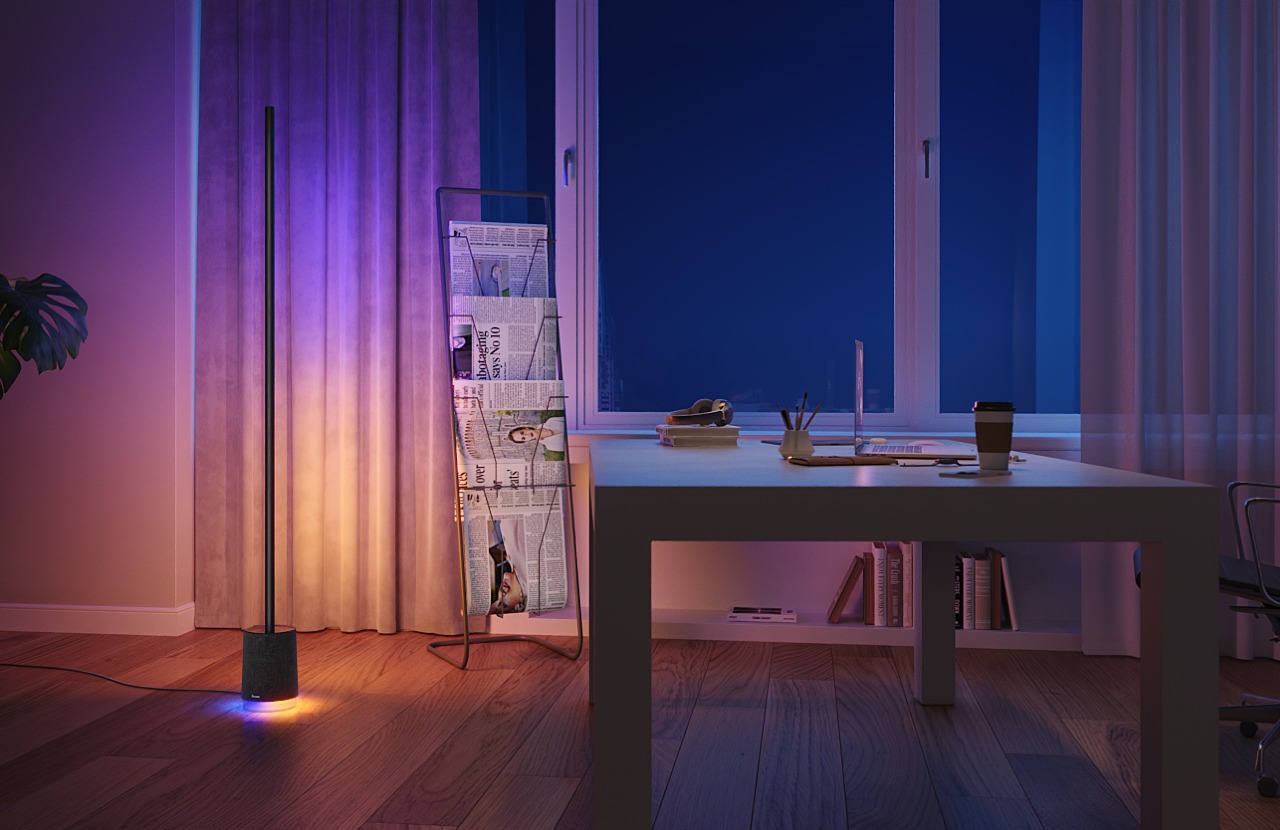
Although you can expect the Govee Floor Lamp Pro to be a dazzling sight once the psychedelic lights start to dance, what sets this design apart is how it still catches your eyes once the show is over. Unless you’re familiar with these kinds of RGB floor lamps, you might actually mistake it as some modern design object meant to add some minimalist elegance to your room. This pretty much means that the Floor Lamp Pro provides value all the time, even when you’re not actively using its bright lights.
Ergonomics
Just like any Govee product, setting up the Floor Lamp Pro is practically a breeze. Given the rod’s 67-inch height, you shouldn’t be surprised that it comes in four pieces that you can quickly join and screw together in a snap. You slip in the silicone light strip and install the rod into the base, easily connecting the wires to finally finish the process. It can be done in around 10 minutes, depending on how well-versed you are at assembling things.
You won’t be handling the Govee Floor Lamp Pro most of the time, at least not directly, which is probably for the best. After all, it’s meant to stand in a corner of the room and stay there until the next time you redecorate. And even when you do need to control it, you won’t be able to do it on the lamp itself anyway because it lacks any form of physical control. Instead, you will be operating the lamp remotely, mostly through your smartphone.
Surprisingly, Govee ships a Bluetooth-enabled remote control with the Floor Lamp Pro, which gives you quick and instant access to some of the most basic and important functions. Instead of fiddling with the app to turn down the volume, you can simply press down the button on the remote to save you the trouble and the stress. And to make sure you don’t lose that small remote, you can magnetically stick it to the lamp’s metal rod until you next need its services.
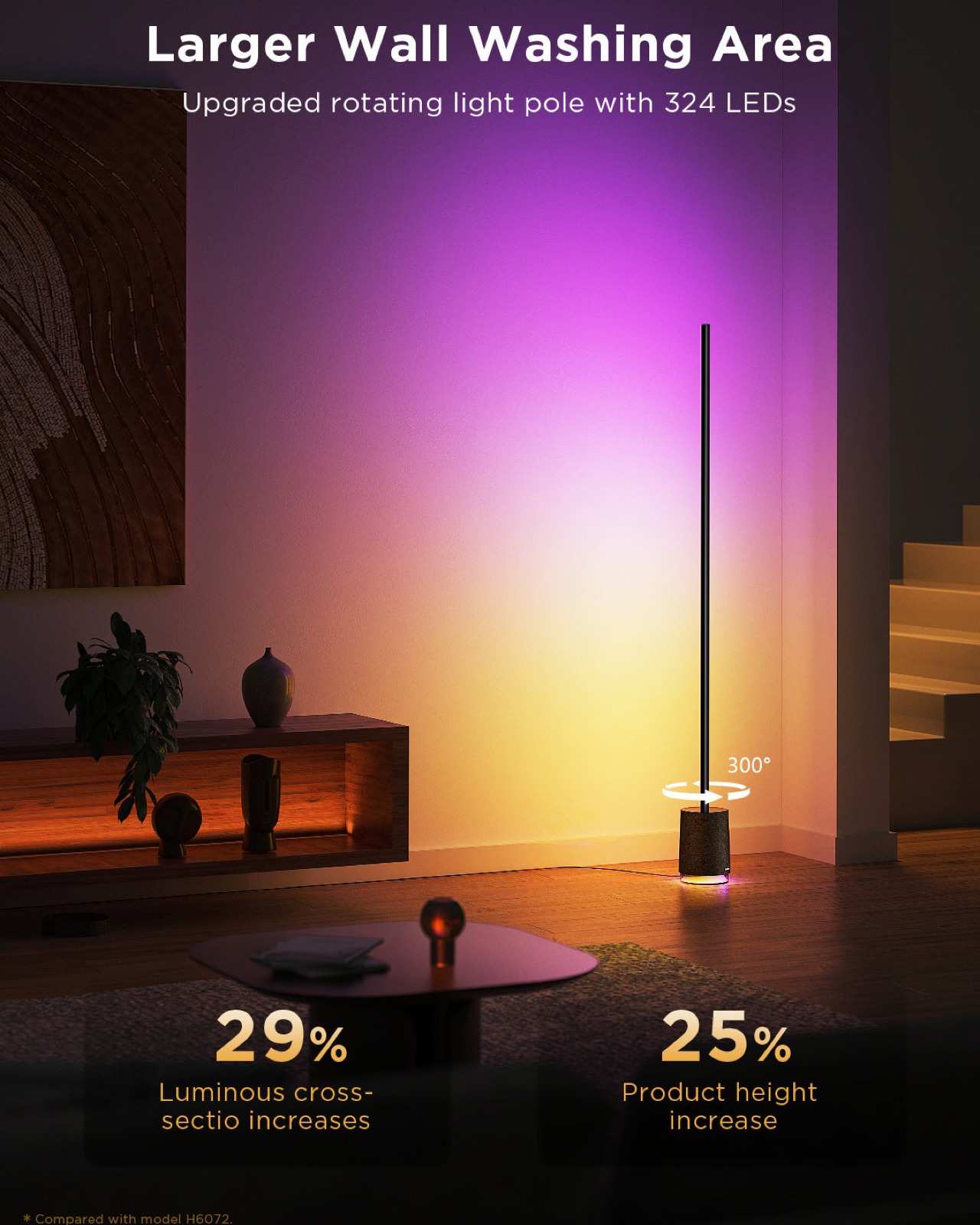
The Govee Floor Lamp Pro isn’t exactly lightweight at 7.3lbs (3.3kg), but that’s fine since you’re unlikely to move it around anyway. One trick that it does have is that you can turn the rod around, making it trivial to customize the lighting experience from bouncing off walls to directly shining the light in your direction. All in all, this Govee product is just as easy to set up just like its siblings, though there is definitely some assembly required. Operating it is also straightforward, though the Govee Home app can admittedly be a bit daunting and overwhelming for first-time users, but that is mostly because of the plethora of features available for such a simple-looking product.
Performance
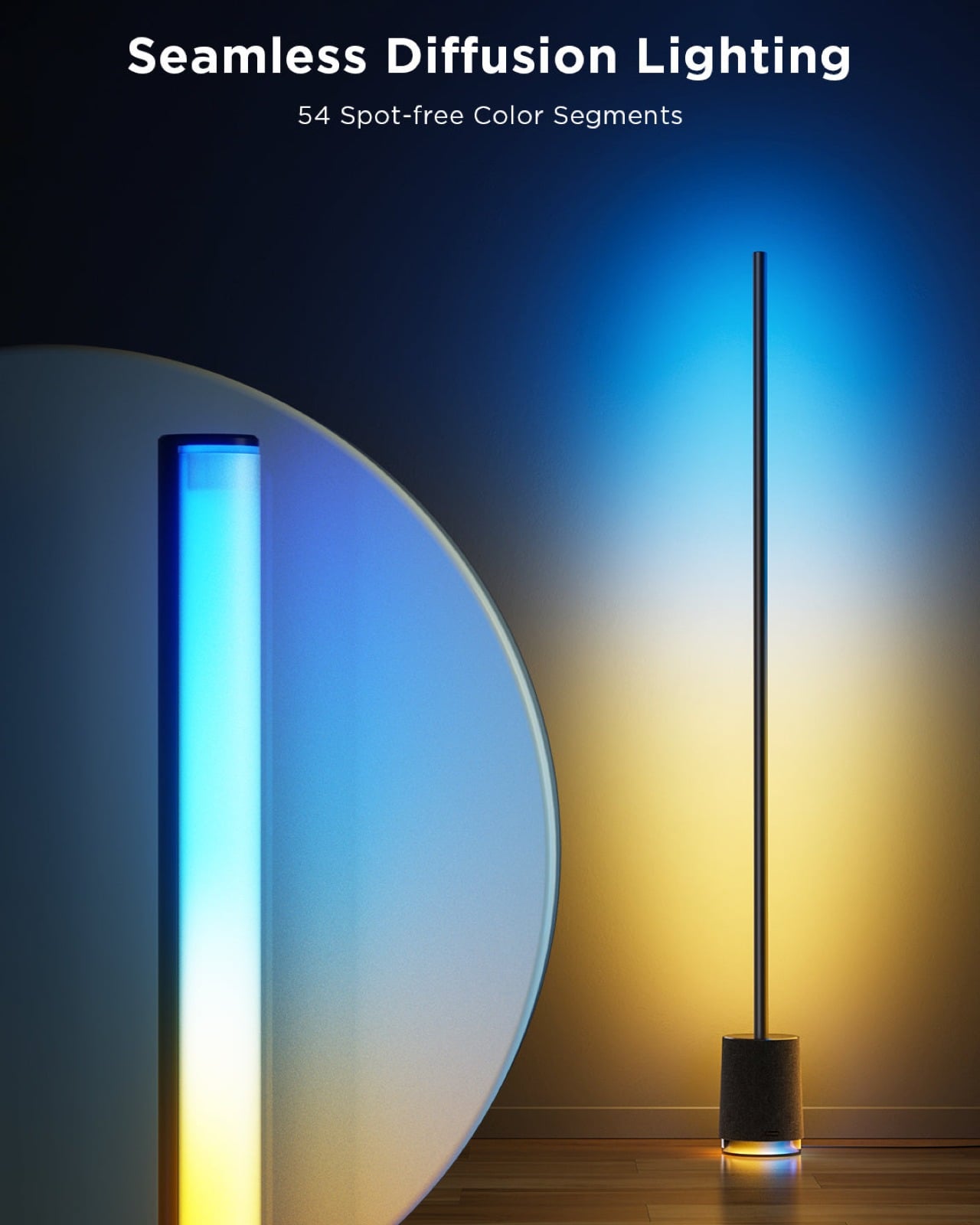
When you first turn on the Govee Floor Lamp Pro, you might actually be blinded by how bright the LED lights are. It is to be expected from a flagship Govee product, but this one definitely takes it up a notch with a 2,100 ANSI lumens brightness. Govee didn’t skimp on the LED beads either. The light strip, for example, has 162 RGB units and 162 white units, while the base has 30 RGB beads and 30 white beads.
What all these numbers mean in practice is that you have a bright and unbroken beam of light wherever the Floor Lamp Pro shines. You won’t see any distinct cuts or patterns on the projected light thanks to the high density of LED beads distributed along the length of the light strip. And thanks to Govee’s RGBICWW technology, your eyes are treated to the widest range of colors, turning every moment a psychedelic experience.
The Govee Floor Lamp Pro, however, doesn’t stop there. As mentioned earlier, this is one of the extremely few floor lamps to bear a speaker inside. And not just any speaker, mind you, but a Bluetooth speaker system with two full-range and one low-frequency speaker inside. What would normally be a captivating light show becomes an immersive multimedia experience that dances to the beat of your music or even your film. That speaker, though loud, won’t exactly blow your mind with its quality. It’s decent enough for small parties and enhancing the mood of a film or soundtrack, but it isn’t going to win any awards, especially against actual speakers from audio brands.
The Floor Lamp Pro has the ability to sync its lights to music like a magical light and sound show. It can use either the built-in mic to listen to the sounds around it or, better yet, the built-in Bluetooth speaker playing your own tunes streaming from your phone. With Govee DreamView, you can even sync other Govee lights so they all dance to the same beat, whether they’re in the same room or scattered throughout the house. This Music Mode is just one of the many features you can access from the Govee Home app, of course, and there are literally a dozen others you can pick out to set the right mood at the right time, from scheduled activation to scenes for different holidays. You can even enjoy 29 preset white noise sounds to calm you down and help you focus, though not everyone might like the available selection. Fortunately, you can always use your own relaxing notes thanks to the lamp’s speaker.
As a smart lamp, you have a variety of ways you can control the lamp, though what you’ve heard so far requires your fingers to tap your way through menus and options. You can also use your voice thanks to integration with Amazon Alexa and Google Assistant. Unfortunately, the Govee Floor Lamp Pro doesn’t yet support the new Matter standard that would open up compatibility with other smart home platforms and devices. That will eventually come, but there’s no timeline yet for its arrival.
Sustainability
The Govee Floor Lamp Pro is an exceptional smart lighting product, but it isn’t that too different from other brands when it comes to the materials it uses. There’s plenty of plastic to go around, especially with the silicone light strip. That said, the Floor Lamp Pro is a little unique in its use of slightly more sustainable materials like the aluminum rod and fabric-like cover for the base.
Any damage, however, would require sending the product back for repairs, which is thankfully a straightforward and painless process. It’d be impossible to repair the light strip on your own, at least not without extensive electronics experience, though you might get by with a few dents and knicks on the metal rod. Hopefully, as Govee’s business grows, so will its efforts in sustainability in order to secure a brighter future for its customers.
Value
Truth be told, a floor lamp is a harder sell compared to products like string or strip lights. The latter are more general-purpose and more flexible as they can be used in almost any situation or design. That said, they also don’t have a big effect when it comes to coloring an entire space, at least not without investing in longer strips. Not only is that not economical, it’s not very efficient either.
The Govee Floor Lamp Pro has the power to really change the atmosphere inside a space. Whether it’s bouncing off walls or shining directly, the bright and colorful lights can easily reach across the room. The magic, however, really happens when you start pairing those lights with sounds coming from the lamp’s own speaker. Best of all, it remains just as captivating as a decorative design when it’s not in use. For a floor lamp that costs $219.99, that’s quite a steal.
Verdict
Smart floor lamps are still a pretty niche market, and it might be difficult to justify one or two if you’re not a gamer or a die-hard room modder. Of course, these aren’t the only audiences that these lights serve, but most people probably can’t imagine what they’d want a vertical stick of light for. With the Floor Lamp Pro, however, Govee is pushing the envelope of what floor lamps are capable of and trying to break the mold with a smart lighting solution that can instantly change the ambiance of a room in a cost-efficient and space-saving manner.
The configurable and bright RGB lights are already impressive, but their ability to sync with the music playing from the lamp’s built-in speakers really takes the immersion up a notch. The wide variety of modes and features enables you to almost literally paint a different picture of your room every time, whether you’re having a lively party or trying to focus on work. The Govee Floor Lamp Pro’s value, however, doesn’t end when the lights go off and the music stops. With a sleek minimalist design and quality materials, it becomes a design object that adds a different kind of aesthetic, one that can speak loudly with fewer words and without the dazzling lights.
There are some heated discussions right now about how a YouTuber may have single-handedly killed a startup, but big companies do that every time. In 2016, Apple may have put the audio industry on notice when it banished the headphone jack from the iPhone forever. Of course, the 3.5mm connector is used in more than just smartphones, but this change caused a ripple that pushed wireless audio technologies to innovate and improve. Although it’s becoming more common for smartphones to rely on Bluetooth headphones and speakers, many audiophiles still swear by wired equipment to deliver high-fidelity lossless sound, and it seems that there’s a growing trend of bringing the venerable headphone jack back to smartphones to satisfy these audio cravings.
MOONDROP MIAD01
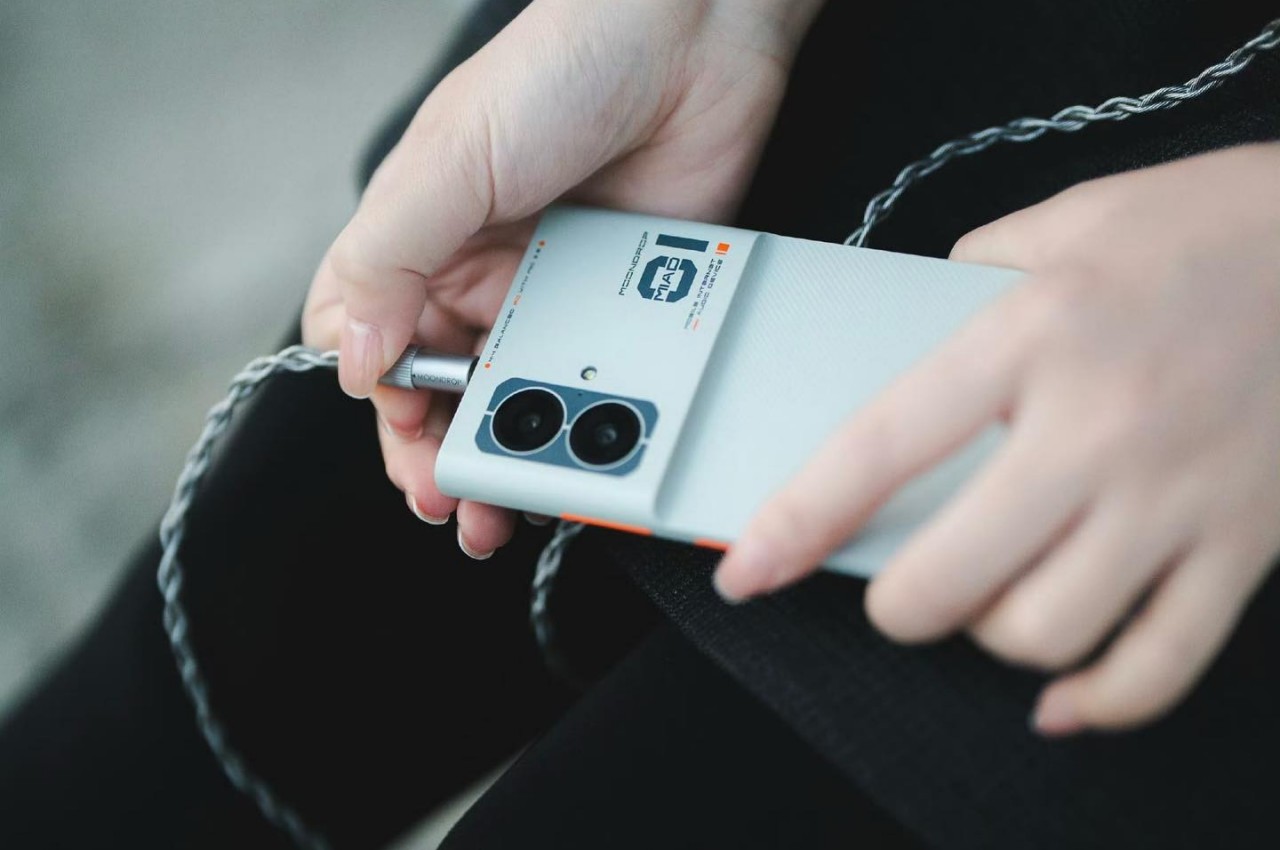
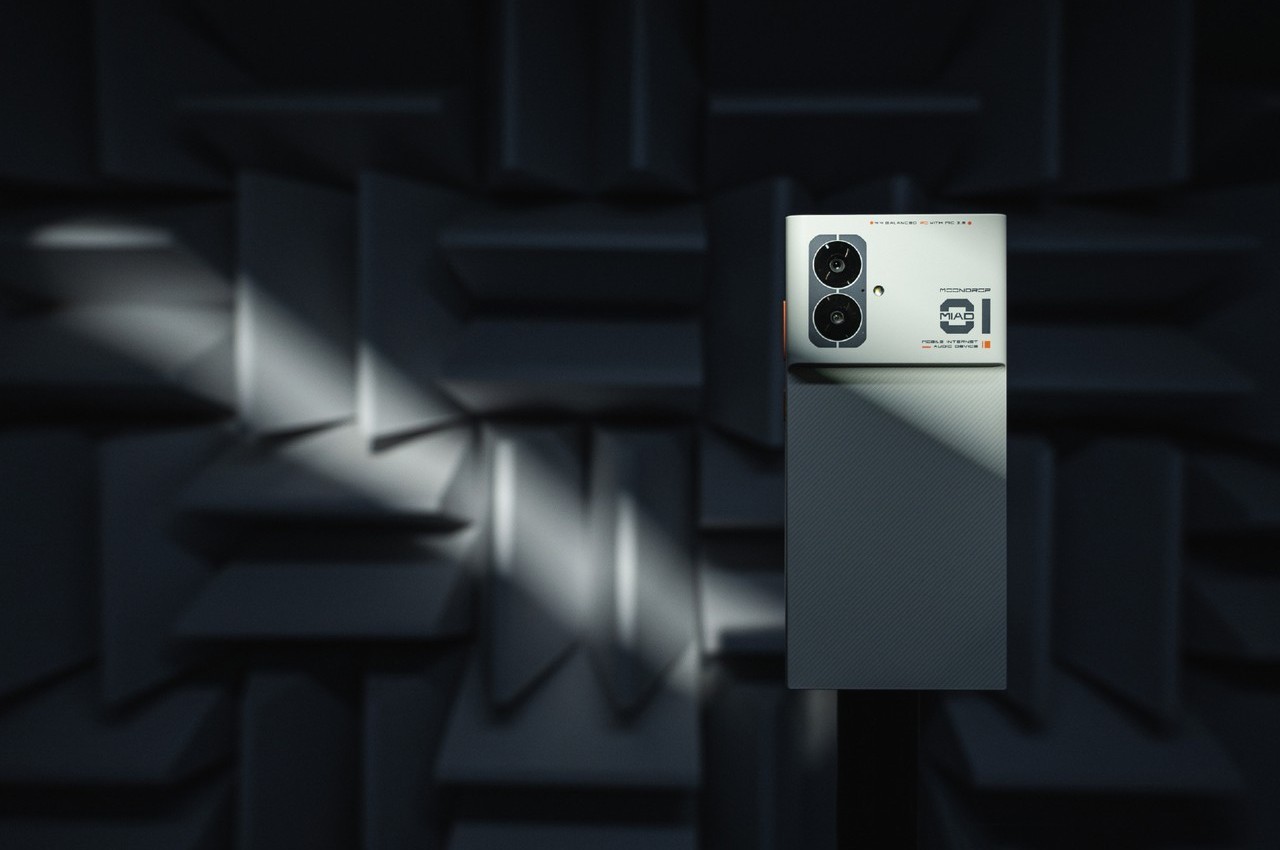
It isn’t enough just to have a 3.5mm headphone jack and expect to have high-quality audio output. You still have to make sure that the digital-to-analog conversion process is just as good, usually with some help from dedicated hardware designed for that purpose. Hi-Fi audio equipment maker MOONDROP knows that only too well, which is probably why it’s making an ambitious attempt to corner a niche market with an upcoming MIAD01 smartphone made specifically for discerning audiophiles.
Aside from a few teaser images, details on this “Hi-Fi” smartphone are still pretty slim other than the mention of 3.5mm+4.4mm interfaces. The latter of the two is known as “balanced” output used by high-impedance headphones and speakers, resulting in even better output quality. It’s not yet known, however, if the phone will have two headphone jacks or have a single 4.4mm port with a 3.5mm adapter. Either way, it’s something that music lovers on the Android side of the smartphone camp will want to keep an eye, or an ear, out for.
nubia Music Phone
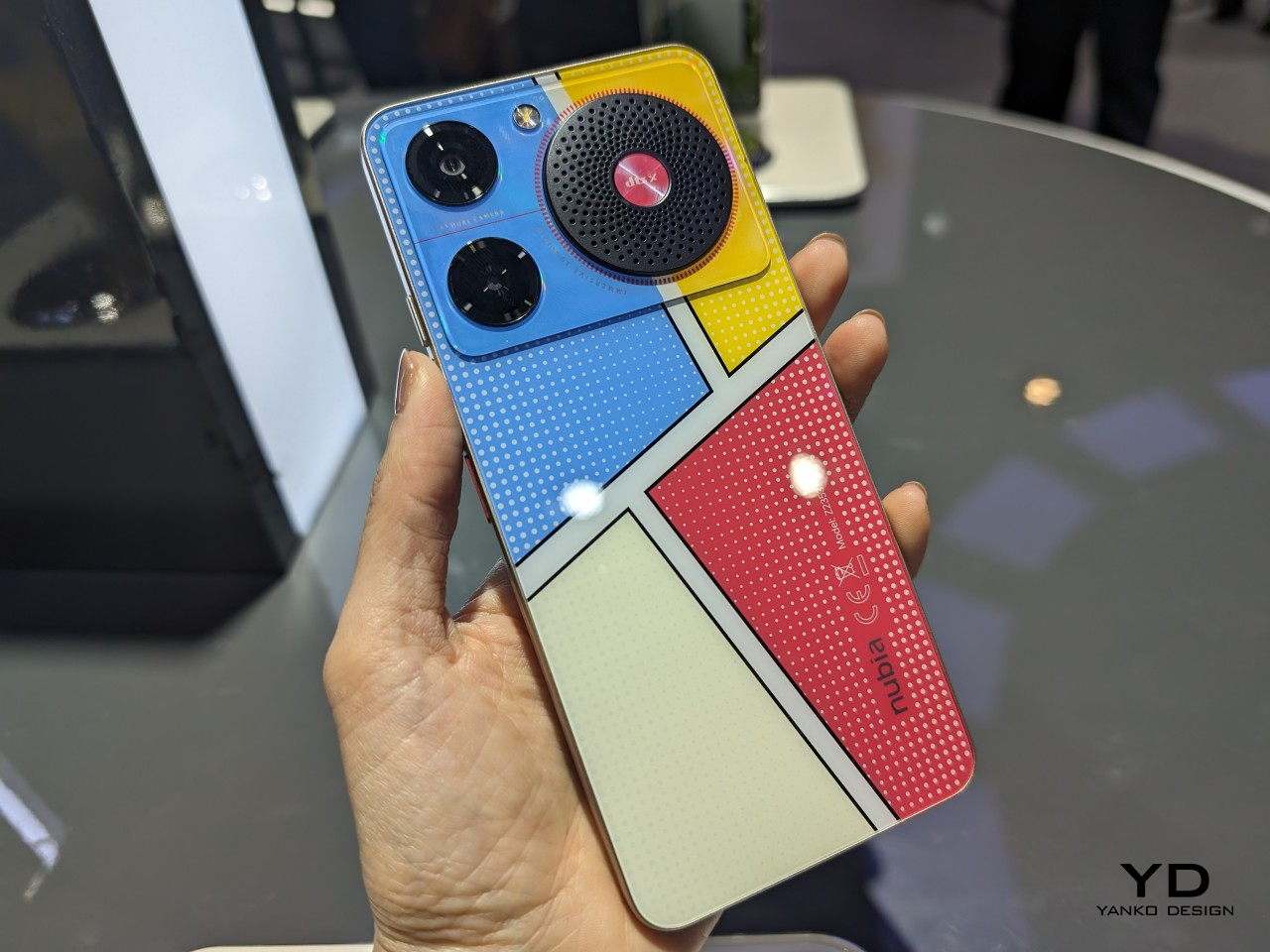
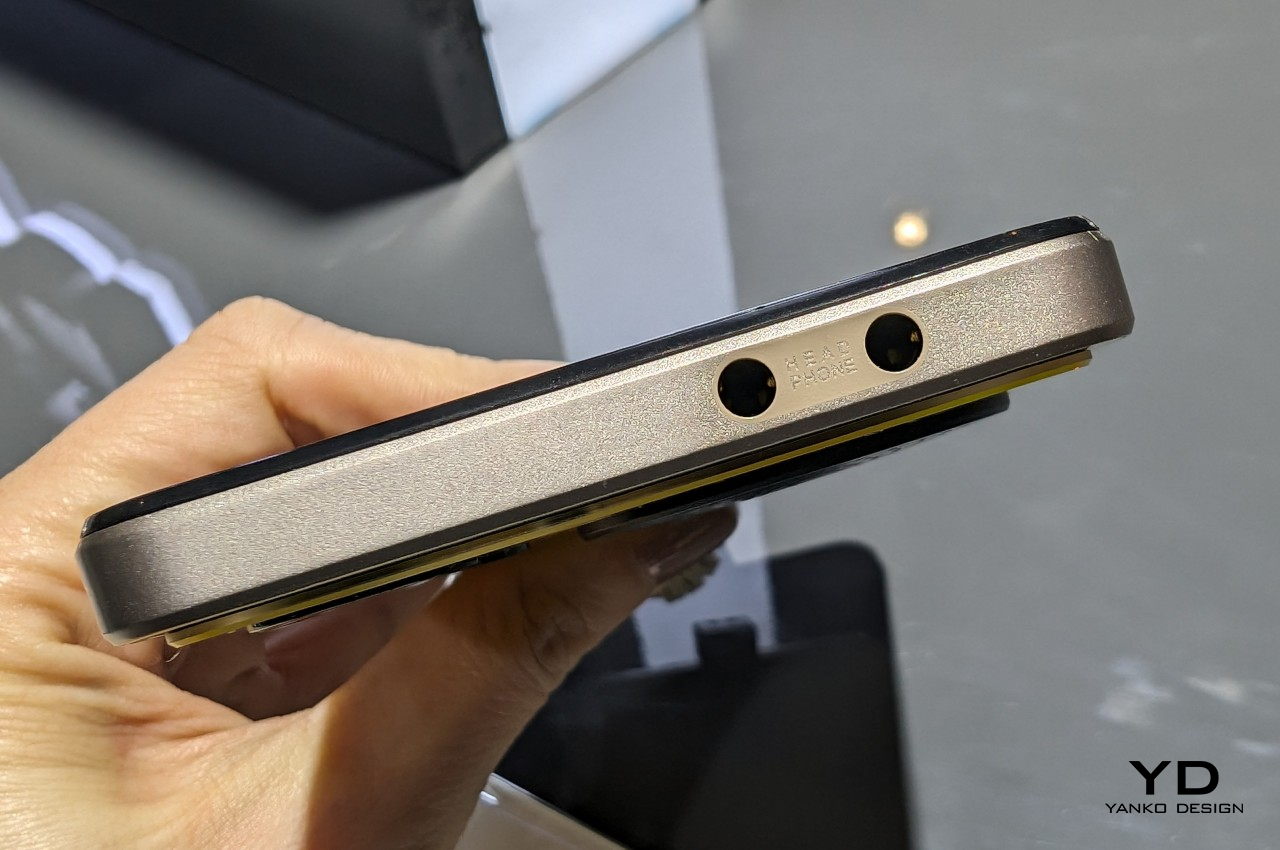
Although technologically less ambitious, ZTE subsidiary nubia is putting a different twist on enjoying music on smartphones. The nubia Music Phone does have two headphone jacks, both 3.5mm, but their main purpose is to simply connect two wired headphones at the same time. It brings back the social aspect of listening to music by sharing your favorite tunes with a friend or loved one while still keeping it private among yourselves. Of course, the fact that you can connect high-performance headphones is definitely a plus as well.
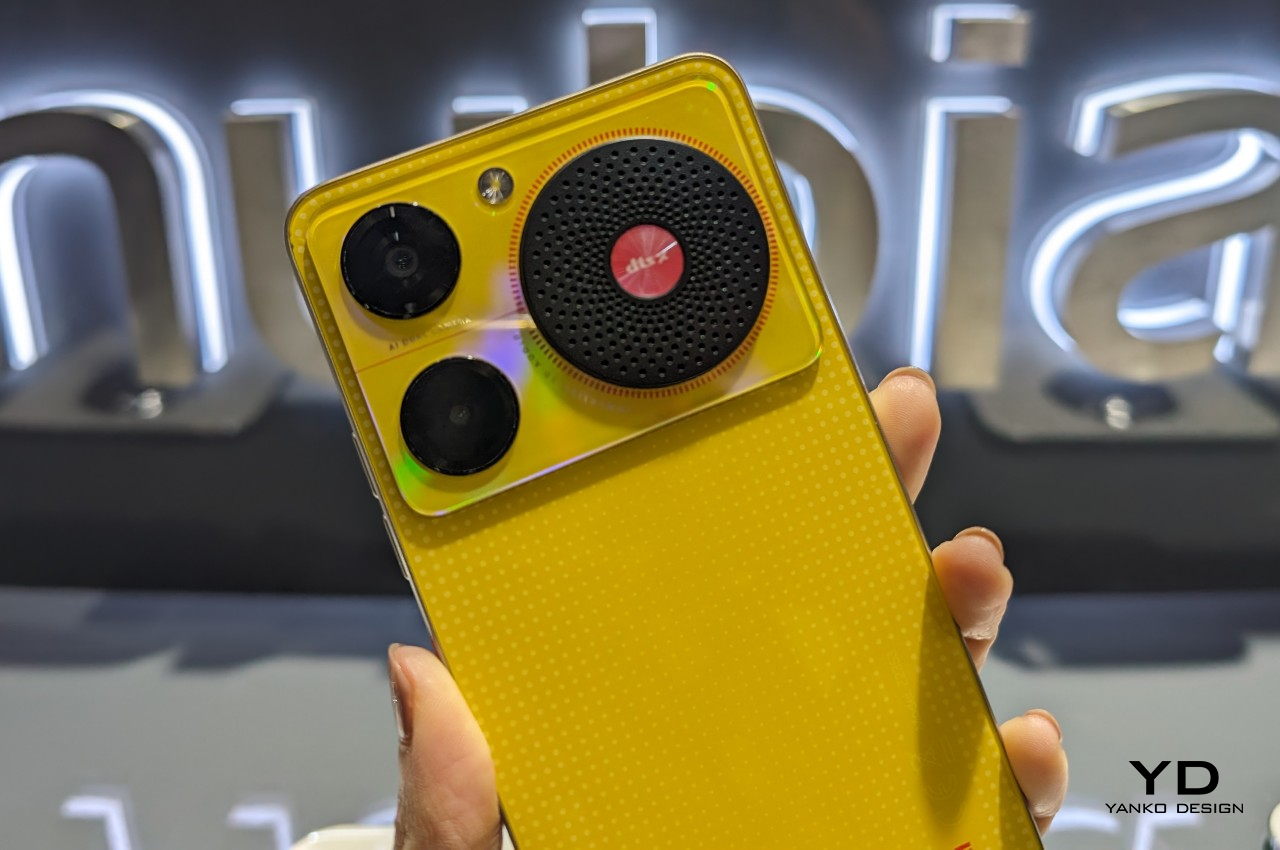
The nubia Music Phone also puts a fun and quirky spin on that activity with a design that will appeal to music lovers. It has a large speaker on its back, in itself already an oddity, and it’s made to look like a turntable together with dual camera lenses. Its colorful designs just scream vibrancy and playfulness, characteristics that will pull at the heartstrings of a younger crowd.
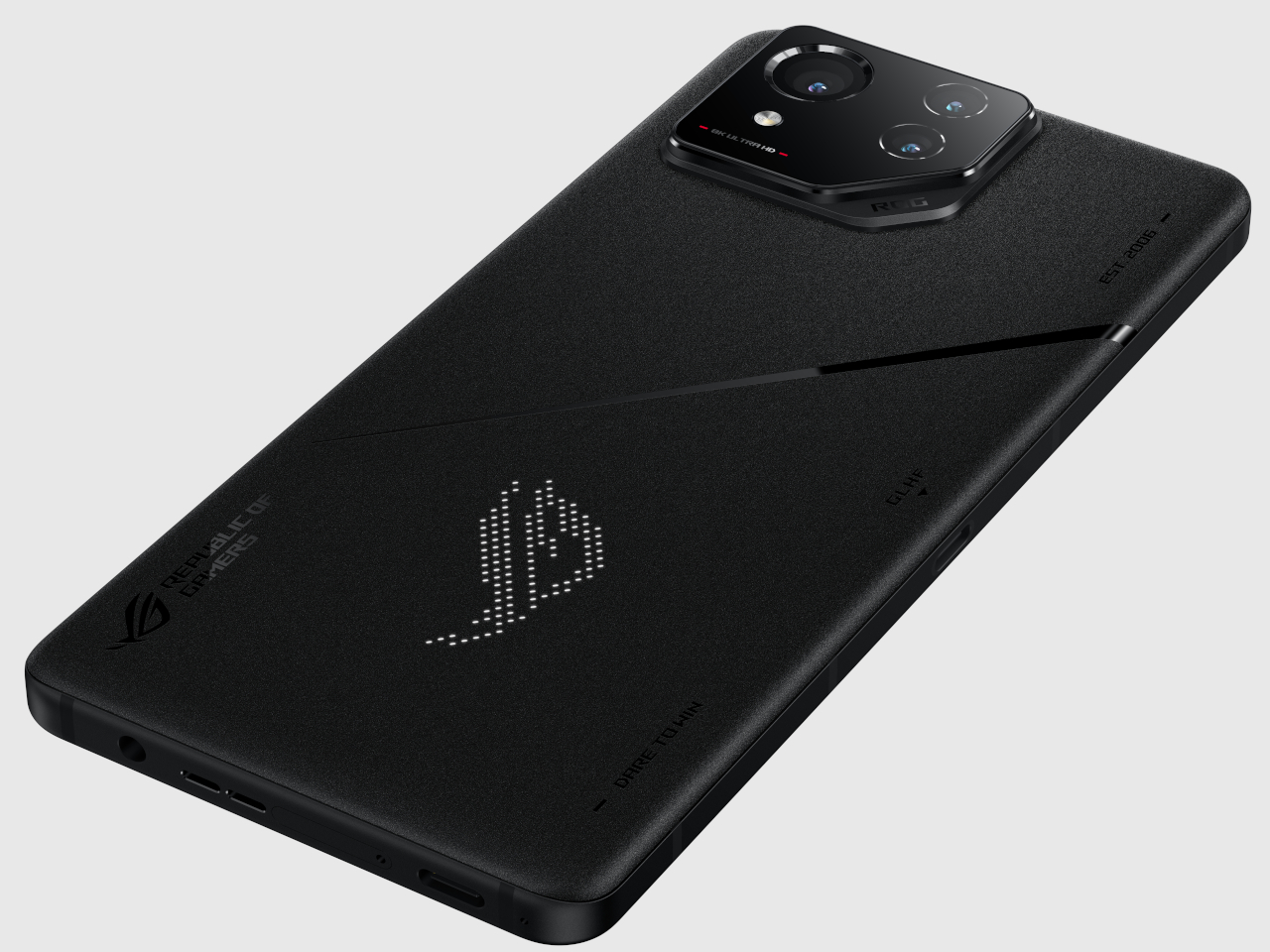
ASUS ROG Phone 8 Pro
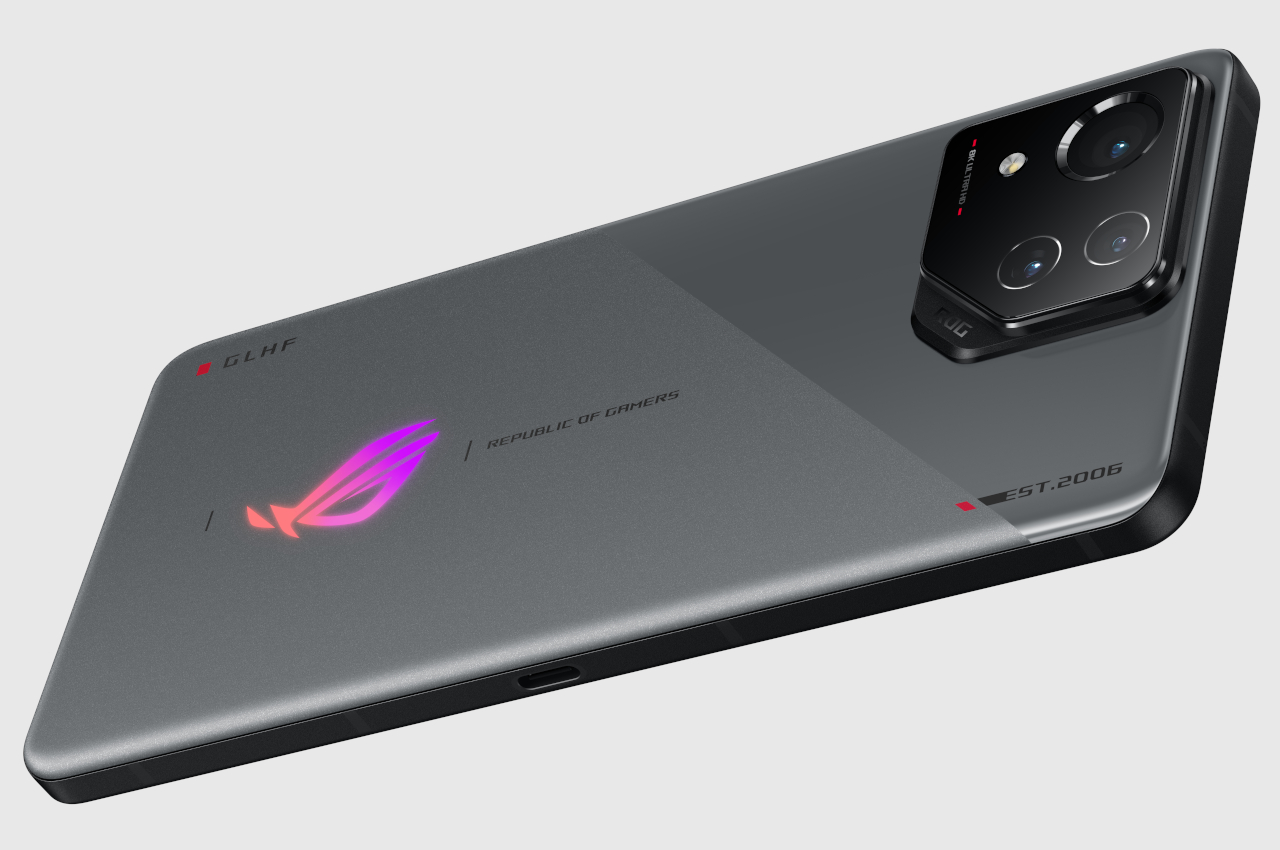
It isn’t just audiophiles who will appreciate good sound output, however. Poor audio can also break the immersion of a mobile game, especially as these titles become more sophisticated and more resource-intensive. While most of its features naturally revolve around graphics and processing, the ASUS ROG Phone 8 Pro doesn’t skimp on the audio side of the equation, whether it’s the “multi-magnet” dual speakers or hi-res 3.5mm headphone jack.
More than just doing the bare minimum, the ROG Phone 8 Pro boasts 384kHz/32-bit audio quality from that wired connection. It also implements spatial sound for headphones and provides listening profiles for different situations. It’s definitely one of the very few premium smartphones these days that have a headphone jack, something that hardcore mobile gamers will surely appreciate.
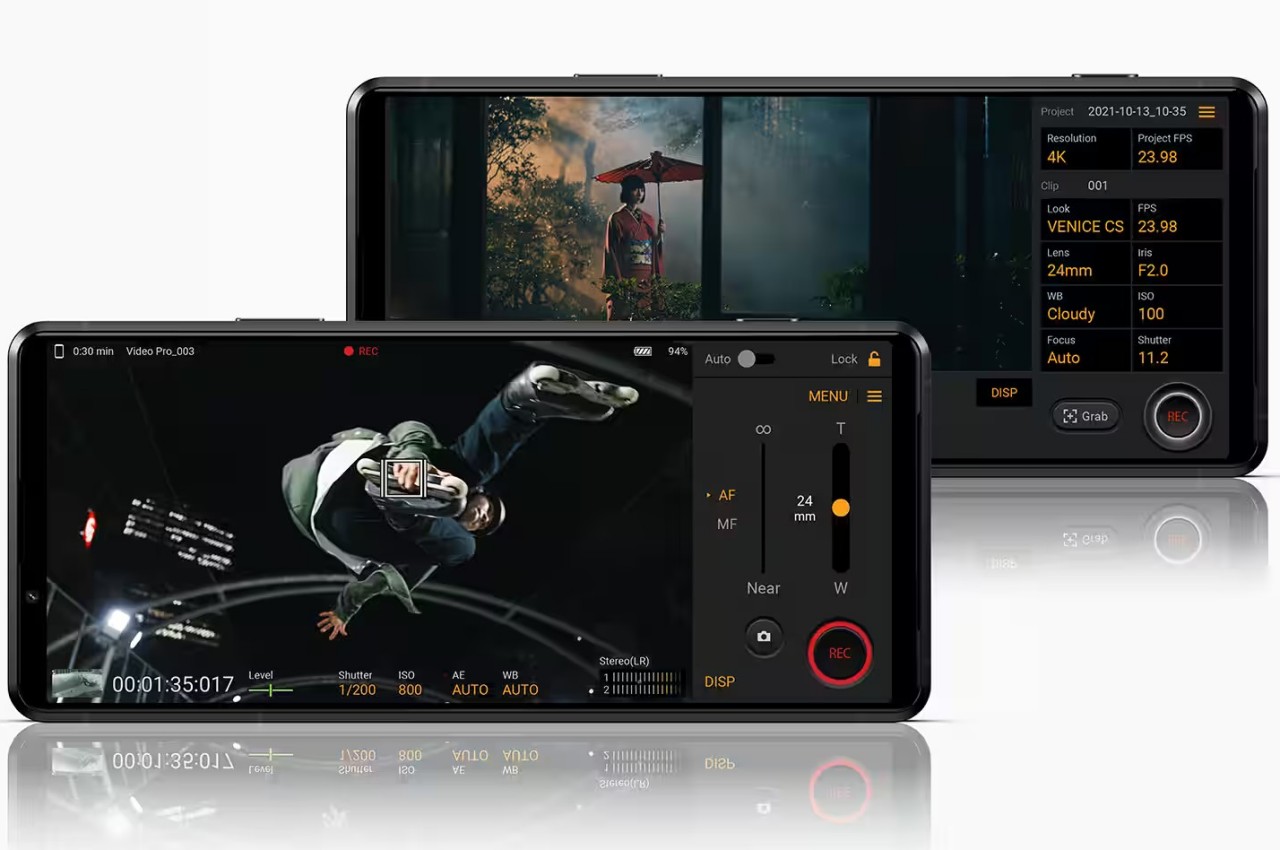
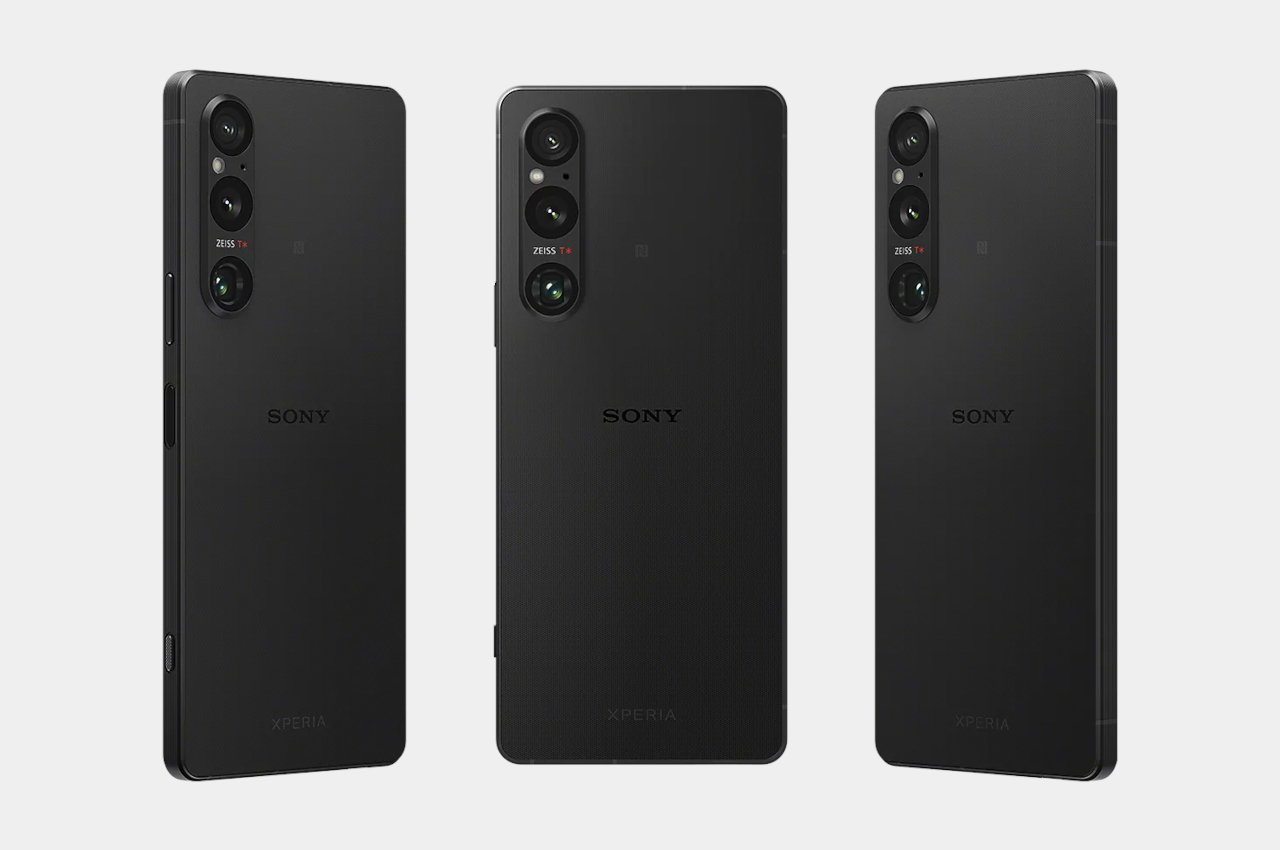
Sony Xperia 1 V
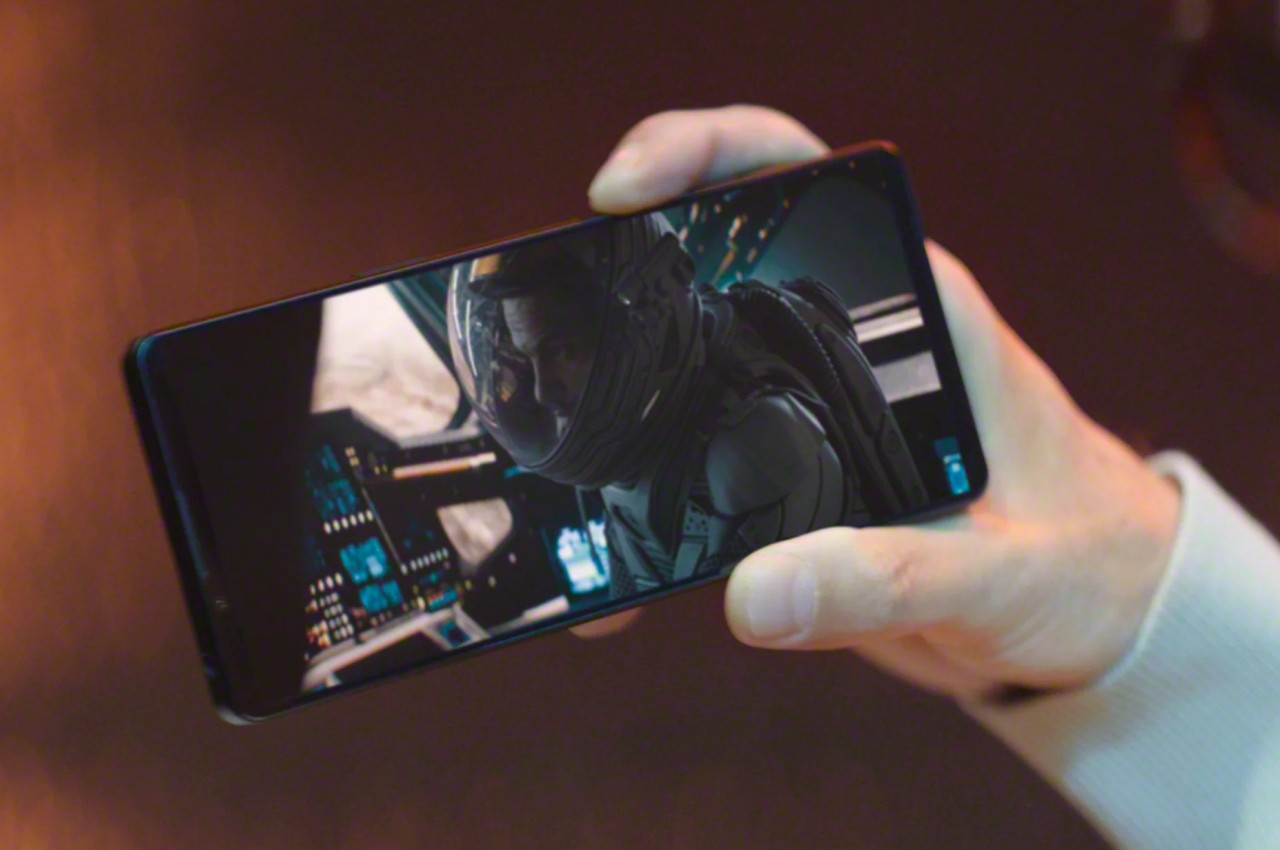
Speaking of high-end phones, Sony hasn’t completely given up yet on the smartphone market, and neither is it turning back on the features that differentiate its remaining devices. It bears an unusual ultra-wide, ultra-tall screen aspect ratio which Sony claims to be the best format for watching videos. It also shows off its display-making prowess which it also uses on a bigger scale on TVs.
The entertainment and electronics company naturally also knows that video is only half the battle. The phone also has a headphone jack to support hi-fi lossless audio output through wired headphones and speakers, something you’d expect from a device designed to deliver a cinematic watching experience on mobile.
TECNO Camon 20 Pro 5G
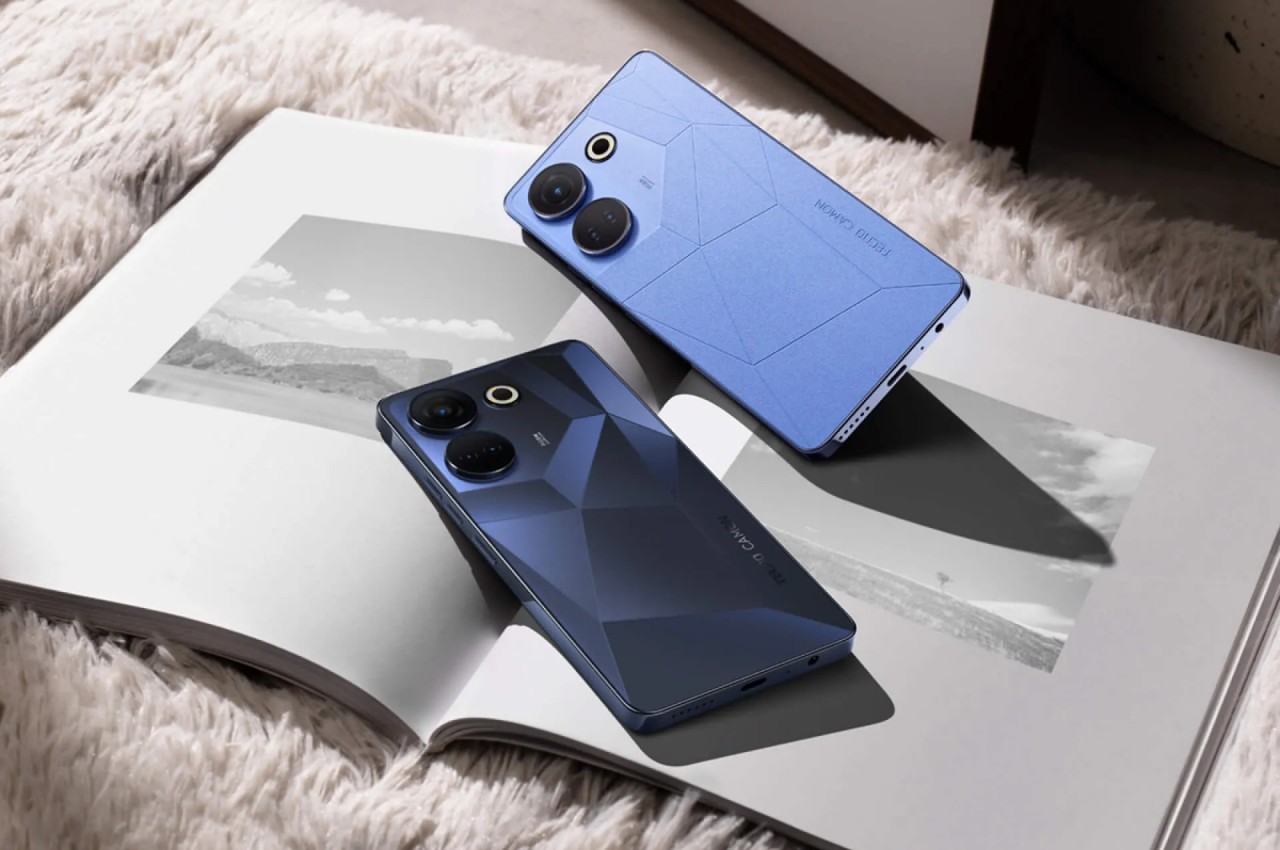
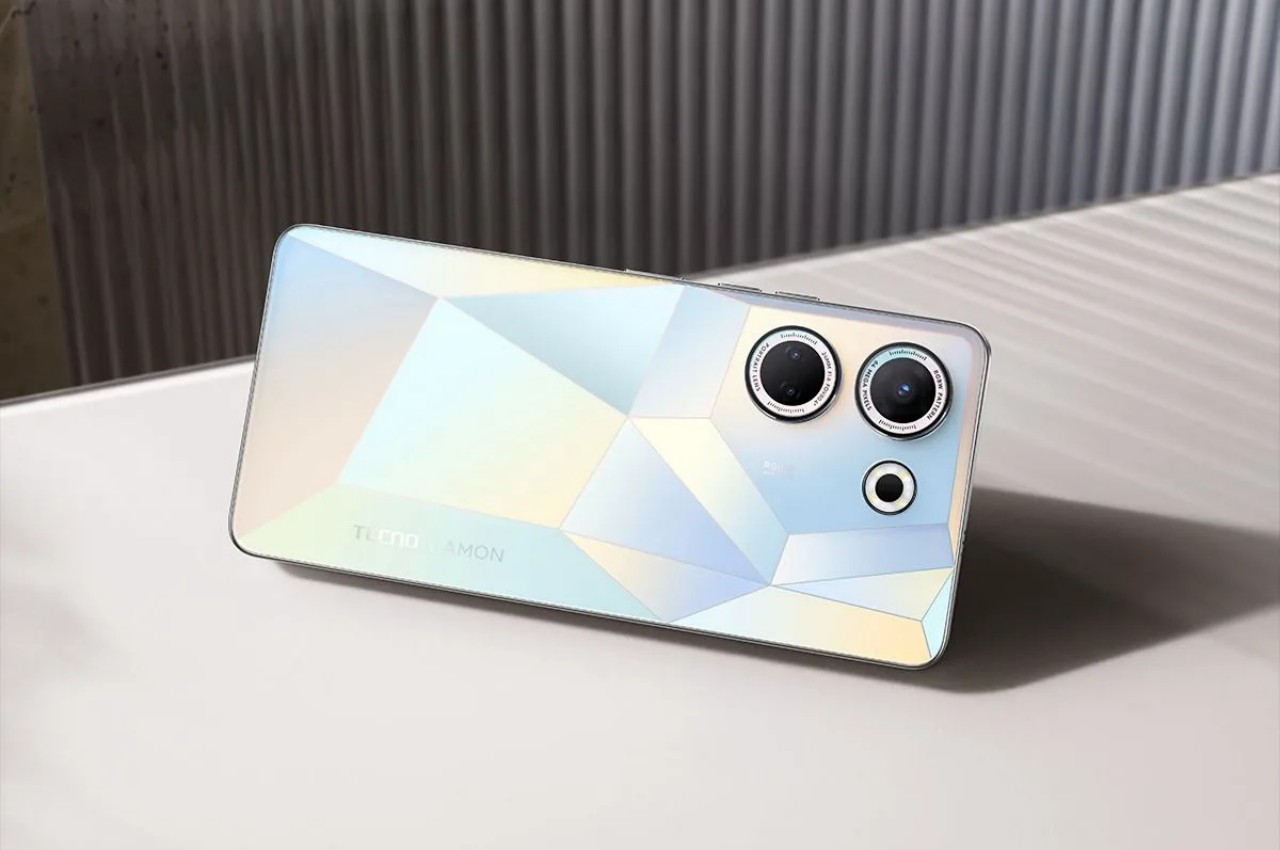
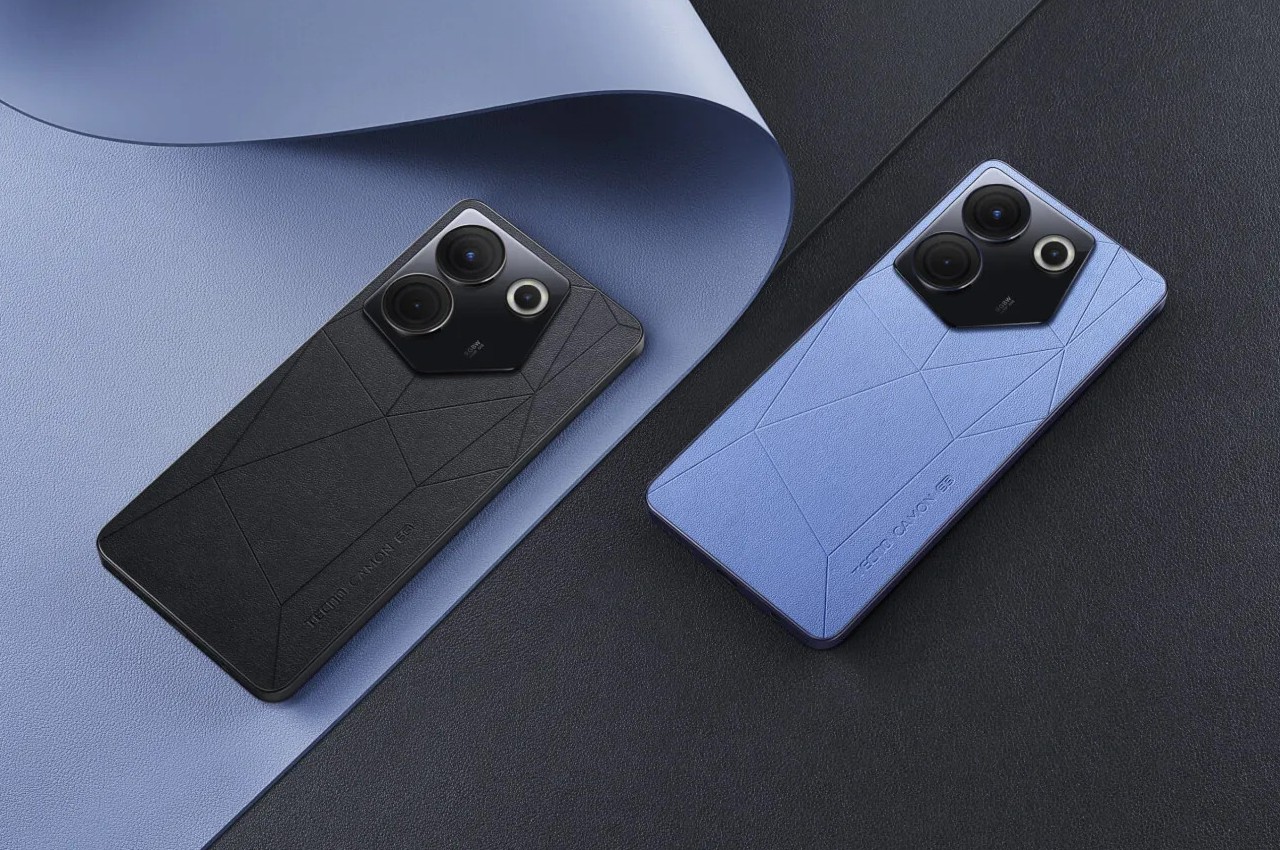
It’s almost ironic that mid-range and lower smartphone tiers are the remaining bastions of the 3.5mm port, probably as a form of cost-savings on more expensive wireless technologies. At the same time, however, some brands continue to support the feature even on their higher-end models. That’s definitely true for last year’s TECNO Camon 20 Pro 5G, which combines stylish design with a well-balanced set of features, including that headphone jack.
Among TECNO’s flagship Camon line, the Camon 20 Pro has the distinction of winning a few design awards, thanks to the unique geometric patterns on its back, including an uneven hexagon shape for the camera bump. Unfortunately, it will also now have the distinction of being the last TECNO Camon to include that 3.5mm port, as the brand seems to be finally shifting this family of smartphones to a wireless future.
Final Thoughts: Hear Ye, Hear Ye
Just because smartphones no longer have headphone jacks doesn’t mean that it’s obsolete technology. Many aspects of the audio industry and the wider multimedia industry still rely on wired connections, and the 3.5mm connector and those like it continue to offer a standard and space-efficient solution. At least for now, wires still have bigger bandwidth and more reliability, even with potential losses when converting between digital and analog.
Wireless audio is thankfully still improving, but it might take some time for it to be a more common technology that can deliver the needed high-fidelity lossless audio transmission. In the push for thinner phones, it’s this aspect that has unfortunately been sacrificed, even if it came at the expense of consumers as well. It’s a good thing, then, that there are still some brands that try to cater to audiophiles, music lovers, and gamers, and we might even see an uptick in these devices as more people become more aware of the critical role that good sound quality plays in an immersive experience.