Most pill organizers still look like something from a hospital drawer, translucent plastic strips with tiny lids that feel clinical and easy to hide. That aesthetic does not help when you are trying to build a daily wellness routine around vitamins, supplements, or medication. Maybe the problem is not people forgetting, but tools that feel like they belong in a cabinet instead of in everyday life, making it harder to stay consistent.
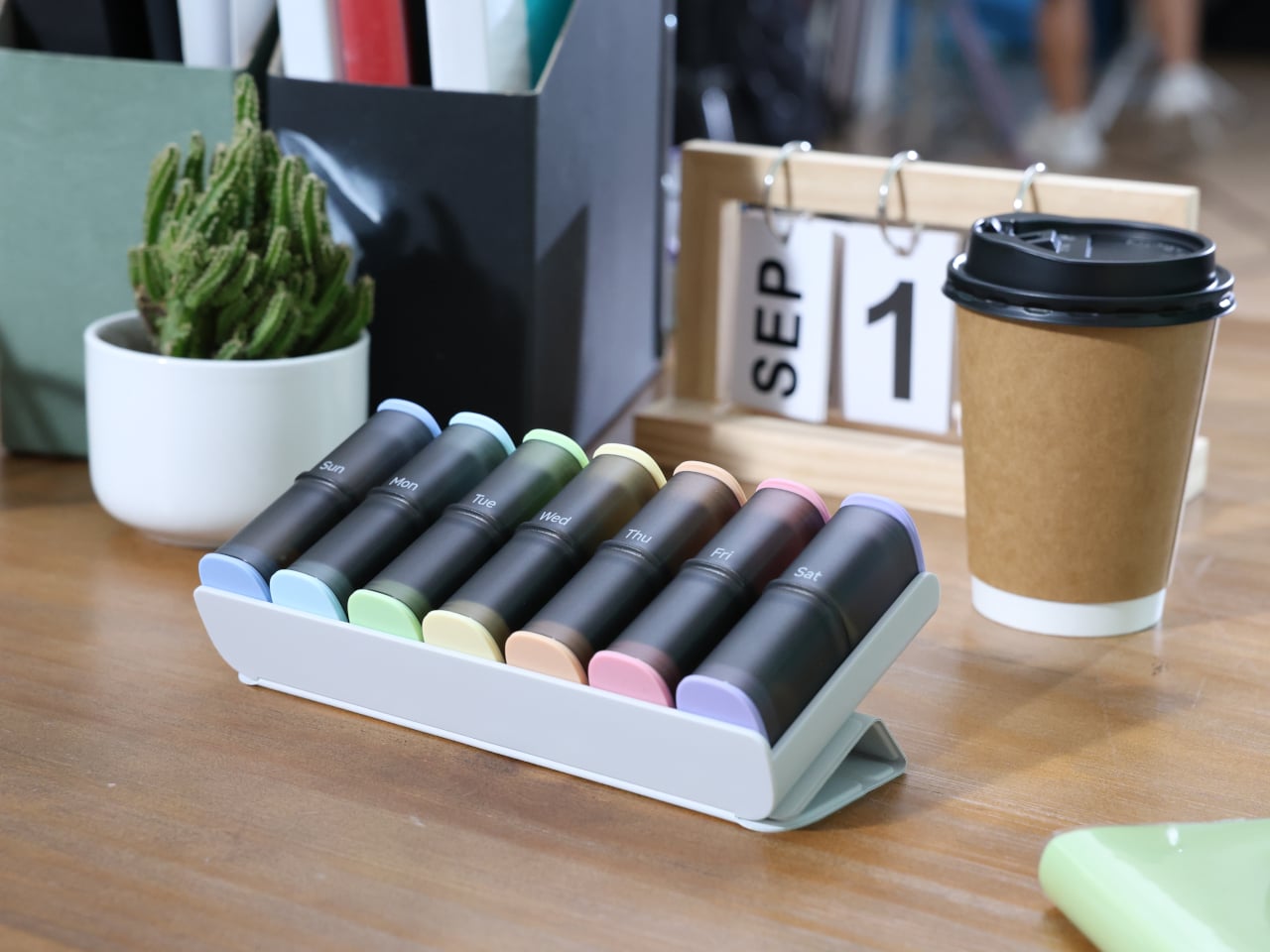
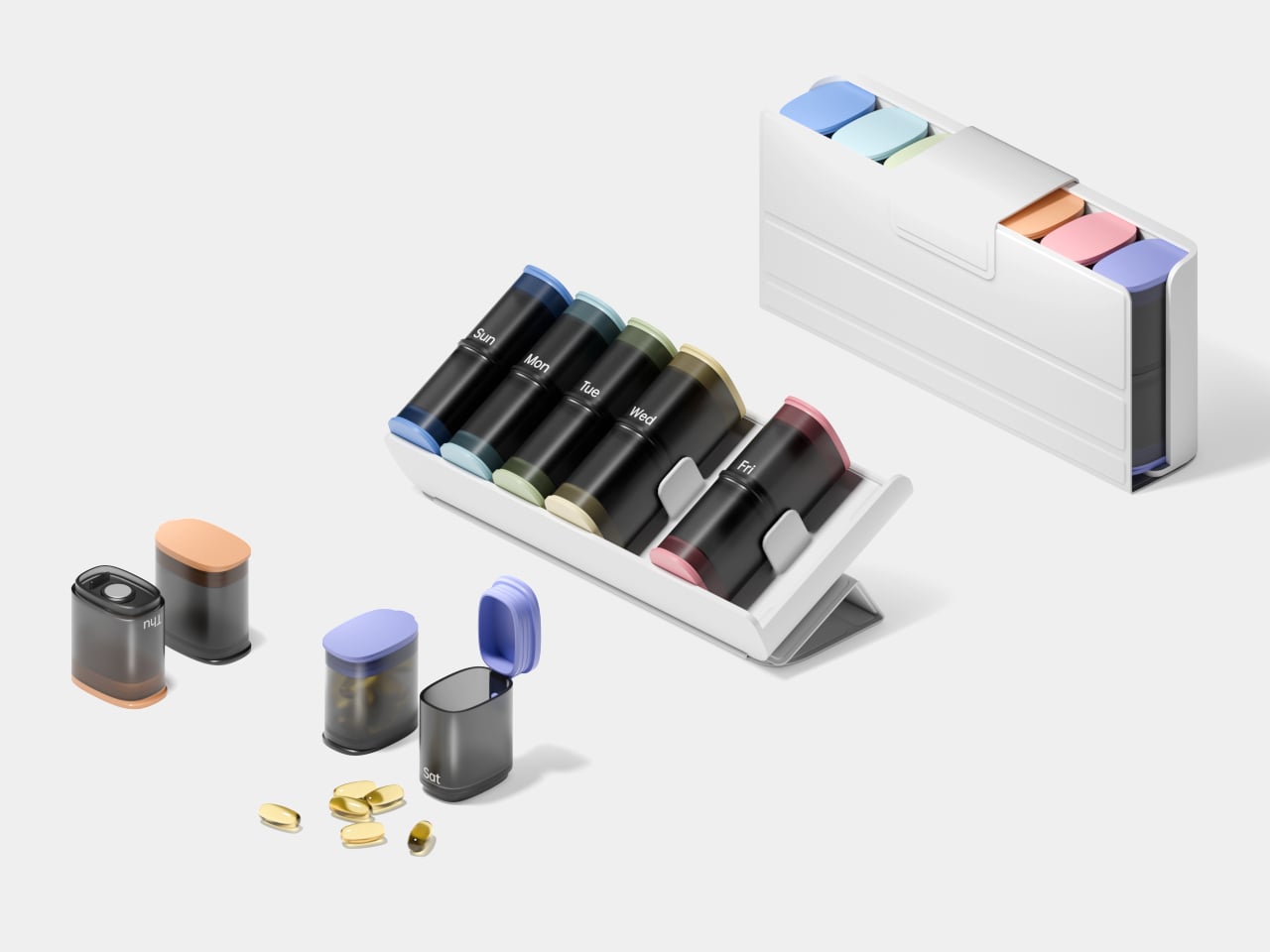
The modobloom M7 pill organizer is a weekly system designed for vitamins, supplements, and meds that is meant to live where you actually are, on a counter, desk, or nightstand. It uses seven magnetic Tritan tubes, one for each day, and a compact foldable case that can display them or tuck them away. The goal is to make your routine visible and calm, not something you only interact with when you are already stressed or running late.
The modobloom M7 is designed to stay in sight, because out of sight often means out of mind. You fill the tubes once at the start of the week, then let them sit in the foldable case where you will see them, simplifying your daily rhythm. The internal compartments are sized for real supplement routines, not just a couple of tiny tablets, so you are not fighting the container every time you add a new capsule to your stack.
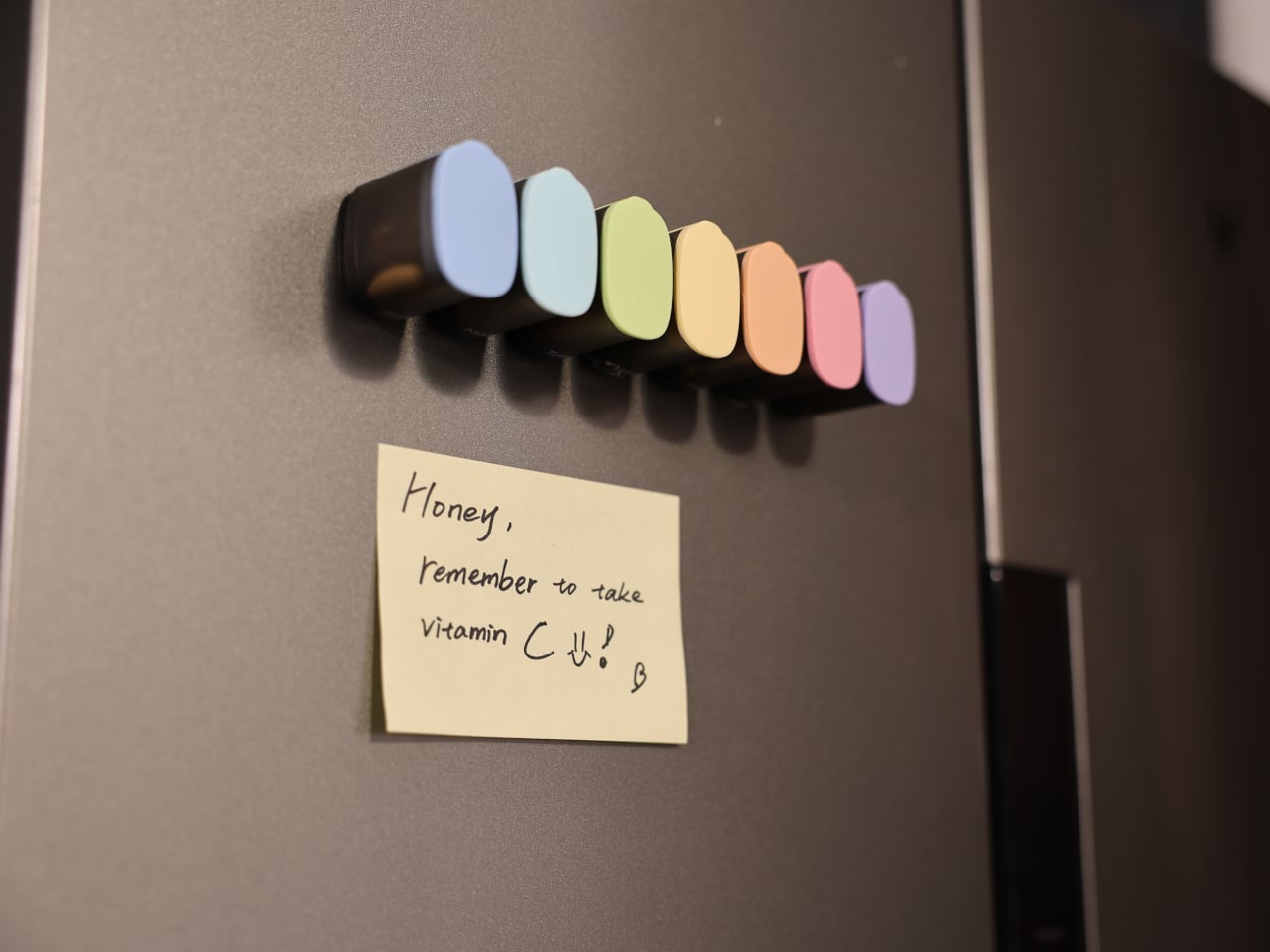
The seven tubes work as a modular set at home and as individual pieces when you leave. The embedded magnets let them snap together in a neat row, then detach smoothly when you want to take a single day with you. A tube can slip into a work bag, gym tote, or carry-on without rattling around, so your bedside routine and your on-the-go life share the same system instead of needing separate containers.
The material choices are Tritan from Eastman USA for the tube bodies, a BPA-free, FDA-compliant plastic used in premium water bottles and baby products, and food-grade silicone for the soft caps. The matte privacy finish keeps contents discreet, while color-coded lids and day labels keep things clear. The silicone cap opens to about 90 degrees and is tuned for one-hand operation, making it easy to open, pour, and close even when you are half-awake.
The modobloom M7 might sit next to a coffee machine as you take morning vitamins, or a single tube might live in a gym bag holding pre- and post-workout supplements. Another could be on an office desk as a quiet reminder in the middle of a busy day. The organizer becomes part of your daily rhythm, not a separate chore, and its soft-touch finishes and curated colors help it blend into a home rather than stand out like medical gear that you would rather not advertise.
A weekly pill organizer might seem like a small thing until you need it every day. When the object you rely on feels cold or embarrassing, it is easy to shove it in a drawer and forget. When it feels considered, safe, and a little bit warm, it is easier to keep it in view and let it support the habits that keep you well. The modobloom M7 treats wellness as something you live with, not something you hide, turning a mundane task into a small, calm ritual that quietly earns its place on your counter.
The dashboard hula dancer has been swaying her way through American car culture since the 1960s. Perched on dashboards from coast to coast, these spring-mounted figurines became synonymous with road trips, Hawaiian kitsch, and carefree summer drives. Their hypnotic hip movements, triggered by every bump and turn, transformed them into beloved symbols of vintage Americana.
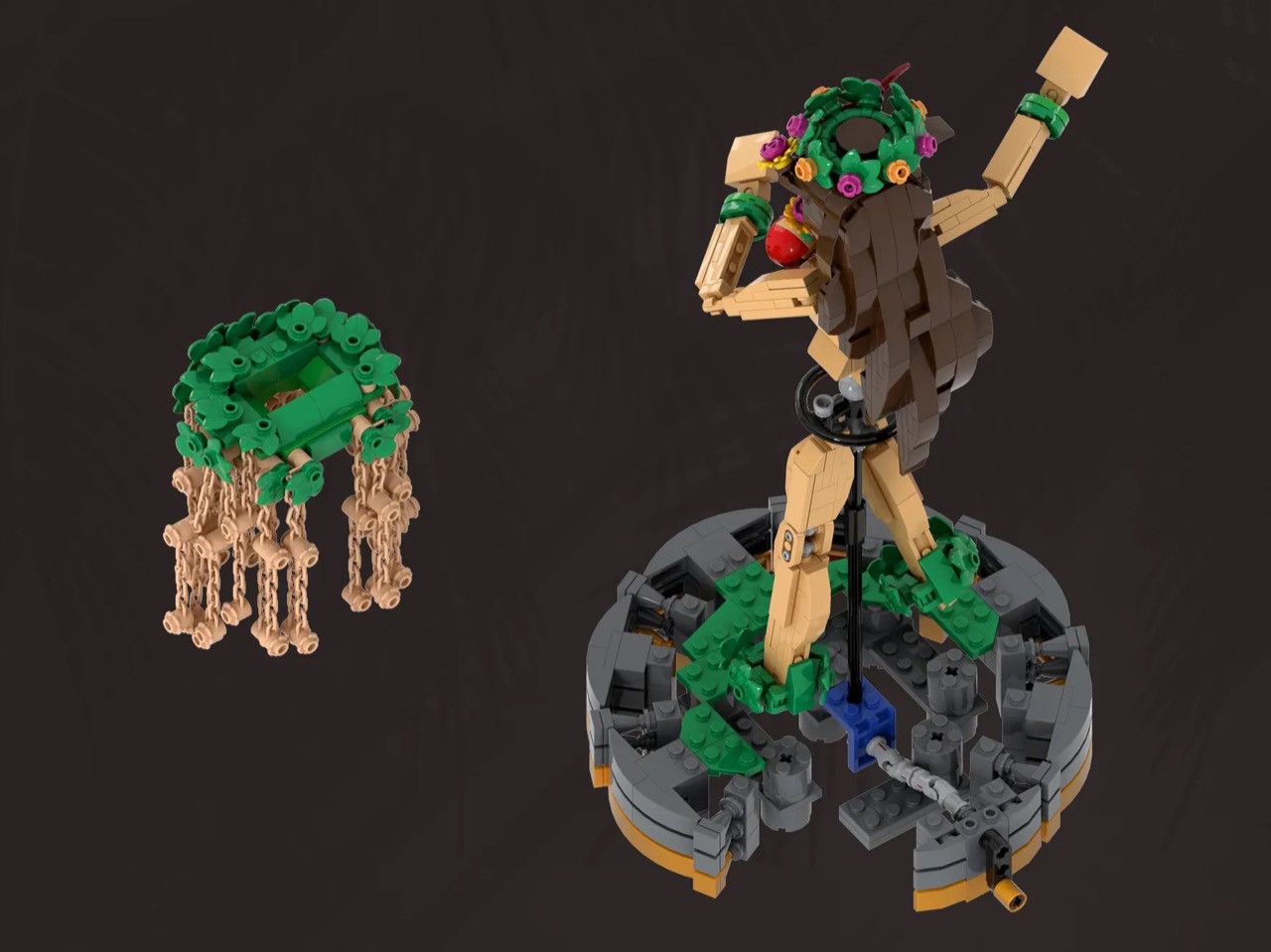
LEGO builder SuperDuperD has now brought this nostalgic icon into the world of bricks with a stunning mechanical recreation. The Dancing Hula Girl is not just a static display piece. Through an ingenious crank mechanism hidden in the base, this 1,070-piece MOC captures the authentic swaying motion of the original dashboard dolls, complete with a flowing chain-link grass skirt that moves naturally with each turn.
Designer: SuperDuperD
The real genius here lives in the skirt. SuperDuperD used tan LEGO chain links to recreate the grass skirt, and this decision alone elevates the entire build from clever homage to genuinely impressive engineering. Chain pieces provide the draping, the texture, the flow, and critically, the flexibility needed for the mechanism to actually work. You could have built a rigid skirt from standard bricks, sure, but then you’d lose the entire essence of what makes a hula dancer’s movements captivating. The chains move independently yet cohesively, mimicking real fabric behavior in a way that feels almost organic for a plastic brick construction.
The mechanism itself relies on beautiful simplicity. A hand crank at the rear rotates an axle beneath the skirt, topped with a technic wheel sporting a single offset pin. That pin creates the up and down motion as the wheel spins, translating rotational movement into the characteristic hip sway. SuperDuperD mentions the trickiest part was connecting the upper and lower body while maintaining stability, which makes complete sense when you consider the forces at play. You’re essentially asking a static torso to remain balanced while the entire lower half oscillates beneath it. The solution required careful weight distribution and structural reinforcement that isn’t immediately visible in the final build, which is exactly how good engineering should work.
At 1,070 pieces and 450 grams, you’re looking at maybe a weekend build, which feels appropriate for something that’s half display model, half kinetic toy. The functional crank changes how you interact with this compared to a static build. Display models get built, photographed, then slowly fade into your peripheral vision until you stop noticing them entirely. Kinetic sculptures stay relevant because they invite interaction. You walk past your shelf, give the crank a few turns, watch the hips sway, then continue with your day with a smile on your face.
This MOC is live on LEGO Ideas right now, currently sitting at around 100 supporters with 59 days left to hit the first milestone of 10,000 votes. Reaching that threshold gets it in front of LEGO’s review board, where they decide which fan designs become official retail sets. If you think a mechanical dashboard hula dancer belongs in LEGO’s catalog, the voting process takes half a minute. All you need to do is go to the LEGO Ideas website hit the vote button!
The dashboard hula dancer has been swaying her way through American car culture since the 1960s. Perched on dashboards from coast to coast, these spring-mounted figurines became synonymous with road trips, Hawaiian kitsch, and carefree summer drives. Their hypnotic hip movements, triggered by every bump and turn, transformed them into beloved symbols of vintage Americana.
LEGO builder SuperDuperD has now brought this nostalgic icon into the world of bricks with a stunning mechanical recreation. The Dancing Hula Girl is not just a static display piece. Through an ingenious crank mechanism hidden in the base, this 1,070-piece MOC captures the authentic swaying motion of the original dashboard dolls, complete with a flowing chain-link grass skirt that moves naturally with each turn.
Designer: SuperDuperD
The real genius here lives in the skirt. SuperDuperD used tan LEGO chain links to recreate the grass skirt, and this decision alone elevates the entire build from clever homage to genuinely impressive engineering. Chain pieces provide the draping, the texture, the flow, and critically, the flexibility needed for the mechanism to actually work. You could have built a rigid skirt from standard bricks, sure, but then you’d lose the entire essence of what makes a hula dancer’s movements captivating. The chains move independently yet cohesively, mimicking real fabric behavior in a way that feels almost organic for a plastic brick construction.
The mechanism itself relies on beautiful simplicity. A hand crank at the rear rotates an axle beneath the skirt, topped with a technic wheel sporting a single offset pin. That pin creates the up and down motion as the wheel spins, translating rotational movement into the characteristic hip sway. SuperDuperD mentions the trickiest part was connecting the upper and lower body while maintaining stability, which makes complete sense when you consider the forces at play. You’re essentially asking a static torso to remain balanced while the entire lower half oscillates beneath it. The solution required careful weight distribution and structural reinforcement that isn’t immediately visible in the final build, which is exactly how good engineering should work.
At 1,070 pieces and 450 grams, you’re looking at maybe a weekend build, which feels appropriate for something that’s half display model, half kinetic toy. The functional crank changes how you interact with this compared to a static build. Display models get built, photographed, then slowly fade into your peripheral vision until you stop noticing them entirely. Kinetic sculptures stay relevant because they invite interaction. You walk past your shelf, give the crank a few turns, watch the hips sway, then continue with your day with a smile on your face.
This MOC is live on LEGO Ideas right now, currently sitting at around 100 supporters with 59 days left to hit the first milestone of 10,000 votes. Reaching that threshold gets it in front of LEGO’s review board, where they decide which fan designs become official retail sets. If you think a mechanical dashboard hula dancer belongs in LEGO’s catalog, the voting process takes half a minute. All you need to do is go to the LEGO Ideas website hit the vote button!
The dashboard hula dancer has been swaying her way through American car culture since the 1960s. Perched on dashboards from coast to coast, these spring-mounted figurines became synonymous with road trips, Hawaiian kitsch, and carefree summer drives. Their hypnotic hip movements, triggered by every bump and turn, transformed them into beloved symbols of vintage Americana.
LEGO builder SuperDuperD has now brought this nostalgic icon into the world of bricks with a stunning mechanical recreation. The Dancing Hula Girl is not just a static display piece. Through an ingenious crank mechanism hidden in the base, this 1,070-piece MOC captures the authentic swaying motion of the original dashboard dolls, complete with a flowing chain-link grass skirt that moves naturally with each turn.
Designer: SuperDuperD
The real genius here lives in the skirt. SuperDuperD used tan LEGO chain links to recreate the grass skirt, and this decision alone elevates the entire build from clever homage to genuinely impressive engineering. Chain pieces provide the draping, the texture, the flow, and critically, the flexibility needed for the mechanism to actually work. You could have built a rigid skirt from standard bricks, sure, but then you’d lose the entire essence of what makes a hula dancer’s movements captivating. The chains move independently yet cohesively, mimicking real fabric behavior in a way that feels almost organic for a plastic brick construction.
The mechanism itself relies on beautiful simplicity. A hand crank at the rear rotates an axle beneath the skirt, topped with a technic wheel sporting a single offset pin. That pin creates the up and down motion as the wheel spins, translating rotational movement into the characteristic hip sway. SuperDuperD mentions the trickiest part was connecting the upper and lower body while maintaining stability, which makes complete sense when you consider the forces at play. You’re essentially asking a static torso to remain balanced while the entire lower half oscillates beneath it. The solution required careful weight distribution and structural reinforcement that isn’t immediately visible in the final build, which is exactly how good engineering should work.
At 1,070 pieces and 450 grams, you’re looking at maybe a weekend build, which feels appropriate for something that’s half display model, half kinetic toy. The functional crank changes how you interact with this compared to a static build. Display models get built, photographed, then slowly fade into your peripheral vision until you stop noticing them entirely. Kinetic sculptures stay relevant because they invite interaction. You walk past your shelf, give the crank a few turns, watch the hips sway, then continue with your day with a smile on your face.
This MOC is live on LEGO Ideas right now, currently sitting at around 100 supporters with 59 days left to hit the first milestone of 10,000 votes. Reaching that threshold gets it in front of LEGO’s review board, where they decide which fan designs become official retail sets. If you think a mechanical dashboard hula dancer belongs in LEGO’s catalog, the voting process takes half a minute. All you need to do is go to the LEGO Ideas website hit the vote button!
The dashboard hula dancer has been swaying her way through American car culture since the 1960s. Perched on dashboards from coast to coast, these spring-mounted figurines became synonymous with road trips, Hawaiian kitsch, and carefree summer drives. Their hypnotic hip movements, triggered by every bump and turn, transformed them into beloved symbols of vintage Americana.
LEGO builder SuperDuperD has now brought this nostalgic icon into the world of bricks with a stunning mechanical recreation. The Dancing Hula Girl is not just a static display piece. Through an ingenious crank mechanism hidden in the base, this 1,070-piece MOC captures the authentic swaying motion of the original dashboard dolls, complete with a flowing chain-link grass skirt that moves naturally with each turn.
Designer: SuperDuperD
The real genius here lives in the skirt. SuperDuperD used tan LEGO chain links to recreate the grass skirt, and this decision alone elevates the entire build from clever homage to genuinely impressive engineering. Chain pieces provide the draping, the texture, the flow, and critically, the flexibility needed for the mechanism to actually work. You could have built a rigid skirt from standard bricks, sure, but then you’d lose the entire essence of what makes a hula dancer’s movements captivating. The chains move independently yet cohesively, mimicking real fabric behavior in a way that feels almost organic for a plastic brick construction.
The mechanism itself relies on beautiful simplicity. A hand crank at the rear rotates an axle beneath the skirt, topped with a technic wheel sporting a single offset pin. That pin creates the up and down motion as the wheel spins, translating rotational movement into the characteristic hip sway. SuperDuperD mentions the trickiest part was connecting the upper and lower body while maintaining stability, which makes complete sense when you consider the forces at play. You’re essentially asking a static torso to remain balanced while the entire lower half oscillates beneath it. The solution required careful weight distribution and structural reinforcement that isn’t immediately visible in the final build, which is exactly how good engineering should work.
At 1,070 pieces and 450 grams, you’re looking at maybe a weekend build, which feels appropriate for something that’s half display model, half kinetic toy. The functional crank changes how you interact with this compared to a static build. Display models get built, photographed, then slowly fade into your peripheral vision until you stop noticing them entirely. Kinetic sculptures stay relevant because they invite interaction. You walk past your shelf, give the crank a few turns, watch the hips sway, then continue with your day with a smile on your face.
This MOC is live on LEGO Ideas right now, currently sitting at around 100 supporters with 59 days left to hit the first milestone of 10,000 votes. Reaching that threshold gets it in front of LEGO’s review board, where they decide which fan designs become official retail sets. If you think a mechanical dashboard hula dancer belongs in LEGO’s catalog, the voting process takes half a minute. All you need to do is go to the LEGO Ideas website hit the vote button!
The dashboard hula dancer has been swaying her way through American car culture since the 1960s. Perched on dashboards from coast to coast, these spring-mounted figurines became synonymous with road trips, Hawaiian kitsch, and carefree summer drives. Their hypnotic hip movements, triggered by every bump and turn, transformed them into beloved symbols of vintage Americana.
LEGO builder SuperDuperD has now brought this nostalgic icon into the world of bricks with a stunning mechanical recreation. The Dancing Hula Girl is not just a static display piece. Through an ingenious crank mechanism hidden in the base, this 1,070-piece MOC captures the authentic swaying motion of the original dashboard dolls, complete with a flowing chain-link grass skirt that moves naturally with each turn.
Designer: SuperDuperD
The real genius here lives in the skirt. SuperDuperD used tan LEGO chain links to recreate the grass skirt, and this decision alone elevates the entire build from clever homage to genuinely impressive engineering. Chain pieces provide the draping, the texture, the flow, and critically, the flexibility needed for the mechanism to actually work. You could have built a rigid skirt from standard bricks, sure, but then you’d lose the entire essence of what makes a hula dancer’s movements captivating. The chains move independently yet cohesively, mimicking real fabric behavior in a way that feels almost organic for a plastic brick construction.
The mechanism itself relies on beautiful simplicity. A hand crank at the rear rotates an axle beneath the skirt, topped with a technic wheel sporting a single offset pin. That pin creates the up and down motion as the wheel spins, translating rotational movement into the characteristic hip sway. SuperDuperD mentions the trickiest part was connecting the upper and lower body while maintaining stability, which makes complete sense when you consider the forces at play. You’re essentially asking a static torso to remain balanced while the entire lower half oscillates beneath it. The solution required careful weight distribution and structural reinforcement that isn’t immediately visible in the final build, which is exactly how good engineering should work.
At 1,070 pieces and 450 grams, you’re looking at maybe a weekend build, which feels appropriate for something that’s half display model, half kinetic toy. The functional crank changes how you interact with this compared to a static build. Display models get built, photographed, then slowly fade into your peripheral vision until you stop noticing them entirely. Kinetic sculptures stay relevant because they invite interaction. You walk past your shelf, give the crank a few turns, watch the hips sway, then continue with your day with a smile on your face.
This MOC is live on LEGO Ideas right now, currently sitting at around 100 supporters with 59 days left to hit the first milestone of 10,000 votes. Reaching that threshold gets it in front of LEGO’s review board, where they decide which fan designs become official retail sets. If you think a mechanical dashboard hula dancer belongs in LEGO’s catalog, the voting process takes half a minute. All you need to do is go to the LEGO Ideas website hit the vote button!
The dashboard hula dancer has been swaying her way through American car culture since the 1960s. Perched on dashboards from coast to coast, these spring-mounted figurines became synonymous with road trips, Hawaiian kitsch, and carefree summer drives. Their hypnotic hip movements, triggered by every bump and turn, transformed them into beloved symbols of vintage Americana.
LEGO builder SuperDuperD has now brought this nostalgic icon into the world of bricks with a stunning mechanical recreation. The Dancing Hula Girl is not just a static display piece. Through an ingenious crank mechanism hidden in the base, this 1,070-piece MOC captures the authentic swaying motion of the original dashboard dolls, complete with a flowing chain-link grass skirt that moves naturally with each turn.
Designer: SuperDuperD
The real genius here lives in the skirt. SuperDuperD used tan LEGO chain links to recreate the grass skirt, and this decision alone elevates the entire build from clever homage to genuinely impressive engineering. Chain pieces provide the draping, the texture, the flow, and critically, the flexibility needed for the mechanism to actually work. You could have built a rigid skirt from standard bricks, sure, but then you’d lose the entire essence of what makes a hula dancer’s movements captivating. The chains move independently yet cohesively, mimicking real fabric behavior in a way that feels almost organic for a plastic brick construction.
The mechanism itself relies on beautiful simplicity. A hand crank at the rear rotates an axle beneath the skirt, topped with a technic wheel sporting a single offset pin. That pin creates the up and down motion as the wheel spins, translating rotational movement into the characteristic hip sway. SuperDuperD mentions the trickiest part was connecting the upper and lower body while maintaining stability, which makes complete sense when you consider the forces at play. You’re essentially asking a static torso to remain balanced while the entire lower half oscillates beneath it. The solution required careful weight distribution and structural reinforcement that isn’t immediately visible in the final build, which is exactly how good engineering should work.
At 1,070 pieces and 450 grams, you’re looking at maybe a weekend build, which feels appropriate for something that’s half display model, half kinetic toy. The functional crank changes how you interact with this compared to a static build. Display models get built, photographed, then slowly fade into your peripheral vision until you stop noticing them entirely. Kinetic sculptures stay relevant because they invite interaction. You walk past your shelf, give the crank a few turns, watch the hips sway, then continue with your day with a smile on your face.
This MOC is live on LEGO Ideas right now, currently sitting at around 100 supporters with 59 days left to hit the first milestone of 10,000 votes. Reaching that threshold gets it in front of LEGO’s review board, where they decide which fan designs become official retail sets. If you think a mechanical dashboard hula dancer belongs in LEGO’s catalog, the voting process takes half a minute. All you need to do is go to the LEGO Ideas website hit the vote button!
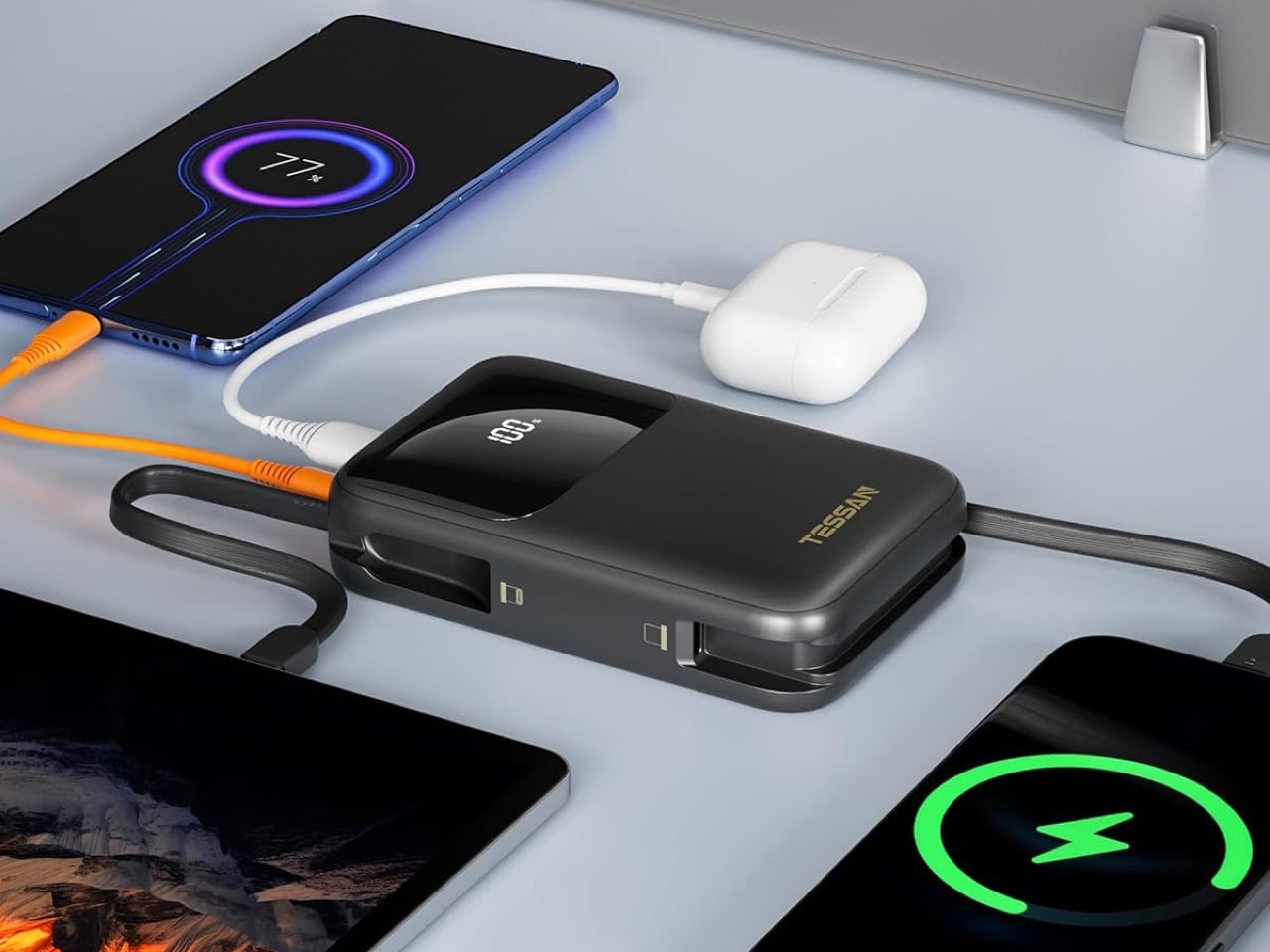
Apple sells a polishing cloth for about twenty bucks. TESSAN is out here offering a 20,000 mAh power bank with 30 watt USB C charging and built in USB C and Lightning cables for less than that. One cleans fingerprints off your screen. The other can recharge your phone several times, top up a thin and light laptop, and keep a tablet alive through a long flight. It is hard not to see the contrast as a snapshot of the current accessory market.
For roughly the price of Apple’s most meme worthy add on, you can buy a brick that quietly solves the most common charging headaches. No extra cables to pack, no hunting for outlets in crowded airports, no arguing over the one free plug at a conference. Just a single charger that covers most of the devices you actually carry. The polishing cloth may be softer. The value proposition is not.
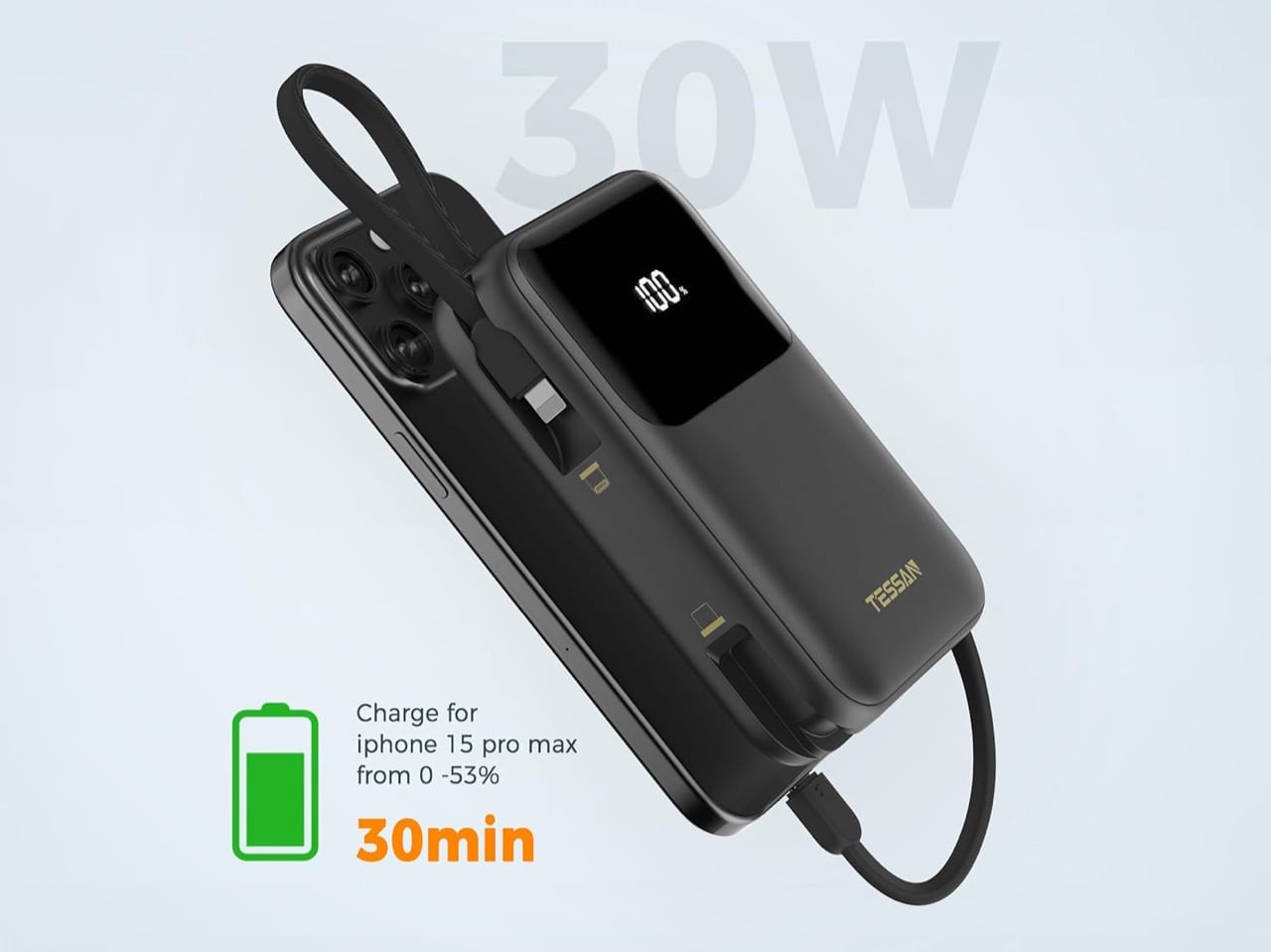
The built in cables are what make this thing actually useful instead of just another rectangular battery that sits in a drawer. You get a Lightning cable and a USB C cable permanently attached to the bank itself, plus a separate USB C port and USB A port on the side. So you can charge an iPhone, an Android phone, and something like a tablet or a laptop all at once without carrying a single extra cord. The 30 watt output means you can actually fast charge modern phones or keep a thin laptop limping along during a long meeting. TESSAN says it will push an iPhone 15 Pro to 53 percent in half an hour, which tracks with standard USB C PD speeds.
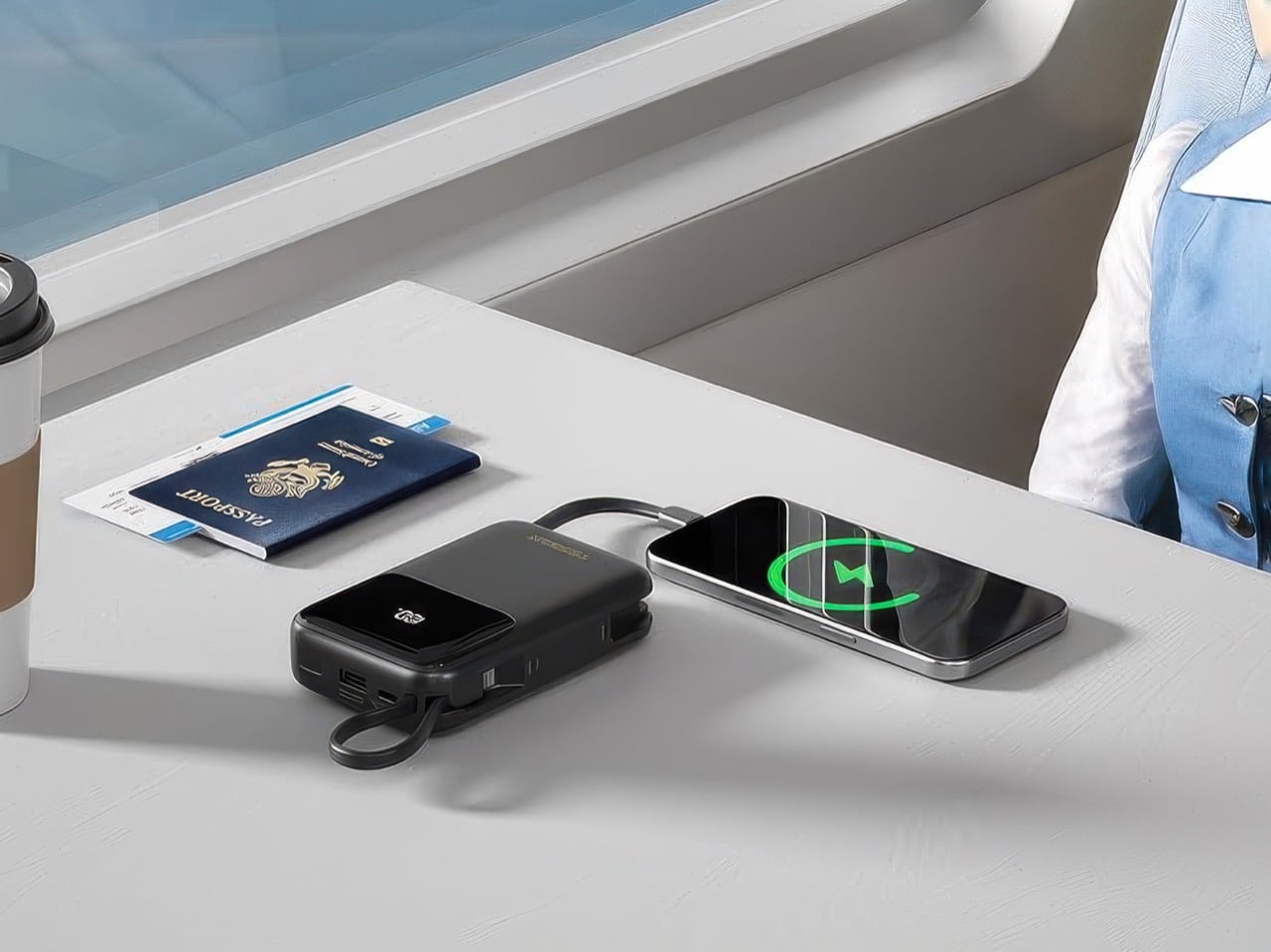
The 20,000 mAh capacity is enough to fully charge a MacBook Air once with a bit left over, or get about three to four full phone charges depending on your device. Real world usable capacity will be closer to 13,000 or 14,000 mAh after conversion losses, but that is normal for every power bank on the market. You are still looking at multiple days of phone backup or one solid laptop rescue. The whole thing weighs enough that you will know it is in your bag, but it fits under most airline carry on battery limits, so you can actually travel with it.
At 17 dollars, this feels like one of those weird Amazon lightning deals where the price accidentally makes sense for about 48 hours before it jumps back up. Most 20,000 mAh banks with any kind of name recognition sit closer to 40 or 50 bucks, and the ones with built in cables usually add another 10 or 15 on top of that. TESSAN is an Amazon brand that does travel adapters and charging accessories, so you are trading some of the premium build quality and safety margin you would get from Anker or Belkin for a price that just barely registers as a purchase. If the cables fray in a year, you discard it as e-waste and buy another one for less than the cost of replacing a single USB C cable from Apple. Sounds bonkers, no?
Japanese kitchen design operates on a philosophy that transcends mere functionality. Each tool embodies centuries of refinement, where form and purpose merge into something approaching meditation. The best Japanese kitchen gadgets don’t just perform tasks—they transform cooking from a chore into a ritual, from a necessity into a practice. These tools invite slowness, demand presence, and reward attention with results that feel effortless yet profound.
Western kitchens often accumulate gadgets that promise convenience but deliver clutter. Japanese design takes the opposite approach: fewer tools, greater intention, deeper satisfaction. The implements featured here represent that minimalist mastery, where every curve, every material choice, every weight distribution serves both practical and experiential goals. They make cooking feel less like a production and more like a meaningful participation, something zen.
1. Precision Chef Kitchen Scissors
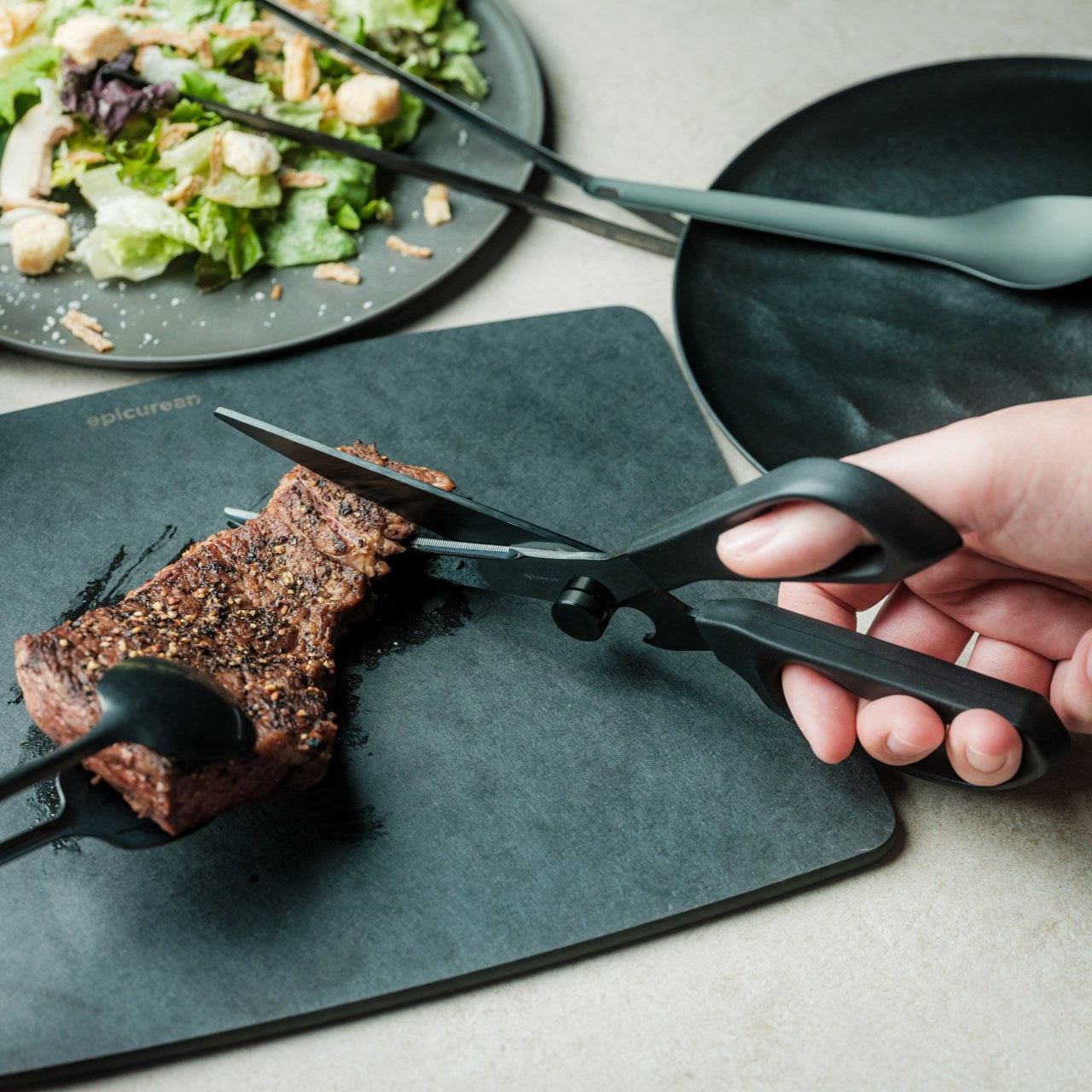
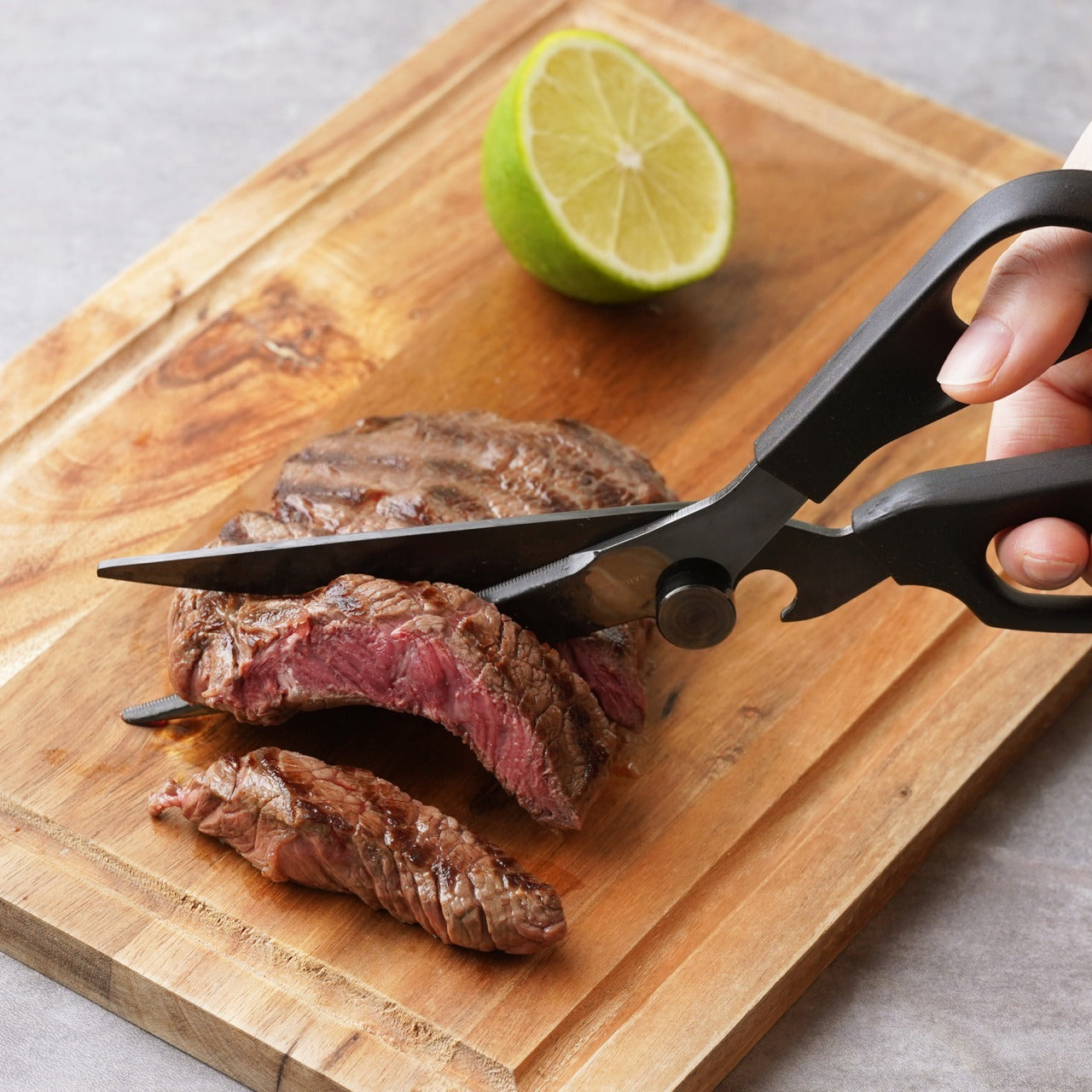
Most Western kitchens relegate scissors to the junk drawer, pulling them out occasionally for packaging or emergency herb trimming. The Precision Chef Kitchen Scissors rewrite that relationship entirely, becoming the primary tool you reach for before your knife even enters consideration. Specially engineered curved serrated blades slice through meat, vegetables, pizza, and herbs with startling ease, while the oxidation coloring creates a commanding black finish that resists deterioration. The ergonomic design includes a crucial detail: when laid flat, the blades hover above the surface, preserving both sharpness and sanitation between uses.
The genuine versatility transforms these scissors from a specialty item into a drawer consolidation. Butchering chicken becomes faster than knife work, requiring fewer cuts and less cleanup. Trimming fat, portioning pizza, opening stubborn packages, and detailed vegetable prep—the Precision Chef handles everything with authority. The curved serrated design grips slippery meats and fibrous vegetables that regular scissors struggle to control. The substantial build inspires confidence for heavy-duty tasks while maintaining precision for delicate work. For anyone seeking to simplify their kitchen, these scissors genuinely replace multiple knives, kitchen shears, herb scissors, and pizza cutters in one elegant package.
The curved serrated blades provide a superior grip on ingredients that slip away from standard scissors
The oxidation black finish resists fading and adds visual drama to your knife block
Blades that don’t touch surfaces when flat maintain sharpness longer and improve hygiene
The consolidation factor genuinely reduces drawer clutter without sacrificing capability
What We Dislike
The specialized blade design might require adjustment if you’re accustomed to traditional kitchen shears
The substantial build, while confidence-inspiring, adds weight that some users might find tiring during extended prep sessions
2. Smart Tea Pot
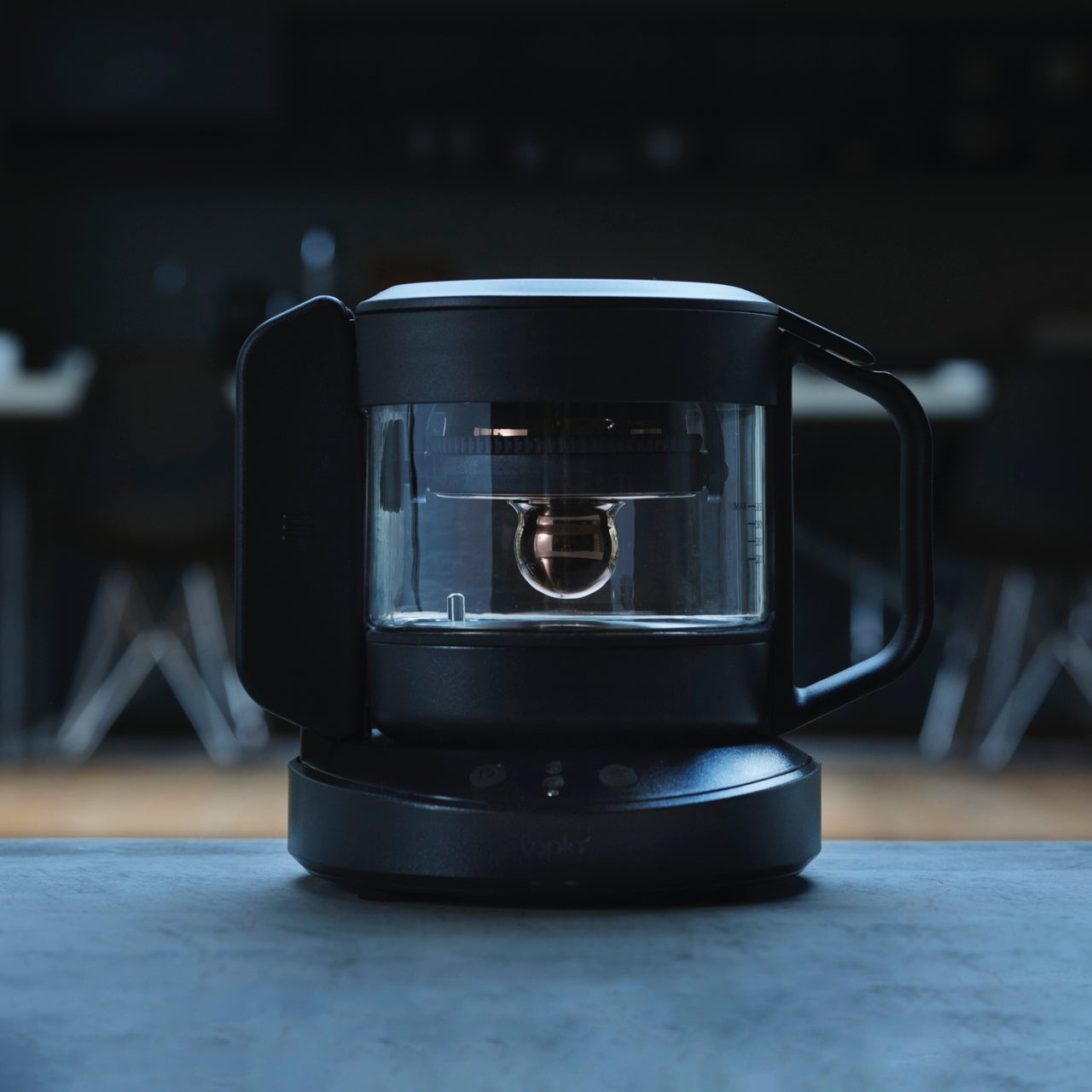
Tea preparation in Japanese culture approaches a ceremony, where temperature, timing, and intention determine whether you’re drinking hot leaf water or experiencing something transcendent. This revolutionary smart teapot brings that tea master precision into everyday practice through app-connected brewing technology. Six advanced sensors analyze your heart rate, finger temperature, and environmental conditions to tailor each brew to your current physical and emotional state. The comprehensive tea database stores optimal brewing conditions for everything from delicate white teas to robust pu-erh, ensuring authentic flavor and aroma without guesswork or timer-watching.
The personalized brewing system transforms tea from a beverage into a responsive ritual. Morning green tea brews differently from evening chamomile, not just in temperature and steeping time, but calibrated to your biometric data in that specific moment. The intuitive app interface removes the interruption of manual monitoring, letting you remain present rather than anxiously checking the clock. The technology doesn’t complicate the tea experience—it removes complications, creating space for the meditative aspects of tea preparation to emerge. This teapot understands that perfect tea isn’t about following rigid recipes but responding to the infinite variables of human experience and environmental context.
Biometric sensors create genuinely personalized tea experiences that respond to your current state
The comprehensive tea database eliminates guesswork for unfamiliar varieties
App connectivity provides consistency without requiring constant monitoring
The technology enhances rather than interrupts the meditative tea ritual
What We Dislike
The learning curve for app features might frustrate users seeking immediate simplicity
The reliance on technology introduces failure points that traditional teapots avoid entirely
3. Plate Grater
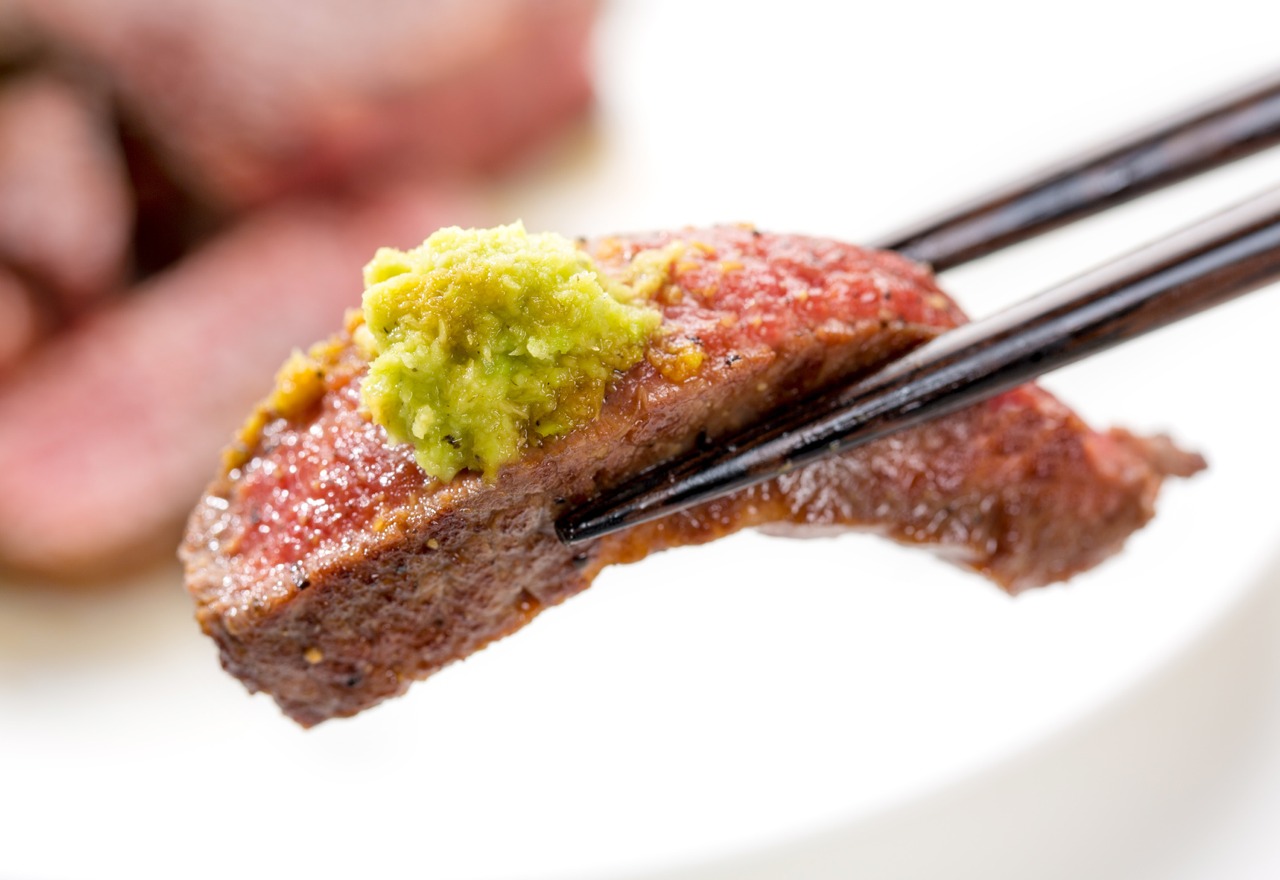
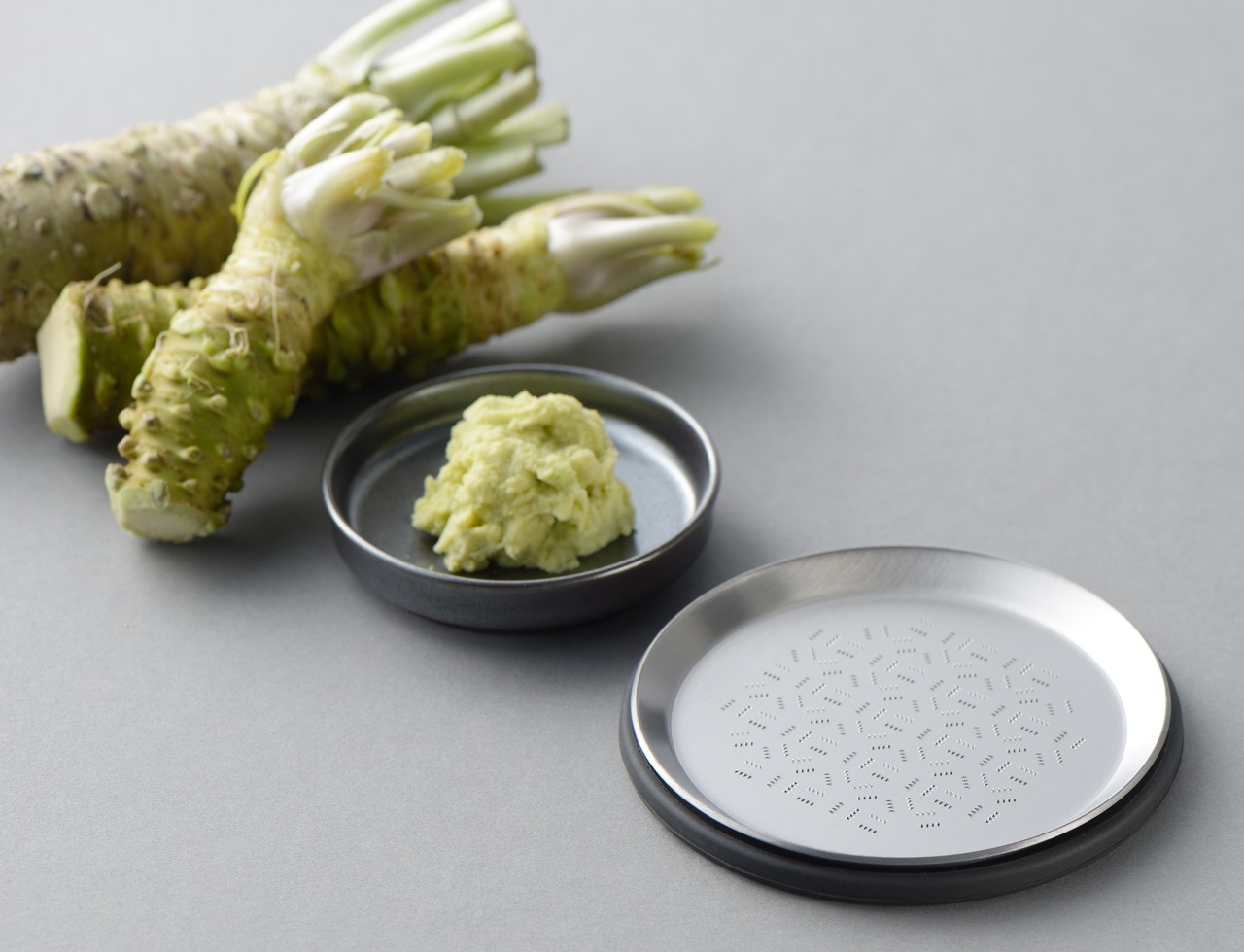
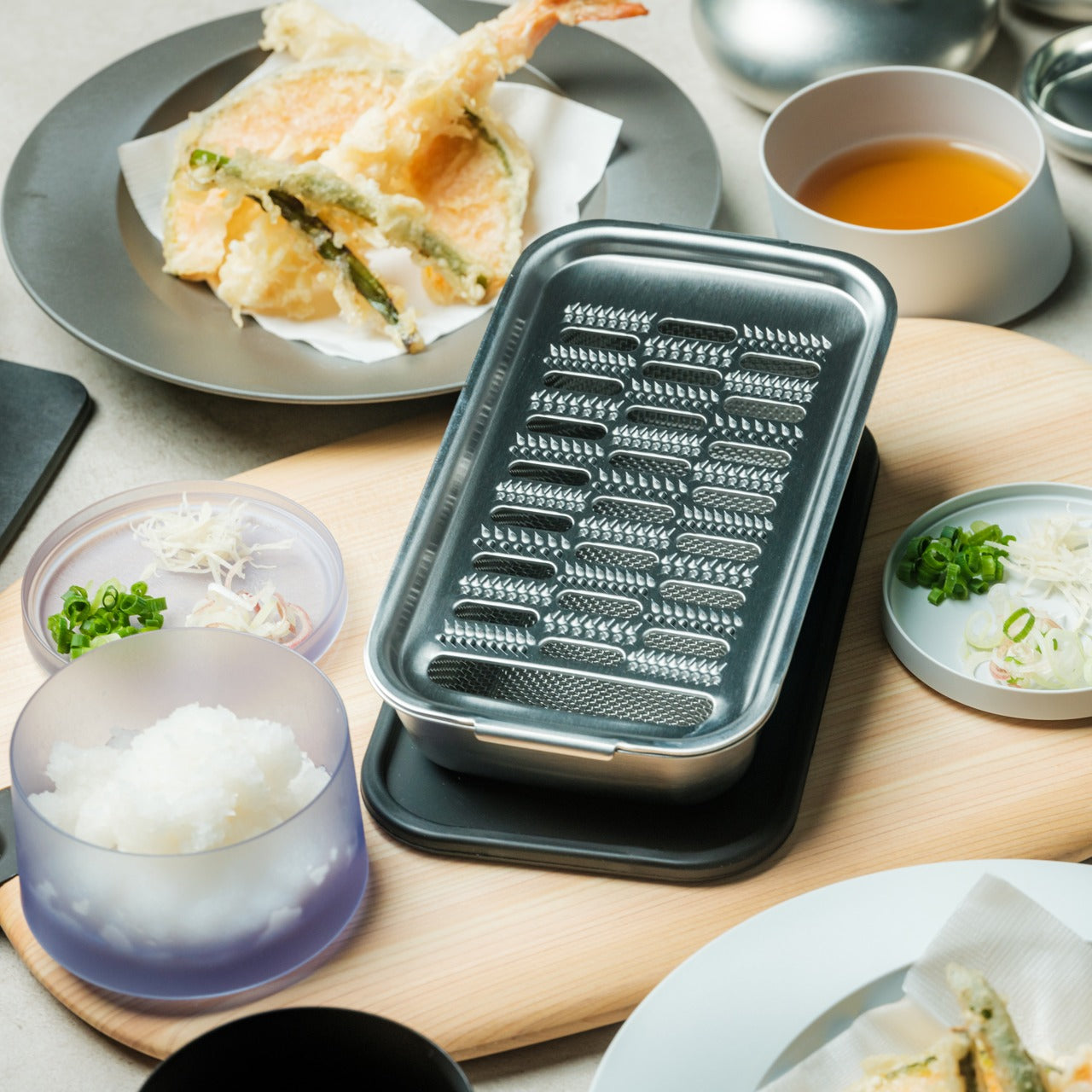
Wasabi, daikon, ginger—certain ingredients demand fresh preparation at the moment of serving, not hours before, when flavor and aroma peak. This round plate grater brings tableside garnish preparation from restaurant kitchens into home dining through elegant simplicity. The circular grating motion feels therapeutic rather than tedious, creating a mindful pause between cooking and eating. Crafted from durable stainless steel with an anti-slip silicone base that doubles as a protective cover, the thin and lightweight design stores easily without occupying precious drawer real estate.
The tableside preparation transforms garnishes from afterthought into engagement. Grating fresh wasabi for sashimi, daikon for tempura, and ginger for grilled fish—the circular motion becomes part of the dining ritual rather than prep work to rush through. The compact round design fits naturally at the table without commanding excessive space or attention. The anti-slip base provides stability during use and protection during storage. The therapeutic circular grating motion offers a moment of presence between cooking and consumption, a brief meditative pause that enhances appreciation for what follows. This grater makes fresh garnish preparation so effortless and pleasant that you’ll find reasons to grate things you previously bought pre-processed.
The circular grating motion creates a genuinely therapeutic preparation experience
The compact round design fits naturally at dining tables without crowding
The dual-purpose silicone base prevents slipping during use and protects during storage
Fresh garnish preparation becomes a ritual rather than a chore
What We Dislike
The round plate design limits the types of ingredients that can be effectively grated
The compact size, while space-efficient, means slower processing for larger quantities
4. Iron Frying Plate
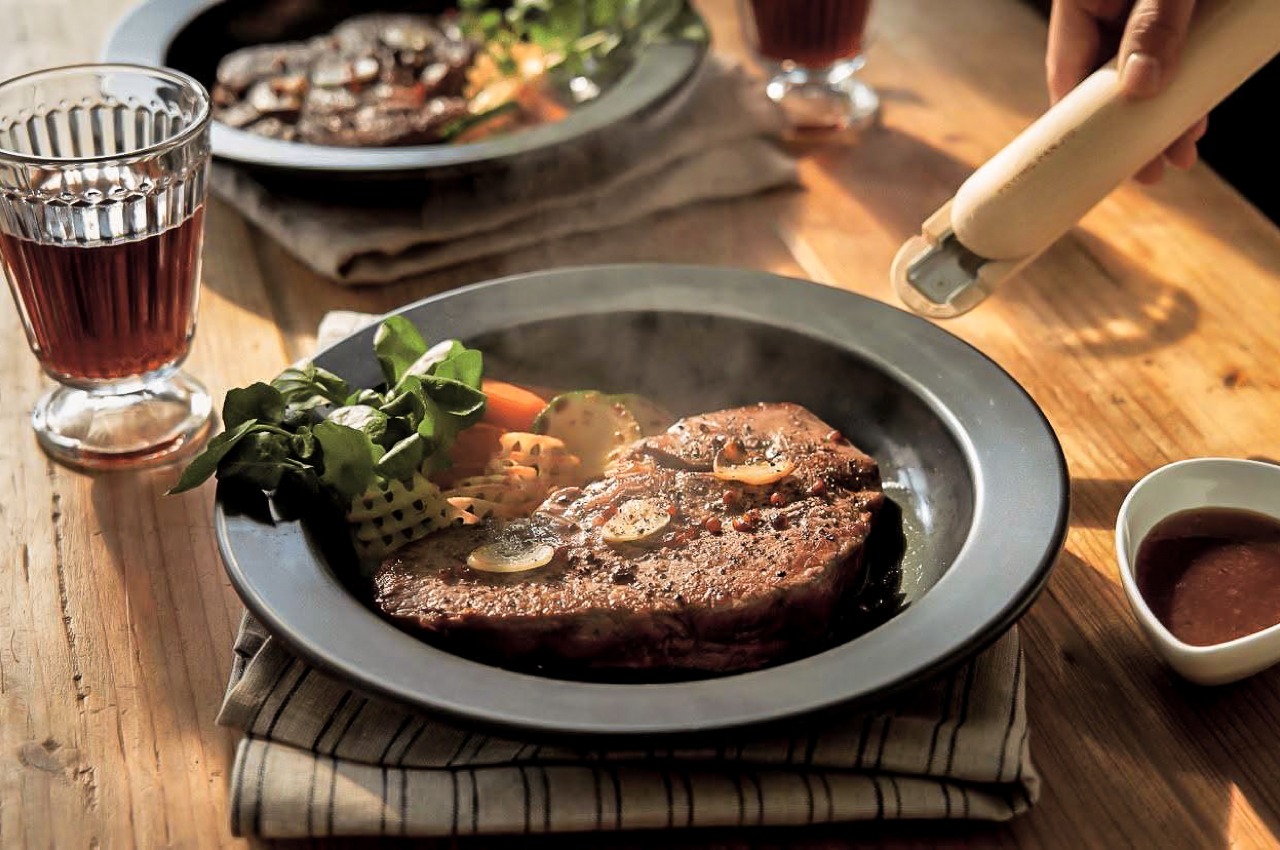
Western dining creates an artificial separation between cooking vessel and serving dish, transferring food from pan to plate in a ritual that cools ingredients and adds cleanup steps. The JIU Iron Frying Plate eliminates that middleman—the frying pan is your plate, the plate is your frying pan, collapsing cooking and eating into a seamless experience. Crafted from rust-resistant mill scale steel with a detachable wooden handle, this cookware brings out superior flavors and textures while reducing the barriers between preparation and enjoyment. The uncoated surface comes ready to use immediately, requiring no seasoning or special preparation rituals.
The boundary-blurring design creates intimacy with your food that standard plating disrupts. Eggs sizzle on your breakfast table, fish arrives still crackling from the heat, and vegetables steam visibly as you lift fork to mouth. The immediacy preserves temperature, texture, and visual drama that dissipate during transfers. The detachable wooden handle attaches and releases with one hand, transforming cookware into serveware in seconds. The rust-resistant and stick-resistant mill scale steel develops natural non-stick properties through use without chemical coatings. The design invites slower, more attentive eating—you’re not rushing through a cooled plate but pacing yourself with a vessel that retains heat and presence throughout the meal.
The cook-and-serve design preserves temperature and texture better than transferred plating
The one-handed handle attachment provides seamless transitions from stove to table
The uncoated mill scale steel requires no seasoning and develops natural non-stick properties
The retained heat encourages a slower, more mindful eating pace
What We Dislike
The hot serving surface requires careful handling and might not suit households with young children
The iron construction adds weight compared to standard plates
5. Obsidian Black Mini Grip Tongs
Precision suffers when tools don’t match the task scale. Standard tongs designed for flipping steaks and tossing salads become clumsy instruments when arranging delicate appetizers or plating intricate dishes. These Obsidian Black Mini Grip Tongs at 4.9″ or 7″ provide the precise control that detailed food work demands. Crafted from SUS821L1 stainless steel, offering twice the strength of standard SUS304, the design achieves exceptional durability in lightweight form. The dark oxidized finish creates a striking visual presence whether working in the kitchen or serving at the table.
The compact dimensions transform tasks that feel awkward with full-sized tongs into natural, comfortable movements. Arranging bite-sized hors d’oeuvres, distributing breakfast sausages, flipping delicate shrimp, plating garnishes—the smaller scale provides distance for hygiene while maintaining the dexterity to handle fragile ingredients. The doubled steel strength allows thinner construction without sacrificing durability, reducing hand fatigue during extended prep sessions. The corrosion resistance ensures longevity despite frequent exposure to acidic ingredients and moisture. The dark finish adds sophistication that bridges kitchen and dining contexts, looking equally appropriate during cooking and tableside service. These tongs fill the precision gap that standard kitchen tools overlook.
The compact size provides precise control for delicate ingredients and detailed plating
The doubled steel strength enables a lightweight design without compromising durability
The corrosion-resistant material withstands acidic ingredients and frequent washing
The dark finish transitions elegantly from kitchen work to tableside service
What We Dislike
The smaller size limits utility for larger ingredients or high-volume cooking tasks
The specialized nature means they supplement rather than replace standard-sized tongs
6. Hinoki Essence Cutting Board
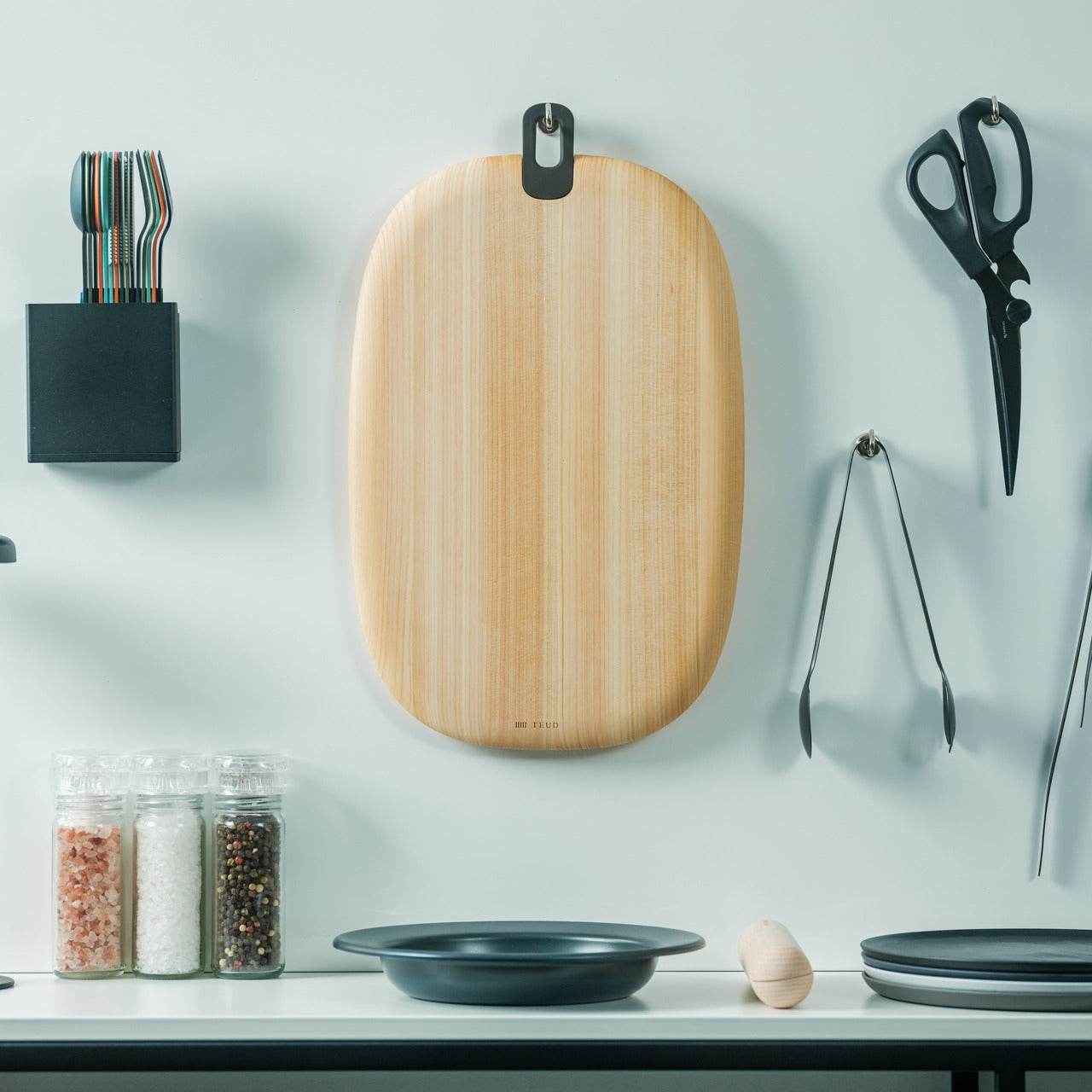
Cutting boards in Western kitchens lean toward two extremes: hard plastic that preserves knife edges but feels clinical, or soft wood that comforts hands but dulls blades. The Hinoki Essence Cutting Board achieves the balance that Japanese cypress is renowned for—medium hardness that offers resistance without damaging knives. The majestic hinoki wood naturally resists mold while the water-resistant silicone coating penetrates wood fibers to prevent damage. The gentle, rounded shapes and integrated handle provide both aesthetic grace and practical functionality for hanging and hygienic drying.
The cutting experience on hinoki transforms knife work from task into sensory practice. The wood provides satisfying feedback without the harsh impact of hard surfaces or the mushy give of soft materials. The natural aroma of cypress adds olfactory dimension to food preparation, creating an atmosphere that plastic and bamboo cannot replicate. The design revives traditional hinoki use in forms suited to modern lifestyles and aesthetic sensibilities. The integrated handle facilitates hanging storage that promotes air circulation and drying. The water-resistant treatment extends durability without coating the surface in synthetic films. The gentle curves blend naturally with contemporary kitchen interiors while honoring traditional Japanese woodworking aesthetics. This cutting board makes knife work feel intentional rather than mechanical.
The medium hardness protects knife edges while providing satisfying cutting feedback
The natural hinoki aroma adds sensory dimension to food preparation
The water-resistant silicone treatment penetrates fibers without a synthetic coating
The integrated handle enables hygienic hanging storage and natural drying
What We Dislike
The cypress wood requires more maintenance attention than plastic alternatives
The premium material commands a higher price compared to standard cutting boards
7. Precision Ceramic Sashimi Knife
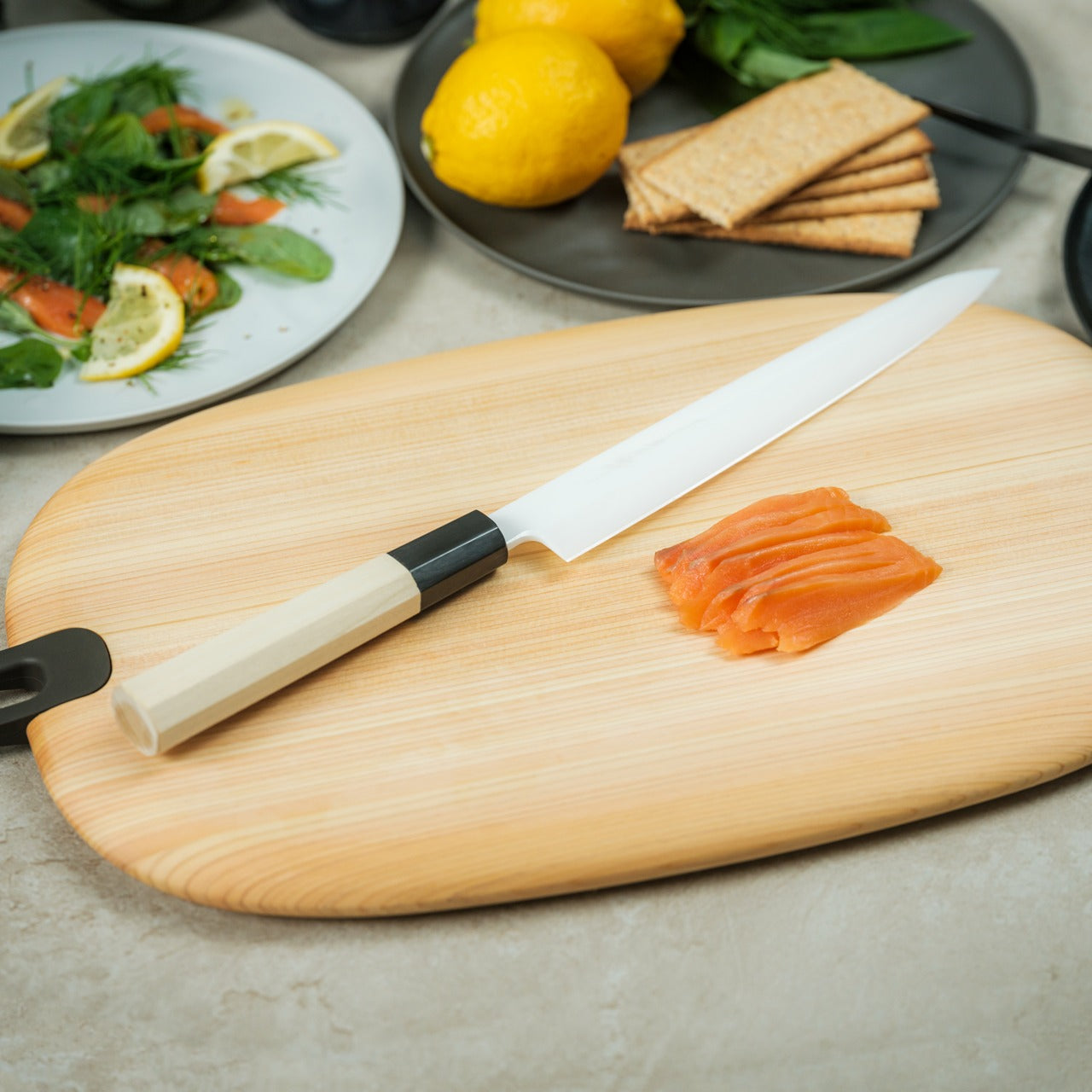
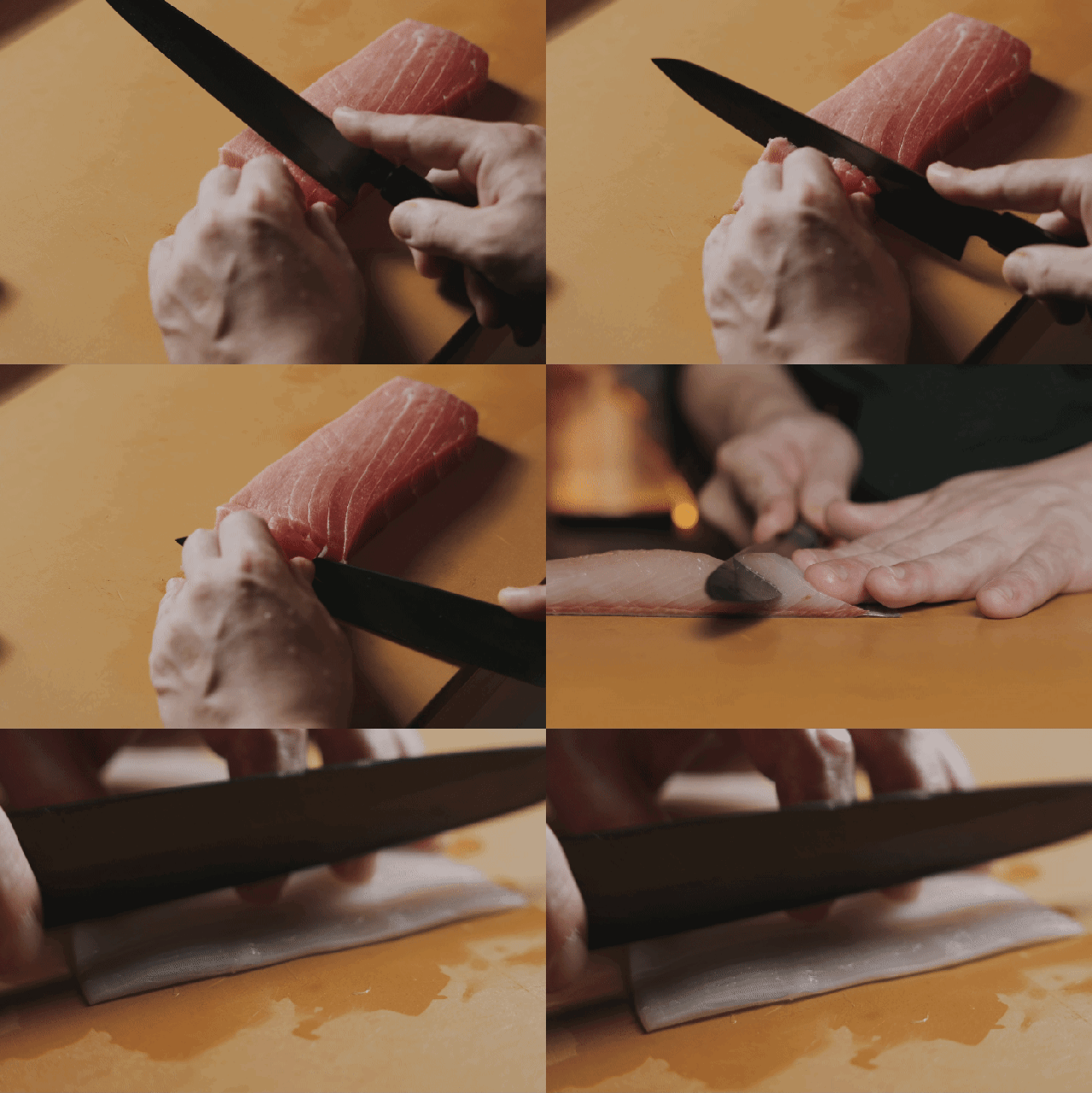
Raw fish demands knife performance that metal blades, for all their centuries of refinement, struggle to deliver. The Precision Ceramic Sashimi Knife represents the convergence of Japanese craftsmanship and advanced material science, creating a blade twice as hard as stainless steel with sharpness lasting 200 times longer than conventional edges. The single-bevel design emulates the classic yanagiba with a concave back, reducing friction for effortless, drag-free cuts. The lightweight ceramic construction enables extended use without hand fatigue, while the advanced material requires minimal maintenance and virtually eliminates sharpening routines.
The cutting experience transforms sashimi preparation from a technical challenge into a flowing motion. The exceptional sharpness preserves delicate fish texture and cell structure that duller blades tear and compress. The friction-reducing concave back allows the blade to glide through ingredients with minimal resistance and maximum control. The lightweight design enables the precise, continuous strokes that proper sashimi cutting requires without the arm fatigue that metal blades produce. The ceramic material doesn’t impart metallic taste or oxidation to delicate seafood. The longevity of the edge means consistent performance over years rather than gradual degradation between sharpenings. This knife allows home cooks to achieve the finesse of expert sushi chefs, creating visually stunning and flavorful dishes that honor the ingredient.
The ceramic material maintains sharpness 200 times longer than conventional steel blades
The single-bevel design with concave back enables effortless, drag-free cuts
The lightweight construction reduces hand fatigue during extended preparation
The non-reactive material prevents metallic taste transfer to delicate seafood
What We Dislike
The ceramic blade, while exceptionally hard, is more brittle than steel and requires careful handling
The specialized design focuses on sashimi and delicate work rather than general-purpose cutting
8. Supreme Daikon Radish Grater
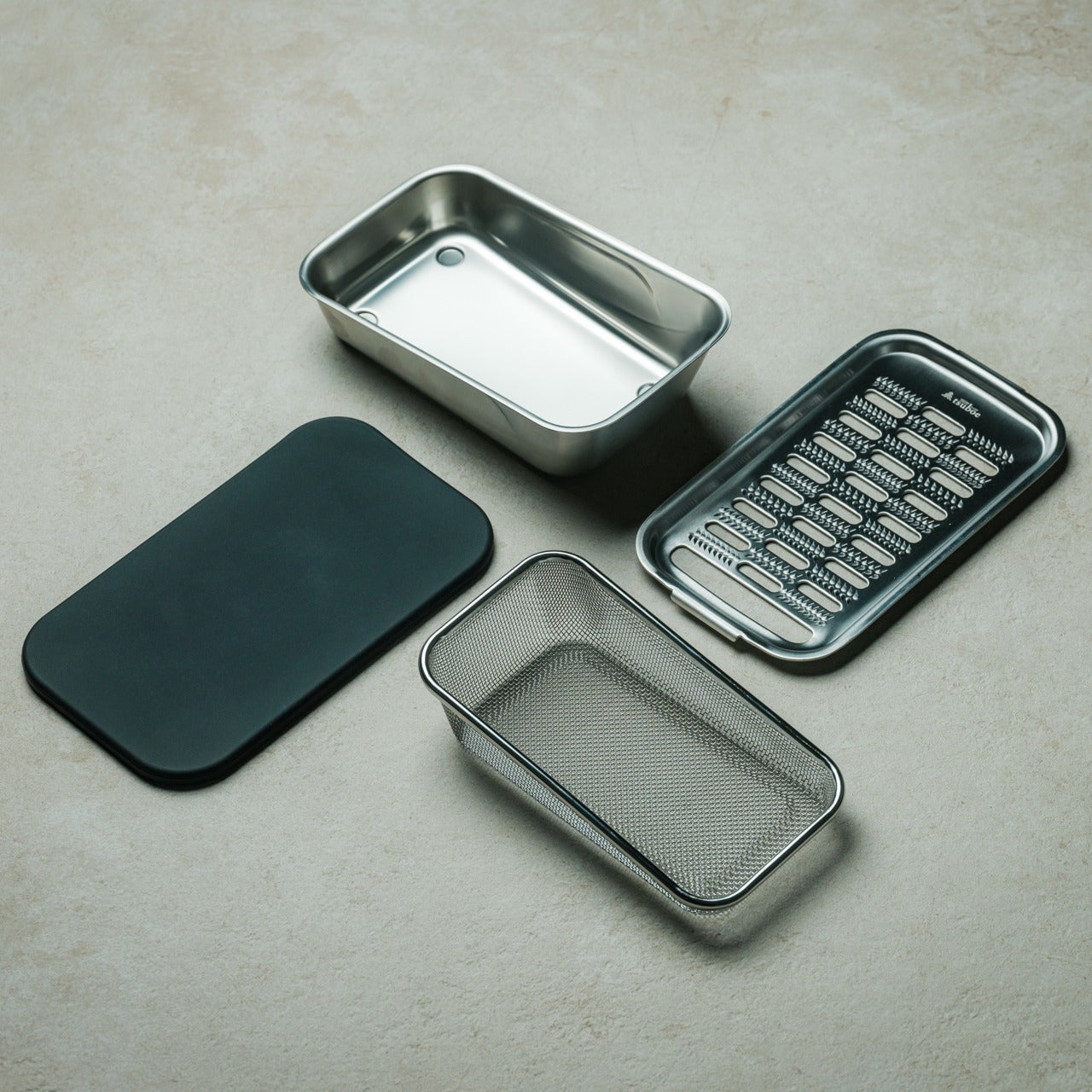
Grating might seem like straightforward physics—sharp protrusions shredding softer materials—but Japanese craftsmanship reveals the profound difference between merely reducing ingredients and properly transforming them. The Supreme Daikon Radish Grater features traditional Hon-Meguri diagonal sharp blades individually carved by skilled artisans using sharp chisels. The innovative Quattro blade pattern, arranged in four directions, reduces slipping and provides stable, stress-free grating. The thick stainless steel construction combines exceptional durability with ease of maintenance, while the finely honed blades grate without tearing fibers, producing a smooth and fluffy texture perfect for gourmet presentations.
The grating experience reveals why Japanese artisans dedicate careers to perfecting such seemingly simple tools. The Hon-Meguri technique creates exceptionally sharp and durable blades that outlast stamped alternatives by years. The Quattro blade arrangement provides consistent performance regardless of grating direction, eliminating the frustration of ingredients slipping across ineffective zones. The careful blade geometry shears cleanly through ingredient fibers rather than tearing them, preserving moisture and creating the light, fluffy texture that properly grated daikon demands. The thick stainless steel construction provides rigidity that cheaper graters lack, ensuring consistent blade exposure and pressure. This grater makes the difference between grated daikon that weeps liquid and turns mushy versus the cloud-like mounds that Japanese restaurants achieve.
The traditional Hon-Meguri technique creates exceptionally sharp and durable hand-carved blades
The Quattro blade pattern provides stable performance in all grating directions
The finely honed blades shear cleanly without tearing fibers for superior texture
The thick stainless steel construction ensures durability and rigidity
What We Dislike
The artisan craftsmanship commands premium pricing compared to stamped graters
The specialized design focuses on daikon and similar ingredients rather than general-purpose grating
Finding Zen Through Better Tools
Japanese kitchen tools don’t promise to save time or eliminate effort—they promise to make that time and effort worthwhile. Each implement featured here transforms mundane cooking tasks into opportunities for presence, precision, and satisfaction. The scissors that replace multiple tools, the teapot that responds to your biometric state, the cutting board that breathes cypress aroma into your prep work—these aren’t conveniences but invitations to slow down and pay attention.
The zen of cooking emerges not from rushing through tasks but from tools that reward attention with superior results. These Japanese gadgets and tools create that space, that possibility, that invitation. They ask you to notice the therapeutic circular motion of tableside grating, the satisfying feedback of knife meeting hinoki, the visual drama of food served directly from the cooking vessel. They transform kitchen work from something to finish quickly into something worth experiencing fully, where the cooking becomes as nourishing as the eating.
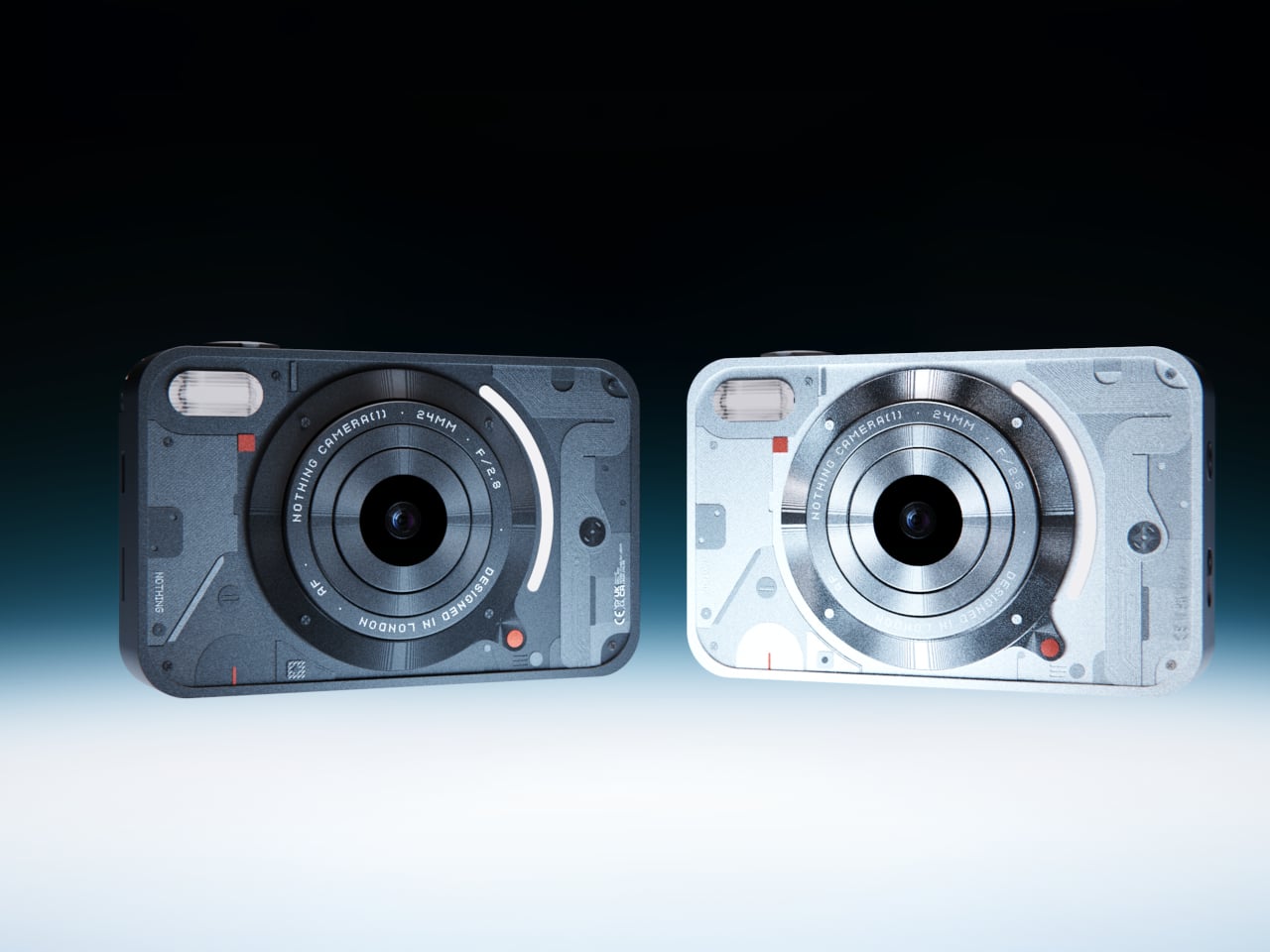
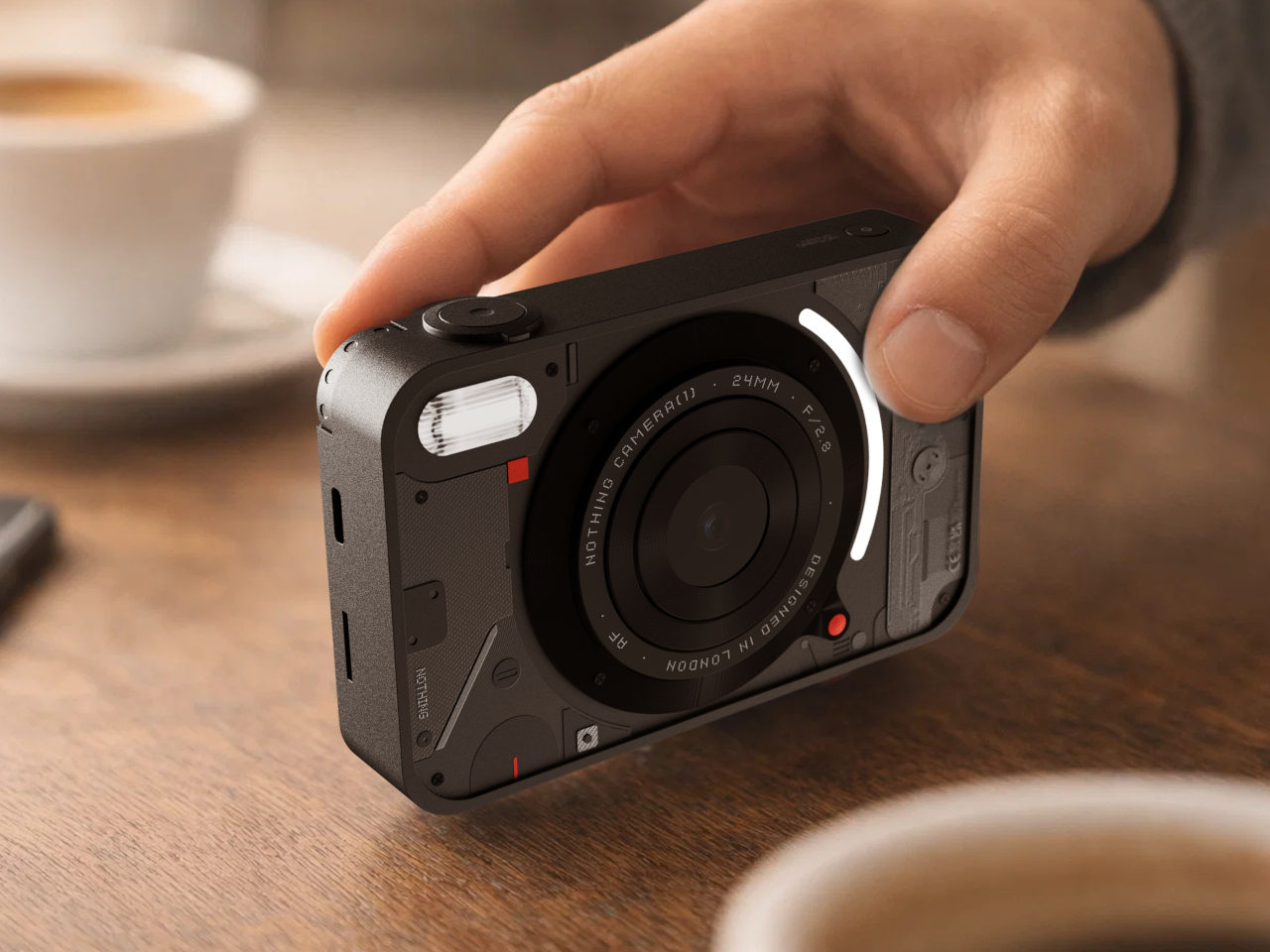
Most photos now live inside phones, buried between notifications and apps. A new generation has started picking up old digital cameras to make shooting feel more intentional again, separate from scrolling and messaging. Many of those cameras still carry clunky menus and dated interfaces. Camera (1) is a concept design that asks what a modern compact could feel like if it were designed around touch and light instead of software layers.
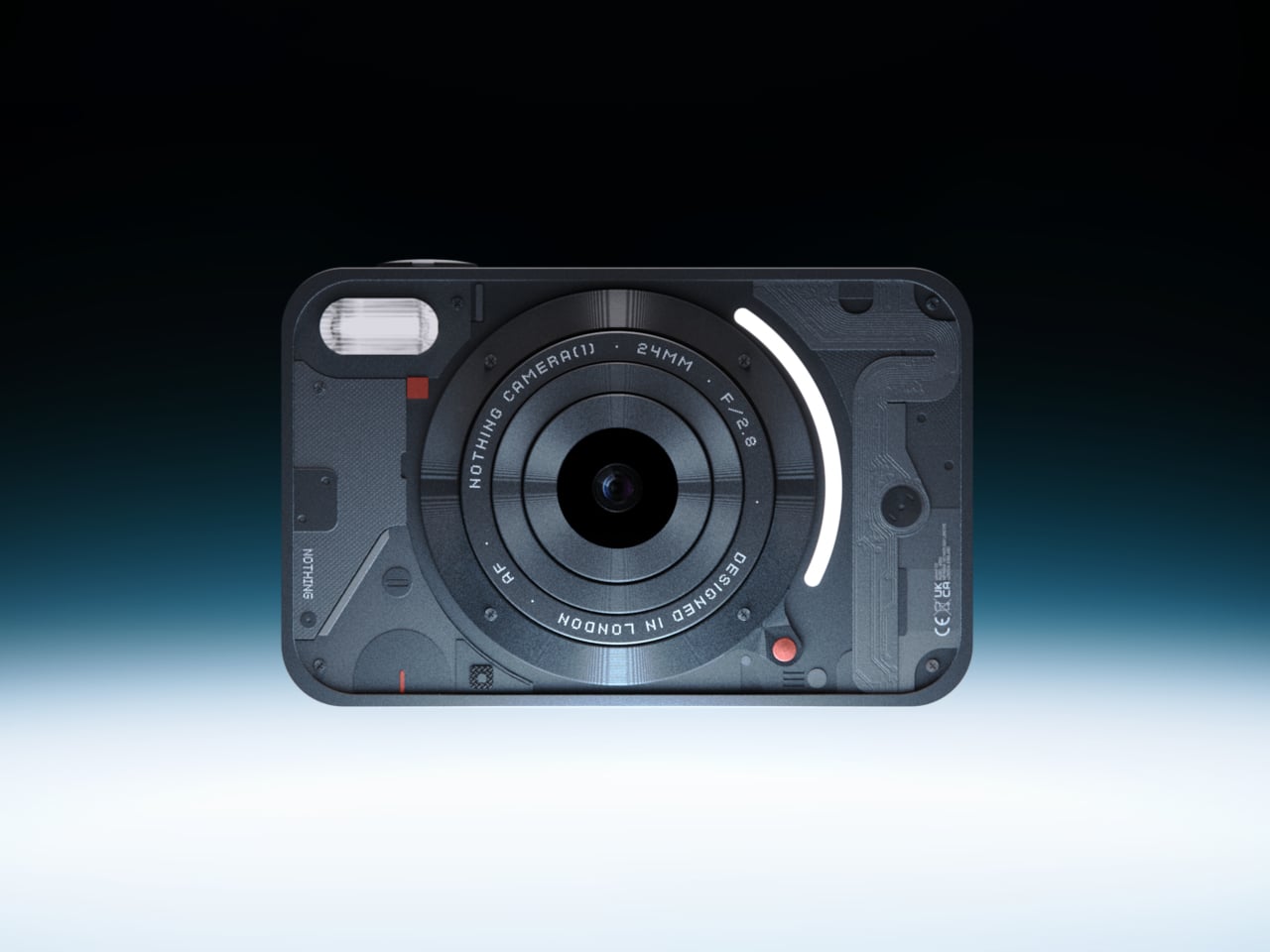
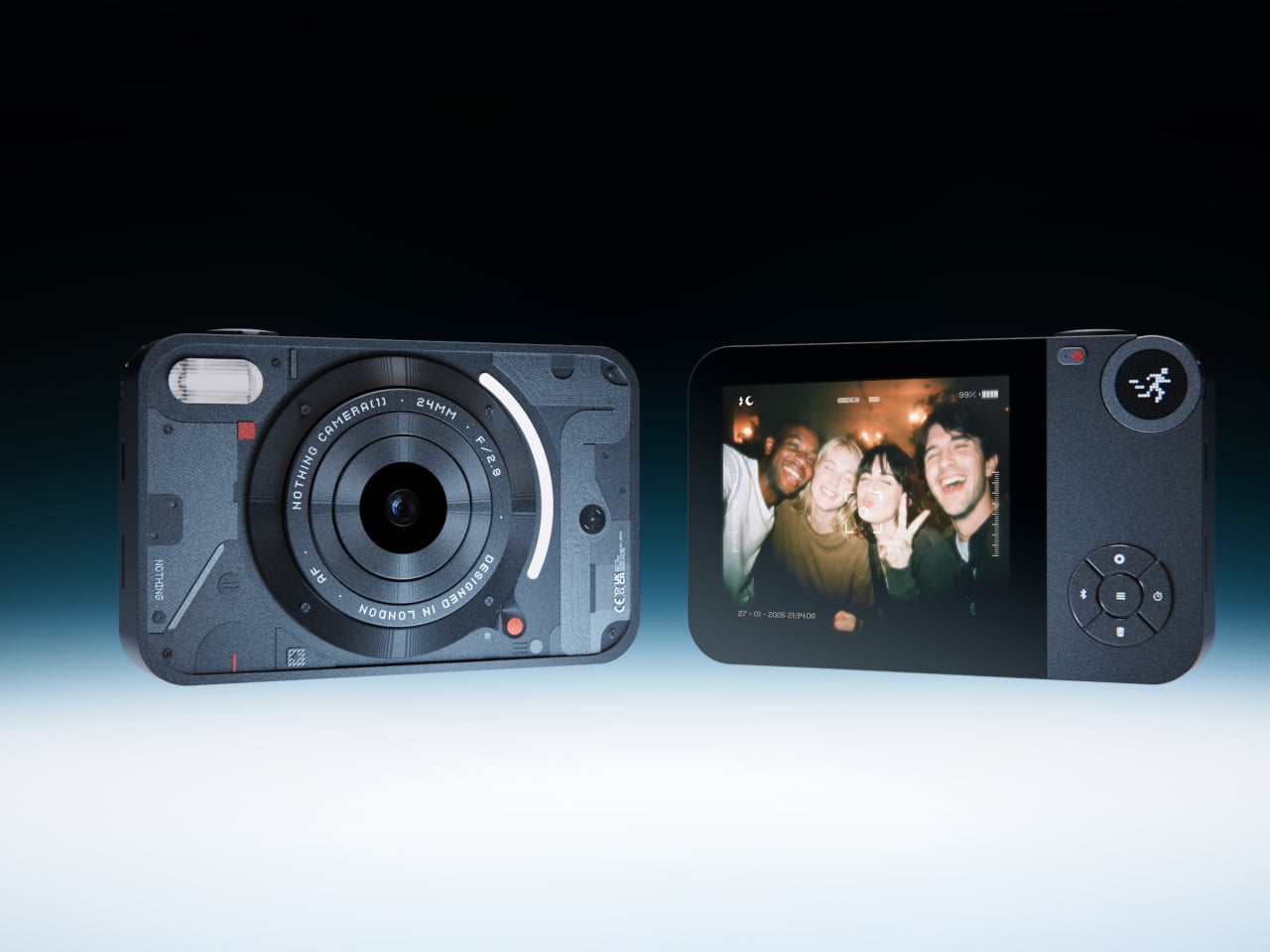
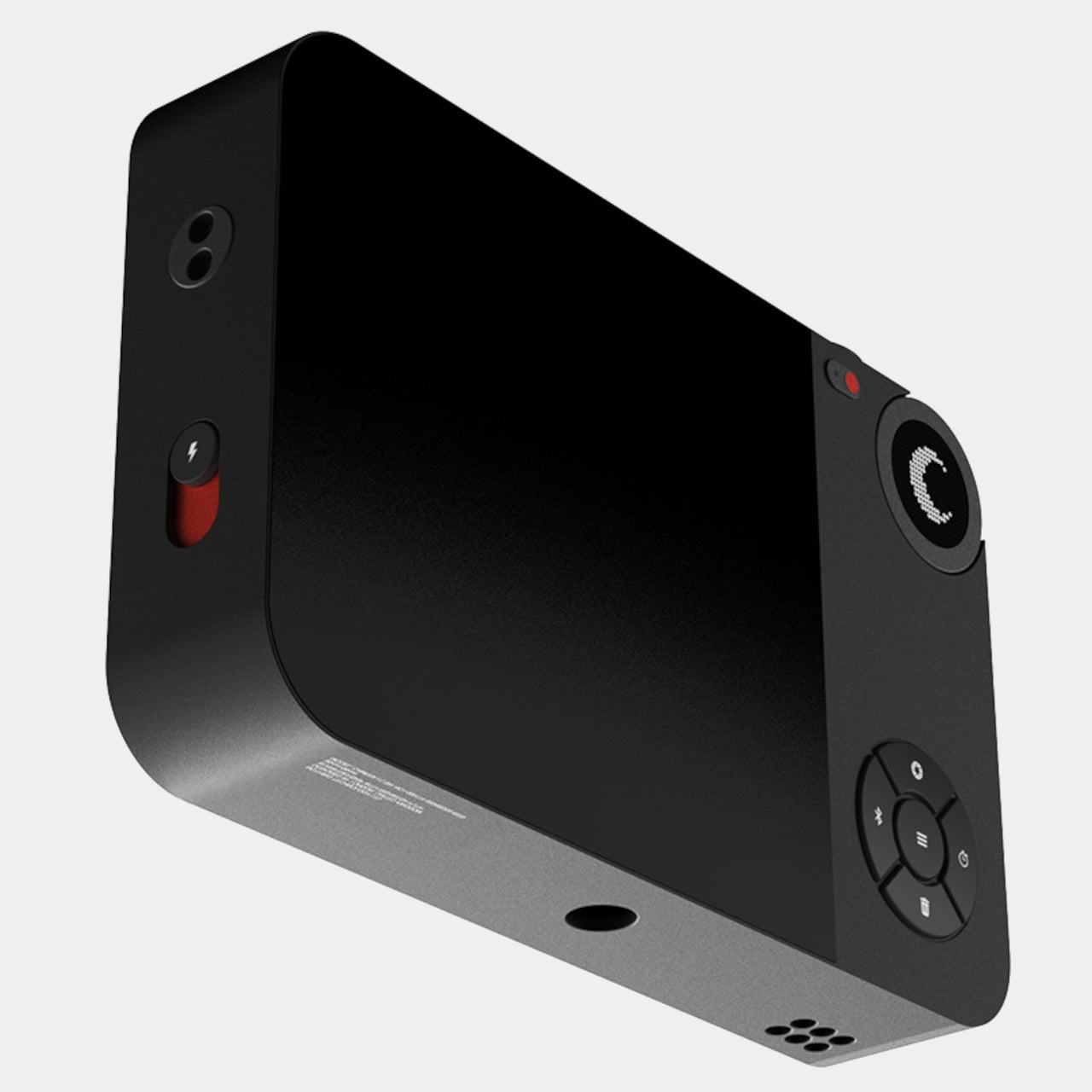
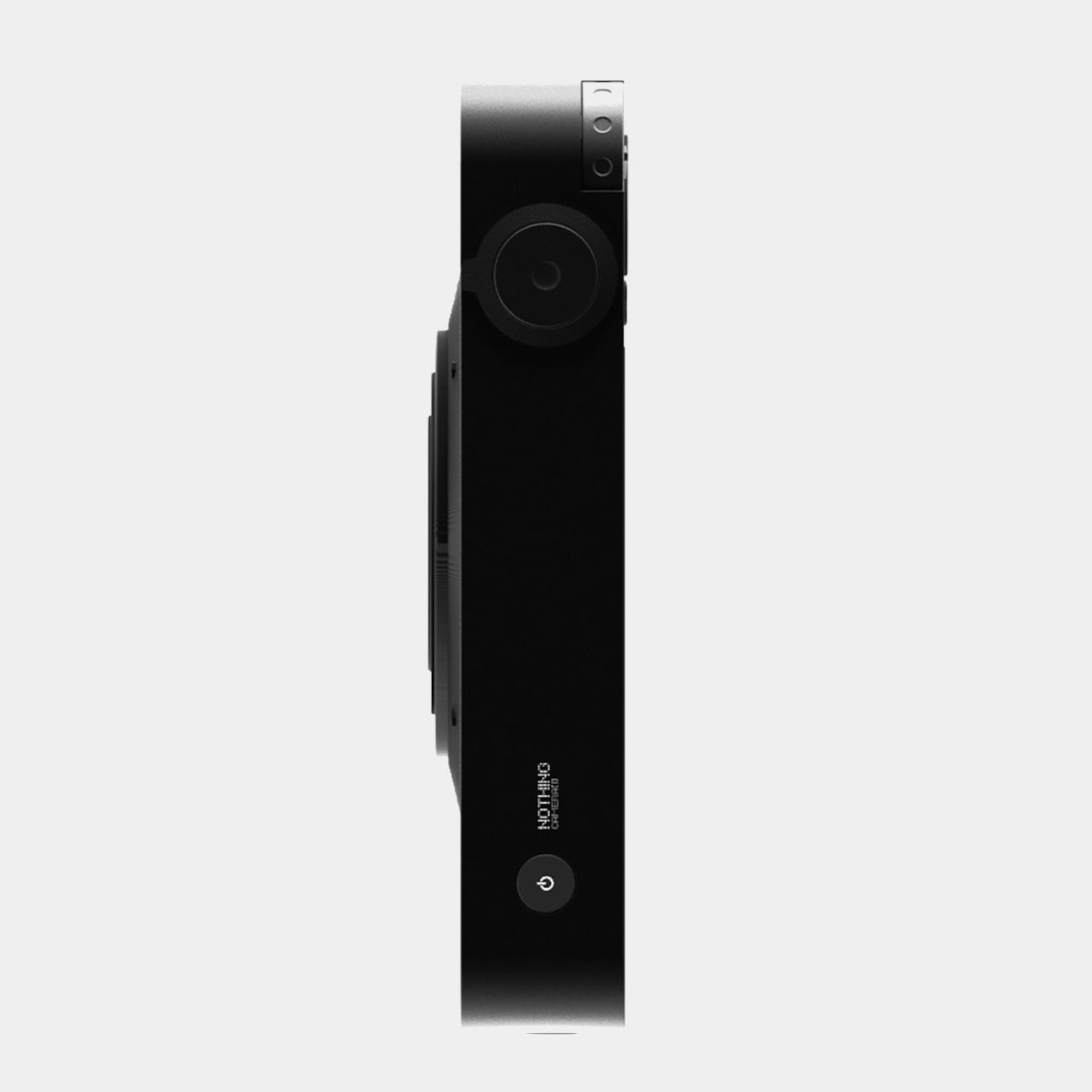
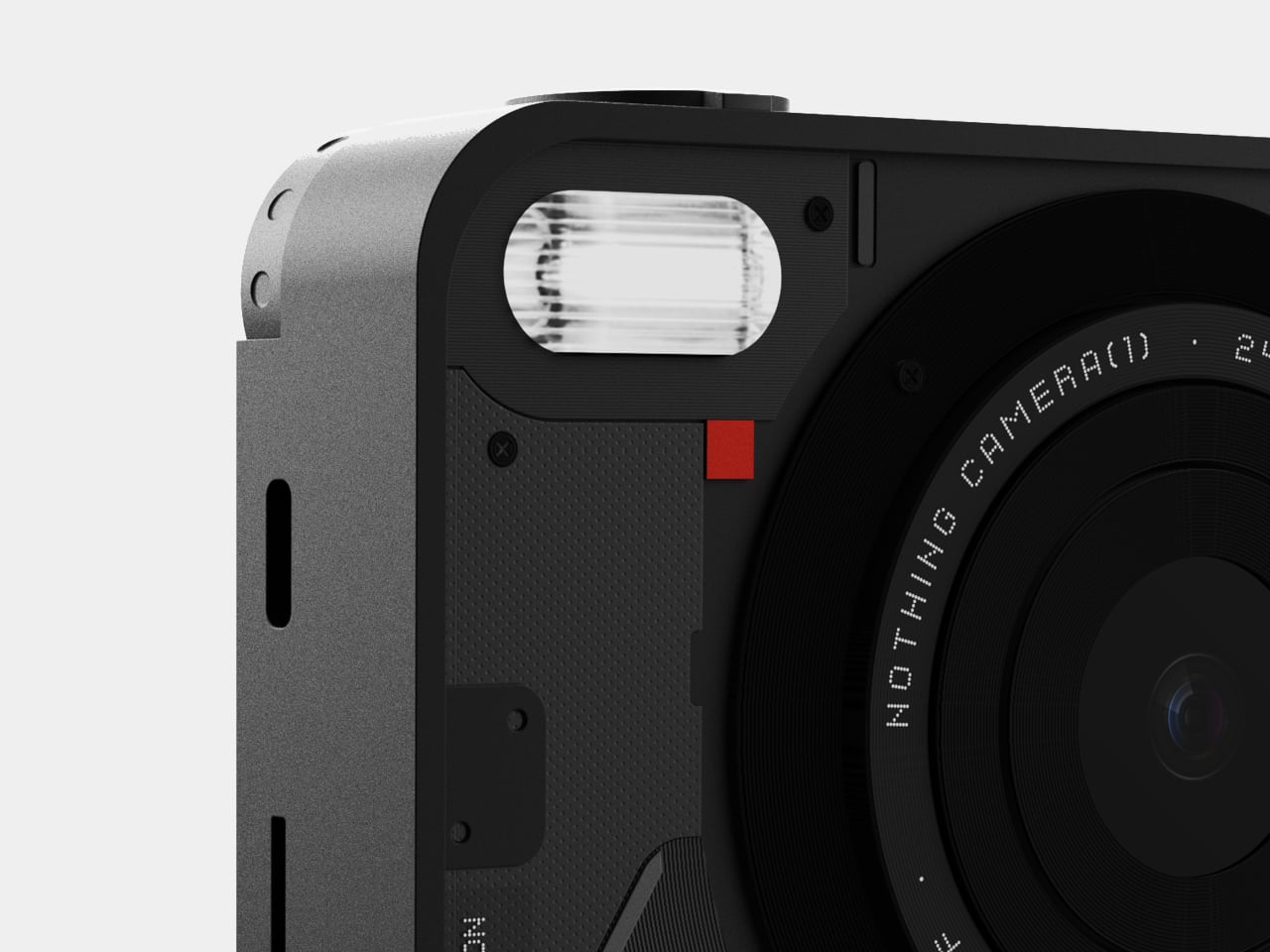
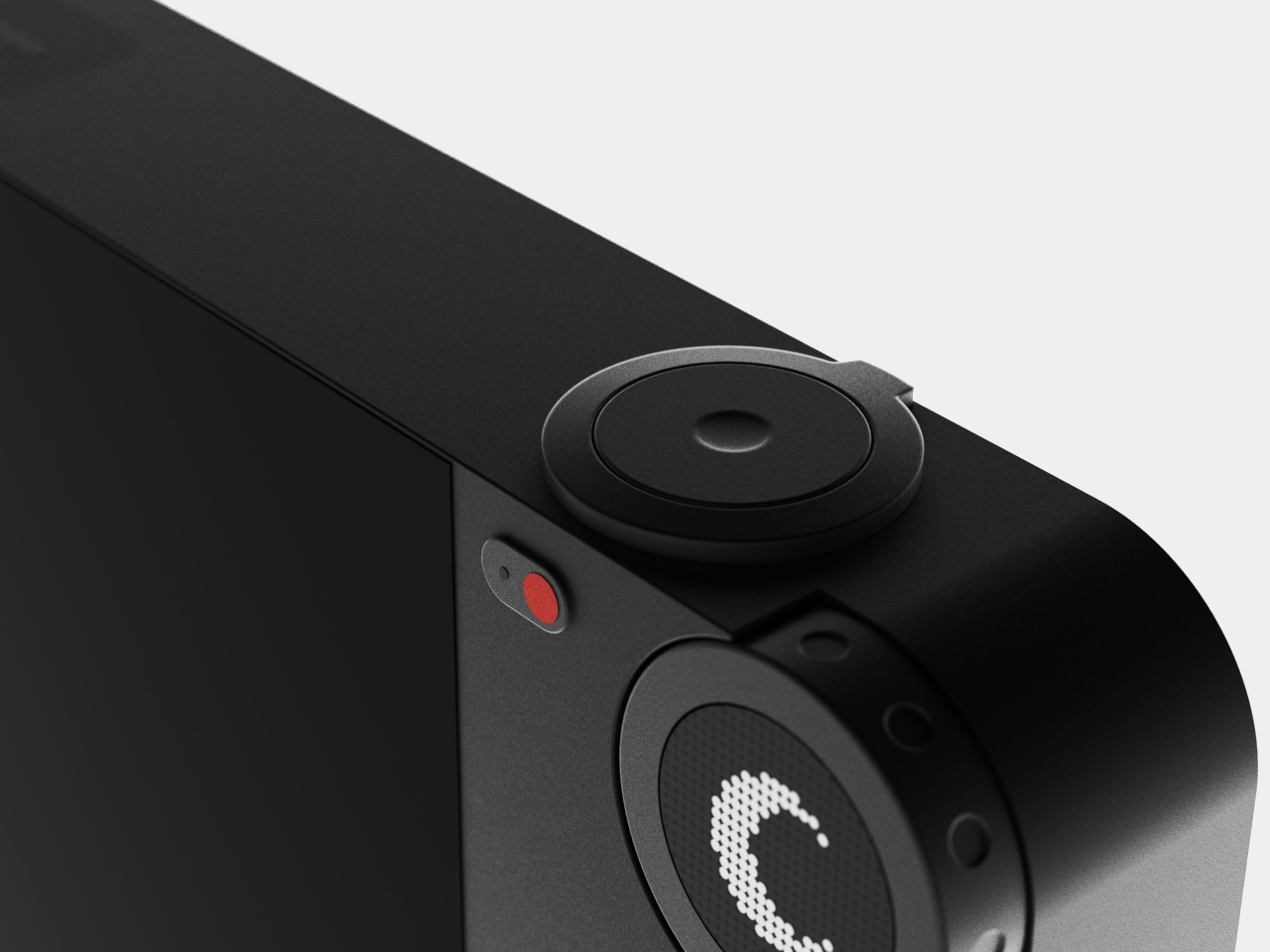
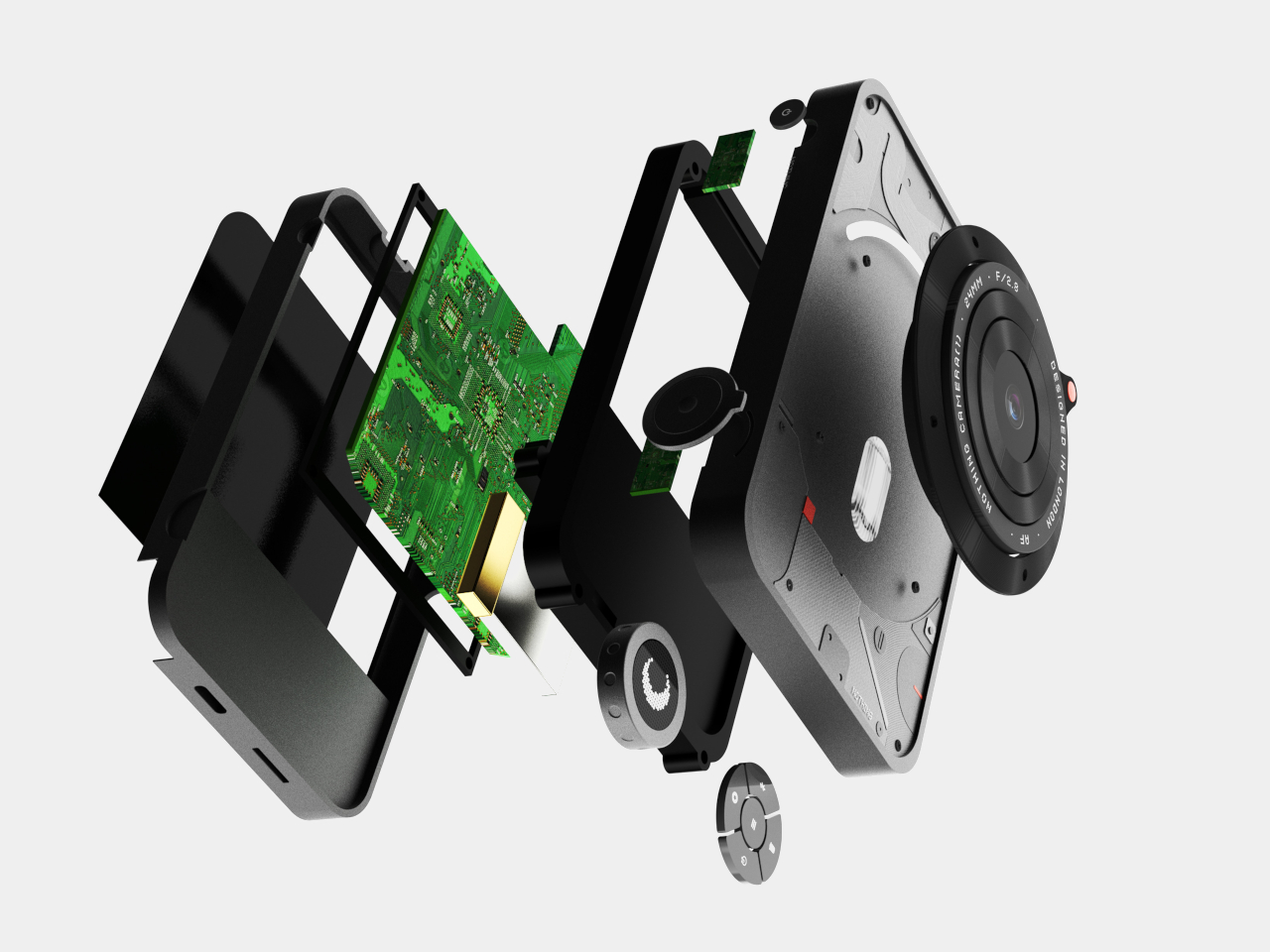
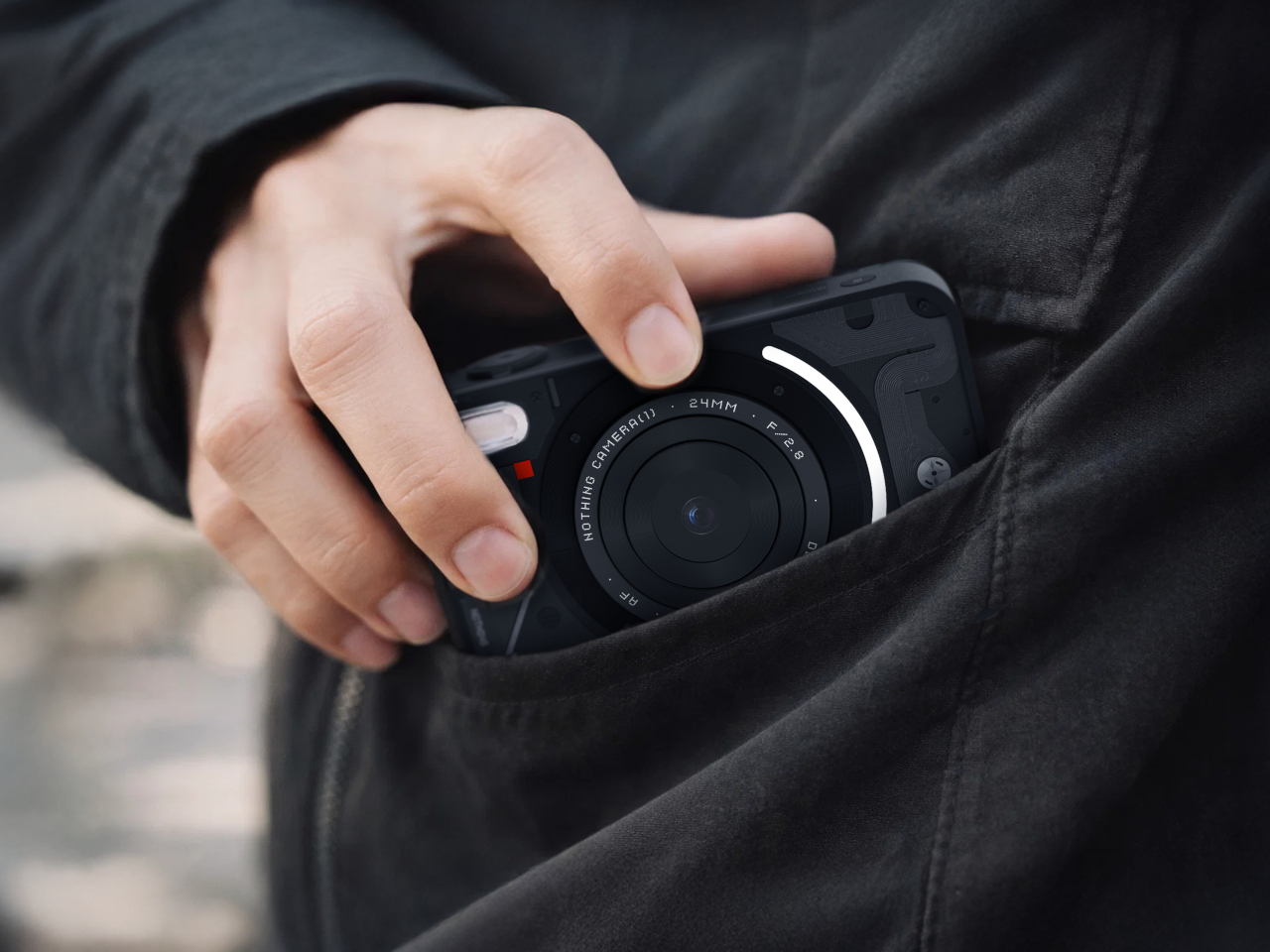
Camera (1) is a compact, metal-bodied device with softly rounded corners, sized to slip into a pocket but solid enough to fill the hand. All the main controls live on one edge, so your thumb and index finger can reach the shutter, a circular mode dial with a tiny glyph display, and a simple D-pad without shifting your grip or poking at a touchscreen. The concept is inspired by the now familiar transparent, hardware-forward design language of Nothing.
Taking the camera to a dinner or a show means twisting the lens ring to frame, feeling the click of the shutter under your finger, and glancing at the little icon on the dial to know whether you are in stills or video. The camera encourages you to look at the scene more than at the screen, letting the physical controls carry most of the interaction so the rear display stays out of the way.
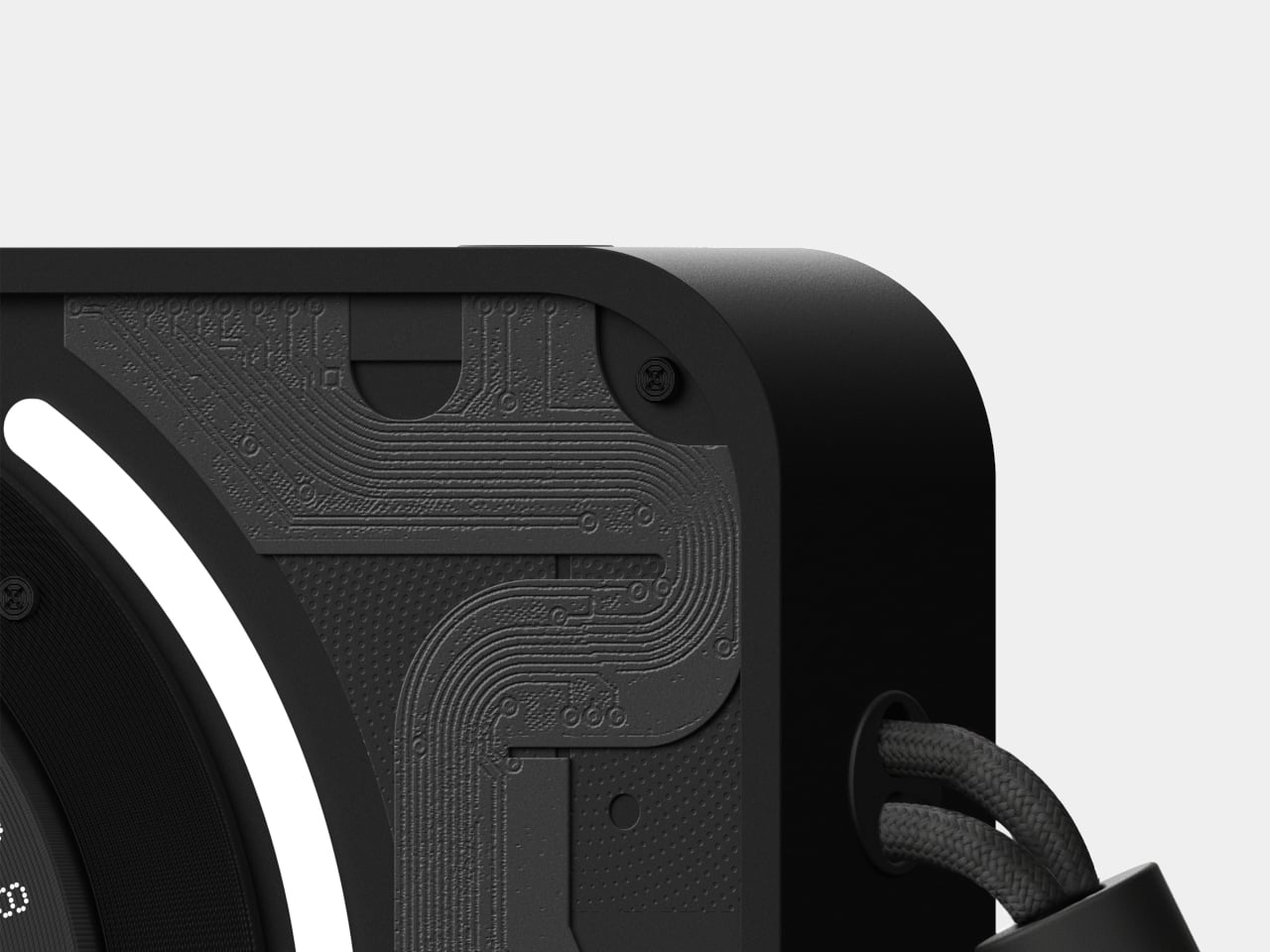
The dot-matrix glyph on the dial shows simple icons for modes, while a curved light strip around the lens can pulse for a self-timer, confirm focus, or signal that video is rolling. Instead of deep menu trees, you get a handful of physical states you can feel and see at a glance, which makes the device feel more like an instrument than a gadget you have to decipher before you can take a picture.
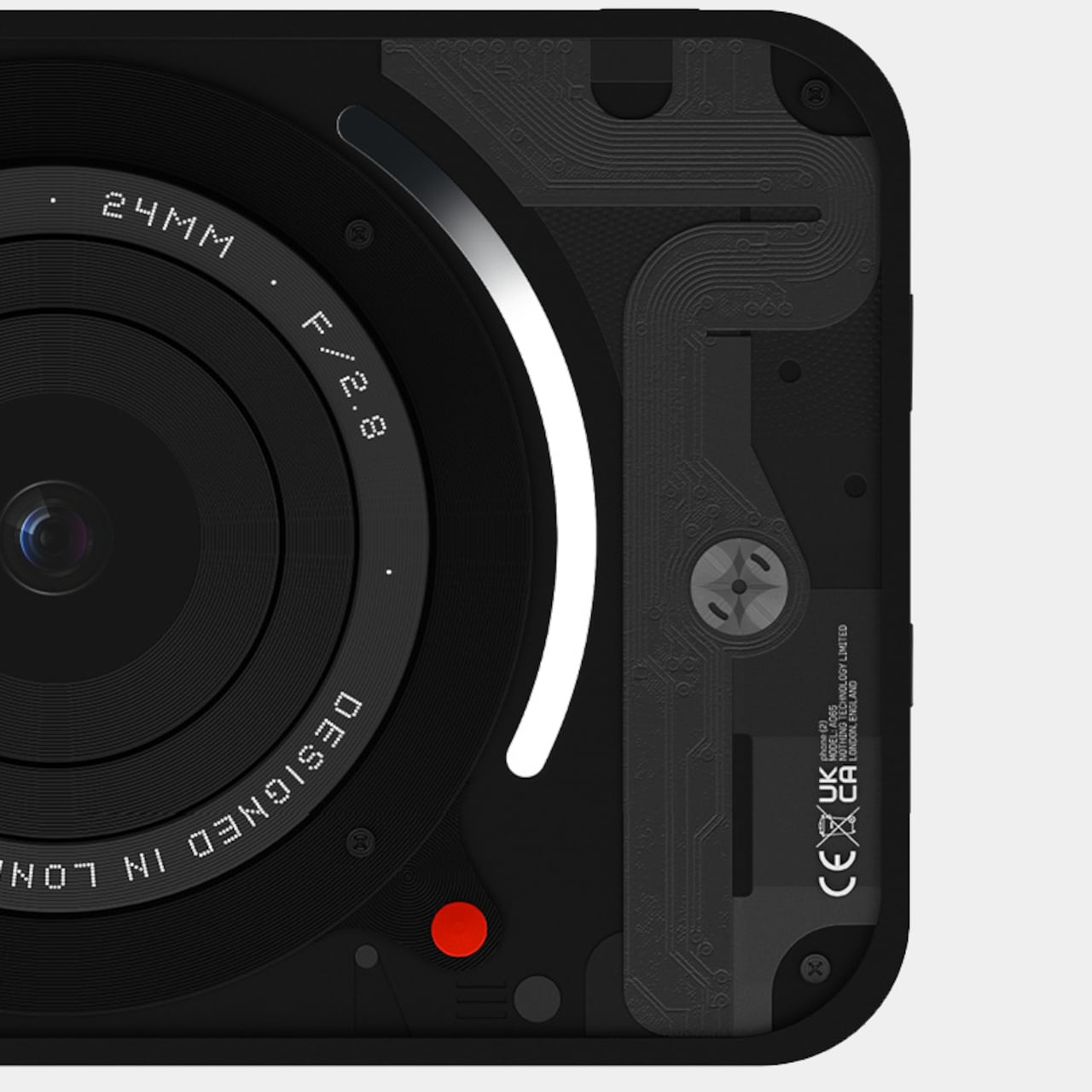
The engraved lens ring, marked with focal length and aperture, invites you to twist rather than pinch. Zooming or adjusting focus becomes a small, satisfying motion instead of a jittery rocker or on-screen gesture. That tiny bit of resistance under your fingers reinforces the idea that changing perspective is a choice, not something you do absentmindedly while flipping through feeds.
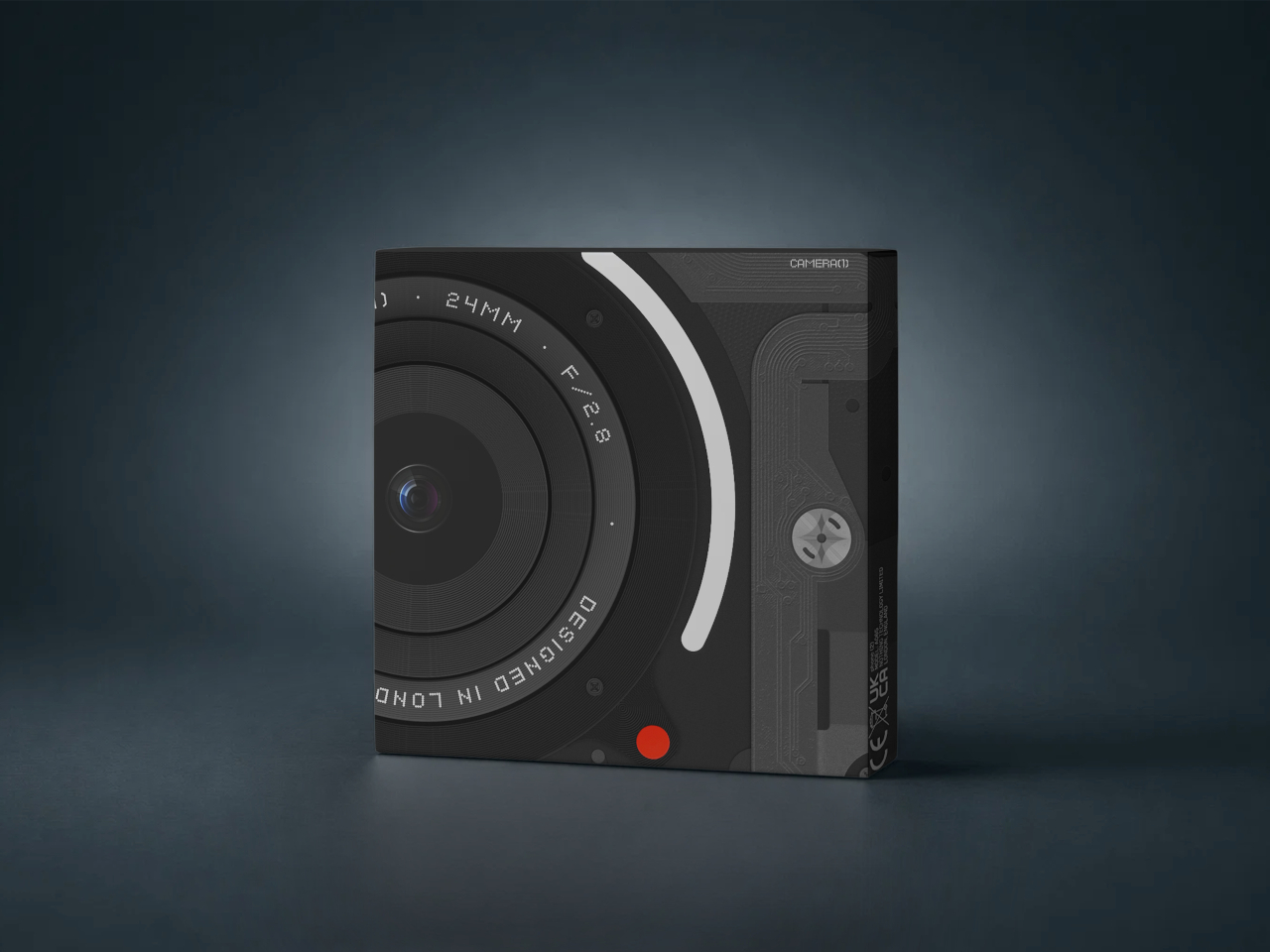
The bead-blasted metal shell, the layered front panel with circuit-like relief, and the small red accents and screws give the camera a technical, almost transparent character without actually exposing its internals. It feels like a piece of hardware that is honest about how it works but still restrained enough to live on a café table or hang from a wrist strap without looking like it is trying too hard.
Camera (1) is not trying to beat the phone at convenience. It is offering a different relationship with photography, one where you press real buttons, read simple glyphs, and let light and tactility tell you what the camera is doing. In a world where every screen wants something from you, a compact that just wants you to notice what is in front of it feels like a refreshing thought experiment.