
Sonos brings tab navigation, speaker sorting and more to its app
Sonos has added some handy quality-of-life updates to its mobile app.

PC gaming has never had a proper physical media equivalent. Console players have always had something tangible to hold and shelve, a disc or cartridge that represents one specific game. On PC, games live in a library on a platform that’s only yours as long as the platform stays up. It’s convenient, but a lot of PC gamers quietly miss the ritual of picking something physical off a shelf.
A post on Reddit recently took a direct swing at that gap. A gamer picked up a handful of secondhand 2.5-inch SATA SSDs, each 128 GB and priced at around €7 ($8) a piece, and built a cartridge system for Steam. Each drive holds a single game alongside a script that auto-navigates Steam to that game’s page once the drive is plugged in. Auto-launching the game directly is also possible.
Designer: Jibril-sama (images courtesy of Tom’s Hardware)
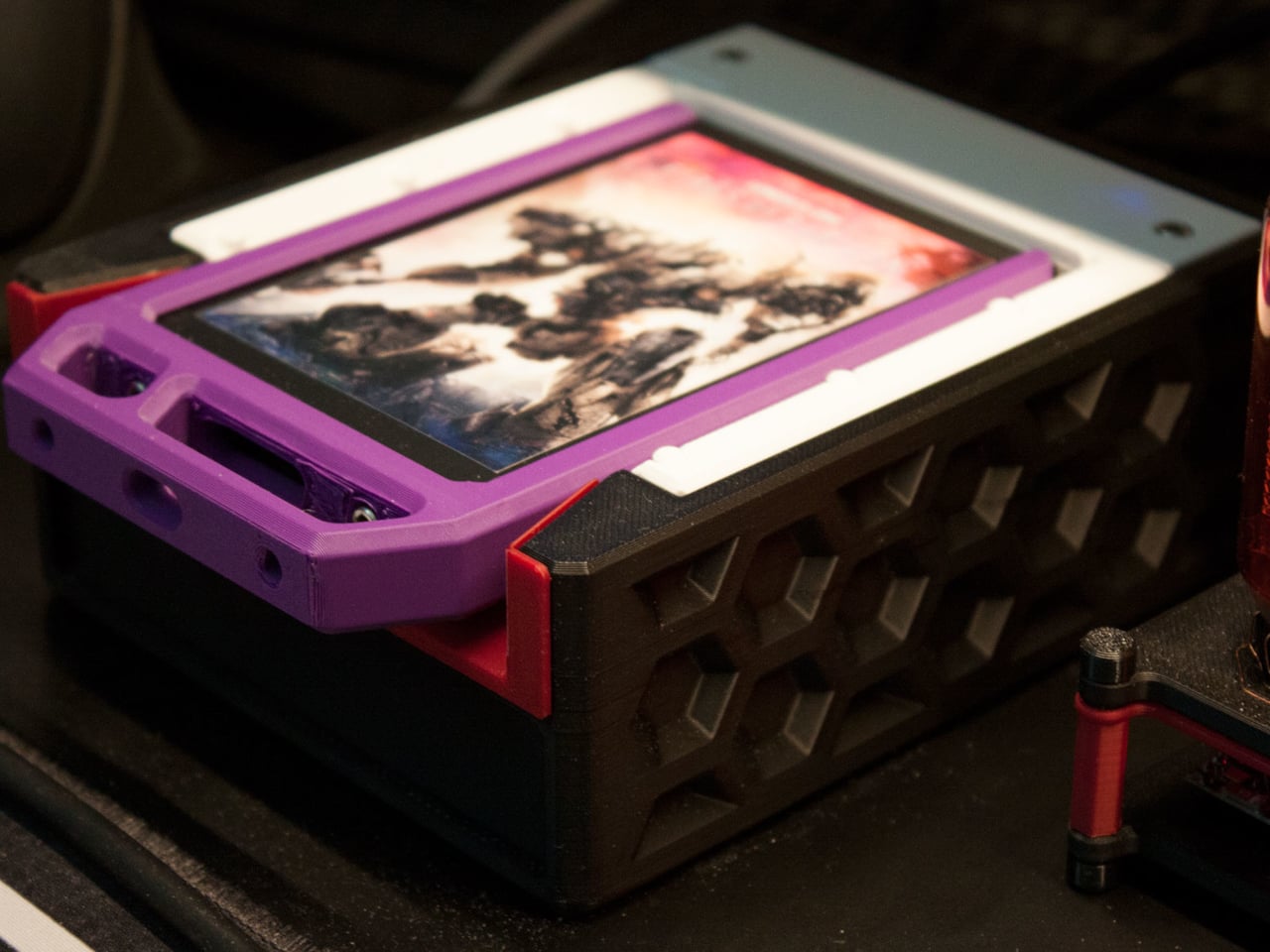
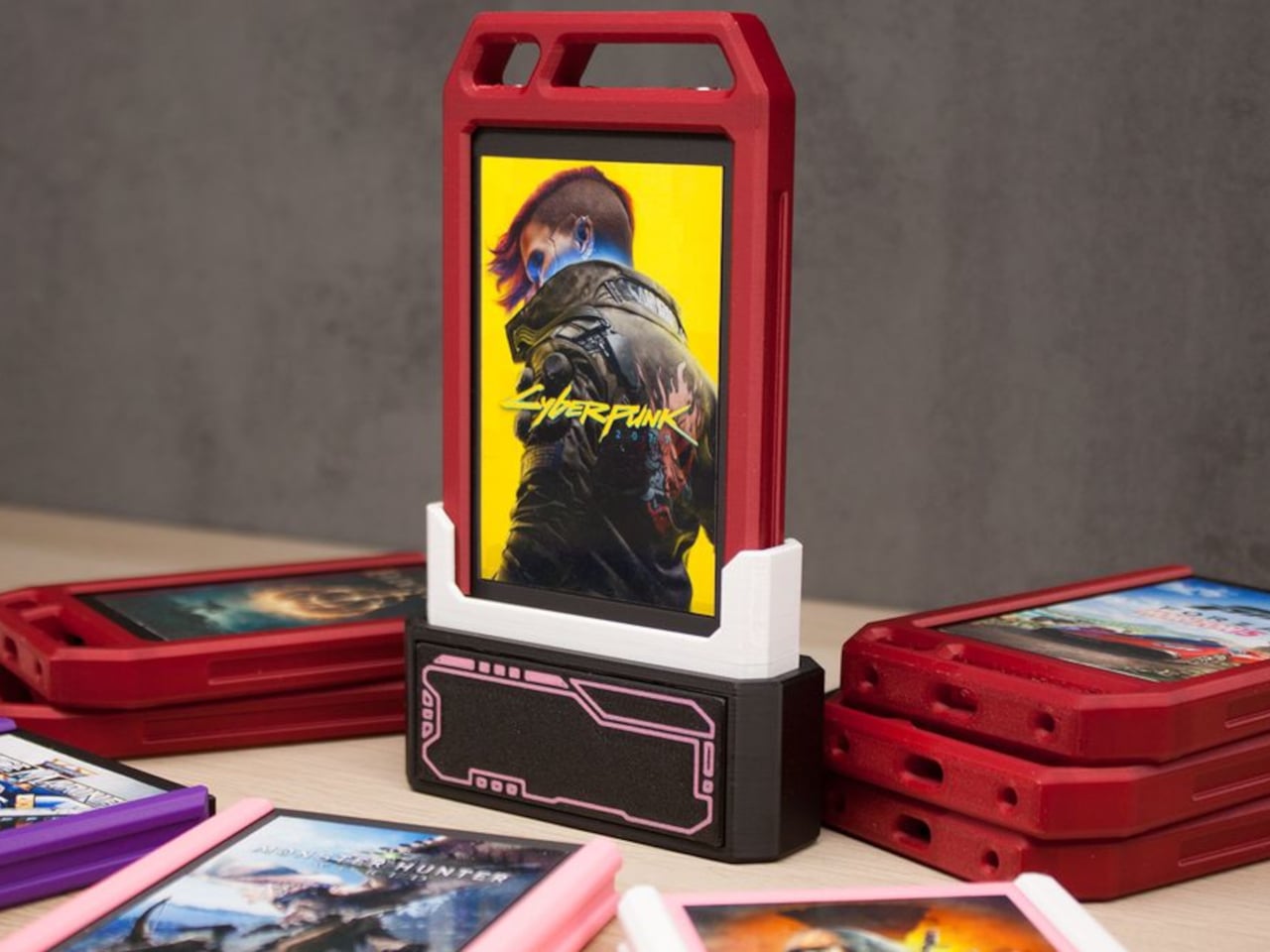
What really sells the effect is the presentation. Rather than leaving the drives as bare hardware with labels stuck on, each SSD sits inside a colorful protective case with custom game art on the cover. The result looks genuinely like a cartridge collection, not a pile of storage drives. It’s the kind of detail that makes the idea land visually rather than just functioning as a clever technical trick.
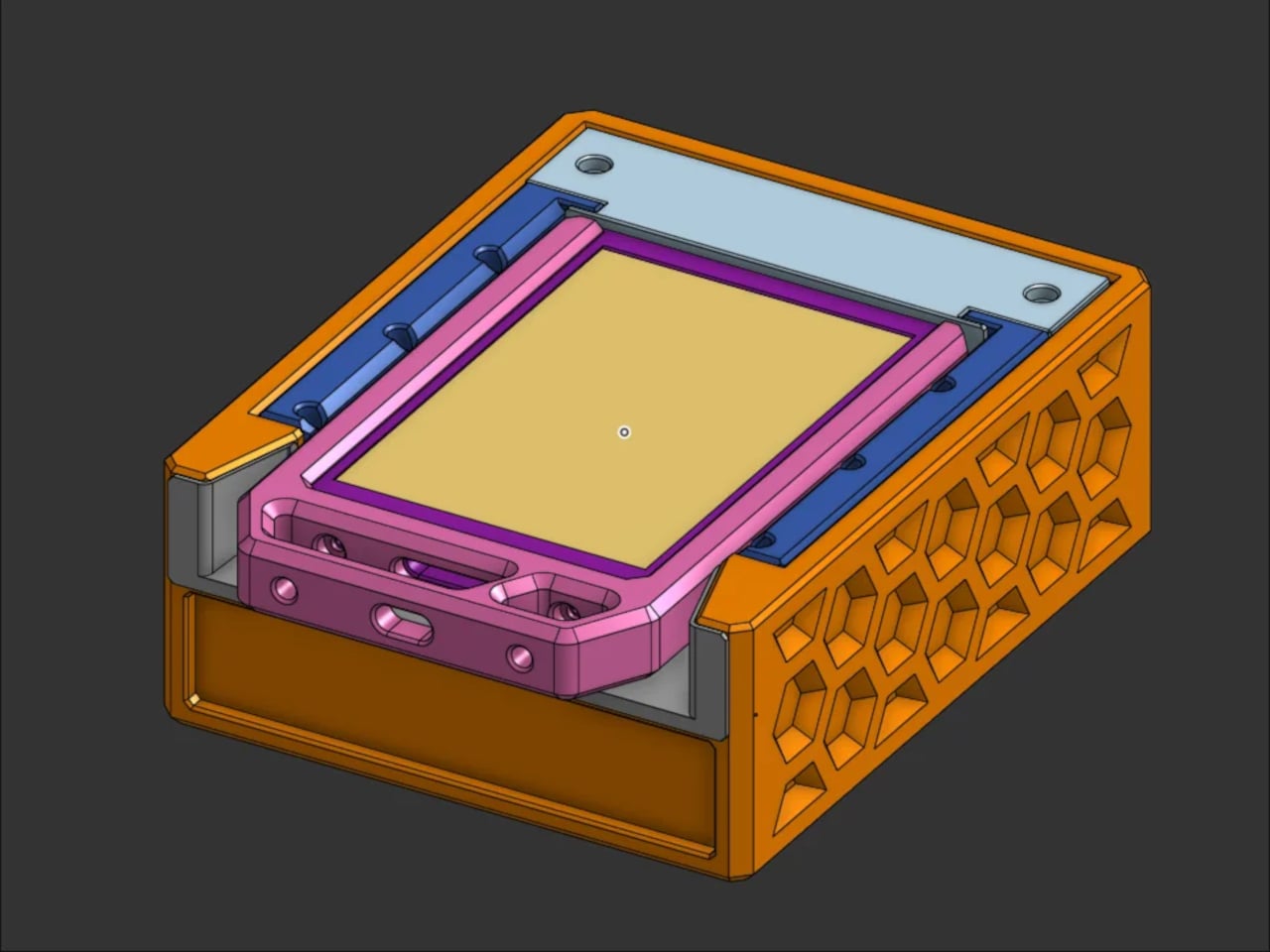
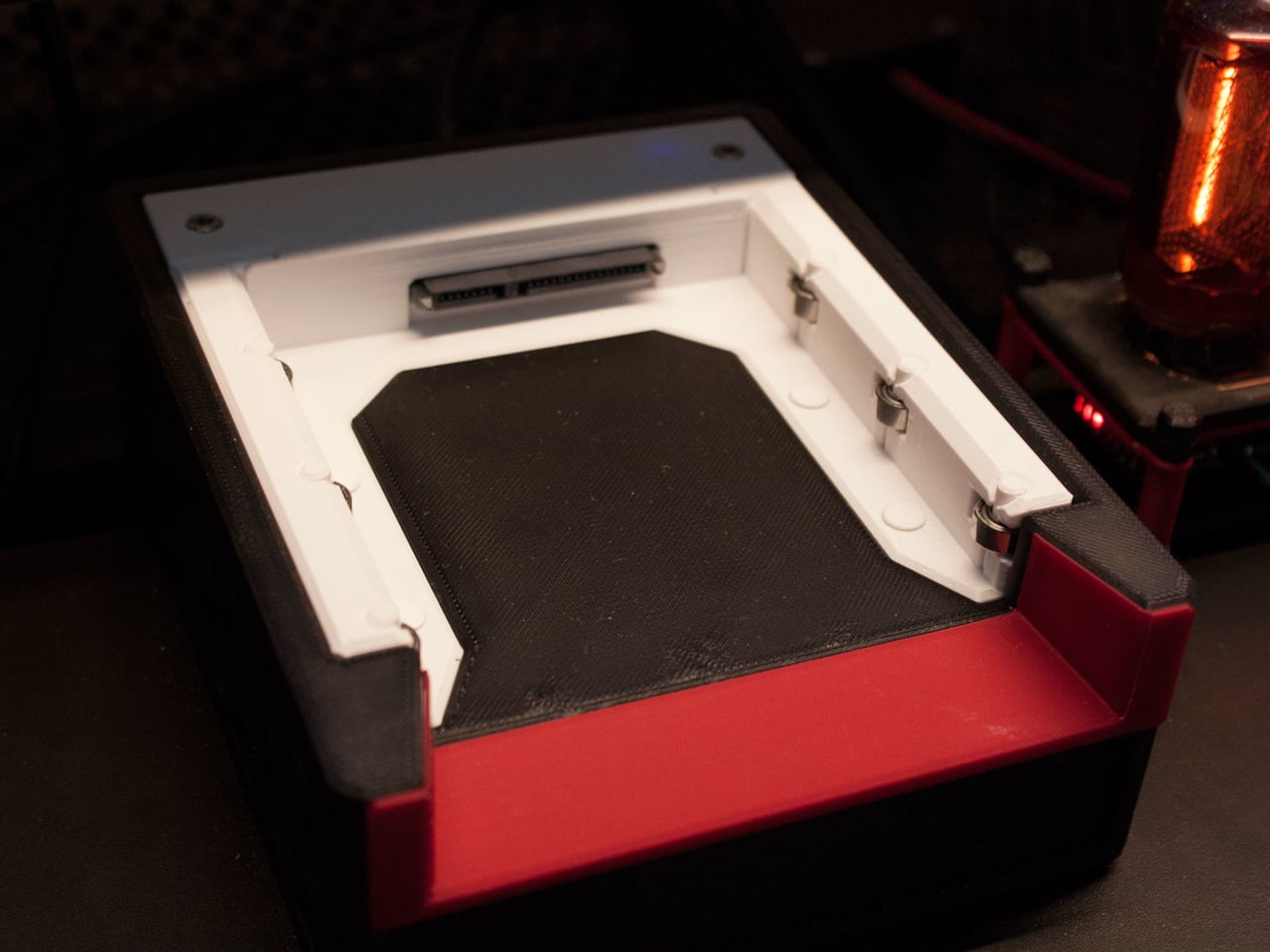
The system runs on Linux. When an SSD is plugged into a SATA dock connected to the PC, a udev rule detects the mount event and triggers a systemd daemon, which finds the script on the drive and executes it. Valve’s Steam URL Protocol handles navigating to the game’s page or launching it. The hardware side requires nothing more unusual than a standard SATA dock.
There are genuine practical limits. Steam still needs to be installed, and the game needs to be in your library, so this isn’t a workaround for ownership or a way to share games. Updates are the bigger friction point, since multi-gigabyte patches push regularly even to older titles. The creator’s approach is to keep cartridges for games worth replaying occasionally rather than live-service titles that need constant updating.

The reaction ran heavily nostalgic, with comparisons to NES cartridges, Switch game cards, and the general ritual of pulling a game off a shelf. Some commenters want the system extended to GOG libraries. Others are already planning their own versions, with several suggesting 3D-printed cartridge shells to push the aesthetic even further.
What the project surfaces is how much the ritual of physical media matters, separate from convenience or ownership. These drives don’t give you anything you couldn’t already get by clicking a game in your Steam library. The Linux requirement narrows who can replicate it directly, but at €7 ($8) per drive, the cost to build a collection of ten or fifteen games is still less than a single new release.
The post The $8 Steam Cartridge Every PC Gamer Has Always Wanted first appeared on Yanko Design.

Apple has always used color as a defining feature of its consumer laptops, and the MacBook Neo leans into that more than most. It’s the brand’s most affordable MacBook yet, arriving in four expressive colorways that clearly aren’t an afterthought. The accessories market hasn’t kept pace with that thinking, though. Most hubs and mice sold alongside colorful laptops are still generic gray or silver, made for nothing in particular.
Satechi’s MacBook Neo Collection takes direct aim at that gap. The three-piece lineup, available in Citrus, Blush, Indigo, and Silver, is built around the simple idea that accessories for a distinctly colored laptop should actually match it in kind. That means two USB-C hubs that address the Neo’s limited port selection, and a wireless mouse that rounds out the desk setup with the same visual intention the laptop brought.
Designer: Satechi

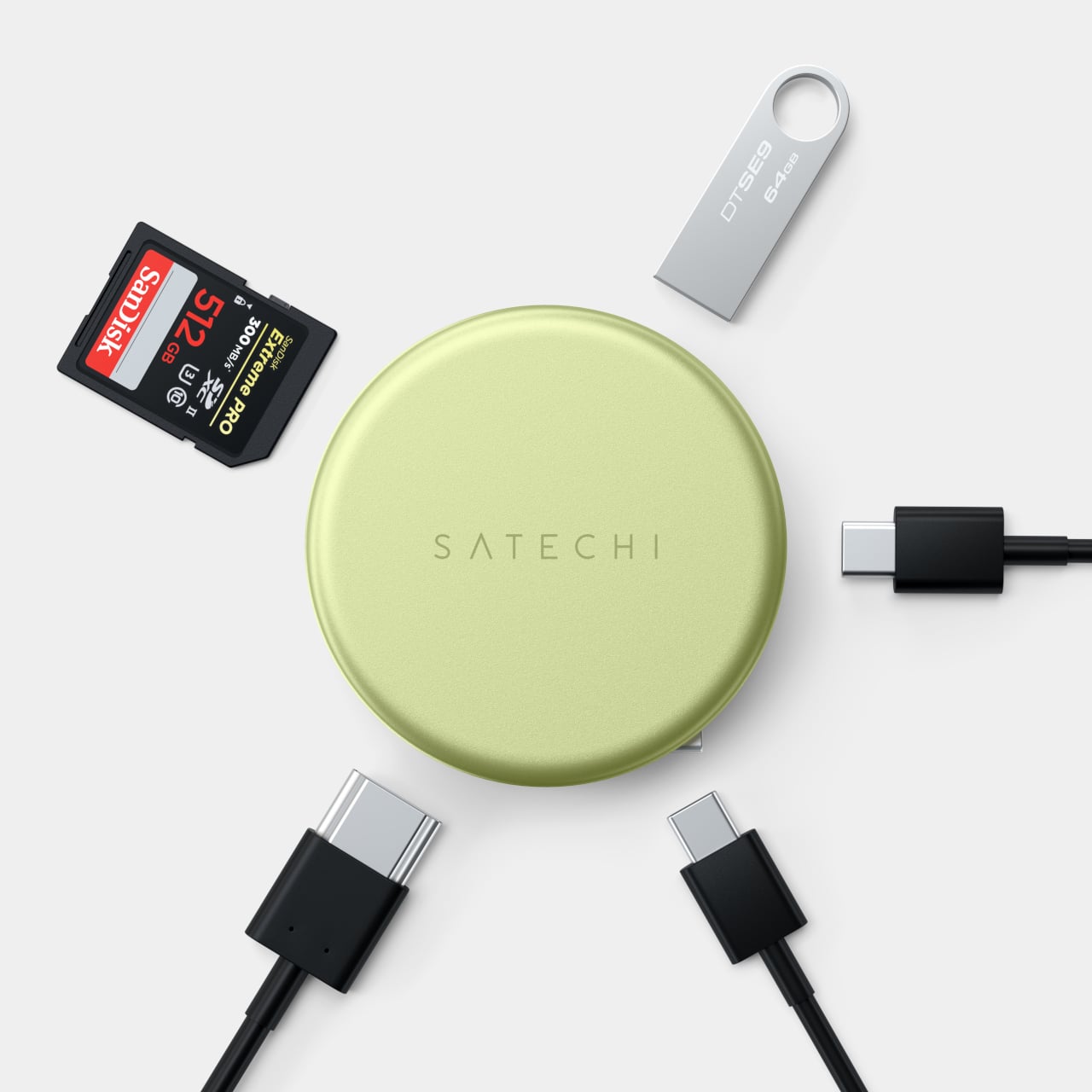
Of the two hubs, the USB-C Snap Hub ($44.99) is the one built most specifically around the Neo. It connects to both of the laptop’s USB-C ports simultaneously and sits flush against the chassis without any cables running off to the side. Six ports all operate at once without any configuration needed, covering 4K/60Hz HDMI output, USB-A and USB-C data, SD and microSD card slots, and 45W pass-through charging.
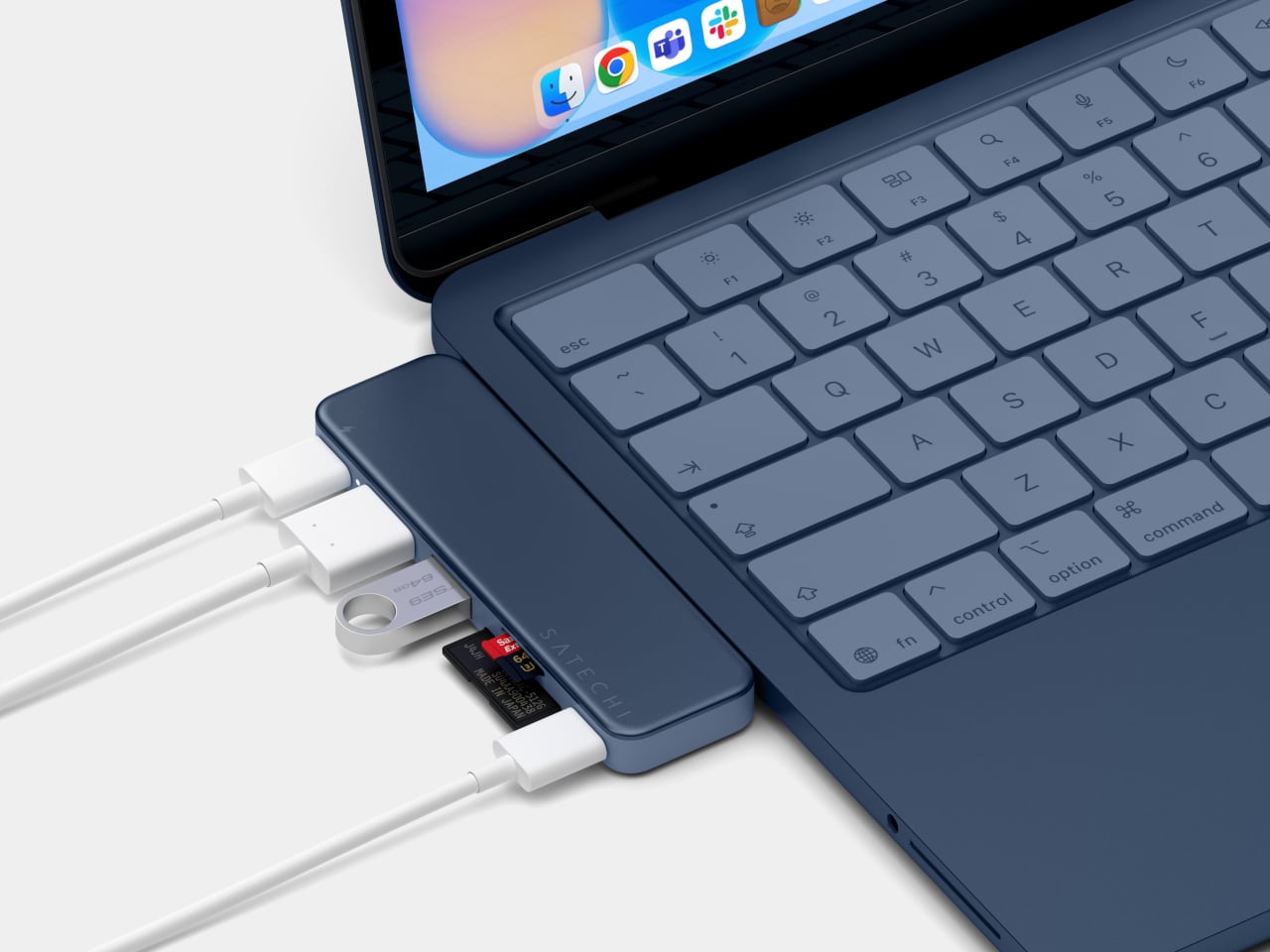

What makes the Snap Hub more considered than a typical color-matched hub is its two-tone construction. The top surface is anodized aluminum matched to the Neo’s body color, while the base is soft-touch ABS aligned to the keyboard finish, giving it a genuinely integrated look. Most accessories stop at a matching surface. This one accounts for how it looks when it’s actually attached to the laptop, not just placed nearby.
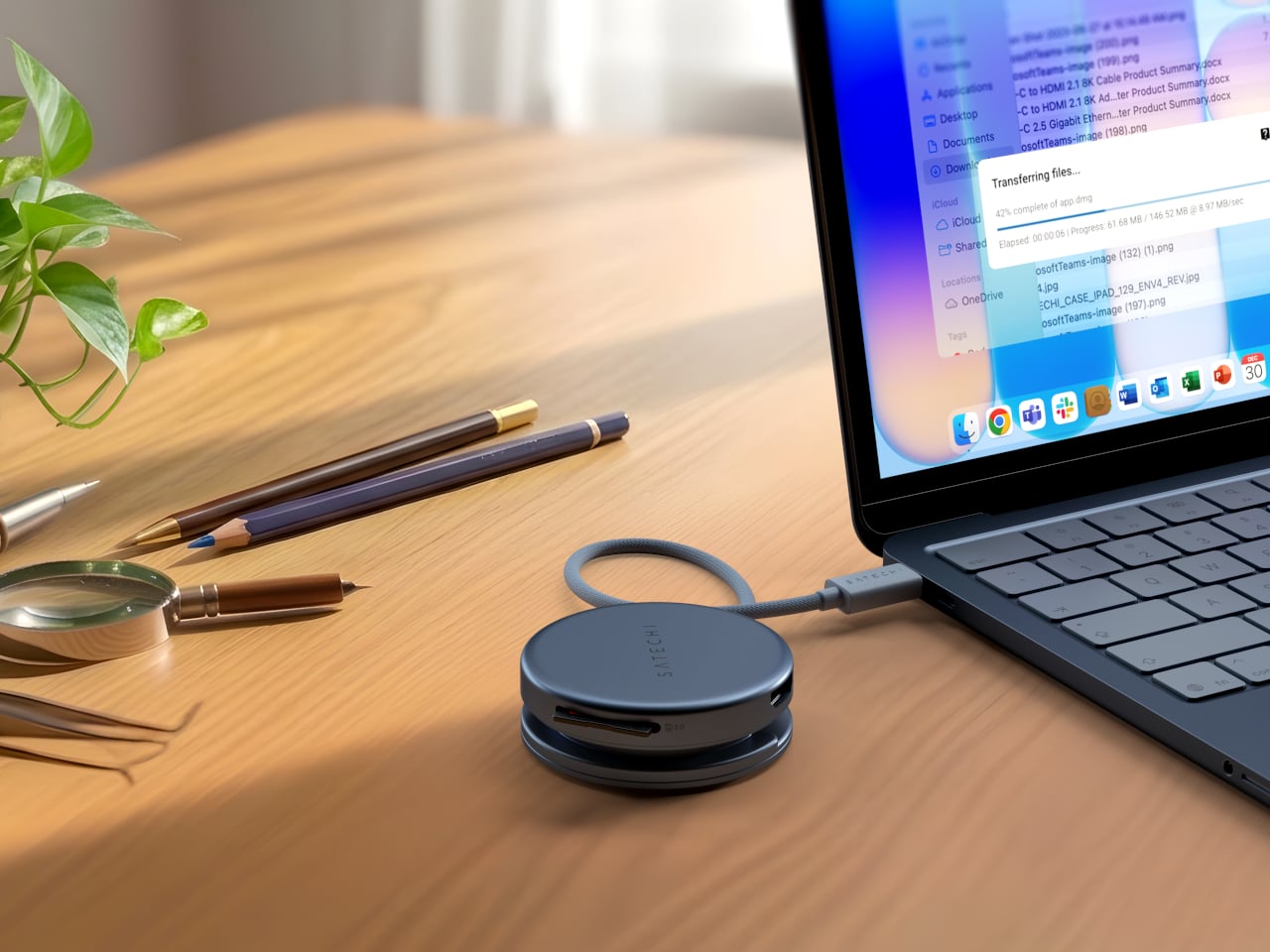
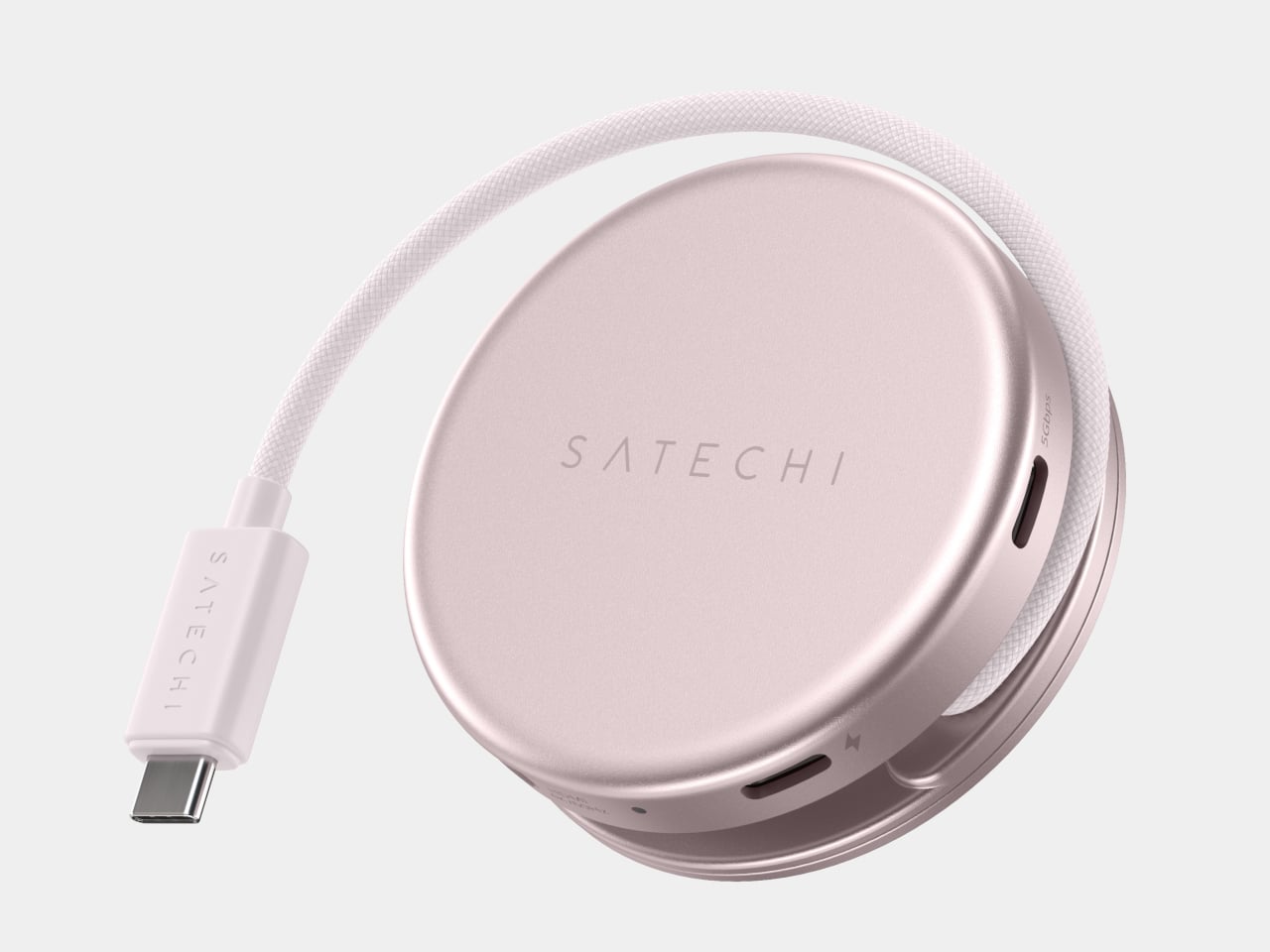
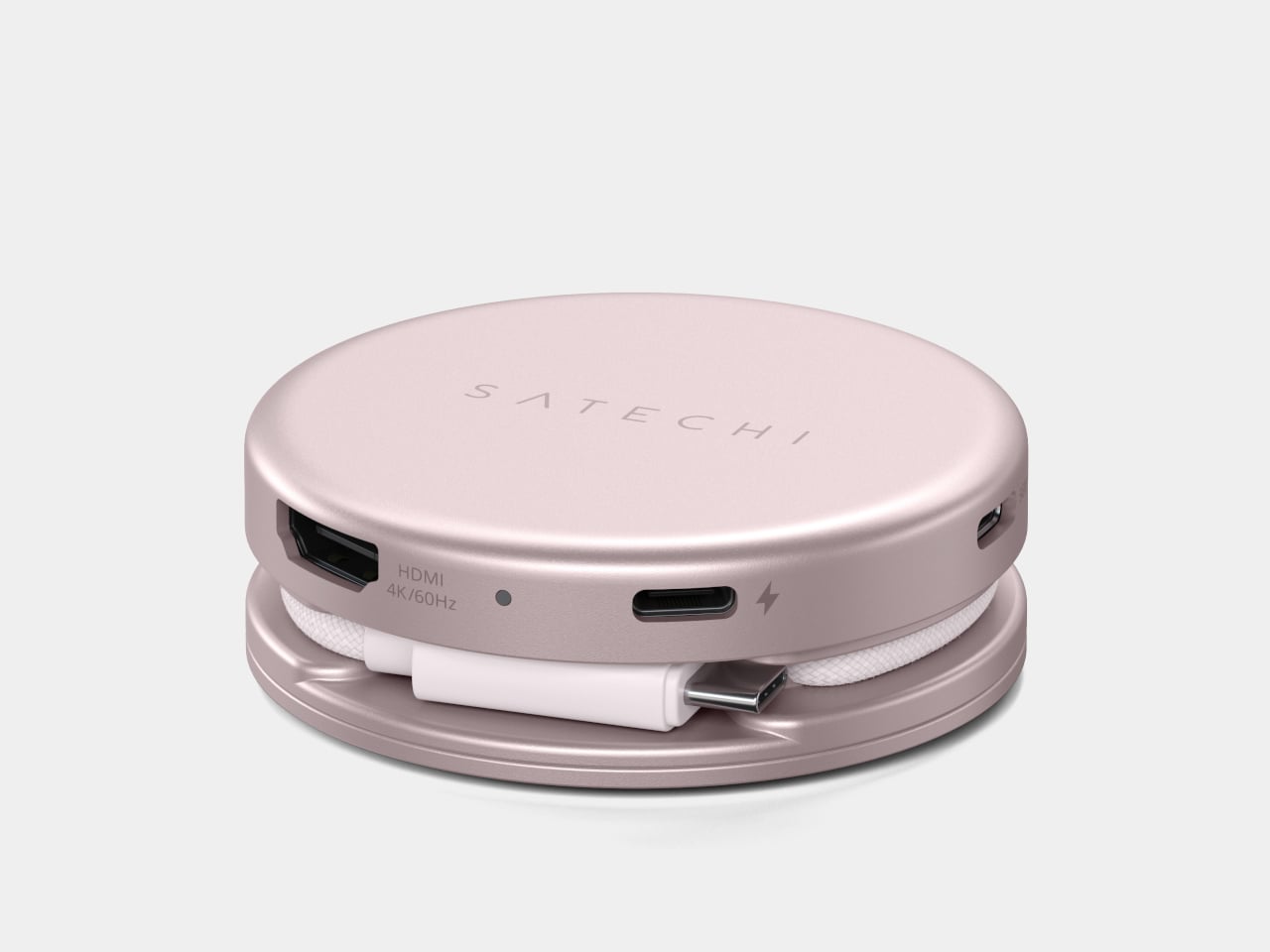
The OntheGo 5-in-1 Multiport Adapter ($44.99) takes a more portable approach to the same connectivity problem. It connects through a single USB-C port via a nylon-braided cable, and its magnetic soft-touch base can snap onto a MagSafe iPhone or mount flush to the Neo’s lid with an included adhesive ring. The ports cover 4K/60Hz HDMI output, 60W USB-C pass-through charging, dual 5 Gbps data ports, and an SD card reader.

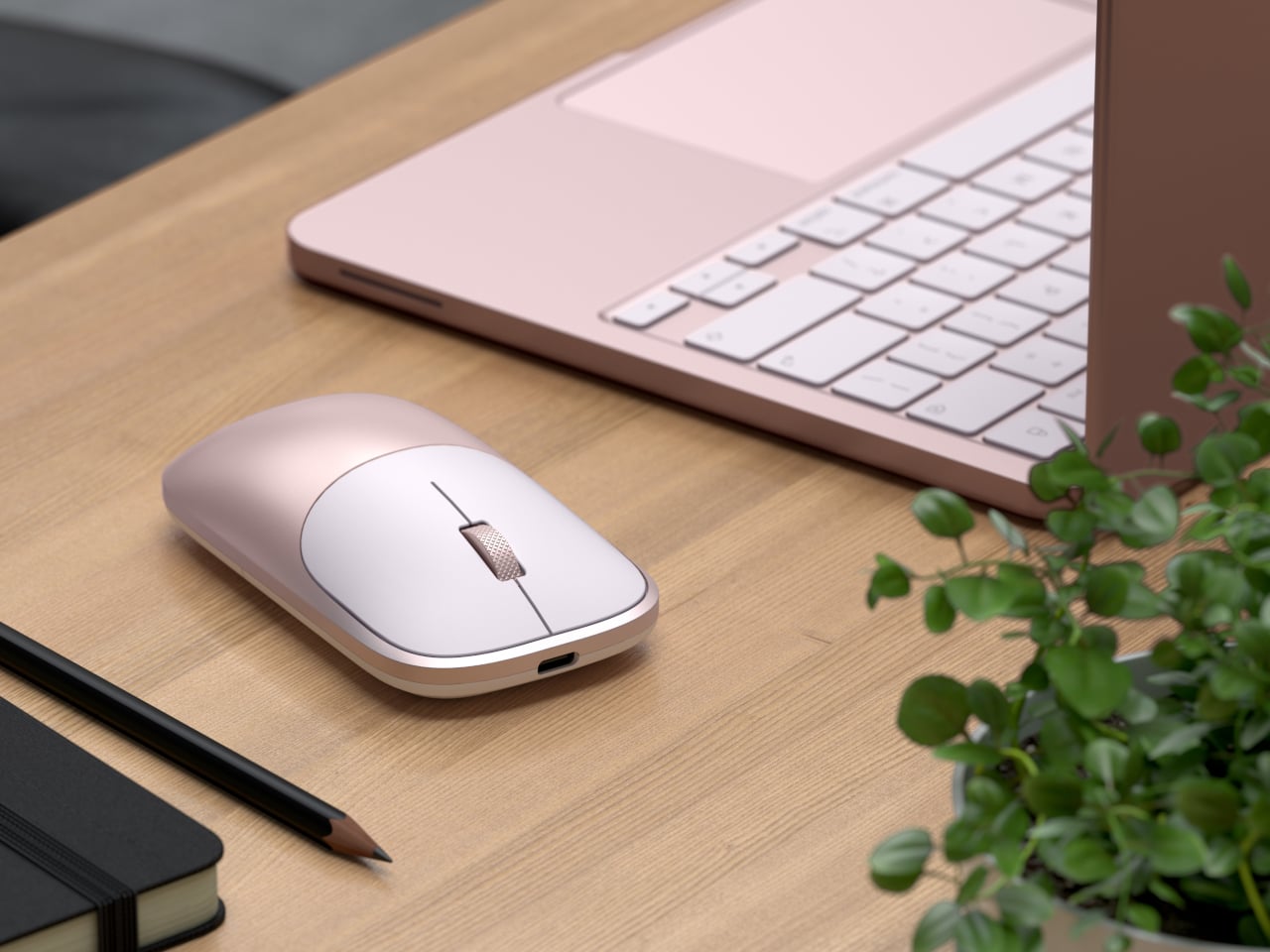
The Slim EX Wireless Mouse ($29.99) completes the collection and the color story it sets up. Previously only available in standard finishes, it now comes in the same Neo colorways for the first time, on an aluminum body that matches the hubs it sits beside. It supports two simultaneous Bluetooth channels and a 2.4 GHz wireless connection, quiet click switches, a precision-machined scroll wheel, and a USB-C rechargeable battery.
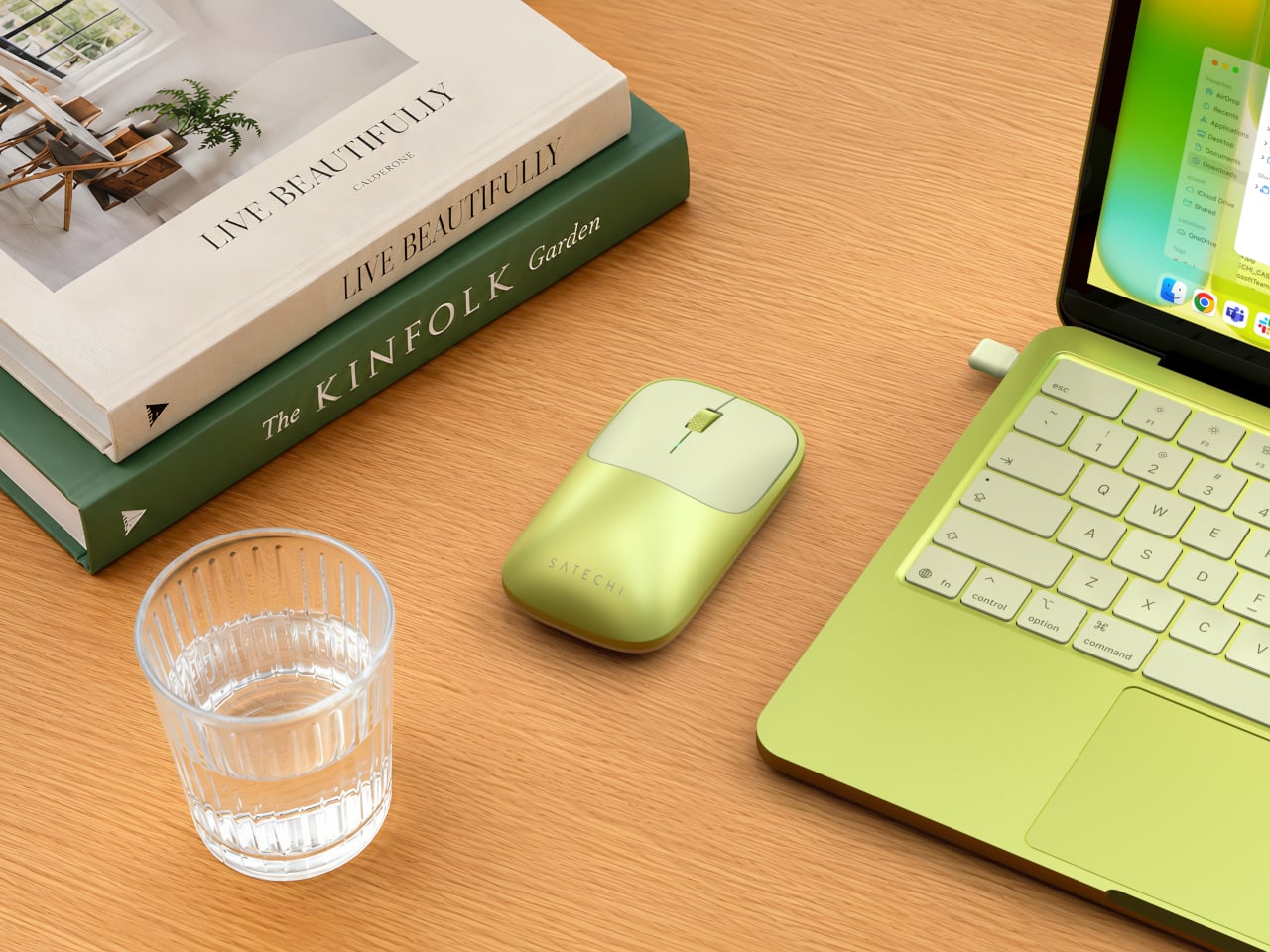
The MacBook Neo was designed for people who care about color as much as capability, and the accessories around it should reflect that sensibility. At $29.99 for the mouse and $44.99 for either hub, the collection isn’t asking much. It gives back a desk setup that actually feels considered from one end to the other, which is a harder outcome to achieve in the laptop accessory space than it sounds.
The post Satechi Just Built the MacBook Neo Accessories Apple Forgot to Make first appeared on Yanko Design.


There is a piece by kinetic artist Arthur Ganson called Beholding the Big Bang, a gear train stretching over a meter long, where the final gear is embedded in solid concrete. With a motor running at one end, the reduction is geared down so severely that even with the first gear spinning at speed, it would take 13.7 billion years for the last gear to turn. Ganson built it as an art piece, a meditation on cosmic time. But buried inside that sculpture is an engineering principle so tactile and immediate that it feels almost criminal to lock it in a gallery. Gear reduction, in its raw form, is one of the most satisfying mechanical phenomena a person can interact with.
MetMo appears to have agreed with that assessment. The Brass Gear Train takes the same physics and compresses it into a palm-sized, hand-assembled object machined to aerospace tolerances in a UK workshop. The reduction ratio is 16,384:1, which means the top gear and the bottom gear are functionally living in different time zones. Every gear in the stack doubles the torque of the previous one. What reads on paper as an engineering spec feels, in practice, like a magic trick that happens to be fully explainable… and a treat for the eyes and hands.
Designers: Sean Sykes & James Whitfield (MetMo)
Click Here to Buy Now: $148.58.
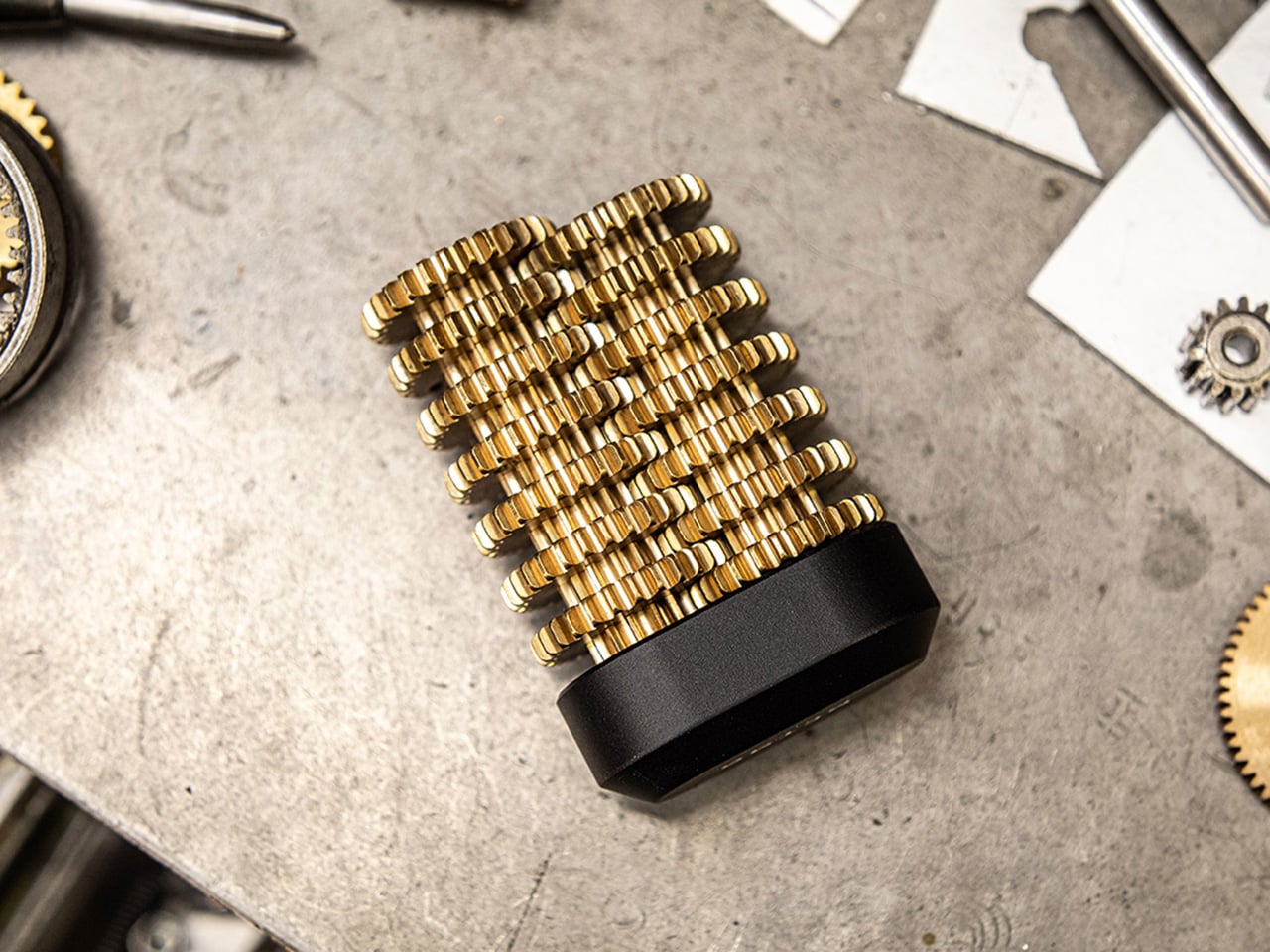
The trick plays out immediately the moment you start turning the gears. Spin the topmost gear at a comfortable pace, and the lowest gears in the stack appear frozen, barely registering motion. The visual disconnect is mesmerizing because your brain knows they should be moving, but the reduction is so steep that a full rotation at the top translates to near-invisibility at the bottom. You can reverse the operation too, gripping the lower gears and turning them while the top spins wildly out of control, the torque climbing exponentially as you work your way down the train. The interaction is simple enough for anyone to understand within seconds, but satisfying enough that most people who pick it up will keep spinning it for several minutes straight. If you are someone who thinks while touching things, who solves problems by turning objects over in your hands, or who just appreciates when engineering reveals itself rather than hiding behind a housing, this is built for exactly that impulse.

Each gear in the stack doubles the torque input from the gear above it, which means by the time you reach the bottom of the train, your effort has been multiplied 16,384 times over. Turning the first gear feels effortless, barely any resistance. Move down one level and there is a slight increase in drag. By the third or fourth gear, you start feeling real resistance. By the sixth gear, most people will struggle to turn it with just their fingers. The lower you go, the more mechanical advantage you are fighting against, and the feedback is immediate, visceral, and surprisingly addictive. It turns an abstract engineering principle into a tangible workout for your hand, and the challenge of working your way down the entire gear stack becomes a desk-toy dare that most visitors cannot resist attempting.
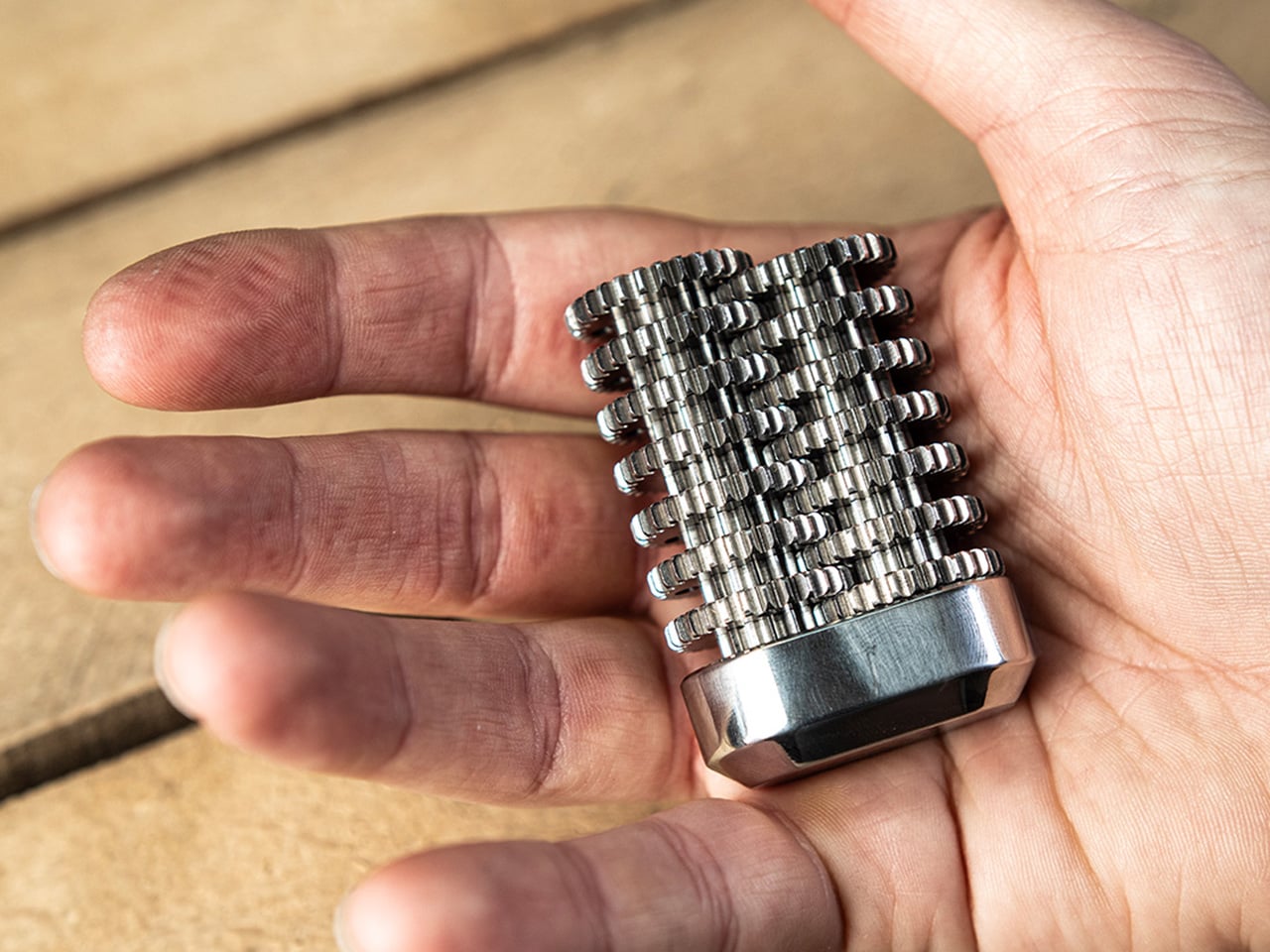
The gears are precision CNC-machined from solid brass, chosen specifically to echo the clockwork mechanisms of old. The warm metallic tone, the weight distribution, and the smooth meshing of teeth all call back to antique engineering, when gears were visible, celebrated, and built to outlast their makers. The gears sit on a hard anodized aluminum base, which serves a dual purpose: it provides a low center of gravity that makes the object comfortable to hold, and the hard anodizing prevents corrosion, ensuring the base stays flawless even after years of desk duty. The Gear Train comes with a pin that holds everything in place – taking the pin out lets you fidget with the gear’s movement. When you’re done testing the laws of physics, you can slide a pin back through the gears, locking them in place so they don’t shift around in your pocket and accidentally snag your earphone cable.
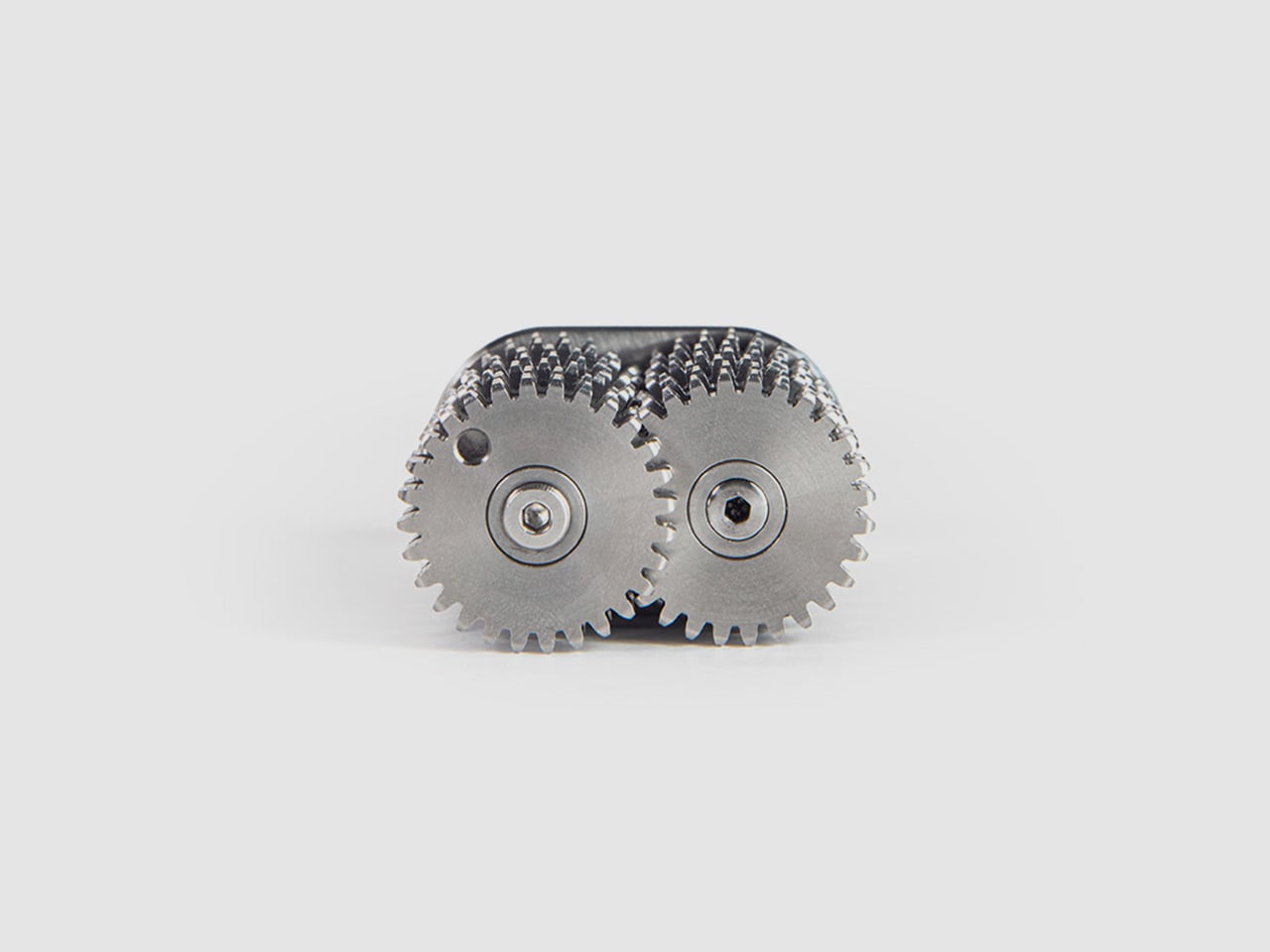
The only way to reinsert the pin is to rotate the gears back into perfect alignment, a 16,384-revolution journey where all the holes must line up simultaneously. It is planetary alignment in miniature, a needle threading that requires patience, memory, or just a willingness to turn the stack slowly until everything clicks into place. Some users will treat this as a one-time puzzle, solving it once and leaving the pin in. Others will pull it out deliberately, turning the Gear Train into an ongoing fidget challenge that resets itself every time.
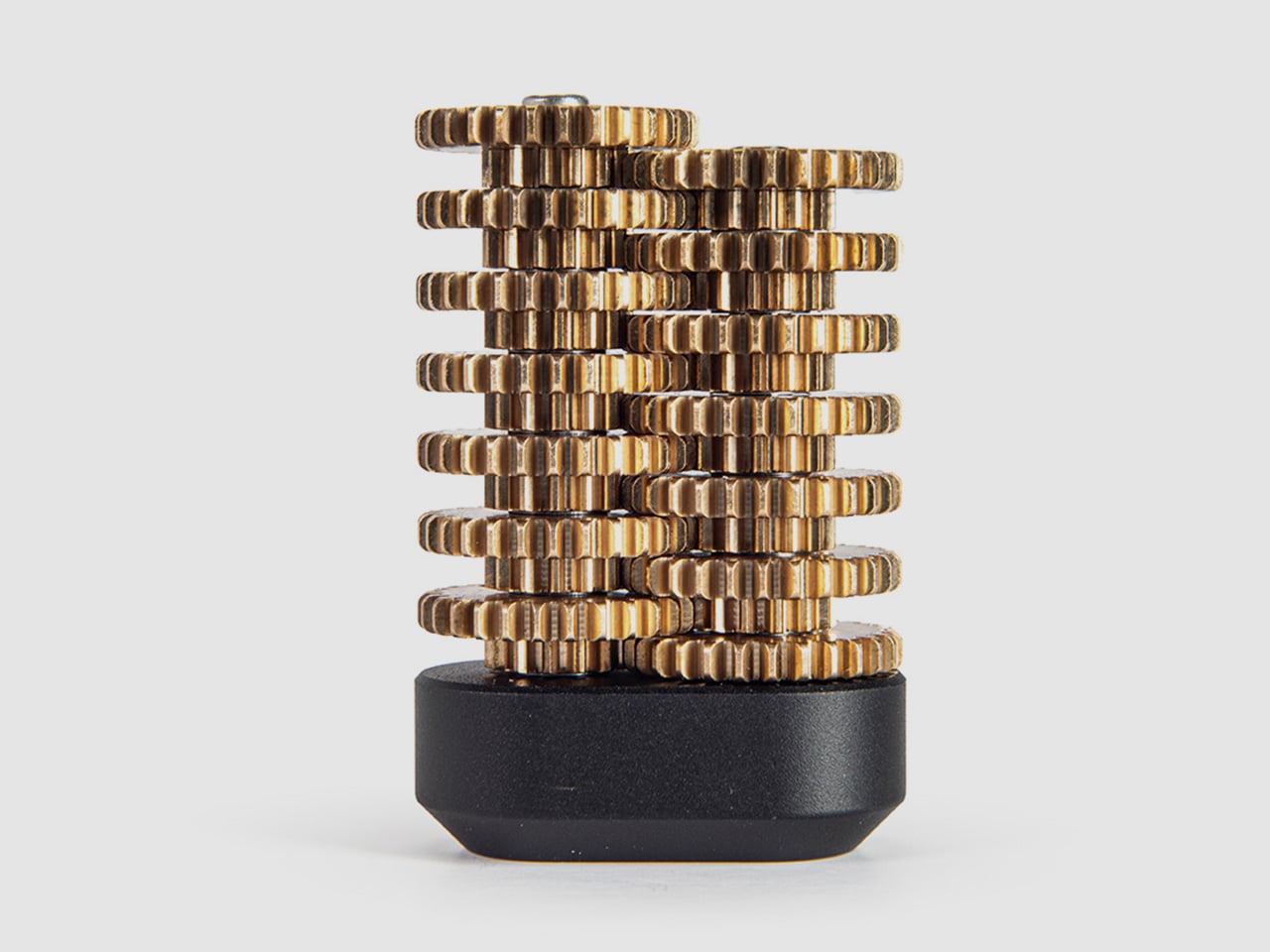
Every component is machined by Metmo in their UK workshop, running solid metal stock through CNC mills to the same tolerances used in aerospace engineering. There are no mass-manufactured parts anywhere in the assembly. Each gear is hand-finished, with edges smoothed to perfection so there are no sharp bits, no rough patches, nothing that interrupts the tactile pleasure of turning the stack over in your hands. The gears mesh perfectly, tight enough to eliminate backlash but smooth enough that the motion feels like silk. When the product page says the gears fit together like a Swiss watch, that is not marketing poetry, it is an accurate description of what you feel when you spin them.
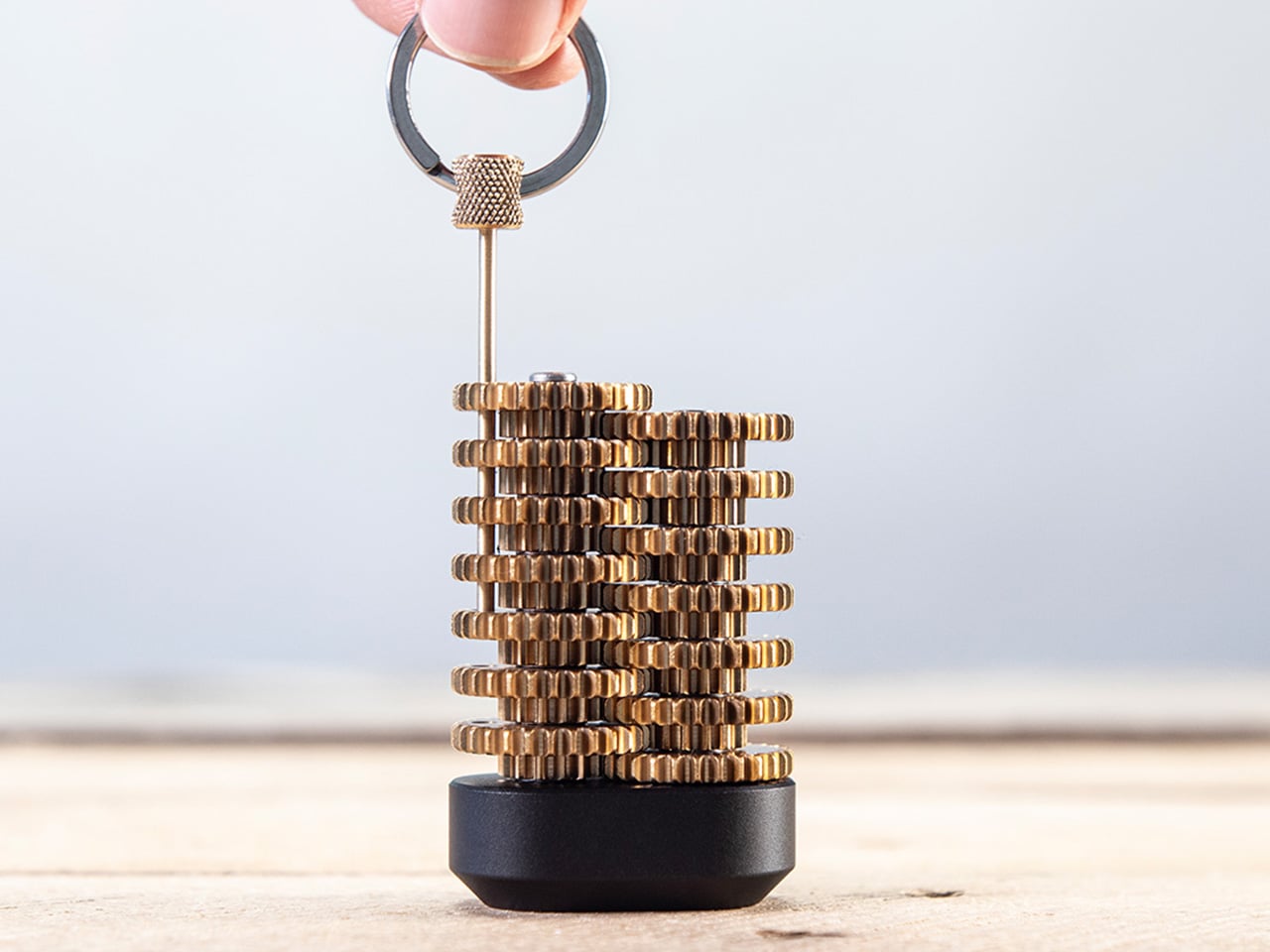
MetMo built this object to live on a desk, and the visual presence reflects that intent. The stacked brass gears catch light beautifully, the gear-tooth profiles creating a repeating pattern that reads as both mechanical and decorative. The weight feels substantial without being cumbersome, and the passivated brass doesn’t patina like regular brass does, ensuring your gear-train looks shiny and precise even after years. People walking past will stop and ask what it is, which gives you the opportunity to demonstrate the reduction ratio in real time, and most onlookers will immediately want to try it themselves. It functions as a conversation piece, an engineering demo, and a desk sculpture simultaneously, occupying the same category as premium perpetual motion toys or kinetic sand timers, objects that justify their presence through sheer fascination rather than utility. For designers, engineers, makers, or anyone whose workspace doubles as a place to think, this belongs within arm’s reach.
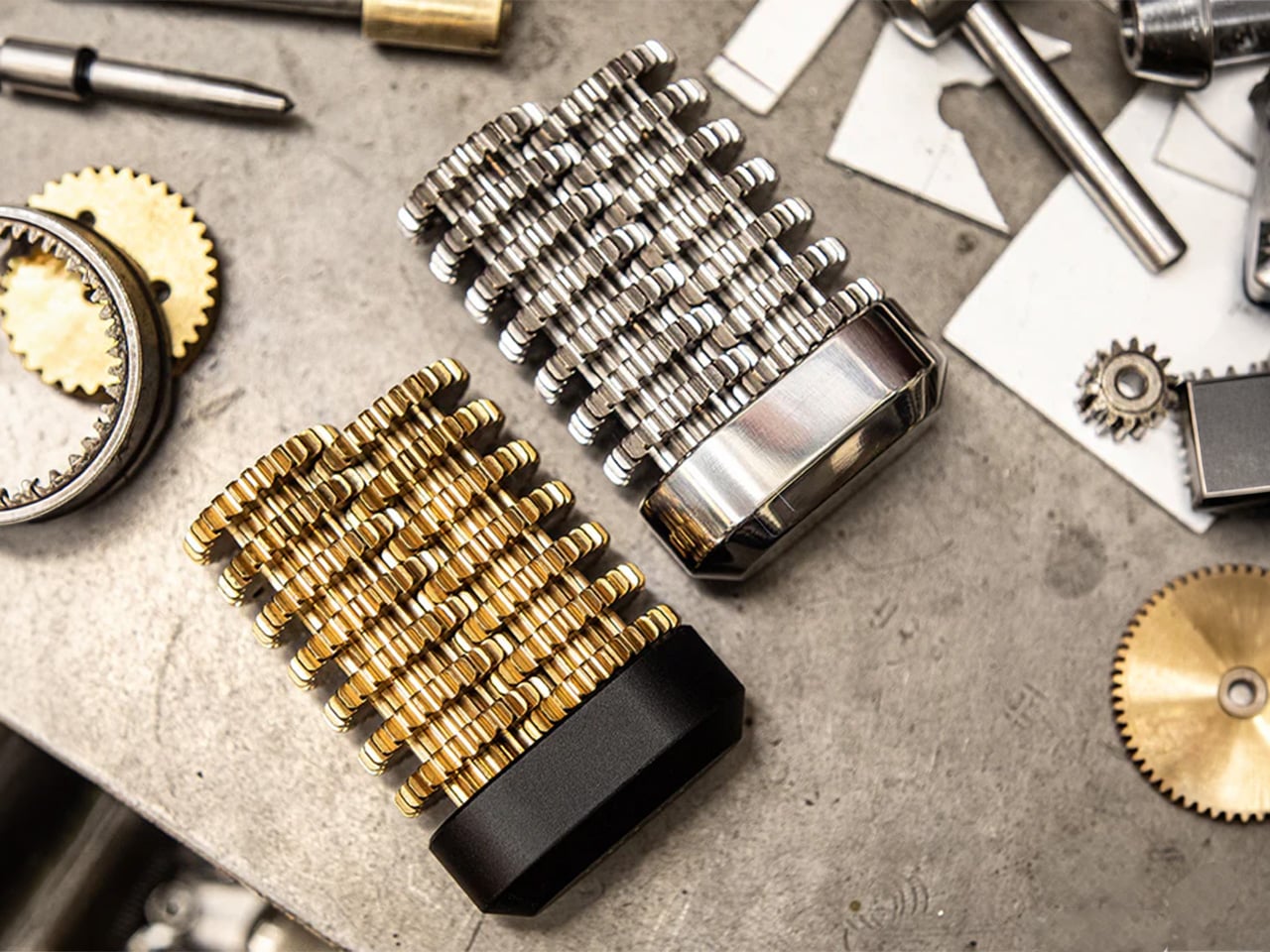
The Brass Gear Train is available in two material configurations. The brass version featured here uses solid brass gears with a hard anodized aluminum base, delivering that warm, vintage-clockwork aesthetic MetMo designed it around. There is also a stainless steel variant, which trades the brass warmth for a more industrial, corrosion-resistant finish with a heavier feel in hand. Both versions are hand-assembled, both carry the same 16,384:1 reduction ratio, and both come with the removable alignment pin for puzzle play. MetMo backs both configurations with a 200-year guarantee, the same confident warranty they extend across their entire product line, a statement that this object was built to outlast you, your desk, and probably your great-grandchildren.
The MetMo Brass Gear Train is priced at £99 GBP (approx $149 USD) and ships directly from MetMo’s UK workshop. For those interested in the stainless steel version, pricing and availability can be found on the MetMo website. Both versions qualify for free shipping on orders over £200.
Click Here to Buy Now: $148.58.
The post Ever wondered how gearboxes and torque work? MetMo’s latest EDC turns the physics into fidget fun first appeared on Yanko Design.
The bag you carry into every shared space tells a story before the laptop opens. For years that story was functional at best, a charger shaped like a building block, a mouse borrowed from the budget shelf, a phone that looked underdressed next to the work it was doing. Something has shifted. The tools nomads carry in 2026 are beginning to look as considered as the work they produce. The standards have moved, and the products have followed.
What separates a setup that earns the table from one that simply occupies it is rarely one product. It is the accumulation of small, deliberate choices made across everything you reach for during a session. Each of the seven products here earns its slot not by being the loudest option in its category, but by being the most resolved. The café table becomes a studio when every object placed on it was designed to be there.
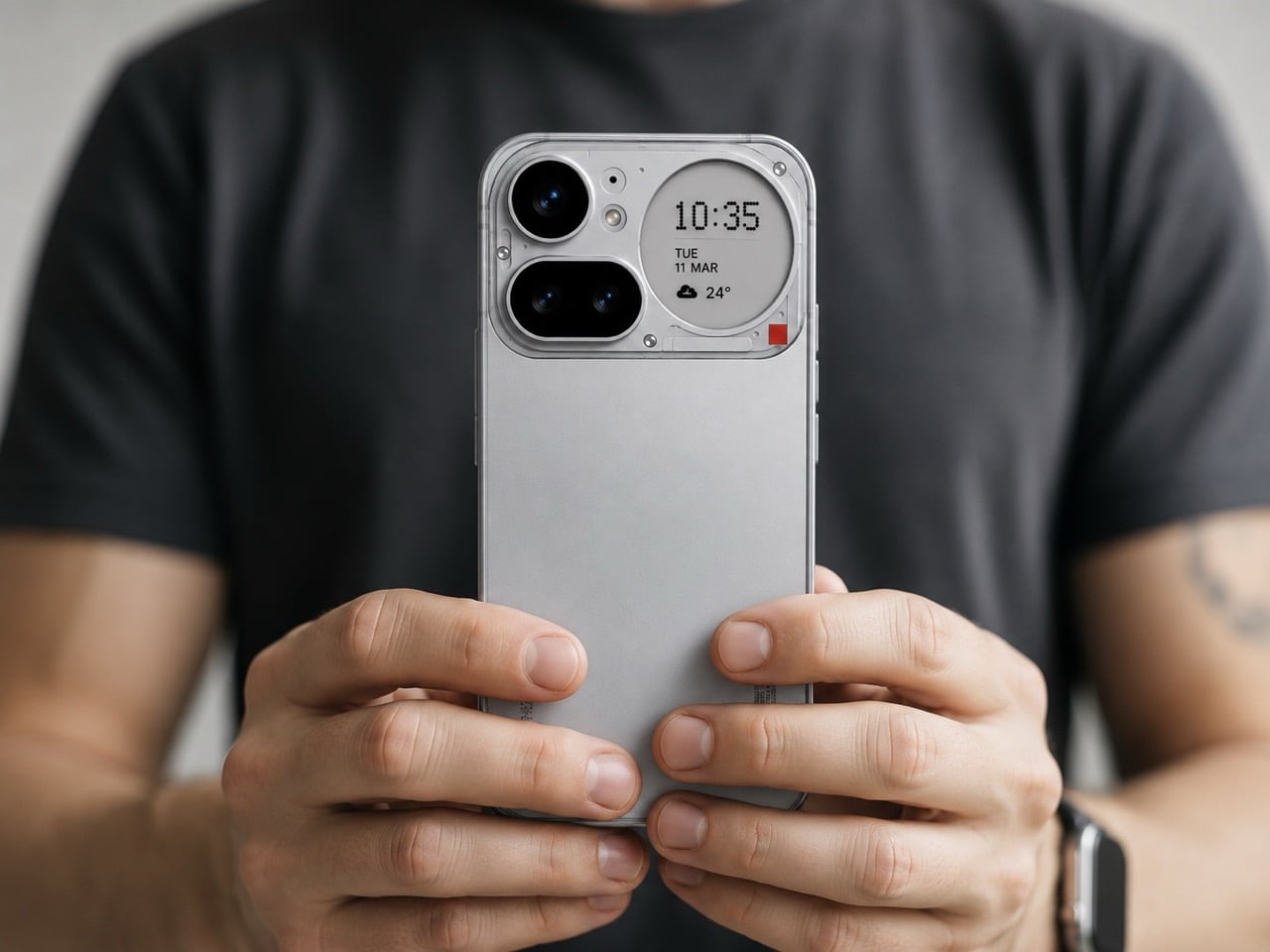
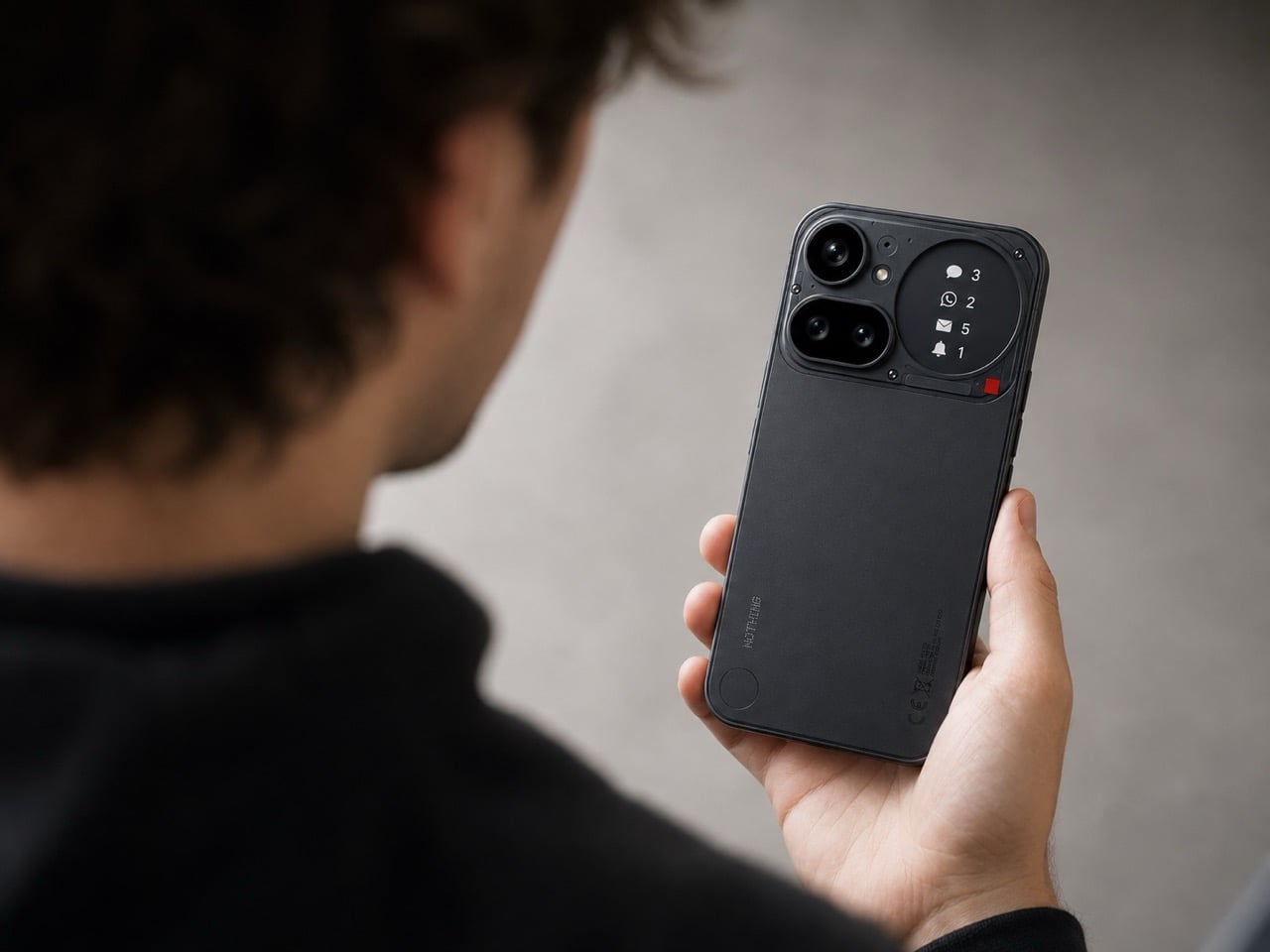
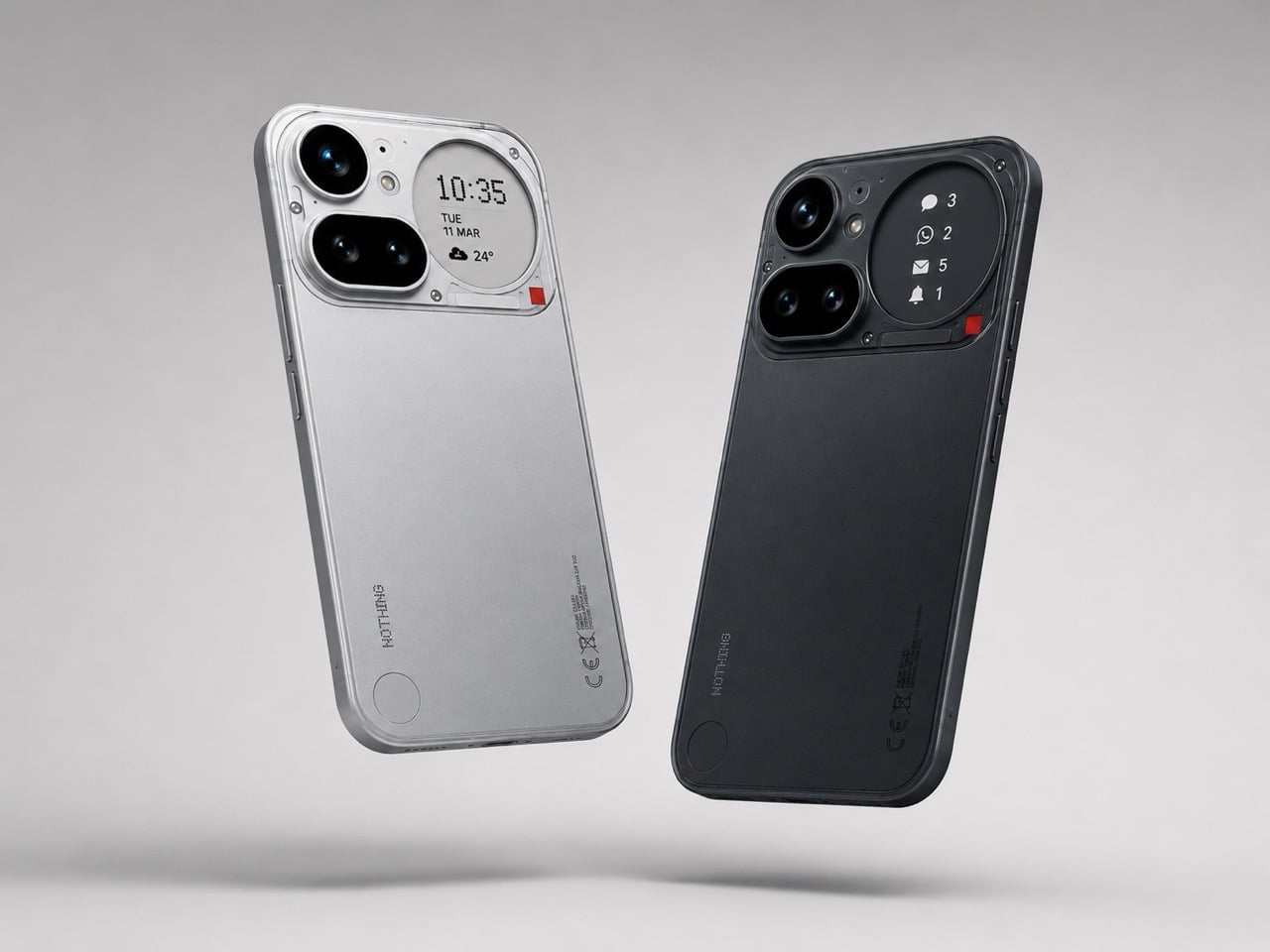
Most work phones carry a quiet contradiction: chosen for a camera or a price point rather than anything that makes them genuinely pleasant to hold for eight hours. The Nothing 4a disrupts that at the industrial design level. A transparent rear that reveals its internal architecture rather than concealing it, a Glyph interface that surfaces notifications without demanding the screen, and a material language borrowed from industrial design more than consumer electronics. It is the phone that actually earns its place on a considered desk.
For you, the benefit is a device that reads as intentional in every environment it enters. Boardrooms, airport lounges, café counters: the Nothing 4a does not look borrowed or accidental. The Glyph system means you can leave the phone face-up and receive the information you need without performing a full screen unlock, keeping your attention where the work is. A phone that manages your attention rather than capturing it is a different category of tool entirely, and that distinction compounds across a full working day.


Travel mice have been solved in the wrong direction for decades. The industry shrank them, which created smaller cramps rather than better tools. The OrigamiSwift is built around a different premise: transformation rather than compression. It collapses to card-sized flatness via magnetic clips, then opens into a fully contoured ergonomic mouse that fills a palm the way a stationary mouse does. At 40 grams, it disappears into a jacket pocket. Its polygonal geometry earns its grip through structure rather than rubber texture.
For you, the value is arriving at any surface with precision input that a trackpad cannot replicate without penalty. Extended editing sessions, dense spreadsheets, precise layout work: the OrigamiSwift removes every excuse for not carrying a proper mouse. Bluetooth 5.2 connects without a dongle. A three-month battery life on a single USB-C charge takes it out of the daily rotation of things to remember to charge.


Portable monitors have become standard nomad equipment. The trade-off nobody advertises is the power drain: every secondary screen draws from the laptop it is connected to, shortening the session it was brought along to extend. The ASUS ZenScreen OLED MQ16FC addresses that at the port level. Two USB-C connections that send power in either direction mean plugging a wall charger into the monitor and running a single cable to the laptop charges the notebook while the display runs. One cable, one outlet, both devices fed.
For you, this changes the arithmetic of a café setup. One power outlet handles everything; the laptop charges through the monitor while the session continues uninterrupted. A 16-inch OLED panel at 9mm thin and 0.68 kilograms weighs less than most hardcover books you would carry alongside it. The 16:10 aspect ratio returns the vertical screen space that widescreen layouts consistently remove.
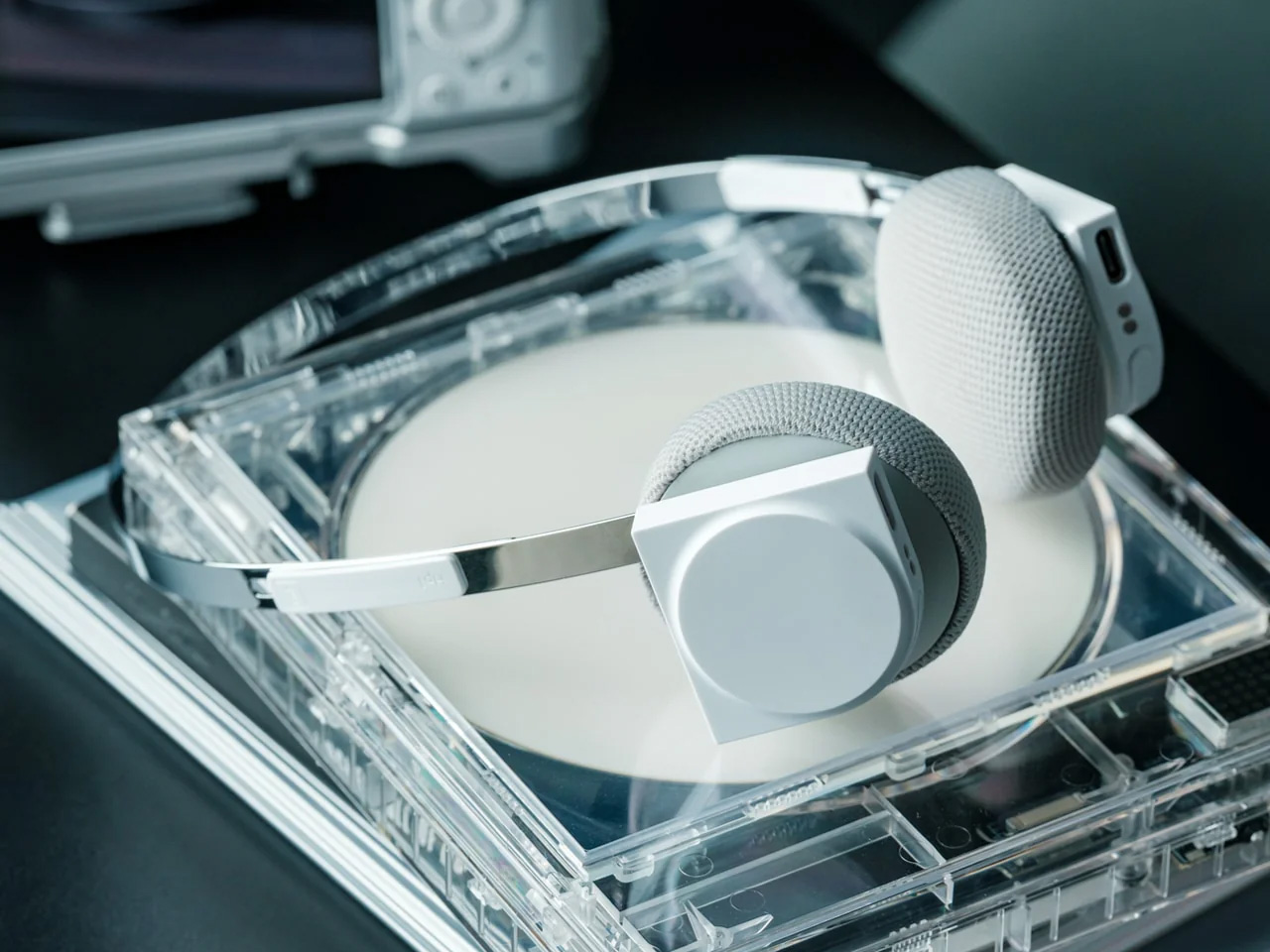
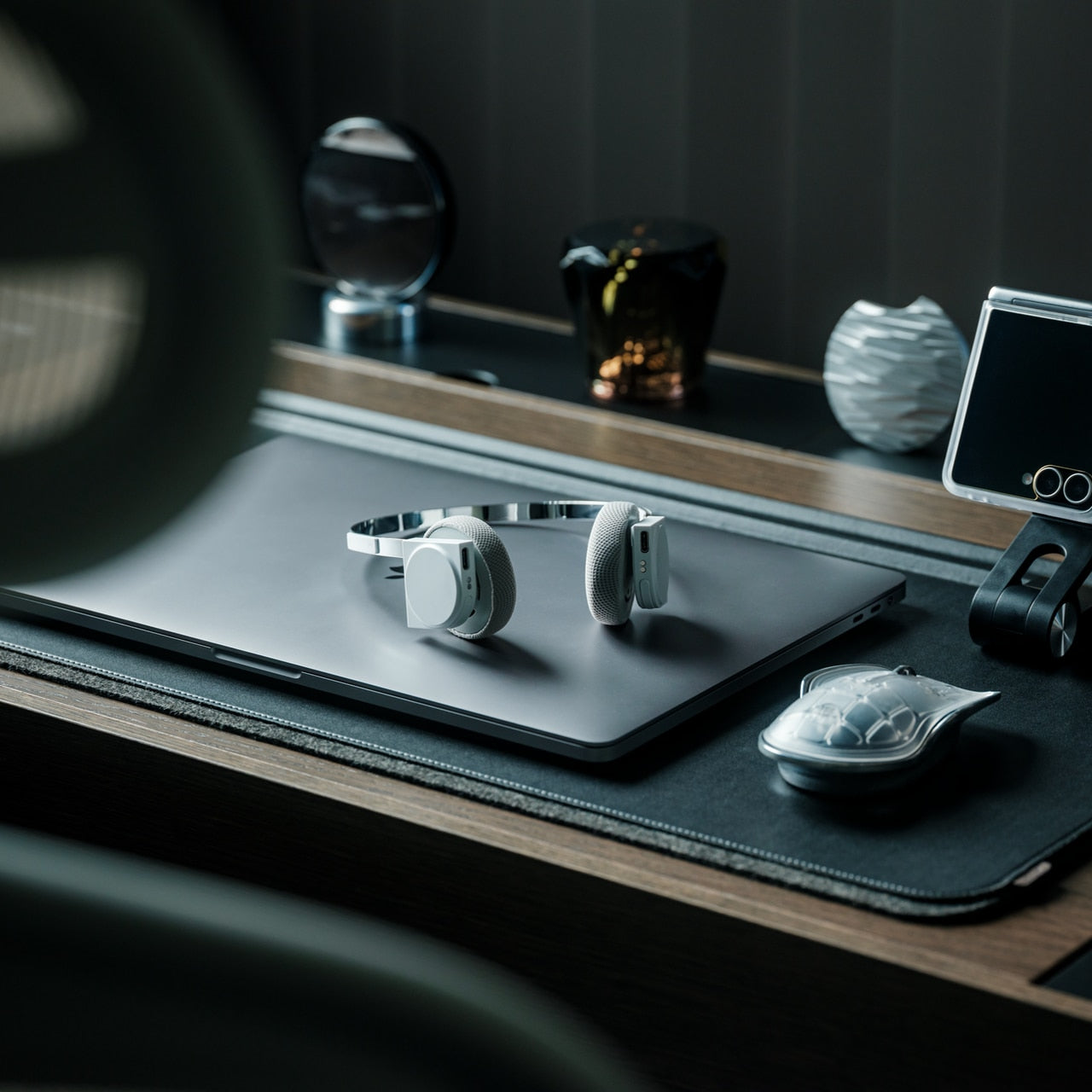
The over-ear headphone has become standard café furniture, which means the design bar is simply to not look like every other pair at the adjacent table. Stillframe takes a quieter approach than most: a minimal frame with a material story that holds up to extended handling, and passive isolation that removes the ambient noise layer without requiring battery charge as an entry fee to concentration. The headphones do what the category promises and rarely delivers: they get out of the way, and they look considered while doing it.
For you, the argument for Stillframe in a nomad kit is as much about weight and packability as it is about sound. Headphones that collapse flat and travel without a dedicated case free up bag volume that protective cases have been quietly borrowing for years. Paired with a phone that manages notifications intelligently, the combination removes the two most consistent interruptions to a working session: ambient noise and screen pulls. The setup earns back the attention that open environments routinely take without asking.
Click Here to Buy Now: $245.00

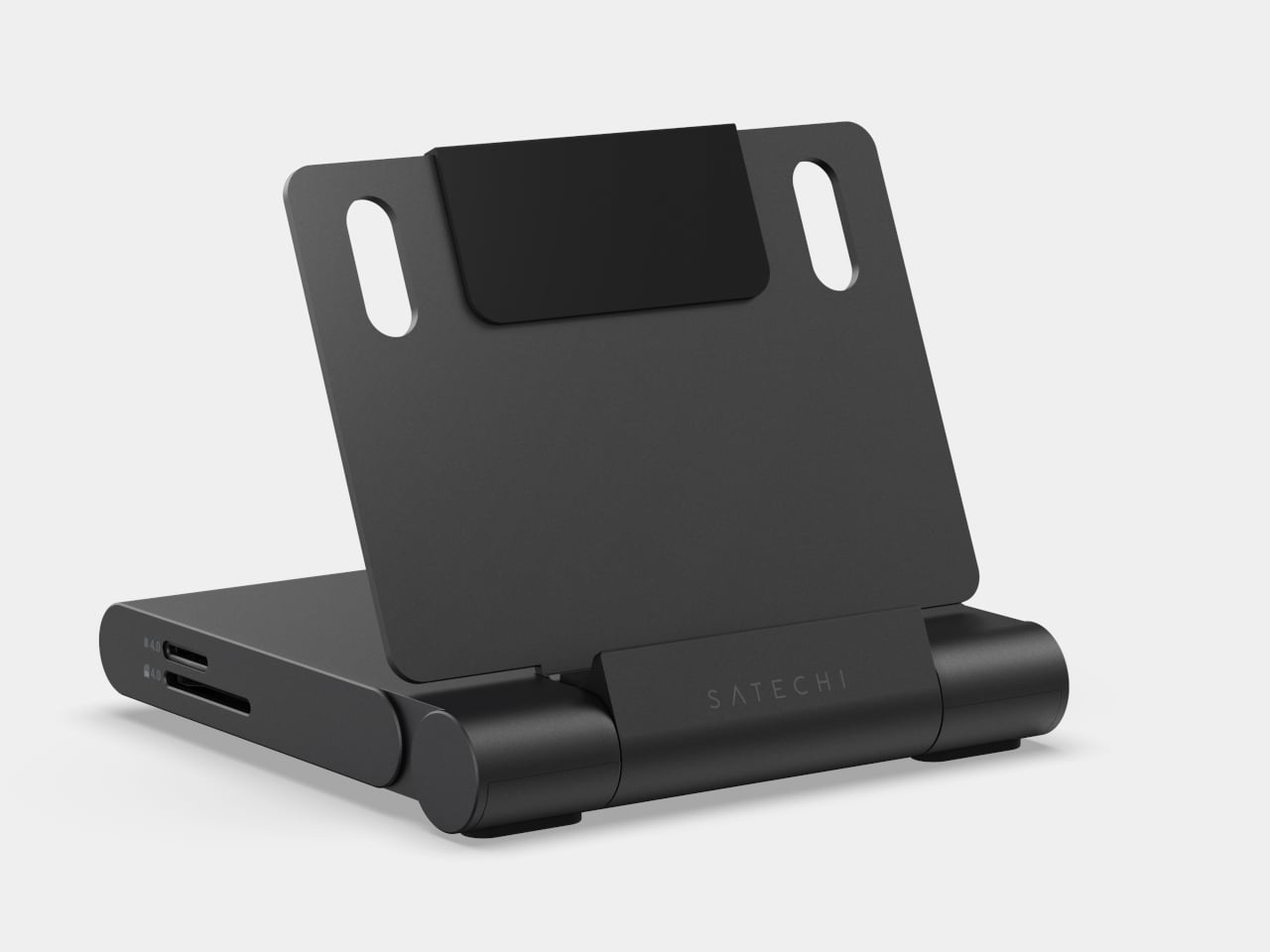
The laptop stand problem has never been about ergonomics alone. It is the deal that comes with raising the screen: a separate keyboard, a separate dock, and a surface cluttered enough to look like you moved in for the week. The Satechi OntheGo Foldable Stand Hub collapses that negotiation into a single 187.5-gram unit. Folded flat at under 20mm, it carries a laptop stand, USB-C dock, SD card reader, and HDMI output, with a 17cm integrated cable that connects everything in one motion.
For you, the value is what it removes from the bag rather than what it adds. Three accessories become one object that fits flat in a laptop sleeve pocket at $79.99, adding no dedicated volume to the packing equation. Deploy it at a table, and the laptop rises to eye level, the dock connects, the screen real estate doubles without a second cable appearing from somewhere. The borrowed surface stops feeling improvised. That shift, from occupying a table to owning one, is what a kit built around intention produces every time.
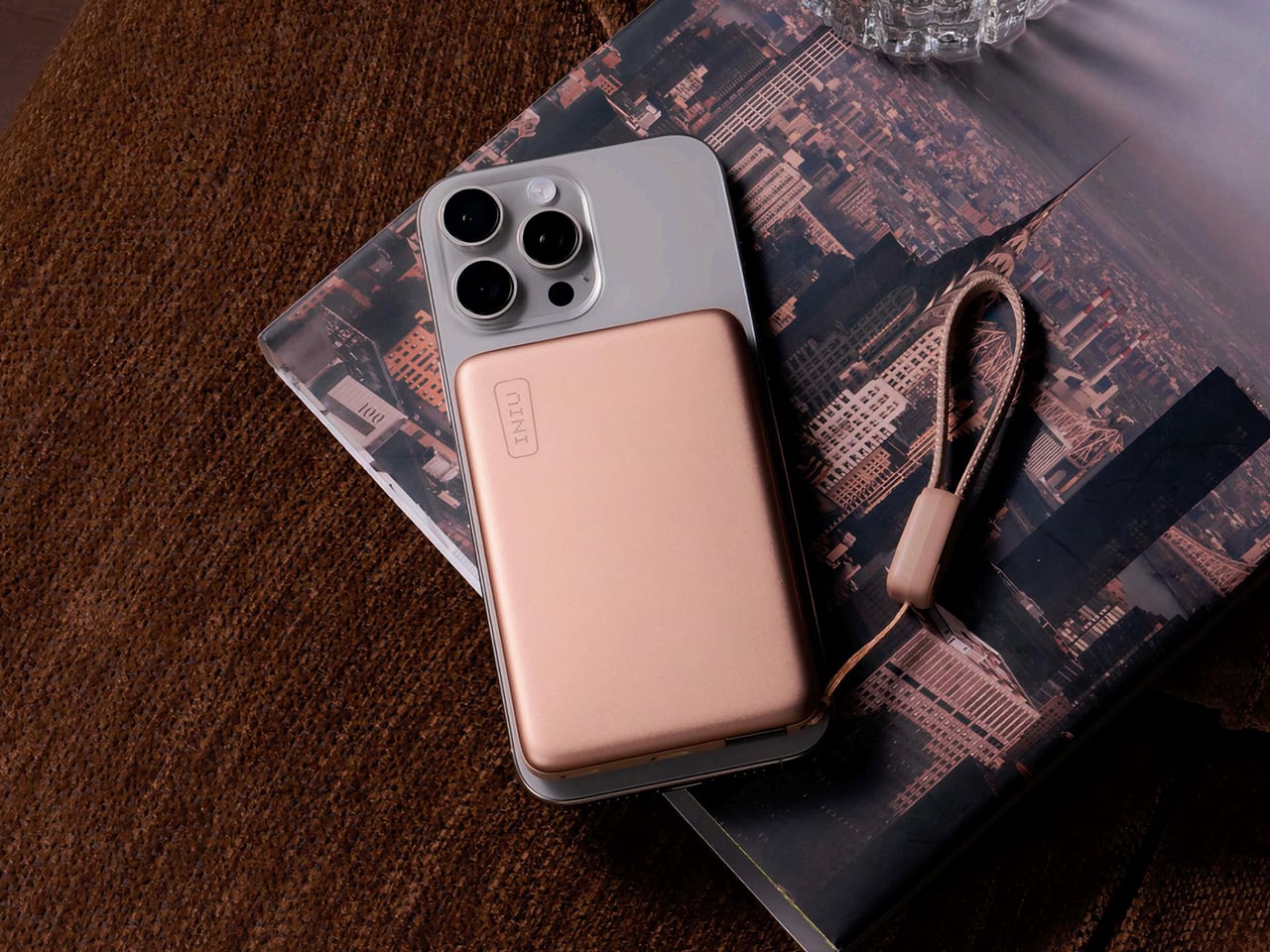
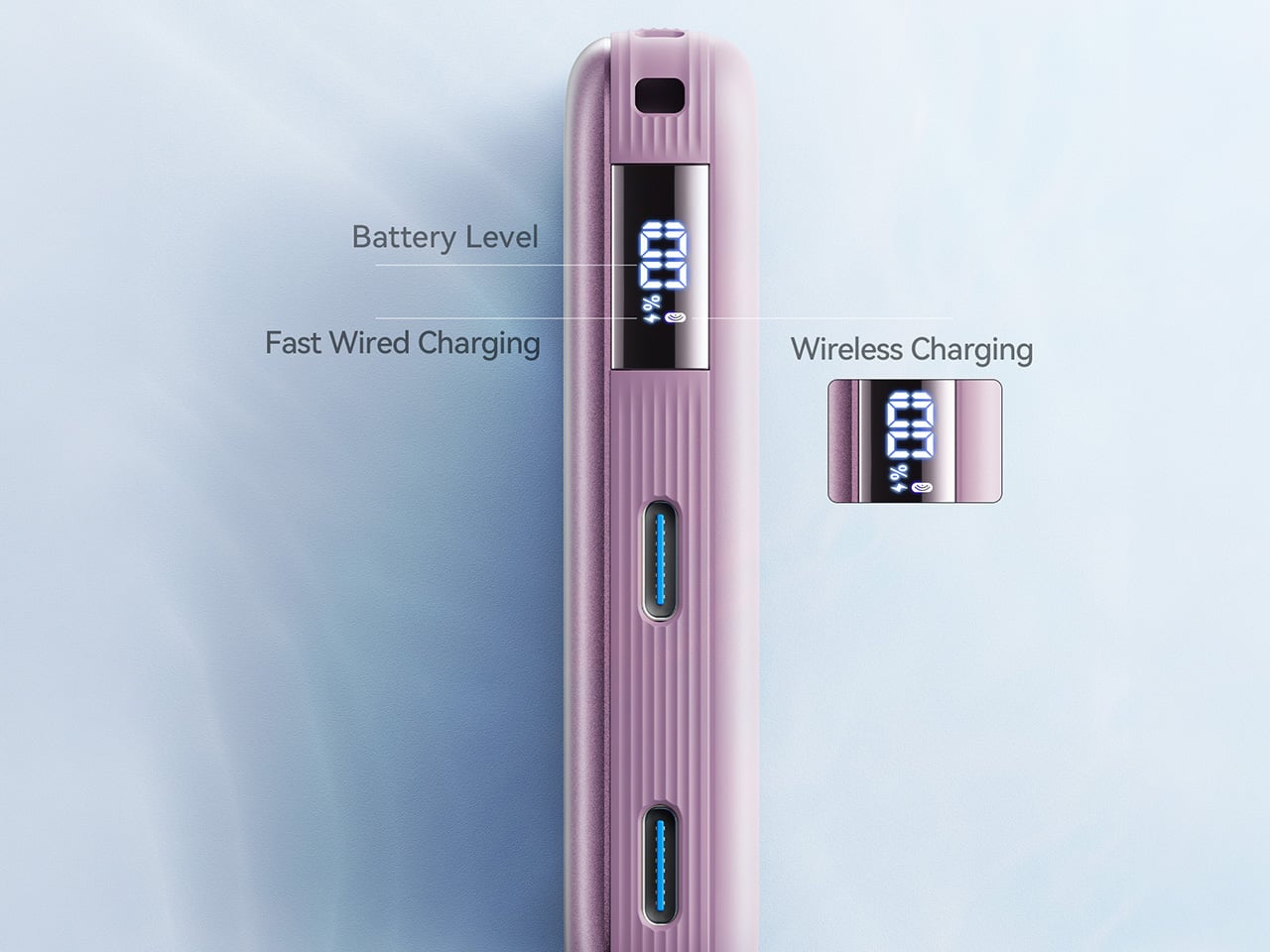
The power bank category has been solving the same problem the same way for a decade: more capacity, same shape, same ritual of fishing a cable from the bottom of a bag before anything charges. The Qi2.2-compatible version changes the interaction at the surface level. At 10,000mAh with 25W wireless output through the Qi2.2 standard and 45W wired through its integrated port, it delivers wall-adapter-speed charging from a device that weighs less than a paperback. Magnetic attachment means placing the phone on it is the complete action.
For you, the practical gain is charging speed that works on a deadline. Previous wireless standards topped out at 15W, useful for overnight top-ups but not for the forty minutes before a meeting starts. At 25W wireless, this bank changes that calculation. At $54.99, it sits at the price where the convenience case is easy to make without the qualifier that it barely charges faster than waiting. The 45W wired port covers everything the wireless standard does not yet reach, including laptops under lighter loads.
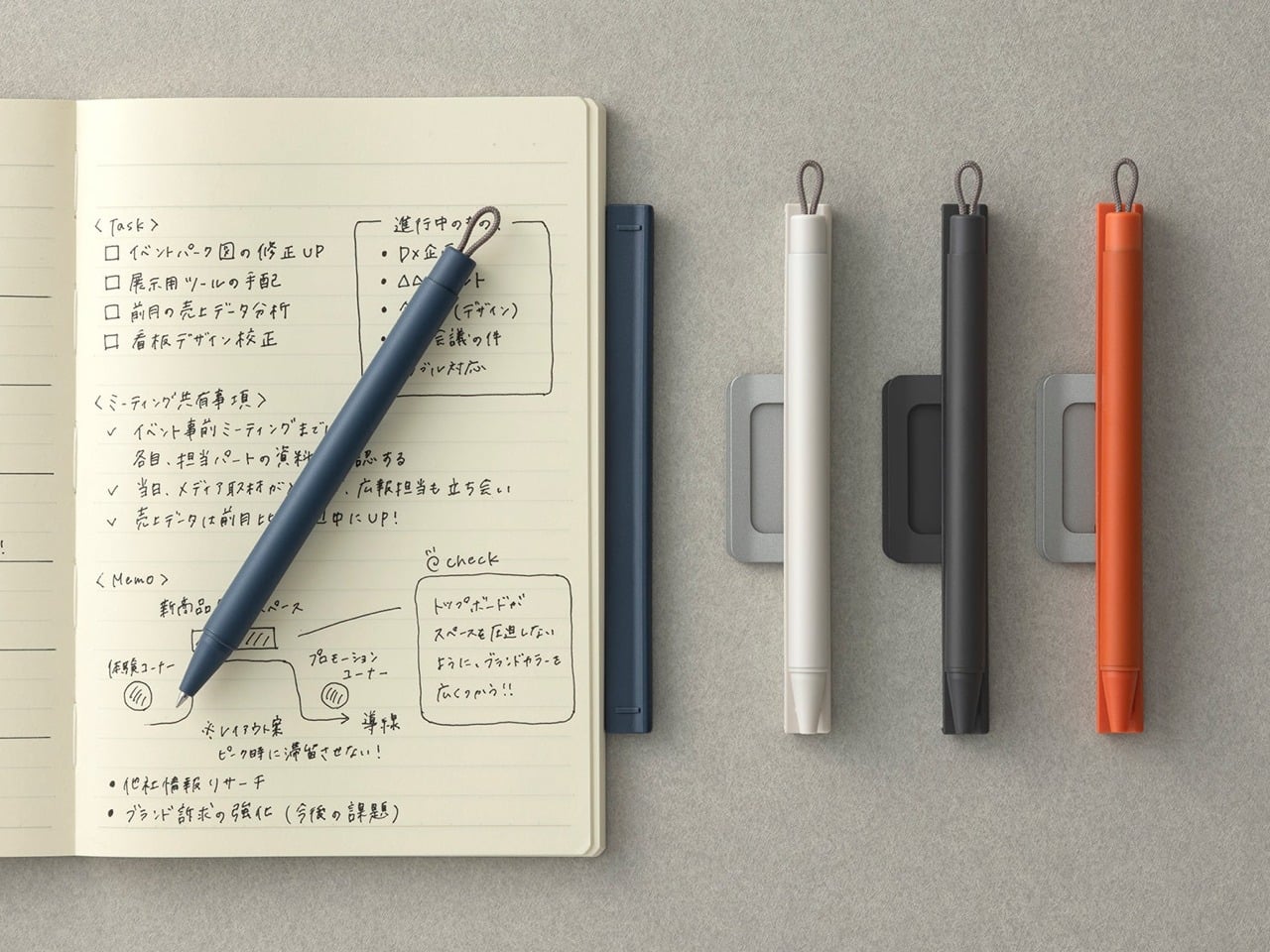

Digital tools handle the work that scales: files that duplicate without cost, edits that undo freely, documents that update across every device at once. None of them handle the moment when the idea arrives faster than the interface. The Inseparable is built for that gap: a pen and notebook designed as a single object, each incomplete without the other. The pen stores magnetically against the notebook’s spine, removes in one gesture, and returns the same way. No cap to misplace. No drawer to search before the thought is gone.
For you, the benefit is analog capture that travels without the compromise of a pen that ends up loose in the lining of a bag. The Inseparable stays together because it was designed to: the magnetic bond holds across the movement a bag accumulates through a full day of travel without releasing unless you intend it to. On a desk built around precision and intention, a notebook and pen that belong together without effort carry exactly the same design logic as everything else placed on the surface. The last object in the kit earns its place the same way the first one did.
The setup that makes a borrowed table feel chosen does not require ten accessories and a cable management plan. It requires seven products that each solved a specific problem in a way that leaves nothing clumsy behind. A phone that manages your attention. A mouse that folds to a card. A monitor that charges the laptop while it runs. An analog layer that stays together because it was designed to. The whole is more than the parts, but the parts have to earn it first.
Nomad work in 2026 is no longer defined by what you can endure on a borrowed surface. The tools exist to make the temporary feel permanent, the accidental feel deliberate, the afternoon productive without apology. Every object here was designed with that intention, and the desk they build together reflects the same judgment you bring to everything else the work asks you to care about. The studio is not a place. It is the kit you carry into it.
The post 7 Best Gadgets & Gear for Digital Nomads in 2026 That Turn Any Café Into a Proper Studio first appeared on Yanko Design.
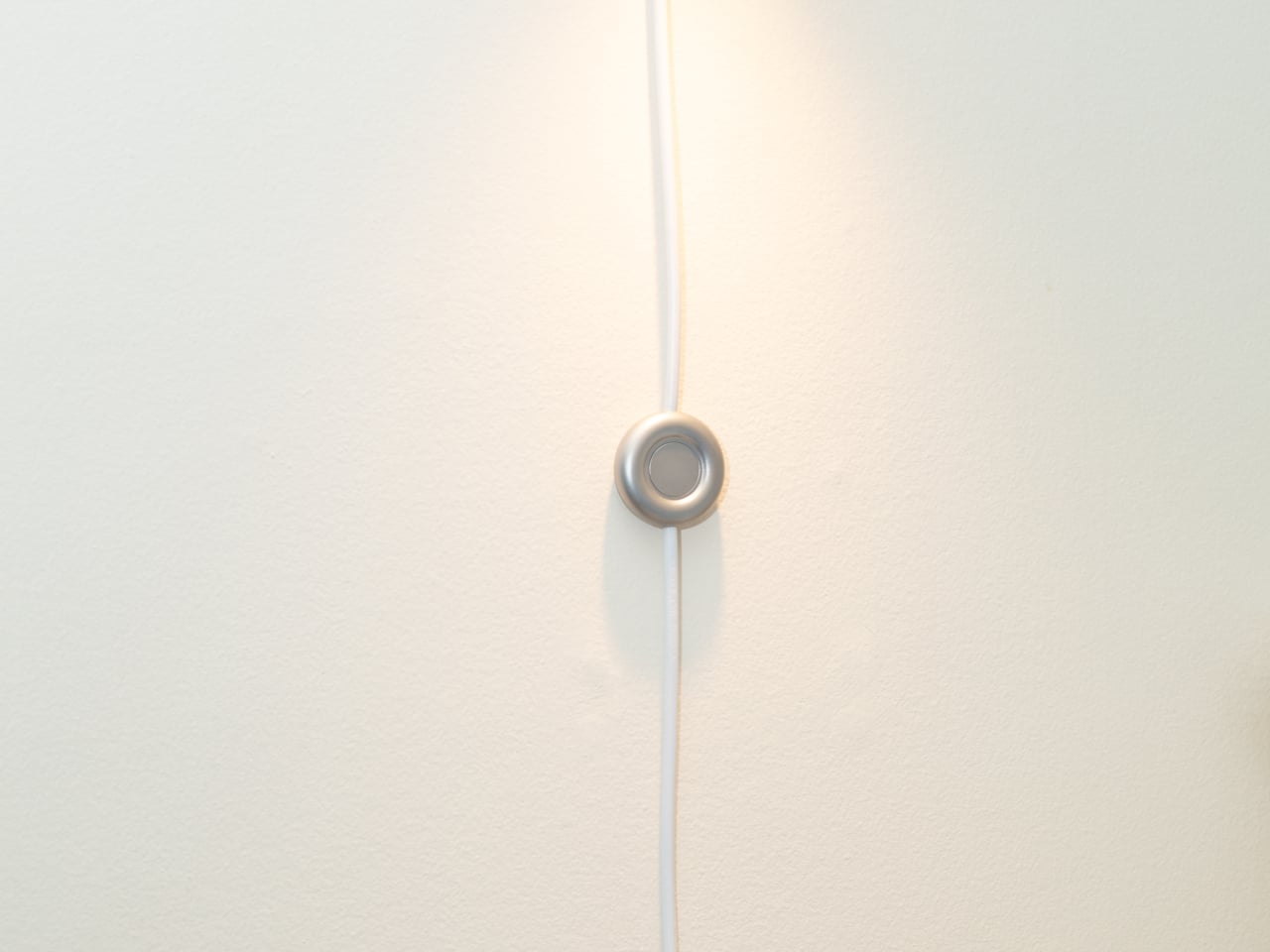
The inline switch is one of those details that nobody seems to question. Most floor and table lamps carry a cheap plastic switch dangling somewhere down the cord, lightweight and hollow, built for low cost rather than durability or feel. These switches are touched constantly throughout a lamp’s life, yet they’re rarely given the same attention as the lamp they’re attached to. That’s a strange kind of oversight.
That disconnect is precisely what the Modal Inline Switch sets out to address. Instead of relegating the switch to an afterthought on the cord, it approaches the component with the same consideration typically reserved for the fixture it serves. The result is a CNC-machined, bead-blasted, anodized aluminum switch with a soft circular form, a more deliberate feel in the hand, and a presence that matches the fixtures it sits alongside.
Designer: Andrew King
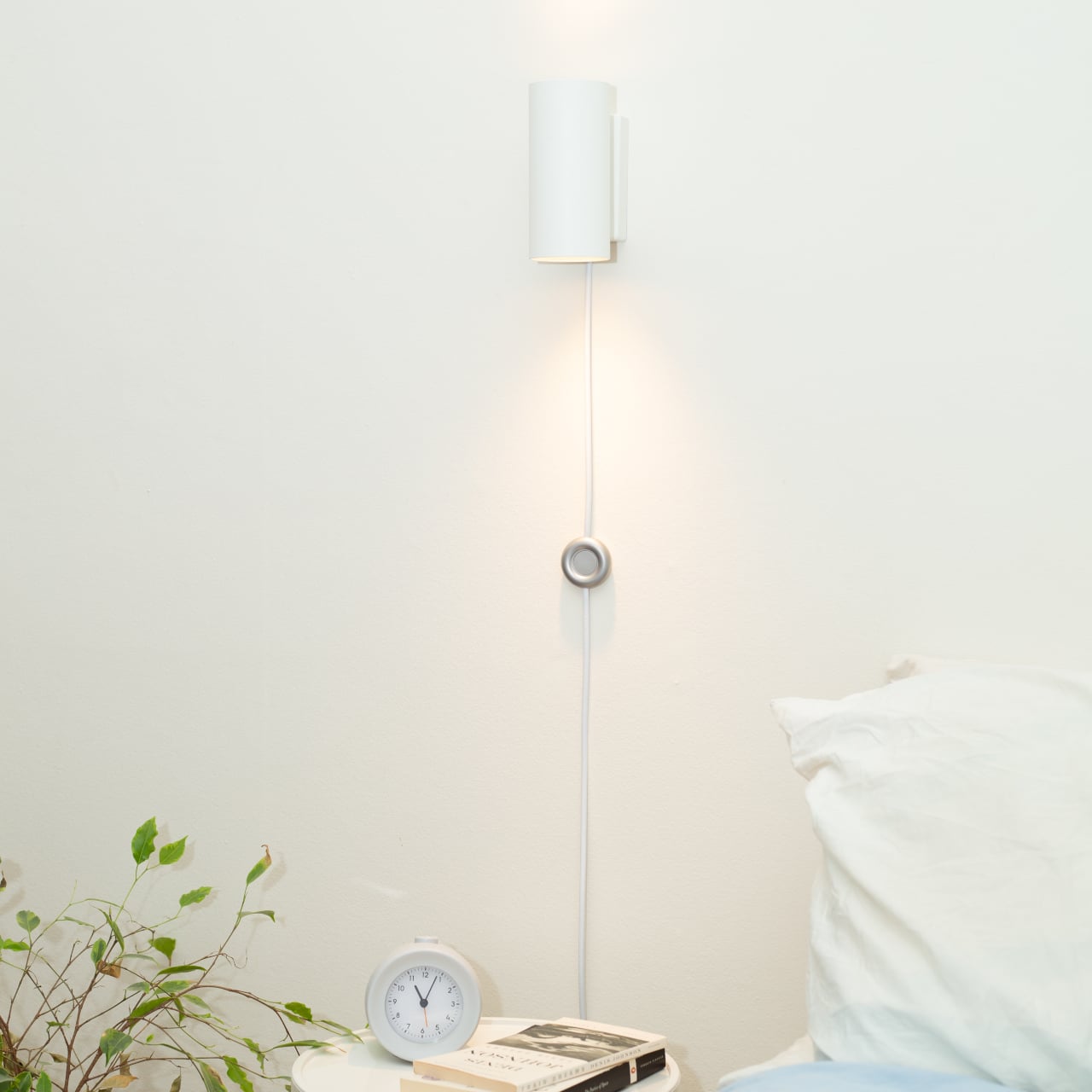
Think about the last time you clicked off a bedside lamp or nudged a floor lamp switch with your foot in the dark. The switch barely registers as a design object, something you feel more than see, yet that click says a lot about the quality of the lamp. A cheap plastic click gives you exactly that impression. The Modal, by contrast, gives you something that actually feels worth touching.
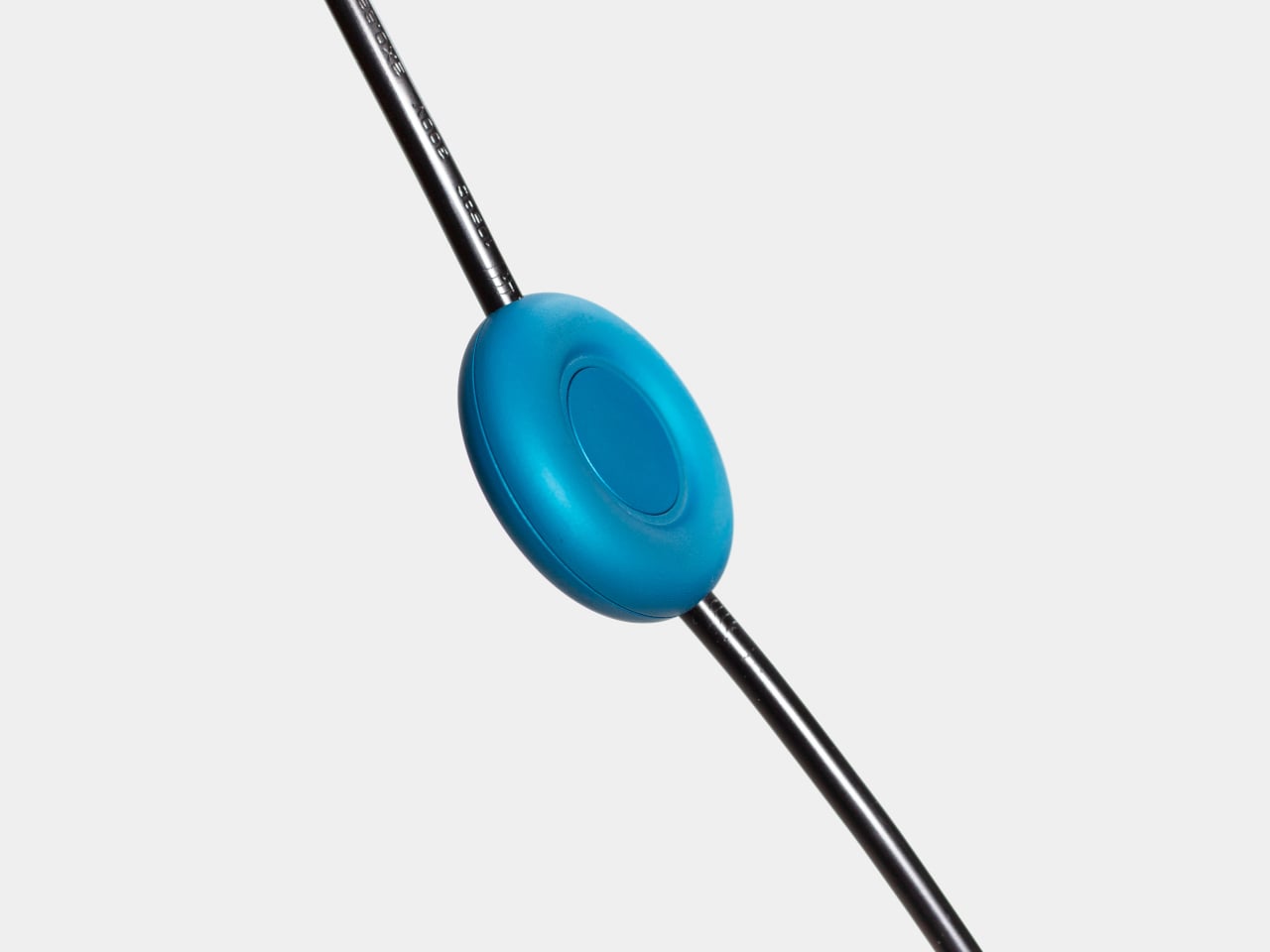
Standard inline switches are injection-moulded plastic, hollow and lightweight, built purely for low cost. Modal swaps all of that for bead-blasted, anodized aluminum, giving it a controlled matte finish that stands apart from any typical lamp cord component. It’s cooler to the touch, heavier in the hand, and more substantial in feel. That added weight, which initially seemed like an inefficiency, turned out to be one of its defining qualities.
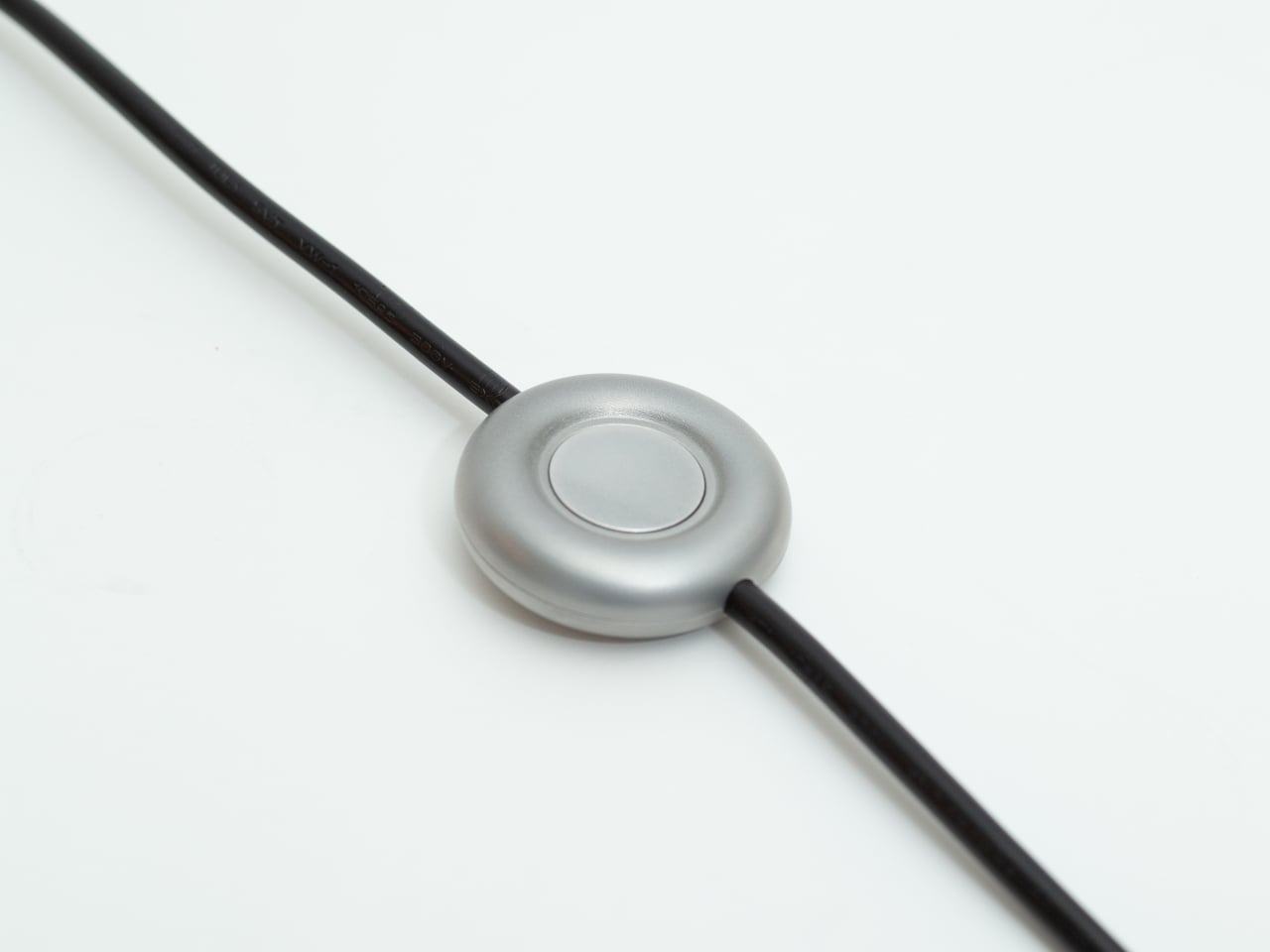

The circular form wasn’t arrived at immediately. Earlier prototypes explored angular geometries and segmented shapes before settling on a rounder, gentler profile, one that feels natural to nudge with a foot as well as press with a finger. The button mechanism went through its own refinement; early versions were unstable due to a mismatch between the larger cap and a smaller actuator, a problem the guided button cap system resolves.

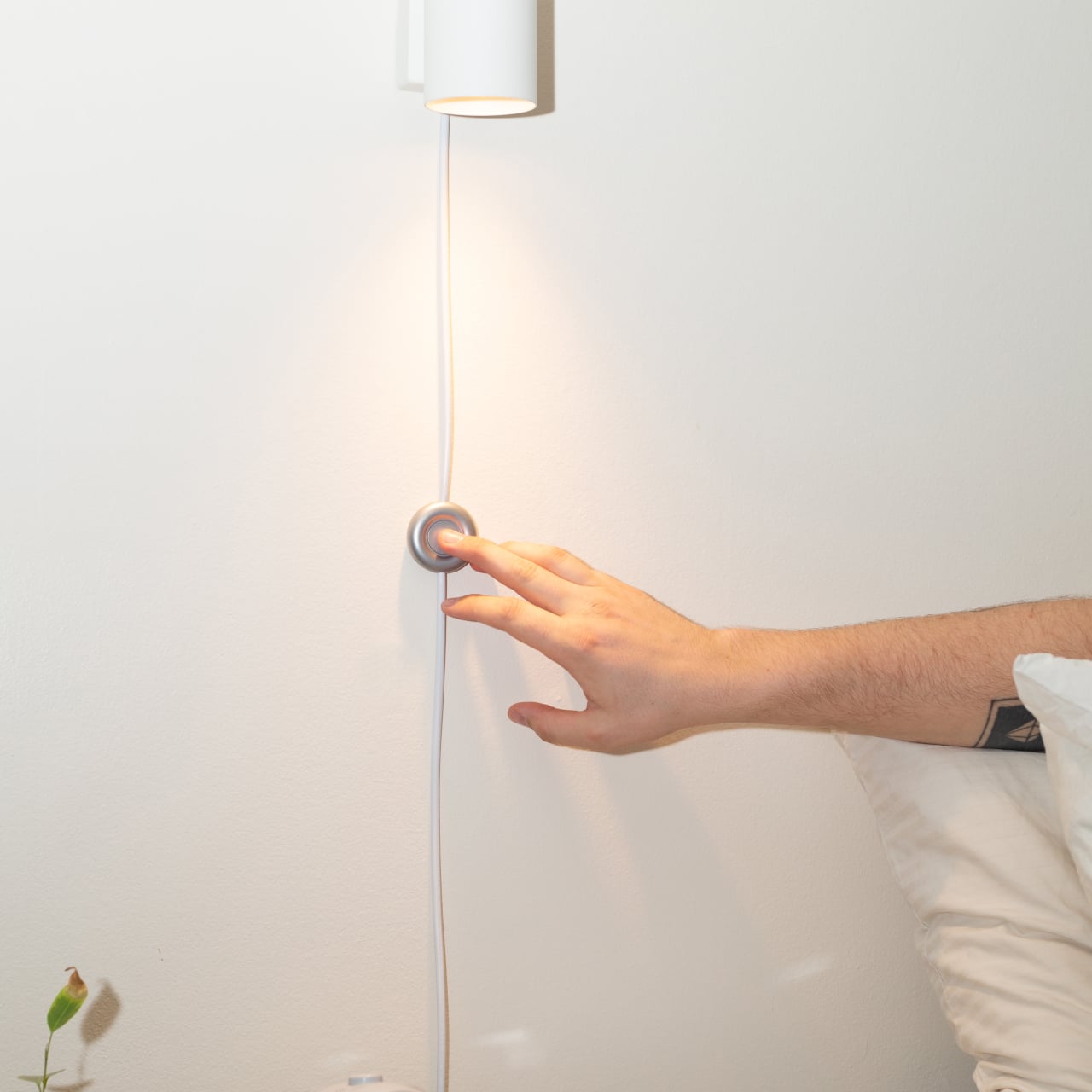
The switch’s housing is assembled mechanically rather than with adhesive, meaning it can be taken apart and repaired if needed. That’s not something most people would think to look for in a lamp switch, but it speaks to the broader thinking behind Modal: that making something from better materials, with more intentional construction, can shift how long it’s valued and kept, rather than simply replaced when something gives out.
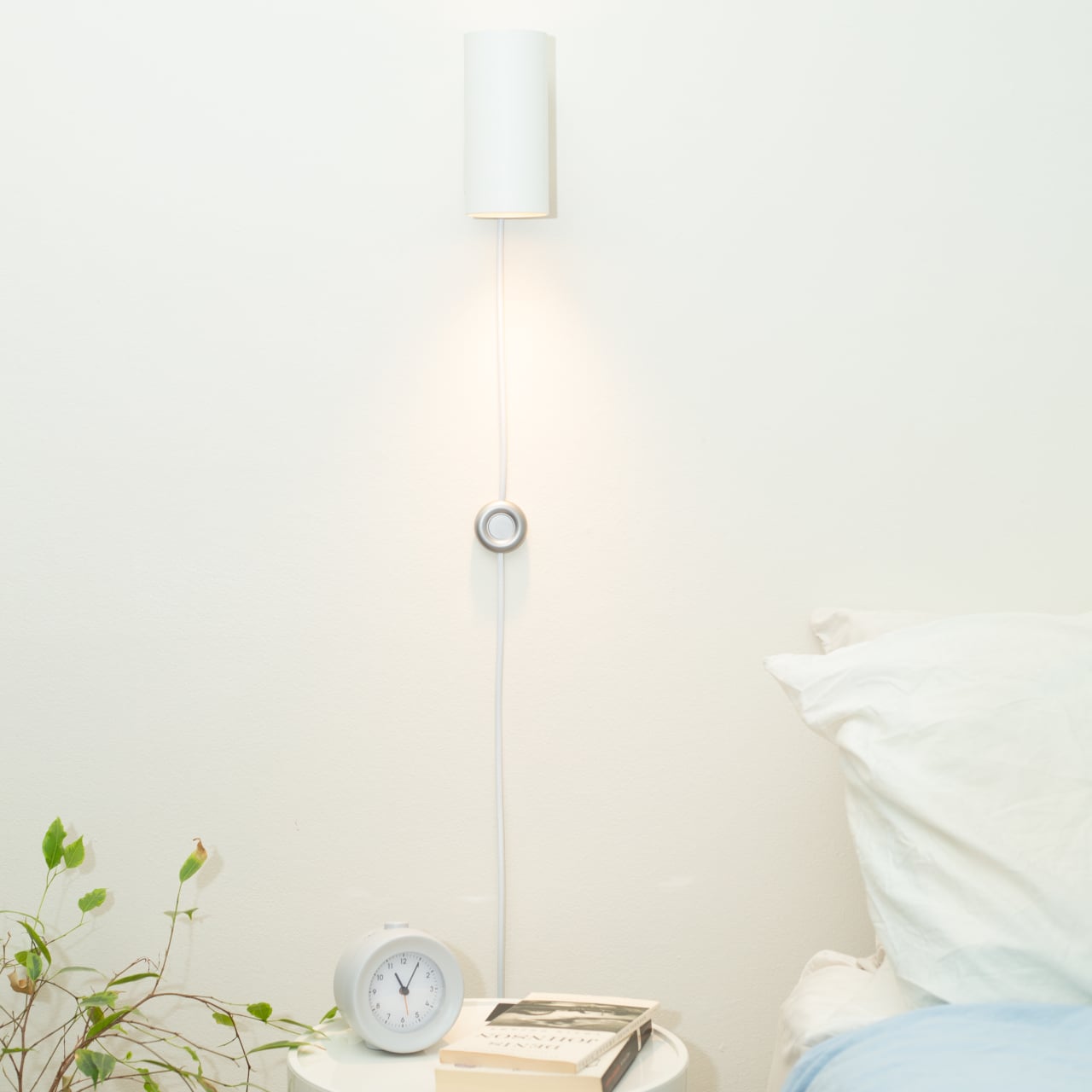
The Modal Inline Switch isn’t trying to reinvent how a lamp works. It sits on the same cord, does the same on/off job, and doesn’t ask for any more attention than it needs. But it’s designed to hold its place, literally and aesthetically, rather than disappear behind furniture or dangle somewhere on the floor. It’s the kind of quiet intervention that’s easy to overlook until you actually reach for it.
The post The Lamp Switch Nobody Bothered to Design Well, Until Now first appeared on Yanko Design.
Concrete and hardwood have no business being inside a wireless charger. Those are architecture materials, furniture materials, the kind of surfaces you find on kitchen countertops and mid-century shelving units. Accessories that typically live behind a cable tangle rarely get anywhere near them. Modhaus seems to have found that contradiction interesting enough to build a product around it. The result is Upright, a 25W Qi2.2 charging stand reimagined as an architectural object, with a triangular cast-concrete base, a solid hardwood face, and a silhouette that looks more at home on a designer’s desk than in a tech drawer.
Weighing in at over 600 grams, Upright sits heavy enough that one-handed docking and undocking require no steadying hand, preventing the stand from lifting off the table when a phone is pulled free, which is a deceptively simple design win most chargers miss. The charging pad is soft-touch to protect bare phones, and the bottom of the base is lined with a soft bumper to protect the surface it sits on. Paired with a 30W charging adapter, a compatible device can go from 0 to 50% in about 30 minutes. Six finishes across three wood tones and two concrete colorways means it works with any home aesthetic.
Designer: Aaron von Kreisler (Founder & Designer, Modhaus)
Click Here to Buy Now: $78 $98 (20% off). Hurry, only 184/300 left! Raised over $63,000.
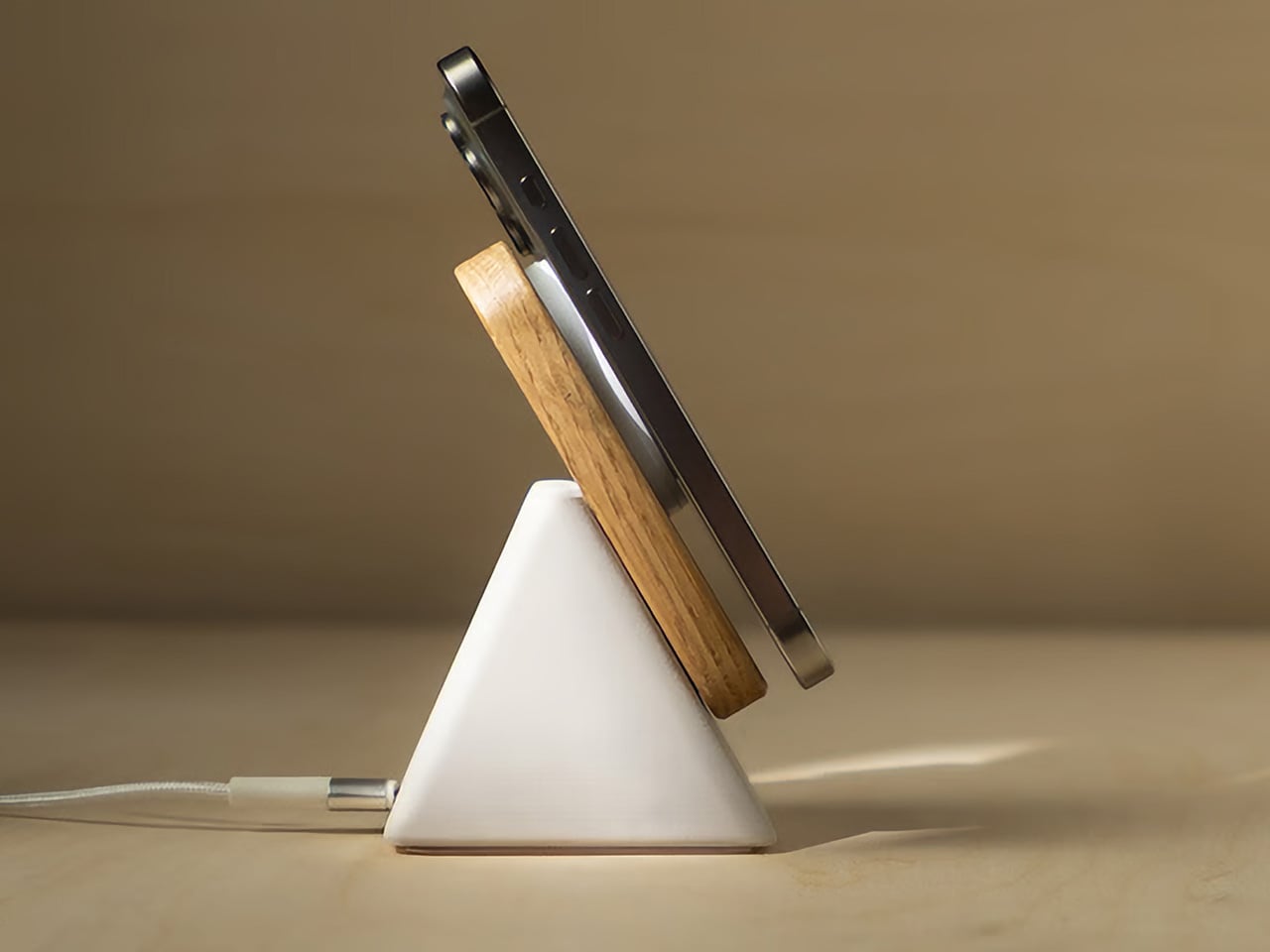
The form is a tapered pyramid, deliberately proportioned and weighted at the base so that docking a phone feels more like setting a book on a nightstand than fumbling with a cable. Upright holds the phone at a 30-degree viewing angle, keeping the screen readable for Face ID, FaceTime, and standby while it charges, and crafted to blend effortless, one-handed docking into your daily routine across your desk, nightstand, or living space. It is a small ergonomic detail, but it meaningfully changes the relationship between the stand and the room it sits in, turning the charging process into something closer to a display mode. The physical dimensions land at 4.9 inches tall and 3 inches wide, compact enough to fit a nightstand without dominating it.

Spend any time with the product imagery and the material palette becomes the dominant story. Upright is crafted from premium natural materials that are both beautiful and durable, specifically solid hardwood and hand-cast concrete, chosen for their weight, presence, and organic aesthetic. The top section is available in Walnut, Oak, or Black-Stained Oak, and the wood carries a clear, matte finish that preserves its natural grain, with no two pieces looking exactly alike. Walnut and Oak are finished in their natural unstained color, meaning the wood you see is the wood you get, with natural variation between units giving Upright a handcrafted quality that is difficult to find in consumer electronics at this price level.

At up to 25W, Upright charges significantly faster than most wireless chargers, which typically top out at 7.5 to 15W. Modhaus positions it as roughly three times faster than a typical stand. That performance runs through Qi2.2 and MagSafe compatibility, which handles magnetic alignment automatically, snapping the phone into position without manual repositioning. Reaching the full 25W output requires a 30W or higher USB-C power adapter, which is sold separately; the package ships with a 2-meter nylon braided USB-C cable included in the box.

Upright works with any MagSafe-compatible iPhone from the iPhone 12 onward, and any Qi-enabled Android device with a MagSafe-compatible case, with case compatibility extending to those 3mm thick or less. That brings in Samsung Galaxy S24, S25, and S26 users as well as Google Pixel owners, among others. Apple AirPods with a MagSafe case are also supported, and an elevated charging puck design accounts for different camera bump profiles across device generations.

Each Upright is built with high-quality materials that are meant to be timeless and long-lasting, and it is built around the fastest wireless charging standard currently available, meaning it will stay fast and relevant as more devices adopt higher wireless charging speeds in the years to come. Modhaus is a small design studio founded by Aaron von Kreisler to live at the intersection of technology and interior design, bringing natural materials and thoughtful design to the everyday, often overlooked tech in the home, starting with the phone charger, and Upright is the clearest expression of that brief so far.
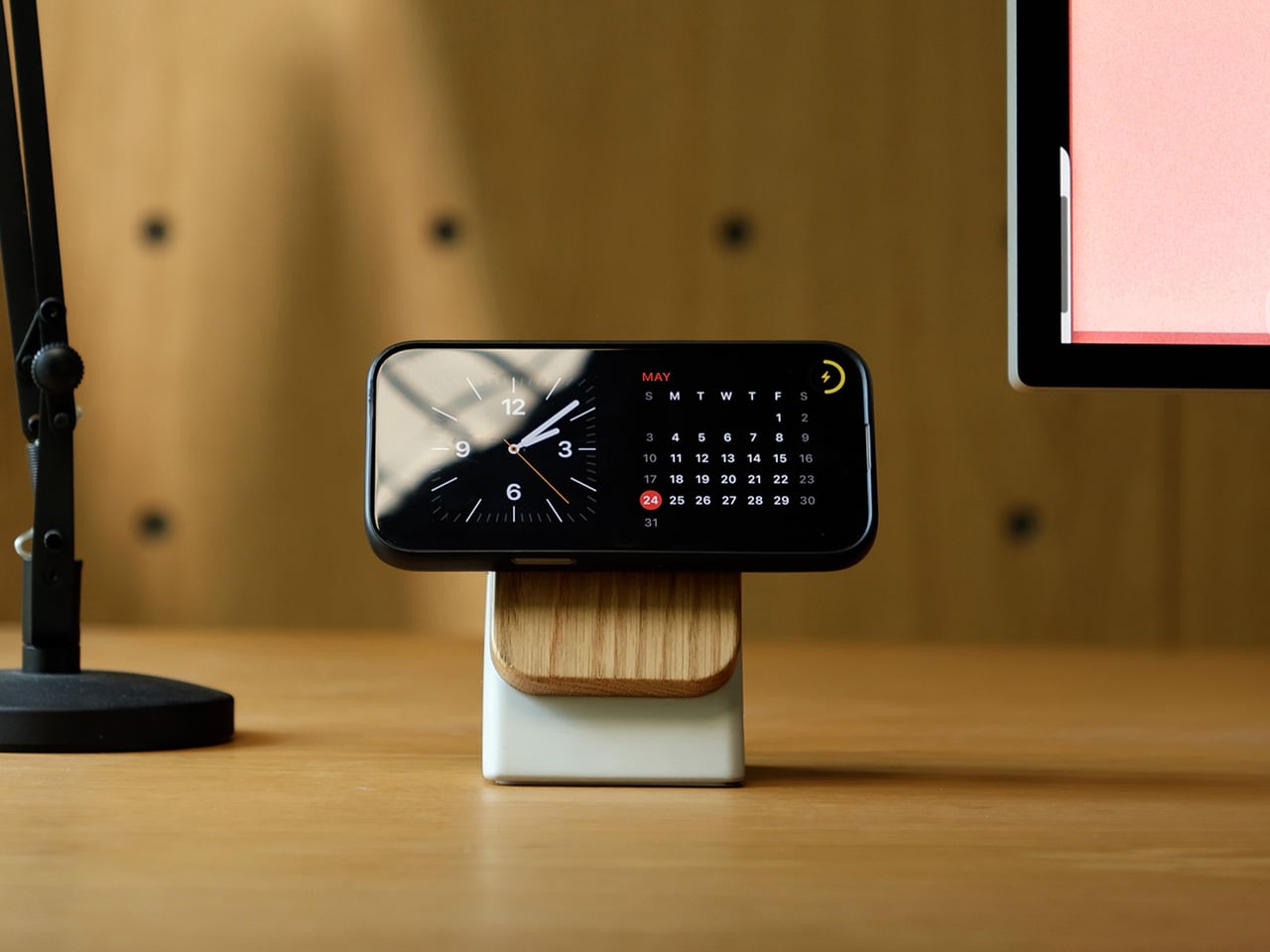
Upright carries an MSRP of $98 and ships to the US, Canada, the UK, and the EU. The six colorways pair Stone or Charcoal concrete bases with Walnut, Oak, or Black-Stained Oak hardwood tops, with an optional 45W charging adapter available as an add-on for US buyers. Modhaus backs each unit with a 2-year limited manufacturer’s warranty covering defects in materials, manufacturing, and workmanship under normal use.
Click Here to Buy Now: $78 $98 (20% off). Hurry, only 183/300 left! Raised over $63,000.
The post I’m tired of ugly chargers, this concrete and wood 25W Qi2 charger looks gorgeously sculptural first appeared on Yanko Design.
At CES, the annual spectacle of technological progress, most companies come to show you a new feature. At CES 2026, Beatbot arrived to propose a new feeling. The introduction of its flagship AquaSense X system was deliberately paired with a full brand evolution, a signal that the company’s ambitions had scaled up. The hardware, with its advanced AI and automated cleaning station, was impressive, but it was also evidence for a much larger argument the brand was making about itself and its category.
That argument is centered on the idea of “perfecting pool living.” This is a deliberate shift in vocabulary, moving the conversation from mechanical chores to an elevated, frictionless lifestyle. The new identity, the award-winning industrial design, and the underlying software intelligence all work in service of this one goal. Beatbot is building a world where the owner’s relationship with their pool is defined by enjoyment and aesthetics, while the complex work of robotics recedes so far into the background it becomes ambient.
Designer: Beatbot

Siler Wang, who spent over a decade in home robotics before founding Beatbot in 2022, identified the backyard pool as the category where the consumer had been most thoroughly failed by design. Pool equipment had evolved in increments, each generation marginally more efficient than the last, but the fundamental experience of ownership had remained unchanged: loud, fiddly, and thoroughly unglamorous. Wang’s bet was that a company structured around deep R&D, with over 500 patents and 70% of its team in engineering and product development, could build something the category had never seen, a premium tier where performance and aesthetic intention existed on equal footing.

Before – After
In the mid-1990s, computer scientists Mark Weiser and John Seely Brown at Xerox PARC coined the term “Calm Technology” to describe systems that serve human needs by retreating from consciousness rather than demanding it. The idea was counterintuitive in a tech industry built on features and interfaces: the best technology, they argued, moves between the periphery and center of attention only as needed, never more. Beatbot has adopted this as a foundational design principle, and applied to a pool robot, it is unusually coherent. The goal of a pool-cleaning system is precisely to make itself invisible. Success is measured by the owner forgetting it is there at all.
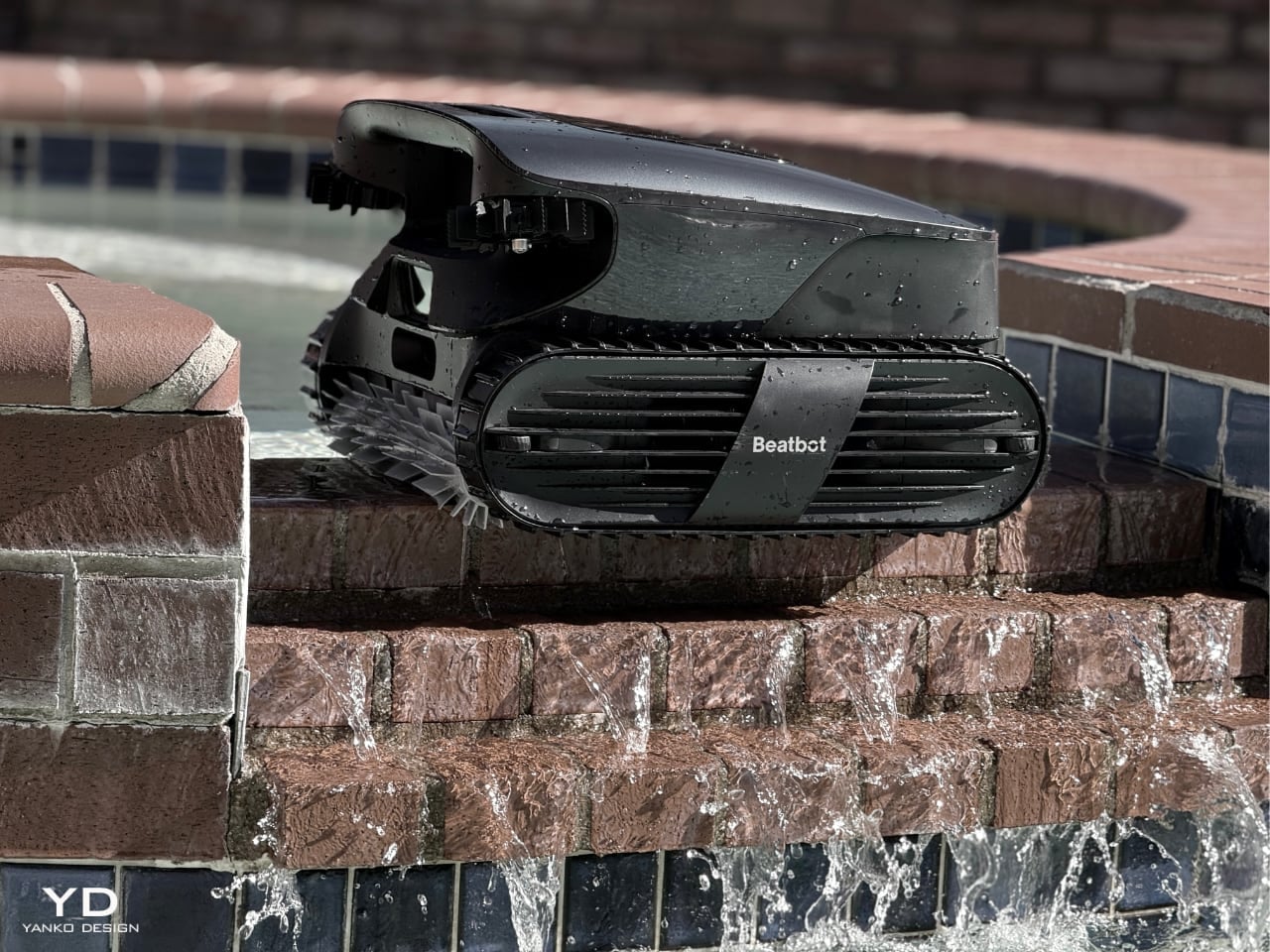
Beatbot AquaSense 2 Ultra
Beatbot’s AquaSense 2 Ultra, which won the iF Design Award 2025, takes its form cue from a turtle’s shell, a fluid, nature-inspired geometry that reduces water resistance while giving the device a visual lightness unusual in pool equipment. The AquaSense X, unveiled at CES 2026, extends this design language with smooth contours and clean lines, and pairs with the AstroRinse cleaning station, an automated dock that empties and rinses the robot’s filter without user intervention. The system cleans the pool; the station services the system. The owner does nothing except, as the brand puts it, enjoy.
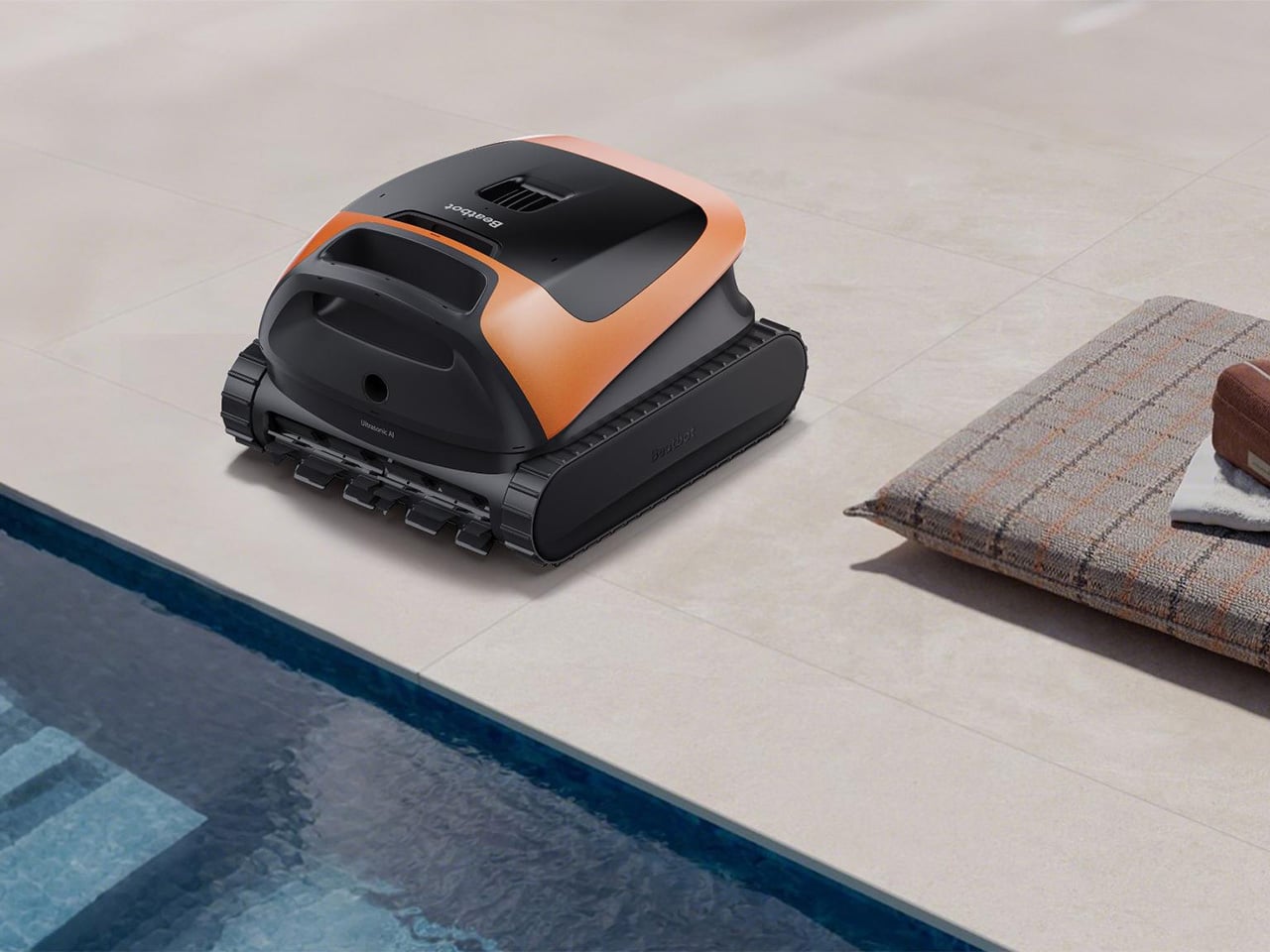
Beatbot Sora 30 Robotic Pool Cleaner
Of course, any company can call itself design-driven. The real test is whether the professional design world agrees, and Beatbot has the receipts. Winning a single award can be a fluke; winning the prestigious iF Design Award in two consecutive years, first for the AquaSense 2 Ultra and then for the Sora 30 in 2026, suggests a consistent, embedded culture of design. When you add in recognition from Red Dot, a Platinum A’ Design Award, and a sweep of eight different press awards at CES 2026, the claim to design leadership starts to feel less like marketing and more like a statement of fact.
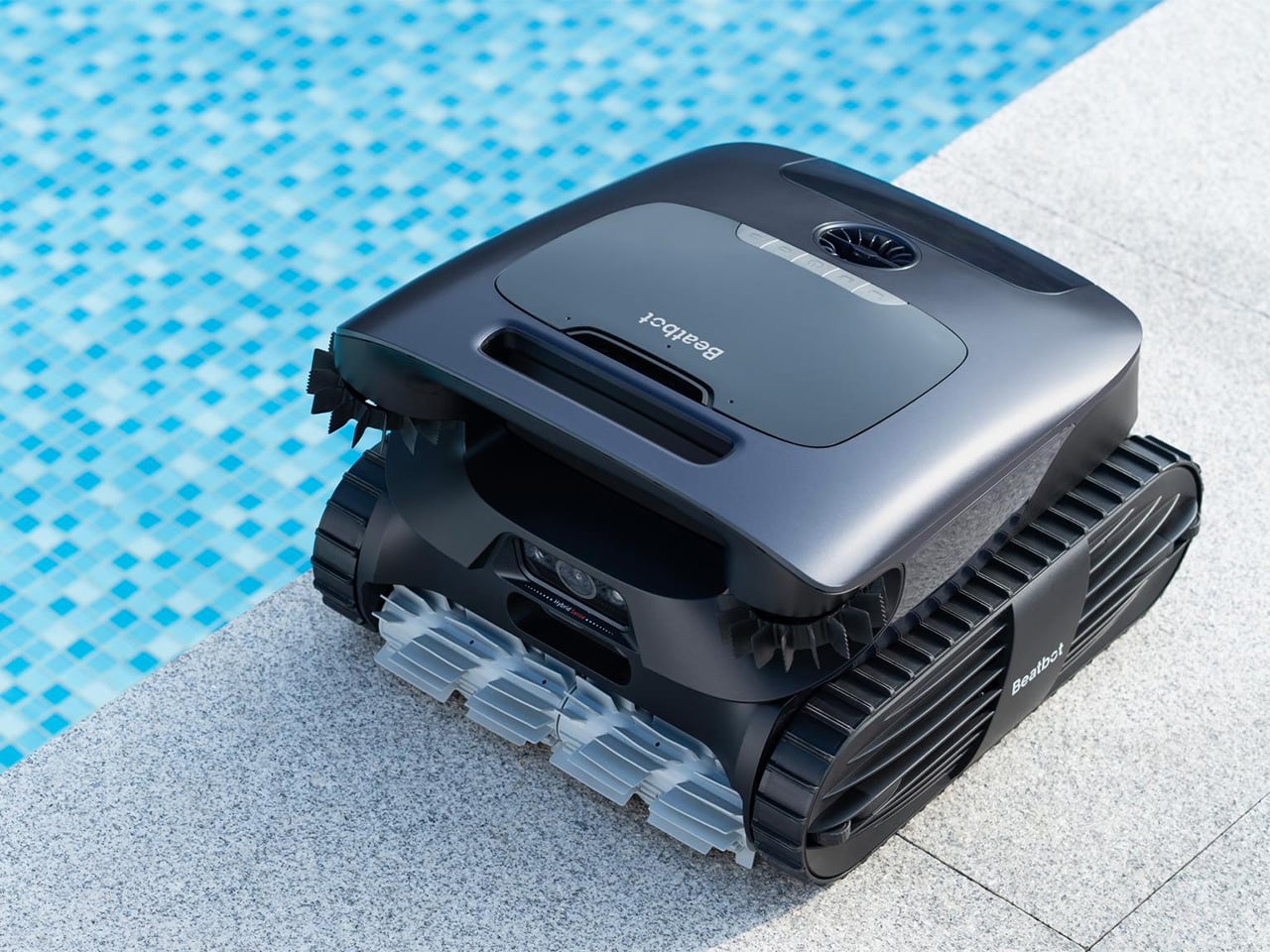
This brings us back to the timing of the rebrand. It was not an arbitrary refresh; it was a strategic signal. The new identity was unveiled just after Beatbot made a significant European push at IFA Berlin and as IDC forecasts show the pool robotics market is set for major growth. With a reported 85 percent share of the premium market segment, the rebrand acts as a unifying flag for a company that is moving from a successful product launch into a global brand proposition. It is a declaration that Beatbot is no longer just competing in the category; it intends to define it.
The post Beatbot Wants To Sell a Better Pool Experience, Not Just a Better Robot first appeared on Yanko Design.