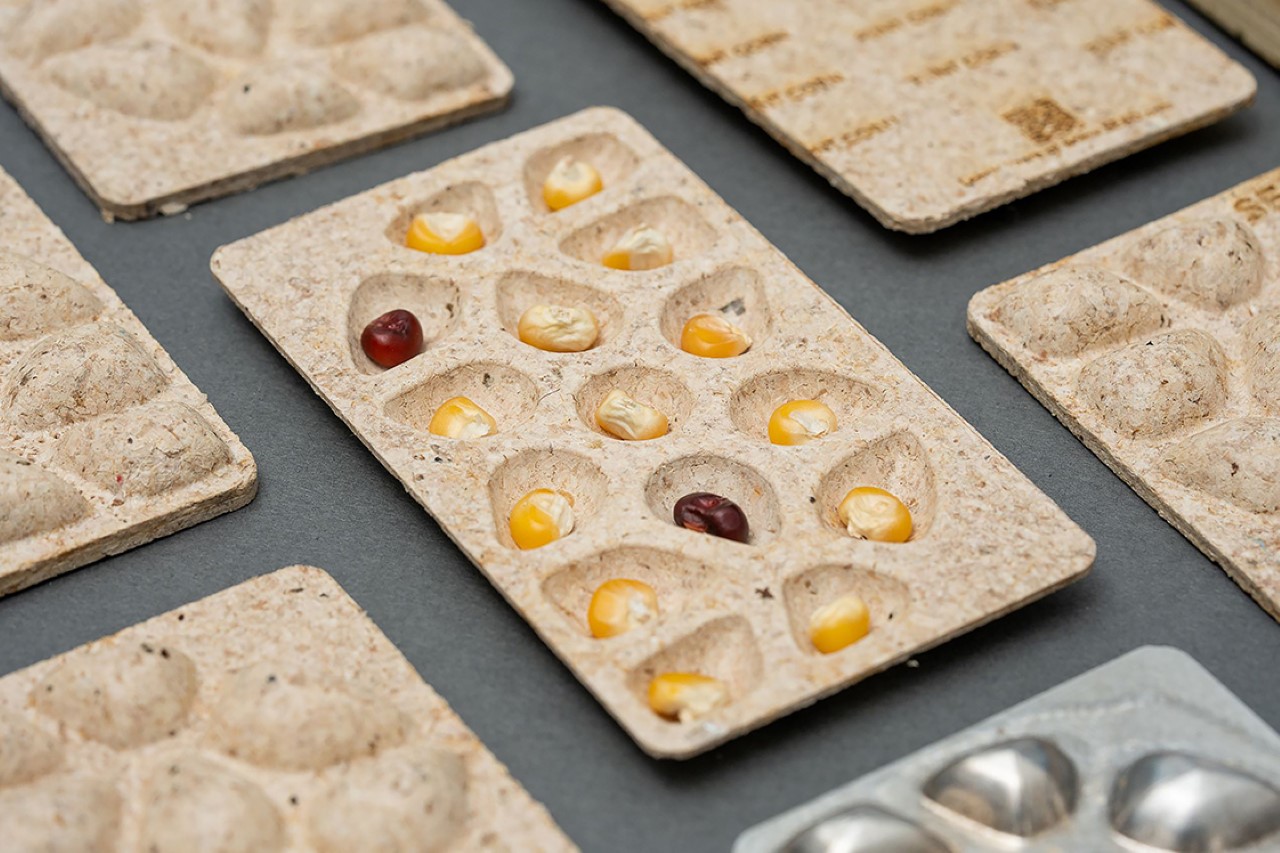
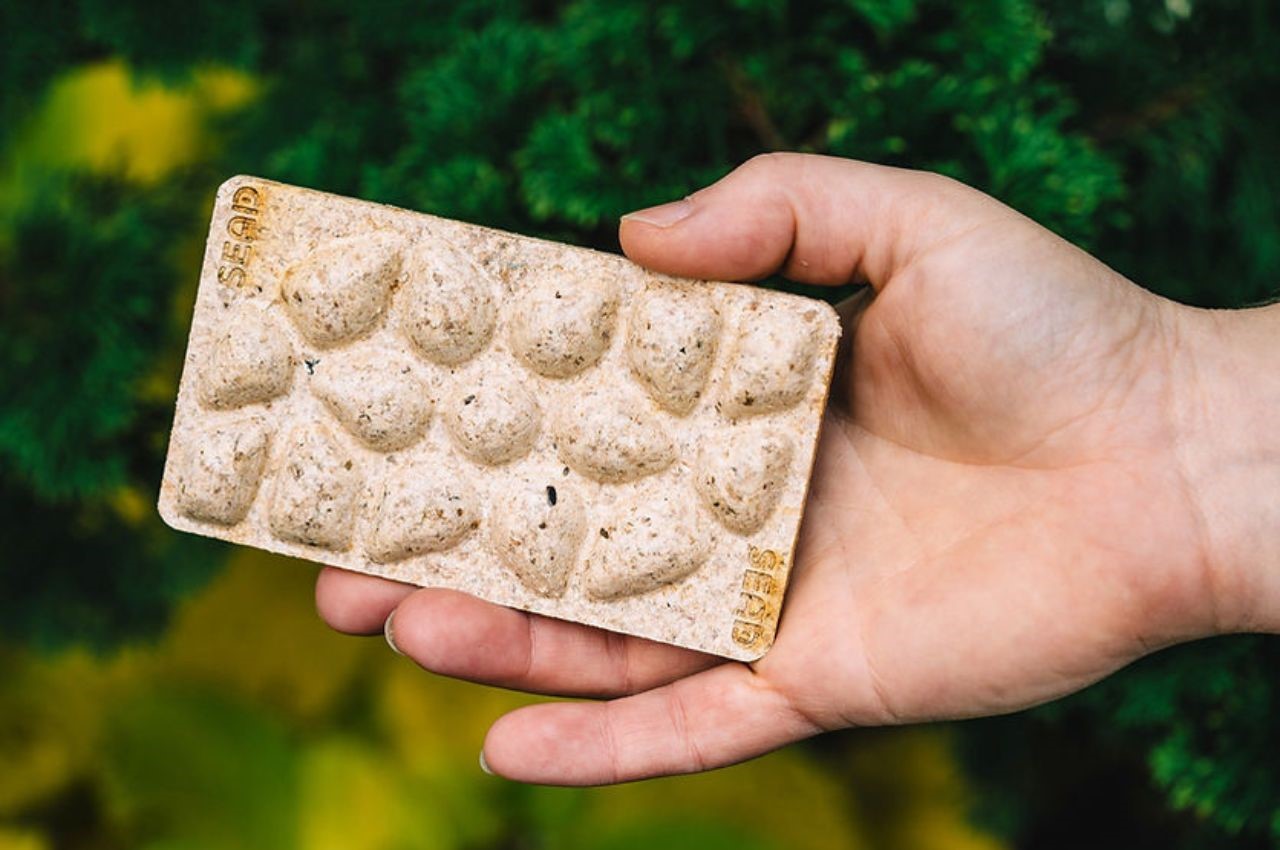
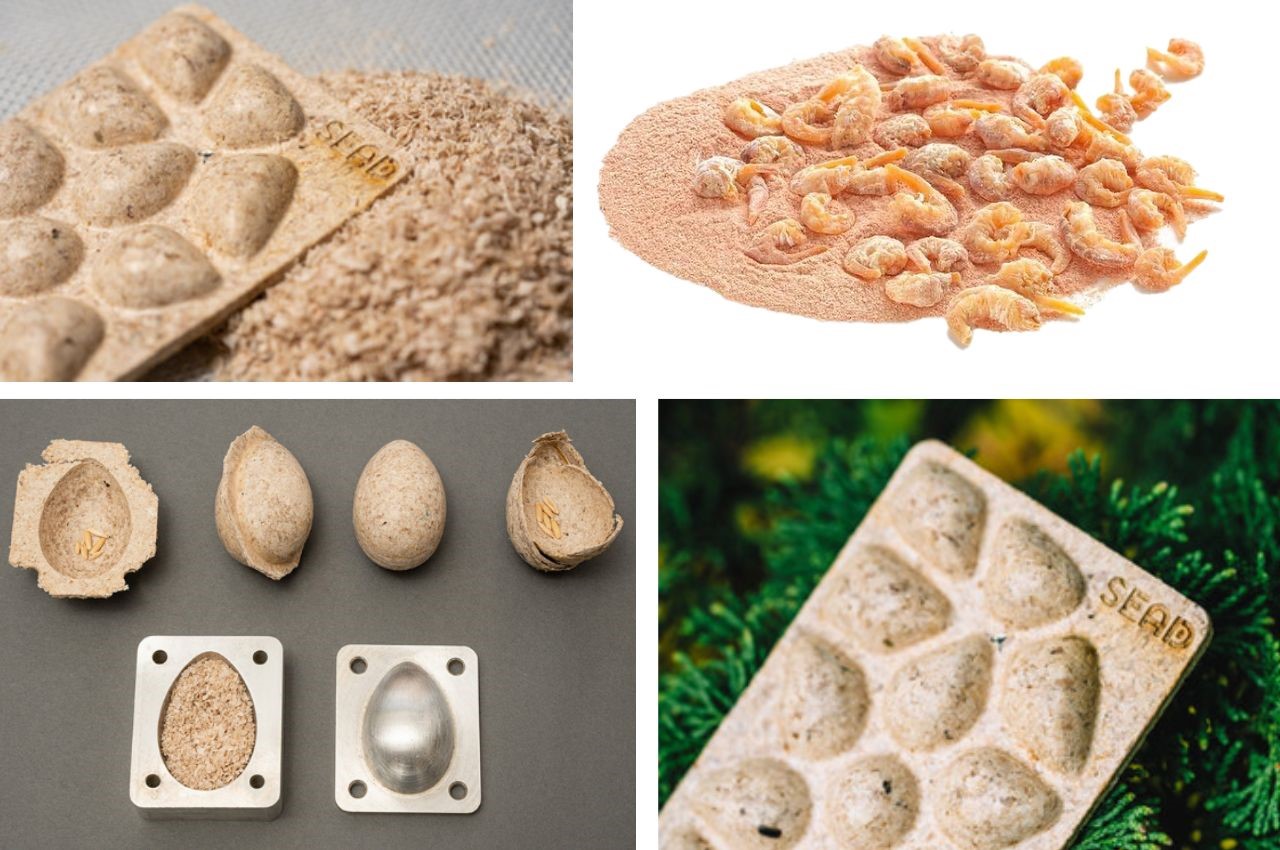
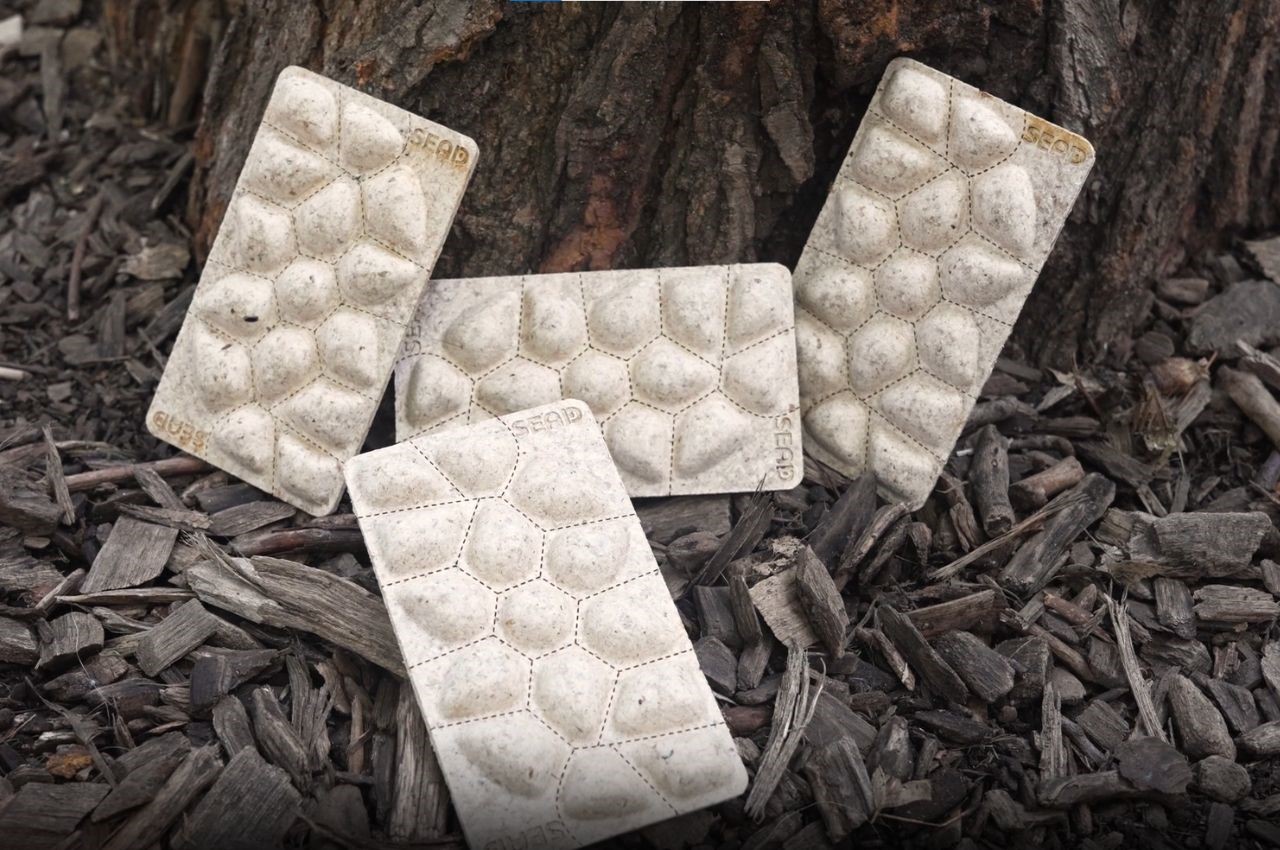
Born from discarded seafood shells, SEAD merges tradition with innovation, offering eco-friendly pods for heirloom seeds. It’s a journey of reimagined agriculture, where waste transforms into a resource and every seed sown signifies sustainability. SEAD’s design mirrors ecological harmony and agricultural resilience, promising a greener future. Join the movement where innovation blossoms and sustainability flourishes, one seed, one pod at a time.
SEAD represents more than just packaging; it embodies a sustainable ethos by repurposing waste material into a valuable resource. Its inception showcases the potential of replacing virgin materials with recycled alternatives, contributing to a circular economy and reducing environmental impact.
At the heart of SEAD lies the preservation of heirloom seeds, varieties passed down through generations, each carrying a rich history and cultural significance. Heirloom seeds, with their diverse traits and adaptability, play a crucial role in maintaining biodiversity and ensuring food security in the face of evolving environmental challenges.
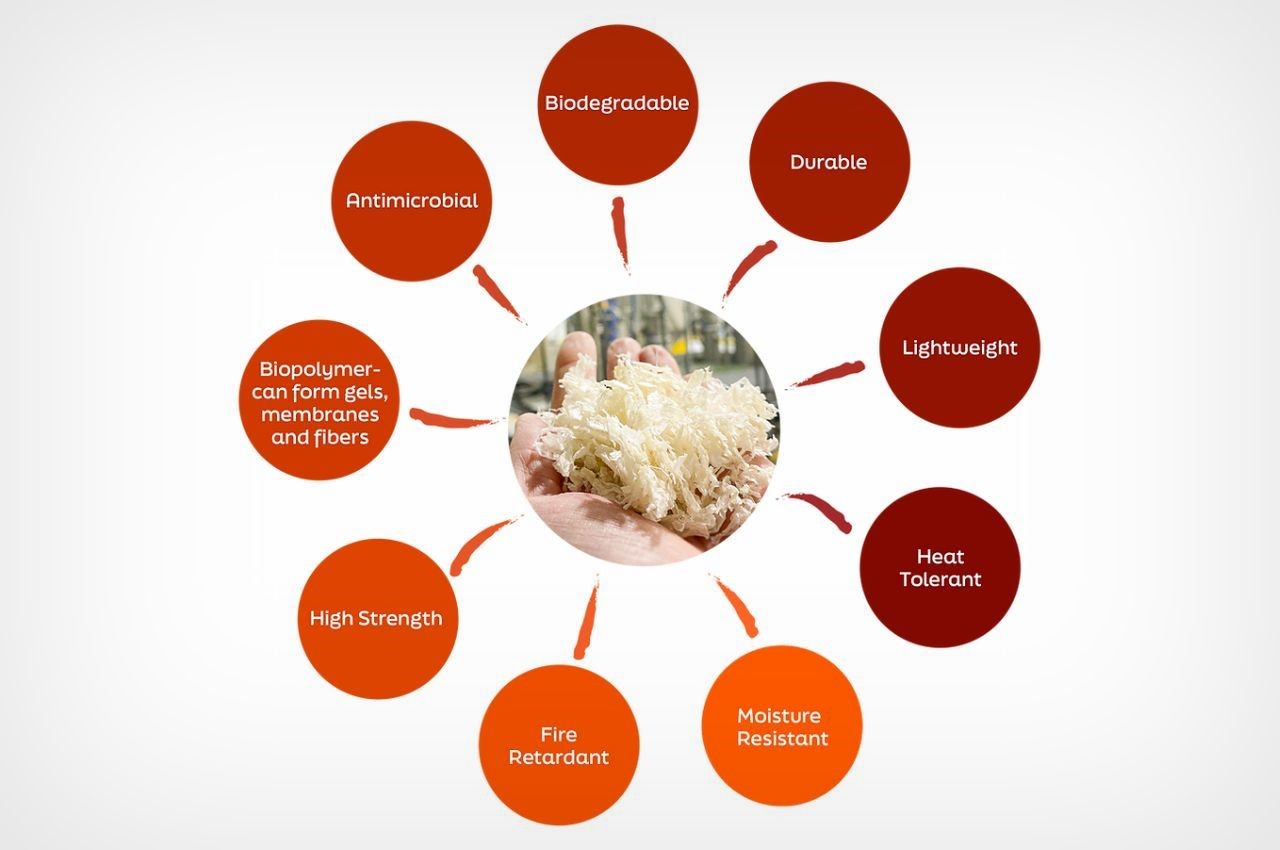
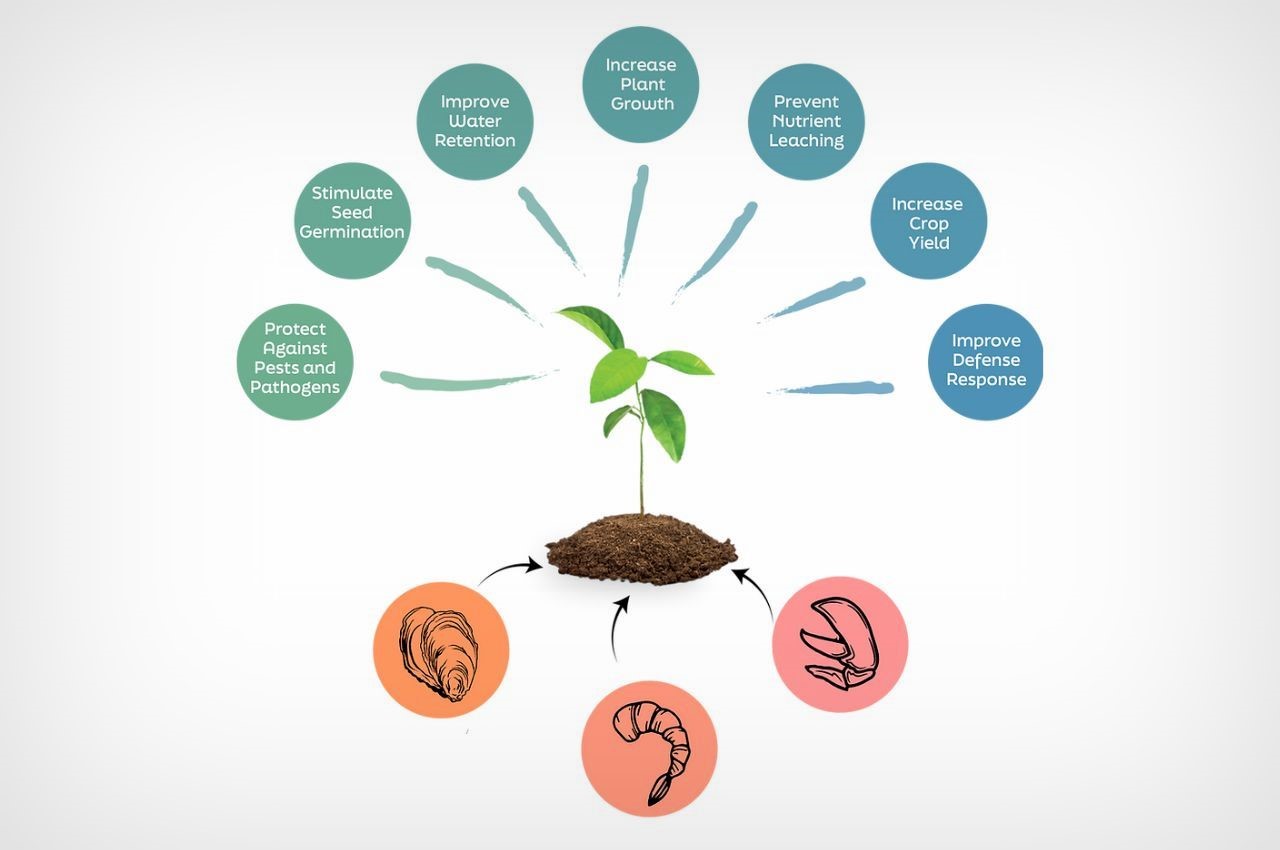
The use of chitin (pronounced kai-tun) in SEAD packaging not only offers a sustainable alternative to traditional materials but also brings agricultural benefits. Chitin, and its derivatives, act as bio-stimulants, enhancing seed germination, and promoting crop growth. Its natural properties boost plant defenses against pests and diseases while improving water retention in adverse conditions.
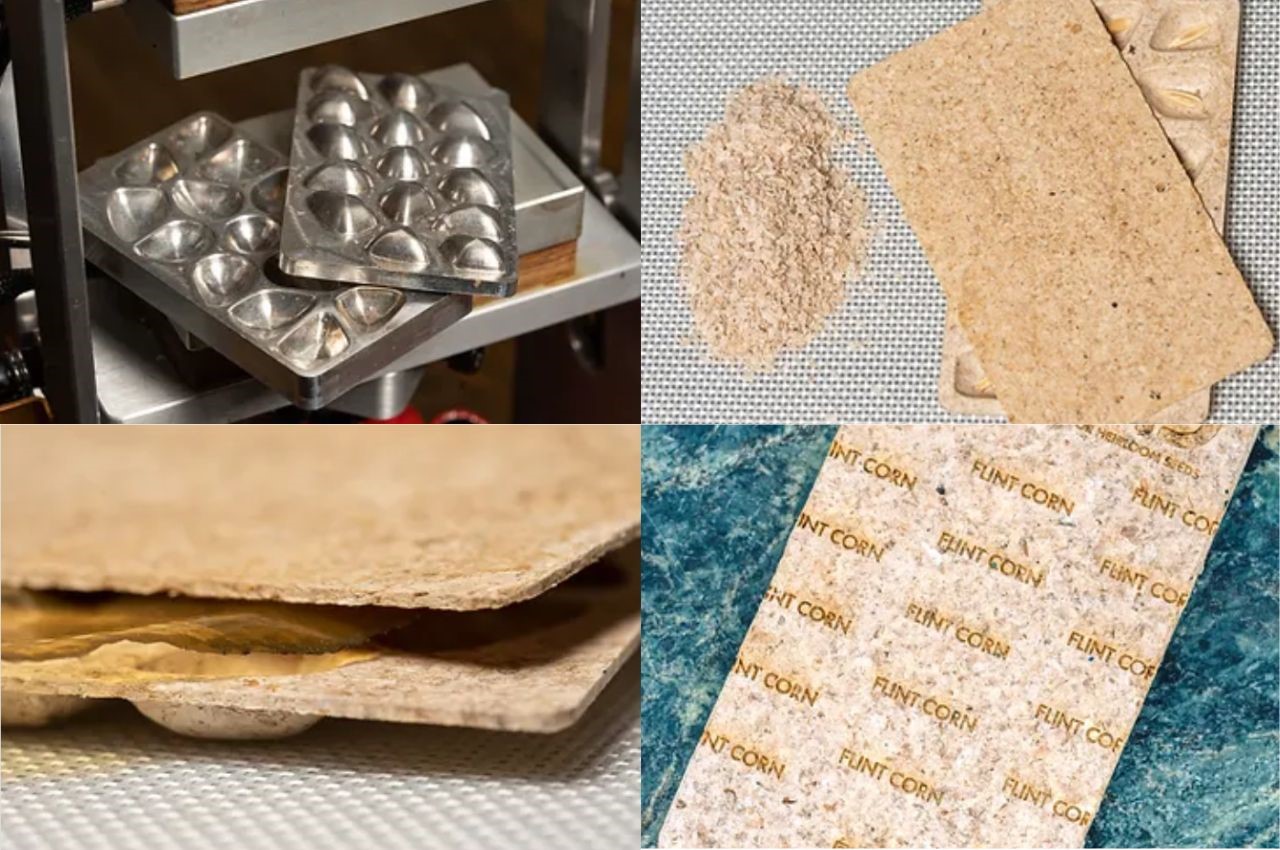
Crafted through a meticulous three-step pressing process, SEAD packaging demonstrates the remarkable self-binding ability of chitin, eliminating the need for additional agents. Laser-engraved labeling ensures traceability without the use of inks or dyes, aligning with SEAD’s commitment to sustainability.
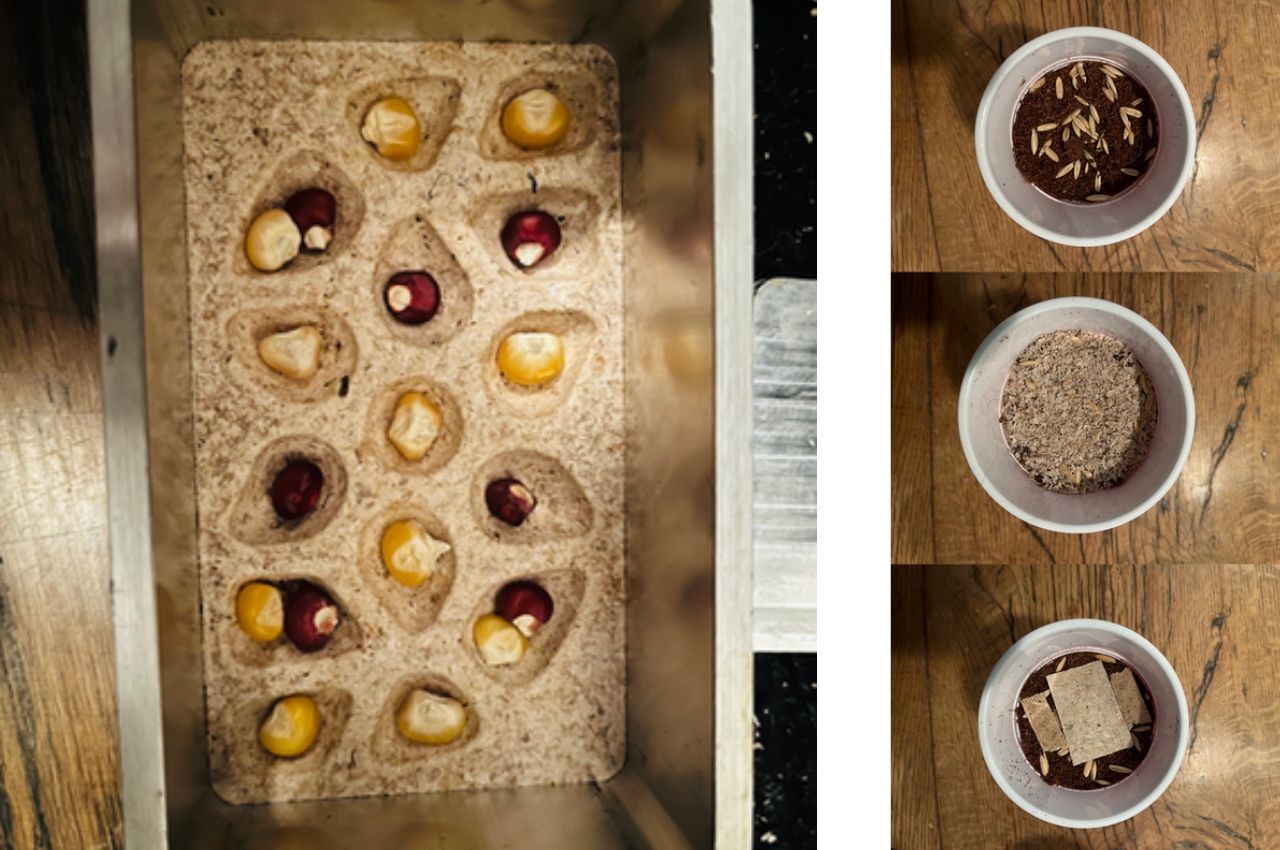
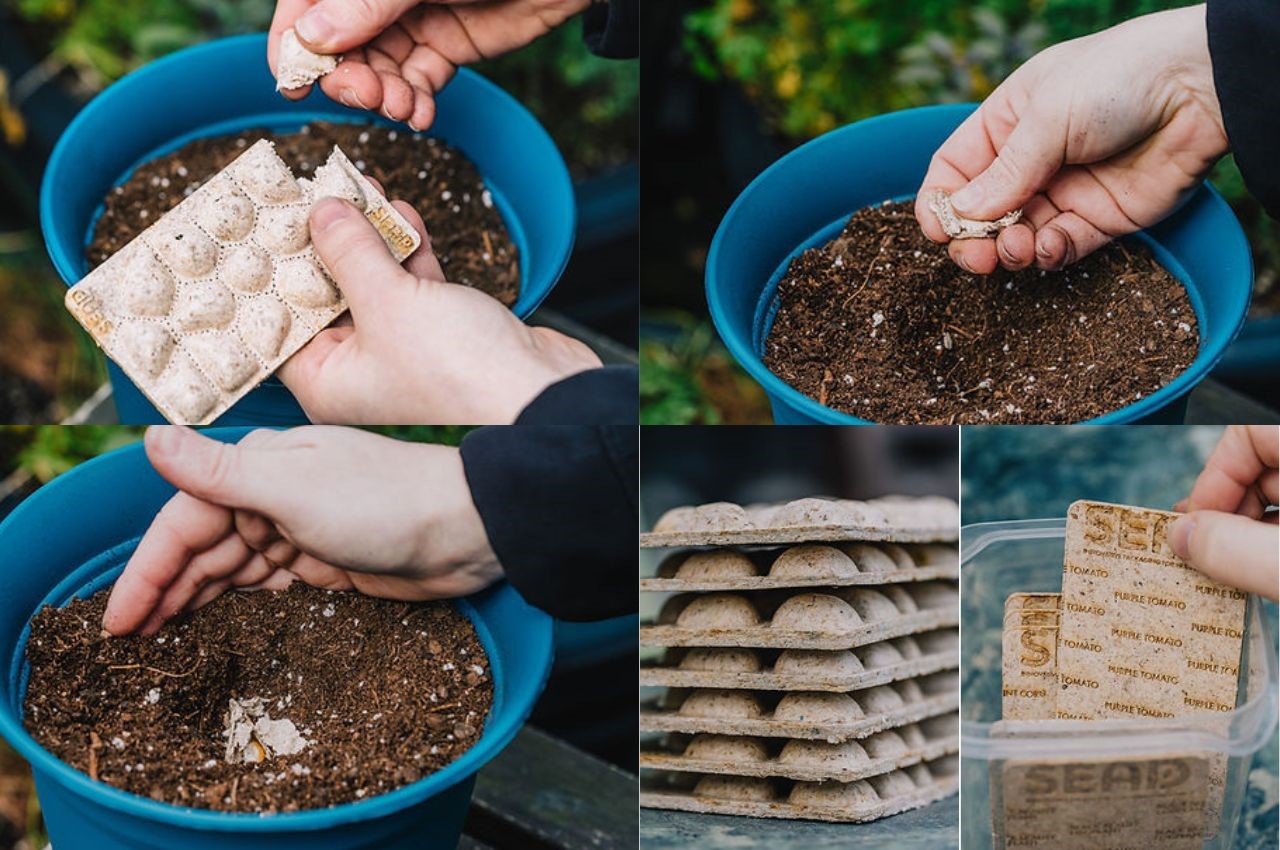
Inspired by nature’s design, SEAD packaging mimics the structure of fruits and vegetables, providing a functional and aesthetically pleasing solution. The innovative design features creases that allow for easy tearing, enabling users to plant seeds conveniently while keeping the rest of the packaging intact.
SEAD offers a holistic approach to sustainable agriculture, combining ecological principles with practical innovation. By seamlessly integrating packaging with planting, SEAD promotes zero-waste practices and fosters a deeper connection between consumers and the environment.
Just in four simple steps: Break pods along perforated lines, gently crush for better seed exposure, plant enriched seeds, and store remaining bars conveniently. These actions seamlessly integrate eco-friendly practices into gardening routines, fostering a deeper connection with the environment. Each step contributes to a greener future, promoting sustainability and preserving heirloom seeds. With SEAD, every seed sown signifies a commitment to ecological harmony and agricultural resilience, paving the way for a more sustainable tomorrow.
SEAD’s innovative seed packaging, crafted from discarded seafood shells, faces cultural barriers in regions like India and Mexico, where pure vegetarianism is prevalent. Mixing seafood with vegetables may encounter resistance due to dietary preferences. Convincing individuals adhering to strict vegetarian or vegan diets of SEAD’s ecological benefits requires careful communication. Despite these challenges, SEAD offers a sustainable option for open-minded consumers committed to environmental conservation. It’s crucial to acknowledge cultural sensitivities and cater to diverse preferences.
Casio G-SHOCK watches have set a new precedent in durability, functionality, and material design. It is a preferred choice among people who indulge in extreme activities or work in rugged environments, owing to its ability to withstand extreme conditions and live through all the beating. The G-SHOCK wristwatches are unbelievably tough and the brand’s continuous efforts to keep the standard and reliability unchanged have only worked in its favor.
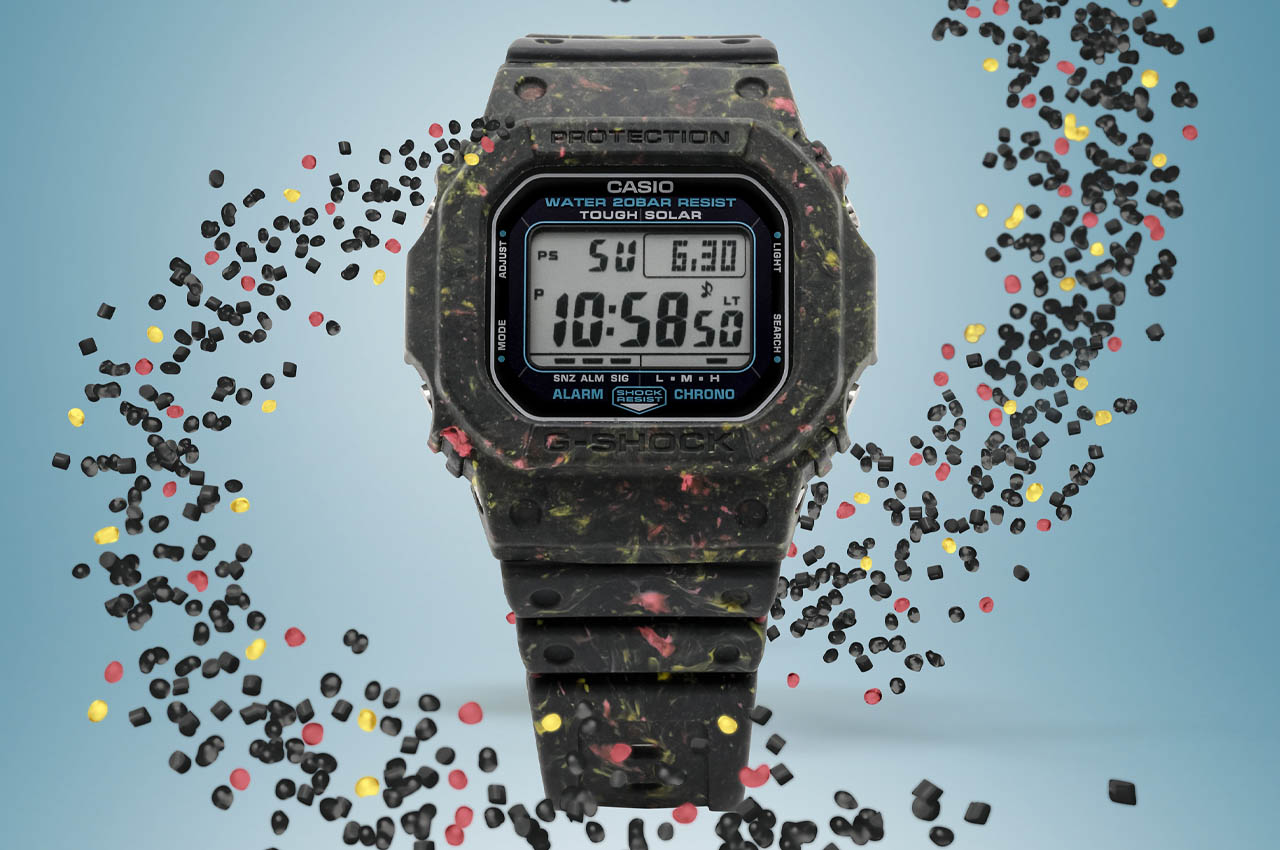
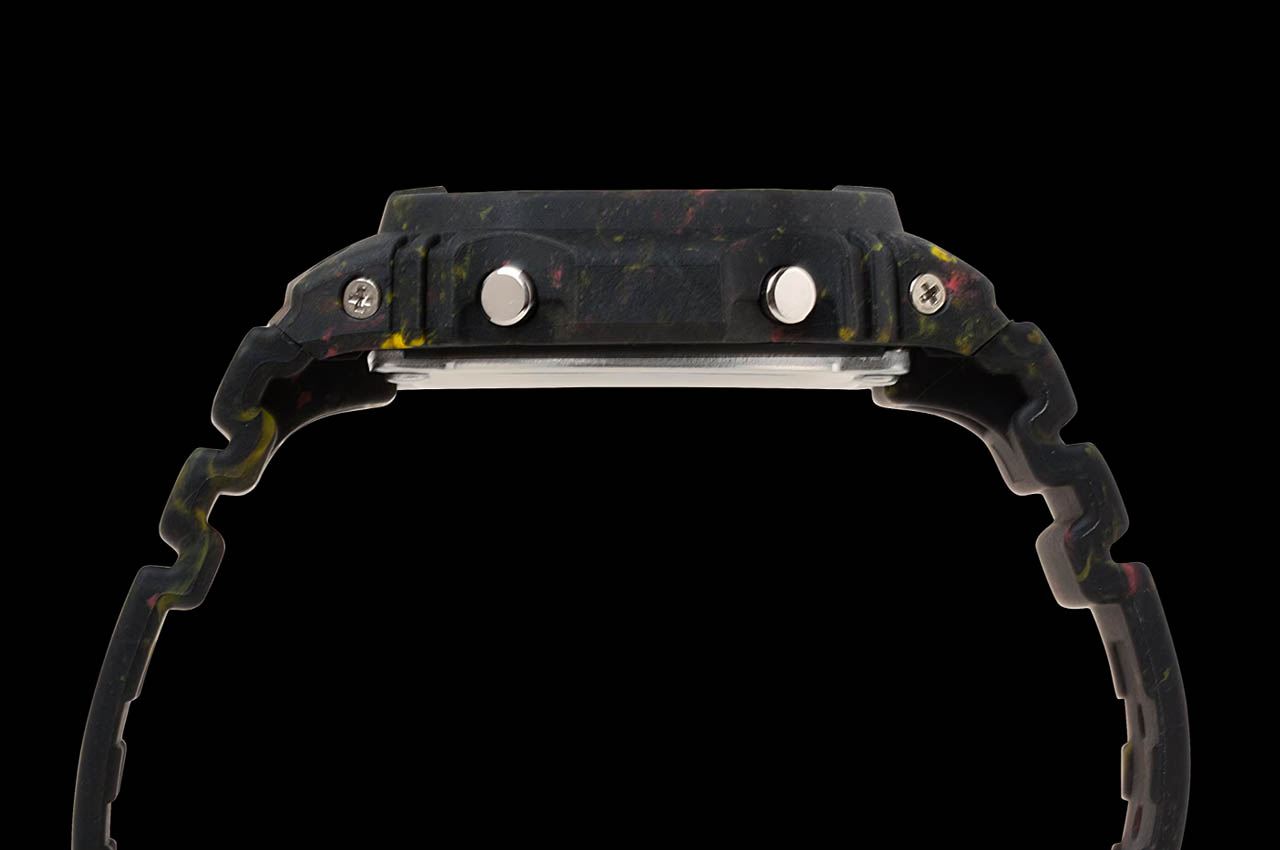
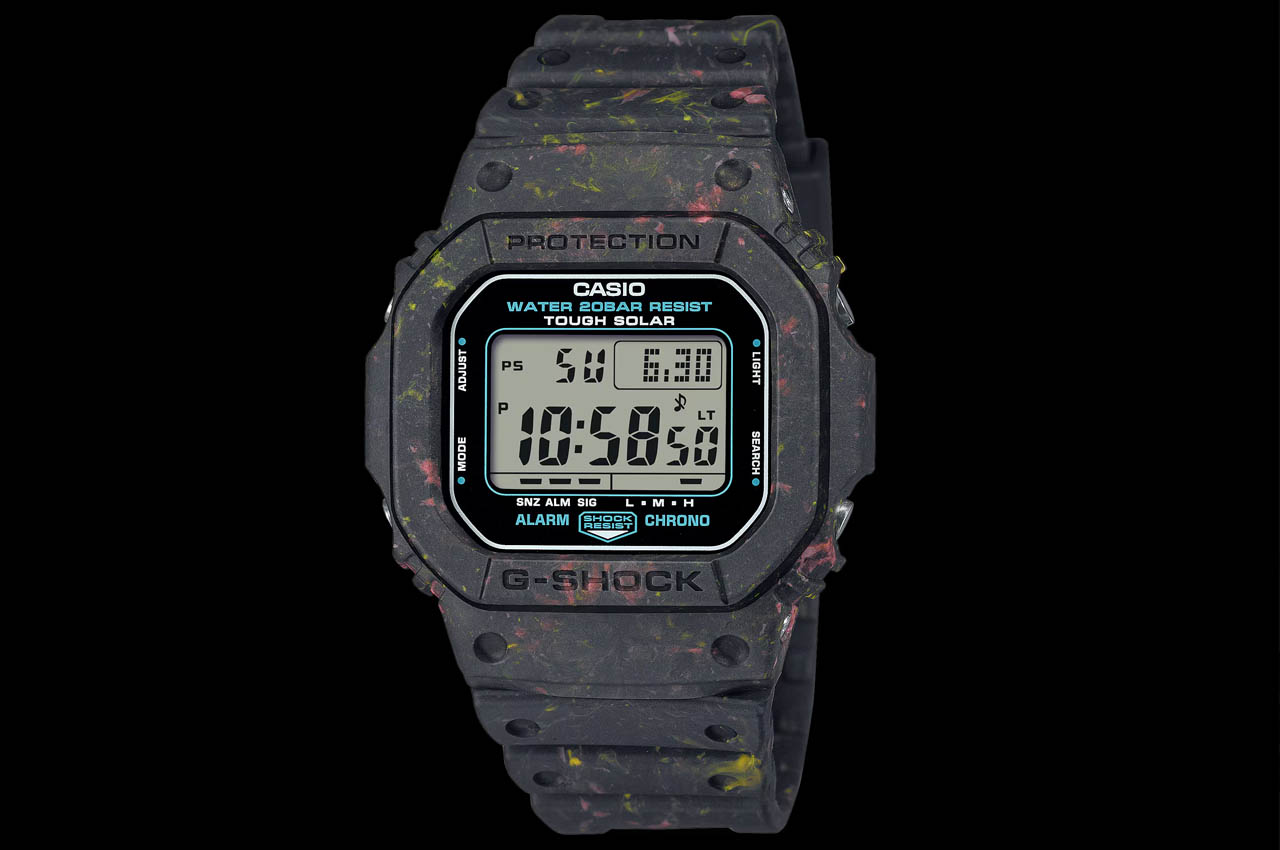
Now in time for Earth Day on April 22 and to make environmentally conscious individuals a fan of its incredible robustness, Casio has released G-SHOCK G5600BG-1 made from recycled resin. The limited-edition watch, made essentially to mark April 12, the birthday of G-Shock, comes with a bezel and band made using recycled resin waste.
Resin has been the go-to material for G-SHOCK watch straps for years now. It has been majorly used because of its properties to withstand shock, and for being lightweight, water resistant, yet looks modern and stylish. Being overly used, resin is generally left over in the production lines, which now by recycling it for watch material, Casio is giving a new lease of life to the otherwise waste material.
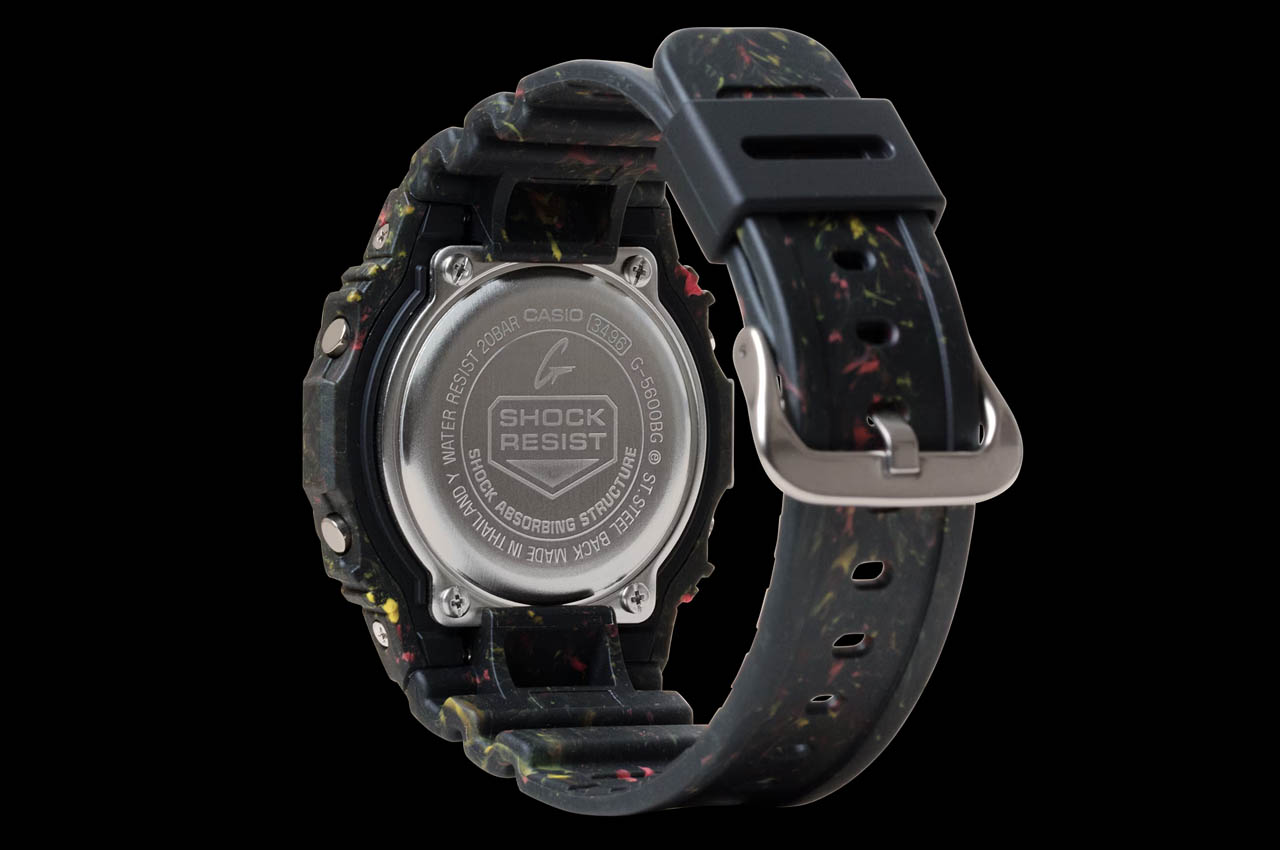
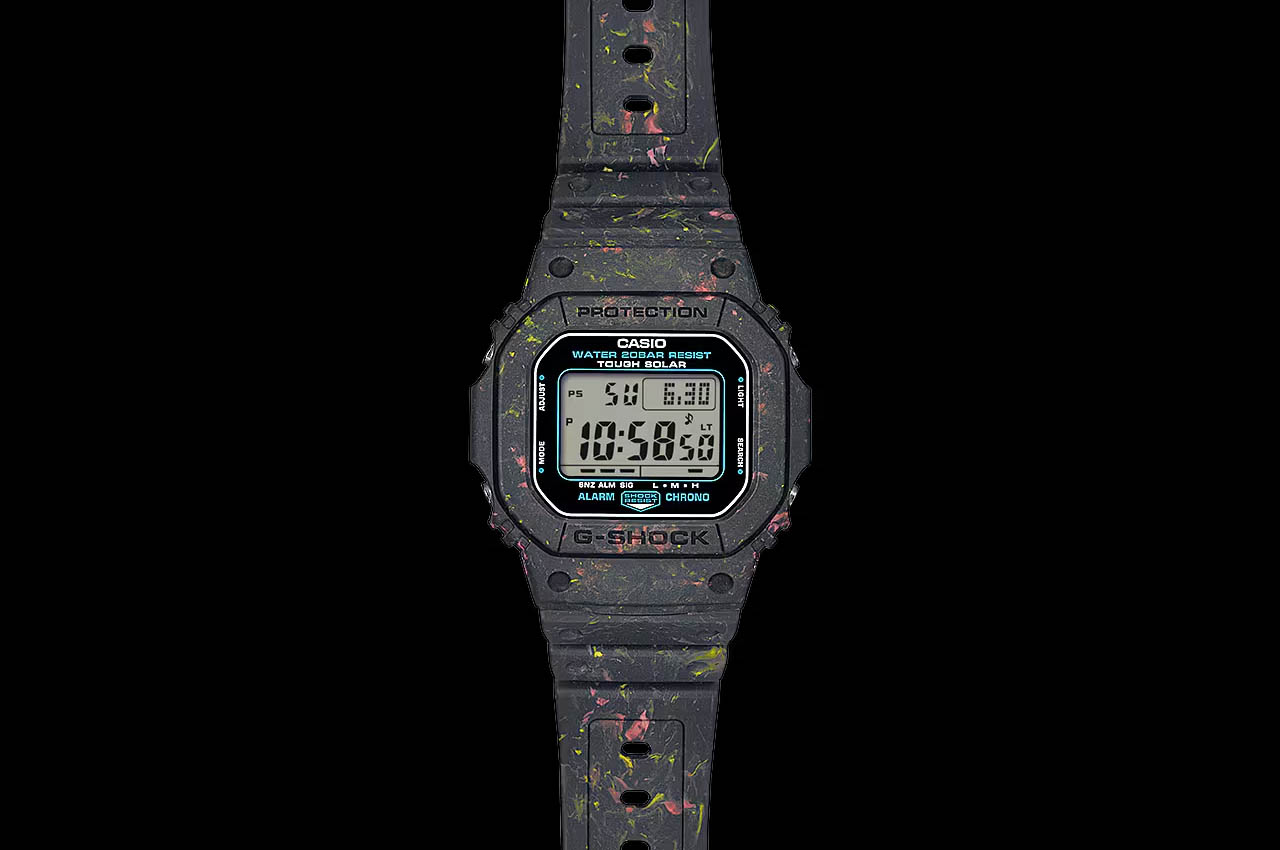
The recycled strap material, available in a combination of black, red and yellow colors is made by kneading red and yellow waste resin from classic G-SHOCK in a matte black base to create a unique colorful pattern. This new repurposed resin is used for the construction of the bezel and strap of the G-SHOCK G5600BG-1. The new watch is available in a multicolored pattern and color tone, which Casio informs, may change in every individual watch due to the characteristics of mixed material color of resin.
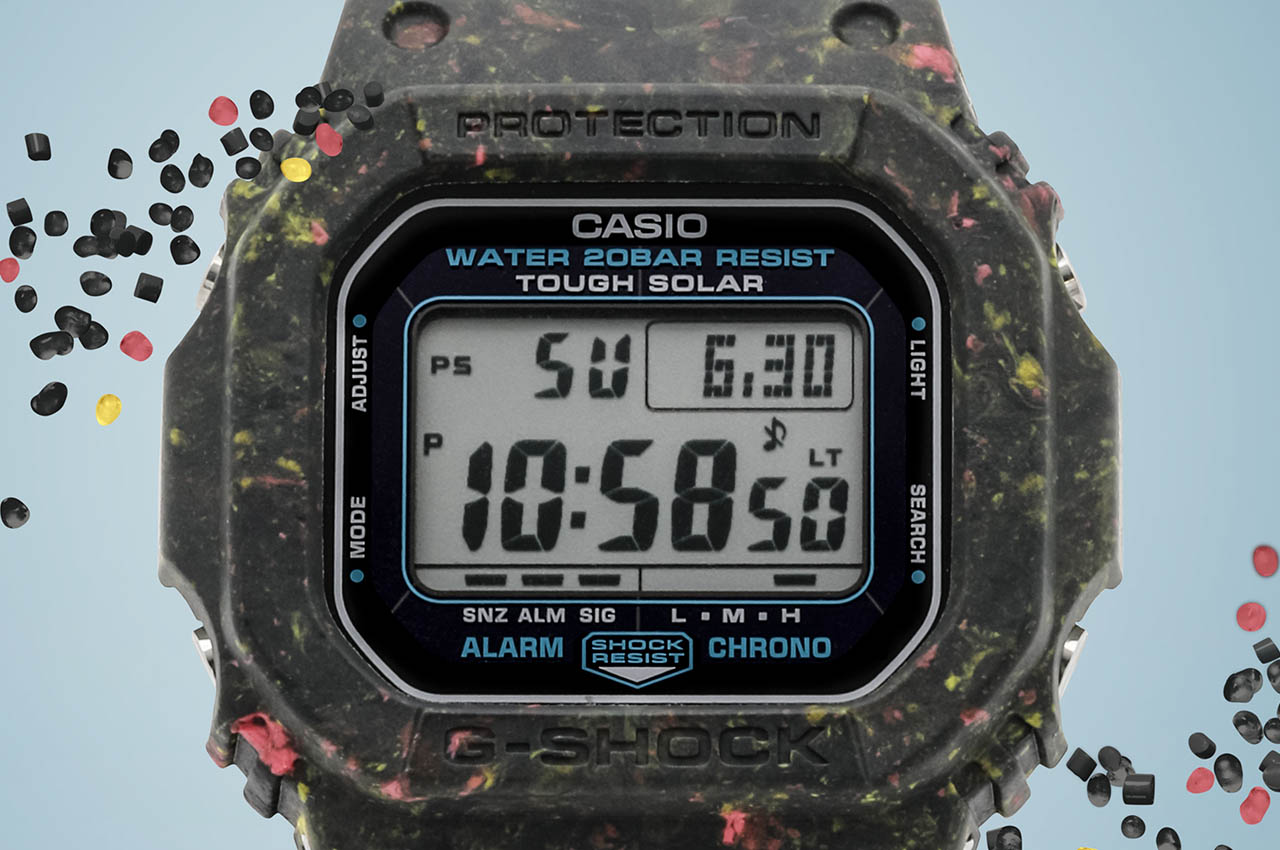
Furthering the eco-conscious behavior, beyond reducing the environmental impact of resin waste – which would otherwise be discarded – the G5600BG-1 comes with Casio’s Tough Solar technology to keep it charged with the use of sunlight. The watch is G-SHOCK quality robustness is shock-resistant and 200-meter water resistant.
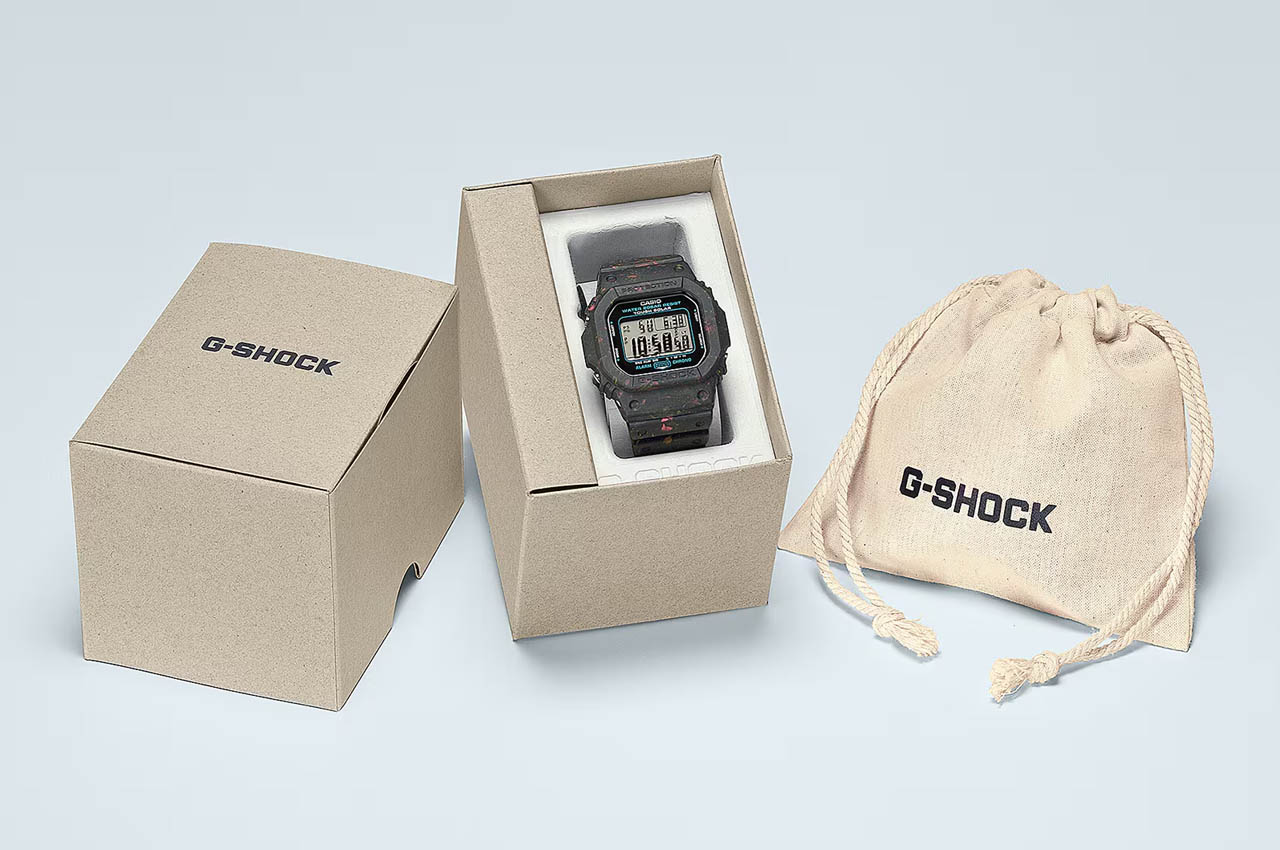
Featuring a case measuring 46.7 × 43.2 × 12.7 mm, the G5600BG-1 weighs only 47g. It comes with 5 world time and 31 time zones, LED backlight, auto calendar (to the year 2099), alarms, stopwatch and other G-SHOCK basics. Casio adds more environmental-friendliness to the $150 G-SHOCK G5600BG-1 with its packaging, which is again made from recycled materials.
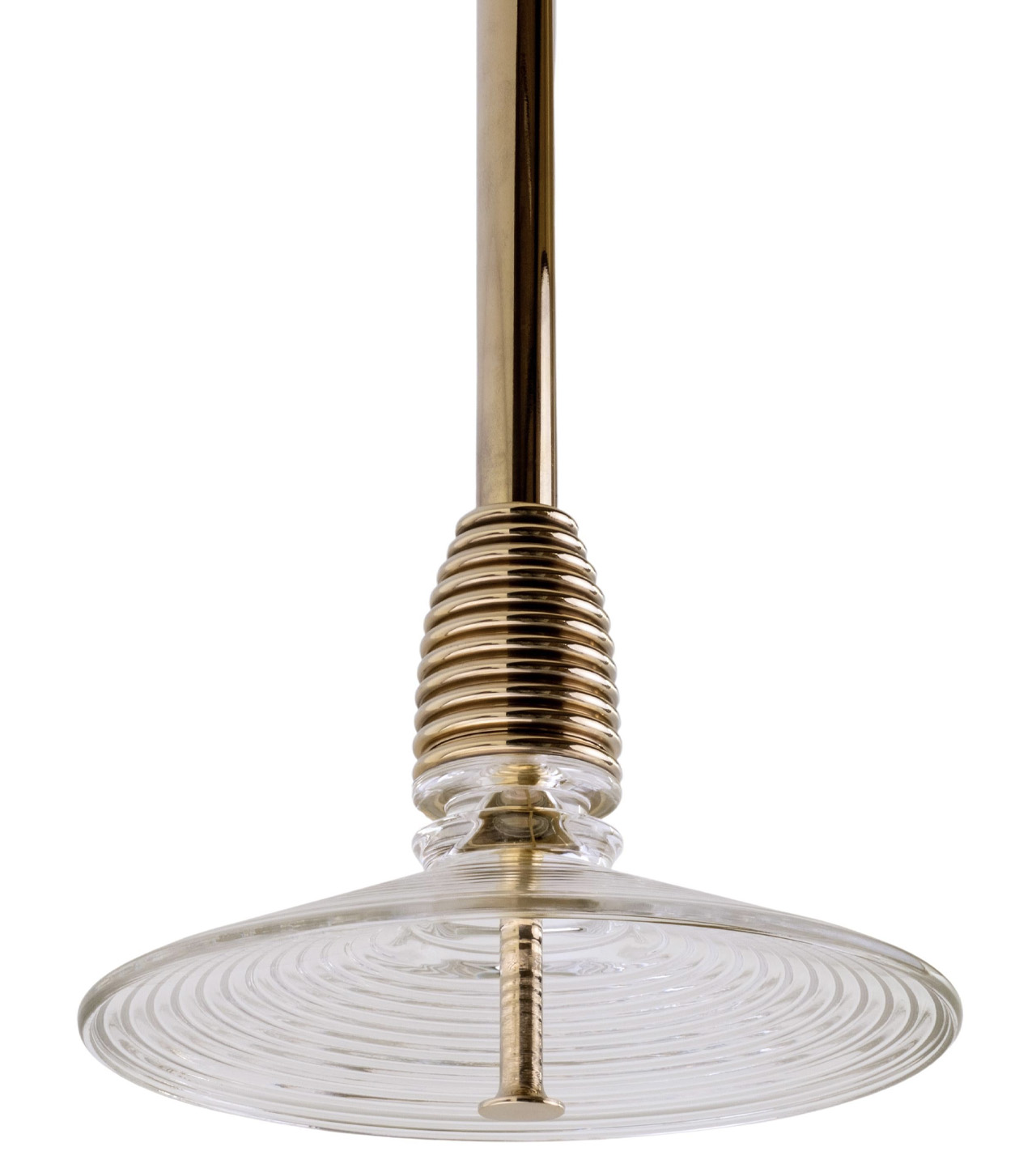
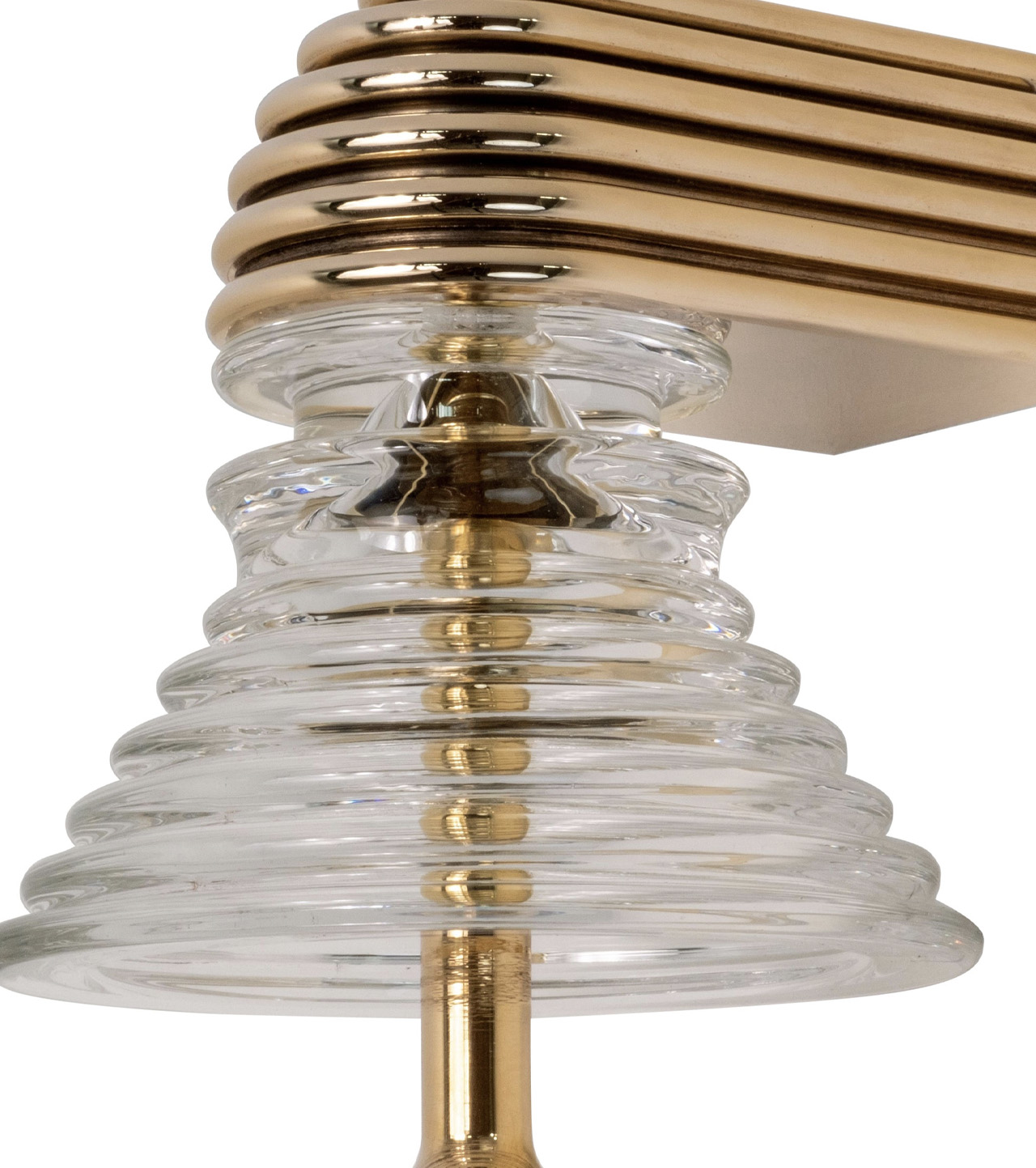
We’re all focused on picking an excellent sofa design, or a Pinterest-worthy coffee table, but how much time do we really spend on picking the perfect lighting design? Today, lighting designs are total works of art – they’re unique and innovative, elevating a space with their mere presence. Nowadays, designers are creating unique, functional, and powerful pieces that not only light up a living space but also add an extra oomph factor! These lighting designs not only help you see in the dark, but they also function as an attractive and visually appealing piece. And, one such lighting collection is the Insulator Lighting Collection by Novocastrian.
Designer: Novocastrian
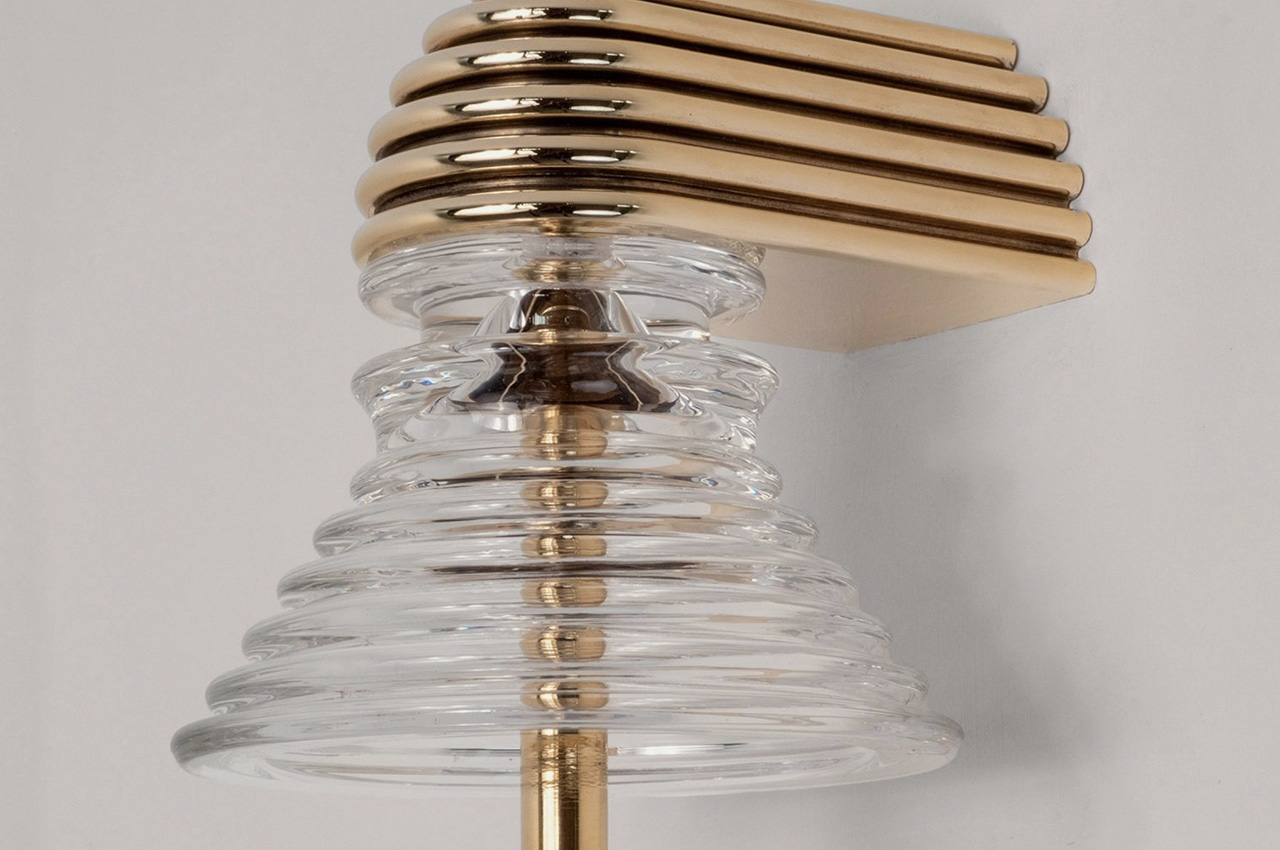
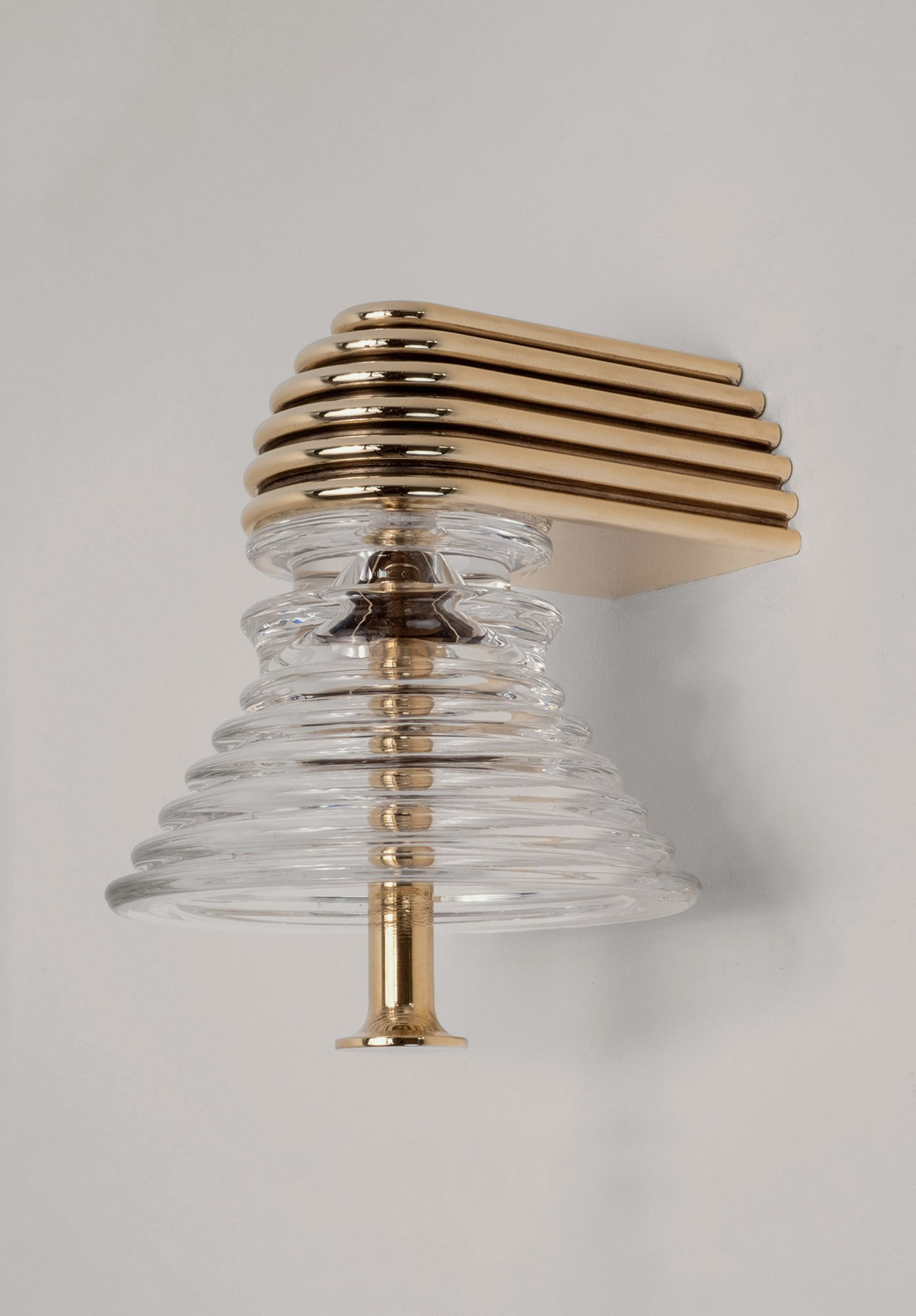
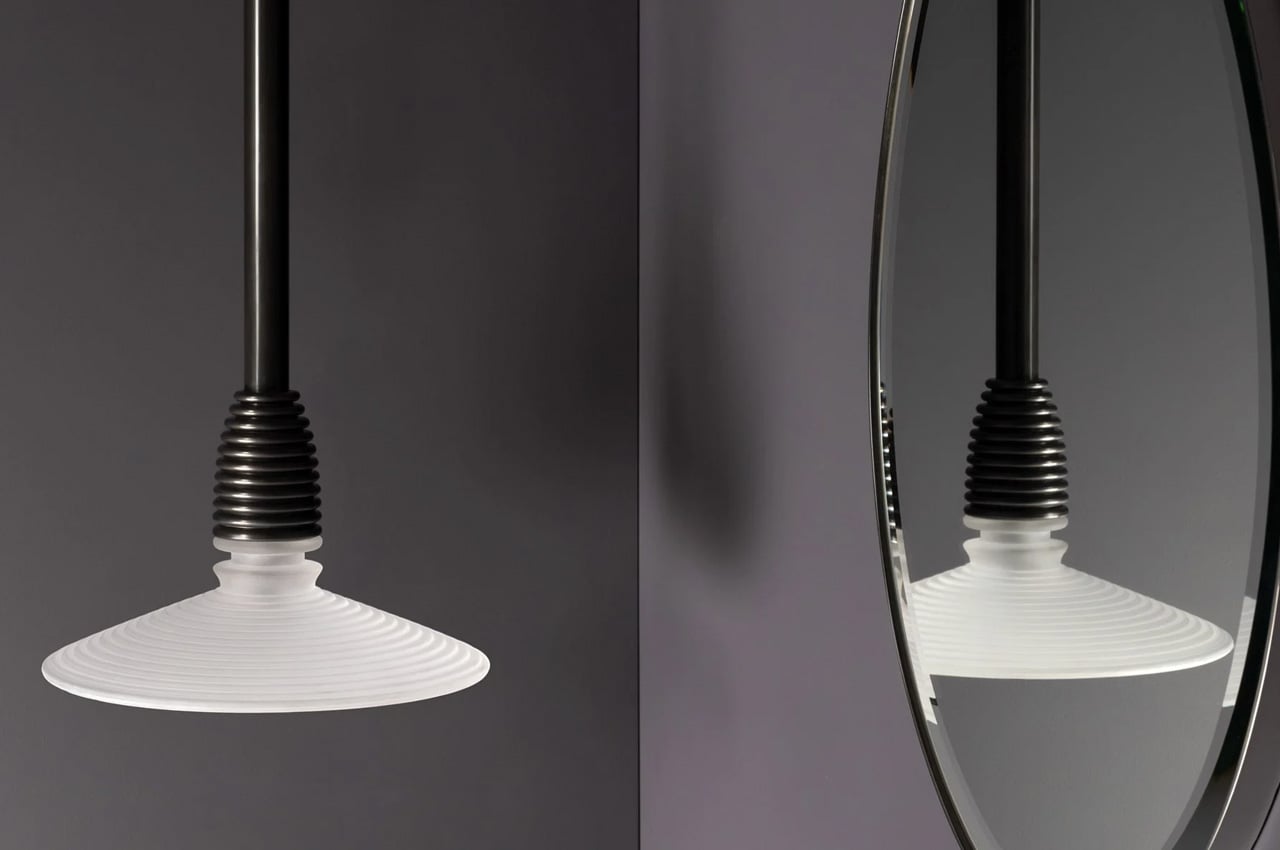
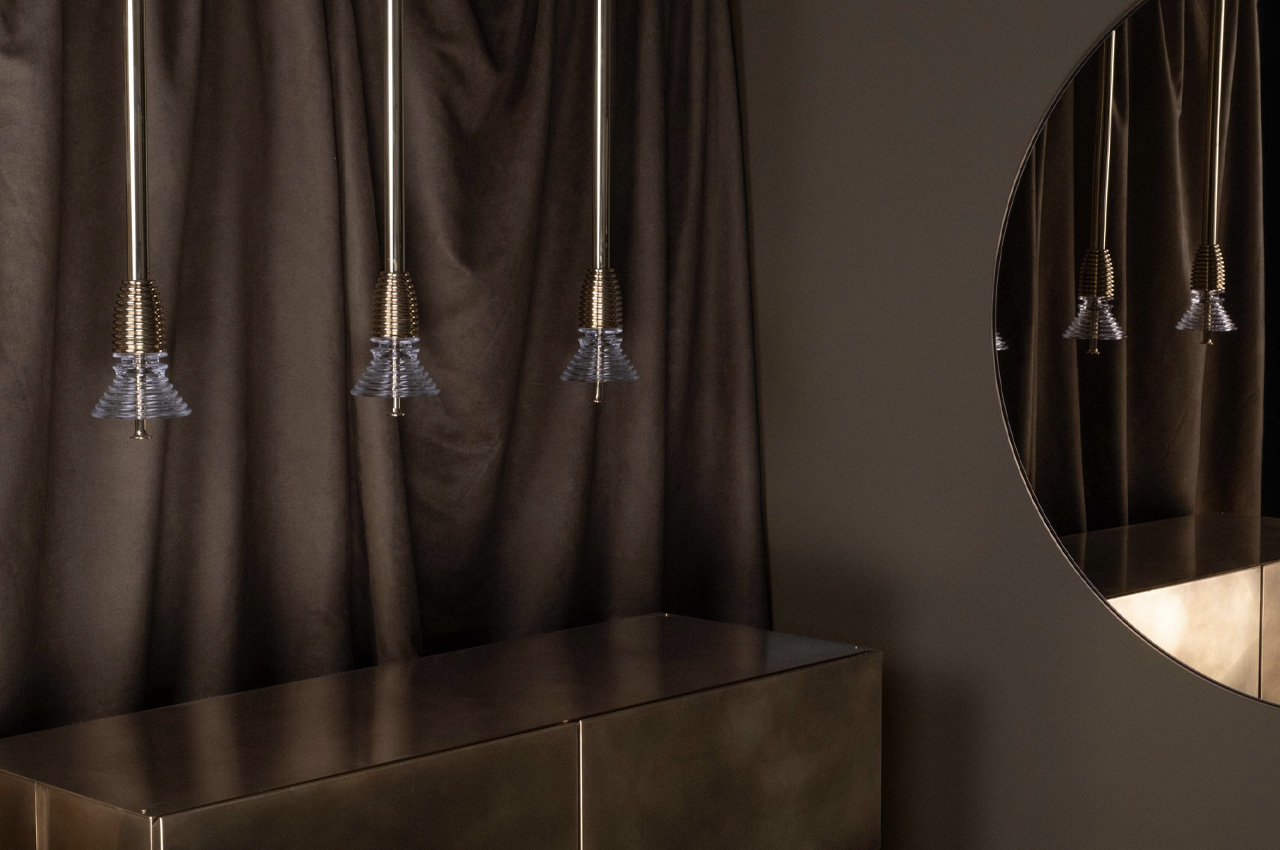
Designed by the British design studio Novocastrian, the Insulator Lighting Collection is a unique and spectacular range of lighting designs that is inspired by the equipment and infrastructure seen in the railways! The innovative lighting collection includes pendant and table lamps, as well as sconce lights. All the lighting designs feature similar ribbed motifs and polished hardware.
“Our founder Richy took inspiration from endless train journeys along Britain’s East Coast mainline between Newcastle and London, by the rhythmic lattice of the overhead power lines, and by the intriguing saucer-like pin insulators which adorn them,” said Novocastrian, breaking down the railway-inspiration for the lighting collection.
The different pieces of lighting designs are made using elements crafted from solid brass and pressed glass, which have been machined in the company’s workshop, located in the North East of England. The Insulator lights can be fitted with European or North American wiring and custom finishes, which can be requested for. The Insulator Lighting Collection is a fantastic and curiosity-sparking collection that will add a nuanced style to your living space. The references to the infrastructure and architecture of railways are a unique and thoughtful touch, that makes the lighting collection truly stand out. They make for exemplary pieces that look like works of art!
The most beautiful game, football, is a team sport. But in realism – at the world stage – the game is not limited to the field and teams. Passionate fans and their diehard enthusiasm for clubs and players take the game far and beyond, into the people’s home and their hearts. Despite the love and admiration for football, one wrong on-field decision can leave players behaving irrationally and discerning fans indulging in brawls, intense enough to set stadiums on fire.
Over the years goal-line technology has made a significant difference in the decision-making often faltered by the human eye. Yet, all the other significant on-field decisions are left for humans to make, which even the most qualified and experienced referees can get wrong from time to time. While replacing human intervention from decision-making is visually impossible in the near future; there is a designer who thinks an aerial observer can pull off the task at the amateur level to start with.
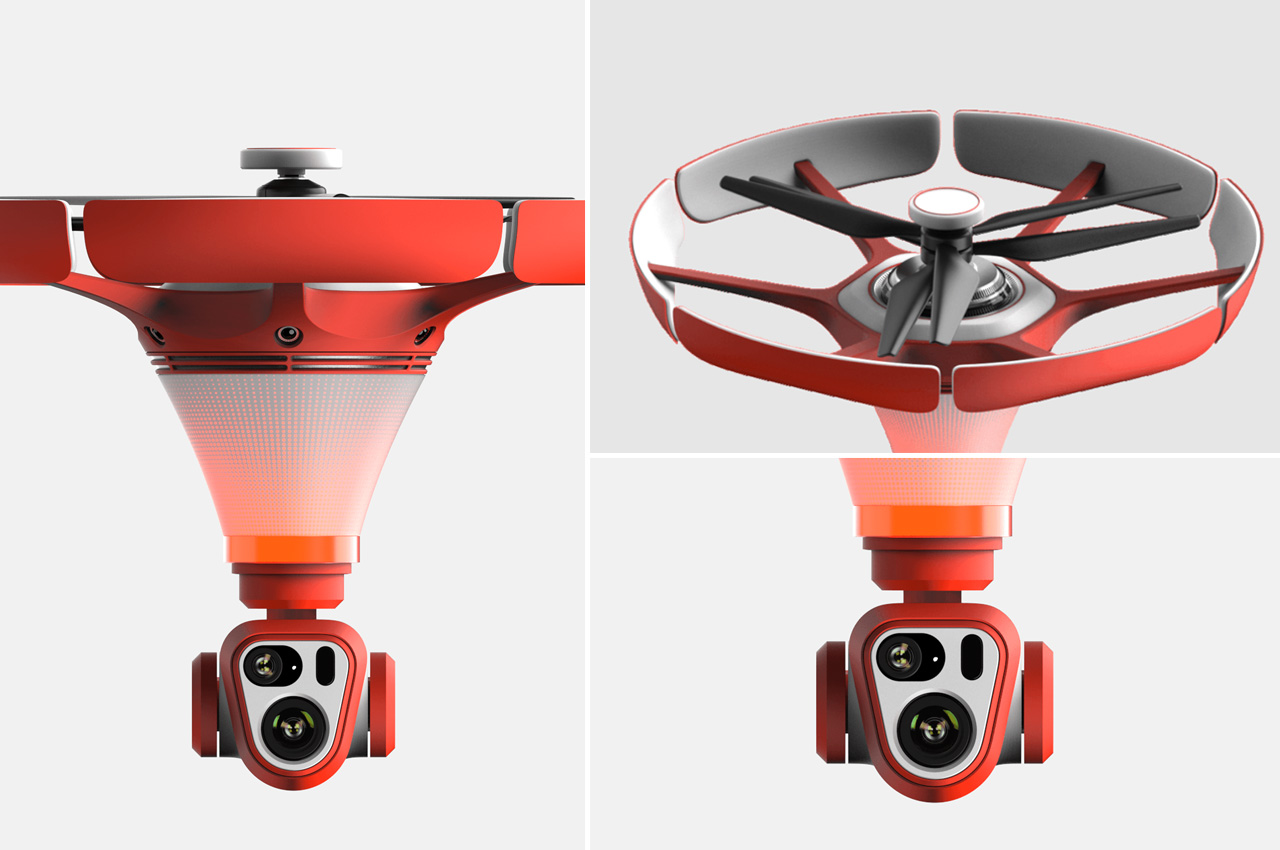
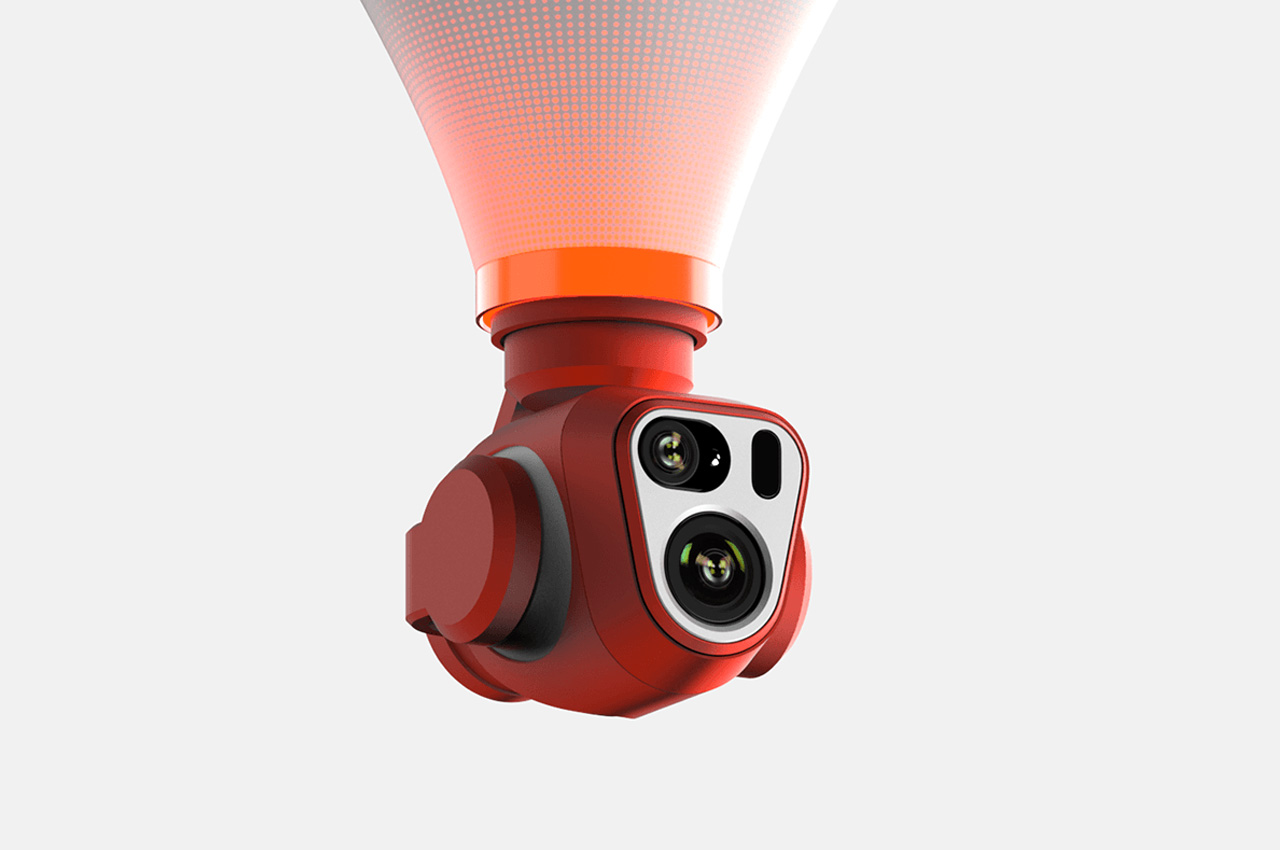
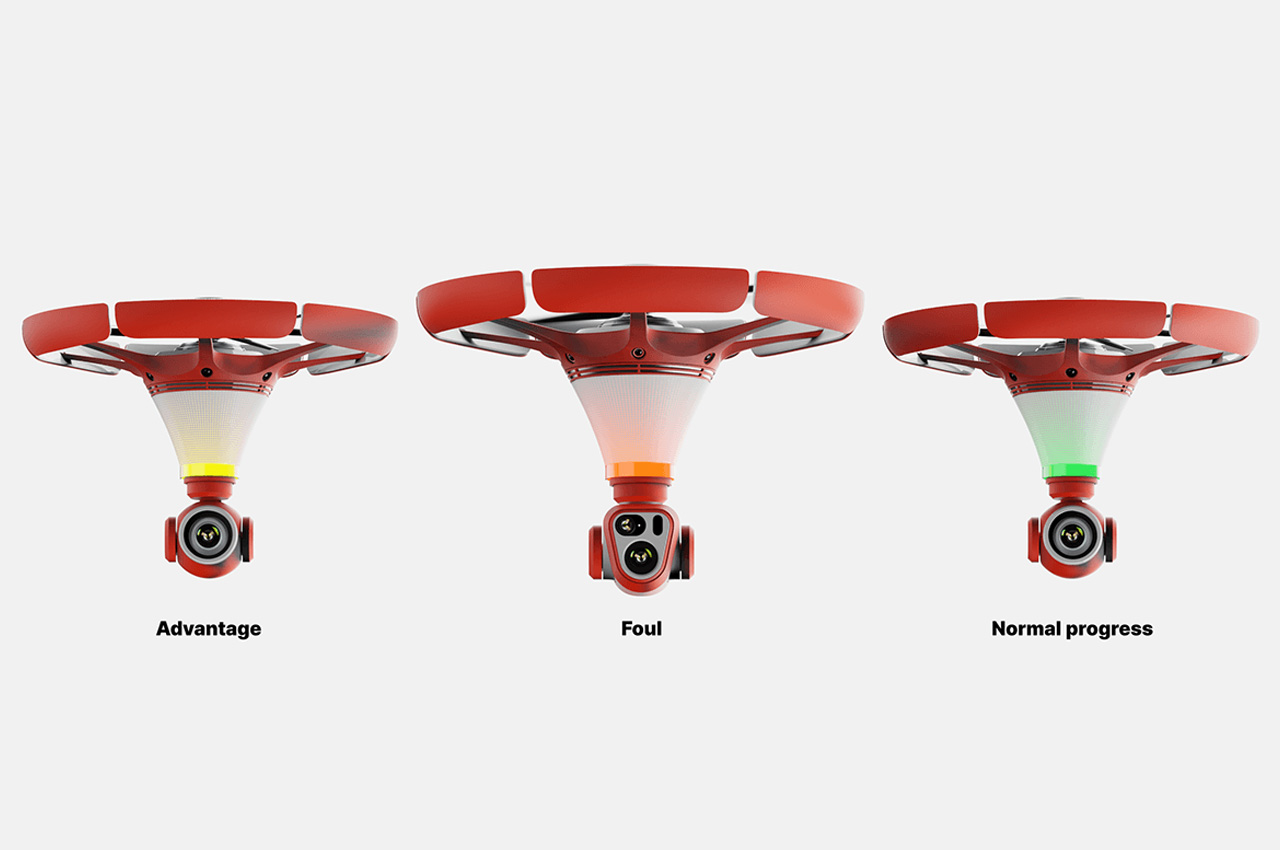
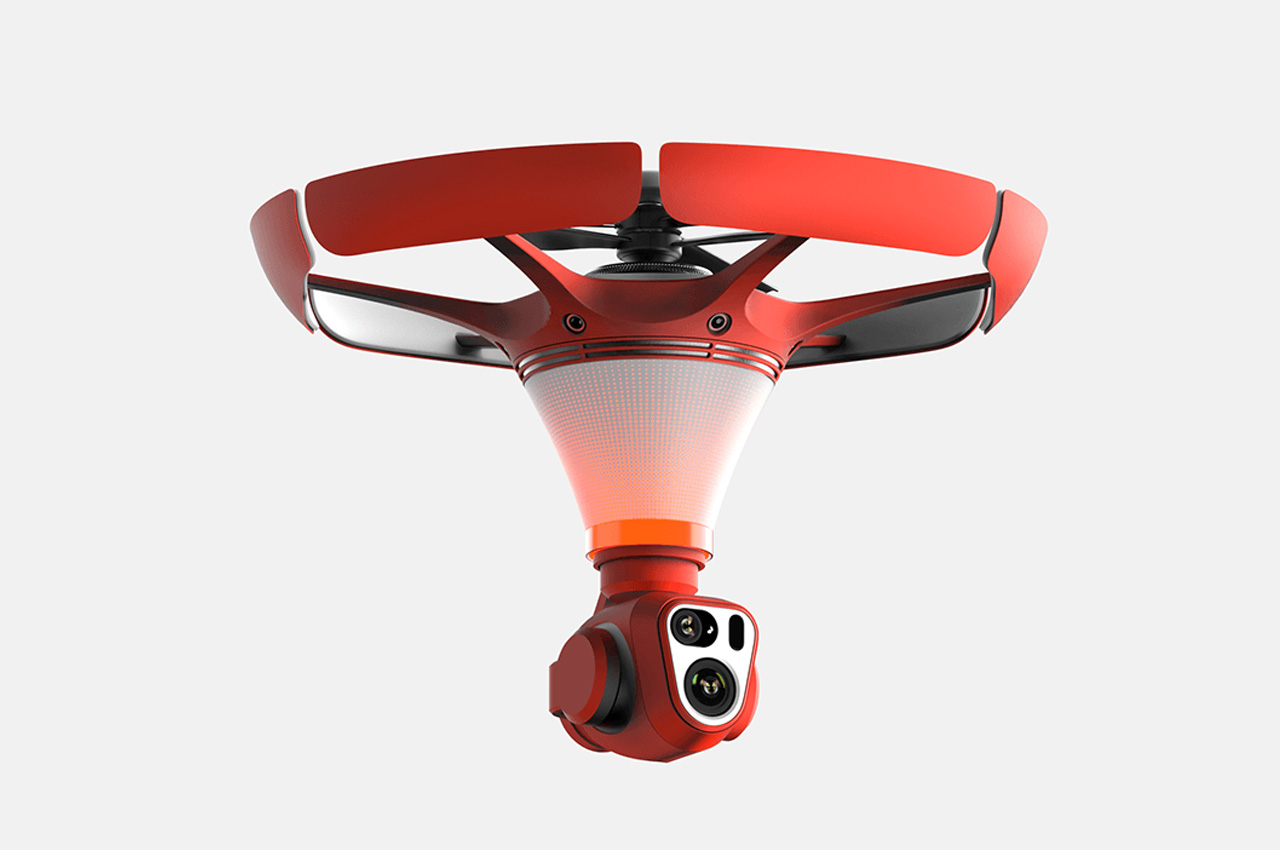
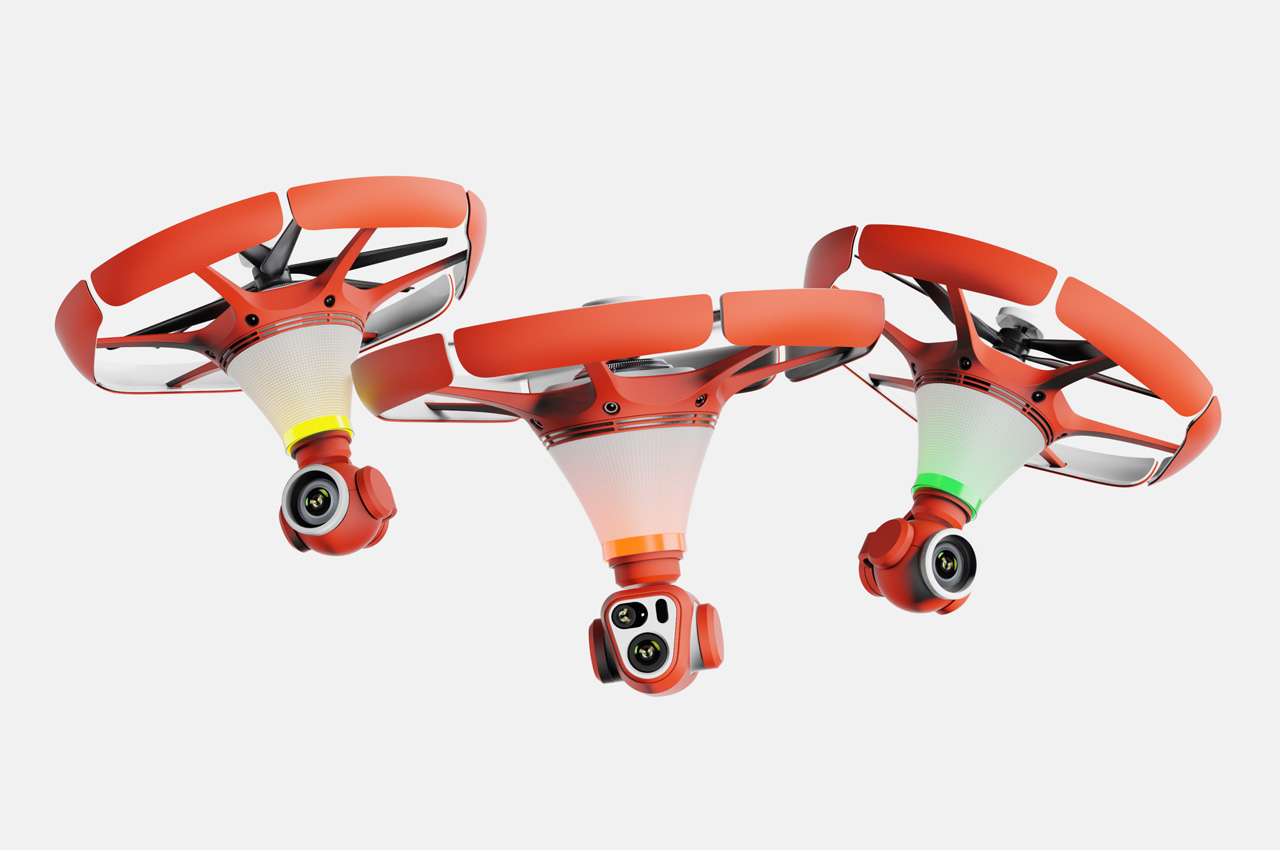
The idea behind “Referee,” a portable drone football referee is as simple as its design: Take to the air, hover above and track the players and the ball, and sound a whistle when a foul occurs. Designed with a Samsung-backed Design Membership program, the two-part system – a drone with rotors and HD camera – moves fluidly around the ball so that there are no blind spots and decisions are spot on. There is no mention of whether the modern Referee will also issue red card for a cardinal foul, or a human ref would still be needed.
The functioning of the Referee is simple to pull off, and the design – modeled after a training cone – makes it even more interesting. It comes packed in a dedicated trolley bag one can tag along to the field and set it to run the game without having to find a human referee to help you with a night game with friends. Since most hobby footballers have time to play in the night hours, after a day’s work, Seungmin has envisioned a Referee with LED lighting that shines along with the whistle when a foul is detected.
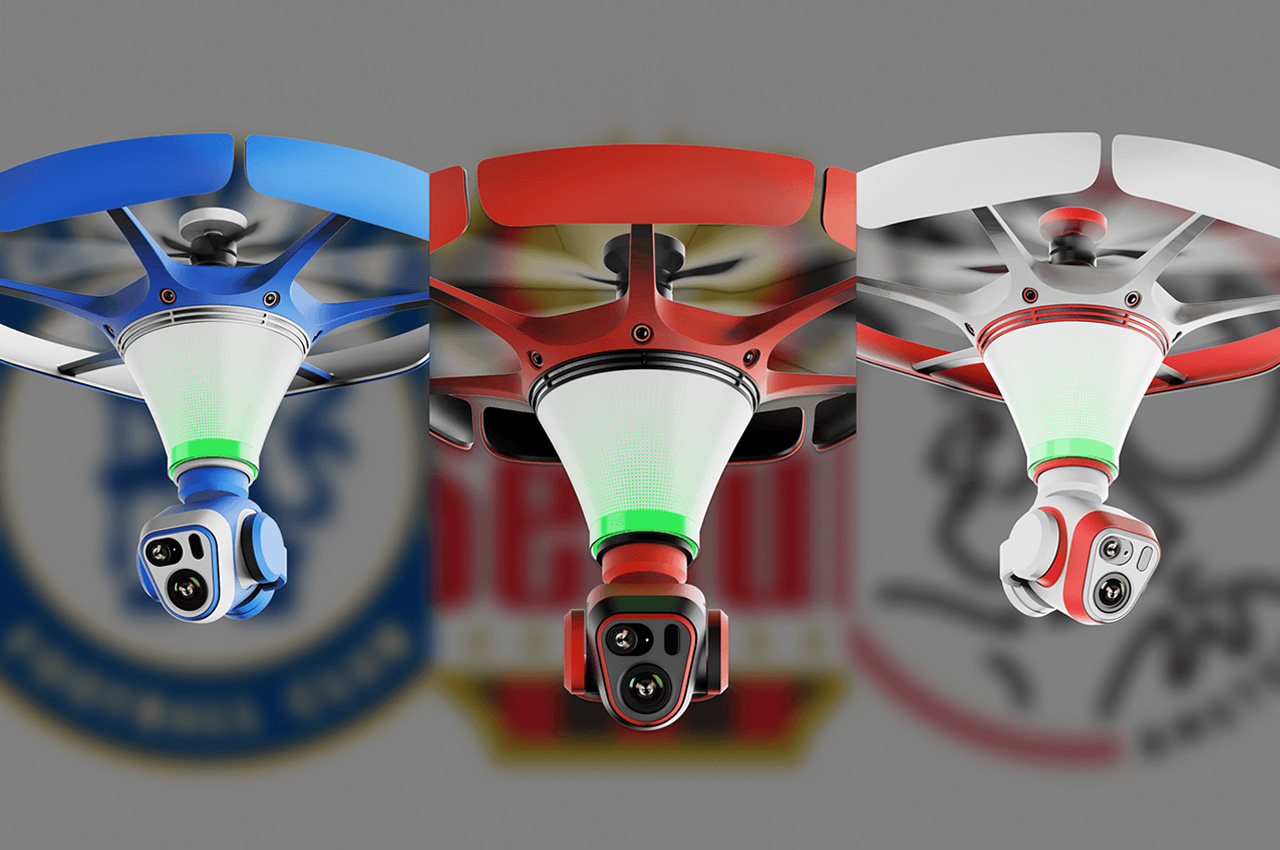
To keep the control simple and the design more intriguing, the Referee is controllable via an app. Through the app, you can customize the device’s color to the team that you are playing and also replay the foul scene to make sure close decisions can be fairly dealt with. Potentially a gimmick at the moment, the Referee through its evolution can maybe reach the Premier League stage someday.
If the 20th century had the lava lamp, the 21st century has the GLORB. It’s dynamic, portable, customizable, smart, heck, it’s even waterproof.
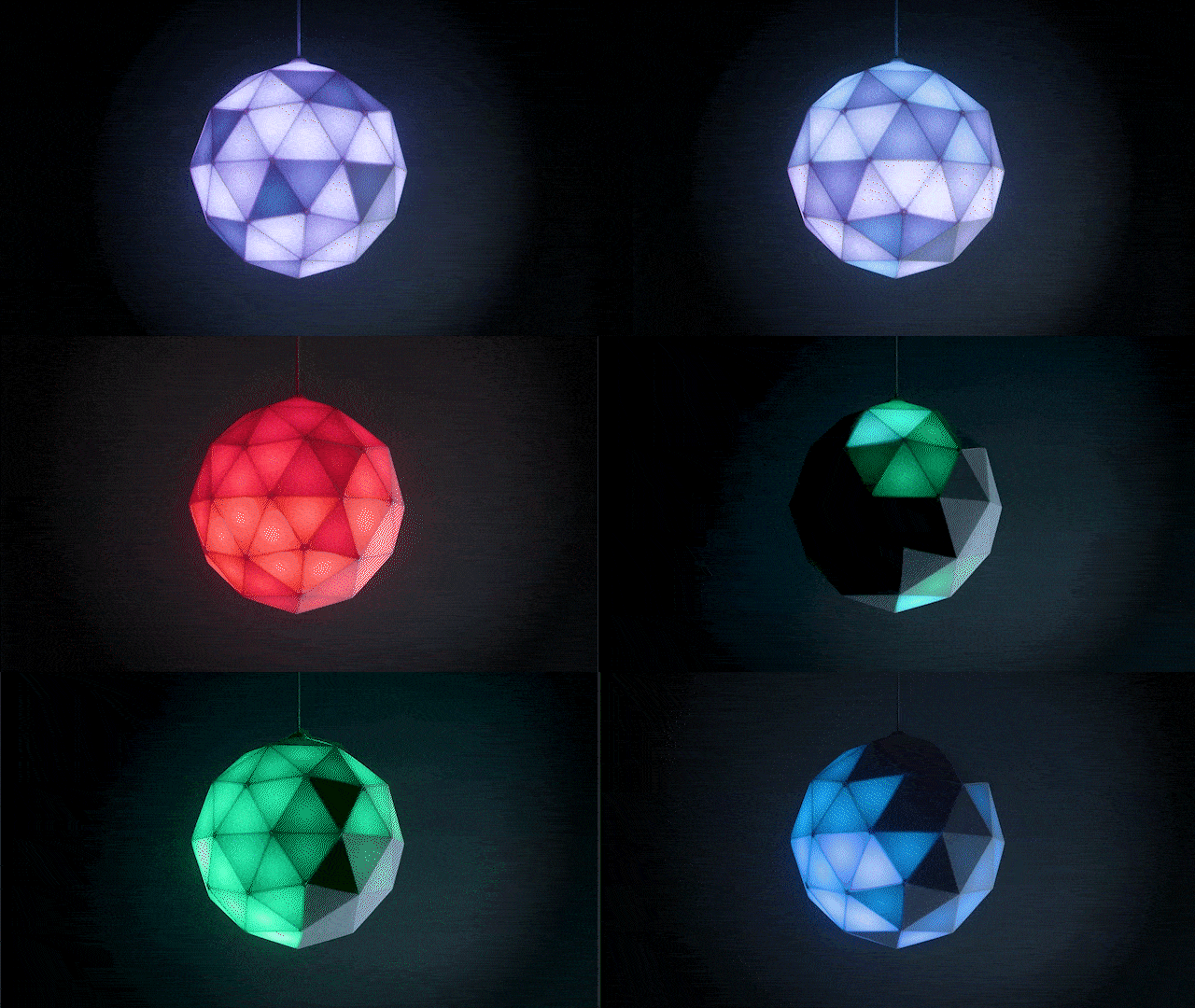
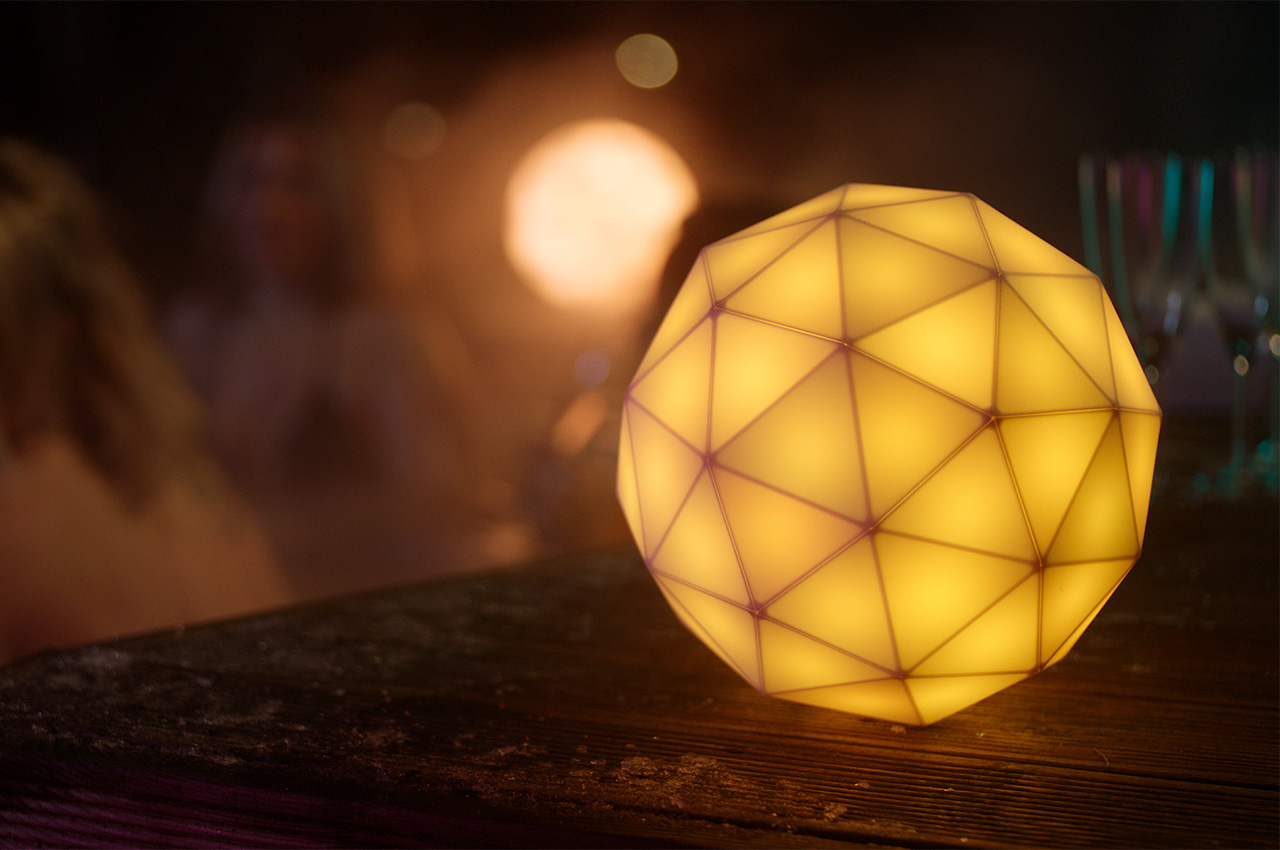
A geodesic sphere, where each individual facet is a dedicated LED panel. The GLORB isn’t your average smart home lighting solution. Forget the moon lamps of 2020, the sunset lights of 2021, and those atrocious astronaut-shaped projector lamps that still pass off as ambient lights. The GLORB might just be the most beautifully dynamic ambient smart light ever made.
On the inside, the GLORB’s like any other smart bulb. It changes colors, connects to the internet, is audio-responsive, and has the ability to animate light patterns… But zoom out and you’ll see what makes the GLORB so alluring. Made up of 80 different triangular panels that light up in various colors, the GLORB looks like a disco ball, but instead of working on reflecting light, the GLORB itself comes to life by lighting up in uniquely different ways.
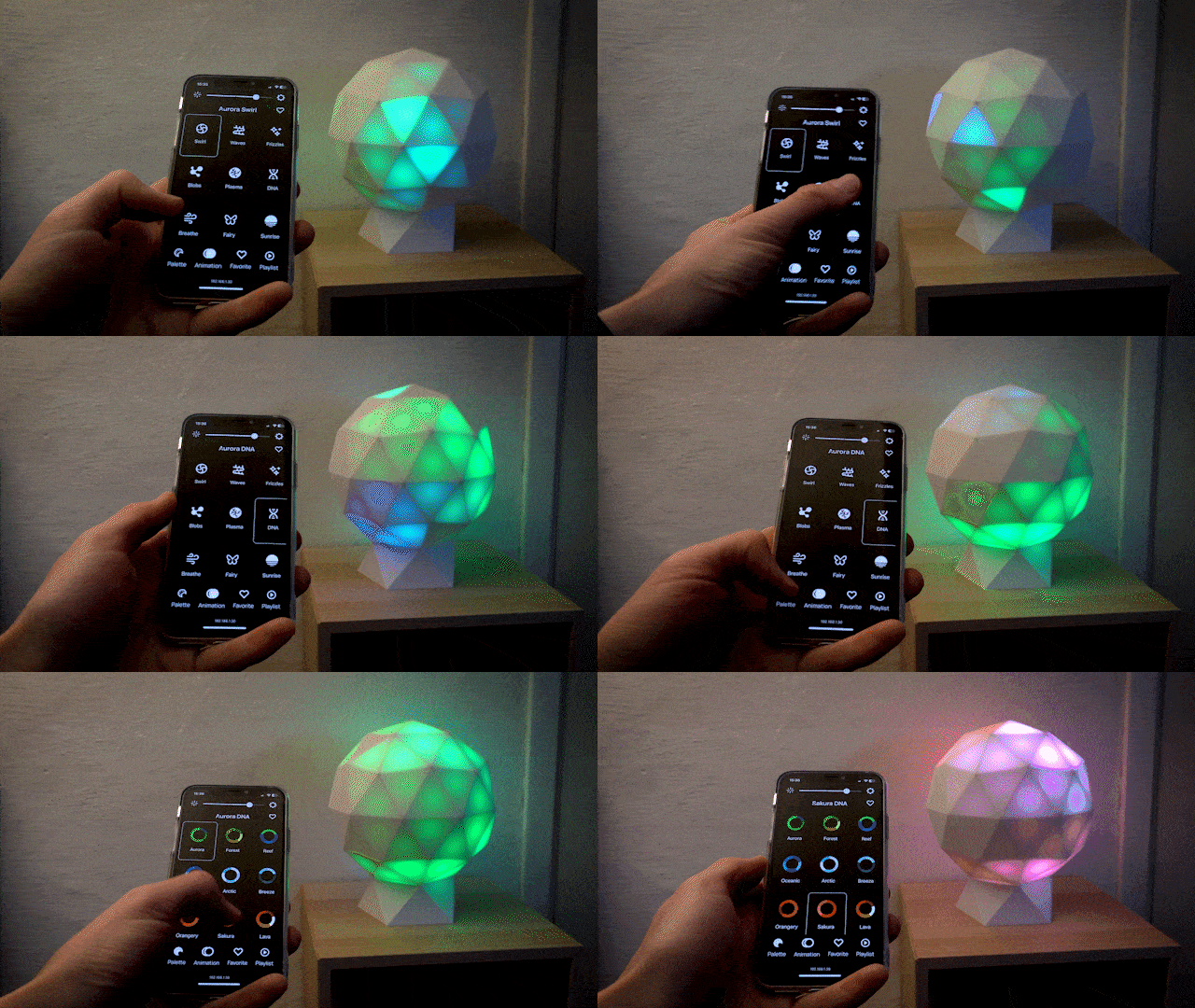
The app works by combining a palette and an animation. Save the combination as a favorite. Favorites can be placed into playlists that you can name for any specific occasion or mood.
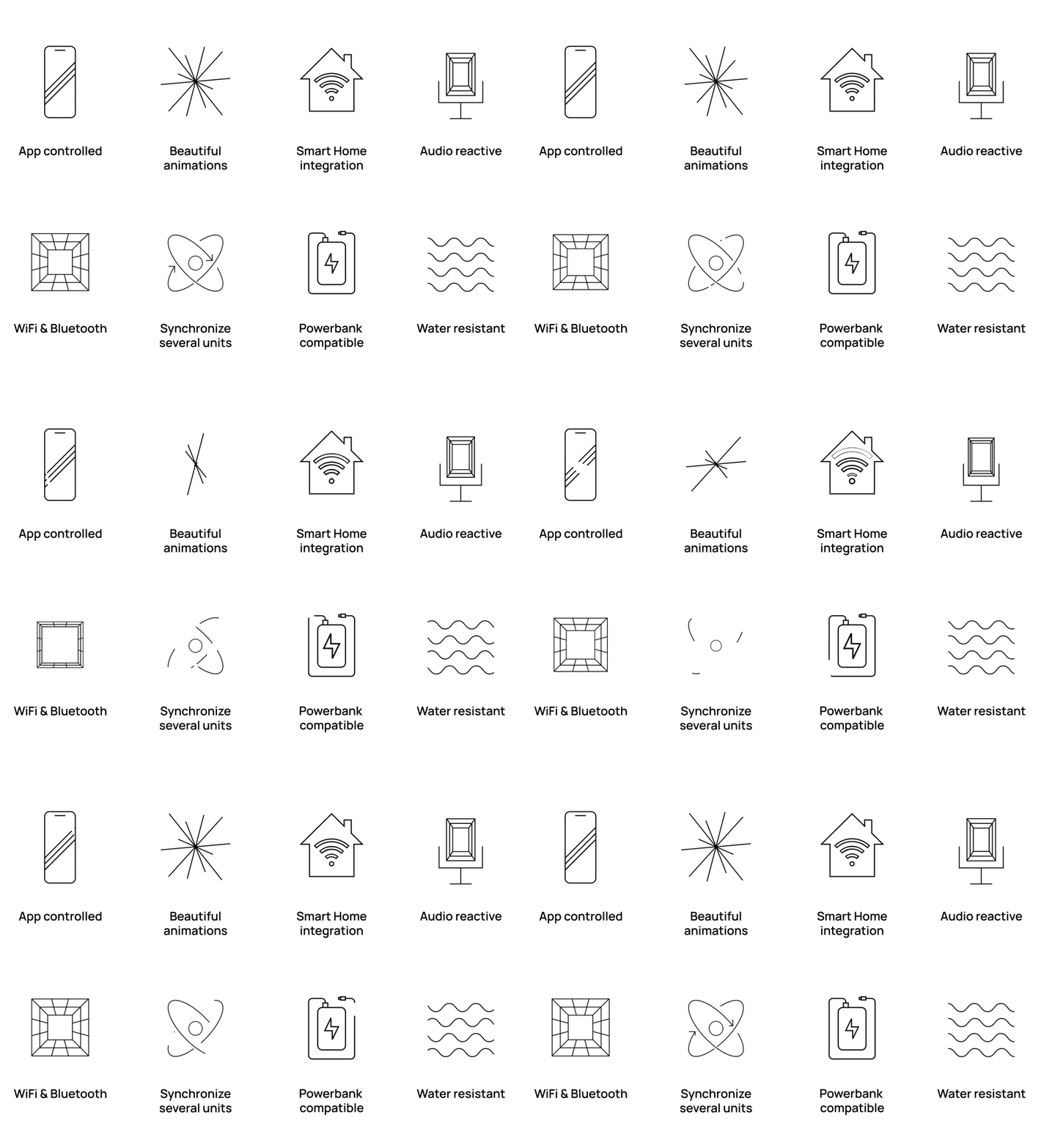
The multiple panels allow the GLORB to come to life by breathing light and color. Roughly the size of a football, the faceted light can either be hung from the ceiling or used as a tabletop ambient light. It comes with its own stand, runs on 5V of power (which means you can operate it via a power bank too), and can be controlled by an app, through your smart home network, or even with music. The GLORB boasts compatibility with Alexa, Philips Hue, Homey, and Home Assistant, with future support for Google Home, Apple Home Kit, and even Matter.
You can stream your music directly to the GLORB.
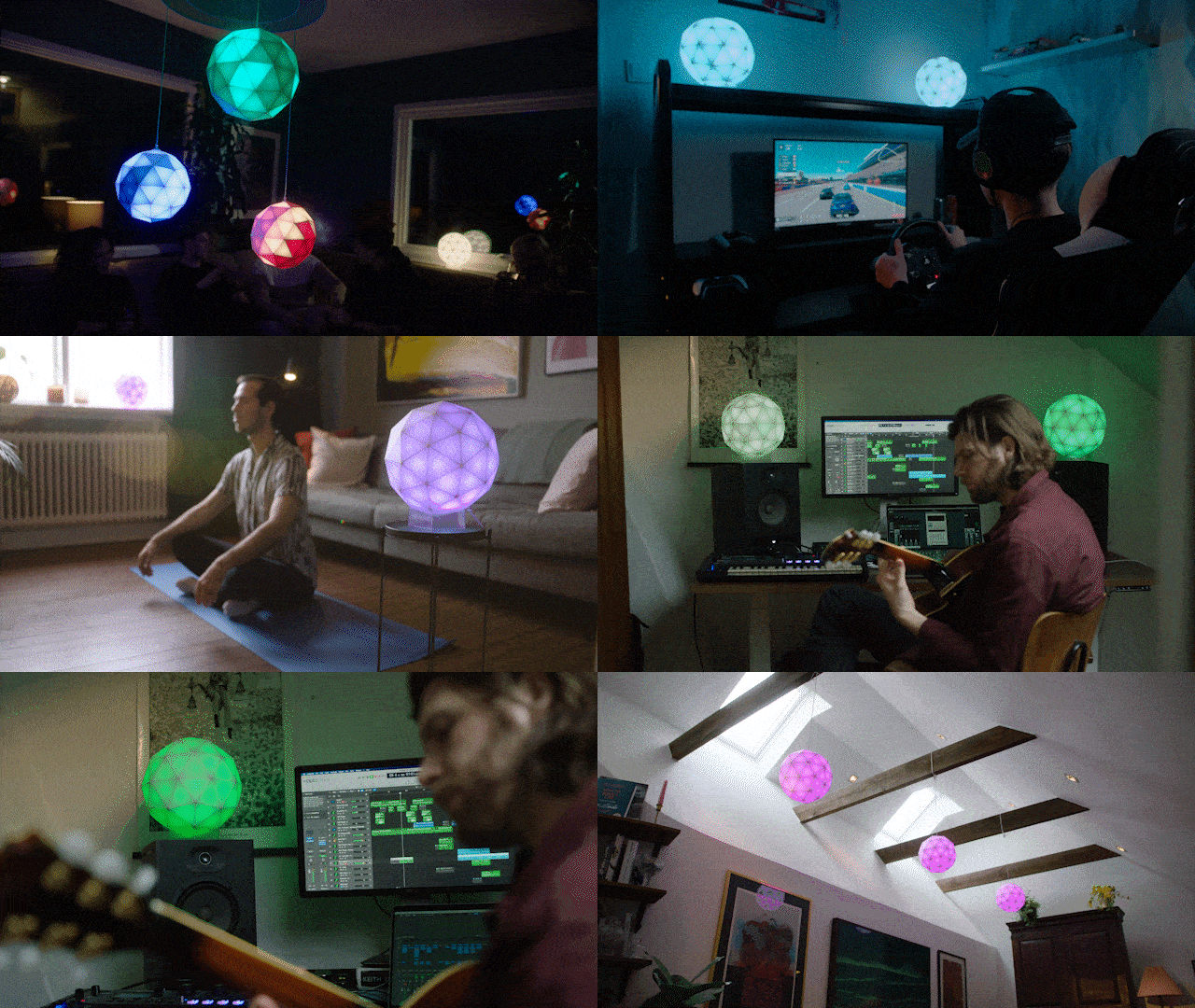
The GLORB makes for a perfect ambient light during movie night, a house party, a backdrop for your vlog or podcast, or even to pair along with your RGB gaming gear. The 80 individual LED panels pulsate light, changing colors or breathing an individual hue to make it look like the lamp is living. Through the app, you can select from a variety of animations and adjust the brightness or pulsating speed. The app also lets you pair multiple GLORBs together so they shine in synchronicity, and an audio-responsive mode allows the GLORB to even respond to music, quite literally mimicking the dynamic appeal of a disco ball.
Each GLORB comes made from a mix of plant-based polymers as well as recyclable plastic. The GLORB comes paired with a dedicated faceted stand that also doubles up as a ceiling mount, letting you either keep the orb on a tabletop surface or hanging as an ambient pendant light. The light works without the stand too, running directly on a power supply or a power bank, and it’s water-resistant too, which means you could take it outdoors to upgrade your camping experience, place it in your garden for an ambient evening, or strategically arrange them around your swimming pool for the most incredible night-time pool party ever. The GLORB is both WiFi and Bluetooth compatible, and will get better with time through free OTA updates.
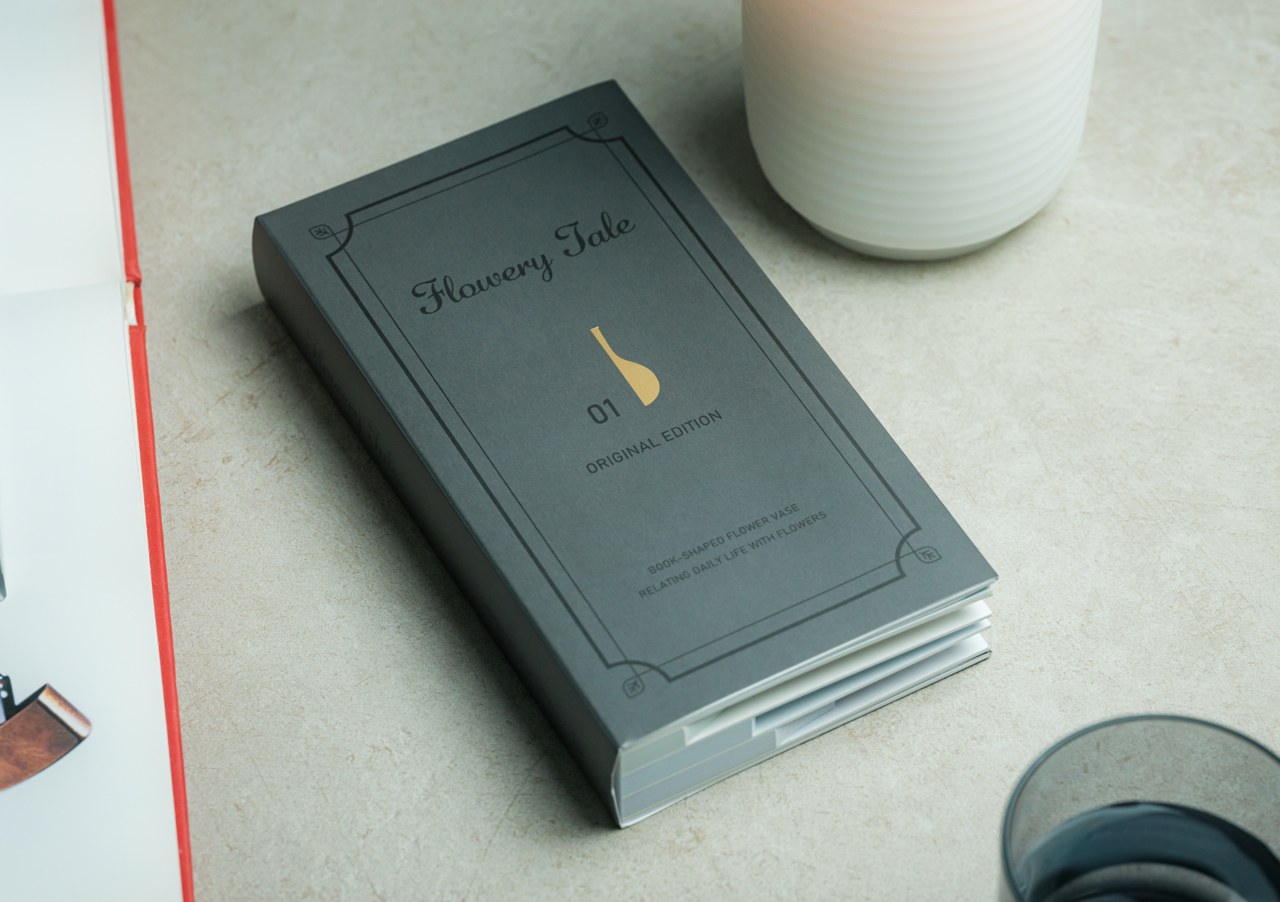
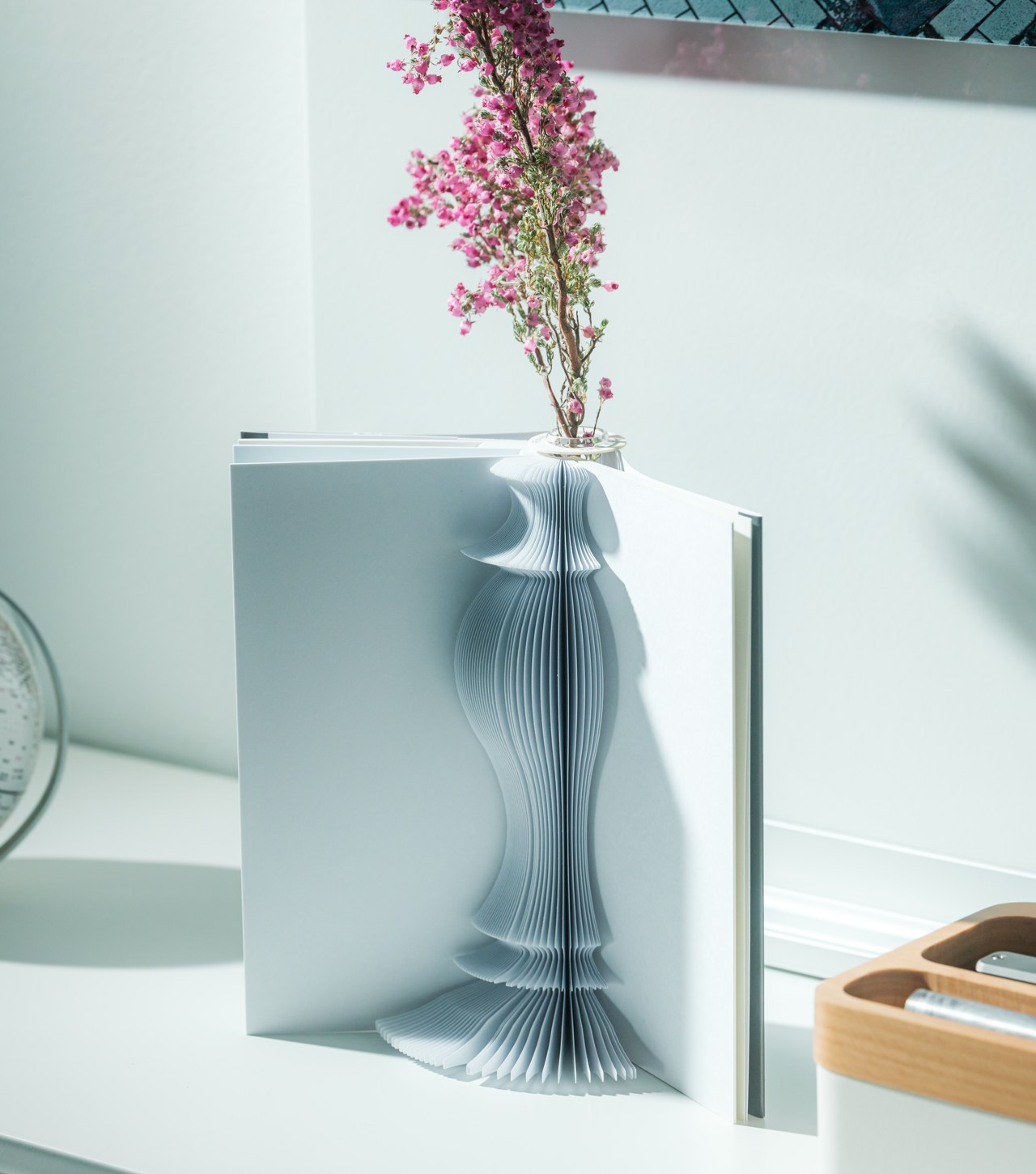
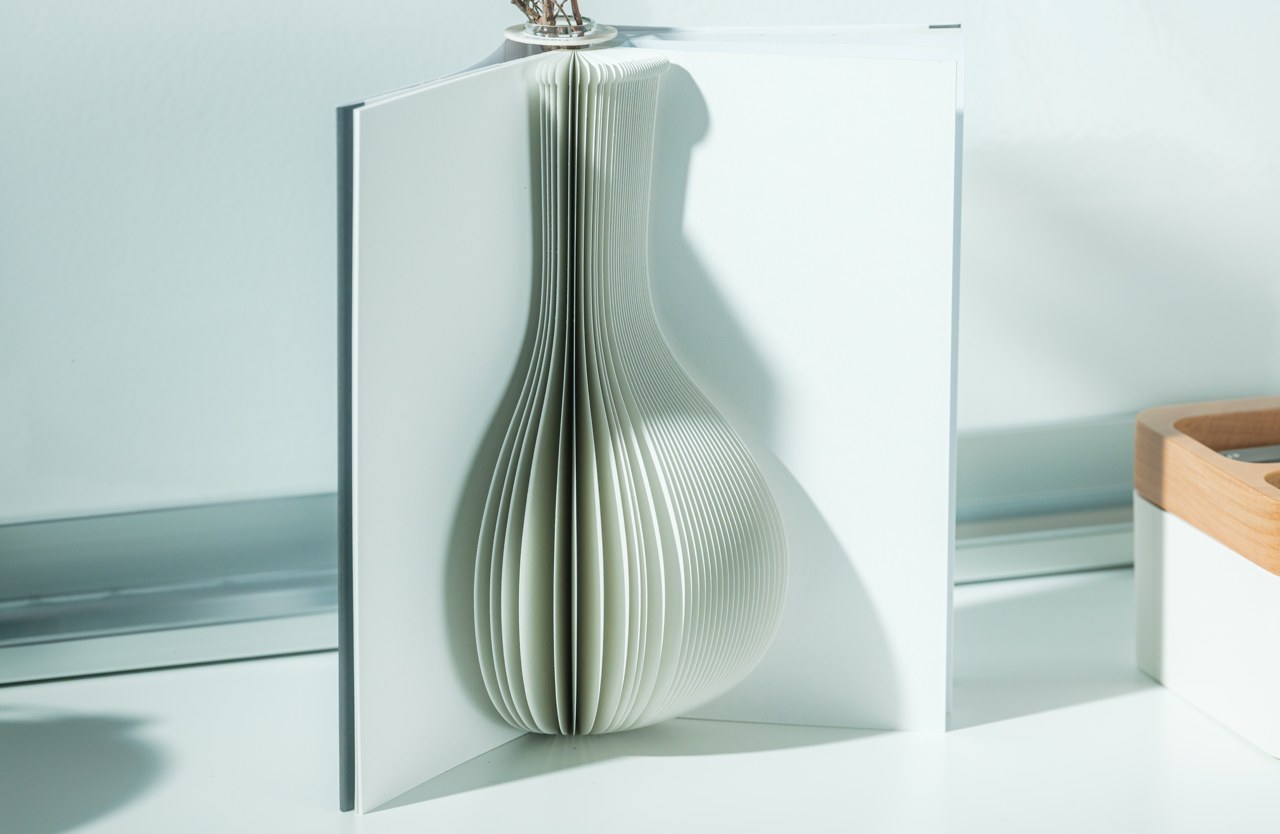
Flowers are things of beauty, whether it’s a single stem or a dozen heads. They have a naturally enchanting appearance that almost makes them feel like they come from a different world, one that’s filled with color, magic, and dreams. Those are the things that fairy tales are made of, so it’s not surprising that flowers often play an important role in these literally fantastic stories, even if just to create that mystical atmosphere. It may just be fiction, but you can bring a bit of that magic to your home with this elegant book that transforms into an enchanting pop-up vase that makes it look like your flowers are magically growing from the book, creating an atmosphere of awe and wonder at every turn of the page.
A vase is traditionally made of glass, ceramic, clay, or even plastic, basically any rigid material that creates a stable vessel for flowers to stand in. These are also naturally water-resistant since the plants will need water to survive longer. The last thing you’d expect is for a vase to be made out of paper, let alone one that pops out from a book like one of those kids’ fairy tale books, but that’s exactly the enchanting story that this Flowery Tale vase wants to tell.
When you turn over the cover, you’re immediately greeted by a 3D silhouette of a vase cut out from the pages of the book. Turn the page and you’ll behold yet another vase design, equally graceful and beautiful as the first. A third design awaits you on another page, giving you the power to choose how you’d like the day’s floral arrangement to be. Even better, you can turn the book upside and it will still work as a proper vase, which means you have six possible variations to choose from.
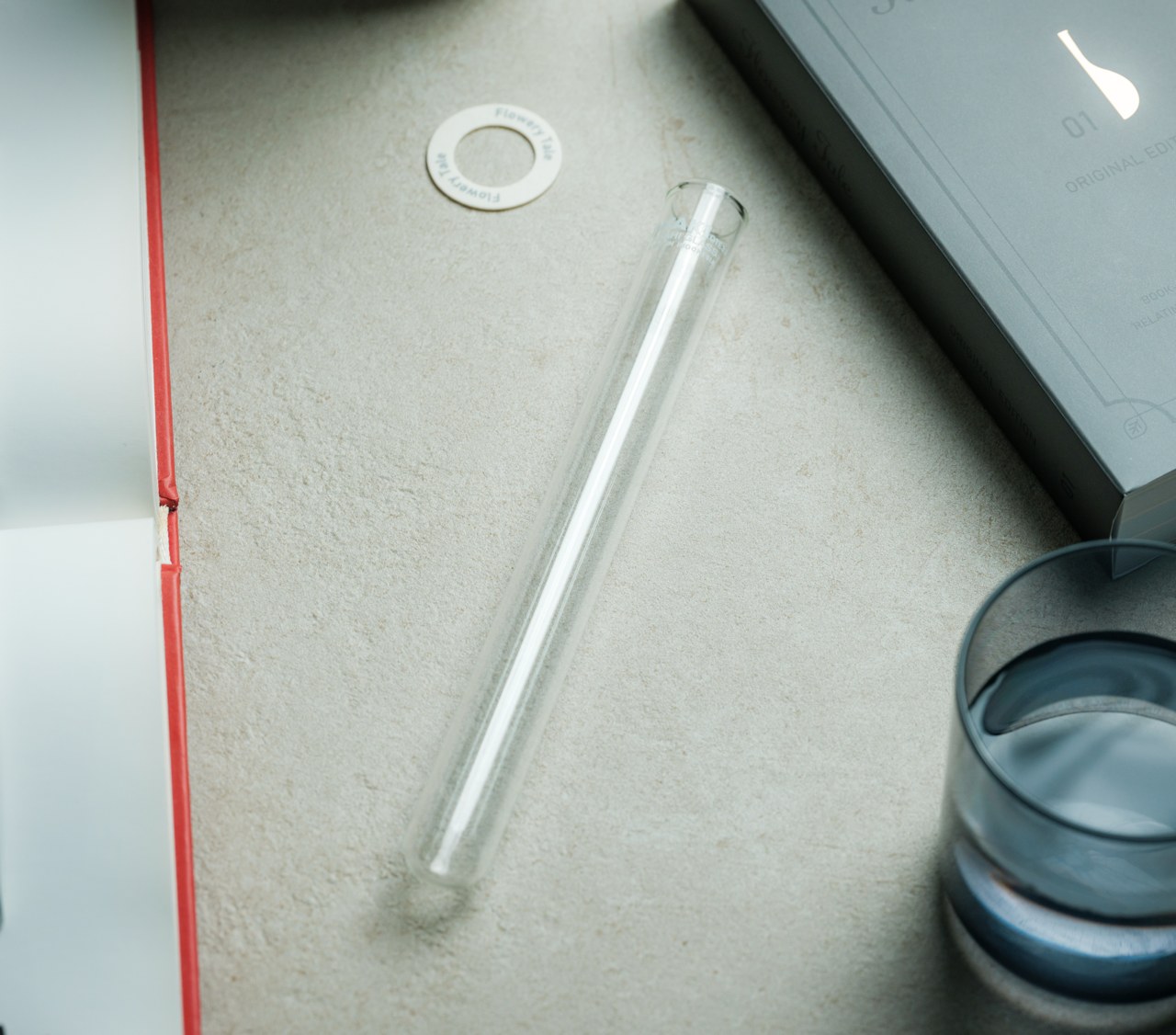
The magic behind it is actually the glass tube that you insert into the spine of the book to hold the flower and the bit of water to keep the plant alive for a few more days. The tube can be inserted right side up or upside down and it will work just fine. All vase designs, however, have a narrow silhouette on the “top” and a larger shape at the “bottom,” so you can choose which side to use depending on the volume of the flowers you intend to place.
The pages of the book are made from 100% natural pulp paper, but you don’t have to fret about accidentally splashing it with water thanks to the “OK Rain Guard” water-resistant coating applied to the material. Whether you want to highlight a single flower or impress with a bouquet, this creative Pop-up Book Vase will set the perfect stage for your design and the epic story that is your life.
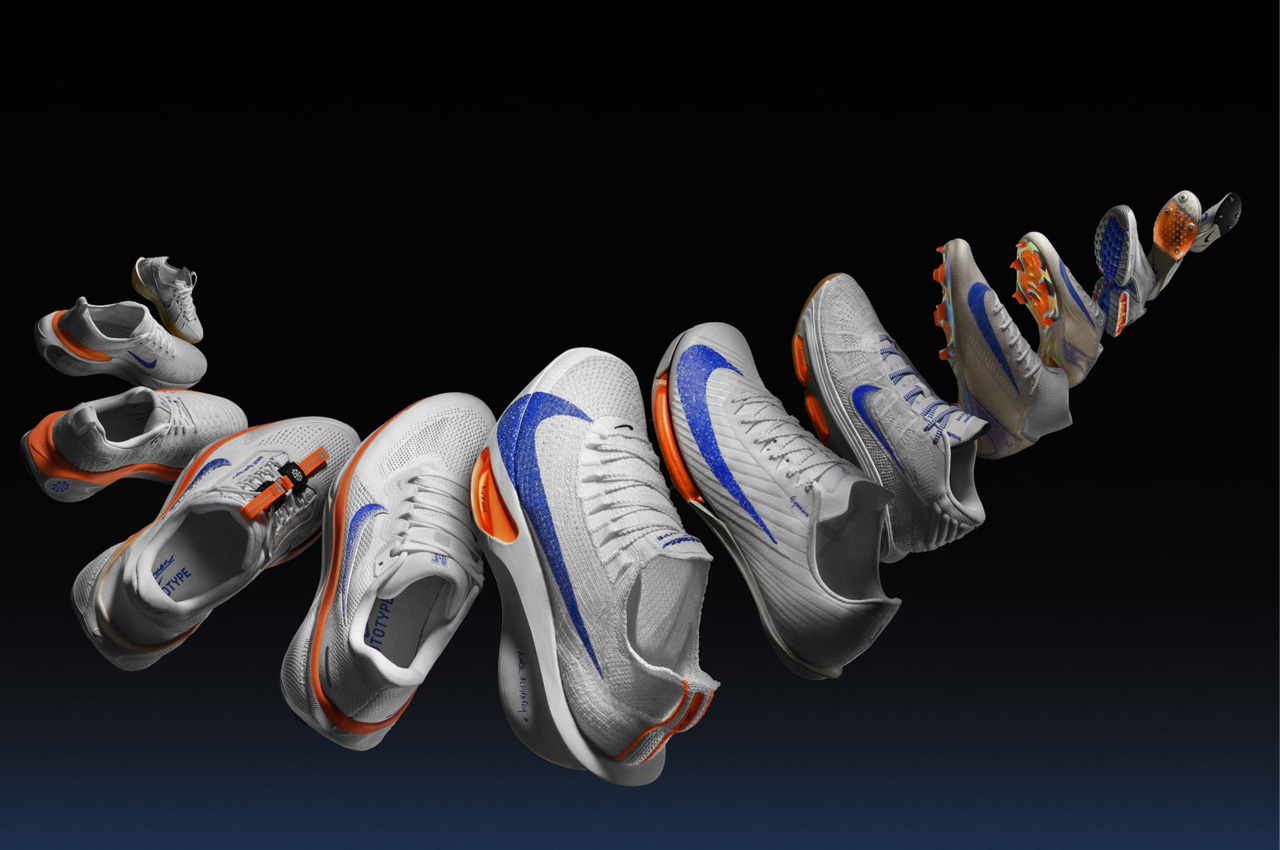
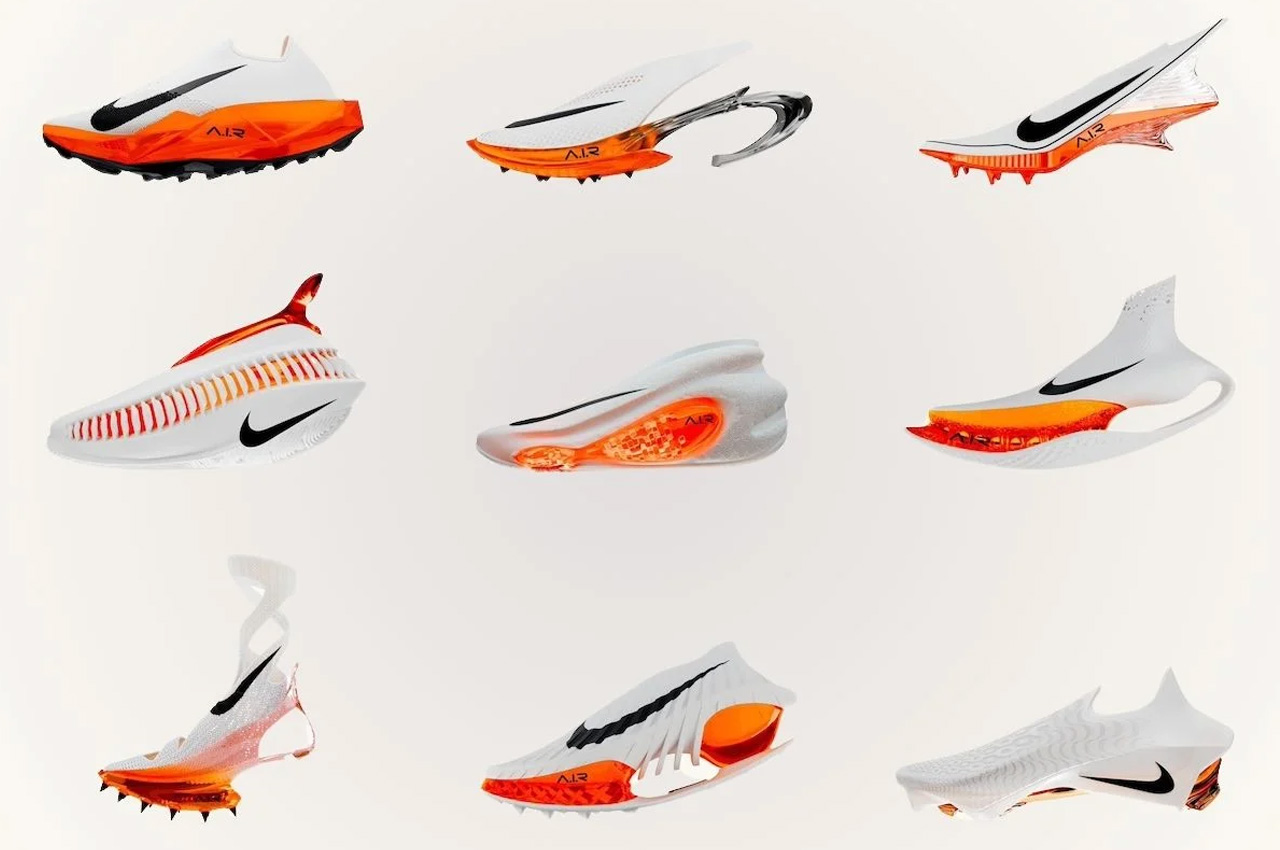
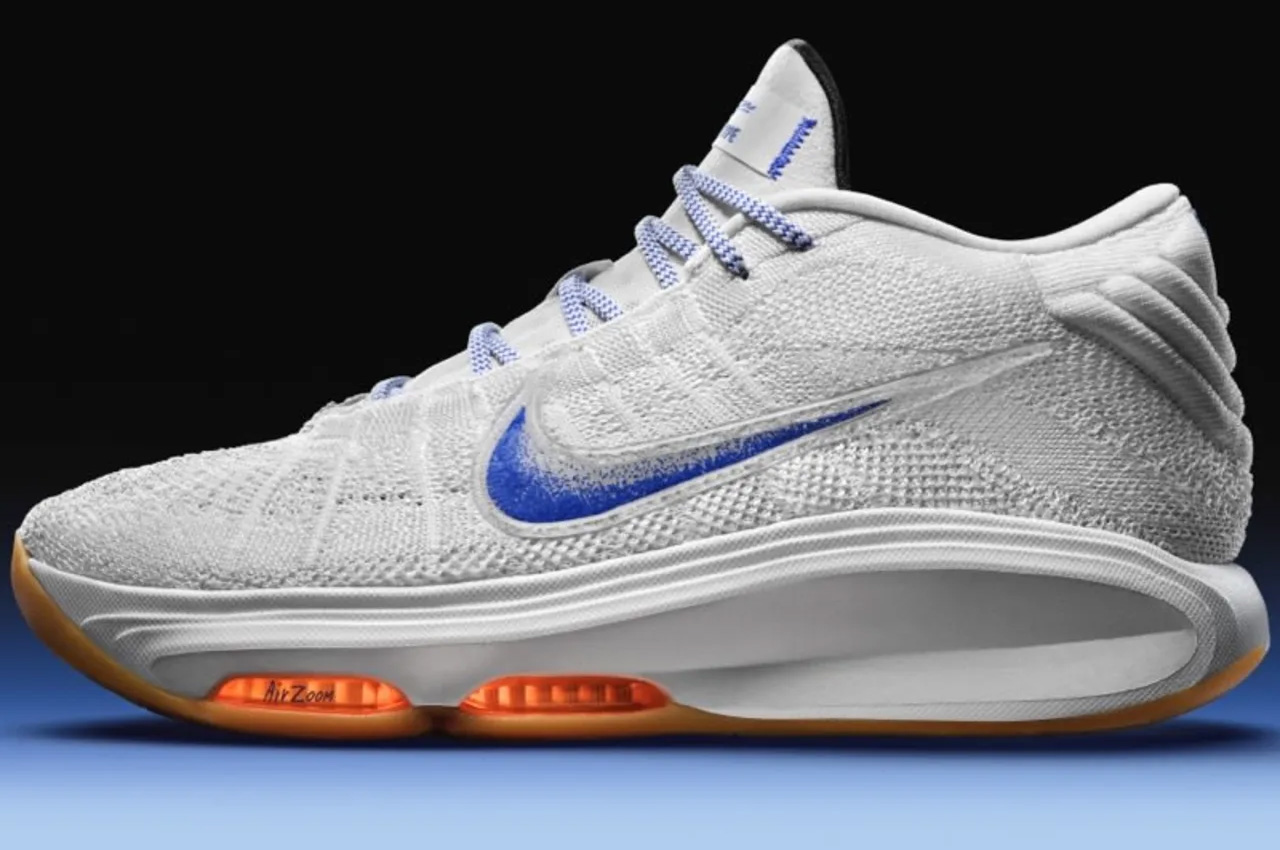
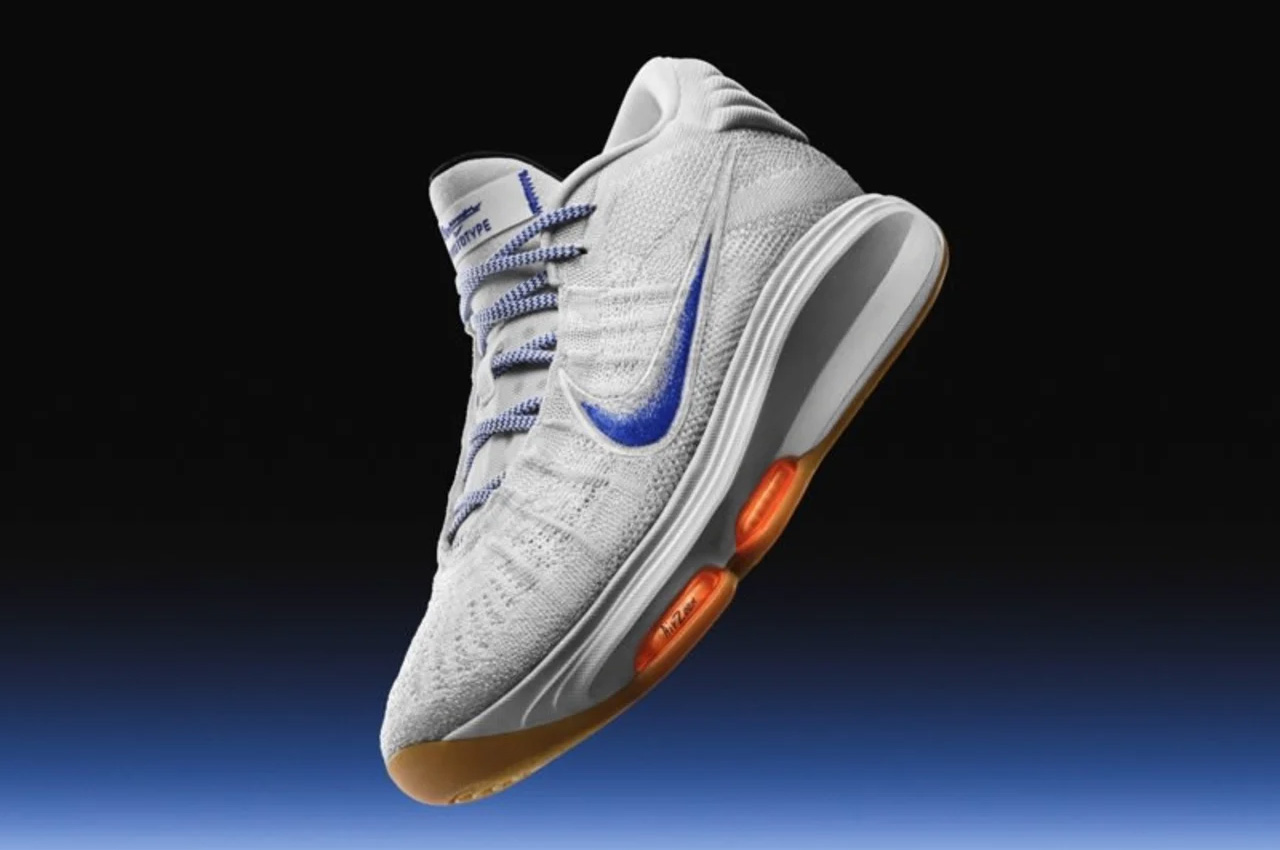
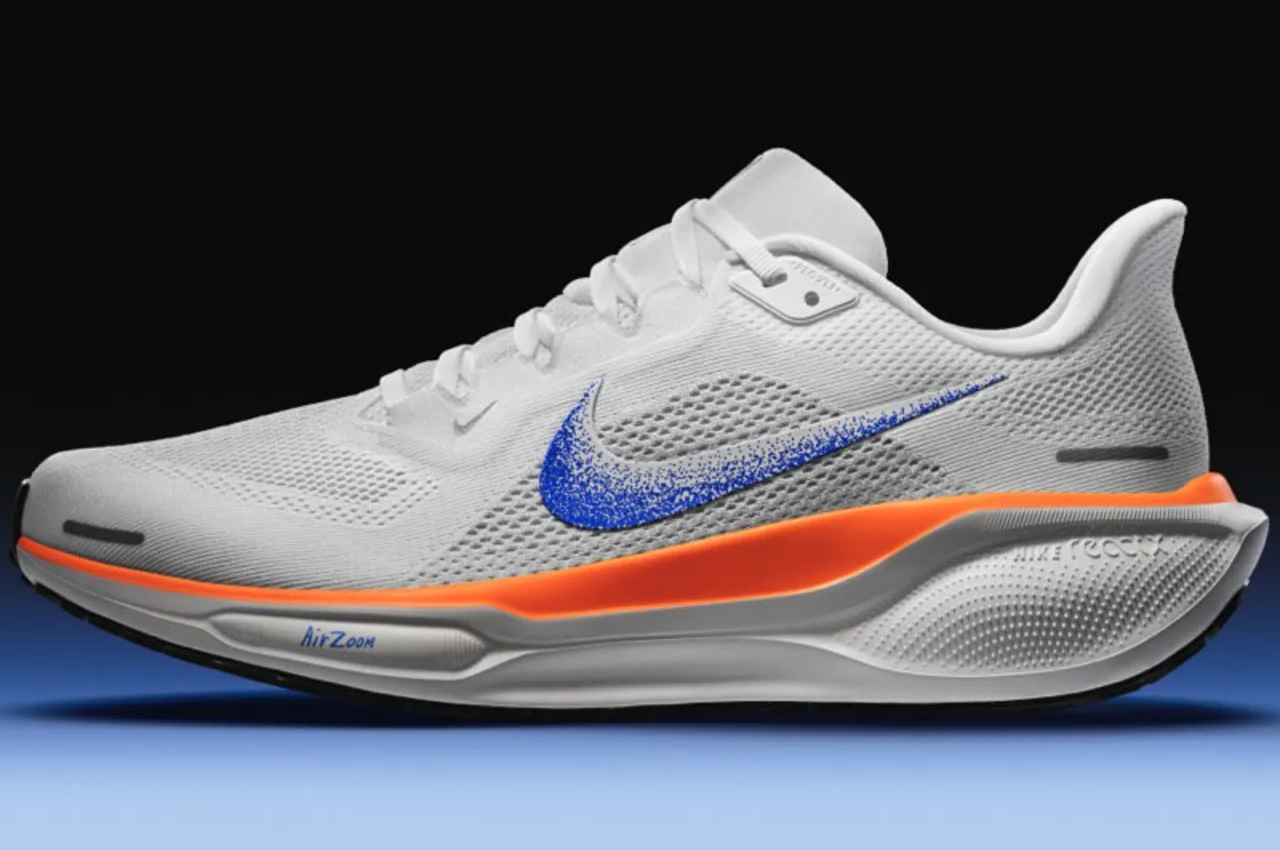
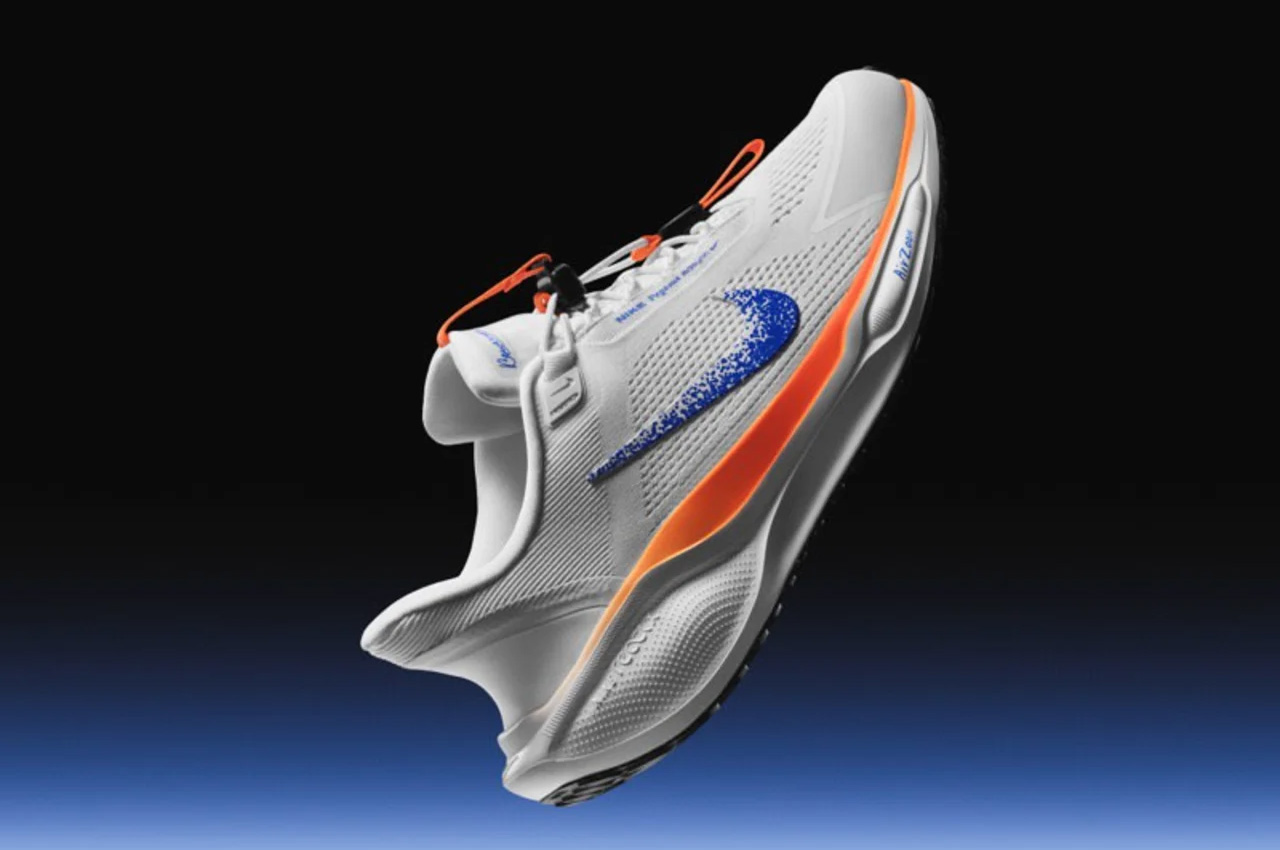
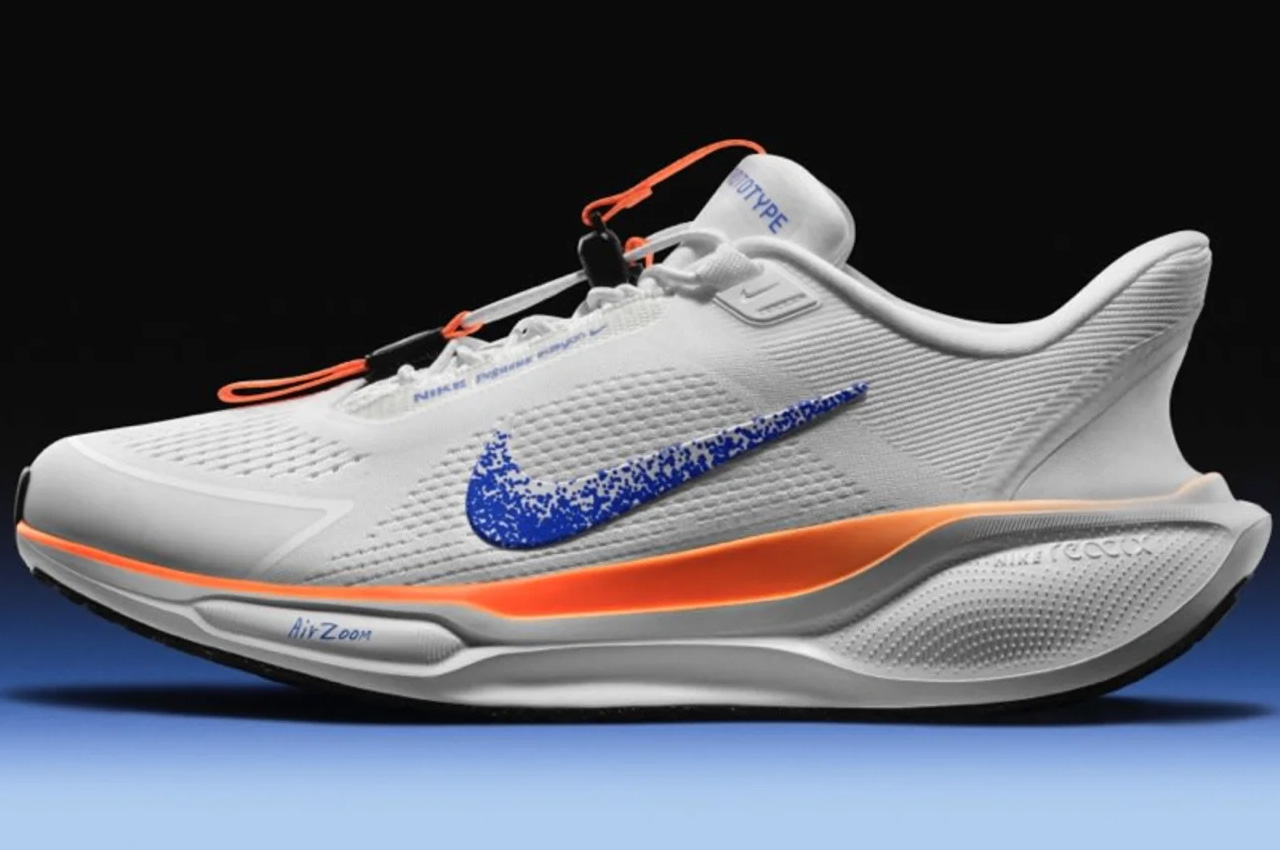
While athletes around the globe are preparing to compete at the Paris Olympics this year, there is one company that is pushing “Air” to make a difference in the competitor’s stride. We are talking about Nike which is going futuristic with the new Blueprint Pack, its upcoming set of sneakers that will thrive on the boundless properties of its Air cushioning for the athlete’s foot.
When it comes to long-distance runners’ preference for shoes, Nike is the name to reckon with. This is not only because of the brand name and robust marketing but also because the Swoosh brand has, over the years, perfected the comfort for enhancing the runner’s performance. With the new list of 13 products that will be released in time for the Summer Olympics in Paris, Nike is also targeting a new range of sports, including track, basketball, football, and even lifestyle footwear.
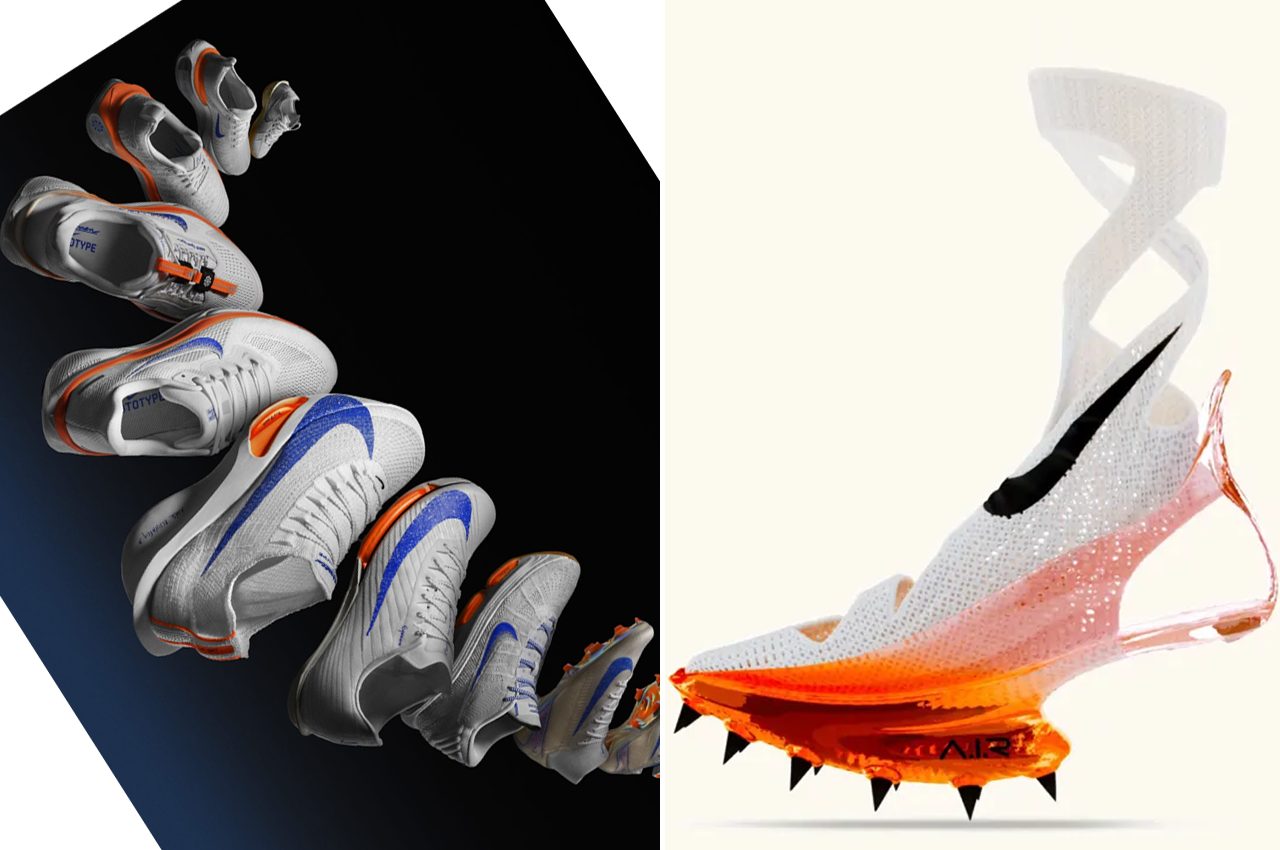
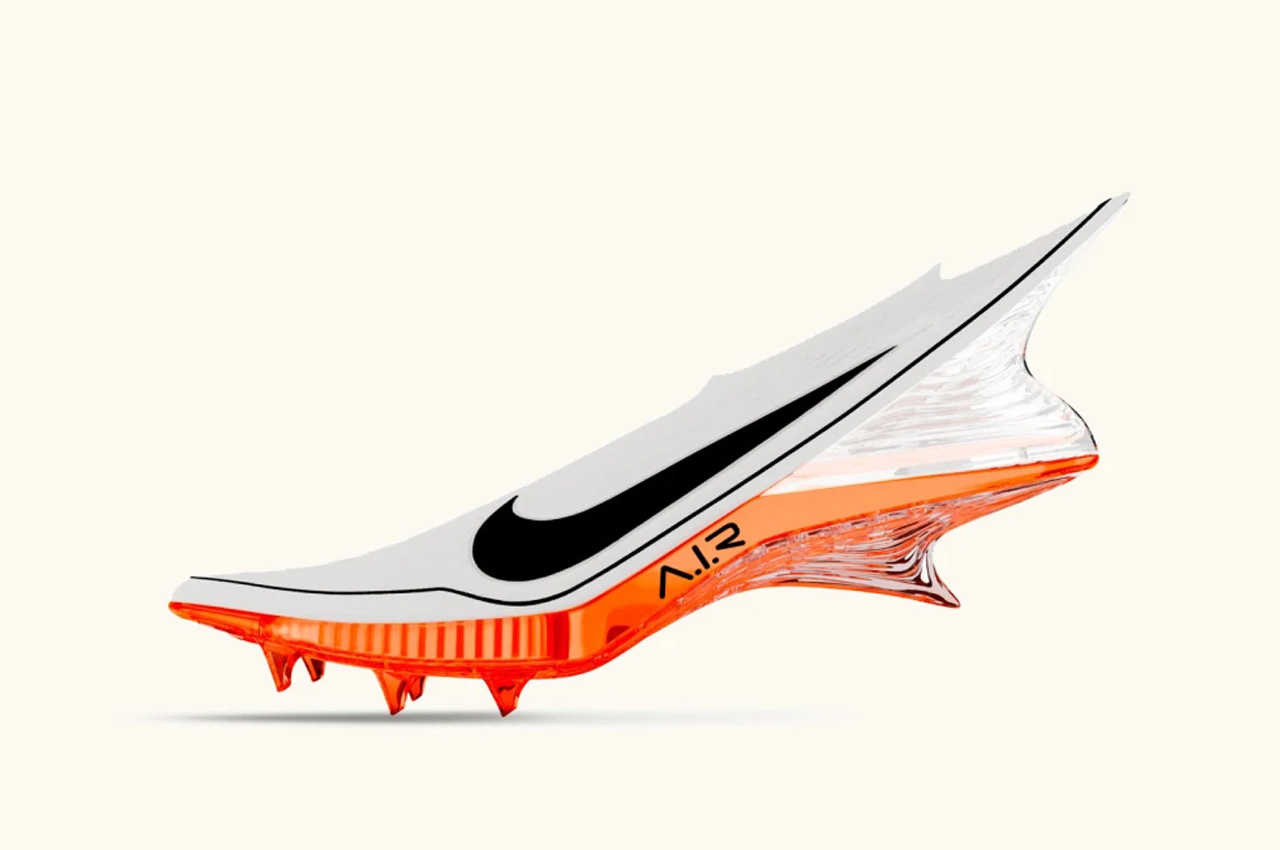
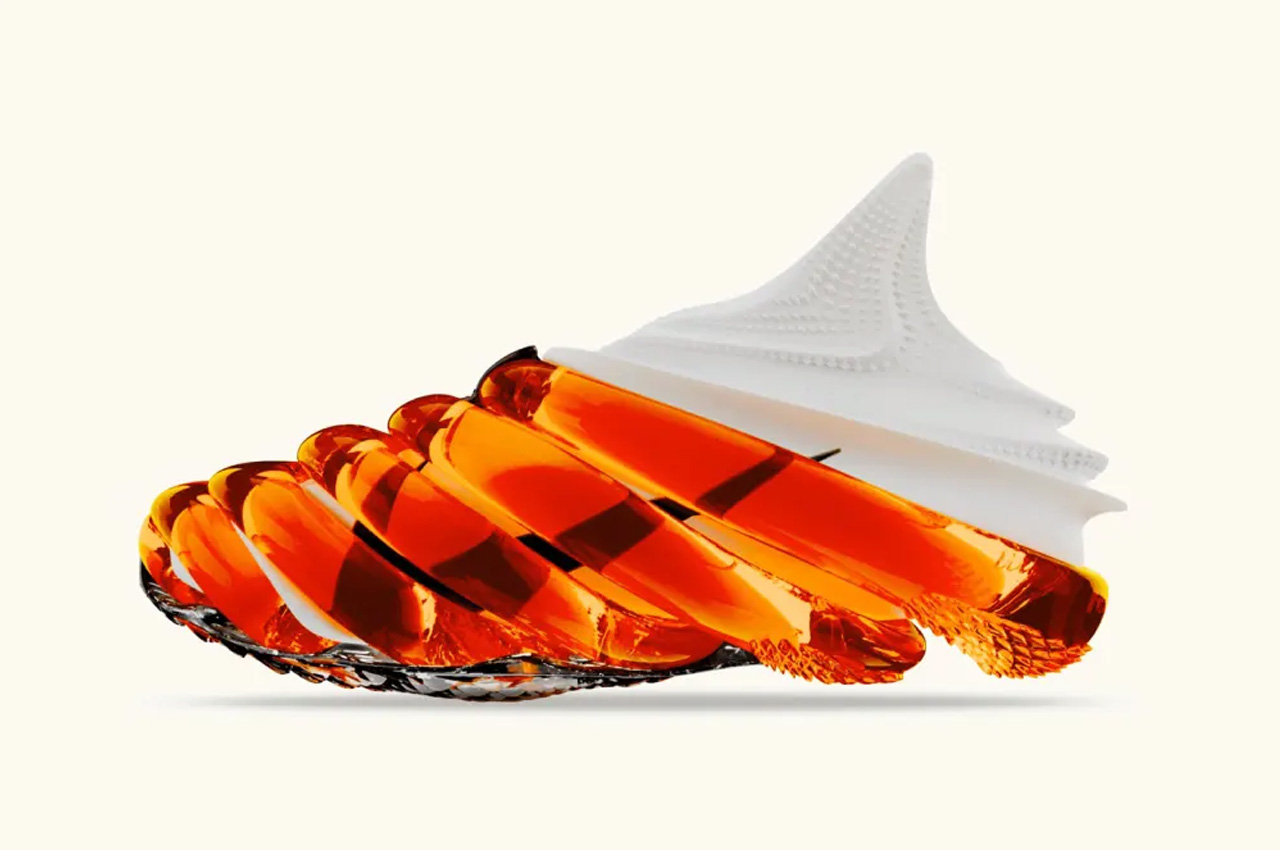
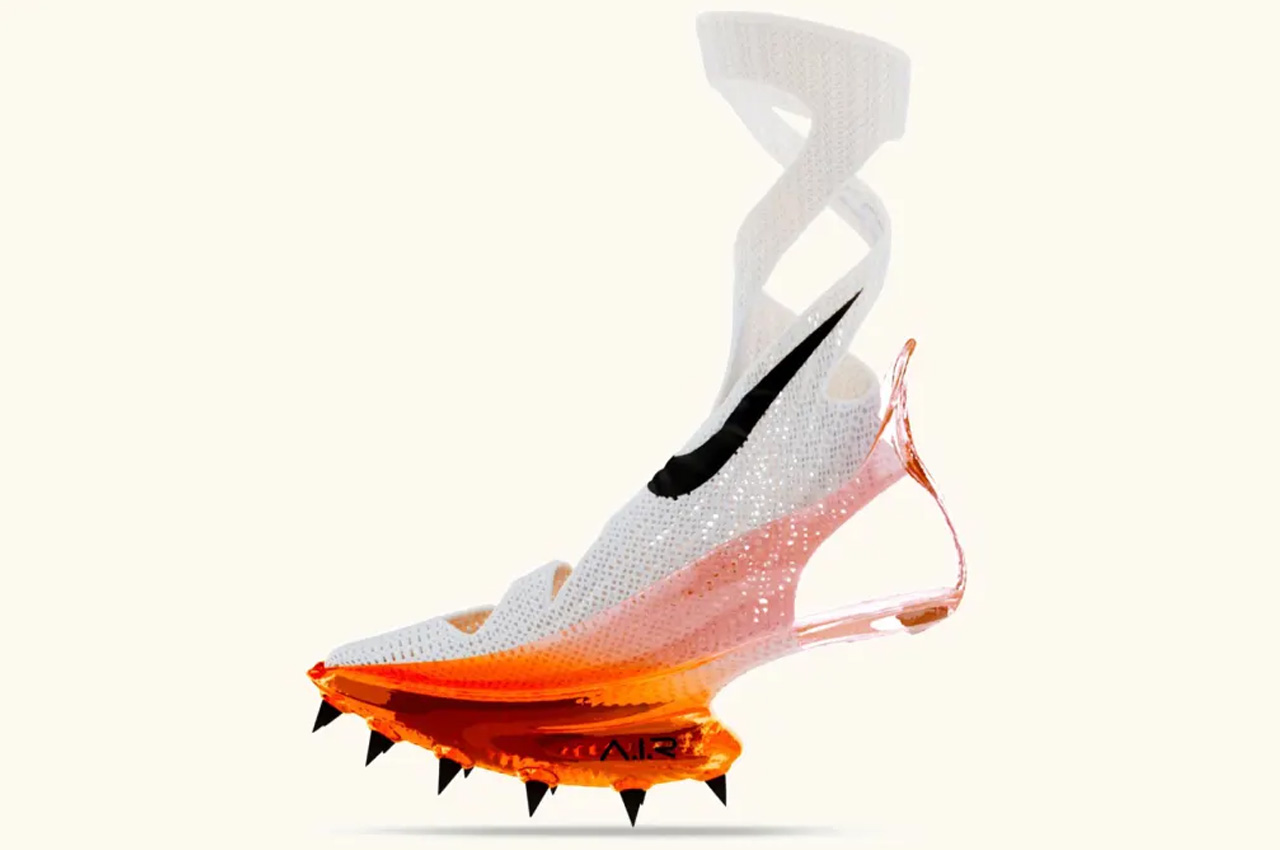
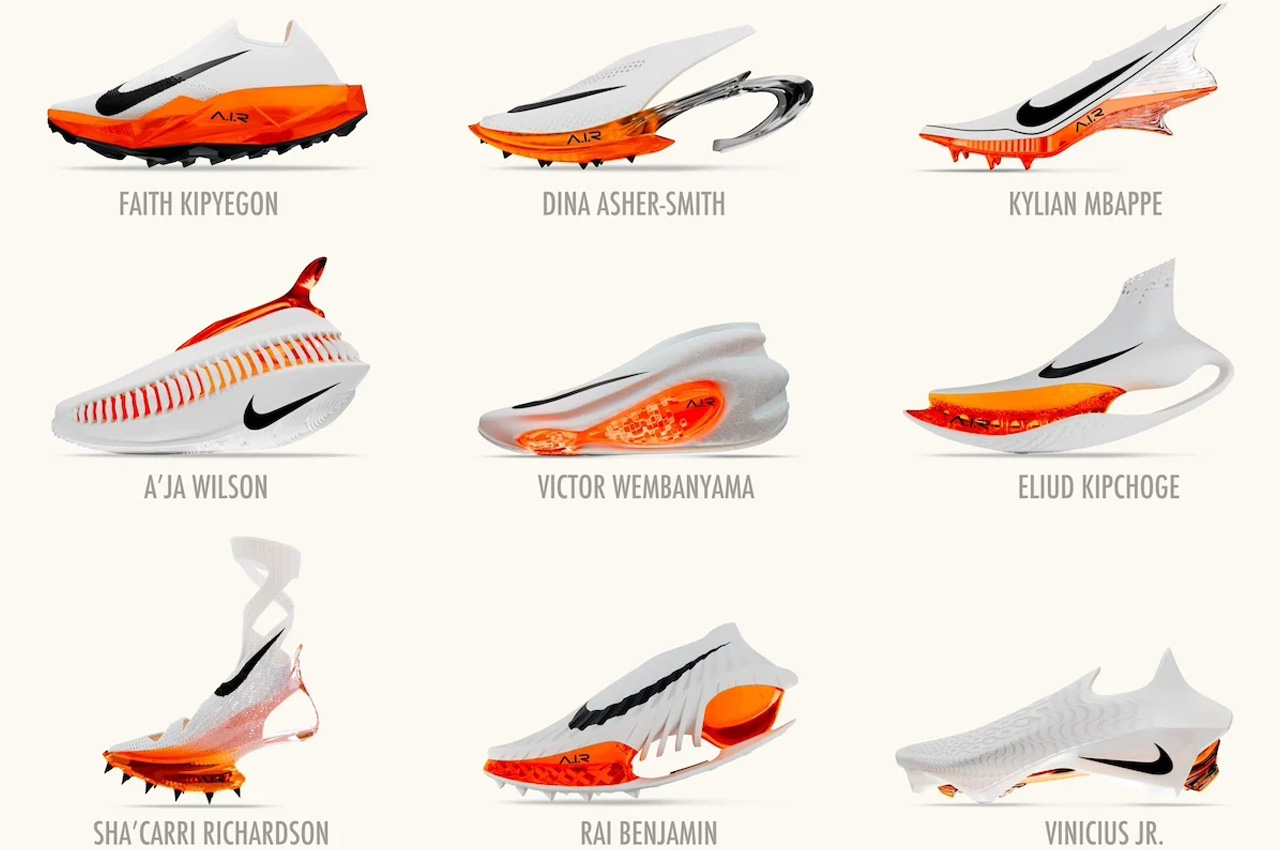
Besides, Nike is also showcasing A.I.R (Adaptive Intelligence Responsive) concept footwear in Paris, planned in collaboration with champions of their repute including Eliud Kipchoge, Kylian Mbappé, and Sha’carri Richardson and more. These never-seen and idealized designs are a glimpse of the future of sports shoes meant to revolutionize how athletes train and compete. The interesting aspect of these prototypes, beyond their futuristic design, is that they will include sensors to analyze data that would allow the athletes to optimize their performance while providing support and comfort.
In the ambitious move to rework the Air midsole, which is already versatile and comforting, Nike is working more precisely with athletes’ requirements to bring it to every category of footwear possible. The dynamic Nike Air unit is the focus of the company’s designs for the summer, which is a nod to the brand cofounder Bill Bowerman and his obsession to make the best shoes for athletic performance.
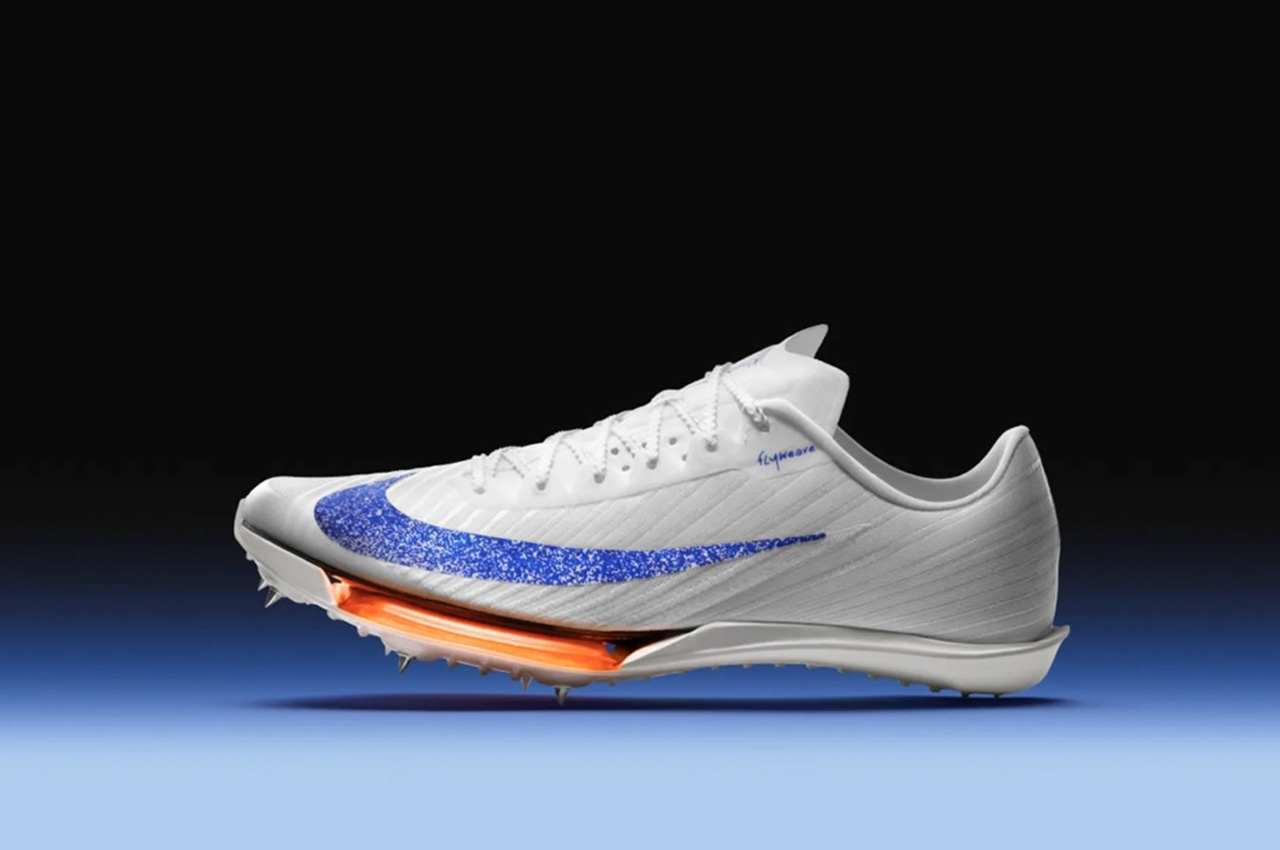
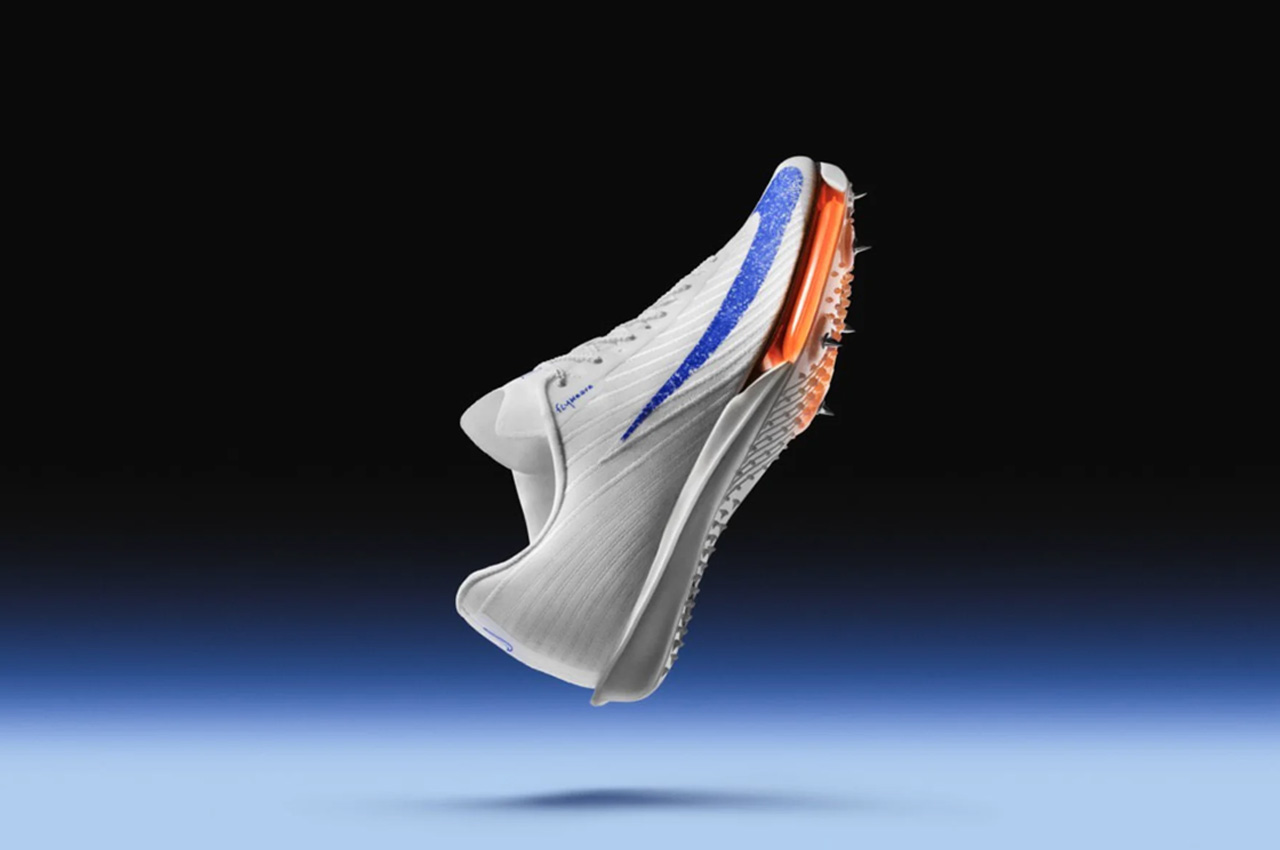
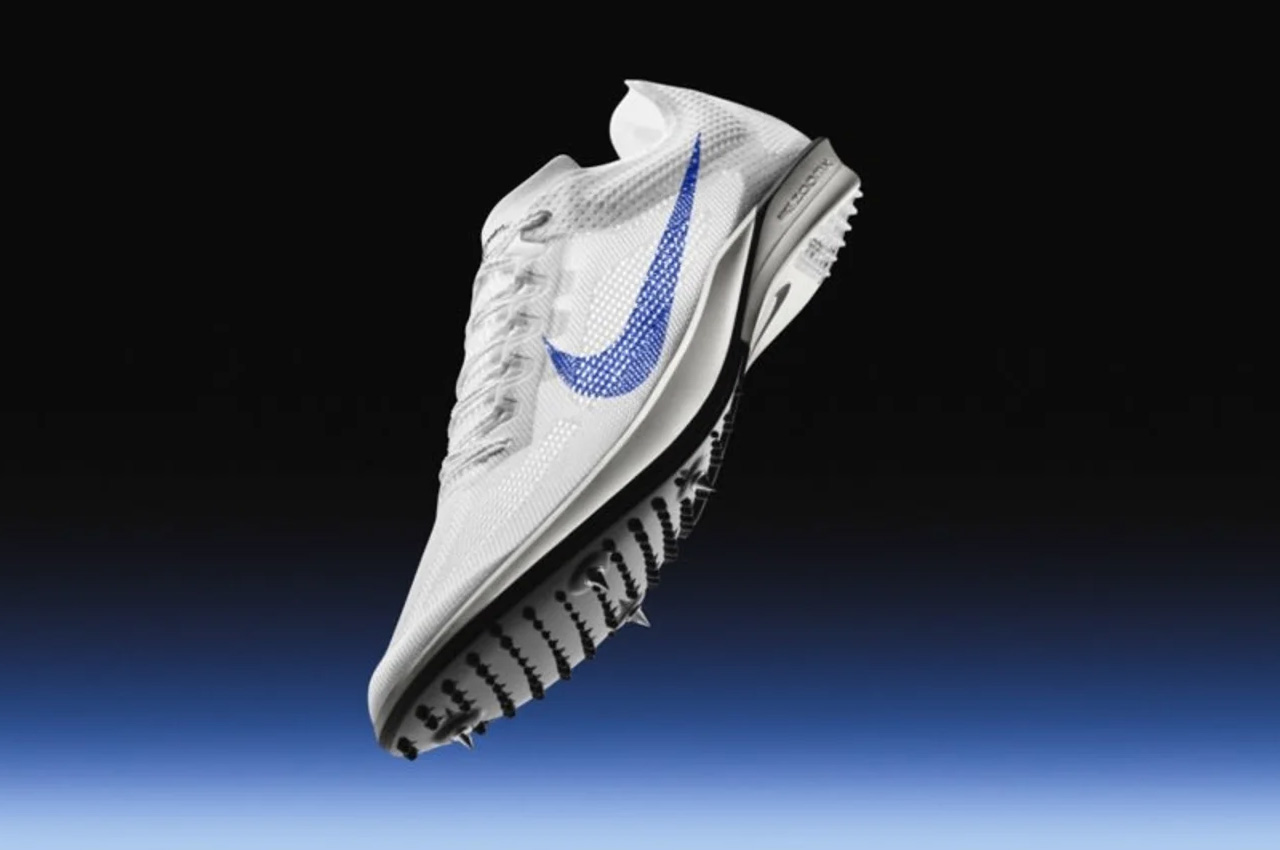
Based on the designs envisioned by Bowerman, Nike is using cutting-edge technologies to imagine those sketches to create the Blueprint Pack that closes the gap between sports science, design, and manufacturing. To that accord, the Nike Blueprint Pack will, when it is released on July 3, feature the best of Air innovations in multiple ranges of shoes including the Pegasus Premium, which was the first running footwear with a visible Air Zoom unit.
Besides, the inventive designs have been envisioned for the Nike Victory 2, Nike Maxfly 2 for the runners; the G.T. Hustle 3 for the basketball fans, and the 2024 Nike Mercurial football boot. These shoes, with the new Air cushioning approach, will make their presence felt at the Olympics, while Nike informs, alongside the Blueprint Pack, it could release an energy-driving colorway pack before the games. However, there is no word from Nike on when or if the A.I.R prototypes will be released to the public.
Jesmonite, a flexible substance crafted from a fusion of gypsum sourced from sedimentary rock and water-based acrylic resin, is gaining popularity among artists, eco-conscious enterprises, and DIY enthusiasts. This material emerged in the UK in 1984 and is credited to Peter Hawkins. Jesmonite is known for its durability, flame resistance, and impact resistance, is ideal for crafting objects of all sizes, readily accepting colored pigments and metal powders when mixed. Additionally, it is a preferred option over alternatives like fiberglass, plaster, polyester, or resin because of its safety, eco-friendliness, and user-friendliness.
Jesmonite, derived from the natural mineral Gypsum is ground into a fine powder and is then blended with a water-based resin. Resembling stone when fully cured, Jesmonite has a rapid setting time of as little as 30 minutes. However, it gradually cures over 24 hours.
What are the benefits of using Jesmonite?
The top benefits of using jesmonite include:
• Versatile Material:
Jesmonite, a versatile material, can replicate any texture and can be pigmented to achieve any color. It is adaptable to various shapes and sizes, effortlessly mimicking the appearance and surface finish of numerous materials such as wood, stone, metal, and even leather.
• Flexible:
Jesmonite can be molded into various shapes and can be used to create both simple and complex designs.
Female sculptor working in pottery studio workshop sculpting human head.
Although Jesmonite can give the appearance of stone, concrete, or metal it is light in weight which makes it user-friendly and easy to handle. Due to its lightweight nature, Jesmonite is favored in other fields where casting and molding are prevalent, particularly in architectural stone and plasterwork applications that demand reduced weight.
• Highly Durable:
Jesmonite is renowned for its durability, withstanding cracking, chipping, and damage while remaining waterproof when sealed. It also resists staining, making it suitable for both indoor and outdoor use, effortlessly handling everyday wear and tear.
• Multiple Finishing Options:
Jesmonite offers versatile finishing options, easily customizable from smooth and matte to rough and textured, making it ideal for crafting unique decor pieces. Unlike concrete and plaster, Jesmonite requires minimal effort to achieve desired finishes without the need for specialized tools or techniques.
• Eco-Friendly:
It is non-toxic, does not emit harmful VOCs, and can be combined with other recyclable materials, further helping to reduce environmental impact.
What are the applications of Jesmonite?
Jesmonite can be used for multiple purposes across various fields and is primarily employed in sculpting and crafting three-dimensional artworks, it also doubles as a suitable painting substrate when paired with other materials. Additionally, Jesmonite functions adeptly as a surface material in construction, offering an appealing alternative to resin-based options like polyester and fiberglass, and is utilized for casting and laminating tasks.
Note: Despite being low-hazard, with no need for harmful solvents during mixing and emitting no toxic fumes, caution is urged during mixing, requiring protective gear like rubber gloves, eye protection, and a dust mask in a well-ventilated area, while cleanup is easily done with water.
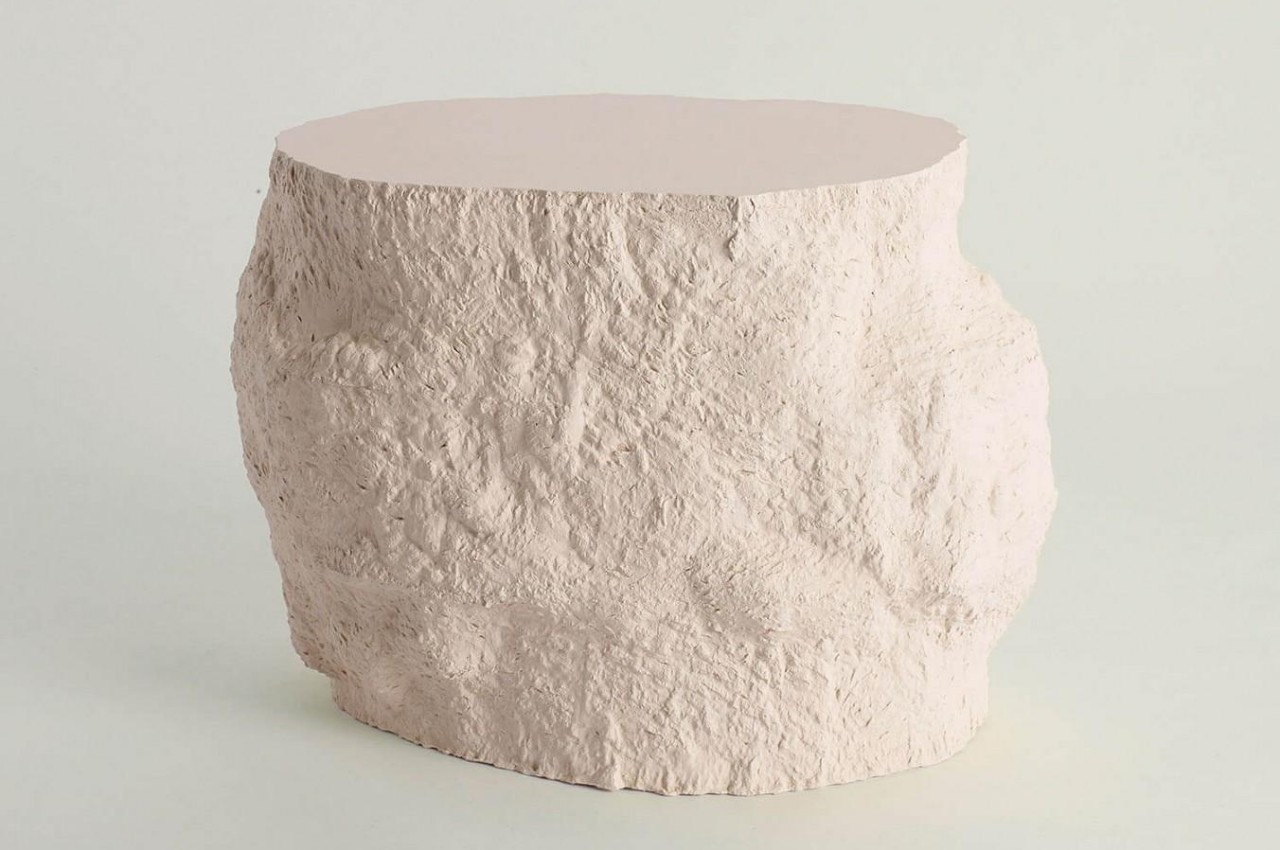
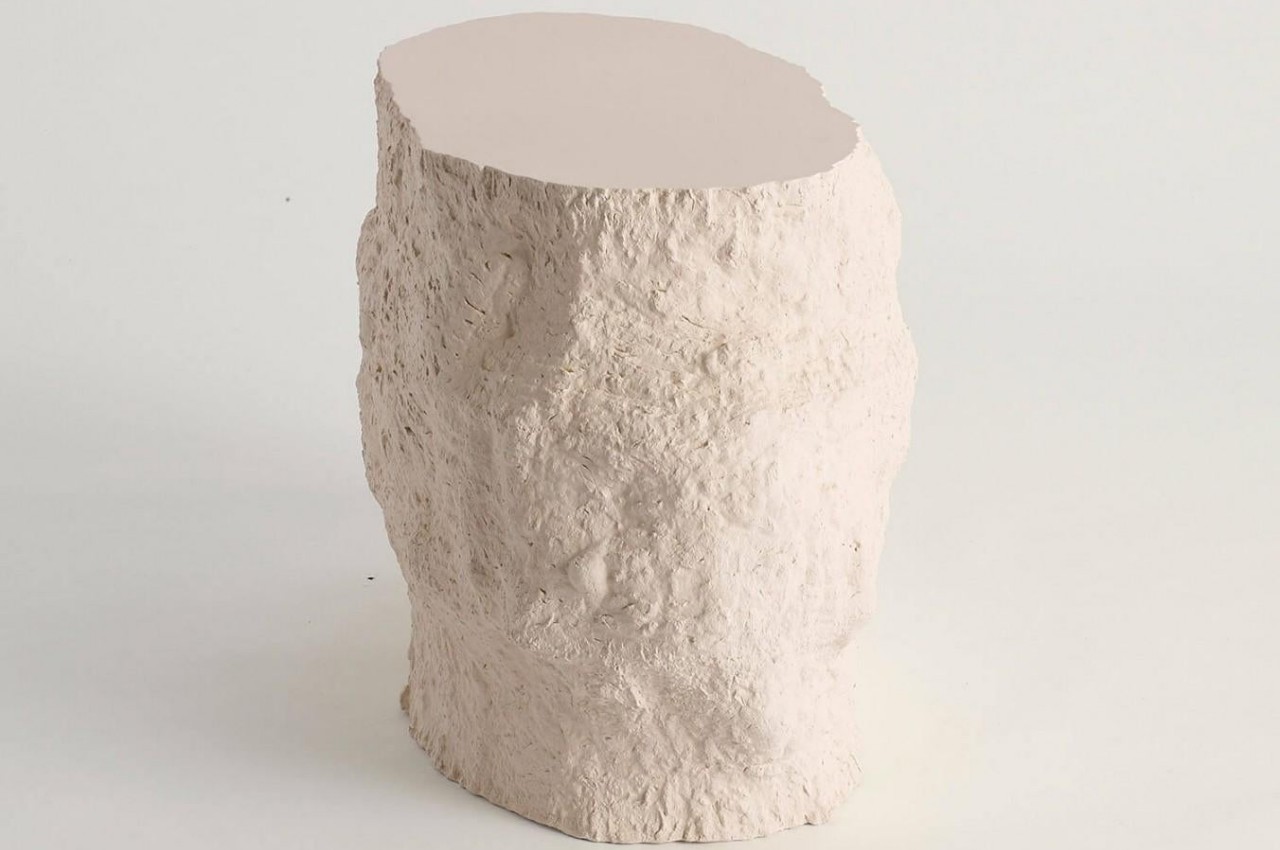
The Contemporary Jesmonite Side Table – Acacia, designed by Malgorzata Bany, draws inspiration from daily cleansing rituals and natural decay. The ACACIA collection embodies an intuitive construction method, carving the material to create foam molds, ensuring each piece is unique as each mold is used only once. Additionally, the textured body of the acacia vessel recalls Japanese Tsukubai, ceremonial washbasins symbolizing purification for visitors at holy places.
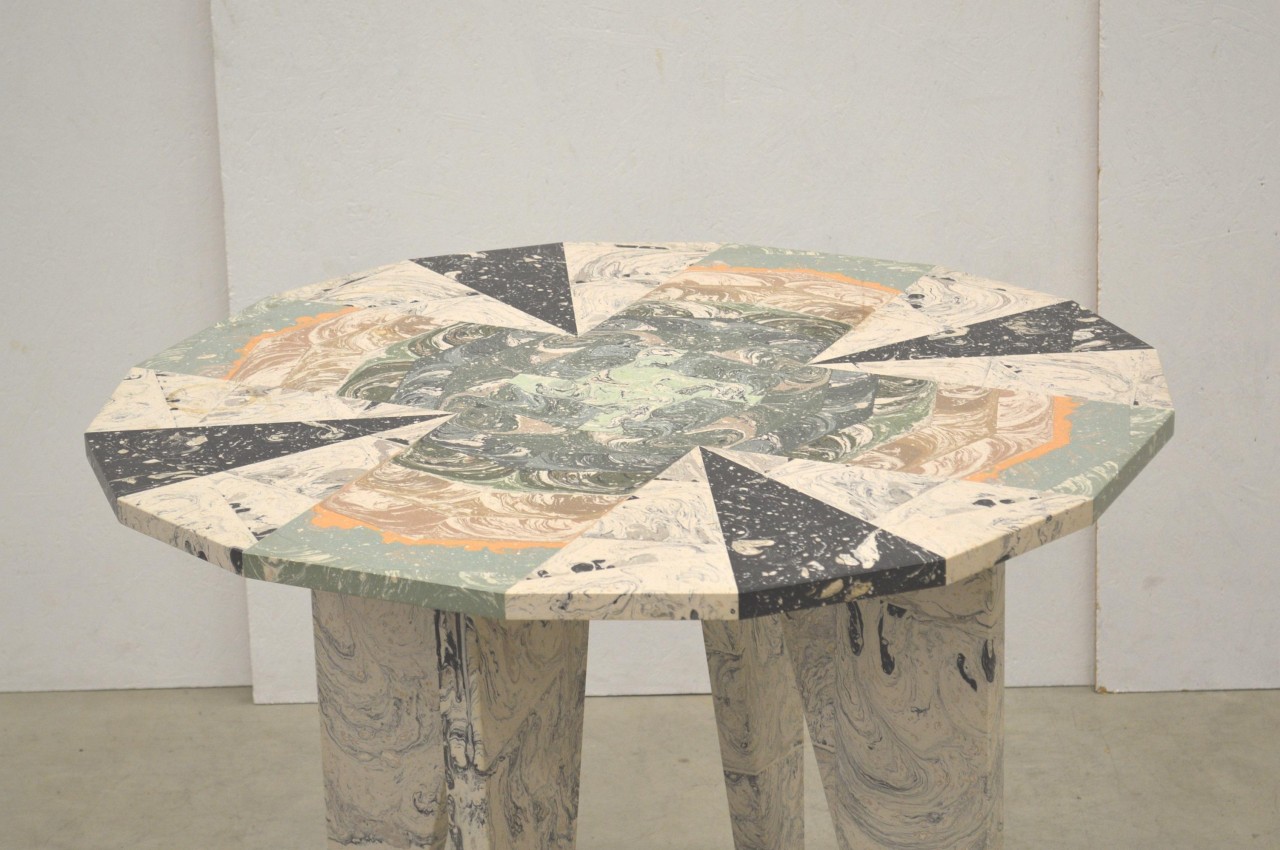
Crafted by Swedish designer Hilda Hellström, this artistic table is composed of a blend of plaster and jesmonite, and serves various functions as a centerpiece, game, or dining table. Showcasing remarkable artistic vision and practicality, it stands as a true testament to elegance and sophistication.
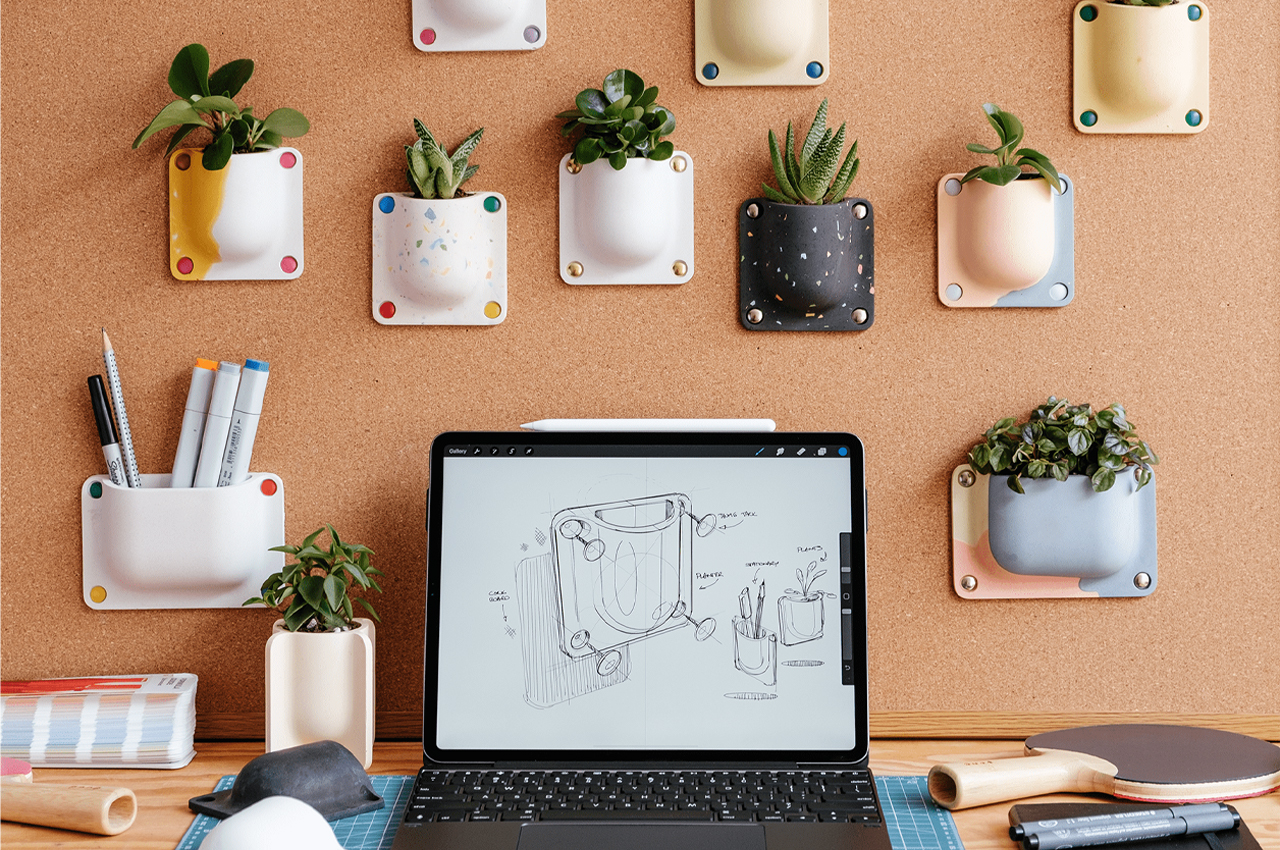
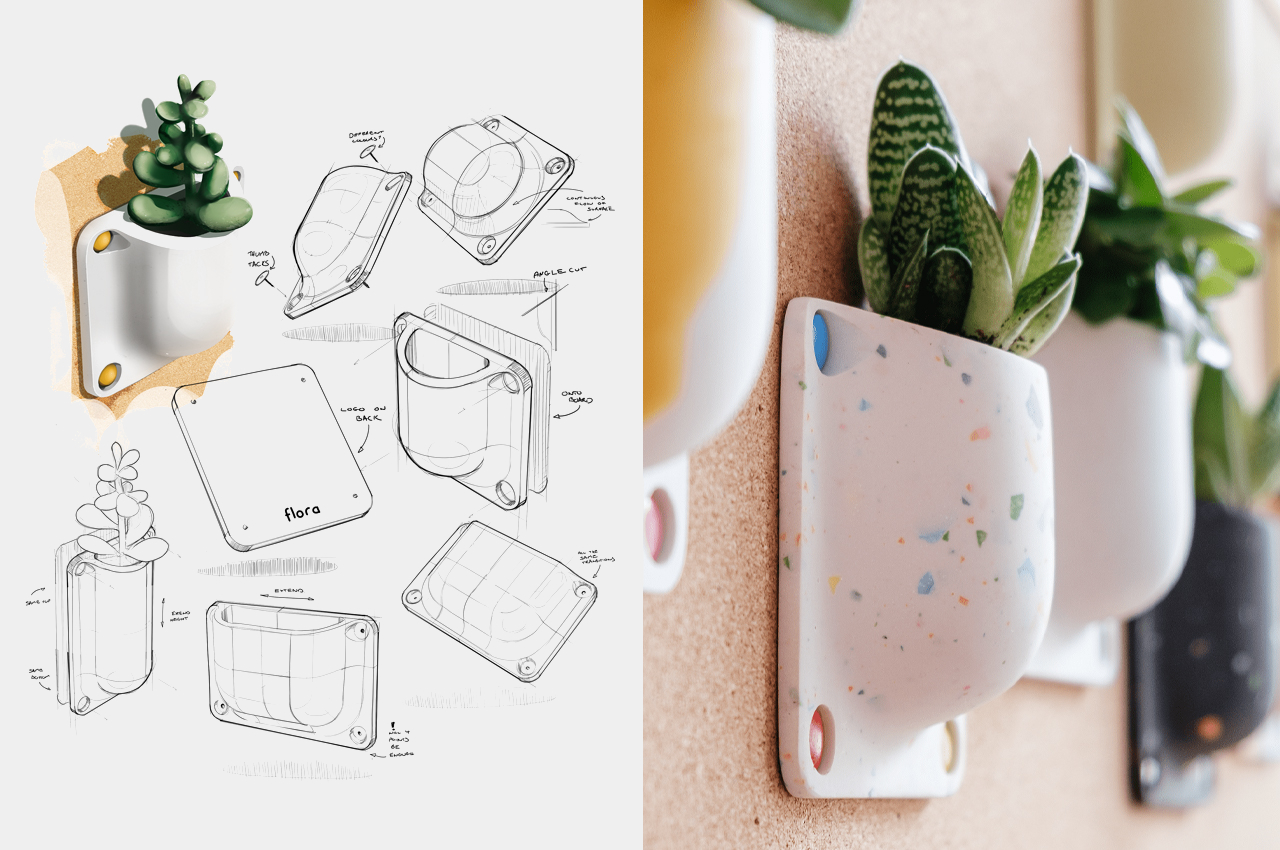
Flora combines a cork pinboard with hanging jesmonite planters, offering a stylish WFH wall accessory. As hybrid and remote work is becoming a popular norm, innovative designs for home office accessories have emerged, including multifunctional solutions integrating storage and organization features. Sydney-based Préssec Design created Flora during the lockdown, initially experimenting with concrete casting before transitioning to jesmonite for seamless integration with the corkboard. Customizable with colorful thumbtacks, Flora maintains crisp edges through meticulous prototyping, using silicone molds for jesmonite casting.
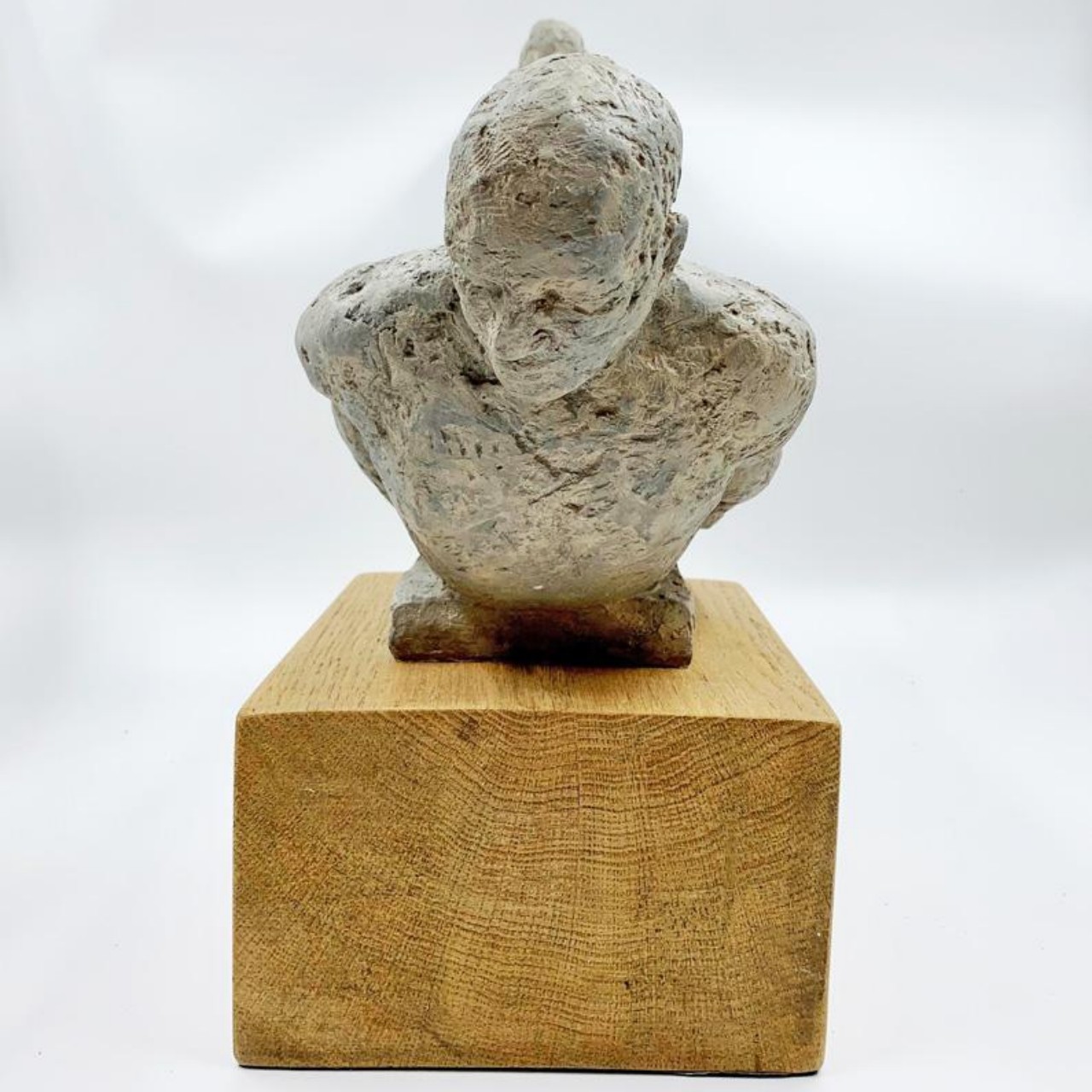
Manny Woodard’s sculptures, such as “The Flying Man,” embody contemporary figurative jesmonite sculpture. Woodard’s works prioritize the nuanced dynamics between individuals rather than superficially attractive subject matter, often portraying ordinary people regardless of conventional beauty standards, occasionally depicting individuals who are overweight.
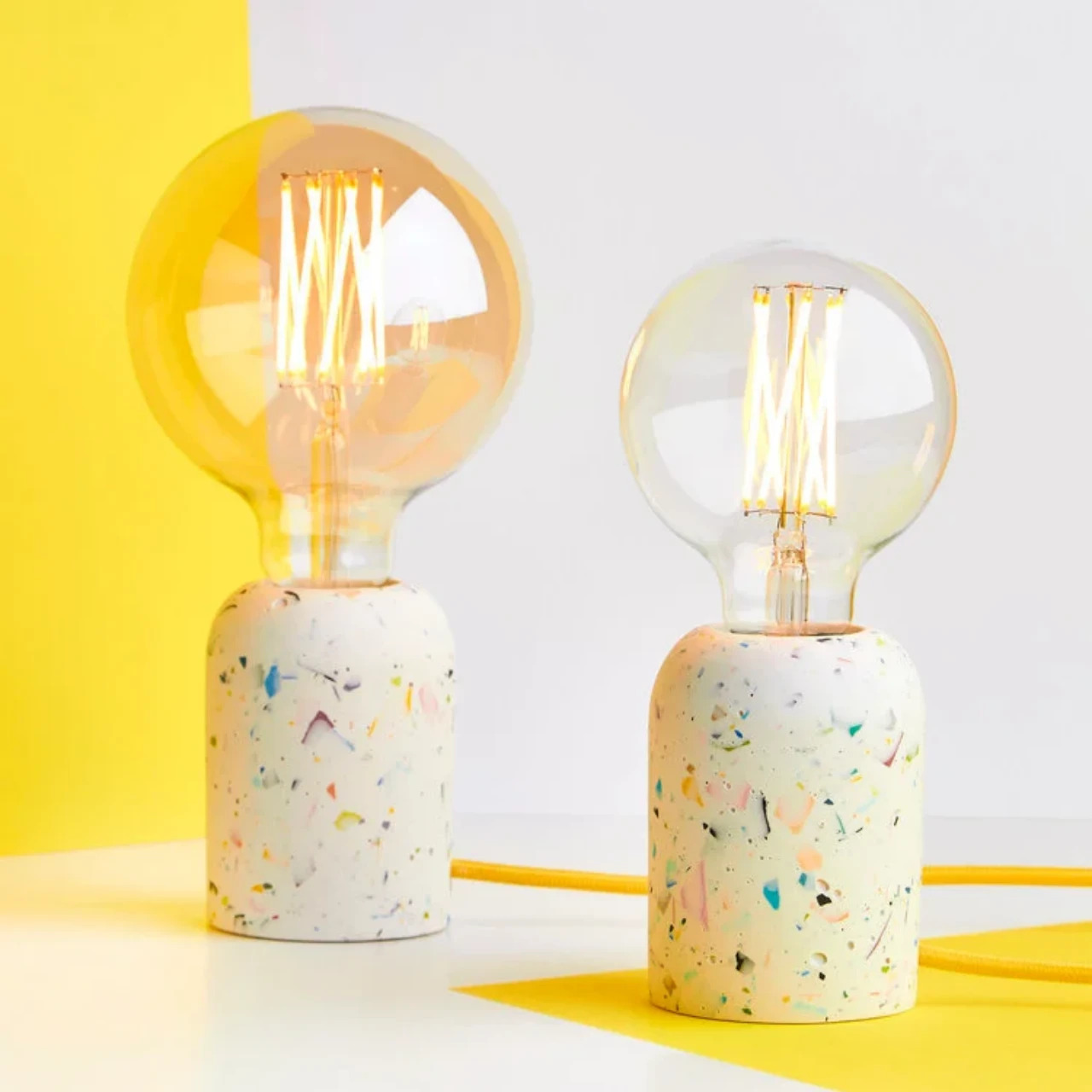
This lamp is meticulously crafted in Wales from jesmonite/terrazzo material and is perfect for adorning bedside tables or coffee tables next to any sofa. The lamp features a captivating blend of black, white, and copper fragments, exuding modern elegance. Complete with a 1.5m black fabric cable and switch, it offers both style and functionality to illuminate any space with sophistication.
Designer: Egg Designs
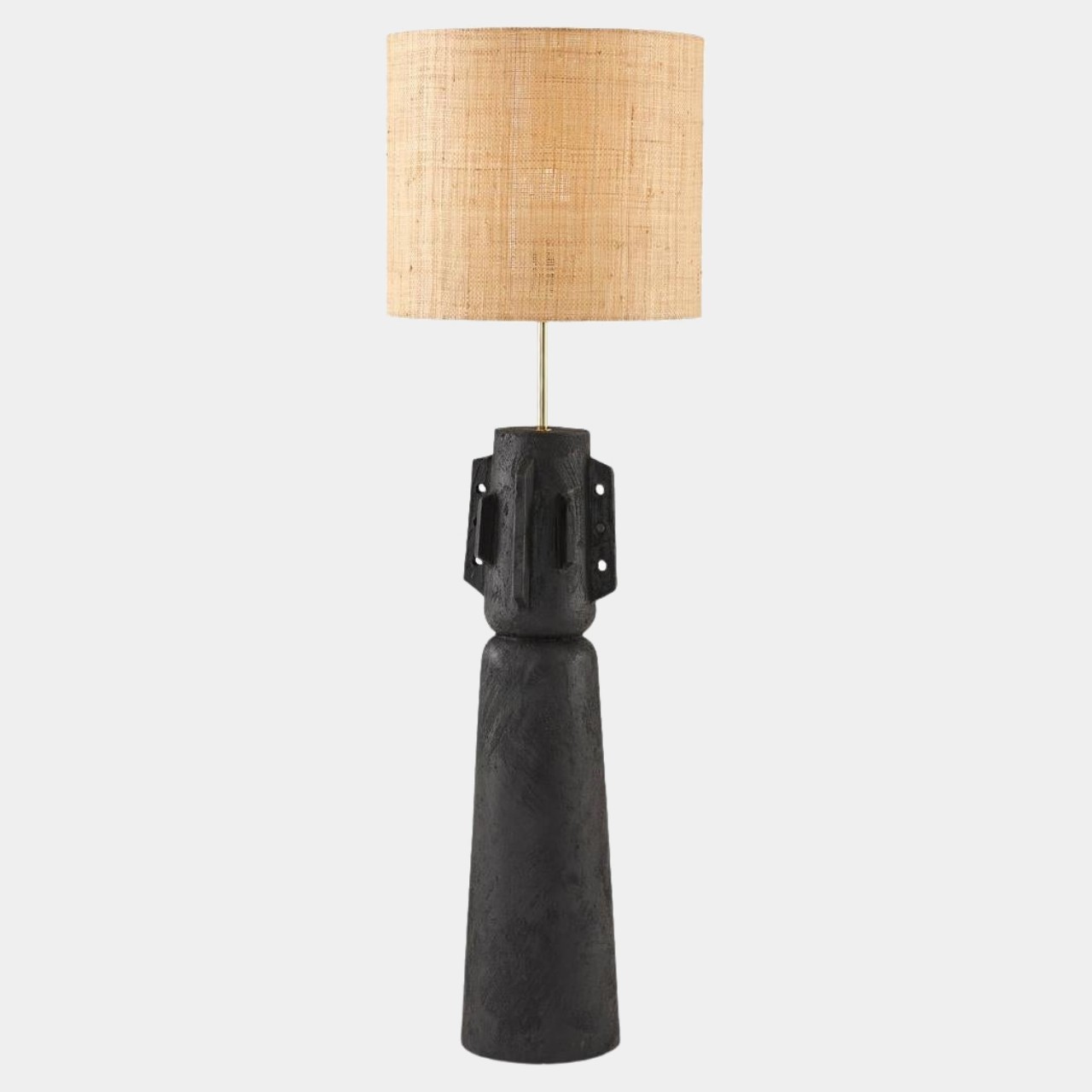
The Totem lamp collection draws inspiration from Brutalist forms and incorporates hand-applied details for an individual artisanal flair. Crafted with a terracotta base finished in textured black Jesmonite plaster, each lamp is paired with a shaped raffia shade and polished brass stem, ensuring versatility to complement various interior styles.
5. Stone Carving
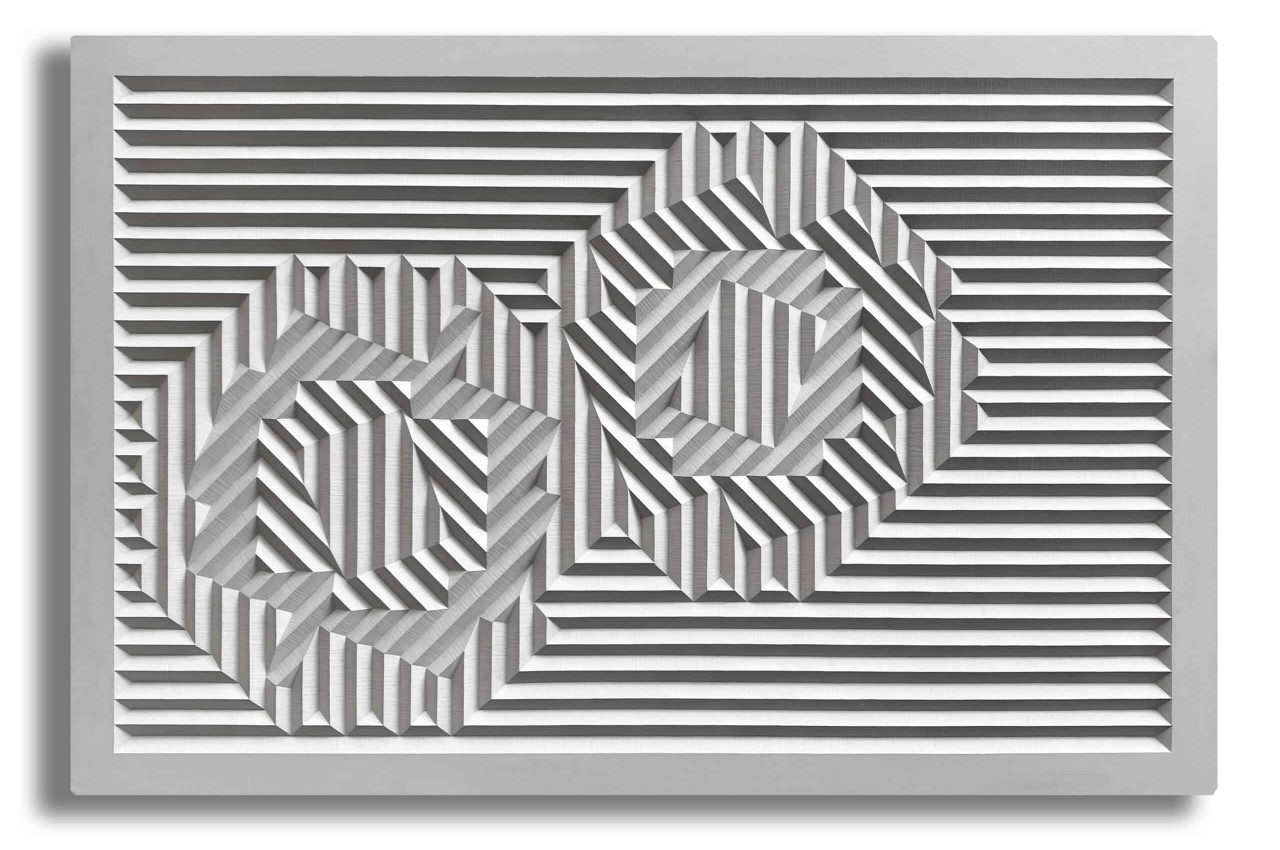
Samar, created by British stone carver Zoë Wilson, pays homage to friendship through its intricately precise multidirectional ridges, forming a captivating geometric pattern. Crafted from Jesmonite with a Portland finish, Samar derives its title from the Arabic word meaning ‘to sit together in conversation at sunset.’ The stone craftsmanship embodies a strikingly modern yet timeless aesthetic, effortlessly blending into various environments.
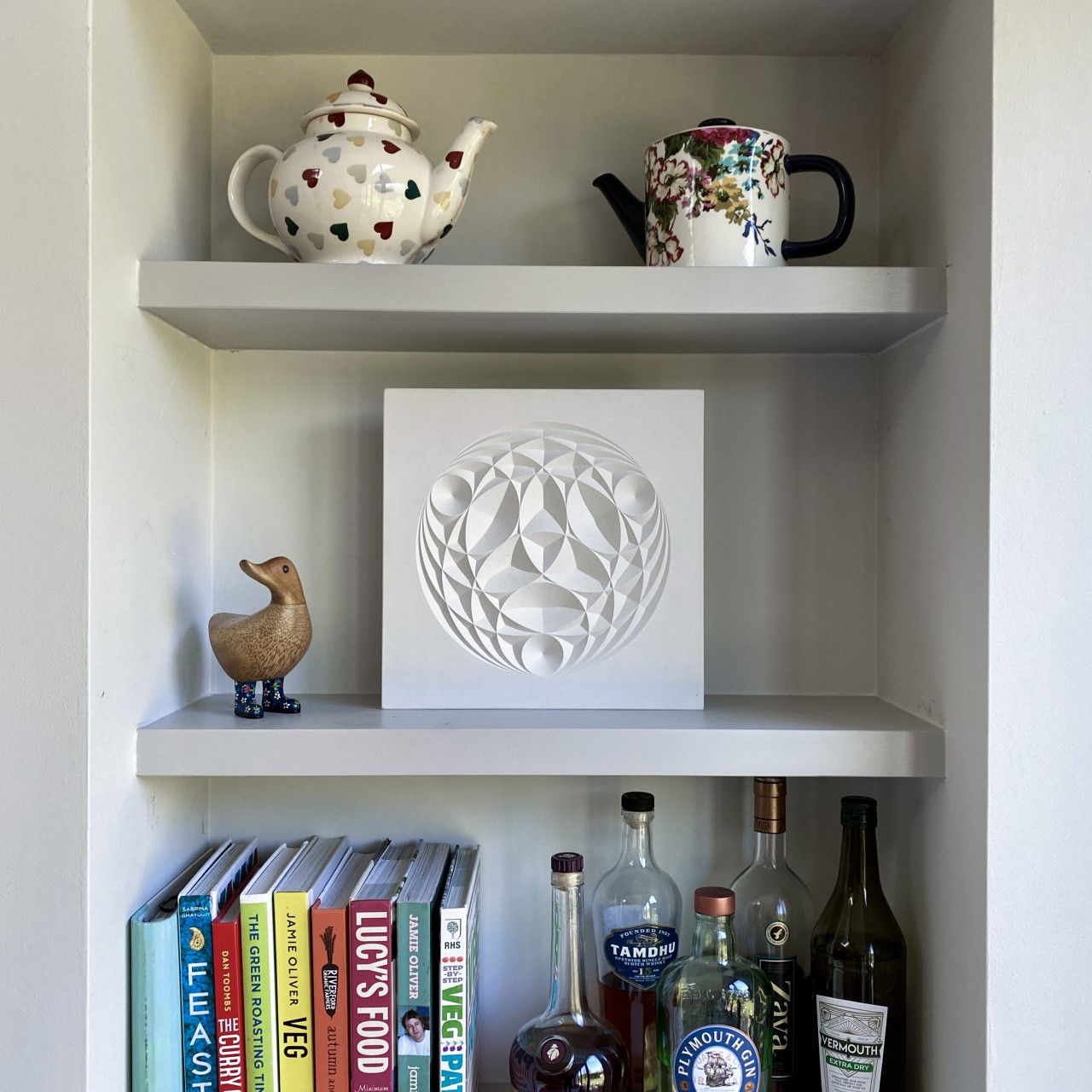
In Zoë Wilson’s stone carving “Breath,” crafted from Jesmonite with a Portland finish, delicate overlapping circles form a hypnotic pattern, symbolizing the tranquillity she finds in the creative process.
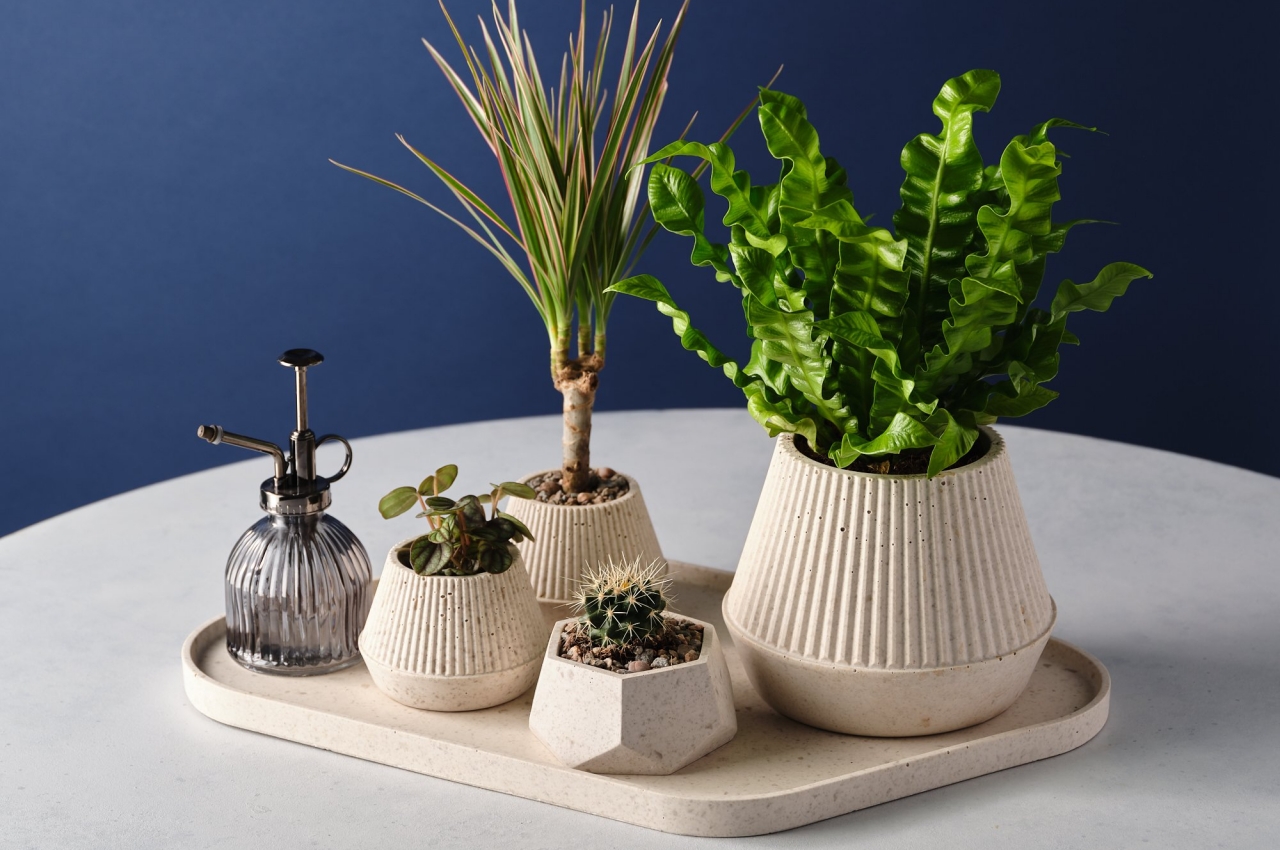
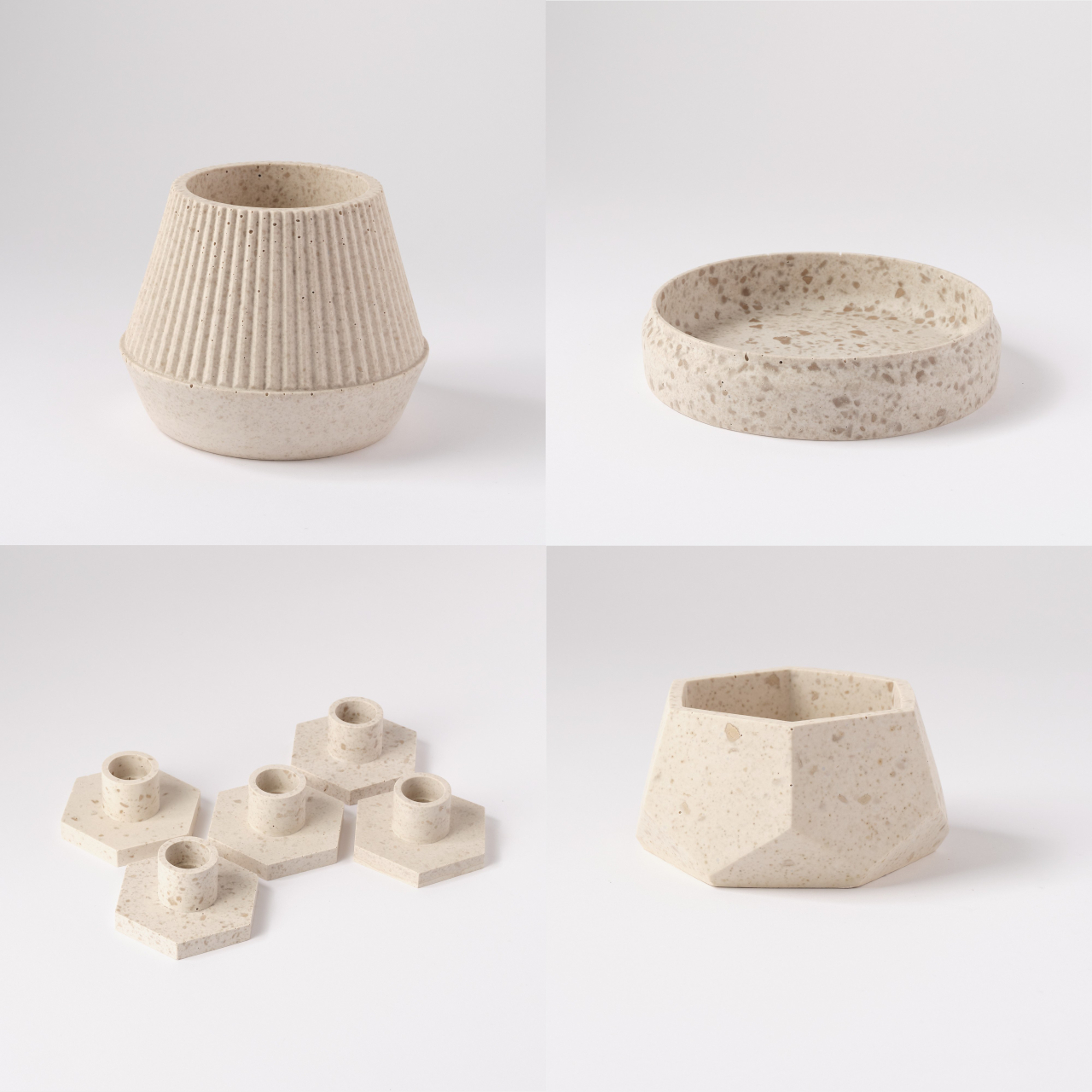
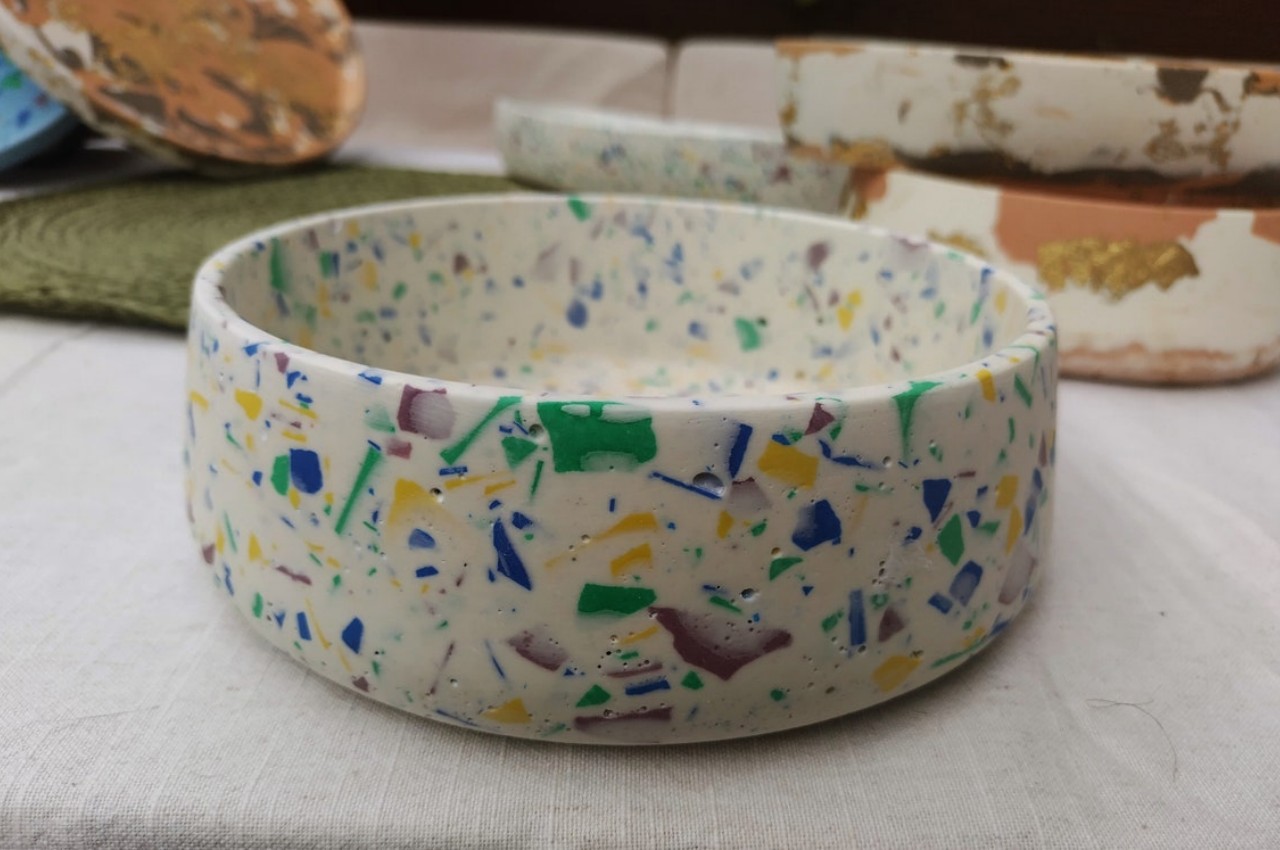
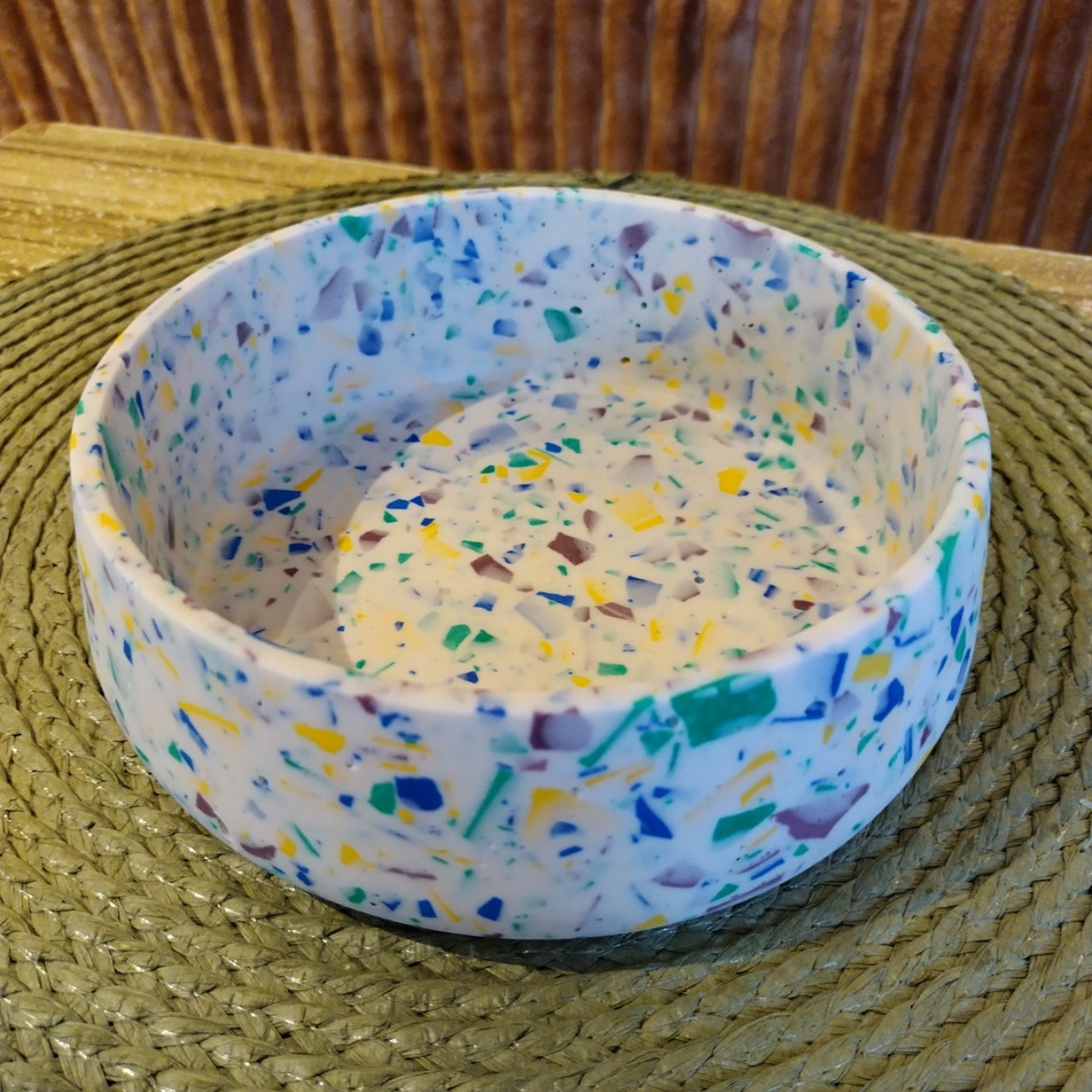
Sarah Christensen utilizes Jesmonite, a popular eco-friendly alternative to resin-based products, along with spent coffee grounds to craft everyday homeware. These materials are combined to create solid objects resembling terrazzo, with each product consisting of 40% coffee grounds and 60% Jesmonite. Christensen’s focus on plant pots, candle holders, and soap dishes encourages indoor gardening and mindfulness while repurposing coffee waste. Additionally, she aims to integrate her homeware into the circular economy by utilizing broken pieces for other purposes, showcasing how coffee can continue to benefit the world beyond its primary function of energizing individuals.
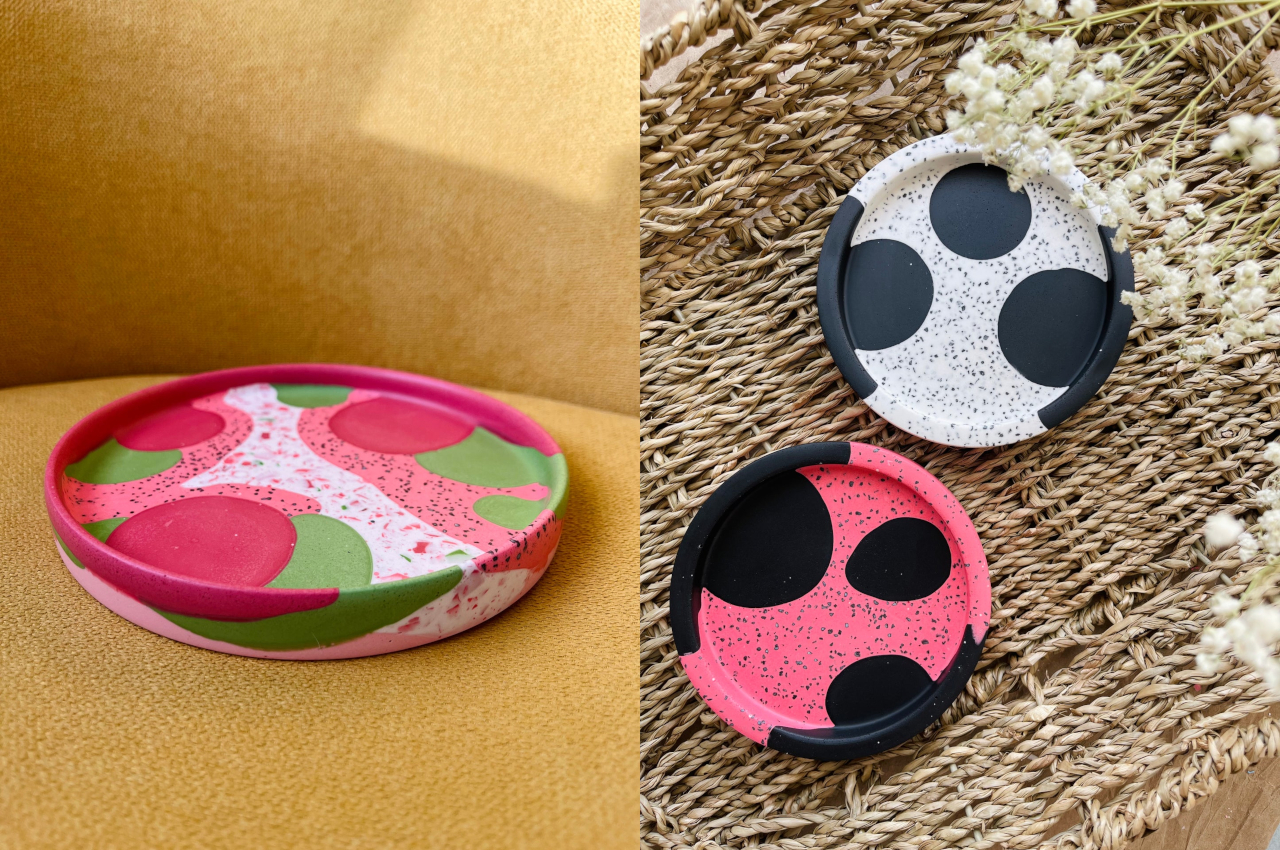
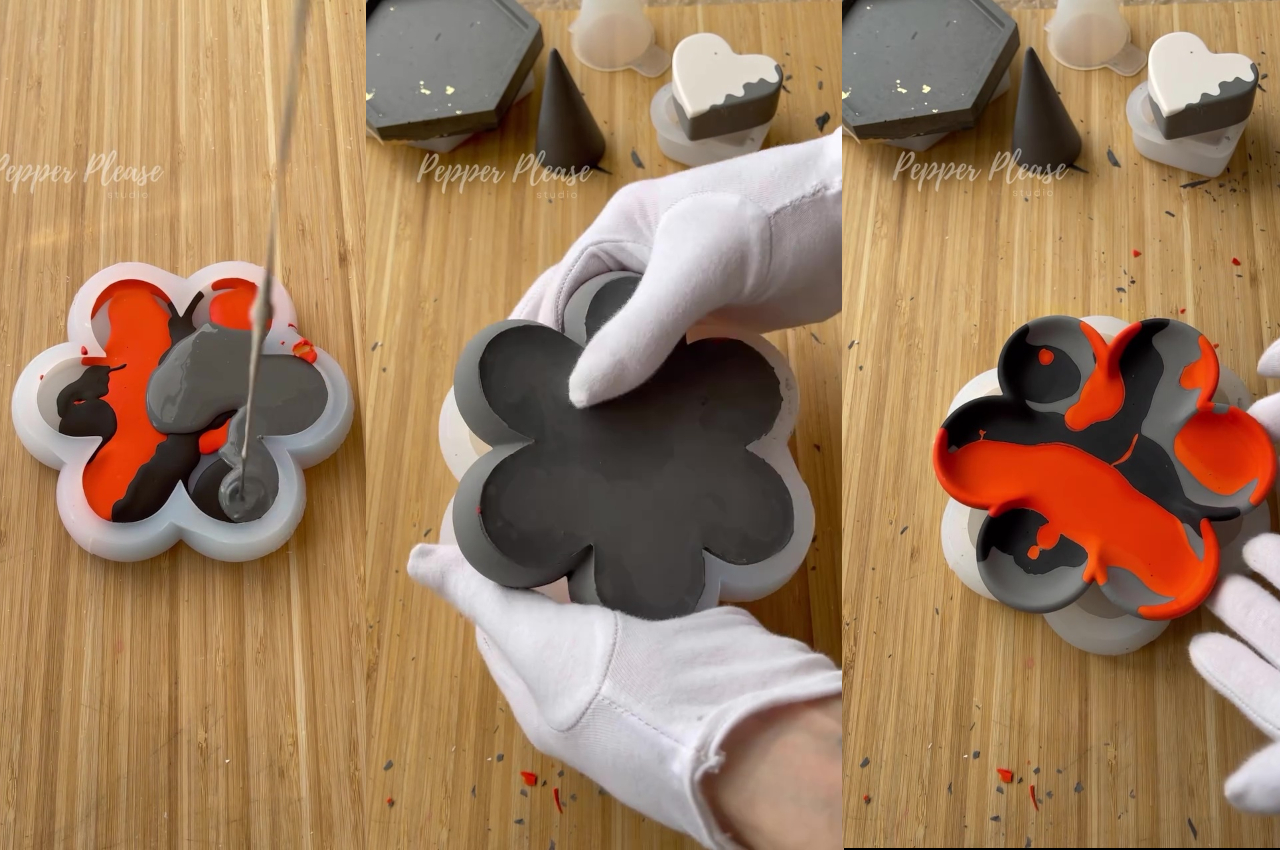
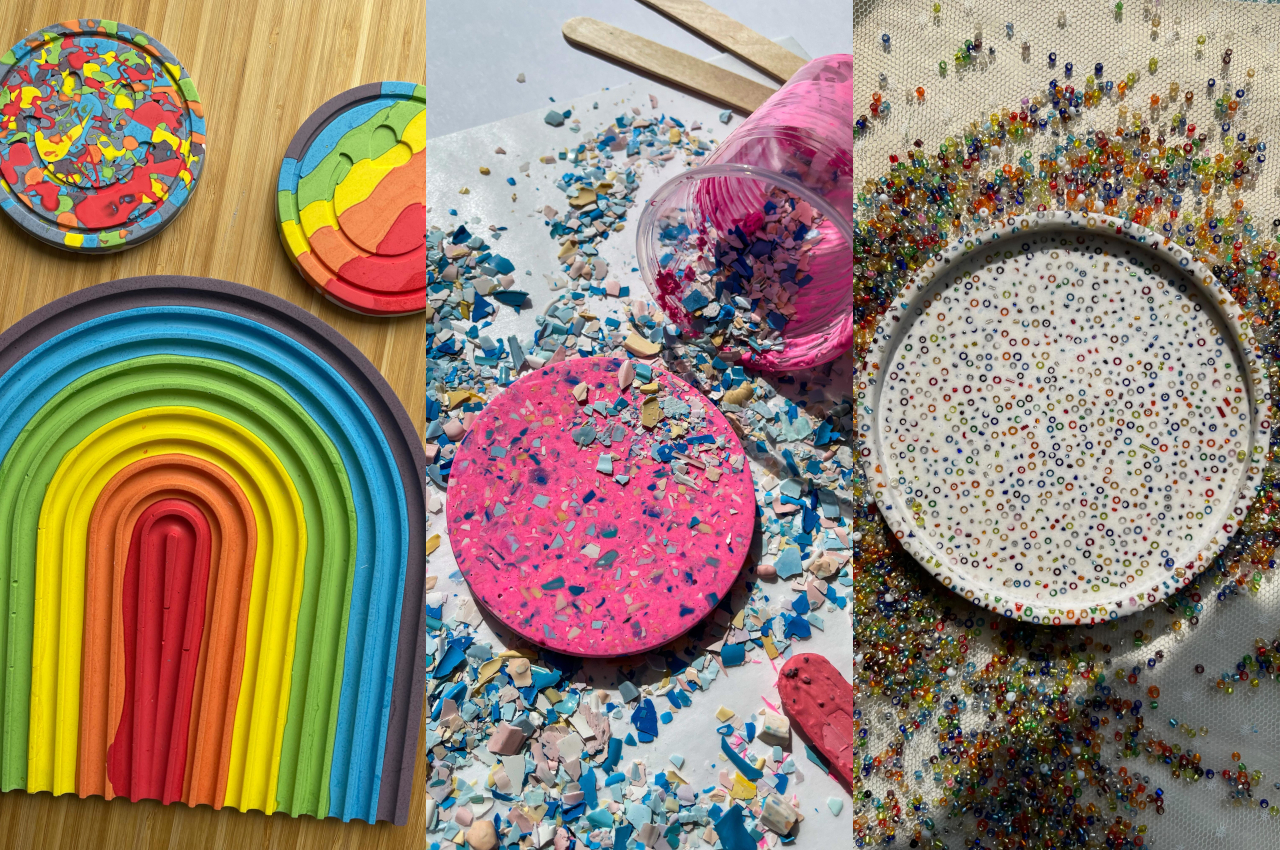
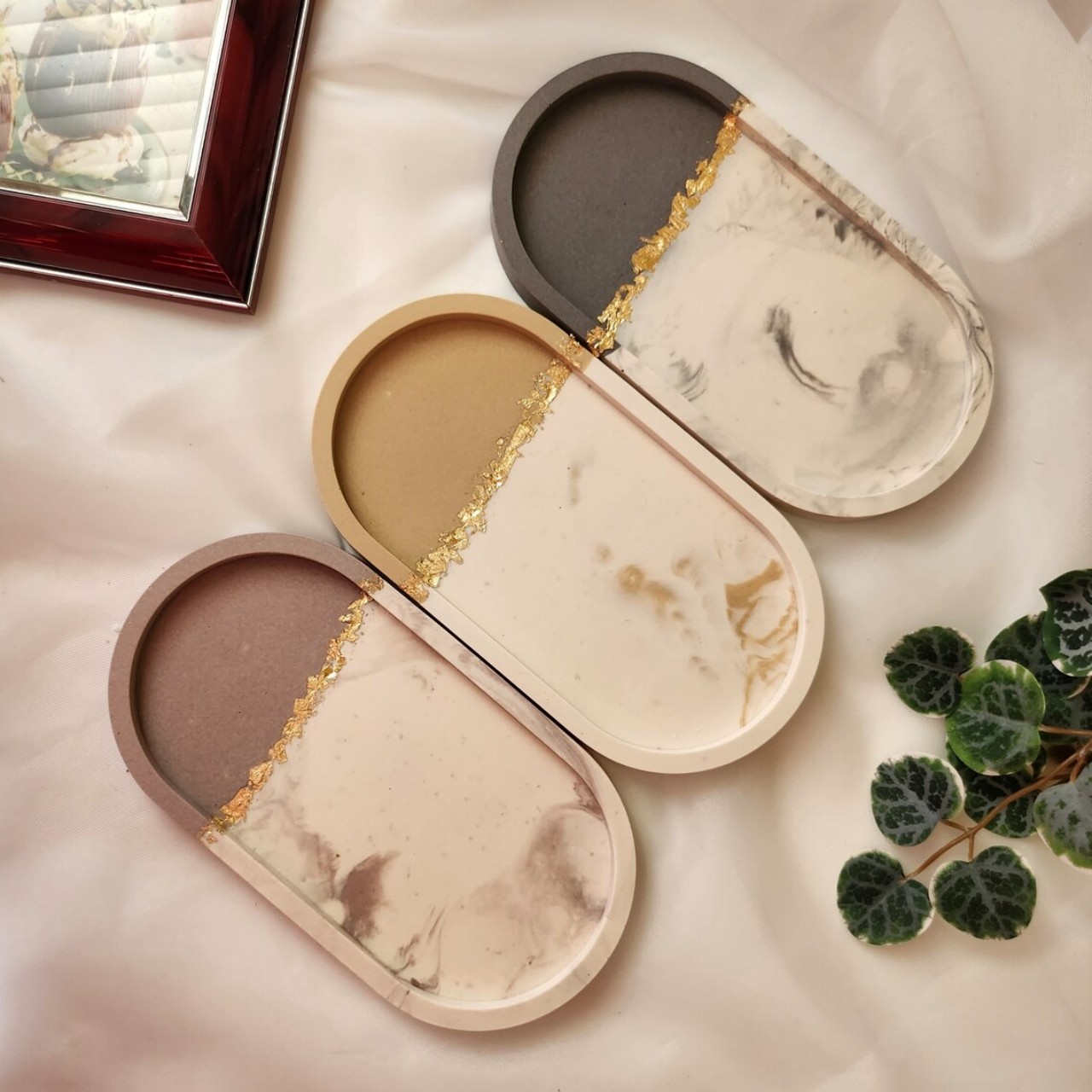
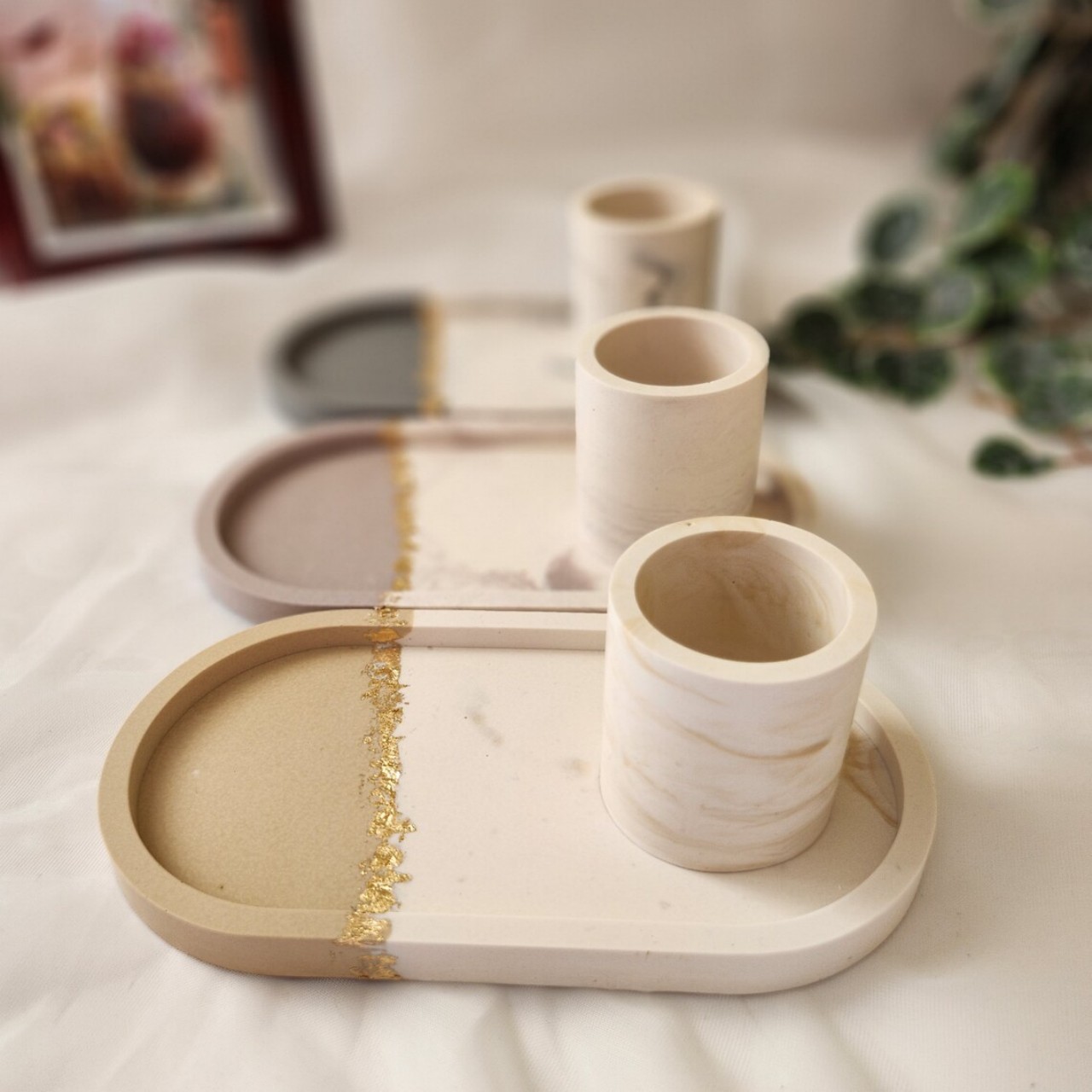
Jesmonite lends itself well to molding into diverse shapes, making it an excellent option for crafting various decor pieces such as trays, cups, jars, and other homeware items. These decorative jesmonite trays blend artistry with functionality. Jesmonite products, composed of a reactive mineral base and water-based acrylic resin, are non-solvent and free of VOCs, making them eco-friendly and versatile for various uses at home.
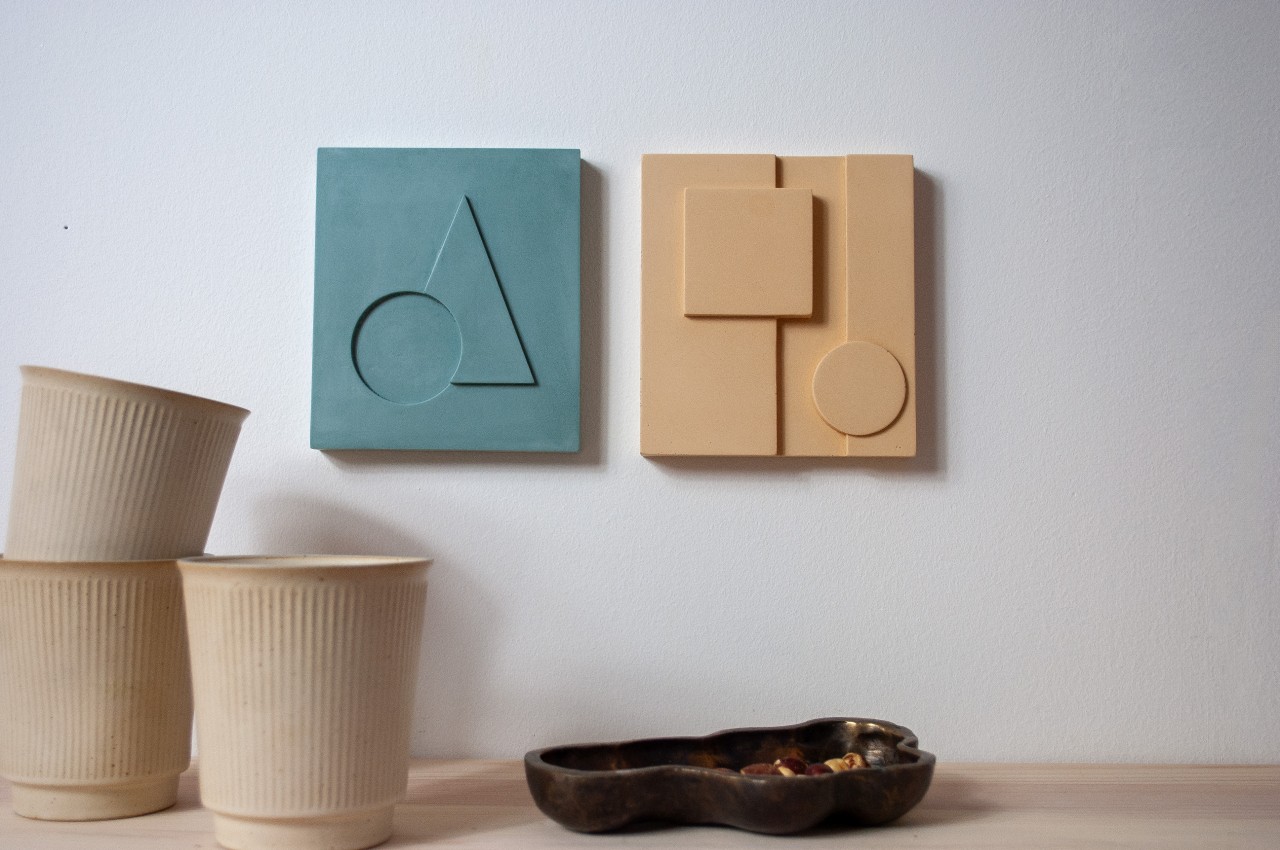
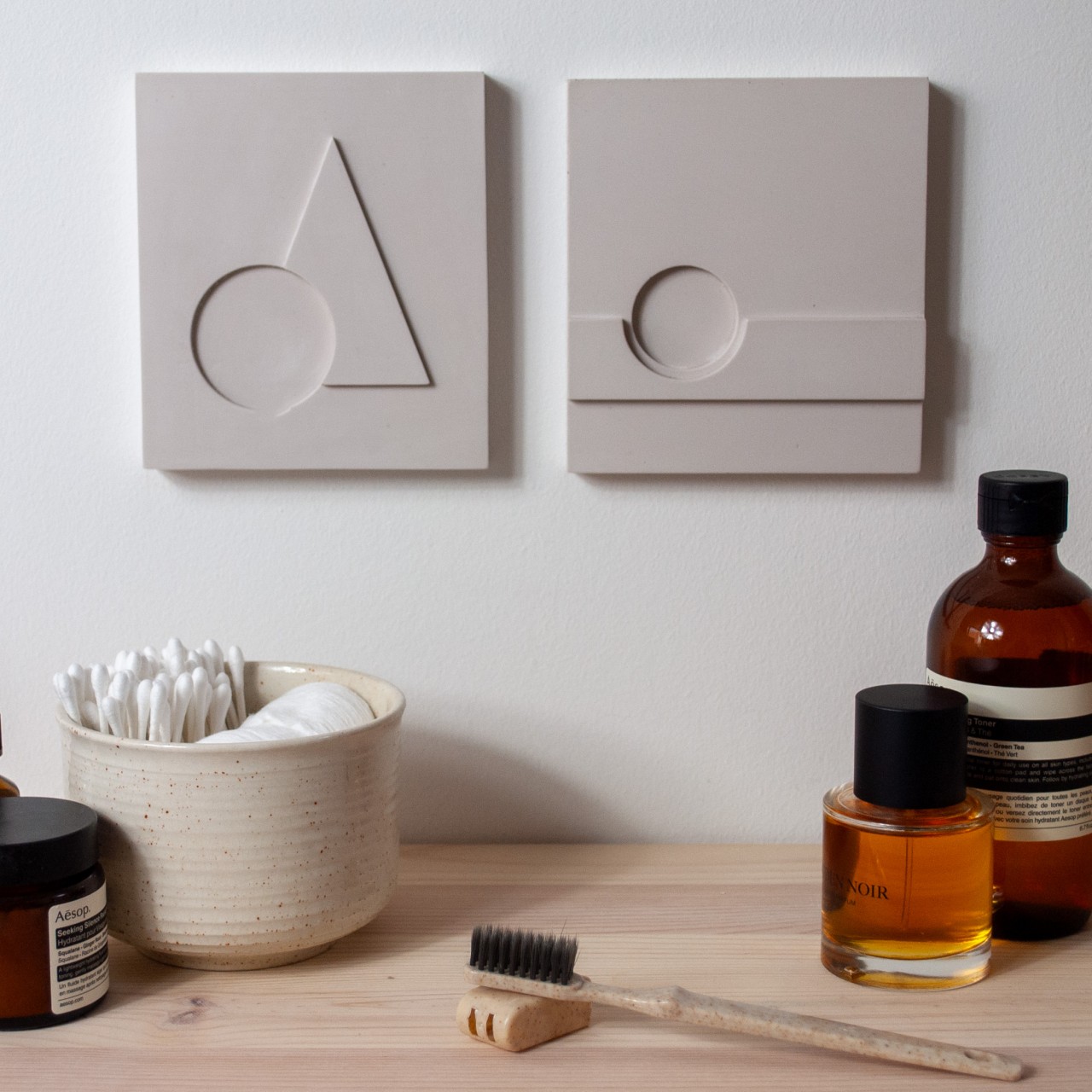
The ‘Wall Jesmonite Relief’ by Theodora Alfredsdottir is a captivating geometric artwork that seamlessly blends artistry, geometric shapes, and functionality, perfect for interior decor. Crafted from versatile jesmonite with a discreet keyhole for easy wall mounting, it looks stunning in various color options.
In conclusion, Jesmonite is highly versatile, durable, and lightweight, finding extensive use across construction, architecture, and art industries. Its ability to replicate natural materials, along with its strength and durability, makes it an ideal choice for diverse projects and design applications.
These small tips will take your renders from average to awesome.
If you’re on this website reading this article, there’s a fair chance that you’re an Industrial Designer who 3D models and renders for a living, and if that’s true there’s an even fairer chance that you’ve heard of KeyShot. Touted by 88% of designers as the best software for realistic renders, KeyShot is known for two things, being intuitive and easy to use, and being great at creating good renders with low effort. However, just like how a great camera doesn’t make you a great photographer, a great software doesn’t automatically make your renders incredible. If you’ve used KeyShot for work, personal projects, or the occasional design competition, here are a few lesser-known tips that should completely revolutionize your rendering game. Use these tricks to upgrade your skill set, bookmark the article for later, and give KeyShot 2024 a download so you can put your new rendering skills to the test!
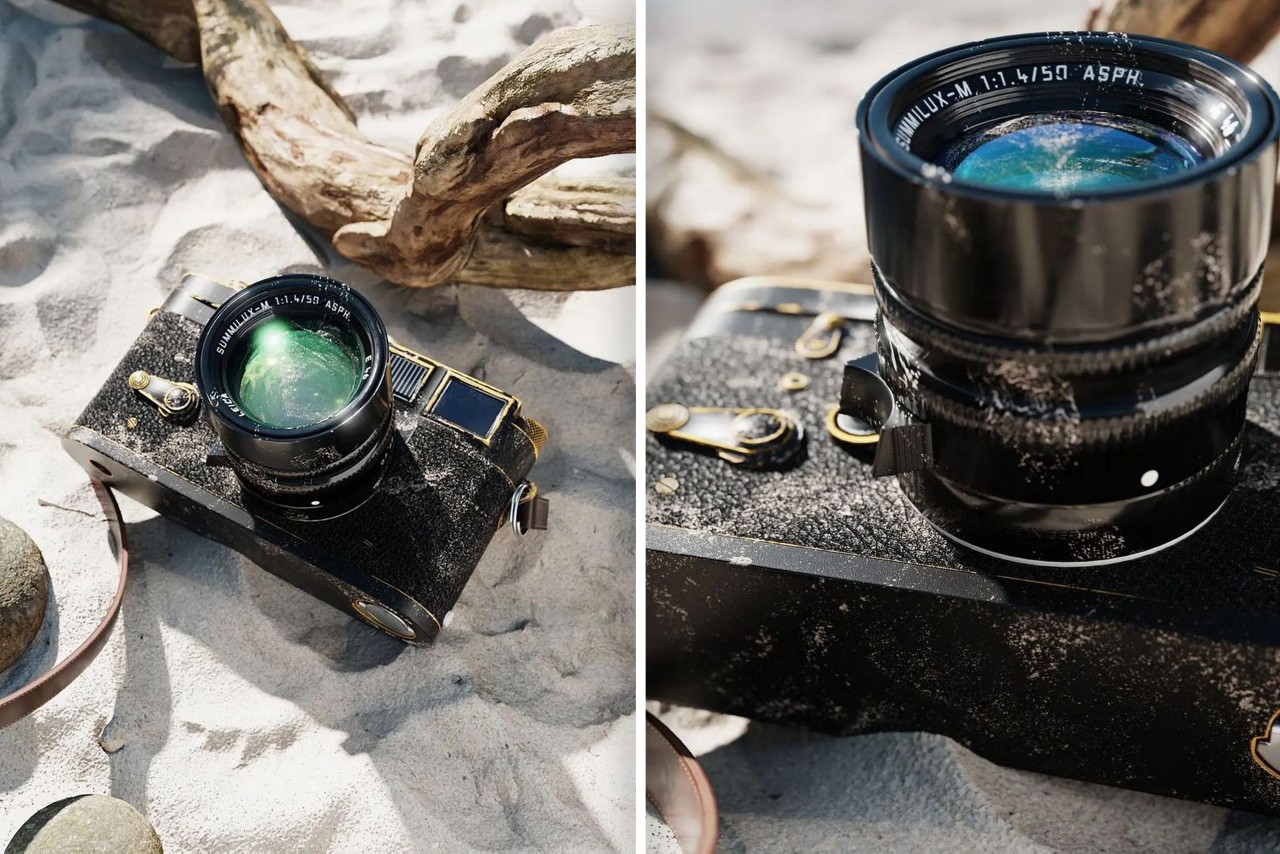
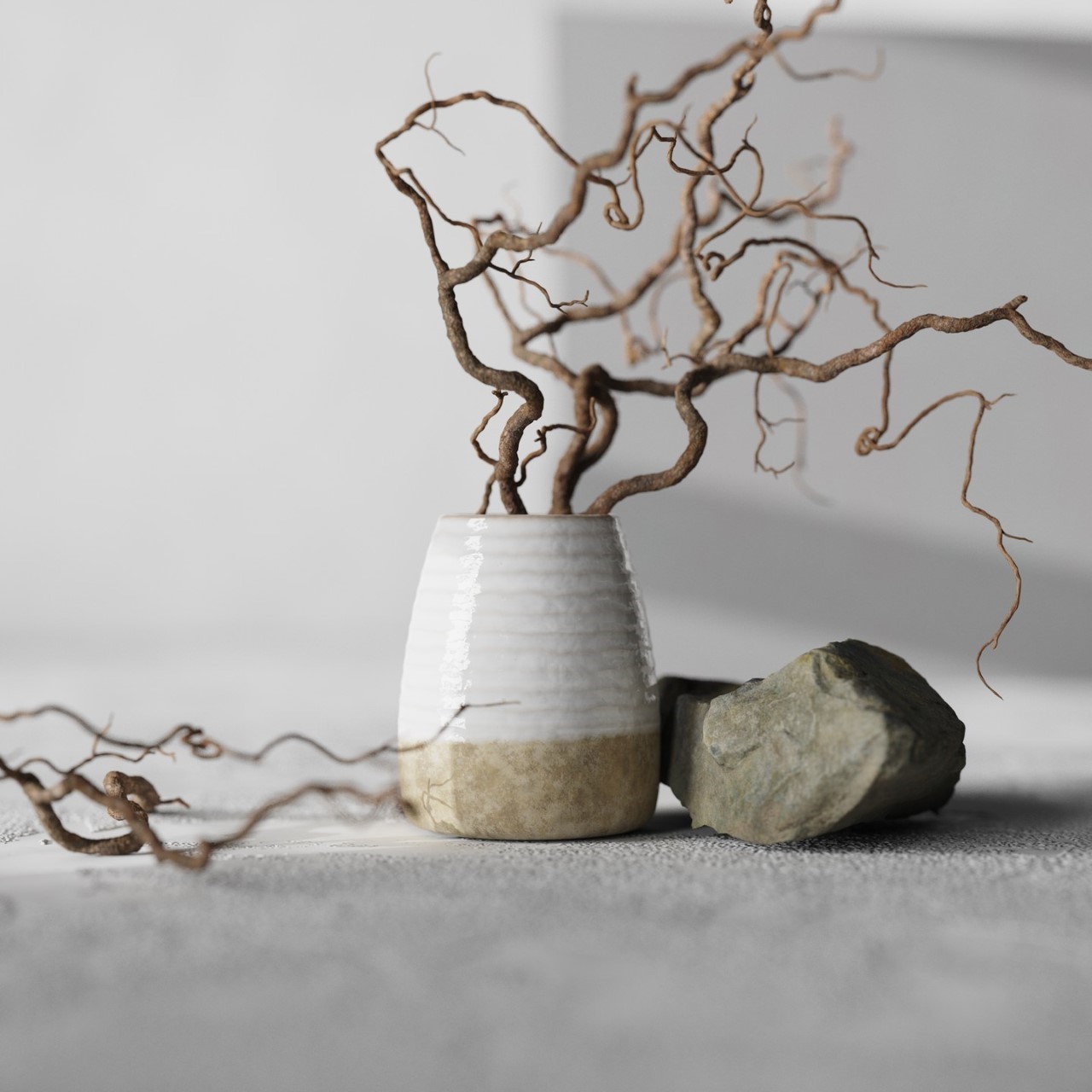
That might sound like a paradox, but look around you – nothing is perfect. Your phone has fingerprint marks on it, your table’s got a few scratches, the glass you’re drinking water from isn’t 100% geometrically perfect – its surface has marginal imperfections that cause light to reflect/refract in unique ways. If you want to look real, you have to embrace reality… and in reality, nothing’s perfect. Sure, your product render against a white background can be as perfect as possible, but if you’re looking for a photorealistic scenario render, obsess over the imperfections. Add dust and fingerprints to flat glossy surfaces, use bump maps pretty much anywhere you can, create scratches as a layer/label in your material, remove 100% sharp edges (everything is marginally rounded off), and most importantly, push objects out of alignment in your scene. No real-world scenario has stuff aligned perfectly. These settings alone should take you halfway to photorealism, because humans perceive imperfections as a part of reality.
2. Bokehs are everywhere
Render by Mads Hindhede Svanegaard
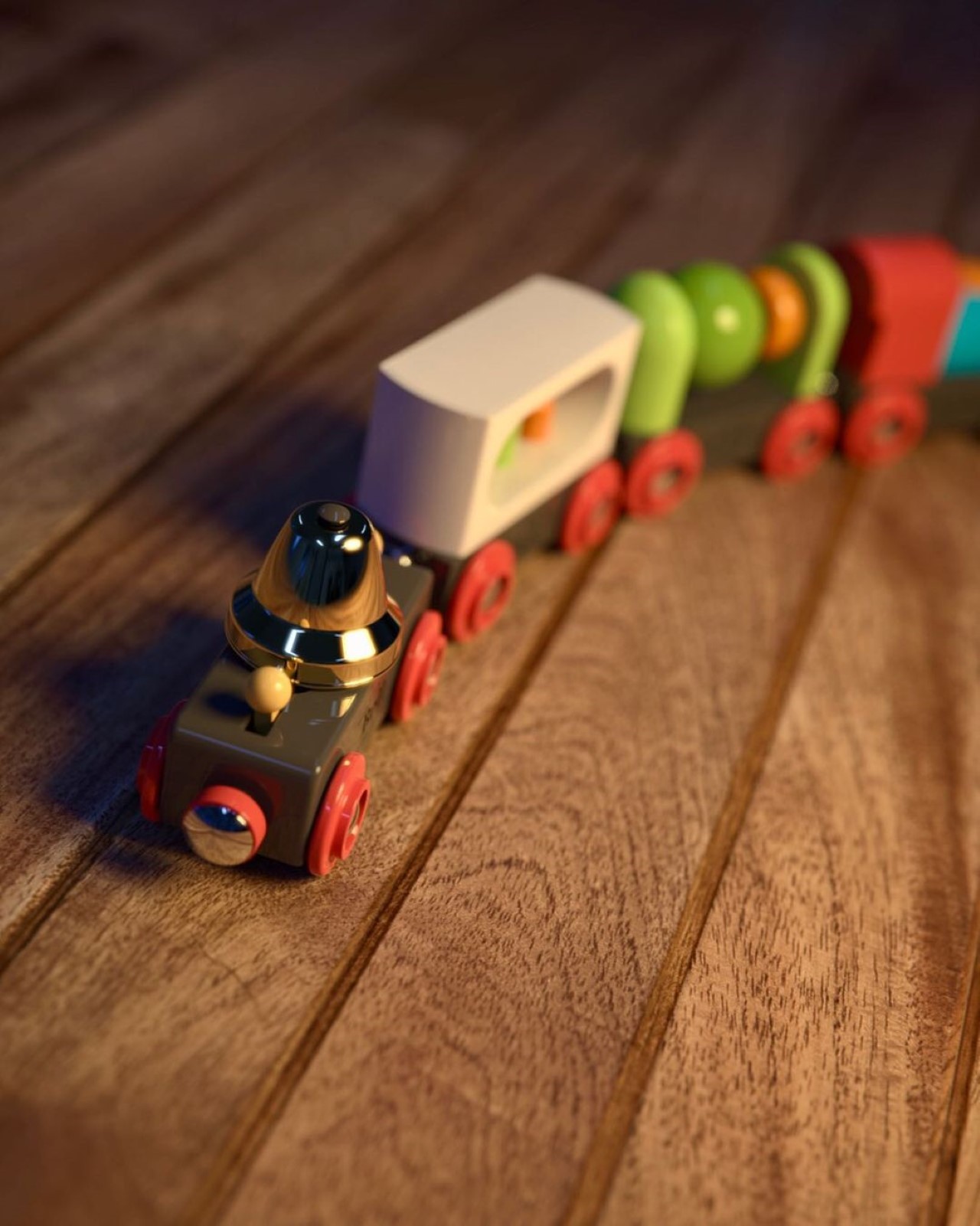
Your eyes are telescopic. They can’t focus on everything at the same time – you look at one thing and everything else blurs out. The blur is the key here, and it’s why portrait-mode photos on smartphones look great too. Seldom do you see photos of ANYTHING where every single item is in focus, and similarly, your renders need to ‘focus’ on that too. Go to the Camera tab on the top right and scroll down to the part that says Depth of Field. Activate it, adjust your focus distance, use the target button to click on the object you want to focus on, and set your F-stop to an appropriate number to ensure everything else is properly blurred. It’s easy to overdo the blurring, so once you find the right F-stop, raise it a little higher to err on the side of caution (don’t over-blur stuff, it’ll look fake). Remember, blurring takes a significant chunk of your rendering time, so if you DO use this tip, double or triple your rendering time per image. The results will come out fantastic.
3. Adjust your Image Settings
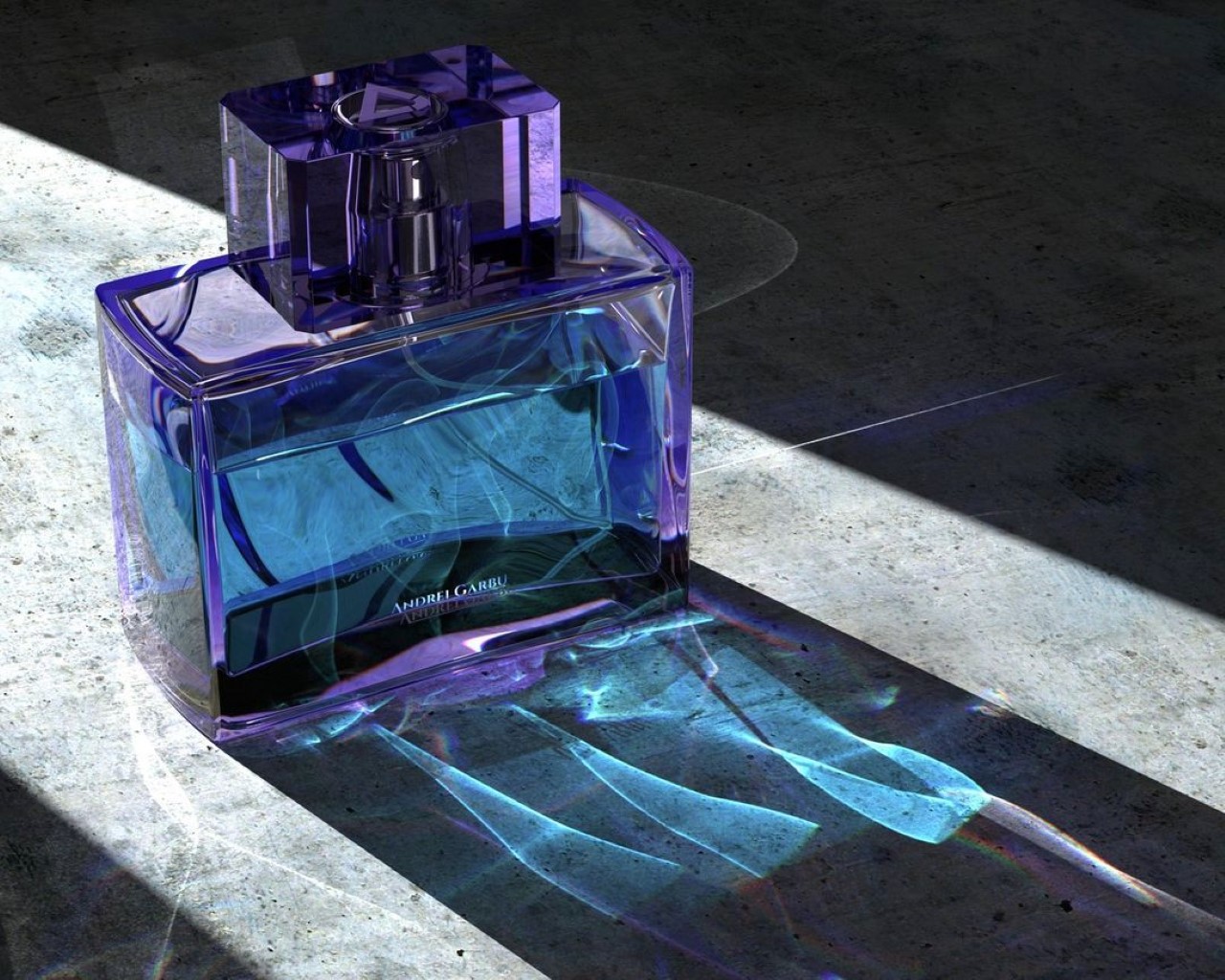
Render by Andrei Garbu
If you’ve ever used a camera, chances are you didn’t just point at a photo and hit the shutter button. You probably adjusted the exposure, aperture, ISO, and maybe played around with the white balance too. Think of the camera in KeyShot as a camera in real life – all it really does is capture the angle and focus… but there are still settings you need to tweak. Here, the Image Settings are your friend. Click on the Image tab on the top right corner and switch from Basic to Photographic. Now you can play with the exposure, contrast, white balance, highlights, shadows, midtones, and other parameters. You can even increase or decrease your image’s saturation to get you that perfect balance of colors, darkness, and light. Select ‘Linear’ in the Response Curve setting, enable the Curve editing feature below, and tinker away! It’s the secret sauce your renders need!
4. Beginners render, legends ‘Denoise’
Render by Sam Gwilt
Sometimes your renders just look grainy because you didn’t give them enough time to render out perfectly. Makes sense, you’re probably on a strict deadline and you don’t have 10-20 minutes to spare per render. Luckily, KeyShot’s Denoise feature in the Image Settings works like magic. They just blur out the grains in your renders, letting you ‘cheat’ your way through a quick render. Enable Denoise and watch as all the grains disappear miraculously. Set your Denoise level to around 0.6 for a balanced effect – setting it too high will give you weirdly blurry/smudgy renders, and setting it too low will give you grainy images. The Denoise feature works VERY well when you’re using the Depth of Field setting too, allowing you to easily cut down your rendering time without cutting down on quality.
5. Caustics are a headache, but they’re worth it
Render by Tommy Cheong
If there’s any transparent object in your render, chances are that it won’t just absorb or block light, it’ll bend light too. If you’ve ever looked at a reflection of a glass of water on a table, or those bright lines at the bottom of a swimming pool, those are caustics. They’re caused by light being manipulated by transparent/translucent objects. Caustics in KeyShot remain disabled by default, but that’s only because they’re kind of an absolute headache. They require a truckload of CPU/GPU power, take a LOT of time to perfect, and even more time to render. But if you nail your caustics, you’re guaranteed to get a few ‘wow’s from people who see your renders. The Caustics setting can be found in the Lighting tab in the top right corner. Enable it and also enable Global Illumination. Increase your ray bounces as well as your global illumination bounces, and if you’re using glass or plastic as a material, go to the material settings and increase the sample size. The problem here is that there will be a difference between what KeyShot shows you in the preview window, and what it actually renders, so the only way to really tell if you’ve done a good job is by rendering images, reviewing them, and then tweaking the settings. Rendering caustics also takes a LOT of time, and here Denoise won’t help you. You just need to trust the process and let KeyShot do its job simulating the bouncing of light to create those caustic refractions. Like I told you, it’s a bit of a headache, but the rewards pay off well.
6. If you’re thinking fabrics, think RealCloth
Render by Hossein Alfideh Fard
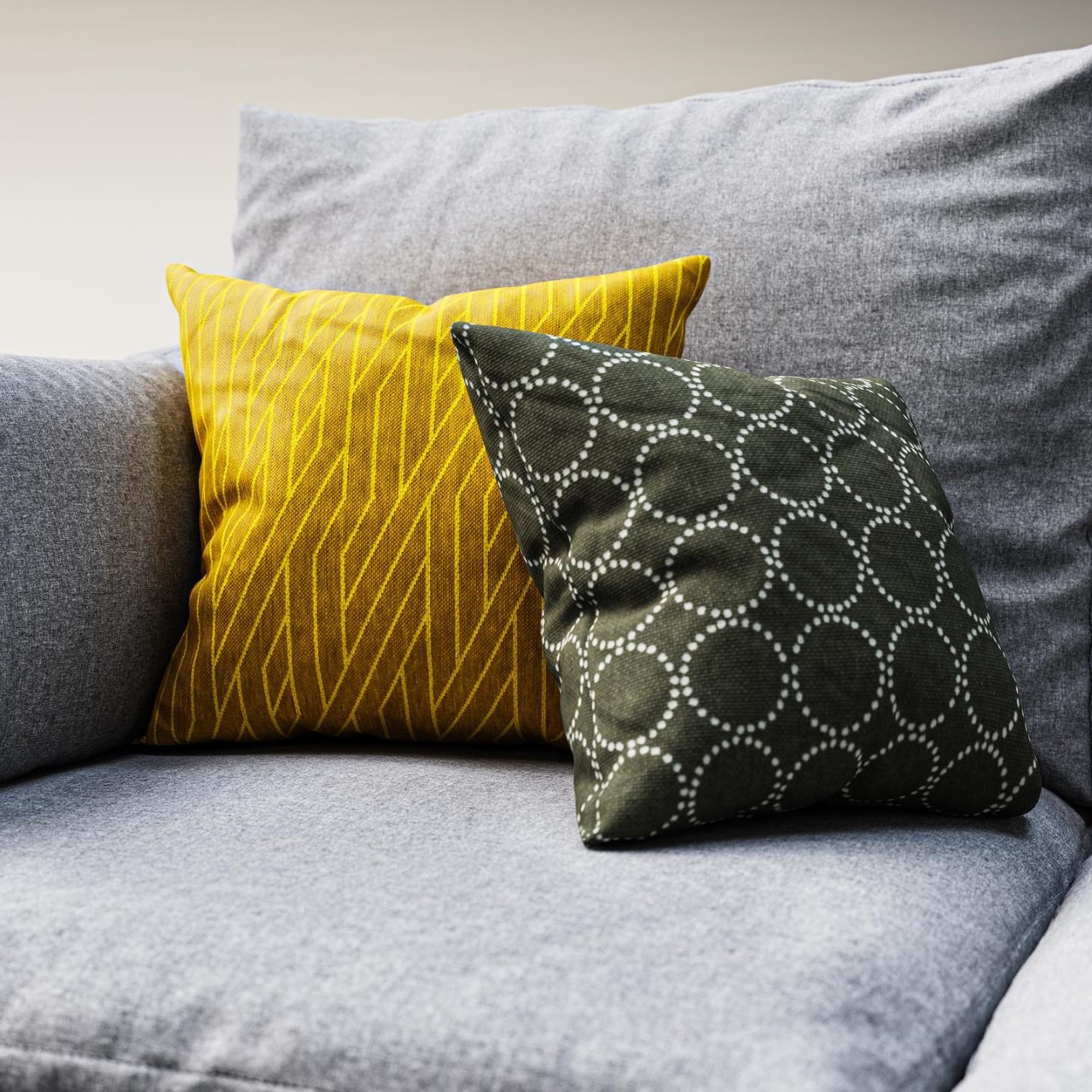
Perhaps one of KeyShot’s most underrated materials, RealCloth adds unbelievably photorealistic cloth effects to any fabric in your scene. Whether it’s a tablecloth, the upholstery of a sofa, or even the strap of a camera, RealCloth’s one job is to mimic the woven effect of any kind of cloth. It adds depth, weave-patterns, and even lets you bake in imperfections like flyaway fibers and threads. If you’re simulating photorealism, chances are one of the objects in your scene has a fabric texture (it could be something as small as a cloth tag on a product). If it does, tap into the power of RealCloth to get that absolutely perfect cloth effect. Don’t rely on fabric bump maps online, trust me they won’t give you the precise control or sheer jaw-dropping dynamism that RealCloth will.
7. Shadows are just as important as lights
Render by Will Gibbons
When you’re setting your scene, don’t focus all your energy on getting the right highlights. Focus also on getting great shadows. This means ditching the HDRI lighting settings and actually adding physical lights to your scene. Photorealism requires work, and those drag-and-drop environments won’t help you achieve it. Sure, you can use the environments to create realistic reflections, like a sky reflecting off a windshield of a car… but there’s NO way that environment will create the dramatic shadows you need. For those, you’ll require area lights, point lights, and/or spotlights. You’ll have to add these lights to your project by assigning them as materials to random spheres and planes within your scene. Unlike the HDRI environments, these lights will create actual shadows that are crisp at some edges, blurry at others, and more importantly, shadows that overlap, warp, and interact with each other. Take your smartphone flash and hold it against your hand. Move the flash closer and see the shadow grow bigger, move it farther and see the shadow get smaller – the shadow’s shape and behavior are determined by physical lights in your scene, not by the environment lights. So add physical lights to your scene and keep those shadows in mind because while the eyes don’t ever focus on shadows, they do register them. A render without accurate shadows will just look… off.
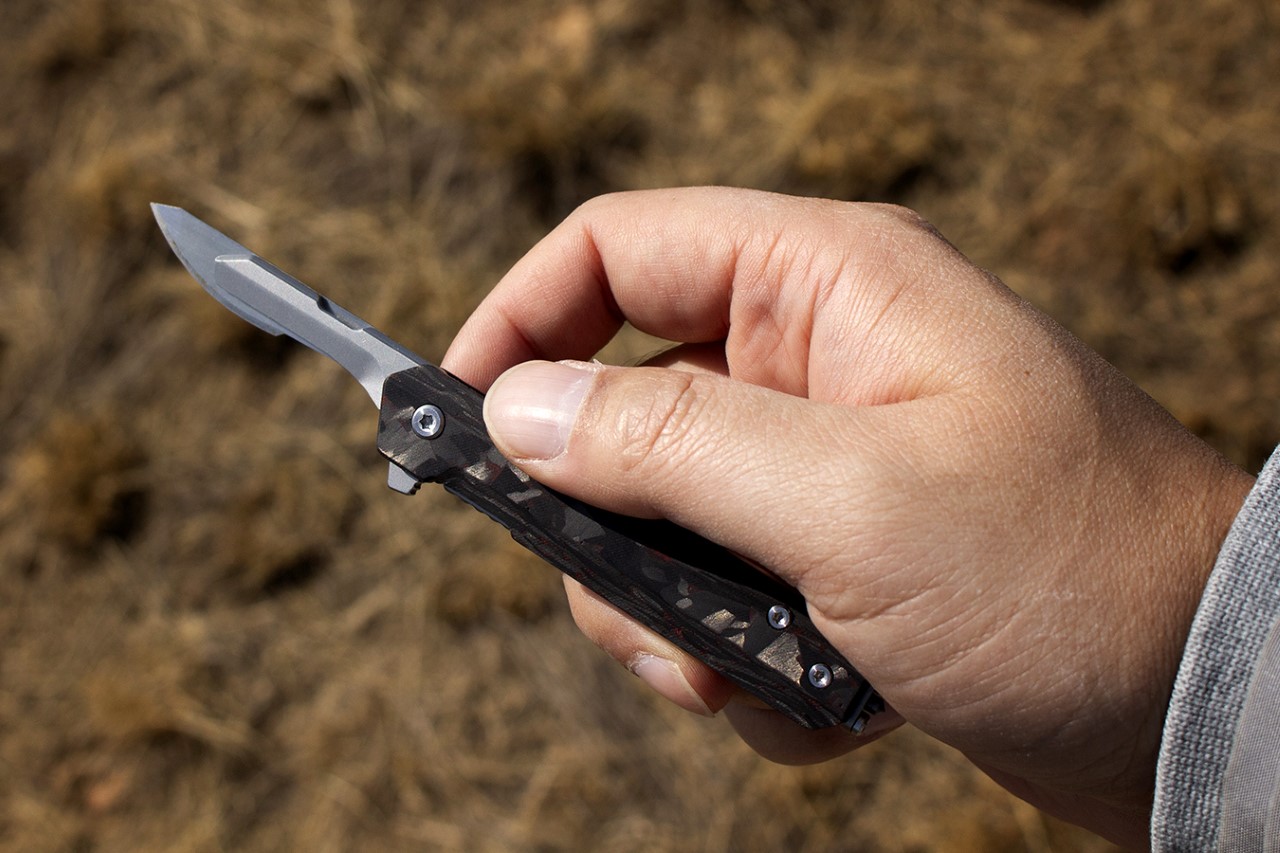
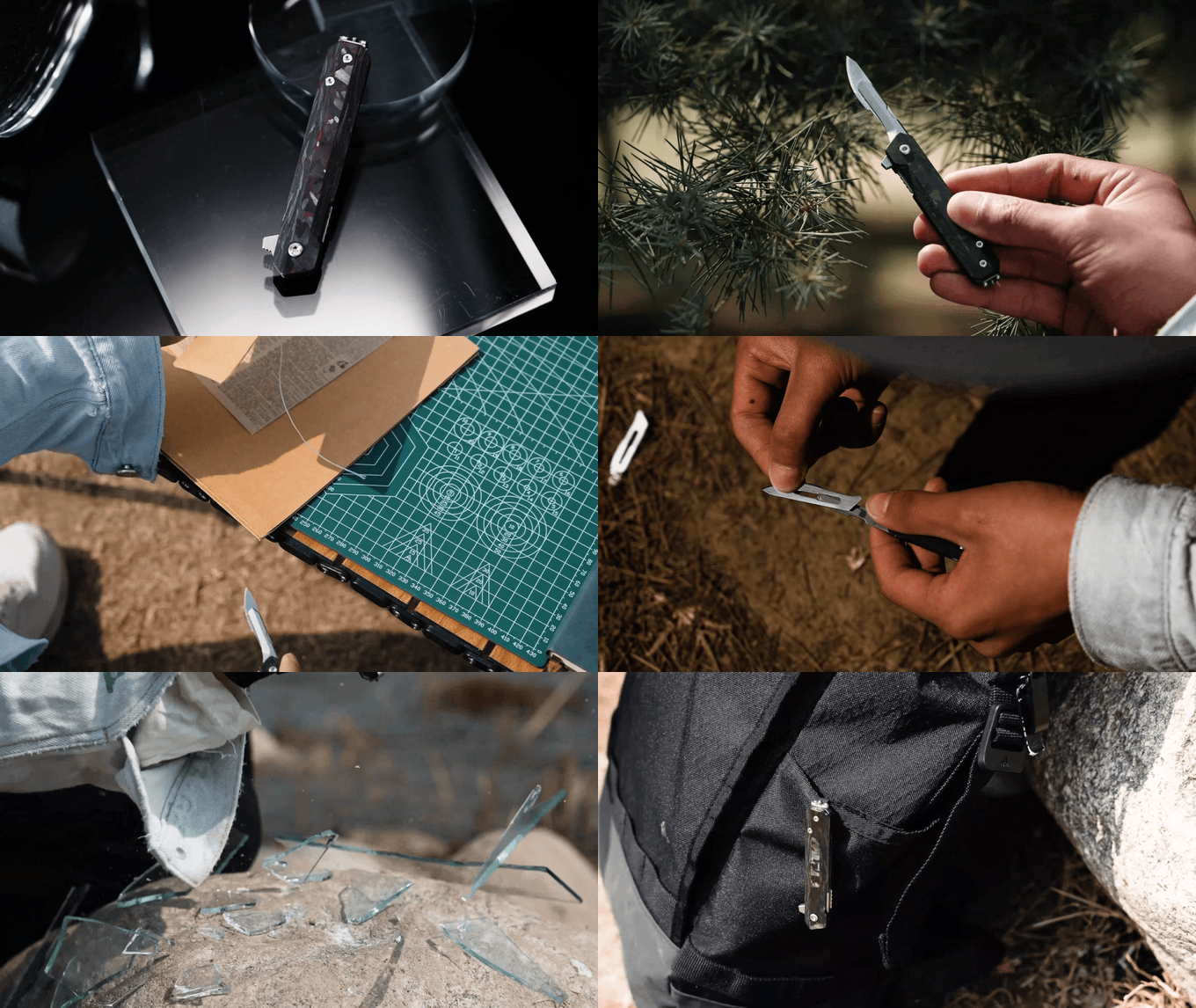
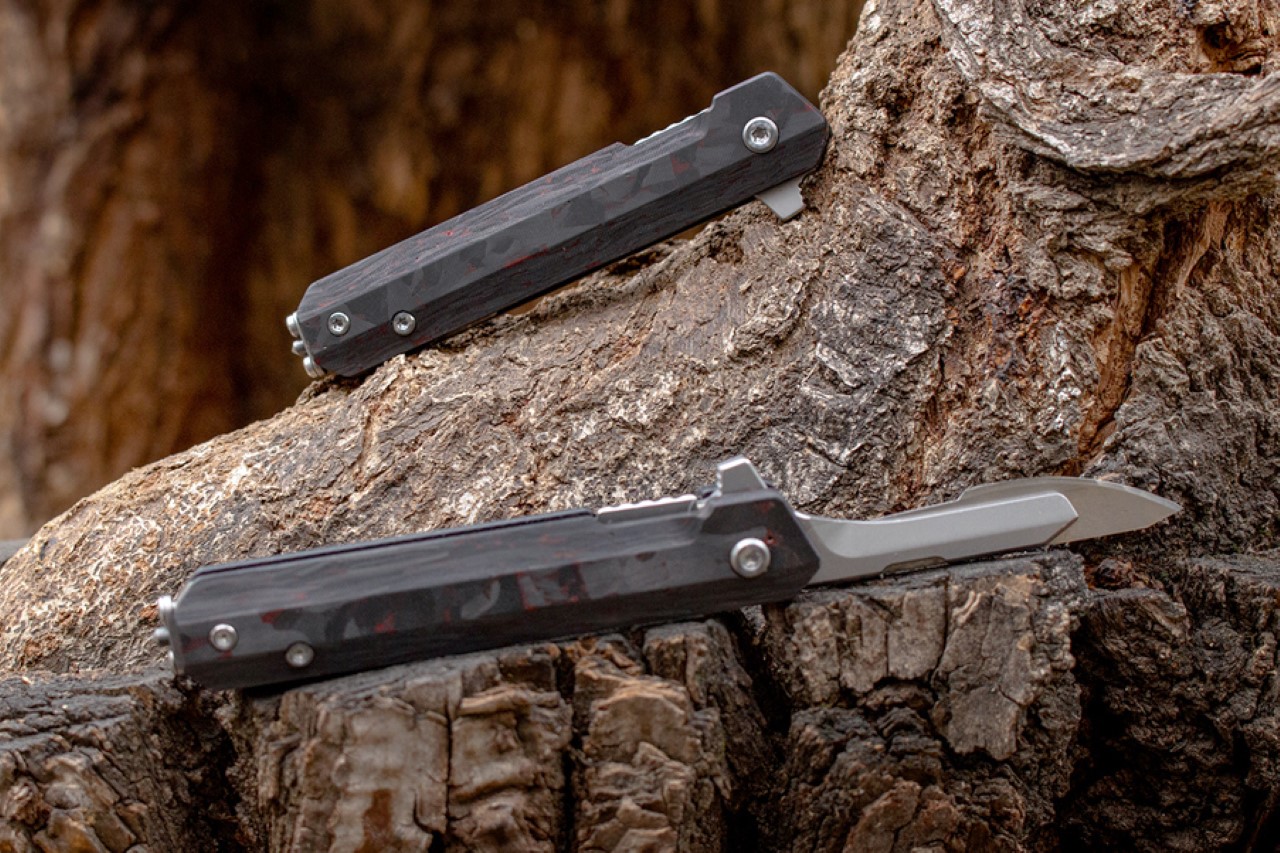
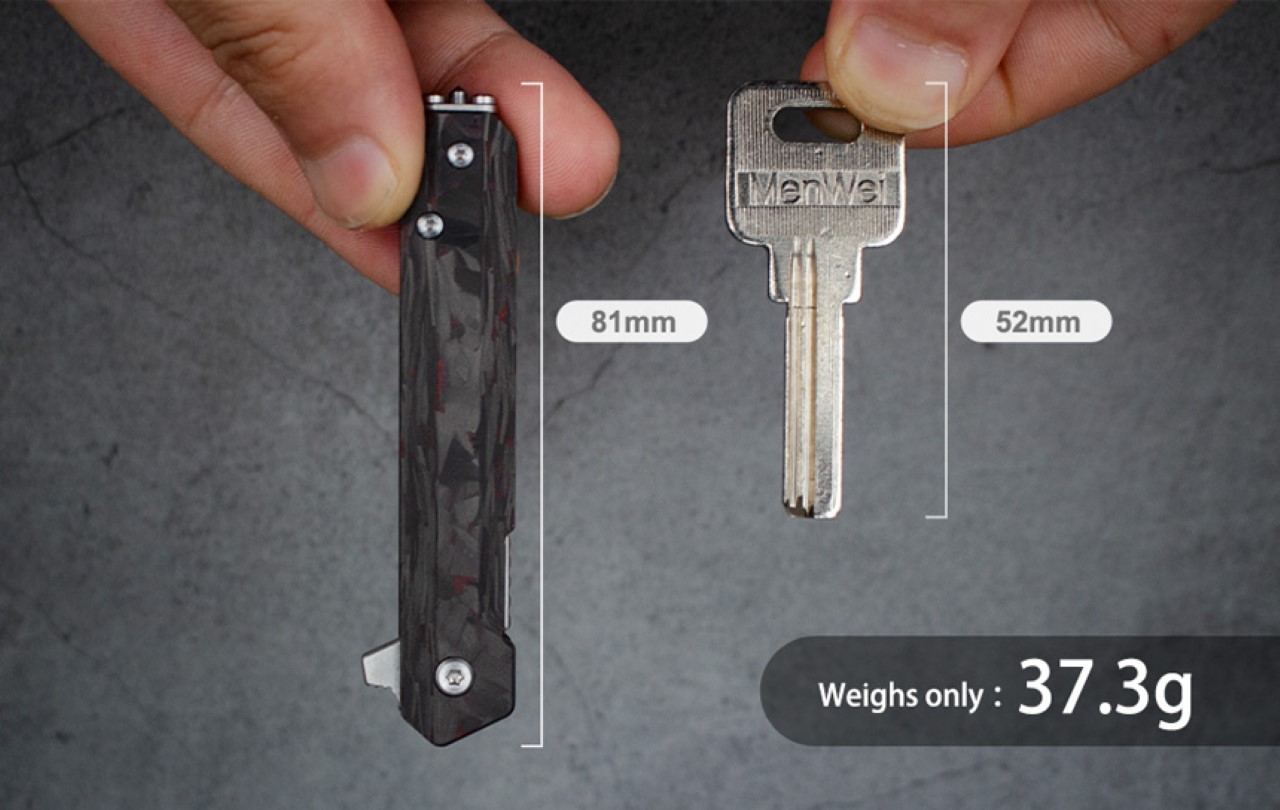
There are multiple schools of thought when it comes to pocket knives – you’ve got one school that says pocket knives (or any EDC) should be highly rugged, durable, and scary-looking so as to fend off enemies. Another says that pocket knives should serve as multitools that have a myriad of functions to help you overcome any situation. The third school of thought, and the one that I subscribe to personally, is that a pocket knife should be useful when you need it, and invisible when you don’t. The SerpBlade falls squarely into the third school of thought while teasing the first two ever so slightly. At 37 grams or 1.3 ounces, the SerpBlade is lighter than an empty AirPods case (that’s for you metric-hating folks!), but it packs a scalpel blade at one end, and a tungsten steel glass breaker at the other end. It’s also made of titanium and carbon fiber, two of the most durable and resilient materials known to mankind. Whether it’s opening boxes or defending yourself from life-threatening situations, the SerpBlade comes in very handy, and when you’re done, its lightweight compact design disappears into your pocket like thin air.
The beauty of the SerpBlade lies in its sheer simplicity. Come and think about it, all of the pocket knife’s features can be broken down into four distinct parts – its blade, its glass-breaker, its materials, and the overall design.
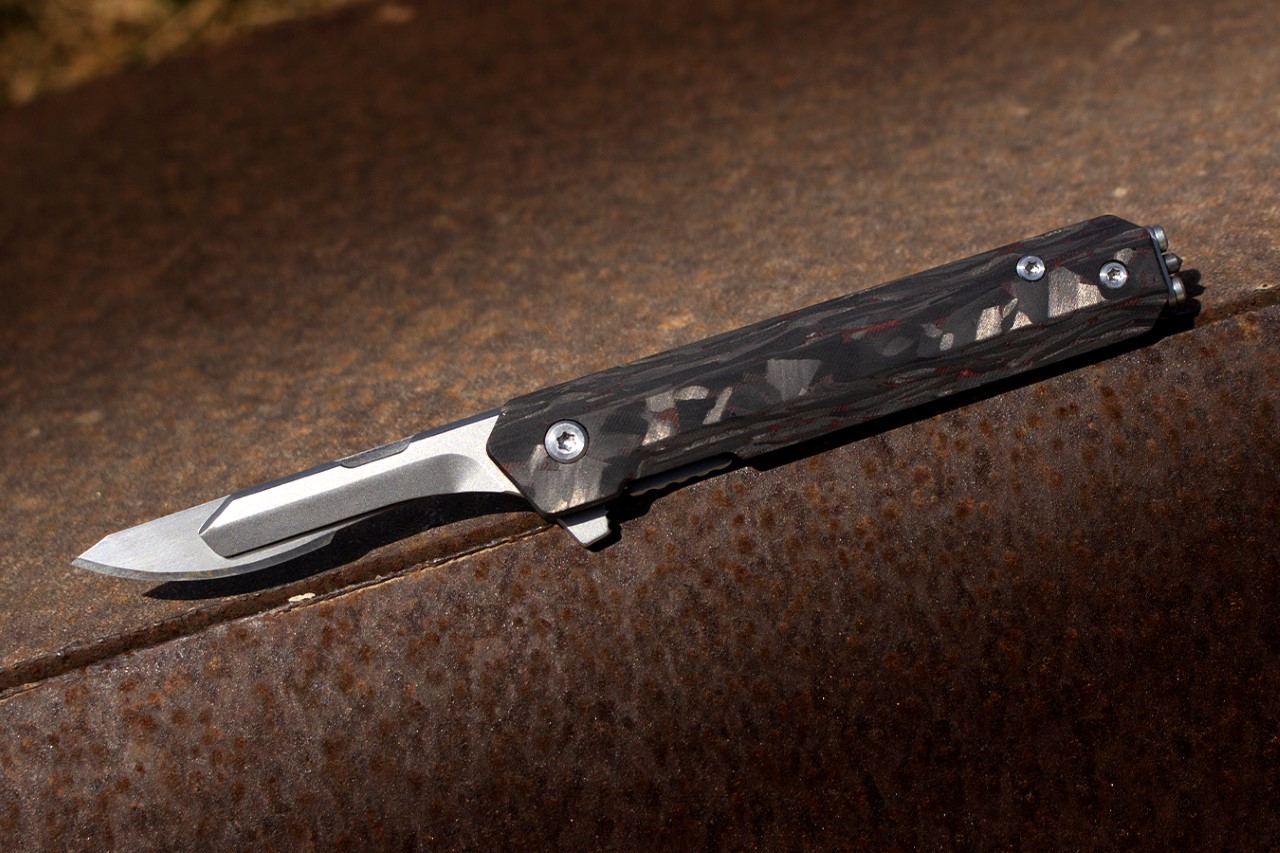
The SerpBlade strangely enough doesn’t come with a blade built-in. Instead, it relies on any standard scalpel-style surgical blade that snaps right into the knife’s blade holder. Made from surgical steel, these blades are ridiculously sharp (ask any doctor or surgeon), and can handle everything from cardboard and paper to even cutting through wood. Readily available pretty much everywhere, the surgical scalpel blades come in a variety of profiles, so you can choose a shape that suits your needs best. A drop-point or clip-point is usually the crowd favorite, but a nice tanto-style blade really gives the SerpBlade a wicked demeanor. The fact that the SerpBlade ditches a built-in blade for a removable one gives you two significant advantages – for starters, you don’t need to worry about ever having to sharpen your blade again. If a blade grows dull or even breaks, simply ditch it for a new one. It’s simple, fast, and frankly, sustainable because you aren’t throwing out an entire knife just because the blade is damaged or dull. The second major advantage is that the SerpBlade, as a result, is TSA-friendly, as now you can simply ditch the blade and carry the EDC with you while traveling anywhere.
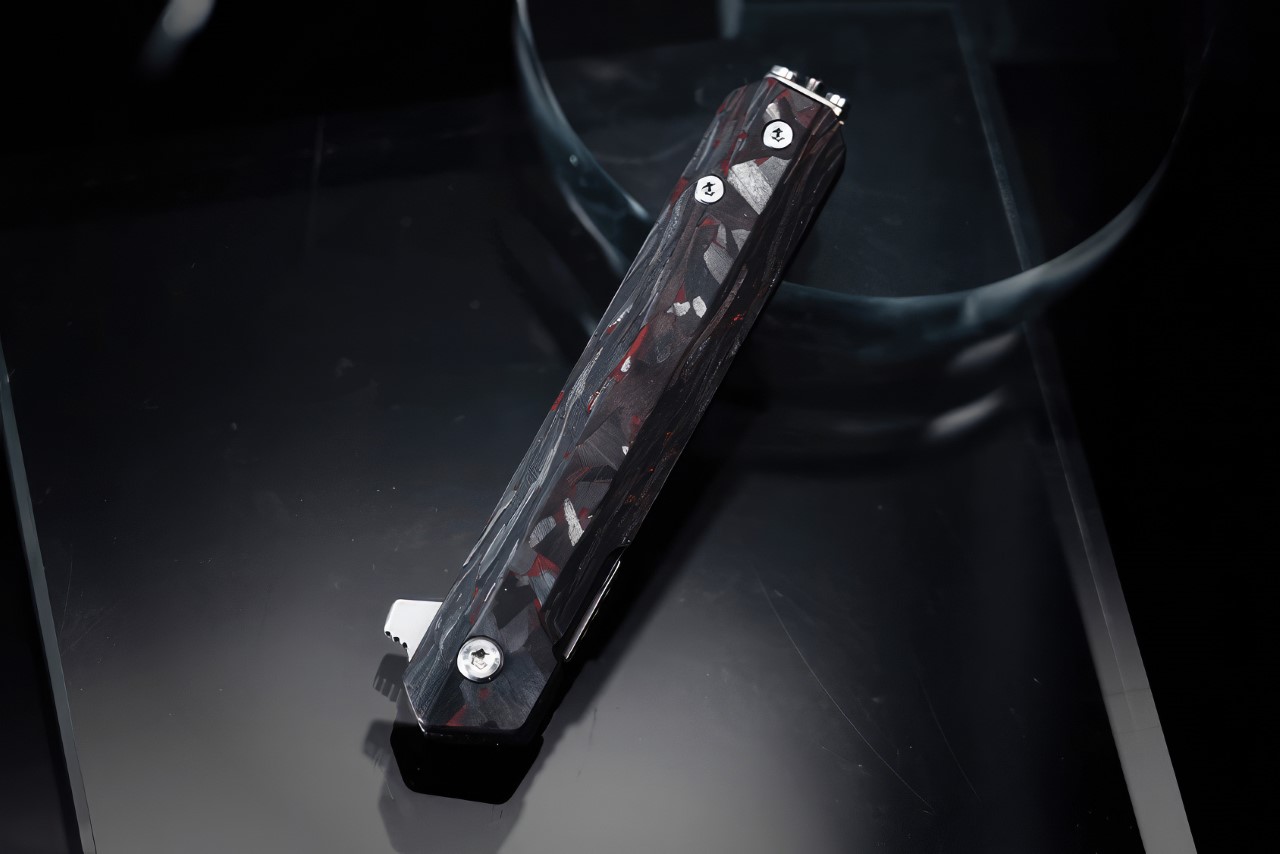
Flip the knife over and you’ve got a tungsten-steel glass-breaker on the reverse end. A great addition to the SerpBlade (I don’t know why more EDC knives don’t have glass breakers in them), this little feature comes in extremely handy when you need to make a quick getaway. The glass-breaking tip can easily shatter through hard laminated glass panels like the ones found in cars, giving you the ability to easily escape in the case of an emergency. The sharp surgical blade CAN cut through seatbelts too, although a serrated knife or a seatbelt cutter would be much more suited to the specific task at hand.
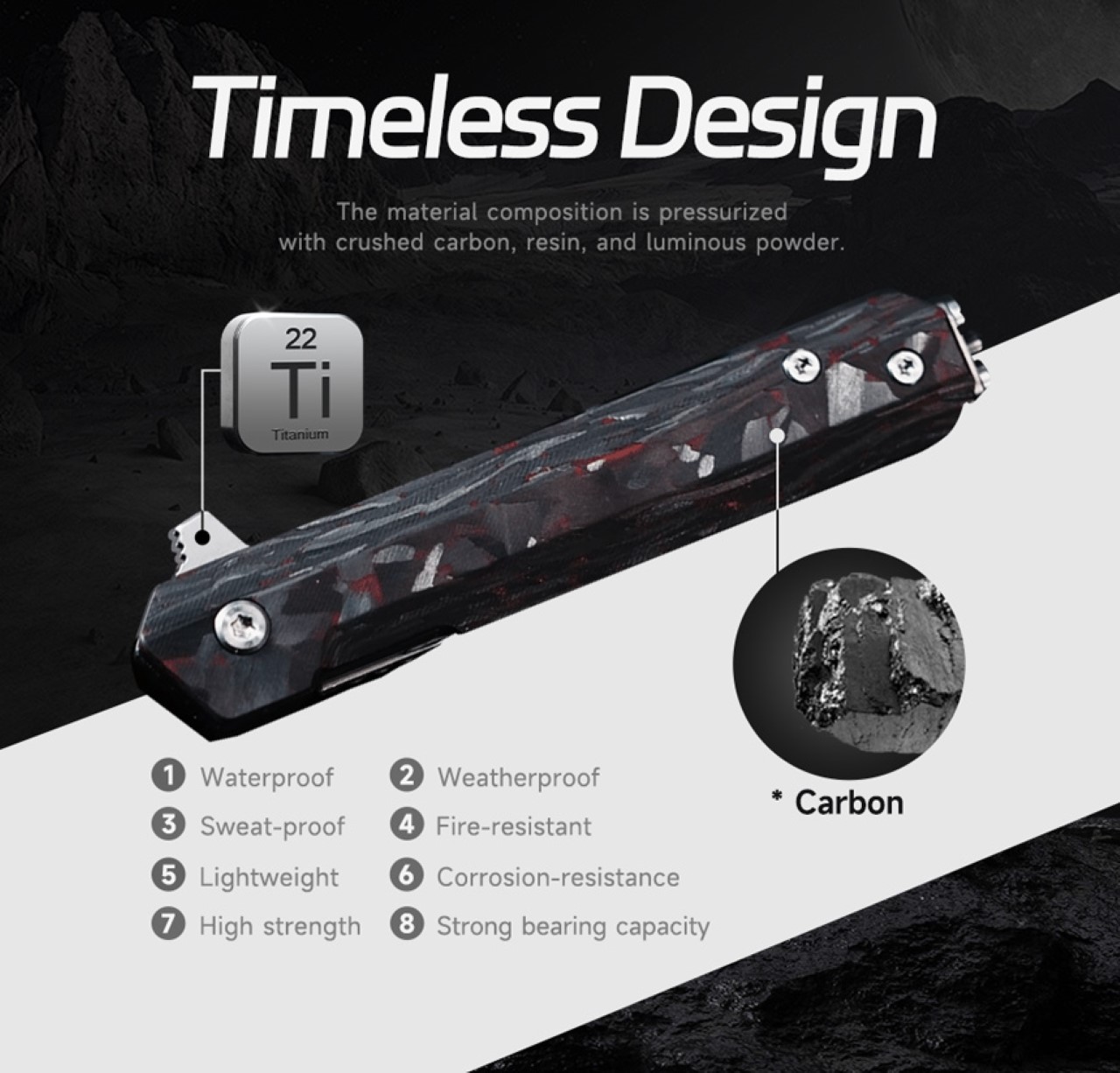
The materials play a crucial role in the SerpBlade’s appeal, given that they allow the knife to be durable, maneuverable, and so easy-breezy to use that you’ll find yourself reaching for the SerpBlade over other EDC knives. The pocket knife comes with a titanium armature that’s sandwiched between a two-piece carbon fiber handle. Sure, this makes the knife lightweight, it also makes the knife incredibly durable (you’re sure to use it for a lifetime if not more), but the combination of titanium and carbon fiber allows the SerpBlade to also be fire-resistant, waterproof, and corrosion-proof. Titanium doesn’t rust or oxidize the way steel does, and both titanium and carbon fiber can resist high temperatures while also being relatively inert to chemicals. In short, your lightweight knife is also 10-20x more durable than an all-steel knife or a steel knife with wooden handles.
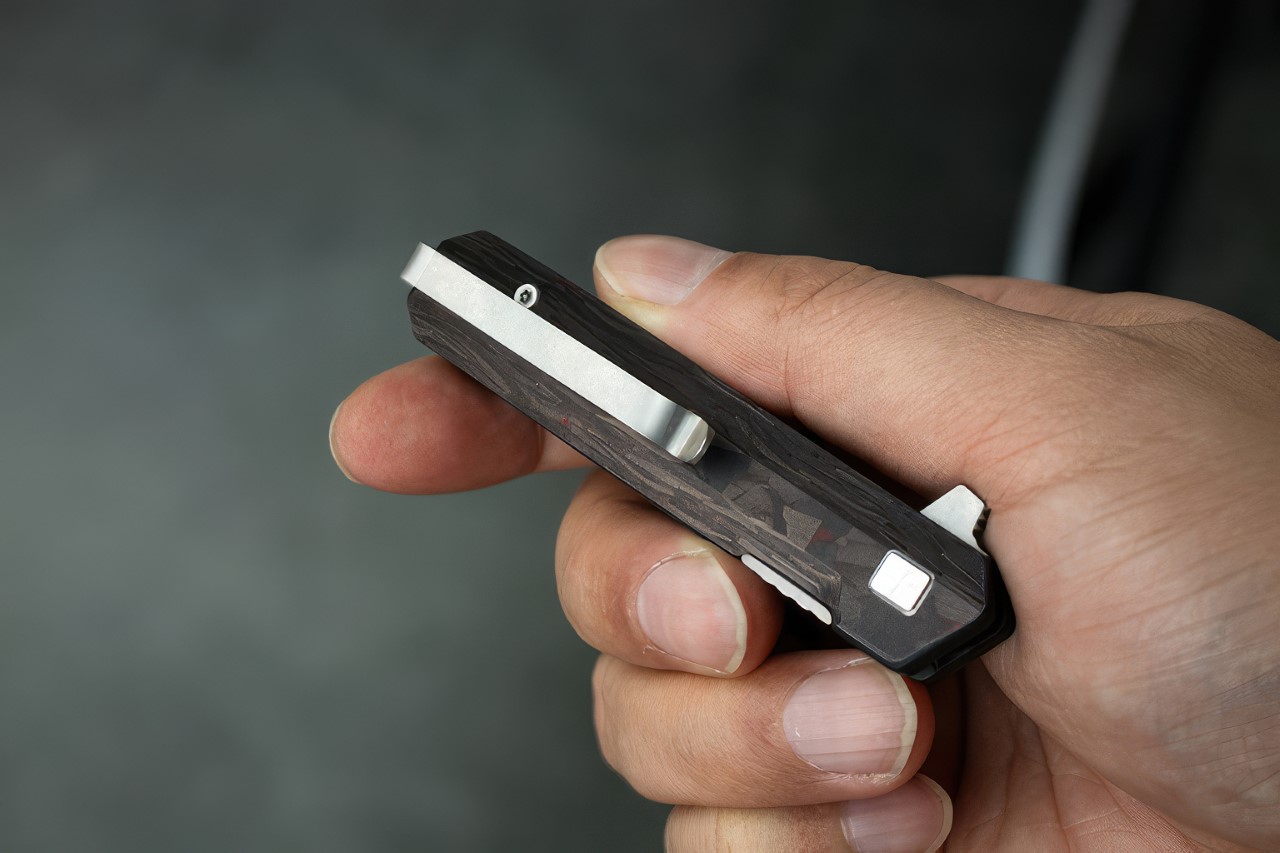
On the design front, the SerpBlade is as slim and slender as they come. At 81mm in length (just over 3 inches), the SerpBlade is the perfect blend between compact and ergonomic. A deep pocket clip allows you to securely carry your SerpBlade in your pocket, and a lanyard hole (that’s now been added to the final design) lets you attach your SerpBlade to a carabiner or paracord too. It was built to be your trusty sidekick for trekking, camping, hunting, gardening, wilderness survival, emergency use, and even something as benign as opening boxes and envelopes or papercraft.
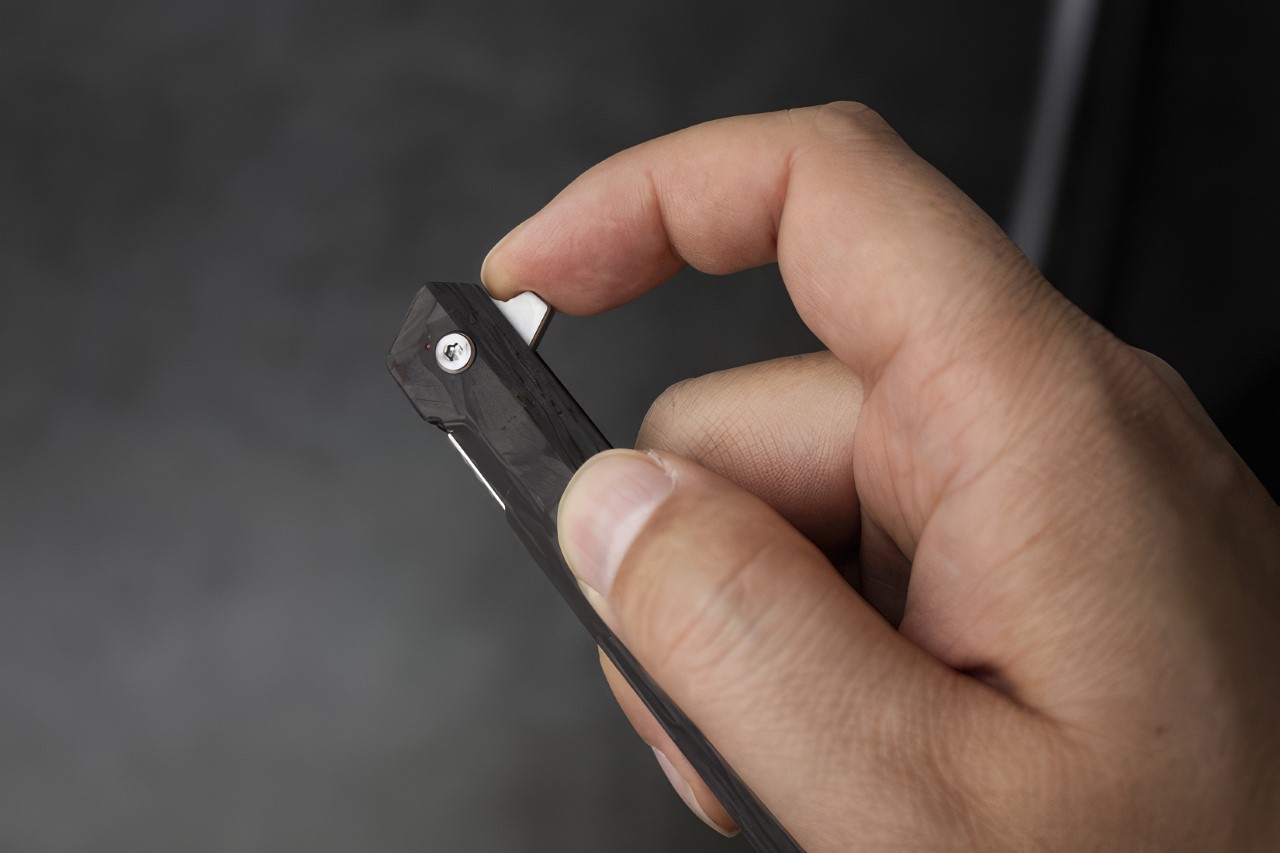
The knife features a single-handed flip-to-open mechanism that deploys in under a second, letting you go from 0 to 100 in the blink of an eye. A roller bearing mechanism makes the flip-out buttery smooth, while a liner lock holds the blade in place while you’re using the knife, ensuring it doesn’t shut on you mid-job. The titanium arm that holds the surgical scalpel blade lets you change blades in a jiffy too. All you need to do is slide out the old blade and add a new one and you’re good to go. Change blades whenever an old one goes dull or breaks, or even if you’re in the mood for something different!
The SerpBlade comes in a single color, although each carbon fiber handle has a unique flake pattern that differs from knife to knife. The EDC starts at a discounted $59, which includes the pocket knife itself, along with ten No.23 surgical blades included. The Serpblade ships globally for free starting July 2024.