Minimalist Book Stand Works as Bookmark, Display, Bookends

Books in progress disappear easily in daily life. They slide beneath magazines, stack horizontally until the pile tips, or close flat on nightstands where they compete with phones and glasses for space. Bookends organize collections but ignore single volumes being actively read. Most stands prop books at awkward angles or take up more surface area than they deserve for what they accomplish.

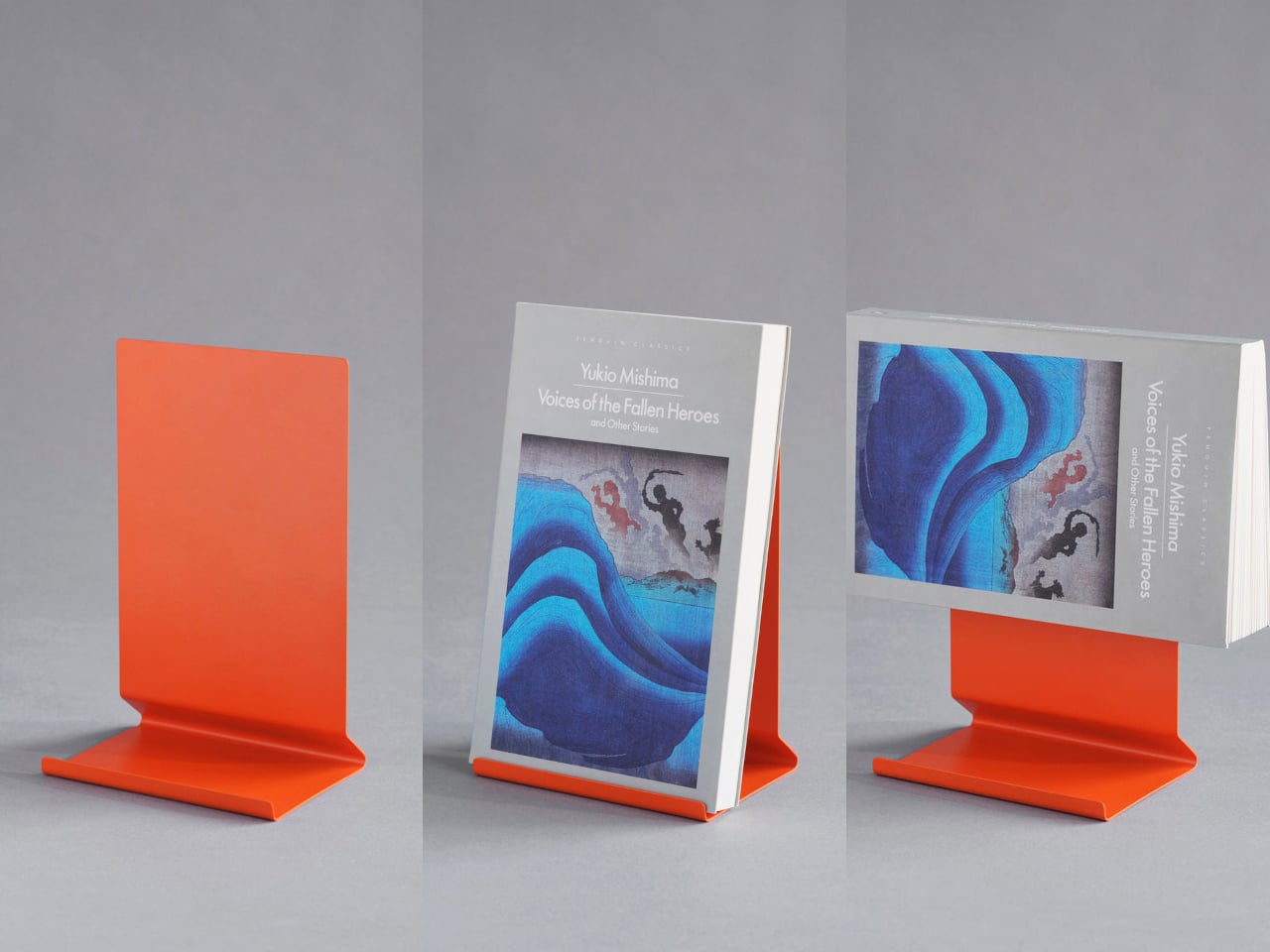
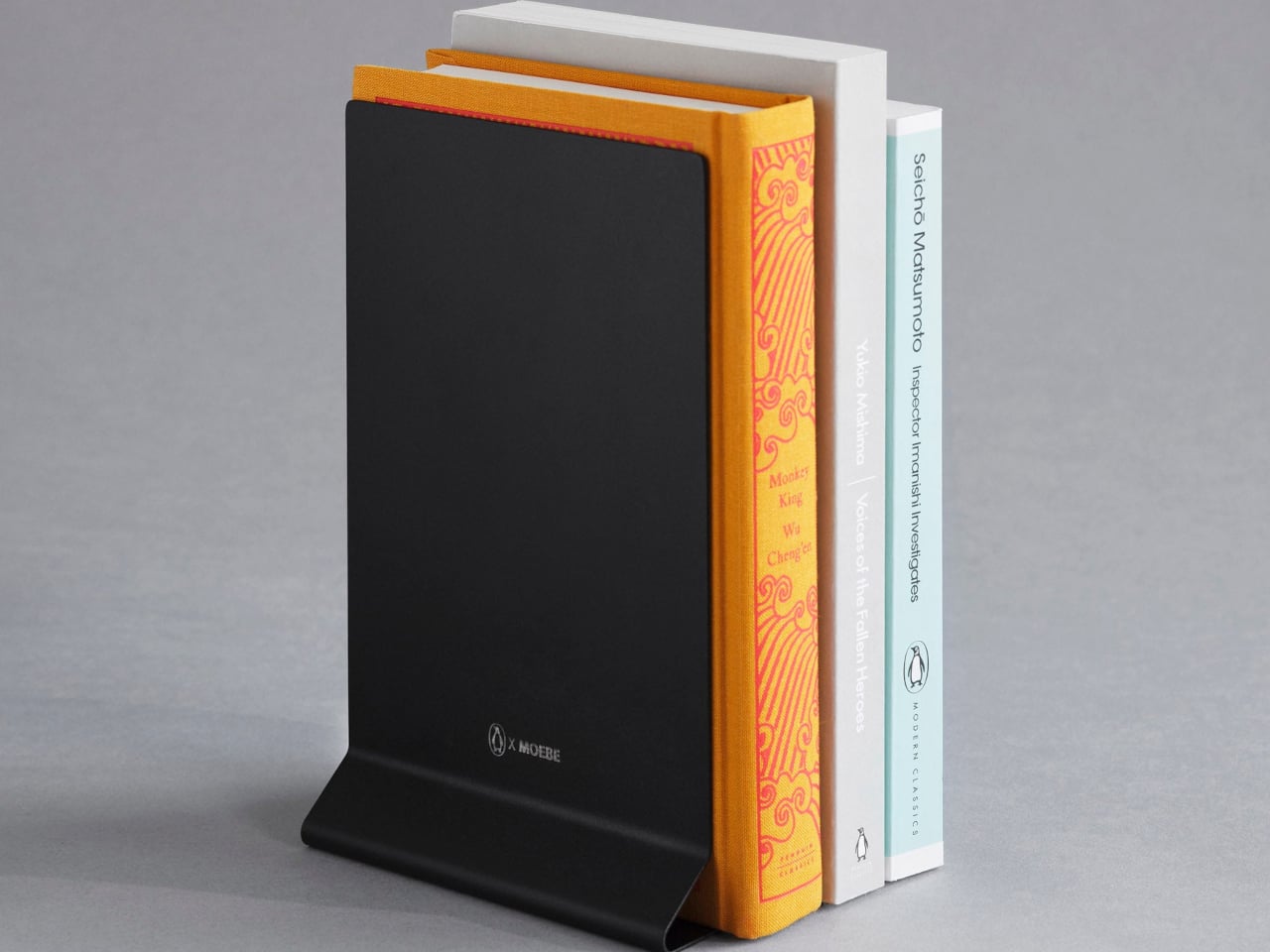
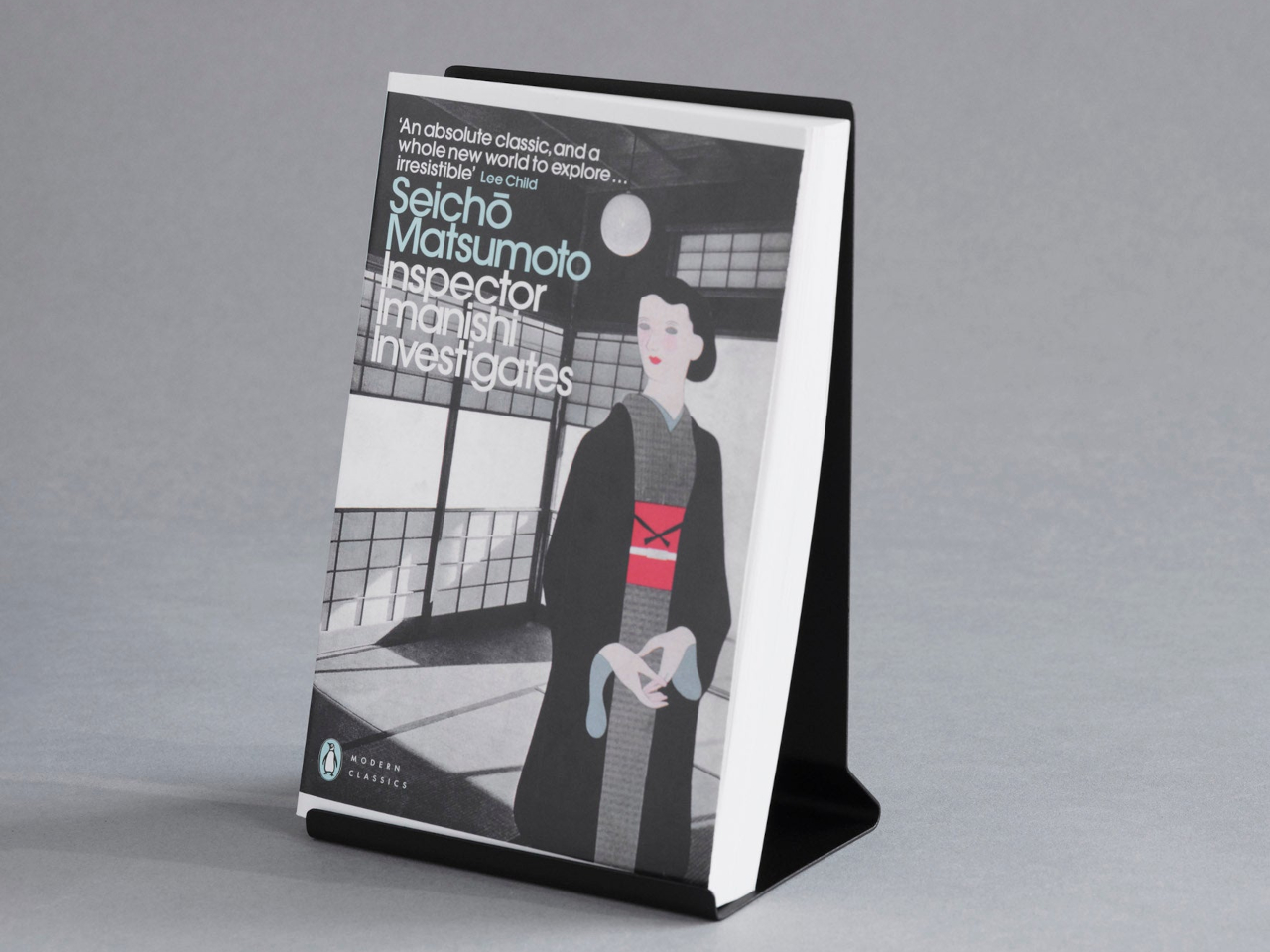
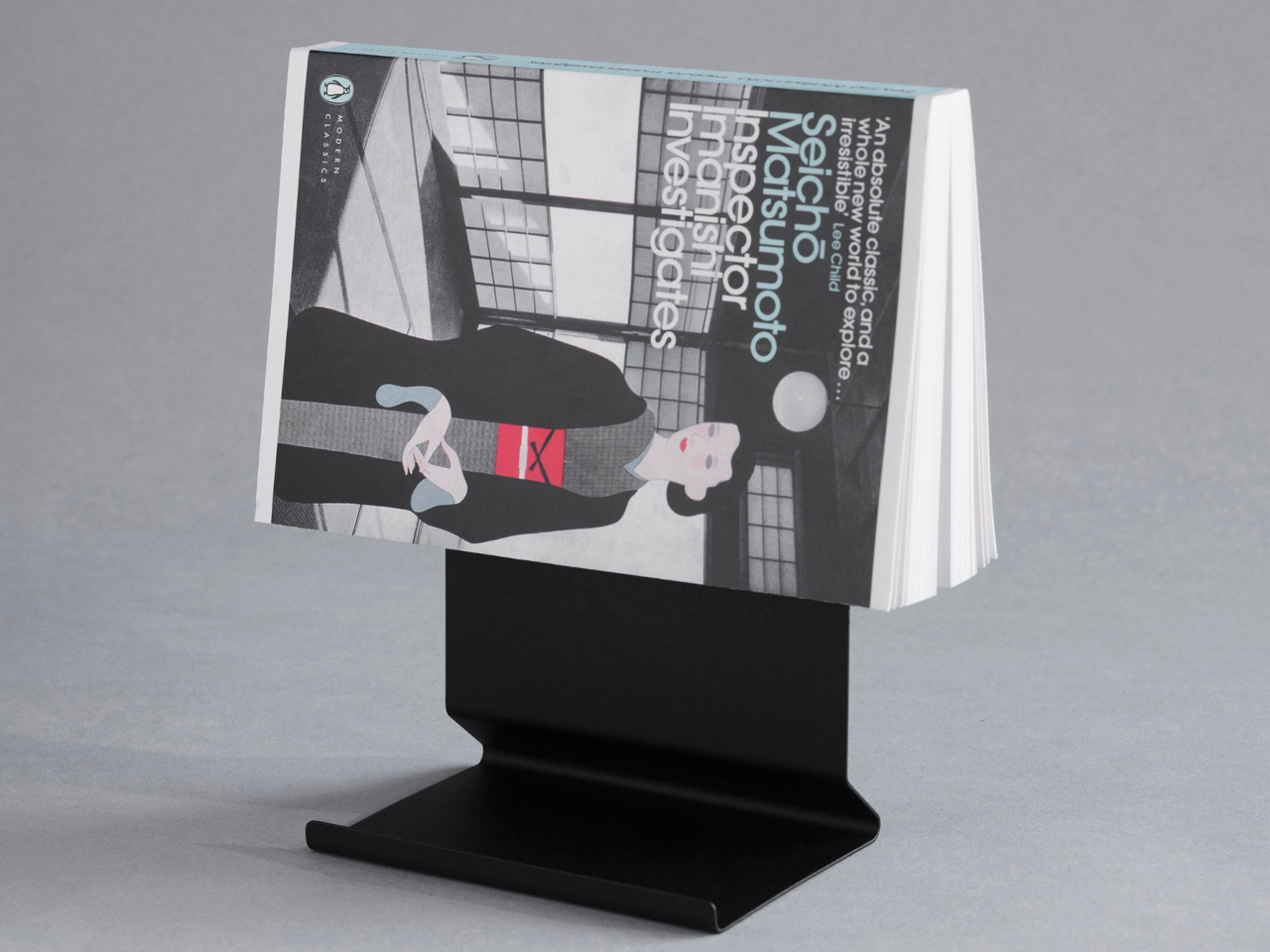
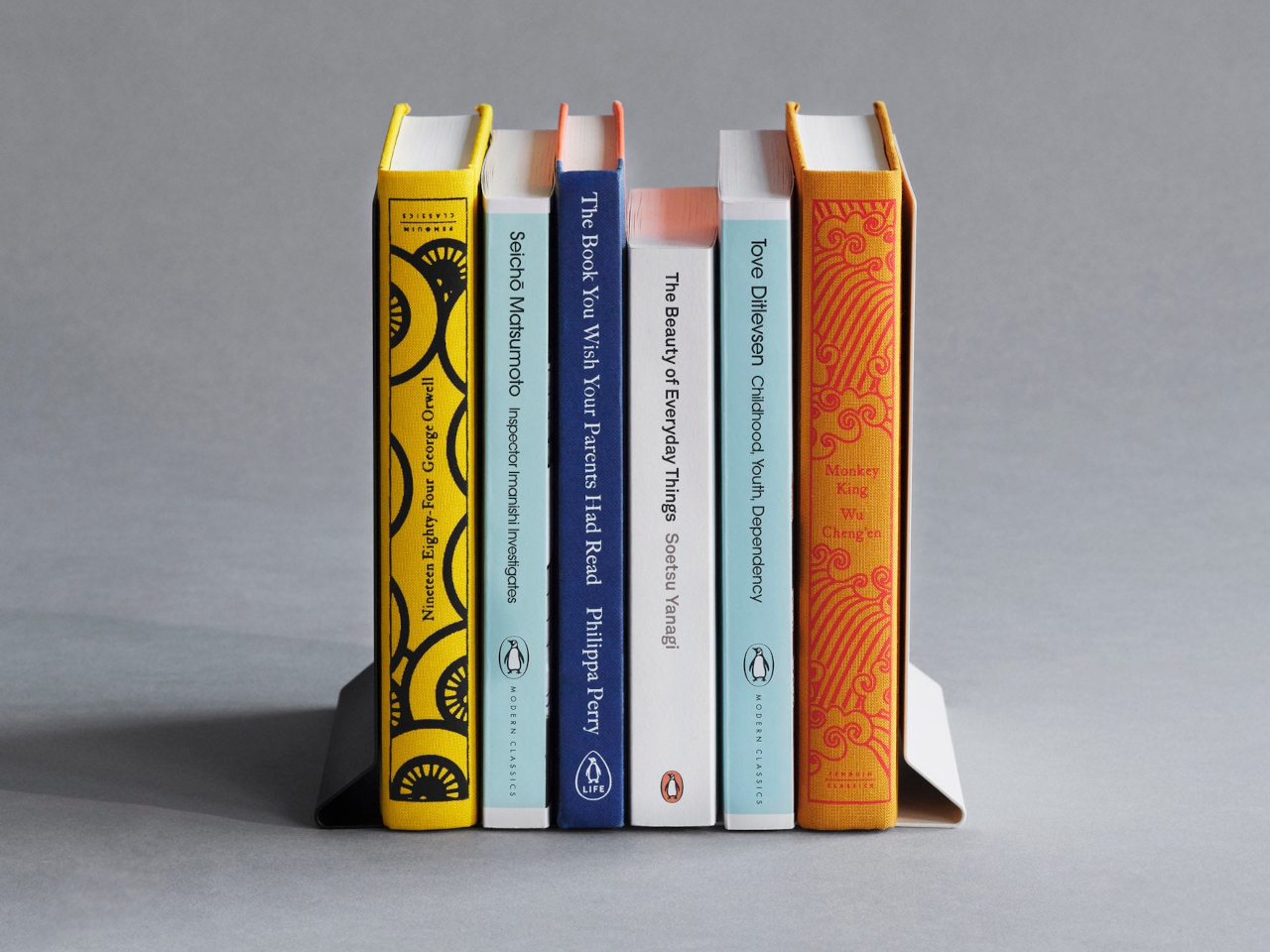
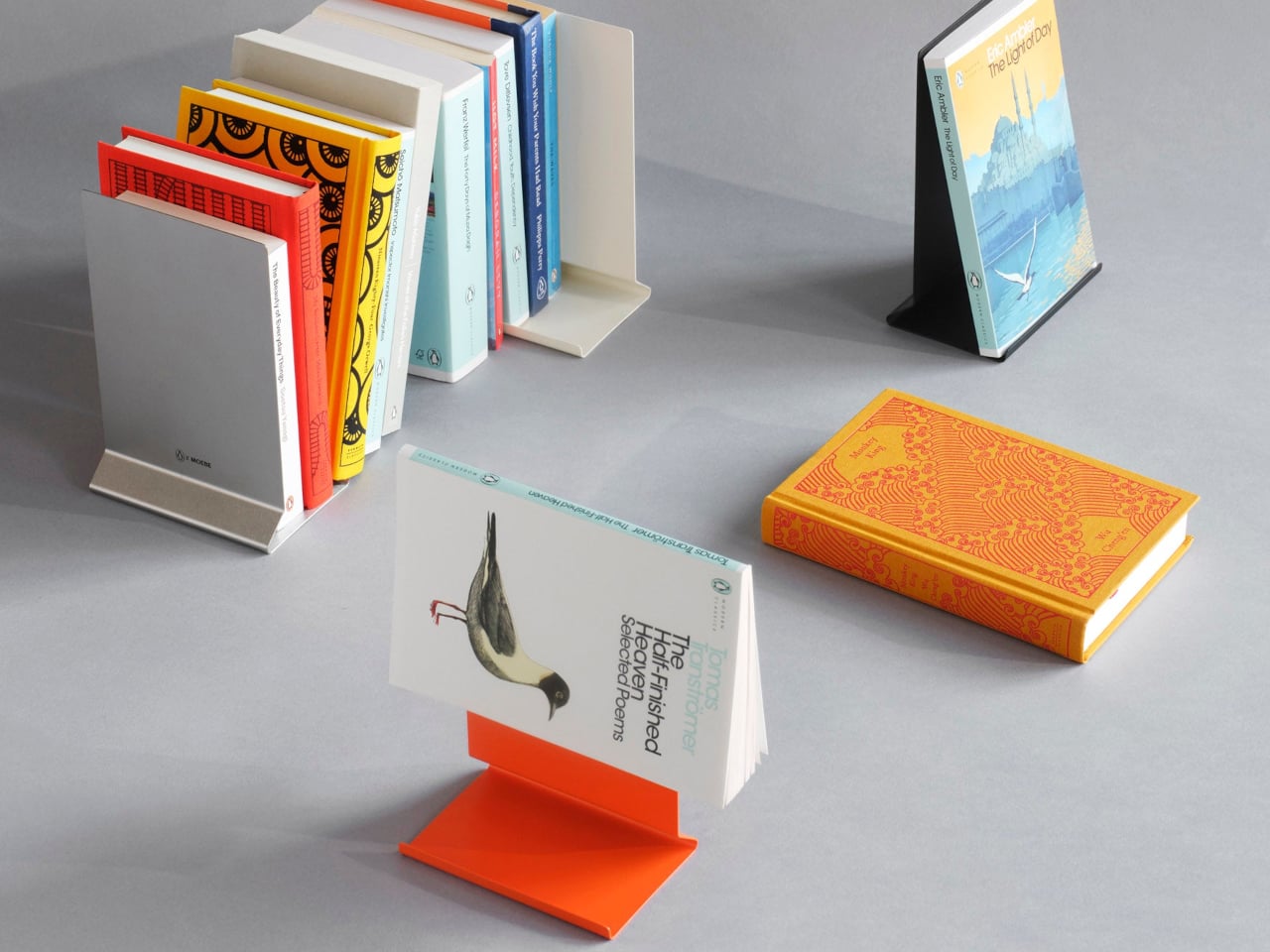
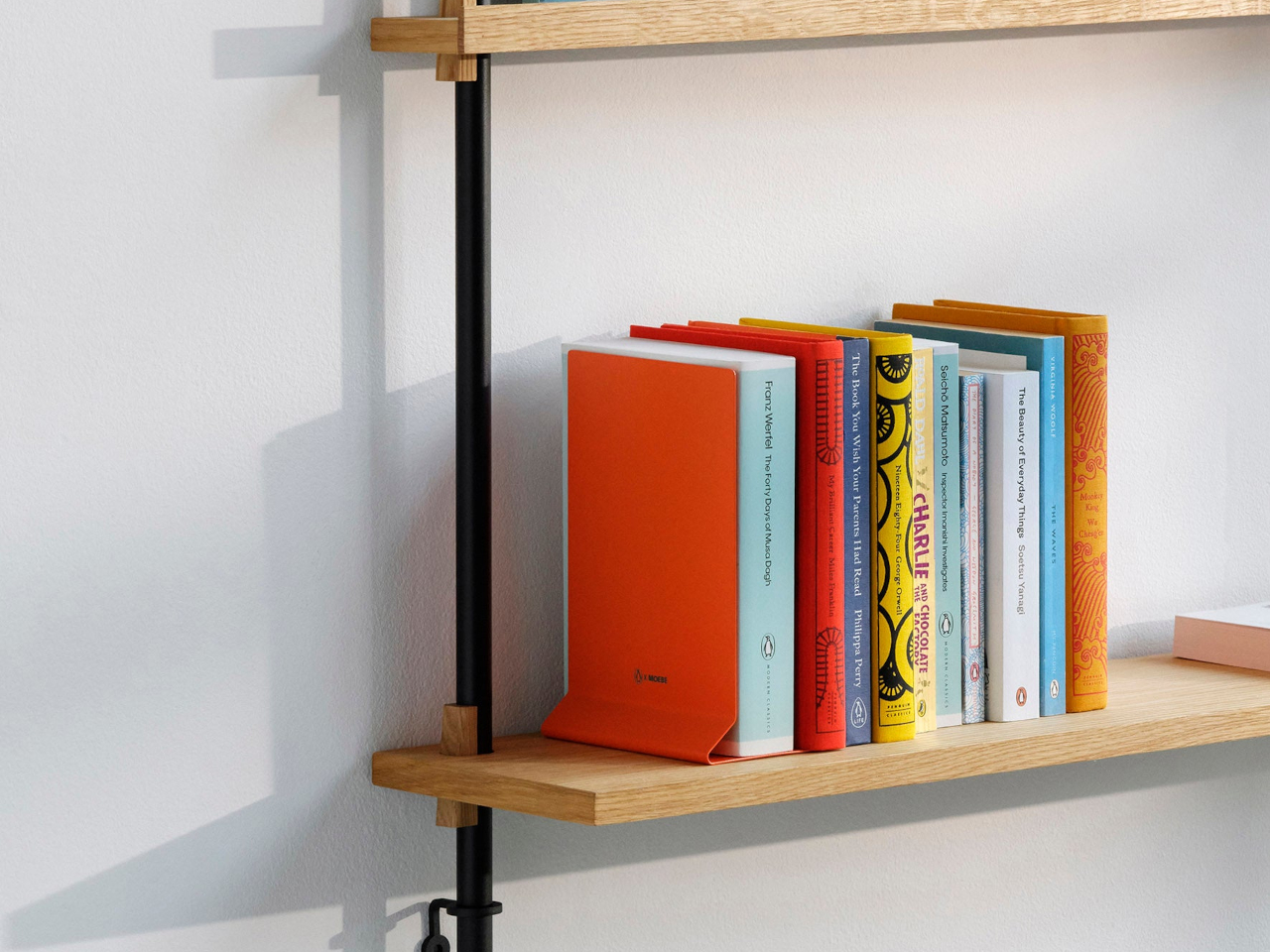
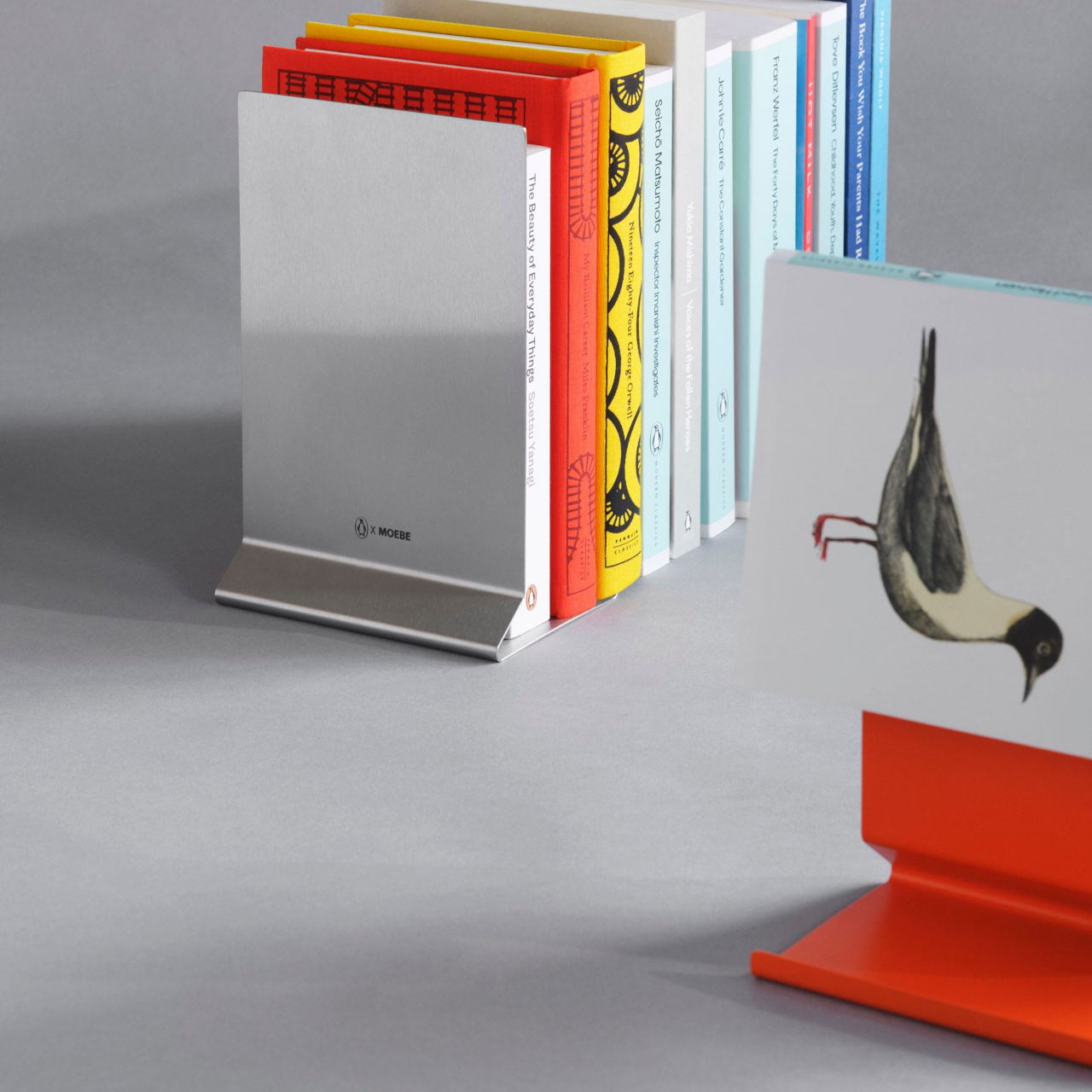
The Penguin x MOEBE Book Stand treats books as objects worth displaying rather than just storing. Created to celebrate Penguin’s 90th anniversary, the stand gives reading material a visible place that makes returning to your current page feel natural. Its bent steel construction holds books open, displays single volumes upright, or works in pairs as bookends depending on what you need.

Designer: MOEBE for Penguin

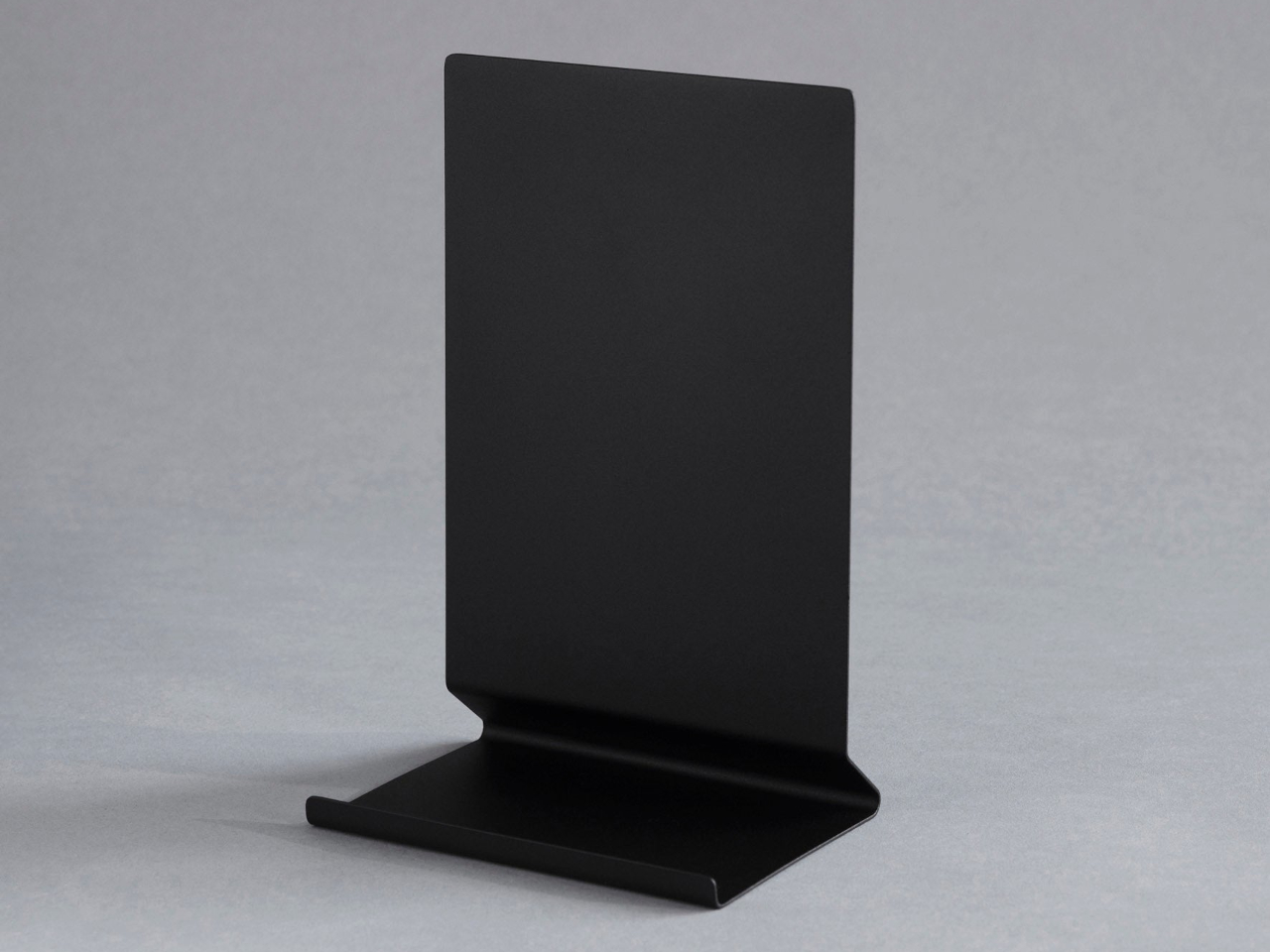
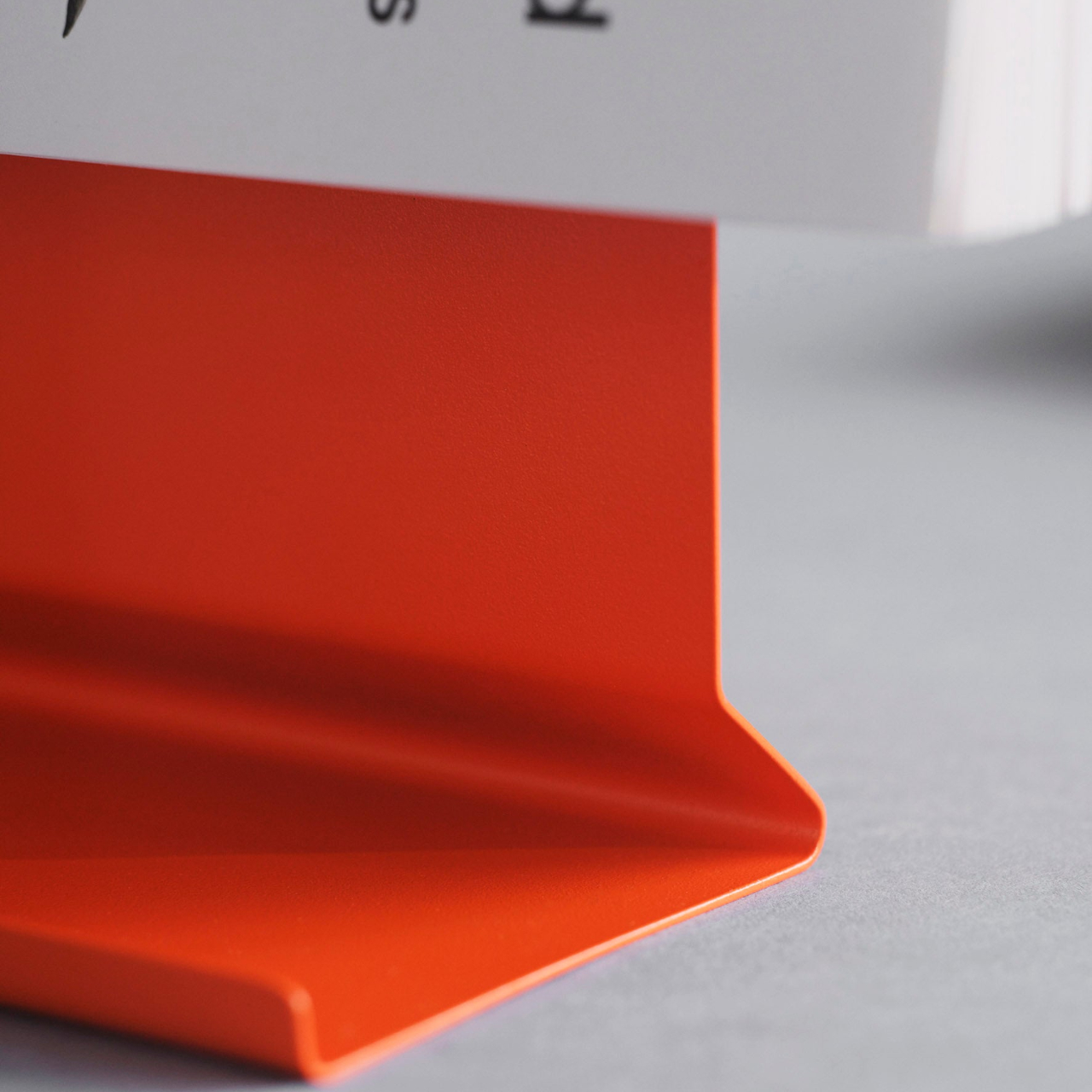
The stand comes in stainless steel, cream, black, and Penguin’s signature orange. Each version uses a single bent sheet of steel, creating a seamless L-shape with no visible fasteners. The matte finish stays quiet visually while the angled base supports books of different thicknesses without wobbling. Subtle Penguin and MOEBE marks sit on the base where they don’t interfere.

Functionally, the stand adapts without adjustment. Prop a novel open to your current page and it holds position, removing the need to constantly relocate your place. Stand a hardcover upright to display its cover temporarily. Pair two stands to bookend a small collection on a desk, with everything staying secure. The same object shifts between these roles depending on what you’re reading.

The compact footprint fits bedside tables, narrow shelves, or kitchen counters where cookbooks get referenced mid-recipe. The vertical back supports books without hiding spines or covers entirely. The open form lets you grab volumes from either side depending on where you’re sitting, which removes the awkward reaching that happens with conventional stands when books sit facing one direction.

Books become the primary visual element when the stand holding them stays minimal. A colorful Penguin paperback in the orange version creates complementary color pairings. Hardcovers with interesting artwork get framed rather than buried. The stand recedes visually while making whatever sits in it more noticeable, which feels backwards from typical accessories that announce their presence louder than their contents.

Using the stand shifts how books exist in rooms. Instead of closing a novel and setting it somewhere to get buried later, you leave it propped open where it stays visible. That reminder makes picking it back up feel easier than hunting through stacks for where you abandoned it last. The ritual around reading becomes slightly more deliberate without requiring extra effort.

The Penguin x MOEBE Book Stand handles practical storage while maintaining enough visual restraint to work on surfaces where aesthetics matter. It gives books presence without making the stand itself compete for attention, which most reading accessories struggle to balance properly. The bent steel form stays minimal while adding genuine utility to spaces where people actually read rather than just collect.

The post Minimalist Book Stand Works as Bookmark, Display, Bookends first appeared on Yanko Design.

A Side Table That Doubles as a Bookmark for Your Favorite Reads

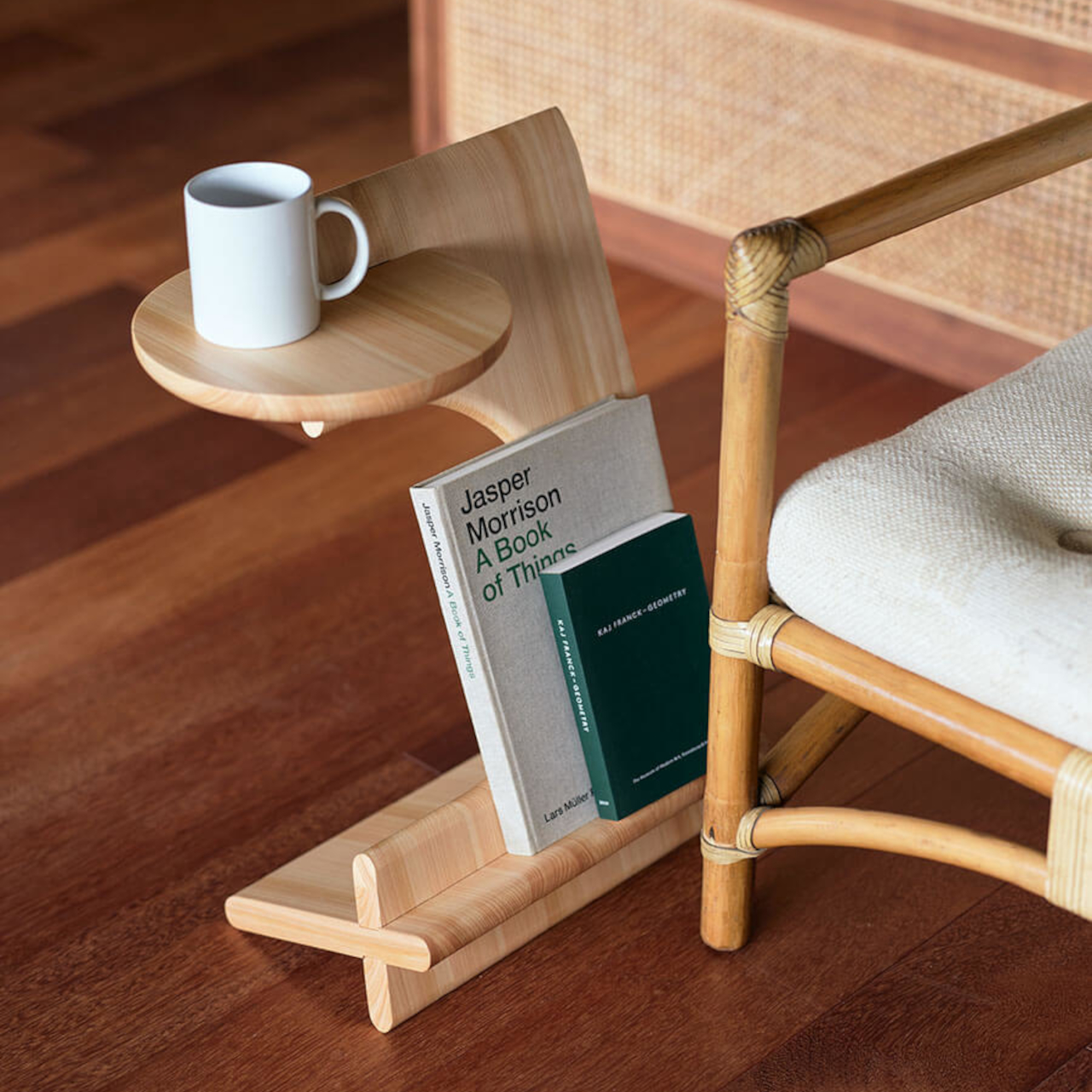
Side tables typically end up holding whatever gets set down near them. Coffee mugs accumulate next to half-read novels that slide beneath remote controls and charging cables. Books in progress disappear into this visual clutter, creating friction between the intention to read and the reality of finding where you left off. Most furniture treats books as afterthoughts rather than priorities, offering no dedicated space that keeps them visible and within reach.

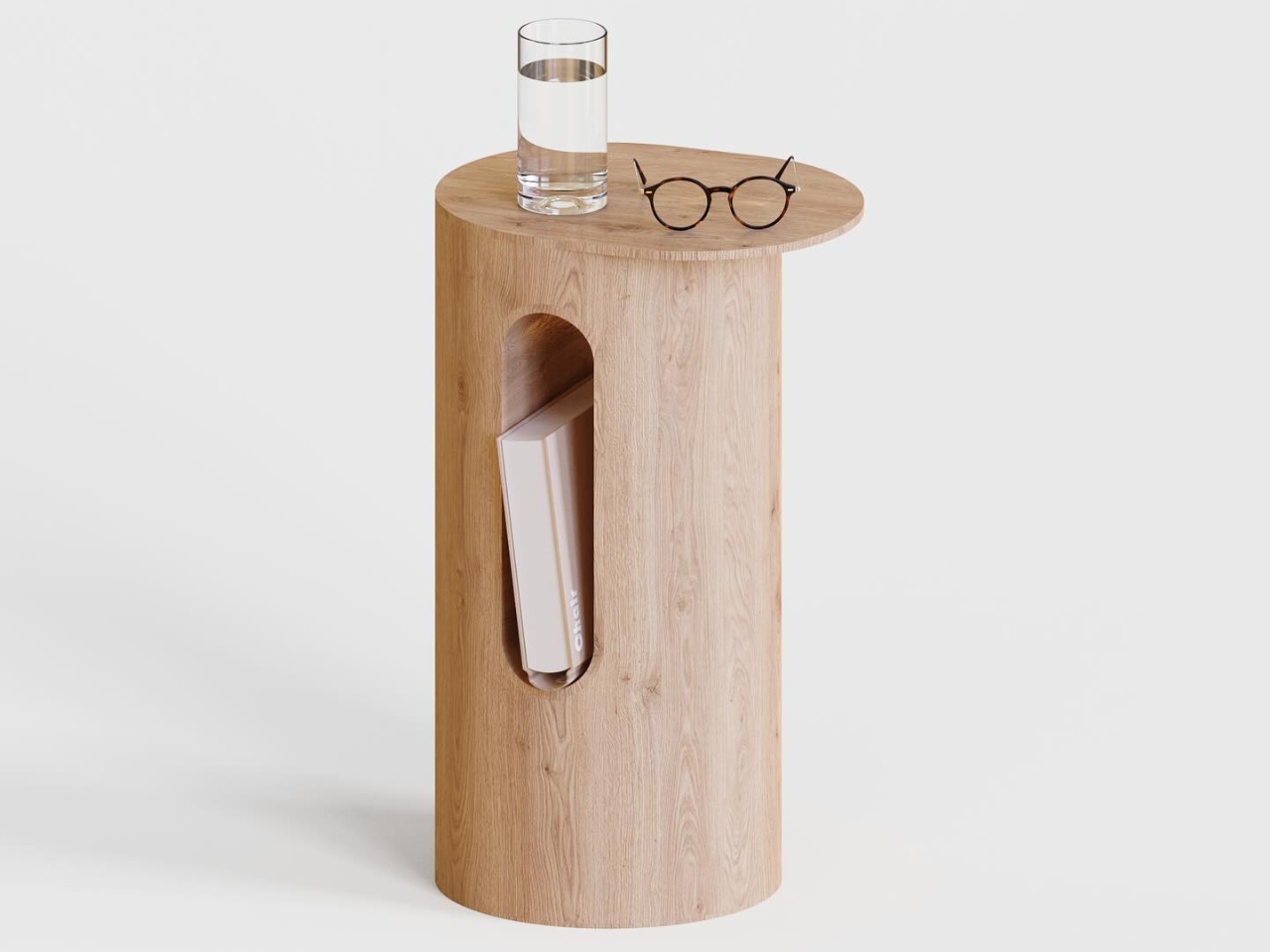
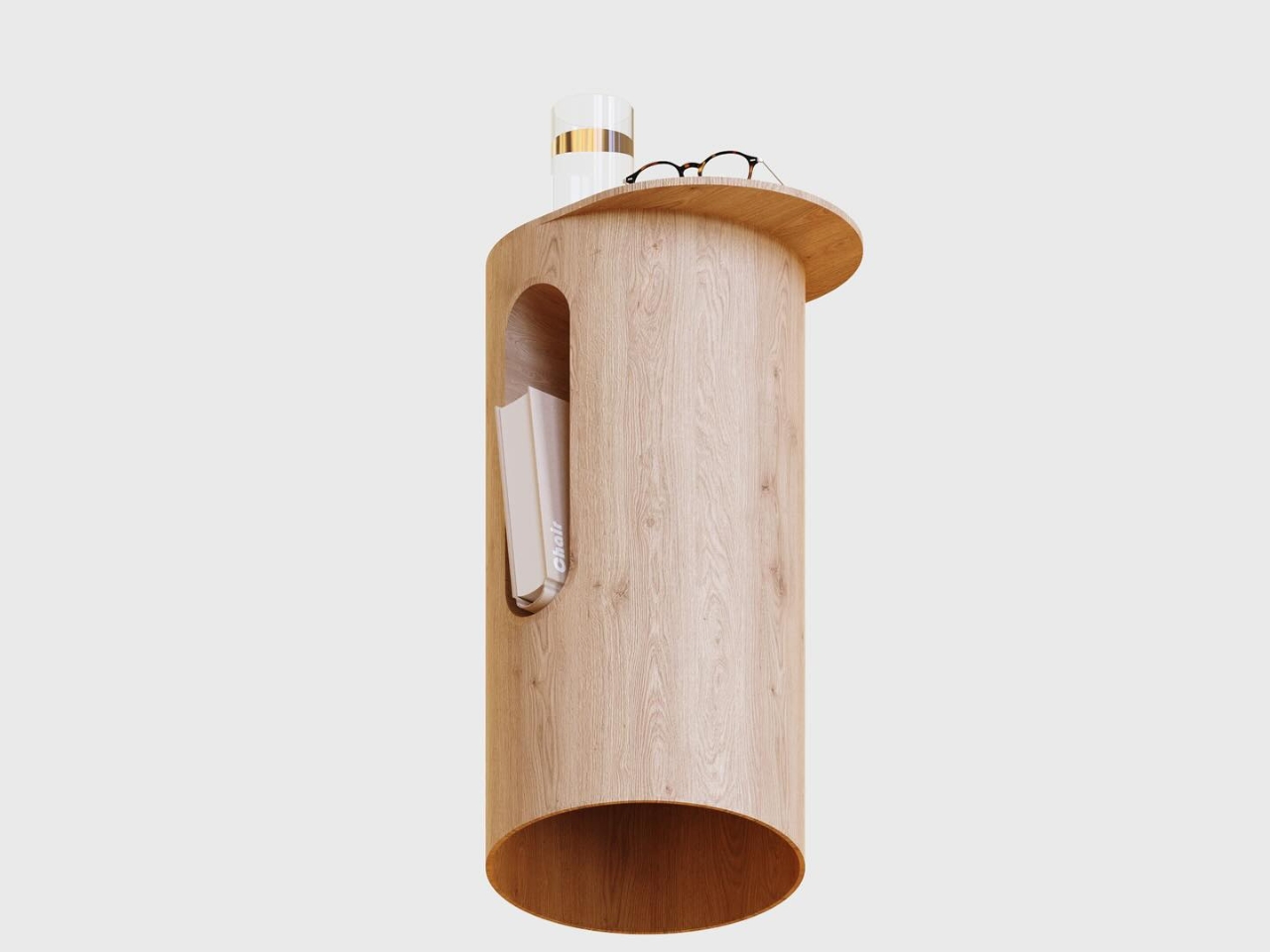
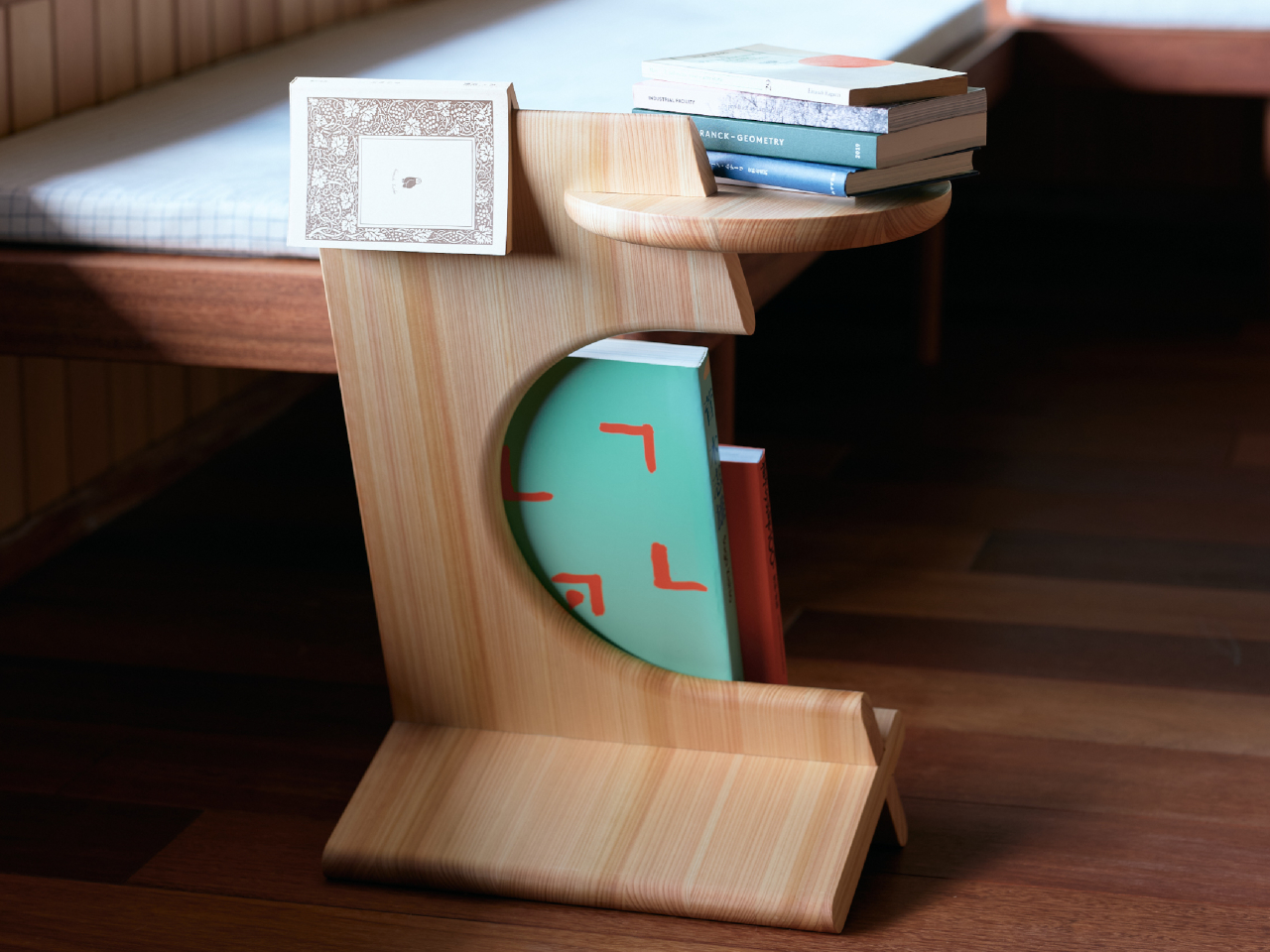
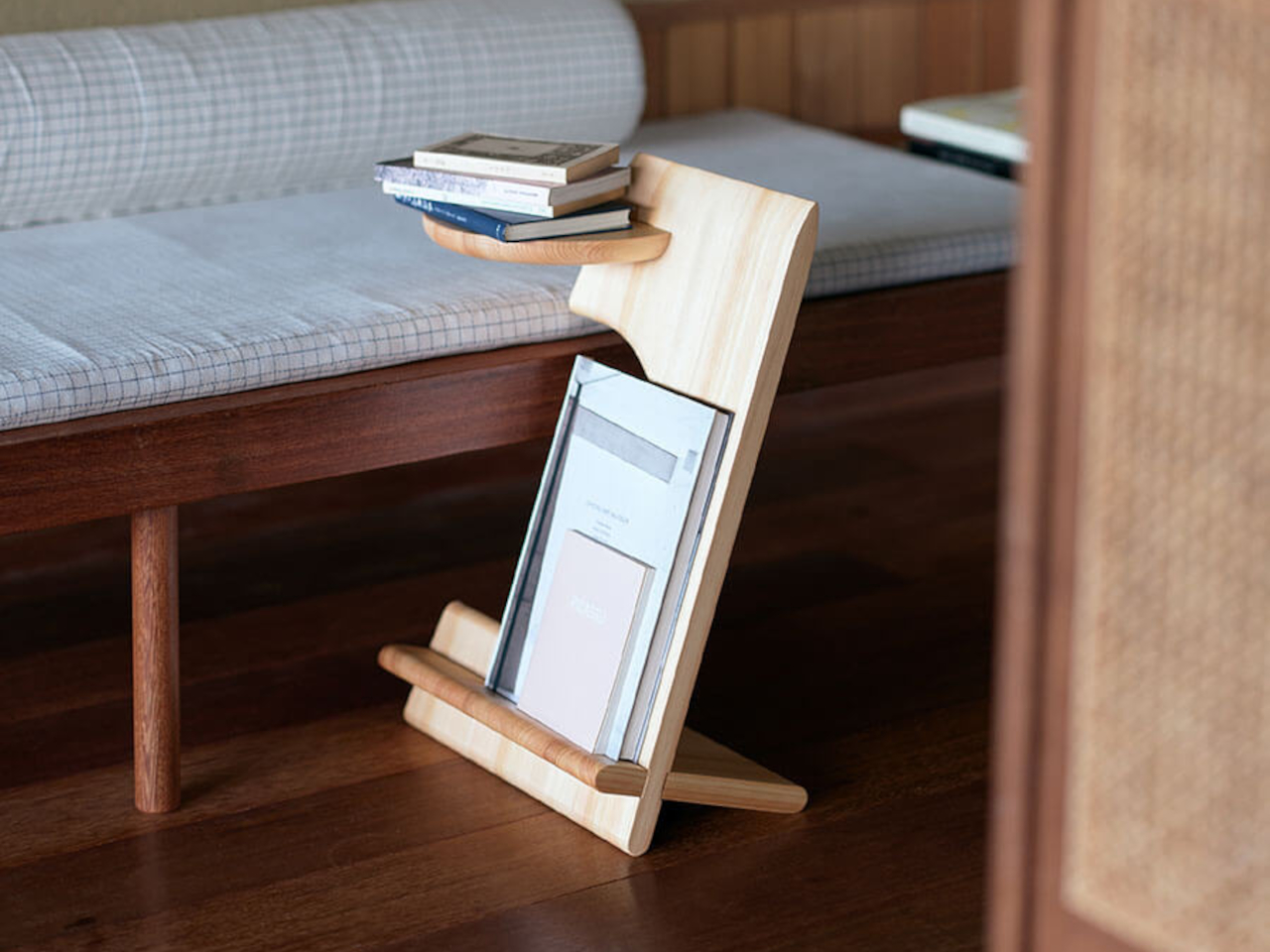
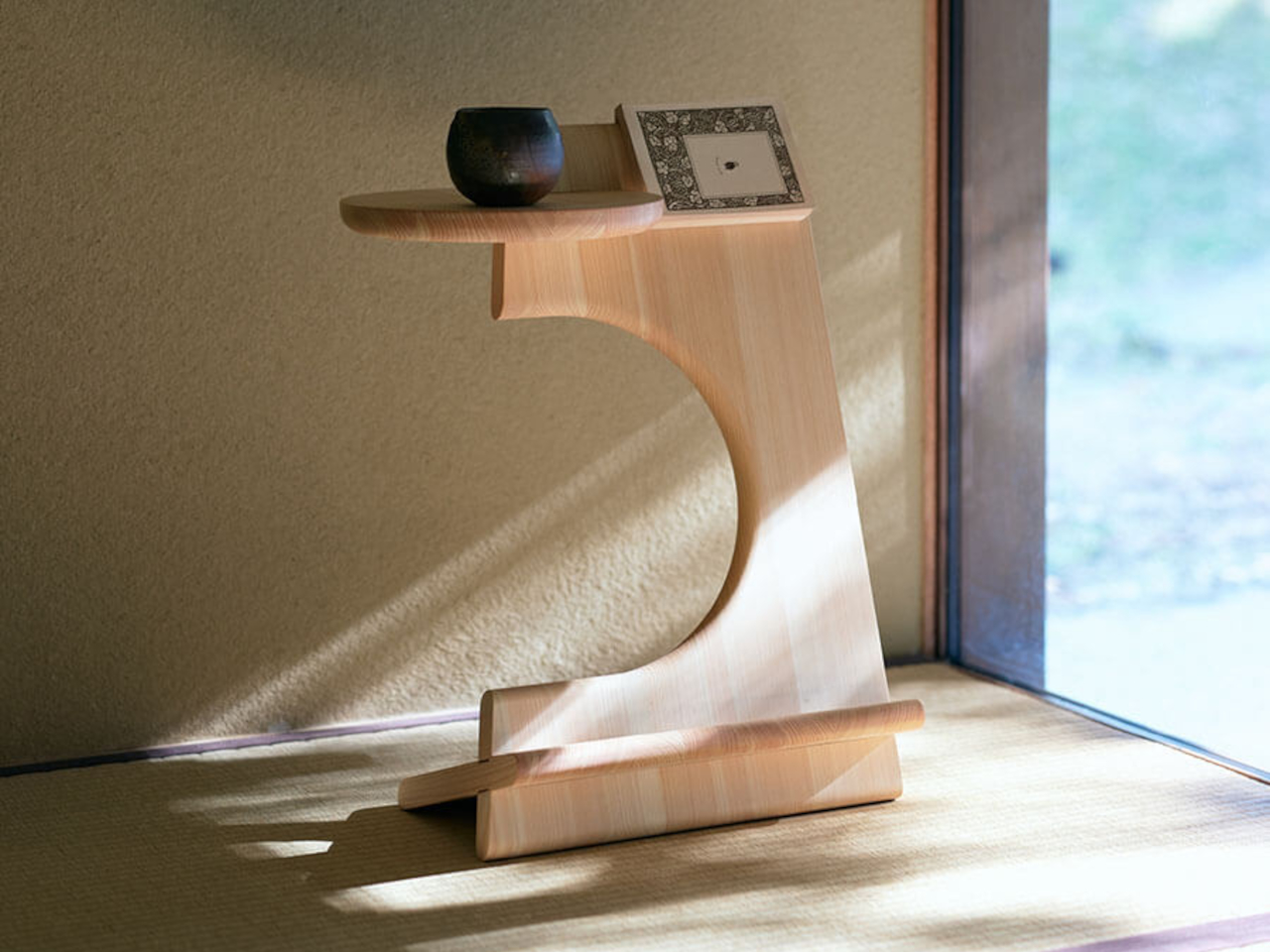
Bookmarker addresses this by treating reading as an activity worth designing for specifically. The table’s form creates a clear place for books in progress, making them visible rather than buried. Japanese cypress construction gives it a warm, tactile presence that reads as furniture first, while its cutouts and slots serve the practical needs of someone settling in with a novel and a drink.

Designer: studioYO for Bito

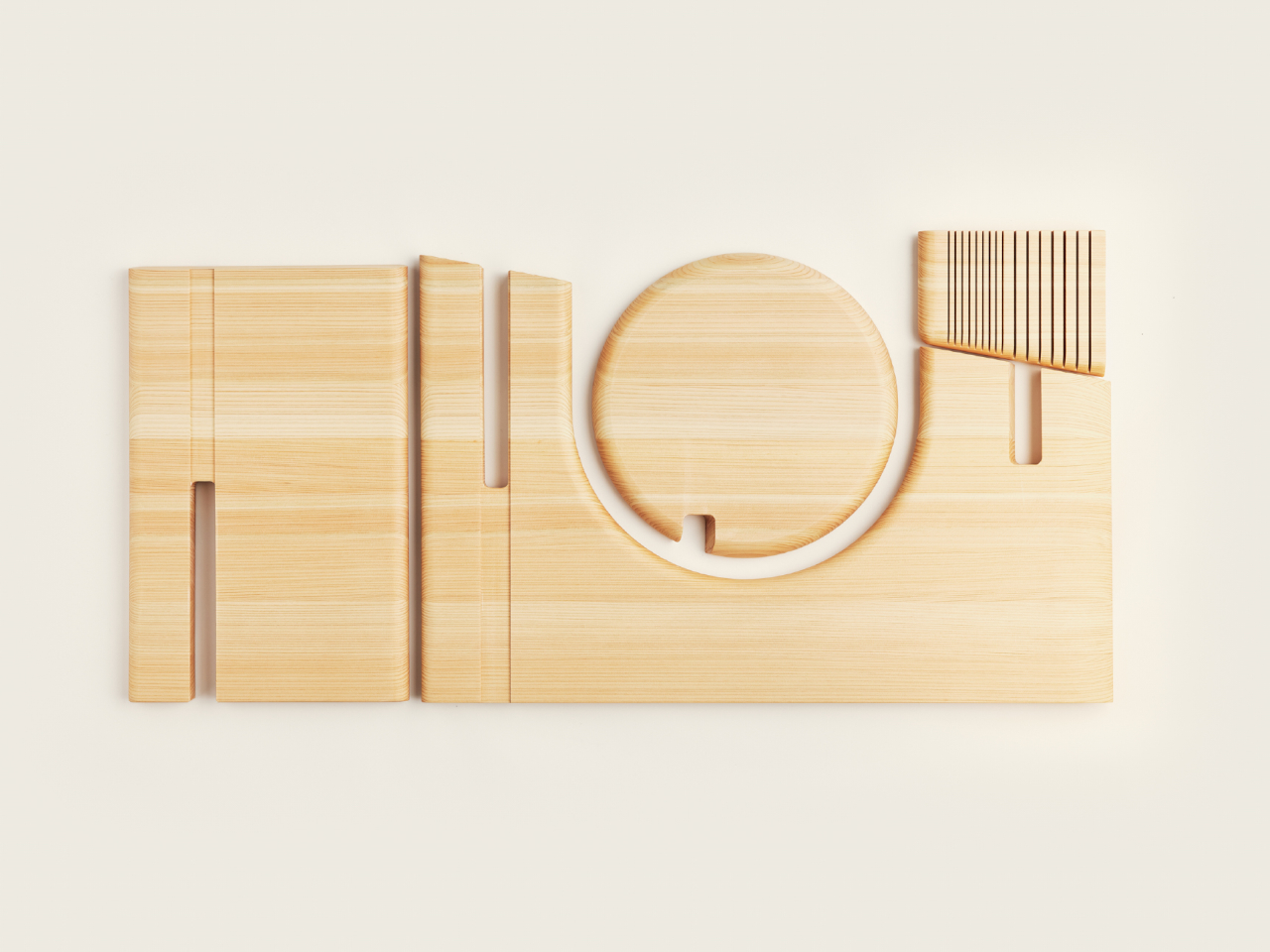
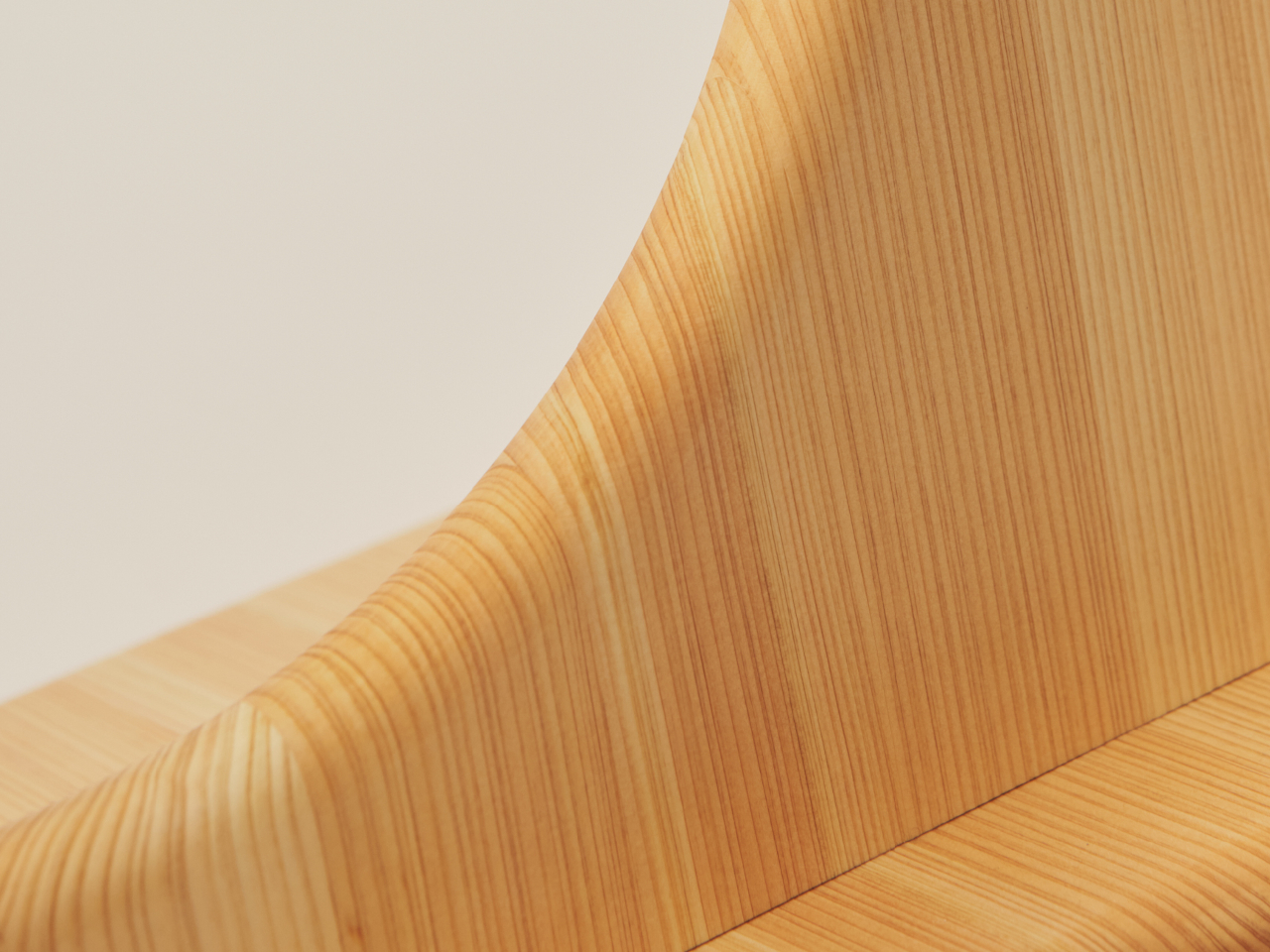
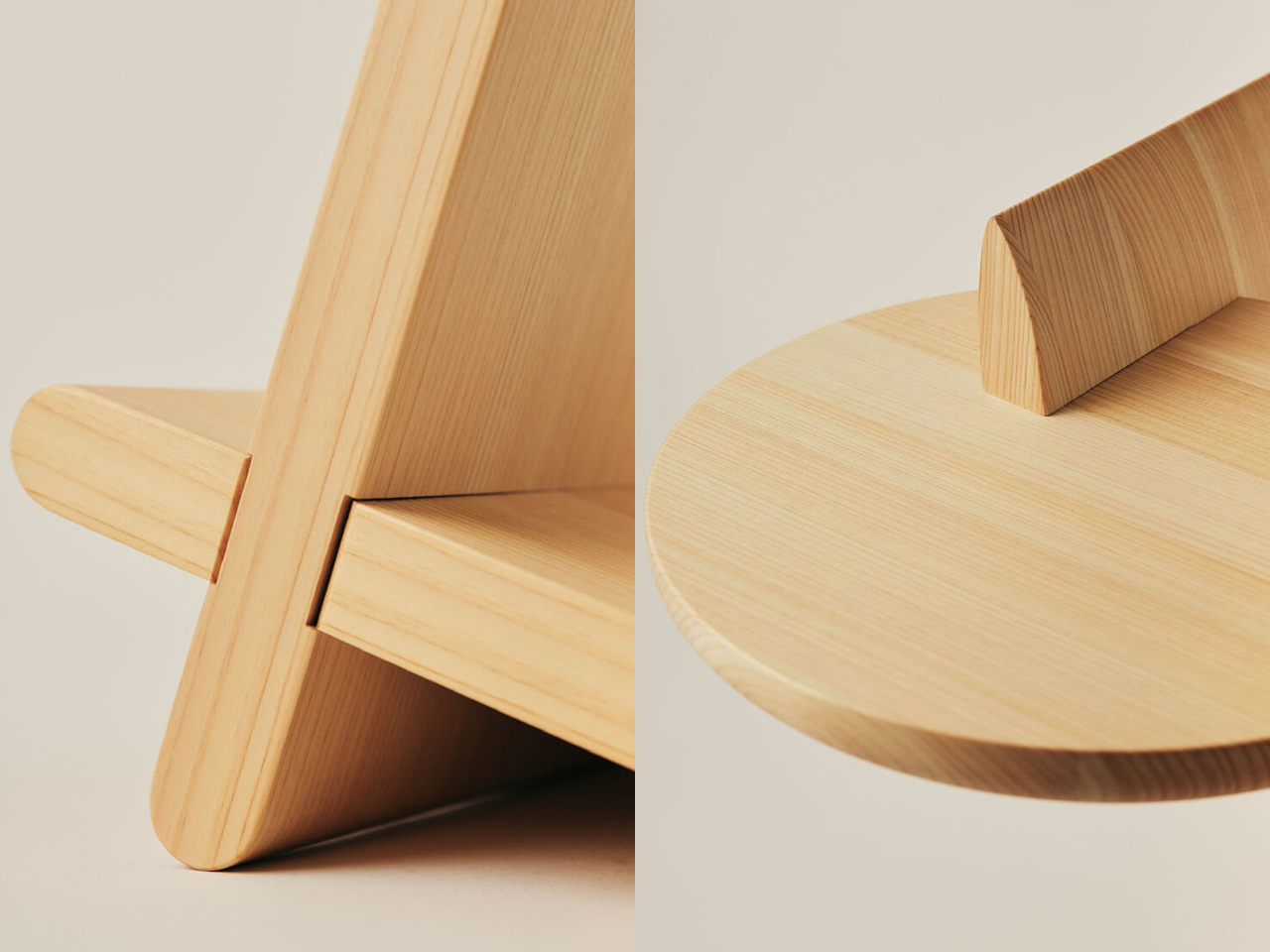
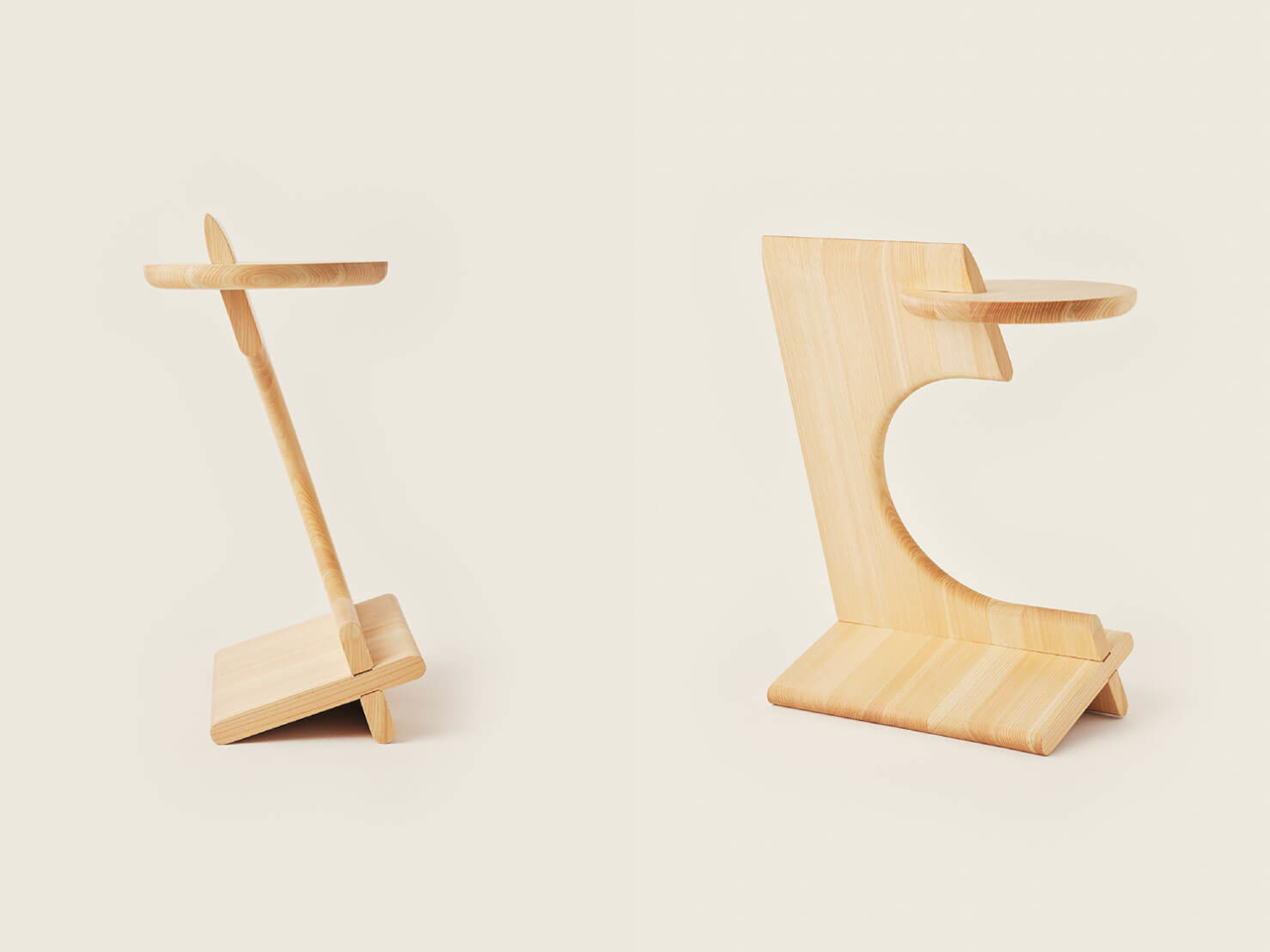
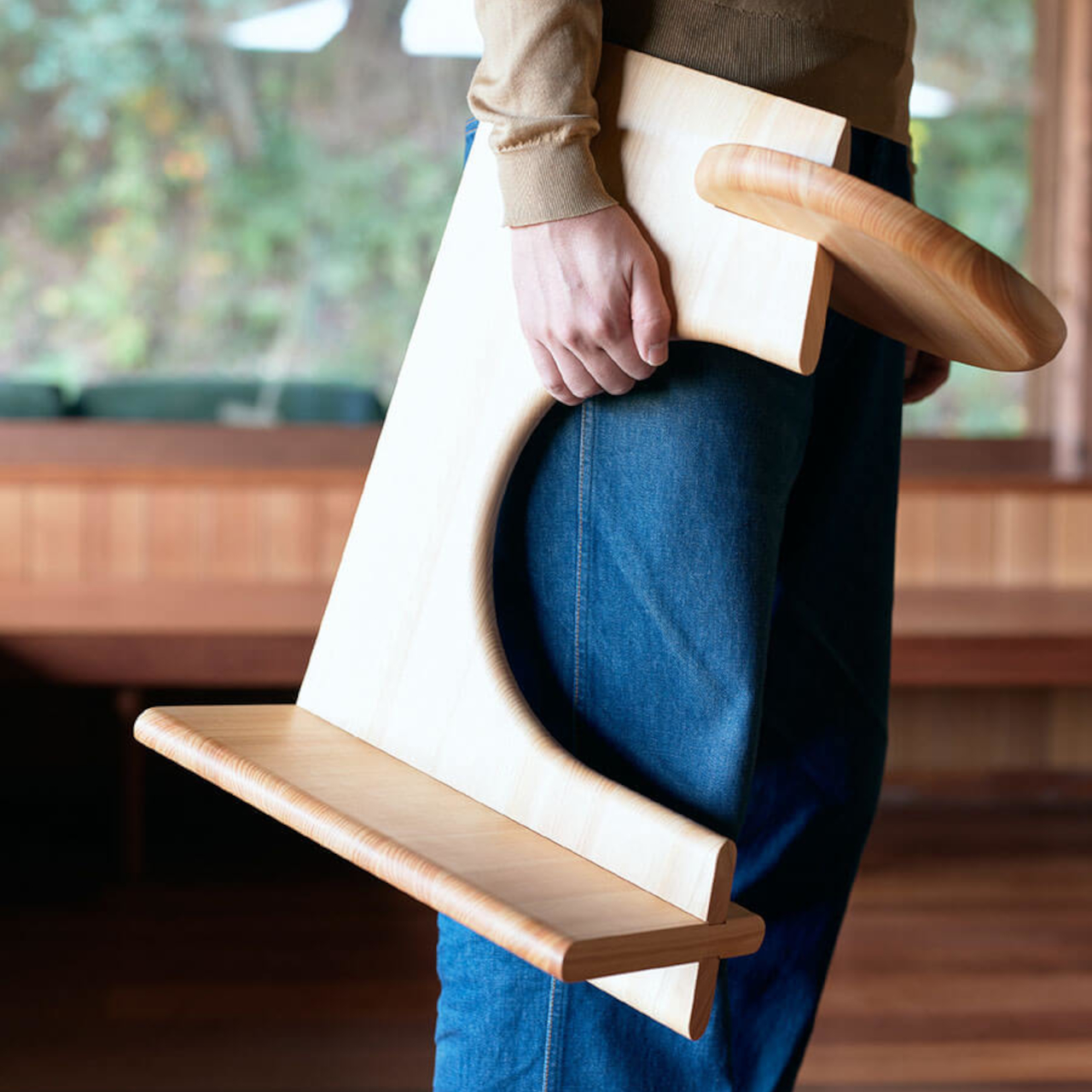
The entire piece cuts from a single board of vertically laminated cypress, producing three interlocking parts with minimal waste. This efficient approach allows the table to ship flat and assemble without hardware, reducing both material use and packaging volume. The cutouts that enable this nesting also define the table’s visual character, creating geometric negative space that feels intentional rather than incidental.

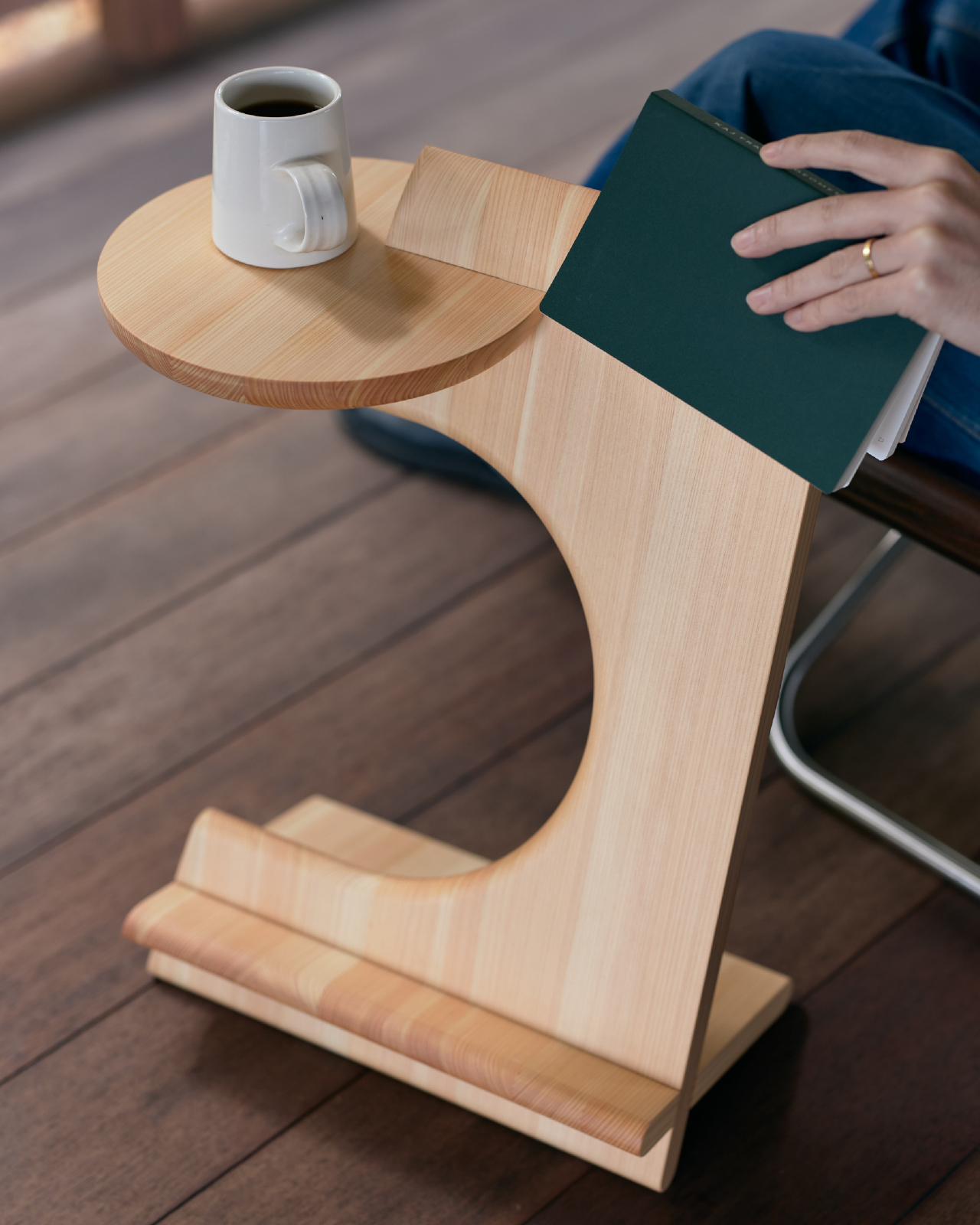
Assembled, the table forms a C-shaped profile with a circular opening and a vertical slot running through its center. Books slide into that slot and rest upright, accessible from either side depending on where you’re sitting. The circular cutout provides another grab point for reaching volumes stored within. This dual access removes the awkward leaning or reaching that happens with conventional side tables when you want a book stored underneath.

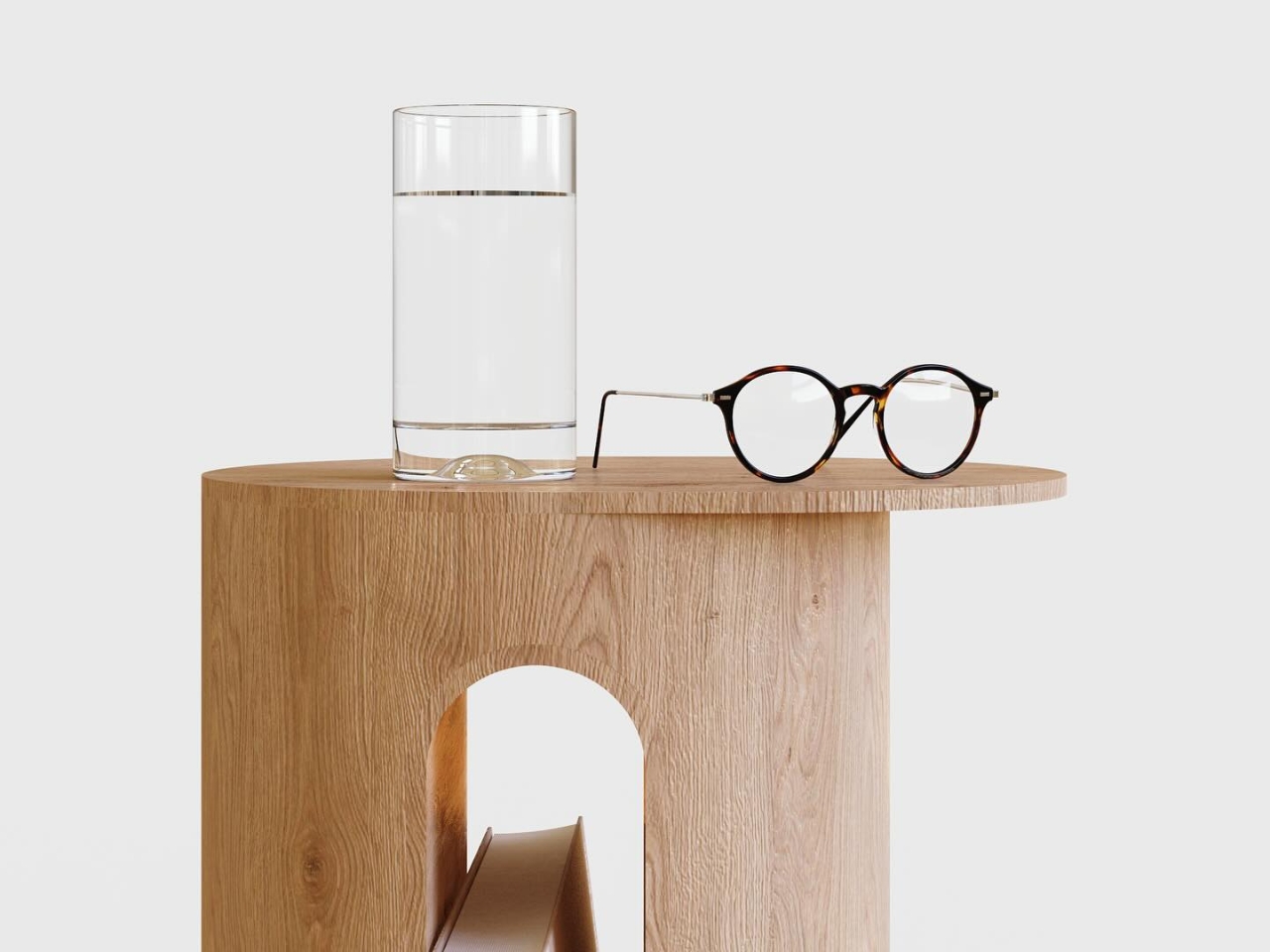
The top surface holds a mug, small plate, or reading glasses without crowding the book storage below. Water-repellent ceramic coating protects the cypress from condensation rings and accidental spills, which matters when hot drinks sit directly on wood. The coating maintains the natural wood finish rather than creating a glossy sheen that would feel out of place.

Leftover material from production becomes small cardholders included with each table, extending the zero-waste philosophy to packaging and accessories. The flat-pack design collapses the assembled table back into its three nested components, making storage or relocation straightforward if living situations change.

What distinguishes Bookmarker from typical side tables is how it makes reading visible in daily spaces. Books stored vertically in the slot create a small display of current interests rather than hiding beneath surfaces or leaning against walls. The table becomes a physical reminder of reading intentions, turning background clutter into foreground presence.

The cypress grain varies across each piece, ensuring no two tables look identical. Wood’s natural characteristics mean some sections show tighter grain while others spread wider. This variation reinforces the handmade quality and material honesty. The light tone works across different interior palettes without demanding specific color schemes.

Bookmarker occupies a specific niche between purely decorative furniture and purely functional storage solutions. It handles the practical needs of readers who want books and drinks close at hand while maintaining a sculptural quality that justifies its presence even when not in use. The table makes reading visible in daily spaces without forcing aesthetic compromises or demanding reorganization of existing routines.

The post A Side Table That Doubles as a Bookmark for Your Favorite Reads first appeared on Yanko Design.

5 Japanese-Scandinavian Homes and Furnitures To Inspire Your Own Zen Spaces

Have you ever walked into a space and instantly felt a sense of calm wash over you? That quiet elegance, a feeling of effortless beauty? If you are yearning for a home that embodies tranquility and timeless style, then it’s time to discover Japandi. This increasingly popular design aesthetic is a beautiful fusion of Japanese minimalism and Scandinavian warmth. It is more than just a trend, but a lifestyle choice.

While emerging in early 2017, Japandi’s popularity surged to become a major trend in 2019. Let’s explore how Japandi is not just decorating spaces, but genuinely redefining modern living by creating havens of peace and practical elegance.

1. Celebrates the Art of Mindful Minimalism

In our fast-paced world, the idea of having less has never felt so relevant. Japandi champions a mindful approach to minimalism, moving away from sterile, empty spaces towards ones that are uncluttered yet inviting. It is all about curating your belongings, keeping only what is essential and brings you joy or serves a purpose, thereby reducing visual noise and mental clutter.

This philosophy creates a serene backdrop for daily life, allowing you to focus on what truly matters. Imagine a living room where every object has its place, contributing to the overall sense of calm and order. It’s not about deprivation, about intentionality and choosing quality over quantity while creating a home that breathes.

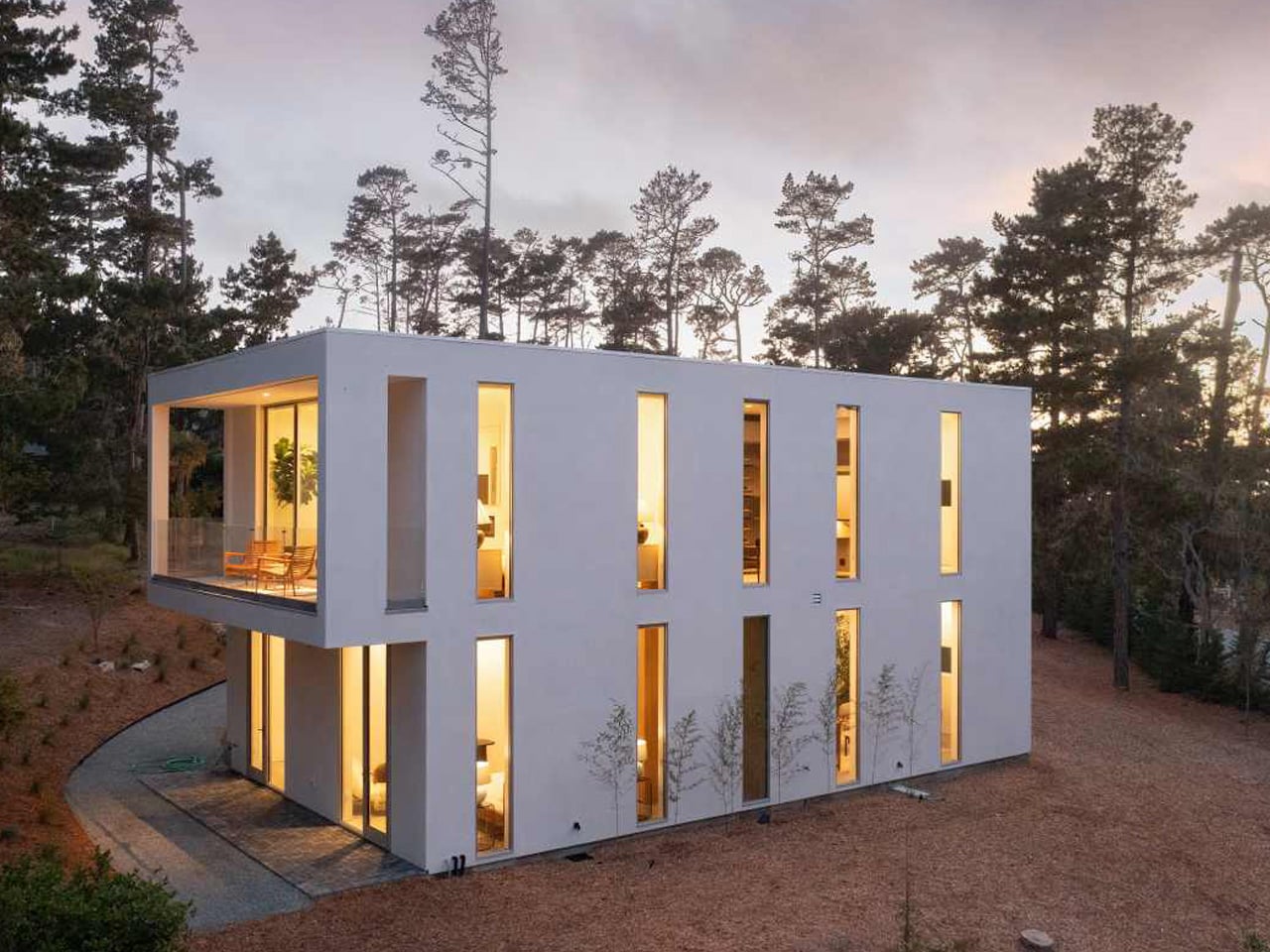
The Waterbridge House, nestled among Pebble Beach’s majestic pines, is a glass-clad haven and a testament to thoughtful architecture. Its design embodies the serene Japandi style, where the calm of Japanese aesthetics gracefully meets Scandinavian warmth infused with the relaxed vibe of the California coast.
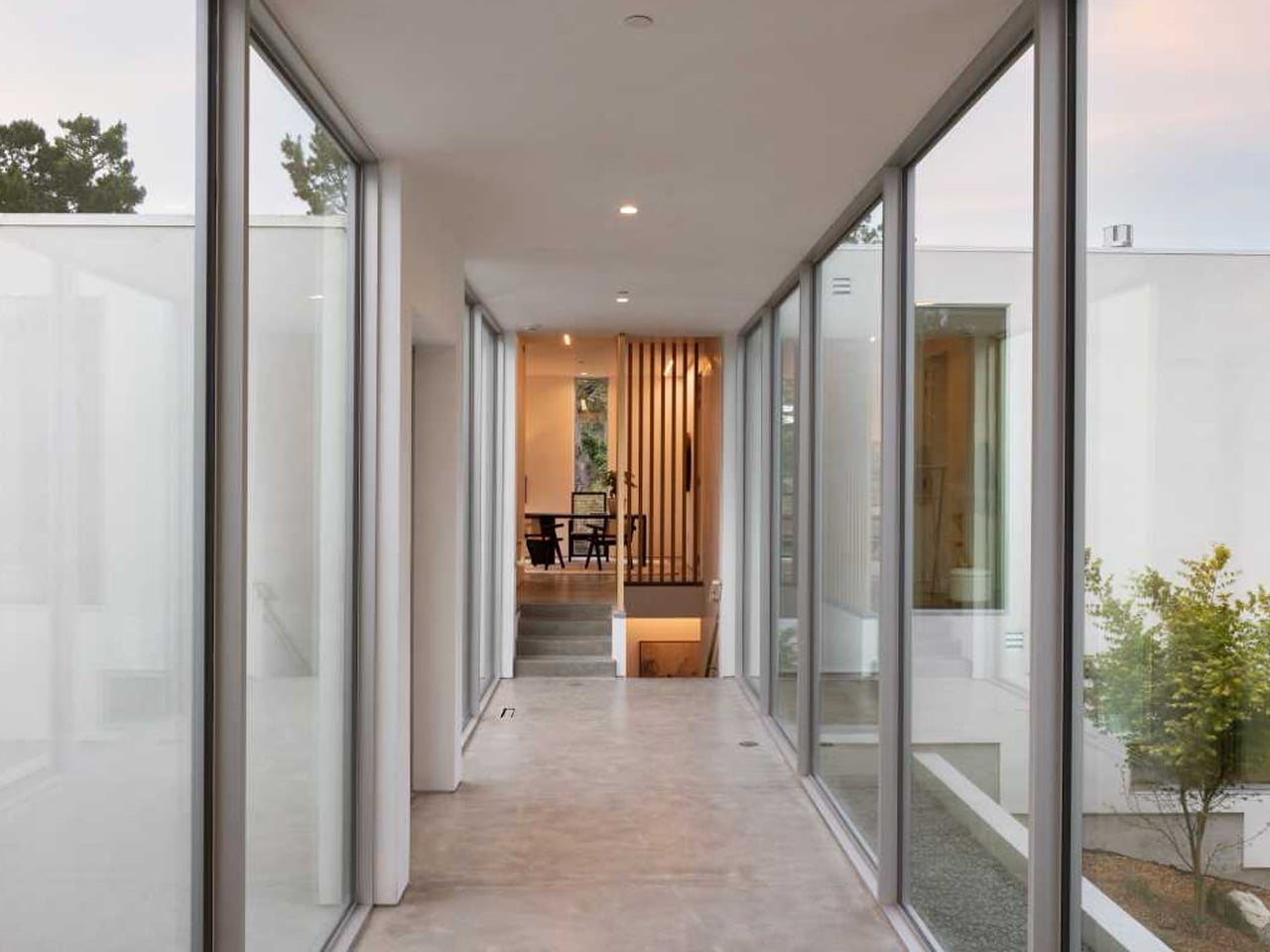
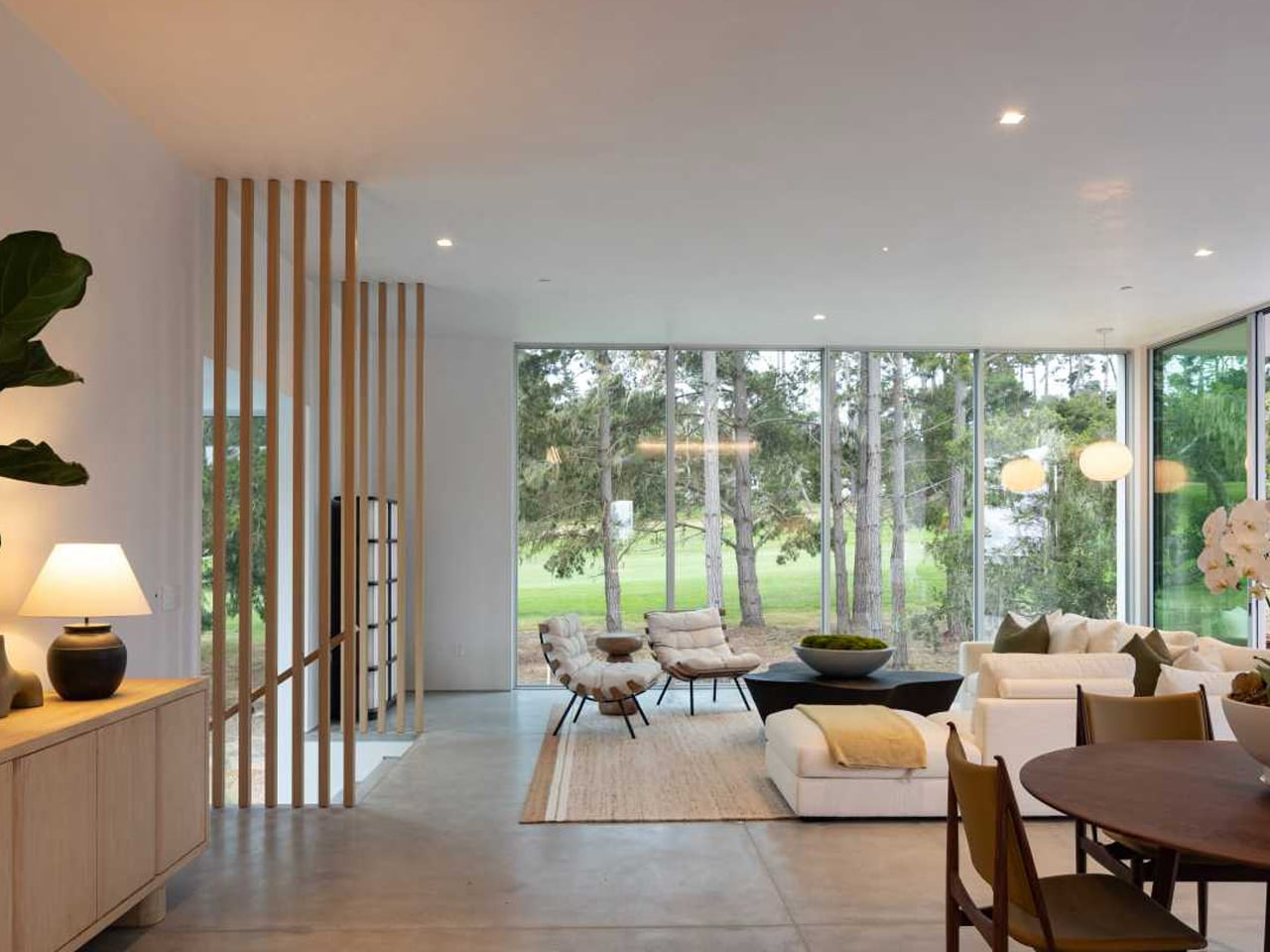
From the moment you step onto the staggered concrete path, a sense of calm begins. The signature glass corridor, floating above a tranquil pool, isn’t just an entrance but functions as a threshold that connects two distinct wings. One wing offers vibrant, open-plan spaces for gathering, while the other provides a private retreat with an expansive primary suite. Every element, from the seamless indoor-outdoor flow created by vast sliding glass walls to the inspired floating tea house, is meticulously designed to foster a profound connection with nature, inviting the forest and light in at every turn.

2. Blends Textures and Tones

Japandi’s aesthetic appeal lies in its sophisticated color palette and rich textural interplay. Think warm neutrals like soft greys, muted greens, earthy browns, and the timeless elegance of white and black that is combined with natural wood tones, from light birch to darker walnuts. This harmonious blend creates a soothing visual narrative throughout your home.

Beyond color, the emphasis on natural materials is paramount. Picture the raw beauty of linen, the inviting warmth of wool, the subtle grain of unpolished wood, and the organic imperfections of ceramics. These elements add depth and a tactile richness to the space, inviting you to touch, feel, and truly connect with your surroundings while fostering a sense of comfort and authenticity.
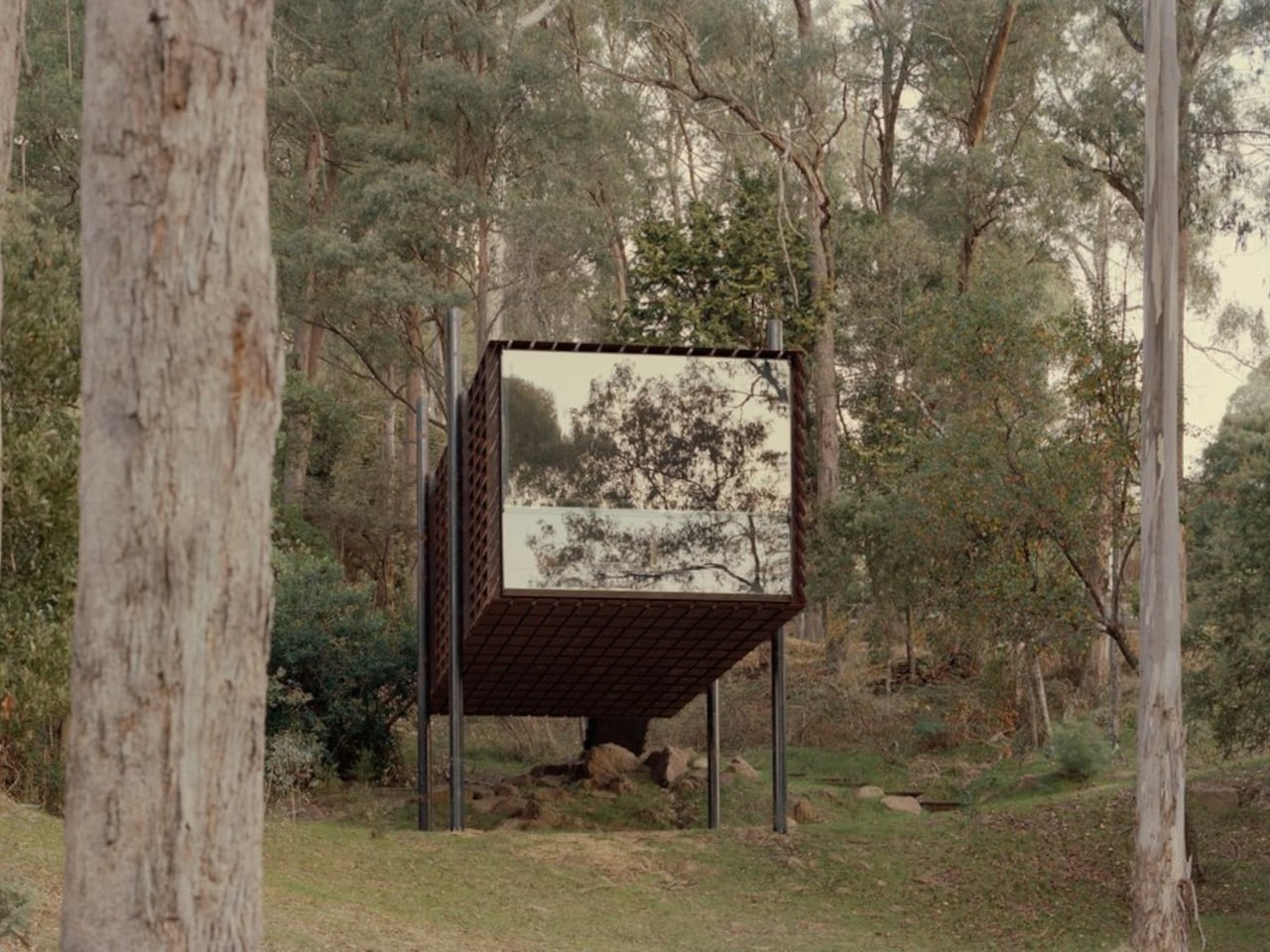
The Sawmill Treehouse is nestled amidst the serene alpine landscape at the base of Mt. Buller, Victoria. This architectural marvel isn’t just accommodation but is a profound invitation to reconnect with the natural world and rediscover your inner calm. Crafted in the beautiful Japandi style, this elevated sanctuary seamlessly blends Japanese minimalism with Scandinavian functionality. From the moment you ascend the rusted steel steps, you are enveloped in a sense of being among the trees, where the boundaries between cozy interiors and stunning forest views melt away.
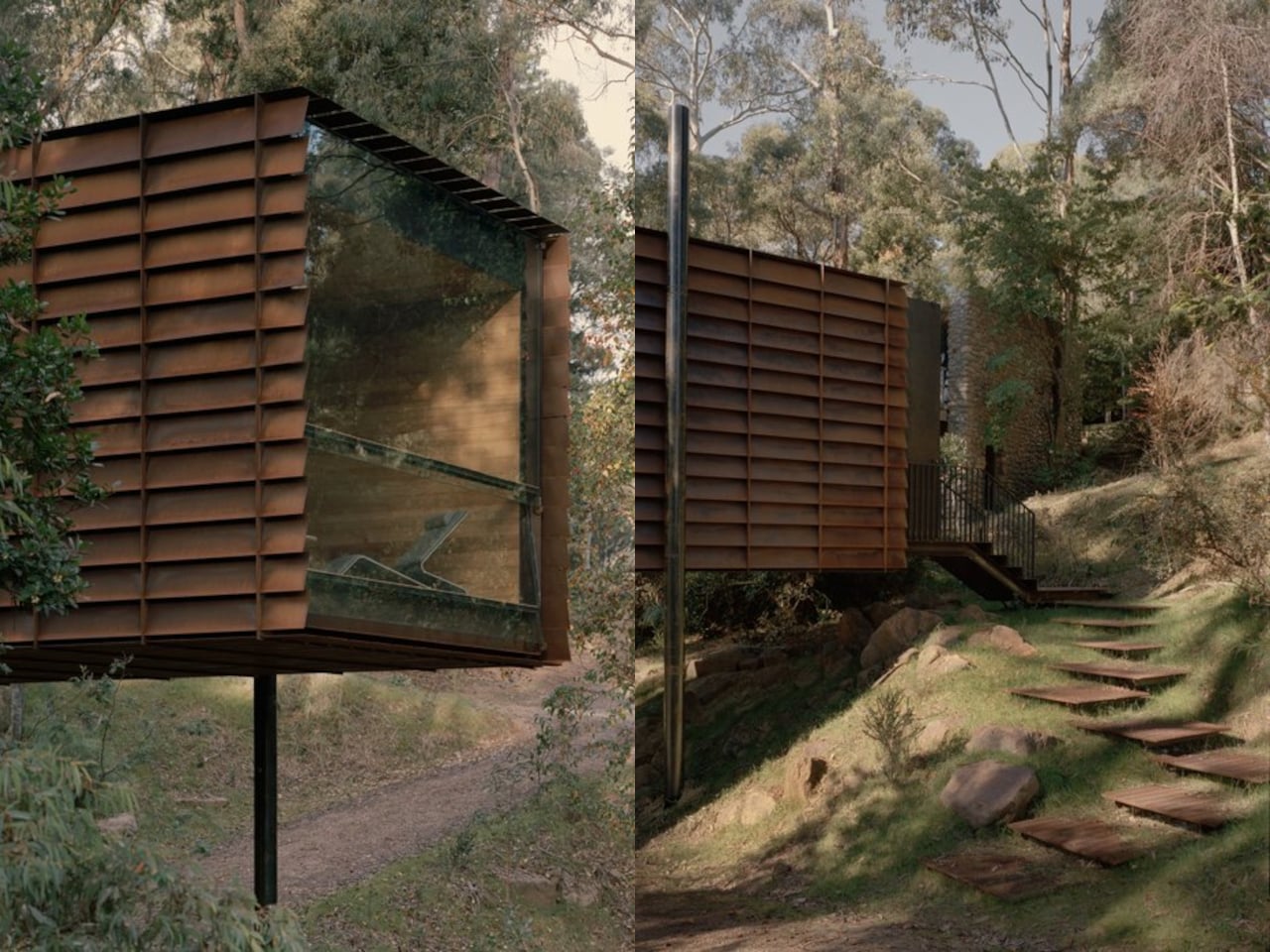
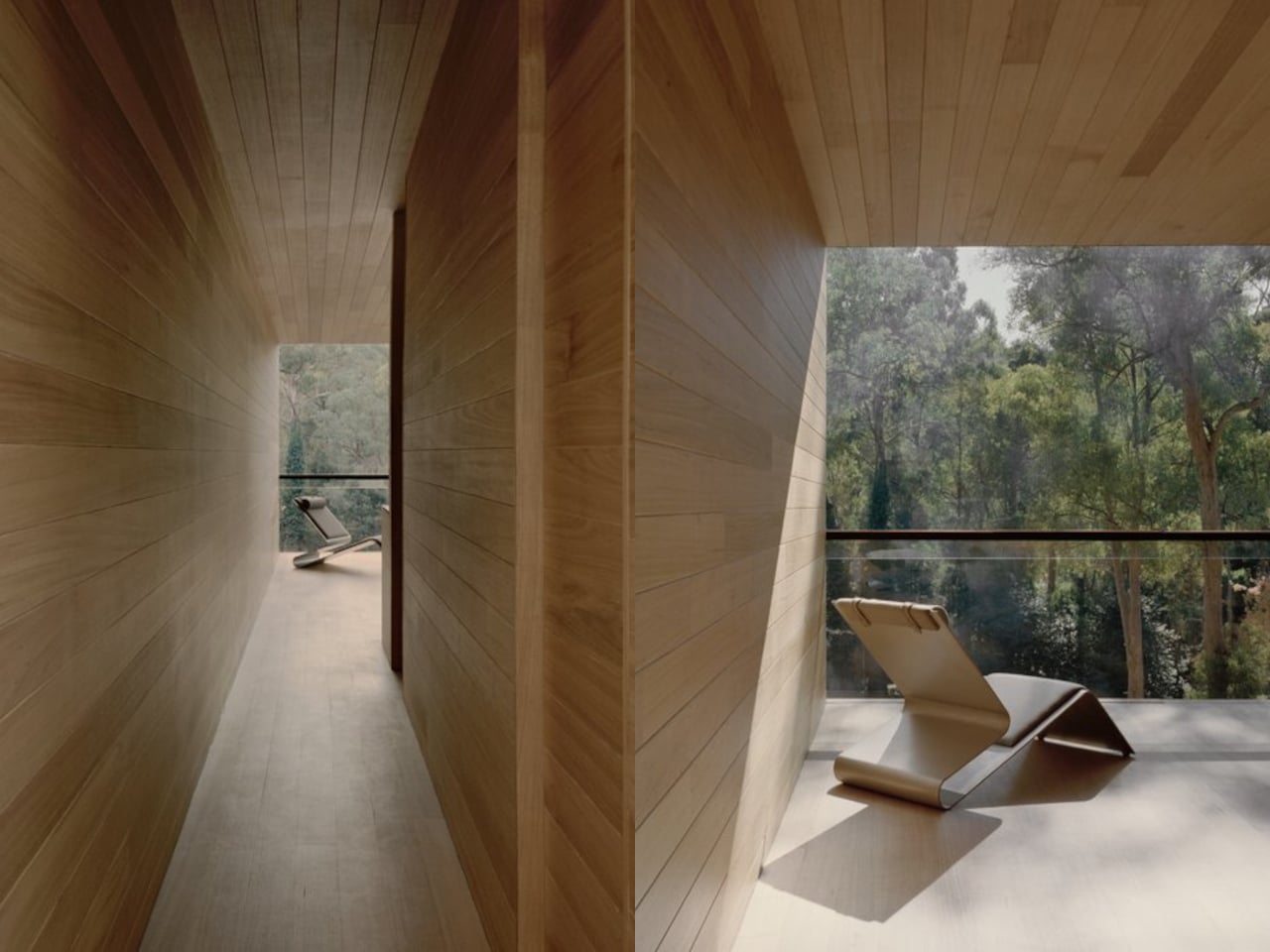
Every detail, from the fire-resistant COR-TEN steel exterior that weathers beautifully to the warm Tasmanian oak interior, speaks of a deep respect for its surroundings. It is an inspiring example of how intentional design can create an unparalleled, immersive experience.

3. Connects with Nature’s Tranquil Beauty

Bringing the outdoors in is a cornerstone of Japandi design that fosters a deep connection with nature and its calming influence. This isn’t just about adding a few potted plants but is about integrating natural light, organic forms, and elemental materials into the very fabric of your home. Imagine large windows framing a view, or the subtle presence of natural stone.

The deliberate inclusion of carefully chosen plants, whether it’s a graceful fiddle leaf fig or a delicate orchid, adds life, purity, and a touch of serene vibrancy to the space. It is about creating an environment that feels fresh, airy, and deeply connected to the natural world while promoting a sense of well-being and peaceful introspection.

Minima is a compact 215-square-foot (20-square-meter) prefab module designed by Australian studio TRIAS in collaboration with FABPREFAB. This flexible unit serves perfectly as a standalone tiny home or an adaptable backyard addition, ideal for a home office or guest retreat. Its construction utilizes sustainable Cross-Laminated Timber (CLT), a material chosen to minimize environmental impact and reduce concrete emissions. It embodies a distinctly modern, Japandi-inspired aesthetic.

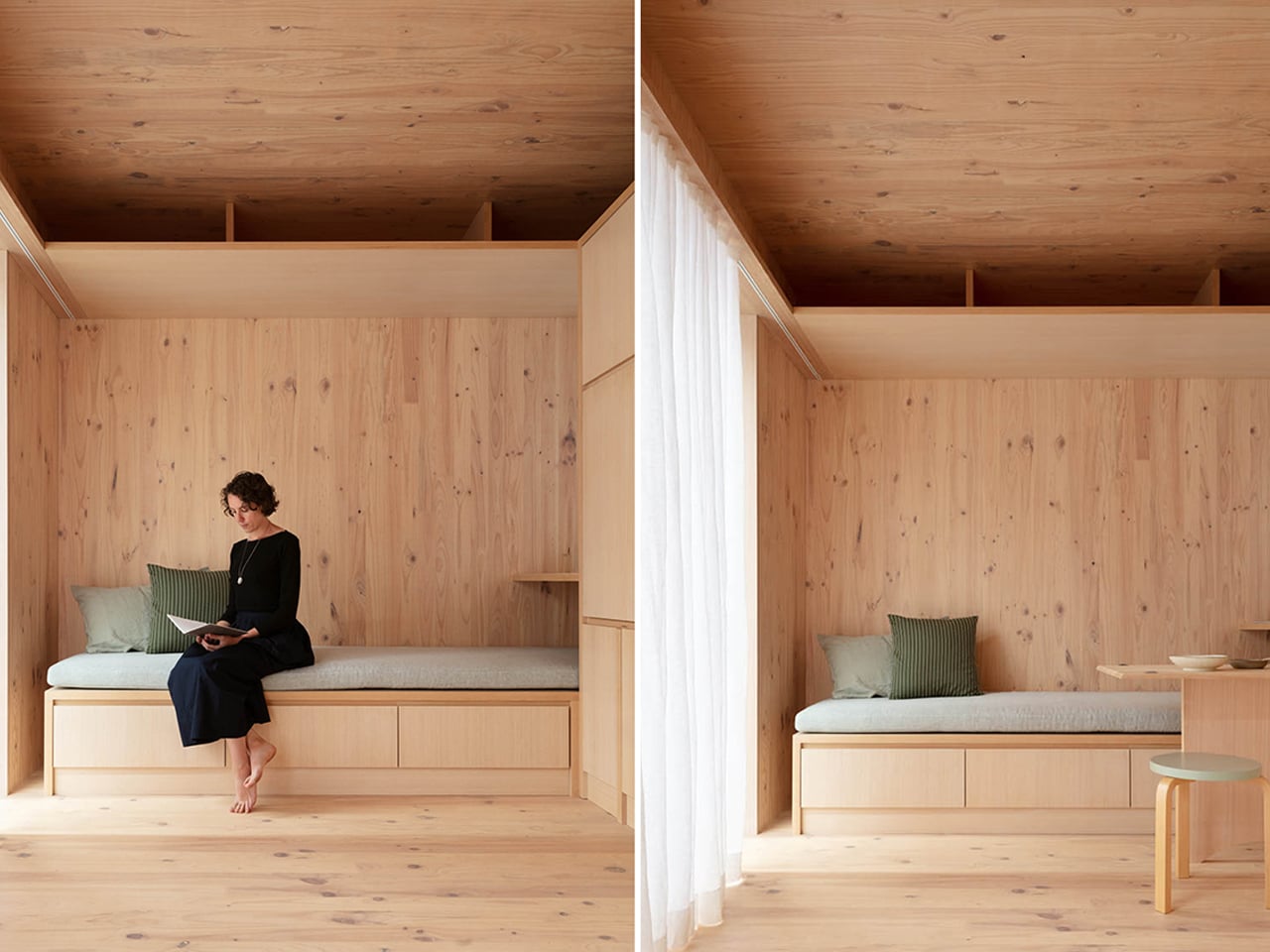
Minima’s minimalist exterior is clad in cypress battens with a steel roof, beautifully concealing its thoughtful interior. Hardwood-framed glass doors open to reveal a warm, human-centric space where Scandinavian and Japandi influences converge. What truly sets Minima apart is its innovative design beyond aesthetics, as it requires no concrete foundation, utilizing ground screws for easy relocation, thereby minimizing site disturbance. Furthermore, its modularity allows for expansion, creating accessible and affordable community opportunities.

4. Functionality Meets Form with Intent

One of the most appealing aspects of Japandi is its unwavering commitment to functionality without sacrificing an ounce of style. Every piece of furniture and decorative item serves a purpose. This design approach values clever storage solutions, versatile pieces, and ergonomic considerations, ensuring that your home not only looks beautiful but also works effortlessly for your everyday needs.

Japandi design includes clean lines, simple forms, and smart design that prioritizes usability. This means less clutter, more efficiency, and a home that supports your daily routines rather than hindering them. It is about creating a space where everything has its place and everything is easily accessible, making your life simpler and more streamlined.
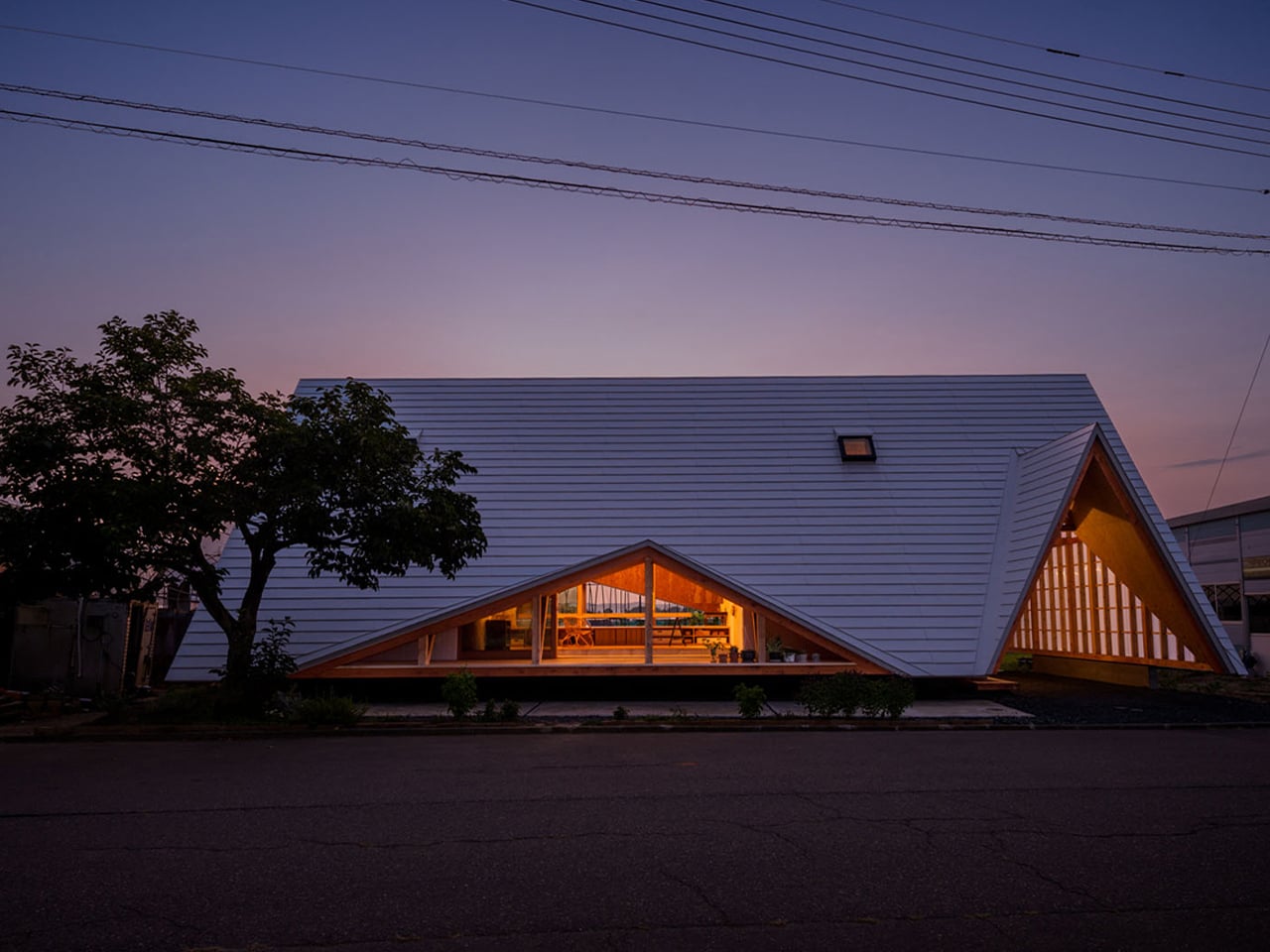
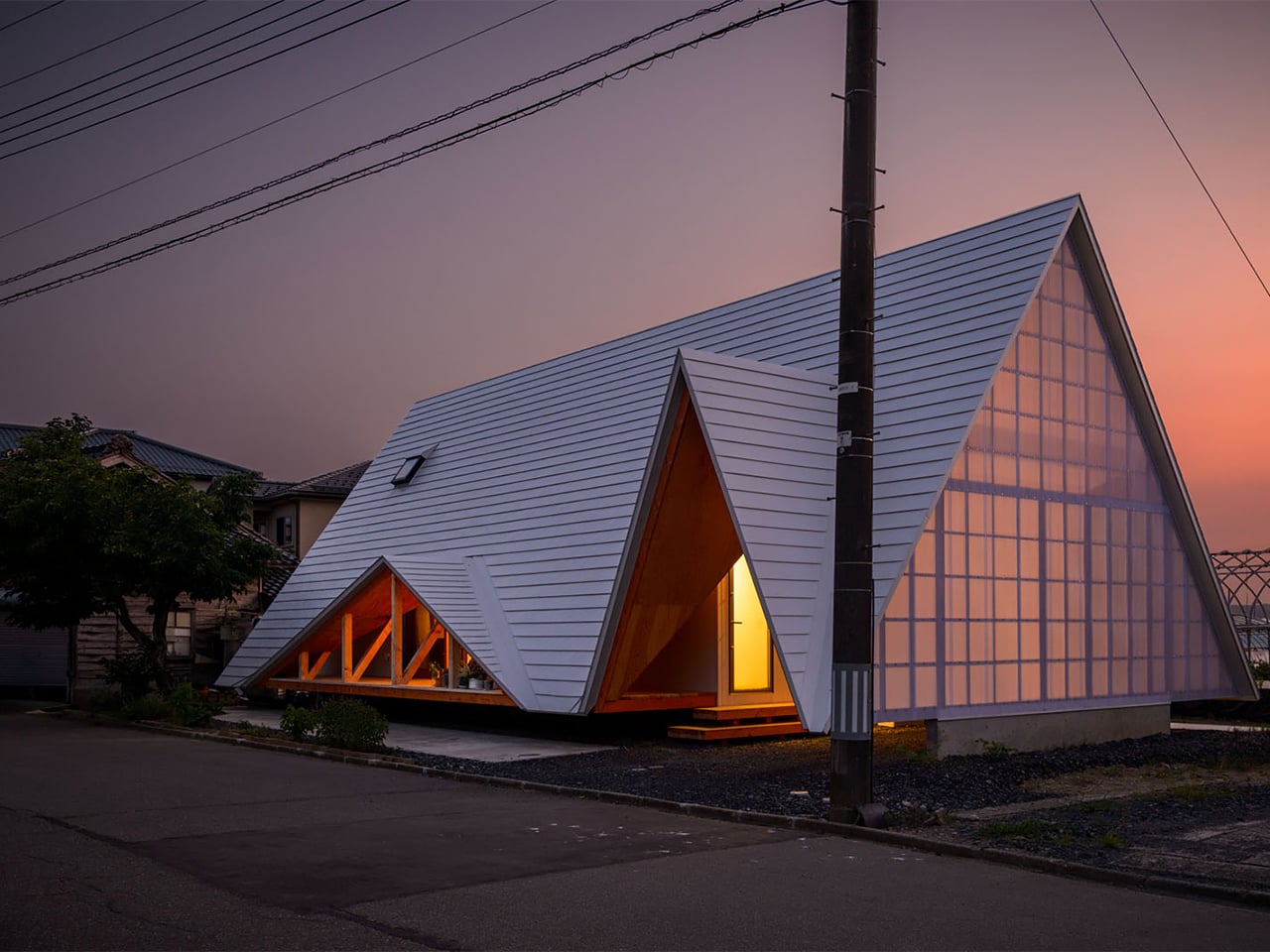
Hara House, situated in a small agricultural village north of Tokyo, stands as a testament to the profound connection between Japanese architecture, mindful living, and community. Designed for a young couple seeking to revitalize communal ties, this distinctive A-frame cabin embodies the core tenets of minimalism and warmth. Built with precisely spaced timber and topped with a white steel roof, its design thoughtfully balances private family areas with a semi-public, open-air living and dining space, showcasing efficiency and a minimal material footprint.
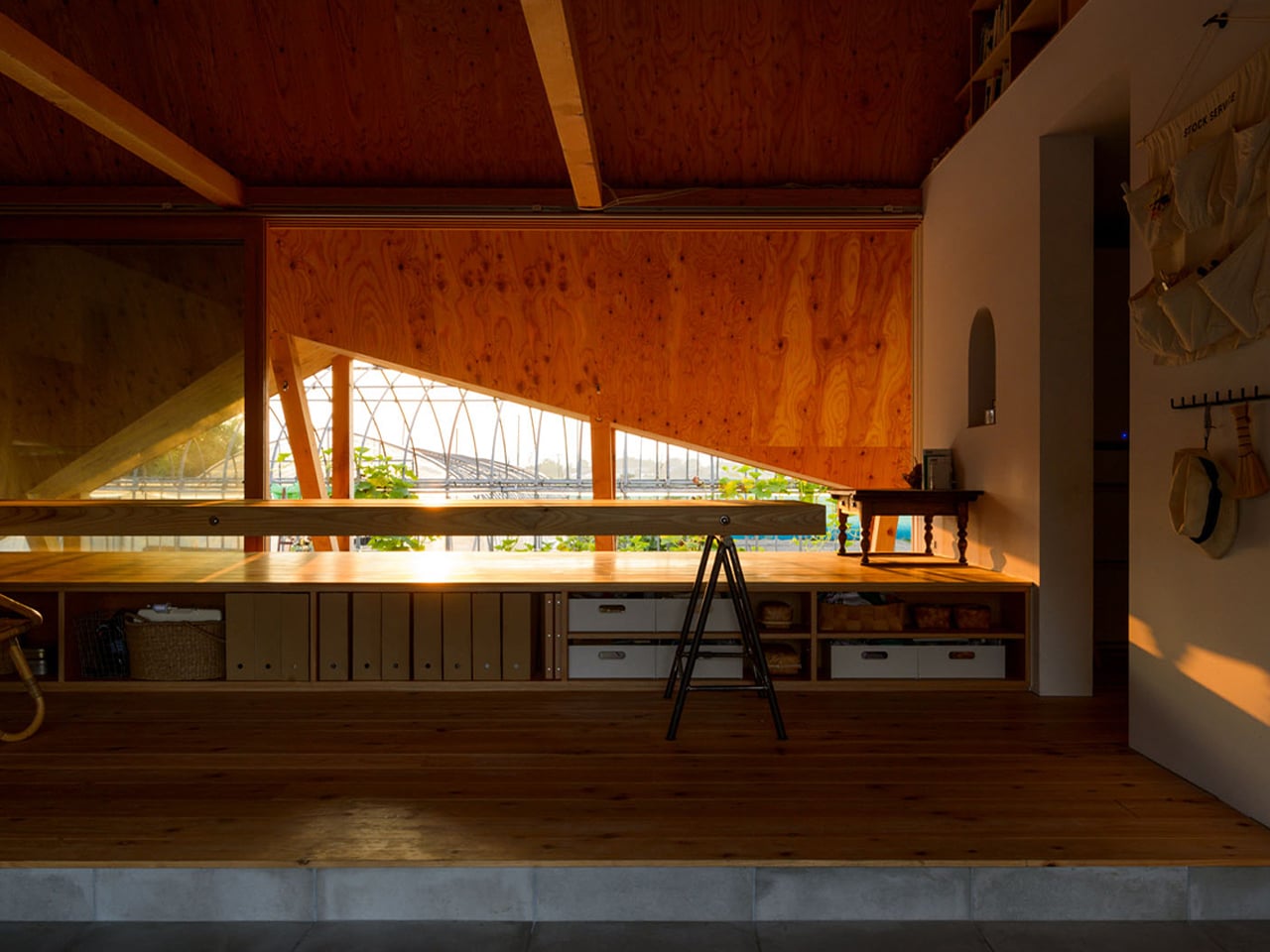
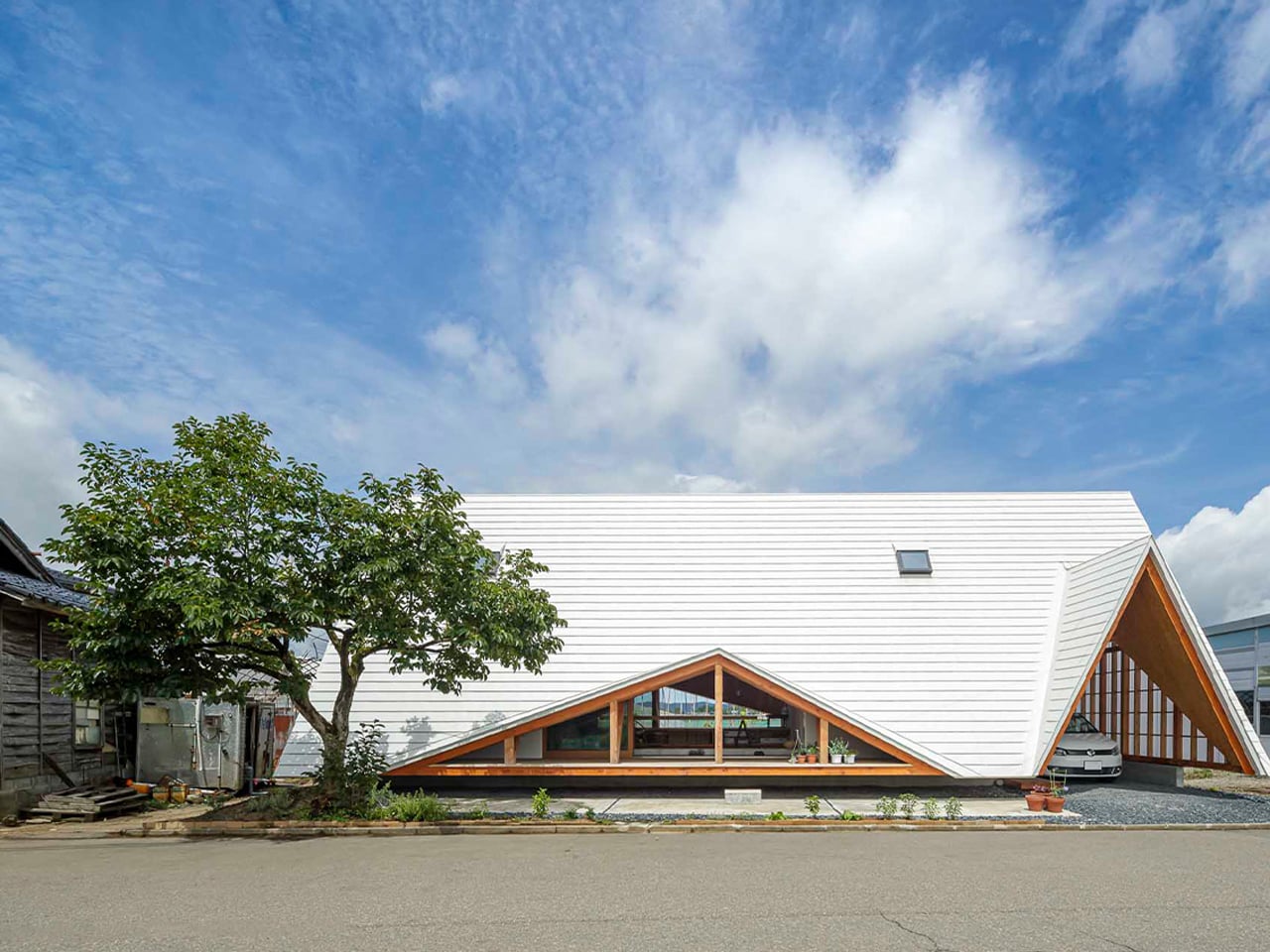
Architect Takayuki Shimada envisioned Hara House as an “incomplete” canvas, deliberately inviting villagers to utilize its spaces and become part of its evolving narrative. Parallel glass doors in the central living area promote cross-ventilation and fluid connection with the street, eschewing traditional self-reliance for communal engagement. This home, reminiscent of classic Japanese design and even Ghibli aesthetics, encourages workshops and gatherings to spill outdoors.

5. Promotes Well-being

Additionally, Japandi is an invitation to cultivate a more peaceful and balanced life. By stripping away the unnecessary and focusing on natural elements, thoughtful design, and a serene atmosphere, Japandi homes become true sanctuaries for well-being. They are spaces that encourage mindfulness, relaxation, and a deeper connection with oneself and loved ones.

Imagine coming home to a calm, uncluttered environment that immediately helps you de-stress and recharge. This focus on creating a supportive and restorative living space directly contributes to improved mental clarity, reduced stress, and an overall enhanced quality of life.
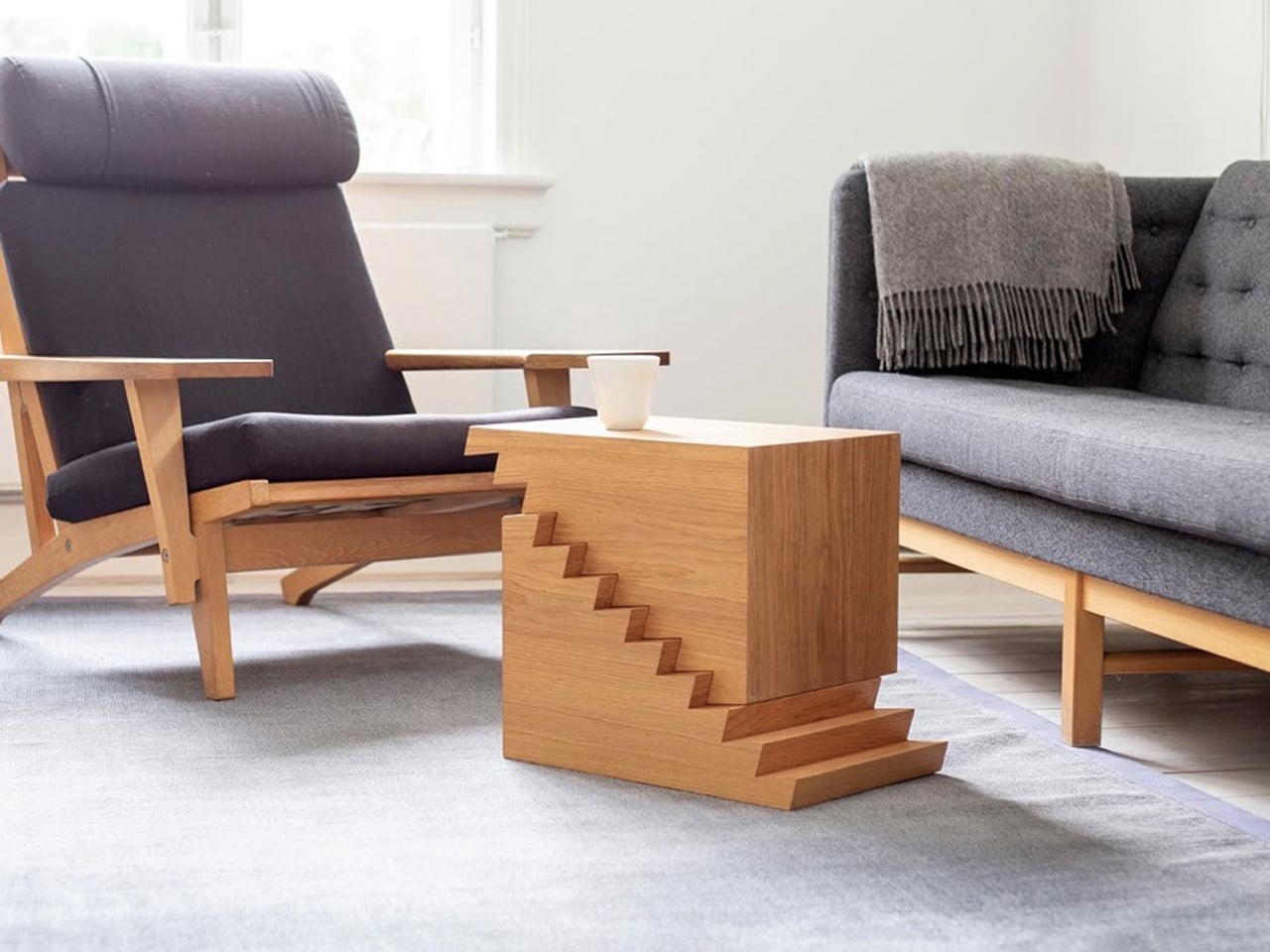
Japandi furniture promotes well-being through its thoughtful balance of form, function, and serenity. Characterized by clean lines, natural materials, and understated elegance, Japandi design merges the minimalist ethos of Japanese aesthetics with the warmth and practicality of Scandinavian style.
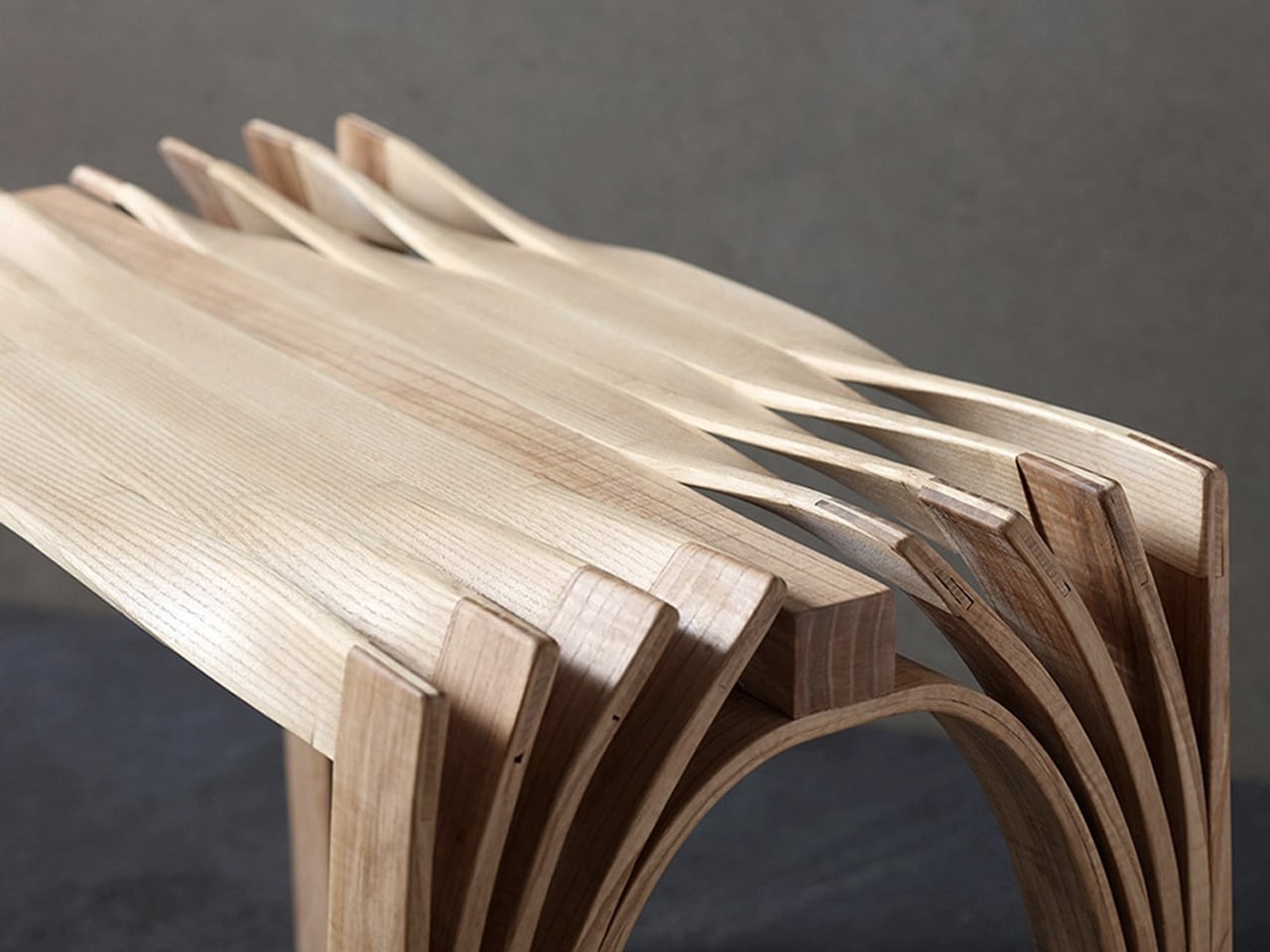
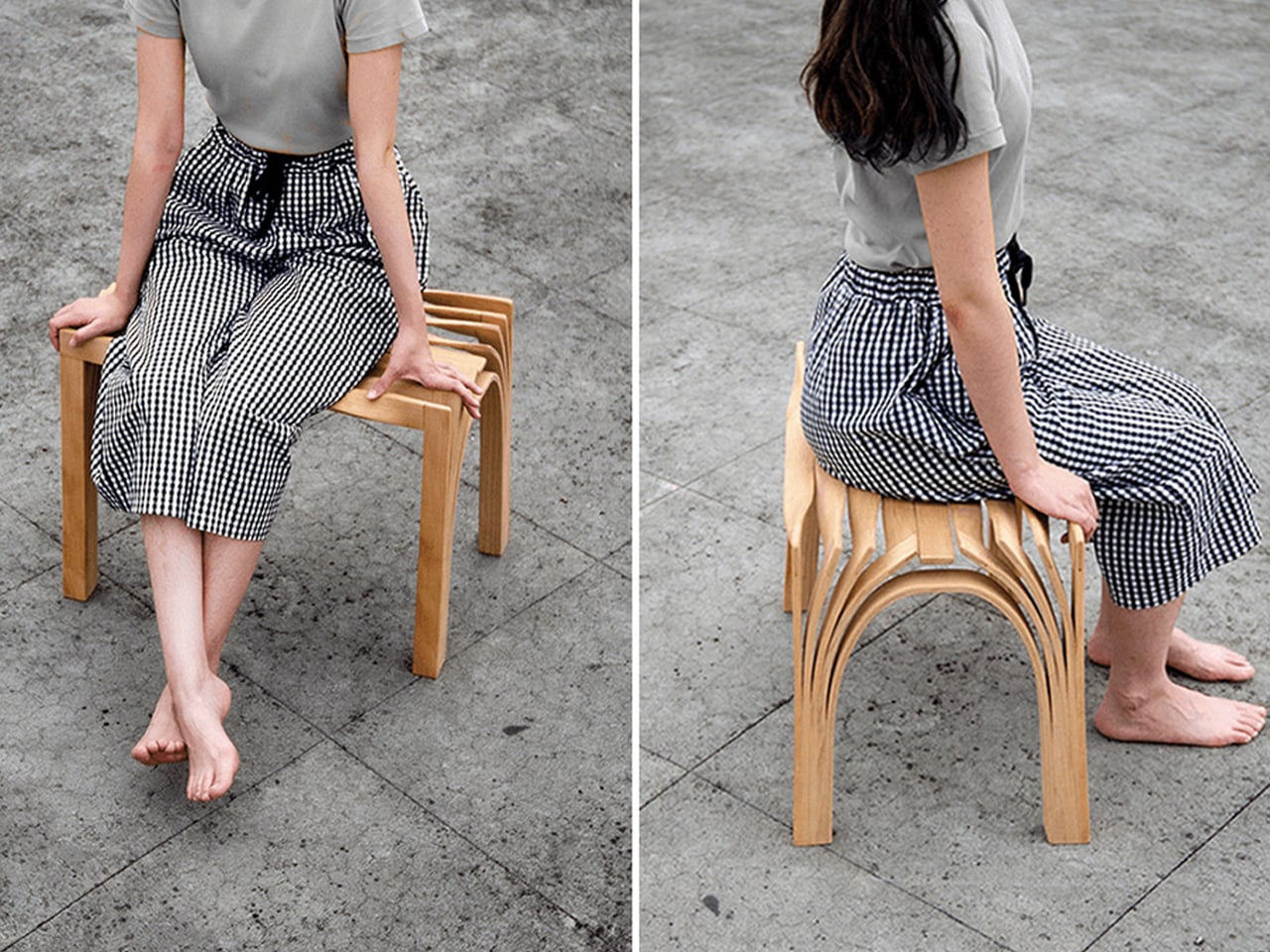
Crafted primarily from wood, Japandi furniture brings a sense of nature indoors and encourages a slower, more mindful way of living. Its minimalist yet warm presence transforms even the simplest spaces into havens of tranquility. By emphasizing simplicity, craftsmanship, and harmony, Japandi furniture fosters a peaceful atmosphere that is best suited for rest, reflection, and emotional wellness.

Ultimately, Japandi truly redefines modern living by prioritizing serenity, purpose, and natural connection. By inviting Japandi’s principles of minimalism and warmth into your space, you are cultivating a calming environment that supports a balanced and intentional life.

The post 5 Japanese-Scandinavian Homes and Furnitures To Inspire Your Own Zen Spaces first appeared on Yanko Design.
This Compact E Ink Phone Promises to Simplify Your Digital Life

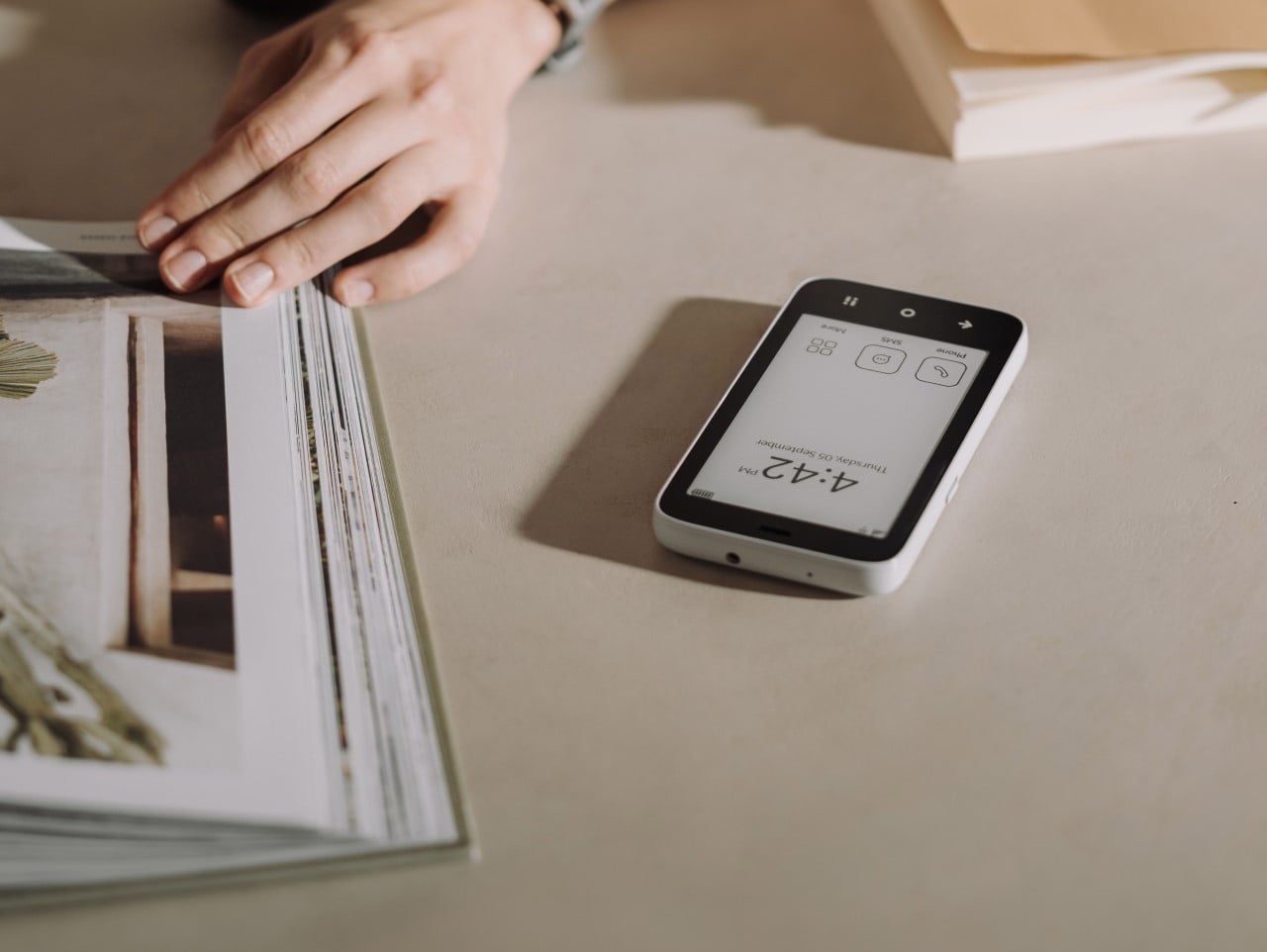
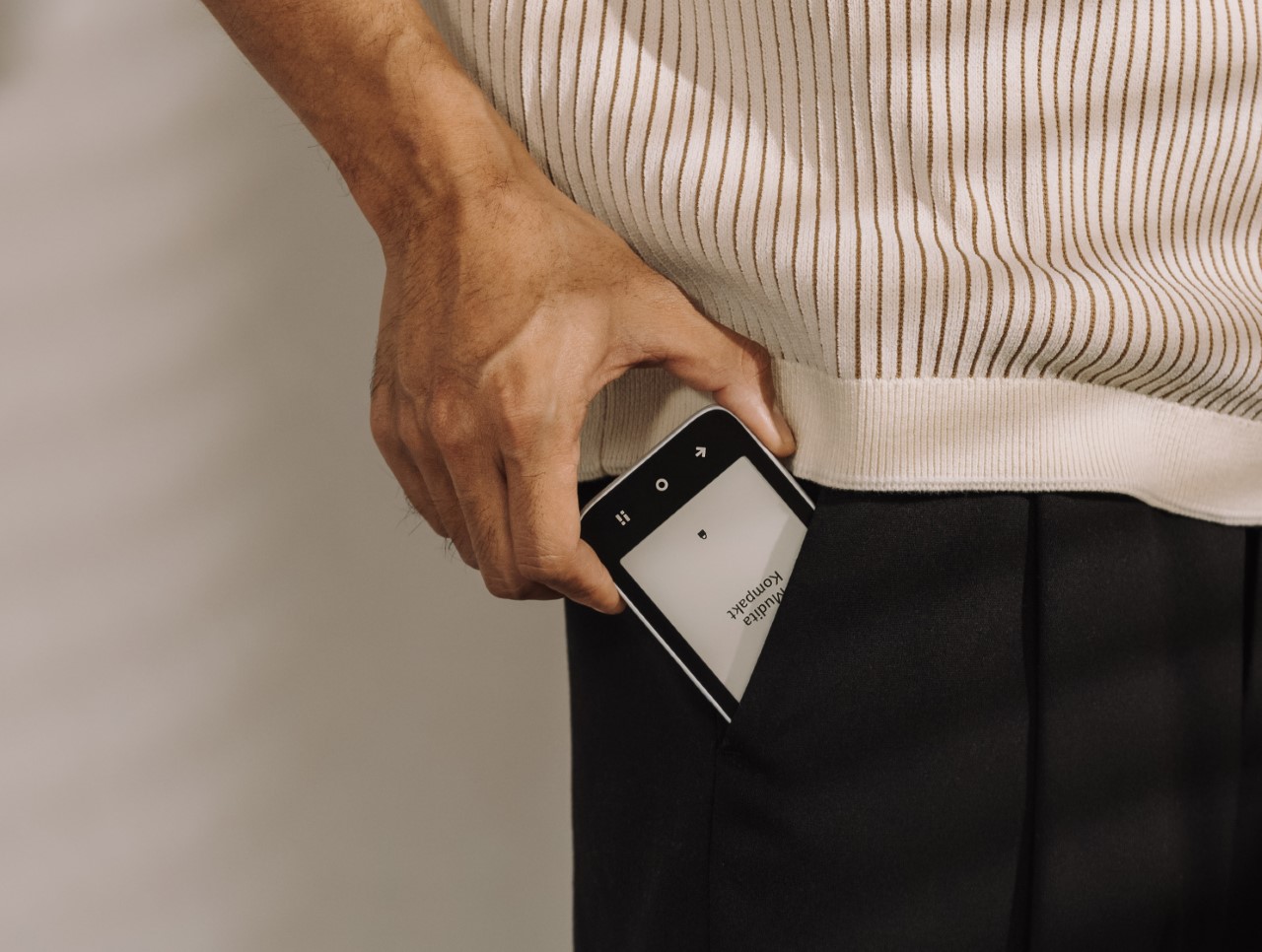
This year’s been exhausting, hasn’t it?! Especially the last few weeks have been emotionally and mentally draining, and it isn’t just the news, but more specifically, it’s the information overload we’ve been subjected to. Even for a device small enough to fit in our pockets, the smartphone is capable of creating a lot of ‘noise’ in the form of news, texts, calls, notifications, ads, and a lot of data clutter that can overwhelm our brains. This data clutter and relentless bombardment of information is what led to the creation of the Mudita Kompakt, a phone that prioritizes mindful living over doomscrolling.

Created by the minds behind CD Projekt (think The Witcher, Cyberpunk 2077), Mudita Kompakt reflects co-founder Michał Kiciński’s personal journey toward a more balanced life. After years in the gaming industry, where endless connection was the norm, he sought a solution to keep people both connected and grounded. That drive led to Mudita’s mission to design devices that encourage simplicity, privacy, and a conscious digital experience.

Designer: Mudita

Click Here to Buy Now: $316 $465 (32% off). Hurry, only 2/900 left! Raised over $336,000.

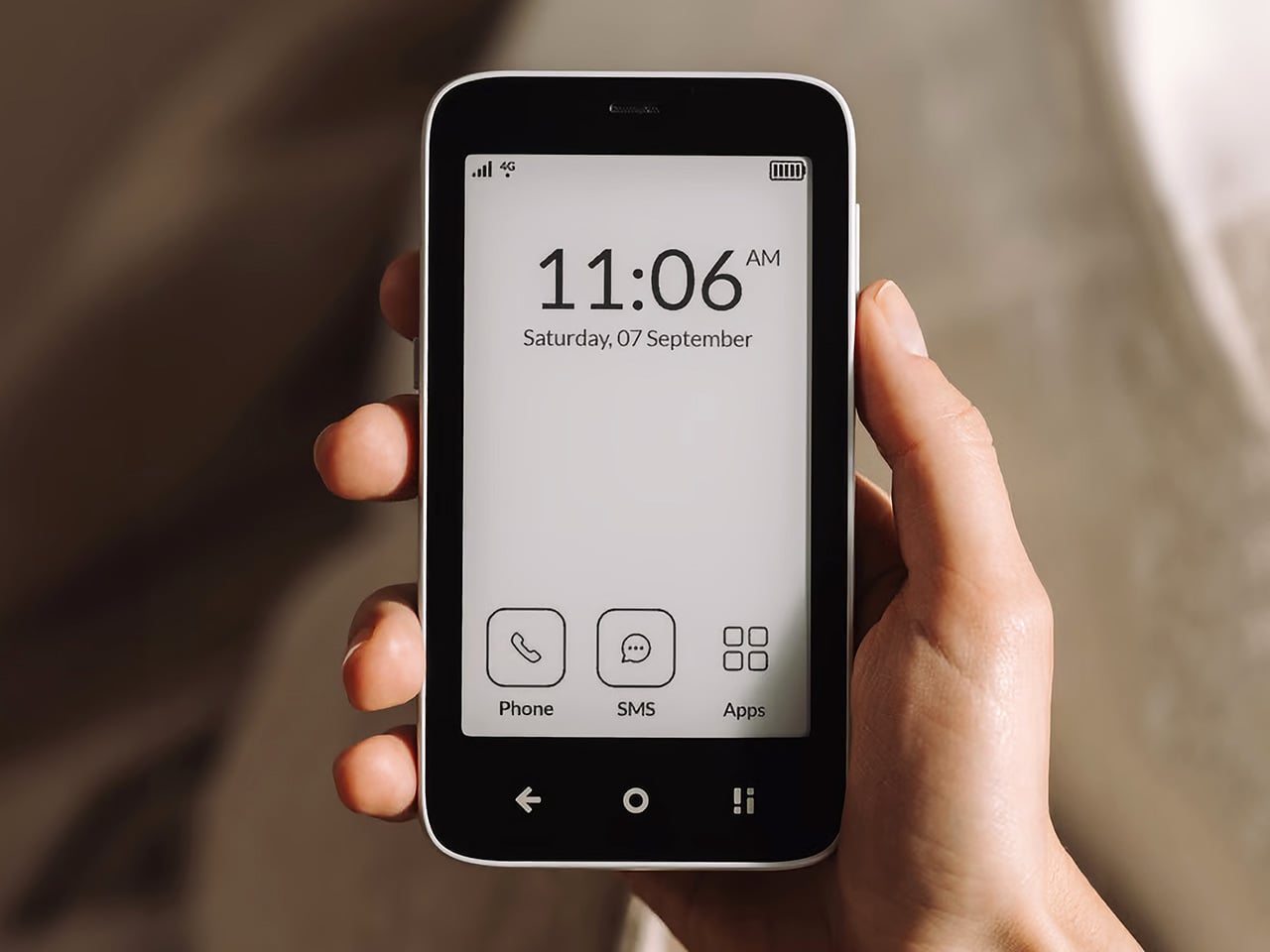
The Mudita Kompakt keeps things refreshingly simple. Its 4.3-inch E Ink display is easy on the eyes and demands very little power. That’s right—this phone’s battery can last up to six days, which, in today’s daily-charging world, feels almost revolutionary. Inside, it packs a quad-core MediaTek processor, 3GB of RAM, and 32GB of storage (expandable via memory card). Sure, these aren’t flagship specs, but that’s really not the point. It’s all about cutting the clutter and retaining only the things that ‘spark joy’ here. Mudita keeps it lean, pre-loading only the most basic apps like phone, SMS, a calculator, and a voice recorder—none of those attention-demanding apps or bloatware that love to ping you at all hours.

For a phone, the Mudita Kompakt offers dual-SIM capabilities, with 4G LTE compatibility. You can make and receive calls on either SIM and even make/receive VoLTE or Wi-Fi calls, offering connectivity without much of a compromise. Given its entire premise is to stay disconnected from the clutter of the internet, it clearly doesn’t come with 5G, but that’s more of a feature than a bug, truth be told. There’s even support for eSIMs, which is perfect for carriers that don’t traditionally offer SIM cards.

For a phone that strives to be different from the status quo, it still makes a conscious effort to retain features that are cutting-edge… only if they matter to Mudita’s overarching ethos. You may not have a flashy screen and 5G connectivity, but the Kompakt DOES come with a fingerprint sensor to unlock your phone, ensuring biometric-grade security feels reassuring. Surprisingly enough, the phone comes with NFC support too, allowing you to use existing NFC tags around the house, as well as ensuring future compatibility with NFC-ready apps that Mudita may introduce down the road.

What’s remarkable about the Kompakt is its genuine intent to keep users focused on the real world, not the screen. It features an Offline+ mode activated by a physical switch, cutting off cell networks, Wi-Fi, and Bluetooth, and even disabling the mics and camera for a true offline experience. Think of it as Airplane Mode on steroids, with no features that cause you to linger on your phone for too long. You can read existing messages (you won’t receive new ones), browse through your gallery, or listen to music without any distractions. All these actions have heavy intent behind them, so you’re less likely to end up in a doomscrolling spiral.

Tailored for E Ink®

On the design front, the Mudita Kompakt feels compact, sturdy, and unassuming. It boasts an IP54 rating, meaning it’s resistant to dust and splashes, so it can hold up to daily wear without needing a bulky case. While it does include a modest 8MP camera, this isn’t about capturing every detail of your day—just the moments you truly want to remember. Photos get displayed in greyscale on your E Ink display, adding a rather retro touch to your photography chops. And for the rare occasion you need to recharge, it’s conveniently equipped with wireless charging and a USB-C port, keeping up with modern conveniences.

The Kompakt’s software is built on a custom OS based on the Android Open Source Project. The twist? There’s no Google lurking in the background, collecting data. Mudita promises three years of software updates to keep things smooth, even though this isn’t the kind of phone that’ll be weighed down by big updates. That’s another angle to the Kompakt’s appeal: minimal fuss, minimal distraction, and maximum control over what you interact with.

Of course, going minimalist does have its trade-offs. There’s no Google Play Store here, so you won’t find a wide selection of apps. Mudita provides basic offline maps, a music player, and a few utilities like a meditation timer, voice recorder, an e-reader, and even a chess app that promises you won’t find yourself getting bored. You can, however, sideload other Android apps, although compatibility isn’t guaranteed. For those of us used to feature-packed smartphones, adjusting to a stripped-down OS could be tricky. But that’s the appeal—it’s a purposeful move away from digital noise, offering just enough functionality to meet core needs without temptations. A true digital detox, if you will.

Another perk of the Kompakt is privacy. Since it doesn’t sync with most cloud services, your data stays on your device. Sure, it may feel a bit old-fashioned to manage contacts and files through Mudita’s desktop app, but for privacy-minded users, this setup grants peace of mind. It’s a minor detour to ditch the endless cloud syncs and data-hungry services tracking your every move. The Kompakt is available starting at $316 for early adopters, with a 14-day money-back guarantee just in case the Kompakt feels like too much of a culture shock. Mudita offers Global and North American versions of the Kompakt, so it’s compatible with networks worldwide. Just don’t expect it to work everywhere yet—currently, it’s only shipping to select countries in Europe, the U.S., Canada, Australia, and New Zealand. Oh, and just in case you were wondering… it has a 3.5mm audio jack!

Click Here to Buy Now: $316 $465 (32% off). Hurry, only 2/900 left! Raised over $336,000.

The post This Compact E Ink Phone Promises to Simplify Your Digital Life first appeared on Yanko Design.

This quaint Indoor Wind Chime automatically rings by sensing outdoor wind speeds

Wind chimes have a rather understated charm. They can have a very calming effect on you, helping keep anxiety and stress away – but what if you’re in an enclosed area? You couldn’t possibly have a wind-chime in a room that doesn’t receive any wind, right? Well, the folks at Fujitsu may have developed the first wind chime to work without wind…

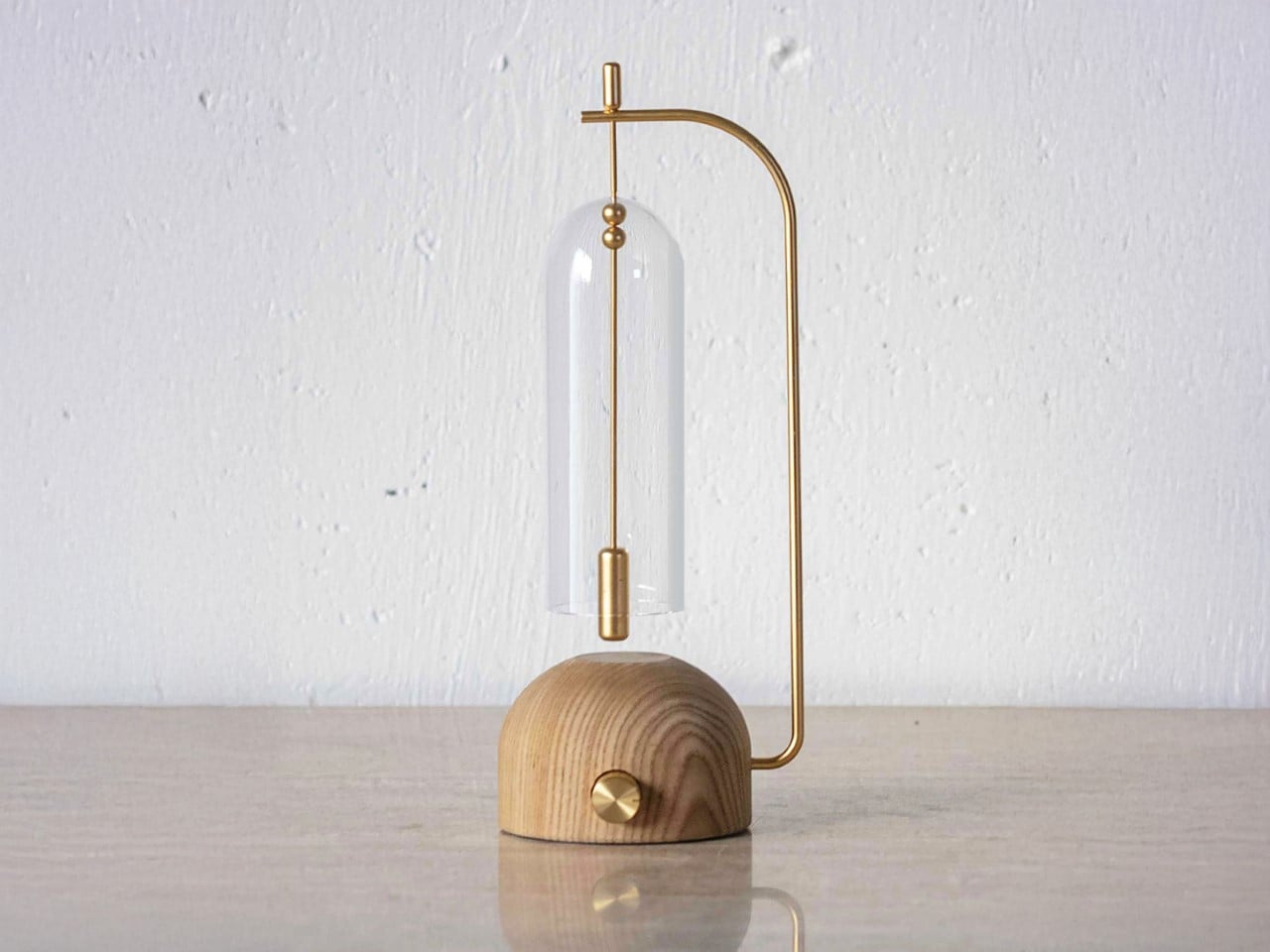
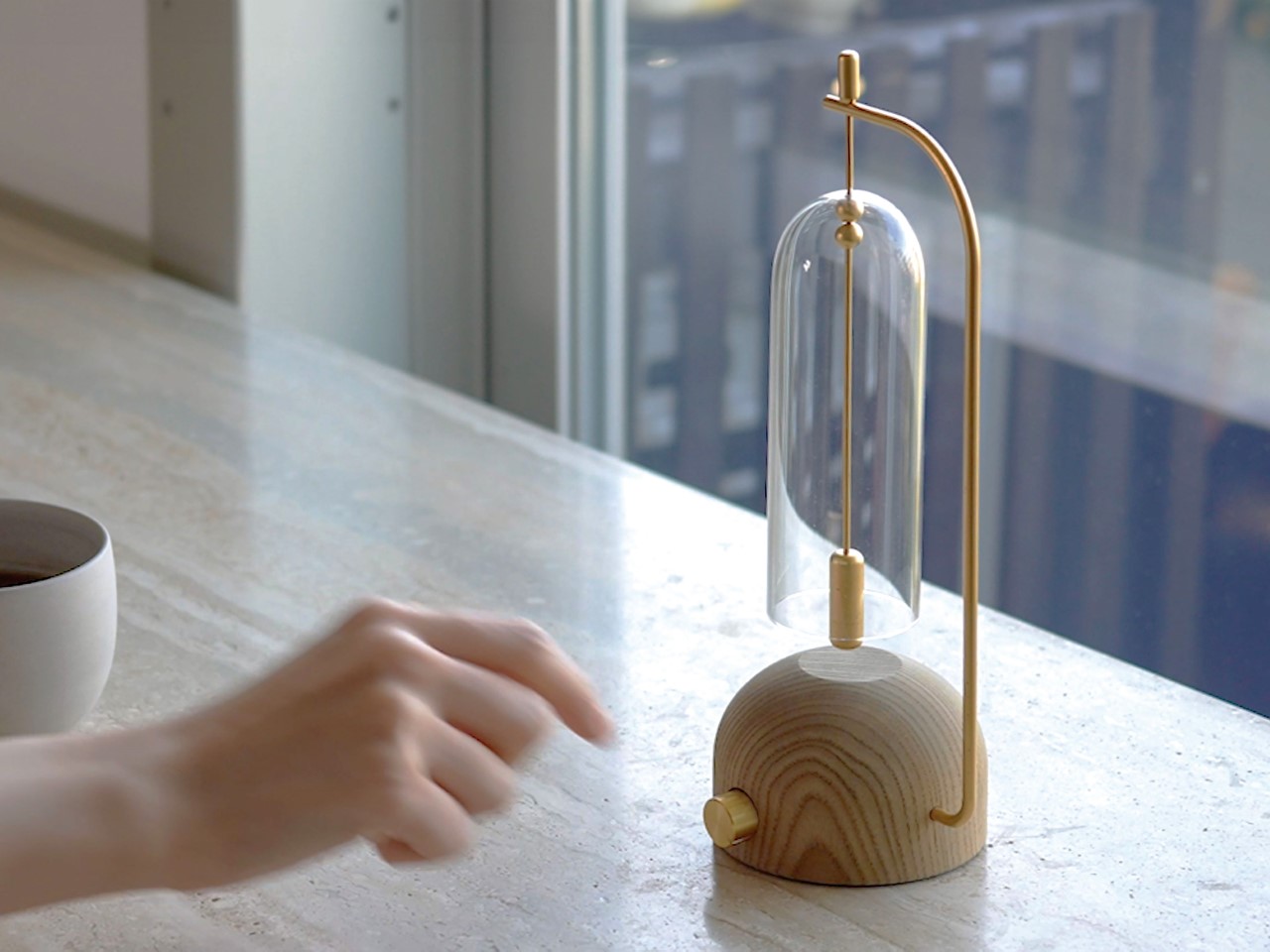
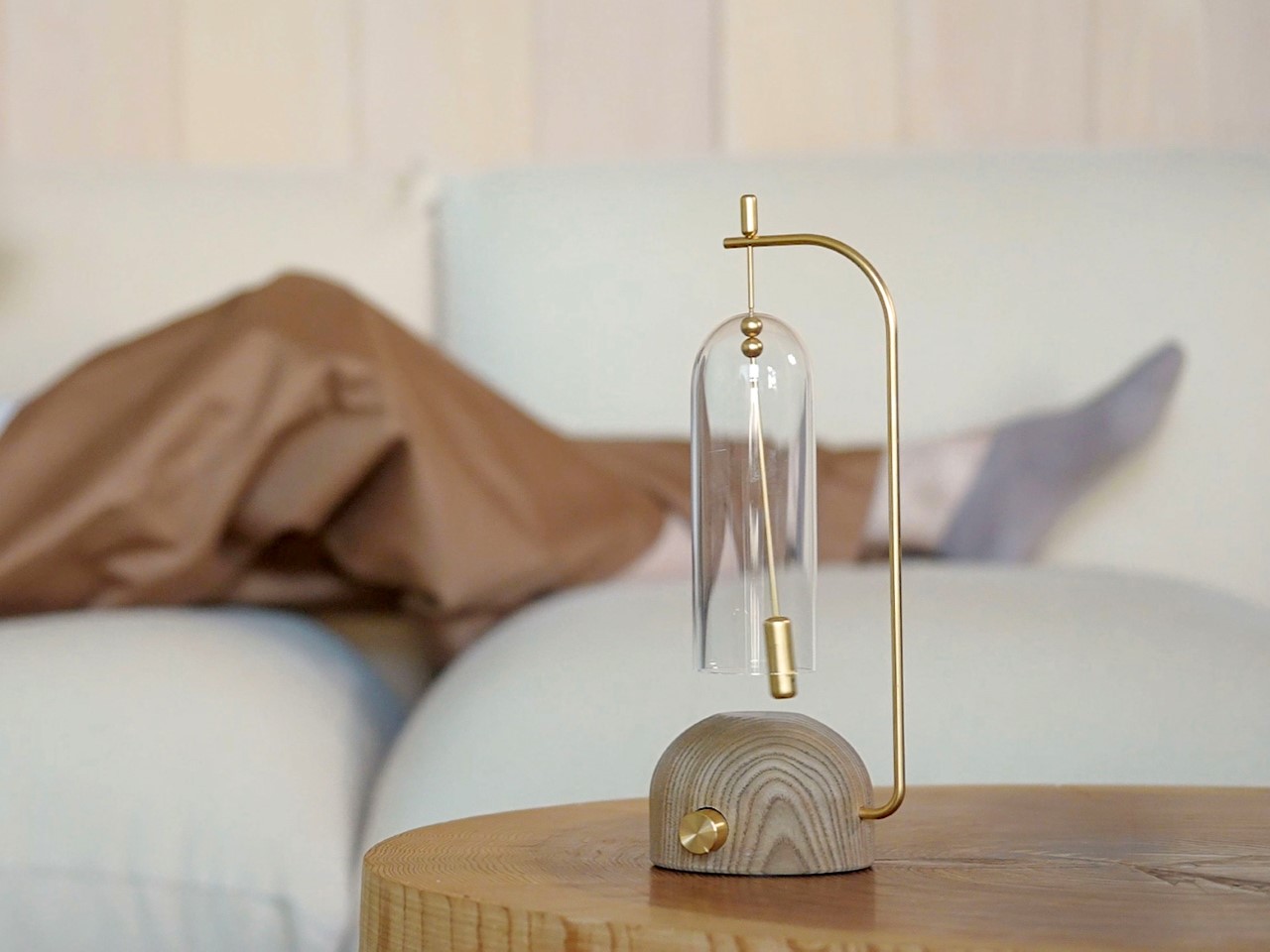
Meet the LIIN, an indoor wind chime that works autonomously by sensing outdoor wind. Designed to work in enclosed environments or in spaces with not much cross-ventilation, the LIIN’s chime works on cue as soon as you switch it on. In fact, think of it as the audio version of a sun-lamp. A sun-lamp mimics the sun in rooms without sunlight – similarly, the LIIN mimics the auditory effects of a breeze, even when there isn’t any.

Designer: Fujitsu Limited

The chime works in tandem with an outdoor sensor that detects wind speeds. Switch the chime on and an internal clapper swings gently, ringing against the outer glass bell cover, creating a graceful, pleasant sound. The entire device works on an automated pendulum motion, which goes fast or slow depending on the wind speeds outside. This means you could sit in a cushy air-conditioned office but still enjoy the musical effects of the outdoor breeze!

A winner of the Red Dot Award: Design Concept for the year 2024, the LIIN is Japanese minimalism at its finest. While most wind-chimes are inherently minimalist, this tabletop objet d’art really does have an understated charm. The wooden base sports a simple geometric form that shows off the wood grain wonderfully. Brass elements like the clapper and the switch/knob on front contrast wonderfully against the wood, and the glass bell gives the overall product a light, see-through aesthetic. I imagine the sound produced by the borosilicate glass is just as zen-inducing too!

The post This quaint Indoor Wind Chime automatically rings by sensing outdoor wind speeds first appeared on Yanko Design.
Minimalist smart cooker concept belies its multifunctional nature

Space is always at a premium, whether it’s in the bedroom, the living room, or the kitchen. Maximizing space is a challenge, which is why multifunctional designs are in high demand. Furniture that can transform to do different things in different situations or appliances that can serve different needs help not only save space but sometimes even money in the long run.

Unfortunately, multifunctional designs also tend to be complex and confusing due to cramming many features into a single product or system. Of course, it’s always possible to create minimalist multifunctional designs with some careful thinking, and this concept for a smart cooker system puts that theory to the test.

Designer: BKID

Our kitchens are becoming smarter every year as refrigerators, ovens, and even hubs gain some intelligence and Internet connectivity. These large appliances are more or less permanently installed in place, so the space they take up is not really a problem. Stoves and cookware, however, are a different question, especially given how many pots and pans we tend to use.

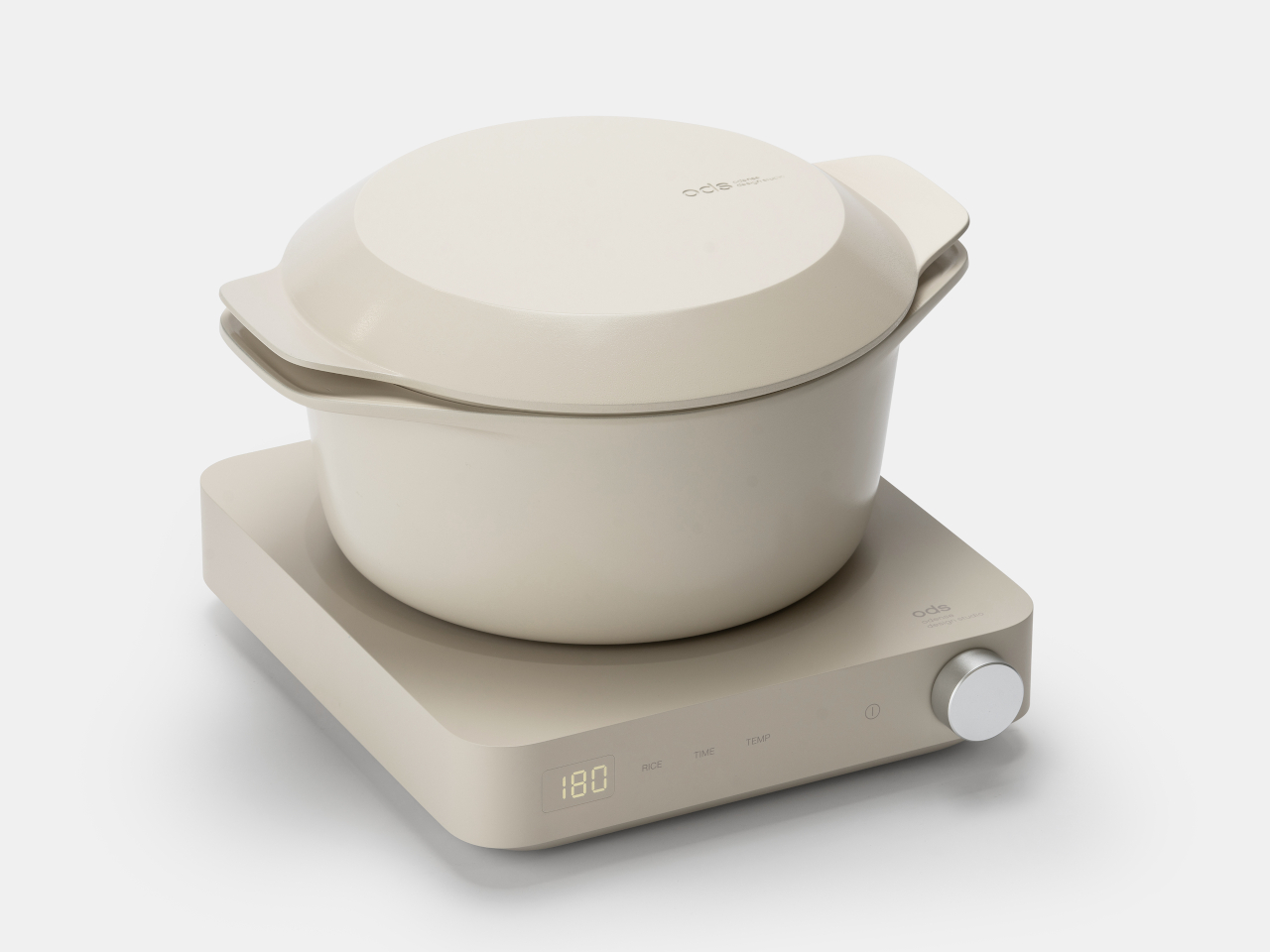
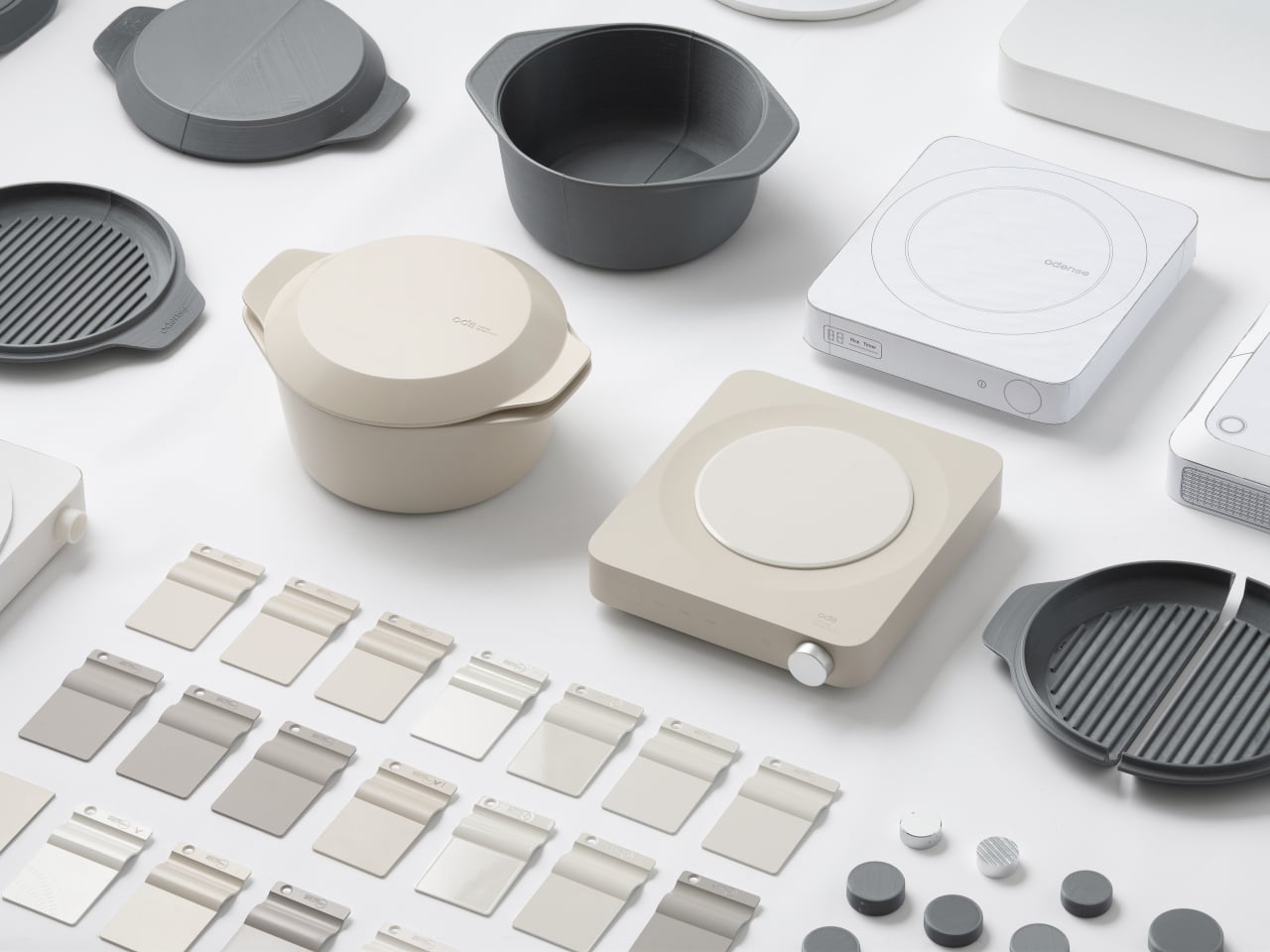
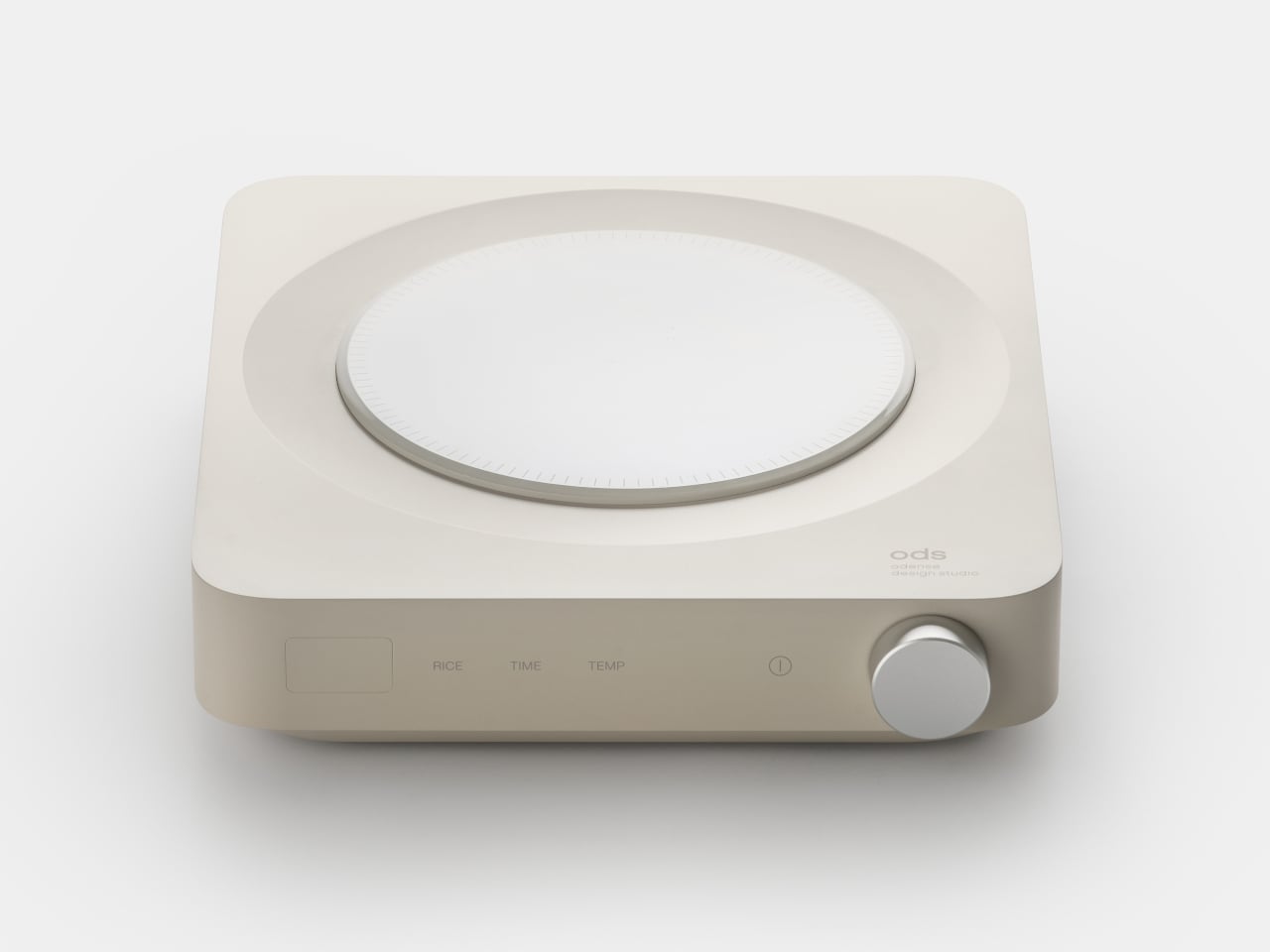
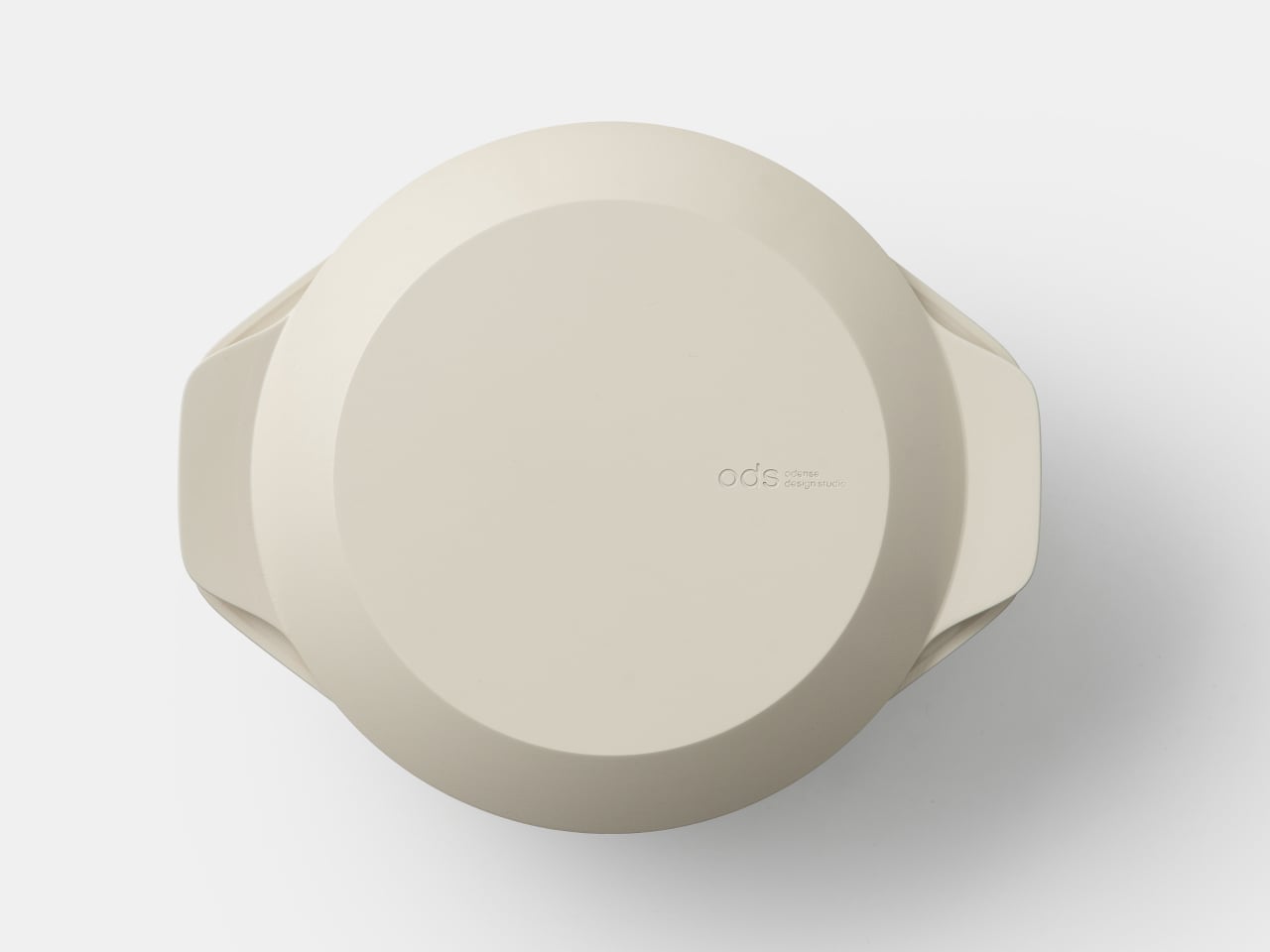
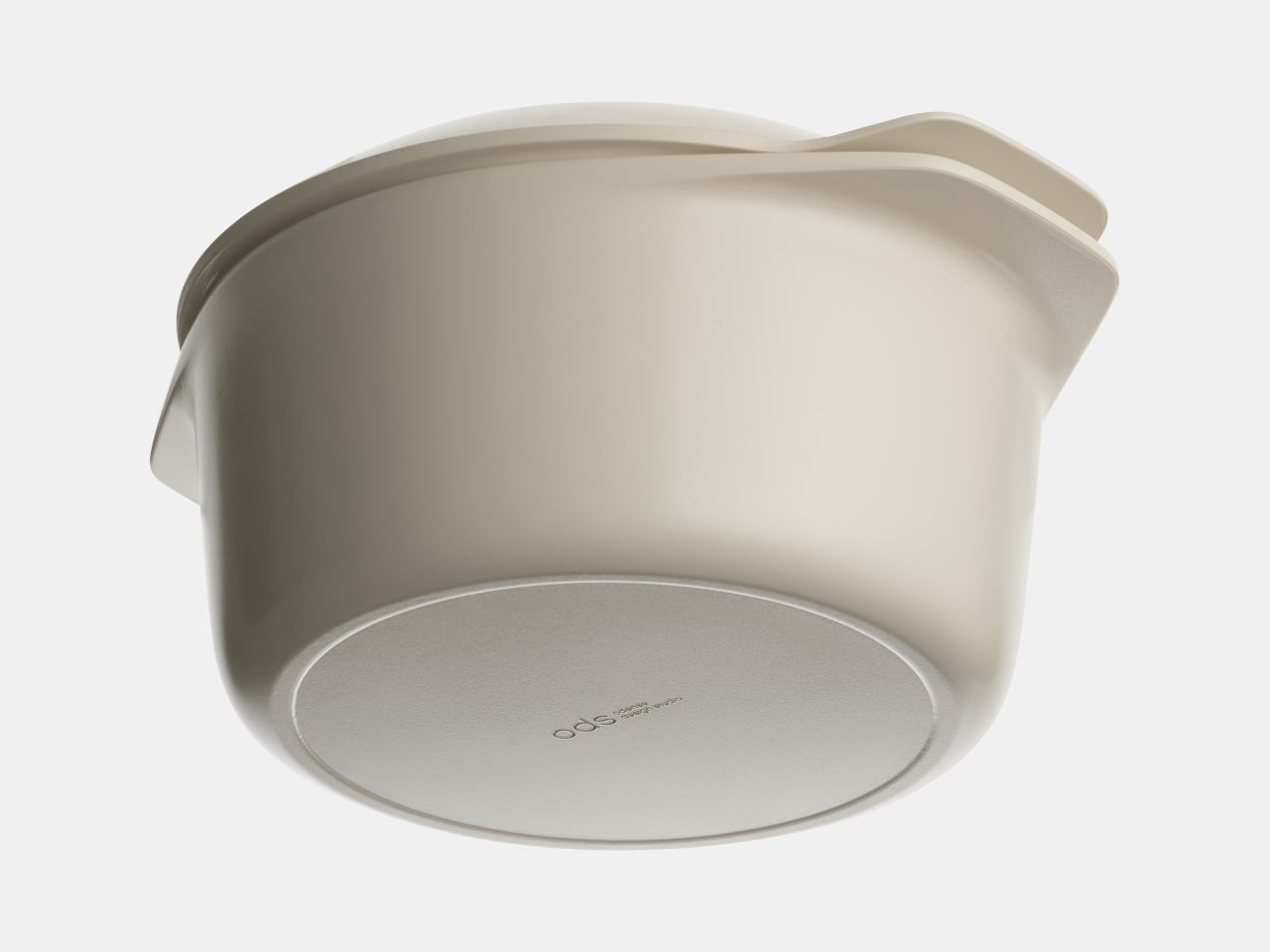
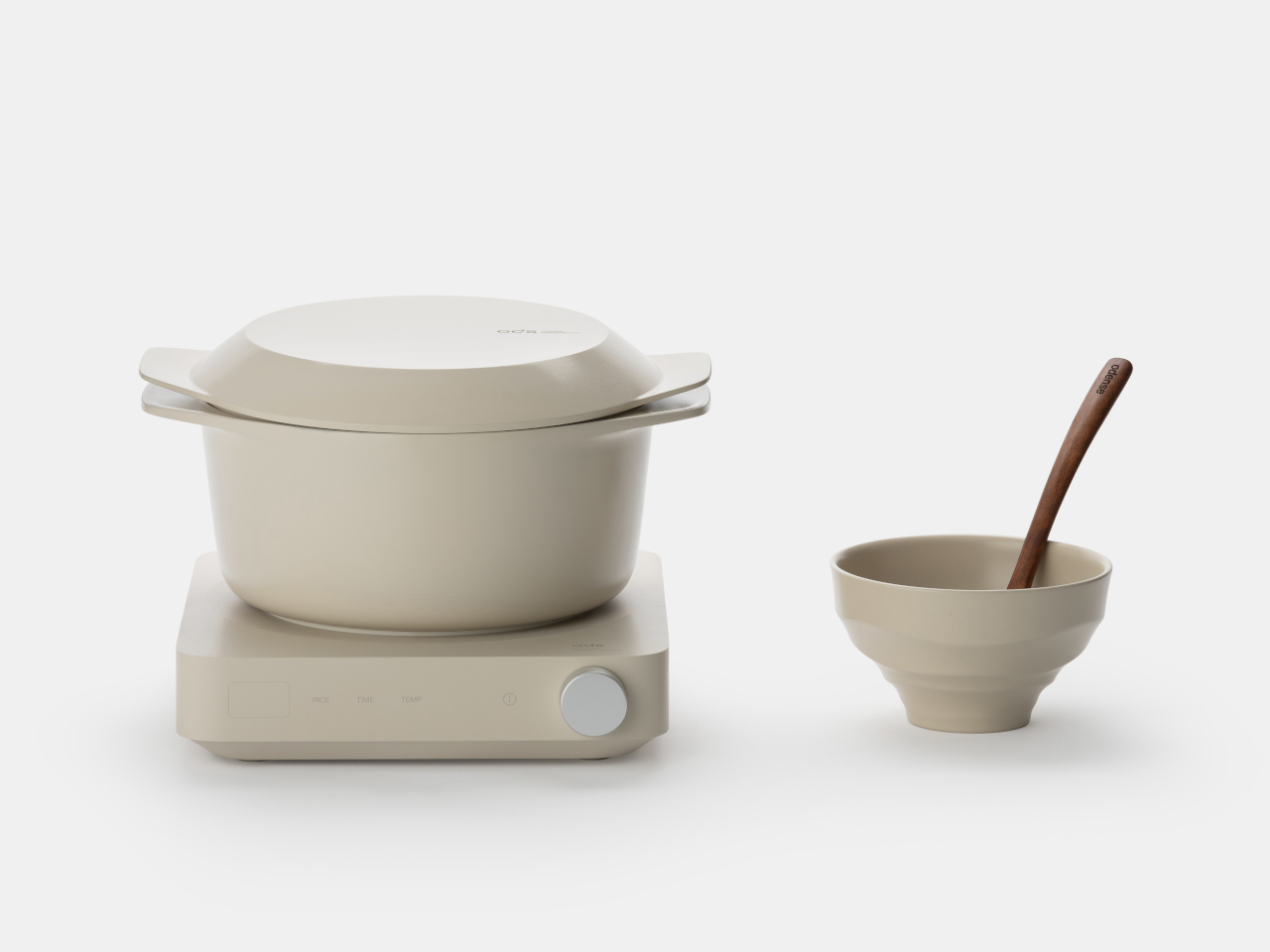
The ODS Smart Cooker concept tries to reduce some of that wasted space by combining a few simple objects into one. The base of the system is an induction stove with a very minimalist aesthetic. A simple intuitive dial controls the temperature, while a touch-sensitive surface switches between different modes.

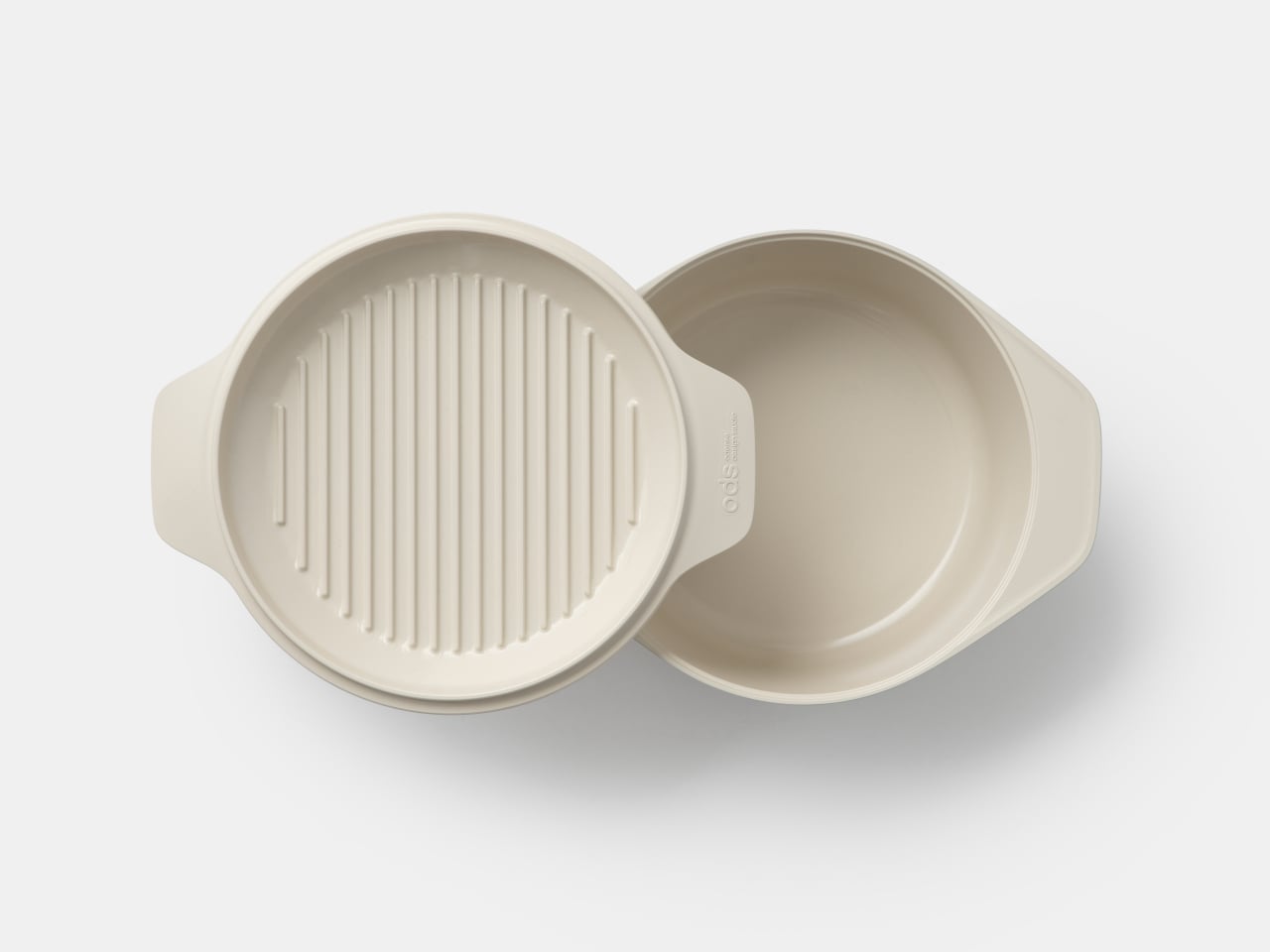
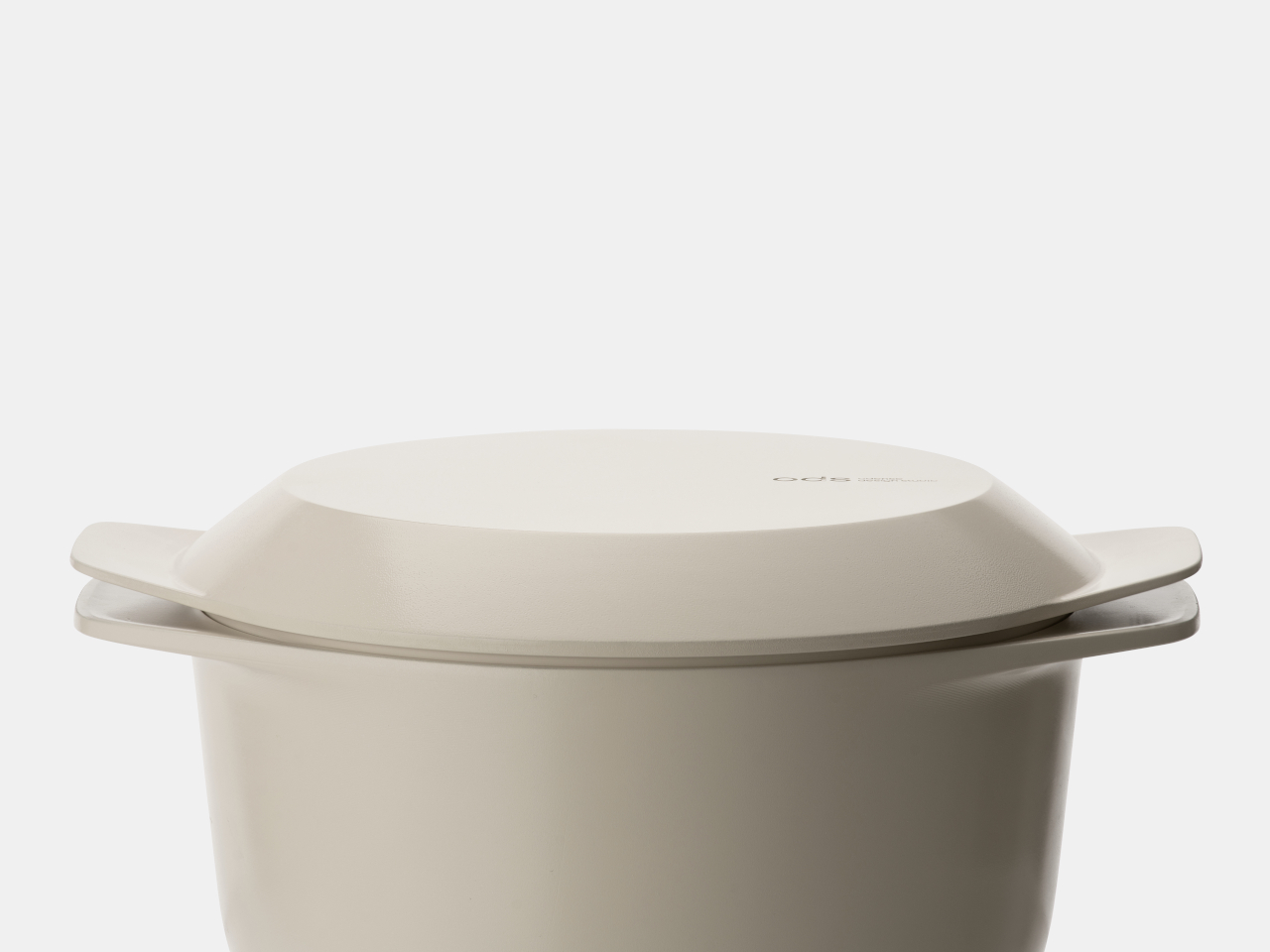
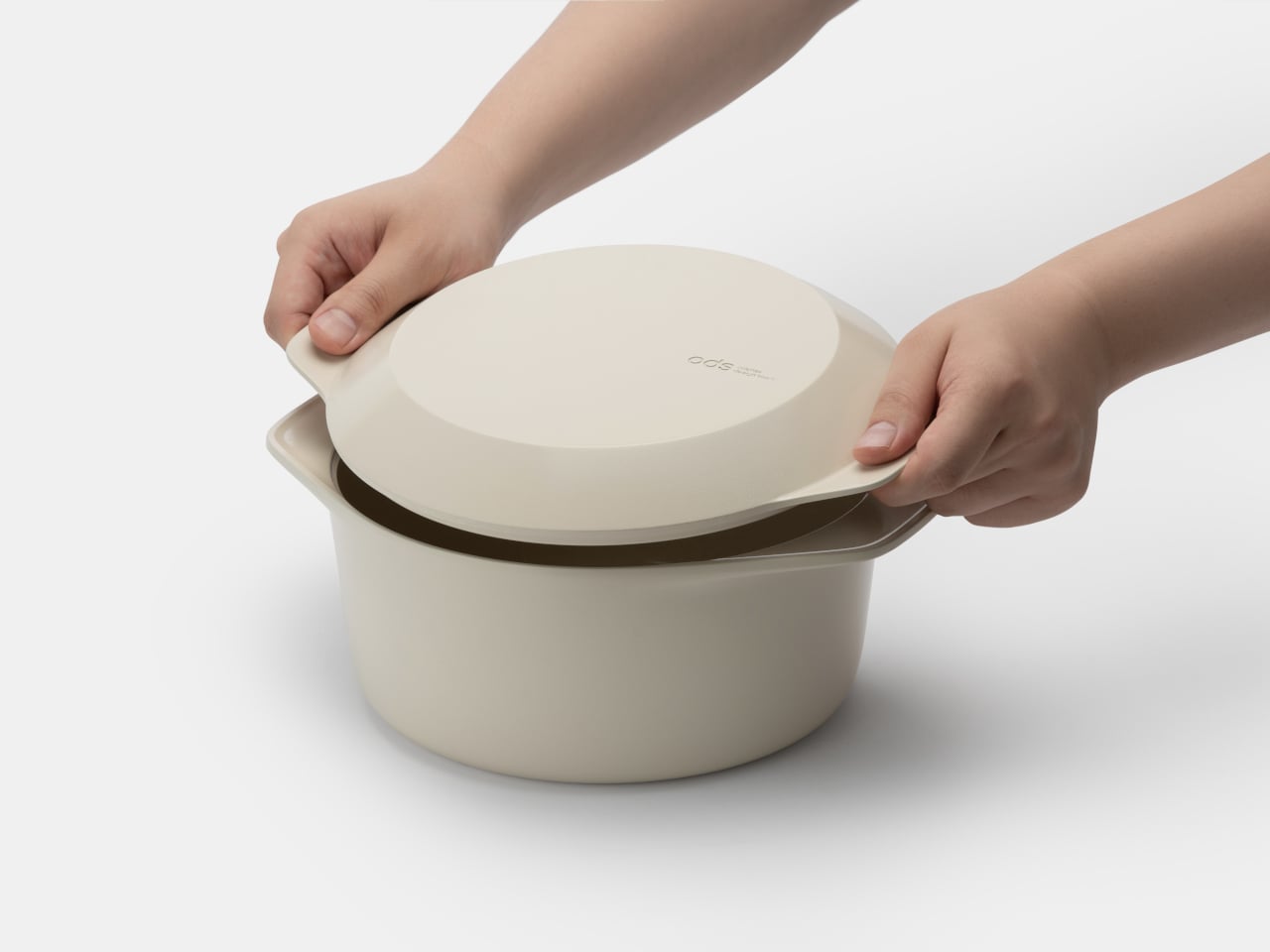
The more interesting part, however, is the pot itself. It looks very simple with a matching simple cover. That said, that cover also functions as a stovetop grille. When not needed, these two cookwares can occupy the same spot, saving space. You also don’t need a separate cover for the pot, but it also means that you can’t use the grille and the pot simultaneously when you also need to cover the pot.

The handles for the cooking vessel are rather strange but not accidental. The angle of handles for the cover/grille leaves a gap where you can easily wedge in your fingers to take the cover off. Alternatively, you can probably also squeeze two handles on the same side together to lift the opposite side slightly, allowing steam to escape without risking burning your hand.

The post Minimalist smart cooker concept belies its multifunctional nature first appeared on Yanko Design.
Flat-packed pendant lamp creates ripples in your room ambiance

We might take for granted the effect that lighting has in our lives, thinking they’re just there for illumination. Even that aspect, however, can have unintended consequences, such as when the light is too bright, too dim, too cold, or too warm. Suffice it to say that lighting fixtures can affect not only visibility but even ambiance, especially if the light source is always visible.

A pendant light hanging from the ceiling is one such example, and while it might sometimes be nerve-wracking to see them precariously swaying in the wind, they can also be a source of wonder, awe, and even calm. This particular design takes its inspiration from both nature and geometry to create an almost mesmerizing effect when viewing it from different angles.

Designer: Rikke Frost for BoConcept

Rippling water has always been associated with calm, meditation, and Zen. Unlike a gushing river, concentric circles expand at a gentle and uniform pace, creating a hypnotic movement that’s only broken when colliding with another rippling surface. You can’t make light ripple without some sort of liquid or substance, but this pendant light comes close to emulating that effect both in design and in lighting.

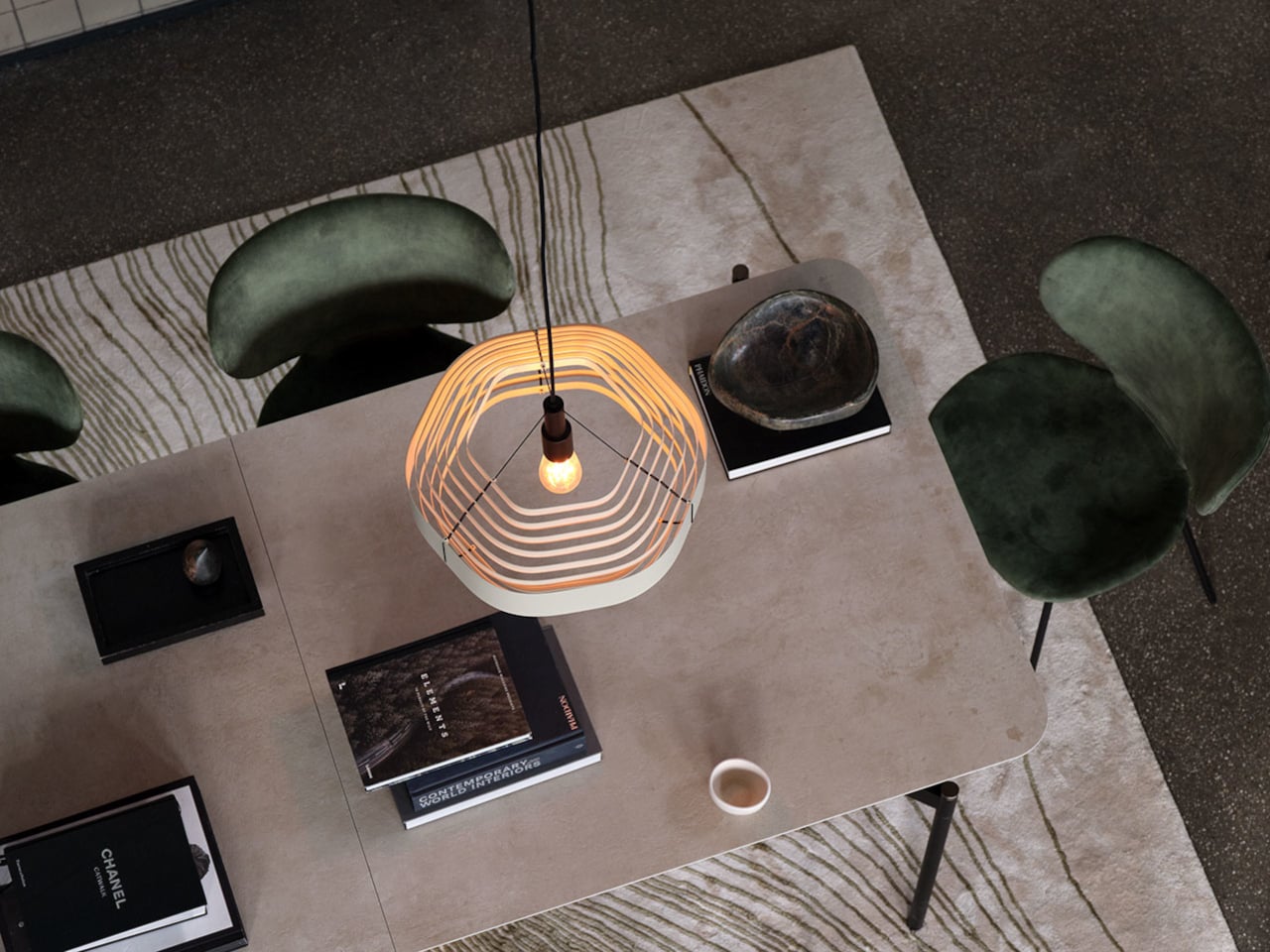
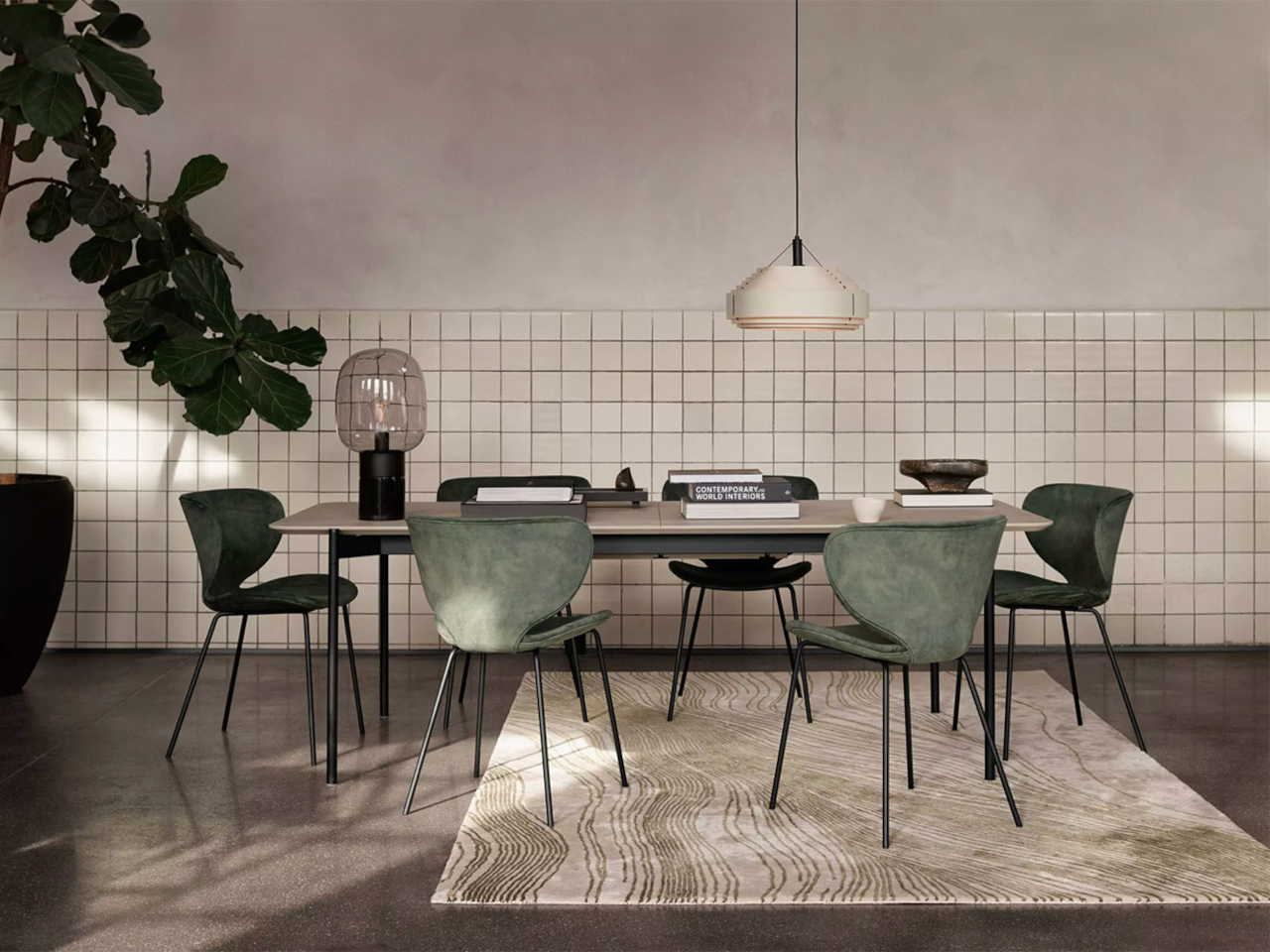
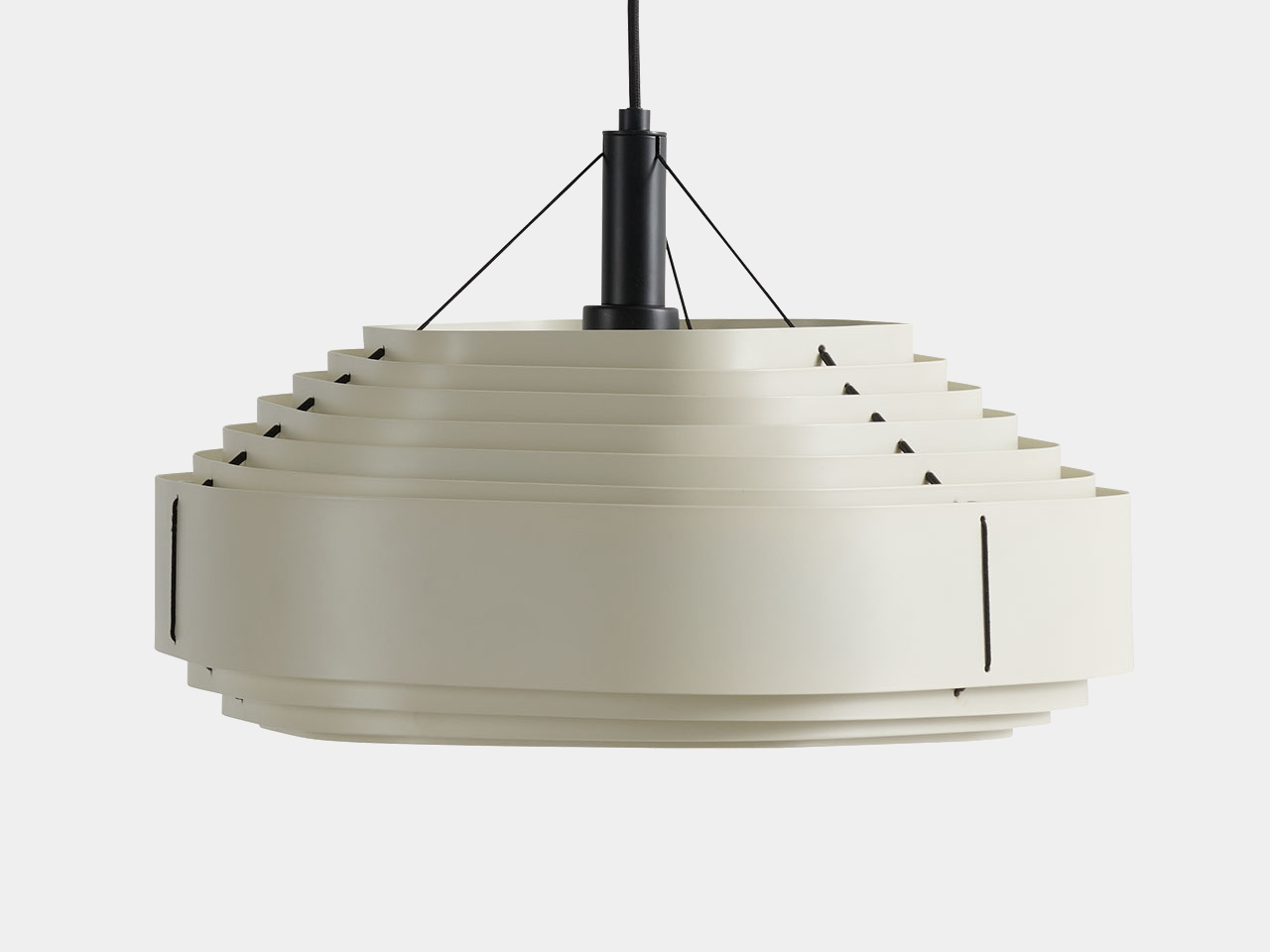
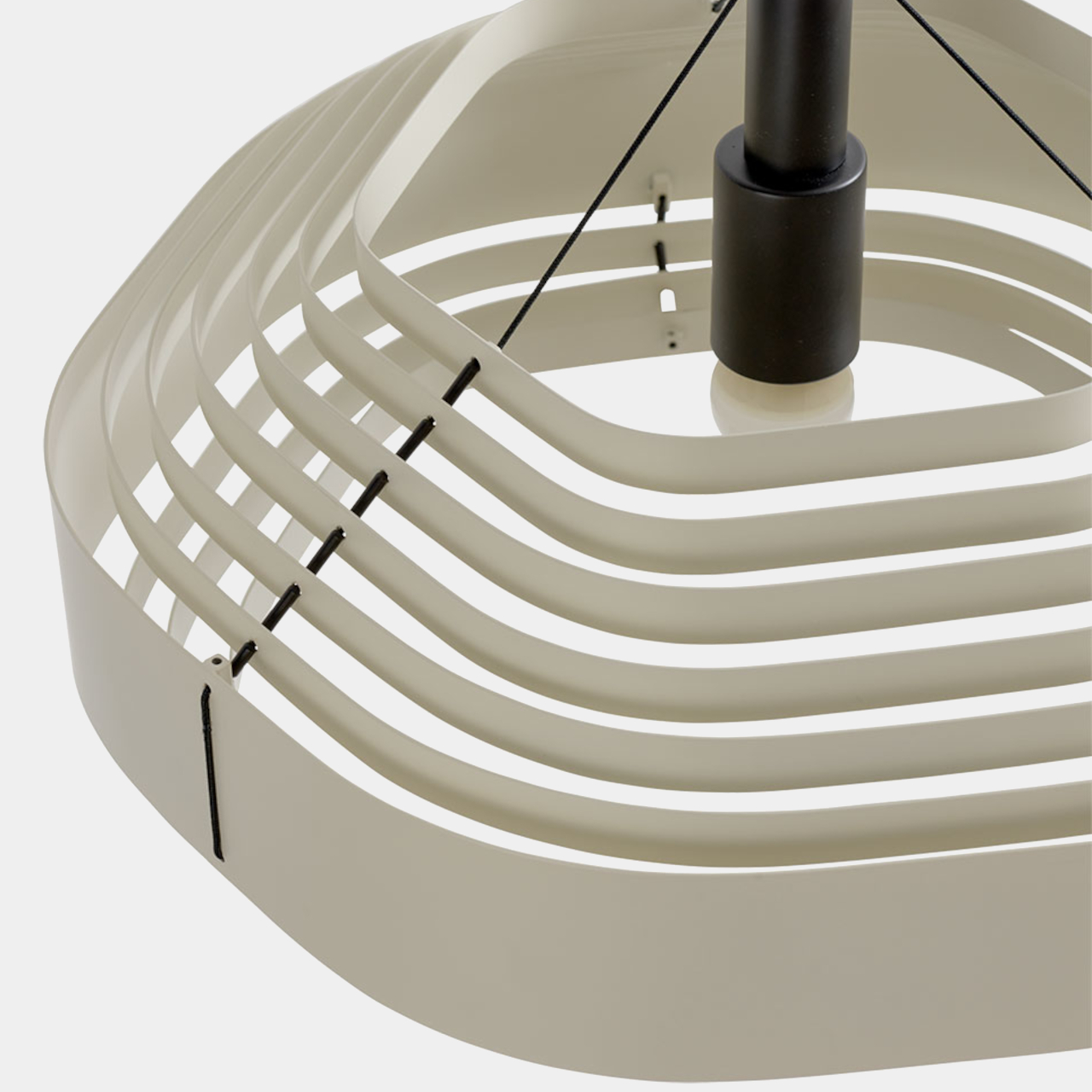
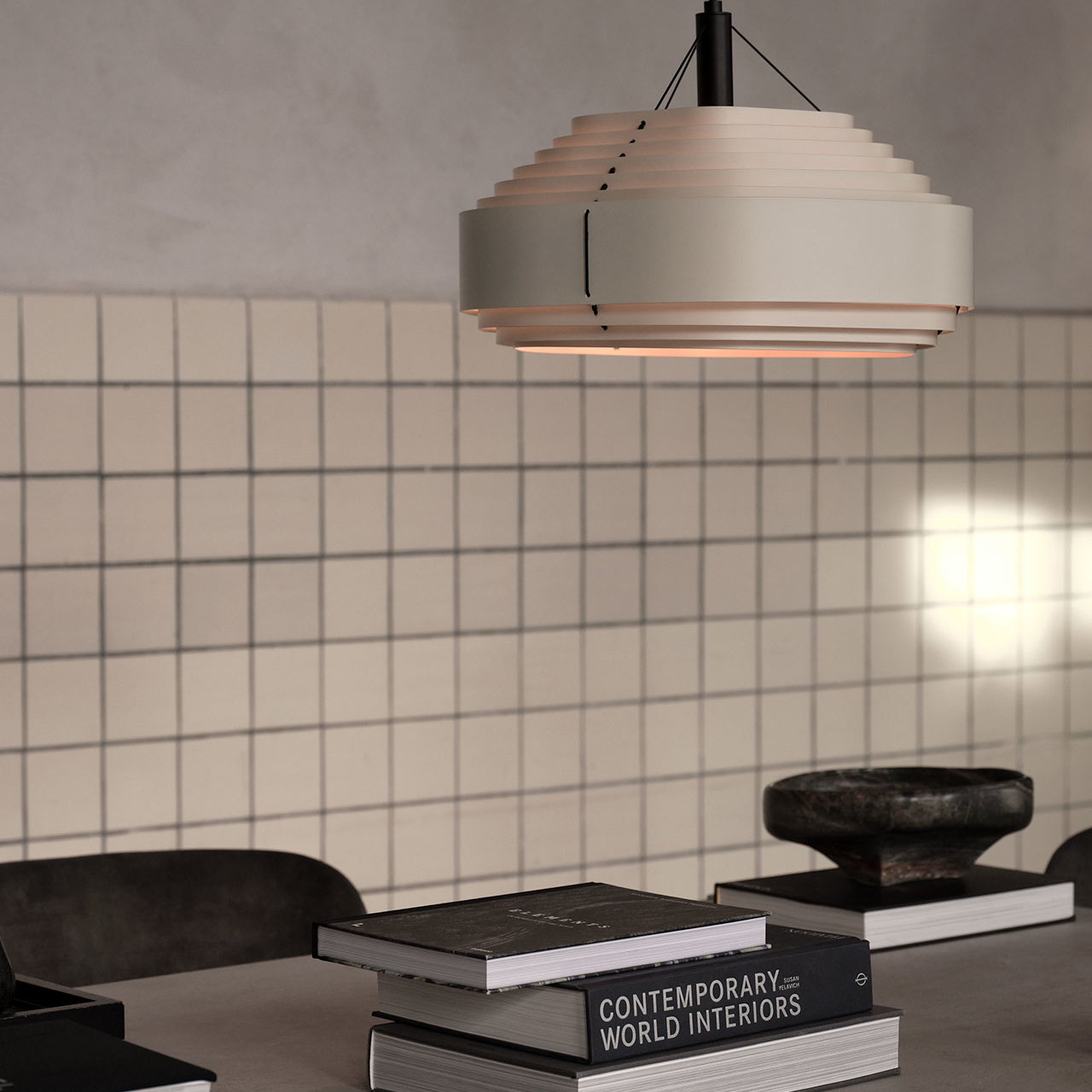
The Ripple lamp is composed of concentric hexagons loosely bound together with black fabric cords. When hanging from the ceiling, the pieces separate and drop to create a pyramid form that’s almost like a ziggurat. Because of this “three-dimensional” arrangement, you get a different and unique view when seen from different angles. Of course, from the top, it looks like a rippling pattern, one with hexagons instead of circles.

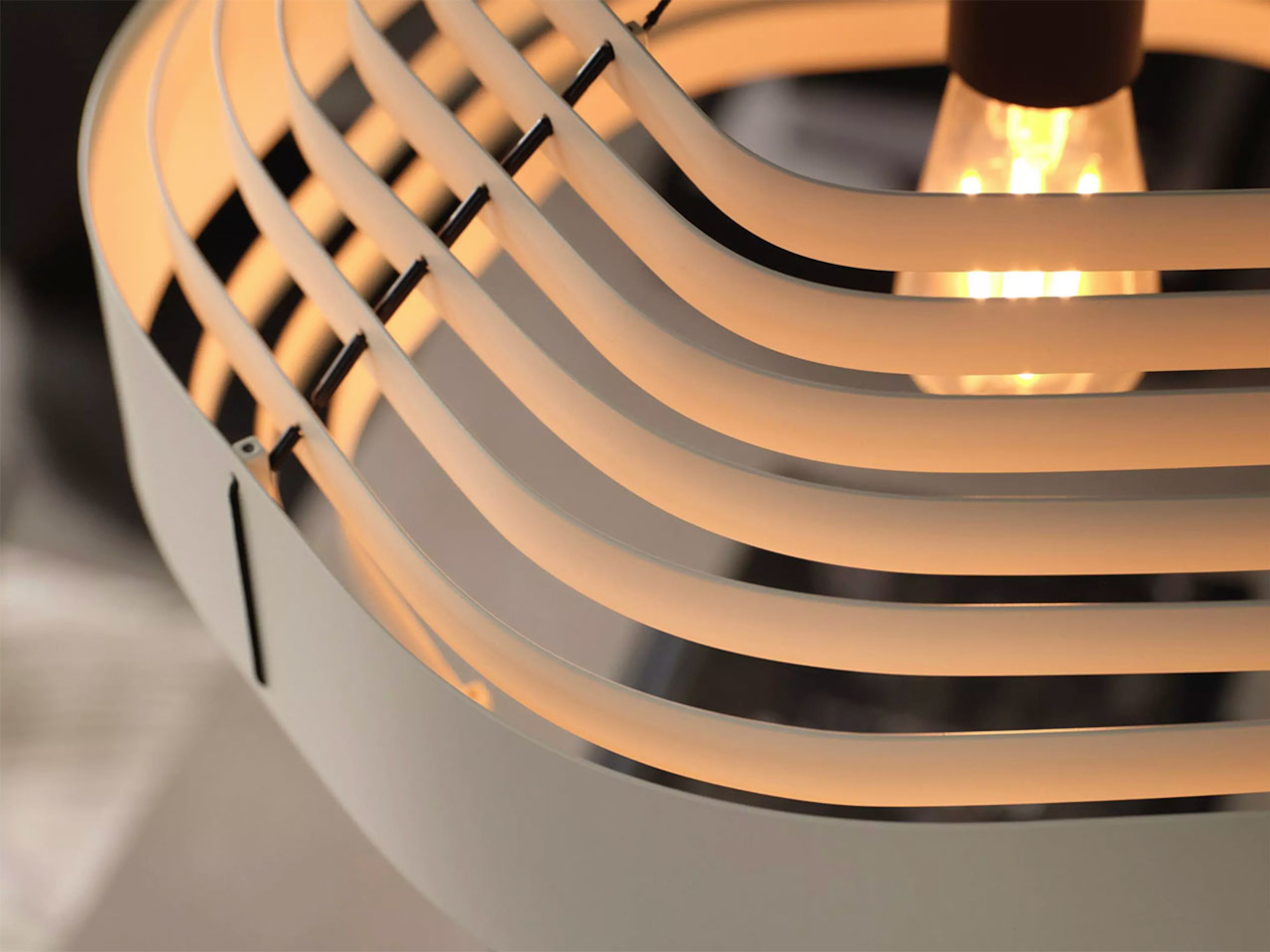
This composition also affects the light being distributed from the center. Light doesn’t just go down as with normal pendant lamps but also upward, which has the effect of diffusing the lamp’s glare. Naturally, it also casts interesting shadows which add to the mystical effect of the rippling form.

The lamp comes in a flat-pack form, with the eggshell white metal rings taking up less space when collapsed. Its design is simple and minimalist, yet effective in conveying a sense of calm and peace. Even with the light off, the Ripple lamp functions as a decorative piece that gives a unique visual to any room’s atmosphere.

The post Flat-packed pendant lamp creates ripples in your room ambiance first appeared on Yanko Design.
Bowl-shaped meditation speaker concept uses picture cards to play the perfect music

There is a great deal of interest in mindfulness practices that almost borders on obsession, so it’s no surprise that there are just as many apps advertising the perfect solution. Even something like playing calming music has dozens of smartphone apps for it. It’s a handy feature that you can take with you and use anywhere, but it also carries the risk of temptations and distractions.

A dedicated meditation device can take away those pitfalls, especially if it comes in a form that inspires a more relaxed state. Even better if it has a simple interaction model that takes away any ambiguity or complexity, like this speaker concept that uses a simple method of placing artful photo cards to play matching relaxing music.

Designers: Jianshen Yuan, Dingyu Xiao, Boyuan Pan, “me me” (Suosi Design)

Having a dedicated speaker just for playing calming, meditative music might sound overkill, but it has plenty of perks when it comes to putting you in a more relaxed state of mind. In theory, these would be designed with a specific use case in mind and won’t burden the user with unrelated features and controls. It would also adopt an aesthetic that inspires relaxation and meditation, rather than trying to appeal to fashion or outdoor use.

miinfm, for example, combines two shapes immediately associated with meditation – a bowl used in some Asian cultures, as well as the smooth slopes of a Zen landscape. Other than three embossed controls in front, there are no other details that would distract your eyes. In form alone, the speaker already has a minimalist visual that leads the mind into a deeper state of thinking.

The more interesting aspect of this design concept, however, is the way it selects which music to play. Rather than having you choose from a list from a display or from your phone, the speaker makes use of physical cards for that purpose. These cards look like instant camera photos with artistic imagery, and you simply insert the card in the “valley” between the mountain peaks where an infrared scanner is hidden to identify the card.

The exact implementation detail for this simple yet creative mechanism is left to speculation, but it is definitely not impossible to pull off. Although it does require some physical action by the user rather than an automated process, it actually enhances the experience by creating a ritual to prepare both your body and your mind. Light a candle or incense, slip in a meditation card, and relax to the calming tunes from this aesthetic speaker.

The post Bowl-shaped meditation speaker concept uses picture cards to play the perfect music first appeared on Yanko Design.

Sleek clock and wireless charger concept offers a distraction-free experience

Thanks to Apple’s adoption and improvement of the technology, wireless chargers for smartphones have grown and thrived. There are quite a number of different designs, though the majority of them have a common purpose. They make it easy to still use the phone even while charging, or at the very least see its display. That could be useful in some cases but it is Kryptonite for those who actually want to keep their phones out of sight. That’s especially true in bed when phones tempt you to scroll all the way to morning. This concept design proposes a simple yet elegant solution that keeps the phone out of sight while charging but still displays the most important information you need to see at a glance.

Designer: Ahmed Rashad

Although flat horizontal “beds” are the most common design for wireless chargers, the most popular put the phone at an angle so that you can still see the phone’s screen while charging. This position is useful for taking video calls or watching a video, and some even have special modes that show a minimalist UI like a clock. Unfortunately, this also increases the potential for distraction, or at least the temptation to reach out for your phone. You could, of course, simply charge your phone far away, but then you lose access to important and timely information like your next appointment.

This wireless charger concept suggests a solution that is simple yet also ingenious. It combines the functionality of a simple, horizontal wireless charger with a digital clock. The clincher is that the clock also displays data like the weather, today’s most important event, and your next appointment. The concept doesn’t exactly make it explicit, but this information is possibly taken from the charging phone itself, whether through NFC or Bluetooth.

The big difference here is that the wireless charger lies behind the clock, so the phone will not only be hidden from view but also difficult to reach. It puts physical and conceptual barriers that discourage instant gratification by increasing the friction and amount of effort to do that action. The design would be best used on a bedside table, ensuring that the phone is really out of reach but still charging conveniently.

The wireless charging clock also carries a striking aesthetic that will fit many minimalist motifs, including and especially Apple designs. The sleek curve gives it a rather elegant appearance, while the clean and white finish makes it stand out against most furniture colors and materials. There’s also a distinct absence of extraneous features, including buttons aside from the power and charging switches, making the accessory effortless to use.

The post Sleek clock and wireless charger concept offers a distraction-free experience first appeared on Yanko Design.

Stylish Pet Retreat: Rawry’s Luxe Cabin Blends Comfort and Minimalist Design

Tired of choosing between your home’s decor and a comfortable space for your pet? The Luxe Cabin from Rawry is here to change that, offering a perfect blend of style and coziness that satisfies both your aesthetic and your pet’s need for comfort. It’s more than just a pet bed—it’s a beautifully designed, handcrafted piece of furniture that enhances any room while providing a serene retreat for your pet.

Designer: Rawry

Designed with small dogs and cats in mind, the Luxe Cabin addresses one of the most common challenges pet owners face: anxiety in animals. For pets who are shy, anxious, or particularly picky about their lounging spots, this cabin offers the perfect solution. Its enclosed design provides a secure, calming environment that makes pets feel safe and protected. Whether your furry friend loves hiding away or simply needs a quiet space to unwind, the Luxe Cabin is their new go-to spot.
What sets the Luxe Cabin apart from other pet beds is the quality of its craftsmanship. Each piece is handmade in small batches, ensuring attention to detail and durability. Unlike cheap, flimsy cardboard or scatter-board alternatives that wear out quickly, the Luxe Cabin is made from high-quality, AA furniture-grade plywood. The use of natural, water-based stains and a woolen felt roof not only gives it an elegant finish but also makes it a sustainable, environmentally friendly choice. This pet house is built to last a lifetime, offering long-term comfort for your pet while enhancing your home’s interior.

Assembly is a breeze with the Luxe Cabin. Thanks to its interlocking design, no tools or adhesives are needed to set it up. It takes just a few minutes to assemble, and the sturdy construction ensures it stays secure. Maintenance is equally simple: wipe down the plywood with a damp cloth when needed, spot-clean the woolen felt roof, and toss the cotton slip-cover cushion in the washing machine for an easy refresh.

The Luxe Cabin comes in two sizes (medium, and XL), designed to accommodate most cats and small dogs under 20 pounds. With five chic color options (cream, light grey, maroon, delicate blue, and tickled pink) it seamlessly blends into any room, serving as both a functional pet house and a stylish decor accent.

The Luxe Cabin isn’t just another pet bed; it’s a lifestyle choice for pet lovers who value both aesthetics and quality. It’s more than a cozy corner for your pet, it’s an accent piece that elevates the style of any room. So why settle for less? Give your pet the luxurious retreat they deserve with the Luxe Cabin by Rawry.

The post Stylish Pet Retreat: Rawry’s Luxe Cabin Blends Comfort and Minimalist Design first appeared on Yanko Design.