This Limited Edition Desk Lamp Has Four Legs and Looks Like It’s Alive

The line between product design and sculpture has been blurring for years, but most objects still declare their purpose plainly. A lamp looks like a lamp. Its form is a familiar enough gesture that it becomes invisible, something you reach for and forget. The more interesting territory is what happens when a designer begins with something alive and works backward into a functional object.

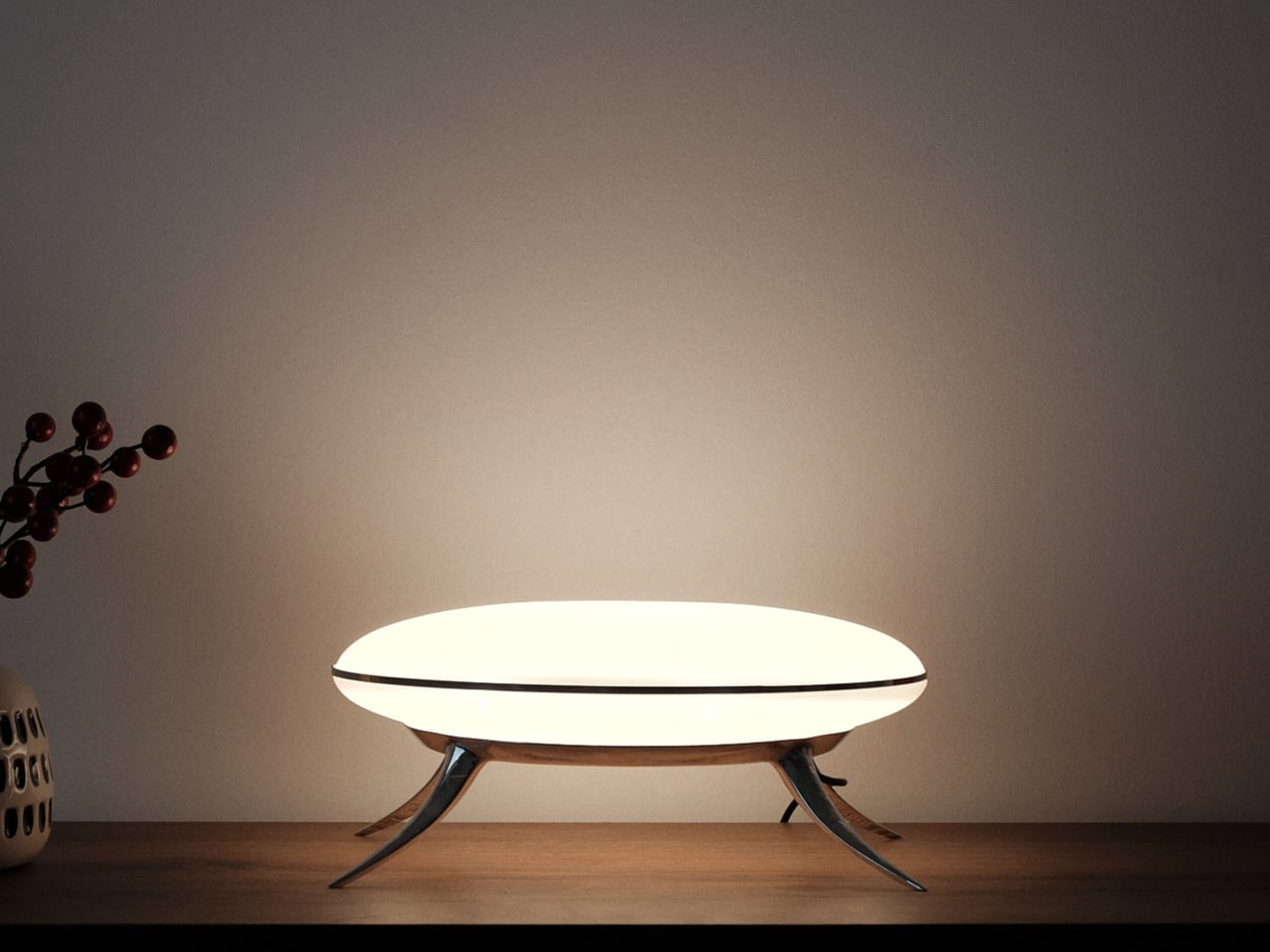
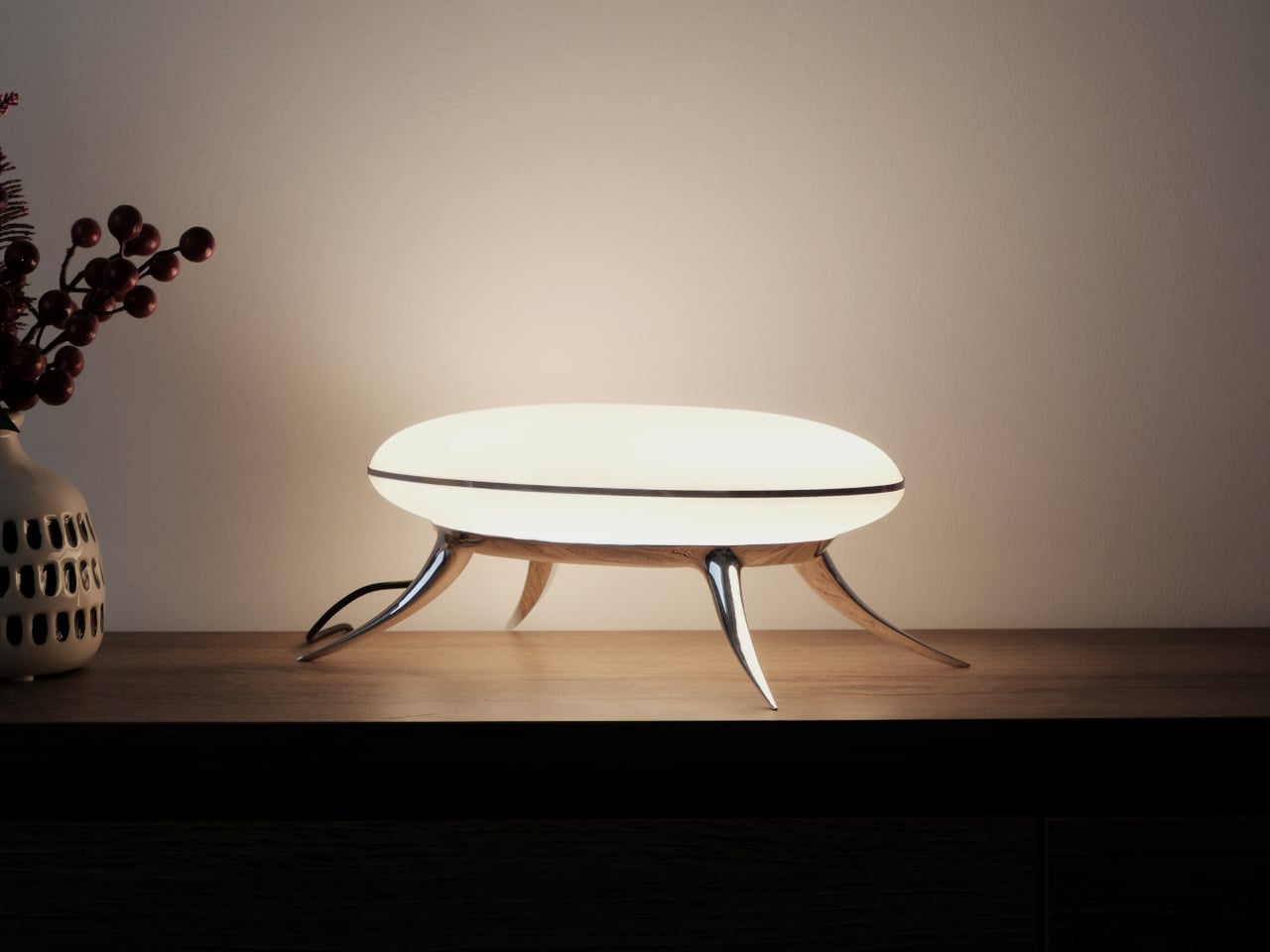
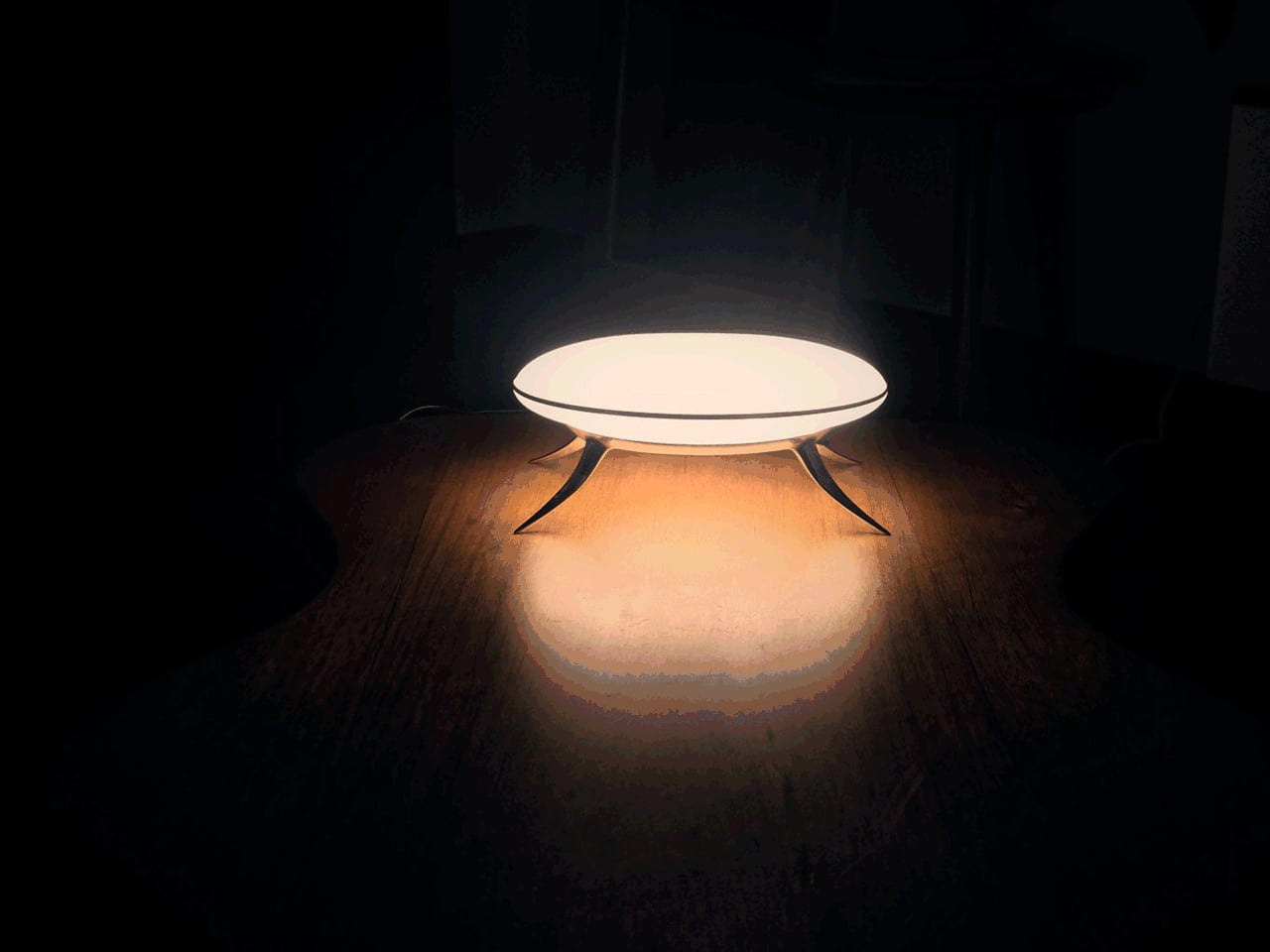
That’s what Hazel Villena did with the Bean Lamp, a limited-edition desk light designed in Brooklyn in 2026 that functions as a light source and a quietly unsettling presence at the same time. Villena started with the creature first and then solved the engineering around it. The legs exist to hold the disc of light. That they read as limbs is entirely deliberate.

Designer: Hazel Villena
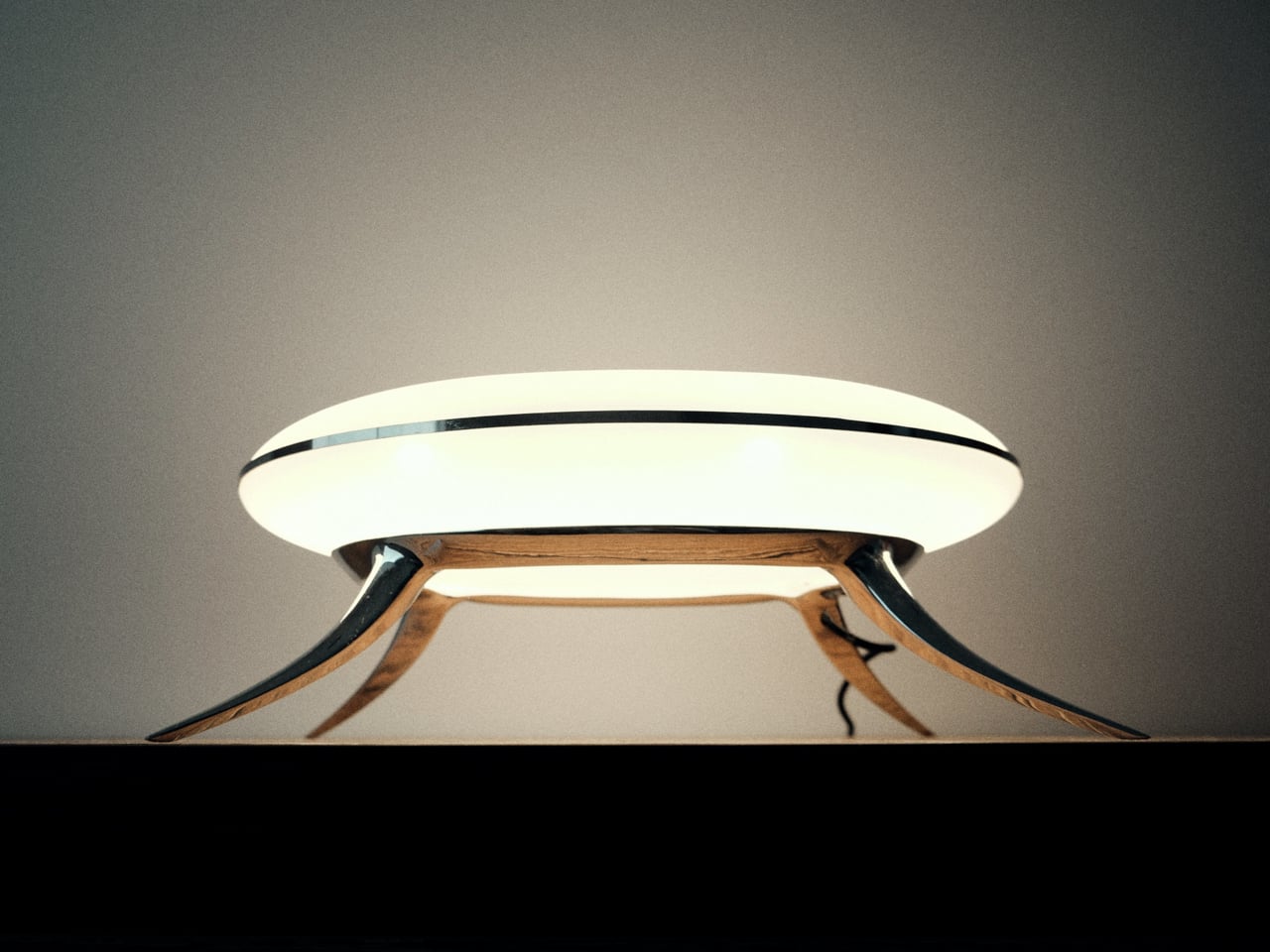
The body is cast copper with a chrome finish, sculpted into a low, wide stance on four tapered legs that curve and splay at angles borrowed more from biology than furniture. A polished aluminum ring joint at the center holds the matte polycarbonate diffuser in place, and the integrated LED disc inside throws a soft, contained pool of warm light across the surface beneath it.
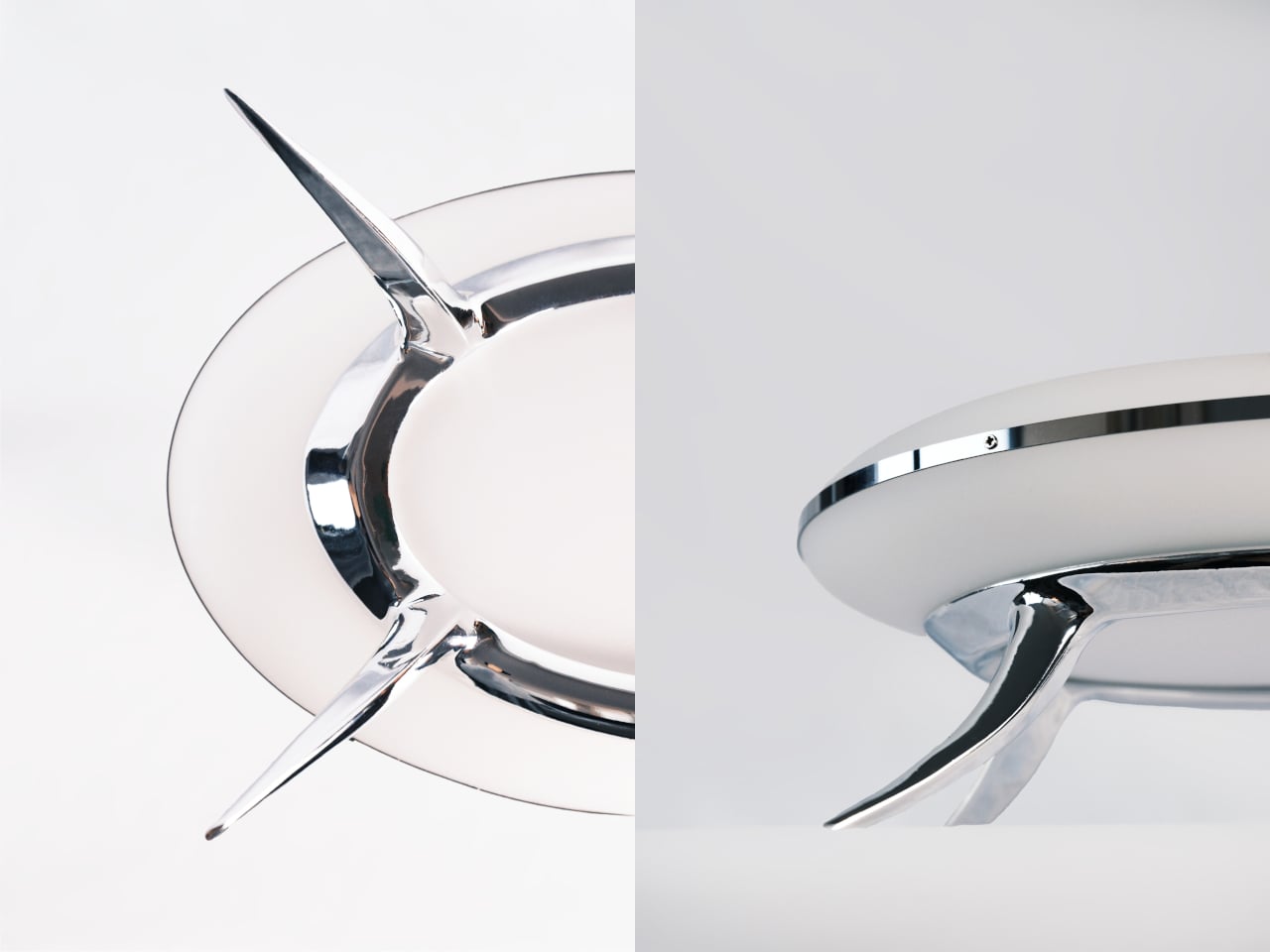
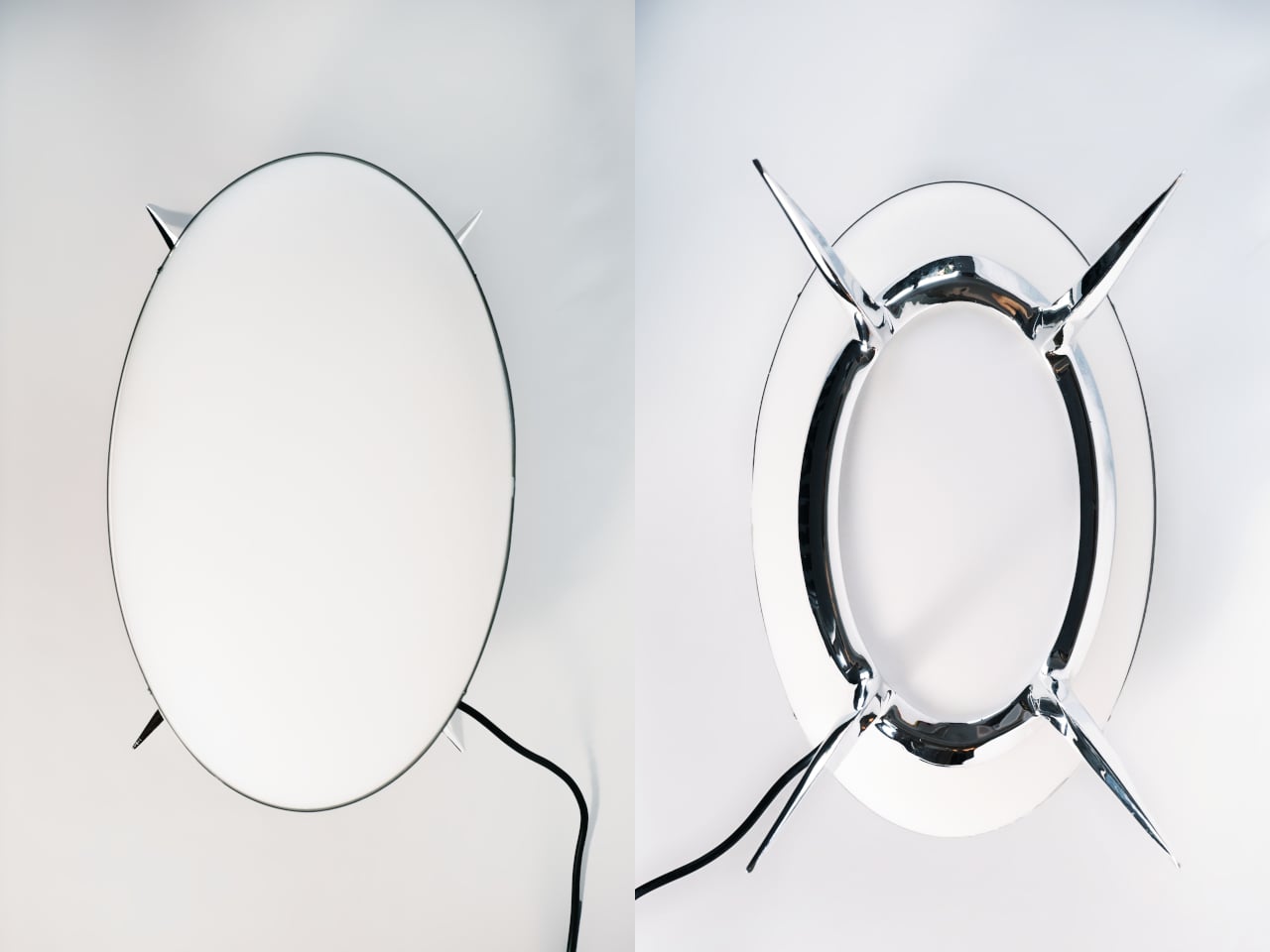
At 10.5 inches long and 4.5 inches tall, the Bean Lamp is compact enough to sit on a desk or shelf without dominating the space, though it tends to hold the eye. Proportion was a significant part of the design process, giving an elementary silhouette more gravity than its simple form suggests. The chrome catches light, the matte disc diffuses it, and the four curved legs suggest something caught mid-pause.
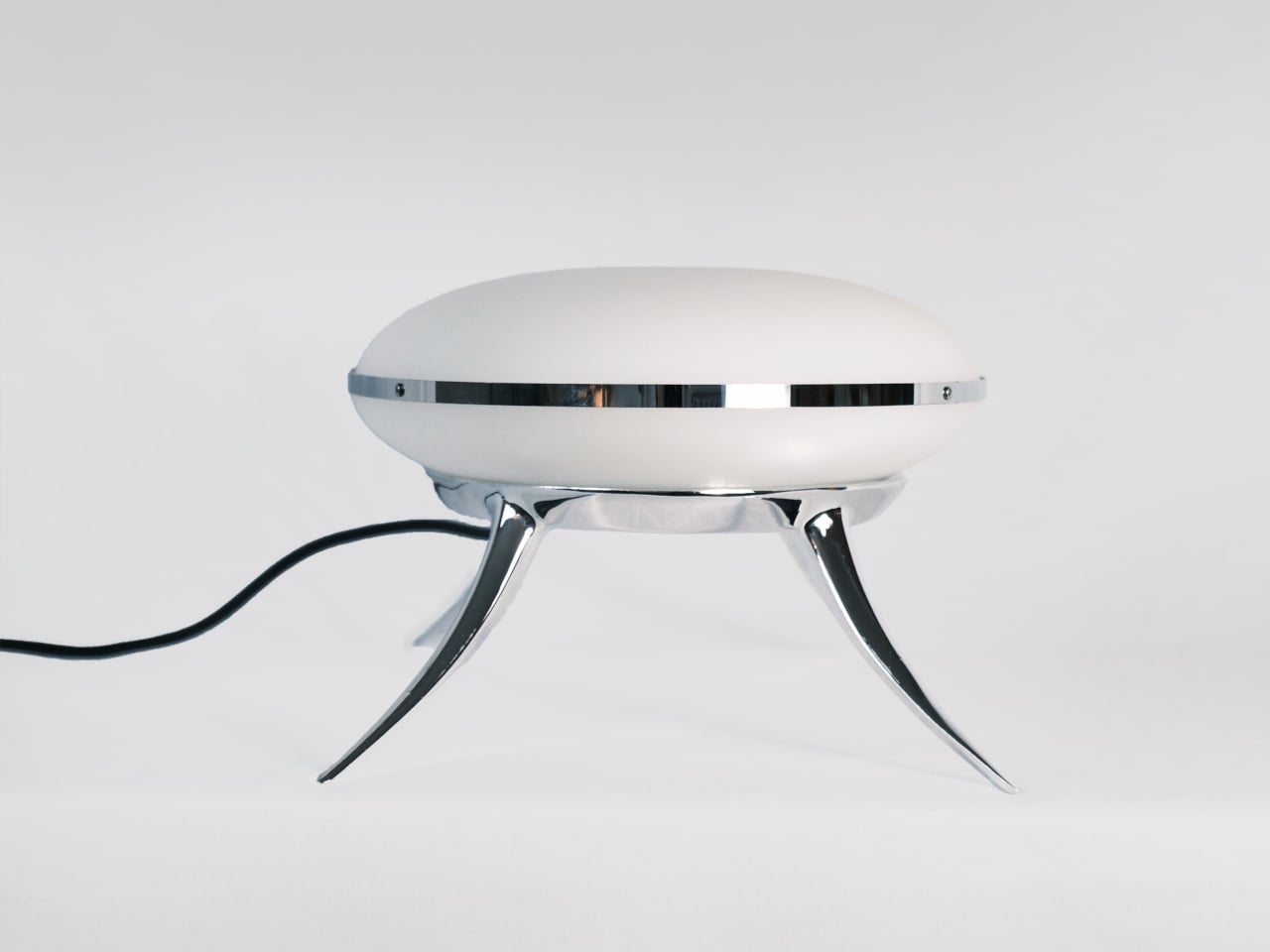
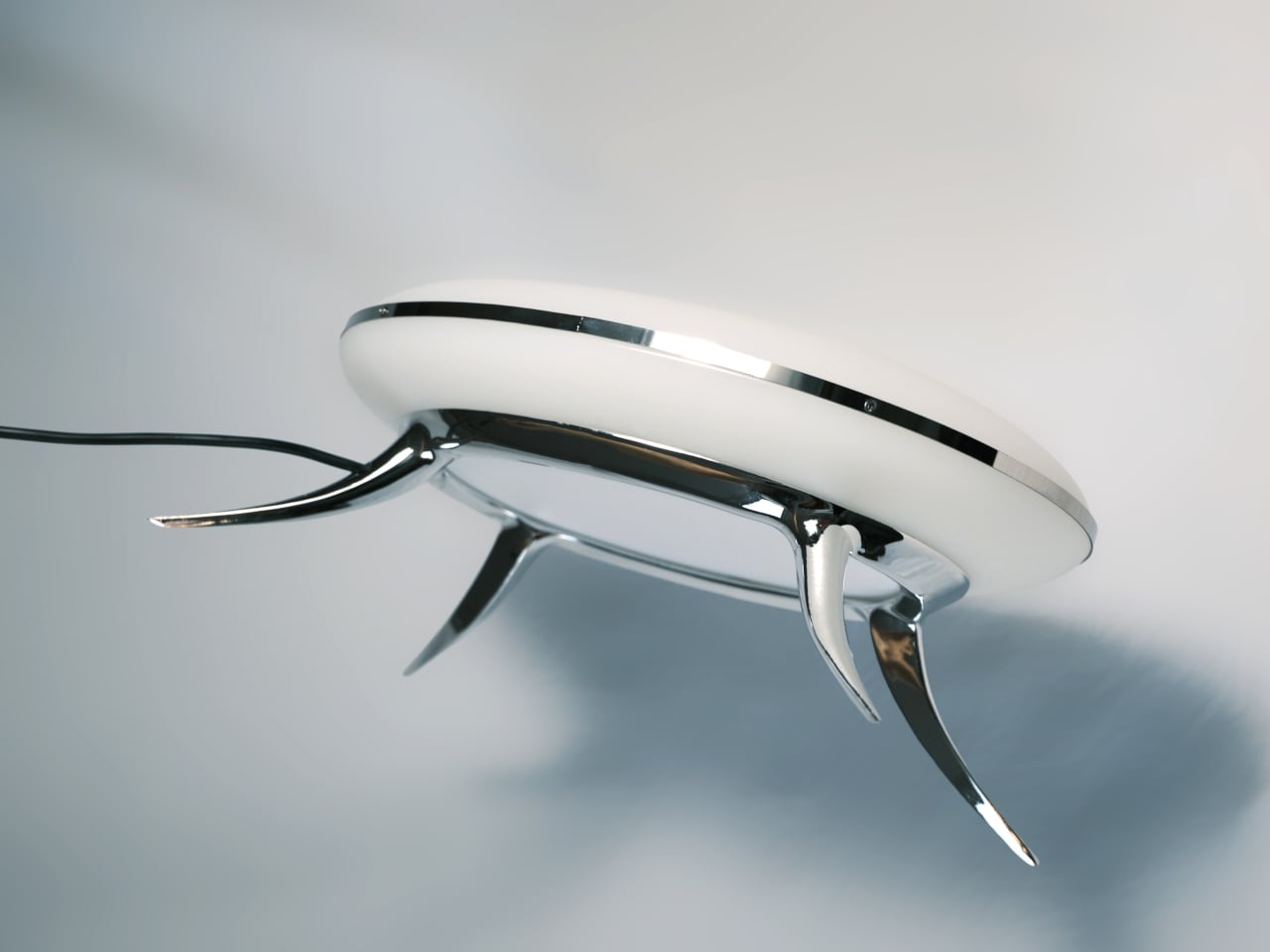
There’s also how it comes apart. The Bean Lamp is mechanically assembled rather than bonded, which means it can be fully disassembled when needed. The shade and LED unit can each be replaced or upgraded independently, extending its life beyond any single component. At the end of its life, the copper body and aluminum ring separate cleanly into existing metal recycling streams, a quiet argument for longevity built directly into the object.

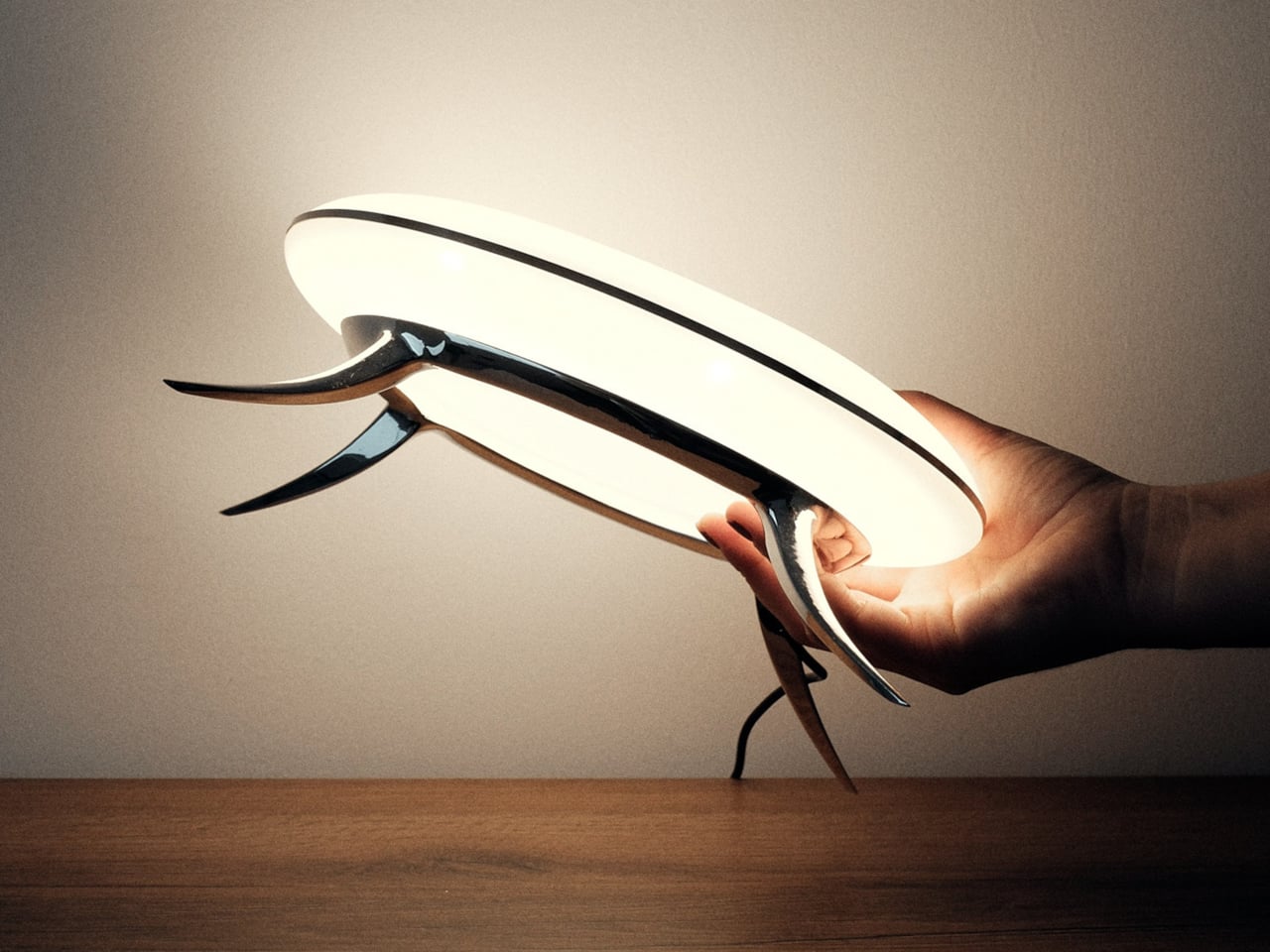
The lamp runs on a 12V cord with an in-line switch, keeping the operation uncomplicated. Plug it in, turn it on, and it does what a lamp is supposed to do: lights a small, deliberate area of wherever you’ve put it. What it also does, and what takes longer to resolve, is sit there looking like it might eventually decide to move on its own when nobody’s watching.
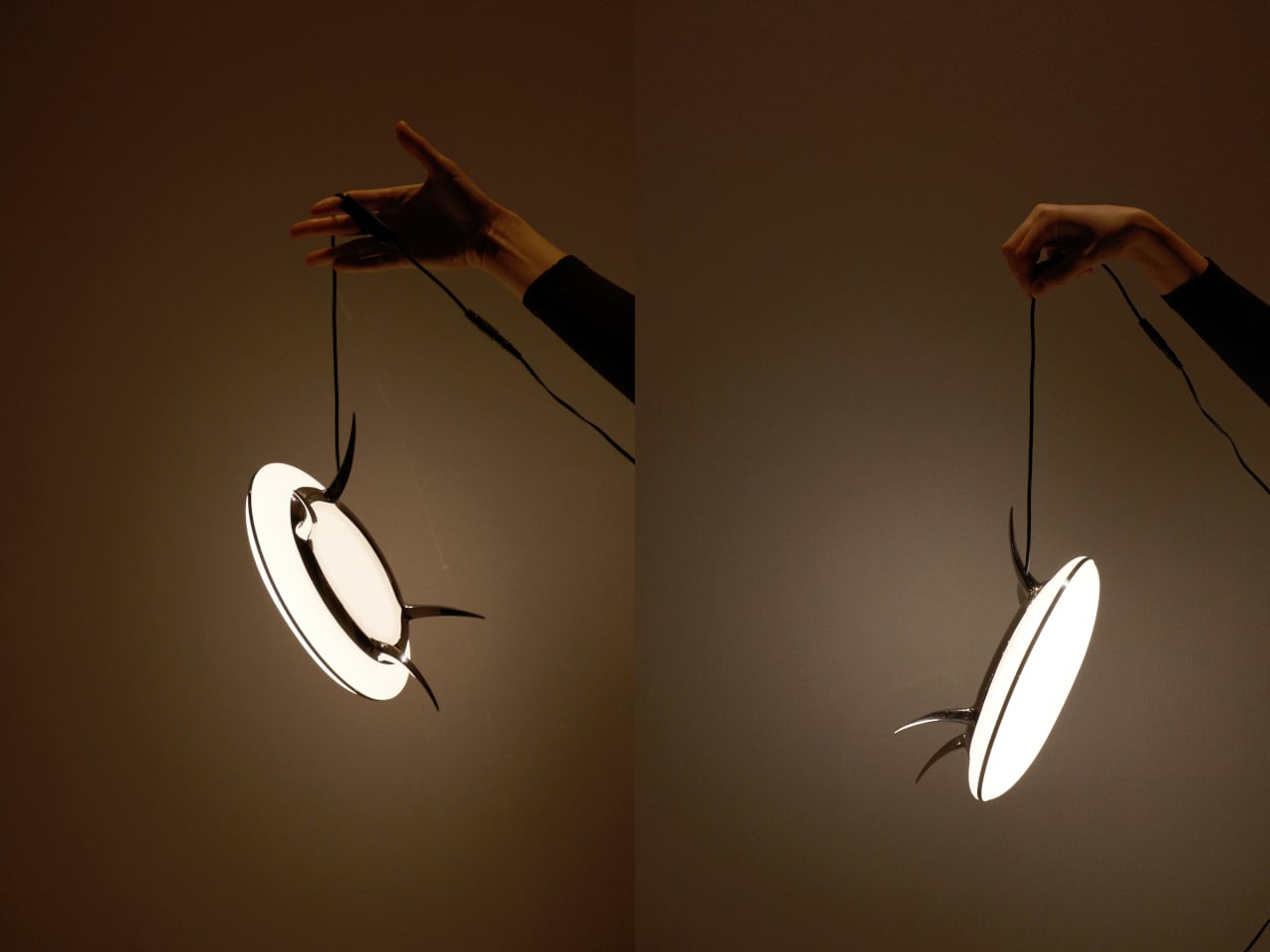
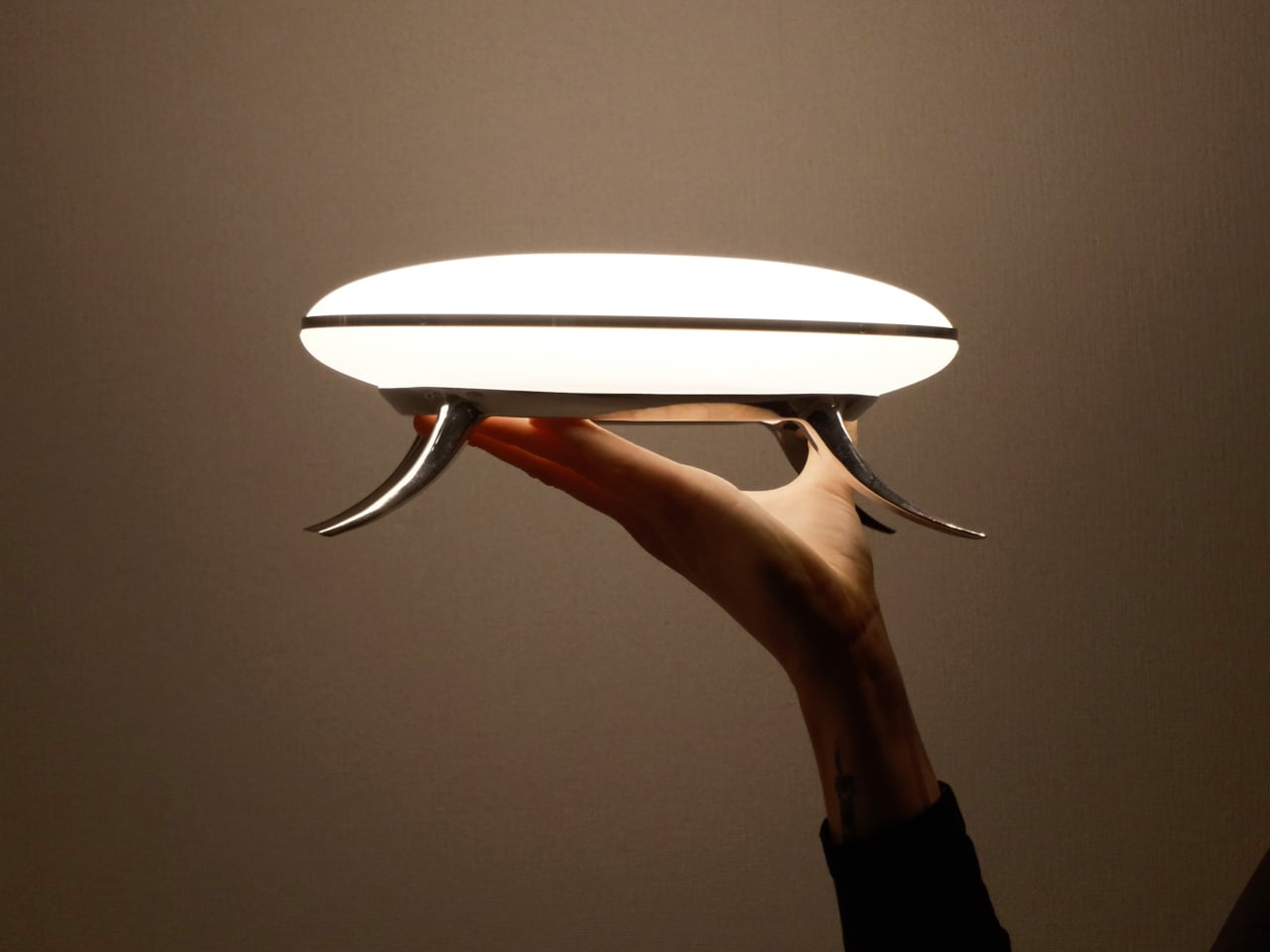
It reads differently across the room than it does up close, and differently still once it’s switched on. Villena’s stated goal was an object that sits in a deliberate blur, familiar enough to understand, strange enough to stop you. The Bean Lamp lands there without apology and seems to have no intention of clarifying itself further.
The post This Limited Edition Desk Lamp Has Four Legs and Looks Like It’s Alive first appeared on Yanko Design.
Screw-inspired Stool Numbered Like a Sneaker Drop: Only 150 Made

There’s a certain kind of object that can’t quite decide what it is, and not in a bad way. Furniture has increasingly strayed into collectible territory, and collectibles have crept into living rooms posing as furniture. The result is a growing category of designed objects that live somewhere between a chair and a limited-edition release, serious about craft but refreshingly light about everything else.

Carpet Company, the Baltimore brand known for carving out its own irreverent corner of the design world, leans into that tension with the S-TOOL, its first piece of furniture. The name makes no effort to hide the attitude, and the official list of potential uses runs from stool and ottoman all the way to footrest, ornament, chew toy, and, with admirable candor, trash.

Designer: Carpet Company

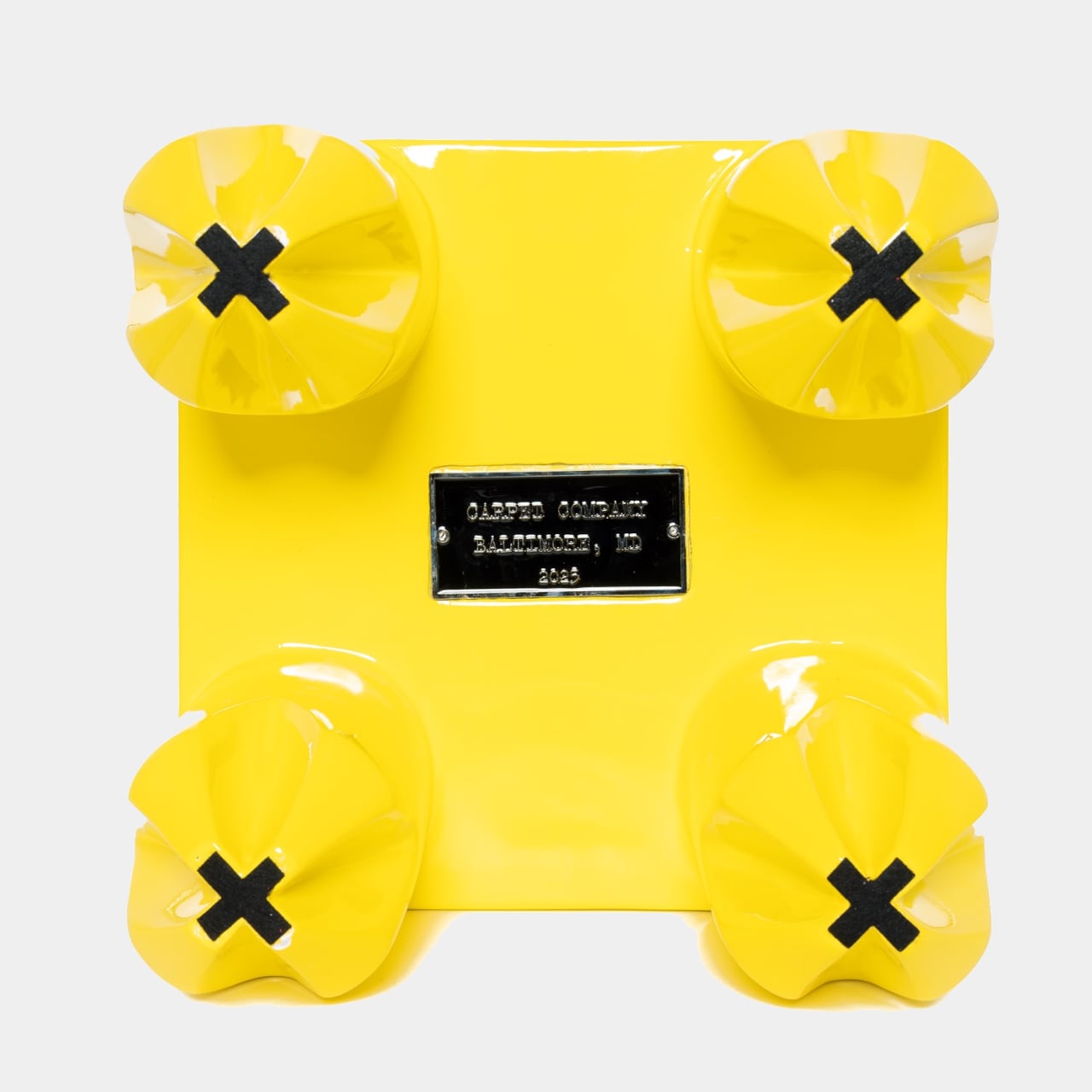
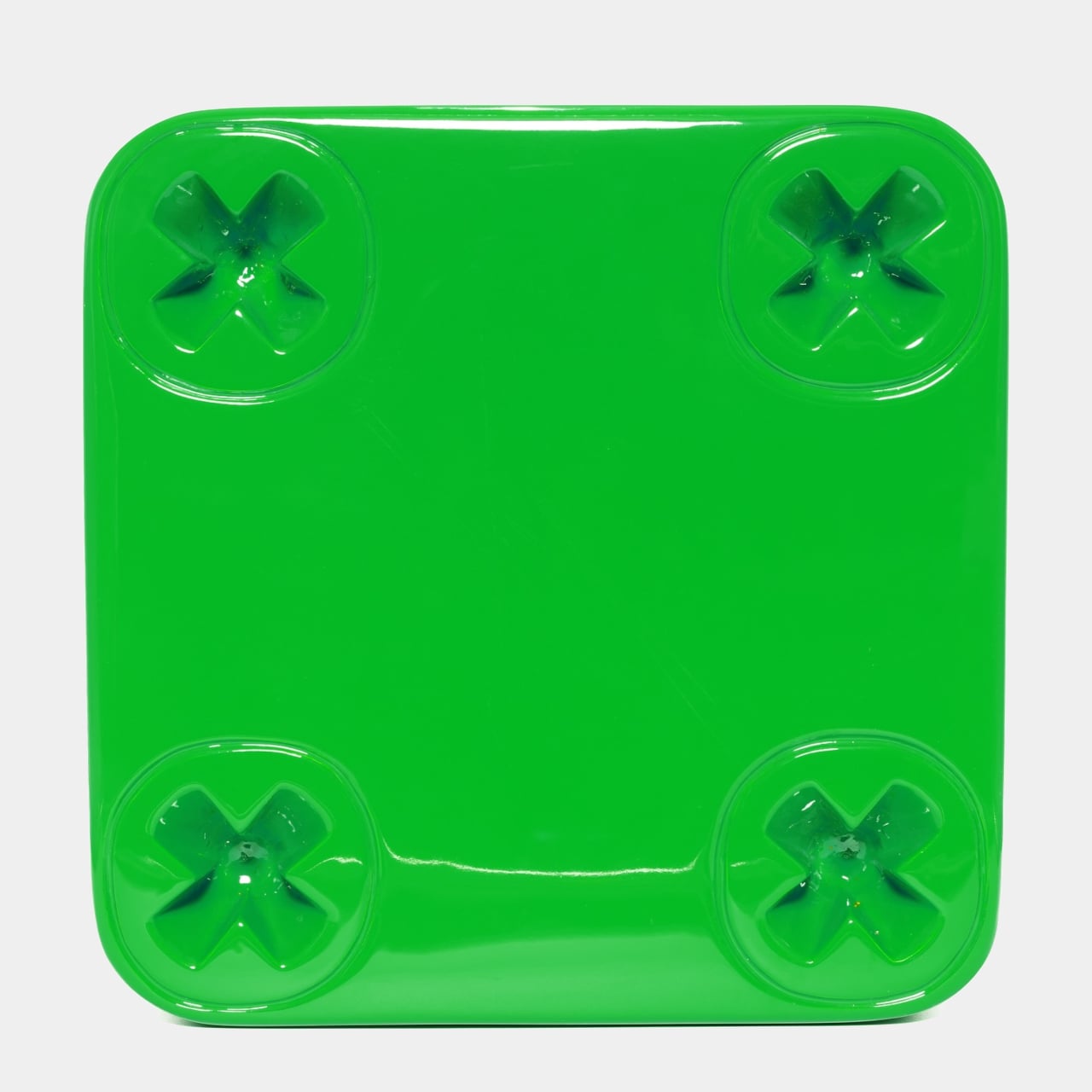
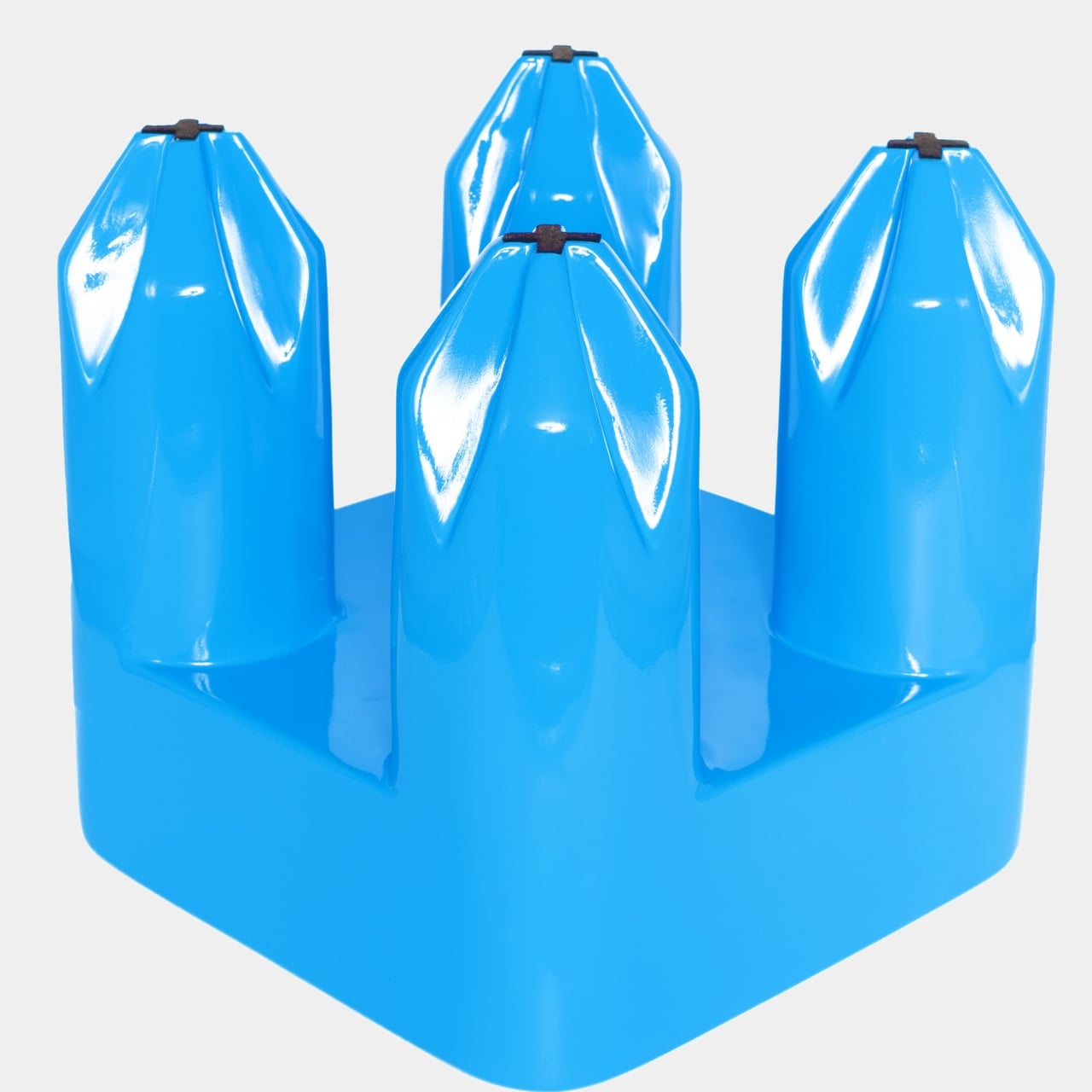
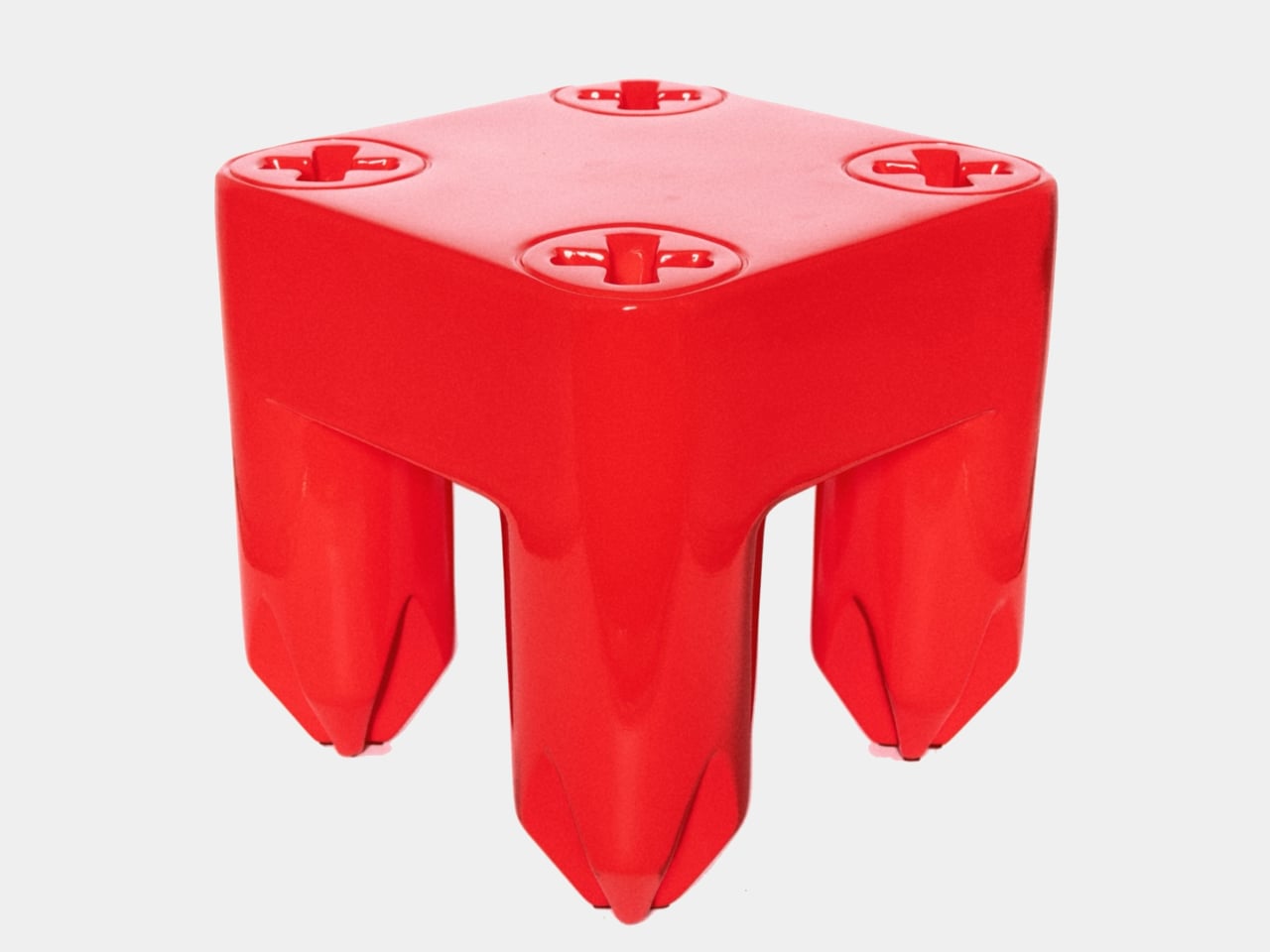
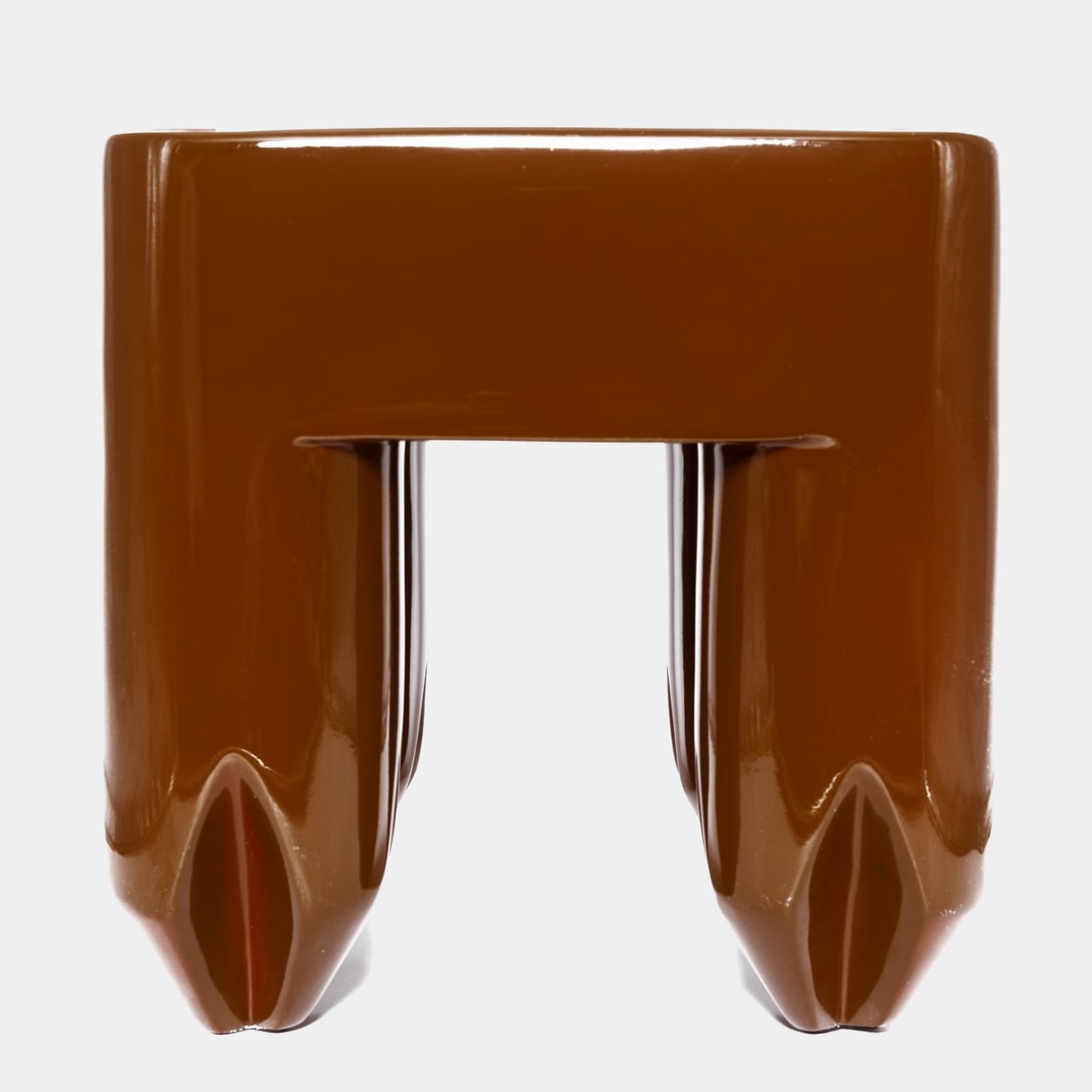
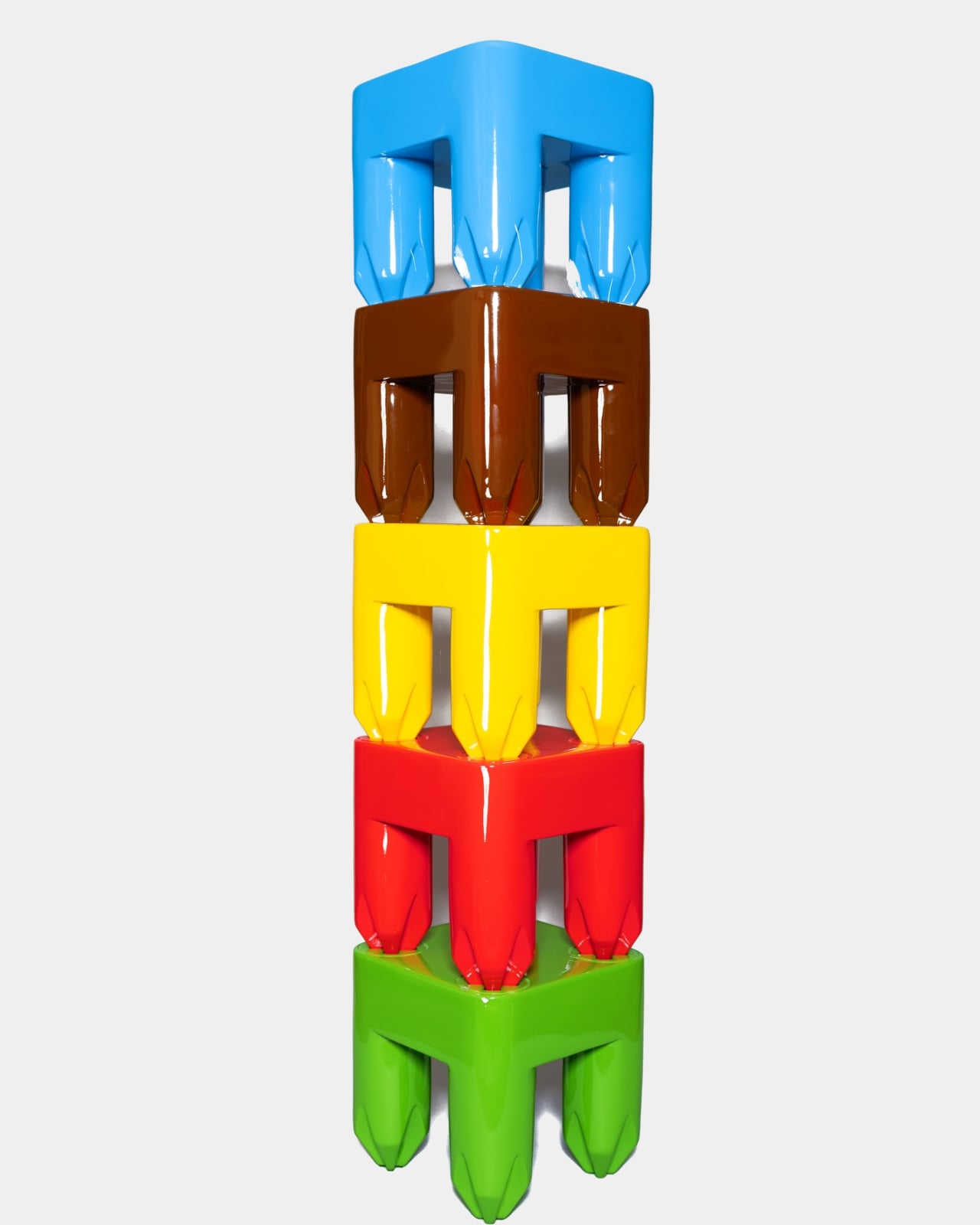
The form is remarkably direct. A 12-by-12-by-12-inch cube of 100% fiberglass, cast in a single unbroken gloss color, sits on four chunky legs that taper down to blunt, faceted points. The top surface carries a screw-head relief in each corner, molded flush into the fiberglass in the same color as the piece, which reads immediately as hardware but behaves purely as ornament.

The screw motif carries through to the legs, shaped like Philips screwdrivers that slot into the screw-head relief of another S-TOOL. It’s a small but loaded gesture, nodding to the DIY impulse of the design process without pretending to be handmade. Carpet describes it as hardware that speaks to how things get built, balanced against the glossy, almost candy-like finish to keep the whole concept from becoming too earnest.

The S-TOOL is a limited release, with only 150 units spread across 30 colors, five of each. Every piece carries a metal plaque screwed into the underside, detailing the release and edition, which gives the stool some of the same collectible gravity you’d expect from a numbered print or a signed sneaker. At 15 pounds, it’s substantial enough to feel like something, and that’s rather the point.

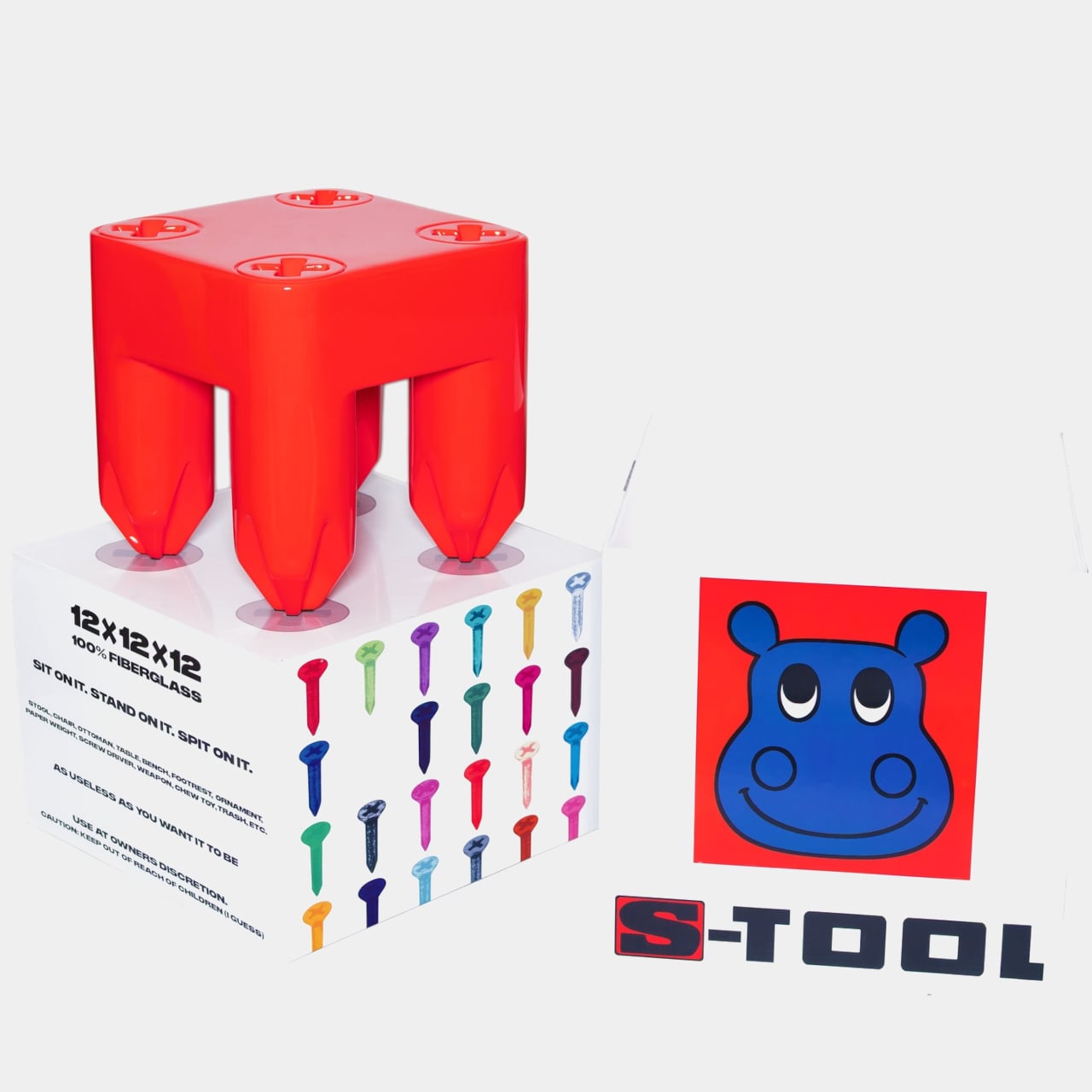
The packaging reinforces the whole thing. The box carries the same list of purposes, a column of color-coded screw illustrations previewing the full range, and a cartoon hippo mascot that’s equal parts absurd and charming. Carpet has always been deliberately playful, and the S-TOOL packaging reads like the product brief itself, a small manifesto folded around a cube of brightly colored fiberglass.

What makes the S-TOOL interesting is how much effort went into something that officially disclaims all responsibility. Carpet spent considerable time on proportional analysis to give the elementary form a sense of sophistication it doesn’t advertise, and it shows in how quietly resolved the piece sits. It’s furniture that doesn’t mind being treated as trash, but it’s built carefully enough that you probably won’t.

The post Screw-inspired Stool Numbered Like a Sneaker Drop: Only 150 Made first appeared on Yanko Design.

Bumpboxx BB-777 Plays Cassettes, CDs, Radio, and Bluetooth at 270W

Most portable speakers these days are designed to disappear. They’re compact, wireless, and largely anonymous, blending into whatever surface they rest on until a voice command kicks things off. Music has become a background utility, something that happens to you rather than something you actively choose. The ritual of physically engaging with sound has faded quietly, replaced by convenience that’s smooth, automatic, and almost entirely invisible.

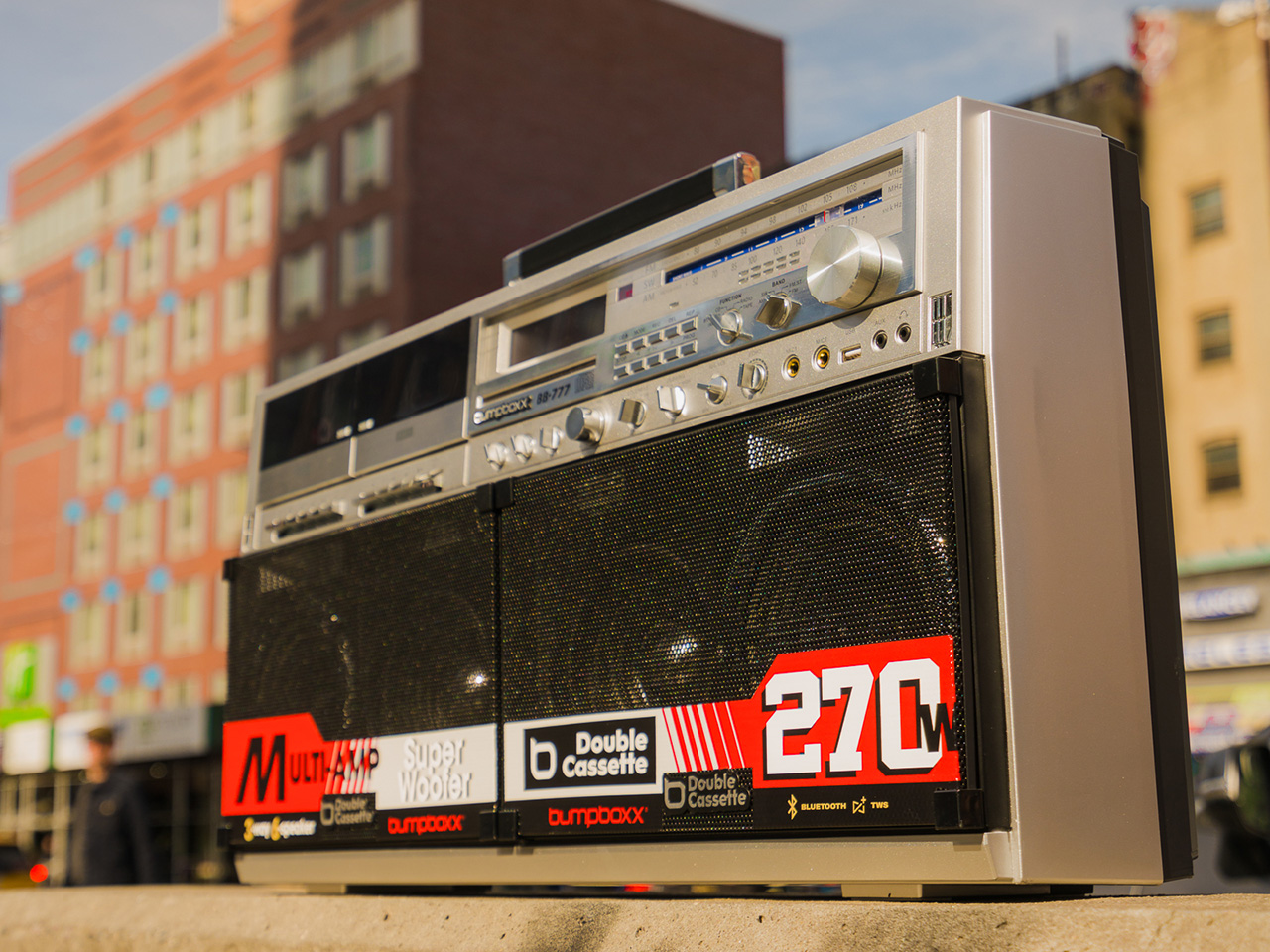
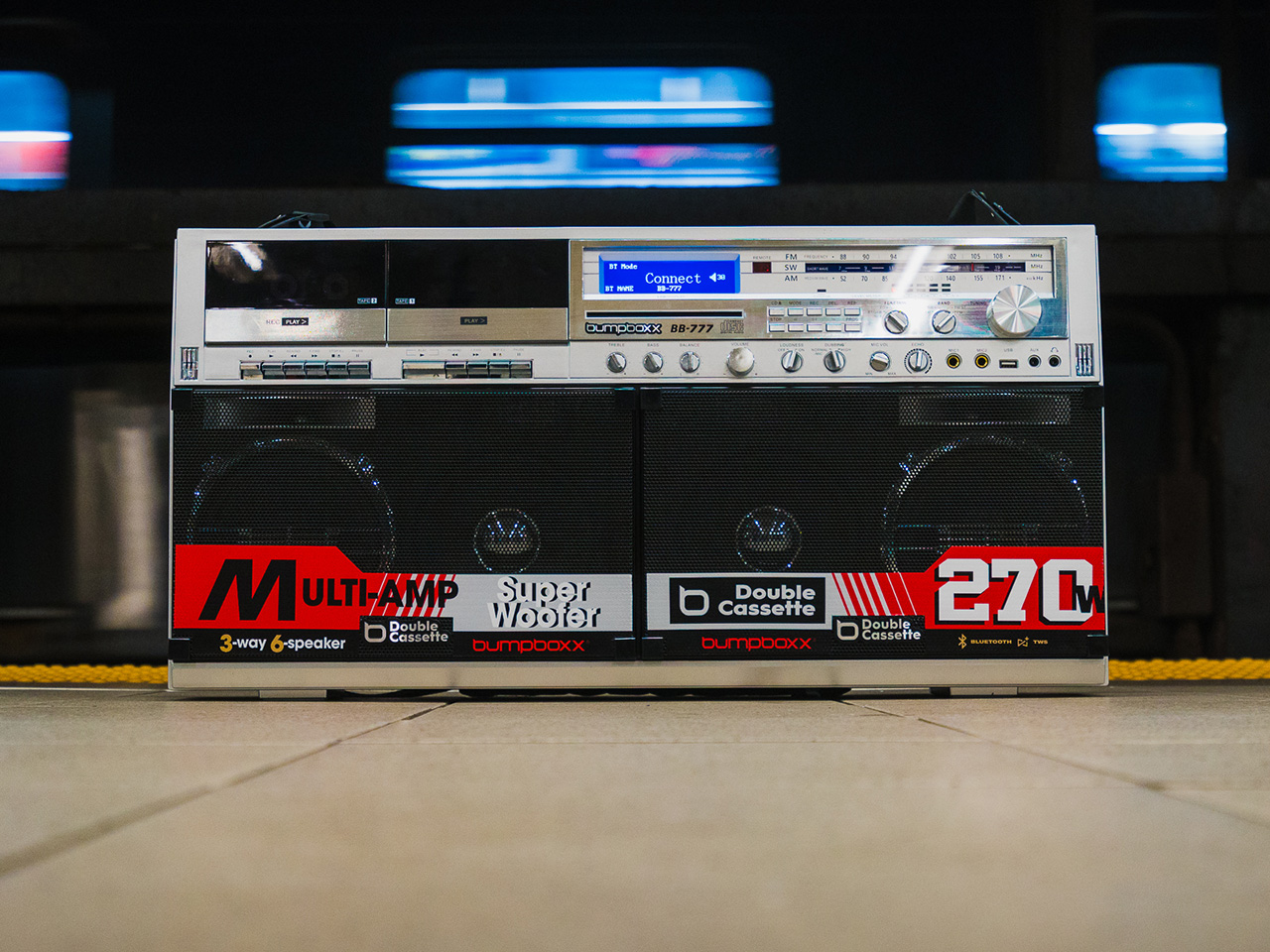
The BB-777 from Bumpboxx addresses that shift in a very deliberate way. Inspired by the legendary GF-777 of the ’80s, it brings back the classic boombox in a form that captures the unmistakable look and feel of the original, while updating everything under the hood. It’s the kind of design that immediately signals its intent: put music back at the center of the room, loud and visible.

Designers: Rob Owens and Luis Maciel

Click Here to But Now: $649 $1049 ($400 off). Hurry, only 197/1100 left! Raised over $3.8 million.

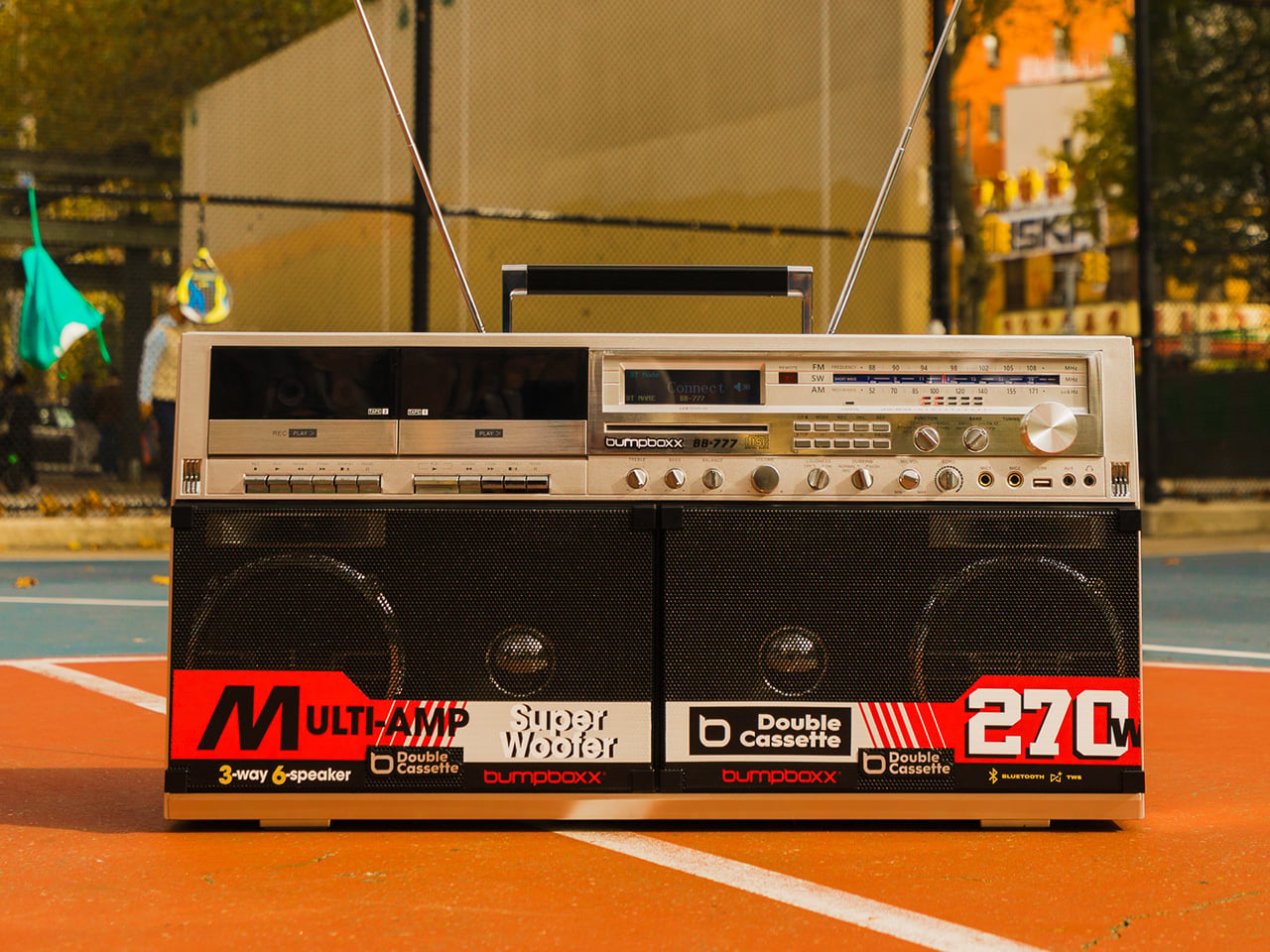
Part of what makes the BB-777 so compelling is just how much it commits to the aesthetic. The wide, horizontal body stretches 29.6 inches across, with dual cassette bays, a central control section, a long analog tuner strip, and four large drivers across the lower half. Paired with two telescoping antennas and a carry handle, the whole thing stays true to the iconic boombox design of the ’80s, built to be seen, not tucked away.

What really sets the experience apart, though, is how it feels to operate. Bass, treble, balance, and master volume are shaped through solid knobs that respond instantly, giving a direct connection to the music. Each adjustment is tactile and precise, bringing back the simple satisfaction of tuning sound with real hardware. There’s also a wireless remote for those moments when you’d rather adjust the sound from across the room without getting up from wherever you’ve settled in.

Then there’s the format support, and it’s where the BB-777 truly stands apart from other retro-styled speakers. It plays dual cassette tapes, loads CDs, tunes the radio, and connects via AUX, USB, or Bluetooth. It also handles CD-R and CD-RW discs, AM, FM, FM stereo, and shortwave radio. Old mixtapes, burned discs, streamed playlists, and radio stations all coexist in one machine without any compromise.

Beyond playback, the BB-777 brings old recordings back to life. Audio from cassettes, CDs, or radio can be recorded directly to a USB drive as clean WAV files, turning a retro boombox into a straightforward way to digitize your favorite recordings. The cassette deck supports cassette-to-cassette dubbing at high speed, and a built-in microphone with dual wired mic inputs and echo and volume controls means it handles voice recordings and live sessions just as comfortably.

Of course, the sound system is equally serious and modern. Inside the wide enclosure sits a 270W system built for bold, room-filling audio, with a 3-way setup featuring dedicated isolated woofers, full-range drivers, and horn tweeters delivering deep bass, clear mids, and sharp highs. The internally chambered housing with bass ports and a fan-cooled amplifier round out an acoustic architecture built for real performance. The low end carries genuine weight, and the highs cut through cleanly.

Running all of that for up to 15 hours is a TSA-approved 97.6 Wh Li-ion rechargeable and interchangeable battery pack. With a 4-to-6-hour recharge window and 100 to 240V multi-voltage input, the battery can be charged either inside the unit or separately, and keeping a spare means the music never has to stop. It’s a smart upgrade from vintage boomboxes, which drained stacks of D batteries far faster than anyone expected.

For those wanting a bigger setup, two BB-777 units can be paired via TWS for true stereo sound, with dedicated left and right channels working together for deeper, more immersive audio across every format. The 100 to 240V AC input makes it ready for use almost anywhere in the world, with no voltage converters needed. It comes in Classic Silver, Radical Red, and Onyx Black, with removable magnetic front grills and a shoulder strap included.

What the BB-777 ultimately offers is something most audio products stopped trying to give people a long time ago: the feeling that music occupies real space. It sits in a room with a presence that commands attention, rewards the people who use it with a physical connection, and carries enough history in its silhouette to feel like it genuinely belongs to culture, not just a shelf.

Click Here to But Now: $649 $1049 ($400 off). Hurry, only 197/1100 left! Raised over $3.8 million.

The post Bumpboxx BB-777 Plays Cassettes, CDs, Radio, and Bluetooth at 270W first appeared on Yanko Design.
The Smallest E-Reader You Can Buy Now Snaps Right Onto Your iPhone

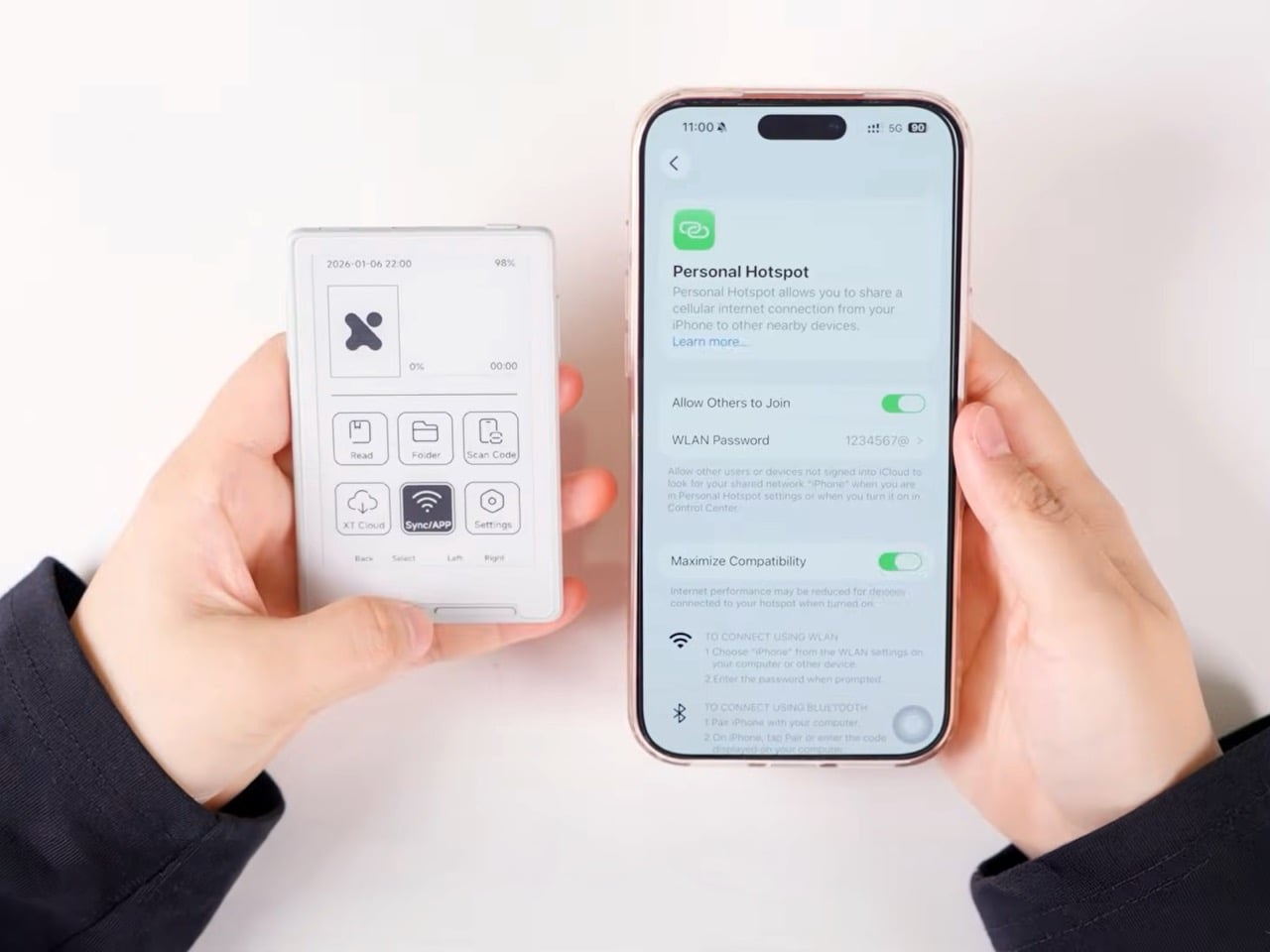
MagSafe was supposed to unlock a universe of snap-on accessories that would turn your iPhone into a modular Swiss Army knife of functionality. Instead, we got wallet cases, battery packs, and a parade of stands. The ecosystem felt like a promise unfulfilled, a magnetic ring waiting for someone to actually think beyond charging. Chinese startup Xteink apparently got the memo everyone else missed, because they just shipped an e-reader designed to live magnetically attached to the back of your phone. The device weighs 58 grams, costs $79, and slots into the exact use case MagSafe seemed built for: turning dead space on the back of your iPhone into a second screen you actually want.

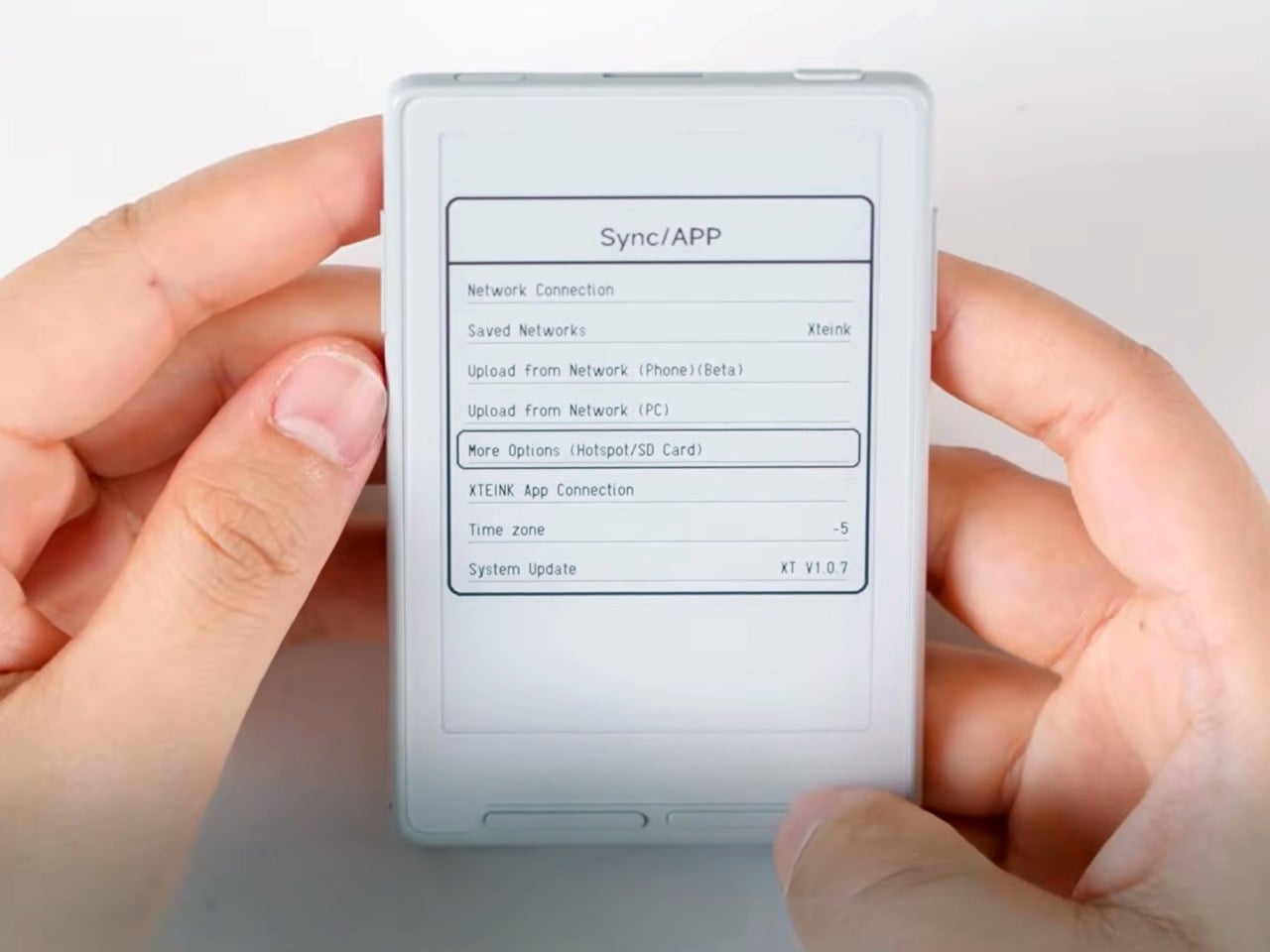
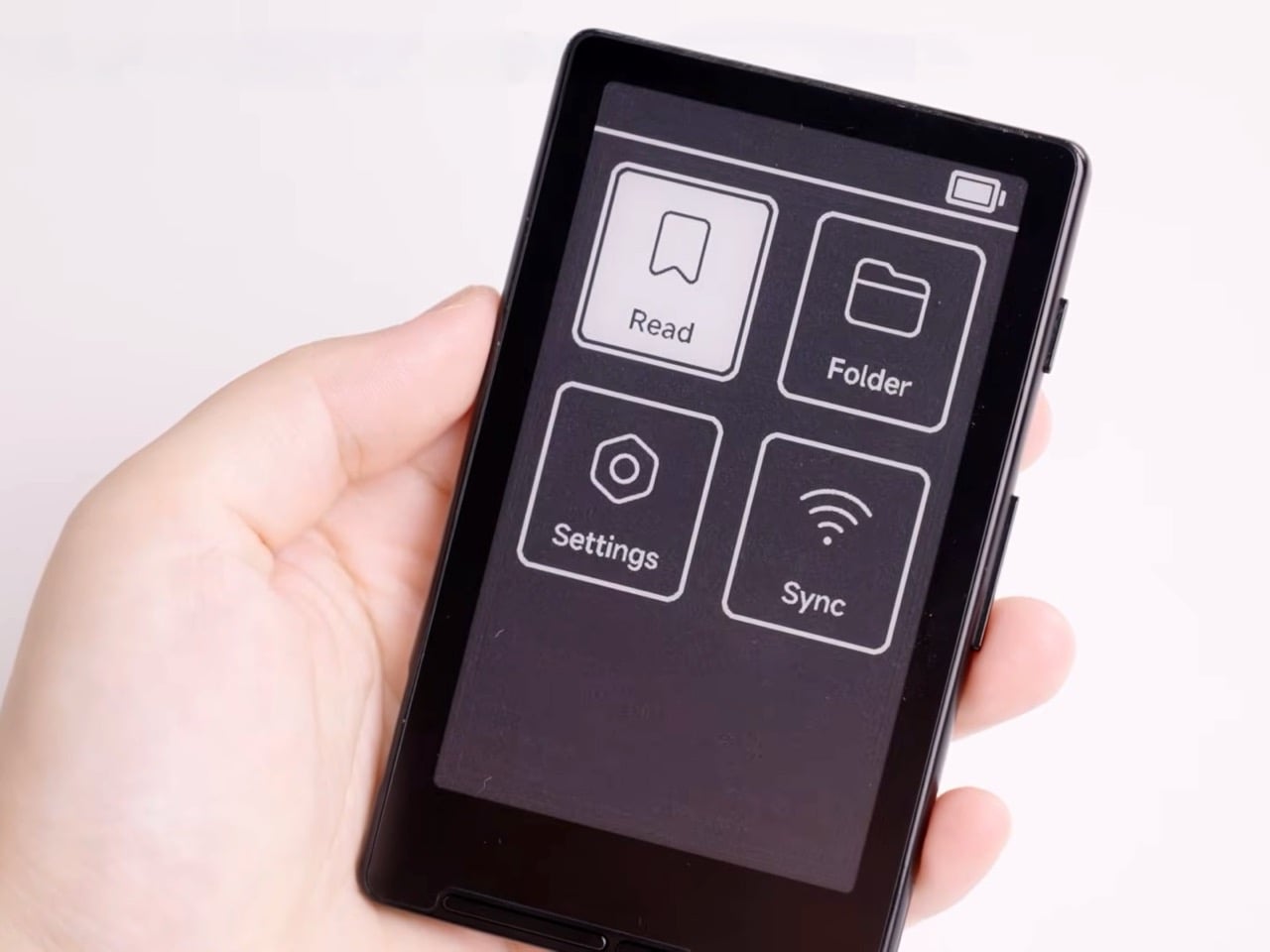
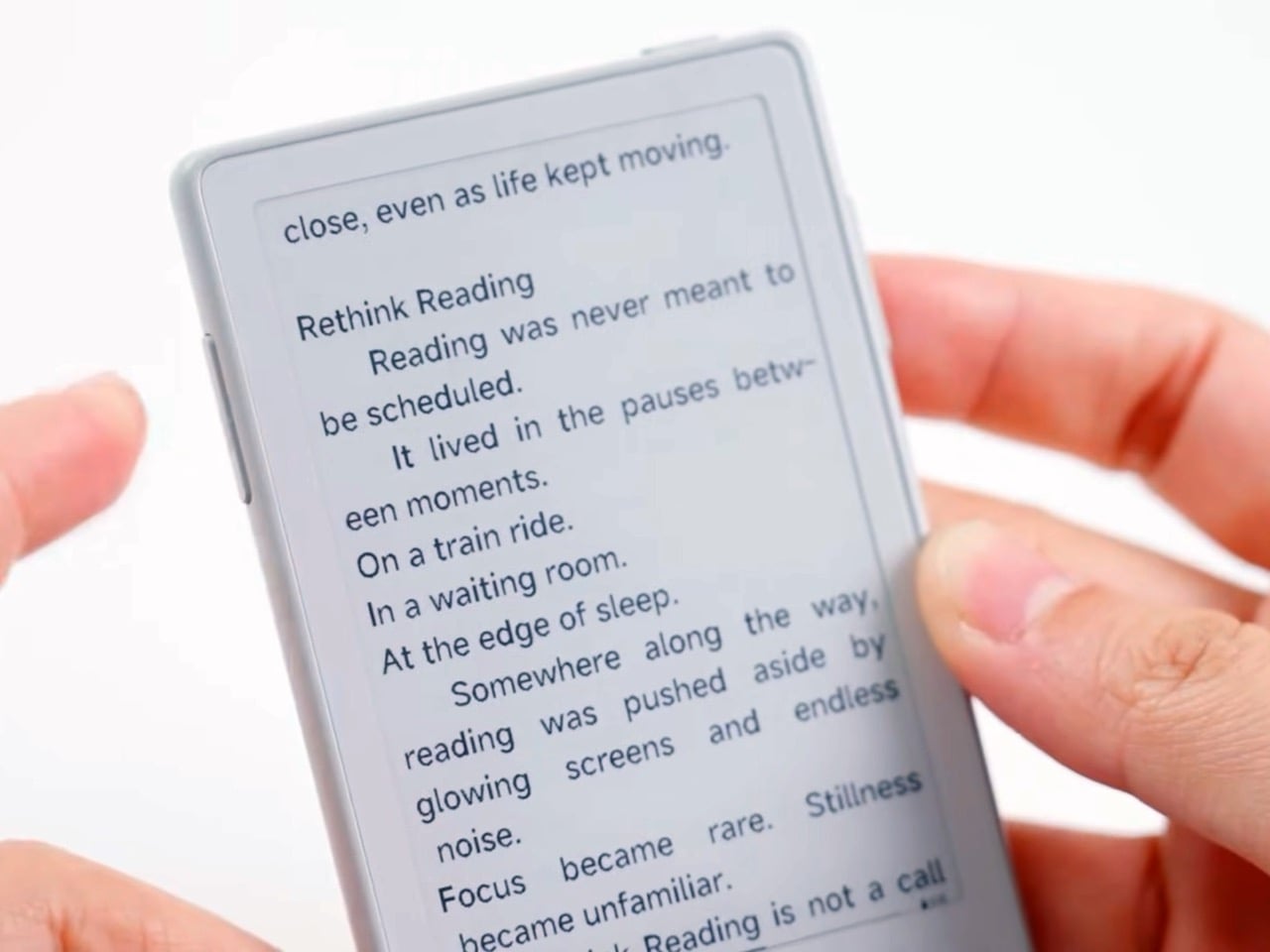
The Xteink X3 comes in two display sizes, 3.7 inches or 4.3 inches, both built around E Ink panels with physical page-turn buttons and zero touchscreen functionality. Navigation runs through a grid of tile-based icons controlled entirely by hardware controls, giving the device a throwback MP3 player vibe that somehow works at this scale. Battery life sits at 10 to 14 days per charge assuming one to three hours of daily reading, and the whole package ships with a 16GB microSD card pre-installed, magnetic stick-on rings for non-MagSafe phones, and a proprietary Pogo Pin charging cable. For iPhone users, it snaps directly to the MagSafe ring and stays there, a permanent passenger in your pocket that weighs less than a deck of cards.

Designer: Xteink

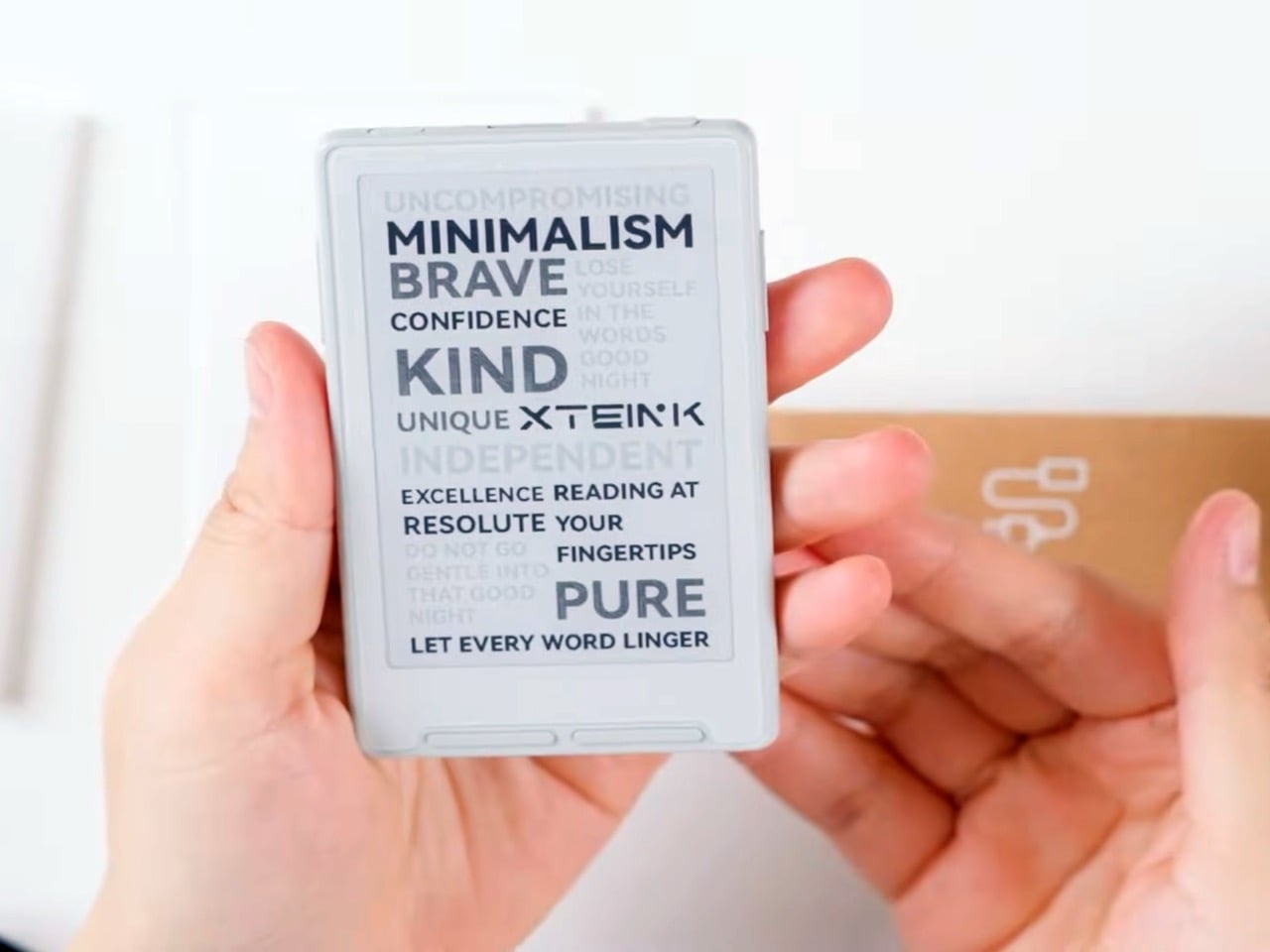
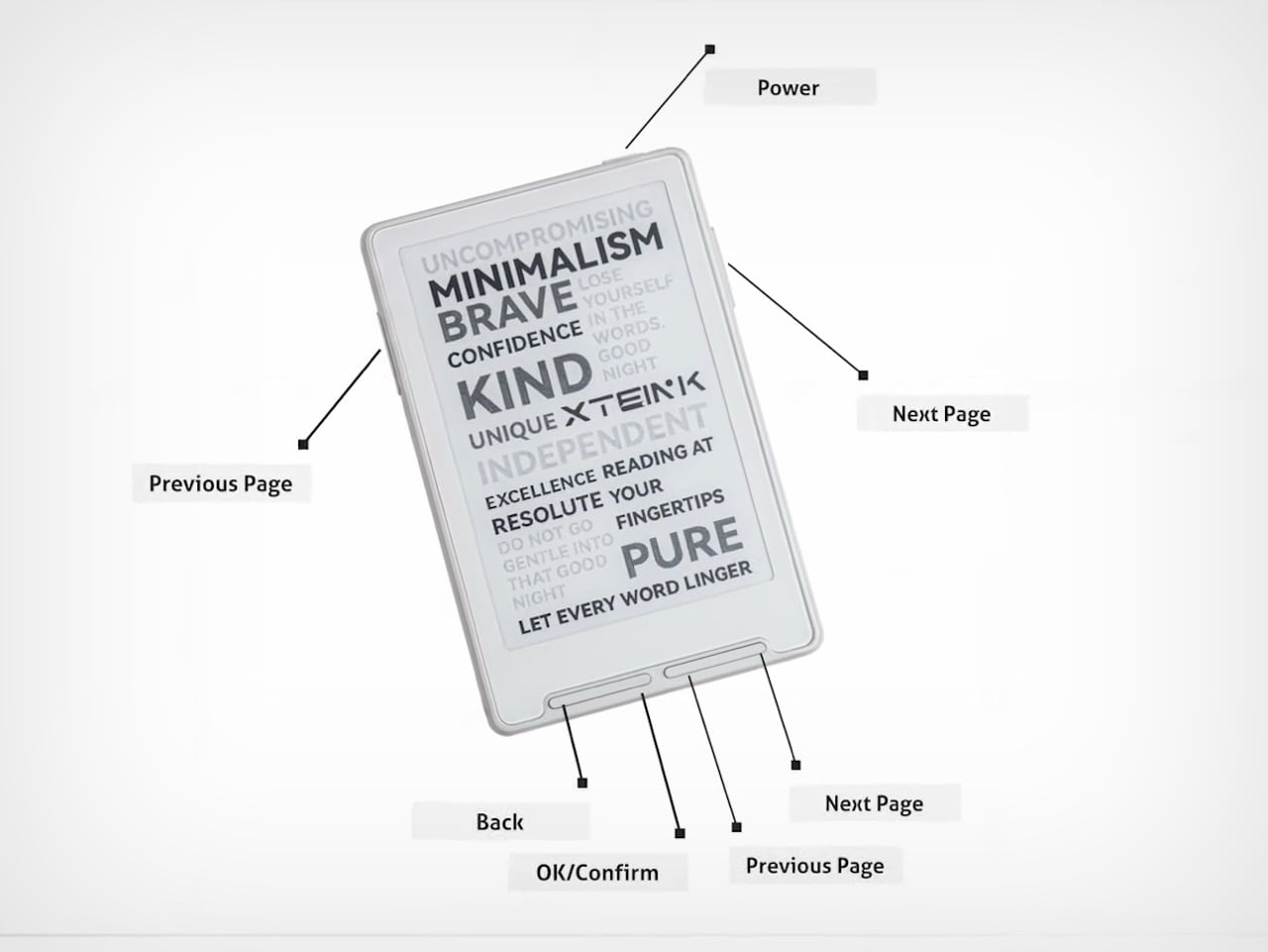
The industrial design leans into minimalism in ways that feel deliberate rather than cost-cut. Product shots show a frosted white variant and a black option, both with rounded corners and a clean bezel that frames the E Ink display without visual clutter. The startup/sleep screen displays typographic word art, phrases like “MINIMALISM,” “PURE,” and “LET EVERY WORD LINGER” arranged across the panel in varying weights and sizes, which gives the device an identity beyond generic tech. Button placement spans three edges: power on top, page-turn controls on the left and right sides, and a row of navigation keys along the bottom for Back, OK/Confirm, and redundant page controls. That redundancy matters, it means one-handed use works regardless of which hand you’re holding the device with, a small detail that signals someone actually thought through real-world ergonomics.

You give up a lot at this price and size. There’s no front light, though Xteink sells a magnetic clip-on reading light separately for $9.99. There’s no touchscreen, which means navigating menus involves button-mashing through tile grids rather than tapping what you want. The smaller 3.7-inch display pushes compactness to a point where readability likely suffers for anyone used to a standard Kindle’s 6-inch panel. Resolution sits below the 300ppi standard most e-readers target, and early user reports suggest MagSafe alignment with certain iPhone models can be finicky depending on orientation. These are real compromises, the kind you accept when portability is the primary design goal and everything else is secondary.

The X3 works best as a concept piece for what the MagSafe ecosystem could become if more companies treated that magnetic ring as an opportunity rather than an accessory mount. At $79, it costs less than most MagSafe battery packs and delivers more utility for anyone who reads regularly. Whether it survives real-world use comes down to whether the form factor trade-offs are worth the pocketability gain, but at least someone is finally asking the right question: what else can we snap to the back of this phone?

The post The Smallest E-Reader You Can Buy Now Snaps Right Onto Your iPhone first appeared on Yanko Design.
This LEGO Hannah Montana House Has a Rotating Miley-to-Hannah Transformation and Fans Need It

Twenty years after Hannah Montana premiered on Disney Channel, Miley Cyrus stepped back onto a replica of the Stewart family living room for a Disney+ anniversary special that sent millennials and Gen Z into a collective spiral. The show, which ran from 2006 to 2011, quickly snowballed from a children’s series about a girl living a double life into something much bigger: sold-out tours, chart-topping hits, a blockbuster movie, and the making of a generation-defining superstar. Cyrus had famously declared Hannah dead back in 2013, and spent the better part of a decade distancing herself from the blonde wig. Coming back, then, felt like something. The artist has come full circle, at peace with her past and embracing it as an important part of who she is.

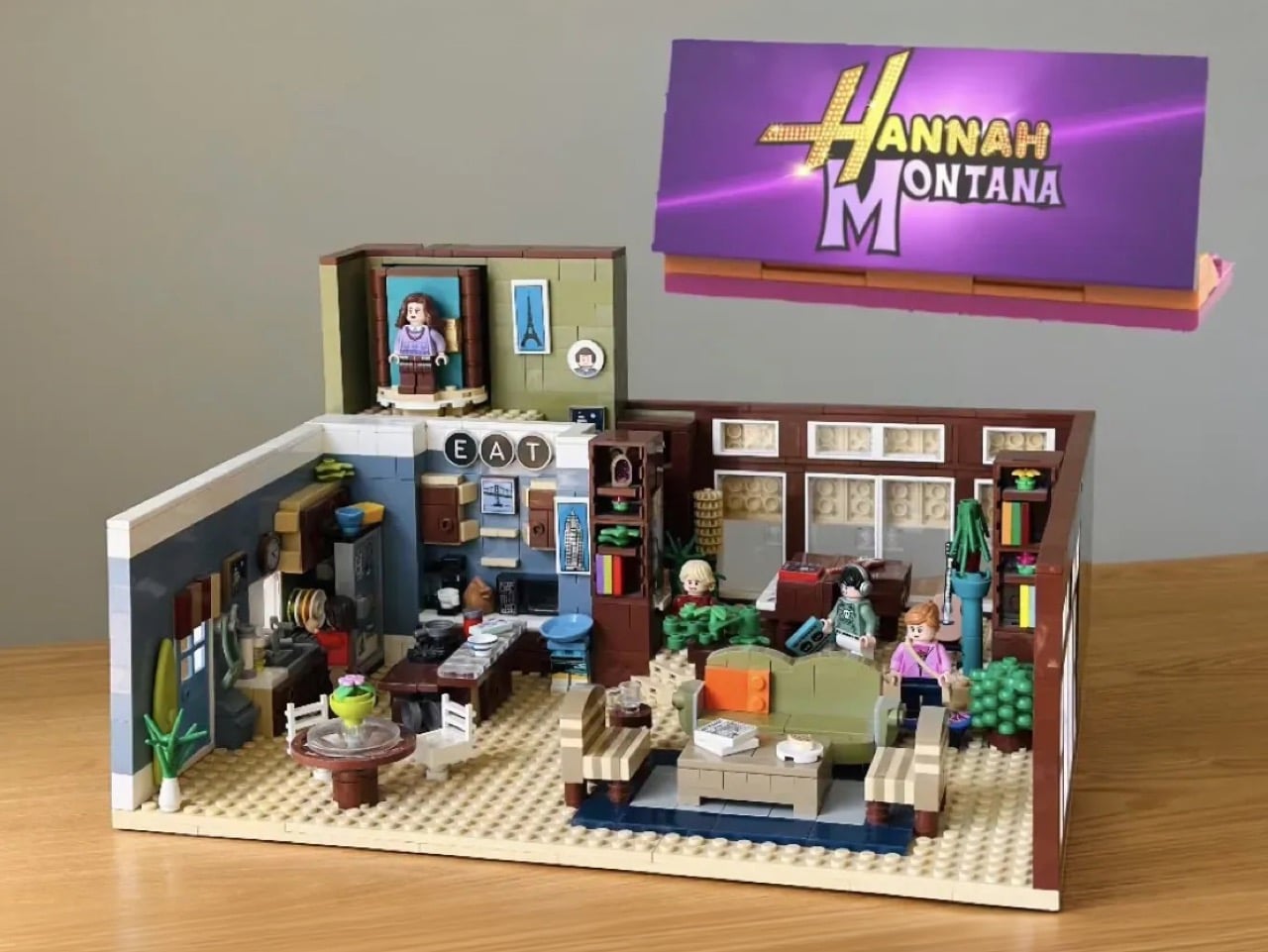
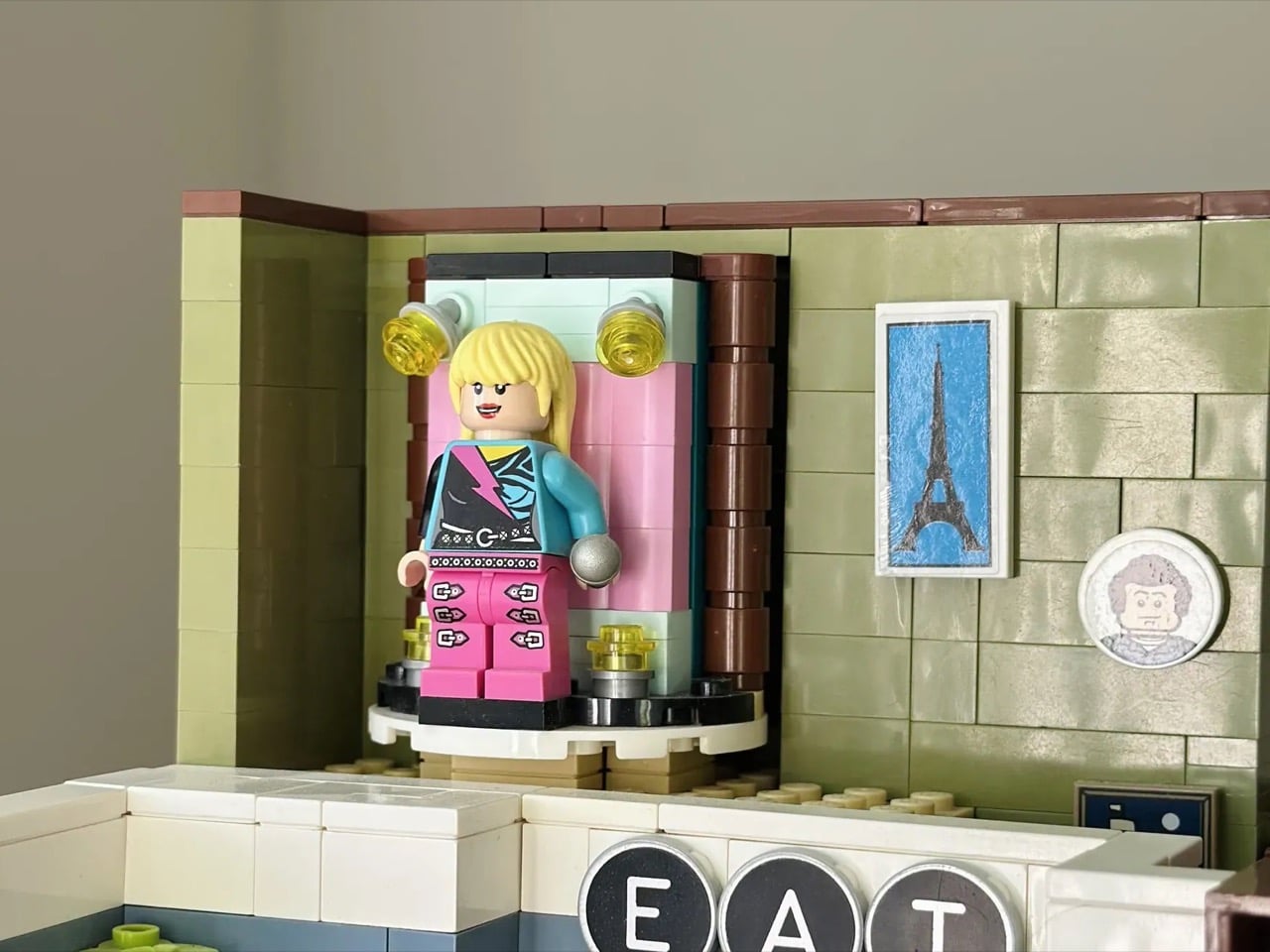
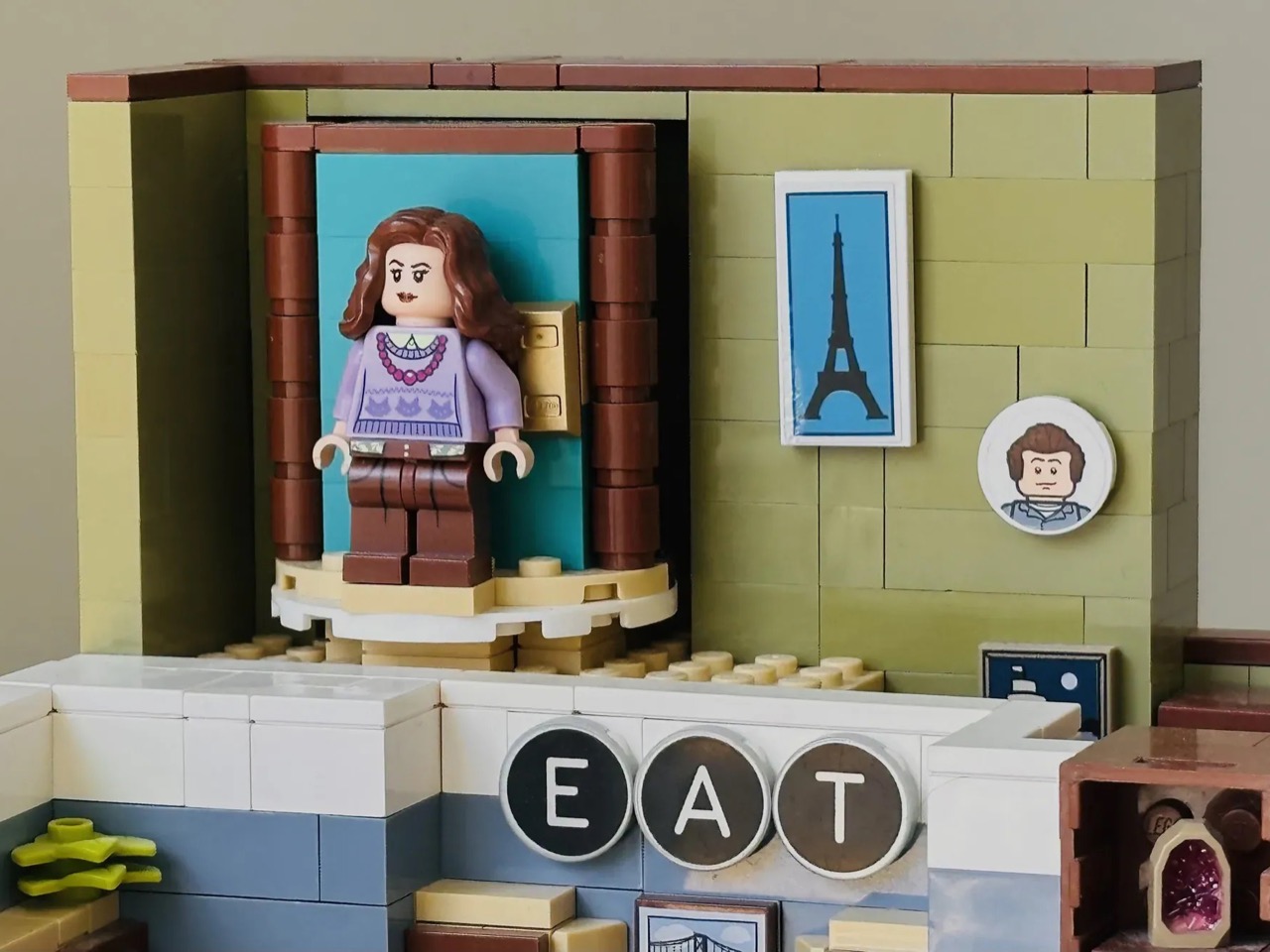
Riding that wave of perfectly timed nostalgia, LEGO Ideas builder KnightVibrantKnees100 has submitted a brick-built recreation of the Stewart family home that is, frankly, just as detailed as anything Miley walked back into. The MOC (My Own Creation) covers the living room, the kitchen, and a transformation mechanism that actually rotates a Miley minifigure into Hannah Montana, which is either the most delightful play feature of the year or the most emotionally loaded one, depending on how much of your childhood this show occupied.

Designer: KnightVibrantKnees100

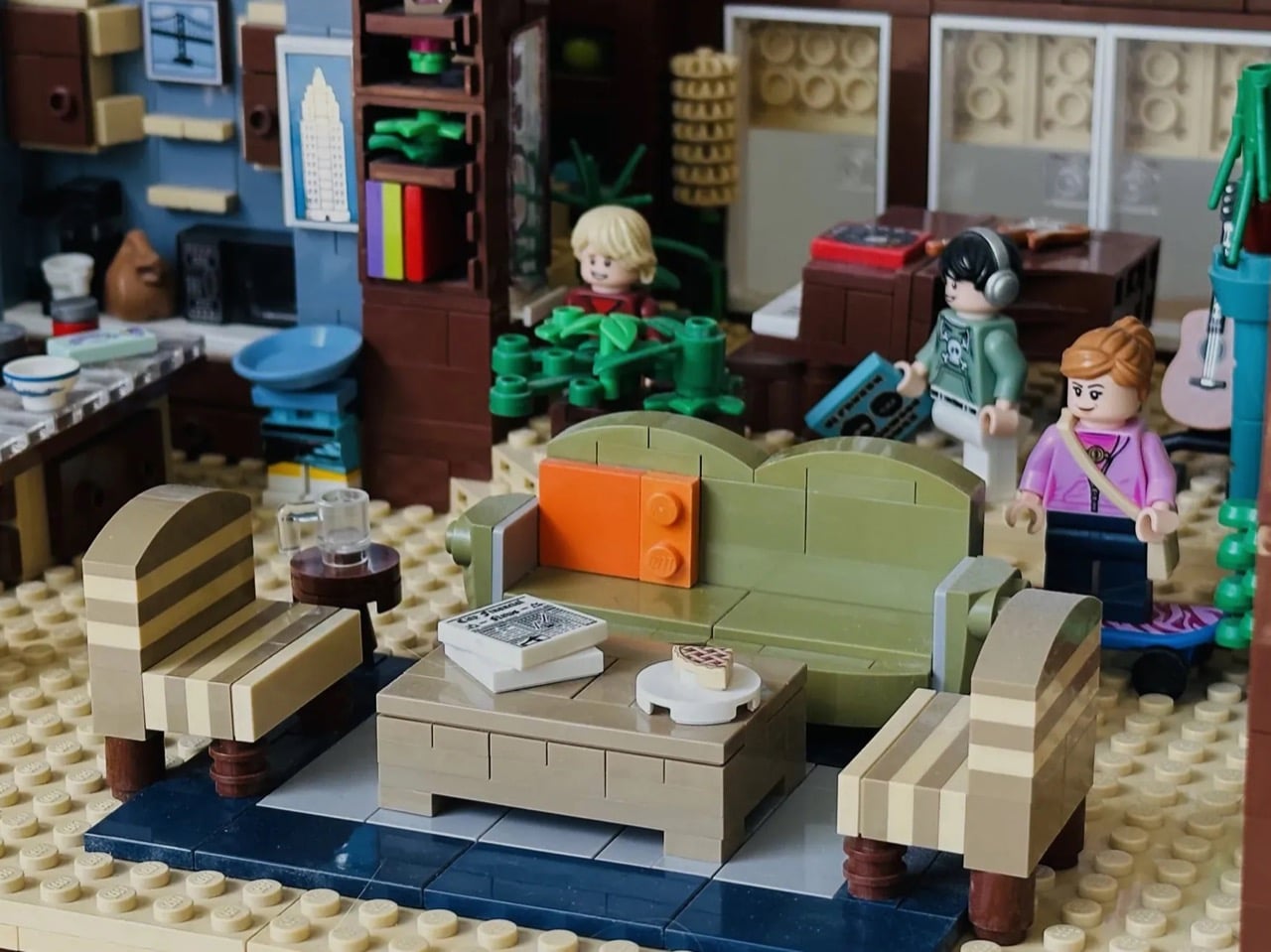
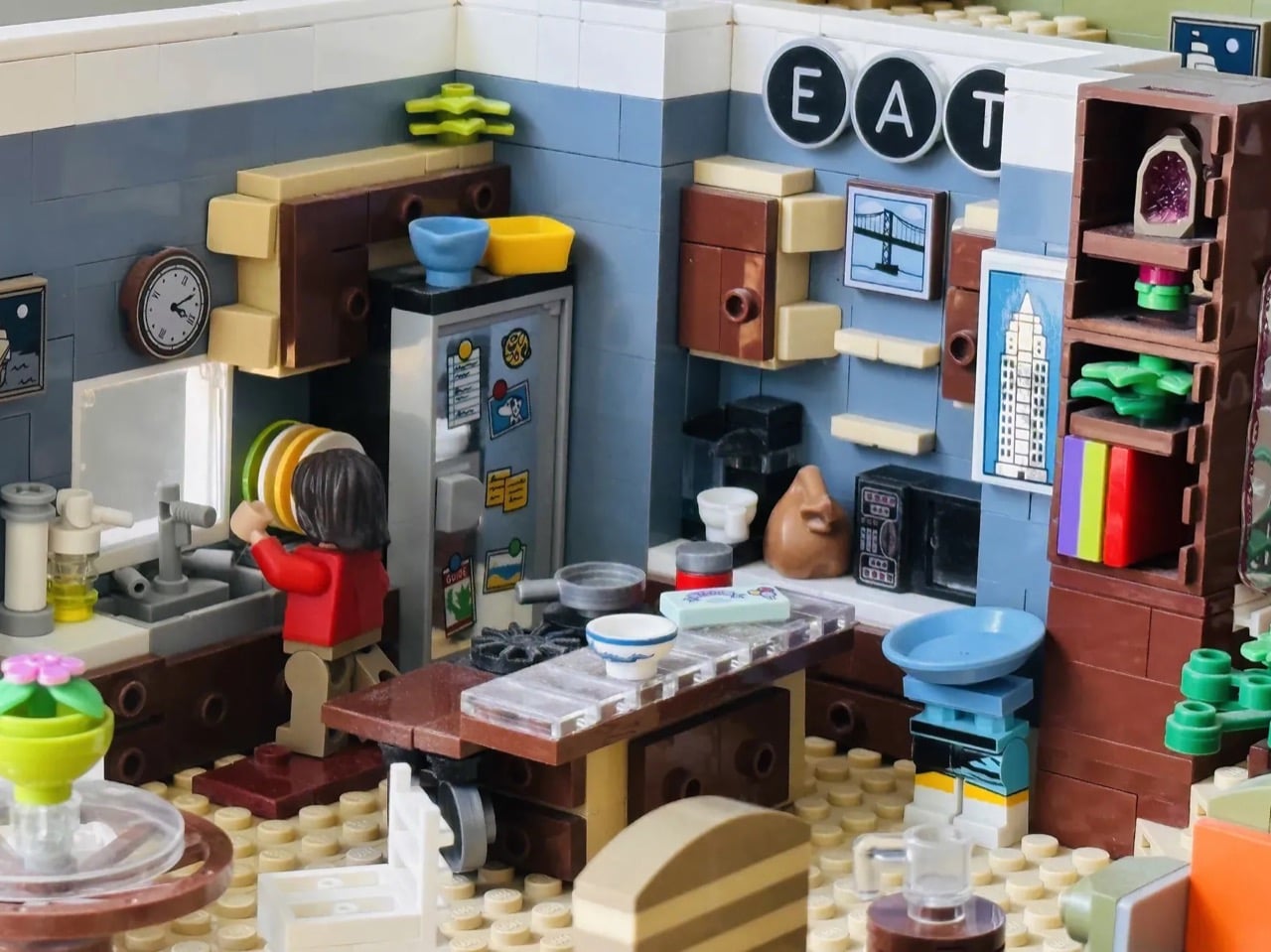
The build is an open-plan interior display, and the amount crammed into it is impressive. The living room anchors the right side of the model with the green sofa, a pair of striped armchairs, a coffee table scattered with magazine tiles, and a red boombox sitting on the shelf behind. A guitar leans in the corner. Bookshelves with colorful spines run along the back wall. Plants are everywhere, which feels accurate to the show’s slightly overstuffed, lived-in aesthetic. The kitchen on the left is even more packed: a stickered fridge covered in magnets, a stovetop, a wall clock, a sink with a minifig doing dishes, and the “EAT” sign spelled out in round letter tiles on the wall above, exactly as it appeared on screen. The warm browns, tans, and muted blues hold together as a color palette in a way that genuinely evokes the show’s production design rather than just approximating it.

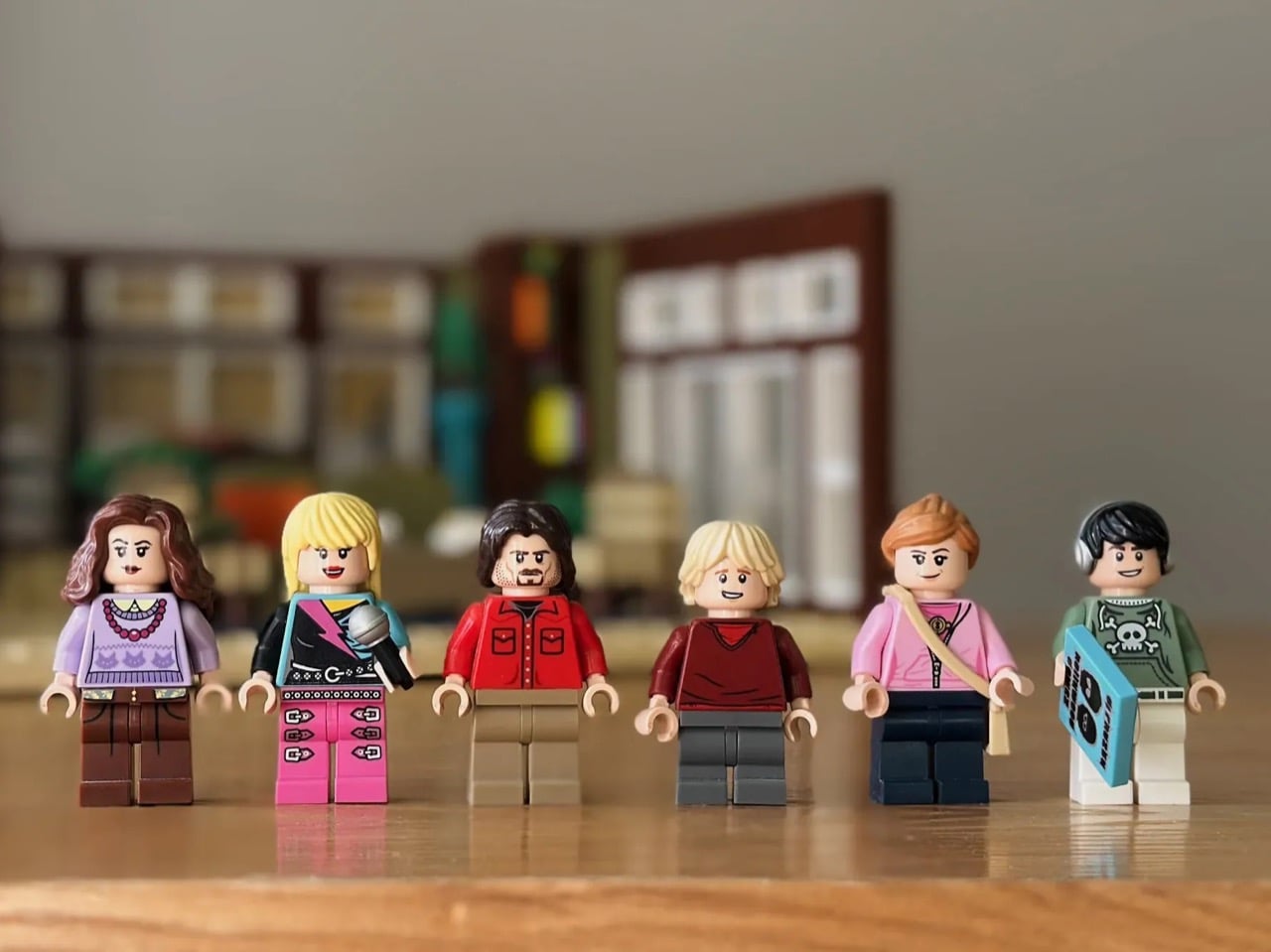
The minifigure lineup covers the full Stewart household and then some. Miley, Robby Ray, and Jackson are all present, alongside Lily (complete with crossbody bag and skateboard) and Oliver, decked out in his green hoodie and headphones and carrying a boombox tile. Hannah Montana gets her own separate minifigure in full pink-and-teal pop star gear, microphone in hand.

My favorite detail, though, is the transformation mechanism. Tucked into the upper level of the build, a rotating turntable platform sits inside a pink-lined doorframe niche flanked by small yellow globe lights, like a backstage dressing room that doubles as a stage entrance. Miley stands on it as her everyday self, and a simple rotation reveals Hannah in her place. It is a genuinely clever building solution, and it captures the show’s central gimmick with more wit than you’d expect from a handful of plastic bricks.

The build currently has 621 supporters on the LEGO Ideas platform, with 418 days left to reach the 10,000-vote threshold that would put it in front of LEGO’s internal review team. If you grew up watching Miley Stewart fumble her way through a double life in that Malibu living room, this one is worth your vote. Head to the LEGO Ideas page and cast it here!

The post This LEGO Hannah Montana House Has a Rotating Miley-to-Hannah Transformation and Fans Need It first appeared on Yanko Design.
This Finnish Privacy-focused Linux Phone Wants You to Forget Google Exists

Finland gave us Nokia, the company that taught an entire generation what a mobile phone could be before the iPhone rewrote the rules. That legacy didn’t vanish when Microsoft bought Nokia’s devices division in 2013. It splintered into smaller, fiercer projects, including Jolla, a company founded by ex-Nokia engineers who refused to let European mobile technology die quietly. Jolla launched its first phone in 2013 running Sailfish OS, a Linux-based alternative to Android and iOS, and while that device never broke into the mainstream, it proved something vital: you could build a commercial-grade mobile OS outside the American duopoly. Thirteen years later, Jolla is back with new hardware, 10,000 pre-orders, and a renewed argument that Europe deserves its own smartphone ecosystem.

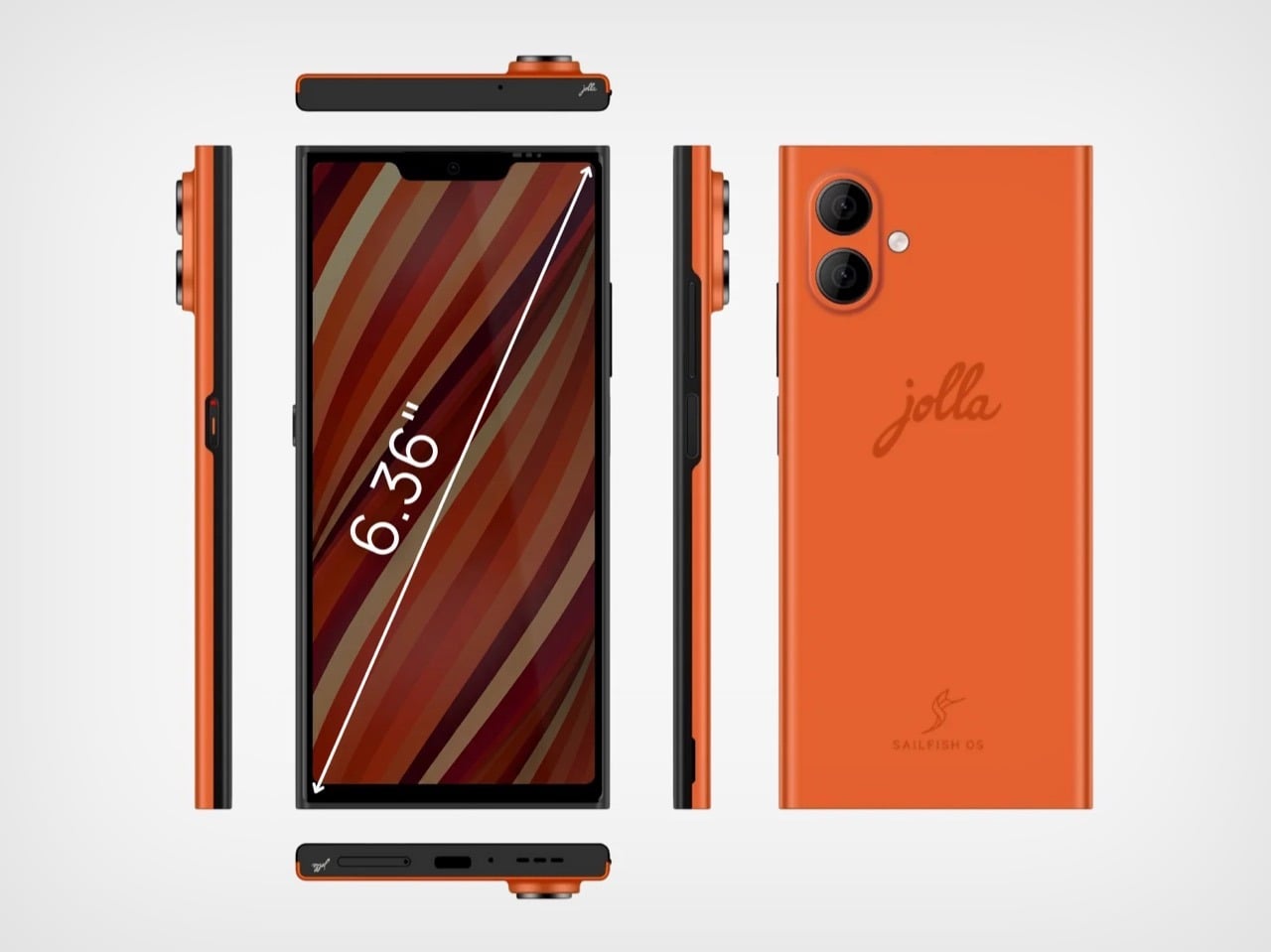
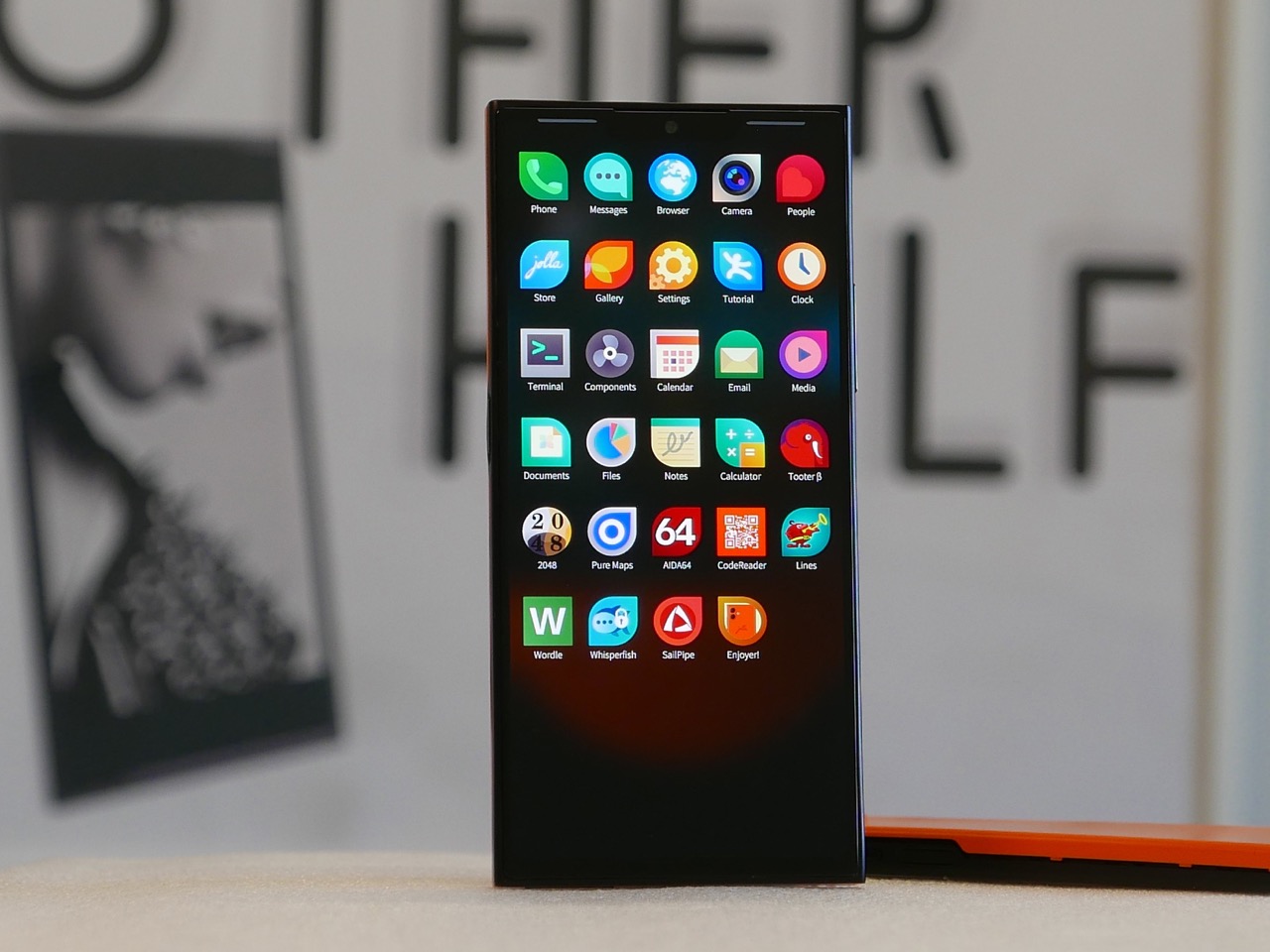
The new Jolla Phone costs €649 and ships in two waves, the first batch leaving Finland at the end of June 2026, with a second limited run of 2,000 units arriving in September. It runs Sailfish OS 5, the latest iteration of Jolla’s Linux-based platform, and it supports Android apps through an emulation layer that strips out Google’s surveillance infrastructure. The hardware sits comfortably in mid-range territory: a 6.36-inch Full HD+ AMOLED display, MediaTek Dimensity 7100 5G chipset, 8GB of RAM (expandable to 12GB), and 128GB of storage (upgradable to 256GB). Final assembly happens in Salo, Finland, the same city where Nokia used to manufacture millions of handsets per year, and every unit ships with a physical privacy switch that kills the microphones, cameras, and Bluetooth when you flip it.

Designer: Jolla Phone

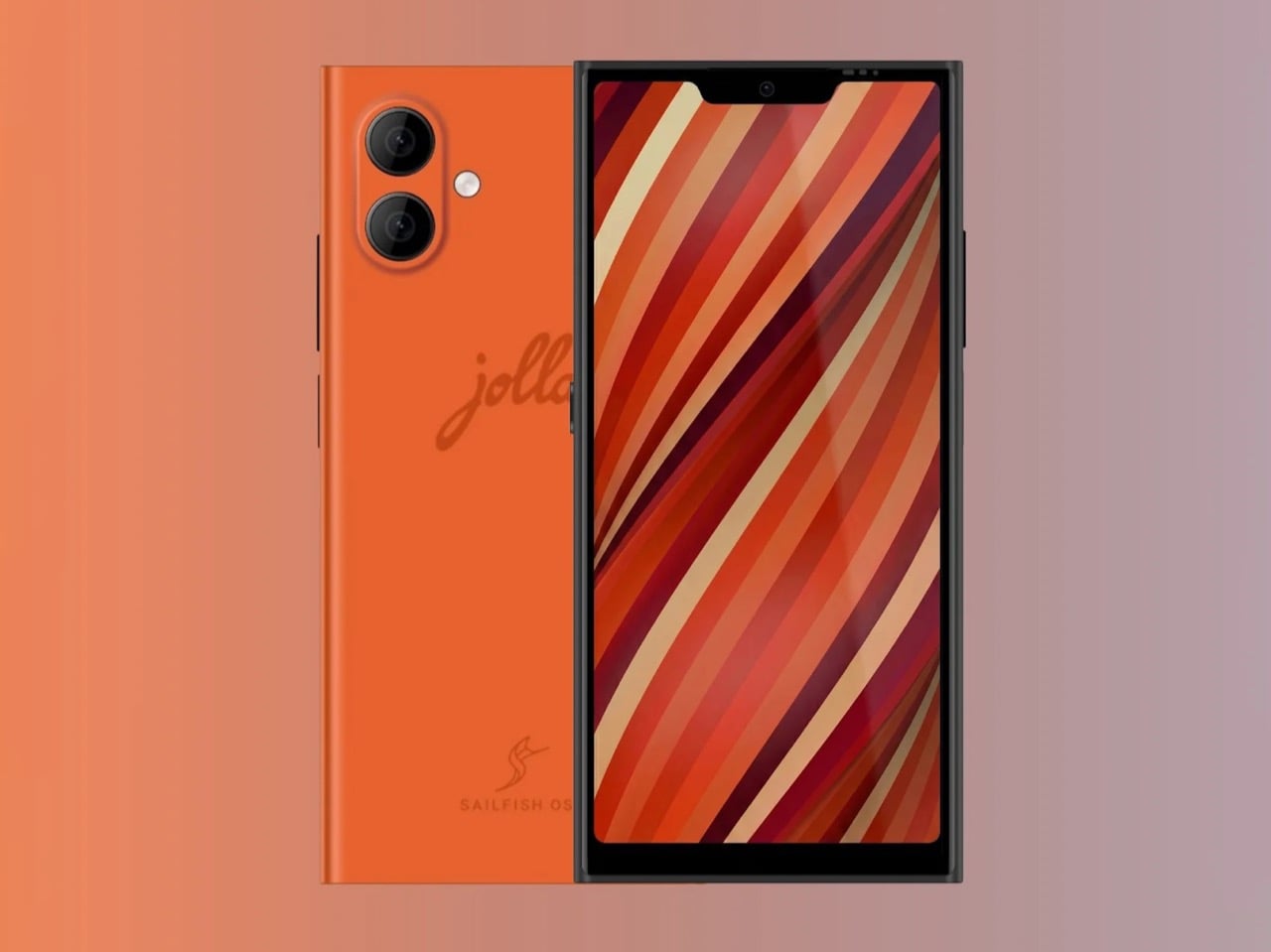
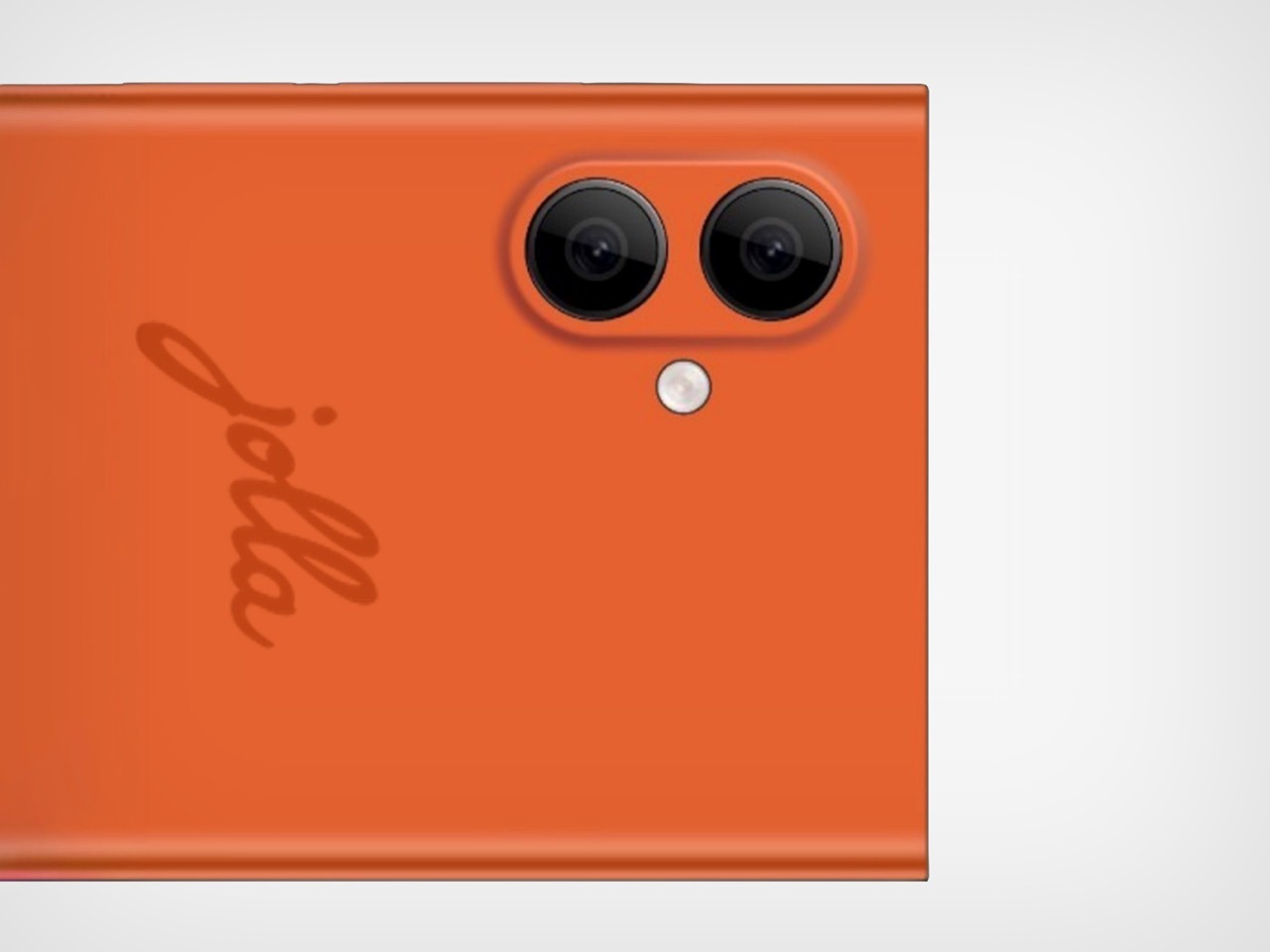
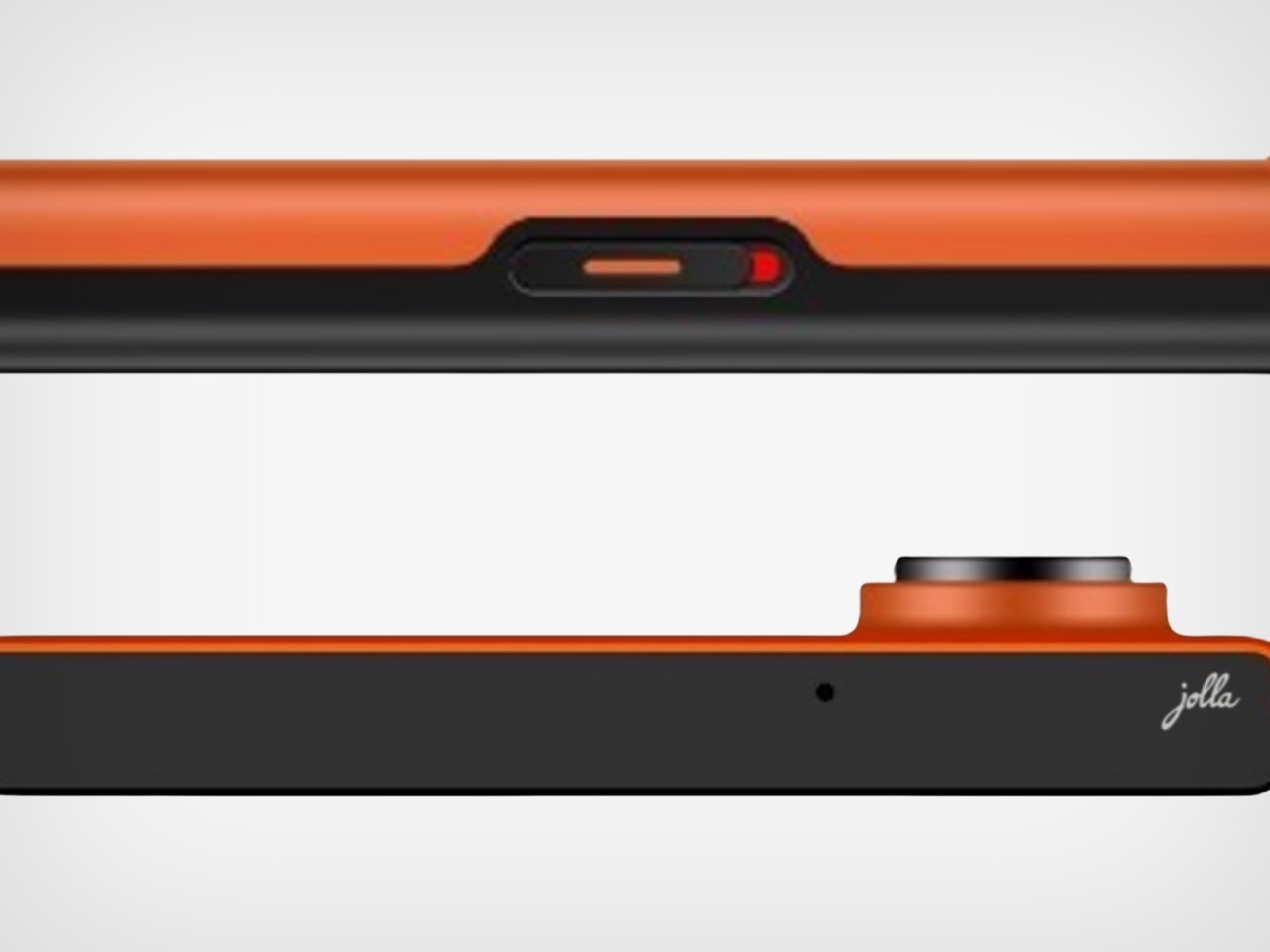
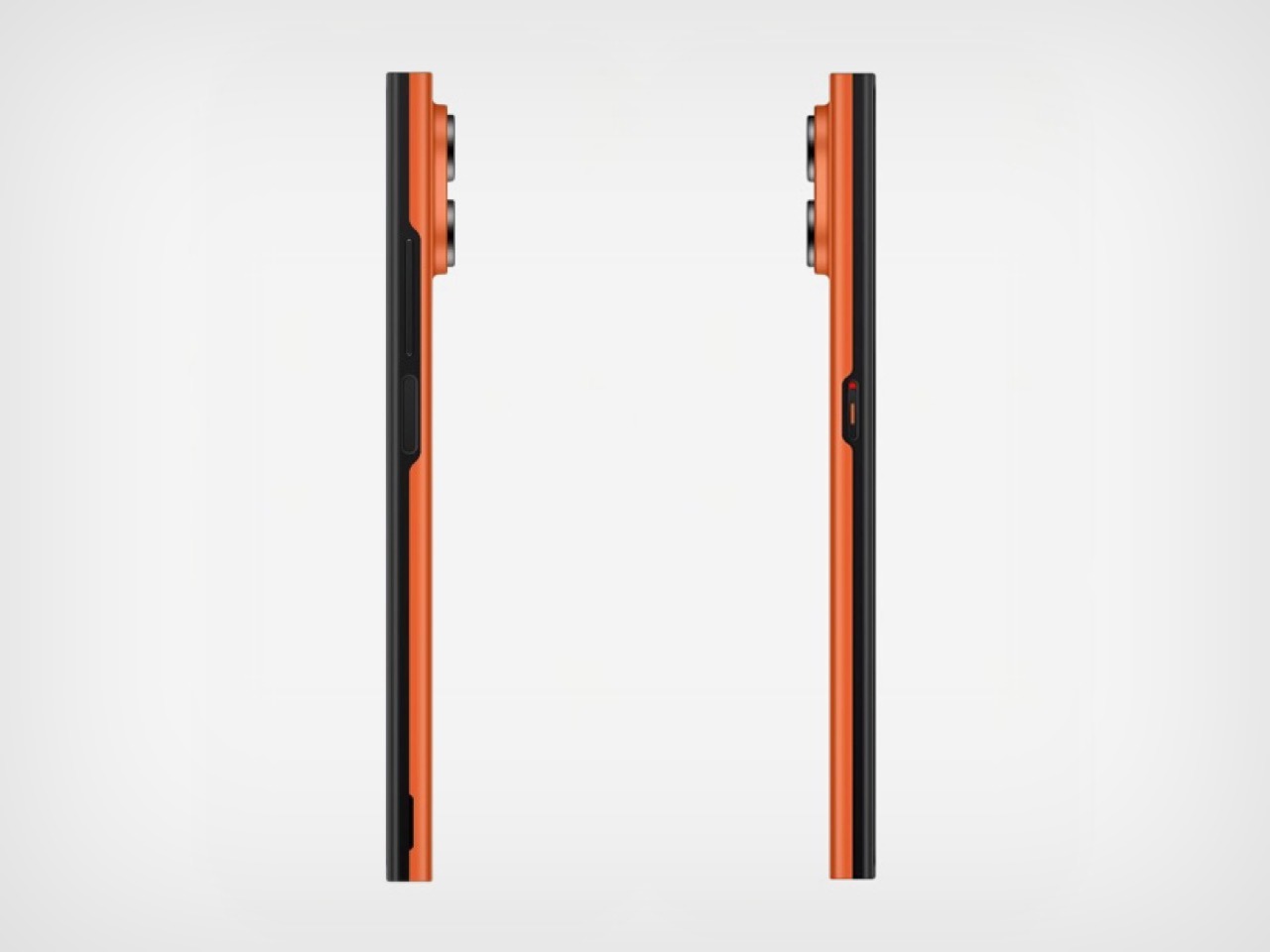
The design language leans heavily into Scandinavian minimalism with a splash of nostalgia. The Orange colorway (one of three finishes alongside Snow White and Kaamos Black) features a vibrant coral hue that recalls the bold plastics Nokia used on devices like the Lumia 920. The rear panel is smooth and removable, emblazoned with a script “jolla” wordmark and the Sailfish OS logo at the bottom. Two camera lenses sit in the top-left corner in a vertical arrangement, and the overall footprint is boxy and utilitarian rather than chasing the curved-edge aesthetic that dominates Android flagships. Physical buttons line the right edge, the top houses what appears to be a modular accessory port, and the bottom edge packs a USB-C port flanked by speaker grilles. The front is all screen with minimal bezels, no notch, and no hole-punch cutout, giving the display a clean, uninterrupted canvas.

Jolla’s privacy commitments go deeper than marketing copy. The physical privacy switch, located on the side of the device, cuts power to the microphones, cameras, and Bluetooth radios entirely, a hardware-level kill switch that software toggles can’t replicate. Sailfish OS doesn’t require a Google account, doesn’t collect location data for advertising, and doesn’t send telemetry back to corporate servers. The operating system compiles from source code in-house, and Jolla installs it manually in Finland rather than relying on third-party ODMs. The battery is user-replaceable, a feature that disappeared from flagship phones over a decade ago, and one that extends the device’s practical lifespan well beyond the typical two-year upgrade cycle.

The modular back panel revives the “Other Half” concept from the original Jolla Phone, which allowed users to swap colorful rear covers that could also carry NFC chips to trigger UI themes and functionality changes. This time around, Jolla is opening the platform to third-party designers and hardware hackers, with potential add-ons including secondary e-ink displays, physical keyboards, and extended batteries. Android app compatibility comes courtesy of Jolla’s AppSupport layer, which emulates the Android runtime without Google Play Services, meaning banking apps, messaging platforms, and productivity tools run normally but without the tracking apparatus baked into standard Android. It’s a pragmatic compromise: you get access to the app ecosystem that makes a smartphone functional in 2026, but you don’t hand over behavioral data in exchange.

Jolla CEO Sami Pienimäki positioned the phone explicitly as a statement of technological sovereignty, arguing that Europe’s dependence on American mobile infrastructure represents both a privacy liability and a strategic weakness. Only four commercial-grade mobile operating systems exist today: iOS and Android from the United States, HarmonyOS from China, and Sailfish OS from Finland. Antti Saarnio, chairman of the Jolla Group, acknowledges the phone will remain a niche product in the near term but frames it as infrastructure for what comes next, particularly as AI reshapes the form factors and interaction models we use to access computing. Whether Jolla scales beyond enthusiasts and privacy advocates depends on how well Sailfish OS holds up in daily use and whether the company can sustain hardware production beyond these initial batches.

The Jolla Phone is available now for pre-order in EU countries, the UK, Norway, and Switzerland, priced at €649 with a €99 deposit required upfront. The September 2026 batch is capped at 2,000 units, and given that the first wave of pre-orders moved 10,000 devices in just three months, that inventory won’t last long. A U.S. launch is under consideration but has no confirmed timeline, and while the phone should theoretically work with major American carriers, it lacks FCC approval. If you’ve been waiting for a legitimate alternative to the iOS-Android duopoly, this is the closest thing Europe has built in over a decade.

The post This Finnish Privacy-focused Linux Phone Wants You to Forget Google Exists first appeared on Yanko Design.

This $146 Raspberry Pi 5 Case Has a Touchscreen and Runs AI Locally

The Raspberry Pi has always been a tinkerer’s dream, a tiny board that can become almost anything with enough creativity. Over the years, its growing capabilities have attracted developers, home automation enthusiasts, and even edge AI experimenters who want real processing power in a compact, low-cost package. The persistent challenge has been housing all of that potential in something that looks and works like a proper desktop.

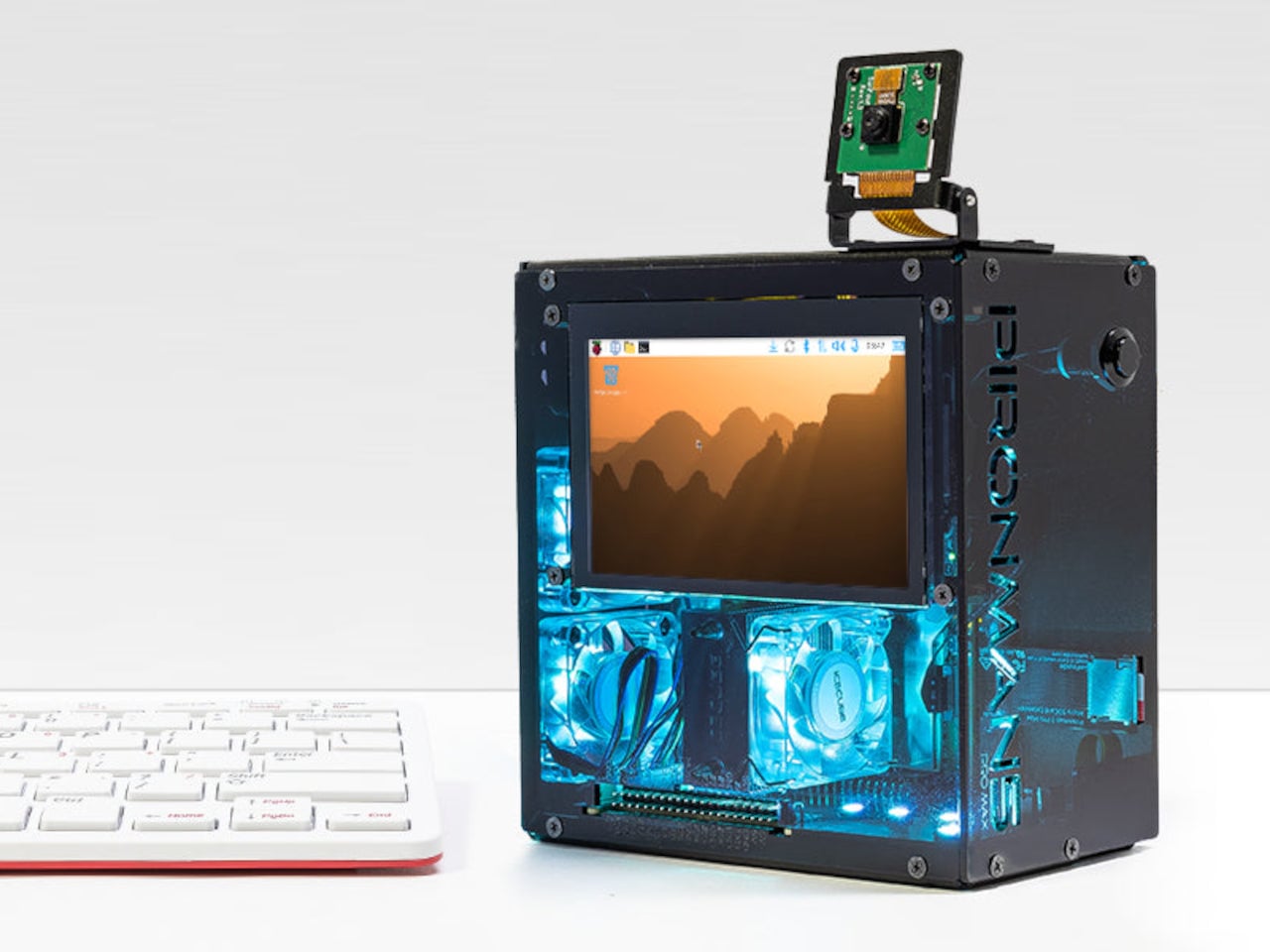
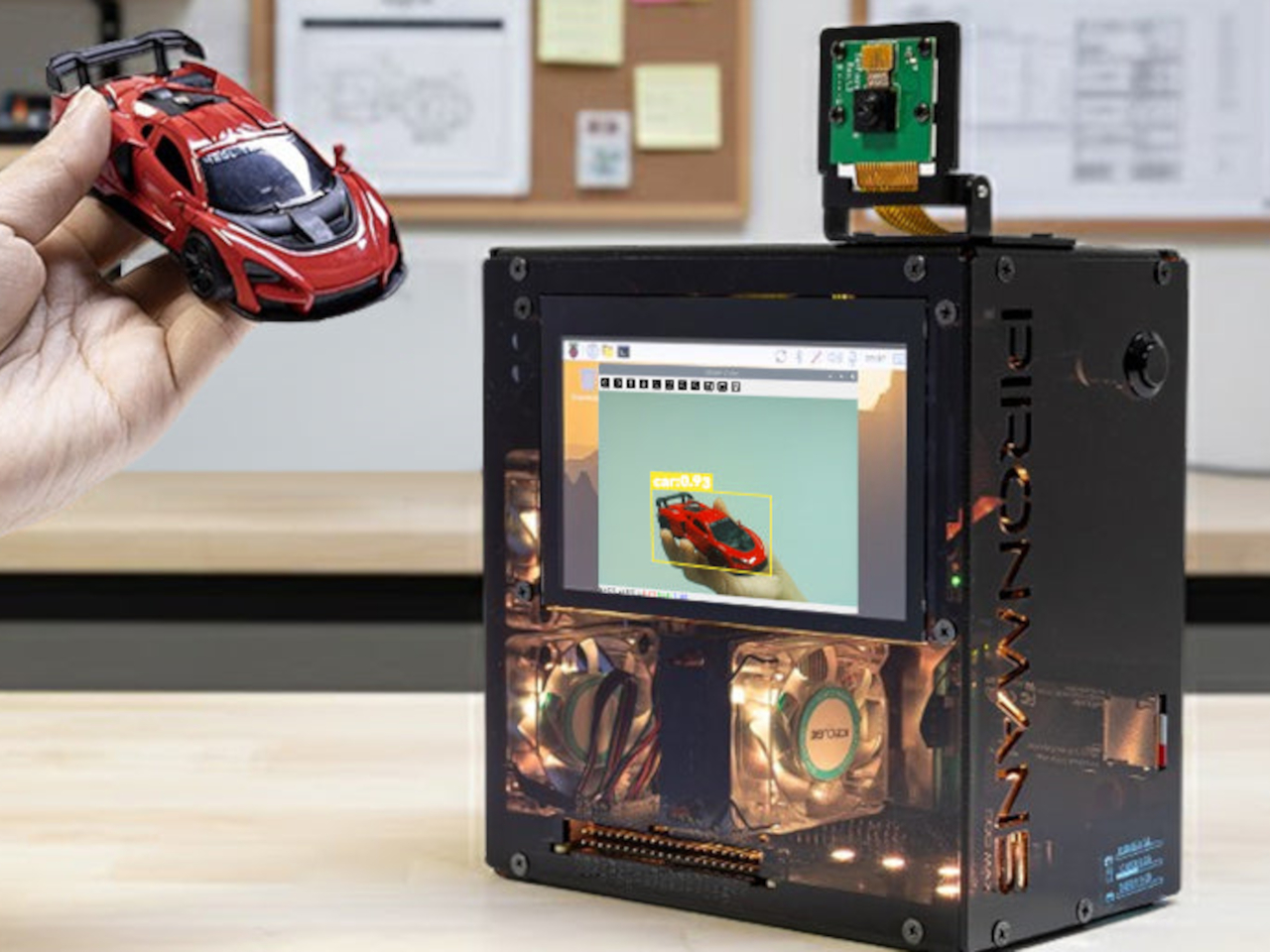
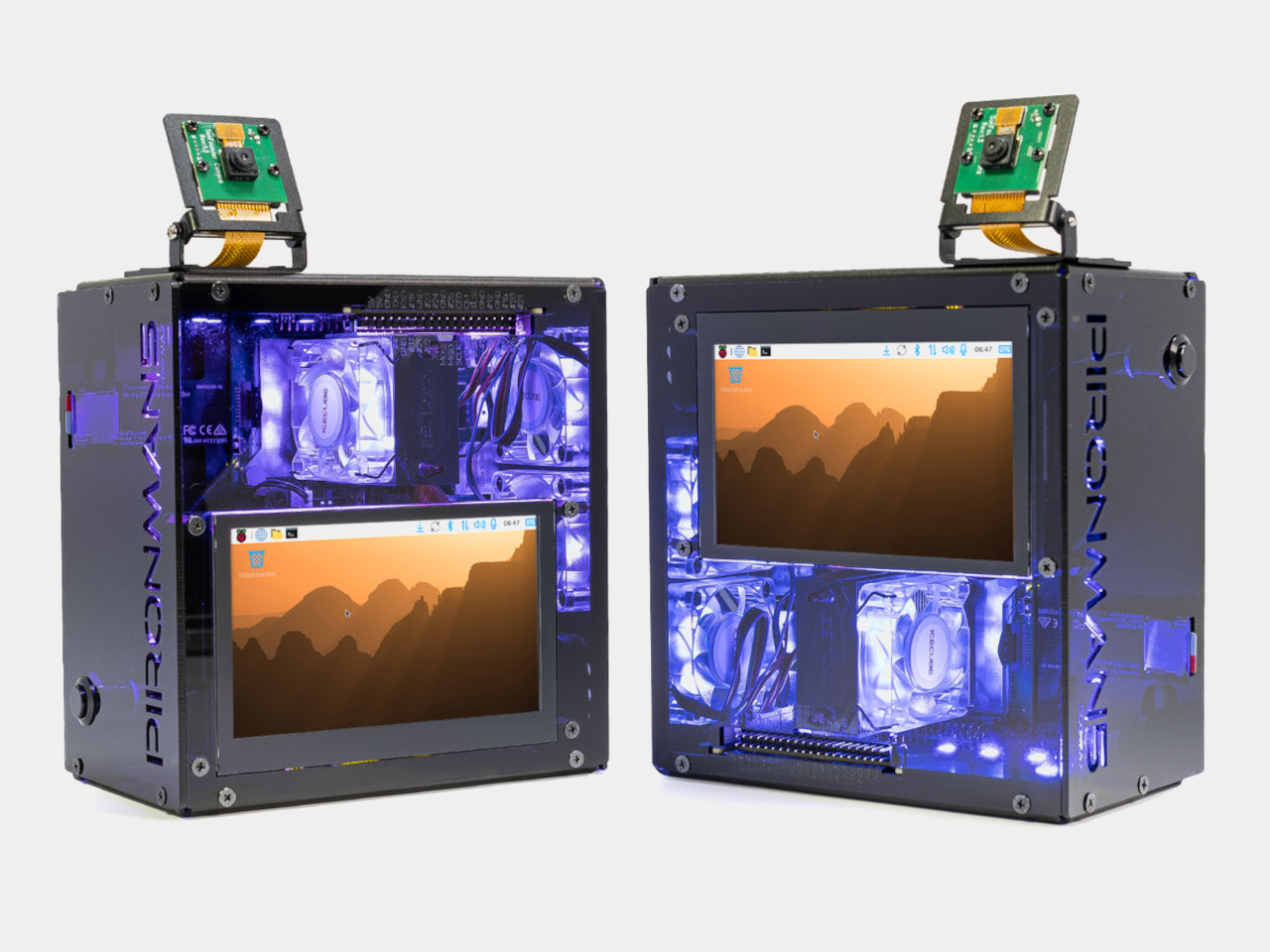
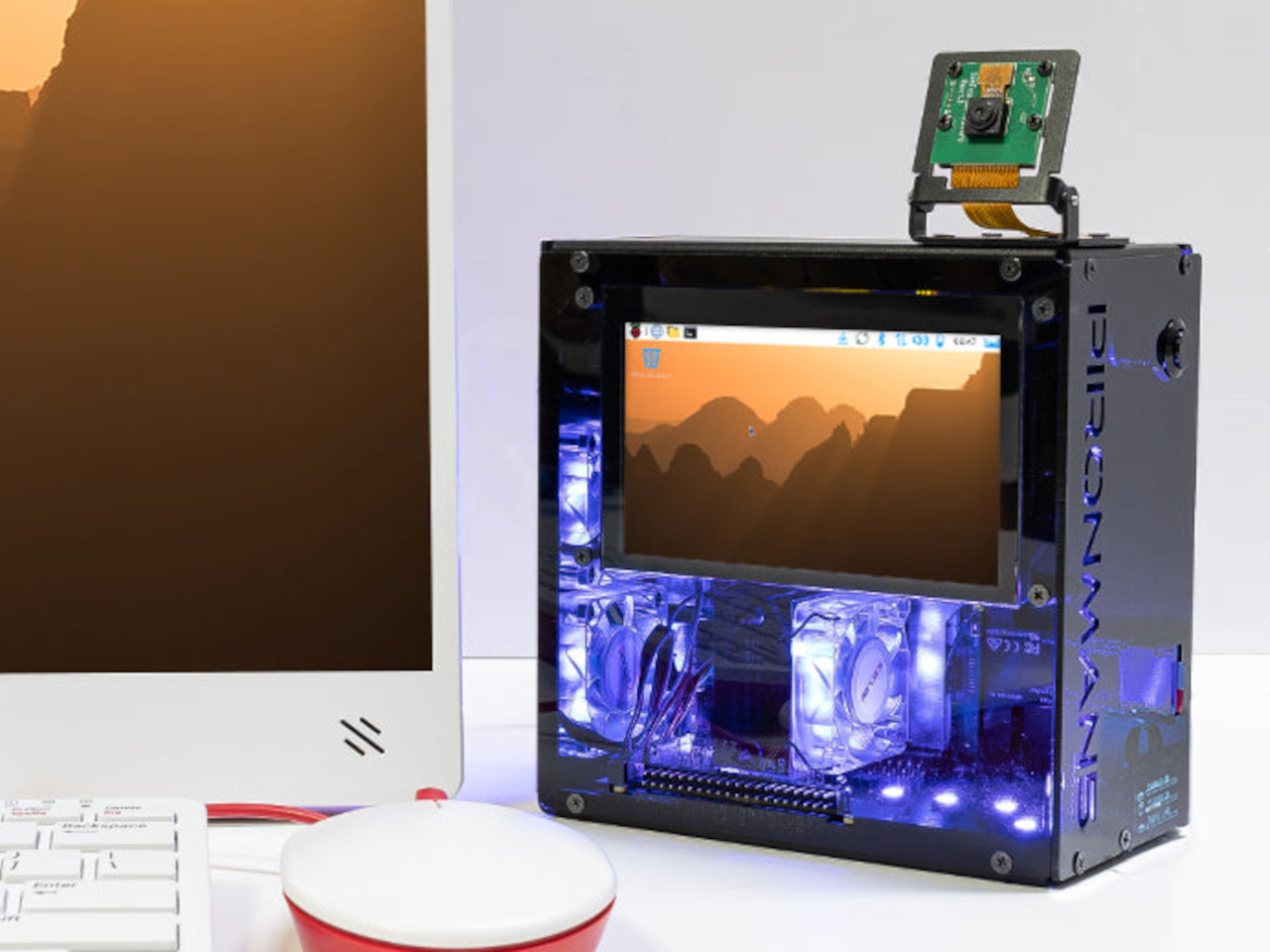
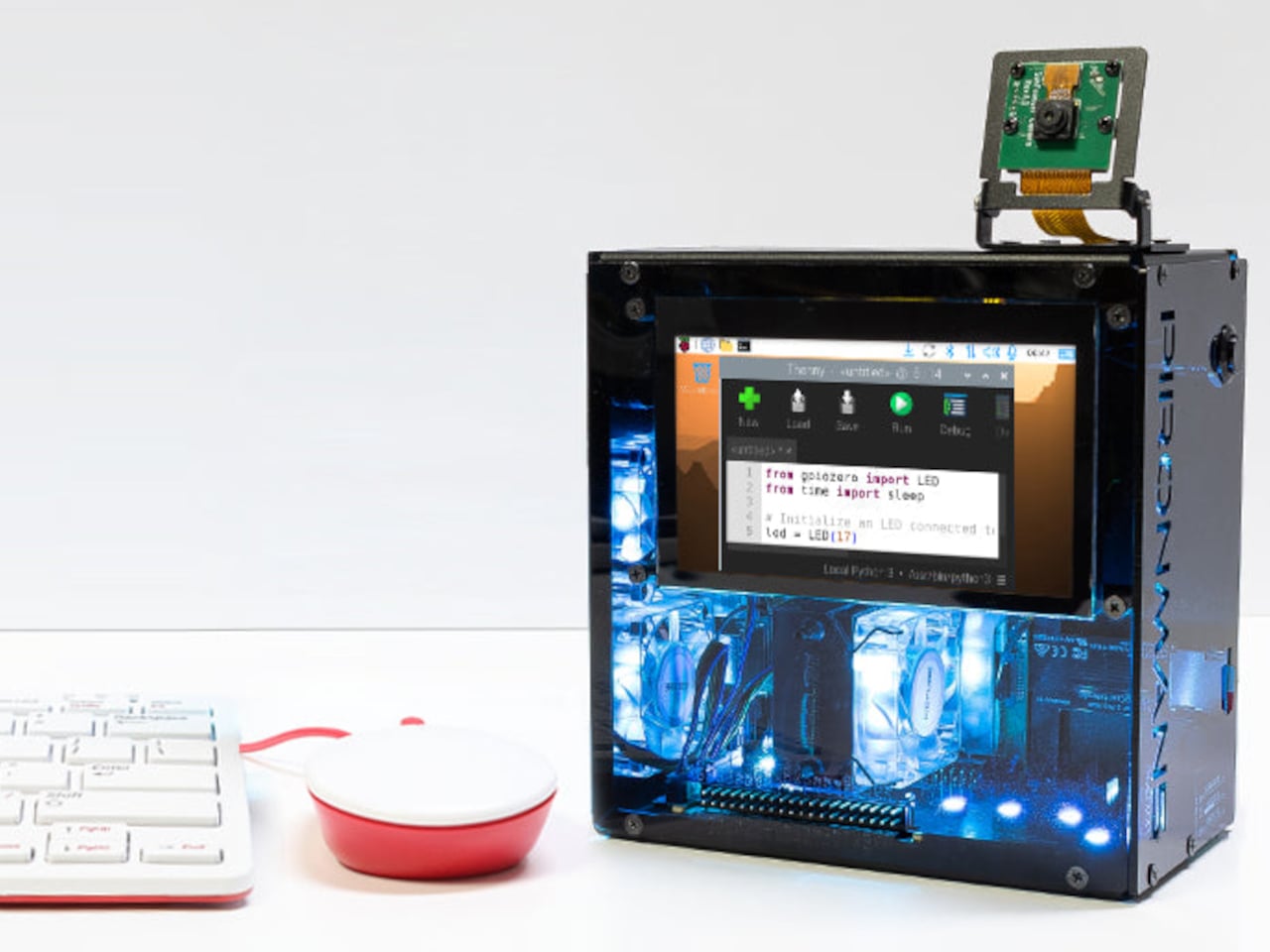
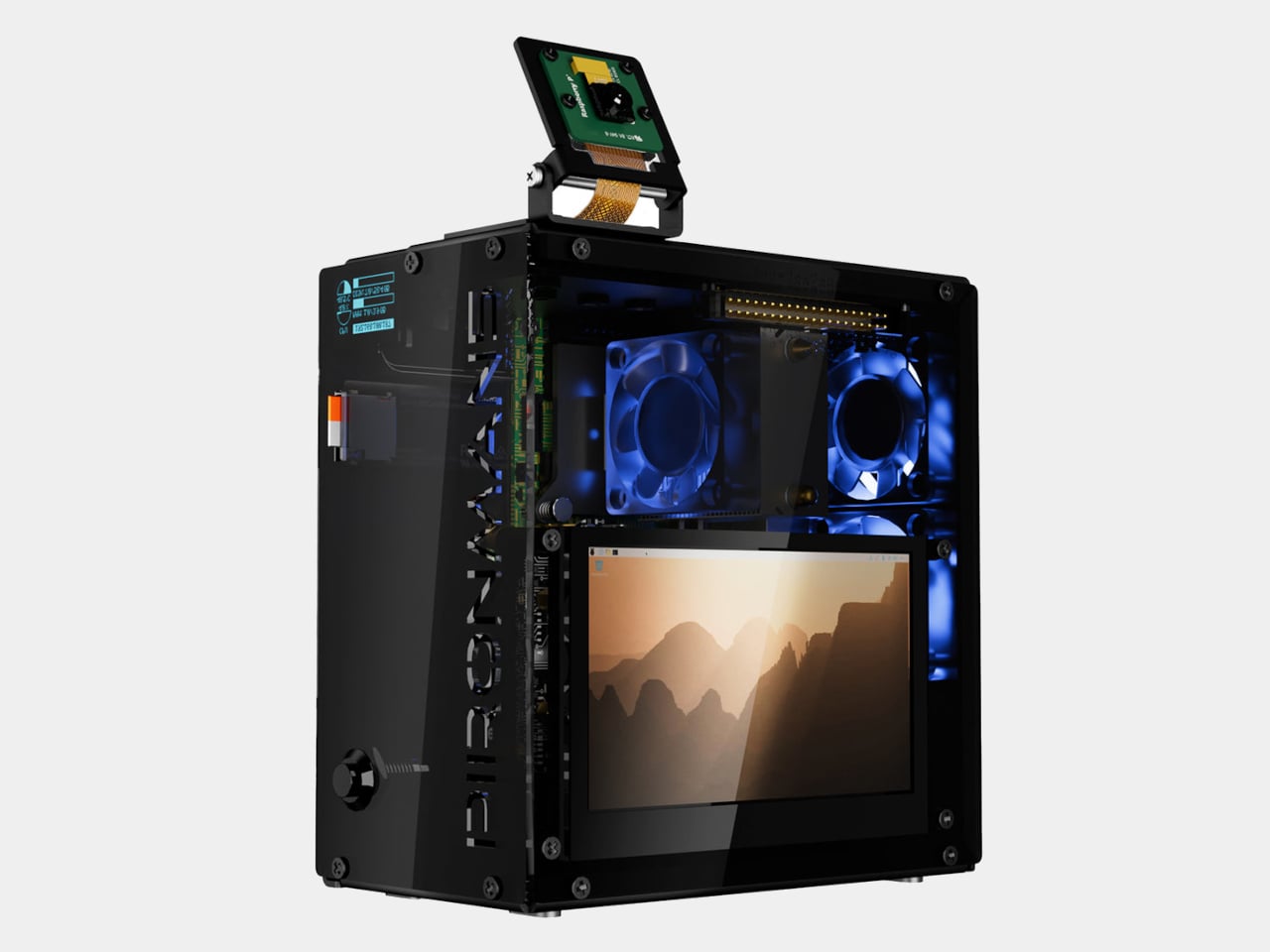
SunFounder’s Pironman 5 Pro Max takes a direct swing at that problem. It’s a dark anodized aluminum tower case designed exclusively for the Raspberry Pi 5, surrounding it with enough hardware to make it a genuinely capable desktop machine. The case and all its bundled accessories start at $145.99 without the Pi itself, which is a lot of kit for something technically sold as a bare enclosure.

Designer: SunFounder

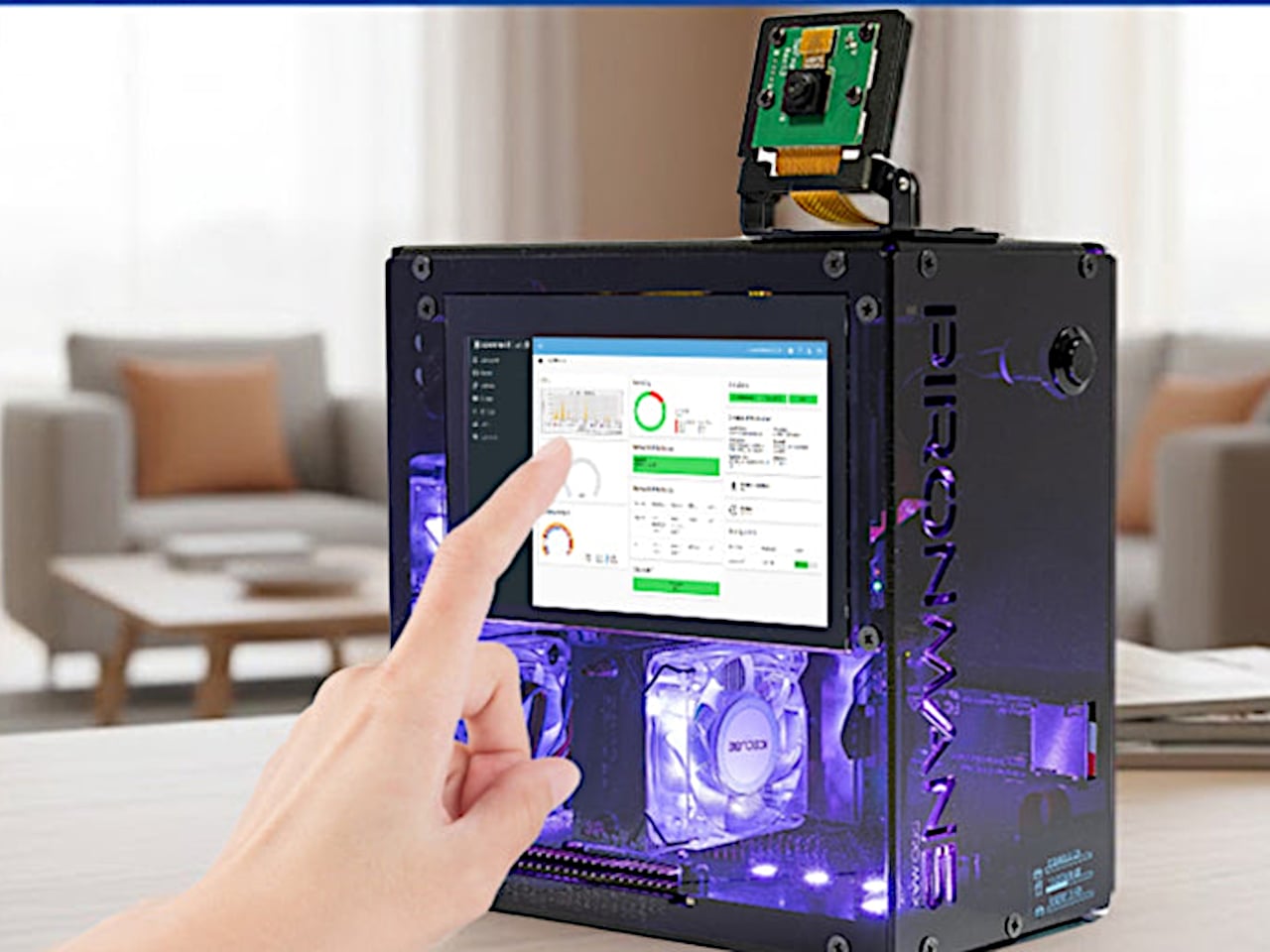
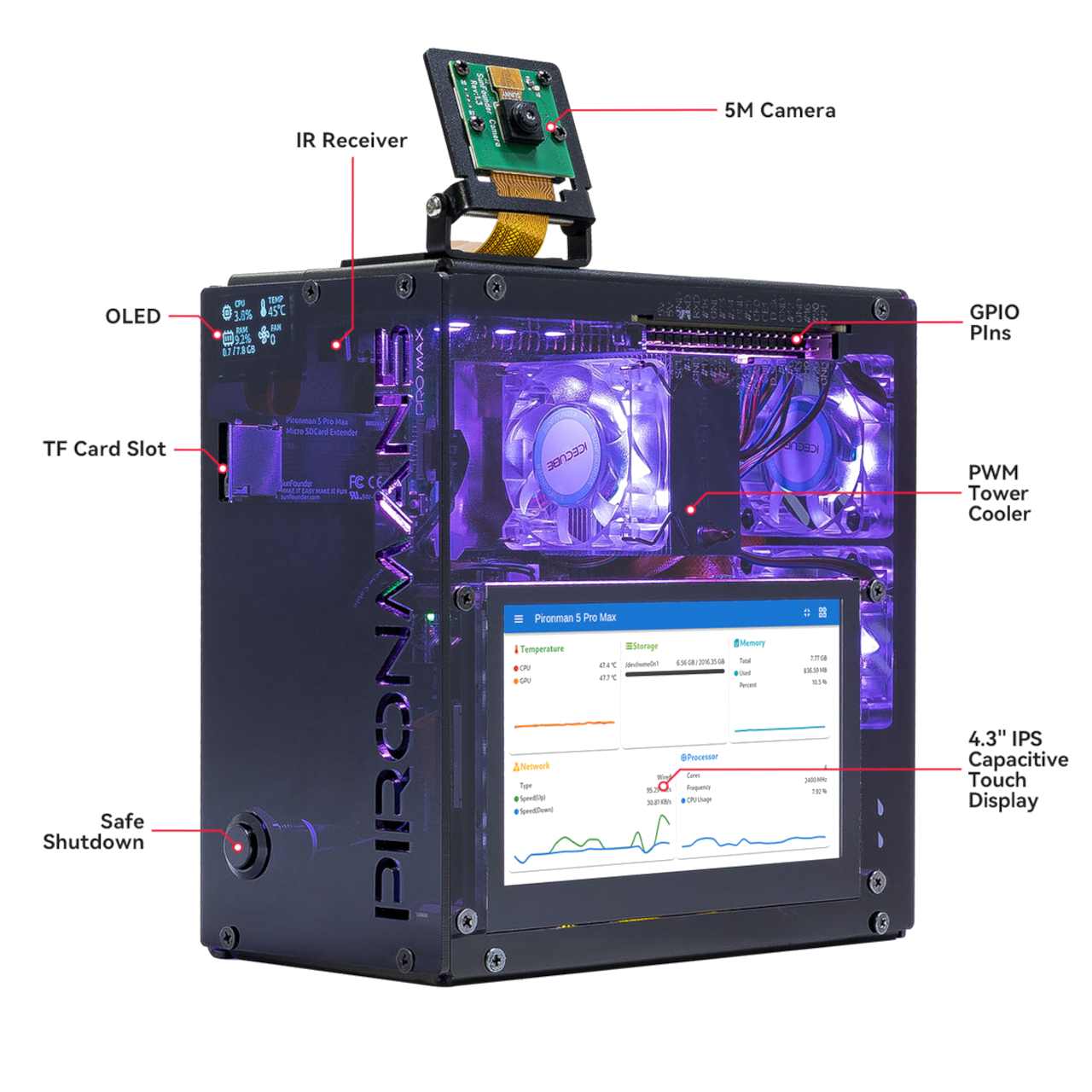
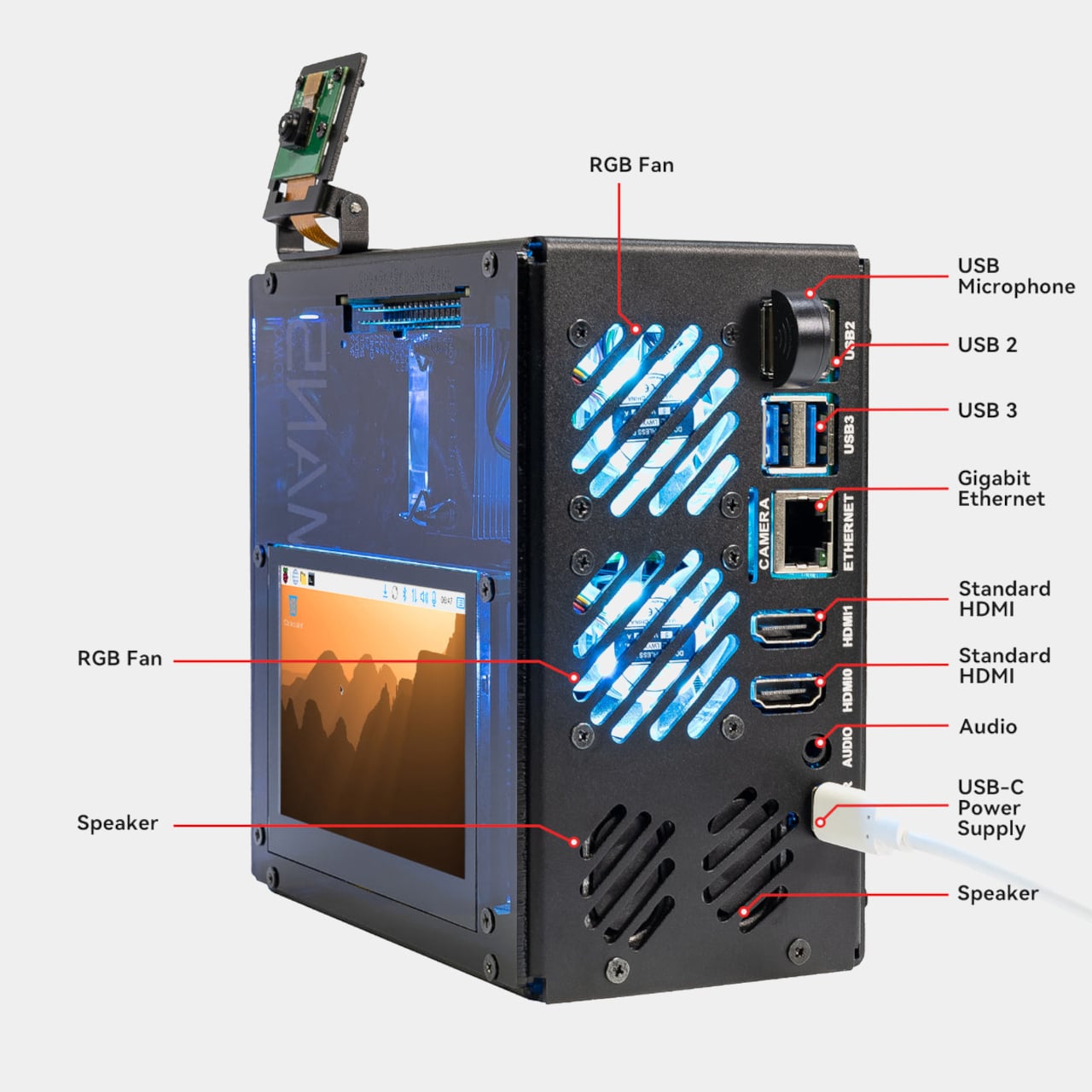
The most visible feature is the 4.3-inch capacitive touchscreen on the front (or side, depending on your point of reference), giving direct, tactile access to whatever you’re running. Alongside it are a 5MP adjustable camera module, stereo speakers, a USB microphone, and a 3.5mm audio jack, all included in the box. Together, they open the door to voice interfaces, video recording, and interactive displays without requiring a single extra module or dangling cable.

Storage and AI expansion come from dual NVMe M.2 slots driven by a PCIe Gen 2 switch. They support RAID 0 for speed or RAID 1 for redundancy, making the Pironman a surprisingly capable home NAS. The same slots are also compatible with Hailo-8 and Hailo-8L AI accelerators for running local language models like DeepSeek or Ollama without a cloud connection.

SunFounder’s OpenClaw platform ties a lot of that together, letting you build a personal AI agent directly on the hardware. You can connect it to cloud-based services like ChatGPT and Gemini, or keep everything local with Grok, Ollama, and DeepSeek. It’s a bold pitch for a single-board computer, but one the Raspberry Pi 5’s improved architecture was quietly building toward.

Cooling is managed by a PWM tower cooler with dual RGB fans, keeping the Pi 5, NVMe drives, and any attached Hailo accelerator stable under sustained load. A front-facing OLED display shows real-time CPU usage, RAM, temperature, and IP address, while a metal power button handles safe shutdowns and an RTC battery holder supports projects that can’t afford unexpected downtime.

The chassis measures 140.9mm x 77.0mm x 138.7 mm and includes a GPIO extender, a spring-loaded microSD slot, rear USB 2.0 ports, and a 27W USB-C power input. It runs on Raspberry Pi OS, Ubuntu, Kali, and Homebridge OS, giving it the range to serve as a media center, development workstation, or smart home hub without needing to swap hardware between projects.

For $145.99, the Pironman 5 Pro Max is selling the hardware to build a finished computer around a board that already fits in your pocket. That gap between bare single-board computer and fully equipped desktop has always been the Raspberry Pi community’s favorite problem to tackle, and few cases have gone after it with quite this much ambition.

The post This $146 Raspberry Pi 5 Case Has a Touchscreen and Runs AI Locally first appeared on Yanko Design.

This Levitating Orb Lamp Drifts Toward You in the Dark Before You Ask

Artificial lighting has come a long way, but most of it still operates on the same basic logic. You plug something in, it stays where you put it, and you arrange your life around it. The growing understanding that light quality directly affects mood, sleep, and well-being has pushed designers to rethink what a lamp should do, but rarely where it should go.

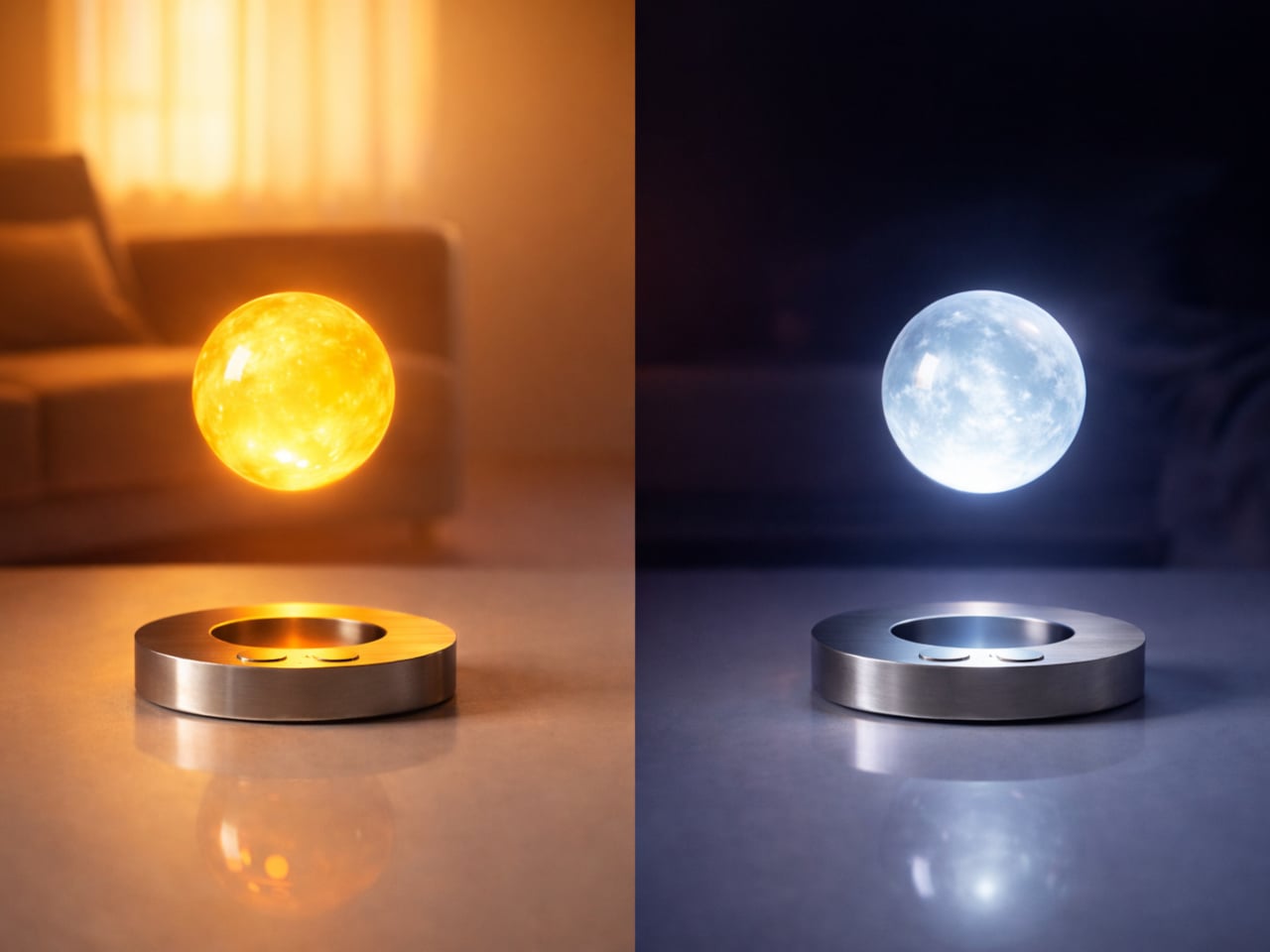
Ivana Nedeljkovska’s Flying Moon & Sun takes a different position on that. Her conceptual design doesn’t ask you to move toward the light; it imagines the light moving toward you. Drawn from the natural rhythms of the sun and moon, it proposes a mobile, levitating lamp that follows you through your home and adapts to whoever it’s meant to illuminate.

Designer: Ivana Nedeljkovska

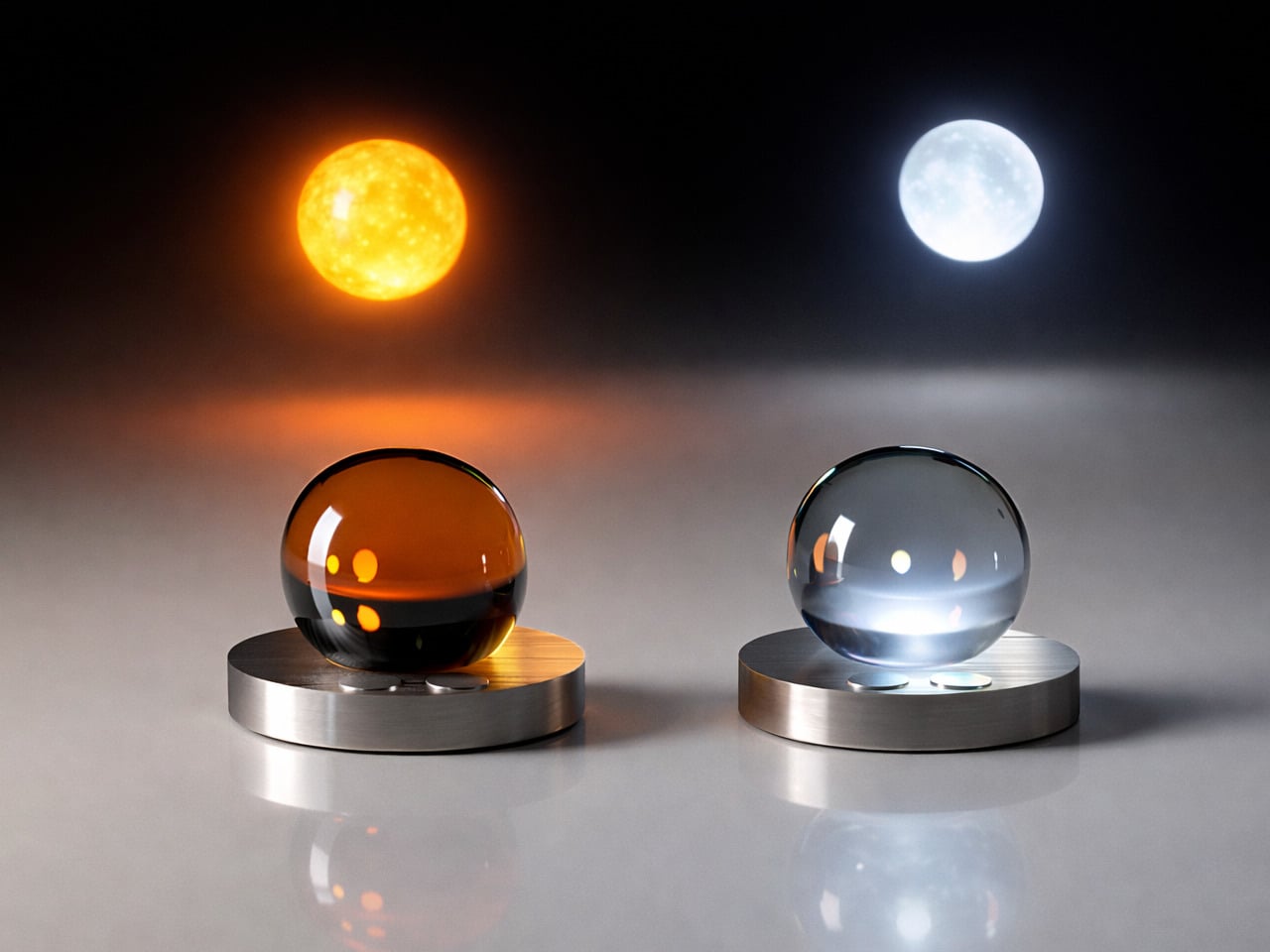
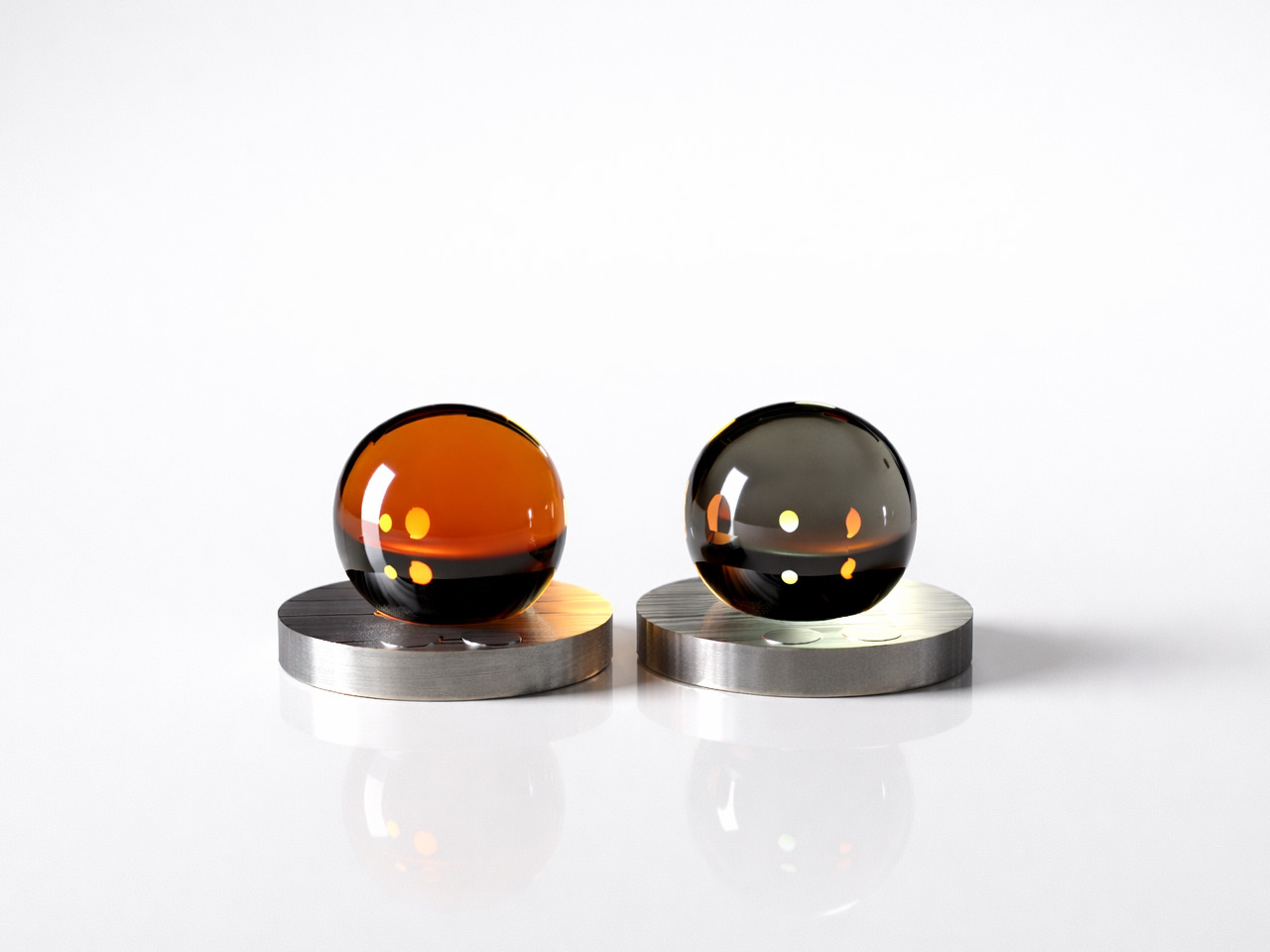
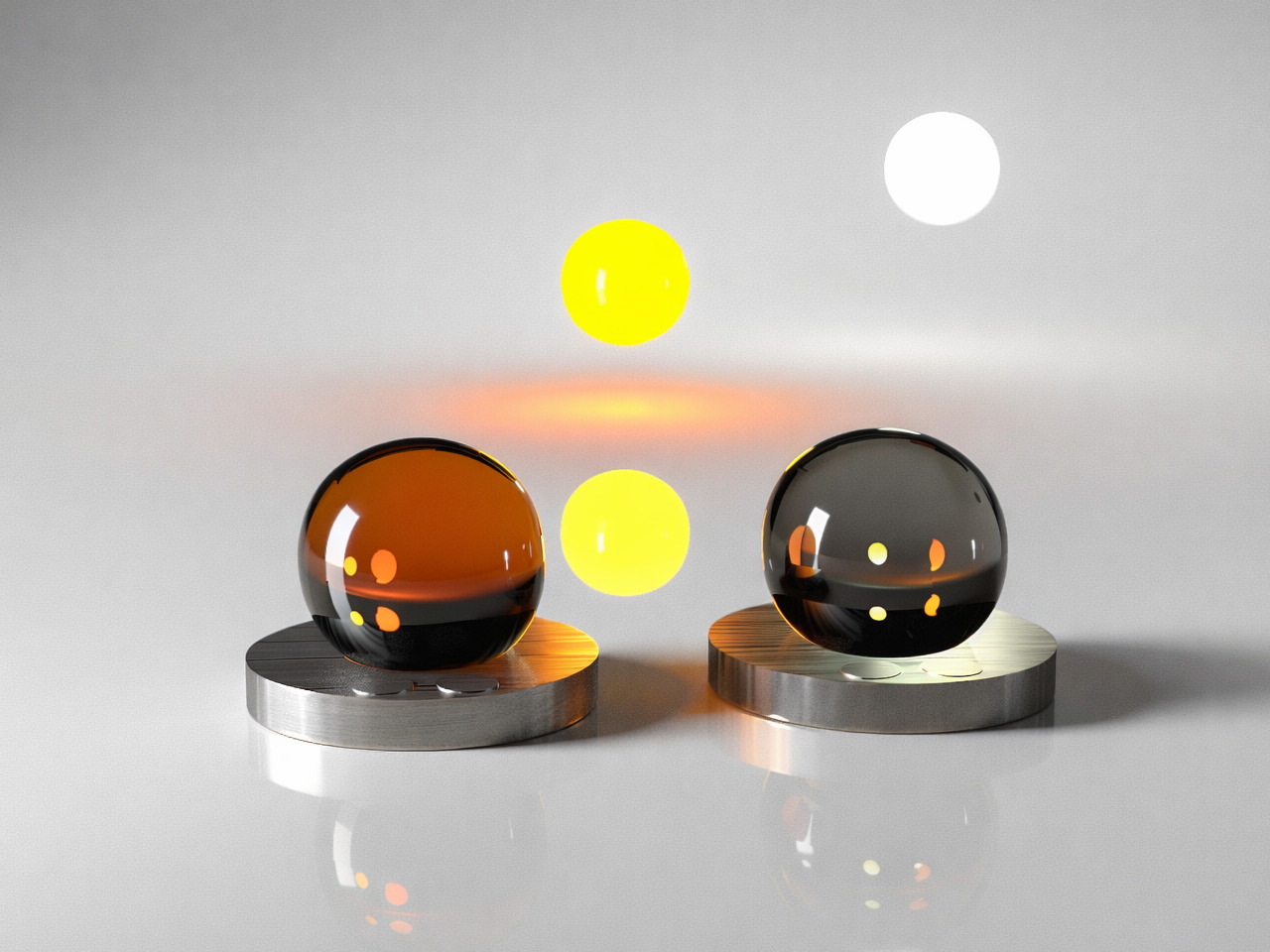
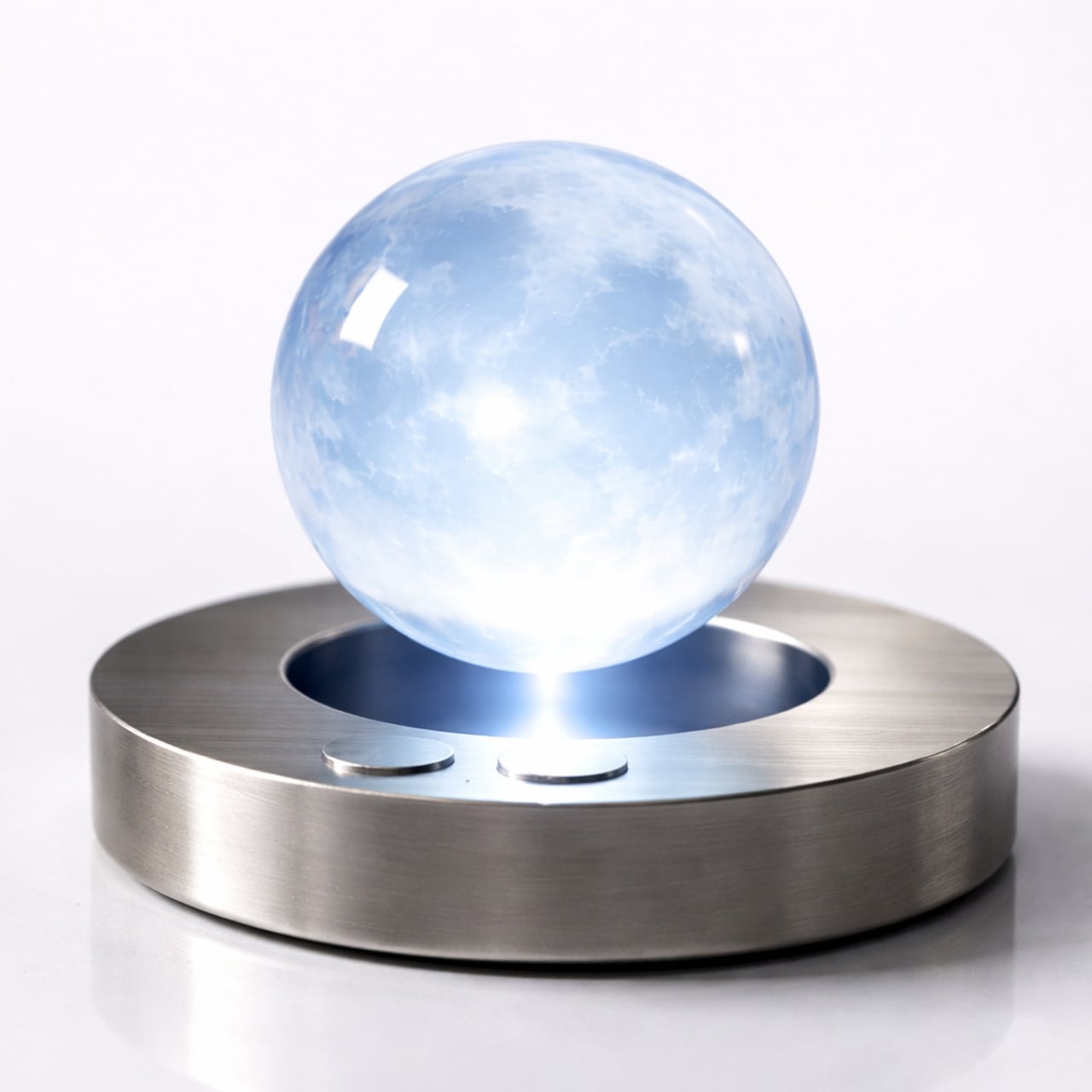
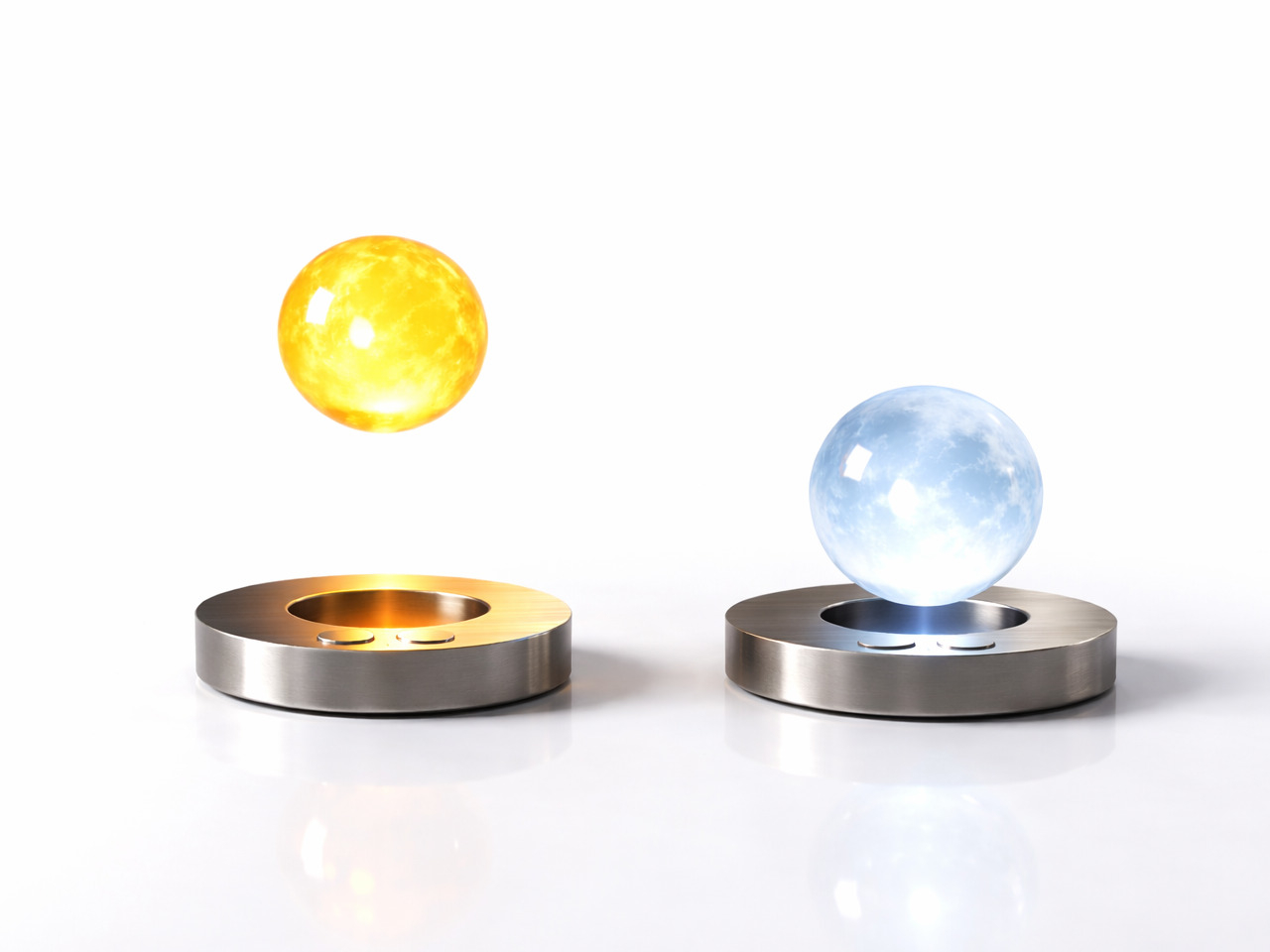
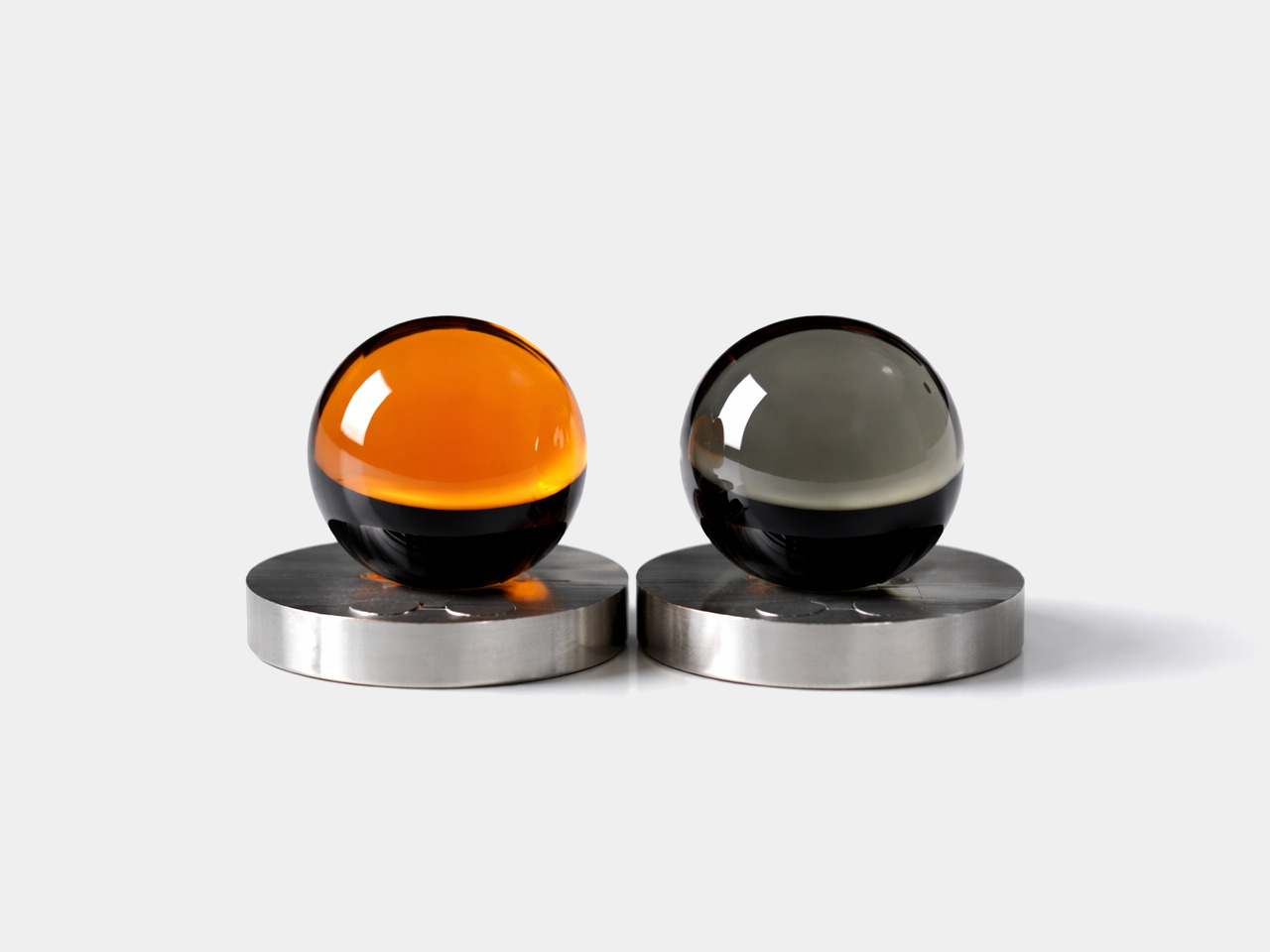
The concept takes shape as two glass orbs, one in warm amber that channels the sun’s energy, and one in cool frosted blue that mirrors the moon’s quieter character. Each rests on a brushed circular metal base, capable of levitating above it through magnetic force. That floating quality physically expresses the central idea, that this is a light that doesn’t feel tied to any single spot.

The two orbs aren’t just stylistically distinct; each serves a purpose tied to the body’s natural cycles. The warm, sun-toned orb supports alertness and activity, while its cool lunar counterpart eases the body into rest. By mapping its light to the gradual arc from sunrise to sunset, the design draws on circadian science, offering something that most smart bulbs attempt through apps but rarely manage to make feel genuinely natural.

Nedeljkovska was thinking about people who don’t always have the option of adjusting their environment easily. For someone with visual or sensory challenges, a light that moves toward them rather than waiting to be repositioned carries real value. The concept doesn’t frame this as a special accommodation; it simply makes intuitive, responsive behavior the default, which is what good inclusive design tends to do.

That mobility is perhaps the most striking aspect of the idea. Imagine waking at night and finding a glowing orb already near a doorway, having drifted to where you’ll likely need it next. For older users, or anyone navigating in the dark, that kind of preemptive illumination offers a quiet, practical benefit that no ceiling fixture or bedside lamp can really replicate.

The form reinforces the emotional ambition. There are no buttons, no menus, no settings to configure. The smooth glass surfaces and soft inner glow make the orbs feel more like objects found in nature than anything in a typical lighting store. That’s a deliberate choice, one that tries to make a lamp feel comforting rather than functional, which is a harder design problem than it sounds.

Flying Moon & Sun is still a concept, but the questions it raises are genuine. How much of our discomfort with artificial light comes from having to work around it, rather than having it work around us? A lamp that floats, follows, and shifts with the hour is ambitious, but the premise that light should serve the person rather than the room is hard to argue with.

The post This Levitating Orb Lamp Drifts Toward You in the Dark Before You Ask first appeared on Yanko Design.

5 Best LEGO Builds of April 2026 We Wish Were Already Official Sets (One Takes 90 Trillion Years to Work)

LEGO has always occupied a peculiar space between toy and medium. For most of us, the bricks are nostalgic — associated with childhood bedrooms, pieces stepped on in the dark, and the specific satisfaction of snapping something into place after searching the floor for ten minutes. For a different kind of builder, LEGO is something closer to a precision instrument: a material that responds to spatial thinking with the same seriousness that marble responds to a sculptor’s chisel. April 2026 made a compelling case for the latter.

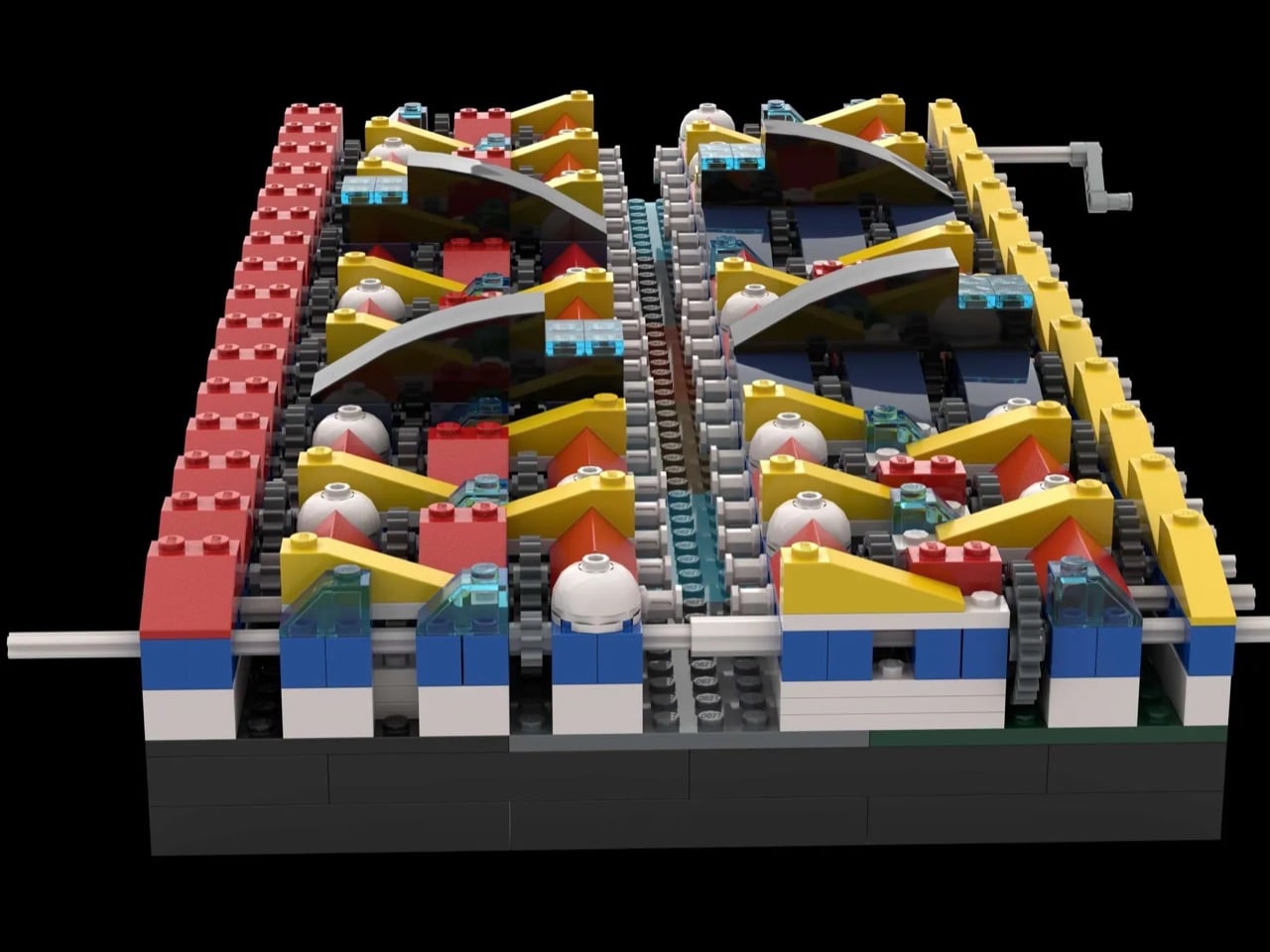
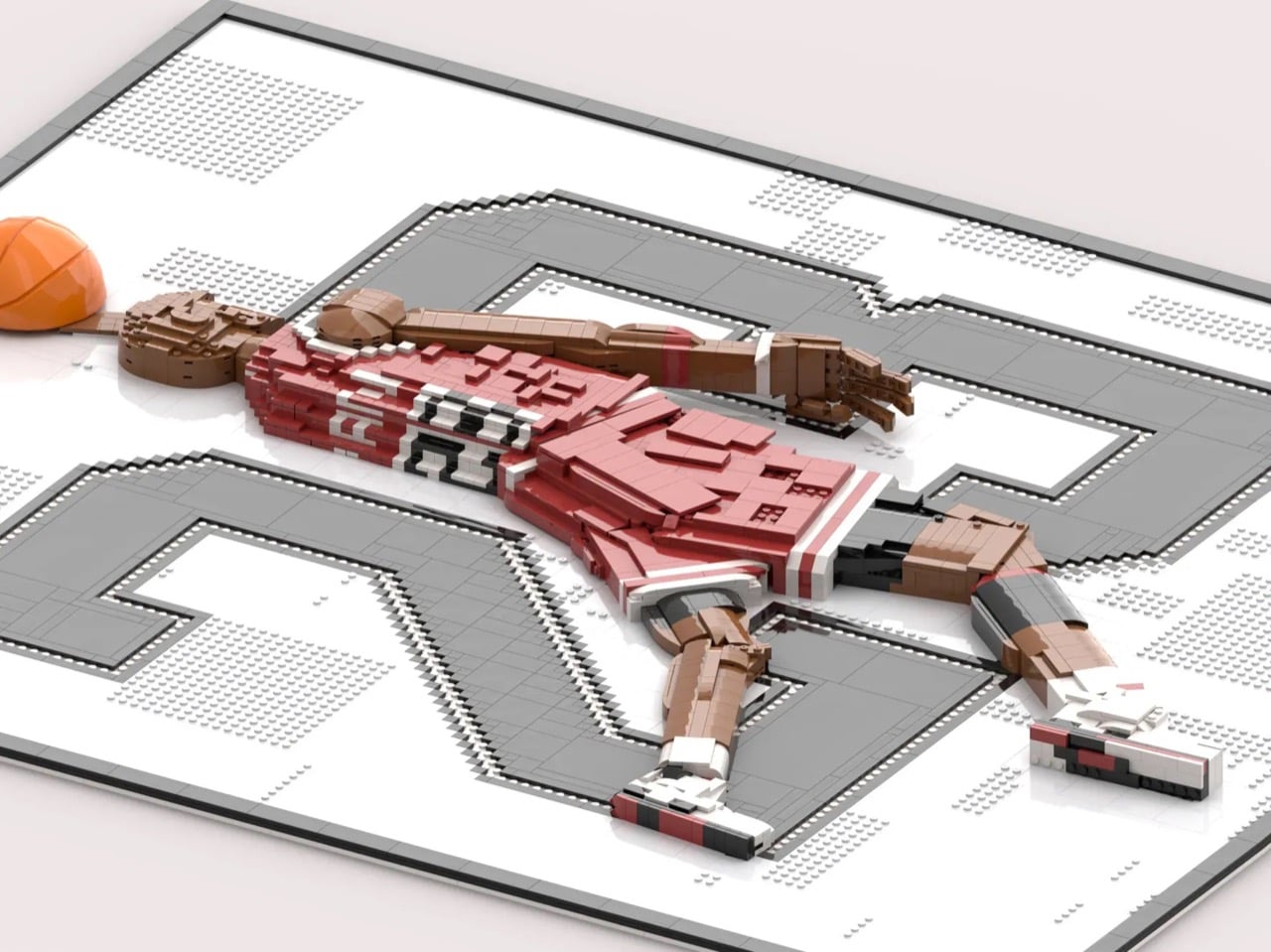
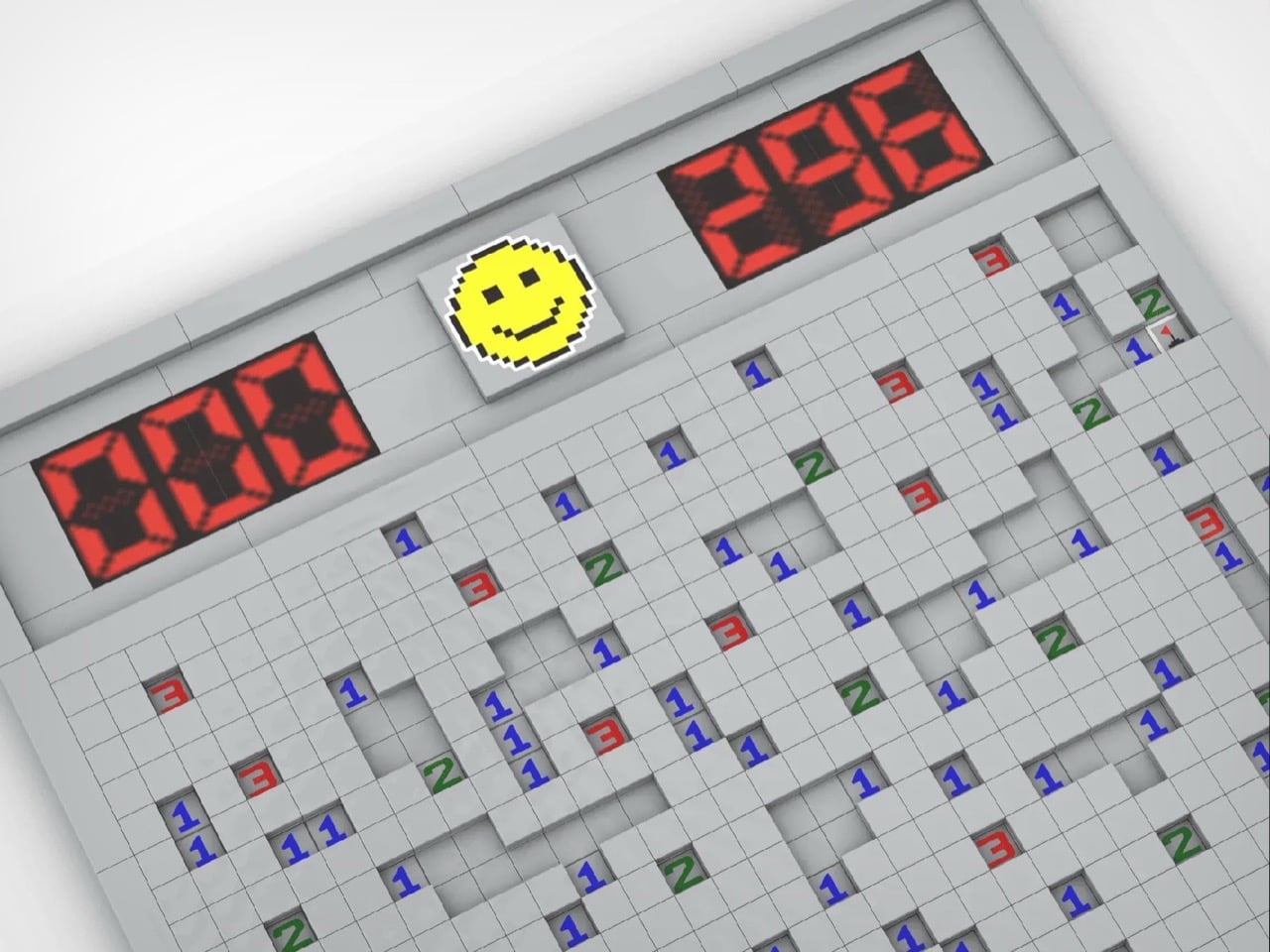
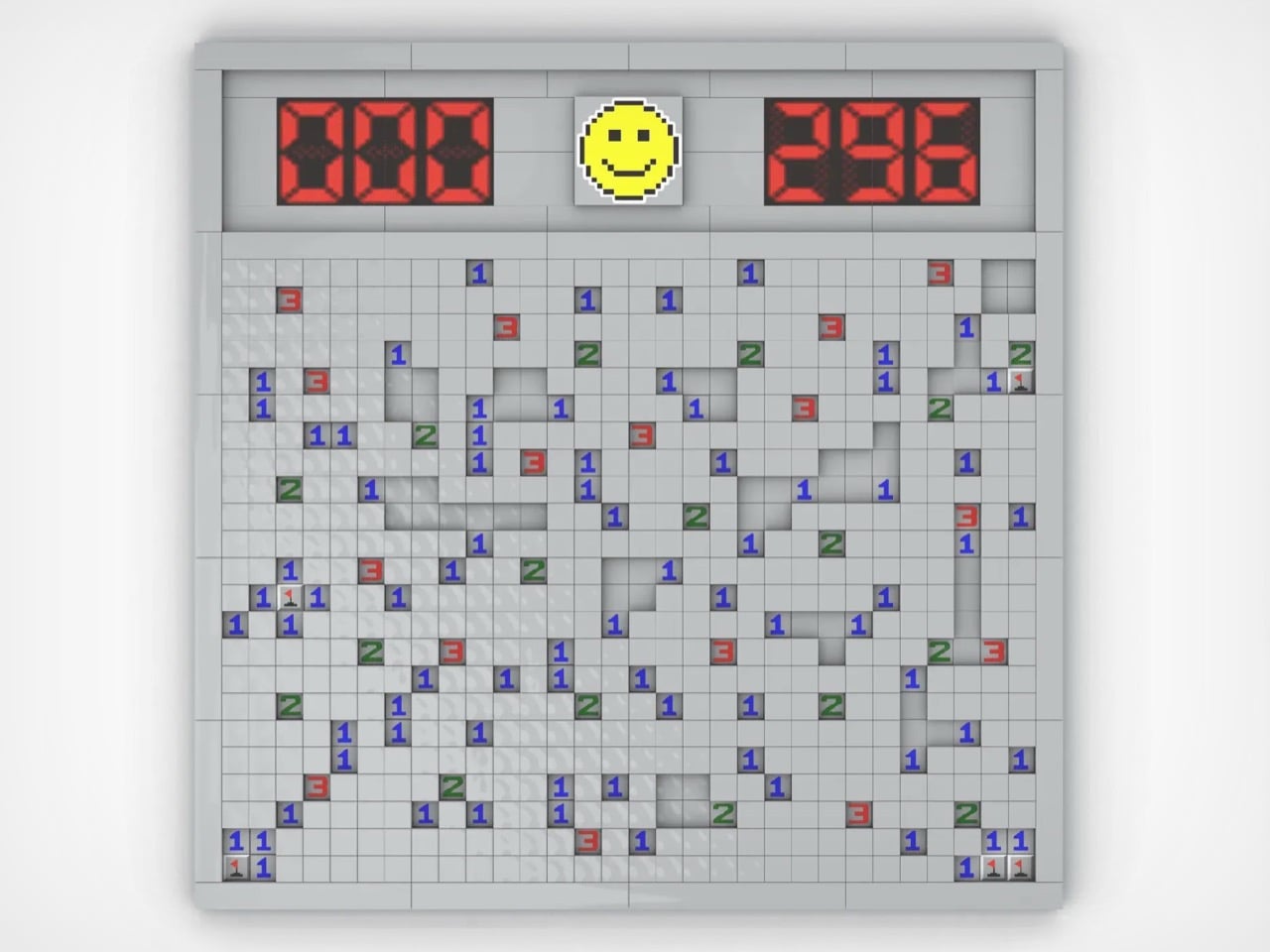
This month produced five builds that sit comfortably outside any toy aisle — a gear-driven monument to exponential mathematics disguised as abstract art, a 1,106-brick variant of my favorite dessert ever, a retro desk piece hiding a fully functional modern computer, a sharp recreation of the most universally procrastinated game in office history, and a kinetic brick portrait of the greatest basketball player who ever played the game.

1. LEGO Eternal Mosaic — The Gear Train That Outlasts the Universe

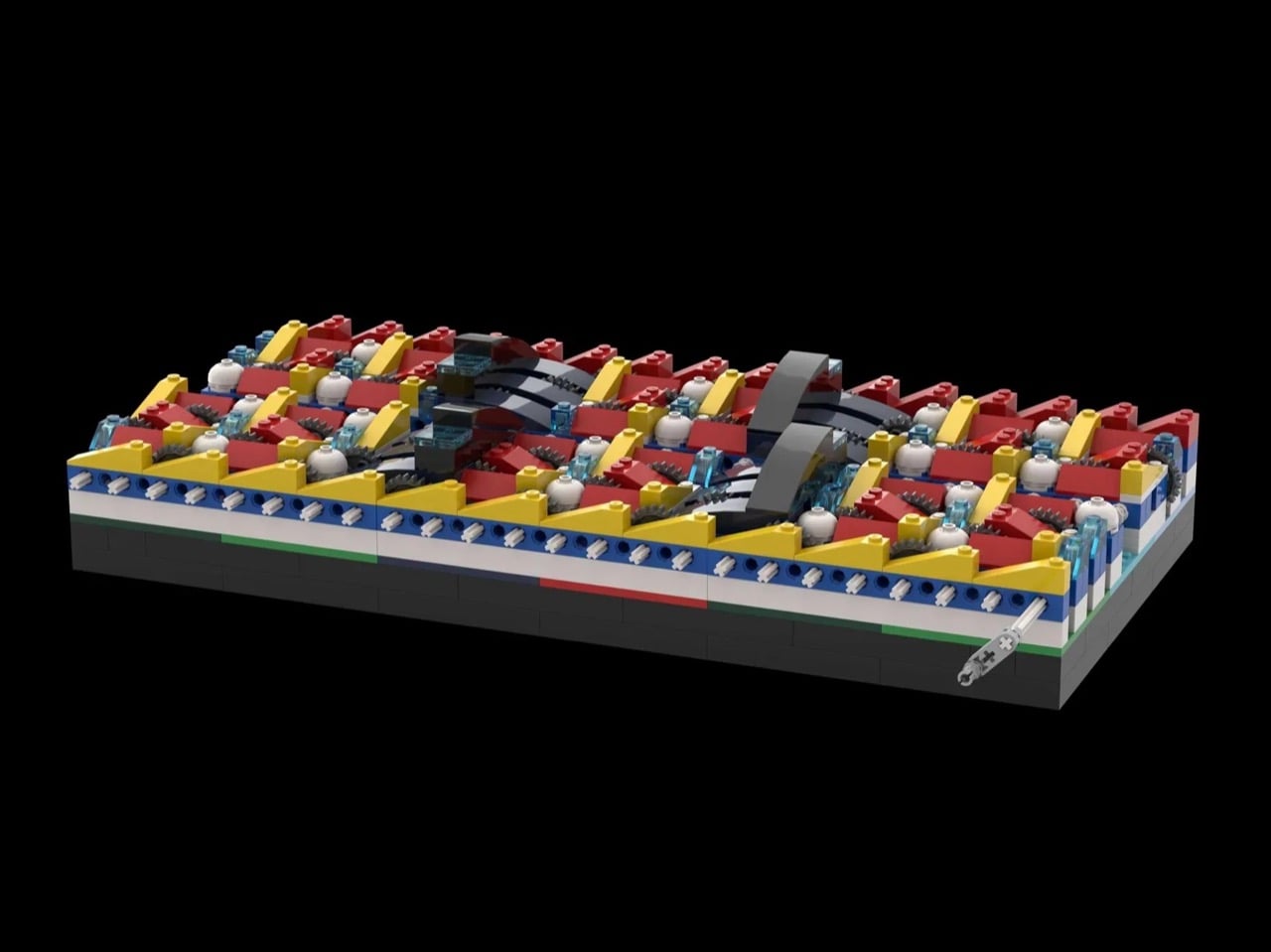
The Eternal Mosaic is a 655-piece LEGO Ideas concept that bridges the visual language of Mondrian’s De Stijl compositions with the mechanical logic of compound gear reduction. The build contains 46 stages of gear reduction using 24-tooth to 8-tooth ratios at every step. Compound that across all 46 stages and you arrive at a total gear reduction of approximately 9 billion trillion to one — a number that stops making intuitive sense almost immediately and doesn’t start again.

At 100 RPM, the first gear completes a rotation every 0.6 seconds. The final gear, embedded in the Mondrian-inspired color panel, will complete its first full rotation in approximately 90 trillion years — the universe is 13.8 billion years old by comparison. The Mondrian connection isn’t cosmetic. The rigid geometry of De Stijl shares an underlying grammar with compound gear logic: both systems operate by fixed, uncompromising rules and produce results that appear arbitrary until the governing principle becomes visible.

2. LEGO Tiramisu — The Food MOC That Makes You Question What You’re Actually Looking At

Tiramisu crossed out of northeastern Italy in the late 1960s and spent the next few decades becoming the world’s most universally loved no-bake dessert. LEGO Ideas creator Micdud has now built one from 1,106 bricks at nearly 1:1 scale — a corner slice served on a decorative round plate, complete with chocolate drizzle, cream dollops, and a fork mid-bite suspended in the air on a transparent support. The result makes you do a genuine double-take.

The cocoa topping is a masterclass in using disparate brown elements to simulate an organic, dusty texture — the kind of surface detail that food MOCs either nail or miss entirely. Micdud hid a raspberry made from a red clown hairpiece and blueberries built from purple astronaut helmets beneath the garnish, which is exactly the lateral thinking that makes a build memorable. Food MOCs live and die by their surface detail, and this one gets every layer right.

3. Michael Jordan LEGO Relief Poster — Air, Rendered in Brick

Most LEGO art stays flat. Builder LAFS85 made the harder choice with this 3,424-brick Michael Jordan portrait — a relief sculpture where Jordan’s figure physically protrudes from the background plane through layered brickwork, so the silhouette genuinely leaps toward you. In the front-facing renders, Jordan is mid-flight, ball raised, and the bold pixelated “23” filling the dark grey background amplifies the drama in the way confident typography always does when it knows exactly what it’s doing.

The technical decisions here reward close attention. LAFS85 used SNOT — Studs Not On Top — techniques throughout the figure to capture the flow of jersey fabric and the muscular geometry of Jordan’s legs. Flat tile surfaces read as smooth fabric. Angled plates suggest tension in the limbs. The red and white of the Chicago Bulls uniform pops hard against the dark grey background, and the brick-built recreation of Jordan’s signature in the lower corner is a genuinely considered finishing touch.

4. LEGO Minesweeper — A Functional Tribute to the World’s Most Productive Distraction

Before social media had the chance to dismantle workplace productivity, Minesweeper was already doing it quietly and for free. Created by Robert Donner and Curt Johnson for Microsoft in 1990, it shipped with every copy of Windows from 1992 onwards and spread through offices with the calm efficiency of something nobody wanted to admit spending time on. Conservative commentators were calling it a genuine threat to American business productivity. The alt-tab reflex became a survival skill.

LEGO builder carlos_silva94 rebuilt that gray grid in brick with more deliberateness than the concept strictly required. The build replicates the Windows 95 interface with real accuracy — raised tile surfaces recreating the three-dimensional texture of unpressed buttons, working seven-segment displays tracking mine counts and elapsed time, and the iconic yellow smiley face watching from above. The textured tiles are the detail that lifts this from casual tribute to considered design object, giving the build physical weight and tactile presence.

5. LEGO M2x2 Workstation — The 1979 LEGO Brick That Actually Runs macOS

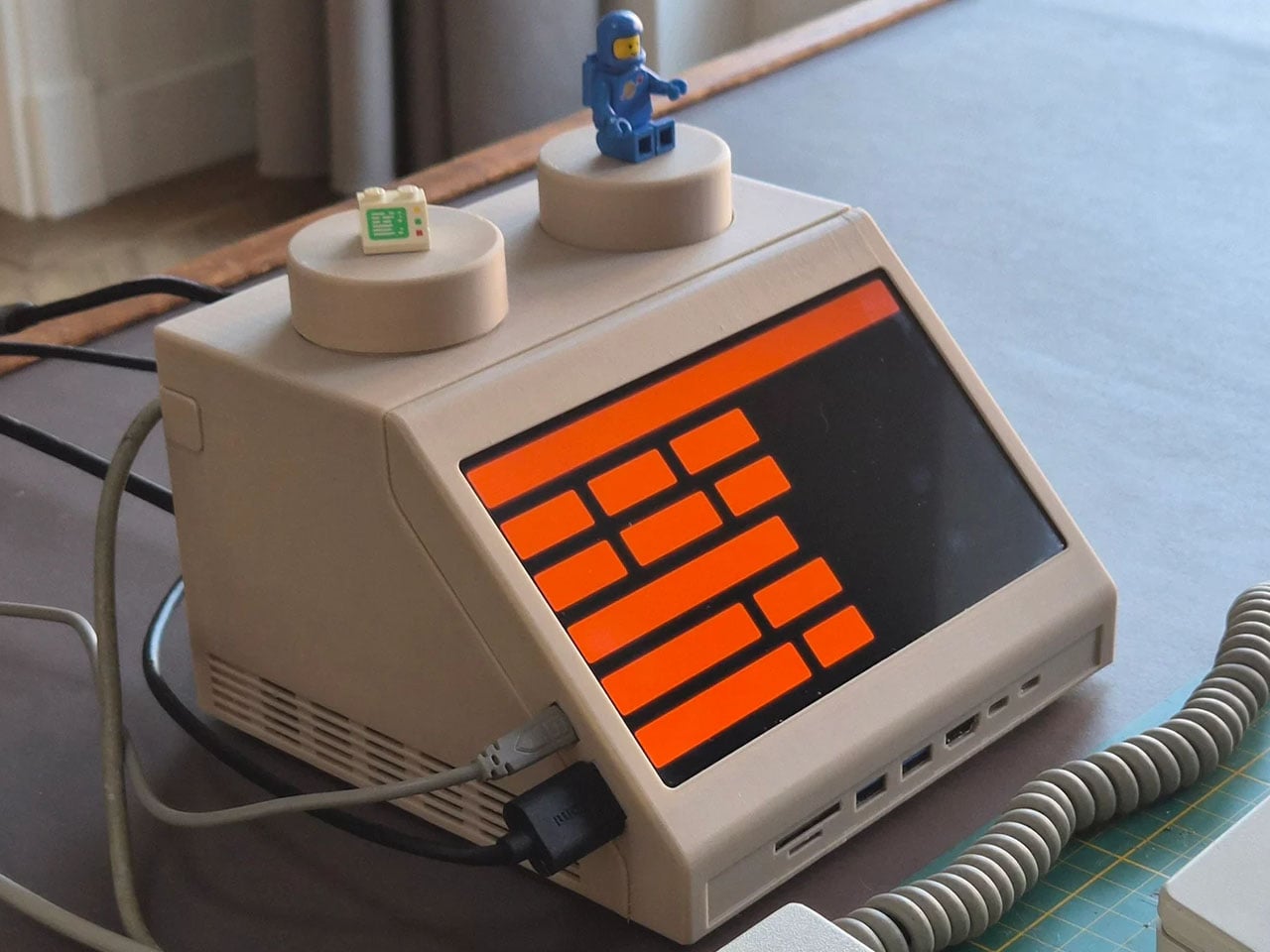
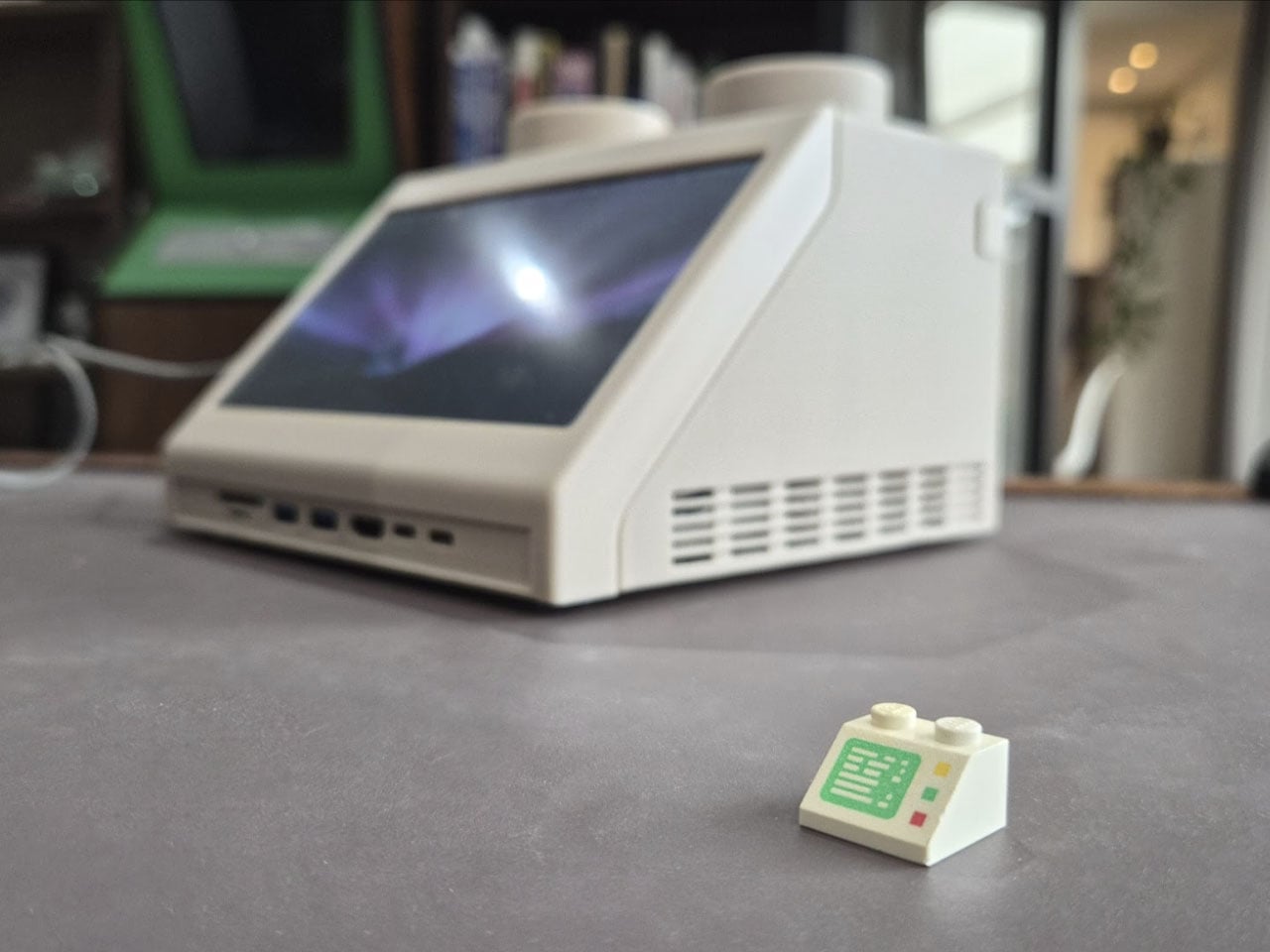
Dutch designer Paul Staal took the iconic LEGO Slope 45 2×2 brick — a wedge-shaped piece introduced in 1979 that appeared in classic space-themed sets as a visual shorthand for spacecraft computer terminals — and scaled it up to roughly ten times its original size. The result is a fully operational desktop computer housing that looks like it was pulled from a vintage LEGO Space playset and placed directly onto a modern desk.

Inside that oversized brick sits an Apple Mac mini equipped with Apple’s M4 chip, transforming a retro toy aesthetic into a capable, fully functional desktop system. What elevates this beyond novelty is the design intelligence underneath. Staal honored the Slope 45’s cultural memory while operating at a completely different scale and purpose. The M2x2 earns the term “conversation piece” without sacrificing utility — quietly asking why computing hardware defaults to featureless black rectangles when it could look like this.

The Month LEGO Stopped Playing Around

April 2026 demonstrated something the LEGO community has always known but rarely gets to show all at once: the brick is not a limitation, it’s a vocabulary. These five builds span engineering, portraiture, product design, retro computing, and food sculpture, and each one executes its concept with a precision that makes the medium feel like the only logical choice. Whether 655 pieces or 1,106, the ambition is entirely consistent.

What ties all five together is the specificity of vision behind them. The Eternal Mosaic is conceptually staggering in a way no other medium could reproduce. The Tiramisu challenges your eyes to accept that plastic bricks can convincingly look edible. The Jordan portrait rewards inspection at every level. The Minesweeper build lands immediately for anyone who worked in an office before 2000. And the M2x2 makes you rethink what computing hardware could look like. That is a strong month by any standard, in any medium.

The post 5 Best LEGO Builds of April 2026 We Wish Were Already Official Sets (One Takes 90 Trillion Years to Work) first appeared on Yanko Design.

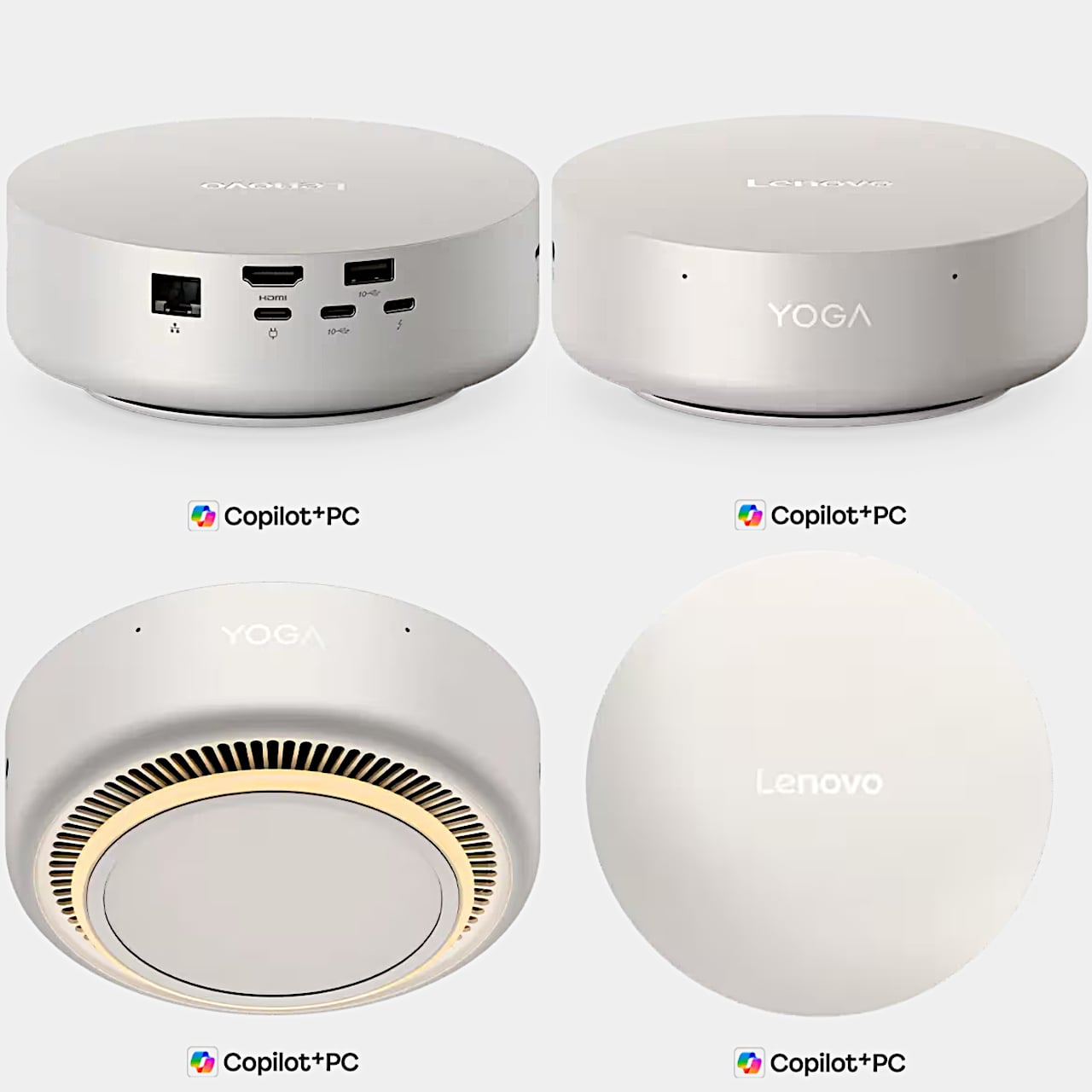
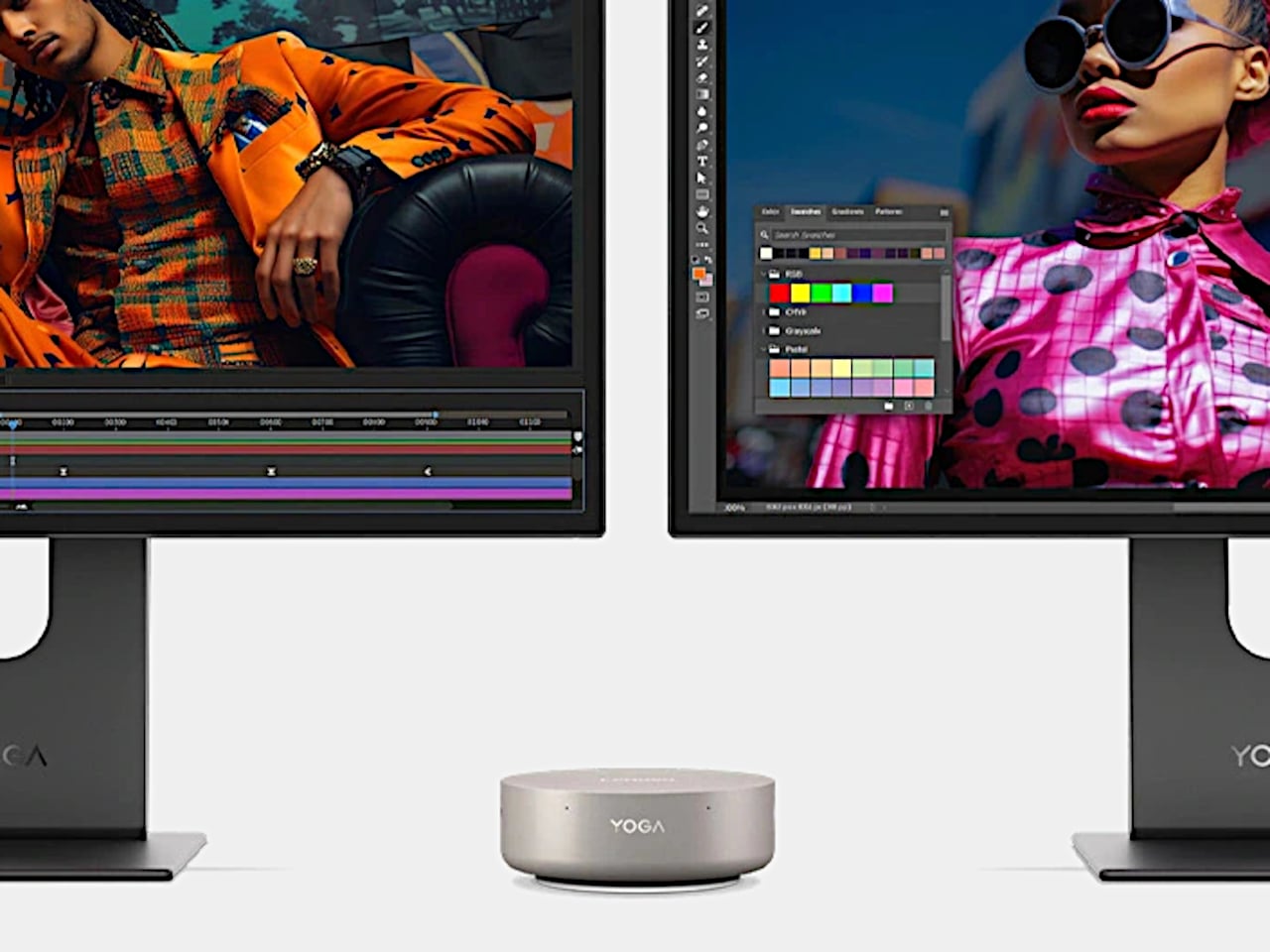
Lenovo’s $799 Puck-Shaped PC Weighs 600g and Drives 4 Displays

The traditional desktop PC has been losing ground for years, not to laptops or tablets, but to a growing class of machines that ask a surprisingly simple question: why does a powerful computer have to be big? Mini PCs have carved out a real niche, attracting everyone from home office workers to creative professionals who’d rather not surrender half their desk to a tower.
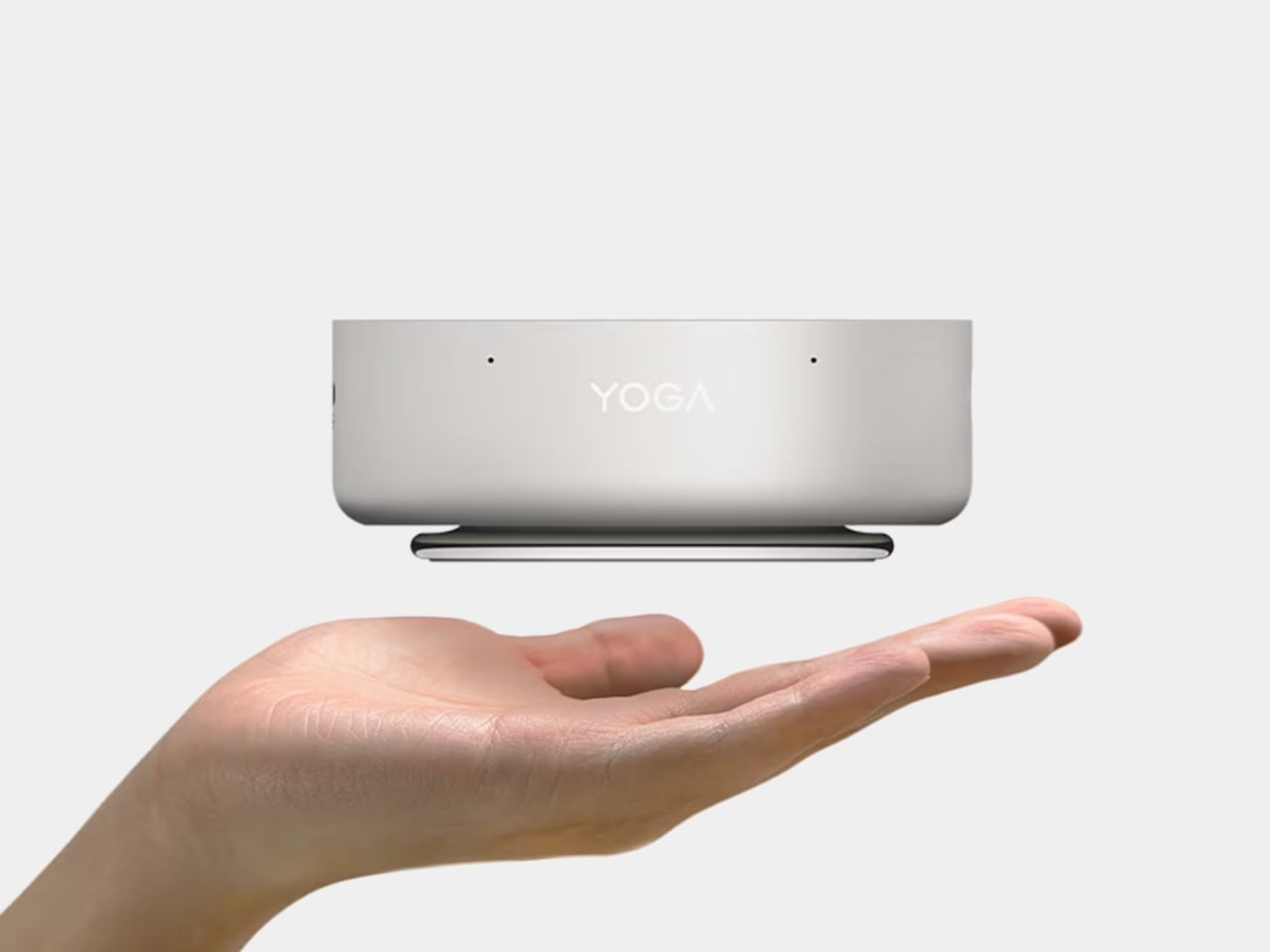
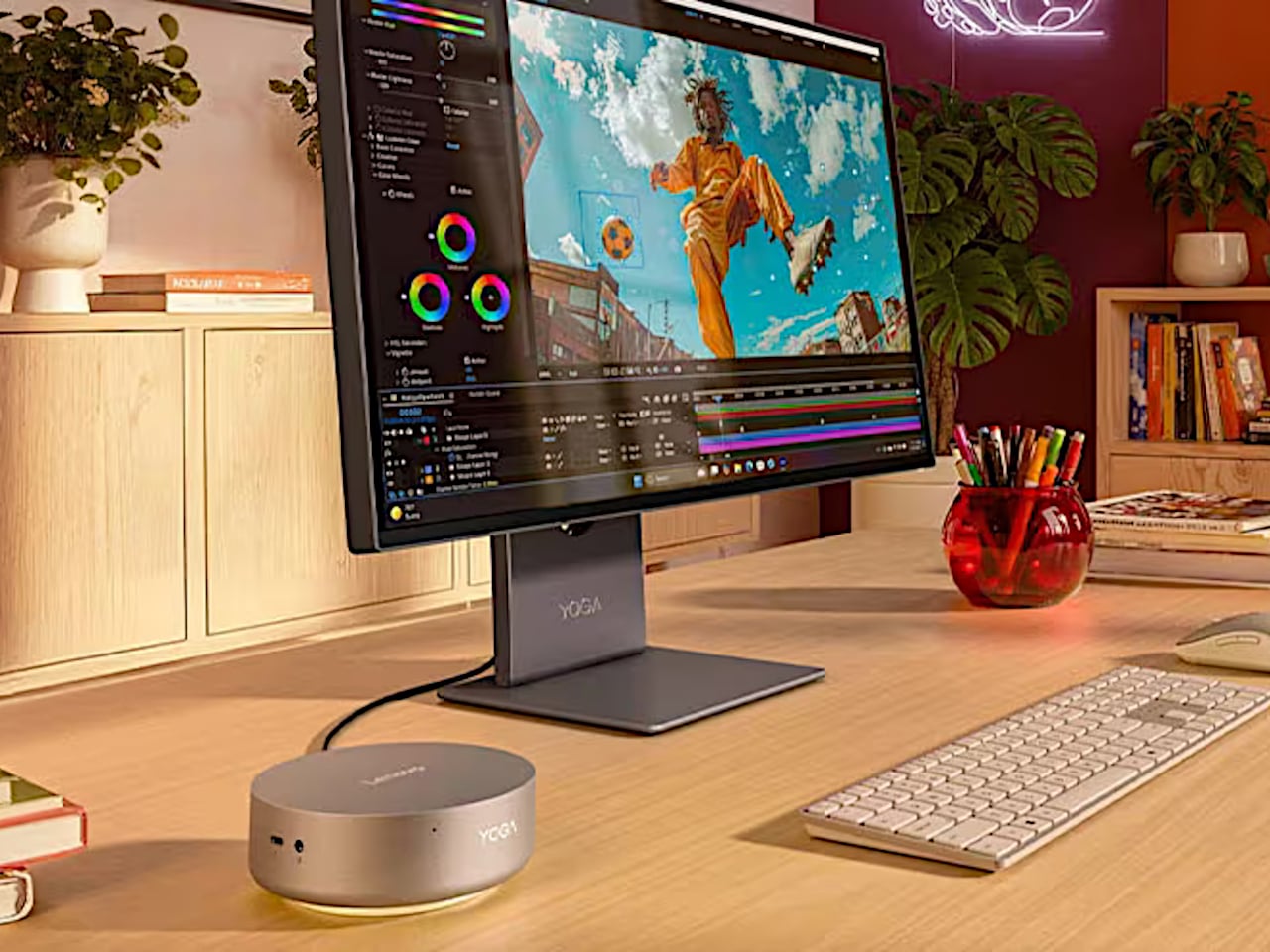
Most mini PCs, however, don’t quite look like they belong in the spaces they’re meant to save. They’re functional, sure, but rarely memorable. Lenovo’s Yoga Mini i Gen 11 tries to do something about that. First shown at CES 2026 and now moving toward a global release, it arrives as a circular, aluminum-clad machine with a polished Seashell finish, designed to feel as considered as it is compact.

Designer: Lenovo

The chassis weighs just 600 grams and occupies only 0.65 liters of space, small enough to perch on a desk corner, mount behind a monitor, or move between rooms without a second thought. Lenovo describes the circular form as a deliberate design choice, meant to create a cleaner, more efficient footprint both physically and visually, rather than simply shrinking a conventional rectangular box.

Under the hood, the Yoga Mini i Gen 11 runs on Intel’s Panther Lake platform, one of the first consumer chips built on the company’s 18A manufacturing process. The top-tier configuration uses the Core Ultra X7 358H, a 16-core processor that boosts up to 4.8 GHz with 18 MB of smart cache. Both the X7 and the base Core Ultra 5 325 chip include an onboard NPU for AI-accelerated tasks.

The NPU on the X7 model delivers up to 50 TOPS, enough to keep AI tasks running without taxing the main processor. Supporting it are up to 32 GB of LPDDR5X memory and up to 2 TB of NVMe storage, paired with Intel Arc B390 graphics. That combination makes it capable of handling light creative work, video editing, and multi-application workflows without breaking a sweat.

Connectivity is where the Yoga Mini i Gen 11 gets genuinely impressive for a machine this size. It supports up to four simultaneous displays through dual Thunderbolt 4 ports, multiple USB-C ports with DisplayPort, and HDMI 2.1 at 4K and 60 Hz. USB-A, 2.5 GbE Ethernet, Wi-Fi 7, and Bluetooth 6.0 round out a connectivity lineup that punches well above its weight.

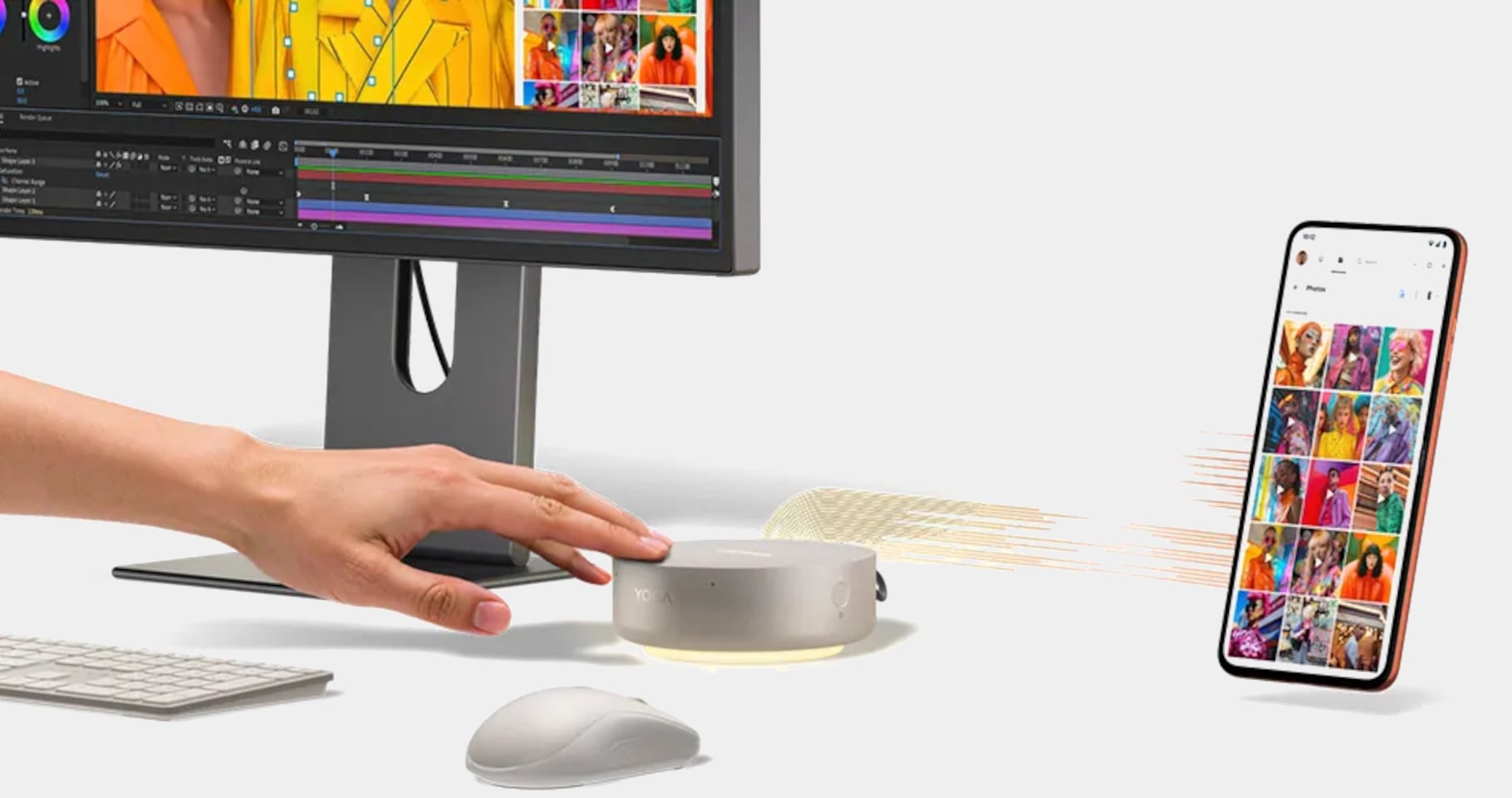
A few smart touches add a layer of intelligence to the everyday experience. Wi-Fi Sensing detects nearby presence to wake or lock the machine automatically. Adaptive Lighting adjusts to surrounding sound and activity, while touch controls and an onboard accelerometer enable gesture-based inputs. A fingerprint reader in the power button, Microsoft Pluton, and Secured-core PC certification handle security for users with more sensitive data requirements.

Lenovo has already launched the Yoga Mini i Gen 11 in China ahead of its originally planned July 2026 global release window, with an entry-level model priced at CNY 5,499, roughly $799. Broader availability across other regions is expected before mid-year. It also carries ENERGY STAR, FSC, and carbon-neutral certifications, which add a sustainability angle to its otherwise performance-driven pitch.

The post Lenovo’s $799 Puck-Shaped PC Weighs 600g and Drives 4 Displays first appeared on Yanko Design.