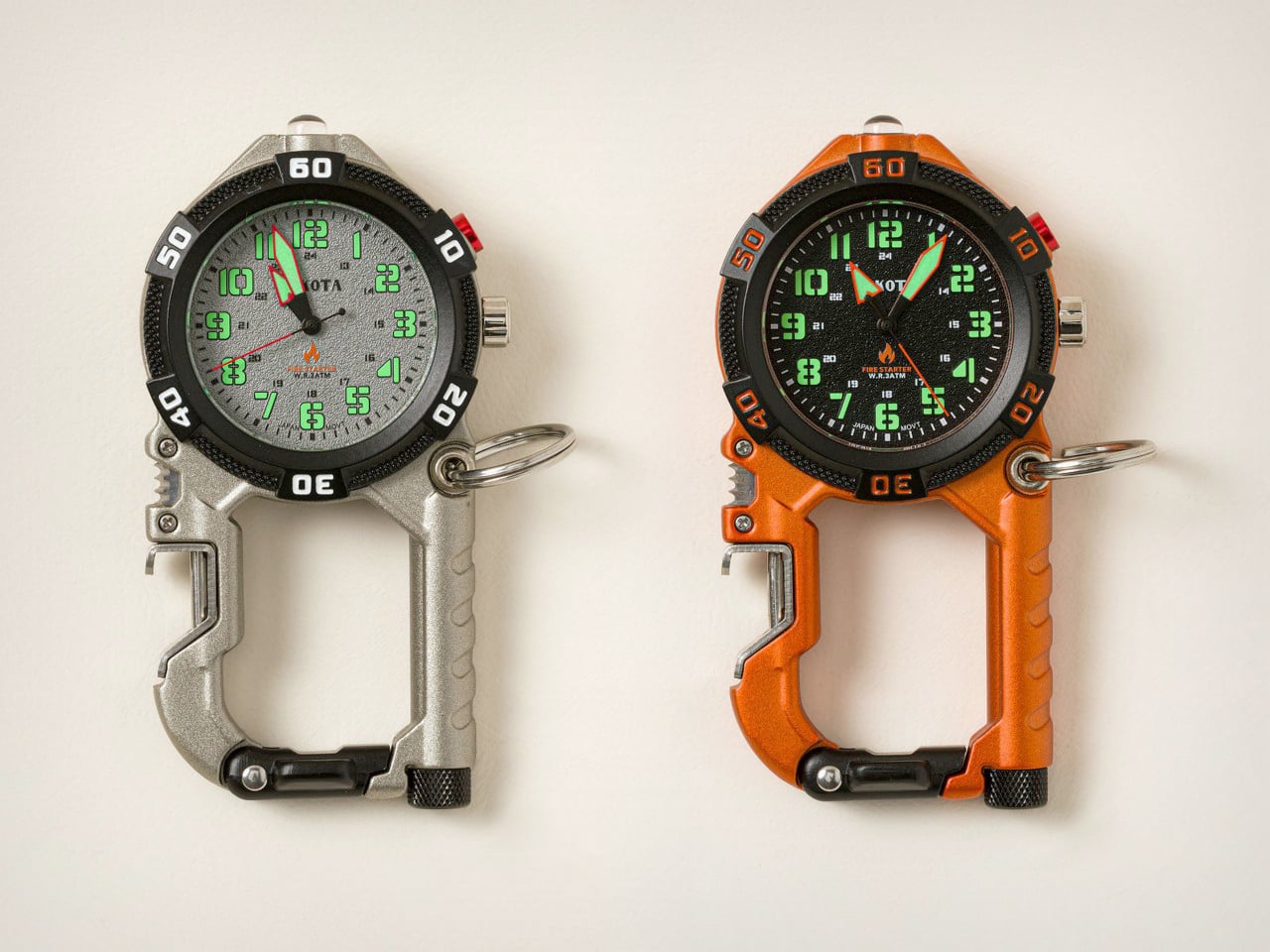
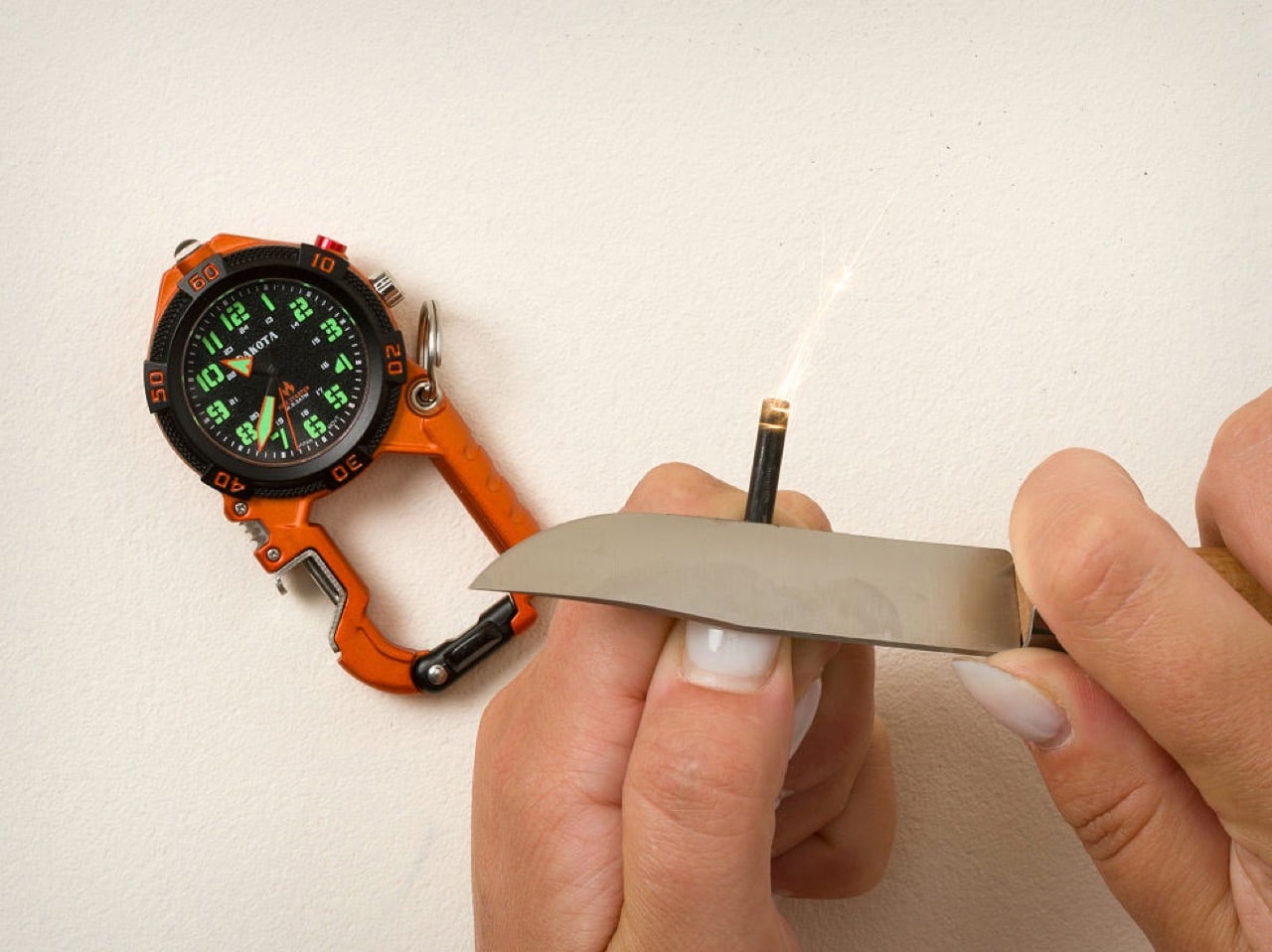
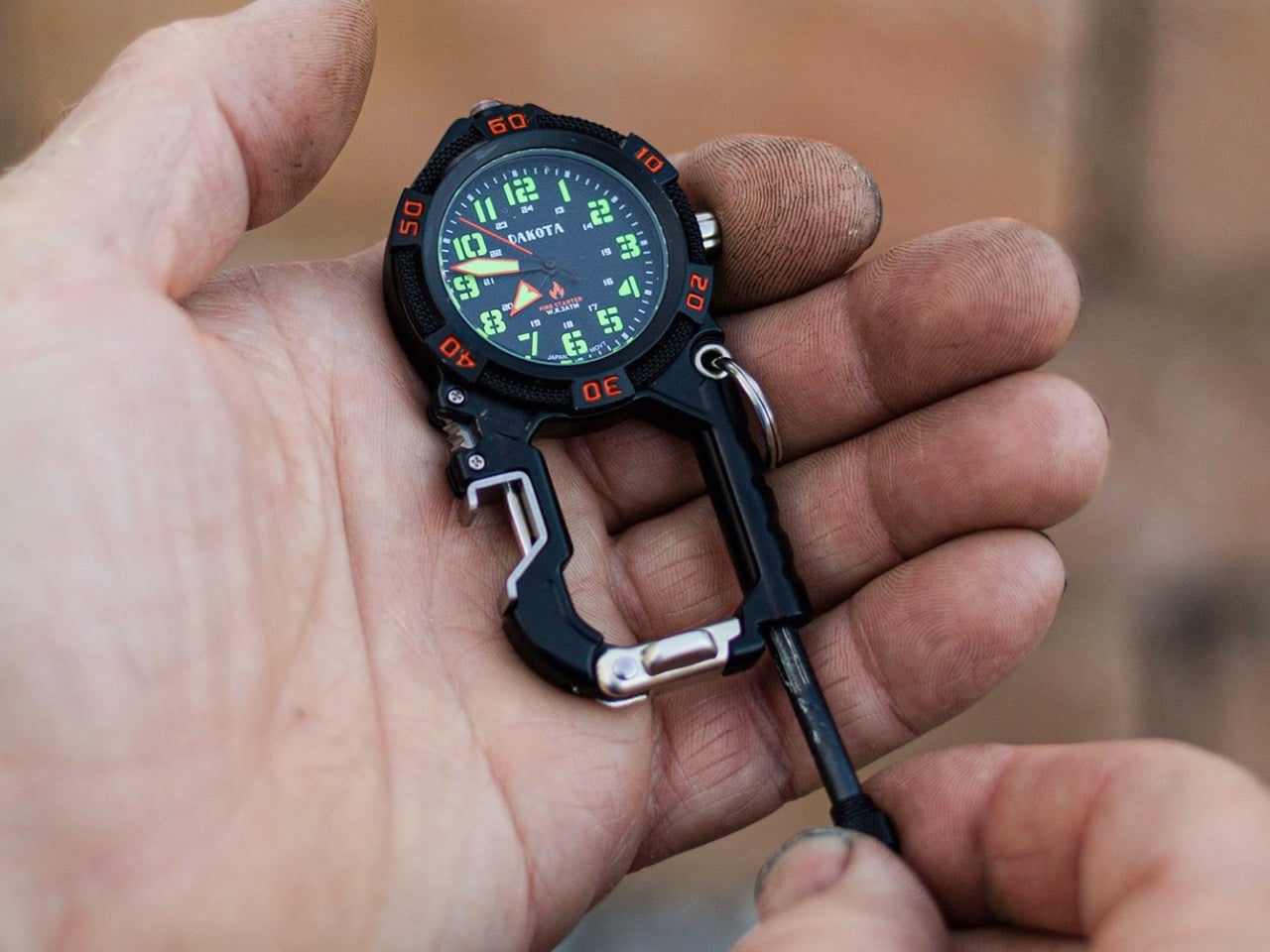
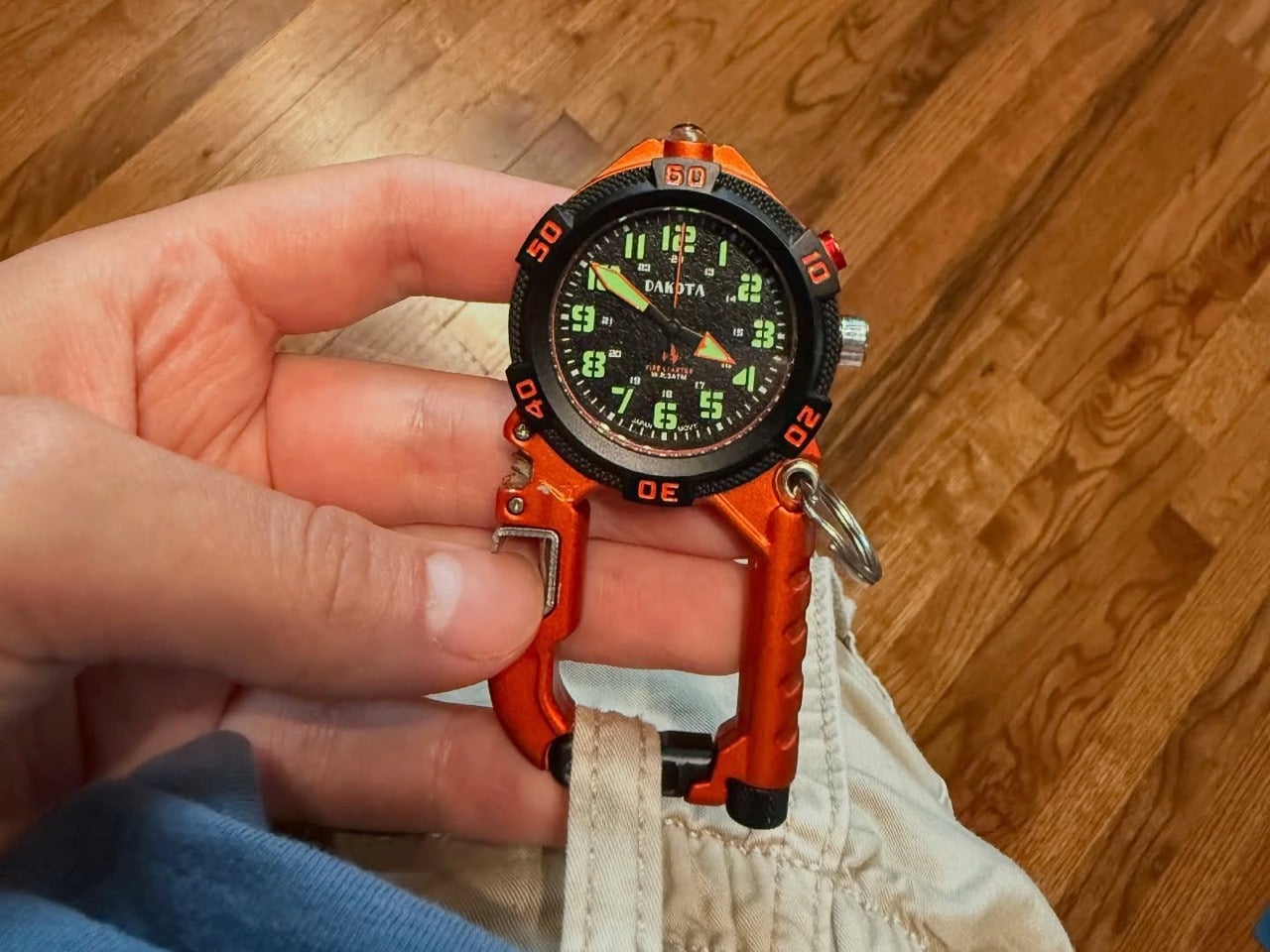
Funnily enough, this isn’t a fairly new product. Dakota Watch Company’s sort of pioneered this category of outdoor-ready carabiner pocket-watches… with the Flint being just one of multiple in the set. However, each individual watch has its own unique selling point – and for the Flint (as its name rightfully suggests), it’s the waterproof flint-rod that’s integrated into the watch’s body. Unscrew it when you want to start a fire, scrape on the rod using a pocket knife, and sparks immediately shoot off, igniting any form of tinder, creating a tiny fire that can then be harnessed to light a campfire, an old-fashioned torch, or an emergency signal in a time of distress.
Before we talk about the watch itself, Dakota Watch Company used this particular elevated-carabiner format to pack even more tools, making the pocket watch something that goes beyond just keeping you punctual. A built-in bottle opener lets you crack open a brew when you’re in the great outdoors, and it could be used to pry open lids too (not to be mistaken with a can opener). A slight serrated corner above the bottle opener doesn’t outline a specific purpose, but it looks sharp enough to cut through rope with a little vigorous action. You could use it to scrape against the flint-rod too, lighting that campfire to go perfectly with the chilled beer you just cracked to get the evening started.
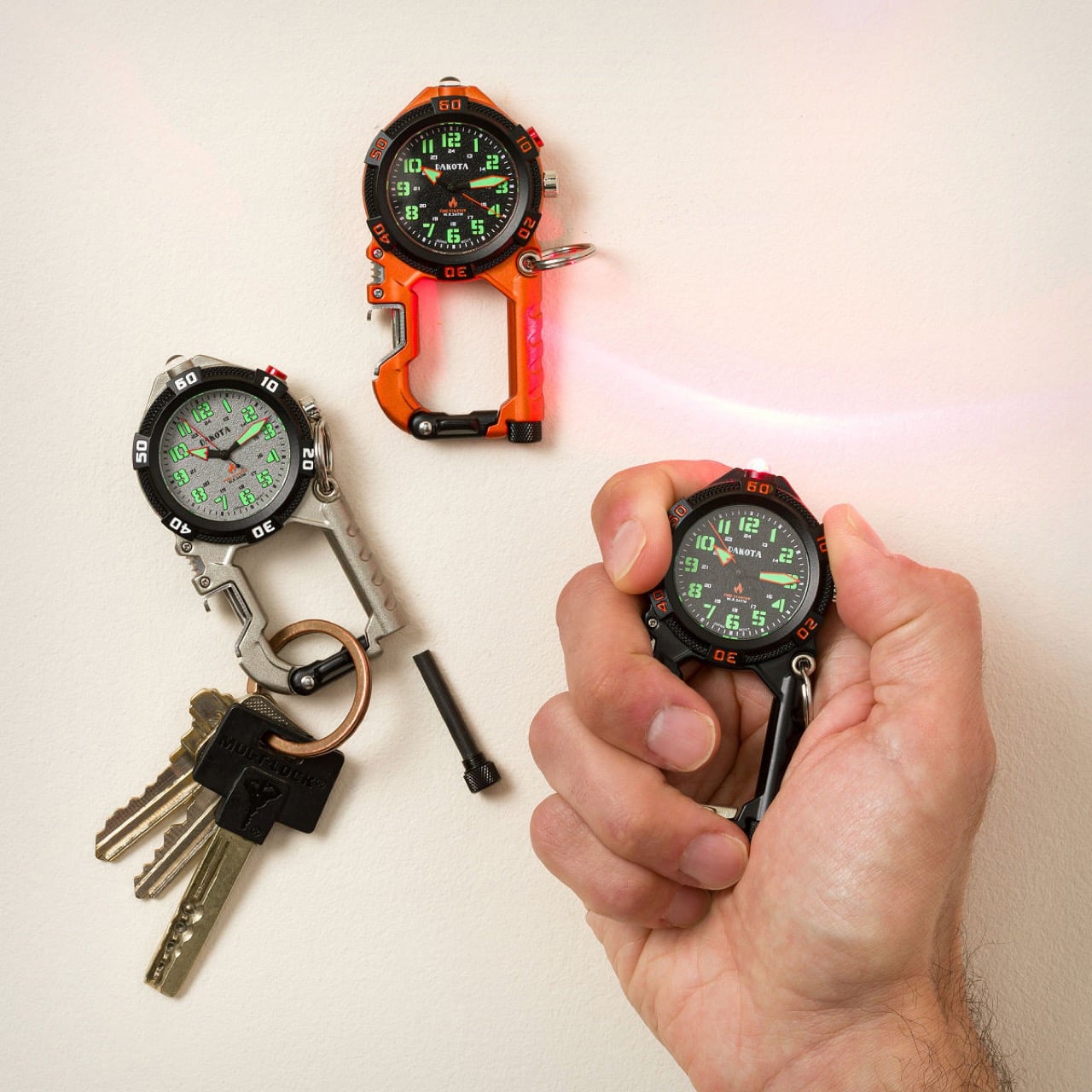
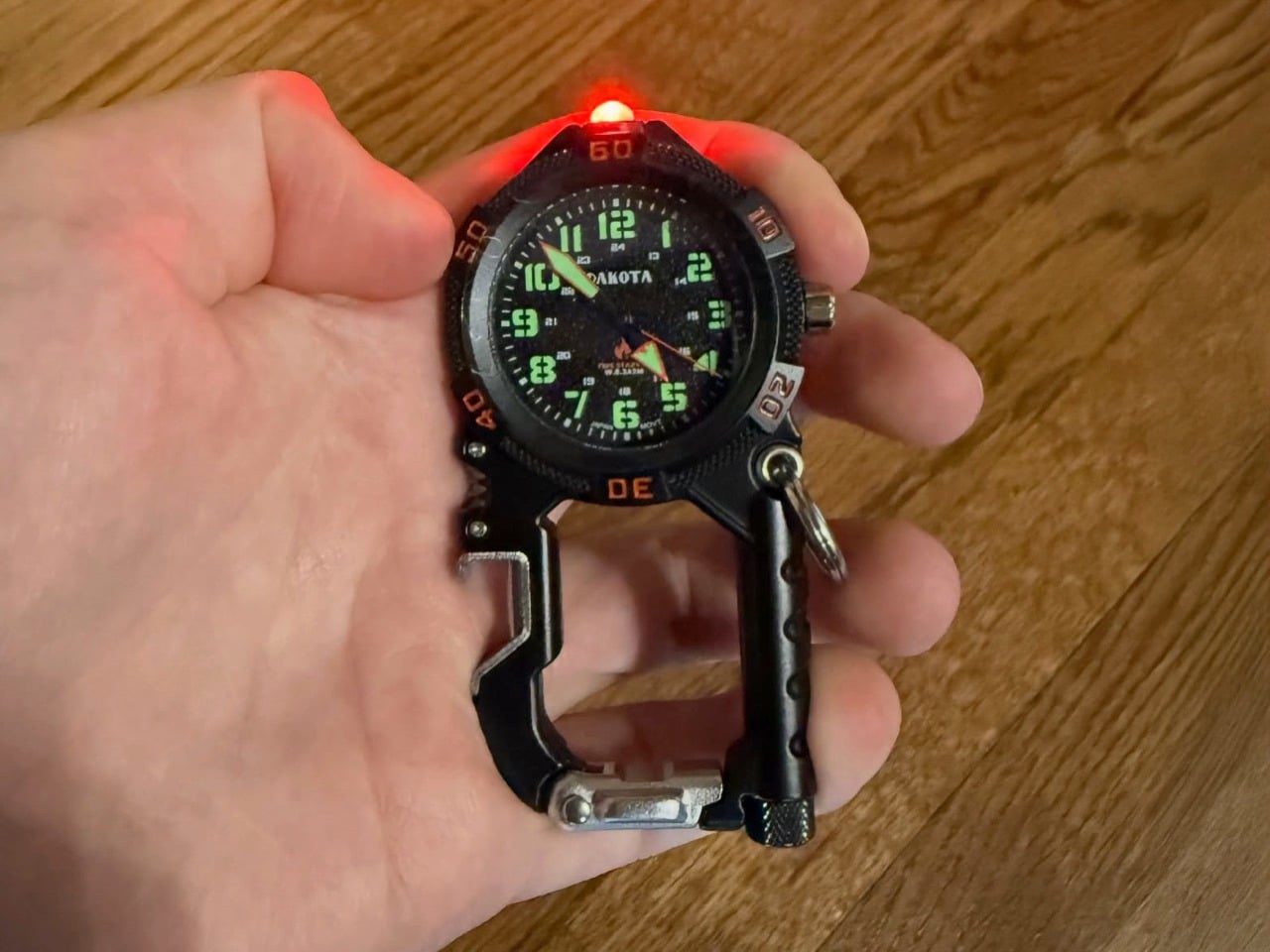
Build almost exclusively for the outdoors, the Flint Clip Carabiner Watch also packs a discreet red LED microlight, used for illuminating the way in stealth scenarios where bright lights could give away your position. The red light (activated using a button at the 2 o’clock position) provides the right amount of visibility without necessarily blowing your cover or obscuring your low-light vision in the dark. This means you can see with the light, but continue to do so even after the light’s shut (unlike most flashlights that leave you blinded in the pitch dark once the light’s turned off).
The watch itself is as outdoor-ready as it gets. The body is crafted from stainless steel (carabiner included), with a mineral glass cover on the top. Numbers on the dial are thick and easy to read without straining your eyes, and luminous coatings on both the numbers as well as the hands means reading the time flawlessly in the dark. The watches are built to be water-resistant up to 100 feet, which means you could go boating or wading through a stream with the Flint attached to you and you’d have nothing to worry about.
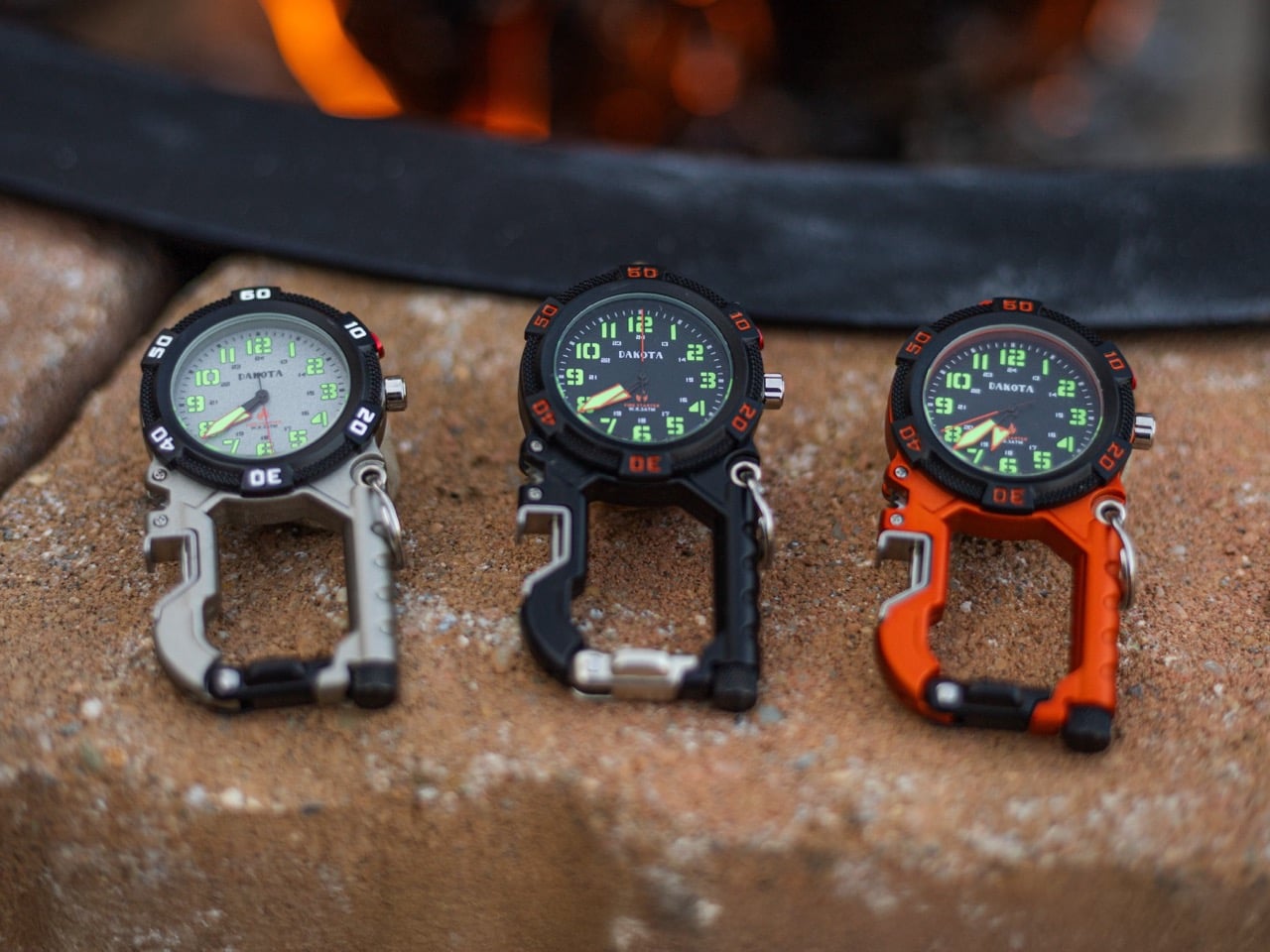
The Flint Clip Carabiner comes in 3 distinct colors – a silver, with a light-colored watch-face to match, a black, with a dark watch-face, and perhaps my favorite, an eye-catching orange that also sports the same dark-colored watch face. All three watches have a Japanese Quartz movement on the inside, which isn’t anything to write home about if you’re a watch aficionado, but the movement, like every other part of the watch, screams reliability, so you know you’ve got an EDC you can trust, whether it’s to tell you the time, or be your ultimate outdoor adventure sidekick.
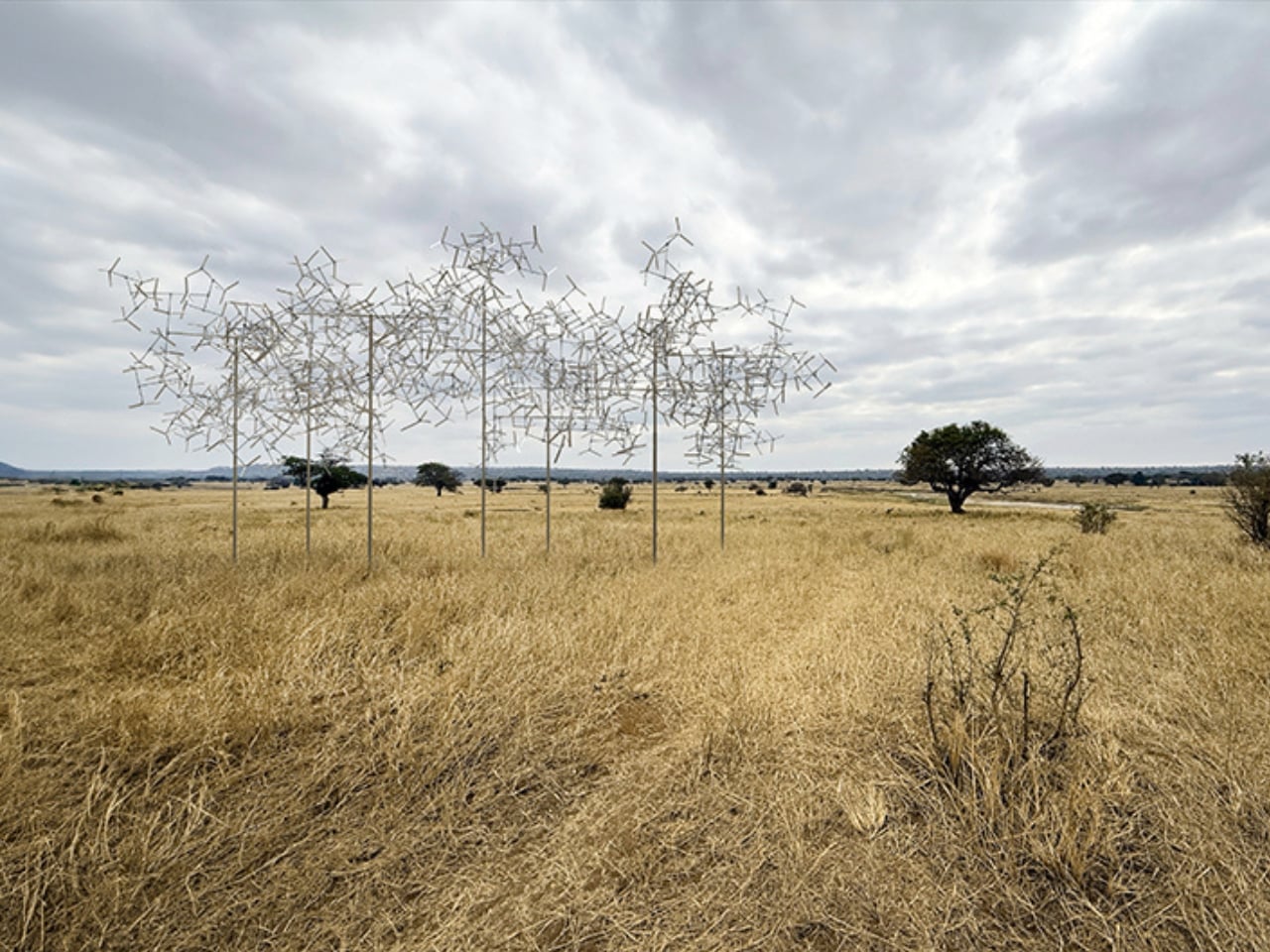
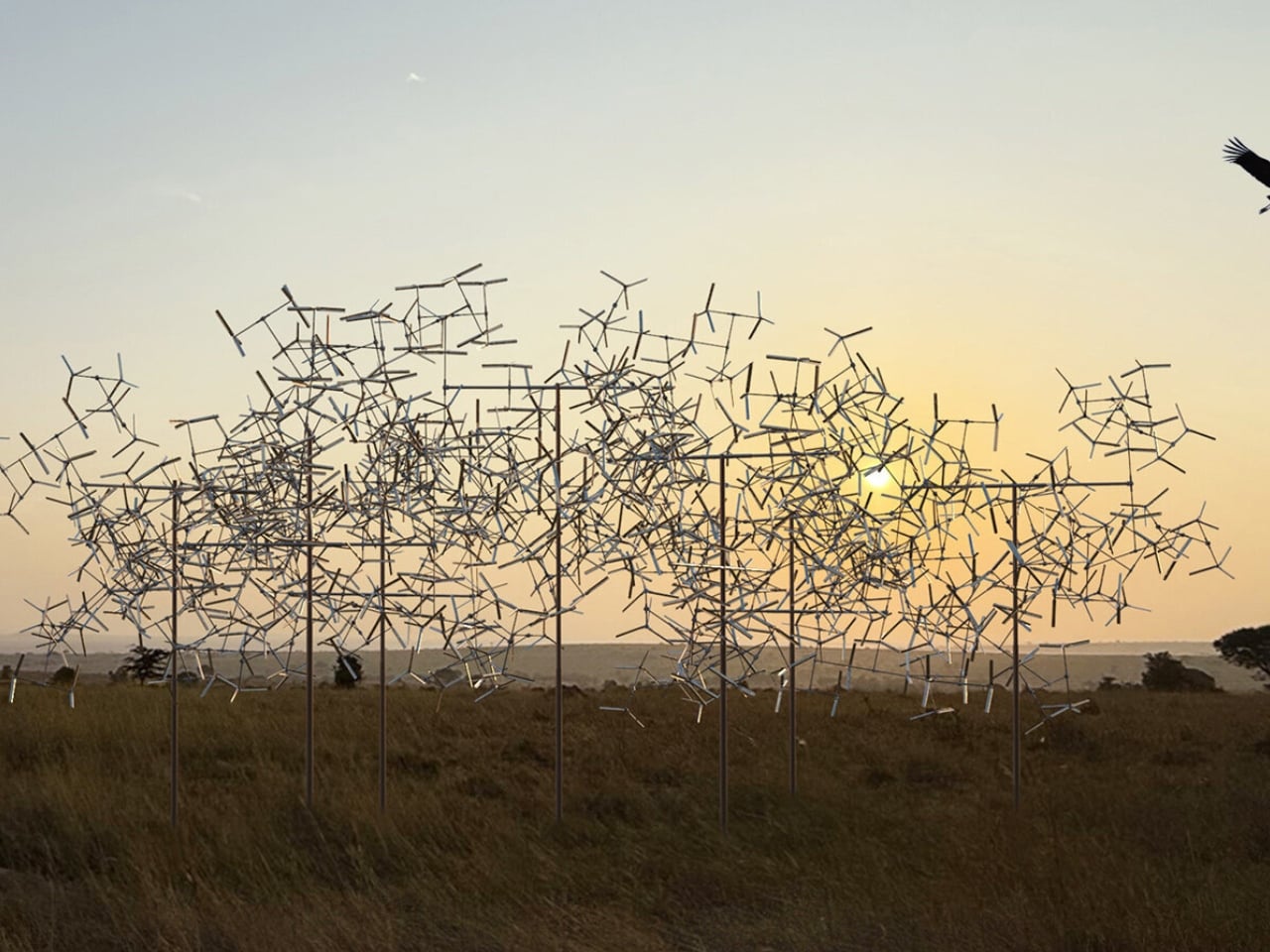
There’s something almost unsettling about a structure that appears to breathe. Not in a horror movie kind of way, but in that quiet, mesmerizing way that makes you stop, squint, and wonder if what you’re seeing is really happening. That’s exactly what Vincent Leroy’s Fractal Swarm does to people. It sits in the vast openness of the Tanzanian plains, and it moves. Not because of motors or hidden mechanisms, but because of the wind.
Leroy is a Paris-based French artist who grew up in rural Normandy tinkering with whatever he could get his hands on. That early habit of experimenting turned into a full-blown obsession with movement, which led him to study industrial design at the Ecole Nationale Supérieure de Création Industrielle in Paris. By the time he graduated, he was already making kinetic work that galleries wanted to show. Since then, he has built a practice that sits comfortably between sculpture, installation art, and something that doesn’t quite have a name yet. His work has appeared everywhere from Parisian museums to Zanzibar’s shoreline, and the thread that runs through all of it is the same: movement as a material, not just as an effect.
Fractal Swarm is his latest statement on that idea, and it might be the most ambitious one yet. The installation is built around the logic of fractal geometry, which is the kind of math that describes the way nature repeats itself at different scales. Think of the branching pattern of a tree, or the way a fern unfolds, or the texture of a coastline seen from above. Nature uses this structure constantly, and Leroy decided to make it visible in a landscape where that pattern is already everywhere.
The Tanzanian plains during the dry season are stripped down to essentials. Acacia trees stand with bare, branching silhouettes against the sky. The ground breaks into fragmented, textured patches of arid vegetation. Leroy’s installation mirrors all of that. Its branching configuration echoes the acacia silhouettes so closely that from a distance, it reads more like something that grew there than something that was built. That’s the point. Rather than imposing itself on the landscape, Fractal Swarm extends it.
What makes it come alive, literally, are the mirrored fins embedded within the structure’s modules. Thin and precisely placed, these fins catch and refract the intense light of the plains as they move. The wind sets everything in motion, and the fins respond by scattering light in constantly shifting patterns across the ground and the air around them. The result is something that changes every second depending on where you’re standing, what direction the wind is coming from, and what time of day it is. No two moments of looking at it are the same.
This is what Leroy keeps coming back to in his practice: the idea that slowing down and watching something move can completely change how you see it. His work tries to reveal the gaps that usually go unnoticed in today’s frenetic race for speed and performance. Fractal Swarm does that on a grand scale. It puts you in front of something enormous and quietly says: stand here. Watch this. Let the wind do something beautiful.
It’s also worth noting that Leroy isn’t new to working with wind in dramatic outdoor settings. His Drifting Cloud installation on Zanzibar’s east coast used rotating canvas discs that interacted directly with the shoreline’s breeze. Fractal Swarm takes that same sensibility deeper into the continent and scales it up into something more structural and mathematically precise.
What’s quietly radical about all of this is that Leroy uses some of the most rigorous abstract math available (fractal geometry) and turns it into something you feel before you think about it. You don’t need to understand the Mandelbrot set to be moved by Fractal Swarm. You just need to stand near it when the wind picks up and watch the plains light up like they’re waking. That’s the kind of art that sticks with you long after you’ve walked away.
The bedroom studio era changed everything. A generation of musicians learned to record, mix, and release music without ever setting foot in a professional facility, and the results reshaped the entire industry. Now, that same creative energy has migrated to the livestream, where a single performance on TikTok Live or Instagram can reach more people than a record label could have dreamed of a decade ago. The bar for audio quality has quietly but decisively risen.
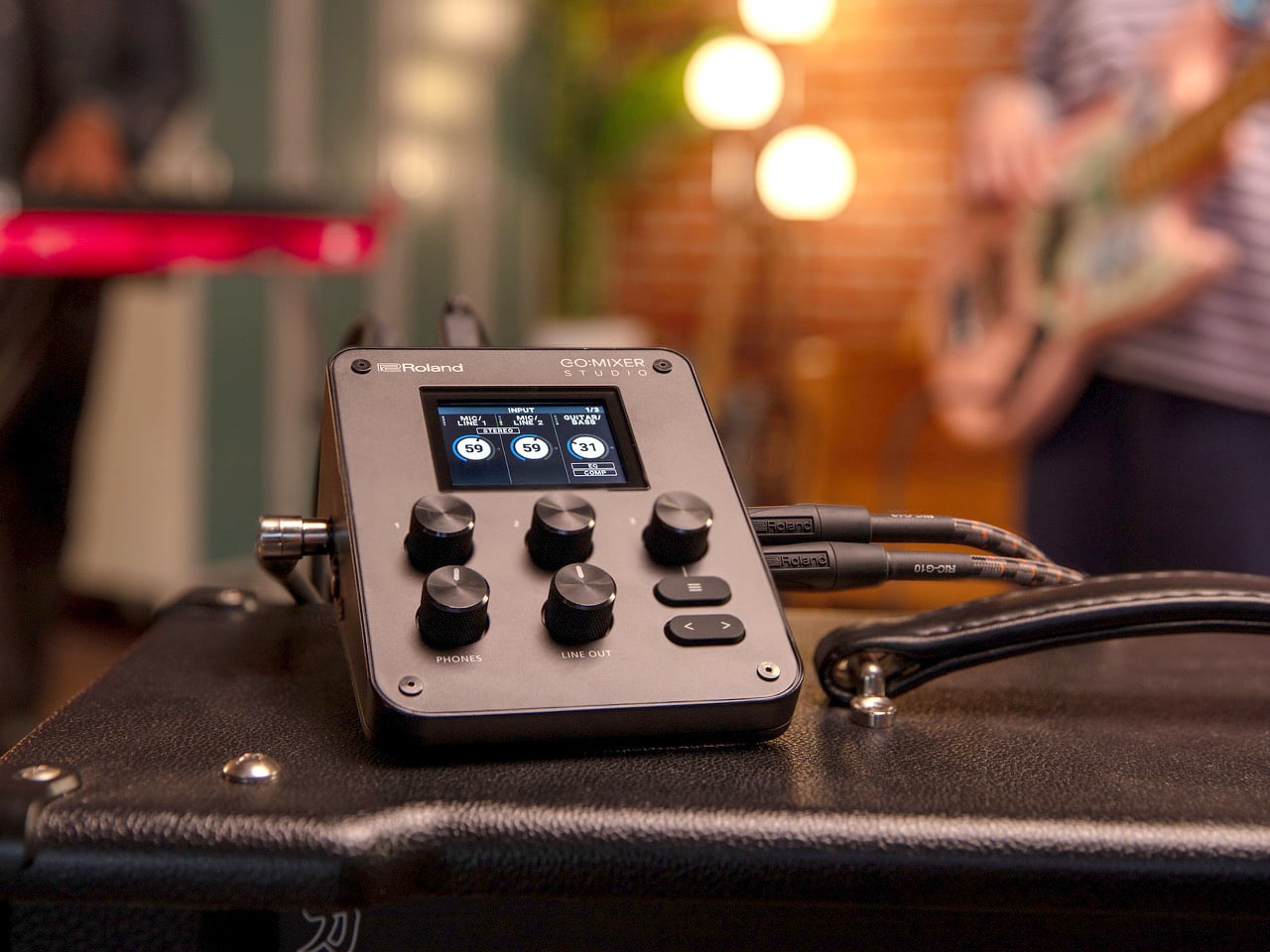
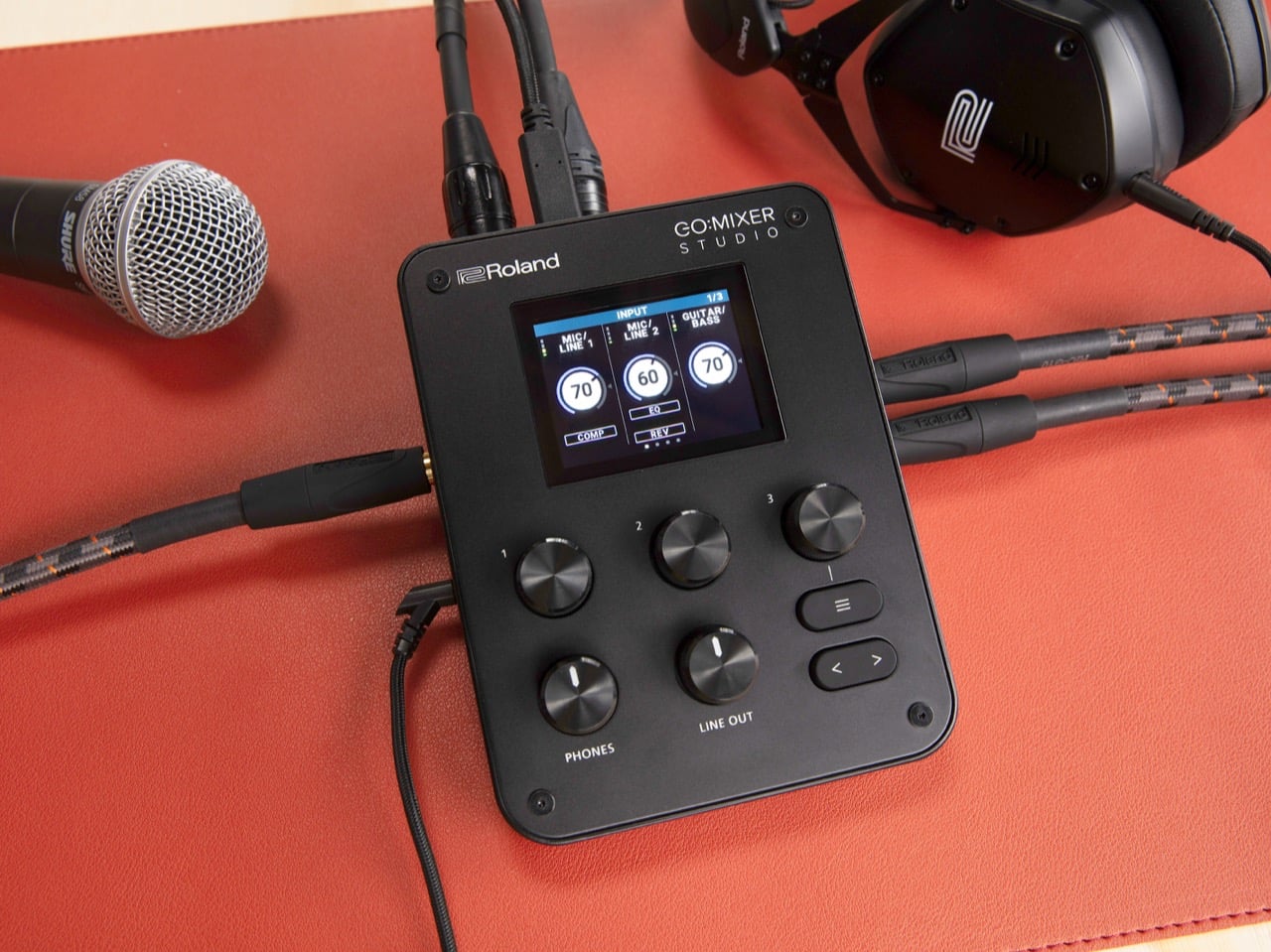
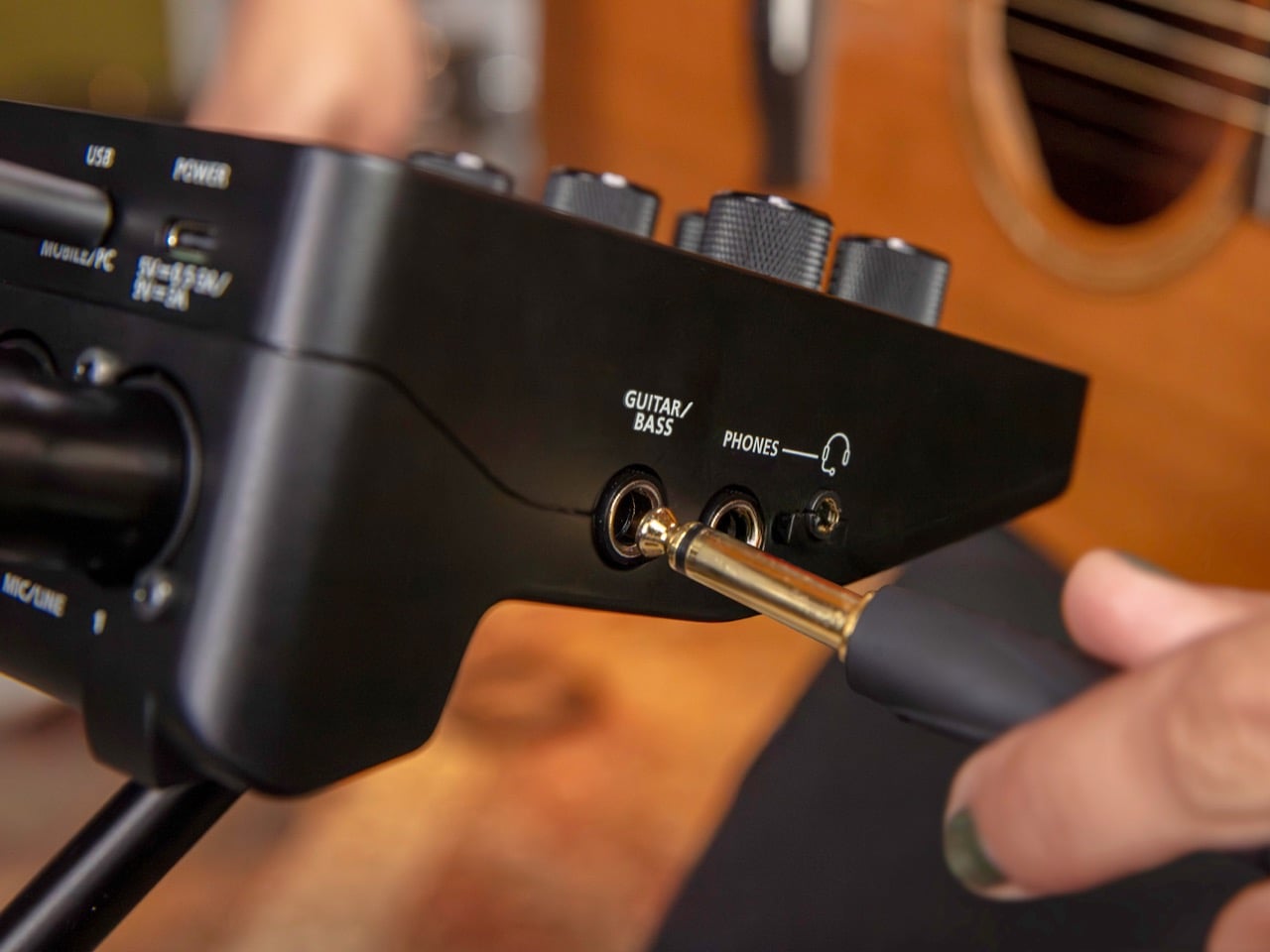
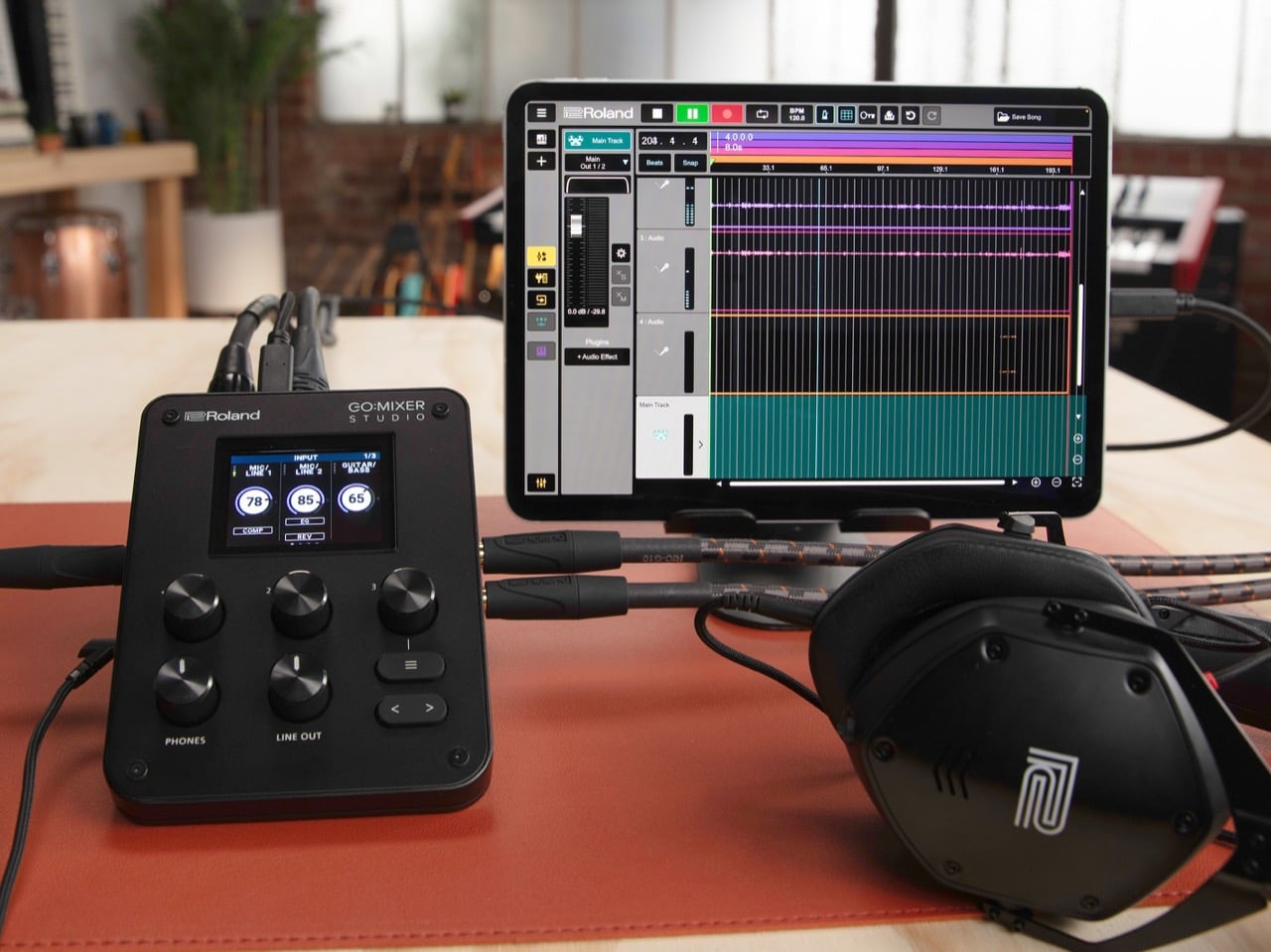
Roland’s GO:MIXER STUDIO arrives at exactly this inflection point. The company has been iterating on this product family since 2017, and with each generation you could feel them getting closer to something that actually made sense for serious creators. At $299, this latest version brings 24-bit/192kHz recording, onboard EQ, compression, and reverb modeled after Roland’s own studio processors, all into a chassis that weighs roughly as much as a large coffee mug. Whether that combination of specs and portability holds up in the real world, where cables get tangled and livestreams go sideways, is a more interesting question than the spec sheet alone can answer.
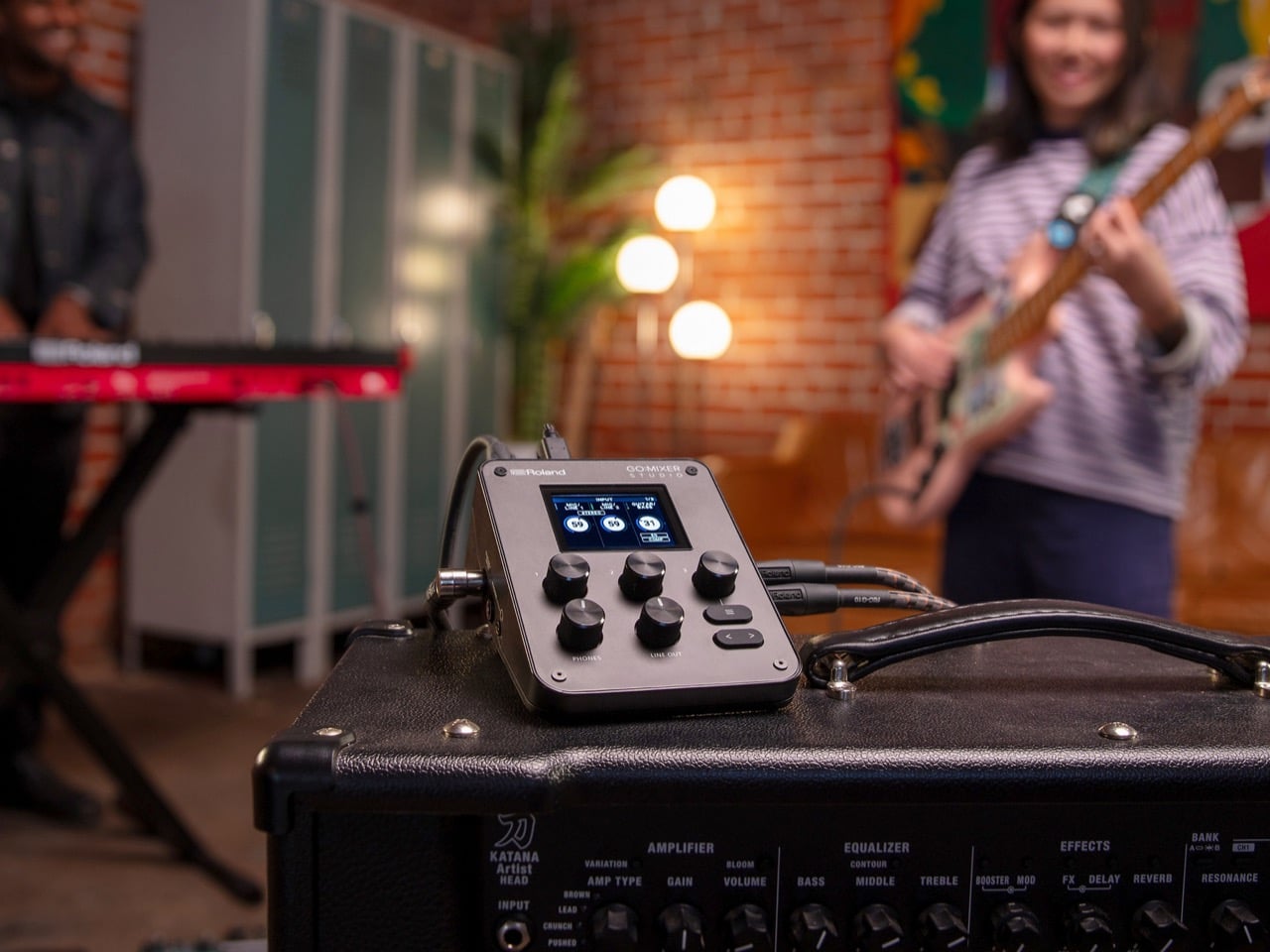
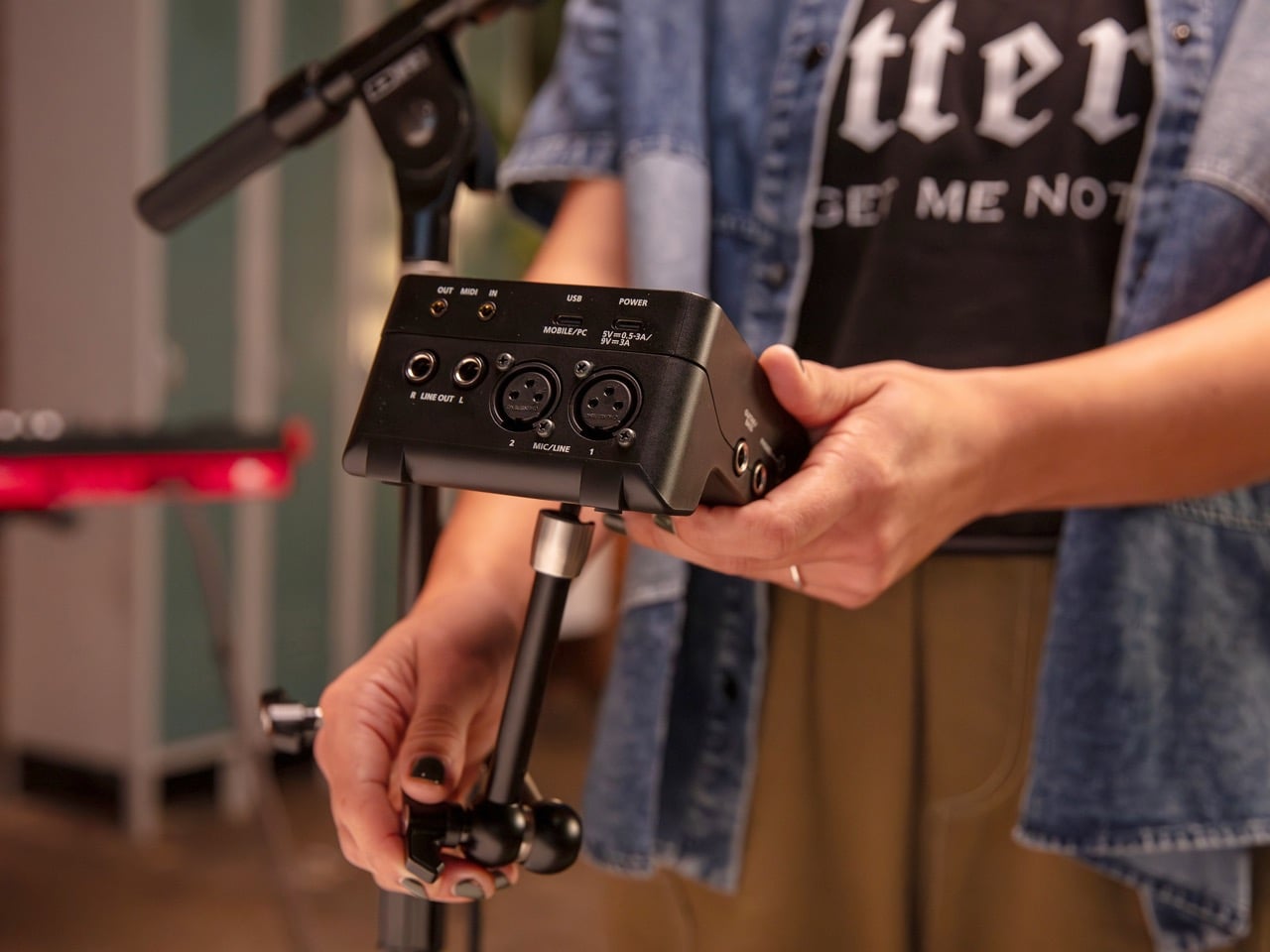
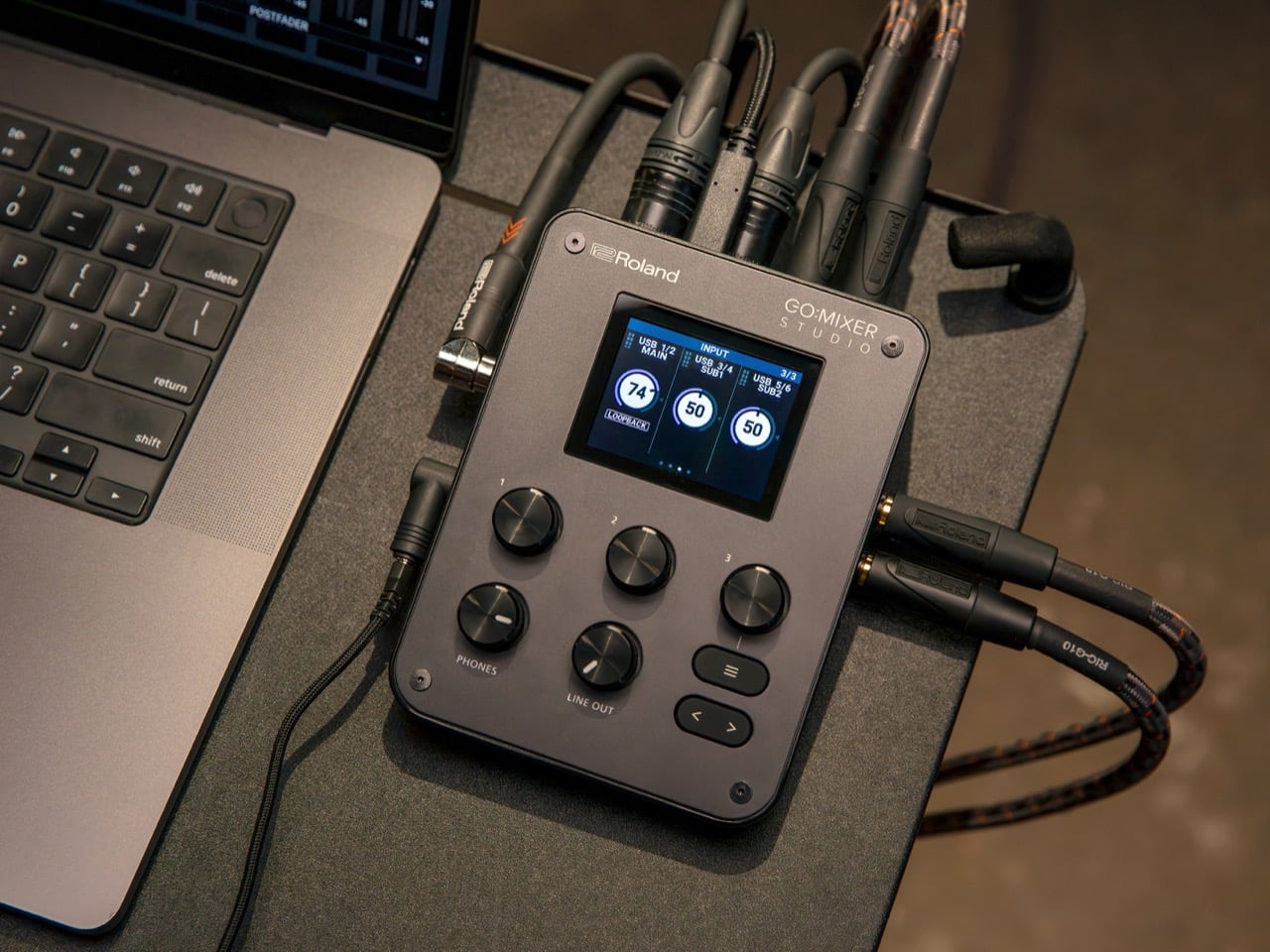
At 156 x 110 x 65mm and 440 grams, it sits comfortably on a mic stand next to a performer mid-set, which is a specific and deliberate choice. The color LCD showing per-channel EQ, compression, and reverb status is genuinely useful during a live session when reaching for your phone means losing eye contact with your audience. Three chunky knobs handle channel levels, and the whole thing can be powered by a USB battery pack, which means no wall outlet required and no excuses for bad audio in a green room, a hotel room, or the back of a van. The matte black chassis reads professional without being precious about it, the kind of gear that does not mind getting thrown into a backpack.
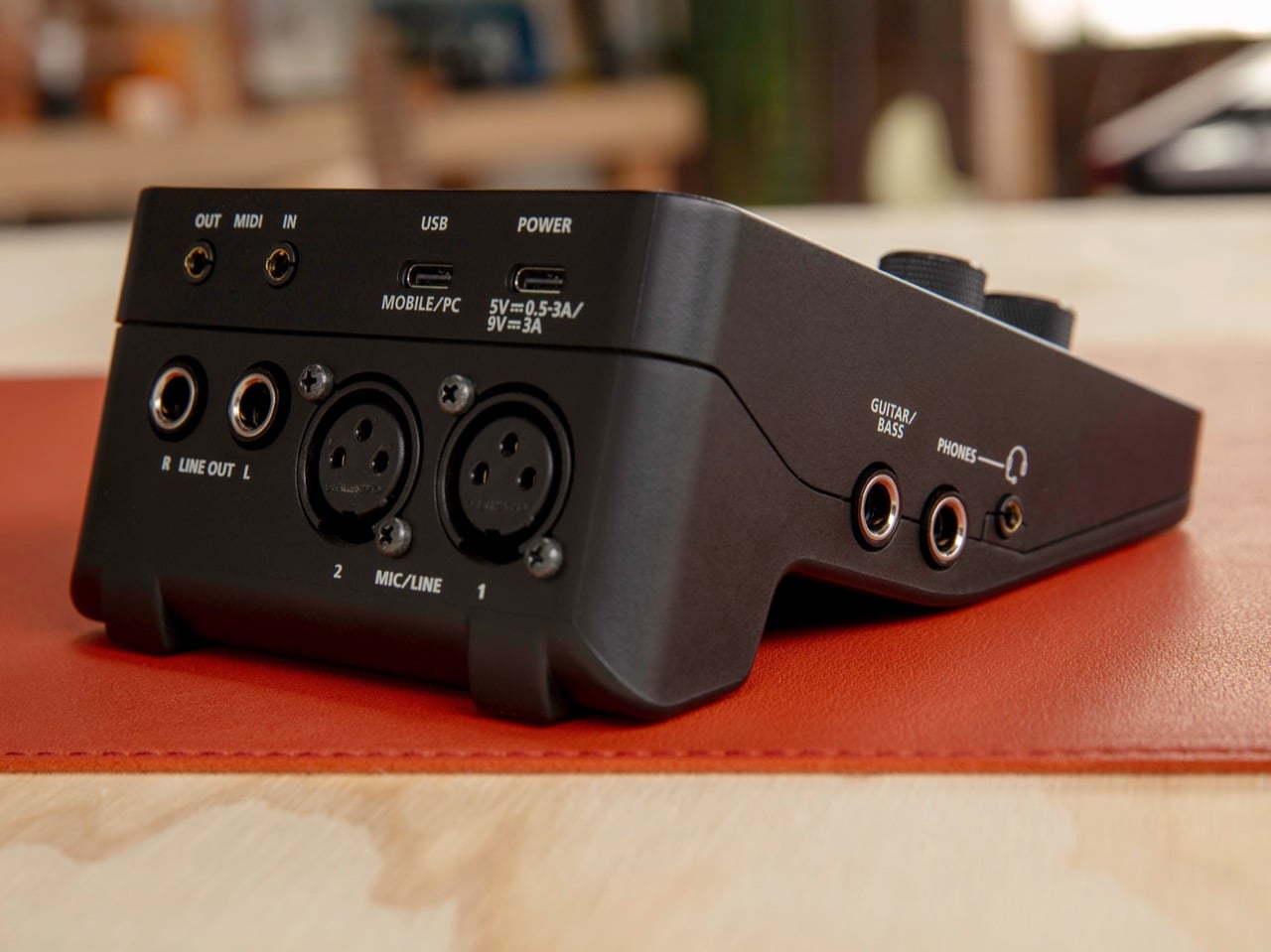
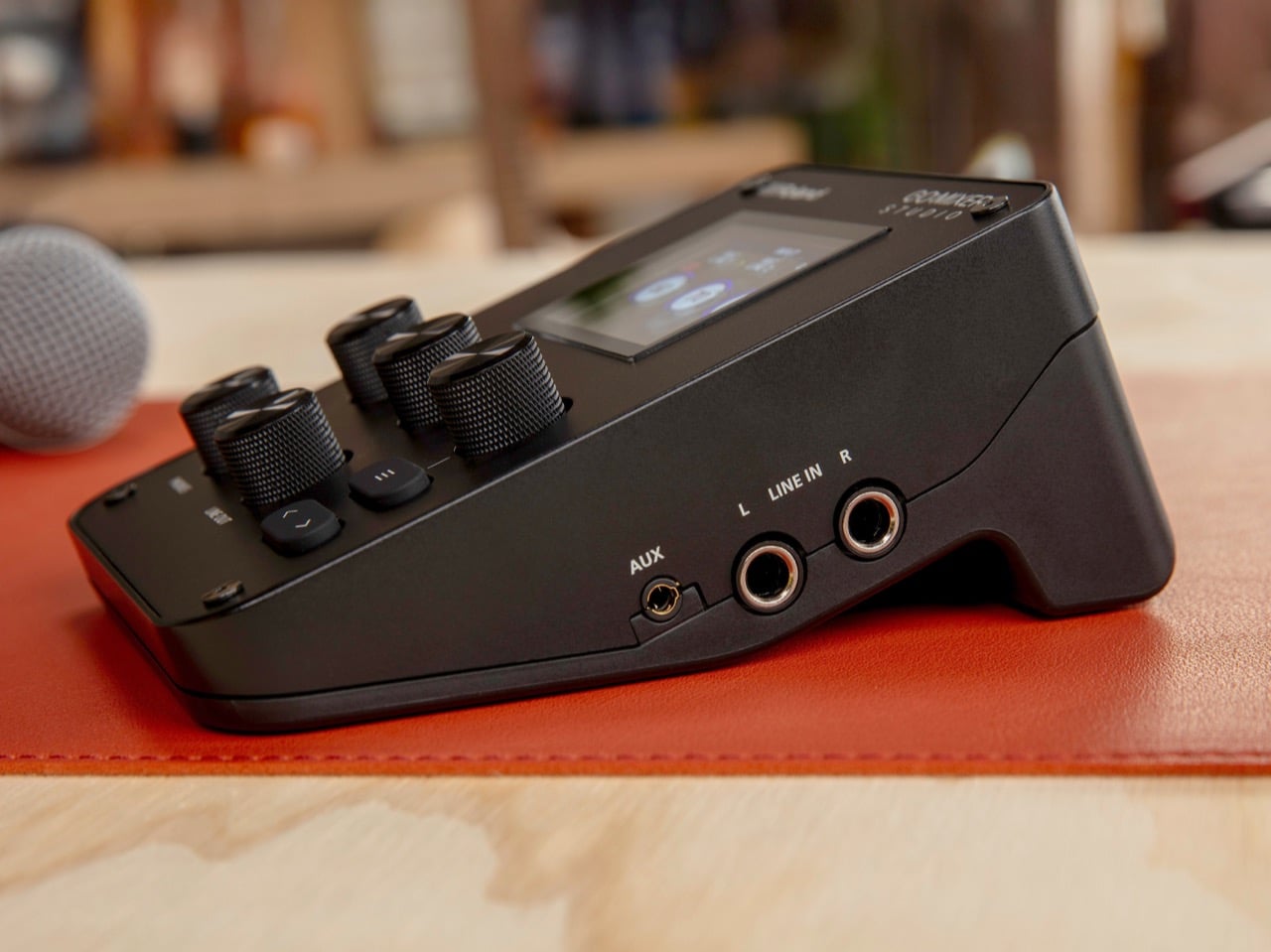
Twelve input channels is pretty great value for money. Two XLR mic inputs with 48V phantom power, a dedicated high-impedance guitar and bass input, stereo quarter-inch line inputs for keyboards or drum machines, a 3.5mm aux with TRRS support for mobile devices, and MIDI via 3.5mm TRS. That last one matters more than it might seem, because it means you can sync external hardware, run a click track, or trigger backing tracks without adding another piece of gear to your table. The 32-bit float internal processing handles the heavy lifting before anything gets committed to your recording at 24-bit depth, giving you real headroom for fixing gain mistakes in post.
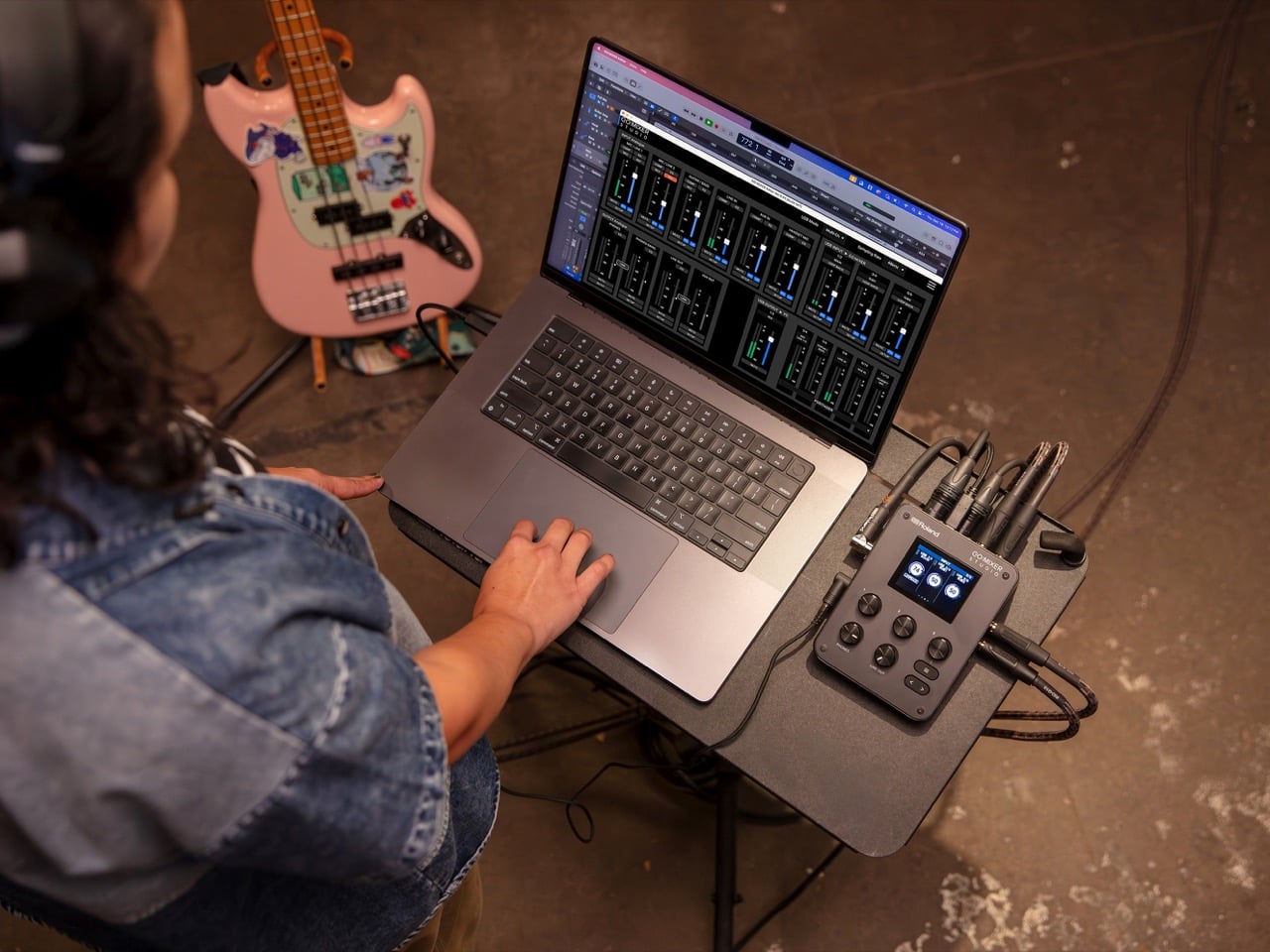
The GO:MIXER Cam app for iOS records genuine multitrack audio alongside your video, which opens up post-production options that creators on competing setups simply do not have. Standard camera apps give you a single stereo mix from whatever mic is closest, and that is the entire ceiling of what they can do. Roland also ships a desktop editor for macOS and Windows with full remote control of the mixer, and the 16 scene memory slots mean a creator with a regular weekly setup can recall their entire configuration instantly. That kind of workflow thinking is genuinely rare in gear aimed at the creator market, where the assumption is usually that you will rebuild everything from scratch each time.
No Android support is a real omission in 2026, full stop. SD card recording is also absent, meaning you are always dependent on a connected device and truly standalone operation is off the table. At 192kHz via USB, the channel count drops from 12 inputs to 8, a constraint worth knowing before planning a complex live setup around it. The Zoom LiveTrak L-8 and the Rode RodeCaster Pro II occupy overlapping territory, though both trade the GO:MIXER STUDIO’s portability for more features, and neither fits as naturally into a one-person mobile setup. Roland has made a very acceptable set of mild tradeoffs here, and at $299 the value case is solid for almost everyone that’s already tied into the Apple ecosystem.
Modern desks are full of productivity tools that end up making work harder. Too many tabs, too many apps, too many systems competing for the same attention they were supposed to protect. Most productivity tools favor discipline over engagement, and the result is a familiar cycle of guilt, burnout, and a to-do list that just keeps moving from one app to another without anything actually getting done.
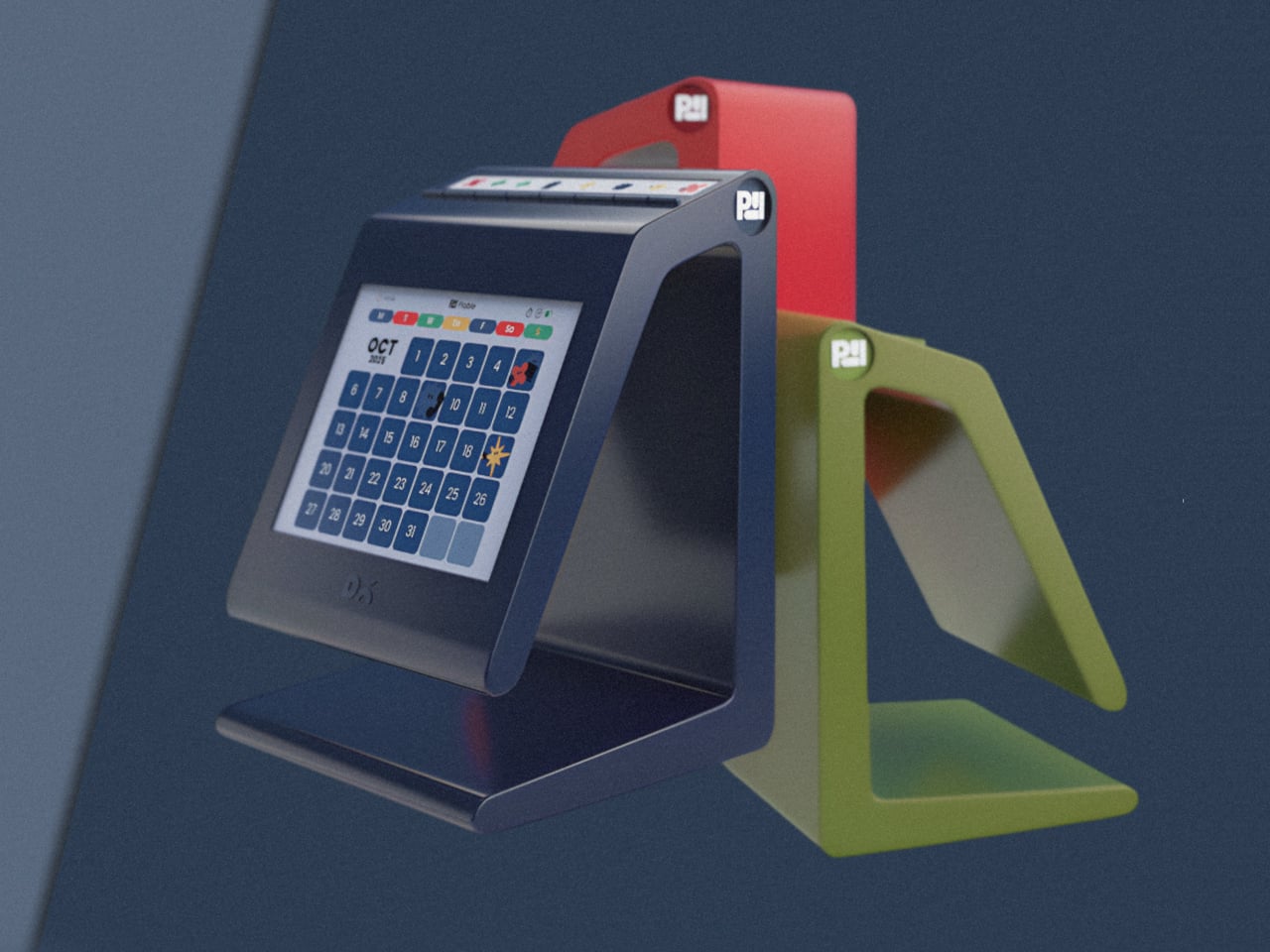
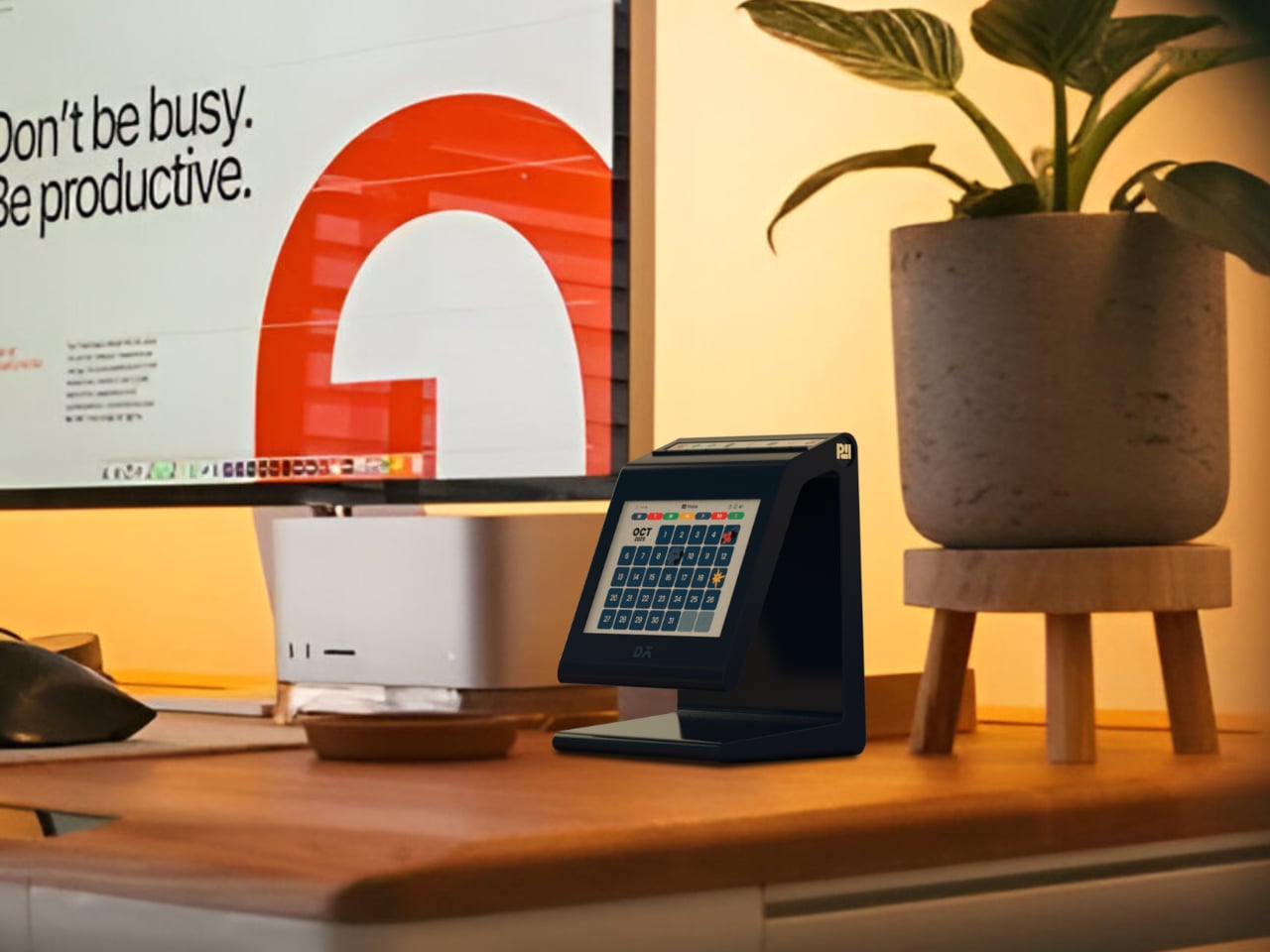
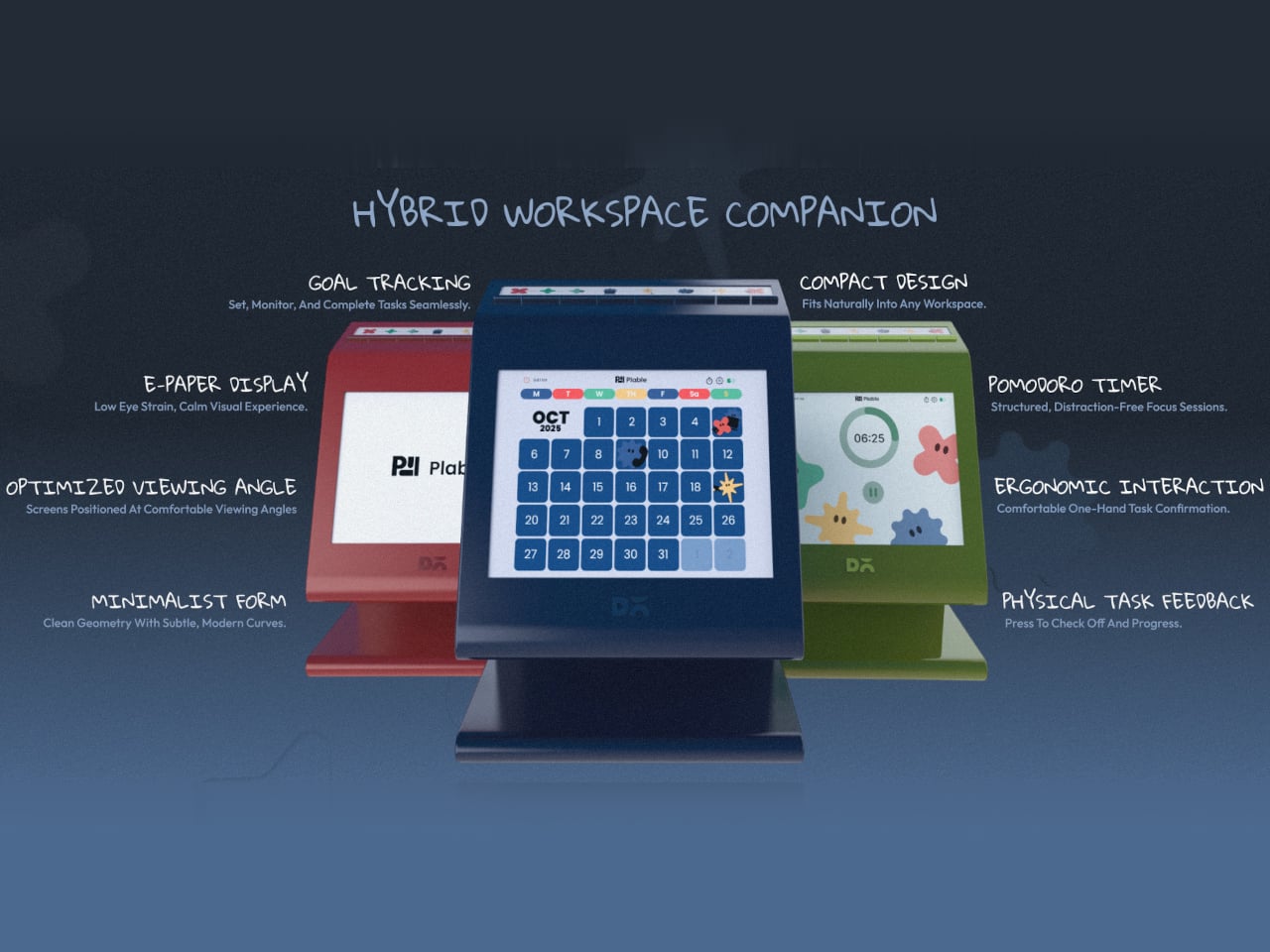
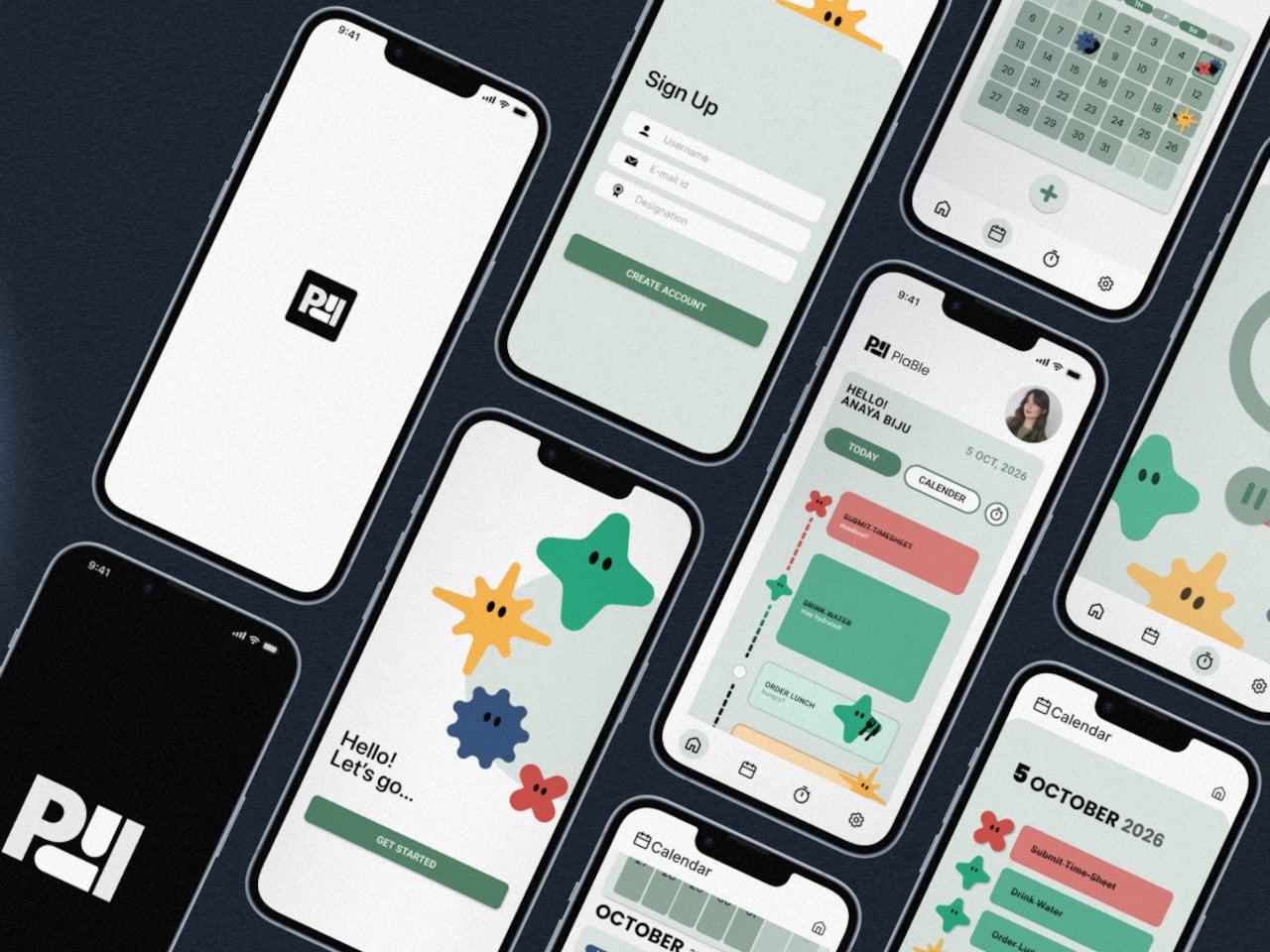
Plable is a hybrid workspace companion concept that tries to break that cycle by pulling tasks off the phone and onto the desk. Built around the tagline “Productivity meets playful rhythm,” it’s a small physical device that works alongside a companion app to create a calmer, more intentional workflow, one that builds focus through touch, rhythm, and gentle feedback instead of another notification.
The concept calls the current situation the “Tool Trap,” the idea that users end up managing tools instead of focusing on their actual work. Plable identifies the specific gaps, cognitive overload from feature-heavy tools, missing positive feedback, fragmented workflows across disconnected apps, and static systems that don’t adapt to individual habits. The response is a single, compact desk presence that anchors everything without trying to replace every tool you already use.
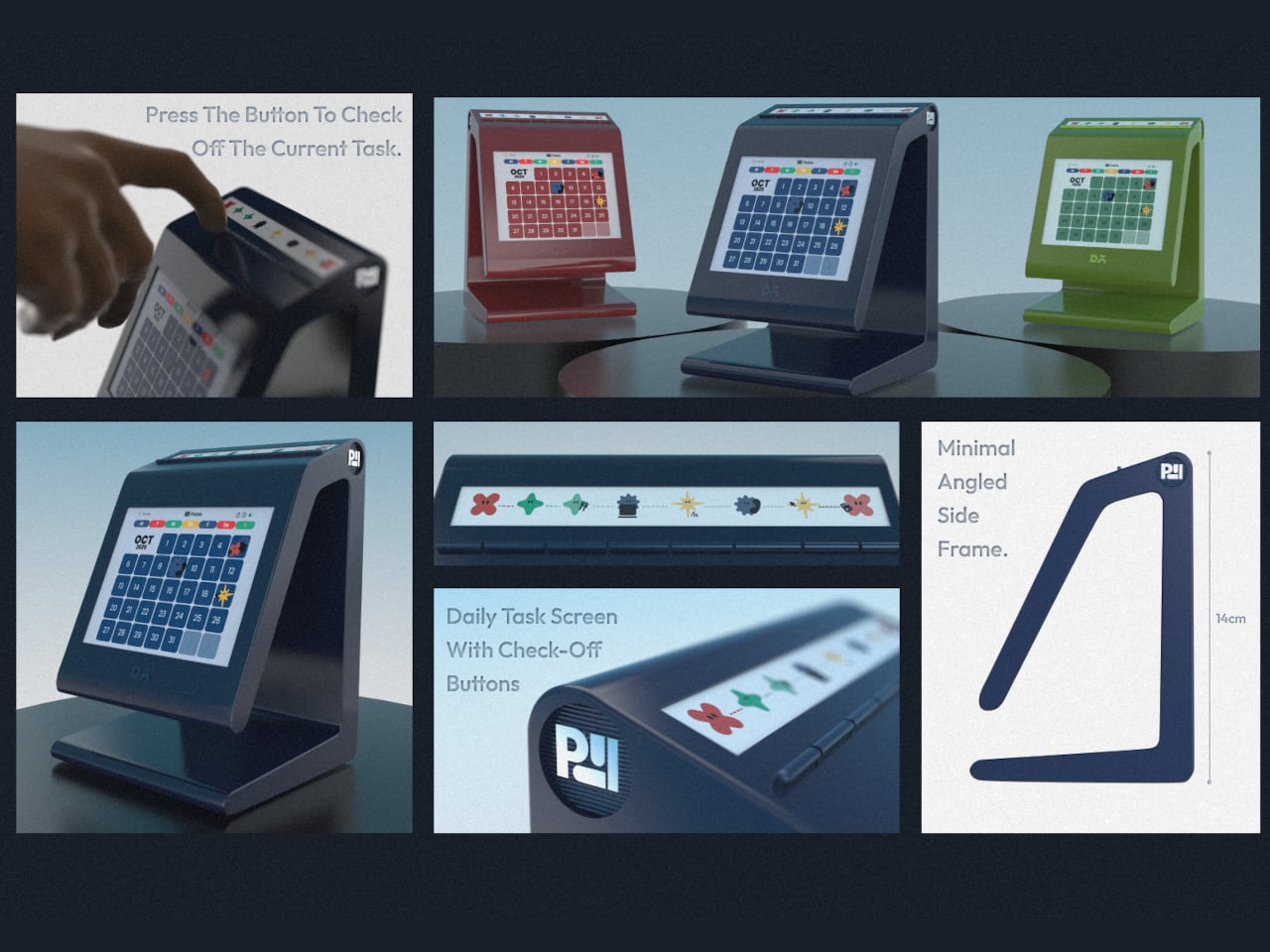
The core interaction is satisfying by design. Daily tasks sit on a small, dedicated display on the desk, and a physical button press checks off the current task and advances progress. Each gesture is meant to feel like a small win rather than a chore, turning routine to-dos into encouraging moments instead of items being shuffled around a screen. That distinction between “pressing a button” and “tapping a phone” sounds minor until you realize how differently they feel.
The calm-tech choices reinforce that philosophy. An e-paper display keeps eye strain low and avoids the visual noise of a backlit screen sitting next to your monitor. The device is compact and angled for comfortable viewing, with a built-in Pomodoro timer for structured focus sessions and goal tracking to give the day some shape. It stays quiet and present rather than constantly pulling you back into an interface.
The companion app handles setup, broader planning, and organization across categories like deadlines, wellness, and priority tasks. That division matters because the app is where you plan, and the desk device is where you execute. Keeping those two layers separate means the phone stays in its lane instead of becoming another place where tasks disappear into the notification feed.
Plable was designed as a conceptual addition aligned with DailyObjects’ product language, soft geometry, playful minimalism, and bold color accents, though it’s an independent student project and not affiliated with or commissioned by the brand. What makes it worth paying attention to isn’t the brand reference but the underlying argument that productivity is an object-level problem as much as an app problem, and a small, tactile thing on your desk might do more for focus than another subscription ever will.
Spring break planning tends to collapse into two extremes—either a frantic last-minute scramble or an over-packed disaster where you lug everything you own to a beach town and use about a third of it. Neither version feels great. The smarter move is knowing which objects genuinely earn their spot in your bag: the things that handle multiple jobs, hold up across unfamiliar environments, and make the week feel intentional rather than improvised. That’s what this list is built around.
What’s equally useful is that none of these will put you in the red. Every pick comes in under $100—and several sit comfortably well beneath that ceiling. These aren’t compromise buys either. They’re products with real design thinking behind them, built for actual use on actual trips by people who don’t want to carry more than they need. Whether it’s your first time packing light or your fourth attempt at getting it right, these five earn their place in the bag.
1. Side A Cassette Speaker — The Soundtrack to Every Spring Break Moment
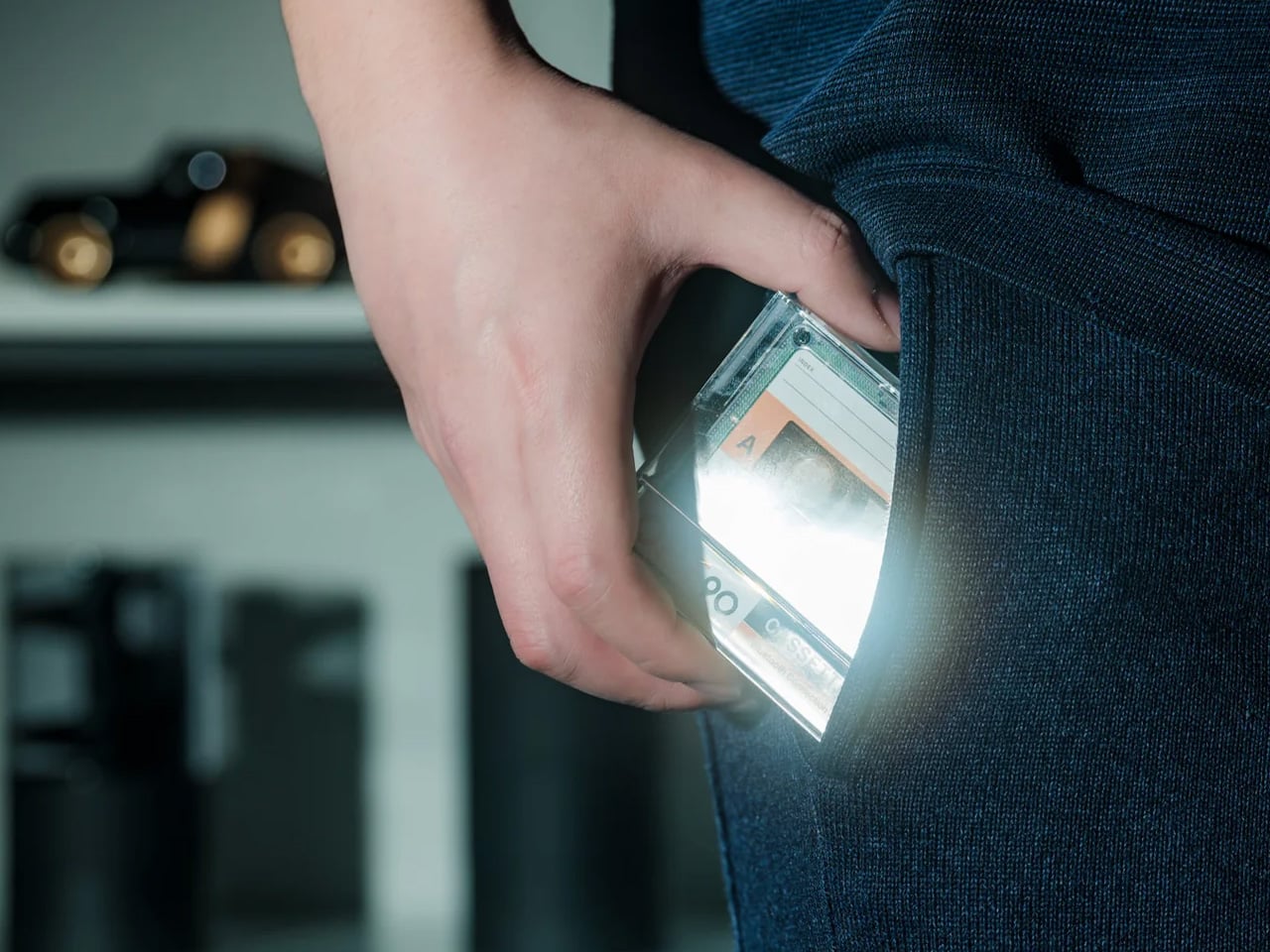
There’s something specific that a great travel speaker needs to be: compact without feeling cheap, audible without being obnoxious, and interesting enough to sit on a shelf without looking like clutter. The Side A Cassette Speaker from Yanko Design checks all three. Designed to look and feel like a real mixtape—transparent shell, authentic Side A label, the whole aesthetic fully committed—it’s a pocket-sized Bluetooth speaker with a personality that’s genuinely hard to ignore. Pull it out at a hostel, and someone will ask about it before you’ve even pressed play.
Underneath the retro exterior, the specs hold their own. Bluetooth 5.3 delivers a clean, drop-resistant connection across a hotel room or a beach setup without the frustration of constant dropouts. The microSD playback lets you load up a playlist and stream fully offline—no signal, no Wi-Fi, no problem. Sound is tuned to lean warm and cozy, channeling the soft roundness of actual tape playback rather than the harsh brightness that plagues most compact speakers. Six hours of battery at full volume covers a full afternoon, and a two-hour recharge means it’s back in action before the next session begins. At sub-$50, it’s also one of the most effortlessly giftable objects in recent memory.
The cassette form factor isn’t just a gimmick—it works as a design object and a conversation starter in any space it occupies, making it equally at home on a shelf as it is inside a bag.
Bluetooth 5.3, offline microSD playback, and six hours of battery together make this a genuinely capable travel speaker, not just a pretty one.
What We Dislike
The microSD slot supports MP3 files only, which means listeners with FLAC or AAC libraries will need to convert tracks or stay connected via Bluetooth for offline use.
Six hours of playback is solid for personal sessions, but starts to feel limited during an extended group hang where the speaker runs continuously throughout the day.
2. Hitch — Your Bottle and Your Coffee Cup, Finally Together
Most reusable cups live at home. Not because people don’t care about sustainability, but because carrying both a water bottle and a coffee cup is genuinely inconvenient—and convenience almost always wins. The Hitch was designed to solve exactly that friction. Its patent-pending mechanism nests a full 12oz barista-approved cup directly inside an 18oz insulated water bottle, and a single crossbar twist at the base releases the cup cleanly. The two pieces carry as one. It’s not a miniaturized compromise either; both the bottle and the cup are full-size and built for all-day use.
Every component—bottle, cup, and lid—is double-walled, vacuum-insulated, stainless steel, and certified leak-proof, which means you’re not trading practicality for the novelty of the concept. For a spring break week that bounces between airports, coffee shops, beaches, and restaurants, the Hitch becomes the single carry that handles morning hydration, midday coffee runs, and everything in between. It’s the product that makes zero-waste feel like a practical decision rather than an aspirational one, and that distinction matters when you’re moving fast and packing light.
What We Like
Nesting a full-size 12oz cup inside a full-size 18oz bottle is a genuinely smart design solution that addresses a real behavioral barrier to zero-waste carry without requiring a lifestyle overhaul.
Full vacuum insulation on both the bottle and the cup means cold water stays cold and hot coffee stays hot, without either sacrificing function for the sake of the shared form.
What We Dislike
The retail price sits toward the upper end of this list’s budget range, and some students may find it harder to justify compared to a standard insulated bottle at a lower price point.
The cup lid has drawn criticism in user reviews for its durability over time, and replacement parts have been historically difficult to source after the initial purchase.
3. HP Sprocket Portable Instant Photo Printer — Make the Memories Stick
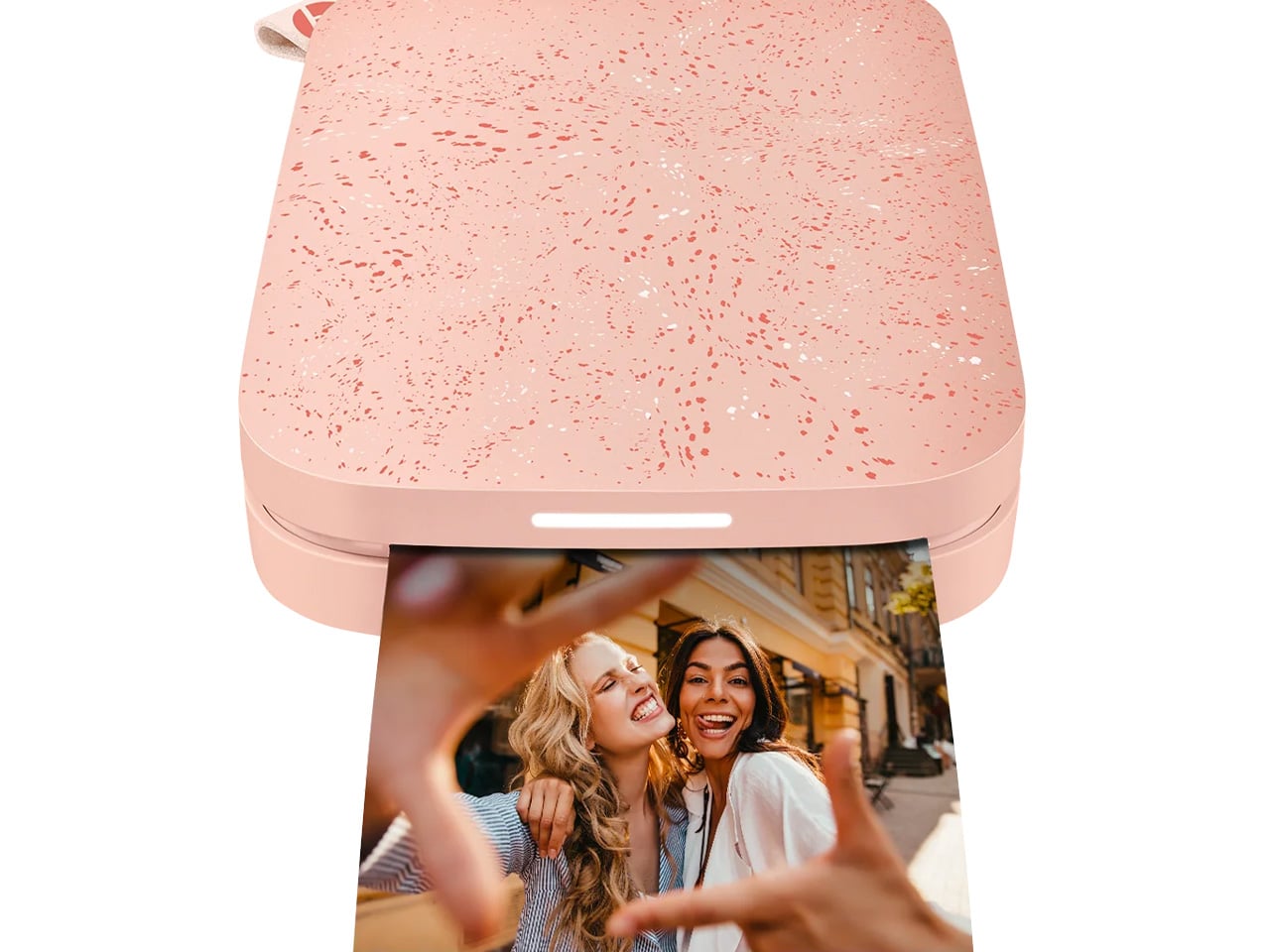
The paradox of phone photography is that the better the camera gets, the fewer photos actually get printed. Spring break produces hundreds of shots that live in a camera roll for a few weeks before fading into algorithmic obscurity. The HP Sprocket is a direct counterargument to that cycle—a pocket-sized wireless photo printer that pairs via Bluetooth 5.2, works with iOS and Android, and prints 2×3 glossy photos in seconds. No ink cartridges, no ribbons, no subscriptions. ZINK Zero Ink technology embeds color directly into the paper, keeping the entire process clean, fast, and genuinely portable.
The free HP Sprocket app adds a layer of creative control that makes it feel like more than a glorified receipt machine. Stickers, borders, filters, and emoji overlays are all part of the package, which makes the printing process feel as social as the photography itself. One charge delivers up to 35 prints, and a personalized LED indicator signals which device is printing during multi-person sessions—so a group of four can print simultaneously without creating confusion or a queue. The sticky back on every photo means it goes straight onto a journal, a wall, a laptop, or a postcard without needing tape. These are the photos that actually get kept.
What We Like
ZINK Zero Ink technology eliminates cartridges and toner, making every print session as effortless as a Bluetooth connection and a single button press.
Multi-device simultaneous printing makes this a genuinely social accessory—it doesn’t create a line, it creates a shared moment that fits naturally into group travel.
What We Dislike
The 2×3-inch format is charming but small, and students hoping to print anything approaching a standard photo size will find the output limited for that specific purpose.
35 prints per charge sounds reasonable in isolation, but an active group setting burns through that ceiling quickly, making planned recharging a practical necessity during longer outings.
4. Mini X30 -The EDC Flashlight That Moonlights as a Power Bank
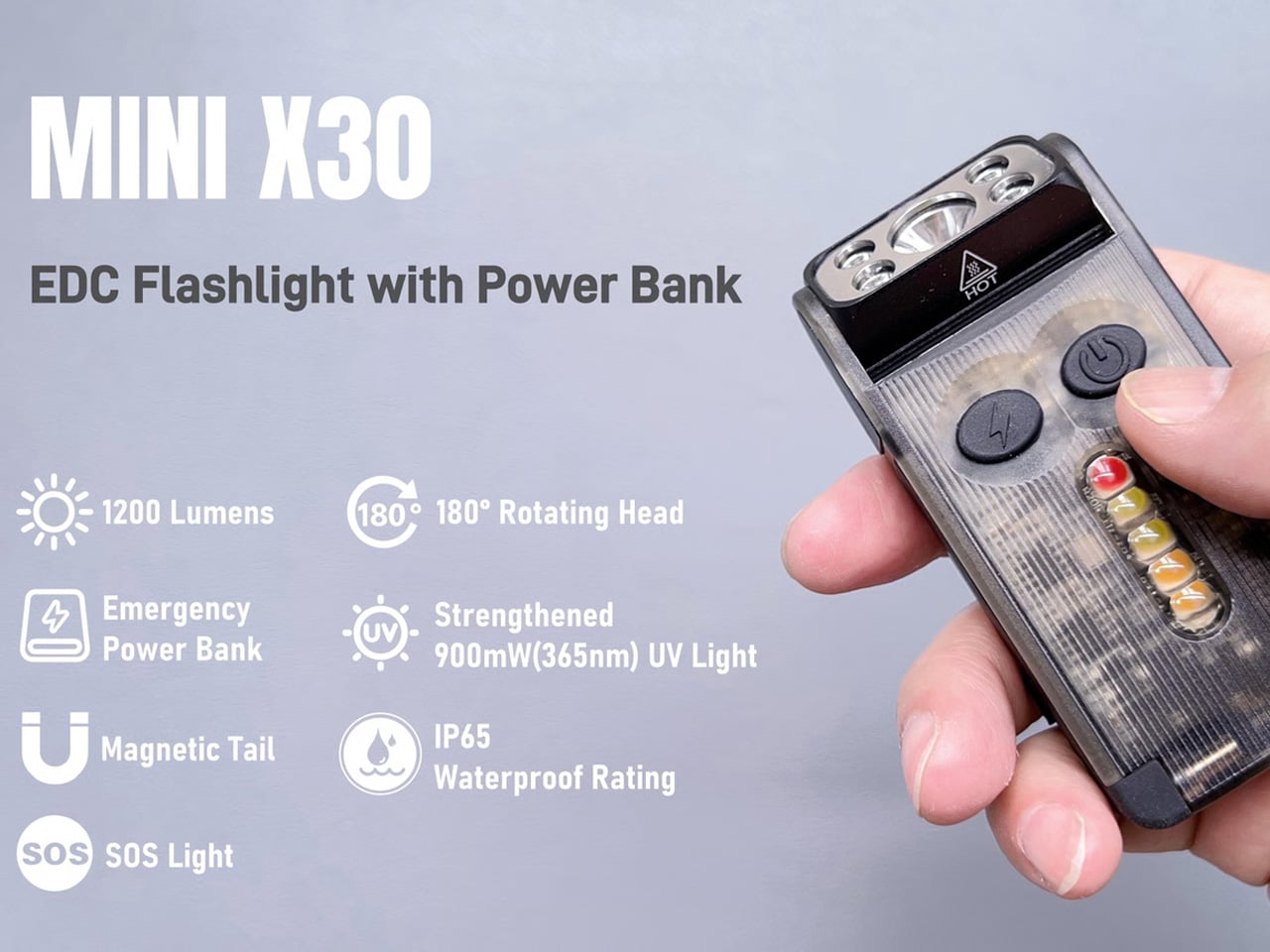
Most people don’t think about a flashlight until they desperately need one. The Mini X30 reframes that entirely by making it the kind of object you actually want to carry every day—not because emergencies demand it, but because it earns its spot before one ever arrives. Compact enough to clip onto a keychain, slide along a pocket edge, or attach to a backpack strap, it disappears into your carry until it’s needed. Then it delivers 1,200 lumens of turbo brightness with a single one-second press and hold—a level of output that handles everything from a pitch-dark campsite to a power outage in an unfamiliar city.
The built-in emergency charging function is what tips this from useful to genuinely essential for travel. When your phone battery drops at the wrong moment—mid-navigation, mid-emergency, mid-anything—the X30 steps in as a backup power source without requiring you to dig through your bag for a separate power bank you may or may not have remembered to pack. For a spring break trip that moves between outdoor adventures, late nights, and unfamiliar terrain, having light and emergency power consolidated into a single keychain-sized object is exactly the kind of redundancy that feels invisible until it saves the day.
What We Like
Consolidating a 1,200-lumen flashlight and an emergency phone charger into a keychain-sized EDC tool is a genuinely practical design decision that eliminates the need to carry and track two separate devices.
The turbo bright mode’s press-and-hold activation keeps max output immediately accessible without cycling through modes at the moment it matters most.
What We Dislike
As an emergency charger, the X30 is best understood as a backup rather than a primary power solution—students who rely heavily on their devices throughout the day will still want a full-capacity power bank alongside it.
The keychain and pocket-clip carry options are convenient for daily EDC, but attaching them to a bag strap in high-movement outdoor settings may require some deliberate adjustment to keep them secure.
5. Loop — The Only Neck Pillow That Actually Understands Your Neck
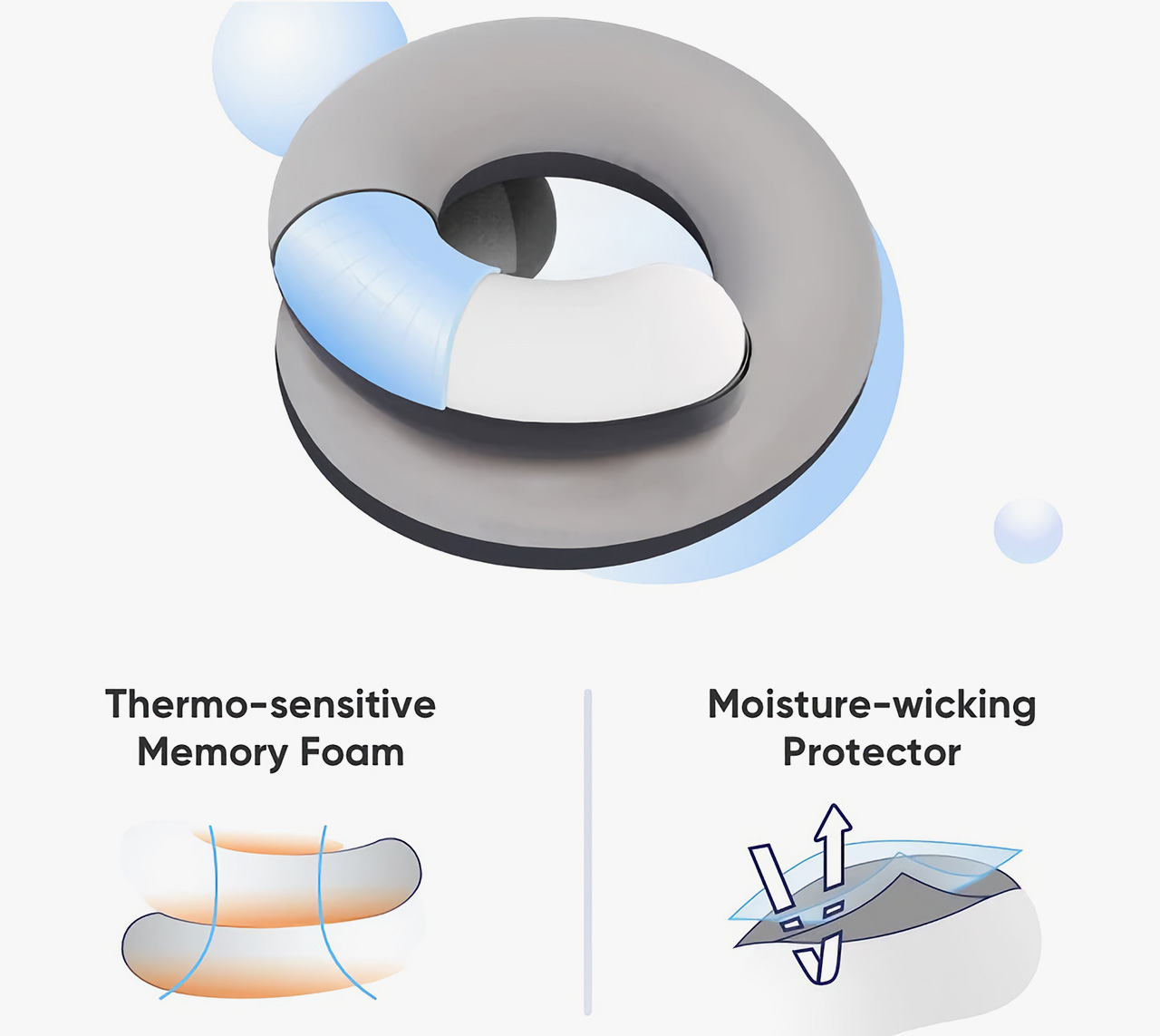
The standard U-shaped travel pillow is one of those products that’s been wrong for decades, and nobody fixed it. It props your head in a single position, falls off when you shift, and spends most of the journey doing very little. The Loop Pillow starts over entirely. Shaped more like a flexible neck noodle than a traditional pillow, it winds around your neck—loosely or tightly, depending on what you need—and provides lift exactly where your head wants to fall. It’s infinitely adjustable in a way that a fixed U-shape never could be, which means it works whether you sleep sitting upright, leaning left, tilting forward, or resting straight back.
The material behind this one is doing real work. Thermo-sensitive memory foam molds directly to the contours of your neck, which means it isn’t approximating support—it’s actually conforming to you specifically. The outer cover is moisture-wicking and breathable, keeping things dry across long hauls where temperature and comfort tend to degrade together. A clever dual-tone design distinguishes the warm side from the cool side, letting you choose your preferred surface depending on the environment. For a spring break trip that starts with a red-eye flight and ends with a bus ride back, this is the carry that makes the in-between feel significantly less punishing.
What We Like
The infinitely adjustable loop design accommodates every sleeping position naturally, which makes it genuinely more versatile than any fixed-form travel pillow on the market.
Thermo-sensitive memory foam combined with a moisture-wicking, breathable cover means both the structure and the surface of the pillow are actively working in your favor throughout the journey.
What We Dislike
The loop form factor is a meaningful departure from what most travelers are used to, and it may take a flight or two before the adjustment feels second nature.
Travelers who prefer a more structured, rigid support system may find the flexible noodle design requires more deliberate positioning than they want to manage mid-sleep.
The Right Gear Makes the Break
Spring break doesn’t require a perfect packing list, but it rewards a smart one. The difference between a trip that flows and one that frustrates almost always comes down to the things you brought—or the things you left behind, wishing you hadn’t. These five picks cover the core categories: sound, hydration, memory-making, power, and carry. Together, they handle most of what a student needs for a week away without demanding too much space, too much budget, or too much thinking. That’s the whole point of good design—it simplifies the decisions so you can get to the experience.
What’s worth noting is how naturally these work alongside each other. The Cuktech keeps your phone alive for the Sprocket prints, the Hitch keeps you from reaching for a paper cup, and the Cassette Speaker scores the whole week. The Allpa Mini holds everything else together without complaint. This isn’t a random product roundup—it’s a considered carry. Spend the money once, pack it once, and show up somewhere fully ready to be there. That’s a spring break actually worth planning for.
There’s a greasy phone screen somewhere in your immediate past. Maybe it was a dumpling, maybe it was a bowl of noodles, maybe it was something with a suspiciously orange sauce. Either way, you were eating and scrolling at the same time, and the evidence is still on the glass. Nobody’s proud of it, but according to a survey bibigo ran through Angus Reid, 96% of Americans have used their phone while eating, so at least you’re in excellent company.
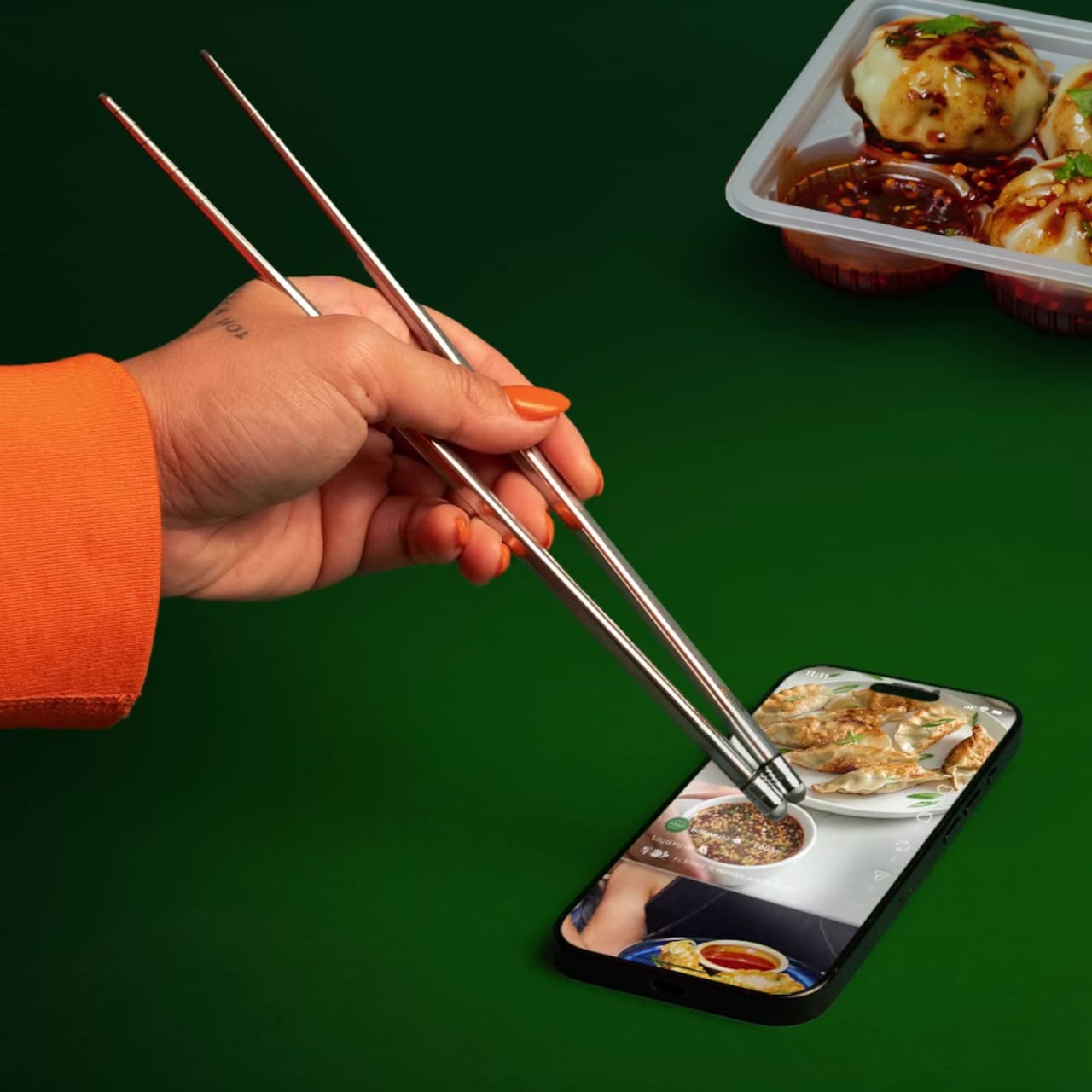
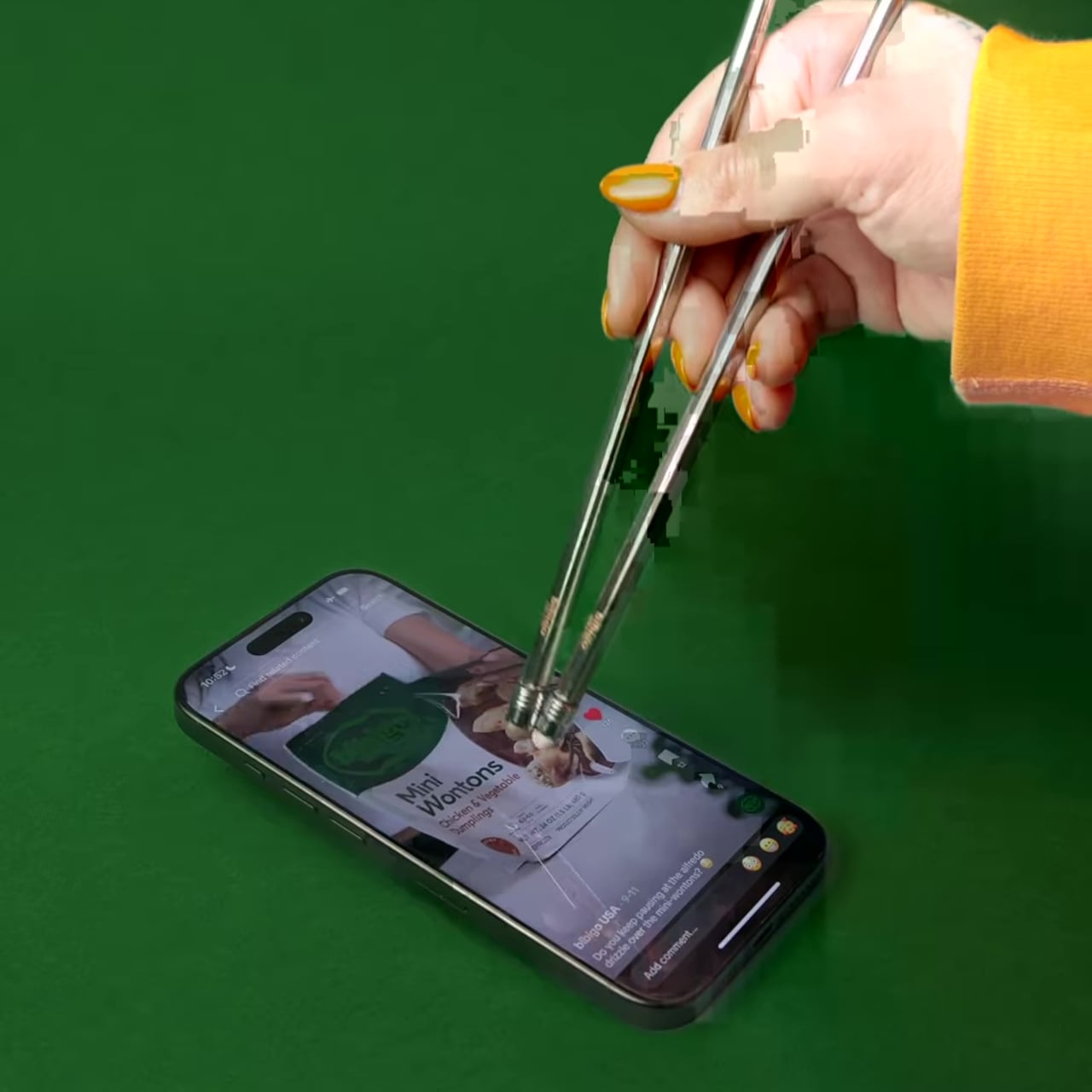
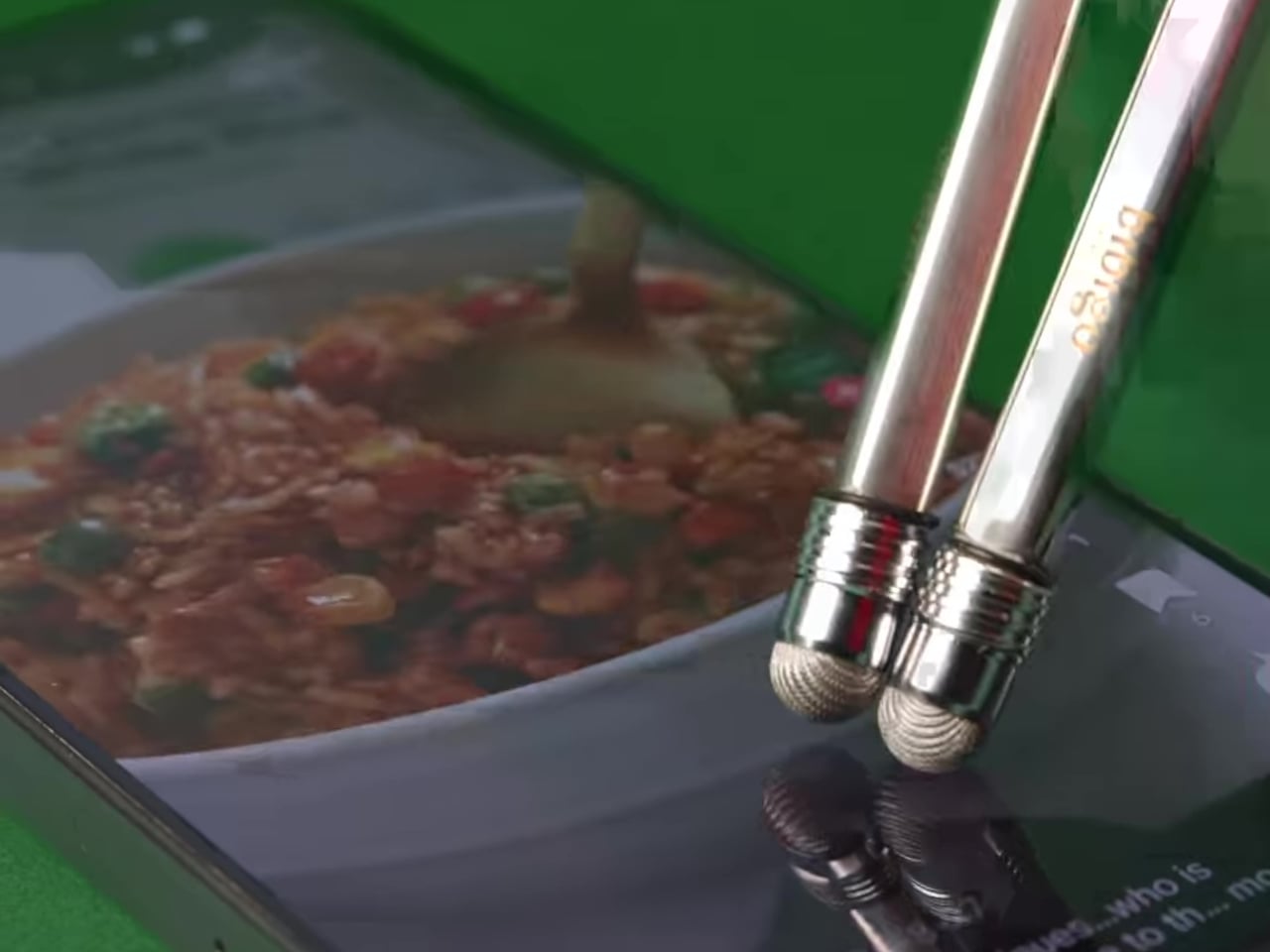
bibigo, the Korean food brand behind what the internet has collectively decided are its favorite dumplings, decided to design for the habit instead of lecturing about it. ScrollSticks are dual-ended chopsticks with touchscreen tips, one end for picking up food and the other for tapping, swiping, and scrolling on a phone. The premise is simple: two dedicated ends for two different jobs, keeping the oil and sauce where they belong.
The research behind the launch is basically a monument to relatable chaos. Beyond the 96% who’ve scrolled while eating, 66% do it often during at least one meal a day. Nearly three in four people report frustrations: 41% are frustrated by getting their hands or phones dirty, 30% struggle to hold a phone comfortably while eating, and 28% can’t keep their screen clean. ScrollSticks are bibigo’s answer to all of the above, which is either very clever or a sign of the times, possibly both.
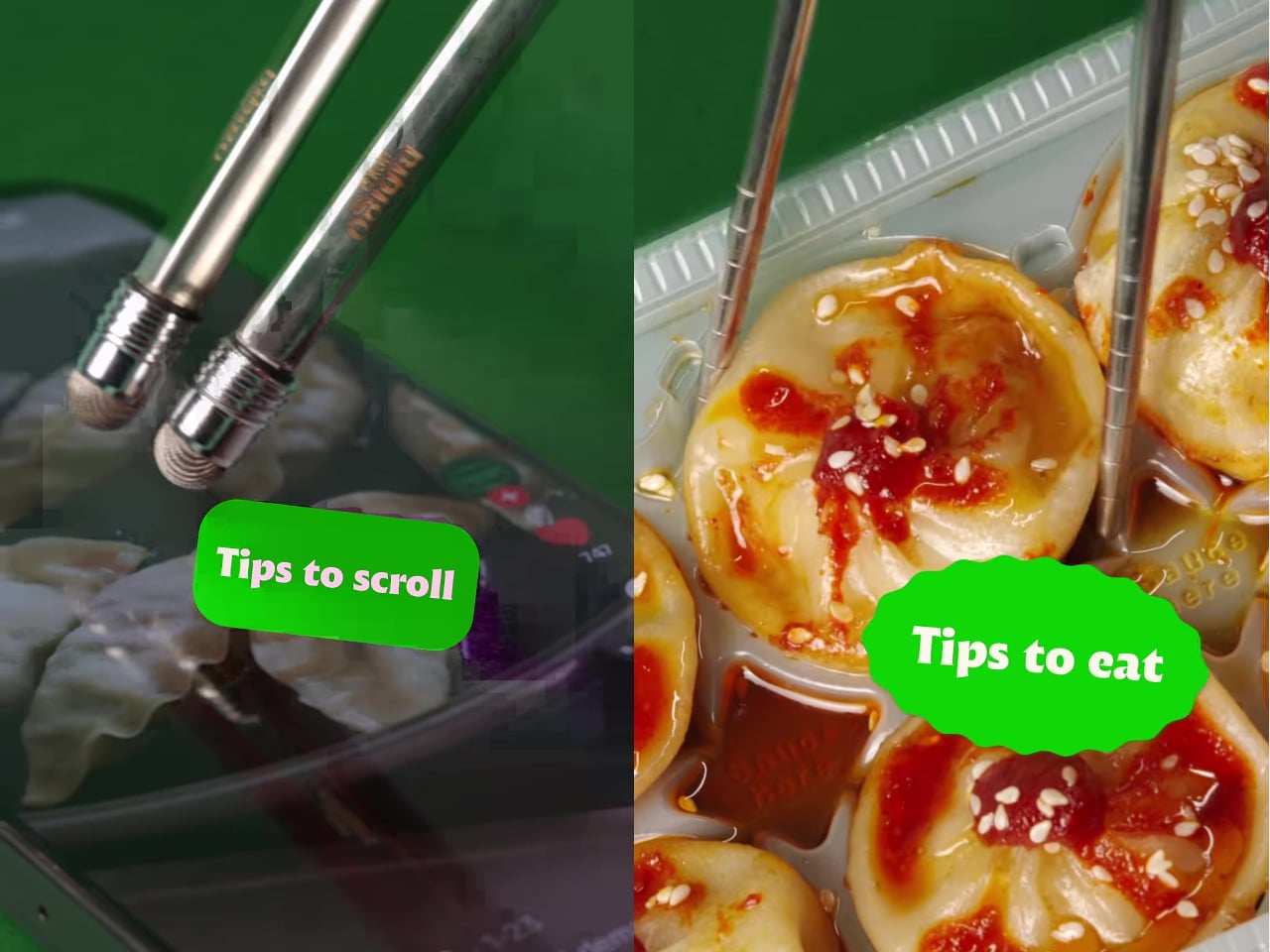
The design logic is straightforward. You eat with the food end, then flip the chopsticks and use the touchscreen-compatible tips to tap and scroll without transferring dumpling residue onto the glass. The tips work with capacitive touchscreens, so it’s not just poking the screen with metal but actually registers as a touch. One tool, two dedicated functions, and your screen stays marginally more dignified.
The cleaning situation is also handled better than you’d expect from what sounds like a novelty item. The touchscreen tips unscrew from the chopsticks, so you can dishwasher or sink-wash the metal body just like any other silverware. That modularity is doing serious practical work here. A touchscreen-tipped chopstick that you can’t properly clean would be a different, worse product.
bibigo frames ScrollSticks as part of its “food-tainment” innovations, which is a word that exists now and apparently describes branded objects that blur eating and entertainment culture. The previous entry in that line was the bibigo Dashboard Kitchen. ScrollSticks are sillier and more useful, which is a hard combination to pull off.
The chopsticks are a limited-edition drop, and the window is short. That’s fitting for something that is partly a product and partly a cultural artifact: a small, polished admission that dinner and doomscrolling are now the same meal, and if the phone is staying at the table, at least the screen deserves better than a dumpling-flavored fingerprint in the corner.
Most people don’t carry a flashlight, which is something they only realize when they’re already crammed under a sink, squinting at a fuse box, or trying to read a label in a poorly lit corner of a garage. Cylindrical lights are bulky, they roll off surfaces, and they feel overbuilt for the kind of everyday moments where you just need a quick, reliable beam. So they get left at home, and your phone flashlight ends up doing all the work.
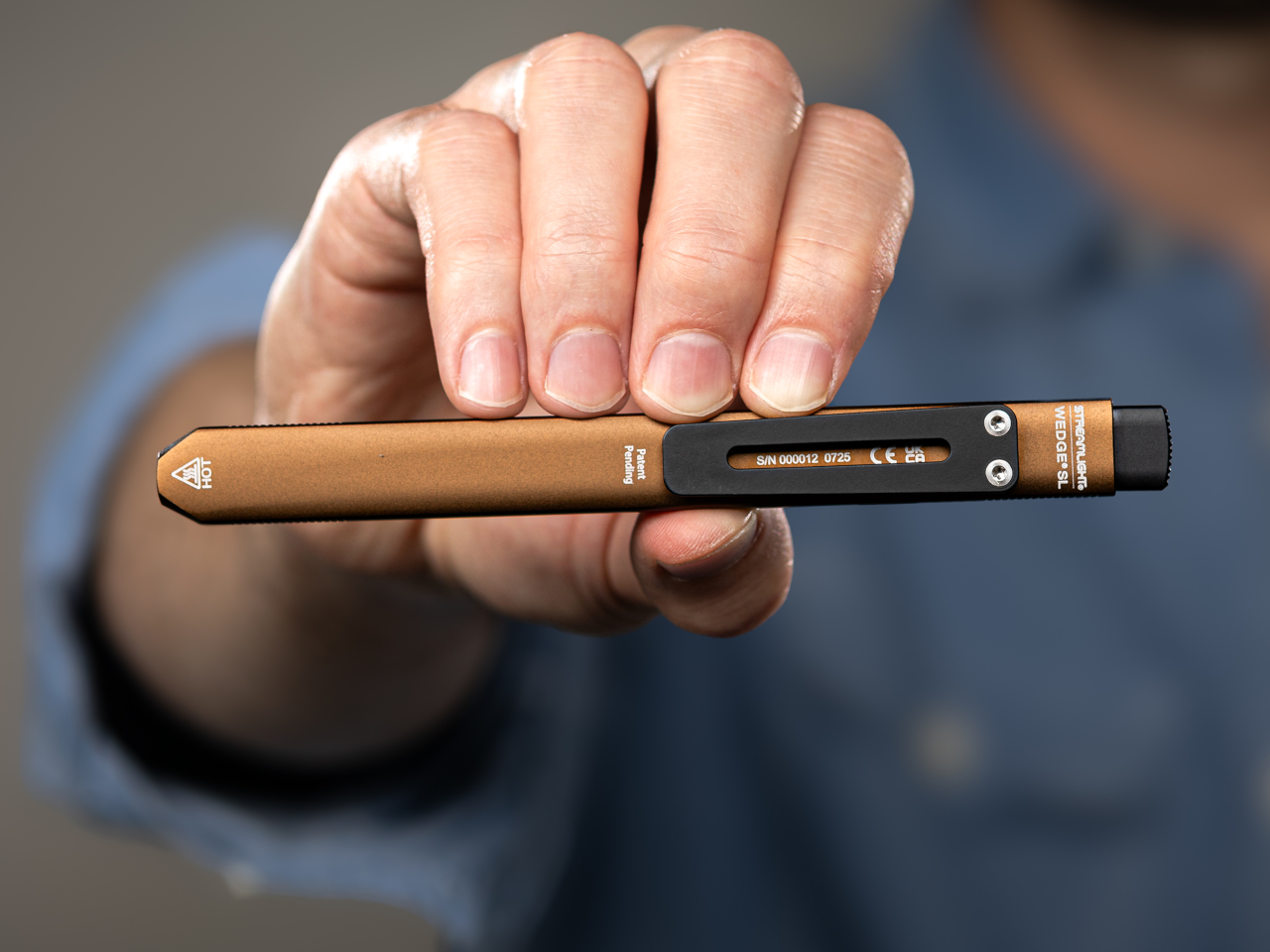
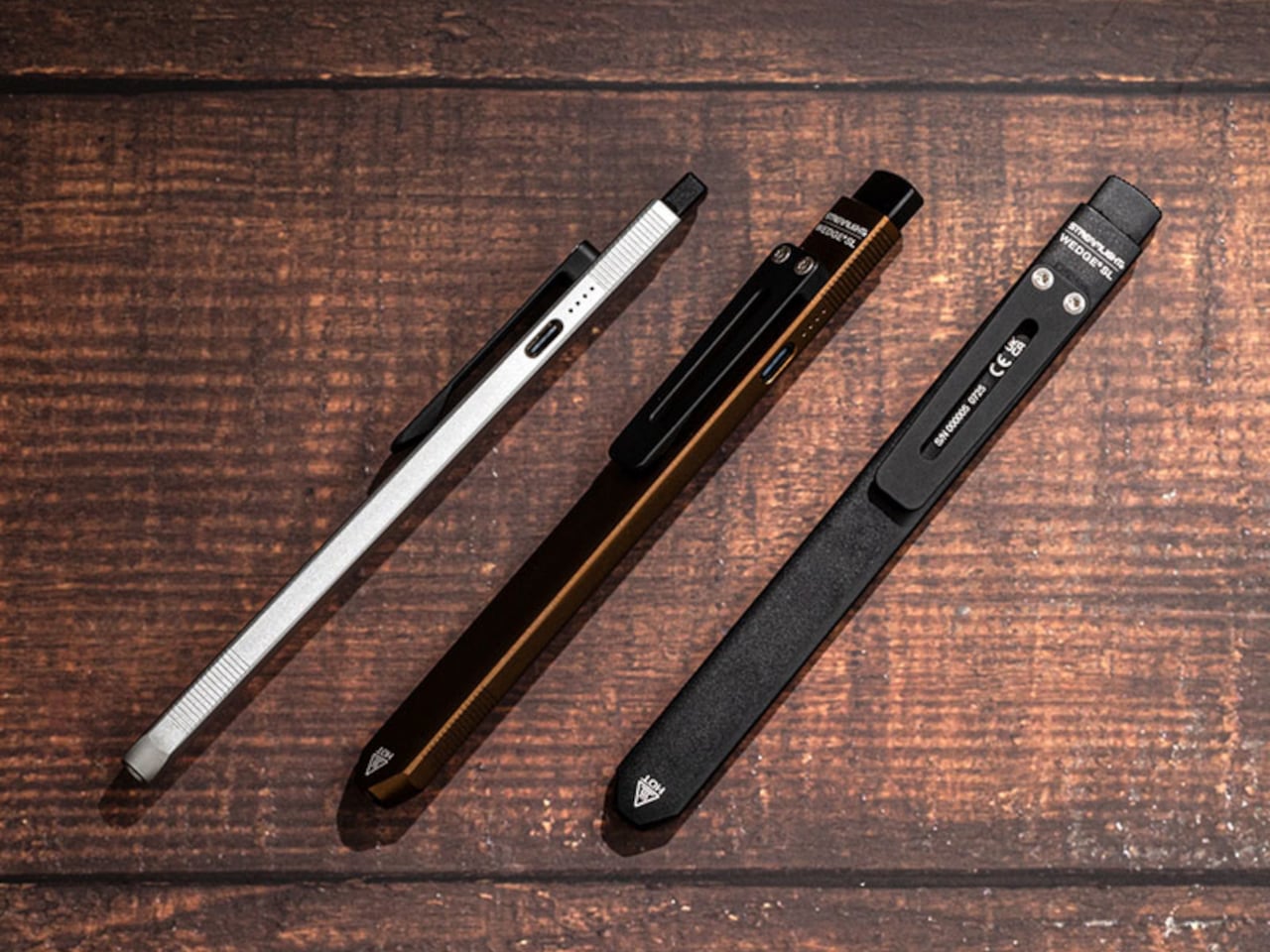
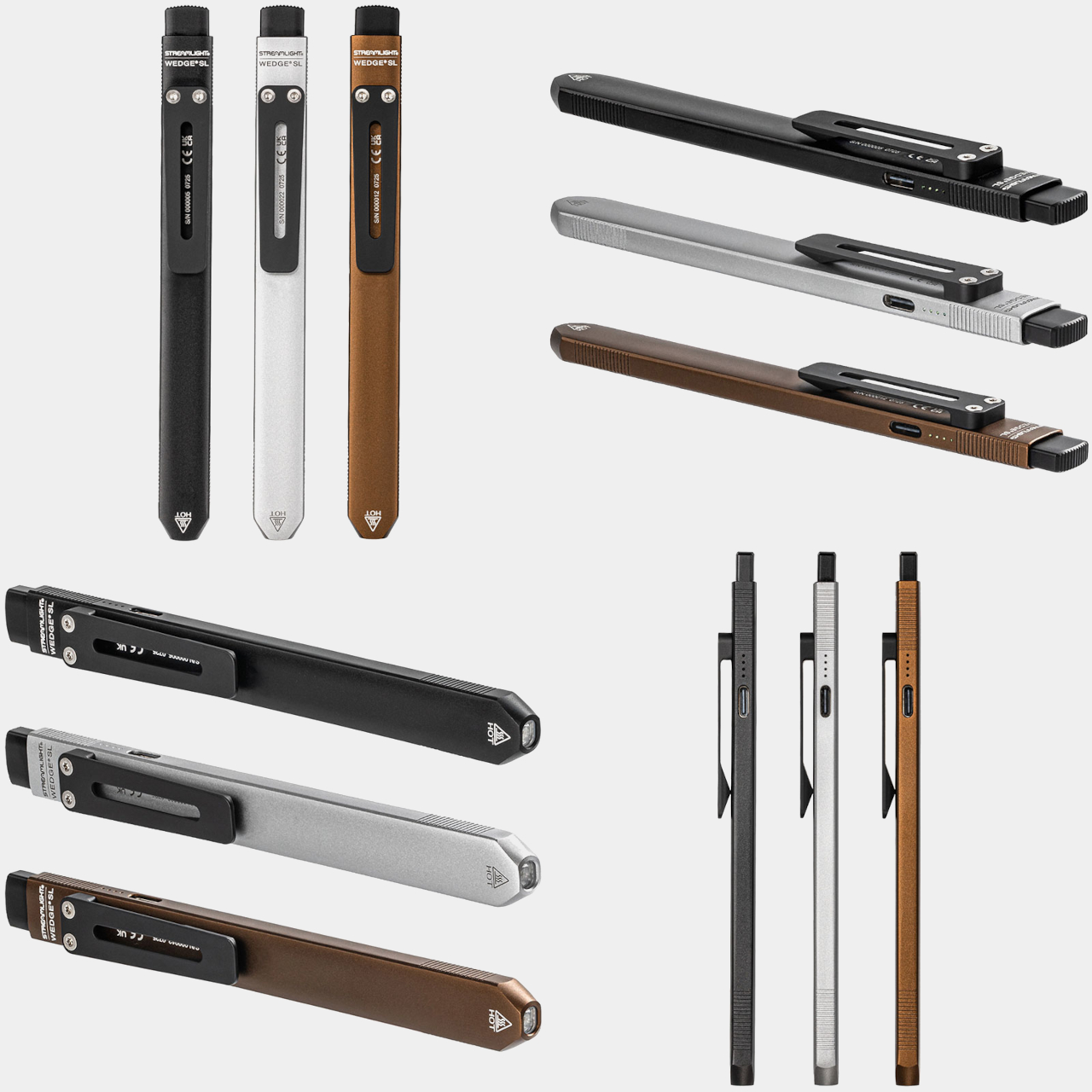
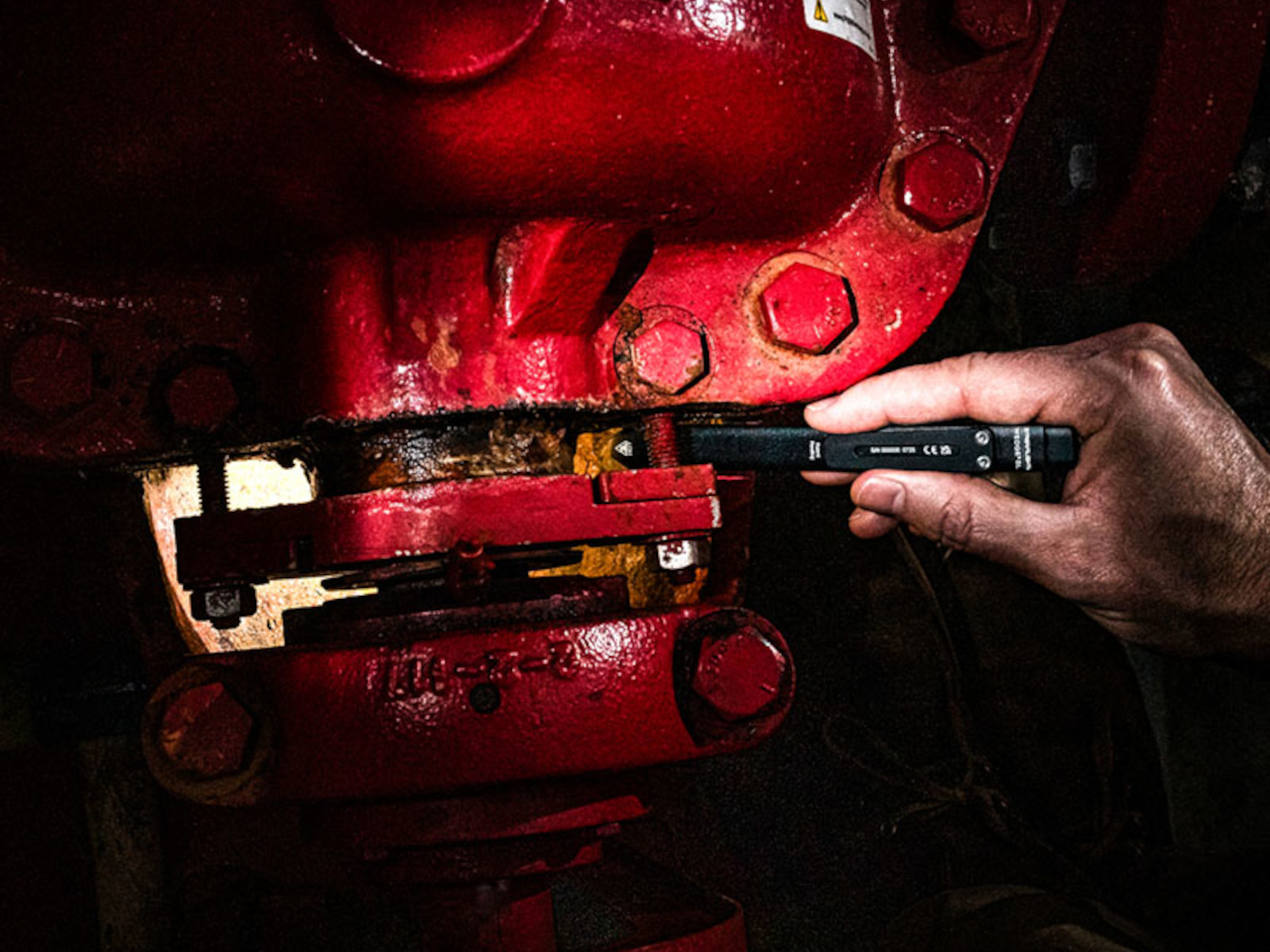
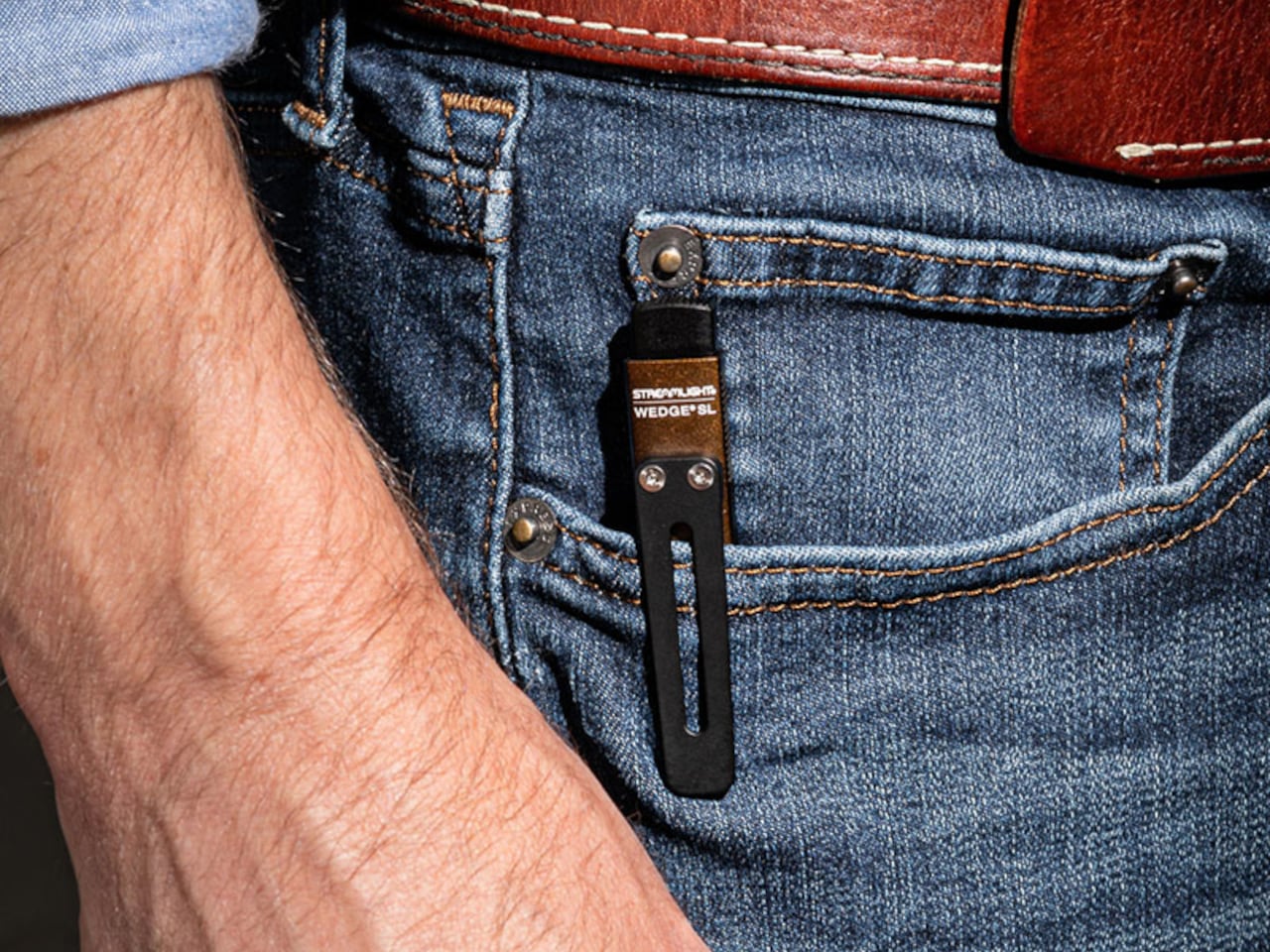
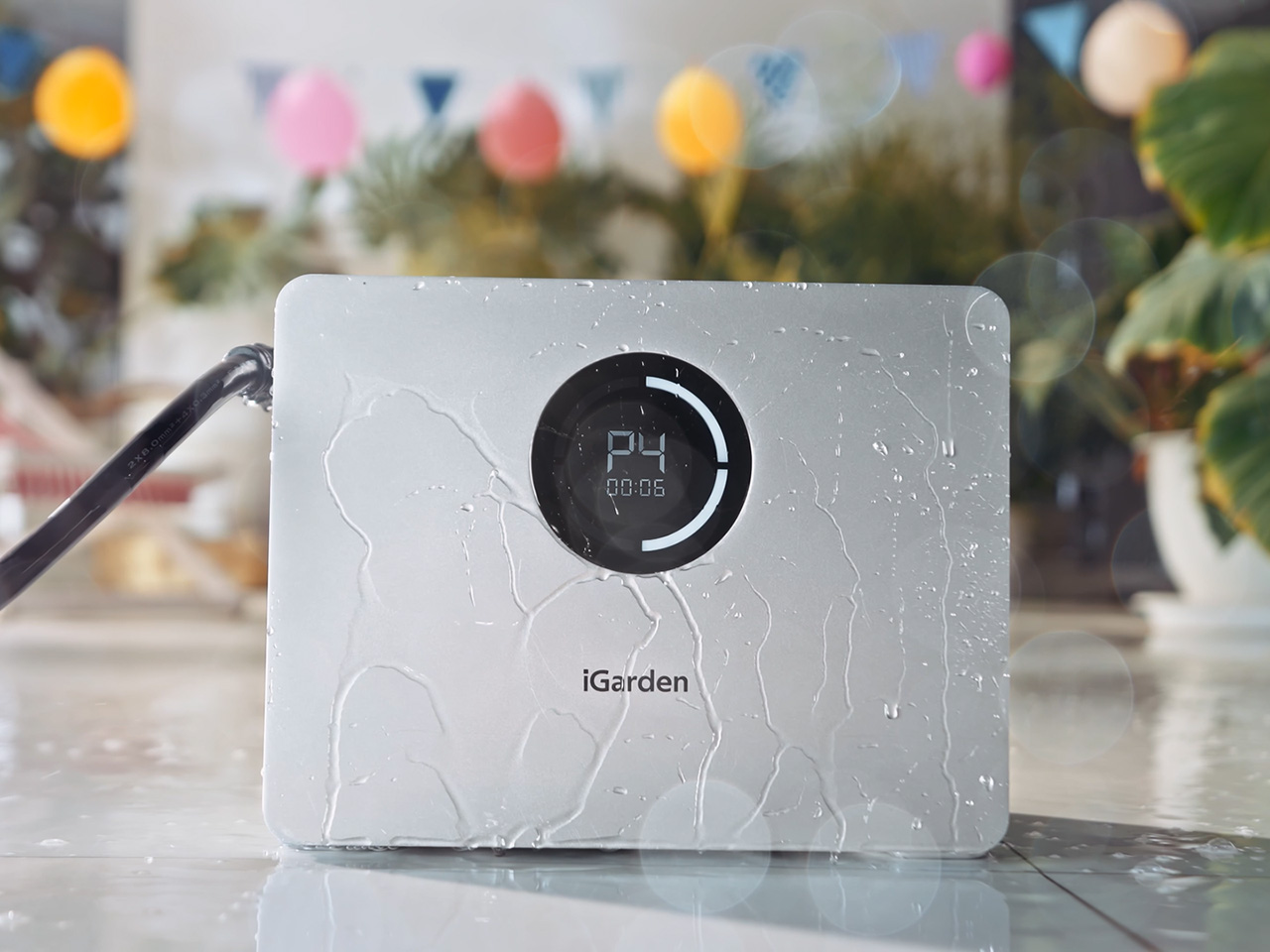
The Wedge SL is a USB-C rechargeable inspection light with a sleek, modern design built to actually stay in a pocket. The ultra-thin unibody construction puts the dimensions closer to a pen than a flashlight, 5.65 inches long, 0.28 inches thick, and about 1.14 oz light, which means it doesn’t fight for space with keys and a wallet. A stainless steel injection-molded pocket clip also lets it ride on a shirt pocket or tool pouch without bouncing around.
One-handed operation was clearly part of the brief. The tail switch handles momentary or constant-on use, so one hand can hold a panel, a wire bundle, or an awkward hatch while the other hand aims the light exactly where it needs to go. TEN-TAP programmable switch lets users choose whether constant-on defaults to High or Low intensity, which means the light can match your habits rather than forcing you to cycle through modes every time you switch on.
For an inspection light, the available modes are spot on, pardon the pun. Constant-on High runs at 100 lumens for 1.75 hours, Low drops to 50 lumens for 3.5 hours, and THRO (Temporarily Heightened Regulated Output) mode pushes 500 lumens with an 80m beam when you need maximum brightness fast. THRO is activated by a 3-second press, which keeps it from firing accidentally during sustained work while still making it quick to trigger when a tight space needs a real burst of light.
The battery side holds up well. USB-C charging and a four-level LED battery status indicator with charge alerts mean you always know roughly how much is left, without deciphering blink codes. A full charge takes about four hours. The field serviceable, user-replaceable lithium polymer battery is also worth calling out, since many rechargeable lights eventually become e-waste once the cell degrades inside a sealed body.
Durability gets the same careful treatment, as the extruded aluminum alloy case comes with a Type II MIL-Spec anodized finish. The lens is also unbreakable acrylic, and the light is IPX4-rated with 1m impact resistance testing. A bite boot is also included, which lets you grip it with your teeth during two-handed work without scratching the finish or the inside of your mouth.
The Streamlight Wedge SL earns pocket space by being thin, predictable, and quick to operate instead of trying to be a tactical statement piece. A flashlight that’s actually on you is always going to matter more than one that performs better on a spec sheet but gets left on the workbench because it’s too big to bother carrying every day.
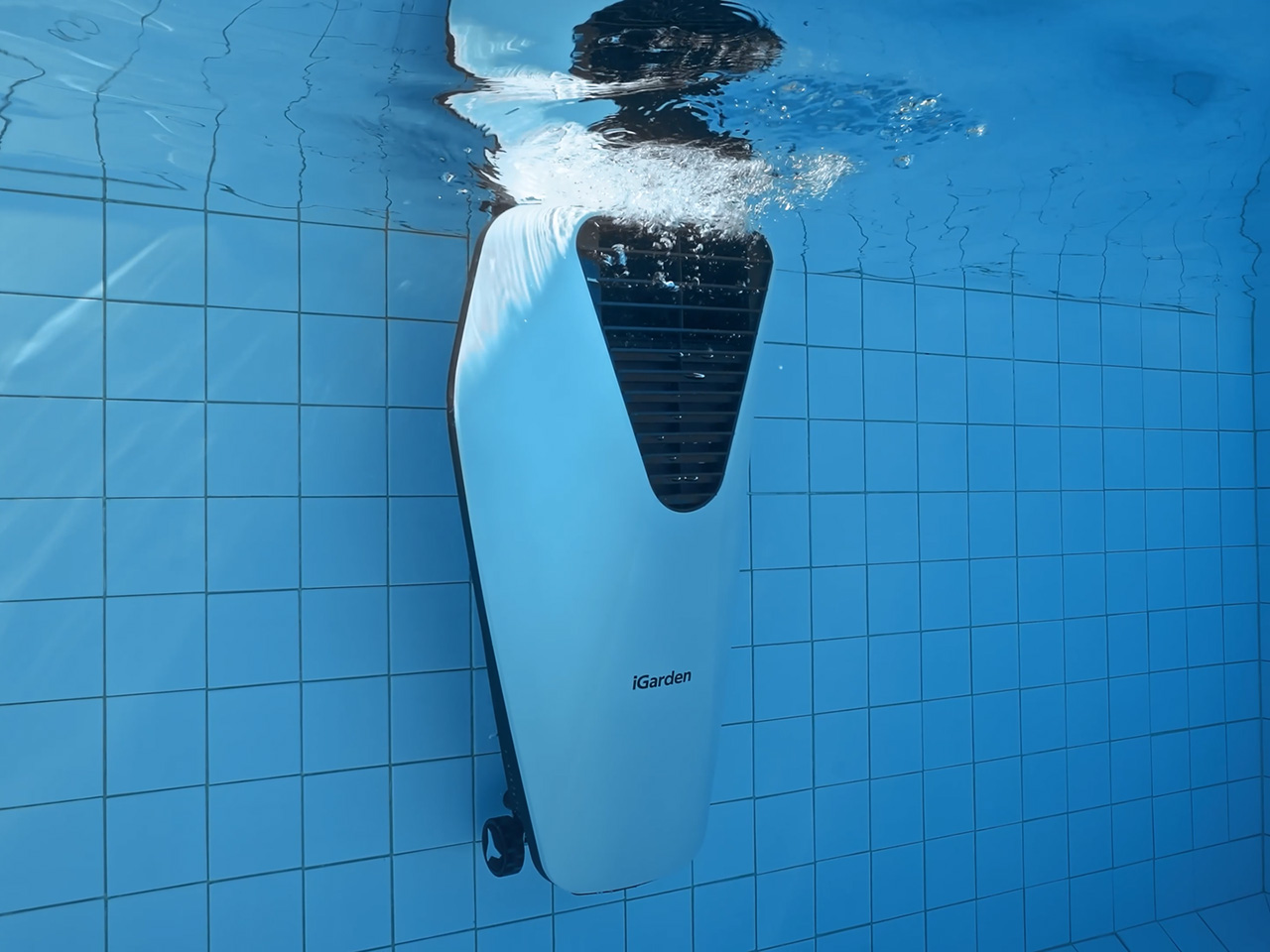
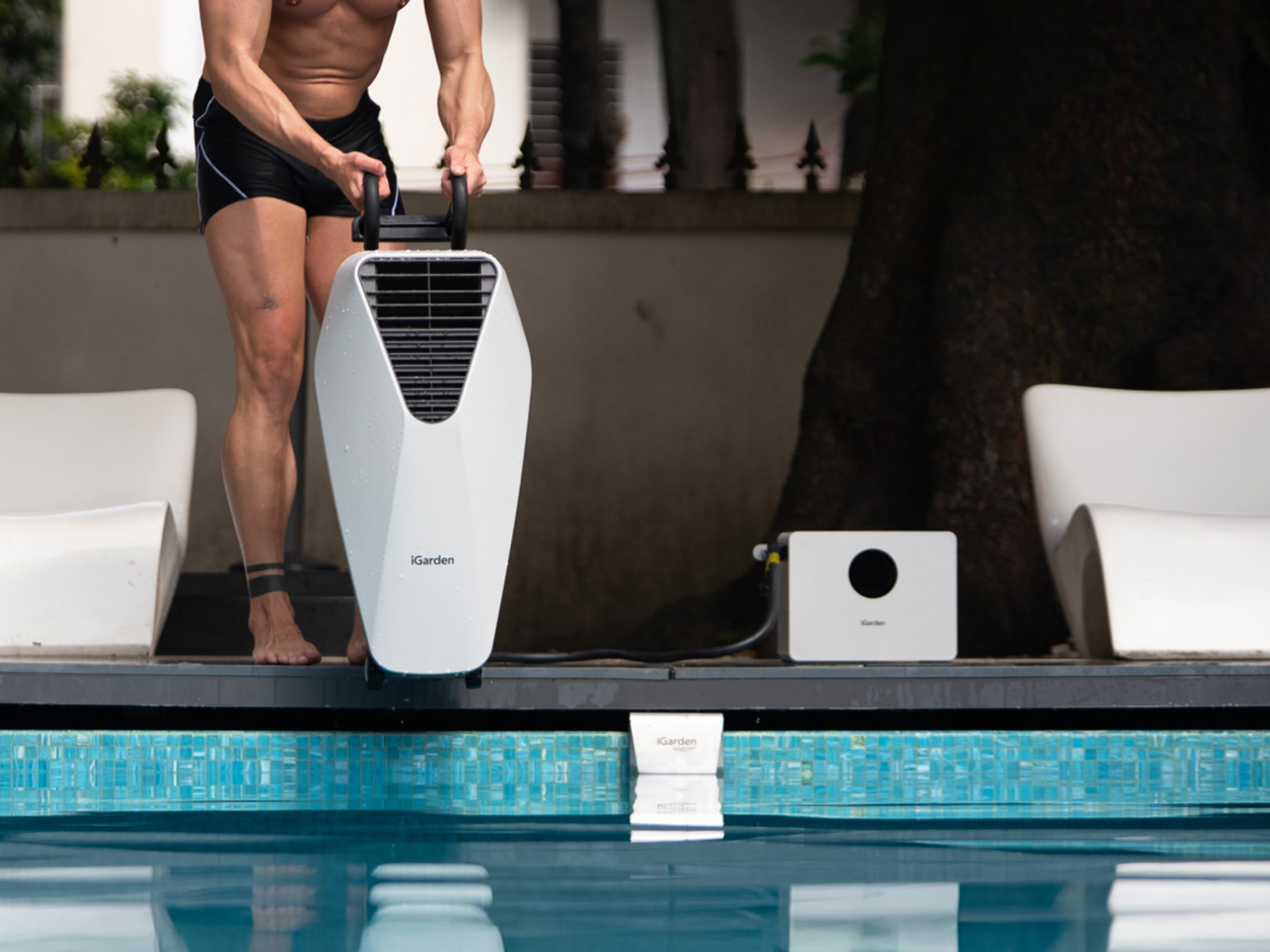
Here’s a question: what if your backyard pool could moonlight as a personal aquatic gym, wave pool, and lazy river – all without any permanent installation? That’s the pitch behind iGarden’s new Swim Jet X Series, a battery-powered contraption that clamps onto your pool edge and fires water at speeds that can actually challenge competitive swimmers.
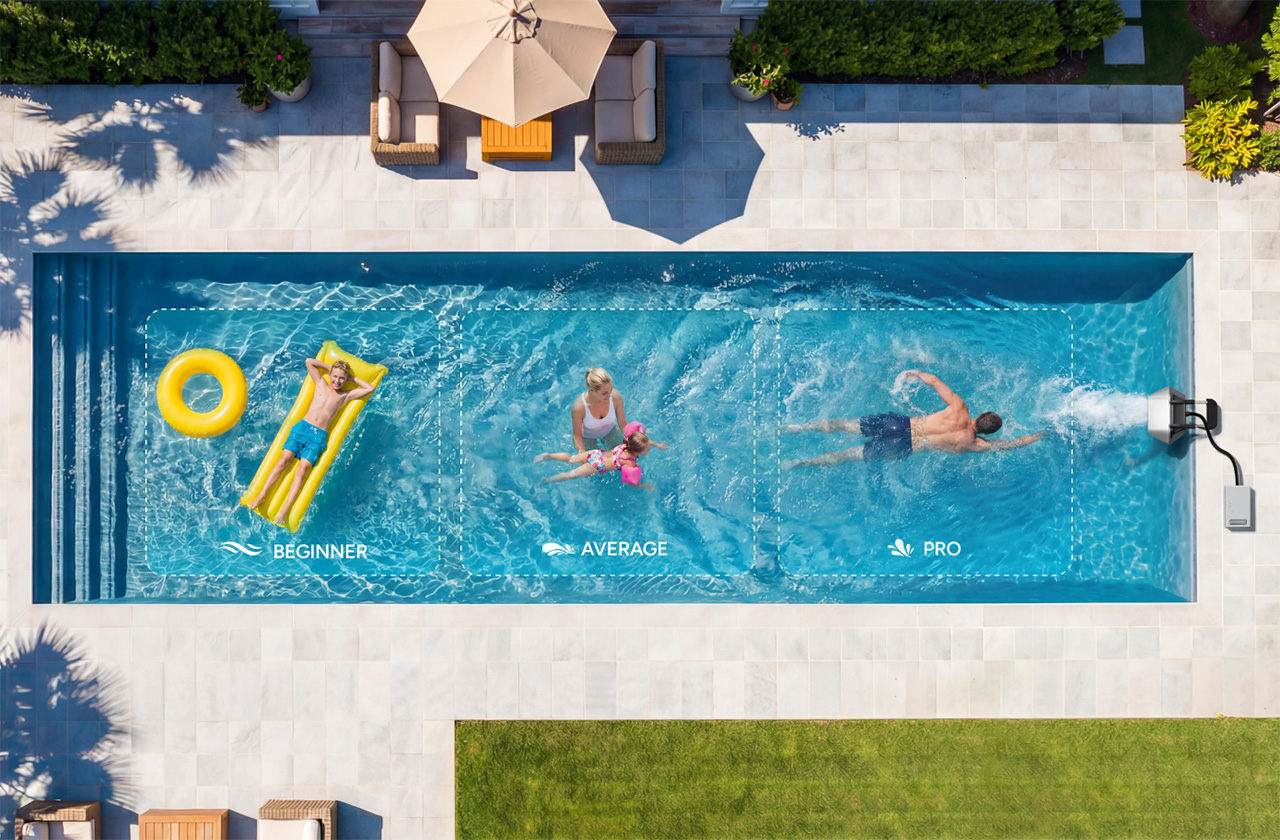
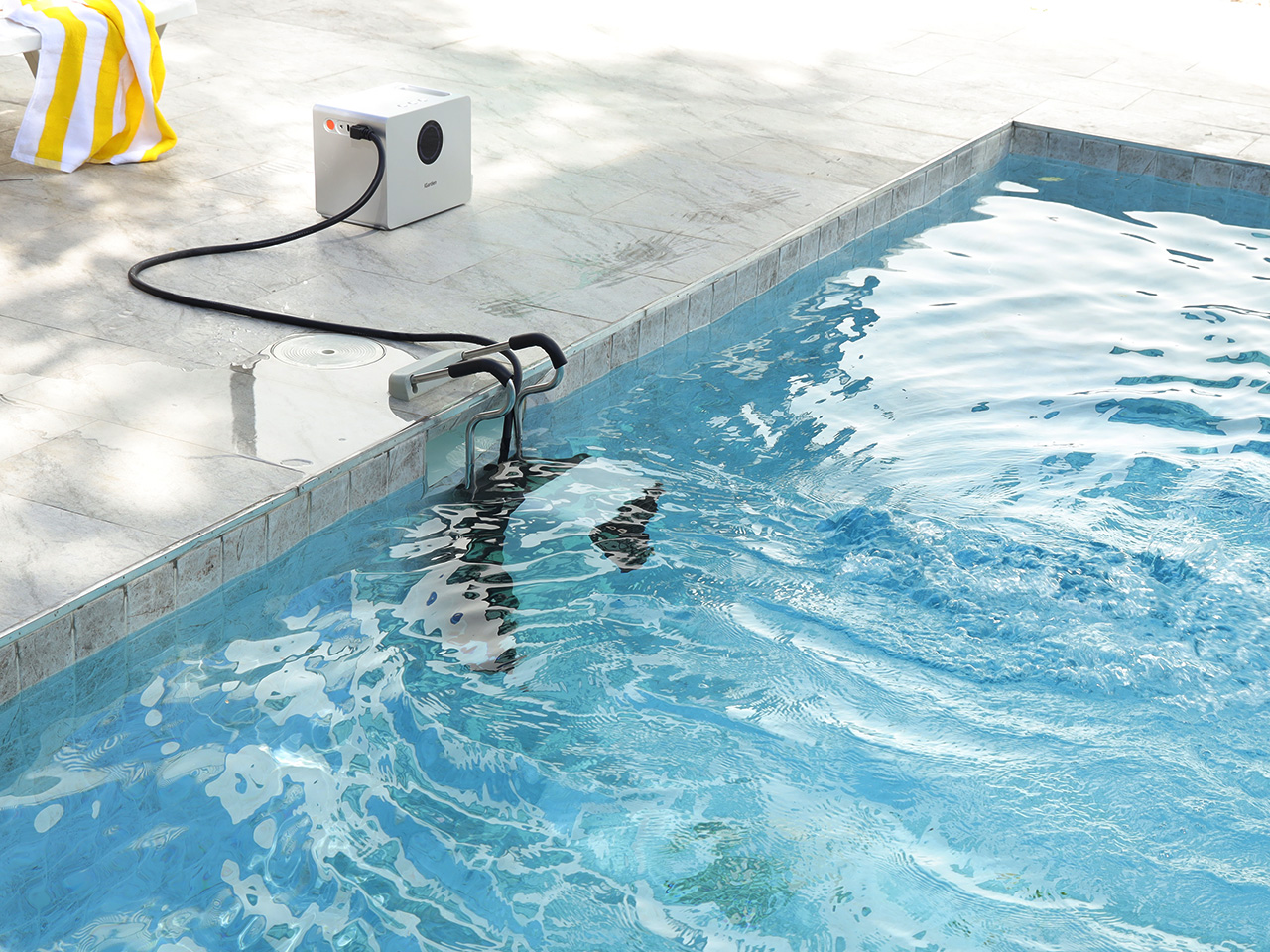
The whole setup is refreshingly simple. Mount the jet unit to your pool’s edge using the included clamps – no drilling, no plumbing, no construction crew required. The separate power box sits poolside, connected via a safety tether. Then you’re off, swimming against an artificial current that ranges from gentle lazy-river vibes to serious resistance training. It’s like having a treadmill, but for swimming.
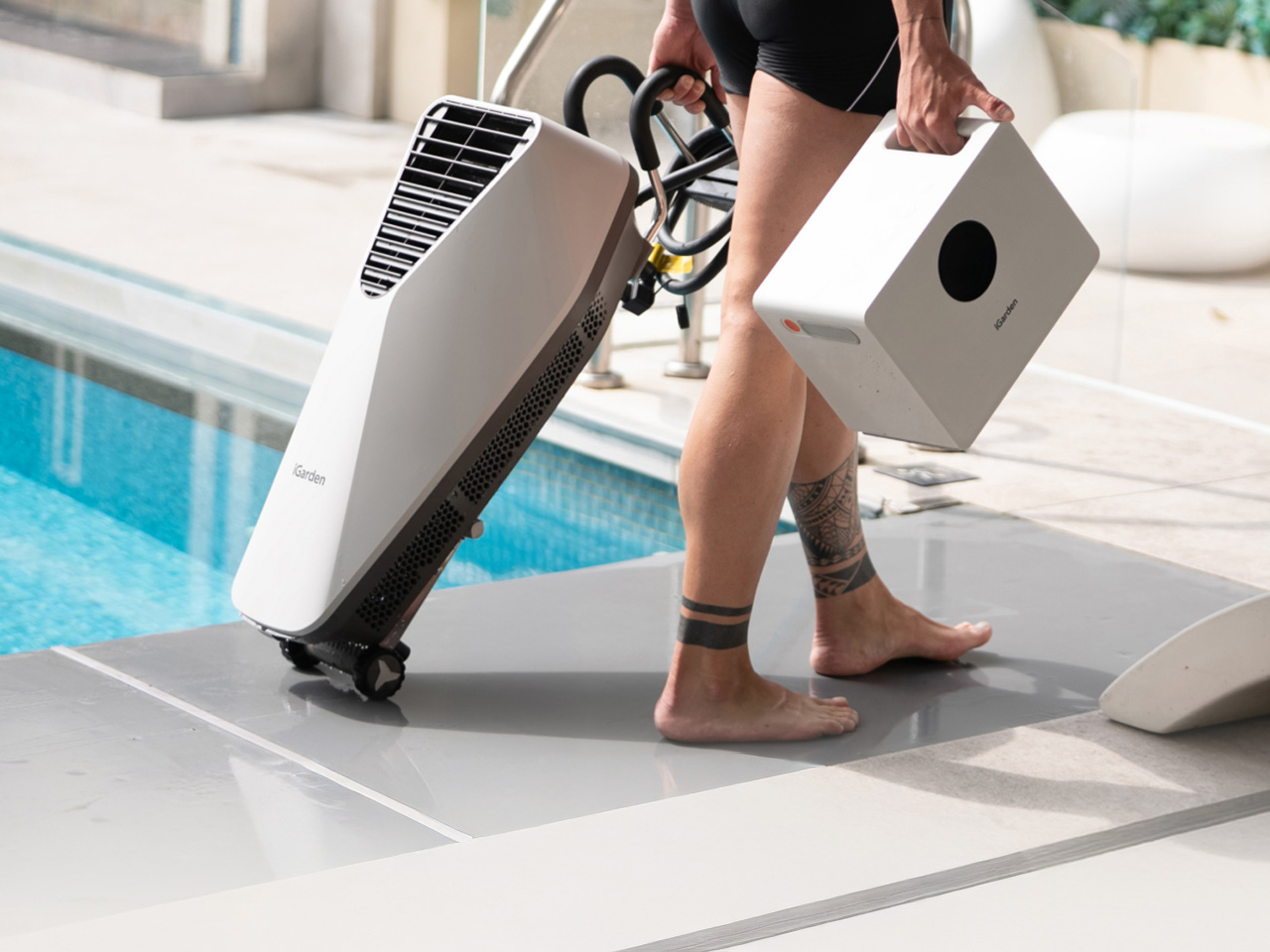
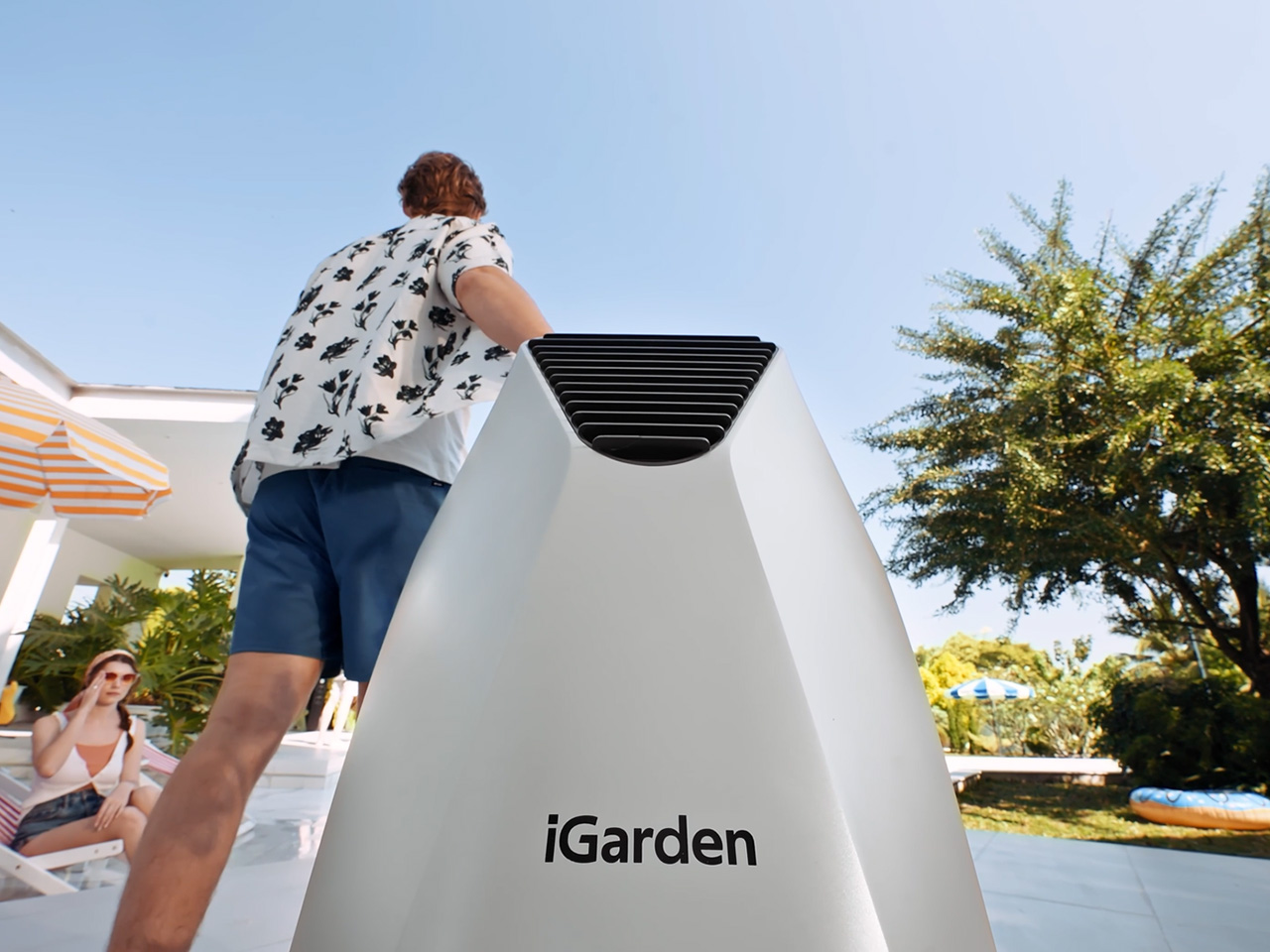
The beauty lies in the fact that the Swim Jet X isn’t a permanent pool fixture. You place it when you need, take it off when you don’t. The power box comes with suitcase-style wheels and a handle, so you can wheel it around like luggage. iGarden claims you can set up or pack away the entire system in minutes, which addresses one of the main complaints about traditional swim jets – they’re permanent additions that require professional installation and cost upwards of $20,000. This? Starts at $699, comes with wheels, and can be carried to a nearby Airbnb with a pool too, just in case you want to swim while on a staycation.
The AI branding feels a bit more grounded once you look at what iGarden is actually doing under the hood. The Swim Jet X Series uses an AI Inverter control system to dynamically optimize motor RPM, aiming to keep the current ultra-stable and laminar even when you crank resistance to the top end. Underneath that control layer is a next-gen PMSM (Permanent Magnet Synchronous Motor), chosen for higher power density and efficiency than traditional induction motors, with the flagship X35 model reaching a 1000W peak output. Pair that with iGarden’s hydrodynamic “Straight-line Runway Flow” structure, and the promise is less about flashy buzzwords and more about efficiently shaping water into a cleaner, steadier stream, pushing flow speeds up to 3.5 m/s. Training-wise, the system also leans into adaptive programming via a Flow Level Test Sequence (P1 to P4), scaling from “Easy Aerobic” to “Endurance Challenge” using real-time feedback, and syncing with heart rate and fat-burning metrics so the current can track the workout, not just the other way around.
iGarden is launching three models with escalating power levels. The entry-level X20-P10 runs on 300W, delivers flow speeds of 660 gallons per minute at 150 meters per hour (about 1.24 mph or 2 km/h), and provides roughly 0.8 to 1.5 hours of runtime depending on intensity. It’s designed for light training and casual family fun. The mid-tier X30-P30 bumps things up to 500W with 880 GPM flow at 200 meters per hour (approximately 1.55 mph or 2.5 km/h) and extends runtime to 1.5 to 5 hours. This is the Goldilocks option for most recreational swimmers and fitness enthusiasts.
Then there’s the flagship X35-P60, which is where things get serious. This model pushes 1000W of power, generates 1000 GPM flow, and hits speeds of 250 meters per hour (around 2.17 mph or 3.5 km/h). That might not sound dramatic until you realize it’s enough resistance to challenge advanced swimmers and triathletes. The X35-P60 also boasts up to 10 hours of continuous runtime, which means you could theoretically run full-day pool parties or extended training sessions without needing a recharge. That longevity pairs nicely with a new 2-in-1 versatility angle: the same unit can switch between Surface Mode and Underwater Mode, depending on what you’re trying to do. Surface Mode is geared toward casual family fun and splashing, while Underwater Mode is hydrodynamically optimized for more professional-grade stationary swim training.
All three models use high-density lithium-ion battery packs with IP65 waterproof ratings and are rated for over 600 charge cycles, which translates to roughly 3 to 5 years of regular use. Charging times range from 3.5 hours for the X20-P10 to 7 hours for the X35-P60. They’re compatible with pools larger than 2 meters by 4 meters, which covers most residential installations. The universal clamp system works with various pool edge styles, and the jet angle is adjustable so you can direct the flow exactly where you want it.
The safety features are thorough: instant power cut-off if the box tips over, leak-proof construction with no exposed outlets or loose cables, a kid-safe grille design that protects curious hands, and low-voltage operation that eliminates shock risks. There’s also an emergency cutoff button directly on the power box, because nobody wants to fumble with an app during a pool crisis.
Now, is this thing actually AI? Well, not really. The “Smart Flow Technology” they mention is essentially a brushless PRISM motor with an inverter controller that adjusts output based on your app settings. That’s automation, not artificial intelligence. But let’s not get hung up on marketing speak – what matters is whether it works, and the specs suggest it should deliver on the core promise of creating adjustable resistance in your existing pool.
The real question is durability. Battery-powered pool equipment lives a tough life: constant moisture exposure, temperature swings, UV bombardment, and the occasional collision with a pool noodle or overly enthusiastic golden retriever. iGarden offers a 2-year extended warranty for VIP backers, which suggests they’re at least somewhat confident in the build quality. The unit also comes with a storage bag free for early backers, which is a thoughtful touch for off-season storage or transport between pools.
Pricing starts at $699 for the X20-P10, with multiple discounts that can combine depending on how you buy in. VIP backers get an extra $200 off the Super Early Bird price, and iGarden says the total discount can reach up to $1,900 off MSRP depending on the model and tier. The VIP reservation requires a $50 deposit that’s fully refundable before launch and holds your spot for the lowest price window. During the campaign, iGarden lists the X30-P30 at $1,699 versus a $2,999 retail price, while the X35-P60 is $2,399 compared to its $4,299 future price. Shipping is a flat $50 in the US, with customs duties covered for backers in the US, EU, Australia, Canada, and the UK, and deliveries are scheduled to begin in May 2026.
Is this a revolution in backyard fitness? Probably not. But it’s a clever rethink of swim jets that removes the installation barrier and dramatically cuts the price point. For anyone who’s ever wished their pool could do more than just… be a pool, this is worth watching. The Kickstarter campaign launches in March 2026. Until then, you can reserve your spot with a $50 deposit at iGarden’s site.
The Switch 2 barely celebrated its first birthday and yet here we are already whispering about what comes next. That’s the “Nintendo Effect”, really. The company trains us to speculate obsessively, and honestly, the rumor mill right now is giving us plenty of material to work with. So let’s lean into it: is a Switch 2 Pro or some kind of premium hardware revision actually on the horizon sooner than expected? The signs are quietly pointing toward yes, and it’s worth getting excited about.
The most tantalizing breadcrumb dropped just last month. A sharp-eyed Bluesky user going by the handle Dootsky.re dug through Nintendo’s Account Portal and found an unused hardware model code labeled “OSM.” For reference, the Switch 2’s own model code is “BEE,” and the original Switch used “HAC,” with “HAD” reserved for its later battery-upgraded variants. The fact that “OSM” already exists in Nintendo’s backend infrastructure, and that requesting it actually returns an image of a Switch 2, is the kind of detail that quietly screams “something is cooking.” Nintendo doesn’t register model codes for fun.
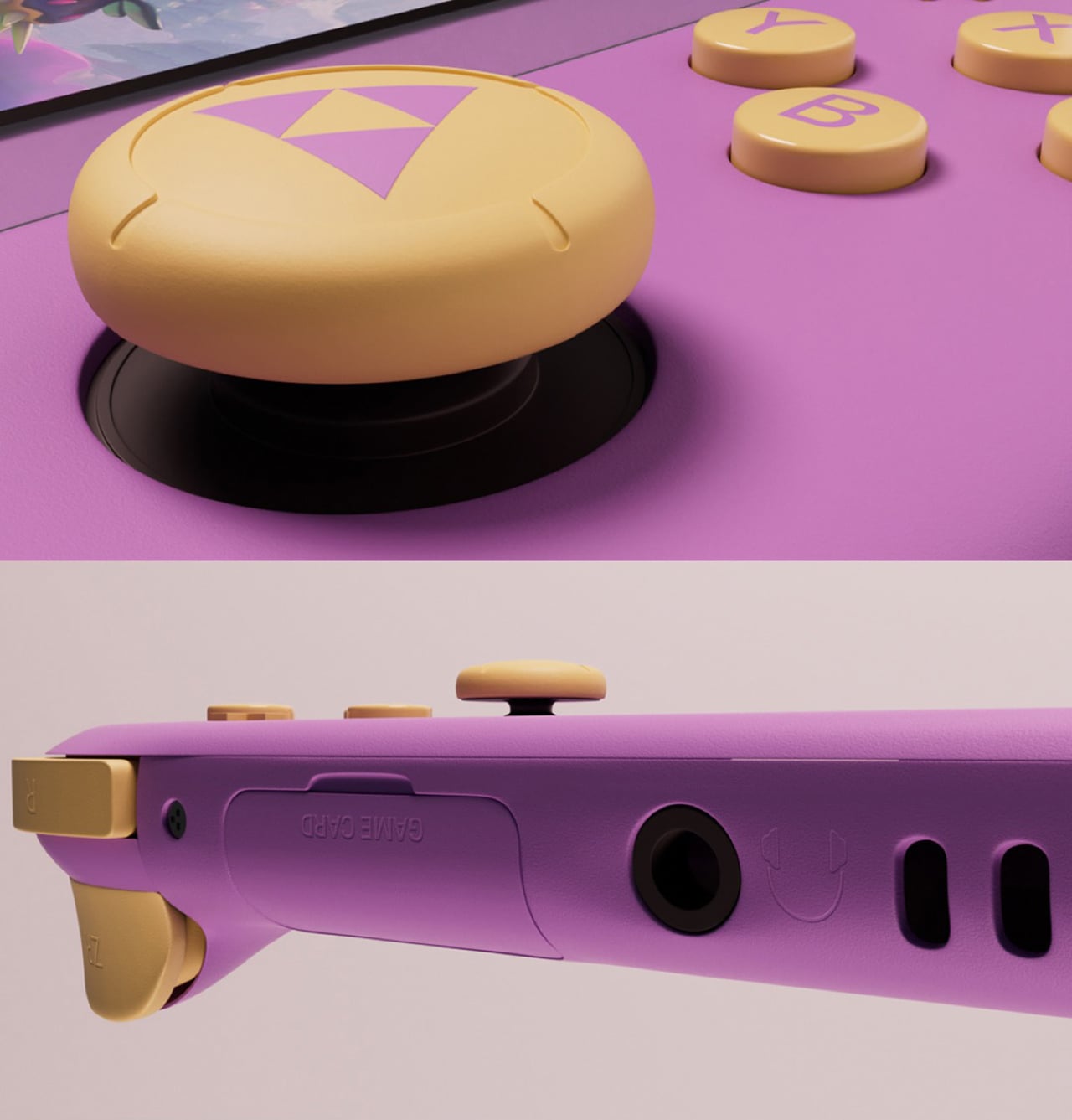
Designer: Nintendo
What could OSM stand for? Speculation has been predictably wild. One theory floating around Reddit suggests it means “Ounce Small Model,” pointing toward a Switch 2 Lite with a reduced footprint and lower price point. That theory makes a lot of sense given the Switch 2’s $450 launch price, which stung more than a few buyers and left a sizeable chunk of Nintendo’s potential audience watching from the sidelines. A leaner, cheaper variant that strips out the dock functionality but keeps the core gaming experience intact would be a very Nintendo move, and it would open up the platform to an entirely new demographic.
But another theory carries just as much electricity. Some observers are reading “OSM” as a pointer toward an OLED model, a Switch 2 that finally gives the people what the Switch 2’s launch arguably should have delivered from day one: a proper OLED display. The current Switch 2 runs a 7.9-inch LCD, which is perfectly fine but feels like a missed opportunity when you consider that the original Switch OLED was basically the definitive version of that console. An OLED-equipped Switch 2 with a refined chip process could genuinely be the “Switch 2 Pro” that players have been quietly hoping for, one that offers a noticeably upgraded portable experience without requiring an entirely new software library.
And that’s the thing: a hardware revision in the Switch family has always been more of a premium upgrade than a generational leap. Nintendo’s historical cadence backs this up beautifully. The original Switch launched in 2017. The Lite arrived in 2019. The OLED landed in 2021. Apply that roughly two-year rhythm to the Switch 2 timeline, and a revised model somewhere in 2027 sits right on schedule. But here’s where it gets interesting: the “OSM” code is already sitting in Nintendo’s systems, which suggests development is well underway. Hardware doesn’t appear in account portals by accident. If Nintendo is already assigning codes, the pipeline for a new variant is real, active, and potentially closer to announcement than anyone expected.
Meanwhile, the Switch 2’s software trajectory is also telling. Nintendo is loading up 2026 with big titles to keep the current hardware thriving, with Fire Emblem: Fortune’s Weave, Splatoon Raiders, Tomodachi Life: Living the Dream, Rhythm Heaven Groove, and a rumored new 3D Mario all either confirmed or heavily anticipated for this year. That’s a lineup designed to sustain momentum, not wrap things up. And a premium hardware revision landing in late 2027 alongside whatever monster franchise entry Nintendo saves for that window? That’s a product launch that practically writes itself.
A Switch 3, for comparison, feels genuinely far away. Nintendo doesn’t abandon a platform that’s selling at record pace, and the Switch 2 already smashed records to become the fastest-selling console of all time globally. You don’t walk away from that kind of commercial velocity. A generational successor needs years of runway, a clear technological leap, and a reason for consumers to start over. None of those conditions exist right now, and the software library is too young and too rich to justify anything close to a hardware retirement.
So what’s the realistic picture heading into 2027 and beyond? A Switch 2 Lite targeting the budget end sometime in late 2027 feels very probable, with an OLED or performance-focused “Pro” variant following close behind, potentially the crown jewel that finally gives the Switch 2 the premium screen it deserved at launch. The “OSM” code is just the first breadcrumb, but if Nintendo’s history has taught us anything, those breadcrumbs tend to lead somewhere worth following.
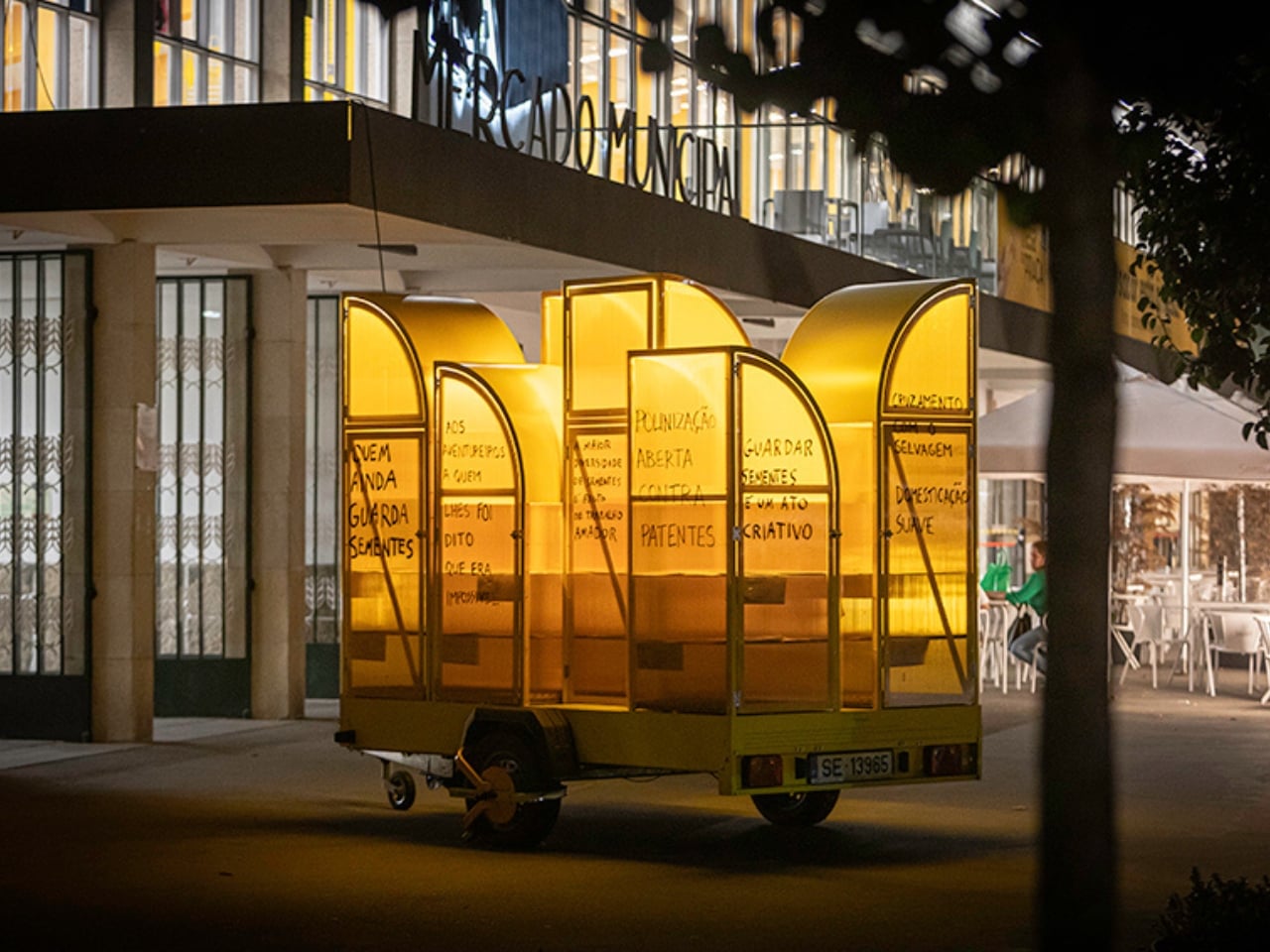
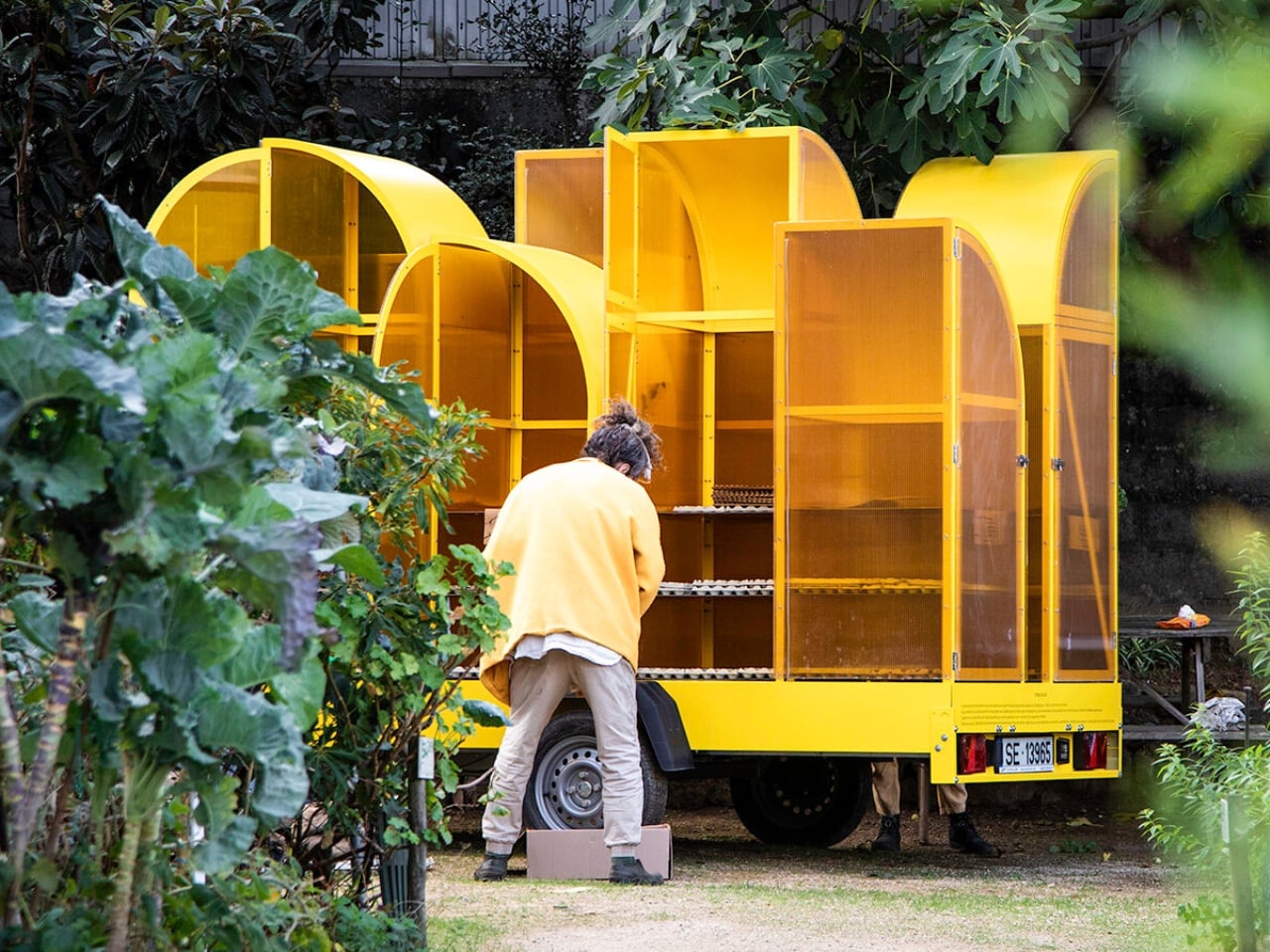
There’s a little yellow greenhouse rolling through the city of Braga, Portugal, and it might just be one of the most charming design ideas to come out of architecture in recent memory. Not a concept render, not a speculative project sitting behind museum velvet ropes. It’s real, it’s on wheels, and it’s on a mission to bring seeds and green spaces to the neighborhoods that need them most.
The project is called Sementeira Ambulante, which translates to “Mobile Seedbed” in English. It was designed by Portuguese firm LIMIT Architecture Studio for the Festival Forma da Vizinhança, part of Braga 25, the city’s year as Portuguese Capital of Culture. The name alone tells you everything about its spirit: this is a greenhouse that refuses to stay put.
The backstory starts at the Quinta da Armada urban farm, which sits in one of Braga’s denser urban pockets, wedged between the rear facade of a shopping center and a residential building. On paper, it sounds like an unlikely setting for a garden. But that’s exactly the point. The farm is a quiet, vibrant refuge, a small green oasis thriving in a place no one would think to look for one. LIMIT Architecture Studio saw that energy and asked a simple but brilliant question: what if the farm could move?
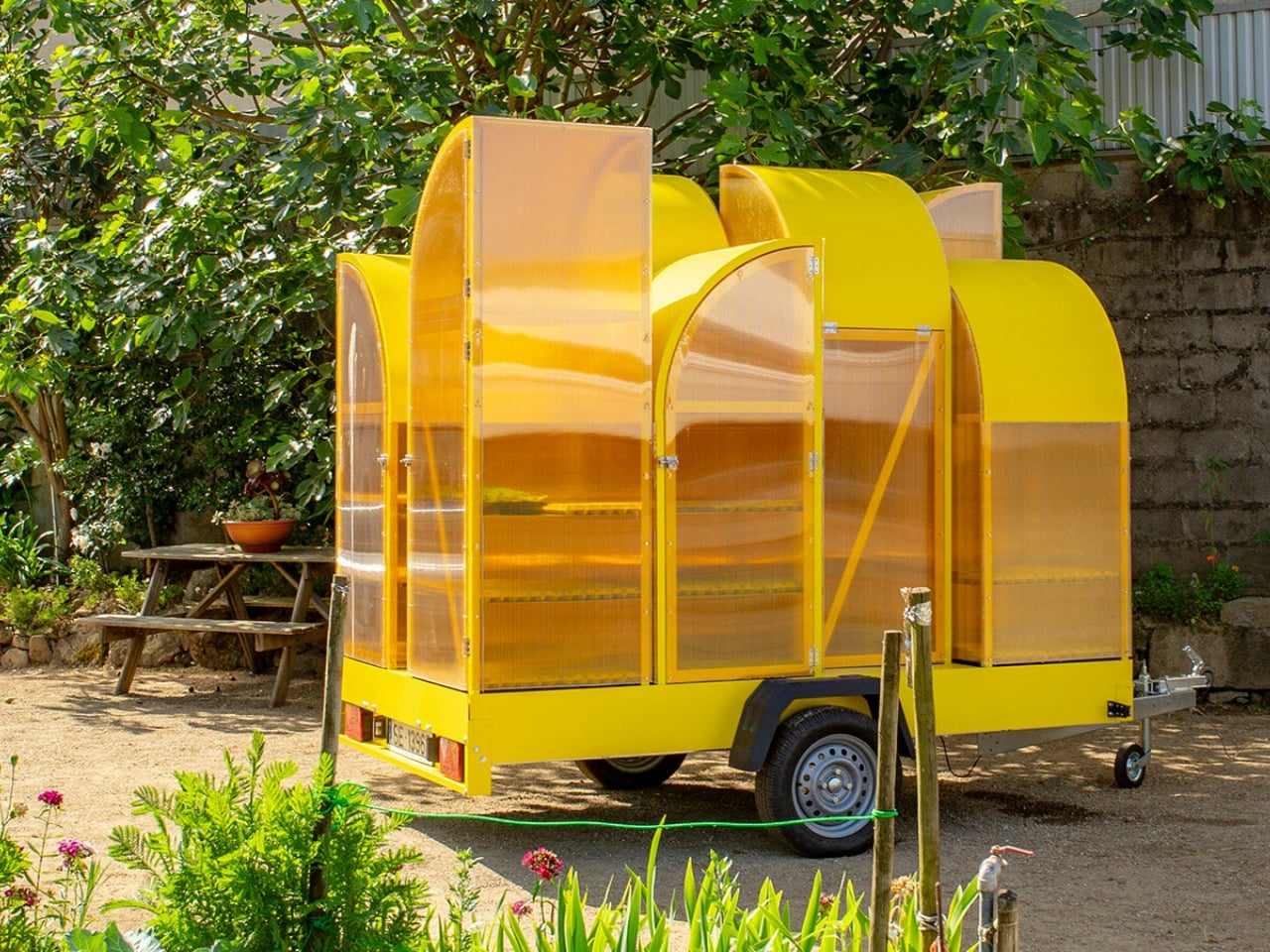
The answer is a structure made of eight modular aluminum units mounted on wheels, wrapped in polycarbonate panels and curved sheet metal. The result is something that looks like a cross between a sci-fi capsule and an old-school market cart, all in a warm, eye-catching yellow. It covers just over four square meters, but its footprint on the city’s imagination is considerably larger.
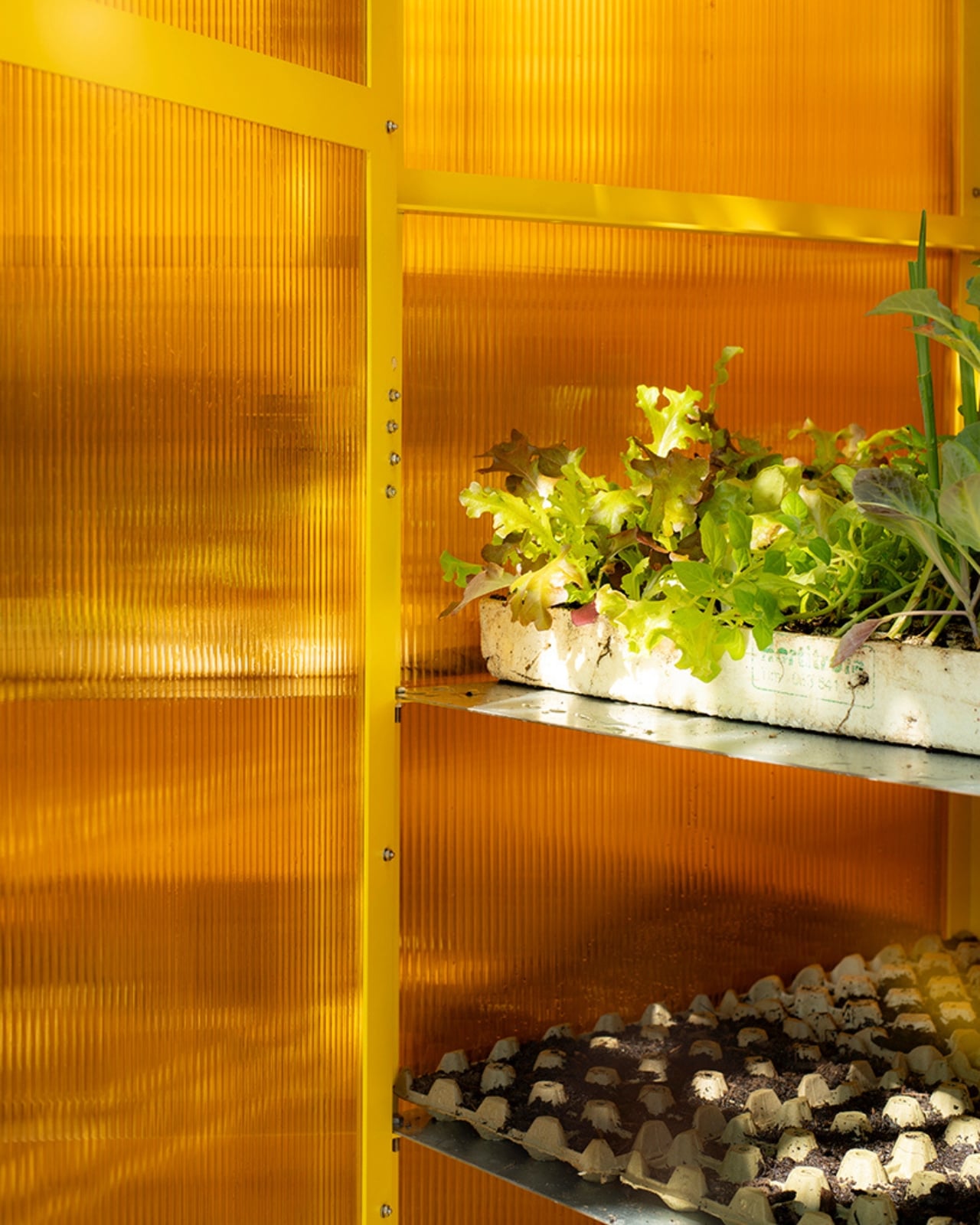
What makes the Sementeira Ambulante genuinely clever is its dual personality. When it’s parked at the Quinta da Armada farm, it functions as a working greenhouse, a controlled environment for seed germination. The polycarbonate panels let in light while protecting the seedlings inside. The structure holds everything the plants need to get their start. But the moment those wheels start rolling, the whole thing transforms into something else entirely: a mobile ambassador for urban farming.
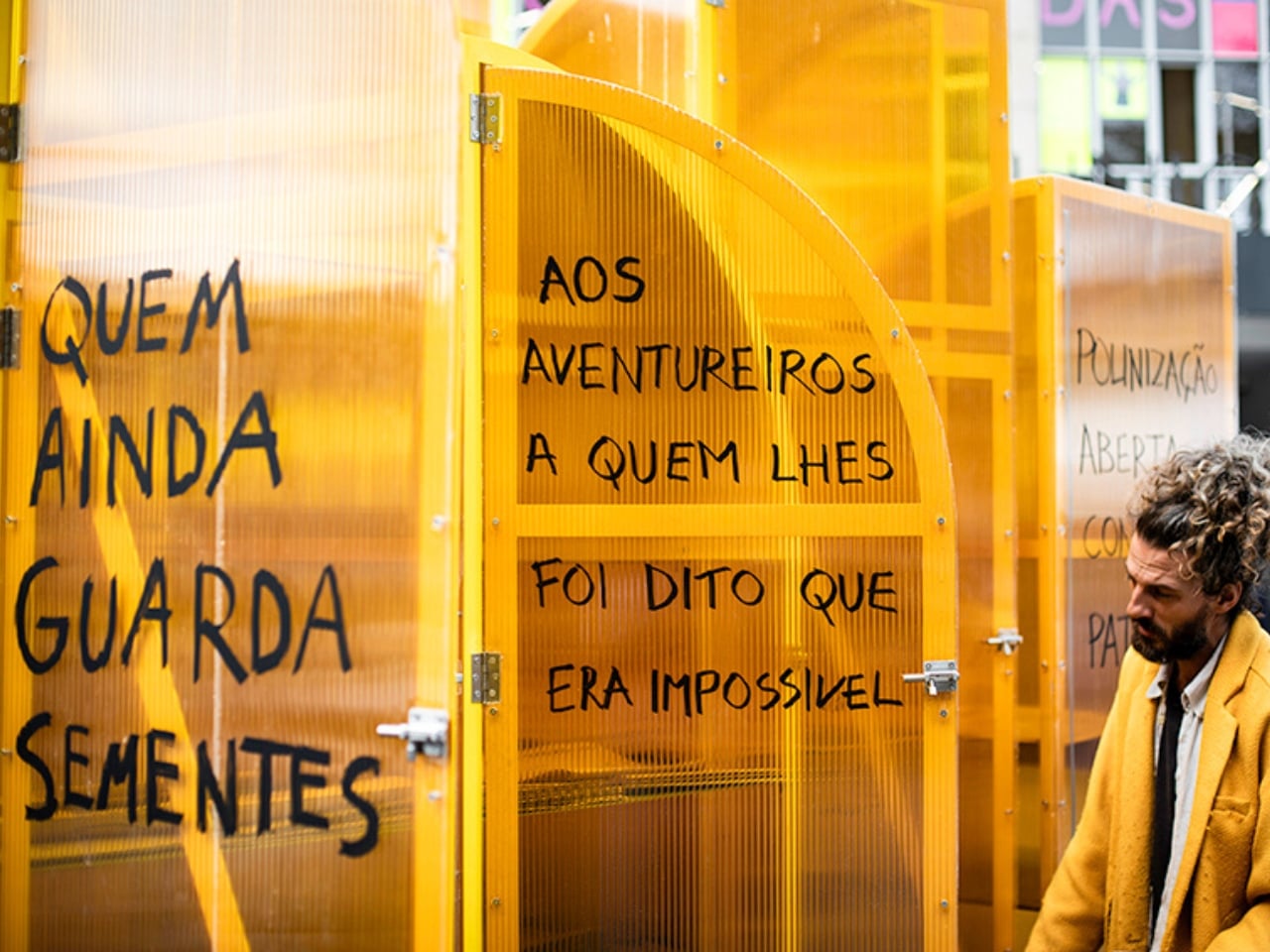
As it travels through Braga’s neighborhoods, the structure distributes seeds to communities across the city. It raises awareness of urban gardens, pulls people into conversations about food, nature, and green spaces, and brings the farm physically into neighborhoods that might not have any greenery of their own. The design is doing social work just as much as architectural work.
There’s also something deeply intentional about the materials and the scale. Polycarbonate panels are practical, lightweight, and translucent, exactly what you’d want for a structure that needs to travel and let light through. Curved sheet metal gives the form a sculptural quality that makes it feel like an object worth looking at, worth stopping for. At just over four square meters, it’s small enough to navigate city streets but substantial enough to function as a real working space. Nothing about it feels like an afterthought.
The project was curated by Space Transcribers and completed in collaboration with Landra. It sits within a broader cultural conversation about what cities owe their residents, particularly when it comes to access to nature, food production, and community-driven spaces. The Sementeira Ambulante doesn’t answer that conversation with grand gestures or expensive infrastructure. It answers it with eight modules, four wheels, and a bag of seeds.
Urban farming has been gaining serious traction globally for years, but most interventions are fixed: rooftop gardens, community plots, vertical farms attached to buildings. What LIMIT Architecture Studio has done is challenge that assumption entirely. Why should the farm stay in one place when the people who need it are spread across an entire city?
The Sementeira Ambulante is a reminder that good design doesn’t always mean building something permanent. Sometimes it means building something mobile, something alive, something that shows up in your neighborhood one morning like a small yellow miracle and leaves a packet of seeds behind.