Segway-style, motion-activated ‘standing’ wheelchair helps users confidently navigate life

What is the ultimate freedom for those with lower limb disabilities bound to a wheelchair? A ride that not only helps get around with minimum external human assistance, but that allows one to stand up and sit down with similar convenience. Invaluable modifications have happened to the traditional wheelchair to reach closer to this dream of ultimate freedom.

Joysticks are used for maneuvering the wheelchair through obstacles and mechanics are to allow a wheelchair to rise from the usual sitting position to semi-standing freedom. Addressing this facet with an outstanding new approach is the Kim-e, a segway-styled wheelchair users can stand upright in just a matter of seconds.

Designer: Chronus Robotics

The brainchild of Chronus Robotics, a Lithuanian-based manufacturer, the Kim-e has been developed into a production model over four years of research, prototyping and perfecting. Unlike the traditional wheelchair, the Kim-e is instantly distinguishable with its two-wheeled design. There is no word on pricing or availability at the time of writing, presumably though, it should be out sometime later in the year. You can book a free test ride with Kim-e today.

Things are made ultra-convenient not just by the instant transformation of this wheelchair from sitting to standing in seconds, but more so by its hands-free functionality. Reportedly, Kim-e can be controlled by upper body movement to raise and lower the seat or glide the wheelchair through the crowd. And when you’re ready to hit the road, it can fold up to fit into the boot of your car for easy transportation.

Drawing its power from a lithium battery onboard, Kim-e can power up fully in four hours and travel up to 30 km on a single charge at a top speed of 20 km/h. This wheelchair, along with the built-in battery weighs 38 kg and has a payload bearing capacity of up to 90 kg. Kim-e may have a slightly lesser weight-carrying ability, but it is designed with safety in mind whether you use it in a traditional seated position at the work desk or while strolling upright with your friends in the mall.

Kim-e is equipped with a scissor-lift-type mechanism which allows the seat to raise enough to put the occupant at the eye-level of your companion. No more pushing or tugging. Let your friend/partner wall besides, while you maneuver the wheelchair on your off-road capable tires over sand, gravel or shallow water. At a semi-standing position, Kim-e straps the user’s thigh and even supports one to climb slopes of up to 20 degrees without breaking a sweat.

The post Segway-style, motion-activated ‘standing’ wheelchair helps users confidently navigate life first appeared on Yanko Design.

This Rabbit R1 AI Smartwatch would have been a smash success at CES 2024…

Smartphone technology has come a long way and most of us would consider there is no going back from the endless convenience of next-gen phones that keep dropping every other week. This notion may be on the verge of change, with a pocket-friendly Rabbit that paced through the hearts of CES attendees this year. Dubbed the R1, a walkie-talkie-like device created by a startup called Rabbit in collaboration with Teenage Engineering and it is an AI-assisted smartphone alternative.

This retro-styled personal assistant with a screen, camera, and a scroll wheel is half the size of an iPhone 15 and presents a simpler and less distractive way to interact with technology. How the R1 really functions is a story untold, but its nostalgic simplicity has had over 10,000 customers and a designer floored. The designer has added wearable convenience to the Rabbit making it a compact AI watch.

Designer: Alisher Ashimov

The first visible motive for turning the palm-sized personal voice assistant into a wearable is to eliminate the need for an extra device to carry in the pocket, whatever the size might be. Aptly named Rabbit R1 AI Watch, it will enhance portability without compromising the uniqueness of the original design.

To that accord, the designer has retained the vibrant orange color theme to keep with the retro vibe. The wrist-worn voice assistant has the same square dial with features like a camera, a control wheel, speakers, microphones and the pioneering push-to-speak button included.

The redesigned wearable preserves a sim card slot to allow the watch to function independent of a smartphone, which is essentially the stand-out feature of the Rabbit R1 itself. The app-less handheld AI assistant takes us back to a time when using a phone was simple, and the idea of the watch keeps with that ideology.

It runs the Rabbit OS which allows it to conduct regular tasks like ordering Uber or checking out your grocery directly using the Rabbit’s proprietary Large Action Model (LAM) AI model. LAM is adaptable, which means it can learn and interact with new applications and actions you want it to learn. There is no word on the specifications of the AI Watch, but we presume when it is ready, it will be close to the 4 gigs of memory, 128GB storage, and 2.3GHz MediaTek processor that its inspiration Rabbit R1 features.

The post This Rabbit R1 AI Smartwatch would have been a smash success at CES 2024… first appeared on Yanko Design.

This Spotify Speaker helps Long Distance Relationship couples bond over music

Long-distance relationships (LDRs) pose unique challenges, with 37% of couples parting ways within three months of becoming geographically separated. In response to this, the innovative product SoundMotion has emerged, offering a streamlined way of companionship specifically designed for couples navigating the complexities of distance. Unlike traditional communication technologies that focus on explicit information transmission, SoundMotion integrates music sharing, physical engagement, and subtle notifications to address the emotional nuances essential for fostering intimacy in LDRs.

Designer: Zhujun Pang

While researchers in human-computer interaction (HCI) have explored various technologies for emotional communication in LDRs, they often fall short of addressing the complex emotional changes and needs of long-distance couples, especially whose love languages include ‘physical touch’ and ‘acts of service’. SoundMotion takes a user-centered approach, focusing on implicit emotional communication through the combination of music sharing and physical interactions.

The beginning of SoundMotion involved a meticulous design process, starting with the identification of the need for a user-centered approach. The concept evolved through brainstorming, sketching, and the development of an inspiration board. The initial design involved integrating physical devices with a streaming service and creating a bespoke music-sharing channel for couples. The swinging motion was chosen as the primary means of physical interaction, signifying new messages and indicating the partner’s online status.

To enhance the user experience, the design underwent iterations, with feedback leading to adjustments in the placement of the screen and the incorporation of personification elements. The swinging motion, inspired by the movement of a bell, aims to strengthen the sense of companionship through anthropomorphism.

SoundMotion is a dedicated communication system facilitating seamless interaction between long-distance couples. Equipped with a device known as SoundMotion, each couple gains access to synchronized music listening and basic physical engagement. The tangible interaction design conveys the partner’s state through subtle, ambiguous cues, capturing attention without intrusiveness.

The SoundMotion device features a hat that acts as a switch, controlling Bluetooth speakers. Opening the hat to a horizontal angle activates the device as a music speaker, while fully opening it triggers the Couple Channel, displaying the screen. The swinging motion of the hat serves as a notification, indicating the partner’s status during music playback.

The development process included prototyping, where an electromagnet initially drove the swinging motion. However, due to limitations in the magnetic field range, a servo motor replaced the electromagnet for more effective performance. This user-friendly adjustment highlights SoundMotion’s commitment to refining the user experience through practical testing and improvements.

SoundMotion employs the ESP8266 as its hardware platform, establishing a connection with the Spotify server. This connection allows the transfer of emoji feedback data generated during user interaction, enabling Spotify to analyze the data through the Spotify Web API. The result is personalized music recommendations, enhancing the overall experience for long-distance couples.

SoundMotion stands at the forefront of technology designed to address the emotional needs of long-distance couples. By combining music sharing, physical interaction, and subtle notifications, this innovative product offers a unique and user-centered solution to the challenges faced by those navigating the complexities of a long-distance relationship. SoundMotion not only bridges the physical gap but also fosters emotional closeness, making it a promising development in the realm of human-computer interaction for intimate relationships.

The post This Spotify Speaker helps Long Distance Relationship couples bond over music first appeared on Yanko Design.

10 Best Stools Designs To Add To Your Home ASAP

I’m at a point in my life where I’m team stools over chairs, and I truly believe stools deserve to be given way more credit than they get. Stools are often overlooked, maybe because they occupy minimum space, and aren’t overbearing. But these traits are what make stools so great in my opinion! I mean, they’re compact, and a great space-saving furniture option for our modern homes. They are also super portable. And, we’ve put together a collection of stool designs that not only provide a healthy seating experience while promoting a good and stable posture but most of them are created from sustainable materials as well. From a minimal stackable stool with slim wooden legs to a portable stool made from electronic waste packaging – these well-designed stools are the furniture pieces you need to add to your home.

1. Drum Stool

Called the Drum Stool, this minimal, stackable, and sustainable stool looks like an adorable little wine cork at first glance! But as you dig deeper, you realize it has much more to offer.

Why is it noteworthy?

Teixeira picked materials such as cork and wood to build the stool, instantly rating it high on sustainability. Cork was used to create the seat, while wood was the leg material.

What we like

  • The stool features a round trimmed surface that offers it a fun and playful shape
  • The trimmed seat is paired up with slim wooden legs, creating a cohesive and harmonious furniture piece

What we dislike

  • We’re not sure how comfy the trimmed cork seat would be to sit on for longer durations of time

2. EDGAR Stool

Dubbed the EDGAR stool, this concept for a portable stool is designed to be something functional while also using a minimum amount of resources in terms of the material used for it, the energy required to create it, and the cost of making it.

Why is it noteworthy?

What makes this stool super cool is that they only spent $0.29 in making the prototype of these stools! The stool is low-cost since it is made from waste from the packaging of electronic appliances and adhesives. It handles one of the biggest waste issues!

What we like

  • Lightweight and easy to carry around

What we dislike

  • Doesn’t seem like the best option if you have a pretty round derriere

3. Stump Recycled Stool

Derlot designed the original Stump stool a while ago, and now they’ve unveiled their latest Stump Recycled which features the same basic structure of the stool but is made from 80% recycled post-industrial plastic LPDE.

Why is it noteworthy?

The new Stump stool features a different design, as the patterns form a terrazzo-like design that offers the stool a textured and colored look. You can pick stools with a kaleidoscope-like finish, which provides a fresh interpretation of how recycled materials can be used to elevate a design.

What we like

  • Provides a new take on how recycled materials can be used

What we dislike

  • Not sure how long you can sit on the stool, since it’s quite small and doesn’t look too comfy

4. The +52 Stool

After extensive research on the current timber designs and manufacturing, Studio Plastique converted all this knowledge into a unique wooden step stool called the +52 stool.

Why is it noteworthy?

This stool isn’t just furniture, it was designed to be a ‘scenario’, which represents the potential of undervalued wood types as sustainable alternatives to typical wood types. It is produced using a variety of non-commercial woods such as elm, koto, willow, acacia, and birch which changes the weight, color, and texture of the stool.

What we like

  • Designed to tackle the complete lack of awareness surrounding lesser-known wood species that aren’t used in the design world

What we dislike

  • Has a raw and rustic look, which isn’t preferred by everyone

5. S1 Stool

Designed by Australian designer Alexander Lotersztain for the furniture brand Derlot, the minimalist and simple S1 stool doubles up as a handy side table!

Why is it noteworthy?

The stool/side table has a simple form that is inspired by an I-beam, which is a structural member with an I-shaped cross-section. The S1 stool is ideal for both indoor and outdoor use, owing to its versatile form and universal design.

What we like

  •  Available in three heights to maximize its versatility

What we dislike

  • Aesthetics are simple and unassuming

6. Arc Stool

Called the Arc Stool, this furniture design is simple and thoughtfully designed to add a plethora of elegance and personality to your home.

Why is it noteworthy?

The Arc Stool is designed to elevate and upgrade the mundane stool, and it is a signature piece of the inaugural collection by US Studio Juntos. It attempts to add a much-needed flair to the simple stool design.

What we like

  • Features a dipped surface that provides comfort to the user
  • Portable and easy-to-move design

What we dislike

  • No options for customization or personalization

7. Superpop Tables

Dubbed the Superpop tables, these colorful tables feature terrazzo-like surfaces that have been made from recycled plastic. They were designed by Paolo Cappello for Miniforms.

Why is it noteworthy?

The tables are super versatile, and what’s even more interesting is that they can be used as coffee tables, side tables, or even stools! They are sustainable, versatile, lightweight, and fun.

What we like

  • Versatile functionality with a universal appeal
  • Brings a fun and festive atmosphere wherever they are placed

What we dislike

  • Could be difficult to match them with the interior styles of different homes

8. Balanco Stools

Designed during the pandemic, the Balanco stools are inspired by rocks and boulders, and they’re meant for adults and kids to play and engage with.

Why is it noteworthy?

The idea for the Balanco stools came from the Japanese practice of stacking pebbles to create towers. Traditionally, the pebbles mostly consist of rounded forms, designers Lisa Lai and Joel Wong decided that chiseled rock-like shapes would create more visual dynamism while offering a variety of flat surfaces that are ideal for stacking and layering.

What we like

  • Extremely light
  • Inspired by rocks and boulders

What we dislike

  • Made from felt, there is a higher chance of staining this design

9. The Tie Stool

Dubbed the Tie Stool, this stunning stool is made from three bent plywood that effortlessly locks into one another, creating a unique tripod form that is quite comfy to sit on. It is a simple stool made using minimal materials making the stool quite a beauty.

Why is it noteworthy?

The three plywood strips can be split into 6 total parts, forming individual parts that are built using high pressure, causing the plywood to bend and retain its shape. The cutting processes are performed on the parts allowing them to interlock into one another.

What we like

  • Flat-packed and shipped to customers
  • Features a stackable form

What we dislike

  • Its compressed design means it needs a tabletop to add more space on the stool

10. The Rook Stool

Named the Rook Stool, this unique stool is inspired by chess pieces. It is available in three types of solid wood and has an intriguing similarity to the pieces you find on a chess board.

Why is it noteworthy?

The designer drew references from the shapes of decorative wooden chess pieces for the Rook Stool. The stool utilizes simple elements that have been placed at unusual but intriguing angles and intersections to create a sculptural appeal.

What we like

  • Available in three kinds of wood, so you can choose

What we dislike

  • Doesn’t look too comfy to sit on for long durations of time

The post 10 Best Stools Designs To Add To Your Home ASAP first appeared on Yanko Design.

HP Envy Move is a vesatile all-in-one PC that supersedes your laptop in most use-case-scenarios

Haven’t you always desired the screen real estate of a desktop but always loved the portability of a laptop? The dual-screen Lenovo Yoga Book 9i is living proof that brands are now more conscious of this consumer demand but there’s a catch. Such products come at higher than usual prices and are not for carefree users, as they require some degree of special treatment. HP Spectre Foldable is yet another pricey example of such a multipurpose computing machine.

While Dell and Acer have not been bold enough to release such machines, HP wants to try their luck out with the Envy Move. The 24-inch all-in-one desktop is high on portability and low on price making it an interesting product offering the best of both worlds.

Designer: HP

Making its first appearance under the radar at this year’s CES 2024 (the reason most of the tech community failed to notice it) the dual utility laptop seems more than utilitarian as a daily driver. The price tag of $900 is reasonable at most considering the exorbitant pricing of other such products on the market. Of course, there are some corners cut but the versatility aspect (not necessarily portability) is where the USP of this futureproof gadget lies.

The HP Envy Move is primarily a desktop with an included battery that powers the reasonable hardware and the big 24-inch 2K touchscreen. That means you can multitask with ease, providing a far better experience than laptops. The lower half of the screen tilts to create an added working area and is good for taking Zoom calls too as the webcam comes up to the eye level. That said the thickness of the device is something you won’t write home about.

That extra space, however, does accommodate a built-in B&O speaker with a beefy bass response. This will excite audio lovers or ones who consume a lot of multimedia content. You can also use it as an external display for your main PC without worrying about the wire clutter since it has its battery power system. The smart desktop PC cum monitor seems like a good prospect, offering a practical experience for users who cannot afford a multiple PC setup.

The post HP Envy Move is a vesatile all-in-one PC that supersedes your laptop in most use-case-scenarios first appeared on Yanko Design.

YASHICA 4K night vision binoculars open up a whole new world for you to explore

Unlike the daytime, people are split on what they think of the night. Some find solace in the rest that it offers, while others are wary of the dangers that lurk in the corners. The latter is mostly due to the uncertainty that the unknown brings to our minds, which is often associated with the dark of night. But nighttime as well as dark places are just as filled with treasures to discover, adventures to be experienced, and discoveries to be made, as long as you’re not stumbling in the dark, literally. Being able to see at night is often painted as a superpower, but you can actually gain that ability quite easily with today’s technologies. Harnessing decades of experience in optics and photography, YASHICA is opening the doors to new and exciting experiences with a pair of binoculars that brings the night to life in full color and stunning 4K quality.

Designer: YASHICA

Click Here to Buy Now: $139 $252 ($113 off). Hurry, less than 48 hours left! Raised over $250,000.

Catch every detail in 4K UHD

There have been cameras that can see in the dark of night for years now, but most of them fail to impress or captivate budding explorers. The majority can only see in green or monochrome hues, not to mention lack enough detail to really make you appreciate the wonderful world that the night holds. The YASHICA Vision easily sets itself apart from the crowd by breaking down these barriers to deliver a photography experience that’s truly out of this world, letting you see at night as if it were day.

YASHICA Vision reveals a radiant spectrum of colors, even under the most challenging lighting conditions.

With an impressive 0.0037lux sensitivity and F/1 wide lens aperture, the YASHICA Vision binoculars can take in as much light as they need to capture detailed, sharp, and high-resolution visuals. And thanks to advanced optics and a powerful CMOS sensor, these images won’t be stuck with a dozen shades of green or gray, painting the night in full color and creating a picture that you wouldn’t otherwise see with your naked eye. Best of all, you can record that picture or video in stunning 4K quality, leaving no detail unturned.

Clarity in complete darkness.

The YASHICA Vision further redefines night-time exploration with its remarkable aperture size of F/1. This feature is crucial as it allows for a higher light intake, especially under low-light conditions.

These qualities are more than enough for urban exploration, delving into creepy basements, or watching the coast in the dark of night, but the YASHICA Vision still has more to offer, especially for those who want to get close to nature in the dark. With the ability to see objects 600 meters away even in pitch darkness and a 3x optical zoom and 5x optical zoom, wildlife photography at night becomes not only possible but also safe and enjoyable. What’s even more impressive is that YASHICA Vision’s ability to see in full color is also made possible with the use of AI analyzing and understanding a vast amount of data to automatically improve the image by reducing noise, enhancing contrast, and compensating for light. This results in images with natural color reproduction and a higher dynamic range, even under low light and at low lux levels. There is almost literally nothing you can’t see in the dark, and the night becomes your playground rather than a source of fear and anxiety.

It might look like a pair of bulky binoculars, but the YASHICA Vision is a truly innovative photography device designed to accompany you on your nocturnal adventures. A 16-hour battery life and support for up to 512GB microSD cards promise very few downtimes as you go about your way in the dark. An intuitive and convenient binocular design allows users to have a comfortable and enjoyable time focusing on seeing instead of fumbling around the controls. Finally, a robust construction, an IP65 dust and water resistance rating, a built-in compass, and SOS guiding lights all mark the device as a reliable companion for your most daring exploits at night.

Whether you’re trying to discover what nature has to offer once the sun has set, trying to debunk urban legends and mysteries, or simply trying to enjoy the world after dark, the YASHICA Vision offers a ground-breaking tool that breaks wide open the doors to a whole new world filled with life, color, and wonders even in the dark of night.

Click Here to Buy Now: $139 $252 ($113 off). Hurry, less than 48 hours left! Raised over $250,000.

The post YASHICA 4K night vision binoculars open up a whole new world for you to explore first appeared on Yanko Design.

The Twitter (X) Smartphone sports an X-shaped camera and a dedicated rear display for notifications

While the world’s been living on a prayer of a Tesla phone some day, designer Antonio De Rosa had a much better idea – why not build a phone centered around a much more smartphone-centric company? The Object-X is every microblogger’s dream device, with its own dedicated display unit just for Twitter (ahem, X). You can see notifications, browse the app, send tweets, and even access your Tesla right through the rear display. For everything else, a normal front display serves its purpose. Oh, and extra points if you noticed the X-shaped camera bump…

Designer: Antonio De Rosa

Just given the company’s (and its founder’s) trajectory over the past year, the Object-X may not be for everyone, but as a concept and design exercise, it makes for a pretty nifty piece of hardware. It builds on all of Elon’s companies’ most smartphone-centric features, from the social media app to Tesla integration, AI-based computational photography, and even enhanced connectivity thanks to Tesla SpaceLink.

The Object-X sports a 6.9-inch (nice) screen on the front, with a slightly asymmetric design and a sharper corner on the bottom right, with a dedicated X button that doubles as an Action Button, allowing you to do things like fire up the social media app, start your Tesla, or even chat with Grok (X’s ‘free speech’ AI chatbot). No, it probably isn’t made from the same metal as the Cybertruck, but it’s nice to think that maybe this could be possible one day.

The rear display is the Object-X’s most visually iconic feature, giving Twitter-addicts their dedicated supply of the microblogging platform. Although it’s really impossible to get any typing done on that small screen, it’s perfect for browsing tweets, retweeting, checking notifications, and liking tweets from your feed. A sidebar lets you also toggle between Twitter and Tesla applets, so you can also do things like locate your car, auto-park it, unlock it, or even remote-start your vehicle.

If the secondary display didn’t excite you, the quad-cam system probably might. Shaped to look like the X logo, the cameras are augmented by Twitter’s GROK AI that processes the photos to give you great images every time… or at least that’s what designer Antonio De Rosa envisions with the phone. The four cameras cover a wide range of scenarios, while a flash in the middle handles low-light photography.

The Object-X is clearly just a concept phone, but it explores possibilities more than it does feasibility. I doubt most people would trust Musk with a smart device that knows everything about you (no single person deserves all that power), but hey, you never know… the Cybertruck still has 1.9 million preorders as of last year, with no clear delivery in sight. People clearly have money to spare when it comes to Musk’s visions.

The post The Twitter (X) Smartphone sports an X-shaped camera and a dedicated rear display for notifications first appeared on Yanko Design.

Exploring the 2022 Lamborghini Countach: An In-Depth Design Analysis with Mitja Borkert

Mitja Borkert’s approach to designing the 2022 Lamborghini Countach is a masterful blend of reverence for its heritage and a leap into the future. As the Head of Design at Automobili Lamborghini, he walks Yanko Design through his creative process, illuminating how the new Countach is a culmination of various iconic elements from its predecessors, reimagined for the 21st century.

Designer: Mitja Borkert for Lamborghini

Borkert’s design journey begins with the original Countach prototype, unveiled 50 years ago at the Geneva Auto Show. He extracts the essence of its purity and simplicity, as evidenced in the uncluttered silhouette and the slim front grille. This minimalist approach is a nod to the prototype’s untainted form, a defining characteristic he sought to echo in the new model.

The influence of the LP400 ‘Periscopio’ is evident in the innovative photochromatic roof panels of the 2022 Countach. This modern interpretation of the ‘Periscopio’ view offers a contemporary solution to the original’s limited rear visibility, allowing the driver to adjust the transparency of the roof panels as needed.

The most striking inspiration comes from the LP5000 Quattrovalvole, known for its exaggerated features and a favorite among Countach enthusiasts. Borkert draws from this version to infuse the new Countach with a sense of drama and presence. The hexagonal wheel arches, reminiscent of the Quattrovalvole’s prominent flares, are reinterpreted with a more human, rounded form. This subtle softening of lines blends the Countach’s characteristic sharpness with elegance.

In reimagining the Countach for the present day, Borkert doesn’t just replicate; he reinterprets. For instance, the new model’s taillights are an agonal shape iconic to the original but are slimmed down, aligning with the car’s overall streamlined aesthetic. The chopped-off rear end, another hallmark of the classic Countach, is reenvisioned to dramatically showcase the rear tires, much like a motorcycle, adding to the car’s dynamic stance.

His vision for the 2022 Countach extends to its interior, drawing inspiration from a white Countach with a red interior owned by Lamborghini in the mid-1980s. This color theme is a tribute, linking the past with the present.

The essence of the Countach spirit underlies all the design elements of this car, making it an experience rather than just a sight to behold. The new model maintains the V12 engine’s iconic roar, which is a crucial aspect of its DNA and has been amplified by a specially designed exhaust system. This sound, combined with the innovative design, not only pays tribute to its predecessors but also honors its long-standing legacy in the world of high-performance supercars.

The post Exploring the 2022 Lamborghini Countach: An In-Depth Design Analysis with Mitja Borkert first appeared on Yanko Design.
Compact & Cute Lamp That Fits All Environments Is A Miniaturized Version Of A 1970s Lamp

I have a soft spot in my heart for small yet sensational lighting designs that illuminate spaces with style and functionality. I truly believe a  well-designed lighting piece should not only have the ability to illuminate any living space but also add that extra oomph factor! I mean, of course, we need them to see in the dark, but as highly functional as they should be, a lighting fixture also needs to be aesthetically pleasing, adding an attractive and visually soothing element to your home or office space. And, one such cute and compact lighting design that I recently came across is the Lari Mini Lamp by Karakter.

Designer: Karakter

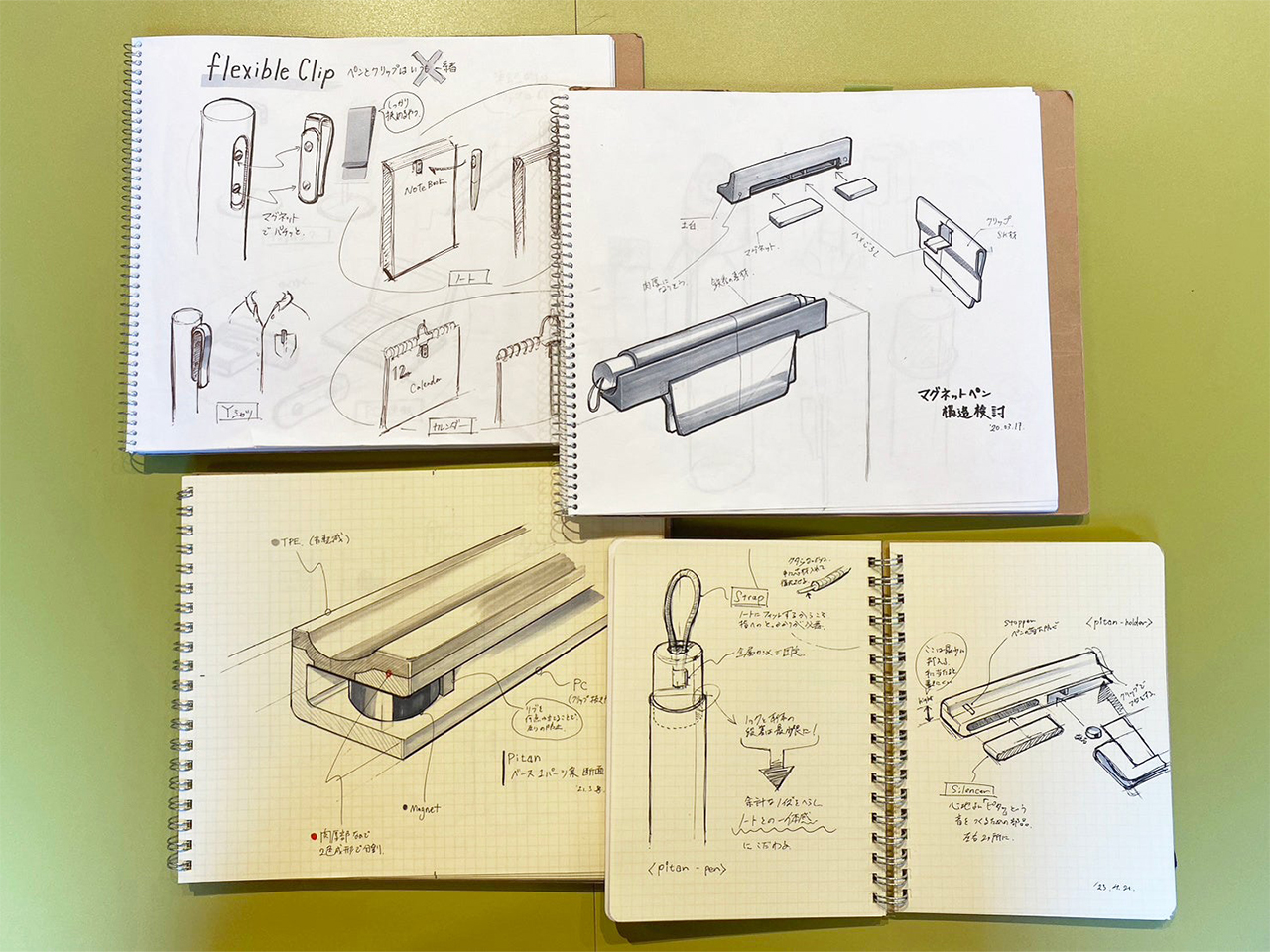
The Lari Mini Lamp is designed by Danish design brand Karakter, and it is the miniature and renewed version of a lamp that was originally designed by the late Italian architect and sculptor Angelo Mangiarotti in 1978. Much like the original Lari, this mini lamp features a rounded-square silhouette, amped by a ribbed central section that is constructed from hand-blown glass. The lamp has a rather distinctive and unique shape that is quite difficult to miss!

The little lamp consists of a glass volume made up of two bulbs that emit a warm white glow. The two bulbs are placed against a black oval-shaped base, creating a geometrically interesting piece. The Lari Mini lamp was designed to be more practical, functional, and accessible than the original full-sized lighting design, building a piece that is easier to use and place in your home. The lamp is rechargeable via USV-C cable, offering 12 hours of illumination once fully charged.

“Mangiarotti had a very specific approach to lighting,” said Christian Elving, co-founder and CEO of Karakter. “His designs seem to constantly play with the balance between soft sensuousness and robust practicality.”

The thoughtfully designed Lari Mini Lamp is quite versatile, and it was designed for domestic, mixed-use, and hospitality environments. You can truly place it anywhere – from cozy and comfy reading corners in your home to dining tables at elegant restaurants. The Lari Mini Lamp is created to find its place and spot in all kinds of environments.

The post Compact & Cute Lamp That Fits All Environments Is A Miniaturized Version Of A 1970s Lamp first appeared on Yanko Design.
A Modern Multifunctional Hanger That Can Be Used For Shirts As Well As Sarees

Design is an ever-evolving stream, innovation often stems from addressing everyday challenges. The KOI Cloths Hanger PD1 is a testament to this principle, as it sets out to tackle the inconveniences associated with traditional clothes hangers. Recognizing the limitations of bulky and non-portable designs, the KOI Hanger introduces a clean, minimal, and modular approach, redefining the way we organize our wardrobes.

Designer: ADHITHYA VISHNU M

Traditional clothes hangers, while serving their basic purpose, have long been associated with a lack of portability and impractical bulkiness. Recognizing this shortcoming, the creators of KOI set out to redefine the clothes hanger, envisioning a product that not only serves its fundamental purpose but also aligns with the contemporary lifestyle where convenience and versatility are paramount.

The KOI Clothes Hanger emerges from a design brief that prioritizes innovation and user-centricity. Focusing on modularity and portability, the objective was to create a clothes hanger that seamlessly integrates into the lives of individuals who prioritize convenience, versatility, and style in their wardrobe organization. The result is a sleek and minimalistic design that addresses the drawbacks of traditional hangers while introducing a range of features that cater to the modern user.

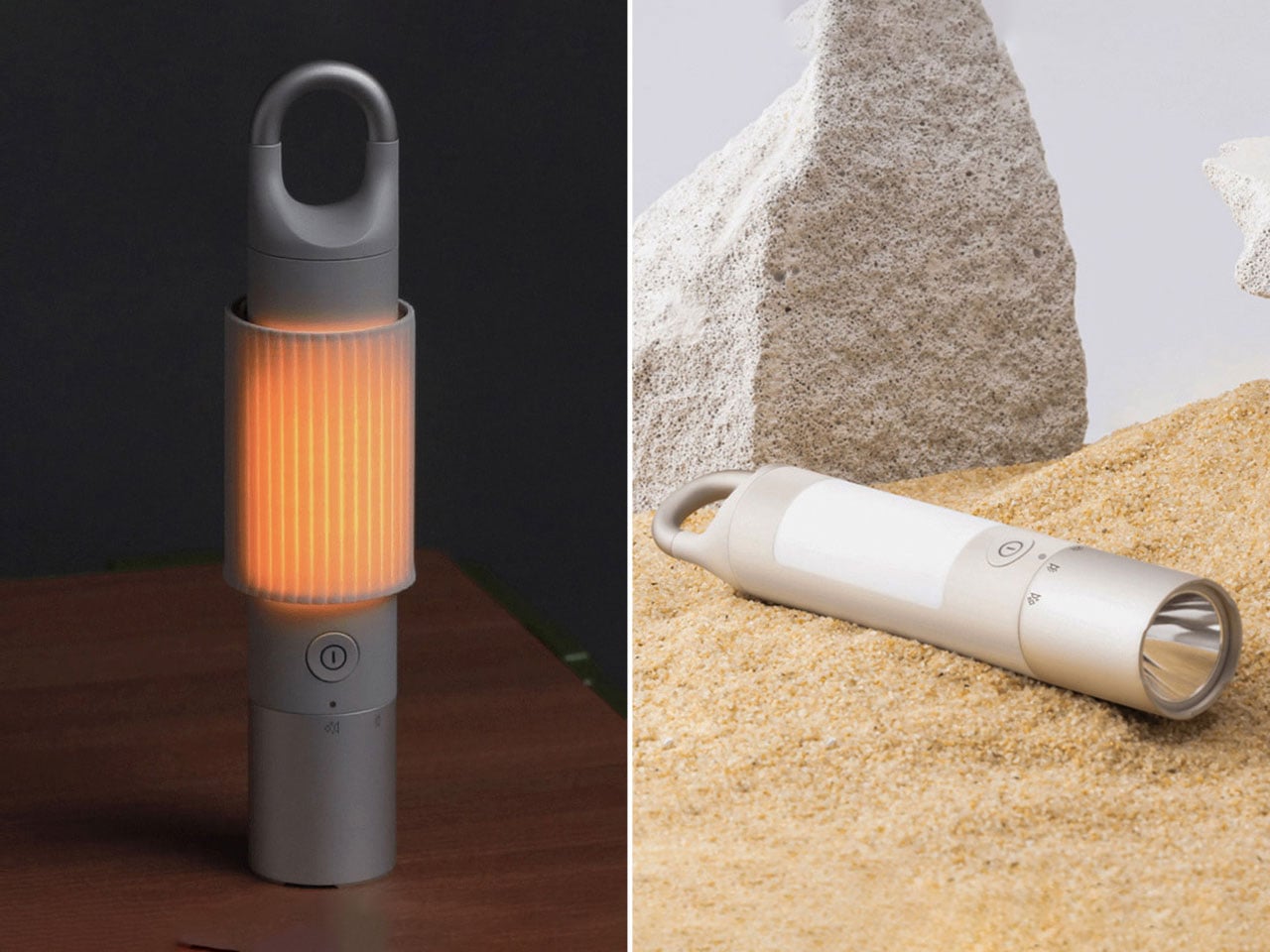
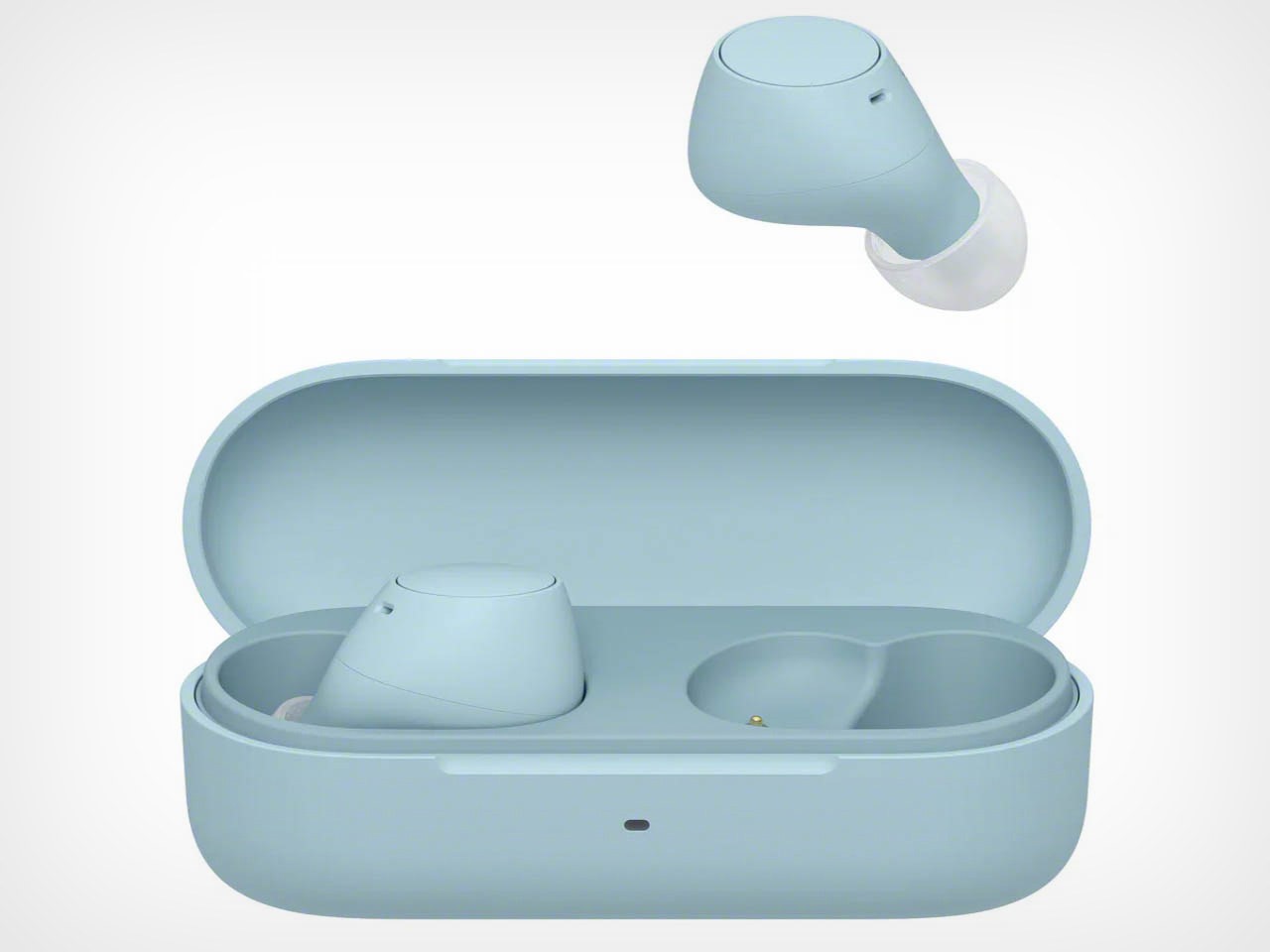
This hanger boasts a clean and minimalistic aesthetic that aligns with modern design sensibilities. Its modular design allows for easy assembly and disassembly, promoting hassle-free use. The primary body and head attachment interlock seamlessly through a snaplock mechanism, ensuring a secure and effortless connection between the male and female components. This not only enhances the user experience but also adds a touch of sophistication to the product.

At the heart of this hanger is its innovative snaplock mechanism. The primary body and head attachment fit together with precision, providing a reliable and user-friendly solution for various applications. This mechanism not only ensures a secure connection but also simplifies the process of assembling and disassembling the hanger, offering users a hassle-free experience.

One of the standout features is its universal attachment. Part A’s male component and Part B’s female counterpart ingeniously fit together via the versatile snaplock mechanism. This design not only guarantees a secure connection but also provides users with the flexibility to choose multiple orientation options. The KOI Hanger adapts to diverse needs and configurations, making it a versatile solution for various wardrobe setups.

This Hanger goes beyond conventional expectations by introducing a saree attachment (An Indian traditional garment). This innovative addition allows users to hang a variety of clothes, including shawls, ties, scarves, and more. The saree attachment, with its option for multiple orientations, transforms into an all-in-one component, catering to the diverse wardrobe needs of users.

The KOI Cloths Hanger stands as a testament to the power of innovation in addressing everyday challenges. By reimagining the traditional clothes hanger, KOI has not only created a practical solution but also introduced an element of style and versatility to the realm of wardrobe organization. As we embrace a future where design meets functionality seamlessly, this Hanger sets a new standard for what a clothes hanger can be.

The post A Modern Multifunctional Hanger That Can Be Used For Shirts As Well As Sarees first appeared on Yanko Design.