A Solo Korean Maker Just Built the Writing Device Your Phone Isn’t

There’s a whole category of people who want to write but can’t quite get there on the devices they already own. The laptop opens, and the browser tab is there. The phone unlocks, and three notifications are already demanding attention. Writing apps exist on every platform, but so does everything else, and that proximity makes sustained focus harder than it should need to be. The answer that the market usually offers is another app, which is the same problem wearing a different hat.

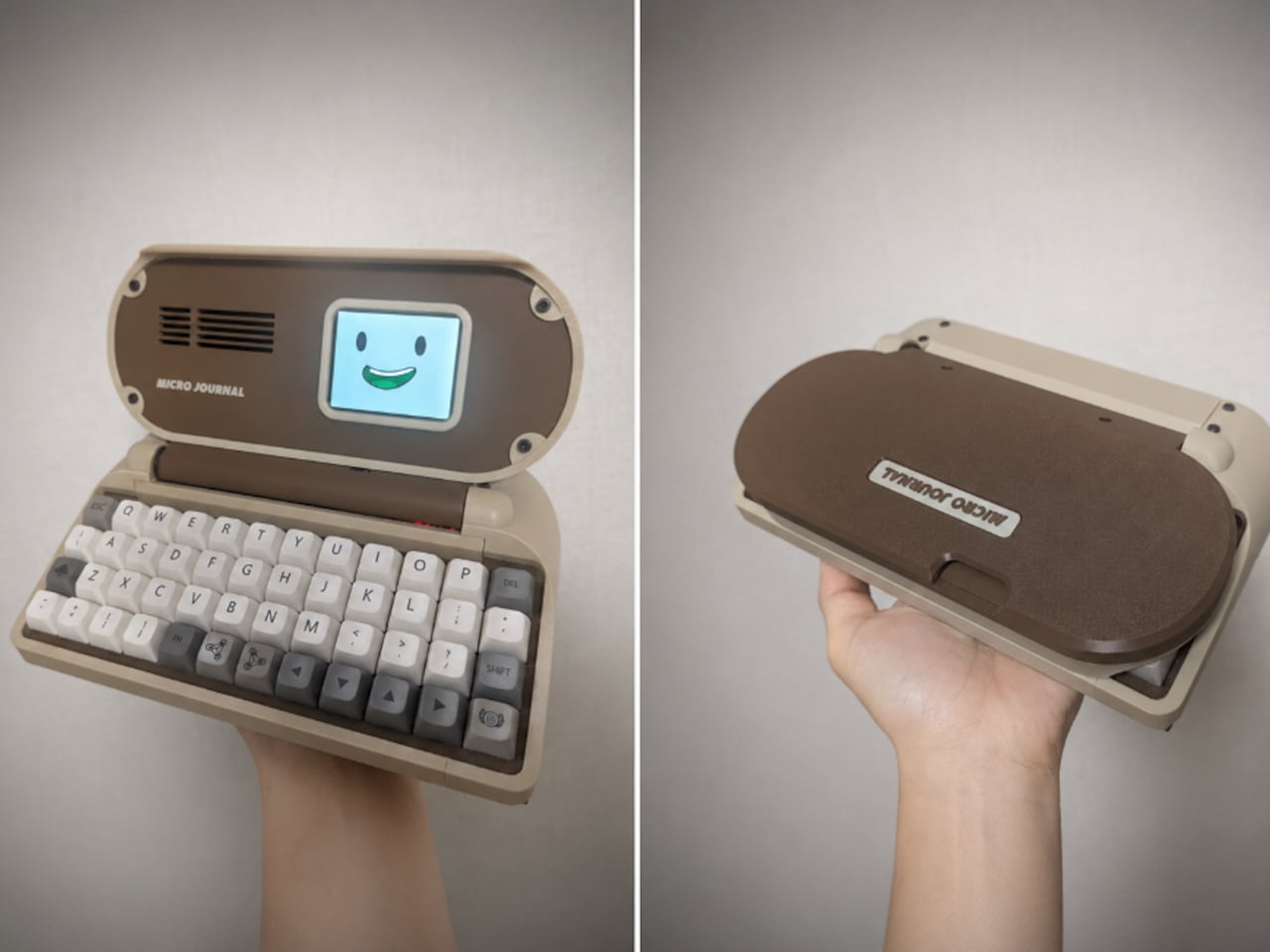
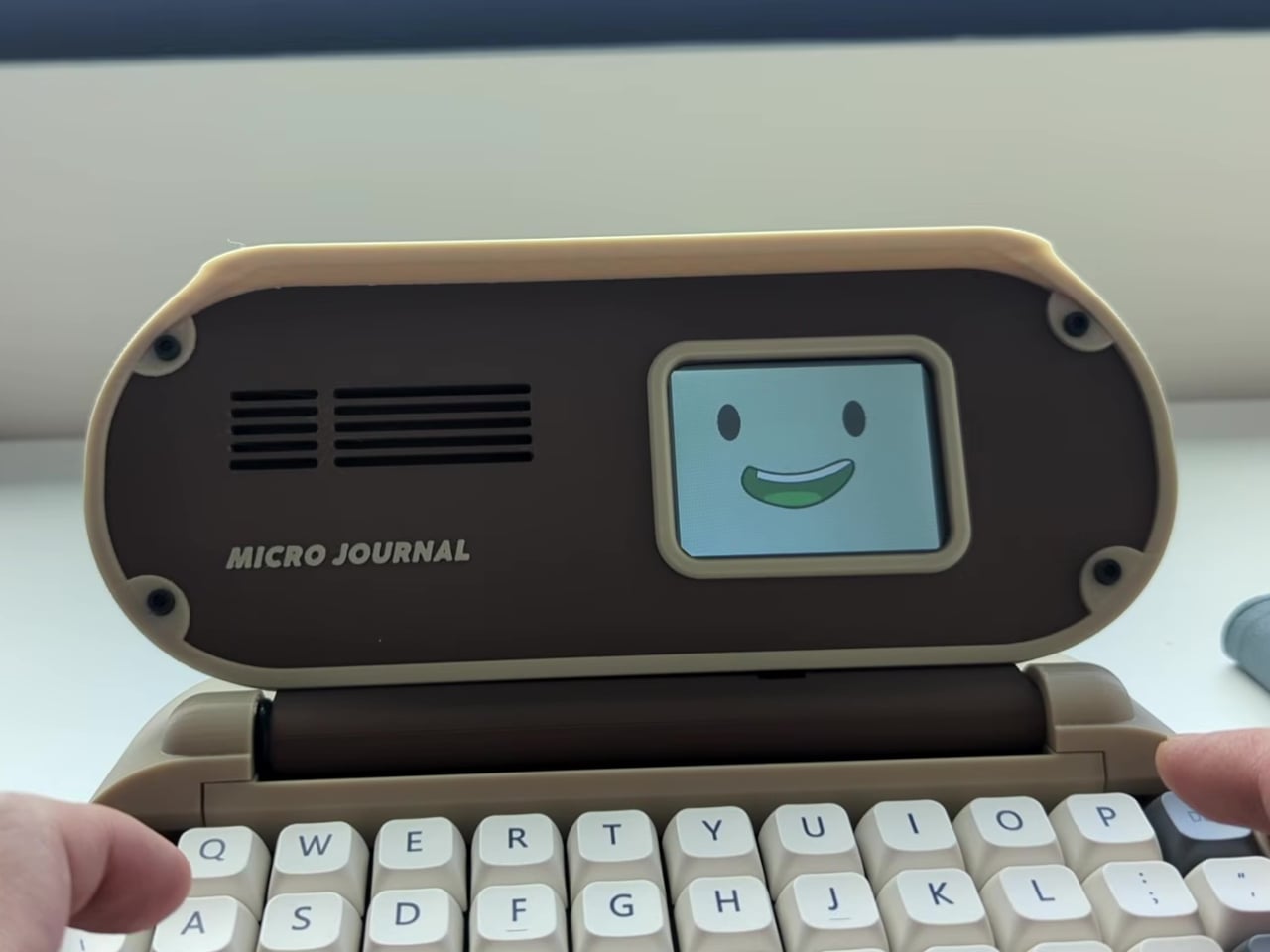
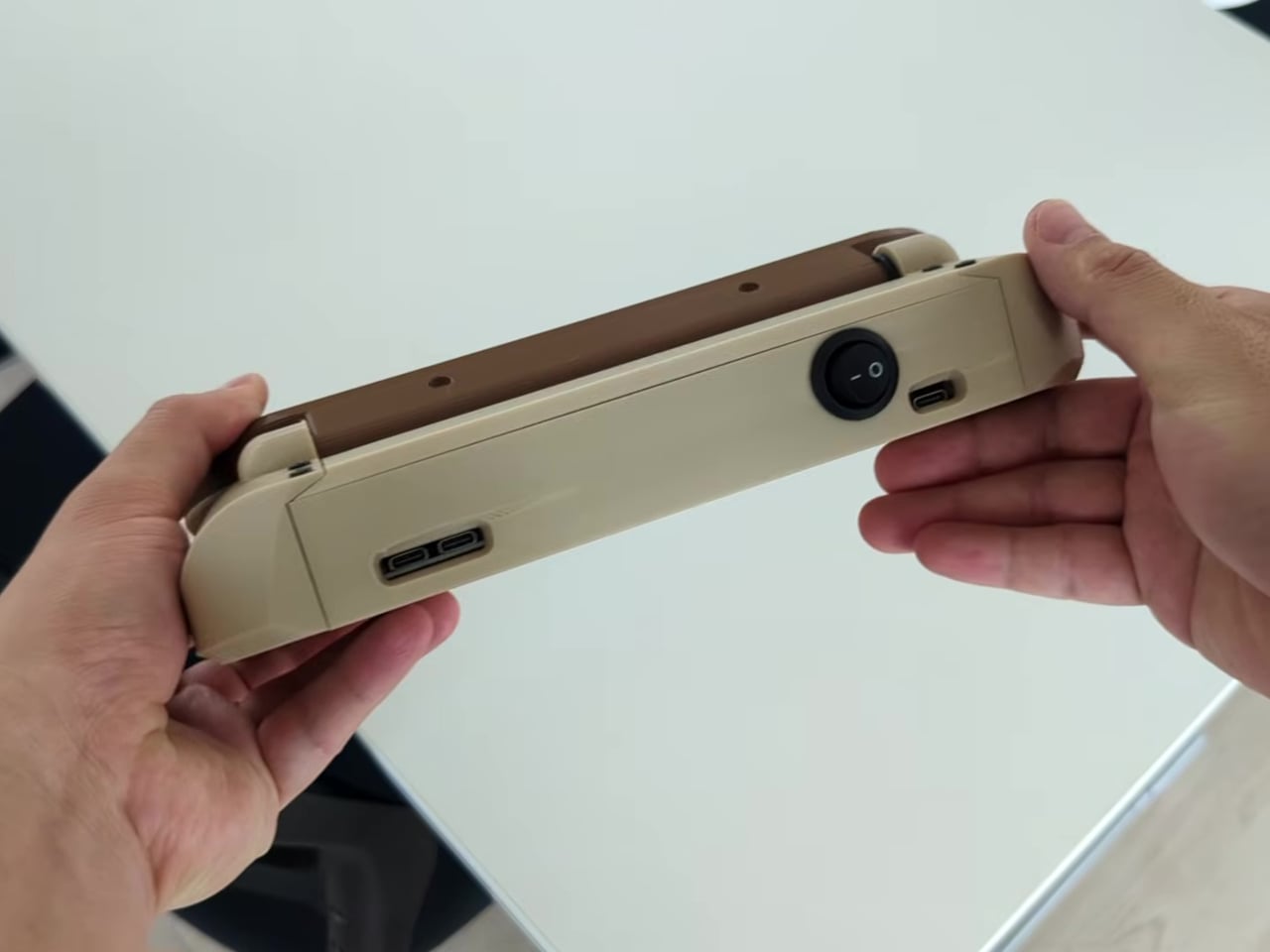
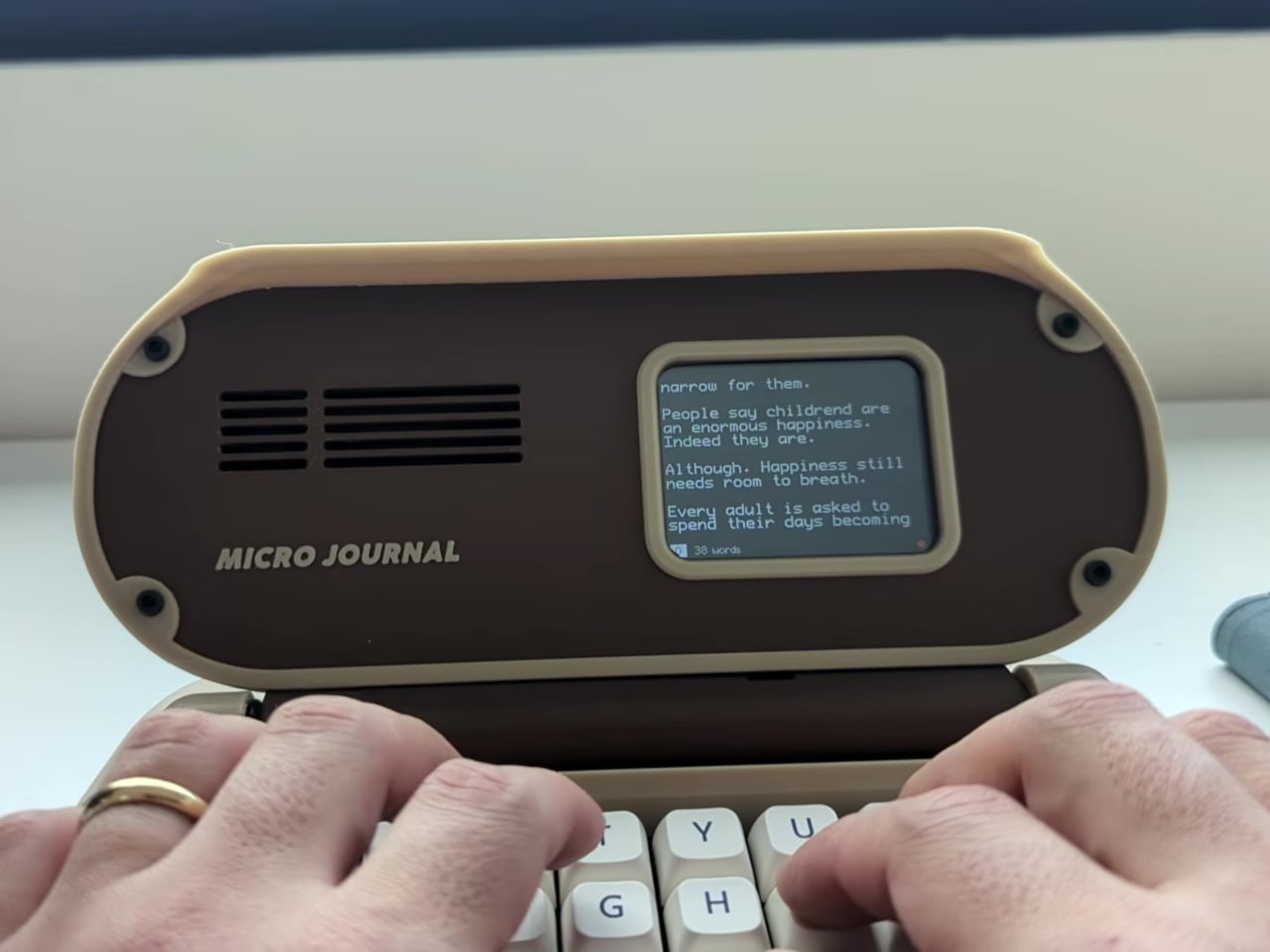
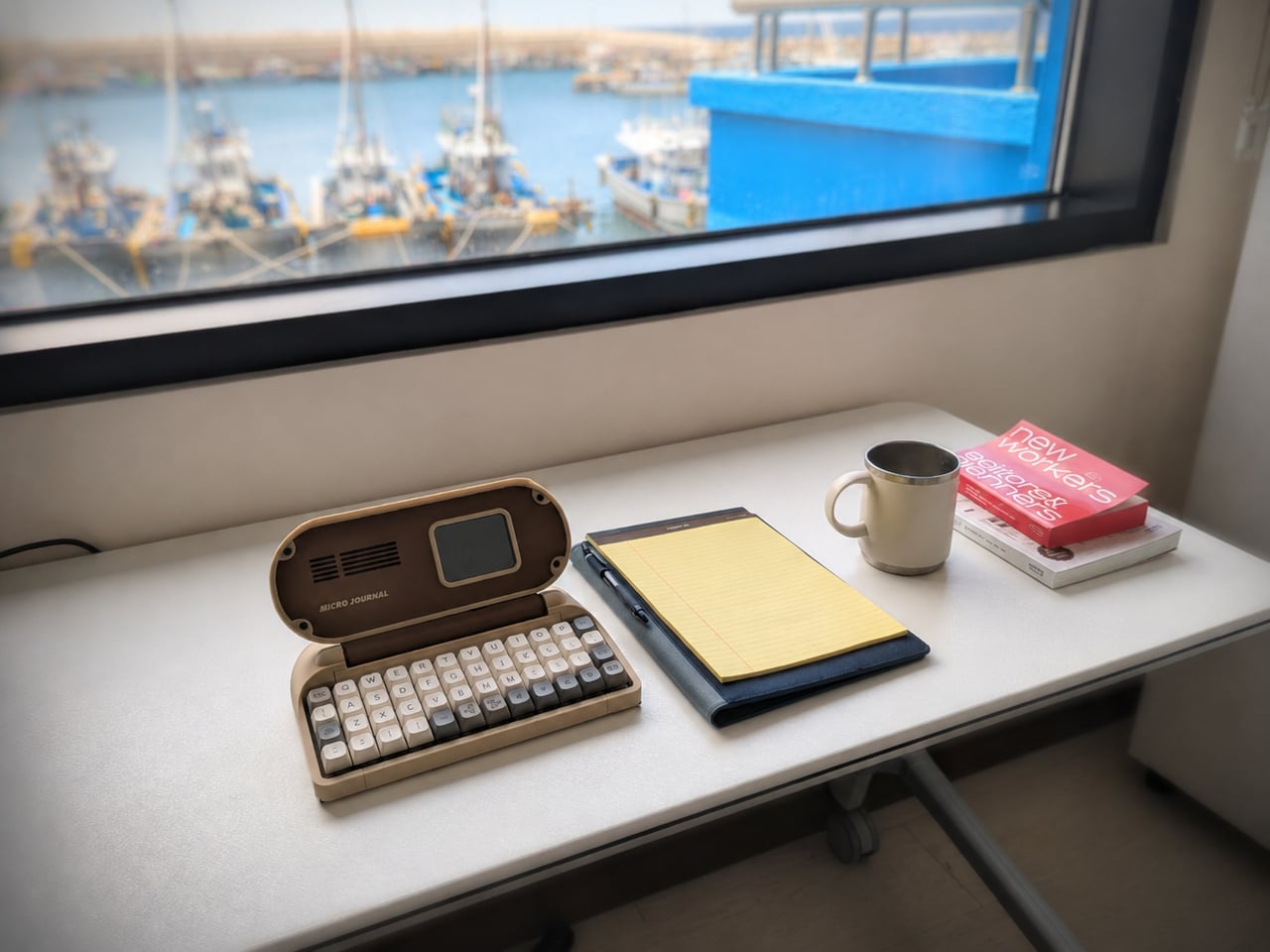
The Micro Journal Rev.6.1 comes at that problem from a different direction entirely. It’s a handmade, clamshell writing device built by a solo maker in South Korea, designed for exactly one purpose: opening the lid and writing. There’s no operating system to navigate, no notifications to dismiss, and no browser to wander into. The device boots instantly and drops you directly into a writing canvas, the way a paper notebook would if notebooks could sync to Google Drive.

Designer: Un Kyu Lee (Background_Ad_1810)

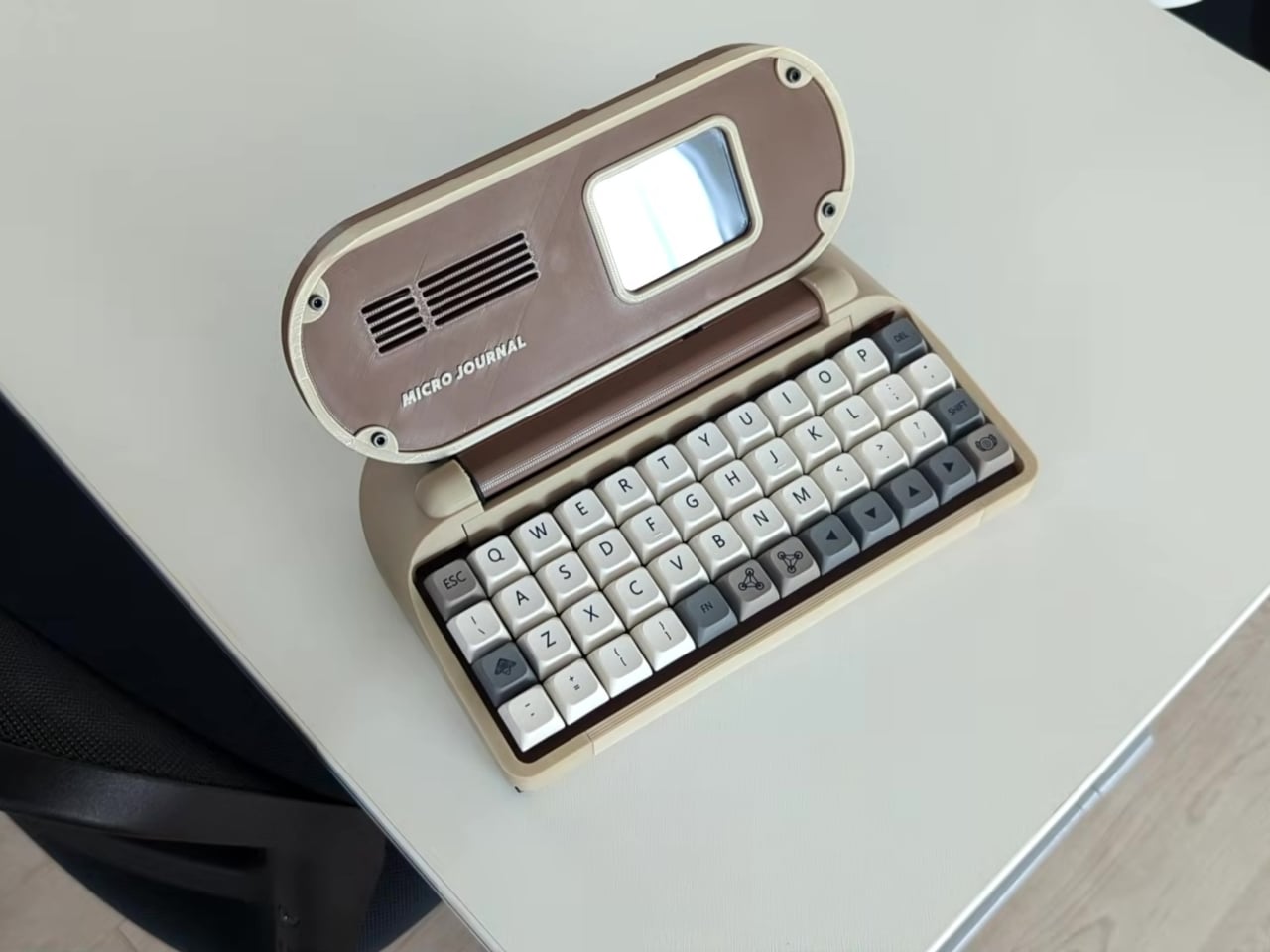
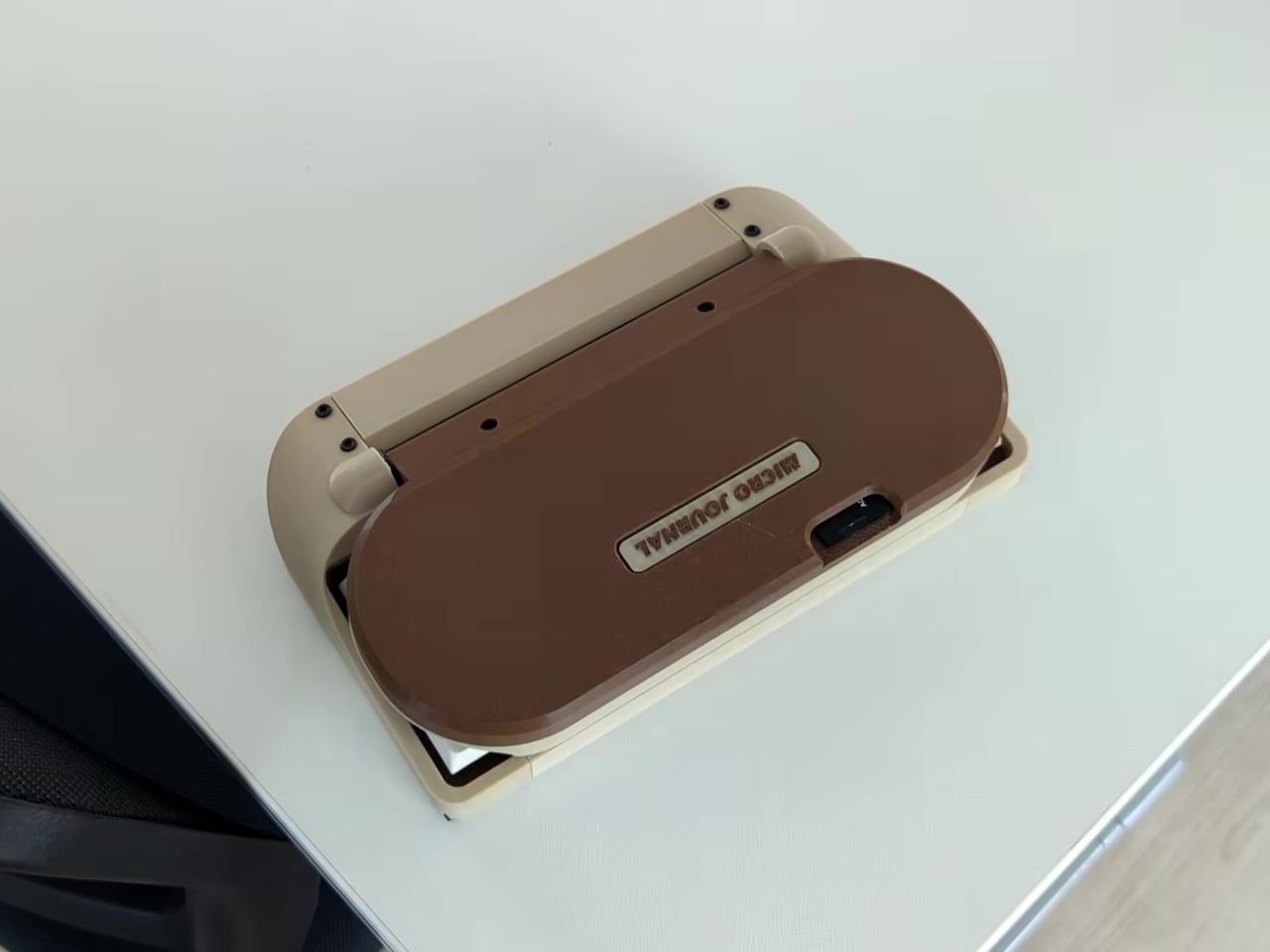
The origin story matters here. The Rev.6 that preceded this model was built in response to a playwright from New York who wanted a device compact enough for cafés and distinctive enough to be proud of. The Rev.6.1 takes that same concept, the same 48-key hot-swappable keyboard and color IPS display, and folds it into a clamshell form that closes flat and slips easily into a bag. Community members who received early units called it a “beautiful final evolution” of the Rev.6 concept, which says something about how iterative this product line actually is.

The keyboard uses Kailh hot-swap sockets compatible with Cherry MX switches, which means you choose the switches that match how you like to type and swap them whenever that preference changes. The 48-key layout ships with two additional hidden layers available for remapping, giving far more input flexibility than the key count alone would suggest. It’s a small but considered detail that treats the physical act of typing as something worth getting right.

Files sync to your personal Google Drive over Wi-Fi, with no subscription fee and no middleman service to depend on. An 18650 rechargeable battery handles power, charging over USB-C, which covers the same standard you’re already carrying everywhere else. The whole device is assembled by hand after each order is placed, which adds a few days to the delivery window but also means each unit comes with a degree of personal investment that mass-produced products rarely carry.

The Rev.6.1 sits in a growing ecosystem of writerDeck devices, which are purpose-built writing machines that the community around them treats more like tools than toys. Compared to polished products like the Freewrite, the Micro Journal is more openly a handcrafted object, with visible maker-culture DNA in its design and ethos. That’s not a limitation; it’s the point, and for anyone who already feels the appeal of a mechanical keyboard or a distraction-free tool, the logic lands fairly quickly.

The post A Solo Korean Maker Just Built the Writing Device Your Phone Isn’t first appeared on Yanko Design.

This Retro Arcade Machine Folds Into A Furniture Cabinet Right Out Of Pottery Barn

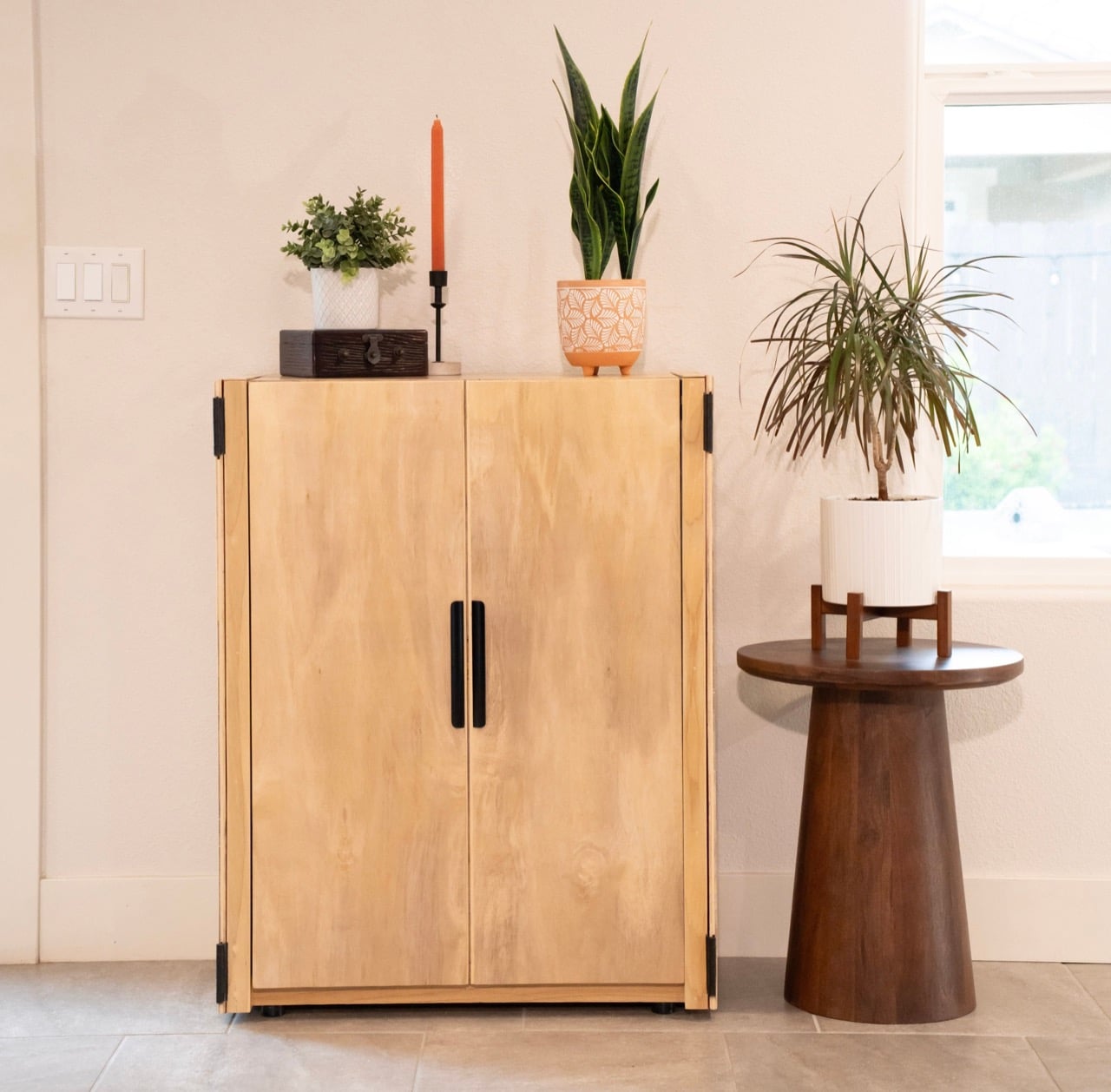
You bring home a new piece of furniture. It’s a handsome, mid-century modern style cabinet in a rich walnut finish, and your partner is frankly stunned. They thought your design sensibilities peaked at a framed movie poster, yet here is this sophisticated, adult-looking object that actually complements the living room. They nod, impressed. The next evening, they go to open one of the doors, planning to store some coasters or maybe a few new wine glasses. Except the handle is just for show, and the doors don’t open. The look of confusion on their face is priceless, because they’re about to learn your secret.

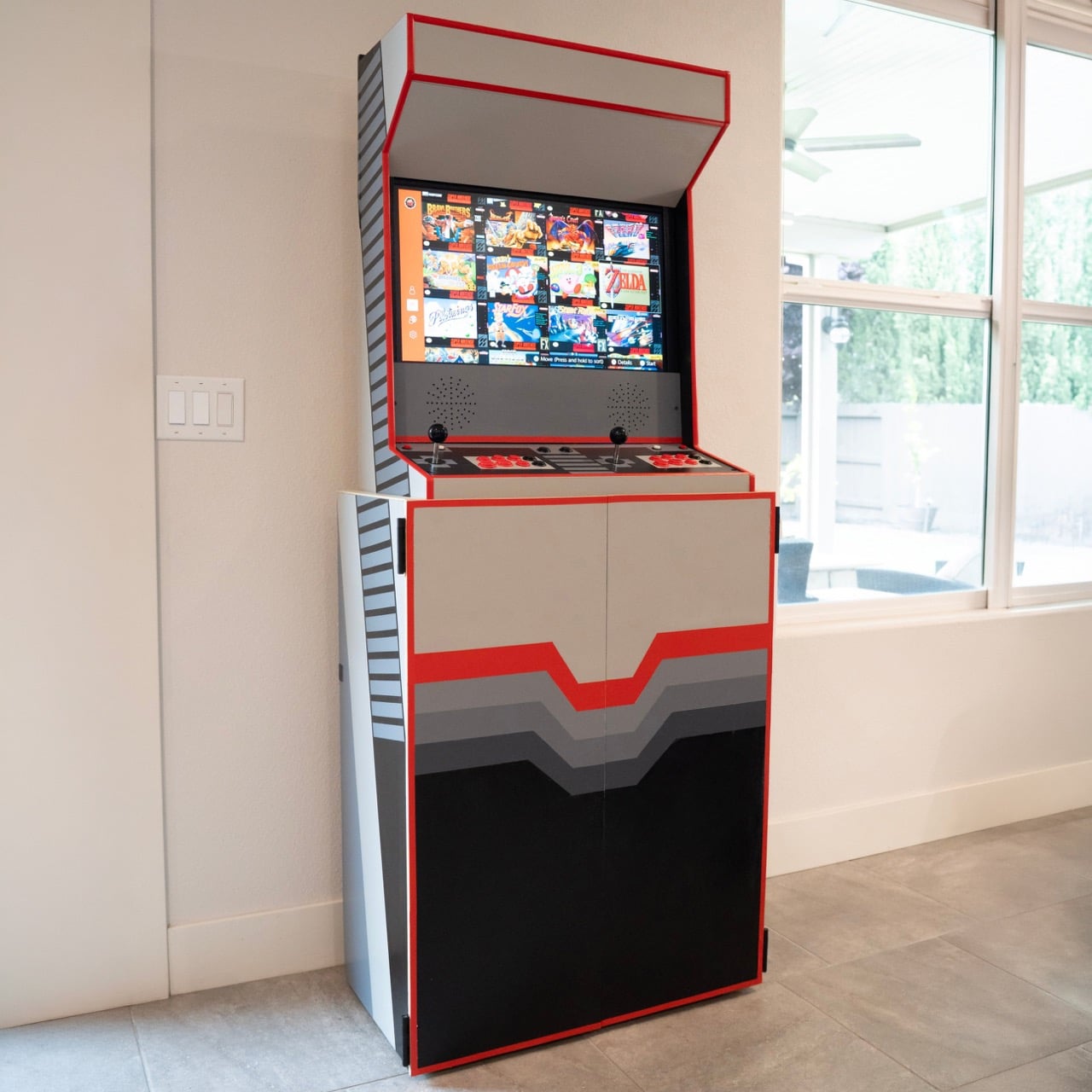
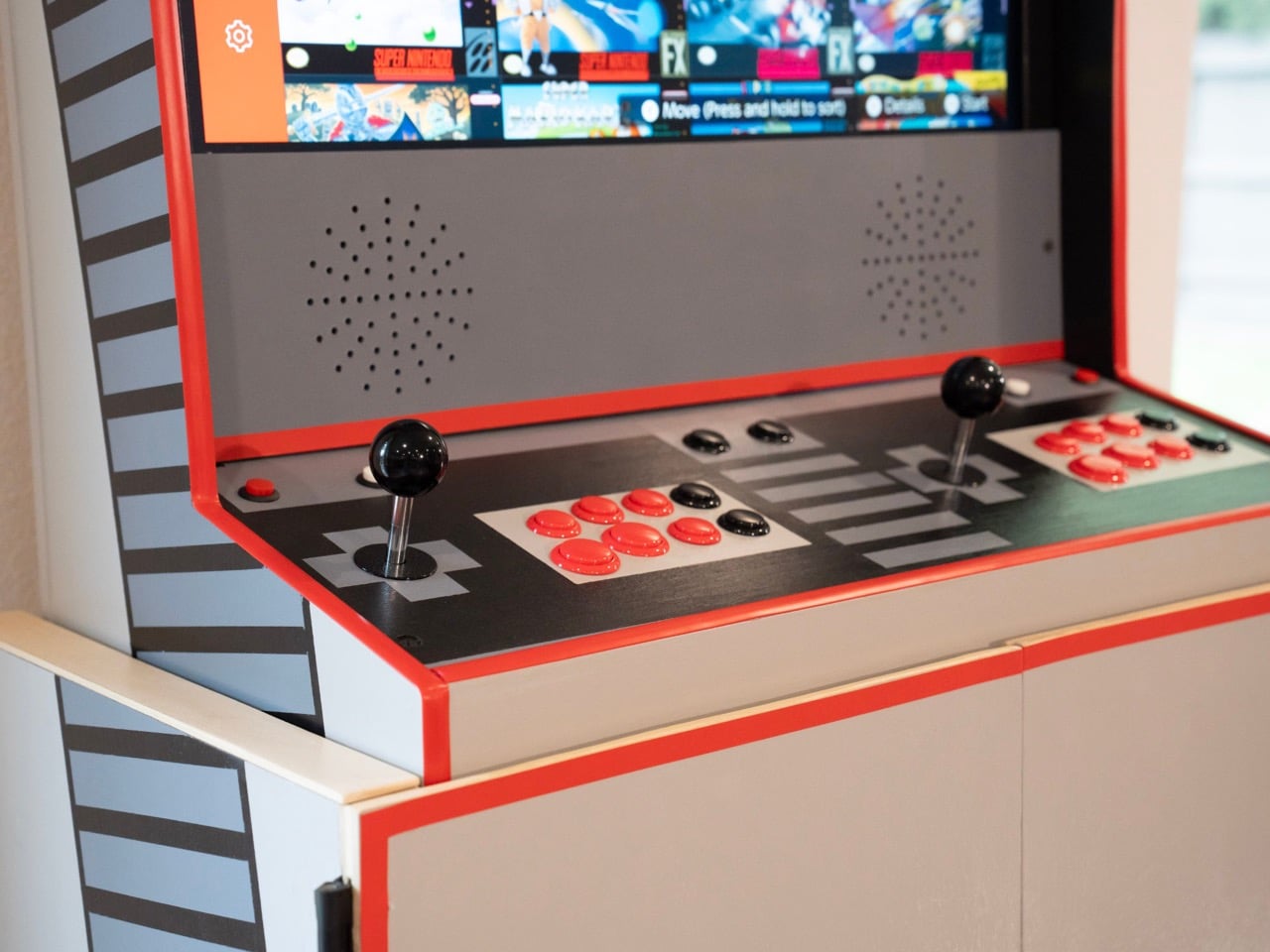
That’s because this beautiful cabinet is a beautifully crafted lie. The front panel doesn’t swing open; it unlocks and folds down to reveal a two-player control deck. The entire top half then pivots upward, extending into a full-height marquee that glows with the promise of 8-bit glory. In seconds, the quiet, respectable piece of furniture has undergone a transformation worthy of a Saturday morning cartoon, revealing itself to be the Swap Arcade. It’s the ultimate stealth entertainment system, hiding in plain sight and waiting for your friends to come over.

Designers: Les Cookson & Ken Higginson

The brainchild of Les Cookson and Ken Higginson out of Lincoln, California, the Swap Arcade tackles a very real problem for gaming enthusiasts who happen to live in actual homes with actual partners who have actual opinions about décor. Closed, it sits at a compact 36 inches tall with a footprint slim enough to tuck against any wall. Open, it rises to a full 70 inches with a 27-inch HDMI display, built-in speakers, and a two-player control panel loaded with SANWA joysticks.

The transformation is handled by a counterbalanced mechanism that manages the weight as the hideaway arcade moves up and down, keeping the movement smooth and controlled rather than the kind of chaotic reveal that ends with someone’s fingers in the wrong place. Once fully open, front corner locking pins secure the arcade immediately after transformation, with a second redundant set at the rear corners for added stability, keeping everything firmly locked in place before anyone even thinks about touching a joystick.

Running on a Raspberry Pi 4 with Batocera preinstalled and a starter library of 100 games, the machine is ready to play straight out of the box, a self-contained gaming system from day one. From there, thousands of additional retro titles can be loaded, giving access to a huge library of arcade, console, and retro favorites through one clean multicade interface. The controls run through a Brook Zero-Pi Fighting Board encoder, adding compatibility with Nintendo Switch, Switch 2, PS3, PS2, the original PlayStation, and PC via X-Input. Hook up a Nintendo Switch Online subscription and suddenly you have access to classic Nintendo libraries on a proper stand-up cabinet. Connect a PC and play arcade-style games through Steam. The machine evolves with what you already own.

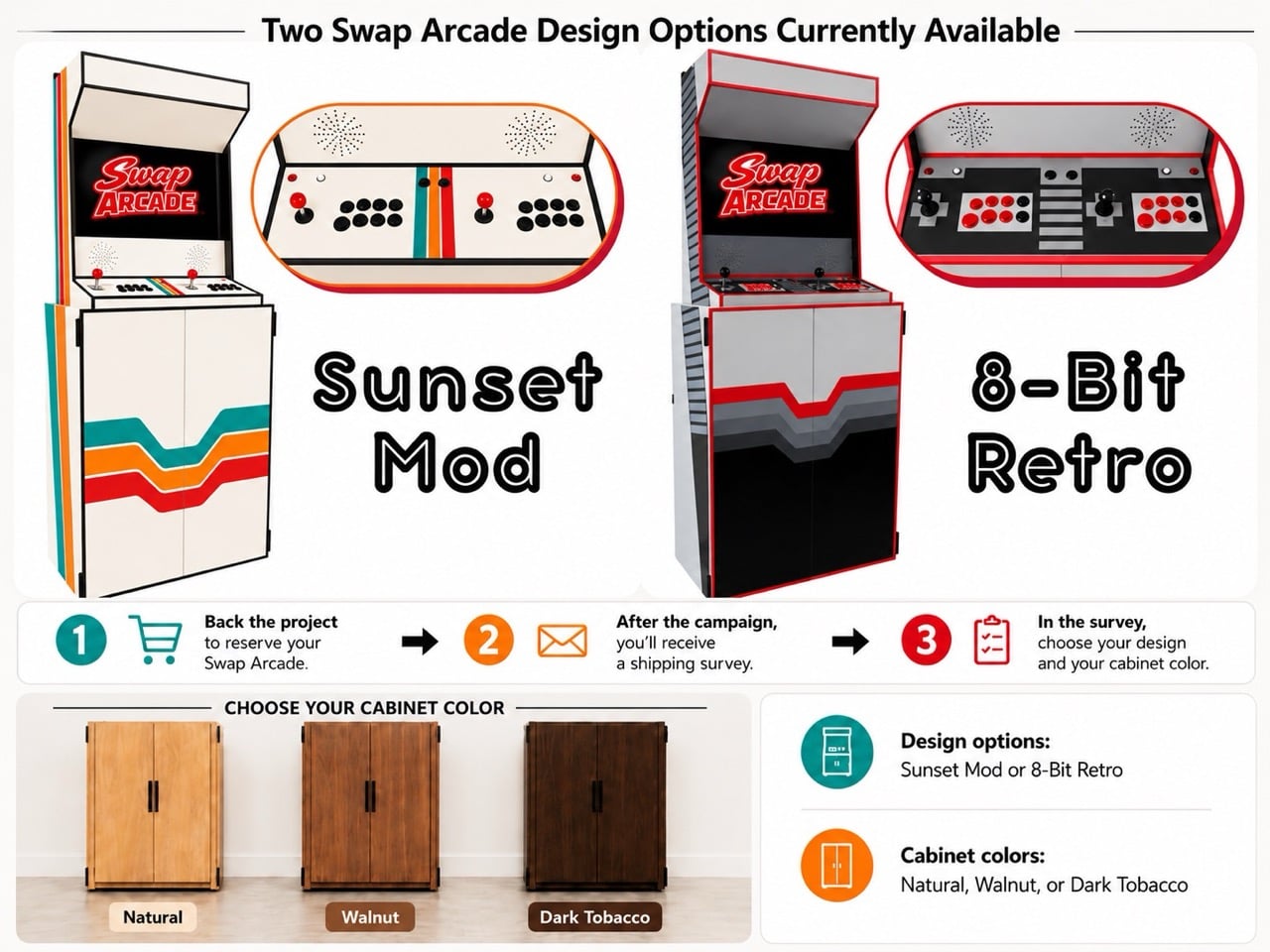
Cookson clearly had no intention of letting the furniture half of the equation slide. The cabinet shell is actual wood, and the unfinished bare wood option means it can be stained or painted to suit any interior. Three finished options are also available, Natural, Walnut, or Dark Tobacco, each looking convincingly like something sourced from a design-forward furniture store. For anyone wanting something completely custom, a graphic designer and printer can create custom vinyl decals using almost any artwork, making the Swap Arcade truly personal. The nostalgia you’re chasing here is entirely your own to define.

The lower section includes built-in storage for game systems, controllers, cables, and accessories, accessible when the Swap Arcade is opened into arcade mode… or maybe some of those wine glasses your partner wanted to originally store. It’s a detail that keeps the illusion perfectly intact. When closed, nothing gives the game away.

The post This Retro Arcade Machine Folds Into A Furniture Cabinet Right Out Of Pottery Barn first appeared on Yanko Design.

The Thermostat That Finally Looks Like It Was Designed

At some point, every well-designed room has a thermostat on the wall. And at some point, nearly every well-designed room has been slightly let down by it. That’s the quiet irony of home design. We agonize over paint colors, hunt for the perfect light fixtures, spend weekends debating sofa legs, and then right there at eye level lives a beige plastic rectangle covered in tiny buttons that no one fully understands. We’ve simply accepted it as the ugly compromise of functional living.

Uriel Electronics, a design-focused electronics brand, apparently decided that compromise is no longer necessary. Their new temperature controllers, the USH-02 and the UEH-02, make a surprisingly compelling argument that utility and beauty don’t have to negotiate a truce. They can just coexist, elegantly, without one apologizing to the other.

Designer: Uriel Electronics

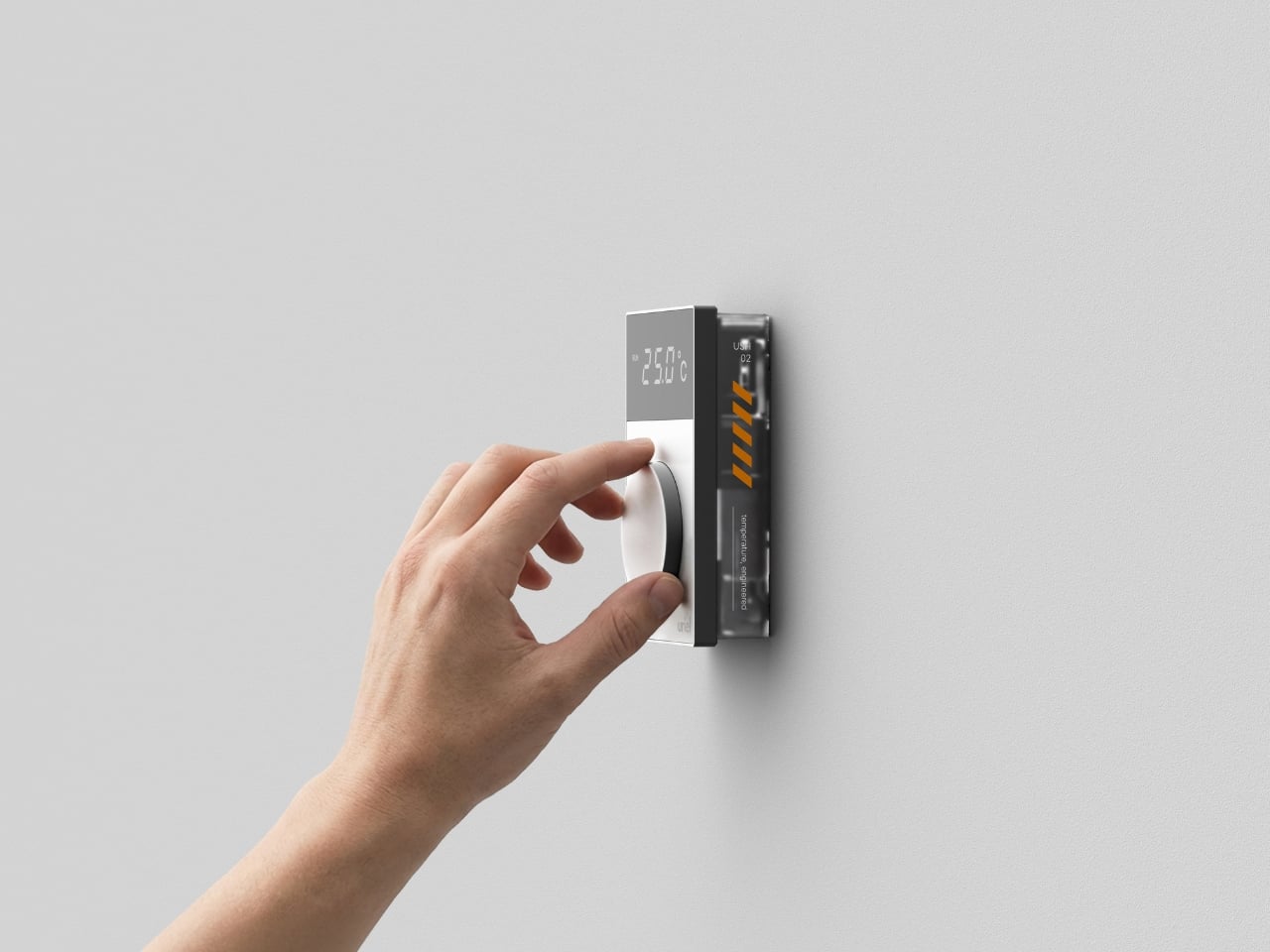
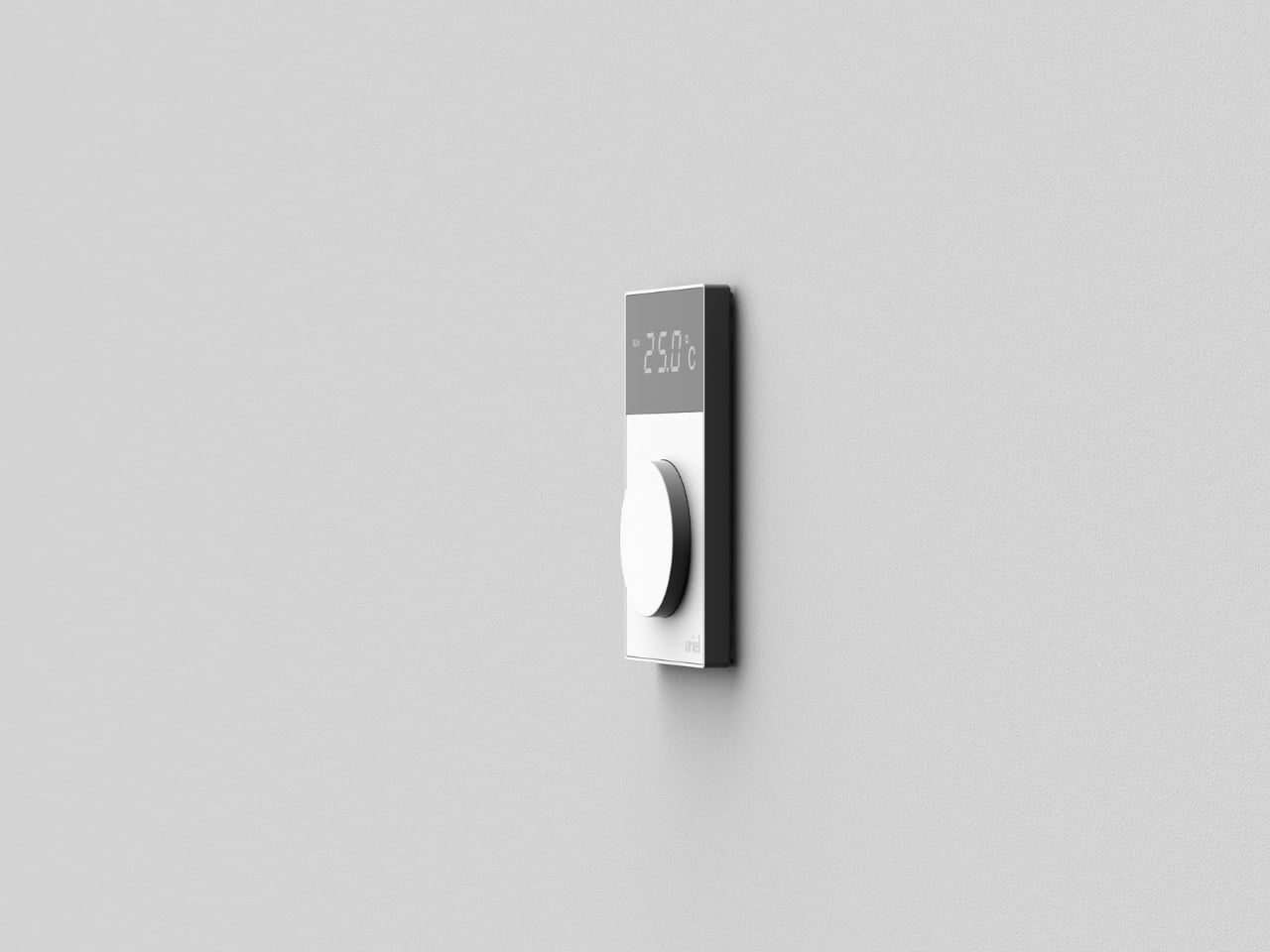
I’ll be upfront: I didn’t expect to have strong opinions about thermostats. But these two pieces carry a clarity of intention that’s difficult to walk past. Both models are built around the same core idea: strip away the complexity, keep only what matters, and make it look like it belongs on the wall rather than just stuck to it. A single rotary dial. A clean display showing the temperature. A refined body that reads more like a considered object than a hardware accessory. No confusing menu navigation, no crowded button grid, no searching through a manual to figure out how to lower the temperature by two degrees.

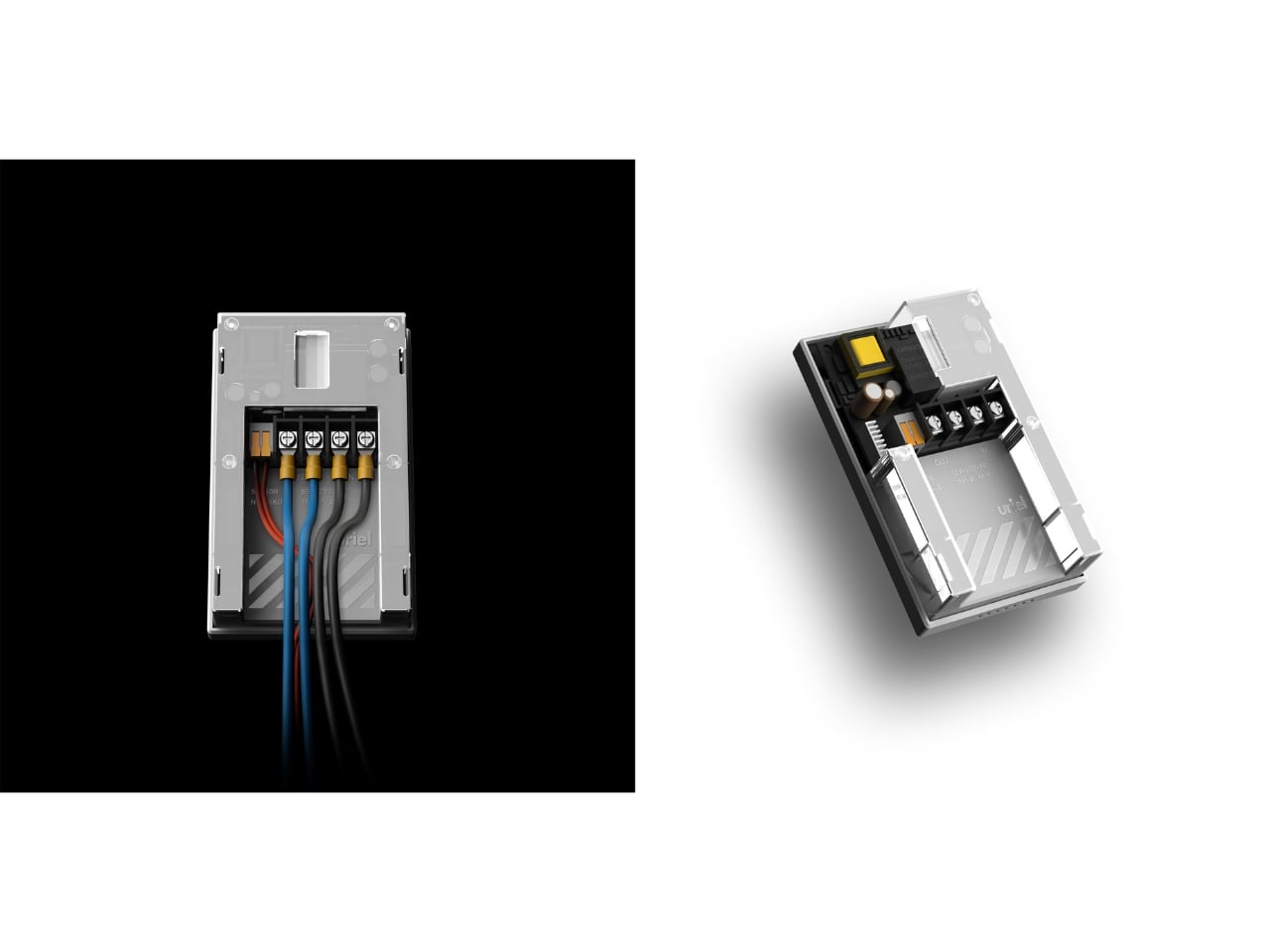
The USH-02 is the surface-mounted version, and it’s the one with visible personality. Its translucent skeleton design lets you glimpse the hardware inside, which feels like a little gift to anyone who appreciates how things are made. The graphic detailing adds visual wit to what could have easily been a clean but flat minimalist slab. It sits on the wall in a way that makes you actually stop and look, which is a strange thing to say about a thermostat, but here we are. It doesn’t disappear into the surface; it quietly introduces itself.

The UEH-02 takes the opposite route. Flush-mounted and incredibly slim, it’s designed to nearly vanish. The profile barely protrudes from the wall, creating the kind of visual quiet that interior designers specifically obsess over. If the USH-02 says “notice me,” the UEH-02 says “I’m here, I work perfectly, and I won’t interrupt your space.” Both approaches are valid. Both are well-executed. The choice between them is really just a question of how much personality you want your walls to carry.

The discipline behind this project is worth calling out. It is genuinely difficult to design something that is both beautiful and immediately intuitive, especially in a category most manufacturers have treated as purely functional. Removing complexity rather than adding features is a confident design move, and we’re living through a moment when more is still frequently mistaken for better in tech. Seeing a product that resolves itself into a single tactile dial and a clear display feels almost like a statement. The rotary control has a satisfying physicality that touchscreens never quite manage to replicate. High-end audio equipment and quality appliances have kept the dial alive for exactly this reason: turning something to get a result is one of the most natural gestures there is. It’s a reminder that good design often means returning to what already worked, done with more intention.

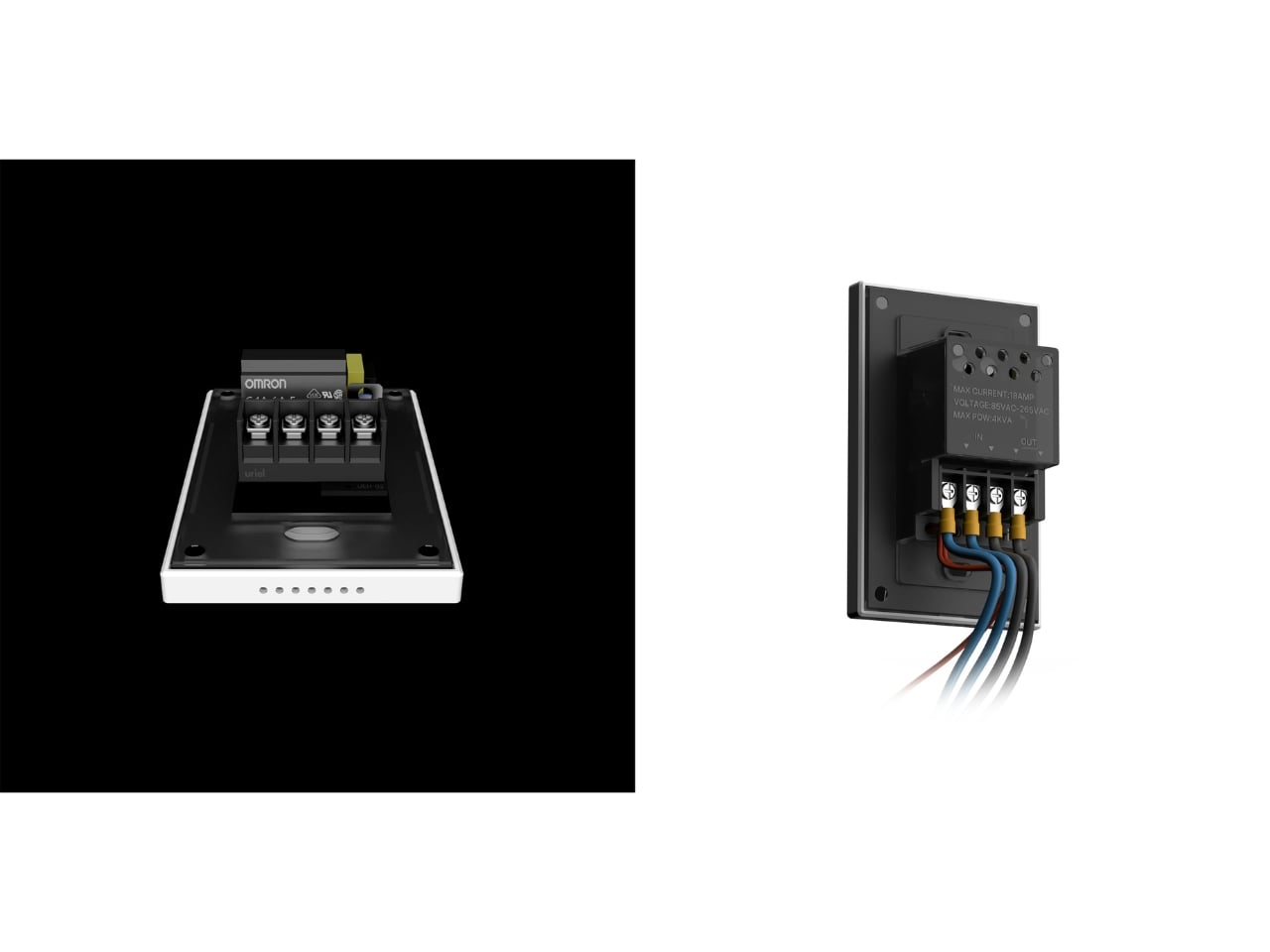
The engineering side, visible in the controllers’ back panels, confirms this isn’t just a surface-deep exercise. Components are neatly organized, an Omron relay handles the heavy work, and the specs support voltages between 85V and 265VAC with a max current of 18A. The function is serious. The form just happens to be beautiful.

That balance is rarer than it should be. Home tech has long been given a pass on aesthetics in a way that furniture or lighting simply would not tolerate. Uriel Electronics is quietly making the argument that it shouldn’t. Your thermostat is on your wall every single day, in full view of everyone who walks into that room. It might as well earn its place there.

The post The Thermostat That Finally Looks Like It Was Designed first appeared on Yanko Design.

Lenovo Just Built a $499 Rugged Tablet You Can Run Without a Battery

Consumer tablets have gotten remarkably thin and capable, but the categories of people who actually use tablets on a job site, in a warehouse, or out in the field have largely been served by a different and considerably more expensive tier of hardware. Most rugged tablets come either from enterprise-only brands with steep price points, or from consumer devices pressed into duty they weren’t really designed for. The gap between those two extremes has rarely been addressed cleanly.

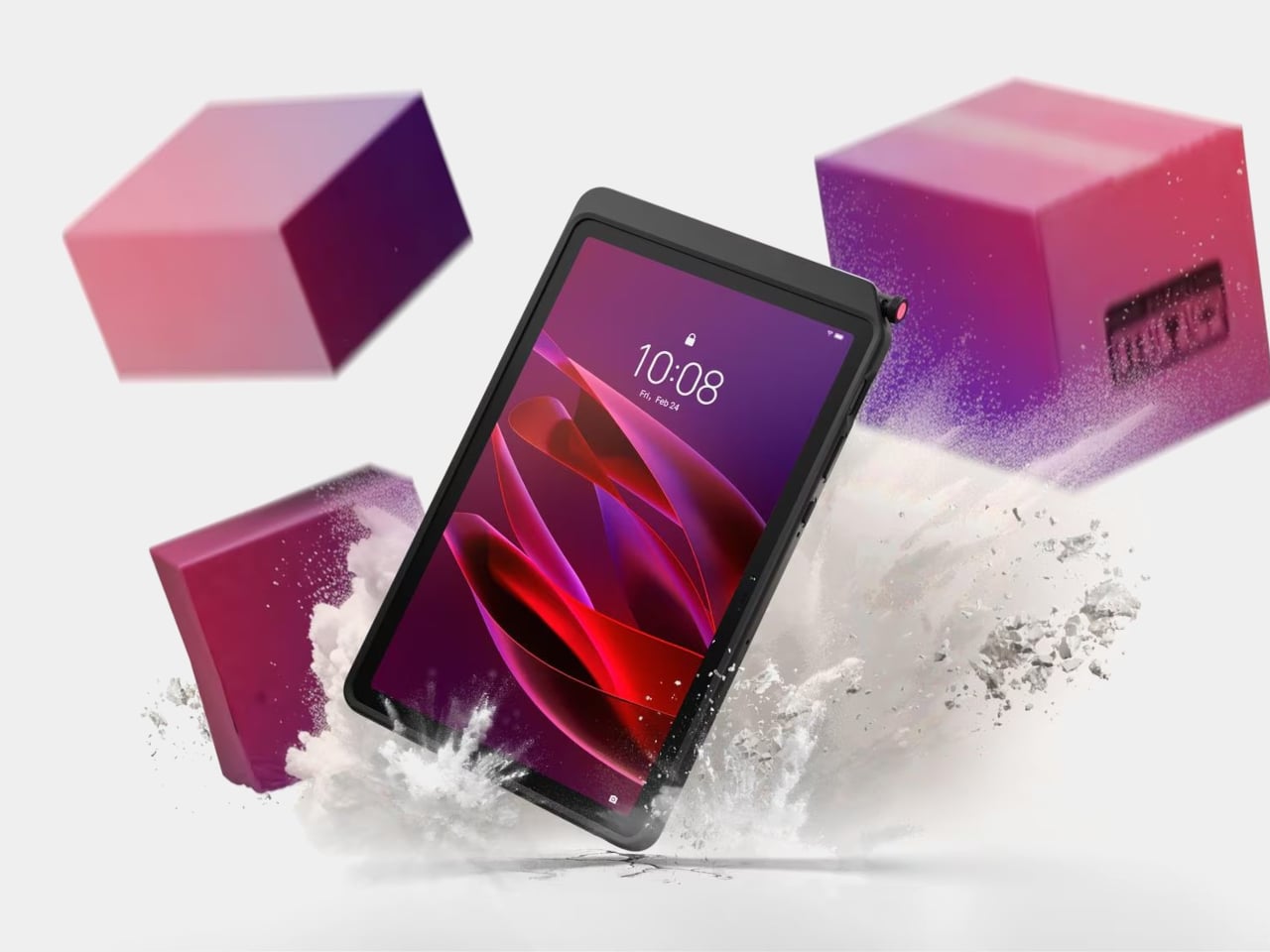
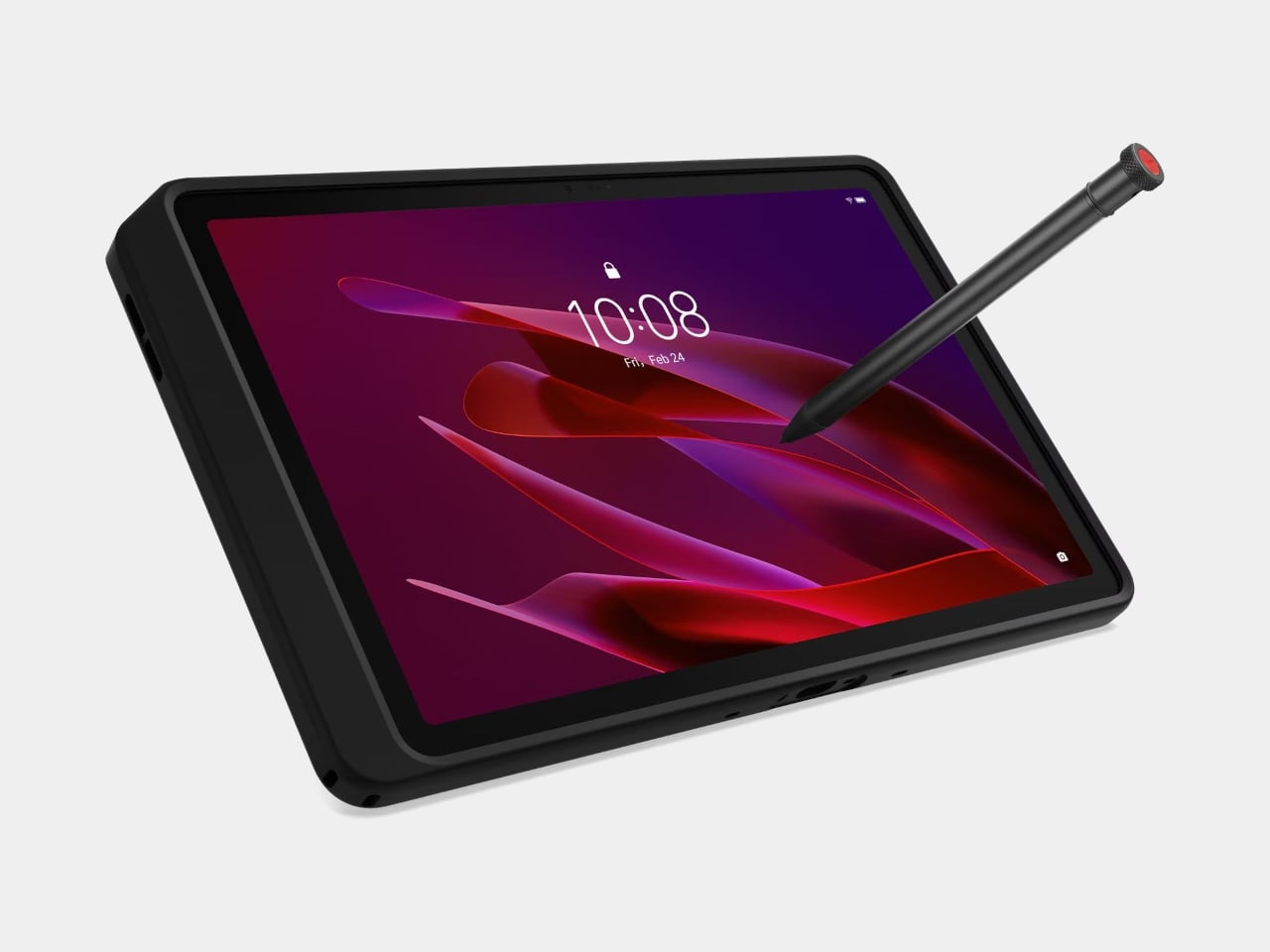
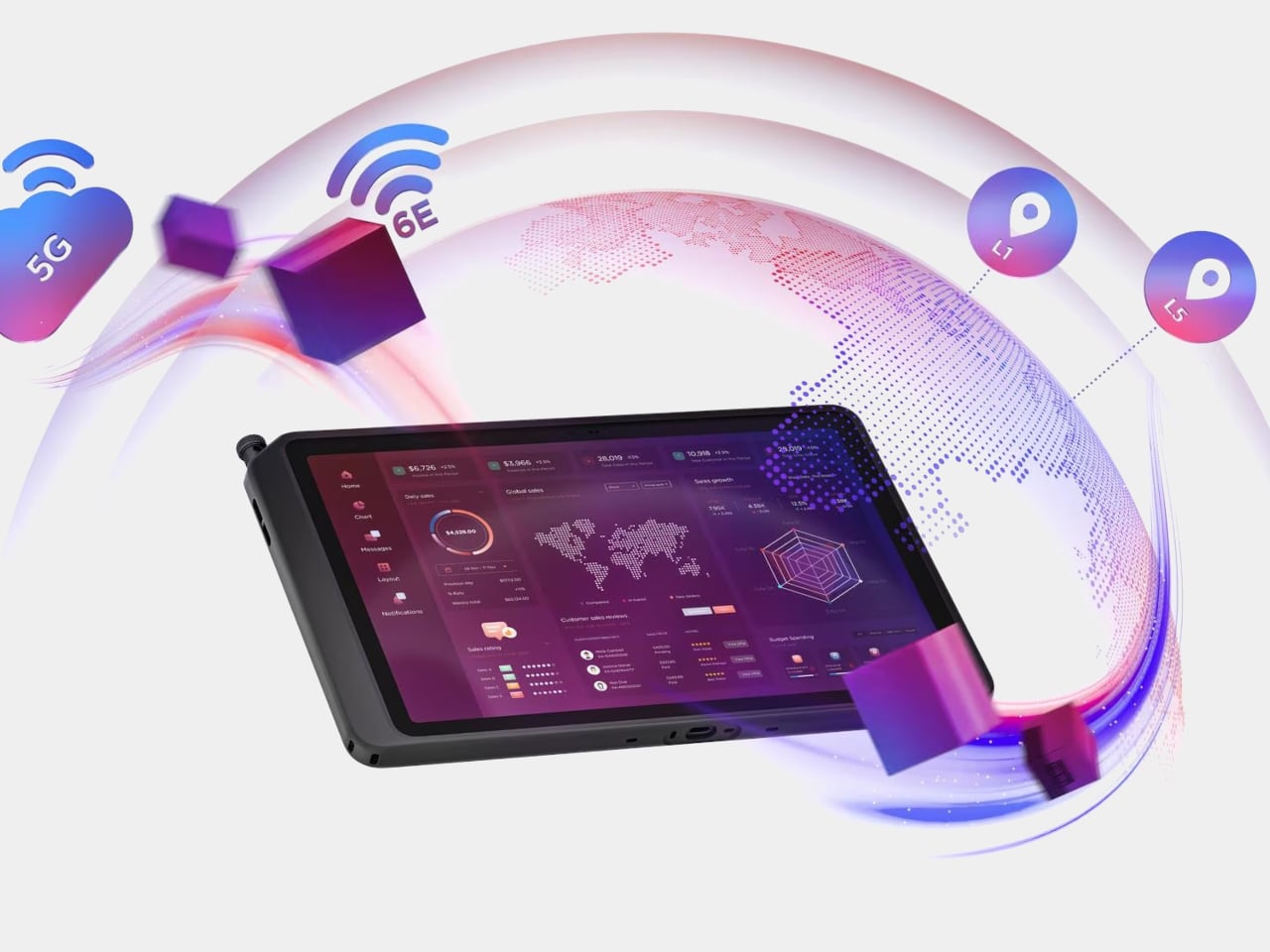
The Lenovo ThinkTab X11 is an attempt to close that gap. It’s the first device to carry the ThinkTab name, extending Lenovo’s Think portfolio into rugged Android territory for frontline workers in logistics, manufacturing, construction, transportation, and energy. Starting at $499, it lands well below what comparable enterprise-grade rugged tablets typically cost while bringing credentials that those environments actually require.

Designer: Lenovo

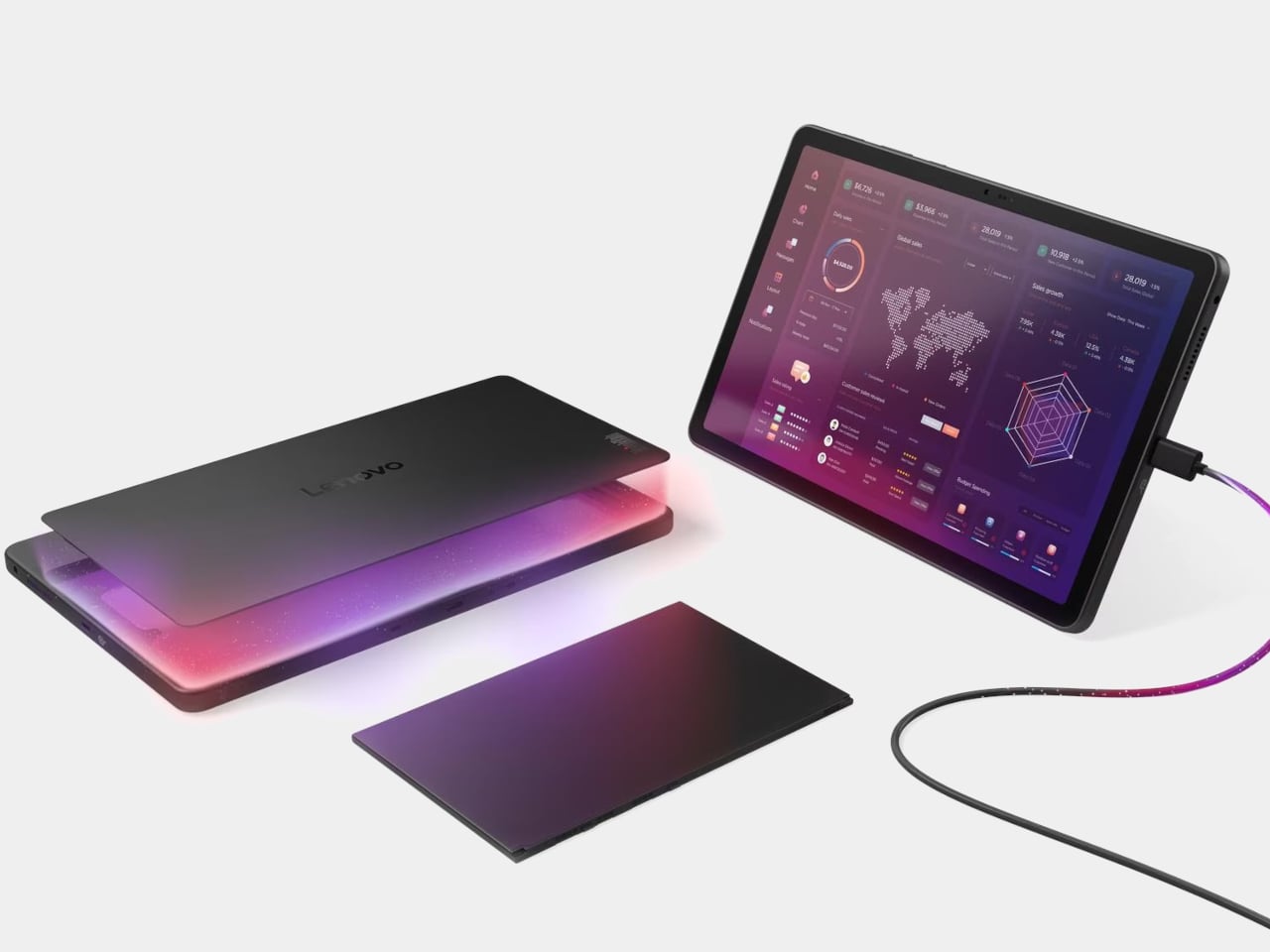
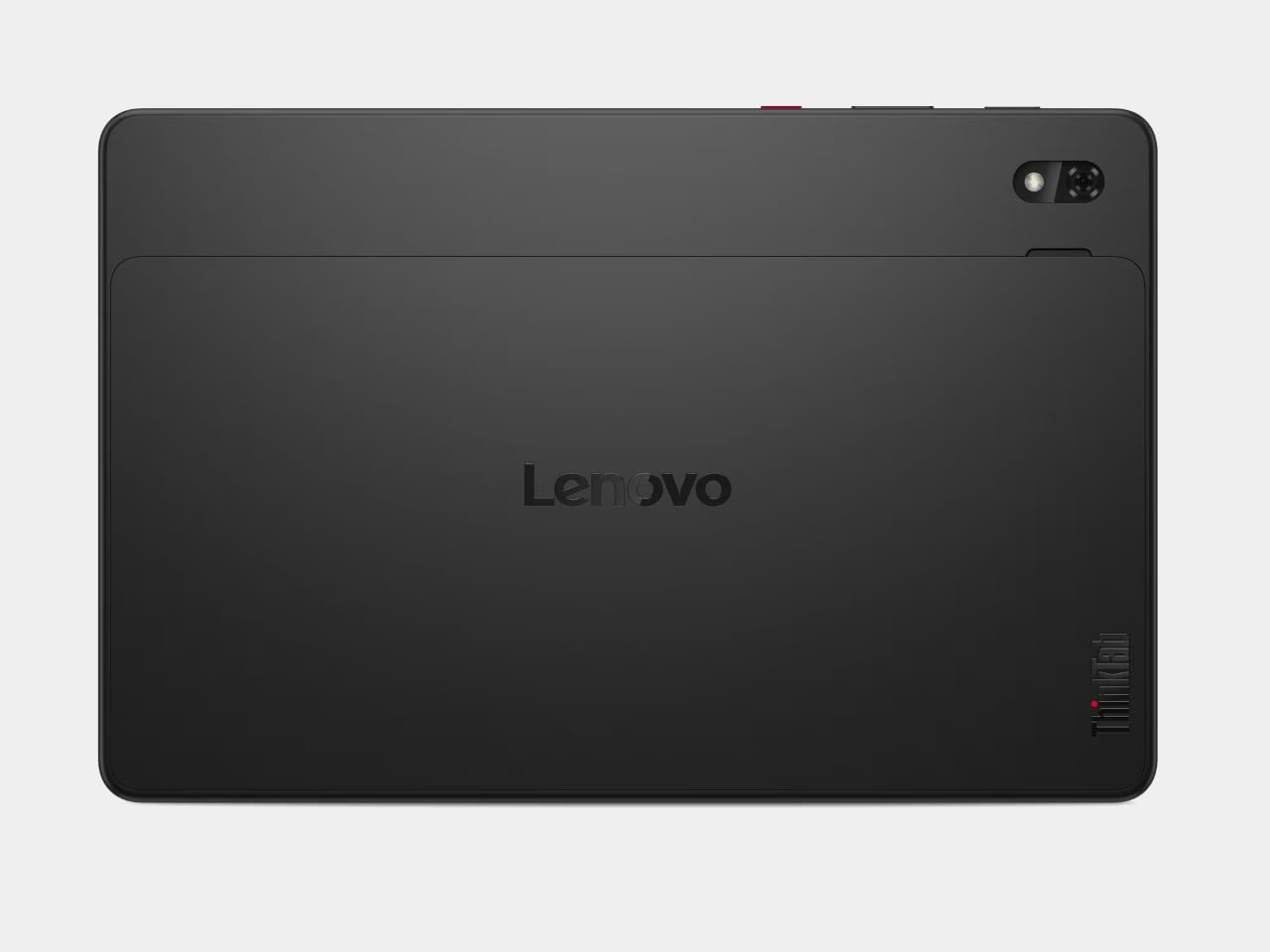
The most unusual thing about the ThinkTab X11 isn’t its durability ratings, which are genuine rather than decorative, but rather its battery design. The 10,200 mAh cell removes without tools, using a screwless mechanism that lets a worker swap a depleted pack for a fresh one mid-shift and keep going. That’s a design decision that most tablet makers abandoned years ago in pursuit of thinner profiles, and it matters enormously when a dead device means halting an entire workflow.

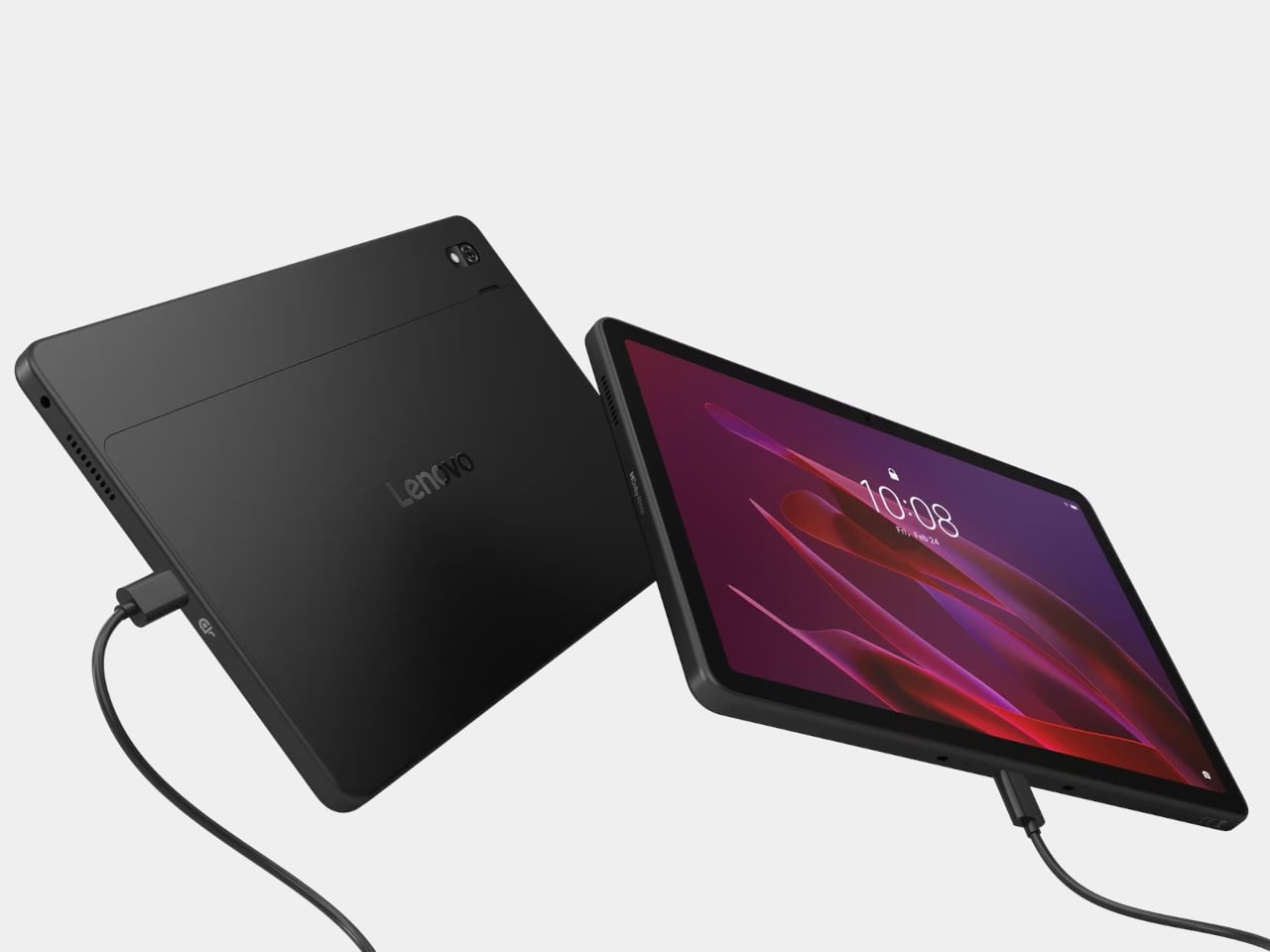
It goes further with a battery-less operating mode. When the tablet is mounted in a vehicle or bolted to a fixed workstation, it can run directly from DC power with no battery installed at all. This reduces heat buildup during continuous use, extends the long-term health of the device, and removes the battery’s natural degradation from the equation entirely for fixed deployments. Dual USB-C ports handle simultaneous charging and peripheral connectivity alongside all of that.

The rest of the hardware is built around the same operating logic. The 10.95-inch display runs at 90 Hz with up to 800 nits of peak brightness under high brightness mode, and it’s coated with Corning Gorilla Glass. The touch layer is calibrated to work with gloved hands and wet fingers, which matters on a construction site or loading dock more than any raw spec comparison might suggest. The Snapdragon 7s Gen 3 handles processing, with up to 12 GB of RAM and up to 512 GB of UFS 3.1 storage available.

The included rugged case brings MIL-STD-810H certification for drops and vibration, while the device itself carries an IP68 rating for dust and water resistance. The case can be swapped out for a plain back panel when the environment is less demanding, which keeps the device from feeling like overkill in lighter contexts. Front-mounted NFC handles inventory scanning, access control, and field authentication without requiring the tablet to be flipped over.

The ThinkTab X11 ships with Android 16, guaranteed to receive two major OS upgrades reaching Android 18, along with four years of security patches. Lenovo’s ThinkShield security layer sits underneath the consumer-facing OS, giving IT departments the kind of centralized device management tools they already use for ThinkPads. An organization that runs the Think ecosystem at the desk can now extend the same infrastructure to the field, with the 256 GB model available at $579.

The post Lenovo Just Built a $499 Rugged Tablet You Can Run Without a Battery first appeared on Yanko Design.

The 5 Best Tech Gadgets of June 2026

June has arrived with a lineup that doesn’t bother hedging. Each gadget on this list makes a clear and distinct point: about privacy, portability, or what it actually means to build something for the person using it rather than around them. These aren’t incremental updates dressed up in a press release. They’re objects with real design thinking behind them, built to do something specific and do it uncommonly well.

What ties them together is a certain kind of intent. The best tech this month isn’t chasing trends; it’s reacting against them: against surveillance defaults baked into operating systems, against album art buried in streaming queues, against mice that collapse your wrist by noon. Whether you carry your work in a laptop bag or your music in a record sleeve, there’s something specific on this list that deserves a closer look.

1. Volla Plinius

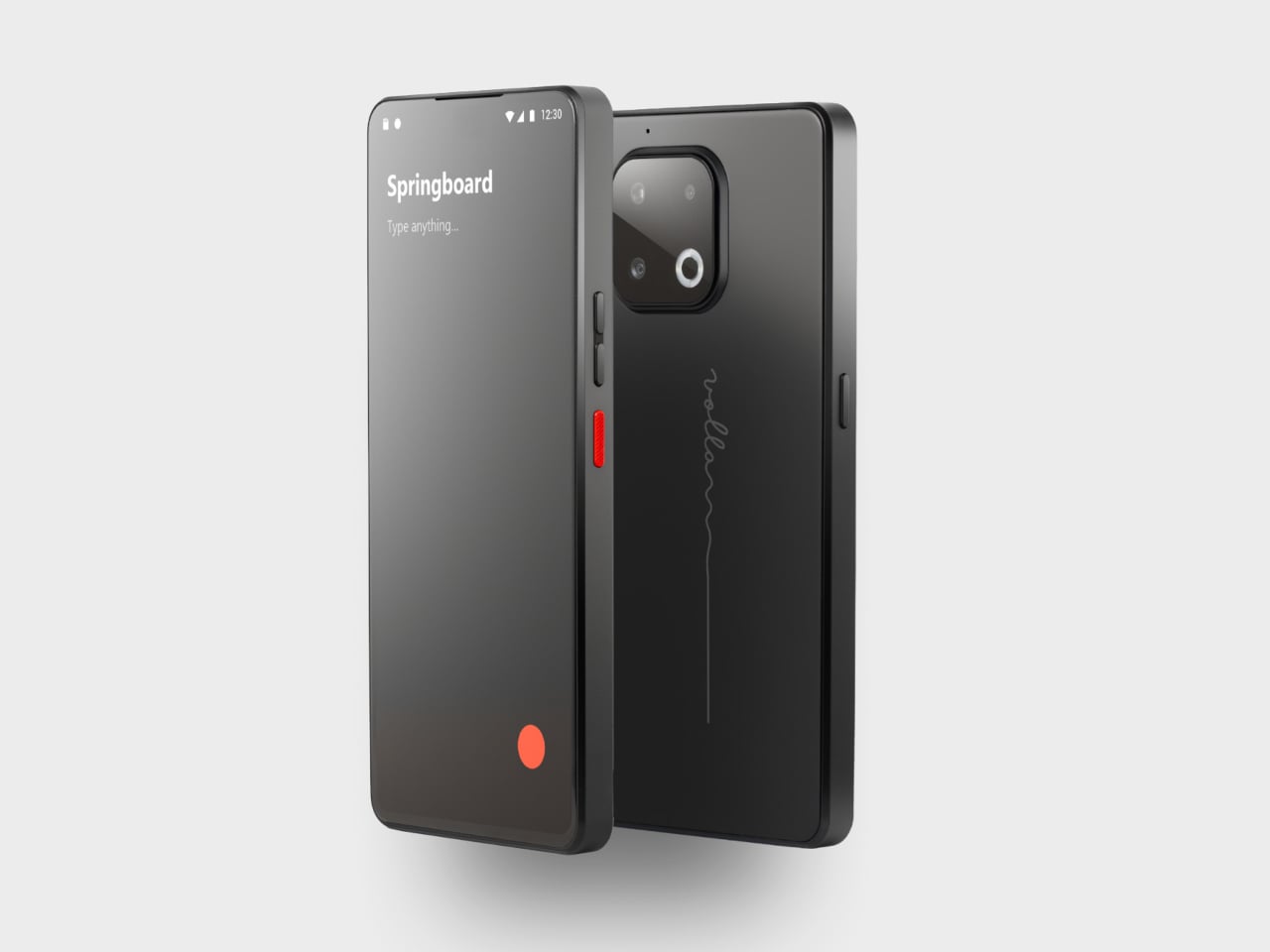
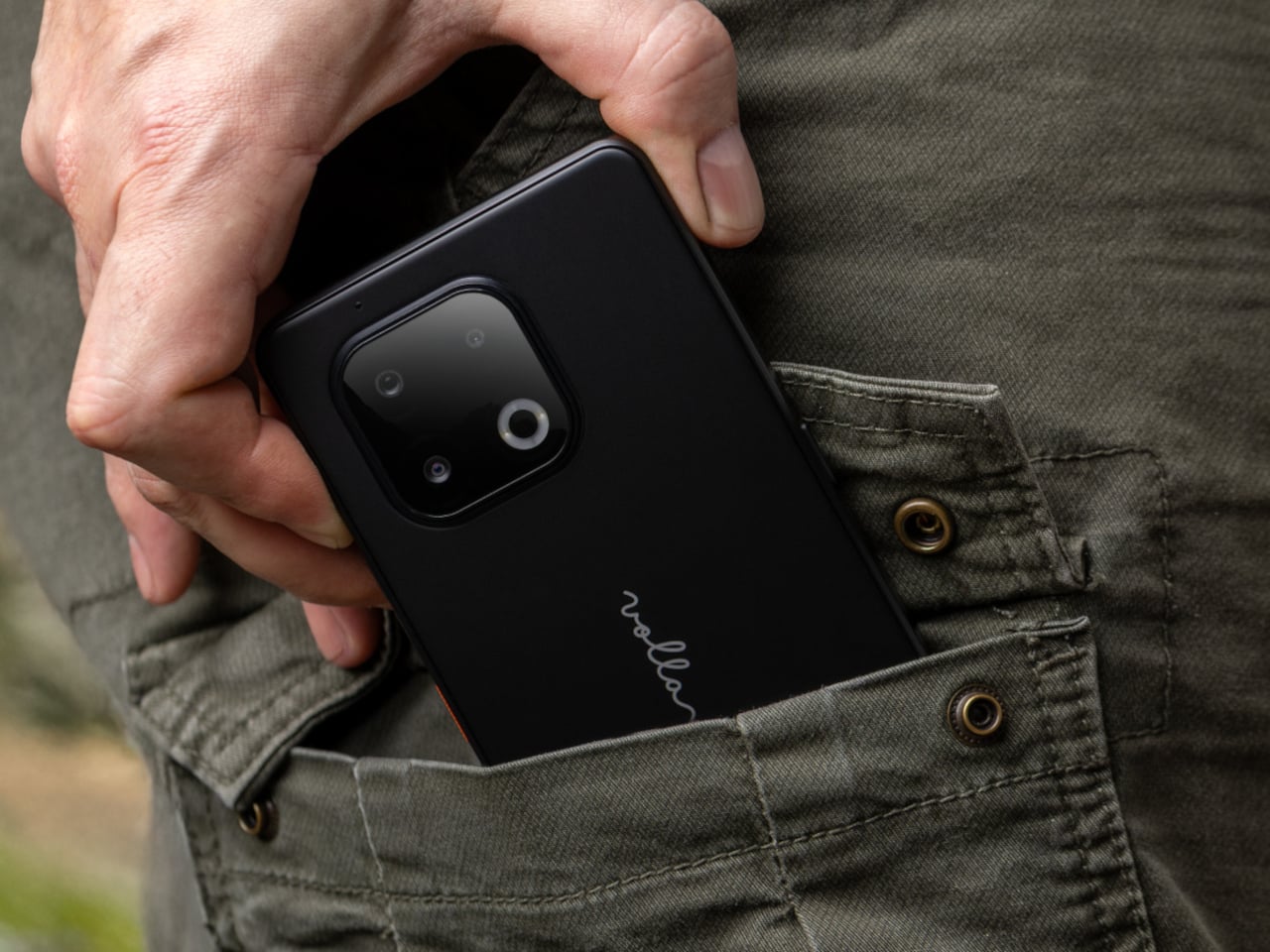
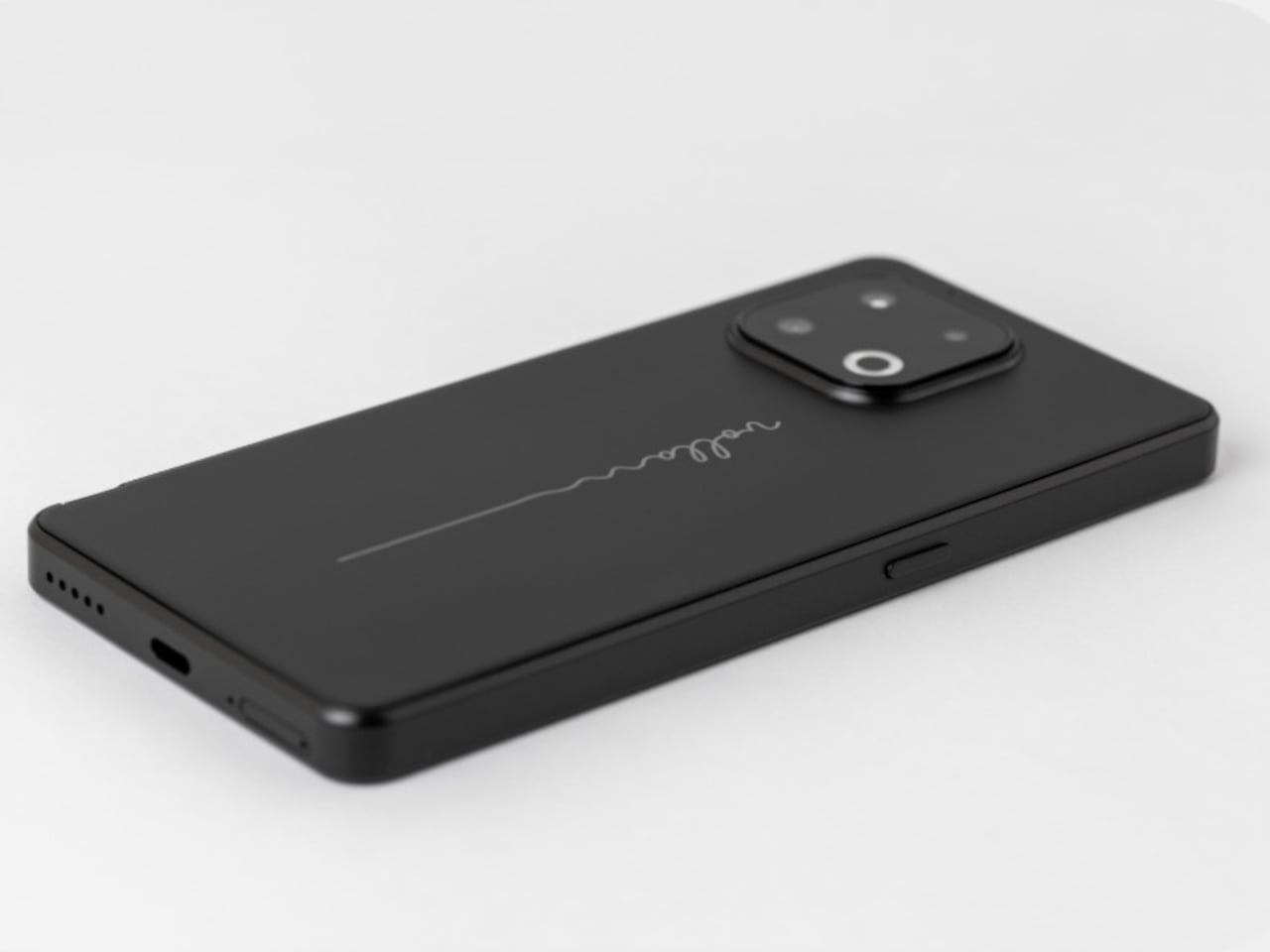
Most smartphones arrive with an assumption baked in: that your data routes through Google’s servers, its apps occupy your home screen, and the battery is sealed inside with no user path to replacement. The Volla Plinius pushes back on all three. It runs privacy-first software, ships with a physically swappable battery, and pairs those principles with IP68 waterproofing. It doesn’t ask you to choose between holding your ground and surviving the rain.

The hardware holds its end of the argument. A 5,300 mAh battery supports both 30W wired fast charging and 15W wireless charging, handling most daily scenarios without demanding much thought. For anyone caught between wanting a cleaner digital life and needing a phone that can handle the physical demands of actually living one, the Plinius is the clearest answer the market has offered in a long time.

What we like

  • A replaceable battery on a device that doesn’t sacrifice IP68 build quality to offer it
  • Privacy-first software paired with genuine ruggedness, without the usual compromise on real-world performance

What we dislike

  • Living Google-free requires a genuine commitment to alternative app ecosystems that not every user is prepared for
  • 30W charging is functional but trails the fast-charging benchmarks set by competing flagship devices

2. Portable CD Cover Player

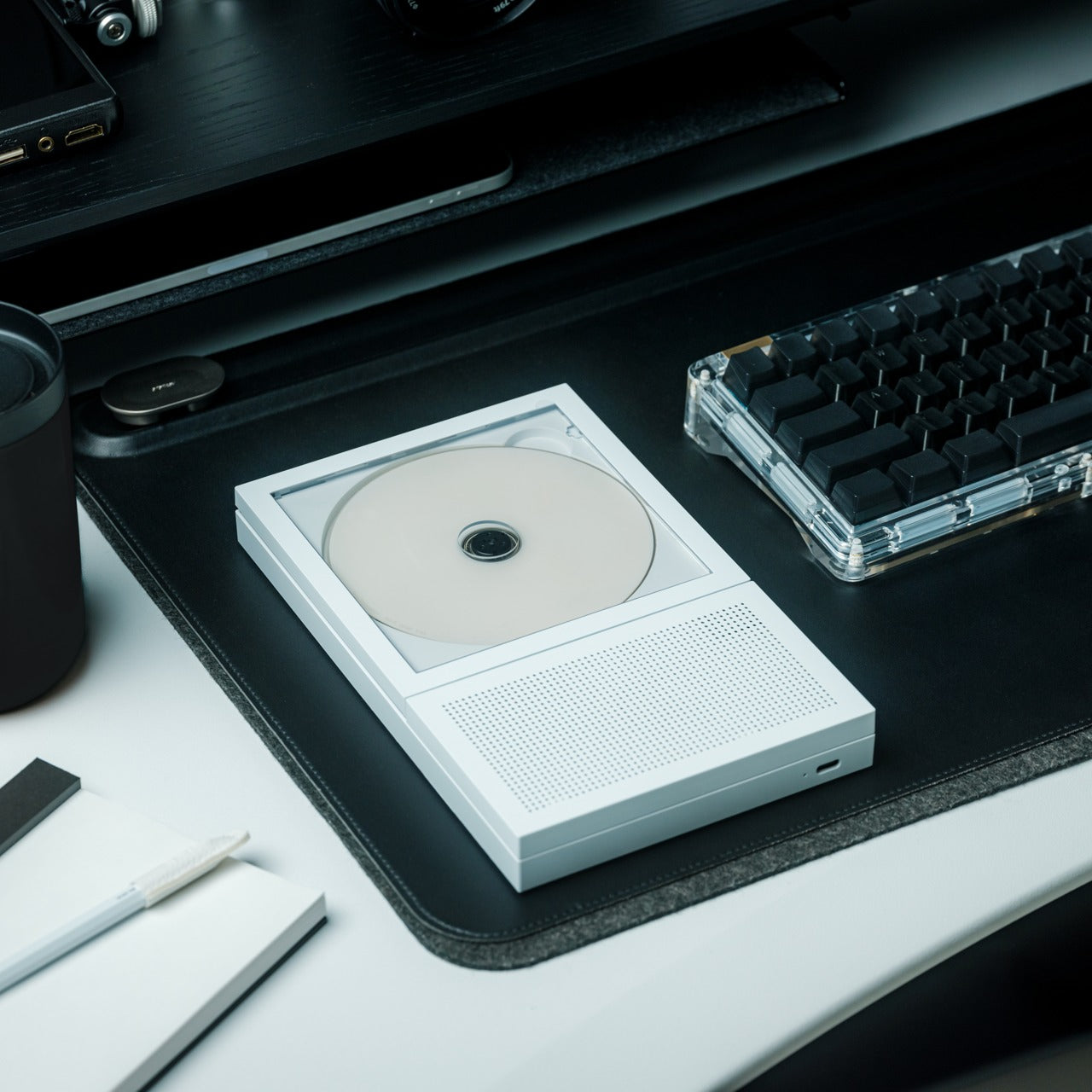
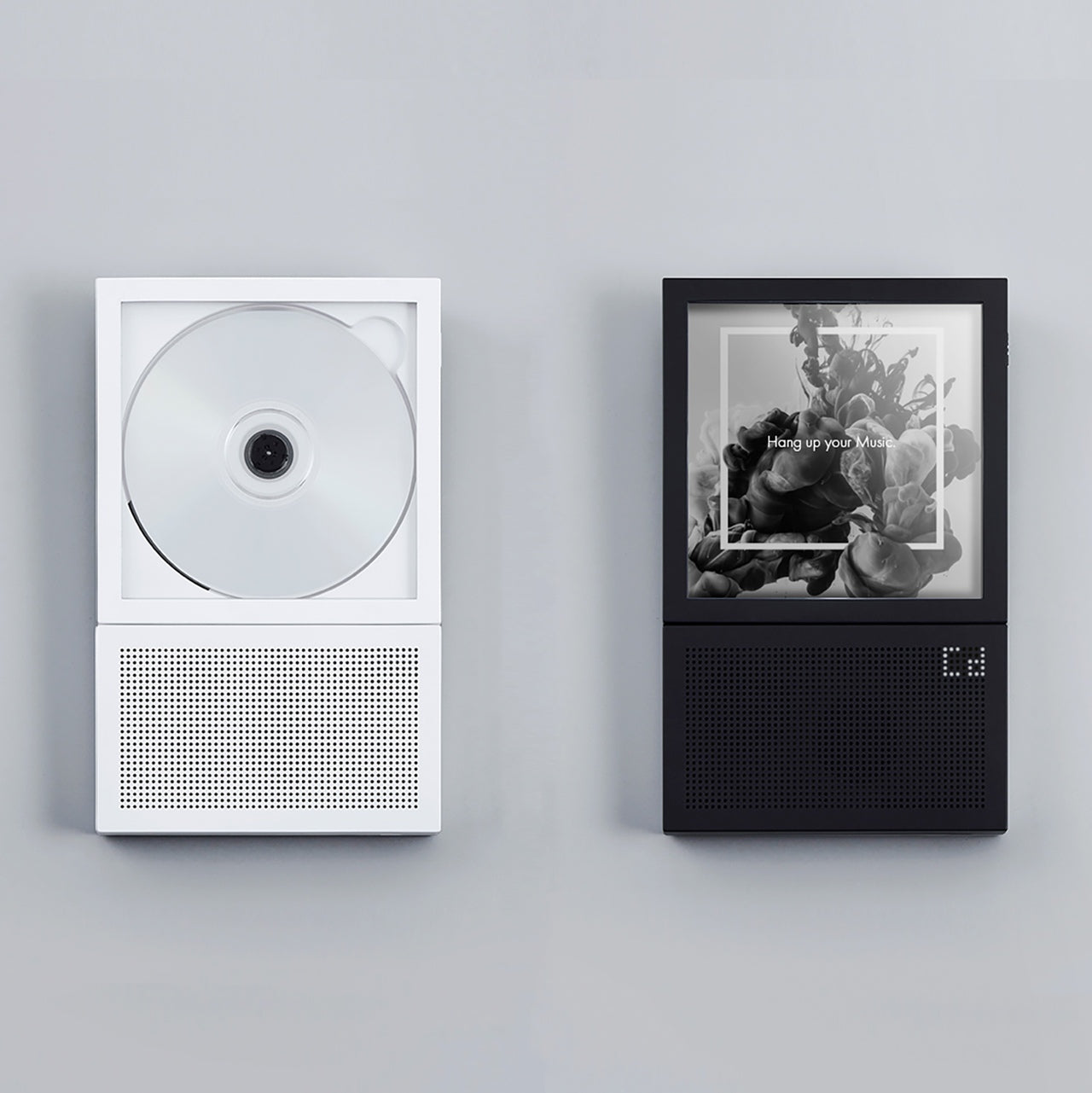
The album cover was never just packaging. For an entire generation of listeners, it was the first thing you saw before the music started, and it became inseparable from the sound itself. The Portable CD Cover Player understands that. It displays the jacket of whichever disc is loaded as part of the listening experience, giving forgotten CDs a place back on your desk and giving the art around them a reason to exist again.

Built-in speakers and a rechargeable battery mean it functions as a standalone piece rather than a peripheral waiting for something else to do the heavy lifting. A wall-mount bracket option takes it further, turning the player into a room feature rather than just a desk object. Starting from $199, it operates in the space where audio hardware and interior design genuinely intersect: for anyone who grew up measuring their taste by what lived on their shelves, this is the right address.

Click Here to Buy Now: $209.00

What we like

  • Album art becomes part of the room rather than a two-inch thumbnail buried on a phone screen
  • Wall-mount capability turns it from a CD player into a considered piece of interior design

What we dislike

  • The $199 starting price is a real commitment for a device competing against streaming software that costs nothing
  • Bluetooth convenience is central to the pitch, but audio purists may want more control over output quality

3. Canon Pocket Gimbal Camera

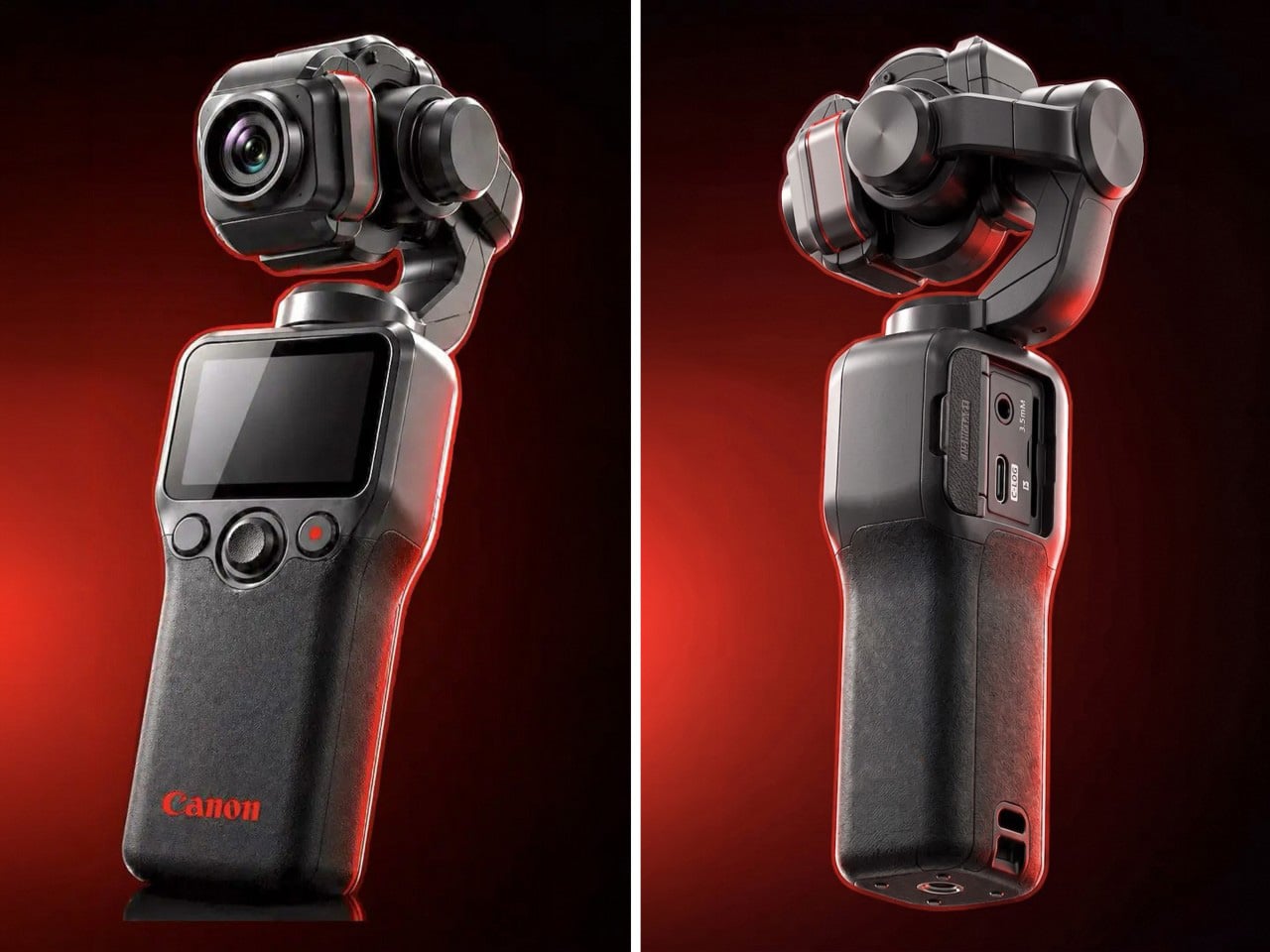
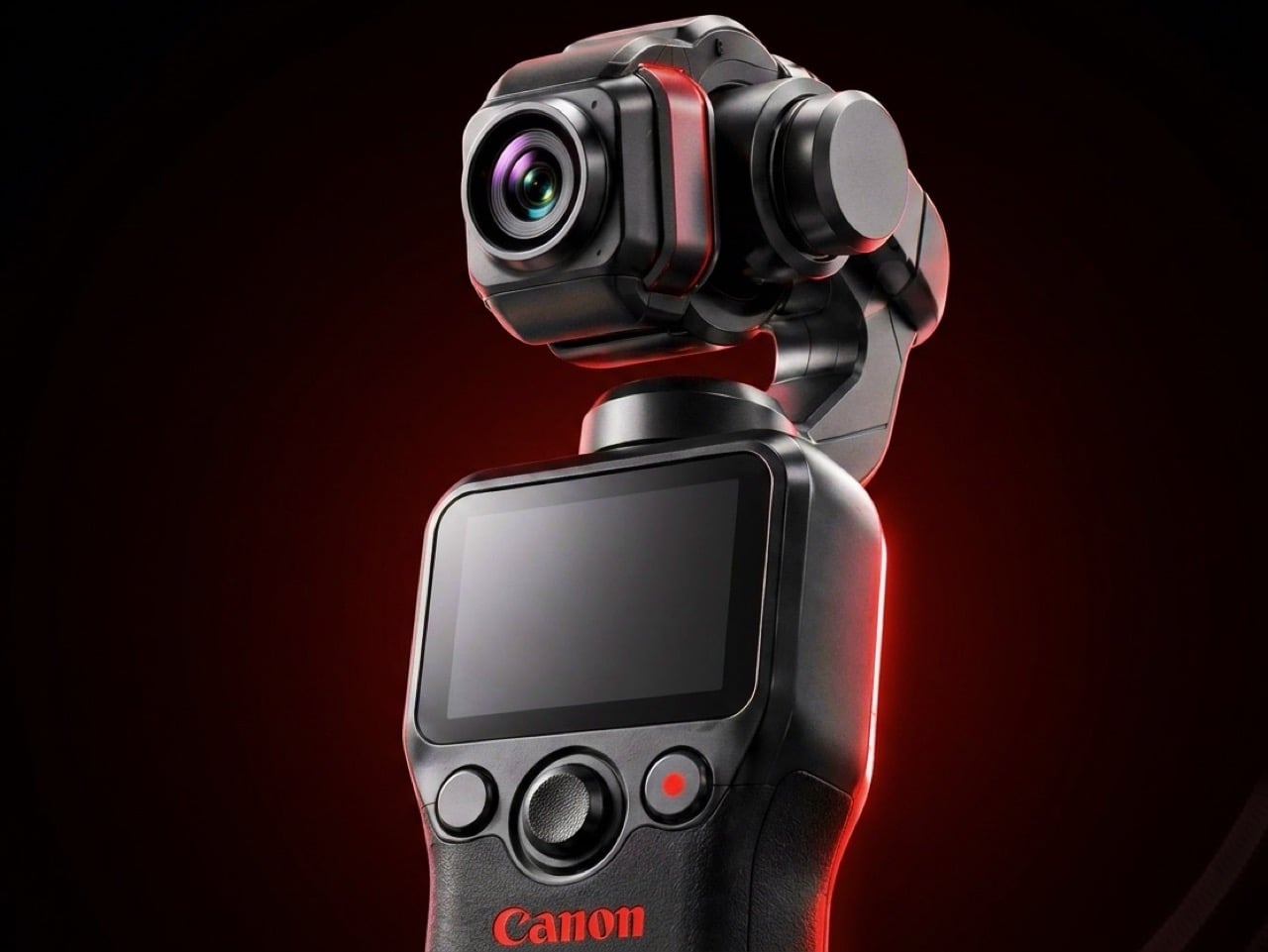
DJI built the pocket gimbal camera market almost entirely by itself, and for years nobody credible showed up to challenge it. The Osmo Pocket became the default recommendation for vloggers and travel creators wanting stabilized footage without strapping a full rig to their wrist, and DJI knew exactly where that left everyone else. Canon’s newly confirmed pocket gimbal, a compact three-axis setup with a fixed lens and an auto-folding mechanism, signals the company is finally ready to contest that space.

The design addresses portability in a way that feels considered rather than reactive. The auto-folding structure keeps the camera compact enough for a jacket pocket, while three-axis stabilization handles the walking and handheld movement that makes most phone footage feel unsteady. Canon’s optical legacy gives it a genuine argument the moment it ships. DJI has held this category comfortably for years, but a well-executed Canon entry would give content creators a real choice the market hasn’t genuinely offered before.

What we like

  • The auto-folding mechanism takes pocket portability seriously without compromising the stabilization hardware beneath it
  • Canon’s lens engineering brings an optical credibility that drone-first brands can’t claim by default

What we dislike

  • A fixed lens limits creative flexibility for anyone shooting beyond the standard focal length
  • The design is patent-confirmed rather than shipping, so real-world performance still needs to be seen

4. OrigamiSwift Folding Mouse

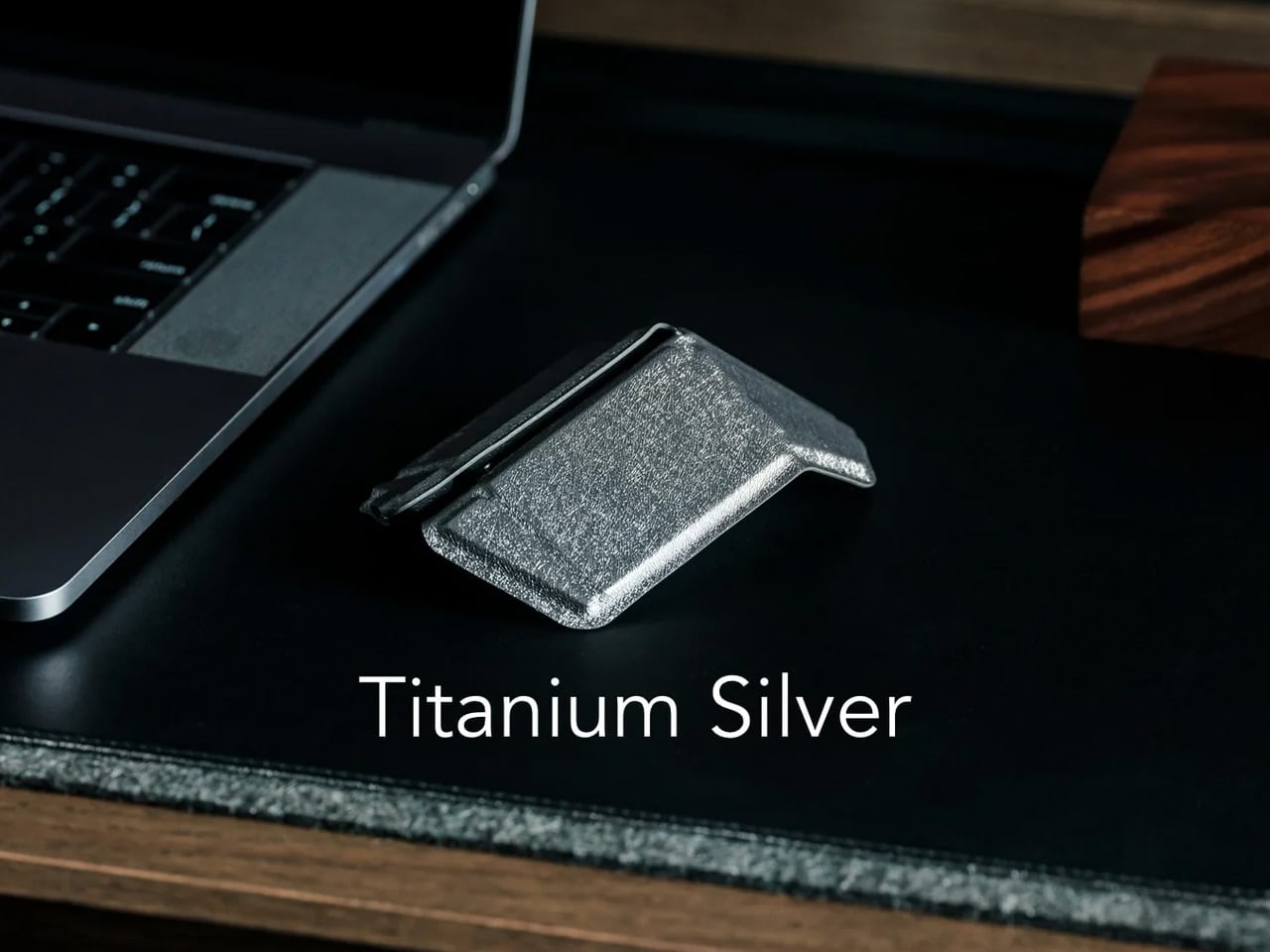
The problem with most travel mice is that they ask you to shrink your hand into the device rather than the other way around. The OrigamiSwift, designed by Horace Lam, flips that logic. Inspired by origami, it folds to an ultra-thin profile for transit and opens into a full-sized ergonomic mouse in under half a second. At just 40 grams, it’s the kind of object that stops feeling like a compromise the moment you pick it up.

The Bluetooth connection supports the kind of mobile workflow it was built for: a café table, a flight tray, a co-working space with limited surface area. What separates it from other folding peripherals is the discipline in the design. The open position feels like a real mouse, not a travel mouse trying to pass as one. That distinction matters at a proper desk, and it matters even more when you’re trying to get serious work done somewhere that isn’t one.

Click Here to Buy Now: $85.00

What we like

  • At 40 grams with a sub-0.5-second deployment, portability and usability genuinely stop being a trade-off
  • Full-sized ergonomics in the open position means no physical compromise in the actual working configuration

What we dislike

  • Bluetooth-only connectivity may be a limiting factor for users in precision-sensitive or low-latency workflows
  • The folding mechanism, elegant as it is, introduces a hinge point that any road warrior will want to stress-test over time

5. MelGeek Centauri80

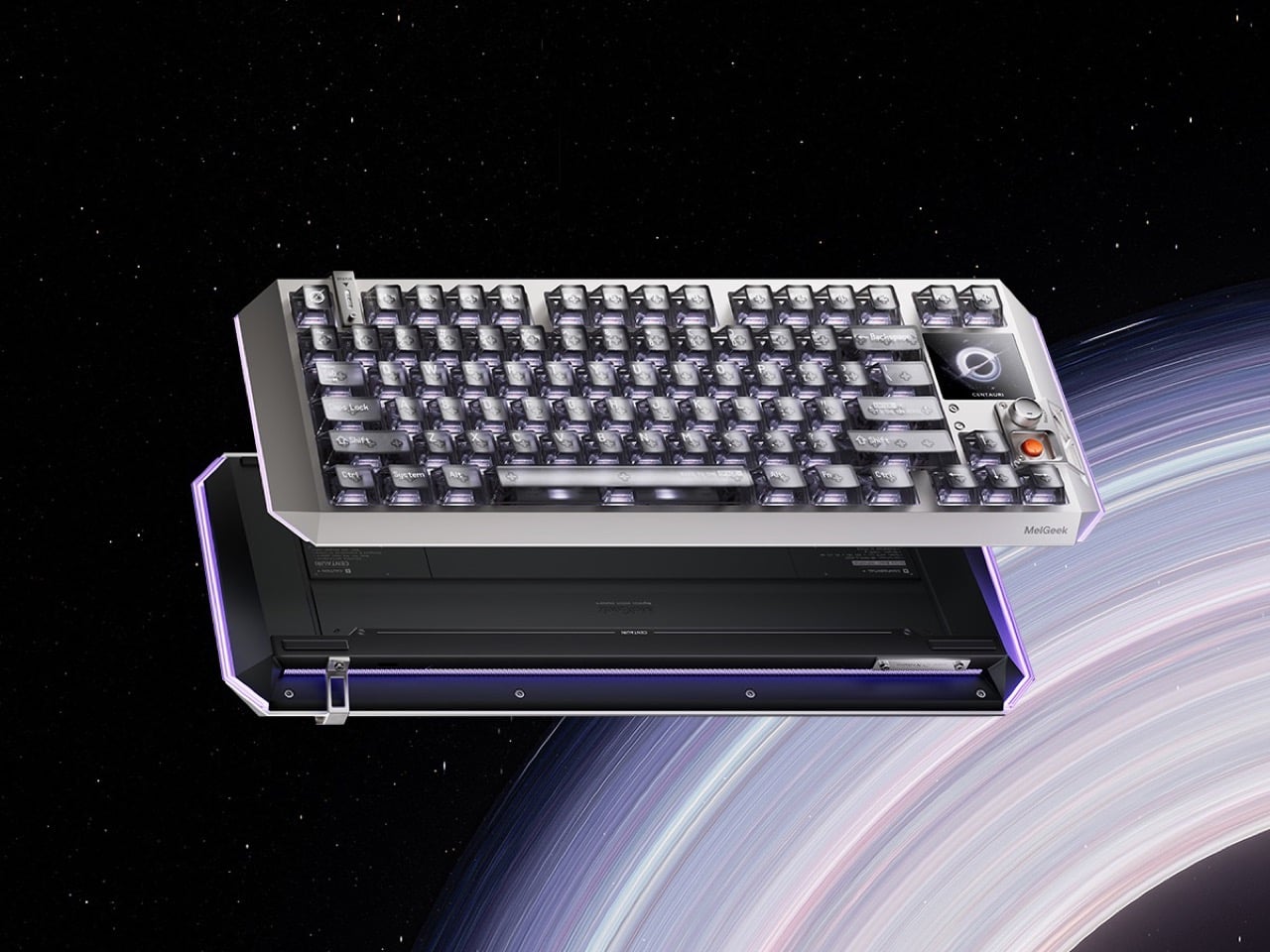
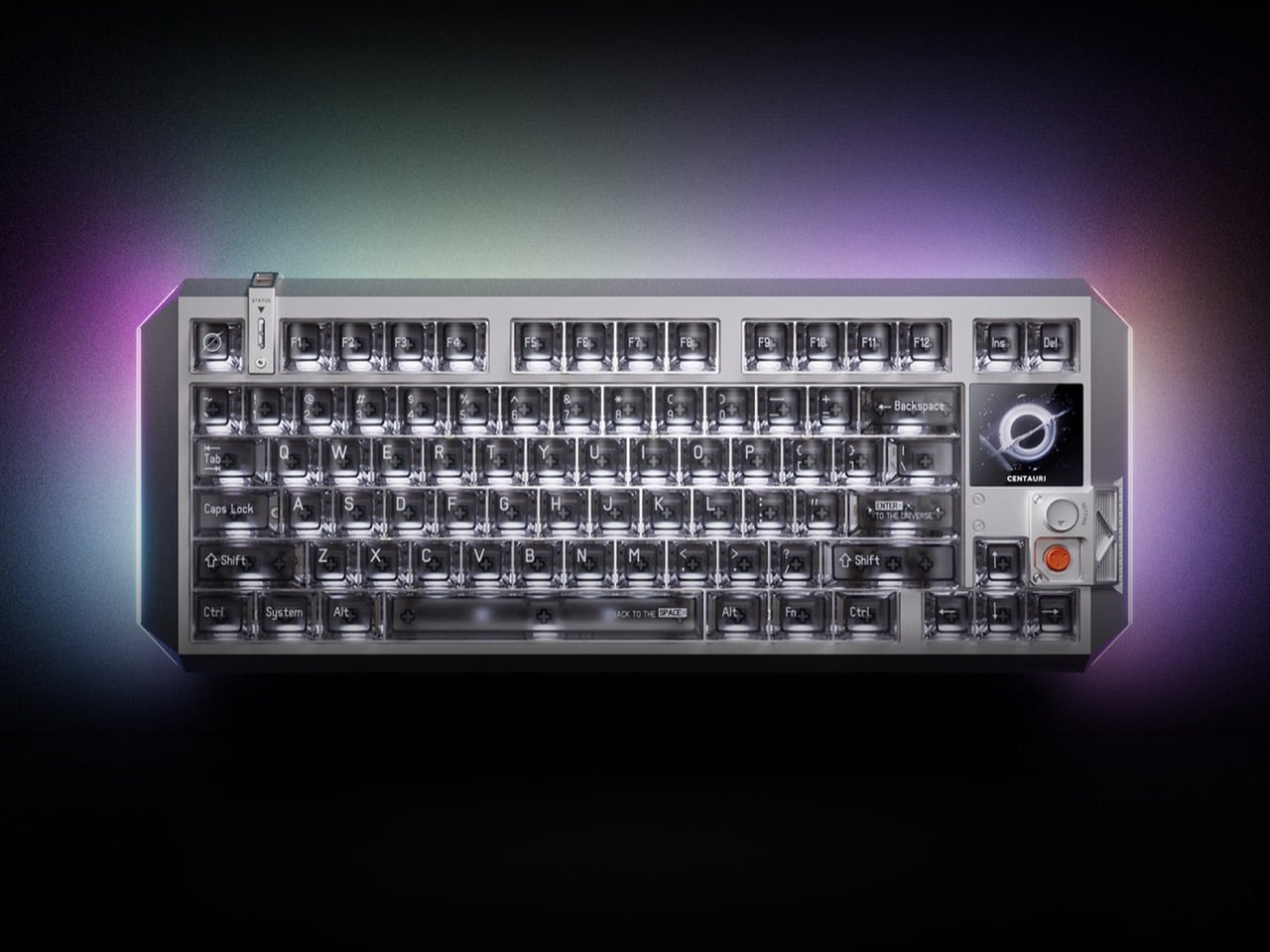
The mechanical keyboard market has spent years dividing the people who care about feel from those who care about performance, as though those are mutually exclusive categories. The MelGeek Centauri80 refuses that split. Under its suspended aluminum alloy unibody, which floats within the outer frame to reduce vibration transfer, sits a distributed architecture of six microcontroller chips driving TTC Flip King magnetic switches to 0.125ms latency at an 8000Hz polling rate.

The five-layer gasket-mounted acoustic structure means the sound engineering is as deliberate as the hardware specification. Every keystroke travels through dampening foam and a silicone layer, giving the typing experience a control you don’t often find at this price point. At $299, it positions itself directly against the Wooting 60HE and the rest of the Hall Effect field. For anyone who wanted a keyboard that takes acoustics and responsiveness with equal seriousness, the Centauri80 makes that case without needing to announce it.

What we like

  • 0.125ms latency at 8000Hz polling is a genuine competitive specification, not a marketing talking point
  • The floating aluminum unibody and five-layer gasket mount make acoustic performance a first-class design feature

What we dislike

  • $299 is a meaningful investment in a Hall Effect market with capable alternatives sitting below that price
  • An 80% layout means function row users will need time to adjust before the board starts feeling natural

The Best Tech Isn’t the Loudest. It’s the Most Decided.

The tech that earns its place this month isn’t defined by specs alone; it’s defined by what those specs are actually solving for. A replaceable battery on a privacy-first phone. An album player that gives cover art back its proper place in a room. A keyboard that treats acoustics as a discipline rather than a footnote. Each product here is built around a clear decision about what actually matters, and that intentionality is what separates a useful gadget from a forgettable one.

Design is the most honest form of opinion. The Volla Plinius says your data belongs to you. The Centauri80 says typing should feel as precise as it sounds. The OrigamiSwift says portability and performance don’t have to be negotiated away. The products that make it onto lists like this aren’t the loudest or the most heavily marketed. They’re the ones that arrive with a clear point of view and the engineering to back it up.

The post The 5 Best Tech Gadgets of June 2026 first appeared on Yanko Design.

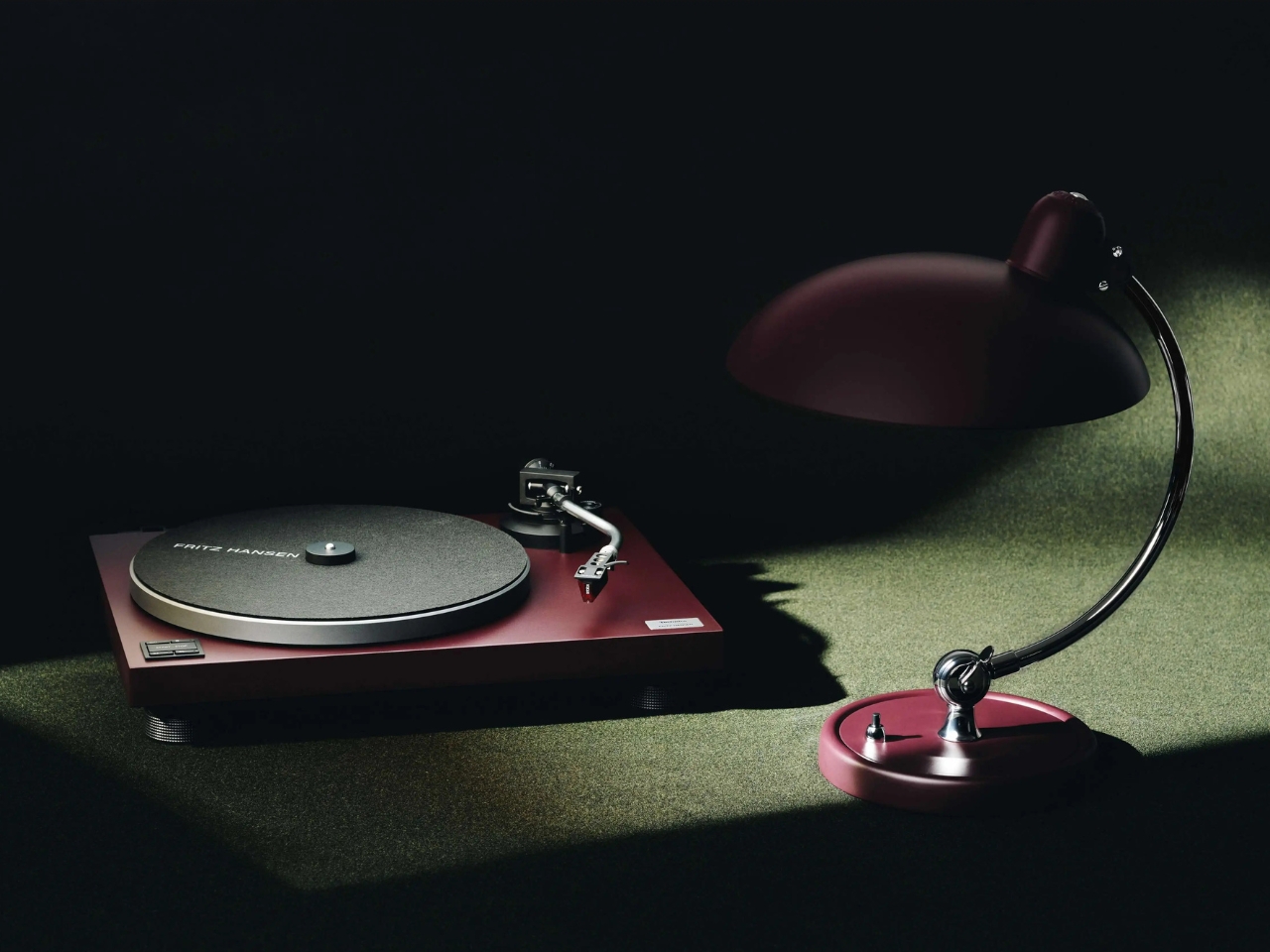
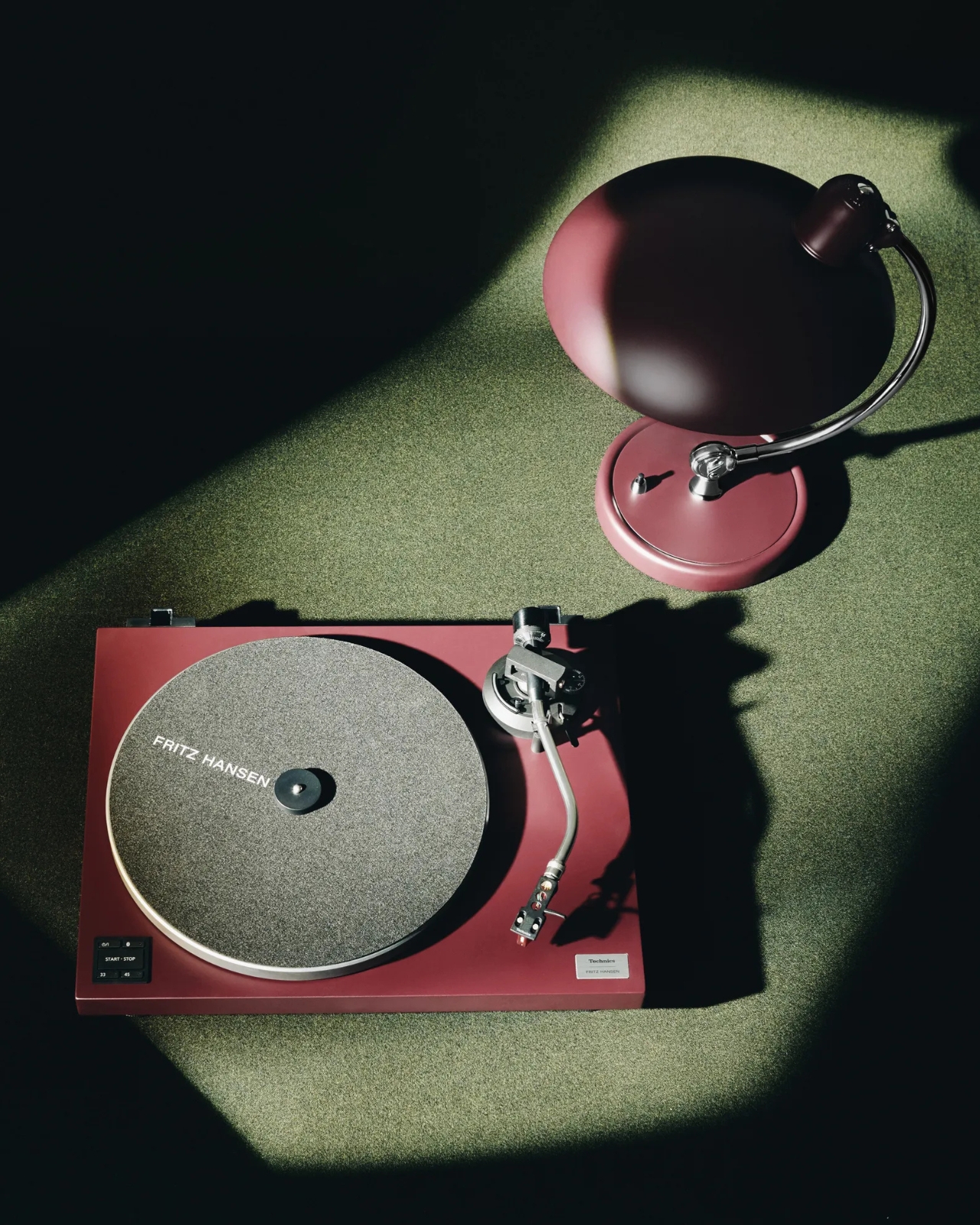
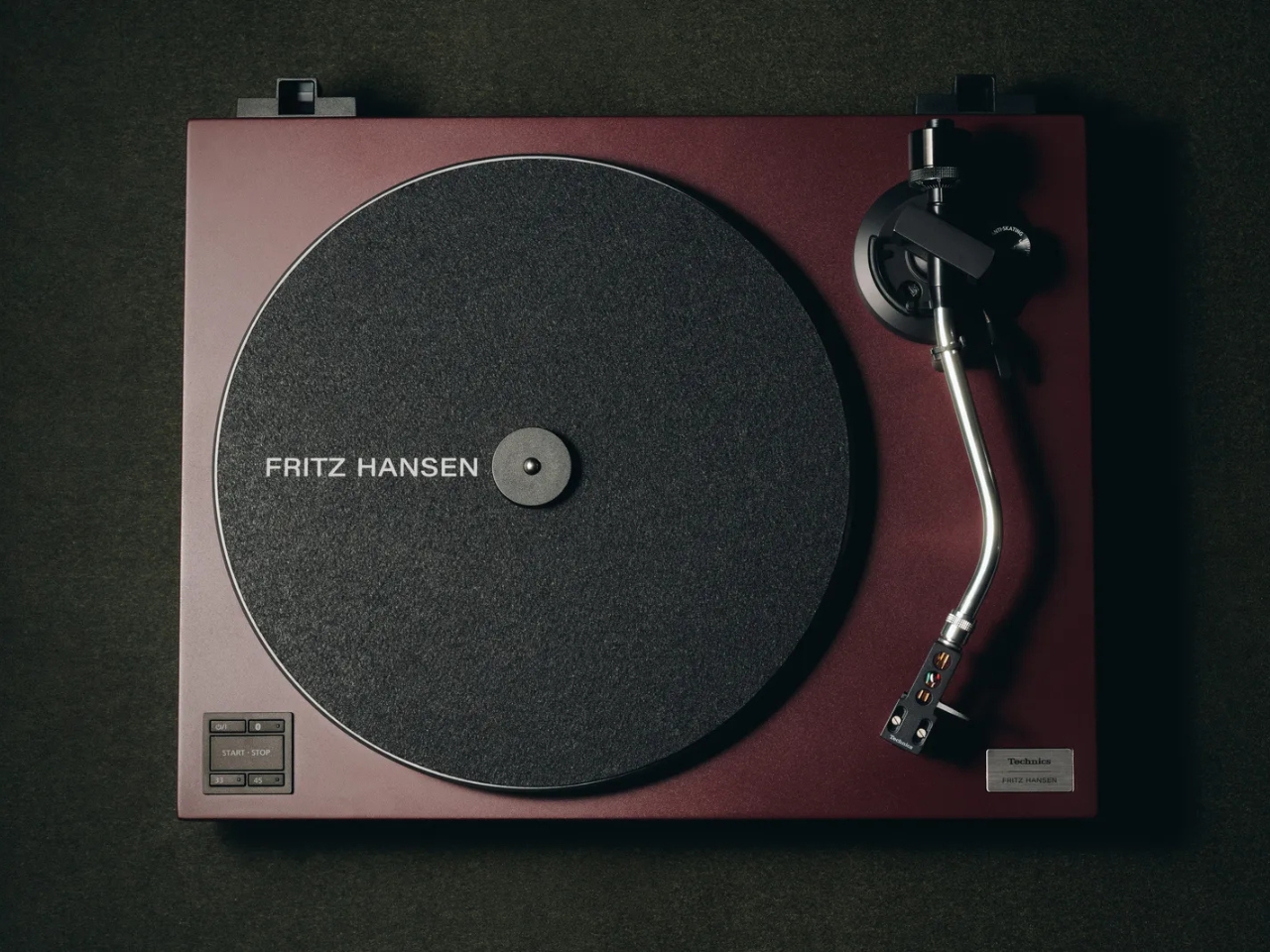
Fritz Hansen and Technics Found Their Color: Burgundy

Some collaborations make perfect sense the moment you hear about them. Fritz Hansen and Technics pairing up feels like that kind of announcement, the sort that makes you stop scrolling and actually read the press release. A Danish design house with a lamp rooted in 1936 Bauhaus tradition, and a Japanese audio brand whose turntables have been part of serious listening rooms for decades. On paper, it sounds almost too considered. And yet, the result is exactly that: deeply considered.

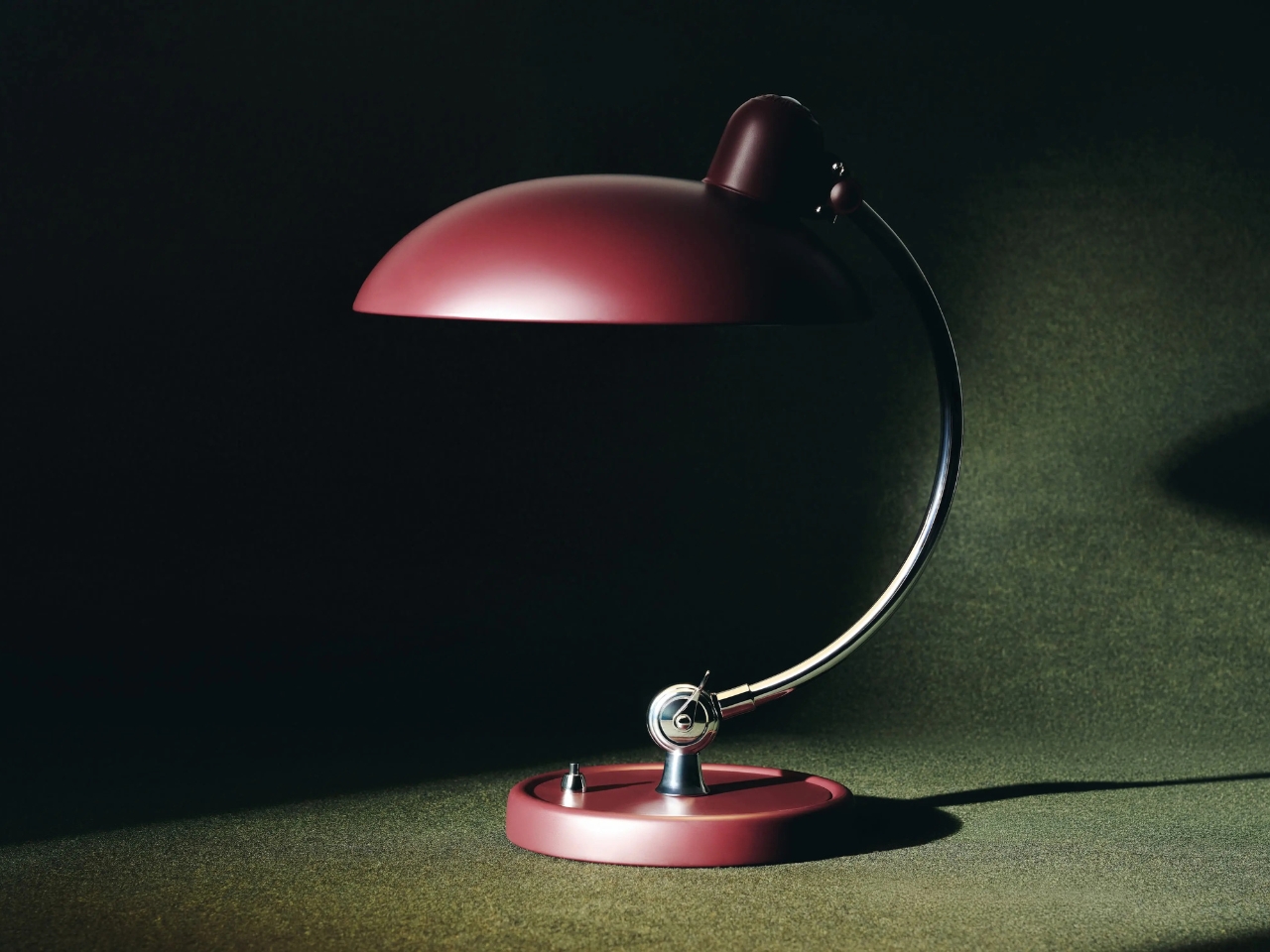
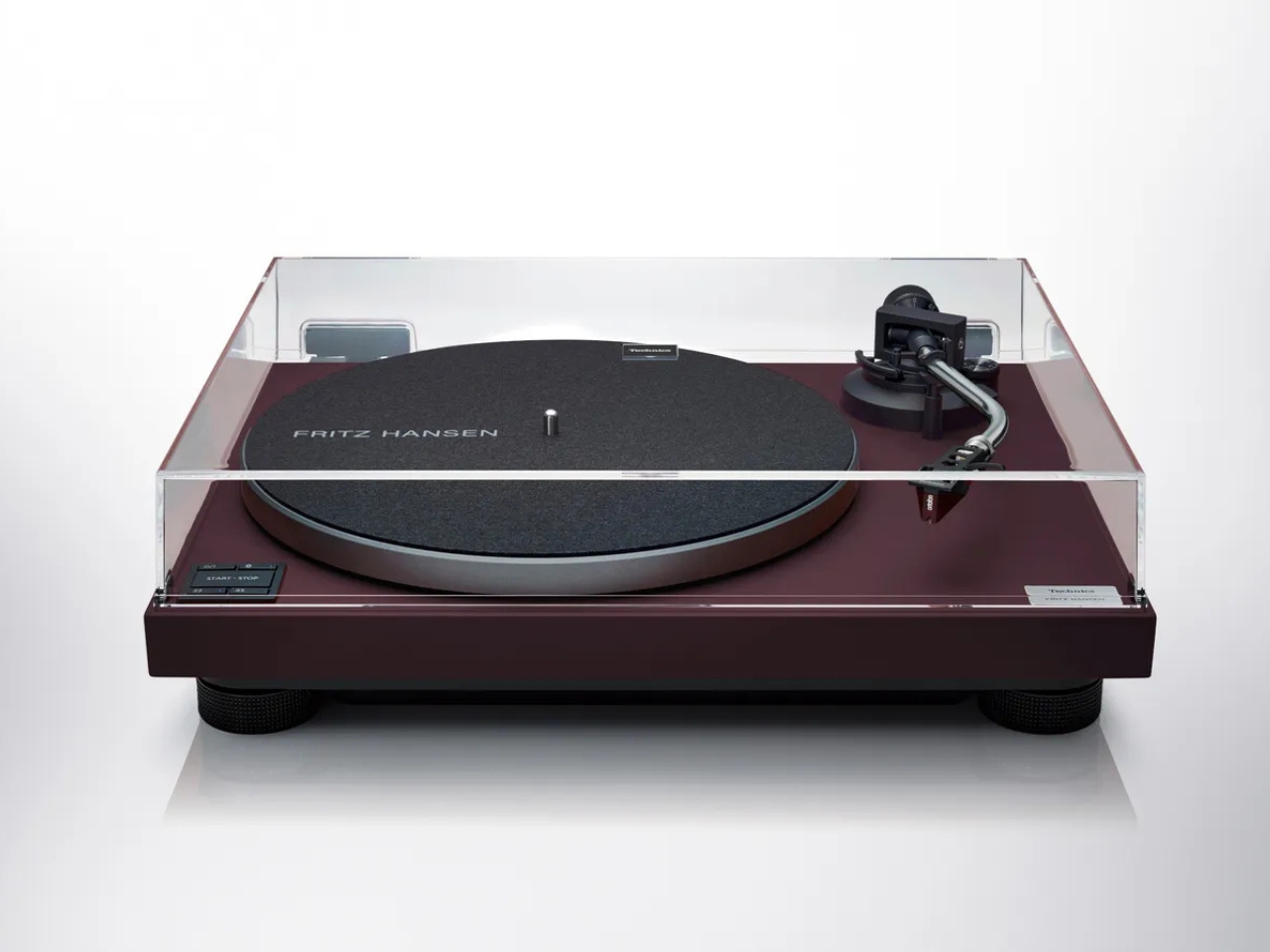
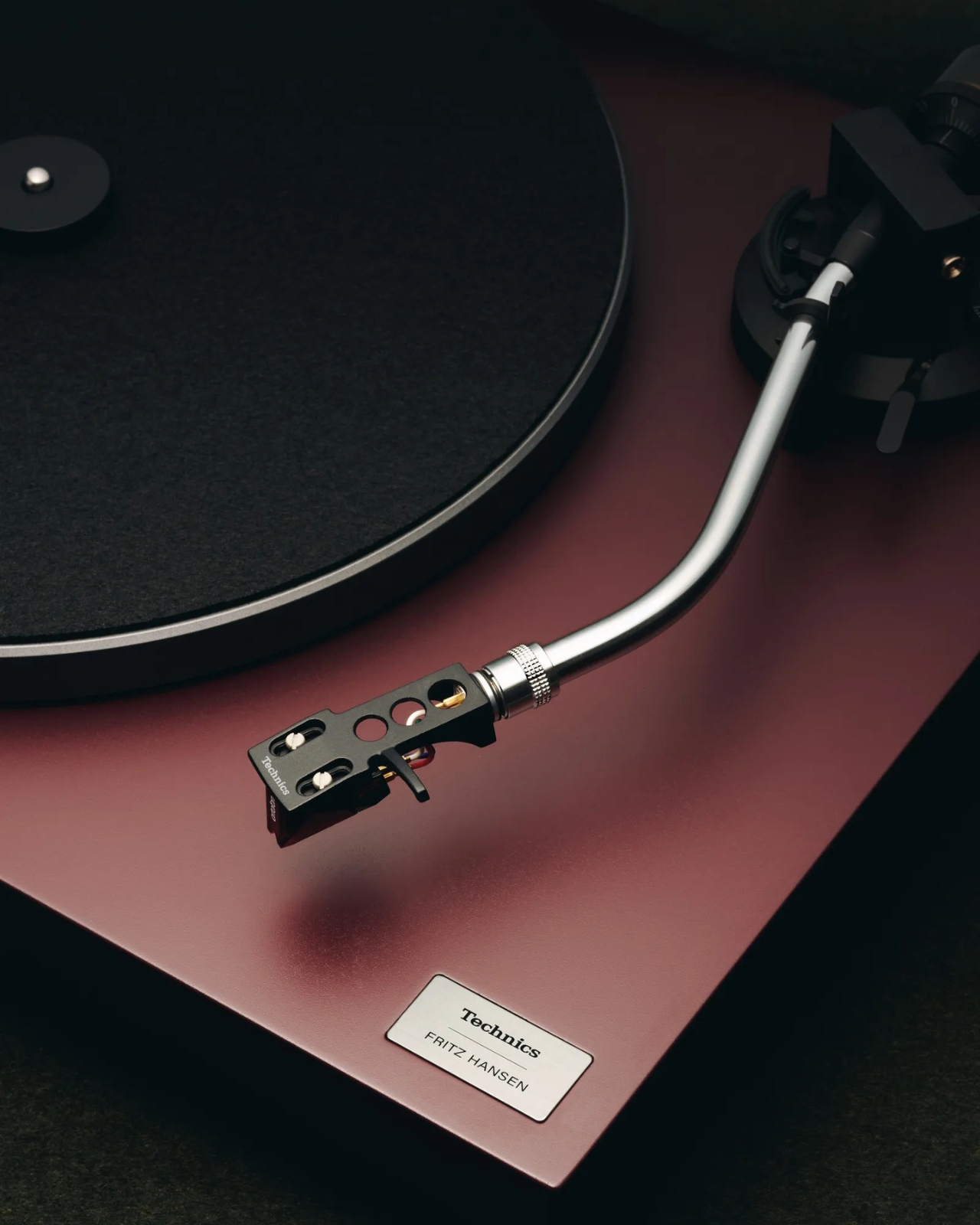
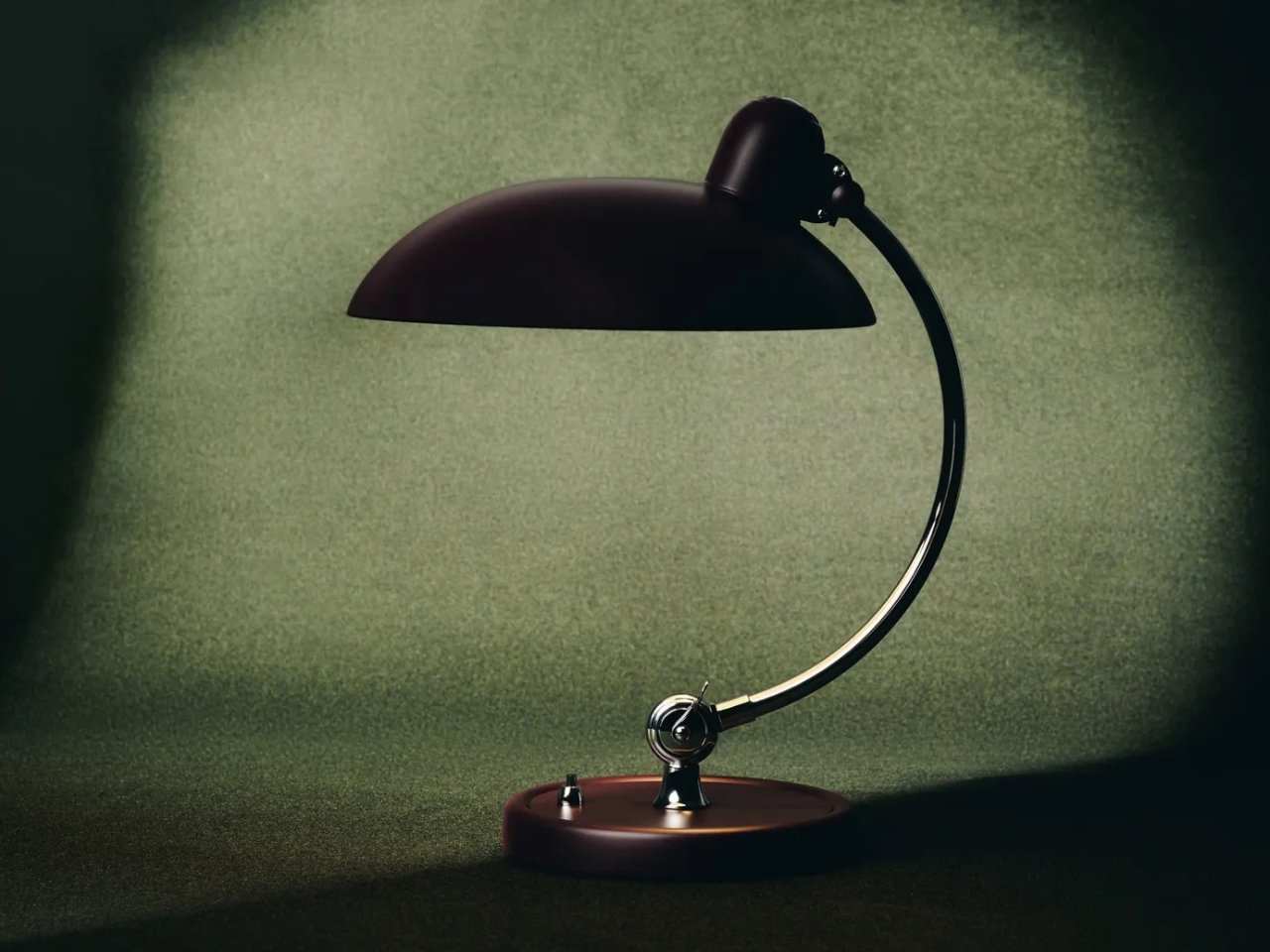
The collaboration brings two limited-edition objects together under a shared identity: the Kaiser idell Luxus 6631-T lamp and the Technics SL-40CBT turntable, both finished in a matte deep burgundy that reads quietly elegant rather than bold. It is the kind of color that does not announce itself but still shifts the entire mood of a room the moment you place it in one. Fritz Hansen will produce 200 lamps, Technics will offer up to 300 turntables, and both launch in October 2026. Those numbers alone tell you this is not a product launch so much as an edition, something that is meant to be lived with rather than simply owned.

Designers: Fritz Hansen and Technics

The Kaiser idell 6631-T is worth talking about on its own. The lamp traces its origins back to 1936, a Bauhaus-era design reissued by Fritz Hansen, featuring a conical shade, an adjustable arm, and a brass base that develops a patina over time. It is one of those designs that feels neither vintage nor modern because it has simply always been correct. Pairing it with a contemporary turntable could have gone sideways quickly, forced nostalgia dressed up in burgundy, but the Technics SL-40CBT holds its own. It is a direct-drive turntable with Bluetooth capability, the kind of piece that respects the ritual of vinyl while being honest about the fact that convenience matters too.

What makes this collaboration genuinely interesting is not just the color match but the philosophical argument behind it. Dario Reicherl of Fritz Hansen put it well: “Sound and light both change how a space feels without touching its structure.” That sentence cuts right to the point. We talk a lot about interior design in terms of furniture and materials, but light and sound are arguably the two most powerful variables in how a room actually feels to be in. The fact that two heritage brands decided to frame a product launch around that idea rather than simply trading on each other’s prestige feels like a more honest creative decision.

The collaboration was previewed at 3 Days of Design 2026 in Copenhagen, where the two pieces were displayed on original Fritz Hansen Bauhaus-style tables pulled from the archive. That context mattered. Seeing them in a listening bar setting, as part of the Fritz Hansen Sound Club installation, gave the objects a sense of purpose rather than just aesthetic. They were not styled for a campaign. They were placed the way you would actually use them, together, in a room designed for paying attention.

Ryo Ogasawara from Technics offered a different angle on the same idea: “Music is an art of time.” He described how sound quietly imprints itself on our emotions, and how light shapes the space in which that happens. It is a poetic framing, but it is not empty. It reflects something real about the experience of listening to music at home, the way a good lamp and a record player together create a setting that invites you to slow down.

At £819 for the lamp and €999 for the turntable, this is not an impulse purchase. But then, it was never meant to be. These are objects for people who think carefully about the things they bring into their homes, who understand that a limited run of 200 or 300 units means something will eventually hold both sentimental and material value. The deep burgundy will age. The brass will develop character. The records will keep playing. And the room they exist in will be better for all of it.

The post Fritz Hansen and Technics Found Their Color: Burgundy first appeared on Yanko Design.

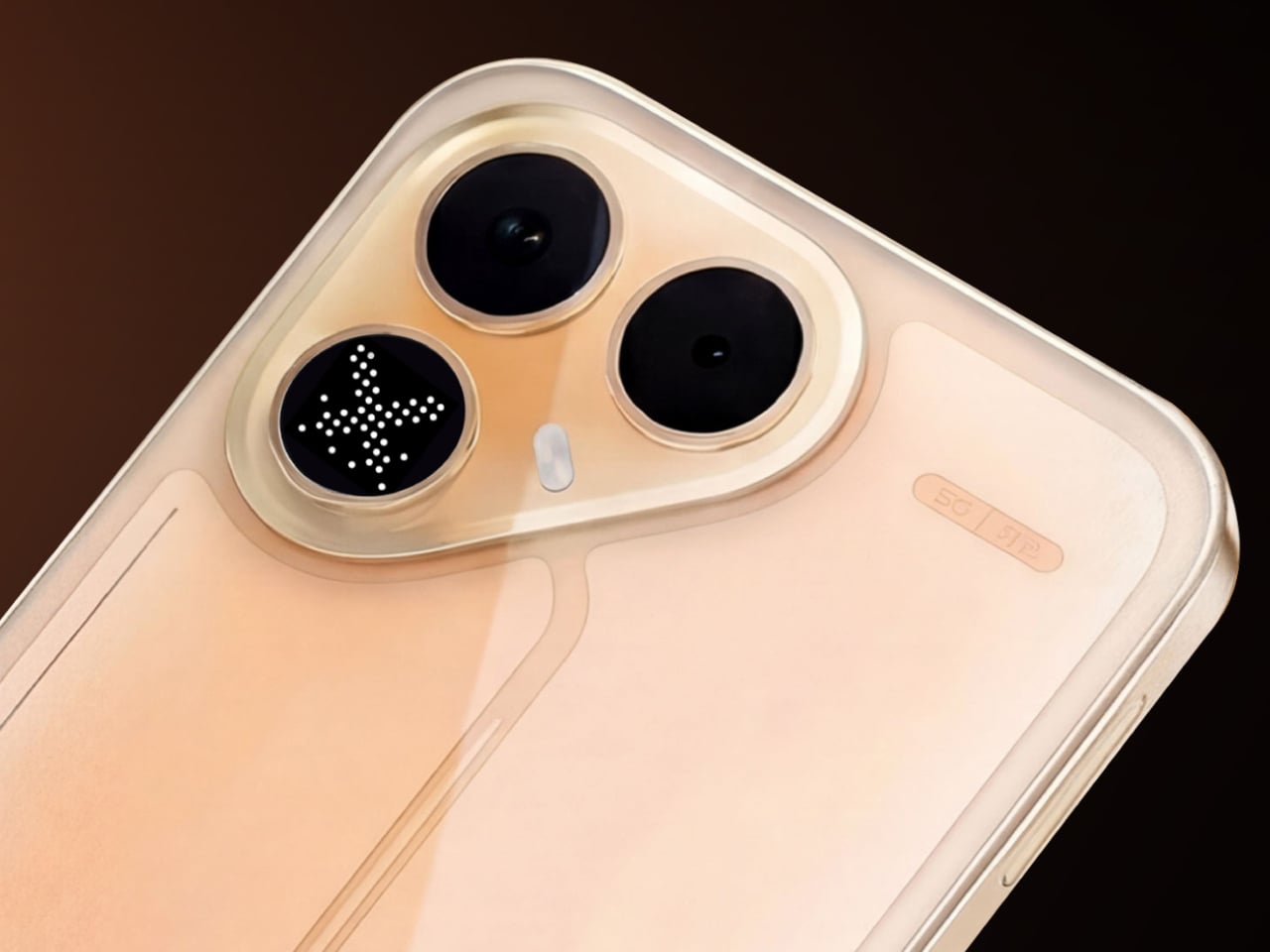
The 8,000 mAh Mid-Range Phone With a Live LED Light Show on Its Back

Budget and mid-range smartphones have gotten remarkably good at matching flagship features on paper, but battery life has remained one of the few areas where even expensive phones routinely disappoint. Most flagships are built thin at the cost of capacity, and charging cycles have become part of the daily routine rather than a secondary concern. For a growing number of users, particularly those who game, stream, and stay connected throughout the day, that calculus doesn’t quite add up.

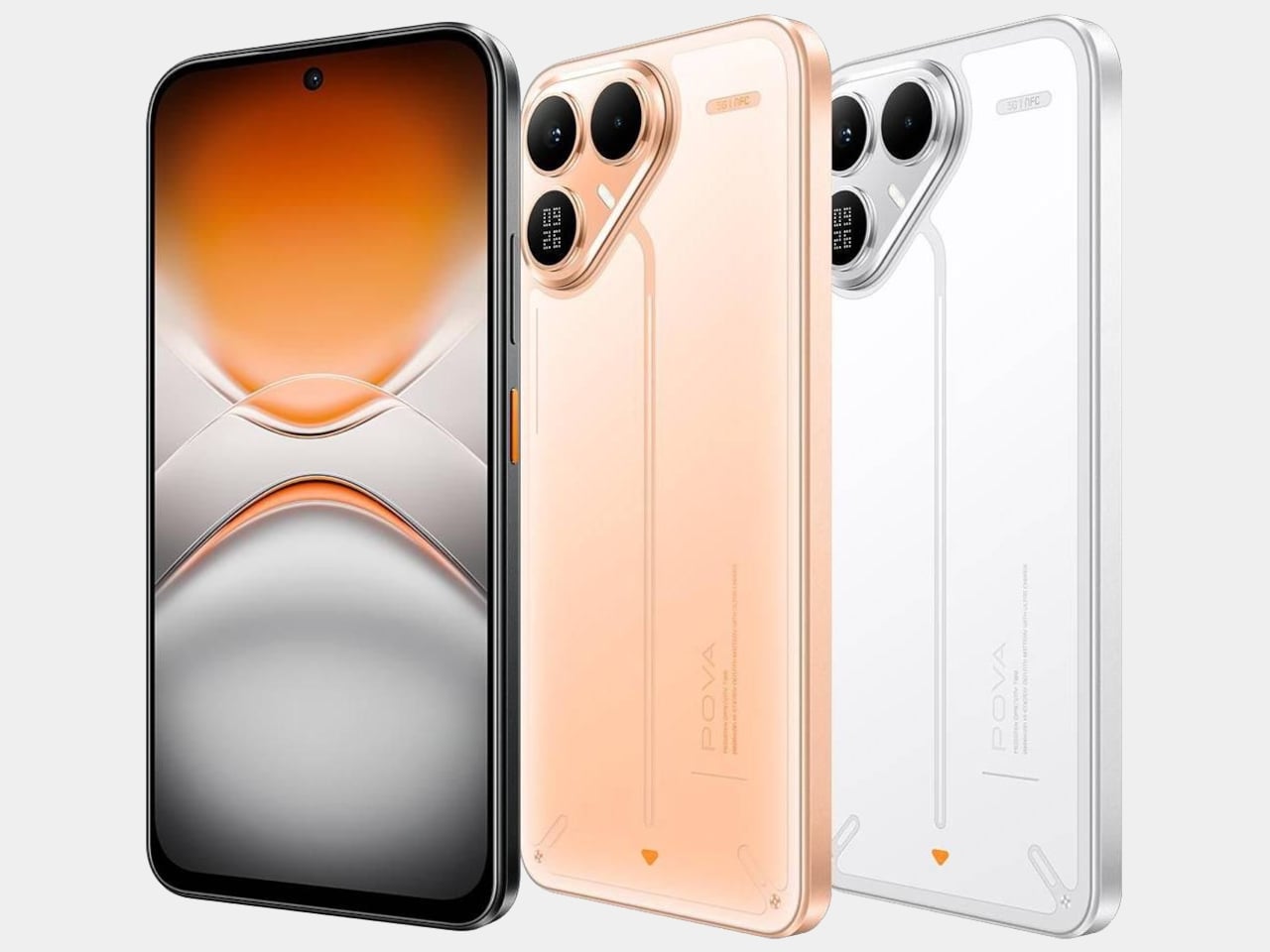
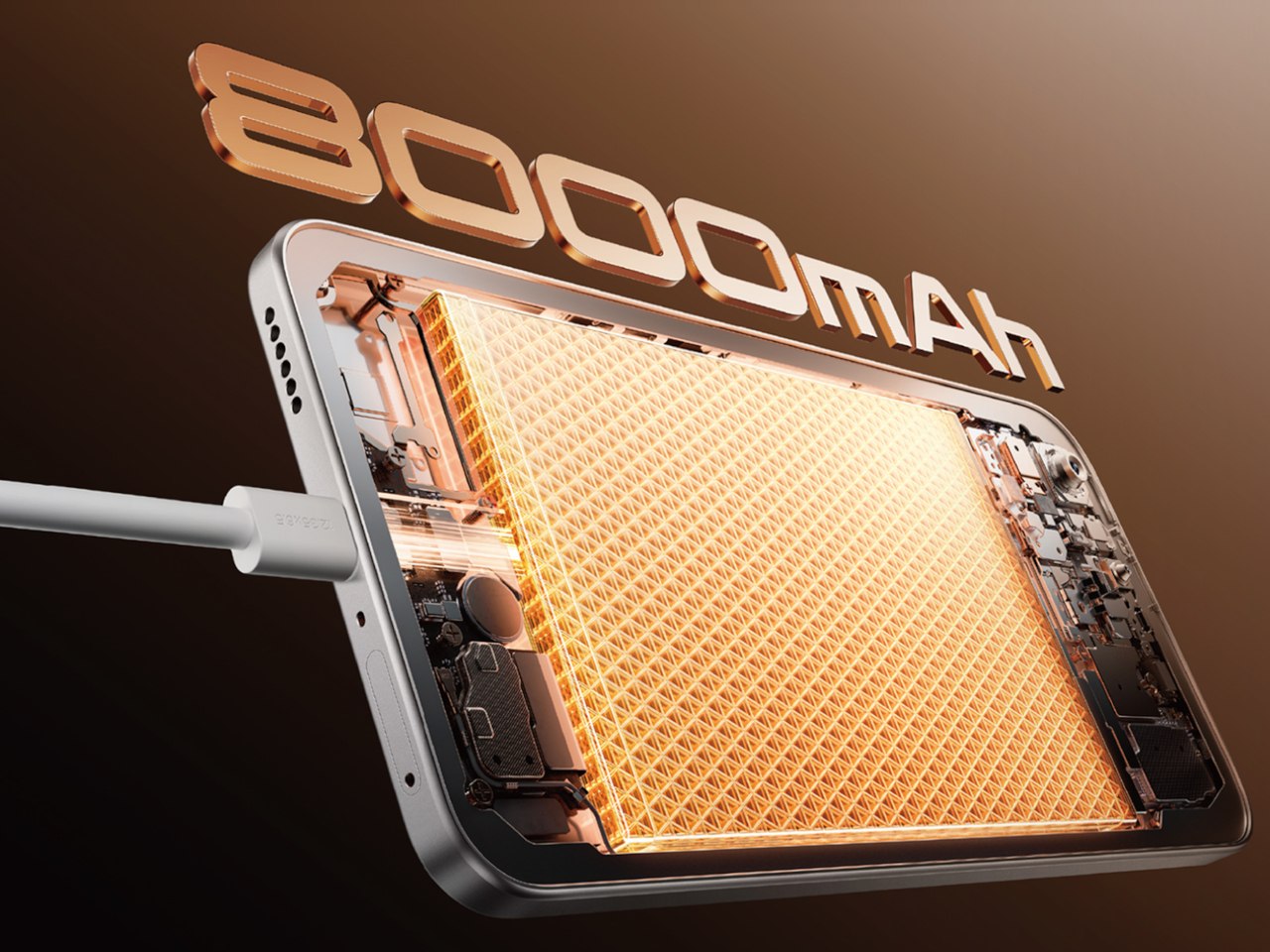
The TECNO POVA 8 5G makes battery endurance its most unambiguous selling point. Its 8,000 mAh cell carries TÜV SÜD certification for two days of continuous use, and the numbers behind that claim are specific enough to take seriously: more than 60 hours of calls, more than 85 hours of music playback, or roughly 14 hours of Mobile Legends: Bang Bang on a single charge. That’s a full day of aggressive use and still having most of the battery left to show for it.

Designer: TECNO

The battery also holds up over time. It maintains over 80% of its original capacity after 2,000 complete charge cycles, which works out to roughly six years of battery life. When it does need a top-up, the 45W fast charging gets it to 50% in 35 minutes, and a 10 W reverse charging option means it can share that power with earbuds or other devices in a pinch.

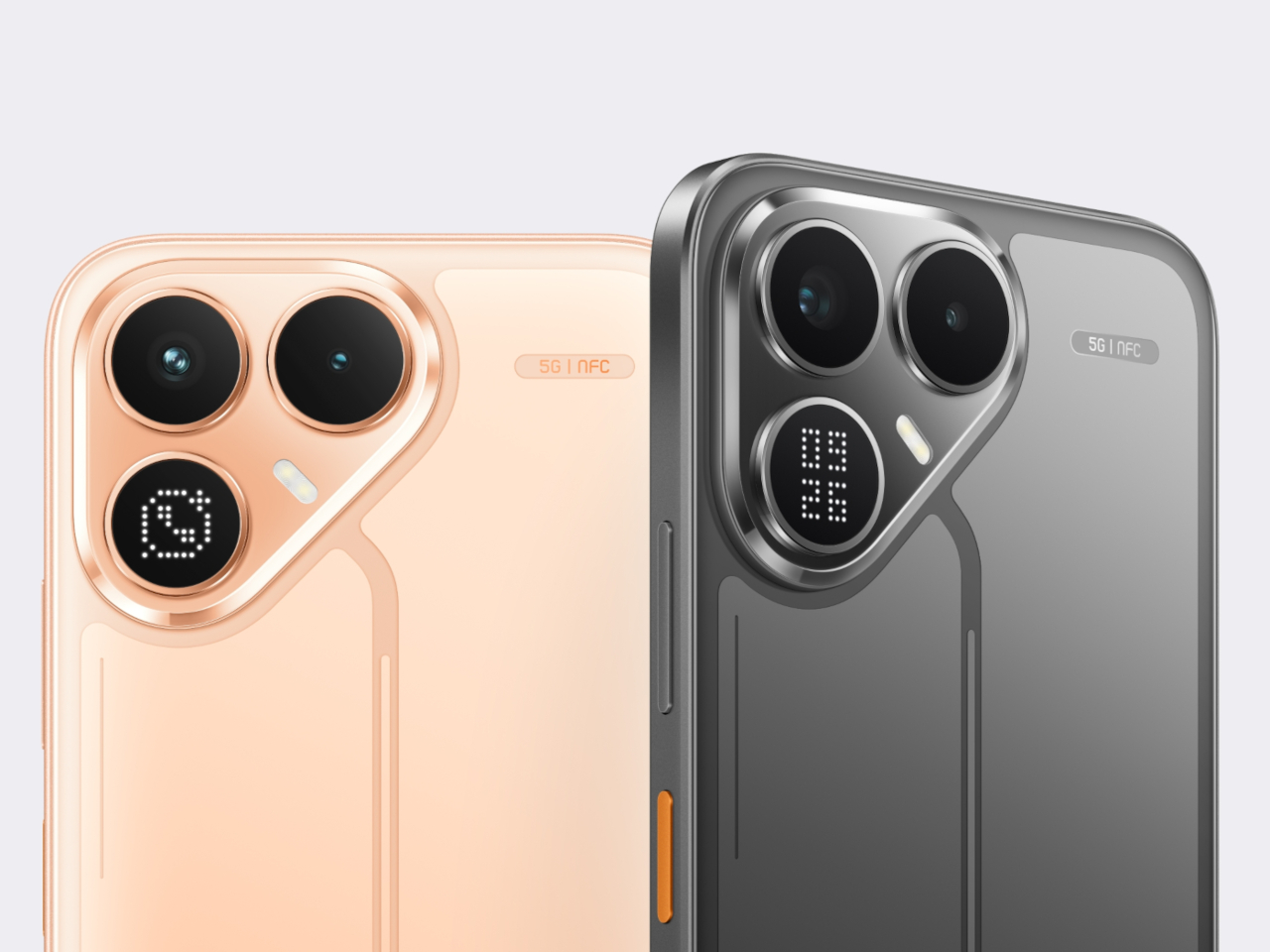
The POVA 8 5G’s most unexpected feature, though, is what’s happening on the back. The Alive Matrix Display transforms the smartphone’s rear panel into a fully customizable canvas of light. When an event is triggered, the display lights up with corresponding animations, allowing users to know what is happening without flipping the phone over. It covers 49 predefined scenarios spanning calls, notifications, music, gaming, and charging, and users can add their own lighting sequences on top of those. It’s a design detail that reads as gimmicky in description but lands differently when the phone is actually face-down on a table.

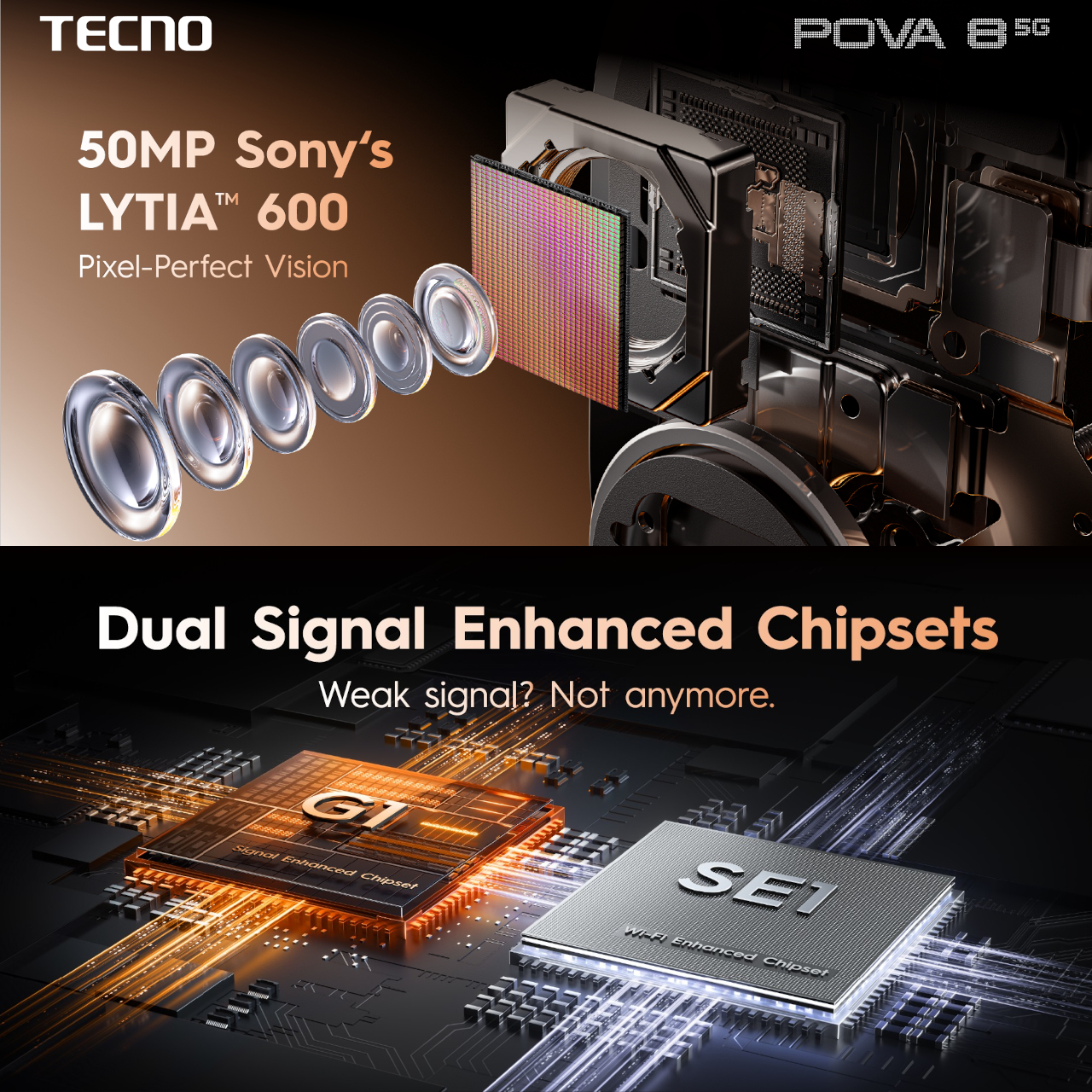
Performance comes from a triple-chipset setup. The MediaTek Dimensity 7100 handles core processing at a stable 90 FPS in games like Mobile Legends: Bang Bang, while TECNO’s own G1 Signal Enhancement Chip and SE1 Wi-Fi Enhancement Chip add 100% stronger cellular reception in difficult environments and a 60% boost in 2.4 GHz Wi-Fi strength, respectively. The 144Hz IPS display carries TÜV Rheinland low blue light certification, which matters for a phone clearly designed for extended screen time.

The main camera uses a 50 MP Sony LYTIA 600 sensor co-engineered with Sony, with enhanced light intake for more vivid images and 2x lossless zoom, sitting alongside a 13 MP front camera. On the software side, the AI features are practical: AI YouTube Summary converts copied video links into structured notes with timeline markers and key points, while All-Scenario Noise Cancellation identifies the intended speaker’s voiceprint and filters out background voices automatically.

The POVA 8 5G launches in India at INR 29,999 with a global rollout to follow. It comes in 16-Bit White, Terminal Green, and Plasma Orange for India, with Arc White, Graphite Black, Helios Orange, and Echo Green planned globally. The device will receive two major Android OS upgrades and three years of security patches, and comes with three years of free 256 GB cloud storage. For something sitting in the mid-range bracket, that’s a fairly long runway for a phone that already has more battery than most phones twice its price.

The post The 8,000 mAh Mid-Range Phone With a Live LED Light Show on Its Back first appeared on Yanko Design.

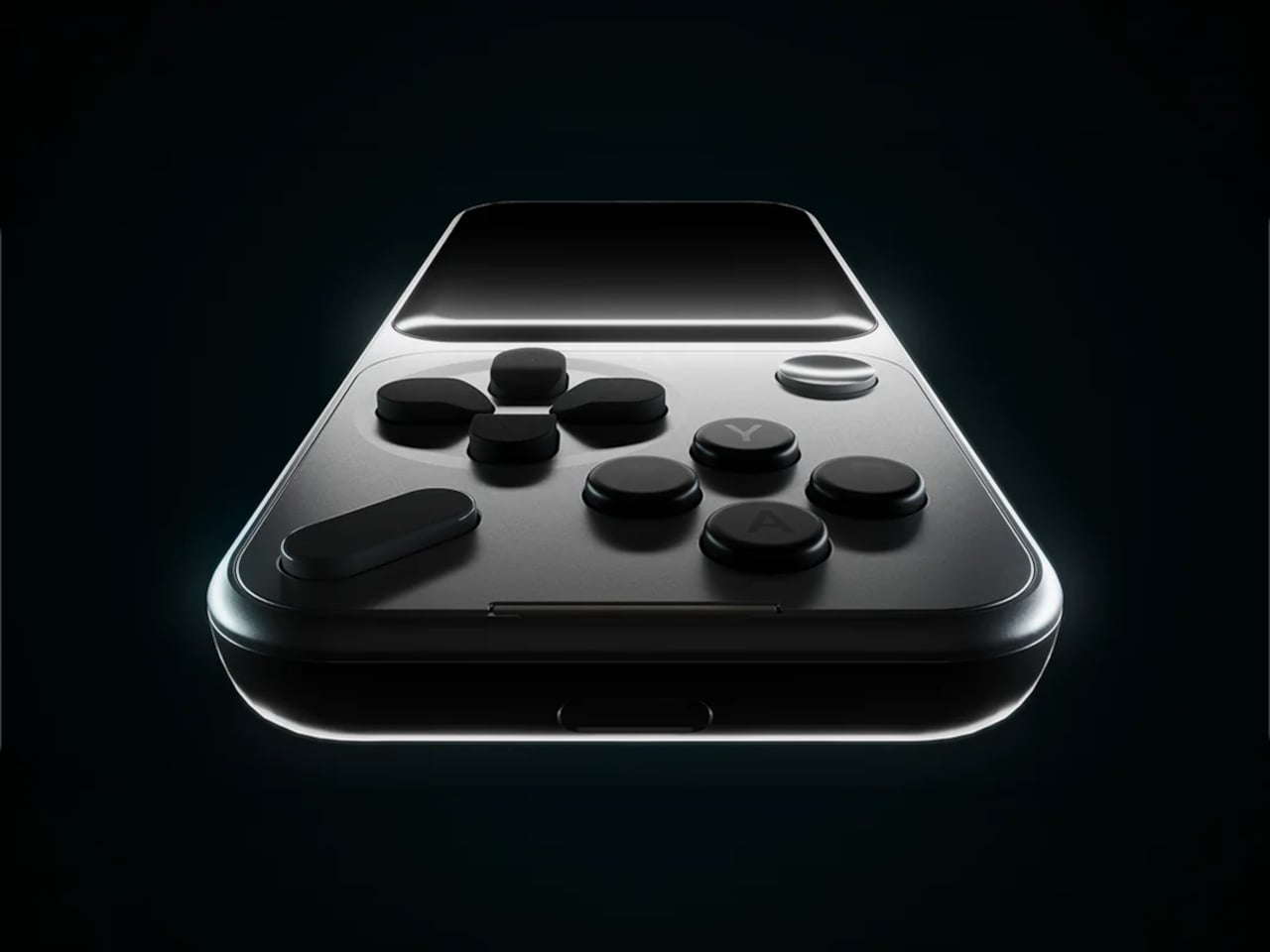
This $249 Phone Becomes a Game Console With One $29 Snap-On Tile

Feature phones have been having something of a quiet comeback, driven largely by people who are tired of the attention-capturing machinery baked into modern smartphones. Most of what’s on the market offers a stripped-back feature set with very little room to grow. Calls, texts, maybe a basic camera, and that’s about where the conversation ends, which hasn’t exactly made the category feel like an exciting place to be.

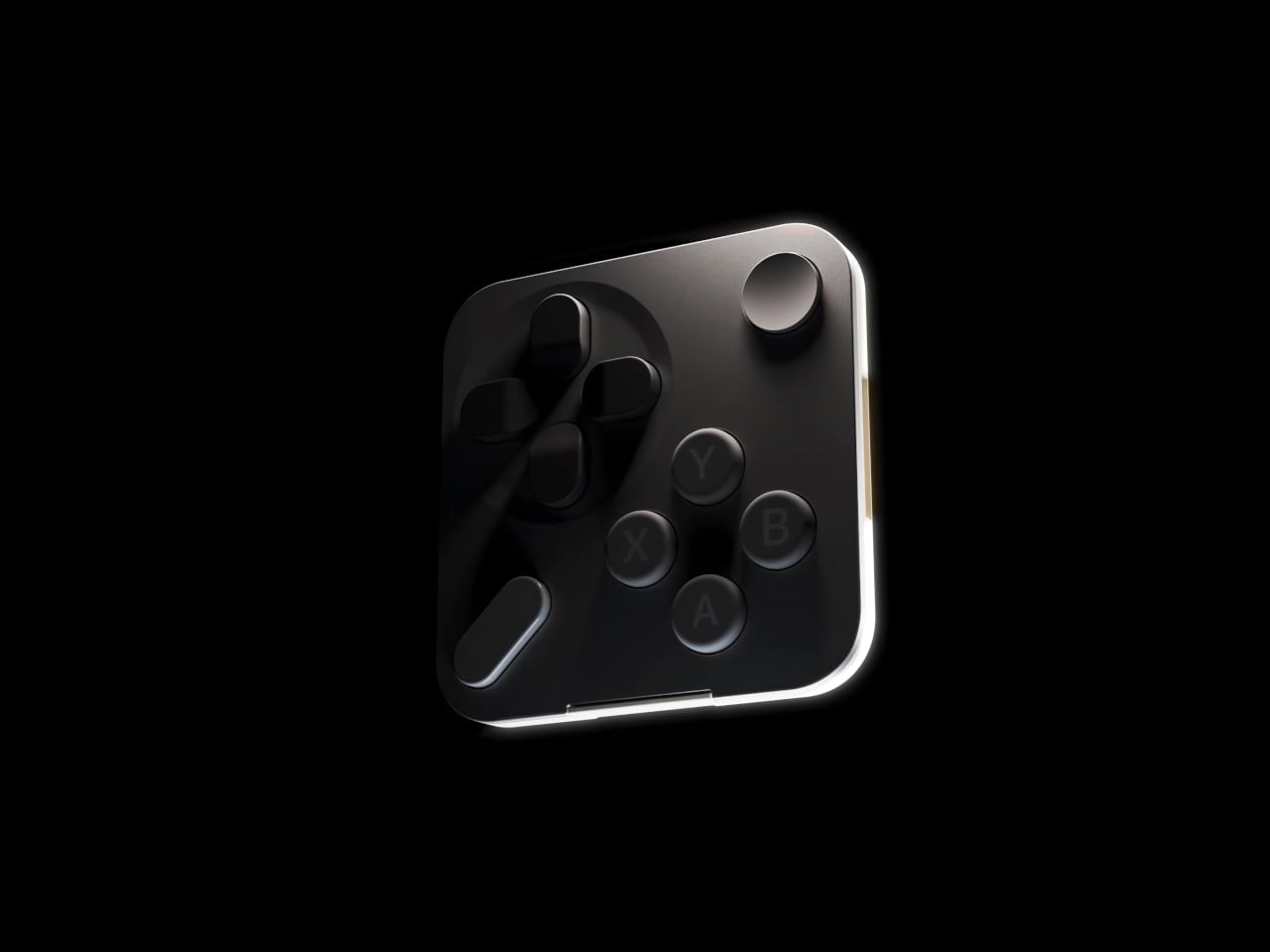
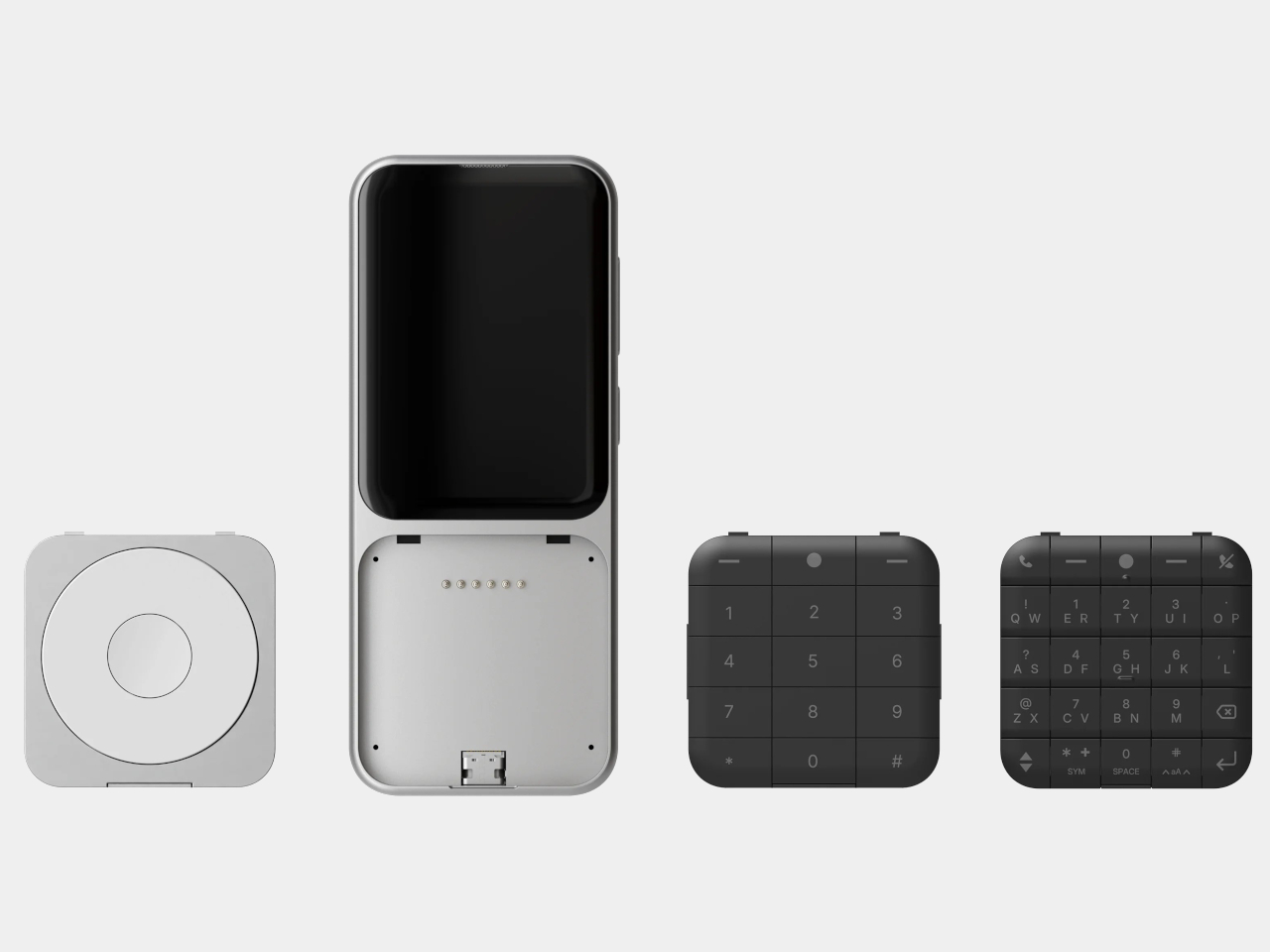
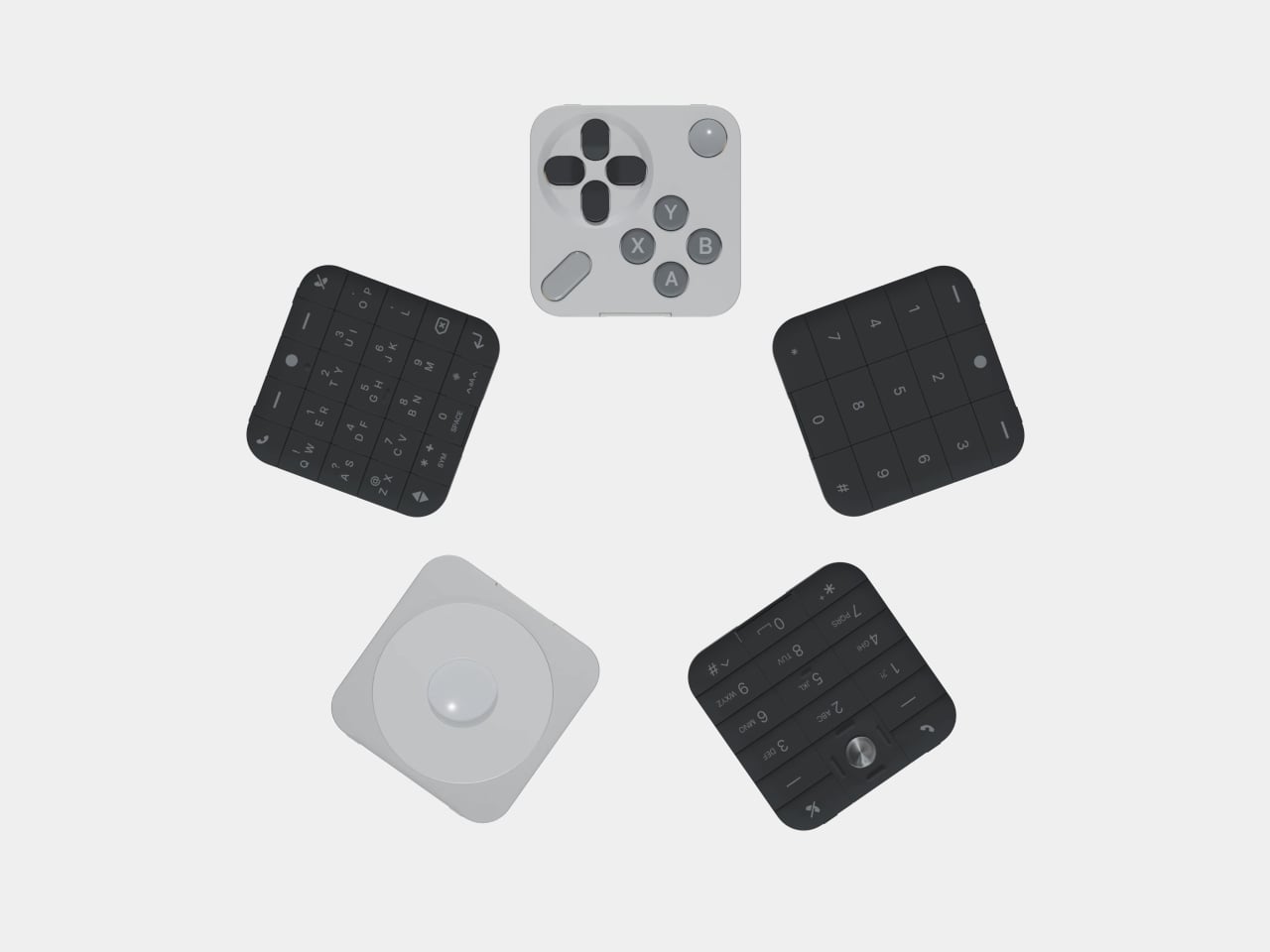
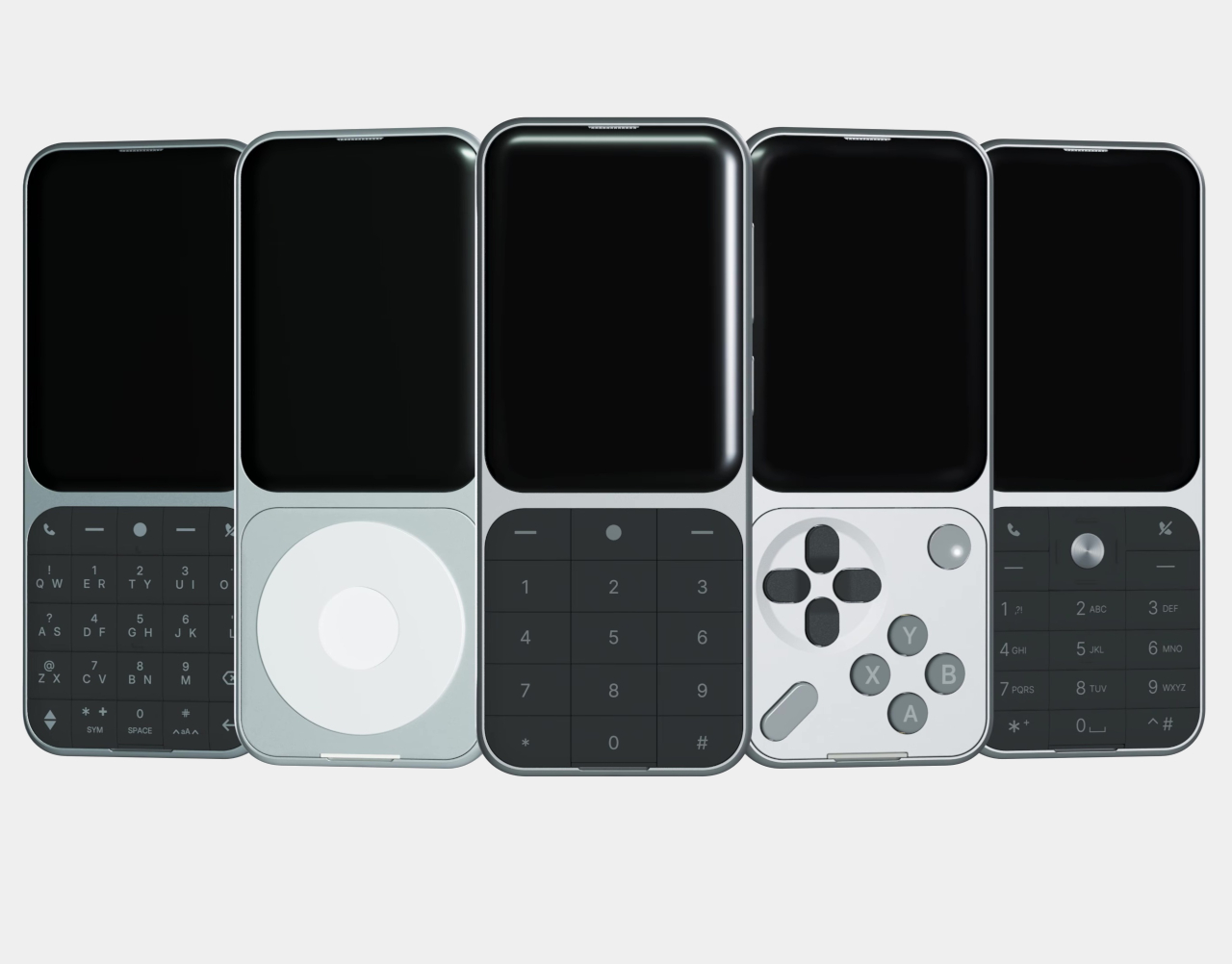
The Sidephone SP-01 has been quietly building a different kind of case for itself since its debut in 2025, not by piling features onto a simple phone but by letting users choose what kind of phone they want through a swappable modular keypad system. The Mini Controller Keypad is the fourth tile to join that family, and it’s the most unexpected one yet.

Designer: Sidephone

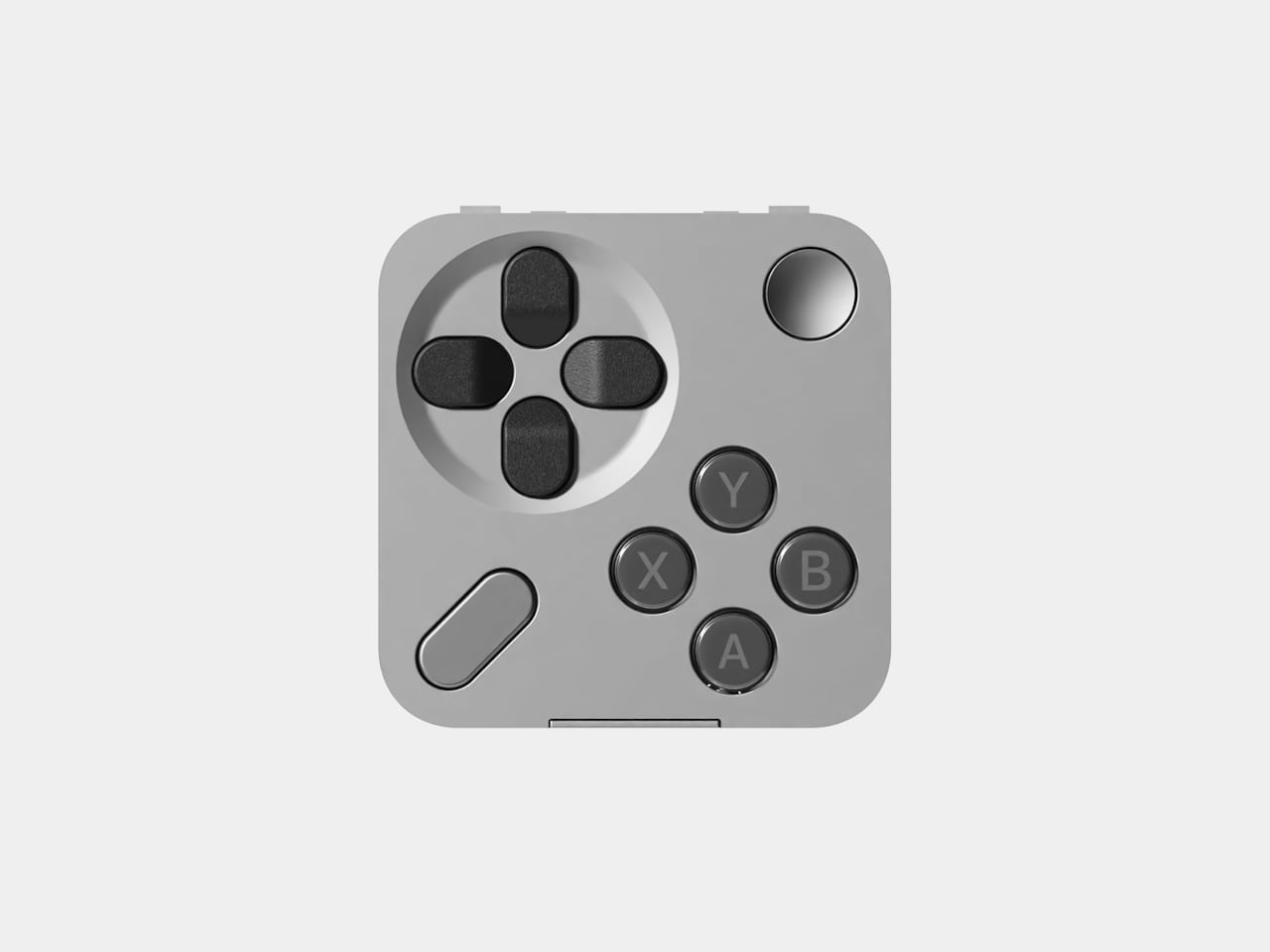
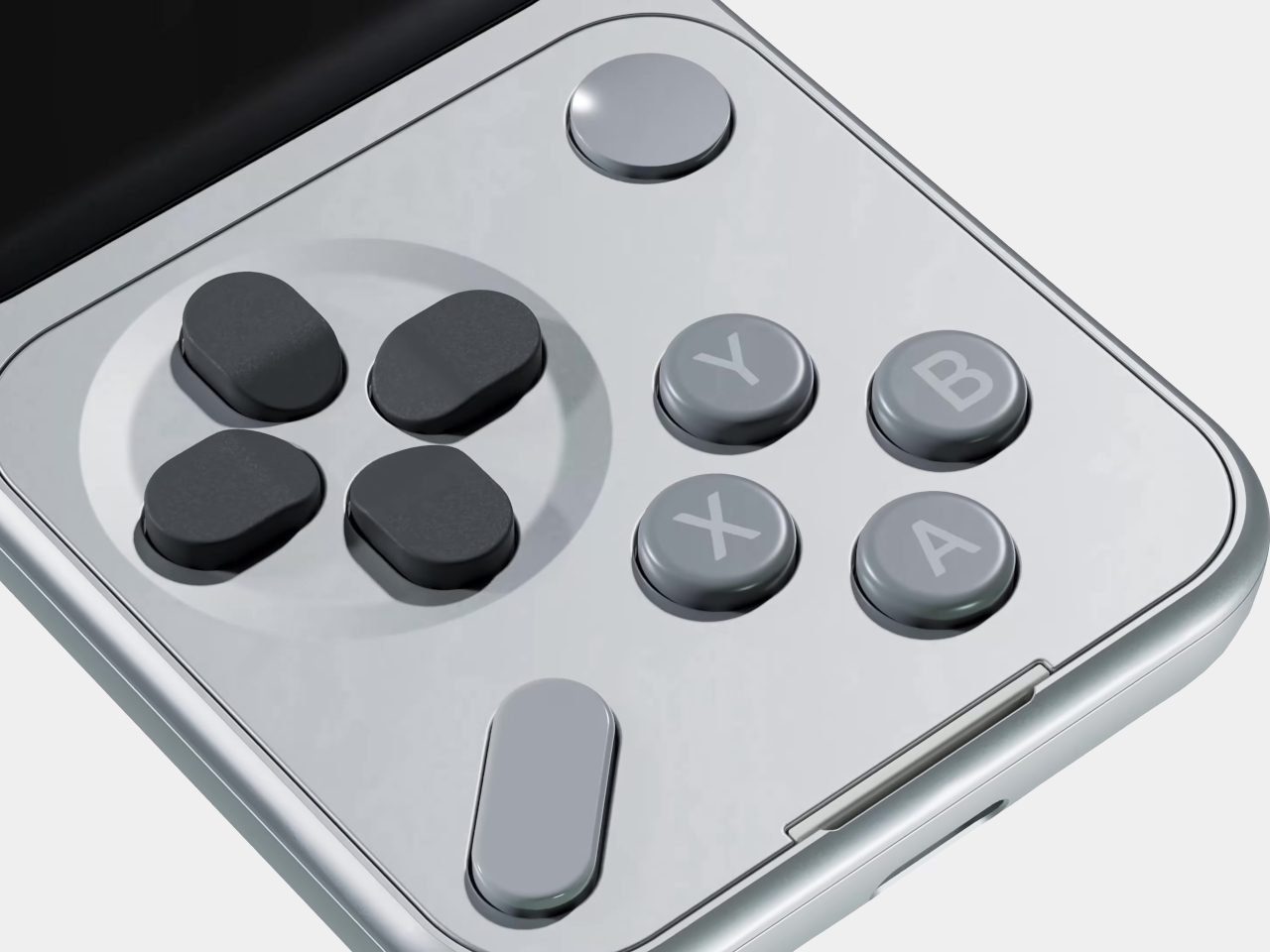
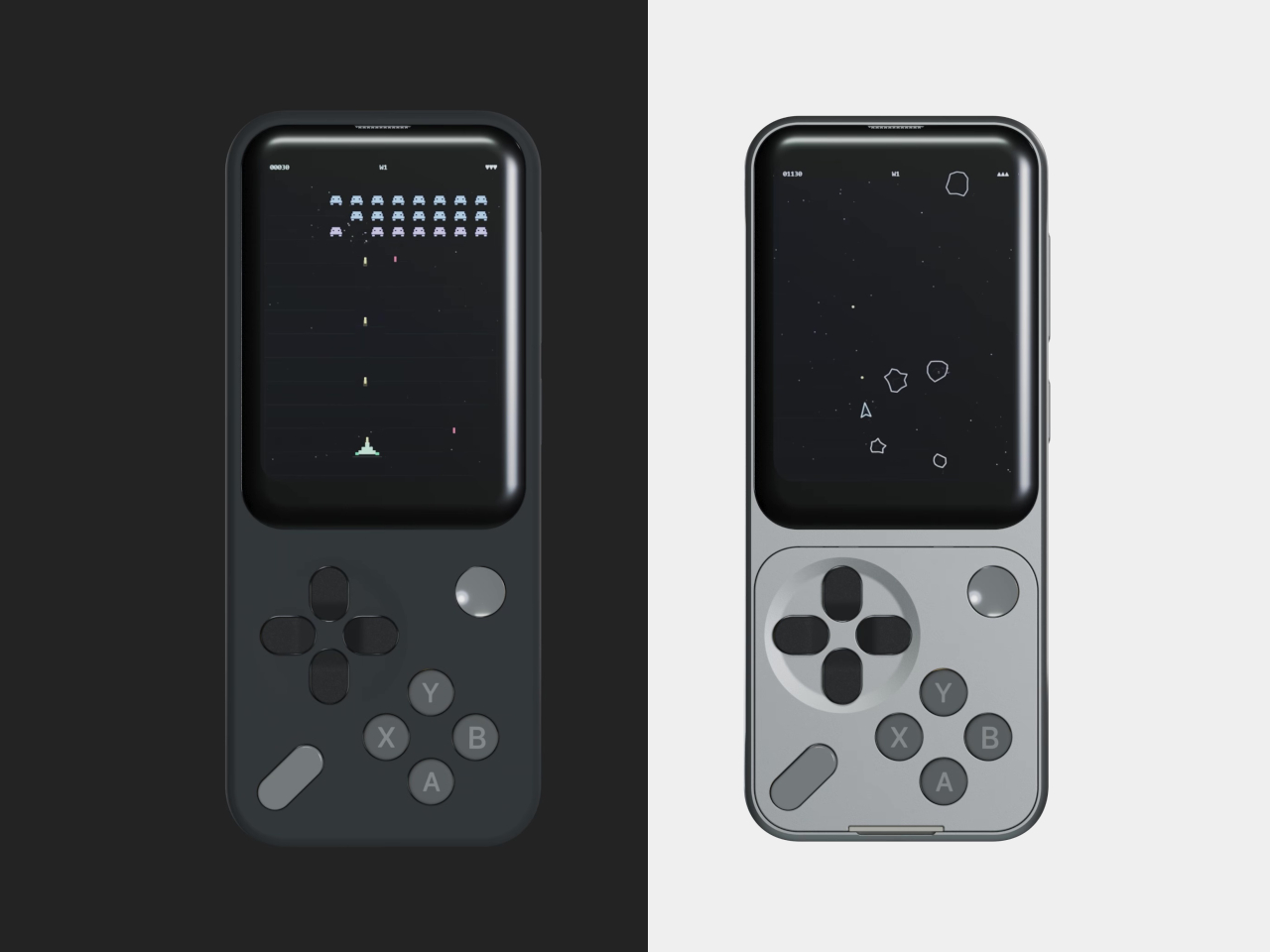
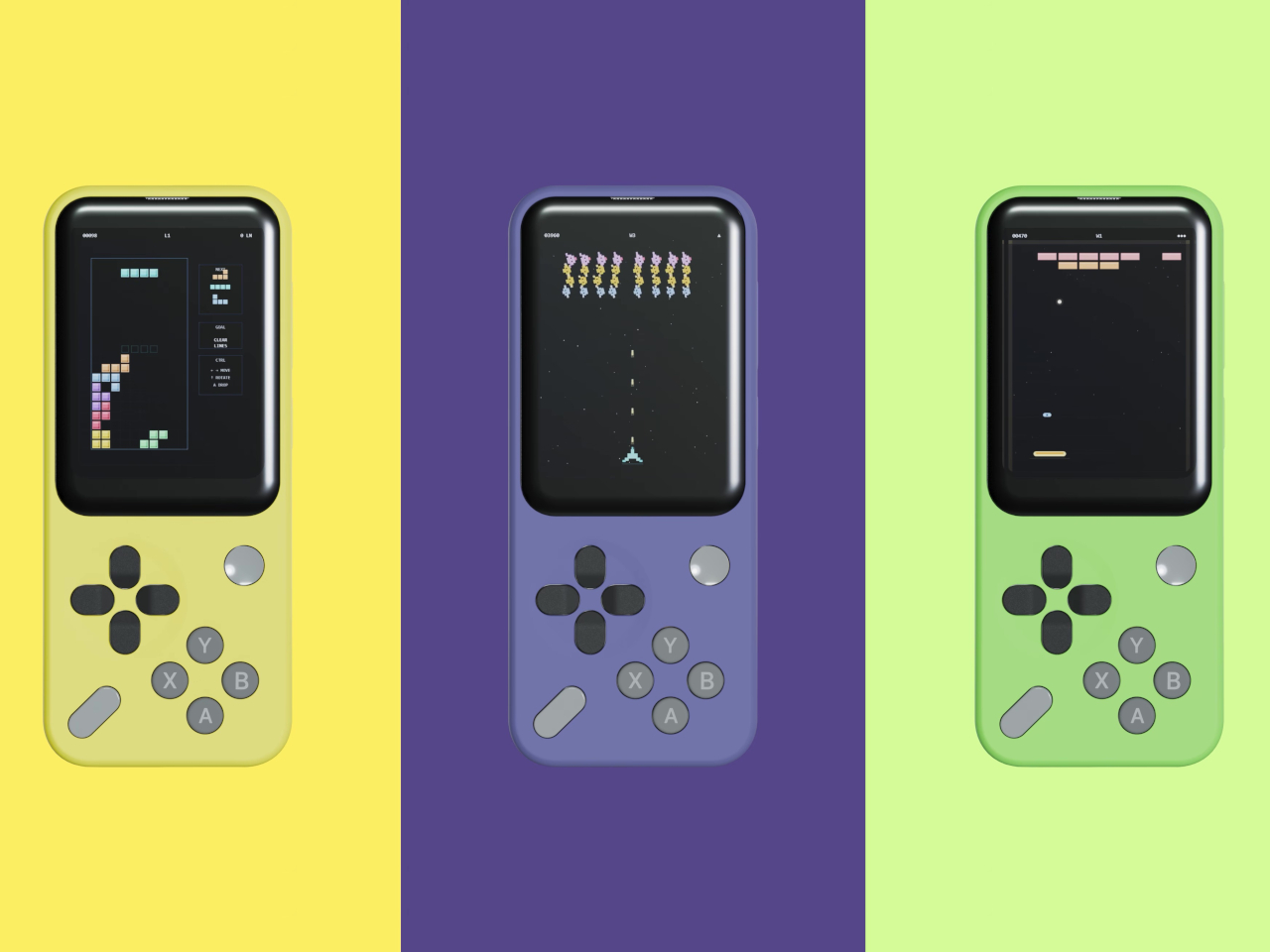
Unlike the T9 pad used for texting or the Sundial’s iPod-wheel-style controls for music, the Mini Controller brings a game controller layout to the front of the phone. It carries a D-pad, A, X, Y, and B action buttons, plus Start and Select, all of which will feel immediately familiar to anyone who has ever held a handheld gaming device. The keypad sells separately for $29, the same price as the other add-on tiles.

To go with the hardware, Sidephone has developed two mini games that ship alongside the keypad: Mini Asteroids and Mini Blocks. They’re clearly starter content rather than the main event, but they establish that this isn’t just a novelty tile. The company has plans to open a community development environment so that third-party developers can build their own games and apps for the platform, which is when things will likely get more interesting.

What Sidephone has been sketching out goes considerably further. GBA and arcade emulator support has been floated as a longer-term possibility, alongside universal smart remote functionality. If even a portion of that lands, the Mini Controller starts looking like less of a playful add-on and more of a meaningful expansion of what a deliberately simple phone can do on an idle evening.

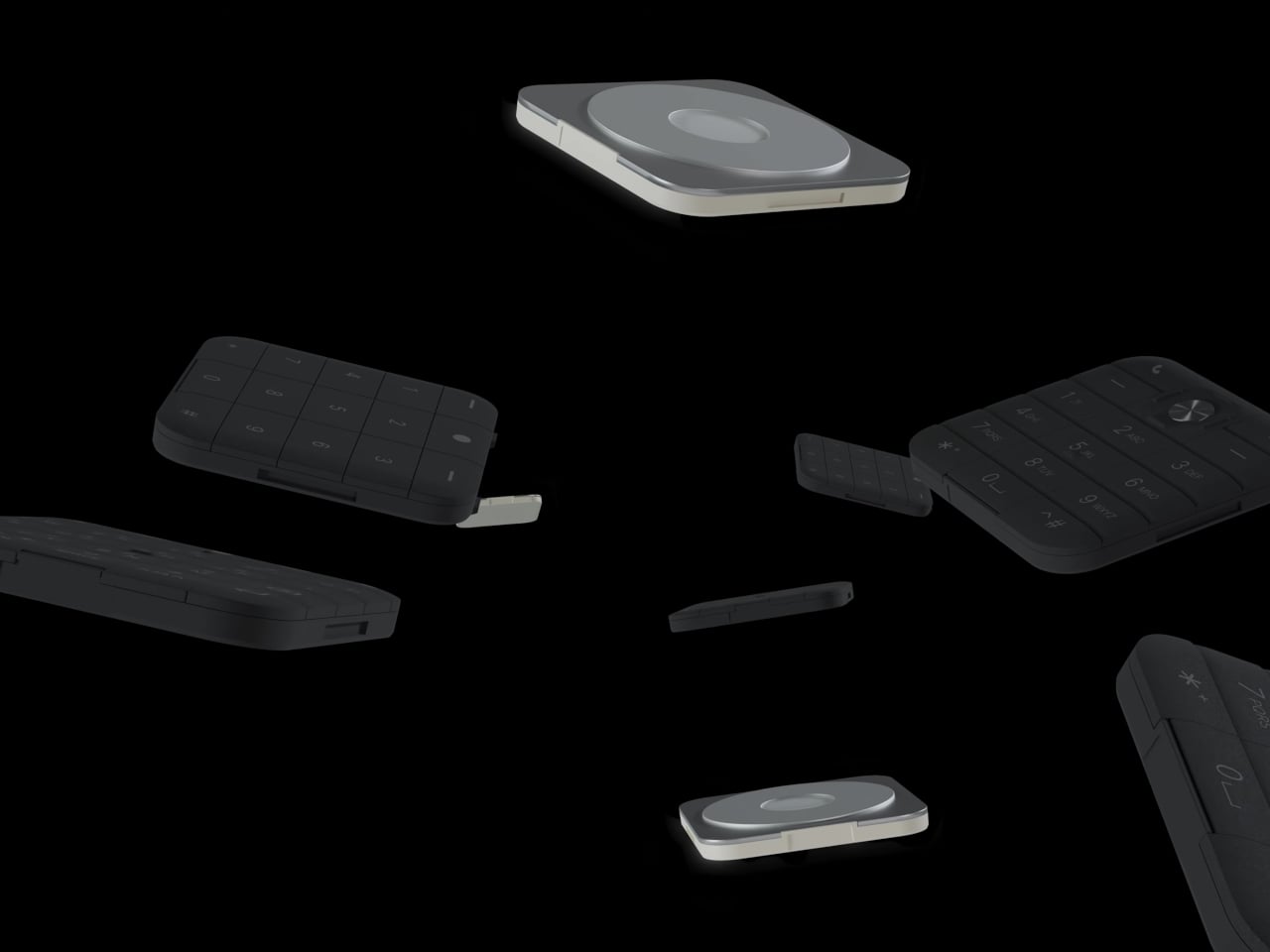
The whole system rests on the premise that a feature phone doesn’t have to be a featureless object. The SP-01 runs a custom Android-based OS, carries a 2.8-inch touchscreen and a 12 MP camera, and supports essential apps without dragging in the full weight of a smartphone’s notification ecosystem. The swappable keypad system, which uses pogo-pin connectors and magnets to click tiles into place, is what allows the device to shift personalities without requiring a hardware upgrade.

The Mini Controller sits alongside a growing family of tiles that now spans T9 dialing, compact QWERTY typing, scroll-wheel media control, and controller-style gaming. What started as a phone built around the premise of doing less has turned into a modular platform that keeps finding new things to do, each one contained in a $29 tile that snaps onto the same core hardware.

The post This $249 Phone Becomes a Game Console With One $29 Snap-On Tile first appeared on Yanko Design.

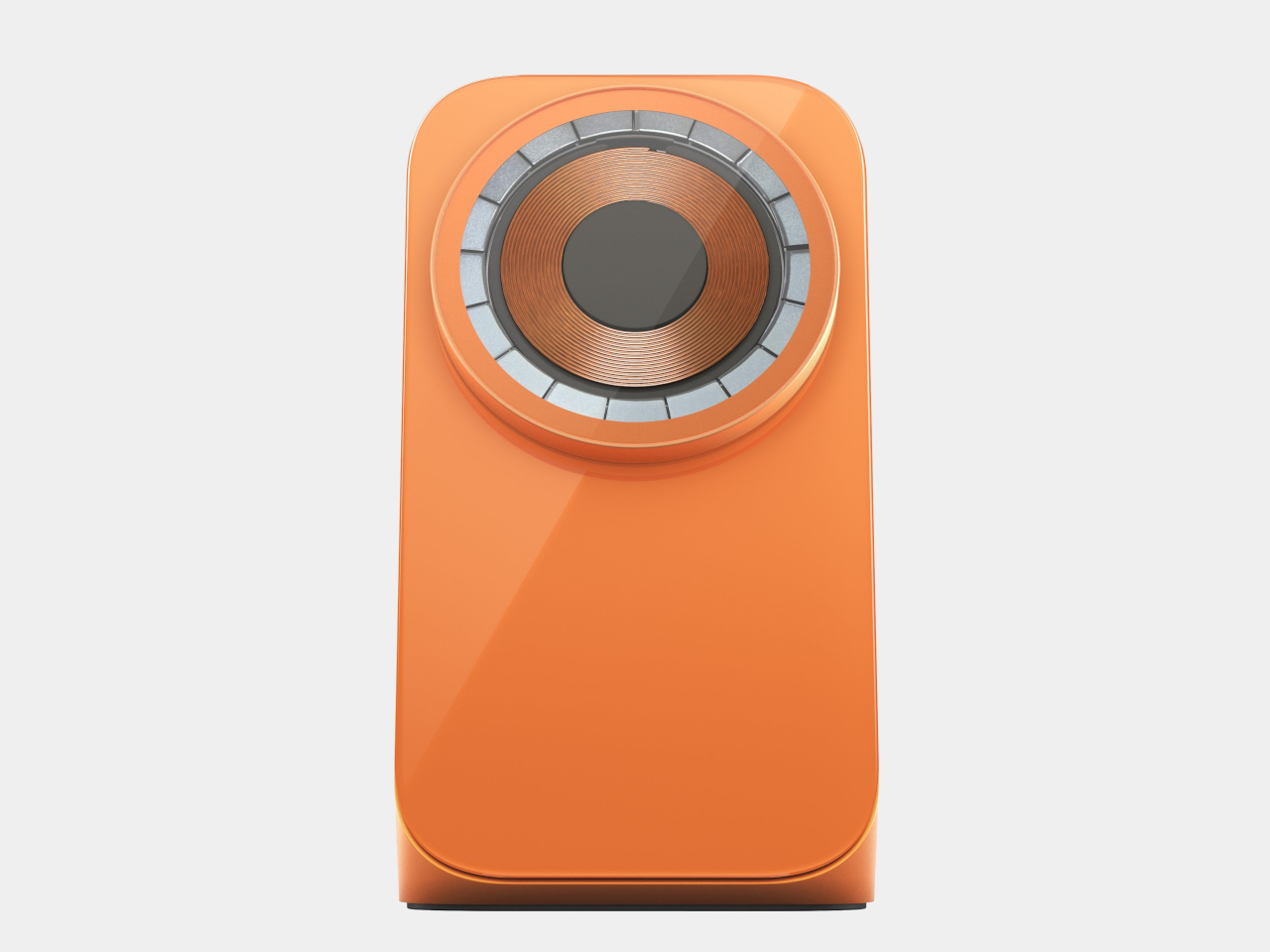
Nomad’s Limited $135 Charger Matches Apple’s Boldest iPhone Color

Wireless chargers have largely been designed to disappear. Most of them are flat, black, or white, and perfectly content sitting out of sight somewhere near the outlet. A few have attempted to look more considered by borrowing from minimal Scandinavian design, though the result is often the same exercise in self-effacement. The idea that a charger could actually coordinate with the device it powers hasn’t really been taken seriously until recently.

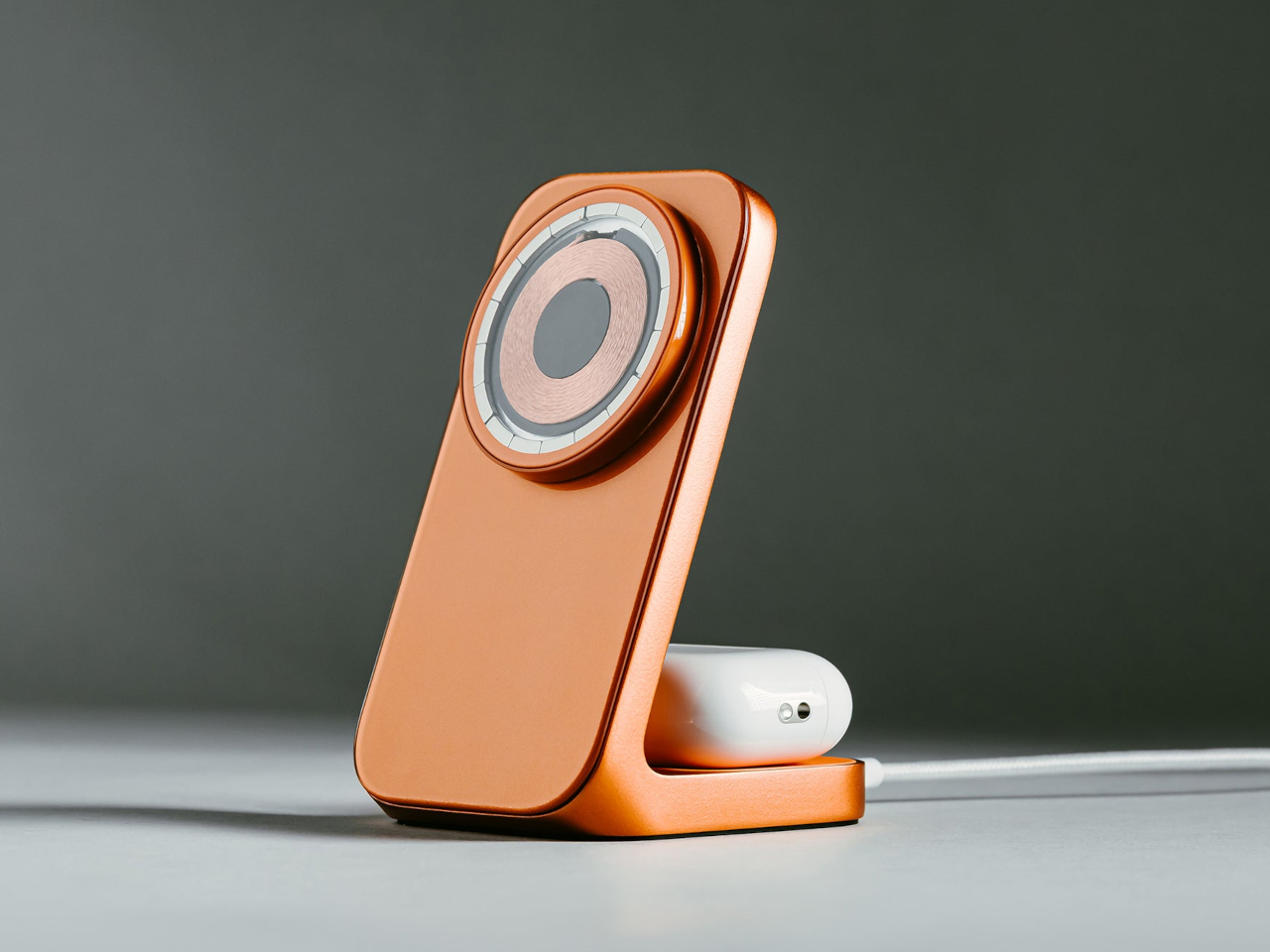
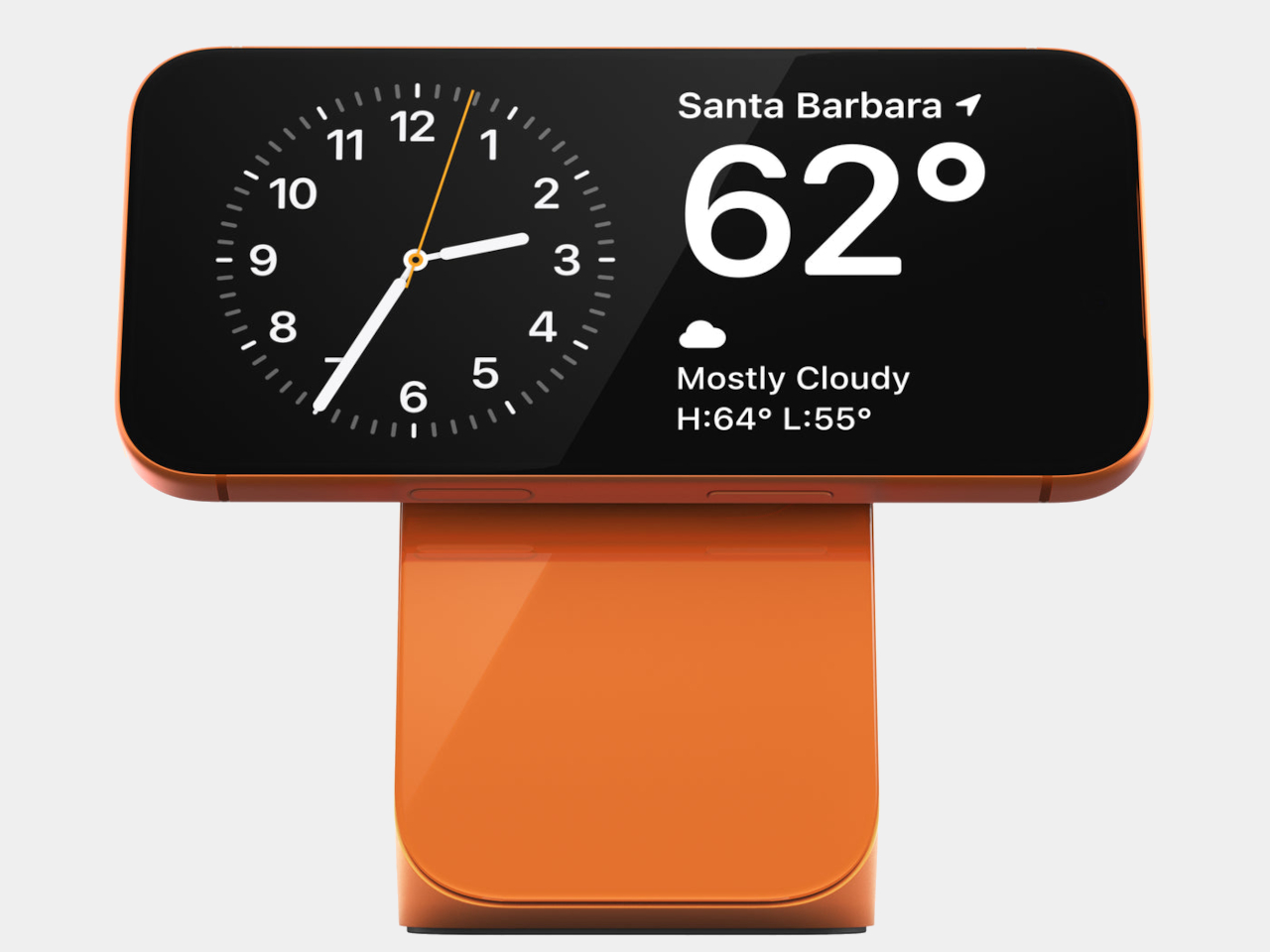
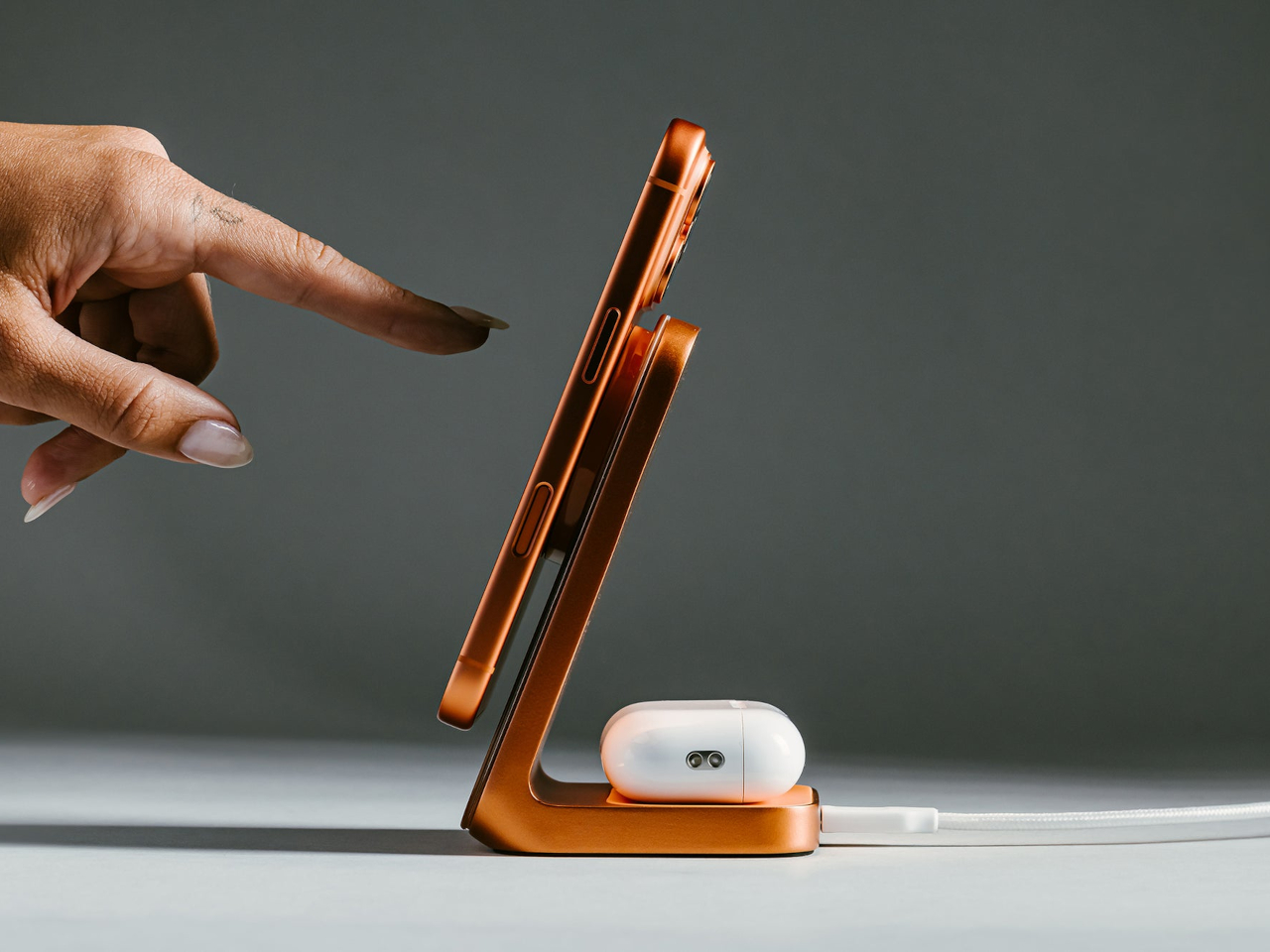
Apple’s Cosmic Orange finish on the iPhone 17 Pro changed that dynamic a little. It’s a vivid, opinionated color that doesn’t blend into the background, and it created an obvious opportunity for accessory makers to follow. Nomad has done exactly that with a limited-edition Stellar Orange version of its Stand One 4th Gen, a 2-in-1 charging hub built to match the iPhone’s finish almost exactly.

Designer: Nomad

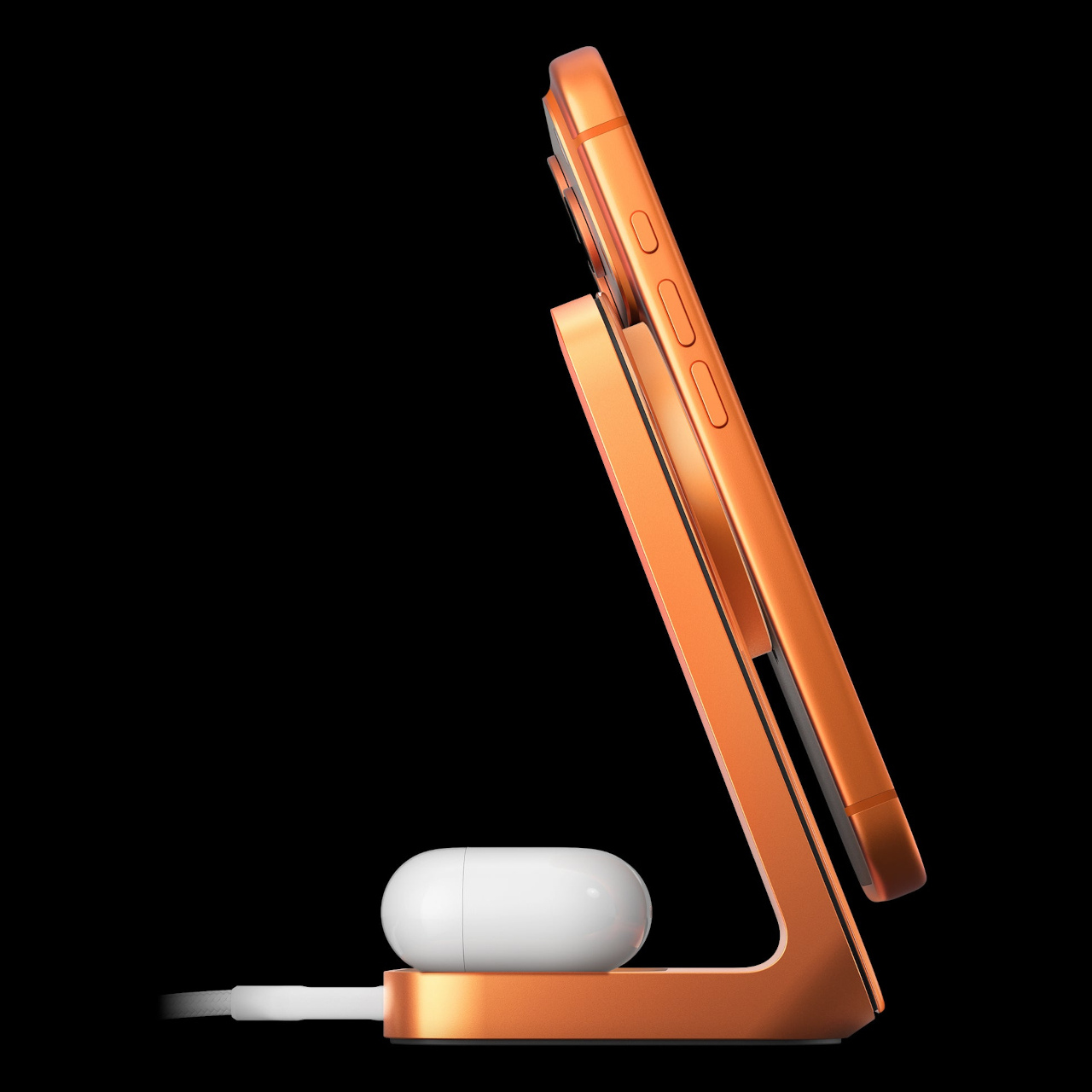
The Stand One itself has been around in more subdued forms, specifically silver and carbide, but the Stellar Orange version makes the charger a deliberate object on the desk rather than a neutral one. Set a Cosmic Orange iPhone 17 Pro on it, and the pairing reads as intentional, the kind of small visual detail that tends to catch people’s attention without demanding an explanation.

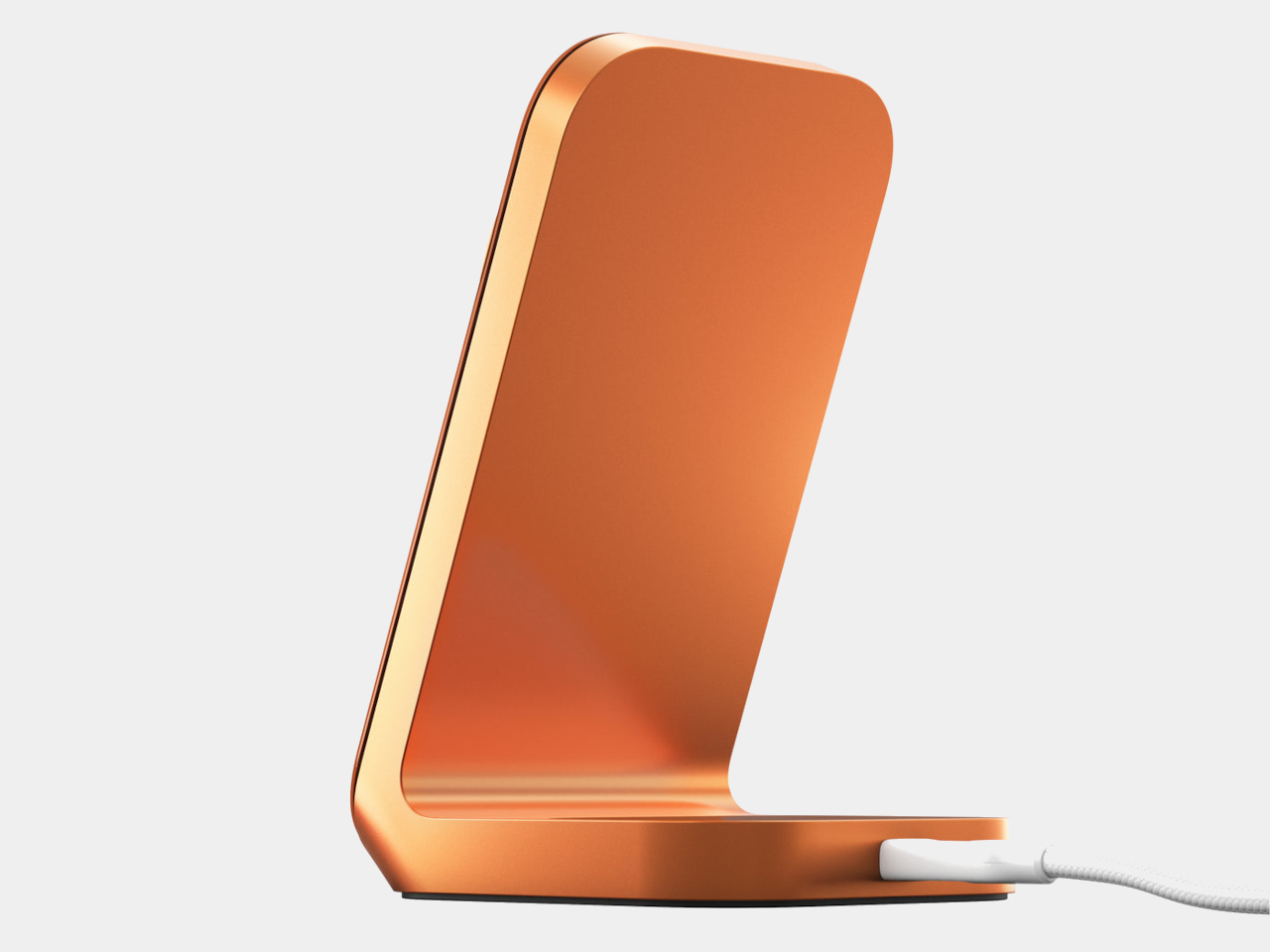
On the functional side, the Stand One 4th Gen charges via Qi2 at up to 25W, which puts it among the faster wireless options currently available for MagSafe-compatible iPhones. An upright MagSafe pad holds the iPhone at the right angle for StandBy mode, turning the desk setup into a live display for time, notifications, and widgets while the phone tops up. A rear Qi pad handles AirPods or any other wireless device at up to 5W.

The charger needs a 40W adapter to hit its peak output, which isn’t included at the $135 price point. That’s a familiar trade-off with premium chargers, and it keeps the base price competitive against similarly positioned alternatives without forcing the adapter cost on people who already own a capable brick. The metal and glass construction carries the build quality Nomad’s chargers are generally known for.

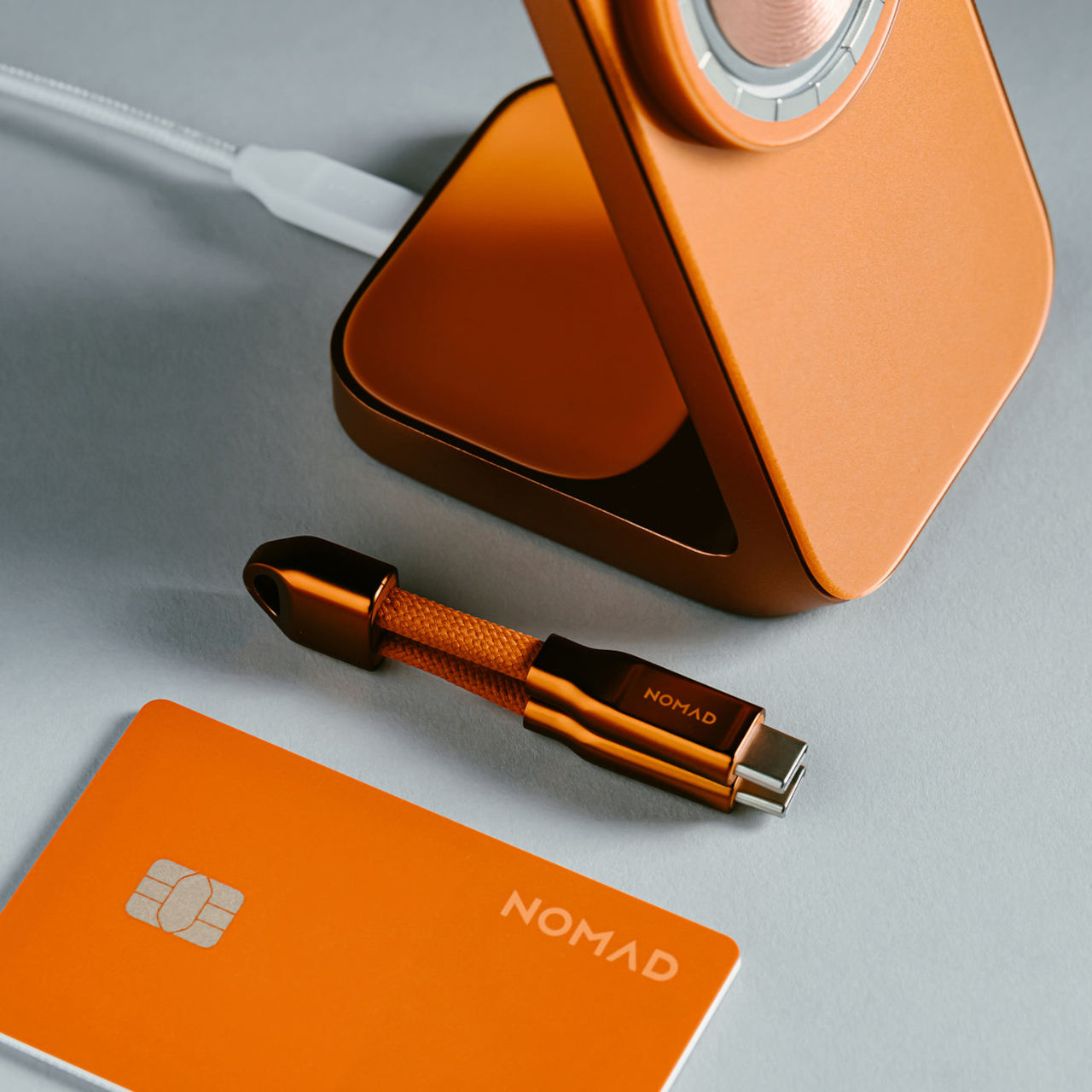
Nomad also launched a $39 Stellar Orange Tracking Card Pro alongside the Stand One, a Find My-compatible card designed to slip into a wallet and match the same orange palette. Together, they suggest an expanding ecosystem built around the Cosmic Orange iPhone 17 Pro, giving owners a way to carry that color decision through the accessories that live alongside the phone every day.

The Stellar Orange colorway doesn’t change what the Stand One does, and it’s fair to ask whether a $135 charger in a specific color justifies the kind of enthusiasm that device launches usually get. But for Cosmic Orange iPhone 17 Pro owners who want a desk setup that feels unified rather than assembled from whatever happened to be available, the Stand One in Stellar Orange makes a reasonable case for paying attention to the color of the cable management.

The post Nomad’s Limited $135 Charger Matches Apple’s Boldest iPhone Color first appeared on Yanko Design.

Honor Magic V6 Review: Big battery, slim body, refined experience

PROS:


  • Slim and comfortable design

  • Bright and crisp internal and external displays

  • Outstanding battery capacity, backed by fast wired and wireless charging

  • Great main and telephoto camera for a foldable

CONS:


  • Feels more like a small upgrade over the Magic V5 than a major generational leap

  • Ultrawide camera is decent, but not as impressive as the main and telephoto cameras</li?

RATINGS:

AESTHETICS
ERGONOMICS
PERFORMANCE
SUSTAINABILITY / REPAIRABILITY
VALUE FOR MONEY

EDITOR'S QUOTE:

Honor may not have radically changed the formula, but the Magic V6 shows just how far thoughtful refinement can go.

Honor unveiled its latest foldable, the Honor Magic V6, at MWC 2026 back in March. Now, three months later, the phone is starting its global rollout in Malaysia and Singapore. That shift from launch event to retail availability is where the real test begins, because foldables have reached a point where being thin or flashy is no longer enough on its own.

The Magic V6 does not completely rethink what Honor has already been doing with its book-style foldables. Instead, it builds on a formula that already worked well, pushing it further with a bigger battery, a slim and comfortable design, and a hardware package that feels unusually complete for a foldable. After spending time with it, the Honor Magic V6 feels less like a dramatic reinvention and more like a careful refinement of what Honor already got right.

Designer: HONOR

Aesthetics
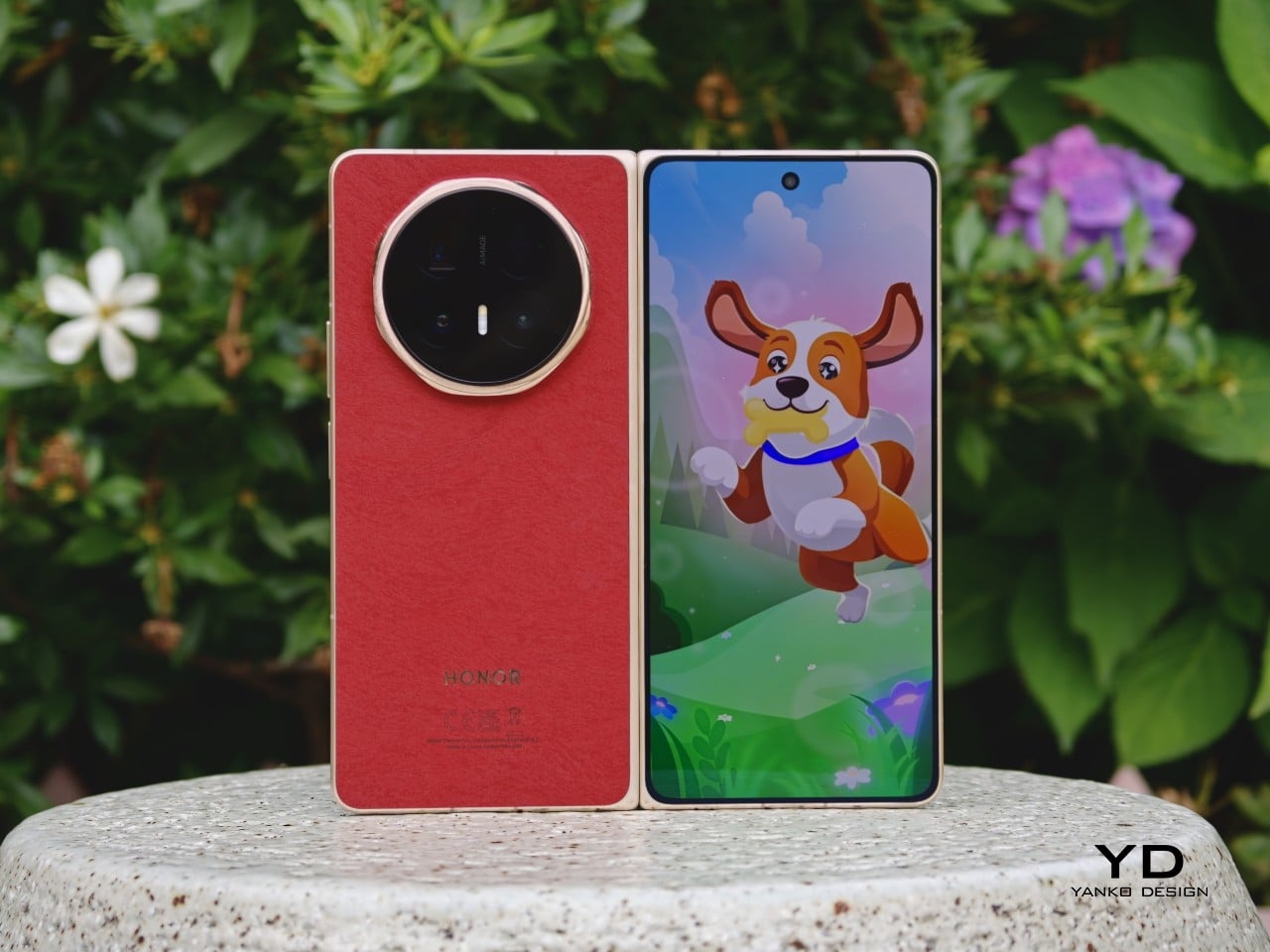
Foldables still have a habit of looking oddly cautious. For devices built around one of the most dramatic ideas in modern consumer tech, they often arrive in the safest shades possible. Black, grey, silver, maybe a muted blue if a brand is feeling adventurous. The color choice itself is usually limited, which can make many foldables feel more sterile than stylish. Honor is one of the few brands that has tried to bring a little more personality into the category, and the Magic V6 sticks with that idea.

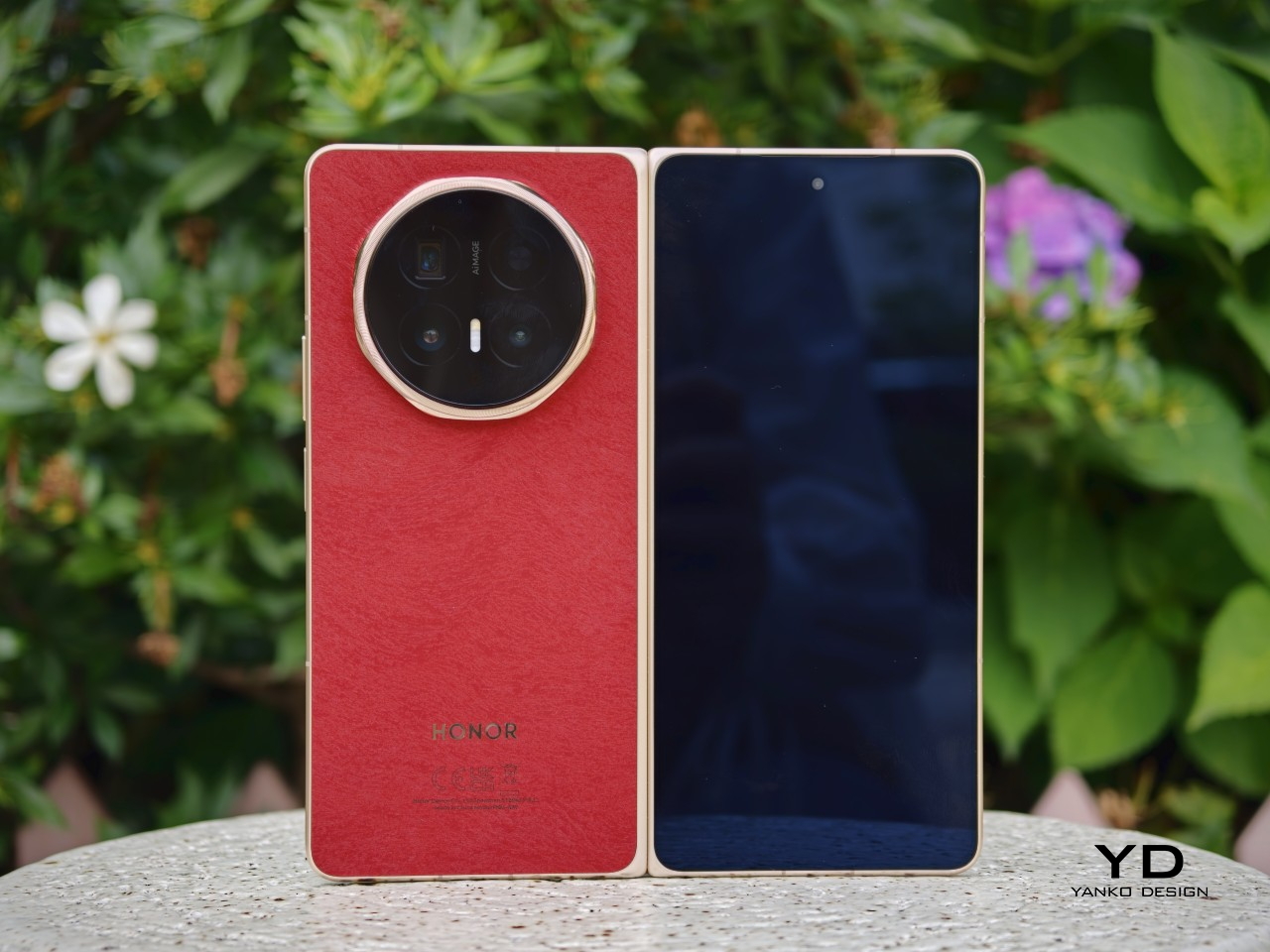
At first glance, the Magic V6 looks very similar to the Magic V5. The overall silhouette is familiar, the octagonal camera module is still there, and even the color direction feels like a continuation rather than a reset. This is clearly not a redesign for the sake of it. Honor seems comfortable with the look it has established for the Magic V line, so the V6 feels more like a polished follow-up than a fresh visual statement.
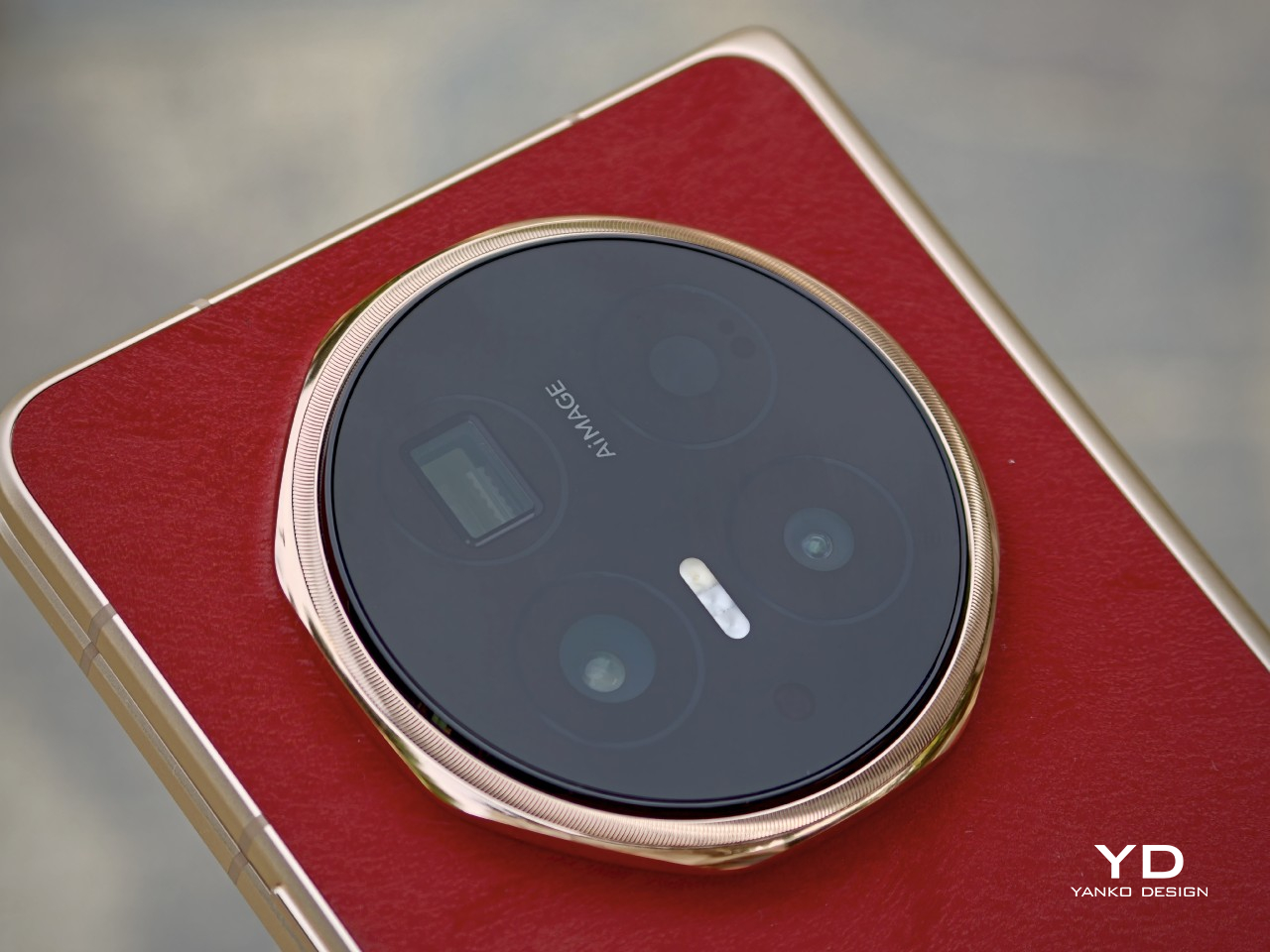
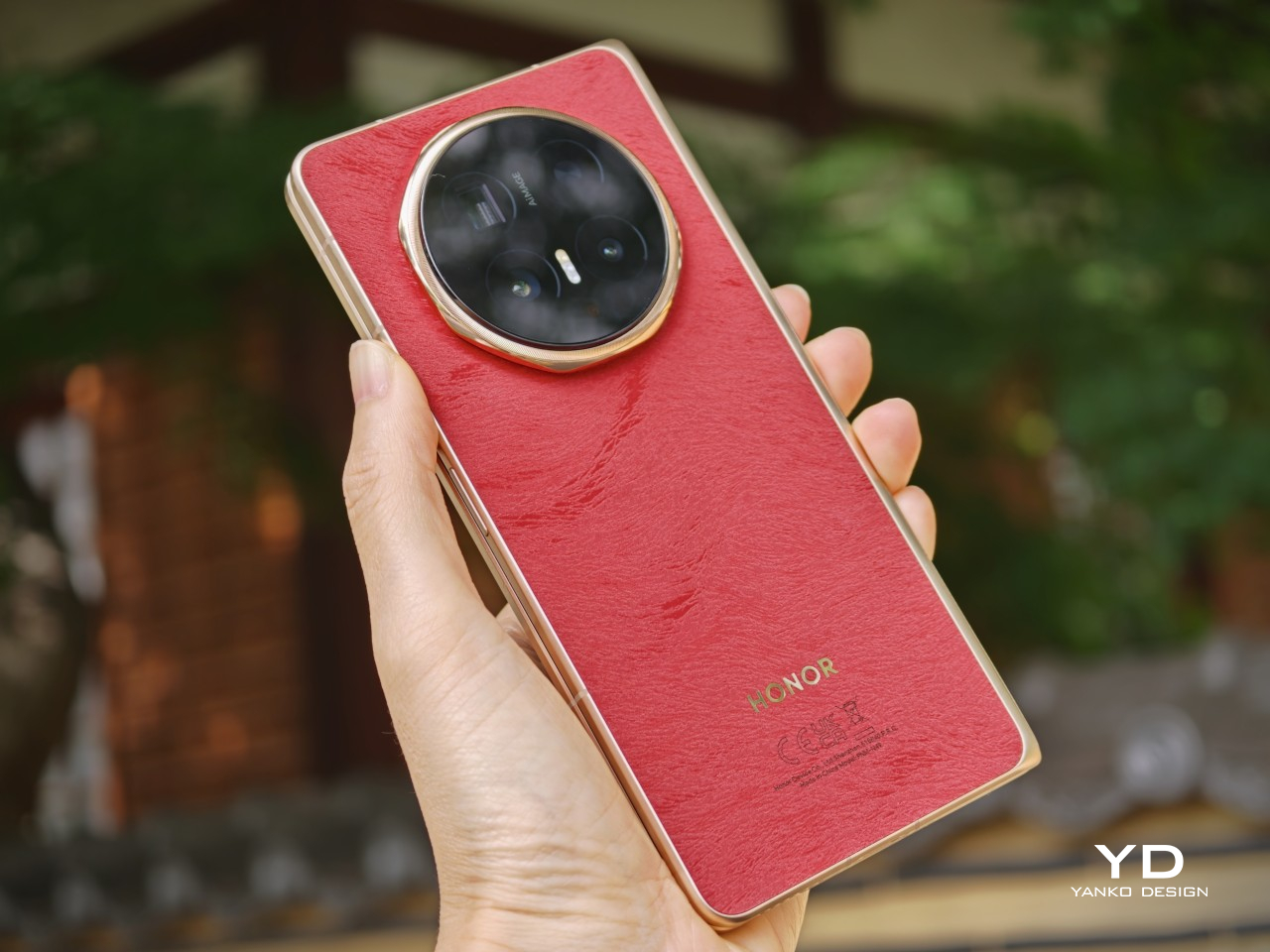
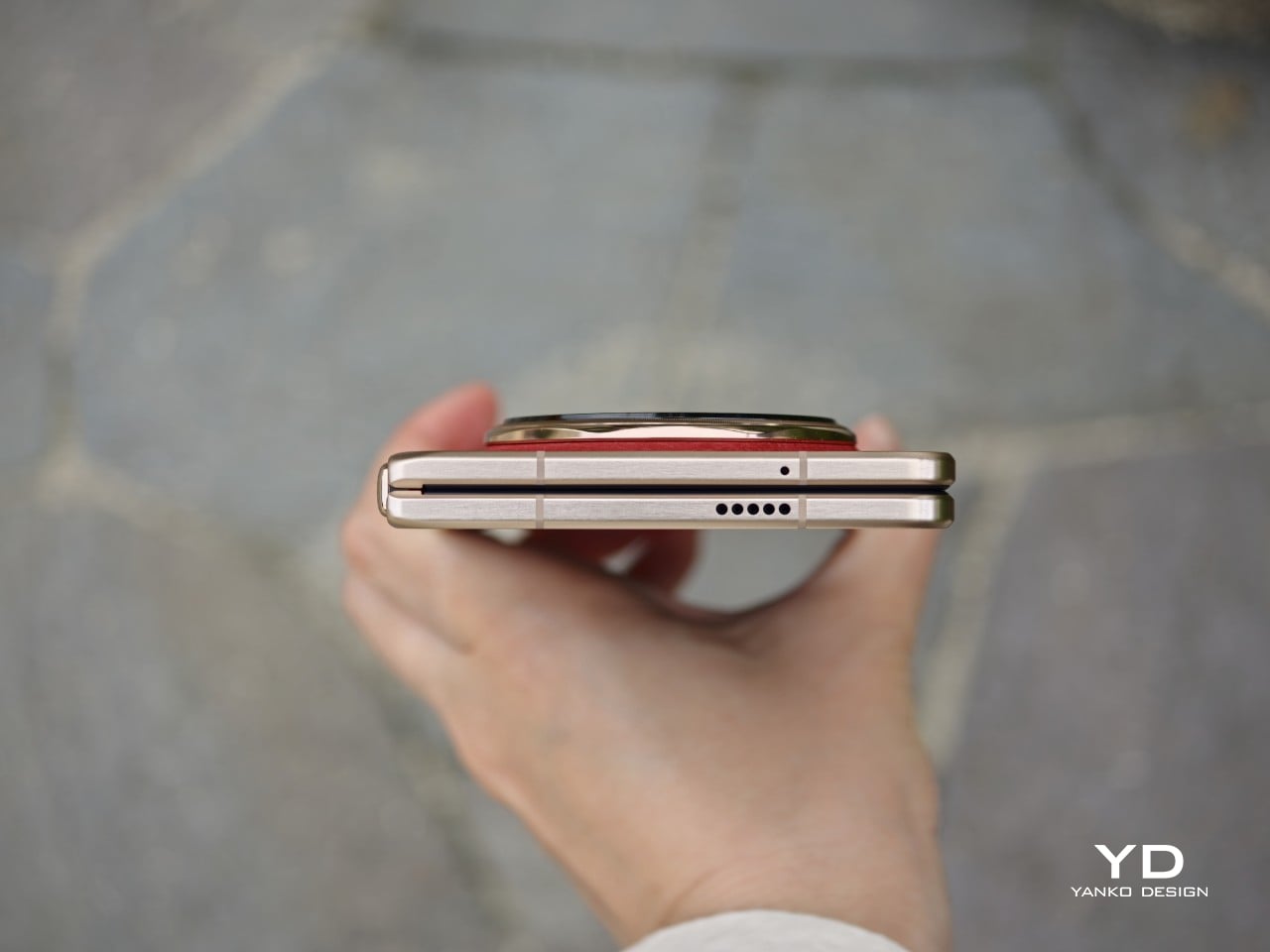
The finishes do a lot of the work in giving the phone its character. Honor offers the Magic V6 in four colors, and they feel more thought-through than the usual selection in this category. The red version I received is the most striking, with a soft-touch finish, a subtle hairline pattern, a gold frame, and a matching gold camera ring that make it feel a little warmer and more expressive than most foldables. The gold version goes in a different direction with a crisscross pattern that gives the back more texture and a slightly dressier look. If you want something more restrained, the white and black versions are there too.
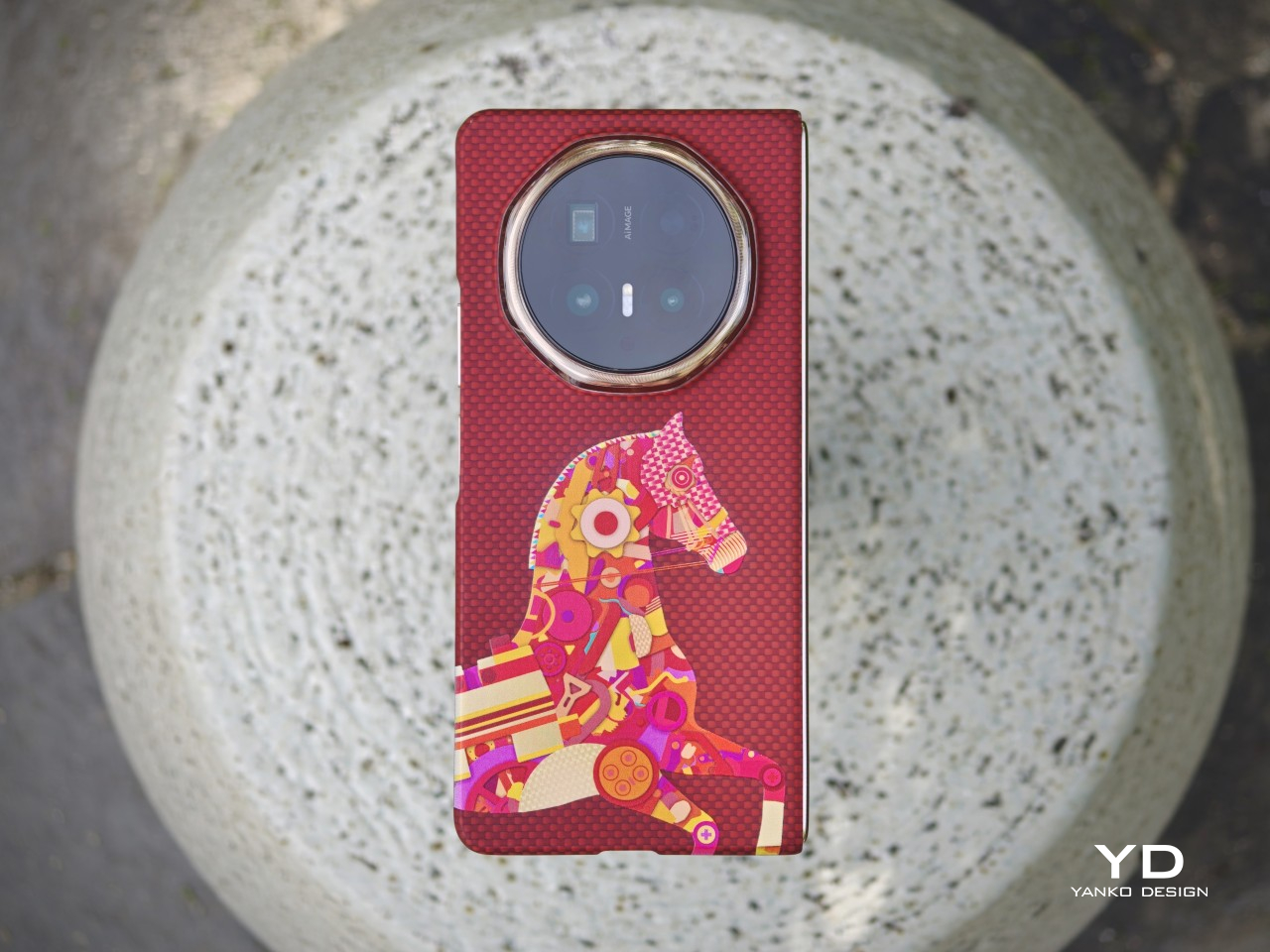
Honor has also paid attention to the accessories. Each color comes with a matching case with a built-in kickstand, while the optional Special Edition case adds a bit more flair. Designed with Yoni Alter, it uses red aramid fiber and a colorful mosaic-style horse motif, while also adding built-in magnetic support. It is a small detail overall, but it suits the phone. The Magic V6 may not change Honor’s foldable design language, but it does show that the company is still putting real thought into how this series looks and feels.

Ergonomics

The ergonomics feel more like a refinement of the previous model, and I think that is a good thing. To me, the Magic V5 was already the most ergonomic book-style foldable around, so Honor did not really need to rethink the formula. What it has done instead is rework the internal architecture to fit what is currently the biggest battery in a foldable phone while still keeping the Magic V6 among the thinnest in the category.

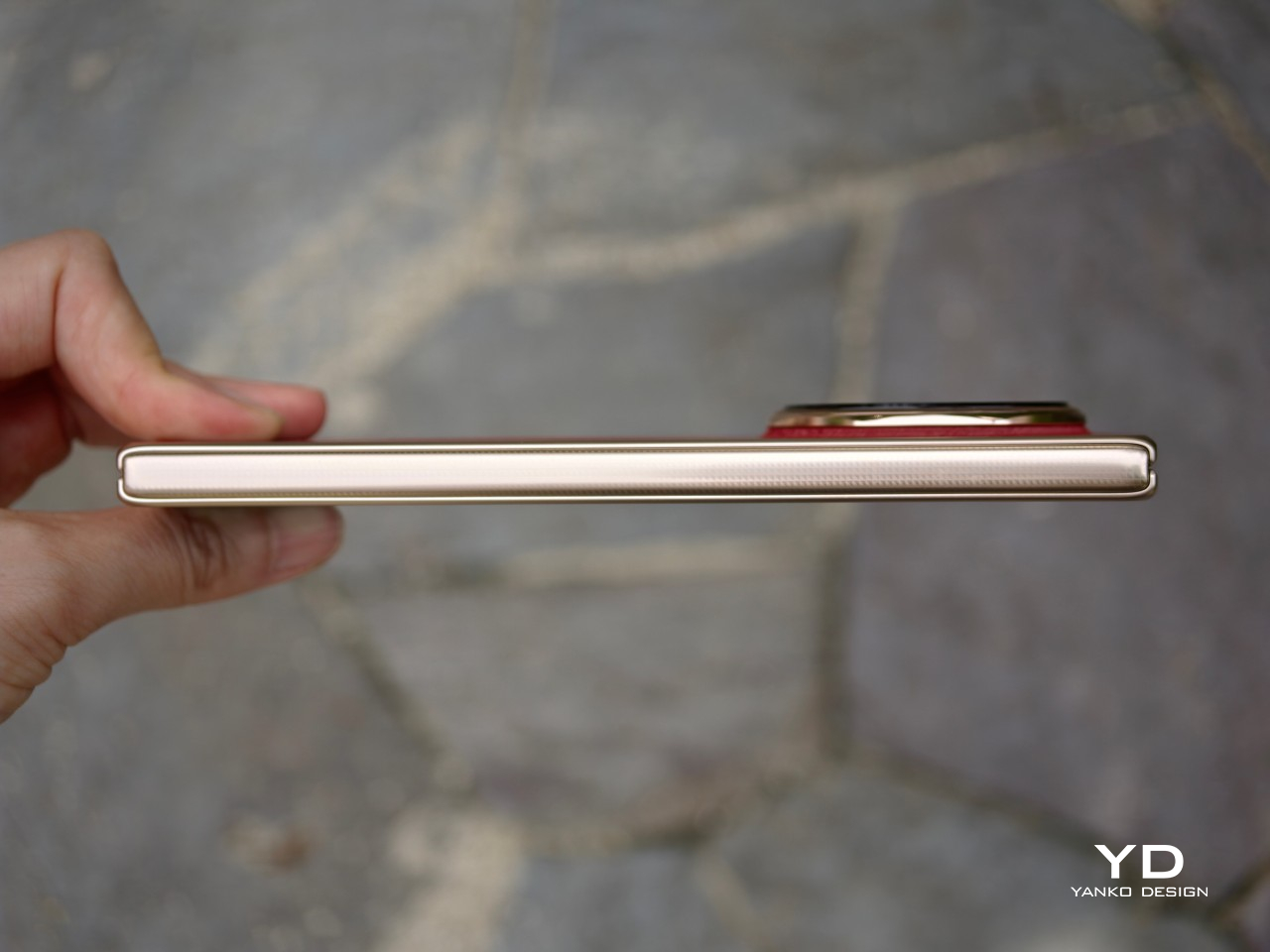
There are slight differences depending on the color. The white version is the thinnest and lightest, measuring 156.7 x 74.5 x 8.75 mm when folded and just 4.0 mm when unfolded, with a weight of 219g. The other color variants are slightly thicker at 9.0 mm folded and 4.1 mm unfolded, and they weigh 224g.
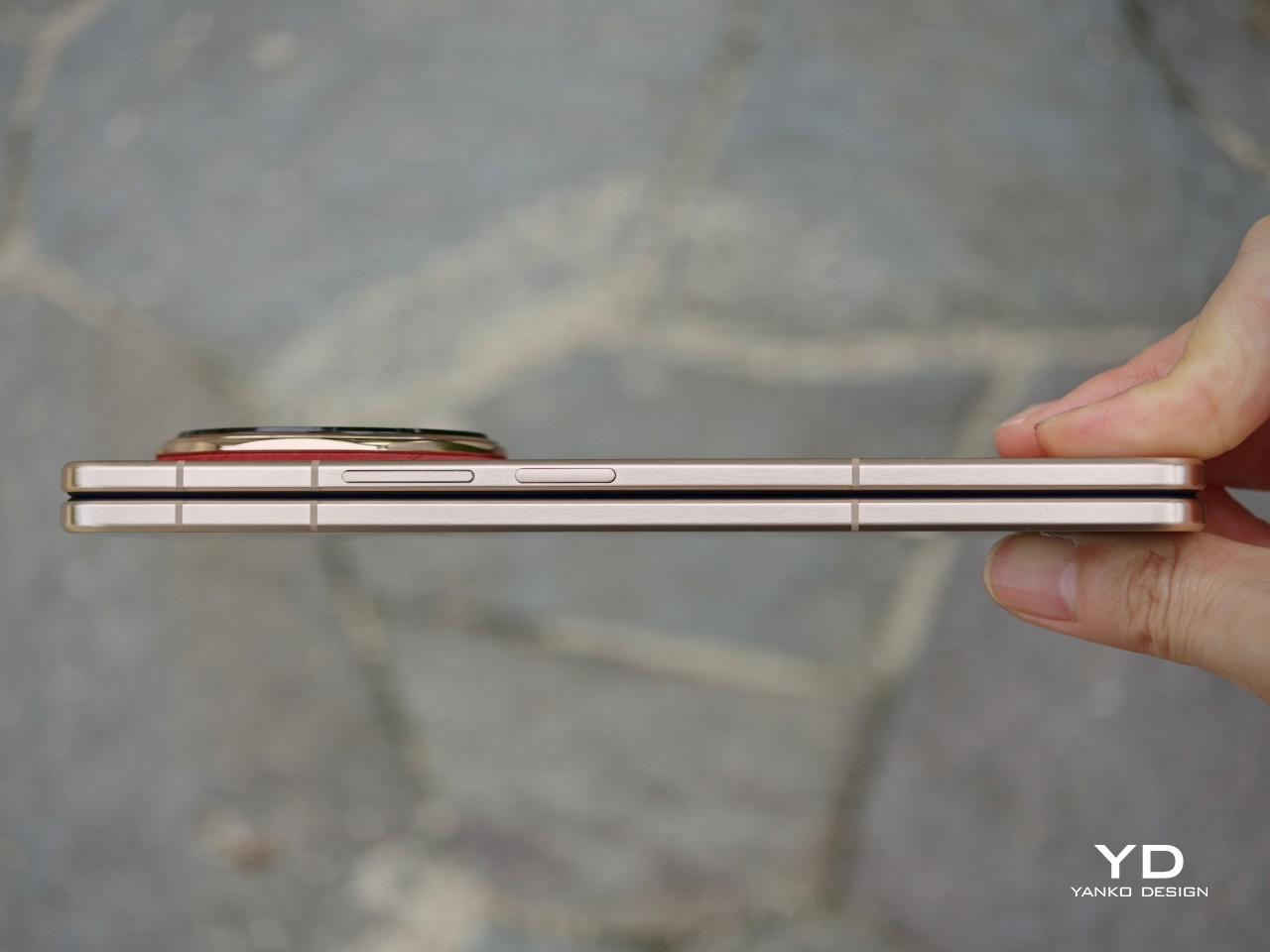
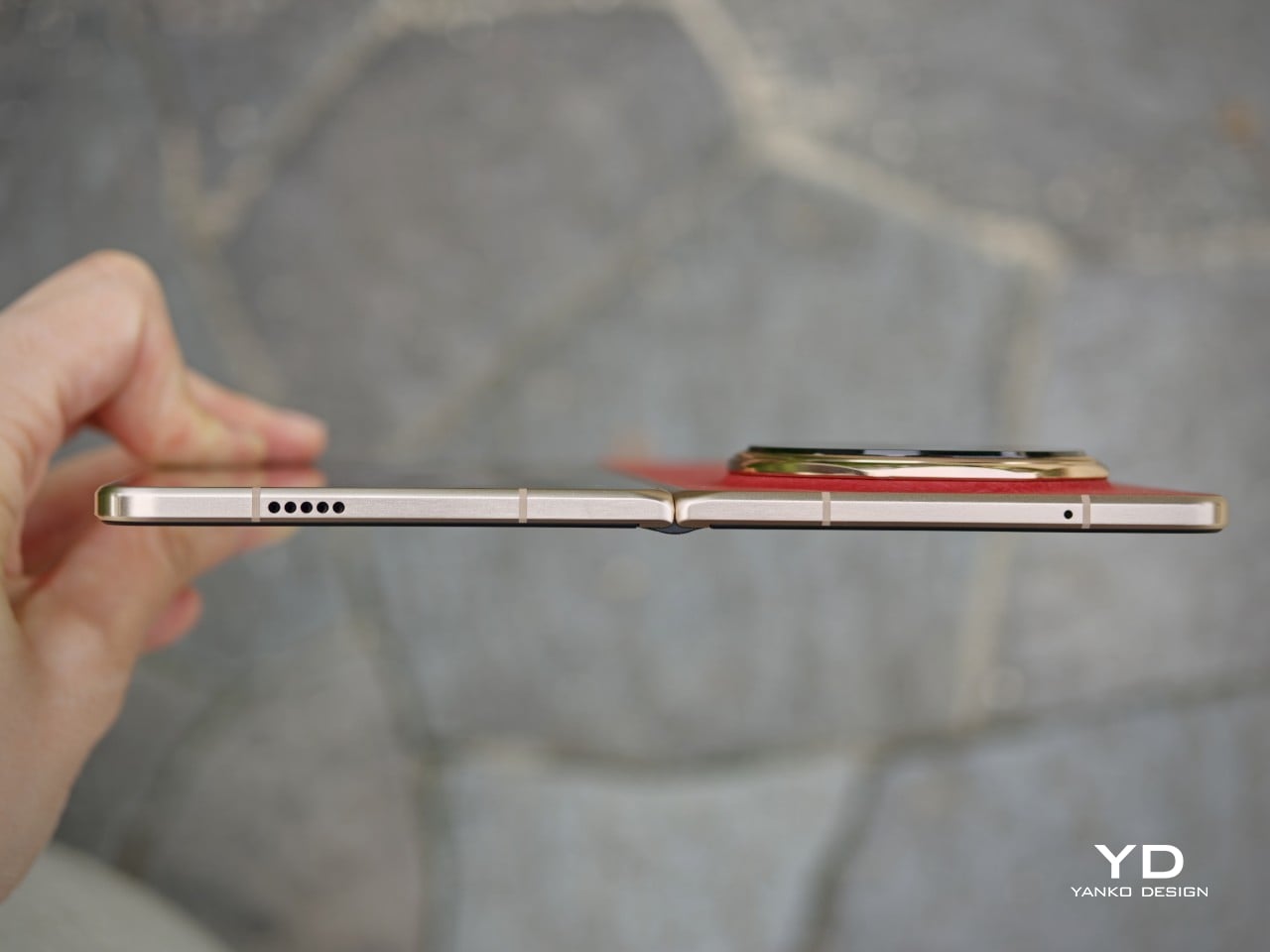
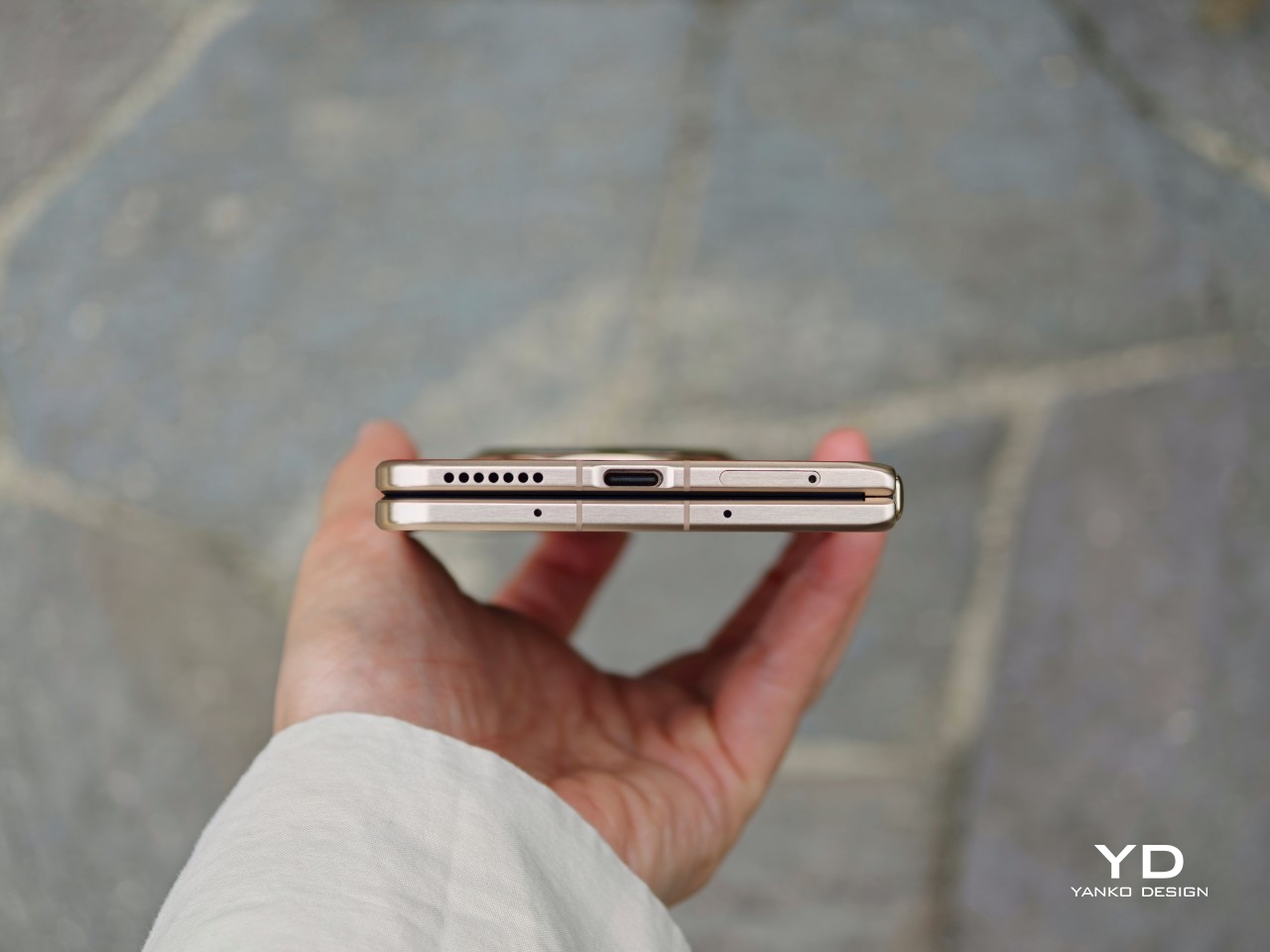
In use, the Magic V6 still feels like one of the most comfortable foldables around. The hinge feels secure and firm, and opening and closing it feels fluid and well-judged. The frame is now flat, but the edges are ever so slightly curved, so it does not dig into your hand. The volume rocker and the power button, which also doubles as the fingerprint scanner, are placed where they are easy to reach. You can also customize the double press on the power button, which is a nice little touch in daily use.

What I like most is that the Magic V6 does not really feel like a typical large book-style foldable when it is closed. Folded shut, it feels surprisingly close to a regular slab phone, which makes it much easier to use casually throughout the day. It is this kind of refinement that makes the Magic V6 so easy to live with day to day.

Performance

The Magic V6 is powered by the Snapdragon 8 Elite Gen 5, which puts it right where a flagship should be in 2026. It is paired with 16GB of RAM and 512GB of storage, although other configurations are available depending on the market. There is no real issue here with multitasking or with playing demanding AAA titles. Apps open quickly, moving between tasks feels smooth, and the phone has the kind of power that lets the larger display feel properly useful rather than overambitious.
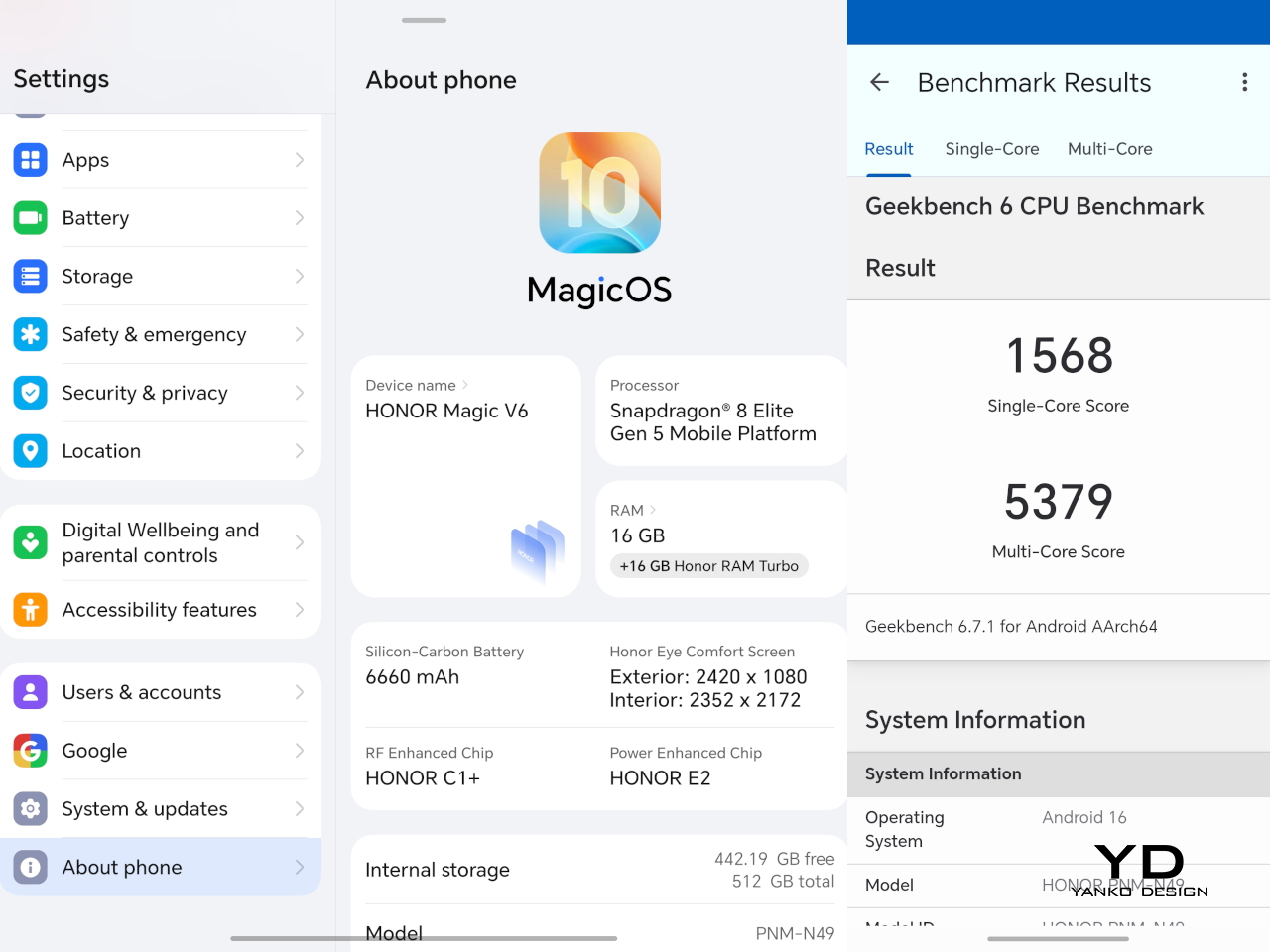
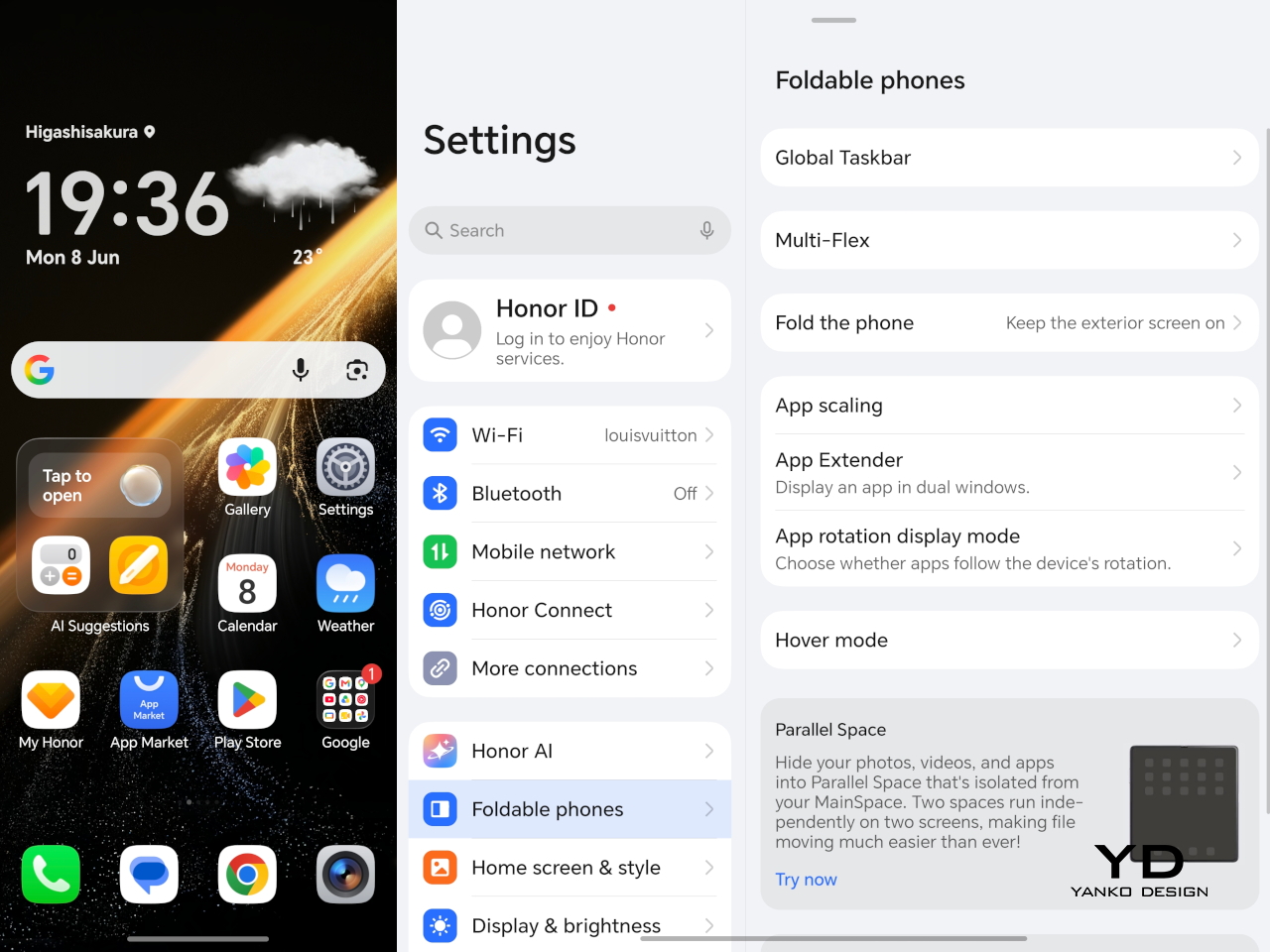
Software is often where foldables either come together or start to feel more awkward than they should. The Magic V6 runs MagicOS 10 based on Android 16, and as with Honor’s recent devices, the focus seems to be on giving users plenty of AI features and cross-platform connectivity. Honor is leaning quite hard into interconnectivity with Apple devices. Using Honor Connect, the Magic V6 supports two-way notification sync with iPhones and iPads, while an Apple Watch can display messages and notifications from both devices. Through Honor WorkStation, the phone can also connect to a Mac and act as an extension of the desktop environment, with support for wireless screen casting, content transfer, and one-tap file sharing, including original-format Moving Photo.

On a foldable, though, the more important question is whether the software makes good use of the larger screen, and here the Magic V6 feels well equipped. Multitasking on the V6 is solid. The inner display gives you enough room to run apps side by side without things feeling cramped, and the phone has more than enough power to keep everything moving smoothly. On a device like this, that matters just as much as raw specs, because a foldable only really makes sense if the larger screen feels genuinely useful in everyday use.
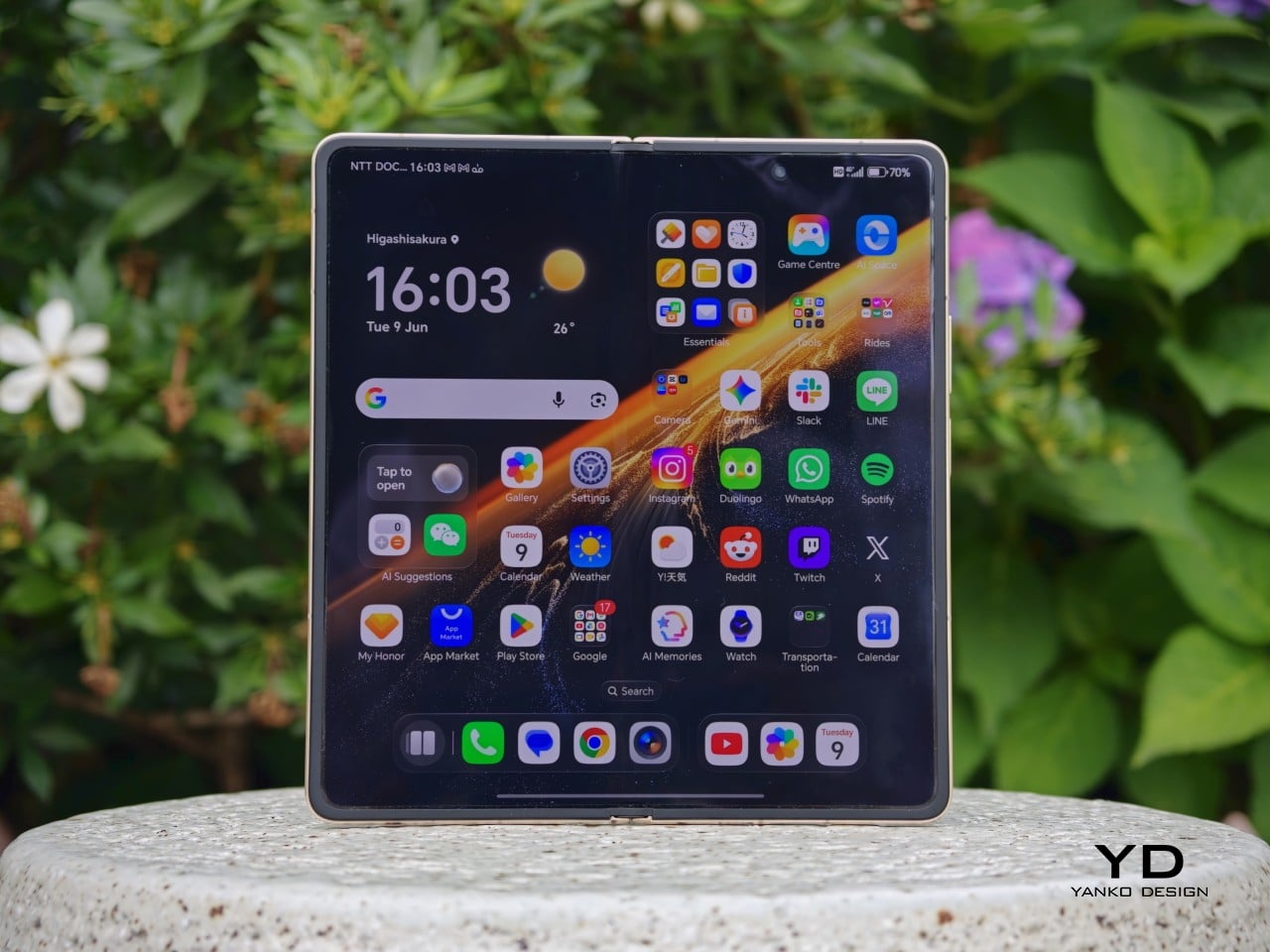
Honor has equipped the Magic V6 with a 6.52-inch 2420 x 1080 AMOLED outer screen and a 7.95-inch 2352 x 2172 AMOLED inner display, and both are vivid, sharp, and fluid. Both panels support a 1 to 120Hz LTPO refresh rate, with up to 5,000 nits on the inner display and 6,000 nits on the outer, alongside eye comfort features such as 4320Hz PWM dimming. In use, the displays are excellent. The crease is barely noticeable, though not quite as invisible as on Oppo’s Find N6. The stereo speakers are also plenty loud and punchy, which suits the phone well for video and games.


The Magic V6 comes with a 50MP main camera with an f/1.6 aperture and OIS, a 64MP telephoto camera with an f/2.5 aperture, a 1/2-inch sensor, and OIS, and a 50MP ultrawide. On paper, that is a solid setup for a foldable, especially in a category where cameras have often felt like one of the first compromises.

In practice, the main and telephoto cameras are both strong for a foldable. Images come out sharp, colors are pleasing, and the overall look tends to lean a little on the brighter side. The ultrawide is satisfactory, though it does not stand out in quite the same way as the other two cameras.


Battery life is one of the Magic V6’s biggest selling points. Honor has managed to fit a 6,660mAh silicon-carbon battery into a foldable that is still among the thinnest in its class, while the 1TB version in China goes even further with a 7,150mAh battery. That is a huge battery even by slab flagship standards, never mind in a foldable.


Charging is strong too, with support for 80W wired and 66W wireless charging on the global model. A foldable this slim with this much battery capacity and this level of charging support is still unusual, and it is a big part of what makes the Magic V6 feel so easy to trust as an everyday device.
Sustainability

When it comes to foldables, durability can still be a concern for some people. Honor is clearly aware of that. The outer screen uses silicon nitride-based Nano Crystal Shield glass with up to 5,600 ultra-precise coating layers, while the inner display uses UTG flexible glass and is said to be 33 percent more impact resistant than the Magic V5. It is also rated for 500,000 folds.

The Magic V6 also comes with IP68 and IP69 ratings, which is the kind of protection you would more often expect from a slab flagship than a foldable. Honor is also promising seven major OS updates, which helps strengthen the long-term ownership story. What would make that sustainability angle more complete is greater use of sustainable materials, which is still an area where Honor could do more.
Value

Value is always a tricky part of the conversation with foldables because these devices are expensive by nature. No one is buying something like the Magic V6 because it is a bargain. Honor is beginning its wider rollout in Malaysia and Singapore. In Malaysia, the Magic V6 is priced at RM 7,699 for the 16GB RAM and 512GB storage version, which works out to roughly US$1,920 at a simple direct conversion. At that price, it is still very much a premium purchase, but the hardware does a lot to justify it. You are getting a slim and comfortable design, strong performance, large and bright displays, a huge battery, fast charging, and a durability story that feels more complete than what many foldables have offered in the past.
Value still depends on what you want from a foldable. If battery life, ergonomics, and high-end hardware matter most to you, the Magic V6 makes a very strong case for itself. If software polish is your top priority, some rivals may still feel a little more mature. Even so, the Magic V6 feels like a foldable that gives you a lot of substance for the money, not just novelty.

Verdict

The Magic V6 feels like Honor refining a formula that was already working well. It does not try to reinvent the book-style foldable, but it improves on the parts that matter most. The design still has personality, the ergonomics are excellent, the displays are strong, and the battery is genuinely standout for this category. The main and telephoto cameras are also better than what many people might expect from a foldable, which helps round out the overall package.

It is not without a few caveats, though. The software still does not feel quite as polished as the very best in the category, and the price places it firmly in ultra-premium territory. Even so, the bigger picture is very easy to like. If you want a foldable that feels slim, practical, powerful, and unusually easy to live with, the Magic V6 makes a very convincing case for itself.
The post Honor Magic V6 Review: Big battery, slim body, refined experience first appeared on Yanko Design.