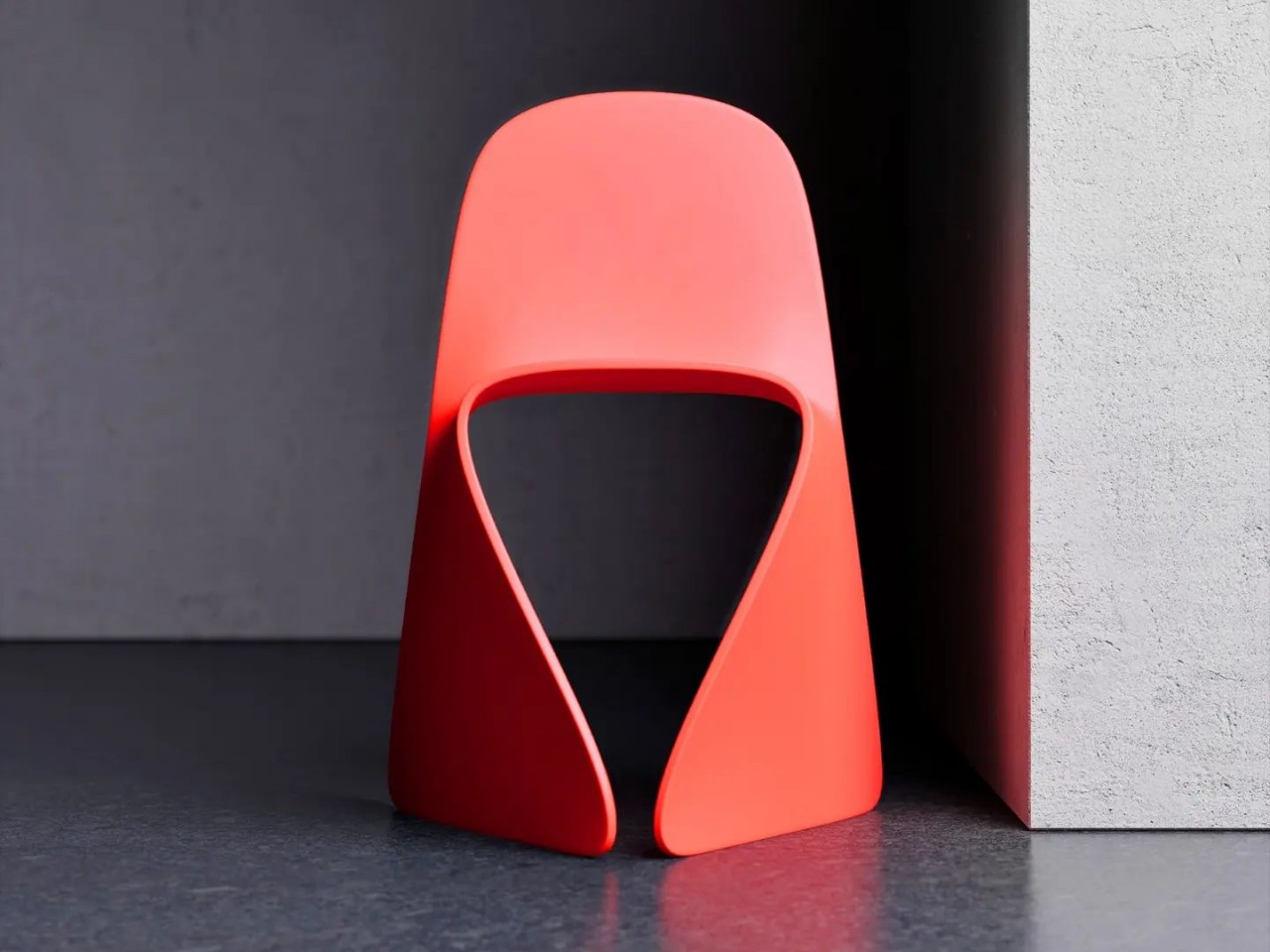
Service robot concept doubles as a chair and a tiny private office

Service robots are becoming more common these days, from cute mobile trays that deliver food to your table to large rolling boxes that carry your luggage for you. These robots definitely serve their purpose, and they’re often designed to look pleasing or even friendly, but lack a certain element of interaction that will help put humans more at ease with these mechanical assistants. Some designs try to put a figurative human face on these robots, without much effect, while others try to focus on usability and functionality instead. This concept design, however, goes back to the drawing board to determine the best form that a service robot could take. It turns out, we’ve been sitting on the answer all this time, literally.

Designer: Yunsoo Choi

For all the drama about how robots will be replacing humans in the future, there are already certain industries where service robots have indeed taken the place of flesh and blood workers, particularly in the hospitality industry. That said, most are only capable of performing very menial and mechanical tasks, far removed from the human-like androids of our imaginations and science fiction. More importantly, these robots feel as distant and as detached from our lives as the bags they carry. They lack the interactivity and personal connection that would make them indispensable parts of our lives.

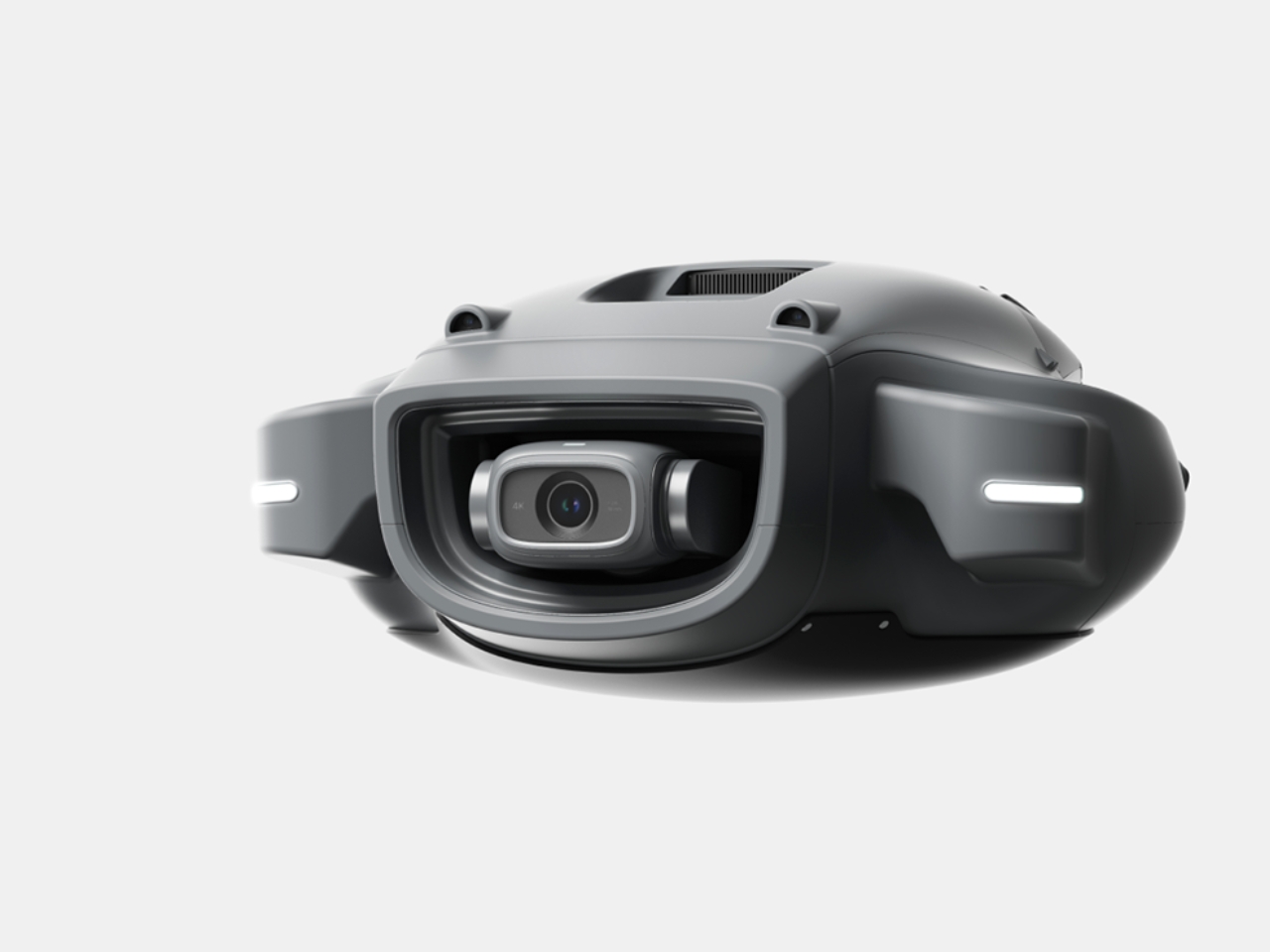
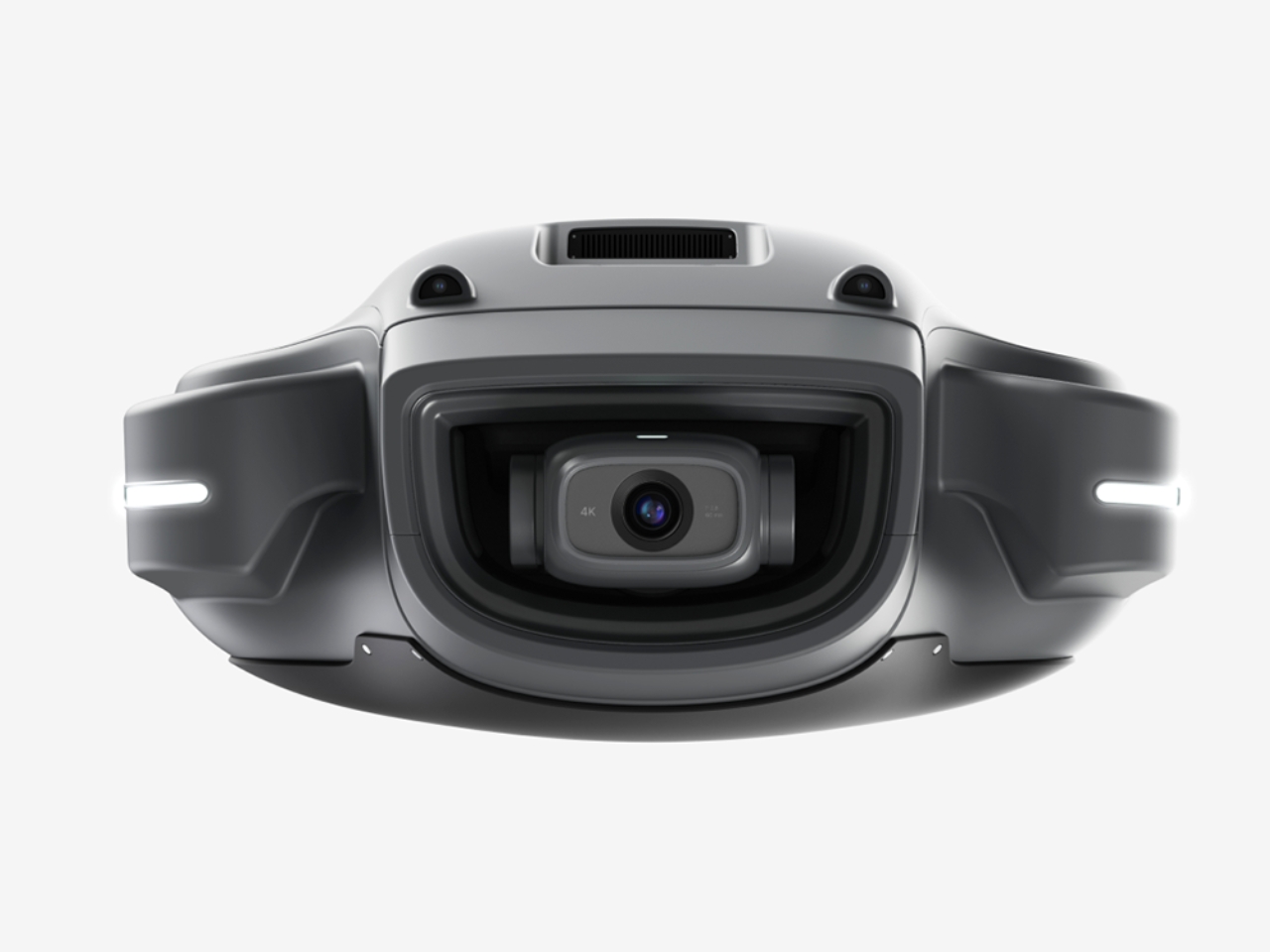
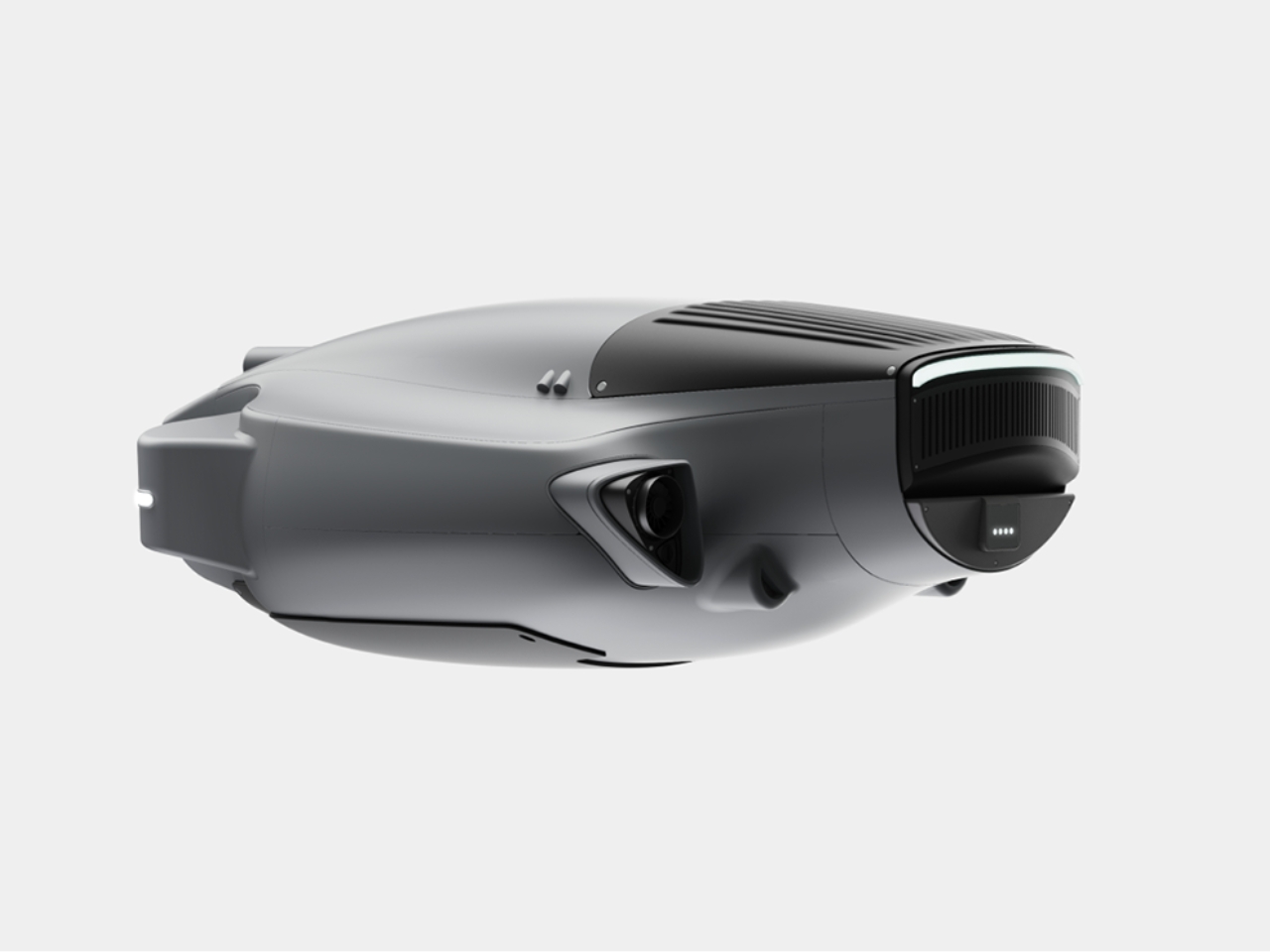
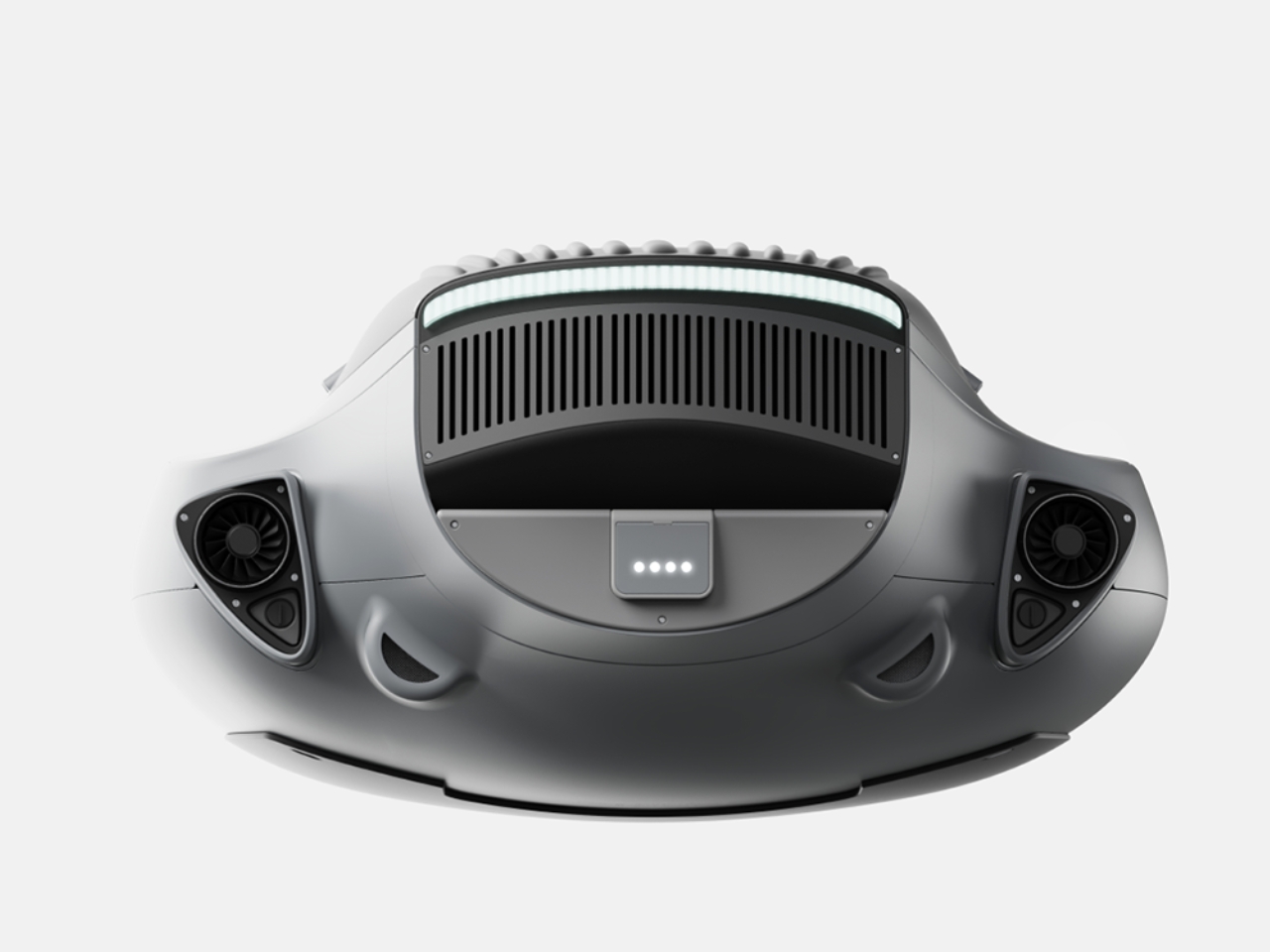
This concept design for a service robot tries to provide that kind of interaction by turning the robot into something more than just that. It uses the chair as the inspiration for its design, a functional object that also provides comfort as well as a point of human interaction. But the robot does more than offer a comfortable place to sit on; it also creates a small bubble that becomes a tiny personal office space, at least if you’re the type that can do their job on a tablet.

That’s because this tablet is what triggers the transformation between a chair and a robot. It acts like the brain of the machine, though it’s also the robot’s “face” as well as its sole interface. It’s how you can get information, pay for your hotel stay, or order food, basically anything that involves actually requesting service. The tablet magnetically attaches to the robot’s arm and can be positioned at the most comfortable angle or height for use, including while sitting on the robot chair.

Aside from these, the design also includes the common functions of such a service robot, particularly when it comes to delivering items to customers or keeping their possessions. It can even disinfect these objects using UV light inside its body. But while the idea of a service robot that also functions as a chair sounds interesting on paper, it raises the question of comfort and safety, two factors that are critical for a piece of furniture like a chair. It definitely looks a little too high to sit on comfortably and functions more like a stool than a proper chair. The “office space” is also a bit of a stretch since there’s not much space to get anything done. Still, the idea deserves more exploration and refinement and could spark more designs for service robots that become space-efficient personal offices for the mobile workers of the future.

The post Service robot concept doubles as a chair and a tiny private office first appeared on Yanko Design.
Sticky notes holder concept comes with a very tall panel for your notes

Although a lot of the world today revolves around digital documents and files, there are definitely plenty of people who still espouse analog systems, especially when it comes to taking notes and productivity. In fact, there are many productivity systems today that utilize paper notebooks or even sticky notes, better known as Post-its, though the latter are also notorious for creating a mess rather than helping you stay on top of things. Part of the problem is that sticky notes make it too easy to, well, stick these square pieces of paper anywhere, which means potentially losing them or ending up being more disorganized than ever. This Post-it Note Holder design concept tries to solve that by providing a space for all your sticky notes needs, including a place to stick them.

Designer: Liam de la Bedoyere

Sticky notes today come in different sizes and even shapes, but the colored square format remains the most popular because of its ease of use and space efficiency. It forces you to condense what you need to write down to the most essential pieces of information, and they often don’t take up too much space either. That is until you find your desk, your board, or even your computer monitor littered with these sticky squares, at which point they defeat the entire purpose of trying to keep your life in order.

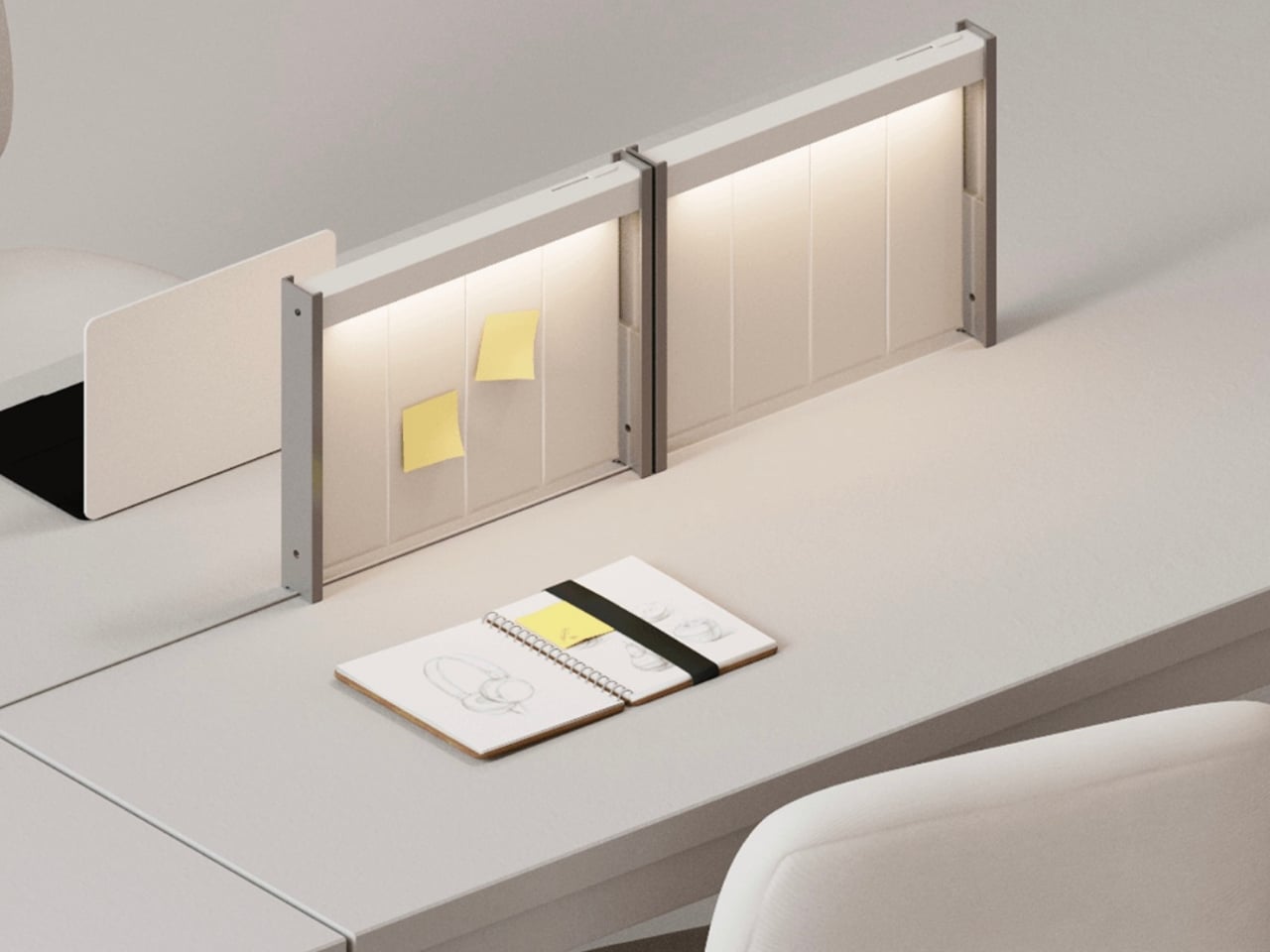
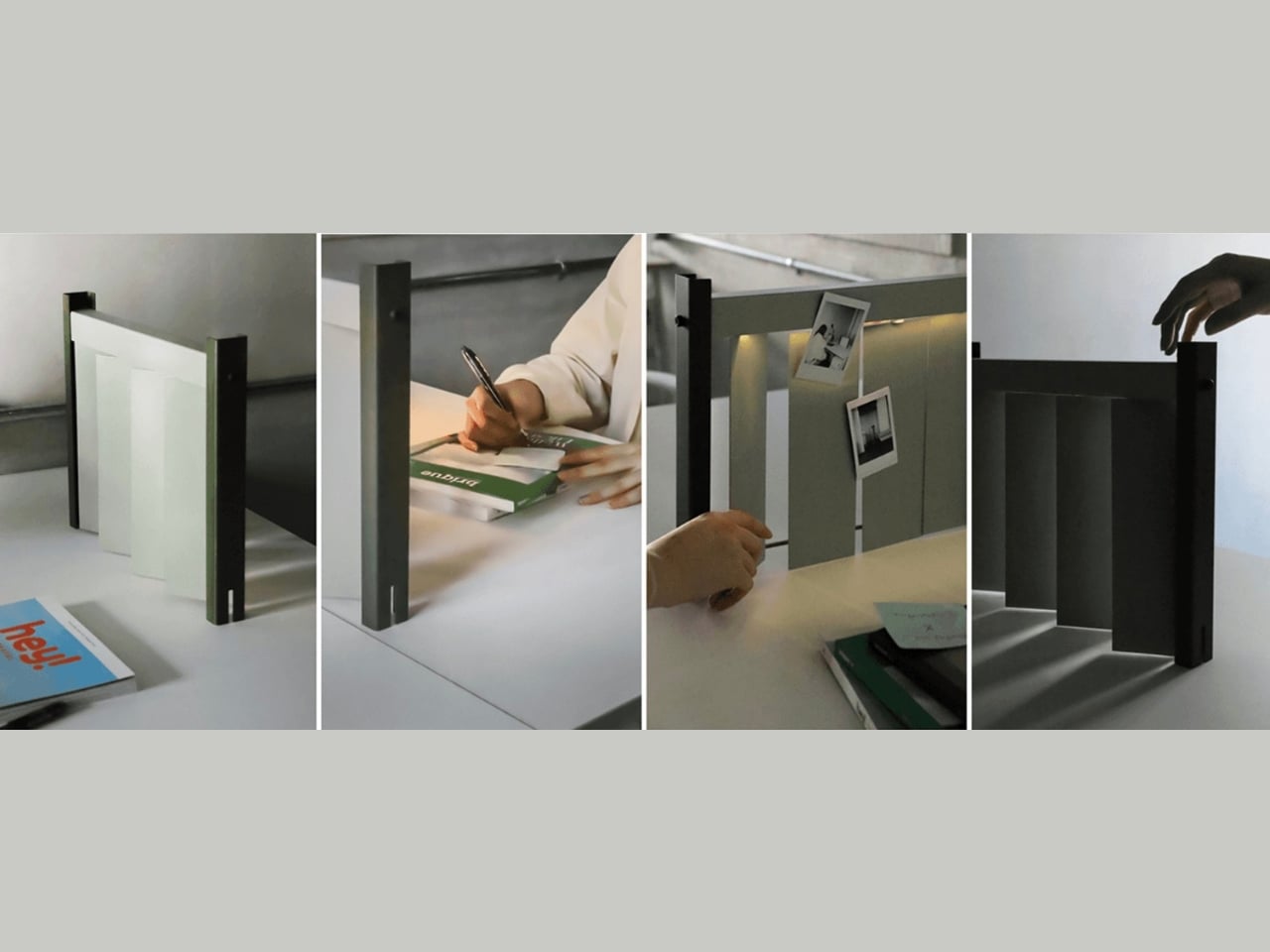
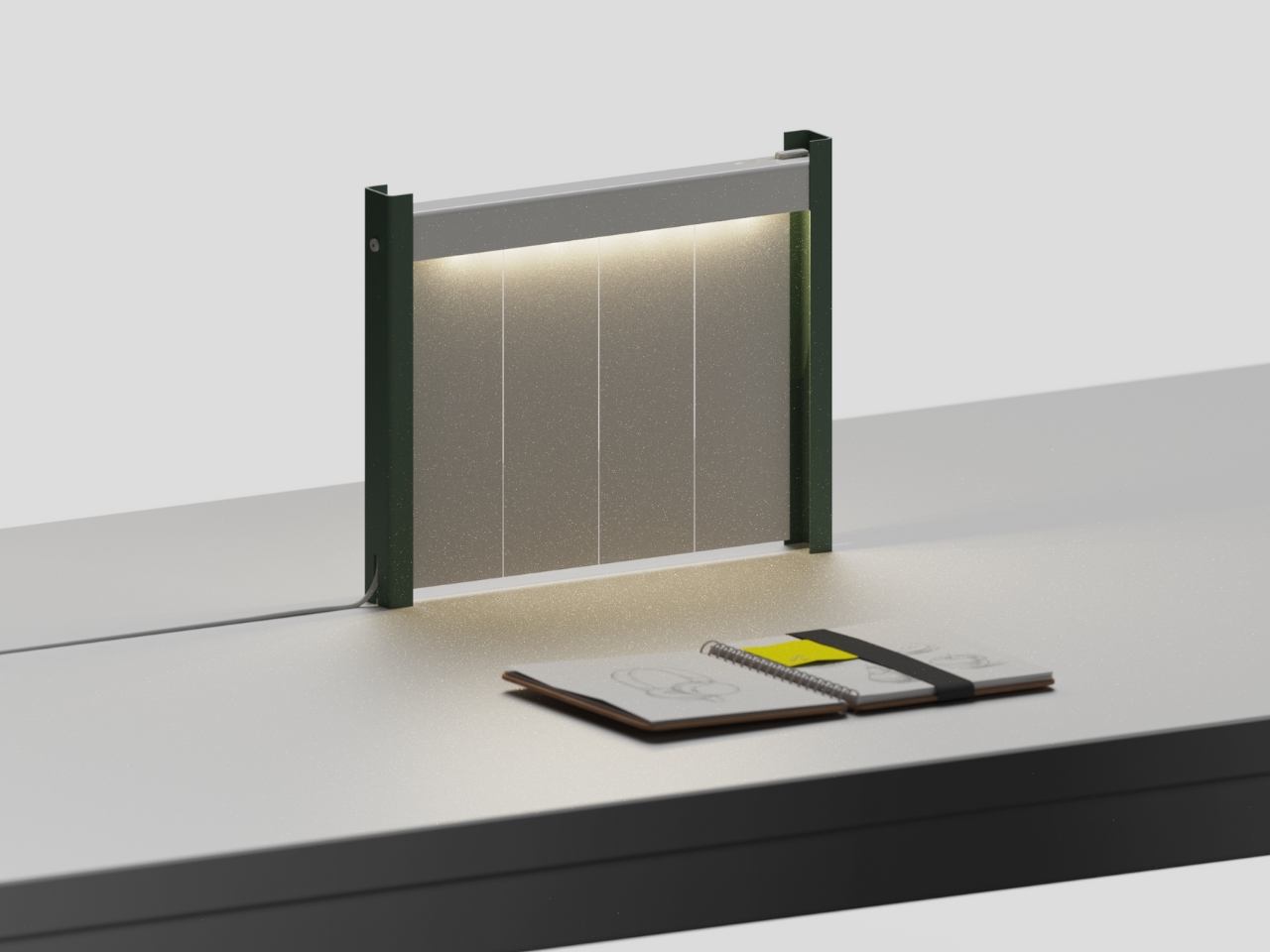
This concept encapsulates a whole system designed around sticky notes so that you don’t have to work hard to keep everything in a single place. Of course, there’s the actual holder for keeping a stack of notes always ready to receive your scribbles, but there’s also a curve at the back to hold a pen, saving you from having to scramble for one just when you really need it. The most prominent part of this note holder, however, is the very tall and narrow board that rises from the holder. This serves as a more limited space for sticking your notes after you’ve written them.

The design is intentionally limited in space, which forces you to only stick the really important notes the same way sticky notes themselves force you to be concise and quick. At the same time, it still leaves plenty of room for flexibility and personal workflows, like arranging your notes in a literal hierarchy of importance. Or you could order the notes according to their urgency or due dates, watching the colored squares slowly march down as you complete your tasks.

The concept also has room for variations in design, like one that could be hung on a wall and has an inclined note holder for easier access to the pad. And for the truly disciplined Post-it user, the “base” configuration of note and pen holder still gives the convenience of having the essentials always ready when inspiration strikes. You just have to be sure you don’t fall back into the habit of sticking your notes everywhere and then forgetting where you put them after just a few hours.

The post Sticky notes holder concept comes with a very tall panel for your notes first appeared on Yanko Design.
MSI Gaming PC Watch is a dragon red themed, full-fledged rig for your wrist

Smartphones and laptops allow us to play games on the move. But that’s not always enough, especially when the world demands you to be ready and operative no matter the time or place. In such a scenario, you need a gaming rig that is an integral part of everyday life, keeping you always ready. Here, MSI Gaming PC Watch offers an instrumental solution.

A gaming rig for your wrist; the Gaming PC Watch takes a full-fledged MSI computer and shrinks it to the size of a wearable so you can strap it to your wrist and be game-ready every time. Designed in MSI dragon red theme, the watch PC does not have specifications to detail, but from what we see in the pictures, the system is complete with the branding and transparent façade.

Designer: Eslam Mhd

The wrist PC does not intend to be a watch, it has very subtle annotations on the right where analog watch hands are visible and the four pushers on the sides to toggle the features. From the word go, it is a wearable computer and the innards – fans, graphics, cooling, motherboard – all visible right through the watch face. The case appears to be made of some metal alloy with MSI logo at 3 o’clock, where you usually find a crown on a typical wristwatch.

Smartwatches have come of age; they are almost wearable smartphones for the wrist. Despite their acceptance and demand, smartwatches haven’t caught on like smartphones did a decade ago. The idea of amazing smartwatch innovation could maybe shift from smartphone ideology to computer periphery, and who knows things may just take off. At least the MSI Gaming PC Watch’s design makes me believe in the concept.

MSI is already a world leader in gaming and Artificial Intelligence of Things (AIoT) solutions. It has some of the fanciest gaming computers and laptops that thrive on powerful hardware, good cooling systems, high-end graphics, and bewildering RGB lighting. It is only fitting for the tech giant to put its mettle behind the idea of a watch PC and see it through. Given MSI’s well-built and durable designs through the years, the wearable gaming rig too will give you the features and ability to access data and exchange information anywhere, anytime.

The post MSI Gaming PC Watch is a dragon red themed, full-fledged rig for your wrist first appeared on Yanko Design.
Sunflower-inspired speaker concept lets sound follow you wherever you go

Smart speakers are becoming a common sight in homes these days, even those that have yet to wander into the smart home category. They come in all shapes and sizes, but most of the designs have one thing in common. Given the design of drivers, they can only project sound in one direction, usually forward. You can have a 360-degree speaker, but that requires having more complicated hardware or a cylindrical design that has to be placed somewhere in the middle of the room to make sure the sound reaches you where you are. This concept design, however, offers a simpler but more interesting solution, taking a cue from one of Mother Nature’s more curious creations. This circular speaker turns to make sure that sound is sent in your direction, following you all the time just like a sunflower follows the sun.

Designer: Joon-Yeol Bae

In general, sound travels in the direction an emitter, such as a speaker, is facing. It can bounce off objects or spread a bit in a cone, but on its own, it will never change its forward direction. Omni-directional speakers solve this by having drivers that face multiple directions to cover all possible directions. While effective and a common practice these days, it also means multiplying the number of components used, raising the build cost. In some cases, it also requires that the speaker be placed in an open and unobstructed area of the room, which limits your interior design options.

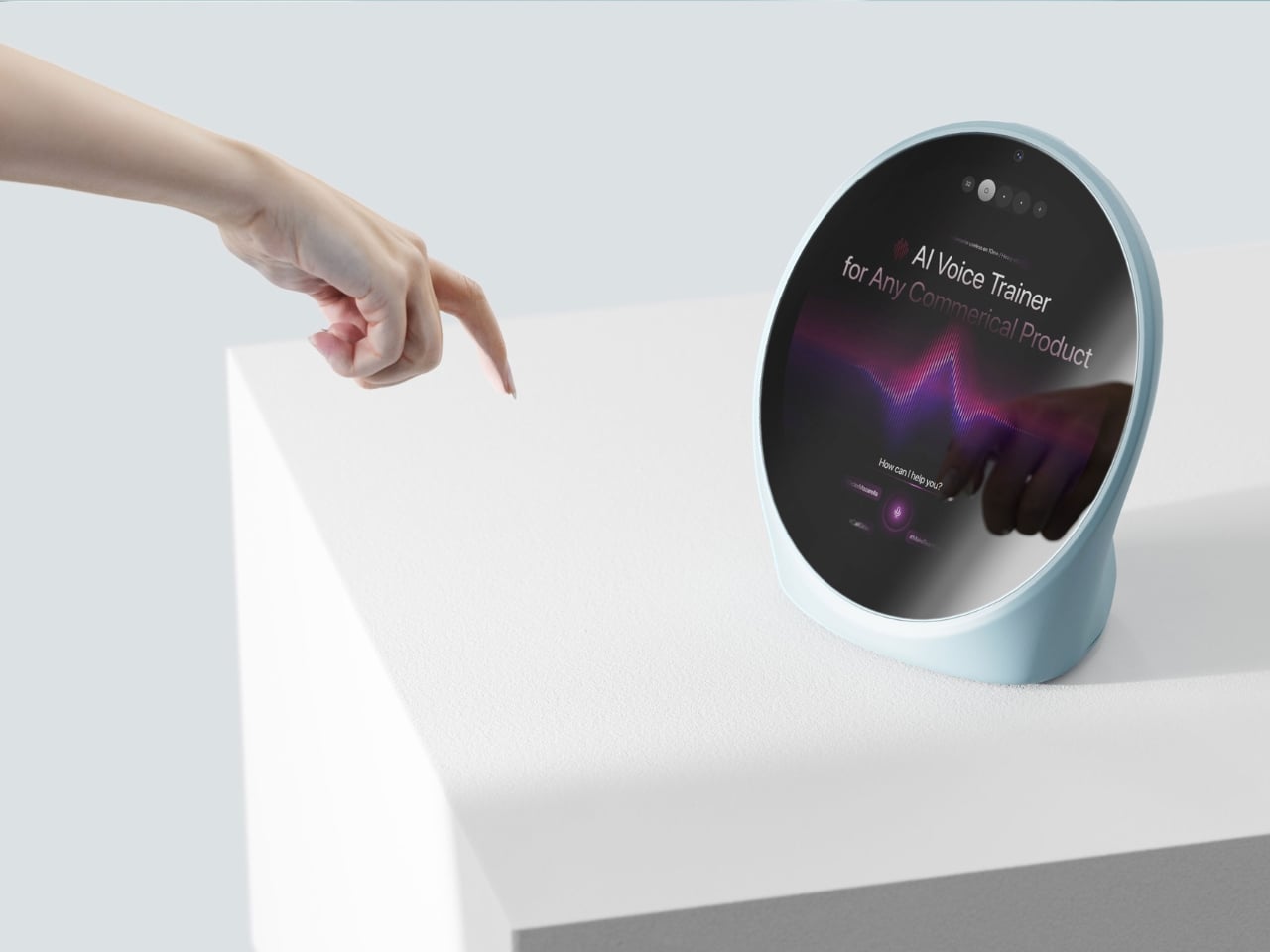
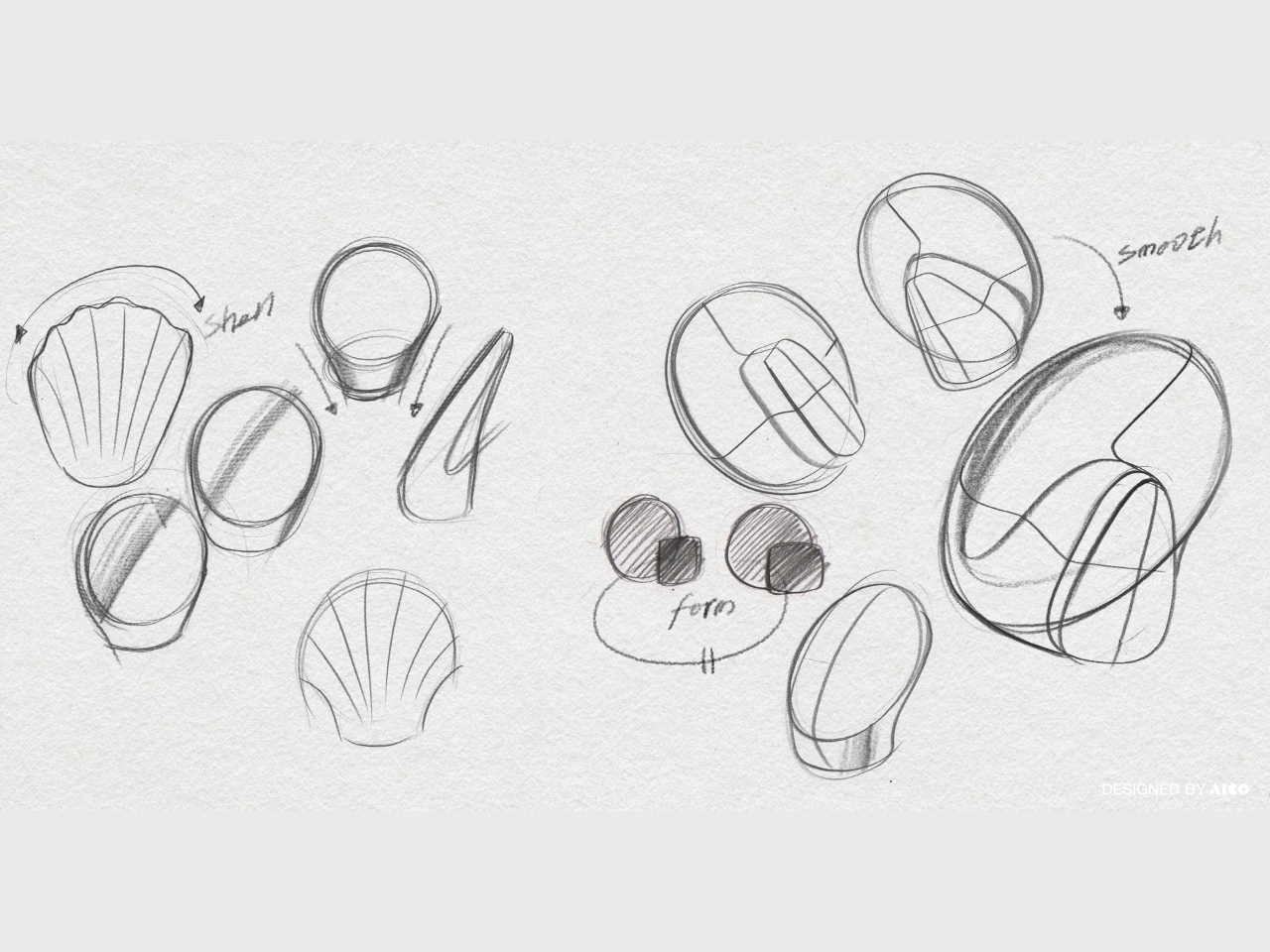
Solros, named after “sunflower” in Swedish, is a concept that takes an unconventional approach. Employing the same technologies used by self-driving cars and robot vacuums, it can tell where you are and rotate its disc-shaped head to always face in your direction. It can even detect how near or far you are from the speaker and adjust its volume to compensate for the distance. This has the effect of making the sound feel like it’s always following you, wherever you go inside a space.

The speaker is also designed to blend into the background if you need it or become the center of attraction if you want it. Its minimalist design, which can be made available in beige, black, red, and green colors, makes it a perfect fit for almost any interior. Its graceful movements also minimize distractions while, at the same time, becoming a point of curiosity for visitors. Needless to say, it’s going to be a conversation starter, especially when the music starts to play.

As interesting as this design might be, it does raise the question of how effective it will be when there is more than one person in the room. LIDAR alone won’t be able to give priority to certain individuals, say the homeowner, and the speaker might end up getting confused and frozen in place instead of making sure its sound is sent in the right direction. Solros definitely makes the composition of a speaker a bit simpler, but the logic necessary to avoid a deadlock makes it a bit more complicated than a more straightforward 360-degree speaker.

The post Sunflower-inspired speaker concept lets sound follow you wherever you go first appeared on Yanko Design.

Tallest spokeless ferris wheel to be constructed in Seoul

Whenever I visit a new international city for the first time, I try to look if they have a giant ferris wheel and if I can, I take a ride on it to get the best view of the city. So far, the best ones I’ve been on are the Singapore Flyer and the Budapest Eye. Of course I have a lot more to go as I haven’t been to places like the London Eye, High Roller, Dubai Eye, etc. It looks like I’ll be adding something new to my list in one of my favorite cities in the world: a landmark giant ferris wheel is coming to Seoul soon.

Designer: UNStudio

The Seoul Twin Eye will start construction sometime in 2025 and when finished, it will be the world’s tallest spokeless one with its planned 180 meters high structure. Aside from its height, it has a pretty unique design as it will have two intersecting rings that will carry pods going around both tracks. It can hold as many as 1,400 tourists at the same time, with 20-25 people fitting in each of the 64 capsules. This is actually double of what the London Eye is able to accommodate and currently it is one of the largest in the world.

The planned ferris wheel will be located on the edge of the Han River as part pf a 40-meter high cultural complex which Seoul is hoping to develop as part of public spaces for residents and tourists. Not only will you be able to ride such a huge ferris wheel but you’ll also get the best panoramic views of the city. The design is actually inspired by the Honcheonsigye, an astronomical clock that represents celestial objects moving through time.

Aside from the Seoul Twin Eye, there’s a proposal to also construct a monorail to have a direct connection from the subway station to the ferris wheel site. There is also a proposed zip line within the complex for those who prefer a much more adventurous experience, although it’s unclear if it will be connected to the ferris wheel directly. One thing’s for sure, once it is launched, it will add to the beauty and charm of Seoul and will become a must-see destination for locals and tourists alike.

The post Tallest spokeless ferris wheel to be constructed in Seoul first appeared on Yanko Design.
Beautiful wireless charger concept reminds you to take some time off

Wireless chargers are all the rage these days, taking on different shapes, sizes, and functions. Some are simple flat beds for your phone and accessories to lie on, while others raise the design a bit higher, literally, with stands that magnetically hold your devices up. The one common trait that these products have is that they mostly lean towards minimalist design trends, which is good for keeping a clean and tidy look but bad for missed opportunities. Minimalist or not, that wireless charger will still take up some space on your desk or shelf, so why not let it serve another purpose, like this rather simple yet elegant desk clock that does more than just charge your phone; it also tells you to take a break and charge yourself as well.

Designer: Nihoy Lahiri

Although they still need to make contact with a flat surface, wireless chargers, especially the magnetic variety, opened up new possibilities for designs. No longer tied down by charging cables, the only limits are creativity, imagination, and, of course, the laws of physics and electronics. Transforming a charging pad into something that has use even when it’s not charging a phone is a smart way of making use of space, which is what Zenith tries to offer with a subtle spiritual purpose behind its design as well.

Even without a phone, Zenith already looks like a decorative piece that calls your attention not just to the actual clock but also to its design. The gentle curves of its body convey a more organic and less daunting image compared to something that looks completely angular and mechanical, like what many desk clocks look like. The translucent material makes the entire structure look ephemeral and almost mystical, adding to the spiritual character of the design.

The arch-shaped void at the bottom is where you will let your phone lie while it charges. The empty space is a perfect contrast to the roundness and whiteness of the clock above it. It’s a small version of a Yin Yang composition that further enhances the design’s otherworldly appeal. Zenith’s deeper message, however, goes beyond its aesthetic.

By combining a wireless charger with a timekeeping piece, people will be forced to look at the clock every time they lay down the phone to recharge. It visually nudges their mind to take stock of their own internal battery levels, giving them pause and practicing a little bit of mindfulness. With the clock positioned above the smartphone rather than the other way around, it gives a subtle reminder that time should have a higher importance in our lives than tools. It is the zenith, so to speak, that guides our lives, not the phones that, more often than not, send us on a downward spiral of distractions.

The post Beautiful wireless charger concept reminds you to take some time off first appeared on Yanko Design.
Beautiful wireless charger concept reminds you to take some time off

Wireless chargers are all the rage these days, taking on different shapes, sizes, and functions. Some are simple flat beds for your phone and accessories to lie on, while others raise the design a bit higher, literally, with stands that magnetically hold your devices up. The one common trait that these products have is that they mostly lean towards minimalist design trends, which is good for keeping a clean and tidy look but bad for missed opportunities. Minimalist or not, that wireless charger will still take up some space on your desk or shelf, so why not let it serve another purpose, like this rather simple yet elegant desk clock that does more than just charge your phone; it also tells you to take a break and charge yourself as well.

Designer: Nihoy Lahiri

Although they still need to make contact with a flat surface, wireless chargers, especially the magnetic variety, opened up new possibilities for designs. No longer tied down by charging cables, the only limits are creativity, imagination, and, of course, the laws of physics and electronics. Transforming a charging pad into something that has use even when it’s not charging a phone is a smart way of making use of space, which is what Zenith tries to offer with a subtle spiritual purpose behind its design as well.

Even without a phone, Zenith already looks like a decorative piece that calls your attention not just to the actual clock but also to its design. The gentle curves of its body convey a more organic and less daunting image compared to something that looks completely angular and mechanical, like what many desk clocks look like. The translucent material makes the entire structure look ephemeral and almost mystical, adding to the spiritual character of the design.

The arch-shaped void at the bottom is where you will let your phone lie while it charges. The empty space is a perfect contrast to the roundness and whiteness of the clock above it. It’s a small version of a Yin Yang composition that further enhances the design’s otherworldly appeal. Zenith’s deeper message, however, goes beyond its aesthetic.

By combining a wireless charger with a timekeeping piece, people will be forced to look at the clock every time they lay down the phone to recharge. It visually nudges their mind to take stock of their own internal battery levels, giving them pause and practicing a little bit of mindfulness. With the clock positioned above the smartphone rather than the other way around, it gives a subtle reminder that time should have a higher importance in our lives than tools. It is the zenith, so to speak, that guides our lives, not the phones that, more often than not, send us on a downward spiral of distractions.

The post Beautiful wireless charger concept reminds you to take some time off first appeared on Yanko Design.

Retro camping lantern concept gives the gas lamp a modern, playful flair

With the rising interest in camping and other outdoor activities, there is also a rising need for safer and more sustainable solutions to common problems like outdoor lighting, off-grid power, and reliable shelter. There is no shortage of portable power stations now available in the market, and you’ll often come across innovative tent designs that take into account modern needs and conveniences. But when it comes to lighting, most of the products still follow the same old design patterns. Rugged and durable, they definitely are, but they also tend to be lifeless and uninspiring, the complete opposite of what time outdoors is supposed to bring. This lamp concept design tries to make that experience a little bit more fun while still delivering much-needed light, and it takes inspiration from objects that have long been in use, some even hailing back centuries past.

Designer: Yu Dan (0-1 Design Studio)

There are few things that immediately illicit images of spending time outdoors than an old gas lantern. These clunky metal vessels have been used by our ancestors to make the night less daunting and make life more bearable when the light and warmth of the sun are long gone. Of course, this kind of lamp is not only outdated but also dangerous, but we, fortunately, have plenty of technologies available to simulate both the appearance as well as the emotions generated by this artifact of a bygone era.

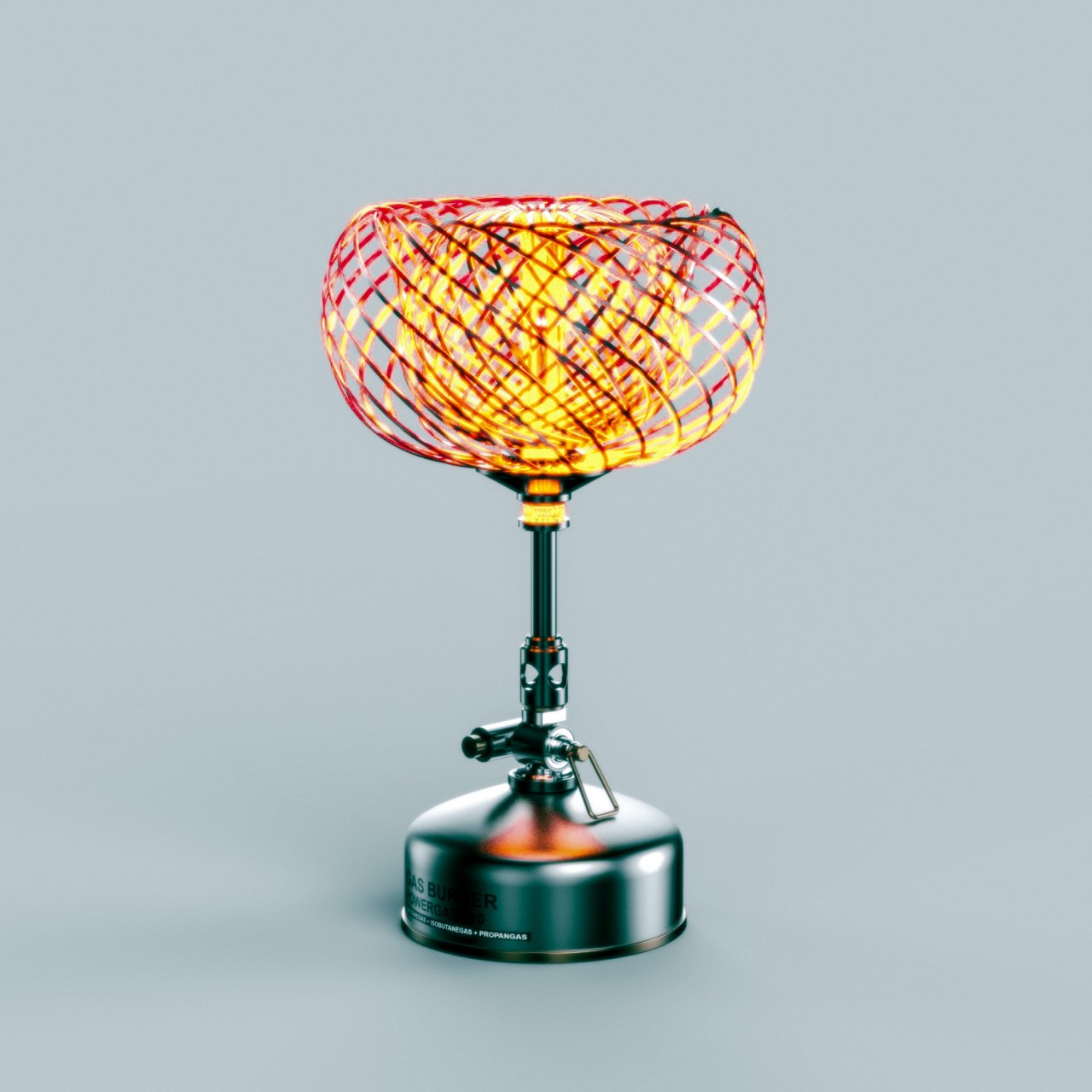
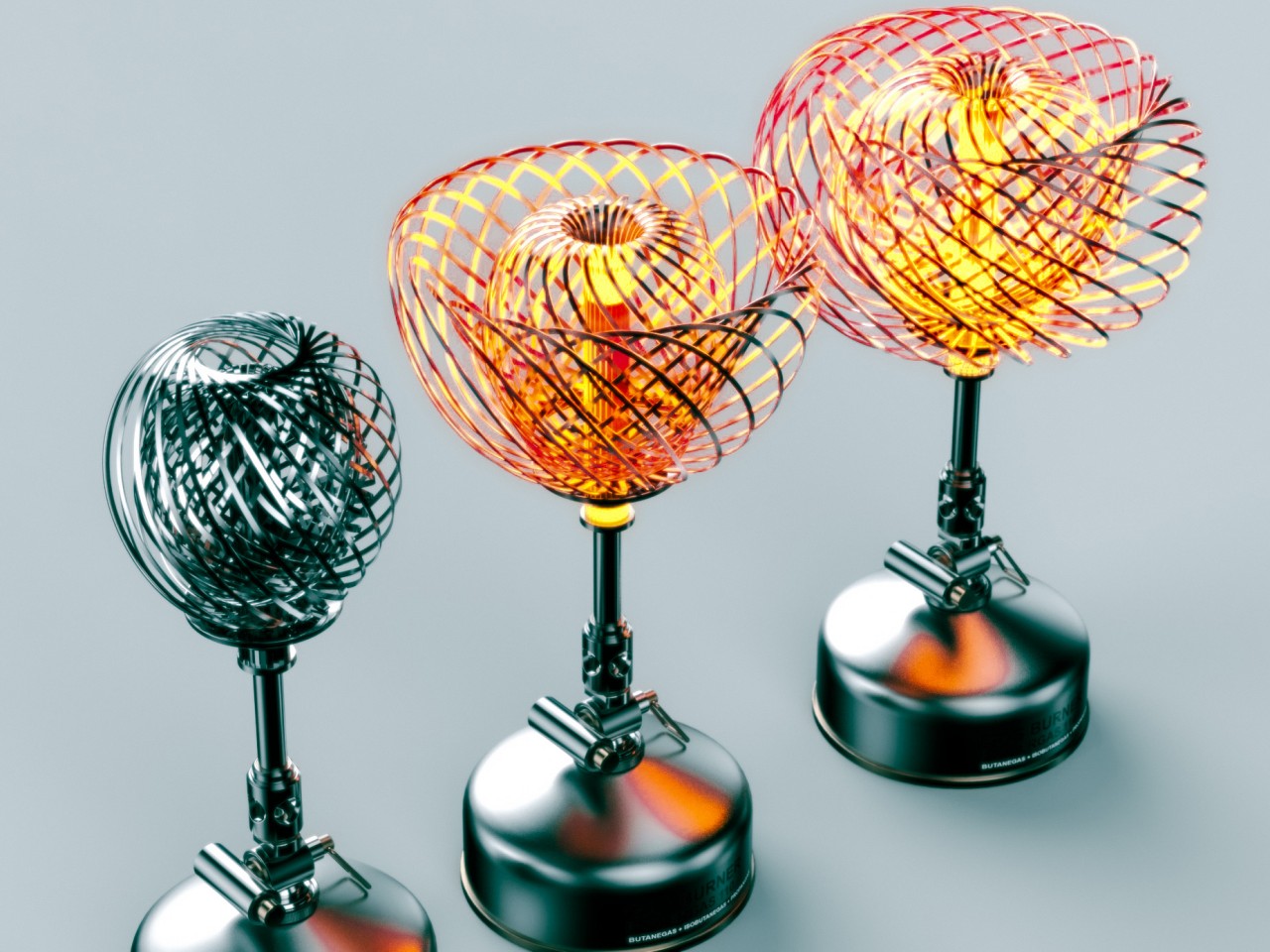
The camping lantern concept is a modern take on several antiquated lantern designs, both those using kerosene as well as those that employ candles. Instead of these fire hazards, however, it uses rechargeable lights, presumably LEDs, in a circular tube hidden at the bottom and top sections of the lamp. The “cover” of the lamp also takes inspiration from the wide-brimmed hats of ancient swordsmen from East Asian countries, which happens to also be similar to how the traditional gas lanterns look as well.

The effect of having candles is provided by a modular lighting design in the shape of low cylinders that can be stacked on top of each other to increase their brightness. The “candles” can also be used independently, in case you need a softer glow away from the lantern. Both light tubes and candles give off a warm, yellow light that sets the perfect mood at night while also providing enough light for reading. As a bonus, the lantern’s battery can also be used to charge other devices, though care should be taken not to drain it completely before the sun rises again.

Truth be told, the concept is a simple re-imagination of the iconic shape of a gas lamp, but it’s that simplicity that also makes its application and effect more diverse. The form immediately calls to mind the old frontier days portrayed in many TV shows and films, but its functionality is completely immersed in the demands of modern life. Best of all, it makes spending the night outdoors a little bit more interesting if not dramatic, silently keeping you company as you watch the fireflies dance in the darkness.

The post Retro camping lantern concept gives the gas lamp a modern, playful flair first appeared on Yanko Design.
This electric Pinnifarina hot rod boasts hubless wheels and aerodynamic design

Pininfarina has been at the forefront of future automotive trends influencing the steady design evolution of brands Ferrari, Alpha Romeo, Maserati and Peugeot. Having its roots as a coachbuilder for prancing horses, the Italian marque has personified luxury and elegance with customization dating back to the 1930s.

The in-house developed electric hypercar Pinnifarina Batista (a tribute to the owner) is a testament to that fact. Now, yet another concept proposed for the brand caught our attention. It’s a compact urban microcar targeted for people who are tech-savvy, health conscious and prefer a minimal lifestyle.

Designer: Kanishq Palav

This two-seater electric vehicle riding on hubless wheels and a high ride height has a very compact footprint to navigate crowded city sections with ease. Unlike some similar previous designs, this concept pokes the realms of practicality. The riders are encapsulated within the cockpit-like compartment to have an aerodynamically optimized shape for minimum drag.

In more ways than not this Pininfarina concept seems like a modernized hot rod ready for any drag race challenges. Of course, the electric motor can provide the needed torque for short sprints but if think it’ll beat anyone on the Le Mans Circuit de la Sarthe track, you’ll be disappointed. Coming onto the swingarm suspension ensures easy turning and maneuverability at respectable speeds. The luxury compact mini car is made for short trips in the metropolis and the city limits.

That elevated rear section and the muted front section make it a treat to drive with a more than optimal view for the driver. This EV carries Pinnifarina’s signature design language in a clean hue that complements the aggressive yet classy stance, and it shows.

The post This electric Pinnifarina hot rod boasts hubless wheels and aerodynamic design first appeared on Yanko Design.
Cute Camera for Kids Concept gets budding shutterbugs started early

Smartphone photography is a huge part of modern culture today, whether it’s for preserving precious memories or for taking food photos to flaunt on social media. And just like how big touch screens like tablets have become children’s toys in one way or another, it might only be a matter of time before the younger generation becomes interested in taking photos. Of course, camera apps even on the most kid-friendly tablet aren’t exactly kid-friendly, not to mention the device itself won’t be the best medium for inducting toddlers into the wonderful world of digital photography. This concept design tries to address those issues by turning a digital camera into an object that kids are most familiar with: a toy.

Designer: Nicola Morelli

While smartphone manufacturers are indeed trying to make taking photos as simple as tapping on the shutter button, especially with the help of AI, there will always be occasions when you need to manually adjust some settings. That’s true not just for changing ISO, focus, and shutter speed, but also for the selfie timer. Typical camera apps make these settings easy to change if you’re an adult, but toddlers 3 years or older are a very different story. And there’s the fact that a touchscreen isn’t exactly the best interface for kids still developing cognitive and motor abilities.

This Camera for Kids concept design attempts to transform the digital camera into a more tactile experience by using physical controls for using the camera. And it’s not just any old physical control, which would make it similar to a complicated professional camera. Instead, it uses metaphors that kids might be more familiar with for those same actions, ensuring that their functions remain understandable even if the underlying concepts aren’t.

1

1

1

The shutter button, for example, takes the form of a water gun trigger that most kids will probably know how to use. A crank lever is used to change focus and brightness, and taking selfies involves pulling a “TNT” string that shortens as it counts down to the shot. The toy-like operation as well as the appearance of these parts help instill a sense of confidence and fun, encouraging the child to explore and discover rather than be intimidated by the device.

The camera also has a modular design that makes it easier to use, like an actual mirror for those selfies, a flash for lighting, and a strap for carrying around the kid’s neck. Almost like building blocks, kids or their parents can mix and match these parts, depending on what they need or want to do at the time. It’s an example of a thoughtful design that truly puts the target audience, in this case, little photographers, at the center of the experience, shaping technology around them rather than forcing them to adopt to something their minds aren’t yet ready to tackle.

The post Cute Camera for Kids Concept gets budding shutterbugs started early first appeared on Yanko Design.