This Tiny Air Freshener Spins Its Own Visual Story

Look, we’ve all been there. You walk into a room and wonder if the air freshener is actually working or if it’s just sitting there like a decorative paperweight. CONECTO’s Air Perfume, designed by superkomma, decided that was an unacceptable user experience. So they built something that literally shows you what’s happening and it’s kind of genius.

Here’s the thing about most air fresheners: they’re boring. They either plug into a wall looking apologetic about their existence, or they’re aggressively branded cylinders you hide in a closet. The Air Perfume takes a completely different approach. It’s a minimalist white cube that you’d actually want on display, but that’s just the beginning of what makes it interesting.

Designer: superkomma

The real innovation here is how superkomma approached the fundamental question of user interface. Instead of adding a screen or LED indicators (which would have been the obvious tech solution), they made the fan itself part of the visual language. When the device is running, a fragrance symbol attached to the fan blade spins along with it. You can literally see your scent in motion. It’s one of those ideas that feels obvious once you see it, which is usually the mark of genuinely thoughtful design.

CONECTO offers three signature scents, and each one gets its own symbol inspired by the fragrance’s character. Cotton gets a soft, cloud-like shape. Floral is represented by a delicate flower silhouette. Woody has a circular, organic form reminiscent of tree rings. These aren’t just decorative choices. They’re visual shorthand that connects your sense of smell with something you can see, creating a more complete sensory experience.

The execution is refreshingly simple. The fragrance cartridge slots into the bottom of the cube. The corresponding symbol clips onto the fan. When you turn it on, the symbol rotates, dispersing the scent while giving you immediate visual feedback that the device is working. No guessing, no checking your phone app, no wondering if you remembered to replace the cartridge three months ago. It’s all right there, spinning in front of you.

What’s particularly smart about this design is how it handles the aesthetics of functionality. That pure white cubic body could fit into literally any space without clashing. It’s the kind of neutral that works whether you’ve got a minimalist apartment, a maximalist studio, or something in between. But it’s not trying so hard to disappear that it becomes forgettable. The rotating symbol adds just enough visual interest to make the device feel alive and intentional.

The system also addresses a real problem that most air fresheners ignore: they don’t actually eliminate odors, they just cover them up. Air Perfume combines its fragrance delivery with legitimate deodorizing performance, which means you’re not just masking that gym bag smell with artificial flowers. You’re actually dealing with it. There’s something refreshing about design that doesn’t overcomplicate things. In an era where every device wants to connect to your smartphone and collect data about your scent preferences, Air Perfume just does its job with style. The rotating symbol isn’t controlled by an app or programmed with different speeds. It’s just physics and clever design working together.

Superkomma has created something that sits at an interesting intersection of product design, user experience, and visual communication. It’s functional enough for the practical minded, beautiful enough for design enthusiasts, and clever enough to make tech nerds appreciate the elegance of an analog solution. The device proves that sometimes the best interface isn’t digital at all. Sometimes it’s just a spinning flower that tells you everything you need to know at a glance.

The post This Tiny Air Freshener Spins Its Own Visual Story first appeared on Yanko Design.

This Silent Wind Turbine Solves Sailing’s Power Problem

There’s something romantic about sailboats that still speaks to us in this hyper-connected age. The idea that you can harness nothing but wind and water to glide across the ocean feels almost magical. But here’s the reality check: even the most old-school sailor needs power these days. Your GPS has to stay on, your radar needs juice, those navigation lights aren’t optional, and let’s be honest, nobody wants to lose their phone charge mid-voyage.

Traditionally, sailors have dealt with this in less-than-ideal ways. You can run an auxiliary motor to charge your batteries, which kind of defeats the whole wind-powered romance. Or you plug in at the dock and hope you remembered to charge everything before casting off. Neither option is particularly elegant, and both leave you dependent on fossil fuels or shore power. Enter the Grain Blanc, a clever little wind turbine from Belgian startup Phileole that’s rethinking how sailboats stay powered. This compact vertical turbine bolts right onto your mast and does something that feels almost too obvious in hindsight: it uses the very wind that’s already moving your boat to generate electricity for everything onboard.

Designer: Phileole

The design itself is refreshingly simple. Standing about 100 centimeters tall and 45 centimeters in diameter, it’s compact enough not to get in your way but substantial enough to actually do something useful. The vertical orientation is the key here. Unlike traditional horizontal wind turbines that need to pivot to face the wind, this thing captures air from any direction. When you’re out on the water and wind direction changes constantly, that’s a huge advantage.

What really makes the Grain Blanc stand out is how quiet it operates. Anyone who’s been around conventional wind turbines knows they can sound like an angry mechanical bee convention. This one? Silence. That’s not just nice for your peace of mind while you’re trying to enjoy the ocean; it’s better for marine life too. Phileole designed it to produce no vibration or disturbance to biodiversity, which feels increasingly important as we become more aware of how our technologies impact ecosystems.

The turbine handles all your essential navigation needs: keeping your lights on, your radar scanning, your VHF radio crackling, your GPS tracking, and your navigation console powered. Basically, all the stuff that keeps you safe and legal out there. But the utility doesn’t stop when you dock. Throughout winter, when your boat is sitting at the marina, the Grain Blanc keeps your batteries topped off and can even power a dehumidifier. Anyone who’s dealt with musty boat interiors knows that’s worth its weight in gold.

The environmental credentials here are genuinely impressive. The units are made primarily from recycled polypropylene and are themselves 95 percent recyclable. In an industry that’s historically generated mountains of waste, that circularity matters. It’s also worth noting that the turbine comes with a smart regulator that requires zero manipulation after installation. It automatically keeps your batteries charged and shuts itself down during storms. That kind of set-it-and-forget-it reliability is exactly what you want when you’re dealing with the unpredictability of ocean conditions.

While Phileole designed the Grain Blanc specifically for sailboats, the technology has broader implications. The same principles that make it work on a mast could potentially apply to other scenarios where you need compact, omnidirectional wind power. Urban balconies, remote cabins, mobile installations: anywhere traditional turbines are too bulky or finicky, vertical designs like this could fill the gap.

What strikes me most about the Grain Blanc is how it represents a shift in thinking about renewable energy. We often imagine clean power requiring massive infrastructure: sprawling solar farms or towering wind turbines dominating landscapes. But sometimes the most effective solutions are small, quiet, and fit seamlessly into existing systems. This little turbine doesn’t try to revolutionize sailing or make grand promises about saving the world. It just solves a real problem elegantly, using the resources already at hand. And honestly? That’s the kind of practical innovation that actually changes how we live.

The post This Silent Wind Turbine Solves Sailing’s Power Problem first appeared on Yanko Design.

5 AI Devices That Just Made Smartphones Look Obsolete in 2026

The year 2026 marks a historic pivot in personal technology. We are moving past the era of the “AI chatbot” trapped inside a website and entering the age of ambient hardware. While 2025 was defined by software experimentation, 2026 is the year when specialized AI silicon, smart glasses, and wearable pins have matured into indispensable daily companions.

These next-gen devices aren’t just faster smartphones; they represent a fundamental shift in how we interact with the digital world. By integrating intelligence directly into our physical presence, the “AI in your pocket” has evolved from a reactive tool into a proactive partner that anticipates our needs before we even voice them.

1. The Post-Smartphone Device

The traditional glass rectangle is no longer the sole gateway to the internet. In 2026, we are seeing the rise of screenless interfaces and augmented reality glasses that prioritize voice and gesture over scrolling. Devices like AI-powered rings and lightweight smart glasses have moved from niche gadgets to mainstream essentials, offering a “heads-up” lifestyle that keeps users engaged with the real world.

A desire for frictionless interaction drives this hardware shift. Instead of pulling out a phone to navigate or translate, users simply look at a sign or speak to their lapel pin. These devices are designed to disappear into our daily attire, making technology an invisible but powerful layer of our human experience rather than a constant distraction.

The Acer FreeSense Ring represents a refined advancement in wearable technology, offering continuous health monitoring in a compact, stylish form. Crafted from lightweight titanium alloy, the ring is slim, measuring 2.6mm in thickness and 8mm in width, and weighs only 23 grams. Its design balances elegance and practicality, available in finishes such as rose gold and glossy black, and water-resistant up to 5 ATM. With seven size options, it ensures a comfortable fit for a wide range of users. The ring is intended to complement traditional watches, providing wellness tracking without overwhelming the wearer with bulk or complexity.

Equipped with advanced biometric sensors, the FreeSense Ring tracks heart rate, heart rate variability, blood oxygen saturation, and sleep quality. Data is processed through a dedicated mobile application, which transforms readings into actionable, AI-driven wellness insights and personalized recommendations. Its detailed sleep analysis and continuous monitoring enable users to manage health proactively. By integrating sophisticated design with advanced biometric intelligence, the FreeSense Ring delivers an elegant and practical solution for modern wellness management.

2. On-Device Intelligence Systems

One of the biggest breakthroughs in 2026 is the move away from the cloud, made possible by massive leaps in Neural Processing Units (NPUs). As a result, your device no longer requires a constant internet connection to “think.” Complex reasoning and language processing now happen directly on the hardware in your pocket, resulting in near-zero latency.

This shift to “Edge AI” means your personal assistant is faster and more reliable than ever. Whether you are in a remote hiking spot or a crowded subway, your device can translate languages and organize your schedule offline. By keeping the “brain” of the AI on the device, manufacturers have finally solved the lag issues that plagued early generations of AI hardware.

The CL1 by Cortical Labs is the world’s first commercially available biological computer, integrating living human neurons with silicon hardware in a compact, self-contained system. Rather than relying on conventional software models, the CL1 uses lab-grown neurons cultured on an electrode array, allowing them to form, modify, and strengthen connections in real time. This enables the device to process information biologically, learning dynamically through interaction instead of pre-trained algorithms or large datasets.

At the core of the CL1 is Synthetic Biological Intelligence (SBI), a hybrid computing approach that combines biological adaptability with machine precision. The neurons respond to electrical stimulation by reorganizing their connections, closely mirroring natural learning processes in the human brain. This results in exceptional energy efficiency and high responsiveness compared to traditional AI systems. Designed as a research-grade platform, the CL1 offers scientists a new way to study neural behavior, test compounds, and explore adaptive intelligence, positioning it as a foundational product in the emerging field of biological computing.

3. Rethinking App-Centric UX

We are witnessing the slow death of the traditional app icon grid. In 2026, next-gen devices utilize Agentic AI, which allows your pocket companion to navigate services on your behalf. Instead of you opening a travel app, a hotel app, and a calendar app to book a trip, you give one command. Your AI agent handles the cross-platform logistics autonomously.

This transition from “apps” to “actions” has redefined the user interface. Our devices have become executive assistants that understand our preferences across every service we use. The friction of toggling between dozens of different interfaces is being replaced by a single, unified conversation that gets things done, effectively turning the operating system into a proactive worker rather than a static menu.

The TB1’s defining feature is its AI-powered LightGPM 2.0 system, developed using principles of color psychology and professional lighting design. The system is capable of generating refined lighting scenes from billions of possible combinations, delivering precise, task-appropriate illumination without requiring manual configuration. Through simple voice commands such as “Hey Lepro,” users can activate lighting modes tailored for activities including gaming, or social gatherings. The AI interprets intent in real time and produces a balanced, professional-grade ambience with minimal user intervention.

The product also incorporates a built-in microphone and LightBeats technology, enabling lighting to synchronize dynamically with music, while segmented control allows detailed customization across different sections of the lamp. By combining intelligent scene generation, hands-free interaction, and a distinctive sculptural form, the TB1 positions itself as a forward-looking lighting solution. It enhances modern living environments through responsive, adaptive illumination that prioritizes ease of use and functional design.

4. Sensory-Driven Artificial Intelligence

Next-gen devices in 2026 are no longer blind to their surroundings. Equipped with high-fidelity microphones and low-power cameras, these pocket companions possess contextual awareness. They can “see” the ingredients on your kitchen counter to suggest a recipe or “hear” the tone of a meeting to provide real-time talking points or summaries that capture subtle emotional cues.

This sensory integration allows the AI to offer help that is actually relevant to your current environment. It isn’t just processing text; it is understanding your physical reality. By merging visual, auditory, and biometric data, your 2026 device acts as a second set of eyes and ears, providing a level of personalized support that was previously confined to science fiction.

The Humane AI Pin was introduced as a bold vision of screenless, context-aware computing, promising an AI-powered future worn discreetly on the body. For many early adopters, however, the device quickly lost functionality after the discontinuation of its cloud services, rendering its advanced features inoperative. What remained was a piece of thoughtfully engineered hardware—complete with a miniature projector, sensors, microphones, and cameras—stranded without a viable software ecosystem. As a result, the Pin became a notable example of how tightly coupled hardware and proprietary services can limit a product’s long-term relevance.

This narrative has begun to shift with the emergence of PenumbraOS, an experimental software platform developed through extensive reverse engineering. By reimagining the AI Pin as a specialized Android-based device, PenumbraOS unlocks privileged system access and introduces a modular assistant framework to replace the original interface. This effort reframes the Humane AI Pin not as a failed product, but as a capable development platform with renewed potential. Through open-source collaboration, the device now serves as a case study in how community-led innovation can extend the life and value of forward-thinking hardware.

5. Data in Your Pocket

As AI becomes more personal, the demand for “Data Sovereignty” has reached a fever pitch. 2026 hardware solves the “creepy” factor through hardware-level privacy vaults. Because the majority of AI processing now happens locally, your most sensitive conversations, health data, and private photos never have to leave the physical device to be processed in a distant corporate data center.

This “Privacy by Design” approach has built a new level of trust between users and their machines. With encrypted local storage and physical kill switches for sensors, next-gen devices ensure that your digital twin remains yours alone. In a world where data is the most valuable currency, the 2026 device serves as a secure fortress that protects your personal identity while amplifying your capabilities.

The Light Phone III is a purpose-built device designed around simplicity, privacy, and intentional use. It features a 3.92-inch black-and-white OLED display that replaces the earlier e-ink screen, offering sharper visuals, faster response, and improved legibility across lighting conditions. The interface is minimal and distraction-free, supporting essential functions such as calls, messages, navigation, music, podcasts, and notes. Powered by a Qualcomm SM4450 processor with 6GB of RAM and 128GB of storage, the device delivers smooth performance while remaining firmly limited to core tasks.

The product introduces a single, straightforward camera with a fixed focal length and a physical two-stage shutter button, emphasizing documentation over content creation. Its compact, solid form factor includes a user-replaceable battery, fingerprint sensor integrated into the power button, stereo speakers, USB-C charging, NFC, and GPS that prioritizes user privacy. Every design decision reflects a restrained, ethical approach to personal technology, positioning the Light Phone III as a secure, focused alternative to conventional smartphones.

The “AI in your pocket” is no longer a futuristic promise but the standard for 2026. By moving intelligence to the edge, embracing agentic workflows, and prioritizing local privacy, next-gen devices have successfully bridged the gap between human intent and digital execution. We are no longer using technology as we are living alongside it.

The post 5 AI Devices That Just Made Smartphones Look Obsolete in 2026 first appeared on Yanko Design.

Tekto F4 Echo Review: S35VN Steel, Button Lock, and a Zastava-inspired Tactical Design

Zastava Arms USA doesn’t put their name on just anything. The firearms manufacturer built its reputation on rifles that perform under pressure, and their latest collaboration with Tekto Knives seems designed to carry that legacy into everyday carry territory. The F4 Echo folding knife arrives with S35VN steel, button lock mechanics, and design details that reference Zastava’s rifle heritage. At $199.99, it positions itself as a collector’s piece that still claims serious utility credentials.

Tekto has been steadily building credibility in the tactical knife space, with Yanko Design covering their OTF automatics and folding models over the past two years. Their collaborations tend to bring recognizable names from adjacent industries, and Zastava’s involvement signals an attempt to bridge firearm aesthetics with blade functionality. Three colorways launch simultaneously: Serbian Red G10, American Walnut G10, and Tactical Black G10, giving all EDC fans something to look forward to.

Designer: TEKTO

Click here to Buy Now: $170 $199.99 ($29.99 off, use coupon code “F4YANKO”). Hurry, deal ends in 48-hours!

That choice of S35VN steel is the first real indicator they’re serious about building a flipper as strong and reliable as the Zastava brand itself. They could have stuck with D2 and priced this at $150, but the upgrade to a Crucible powdered steel shows they’re aiming for the enthusiast crowd. S35VN isn’t just about holding an edge longer; its real-world benefit is corrosion resistance. You can carry it all day without worrying about humidity turning your blade into a rust-spotted mess. This choice elevates the F4 Echo from a simple co-branded product to a genuinely competitive tool. It’s a smart move that demonstrates Tekto is listening to the market’s demand for better materials without jumping straight to exotic steels that would double the price.

The move to a button lock is a significant step up from the liner locks found on some of their earlier folders. Button locks provide a strong, reliable lockup and make for incredibly smooth one-handed closing, which is a huge quality-of-life improvement for anyone who actually uses their knife throughout the day. Tekto also describes the flipper action as “deliberate,” which suggests they’ve tuned the detent for controlled deployment rather than a snappy, aggressive action. For a tool with tactical roots, that makes a lot of sense; you want the blade to appear exactly when you intend it to, without any ambiguity.

The G10 handle scales provide plenty of traction, and the machined patterns create a visual link to Zastava’s firearm furniture that’s undeniably clever. The colorways are a smart bit of market segmentation too. Serbian Red is clearly for the Zastava die-hards, American Walnut appeals to a more traditional outdoorsman aesthetic, and the tactical black is for everyone else. It’s a thoughtful approach that shows they understand their audience isn’t a monolith. The design feels cohesive, like a genuine partnership rather than a simple logo slap.

Tekto’s shipping the F4 Echo with their standard deep-carry pocket clip and a pouch, which is table stakes at this price point. They’re advertising 24-hour shipping, which feels fairly radical, but if you’re really keen to get a pair in your hands fast, it’s better than placing an order for Thanksgiving and receiving your EDC by Christmas. The F4 Echo has all the right ingredients to be a standout piece: a proven blade steel, a popular and functional lock, and a design story that connects with a passionate firearms community. And even though the knife carries the Zastava brand, it isn’t just for true-blue Zastava fans. Tekto is betting that the combination of premium S35VN steel, a robust button lock, and the unique Zastava branding will appeal to users who want something different. It’s a collector’s piece with the heart of a workhorse.

Click here to Buy Now: $170 $199.99 ($29.99 off, use coupon code “F4YANKO”). Hurry, deal ends in 48-hours!

The post Tekto F4 Echo Review: S35VN Steel, Button Lock, and a Zastava-inspired Tactical Design first appeared on Yanko Design.

Branch Paper Holder Clips onto Your Screen to Make Notes Easier to Read

Most laptop workflows still involve paper, even in 2026. Printed briefs, handwritten notes, and reference sheets end up flat on the desk, which means you spend half your day bobbing your head between the screen and the table. That constant neck crane breaks focus and feels ridiculous when you are just trying to check a few lines of code or compare a contract clause, but there is nowhere else for the paper to go.

Branch is a slim paper holder designed specifically for laptops. It clips onto the edge of your screen and swings out like a branch growing from a trunk, lifting notes, photos, or documents into the same visual plane as your display. The designers wanted something that not only holds documents for easy viewing but also feels more considered and minimal than the generic office-supply stands that usually sit on desks, taking up space.

Designer: IAN BOK

Sitting down with a laptop and a printed document, you mount Branch to the screen, rotate it until it sits roughly horizontal with the display, and slide your sheets into the clip at the end. It can hold up to ten A4 pages, so multi-page contracts, code printouts, or study notes stay visible and aligned with your main workspace. The arm rotates both horizontally and vertically, bringing paper into your line of sight instead of leaving it flat below.

By raising paper this way, Branch reduces the amount of head and eye travel needed to reference it. The arm is angled at about 15 degrees so that notes do not slide off, and the clip lets you display pages in portrait or landscape, useful for everything from long text columns to wide spreadsheets. It is a small adjustment, but one that can make long laptop sessions feel less like a neck workout.

Branch is only 17cm long and weighs 130g, light enough to live in the same bag or sleeve as your laptop without feeling like extra gear. It fits screens between 3mm and 6mm thick and is recommended for 13-inch to 15.6-inch laptops, which quietly covers most modern notebooks. The ABS structure is shaped to protect the mounting surface, so it grips without chewing through bezels or leaving marks.

The name is not just a visual metaphor. Tree branches do more than connect trunks and leaves. They gather light and store nutrients so the tree can grow. The designers chose “Branch” because they see this little arm as playing a similar role, quietly supporting work by making analog and digital tools feel more connected. It is not a productivity app trying to replace paper but a physical bridge between notes and pixels.

Branch does not try to scan your printouts or digitize your sketches. It simply gives your notes a better seat next to your laptop, reducing strain and clutter in the process. Many people still think better with a pen in hand and a reference sheet by their side, so a minimal paper holder that clips on, swings out, and disappears into the workflow feels like the right kind of quiet upgrade.

The post Branch Paper Holder Clips onto Your Screen to Make Notes Easier to Read first appeared on Yanko Design.

Bird.zzz Turns Sleep Tracking into a Calm Earbud and Bedside Lamp Ritual

Most sleep gadgets feel like they belong in a gym or a lab: chunky watches, bright screens, and apps that want you to stare at charts before bed. There is a disconnect between wanting a soft, quiet bedroom and plugging in devices that blink, buzz, and look like mini computers parked on your nightstand. Sleep tech rarely starts from the mood of the room it lives in, focusing instead on metrics and dashboards that feel clinical.

Bird.zzz is a project from Jiyoun Kim Studio and LG Labs that begins with a softly lit, cozy bedroom. It is a sleep wellness earbud paired with a dome-shaped bedside cradle that doubles as a knock-on lamp. The earbuds measure sleep via EEG and physical data, then use that analysis to deliver sound designed to improve sleep quality, all while sitting on your nightstand like a small sculpture rather than a charging puck.

Designer: Jiyoun Kim

The design started from the cradle, imagined as a small object on a nightstand rather than a tech dock. It works as a bedside lamp using LG’s knock-on technology; a tap on the cover turns a warm, indirect LED halo on or off. The magnet-fixed top lifts to reveal the earbuds, and the weight is tuned so it feels stable and reassuring when you reach for it half-awake in the dark.

The earbuds had a specific challenge, needing skin contact for EEG sensing while staying loose enough for comfortable sleep. The team explored numerous forms and landed on a novel S-shaped ear tip, a hybrid of open and closed designs that keeps sensors in place without pressing hard into the ear canal. It borrows benefits from both types while avoiding the pressure points that make most in-ear devices unbearable after 20 minutes.

A typical evening means placing the earbuds in the cradle, tapping the dome to turn on a soft light, then lifting the lid to put the earbuds in as you settle into bed. As you fall asleep, the system reads brain activity and physical signals, adjusting soundscapes or audio cues based on your patterns. In the morning, the earbuds go back into their dome, and the object returns to being a quiet lamp.

The project covered product, packaging, and manual design, so the experience runs from unboxing to nightly use with consistent, minimal language. The warm white LED, indirect lighting, and knock-on interaction follow calm technology principles, asking for as little attention as possible. Bird.zzz launched after CES 2023, but it looks more like a small piece of bedroom architecture than a trade show gadget you plug in reluctantly.

Bird.zzz treats sleep as an environment to design for, not just a graph to optimize. The dome cradle, the S-shaped ear tip, and the soft interactions all point toward tech that respects the bedroom as a place to wind down. For anyone wary of strapping more screens to their body at night, an earbud and lamp combo that tries to disappear into the ritual of going to bed feels like a more thoughtful direction.

The post Bird.zzz Turns Sleep Tracking into a Calm Earbud and Bedside Lamp Ritual first appeared on Yanko Design.

5 Interior Design Trends That Just Made Minimalism Obsolete in 2026

Architects today see the home as more than just a place to live. It is now understood as a space that affects how people think, feel, and live each day. By 2026, the field has clearly moved away from cold, uniform minimalism. Instead, design choices such as color, shape, and proportion are made with clear intent, helping to create spaces that support everyday life.

Many leading firms now describe the human-centered home as a biophilic cocoon. This means using honest materials along with natural light, balanced proportions, and thoughtful forms. Let’s decode how the goal is to create homes that do not just look well-designed but feel comfortable and meaningful, supporting emotional well-being rather than focusing only on appearance.

1. Bold Color Authority

In 2026, color is no longer decorative; it is treated as a structural design tool. Designers are increasingly using deep, confident shades such as rich pinks and earthy ochres to give spaces character and visual weight. These strong palettes help anchor interiors, making homes feel intentional, expressive, and memorable rather than neutral or generic.

Such colors also offer clear psychological value. They create a sense of stability, warmth, and emotional comfort, adding long-term value to a space. When applied to key architectural elements—like columns, niches, or feature walls—bold colors guide movement and define zones within the home, bringing clarity and purpose to the overall spatial experience.

The Landr dining and conference table is engineered with a singular focus on strength, stability, and visual clarity. Designed to eliminate wobble, it offers a firm, unmoving surface suited for everyday use as well as more demanding tasks. Its modular construction is precise and robust, ensuring easy assembly without compromising structural integrity. The steel frame and intelligently engineered leg geometry distribute weight evenly, allowing the table to remain steady under pressure while maintaining a clean, confident presence in any setting.

What sets Landr apart visually is its bold use of bright, contemporary color finishes applied through durable powder coating. These vivid tones enhance the table’s architectural form while adding energy and character to interiors that favor modern expression. Paired with tabletop options in ceramic, wood, or glass, the bright steel frame becomes a statement feature rather than a background element. Functional, expressive, and long-lasting, the Landr table balances performance with color-forward design.

2. Softened Minimal Geometry

Design has clearly shifted away from dramatic, exaggerated curves toward calm and disciplined forms. Instead of flamboyant sculptural shapes, architects now employ gentle arcs and controlled radii to soften the rigid edges of contemporary construction. Curved thresholds, joinery, and soffits introduce refinement while maintaining visual restraint.

At the center of this 2026 approach is improved spatial flow and comfort. Features such as double-height glazing framed by softly curved soffits guide the eye smoothly through the interior. This reduces the visual tension of strict rectilinear layouts, enhances the movement of diffused light, and creates spaces that feel balanced, composed, and naturally welcoming.

Whispers of the Wildwood is a contemporary wicker collection by Hyderabad-based design studio The Wicker Story, led by designer Priyanka Narula. Rooted in traditional Indian weaving techniques, the collection reinterprets wicker through a modern, sculptural lens. Drawing inspiration from natural landscapes such as forest canopies, flowing paths, and organic growth patterns, the pieces move beyond conventional furniture typologies to become refined design objects that balance function with artistic expression.

The collection is defined by fluid forms, intricate textures, and a restrained material palette that allows the natural warmth of wicker to take center stage. Designs such as the Pagdandi wall unit exemplify this approach, translating the irregular rhythm of nature into woven structures with visual lightness and depth. Research-driven and craft-focused, Whispers of the Wildwood demonstrates how traditional materials can evolve into sophisticated, contemporary forms while retaining their tactile and cultural authenticity.

3. Human-Centered Spatial Core

Spatial planning is being redefined to place human experience above rigid, formal layouts. At the center of this approach is performance-driven comfort. Successful floor plans now prioritize acoustic privacy and thermal efficiency, recognizing that true luxury lies in how well a space responds to the human body.

Homes are designed to adapt to daily rhythms, offering quiet, comfort, and environmental balance rather than relying solely on visual order.

The planning strategy showed in this Warehouse Space transforms a conventional 2,500-square-foot warehouse into a carefully choreographed spatial sequence. Rather than relying on fixed walls, the layout is organized through visual cues, circulation paths, and deliberate zoning. Each area unfolds gradually, encouraging movement and discovery while maintaining spatial continuity. Color transitions, curved architectural elements, and material changes are used as planning tools to define functions without fragmenting the open volume.

This approach allows the space to function as a cohesive whole while accommodating varied uses. Active zones are positioned to feel dynamic and engaging, while quieter areas are subtly set apart through restrained finishes and controlled visual breaks. Repeating motifs and aligned sightlines guide users intuitively, reinforcing orientation and flow. The planning balances structure with flexibility, ensuring clarity without rigidity. Through thoughtful sequencing and layered spatial relationships, the design demonstrates how strategic planning can redefine an industrial shell into an immersive, purpose-driven environment.

4. Raw Material Honesty

Design is witnessing a clear return to materials that express their true nature, moving away from artificial and imitation finishes. Elements such as hand-worked metal, lime-wash plaster, and natural stone are valued for the stories they carry and the sensory richness they offer. These materials bring depth, texture, and authenticity to interior spaces.

This approach also supports sustainability and longevity. Using materials in their natural or minimally processed state reduces manufacturing impact and improves durability over time. The tactile experience such as the feel of a raw timber handrail, adds a layer of quiet luxury, reflecting a growing preference for honest, lasting materials over polished superficiality.

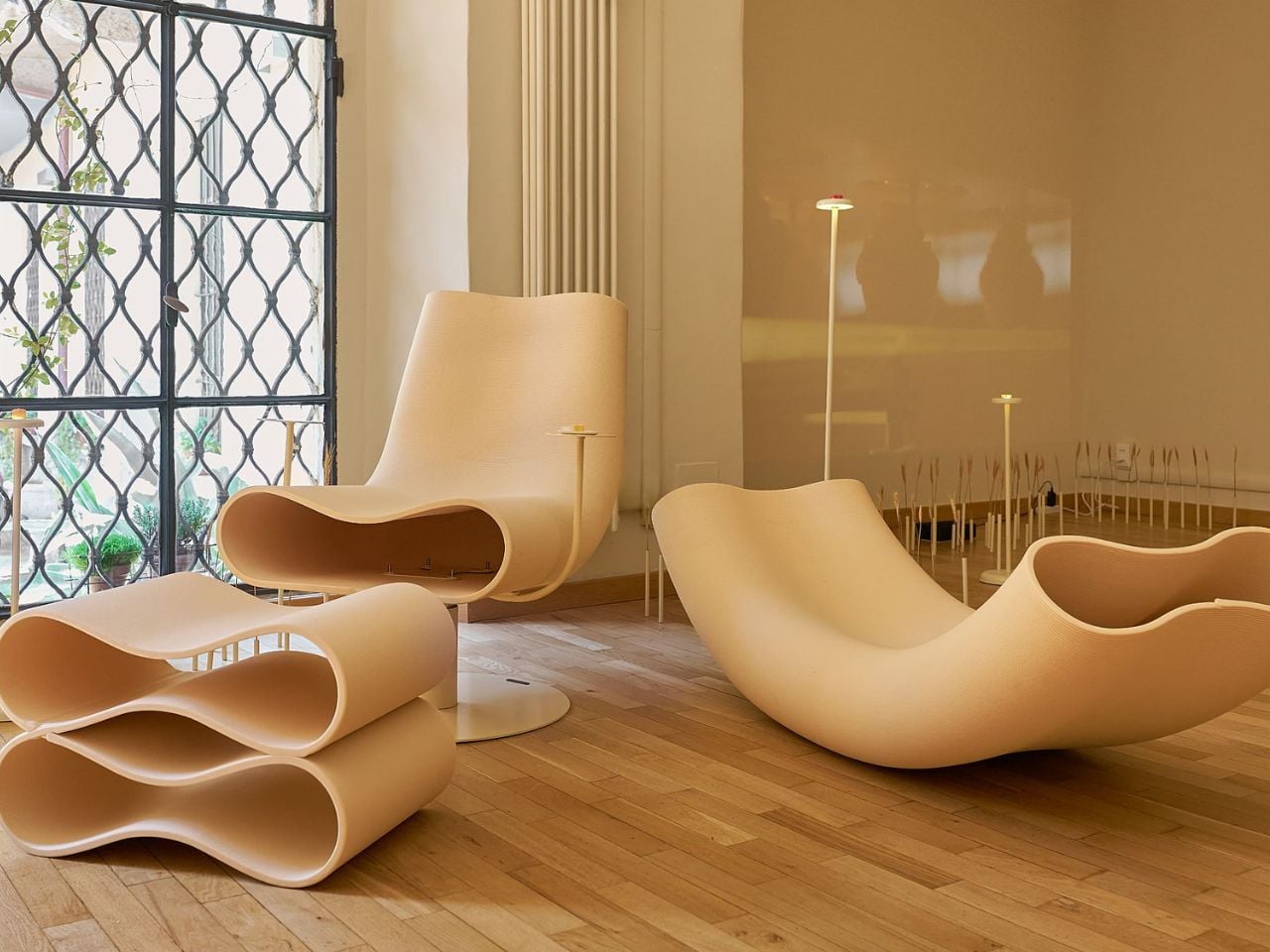
Stone coffee tables are often conceived as heavy, monolithic objects defined by mass rather than refinement. The Coffee Table and Side Table by Tom Black adopt a more considered approach, treating Italian travertine as a material to be carved, balanced, and visually lightened. A single curved gesture defines both pieces, creating an impression of elevation, while a contrasting brushed metal inlay introduces intentional voids within the stone. This dialogue between solid and negative space reframes stone as something sculptural rather than purely structural.

The Coffee Table features a softly curved underside that lifts the form from the floor, paired with a recessed metal-lined trough on the surface that mirrors this curvature. The Side Table translates the same language into a more vertical composition, combining a curved travertine element with a rectilinear base. Together, the two pieces function as architectural furniture, unified by material, proportion, and a restrained yet expressive formal clarity.

5. Built – Landscape Dialogue

Design is increasingly dissolving the boundary between inside and outside. Architects are creating transitional spaces such as semi-covered verandas, internal courtyards, glass walls and shaded thresholds that allow the landscape to flow into the heart of the home. These zones soften the built form and create a natural connection with light, air, and greenery.

Beyond aesthetics, design now focuses on lived experience—how materials, light, and climate affect comfort and emotion. The emphasis has shifted from glossy surfaces to meaningful, biophilic spaces that reduce environmental impact while supporting mental, emotional, and spiritual well-being.

Waterbridge House is conceived as a seamless extension of its natural setting, balancing architectural clarity with a strong indoor–outdoor connection. Set among the pine trees of Pebble Beach, the glass-dominated structure appears to hover above the landscape, defined by clean lines and a restrained material palette. Influenced by Japandi principles, the design blends Japanese serenity with Scandinavian simplicity, resulting in spaces that feel calm, light-filled, and closely attuned to their surroundings.

A defining planning element is the glass corridor that bridges a reflective pool, acting as both an entry sequence and a spatial pause. This transparent link connects two distinct wings: one dedicated to open-plan living and social interaction, the other organized around privacy with bedrooms and quiet retreats. Expansive glazing, sliding walls, and layered decks dissolve boundaries between interior and exterior, allowing light, water, and forest views to shape everyday experience.

Interior design now reflects a deeper focus on authenticity and human connection. Through confident color, softened geometry, and people-first planning, spaces move beyond decoration toward meaning. The true measure of architecture lies in its ability to create calm, light-filled sanctuaries that support emotional well-being while remaining visually refined and environmentally responsible.

The post 5 Interior Design Trends That Just Made Minimalism Obsolete in 2026 first appeared on Yanko Design.
MG Raiser Doubles Up Your Manga Shelf Without Hiding the Back Row

Bookshelves quietly go from single row to double row, especially for manga where volumes multiply quickly. The front row looks great, the back row disappears behind it, and you end up playing memory games to remember which volume is hiding behind which spine. Collectors accept this as the price of a growing library, even though it makes browsing and rearranging annoying and means half your collection is essentially invisible unless you pull out the front row.

MG Raiser from MangaGuardian is a tiny shelf adapter that takes that double-row habit and makes it less painful. It is a compact L-shaped stand that lets you display two rows of manga in the same footprint, with the back row raised just enough to stay visible. Simple plastic geometry aimed squarely at overcrowded shelves, it solves a niche problem that anyone with more than 20 volumes has quietly dealt with at some point.

Designer: MangaGuardian

Sliding a few MG Raisers onto a shelf and lining up volumes, the front row sits where it always has, but the back row now rides on a small platform. You can still read every spine, which makes it easier to grab the next volume or rediscover something you forgot you owned. You get roughly twice the capacity in that section without turning the back row into a black hole where titles go to be forgotten.

The block-lift function is where the design gets a bit more clever. The back row and the Raiser act as a single movable unit, so when you want to reorganize you can pull out the entire raised row at once and drop it somewhere else on the shelf. For people who like to re-theme shelves, group arcs, or rotate what is on display, that small interaction saves time and keeps stacks from collapsing mid-move.

Each MG Raiser holds up to 10 items, typically five in front and five in back, with 84 mm width, 170 mm depth, and 150 mm height tuned for standard tankōbon-sized manga. The same proportions work for other similarly sized things, small paperbacks, light novels, or even game cases, so the design quietly extends beyond its original niche and could help anyone trying to squeeze more out of limited shelf space.

MangaGuardian sells other components like MG Tana and MG Sora for more elaborate setups, but MG Raiser stands on its own as a drop-in upgrade. You can use a couple in a single cube, line up several across a long shelf, or mix them with plain rows. It respects whatever furniture you already have, which is important when your shelves are already full of things you care about.

MG Raiser is unapologetically aimed at manga fans, yet the underlying idea, a raised second row that moves as a block, could help anyone trying to squeeze more out of a bookshelf without turning it into chaos. It is the kind of small, almost remedial design move that feels obvious once you see it, and that is usually a sign the designers were paying attention to how people actually live with their stuff instead of just offering another decorative shelf cube.

The post MG Raiser Doubles Up Your Manga Shelf Without Hiding the Back Row first appeared on Yanko Design.
This $129 Titanium EDC Knife Has The Most Addictive Tiger-Claw Opening Mechanism

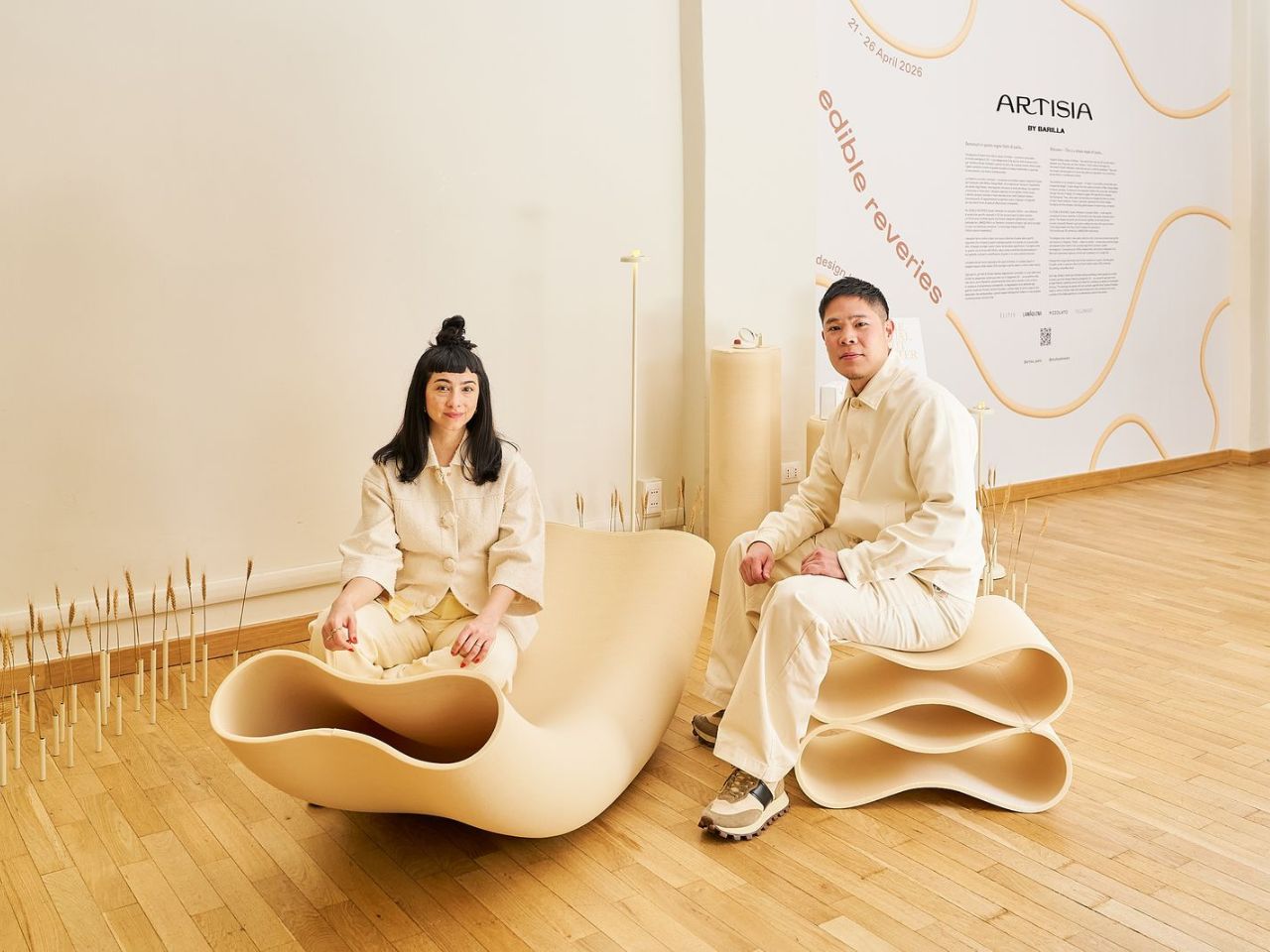
When the CRKT Provoke first appeared, its morphing mechanism felt like a revelation. The design, which borrowed its kinematics from the way a jungle cat’s claws extend from its paws, was a jolt of fresh energy for an EDC world growing tired of endless flippers and predictable OTF switchblades. TiGo’s SyncraBlade now takes that same philosophy of complex, purposeful motion and applies it to the humble utility knife, creating something that feels just as revolutionary. The parallel linkage system that deploys the blade isn’t just visual theater, though it certainly delivers on that front. It is a direct solution to the finger-in-the-way problem that every traditional folder presents.

Watching the SyncraBlade extend is like observing a miniature precision machine at work. Two articulated arms move in perfect synchronization, carrying the blade forward along dual rails while maintaining its orientation. The entire assembly is milled from titanium, with every pivot point and linkage visible through strategic cutouts in the handle. This transparency isn’t accidental; TiGo designed a tool that wears its mechanical complexity proudly, appealing to anyone who appreciates clever engineering as much as practical function. The fact that it uses standard replaceable razor blades only reinforces its credentials as a tool meant for serious, everyday use.

Designer: TiGo

Click Here to Buy Now: $129 $201 (36% off) Hurry! Only 70 of 100 left.

The mechanism itself is a classic four-bar parallel linkage, a system engineers have used for centuries in industrial machinery (although maker TiGo likes to call it their ‘SyncraSlide’ mechanism). The blade carrier slides forward on a set of internal rails, but its motion is driven by those two external articulating arms. This setup ensures the blade extends in a perfectly linear path, keeping the cutting edge safely away from your hand throughout the entire deployment. Single-handed operation is effortless, and because the blade never folds, there’s zero risk of it accidentally closing on your fingers. Basically, clever engineering that solves a safety issue while looking gorgeous and feeling absolutely addictive. Looking at it will remind you of how a cat’s claws deploy from within their paws. At this scale, the SyncraBlade is roughly the same size (and probably even caliber) as a tiger’s claws – which sounds about as badass as the knife is designed to be.

That entire intricate assembly is machined from Grade 5 titanium, which explains the sharp, angular lines and confident feel. This isn’t your standard stamped-metal utility cutter. The choice of Ti-6Al-4V gives it an incredible strength-to-weight ratio, so while it feels substantial, it won’t weigh down your pocket. Closed, it measures a compact 115mm long and weighs in at 118 grams, putting it right in the sweet spot for everyday carry. The bead-blasted finish gives it a subtle, non-reflective quality that highlights the milled textures on the handle and linkage arms. Every surface feels deliberate, designed for both aesthetic appeal and functional grip.

The titanium handle encases a cleverly integrated standard user-replaceable utility blade that’s both sharp and interchangeable, making it a perfect choice for brutal functionalists who hate the idea of ‘blade maintenance’. This completely sidesteps the hassle of sharpening and lets you maintain a factory-sharp edge with a simple swap. A fresh blade is always sharper and more precise than a hand-sharpened one, which is exactly what you want for delicate tasks like opening packages or trimming materials. The blade change mechanism appears straightforward, secured by a single screw, so you can pop in a new one in seconds without any specialized tools. It’s a practical decision that grounds the futuristic design in real-world usability.

The way the blade ejects is visually addictive, sure. But it’s also safer than your average flipper. A flipper blade often uses a torsion spring, which causes the blade to arc out and stop in its open position. If there’s no spring-loaded action, the blade almost always requires two hands to open and close – or at best, one hand with a bit of a struggle. If you’ve ever pulled out a sofa-bed, you know that a well-made parallel linkage can be activated with just a single hand. The SyncraBlade encourages that level of ease, allowing you to both deploy as well as shut the blade with a single thumb-motion. This is also safer because the blade’s edge never really comes in the path of your hands. A folding blade’s curved path means you need to move your fingers out of the way while opening and closing the blade – the SyncraBlade’s parallel linkage eliminates that need entirely. Grip the knife exactly how you used to, the blade never comes in contact with your skin – making it reliable to deploy in the dark, or even in any situation without having to look down at your knife.

The functionality doesn’t stop with the blade. Tucked into the tail end of the handle is an integrated pry bar and a wire-gate carabiner clip. These aren’t afterthoughts; they’re seamlessly incorporated into the titanium body. The pry bar is robust enough for light-duty tasks that would destroy a knife tip, like scraping or opening paint cans. The carabiner provides a secure attachment point for a keychain or belt loop, making it easy to keep accessible. There’s even a hidden bottle opener integrated into the frame, making this tiny beast perfect for the outdoors, whether you’re camping, hunting, or dare I say, on a tactical mission.

All these features are packed into a frame that is surprisingly ergonomic. When closed, it’s a dense, fidget-friendly rectangle of titanium. Once the blade is deployed, the articulated linkage arms naturally form a finger guard, creating a secure and comfortable grip. The milled texturing on the handle provides excellent traction, ensuring the tool won’t slip even when you’re applying significant force. The entire design feels balanced and intuitive in the hand, a testament to how much thought went into the relationship between the mechanism and the user experience.

And the knife is designed for everyday use with quite literally zero compromise. The titanium build makes it devilishly durable. It’s corrosion-proof by default, doesn’t rust or oxidize, can be dropped from a hundred feet or be run over by a car without any sign of wear and tear. It’s water-resistant, and if you’re a part of a small section of people who are sensitive to certain materials, titanium is hypoallergenic by nature. The blade is the only replaceable part, which means you can simply ditch it for a sharper one if the old one dulls or breaks. And if you’re traveling, just pack the blade separately and you’ve got a TSA-friendly EDC that can attach to your backpack, belt loop, or sit in your pocket.

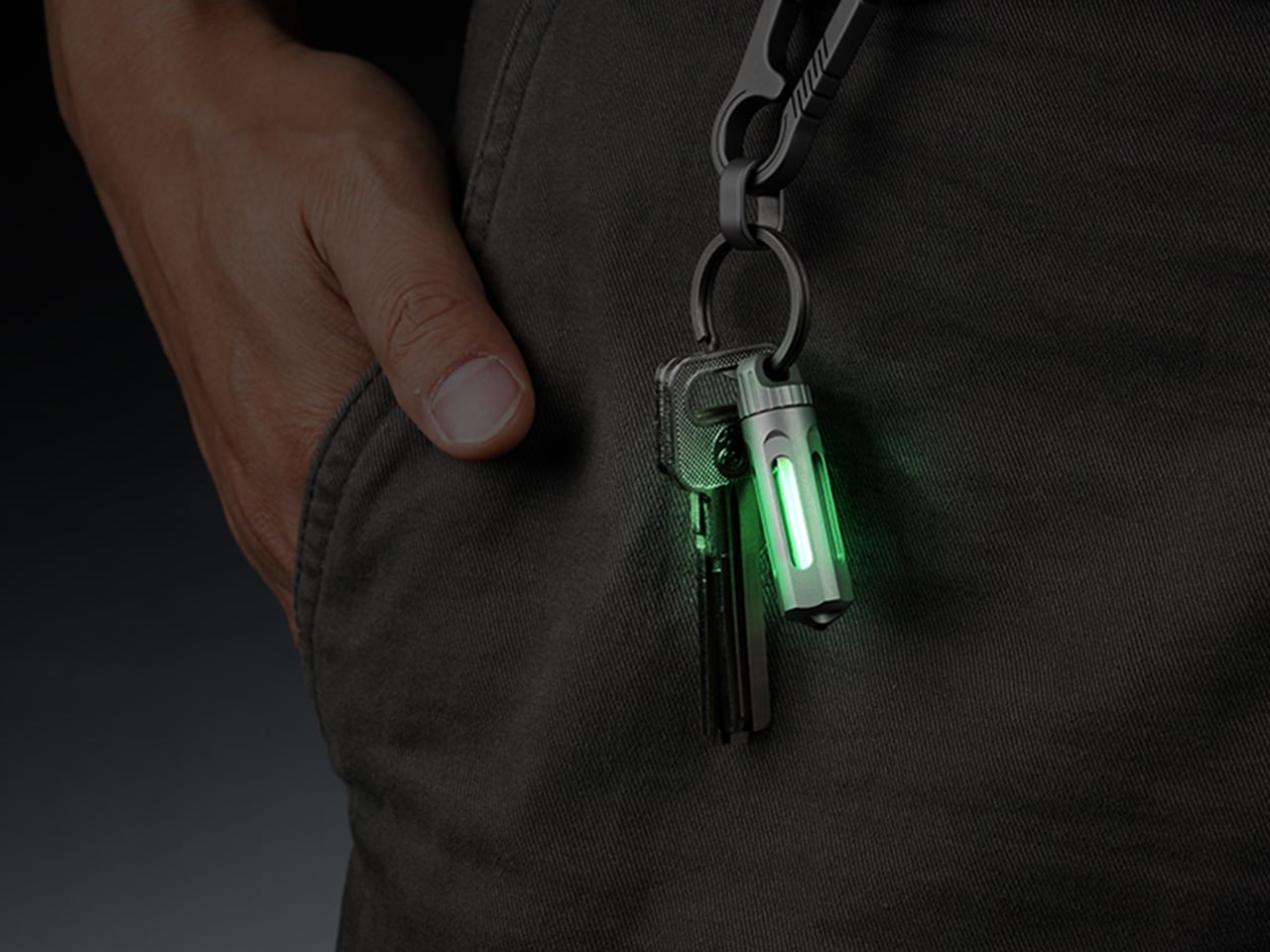
The SyncraBlade doesn’t entertain any fluff – it comes in a single natural color (none of that anodized or PVD coated nonsense), and the most you can do to personalize your knife is have it custom-engraved. I’d have appreciated a tritium slot on the sides, but that’s me being pedantic – especially considering the knife costs a mere $129 (discounted from its $201 price tag), and ships free globally starting May this year.

Click Here to Buy Now: $129 $201 (36% off) Hurry! Only 70 of 100 left.

The post This $129 Titanium EDC Knife Has The Most Addictive Tiger-Claw Opening Mechanism first appeared on Yanko Design.

UGREEN built an AI Recorder into its 10,000mAh Power Bank and I don’t know if that’s genius or crazy…

Representational Image

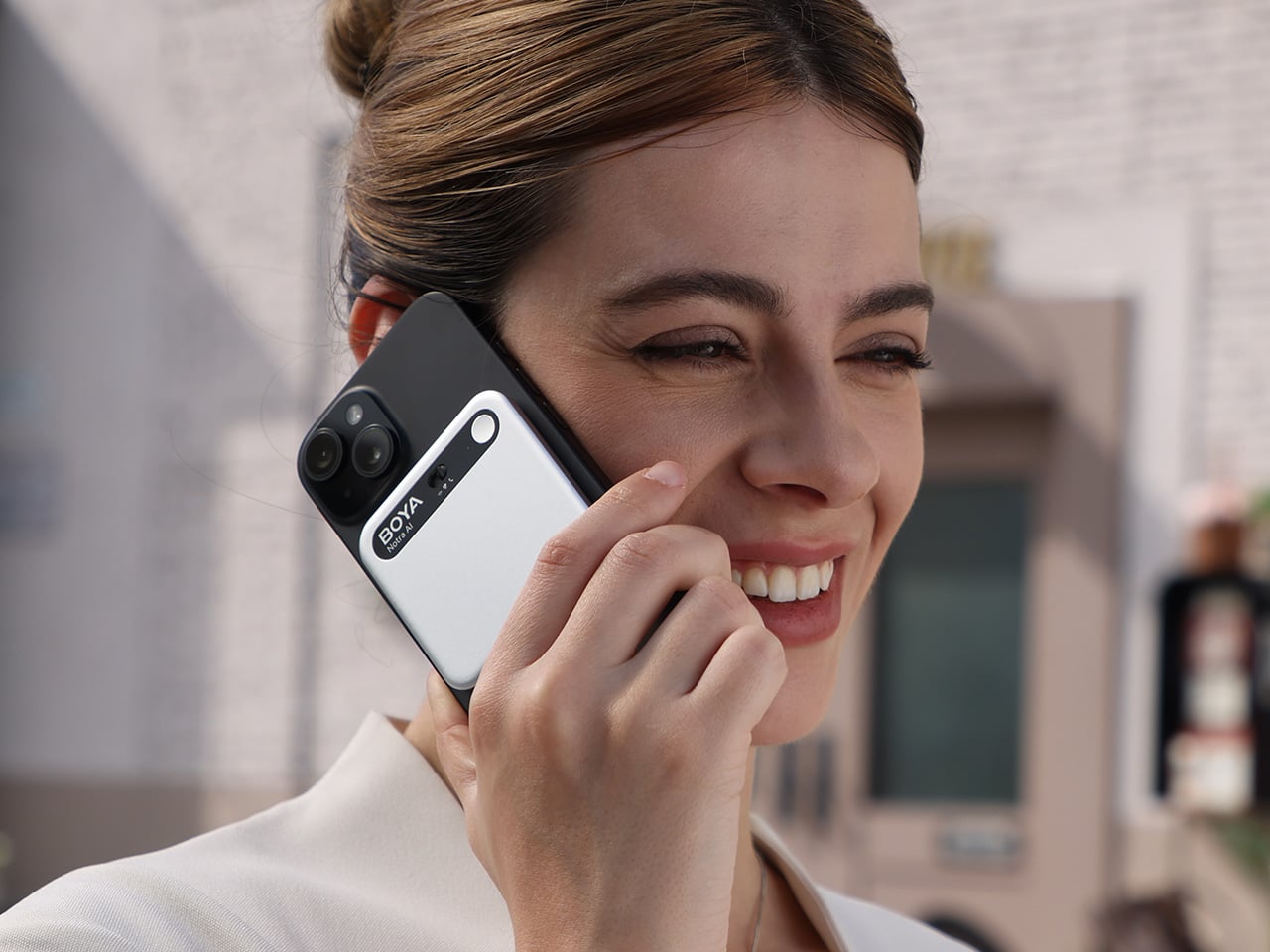
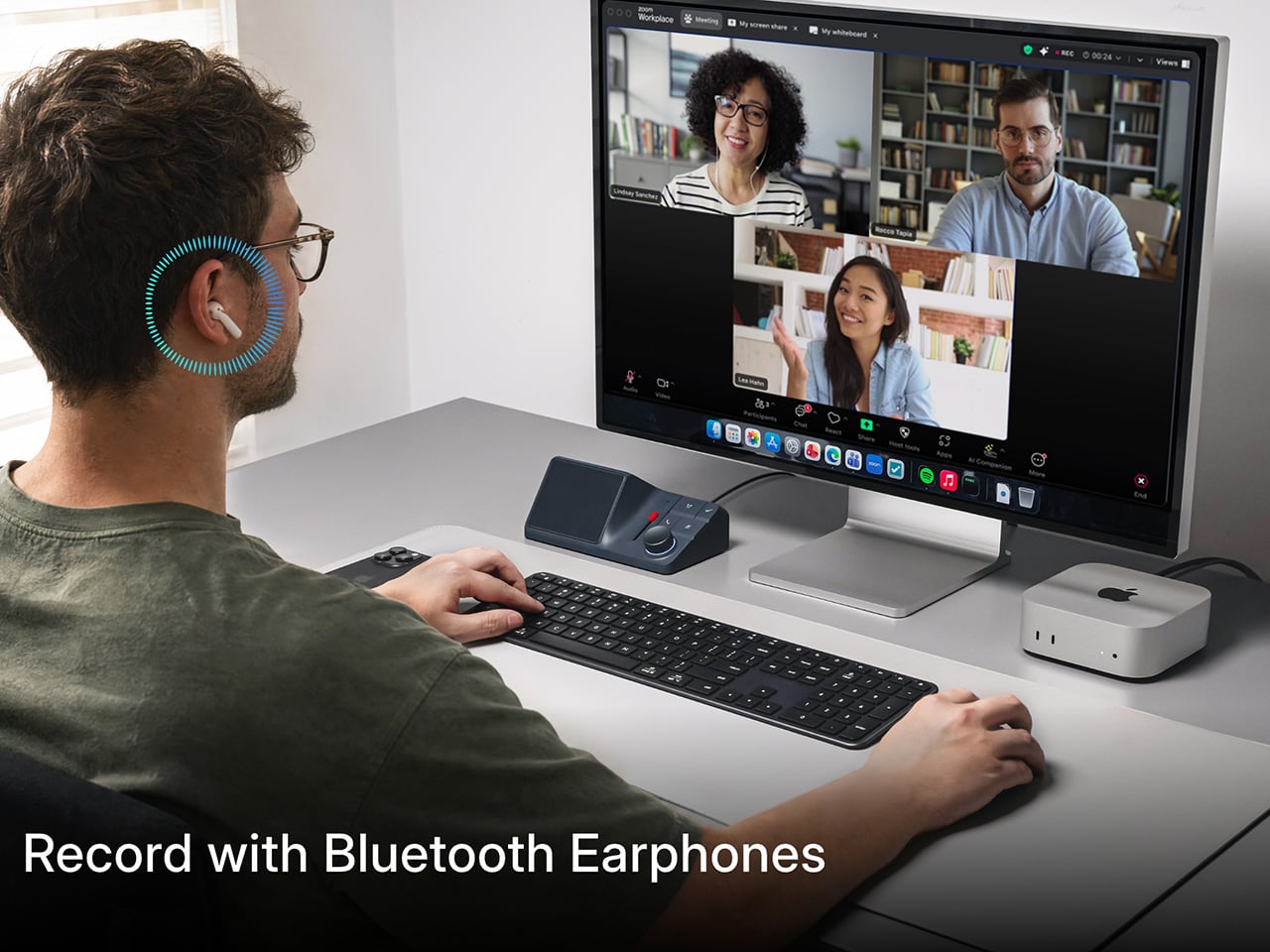
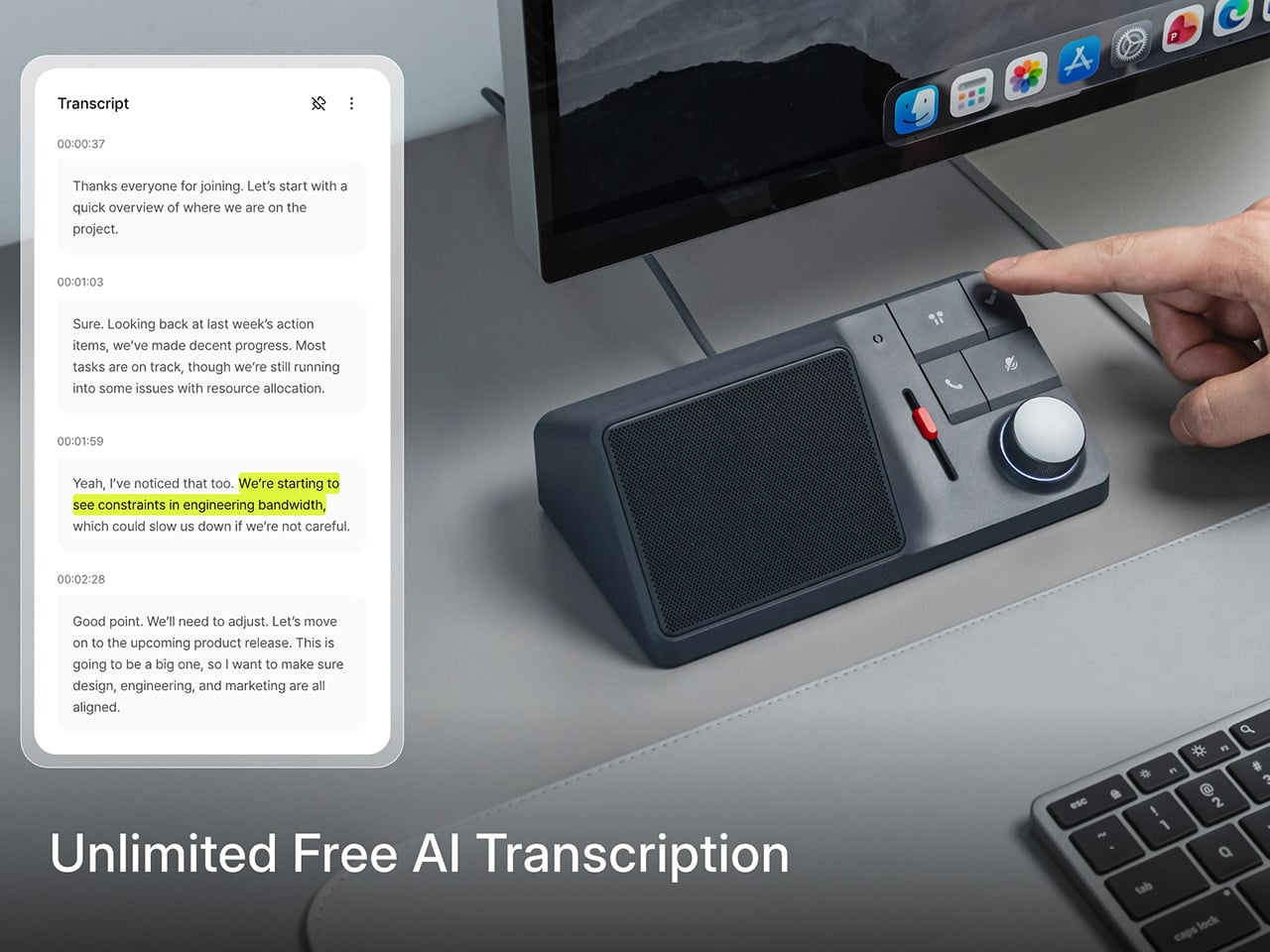
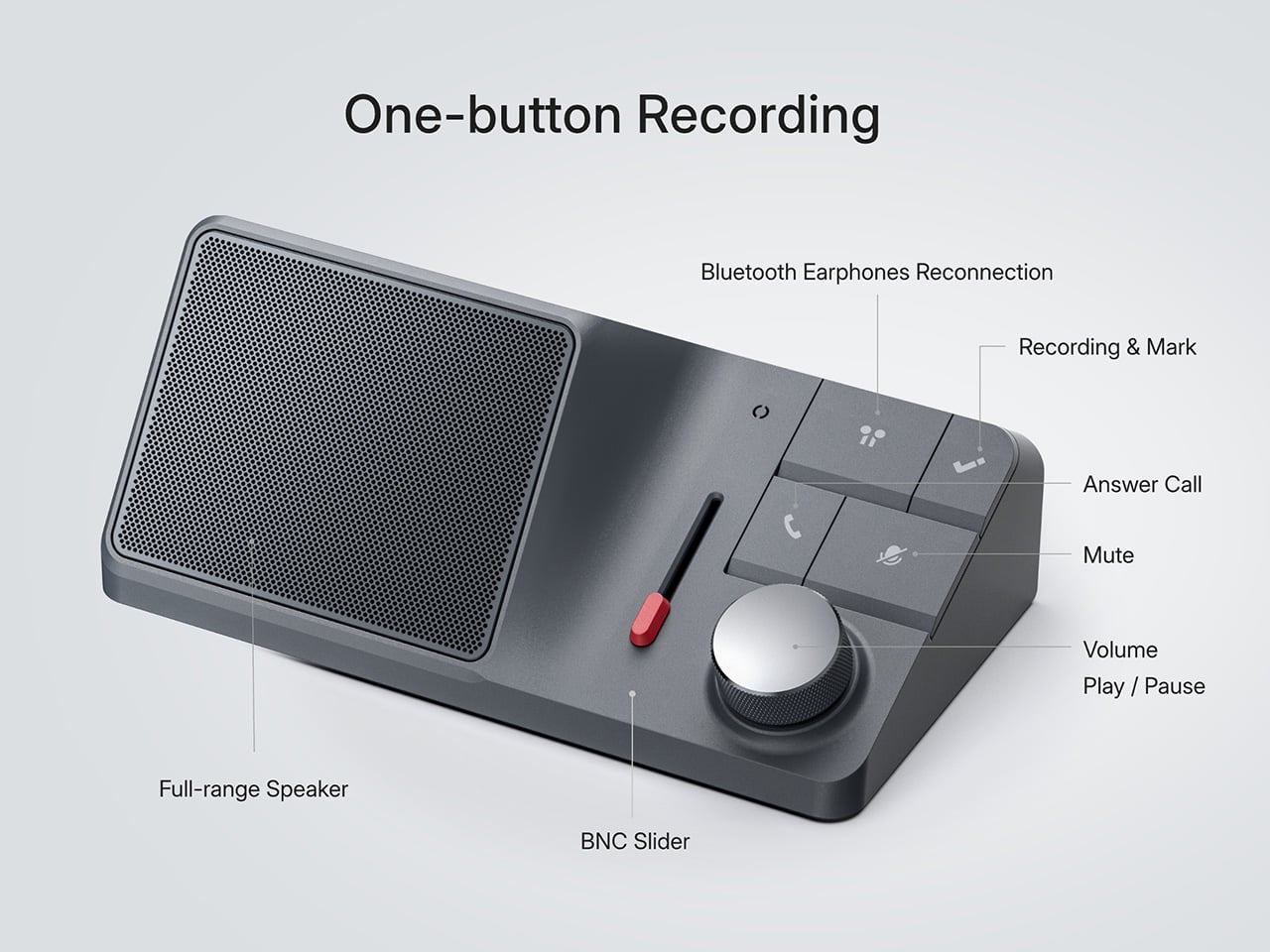
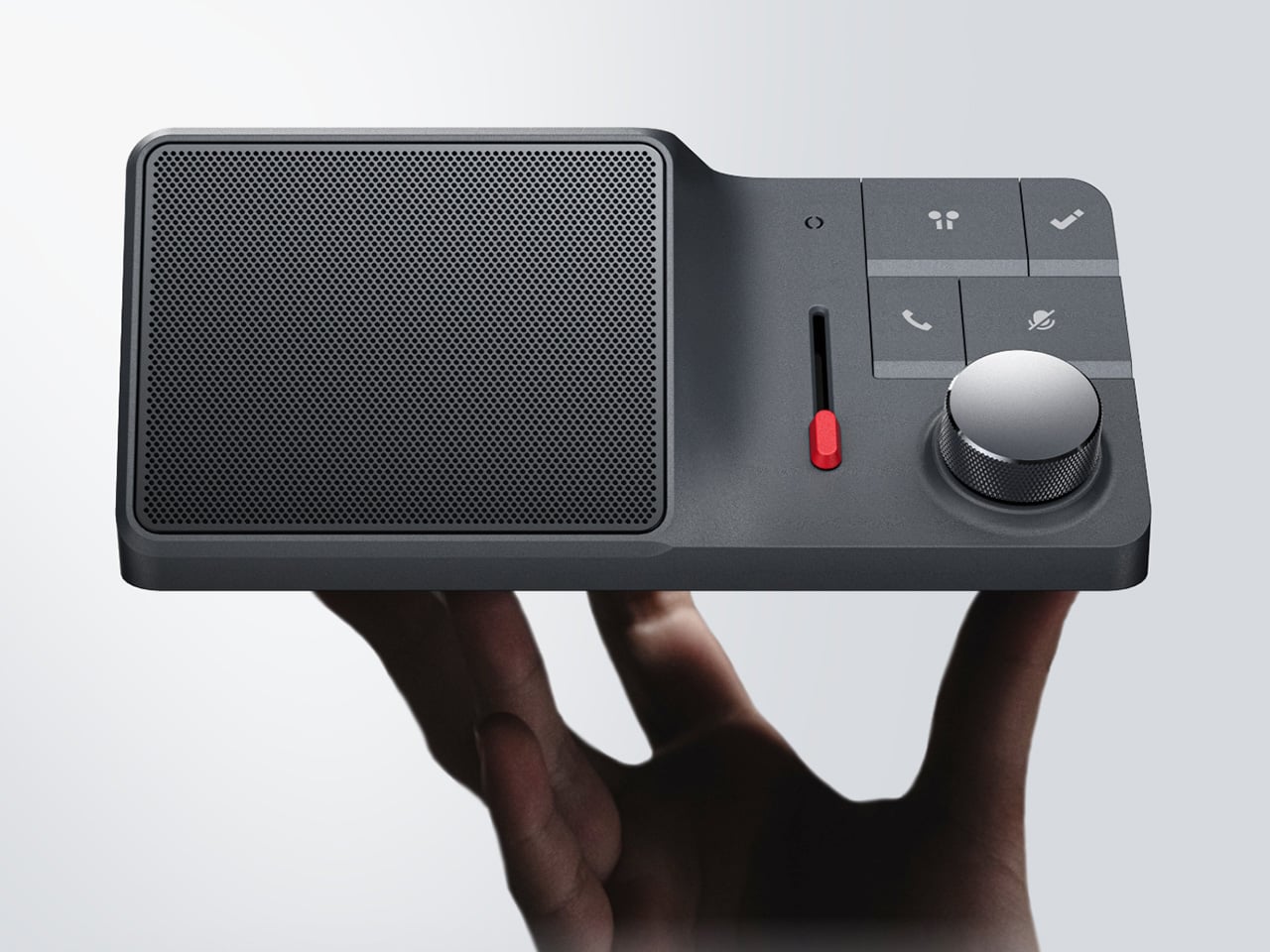
At CES 2026, where every tech company seemed legally obligated to add AI to something, Ugreen announced a power bank with voice recording. The MagFlow AI Voice Recording Magnetic Power Bank packs 10,000 mAh, wireless charging, and AI-powered note-taking into one device. It’s either brilliantly practical or completely unnecessary, depending on how often you find yourself needing both a dead phone and a voice memo at the exact same moment.
The real question is what market Ugreen’s actually targeting. Dedicated AI recorders like Plaud and Limitless offer superior transcription and integration with productivity tools. Meanwhile, power bank buyers are mostly obsessed with capacity, charging speed, and MagSafe compatibility. Ugreen’s product sits awkwardly between these worlds, somehow simultaneously targeting both the serious note-taker as well as the charging purist. Maybe that’s the genius: creating a category where none existed, or maybe it’s just feature creep with good intentions.

Designer: Ugreen

Representational Image

You’ve got 10,000 mAh, which is respectable but standard for MagSafe-compatible power banks in 2026. Wireless charging is included, though the company hasn’t confirmed whether there’s a USB-C port for wired fast charging. A digital display shows battery level and presumably real-time charging stats. Then there’s the voice recording hardware with built-in AI for translation and summarization, which sounds impressive until you realize Ugreen hasn’t explained how you’ll actually access these recordings. Is there an app? Does it sync to your phone? Do you have to plug it into a computer and dig through files like it’s 2015?

Representational Image

Compare this to something like the Plaud NotePin, which costs around $169 and is purpose-built for recording. It connects seamlessly to your phone, transcribes in real time, integrates with LLMs like ChatGPT for summaries, and weighs practically nothing. Or look at the power bank side of things. Ugreen’s own Qi2 25W MagFlow Power Bank retails for $89.99 (currently $69.99 on Amazon) and does one thing exceptionally well: charges your devices fast. This new AI version will almost certainly cost more, probably around $120 to $150 if I had to guess, which puts it in direct competition with premium power banks that offer higher capacity or faster charging speeds. Not to mention most AI services do come with the looming threat of a subscription fee at some point. Imagine subscribing to a power bank…

Jokes aside, the bundling makes sense if you’re the kind of person who carries too much stuff and wants to consolidate. A journalist running between interviews could theoretically use this to charge their phone while recording background audio for articles. Students might appreciate having one device that keeps their laptop alive during lectures while capturing notes they can summarize later. But these use cases feel niche, and niche products need exceptional execution to justify their existence. Ugreen hasn’t shown us that yet. The company has a solid track record with GaN charging technology and their NASync NAS series crushed it on Kickstarter with $6.6 million raised. They know how to build hardware. Whether they can build software that makes voice recording feel natural on a battery pack is the real test.

The post UGREEN built an AI Recorder into its 10,000mAh Power Bank and I don’t know if that’s genius or crazy… first appeared on Yanko Design.