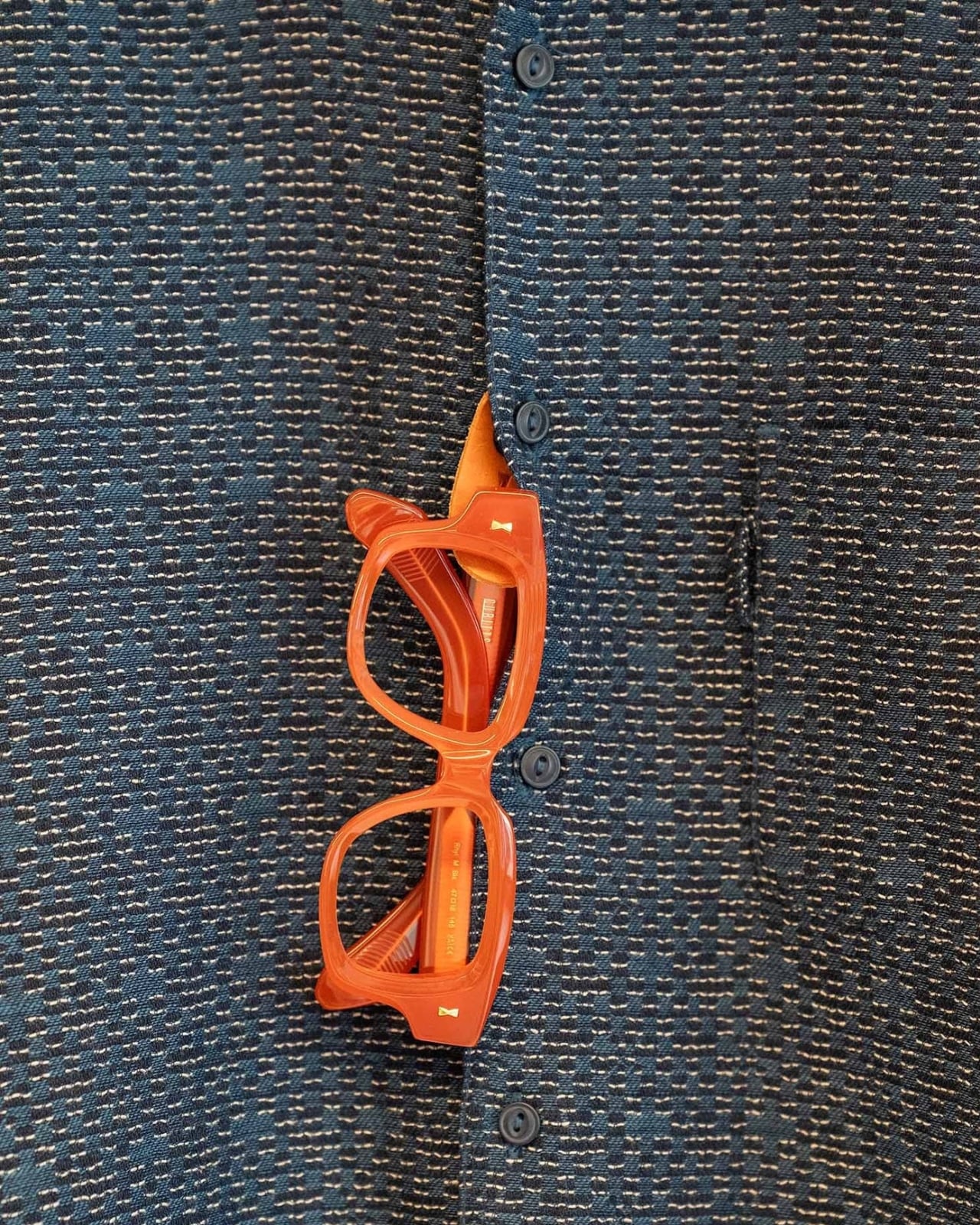
Look, I’ve lost my glasses in some pretty creative places. Between the couch cushions. On top of my head while frantically searching for them. In the fridge once (don’t ask). And I know I’m not alone in this very specific modern anxiety: that moment when you take your glasses off and suddenly have nowhere to put them that won’t end in disaster.
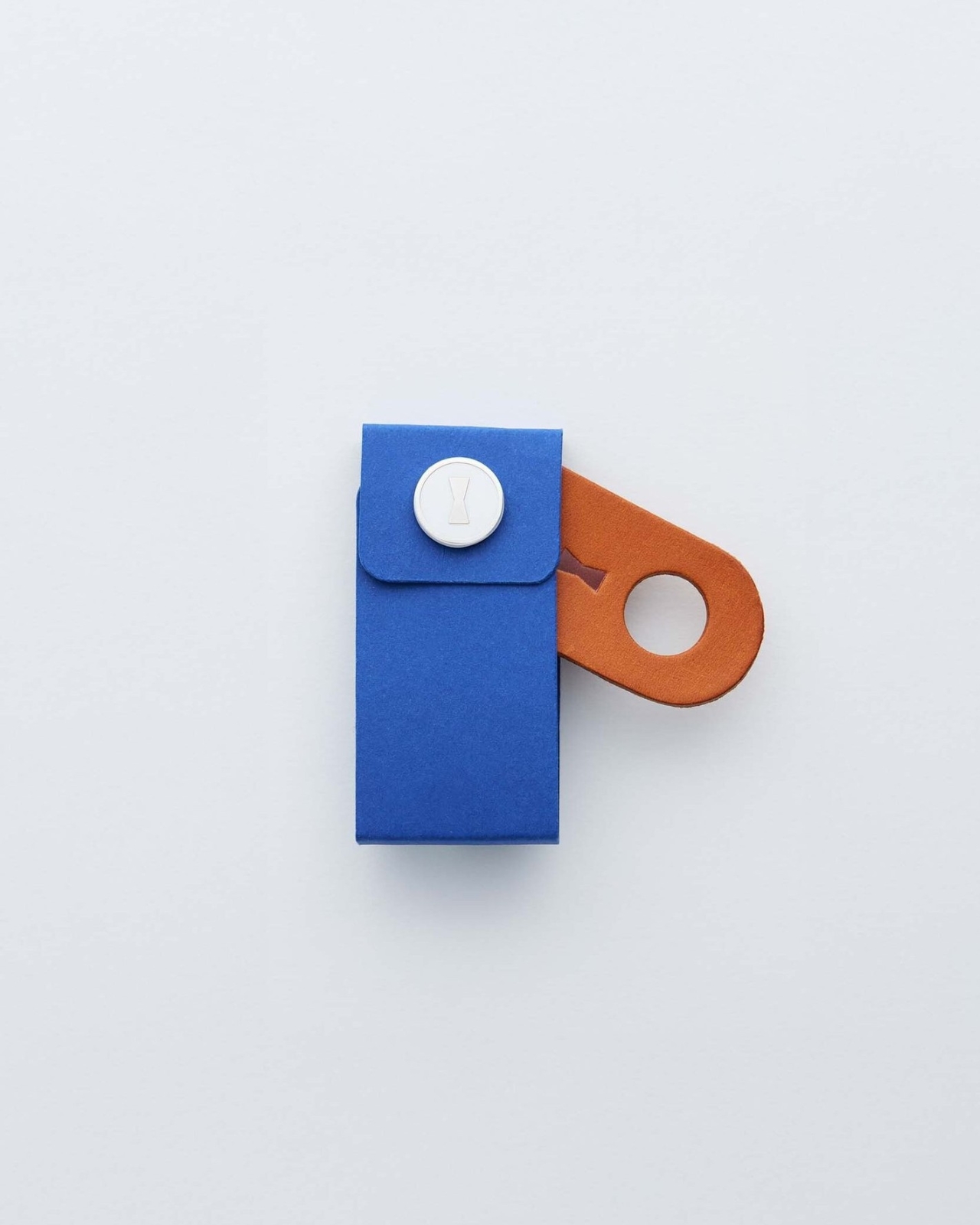
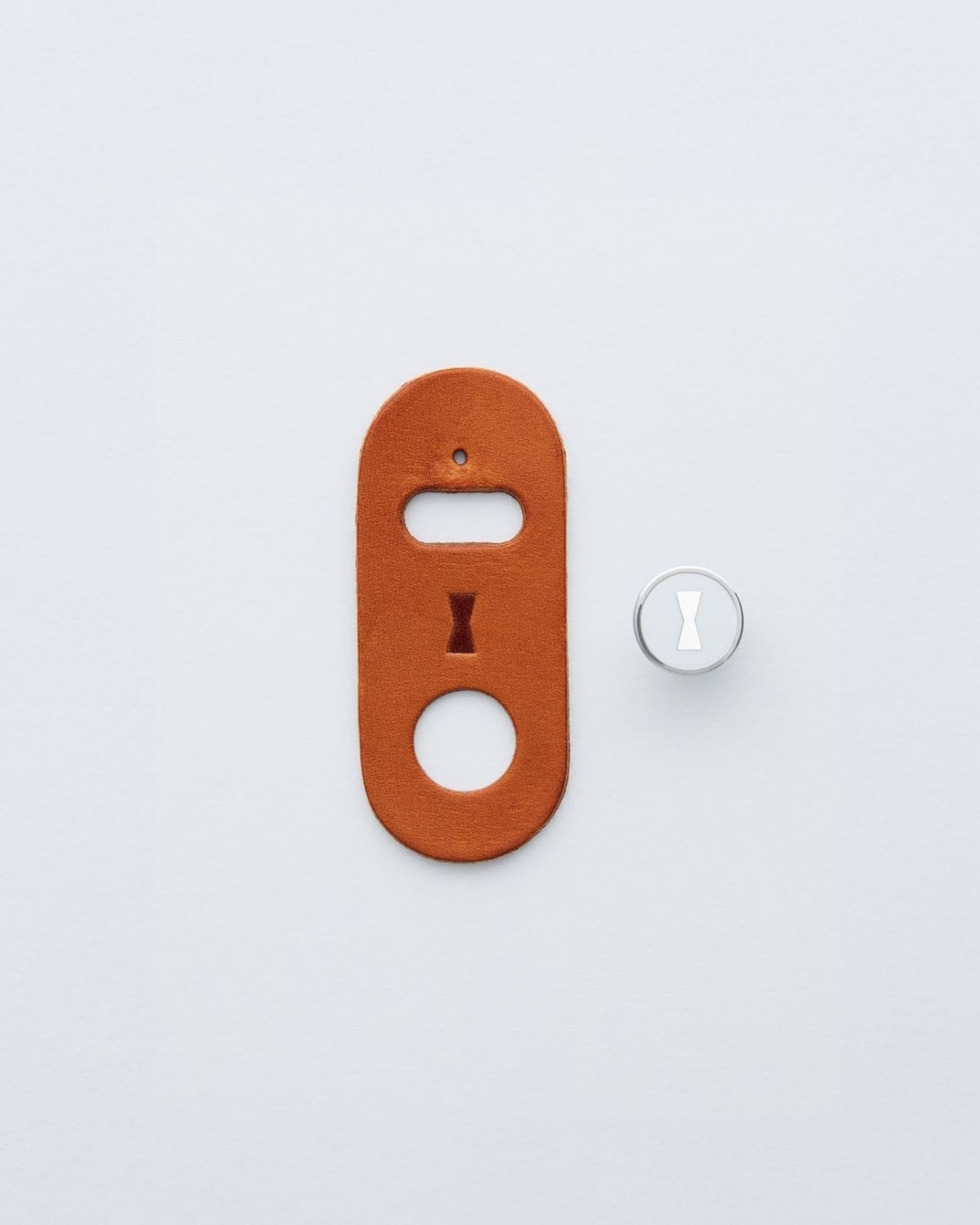
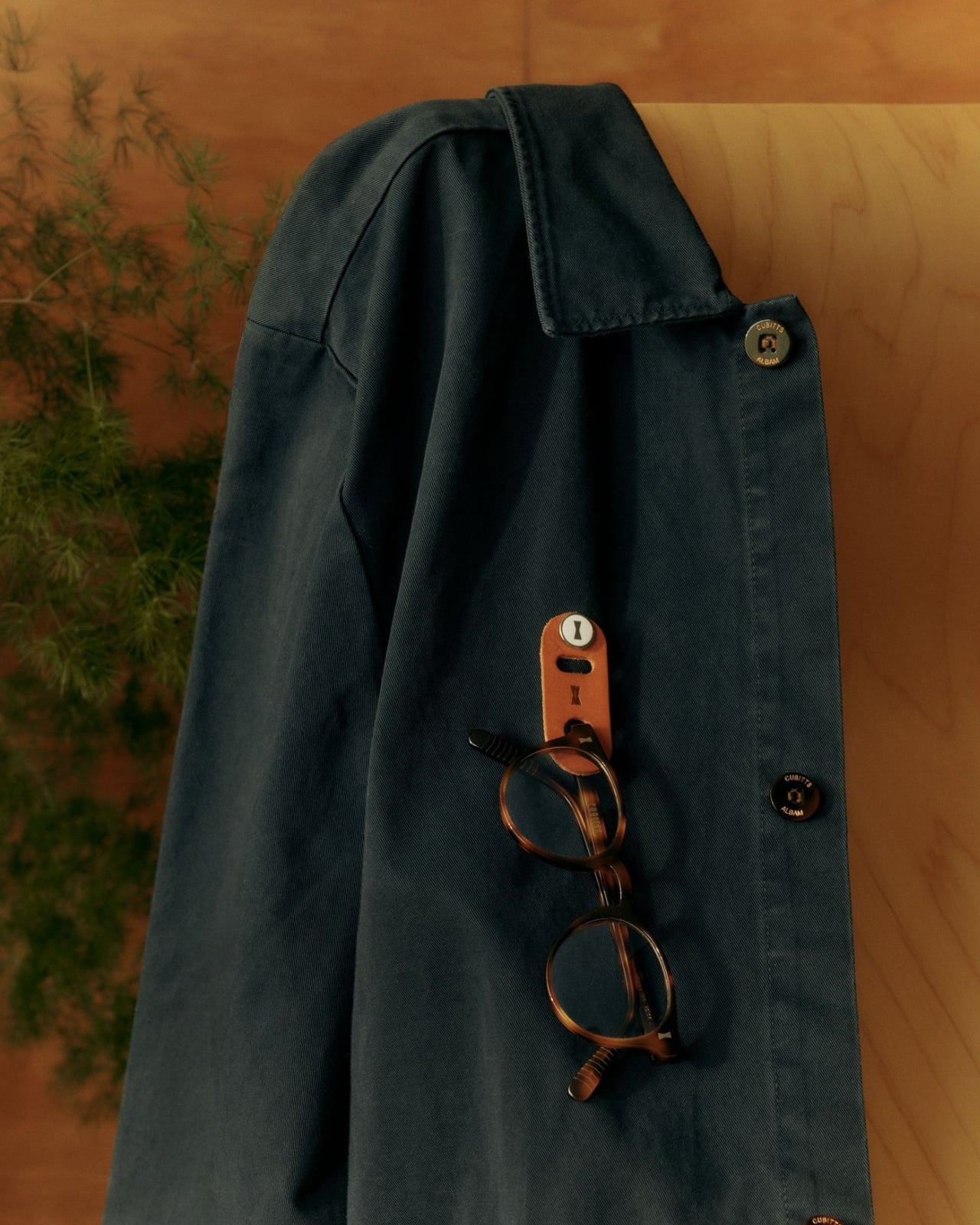
Cubitts, the London-based eyewear brand that’s been quietly revolutionizing how we think about spectacles, has come up with a solution so elegantly simple you’ll wonder why no one thought of it sooner. It’s called On The Wing, and it’s basically a small leather loop that attaches to any button on your shirt. That’s it. That’s the whole thing. And somehow, it’s brilliant.
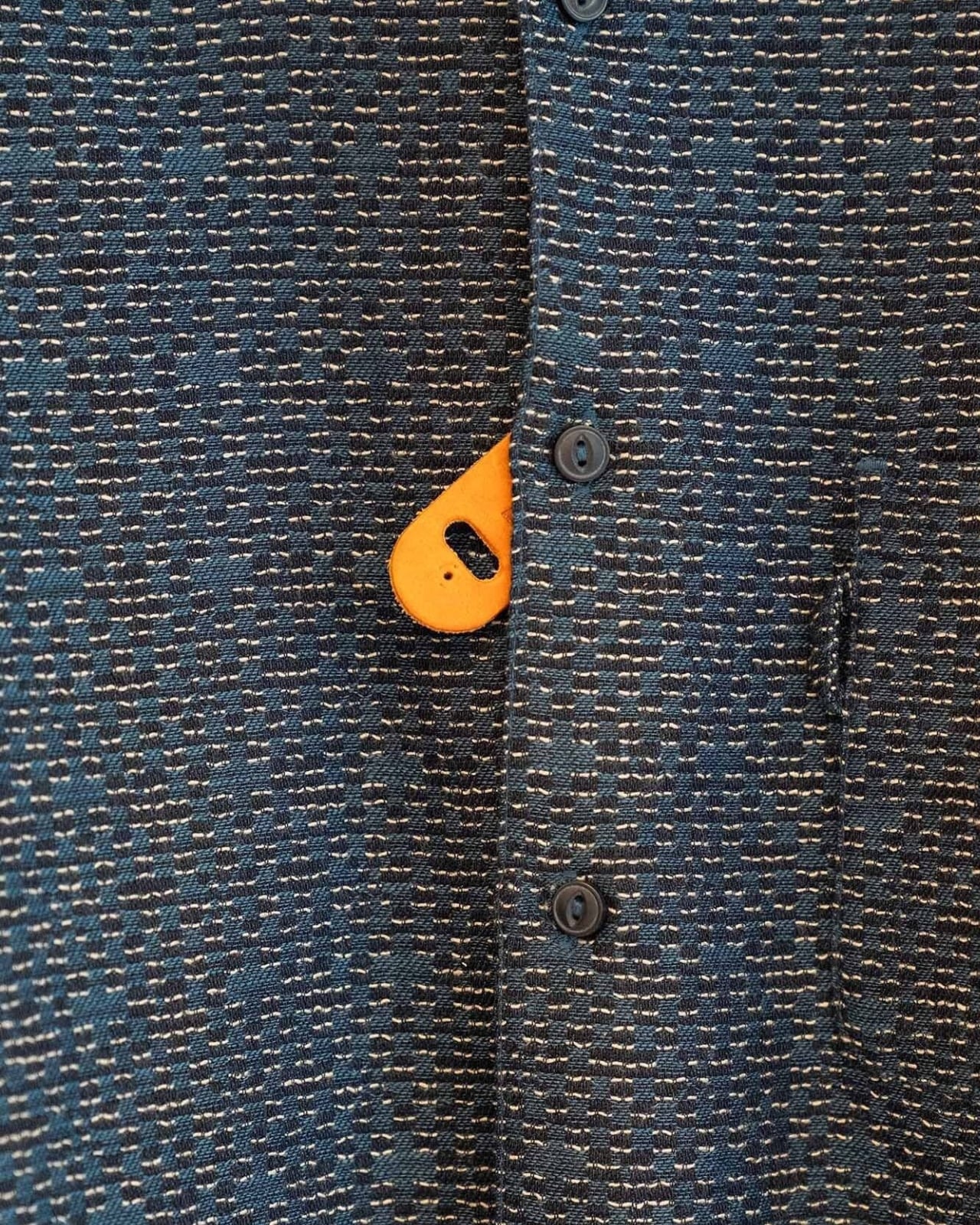
Made from supple vegetable-tanned leather, On The Wing transforms whatever you’re wearing into a temporary perch for your frames. It’s designed for those in-between moments when you’re not wearing your glasses but don’t want to commit them to a case or risk the inevitable “left them at the restaurant” panic. You slip the loop onto a button, hang your glasses from it, and go about your business. No stretched-out necklines from hanging them on your collar. No bulging pockets. No setting them down on a table and walking away without them.
The design came out of a collaboration between Cubitts and industrial designer Daniel Weil, part of a broader collection of accessories that share the brand’s philosophy: functional, beautiful, and made to last. Weil has spent decades thinking about how objects interact with daily life, and you can feel that consideration in On The Wing’s simplicity. It’s barely visible when you’re wearing it, but always there when you need it.
What I love about this is how it acknowledges a real problem that glasses wearers deal with constantly. If you wear glasses full-time, you know the dance. You take them off to look at your phone up close, or to rub your eyes, or because you’re transitioning from reading to eating. And then what? Do you set them on the table where they’ll get scratched? Balance them precariously on your head? Shove them in a pocket where they’ll get smudged or bent?
The thing is, glasses have become such an integral part of personal style. People spend serious time choosing frames that reflect their aesthetic, whether that’s vintage-inspired, minimalist, or boldly contemporary. Cubitts understands this better than most brands. Their frames are designed to be enduring companions, repaired and serviced over many years rather than treated as disposable fashion. So it makes sense that they’d think about what happens to your glasses when they’re not on your face.
On The Wing costs about $14 and comes in a few colors to match different wardrobe aesthetics. It’s the kind of accessory that feels almost too simple to be worth it until you start using it and realize how much mental energy you were spending on the where-do-I-put-my-glasses question. There’s something charmingly analog about the solution too. In a world where every problem seems to require an app or a gadget with a battery, here’s a piece of leather and a button doing exactly what they need to do. No charging required. No setup. No learning curve.
Will a leather loop on your shirt button change your life? Probably not. But will it solve a small, persistent annoyance in a way that feels considered and well-designed? Absolutely. And sometimes that’s exactly what good design should do: notice the little frustrations we’ve all accepted as normal and offer something better. For anyone who’s ever patted down their pockets in a panic or retraced their steps through a entire building looking for their glasses, On The Wing makes a lot of sense. It’s the kind of simple solution that feels obvious in retrospect, which is usually the mark of genuinely smart design.
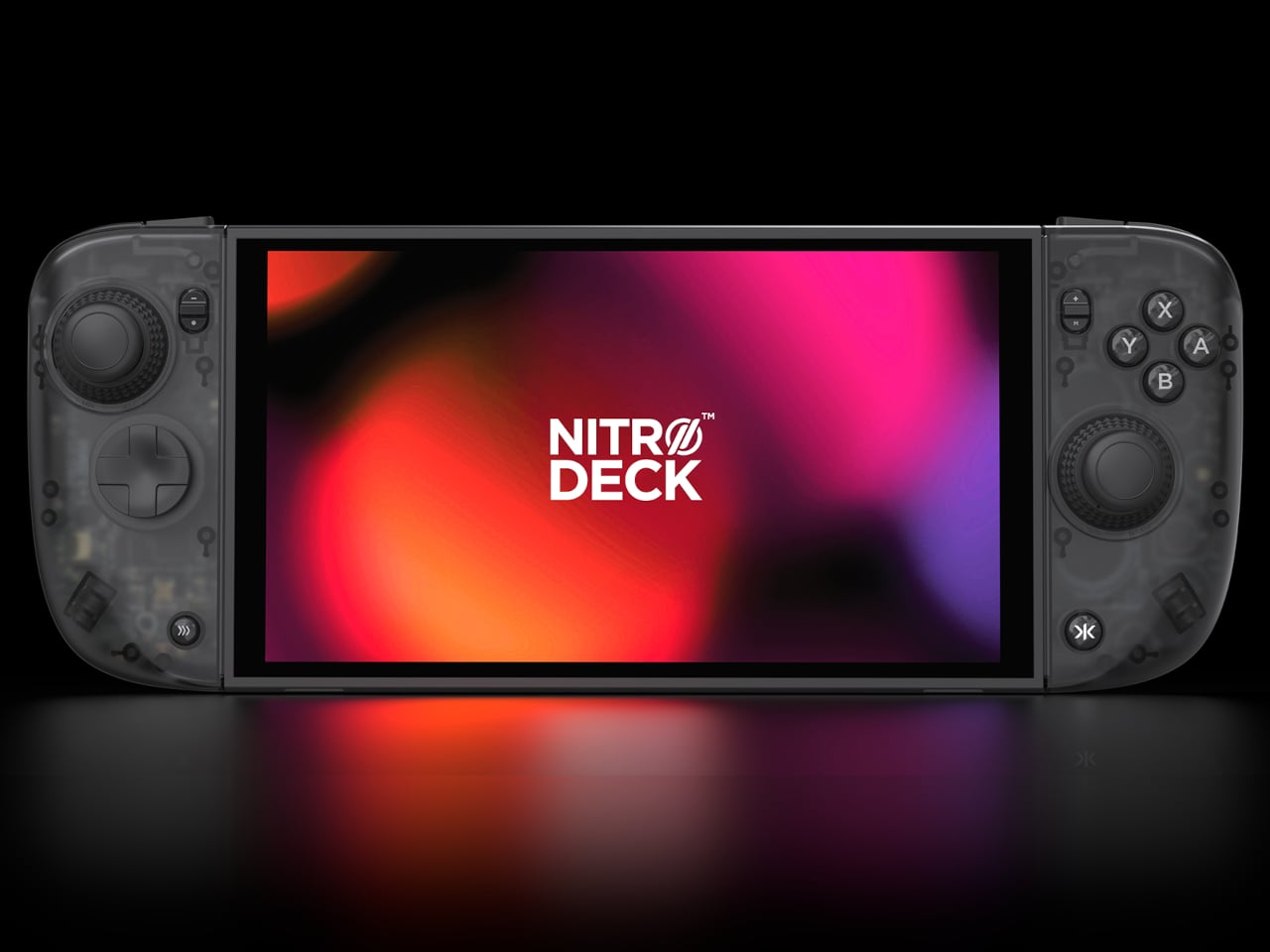
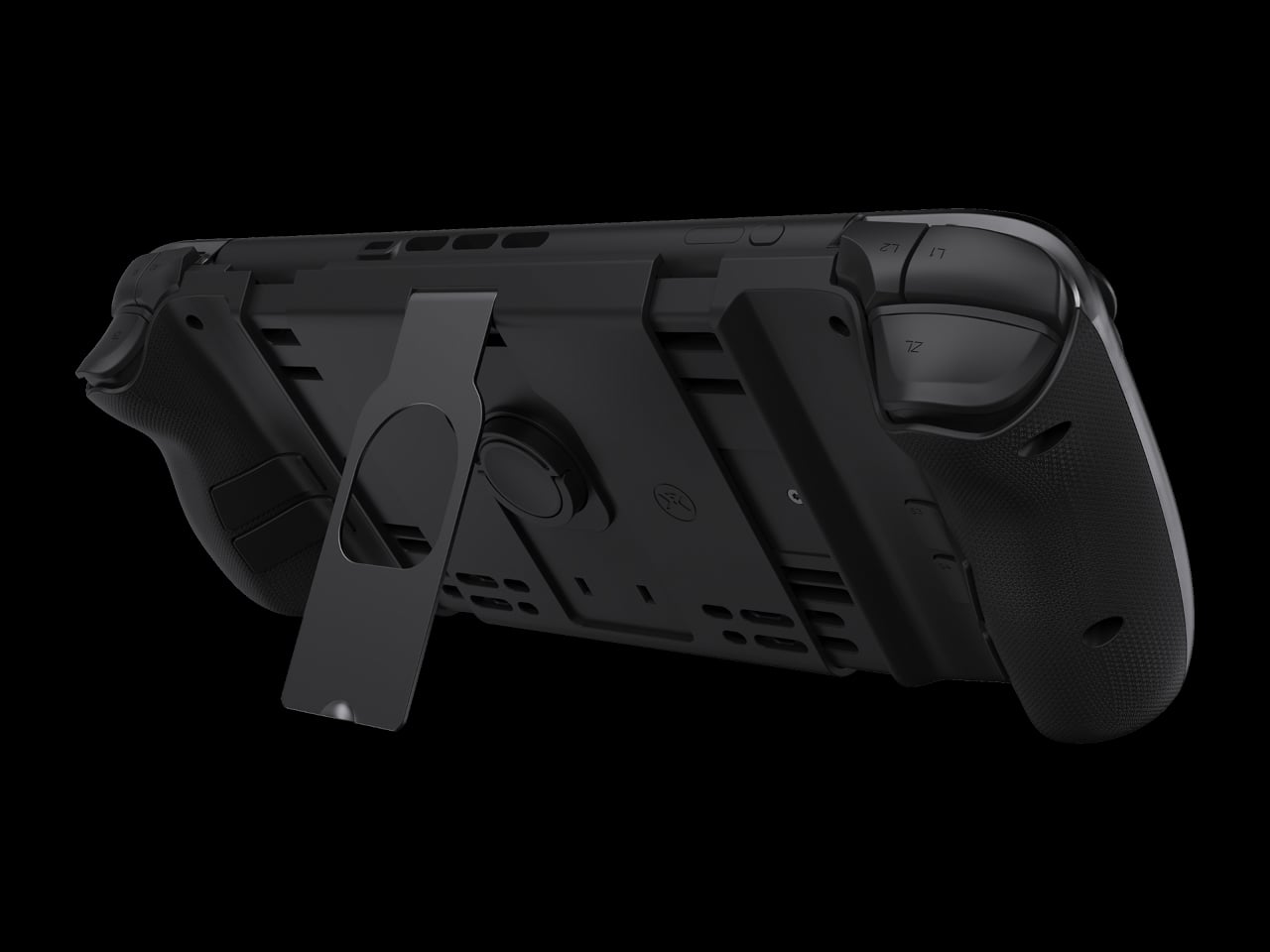
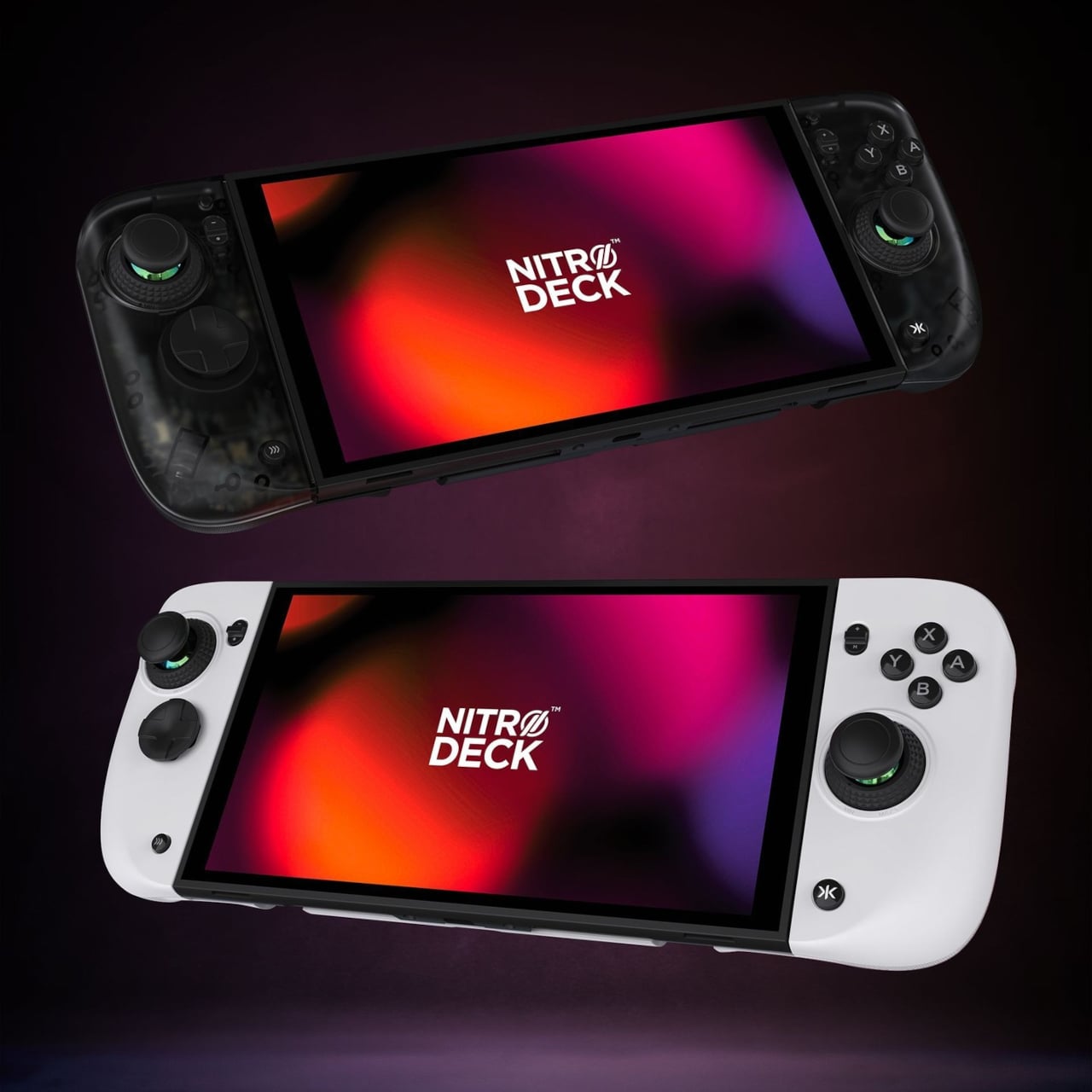
The first Nitro Deck and similar shells made the Nintendo Switch feel more like a proper controller, but they were still mostly one-trick grips that lived in handheld mode. With the Switch 2 looming, there is a chance to rethink what a deck shell should be, not just for Nintendo’s next handheld but for PC, mobile, and TV play. Nitro Deck 2 is CRKD’s answer, expanding the idea from grip to multi-platform controller.
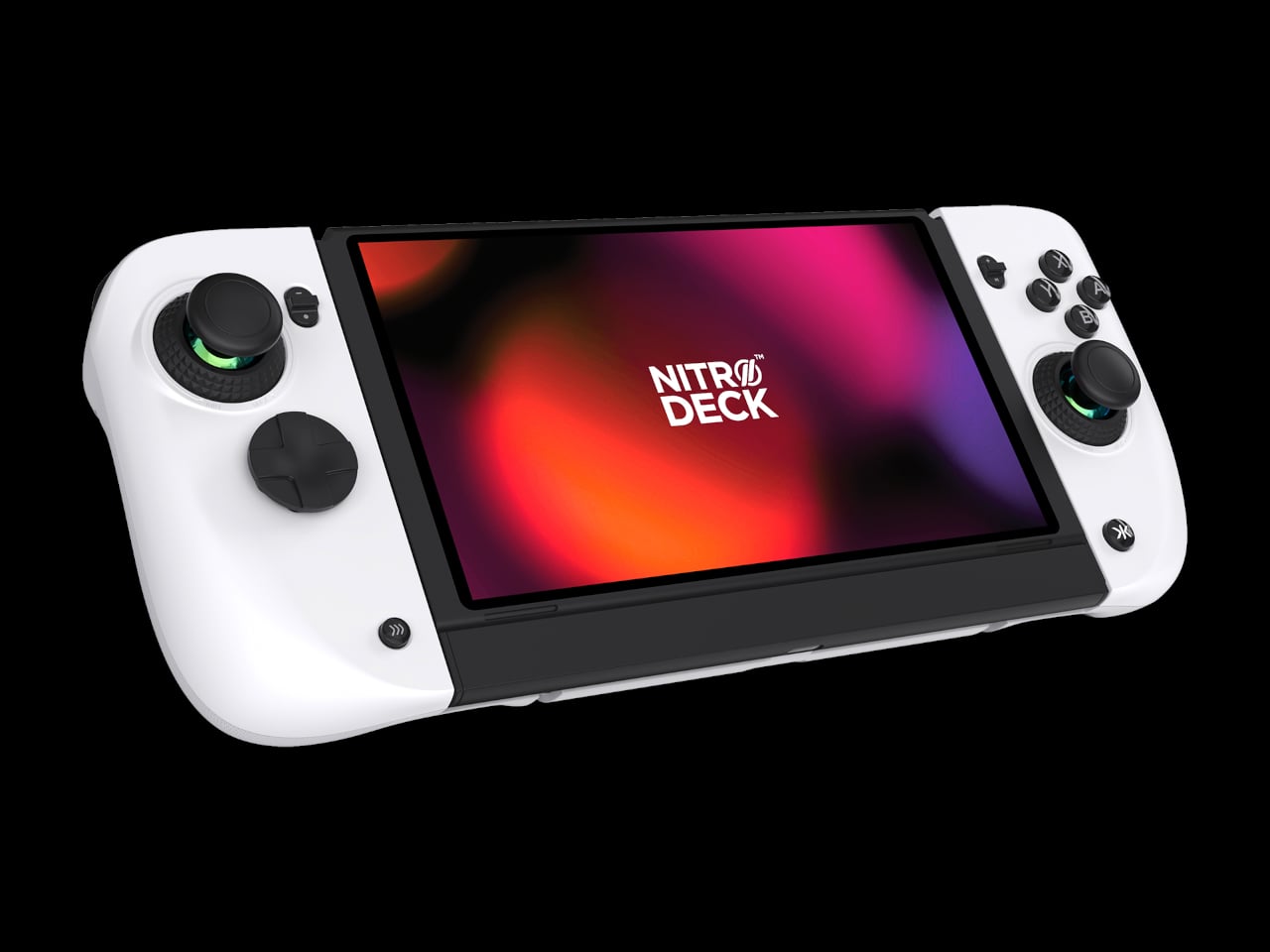
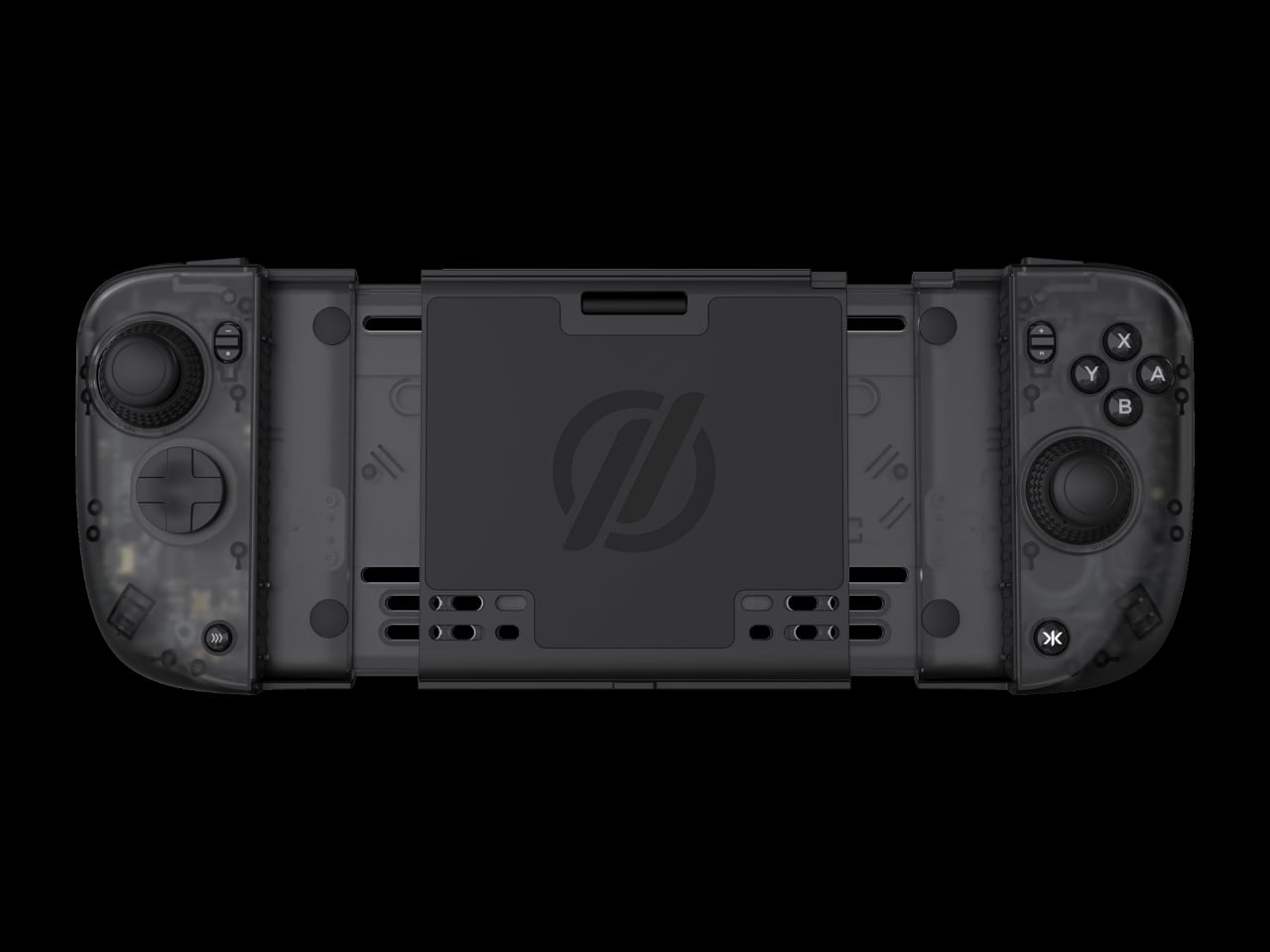
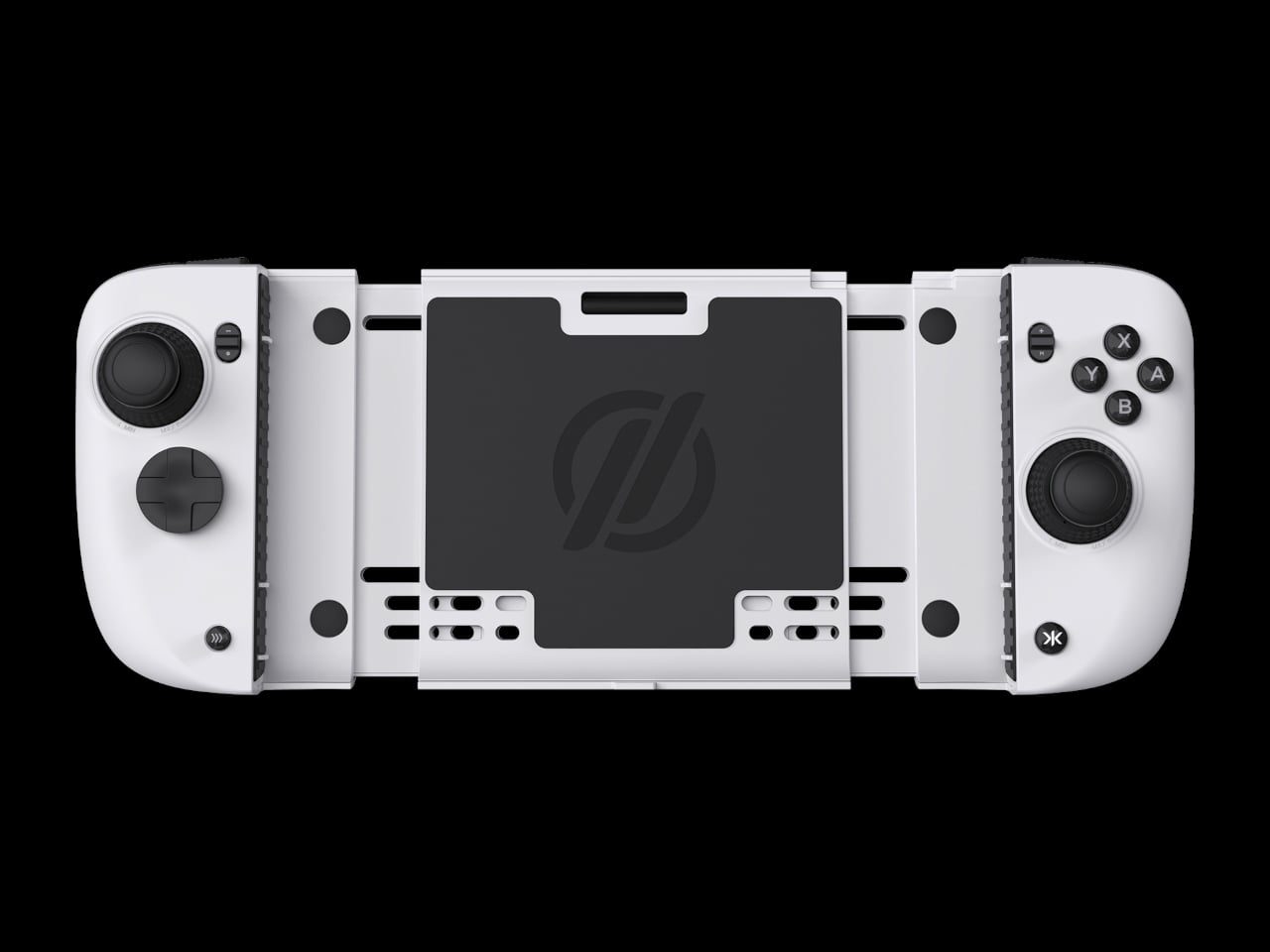
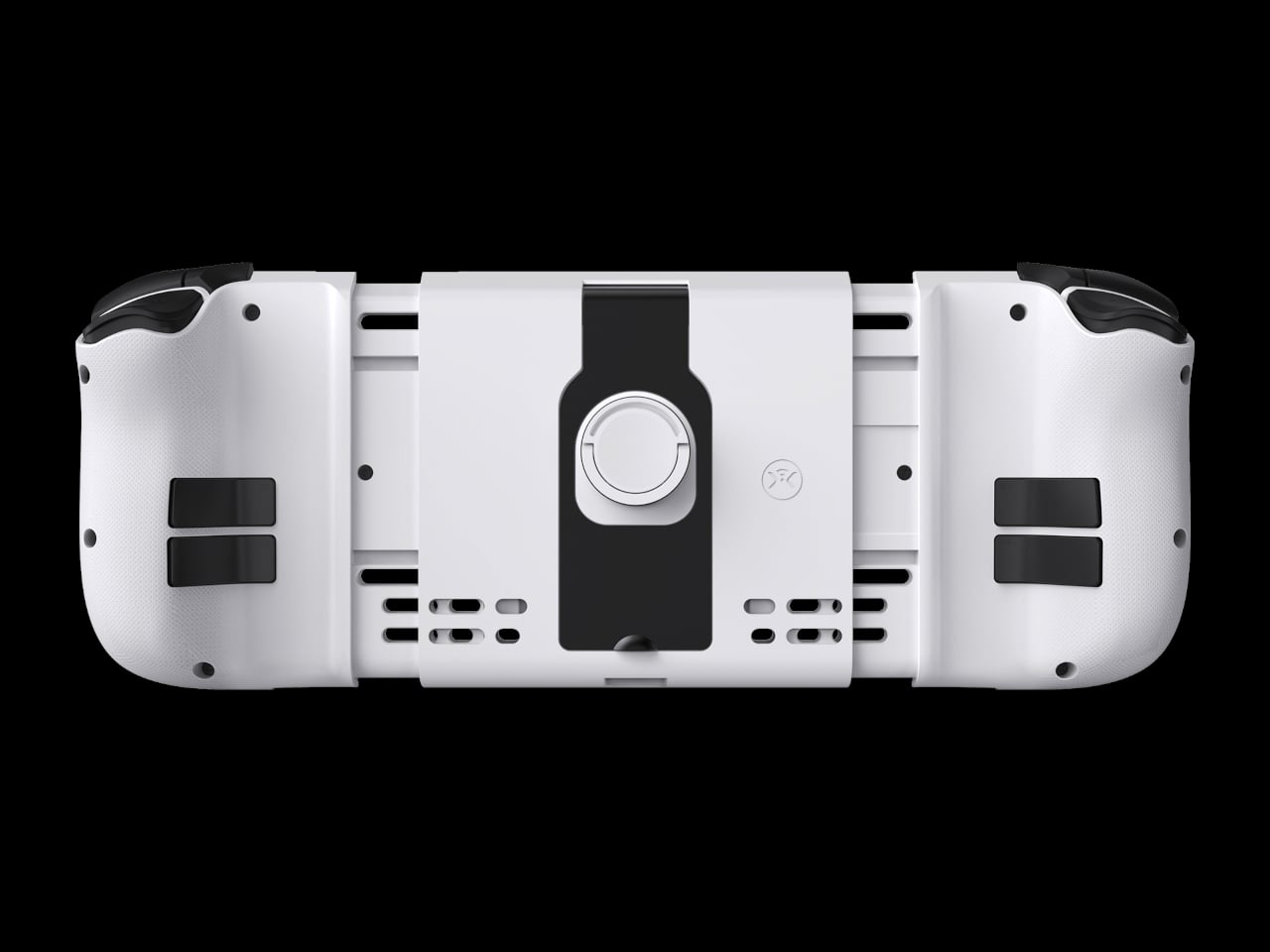
CRKD frames it as a completely new product engineered for the Nintendo Switch 2 and fully backward compatible with the Switch and the Switch OLED, with redesigned ergonomics and expanded versatility across PC, mobile, and smart TVs via Bluetooth and USB. It holds your console for handheld play, but the removable centerpiece lets it convert into a standalone pro-style controller when the console is docked, which is the big conceptual shift from shell to system.
CaptiStick is a capacitor-based, zero-contact sensor design meant to eliminate stick drift and deliver long-lasting precision with no electromagnetic interference. That is CRKD’s alternative to traditional potentiometer sticks that wear out, and Hall Effect sticks that rely on magnets. Nitro Deck 2 also adds adjustable thumbstick resistance and deadzone, tunable through the CRKD Companion App, so you can dial in how loose or tight the sticks feel depending on the game.
The new retractable locking dial mechanism secures the console and keeps the shell compatible with the original Switch and OLED models, with a legacy adapter included. This is a direct response to fit issues from the first Nitro Deck, and it means Nitro Deck 2 survives console generations. The dial gives you a way to adjust clamping force and fit without swapping the whole shell when Nintendo changes dimensions.
The expanded control set includes extra bumper buttons (L2 and R2), remappable back buttons, smooth tactile digital triggers, and toggle buttons for plus, minus, record, and macro. Nitro Deck 2 supports motion controls and adjustable vibration feedback for supported games, plus Turbo Mode for rapid inputs. The idea is to give you more inputs and a better feel than Joy-Cons or a stock Pro Controller, especially for long sessions.
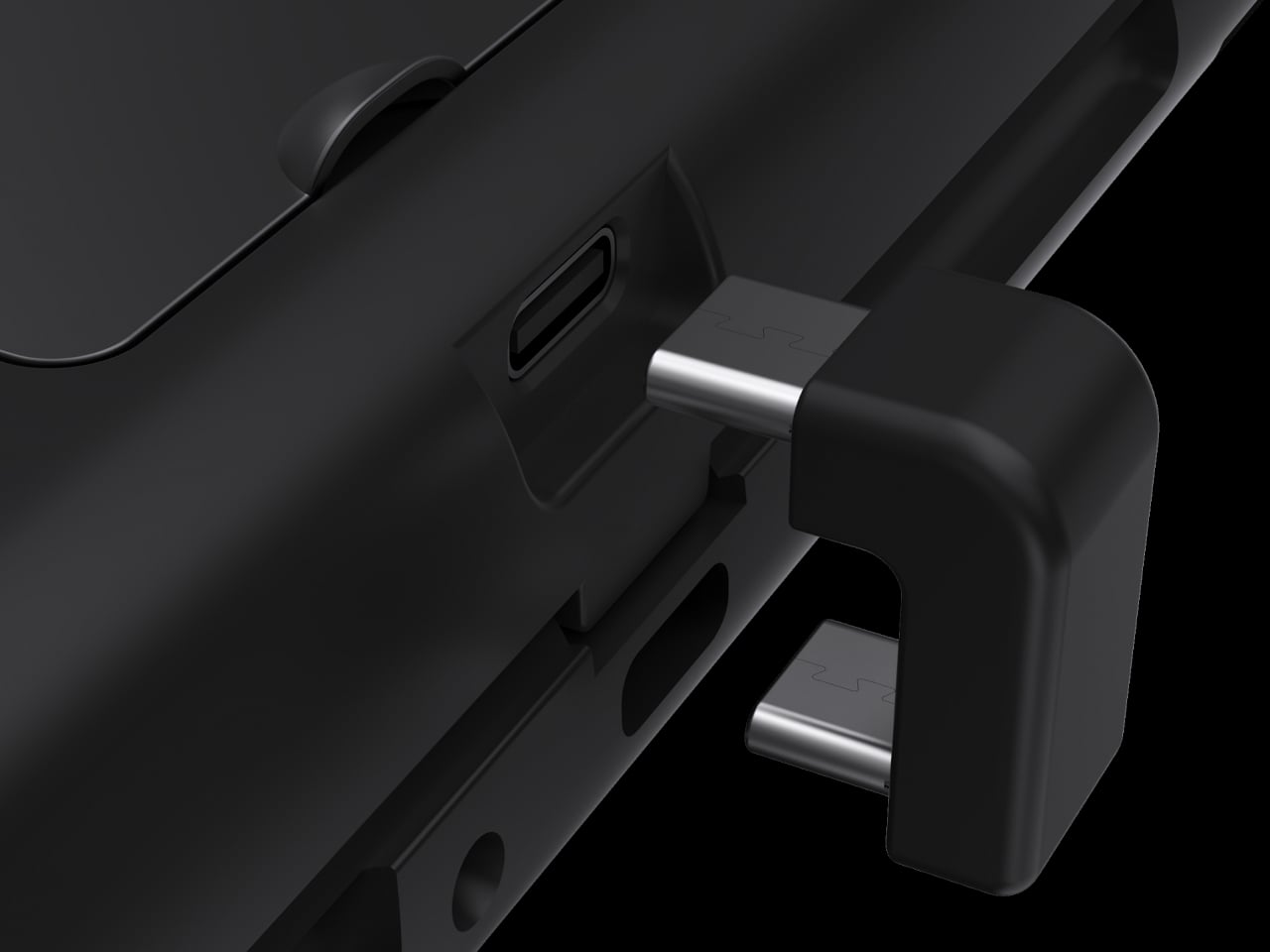
Nitro Deck 2 connects over Bluetooth or wired USB to PC, mobile, and select smart TVs when the console is not installed, acting as an extra pro-style controller. The CRKD app includes its True Collection System for tapping and registering your hardware and CTRL for customizing sticks, vibration, and firmware. It is part collectible, part tuning tool, making the hardware feel like it lives in a broader ecosystem.
Nitro Deck 2 moves the idea of a Switch shell from a simple grip to a long-term controller investment that survives console generations. It is still a pre-order product with questions around weight and battery life, but the combination of CaptiStick, a retractable locking dial, and a removable centerpiece suggests a different kind of accessory, one that grows with your setup instead of getting replaced every time Nintendo ships new hardware.
IKEA has always understood that good design is about more than just aesthetics; it’s about making everyday life just a little bit smarter and a whole lot more delightful. From the iconic, ubiquitous flat-pack furniture phenomenon that has furnished college dorms and first apartments worldwide, to their surprisingly savvy and rapidly expanding smart home gear, the Swedish powerhouse consistently sneaks into our lives with functional, well-priced objects. They have a unique talent for translating high-level function into accessible, everyday items, democratizing design in a way few other companies can match.
But their latest accessory, the VÄSTMÄRKE wireless charger, feels like they stopped designing furniture for a minute and started making tech that belongs on a designer’s desk or maybe even a breakfast tray. And truth be told, I’m all for this kind of quirky but also highly functional kind of device, especially for someone who always needs to charge one gadget or another and appreciates a bit of personality in their tech landscape.
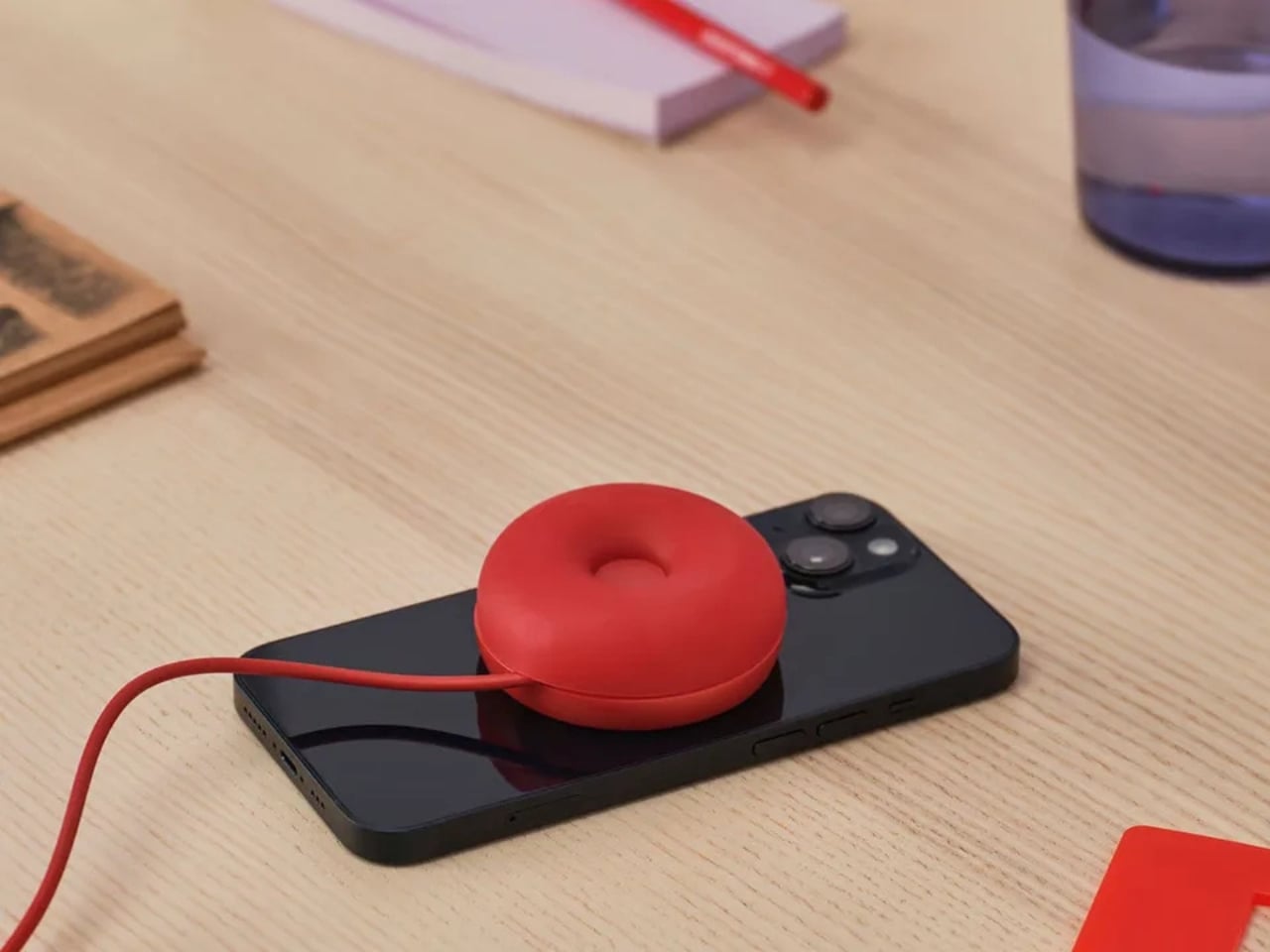
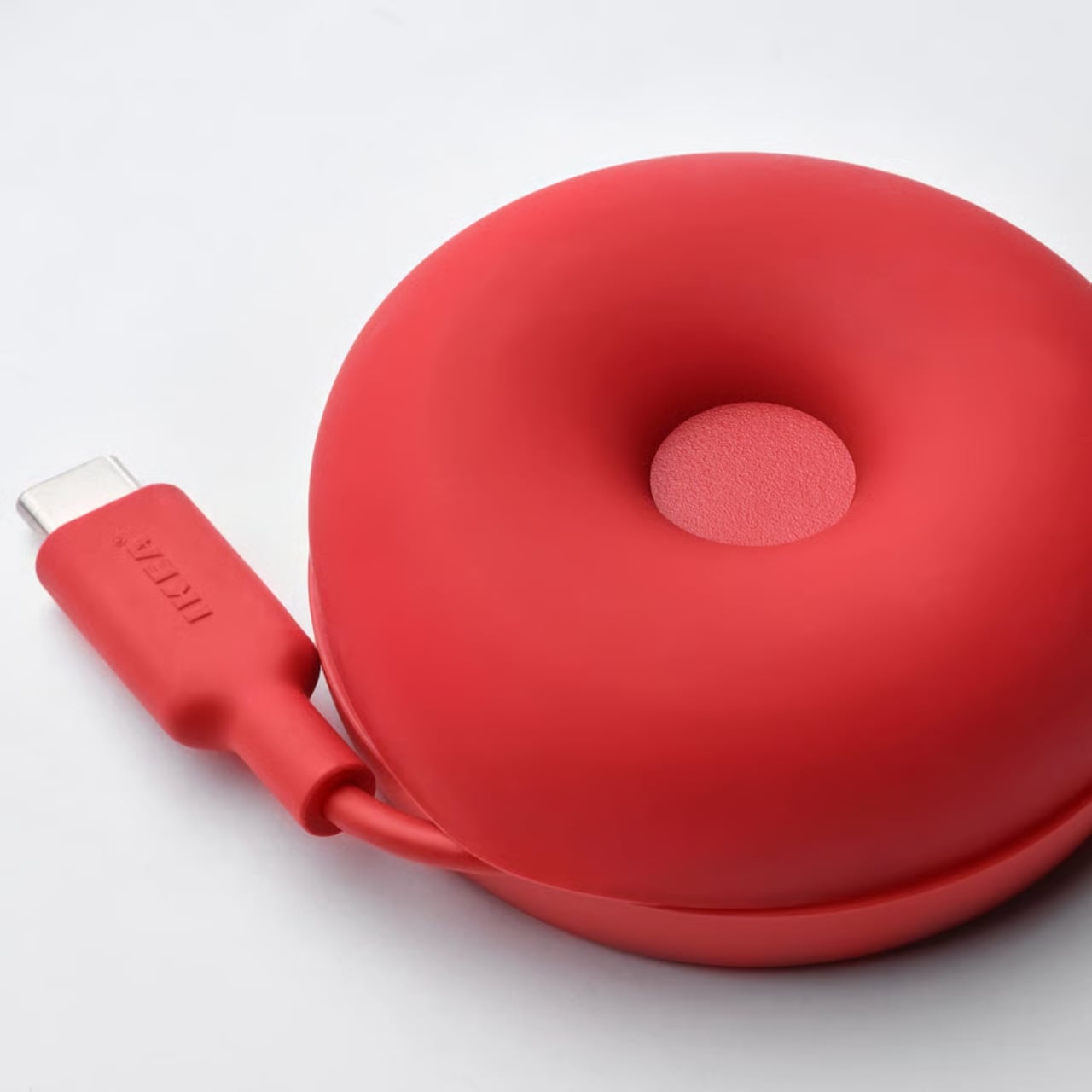
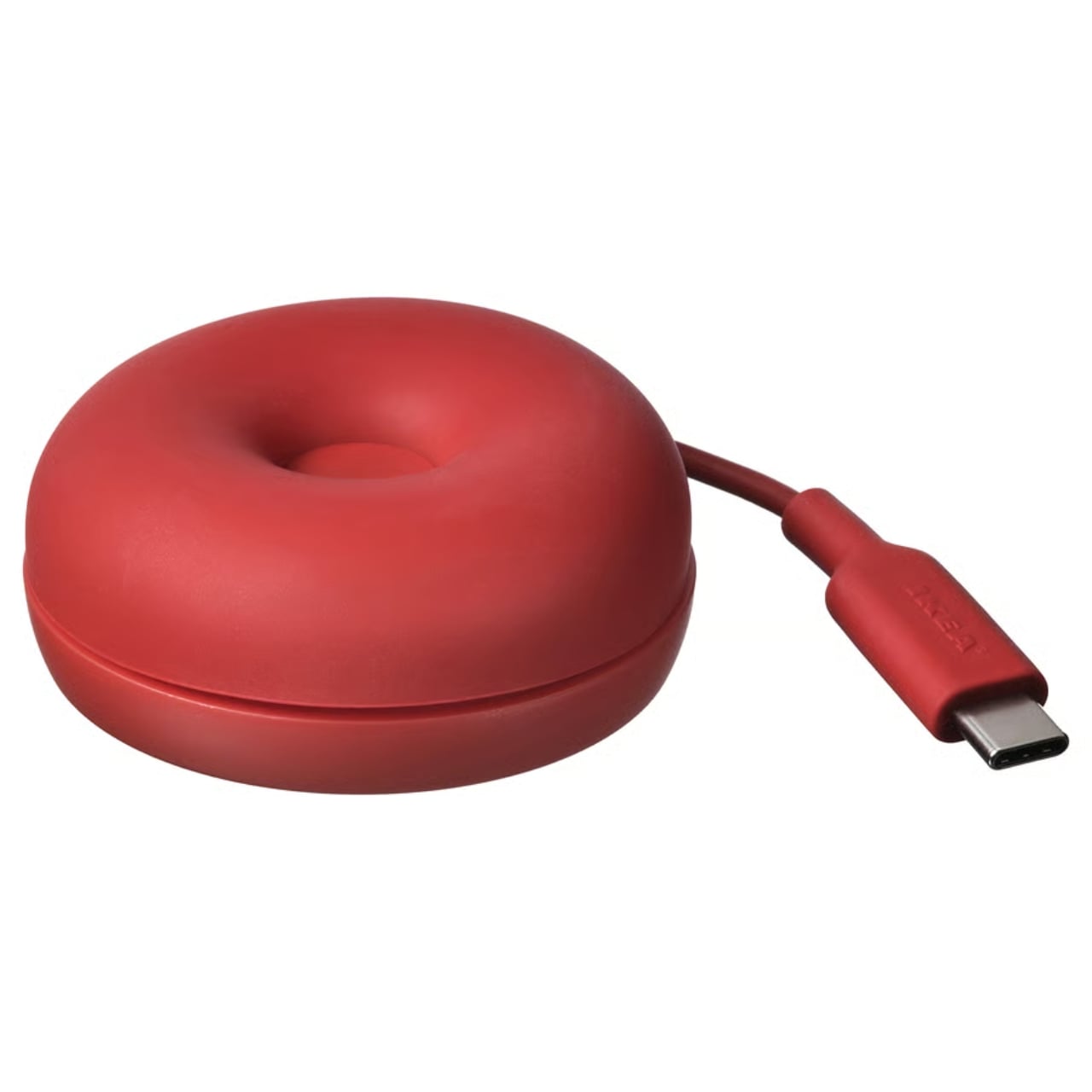
Forget the sleek metal pucks and boring black slabs that define the typical wireless charger landscape. The VÄSTMÄRKE arrives in a striking, happy red color which is a shade that manages to be both playful and aggressive. It is wrapped in soft, tactile silicone, and is shaped unmistakably like a bright, circular donut. Yes, a donut. This accessory is a masterclass in playful industrial design, immediately standing out in a crowded market where everything is trying desperately to be minimal and invisible, striving for that elusive “zero design” aesthetic. The VÄSTMÄRKE loudly rebels against that. At around ten dollars, it’s an absolute steal and an impulsive buy designed to bring a little pop culture fun and necessary color into your daily tech routine. It’s an instant dopamine hit for your desk.
But don’t let the adorable, pastry-like exterior fool you into thinking this is merely a cute paperweight that’s all style and no substance. Underneath that cheerful, friendly silicone exterior is a genuinely modern piece of charging tech that proves IKEA is serious about functionality. The VÄSTMÄRKE supports the new Qi2 standard, which is the current industry gold standard for magnetic wireless charging. This means it offers fast 15-watt charging speeds which is on par with high-end, premium alternatives, and, crucially for modern phone users, it includes precise magnetic alignment. This makes it instantly compatible with systems like Apple’s MagSafe or Google’s emerging PixelSnap standard, ensuring your phone snaps perfectly into place every single time. That magnetic click maximizes charging efficiency and eliminates the frustrating hunt for the sweet spot, a common annoyance with older, non-magnetic wireless pads.
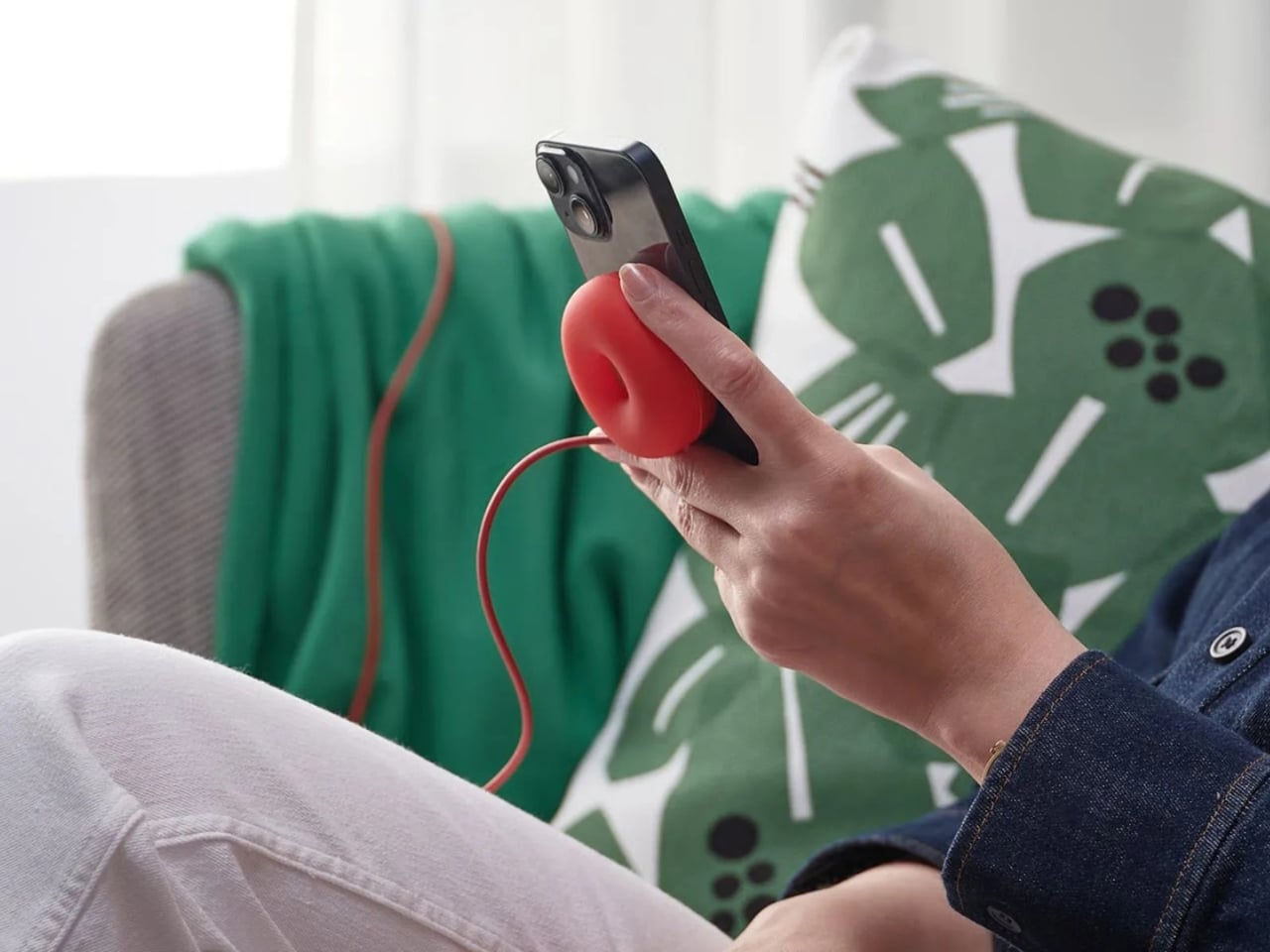
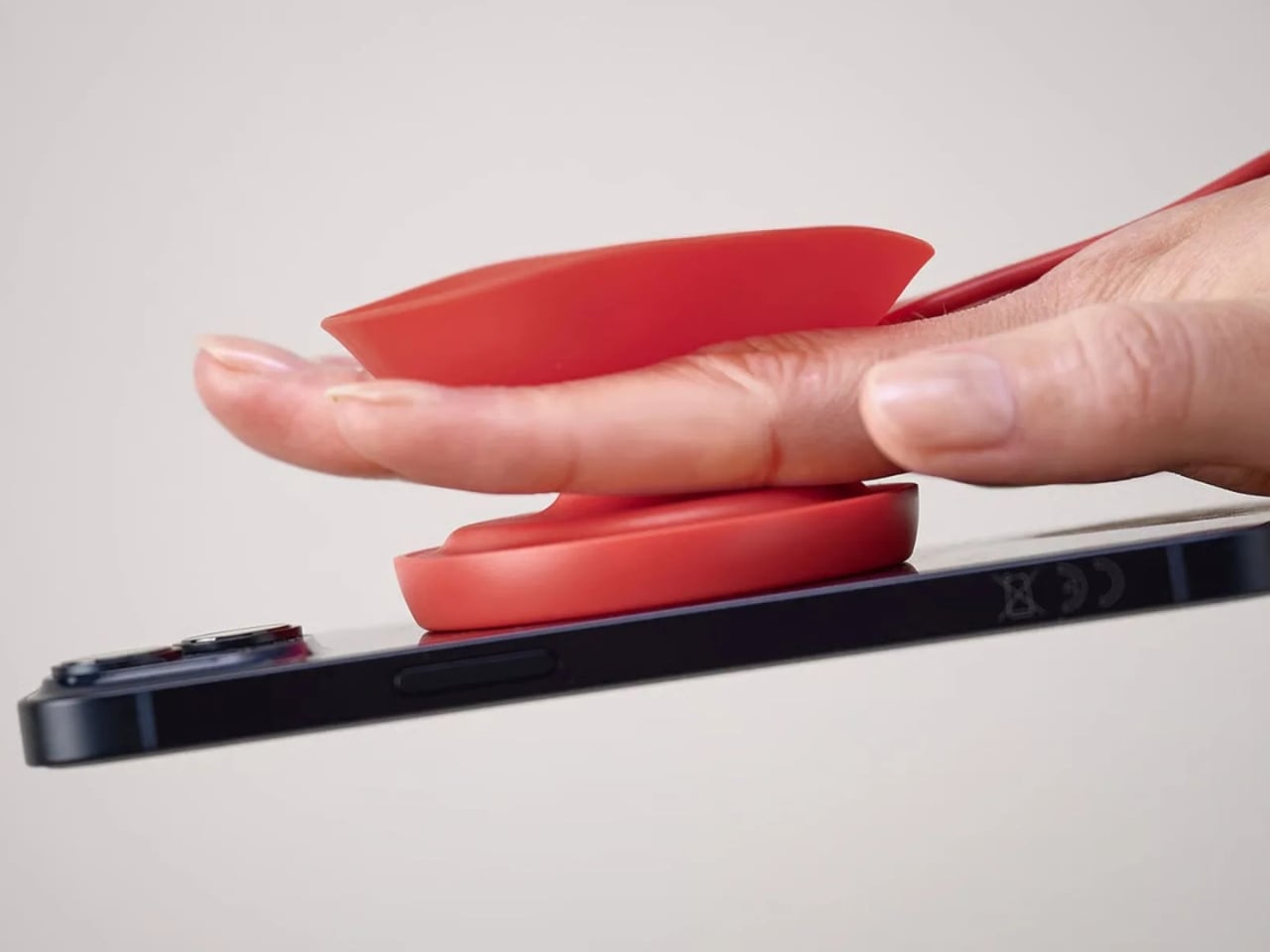
Where the VÄSTMÄRKE truly shines, however, is in its secret identity, offering two hidden functions that transform it from a simple charger into a genuine utility tool, a Swiss Army knife of power. The whole device is built around a clever fold-out core. You can flip the top half up and invert the ring, effectively turning the charger into an impromptu, stable, PopSocket-style grip for your phone. Imagine charging on the go, then seamlessly using the attached charger, which is still magnetically clamped to your device, to secure your grip while scrolling through social media, watching a video, or taking a complicated selfie. It’s a brilliant crossover of charging and ergonomic convenience that no one specifically asked for, but everyone who uses it will immediately wonder how they lived without it.
The second genius trick tackles the bane of all tech lovers: the cable tangle. That circular cutout, which doubles as the grip, is also a clever storage solution. The VÄSTMÄRKE includes an integrated USB-C cord, which is another nod to modernity and universal compatibility. When you’re done charging or ready to travel, you can simply wrap the cable neatly and snugly around the center gap and snap the silicone top back down. The cord disappears completely into the design, keeping your bag or pocket blissfully knot-free and preventing the charger itself from becoming a tangle magnet. It’s a supremely thoughtful nod to portability, making this the ideal budget travel companion for anyone constantly on the move.
The VÄSTMÄRKE is the perfect embodiment of IKEA’s approach to the smart home and personal tech. It’s cheap, utterly practical, uses high-level Qi2 technology typically reserved for more expensive gear, and comes wrapped in a delightful design that is guaranteed to spark conversation and smiles. It’s a testament to the idea that functional tech doesn’t have to be visually dull or take itself too seriously. Sometimes, the best design is the one that looks like it belongs on the menu rather than on the motherboard. If you’re looking for a dash of color, a clever set of features, and next-gen magnetic charging without emptying your wallet, this little red donut is an unexpected, delightful, and highly functional winner.
The best gifts are the ones you secretly want to keep. That moment when you’re wrapping something up and thinking about ordering a second one for yourself. EDC gear has a way of doing that because these aren’t just presents—they’re the tools that quietly improve your daily routine. The flashlight that makes you feel prepared. The knife that fits perfectly in your pocket. The clever little opener that turns a mundane task into something genuinely satisfying. These are the things we reach for every single day.
What makes a great EDC gift isn’t just utility. It’s the thoughtfulness behind choosing something beautifully designed, smartly engineered, and built to last. These seven picks earned their spot because we tested them, used them daily, and genuinely couldn’t imagine going back. Each one solves a real problem while looking effortless in doing it. Whether you’re shopping for someone who appreciates clever design or just building out your own carry, these are the pieces that deliver long after the packaging hits the recycling bin.
1. Cubik
There’s a certain elegance in simplicity that high-tech mechanisms sometimes miss. The Cubik gravity-activated pocket knife strips away springs, ball bearings, and complex locking systems in favor of physics. Press the trigger, hold it blade-down, and watch gravity do its thing. The blade deploys smoothly and locks firmly once the trigger is released. It’s one of those rare designs that makes you wonder why nobody thought of it sooner. The mechanism feels intuitive from the first use, requiring no learning curve or fiddling.
Beyond the novel deployment method, this knife carries serious credentials. The blade locks securely enough to handle demanding tasks, such as piercing hardwood, without any flex or wobble. The handle sits comfortably in your palm with enough grip to maintain control during precision work. There’s also a tungsten carbide glass-breaker embedded in the rear end—a feature that transforms this gentleman’s folder into genuine emergency gear. It’s compact enough for daily pocket carry yet substantial enough to feel like a real tool rather than a novelty. The Cubik manages to innovate in a category where genuine innovation feels increasingly rare.
What we like
The gravity deployment system eliminates mechanical complexity and potential failure points.
Heavy-duty blade lockup provides confidence for demanding cutting tasks.
Tungsten carbide glass-breaker adds emergency functionality without adding bulk.
Minimal maintenance requirements thanks to the simple mechanism.
What we dislike
Gravity deployment requires a specific orientation that might feel awkward initially.
The unique mechanism may not appeal to traditionalists who prefer flipper or thumb-stud designs.
2. BlackoutBeam Tactical Flashlight
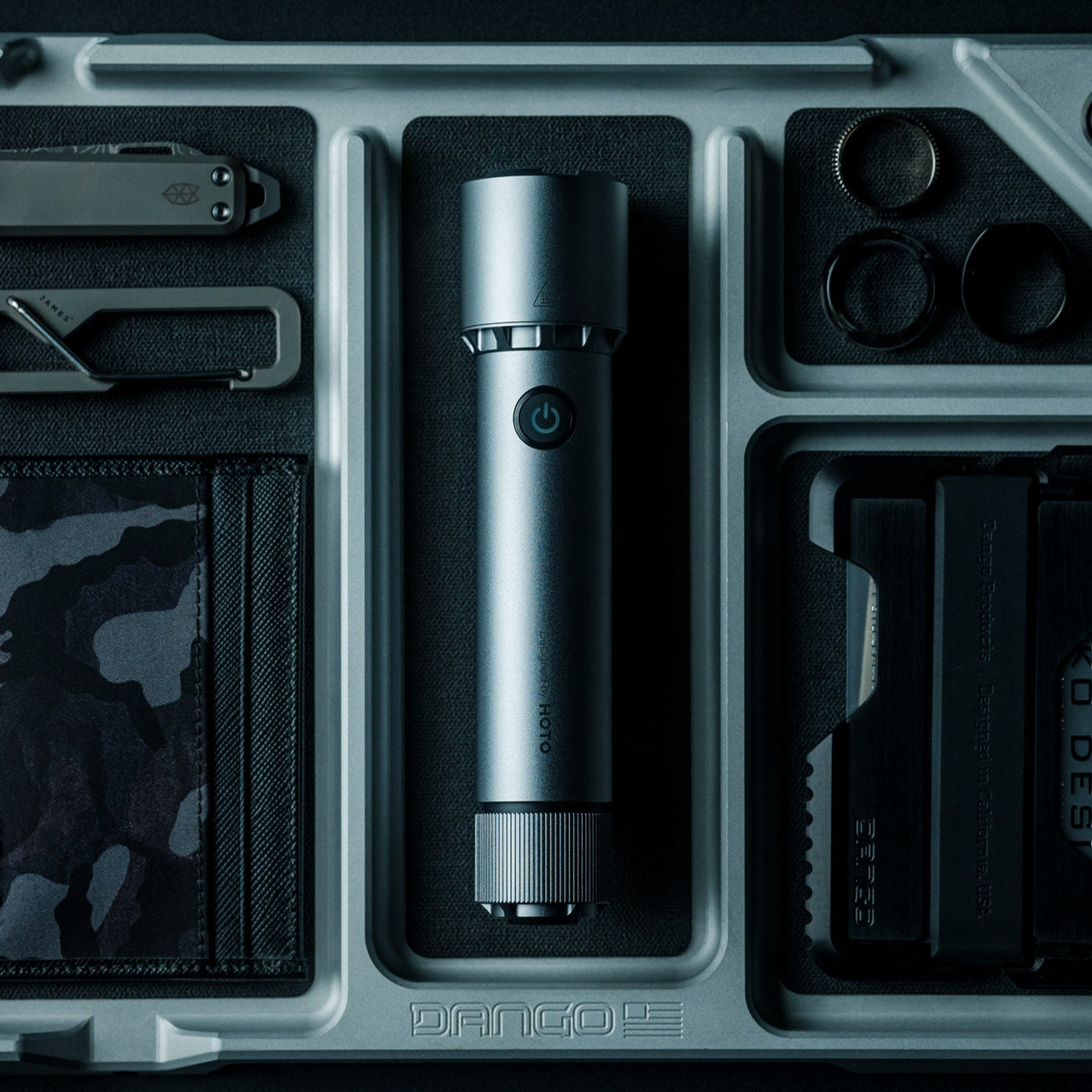
Flashlights have become wildly overengineered, packed with modes nobody uses and tactical aesthetics that scream “I watch too many action movies.” The BlackoutBeam cuts through that noise with 2300 lumens of legitimate power wrapped in restrained industrial design. This thing throws light 300 meters with a 0.2-second response time that feels instantaneous. Whether you’re dealing with a power outage, checking a strange noise outside, or just need serious illumination, it delivers without drama or unnecessary complexity.
The IP68 rating means this flashlight laughs off rain, dust, and even full submersion. The aluminum body feels substantial without crossing into heavy-duty overkill territory. Five modes cover your bases—three brightness levels plus strobe and pinpoint settings—giving you options without overwhelming you. The dual power system smartly combines a rechargeable 3100mAh lithium-ion battery with backup CR123A compatibility. That flexibility matters when you’re camping off-grid or facing extended power outages. The USB charging keeps things simple for daily use, while the battery backup ensures you’re never caught without light when it actually matters. It’s the kind of flashlight that makes you realize how inadequate your old one really was.
Massive 2300-lumen output with 300-meter throw range.
Near-instant 0.2-second response time eliminates lag.
IP68 waterproof rating handles submersion and harsh weather.
The dual power system offers rechargeable convenience and emergency backup options.
What we dislike
Maximum brightness drains the battery relatively quickly.
The high lumen output might be excessive for simple everyday tasks.
3. DraftPro Top Can Opener
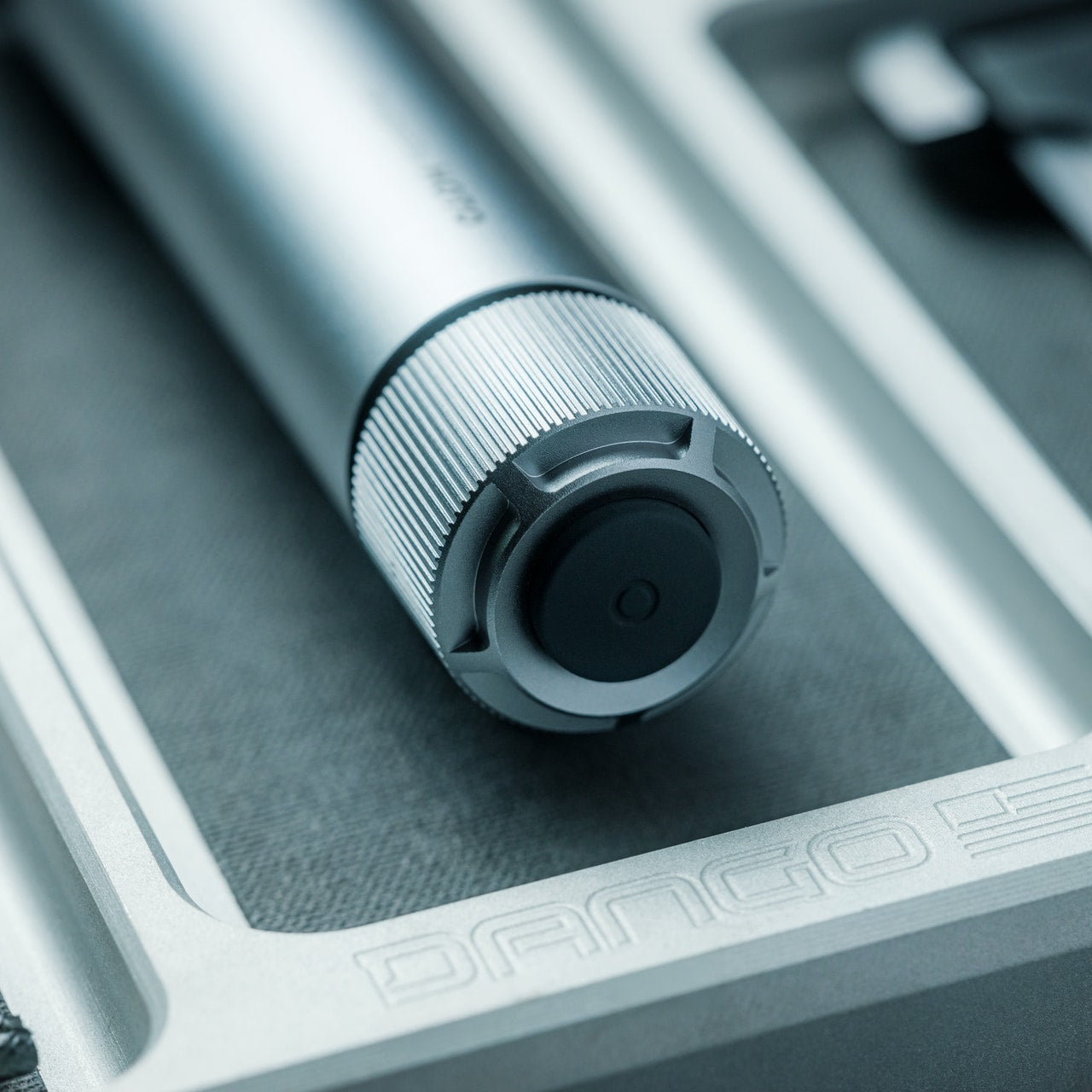
Award-winning Japanese designer Shu Kanno understood something fundamental about canned beverages—removing the entire top transforms the drinking experience. The DraftPro does exactly that, cleanly removing the lid to create a wide-mouth opening that lets you smell and taste your drink properly. That first sip of beer suddenly reveals notes you never noticed through a narrow opening. The aroma hits you before the liquid does, exactly like drinking from a proper glass. It sounds subtle until you try it, then you can’t go back.
The practical applications extend well beyond better beer appreciation. Drop ice directly into the can for instant chilling on hot days. Mix cocktails right in the can without dirtying a shaker or glass. The clean cut leaves smooth edges and makes cans genuinely reusable—turn them into planters, desk organizers, or recycle them without residue trapped inside. The opener itself maintains a compact form that slips into a drawer or bag without fuss. It works on domestic and international can sizes, eliminating the frustration of traveling somewhere with different standard sizes. The DraftPro represents that rare combination of elevated experience and expanded utility. It’s the kind of tool that makes you actively seek out canned drinks rather than settling for them.
Completely removes the top for a draft-style drinking experience.
Clean, smooth edges allow for direct ice addition and cocktail mixing.
Compact portable design works with all standard can sizes.
Used cans become immediately reusable for various purposes.
What we dislike
Requires more effort than simply popping a tab.
The open top eliminates the ability to reseal the can for later.
4. Painless Key Ring
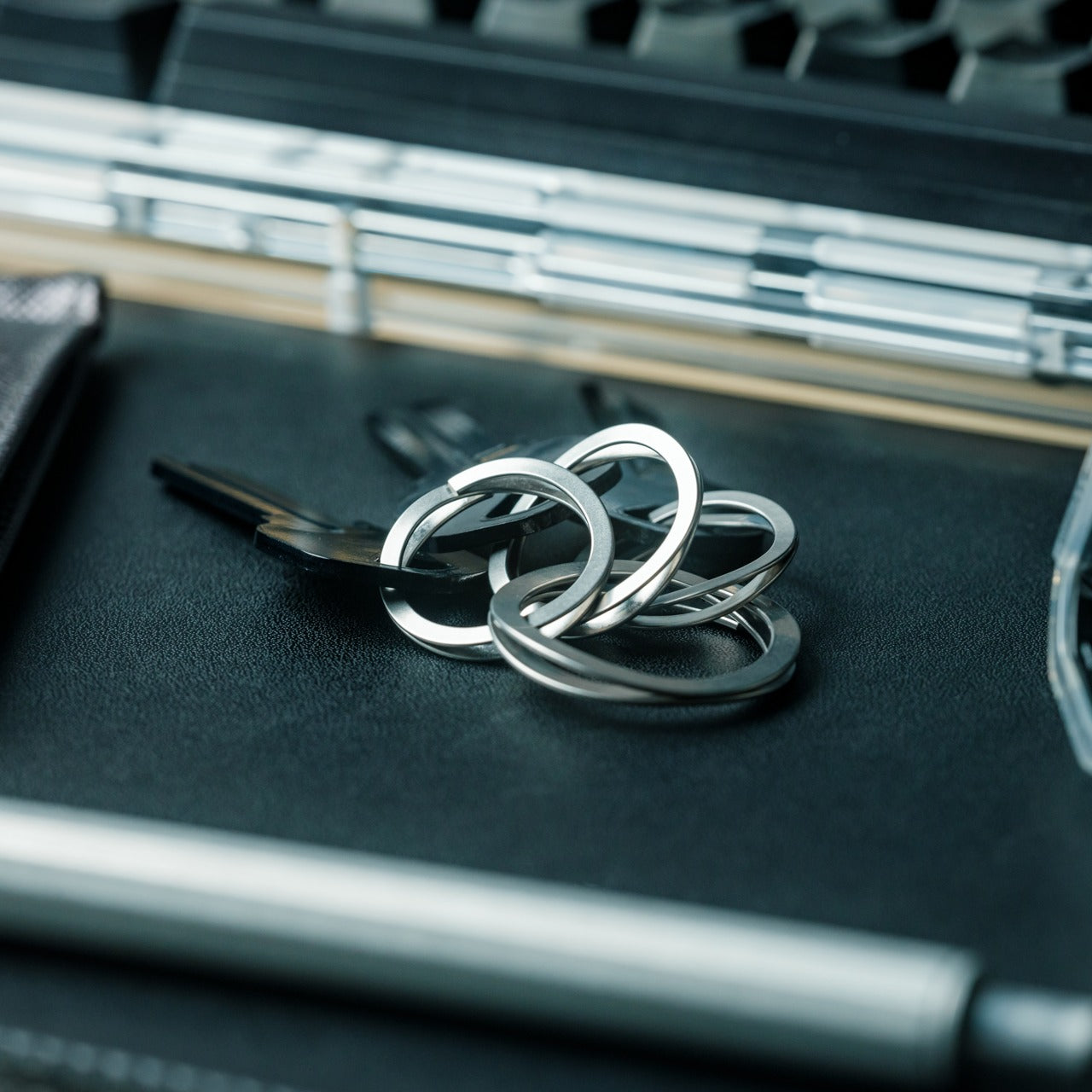
Key rings haven’t evolved much, which is remarkable considering how universally frustrating they are. Broken nails, bent rings, scraped fingers—all routine consequences of trying to add or remove a single key. The wave spring key ring borrows technology from aerospace and automotive applications to solve this ancient problem. The wave coil design creates enough flex to easily accept keys while maintaining strength and durability. Slide a key on, and the ring accommodates it. Remove one, and it requires no wrestling match. Your fingernails remain intact.
Despite the advanced engineering, this key ring maintains a slimmer profile than traditional split rings. The wave design distributes stress more effectively, making it lighter and more durable simultaneously. Available in silver and black finishes, it integrates seamlessly with any key set without drawing attention to itself. The mechanism works equally well with thick car keys and thin mailbox keys, adapting to different thicknesses without deforming. It’s one of those designs that seems obvious in hindsight—why have we been torturing ourselves with inferior key rings for decades? The wave spring solves a daily annoyance so effectively that going back to standard rings feels genuinely regressive. Small improvements in frequently used items deliver outsized quality-of-life gains.
Wave spring design eliminates the struggle of adding or removing keys.
Lighter and more durable than traditional split rings.
Slim profile reduces pocket bulk.
Works with all key types and thicknesses.
What we dislike
The unconventional design might not fit certain key organizers or holders.
Slightly higher cost compared to basic key rings.
5. CraftMaster EDC Utility Knife
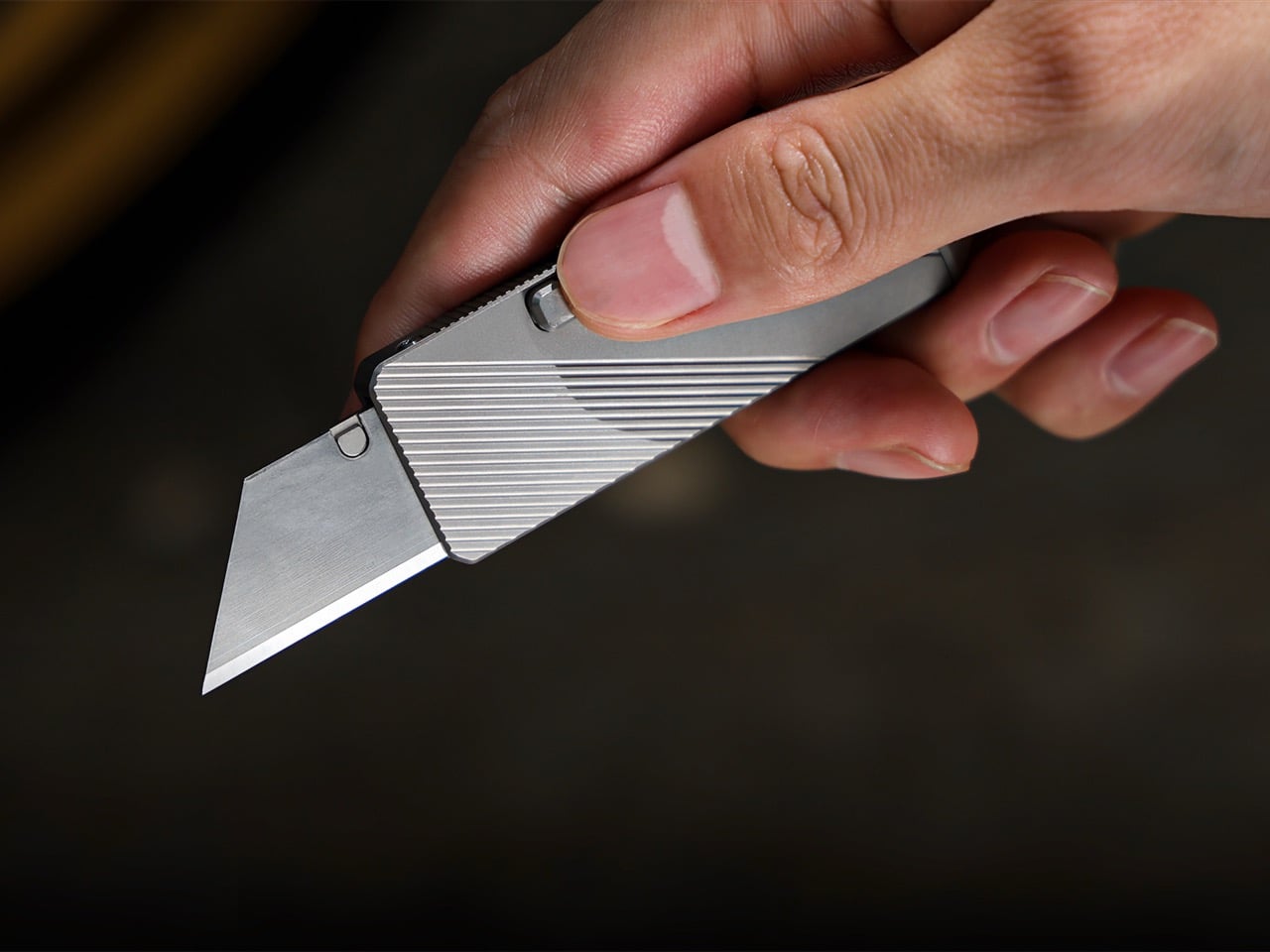
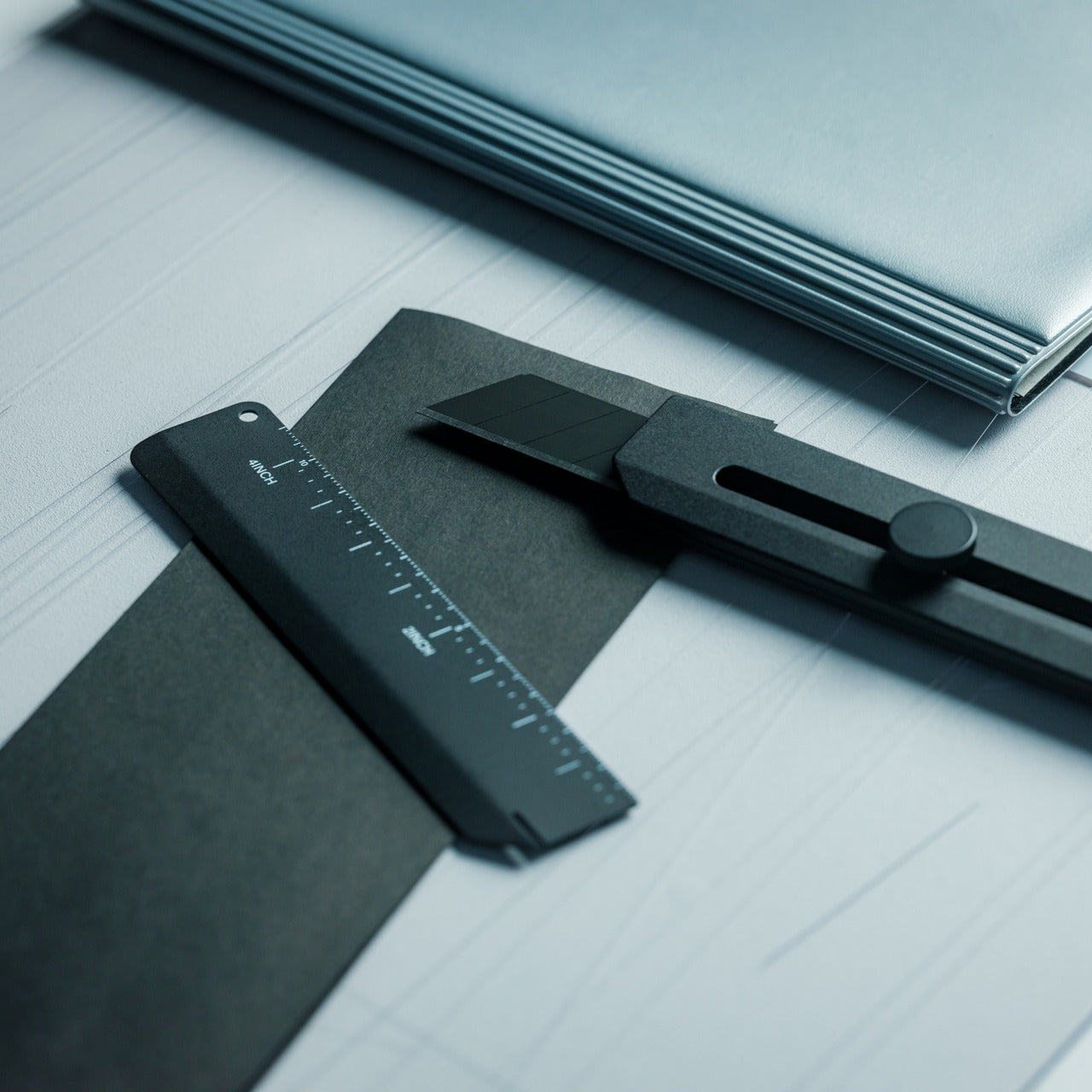
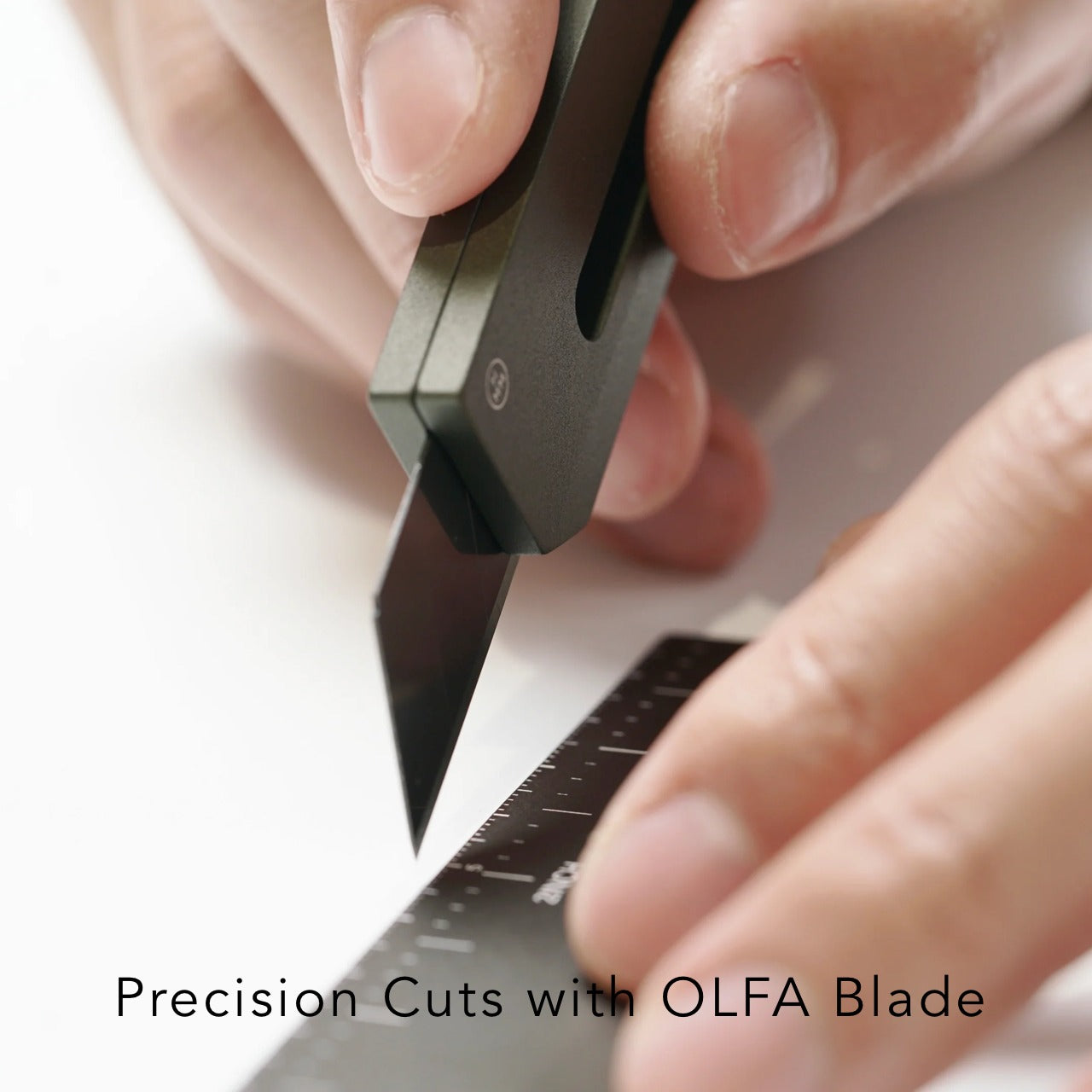
Most utility knives embrace industrial aesthetics that work fine for job sites but feel out of place in professional or refined settings. The CraftMaster flips that script with a sleek metallic form and minimalist design that looks intentional, sitting on a desk or carried daily. The metal construction provides satisfying heft and durability while maintaining a mere 0.3-inch thickness. A tactile rotating knob deploys the OLFA blade with precision and control. It’s utility knife functionality wrapped in sophisticated design language.
The magnetic back represents thoughtful engineering, letting you dock the knife on any metal surface for easy access. The companion metal scale attaches magnetically and serves multiple functions. Raised edges make it easy to lift off flat surfaces. Metric and imperial markings cover your measurement needs. The built-in blade-breaker lets you snap off dulled blade sections safely. The 15-degree curvature prevents finger contact when cutting, while the 45-degree blade inclination protects contents when opening packages. OLFA blades swap out easily when dull, extending the knife’s lifespan indefinitely. Every detail feels considered, from the ergonomics to the practical additions. This is a utility knife designed for adults who appreciate refined tools that don’t sacrifice capability for aesthetics. It elevates everyday cutting tasks while actually improving safety and functionality.
The premium design comes with a higher price point than basic utility knives.
The companion scale is an extra piece to keep track of.
6. 0.25 oz Aero Spork
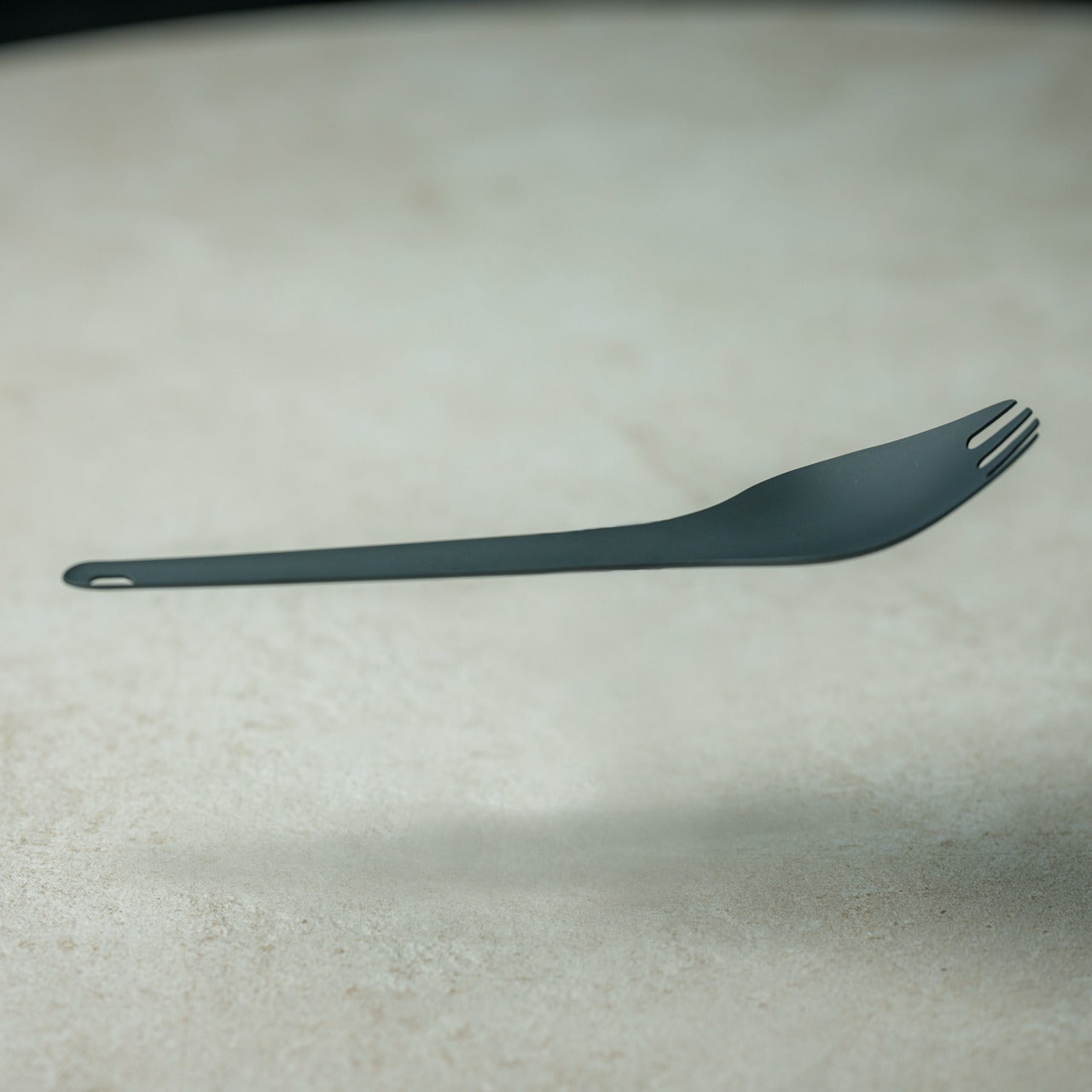
Ultralight gear often makes compromises that undermine usability. Flimsy handles, sharp edges, awkward ergonomics—the pursuit of weight savings frequently sacrifices comfort. The Aero Spork achieves a remarkable 0.25 ounces without any of those typical trade-offs. This metal spork combines genuine durability with barely-there weight. The ergonomic curved design provides a secure grip that basic straight sporks can’t match. That curve matters when you’re eating one-handed or dealing with stubborn food that requires a bit of leverage.
The tapered shape handles wrapped noodles better than flat alternatives, while the stackable design means carrying multiples adds minimal bulk. This spork works equally well for backpacking meals, emergency kits, or desk drawer backup when takeout arrives without utensils. The metal construction means it won’t snap, crack, or retain odors like plastic alternatives. It also won’t bend permanently like aluminum options that promise lightness but fail on durability. Clean it off and toss it back in your bag without worrying about degradation. The Aero Spork represents the intersection of weight consciousness and real-world functionality. It’s light enough that weight-obsessed backpackers approve, yet practical enough that everyone else benefits from the thoughtful design refinements.
Incredibly lightweight at just 0.25 ounces without sacrificing durability.
Ergonomic curved design improves grip and usability significantly.
The stackable form enables carrying multiple sporks efficiently.
Tapered shape handles various foods better than flat alternatives.
What we dislike
Single-piece design means no ability to separate spoon and fork functions.
Metal construction conducts heat from hot foods.
7. AirTag Carabiner
Apple’s AirTag technology delivers impressive tracking capabilities, but the official accessories lean generic and uninspired. This Duralumin composite alloy carabiner solves that problem while adding genuine utility. Snap it onto bags, bicycles, umbrellas, or anything else you’d rather not lose, and suddenly those items join your tracked ecosystem. The lightweight Duralumin material—used in aircraft and spacecraft—provides strength that belies its minimal weight. Each carabiner is individually handcrafted, ensuring quality that mass-produced options miss.
The material choice matters beyond simple durability. Duralumin performs reliably in water and at altitude, making this suitable for genuine outdoor use rather than just urban carrying. The carabiner functions as a real attachment point, not just a protective case that requires separate clips or straps. Available in untreated brass and stainless steel options alongside the standard Duralumin, you can match your aesthetic preferences or specific use requirements. The AirTag drops in securely without complicated installations or custom tools. For people who habitually forget where they left their bag or who worry about theft, this transforms anxiety into simple tracking. You gain peace of mind knowing your possessions stay findable even when your memory doesn’t cooperate. It’s the rare tech accessory that combines premium materials, thoughtful design, and practical problem-solving.
Premium Duralumin construction used in aerospace applications provides an exceptional strength-to-weight ratio.
Individually handcrafted quality with attention to detail.
Functions as a genuine carabiner while securely housing an AirTag.
Available in multiple material options for different preferences.
What we dislike
Apple AirTag must be purchased separately, adding to the total cost.
The carabiner design may be too bulky for minimalist key rings.
The Gear Worth Giving Twice
Building out a thoughtful EDC collection happens gradually. You find one piece that genuinely improves your daily routine, then another, slowly refining your carry until everything earns its place. These seven items accelerated that process because each one delivered immediately. No break-in period, no buyer’s remorse, no relegation to the junk drawer. They became indispensable quickly enough that gifting them felt almost selfish—we wanted everyone to experience the same upgrades we did, even if that meant ordering duplicates for ourselves.
Great EDC gear shares common traits. It solves real problems without creating new ones. It ages well rather than falling apart. It reflects thoughtful design that respects both form and function. These picks check all those boxes while bringing something special to their respective categories. Whether you’re shopping for someone with refined taste or just treating yourself to better tools, these are investments that pay daily dividends. The best part about giving gifts this good is that nobody needs to know you bought the first one for yourself.
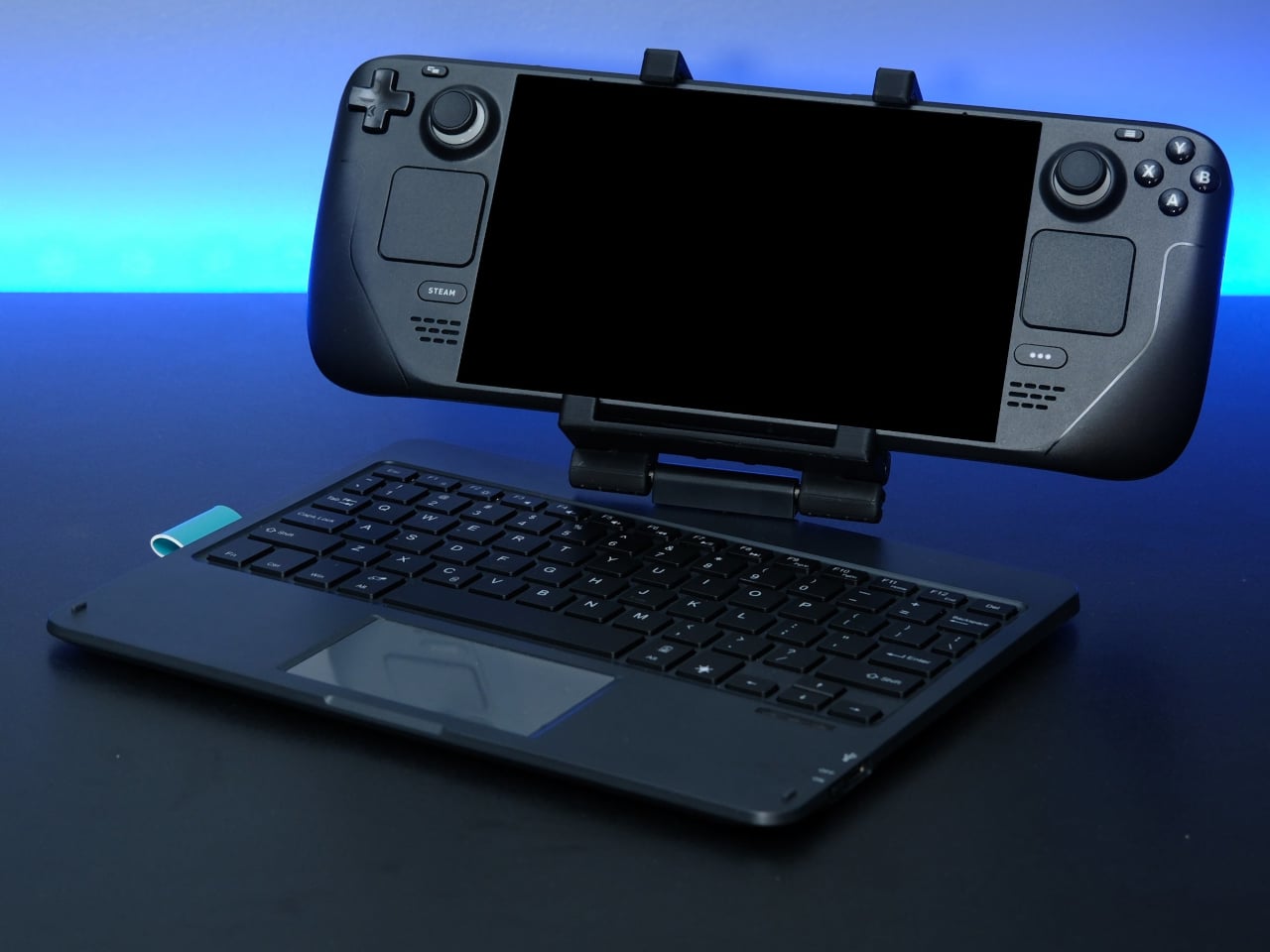
The Steam Deck, ROG Ally, and Legion Go are powerful little PCs that still behave like oversized controllers when you actually need to type, browse, or use desktop mode. Most people end up juggling a separate keyboard, mouse, and stand. DeckTop by Invensic takes a different approach, a clamp-on keyboard and trackpad that tries to give these handhelds a laptop posture without turning them into dock-only machines stuck next to a monitor.
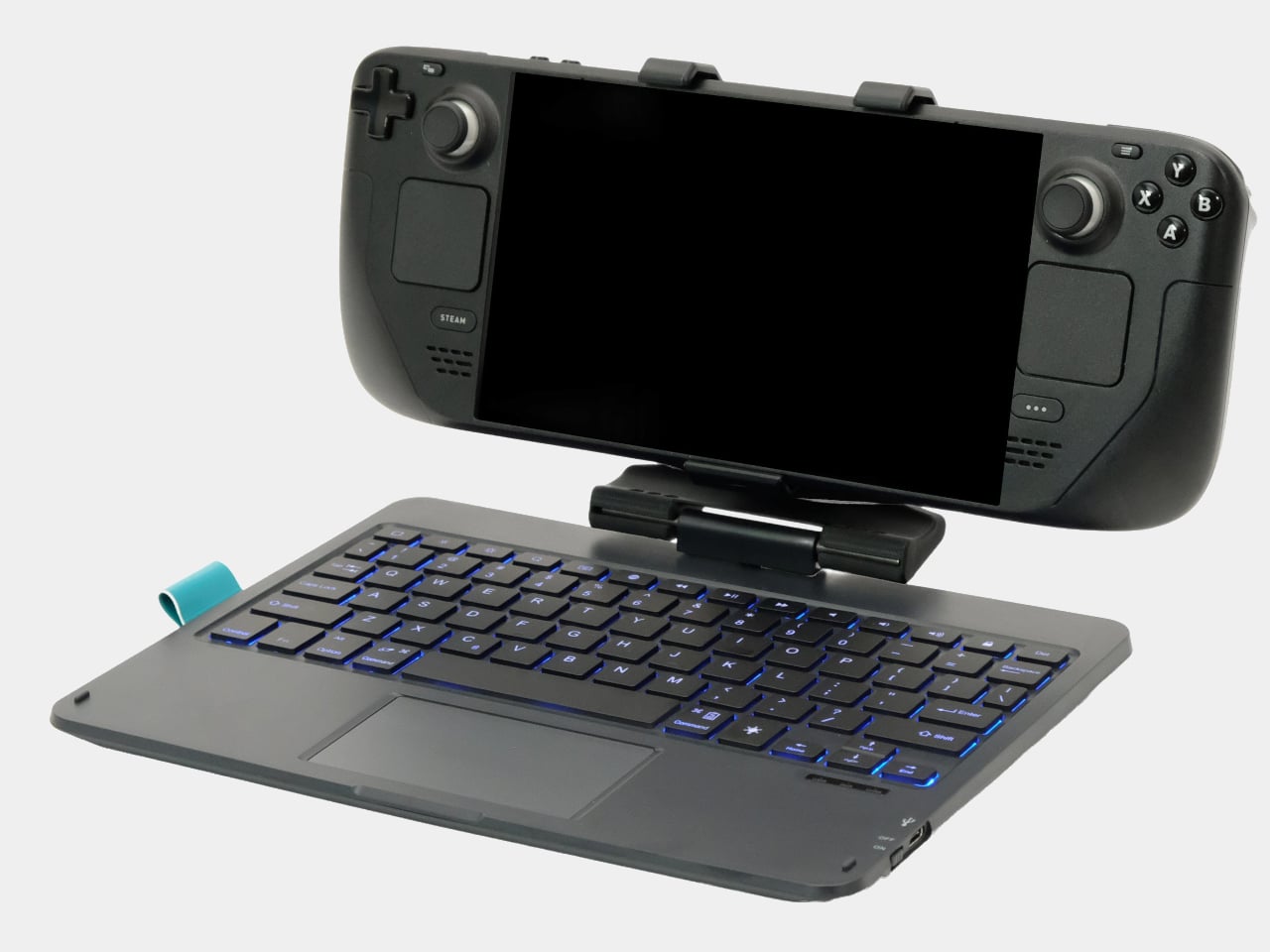
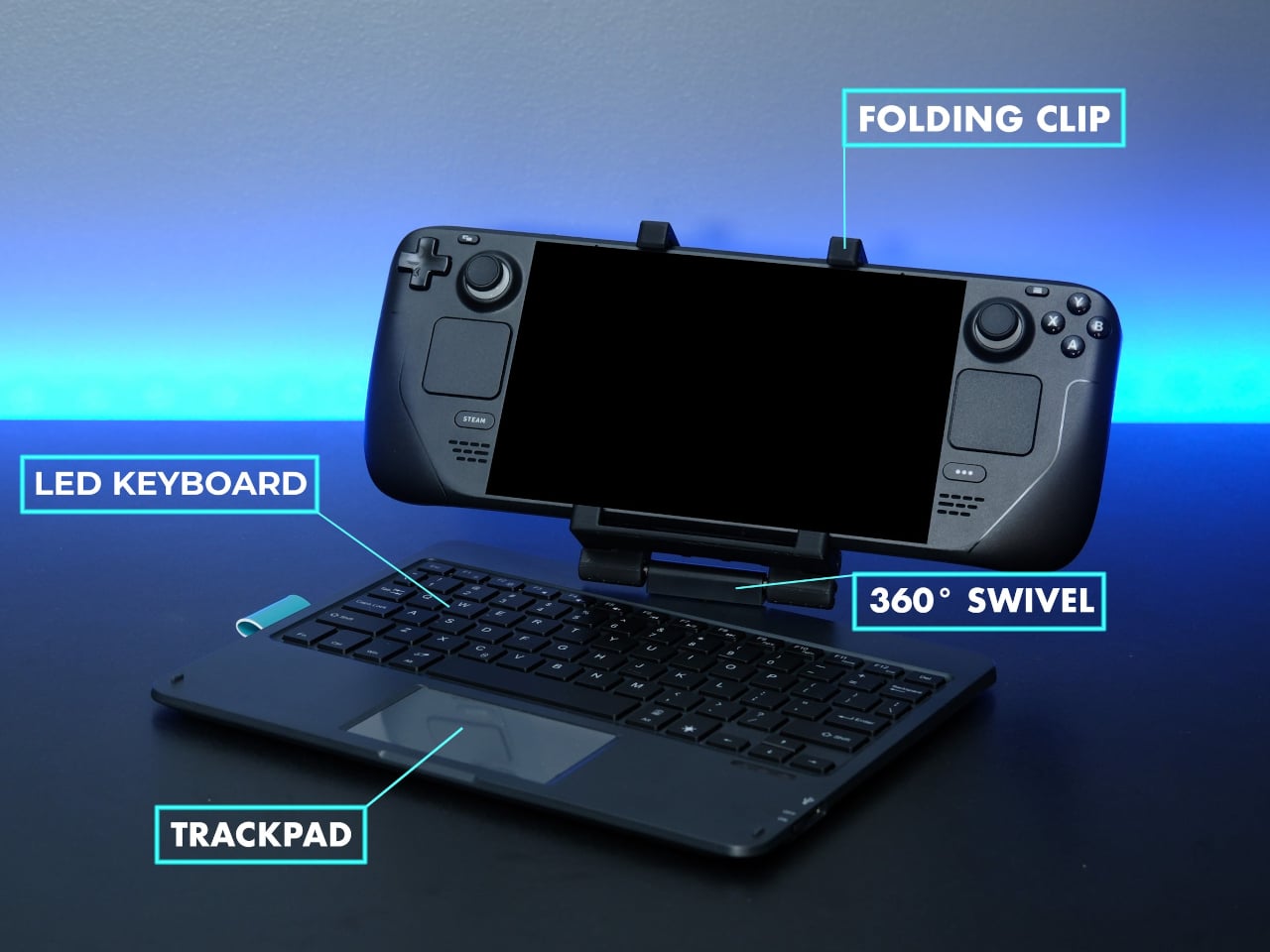
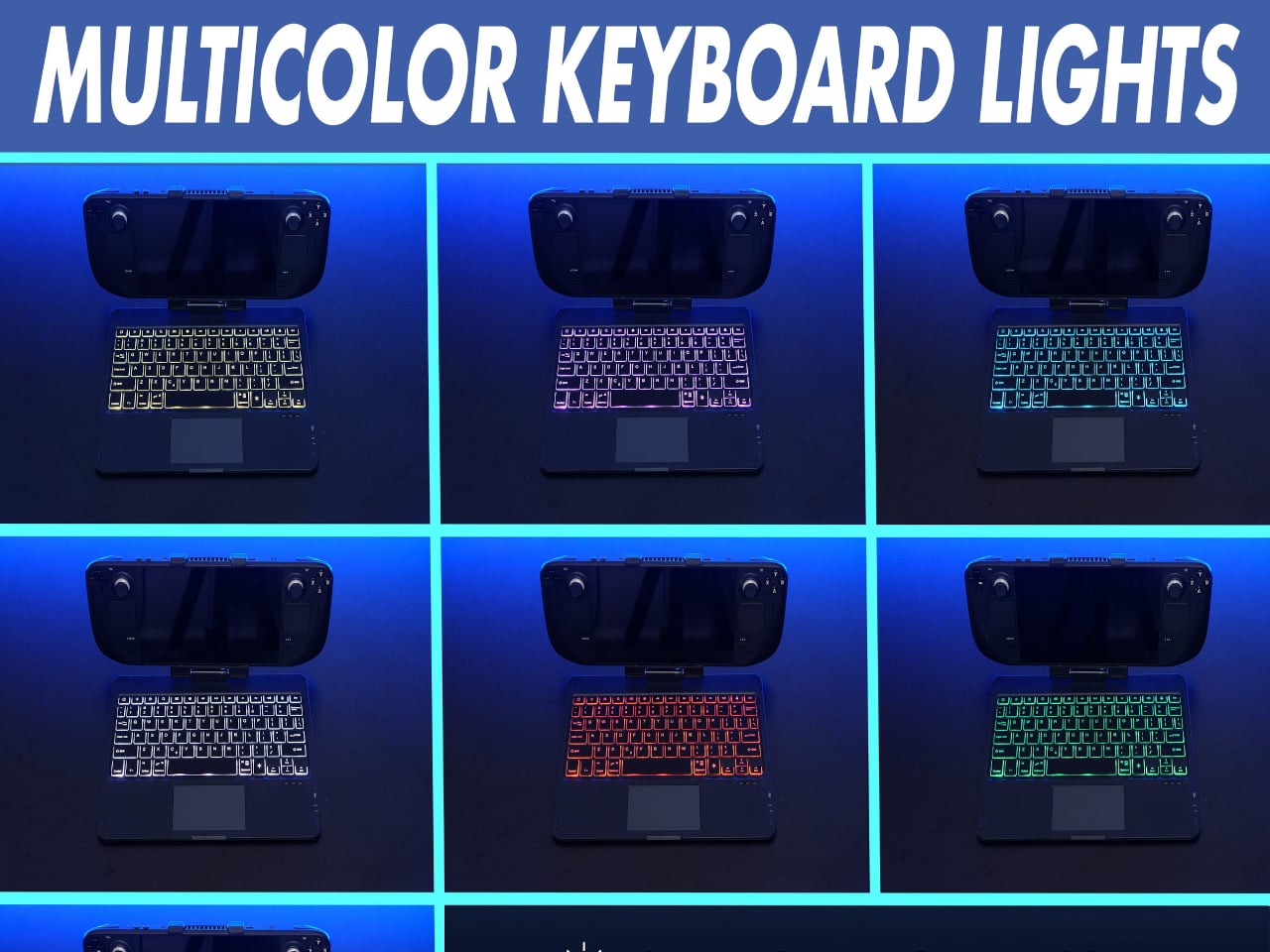
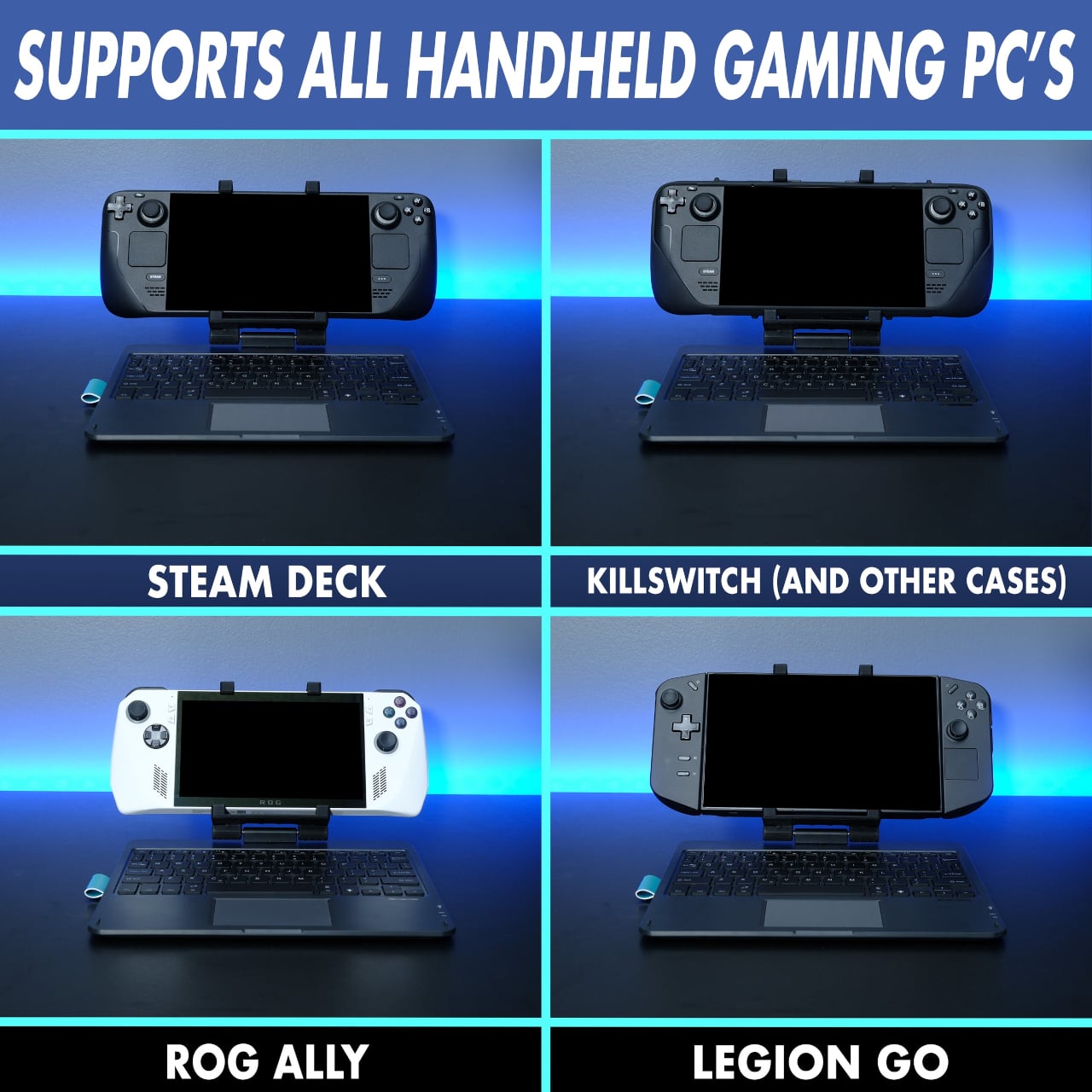
Invensic frames DeckTop as a Bluetooth keyboard and trackpad you can mount to your Steam Deck, with a 360-degree swivel and multicolor LED backlighting. It is sold as a Steam Deck accessory but is also designed to work with Steam Deck OLED, Killswitch cases, ROG Ally, and Legion Go, so it is really a general handheld shell that treats all of them like screens on a tiny notebook.
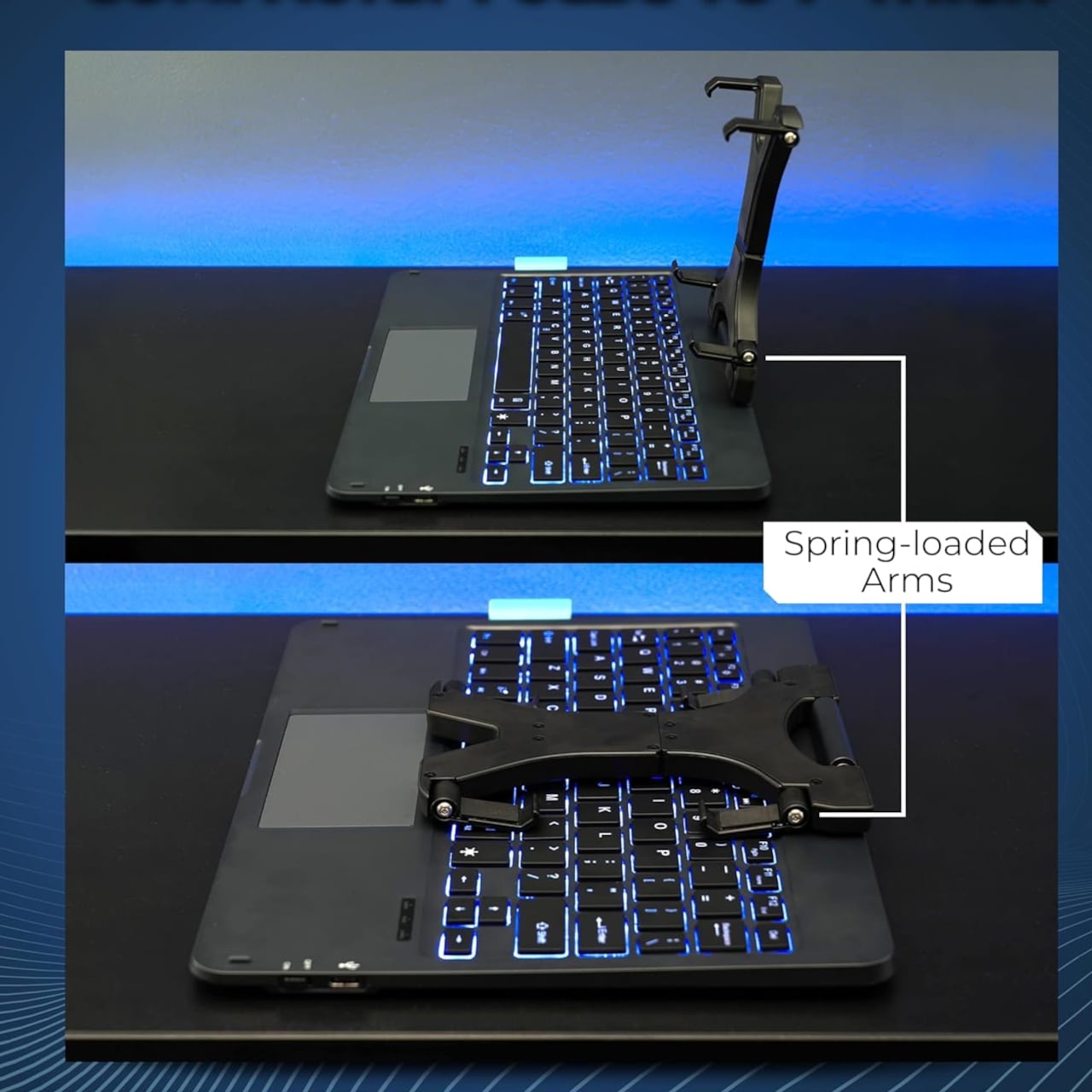
The folding clip has spring-loaded arms that grab onto the handheld and connect to the keyboard via a swivel hinge. The hinge lets you tilt and rotate the device through a full circle, so you can find a comfortable viewing angle on a desk, on a tray table, or on a couch. When you are done, the clip folds flat over the keyboard, bringing the whole thing down to about 1 inch thick, so it actually fits in a bag.
The low-profile keyboard has multicolor backlighting, and the integrated trackpad sits below the space bar. Brightness and color can be changed with simple key combos, and the trackpad supports single-finger tap for left-click and two-finger tap for right-click, just like a laptop. The idea is to give you a familiar input surface for desktop mode, emulators, and web browsing without reaching for a separate mouse.
DeckTop connects over Bluetooth, so there is no cable between the keyboard and the handheld, only whatever USB-C cable you are already using for power or docking. Invensic calls out low latency, which is fine for typing, navigation, and most games, but serious competitive players will still prefer a wired or 2.4 GHz setup. For travel and couch use, though, the wireless link keeps the whole rig clean and portable.
The spring-loaded arms are wide enough to handle bare devices and chunky cases like Killswitch, and the same deck can be swapped between different handhelds. The dual cinch straps on the back let you mount a power bank, turning the whole thing into a self-contained clamshell with extra runtime. It is a small detail, but it acknowledges that these devices burn through batteries fast when you treat them like laptops.
DeckTop does not magically transform a Steam Deck into a MacBook, but it does make writing, modding, remote desktop, and light productivity feel less like a hack and more like a supported mode. Whether or not you use it every day, it sits in a useful middle ground between treating a handheld as a pure gaming device and wishing you had brought a laptop instead.
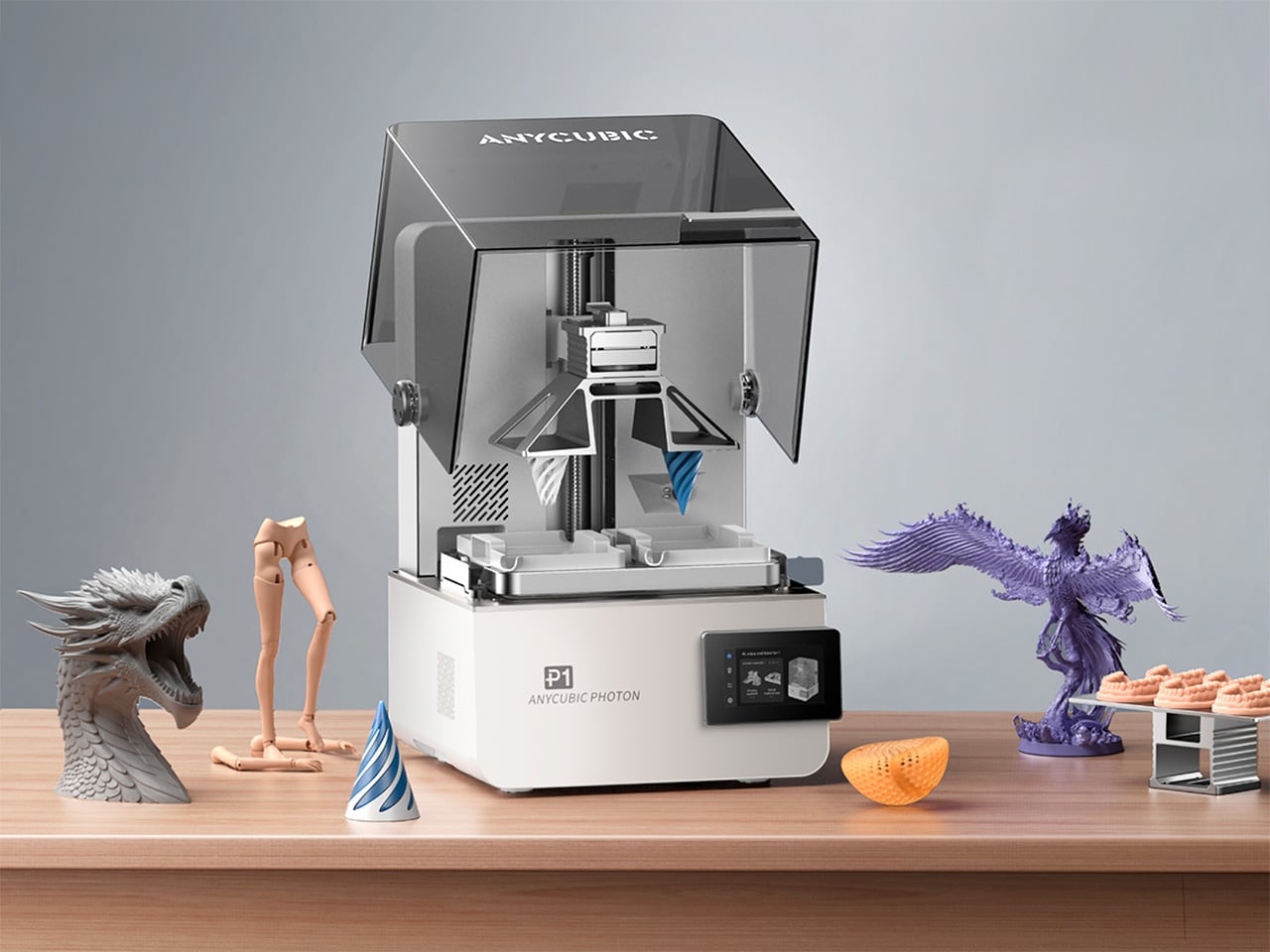
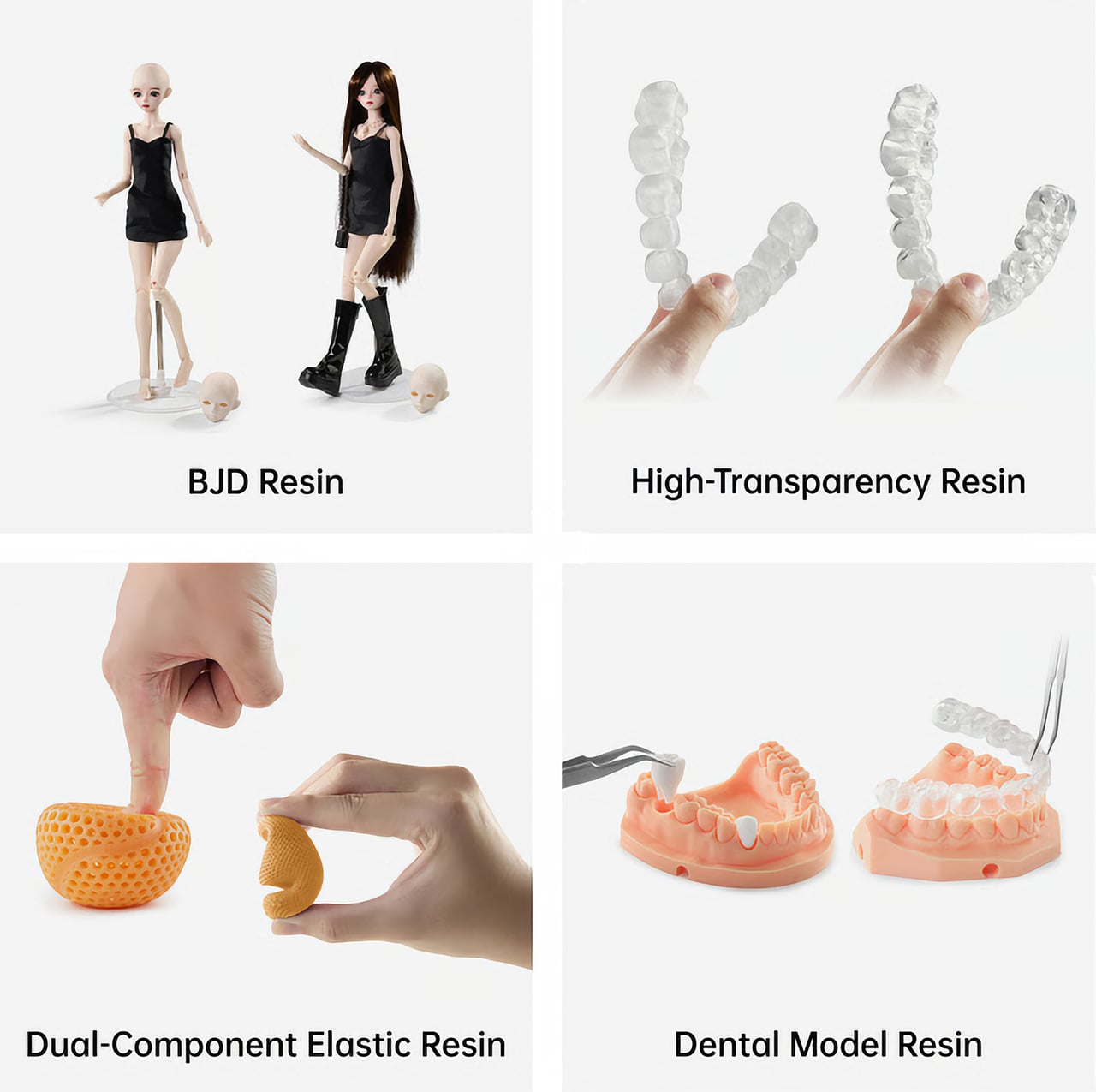
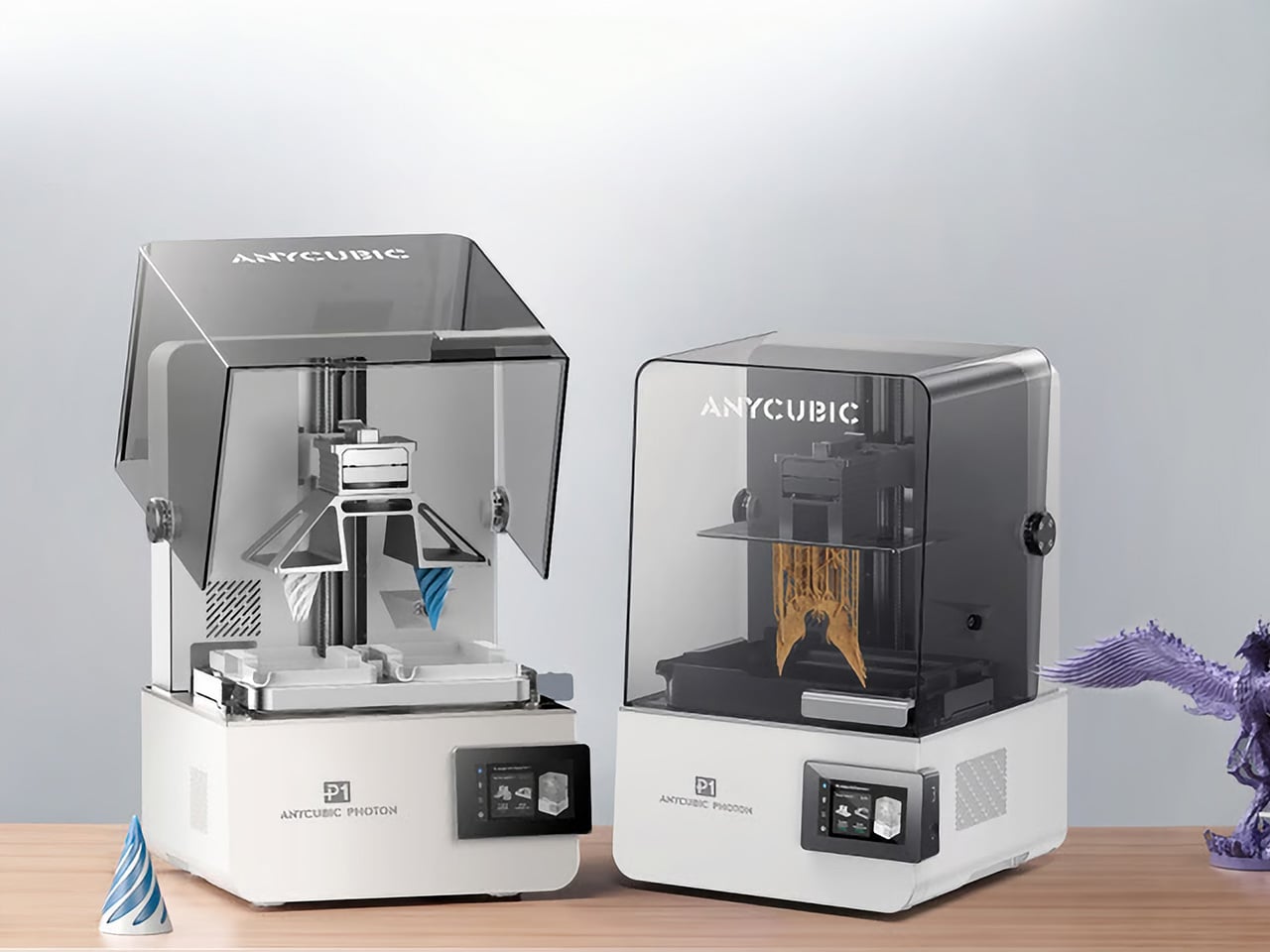
Desktop resin printers usually ask a simple question: how much resolution can you afford. Anycubic’s Photon P1 adds a more interesting one: what if the same machine could handle two colors, two materials, or two entirely different jobs without claiming more room on your bench. By pairing a dual‑vat system with a high resolution 14K display and a serious Z axis, the Photon P1 feels tailored to studios that prototype daily and iterate fast. The Photon P1 also packs LighTurbo 4.0 (an advanced UV light source system) for curing developed specially by Anycubic, along with a smart heated vat that temperature-controls the resin baths, offering a kind of industrial-grade output you’d never see in other consumer 3D printers.
Central to this new approach is a cleverly engineered dual‑vat system, a feature so rare in the consumer space that it feels like a genuine novelty. Instead of a single, monolithic resin tank, the P1 offers the option of two smaller, distinct vats side by side (the default is still a single-vat version for most basic users). Hovering above them is a forked build plate, a single component with two separate printing surfaces that can operate in tandem. This architecture allows the printer to print two colors or two resin types in a single job, eliminating the need for separate runs. Its slicer supports material-specific configurations optimized for dual-vat workflows, keeping both materials stable and consistent within one print. When working with premium or engineering resins, this setup also reduces waste and helps lower overall material costs, this setup also reduces waste and helps lower overall material costs. This fundamentally changes the workflow – it effectively gives you the power of two printers, but with the synchronized precision and footprint of one. The machine is not just building an object, it is managing a production queue, all within its own chassis.
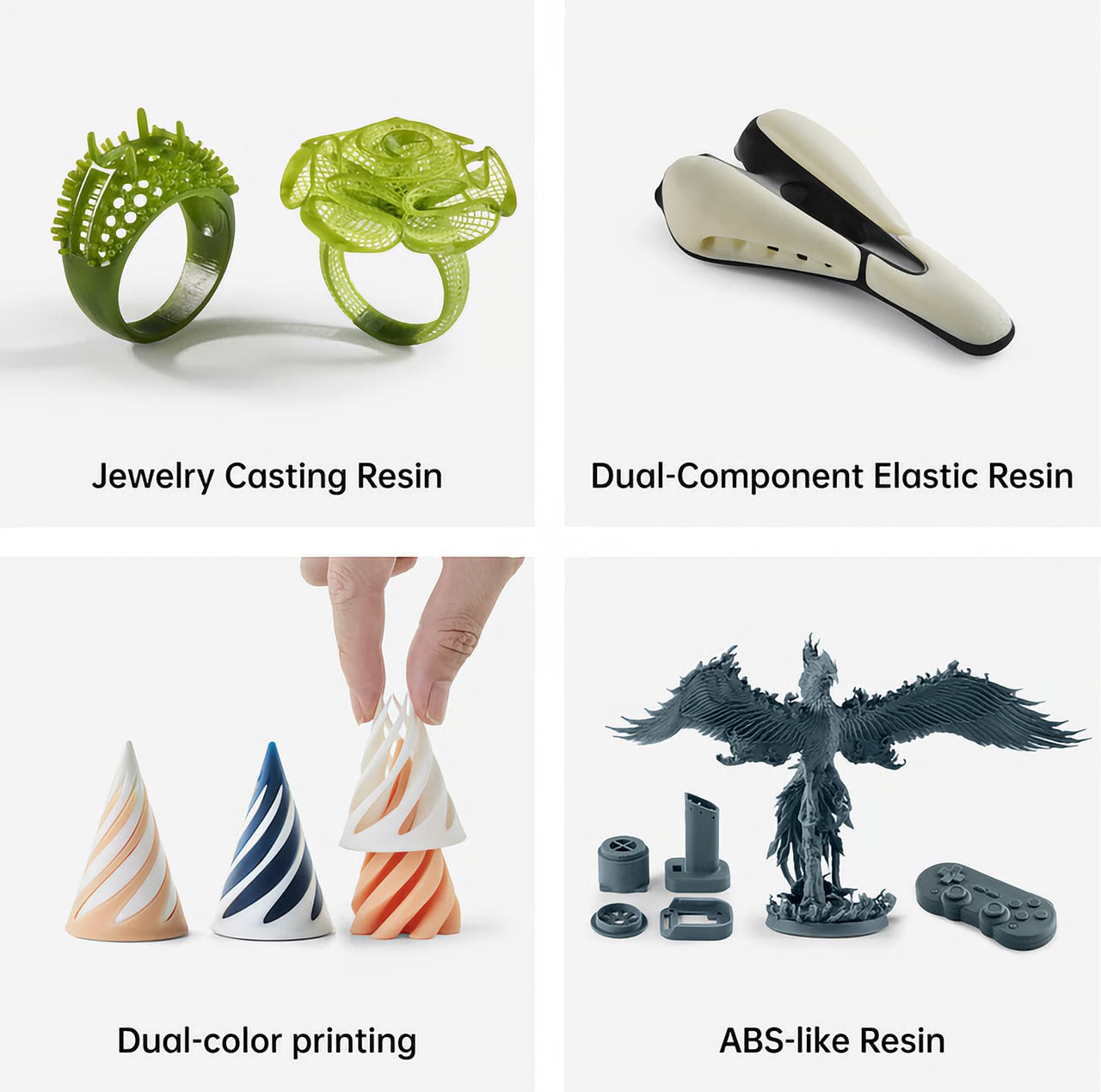
This opens a fascinating playbook for designers and creators. A product designer, for instance, could prototype a remote control with a hard, rigid casing printed from standard resin in the left vat, while simultaneously printing soft, flexible buttons from a TPU‑like resin in the right vat. The result is a multi‑material prototype in a single print job, offering a far more accurate representation of a final product without the hassle of printing parts separately and assembling them later. For artists and miniature sculptors, the possibilities are just as compelling. Imagine printing a fantasy character where the main figure is rendered in an opaque grey for maximum detail, while a magical spell effect or a ghostly appendage is printed in a translucent, colored resin from the second vat. This dual‑system approach streamlines the creation of complex, multi‑part models, reducing post‑processing and painting time.
Beyond multi‑material applications, the P1 excels as a pure productivity engine. A technical studio can produce engineering-grade resin prototypes. Designers or creatives can model and produce flexible materials for complex assemblies. A small business owner running an Etsy shop for custom D&D miniatures could use it to fulfill two different orders at once, performing batch production or even dual-part workflows for maximized efficiency. This parallel workflow essentially doubles the machine’s throughput for small to medium‑sized objects, making it an incredibly efficient tool for anyone doing light production work. It transforms the printer from a single‑task device into a small‑batch manufacturing hub.
Of course, these advanced capabilities would be meaningless without a foundation of precision and reliability. Anycubic has clearly invested in the P1’s mechanical integrity, moving it out of the hobbyist category and into prosumer territory. The Z‑axis, often a weak point on budget machines, is built around an industrial‑grade ball screw and robust linear rails. This is a significant upgrade from the typical lead screw setup, translating to smoother, more consistent vertical travel. For the user, this means virtually no visible layer lines, a dramatic reduction in Z‑wobble artifacts, and exceptional repeatability, ensuring that parts designed to fit together do so with tight tolerances.
This focus on industrial‑grade components extends to the build plate itself. Instead of the usual anodized aluminum, the P1 uses a precision‑milled slab of steel. Steel’s superior rigidity and thermal stability mean the plate is less likely to warp over time, ensuring a perfectly flat and level surface for consistent first‑layer adhesion, which is critical for print success. It is a subtle but important detail that signals a commitment to long‑term reliability. This mechanical stability is the bedrock that supports the printer’s headline features.
At the heart of its imaging system is a 14K monochrome LCD. That number translates directly into breathtaking surface detail. With an extremely fine XY resolution, the P1 can reproduce microscopic textures, razor‑sharp edges, and intricate patterns that would be lost on lower‑resolution screens. For jewelry designers prototyping complex filigree or architects building scale models with fine brickwork, this level of detail is indispensable. The monochrome screen also offers the practical benefits of faster cure times and a much longer operational lifespan than the older RGB LCDs, reinforcing the P1’s role as a dependable workhorse.
The Anycubic Photon P1, therefore, is more than just the sum of its impressive parts. It represents a holistic design philosophy where each component complements the others. The high‑resolution 14K screen provides the detail, the industrial Z‑axis ensures that detail is rendered flawlessly layer after layer, and the innovative dual‑vat system leverages that quality to create more complex, more functional, and more beautiful objects with unparalleled efficiency. It is a machine that seems to understand the creative process, offering not just a tool, but a smarter way to work.
Anycubic unveiled the Photon P1 at the Formnext additive manufacturing show, with a Kickstarter campaign debuting this month to let people get their hands on the Photon P1. The retail price is set at a competitive $799, but early adopters have an opportunity to get in at a much lower early‑bird price of $499 (available for a limited period only), a figure that makes its prosumer features accessible to a much wider audience of serious creators and designers.
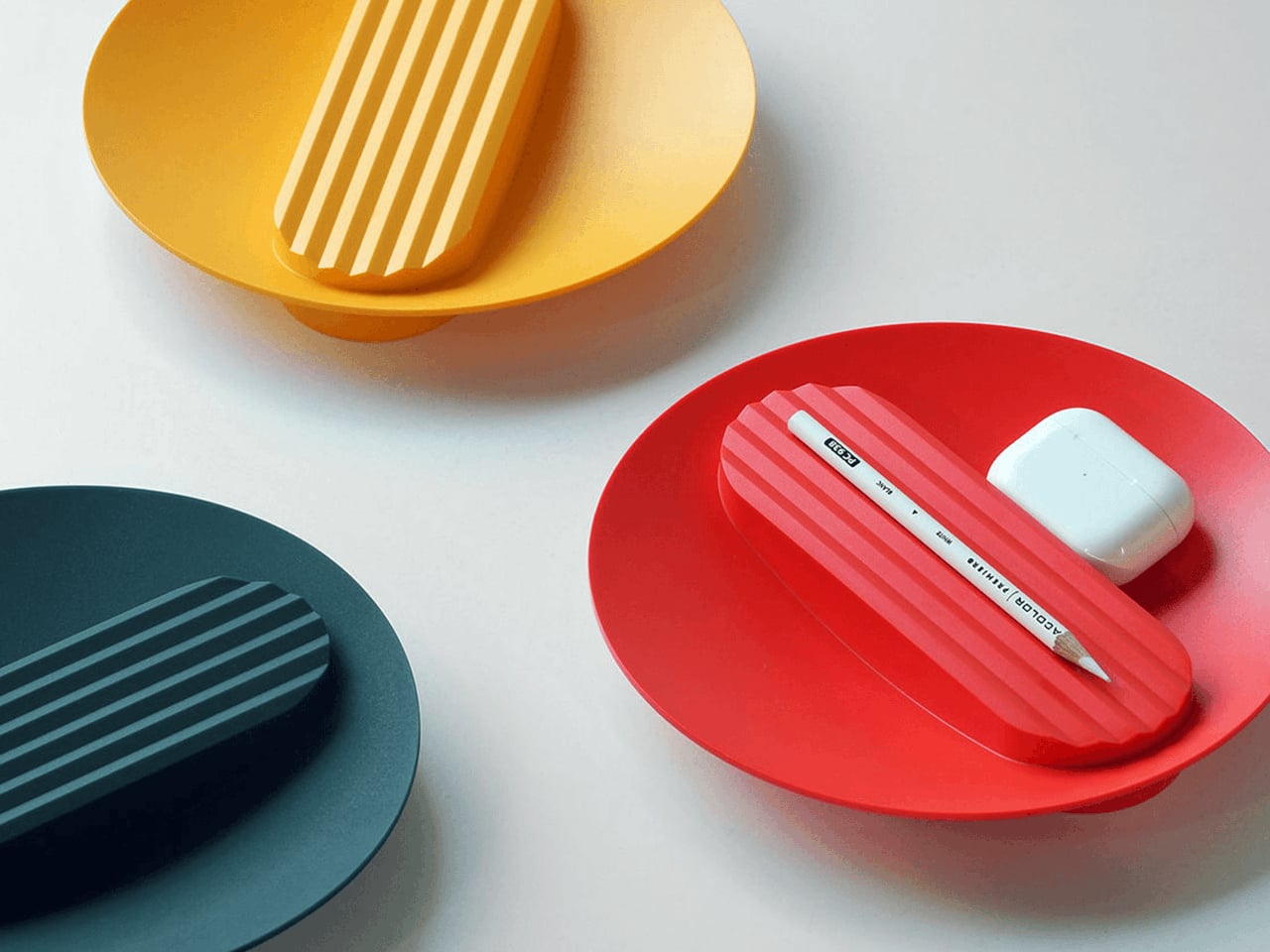
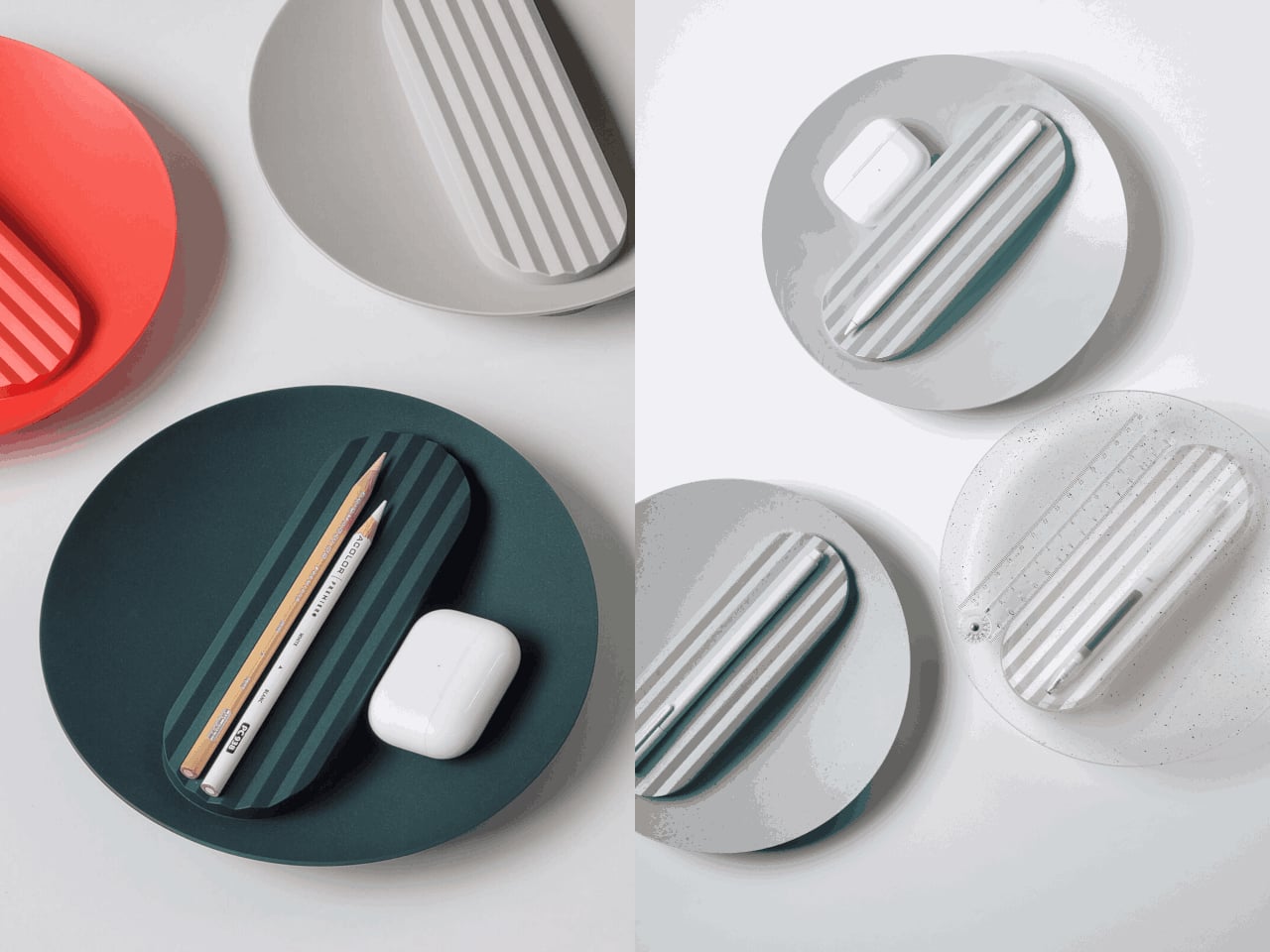
Recycled plastic products often fall into two camps: grey utilitarian bins or loud, speckled experiments that feel more like proof of concept than something you want on your desk. Tray210 recycled, a collaboration between Korean studio intenxiv and manufacturer INTOPS under the rmrp brand, takes a different approach, using recycled plastics and waste additives to create a tray that feels like a considered object first and an eco story second, treating material diversity as part of the design language.
Tray210 recycled is a circular tray with three compartments, an evolution of the original Tray210 form. It grew out of INTOPS’ grecipe eco-material platform and hida’s CMF proposals, which is a long way of saying it is the result of a tight loop between material science and industrial design. The goal was to pursue material diversity and break away from the cheap recycled stereotype, making something that belongs in sight rather than hidden under a desk.
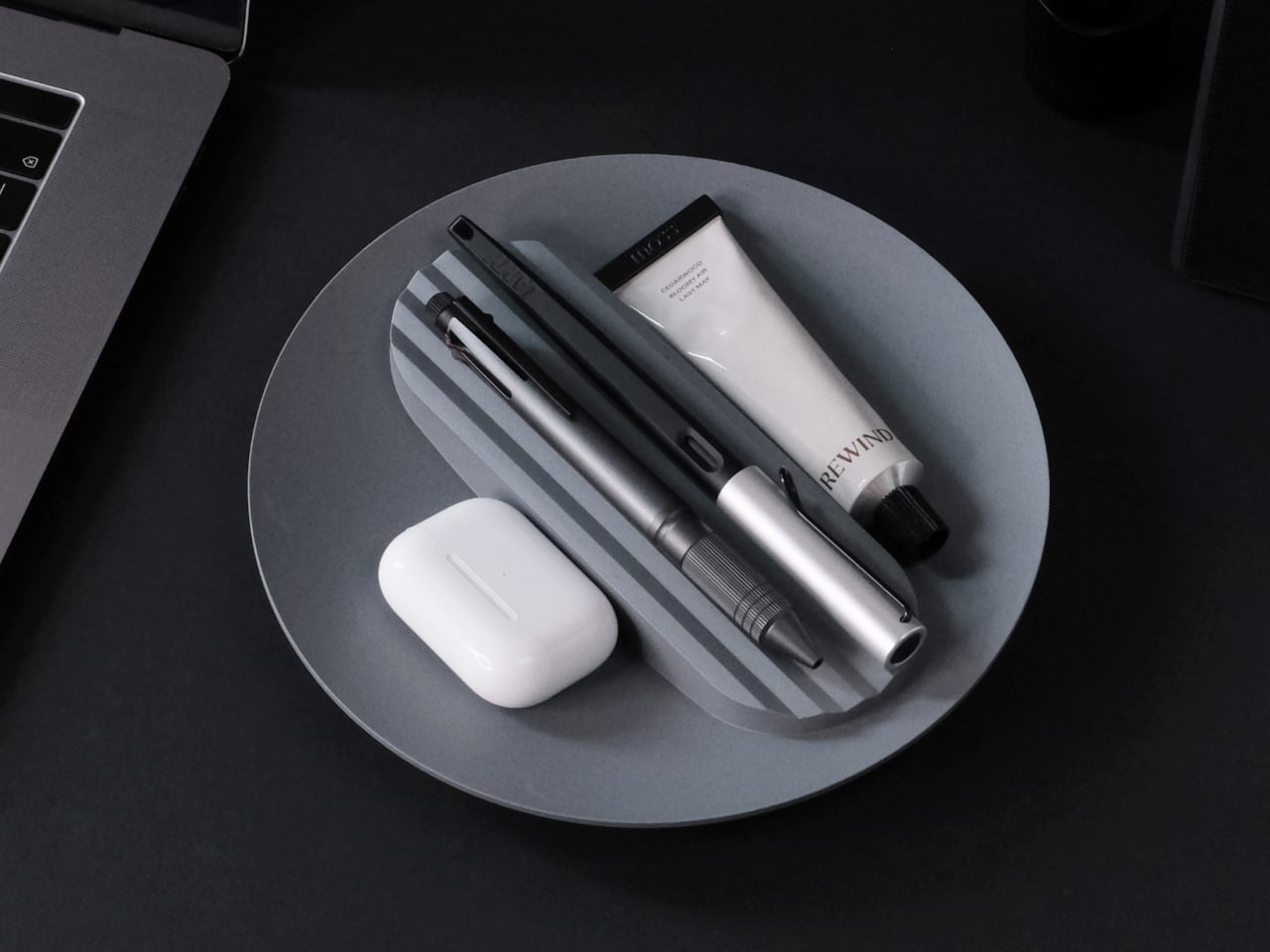
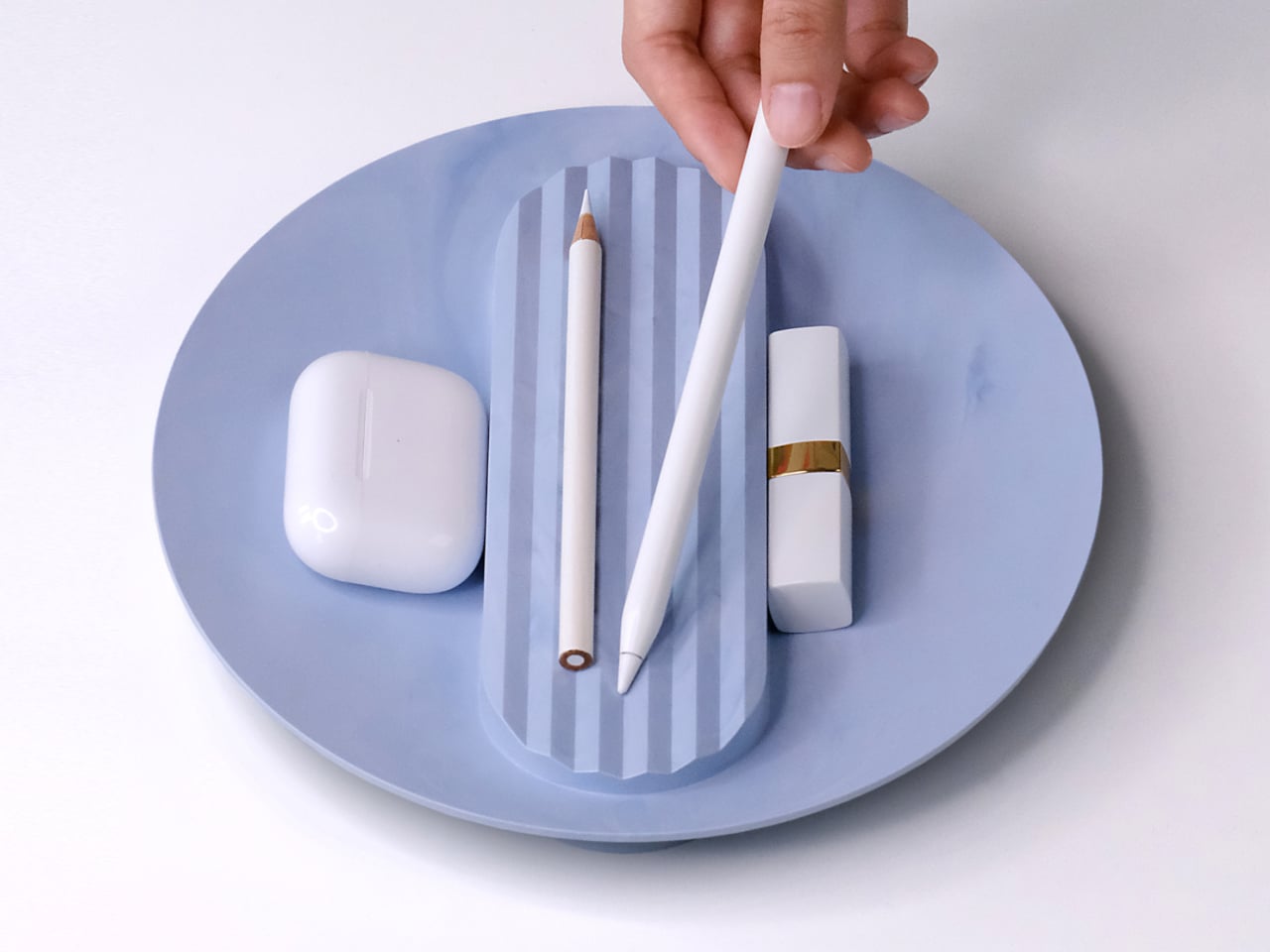
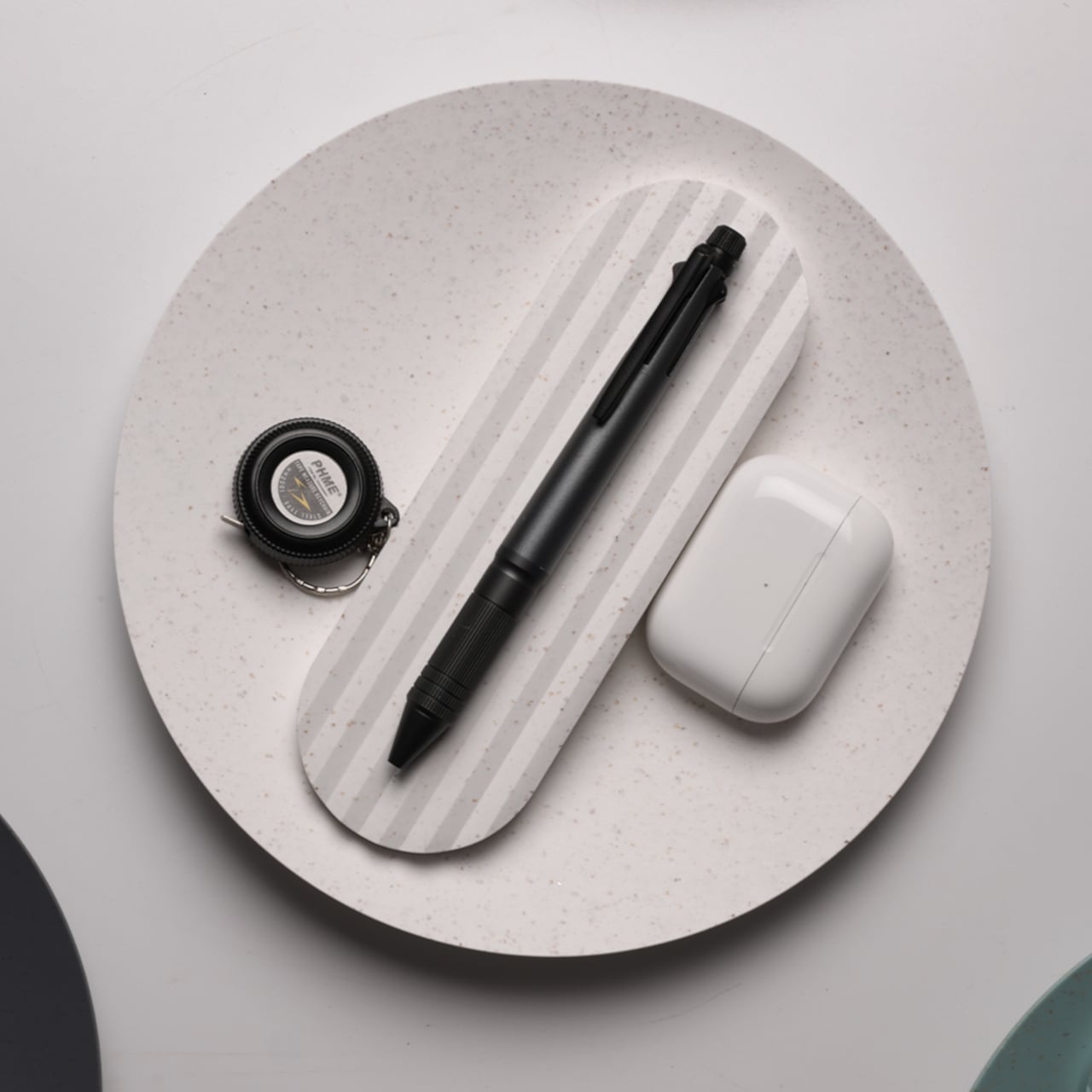
The form is intuitive, a 210 mm circle with a raised, ribbed bar running across the middle and two shallow wells on either side. The central groove is sized for pens, pencils, or chopsticks, and the ribs keep cylindrical objects from rolling away. The side compartments are open and shallow, perfect for earbuds, clips, rings, or keys. It is the kind of layout you understand at a glance without needing instructions or labels; just place your pen where the grooves are.
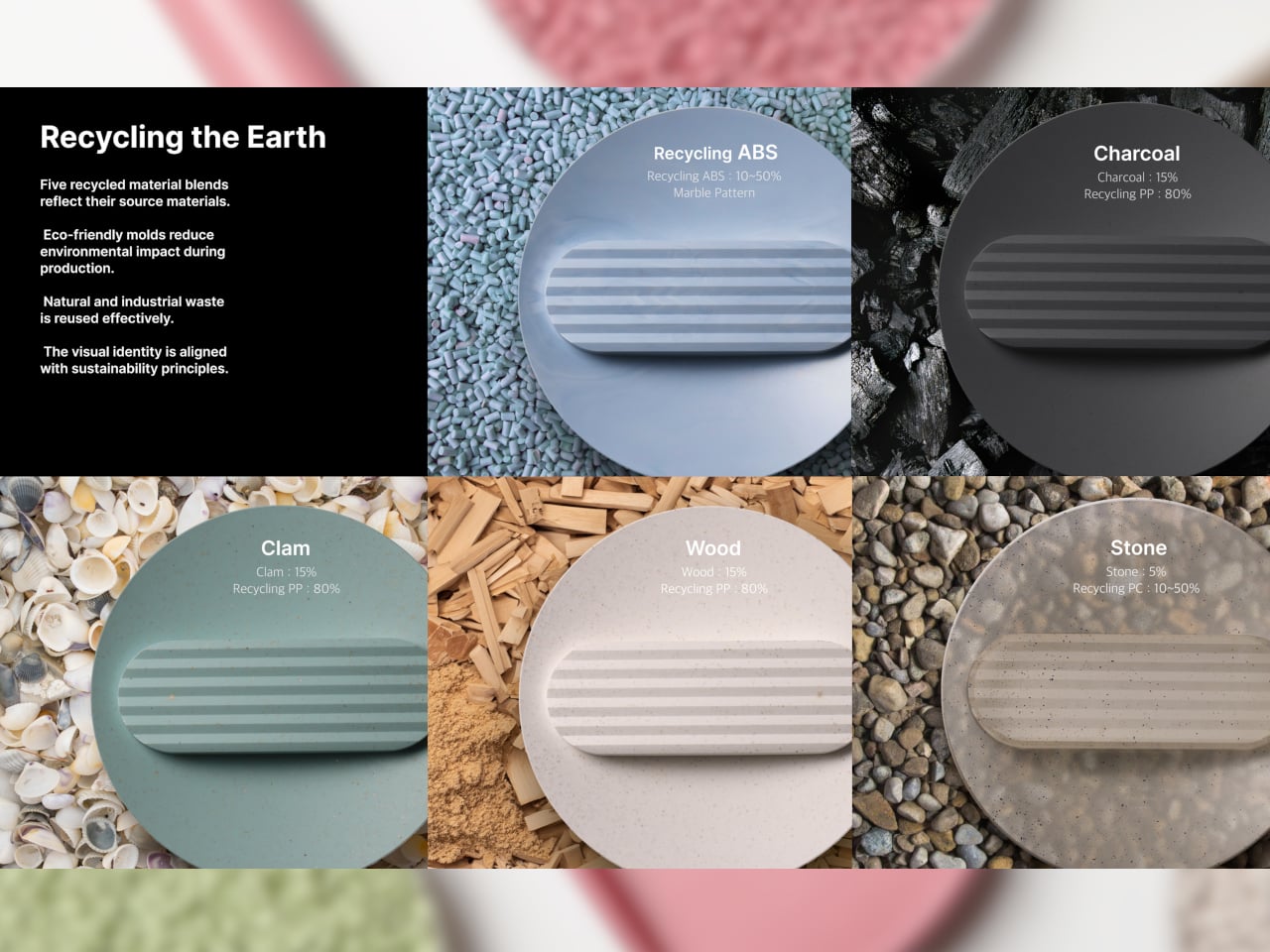
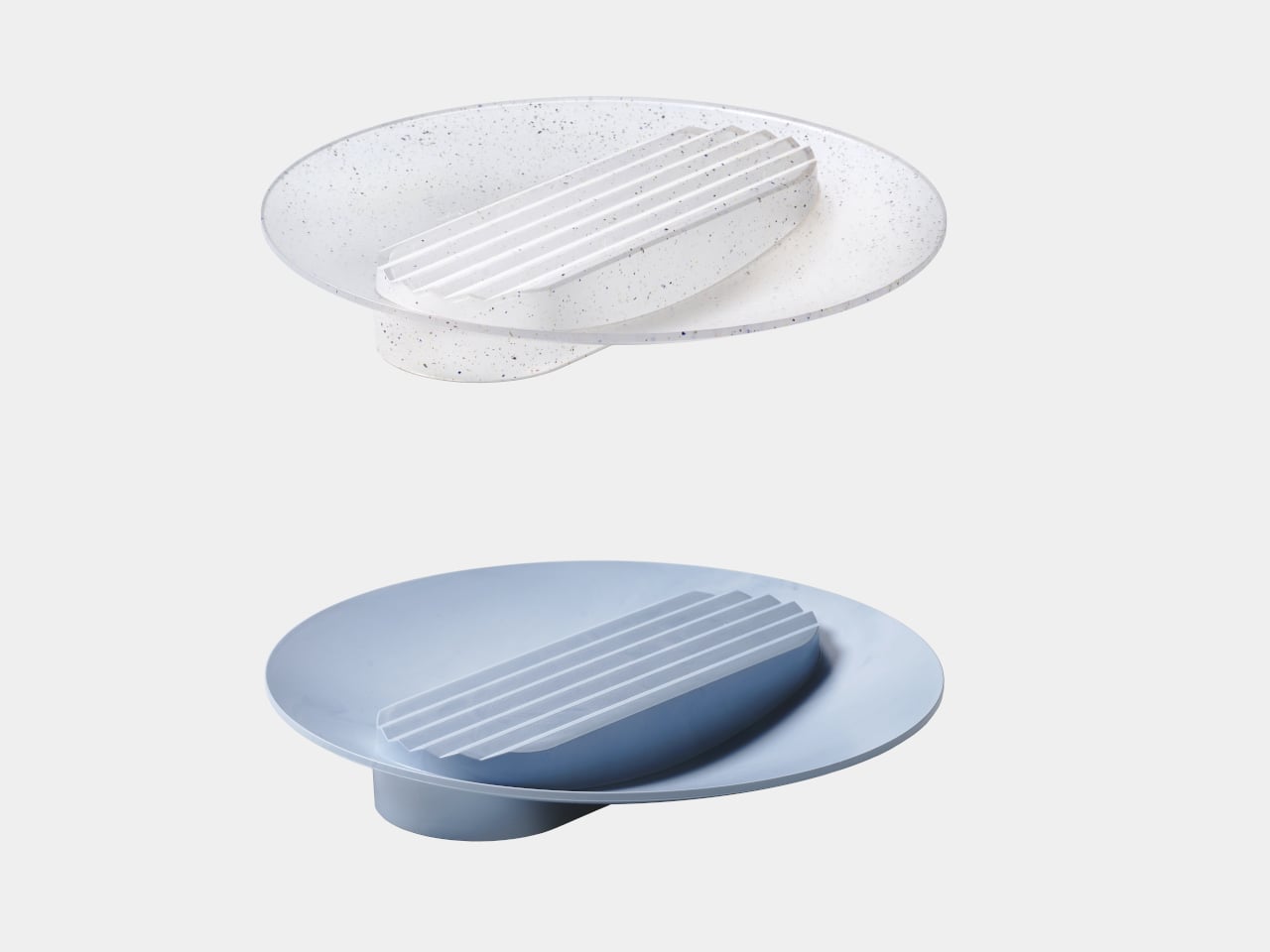
The material story is where Tray210 recycled gets interesting. Multiple recycled blends reflect their sources: Clam and Wood use 80 percent recycled PP with shell and wood waste, Charcoal adds 15 percent charcoal to 80 percent recycled PP, and Stone uses 10–50 percent recycled ABS. Transparent and Marble variants use recycled PC or PCABS with ceramic particles or marble-like pigment. Each colorway is visually tied to its waste stream, making the origin legible and intentional.
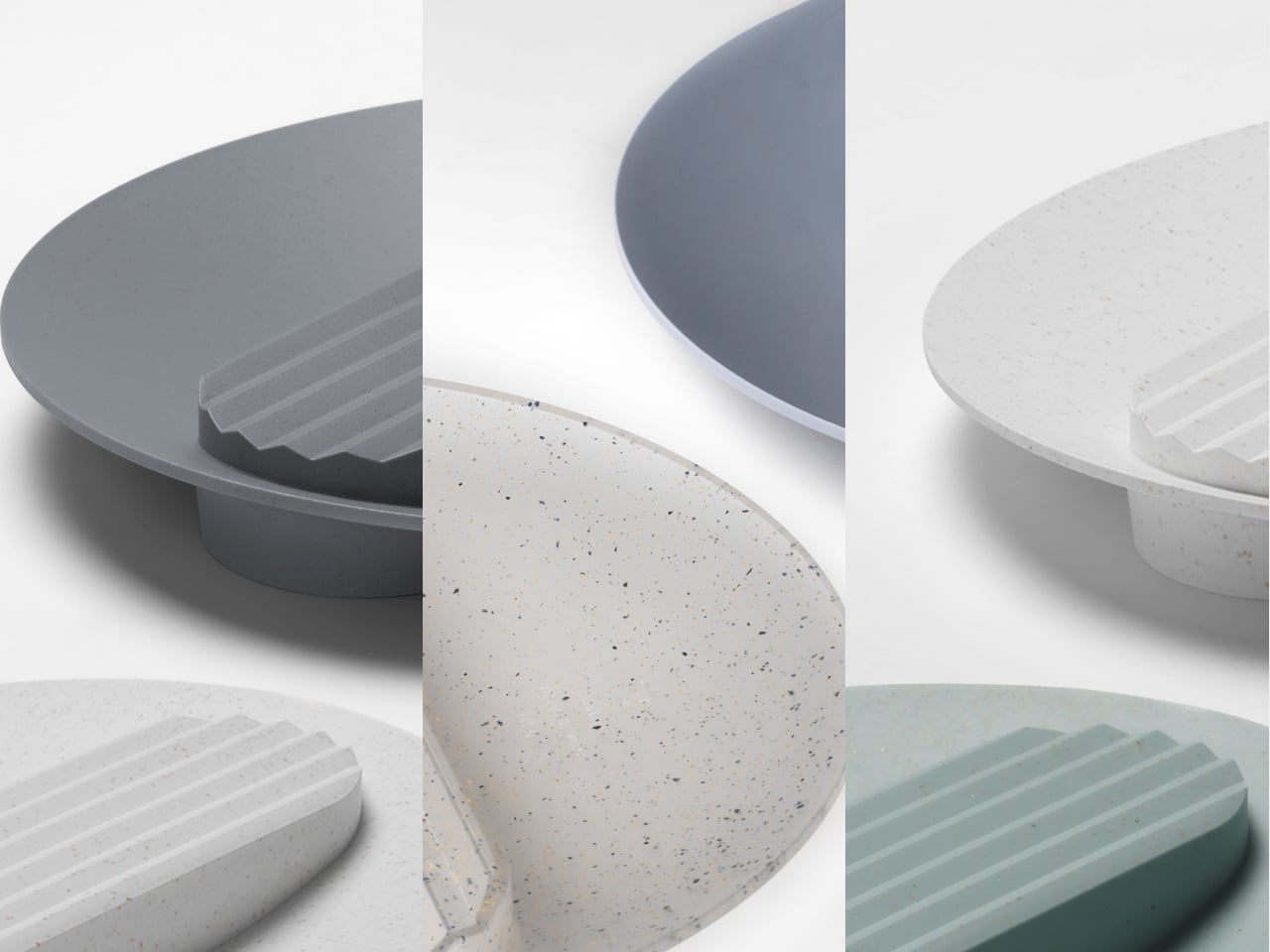
The aim is to create a design closer to the lifestyle rmrp pursues, breaking away from the impression recycled plastic generally gives. The Clam and Wood versions read as soft, muted pastels with fine speckling, Charcoal feels like a deep, almost architectural grey, and Stone and Transparent lean into translucency and particulate. Instead of hiding the recycled content, the CMF work uses it as texture and character, closer to terrazzo or stoneware than to injection-molded scrap that just happens to be grey.
The combination of clear zoning and tactile surfaces makes Tray210 recycled feel at home on a desk, entryway shelf, or bedside table. The central groove keeps your favorite pen or stylus always in the same place, while the side wells catch whatever tends to float around, from SD cards to jewelry. The different material stories let you pick a version that matches how you want the space to feel: calm, earthy, industrial, or a bit more playful.
A simple tray can carry a lot of design thinking, from intuitive ergonomics to material storytelling and responsible sourcing. Tray210 recycled is not trying to save the world on its own, but it does show how recycled plastic can be turned into something you actually want to touch and keep in sight. For people who care about both what an object does and what it is made from, that is a quiet but meaningful upgrade over another anonymous catch-all that eventually ends up in a drawer.
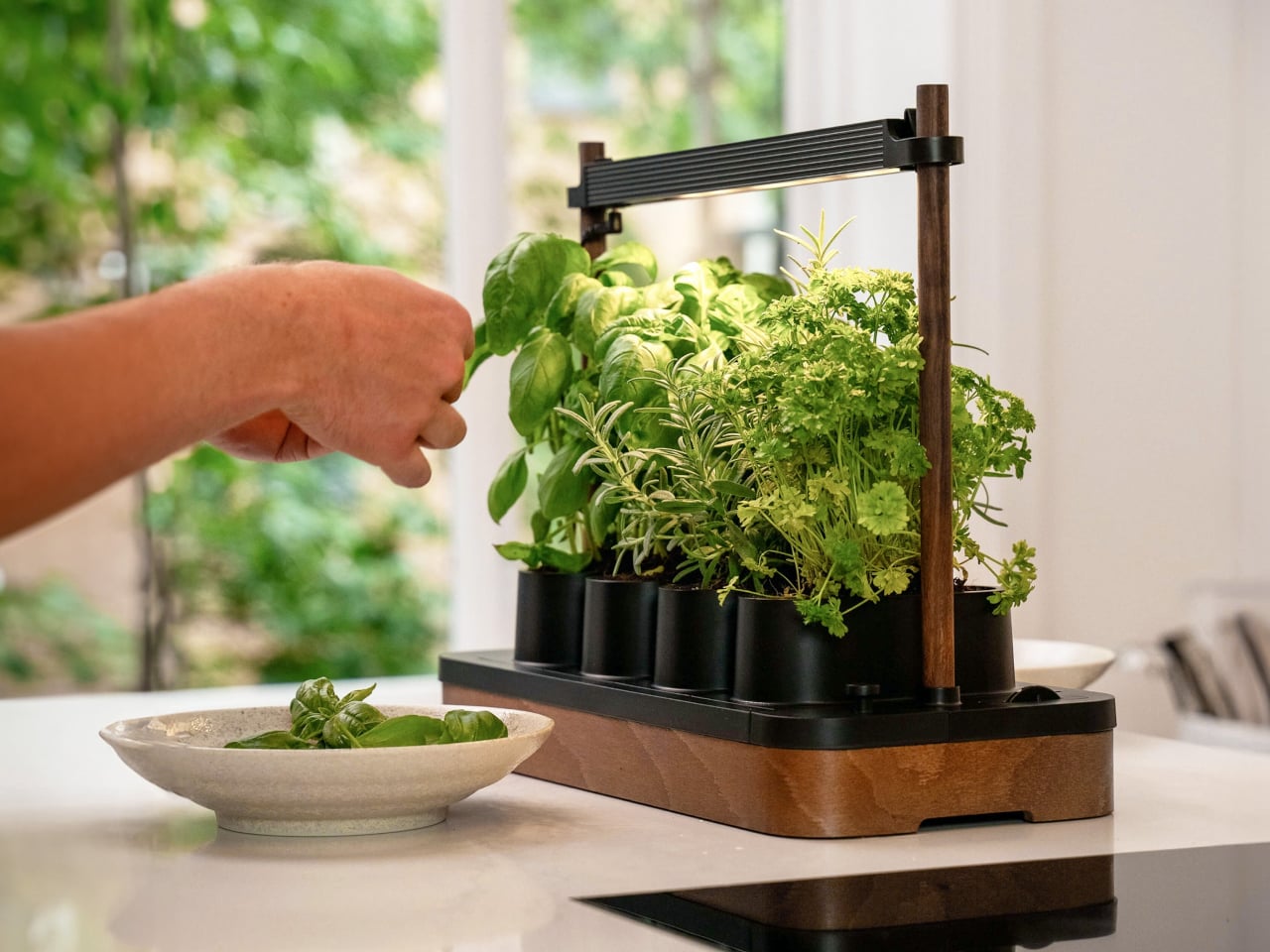
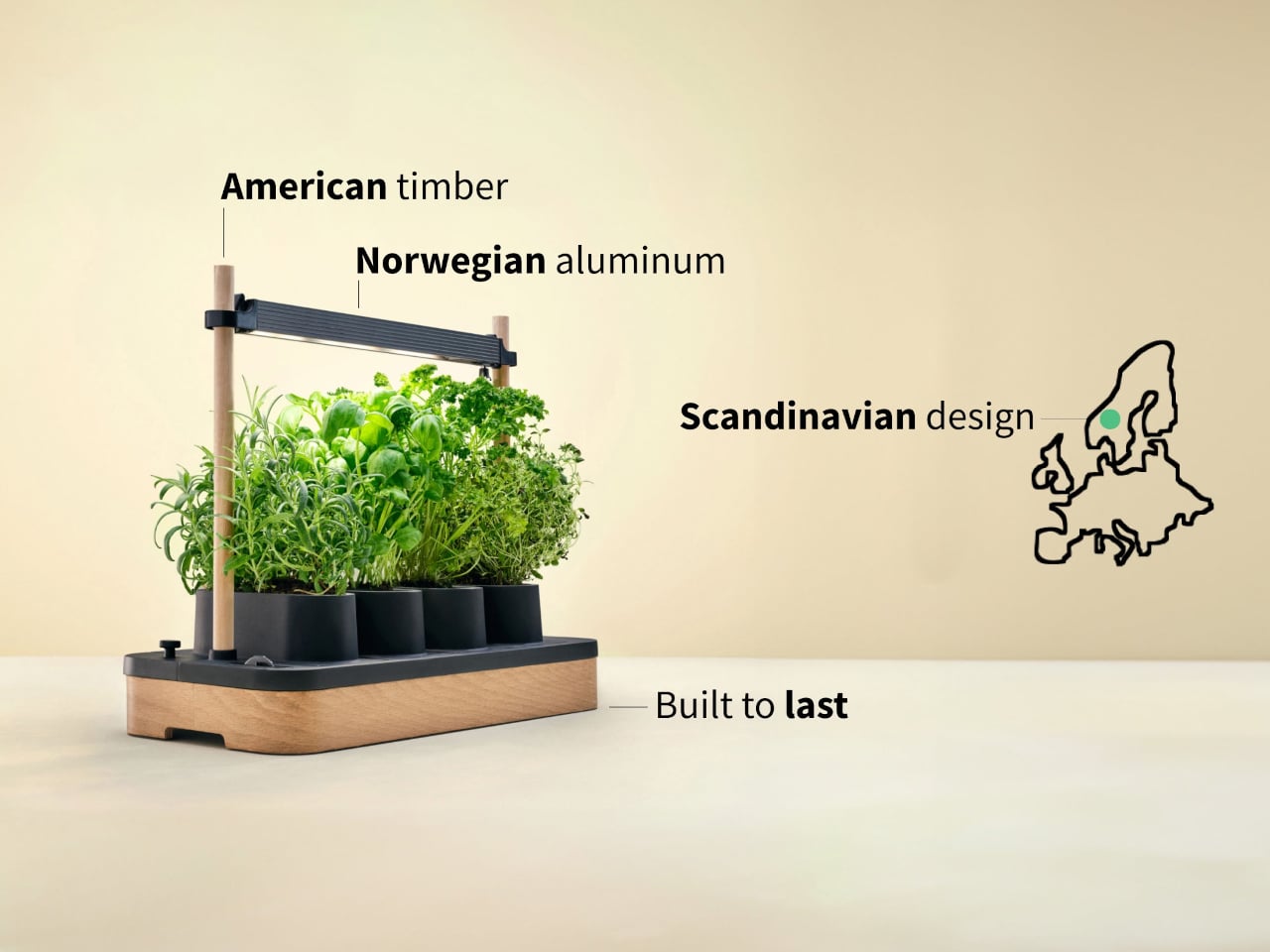
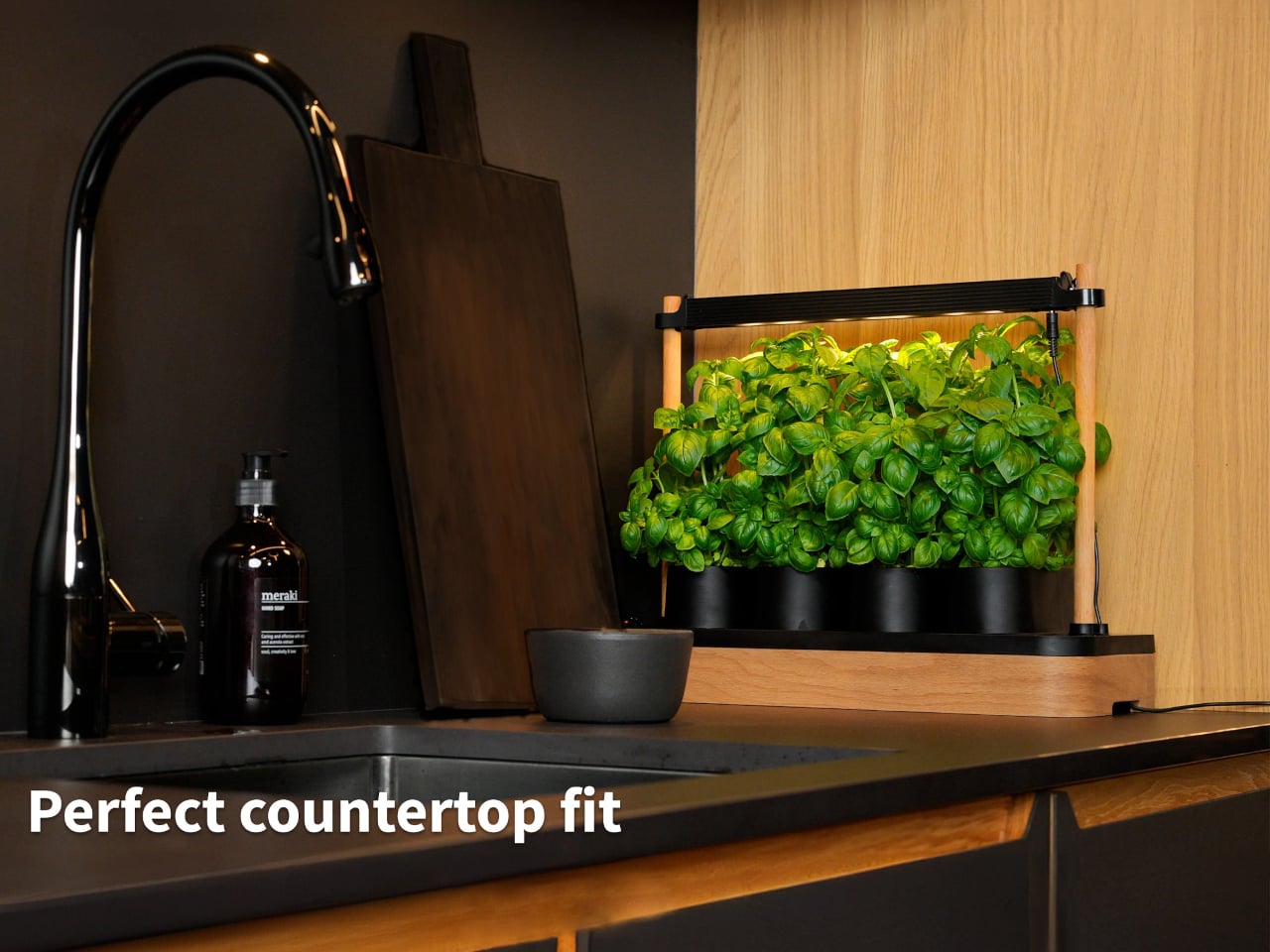
The usual indoor herb story goes like this: supermarket pots that die in a week, plastic hydroponic kits that look like lab equipment, and a general mismatch between those gadgets and a carefully considered kitchen. Auk Mini is a Scandinavian take on the problem, a compact indoor garden designed to live on the counter without screaming appliance, especially in its new cork-wrapped edition that adds sustainable texture to clean lines.
Auk Mini is the smaller sibling to Auk’s original six-pot system, a four-pot hydroponic planter that has already sold more than 100,000 units. The base is now available wrapped in natural cork, alongside oak and walnut finishes, turning the planter into something closer to furniture than a gadget. It ships with a 100-day money-back guarantee and has won awards from T3 and Esquire, but the story is the cork and how it changes presence.
The core hardware is a 17.5 × 8.5 inch base with four oval pots over a 0.8 gallon reservoir, flanked by wooden uprights holding a full-spectrum LED bar. There is no pump or app; you fill the tank, add nutrients, set the light cycle, and plants wick water through coco fiber. The light runs a long “summer day” schedule, and you top up water every week or two, checking the side wheel that turns red when empty.
The material mix uses recyclable ABS for the base, recycled aluminum for the light, and American timber for the uprights, then adds the cork wrap. Cork brings warmth, texture, and a sustainable story, softening the white plastic and metal into something that feels at home next to cutting boards and ceramics. The oak and walnut options do a similar job, but cork has a quieter, more neutral presence that works across more interiors.
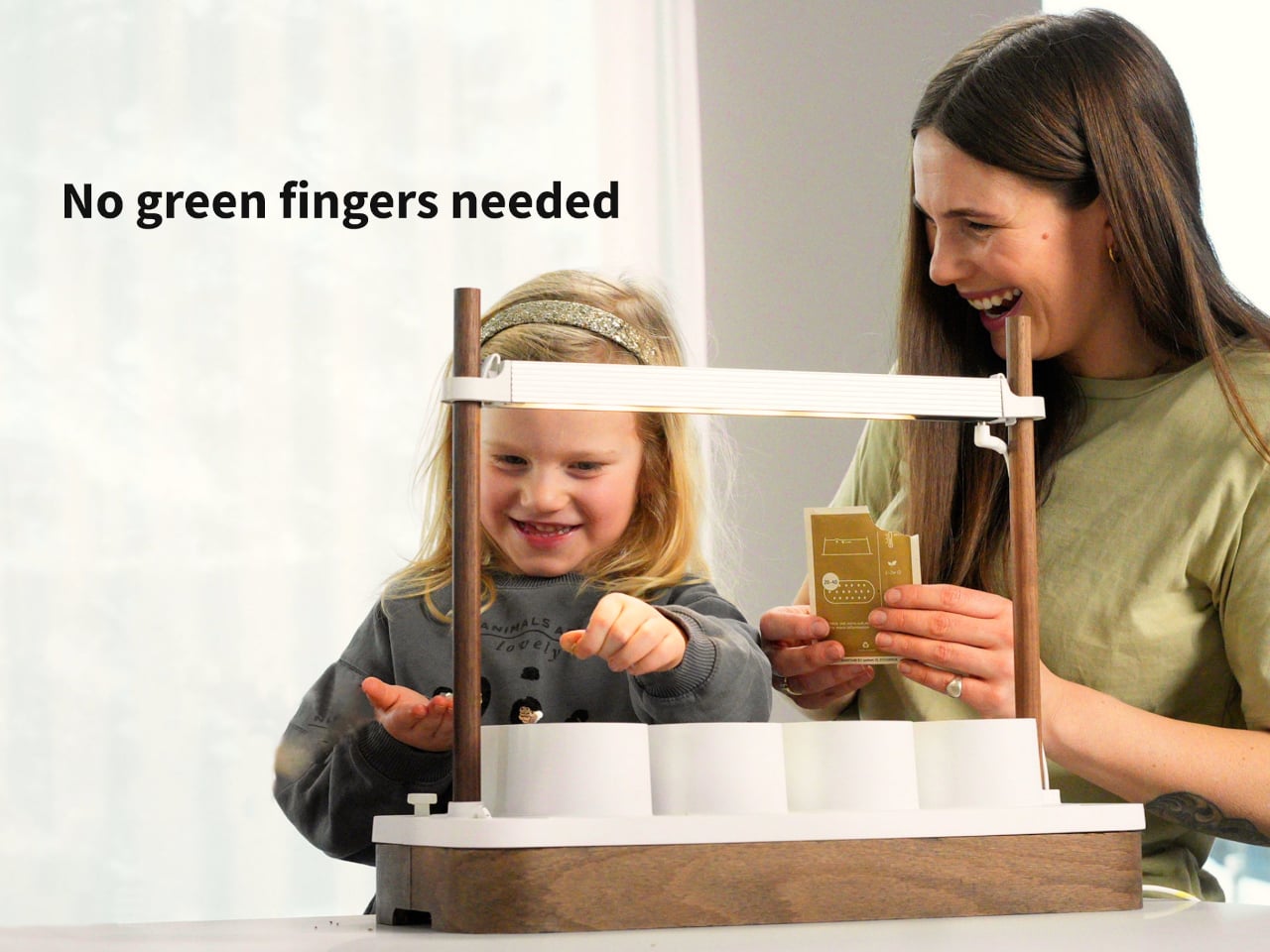
Auk Mini ships with basil and parsley seeds, but you can use any brand’s seeds, as the system deliberately avoids pod lock-in. Herbs and salads are usually ready in four to six weeks, tomatoes and chilies in eight to twelve. The ideal temperature is around 69–79 °F, and a single crop can last four to ten months if you harvest little by little from the top, encouraging new growth and keeping the plants productive.
Maintenance is a simple loop: refill water and nutrients, harvest regularly, and occasionally swap out the coco fiber. Auk sells refill kits with coco fiber and nutrients for $35, and recommends fresh fiber for each new crop, though you can reuse it. Cleaning between crops is a quick rinse and wipe, not a full teardown, which keeps the system feeling more like a kitchen tool than a science project.
Auk Mini, especially in cork, is designed to disappear into daily life. It is a planter that looks good enough to leave out, a light that doubles as a soft counter glow, and a routine that boils down to topping up water and snipping herbs. For people who want fresh basil without babysitting pots on a windowsill or dealing with finicky smart gardens, it feels like a quiet, well-designed compromise between nature and the realities of indoor living.
The best workspace tools seamlessly integrate into your creative flow, making every interaction feel intentional. For designers who spend hours surrounded by materials, implements, and ideas, the objects on their desk become extensions of their thinking process. This holiday season presents an opportunity to replace utilitarian clutter with pieces that spark joy through thoughtful design and refined aesthetics.
These five gifts represent a different approach to workspace essentials. Each one reimagines everyday tools through the lens of considered design, transforming mundane interactions into moments of tactile pleasure. From Japanese steelwork to magnetic innovation, these pieces prove that functional objects deserve the same design attention we give to creative projects themselves. They elevate workspaces not through decoration but through intelligent form meeting purposeful function.
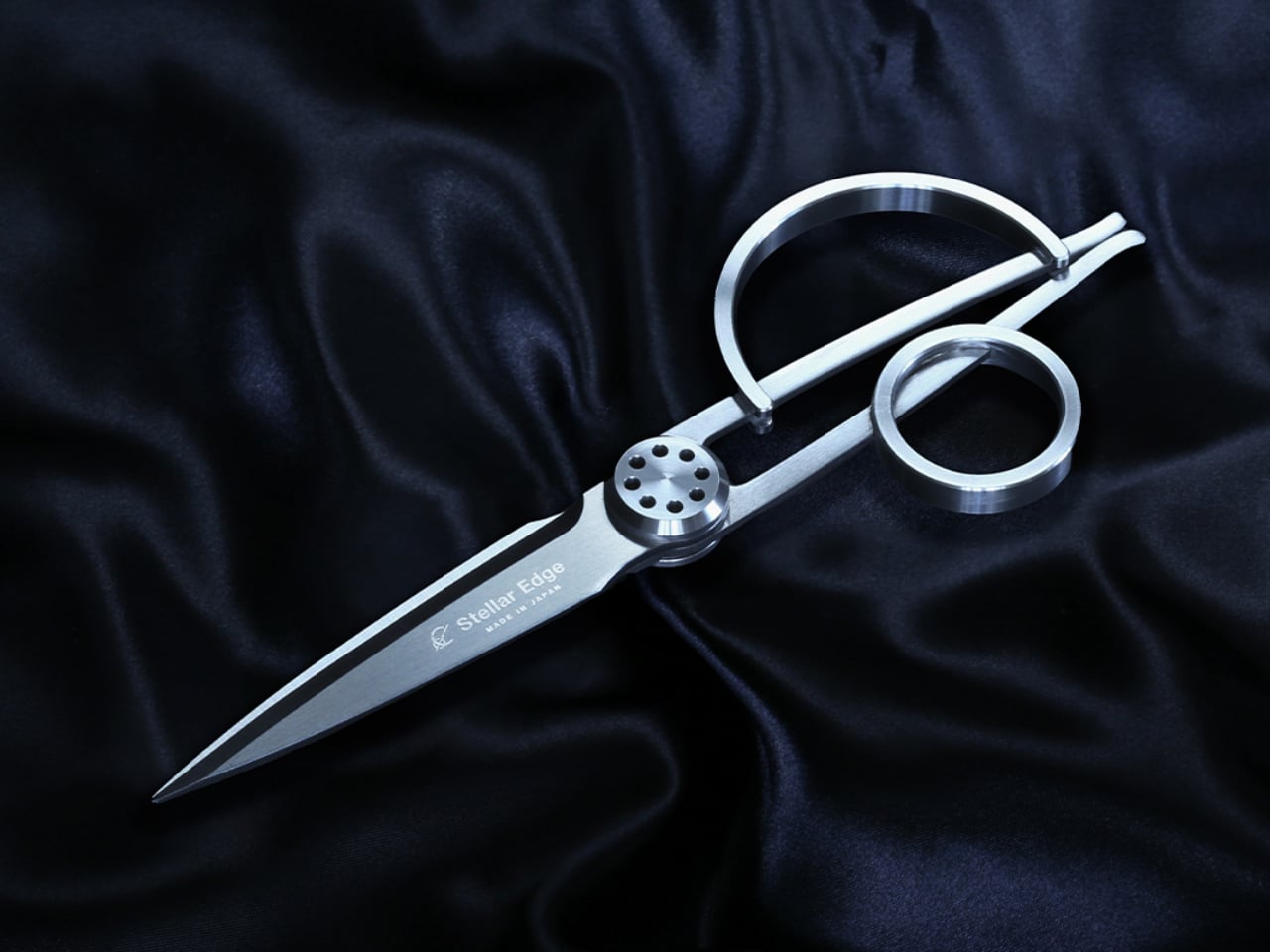
1. Stellar Edge Scissors
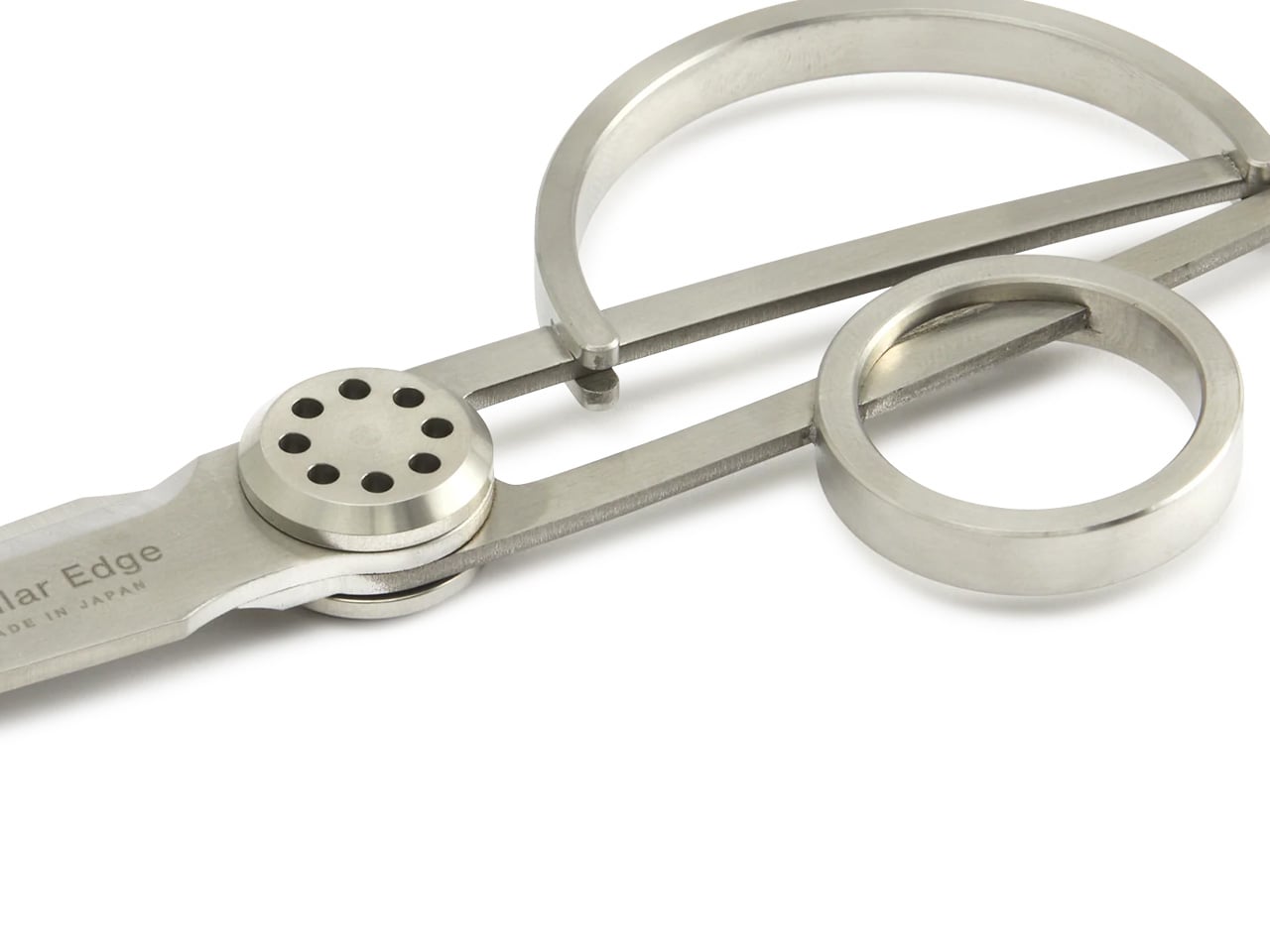
The moment you pick up these scissors, you understand why they come from Seki, Japan’s legendary blade-making region. Their asymmetrical handles challenge expectations while delivering surprising comfort, creating a sculptural presence that commands attention on any desk. The seamless stainless steel construction catches light beautifully, turning a cutting tool into an object worth displaying. When designers reach for scissors dozens of times daily, that repeated interaction deserves this level of refinement and visual consideration.
What makes these scissors exceptional goes beyond their museum-worthy appearance. The blade geometry ensures clean, effortless cuts through various materials, from delicate tracing paper to thick cardstock. That perfect balance point makes extended cutting sessions feel weightless rather than tedious. The polished finish resists fingerprints while providing just enough grip for control. These scissors transform routine tasks into satisfying rituals, proving that tools designed with genuine care create measurably better experiences throughout your workday.
What we like
The architectural form creates an instant focal point on any workspace surface.
Japanese stainless steel maintains razor sharpness through thousands of cuts.
Ergonomic engineering makes asymmetrical handles surprisingly comfortable for extended use.
Seamless construction and polished finish elevate them beyond typical office supplies.
What we dislike
The premium price point places them out of reach for budget-conscious buyers.
Their artistic appearance might make colleagues hesitant to borrow them for quick tasks.
2. Magboard Clipboard
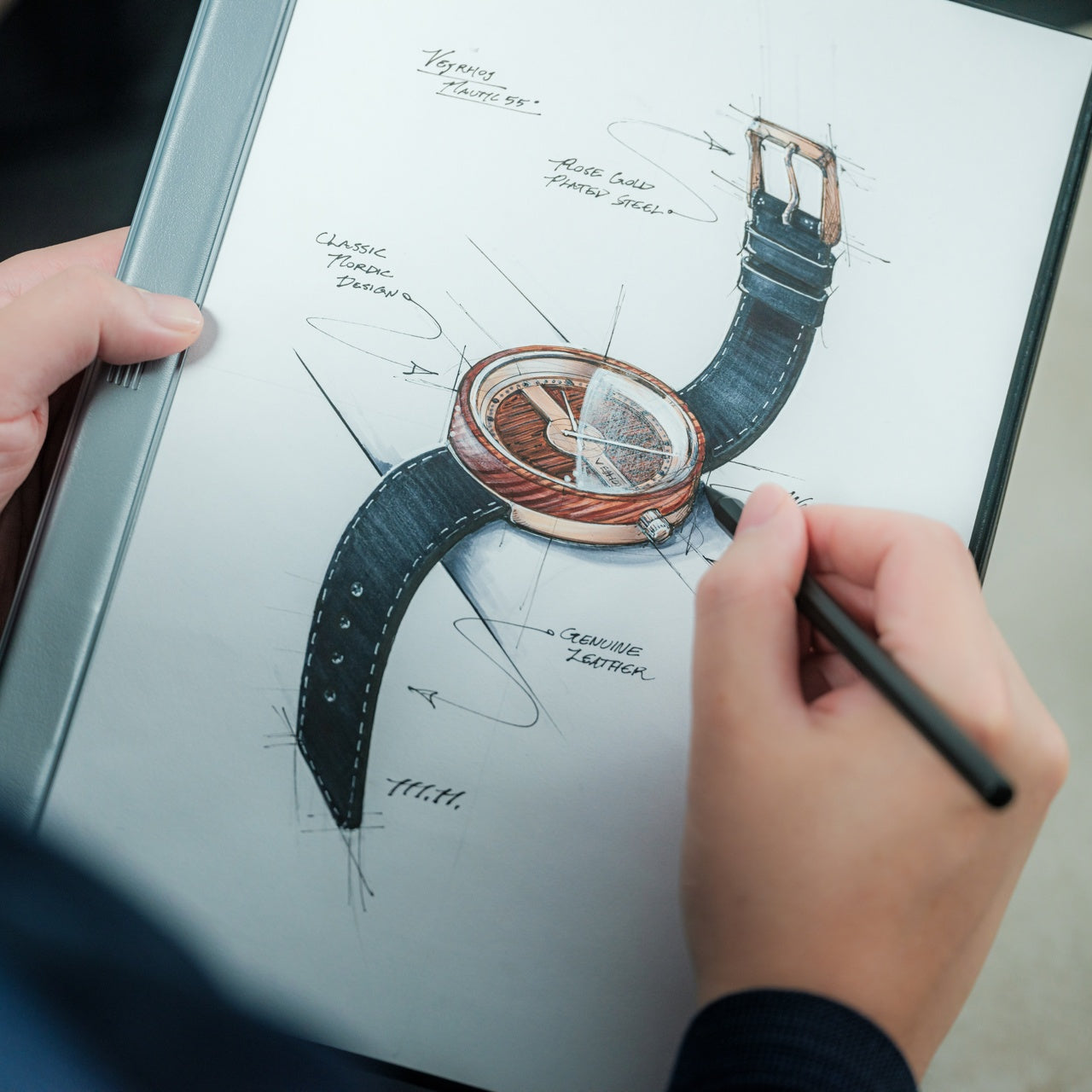
Traditional notebooks impose structure before you’ve captured a single thought. This magnetic clipboard system throws out those constraints, letting you work with loose sheets that can be rearranged, removed, or inserted as ideas evolve. The hardcover design provides solid backing for writing anywhere, whether you’re sketching at your desk or capturing inspiration during a standing meeting. That simple magnet and lever mechanism holds up to thirty sheets securely while making page changes effortless and intuitive.
The beauty lies in removing friction from your creative process. Tear out pages that don’t work, reorder sequences that do, and add fresh sheets without committing to bound permanence. The water-resistant cover protects your work while staying easy to clean, making it genuinely portable rather than precious. For designers who think visually and need to see multiple concepts simultaneously, this system supports fluid thinking rather than forcing linear progression through pre-bound pages.
Magnetic binding system lets you reorganize pages instantly without tearing or waste.
Hardcover backing provides a stable writing surface for standing or mobile work sessions.
Water-resistant construction protects notes while remaining lightweight and portable.
Minimalist design strips away unnecessary features that complicate simple note-taking.
What we dislike
Loose sheets can scatter if the clipboard accidentally opens in a bag.
The system requires maintaining a supply of appropriately sized paper for ongoing use.
3. Everlasting All-Metal Pencil
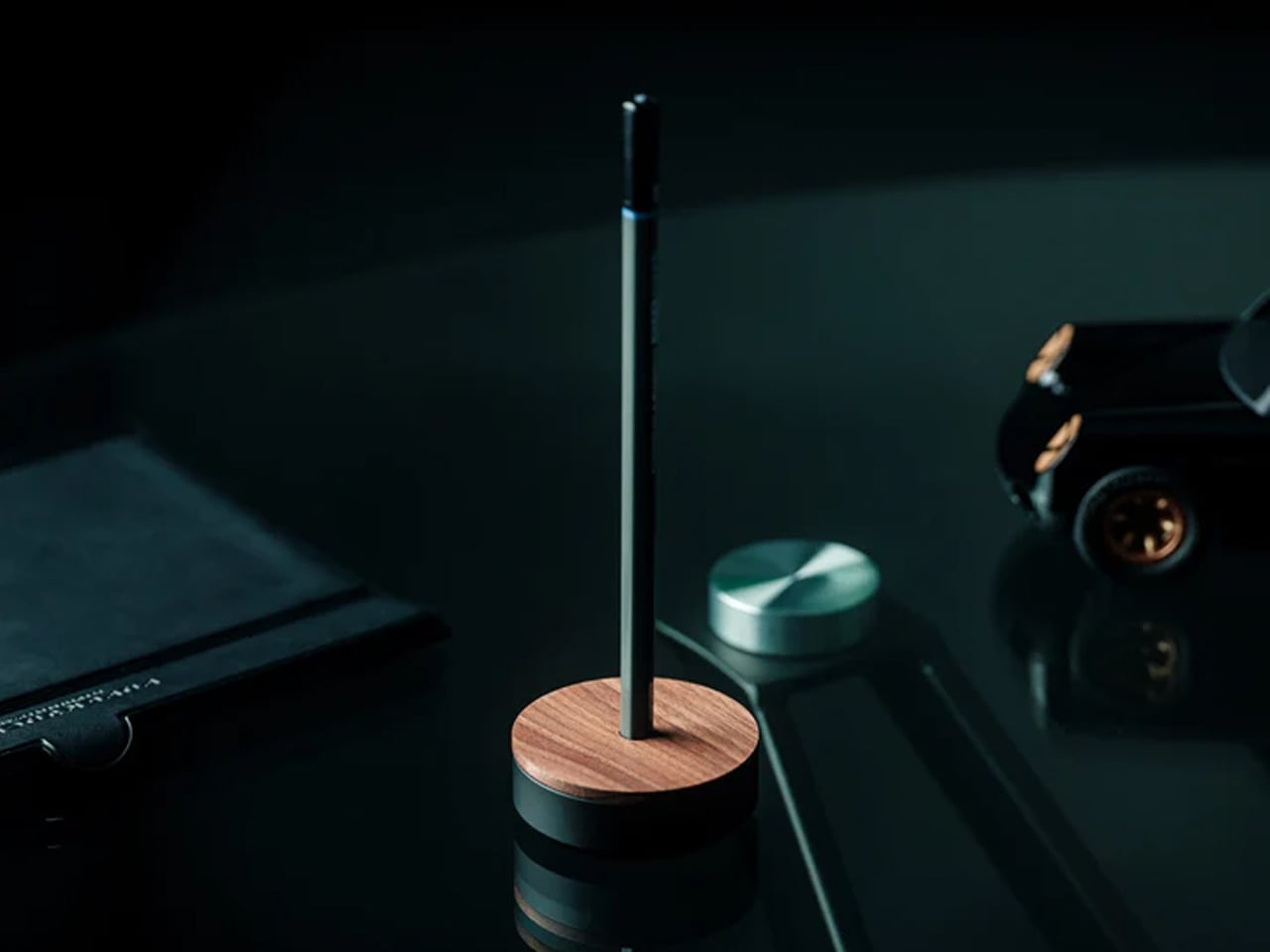
Pencils break, dull, and disappear precisely when you need them most. This metal alternative writes like graphite but never requires sharpening, combining a special alloy core with an aluminum body that feels substantial without being heavy. The marks it leaves behave exactly like traditional pencil writing, erasing cleanly and refusing to bleed when you add watercolor or markers over your sketches. It’s the kind of tool that makes you forget about the tool itself and focus entirely on the marks you’re making.
The engineering behind its “everlasting” claim deserves attention. Rather than soft graphite that wears away with each stroke, this alloy core releases tiny particles that create marks without significant material loss. You get consistent line weight and darkness through thousands of uses. For designers who sketch constantly throughout their day, eliminating the sharpen-write-sharpen cycle removes an annoying interruption from creative flow. The metal construction also means no snapped leads or splintered wood to derail your momentum mid-thought.
No sharpening required means uninterrupted sketching and writing sessions.
Alloy core provides consistent line quality through extensive use.
Standard erasers remove marks cleanly without special techniques.
Compatible with watercolor and water-based markers since the core doesn’t bleed or smear.
What we dislike
The metal body lacks the warmth and texture some prefer from traditional wooden pencils.
Line darkness may not satisfy those who love the rich blacks from soft graphite grades.
4. Quick Access Pencil Sharpener Stand
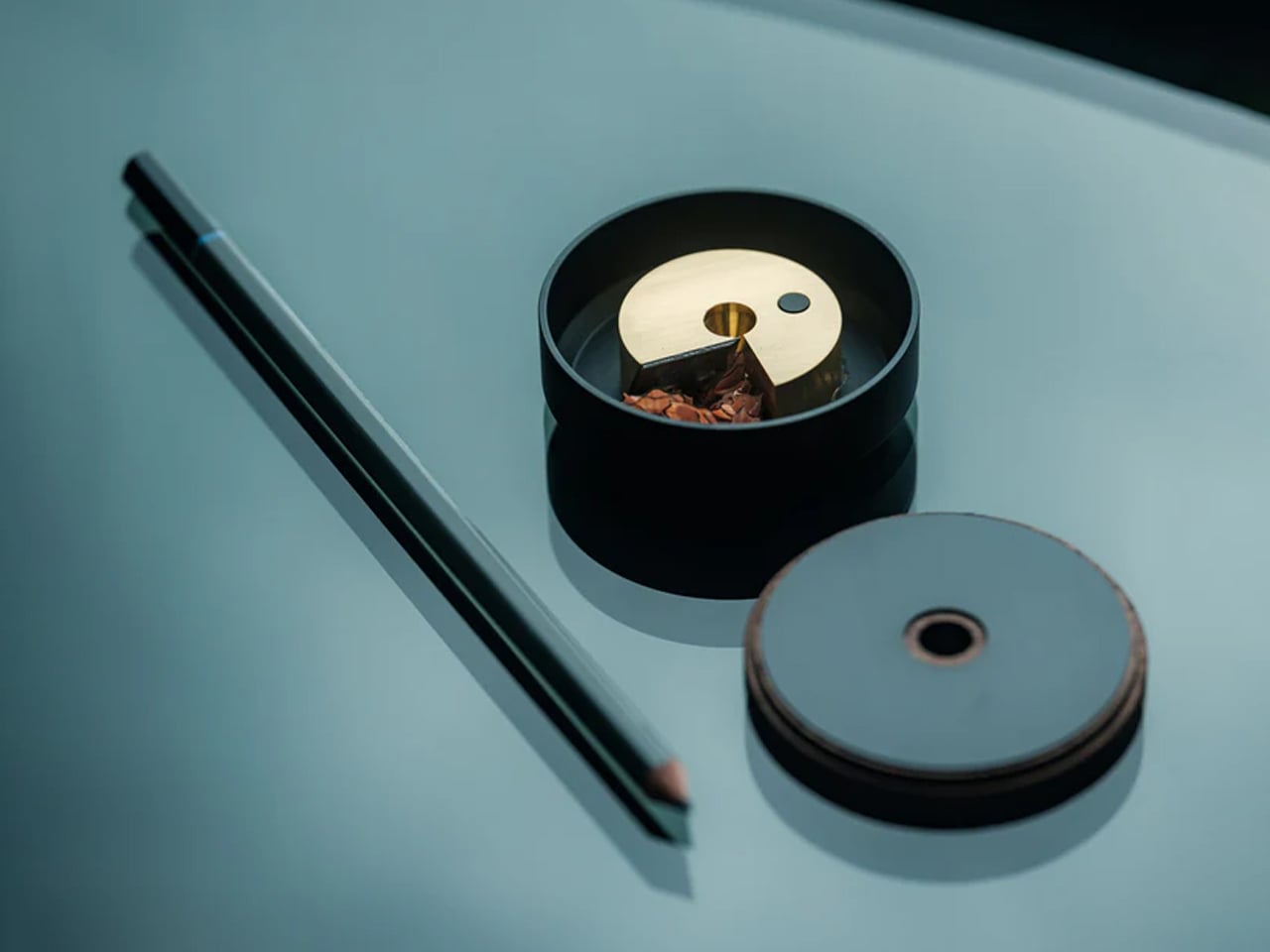
This disc-shaped object solves the eternal problem of misplaced sharpeners through brilliant simplicity: your pencil stands in the sharpener when not in use. The walnut wood cover and anodized aluminum base create an elegant desktop presence that justifies permanent placement rather than drawer banishment. That specially angled sharpening mechanism extends pencil life while reducing waste, making each sharpening session more purposeful. The brass mechanism prevents accidental opening, keeping shavings contained until you’re ready to empty them.
Beyond functional innovation, this piece brings warmth to workspaces dominated by glass and metal. The wood’s natural grain patterns ensure each sharpener carries a unique character, while the magnetic connection between cover and base provides satisfying tactile feedback. Designers who still value traditional pencils for sketching gain both a reliable sharpening solution and a sculptural desktop accent. It’s the kind of thoughtful industrial design that makes everyday interactions feel special rather than merely efficient or functional.
Dual function as a sharpener and a stand keeps everything organized in one elegant object.
Specially angled blade prolongs pencil life while creating less waste.
Walnut wood adds natural warmth to typically cold office environments.
Strong magnet prevents accidental spills while providing satisfying closing feedback.
What we dislike
The single-pencil capacity doesn’t accommodate designers who work with multiple pencils simultaneously.
Premium materials and construction result in a higher price than basic sharpeners.
5. reMarkable Paper Pro Move
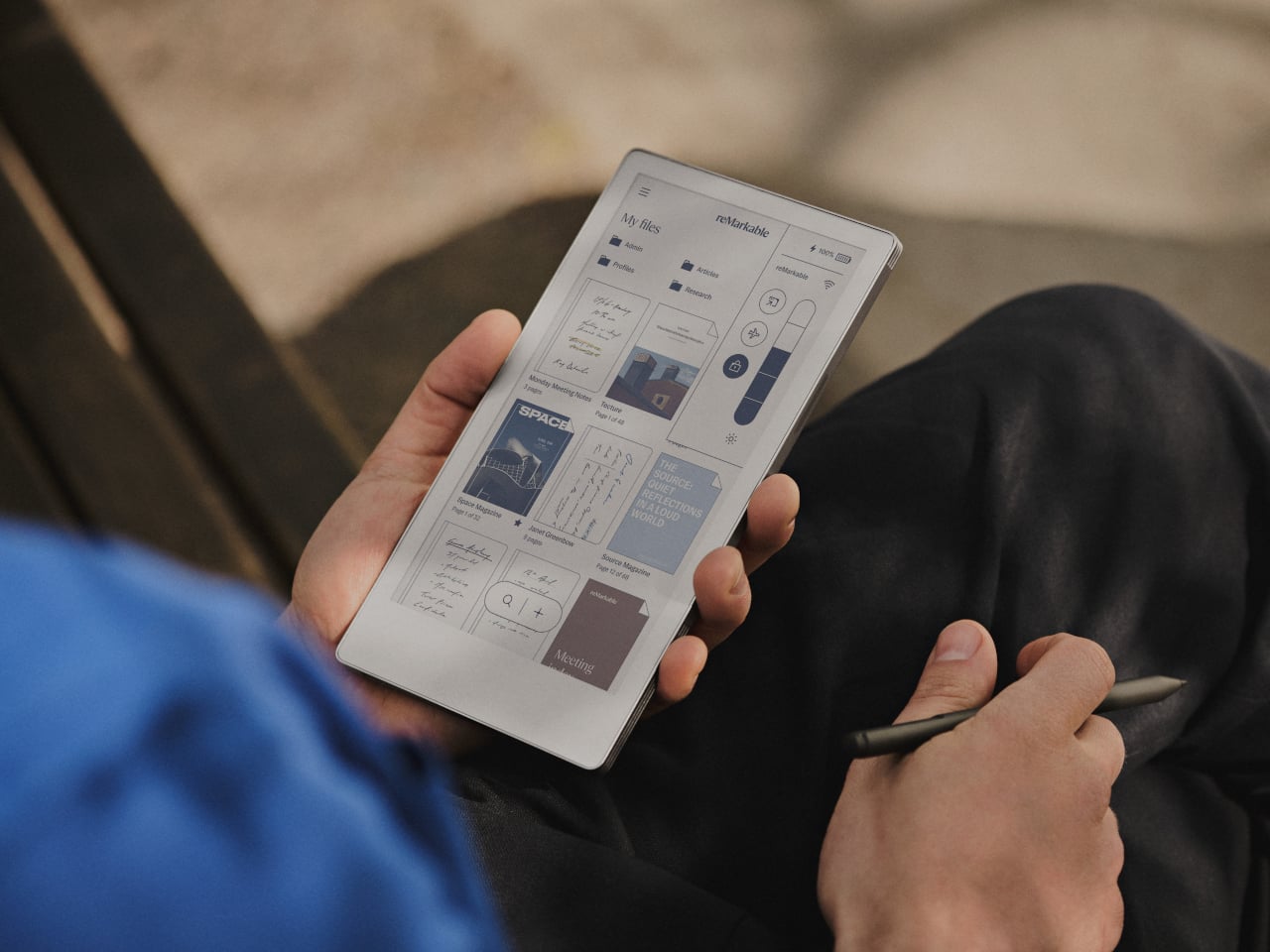
Digital notes often disappear into folders, never to resurface. This E Ink tablet bridges analog satisfaction with digital organization, offering that pen-on-paper texture designers crave while maintaining searchable, shareable files. The 7.3-inch color display fits comfortably in jacket pockets while providing enough real estate for meaningful sketching and notation. At $449, it occupies premium territory, yet the refined materials and thoughtful engineering justify the investment for designers serious about capturing ideas throughout their day.
The included Marker stylus delivers genuine tactile feedback that makes extended writing sessions genuinely pleasurable rather than tolerable. The E Ink screen eliminates eye strain from backlit displays, letting you work comfortably for hours without fatigue. Magnetic attachment keeps the stylus secure during transport while adding minimal bulk. The responsive surface captures subtle pressure variations, making sketches feel natural and expressive. For designers transitioning between physical and digital workflows, this device removes friction while maintaining the creative experience of working on actual paper.
What we like
The color E Ink display provides comfortable viewing during extended creative sessions.
Pocketable size makes it genuinely portable without sacrificing usable screen space.
Tactile feedback from the Marker stylus creates an authentic pen-on-paper sensation.
Magnetic stylus attachment prevents loss while keeping the profile slim and portable.
What we dislike
The $449 price point represents a significant investment compared to paper notebooks.
E Ink refresh rates can’t match the instant response of traditional paper or iPad displays.
Wrapping Up Workspace Elevation
Transforming a workspace isn’t about adding decoration. These five gifts demonstrate how reimagining fundamental tools creates measurably better daily experiences. Each piece removes friction from creative work while bringing visual refinement to surfaces where designers spend countless hours. They’re investments in the quality of repeated interactions, understanding that the tools you touch dozens of times daily deserve genuine design consideration and thoughtful engineering.
The best Christmas gifts for designers don’t gather dust on shelves. They integrate seamlessly into existing workflows while quietly elevating every interaction. From Japanese scissors to magnetic clipboards, these pieces prove that functional objects can spark joy through intelligent form and purposeful design. They’re reminders that workspace elevation comes from choosing tools that respect both your creative process and your aesthetic sensibilities.
Most keychain cutters feel like afterthoughts. Plastic shells with soft blades that struggle with packing tape, bend on zip ties, and disappoint when needed. The gap between how often a small sharp edge would be useful and how rarely those tools work is frustrating. Small does not have to mean flimsy, but most micro knives settle for exactly that, leaving you hunting for scissors or borrowing someone else’s blade when boxes arrive.
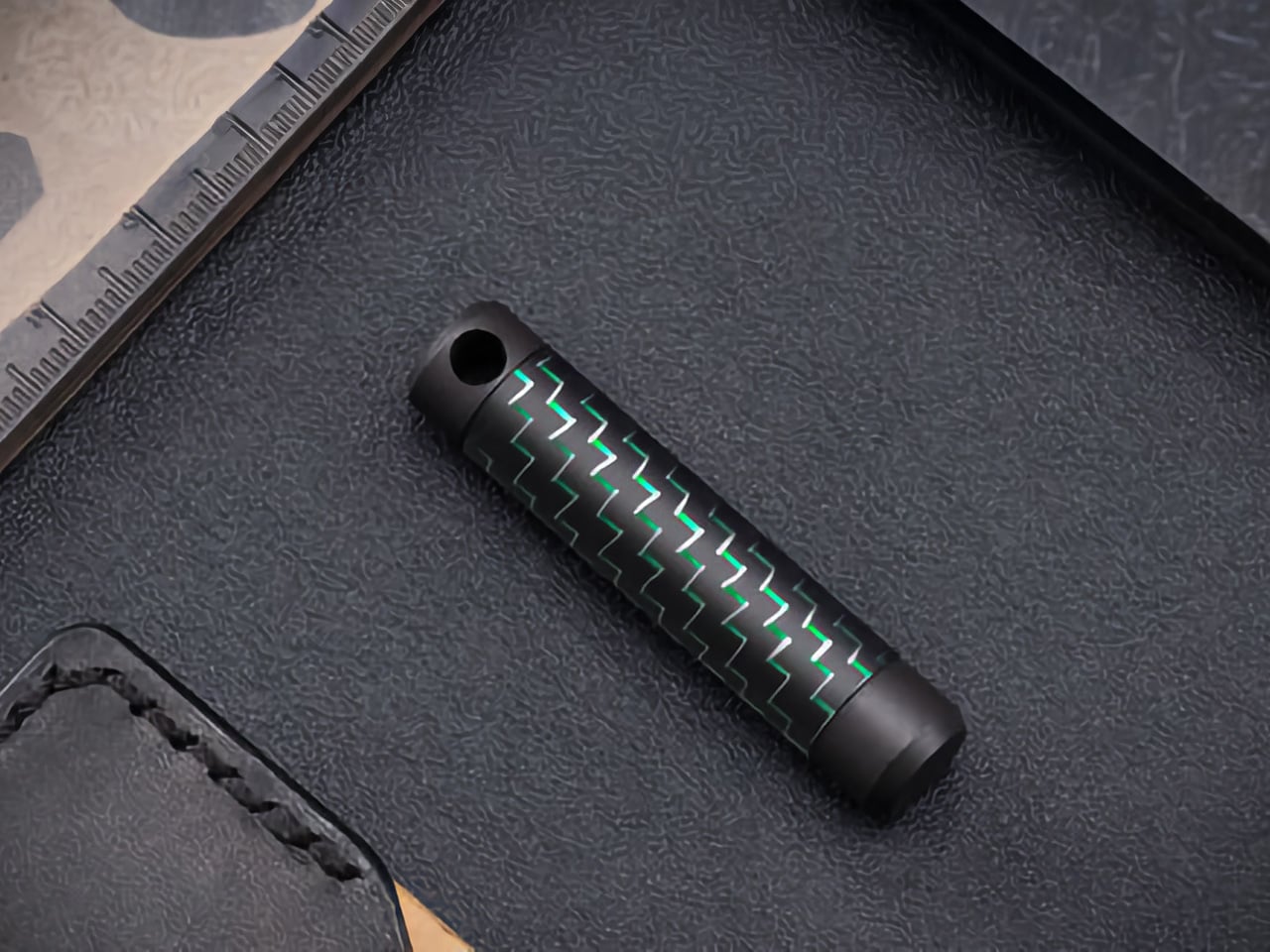
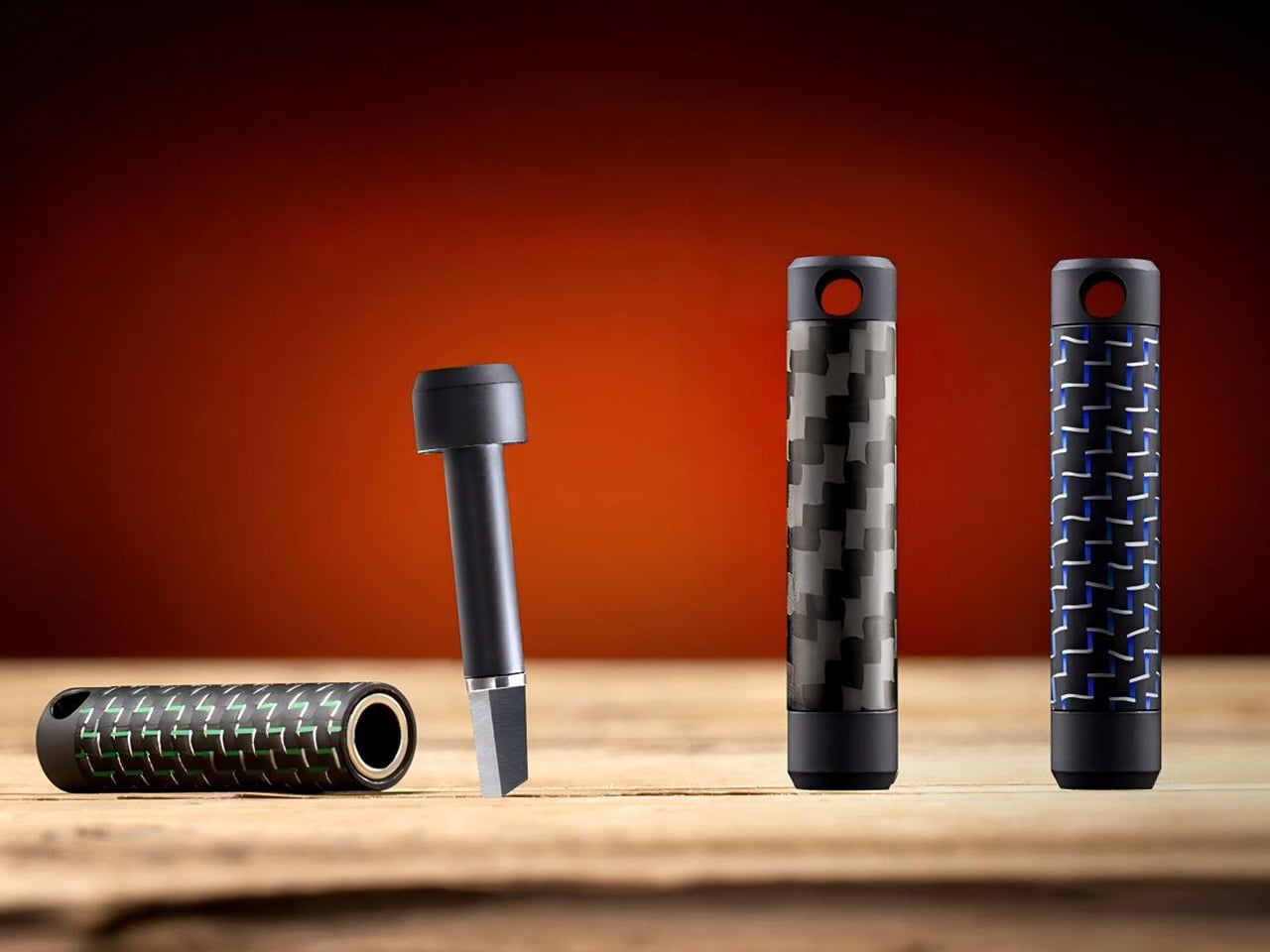
The Z3RO mini knife rebuilds the category from the materials up. It weighs 11g, measures around 5cm, and combines a tungsten cutting tip, carbon fiber body, and titanium backbone in a package that fits on a keychain without feeling like a toy. Instead of plastic or aluminum, Z3RO feels closer to pocket tech or minimalist jewelry, something you notice when you pick it up rather than ignore until it breaks.
The cutting tip is tungsten alloy, the same material used in surgical blades and industrial cutters, rated at Mohs hardness nine. It shrugs off cardboard, cord, plastic tags, and thick tape without dulling quickly or chipping like softer steel. It handles tasks that show up constantly, opening boxes, slicing cable ties, trimming threads, and cutting shrink wrap. Sharp enough to feel precise, hard enough to stay that way through months of daily cutting and abuse.
Instead of sharpening a tiny, ultra-hard edge, Z3RO uses a replaceable cutter head that swaps out in seconds without tools. When the tip eventually loses its bite, you pop in a fresh one. The body becomes a long-term object while the working edge is treated like a precision consumable. You replace the blade, not the tool, and the carbon fiber shell ages gracefully without looking worn after weeks of heavy pocket carry.
Most small knives lean on plastic or aluminum to save weight. Z3RO goes for woven carbon fiber wrapped around a titanium core, keeping the weight at eleven grams while still feeling solid. The material combination offers natural resistance to rust, sweat, moisture, and impacts, so it does not corrode in damp pockets or degrade from drops. It is the kind of material choice expected in high-end gear, not something dangling from house keys.
The mechanism is a magnetic quick-release using internal neodymium magnets instead of fiddly sliders. One firm pull separates the body, the cutter snaps into position with a click, and it is ready. The magnets hold everything with zero wobble, so it feels precise rather than loose. This matters when your other hand is holding a box, rope, or bag you do not want to drop while fumbling for a blade.
Everyday moments shift when a sharp, instantly accessible cutter lives on your keychain or neck lanyard. Cutting packing tape becomes one motion instead of clawing at it. Freeing a stuck zipper pull takes seconds. Trimming a cable tie or slicing shrink wrap happens without hunting for scissors. The tool turns minor annoyances into quick actions, and that quiet utility adds up, making it something you reach for multiple times daily without thinking.
The carbon fiber sheen, titanium accents, and slim silhouette make Z3RO look more like gear art than a utility blade. Color options like Stealth Black, Neo Blue, and Volt Green add personality without sacrificing the minimalist shape. It is the sort of object people notice when you set keys down, even if they do not immediately realize it cuts. The woven texture and metal details read as intentional design rather than generic hardware fare.
Z3RO exists because everyday carry has matured past cheap freebies into a space where materials, mechanics, and longevity matter. A tiny knife built from tungsten, carbon fiber, and titanium, with a magnetic quick-release and replaceable head, feels like a natural evolution. It reminds you that even the smallest tools can be designed with the same care as big ones, and sometimes the best gear is what you forget you are carrying until you actually need it.