Apple unveils Gen 2 AirTag with louder speaker and 50% more tracking range

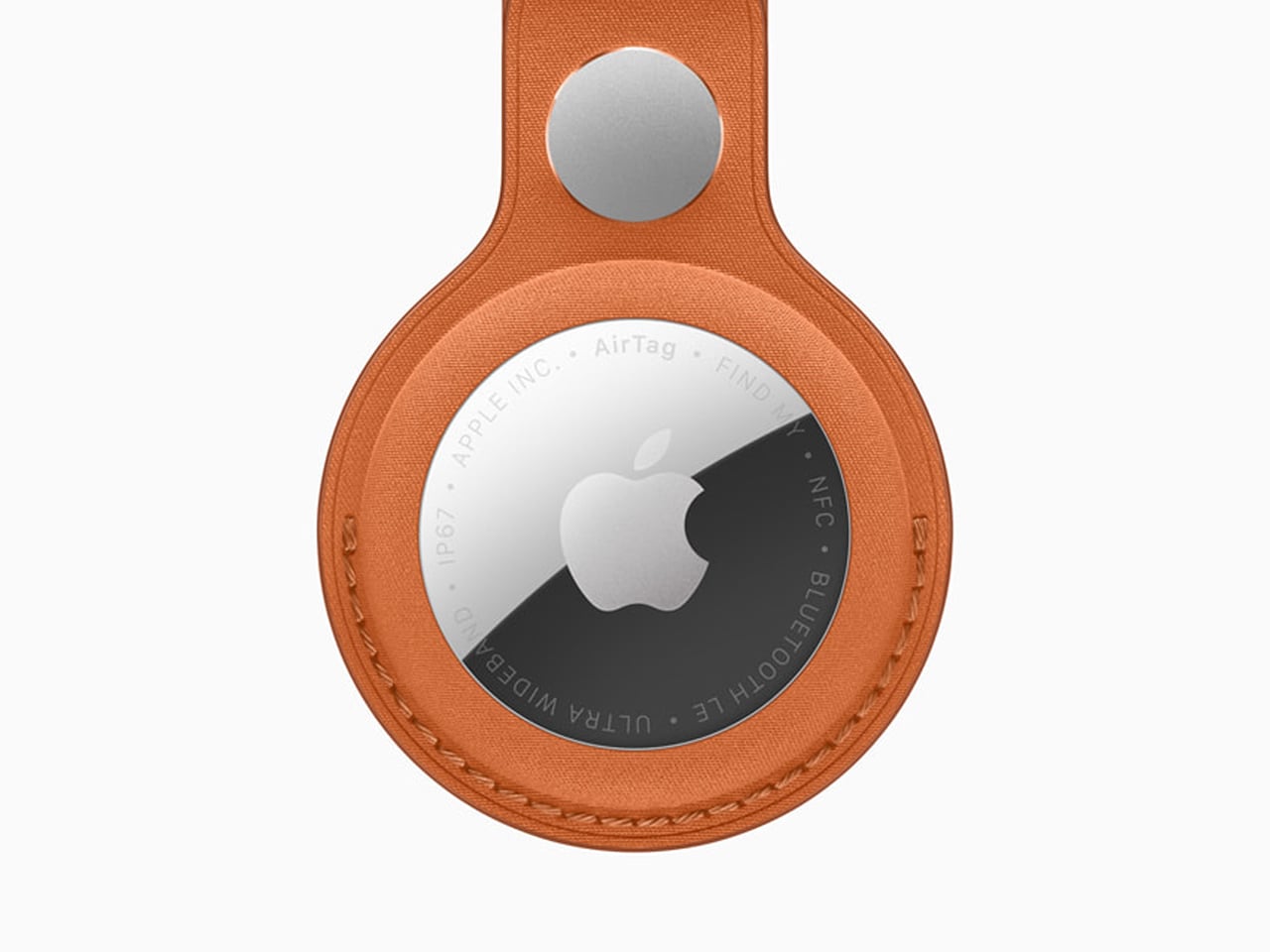
Apple has just launched a new AirTag, an update to its item-tracking accessory that has been around since 2021. The second-generation device is, as you would expect, better and bolder. It carries two primary distinctions: a better speaker and a wider range, which we will (in addition to other new features) discuss in detail below.

Apple AirTag has been on the market for five years now. It is still the most reliable and go-to device for most people looking to secure their belongings, including, but not limited to, luggage, keys, wallets, and bags. Dubbed the second-generation AirTag, the new item-tracker is powered by the same second-generation Ultra Wideband Chip that Apple has previously outfitted the iPhone 17 and the Watch Ultra 3 with.

Designer: Apple

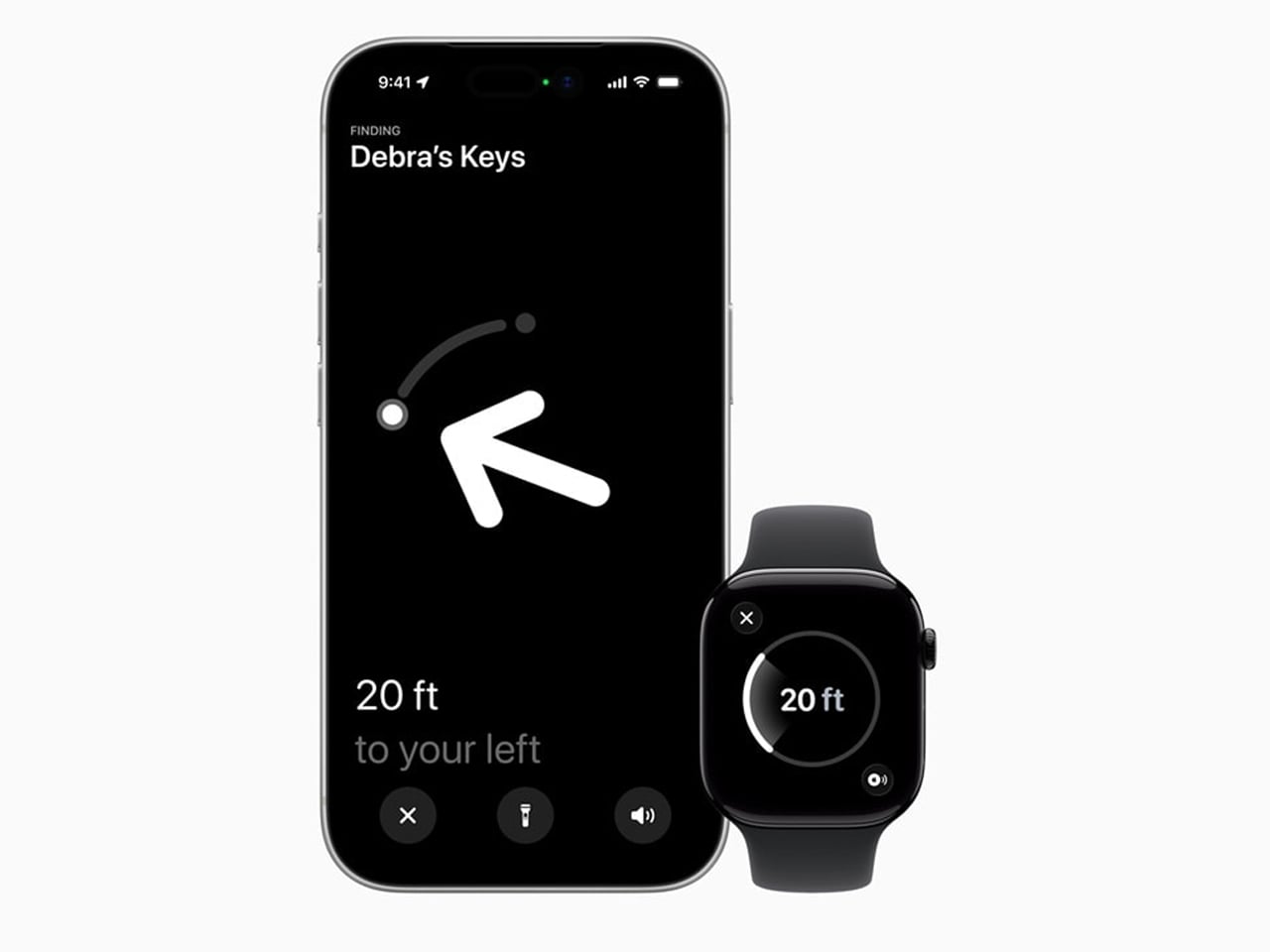
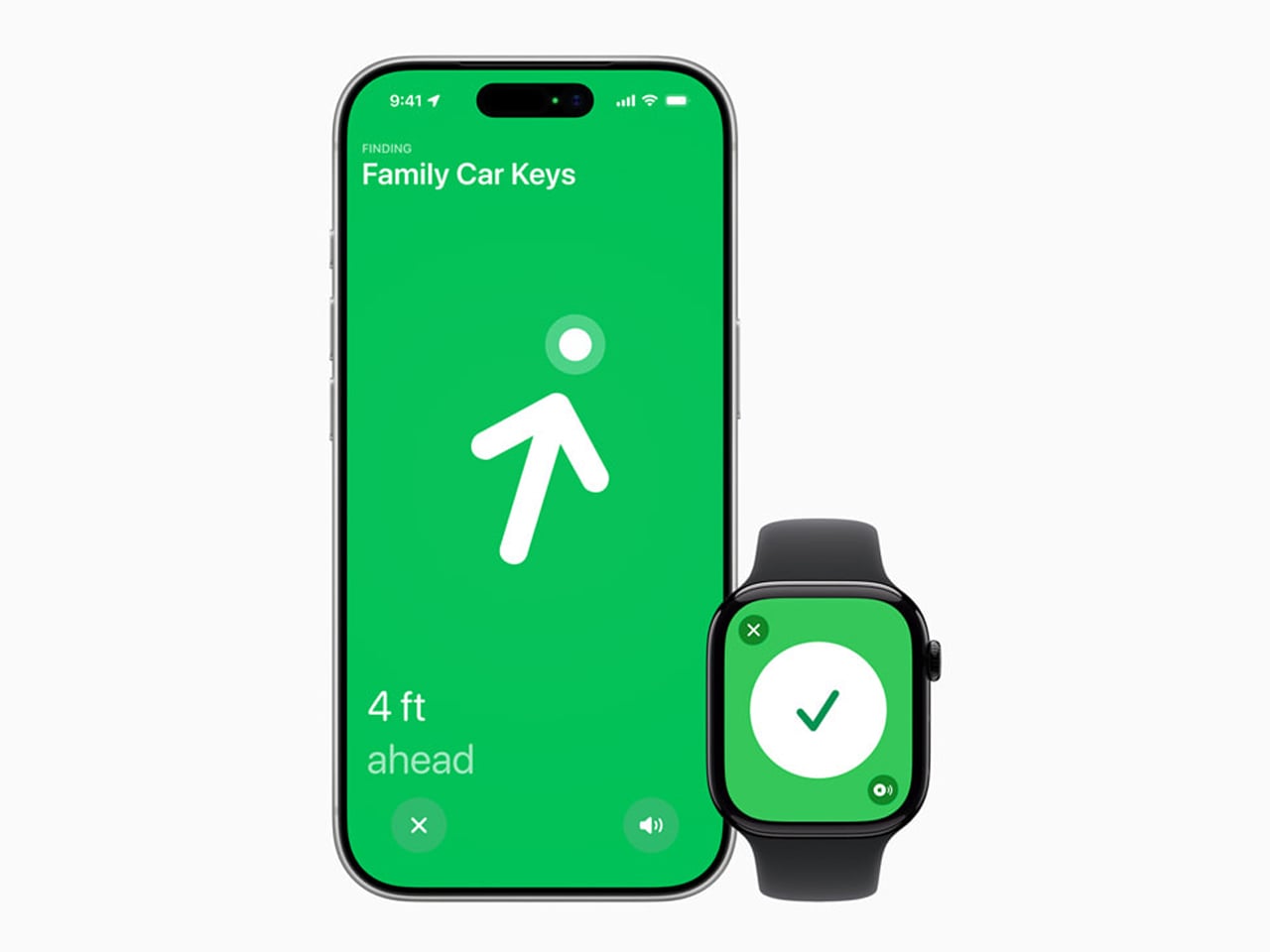
Courtesy of an upgraded Bluetooth chip, the Gen 2 AirTag expands its range of Precision Finding by a good 50 percent and adds more reliable directional guidance to it, which means users will now be able to track their lost items from a much further distance. In addition to the range, the new AirTag features a much louder speaker. Users can get audio cues up to almost 50 percent louder than the original AirTag. The device also delivers haptic feedback and features directional arrows to lead you more conveniently to your lost but tagged item.

According to the reports released in the run-up to the launch of the second-gen AirTag, it was mulled that Apple would introduce a new design for its device. Apple has, however, stayed true to its original design and has instead focused on improving the features of the item tracker.

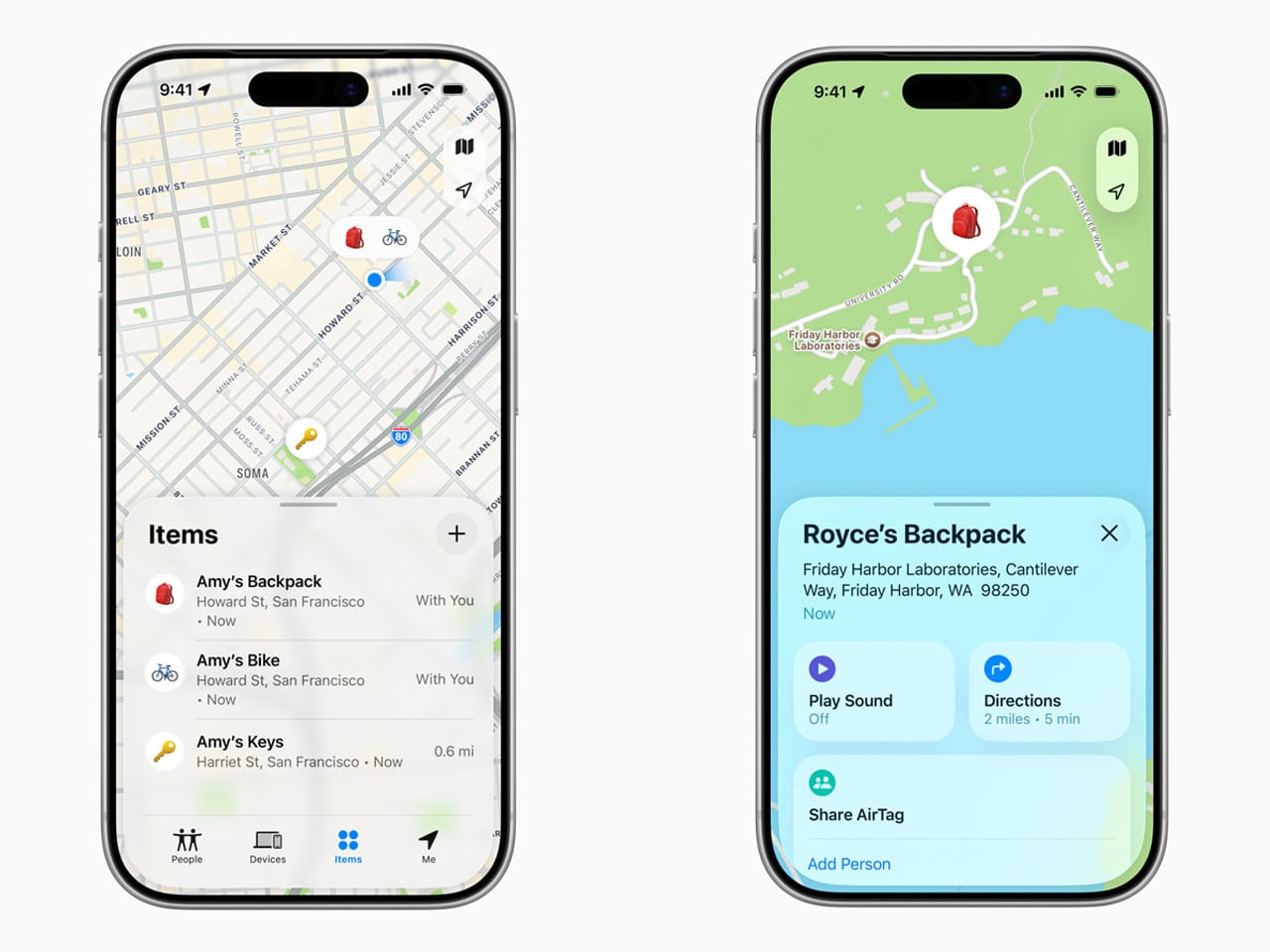
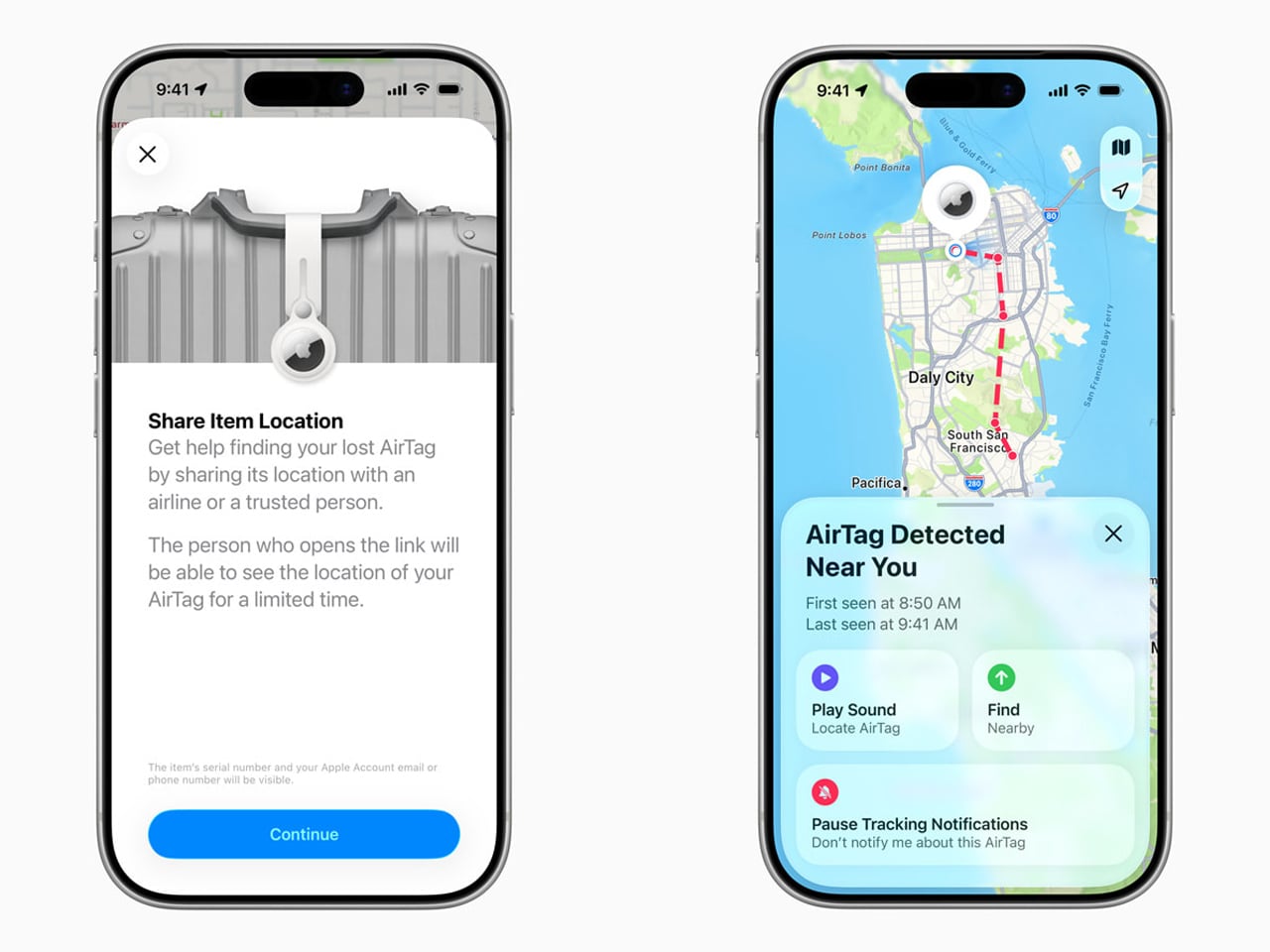
The Cupertino tech giant has put user privacy at the core of the development of its new AirTag. Within the associated Find My network, the device protects against unwanted tracking, and it comes with end-to-end encryption. A new feature within the Find My network is Share My Location. The feature allows users to temporarily share the location of any accessory tagged with the AirTag with a select group of people of their choosing. This can be particularly beneficial in case of misplaced luggage, for instance, a person can share the location of their tagged item with the airline staff and help recover faster.

Even though the look and feel, as well as the battery size of the AirTag haven’t changed, the device is now made from recycled materials. The casing comprises 85 percent recycled plastic, and it features 100 percent recycled rare-earth magnets and 100 percent recycled gold-plated circuits. Apple informs that the second-generation AirTag will require iPhones running iOS 26 or later, while the Precision Finding will be usable on Apple Watch Series 9 or Apple Watch Ultra 2 or later. Despite the upgrades, the second-gen AirTag, like its predecessor, costs $29 in the U.S. A pack of four will retail for $99.

The post Apple unveils Gen 2 AirTag with louder speaker and 50% more tracking range first appeared on Yanko Design.

10 Best Pocket-Worthy Valentine’s Day Gifts for Men Who Love EDC

Valentine’s Day gifts for men don’t have to mean another wallet or generic watch. For the guy who lives by the everyday carry philosophy, the perfect gift slips into his pocket and earns its place through daily use. These aren’t decorative tokens that live in a drawer. They’re precision tools that become extensions of his routine, carried with intention and reached for without thinking.

The best EDC gear strikes a balance between form and function, proving that thoughtful design doesn’t sacrifice practicality. This Valentine’s Day, skip the predictable and opt for something he’ll actually treasure. These pocket-worthy essentials combine craftsmanship with genuine utility, turning everyday moments into opportunities to appreciate both smart engineering and the person who knew exactly what he needed. Each piece here fits the EDC lifestyle without compromise.

1. Cubik

The Cubik rewrites pocket knife conventions by eliminating the mechanisms that typically complicate blade deployment. Press the trigger, hold it upside down, and gravity does the work. The blade emerges smoothly, locks securely with trigger release, and requires zero maintenance for springs, ball bearings, or complex internal parts that eventually fail. This simplicity translates to reliability that outlasts flashier alternatives, making it the kind of tool that becomes indispensable precisely because it never demands attention or special care.

Beyond its gravity-powered elegance, the Cubik delivers genuine heavy-duty performance. That secure lock isn’t just for show—it holds firm enough for piercing hardwood without blade wobble or mechanism stress. The tungsten carbide glass-breaker integrated into the rear end transforms this gentleman’s EDC into genuine emergency equipment. It’s the kind of thoughtful design detail that matters most when situations turn serious, proving that innovation doesn’t require complexity, just smarter thinking about fundamental mechanics.

What We Like

  • The gravity deployment system eliminates failure-prone mechanisms entirely
  • Tungsten carbide glass-breaker adds genuine emergency utility
  • Simple design requires zero maintenance or special care
  • Secure locking mechanism handles heavy-duty tasks confidently

What We Dislike

  • Gravity deployment requires a specific orientation to operate
  • An unconventional mechanism might confuse first-time users

2. 8-in-1 EDC Scissors

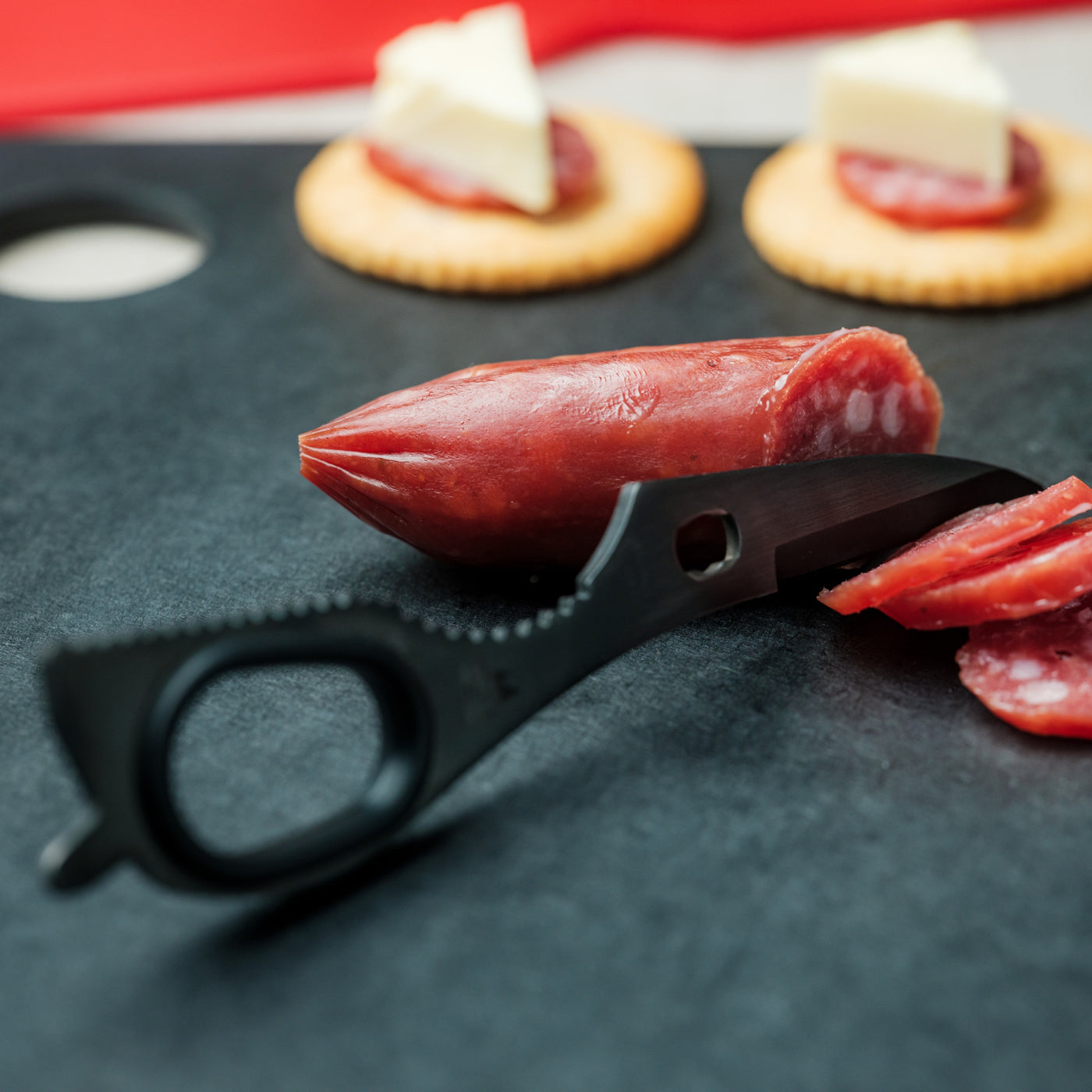
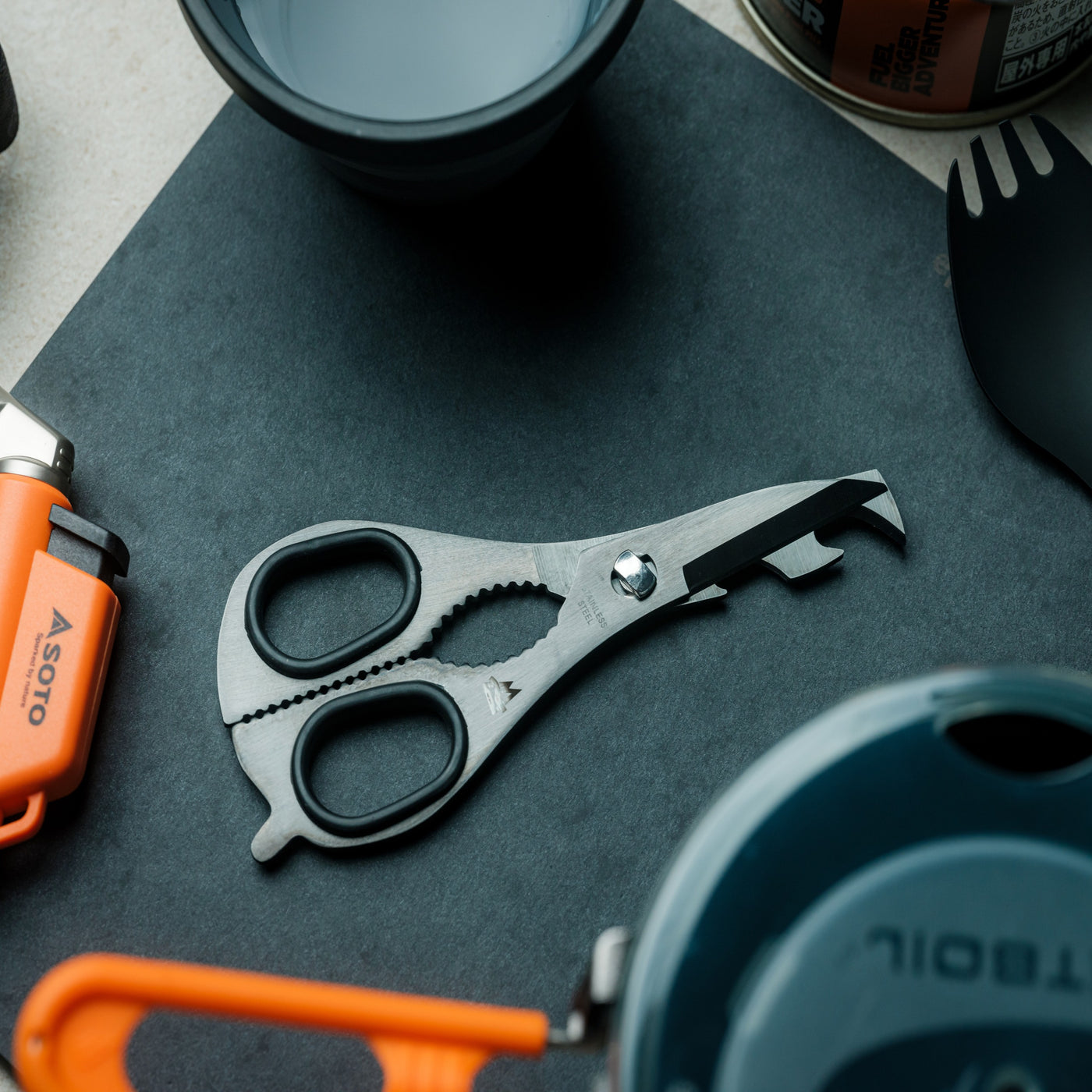
Multitool skepticism usually comes from bloated designs that sacrifice usability for feature counts, but these palm-sized scissors prove compactness doesn’t limit capability. Eight distinct functions—scissors, knife, lid opener, can opener, cap opener, bottle opener, shell splitter, and degasser—fit into a 13cm package that disappears into pockets without bulk. The oxidation film treatment delivers rust resistance while creating that handsome matte black finish that ages gracefully rather than showing wear as a weakness.

The real genius lies in how frequently these tools get reached for. Scissors alone justify pocket space, but having a proper knife blade and multiple opening mechanisms means this compact EDC solves problems before they escalate into frustrations. Package delivery, impromptu picnics, daily tasks that demand the right tool—this unassuming multi-tool handles them without ceremony. It’s the kind of gift that generates quiet appreciation every time it proves useful, which for EDC enthusiasts happens more often than most people realize.

Click Here to Buy Now: $59.00

What We Like

  • Eight functions in genuinely pocket-sized form factor
  • Oxidation film provides rust resistance and attractive finish
  • The function of scissors alone justifies an everyday carry
  • Multiple opener types handle various bottle and can styles

What We Dislike

  • Small size might feel awkward for larger hands during extended use
  • Individual tools sacrifice some leverage compared to dedicated versions

3. BlackoutBeam Tactical Flashlight

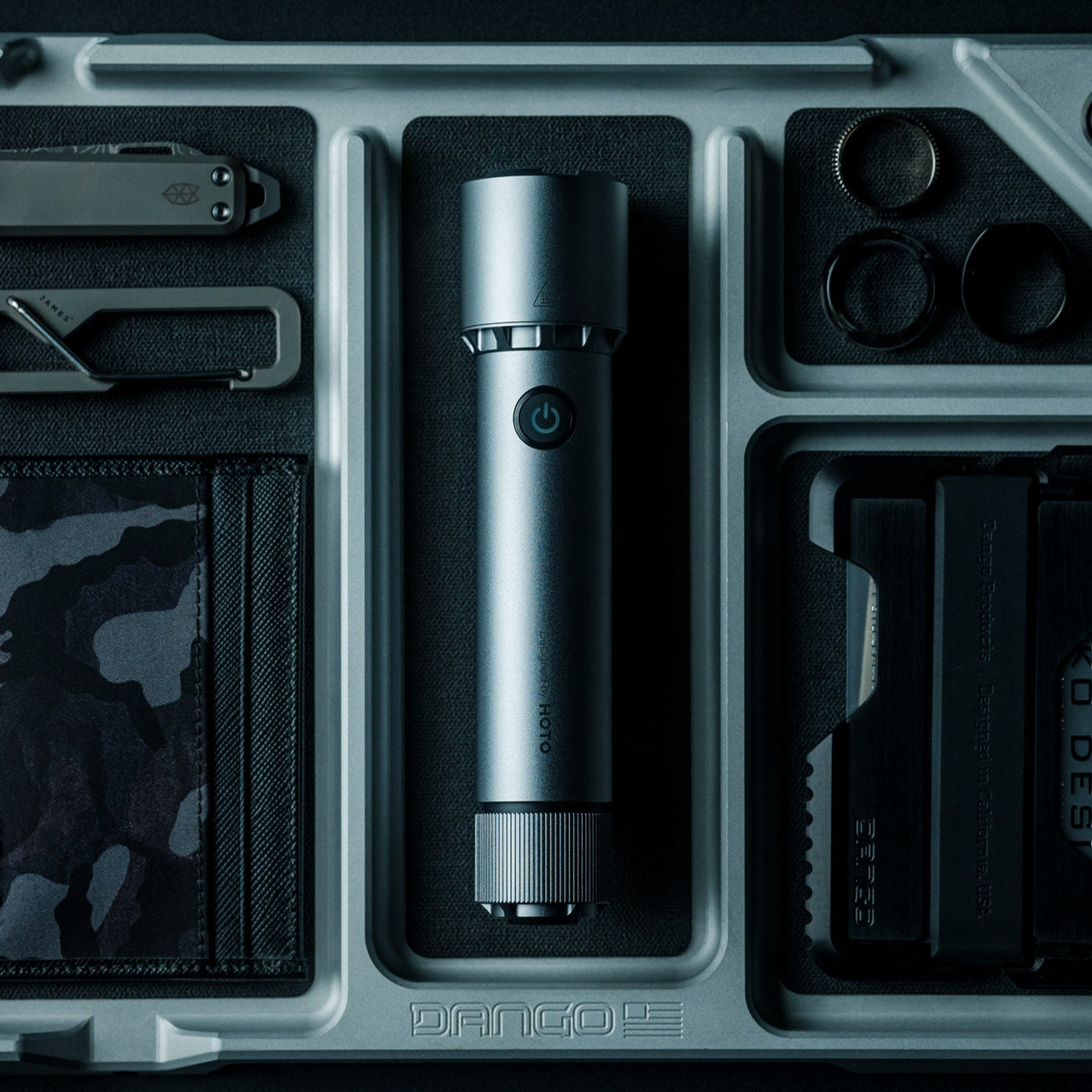
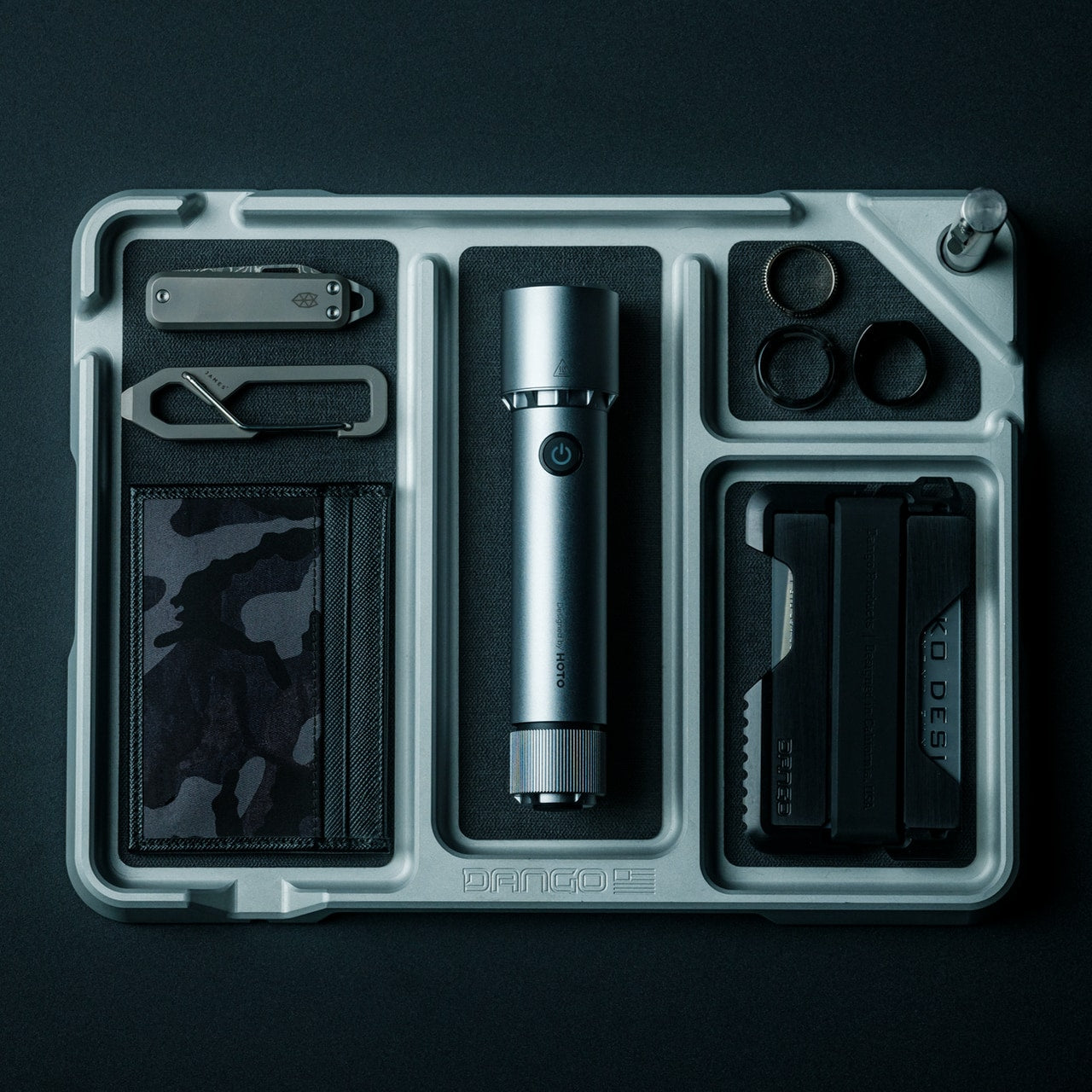
Tactical flashlights often promise military-grade performance while delivering consumer-grade disappointment, but the BlackoutBeam backs its claims with 2300 lumens that cut through darkness with surgical precision. That 300-meter throw distance isn’t marketing fluff—it genuinely illuminates distant targets with clarity that transforms nighttime navigation or emergency response. The 0.2-second response time eliminates lag entirely, delivering instant illumination exactly when situations demand immediate light without hesitation or warm-up delays that compromise effectiveness.

The IP68 waterproof rating and durable aluminum construction mean this flashlight survives submersion, impact, and weather conditions that would kill lesser lights. It’s serious durability packaged in a form that never feels excessive or tactical-cosplay ridiculous. Power outages, roadside emergencies, wildlife encounters, or simply navigating dark spaces—the BlackoutBeam handles varied scenarios without requiring different gear. For the EDC enthusiast who values preparedness, this flashlight delivers professional capability in everyday-appropriate packaging that justifies its presence whether clipped to a pocket or stored in a go-bag.

Click Here to Buy Now: $89.00

What We Like

  • 2300 lumens provide genuinely blinding brightness when needed
  • 0.2-second instant-on response eliminates dangerous delays
  • IP68 waterproof rating survives submersion and harsh conditions
  • 300-meter throw distance handles long-range illumination needs

What We Dislike

  • Maximum brightness drains batteries quickly during extended use
  • Premium performance comes with a premium price point

4. AirTag Carabiner

Forgetting where you left your bag, or keys, transforms from mild frustration to a genuine problem surprisingly quickly, but this Duralumin composite alloy carabiner harnesses Apple AirTag technology to eliminate that anxiety. The same material used in aircraft, spaceships, and boats delivers strength that contradicts its lightweight feel, creating a clip that’s tough enough for serious use yet comfortable for everyday carry. Each carabiner is crafted by hand, bringing artisan quality to functional hardware that typically gets treated as a disposable commodity.

The genius here lies in making tracking invisible. Snap this onto bags, bikes, umbrellas, or anything that tends to wander, and Apple’s Find My network provides location awareness without requiring dedicated attention. It’s passive security that works silently until the moment you need it, then delivers precise location data that transforms panic into calm retrieval. For the EDC enthusiast who carries multiple bags or frequently moves between locations, this carabiner provides peace of mind that scales across possessions without cluttering pockets with separate trackers.

Click Here to Buy Now: $149.00

What We Like

  • Duralumin alloy provides aircraft-grade strength at minimal weight
  • Hand-crafted quality elevates functional hardware to premium status
  • Works with Apple AirTag for seamless location tracking
  • Available in multiple metal finishes including brass and stainless steel

What We Dislike

  • Requires separate Apple AirTag purchase for tracking functionality
  • Limited to Apple ecosystem users for Find My network benefits

5. ScytheBlade

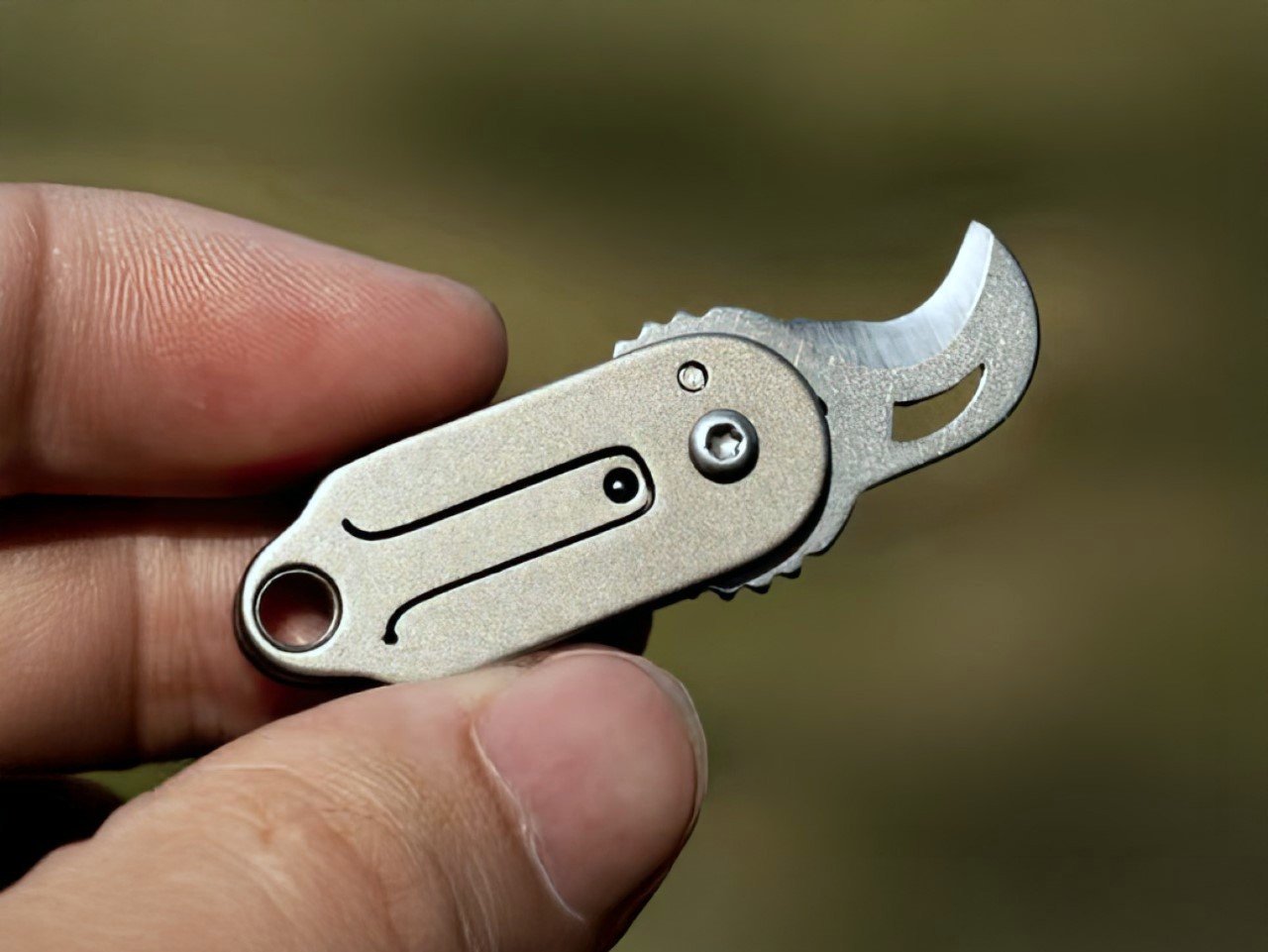
The scythe blade profile seems impractical for pocket carry until you actually handle the ScytheBlade and realize how that aggressive curve concentrates cutting force in ways straight edges can’t replicate. At just 46mm deployed length and weighing only 8 grams, this titanium folder achieves what most manufacturers consider impossible—a genuinely effective blade in micro format. The curved profile resembles a tiger claw, looking dangerous because the geometry delivers cutting performance that exceeds expectations set by conventional blade shapes.

Titanium construction brings natural corrosion resistance that requires zero maintenance while delivering strength that feels disproportionate to the minimal weight. You genuinely forget this knife clips to your pocket until the specific moment demands that curved blade’s unique capabilities. The ScytheBlade proves unconventional designs can work at miniature scales when engineering supports the ambition. For the EDC enthusiast who appreciates distinctive tools that perform despite—or perhaps because of—their radical departure from standard designs, this tiny scythe represents exactly the kind of pocket-worthy innovation that sparks conversation and delivers results.

What We Like

  • Titanium construction keeps the weight at a mere 8 grams
  • Curved blade profile concentrates cutting force effectively
  • Natural corrosion resistance requires zero maintenance
  • Radical miniaturization proves unconventional shapes can work at the micro scale

What We Dislike

  • Aggressive blade profile might face legal restrictions in some jurisdictions
  • Tiny size requires precision handling during use

6. DraftPro Top Can Opener

Drinking beer or sparkling water straight from the can robs you of aroma and a full flavor experience, but the DraftPro Top Can Opener transforms any can into a glass-like drinking vessel by removing the entire top. Designed by award-winning Japanese designer Shu Kanno, this compact tool creates smooth-edged, wide-mouth openings that let you catch scent notes and taste complexity brewers intended. That first crisp snap becomes prelude to genuinely elevated drinking experience that honors the beverage rather than compromising it through narrow can apertures.

The utility extends beyond refined sipping. Add ice cubes directly into summer beers for rapid chilling when the fridge fails. Mix cocktails directly in the can without shakers, glasses, or cleanup that transforms simple drinks into production events. The DraftPro fits domestic and international can formats, making it universally useful whether you’re enjoying local craft brews or imported specialties. For the EDC enthusiast who appreciates how small tools can upgrade daily rituals, this opener proves intentional design can transform mundane moments into something worth savoring properly.

Click Here to Buy Now: $59.00

What We Like

  • Removes entire top for draft-style drinking experience
  • Designed by award-winning Japanese designer Shu Kanno
  • Enables direct ice addition for quick drink chilling
  • Universal fit works with domestic and international can formats

What We Dislike

  • Requires practice to achieve a perfectly smooth edge removal
  • A single-purpose tool might not justify pocket space for minimalists

7. Painless Key Ring

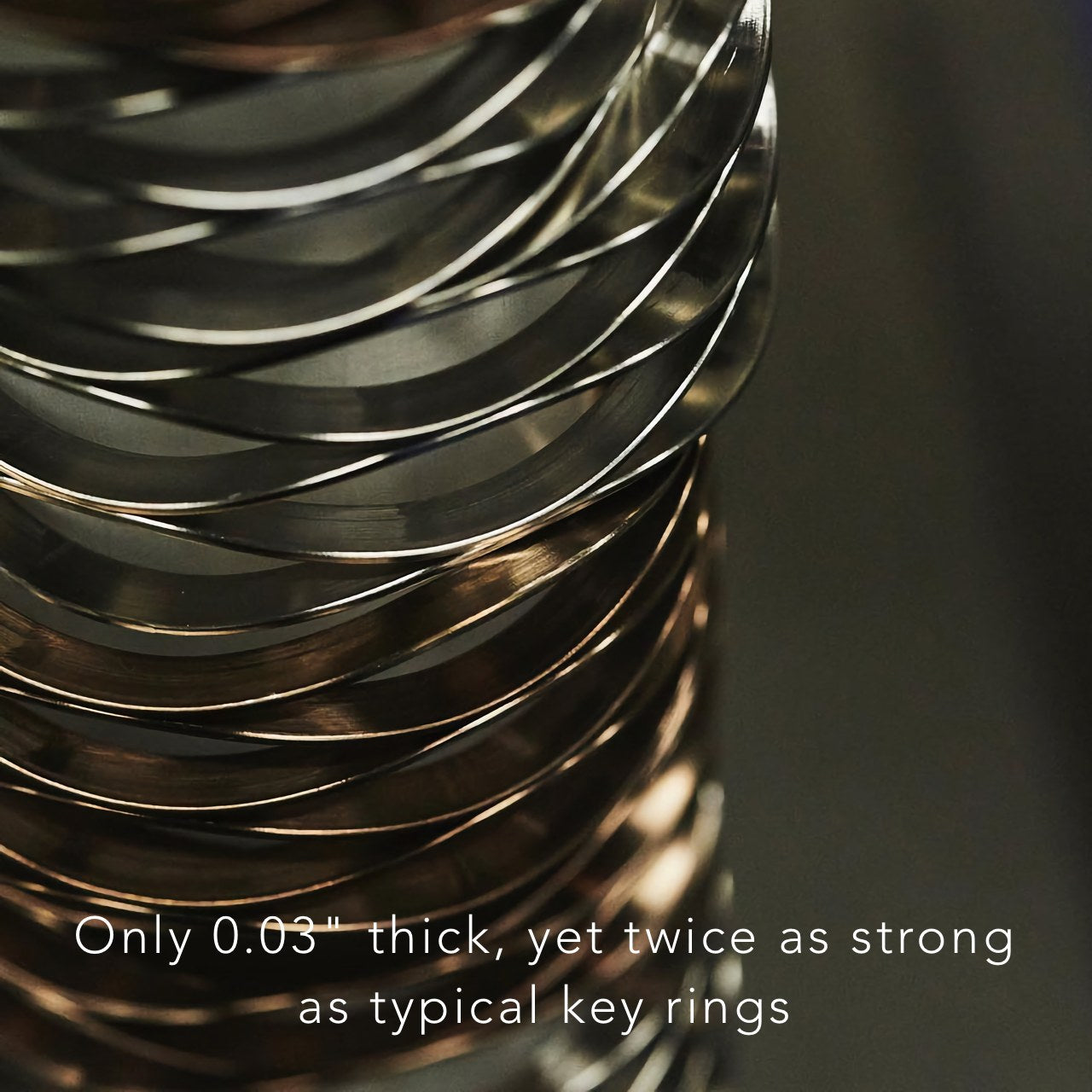
Breaking fingernails or bending rings just to add a single key represents exactly the kind of daily friction that accumulates into genuine frustration over time. This wave spring key ring borrows its mechanism design from aerospace equipment and automotive engineering to eliminate that stress. The innovative coil design makes adding and removing keys genuinely effortless while maintaining lighter weight and superior durability compared to standard pressed rings that deform under pressure from thicker keys.

The engineering elegance lives in how something this simple solves a problem most people accept as inevitable. Keys slide on smoothly, stay secure during carry, and come off without requiring tools, damaged nails, or muttered curses. Available in silver and black finishes, the wave spring ring delivers both aesthetic options and functional superiority that proves sometimes the best innovations target overlooked frustrations. For the EDC enthusiast who organizes multiple key sets or frequently rotates keys based on needs, this ring transforms key management from minor irritation into satisfying precision.

Click Here to Buy Now: $29.00

What We Like

  • Wave coil design makes key addition and removal effortless
  • Lighter weight yet more durable than conventional key rings
  • Inspired by aerospace and automotive engineering principles
  • Available in silver and black color options

What We Dislike

  • Premium pricing for what remains fundamentally a key ring
  • Wave design might catch on fabric in shallow pockets

8. VSSL Java G25 Manual Coffee Grinder

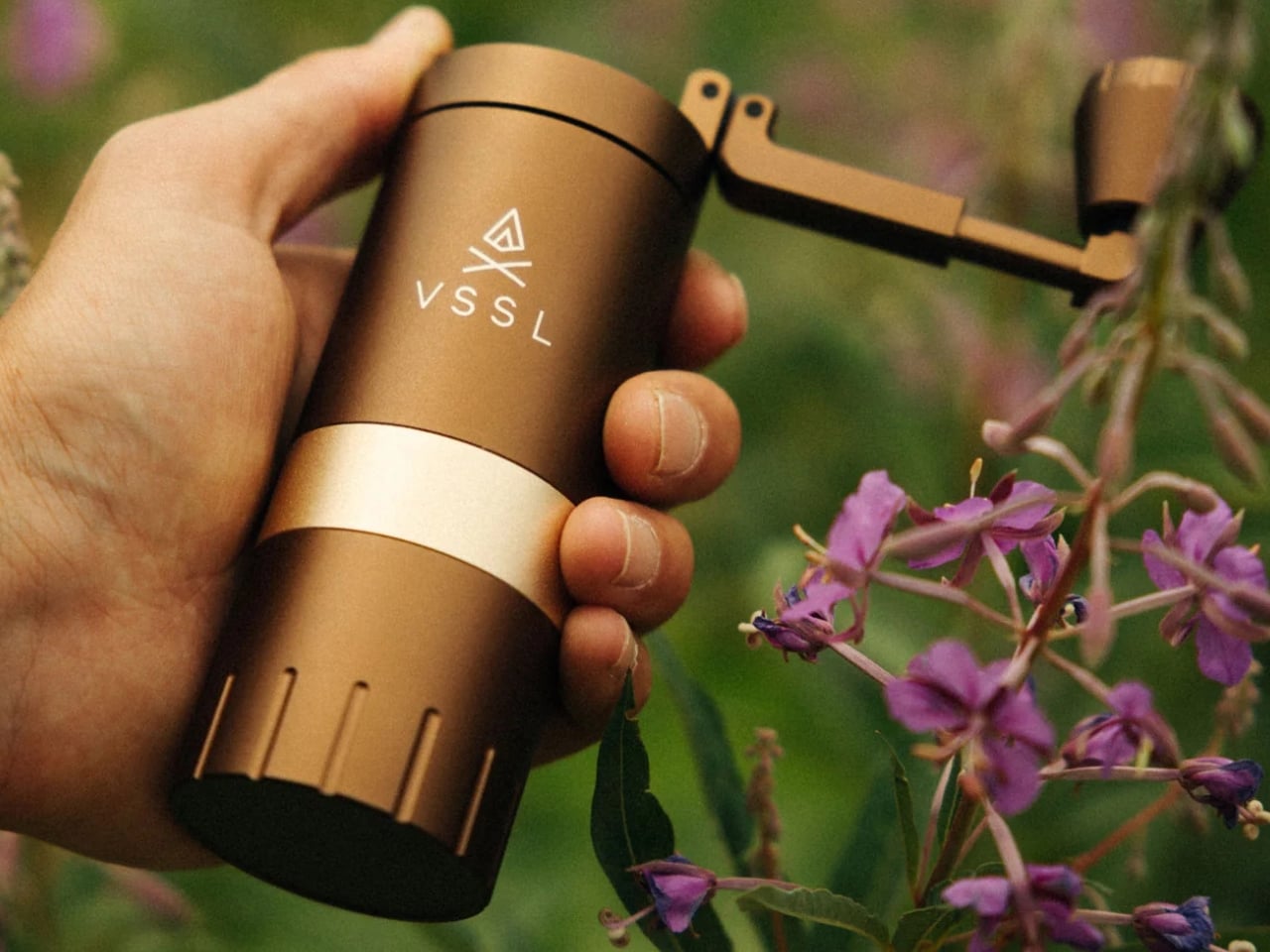
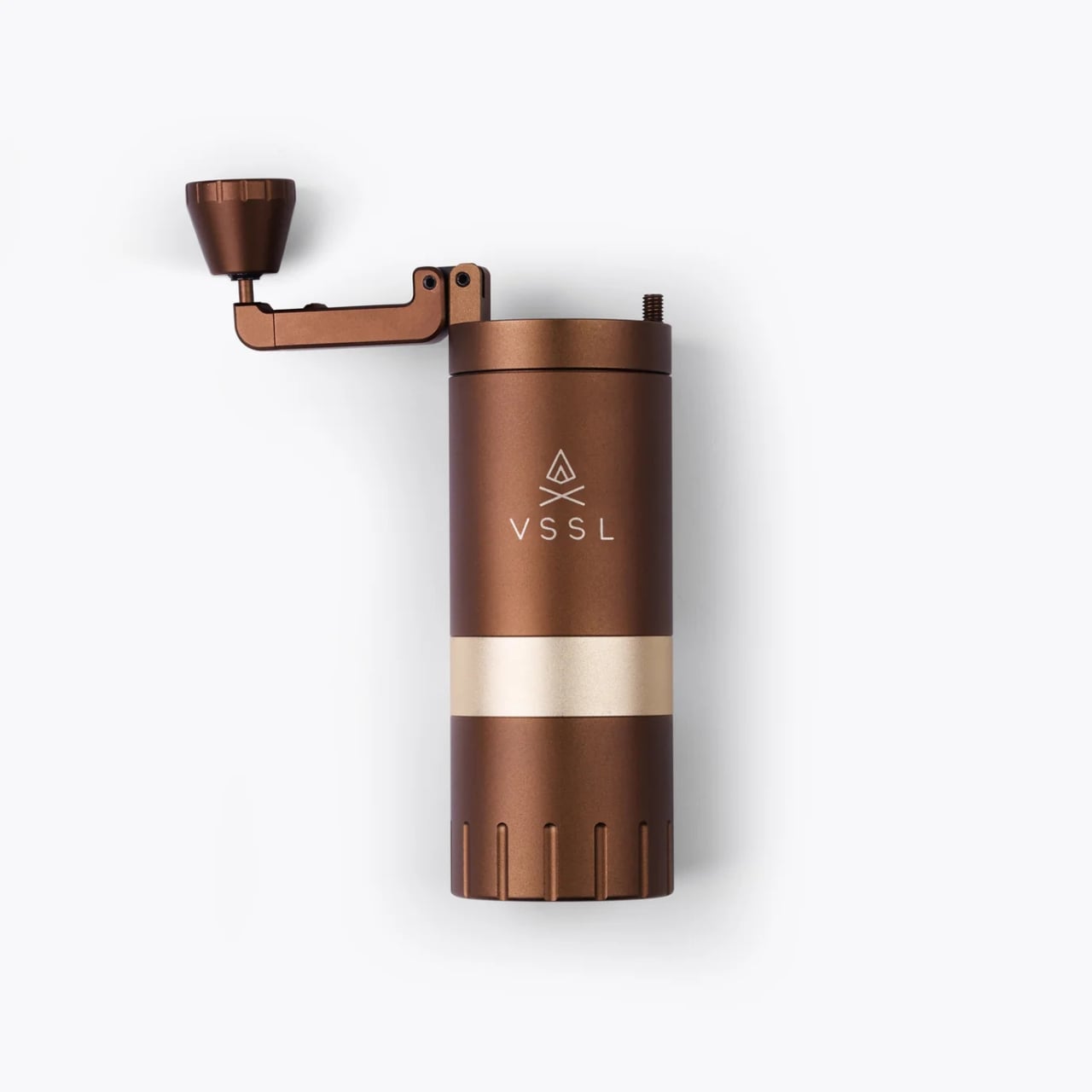
Manual coffee grinders traditionally demanded choosing between bulky plastic contraptions or fragile glass-and-wood designs that felt like a compromise rather than a choice. The VSSL Java G25 rewrites that narrative entirely, delivering rugged construction and refined aesthetics that transform grinding from a tedious chore into an enjoyable tactile ritual. The 25 distinct grind settings provide a range from espresso-fine to French press coarse, but the real achievement lies in making that adjustment feel intuitive rather than requiring an engineering degree to comprehend dials and knobs.

Fresh-ground coffee delivers flavor complexity that re-ground bags can’t match, and the G25 makes that quality accessible anywhere. The durable construction survives travel conditions that would destroy lesser grinders, while the compact form fits bags without dominating pack space. For the EDC enthusiast who refuses to compromise on morning coffee quality regardless of location, this grinder represents exactly the kind of refined tool that enhances daily rituals. The learning curve becomes part of the adventure rather than a barrier to entry, mastering a finely tuned instrument that rewards attention with consistently excellent results.

What We Like

  • Rugged construction survives travel and outdoor conditions
  • 25 grind settings cover full range from espresso to French press
  • Transforms grinding into an enjoyable tactile ritual
  • Compact form factor fits bags without excessive bulk

What We Dislike

  • Manual grinding requires effort compared to electric alternatives
  • Premium pricing reflects high-quality construction and materials

9. Craftmaster EDC Utility Knife

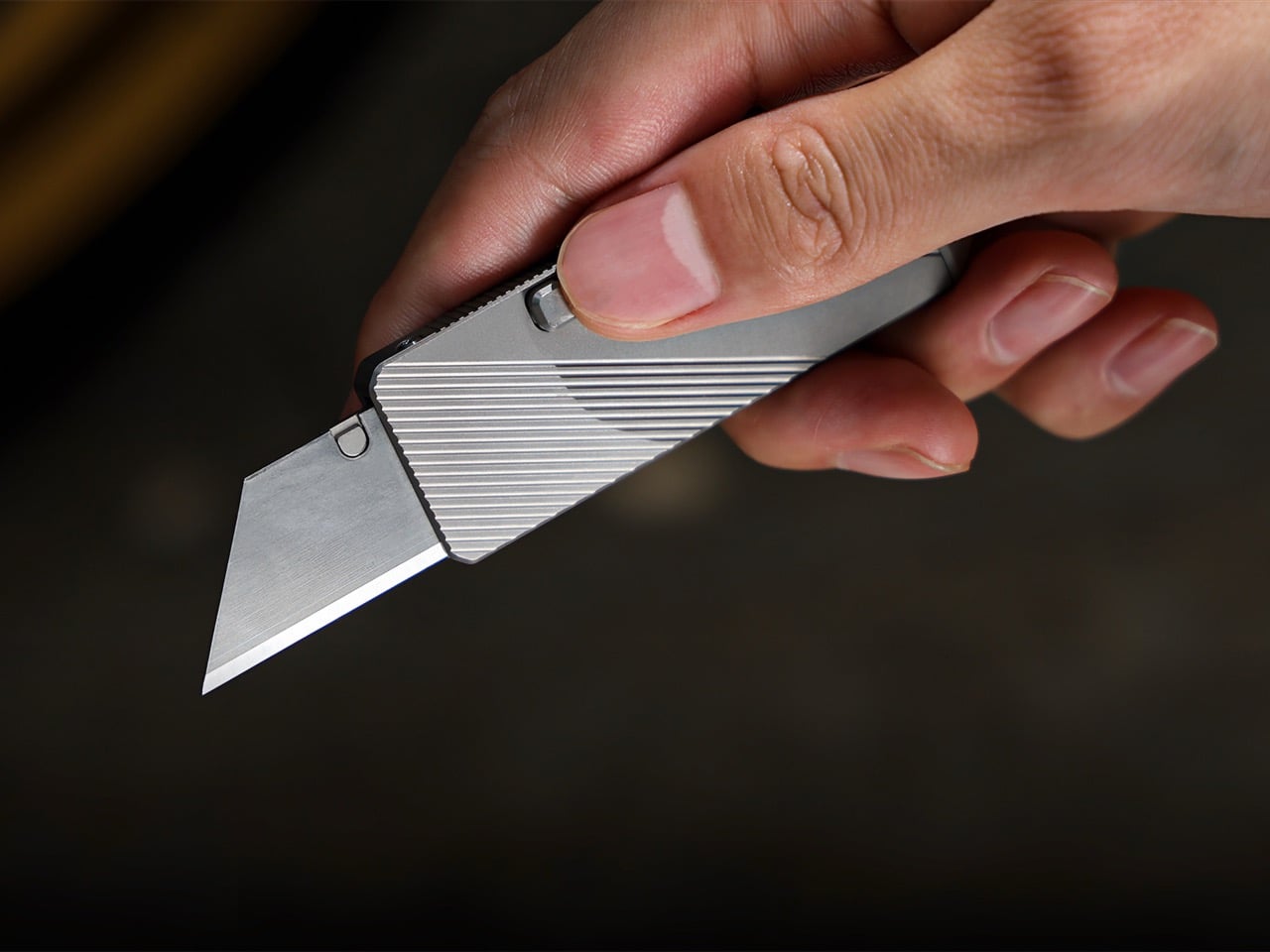
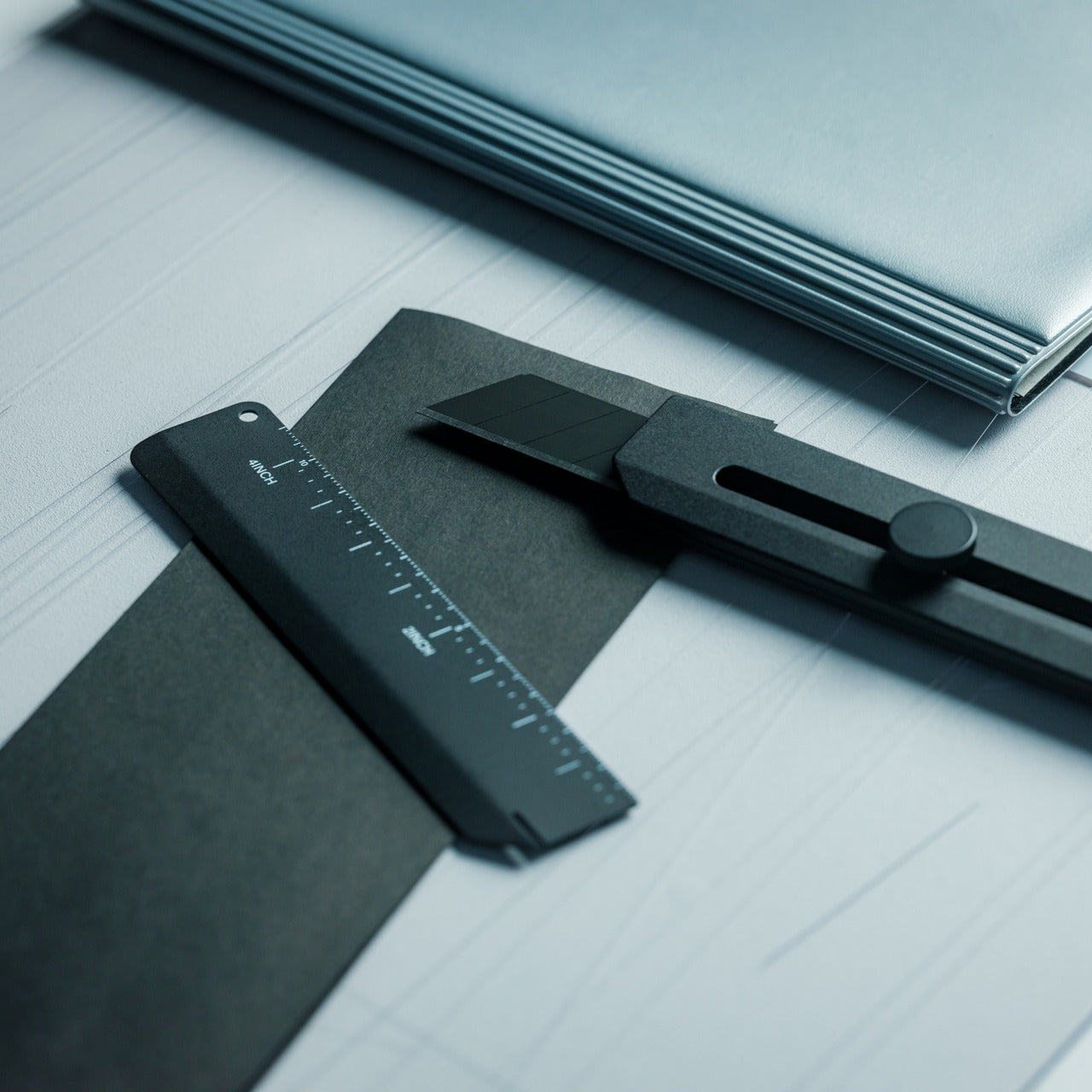
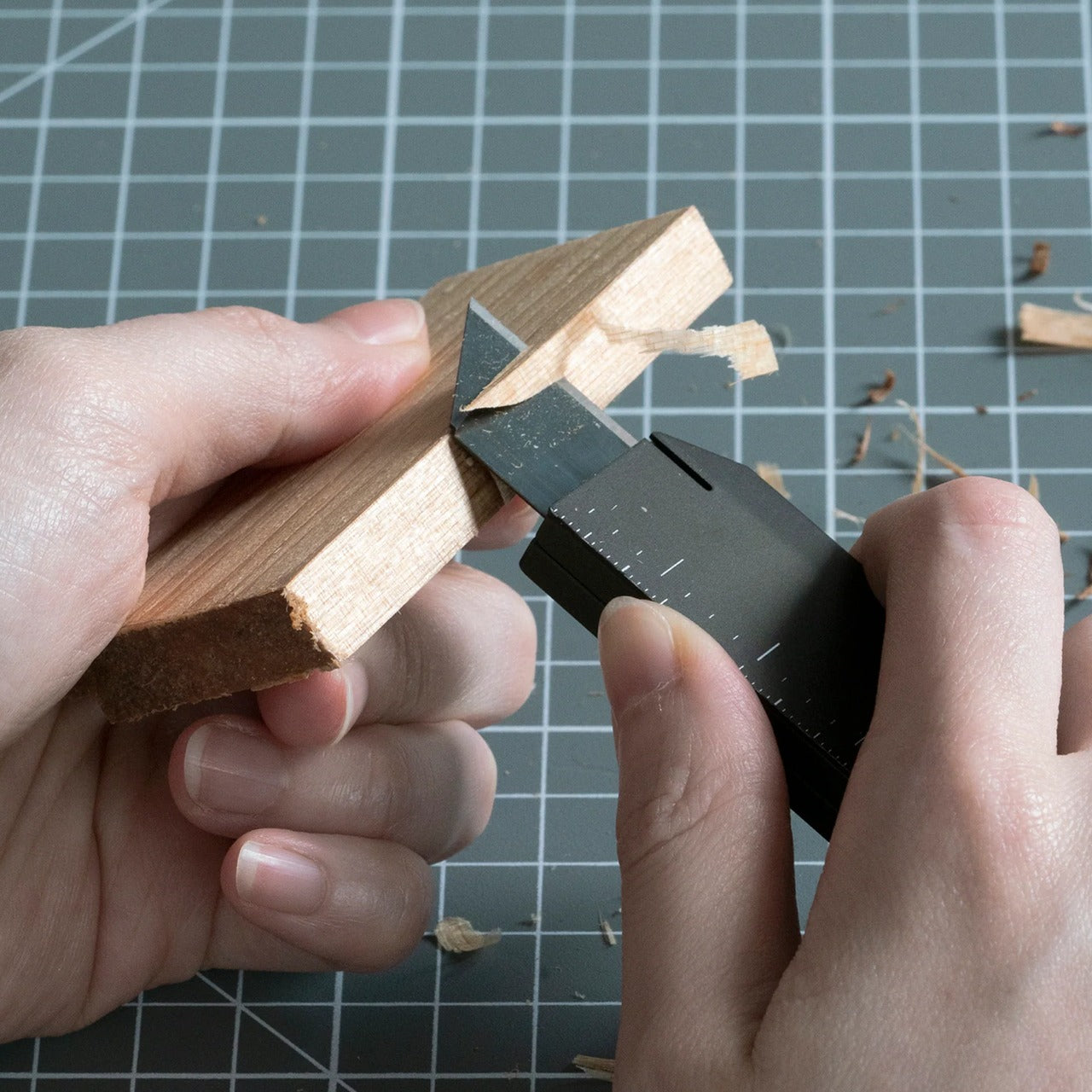
Utility knives typically sacrifice aesthetics for pure function, but the Craftmaster proves that clean, minimalist design can coexist with genuine utility. The metallic form measures just 0.3 inches thick and 4.72 inches long, disappearing into pockets while housing an OLFA blade deployed via a satisfying tactile rotating knob. The magnetic back serves a dual purpose—docking the knife to any metal surface and securing its companion metal scale that sports both metric and imperial markings for precision measuring during cutting tasks.

That included scale brings unexpected utility through thoughtful details. The raised edge makes lifting from flat surfaces effortless, while the integrated blade-breaker lets you snap off dulled OLFA blade edges to restore sharpness instantly. The 15-degree curvature prevents finger cuts during extended cutting sessions, and the 45-degree inclination protects box contents during package opening. For the EDC enthusiast who values tools that combine form with layered functionality, this utility knife represents exactly the kind of refined everyday carry that solves problems before they register as problems.

Click Here to Buy Now: $79.00

What We Like

  • Mere 0.3-inch thickness enables effortless pocket carry
  • The OLFA blade can be easily replaced when dull
  • Magnetic back docks on metal surfaces conveniently
  • The included scale provides a measurement tool with a blade-breaking function

What We Dislike

  • The rotating deployment mechanism is slower than quick-release alternatives
  • Small companion scale easy to misplace separately

10. Fingertip-Sized Rechargeable Flashlight

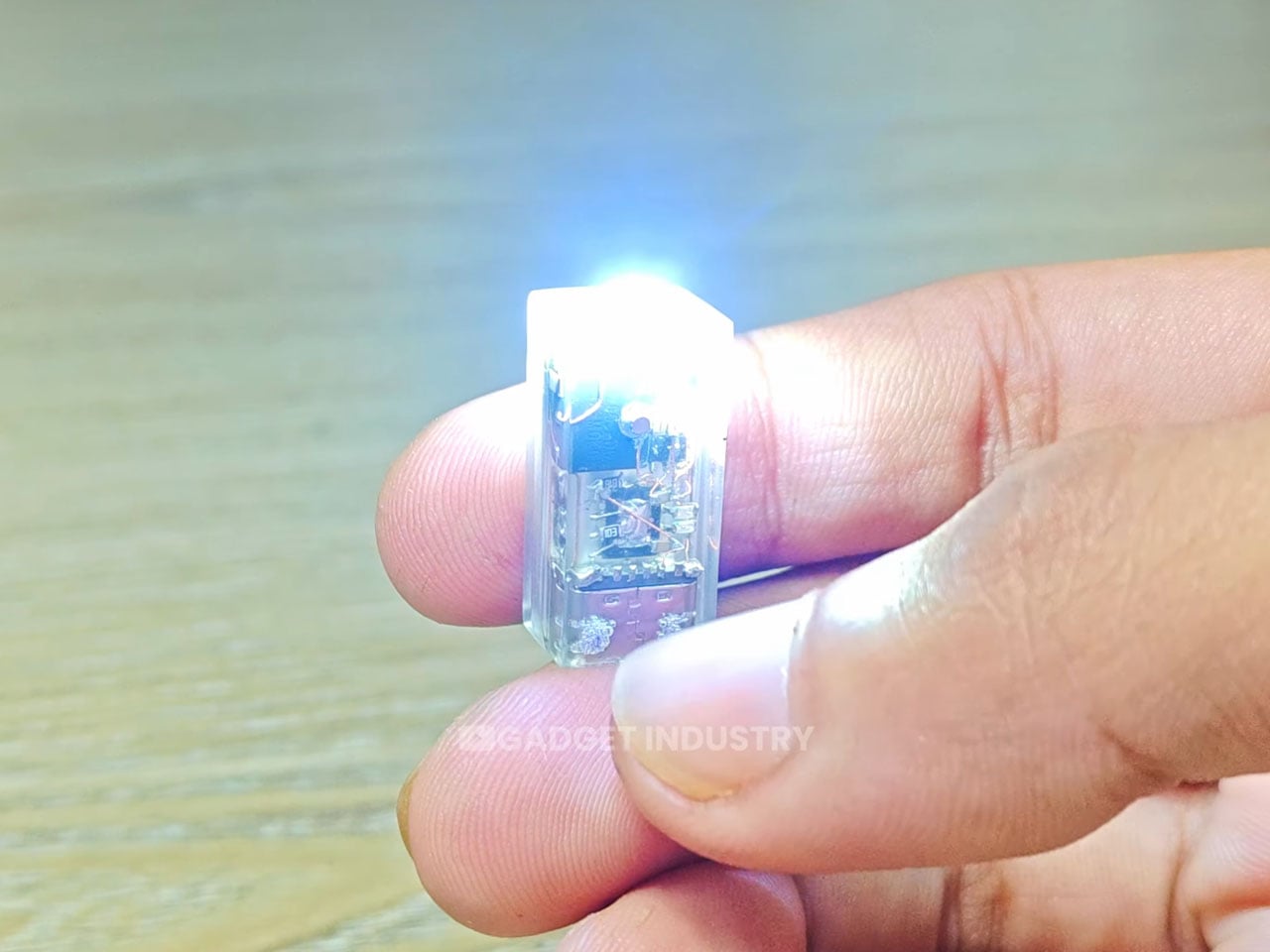
World’s smallest claims usually mean compromised functionality, but this fingertip-sized rechargeable torch by Gadget Industry pushes miniaturization to an obsessive extreme without sacrificing core capability. A lithium-polymer battery, charging circuit, touch-based control system, and white LED all seal into a compact resin shell that sits comfortably on a fingertip. It’s innovation through subtraction rather than addition, stripping everything down to absolute essentials and proving presence and accessibility can matter more than raw lumens.

The scale alone challenges assumptions about minimum viable flashlight dimensions. This micro torch takes the opposite route from bulky EDC lights, promising extreme brightness and endless modes, prioritizing availability over power. It’s the flashlight you actually have when you unexpectedly need light, precisely because you forget you’re carrying it. For the EDC enthusiast who believes the best tool is the one you actually carry, this rechargeable micro light represents the logical conclusion of pocket-worthy philosophy—making the tool so unobtrusive that excuses for leaving it behind simply don’t exist.

What We Like

  • Genuinely fingertip-sized form factor enables ubiquitous carry
  • Rechargeable design eliminates battery replacement hassles
  • A touch-based control system requires no mechanical switches
  • Sealed resin construction provides durability at minimal size

What We Dislike

  • Limited brightness compared to full-sized flashlight alternatives
  • Tiny form factor makes it easy to misplace when not clipped

Finding the Right Pocket-Worthy Gift

Valentine’s Day gifts work best when they demonstrate understanding of how someone actually lives their daily life. For the EDC enthusiast, that means tools that earn permanent pocket placement through consistent utility rather than novelty that fades. These ten designs represent that philosophy—gear refined enough to appreciate yet practical enough to justify carrying every single day without exception or second thought.

The best EDC gifts become invisible through constant presence, noticed only when they solve problems or make tasks slightly smoother. These pocket-worthy essentials transform Valentine’s Day from an obligatory gesture into a genuine expression of knowing what matters to him. Choose tools that match his carry style, and you’re giving something more valuable than objects—you’re showing you understand the intention behind his everyday choices. That recognition resonates long after Valentine’s Day passes.

The post 10 Best Pocket-Worthy Valentine’s Day Gifts for Men Who Love EDC first appeared on Yanko Design.

RitFit Buffalo Wild: Dual Cables, Weight Stacks in 2,200lb Smith Rack

Many home gyms grow sideways, a basic rack here, a cable tower there, a bench in the corner, and plates leaning against walls. That patchwork setup works for a while, but that also makes it hard to move smoothly from warm-up to heavy work, especially if more than one person trains. A single, well-equipped frame can simplify that without feeling like a commercial monster dropped into a spare room, turning scattered gear into a system that actually flows.

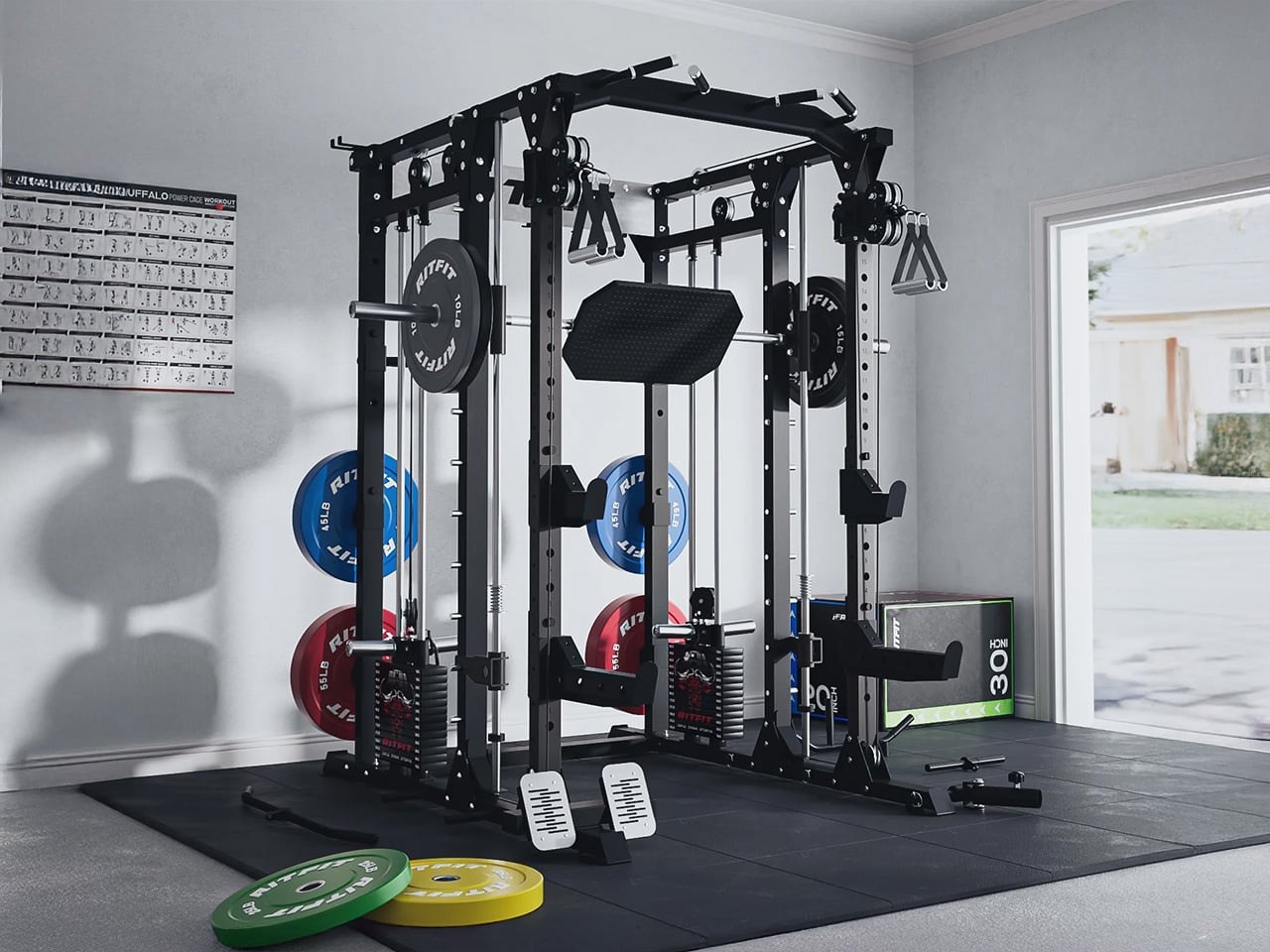
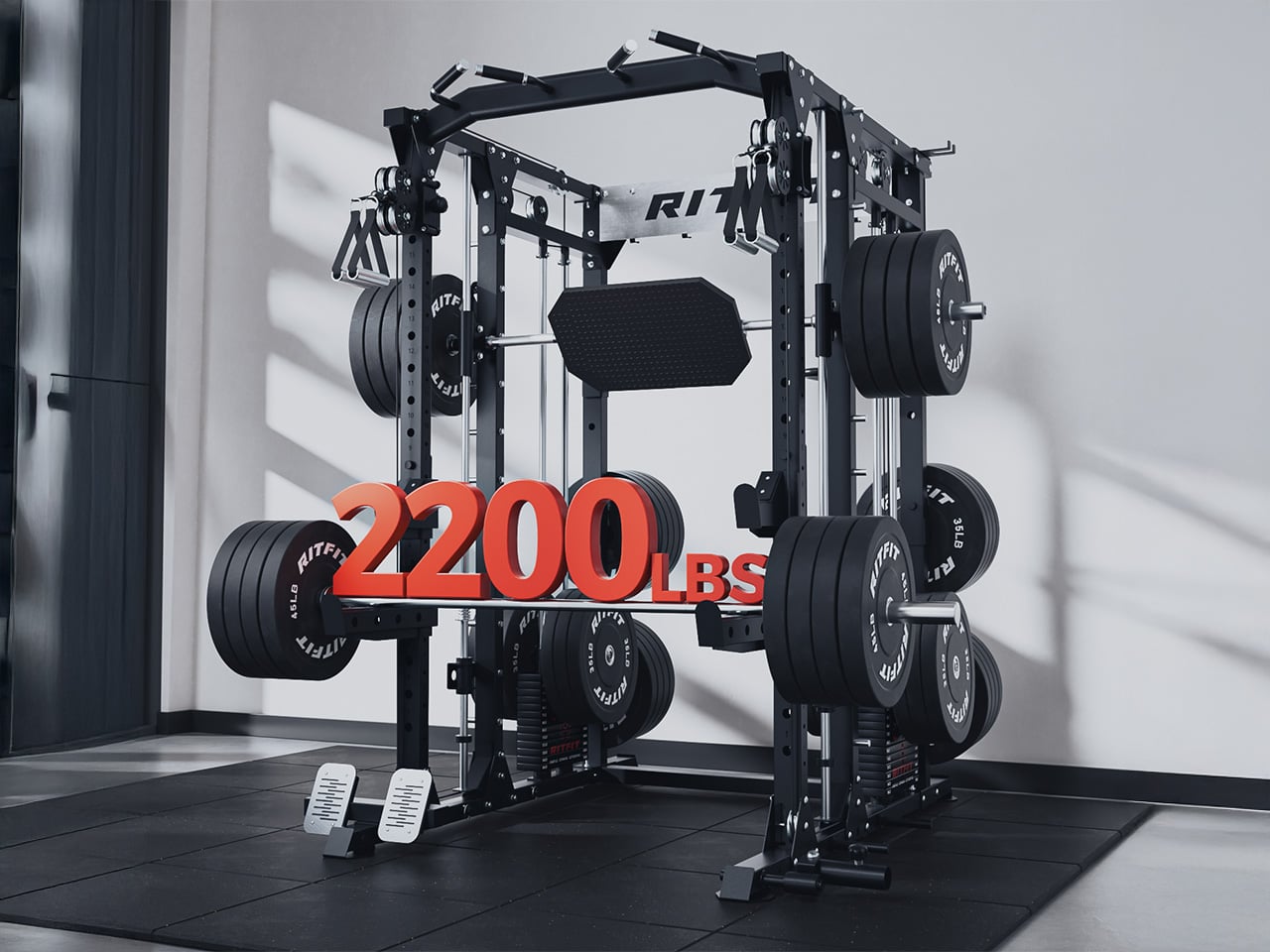
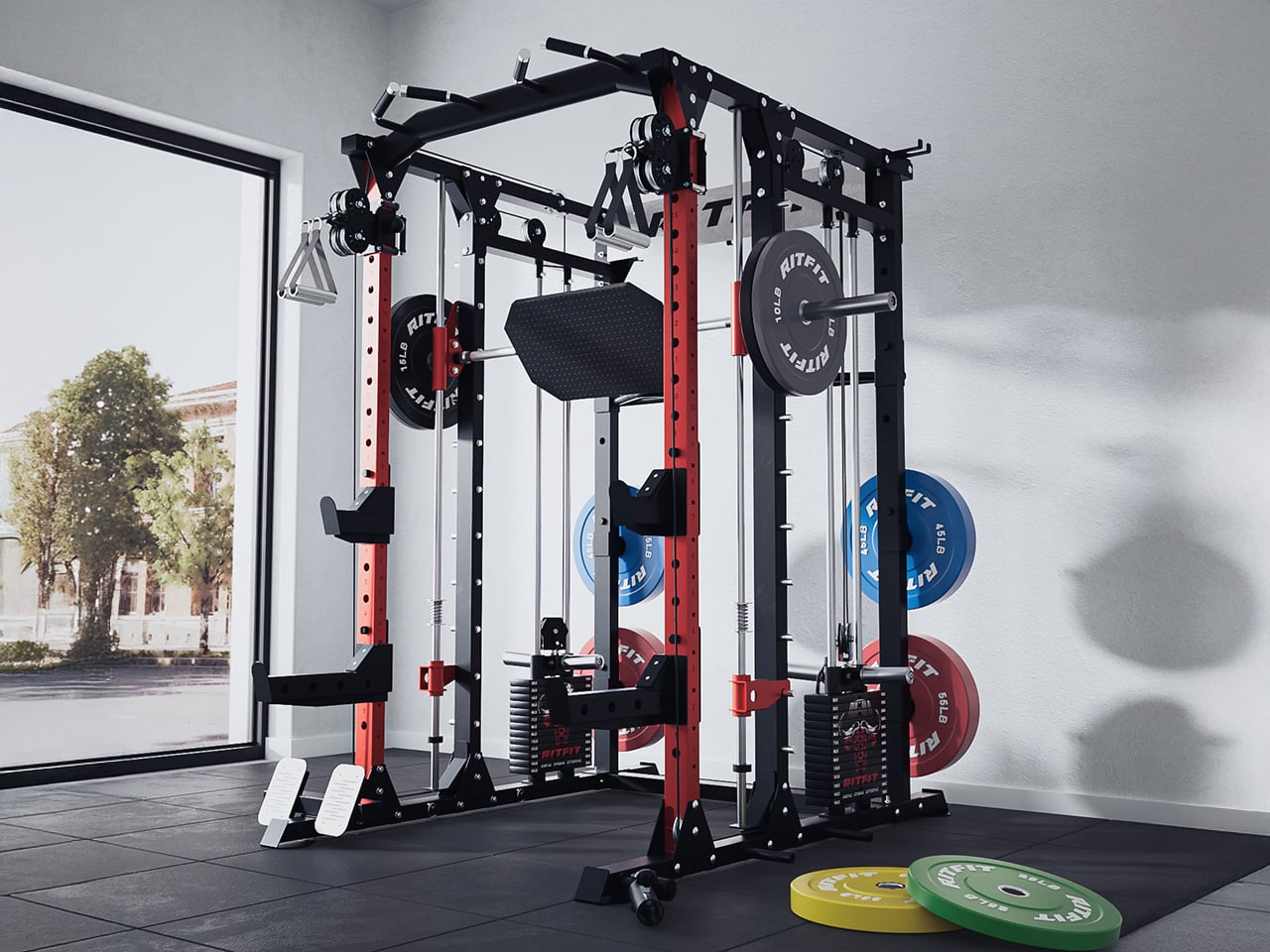
The RitFit Buffalo Wild Smith Machine with Adjustable Dual Cable System is that backbone, a rack that combines a Smith machine, dual adjustable cables, hybrid weight resistance, and storage into one footprint. It is meant to feel like a compact commercial station, with a frame capacity around 2,200lb, 2.5mm uprights, and reinforced joints, so it does not flinch when you actually load it the way you would in a gym that sees hundreds of sessions per week.

Designer: RITFIT

Click Here to Buy Now: $2610 $2899.99 (10% off, use coupon code “YANKO”). Hurry, deal ends in 48-hours!

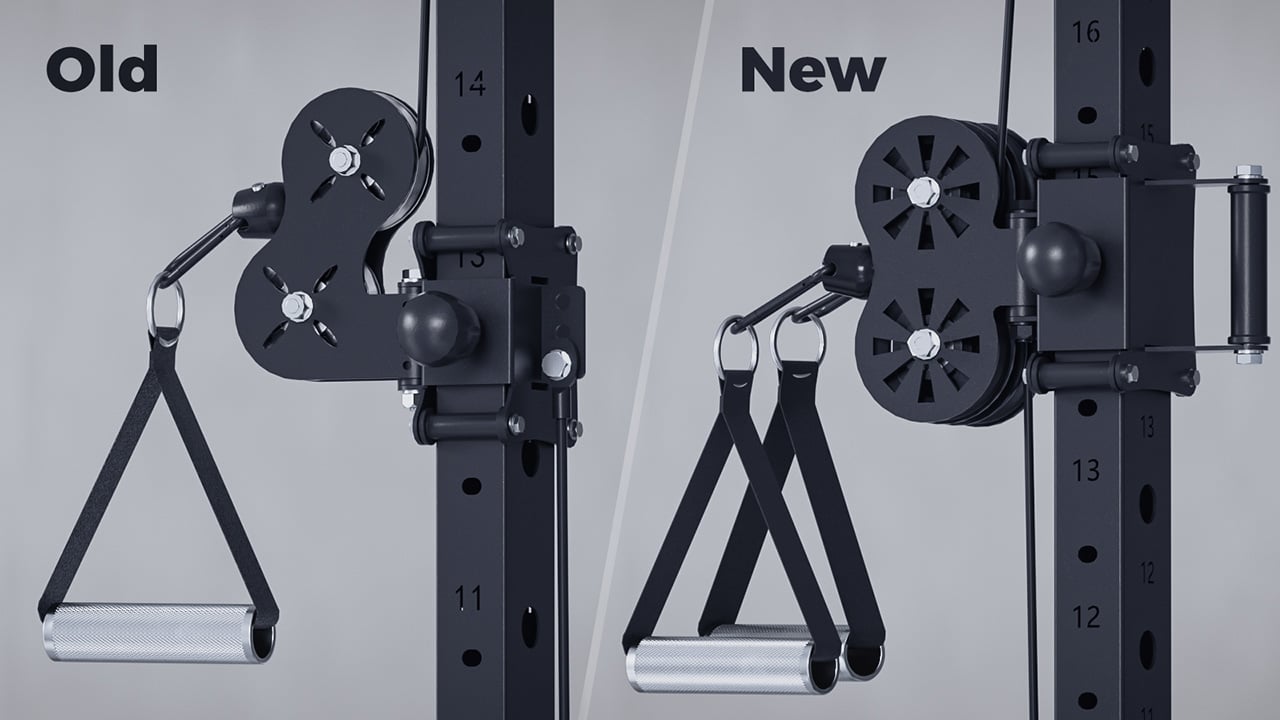
Each side of the rack runs on independent dual cable tracks, giving true unilateral control and smoother, more natural movement. The adjustable 1:1 and 2:1 pulley ratios let you switch between lighter, longer-range motion and heavier, more direct resistance without changing machines. That means you can move from precision control work to strength-focused sets by changing the ratio, not the equipment, which keeps sessions flowing and makes the rack useful for everyone from beginners to strong lifters.

The Smith side offers a taller frame, closer hole spacing, and a lowered Smith bar engineered for greater depth. That extra space opens up rows, hip thrusts, deadlifts, and crossovers with better form and deeper ranges, instead of forcing you to work around awkward start positions. The Smith has a capacity of about 352lb with 12 adjustable positions per side, enough for serious pressing and squatting while still giving you the guided path many people want when pushing near limits.

The hybrid weight system combines weight stacks with plate-loaded options, making it easy to change resistance quickly and safely. Single-side pulley load capacity is around 450lb, including a 70kg stack, while the frame itself is rated to 2,200lb. That mix gives you fine-tuned isolation work on the stacks and raw power for compound lifts on the plates, without feeling like you are outgrowing the machine as your numbers climb over months.

Rounded, de-burred J-hooks and spotter arms protect bars and hands during heavy racking, and the thicker uprights and reinforced rear cross-beam keep the rack steady under load. Built-in barbell holders, plate pegs, and accessory hooks keep everything organized, and the Smith bar can park on a top hanger to free space inside the frame. With four plate storage bars rated around 330lb each, the rack keeps weight where it belongs instead of scattered on the floor or tucked into corners.

Buffalo Wild makes sense in a shared space, where one person is running cable rows on one side while another sets up for Smith squats or pull-ups, and the transition between movements is a matter of moving a handle, not walking across the room. Instead of a garage full of mismatched stations, you get a single frame that can handle warm-ups, accessory work, and heavy lifts, and that feels stable and organized enough to be worth building the rest of the room around, whether that room is a dedicated gym or a garage that still needs to park a car on weekends.

Click Here to Buy Now: $2610 $2899.99 (10% off, use coupon code “YANKO”). Hurry, deal ends in 48-hours!

The post RitFit Buffalo Wild: Dual Cables, Weight Stacks in 2,200lb Smith Rack first appeared on Yanko Design.

Korg Phase8 Is a Cyberpunk Kalimba for Producers Who Are Bored of Regular Synths

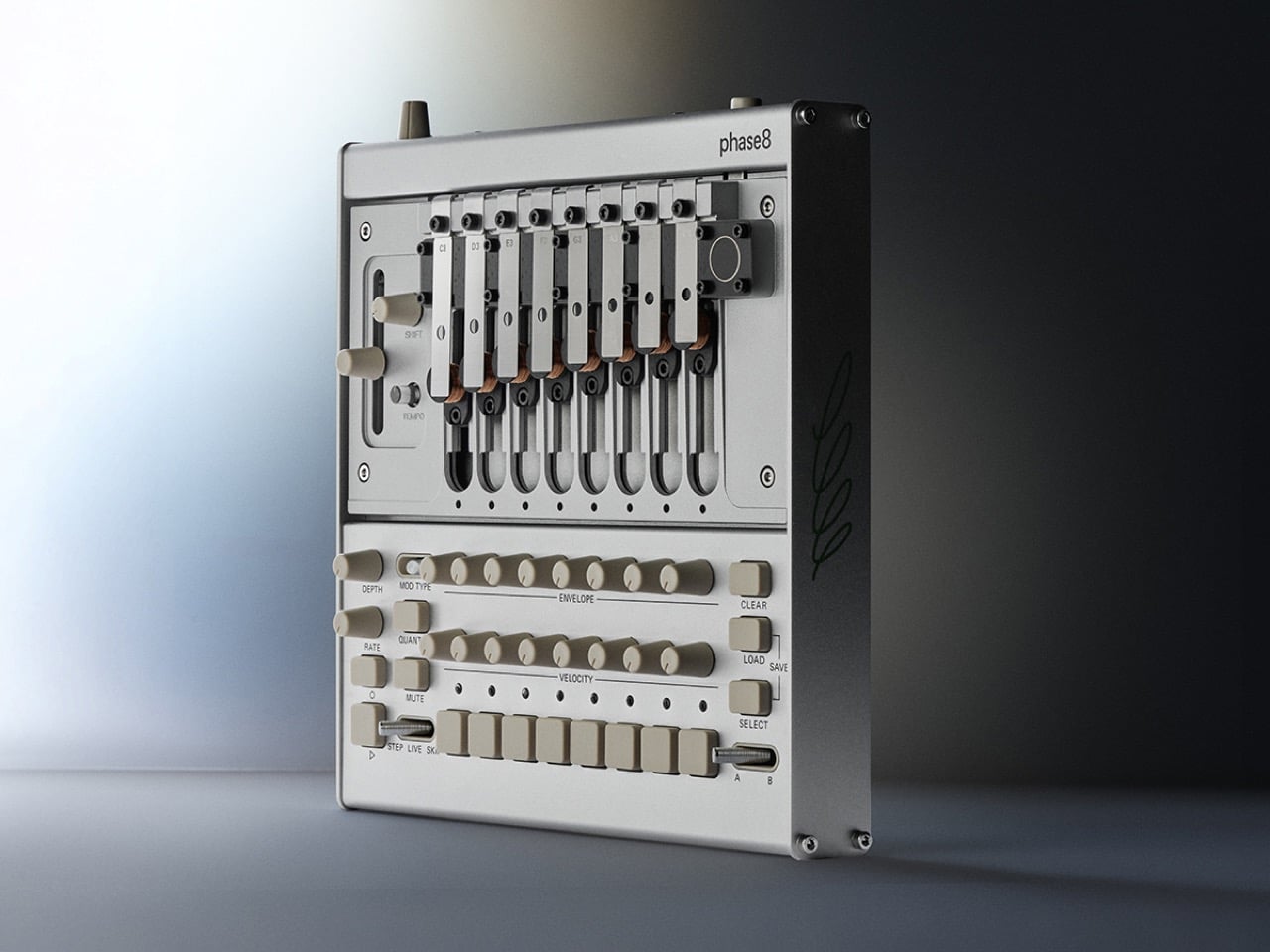
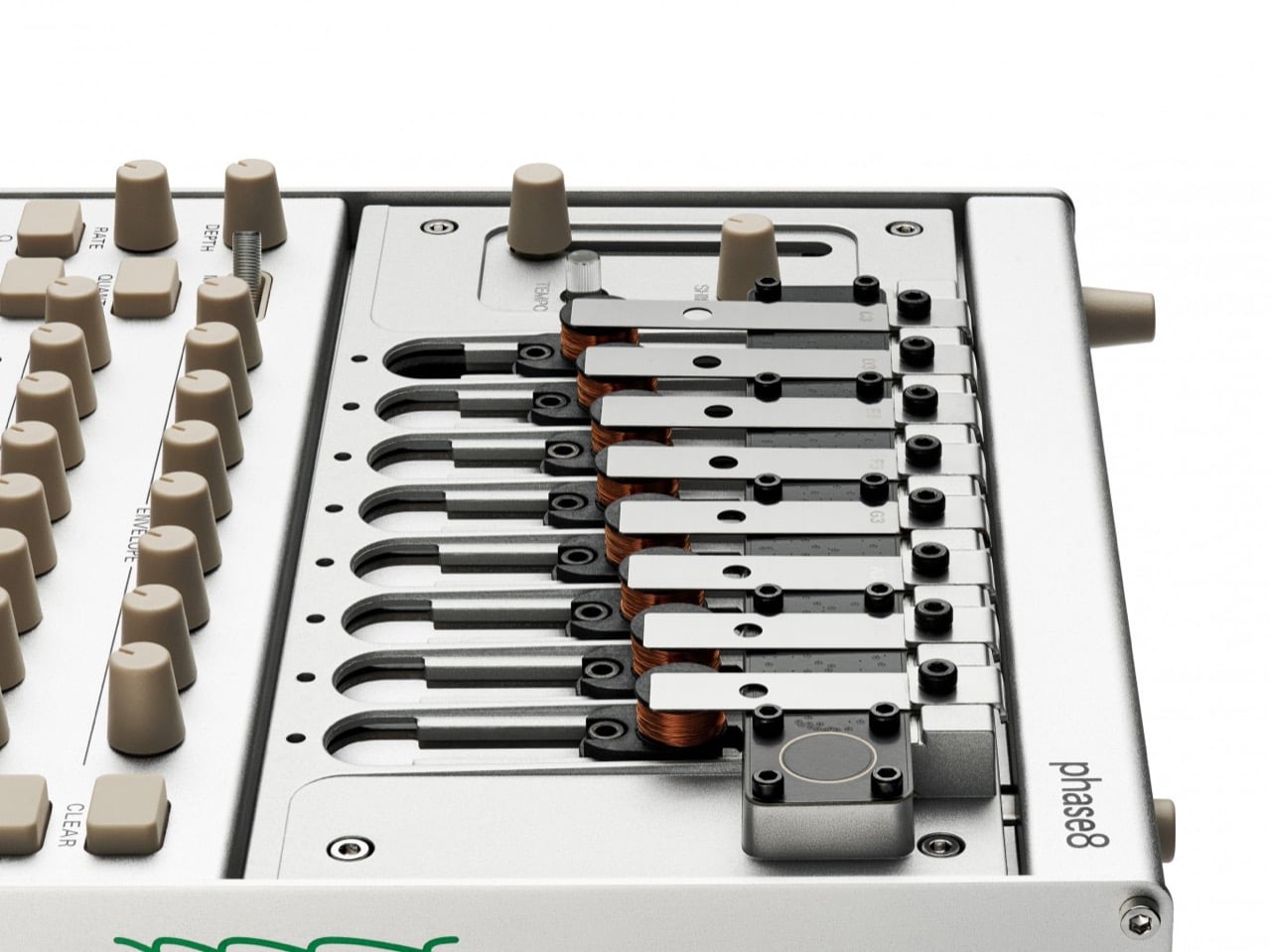
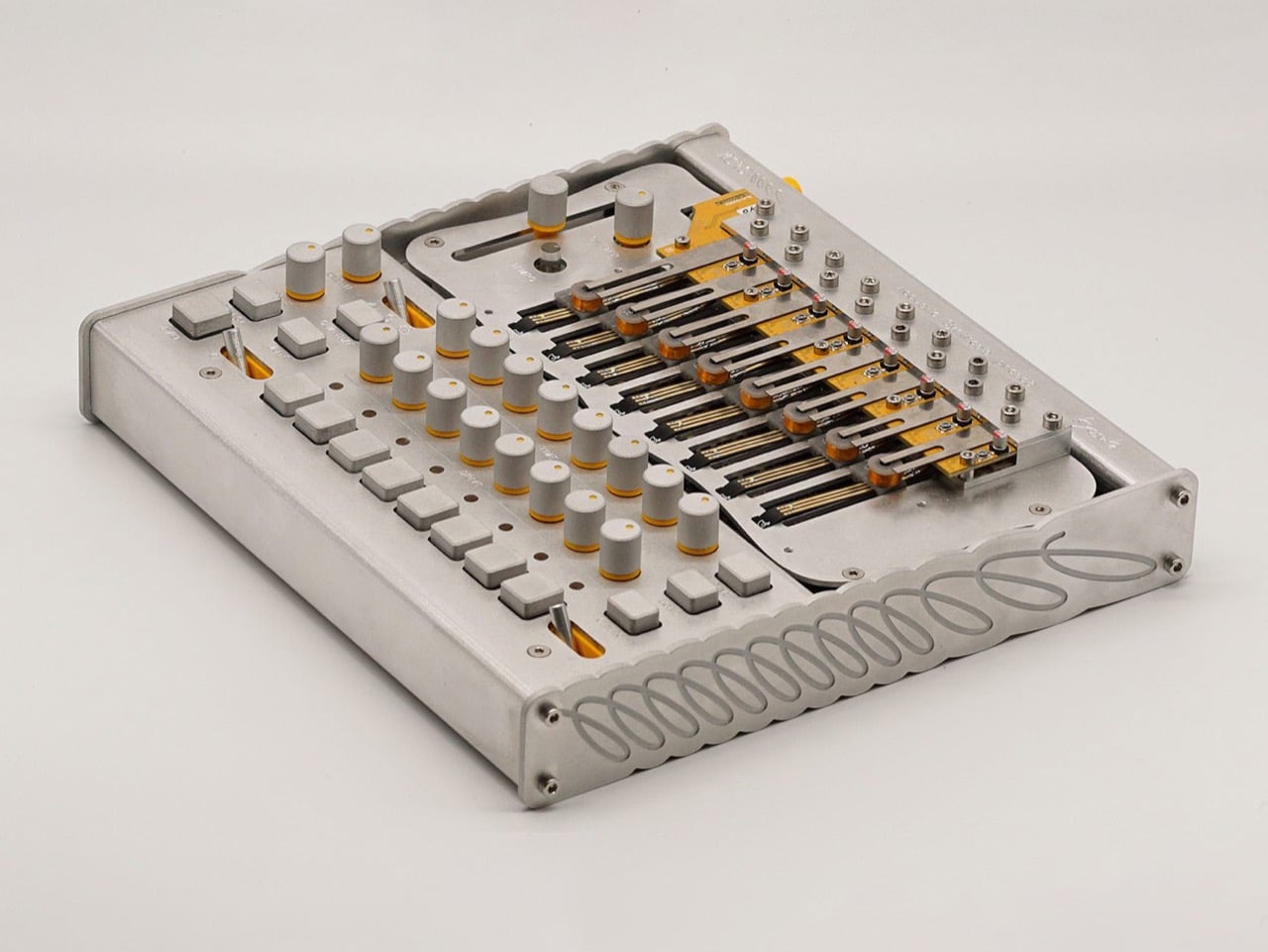
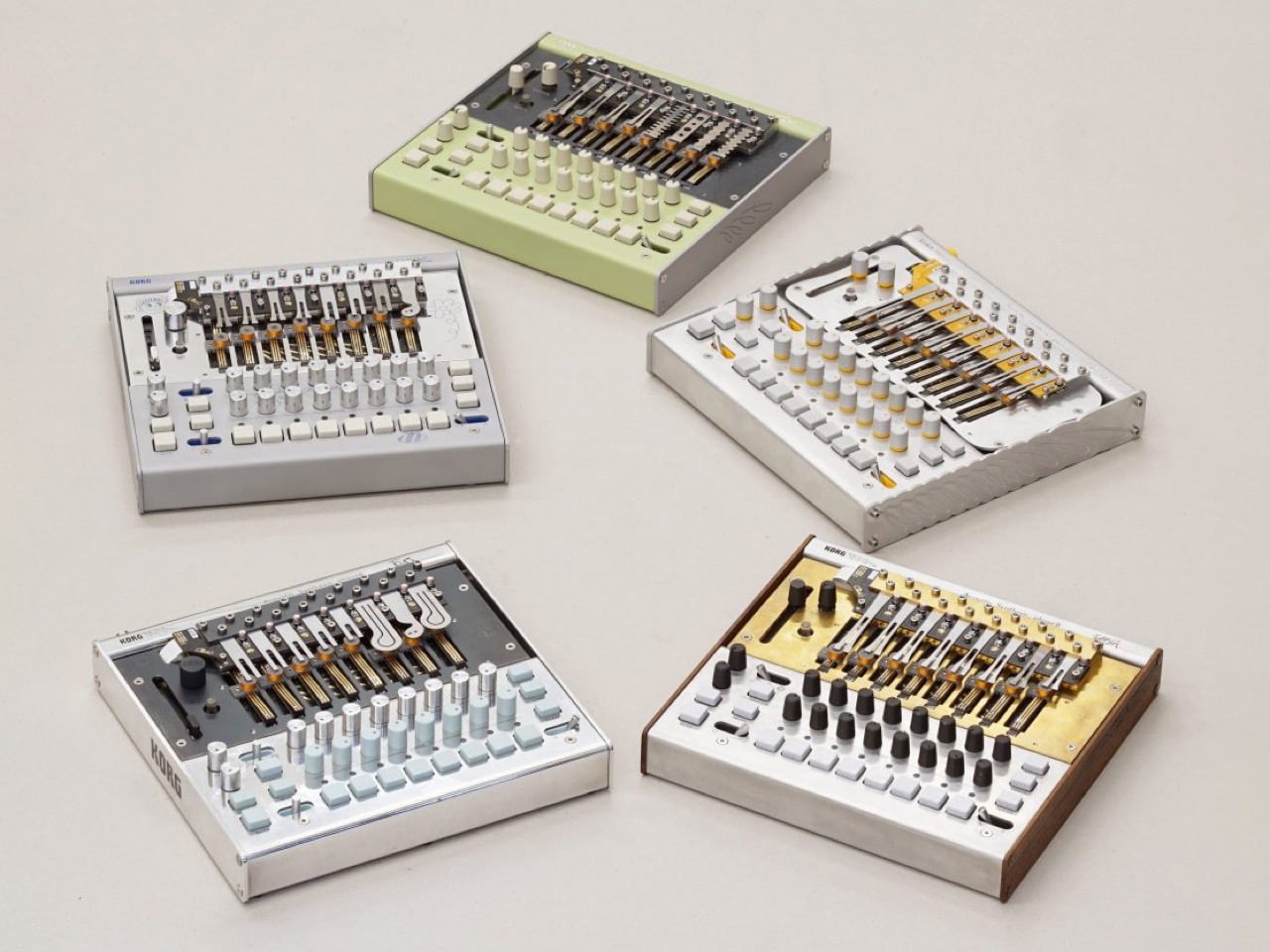
On first glance, Korg’s Phase8 looks like something Love Hultén might have dreamt up after a late night with a kalimba and a soldering iron. It has that same altar like presence, where every screw and surface feels intentional, and the exposed steel bars read more like a kinetic sculpture than a row of notes. You do not just see an instrument, you see a machine that wants to be played, prodded, and prepared with whatever objects are lying around your studio.

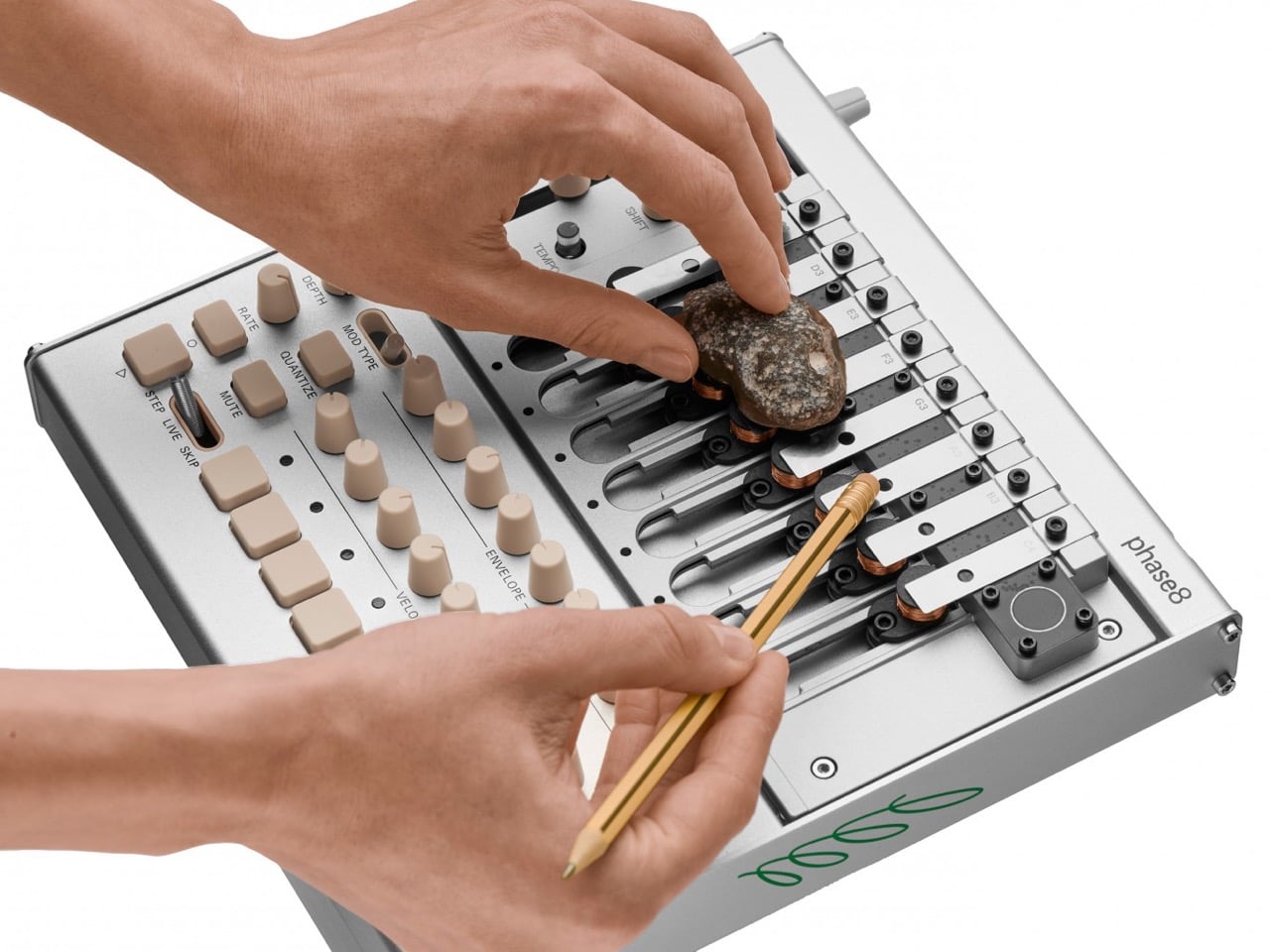
The result is a tabletop artifact that feels half lab instrument, half folk relic. Phase8 invites the same sort of ritualistic interaction Hultén builds into his one off consoles and synth shrines. You can sequence it like a modern groovebox, but it really comes alive when your hands, a pencil, or even a river stone start interfering with those vibrating tines.

Designer: Korg

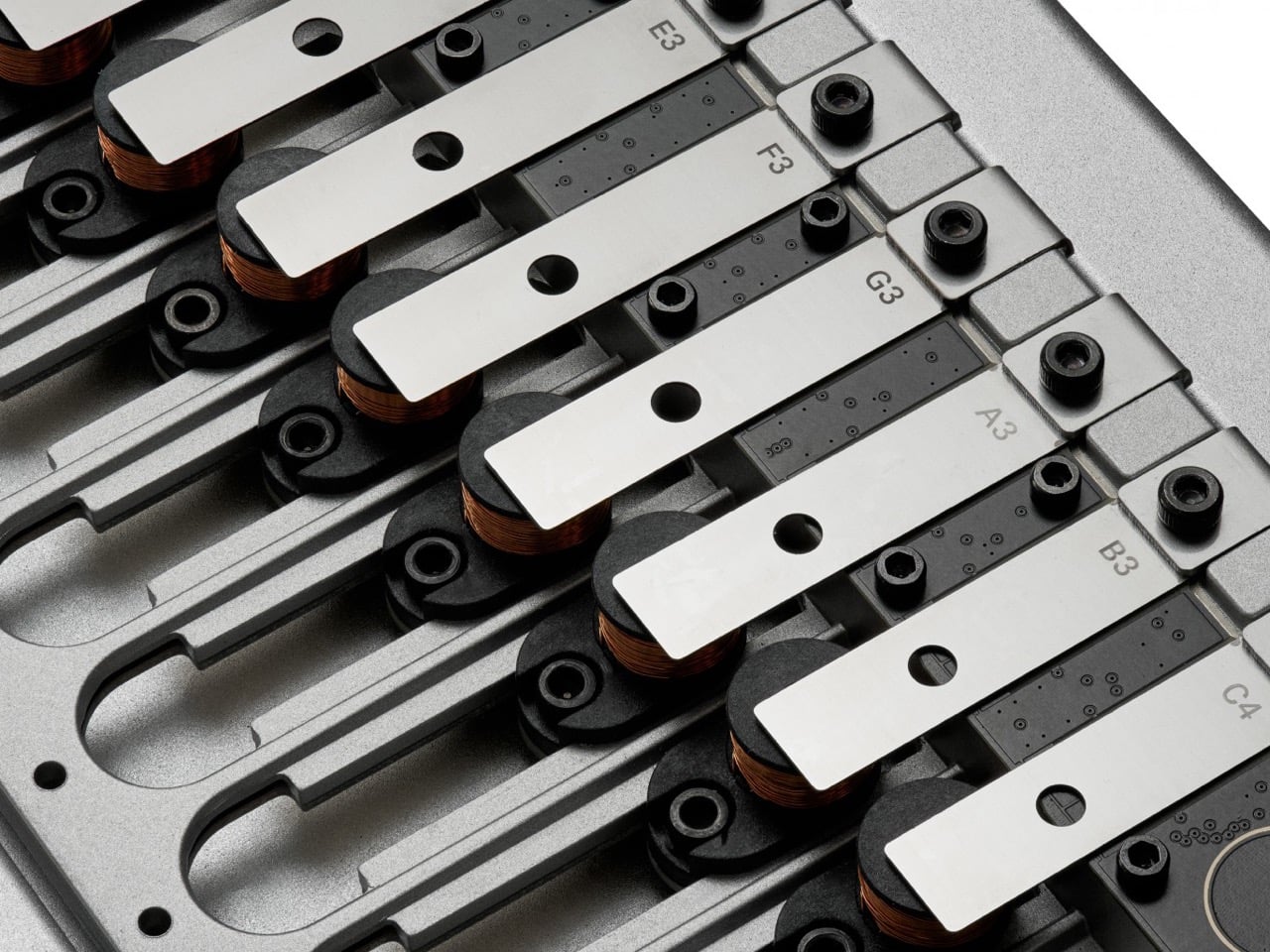
This whole thing runs on what Korg is calling “Acoustic Synthesis,” which is a fancy way of saying it hits stuff. Under each of those eight steel resonators sits an electromagnetic hammer that physically strikes the bar when triggered. A capacitive pickup then captures the resulting acoustic vibration and sends it back into the synth engine for shaping. It is a completely different path from the usual oscillator-filter-amp chain. The entire unit weighs a solid 1.71kg and measures just 231mm wide, giving it the dense, purposeful feel of a piece of lab equipment, not a lightweight music toy.

That physical interaction model is the entire point. Korg explicitly tells you to pluck, mute, and strum the resonators. They even encourage placing found objects on them to create new textures. An “AIR” slider on the side lets you boost or dampen the raw acoustic response, effectively mixing between the pure electronic signal and the sound of the physical object vibrating in the room. This haptic approach is a clever rebellion against the menu-diving and screen-staring that defines so much modern gear. It demands your physical attention.

Of course, this is a Tatsuya Takahashi project, so the experimental nature is backed by serious engineering. It has a polymetric sequencer, full MIDI and USB-C implementation, and even CV input for talking to modular rigs. At $1,150, it is not an impulse buy, but it also signals that Korg sees this as a proper studio centerpiece. They built an instrument that feels alive because, in a very real sense, its sound generation depends on physical, vibrating matter.

The post Korg Phase8 Is a Cyberpunk Kalimba for Producers Who Are Bored of Regular Synths first appeared on Yanko Design.

This Smart Charging Adapter Finally Flexes So Your Cables Don’t Have To

Charging phones and portable devices has become one of the most routine actions of modern life. From the moment we wake up to the time we go to sleep, our devices depend on reliable power. We charge at home, in offices, cafés, airports, hotels, libraries, and public transportation spaces. Despite how frequently charging occurs, the physical environments designed to support it often feel like an afterthought. Wall sockets are commonly placed low to the ground, behind furniture, under desks, or in narrow corners that were never designed with daily device use in mind.

As a result, charging cables are routinely forced into uncomfortable positions. They are bent sharply against walls, twisted sideways, or compressed between furniture and outlets. Over time, this repeated stress causes visible wear. The outer insulation begins to tear, internal wiring weakens, and charging reliability declines. Many users replace cables not because they stop working suddenly, but because gradual damage makes them unsafe or frustrating to use. This cycle creates unnecessary waste, financial cost, and ongoing inconvenience.

Designer: Berkan Sunayol

Beyond annoyance, damaged charging accessories raise genuine safety concerns. Continuous pressure on the adapter and cable can degrade electrical contact points, increasing the risk of overheating, inconsistent power delivery, or short circuits. In public and shared environments, where users may not notice early signs of damage, this becomes an overlooked safety issue.

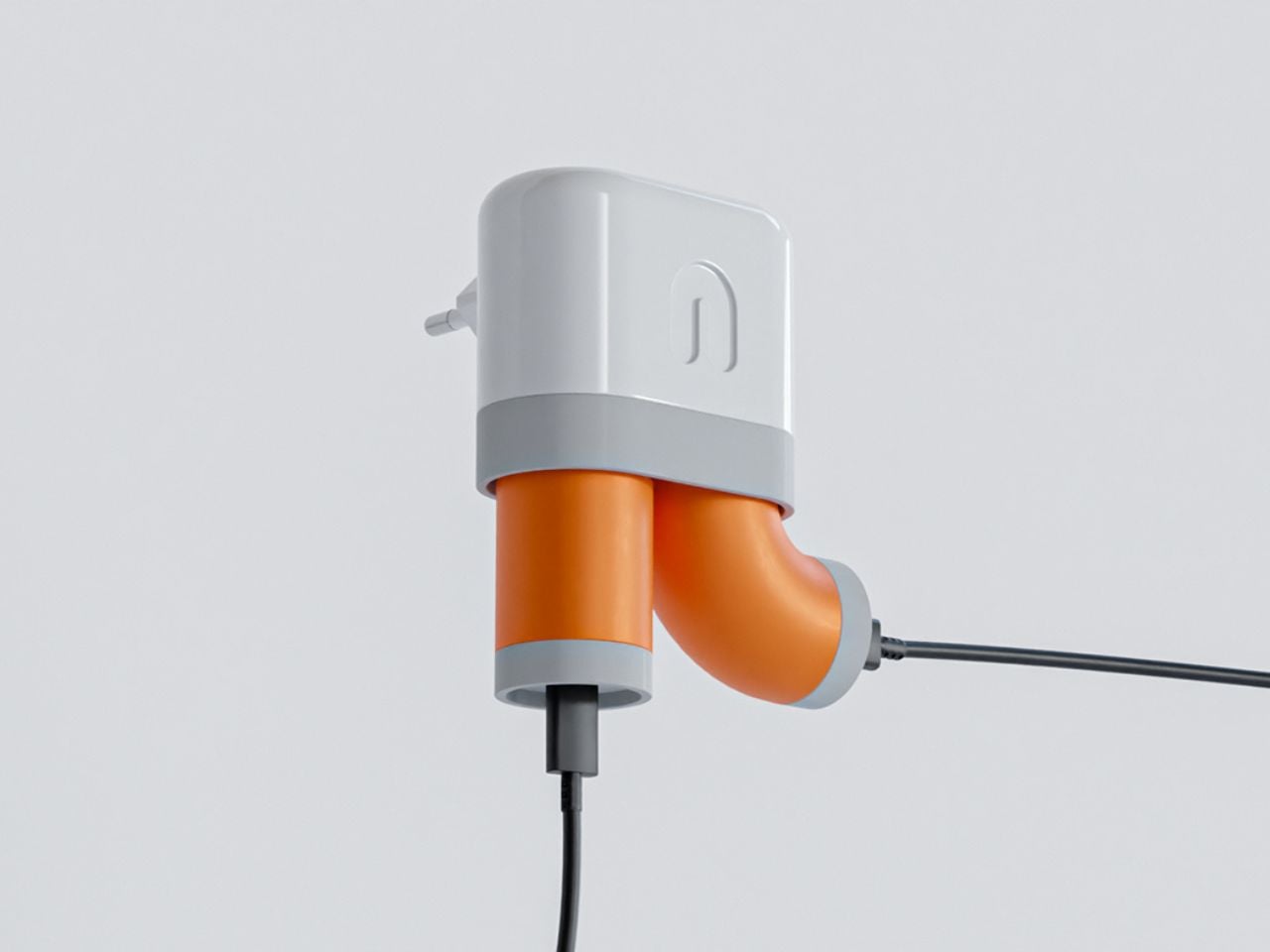
Charging cables are intentionally designed to be flexible. They allow users to route them around objects, across surfaces, and through tight gaps. Charging adapters, however, remain rigid and stiff. This mismatch creates a critical point of failure. When a rigid adapter is plugged into an awkwardly placed socket, it locks the cable into a fixed angle. The cable is forced to bend sharply at the connector, which is often the weakest part of the entire system.

Over time, this rigidity undermines the durability of both the cable and the adapter. Despite widespread awareness of cable damage, most existing solutions focus on reinforcing the cable itself rather than addressing the adapter that causes the stress.

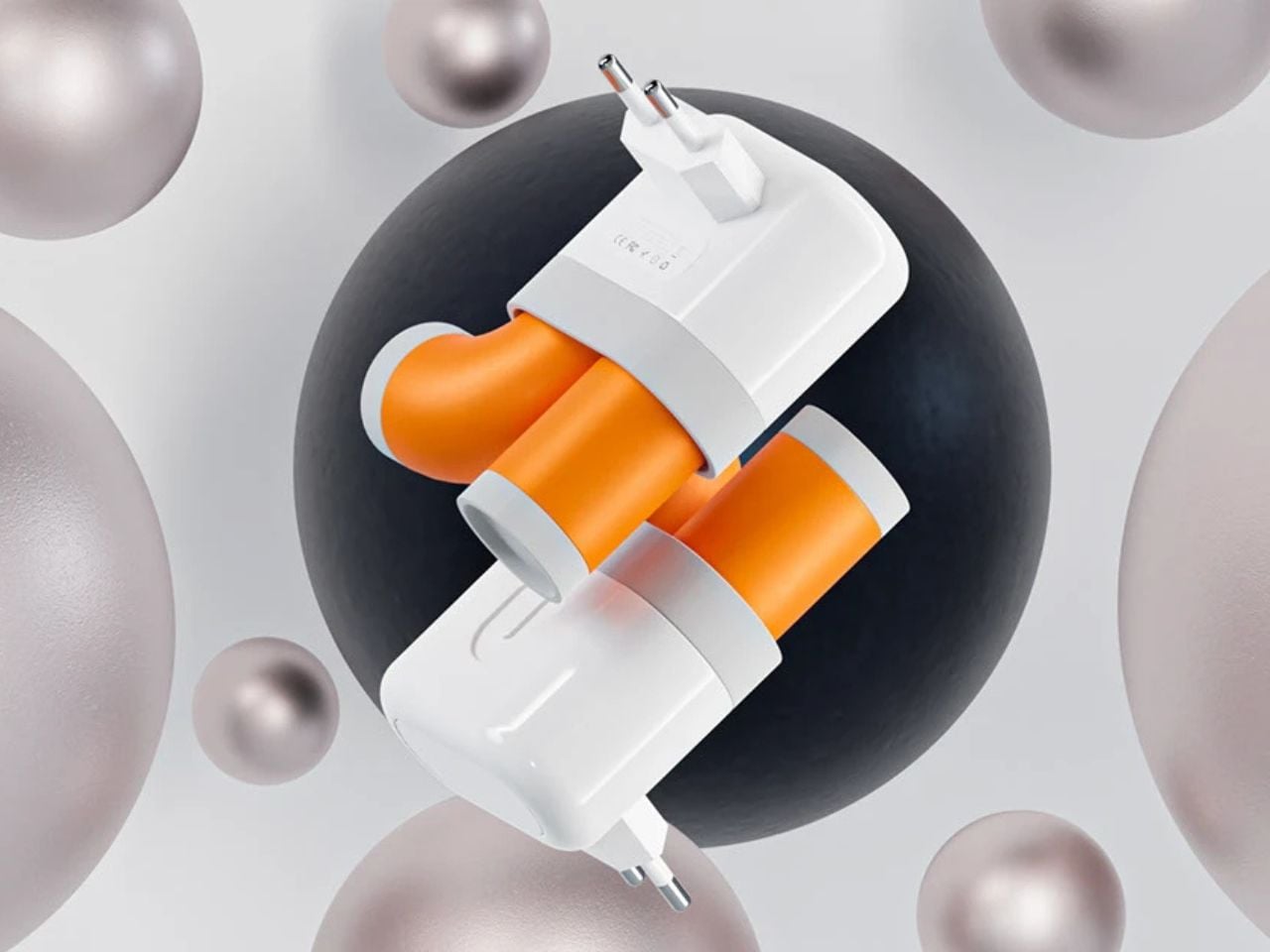
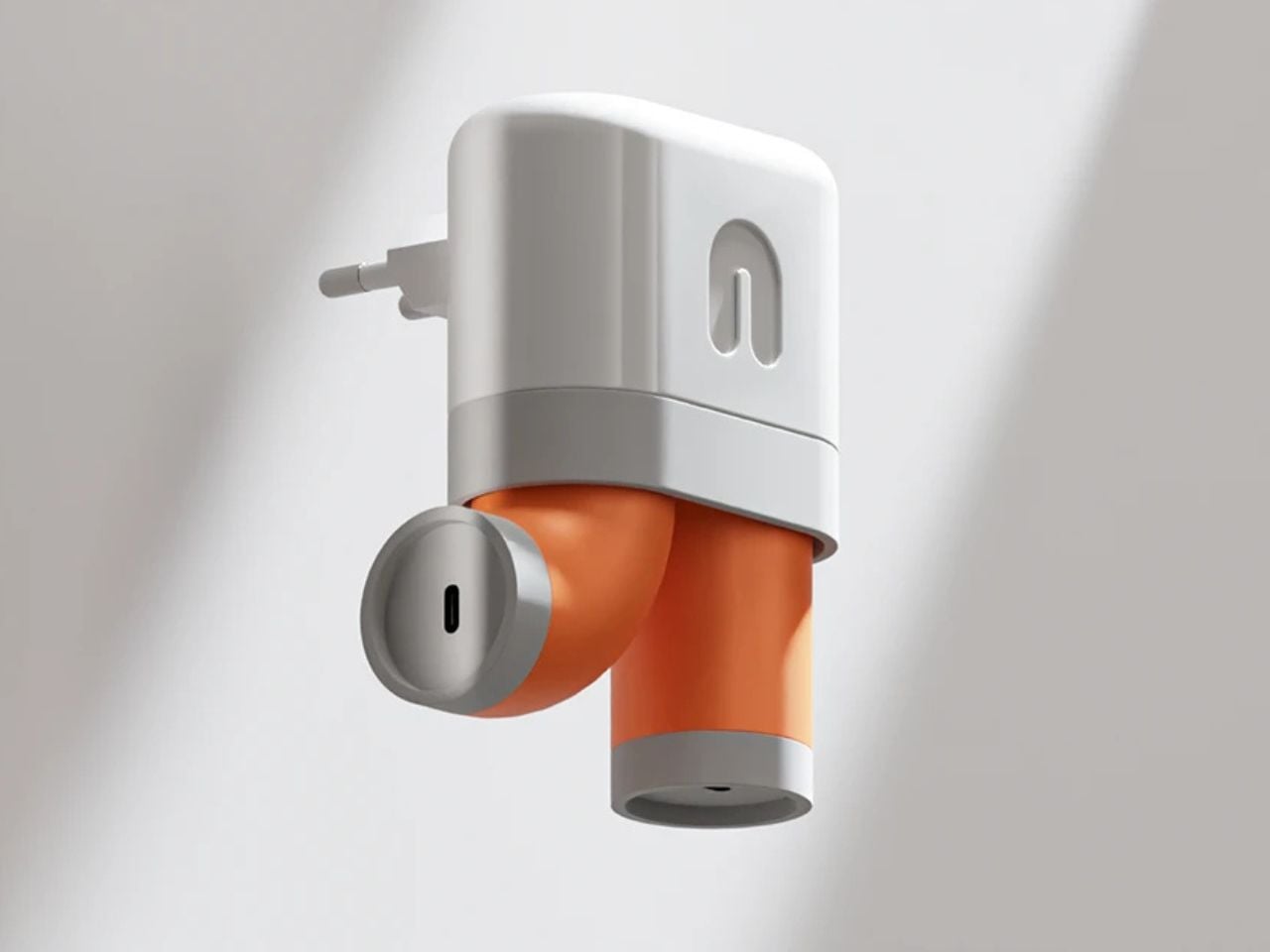
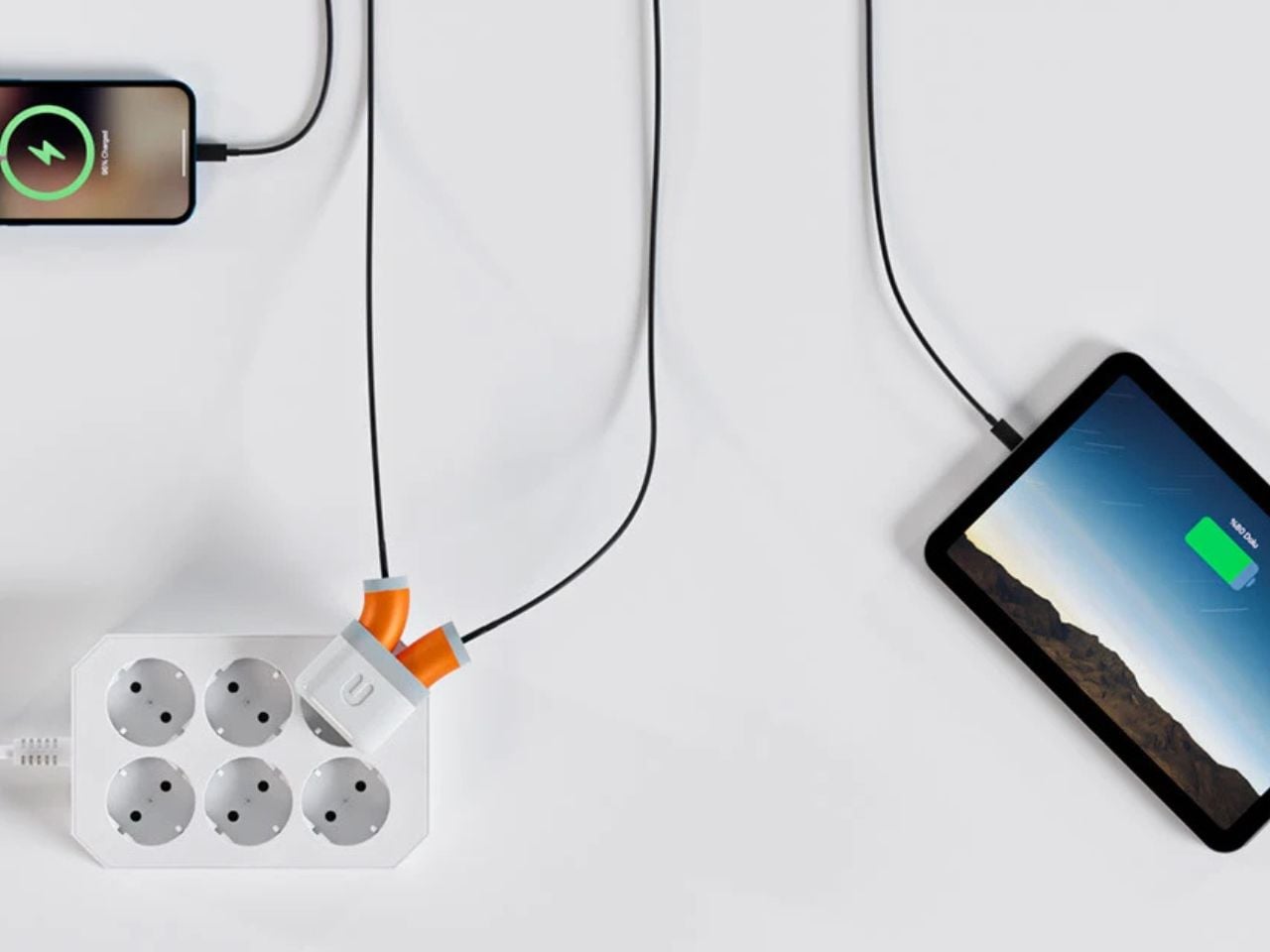
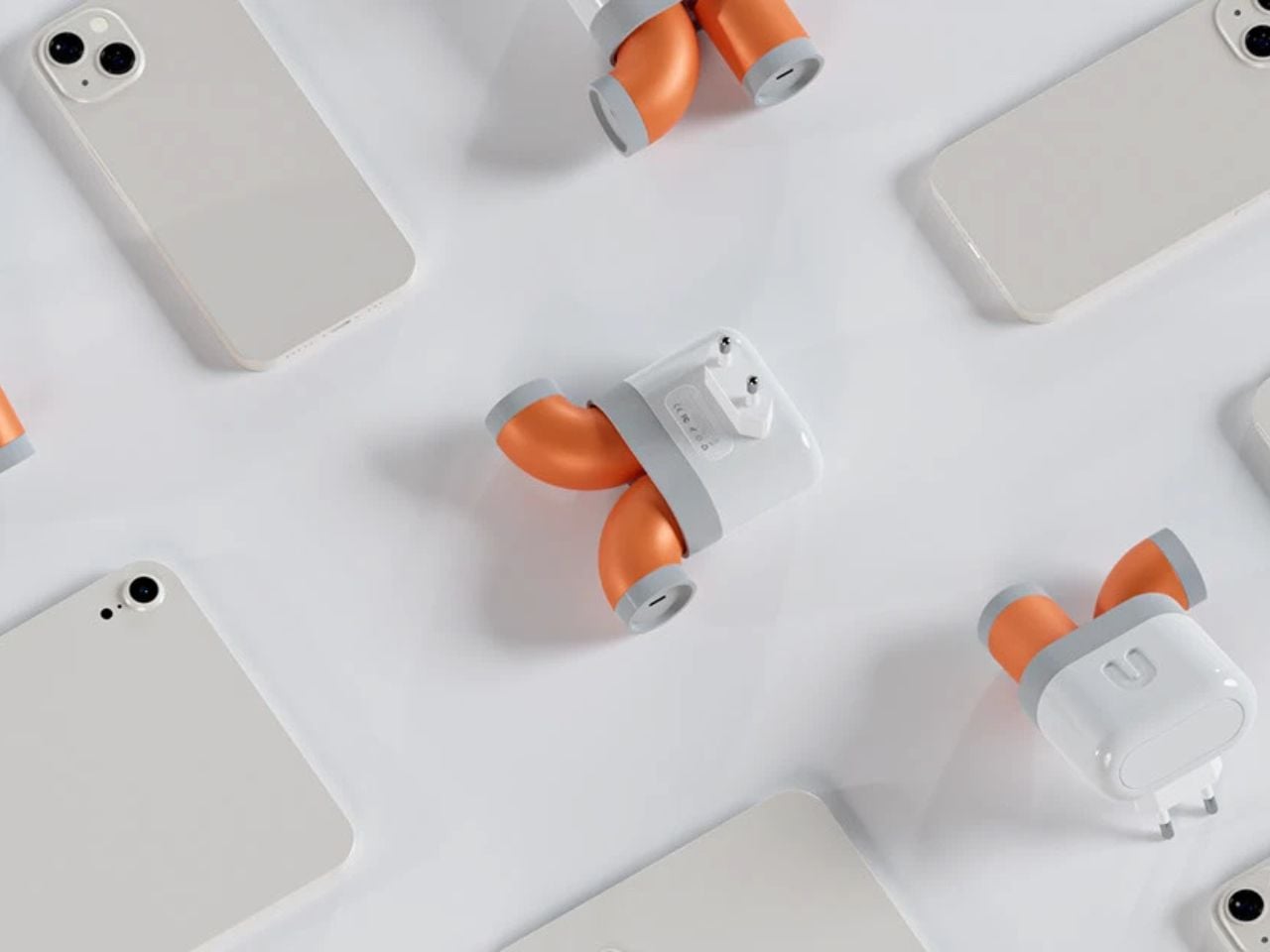
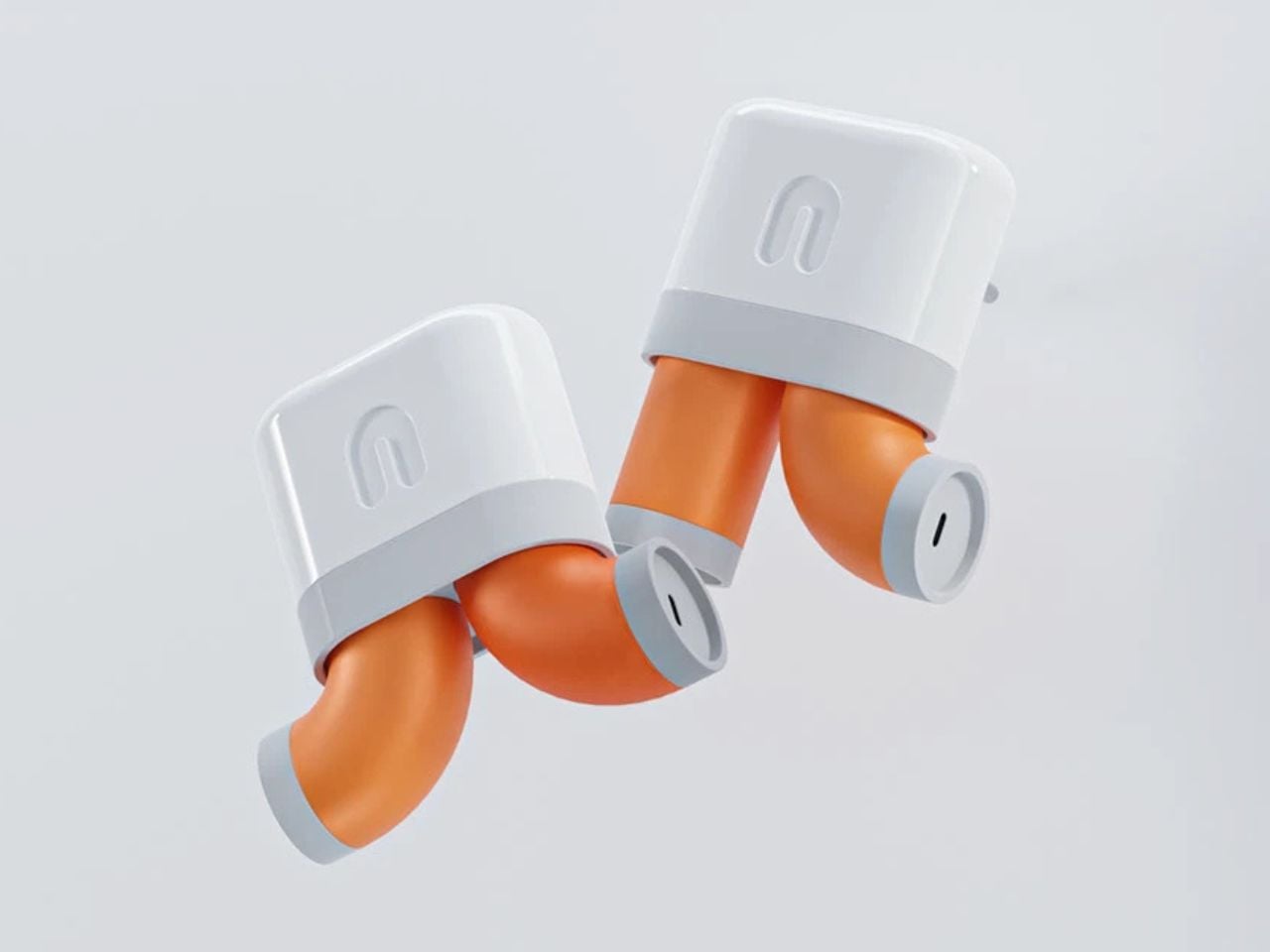
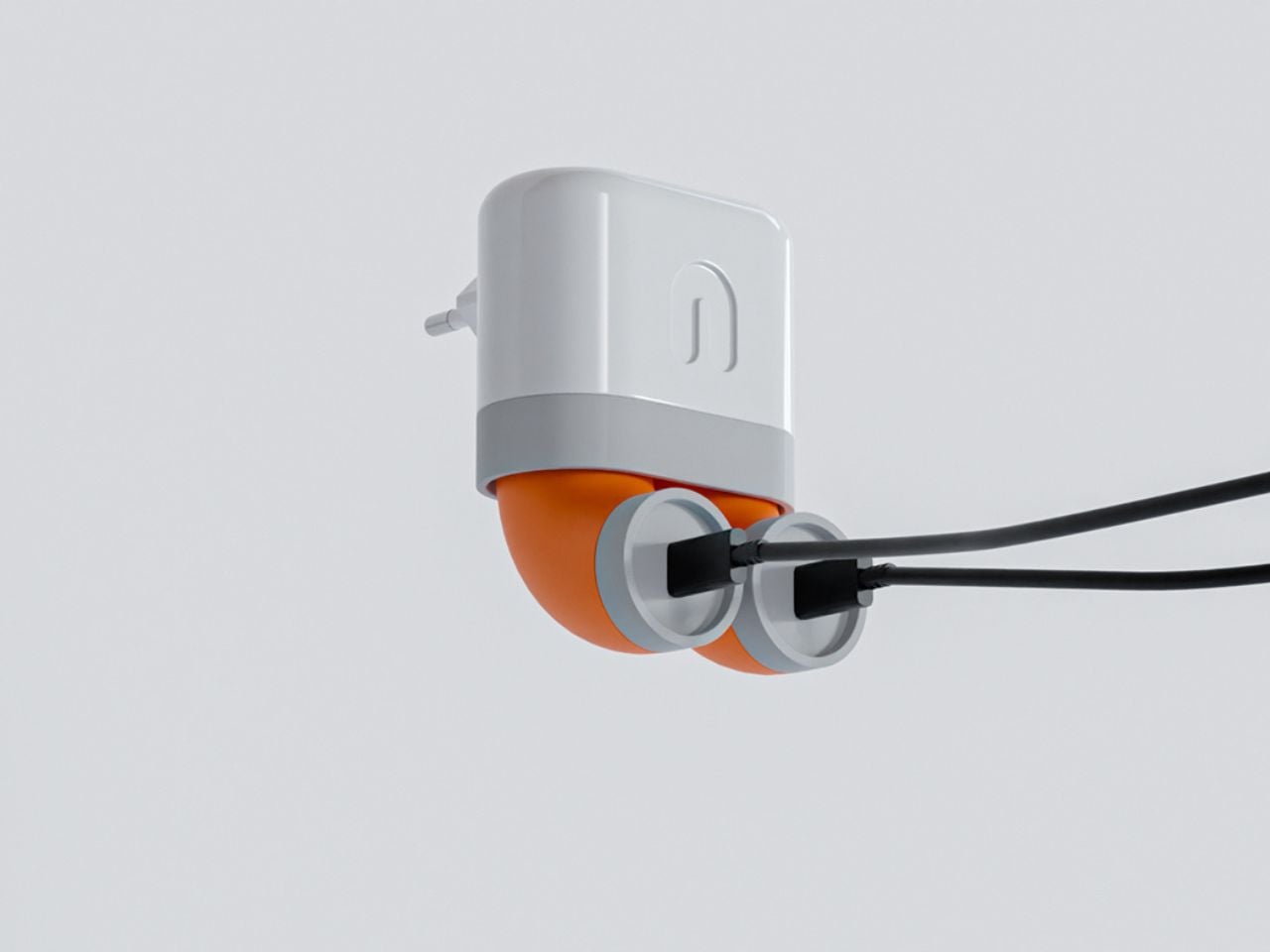
The Flexible Charge Adapter addresses this issue by rethinking the adapter as an adaptive component rather than a static block. A stretchable silicone structure is integrated into a specific section of the adapter, allowing controlled flexibility where it matters most. This design introduces a small but meaningful bend that aligns naturally with the direction of the cable.

In tight or awkward spaces, this flexibility reduces sharp angles, minimizes pressure at the connection point, and allows the cable to rest in a safer, more natural position. The adapter responds to real-world conditions instead of resisting them, helping preserve the integrity of the cable and the safety of the charging process.

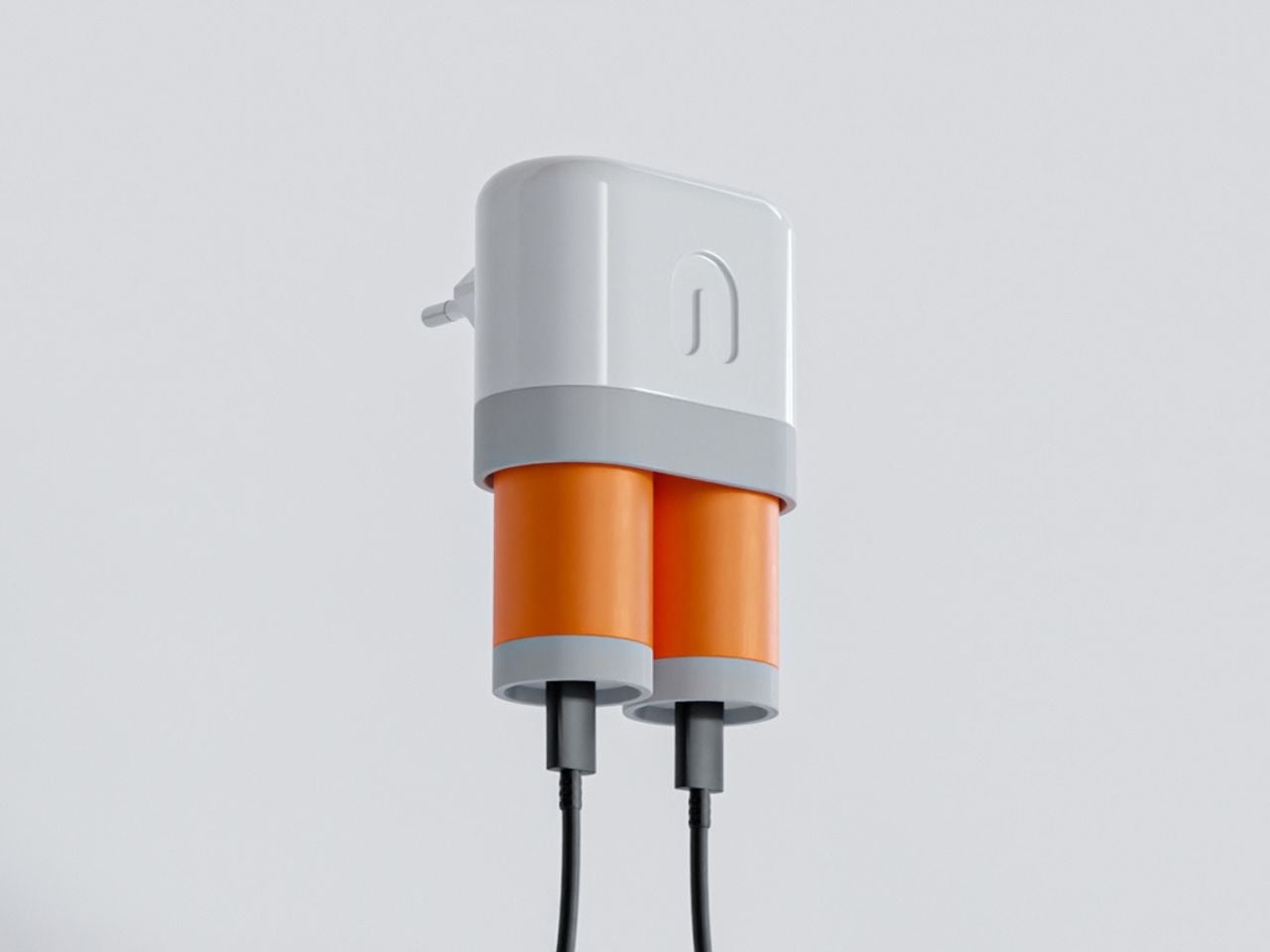
In addition to improving durability and safety, the adapter also supports modern usage patterns. With two charging ports, users can charge multiple devices at the same time, even in confined environments. Phones, earbuds, power banks, and other accessories can be powered simultaneously without crowding the socket or straining cables.

The Flexible Charge Adapter demonstrates how thoughtful design can address everyday frustrations that are often overlooked. By introducing flexibility into a traditionally rigid object, it extends the life of charging accessories, reduces safety risks, and improves the overall charging experience. In a world where charging is constant and unavoidable, this design makes a simple act safer, smarter, and more sustainable.

The post This Smart Charging Adapter Finally Flexes So Your Cables Don’t Have To first appeared on Yanko Design.

This Smart Charging Adapter Finally Flexes So Your Cables Don’t Have To

Charging phones and portable devices has become one of the most routine actions of modern life. From the moment we wake up to the time we go to sleep, our devices depend on reliable power. We charge at home, in offices, cafés, airports, hotels, libraries, and public transportation spaces. Despite how frequently charging occurs, the physical environments designed to support it often feel like an afterthought. Wall sockets are commonly placed low to the ground, behind furniture, under desks, or in narrow corners that were never designed with daily device use in mind.

As a result, charging cables are routinely forced into uncomfortable positions. They are bent sharply against walls, twisted sideways, or compressed between furniture and outlets. Over time, this repeated stress causes visible wear. The outer insulation begins to tear, internal wiring weakens, and charging reliability declines. Many users replace cables not because they stop working suddenly, but because gradual damage makes them unsafe or frustrating to use. This cycle creates unnecessary waste, financial cost, and ongoing inconvenience.

Designer: Berkan Sunayol

Beyond annoyance, damaged charging accessories raise genuine safety concerns. Continuous pressure on the adapter and cable can degrade electrical contact points, increasing the risk of overheating, inconsistent power delivery, or short circuits. In public and shared environments, where users may not notice early signs of damage, this becomes an overlooked safety issue.

Charging cables are intentionally designed to be flexible. They allow users to route them around objects, across surfaces, and through tight gaps. Charging adapters, however, remain rigid and stiff. This mismatch creates a critical point of failure. When a rigid adapter is plugged into an awkwardly placed socket, it locks the cable into a fixed angle. The cable is forced to bend sharply at the connector, which is often the weakest part of the entire system.

Over time, this rigidity undermines the durability of both the cable and the adapter. Despite widespread awareness of cable damage, most existing solutions focus on reinforcing the cable itself rather than addressing the adapter that causes the stress.

The Flexible Charge Adapter addresses this issue by rethinking the adapter as an adaptive component rather than a static block. A stretchable silicone structure is integrated into a specific section of the adapter, allowing controlled flexibility where it matters most. This design introduces a small but meaningful bend that aligns naturally with the direction of the cable.

In tight or awkward spaces, this flexibility reduces sharp angles, minimizes pressure at the connection point, and allows the cable to rest in a safer, more natural position. The adapter responds to real-world conditions instead of resisting them, helping preserve the integrity of the cable and the safety of the charging process.

In addition to improving durability and safety, the adapter also supports modern usage patterns. With two charging ports, users can charge multiple devices at the same time, even in confined environments. Phones, earbuds, power banks, and other accessories can be powered simultaneously without crowding the socket or straining cables.

The Flexible Charge Adapter demonstrates how thoughtful design can address everyday frustrations that are often overlooked. By introducing flexibility into a traditionally rigid object, it extends the life of charging accessories, reduces safety risks, and improves the overall charging experience. In a world where charging is constant and unavoidable, this design makes a simple act safer, smarter, and more sustainable.

The post This Smart Charging Adapter Finally Flexes So Your Cables Don’t Have To first appeared on Yanko Design.

This Smart Charging Adapter Finally Flexes So Your Cables Don’t Have To

Charging phones and portable devices has become one of the most routine actions of modern life. From the moment we wake up to the time we go to sleep, our devices depend on reliable power. We charge at home, in offices, cafés, airports, hotels, libraries, and public transportation spaces. Despite how frequently charging occurs, the physical environments designed to support it often feel like an afterthought. Wall sockets are commonly placed low to the ground, behind furniture, under desks, or in narrow corners that were never designed with daily device use in mind.

As a result, charging cables are routinely forced into uncomfortable positions. They are bent sharply against walls, twisted sideways, or compressed between furniture and outlets. Over time, this repeated stress causes visible wear. The outer insulation begins to tear, internal wiring weakens, and charging reliability declines. Many users replace cables not because they stop working suddenly, but because gradual damage makes them unsafe or frustrating to use. This cycle creates unnecessary waste, financial cost, and ongoing inconvenience.

Designer: Berkan Sunayol

Beyond annoyance, damaged charging accessories raise genuine safety concerns. Continuous pressure on the adapter and cable can degrade electrical contact points, increasing the risk of overheating, inconsistent power delivery, or short circuits. In public and shared environments, where users may not notice early signs of damage, this becomes an overlooked safety issue.

Charging cables are intentionally designed to be flexible. They allow users to route them around objects, across surfaces, and through tight gaps. Charging adapters, however, remain rigid and stiff. This mismatch creates a critical point of failure. When a rigid adapter is plugged into an awkwardly placed socket, it locks the cable into a fixed angle. The cable is forced to bend sharply at the connector, which is often the weakest part of the entire system.

Over time, this rigidity undermines the durability of both the cable and the adapter. Despite widespread awareness of cable damage, most existing solutions focus on reinforcing the cable itself rather than addressing the adapter that causes the stress.

The Flexible Charge Adapter addresses this issue by rethinking the adapter as an adaptive component rather than a static block. A stretchable silicone structure is integrated into a specific section of the adapter, allowing controlled flexibility where it matters most. This design introduces a small but meaningful bend that aligns naturally with the direction of the cable.

In tight or awkward spaces, this flexibility reduces sharp angles, minimizes pressure at the connection point, and allows the cable to rest in a safer, more natural position. The adapter responds to real-world conditions instead of resisting them, helping preserve the integrity of the cable and the safety of the charging process.

In addition to improving durability and safety, the adapter also supports modern usage patterns. With two charging ports, users can charge multiple devices at the same time, even in confined environments. Phones, earbuds, power banks, and other accessories can be powered simultaneously without crowding the socket or straining cables.

The Flexible Charge Adapter demonstrates how thoughtful design can address everyday frustrations that are often overlooked. By introducing flexibility into a traditionally rigid object, it extends the life of charging accessories, reduces safety risks, and improves the overall charging experience. In a world where charging is constant and unavoidable, this design makes a simple act safer, smarter, and more sustainable.

The post This Smart Charging Adapter Finally Flexes So Your Cables Don’t Have To first appeared on Yanko Design.

This Leaf-Like Tool Turns Everyday Walks Into Small Acts of Care for Hidden Lives

We have all heard the phrases “Don’t litter.” “Stop global warming.” They appear on posters, billboards, campaigns, and packaging, repeated so often that they begin to blur into background noise. While the intention behind them is urgent and necessary, the language of sustainability has become heavy and exhausting. It often asks people to think at a global scale, to feel responsible for enormous systems that feel far beyond individual control. Over time, this can create distance instead of motivation. But what if sustainability did not begin with fixing the entire planet? What if it started with noticing the small lives right beneath our feet?

LIVIO is a project that reimagines sustainability through small, meaningful actions rooted in everyday experience. On walking trails, mountain paths, sidewalks, and parks, countless tiny creatures move through human spaces each day. Snails, insects, and other small beings navigate these environments quietly, often crossing paths with people who never notice them. It is not uncommon to find these creatures accidentally crushed by footsteps, bikes, or shoes. These moments are brief and easy to overlook, yet they represent lives lost simply because we were not paying attention.

Designer: Subin Kim

The goal of LIVIO is to protect those small lives and to make care feel possible for more people. While many individuals want to help, touching insects or snails directly can feel uncomfortable or even frightening. Fear, hesitation, or disgust often becomes a barrier between intention and action. LIVIO addresses this gap by offering a gentle and thoughtful tool that allows people to help without direct contact.

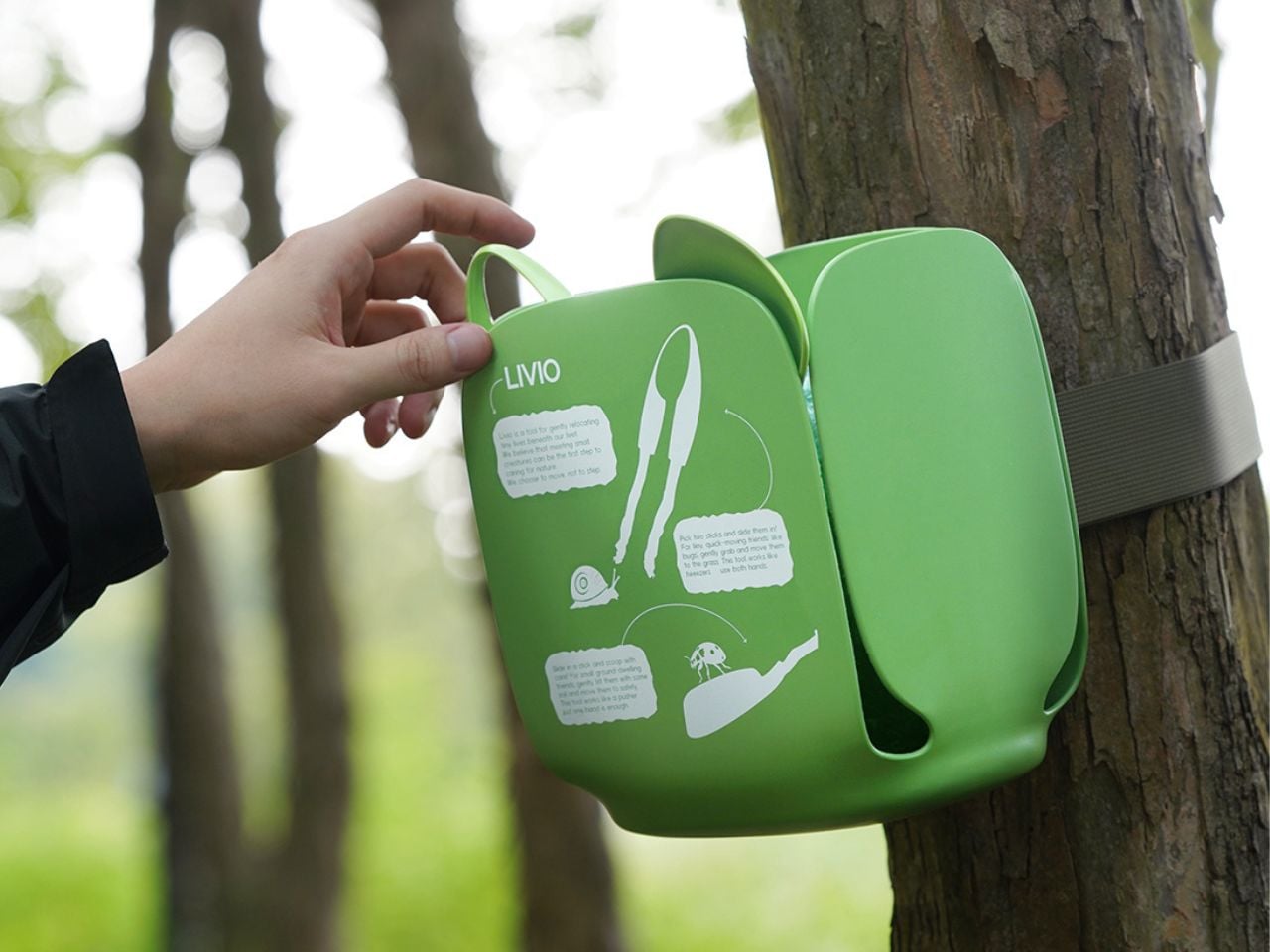
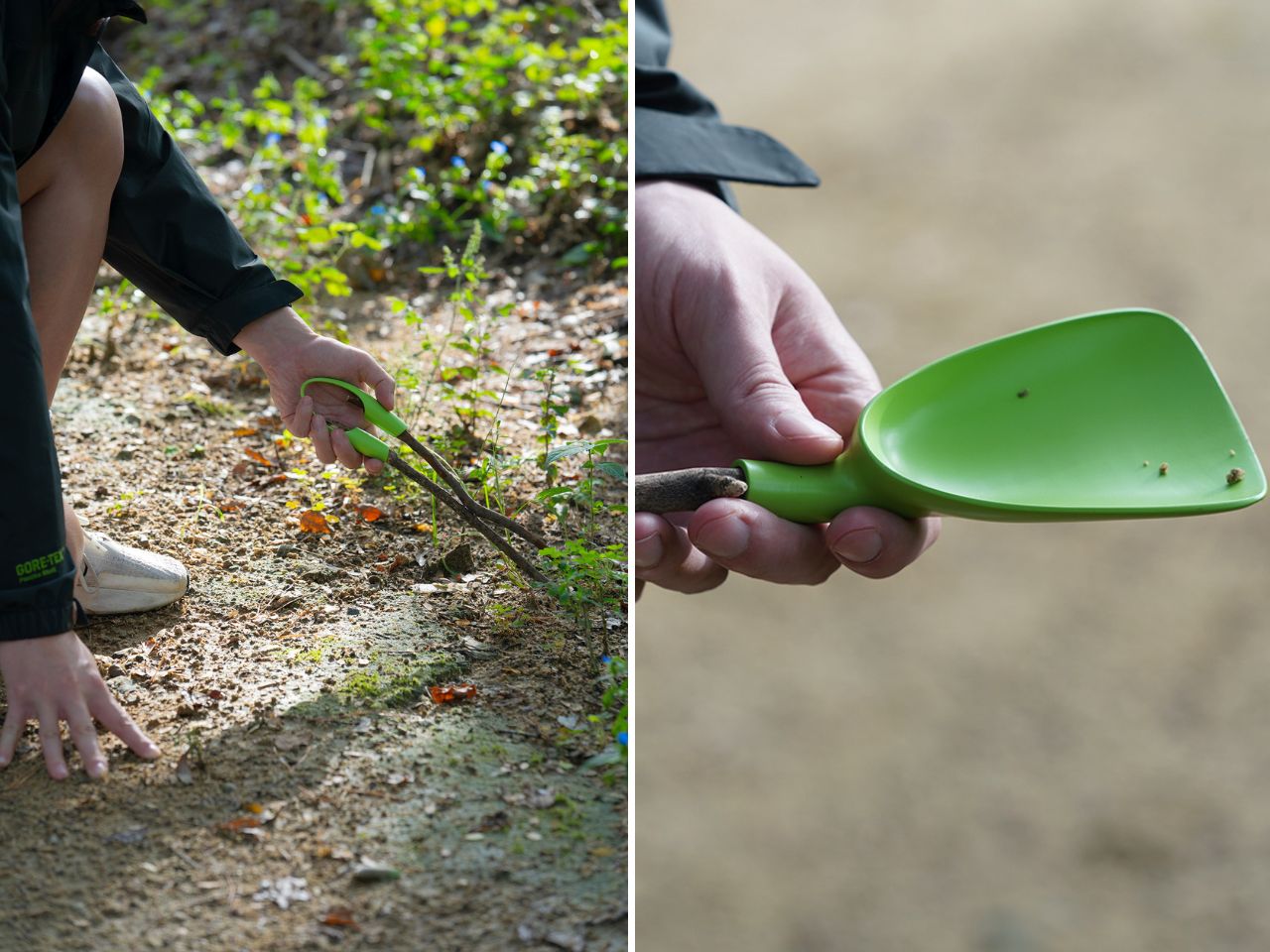
If you come across a small creature in crisis, LIVIO gives you a simple way to respond. The tool is designed to feel calm and intuitive rather than technical or intimidating. There are two tool types, each responding to different environmental conditions. In areas with little soil, the tongs allow careful and precise movement. In places where soil is present, the shovel tool lets users scoop the creature together with the surrounding ground, preserving its immediate habitat and reducing harm.

A defining aspect of LIVIO is how the tool is completed. Rather than being fully manufactured, it is finished using fallen branches found in nature. By reducing the amount of silicone used as its main material, the tool becomes even more environmentally conscious. The act of finding and attaching branches transforms the experience from simple use into participation. It encourages users to slow down, observe their surroundings, and engage physically with the environment. Sustainability becomes something playful and personal rather than distant or moralizing.

LIVIO also exists as a shared public resource. Tool stations can be installed on street trees, lamp posts, or along walking paths. Their leaf-like form blends naturally into the environment, making them feel like part of the landscape rather than an intrusion. These stations quietly invite curiosity and care, reminding people that small actions matter.

In the end, LIVIO suggests a different way to think about sustainability. Not as a burden, but as a series of small, human moments of attention and empathy. By protecting the smallest lives around us, sustainability becomes more real, more approachable, and even a little more joyful. Sometimes, meaningful change begins not with grand gestures, but with simply noticing what is right in front of us.

The post This Leaf-Like Tool Turns Everyday Walks Into Small Acts of Care for Hidden Lives first appeared on Yanko Design.

This Leaf-Like Tool Turns Everyday Walks Into Small Acts of Care for Hidden Lives

We have all heard the phrases “Don’t litter.” “Stop global warming.” They appear on posters, billboards, campaigns, and packaging, repeated so often that they begin to blur into background noise. While the intention behind them is urgent and necessary, the language of sustainability has become heavy and exhausting. It often asks people to think at a global scale, to feel responsible for enormous systems that feel far beyond individual control. Over time, this can create distance instead of motivation. But what if sustainability did not begin with fixing the entire planet? What if it started with noticing the small lives right beneath our feet?

LIVIO is a project that reimagines sustainability through small, meaningful actions rooted in everyday experience. On walking trails, mountain paths, sidewalks, and parks, countless tiny creatures move through human spaces each day. Snails, insects, and other small beings navigate these environments quietly, often crossing paths with people who never notice them. It is not uncommon to find these creatures accidentally crushed by footsteps, bikes, or shoes. These moments are brief and easy to overlook, yet they represent lives lost simply because we were not paying attention.

Designer: Subin Kim

The goal of LIVIO is to protect those small lives and to make care feel possible for more people. While many individuals want to help, touching insects or snails directly can feel uncomfortable or even frightening. Fear, hesitation, or disgust often becomes a barrier between intention and action. LIVIO addresses this gap by offering a gentle and thoughtful tool that allows people to help without direct contact.

If you come across a small creature in crisis, LIVIO gives you a simple way to respond. The tool is designed to feel calm and intuitive rather than technical or intimidating. There are two tool types, each responding to different environmental conditions. In areas with little soil, the tongs allow careful and precise movement. In places where soil is present, the shovel tool lets users scoop the creature together with the surrounding ground, preserving its immediate habitat and reducing harm.

A defining aspect of LIVIO is how the tool is completed. Rather than being fully manufactured, it is finished using fallen branches found in nature. By reducing the amount of silicone used as its main material, the tool becomes even more environmentally conscious. The act of finding and attaching branches transforms the experience from simple use into participation. It encourages users to slow down, observe their surroundings, and engage physically with the environment. Sustainability becomes something playful and personal rather than distant or moralizing.

LIVIO also exists as a shared public resource. Tool stations can be installed on street trees, lamp posts, or along walking paths. Their leaf-like form blends naturally into the environment, making them feel like part of the landscape rather than an intrusion. These stations quietly invite curiosity and care, reminding people that small actions matter.

In the end, LIVIO suggests a different way to think about sustainability. Not as a burden, but as a series of small, human moments of attention and empathy. By protecting the smallest lives around us, sustainability becomes more real, more approachable, and even a little more joyful. Sometimes, meaningful change begins not with grand gestures, but with simply noticing what is right in front of us.

The post This Leaf-Like Tool Turns Everyday Walks Into Small Acts of Care for Hidden Lives first appeared on Yanko Design.

Infinix NOTE Edge Review: Visible Luxury

PROS:


  • Distinctive material finishes feel intentional, tactile, and far removed from generic glass phones.

  • Curved AMOLED display integrates seamlessly into the frame with excellent visual balance.

  • Slim profile paired with large battery delivers comfort without sacrificing endurance.

  • Weight distribution feels centered, stable, and comfortable during long daily use.

  • Design language prioritizes subtle luxury over flashy, trend-driven aesthetics.

CONS:


  • Performance prioritizes consistency over raw power for demanding mobile gaming.

RATINGS:

AESTHETICS
ERGONOMICS
PERFORMANCE
SUSTAINABILITY / REPAIRABILITY
VALUE FOR MONEY

EDITOR'S QUOTE:

A design-led smartphone where materials, texture, and restraint create a genuinely premium visual identity.
award-icon

The Infinix NOTE Edge doesn’t announce itself through volume. It doesn’t rely on aggressive angles or oversaturated finishes to command attention. Instead, it arrives with a quieter confidence, the kind that reveals itself slowly as light shifts across its surface and the hand adjusts to its form.

I’ve spent time with devices that prioritize specification lists over tactile experience, and the NOTE Edge represents a deliberate departure from that approach. Infinix has made choices here that suggest an understanding of what makes an object feel considered rather than merely assembled. The 7.2mm profile isn’t thin for the sake of a number on a spec sheet. It’s thin because that dimension allows the curved display to flow into the frame without creating awkward transitions or compromising grip. The fact that a 6,500mAh battery fits inside without adding bulk says something about the internal engineering priorities.
What interests me most about this device isn’t any single feature. It’s how Infinix has leaned into a specific material language, treating the phone less like a piece of consumer electronics and more like a fashion object, with finishes that reference gemstones, textiles, and luxury accessories rather than the gradient glass that dominates this category. The NOTE Edge wants to be noticed, but it doesn’t want to shout. That tension between presence and subtlety defines the entire experience.

Design and Ergonomics

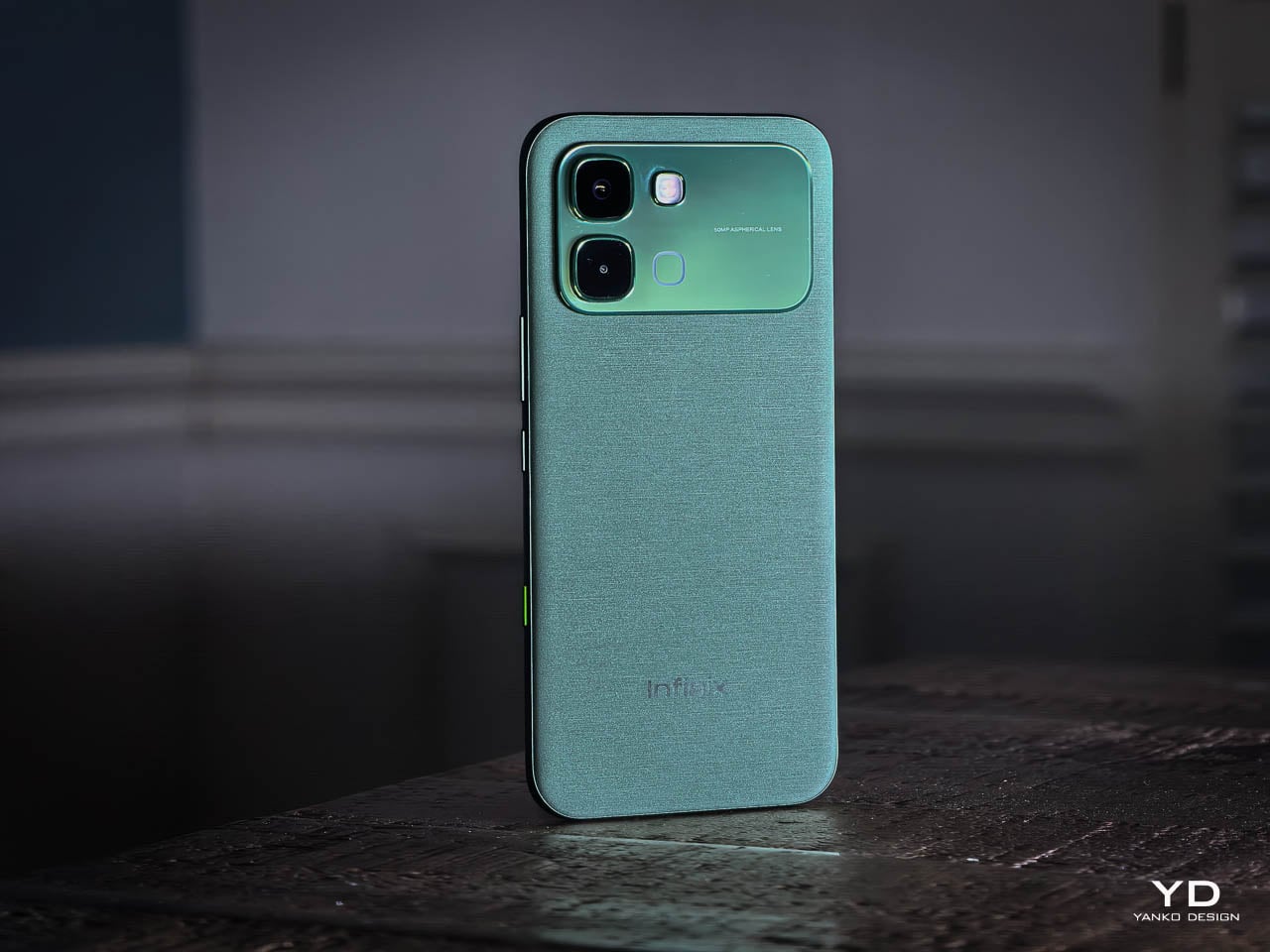
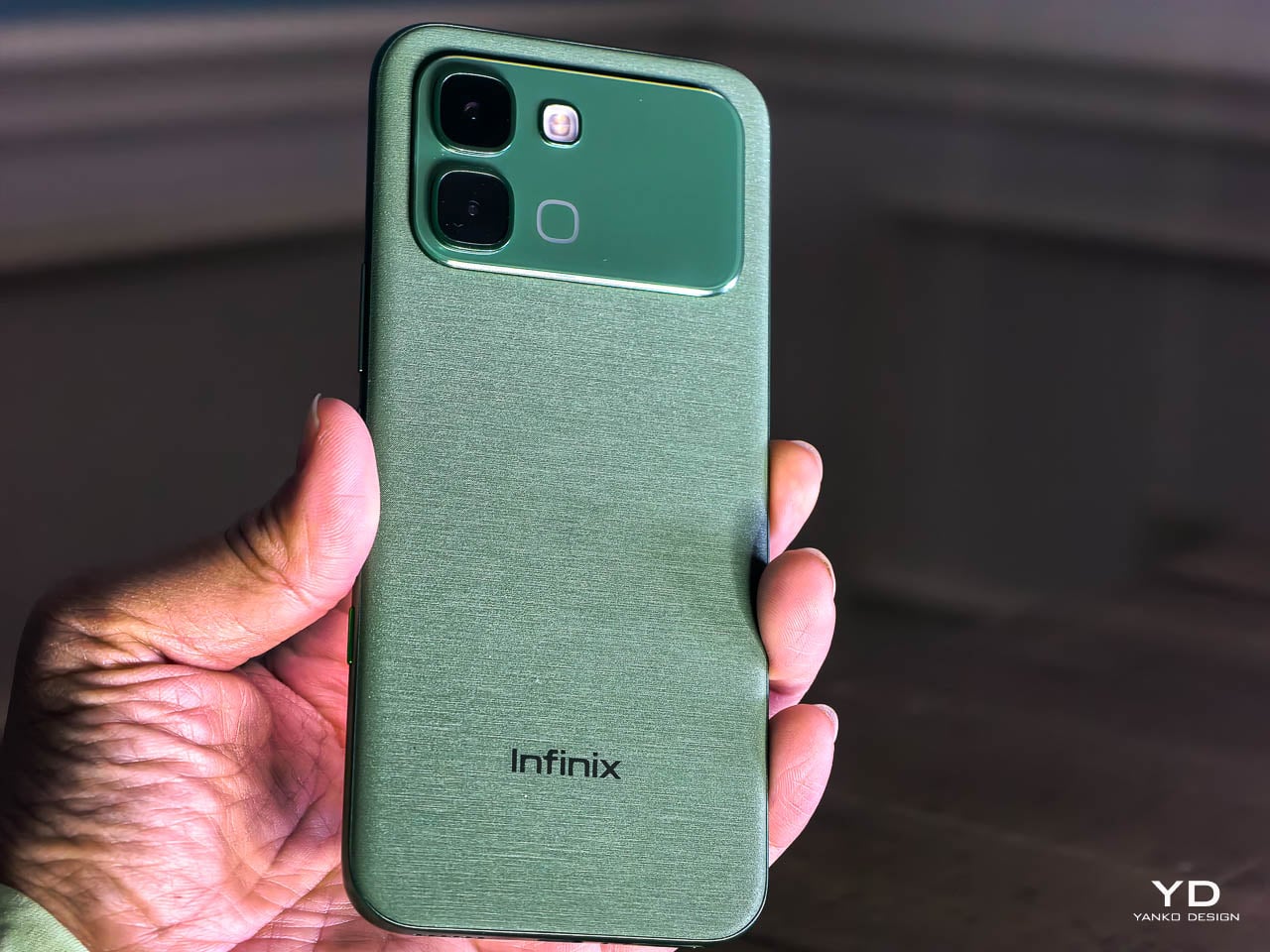
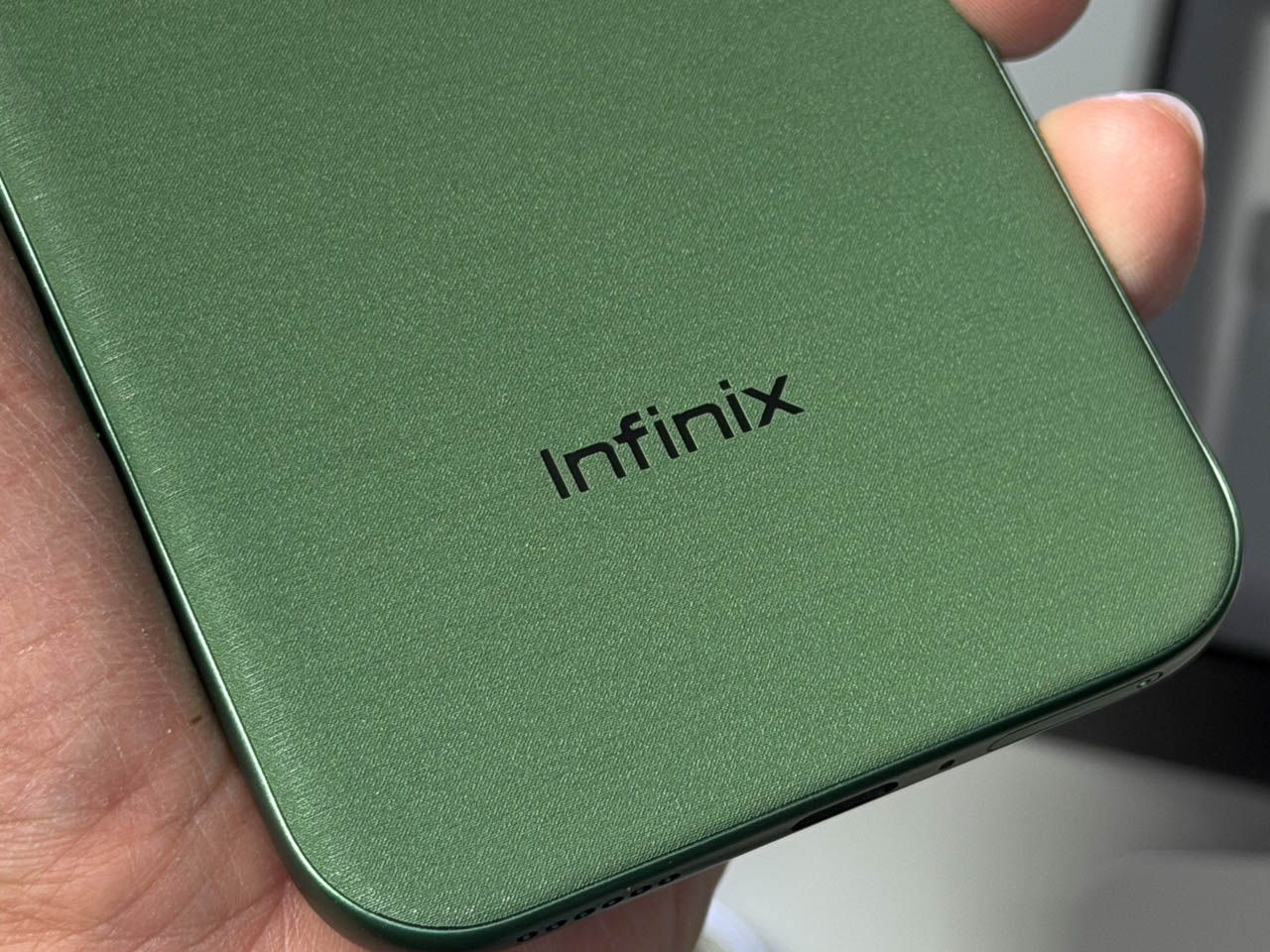
The Silk Green finish on our review unit operates differently than most smartphone surfaces. It’s a leather-like treatment with a texture evocative of luxury handbags, absorbing light rather than bouncing it back indiscriminately. Indoors, the color reads as deep and muted, almost forest-like in its saturation. Move outside, and the green opens up, revealing warmer undertones that shift depending on the angle of observation. This isn’t a static color. It’s a material that responds to its environment, and that responsiveness gives the phone a character that glass-backed devices simply can’t replicate.
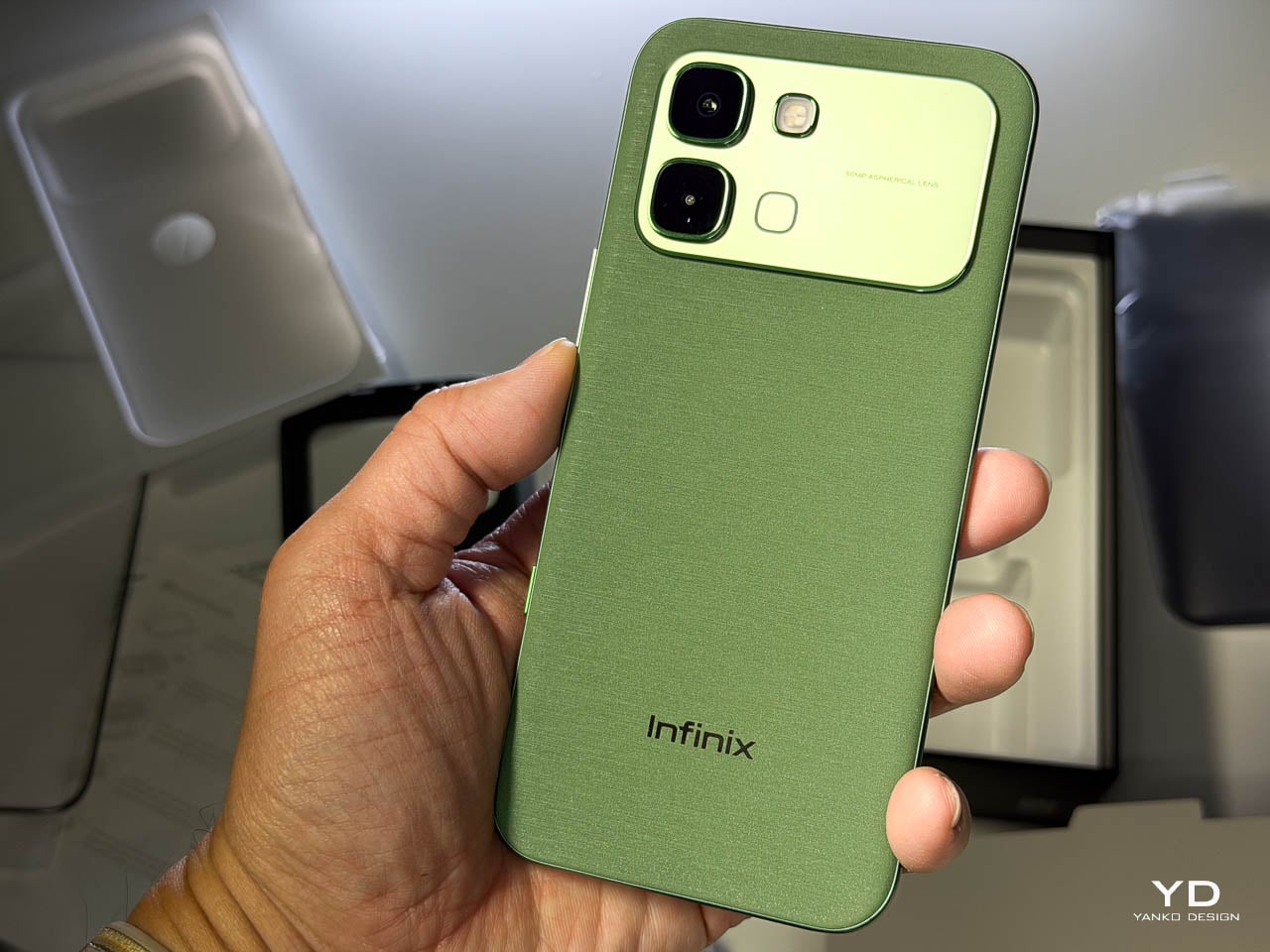
The texture matters as much as the color. There’s no cold shock when you pick it up from a table. Fingerprints don’t accumulate the way they do on glossy surfaces. After extended use, the back panel still looks intentional rather than smudged.

Infinix offers alternative finishes that pursue a different aesthetic entirely. The Lunar Titanium, Stellar Blue, and Shadow Black variants use a cat-eye stone inspired treatment that creates visible movement as the phone tilts. Light doesn’t just reflect from these surfaces. It travels across them, producing shifting patterns that never quite settle into a fixed appearance. The finish has enough grip to feel secure without becoming tacky, and it maintains that feel whether your hands are dry or slightly damp. The effect is dramatic without crossing into garish territory, and it demonstrates that Infinix isn’t limiting itself to a single design vocabulary.
The 3D curved 1.5K AMOLED display integrates with the frame through a transition that eliminates the hard edge found on flat-screen devices. The curve is calibrated to reduce perceived width while maintaining usability across the entire display surface. Ultra-narrow bezels, with the bottom edge measuring just 1.87mm at its narrowest point, push content closer to the physical boundary of the device. The 6.78-inch panel feels immersive without forcing the body to expand beyond comfortable one-handed reach. A 120Hz refresh rate keeps motion smooth, 10-bit color depth renders gradients without visible banding, and 4500 nits of peak brightness means outdoor visibility doesn’t require cupped hands or squinting. Gamers benefit from a 2800Hz instant touch sampling rate that registers inputs faster than most users can perceive.
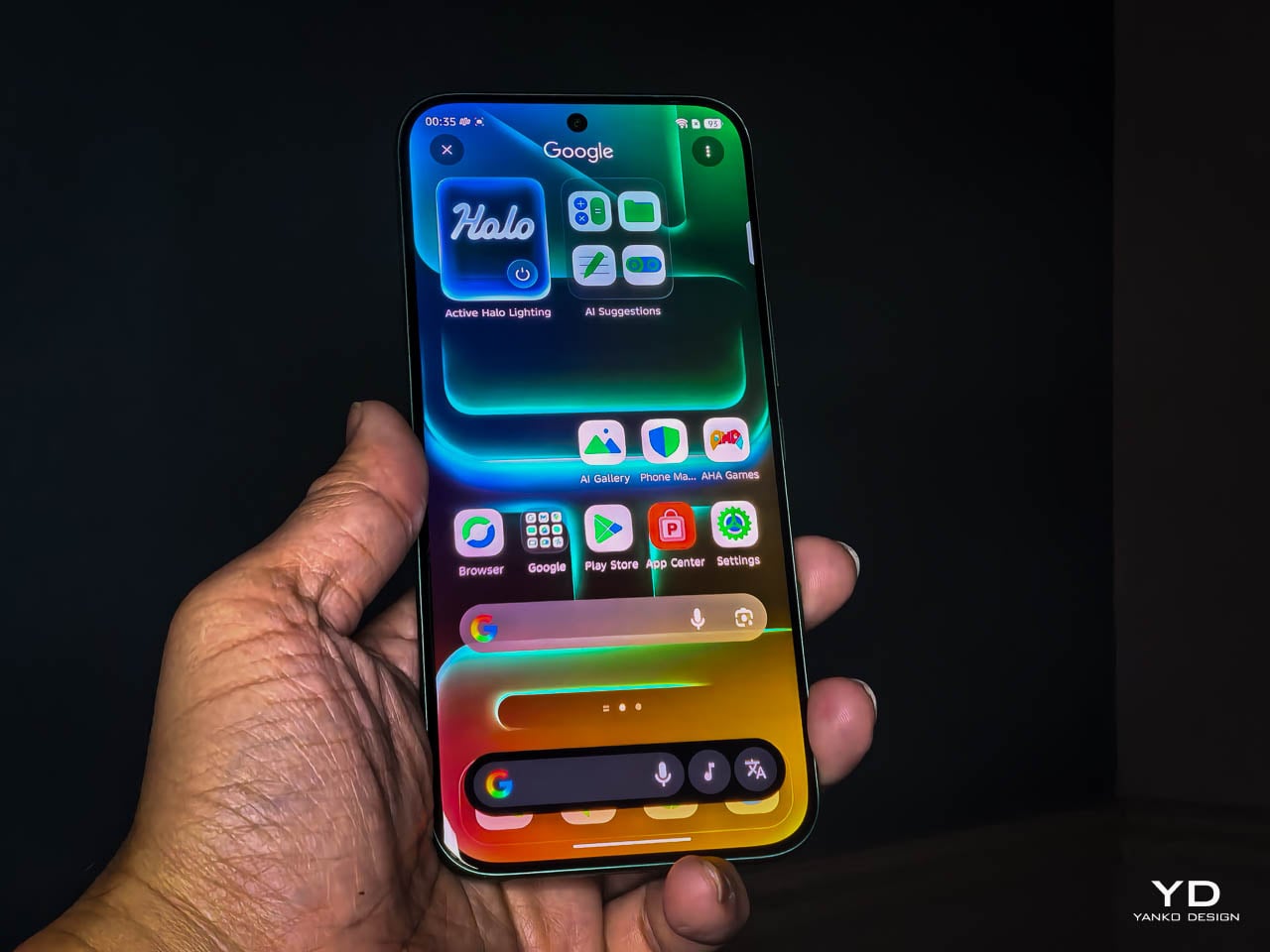
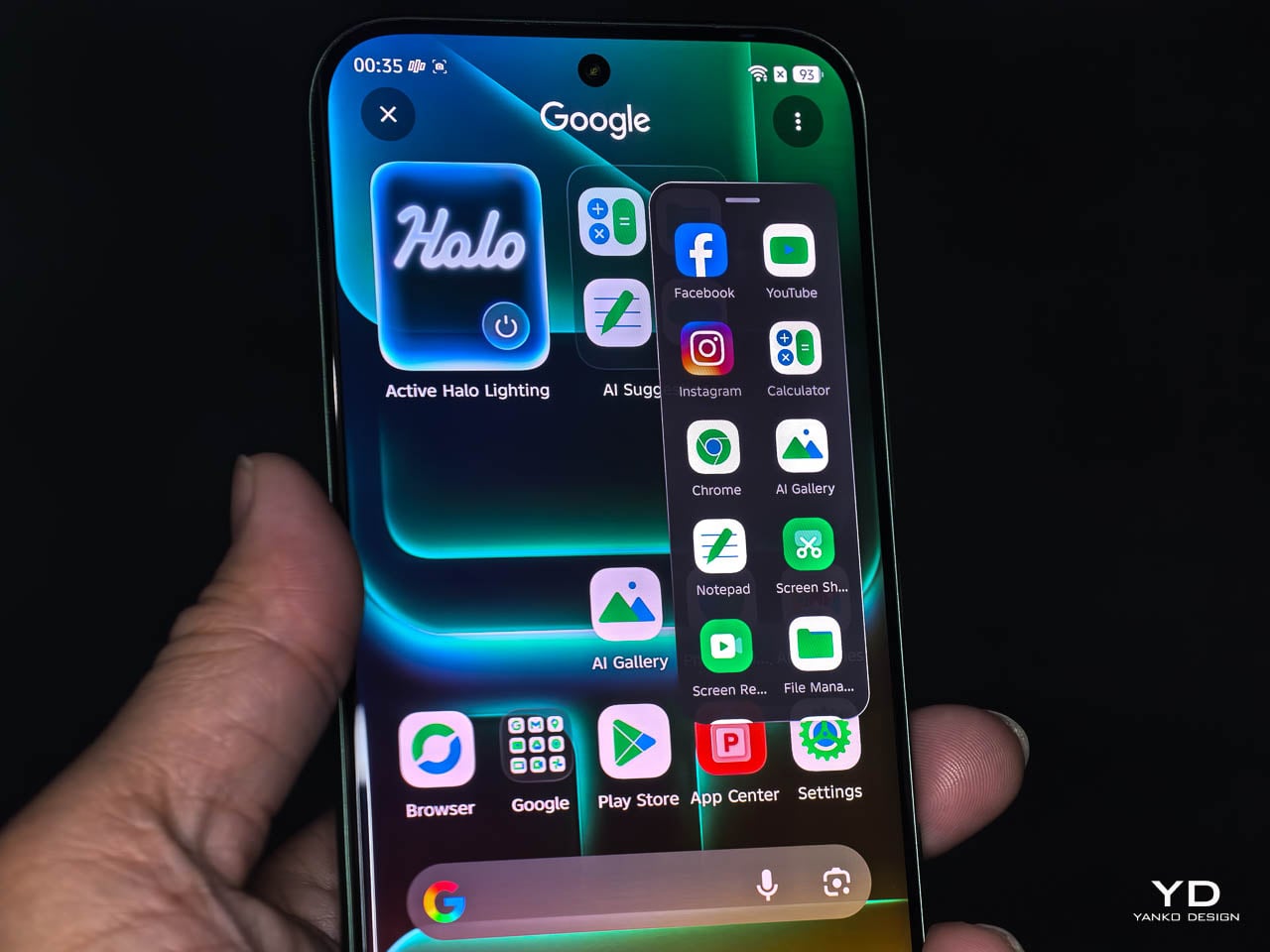
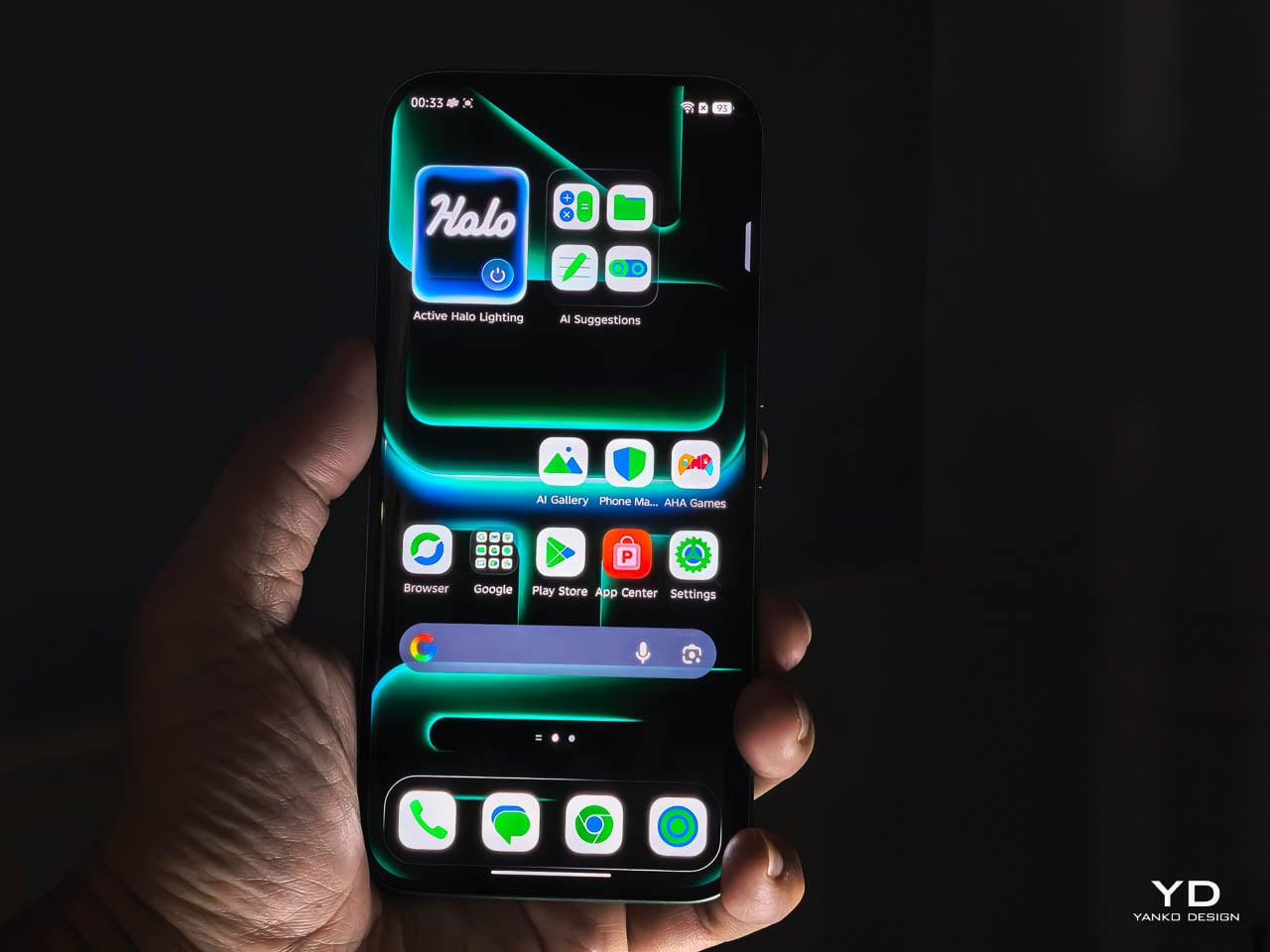
The interaction layer adds functional touches without cluttering the physical design. A dedicated One-Tap button on the frame provides customizable shortcuts to features like the flashlight, camera, or FOLAX AI assistant. The Active Halo Lighting around the rear camera module glows softly in response to notifications, calls, and charging status, with adjustable colors and stepless dimming. Neither element demands attention, but both reward users who engage with them. An integrated IR blaster lets you control TVs, air conditioners, and other appliances directly from the phone. eSIM support, a first for Infinix devices, adds flexibility for travelers and dual-SIM users who’d rather not swap physical cards. Availability varies by region and model, so check the official Infinix website to confirm eSIM support in your market.

Weight distribution deserves specific attention. A 6,500mAh battery creates density that could easily pull the phone off balance, making it feel top-heavy during vertical use or awkward during extended sessions. The NOTE Edge avoids this entirely, with mass centered in the chassis so scrolling, typing, and camera work all feel stable.
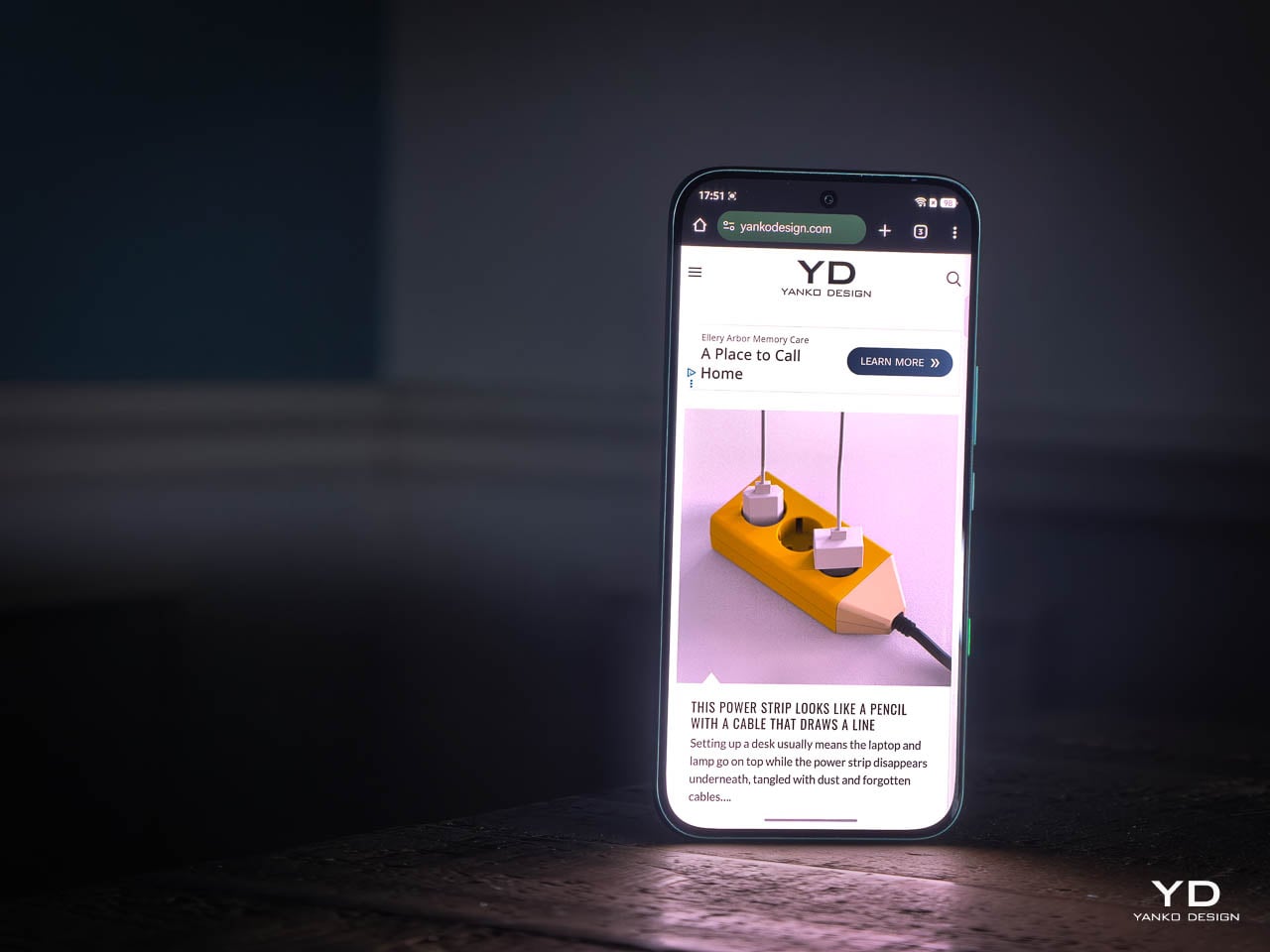
The glass-to-frame transition reinforces that sense of cohesion. There’s no lip or ridge where materials meet. Your grip flows uninterrupted around the device, which matters more than it might seem during the first few minutes of handling. Over hours, that seamlessness translates to reduced fatigue. The phone disappears physically while remaining visually present, which is exactly the balance a design-forward device should achieve. Corning Gorilla Glass 7i protects the curved display surface, and IP65 dust and water resistance means the materials can handle exposure to the elements without requiring constant caution.

Software and User Experience (XOS 16)

XOS 16 plays a bigger role in how the NOTE Edge feels than you might expect. Built on Android 16, the interface doesn’t compete with the hardware for attention. It supports it. Transitions stay smooth, layouts feel intentional, and nothing about the experience pulls focus away from what you’re actually doing on the phone.
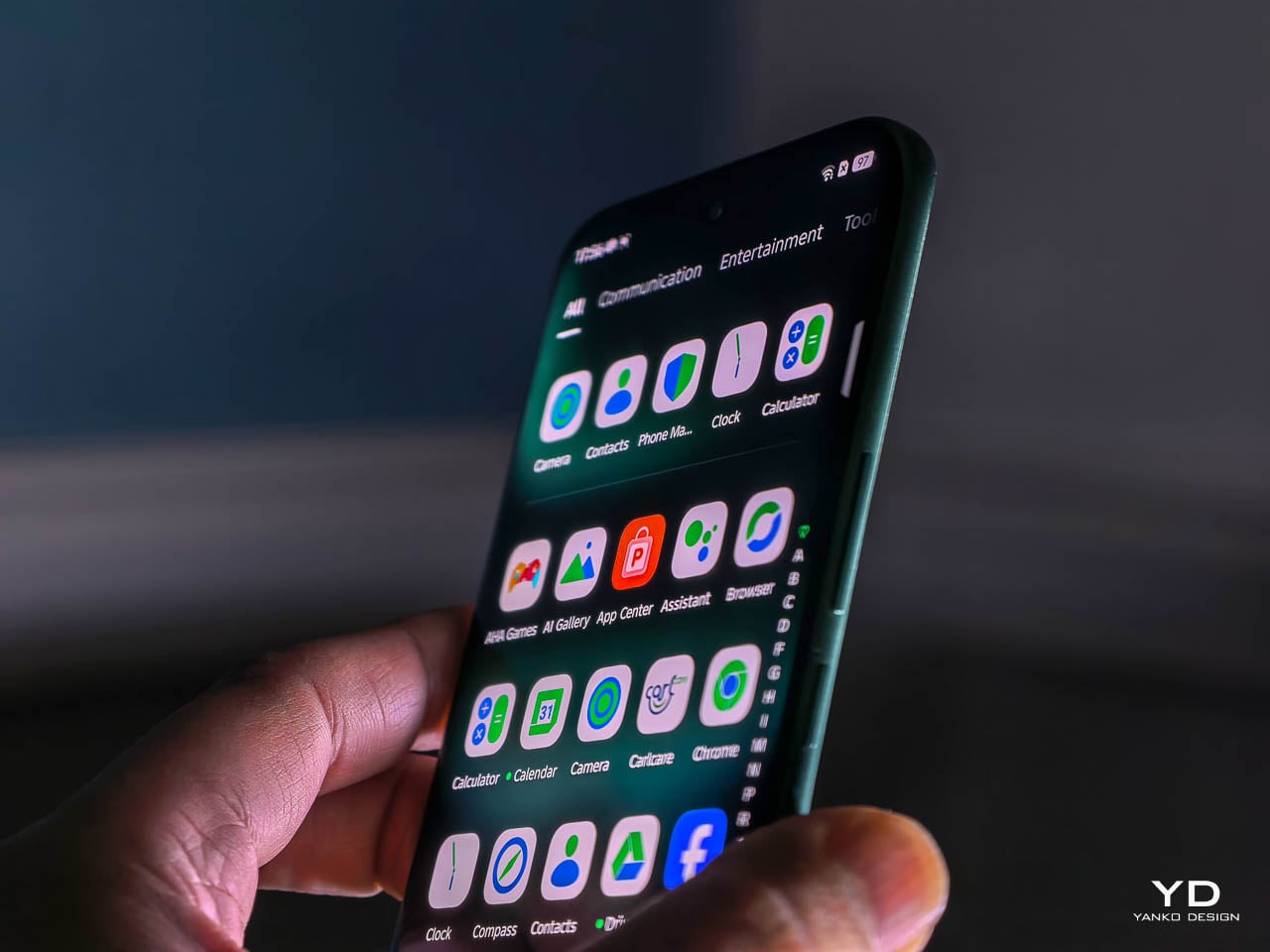
The Glow Space design language shows up in subtle ways rather than obvious visual tricks. Depth effects, layered wallpapers, and motion cues work especially well with the curved display, giving the interface a sense of dimension without becoming distracting. It pairs naturally with the phone’s physical form, which matters when you’re swiping one handed or shifting between apps quickly. After a few hours, the software fades into the background, which is exactly what good interface design should do.

Haptics feel restrained and precise. Taps register cleanly. Gestures feel confident without being exaggerated. There’s enough feedback to reinforce interaction, but not so much that it becomes noise. Combined with the curved edges and balanced weight, the software contributes directly to how comfortable the device feels over long sessions.
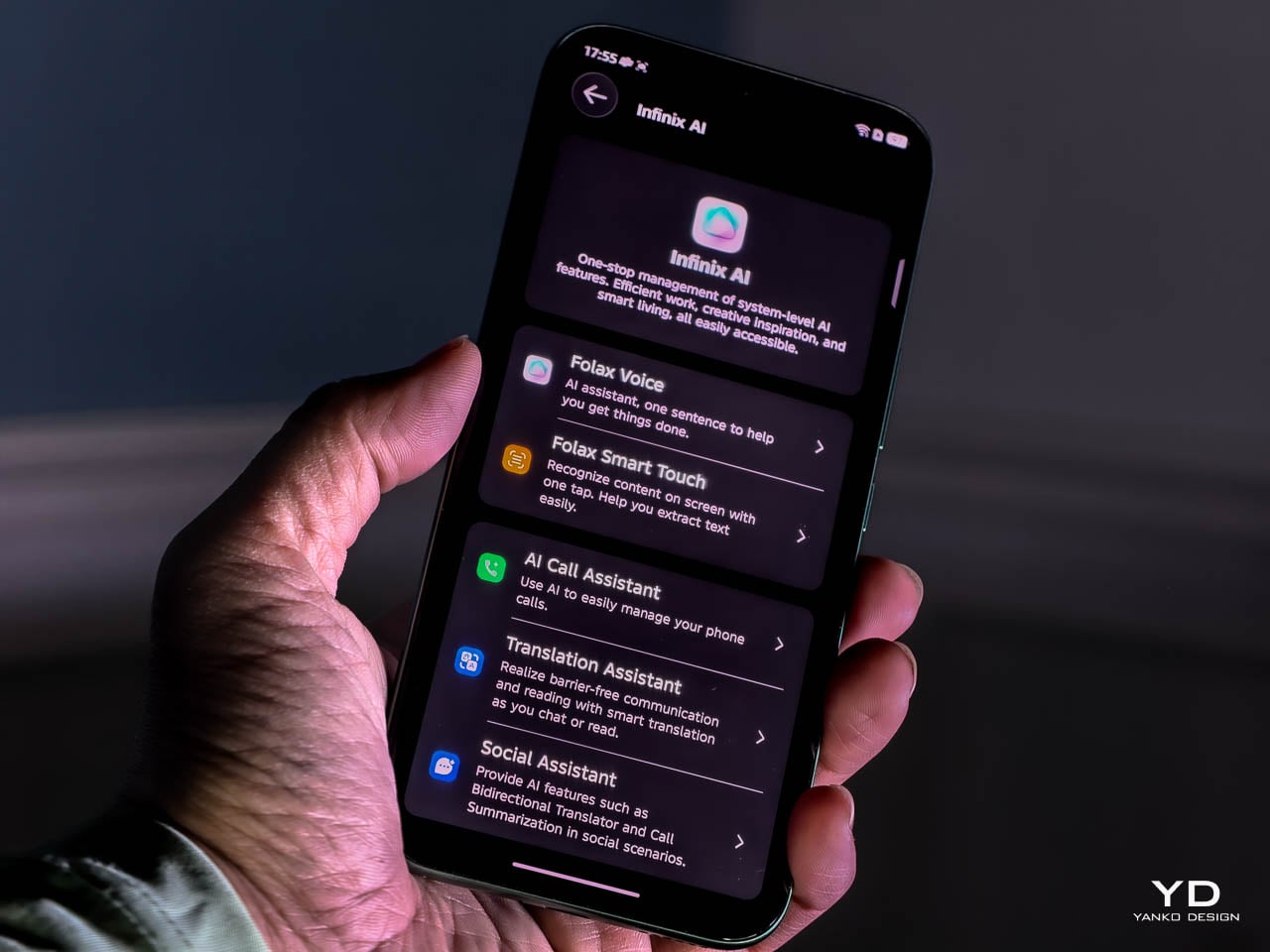
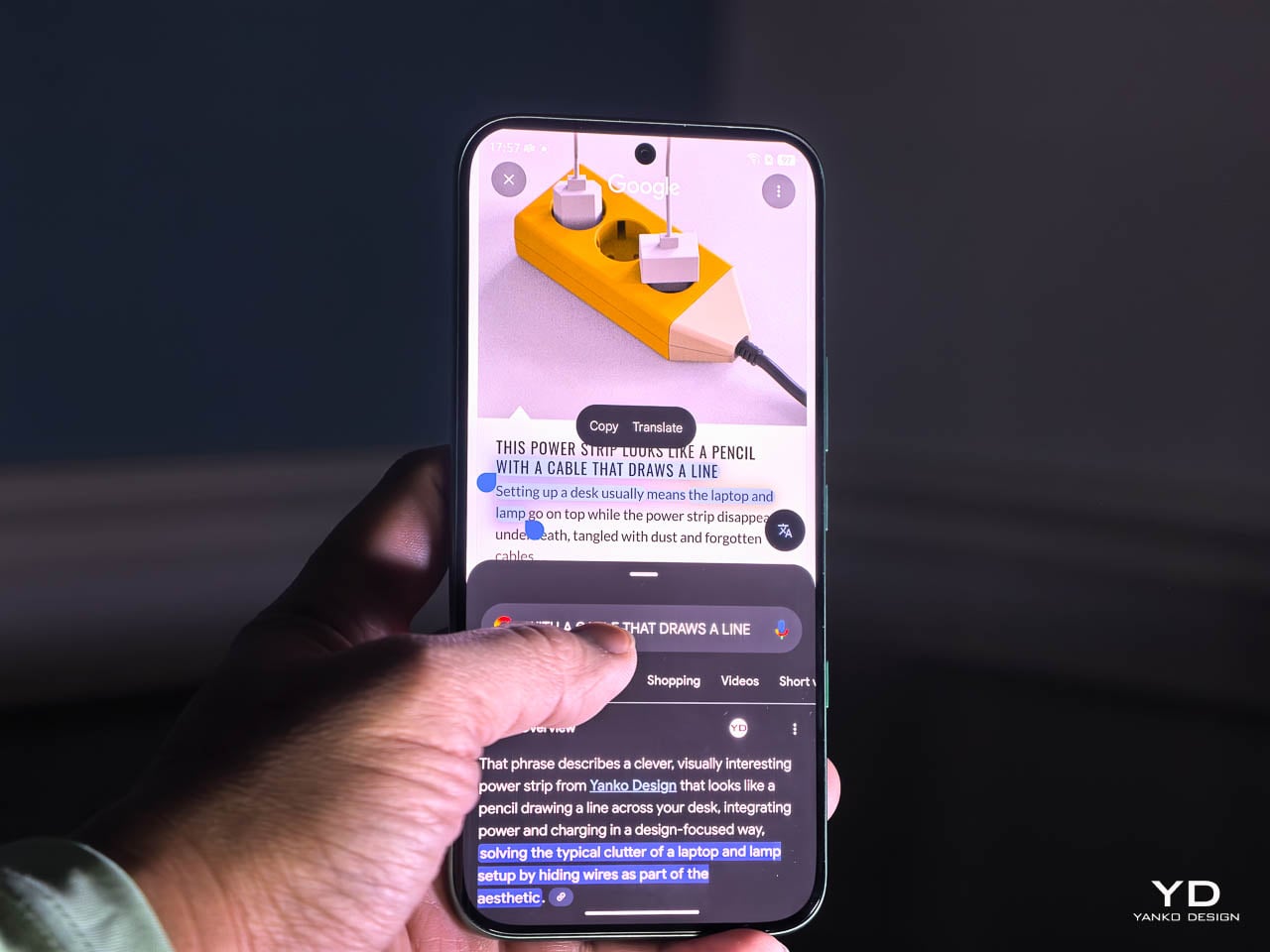
Infinix’s AI layer works best when it stays quiet. System level optimization, background task management, and two-way AI noise reduction operate without demanding attention. The noise cancellation works in both directions, cleaning up background sound on your end while also filtering what you hear from callers. That restraint fits the overall tone of the NOTE Edge.
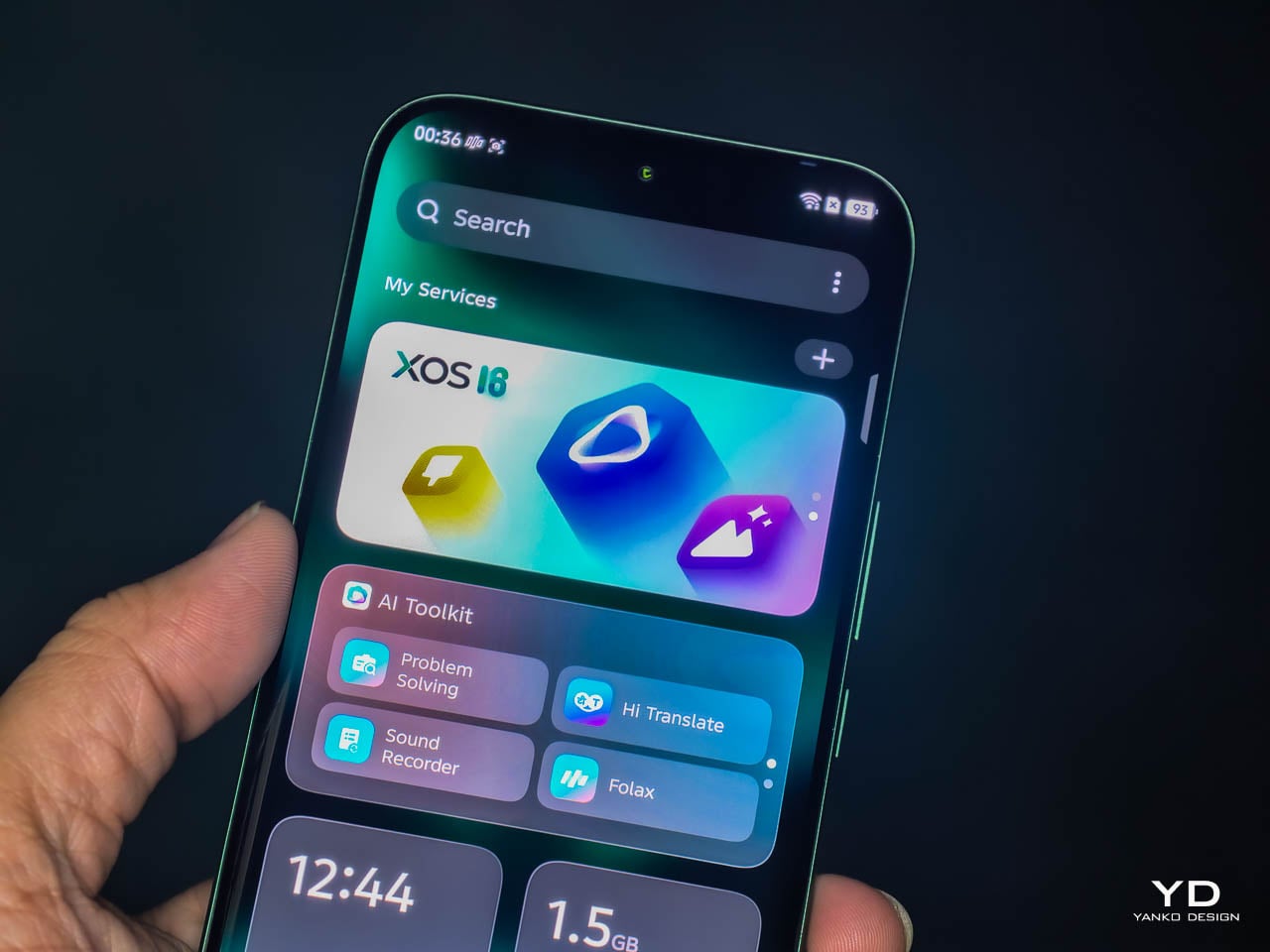
Longevity is where XOS 16 quietly strengthens the value of the device. Infinix commits to three years of OS updates and five years of security patches, which changes how you think about living with the phone long term. This isn’t software designed to feel fresh for a few months and then age out. It’s built to remain stable, secure, and familiar well beyond the initial ownership window.

Performance and Camera

The MediaTek Dimensity 7100 5G handles daily use without calling attention to itself. Swiping, launching apps, and unlocking all register instantly. It’s the kind of platform that does its job and stays out of the way.
That consistency holds over longer sessions. I kept messaging, maps, and media apps running simultaneously and never felt the system hesitate or dump background processes. The interface stayed responsive after hours of mixed use, which matters more than benchmark numbers when you’re navigating an unfamiliar city or bouncing between work threads and personal messages. Heat management impressed me more than raw speed. Extended navigation, casual gaming, and heavy browsing didn’t produce the kind of warmth that makes you shift your grip or set the phone down. The chassis stayed comfortable against my palm throughout full afternoon sessions. Infinix clearly tuned this device for sustained operation rather than brief bursts of peak performance.

Signal stability reinforces that dependability. Infinix’s UPS 3.0 Super Signal Technology focuses on low-frequency cellular bands, the 615 to 960 MHz range that travels farther and penetrates obstacles better than higher frequencies. These are the signals that actually reach you in elevators, underground parking garages, and concrete-heavy buildings when everything else drops off.

The engineering behind it involves physically larger antenna components. Infinix increased the radiation arm area of the main low-frequency antenna by 50 percent and the auxiliary antenna’s radiation wall by 30 percent. That translates to a 1.5 to 2 dB gain in low-frequency reception, which sounds modest on paper but shows up clearly in practice. Calls held steady in places where I normally expect a brief dropout. Data kept flowing in basement-level parking where other phones tend to stall while searching for signal.

It’s the kind of reliability you only notice when it’s missing.

The camera follows that same practical mindset. It’s built to produce usable results without demanding expertise.
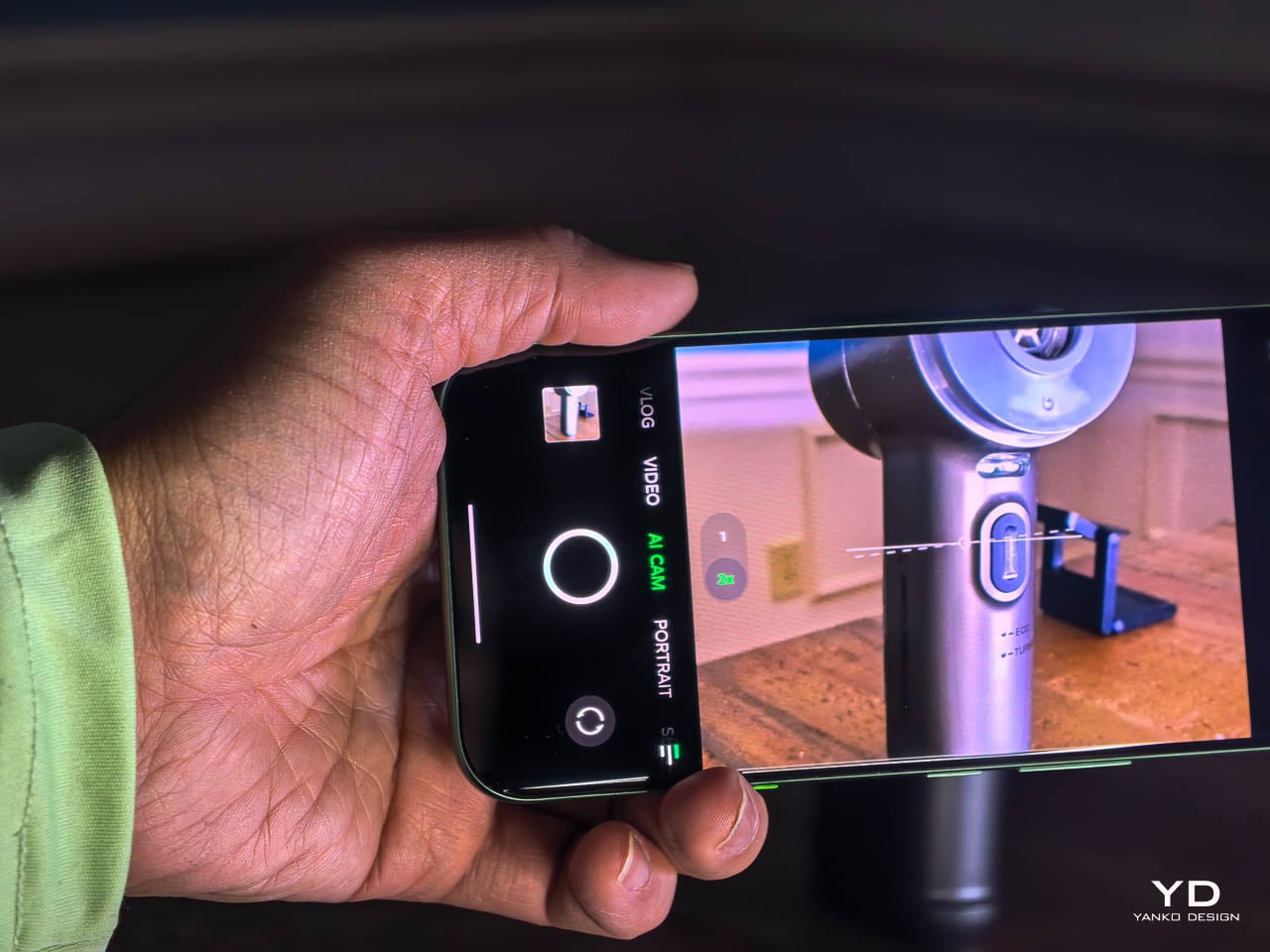
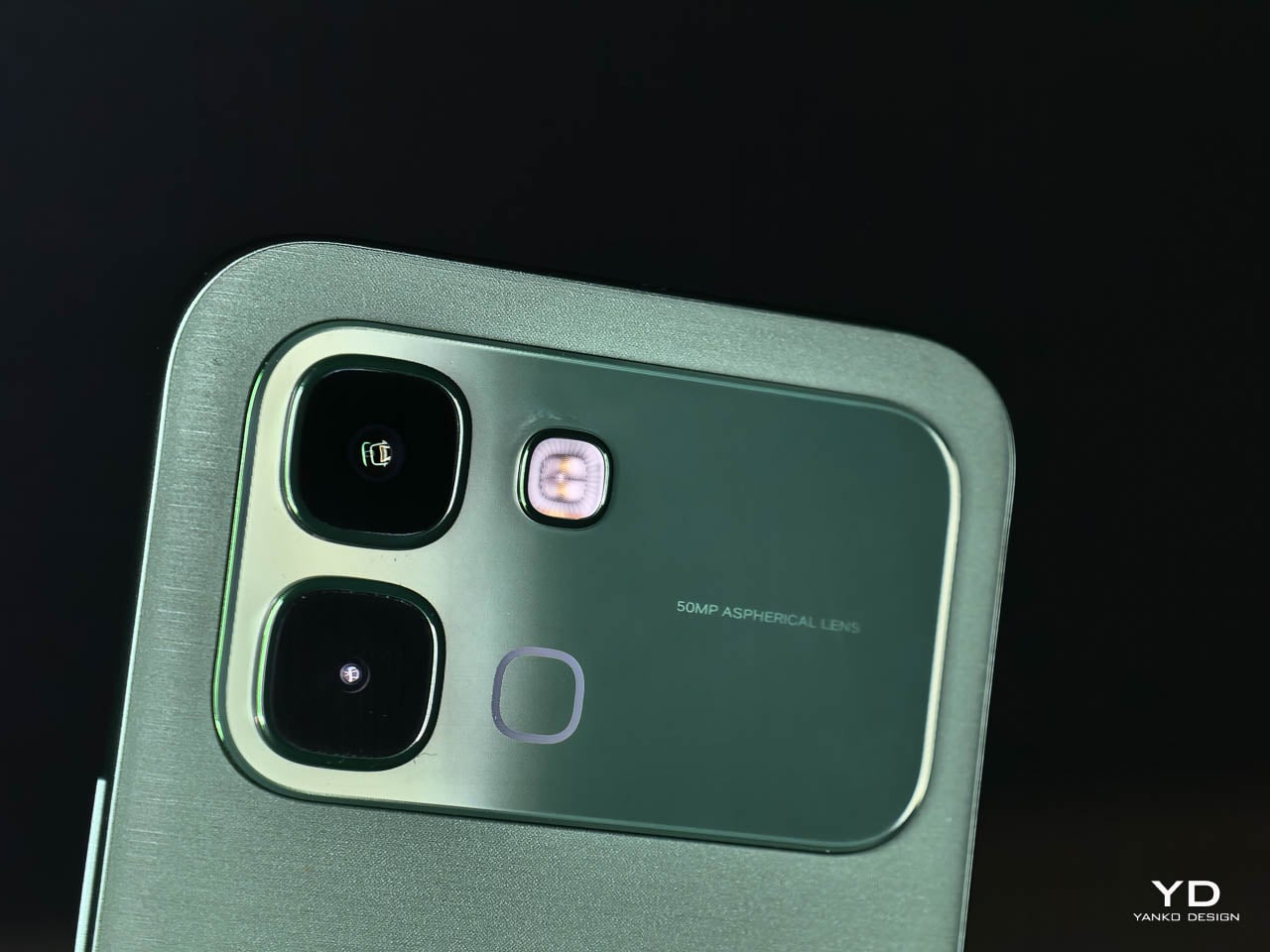
This is a dual camera setup. The 50MP main sensor handles all meaningful imaging work, while the secondary lens exists for depth separation in portrait shots.

The 50MP main sensor handles everyday situations with consistent color accuracy from shot to shot. Outdoor images retain detail without oversaturating, and indoor shots keep skin tones natural under mixed lighting. Low light performance benefits from Infinix’s AI RAW imaging algorithm, which lifts shadow detail without flattening contrast or blowing highlights. Texture stays intact where other processing tends to smooth everything into mush. You don’t need to fight the camera or babysit settings. Point, shoot, and move on works more often than not.
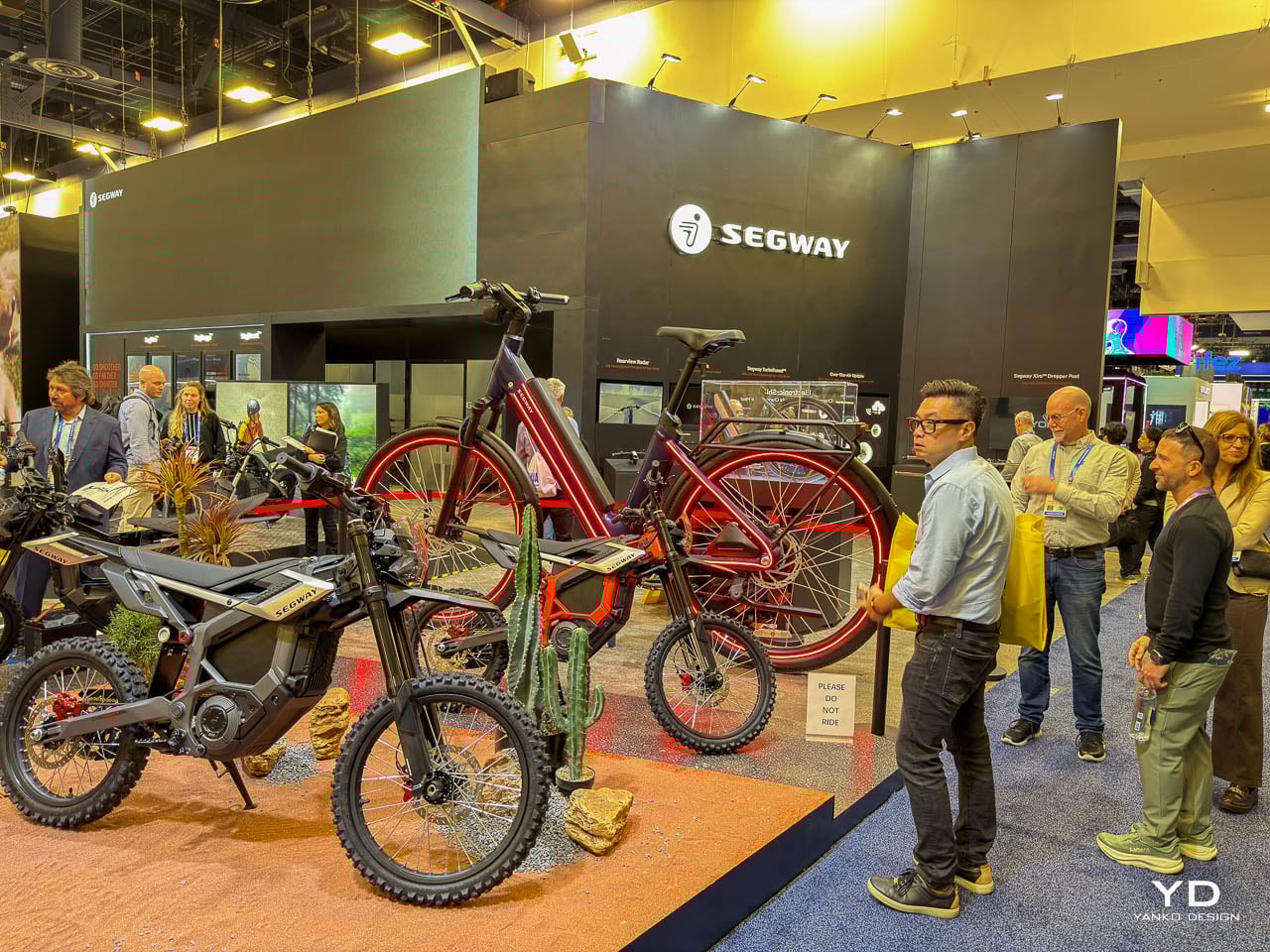

Live Photo Mode captures a three-second window around each shutter press, giving you motion instead of a single frozen frame. It’s useful for candid moments, pets, or scenes where timing matters. Exporting as GIFs, setting captures as live wallpapers, or sharing to iPhones via NFC makes the feature feel integrated rather than bolted on. The implementation suggests Infinix thought about how people actually use these clips rather than just checking a feature box.

Video recording stays predictable and clean. Footage looks solid in good light, motion doesn’t introduce distracting jitter, and audio capture handles casual recording without issues. Nothing here feels experimental or unfinished.

Audio and Sound Performance

Sound is handled by a dual stereo speaker system co-engineered with JBL, and it’s immediately noticeable once you stop defaulting to headphones. Volume comes up without harshness, and the tonal balance stays intact even when you push it higher than you normally would for casual listening. There’s actual separation here, with dialogue staying forward in videos and podcasts while music doesn’t collapse into a single flat plane.
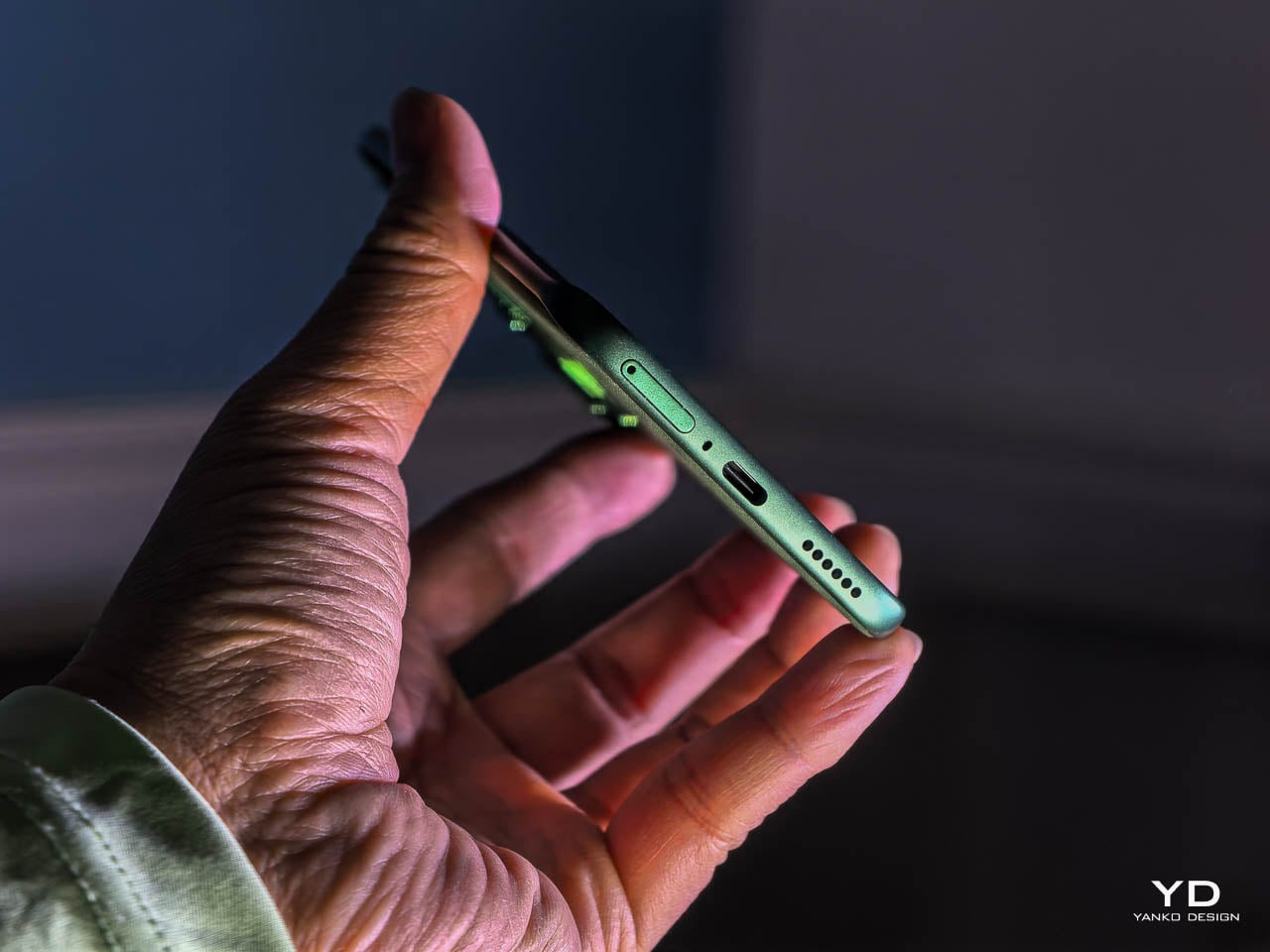
Infinix leans on a five-magnet acoustic system and a high-elasticity silicone rubber diaphragm, which sounds technical until you use it. Bass has presence without rattling, mids stay clean, and highs don’t spike in a way that fatigues your ears over longer sessions. The diaphragm flexibility contributes to that balanced output, absorbing vibrations that would otherwise muddy the low end. The 360-degree symmetrical sound field matters more than I expected, especially when you’re watching something without holding the phone perfectly straight. Audio stays consistent whether the phone is resting on a table, propped up, or held casually in one hand. That positional flexibility makes the speakers feel genuinely usable rather than an afterthought.

Sustainability and Longevity

Battery capacity tells only part of the endurance story. The 6,500mAh cell in our review unit (6,150mAh in certain regional configurations) provides multi-day operational potential under moderate use patterns. This isn’t about chasing screen-on time records. It’s about eliminating the anxiety that comes with uncertainty around whether a device will last through an unpredictable day.

In practice, that translates to roughly 22 hours of continuous video playback or 26 hours of outdoor navigation before you need to reach for a cable. When you do need to refuel, 45W All-Round FastCharge gets you to 50% in about 27 minutes and a full charge in just over an hour. Bypass Charging routes power directly to the system board during gaming or navigation, which keeps the battery out of the thermal loop and reduces heat buildup during extended plugged-in sessions.
Long-term battery health becomes relevant when capacity numbers reach this scale. Infinix claims the battery retains more than 80% capacity after 2,000 full charge cycles, equivalent to over six years of typical daily use. The company also cites self-healing technology that repairs micro-damage through dynamic recrystallization during low-current recovery. These aren’t marketing abstractions. They’re engineering claims with testable outcomes, and they suggest the multi-day endurance you experience initially should hold over the ownership cycle rather than eroding within the first year. The durability framing extends beyond just the battery. Material choices across the device suggest consideration for how surfaces age, how components withstand repeated stress, and how the phone maintains its character over months rather than weeks.

XOS 16, built on Android 16, runs the software side. Infinix commits to three years of OS updates and five years of security patches, which represents the longest support window the NOTE series has offered. That commitment matters for a device positioned around longevity.

Value

The NOTE Edge occupies a market position that doesn’t get enough attention. It’s a design-forward midrange device, which means it competes on material quality and user experience rather than processor benchmarks or camera sensor counts. For users who prioritize how a phone looks and feels over how it performs in synthetic tests, the value proposition here is substantial.
What you receive for the price includes premium-feeling materials, balanced ergonomics, multi-day battery endurance, and a display that rivals more expensive devices in clarity and immersion. The Dimensity 7100 5G provides capable daily performance without generating the heat or power consumption of flagships processors. The camera handles real-world scenarios reliably. None of these elements represents a compromise.

The fashion-led color palette means the NOTE Edge appeals to users who want their technology to reflect personal aesthetic preferences. This isn’t a device that disappears into generic smartphone uniformity. It makes a statement.

Wrap Up

The Infinix NOTE Edge succeeds because it understands what it’s trying to be. It’s a considered object that prioritizes material quality, ergonomic refinement, and visual identity over the metrics that dominate most smartphone conversations.

The Silk Green finish exemplifies the approach. It’s a material choice that affects how the phone looks, how it feels, how it ages, and how it responds to its environment. Nothing about it exists in isolation. Every decision connects to a broader vision of what a design-forward smartphone should offer. That coherence is rare, and it’s what separates the NOTE Edge from devices that feel like committees designed them.
For users who’ve grown tired of phones that feel like interchangeable glass rectangles, the NOTE Edge represents an alternative worth serious consideration. Infinix has demonstrated that visible luxury and practical usability can coexist in the midrange segment. The result is a device that you’ll want to use, want to look at, and want to keep using long after the initial appeal of any new purchase typically fades.
The post Infinix NOTE Edge Review: Visible Luxury first appeared on Yanko Design.