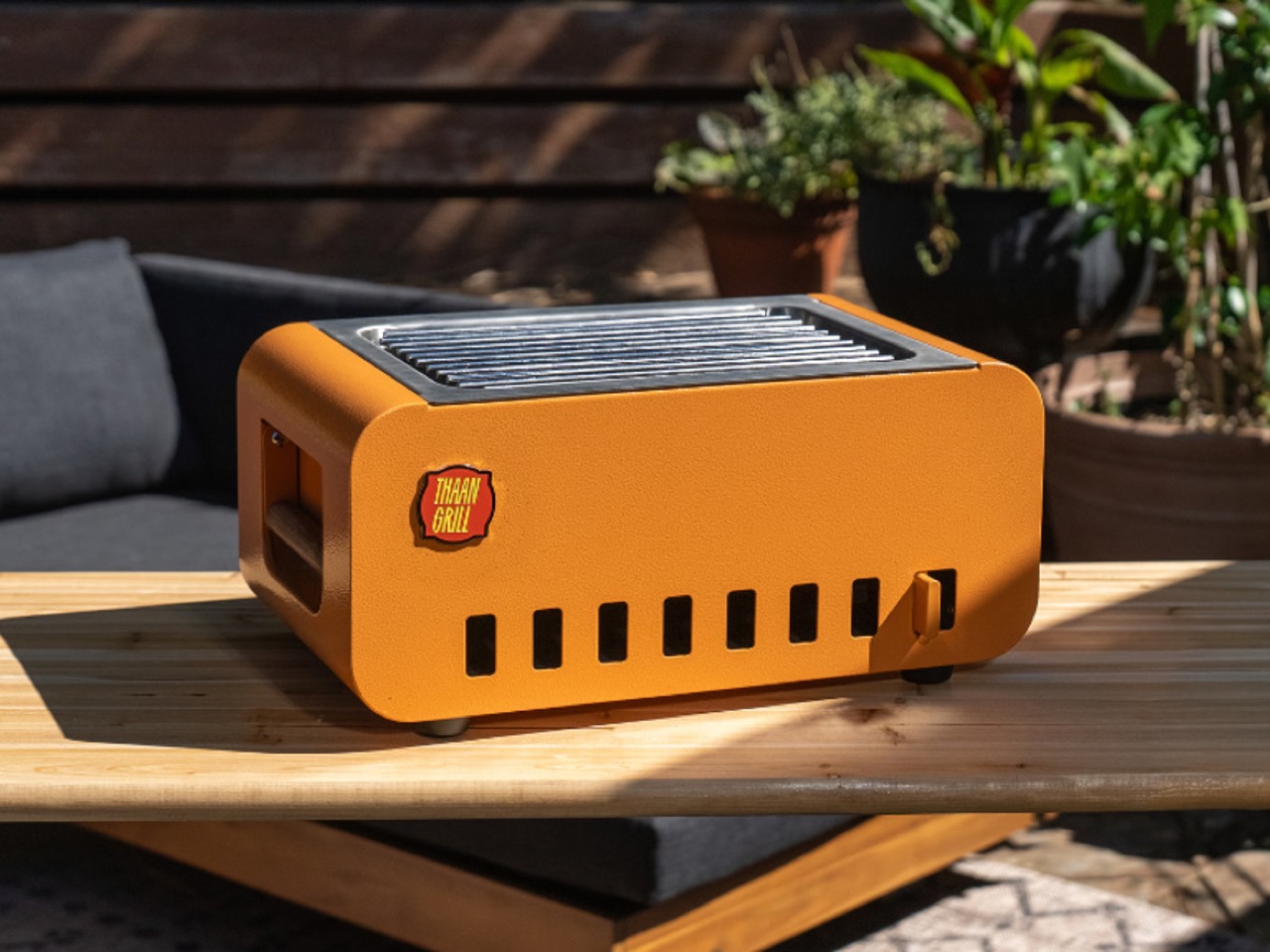
The Thaan Grill is one of those rare products that makes you question why nobody thought of this sooner. Charcoal grilling has always been a ritual of compromise. You either get the flavor and deal with the bulk of a full-sized grill, or you settle for the convenience of a portable unit that can’t hold a steady temperature to save its life. Thaan, the brand that’s been supplying fruitwood charcoal to Michelin-starred kitchens for years, just dropped a tabletop grill that refuses to ask you to choose between performance and practicality. It’s just debuted on Kickstarter, and if the specs hold up, this might be the first grill that actually deserves a permanent spot on your patio table instead of getting banished to the garage after two uses.
The thing that immediately stands out is how Thaan has packed professional-grade engineering into something that looks like it belongs in a Muji catalog. The grill’s triple-wall insulated body isn’t just for aesthetics, it means you can plop this thing onto a wooden table, a glass patio set, or even your apartment balcony without worrying about heat damage. The bottom-up airflow system, a feature borrowed from their commercial Thaan Grill XL, is the kind of detail that separates a decent grill from one that can actually hit restaurant-quality sears consistently. And because it’s designed around their own Thai-style fruitwood charcoal, which burns cleaner and longer than standard briquettes, you’re looking at 4 to 6 hours of cook time on a single load. For anyone who’s ever babysat a finicky portable grill, that’s a game changer. The removable ash tray and quick cooldown time mean cleanup isn’t a chore, which is half the battle with charcoal cooking.
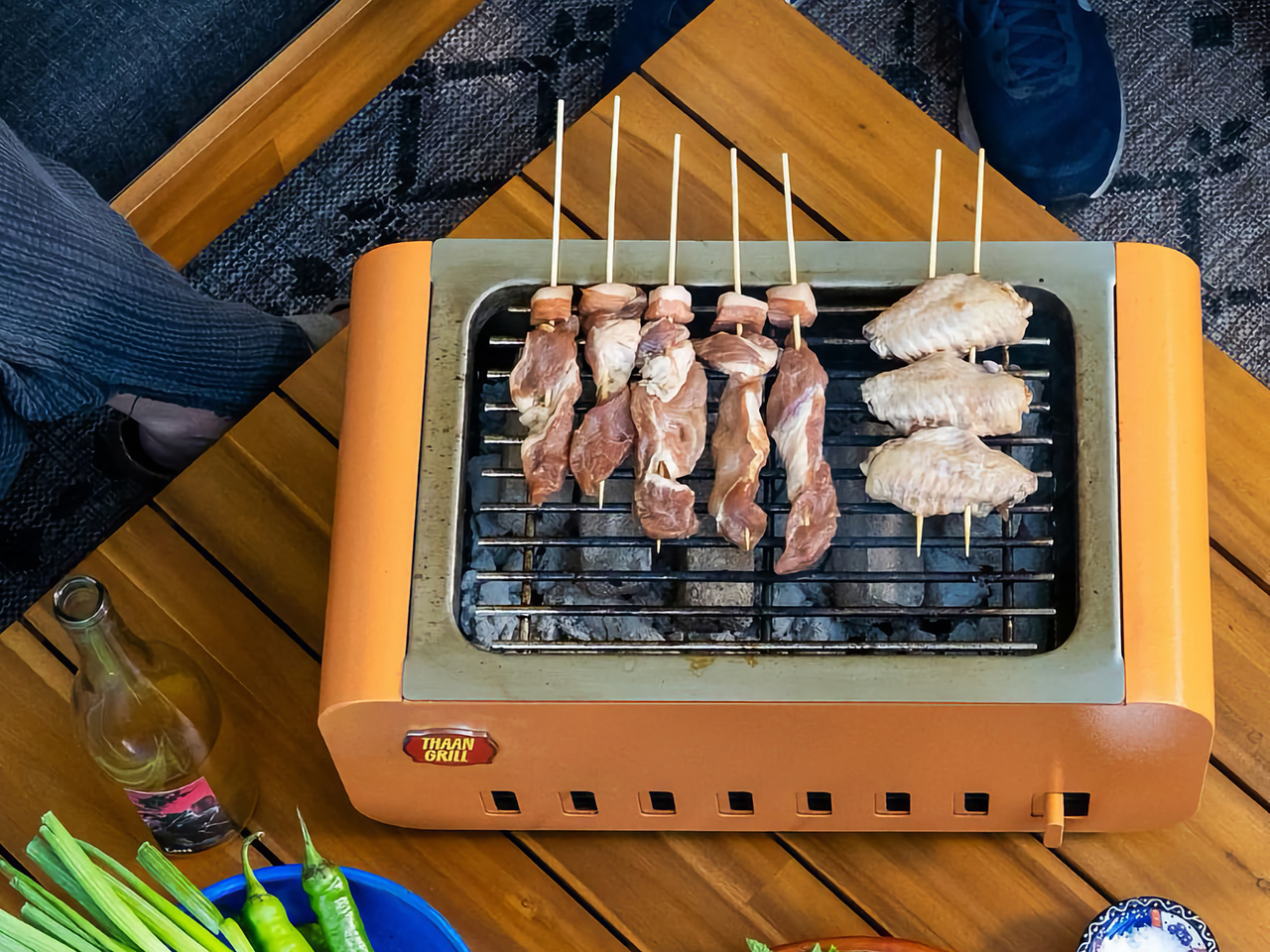
The grill grates are 304 stainless steel, which means they won’t rust or warp under high heat, and the body is 430 stainless steel, chosen for its ability to handle thermal stress without degrading. The powder coating isn’t just for that sleek, matte finish, it’s high-temp rated so it won’t bubble or peel after a few uses. Even the handles are Bakelite, a material that’s sanitary, heat-resistant, and more durable than wood or plastic. The vermiculite insulation is the same stuff used in high-end fireplaces, so it’s lightweight but incredibly effective at containing heat. At 25 pounds, it’s heavy enough to feel substantial but light enough to toss in the trunk for a tailgate or a beach day. The dimensions, 18.75 by 10.75 by 8.5 inches, make it compact without sacrificing grilling space, offering 110 square inches of cooking real estate. That’s enough to handle a few steaks, a batch of skewers, or a mix of veggies without feeling cramped.
The real test for any grill is whether it can deliver on the promise of flavor… By positioning the charcoal tray closer to the grate and using a ventilated design, they’re maximizing heat transfer and smoke exposure, which is how you get that elusive crust and smoky depth that gas grills just can’t replicate. The bottom-up airflow isn’t just marketing fluff, it’s a feature that professional pitmasters rely on for consistent temperature control. Pair that with their fruitwood charcoal, which burns hotter and cleaner than standard lump charcoal, and you’ve got a setup that can actually pull off the perfect crust on a reverse sear or continuous waves of skewers for a crowd without turning into a temperature rollercoaster. It’s the kind of performance you’d expect from a grill twice its size, and that’s what makes the Thaan Grill interesting. This isn’t some gimmicky gadget designed to collect dust, it’s a tool that’s been thoughtfully engineered to bridge the gap between backyard BBQ and professional live-fire cooking.
What’s refreshing is how Thaan has considered the entire experience, not just the cooking. The grill’s minimalist design brings a sense of modern elegance to any outdoor setting, which is a big deal if you’re someone who values aesthetics as much as function. The insulated body heats up fast and cools down just as quickly, so you’re not waiting around for the thing to be safe to touch after cooking. The ash collection system is simple, just remove the tray, dump it, and you’re done. No fuss, no mess. It’s clear that this grill was designed by people who actually cook, not just engineers chasing specs. The fact that it’s built to last, with materials that can handle years of use, means it’s not just another disposable grill that’ll end up in a landfill after a season or two.
The Thaan Grill starts at $429, which includes the grill itself but also a 5lb box of Thai-style Charcoal. Sure, it’s on the pricey side when you compare it to the cheap mass-produced stuff you find on Amazon, but you’re paying for high-quality materials, great engineering, and a ridiculously compact design that quite literally embodies the EDC principle but applies it to the idea of having great food anywhere and everywhere. If you’re the type who treats grilling as more than just a way to cook food, if you care about the ritual, the flavor, and the experience of cooking over fire, this is the kind of tool that could easily become a centerpiece of your setup…at home, on the beach, or in the great outdoors.
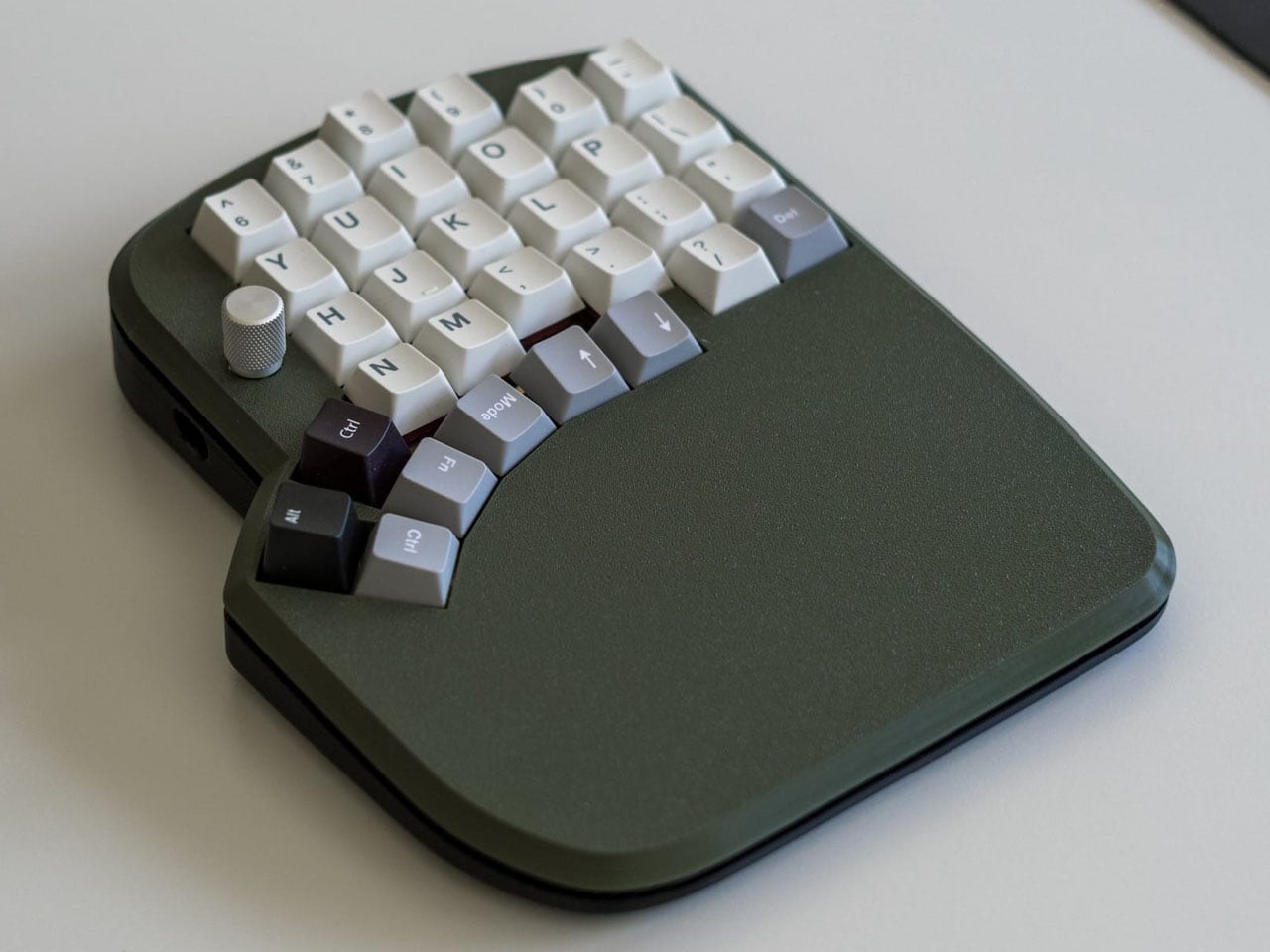
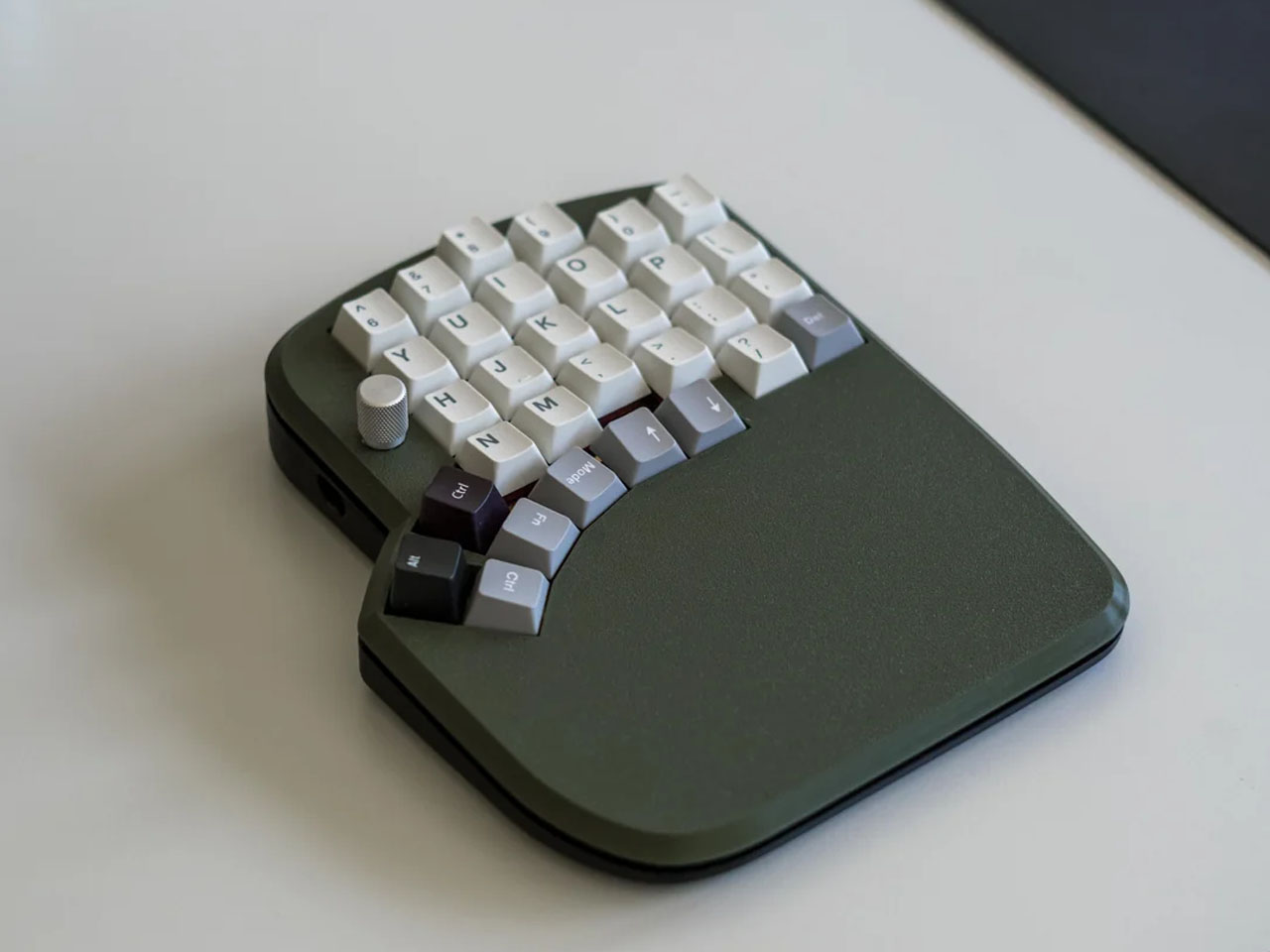
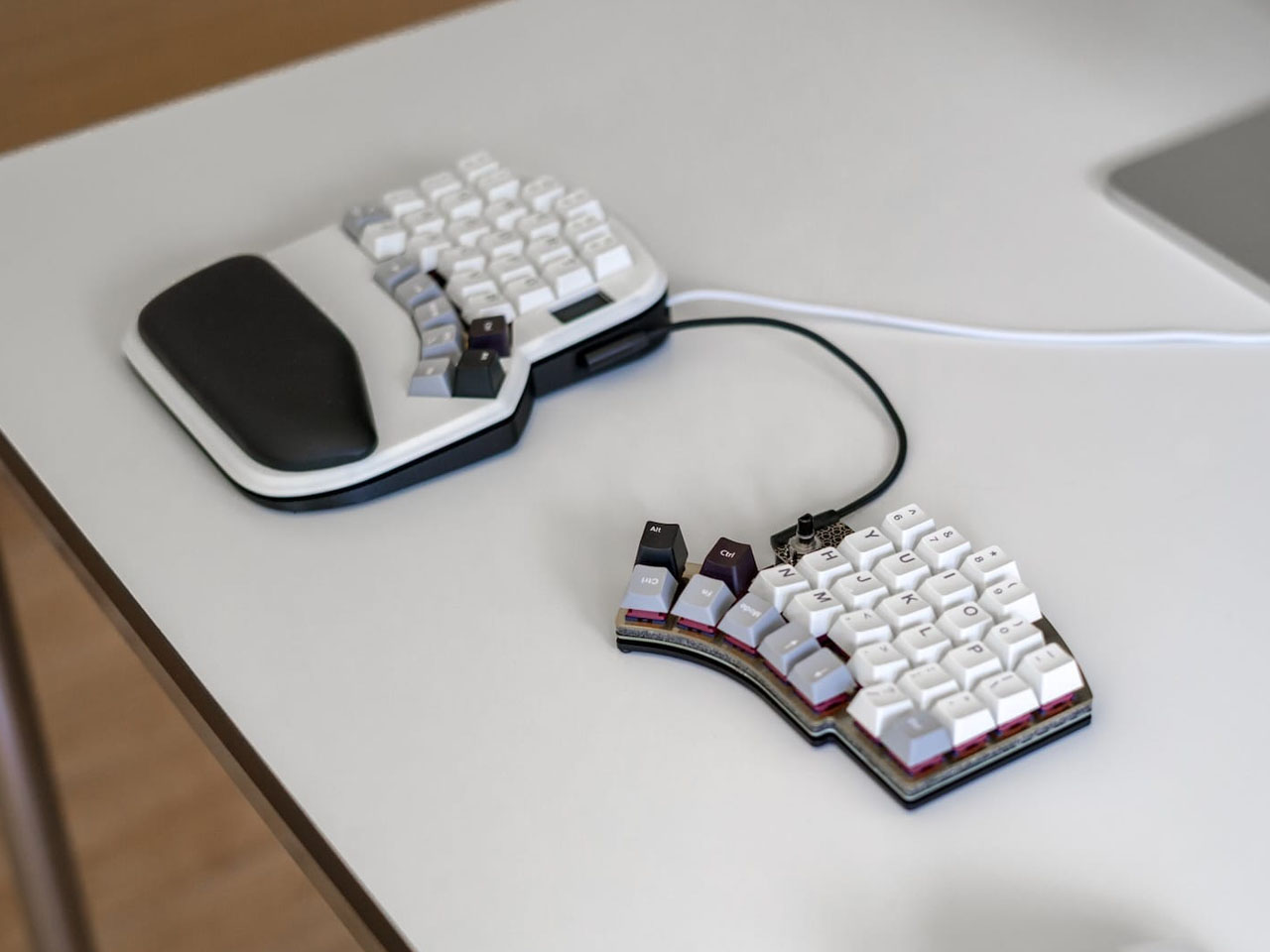
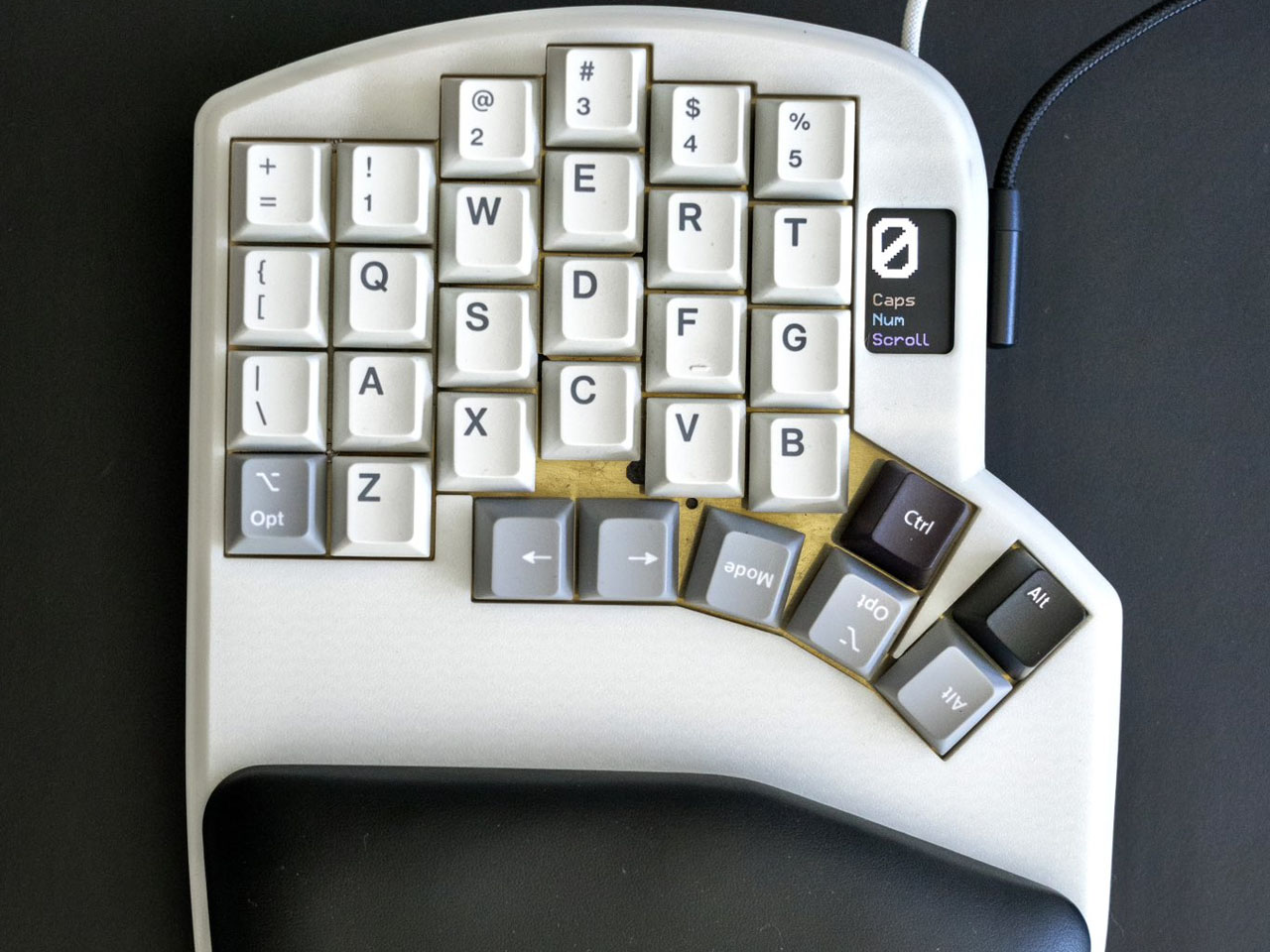
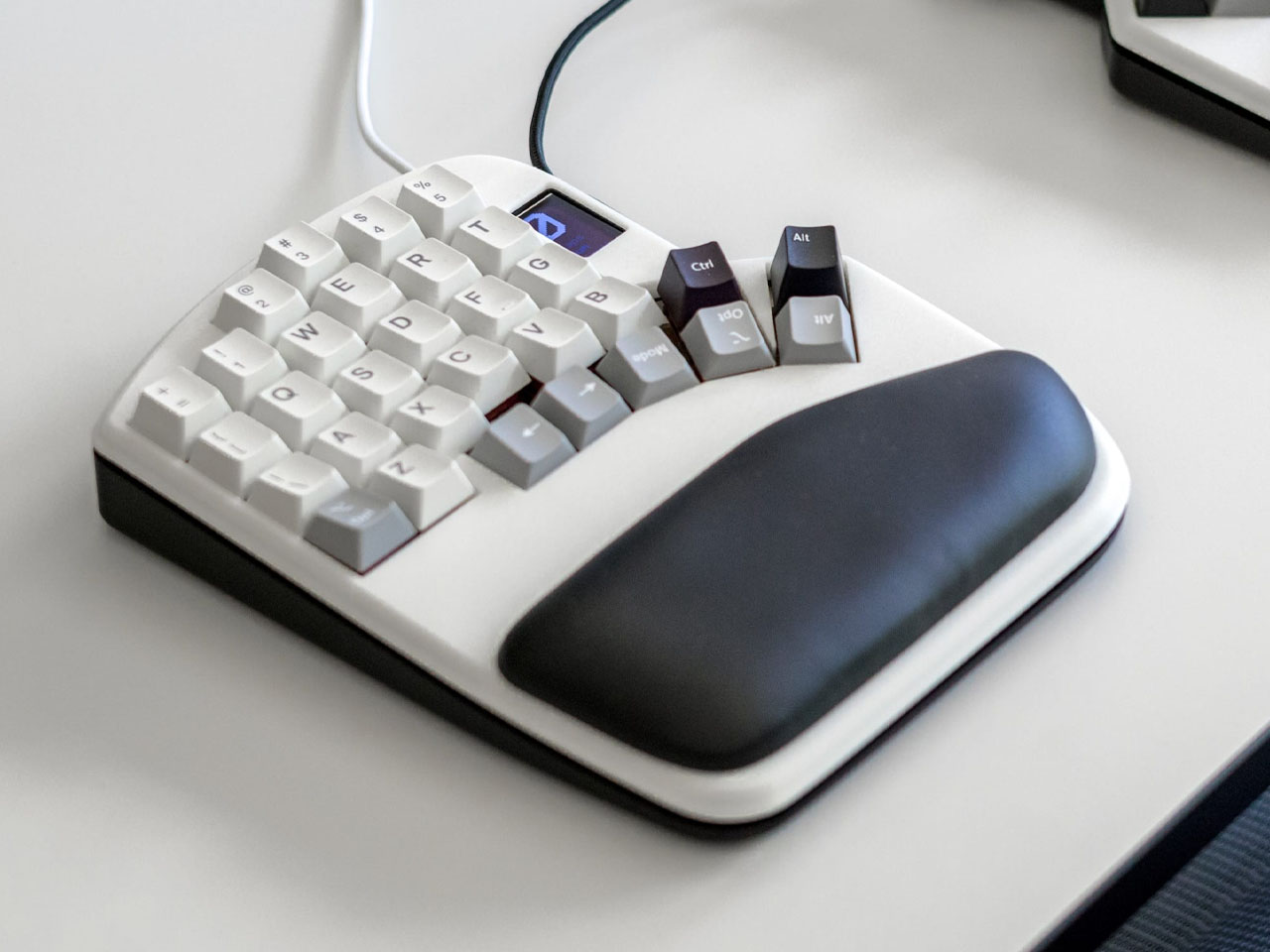
KeyChron brought the world’s first split keyboard that retained the vibe of a regular keyboard to spice up the rather boring accessory, which has seen ergonomic design changes, addition of custom keys, and not much of a design DNA evolution. The idea of a PC split keyboard stems from the notion that it alleviates long-term strain and gives the user more freedom to set up a productive desk layout. The Halycon Elora split keyboard (based on the popular Kria keyboard) has an added row of keys for easier access to numbers and symbols, which all goes well for fast typing. But does this split keyboard take the title for being ergonomically comfortable? Surely not.
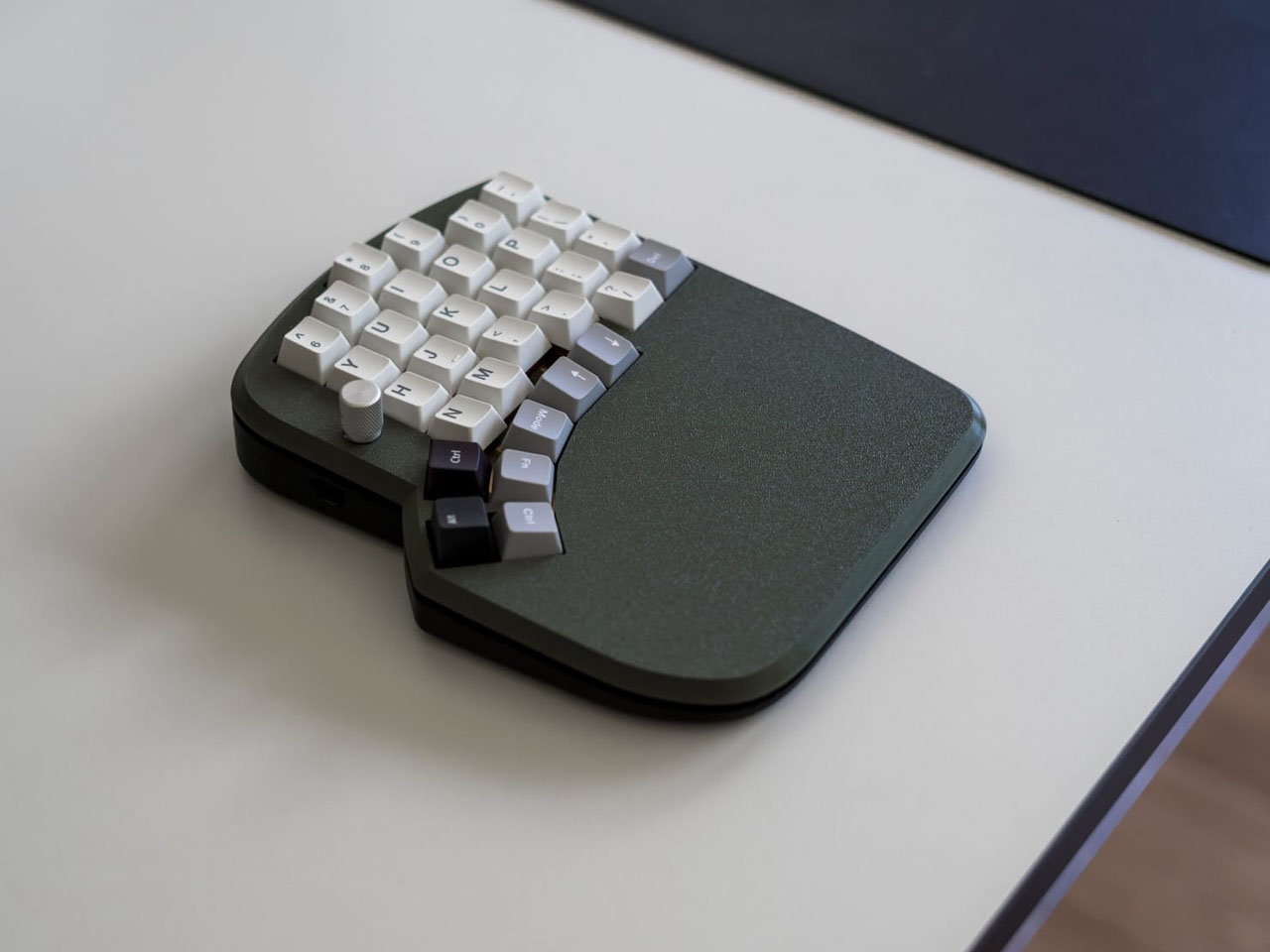
That’s the reason why a DIYer decided to create an open-source 3D printable split mechanical keyboard case for the Halycon Elora. With this tweak, the everyday accessory feels more comfortable to work with, especially for long sessions. To take things a step further, the custom design makes sure you have a case to put the keyboard in, literally fitting like a glove.
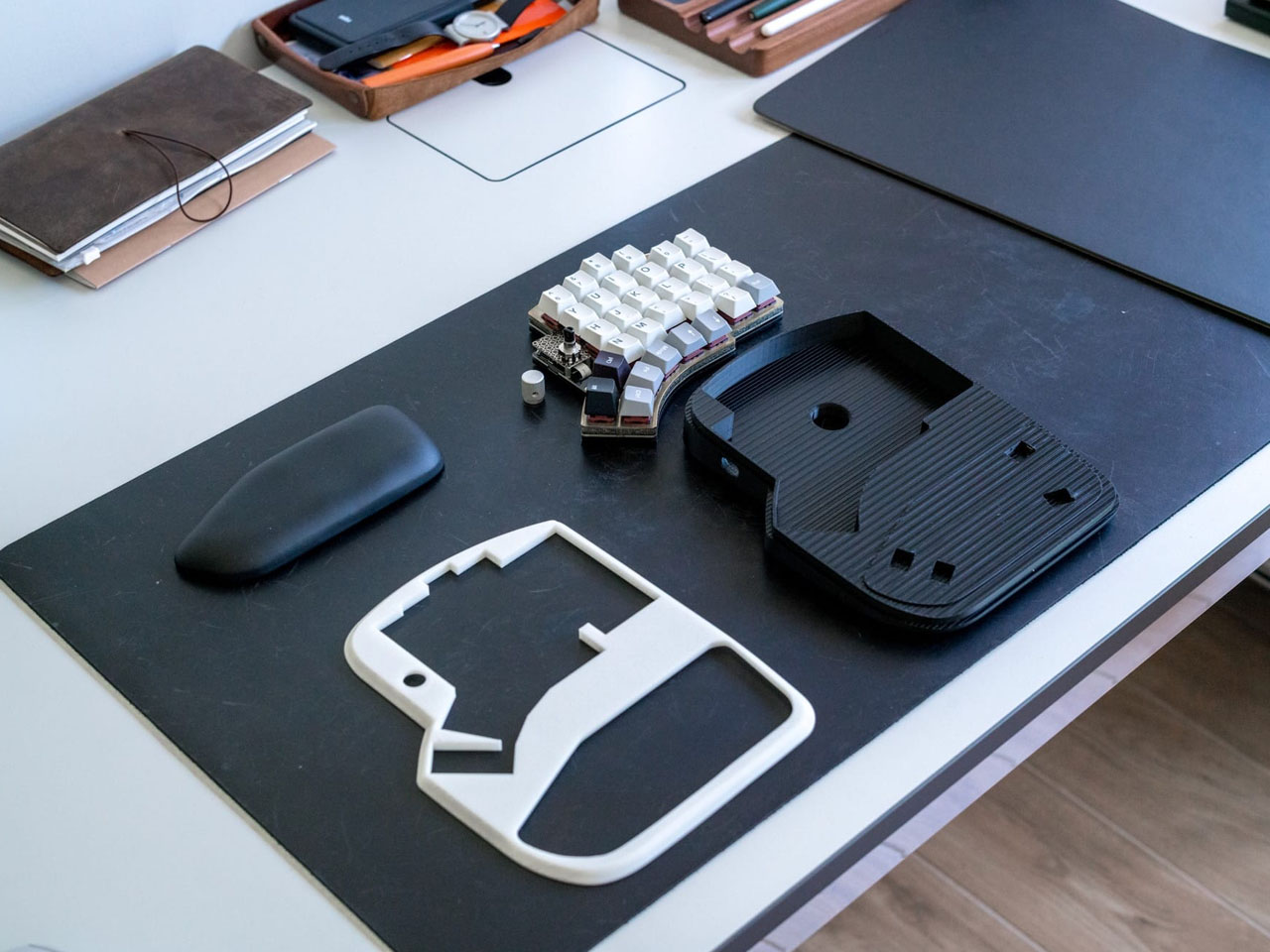
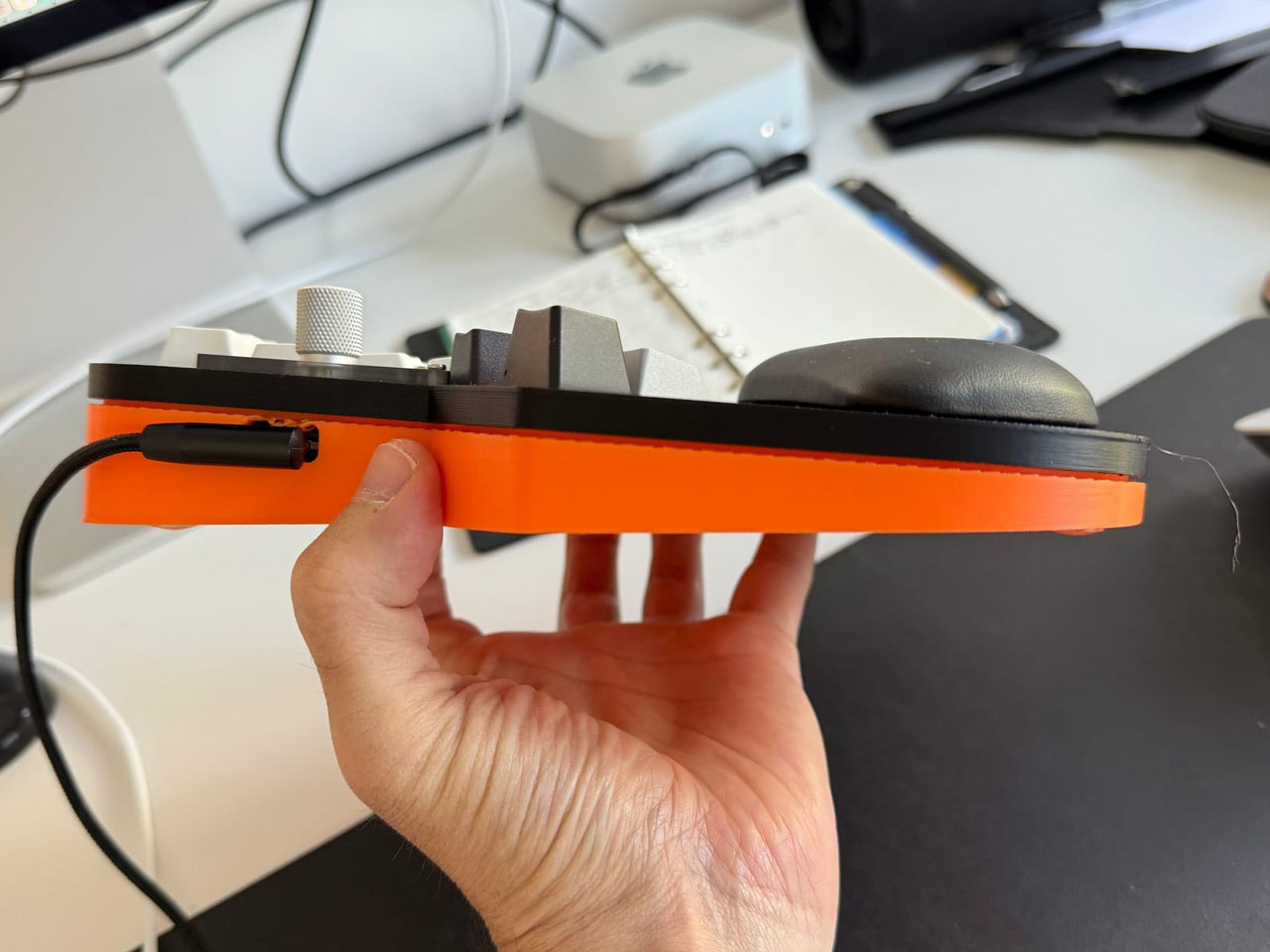
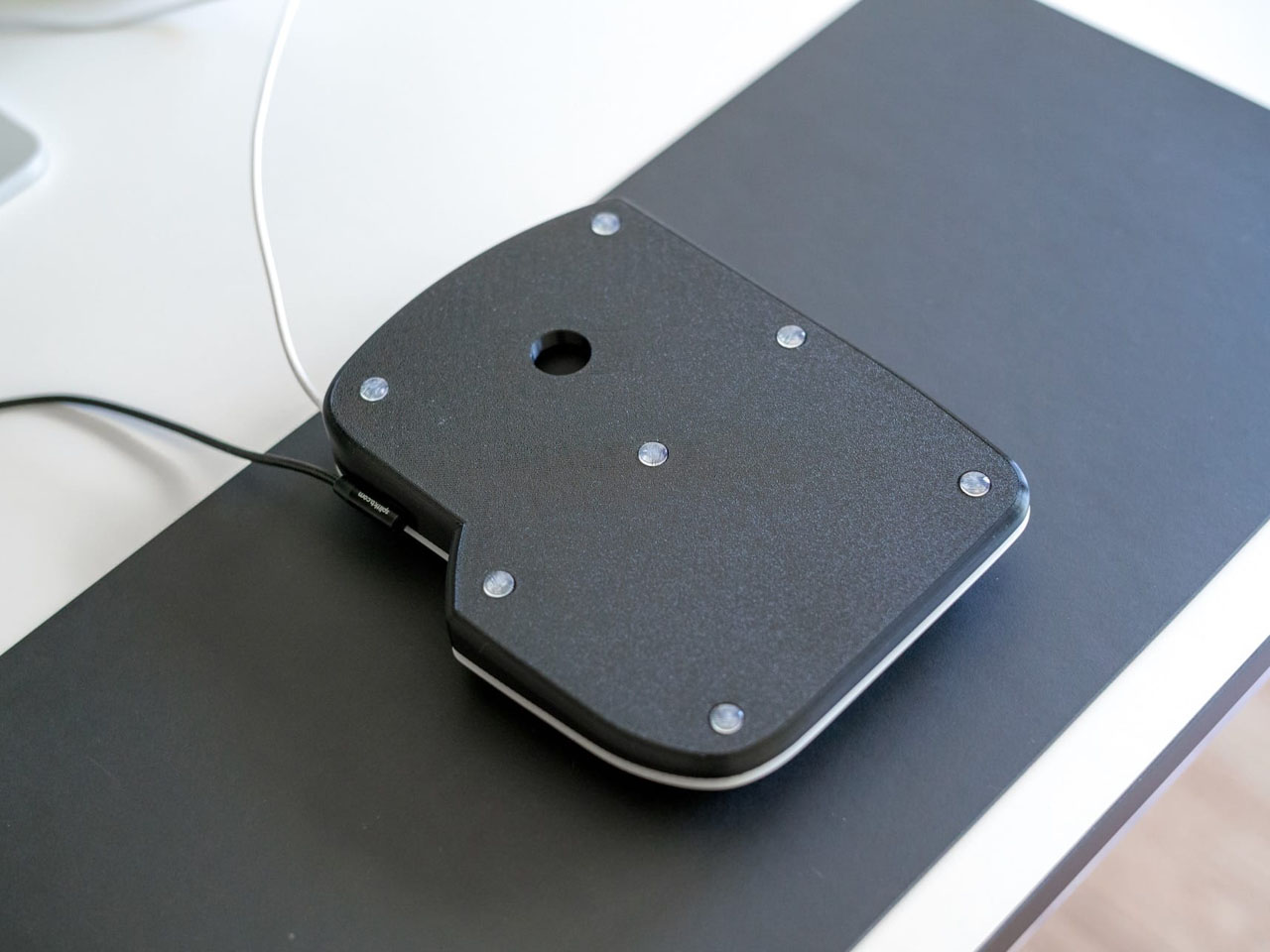
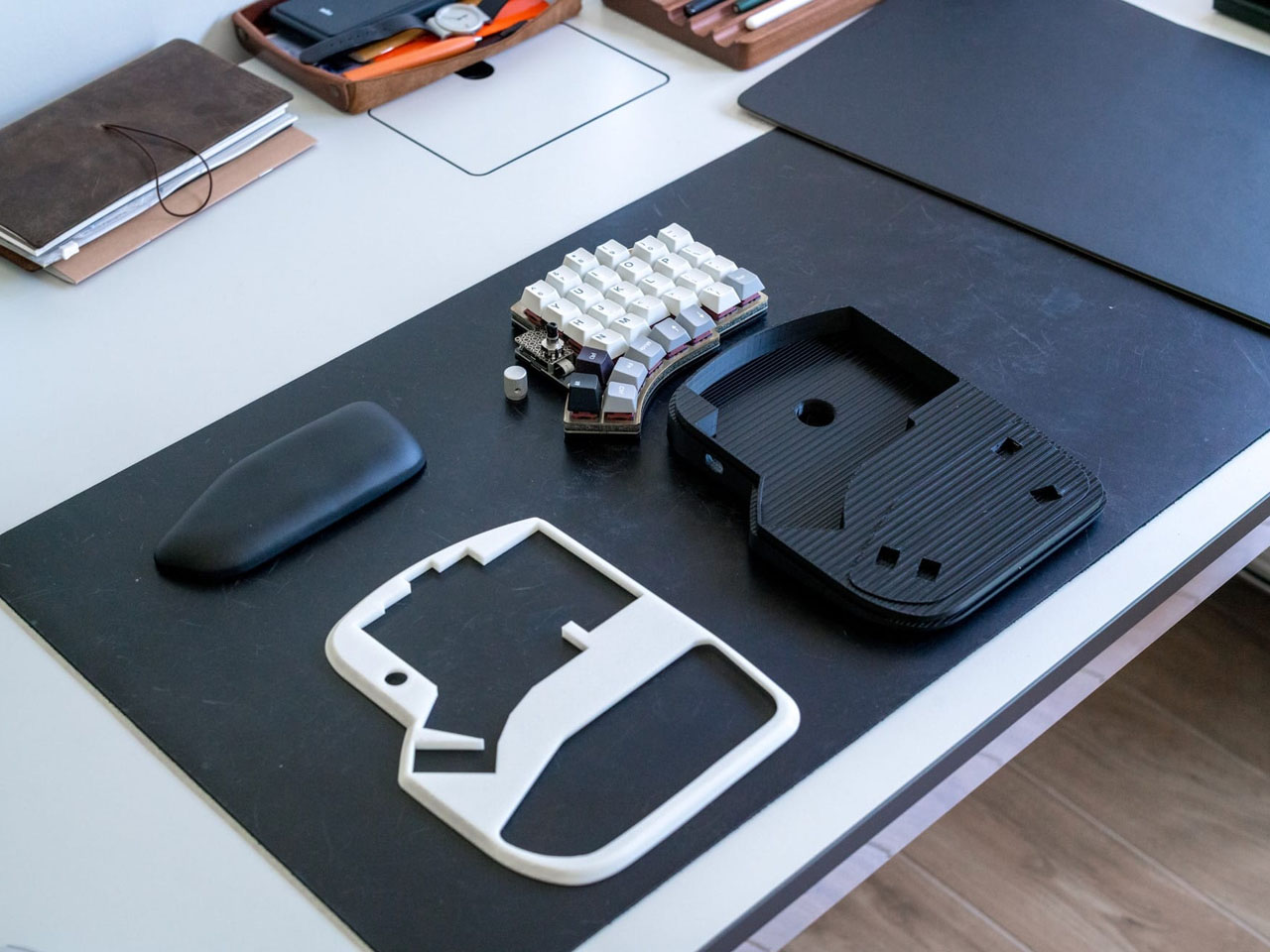
The barebone Elora keyboard does look a bit incomplete and could hamper the look of your desk setup. Nor does it provide any support for your wrist, which prompted Fatih to draw inspiration from the Kinesis Wrist Pads to create the perfect split keyboard case for the accessory. After careful planning, he made a prototype that added a 5-degree tilt to the keyboard for better reach, especially for people with small hands. There are customizable top and bottom plates, integrated magnetic wrist pads, and rubber stops for stability and control.
Depending on the user, the case can be attached with a wrist pad or the faceplates, thanks to the optional support for attaching an encoder, touchpad, or display to the Elora keyboard. The new accessory for the split keyboard comes with dual USB-C ports for the left part, and one for the right. Magnetic holes at the bottom base fit the compatible Kinesis leather wrist pads, and the DIYer also created versions that have magnetically snapping top plates for people who prefer a different typing position. There are holes at just the right place to route the cables, which the eager users will appreciate.
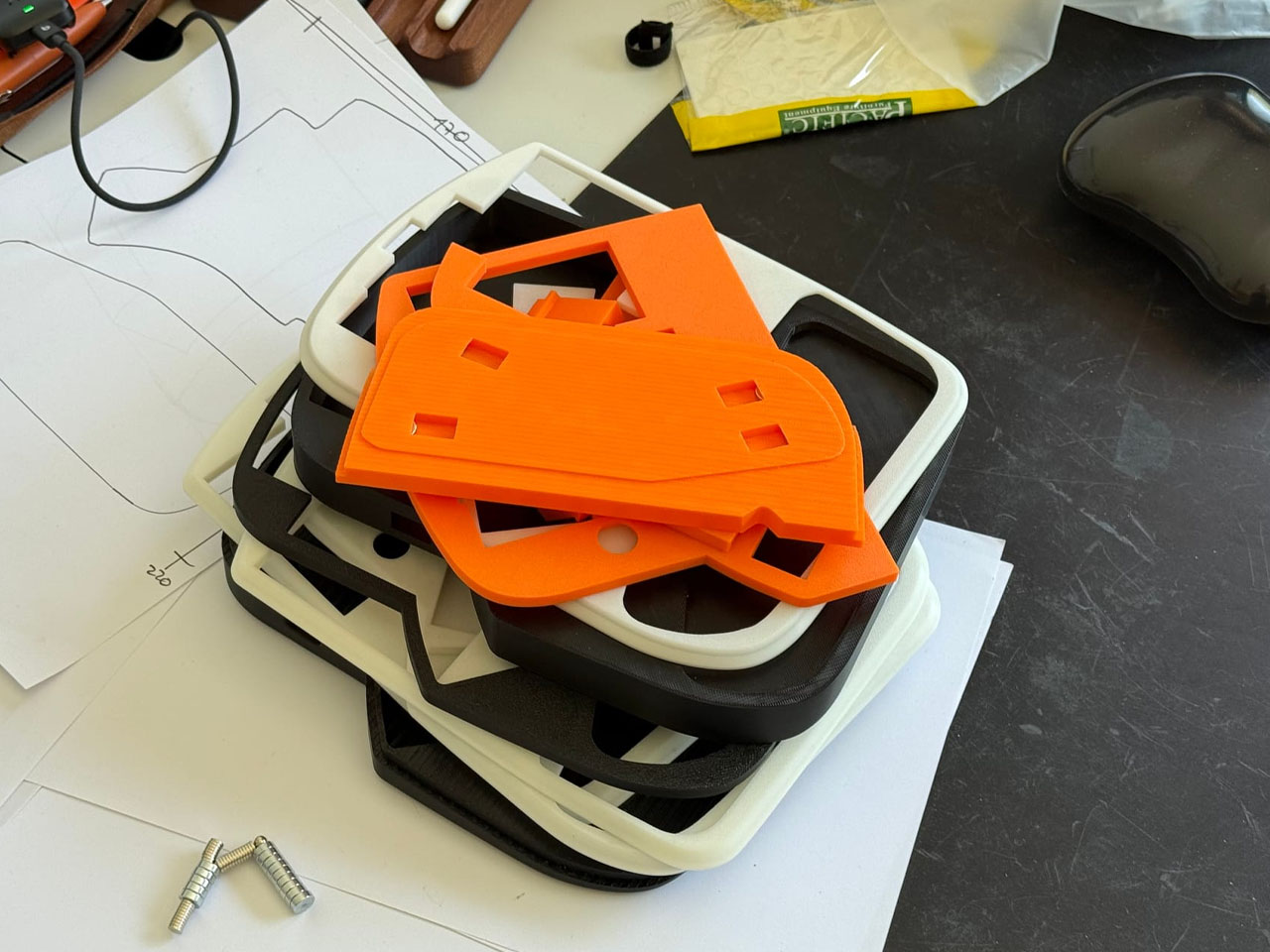
Most of all, the custom-designed case makes the mechanical split keyboard sturdier and gives it a more finished look that it lacked earlier. The accessory comes with 12 top plate designs in total that the maker has put up for download, so that users can 3D print and use right away. Of course, there is the freedom to modify the designs to fit individual needs as well.
“Today we cancel the apocalypse.” With just five words, Idris Elba’s Stacker Pentecost became the rallying cry of a generation – the gruff, determined voice that turned Guillermo del Toro’s Pacific Rim from a spectacular mecha-vs-kaiju brawl into something more: a tribute to human resilience, teamwork, and the unyielding belief that we’re stronger together. His speech before the final assault on the Breach remains one of the most quoted moments in modern sci-fi cinema, right up there with the Jaegers themselves – those towering mechanical defenders that became instant icons the moment they lit up the screen in 2013.
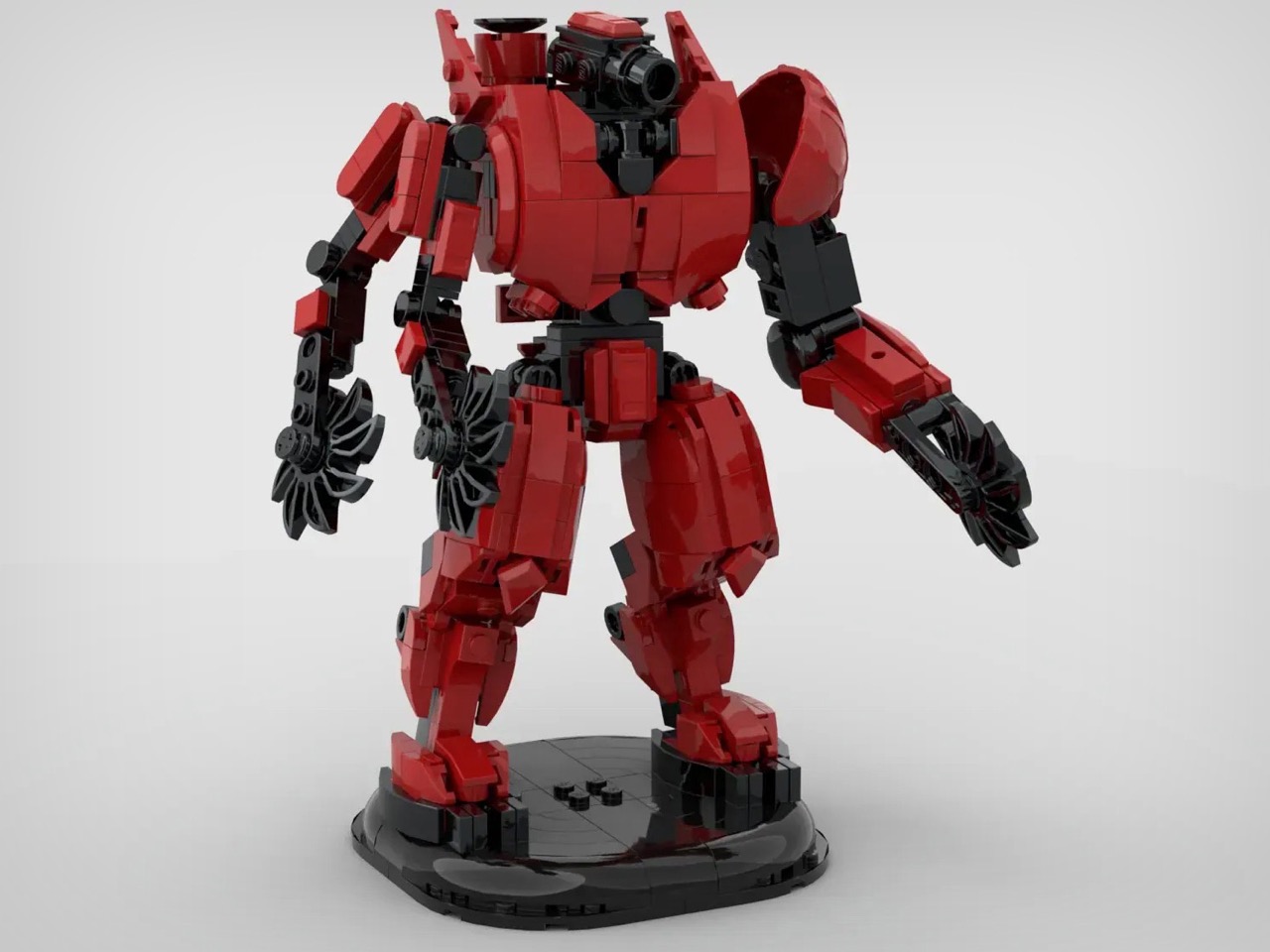
Now, nearly a decade later, one passionate LEGO builder is bringing the Jaeger program home. Din0Bricks’ stunning fan-made tribute to the film’s most iconic mechs – Gipsy Danger, Crimson Typhoon, and Cherno Alpha – has earned a coveted Staff Pick on LEGO Ideas, and with 661 supporters already rallied to the cause, these titans of engineering might just march onto store shelves. Featuring 2,218 pieces of screen-accurate detail, from retractable swords to rotating saw blades and support helicopters, this isn’t just a fan project – it’s a love letter to del Toro’s iconic film as well as the power of LEGO creativity. The question is: are you ready to suit up (or brick up) and help make it a reality?
Designer: Din0bricks
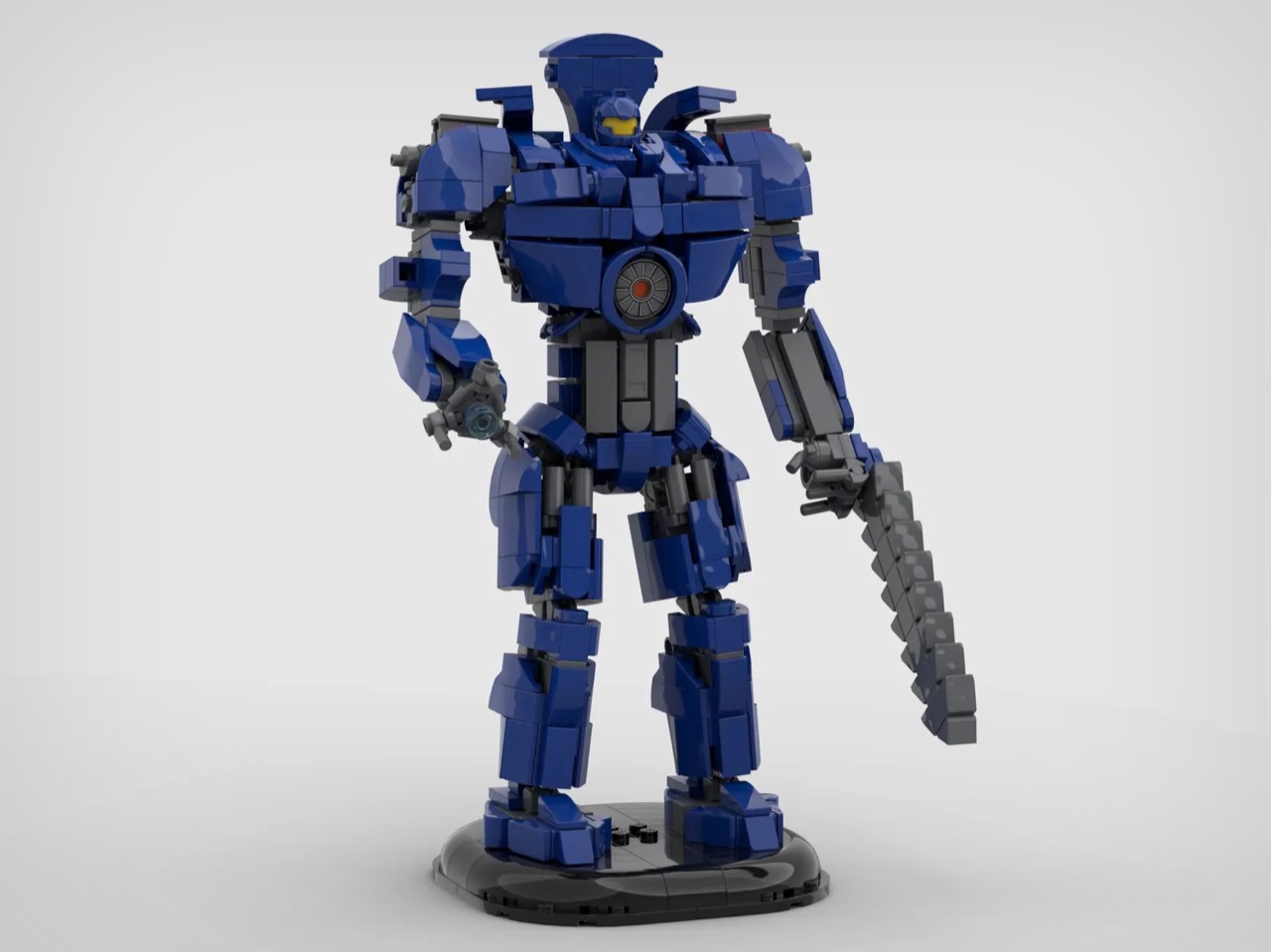
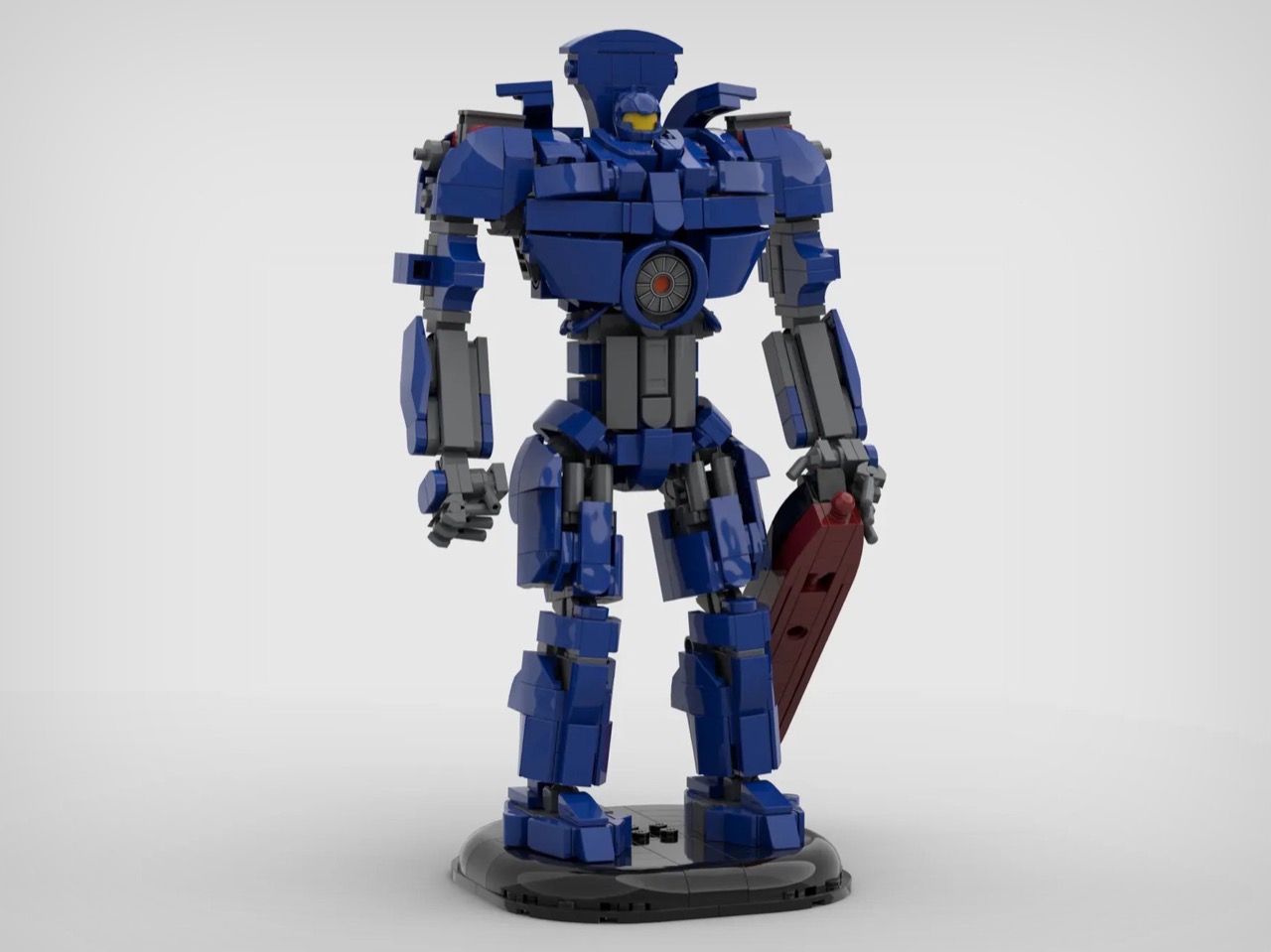
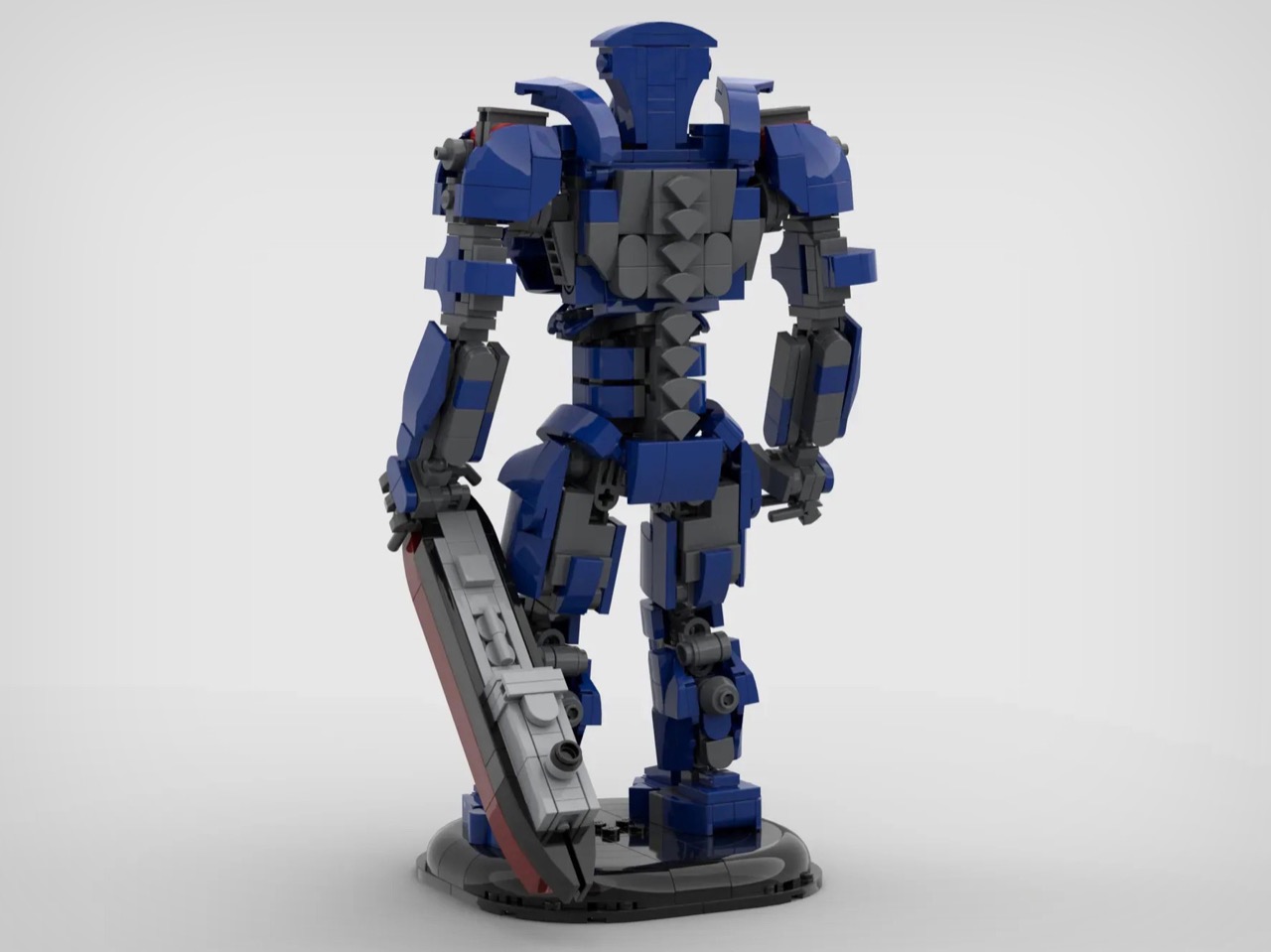
At first we’ve got Gipsy Danger, a personal favorite because honestly, if you’re going to lead with anything, it’s the Mark-3 American Jaeger that punched a Category 4 kaiju with a cargo ship. At 807 pieces and standing 8.8 inches tall, this blue beast captures everything that made the hero mech memorable. The broad shoulders, that distinctive head design with the yellow visor, the nuclear reactor core prominently displayed on the chest – Din0Bricks nailed the proportions.
It comes with its iconic retractable sword (which becomes a chain whip of sorts when expanded), but you could ditch the sword for the aforementioned cargo ship, which does come included in this MOC (My Own Creation!). The articulation appears robust too, with visible ball joints at the shoulders, elbows, hips, and knees. This thing can actually pose, which matters more than most people realize when you’re displaying an 800-piece mecha on your shelf.
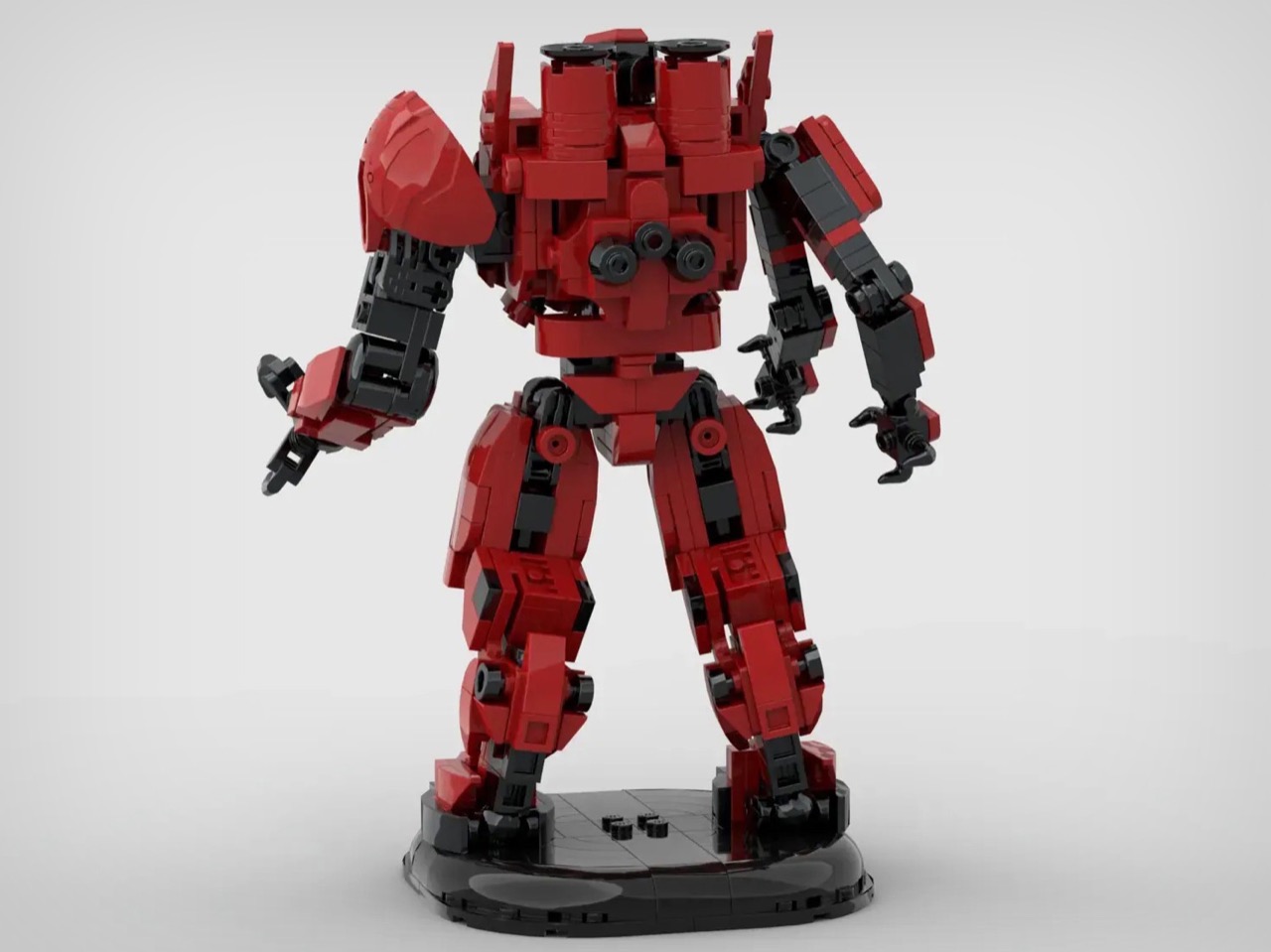
Next meet the Crimson Typhoon. The Chinese Jaeger’s triple-arm configuration was always going to be the toughest to pull off in LEGO form, and at 630 pieces, this is actually the smallest of the three builds. That makes sense when you consider the original design philosophy: Crimson was built for speed and agility, not brute force. The red and black color blocking works beautifully here, and those rotating saw blade hands are exactly the kind of detail that separates a good fan build from something worth producing. The regular pincer hands are included too, and you can merely swap out weapons, which I personally love.
What impresses me most is how Din0Bricks managed to engineer three functional arms while maintaining structural integrity. Anyone who’s built complex LEGO mechanics knows that adding a third articulated limb to a bipedal figure is asking for stability problems. The fact that this thing can stand at 7.6 inches tall without looking like it’s about to collapse tells me the internal skeleton is solid.
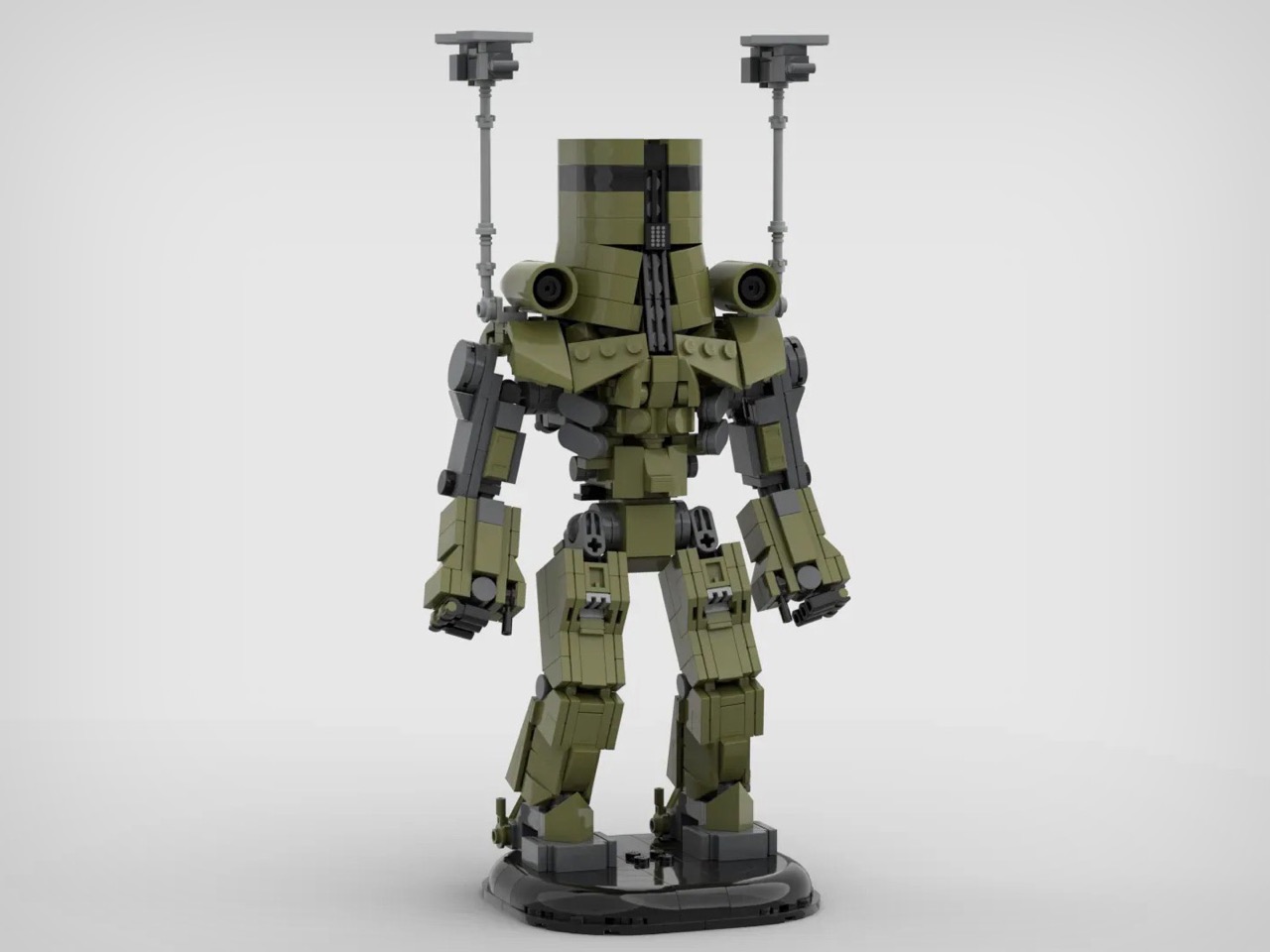
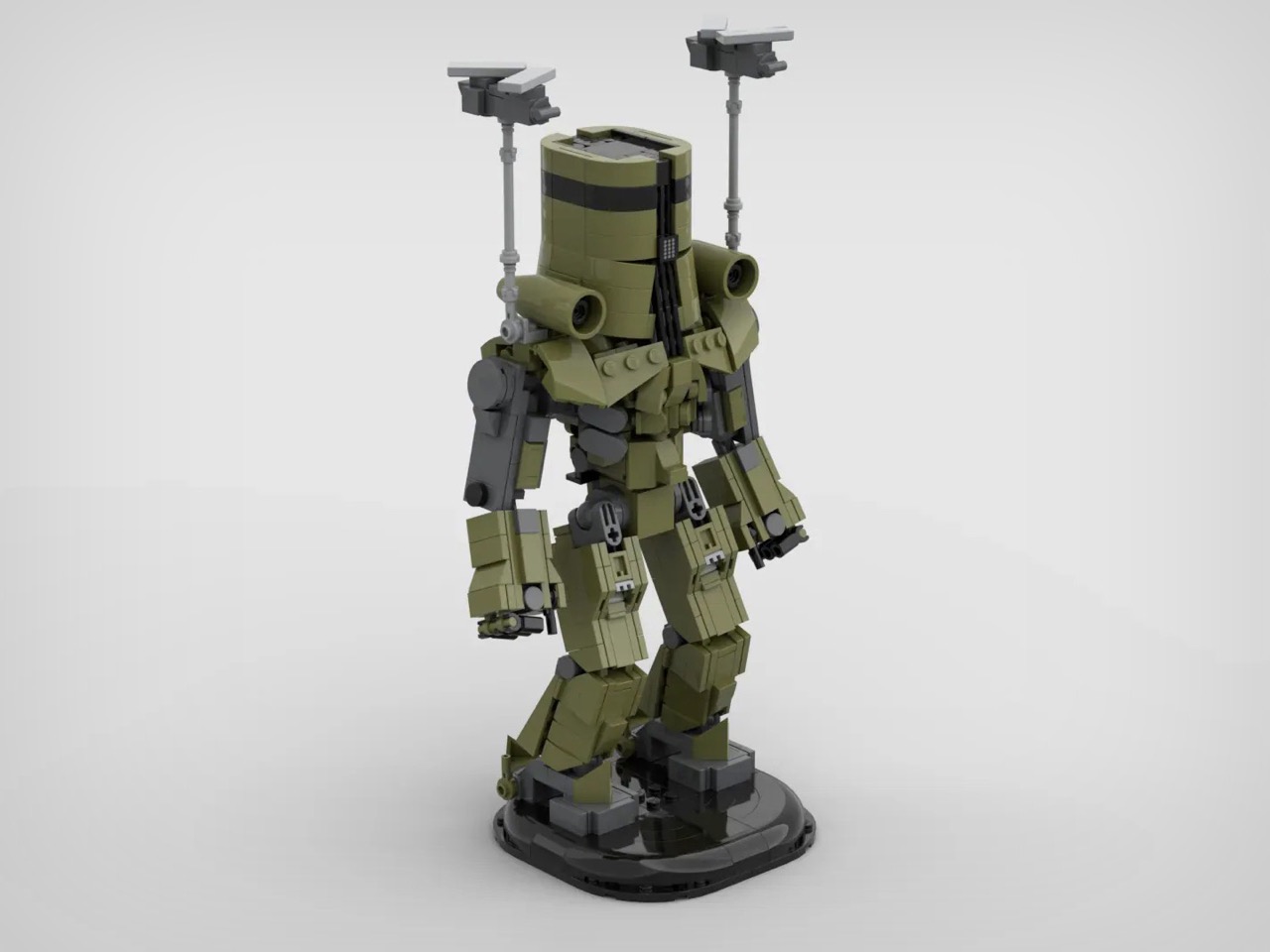
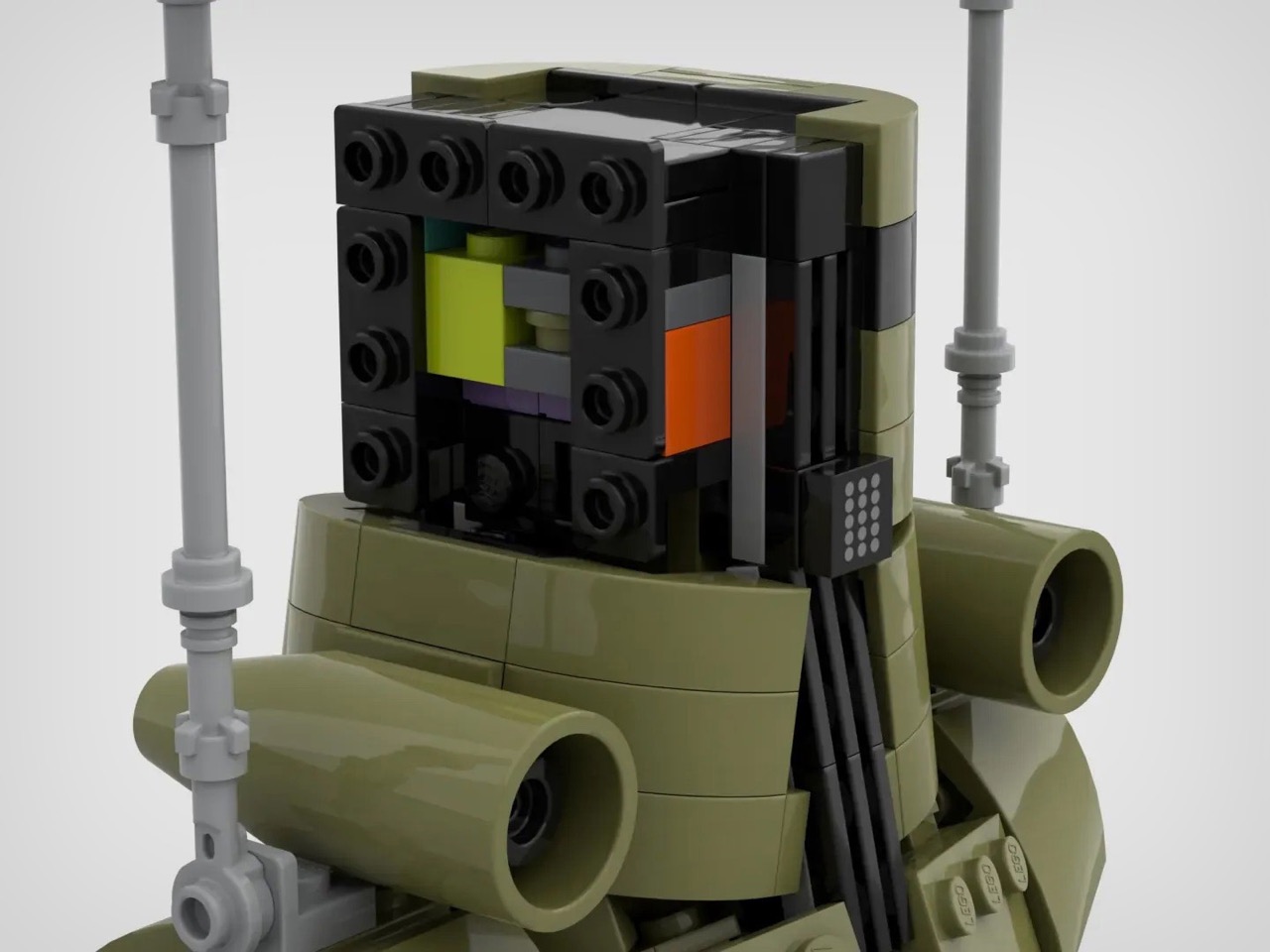
Then there’s Cherno Alpha, the true underdog in the series. The Russian Jaeger always had that brutalist, Cold War aesthetic that screamed “Soviet engineering will outlast your fancy technology,” and this 781-piece build captures that perfectly. Standing 10.5 inches tall, it’s the biggest of the three, which tracks given Cherno’s status as the oldest and most heavily armored Mark-1 still in active service. The olive green and grey color palette gives it that military hardware vibe, and the boxy, industrial frame looks like something that was built to take a beating and keep swinging.
While the Cherno Alpha doesn’t come with external weapons (this thing was a spring-loaded punching machine), it does have optional helicopters that attach to its shoulders, as a call-back to how these jaegers were deployed on the battlefield. Sure, a jaeger could merely walk to the scene of the crime, but it’s faster (and honestly safer for the city) to have these massive bots deployed via air. Each jaeger would be carried by at least two copters, and unleashed into the waters (or on land) to exact revenge on the kaijus.
The beauty of this project existing on LEGO Ideas is that it actually has a shot at becoming real. For those unfamiliar with the platform, LEGO Ideas is basically crowdfunding meets product development. Fans submit their original designs, other fans vote by supporting the project, and if a submission hits 10,000 supporters, LEGO’s review board considers it for official production. Din0Bricks currently sits at 661 supporters with 405 days remaining to hit that 10K threshold. Given that the film’s been criminally underserved in the collectibles market compared to other genre properties, this feels like the moment to actually make something happen. If you’ve ever wanted to own a piece of the Jaeger program, head over to the LEGO Ideas website and throw your support behind this thing. Sometimes the apocalypse doesn’t cancel itself; sometimes you need 10,000 people and a lot of Danish plastic to get the job done.
The AirPods Max dropped in 2020, that’s 5 years ago, making it one of the oldest products to not see a single design iteration in a significant time. Yes, sure, Apple upgraded its Lightning-powered models to USB-C recently, and gave the AirPods Max some fresh new colors, but other than that, there’s been absolutely no change to the product in half a decade. It’s time we saw a few upgrades.
Not that there’s anything broken with the AirPods Max, but it could use a few key upgrades. Users complain often that it’s heavy, can often get uncomfortable, and early adopters noticed some weird condensate on the inside after sustained listening. While Apple hasn’t officially fixed any of these problems, Parker Ortolani decided to give the AirPods Max a refresh – with a few key visual changes that all lead to a better product (except for one detail which I personally dislike).
Designer: Parker Ortolani
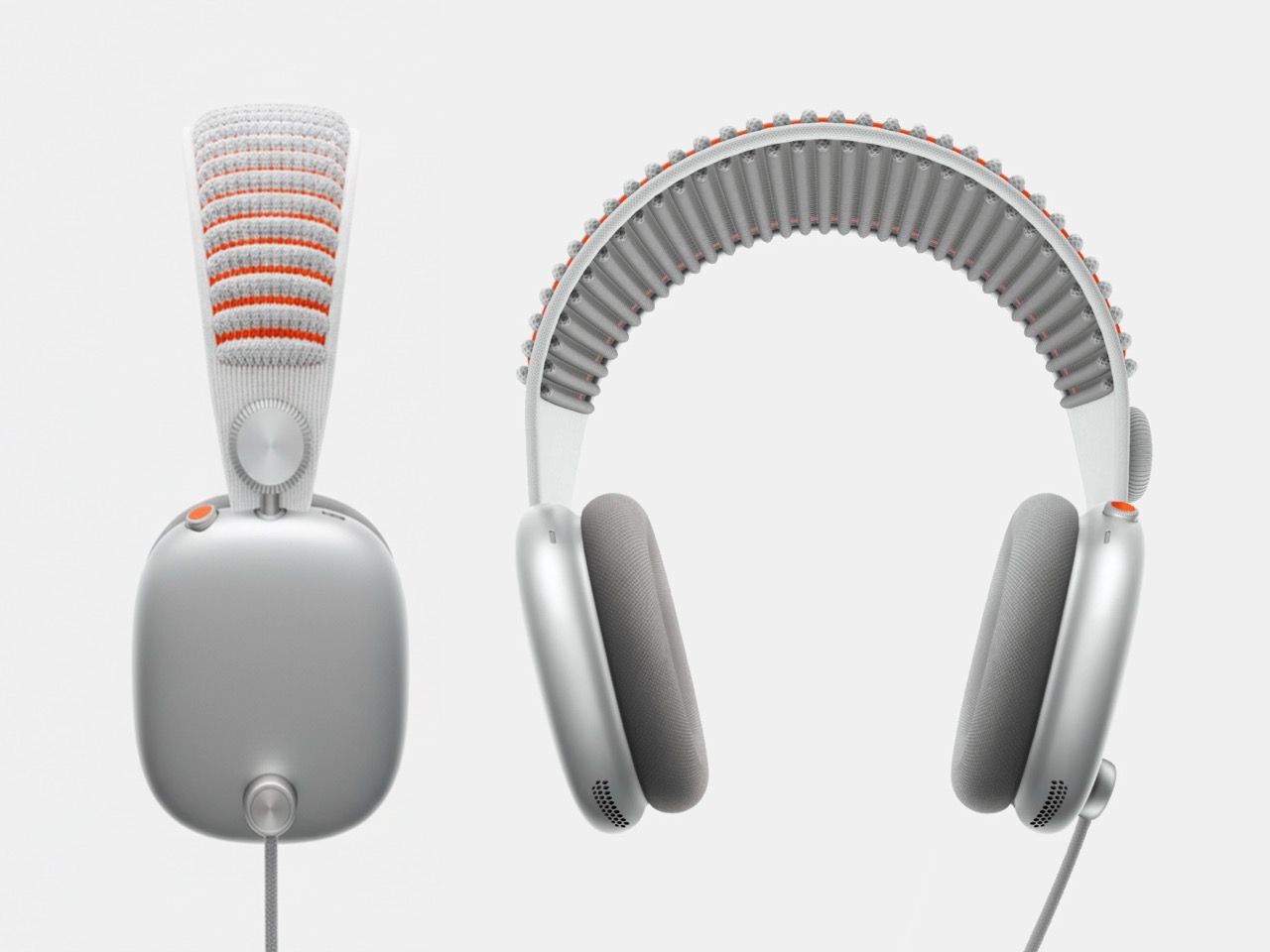
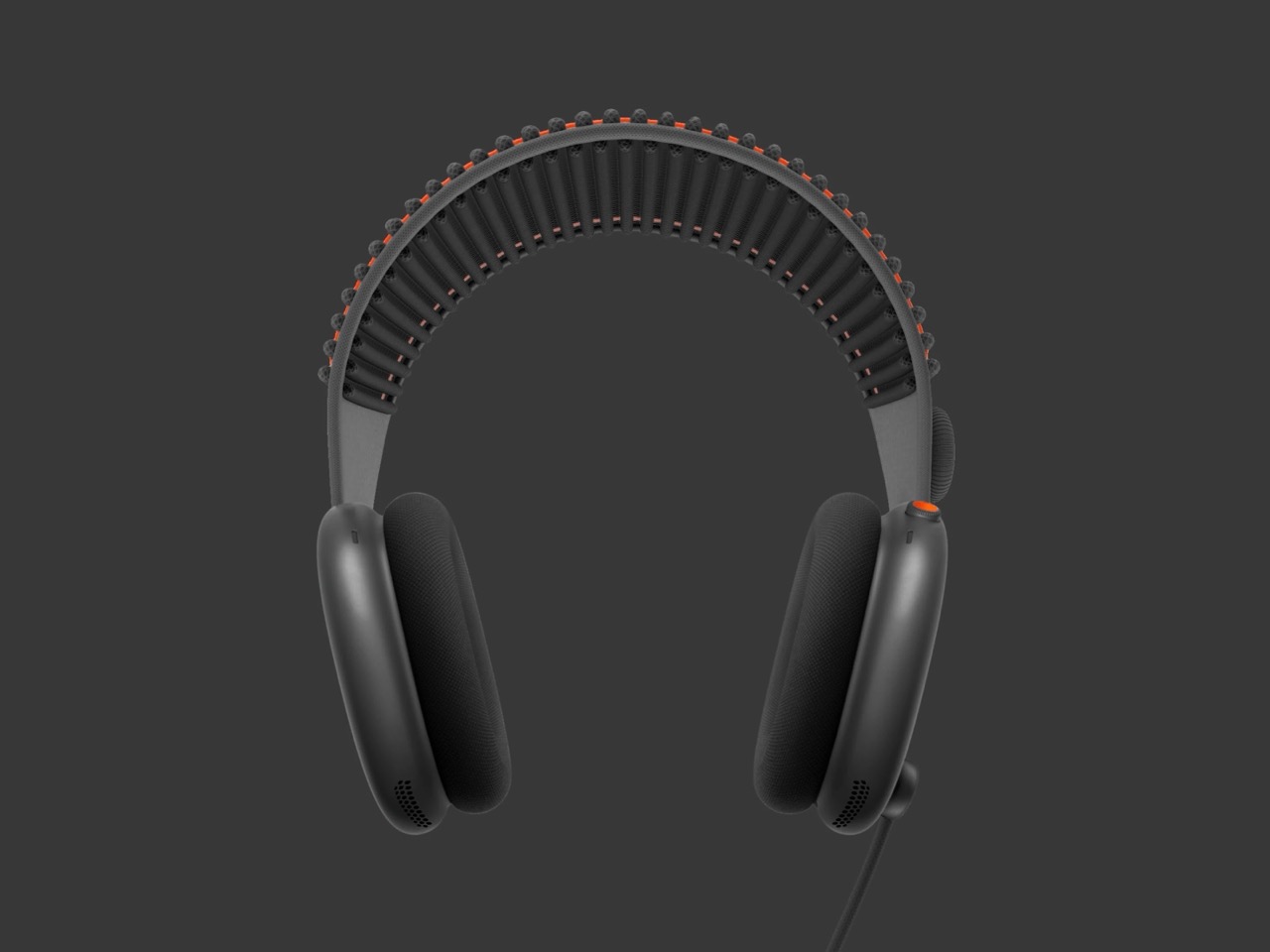
Ortolani’s design retains the iconic shape of the AirPods Max earcups, but transforms a major part of its otherwise memorable silhouette. Most importantly, the band on top gets a revision, ditching the metal and tensile fabric for something more familiar. The new band gets made from the same material used on the Vision Pro, giving it flexibility within a much more lightweight and comfortable design. Sure, there has to be something inside providing structure, but the chances of it being stainless steel is low. That instantly cuts the AirPods Max 2’s headband weight while providing a wider surface for it to rest on the cranium, so you can wear the cups for longer without that strain.
A knob on the side lets you easily adjust the band’s design, lowering or raising the earcups so that they sit higher or lower (depending on how big your head is). The crown stays exactly where it is, but Ortolani adds buttons to the mix too, just to make intuitive control easier. The padded cups get upgraded to a cushion-like material, and for that weird condensation issue, vents at the bottom promote breathability, so you can worry about sweat accumulating inside the cups from listening for too long.
My only significant gripe is that Ortolani ditched the Lightning/USB-C port for a proprietary snap-on connector like the one found on the Vision Pro. To be fair, Ortolani did design this concept before the USB-C AirPods Max dropped, so it’s certainly an upgrade over the lightning port, but otherwise seems like bit of a drag. I’d personally change that, but barring this tiny little oversight, the AirPods Max 2 concept truly feels like an iterative improvement on its predecessor. The plastic bands flex so you can actually curl the headphones for easy carrying (and no more using that weird handbag).
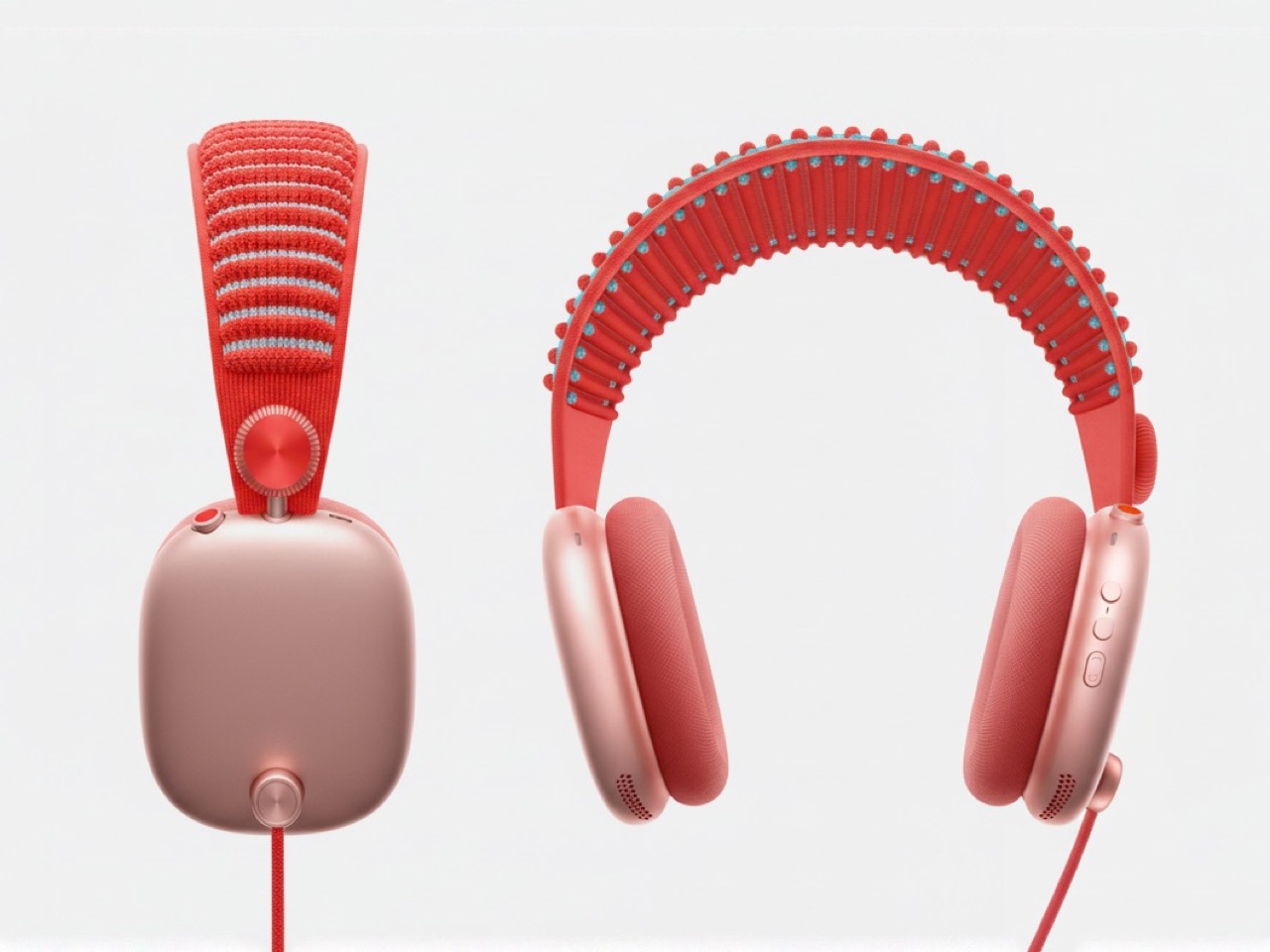
Ortolani debuted his concept in a variety of subtle colors (barring that electric Project RED version), but I wouldn’t mind seeing a few vibrant options too. Hopefully Apple has plans to upgrade its flagship audio wearable next year, along with the AirTag, which has remained entirely unchanged in 4 full years!
Modern camping gear has evolved beyond basic survival tools into sophisticated equipment that enhances outdoor experiences without compromising authenticity. Today’s innovative designs merge cutting-edge technology with thoughtful functionality, creating products that solve real problems while maintaining the spirit of adventure. These breakthrough designs represent a new era where comfort, sustainability, and wilderness exploration coexist harmoniously.
The latest camping innovations prove that smart engineering can transform ordinary outdoor challenges into opportunities for enhanced adventure. From solar-powered climate control to multi-functional survival tools, these designs address genuine needs while respecting the natural environment. Each product demonstrates how thoughtful design philosophy can elevate camping gear from mere equipment to essential companions for memorable wilderness experiences.
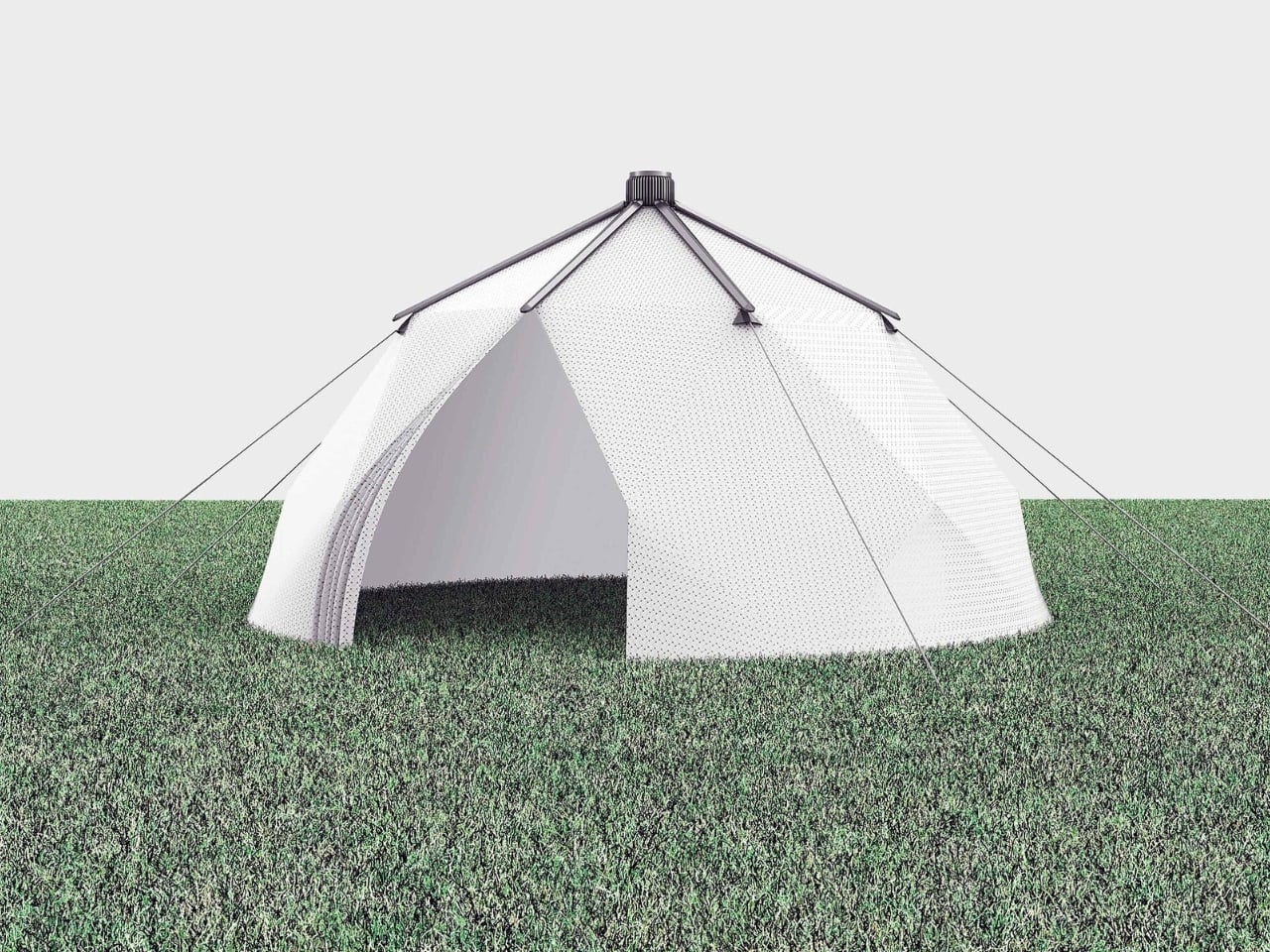
1. Solar-Powered Tent with Integrated Cooling System
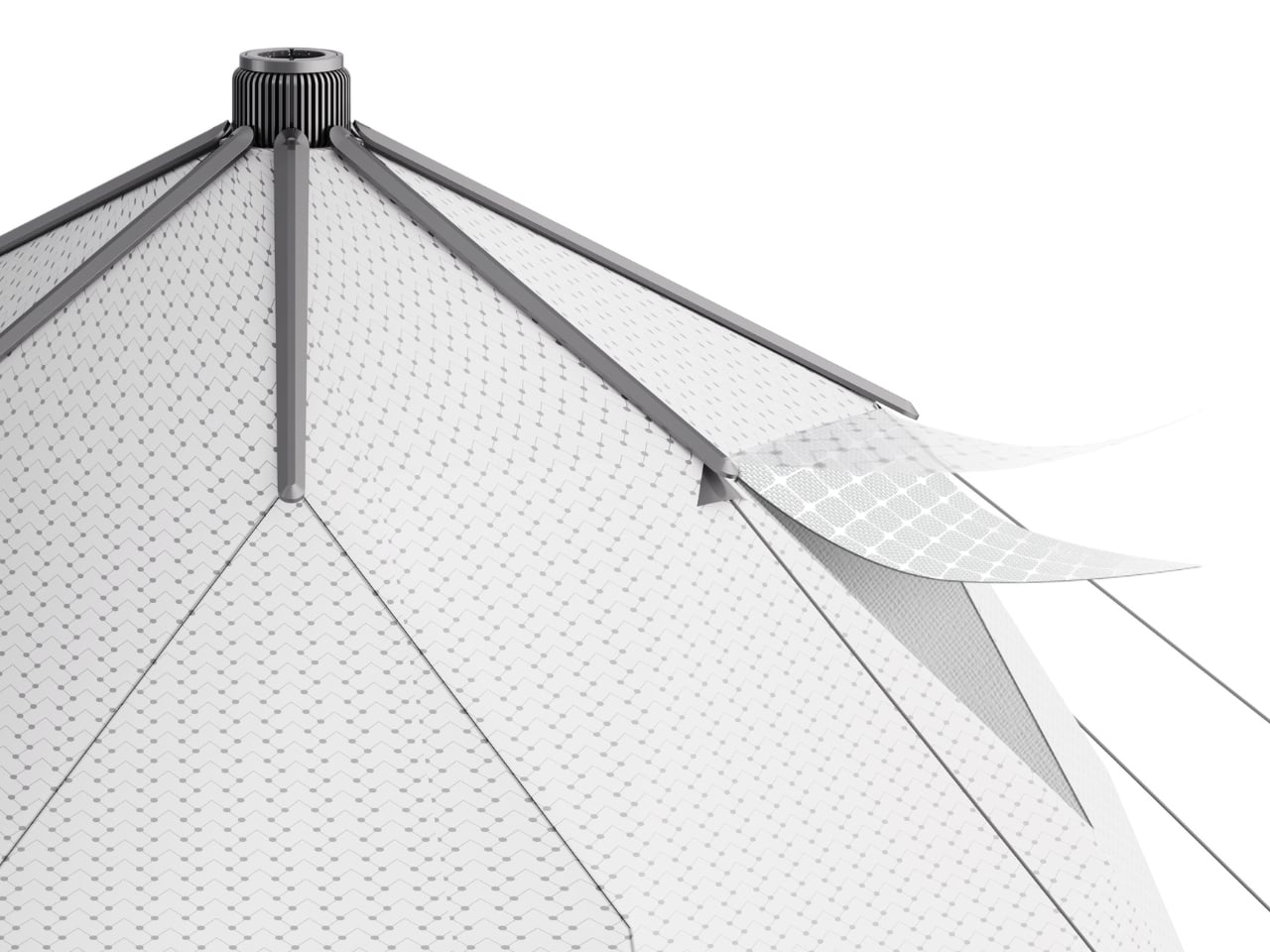
This revolutionary tent design transforms camping comfort through an ingenious integration of shelter and power generation. The composite tarpaulin fabric serves dual purposes, providing weather protection while simultaneously harvesting solar energy to power an integrated cooling system. This isn’t simply a tent with an attached air conditioner; it’s a completely reimagined shelter where every material component contributes to both protection and comfort.
The design eliminates traditional cooling limitations that require bulky batteries, noisy generators, or electrical hookups that compromise the wilderness experience. Heat-sensitive campers, families with children, and adventurers seeking extended summer camping seasons finally have a solution that maintains off-grid authenticity while providing essential climate control. This innovation extends camping possibilities into previously uncomfortable weather conditions without sacrificing the peaceful, disconnected atmosphere that defines authentic outdoor adventures.
What we like
Complete off-grid cooling system maintains an authentic wilderness experience while providing essential comfort.
Dual-function fabric maximizes efficiency by combining shelter protection with solar energy harvesting capabilities.
What we dislike
Performance is heavily dependent on consistent sunlight availability, which may limit effectiveness during cloudy conditions.
Integration of technology into fabric raises potential durability concerns during harsh weather exposure.
2. RetroWave 7-in-1 Emergency Radio
The RetroWave Radio masterfully blends nostalgic Japanese design aesthetics with comprehensive emergency preparedness functionality. This single device consolidates seven essential functions: AM/FM/shortwave radio, Bluetooth speaker, MP3 player, flashlight, power bank, SOS alarm, and hand-crank charging capability. The retro styling doesn’t compromise modern connectivity, offering both traditional analog broadcasting and contemporary wireless streaming options for versatile entertainment and communication needs.
Beyond entertainment value, this radio addresses critical safety requirements during emergencies while serving everyday recreational purposes. Multiple charging methods, including solar panel, hand-crank, and traditional power, ensure reliable operation regardless of circumstances. The built-in flashlight and SOS alarm provide essential safety features, while the tactile tuning dial maintains the authentic analog radio experience that many outdoor enthusiasts appreciate for its simplicity and reliability.
Seven essential functions consolidated into one portable device eliminate the need for multiple separate pieces of equipment.
Multiple power sources, including solar and hand-crank, ensure reliable operation during any emergency or off-grid situation.
What we dislike
Complex multi-functionality may create more potential mechanical failure points compared to simpler single-purpose devices.
Retro design aesthetic might not appeal to users prioritizing purely functional appearance over nostalgic styling elements.
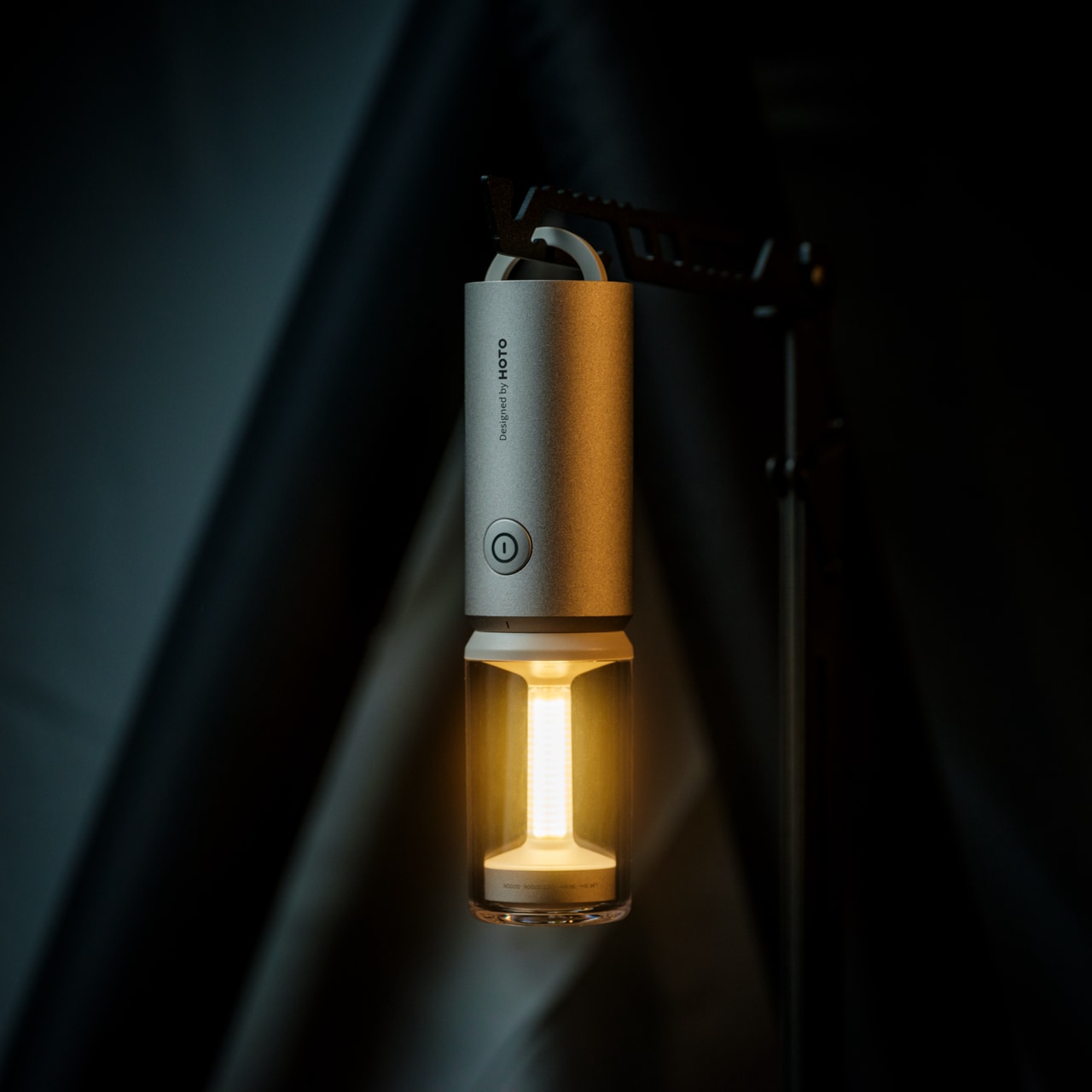
3. TriBeam 3-in-1 Camplight
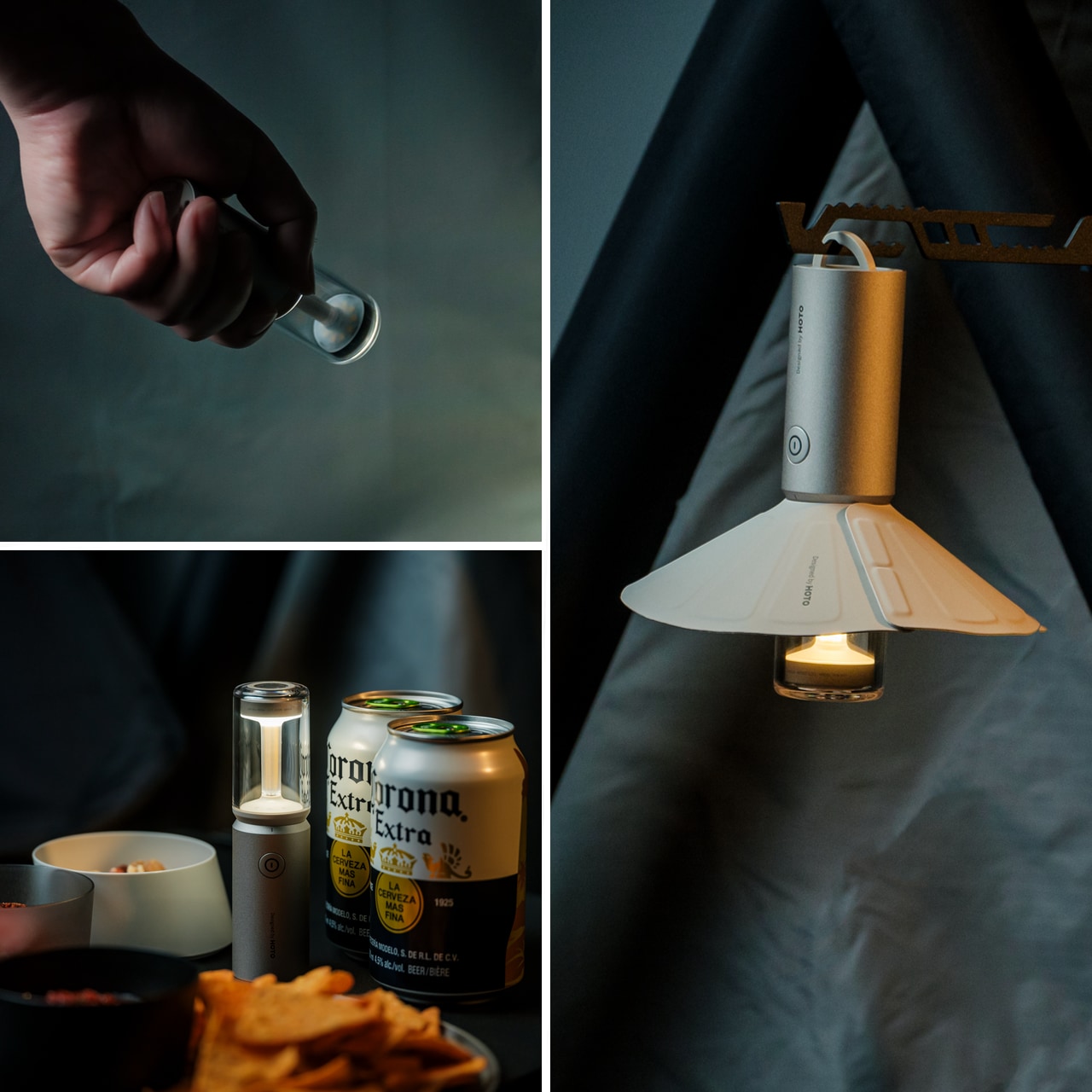
The TriBeam Camplight revolutionizes portable lighting through intelligent design that adapts seamlessly to diverse outdoor scenarios and activities. Three distinct lighting modes provide solutions ranging from intimate 5-lumen ambient mood lighting to powerful 180-lumen focused flashlight beams for trail navigation. The single-button interface eliminates operational complexity, while the compact 12.8cm frame weighing only 135g ensures effortless portability without compromising performance or functionality.
This award-winning design prioritizes versatility without sacrificing specialized performance, allowing users to optimize lighting for specific activities and environmental conditions. The impressive 50-hour battery life eliminates frequent recharging concerns during extended wilderness adventures. Whether setting romantic dinner ambiance, navigating challenging trails, or providing general campsite illumination, this thoughtful engineering transforms a simple camping light into an adaptable companion that enhances every outdoor experience.
Three specialized lighting modes address diverse camping scenarios from intimate ambiance to powerful trail navigation.
Exceptional 50-hour battery life significantly reduces charging frequency requirements during extended wilderness adventures.
What we dislike
Single-button operation interface may complicate quick mode switching during urgent or emergency.
Compact size constraints potentially limit maximum light output compared to larger specialized lighting alternatives.
4. Damascus Sandalwood Split-Handle Pocket Knife
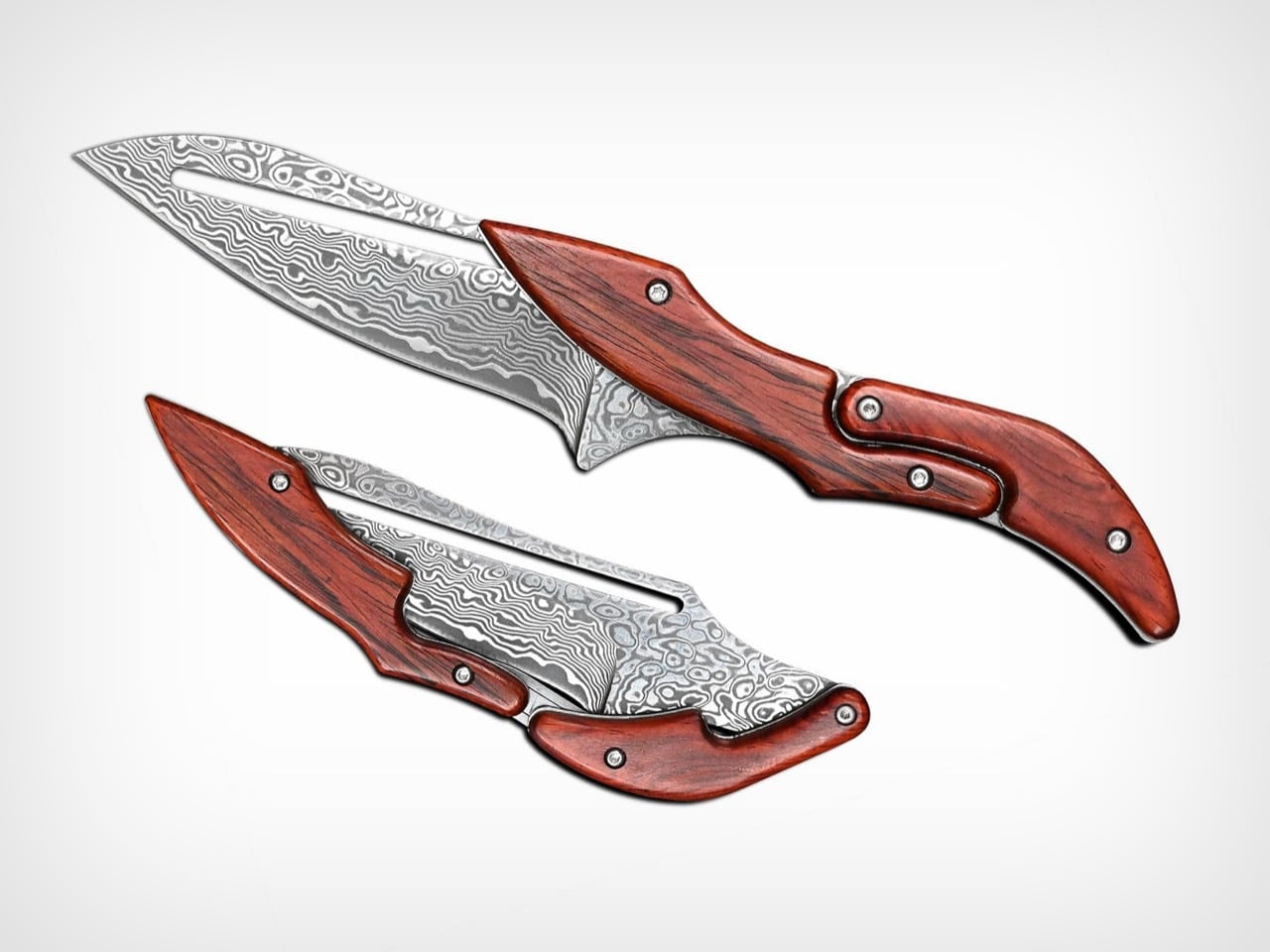
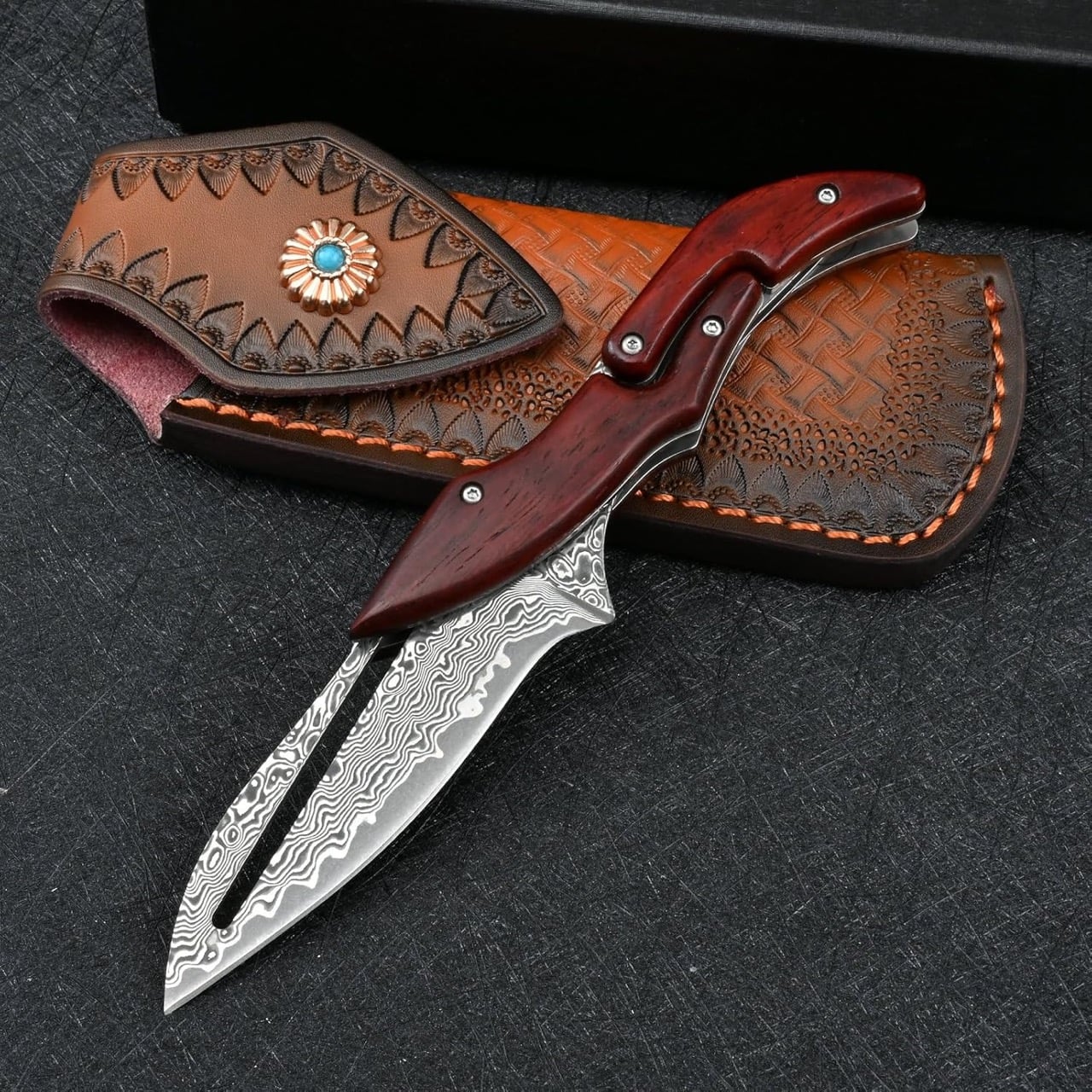
This exquisite pocket knife transcends traditional utility tools through its mesmerizing split-handle opening mechanism and premium material selection. The VG10 Damascus steel blade showcases ancient metalworking artistry, featuring distinctive marbled patterns created through folding different steel types together and acid-etching techniques. The Yellow Sandalwood handle incorporates an innovative linkage system that transforms from an ergonomic grip when opened to a protective sheath when closed, creating a captivating mechanical transformation.
This knife represents a philosophical approach to everyday carry gear, elevating functional tools to jewelry-like status through exceptional craftsmanship and artistic design. The split-handle mechanism creates a unique opening experience that disassembles before reassembling into operational form, providing almost ritualistic engagement. Rather than tactical survival equipment, this celebrates traditional metalworking heritage combined with contemporary engineering innovation, appealing specifically to collectors and design enthusiasts who appreciate artisanal craftsmanship.
What we like
Stunning Damascus steel blade combines exceptional cutting functionality with remarkable artistic beauty and craftsmanship.
Unique split-handle opening mechanism creates an engaging, almost ritualistic experience that transforms tool operation into art.
What we dislike
The complex mechanical opening mechanism likely requires more maintenance and care than traditional folding knife designs.
Premium materials and exceptional craftsmanship likely command significantly higher pricing than standard utility knives.
5. Titanium 2-in-1 Compass Thermometer
The COMANDI-Corres Titanium Compass embodies precision navigation in elegantly compact form, combining traditional wayfinding capabilities with essential temperature monitoring functionality. The UFO-inspired design philosophy celebrates exploration and discovery while ensuring practical functionality for serious outdoor adventurers. Titanium construction provides exceptional durability while maintaining minimal weight, making it ideal for extended backcountry expeditions where every gram of carried weight matters significantly for performance and comfort.
This design achieves a perfect balance between classic navigation principles and modern manufacturing techniques, creating tools equally suitable for mountain peaks or ocean voyages. The compact size ensures effortless integration into any gear kit without adding unnecessary bulk, while dual functionality eliminates the need for separate temperature monitoring equipment. This represents a thoughtful gear consolidation philosophy that maintains specialized performance while reducing overall equipment complexity and weight for serious wilderness adventures.
What we like
Titanium construction offers an exceptional durability-to-weight ratio, perfect for serious extended wilderness adventures.
Dual functionality, combining essential navigation and environmental monitoring, eliminates the need for separate specialized tools.
What we dislike
Compact size may make precise compass readings challenging during difficult weather or visibility conditions.
Premium titanium construction likely results in significantly higher cost compared to standard aluminum alternatives.
The Future of Outdoor Adventure Gear
These innovative camping designs represent the beginning of a new era where outdoor gear seamlessly integrates advanced technology with timeless wilderness principles. Each product demonstrates how thoughtful engineering can enhance outdoor experiences without compromising the authentic connection to nature that makes camping so rewarding. Smart design solutions address real challenges while respecting environmental values and traditional outdoor philosophies.
As camping continues evolving, expect gear that disappears into the background, allowing focus on meaningful wilderness moments. The best equipment will always be tools that enhance rather than complicate outdoor adventures, letting you concentrate on sunrise views, peaceful nights under starlit skies, and the profound satisfaction that comes from successfully navigating and thriving in natural environments with reliable, beautifully designed companions.
Visible liquid cooling is only available on more expensive transparent designs
RATINGS:
AESTHETICS
ERGONOMICS
PERFORMANCE
SUSTAINABILITY / REPAIRABILITY
VALUE FOR MONEY
EDITOR'S QUOTE:
The REDMAGIC 11 Pro makes cooling beautiful with visible liquid pulsing through its transparent body.
Gaming smartphones have become a category unto themselves, but most either sacrifice design for performance or deliver great specs with boring looks that blend into the sea of generic slabs. For anyone who wants a phone that feels as exciting to hold as it is to use during competitive matches or daily tasks, the market has been surprisingly limited, forcing compromises that feel unnecessary given modern manufacturing capabilities and design possibilities.
The REDMAGIC 11 Pro enters the scene with a bold promise that challenges those compromises directly: flagship gaming performance wrapped in a design you’ll actually want to show off to friends and fellow gamers. With visible liquid cooling, a flat-back transparent body, and specifications that deliver the processing power, it’s a phone that promises visual impact as well as winning matches and dominating leaderboards. Let’s take a deeper look inside to see how well it actually performs in real-world use.
Designer: REDMAGIC
Aesthetics
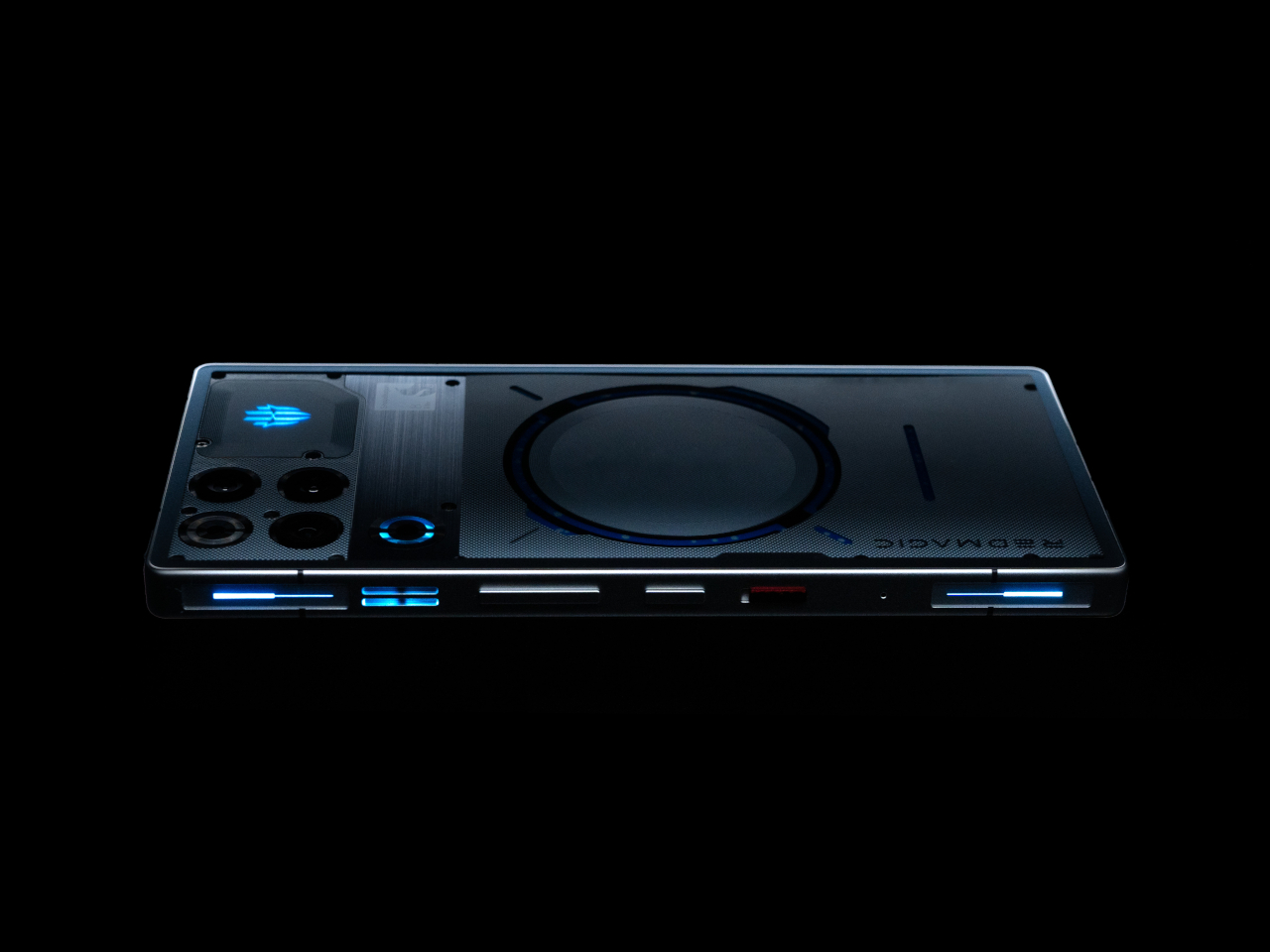
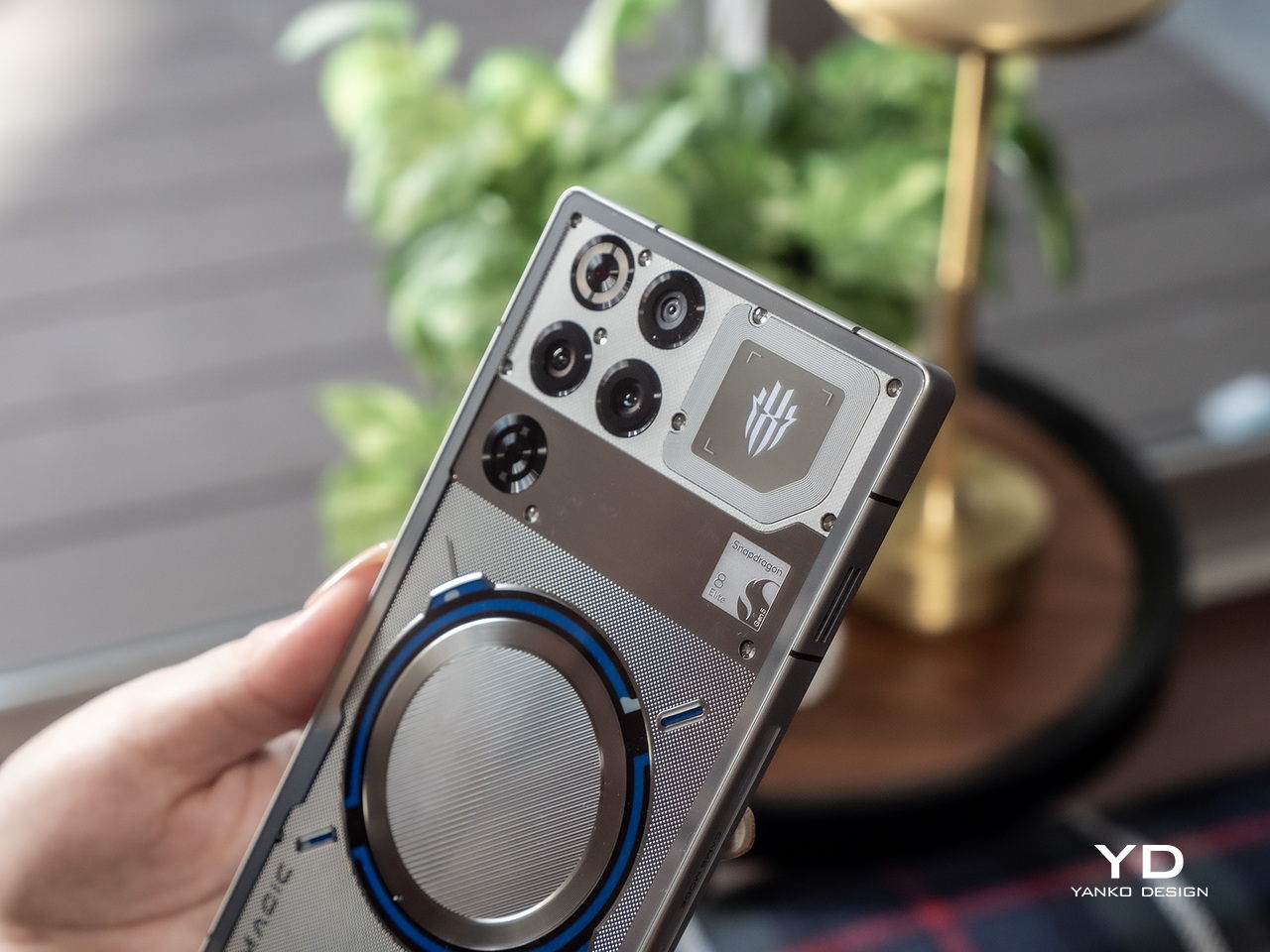
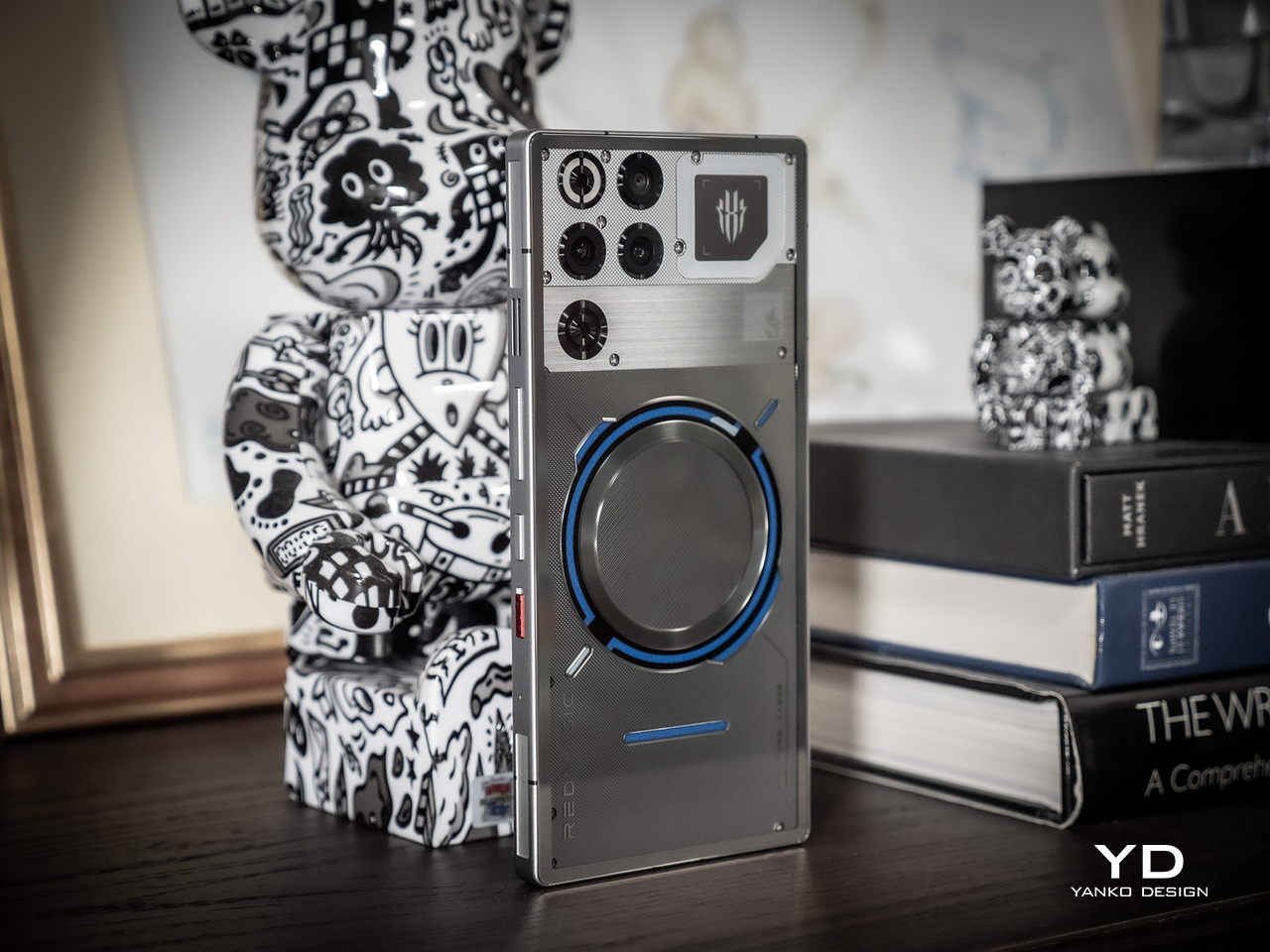
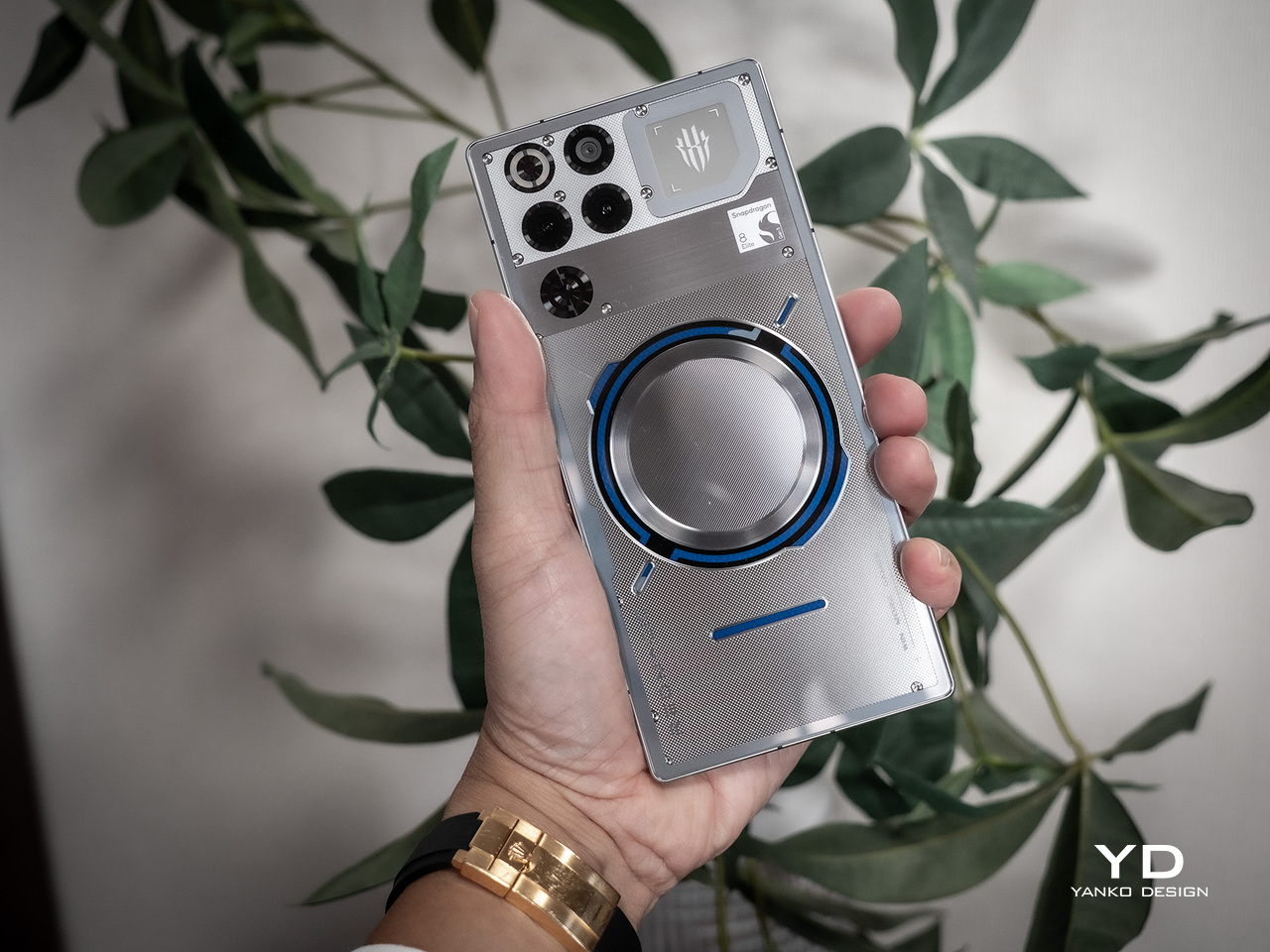
The REDMAGIC 11 Pro’s design is unapologetically futuristic, especially in the Nightfreeze and Subzero transparent versions that showcase some of the phone’s internal engineering like a piece of wearable art you can carry. The flat rear panel eliminates the camera bump entirely, creating a sleek profile that sits comfortably on desks without wobbling and feels balanced in hand during extended gaming sessions that stretch for hours.
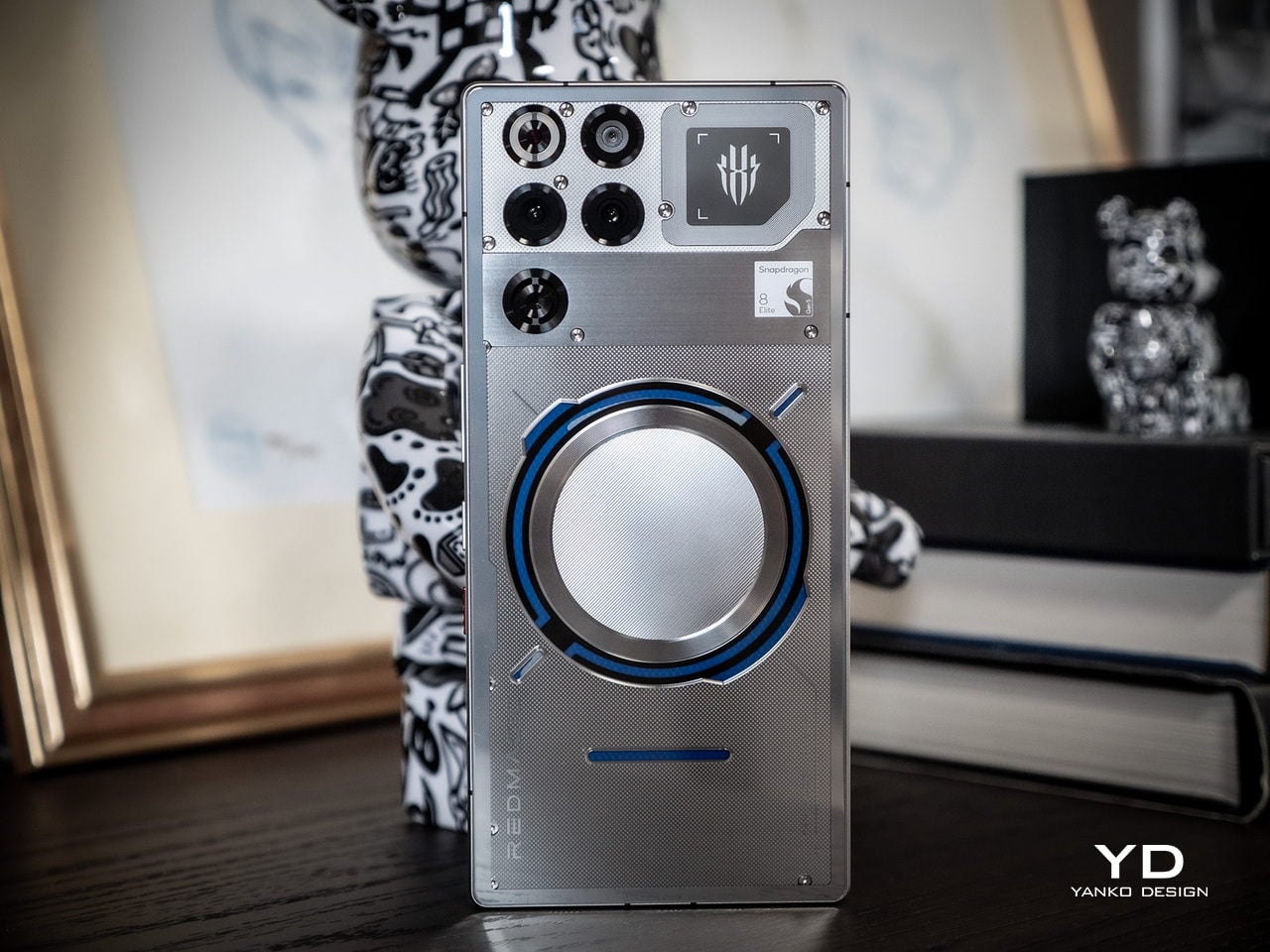
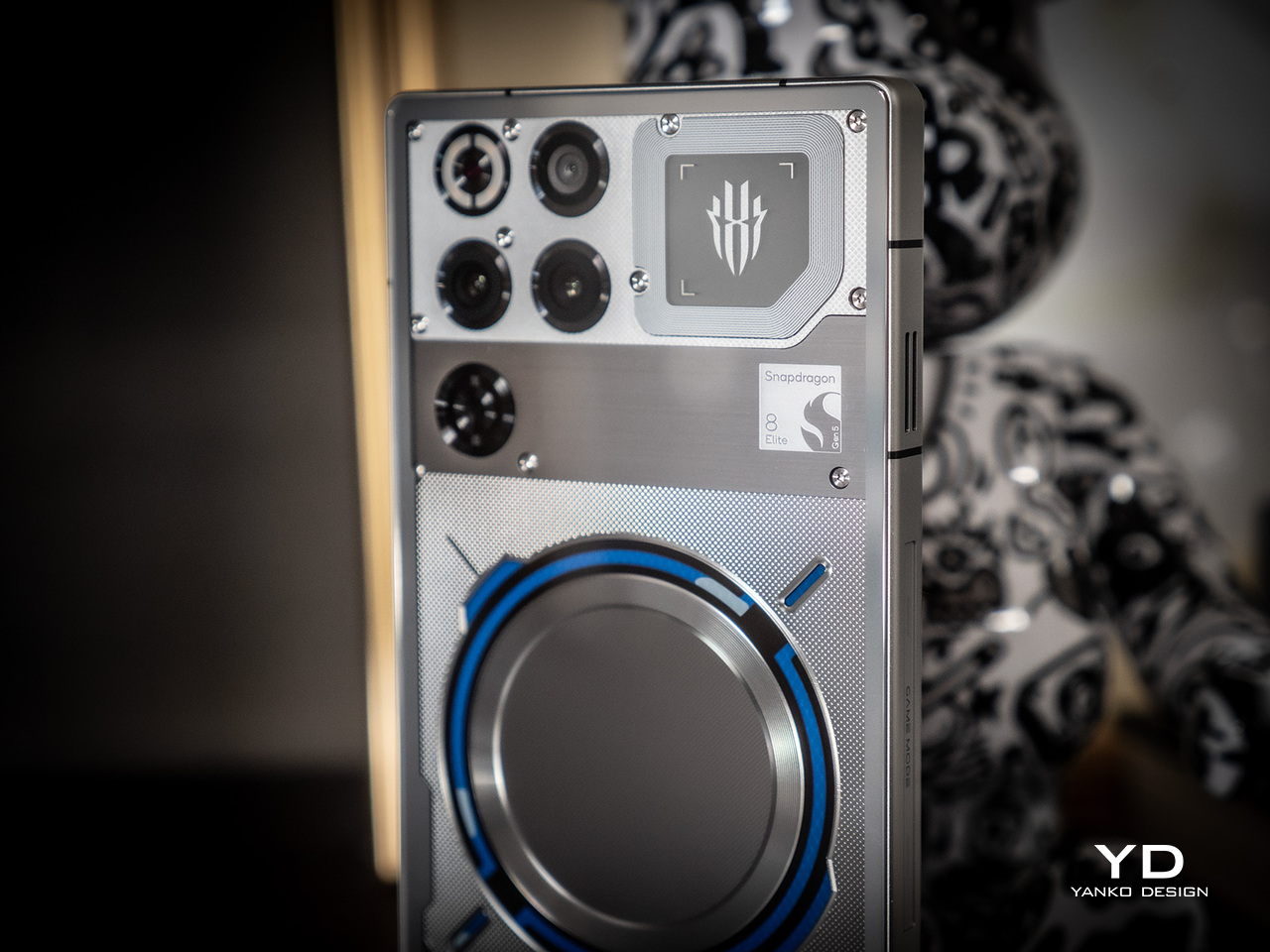
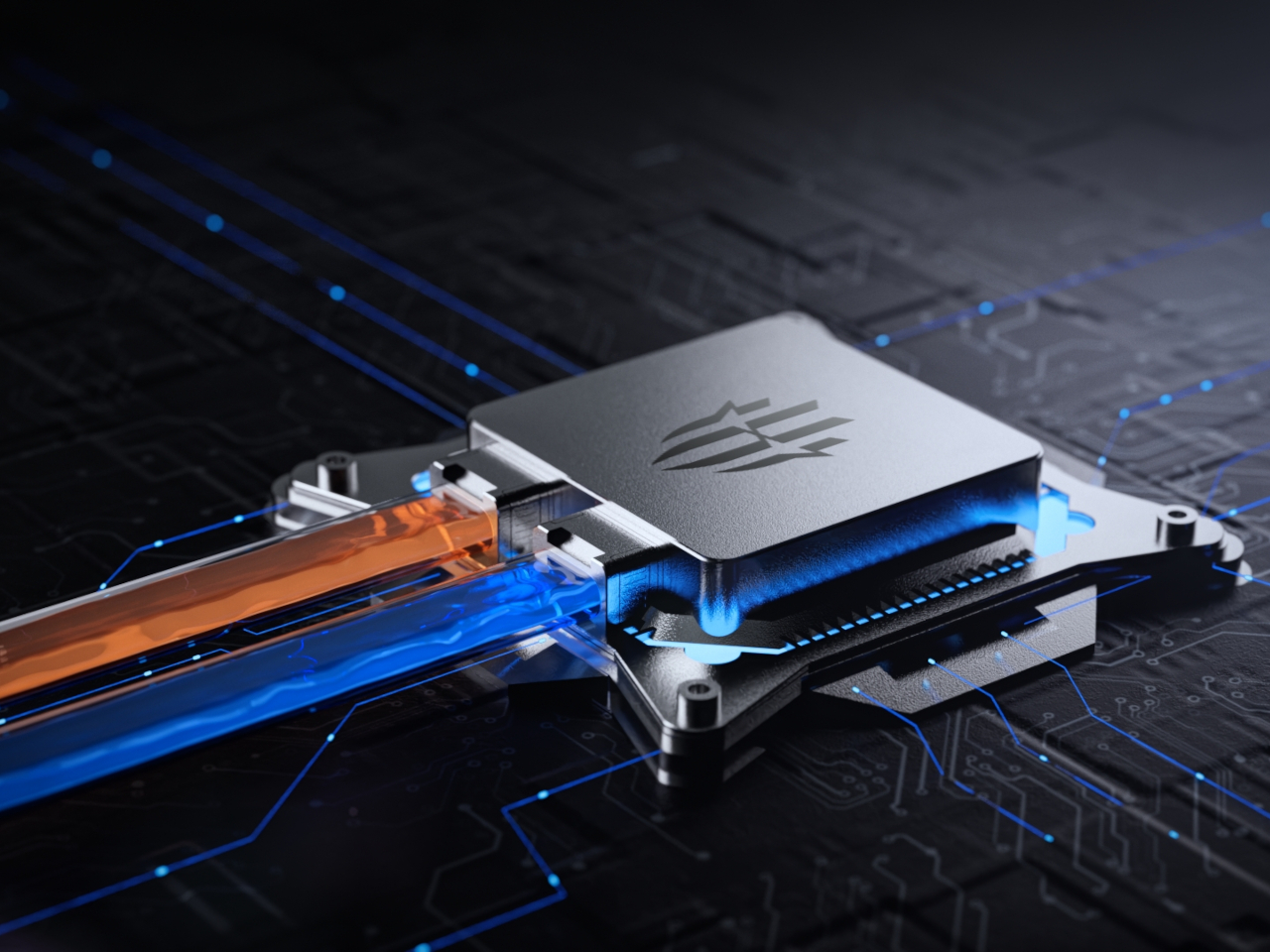
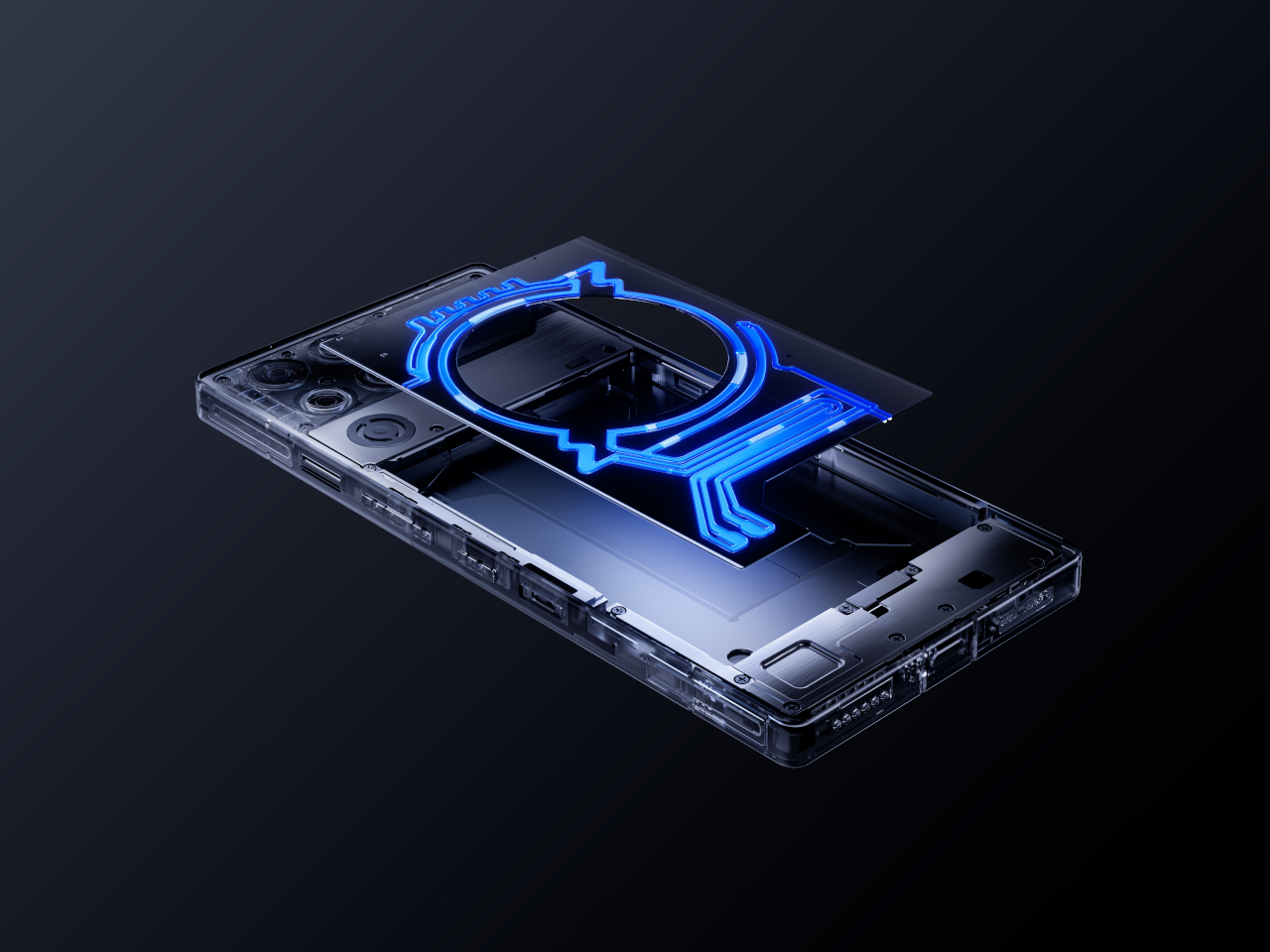
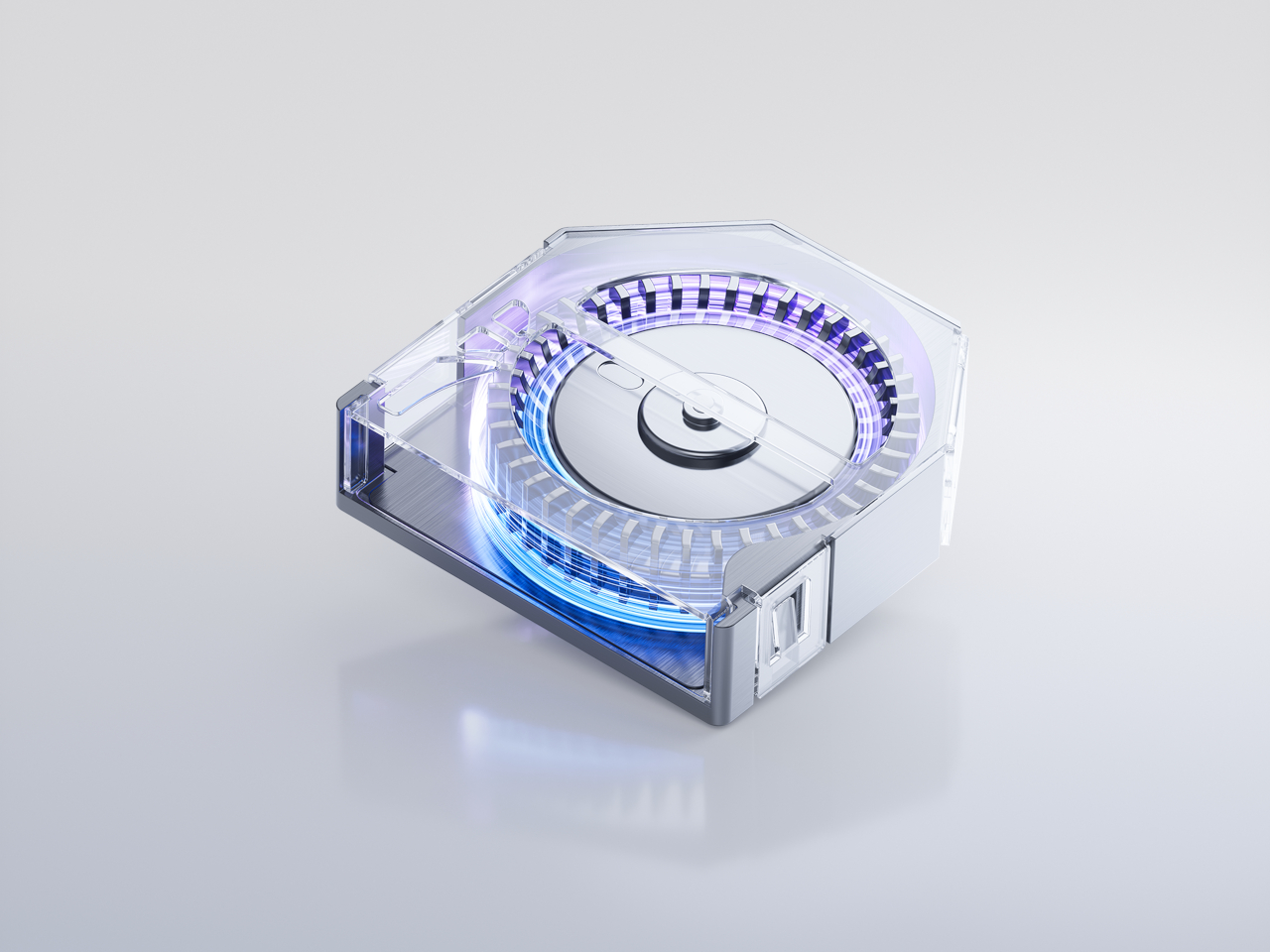
The most arresting detail is the visible liquid cooling system, particularly the circular Time-Space Ring window that reveals the AI server-grade fluorinated coolant pulsing through laser-cut microchannels beneath the transparent metal body. Watching the ice-blue liquid flow as the phone cools itself during intense gameplay creates a kinetic, sci-fi effect that’s both functional and mesmerizing, turning thermal management into visual theater that never gets old.
Dynamic RGB lighting frames the visible cooling loop and extends to a side strip that can be customized through software for different effects and colors. The transparent metal construction showcases intricate craftsmanship, revealing some of the components through the premium material. The effect is industrial yet refined, appealing to both gamers and design enthusiasts who appreciate engineering on display rather than hidden behind opaque shells.
Material choices reinforce the premium positioning throughout the device from every angle you examine it. Corning Gorilla Glass protects the display from scratches and impacts, while the aluminum alloy mid-frame provides structural rigidity without excessive weight that would make extended gaming uncomfortable. The matte Cryo version offers a more subdued look for those who prefer understated elegance, but the transparent models are where REDMAGIC’s design philosophy truly shines.
Ergonomics
Despite its futuristic looks and transparent internals packed with visible technology, the REDMAGIC 11 Pro remains remarkably practical for daily use and extended gaming sessions without causing discomfort. At 230 grams, the phone has a substantial feel without being uncomfortably heavy during one-handed use, and the weight distribution keeps it balanced during two-handed gaming grips that competitive gamers favor during intense matches requiring precision control.
The flat back and rounded corners create a comfortable grip that doesn’t dig into palms during marathon sessions lasting several hours. The absence of a camera bump means the phone sits flush on surfaces without rocking annoyingly, making it ideal for desk gaming, table use during video calls, or content consumption on flat surfaces where other phones wobble constantly from protruding cameras.
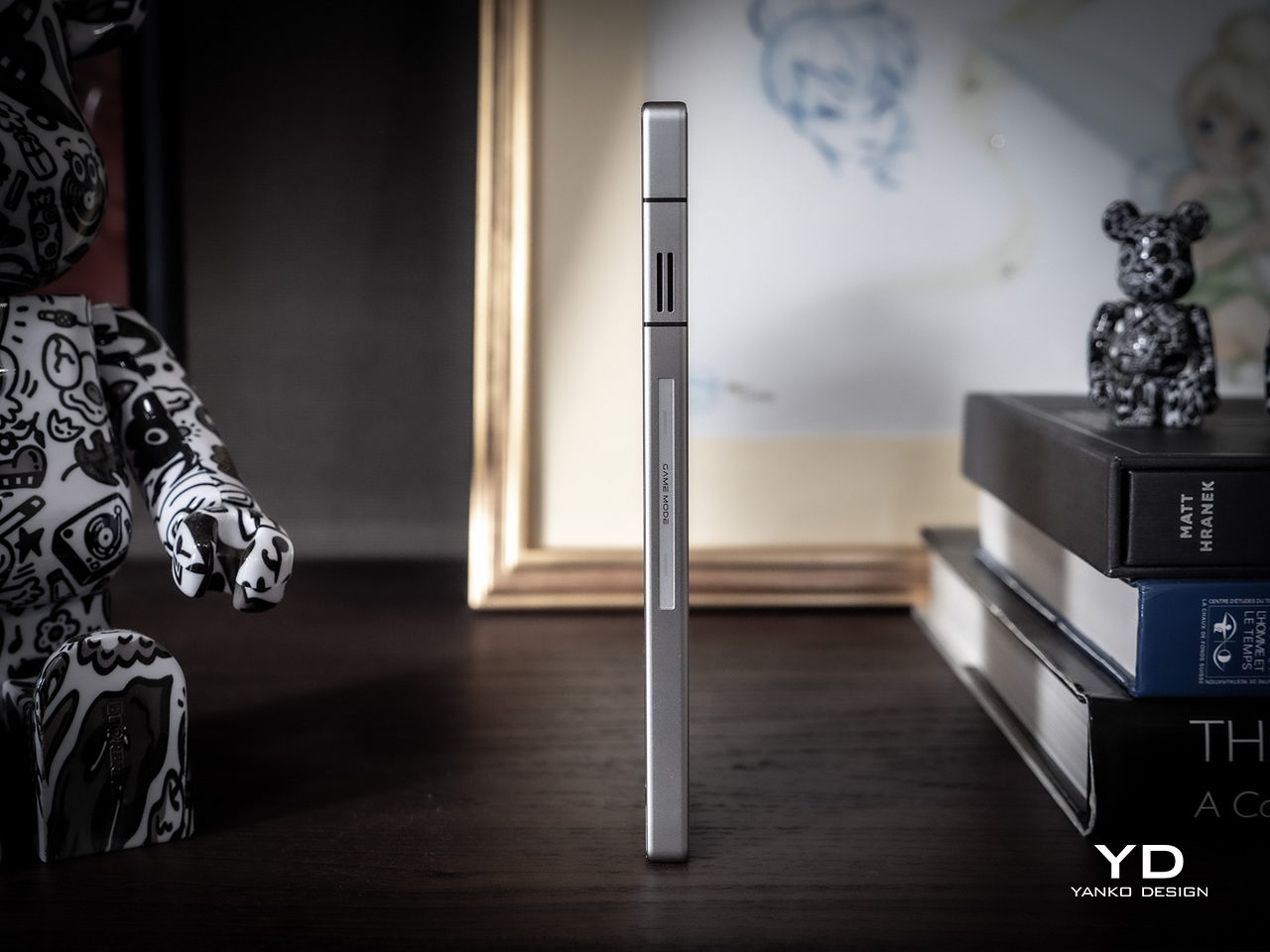
The phone’s 8.9 millimeter thickness makes it surprisingly pocketable for a gaming device with this much cooling hardware inside, fitting into most pants and jacket pockets without excessive bulk. The flat design actually helps here, distributing the phone’s footprint evenly rather than creating awkward bulges from protruding camera modules that plague most flagship smartphones today and make them uncomfortable to carry.
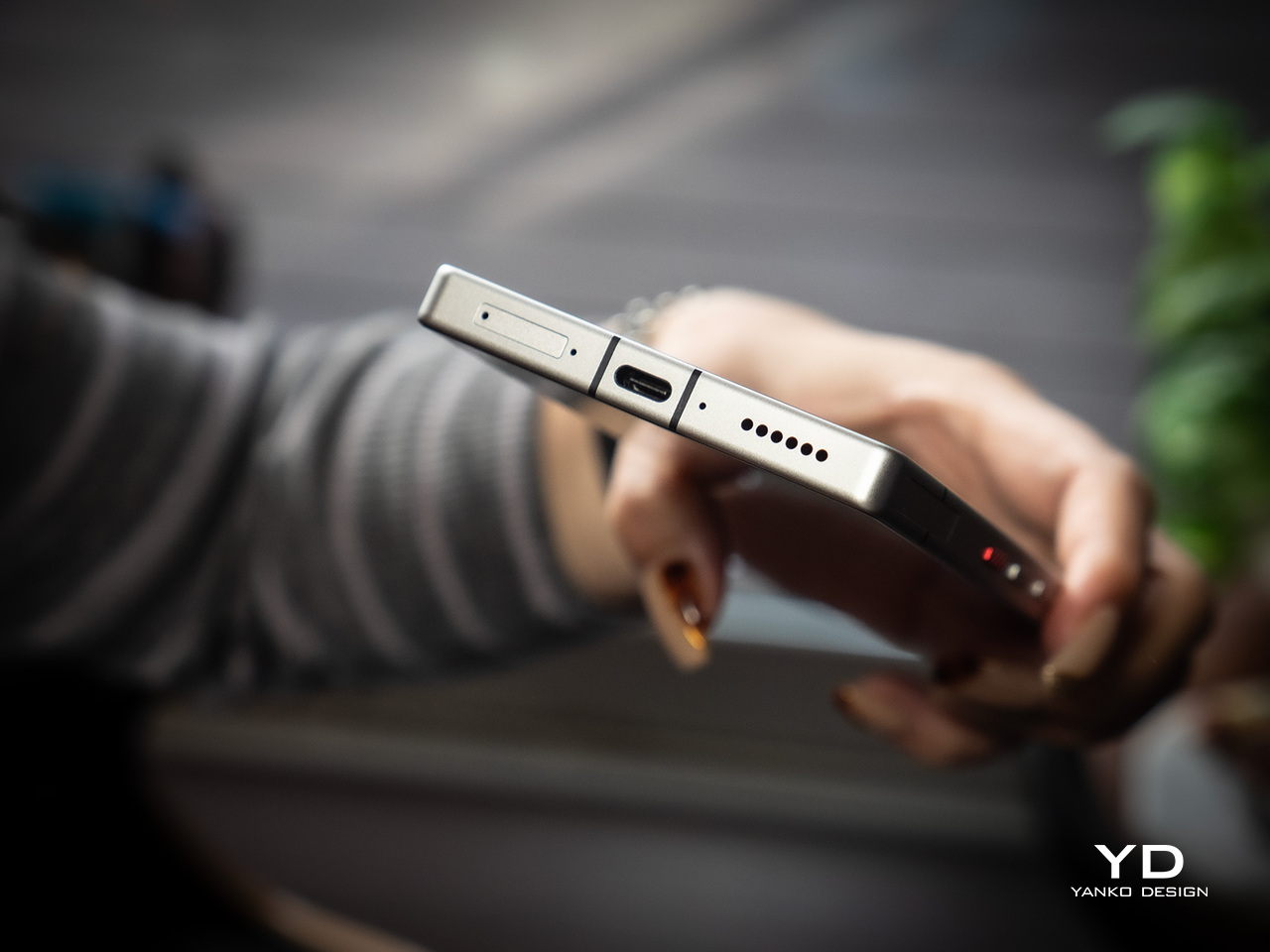
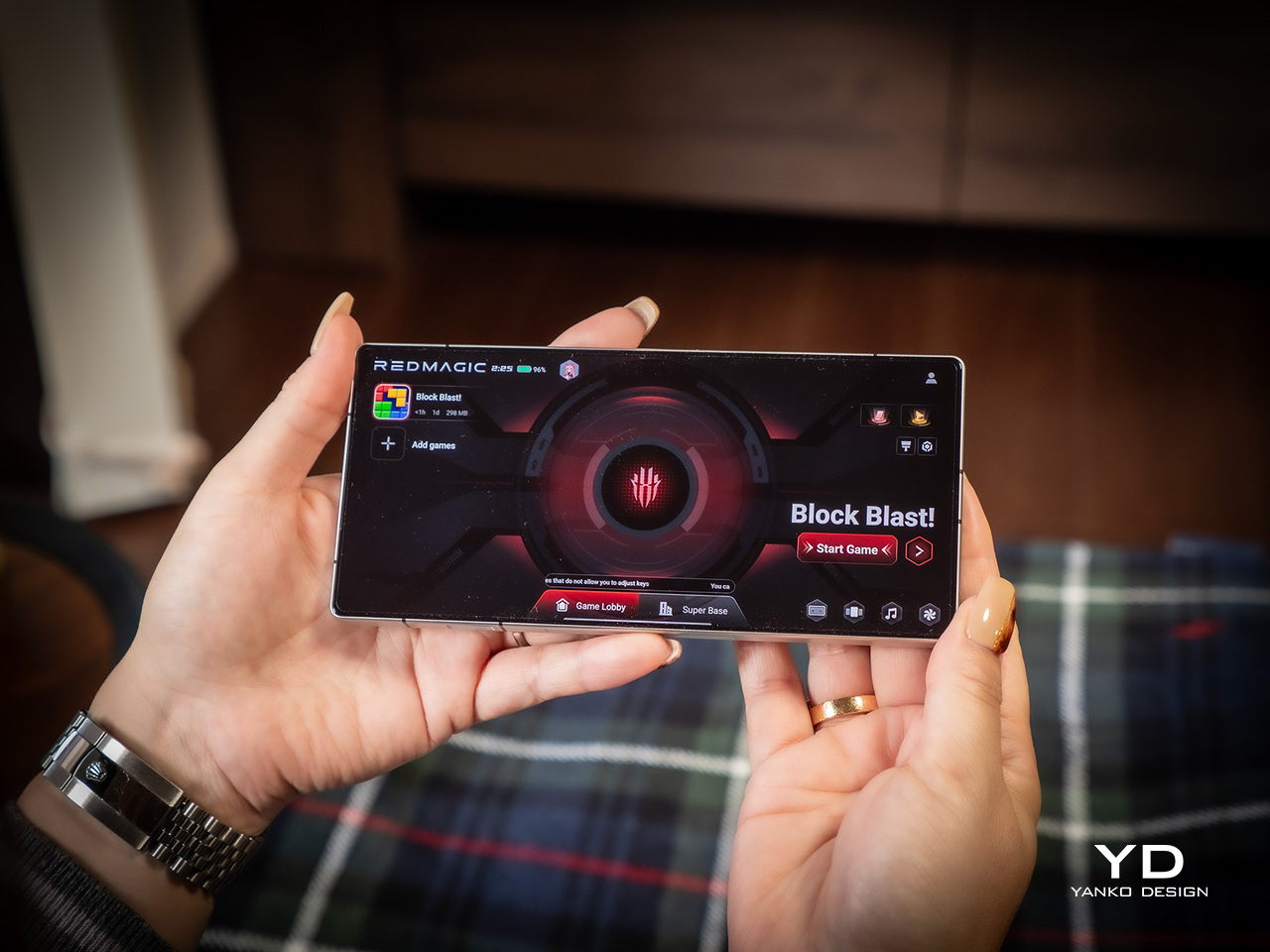
Button placement is thoughtfully considered throughout the design for both gaming and daily use scenarios. The power button and volume rocker are positioned for easy access, whether you’re gaming in landscape orientation or using the phone normally in portrait mode. The 3D ultrasonic fingerprint sensor works reliably even with wet hands, a practical detail for gamers who get sweaty during intense sessions. The customizable Magic Key on the side provides quick access to Game Space or other functions without interrupting gameplay or requiring menu navigation that pulls you out of immersion.
The 520Hz shoulder triggers are positioned perfectly for landscape gaming, offering tactile, responsive control that feels natural within seconds of picking up the phone for the first time. These physical buttons provide a significant advantage over touchscreen-only controls, especially in competitive shooters where split-second reactions determine outcomes and touchscreen delays can cost matches. The triggers support both landscape and portrait modes for versatility.
Performance
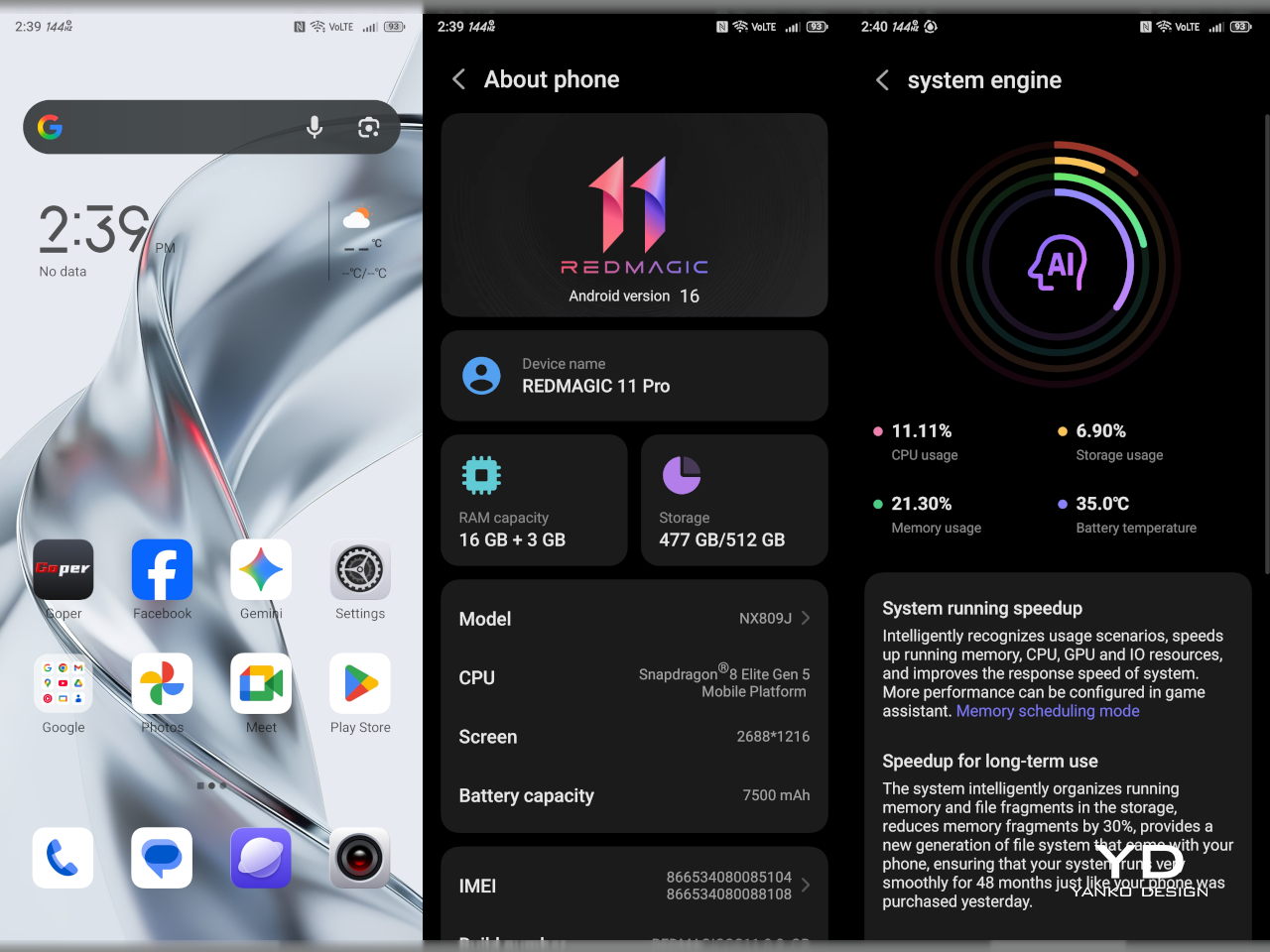
The REDMAGIC 11 Pro’s performance capabilities start with the Snapdragon 8 Elite Gen 5 processor, Qualcomm’s fastest mobile chipset built on a 3nm process with clock speeds reaching 4.6GHz across its cores. Paired with up to 24GB of LPDDR5T RAM and 1TB of UFS 4.1 Pro storage, this configuration handles anything you throw at it, from graphically demanding games to heavy multitasking across dozens of apps simultaneously without slowdowns.
What truly separates the REDMAGIC 11 Pro from competitors is the revolutionary AquaCore Cooling System, the world’s first mass-produced smartphone implementation of flowing liquid cooling technology used in AI servers. This system uses non-conductive fluorinated liquid, circulating it through micron laser-cut channels to draw heat directly from the battery and processor during sustained high-performance use that would throttle most phones.
The cooling system combines four technologies working in concert to maintain optimal temperatures throughout extended sessions. Flowing liquid cooling provides direct heat extraction from hot spots, Liquid Metal 3.0 ensures rapid thermal conductivity between components, and the industry’s largest 13,116 square millimeter vapor chamber distributes heat evenly, and a waterproof 24,000 RPM TurboFan accelerates air circulation without failing in humid or dusty conditions.
Testing with demanding titles like Genshin Impact and Honkai Star Rail demonstrates the cooling system’s effectiveness in real-world gaming scenarios. The phone maintains consistent 60-plus frame rates with minimal variance over multi-hour sessions, while competing devices show significant performance degradation and frame stuttering as internal temperatures climb. Battery consumption during gaming is noticeably lower, extending playtime significantly beyond what other flagships achieve.
The 6.85-inch AMOLED display dominates the front with minimal bezels at just 0.7 millimeters thick, achieving a 95.3 percent screen-to-body ratio that creates an immersive viewing experience without distractions. The display’s 2688 by 1216 resolution and 144Hz refresh rate deliver fluid visuals for both gaming and everyday scrolling, while the under-display camera technology eliminates notches or punch holes entirely, maintaining clean lines across the entire screen surface.
The screen emphasizes the importance of the touch experience as much as it does the visuals. The Synaptics 3910v chip enables 2,592Hz instant touch sampling, making on-screen controls incredibly responsive and precise during competitive play where milliseconds matter. The new wet-hand mode ensures reliable touch recognition even in rain or immediately after washing hands. The 3D ultrasonic fingerprint sensor works reliably even with wet hands, a practical detail for gamers who get sweaty during intense sessions.
The 7,500mAh battery provides genuinely impressive endurance across all usage scenarios, delivering up to 34 hours of daily mixed use and over 7 hours of Genshin Impact gameplay at maximum settings without charging. The 80W wired and wireless fast charging reaches full capacity quickly enough to top up during short breaks, and the inclusion of reverse wireless charging means you can power up accessories.
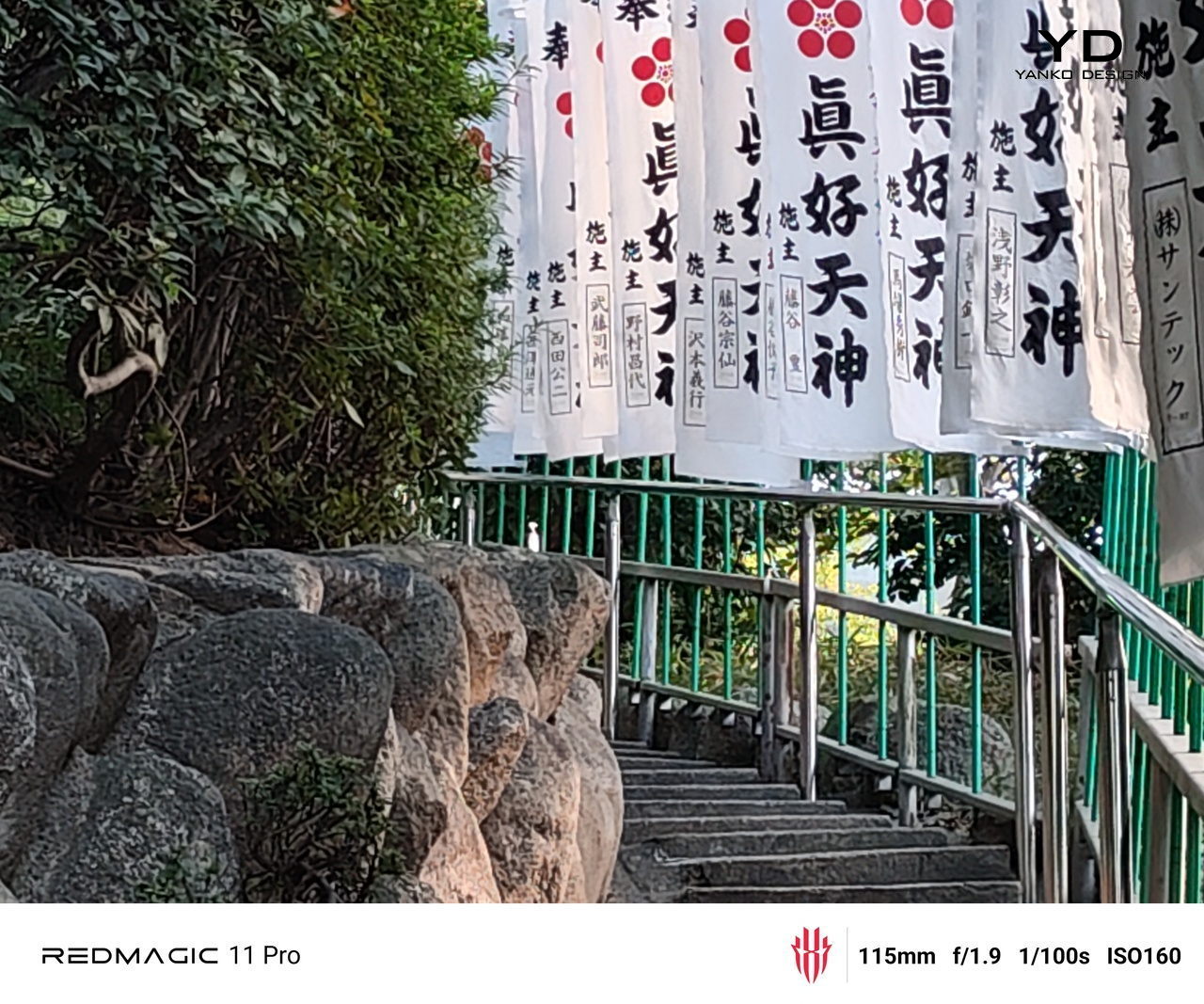
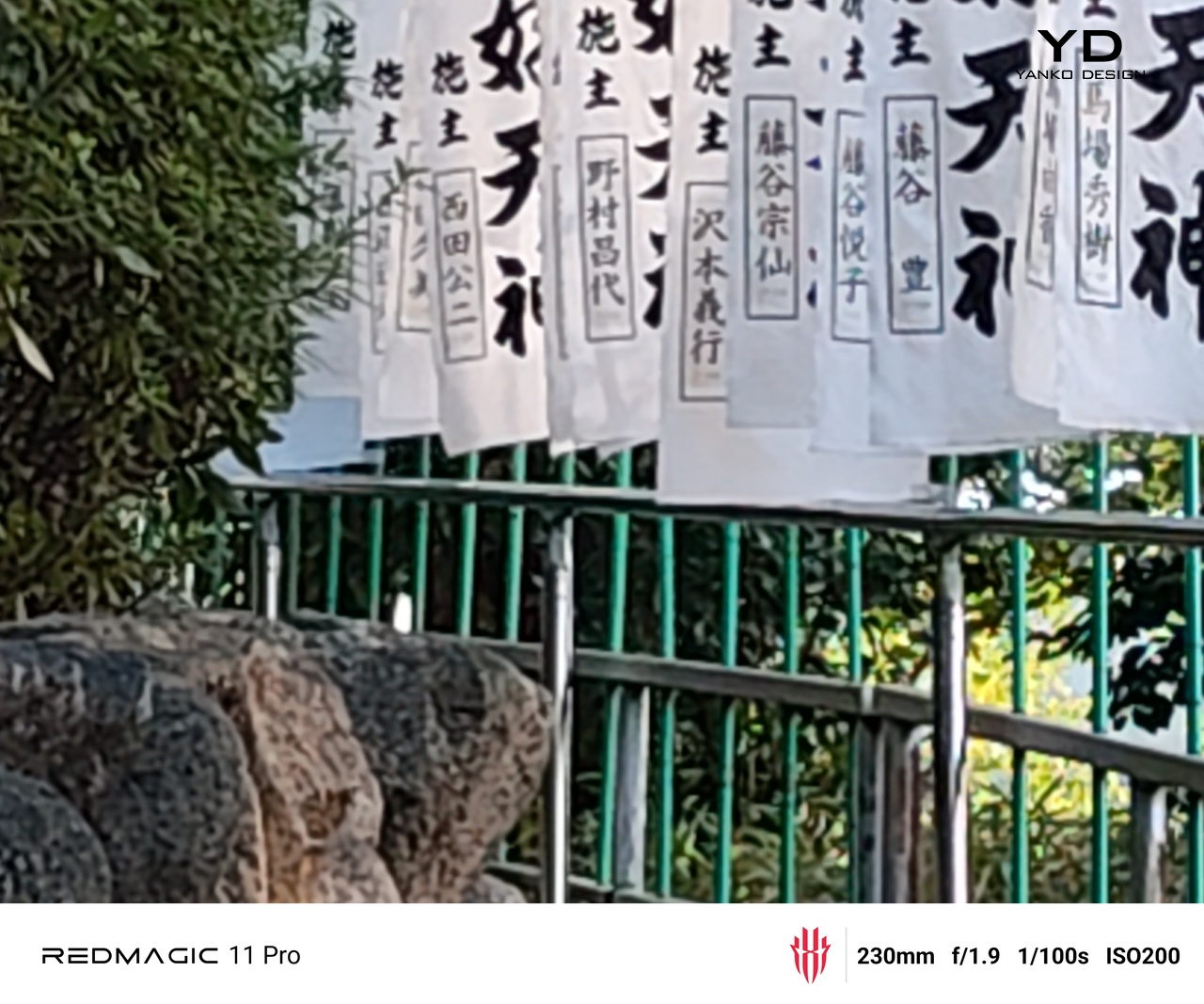
The camera system handles daily photography needs competently without pretending to be a dedicated camera phone, which is perfectly fine for a gaming-focused device. The 50MP main sensor with optical image stabilization and anti-glare coating captures sharp, stable shots in good lighting, while the 50MP ultra-wide lens handles group photos and landscapes with natural perspective. The 16MP front camera, tucked beneath the display, delivers selfies enhanced by AI processing that keeps skin tones natural and details clear during video calls or casual shots.
Sustainability
The REDMAGIC 11 Pro approaches sustainability through durability and longevity rather than disposability, building a phone designed to remain relevant and functional for years rather than requiring replacement. The aluminum alloy mid-frame and Corning Gorilla Glass construction create a robust foundation that withstands daily wear, accidental drops, and the rigors of travel without showing excessive damage or requiring replacement after minor incidents.
The IPX8 water resistance rating and unique dust-proof design protect the phone’s internals from environmental damage that would compromise cheaper devices, extending its practical lifespan significantly. The waterproof and dust-proof mini fan is a REDMAGIC industry first, ensuring the active cooling system continues functioning reliably even in dusty or humid environments where conventional fans would fail or degrade rapidly, maintaining cooling efficiency.
The visible liquid cooling system, while visually striking, also serves a crucial sustainability purpose by preventing thermal degradation of internal components over time. By maintaining lower operating temperatures consistently during heavy use, the phone’s processor, battery, and other heat-sensitive components experience less thermal stress, extending their functional lifespan and maintaining performance consistency across years of heavy gaming.
Value
The REDMAGIC 11 Pro’s pricing positions it strategically within the high-end smartphone market, especially considering what you receive for the investment in terms of hardware and design. The transparent Nightfreeze and Subzero versions start at $849 for 16GB of RAM and 512GB of storage, while the top configuration with 24GB of RAM and 1TB of storage comes in at $999, offering flagship specs without flagship pricing.
When you compare these specifications and prices to other gaming phones and premium non-gaming flagships currently available in the market, the value proposition becomes compelling. Many similarly specced devices with advanced cooling systems, high-refresh displays, and large storage capacities often cost significantly more, sometimes well over the $1,000 mark, and frequently lack the visual flair, gaming-focused features, or transparent design aesthetic that makes the REDMAGIC 11 Pro distinctive.
When you factor in the visible engineering, waterproof active cooling, and gaming-specific features like shoulder triggers and dedicated gaming chips, the value equation tilts heavily in REDMAGIC’s favor. Throw in the 3.5mm headphone jack, 80W wireless charging, and reverse wireless charging, and you’re essentially getting desktop-class gaming performance in a pocketable form factor at prices competitive with conventional flagships.
The rare combination of visible engineering, industry-leading cooling technology, and thoughtful design choices makes the REDMAGIC 11 Pro stand out in ways that raw specifications alone cannot capture. You’re not just buying processing power and storage capacity; you’re investing in a device that celebrates its capabilities visually and functionally, making every gaming session and daily interaction feel intentional and exciting rather than routine.
Verdict
The REDMAGIC 11 Pro delivers on its promise to blend cutting-edge gaming performance with a futuristic design that turns heads and starts conversations wherever you use it publicly. The visible liquid cooling system is genuinely innovative beyond its aesthetic appeal, providing tangible thermal management advantages that translate to sustained performance during the gaming sessions that matter most to competitive players. Combined with the Snapdragon 8 Elite Gen 5, massive battery, and thoughtful gaming features, it’s a phone that respects your competitive aspirations.
For gamers, power users, and design enthusiasts who want their technology to look as advanced as it performs during daily use, the REDMAGIC 11 Pro offers a compelling package. The transparent design, waterproof cooling fan, and flat-back profile demonstrate that gaming phones can be both powerful and beautiful, setting a new standard for what’s possible when engineering and aesthetics receive equal priority in product development without compromise.
Most shelves are either heavy, hard to move between rooms, or destined to clash with your evolving style as tastes change over time and seasons shift. For anyone who loves to rearrange their space frequently, collect new objects, or simply keep things fresh with seasonal updates, traditional furniture just doesn’t keep up with the pace of modern life and changing interior preferences that come with growth and discovery.
The Plastic Marble Display Shelf, from DLS World Official and WOULD YOU LOVE Seoul, offers a different approach to home storage and display needs. Made from upcycled Tyvek byproducts and designed to be as flexible as LEGO blocks for intuitive assembly, it’s a shelf that adapts to your life, not the other way around. The system’s modularity and material innovation make it stand out from conventional shelving solutions.
The secret is plastic marble, an upcycled material with swirling, marble-like patterns and a glossy, watery finish that catches light beautifully throughout the day. Each panel is visually unique, with colors and translucency that play with ambient and natural light to create a sculptural presence in any room. Unlike printed laminates or vinyl wraps, the marble effect is a natural result of the upcycling process itself.
The material gives the shelf a premium look while keeping it lightweight and genuinely eco-friendly throughout its lifecycle from production to disposal. The translucent quality and depth add visual interest that changes depending on viewing angle and lighting conditions throughout the day. What would otherwise be industrial waste becomes something you’ll actually want to display prominently in living rooms, bedrooms, or creative studios.
The shelf’s concise clip joint system means you can assemble, disassemble, or reconfigure the entire structure in minutes without any tools or adhesives required whatsoever. Stack modules vertically for a traditional bookshelf, build a wide display for collectibles, or create a custom asymmetrical shape for your specific space. The panels and joints are made from a single material, simplifying future recycling efforts when the shelf reaches end of life.
When you want a change in layout or need to move to a new space entirely, just unclip sections and rebuild in different configurations. The flexibility encourages experimentation with arrangements throughout seasons or as your collection of books, plants, and objects grows. The modular nature means you can start small and add modules over time as your needs and budget evolve.
Whether you’re displaying books, plants, art prints, or collectibles, the Plastic Marble Display Shelf adapts to your specific needs and aesthetic preferences without limitations. Its clean lines and minimalist silhouette blend with posters, photos, and objects to create curated gallery walls. The system’s flexibility makes it perfect for small apartments, creative studios, or retail spaces where storage needs to grow and change frequently.
By transforming Tyvek byproducts into a desirable, durable material with a distinctive visual character that rivals traditional materials, the shelf redefines what upcycled plastic can be beyond basic function. The design discovers new value in discarded materials while offering genuine beauty and practical flexibility for modern living spaces that demand both sustainability and style without compromise or apology.
Flagship phones keep getting pricier and chunkier, making it easy to feel left out if you want a device that’s both stylish and practical without emptying your wallet or your pockets. The latest Samsung Galaxy S25 Edge and Apple iPhone Air are everywhere, but their price tags and premium positioning aren’t for everyone who just wants a good-looking phone that works reliably without costing a month’s rent.
The Motorola Edge 70 is Motorola’s answer to those flagships with a phone that looks the part, feels great in hand, and packs a battery that goes the distance without constant charging. It’s designed to compete with the big names visually and functionally, but takes a slightly different approach under the hood with mid-range specs. The Edge 70 offers style and stamina where others demand deep pockets and constant charging anxiety.
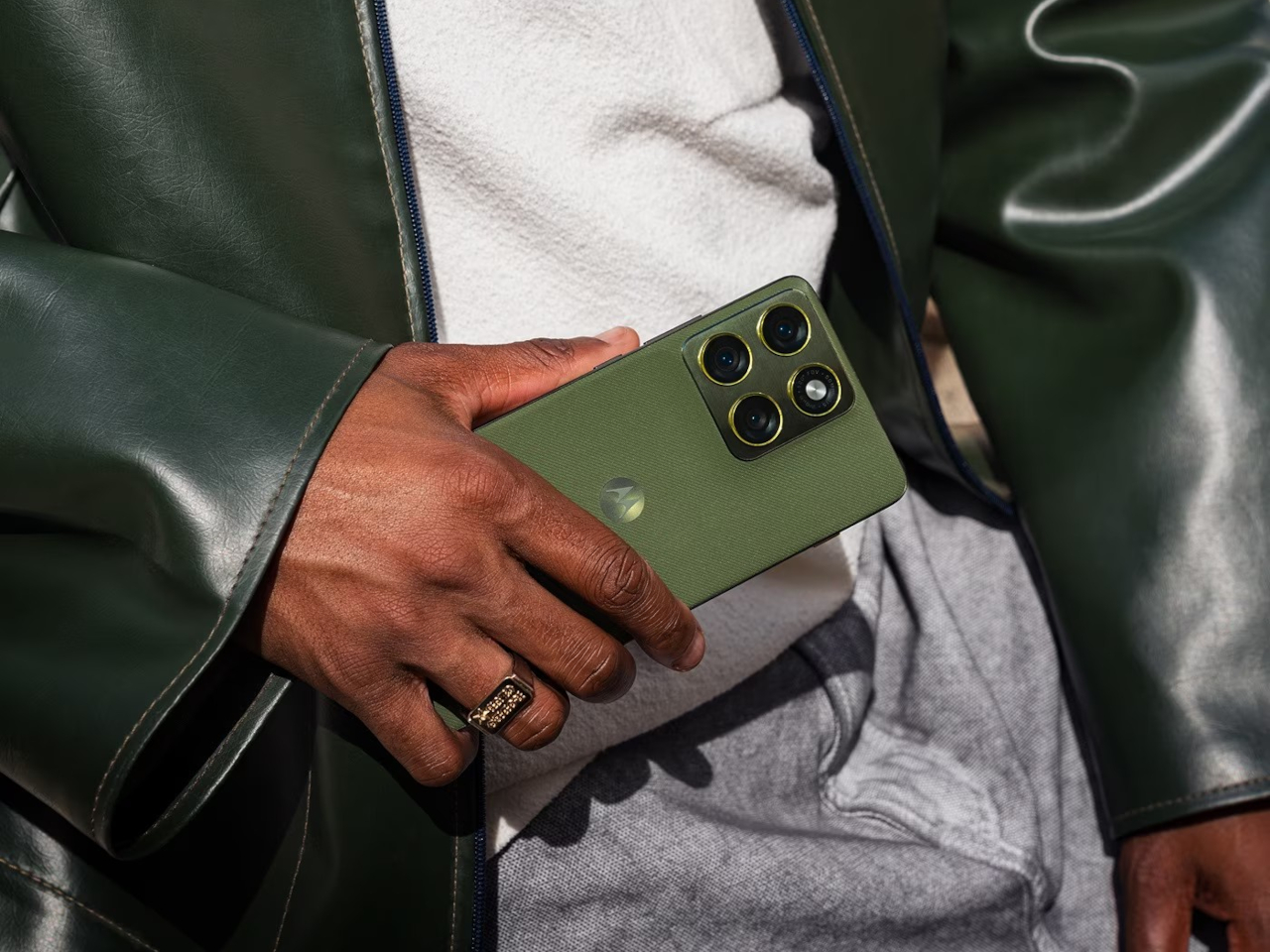
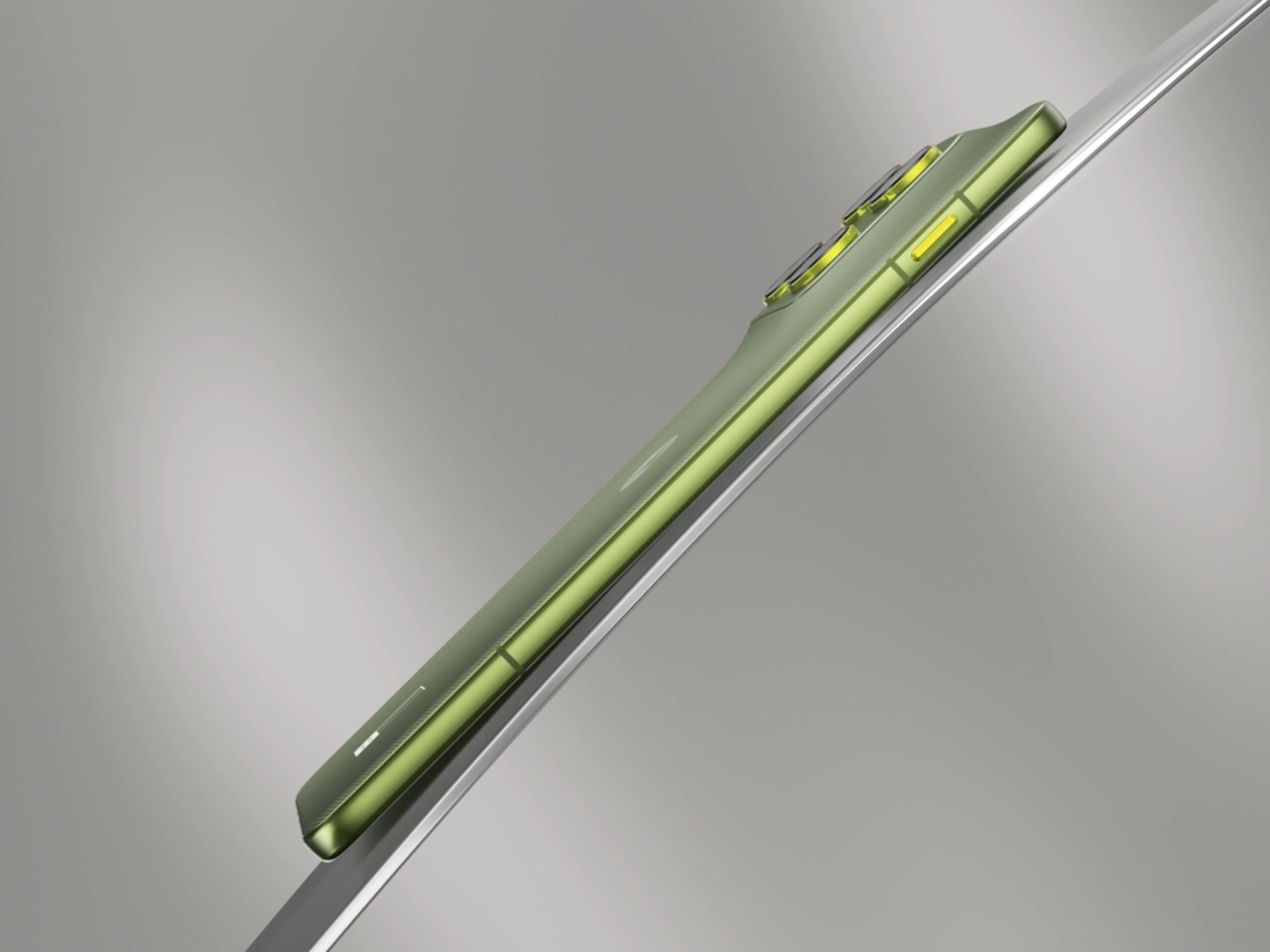
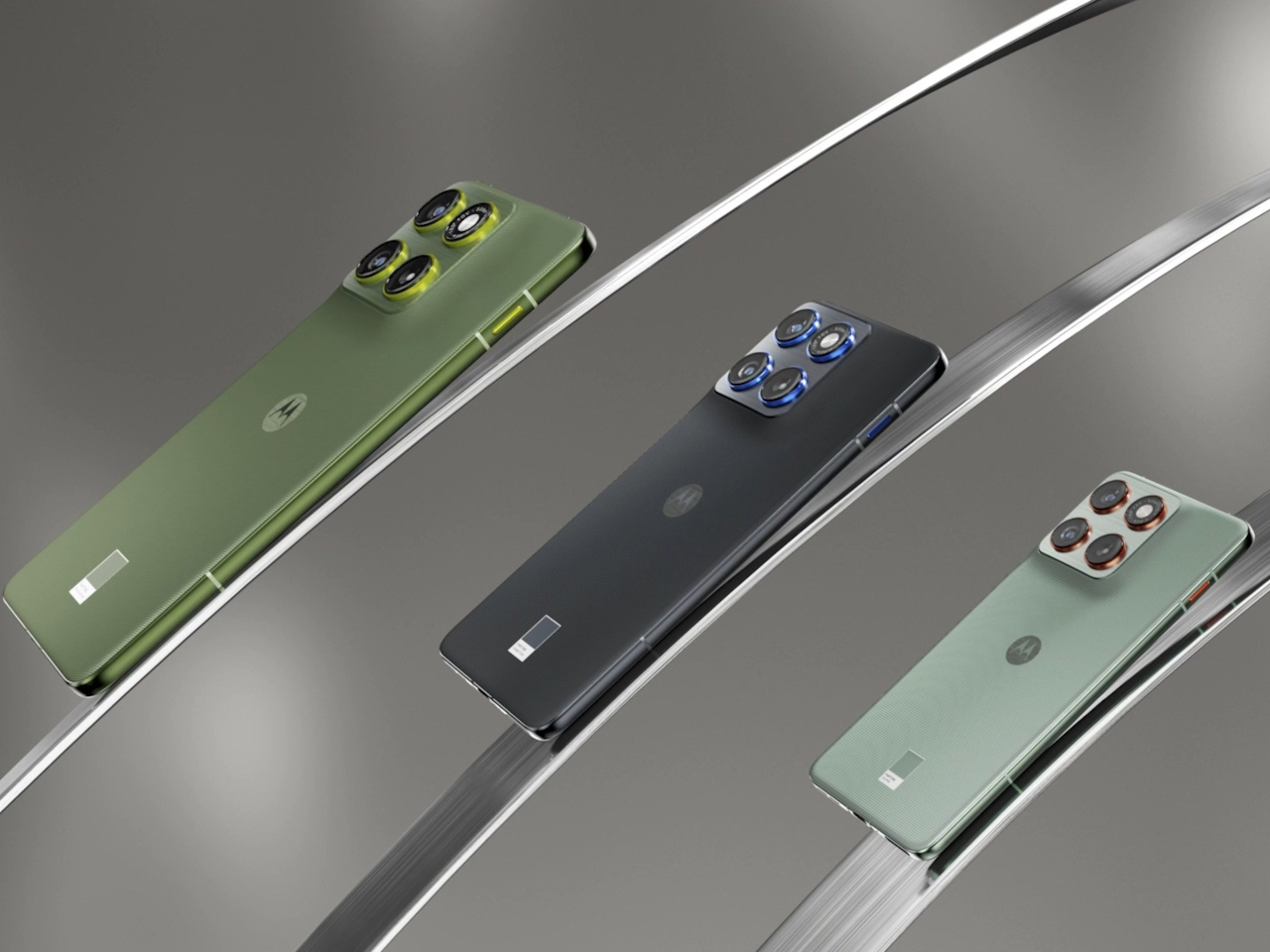
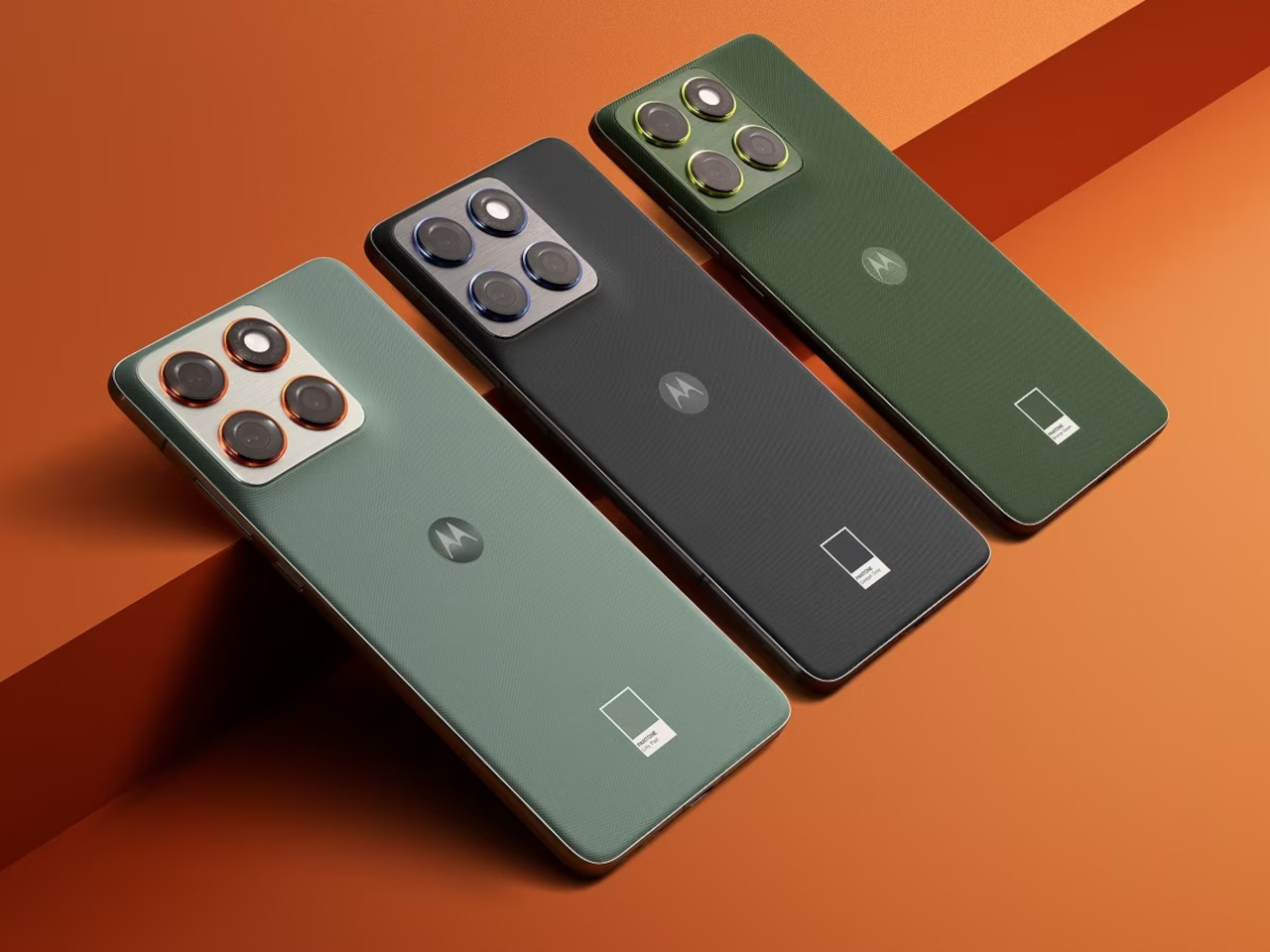
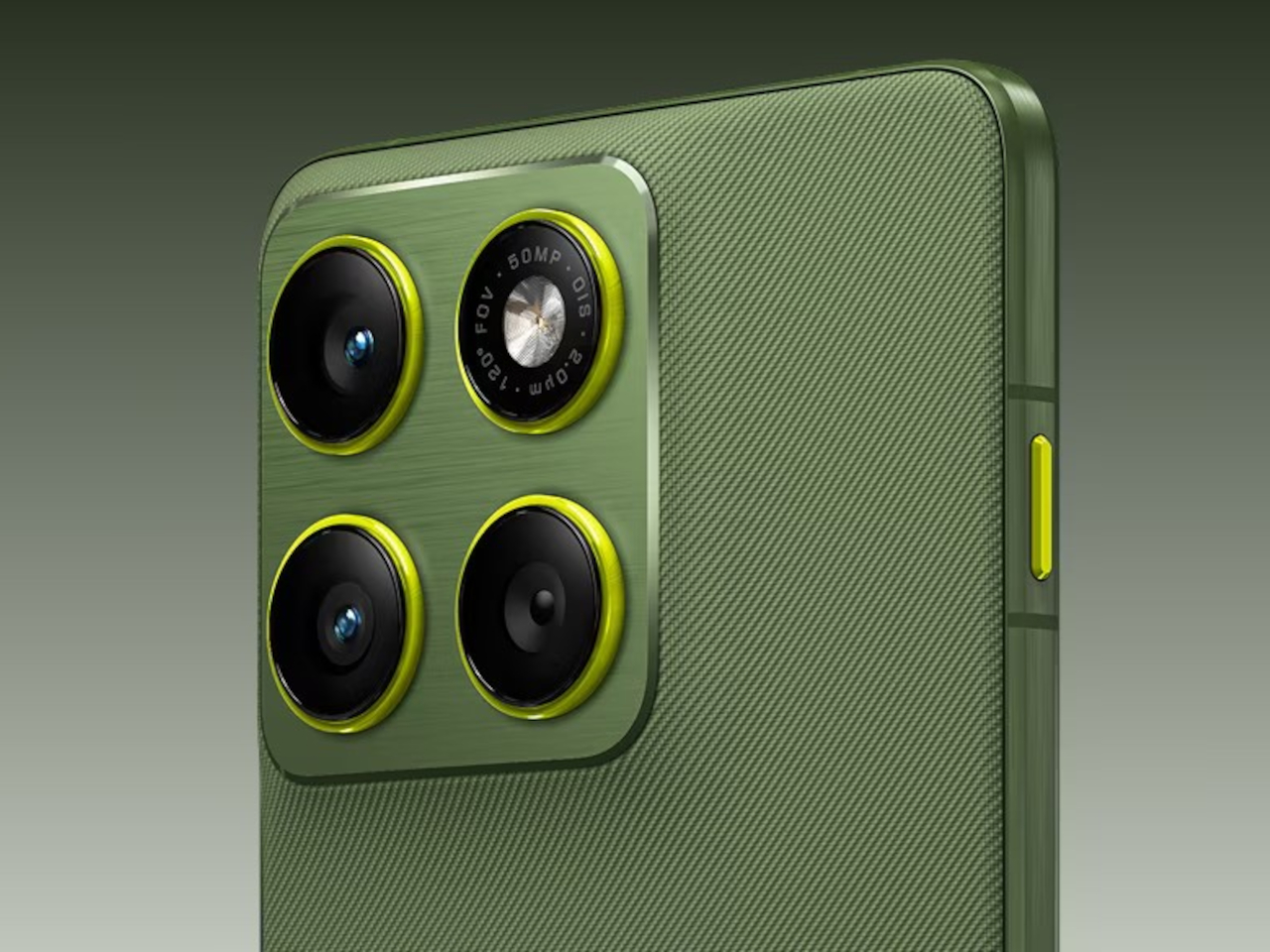
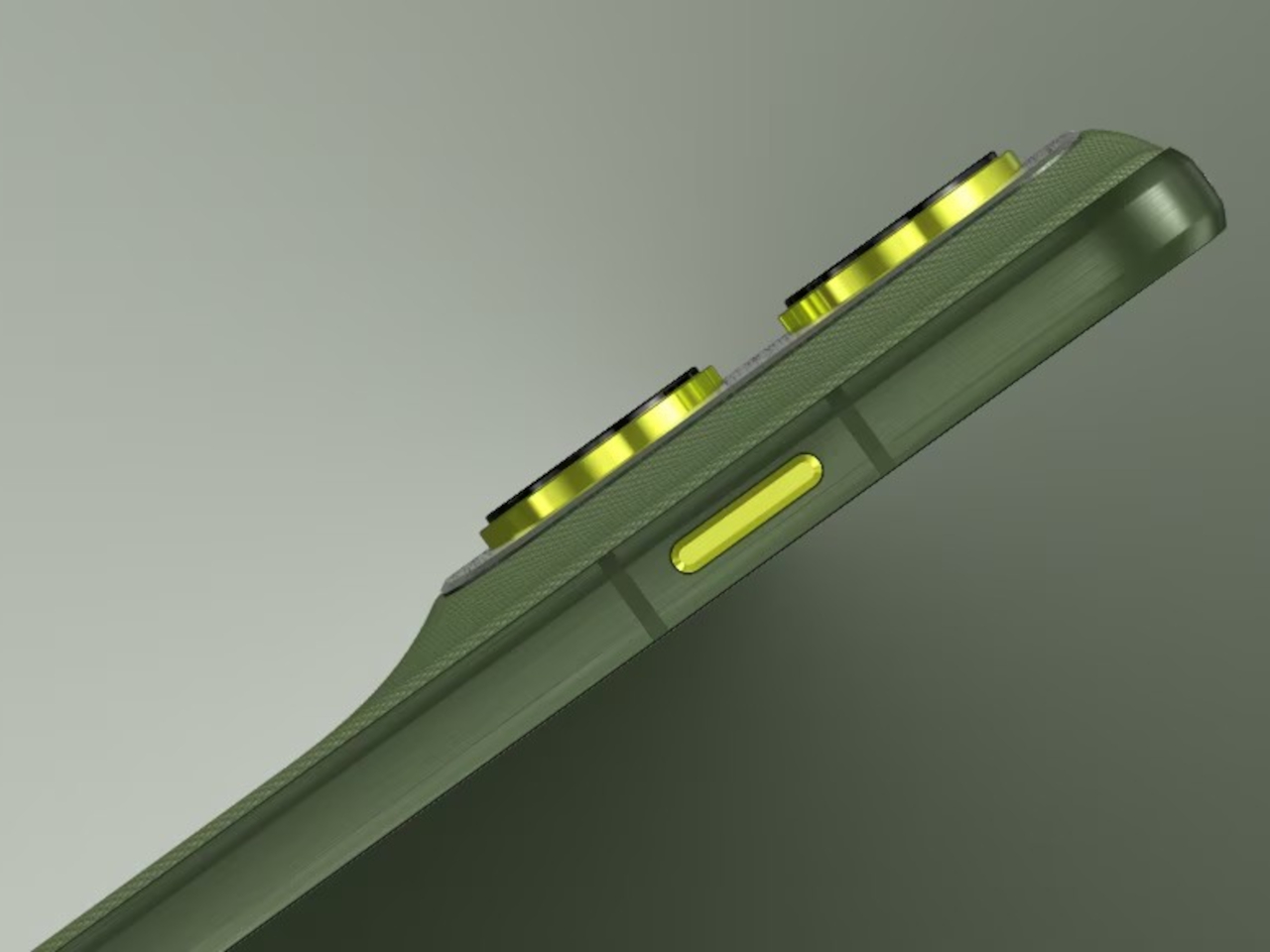
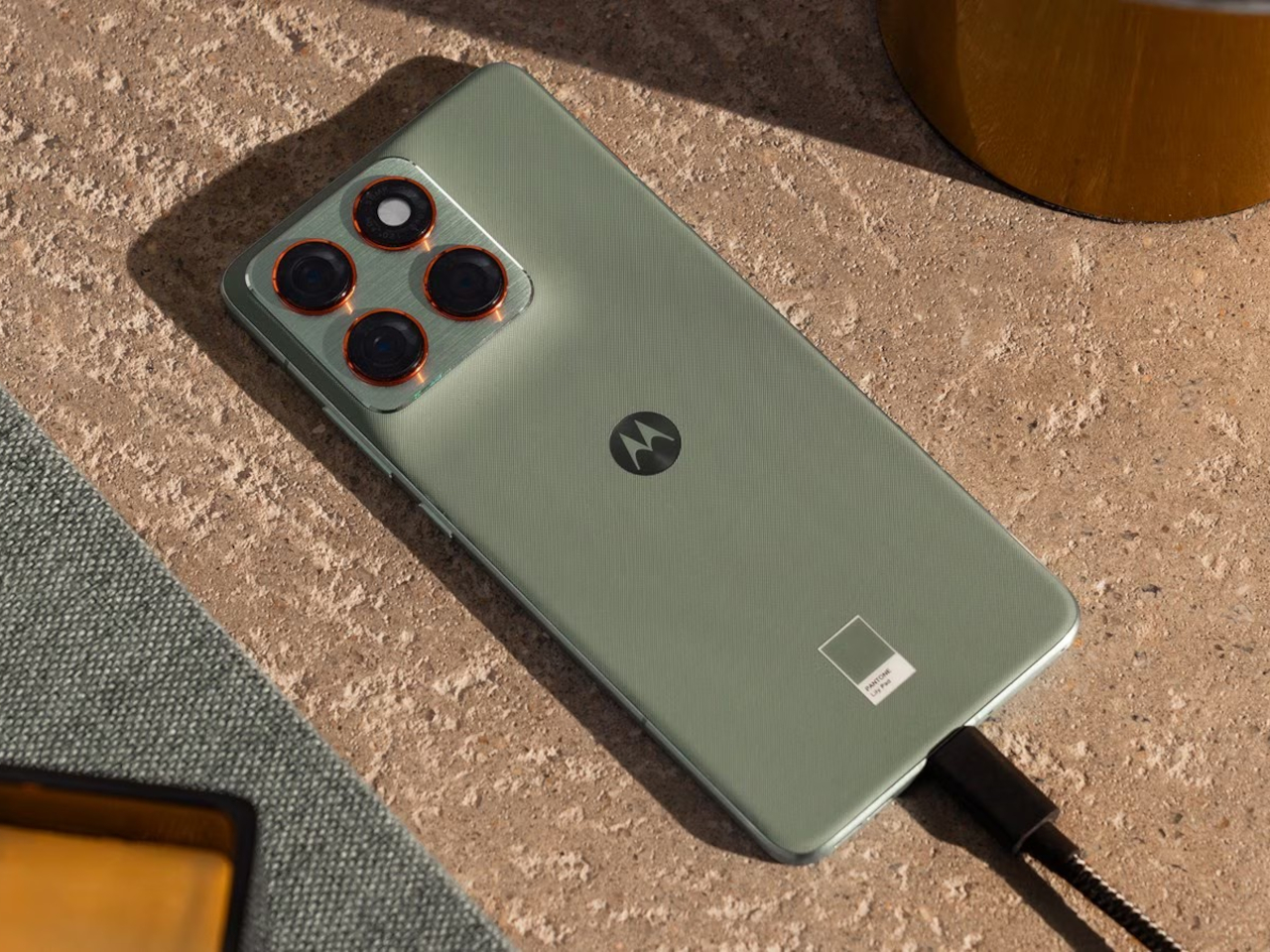
The Motorola Edge 70 is impossibly thin at just 5.9mm, making it the slimmest in its class and lighter than most competitors at only 159 grams. The matte finish, rounded corners, and Pantone-certified color options like Lily Pad and Bronze Green give it a premium vibe that stands out in a sea of black rectangles flooding the market. The aerospace-grade aluminum frame adds durability without compromising the slim profile.
Up front, you get a 6.7-inch pOLED display with a buttery-smooth 144Hz refresh rate and Pantone-validated color accuracy for authentic visuals. It’s bright at 4500 nits peak, vibrant, and smooth for scrolling, streaming, or editing photos on the go. The screen-to-body ratio of 96.32 percent delivers edge-to-edge immersion that rivals the best flagships on the market today.
Under the hood, the Snapdragon 7 Gen 4 chip, 12GB LPDDR5X RAM, and 512GB UFS 4.0 storage handle daily tasks, social media, and light gaming with ease and reliability. While it won’t out-muscle the Galaxy S25 Edge or iPhone Air in benchmarks, it’s more than capable for most users who aren’t pushing hardcore gaming or intensive video editing. The specs are mid-range, but performance feels premium for everyday life.
The Motorola Edge 70 sports a triple 50MP camera setup, including main, ultra-wide, and telephoto lenses, plus a high-resolution selfie camera for social sharing and video calls. Moto AI brings smart features like auto-capture, scene optimization, and instant note-taking from photos without complicated menus or settings. The camera system is versatile for everyday snaps, portraits, and 4K video recording, though it’s not aiming to dethrone dedicated camera phones at higher price points.
Where the Motorola Edge 70 really shines is battery life and charging speed that outpace many flagships. The 4800mAh silicon-carbon cell and 68W TurboPower charging mean you can go up to 50 hours on a single charge with moderate use, and top up in just 15 minutes when you’re running low. This battery performance beats many flagships that sacrifice capacity for thinness, making the Edge 70 ideal for heavy users.
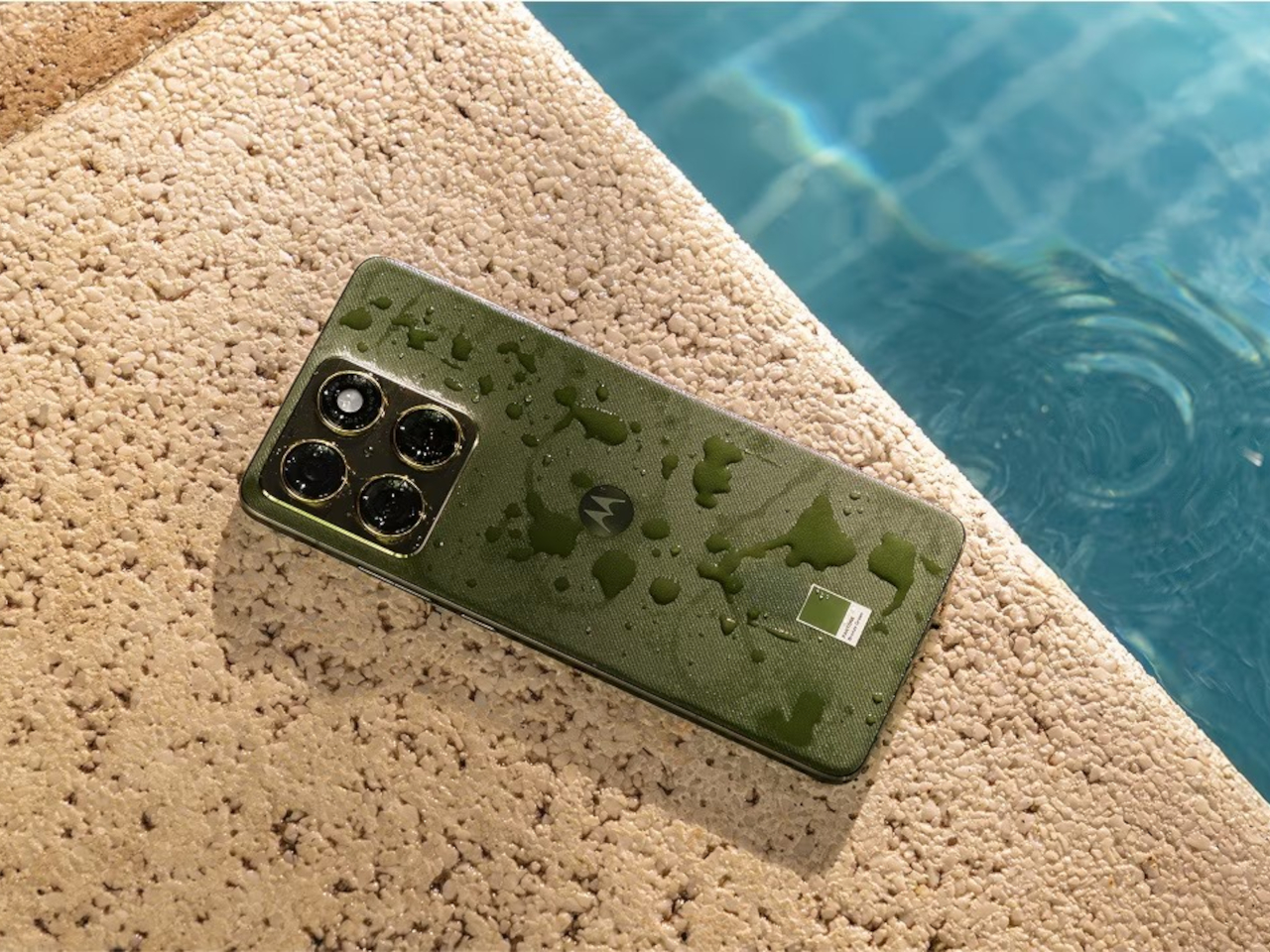
Shipping with Android 16, IP68 splash resistance, 5G connectivity, Wi-Fi 6E, and stereo speakers with Dolby Atmos, the Motorola Edge 70 is a well-rounded package at £700. For anyone who wants flagship style, exceptional battery life, and everyday performance without the flagship price or constant charging anxiety that plagues thinner competitors, it’s a compelling alternative worth serious consideration.
Most of us have struggled with key rings that jam in your pocket, carabiners that tangle with everything else in your bag, or split rings that pop open at the worst possible moment when you’re rushing to unlock something important. Everyday carry should be about readiness and preparation, not frustration and fumbling with gear that fights you instead of helping you stay organized and efficient throughout your day.
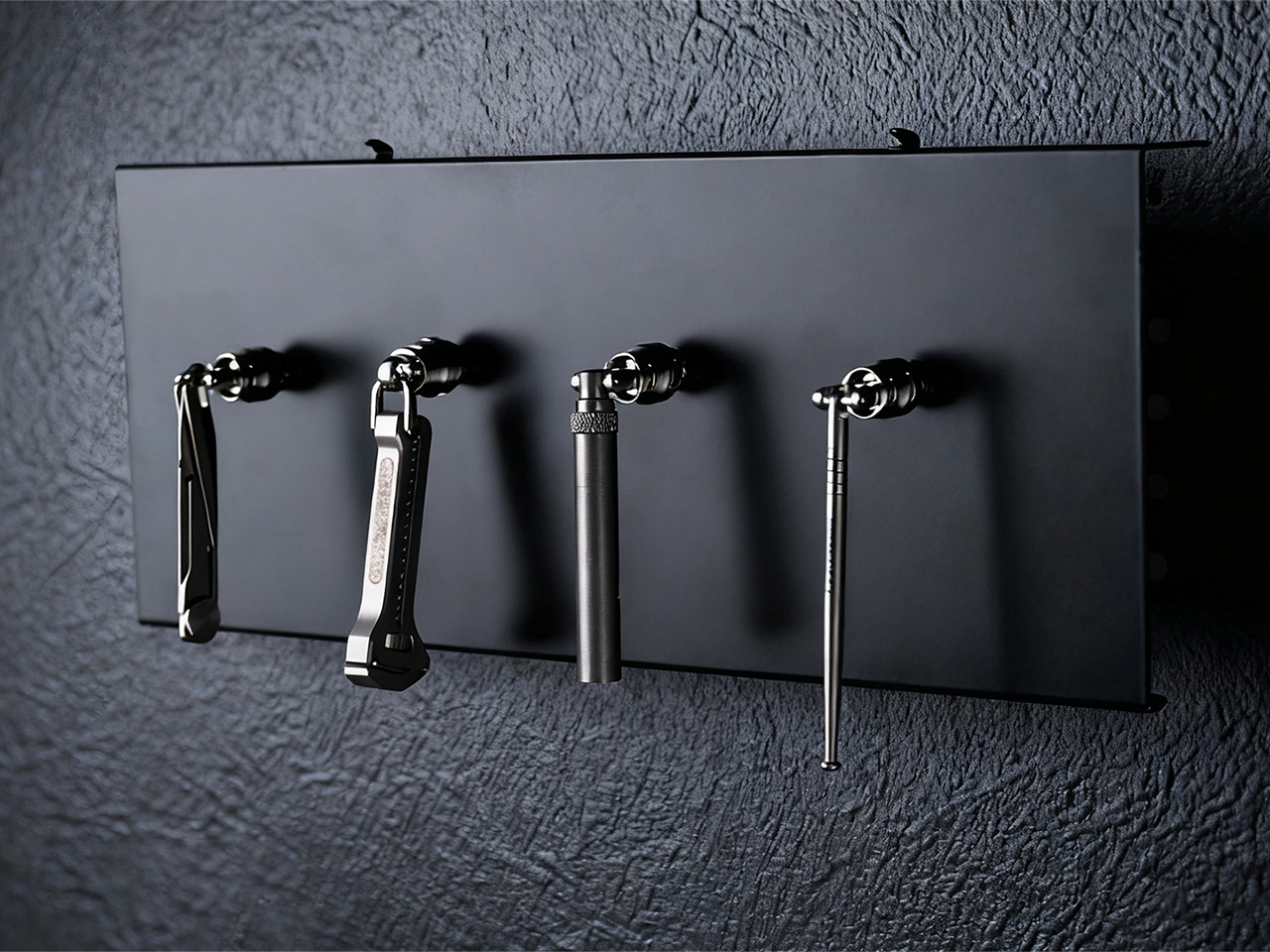
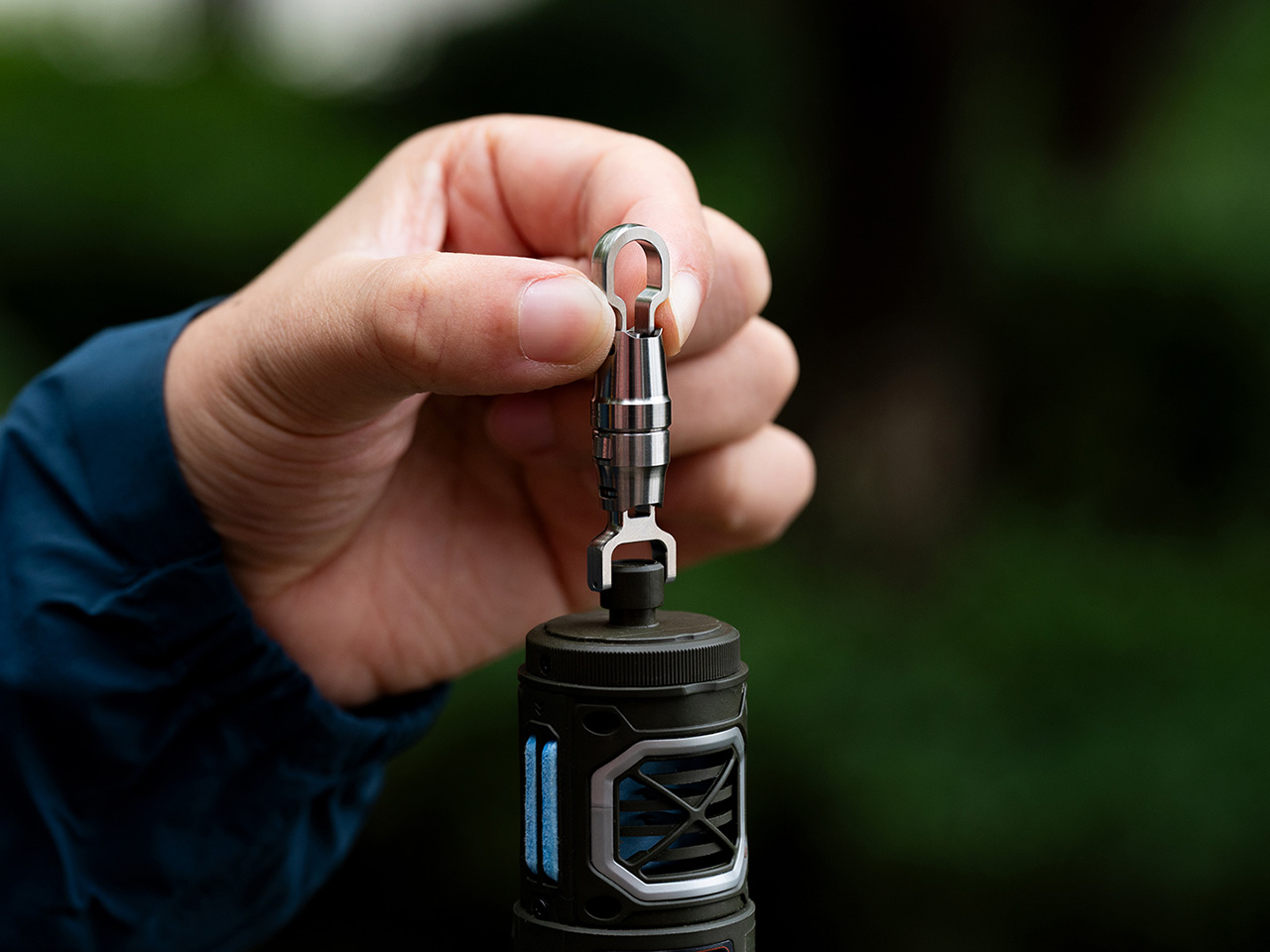
The Titaner Quick-Release EDC Carry System offers a completely different approach by blending aerospace-grade GR5 titanium, a patented magnetic-mechanical lock, and a modular design that adapts to your gear and your daily routine without adding unnecessary bulk or complexity. It features four sub-connectors that support various carrying use cases, from everyday carry to professional outdoor gear. Best of all, it feels as good as it looks, engineered to disappear into your pocket until the exact moment you need quick, one-handed access to whatever you’re carrying.
Crafted entirely from GR5 titanium, the Titaner system manages to be both ultra-light and incredibly strong for its compact size. Each connector is CNC-machined with precision tooling and finished with careful attention to edge smoothness, available in your choice of stonewashed, machine, or bold anodized finishes in yellow and blue. The result is gear that feels warm and tactile rather than cold and industrial.
The minimalist form follows function precisely without wasting a single millimeter on unnecessary features or decorative elements. Weighing just 6.5 grams, lighter than two sheets of paper, the main connector is barely noticeable in your pocket yet tough enough to survive years of daily use and harsh outdoor environments without failing. The titanium construction means it will never rust, discolor, or irritate your skin during extended contact with sweat or seawater.
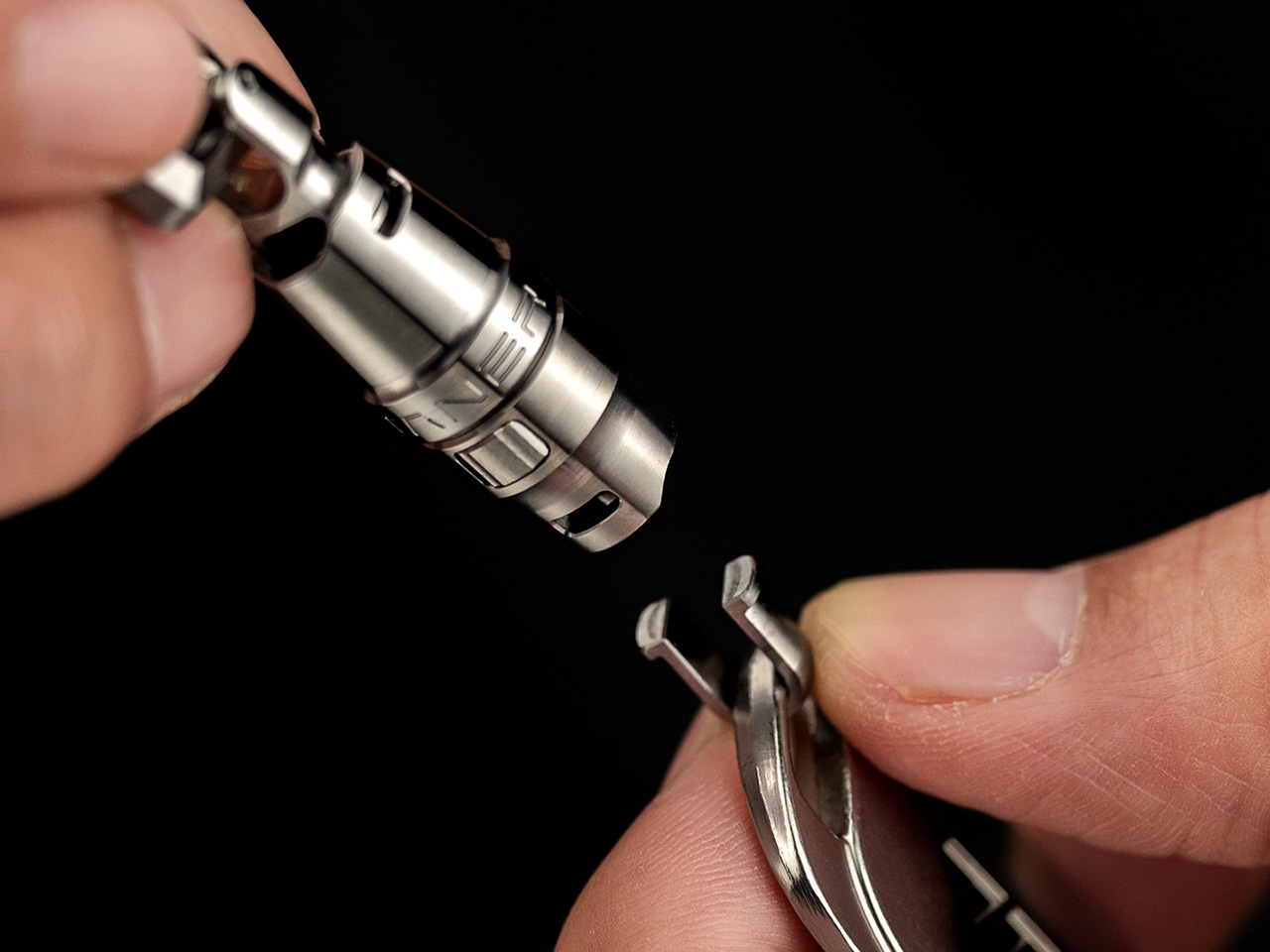
The heart of the system is a patented dual-action lock combining an N56 neodymium magnet for effortless alignment with a physical GR5 titanium lock for absolute security you can trust completely. Connecting your gear is as simple as snapping the pieces together with a satisfying, audible click that confirms proper engagement, but releasing them requires a deliberate press and 90-degree twist motion that prevents accidental detachment.
This dual-action approach ensures your keys, tools, or tech never detach by accident during daily activities, no matter how much you pull, shake, or jostle your bag during commutes, hikes, or outdoor adventures. The connector maintains its hold through vibration, snagging, and heavy use in demanding conditions, providing peace of mind for carrying expensive equipment you can’t afford to lose unexpectedly or replace on short notice.
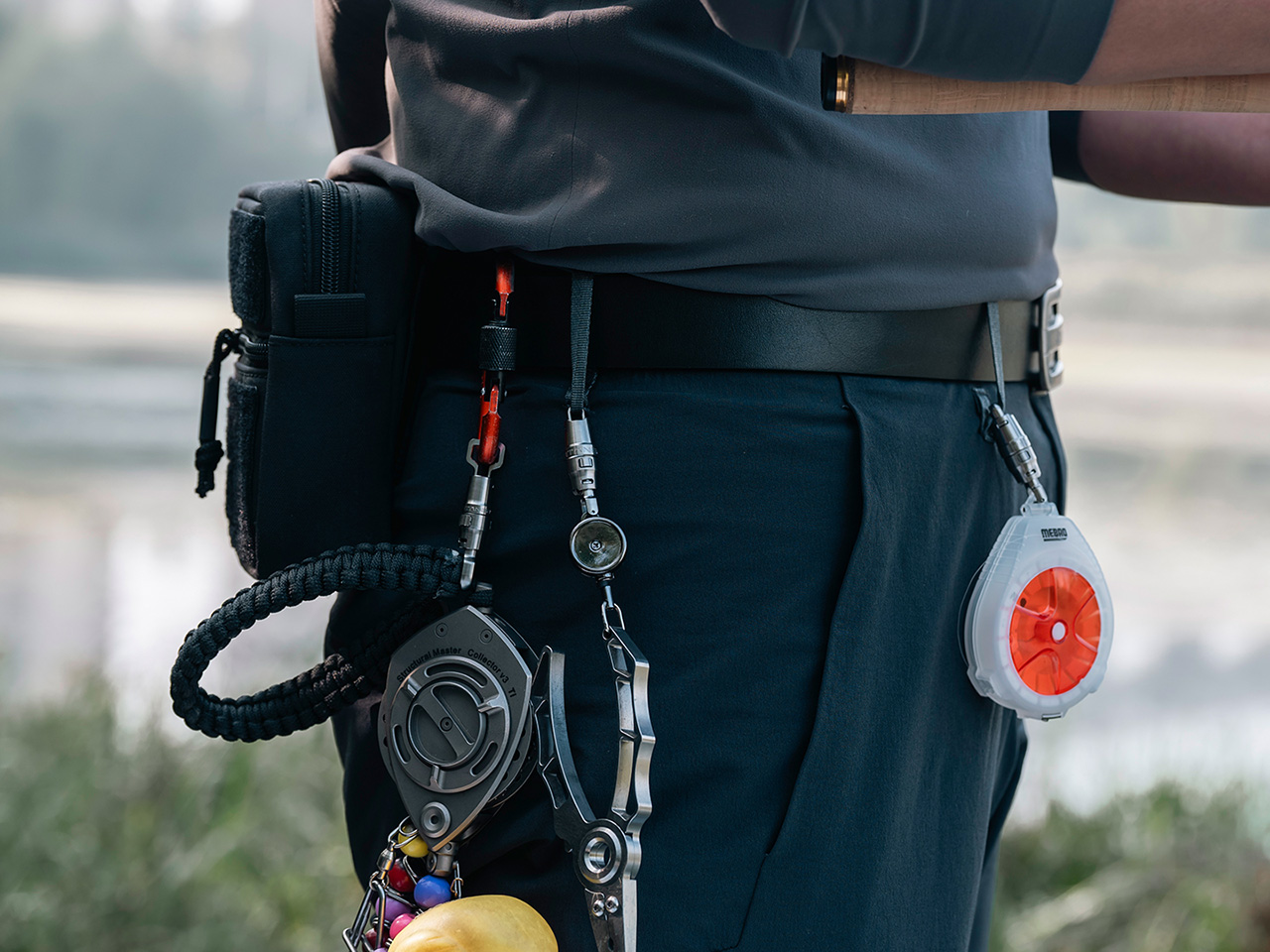
The newly launched EDC Connector modular system eliminates the need for traditional key rings entirely through four distinct sub-connector types that attach directly to the main buckle. This direct-attach approach removes bulk, weak points, and the annoying jingle that comes with metal rings clanking together in your pocket. Each sub-connector is purpose-built for specific carry needs, from single items to webbing straps, letting you build a setup that actually makes sense for your lifestyle.
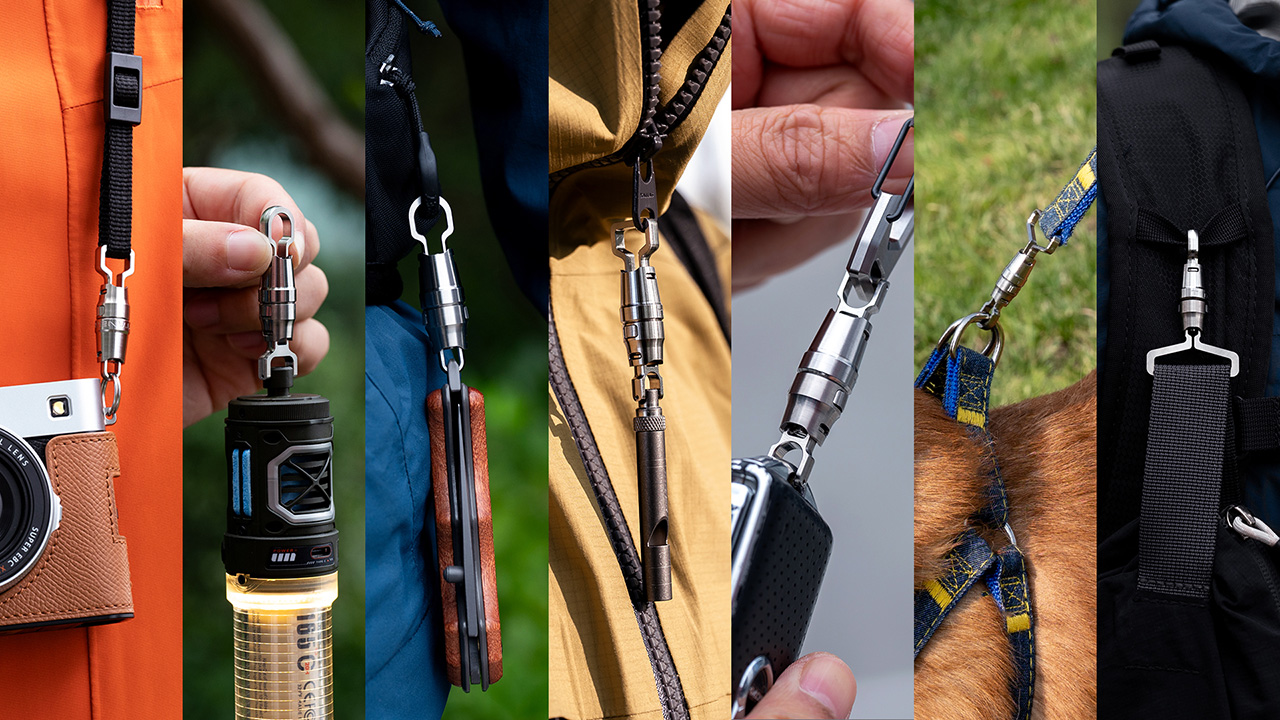
There are four types of sub-connectors that work seamlessly with the main buckle for different purposes. The U-Series provides balanced carry for single items, the X-Series features a reinforced titanium pin for tools with small attachment holes, the D-Series stacks keys quietly like pages in a book for flat carry, and the E-Series creates ultra-stable anchor points for webbing and backpack straps.
Whether you’re organizing house and car keys for daily commutes, hanging a flashlight or multitool from your belt, attaching gear to a backpack for outdoor adventures, or keeping pet tags secure during walks through the neighborhood, the system adapts seamlessly to different scenarios throughout your day. The 360-degree swivel keeps everything tangle-free and automatically positions gear in the most convenient orientation for immediate, effortless access.
Every edge is finished smooth for absolute comfort, and the connector’s action is so precise and crisp that you’ll find yourself clicking it open and closed just for the tactile satisfaction and stress relief it provides. The titanium is hypoallergenic and completely corrosion-resistant, maintaining its appearance and performance even after years of sweaty hikes, rainy commutes, or daily handling without showing degradation or requiring special maintenance.
The finishes let you match your gear to your personality and specific use case preferences. Stonewashed provides a rugged texture that hides daily wear and tells your adventure story, machine finish showcases pure titanium with clean technical elegance, and anodized versions make a bold visual statement with vibrant color that distinguishes your carry from typical EDC gear most people settle for every day.
The Titaner Quick-Release EDC Carry System delivers minimalist design, technical innovation, and everyday practicality in a package that feels both premium and approachable for serious users who demand quality. For anyone who wants their gear to be as reliable and refined as the rest of their daily routine, this titanium connector system offers a thoughtful alternative to the clunky key rings and unreliable split rings most people simply tolerate.
Welcome to a new creative space at Yanko Design, where we explore the minds behind the products that shape our world. We are thrilled to introduce our new podcast, Design Mindset, your weekly dive into the philosophies and frameworks that drive modern innovation. Every Friday, host Radhika Seth sits down with leaders, creators, and thinkers who are redefining their industries. In our ninth episode, we explore a fascinating concept: the invisible grid. These are the seamless systems and technologies that, when designed perfectly, fade into the background, allowing pure creativity to flourish without constraint.
Our guest for this exploration is Edward Mao, a product design lead and the head of the integrated design department at Insta360. Edward brings a global perspective to his work, having studied and lived across the US, Sweden, and Schengen. He leads teams that build the very systems millions of creators depend on daily. Insta360 is known for its groundbreaking 360-degree cameras and action cameras, particularly its “invisible selfie stick” technology, which serves as a perfect metaphor for our conversation. The best systems, like the best tools, should empower the user to the point where they are no longer thinking about the tool itself, but only about what they want to create.
The Innovator’s Mindset: Redefining the Rules of the Game
What truly separates an innovator from a follower? According to Edward, it transcends simple risk-taking and digs deep into one’s fundamental mindset. An innovator is driven by a desire to establish entirely new rules, to create categories that never existed before, and to set the benchmarks that will define the market for years to come. Their focus is on impact and purpose, a relentless pursuit of a unique vision that pushes the entire industry forward. Edward explains that this path is inherently harder, but the reward is a profound sense of satisfaction that cannot be replicated. As he puts it, “innovating makes you unique… the payoff, you can get the sense of purpose, the sense of satisfaction, right? It’s way bigger than the comfort of staying safe.” It’s a conscious choice to author the next chapter rather than simply editing a page in someone else’s book.
Conversely, the follower’s path is often a strategic one, focused on efficiency and execution. They excel at optimizing proven formulas and competing on established metrics like price and features, a strategy that allows them to catch up quickly and capture market share. However, this approach has a natural limit. Edward notes that many successful creators and companies eventually hit a “growth ceiling,” a point where the old formulas no longer yield the same results. This is the critical juncture where the question shifts from “How can we do this better?” to “What’s next?” This moment of stagnation often becomes the catalyst for a radical shift in thinking, forcing even the most dedicated follower to consider the daunting but necessary leap into the unknown territory of innovation, where the potential for true differentiation lies.
The Disappearing Act: When Great Technology Becomes Invisible
The ultimate goal of great design is to render itself invisible. This is the central philosophy Edward champions, where technology becomes so intuitive and seamless that it dissolves into the background, leaving only the user and their creative vision. The tool ceases to be an object of focus and instead becomes a natural extension of the user’s intent. Insta360’s “invisible selfie stick” is the perfect embodiment of this principle. When a creator uses it, they are not thinking about the pole in their hand or the mechanics of the software erasing it. They are thinking about capturing an impossible, drone-like shot, fully immersed in the act of creation. This is the magic moment Edward strives for, when “the tech basically disappears and the creativity takes over… that’s when you know you have built something truly invisible.” The technology becomes a silent partner, empowering the user without ever demanding their attention.
Achieving this level of invisibility is not a matter of adding more features, but of ruthless simplification and a return to first principles. Instead of asking how to build a better version of an existing product, the innovator asks what the user’s ultimate goal is and what the absolute, unchangeable constraints are. This approach fundamentally reframes the problem, steering the design process away from incremental improvements and toward breakthrough solutions that address the core need. By focusing on the “why” behind the user’s actions, designers can build tools that anticipate needs and remove friction points before they are even noticed. This frees the creator’s mind from the burden of technical problem-solving, allowing them to dedicate all their cognitive energy to what truly matters: storytelling, expression, and bringing their unique vision to life.
Paying the ‘Tuition’: The Unseen Investment of a Pioneer
Embarking on a path of true innovation is an expensive education, and as Edward suggests, the early struggles are the “tuition” paid for a future advantage that cannot be bought. Pioneering is a slow, arduous process, much like pushing a heavy flywheel. The initial effort is immense, with little visible momentum to show for it. These early phases are filled with setbacks, costly mistakes, and the constant feeling of pushing against inertia. However, this upfront investment in learning, testing, and overcoming unforeseen obstacles builds a deep well of experience-based knowledge. This hard-won wisdom becomes a strategic moat, a defensible asset that late-coming competitors cannot easily replicate. They may be able to copy the final product, but they cannot copy the years of struggle and learning that made it possible.
This pioneering journey is fueled by more than just resilience; it is powered by profound empathy. Edward emphasizes that the most insightful innovators are often their own most demanding users. They relentlessly stress-test their own creations in the messy, unpredictable real world, uncovering failure points and latent needs that would never surface in a controlled lab or a market research report. This hands-on process builds an intuitive understanding of the user experience. Furthermore, this journey requires a pragmatic acceptance of imperfection. The goal is not to launch a flawless product from day one. Instead, the strategy is to release a solid, valuable minimum viable product and then iterate relentlessly with the market. As Edward advises, “perfection comes later iteration by iteration i think it’s less scary that way.” In this model, the community of users becomes a collaborative partner in the design process, their feedback shaping the product’s evolution.
Beyond the Product: Why Sustainable Innovation Lives in Ecosystems
In today’s hyper-competitive market, a single breakthrough product is no longer enough to guarantee long-term success. A brilliant feature can be copied, a clever design can be replicated. True, durable advantage, as Edward argues, comes from building a comprehensive ecosystem around the product. This system of interconnected value is far more difficult for competitors to duplicate. For a company like Insta360, this means the camera itself is just the beginning. The real strength lies in the surrounding ecosystem: the intuitive editing software that simplifies complex workflows, the active user communities that provide support and inspiration, the extensive library of tutorials that flatten the learning curve, and the wide array of accessories that expand the product’s capabilities. This holistic approach creates a sticky, high-friction-to-exit experience that compounds the product’s value over time, turning customers into loyal advocates.
This powerful principle of ecosystem thinking is not just for large corporations; it is equally critical for individual creators striving to build a sustainable career. A viral video or a popular design is fleeting, easily lost in the endless stream of digital content. A career built on an ecosystem, however, is enduring. Edward advises creators to think beyond the next piece of content and instead focus on building systems around their work. This could manifest as developing mentorship programs to nurture emerging talent, creating collaborative workflows with other artists to cross-pollinate audiences, or productizing their expertise through workshops and digital assets. By building a network of value around their core creative output, they transform their work from a series of replaceable artifacts into a resilient, interconnected enterprise that can withstand the unpredictable shifts of trends and algorithms.
From Follower to Leader: A Practical Guide to Making the Leap
The transition from a follower to an innovator can feel like a terrifying leap into the abyss, especially when a proven formula is already paying the bills. The fear of abandoning what works is a powerful deterrent. However, Edward’s advice demystifies this process, transforming the reckless gamble into a series of calculated, manageable steps. The core principle is to de-risk innovation by starting small. Instead of betting the entire farm on an unproven idea, he advocates for experimenting on the periphery with “low-stakes side projects.” This approach allows a creator or a company to explore new technologies, test radical ideas, and build new skills without jeopardizing their main source of income or alienating their core audience. As he simply states, “start small always start small.” It’s a strategy of quiet evolution, building the future in the background while continuing to deliver consistency in the foreground.
To guide this process, Edward offers a practical three-part test to determine if an innovative idea is worth pursuing. First, can the concept be explained in a single, simple sentence? This is a test of clarity and focus, ensuring the idea isn’t convoluted. Second, does it create a unique experience that nothing else currently offers? This validates its potential for true market differentiation. And third, does it address common user complaints? This is the most crucial test, as it confirms that the innovation is solving a real, pre-existing problem, signaling a clear and unmet demand. By using this framework, innovation shifts from being a blind bet to a strategic, evidence-based pursuit. It encourages prototyping, running small user tests, and co-creating with the community, allowing the audience to help guide the direction of progress and ensuring that when you do finally push the boundaries, you bring them along with you.
To hear more about Edward’s work and his systematic approach to creativity, you can follow him at “designer mr mao” on red note and tiktok, or go check out how Insta360 is revolutionizing how we capture our world. Be sure to tune in to Design Mindset next Friday for another look into the minds shaping our creative world.